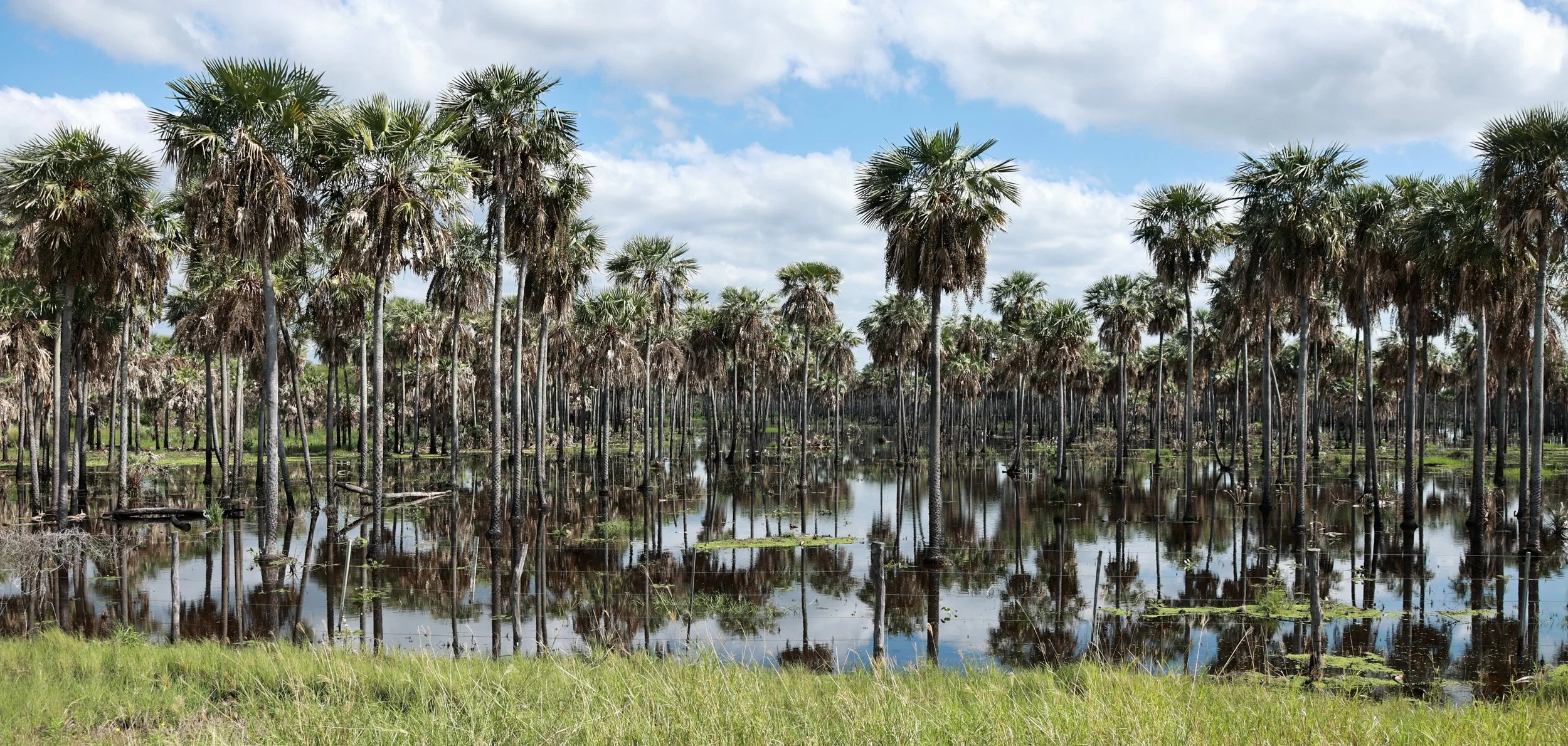
Expedition to the Chaco of Paraguay
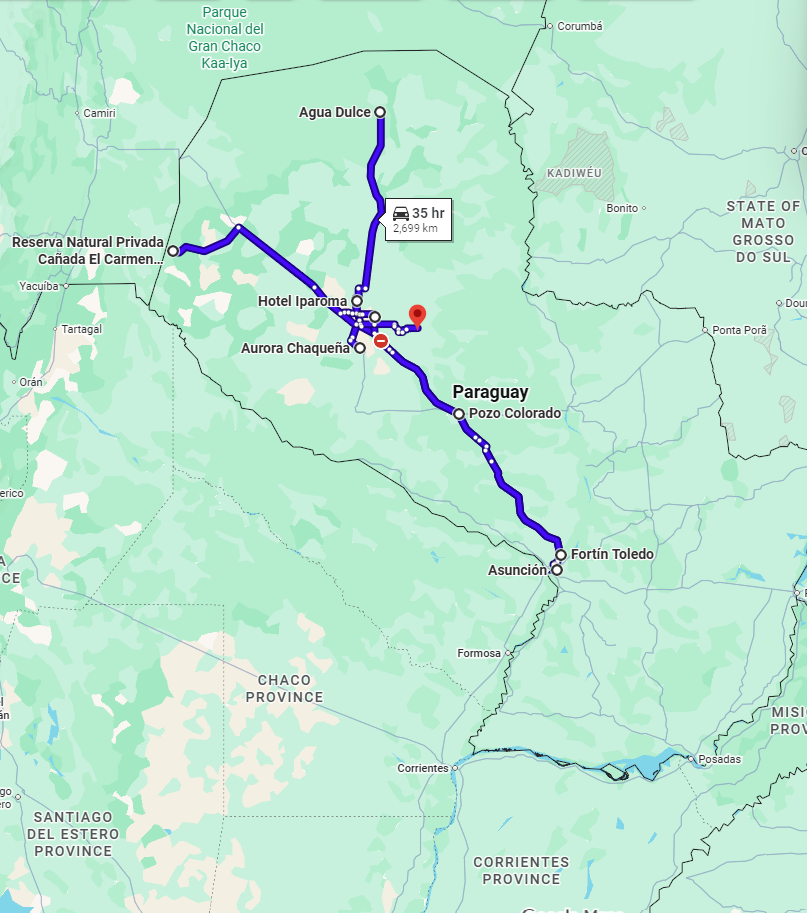
The general routing of the two-week expedition to the wet and dry Chaco of Paraguay. The nature of the roads in Paraguay makes back tracking a necessity. This is a good thing in that it allowed for a second chance at many stops along the way.
Paraguay had been sitting near the top of my mammalwatching wish list for years. Like many people who spend far too much time reading trip reports instead of doing sensible things, I was inspired by Jon Hall's adventures in the country nearly a decade ago. A remarkable number of the rodents found in Paraguay and neighbouring Argentina occupied prominent positions on my "most wanted" list, and the prospect of finally exploring the legendary Chaco had long felt like one of those mammalwatching dreams that might never quite happen. Fortunately, this time it did.
This trip was made possible with the help of Andrey and Karina and Toby from Wild Chaco Expeditions. (Link to webpage here) They are famous from the Saiga viewing from years ago but now call Paraguay home. And in the few years they’ve lived here they have become true experts in the flora and fauna of the country. And on top of that, they’ve developed an impressive set of relationships with many private land owners and conservation groups which allow them to take guests in to some of the most wild and mammal-rich areas of Paraguay. They are fantastic people with a wealth of amazing stories and information. In my 16 days with them, there was not a moment of boredom or frustration. We had a great time together and I highly recommend them as guides for the Chaco! The best! And their 3-year old guide in training, Toby, was an absolute pleasure to travel with too! A very interesting and interested young man taught me a lot of Russian and natural history of the Chaco, his home.
The route itself was ambitious and would take us across a sizeable chunk of the Paraguayan Chaco. Starting in Asunción, we headed northwest through Neuland and Aurora Chaqueña before reaching Iparoma Camp. From there we continued to Agua Dulce, returned to Iparoma, then visited Fortín Toledo and the Chacoan Peccary Center. The journey continued through La Patria, Parque Nacional Teniente Agripino Enciso, Reserva Natural Cañada El Carmen and Campo'i before looping back through La Patria and Reserva Neuland Selva Serena. We then returned via Aurora Chaqueña and Chaco Lodge before eventually making our way back to Asunción. Looking at the itinerary on a map beforehand, it appeared to involve a great deal of driving through what many people would simply describe as "empty". As mammalwatchers know, empty landscapes are often anything but.
Aurora Chaqueña and the Neuland Mennonite Colony
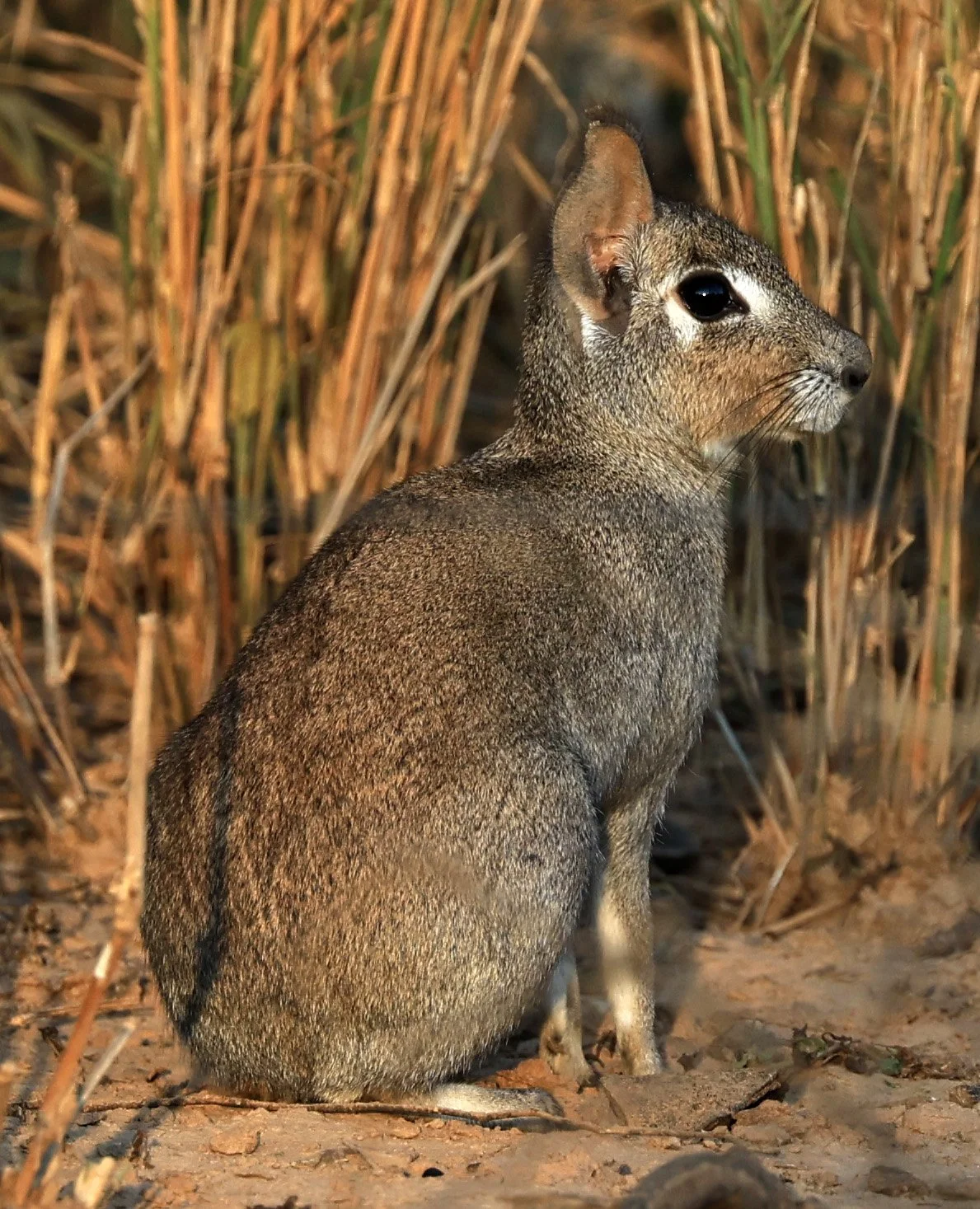
Chacoan Mara (Dolichotis salinicola) Aurora Chaquena Reserve, Neuland Mennonite Colony Paraguay
Our first stop was around Aurora Chaqueña and the Neuland Mennonite Colony, an interesting region where settlements carved out by Mennonite communities are surrounded by vast expanses of Chaco habitat. At first glance the landscape can seem harsh and unforgiving, dominated by thorn scrub, dusty tracks, cacti and drought-adapted woodland. Spending even a short time there quickly reveals how full of life it actually is. Birds appeared almost everywhere, tracks criss-crossed sandy roads, and there was a constant feeling that something interesting might emerge from the scrub at any moment.
The Mennonite colony is worth a mention. Neuland is one of the main Mennonite settlements in the Paraguayan Chaco and, after hours of driving through seemingly endless thorn forest, it feels a little like stumbling upon civilisation again. Founded by Mennonite settlers in the 1940s, the town now acts as a regional centre for the surrounding Chaco. While it provides a welcome opportunity to refuel both vehicle and mammalwatchers, the real reason for being there is the remarkable wildlife found in the surrounding habitats, which harbour everything from Fairy armadillos and foxes to some of the Chaco's most sought-after rodents. The township looks like something right out of California or Australia. A small sample of modernity in a region that is mostly filled with vast stretches of Chaco scrub and dusty villages. And the roads here are paved! But that pavement ends very shortly out of town. This normally wouldn’t phase me at all but the roads in Paraguay are most clay-based and upon being rained on they turn in to ice rinks and virtually impossible to drive on for many hours or days until they dry.
Even before reaching some of our main destinations, the mammals started appearing. Along the road towards Neuland we found a Diminutive Serotine (Eptesicus diminutus) under a bridge that Andrey scoped out years before. The same bridge produced a Lesser Bulldog Bat (Noctilio albiventris), proving that even transfer days in Paraguay can generate worthwhile records if you keep your eyes open and have local knowledge. We caught more of these gorgeous bats in an abandoned house when returning down the same road at the end of the trip. In the same house we got awesome looks at Common Vampire Bats (Desmodus rotundus) too. Sadly the road through the Wet Chaco toward Neuland, while passing through vast wetlands, also had quite a bit of roadkill ranging from Giant Anteaters, Tamandua and many smaller mammal species.
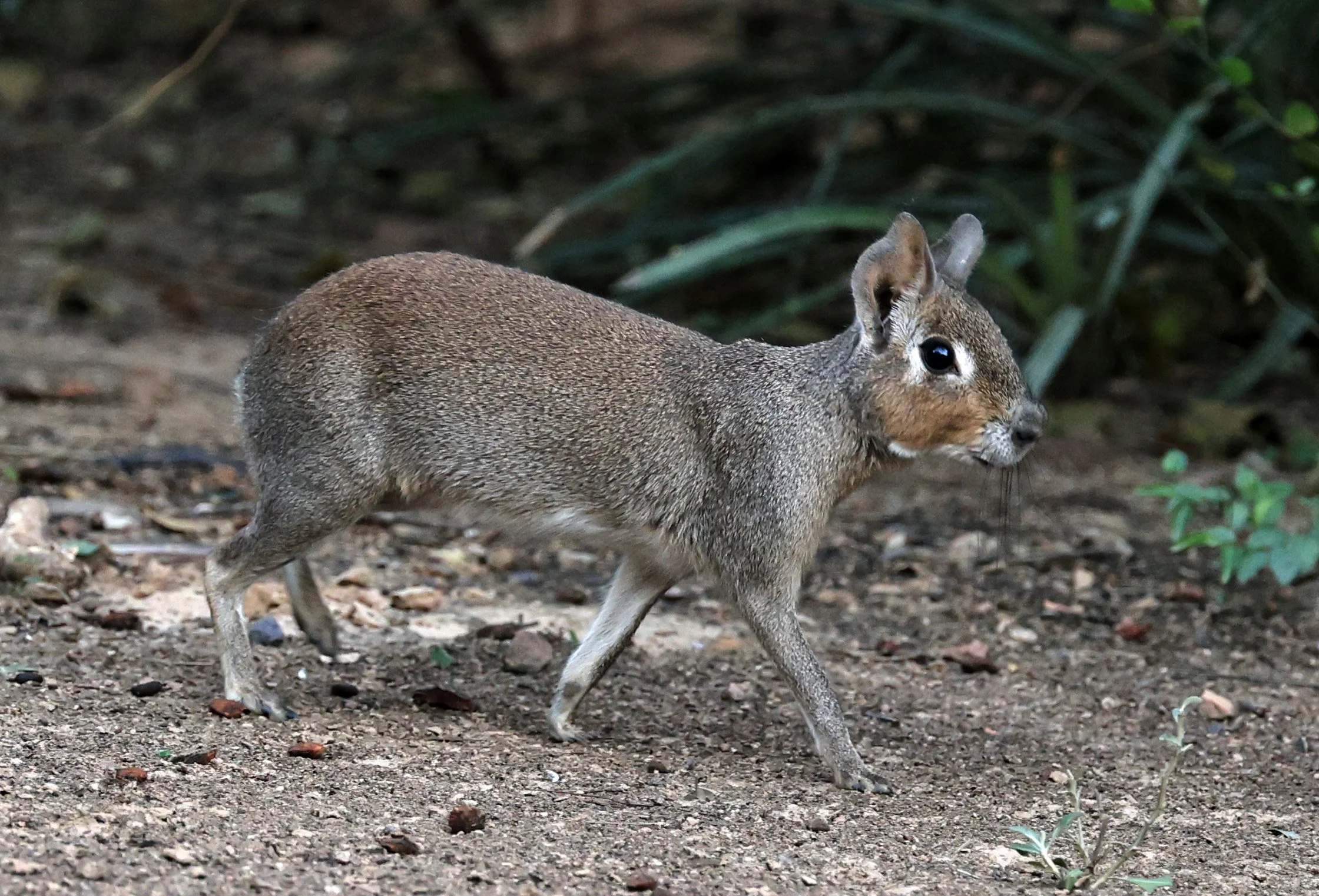
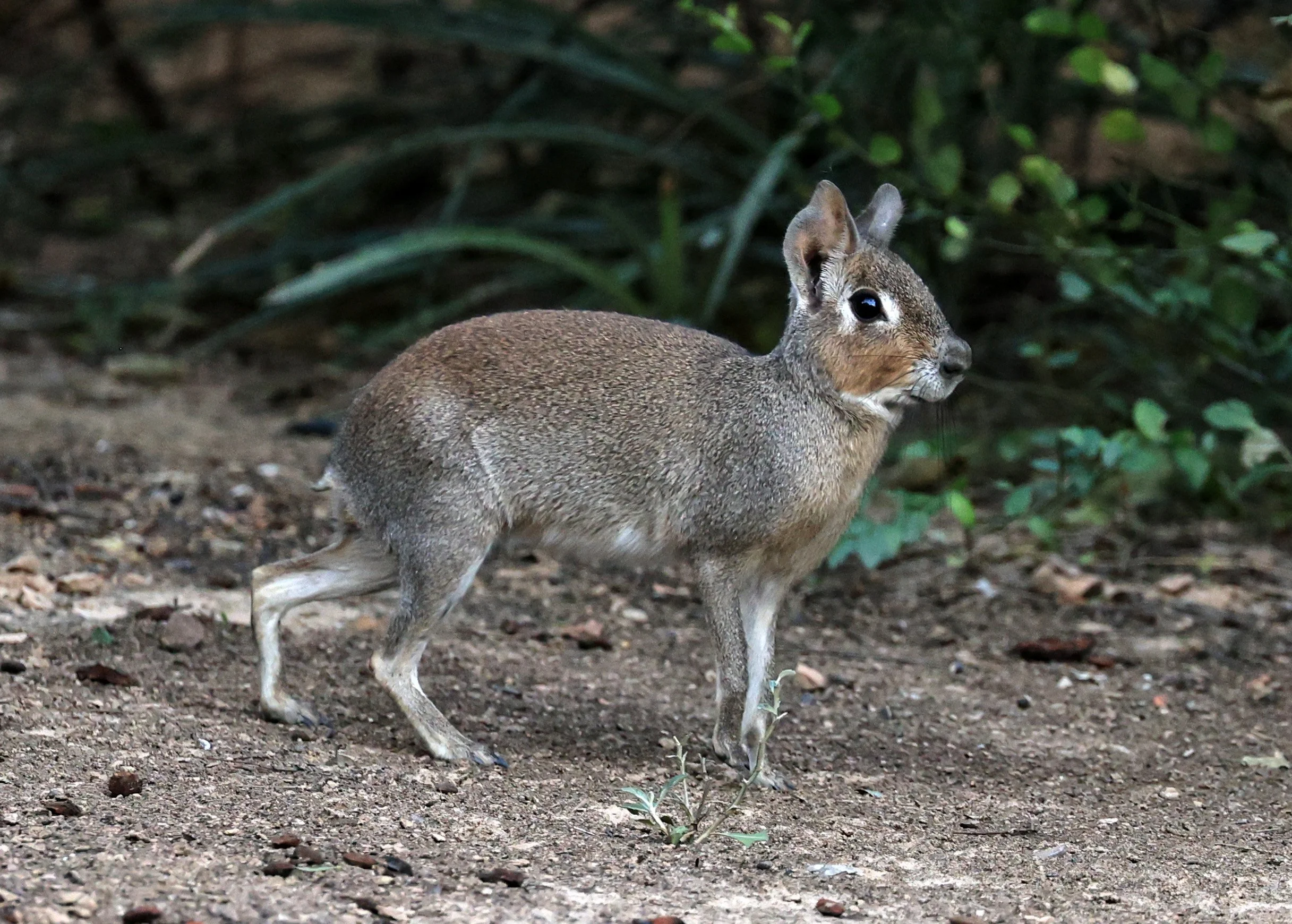
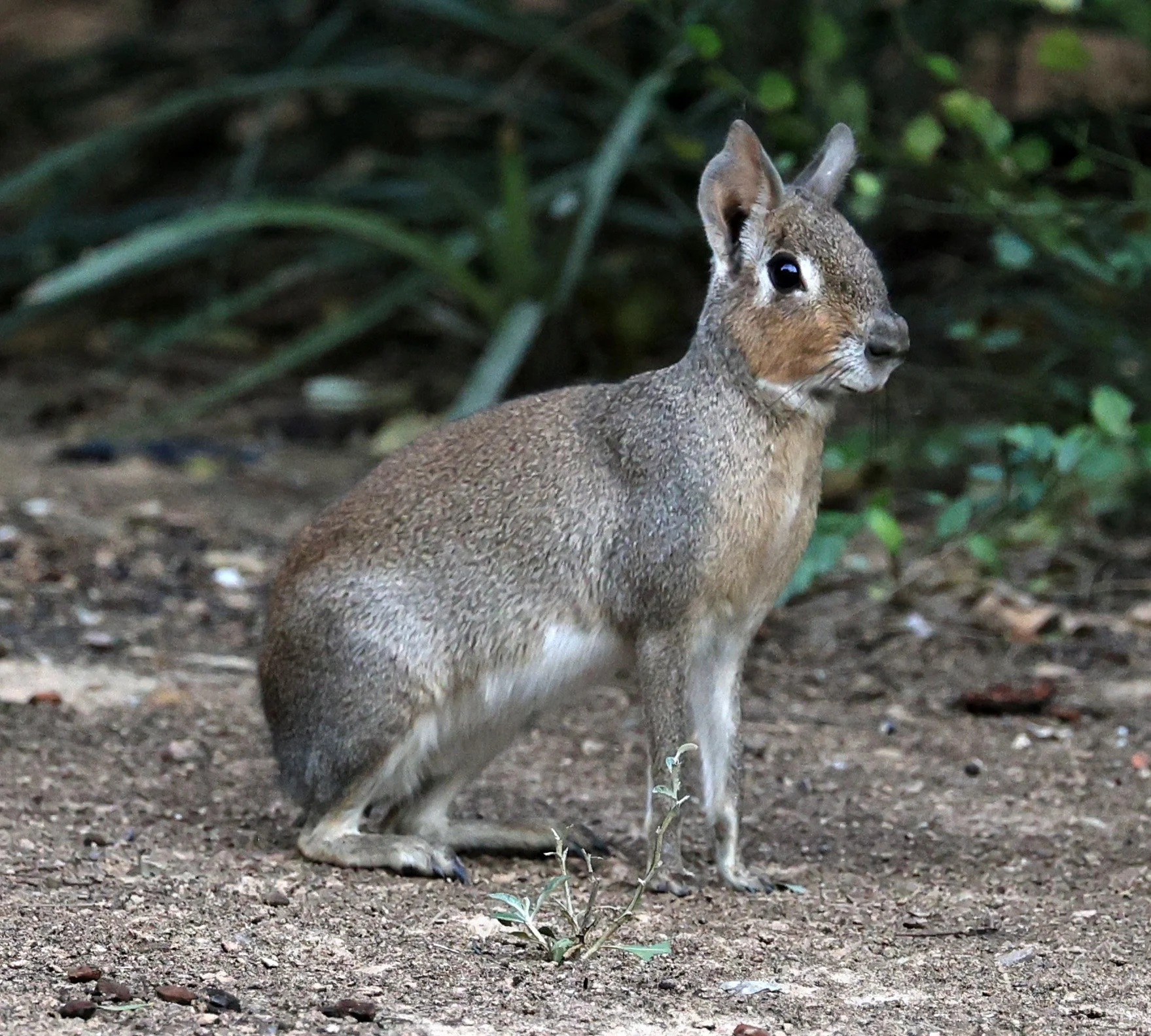
The real excitement began around Aurora Chaqueña, a private reserve owned by the Mennonite Colony. My first mammal was my most desired target, the Chacoan Mara (Dolichotis salinicola)! For years this species had existed in my mind largely as a strange-looking rodent in field guides and photos. Seeing one in its natural habitat, moving through the dry Chaco vegetation exactly where it was supposed to be, was one of those satisfying mammalwatching moments where a long-held target finally becomes real. One of the first mammals to appear on our night hike was a Southern Three-banded Armadillo (Tolypeutes matacus). There is something inherently entertaining about these animals. They seem to have been designed by someone who thought regular armadillos were far too practical and decided they needed the ability to turn themselves into footballs. Seeing my first one wandering through the Chaco scrub was a fantastic start to the trip.
The mammal list continued to grow when we encountered our first Pampas Fox (Lycalopex gymnocercus) inside Neuland. Foxes always add a certain sense of character to a trip, and this individual paused long enough to provide excellent views before continuing on its way. By this point it was becoming clear that Paraguay was going to live up to expectations. We had barely begun the expedition and already several long-desired species were on the board, all against the backdrop of the unique and endlessly fascinating Chaco landscape.
Most importantly, the opening days confirmed what had drawn me to Paraguay in the first place. The Chaco may not possess the obvious glamour of a famous rainforest, but for mammalwatchers it offers something just as appealing: huge horizons, an astonishing diversity of specialised wildlife, and the constant feeling that the next dusty road might produce exactly the species you've spent years hoping to see.
The following gallery contains images of the flora and fauna in and near Neuland, our first stop in this epic expedition:

Common Vampire Bat (Desmodus rotundus) Abandoned house on road between Pozo Colorado & Asuncion

My first Southern Three-banded Armadillo seen very quickly in a grassland on the Aurora Chaqueña compound right after I spotted a Puma track.
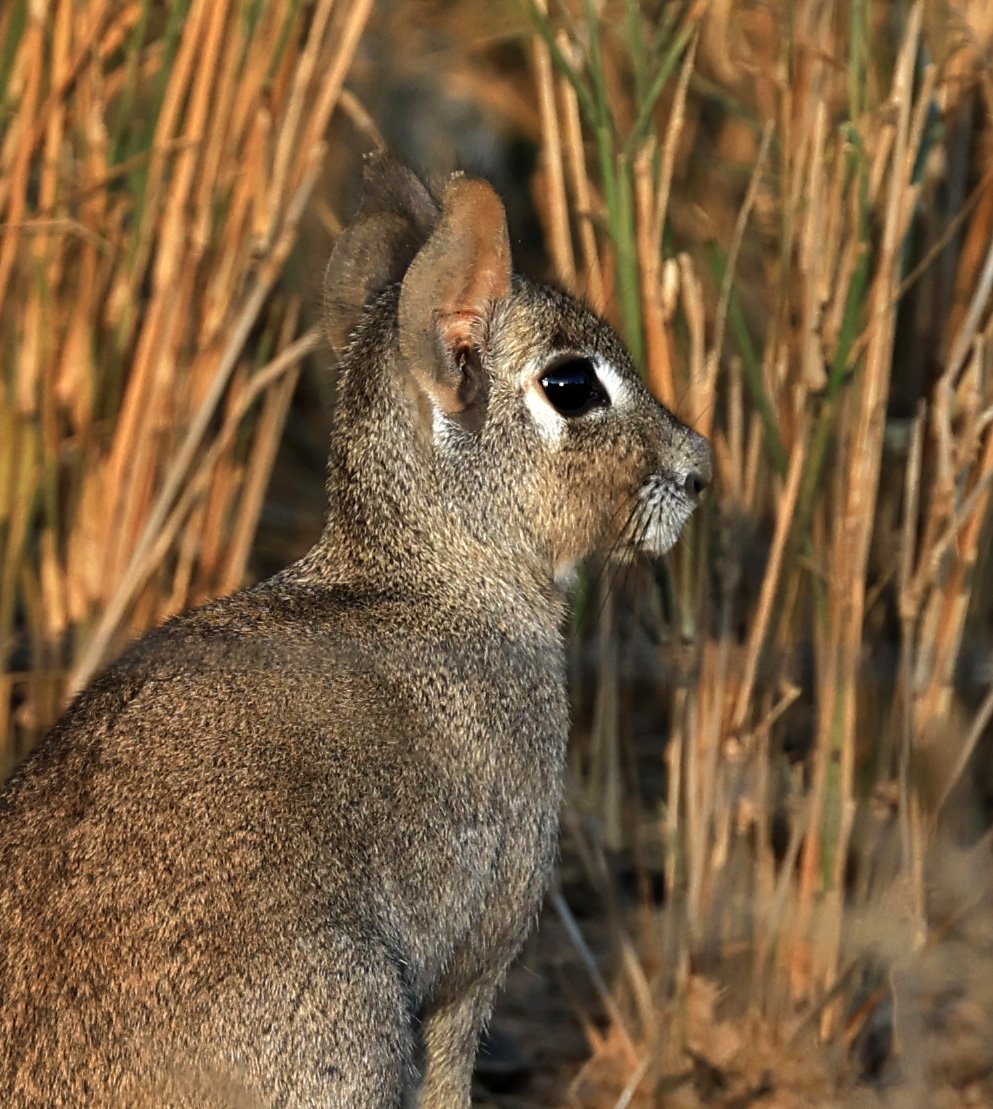
Chacoan Mara (Dolichotis salinicola) - this was my first sighting of this awesome lifer. Golden light made the moment even more special.
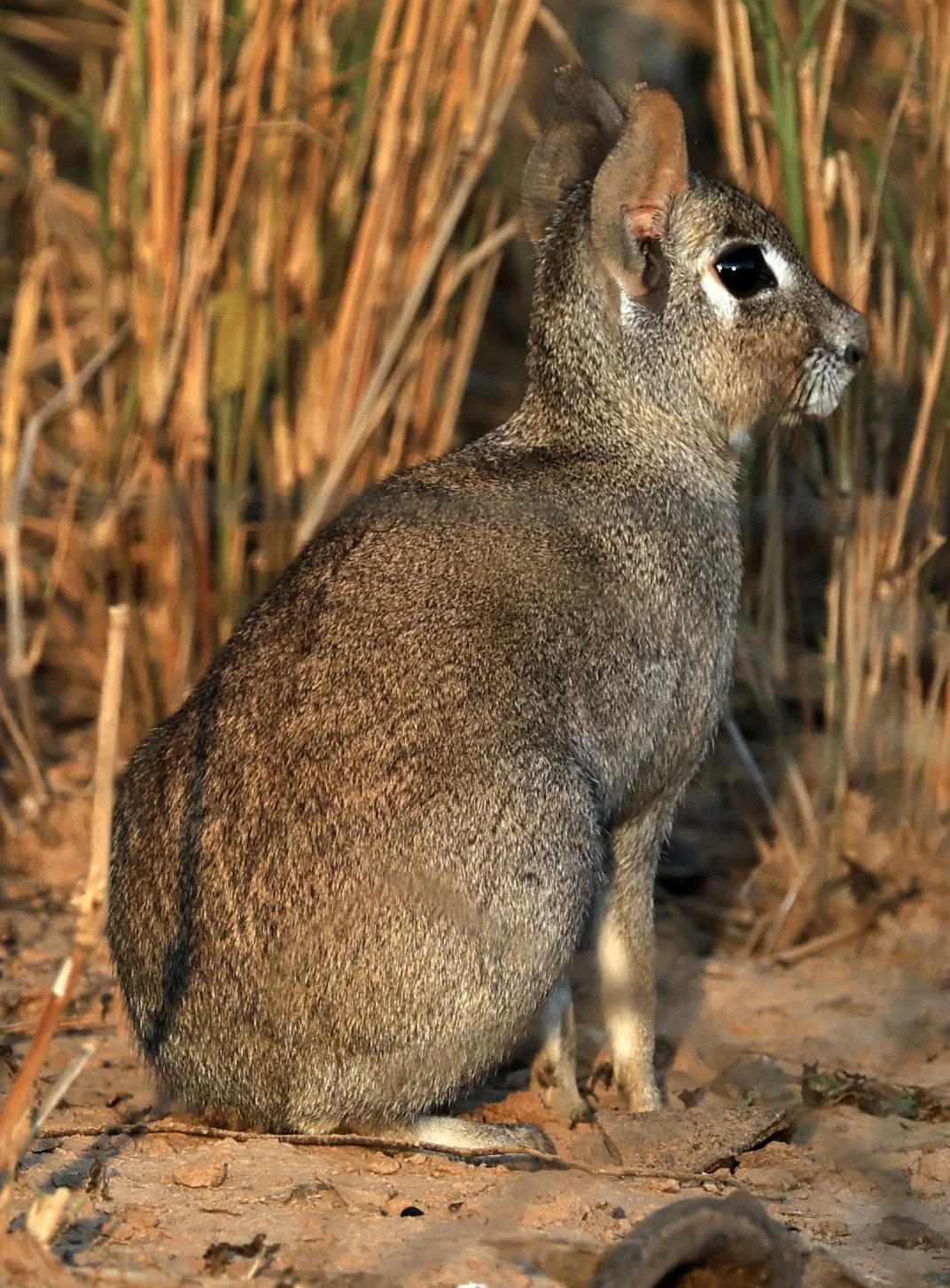
Chacoan Mara (Dolichotis salinicola) - We were to see mara virtually every day on the expedition. They often froze in this position - both listening to us and ready to bolt...
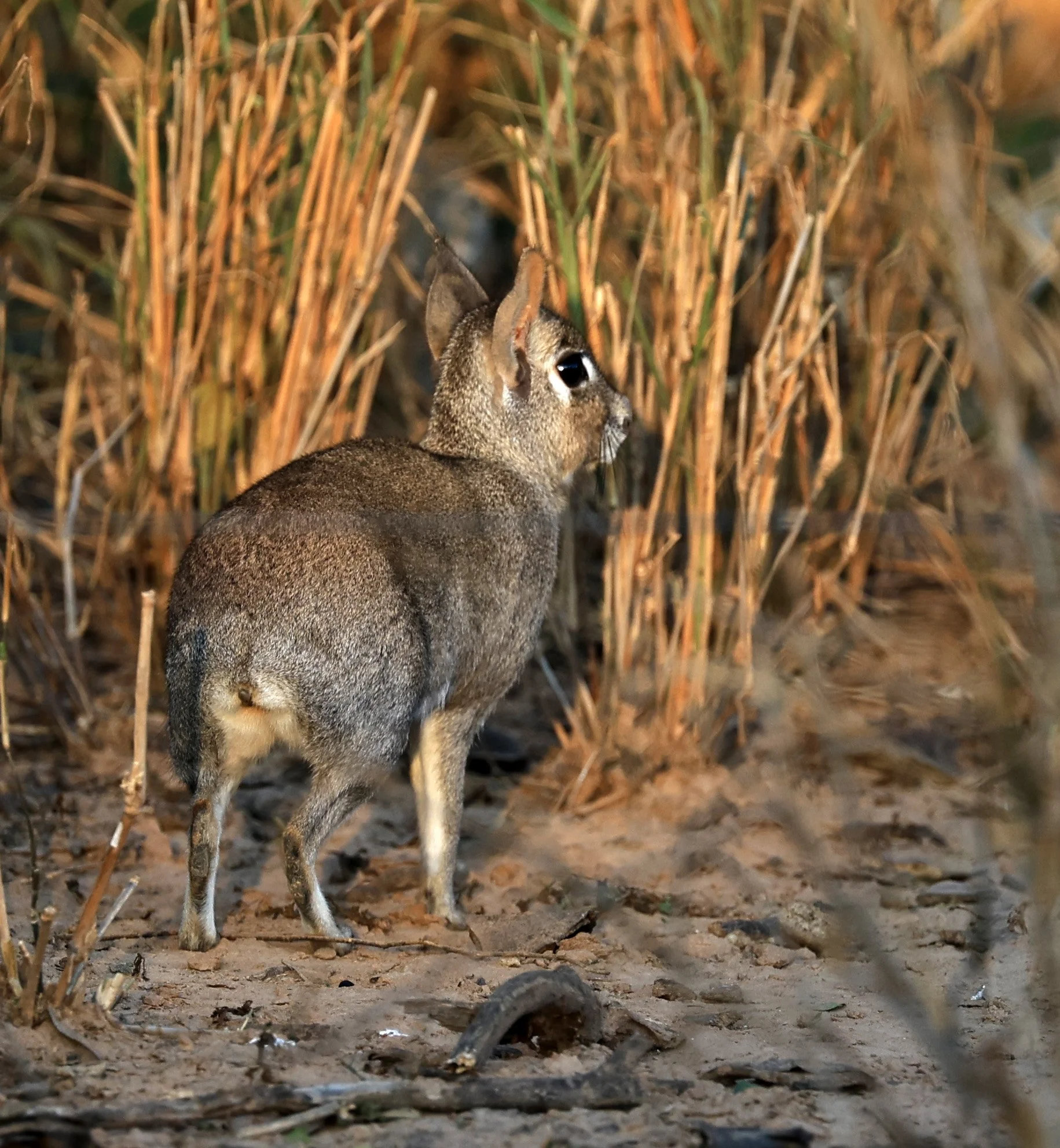
Chacoan Mara (Dolichotis salinicola)
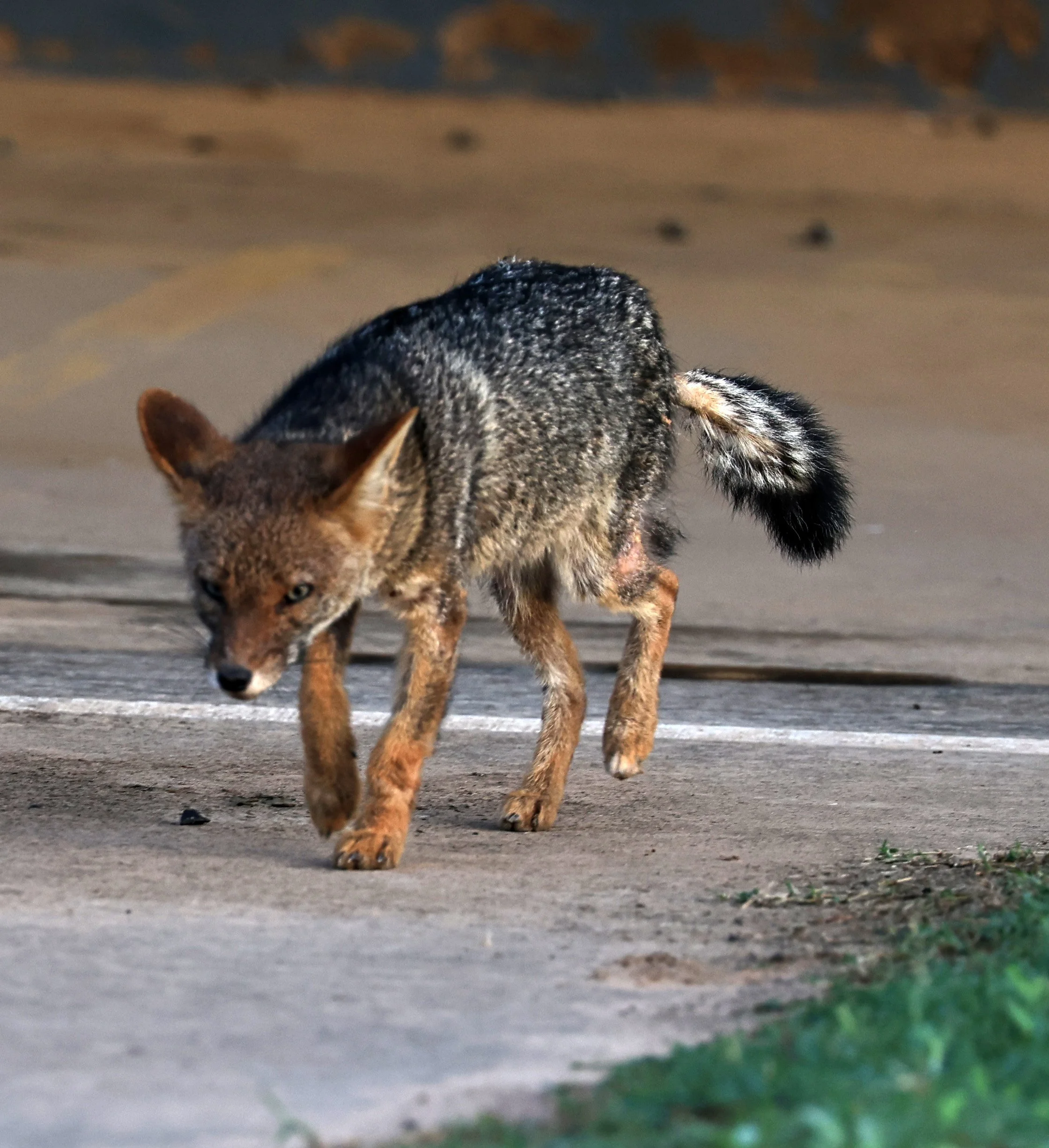
Pampas Fox (Lycalopex gymnocerca) - note the hairless tail. Could be Sarcoptic Mange?
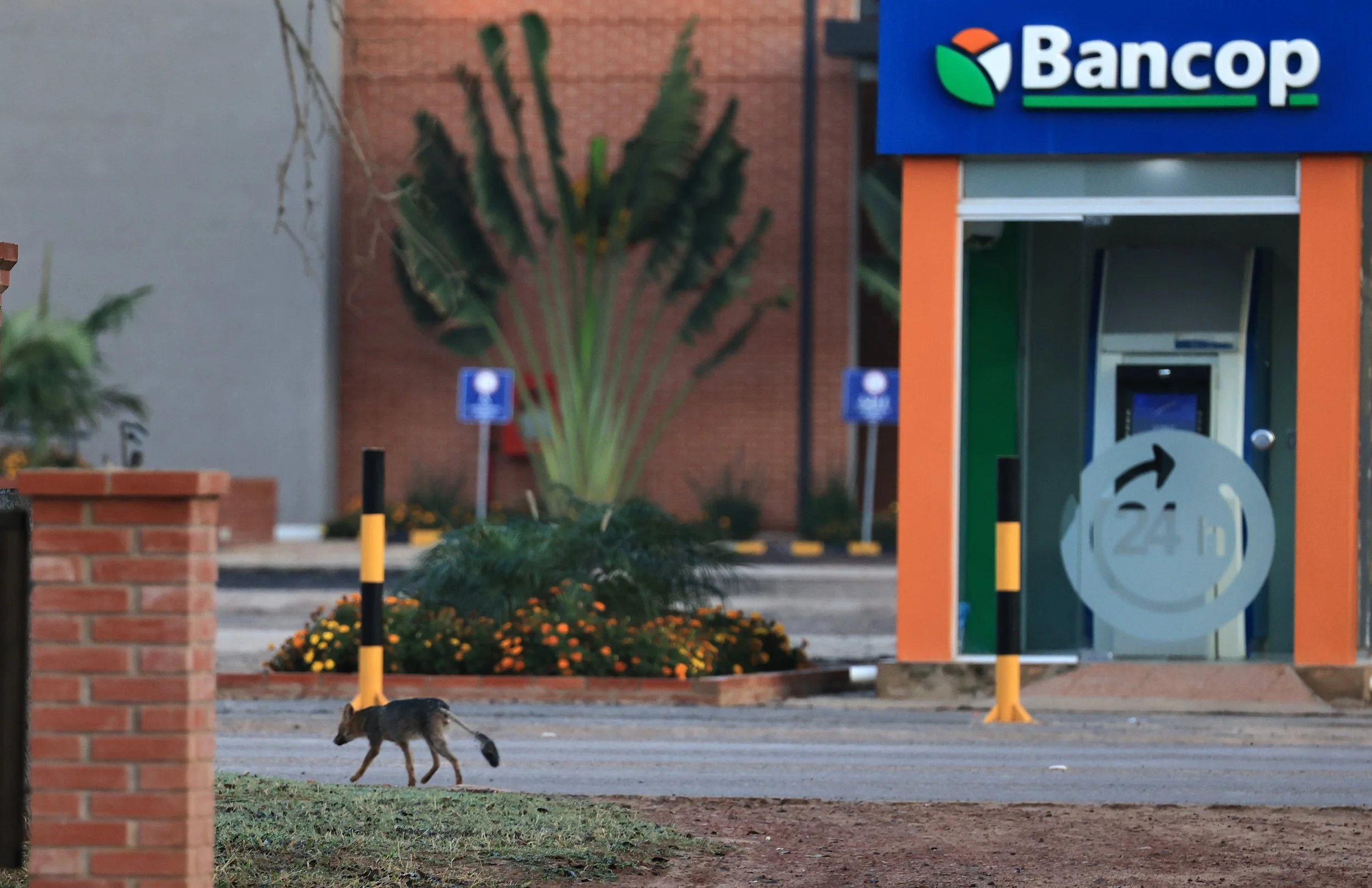
Pampas Fox (Lycalopex gymnocerca) cruising the bustling city of Neuland.


Southern Tamandua (Tamandua tetradactyla). I thought I would see more but this was our only living individual. The rest were roadkill.
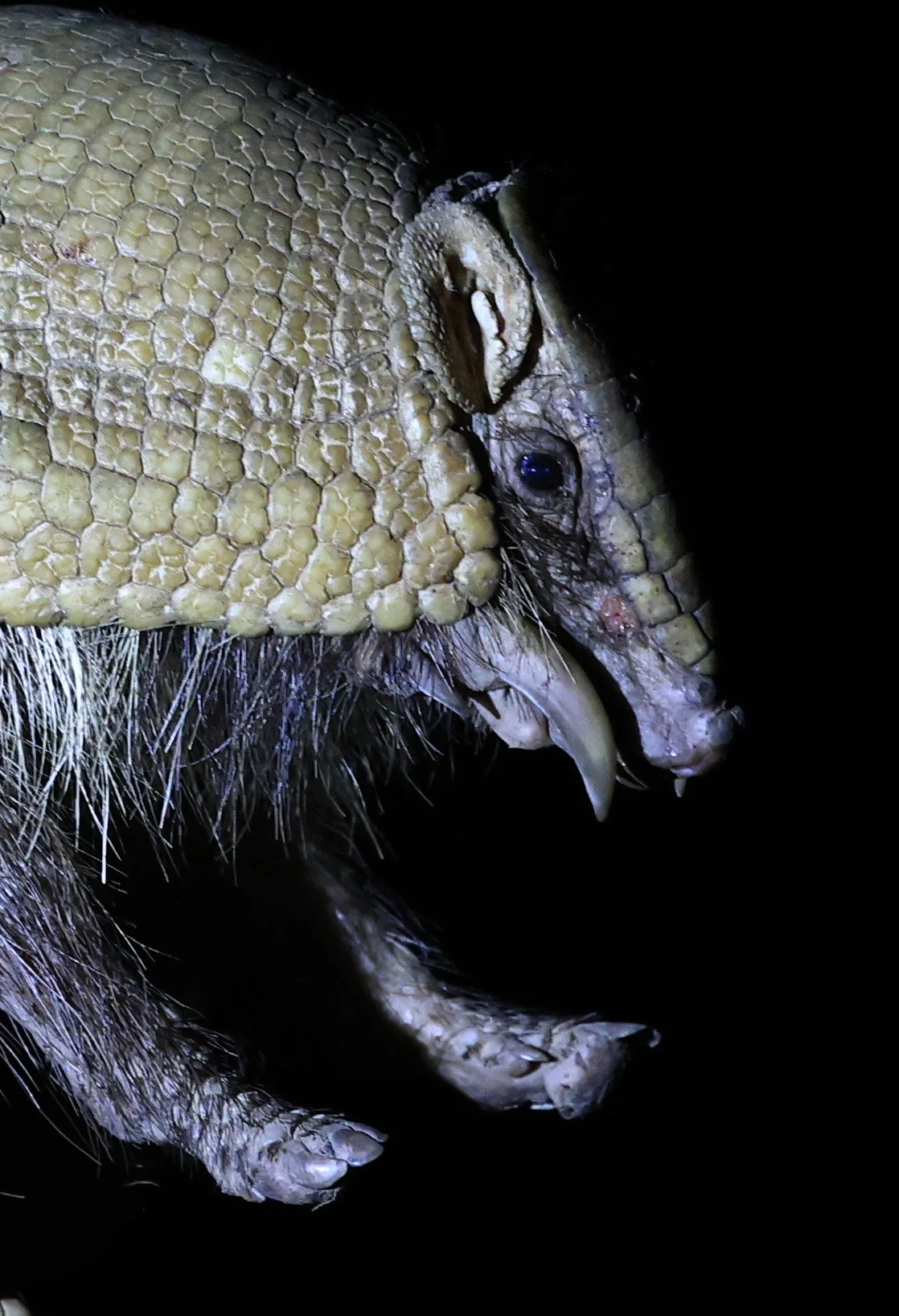
Southern Three-banded Armadillo (Tolypeutes matacus) - my first one!
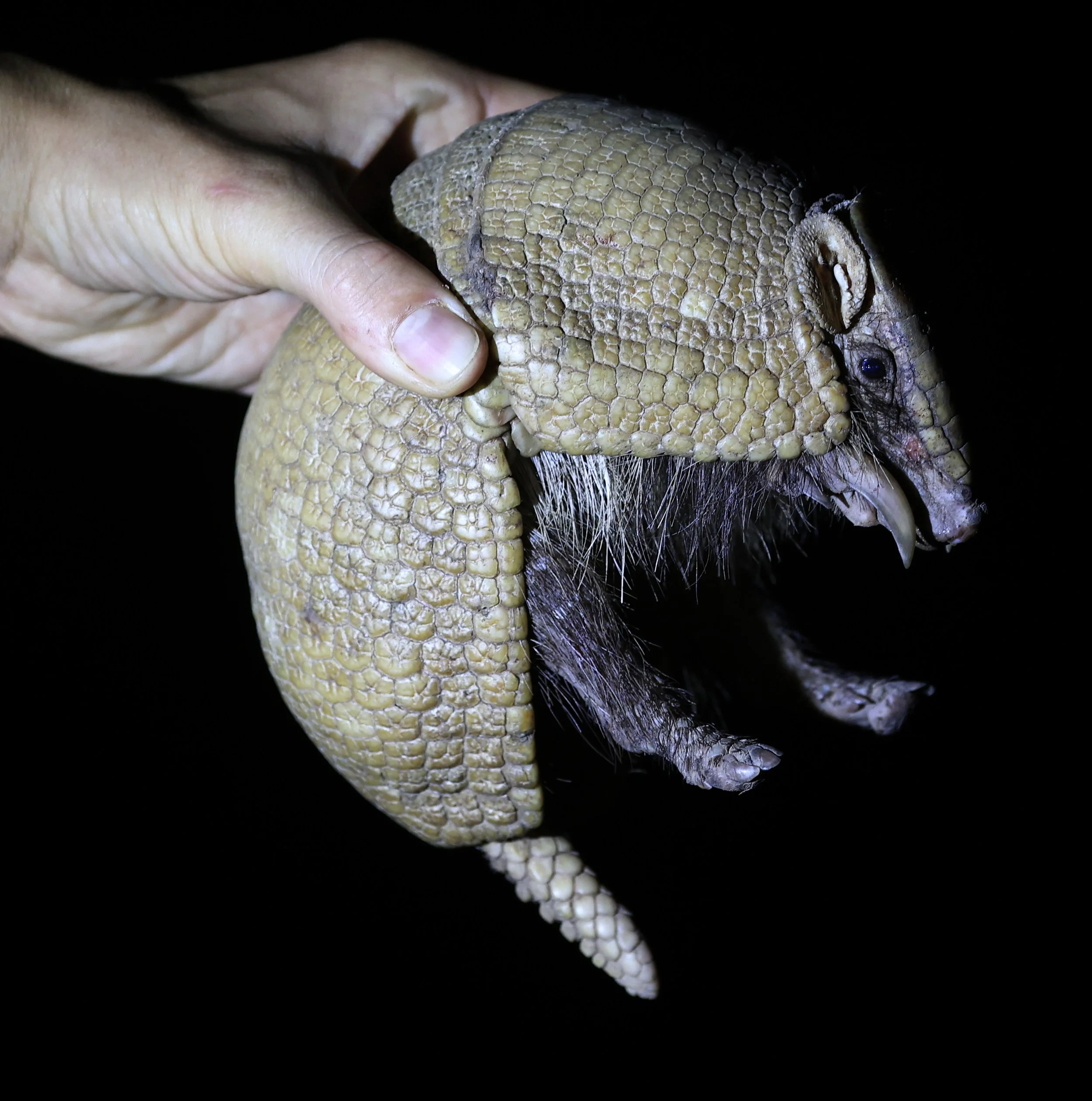
Southern Three-banded Armadillo (Tolypeutes matacus)

Southern Three-banded Armadillo (Tolypeutes matacus) Nope - I ain't afraid of leprosy!

Southern Three-banded Armadillo (Tolypeutes matacus) almost got the ball!

Southern Three-banded Armadillo (Tolypeutes matacus)


My baby


Common Vampire Bat (Desmodus rotundus) Abandoned house on road between Pozo Colorado & Asuncion

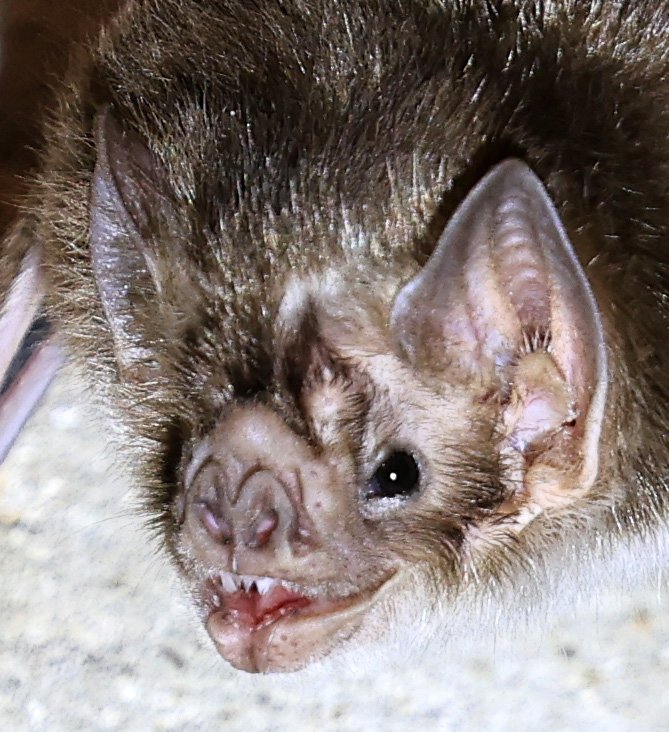
Common Vampire Bat (Desmodus rotundus) Abandoned house on road between Pozo Colorado & Asuncion
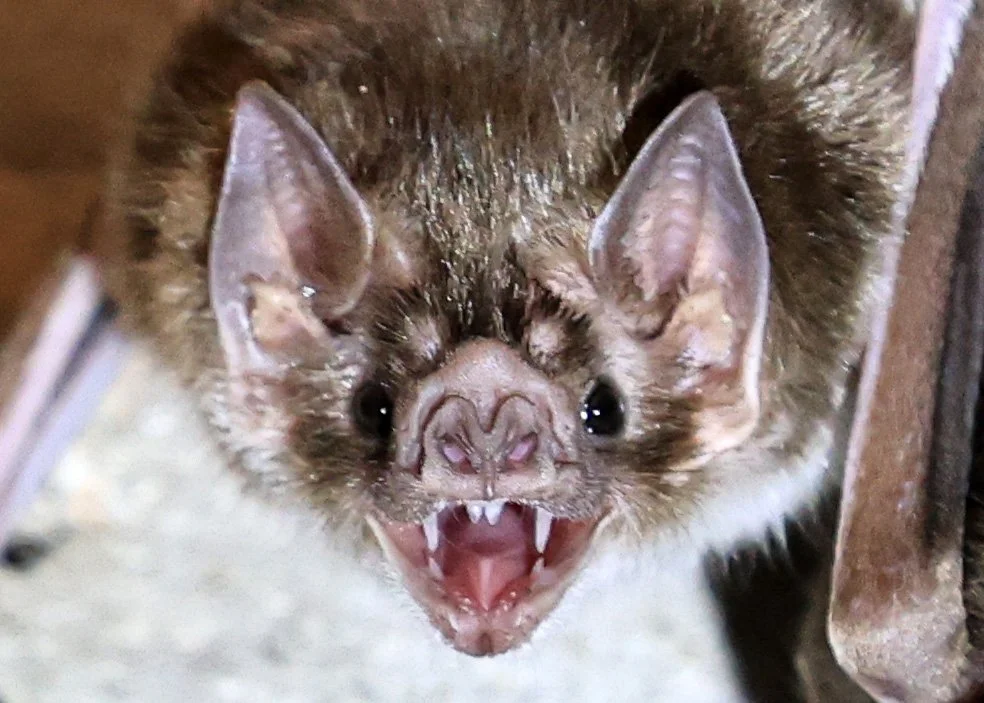
Common Vampire Bat (Desmodus rotundus) Abandoned house on road between Pozo Colorado & Asuncion

Common Vampire Bat (Desmodus rotundus) Abandoned house on road between Pozo Colorado & Asuncion

Chaco Fat-Tailed Mouse Opossum (Thylamys pusillus) spotted on our return stop at Aurora Chaquena. We finished the trip with three sightings of this ordinarily very rare and hard to see species.

Chaco Fat-Tailed Mouse Opossum (Thylamys pusillus)

Chaco Fat-Tailed Mouse Opossum (Thylamys pusillus)
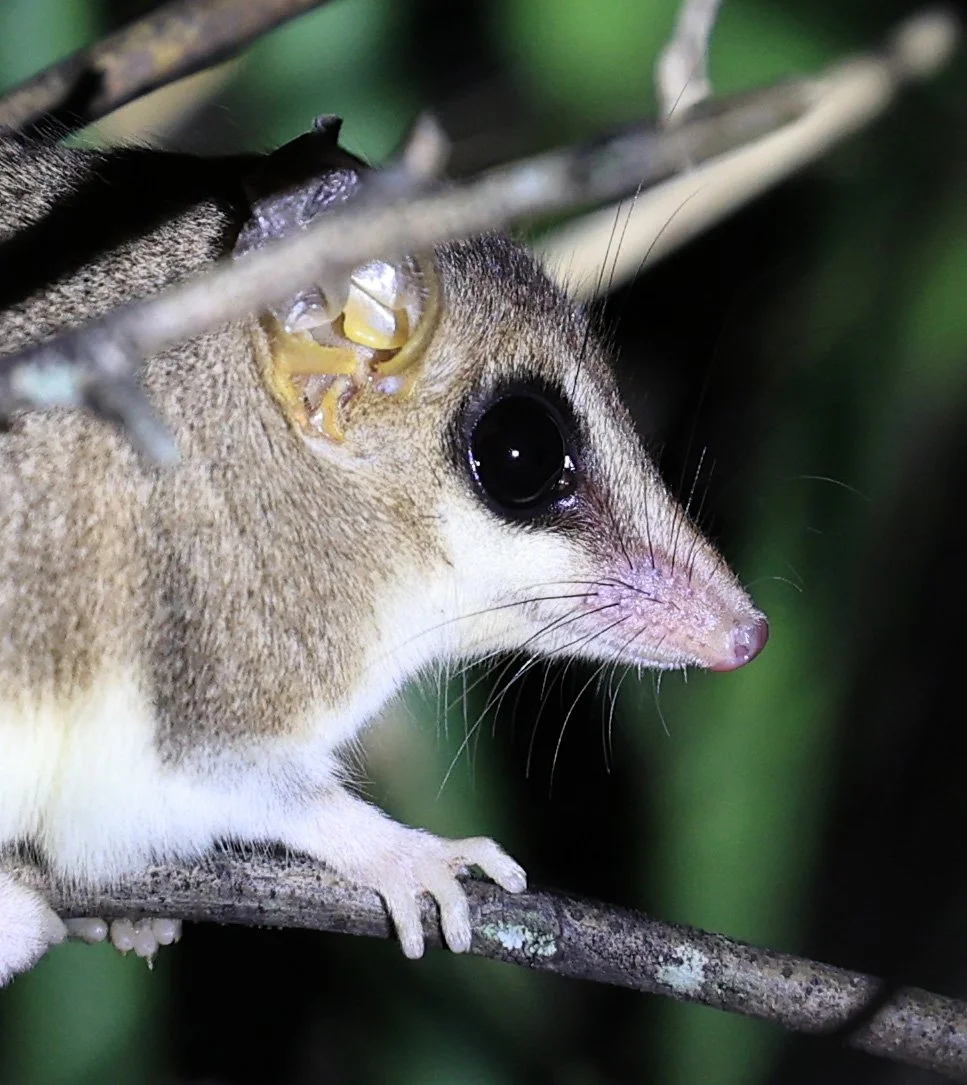
Chaco Fat-Tailed Mouse Opossum (Thylamys pusillus)

Chaco Fat-Tailed Mouse Opossum (Thylamys pusillus)
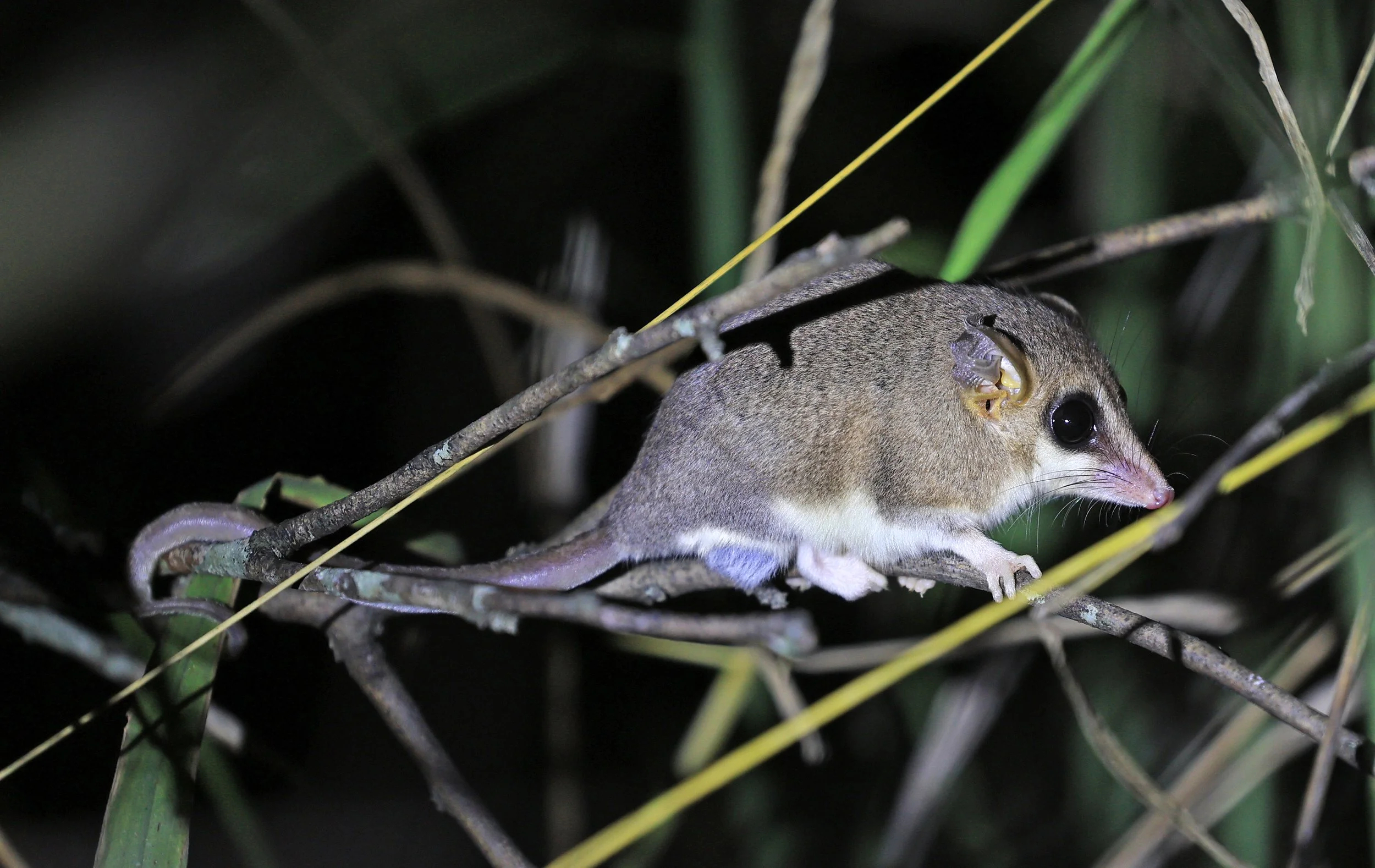
Chaco Fat-Tailed Mouse Opossum (Thylamys pusillus)
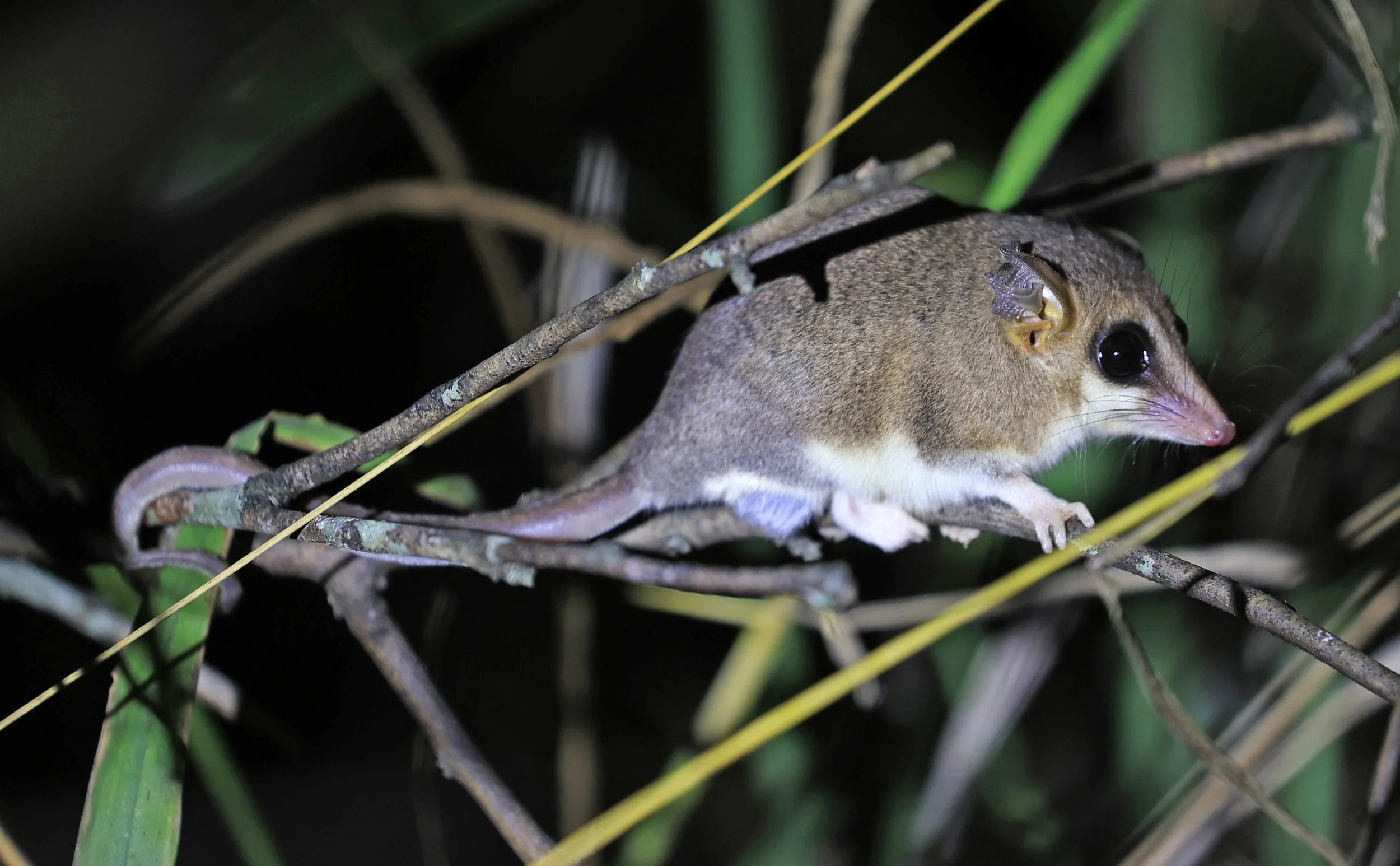
Chaco Fat-Tailed Mouse Opossum (Thylamys pusillus)

Southern Three-banded Armadillo (Tolypeutes matacus)

Southern Three-banded Armadillo (Tolypeutes matacus)

Southern Three-banded Armadillo (Tolypeutes matacus)

Southern Three-banded Armadillo (Tolypeutes matacus)
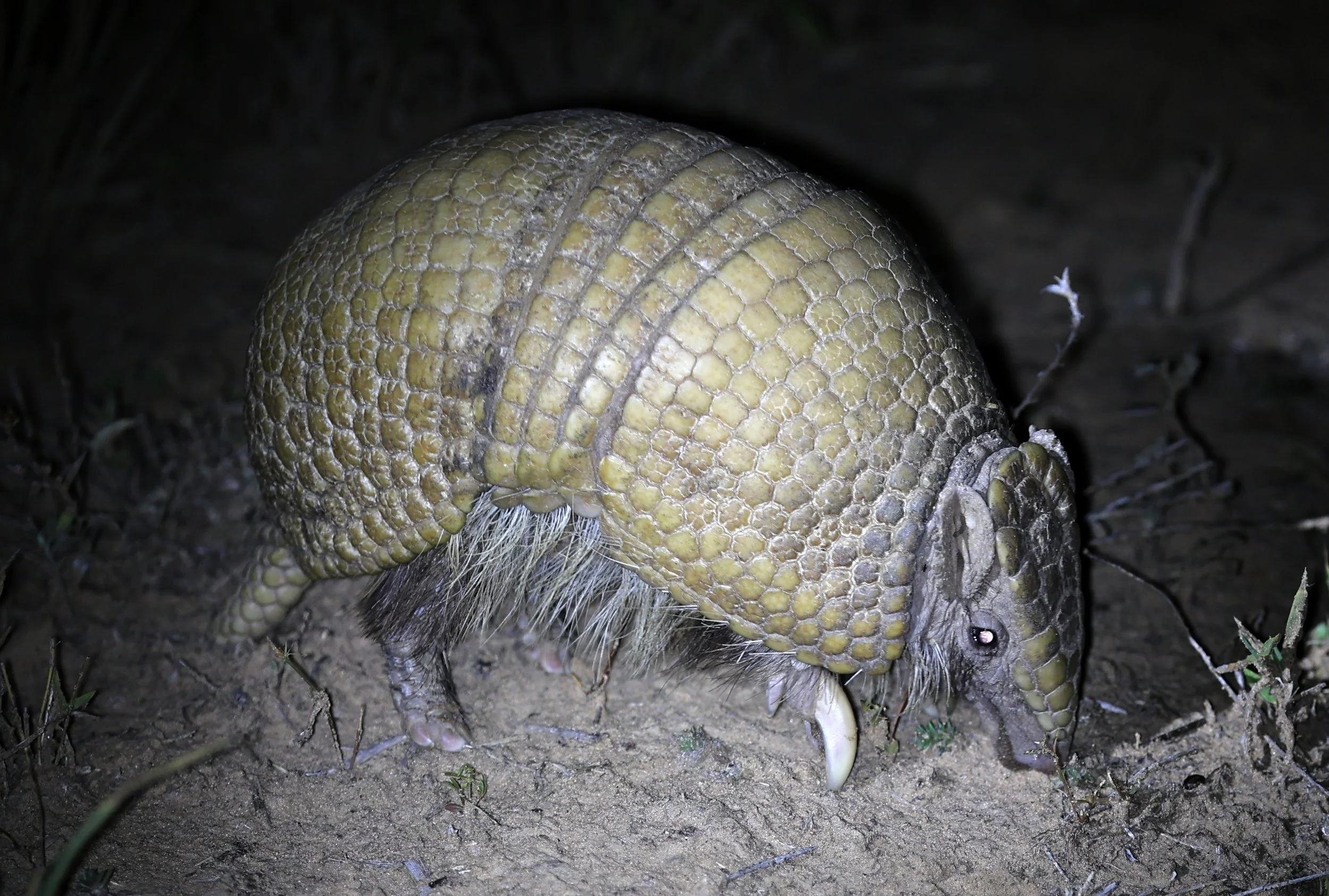
Southern Three-banded Armadillo (Tolypeutes matacus)

Southern Three-banded Armadillo (Tolypeutes matacus)

Southern Three-banded Armadillo (Tolypeutes matacus)

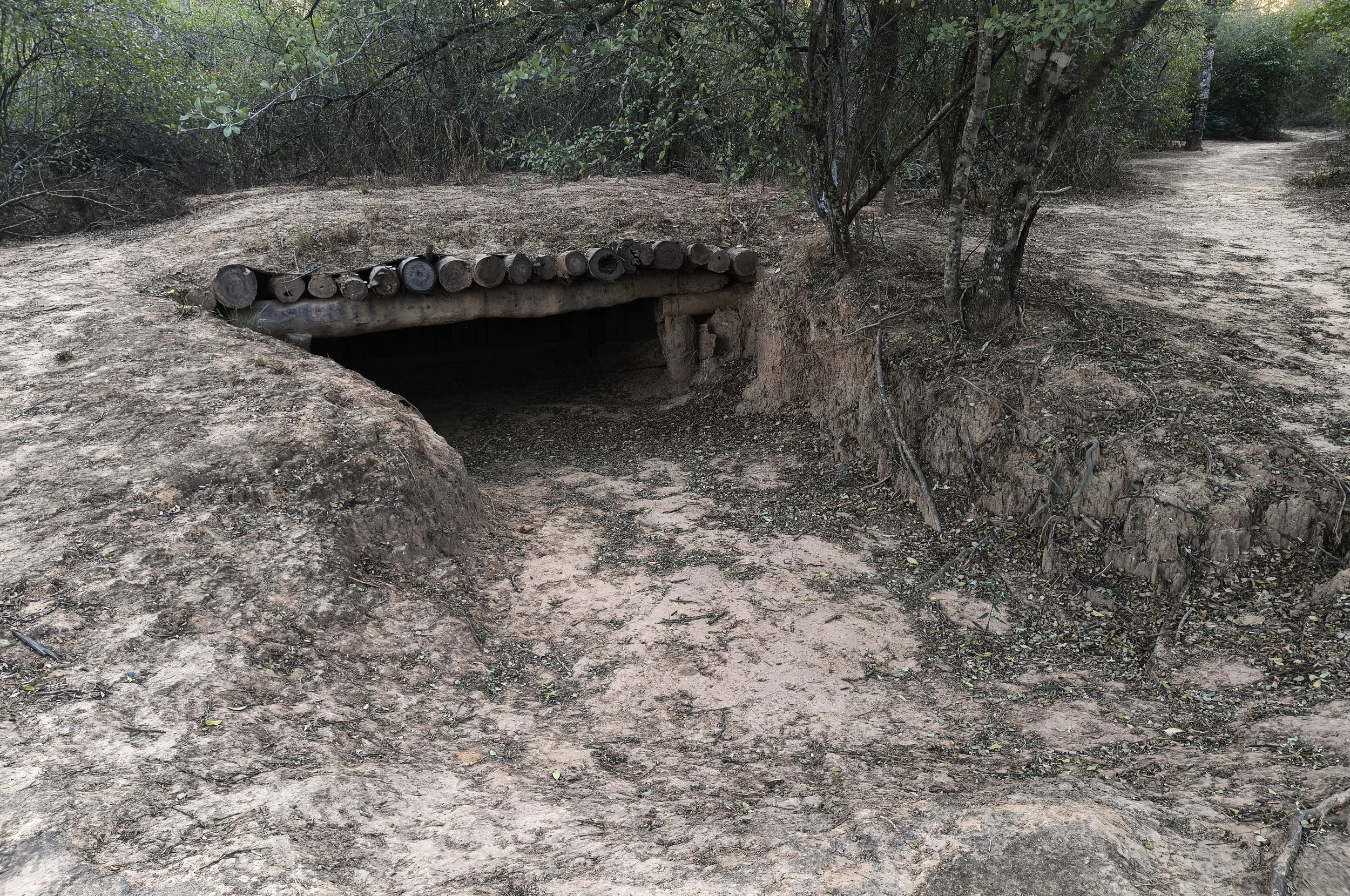
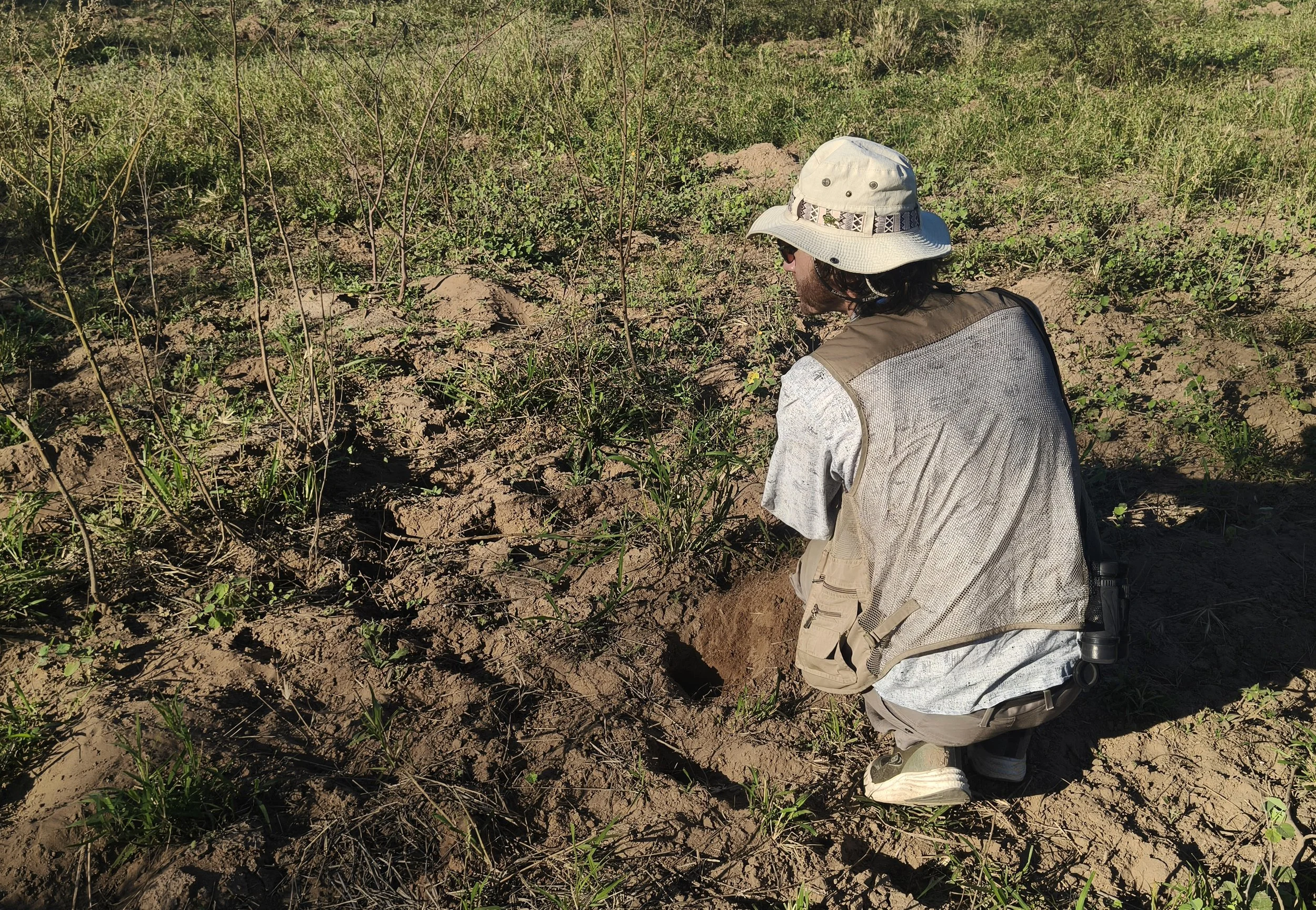
Andrey inspecting a tunnel possibly containing a Fairy Armadillo

Fairy Armadillo inside?
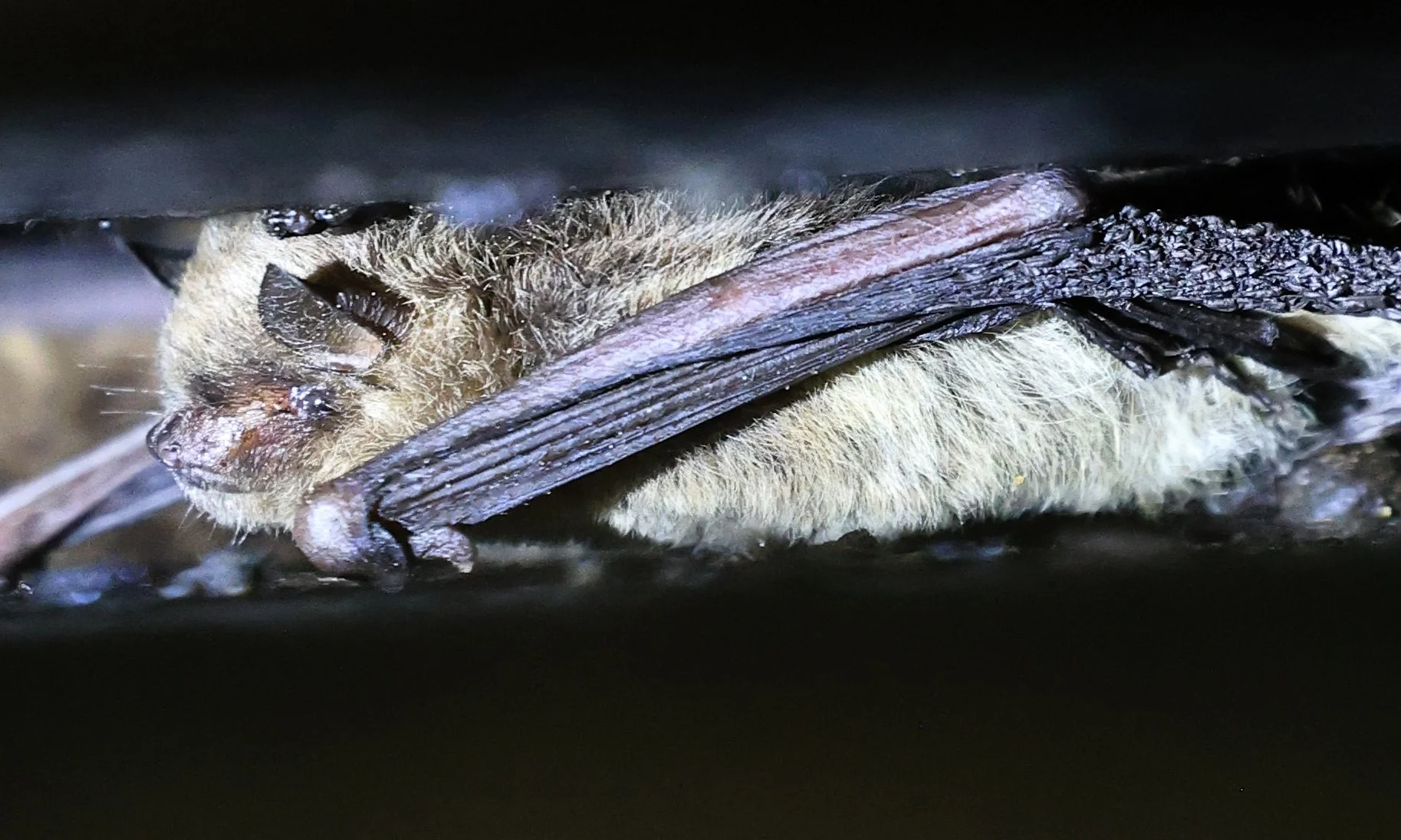
Diminutive Serotine (Eptesicus diminutus) seen under a bridge along the road from Asuncion to Neuland

Diminutive Serotine (Eptesicus diminutus)
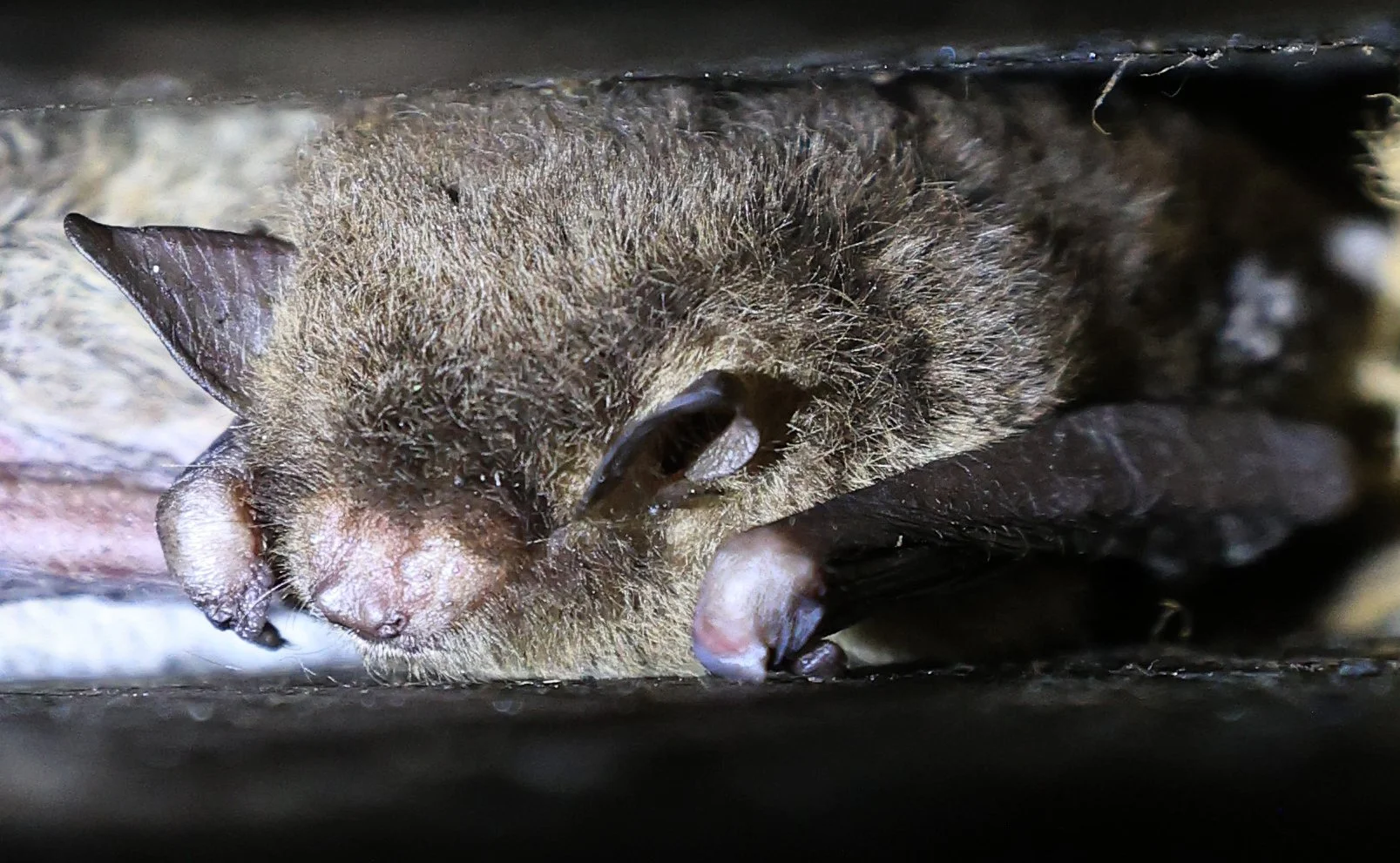
Diminutive Serotine (Eptesicus diminutus)

Diminutive Serotine (Eptesicus diminutus)

Lesser Bulldog Bat (Noctilio albiventris) or (Noctilio leporinus) seen under the same bridge.

Lesser Bulldog Bat (Noctilio albiventris) or (Noctilio leporinus) was the most common species of Chiroptera seen in many locations.

Lesser Bulldog Bat (Noctilio albiventris) or (Noctilio leporinus)

Lesser Bulldog Bat (Noctilio albiventris) or (Noctilio leporinus). What a face!
Birds of Aurora Chaqueña

Brushland Tinamou (Nothoprocta cinerascens) Aurora Chaquena near Neuland Mennonite Colony Paraguay

Burrowing Owl (Athene cunicularia) Aurora Chaquena near Neuland Mennonite Colony Paraguay


Greater Rhea (Rhea americana) Aurora Chaquena near Neuland Mennonite Colony Paraguay


Nacunda Nighthawk (Chordeiles nacunda) Road from Asuncion to Iparoma Paraguay

American Kestrel (Falco sparverius)

American Kestrel (Falco sparverius) Aurora

Blue-fronted Amazon (Amazona aestiva)

Blue-fronted Amazon (Amazona aestiva)

Golden-billed Saltator (Saltator aurantiirostris)
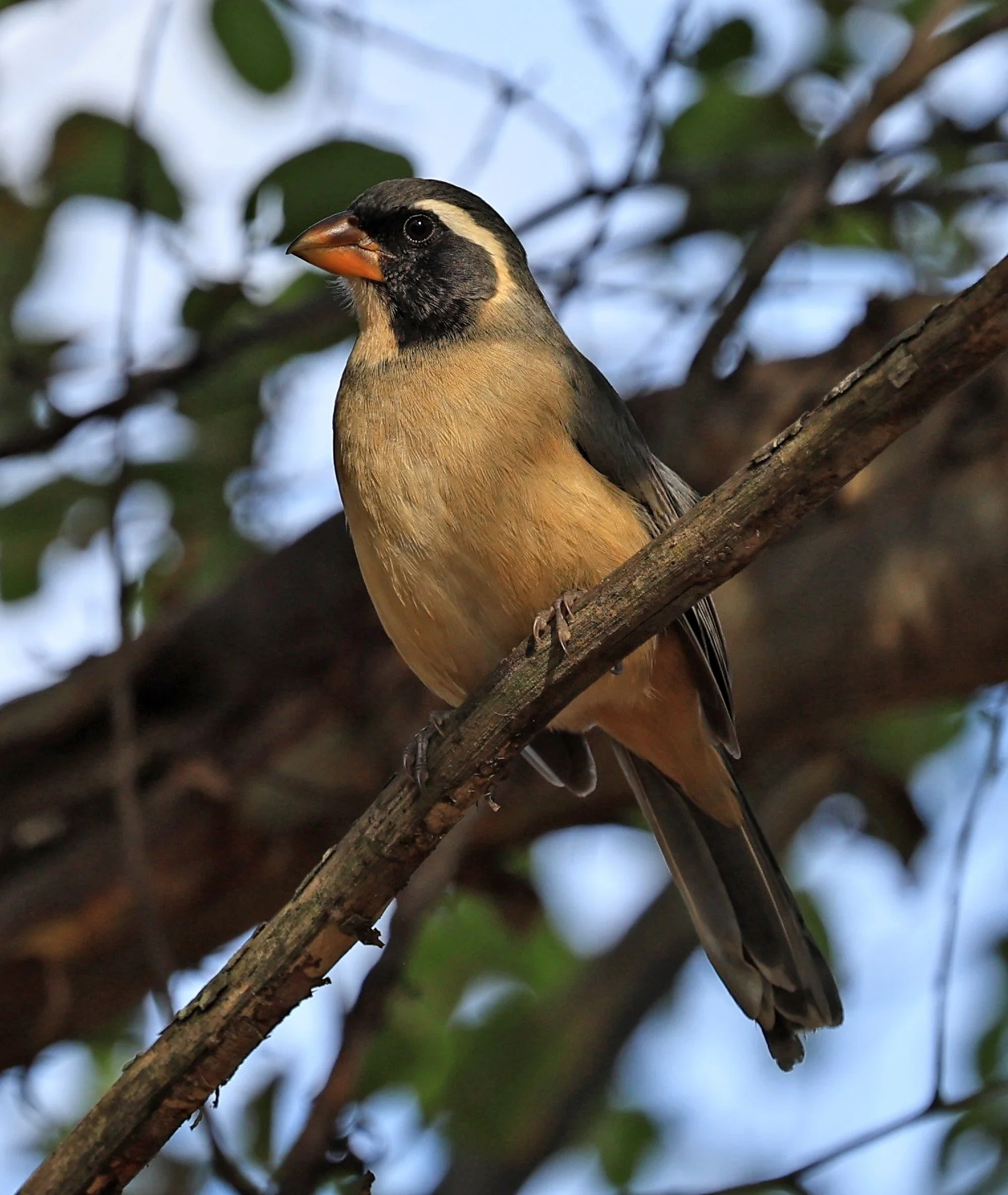
Golden-billed Saltator (Saltator aurantiirostris)

Giant Wood-Rail (Aramides ypecaha)

Giant Wood-Rail (Aramides ypecaha)

Masked Gnatcatcher (Polioptila dumicola)

Narrow-billed Woodcreeper (Lepidocolaptes angustirostris)

Scimitar-billed Woodcreeper (Drymornis bridgesii)

Southern Lapwing (Vanellus chilensis)

Spot-backed or Chaco Puffbird (Nystalus maculatus)

Chaco Granulated Toad (Rhinella major) Aurora Chaquena Mennonite Nature Reserve
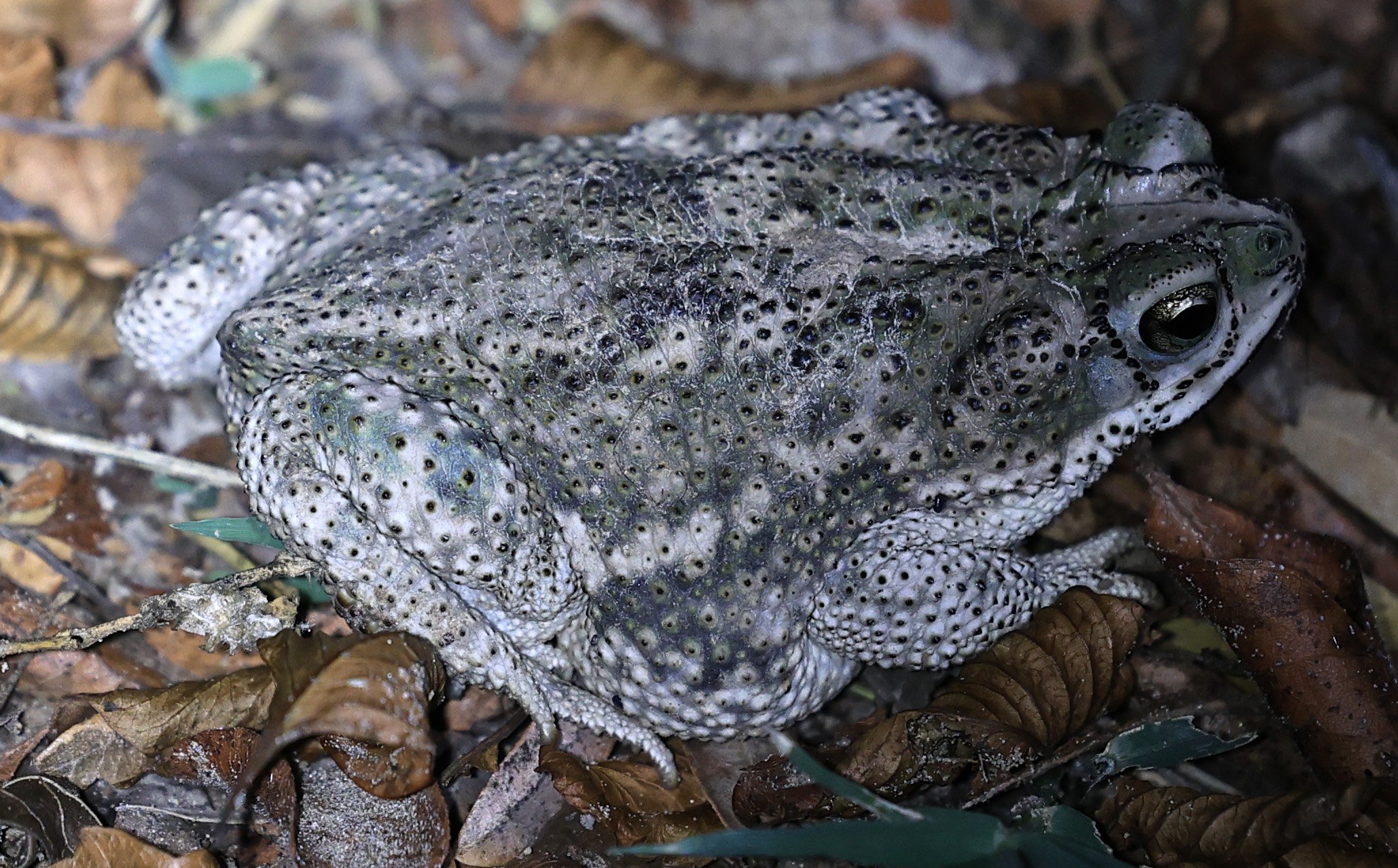
Chaco Granulated Toad (Rhinella major) Aurora Chaquena Mennonite Nature Reserve

Tataupa Tinamou (Crypturellus tataupa) Aurora Chaquena Mennonite Nature Reserve

Tataupa Tinamou (Crypturellus tataupa) Aurora Chaquena Mennonite Nature Reserve

Tataupa Tinamou (Crypturellus tataupa) Aurora Chaquena Mennonite Nature Reserve

Tataupa Tinamou (Crypturellus tataupa) Aurora Chaquena Mennonite Nature Reserve

Variable Antshrike (Thamnophilus caerulescens) Aurora Chaquena Reserve - Nueland Mennonite Colony Paraguay

Variable Antshrike (Thamnophilus caerulescens) Aurora Chaquena Reserve - Nueland Mennonite Colony Paraguay
Flora and Scenery of Aurora Chaqueña
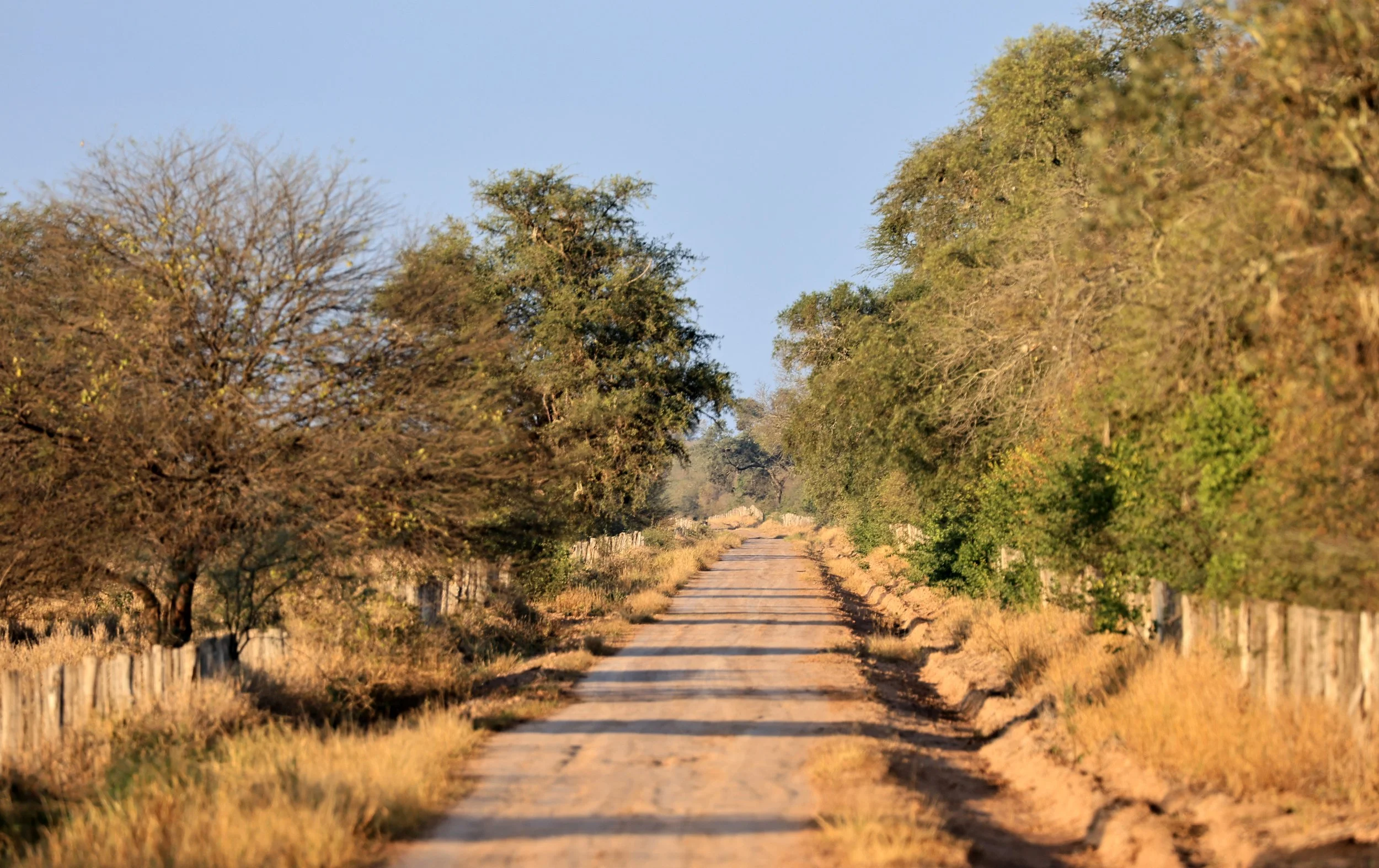
Aurora Chaquena Reserve, Neuland Mennonite Colony
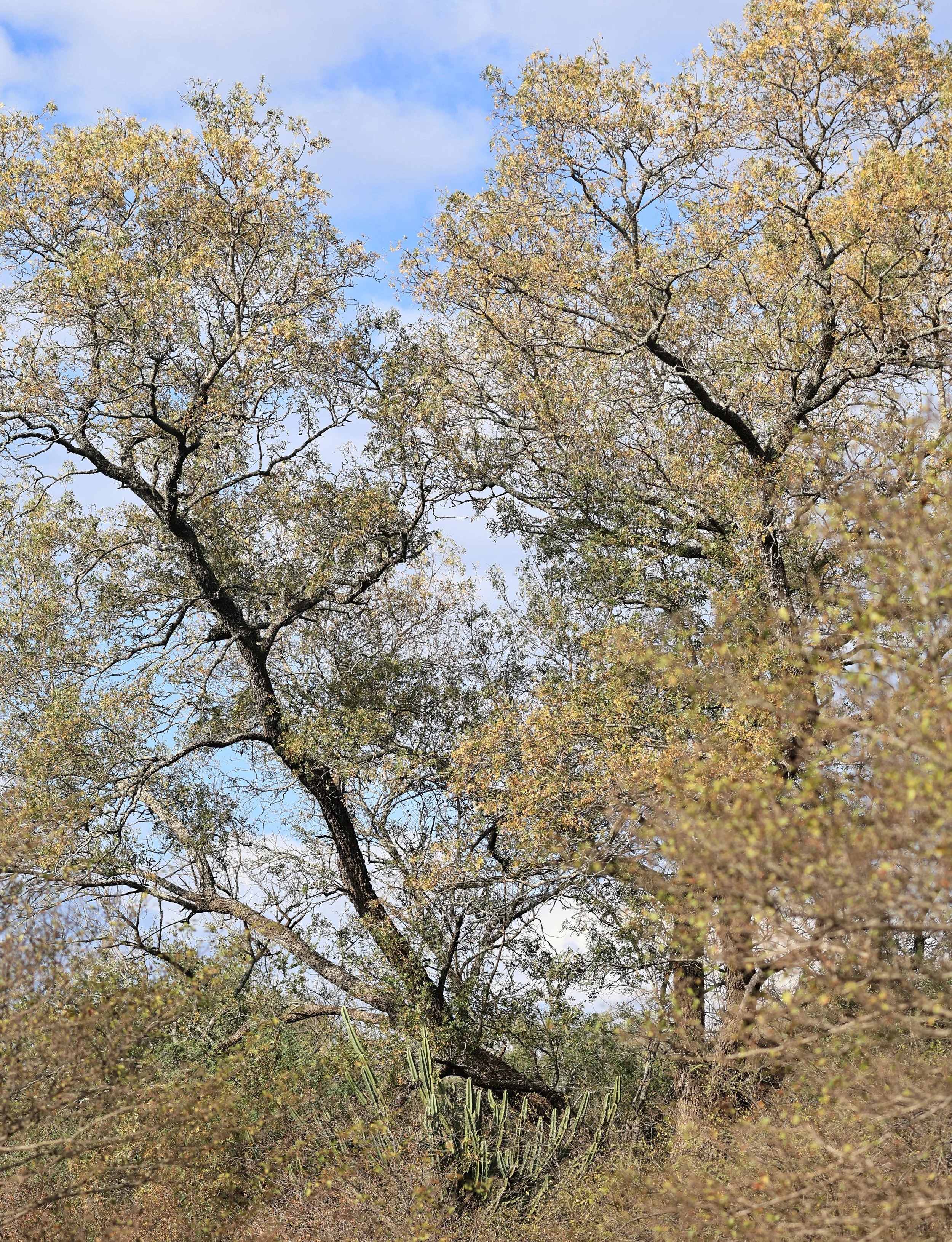
Aurora Chaquena Reserve, Neuland Mennonite Colony

Capricornis tweediana - Aurora Chaquena Reserve
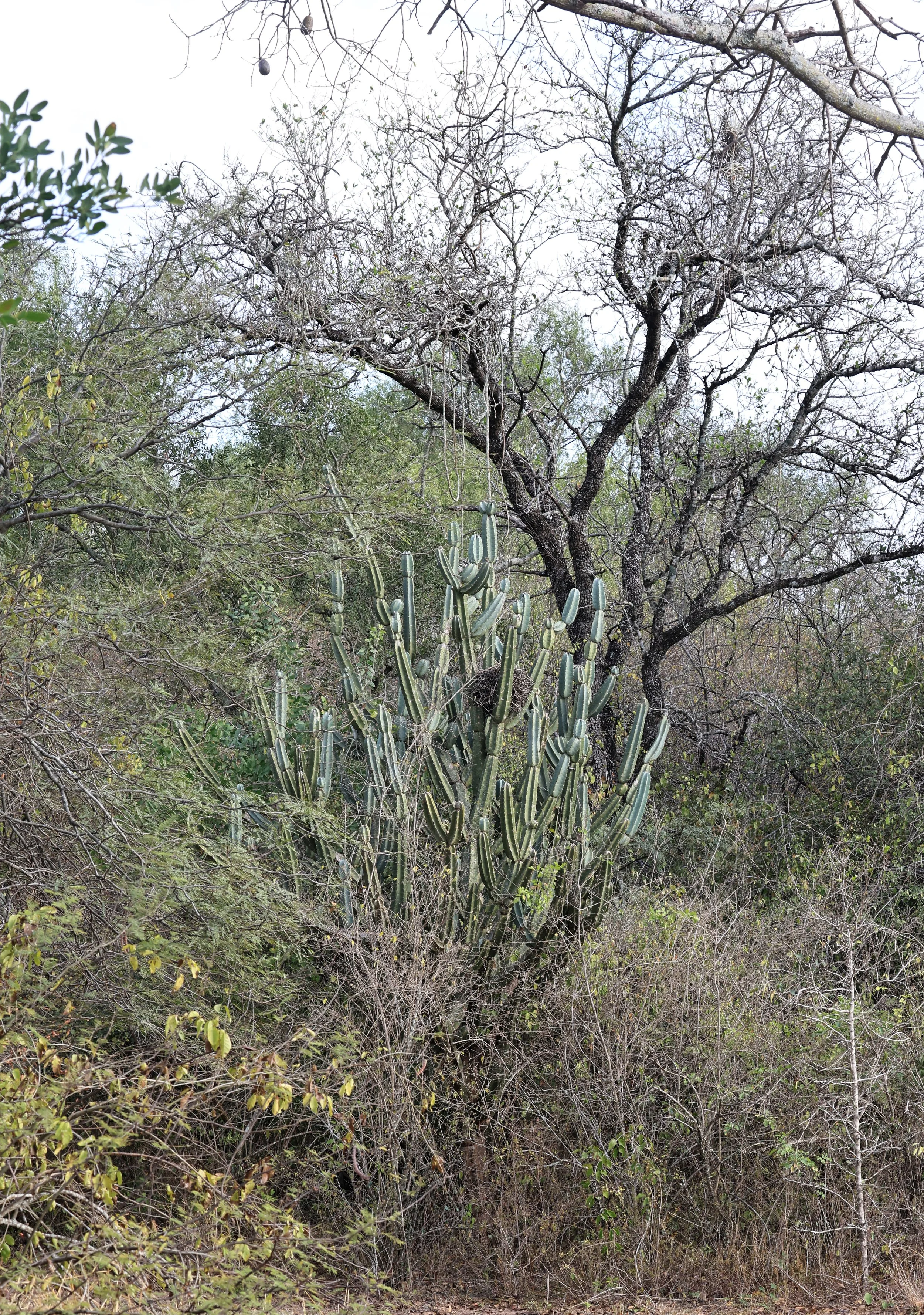
Cereus stenogonus - Aurora Chaquena Reserve, Neuland Mennonite Colony Paraguay

Cereus stenogonus - Aurora Chaquena Reserve, Neuland Mennonite Colony Paraguay
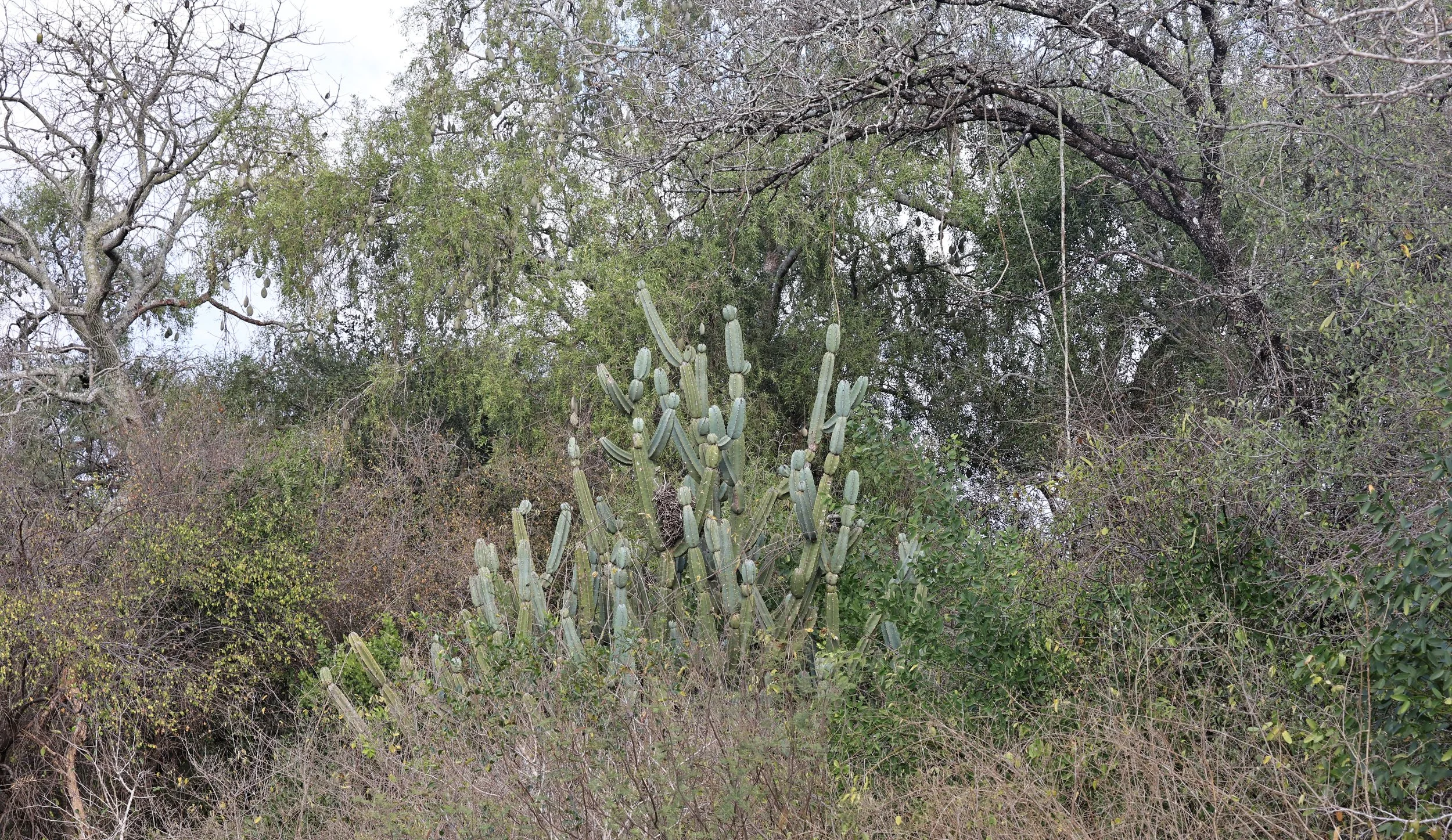
Cereus stenogonus - Aurora Chaquena Reserve, Neuland Mennonite Colony Paraguay

Cereus stenogonus - Aurora Chaquena Reserve, Neuland Mennonite Colony Paraguay

Libidibia paraguariensis - Guayacán, Guayacán Negro - Aurora Chaquena Reserve

Opuntia paraguayensis - Aurora Chaquena Reserve, Neuland Mennonite Colony
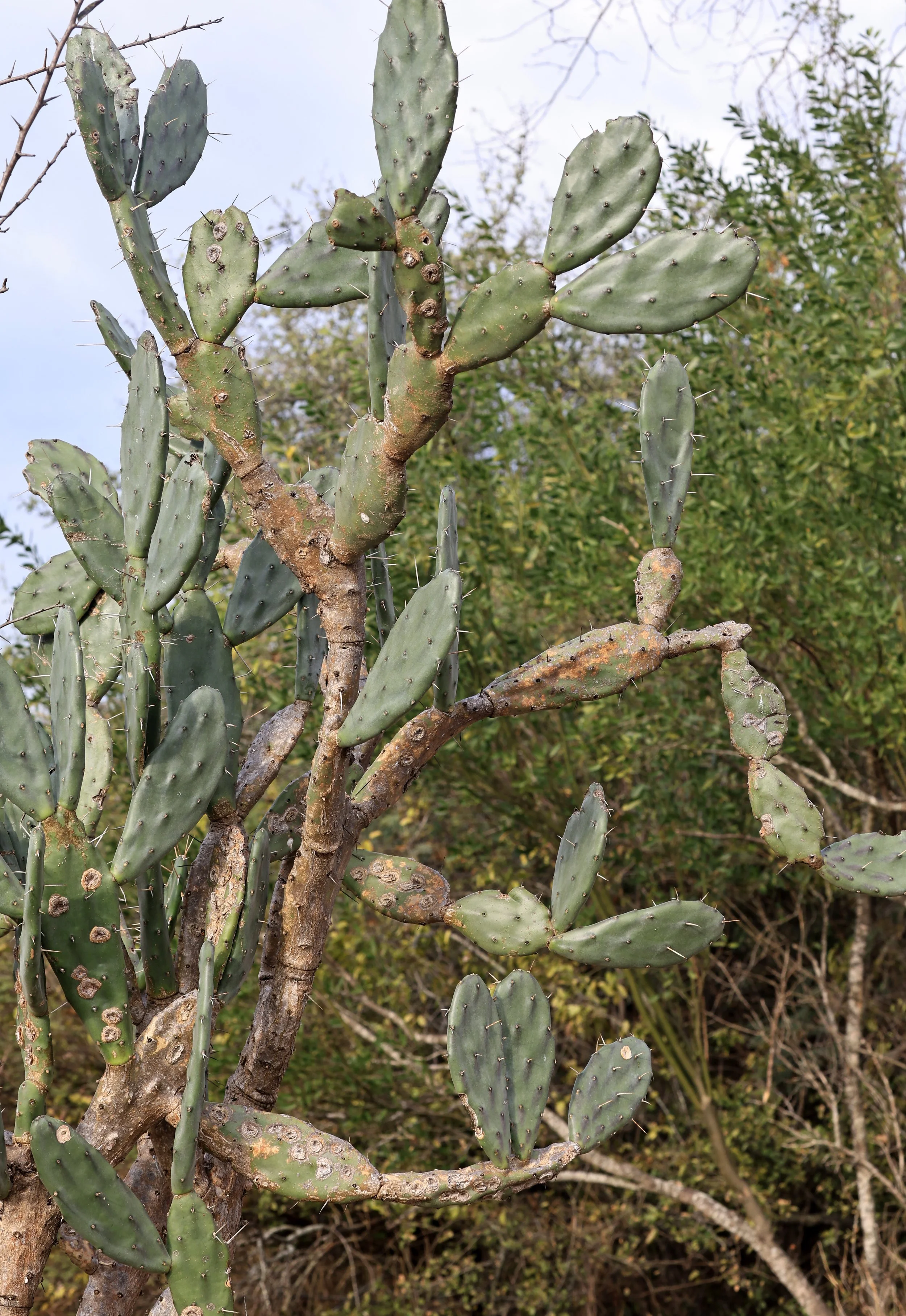
Opuntia paraguayensis - Aurora Chaquena Reserve, Neuland Mennonite Colony

Opuntia paraguayensis - Aurora Chaquena Reserve, Neuland Mennonite Colony

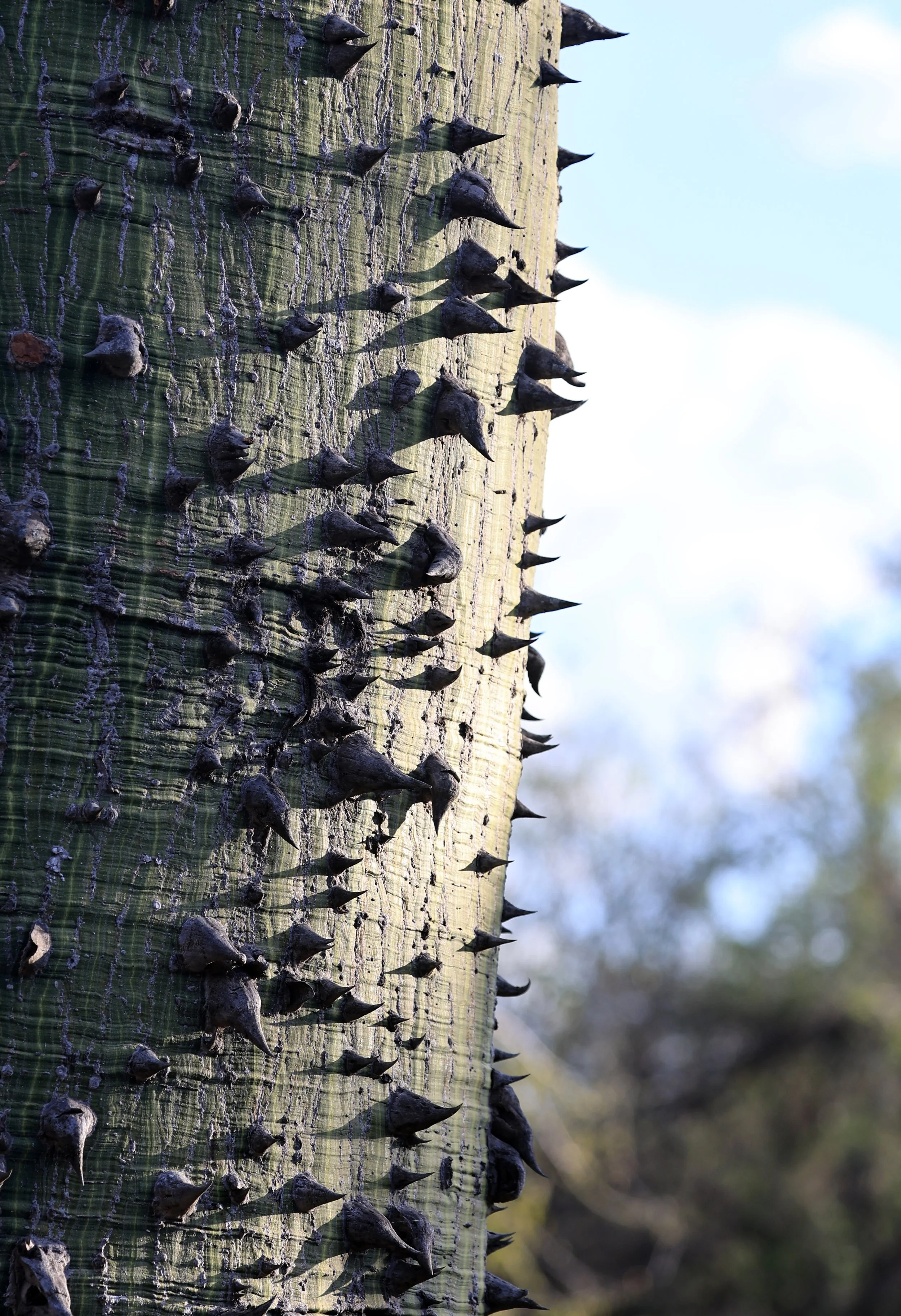
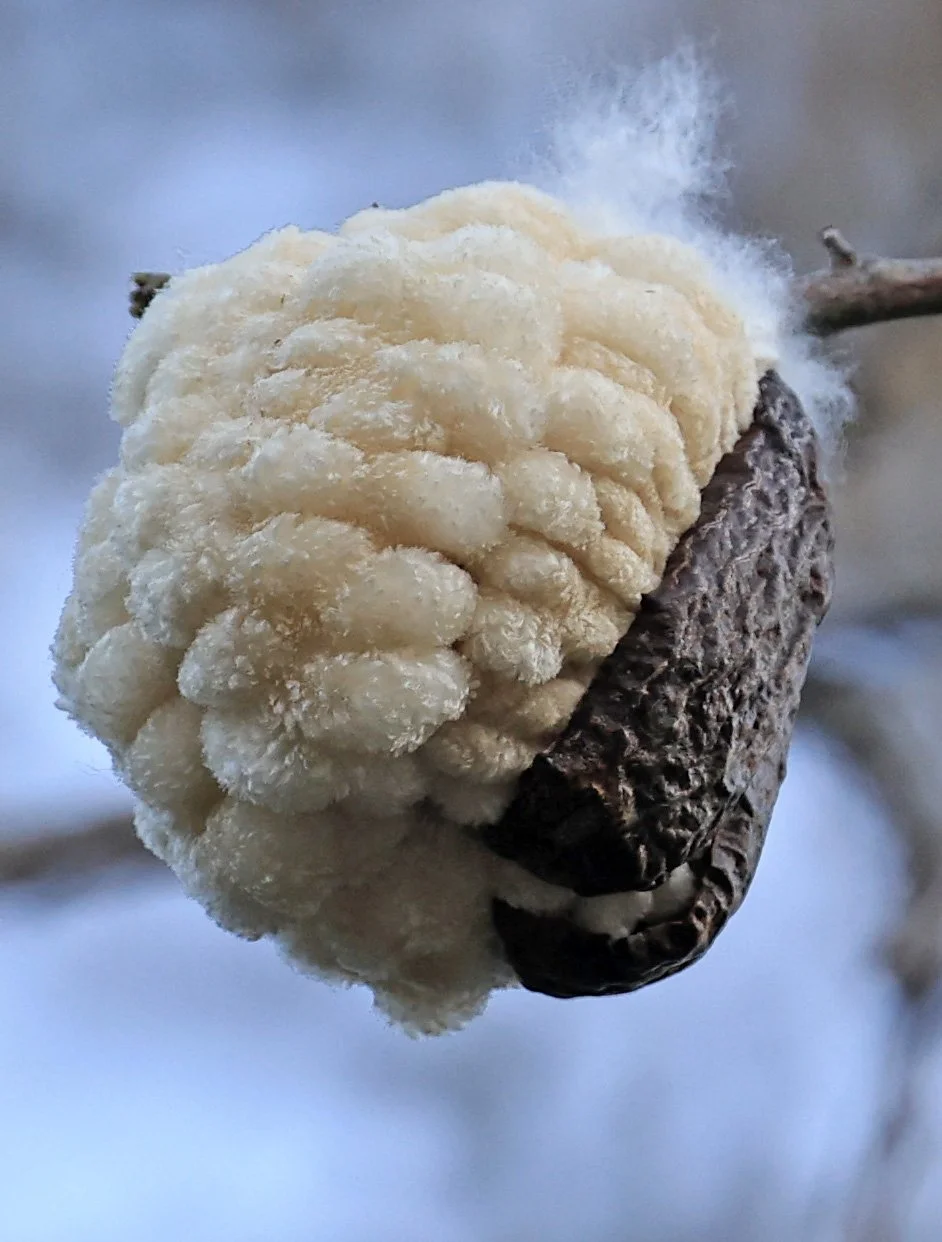
Samu'u (Ceiba chodatii) Aurora Chaquena Reserve
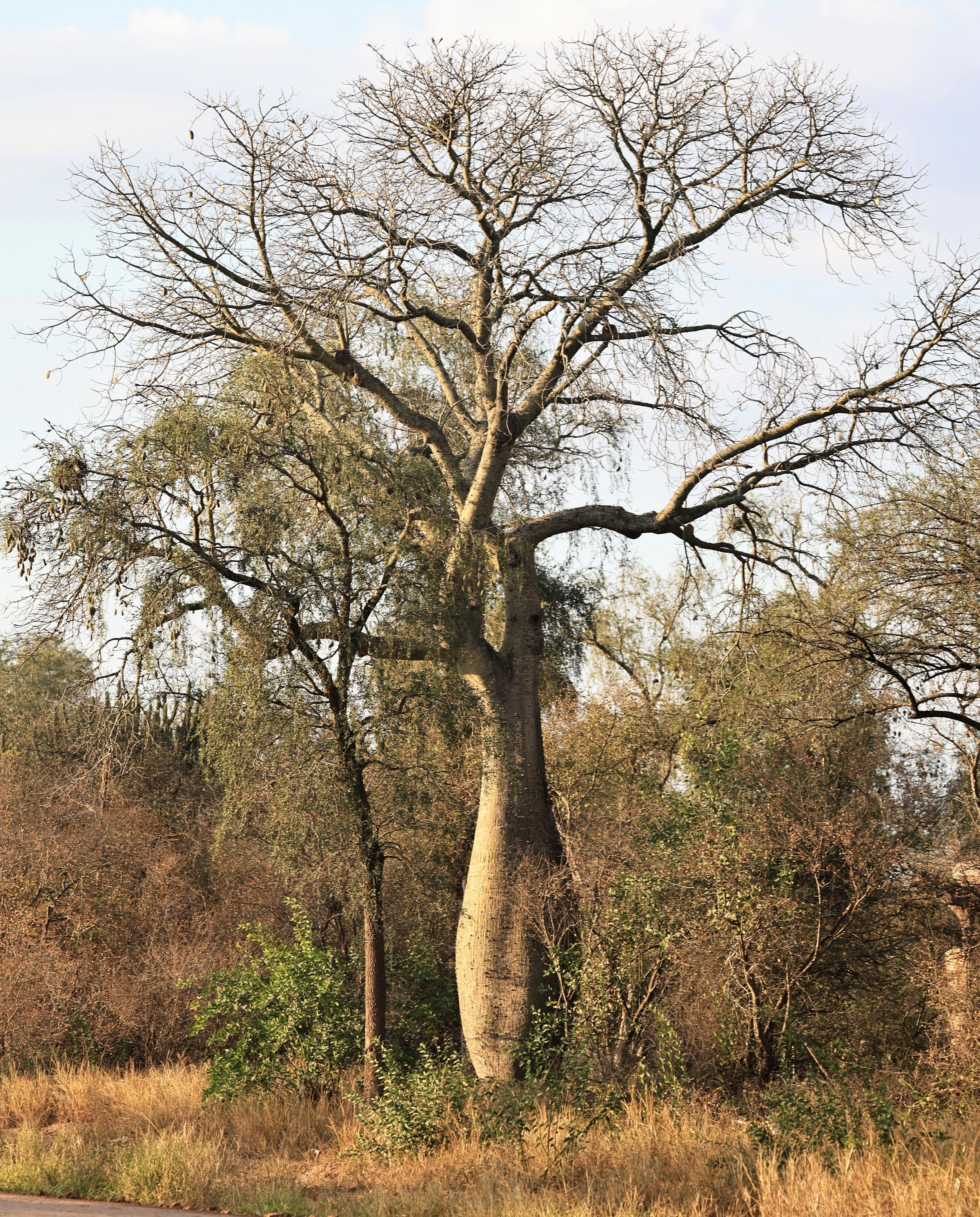
Samu'u (Ceiba chodatii) Aurora Chaquena Reserve
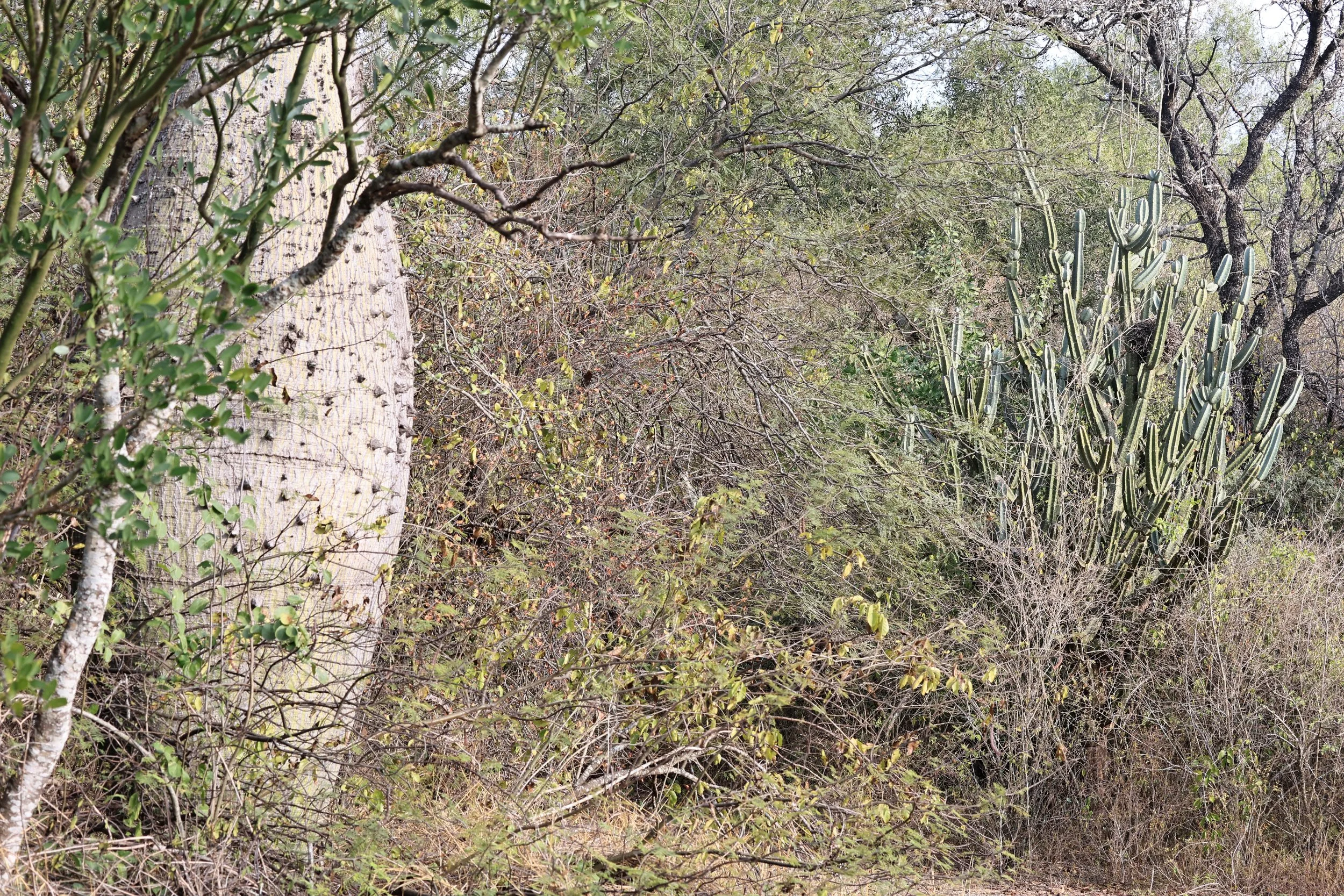
Samu'u (Ceiba chodatii) Aurora Chaquena Reserve

Samu'u (Ceiba chodatii) Aurora Chaquena Reserve

Samu'u (Ceiba chodatii) Aurora Chaquena Reserve
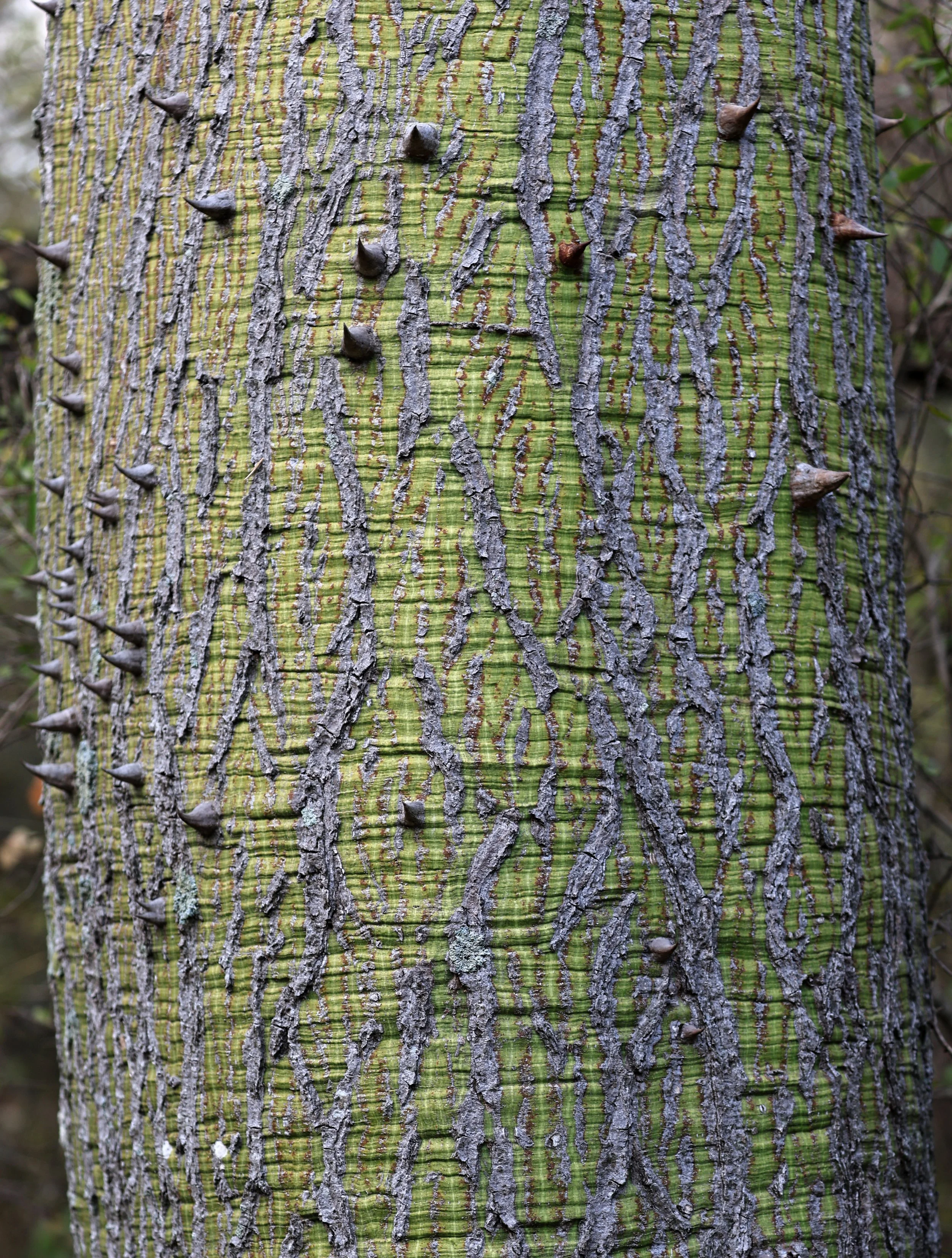
Samu'u (Ceiba chodatii) Aurora Chaquena Reserve

Selaginella sellowii - Aurora Chaquena Reserve

Toothpick Cactus (Stetsonia coryne) Aurora Chaquena Reserve, Neuland Mennonite Colony
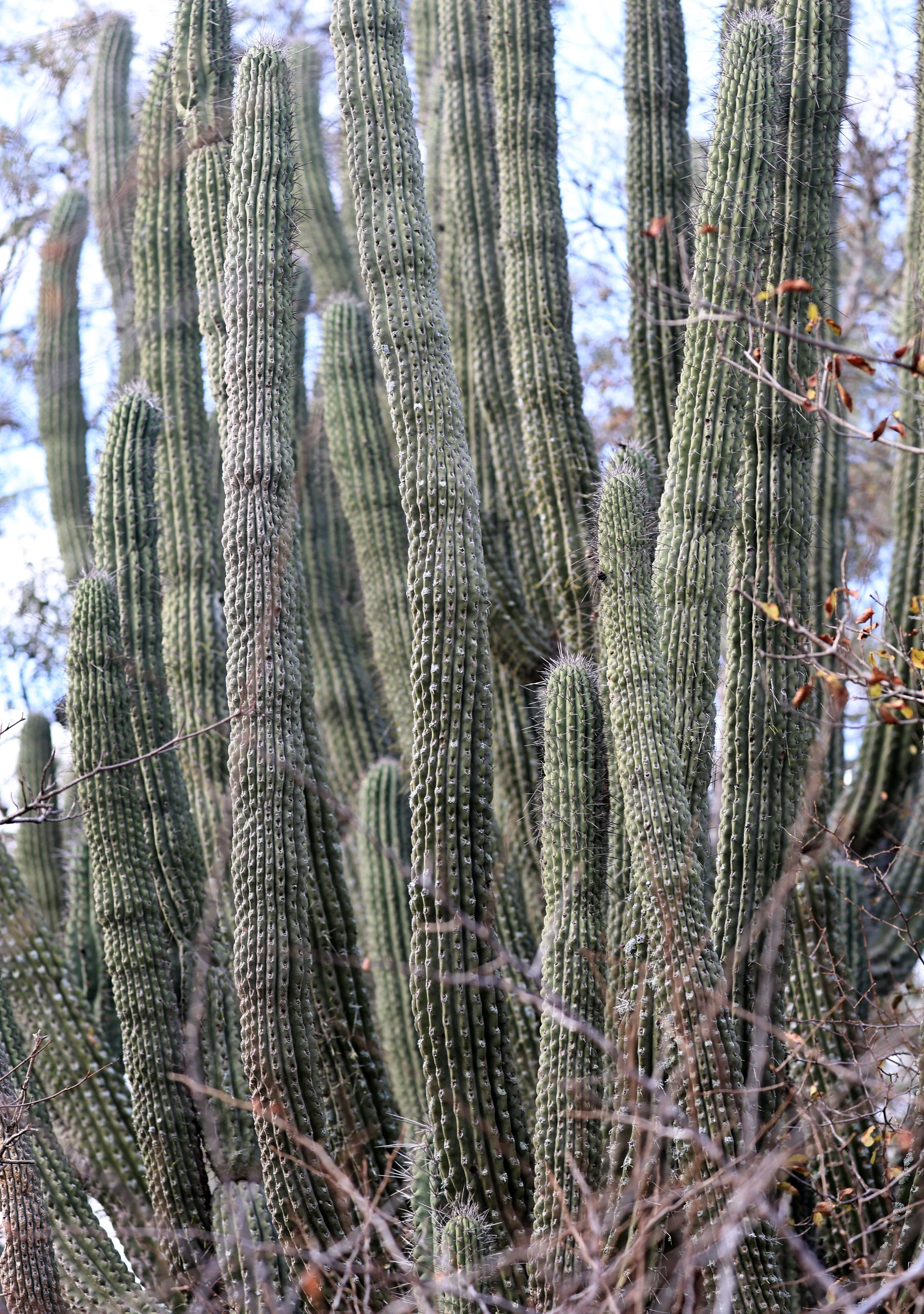
Toothpick Cactus (Stetsonia coryne) Aurora Chaquena Reserve, Neuland Mennonite Colony
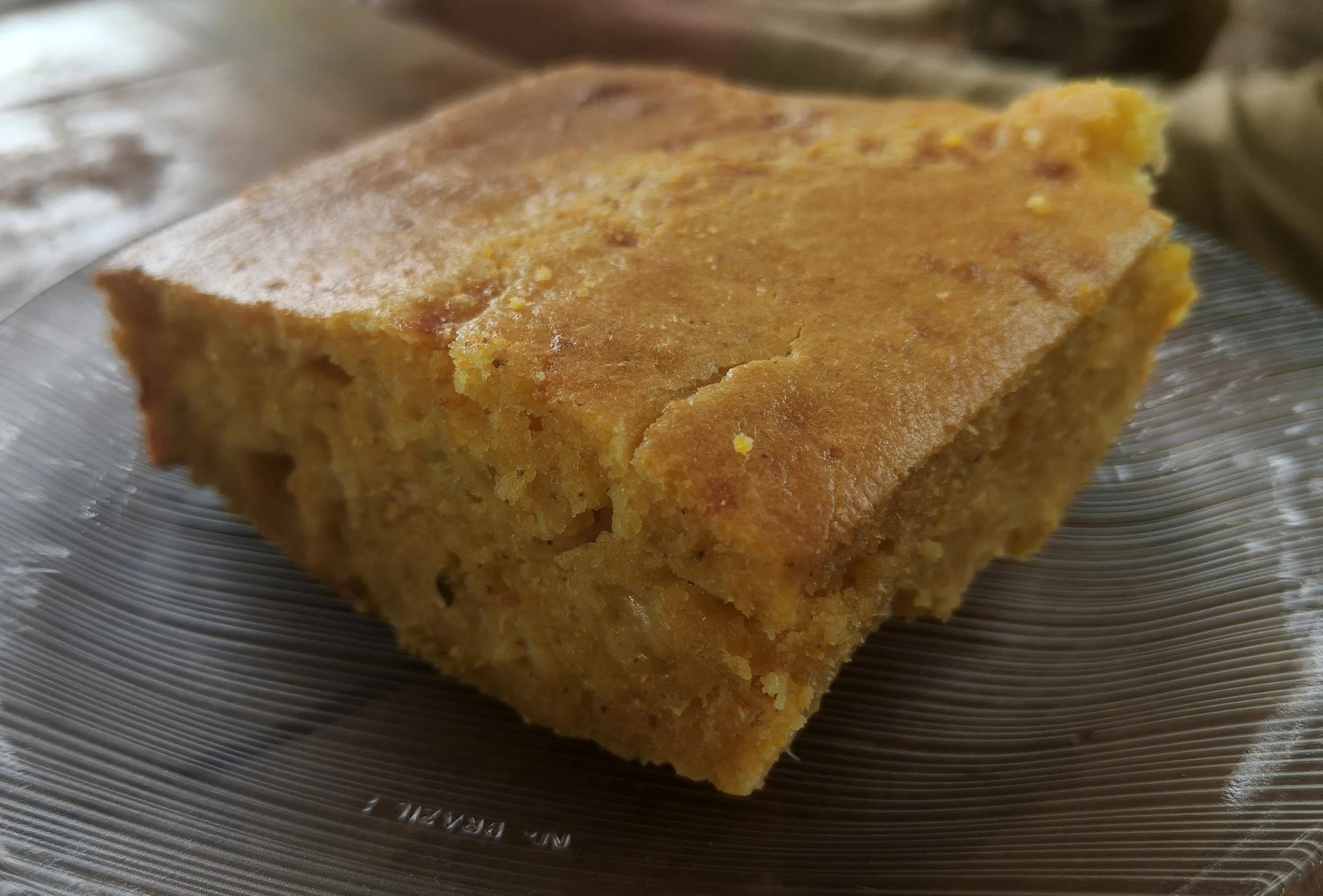
Paraguayan cornbread
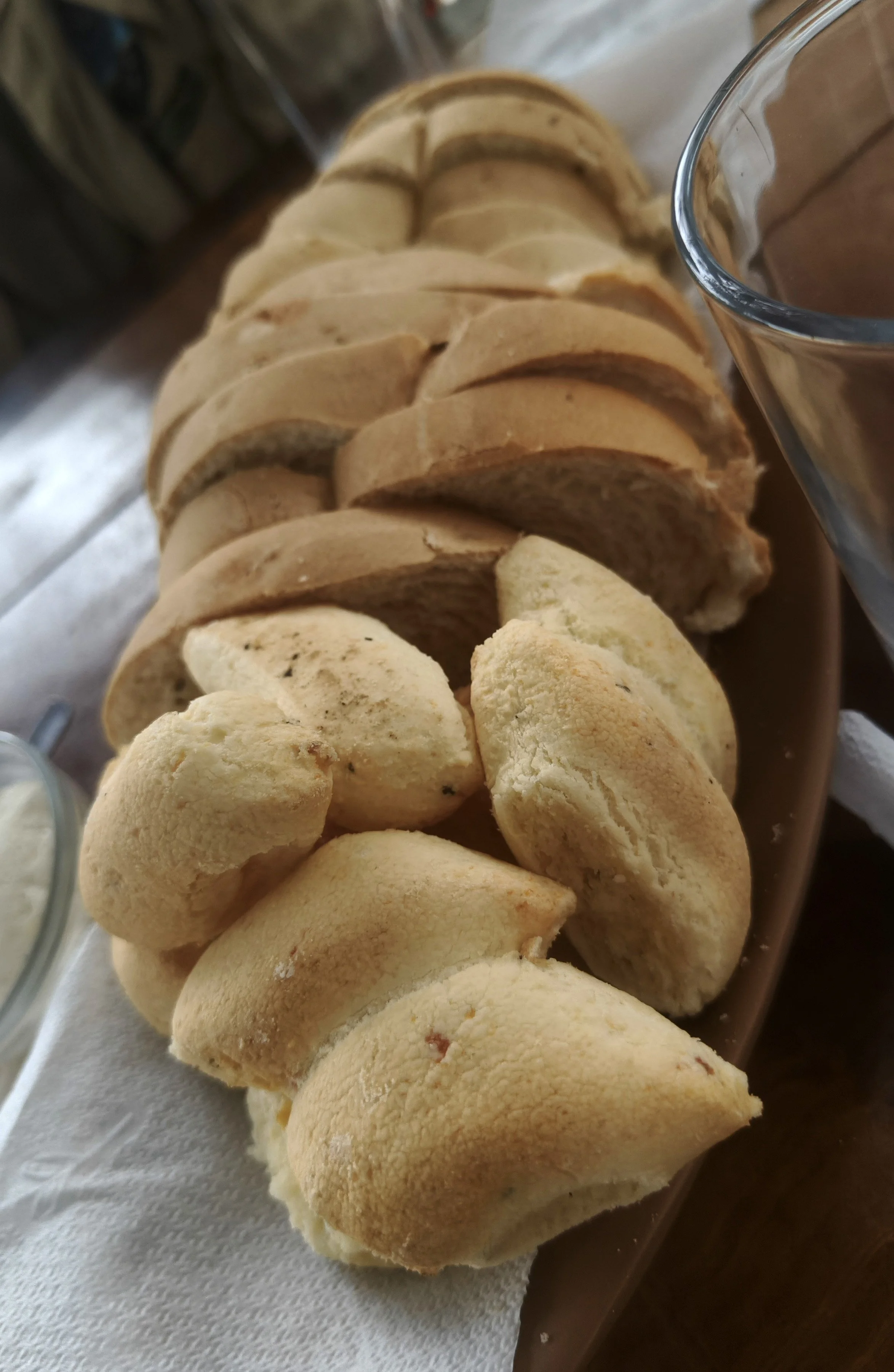
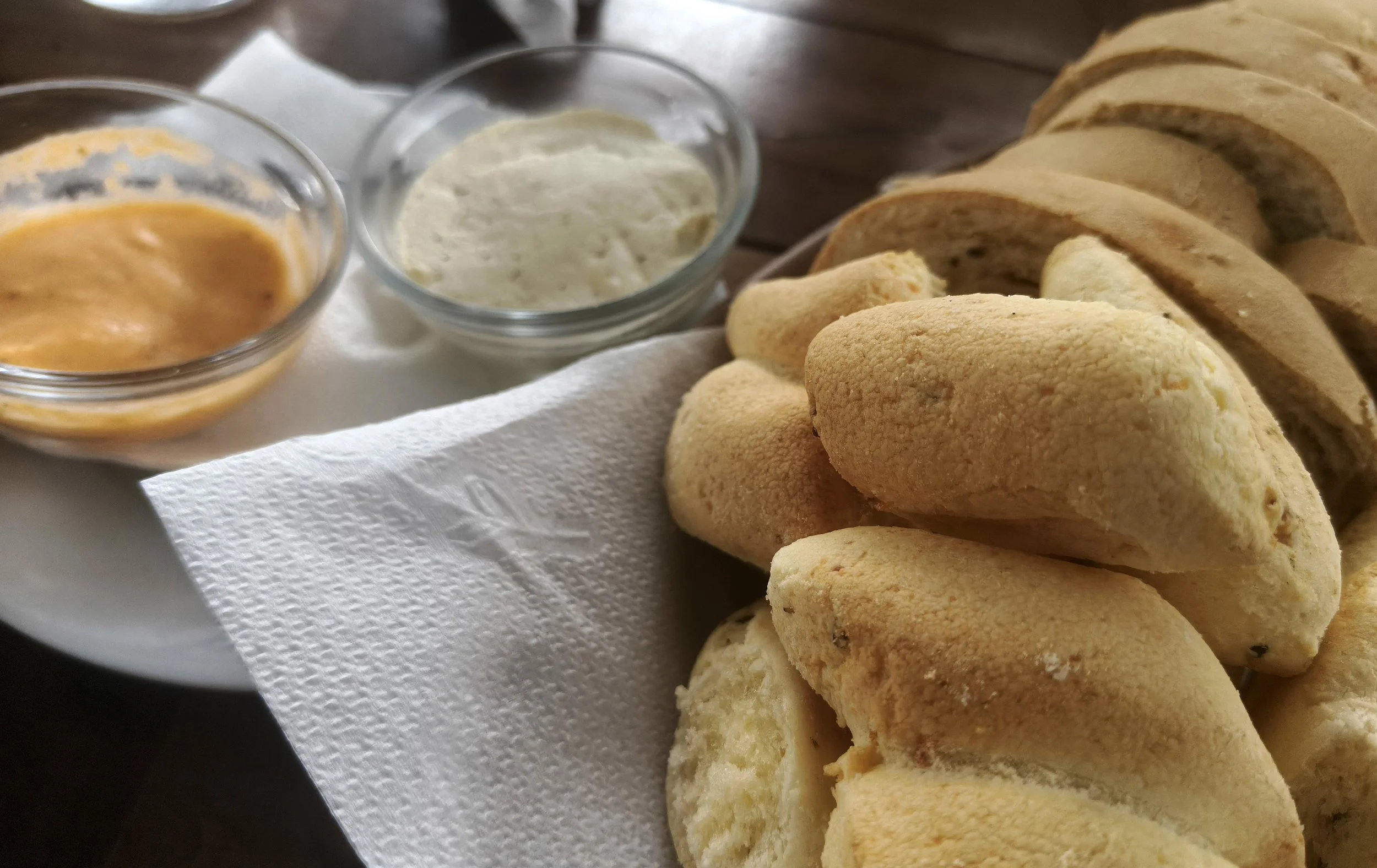
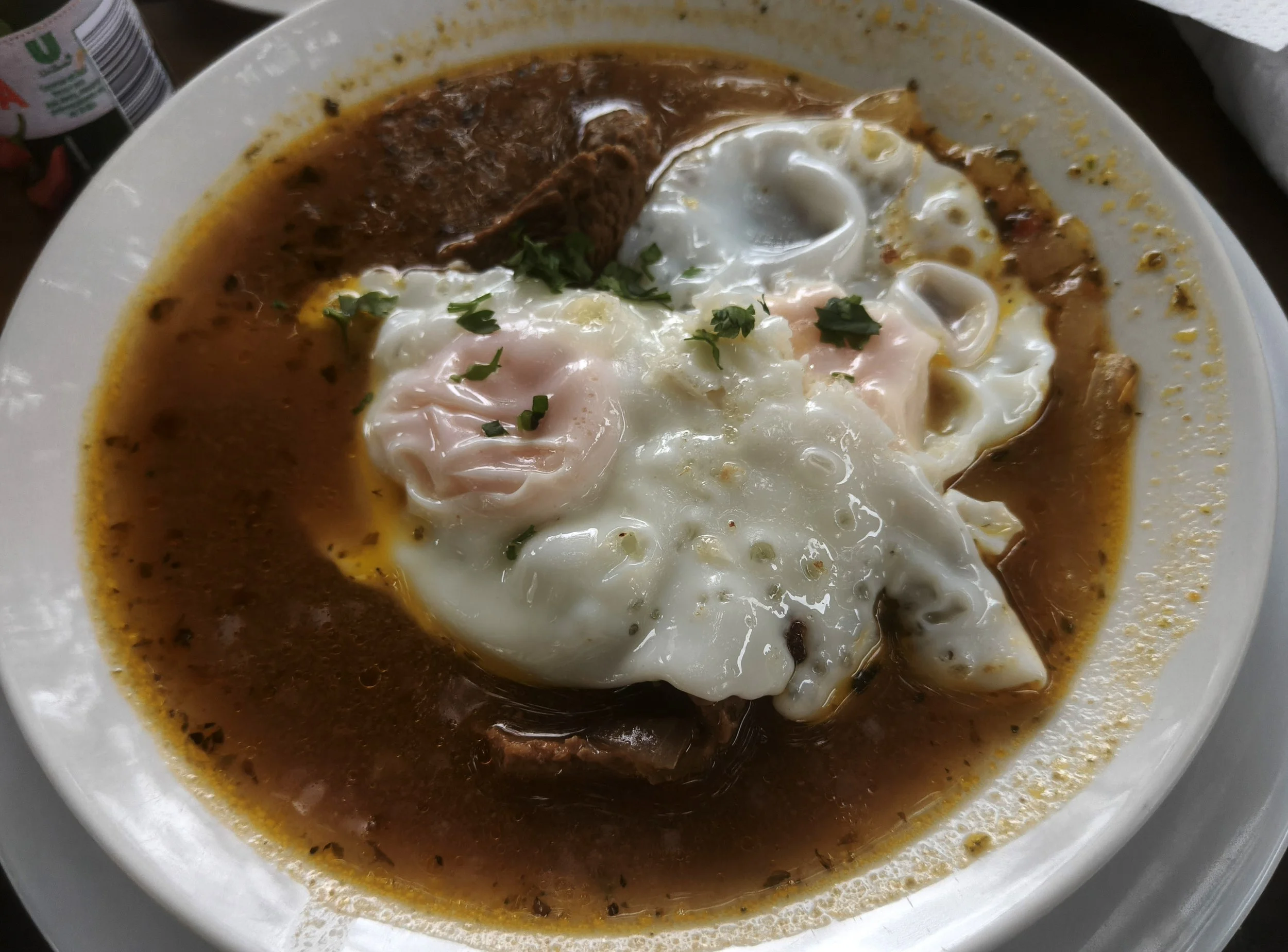
Delicious Paraguayan beef soup! Best in Paraguay
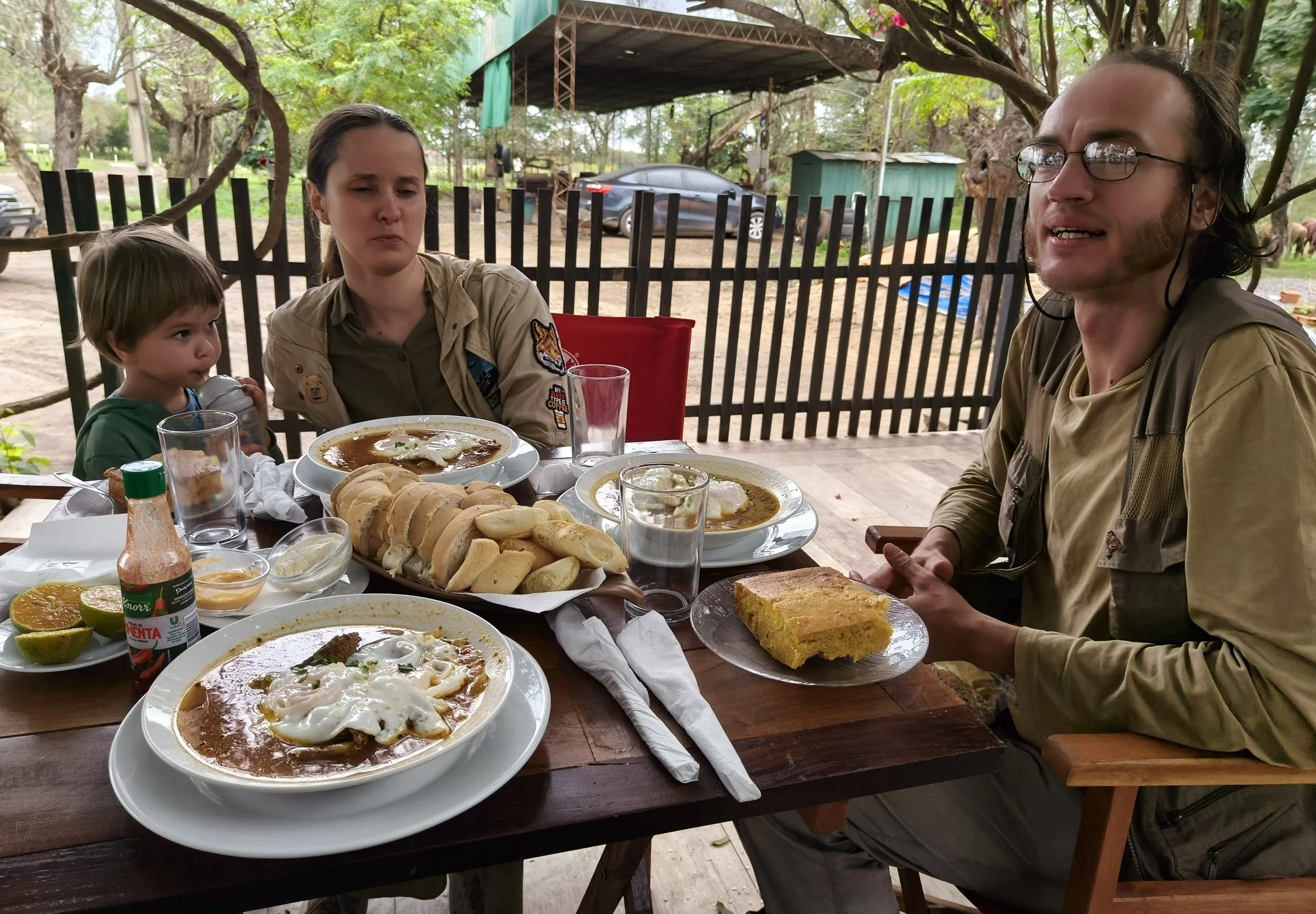
Andrey, Karina and Toby! Best guides in all of Paraguay.
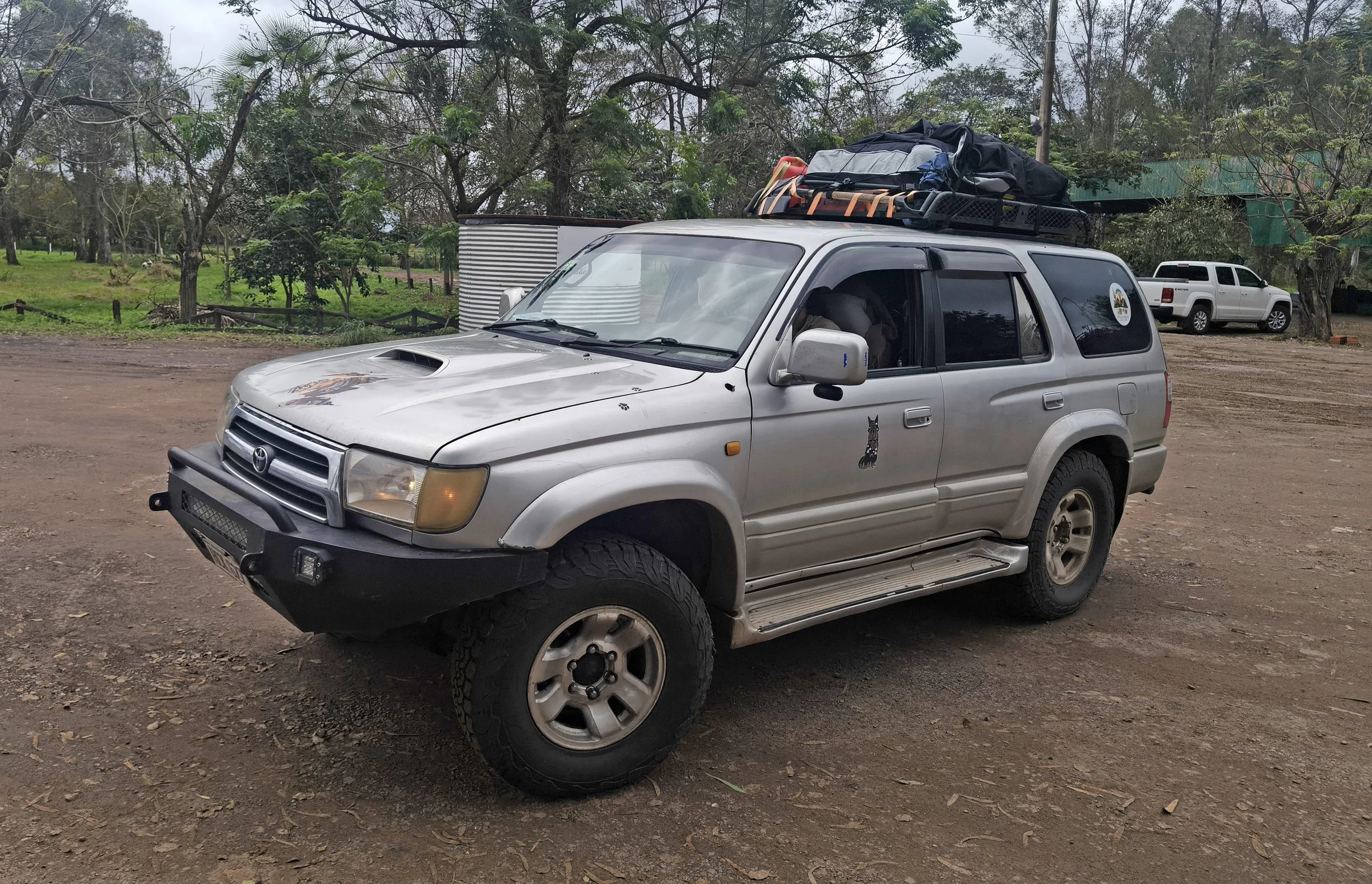
The Chaco Beast
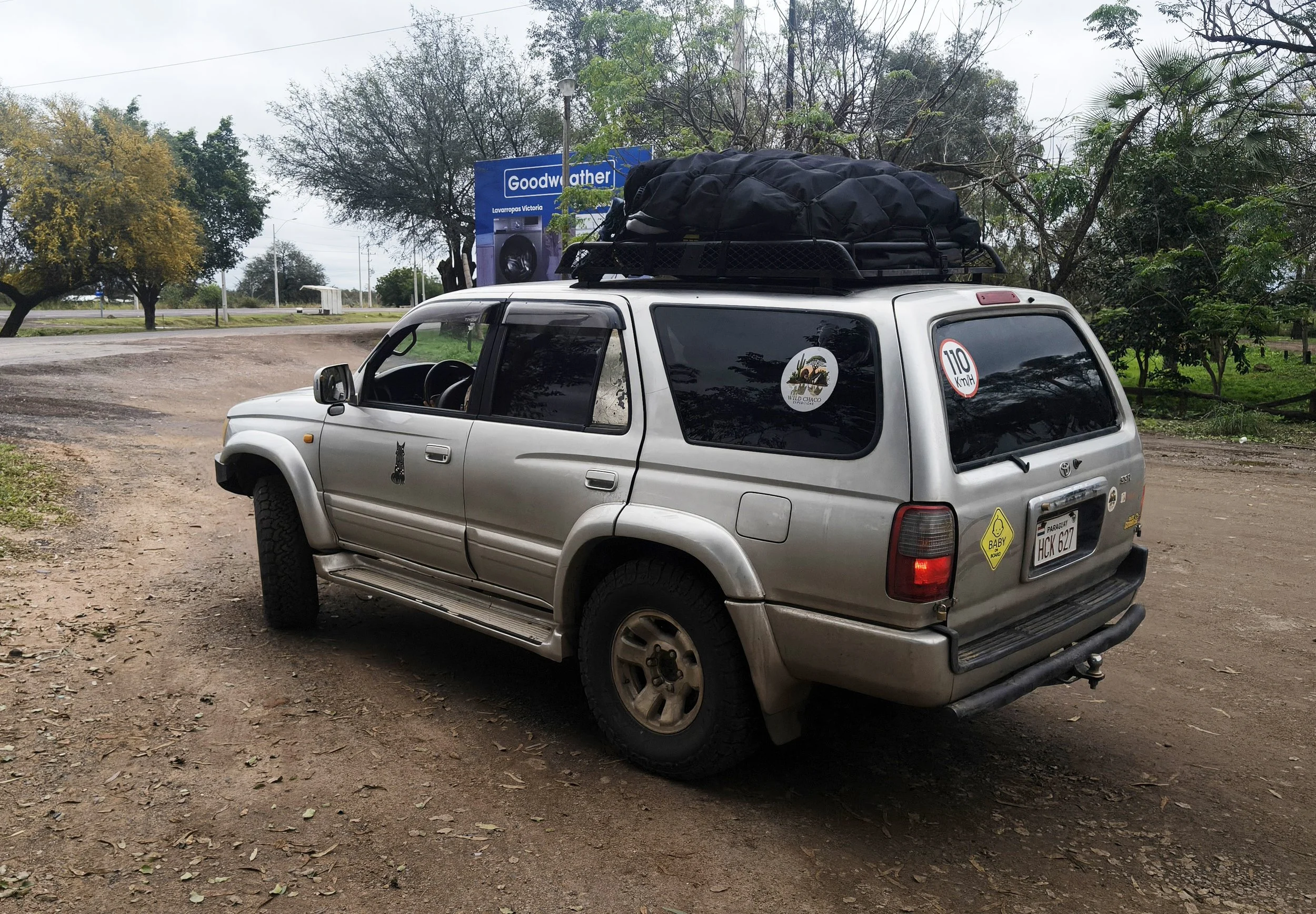
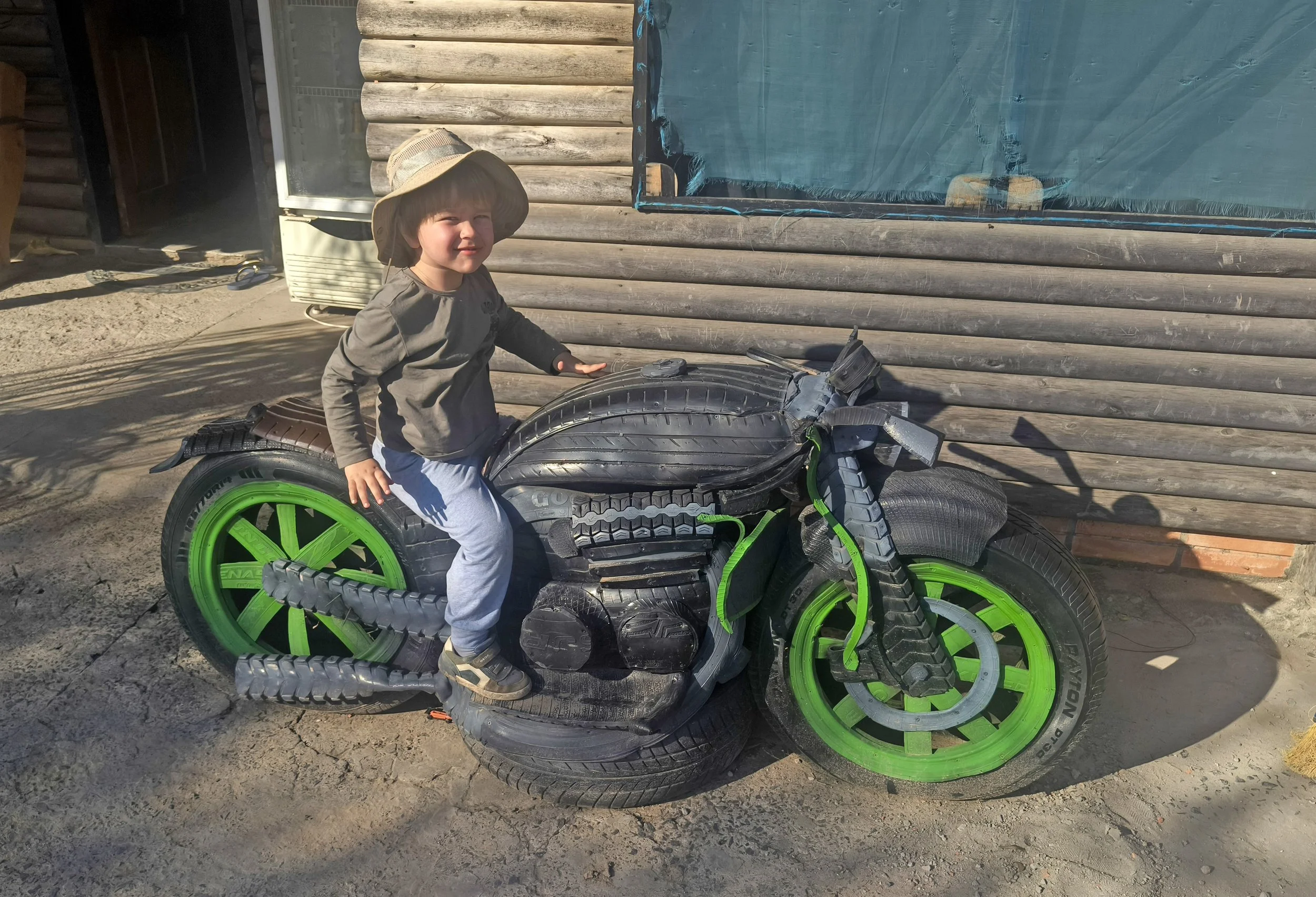
Toby and his ride in Loma Plata
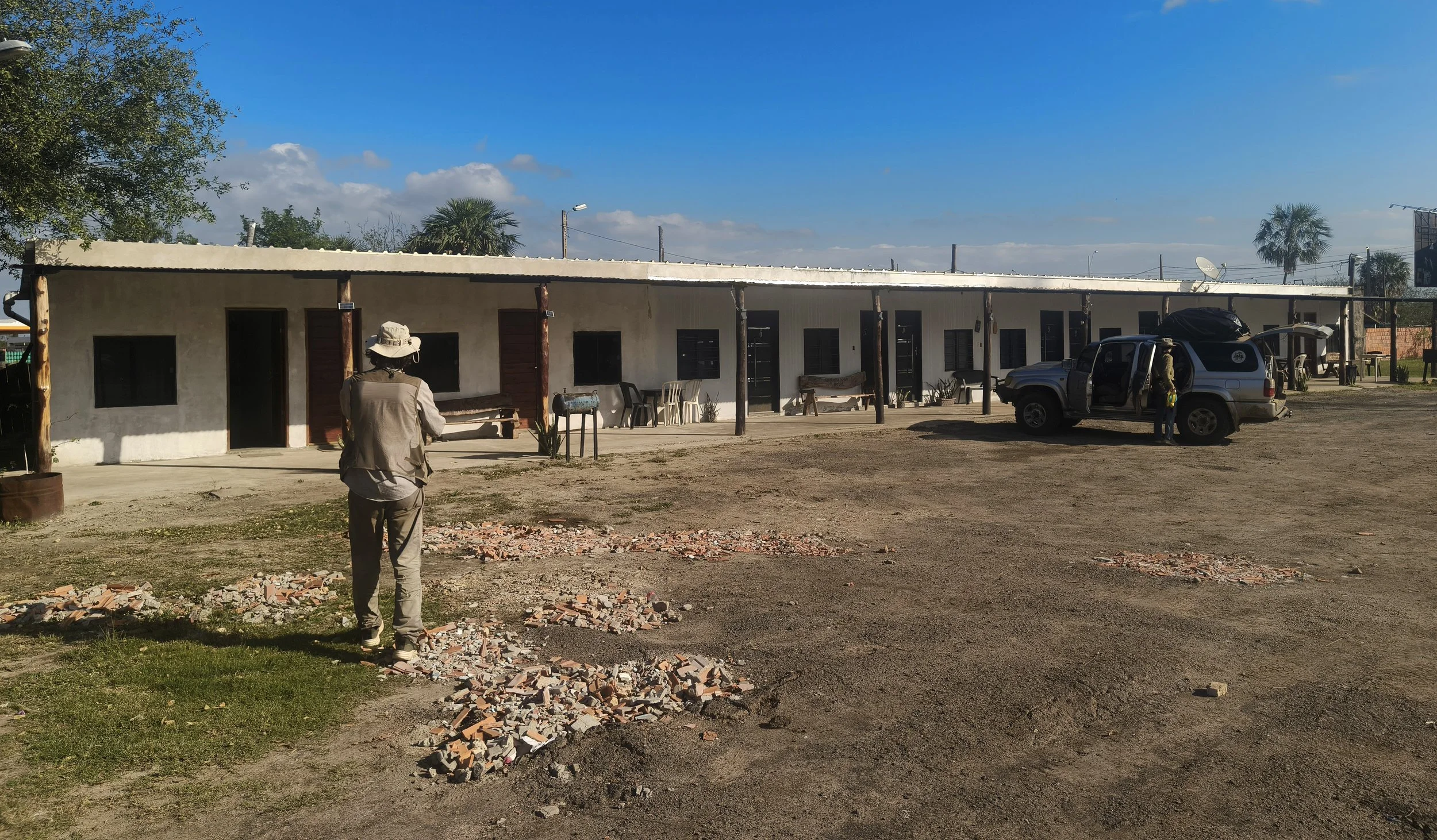
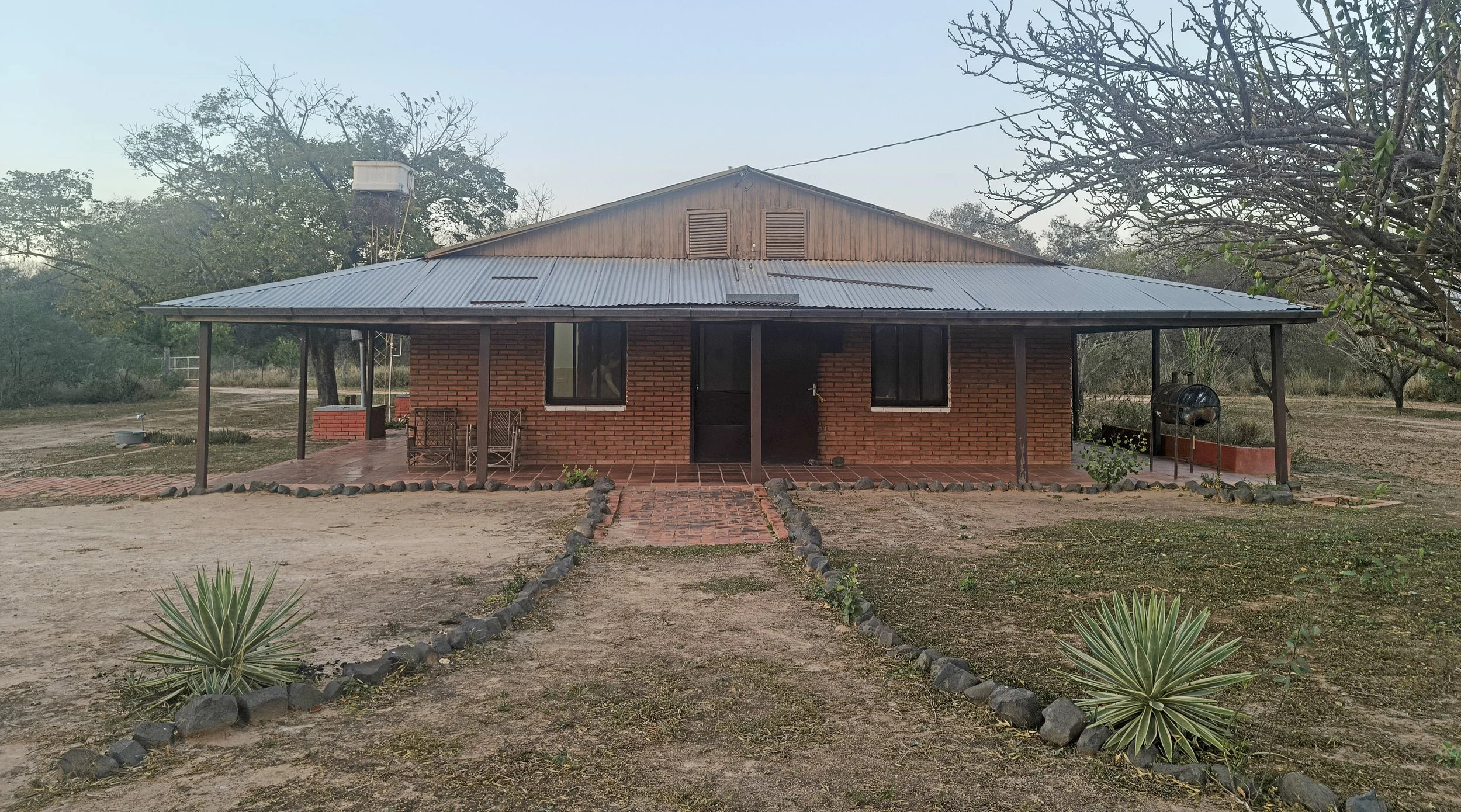
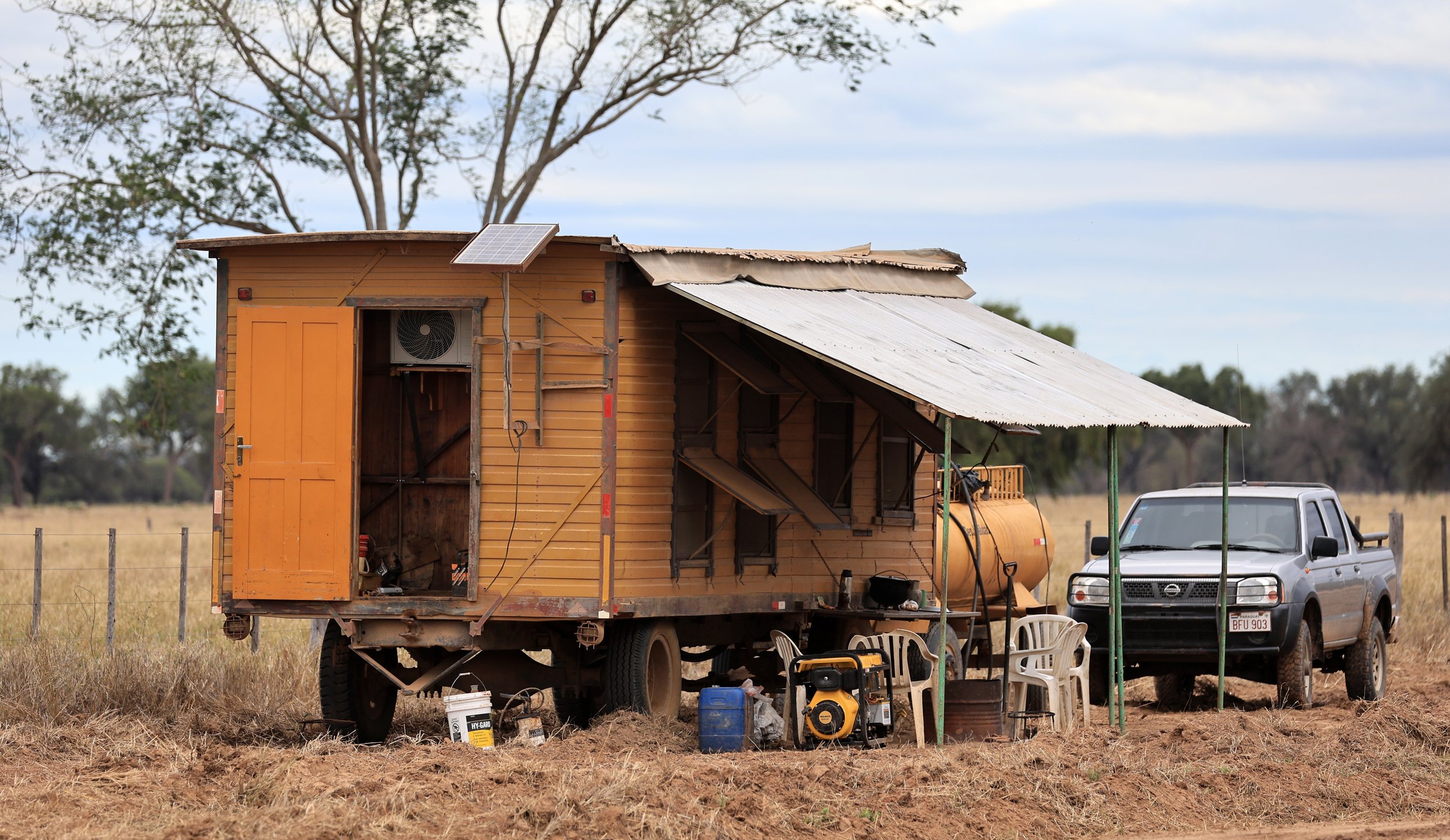
Our lodging in Loma Plata
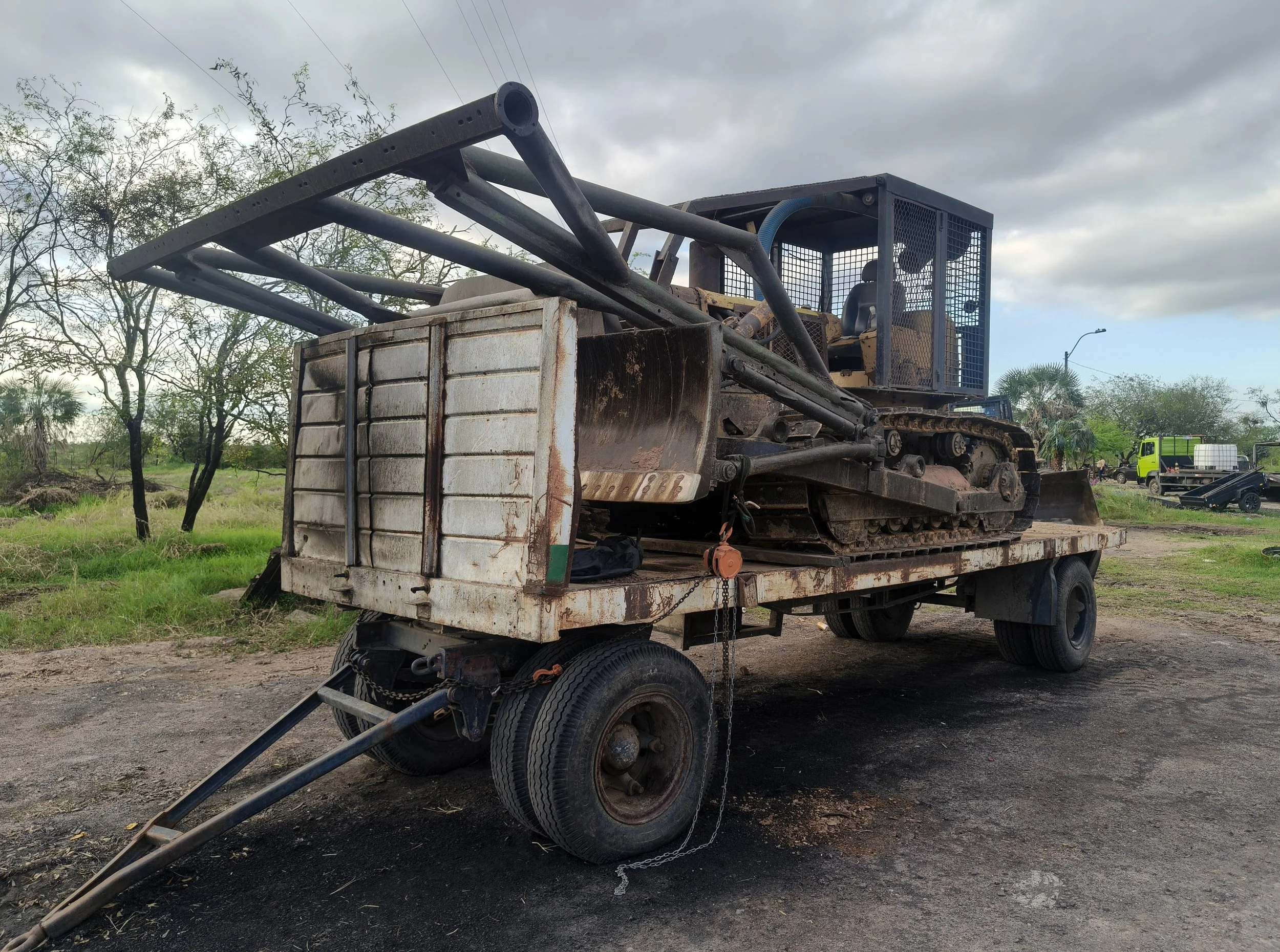
The Destroyer of the Chaco!
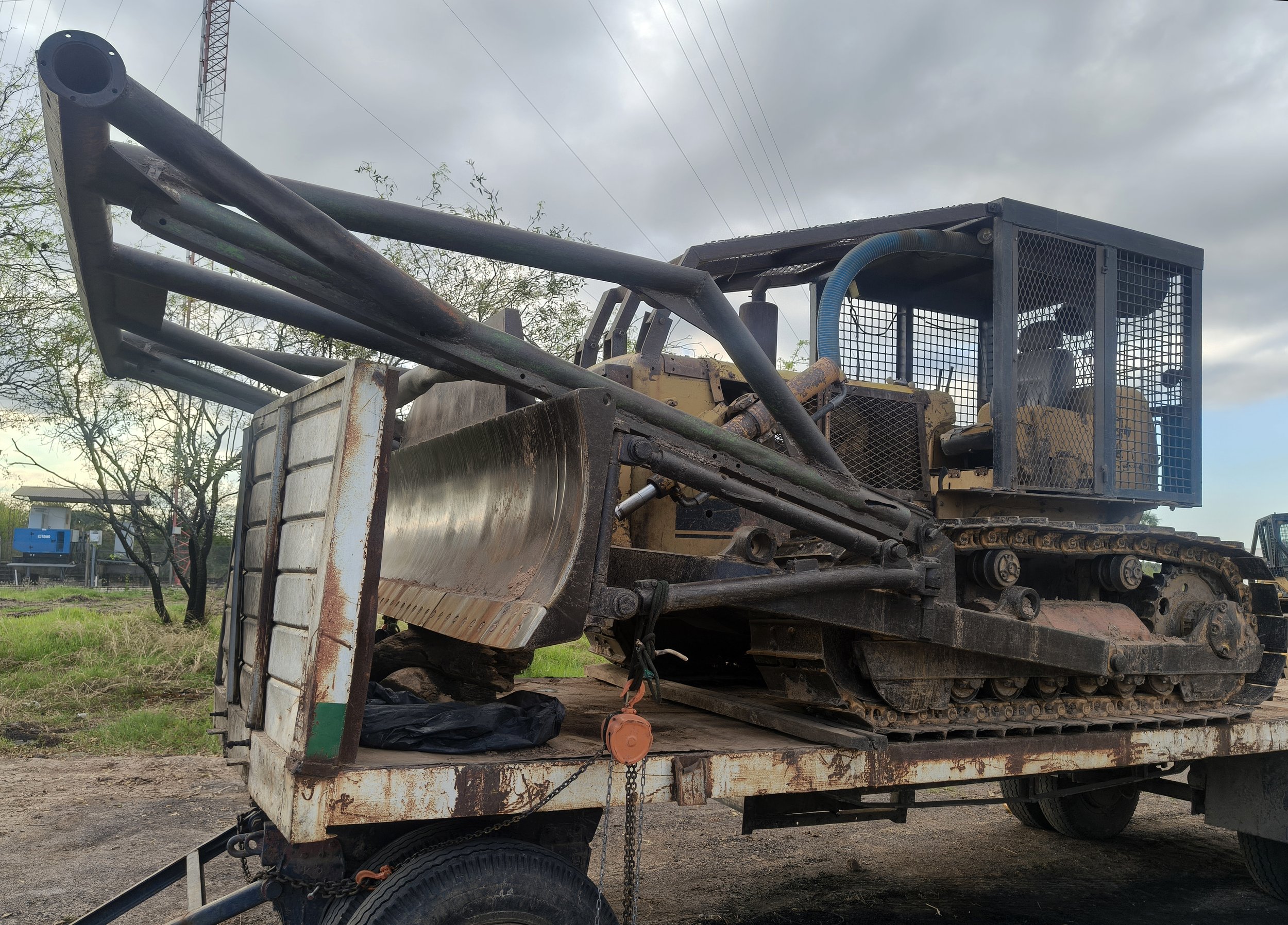
The large bar was used to simply push anything and everything over - plants, animals...everything.
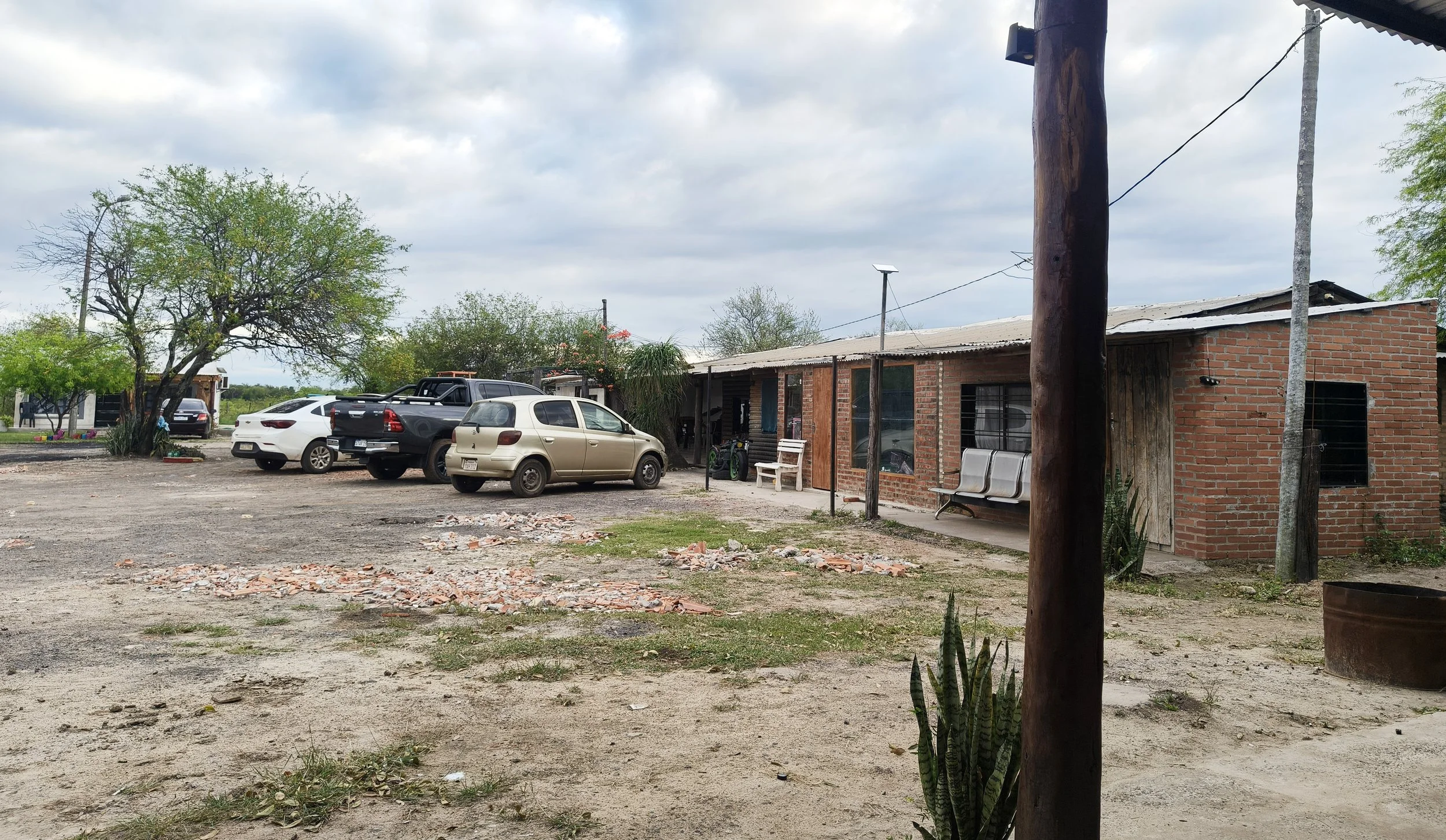
Loma Plata
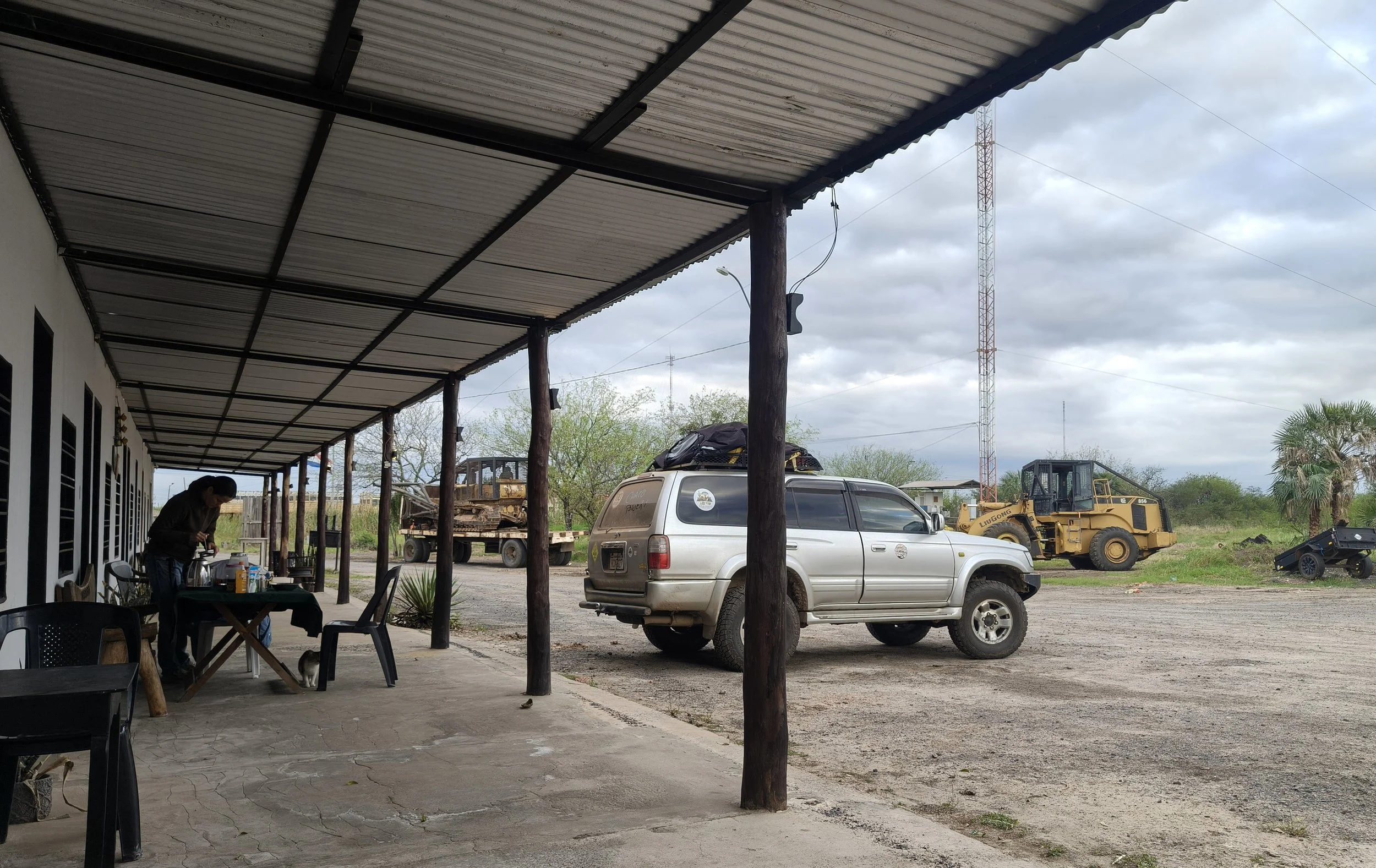
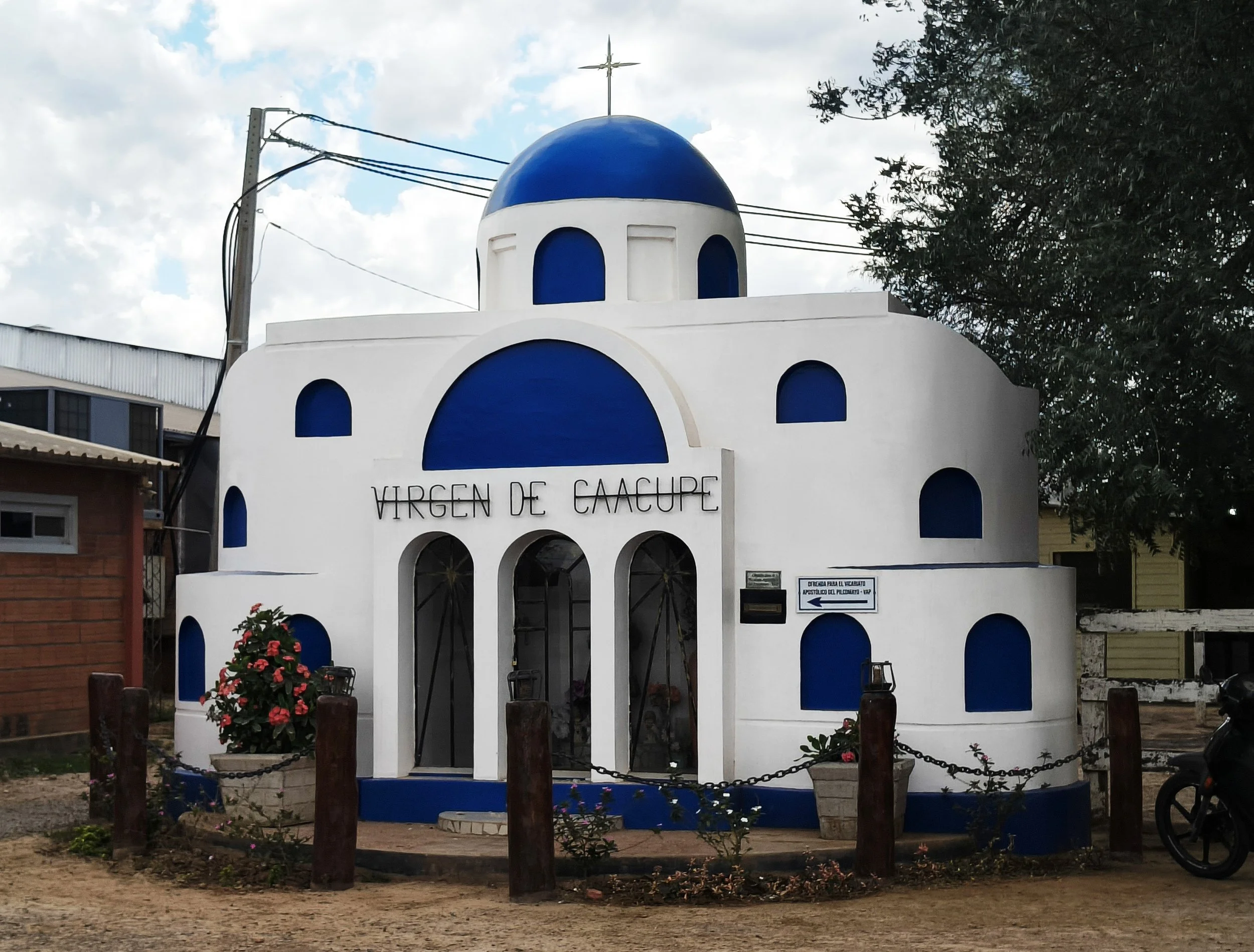
Shrine near Loma Plata
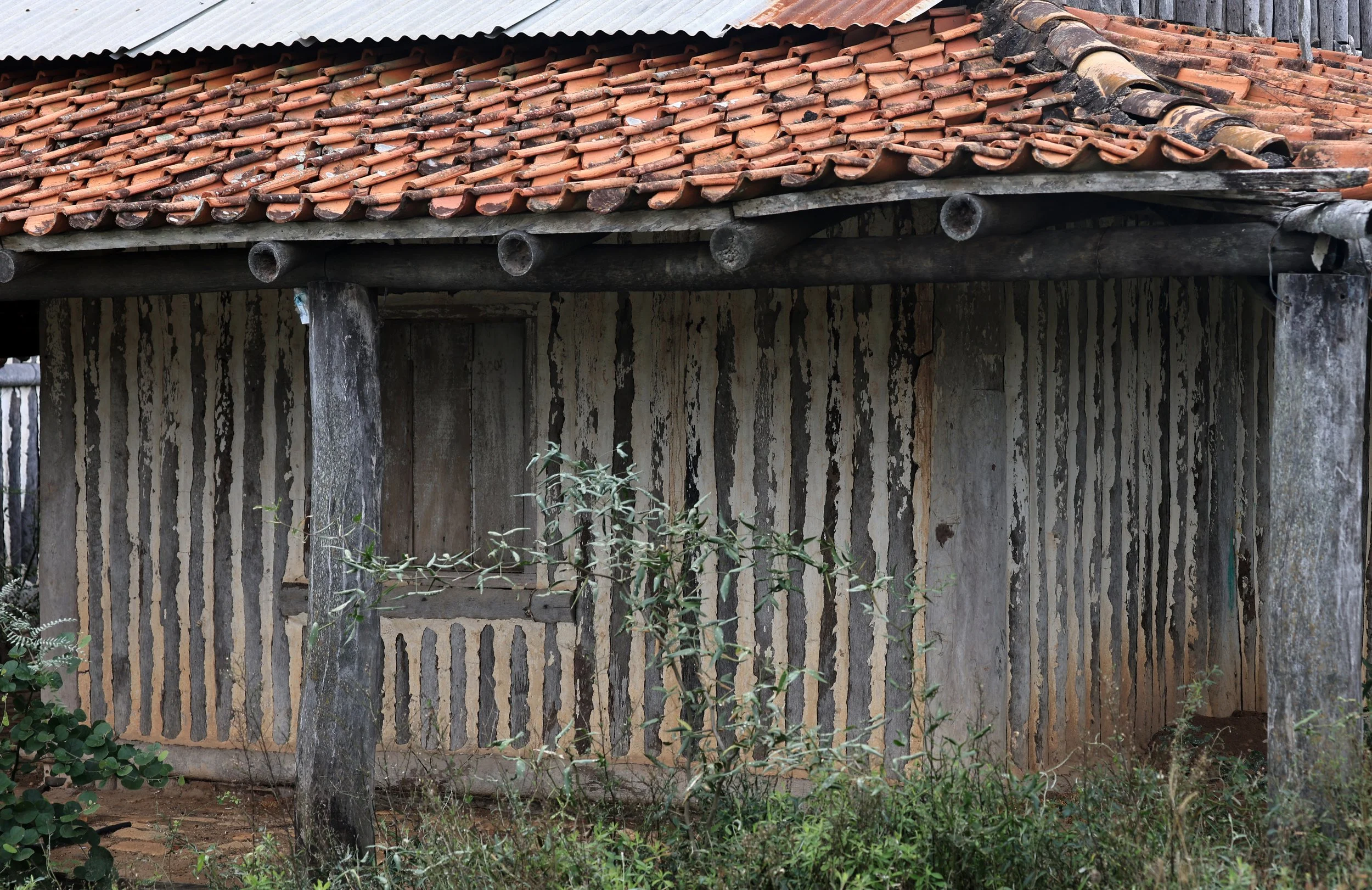
Traditional Paraguayan mud stucco wooden house - abandoned but still lived in by Common Vampire Bats
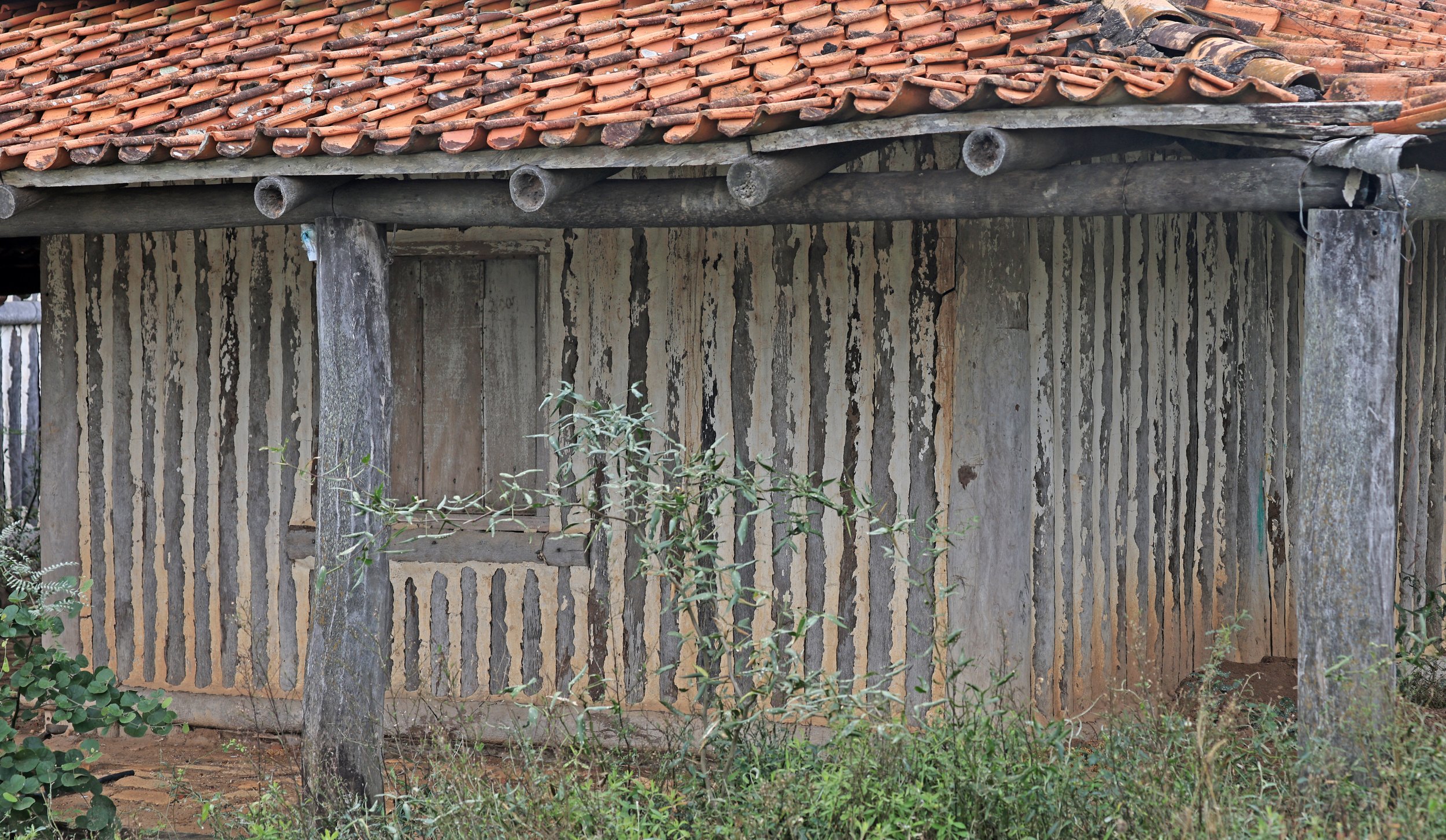
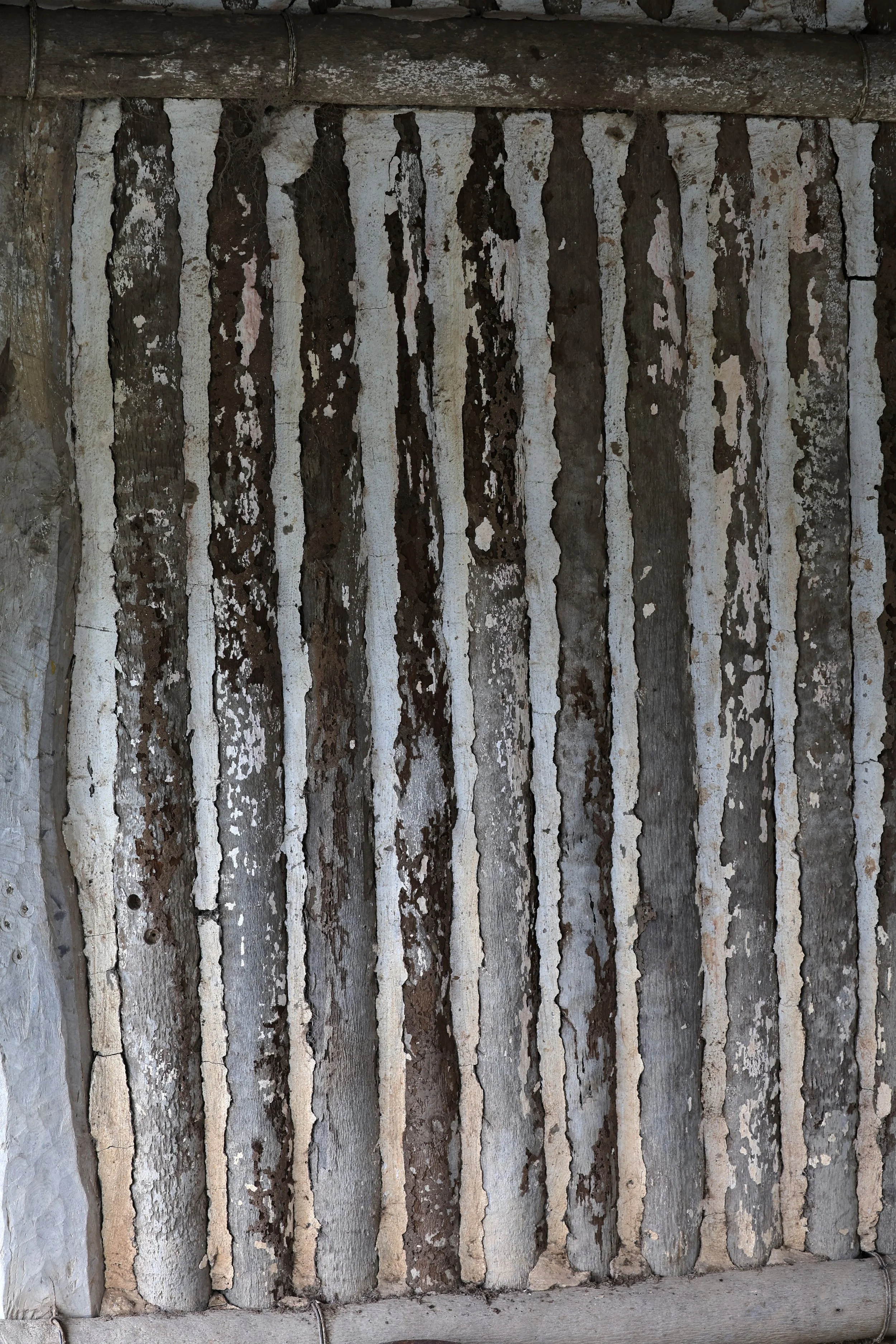
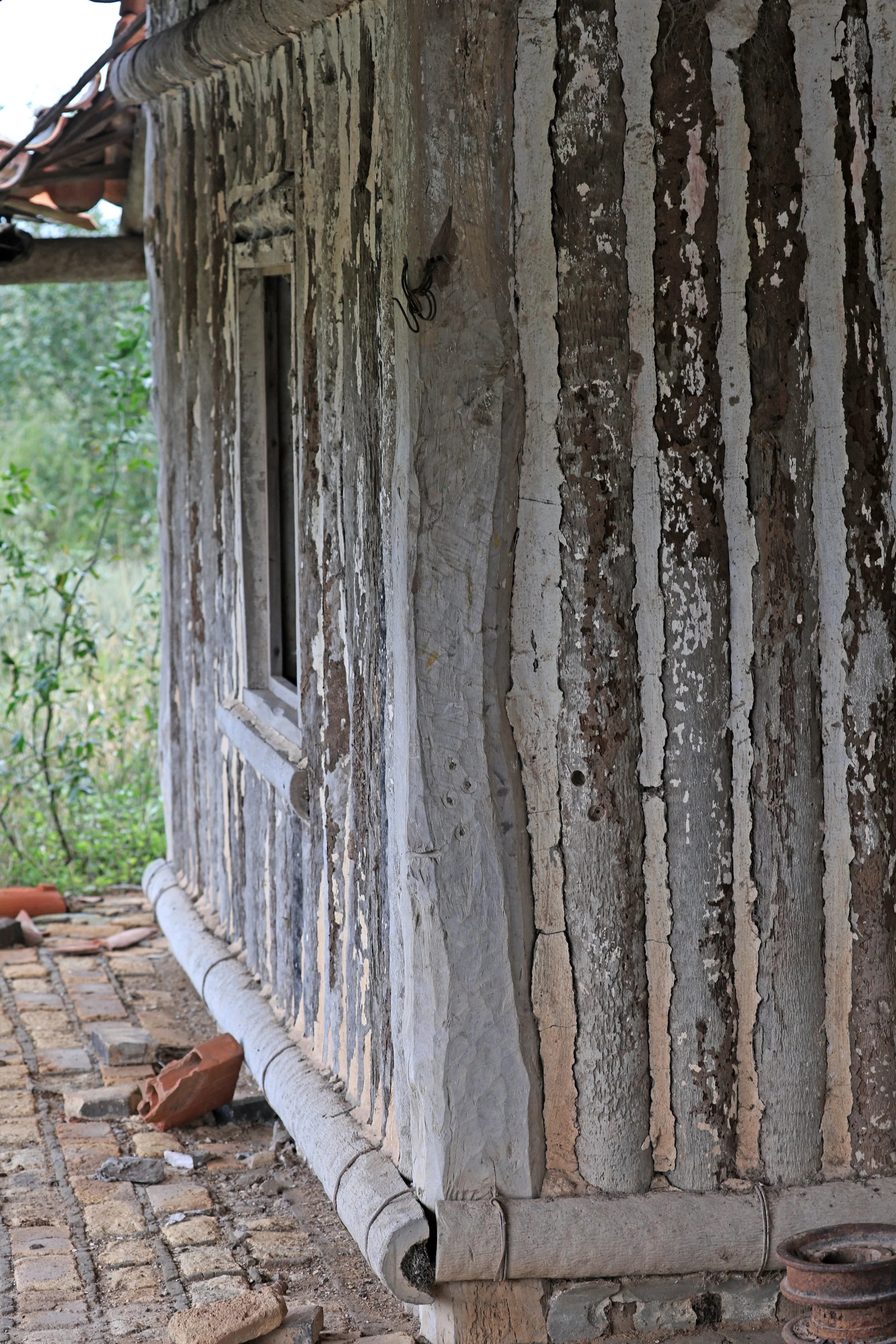

Doh!

Neuland - may as well be suburban Midwestern USA...
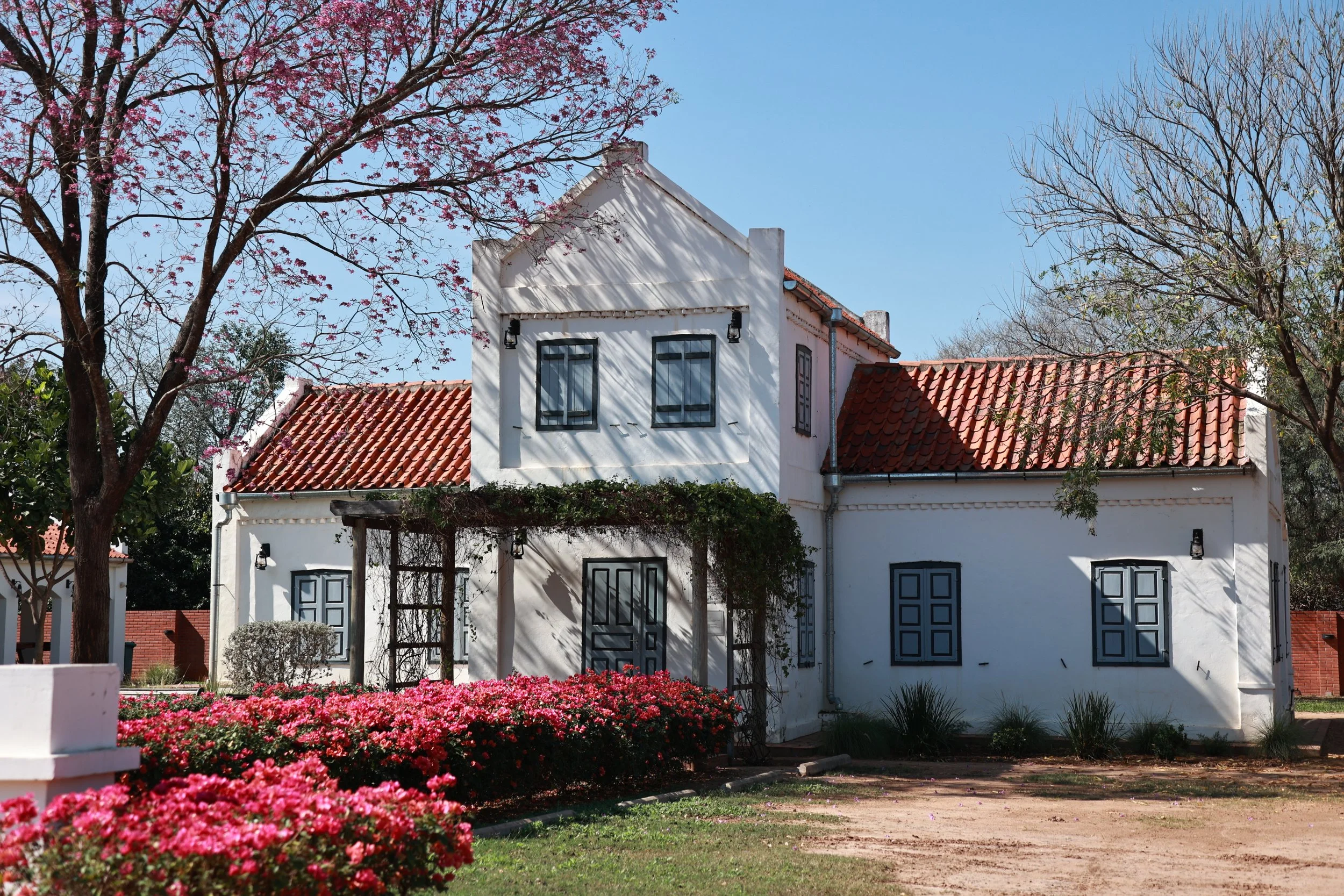
Or southern California
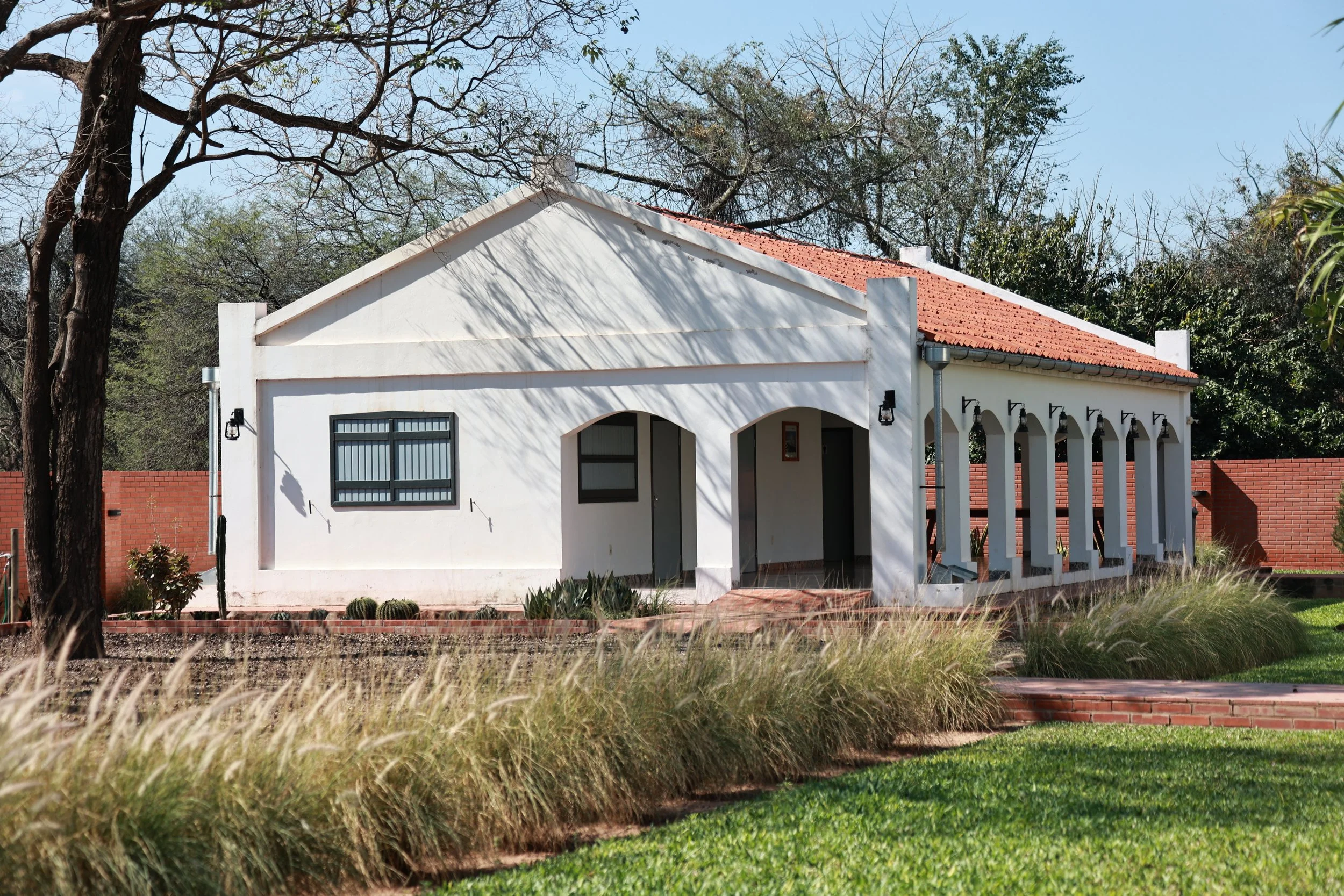
Hotel Campestre Iparoma

Azara's Night Monkey (Aotus azarae) seen on our return trip to Hotel Campestre Iparoma Paraguay
Our next major stop was Hotel Campestre Iparoma, a spectacular estancia situated on the edge of the Paraguayan Chaco and perfectly positioned as a gateway to the more remote regions further west. Set amongst dry woodland, grassland and scattered waterholes, the lodge proved to be far more than just a convenient overnight stop. The mix of habitats around the property supports a surprisingly diverse range of wildlife, making it an excellent mammalwatching destination in its own right.
We actually visited Iparoma twice during the expedition. The first stay came on our journey into the deep Dry Chaco, while the second followed our visit to Agua Dulce on the return leg. Rather than separate the sightings, it makes more sense to combine them here, as together the two visits produced some of the most memorable mammal encounters of the trip.
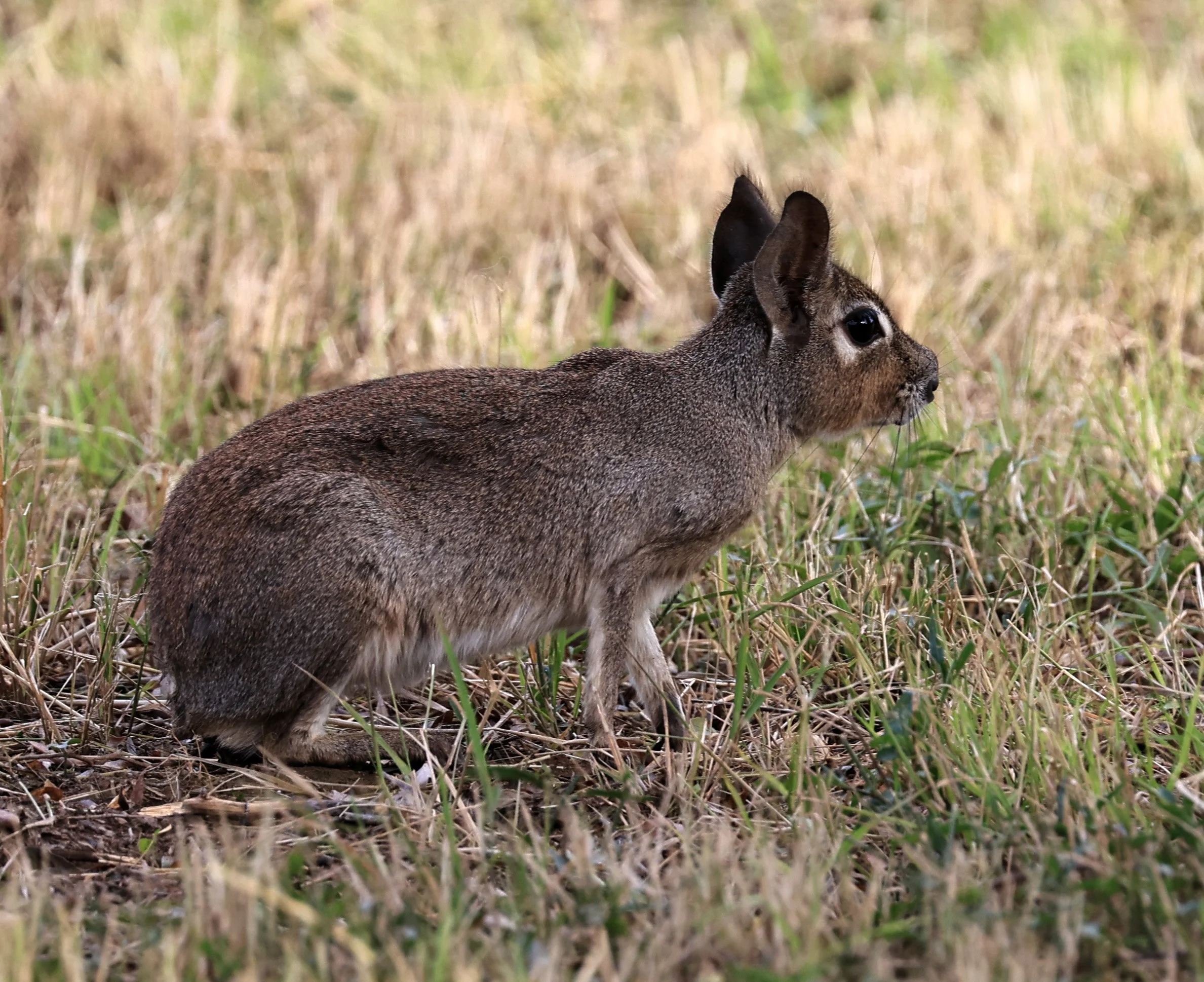
One species that quickly became a familiar sight around the area was the Chacoan Mara (Dolichotis salinicola). The Mara were so common actually that they became my daily photographic challenge! We had them every day of the trip with the last couple days for some reason they were not coming out for a view. Having enjoyed our first sightings at Aurora Chaqueña, we encountered many more around Iparoma. Seeing these peculiar large rodents (although not as large as the Patagonian Mara) dashing across open areas never really got old. They somehow manage to look both elegant and slightly bewildered at the same time.
My first new species at the lodge was the Yellow-Toothed Cavy (Galea musteloides). A group of them provided excellent views around the grounds, especially at the campsite, allowing plenty of time to appreciate a species that had been high on my target list for years. Like many South American rodents, it is easy to overlook if you're not specifically searching for them, but finally seeing one in the wild felt immensely satisfying.
The most impressive large mammal sighting came during our second visit. After dark, while checking a nearby waterhole, we encountered a South American Tapir (Tapirus terrestris). There is always something special about seeing a tapir emerge from the darkness. Despite being South America's largest terrestrial mammal, they possess an uncanny ability to appear almost silently from nowhere. Watching the animal at the waterhole under the night sky was one of those moments that instantly becomes a highlight of any trip.
However, the undisputed star of Iparoma was always going to be Azara's Night Monkey (Aotus azarae). This was one of my primary targets for the site, and after an unsuccessful search during our first stay, I was beginning to wonder whether the species might prove elusive. Fortunately, fortune smiled on us when we returned from Agua Dulce. Not only did we find the monkeys, but we found them in the most convenient location imaginable. A group of six animals appeared in the trees immediately outside our rooms, providing outstanding views. It is hard to ask for a much easier mammalwatching experience than stepping outside your accommodation and finding one of your key target species waiting there. The monkeys moved quietly through the trees, occasionally pausing to look back at us, and the encounter provided a perfect conclusion to our time at Iparoma.
By the time we finally left, Hotel Campestre Iparoma had proven itself to be far more than a stopover on the route to the deeper Chaco. Between the cavies, tapir, abundant maras and the superb night monkey encounter, it had delivered some of the most enjoyable mammalwatching of the entire expedition and set a very high standard for the sites still to come.
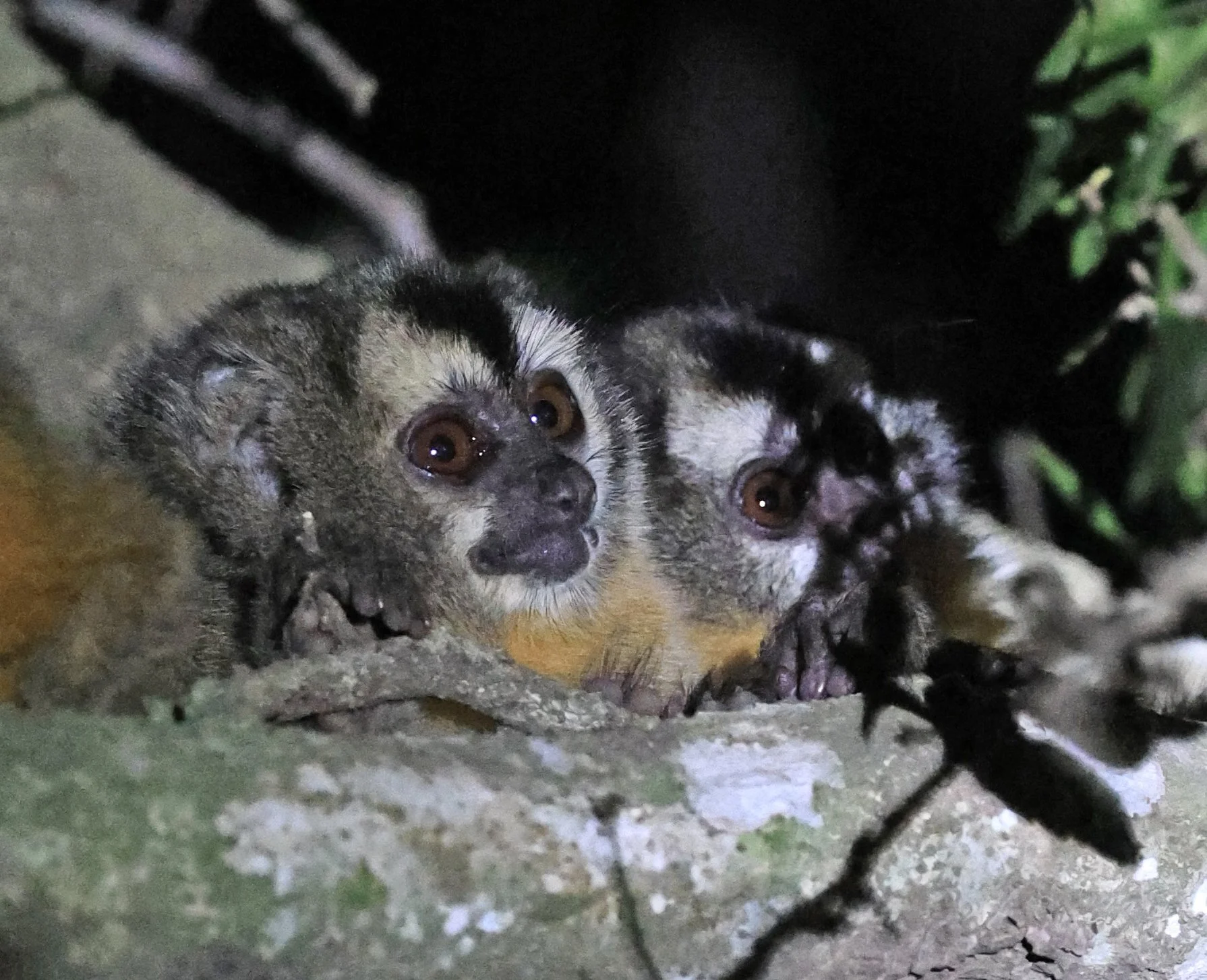
Azara's Night Monkey (Aotus azarae)

Azara's Night Monkey (Aotus azarae) - six individuals gave us a great show just outside our dining area and rooms!

Azara's Night Monkey (Aotus azarae). We dipped our first night but got them after returning from Agua Dulce a few days later.

Too bright - sorry little dude

Azara's Night Monkey (Aotus azarae)


Azara's Night Monkey (Aotus azarae)

Azara's Night Monkey (Aotus azarae)

South American Tapir (Tapirus terrestris) in a waterhole at Iparoma.
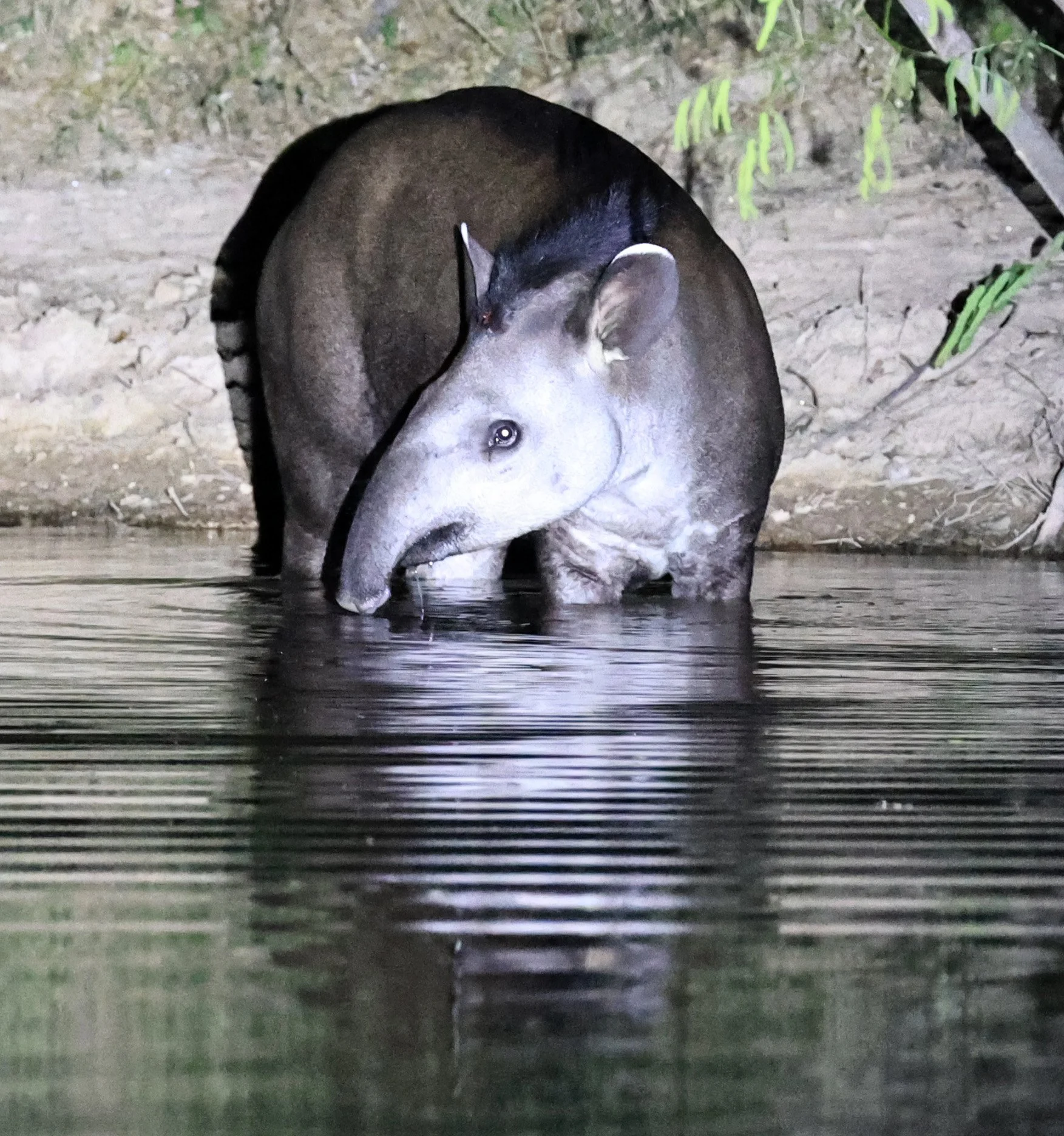

South American Tapir (Tapirus terrestris)

South American Tapir (Tapirus terrestris)
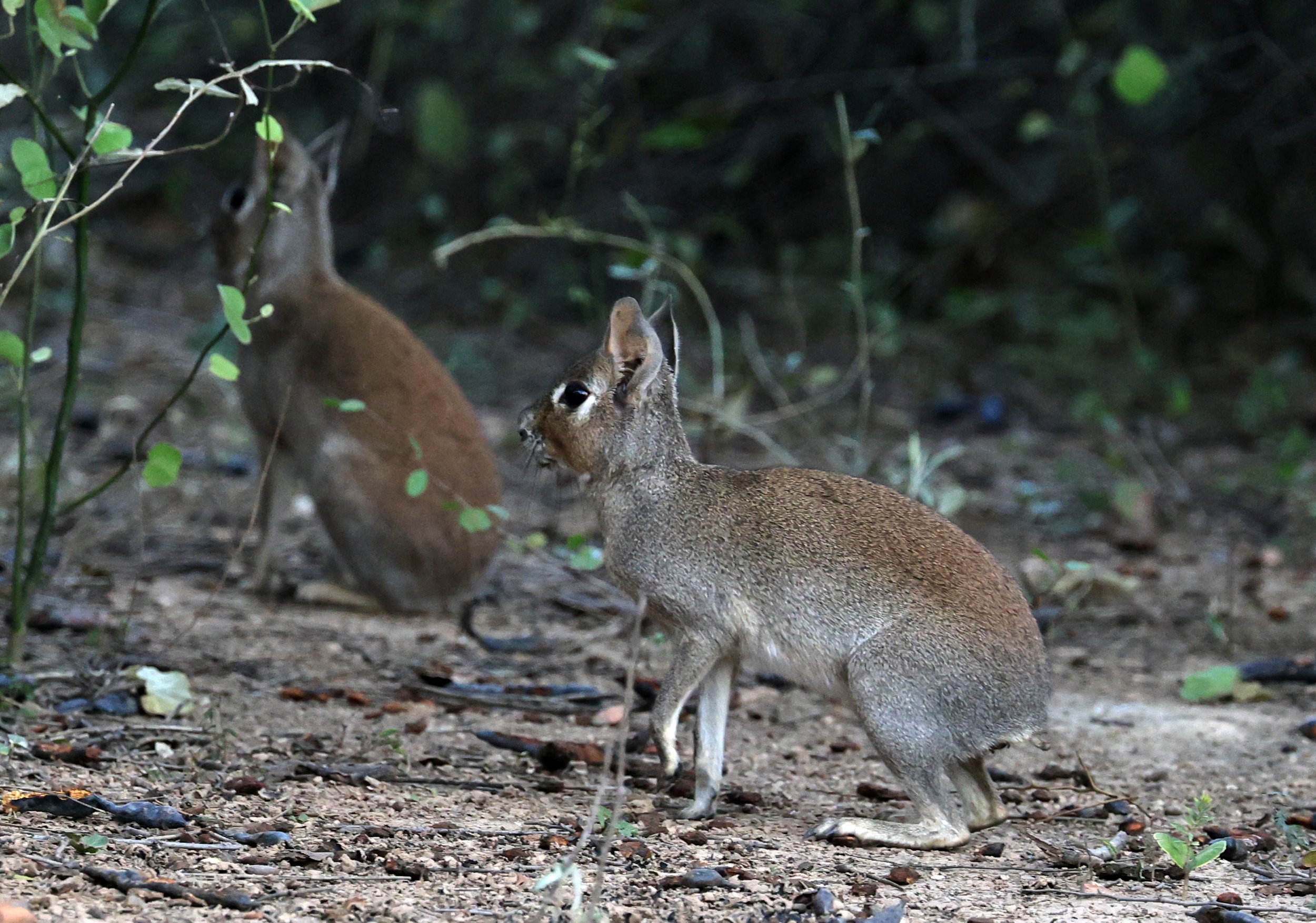
Loads of Chacoan Mara at Iparoma.
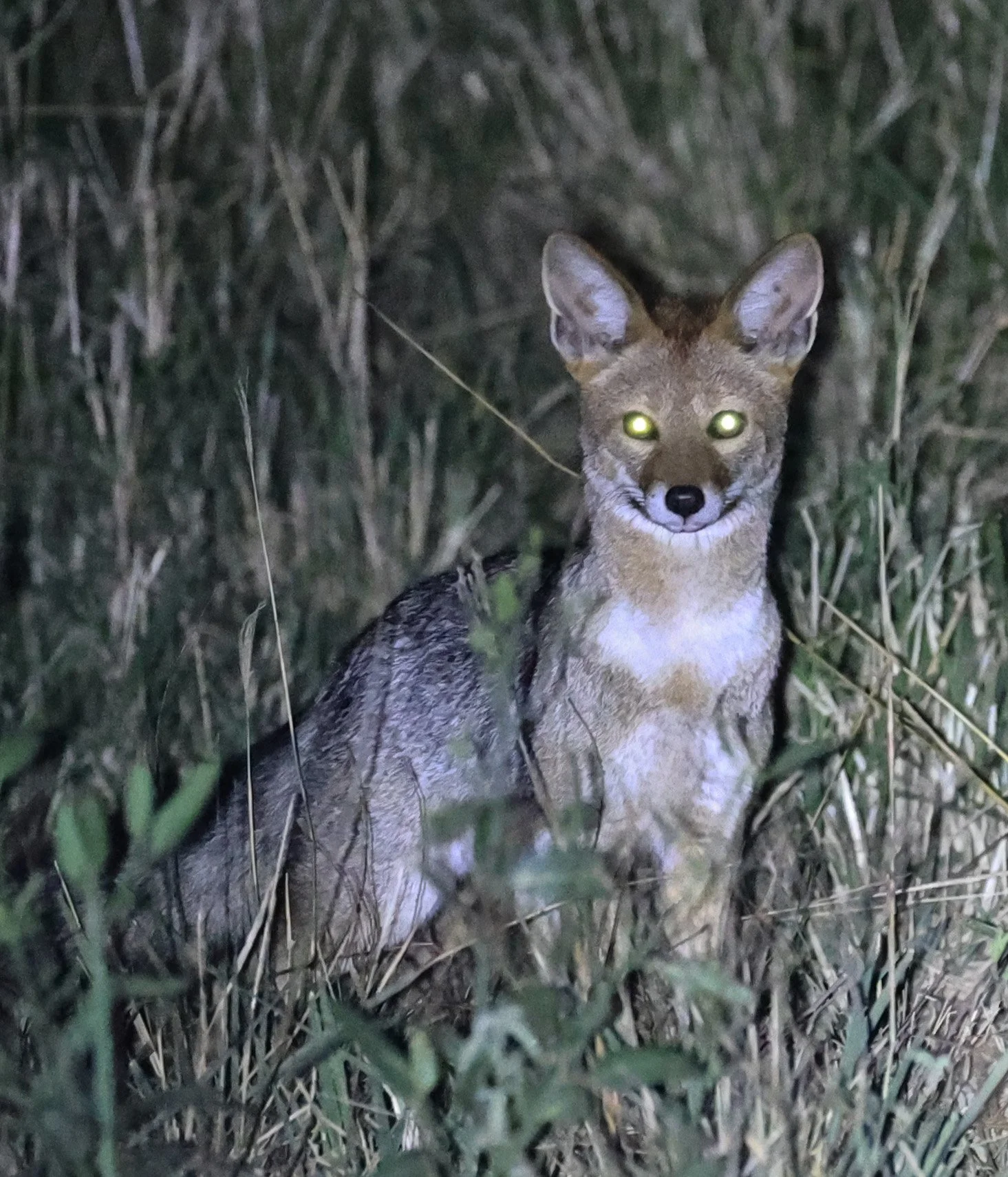
Definitely a lot of Pampas Foxes too
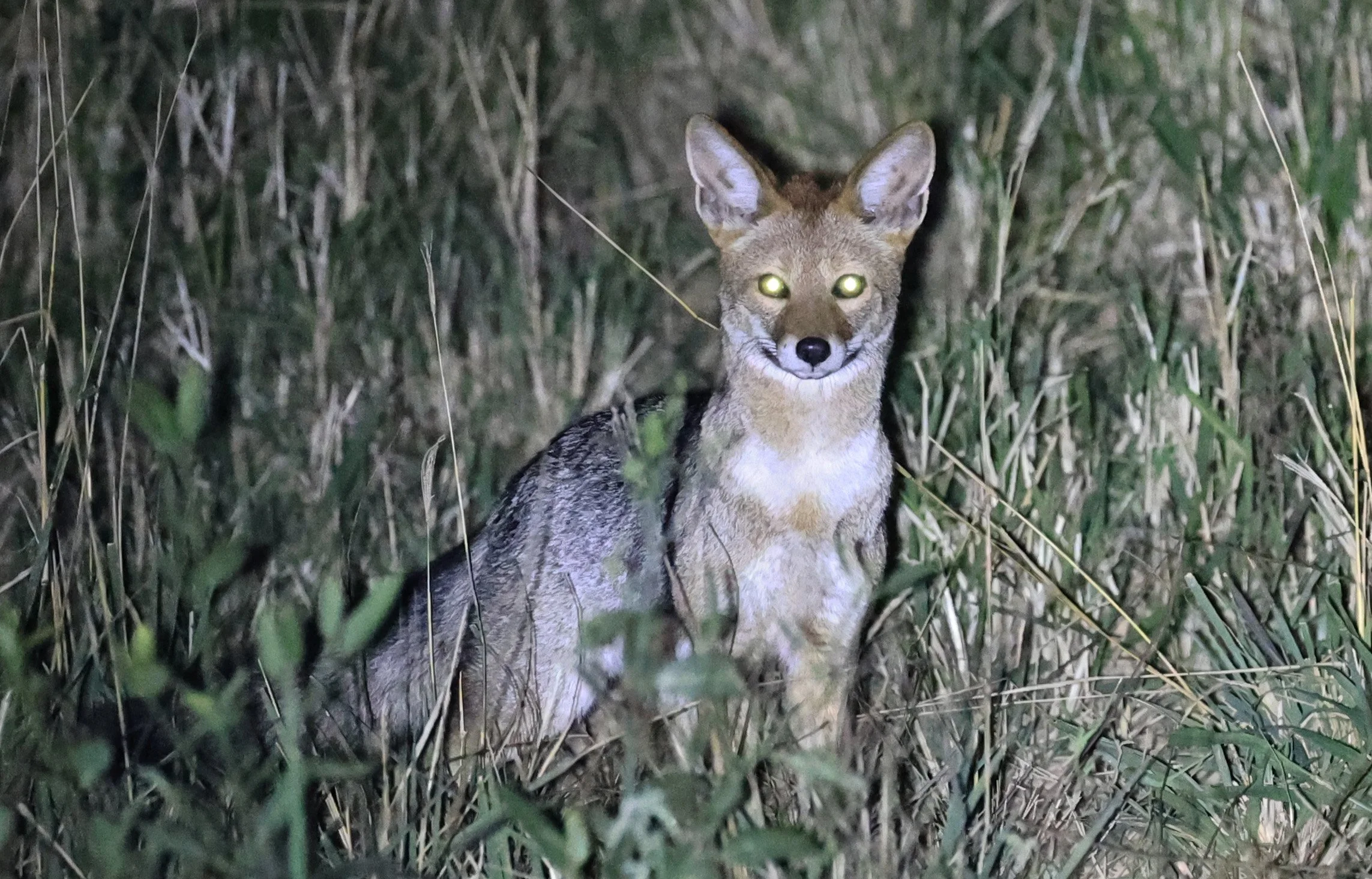
Pampas Fox (Lycalopex gymnocerca)
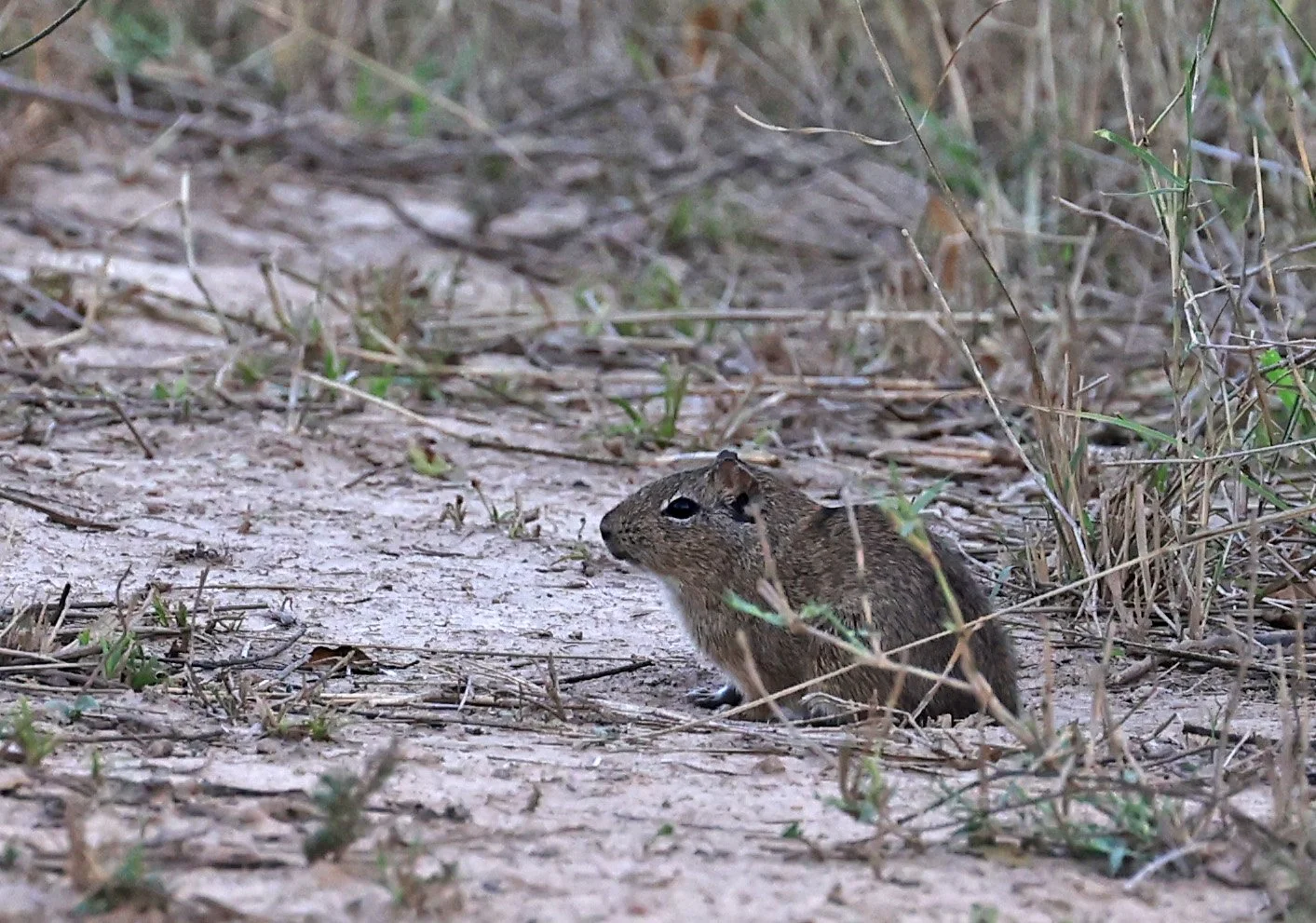
Common Yellow-toothed Cavy (Galea musteloides) were also common at Iparoma
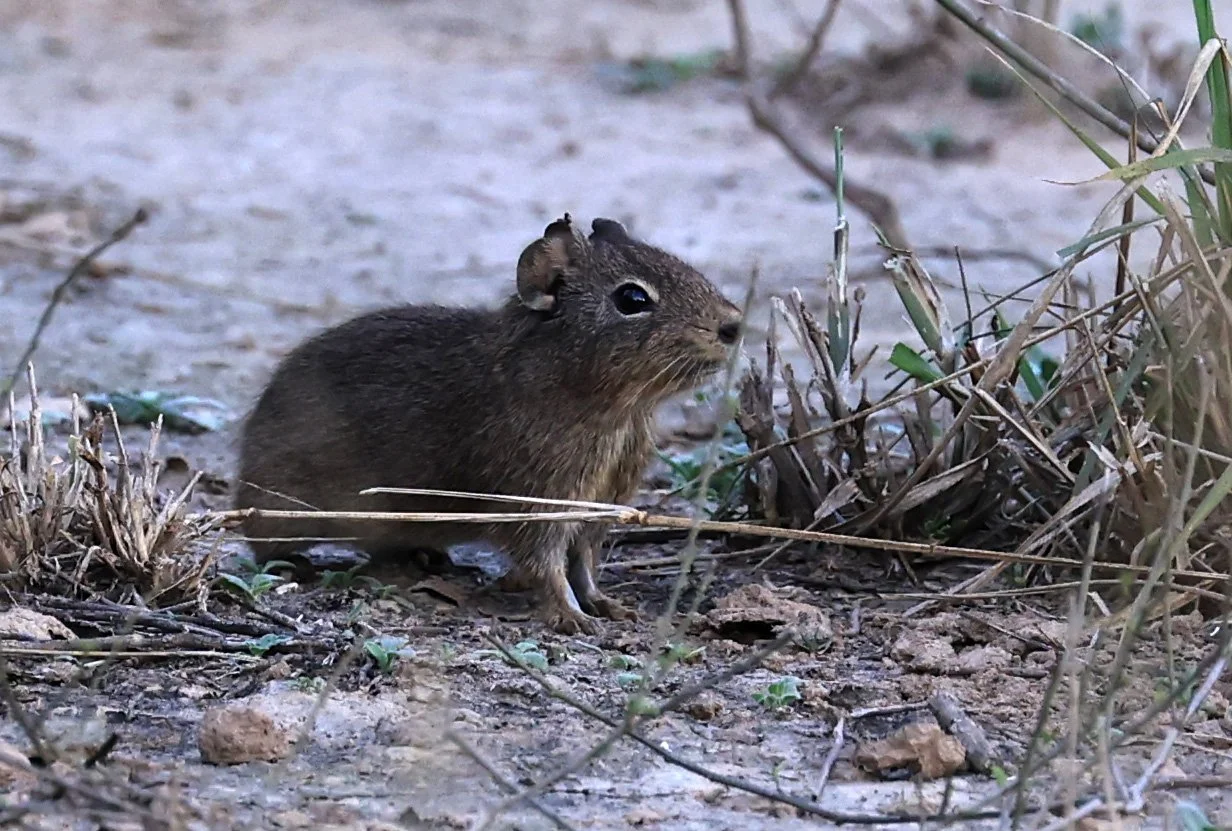
Common Yellow-toothed Cavy (Galea musteloides)
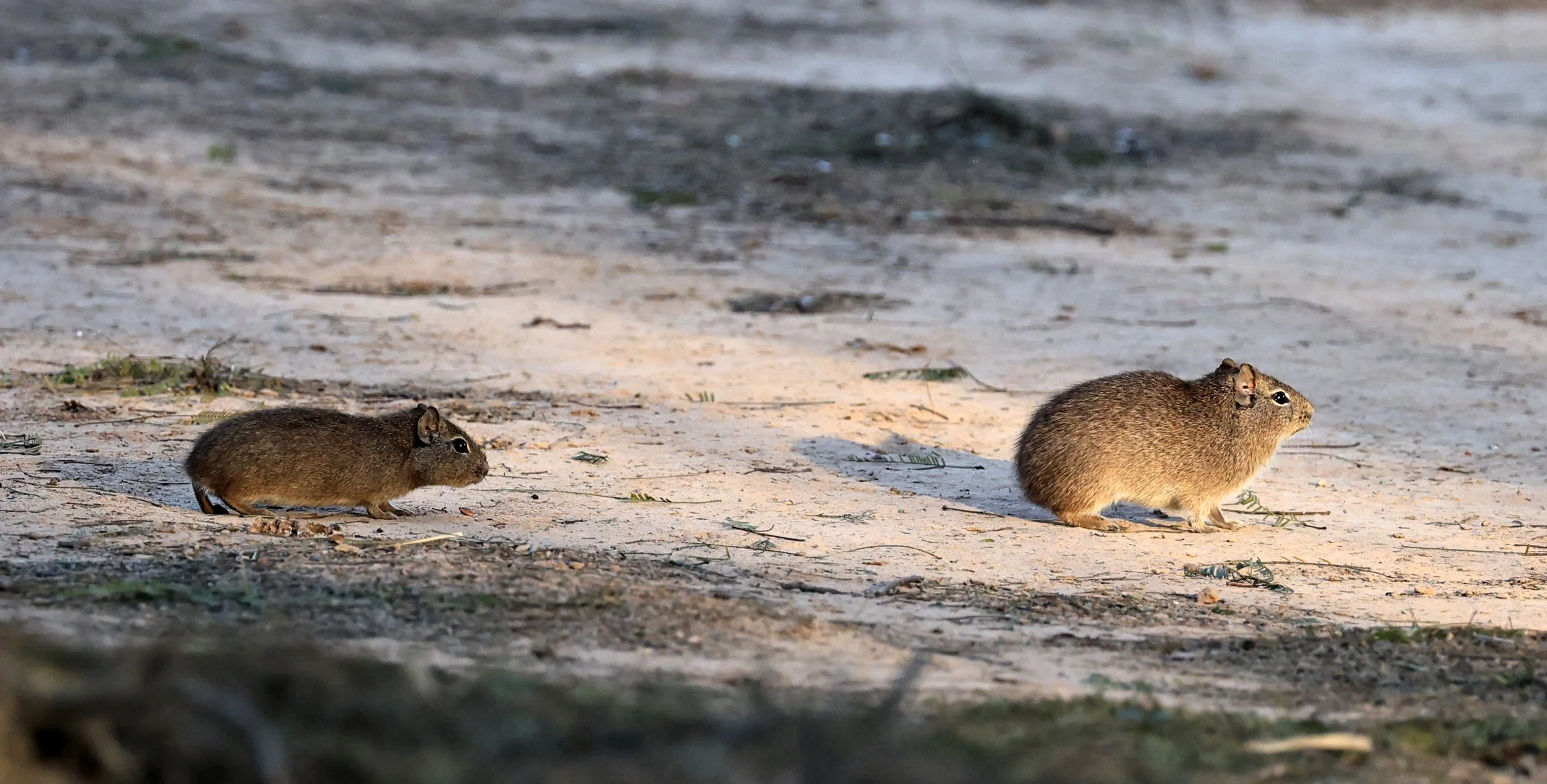
Common Yellow-toothed Cavy (Galea musteloides)
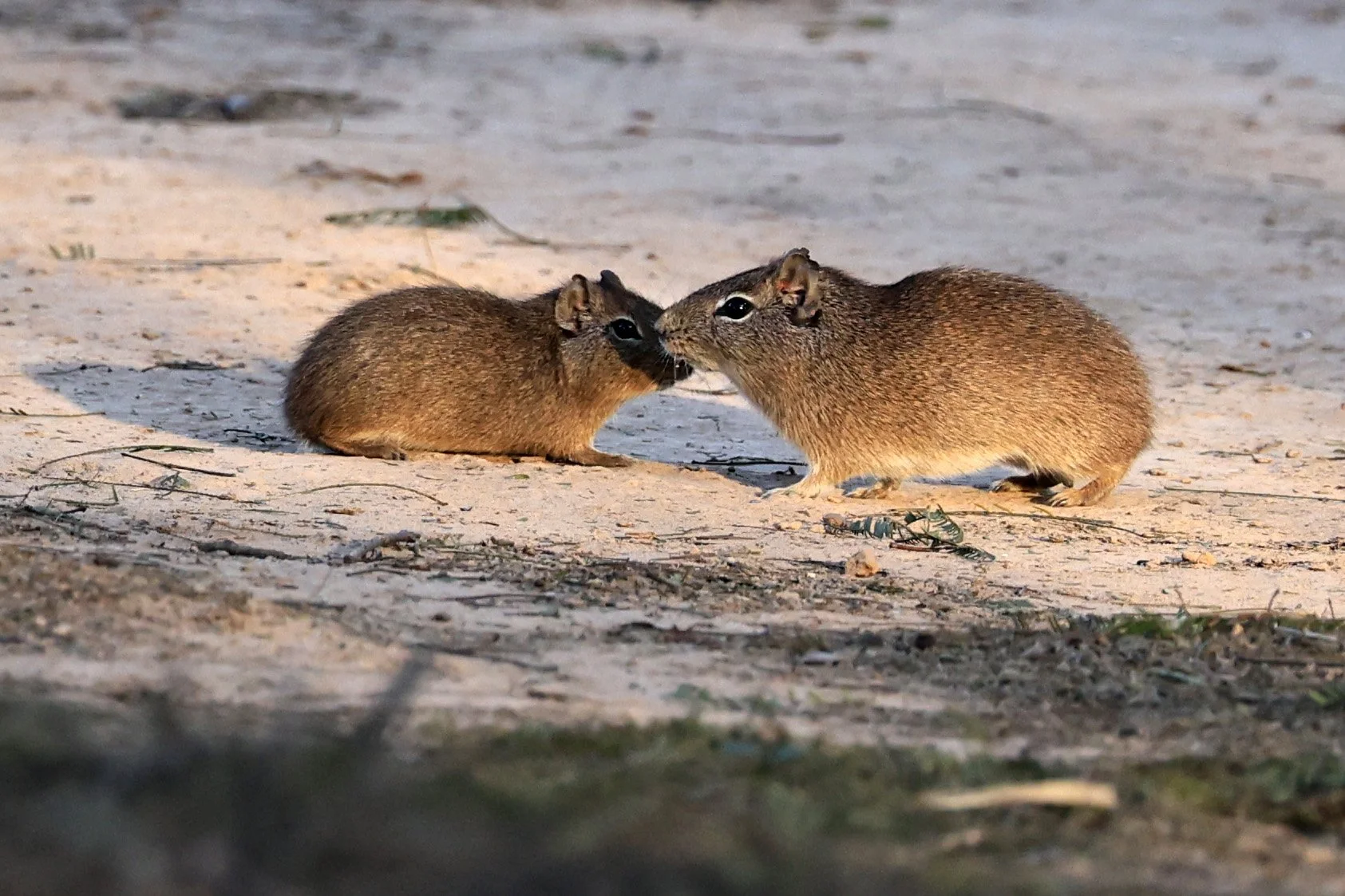
Nuzzling by parent and kid Common Yellow-toothed Cavy (Galea musteloides)
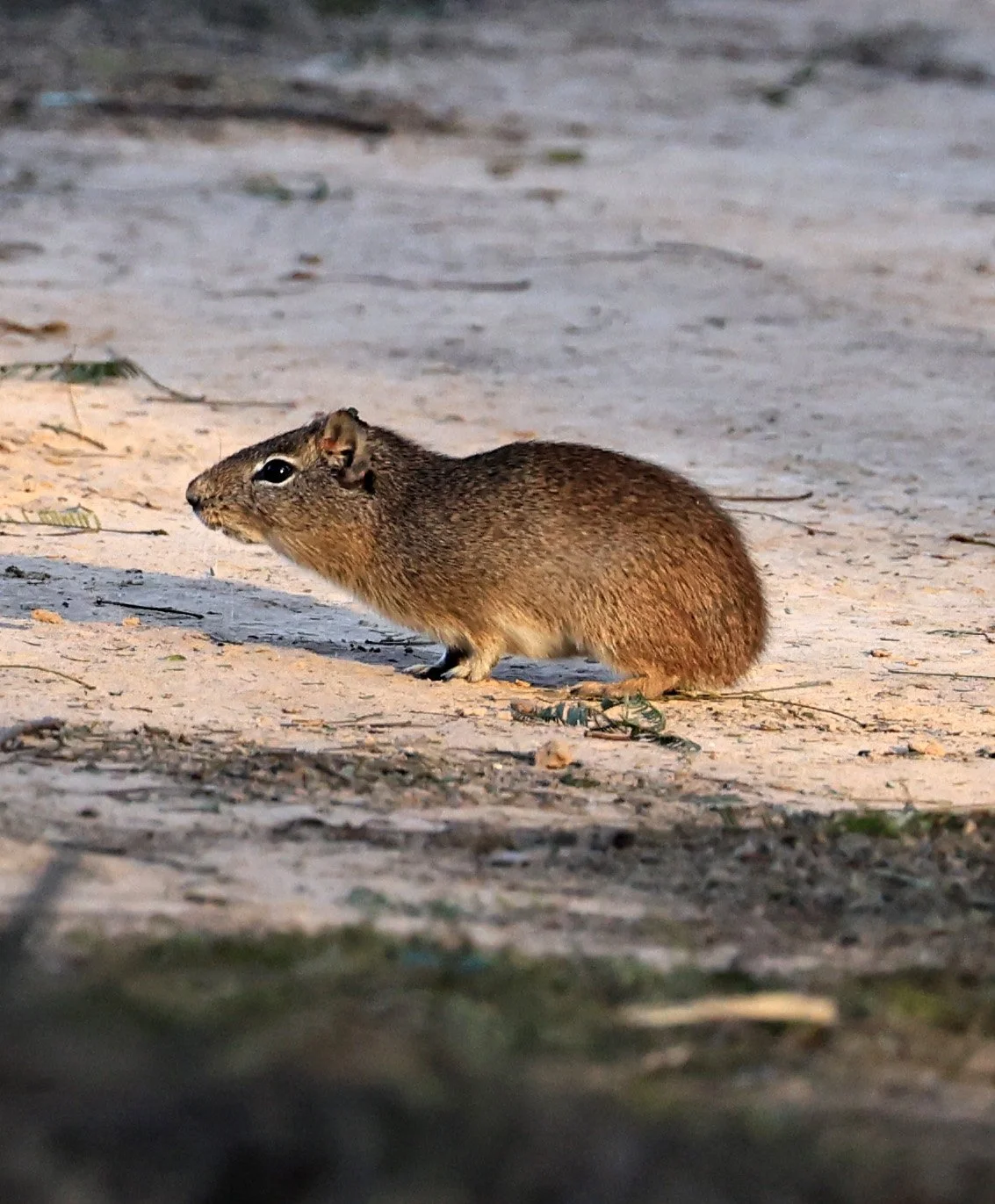
Common Yellow-toothed Cavy (Galea musteloides) were most common at the campgrounds of Iparoma.
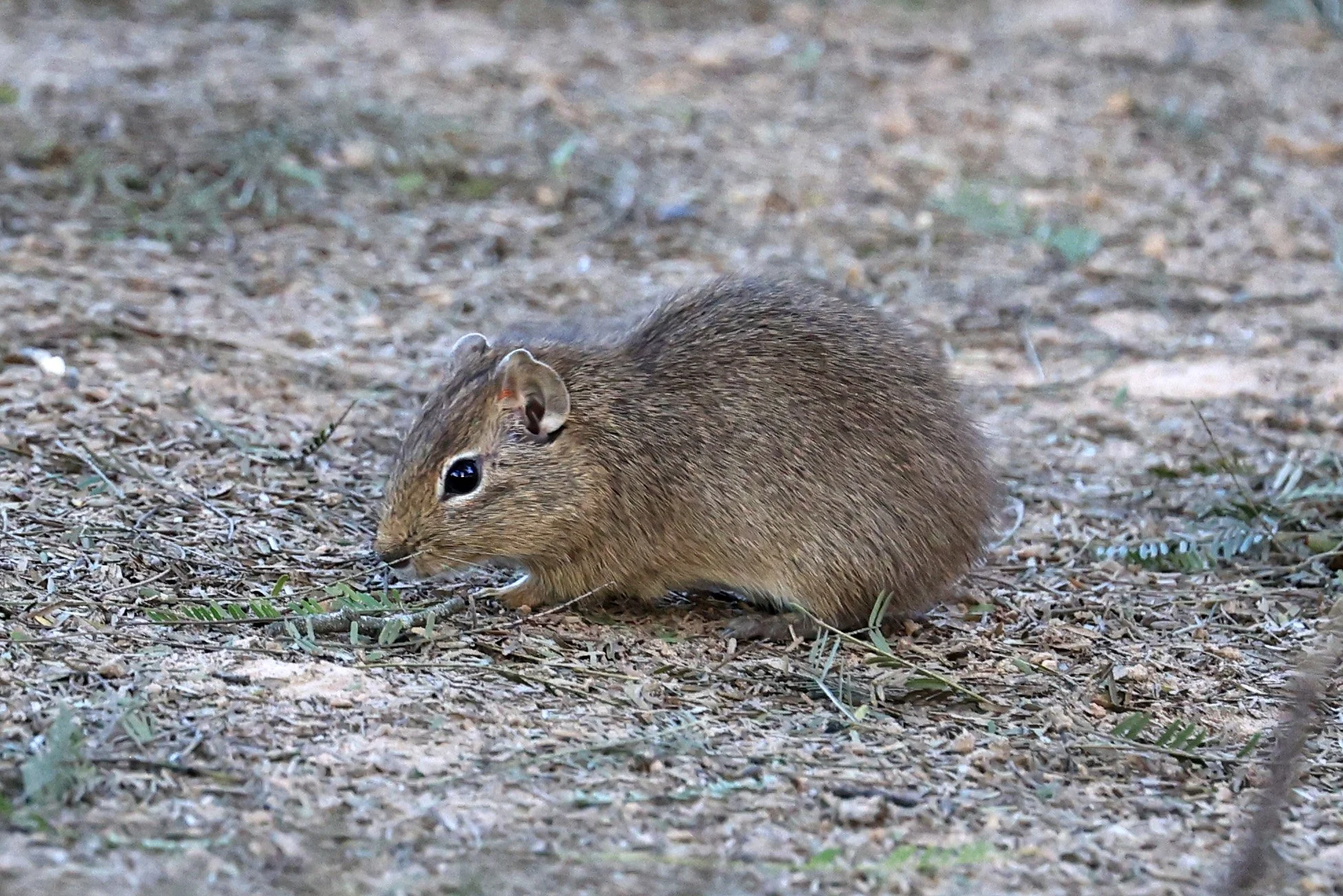
Common Yellow-toothed Cavy (Galea musteloides)
Birds and Herps of Iparoma

American Barn Owl (Tyto furcata or Tyto alba)

American Barn Owl (Tyto furcata or Tyto alba)

Brown Cacholote (Pseudoseisura lophotes)
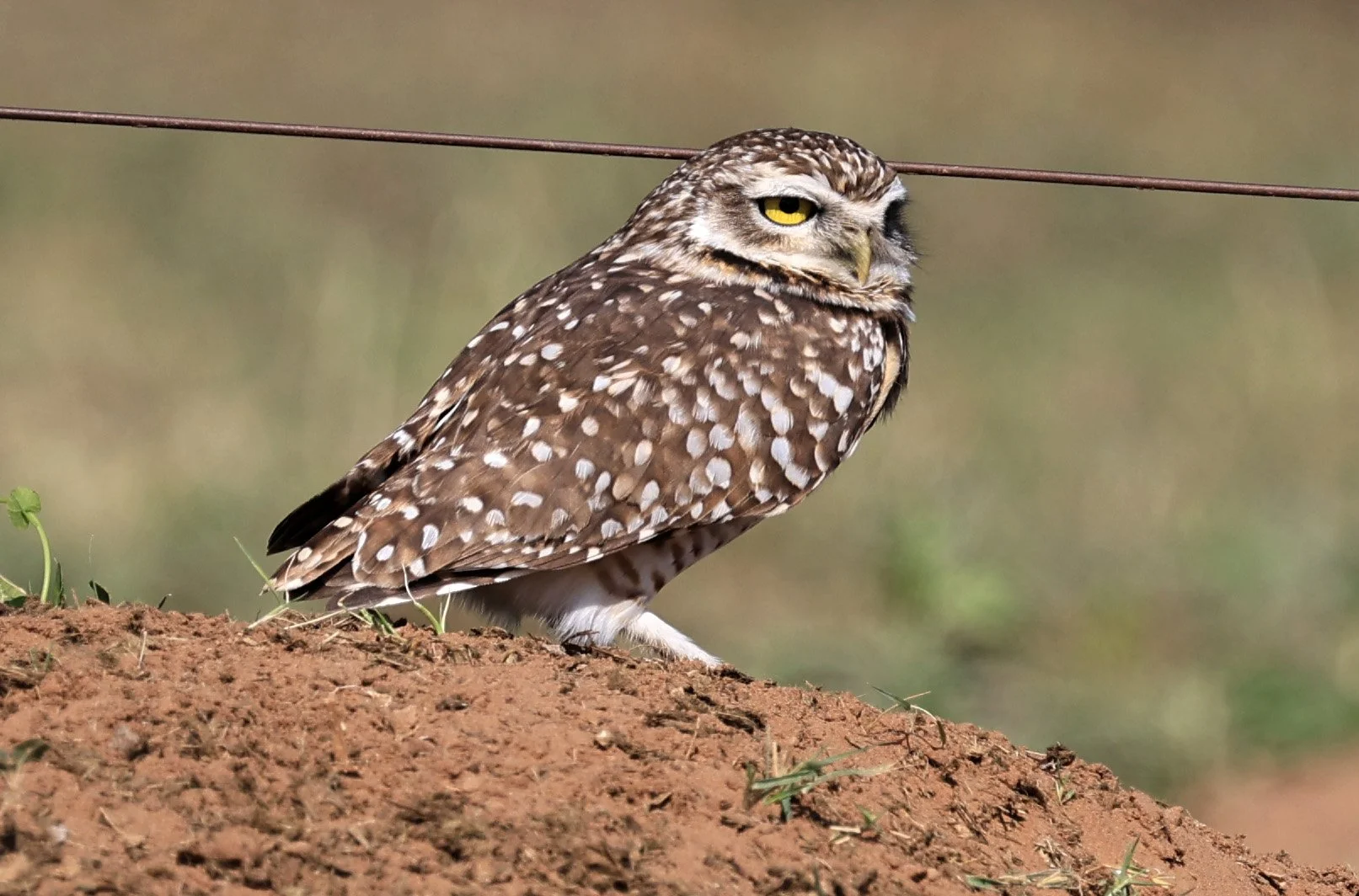
Burrowing Owl (Athene cunicularia)
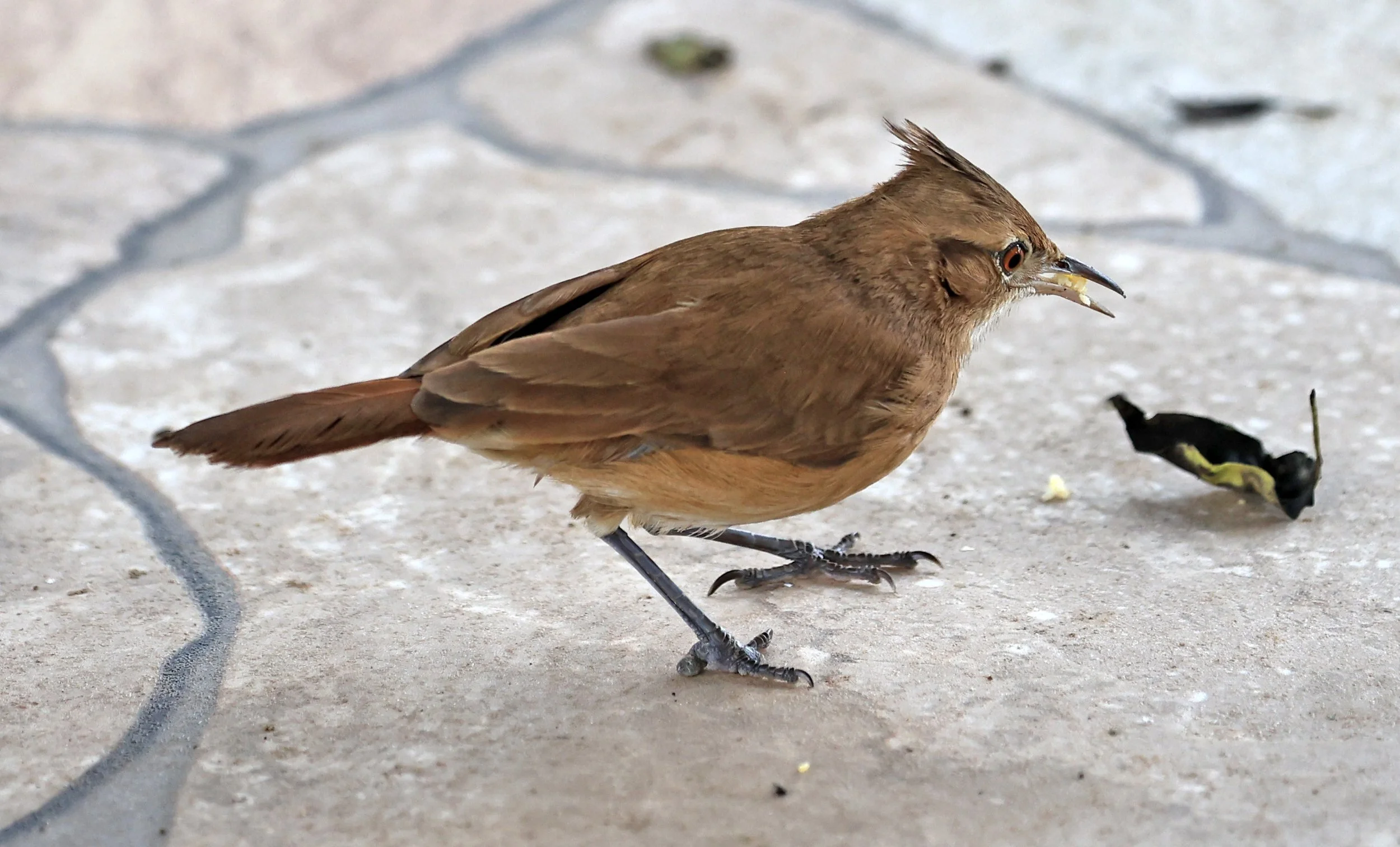
Crested Hornero (Furnarius cristatus)
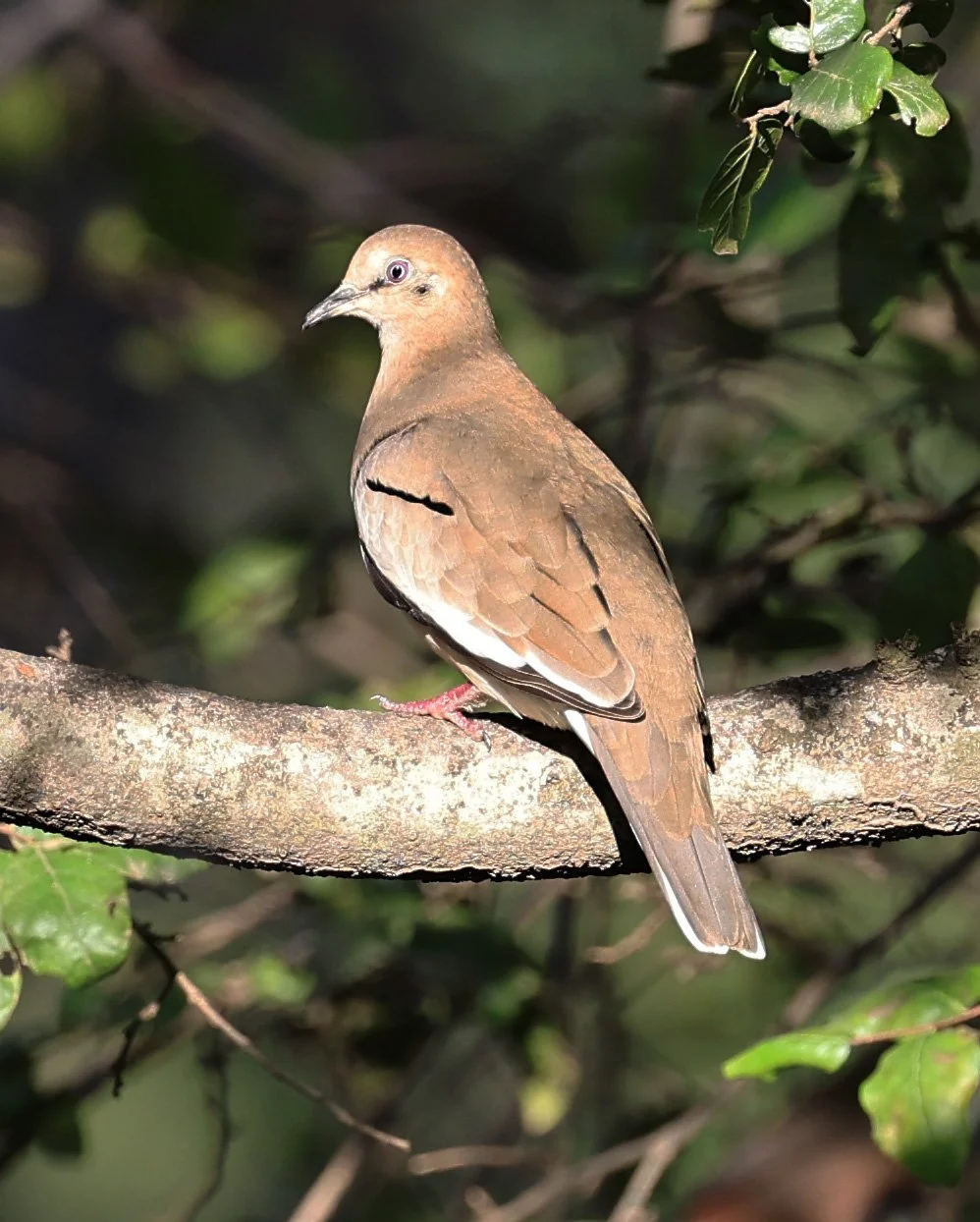
Eared Dove (Zenaida auriculata)
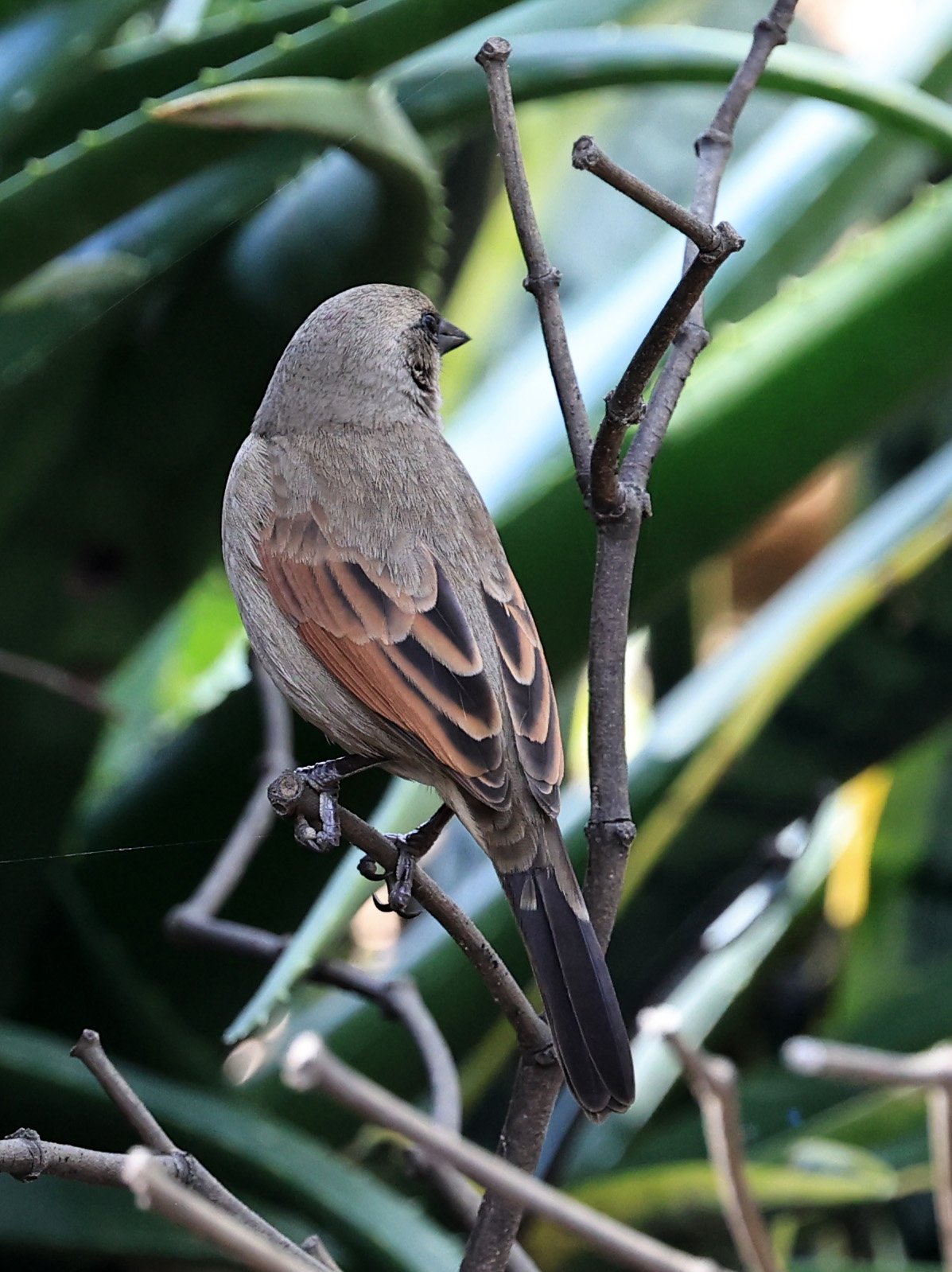
Grayish Baywing (Agelaioides badius)
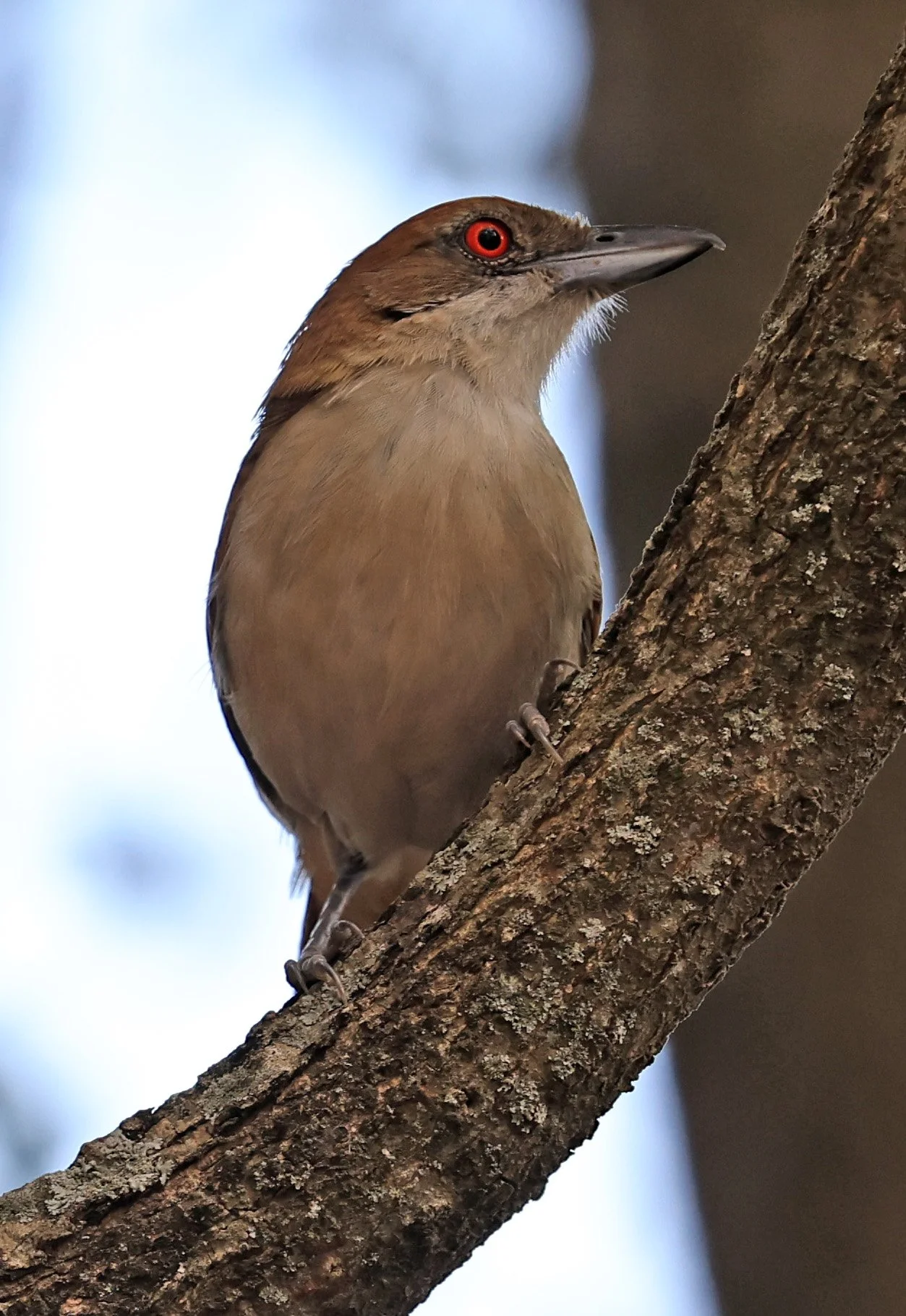
Great Antshrike (Taraba major) female
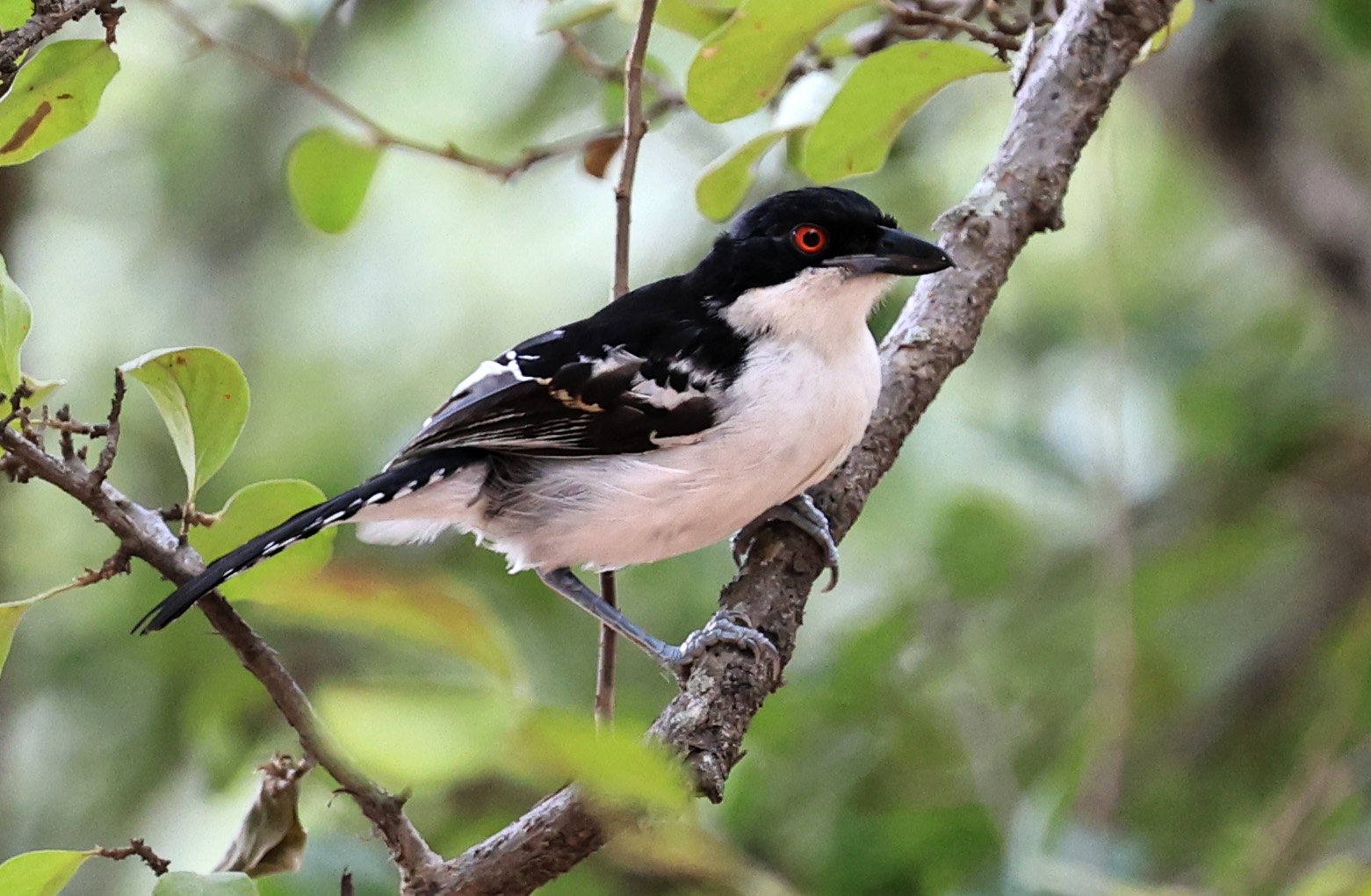
Great Antshrike (Taraba major) male
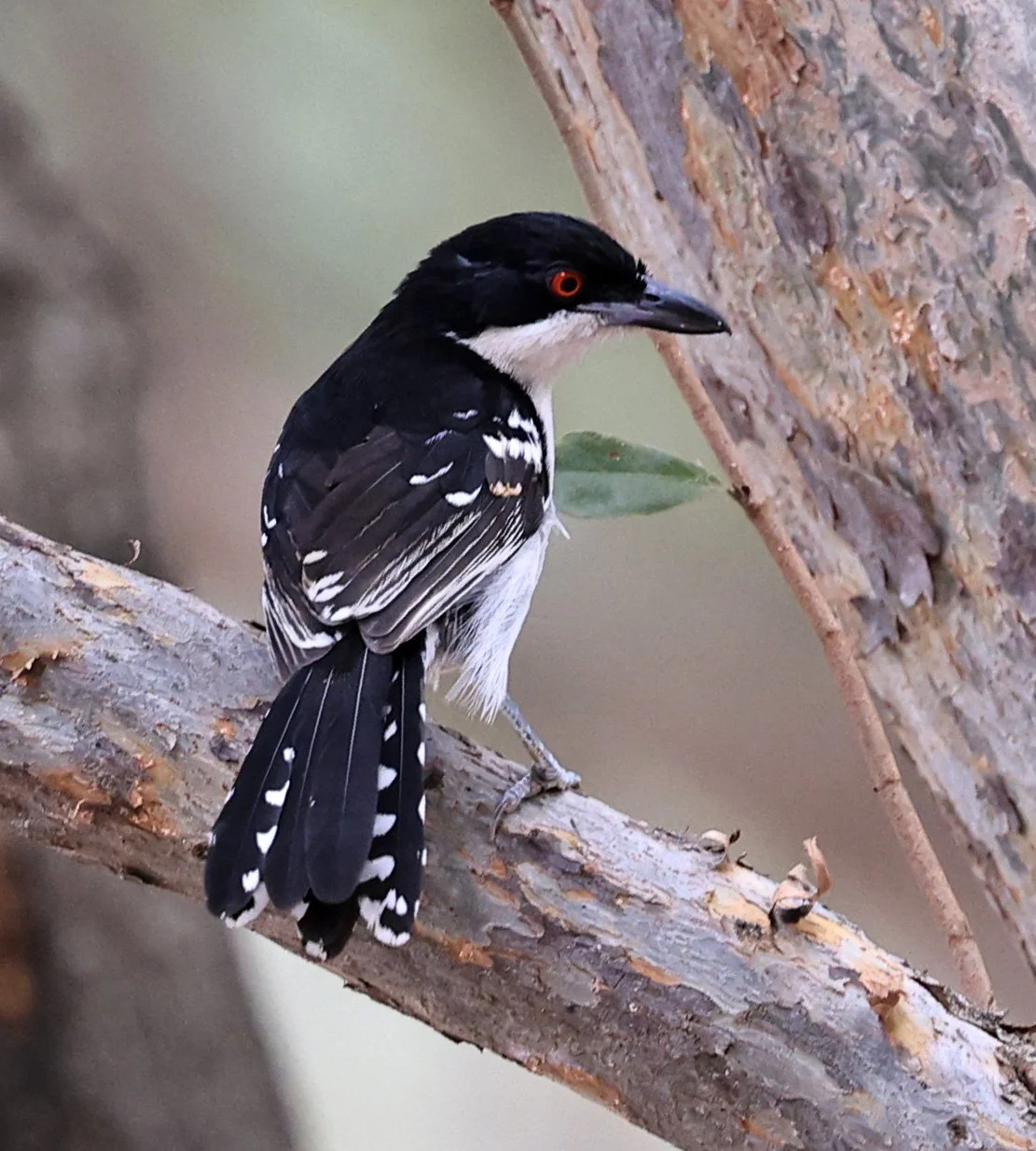
Great Antshrike (Taraba major)
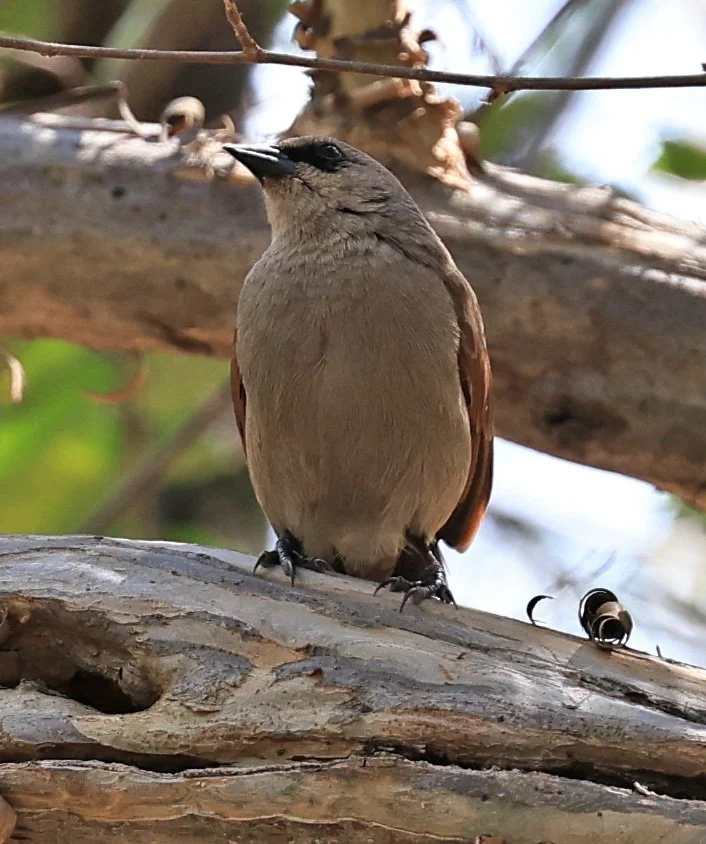
Grayish Baywing (Agelaioides badius) (correct?)

Lark-like Brushrunner (Coryphistera alaudina)
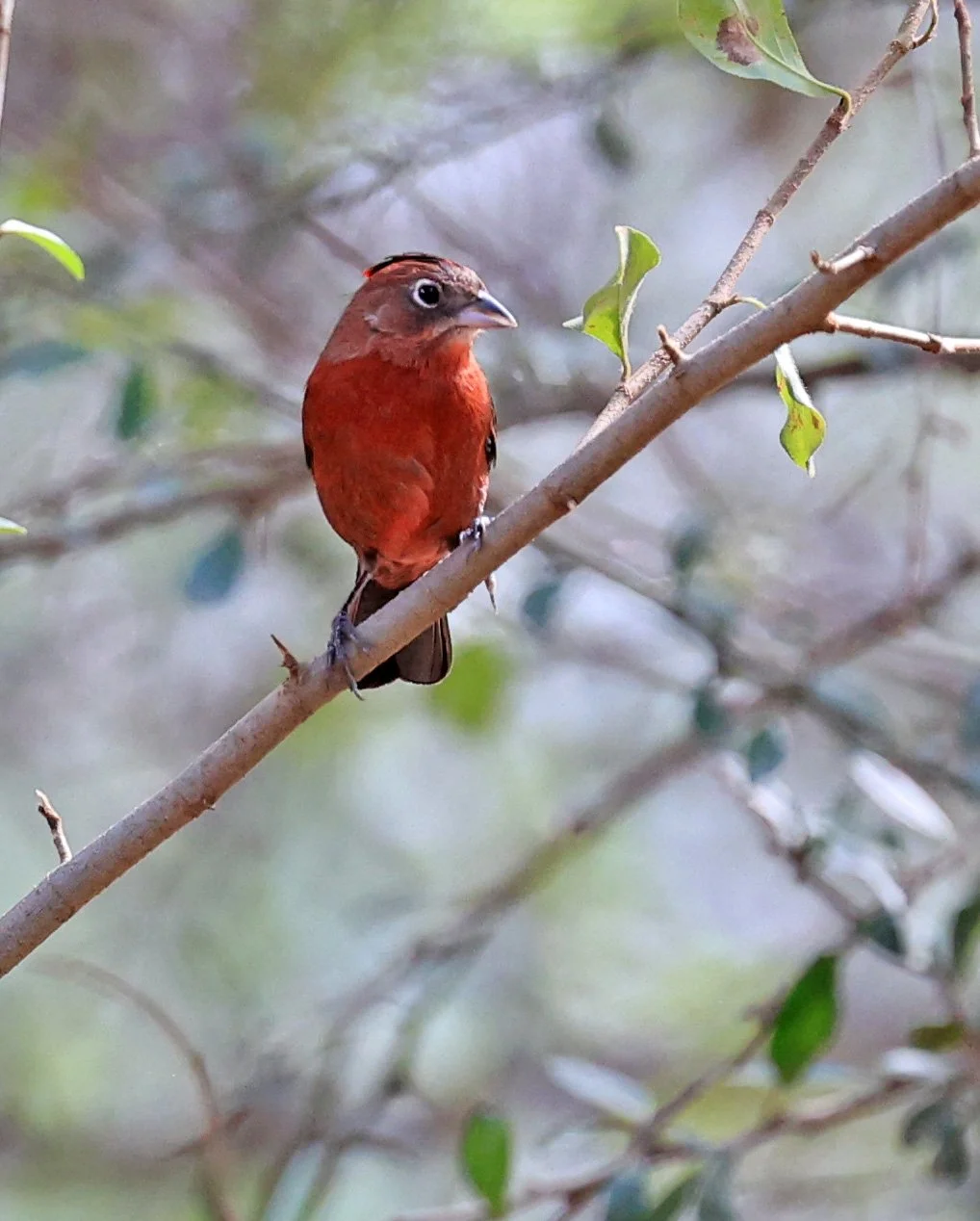
Red-crested Finch (Coryphospingus cucullatus) male

Red-crested Finch (Coryphospingus cucullatus) female

Red-crested Finch (Coryphospingus cucullatus)

Little thornbird (Phacellodomus sibilatrix)

Little thornbird (Phacellodomus sibilatrix)
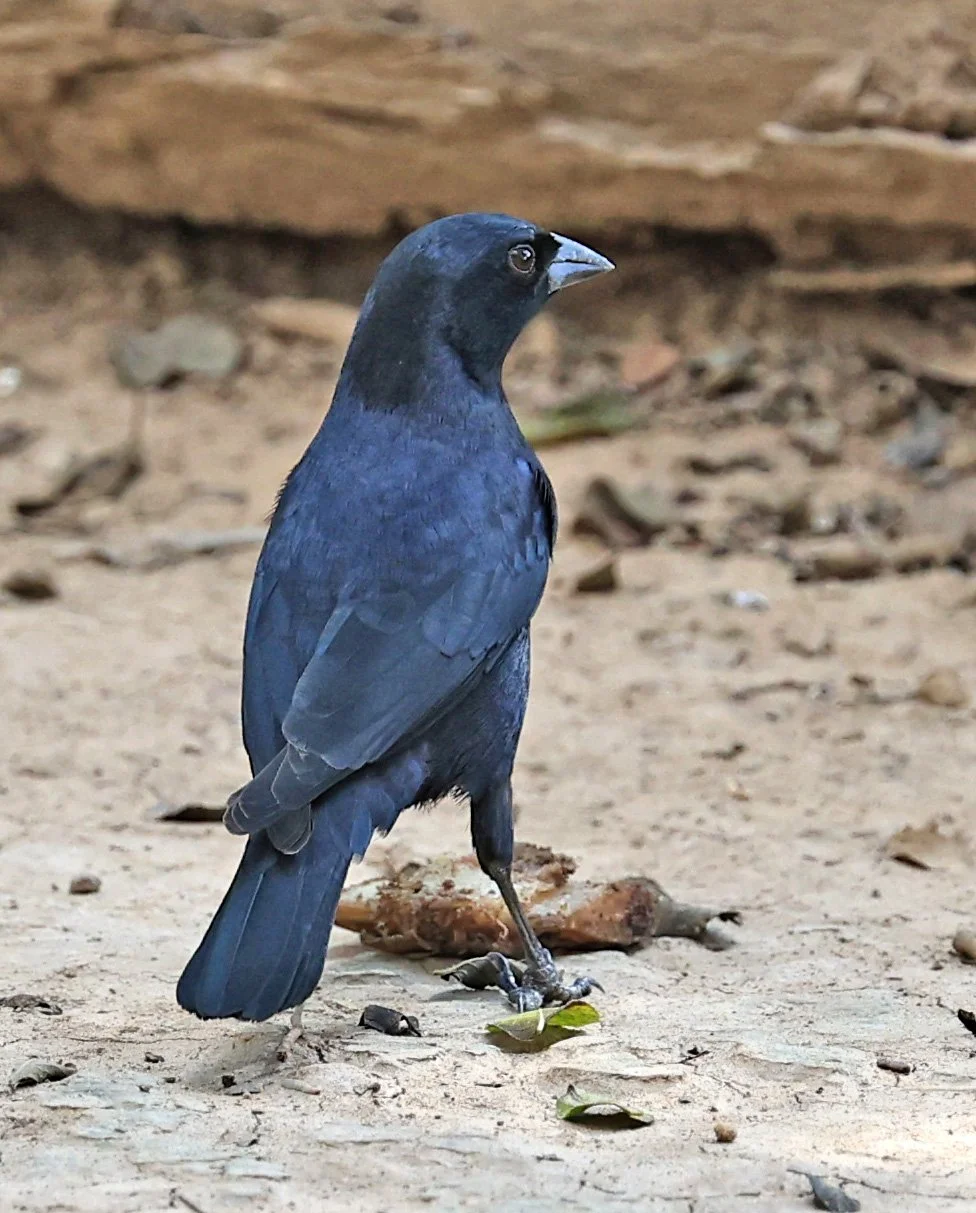
Shiny Cowbird (Molothrus bonariensis)
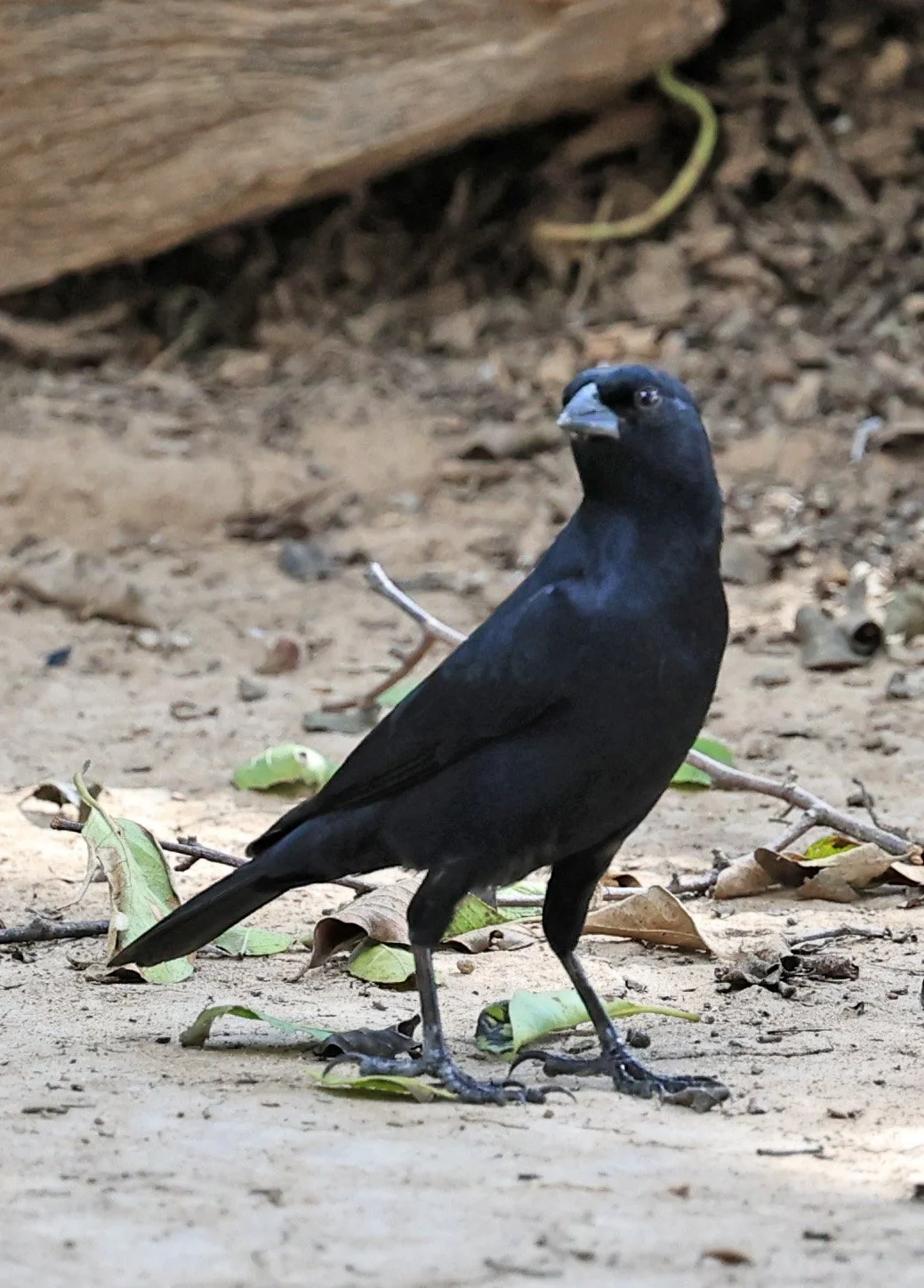
Shiny Cowbird (Molothrus bonariensis)
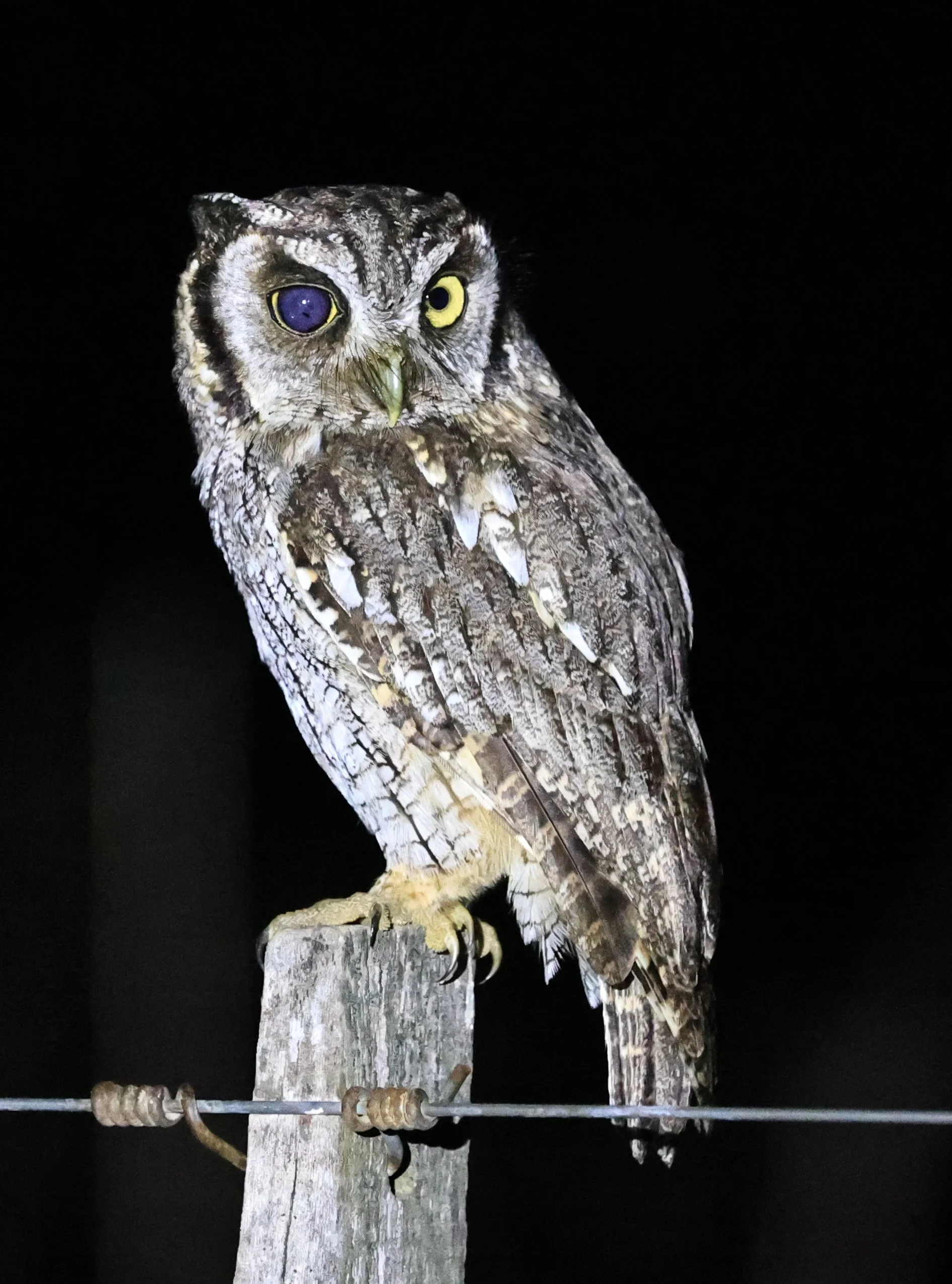
Tropical Screech-Owl (Megascops choliba). Note the strange right eye-iris
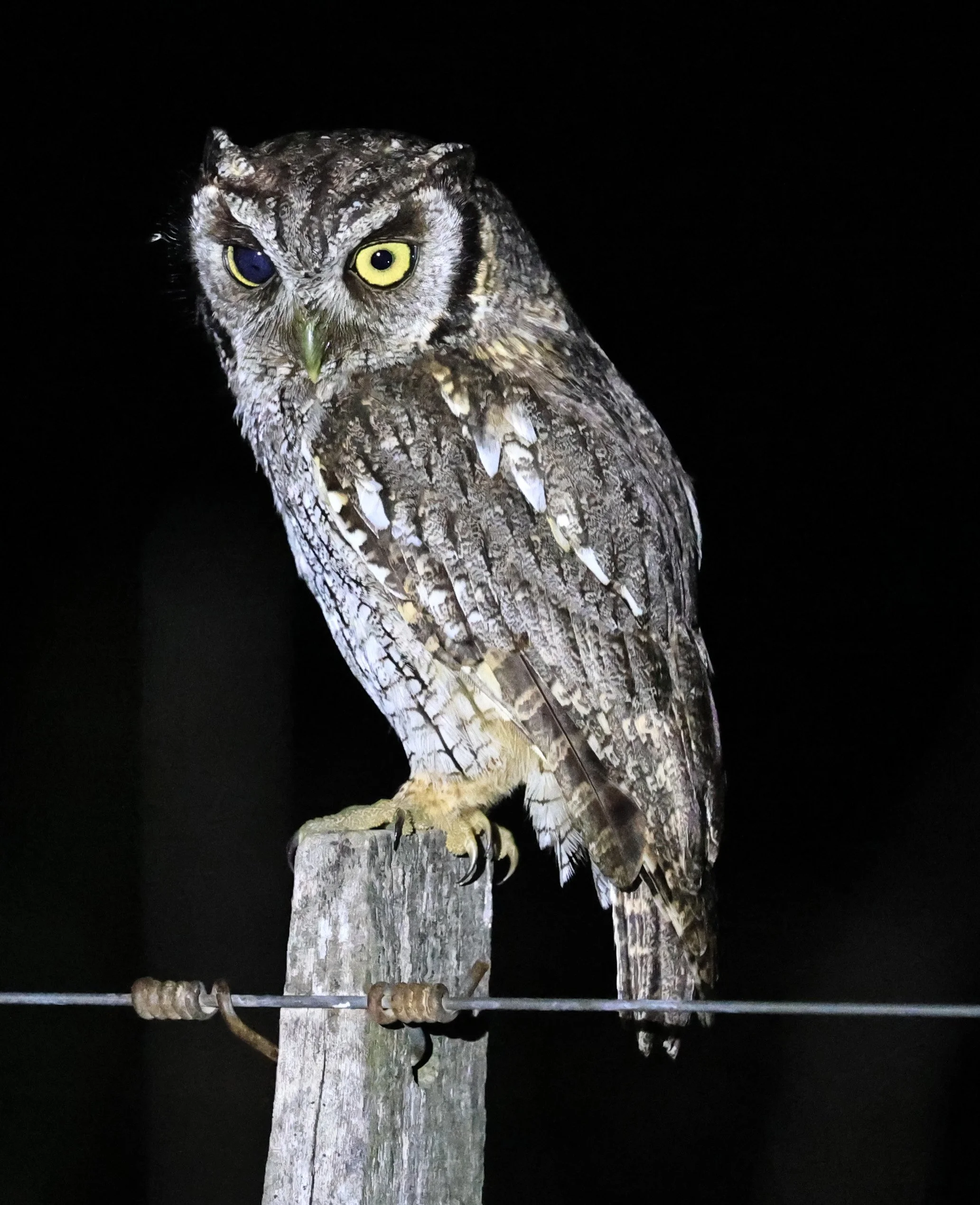
Tropical Screech-Owl (Megascops choliba)
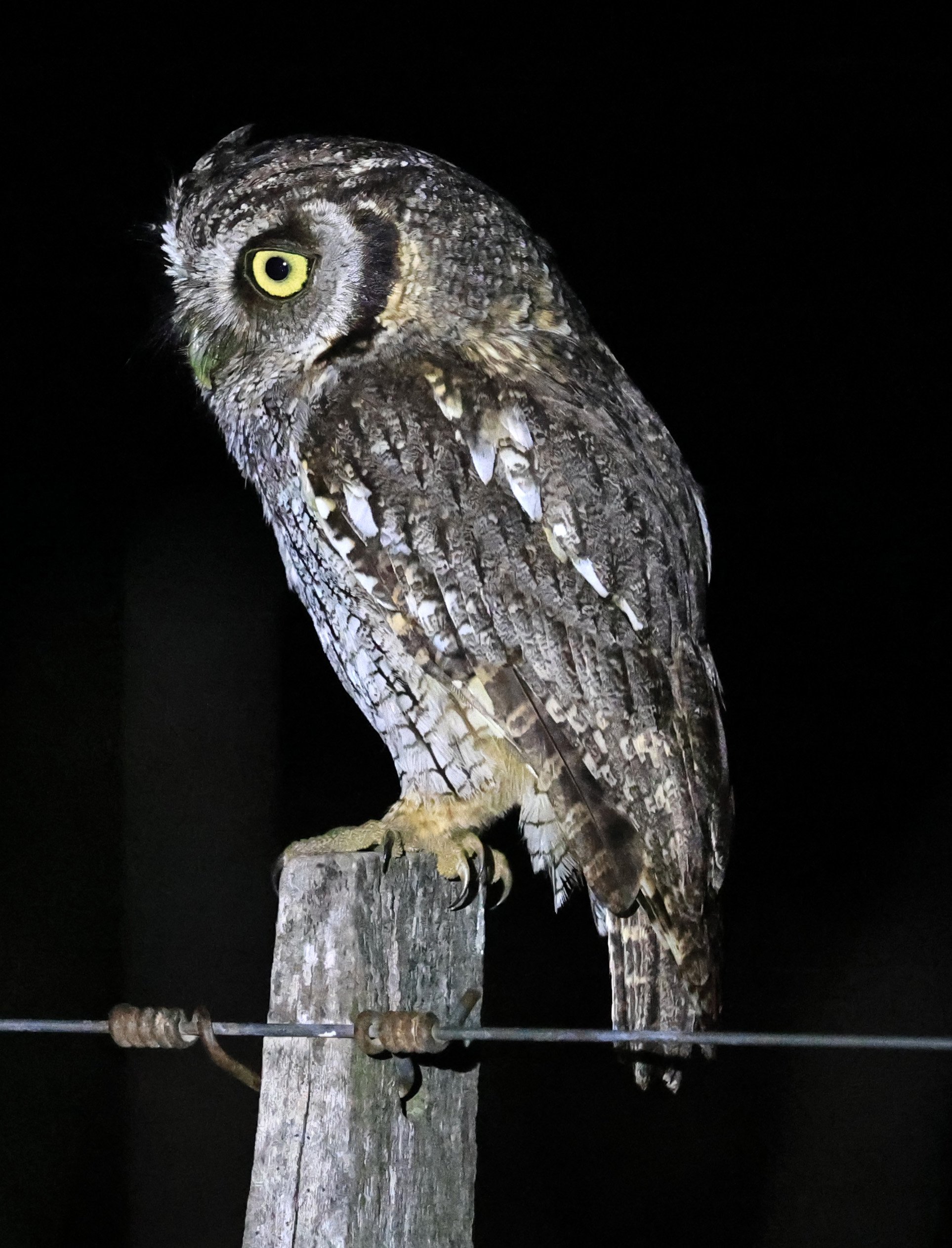
Tropical Screech-Owl (Megascops choliba)
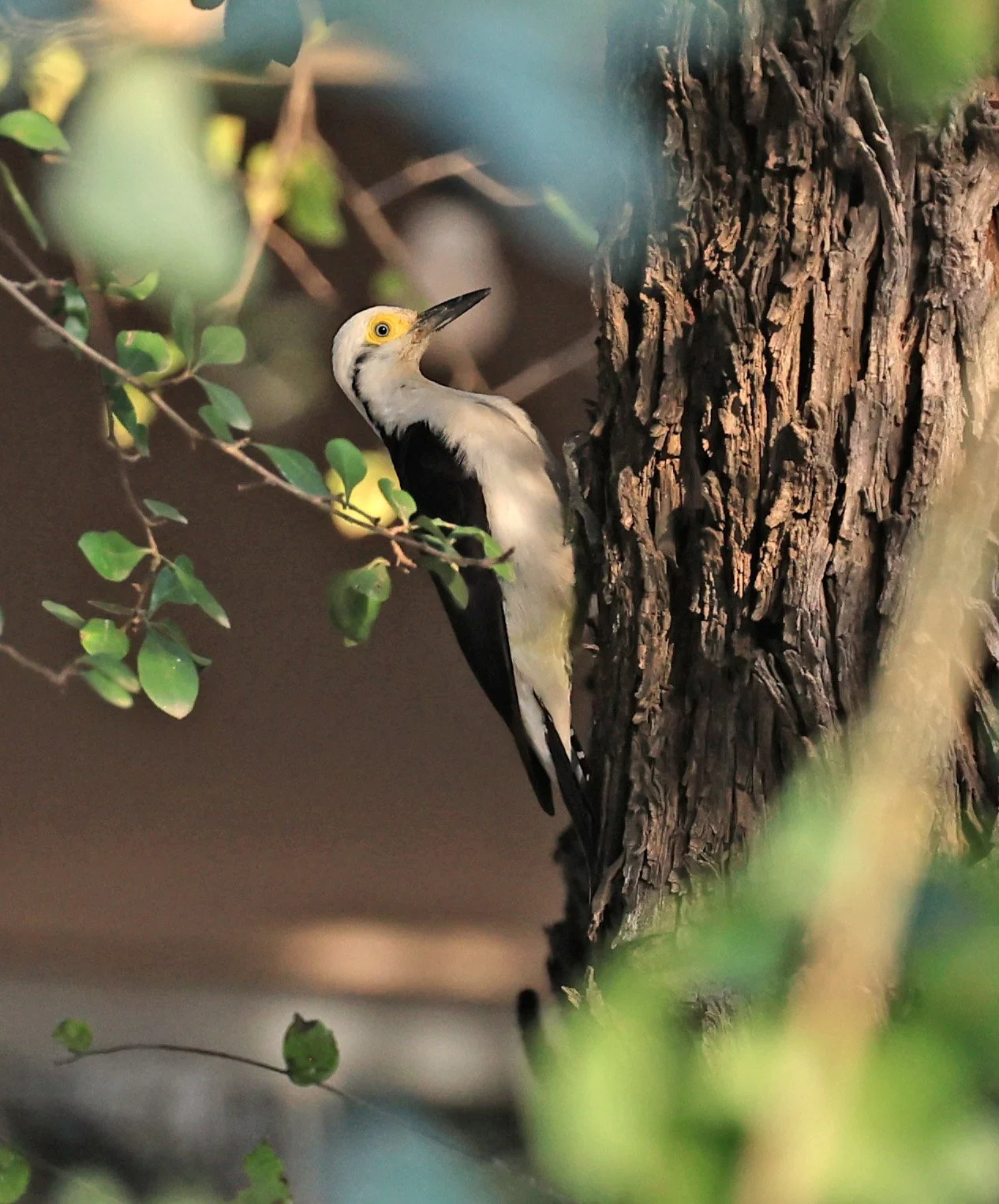
White Woodpecker (Melanerpes candidus)
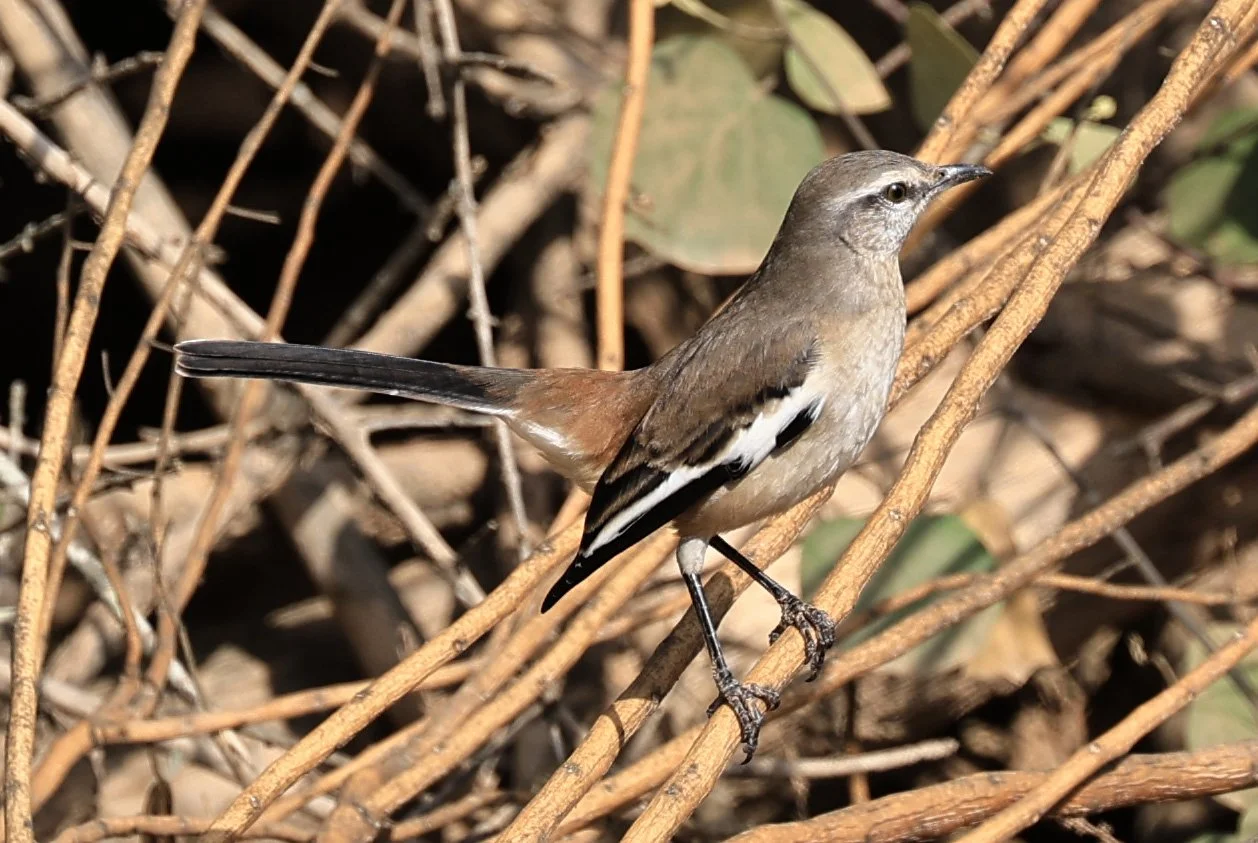
White-banded Mockingbird (Mimus triurus)
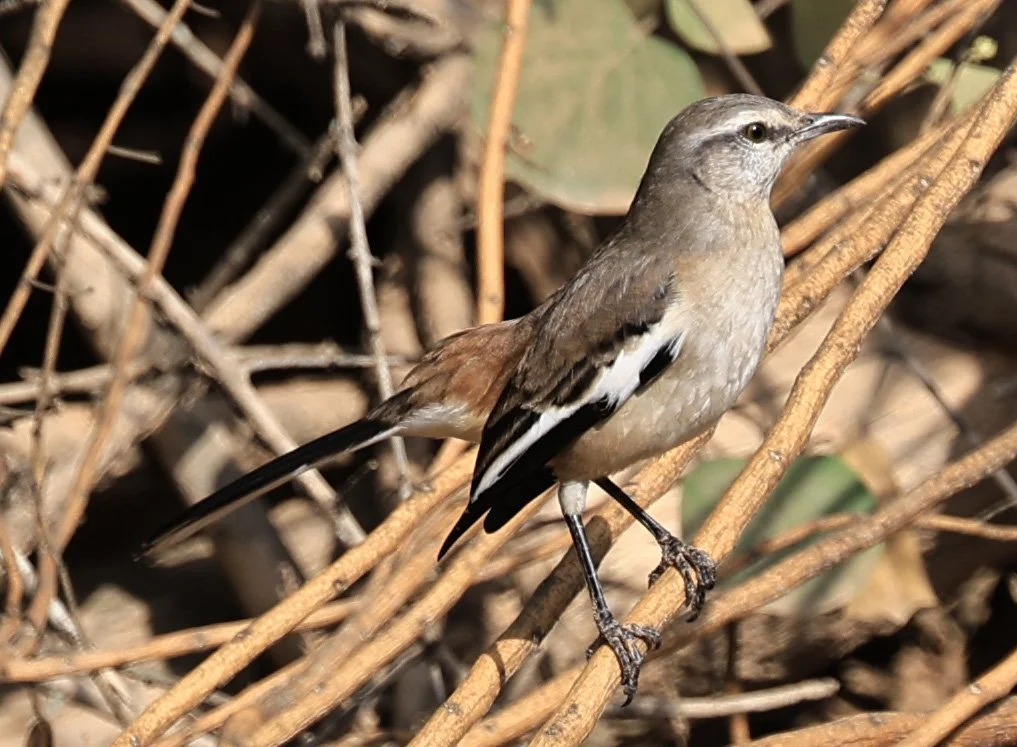
White-banded Mockingbird (Mimus triurus)
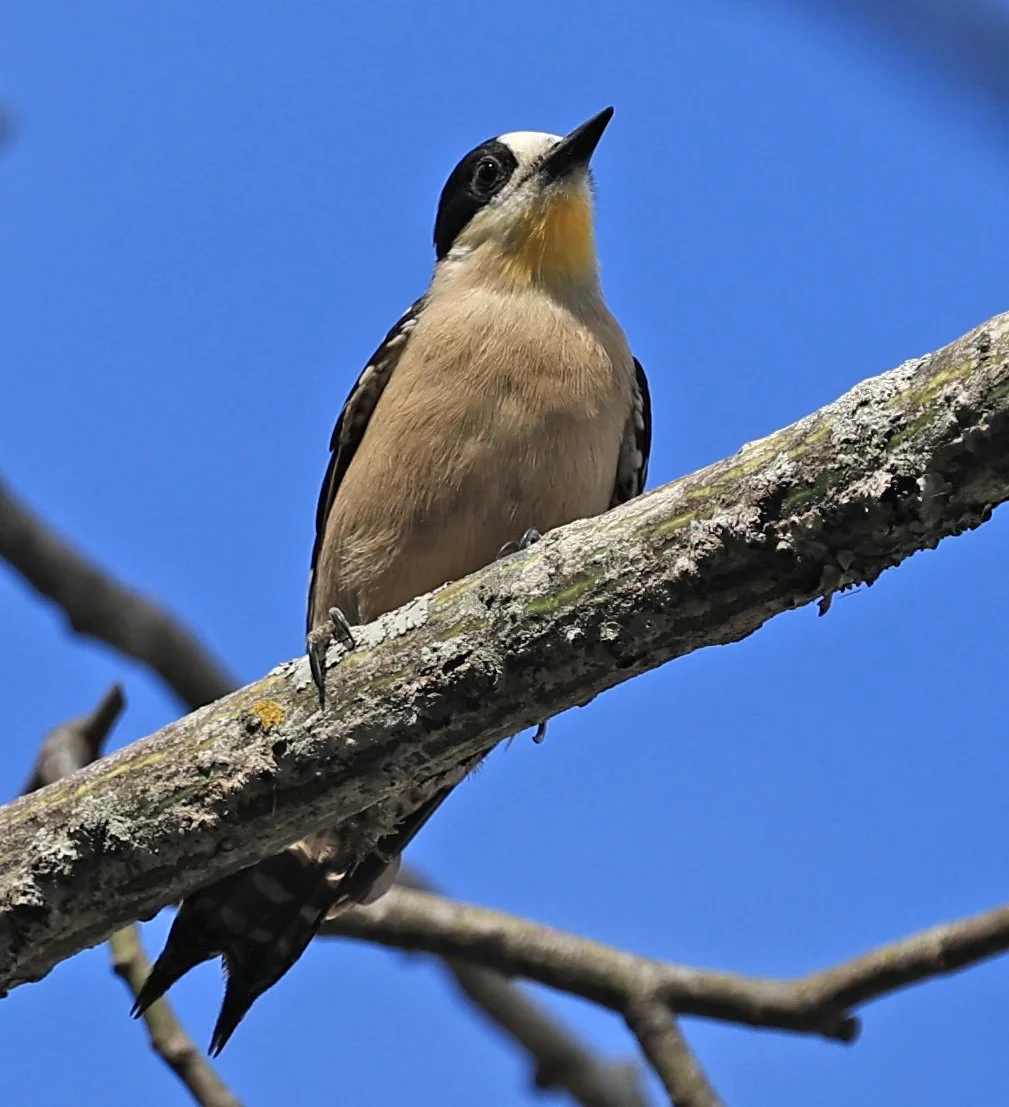
White-fronted Woodpecker (Melanerpes cactorum)
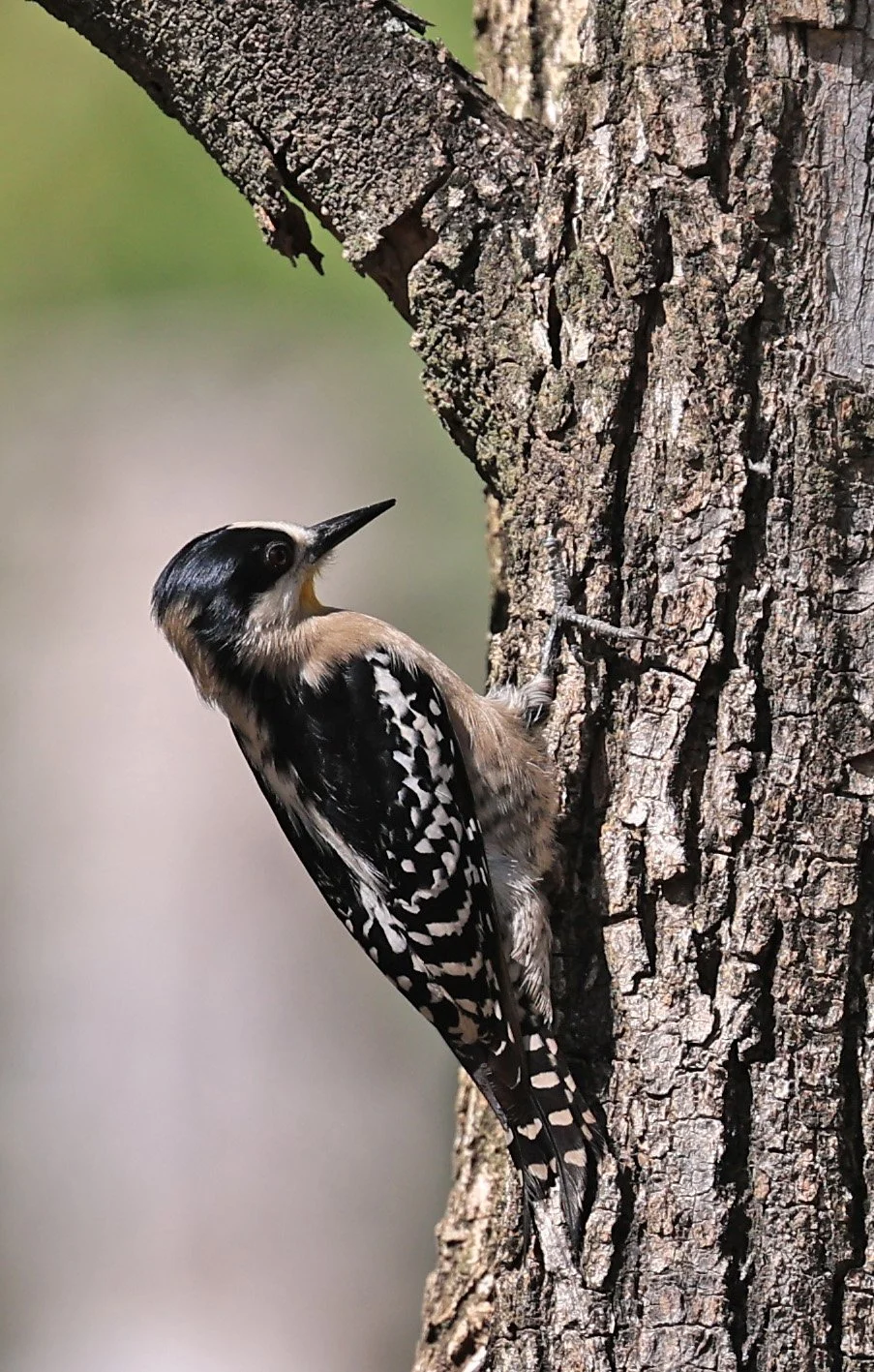
White-fronted Woodpecker (Melanerpes cactorum)
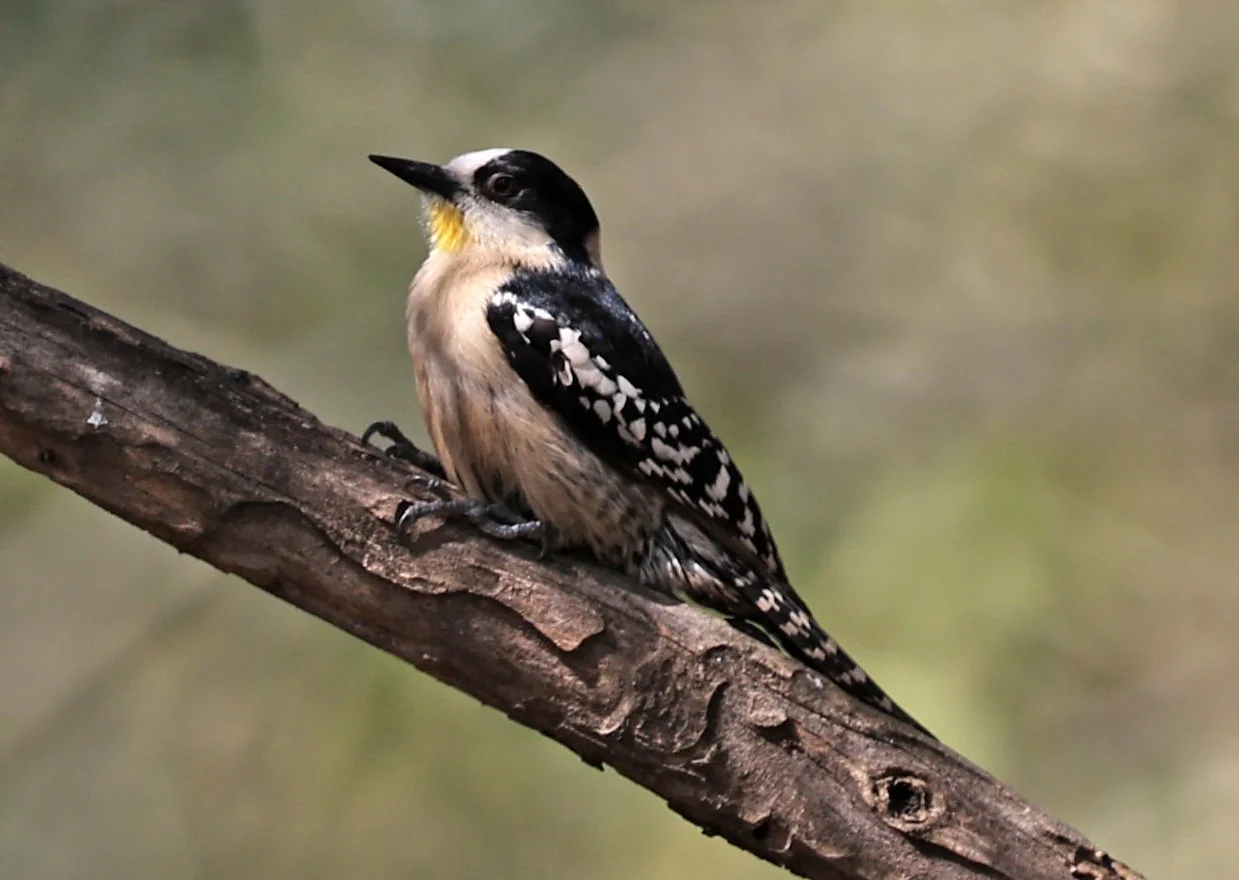
White-fronted Woodpecker (Melanerpes cactorum)
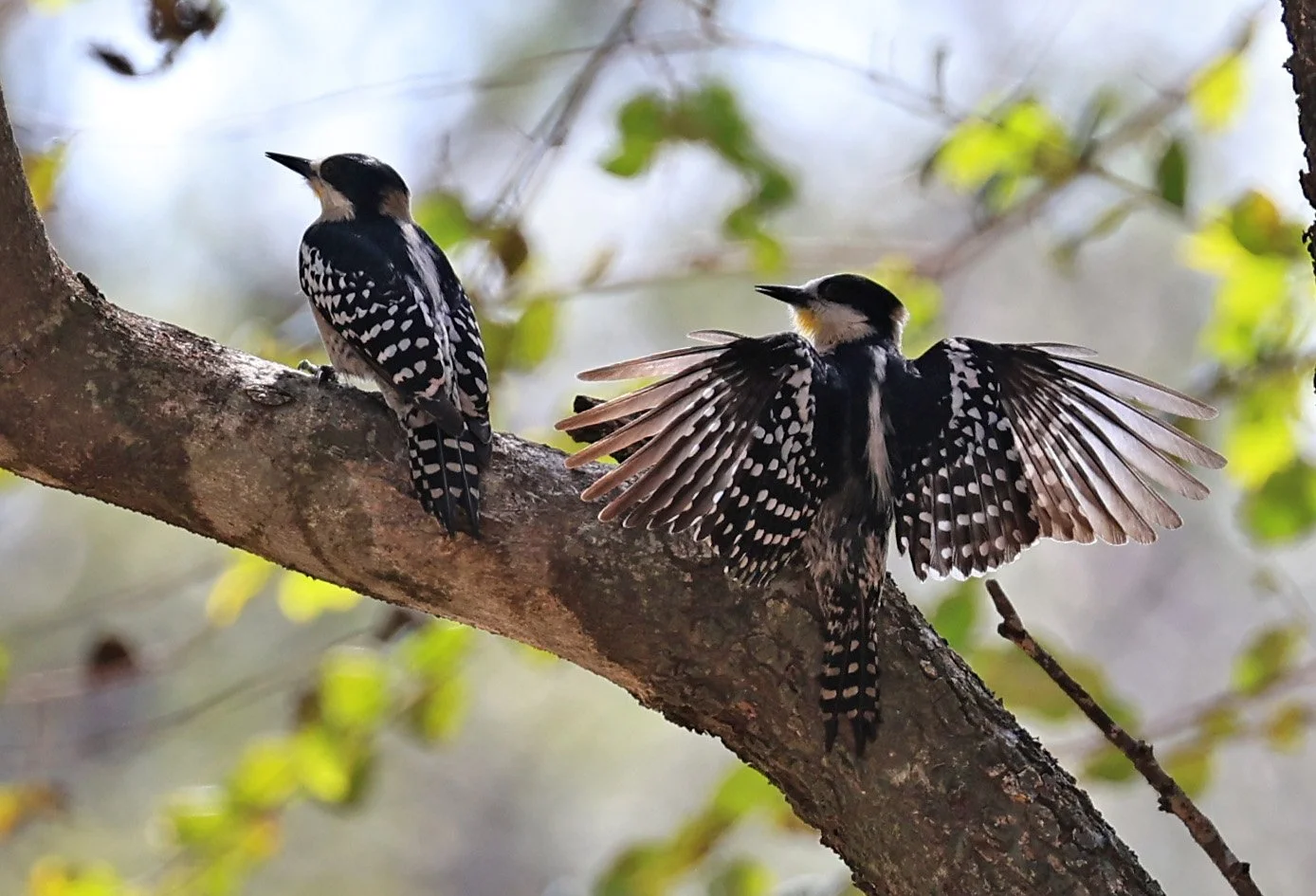
White-fronted Woodpecker (Melanerpes cactorum) courtship display
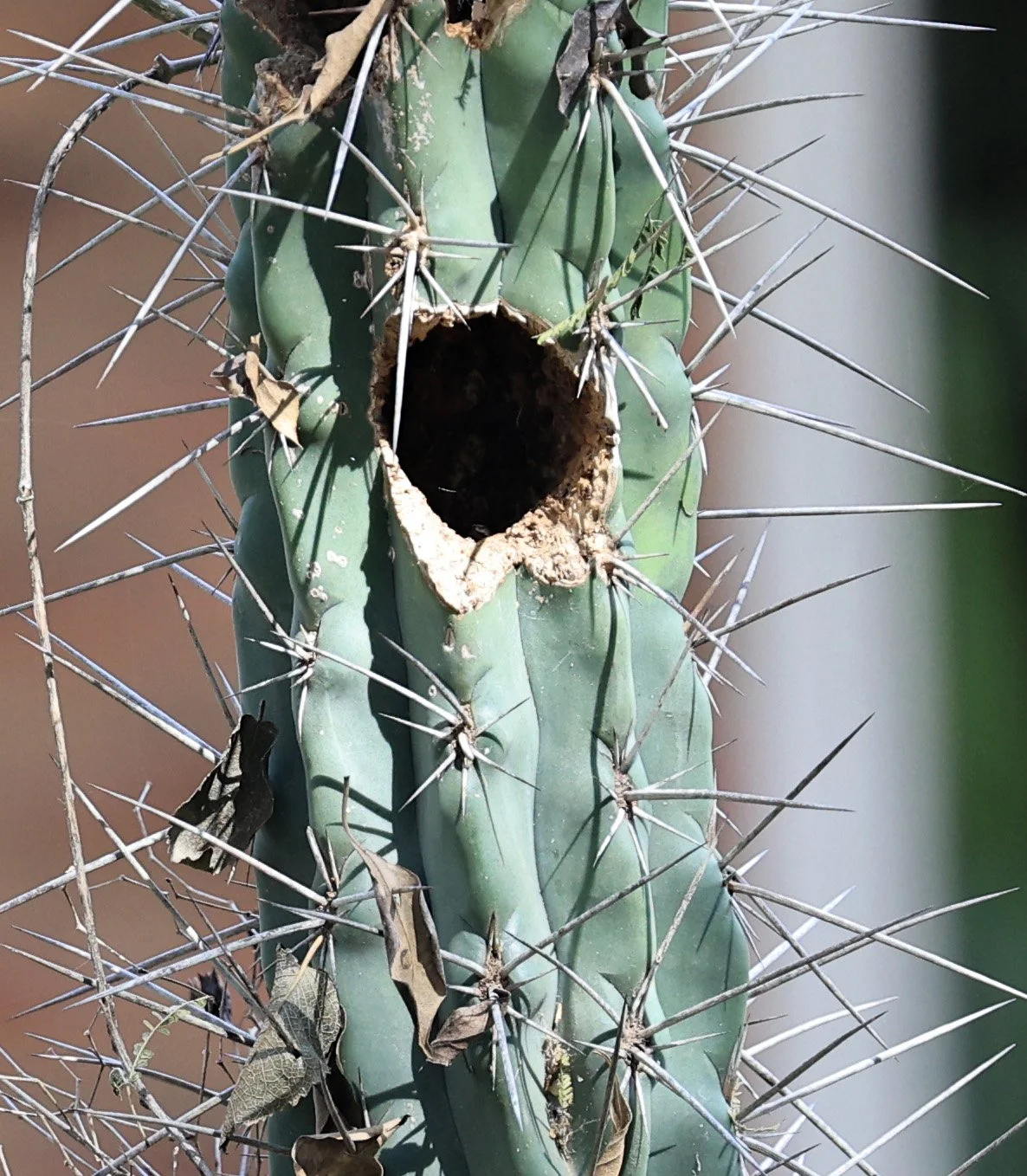
White-fronted Woodpecker (Melanerpes cactorum) nest

Red-crested Finch (Coryphospingus cucullatus)
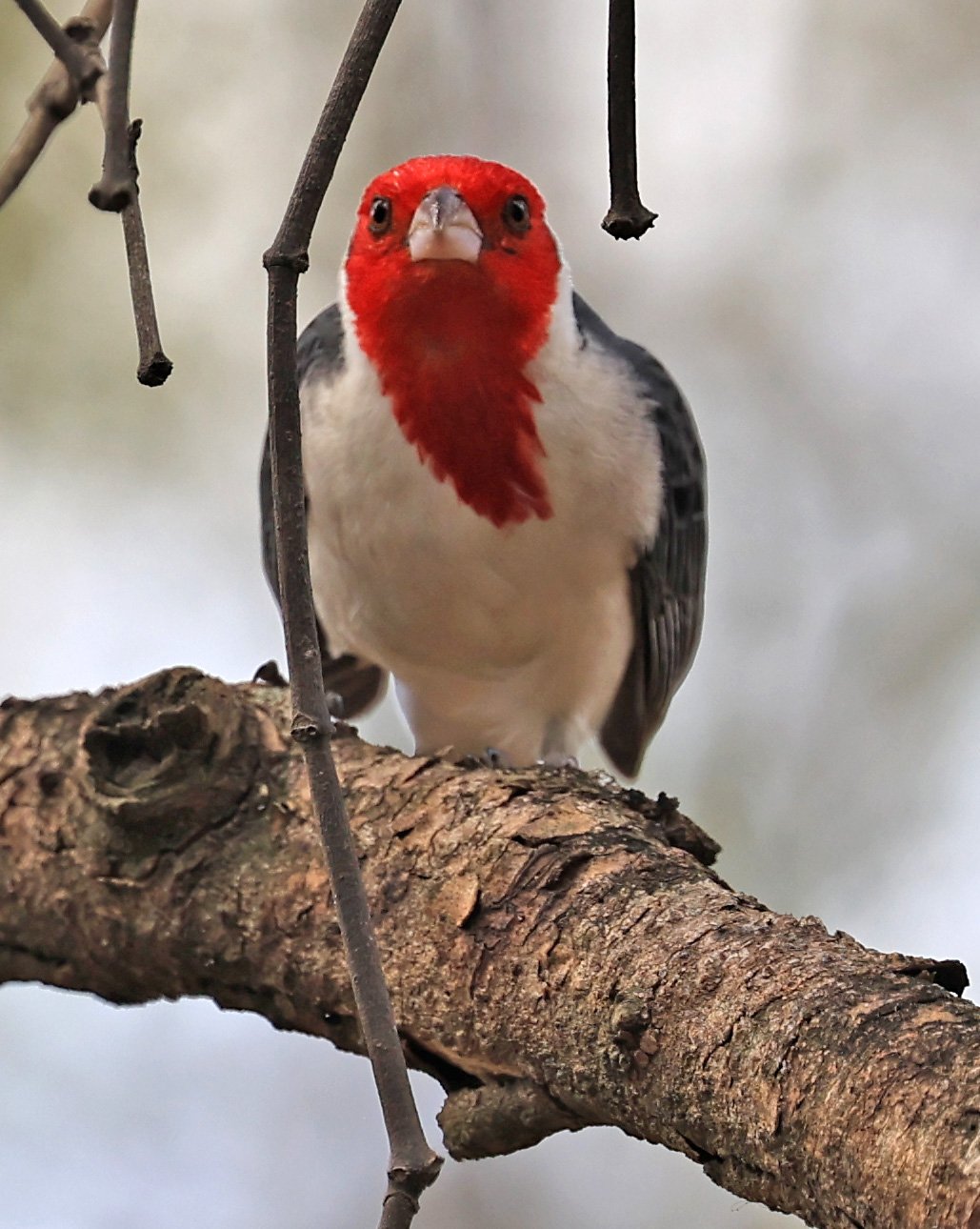
Yellow-billed Cardinal (Paroaria capitata)
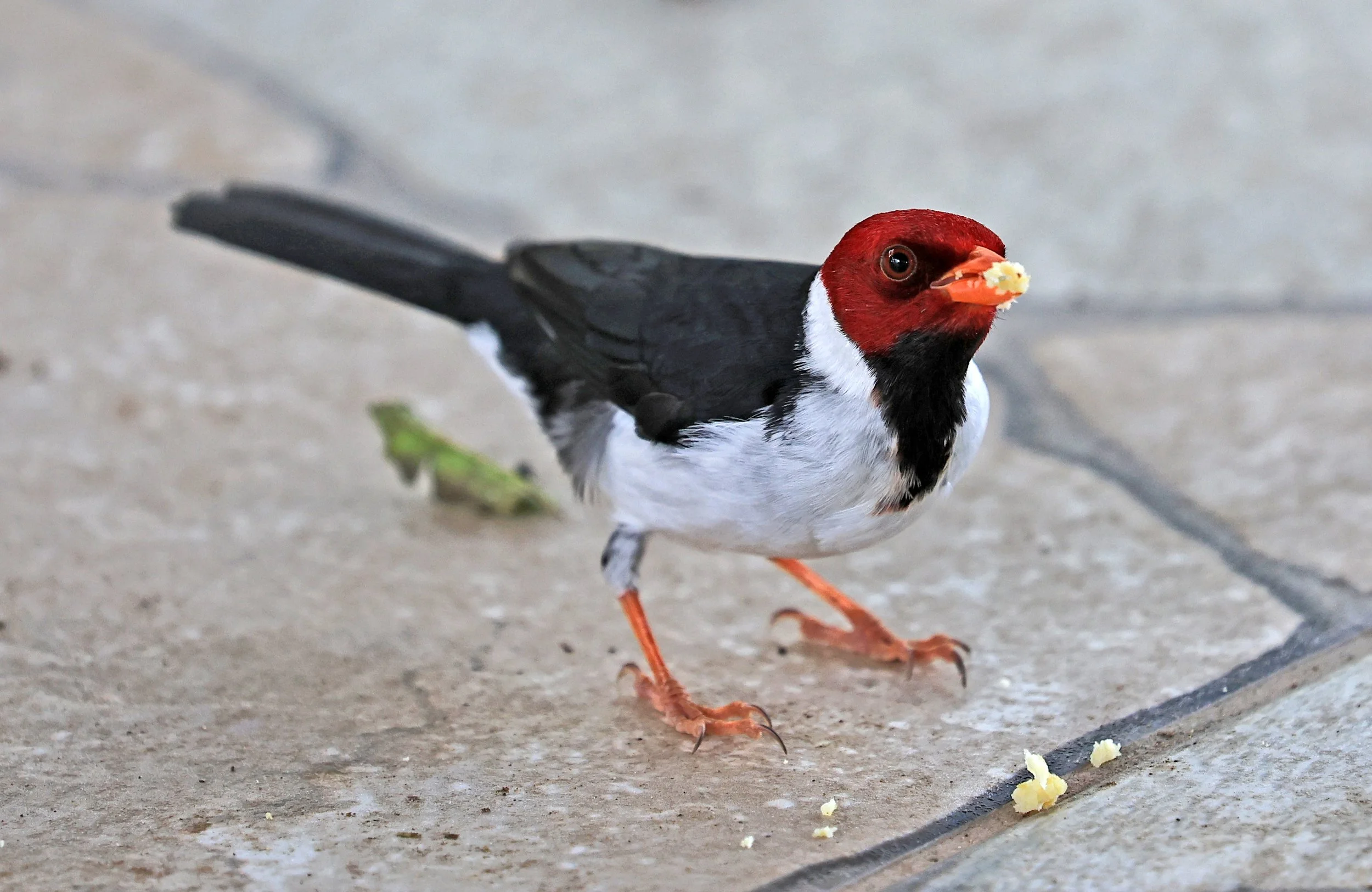
Yellow-billed Cardinal (Paroaria capitata)

Black-chested buzzard-eagle (Geranoaetus melanoleucus)


Black-chested buzzard-eagle (Geranoaetus melanoleucus)
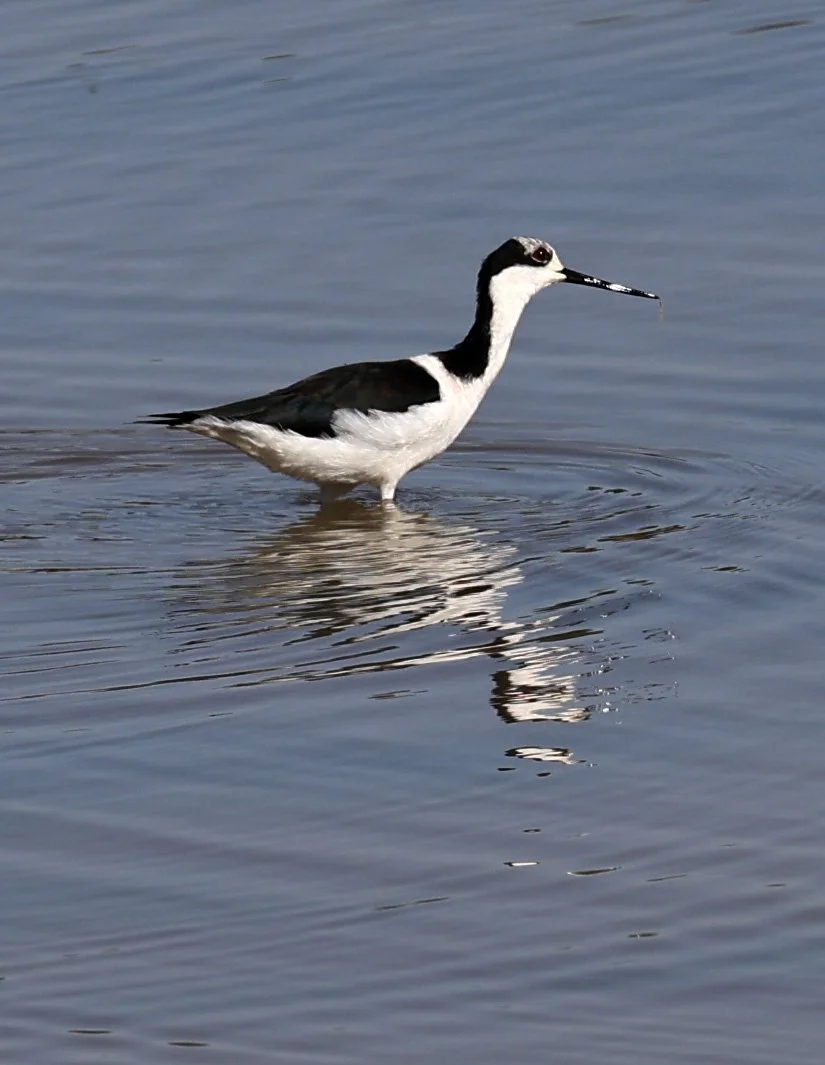
Black-necked Stilt (Himantopus mexicanus melanurus)
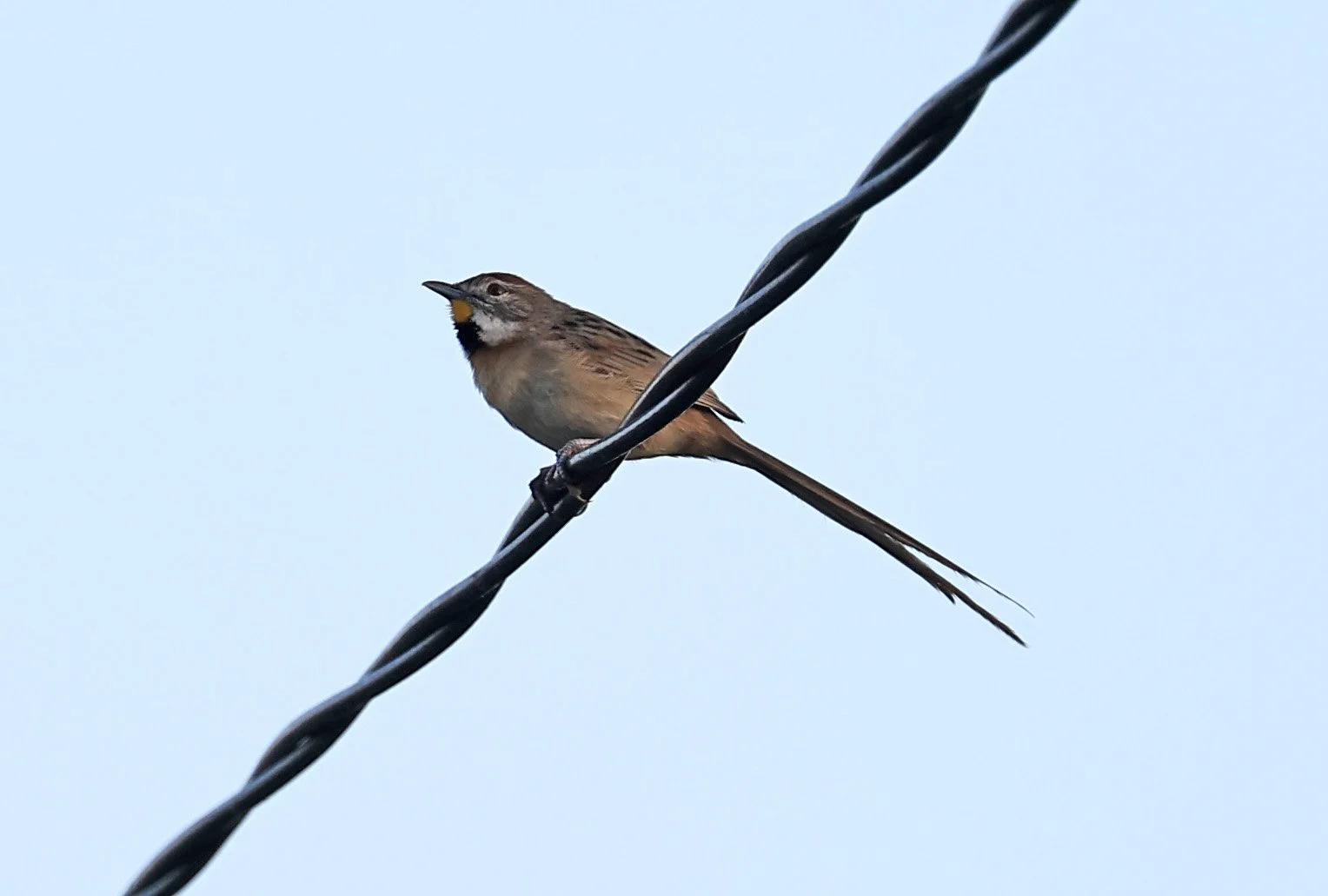
Chotoy Spinetail (Schoeniophylax phryganophilus)
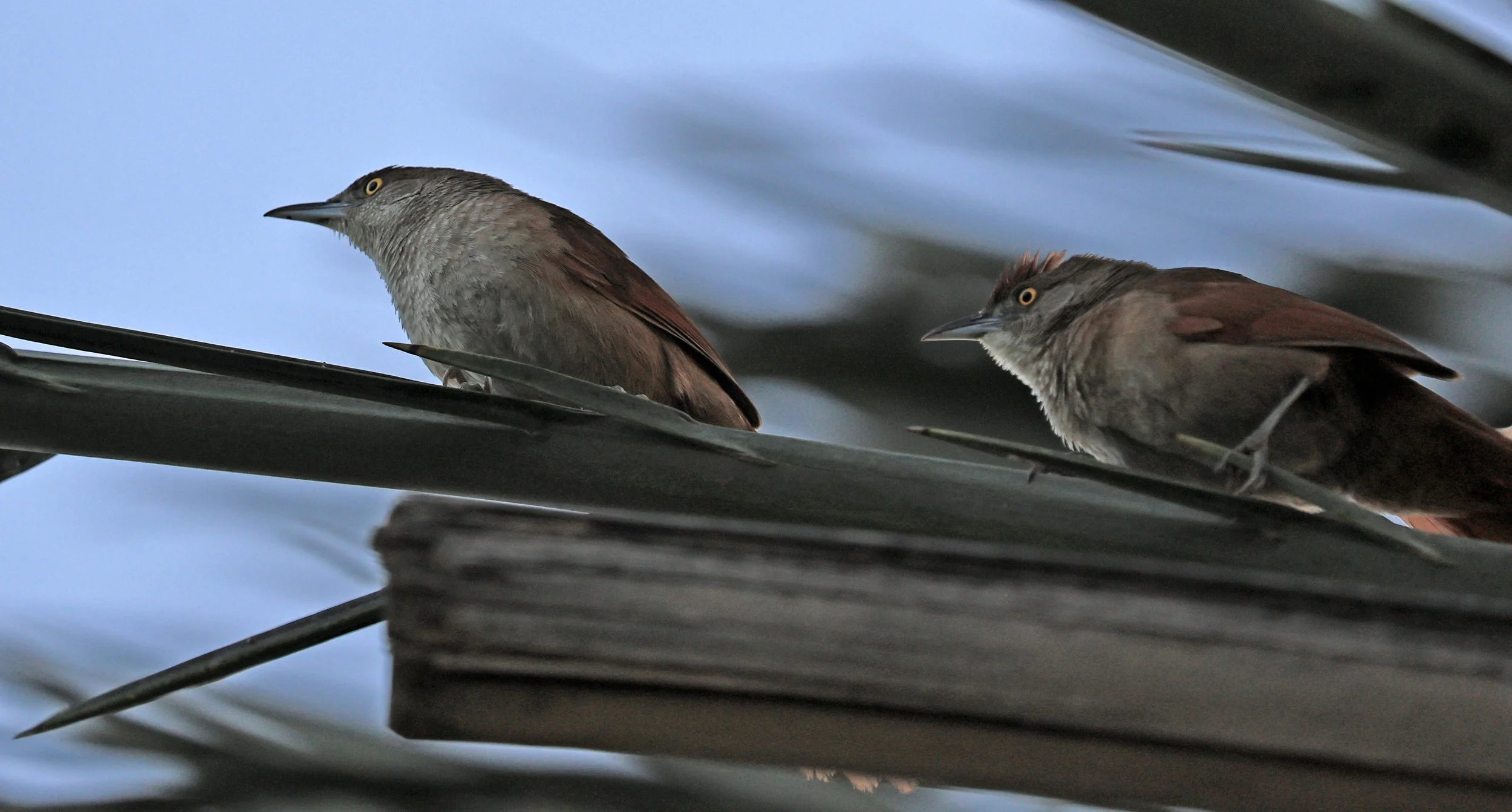
Greater Thornbird (Phacellodomus ruber)

Green-winged Saltator (Saltator similis)
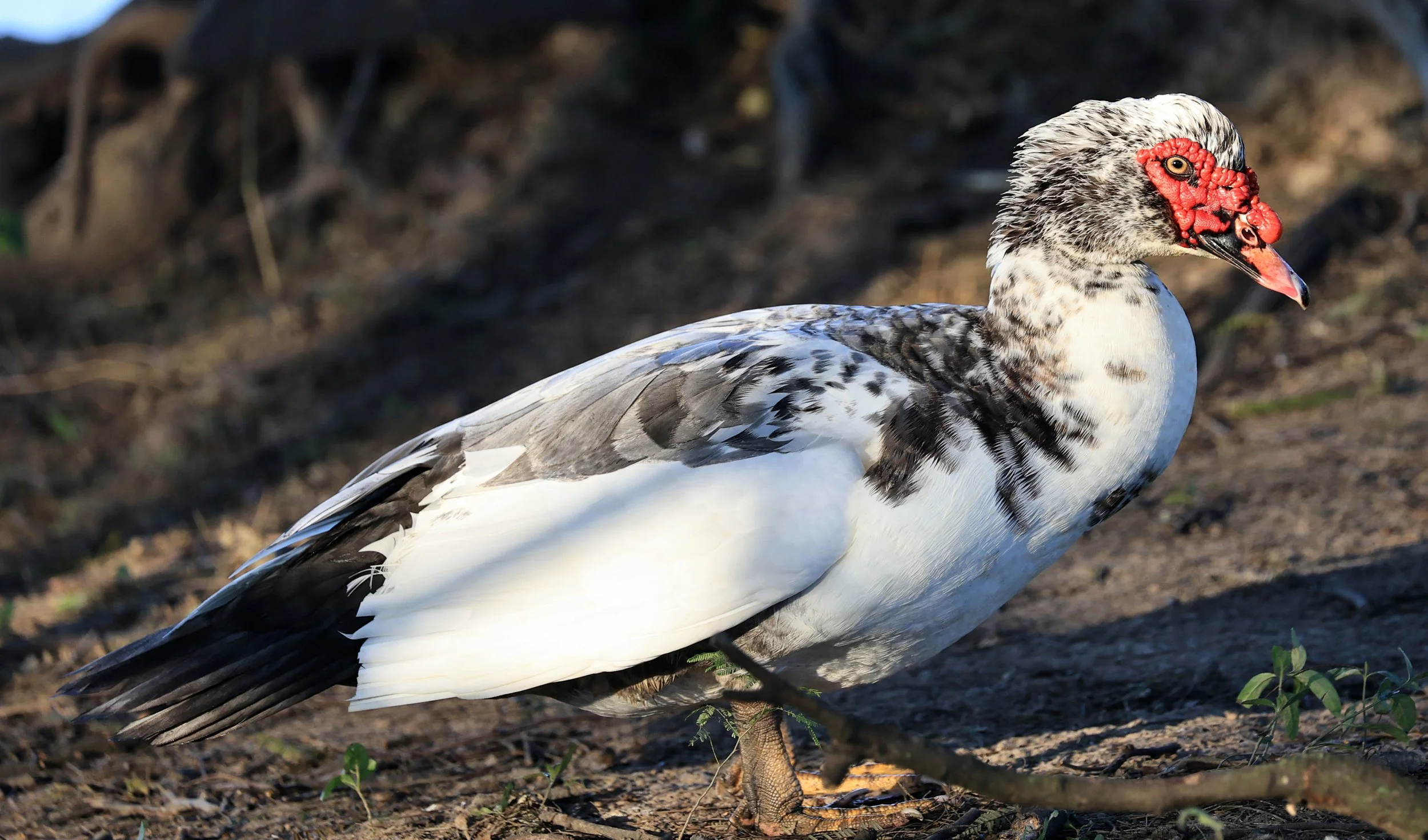
Domestic Muscovy Duck (Cairina moschata)
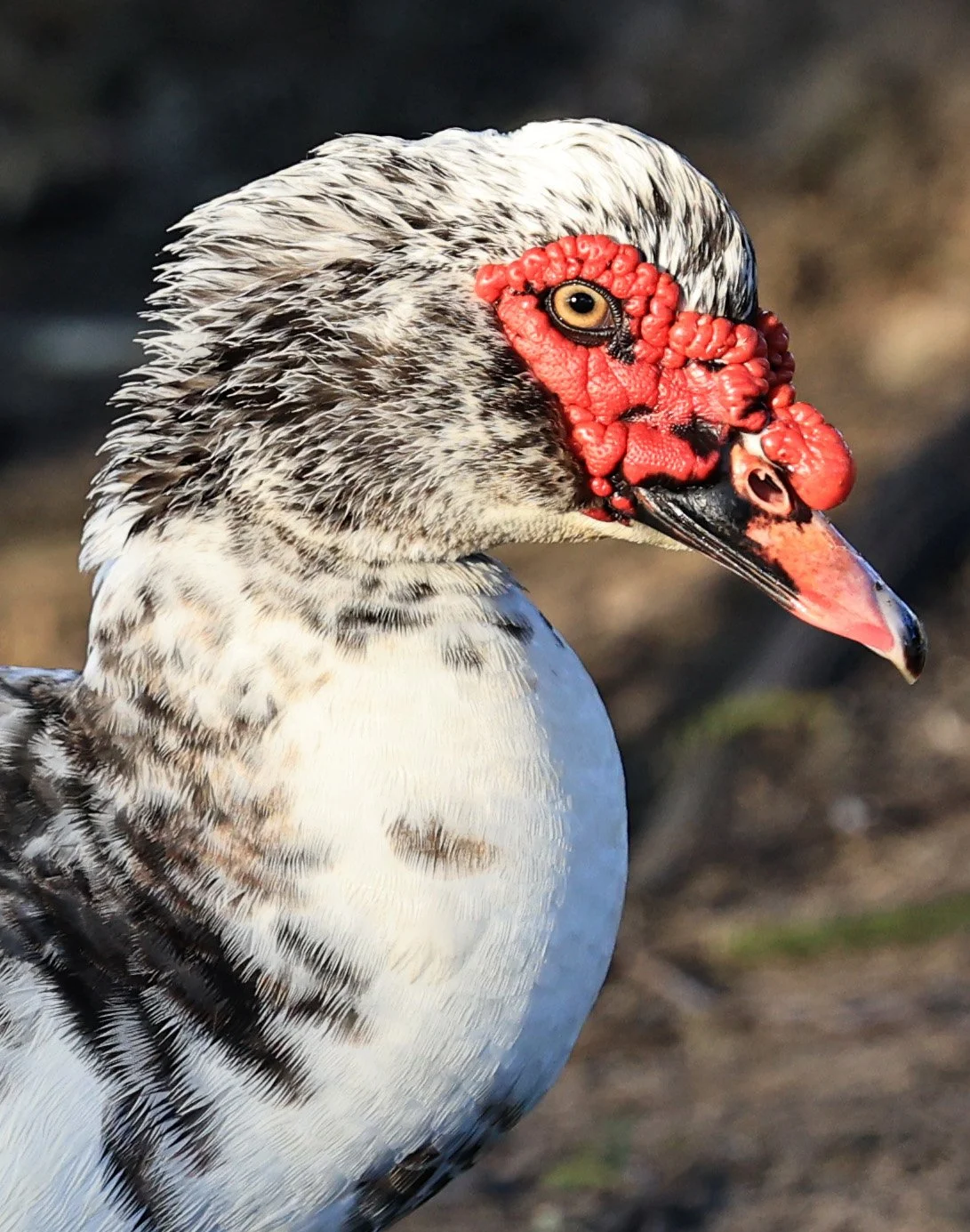
Domestic Muscovy Duck (Cairina moschata)

Narrow-billed Woodcreeper (Lepidocolaptes angustirostris)
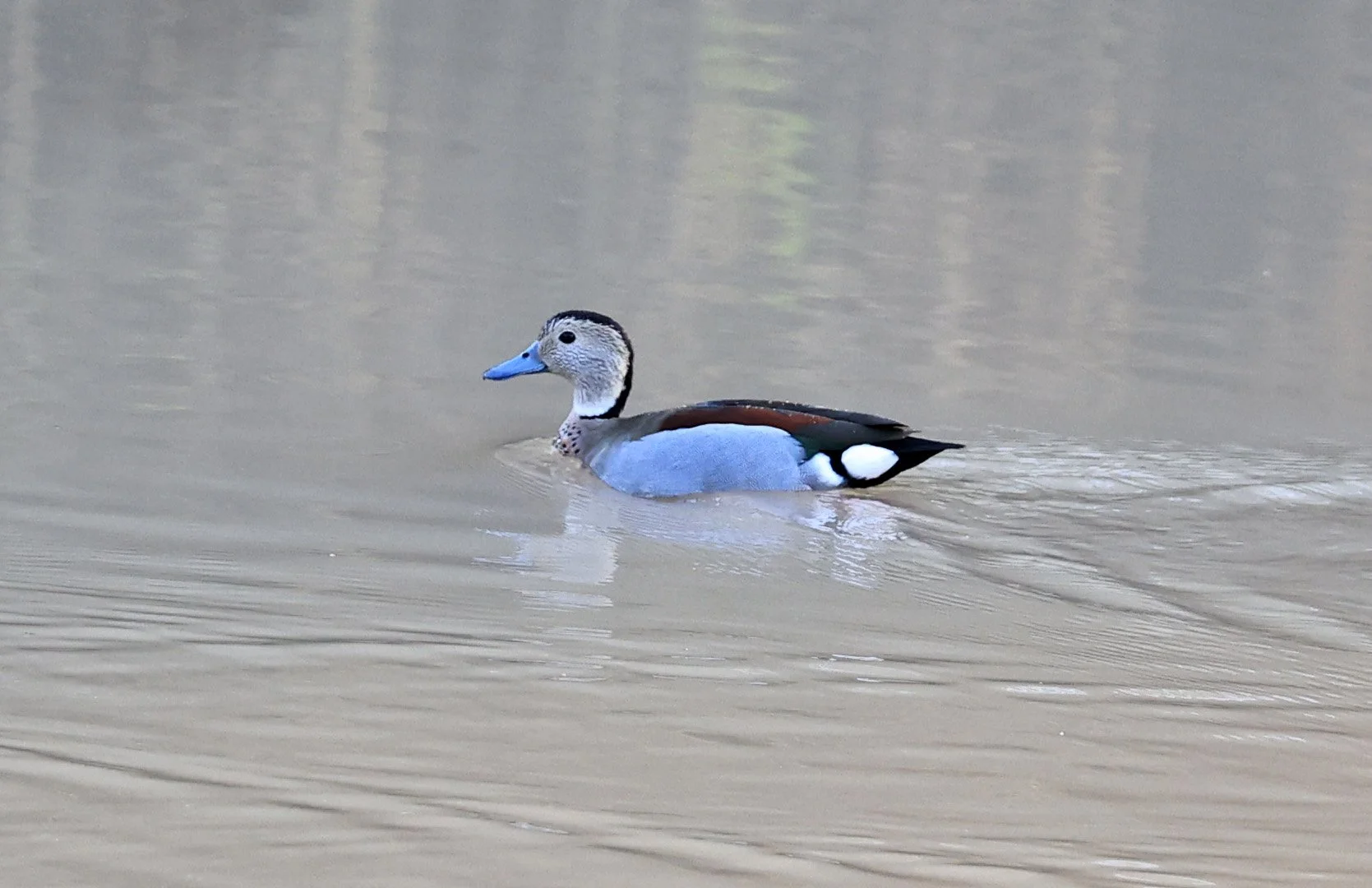
Ringed Teal (Callonetta leucophrys)
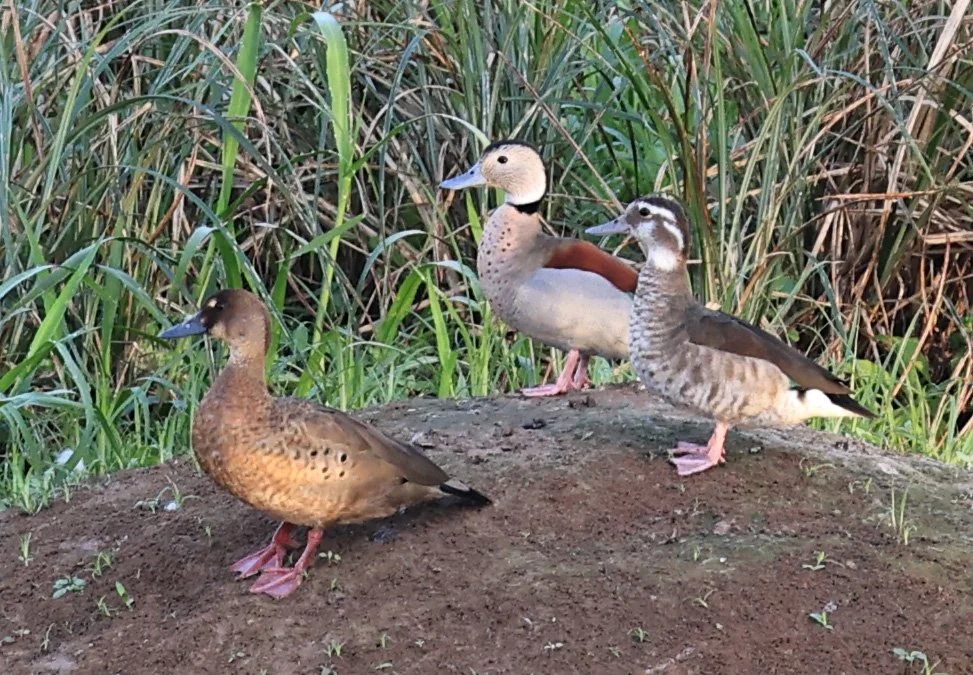
Ringed Teal (Callonetta leucophrys) with a Brazilian Teal
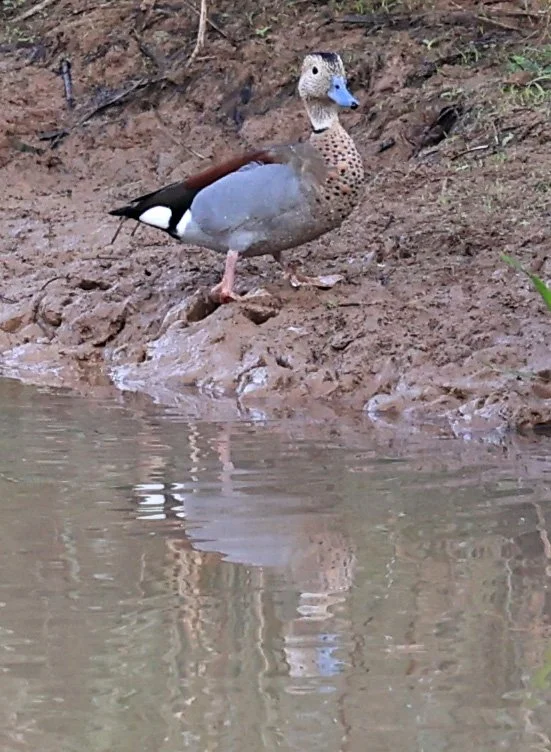
Ringed Teal (Callonetta leucophrys)
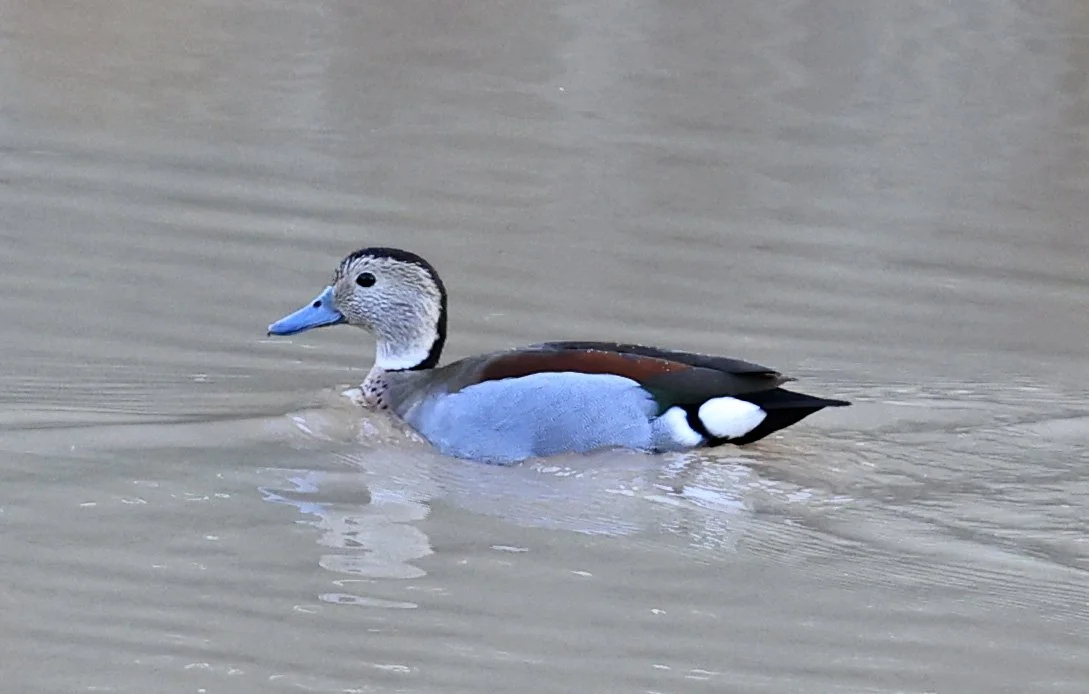
Ringed Teal (Callonetta leucophrys)
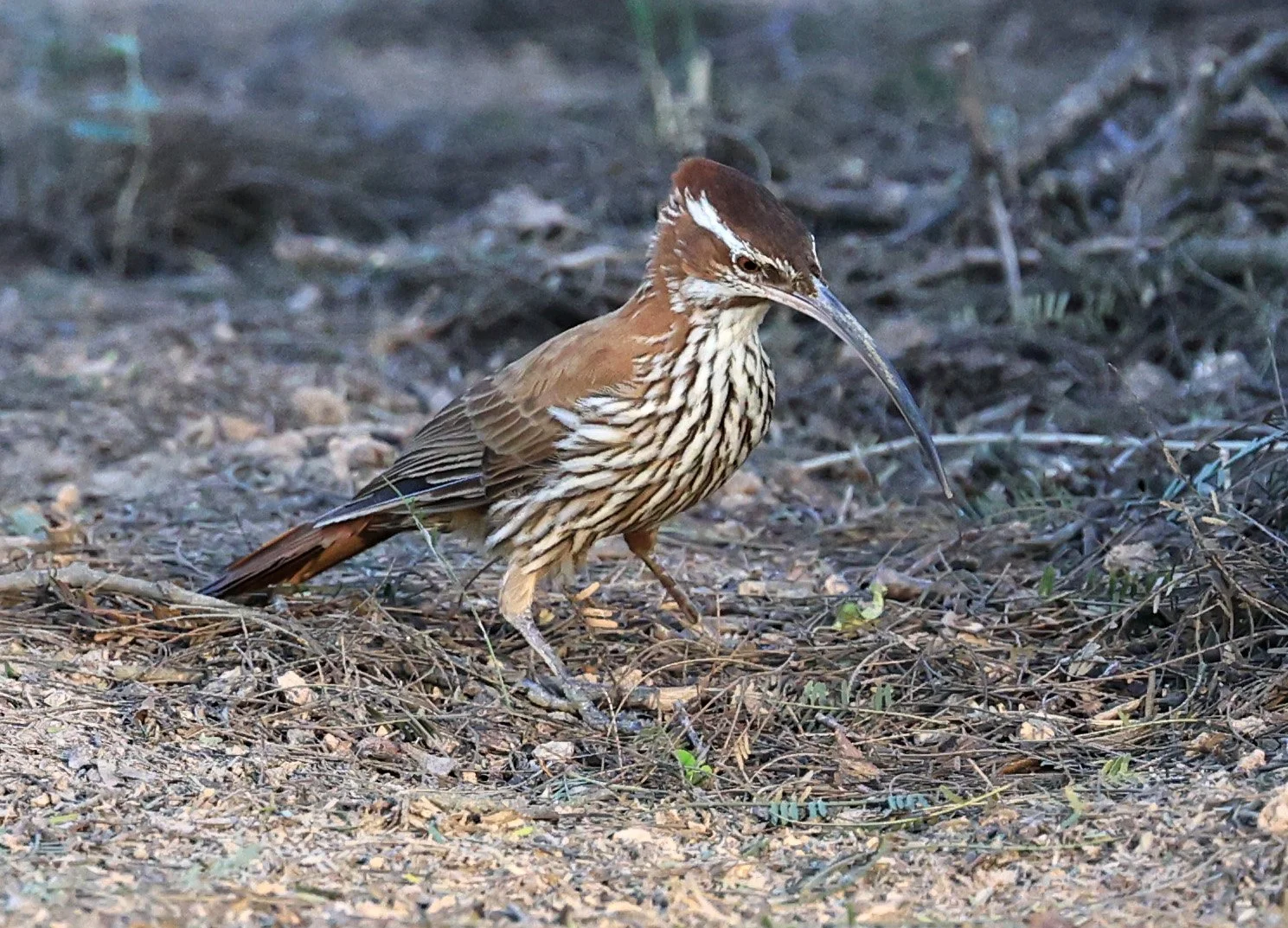
Scimitar-billed Woodcreeper (Drymornis bridgesii)
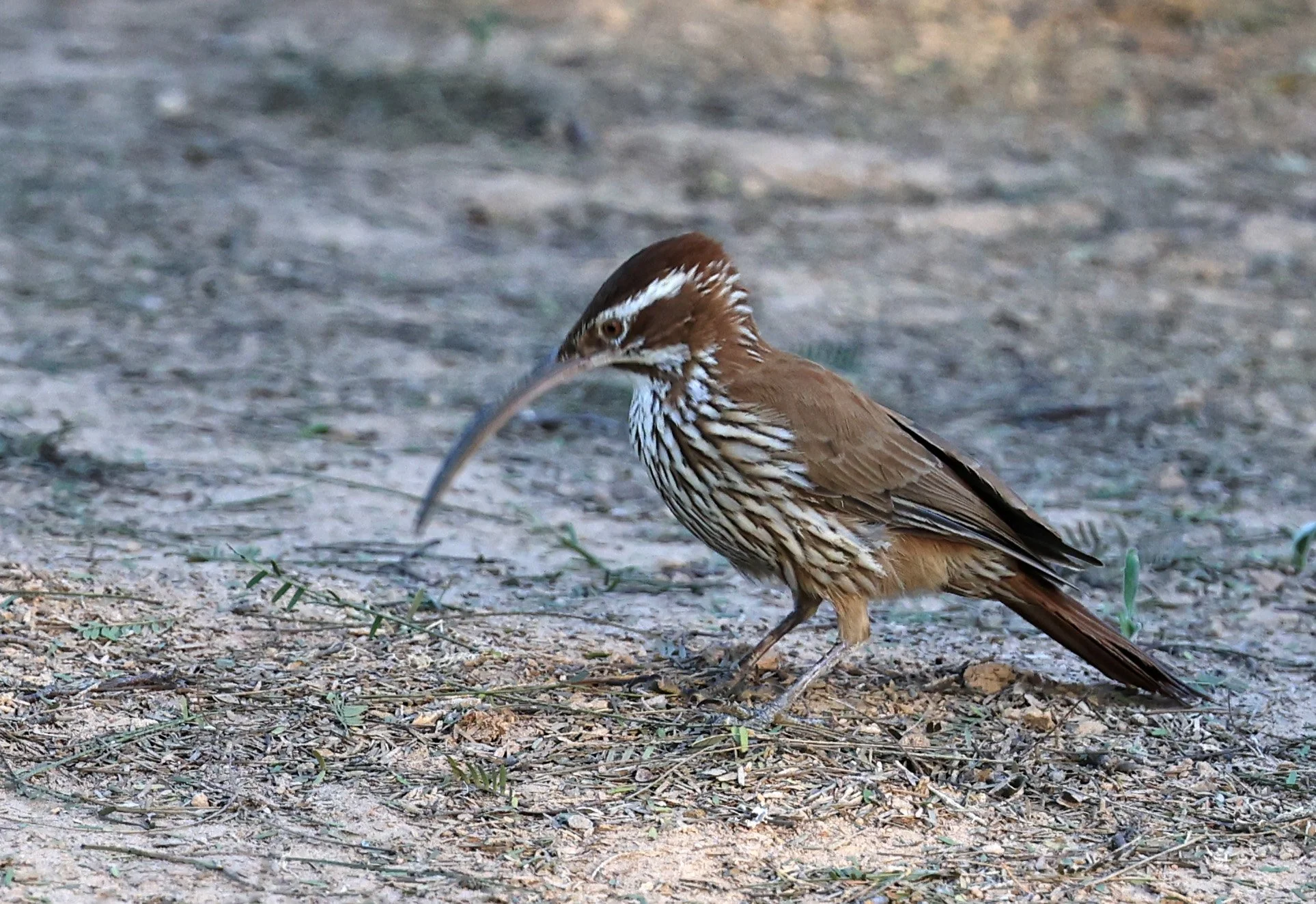
Scimitar-billed Woodcreeper (Drymornis bridgesii)
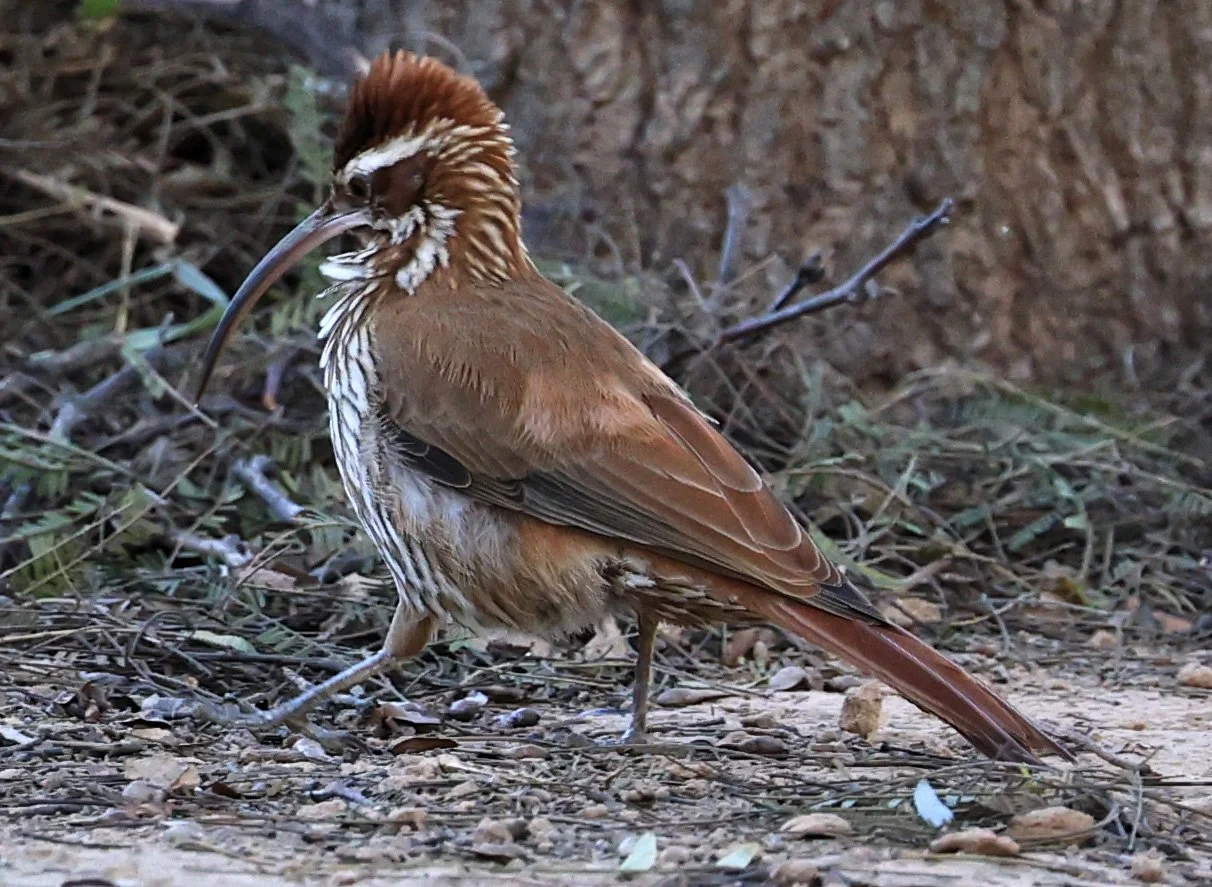
Scimitar-billed Woodcreeper (Drymornis bridgesii)
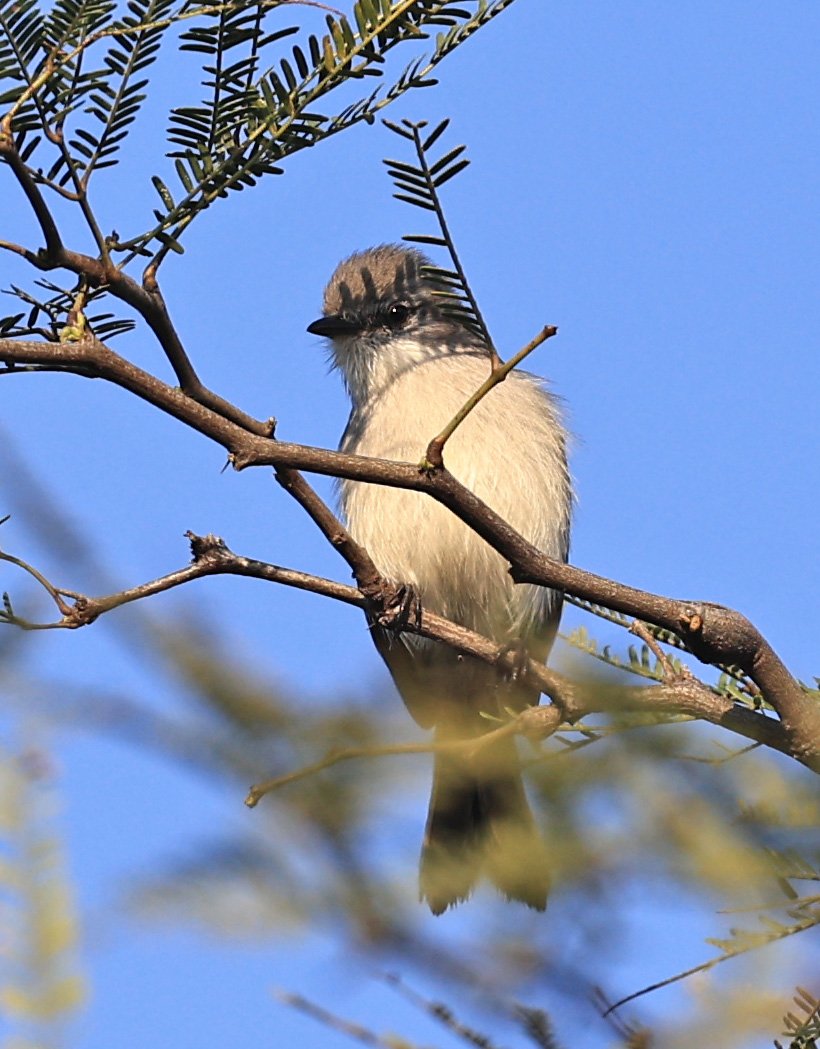
Sirystes sibilator - Hotel Iparoma Campestre and ID needs confirmation
Flora and Scenery
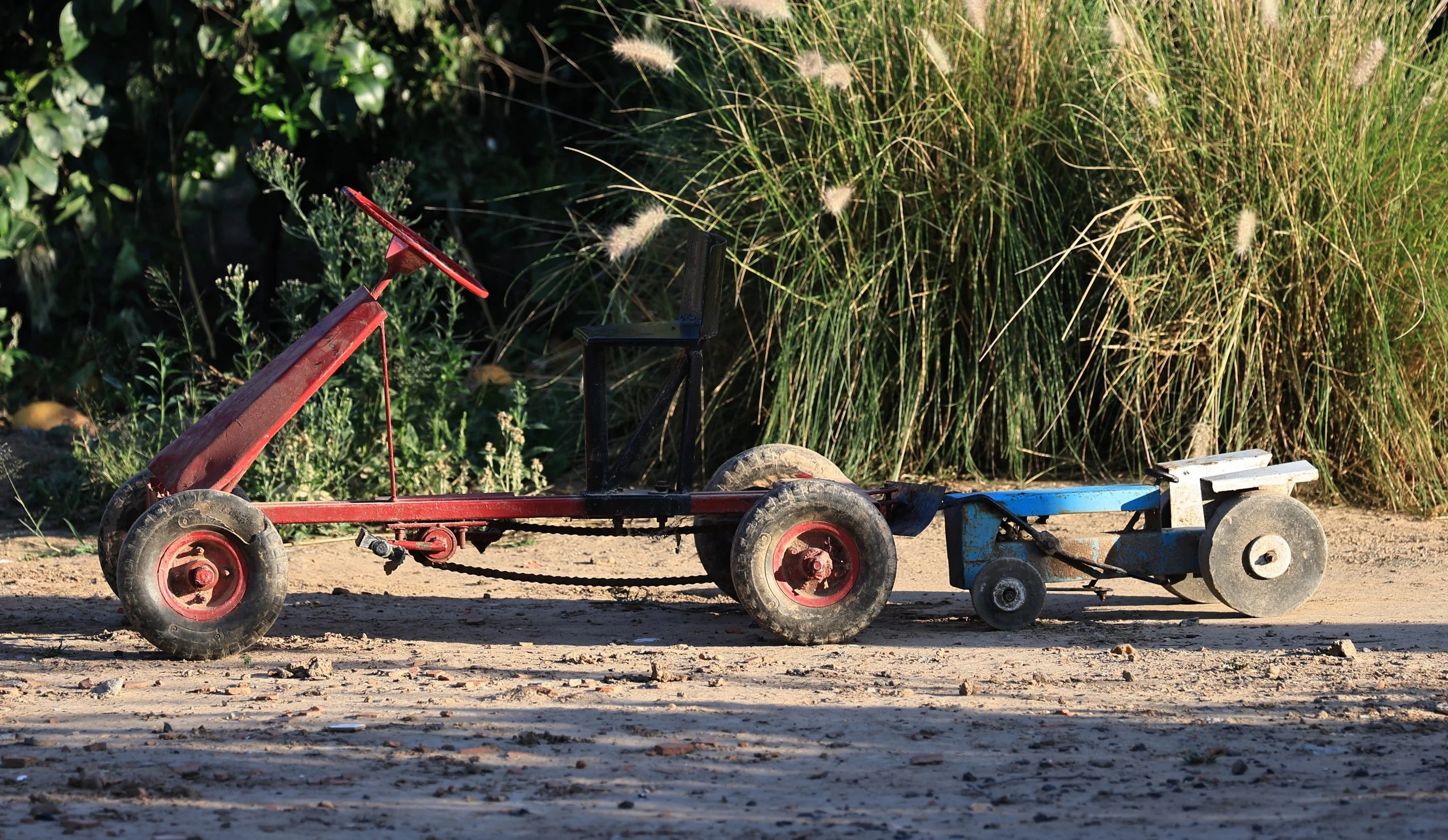
Homemade toys that Toby loves
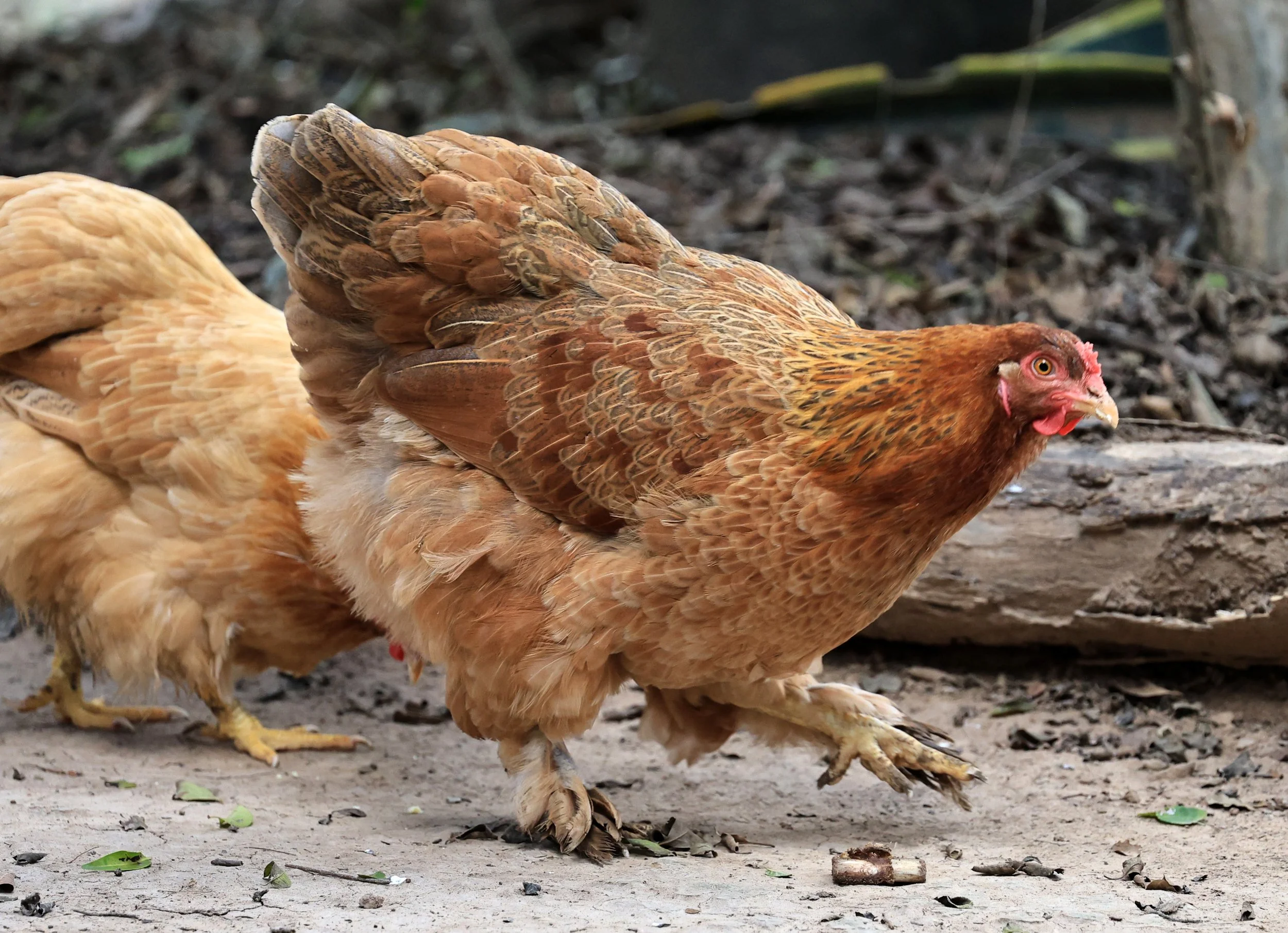
Future dinner?
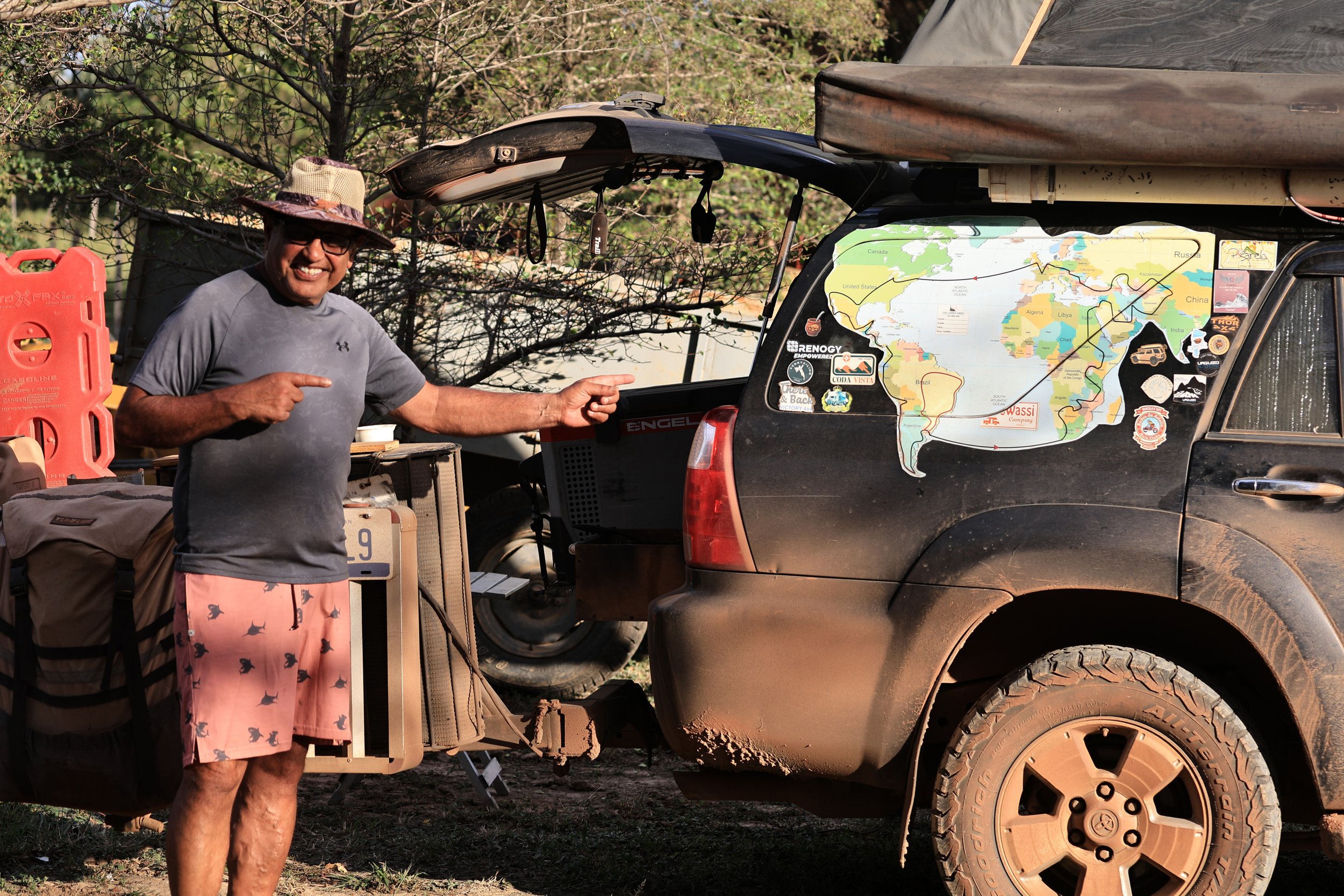
This dude was from Indiana (I think) and on a many-year journey around the world. He'd been traveling for three years already!

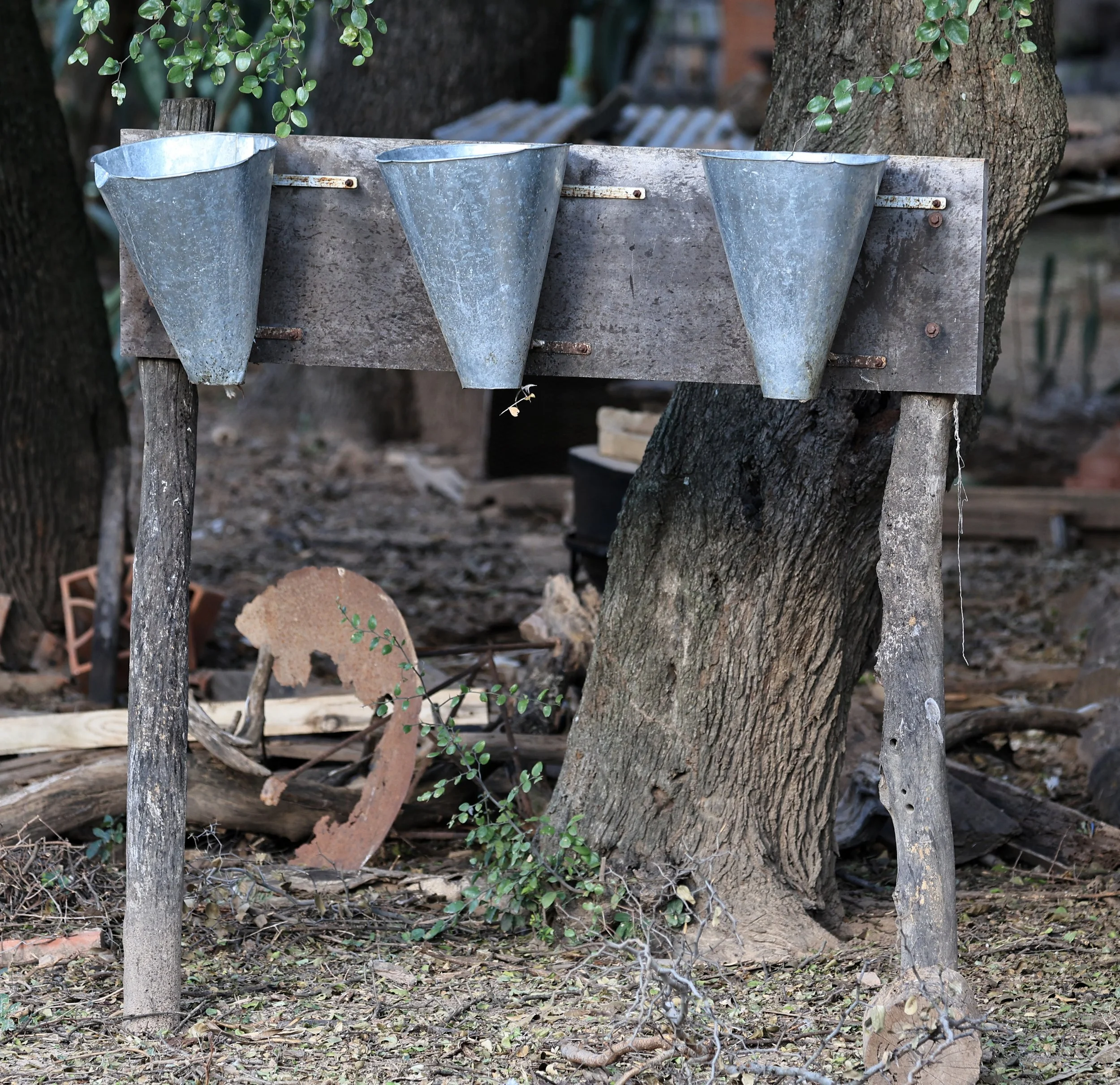
Do you know what these are?
Agua Dulce
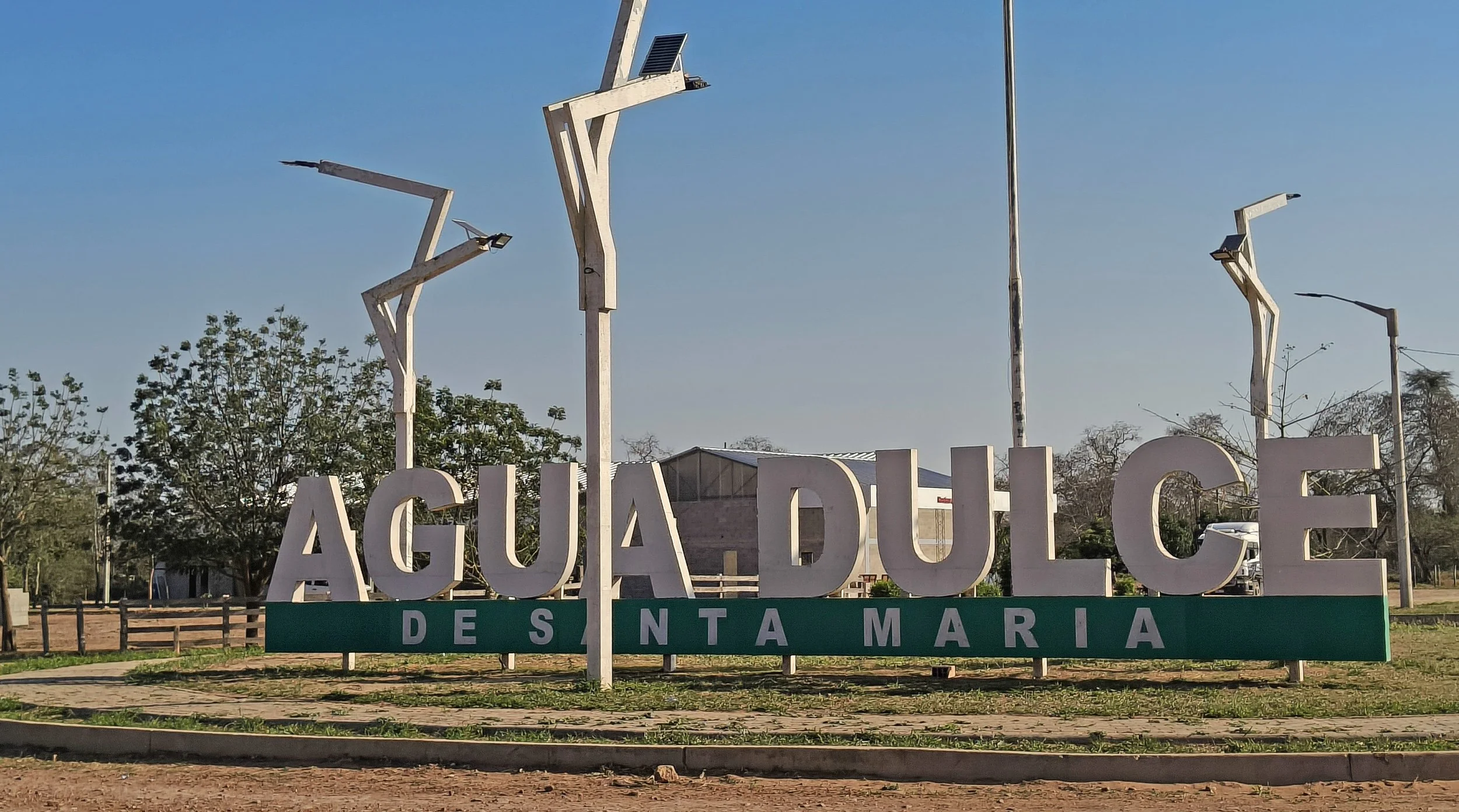
If Iparoma felt like the gateway to the Chaco, then Agua Dulce felt like we had finally arrived in the real thing. Located deep within Paraguay's Dry Chaco, the area is a vast landscape of thorn forest, spiny scrub, scattered cacti and seemingly endless dusty tracks stretching towards the horizon. Wildlife and flora here are superbly adapted to the harsh conditions, and despite the landscape initially appearing sparse, every drive seemed to reveal something new. The sense of remoteness was one of the major attractions. Out here, you genuinely feel a long way from anywhere.
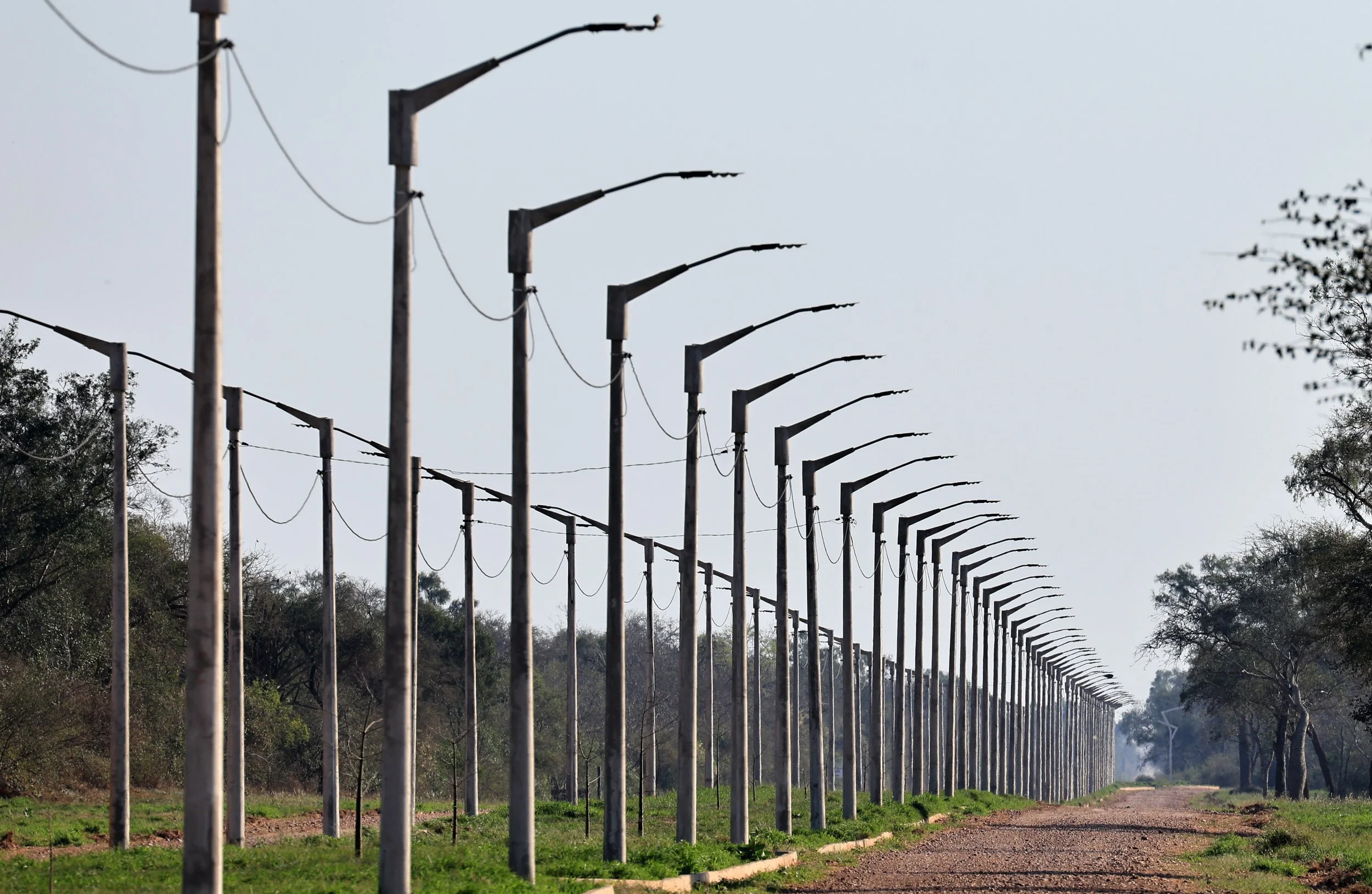
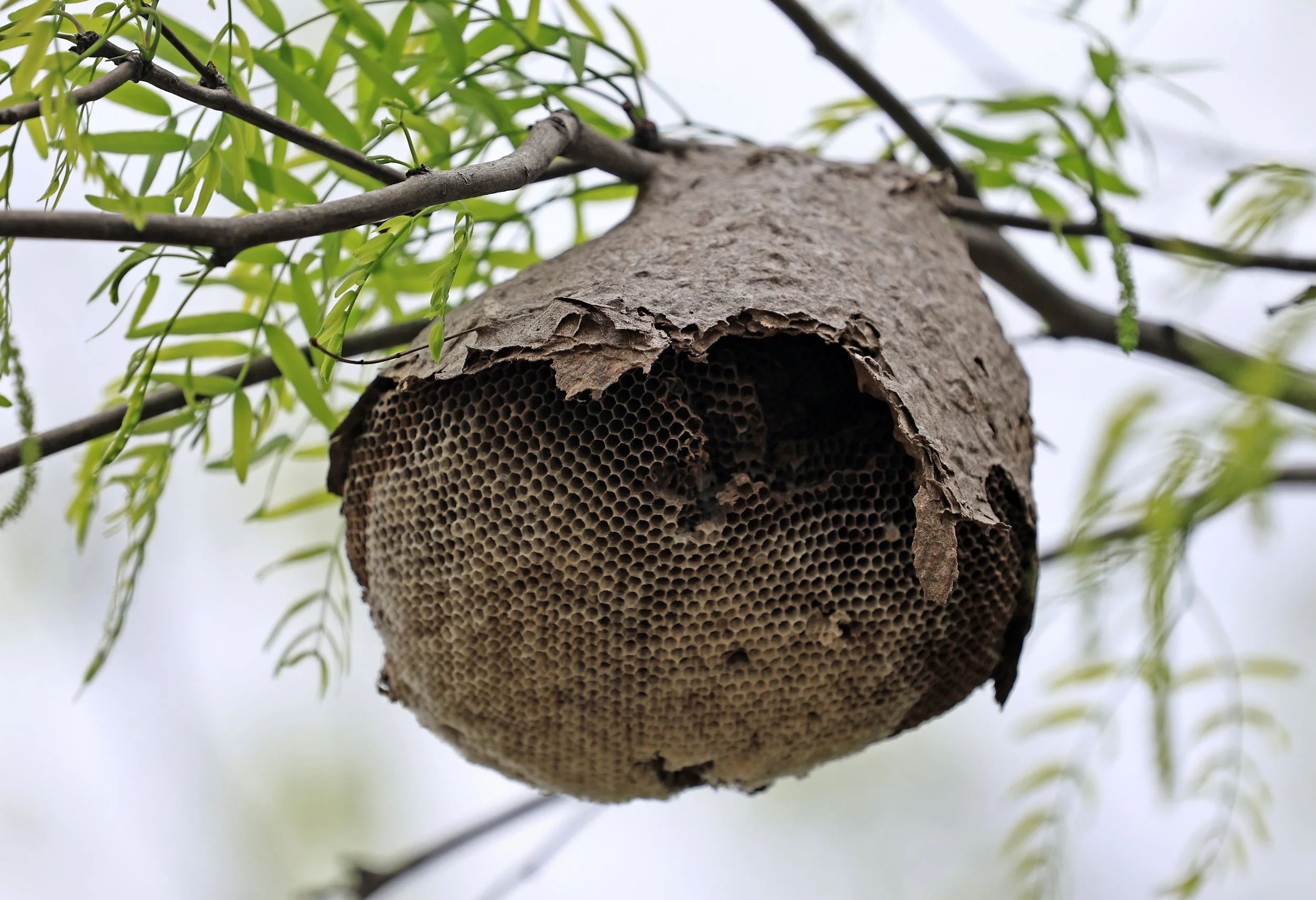
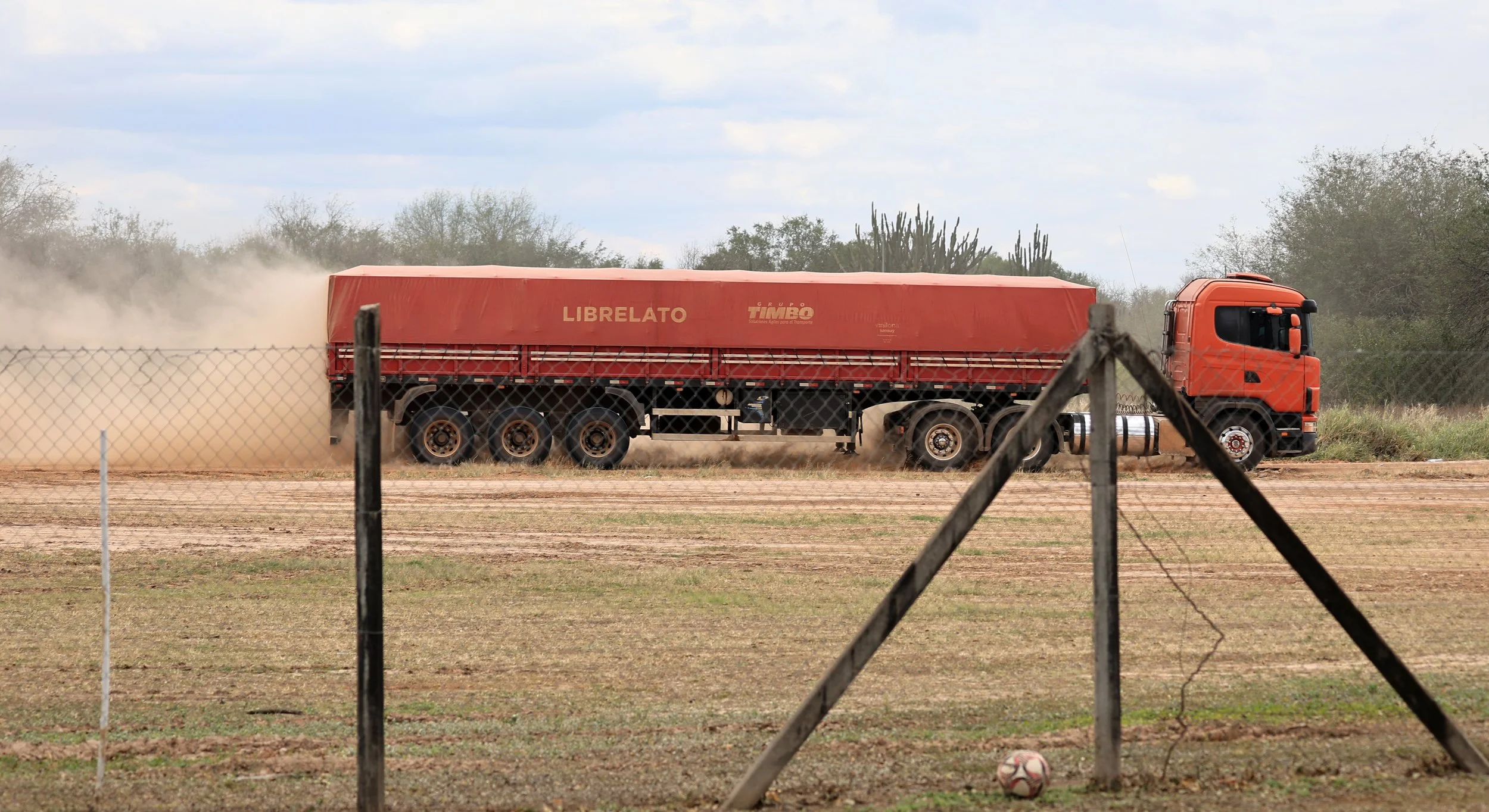
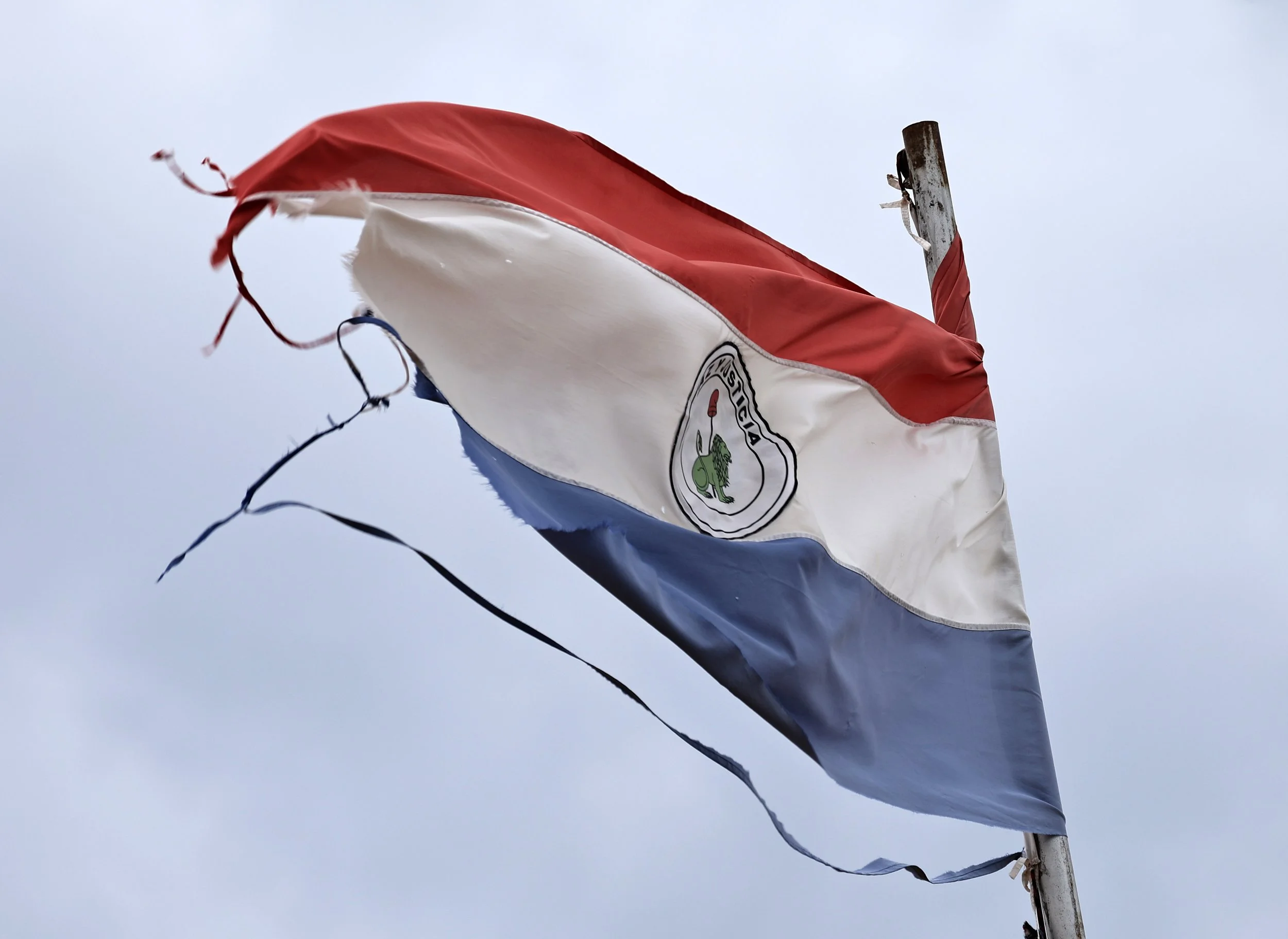
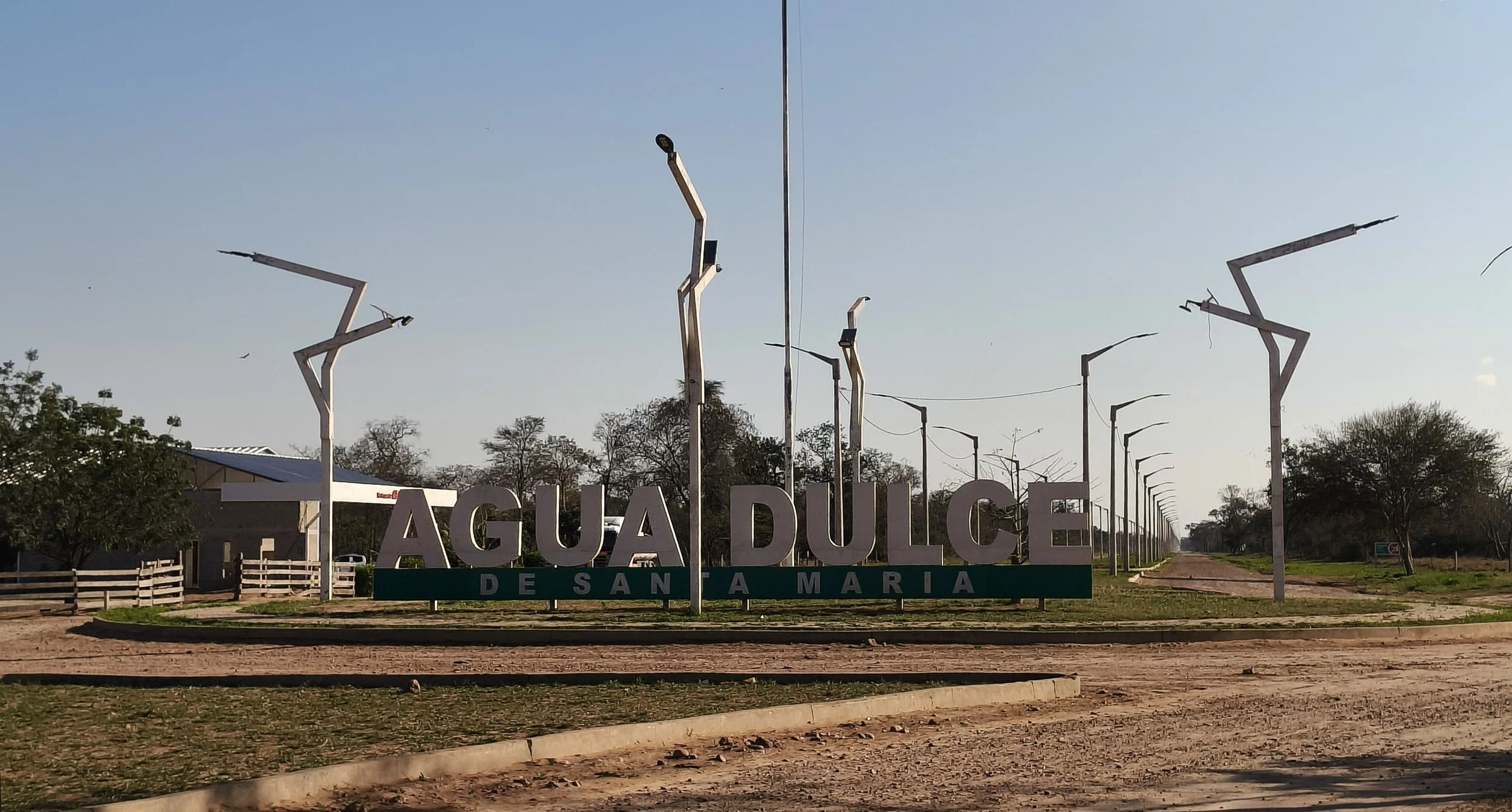
Agua Dulce feels kinda like a “Ghost City” in China - “Build it and they will come” sort of scenario. The area has a huge sign, long row of street lights, a large general store and now a reasonably comfortable hotel that is nearly finished being built and is better than the old sweat-box container other earlier travelers had to brave. There are big rectangular parcels of land for sale if you are interested in building your dream house 178 kilometers from civilization! All the electrical is solar and Elon Musk provides decent internet.
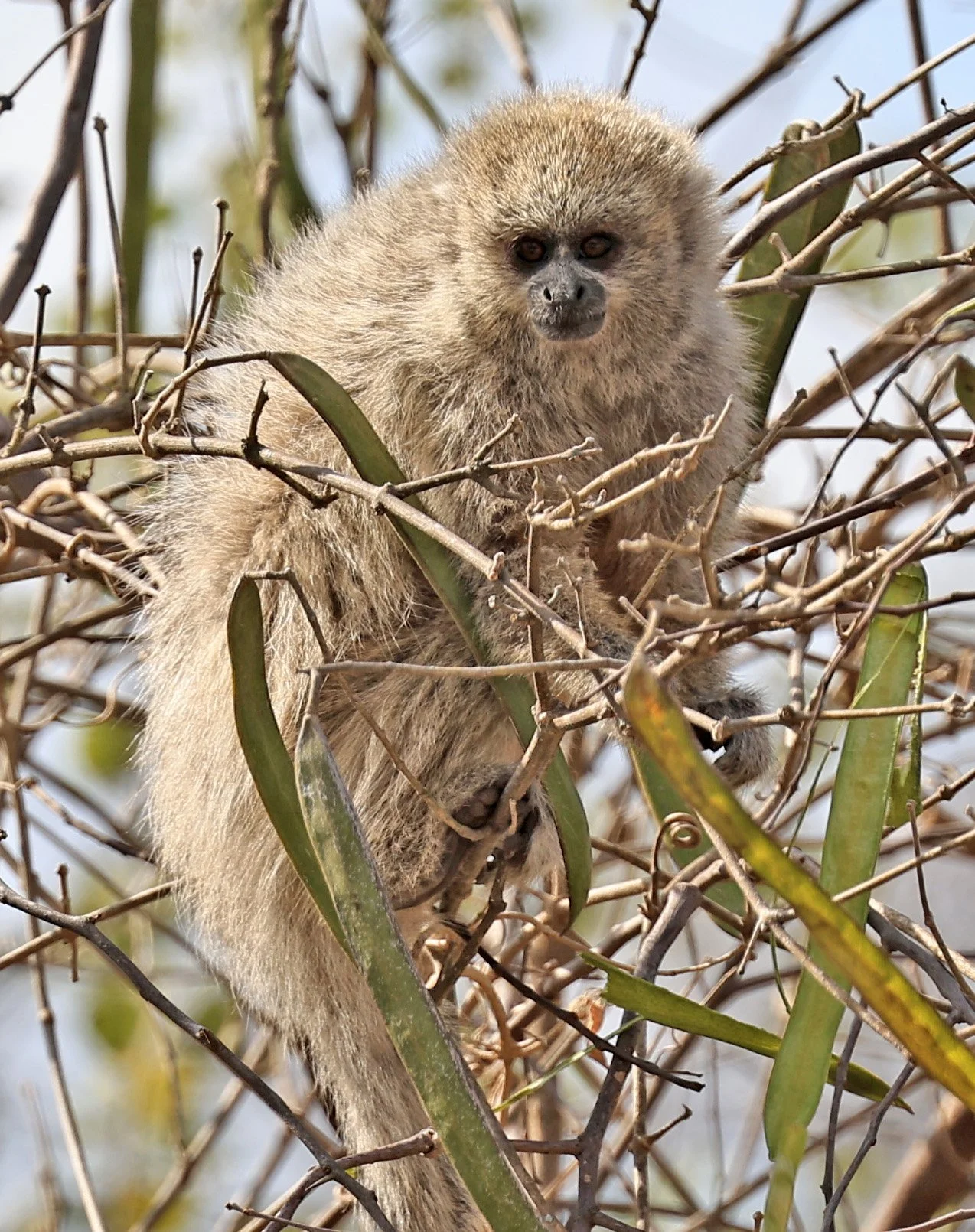
Chacoan Titi (Plecturocebus pallescens) Agua Dulce Paraguay
Agua Dulce was originally scheduled for later in our itinerary, but the weather had other ideas. Heavy storms were forecast to arrive in the region, and local knowledge possessed by Karina and Andrey suggested that once enough rain fell, the road would rapidly transform from dusty tracks into an impassable mud bath. Given that these roads can already be something of an adventure in dry conditions, the prospect of navigating them after a major downpour was not especially appealing. We therefore reshuffled the itinerary and moved Agua Dulce earlier in the expedition. Looking back, it was absolutely the right decision. Even in dry weather some stretches were rough, deeply rutted and capable of demanding your full attention. A good coating of Chaco mud would almost certainly have turned the journey into an unplanned extended stay.
My main target in Agua Dulce was the Chacoan, or White-coated Titi Monkey (Callicebus pallescens), and thankfully this proved to be a target with unusually cooperative behaviour. I had expected a challenging search involving distant silhouettes disappearing through dense vegetation. Instead, we found them with remarkable ease and ended up seeing them every day. The highlight came when one individual sat at eye level in vegetation directly beside the vehicle, providing outstanding views. After years of seeing photographs of this species, being face to face with one in the wild was a genuinely special moment. Sometimes a target species makes you work for every glimpse; sometimes it practically poses for photographs.
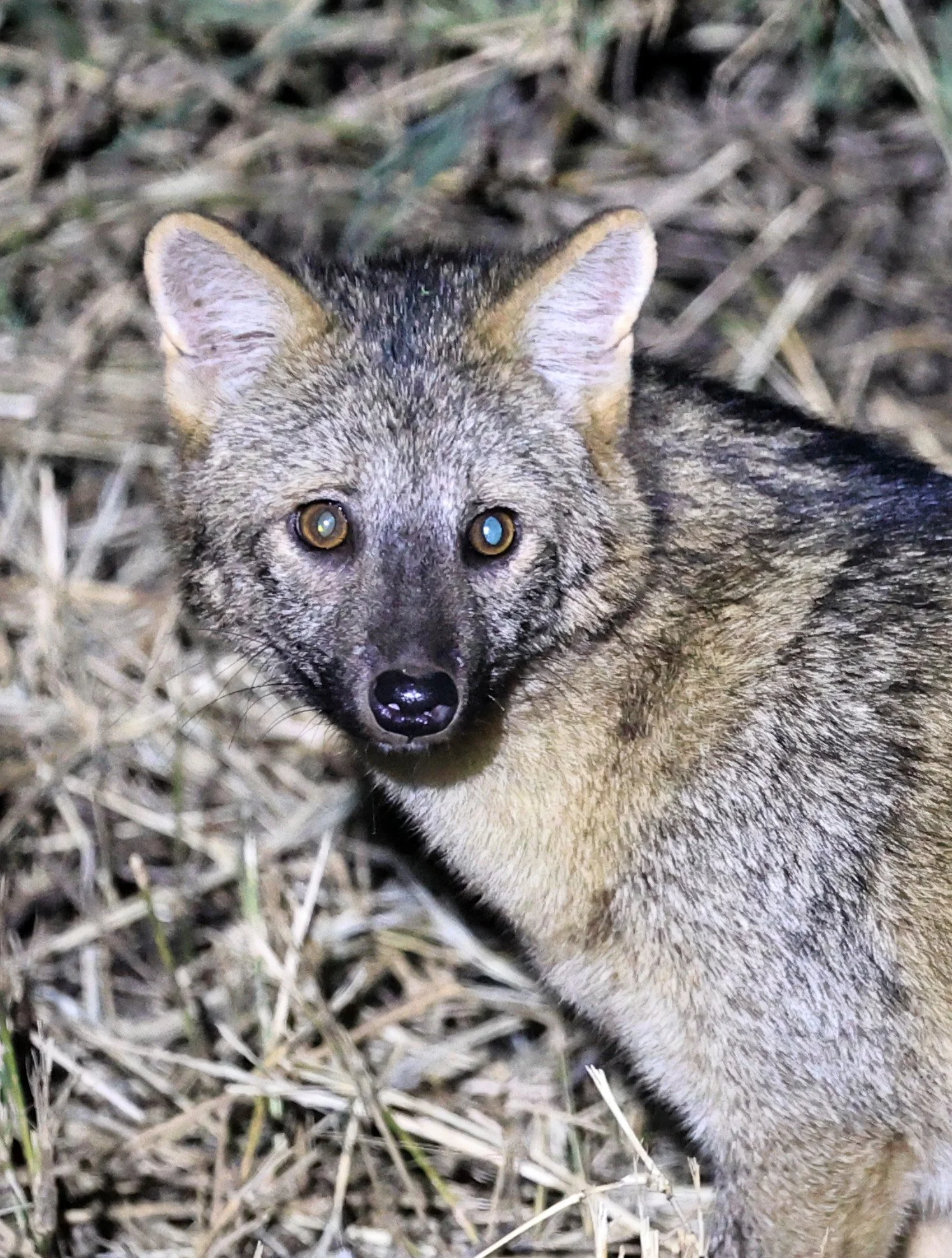
The mammal list continued to grow throughout our stay. A Crab-eating Fox (Cerdocyon thous) provided excellent views and was a welcome addition to the trip list. Despite its name, it seemed thankfully uninterested in demonstrating its dietary preferences for us. I think the one we saw would be more appropriately called a “Frog-eating Fox”. We also encountered a Southern Brown Brocket (Subulo gouazoubira), one of several Chaco mammals that possess an impressive talent for standing perfectly still until the exact moment you have almost driven past them. We ended up seeing many of these lovely tiny deer, mostly from a distance as they did not stick around long enough for great images.
Foxes were a recurring theme throughout the expedition, and Agua Dulce added more encounters with Pampas Foxes (Lycalopex gymnocercus). By this stage I was becoming increasingly fond of these adaptable canids, which regularly appeared along roads and clearings and always seemed willing to pause briefly before continuing on their way. By the end of the expedition I would hazard a guess that we’d seen dozens of Pampas and Crab-eating Foxes.
The two most exciting and frustrating sightings of our time in Agua Dulce involved an awesome Lesser Grison in the day time and a Geoffroy’s Cat during our night drive! Of course I was ecstatic to see both of these very rare species with my own eyes, neither of them allowed me enough time to capture them with my camera. Both gave me awesome views for seconds. Oh well, these images will have to be the ones in my mind only and that is fine.
Although the trip was primarily focused on mammals, Agua Dulce also delivered one of my most memorable bird sightings. Here I finally saw my first Black-legged Seriema. As someone who had already seen the Red-legged Seriema elsewhere, this meant I had now managed to complete the pair and add both species to my life list. There is something wonderfully prehistoric about seriemas, and seeing the Black-legged species striding across the Chaco landscape felt entirely appropriate. Even dedicated mammalwatchers are allowed the occasional birding success, especially when the bird in question looks like it has wandered out of another geological era.
By the time we left Agua Dulce, it had exceeded expectations on every front. The roads had provided just enough excitement to keep things interesting, the timing adjustment had saved us from potentially spectacular mud-related problems, and the mammal watching had been excellent throughout. Most importantly, my main target, the Chacoan Titi Monkey, had gone from a hoped-for sighting to an almost daily companion. It's hard to ask much more from a stop than that.
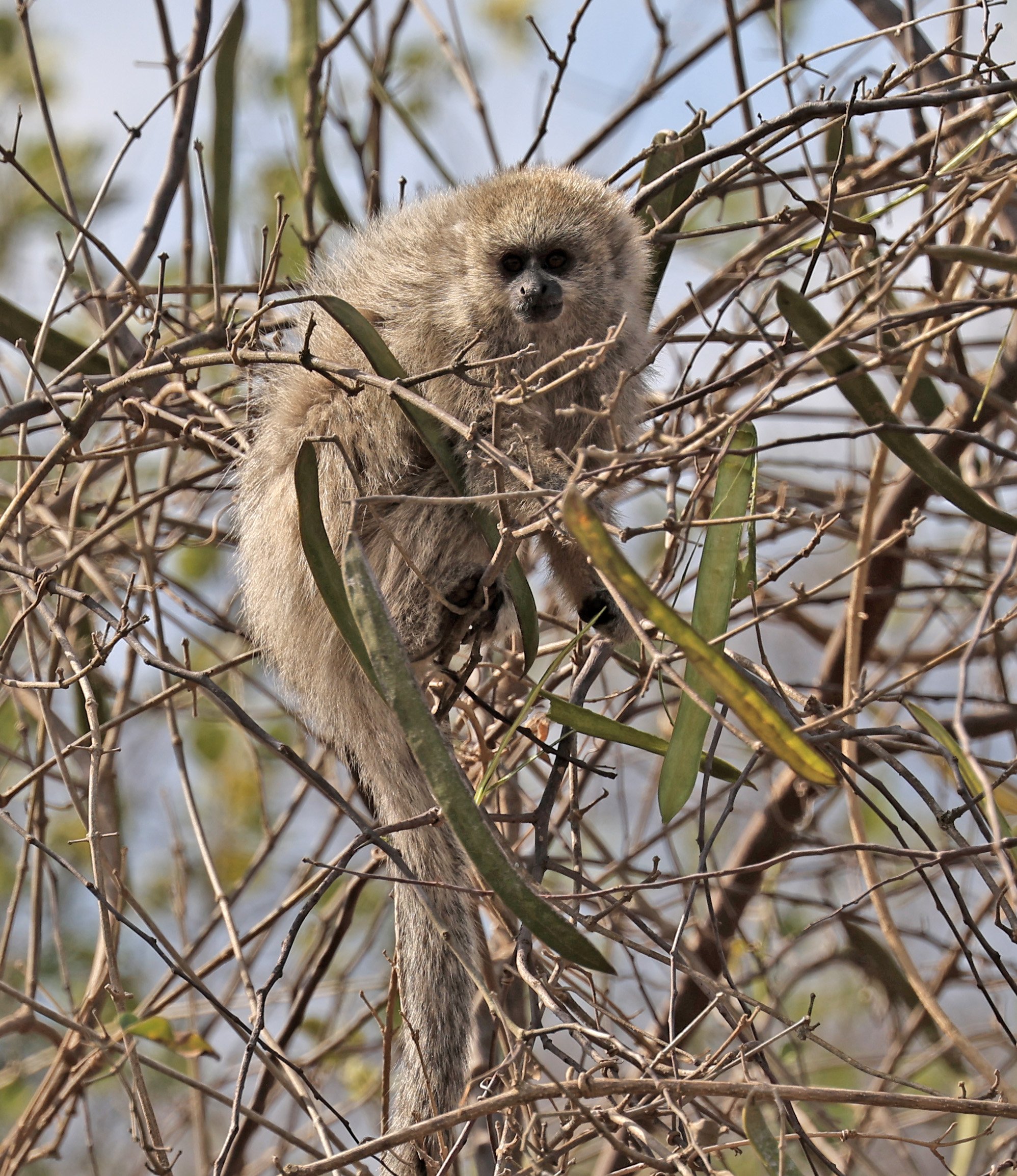
Chacoan Titi (Plecturocebus pallescens) seen eye level a couple meters from the driver's seat!
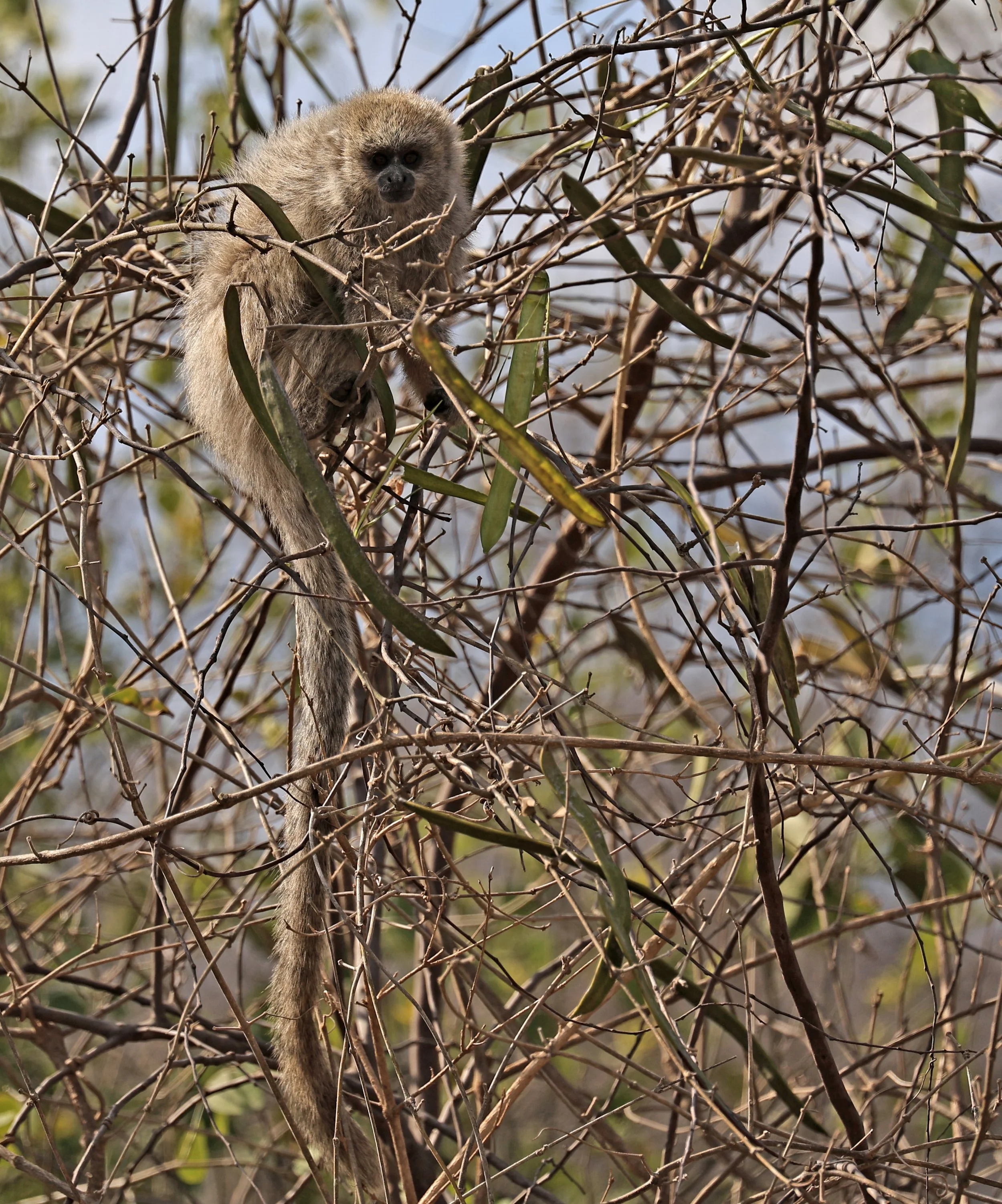
Chacoan Titi (Plecturocebus pallescens)
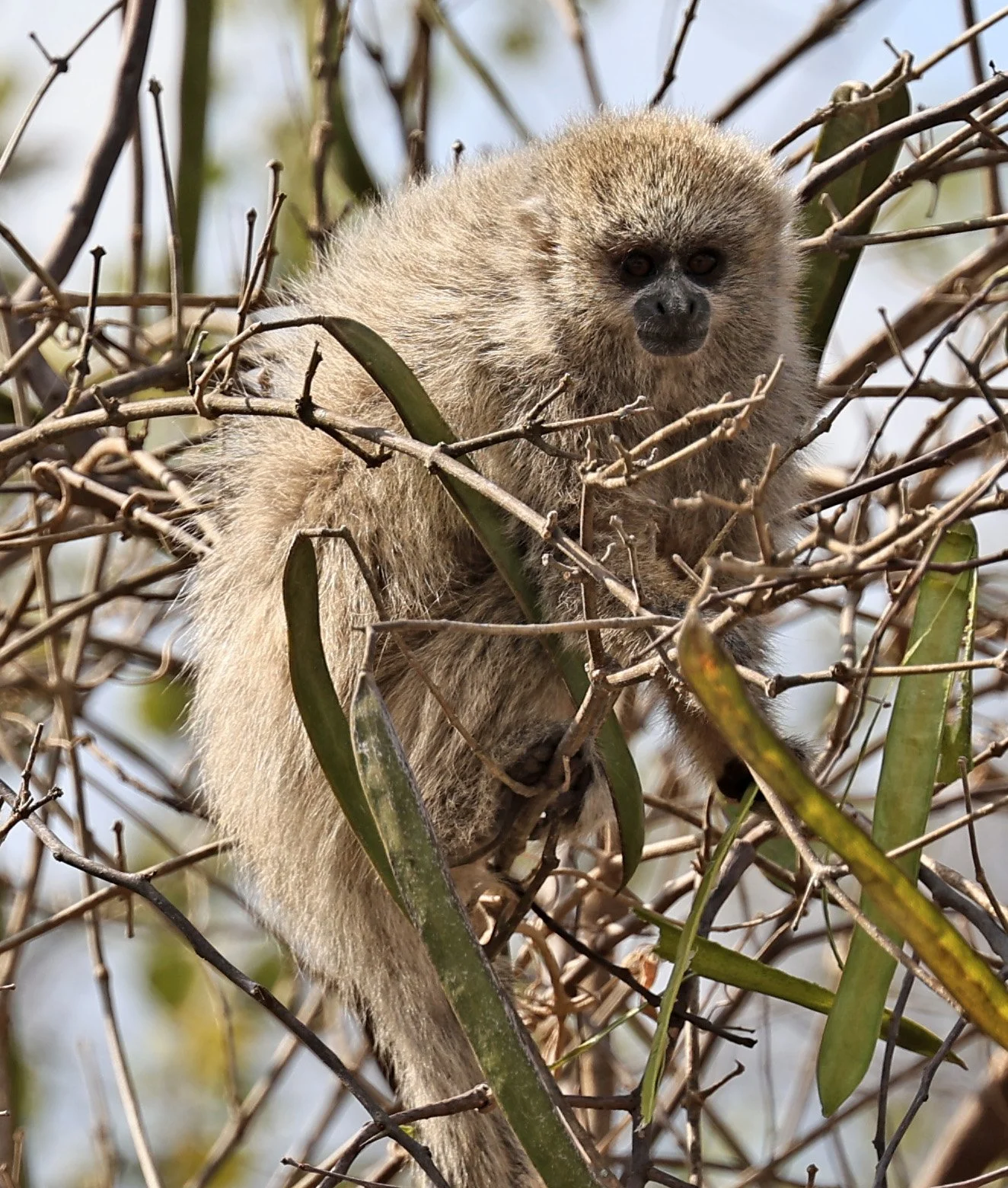
Chacoan Titi (Plecturocebus pallescens)
Thinking Raccoon but also maybe not
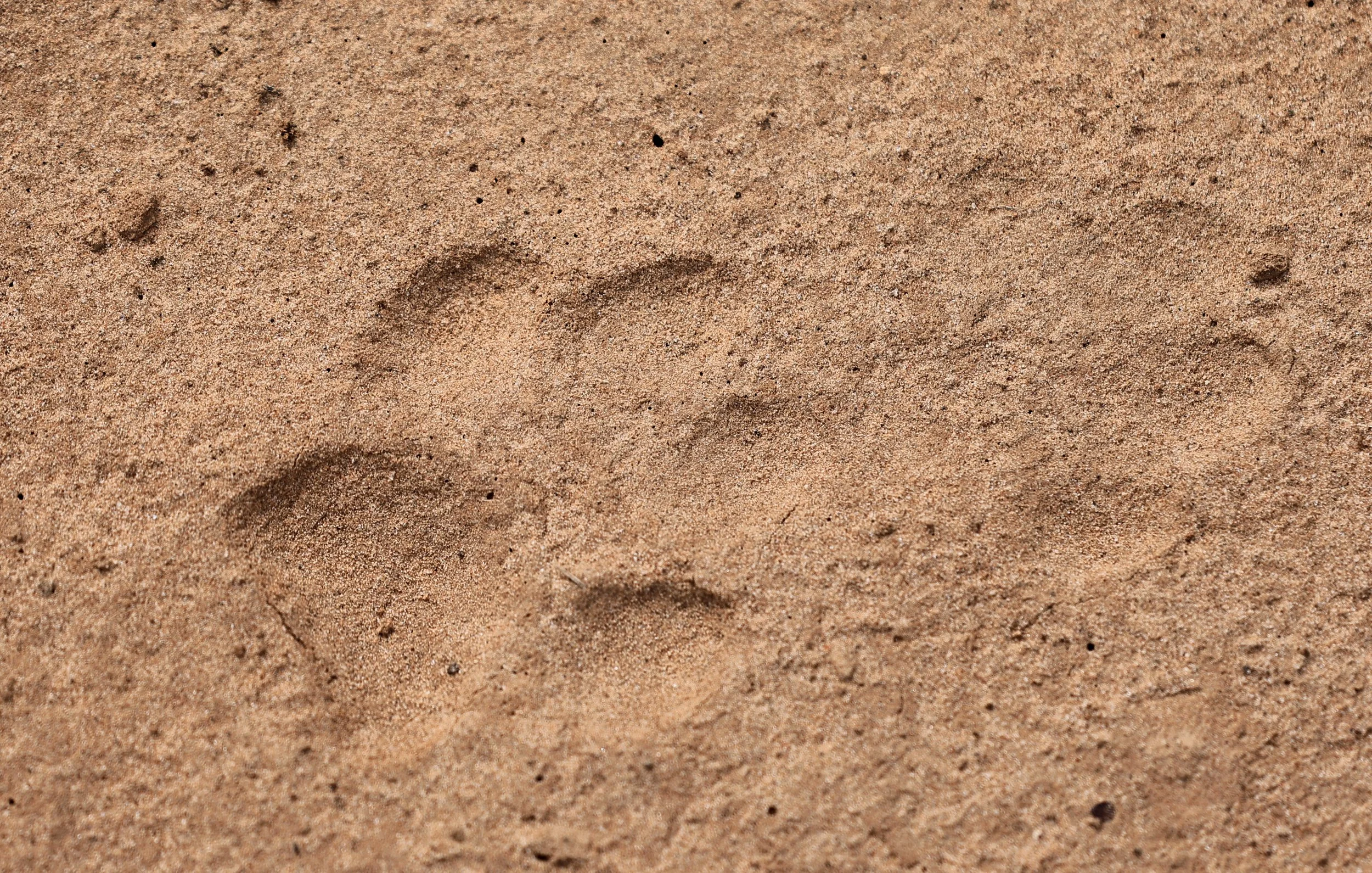
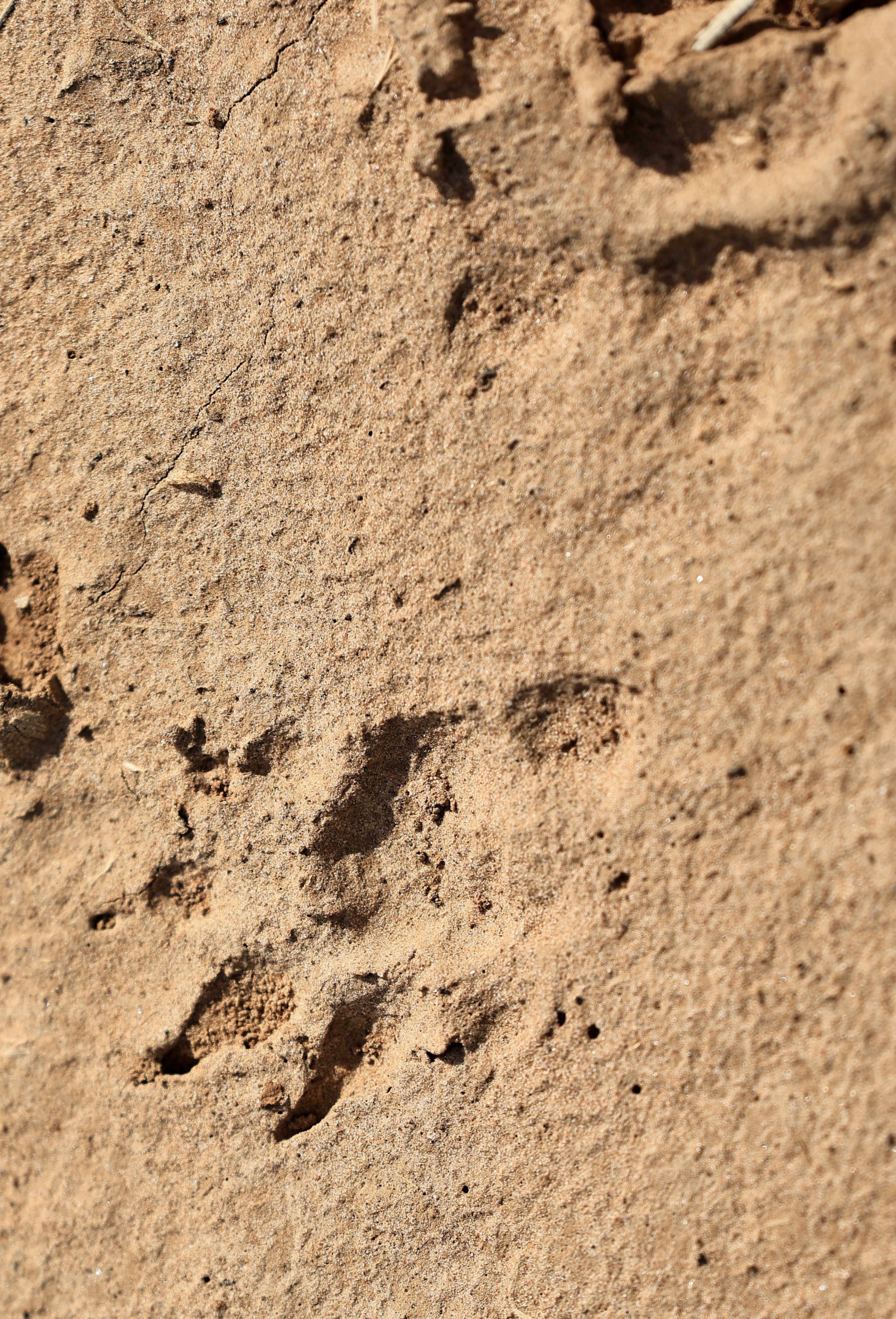
Felid tracks
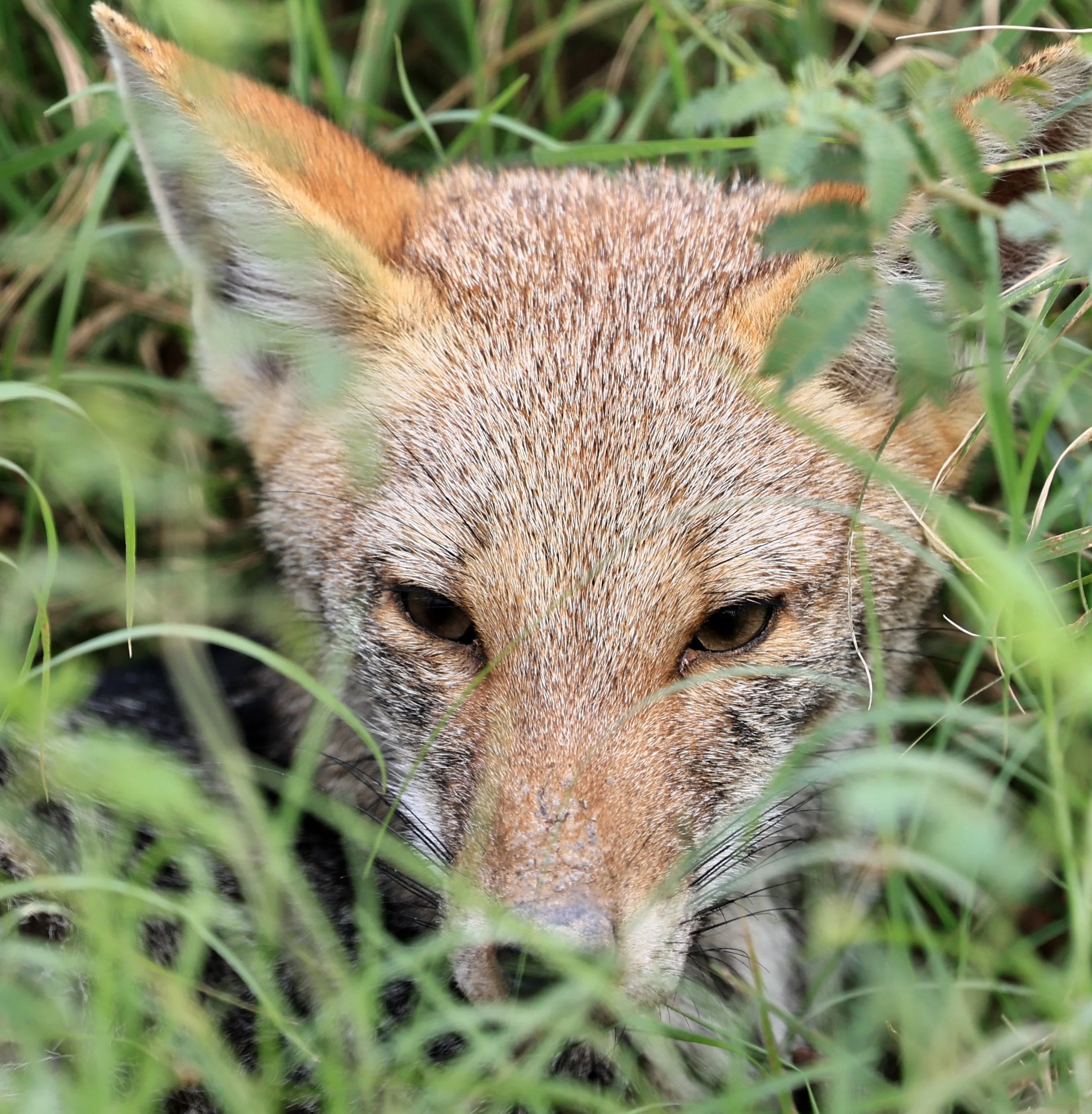
Pampas Fox pretending I don't see it
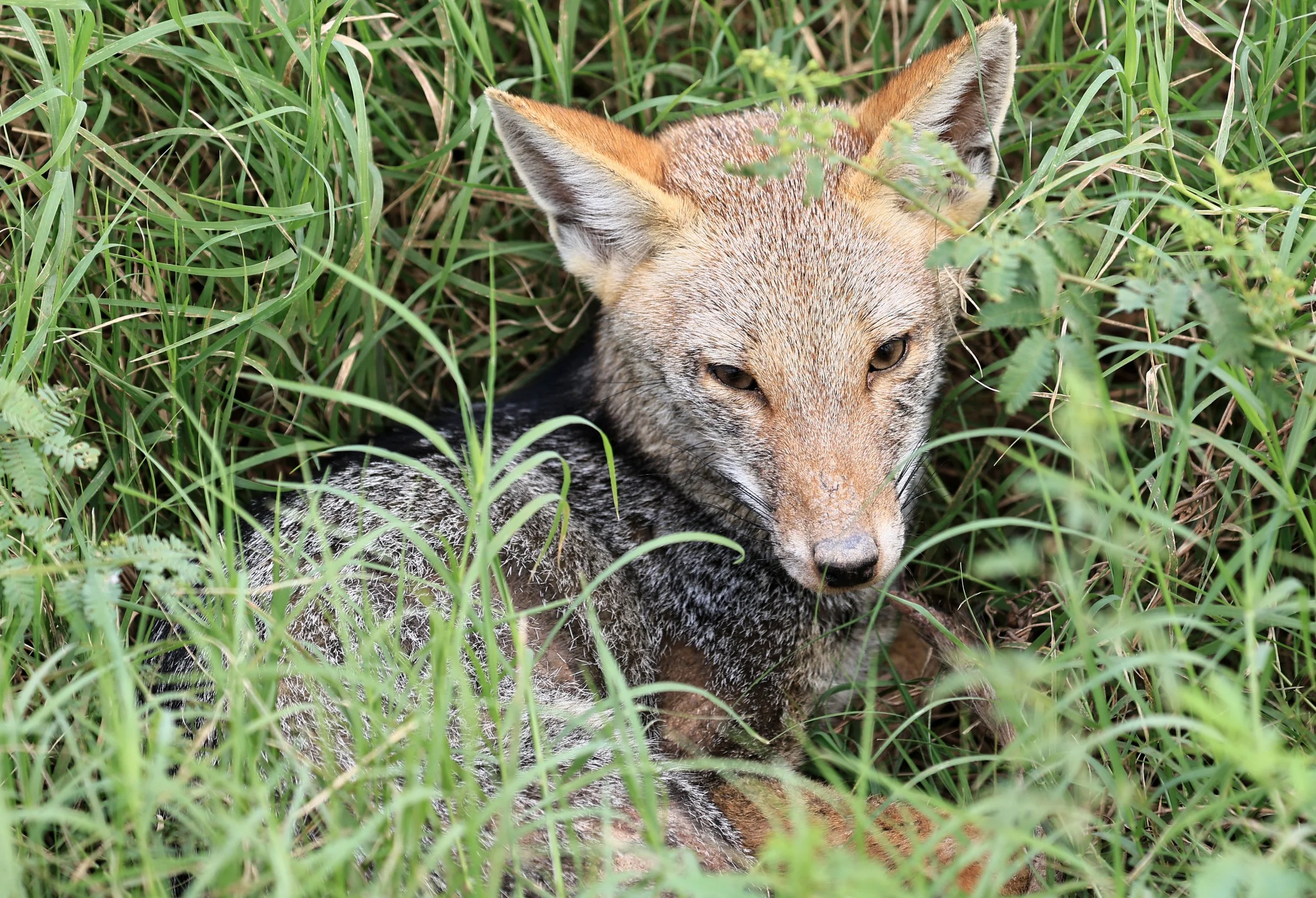
No eye contact
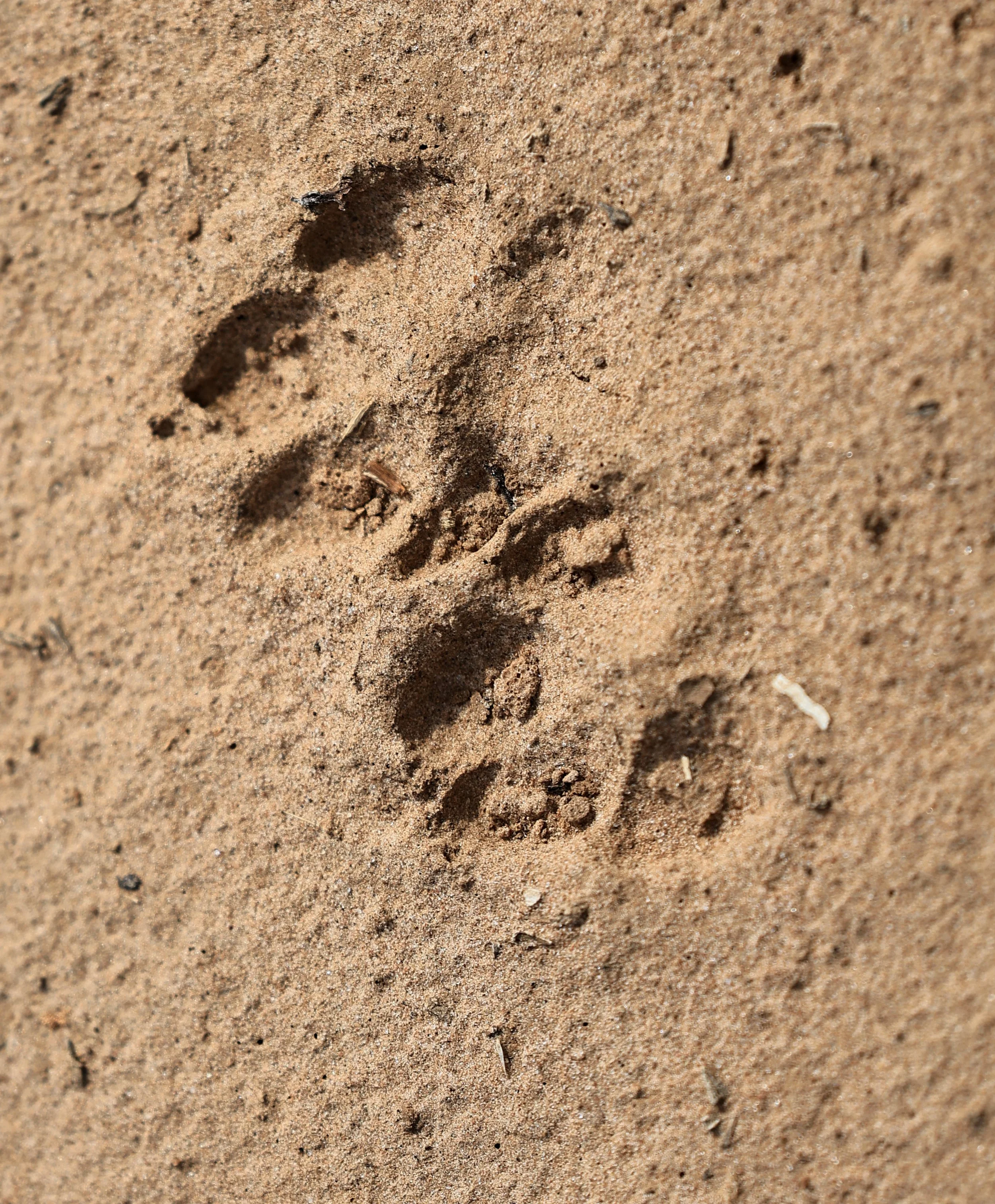
Canid tracks
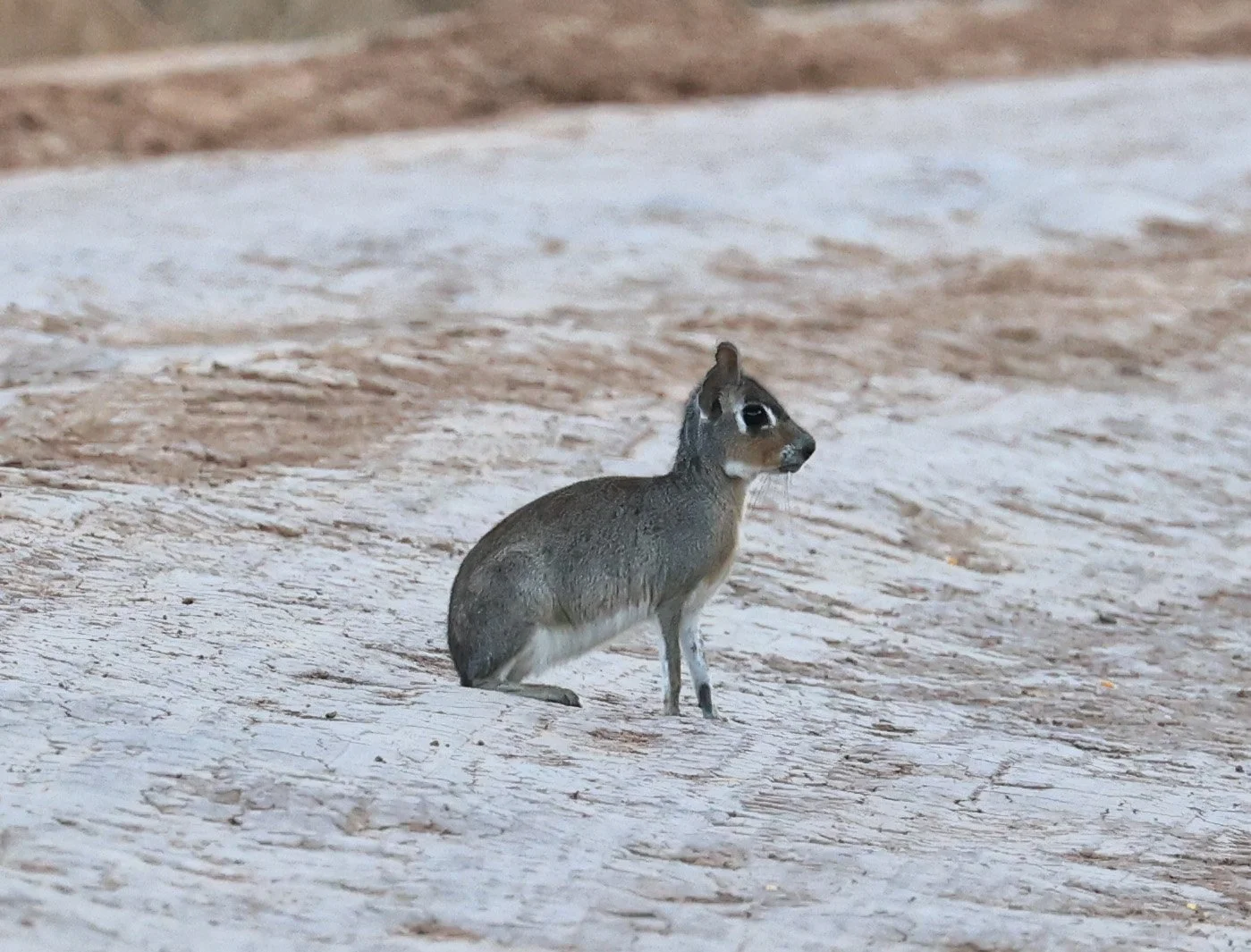
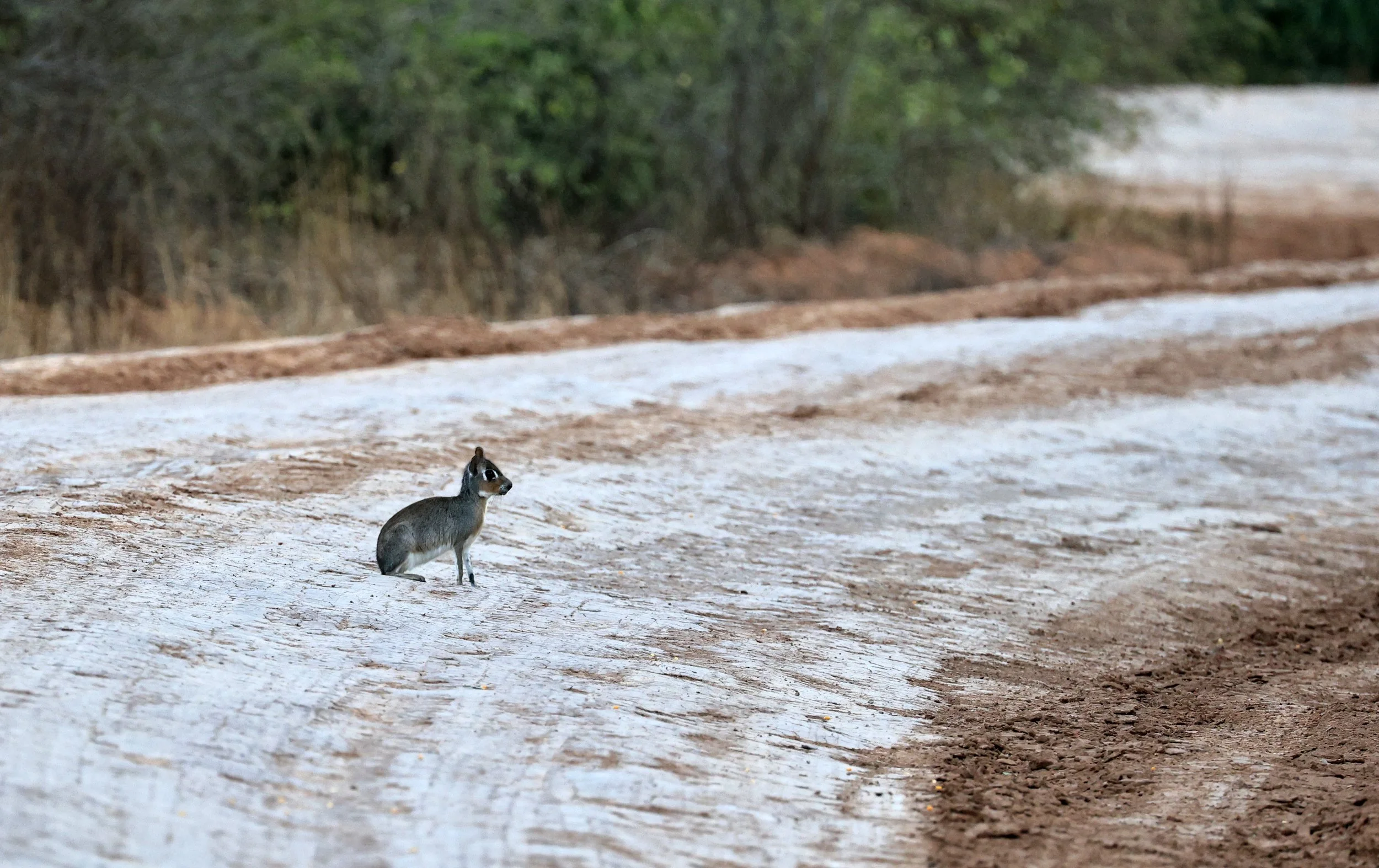
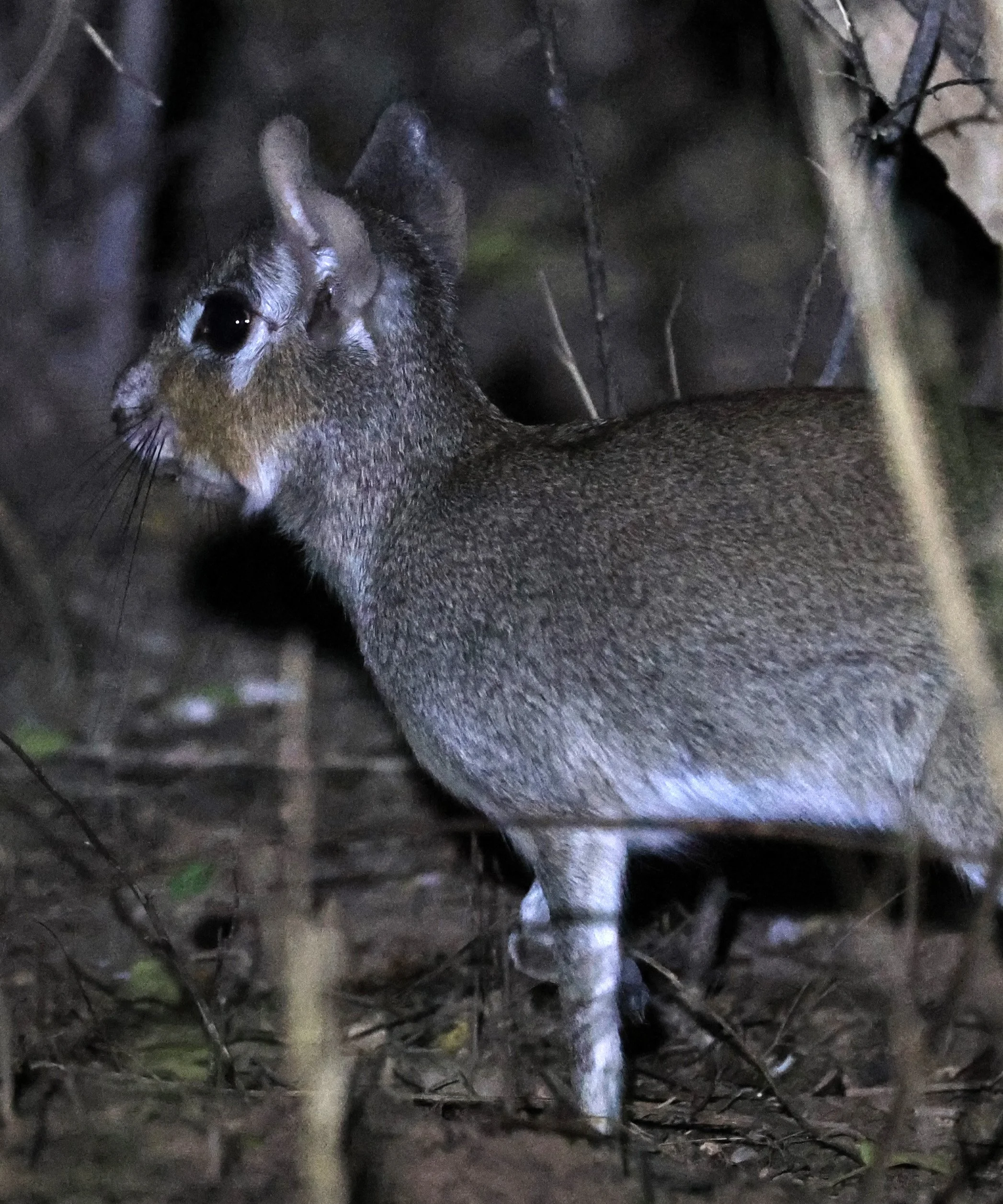
Of course we had more mara!
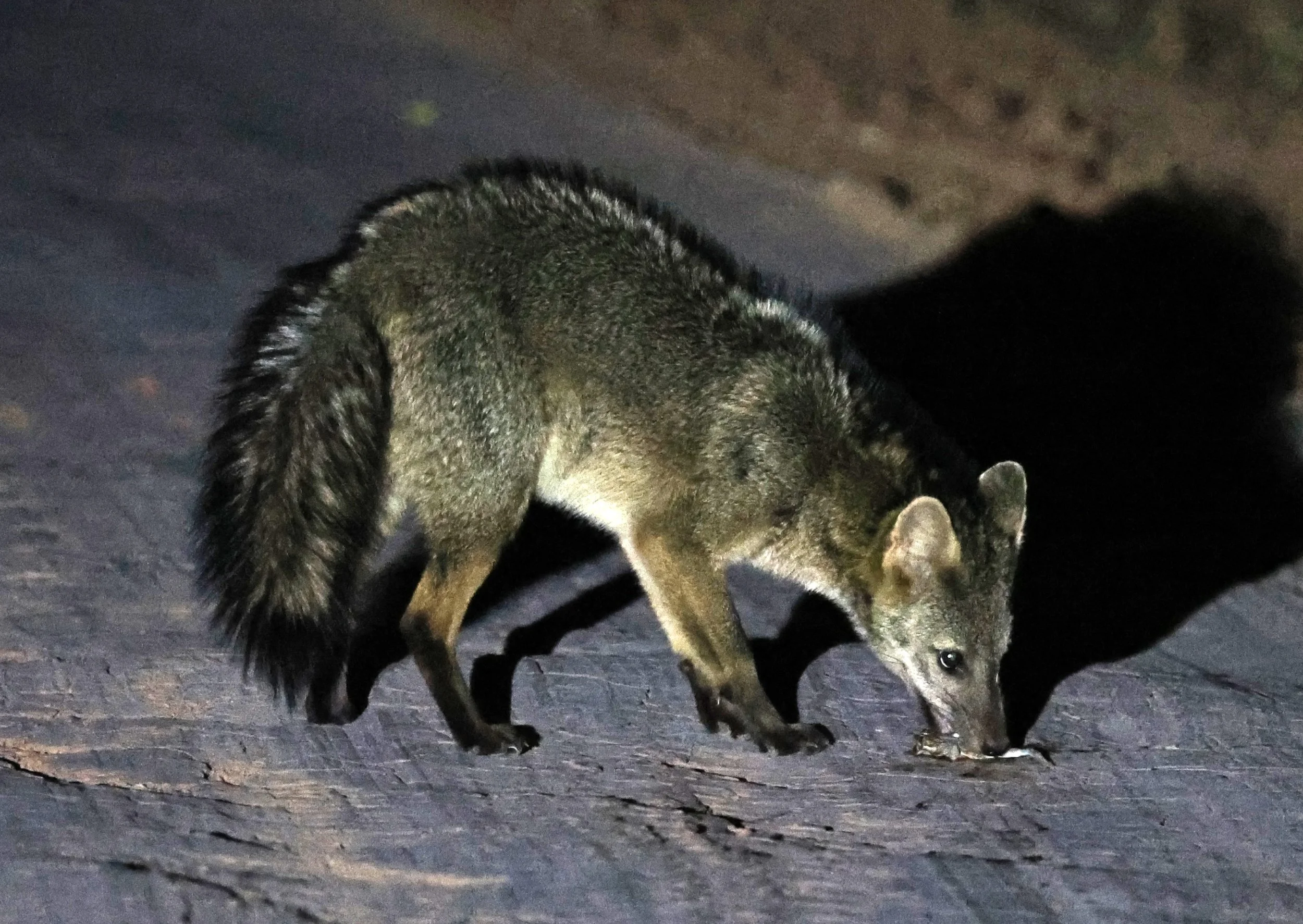
Crab-eating Fox (Cerdocyon thous)
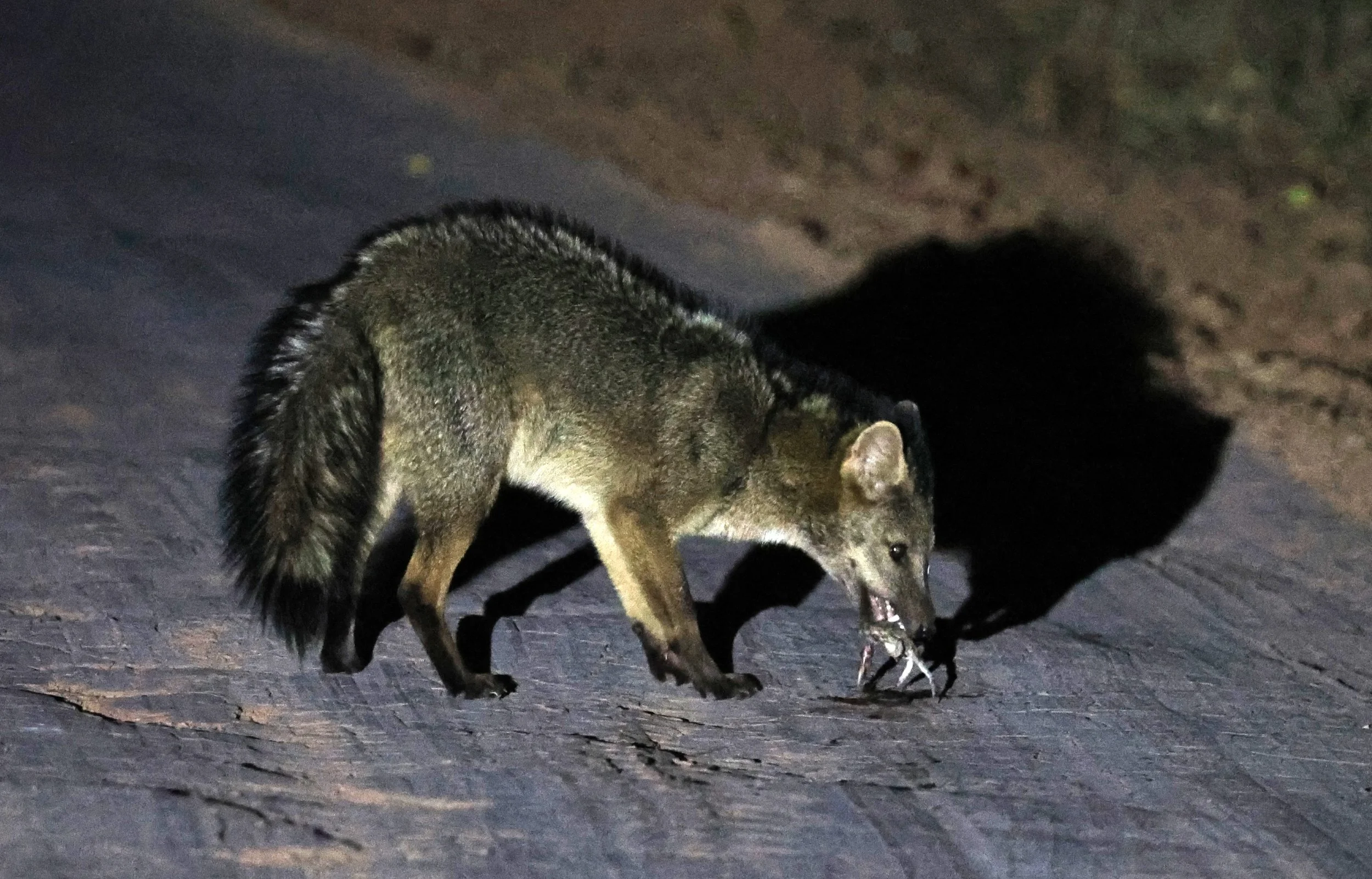
Crab-eating Fox (Cerdocyon thous) eating a frog!
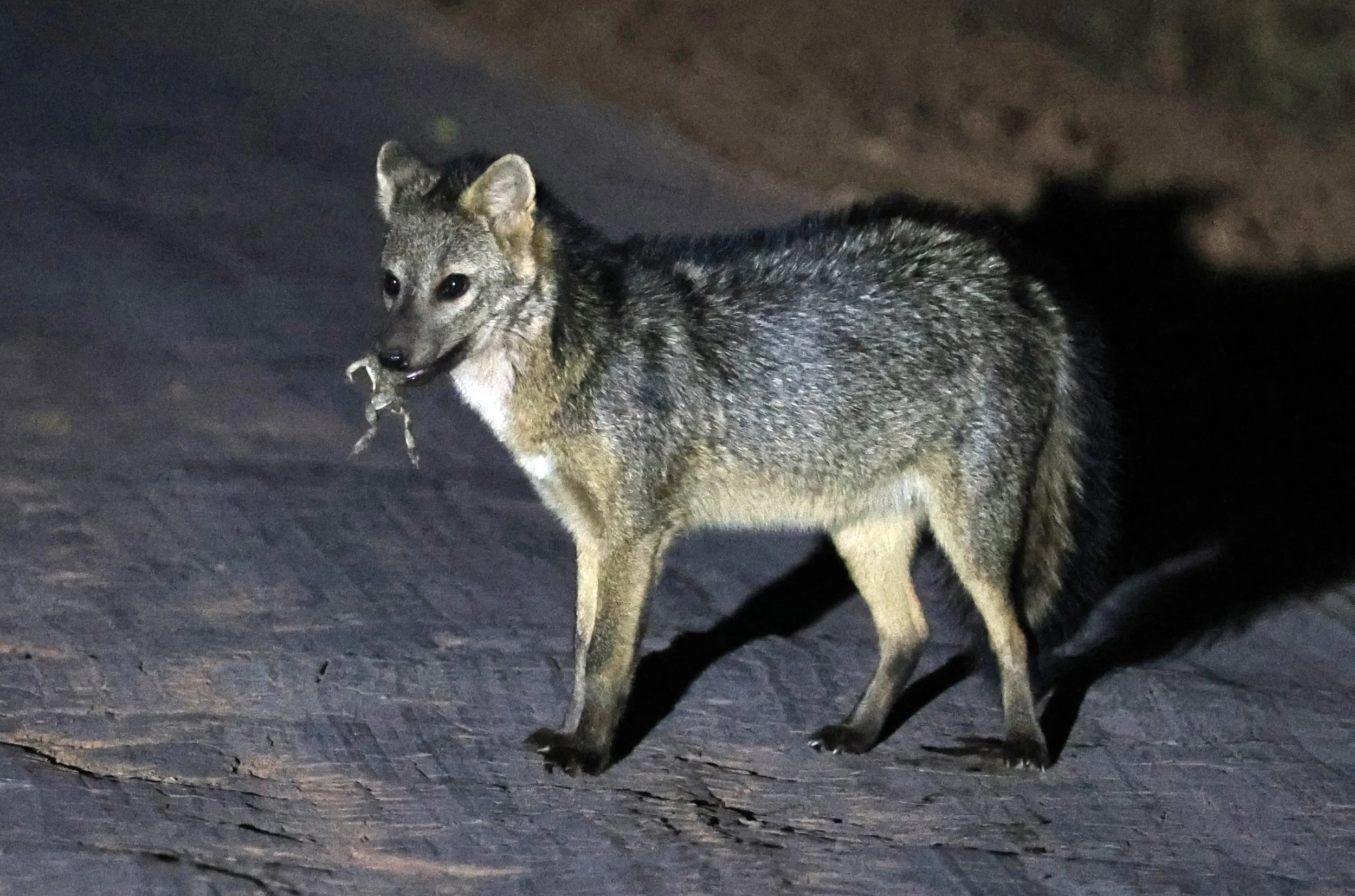
Crab-eating Fox (Cerdocyon thous)
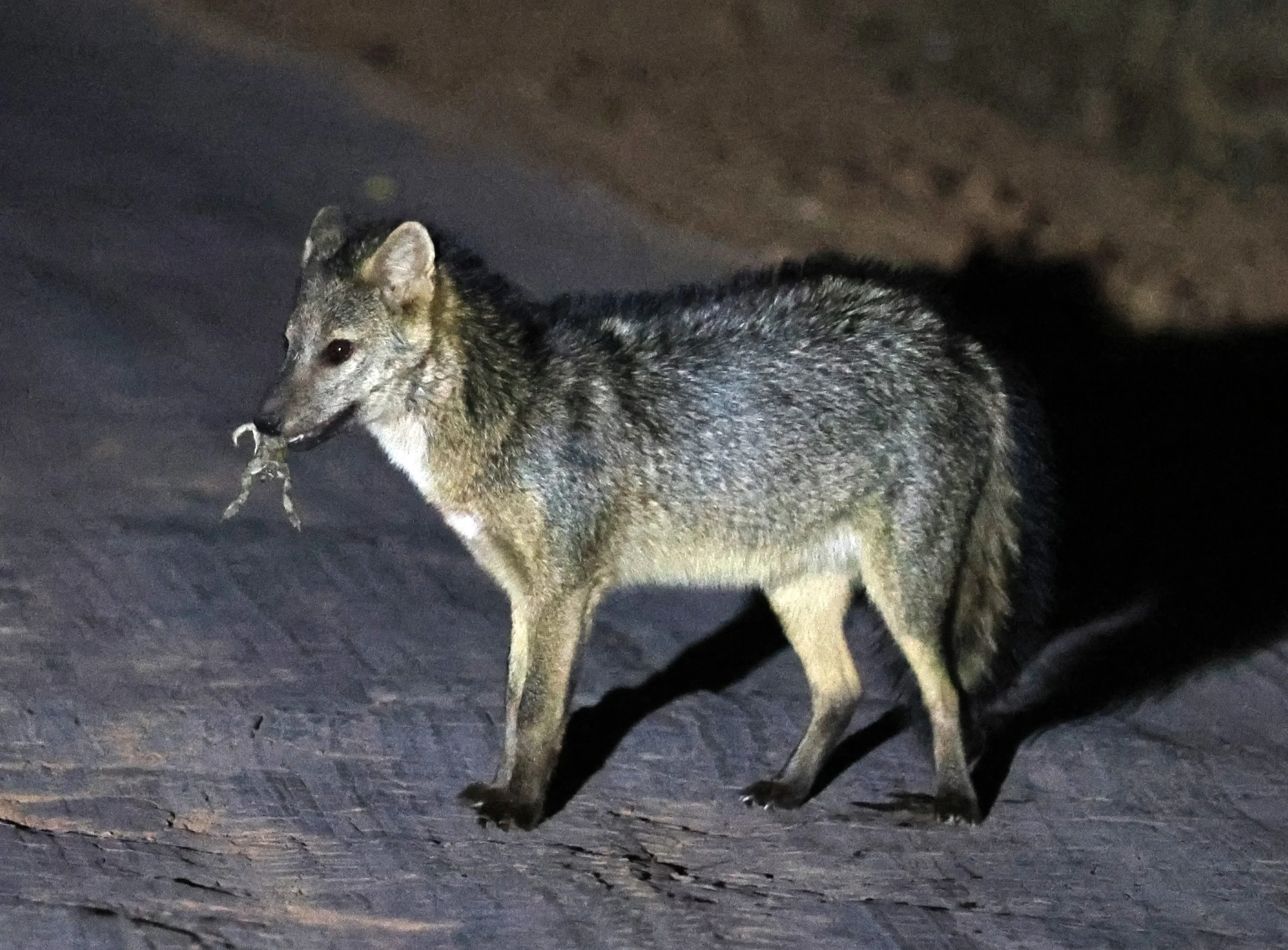
Crab-eating Fox (Cerdocyon thous)
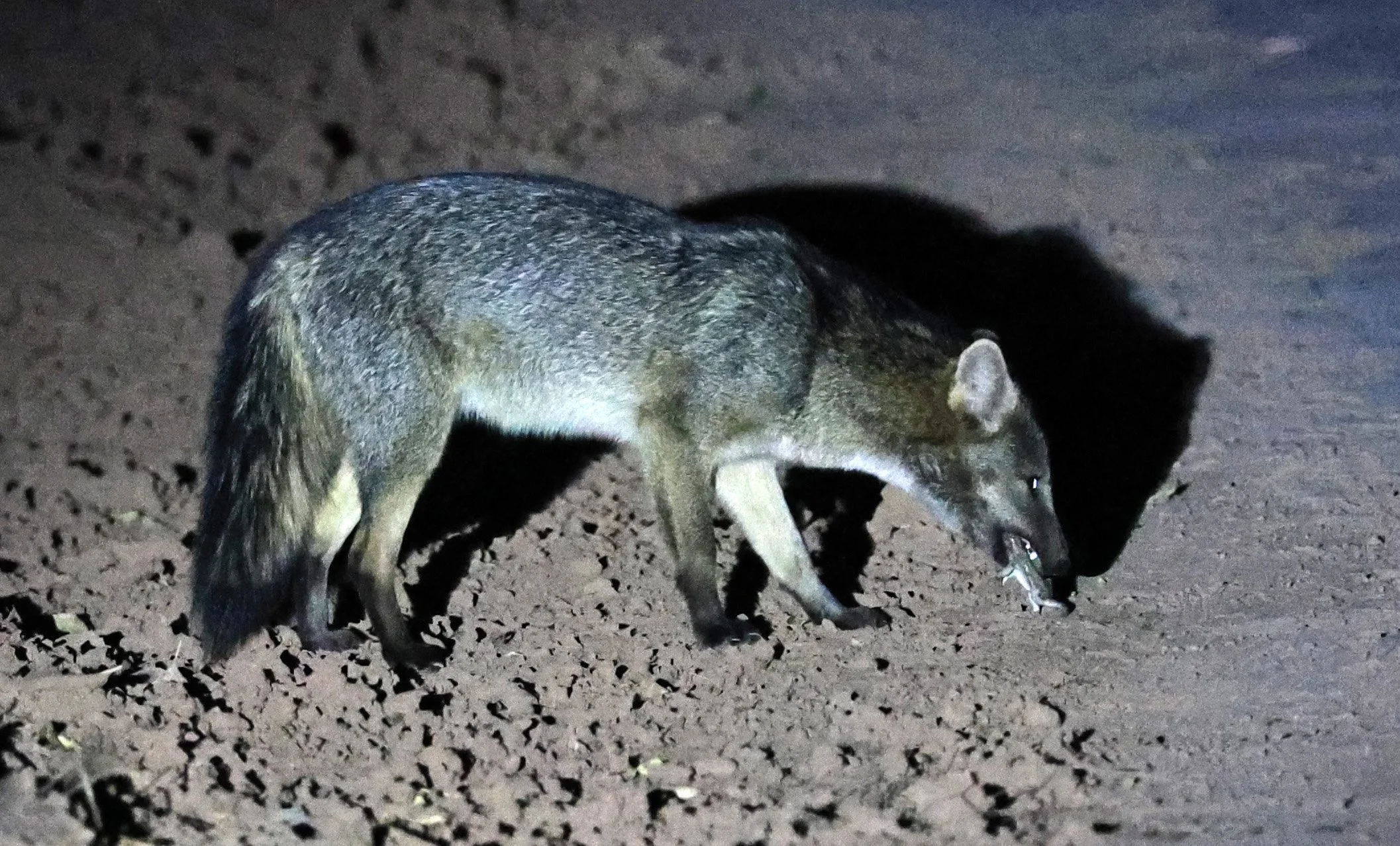
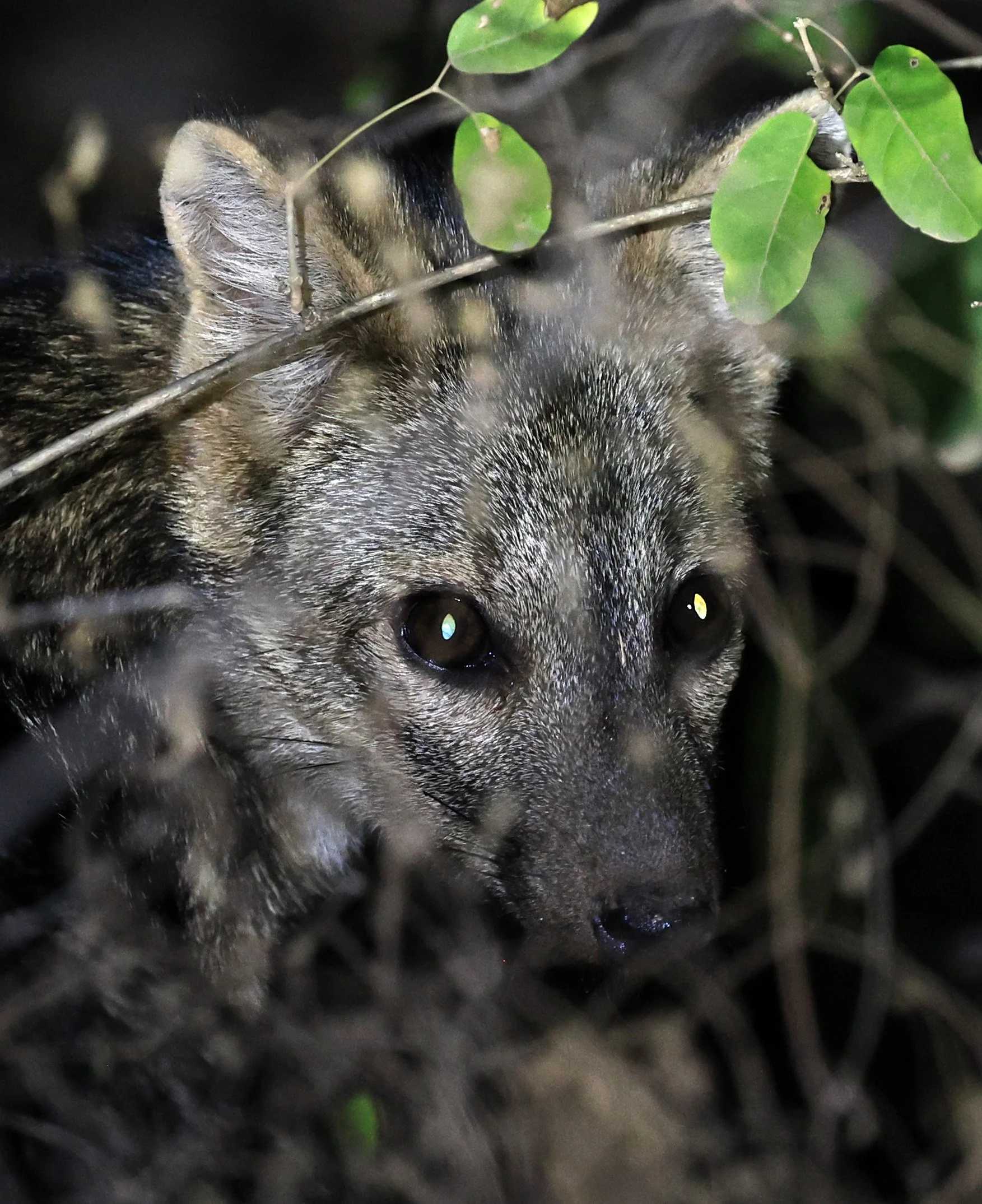
Crab-eating Fox (Cerdocyon thous)
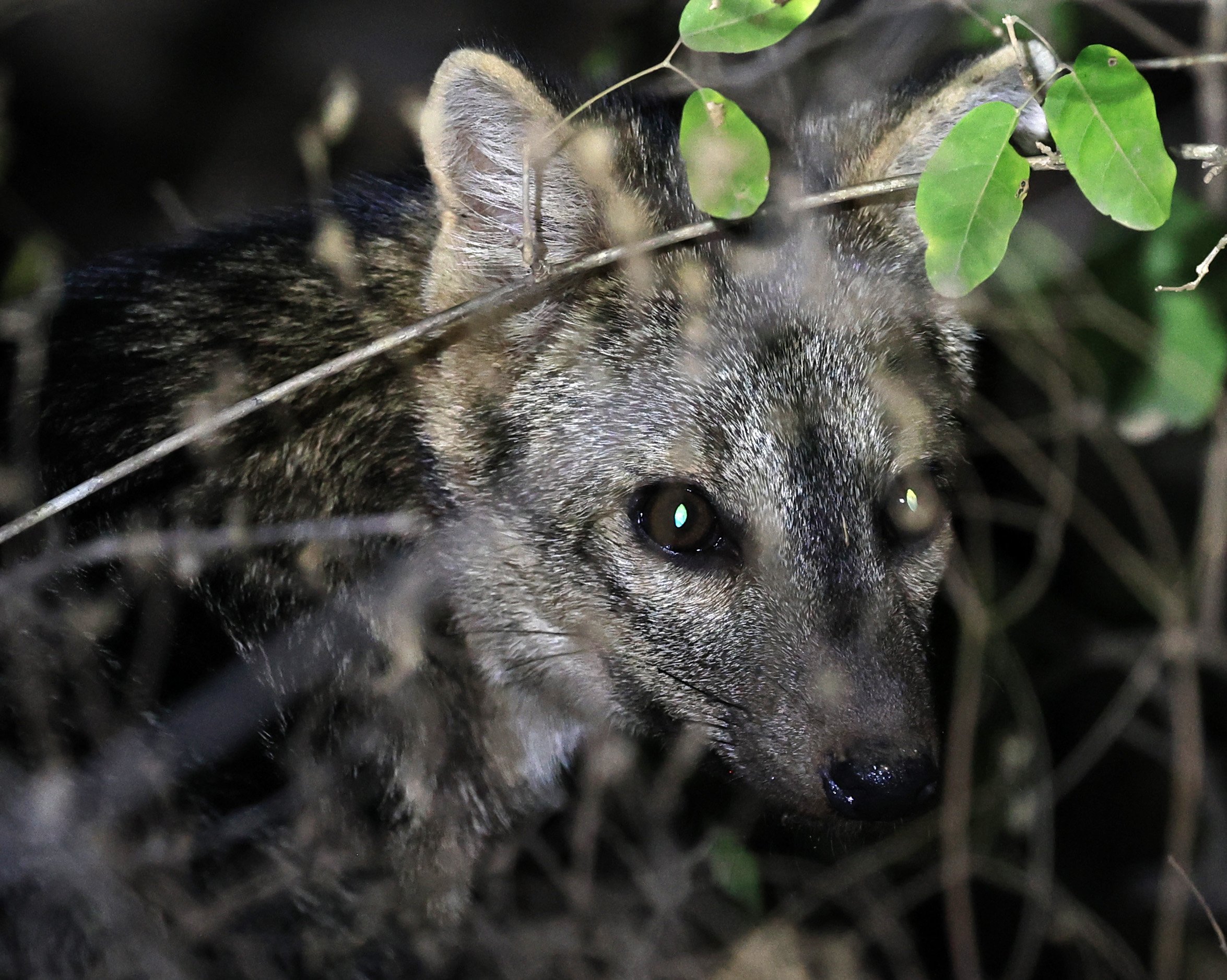
Crab-eating Fox (Cerdocyon thous)

Southern Brown Brocket (Subulo gouazoubira)
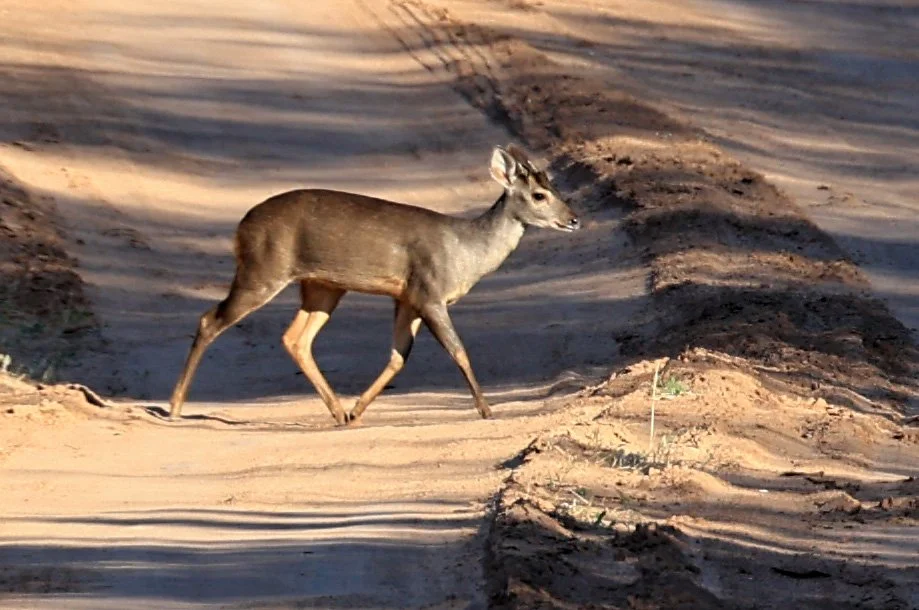
Southern Brown Brocket (Subulo gouazoubira)

Chacoan Titi (Plecturocebus pallescens) - our first sighting on day 1.

Chacoan Titi (Plecturocebus pallescens)

Chacoan Titi (Plecturocebus pallescens)

Birds & Herps of Agua Dulce
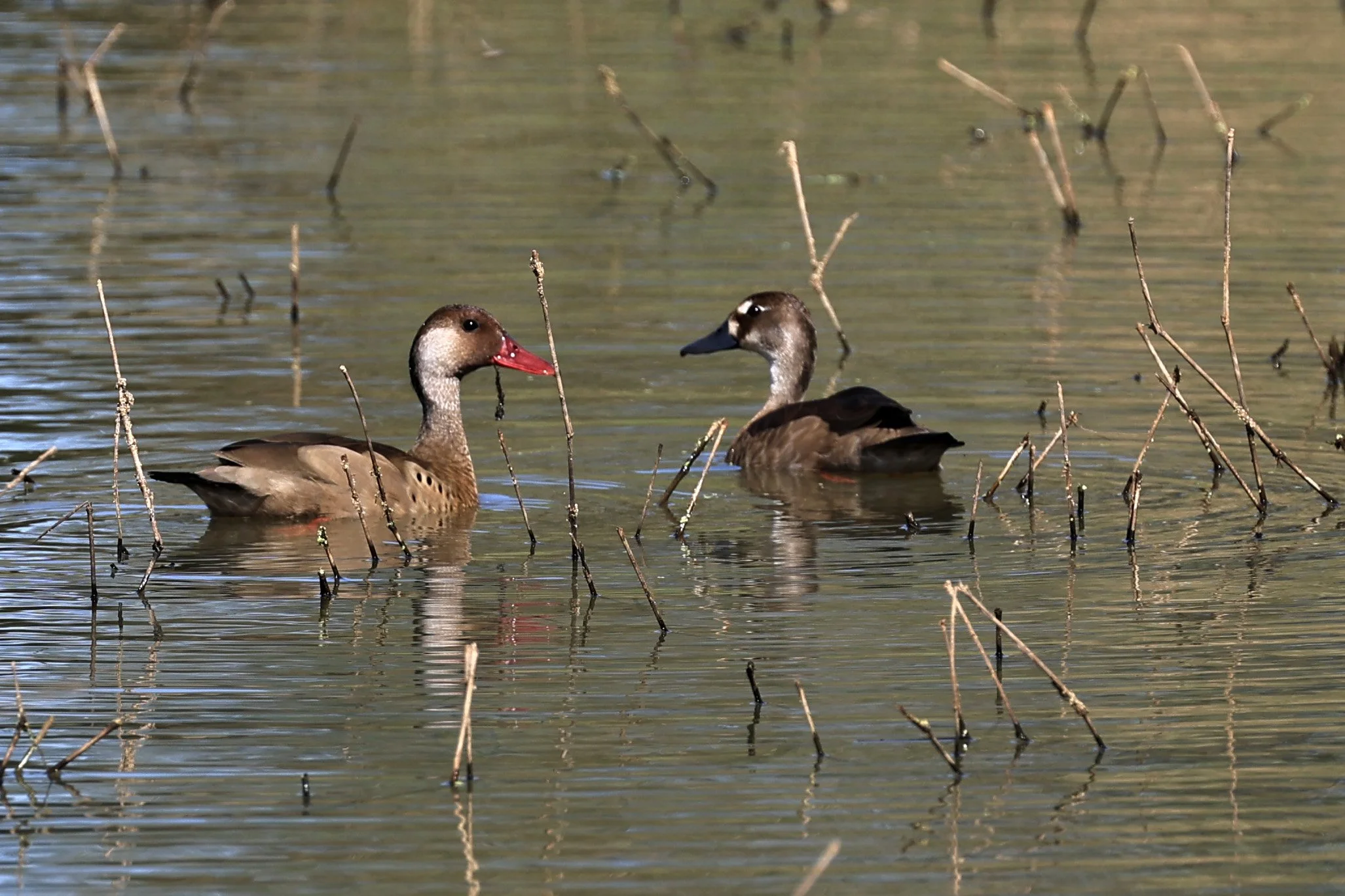
Brazilian Teal (Amazonetta brasiliensis)
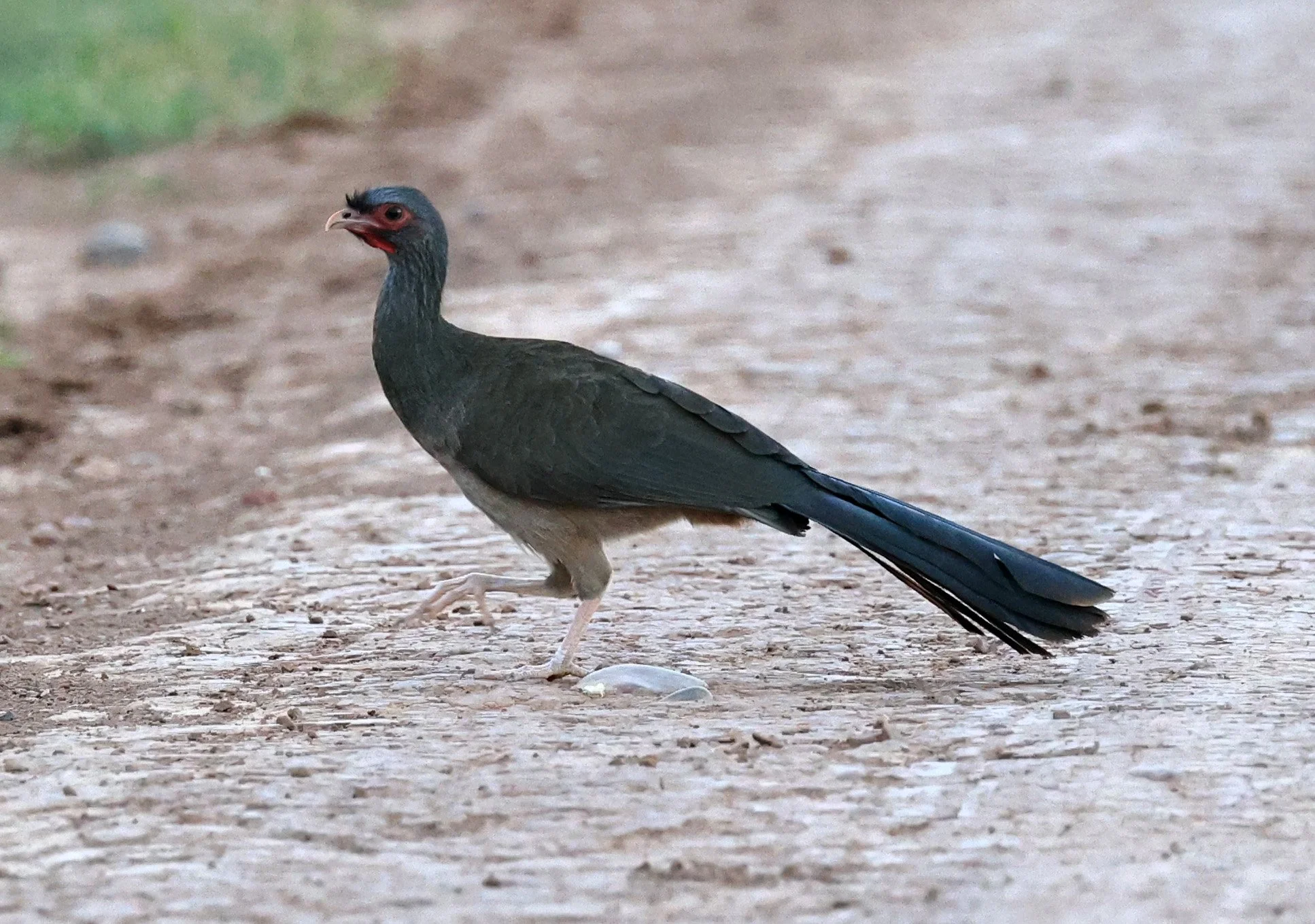
Chaco chachalaca (Ortalis canicollis)
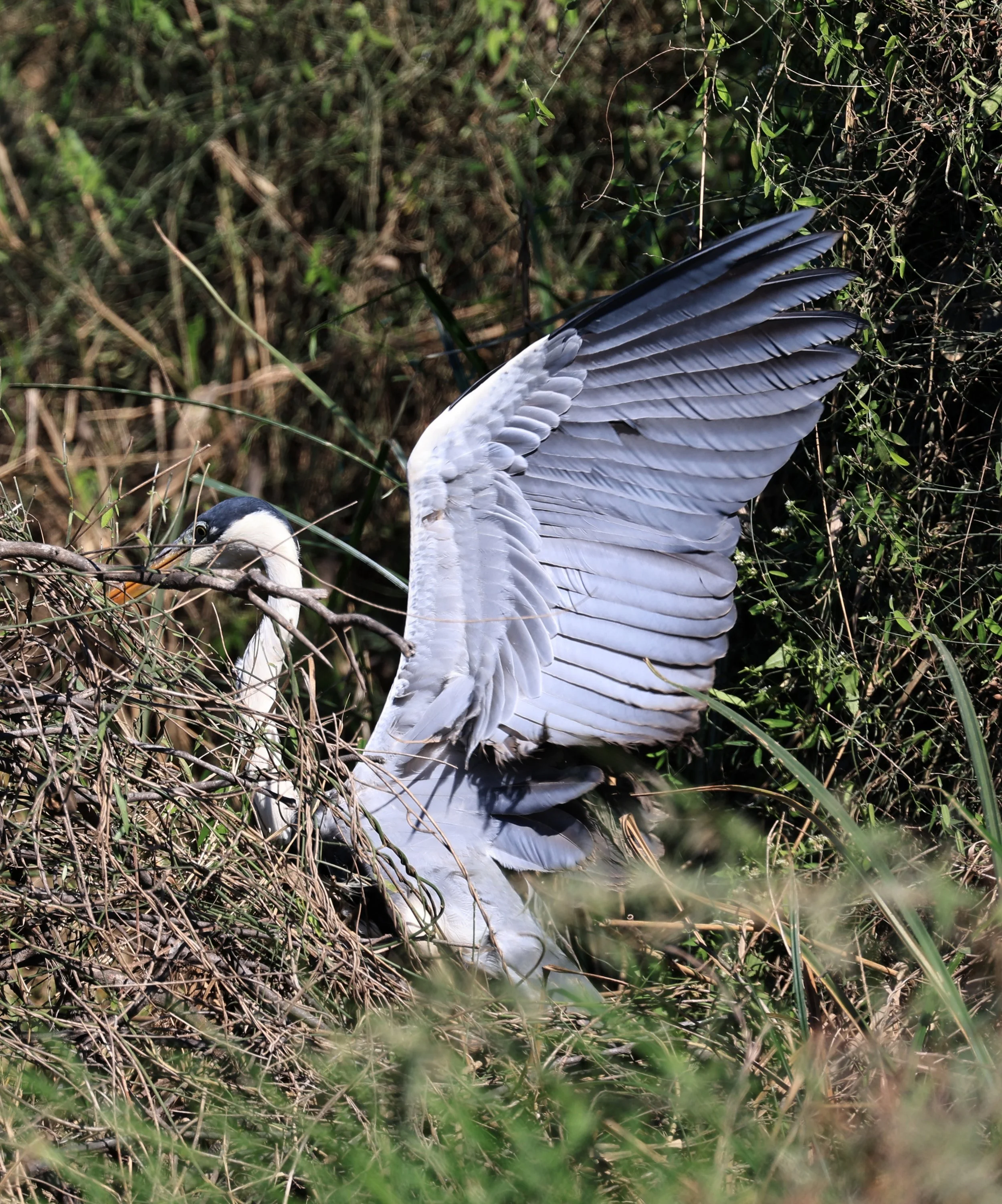
Cocoi Heron (Ardea cocoi)
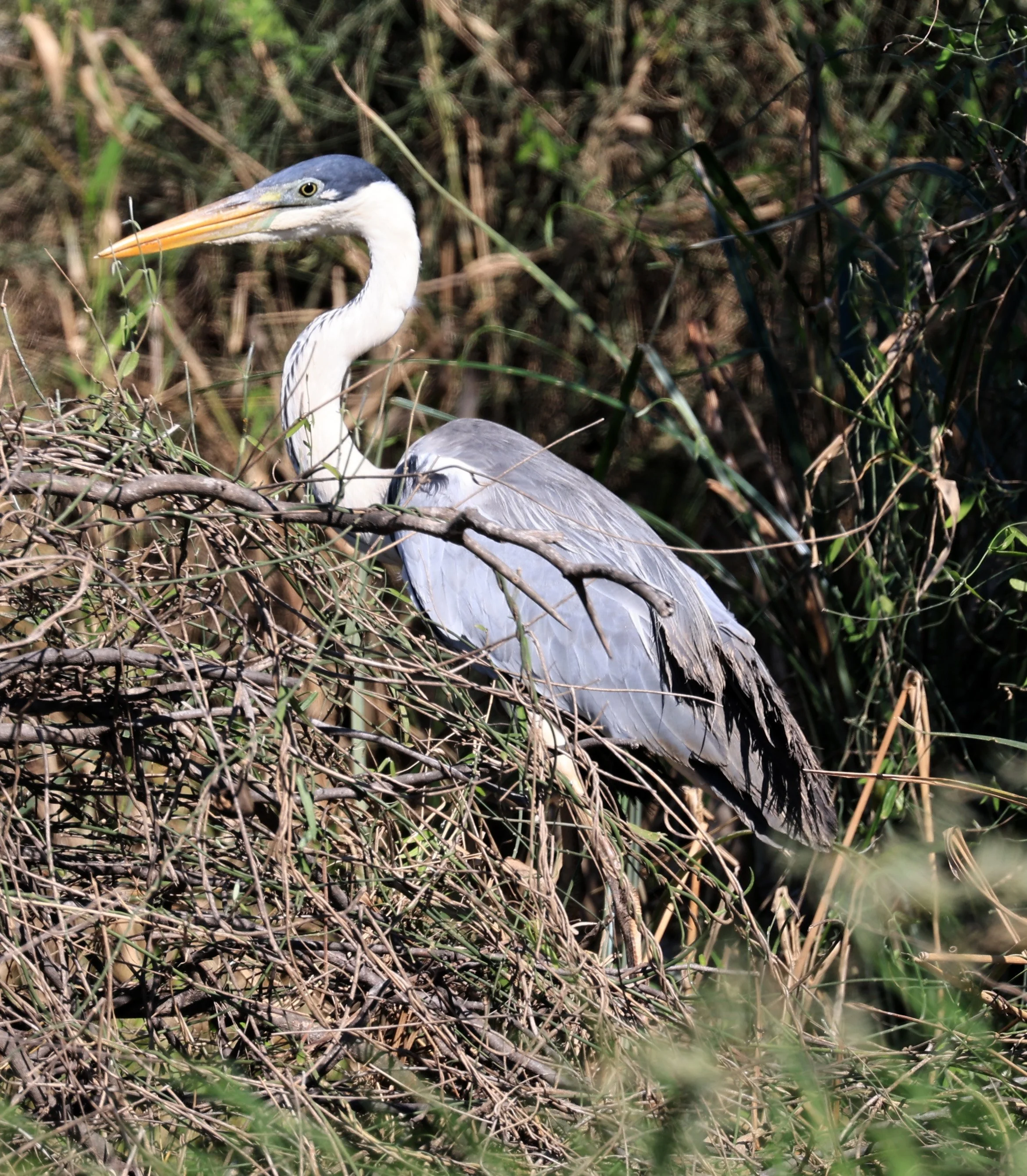
Cocoi Heron (Ardea cocoi)
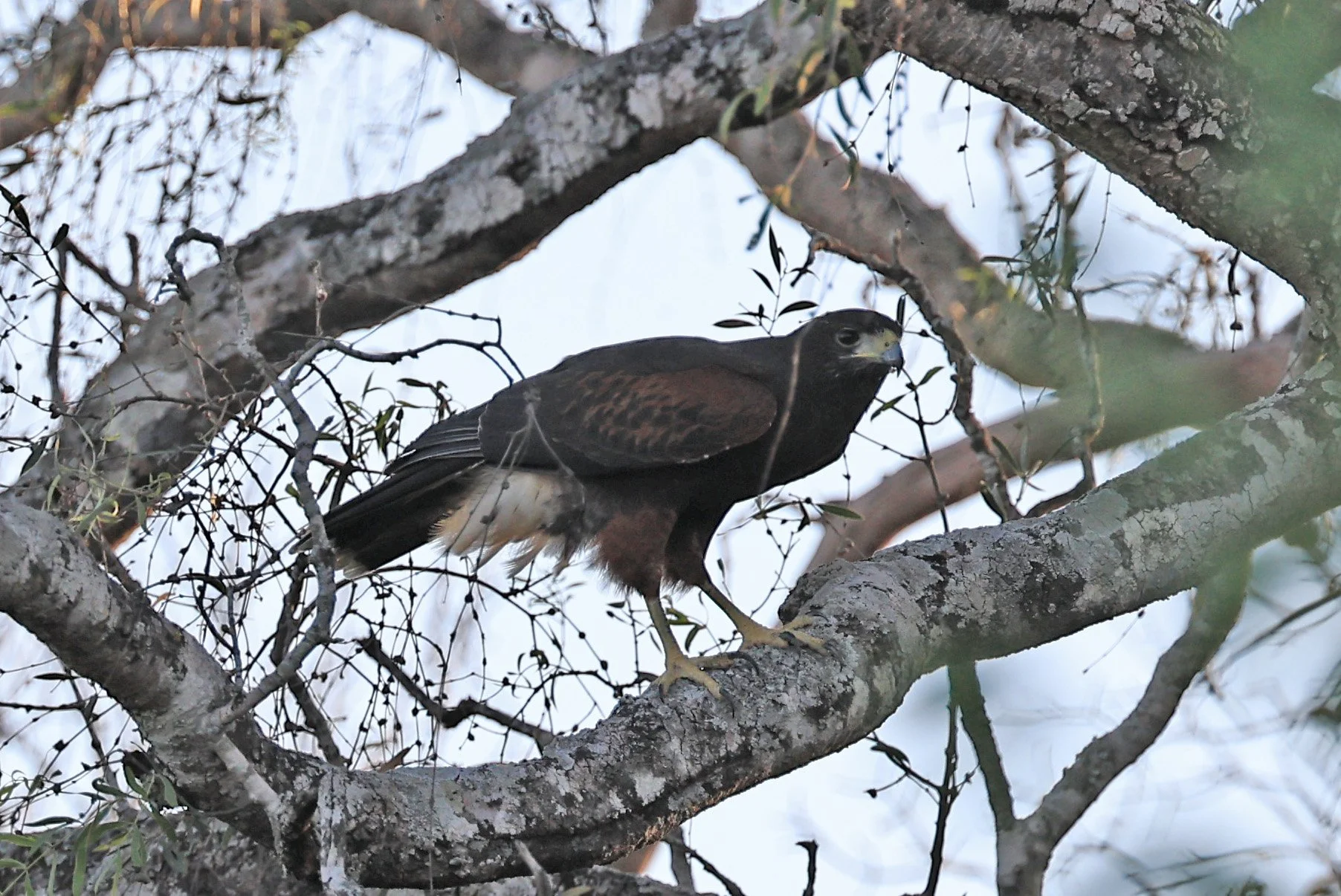
Harris's hawk (Parabuteo unicinctus)
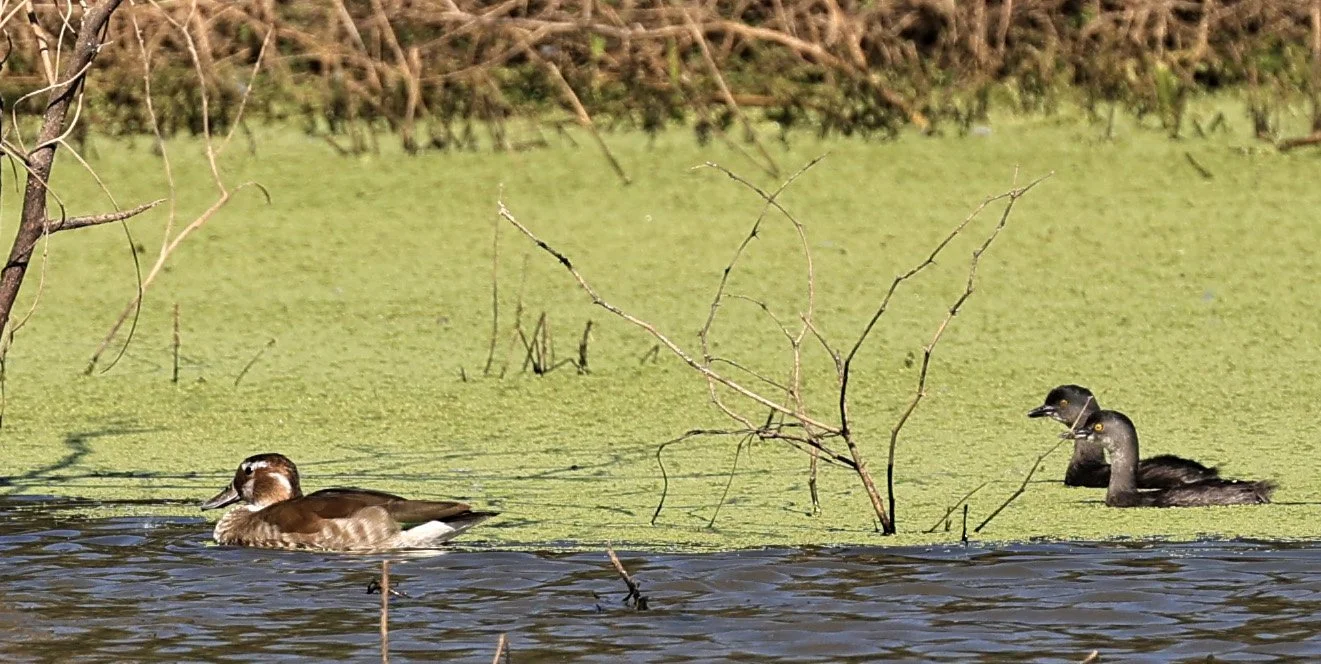
Least Grebe (Tachybaptus dominicus) and Brazilian Teal
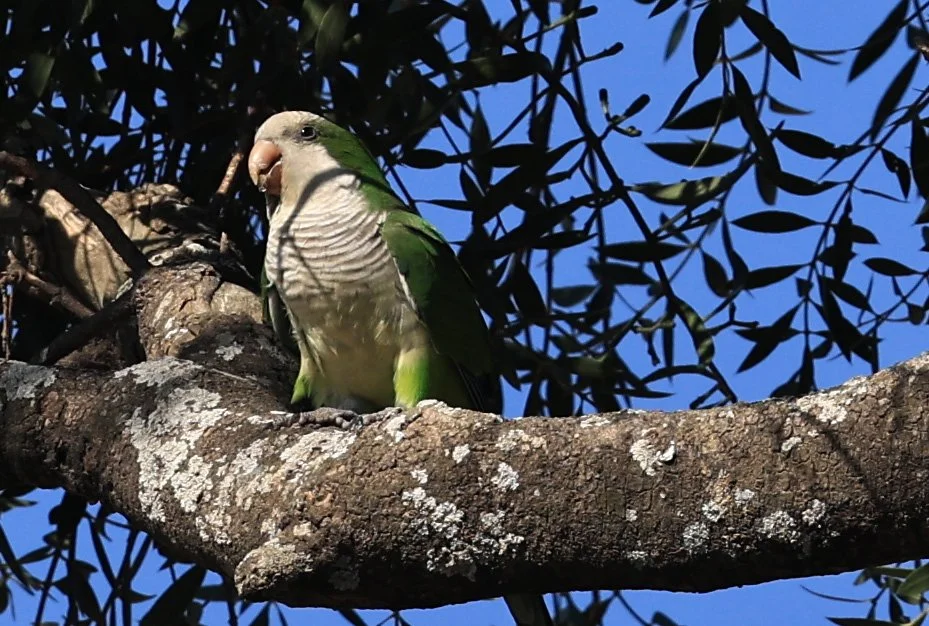
Monk Parakeet (Myiopsitta monachus)
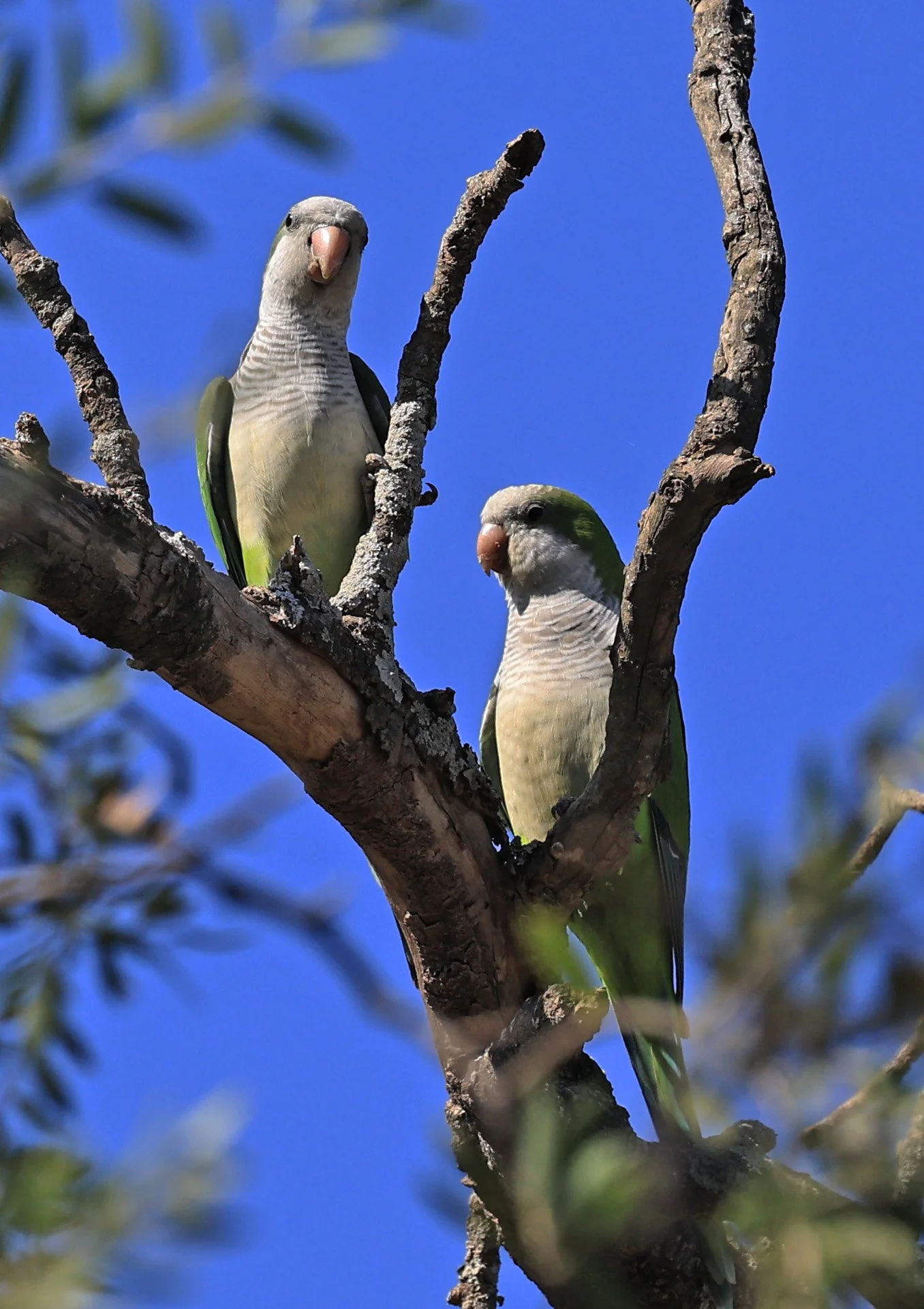
Monk Parakeet (Myiopsitta monachus)
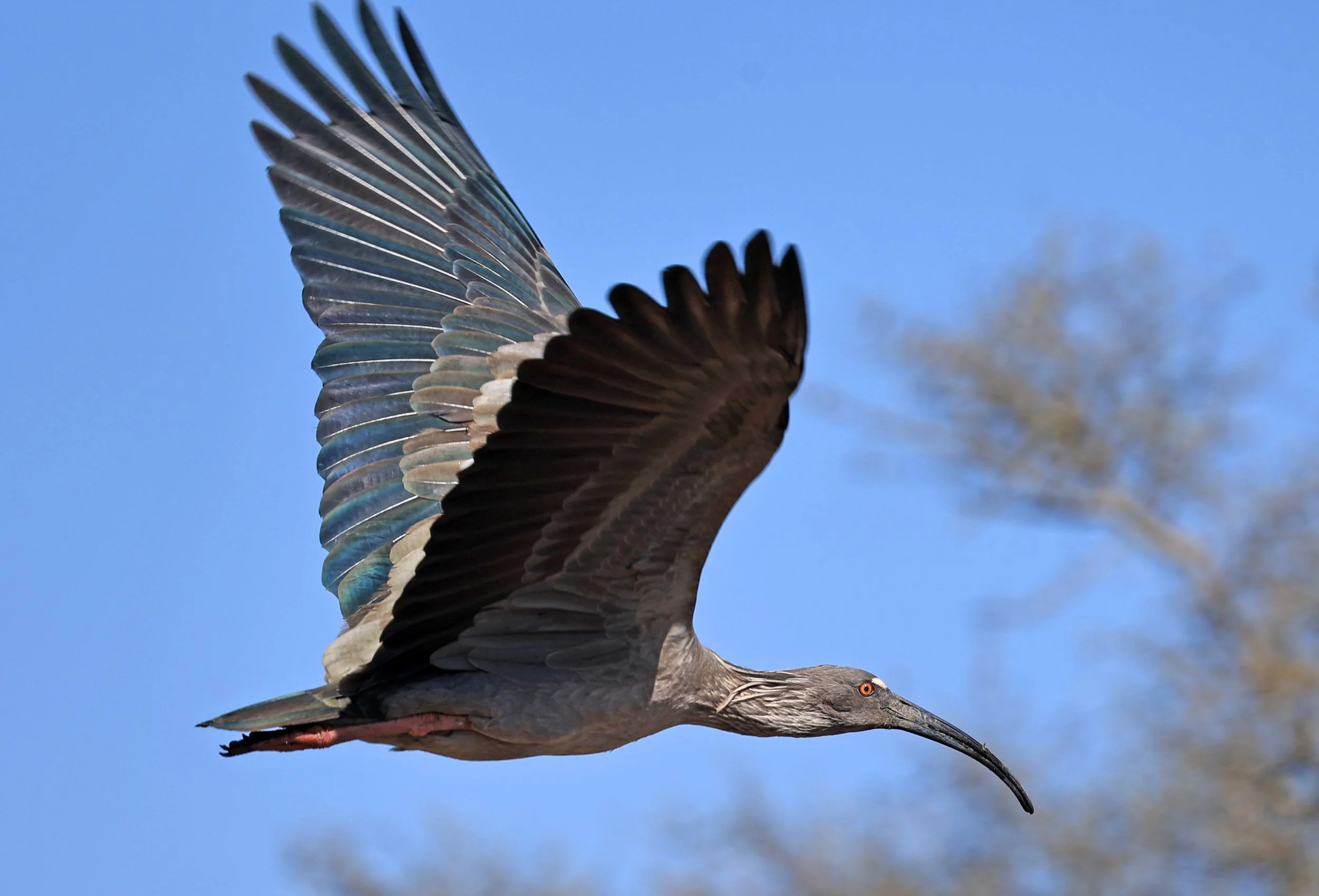
Plumbeous Ibis (Theristicus caerulescens)
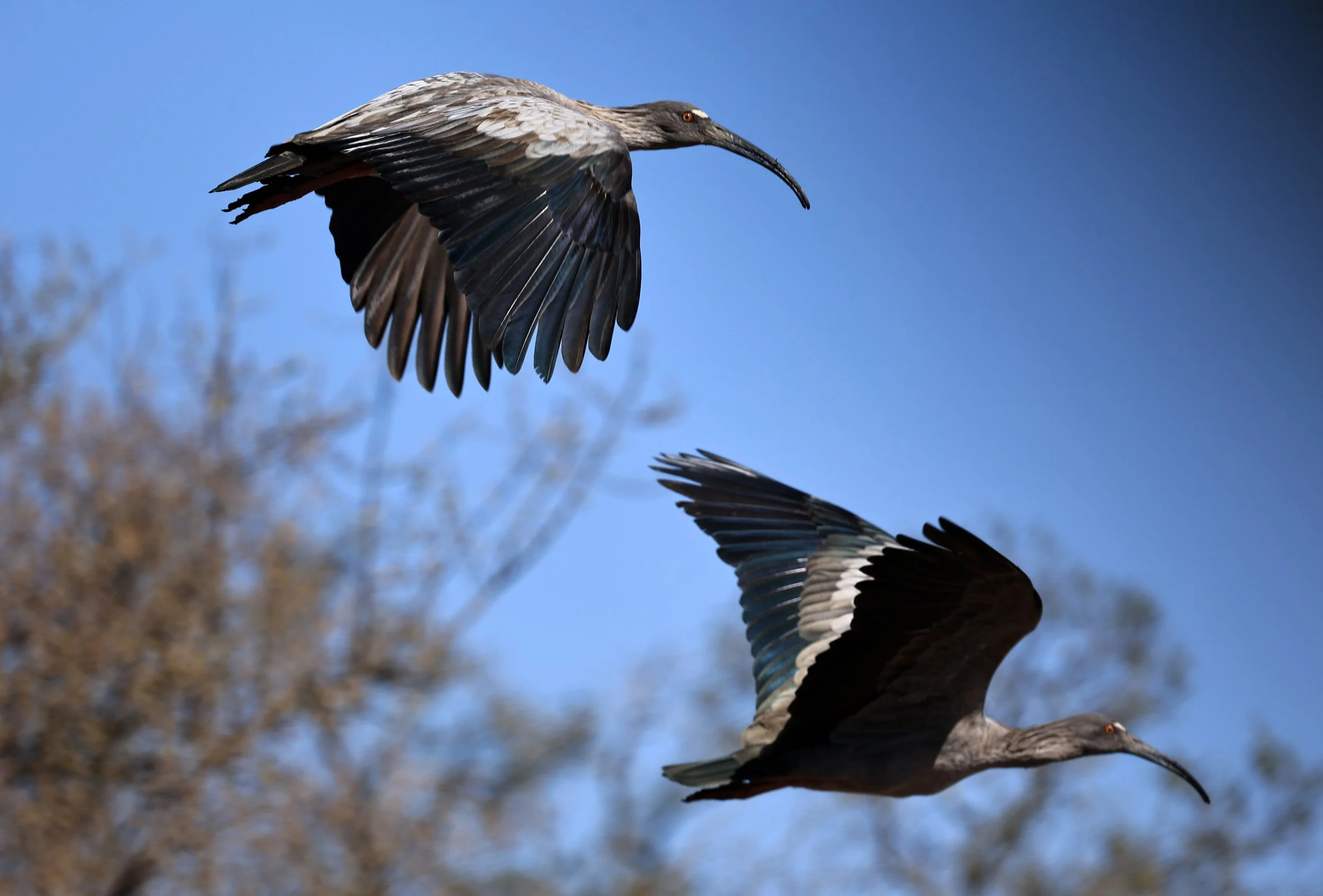
Plumbeous Ibis (Theristicus caerulescens)
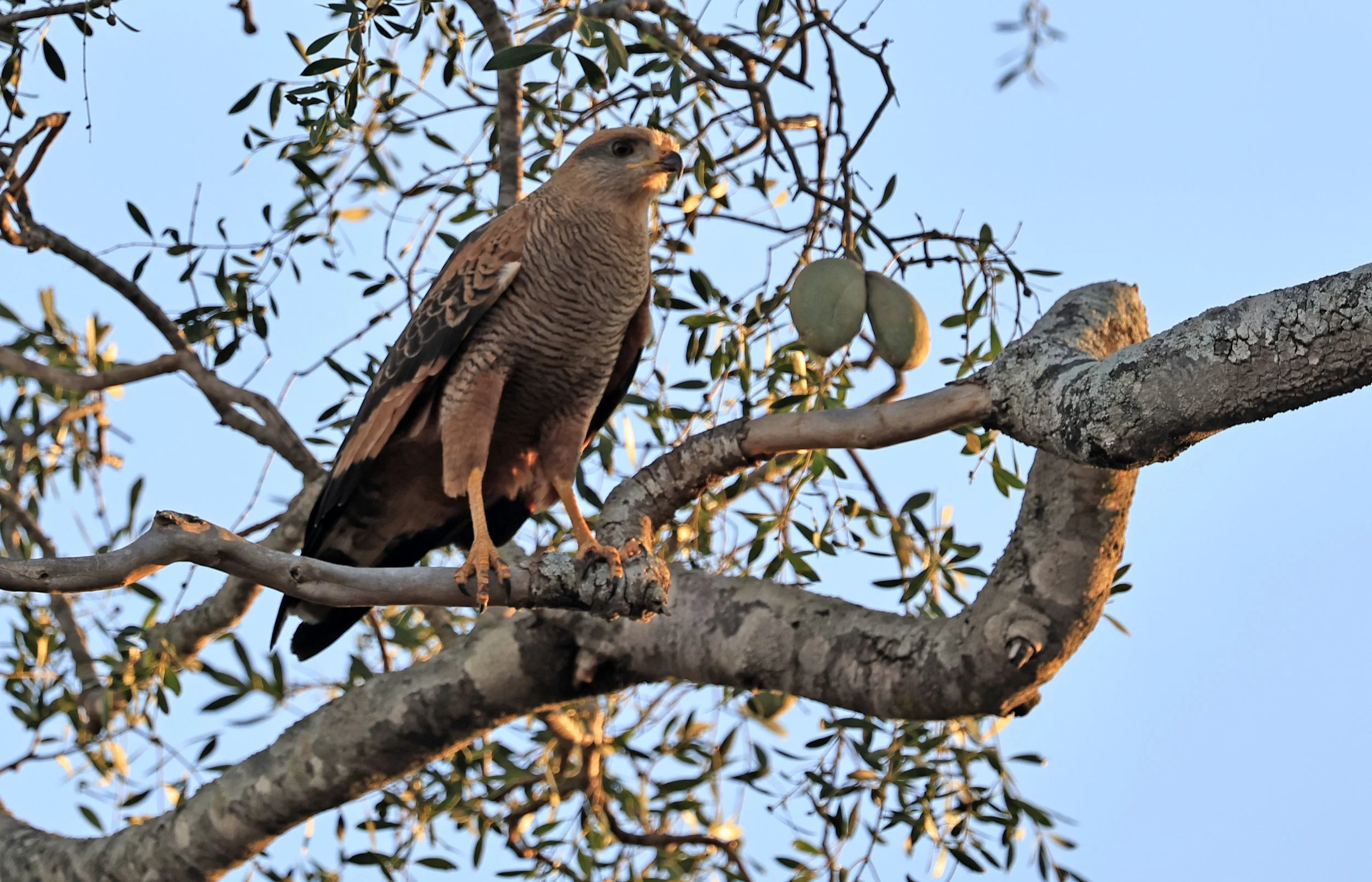
Savanna Hawk (Buteogallus meridionalis)
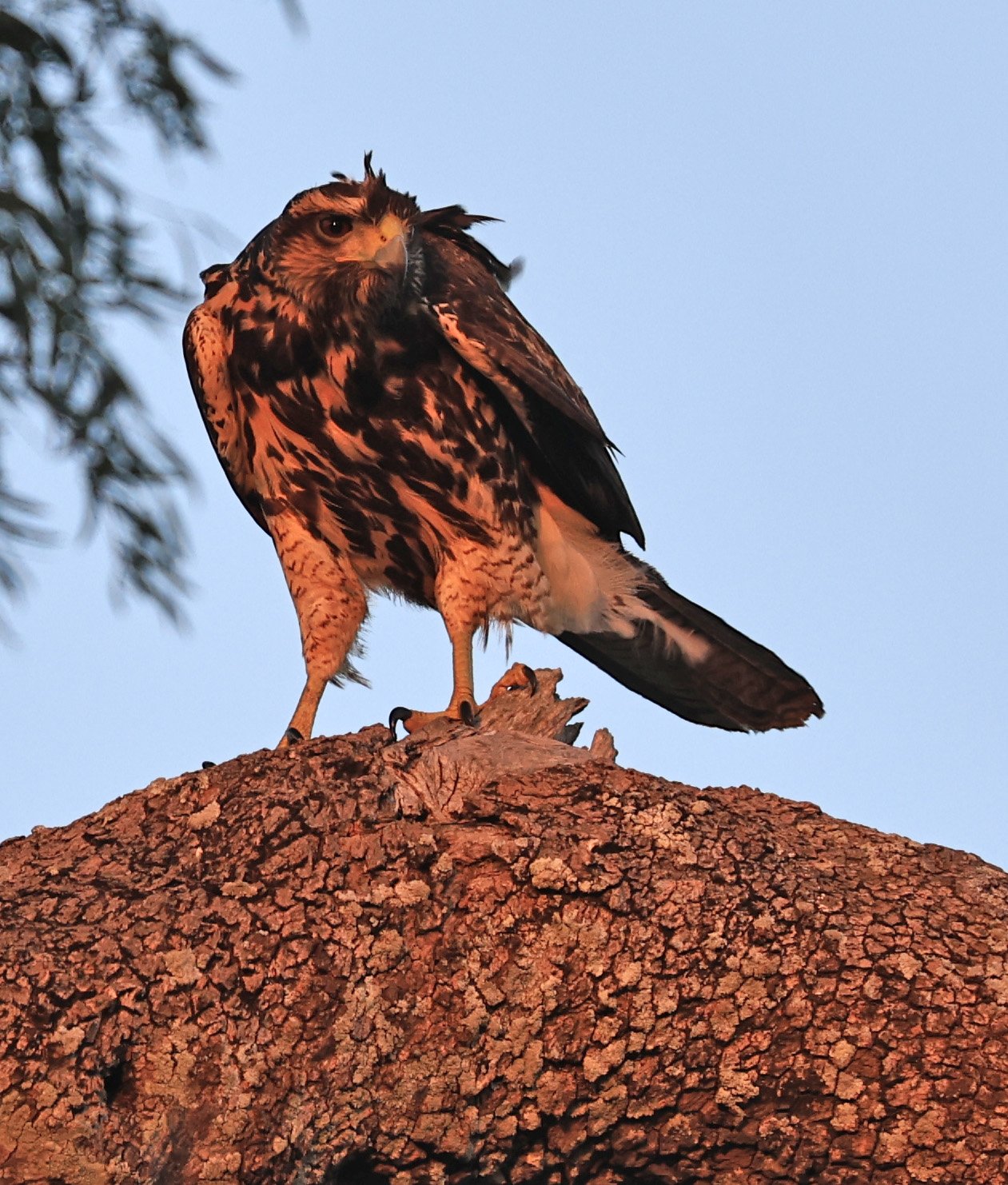
Savanna Hawk (Buteogallus meridionalis)
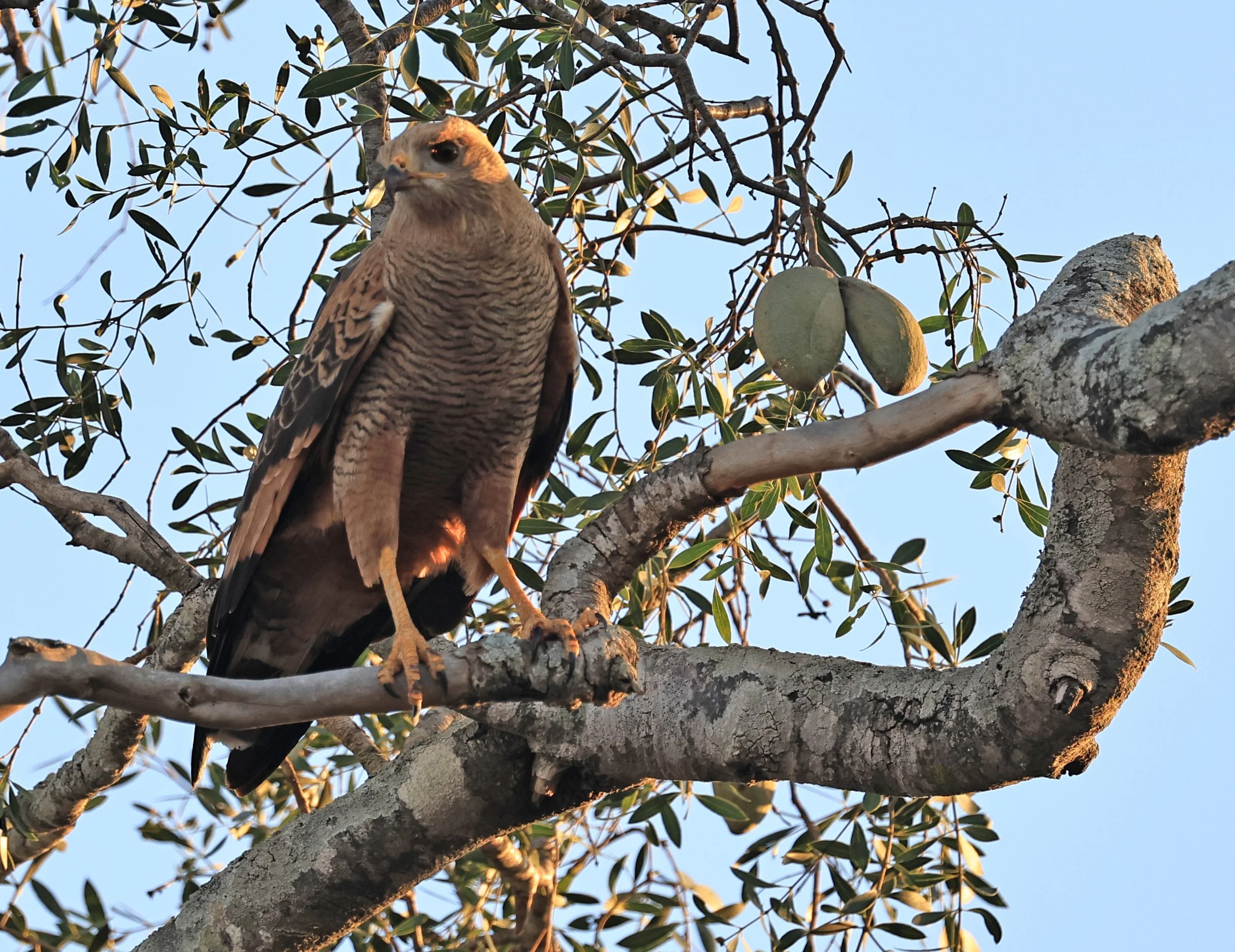
Savanna Hawk (Buteogallus meridionalis)
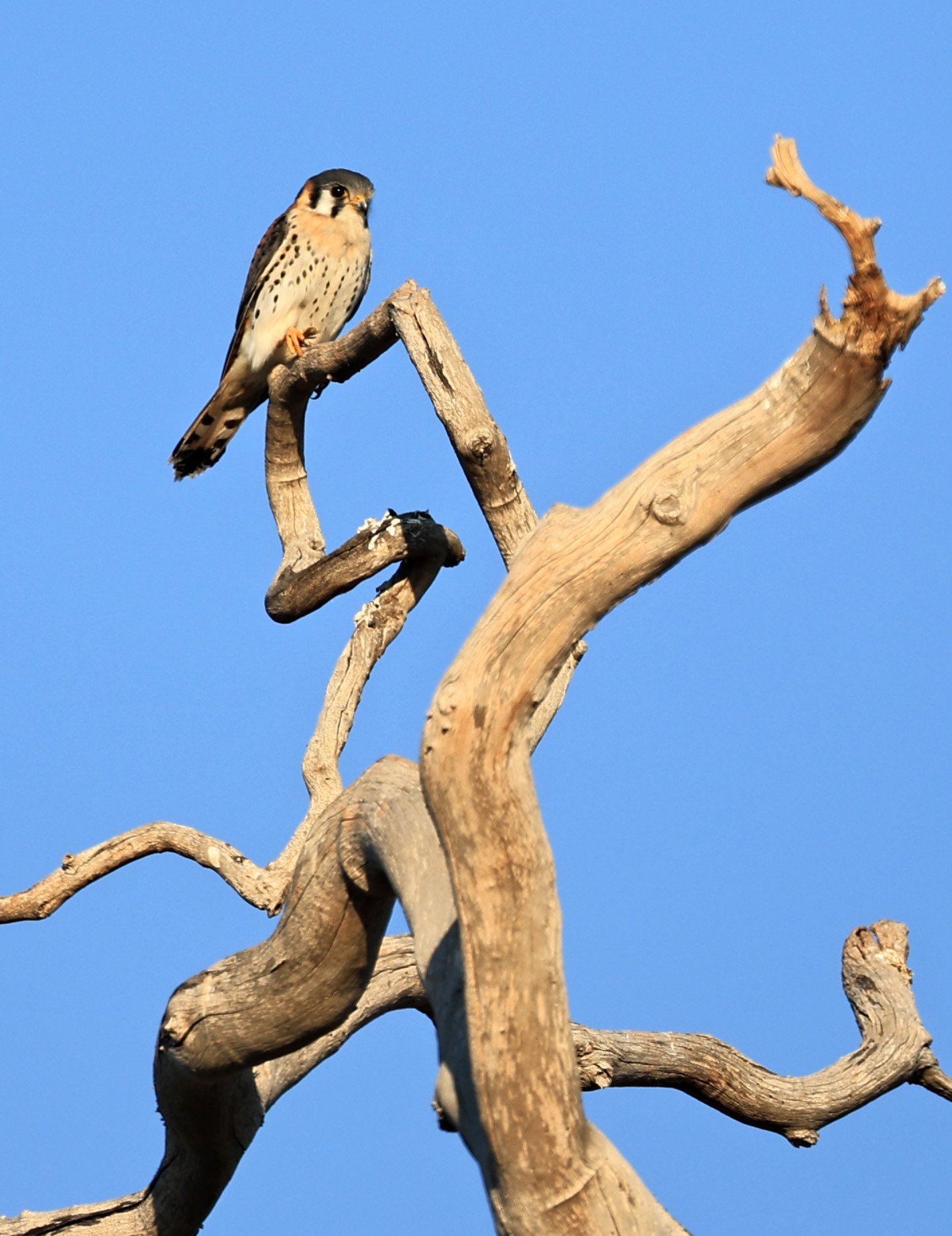
American Kestrel (Falco sparverius)
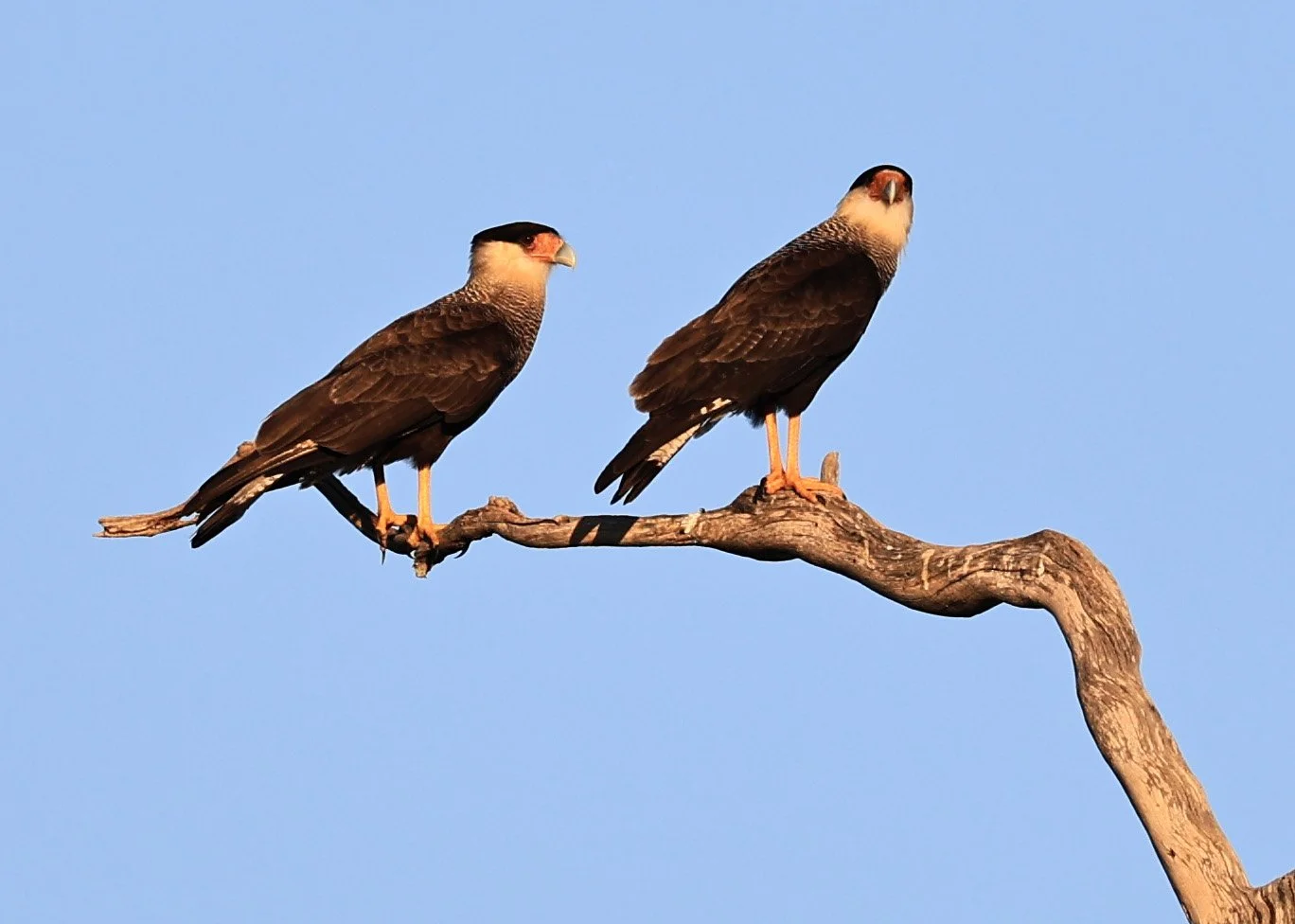
Crested Caracara (Caracara plancus)
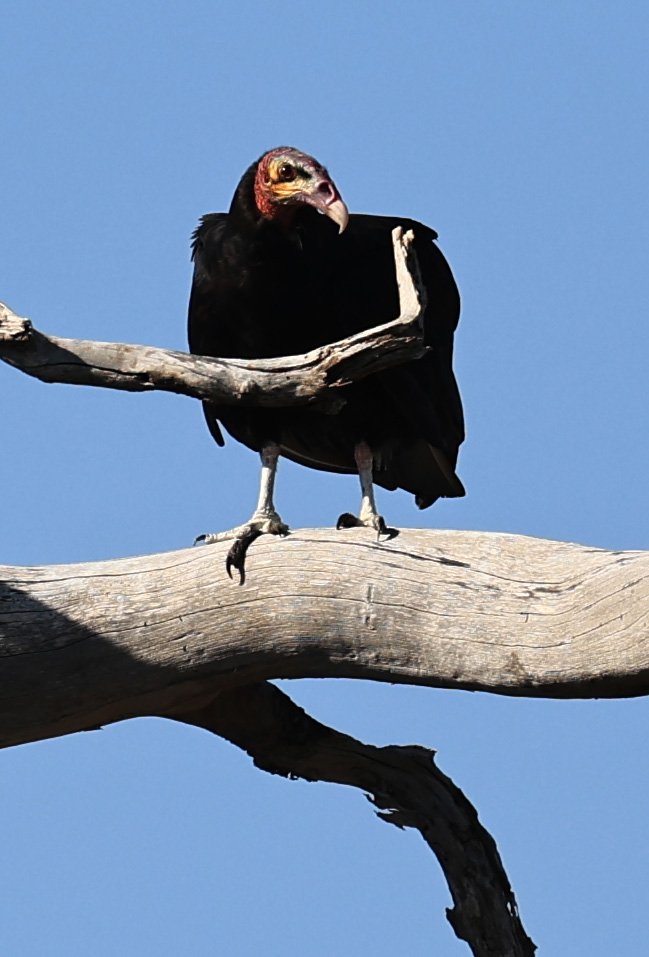
Lesser Yellow-headed Vulture (Cathartes burrovianus)
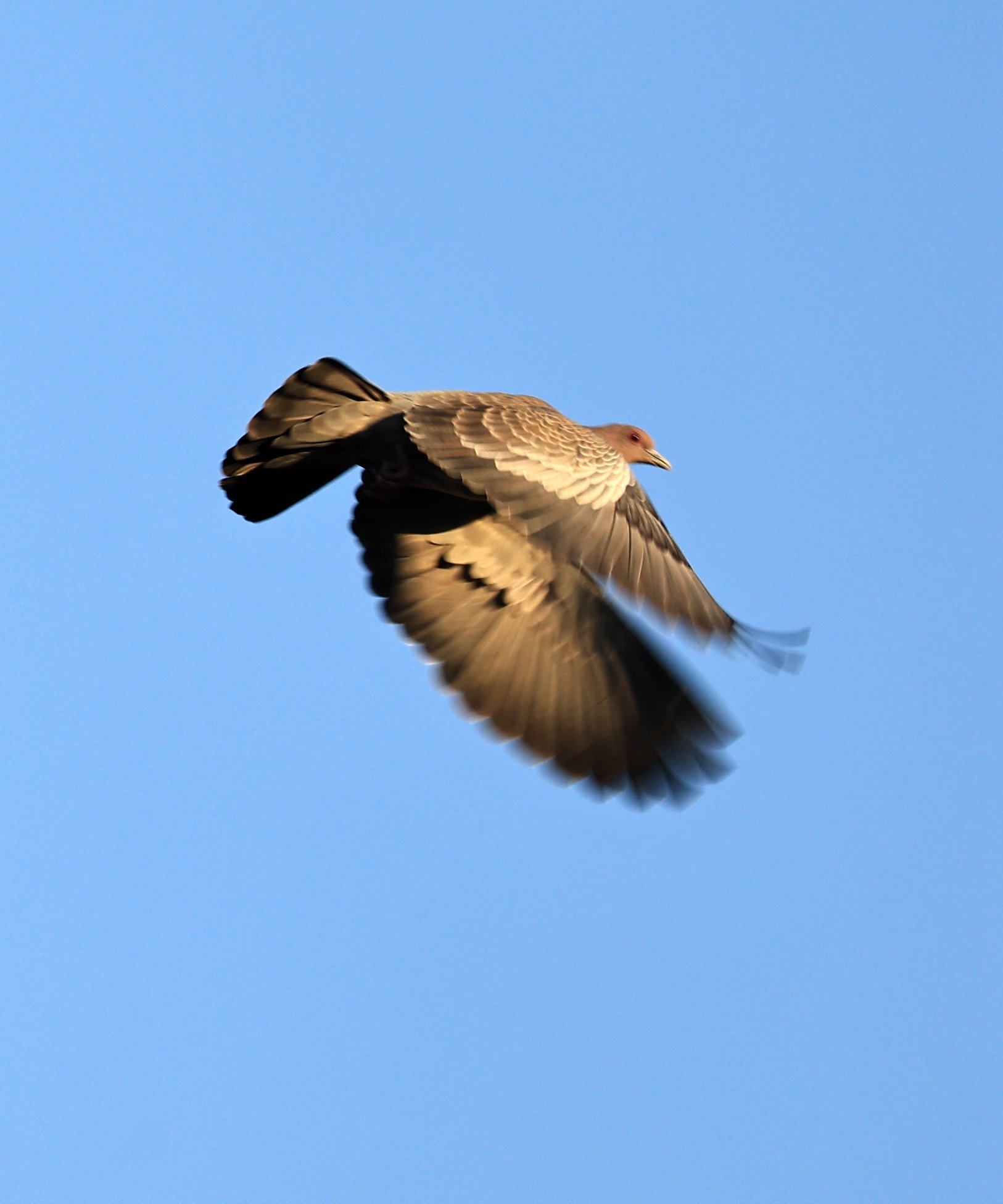
Picazuro Pigeon (Patagioenas picazuro)
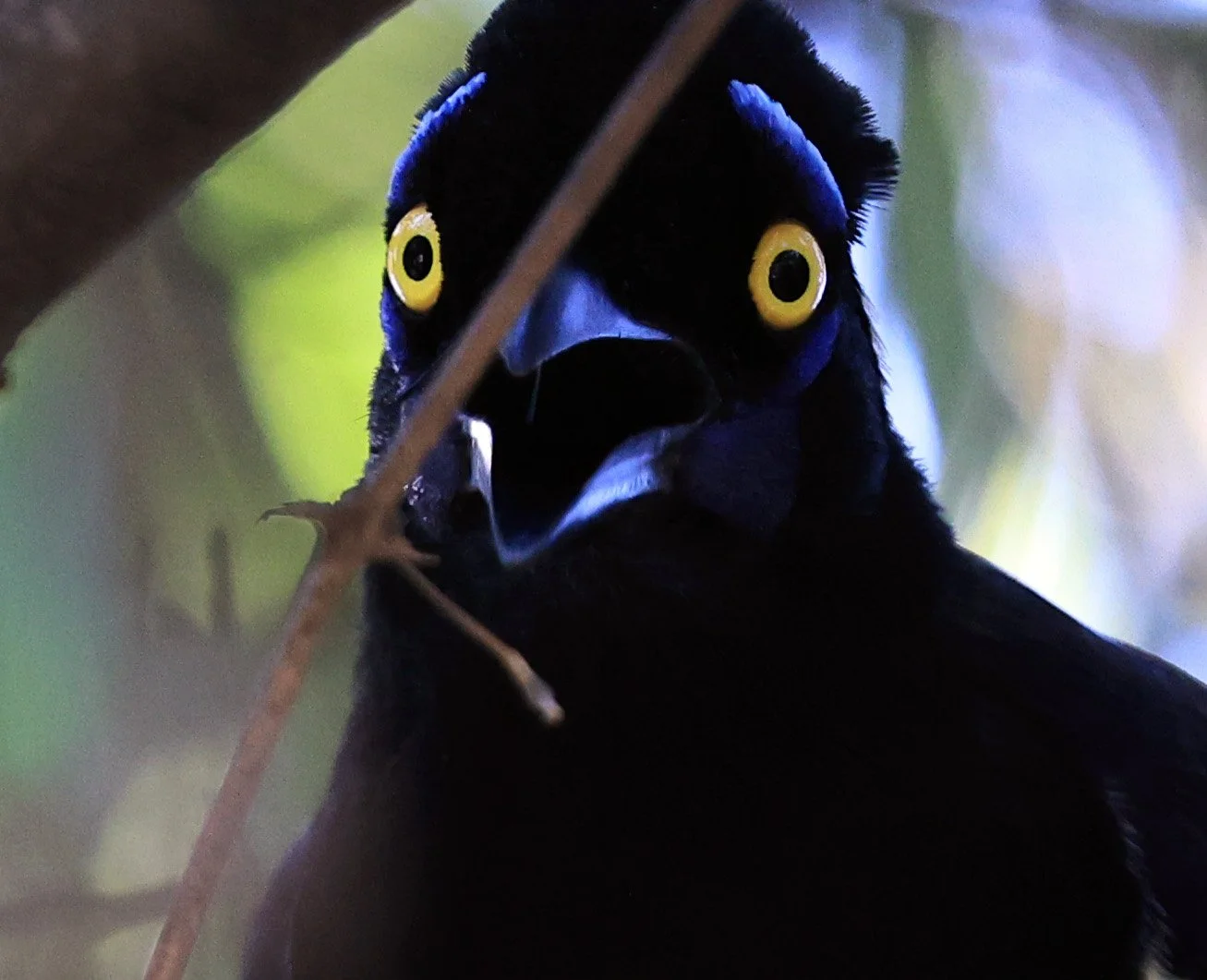
Plush-crested Jay (Cyanocorax chrysops)
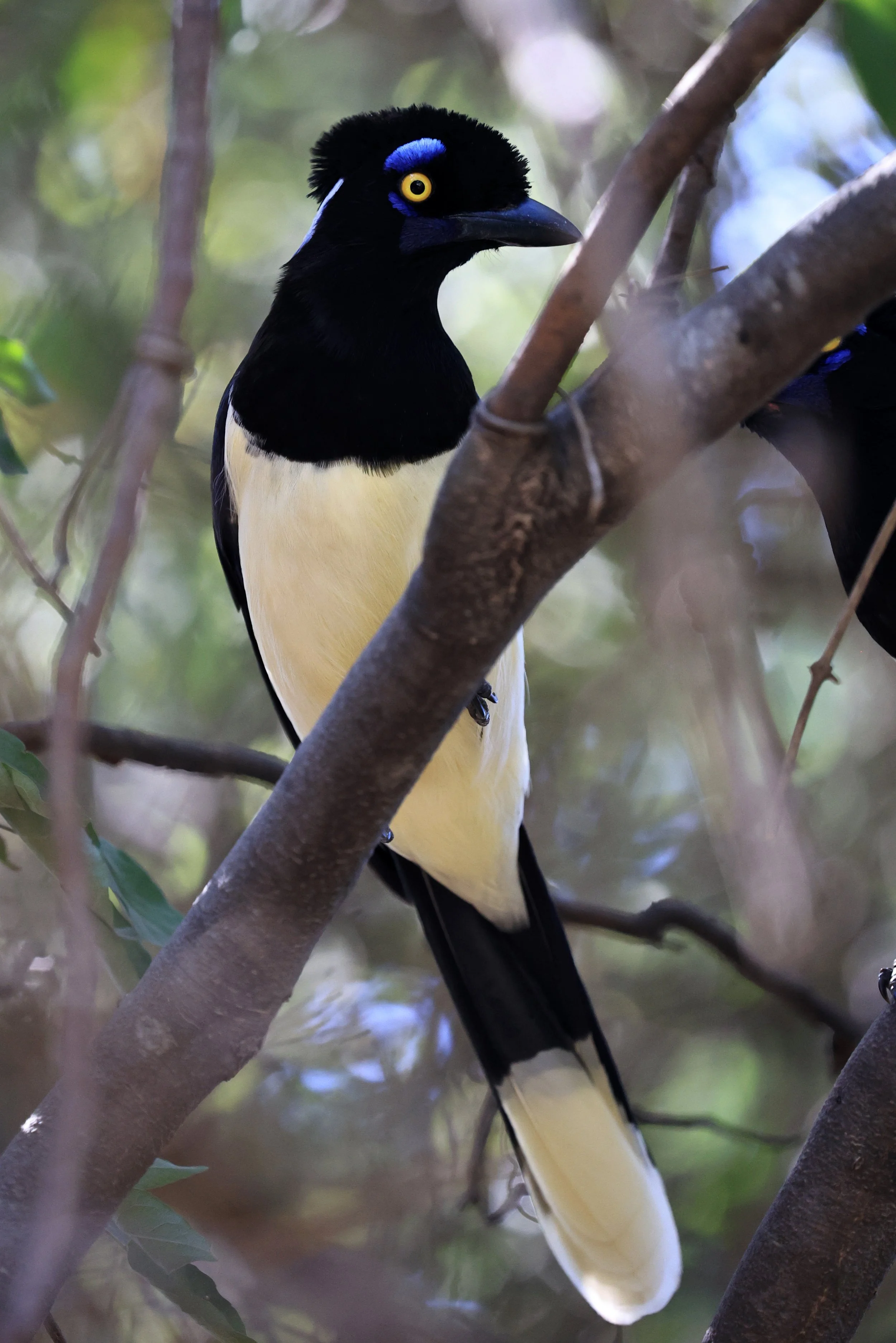
Plush-crested Jay (Cyanocorax chrysops)

Plush-crested Jay (Cyanocorax chrysops)
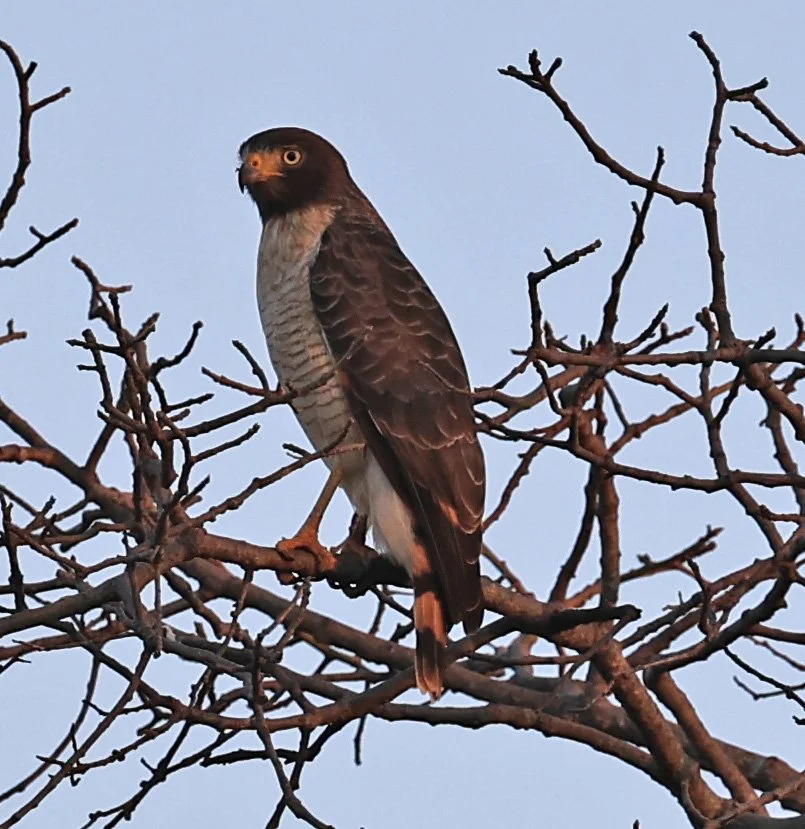
Roadside Hawk (Rupornis magnirostris)
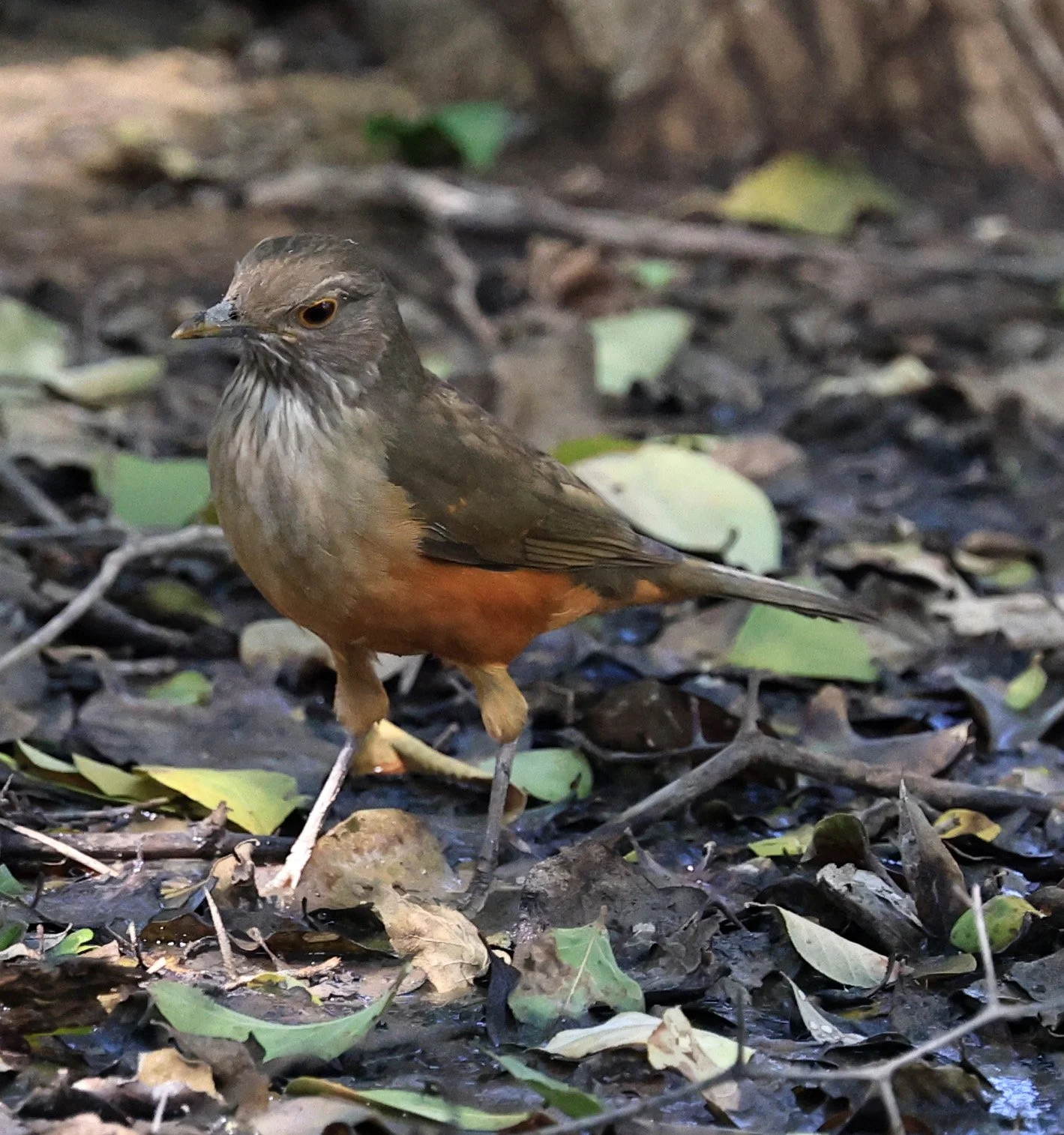
Rufous-bellied Thrush (Turdus rufiventris)
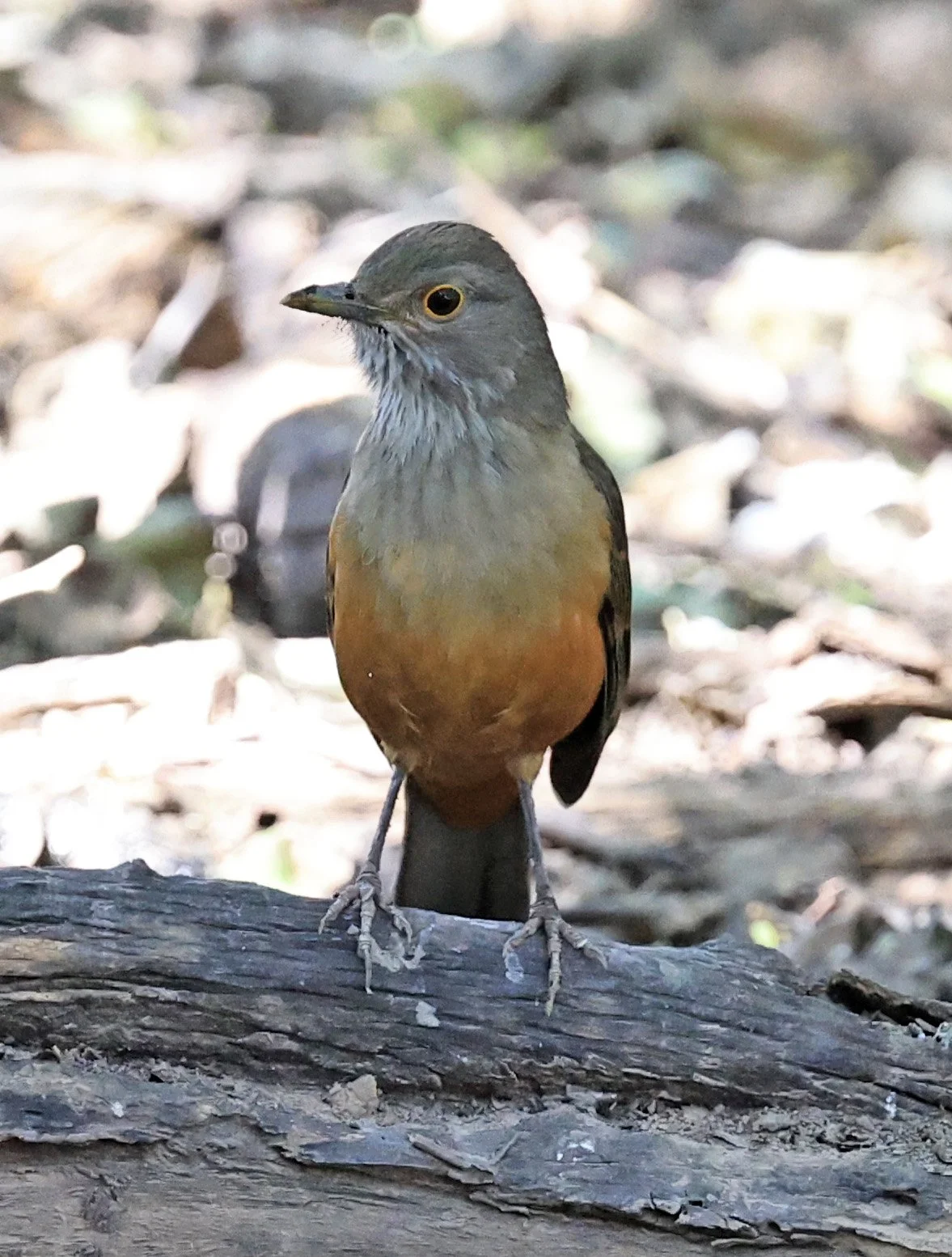
Rufous-bellied Thrush (Turdus rufiventris)
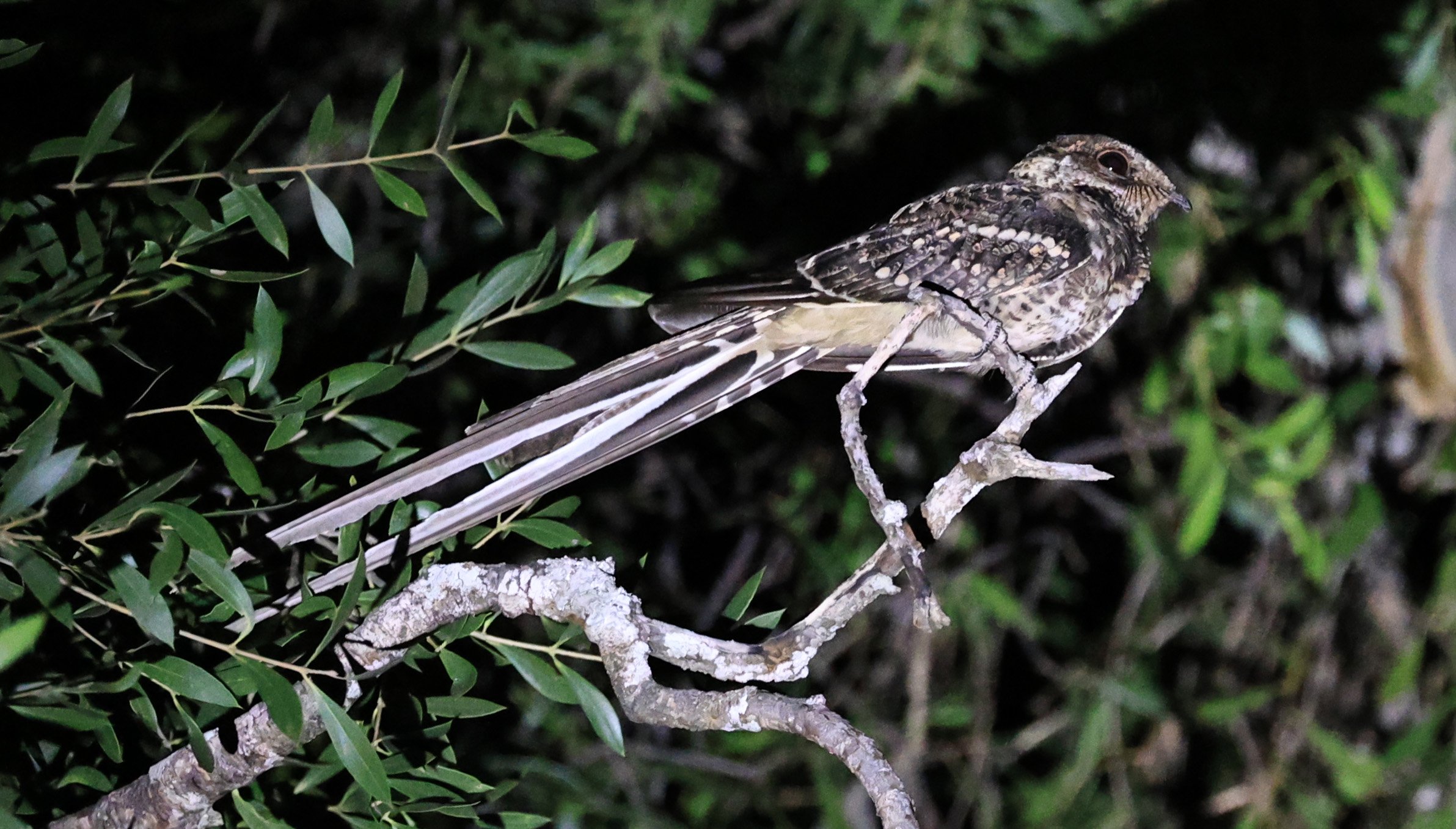
Scissor-tailed Nightjar (Hydropsalis torquata)
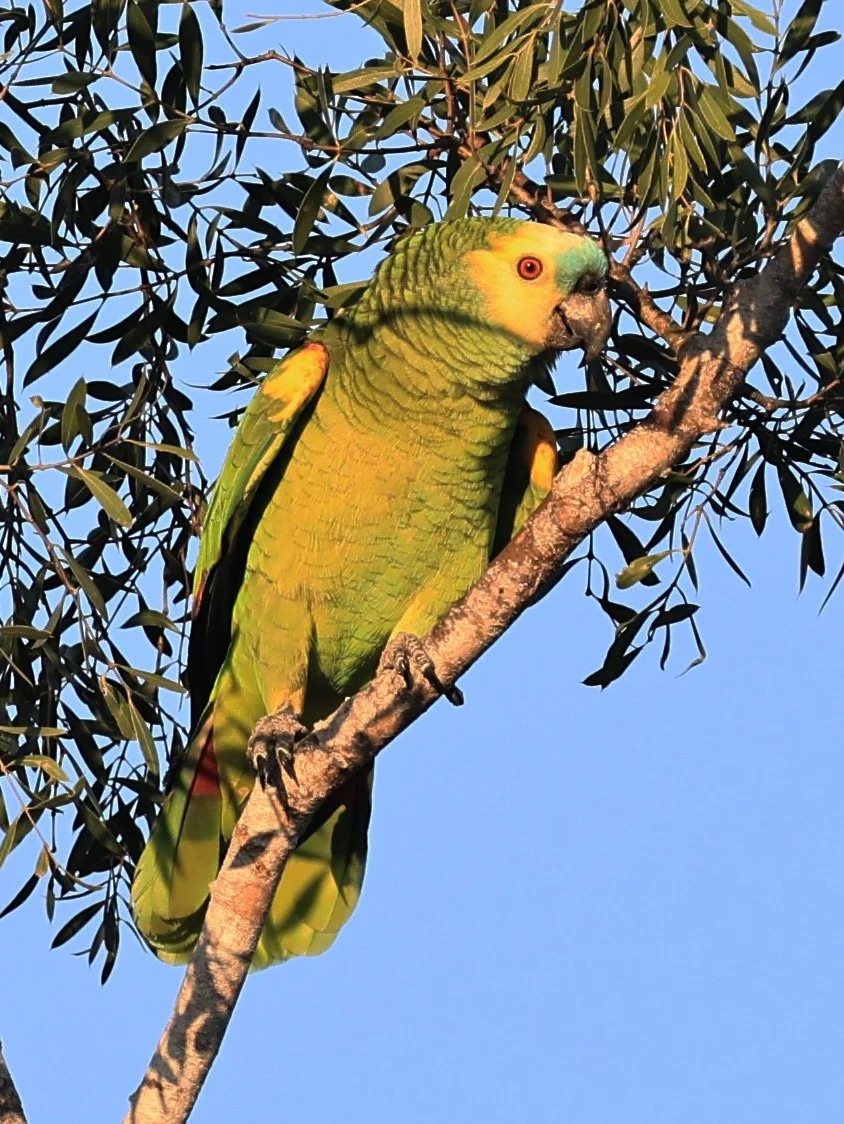
Turquoise-fronted Amazon (Amazona aestiva)
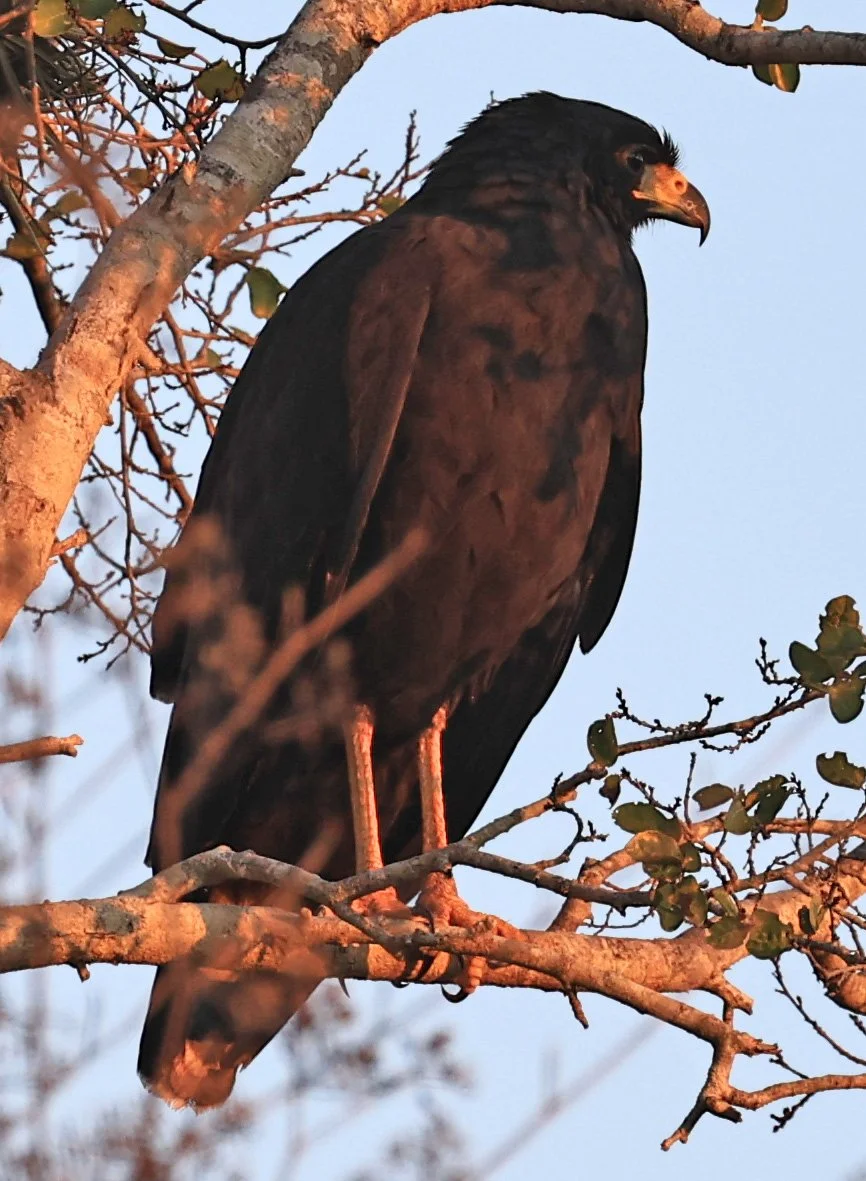
Zone-tailed Hawk (Buteo albonotatus)
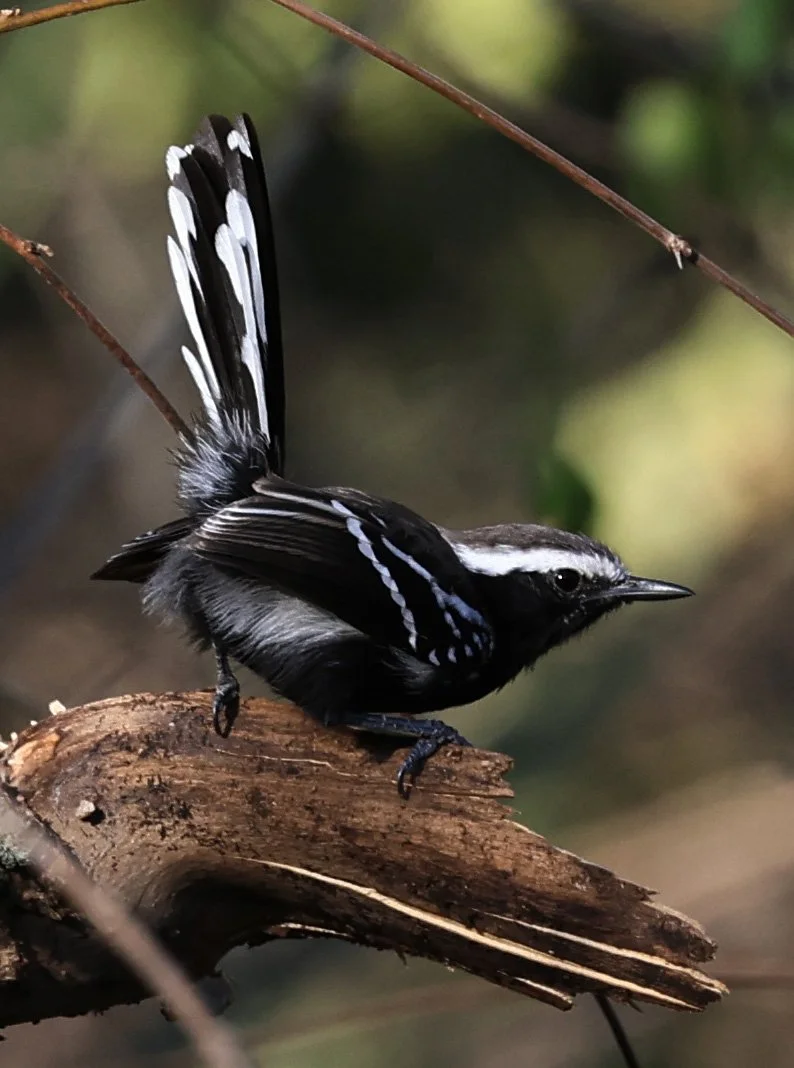
Black-bellied Antwren (Formicivora melanogaster)
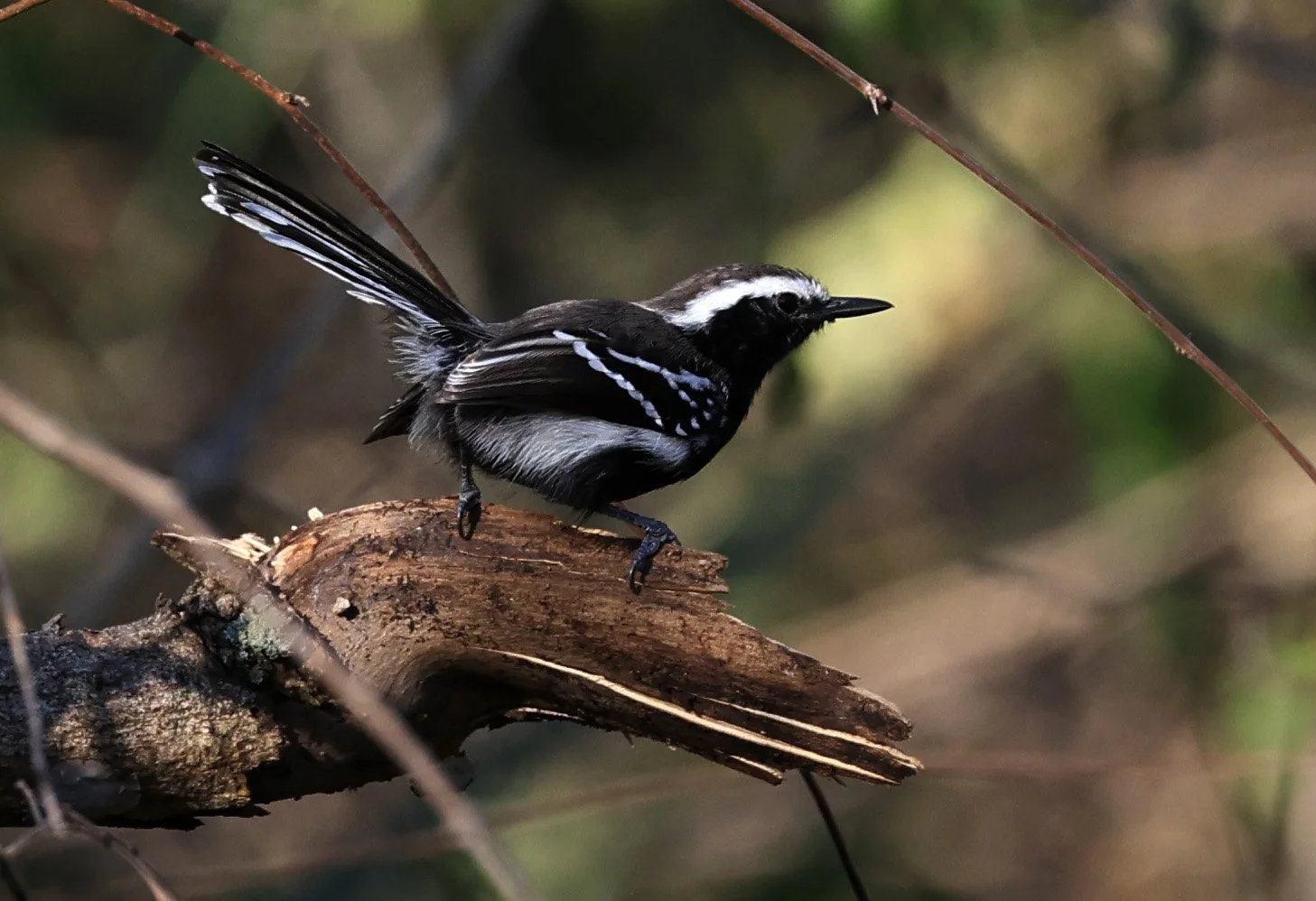
Black-bellied Antwren (Formicivora melanogaster)
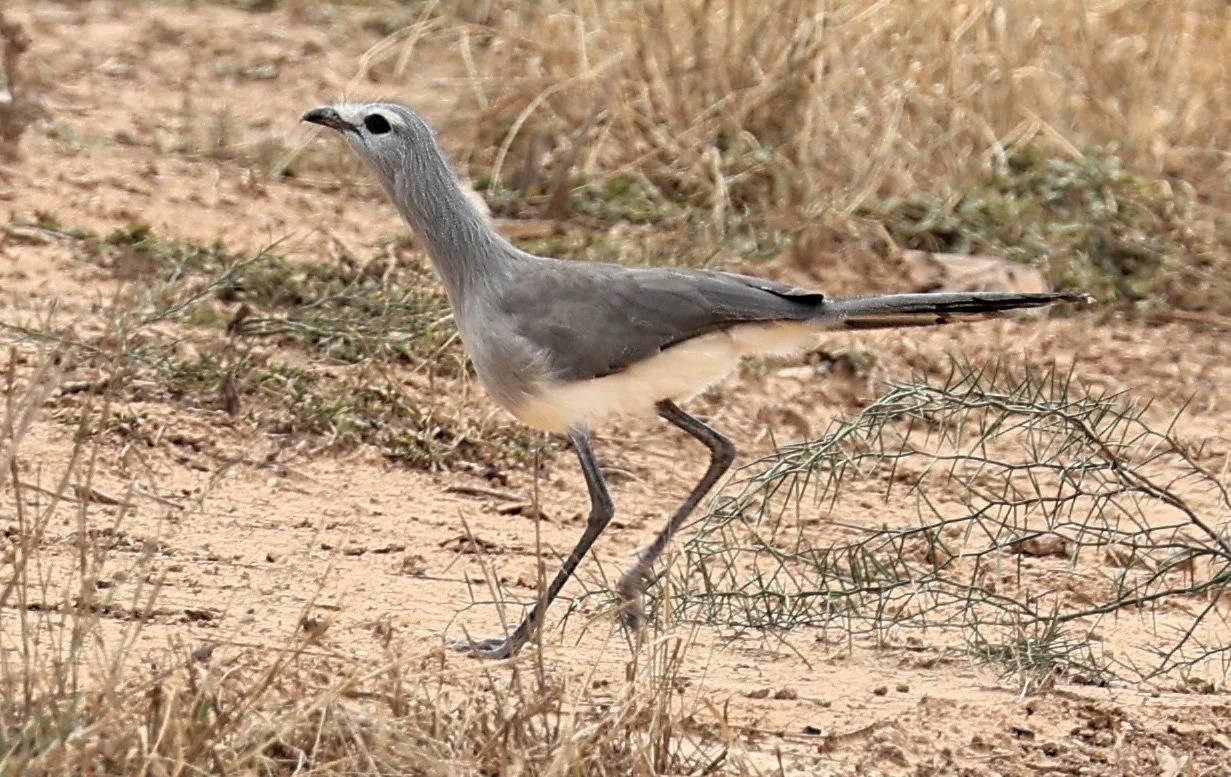
Black-legged Seriema (Chunga burmeisteri)
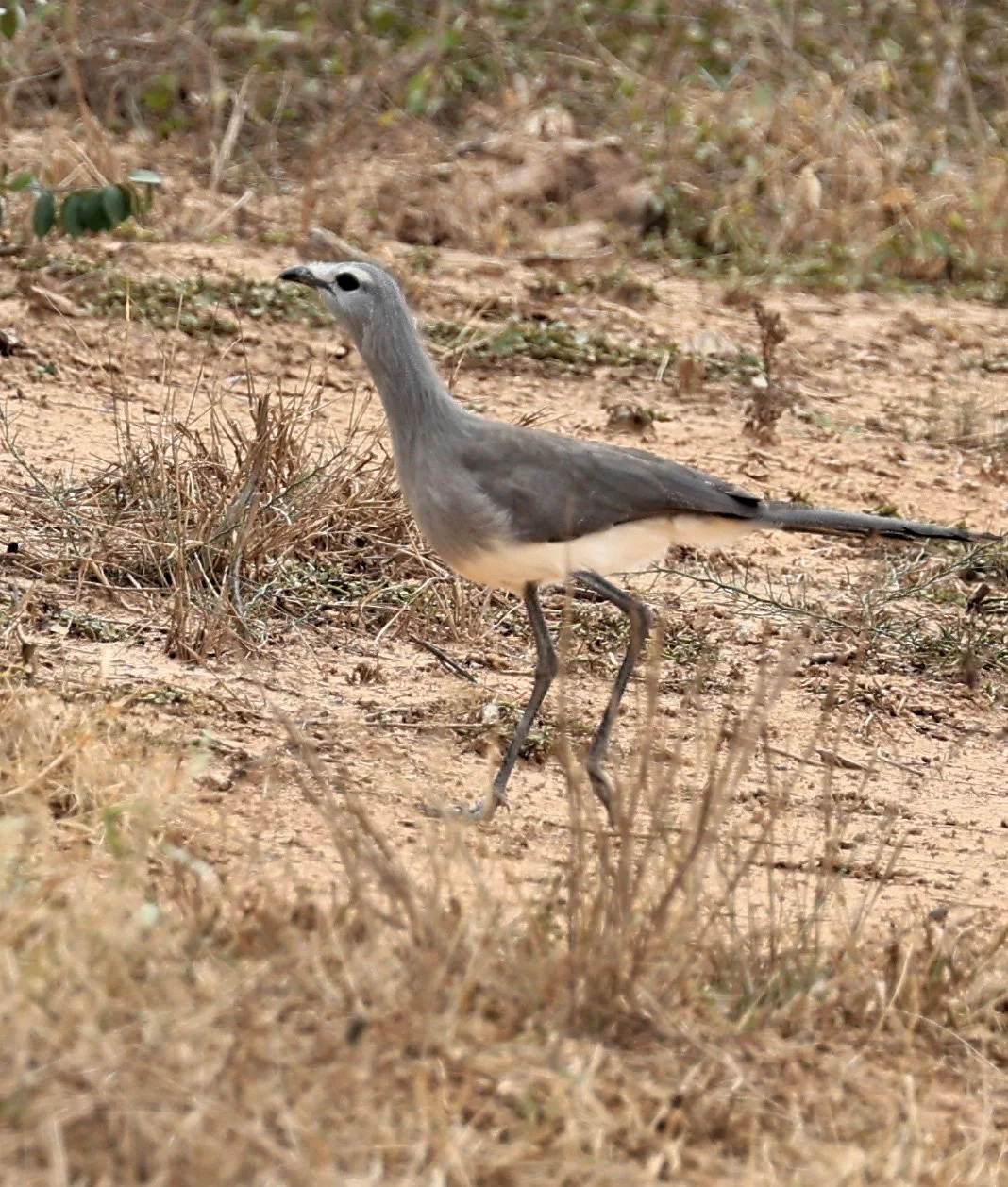
Black-legged Seriema (Chunga burmeisteri)
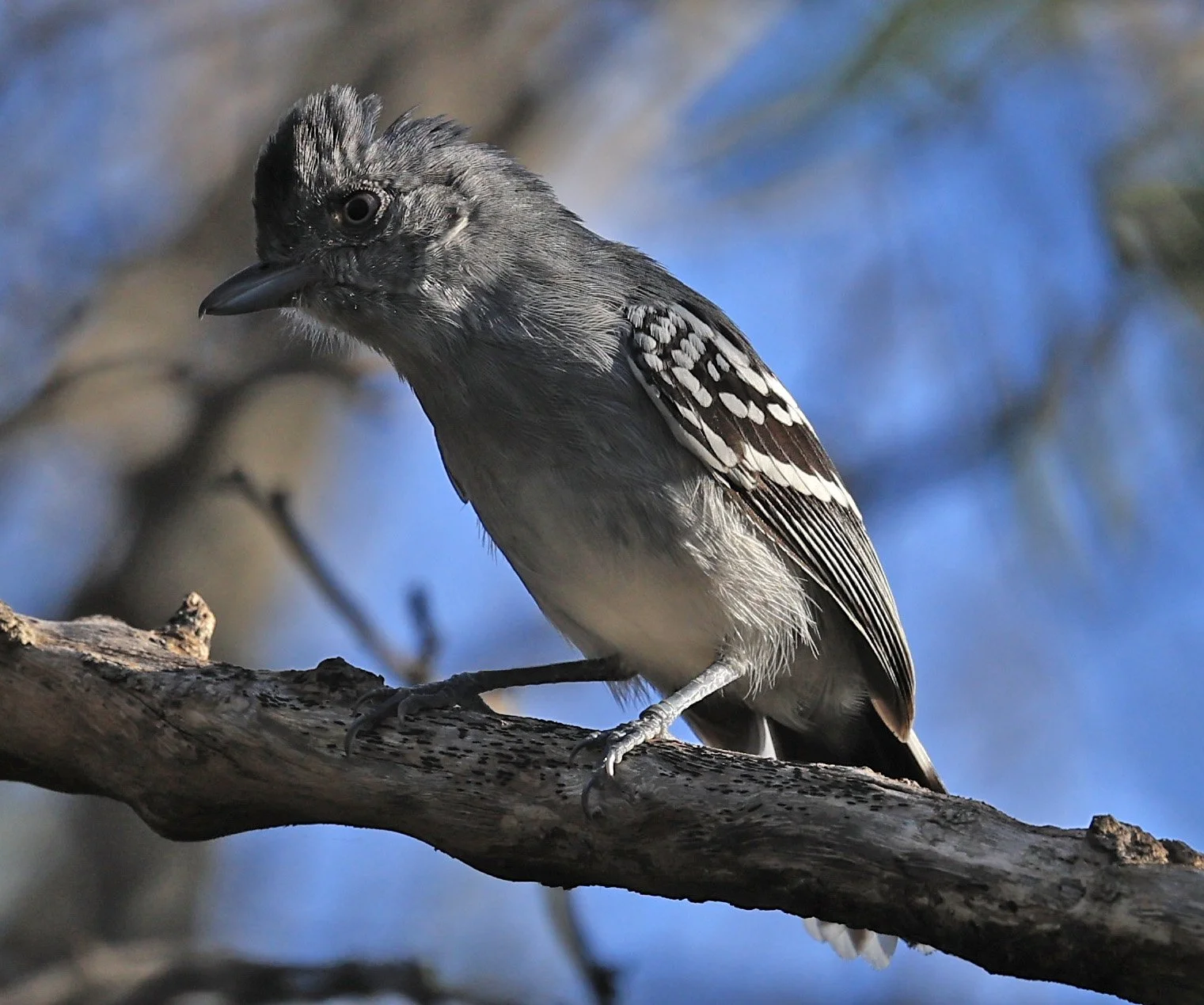
Bolivian Slaty-Antshrike (Thamnophilus sticturus)
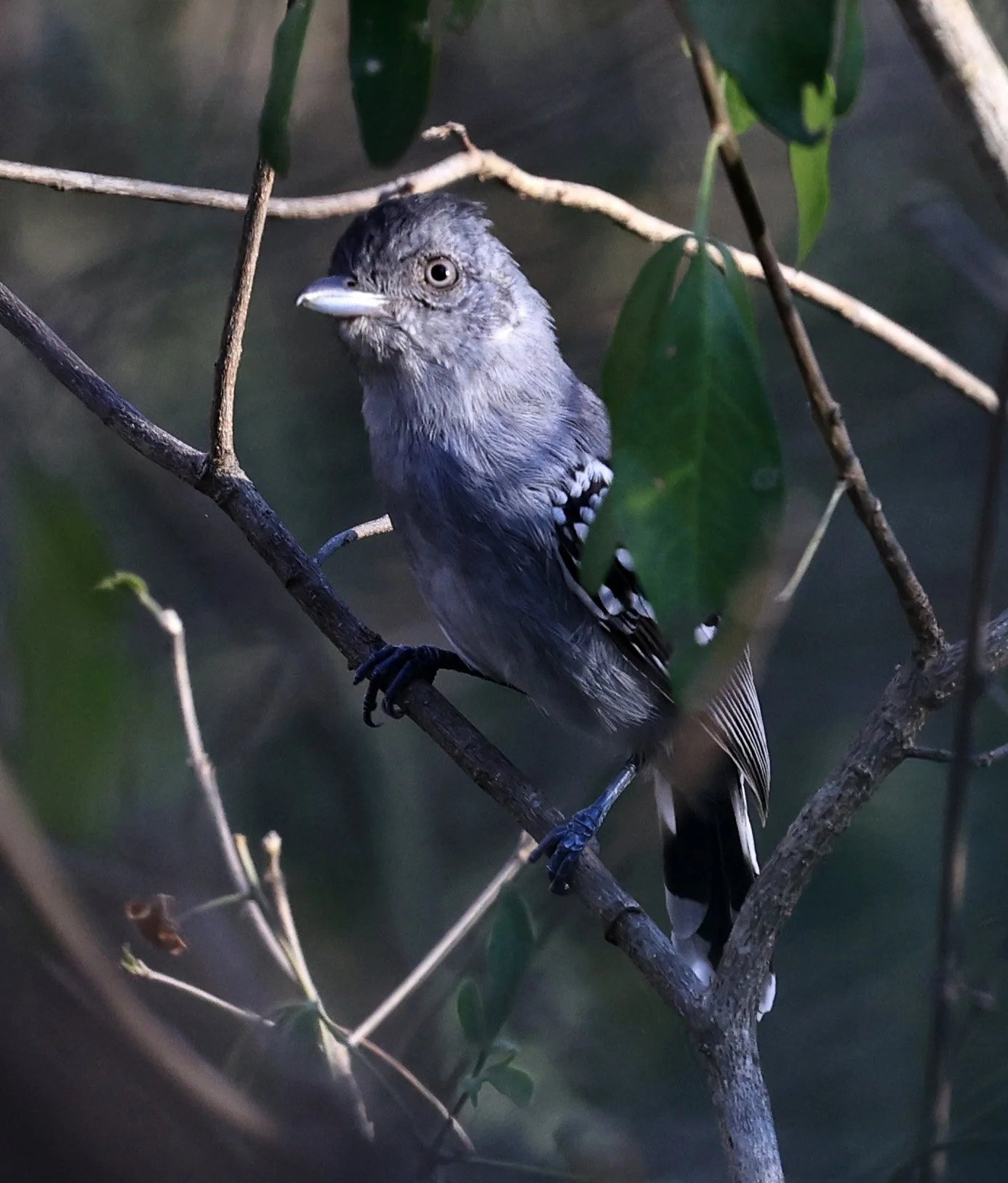
Bolivian Slaty-Antshrike (Thamnophilus sticturus)
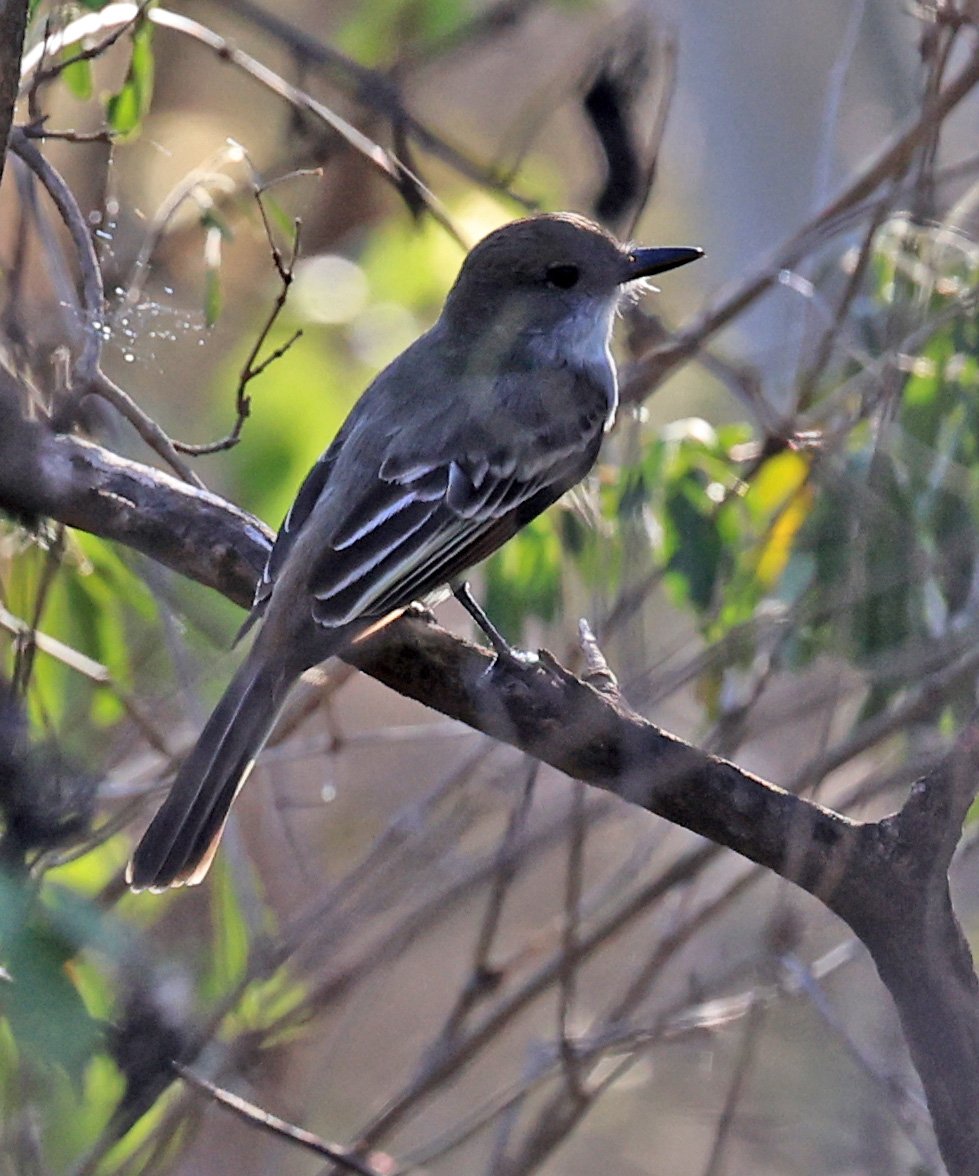
Brown-crested Flycatcher (Myiarchus tyrannulus)
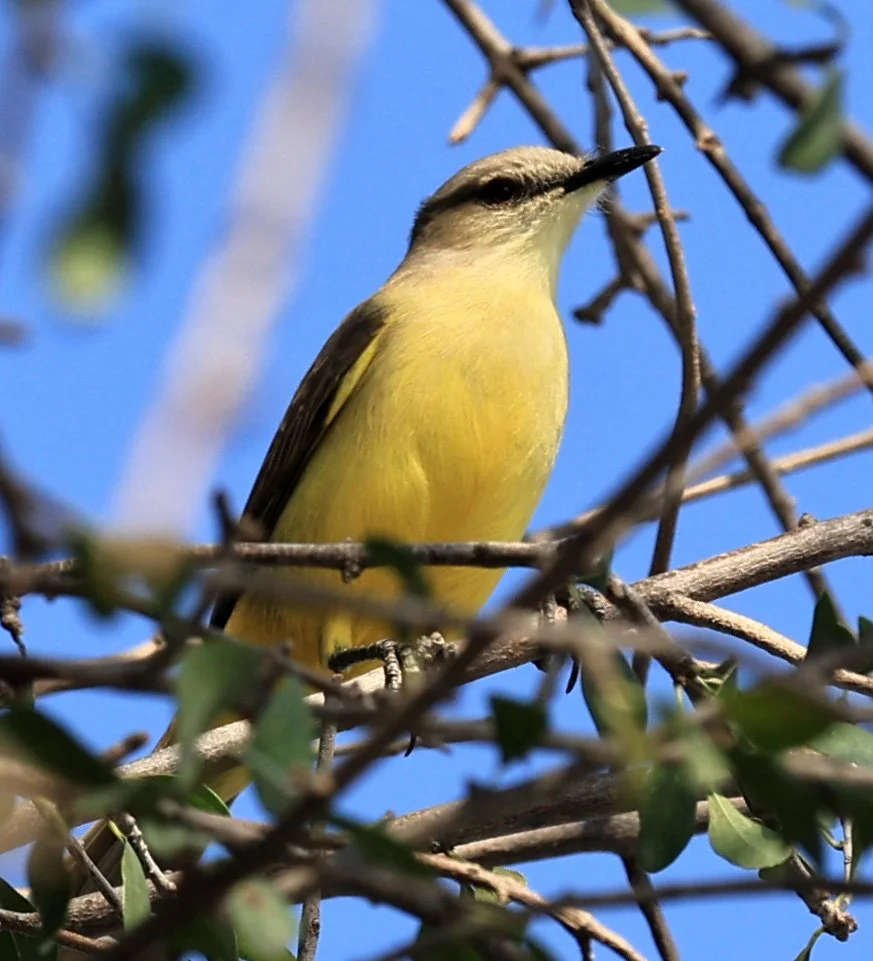
Cattle Tyrant (Machetornis rixosa)
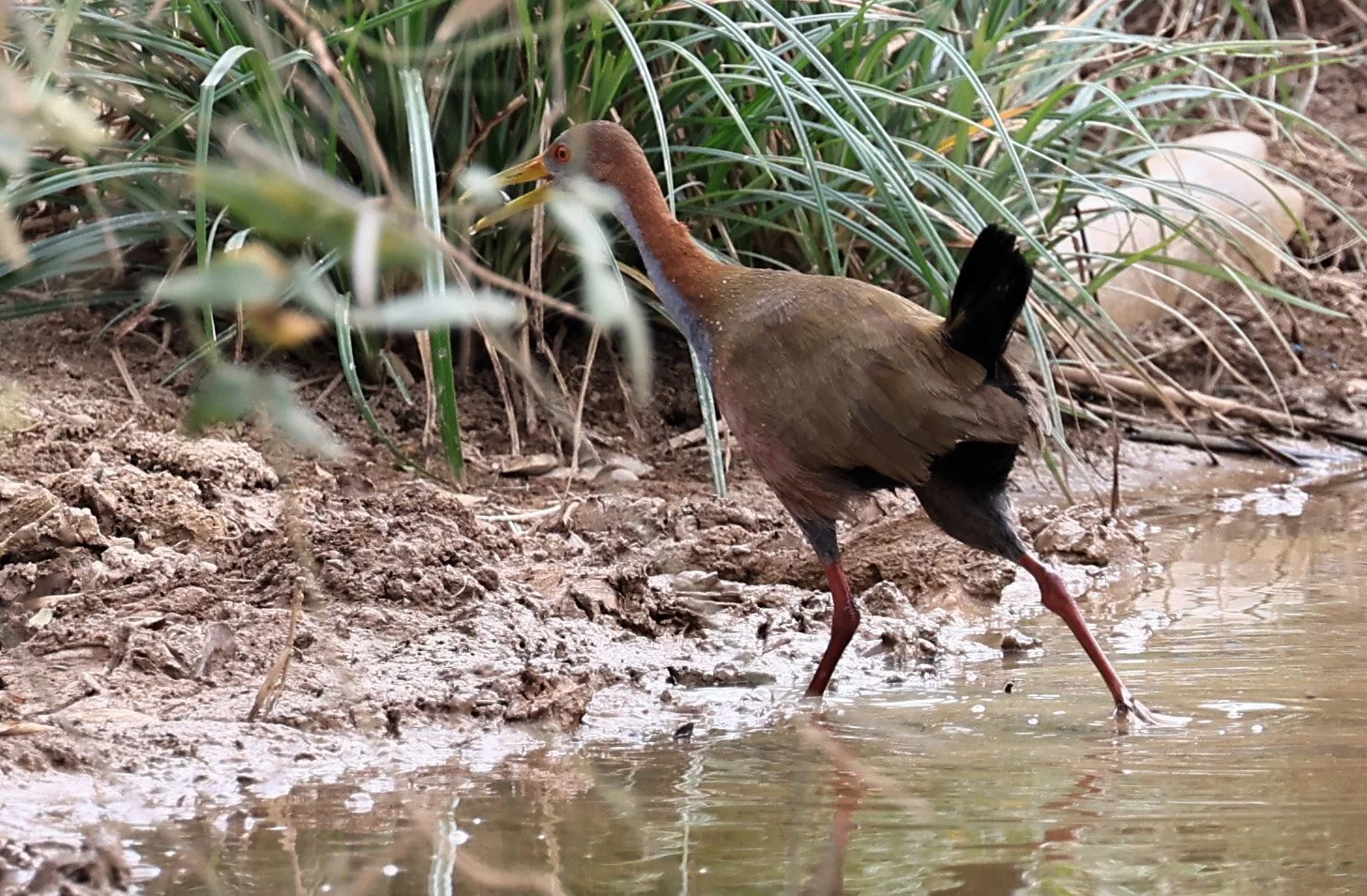
Giant Wood-Rail (Aramides ypecaha)
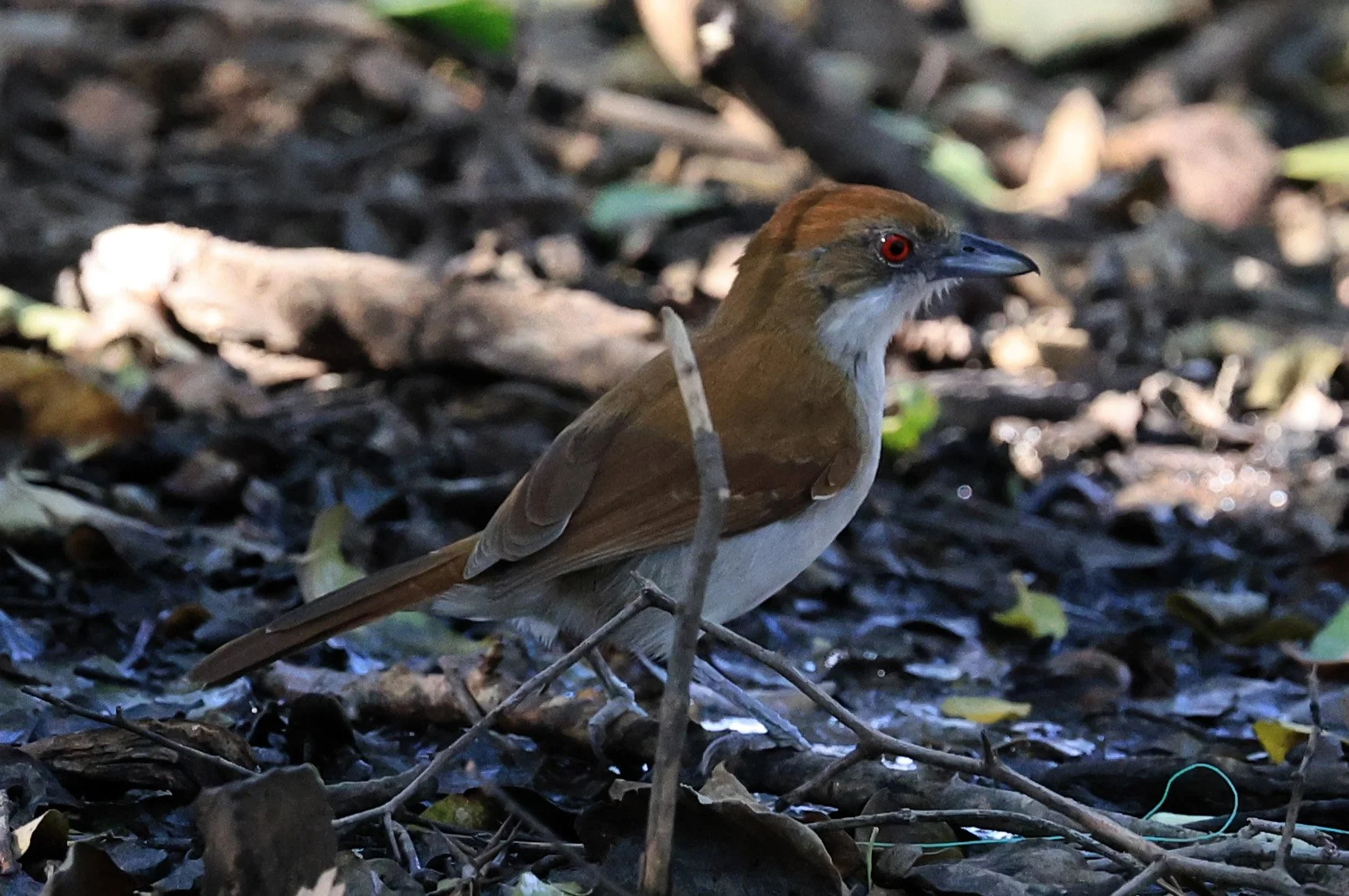
Great Antshrike (Taraba major)
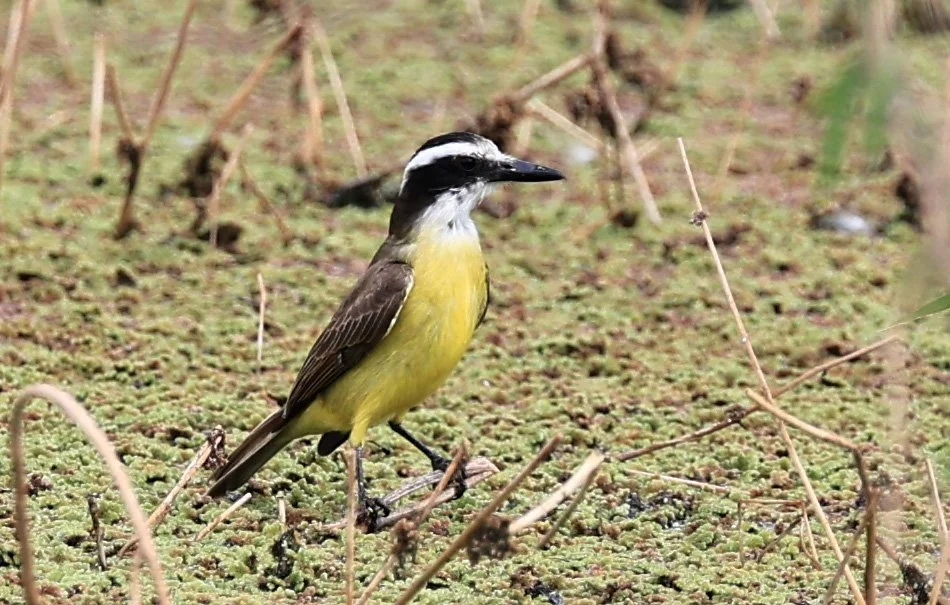
Great Kiskadee (Pitangus sulphuratus)
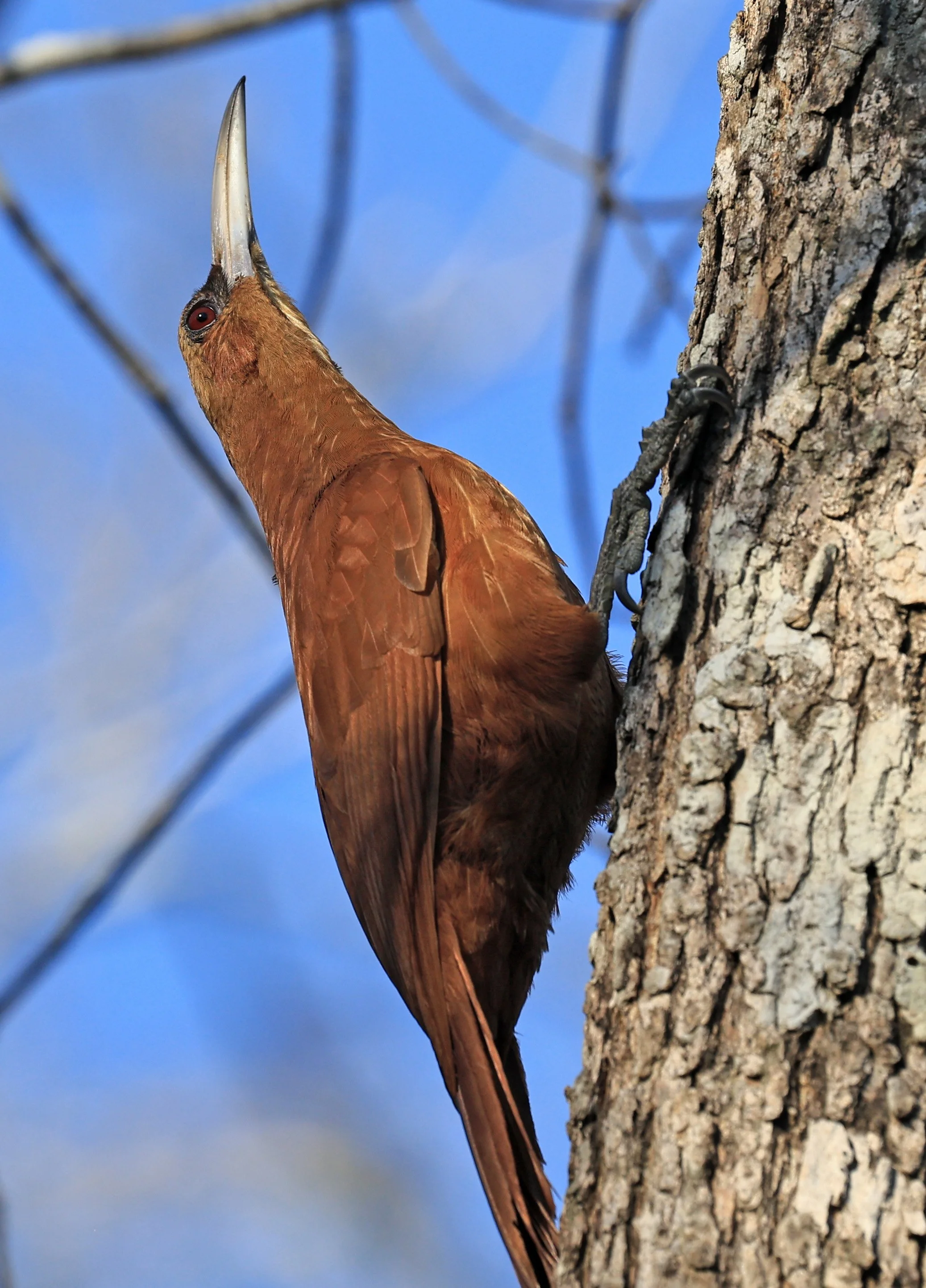
Great Rufous Woodcreeper (Xiphocolaptes major)
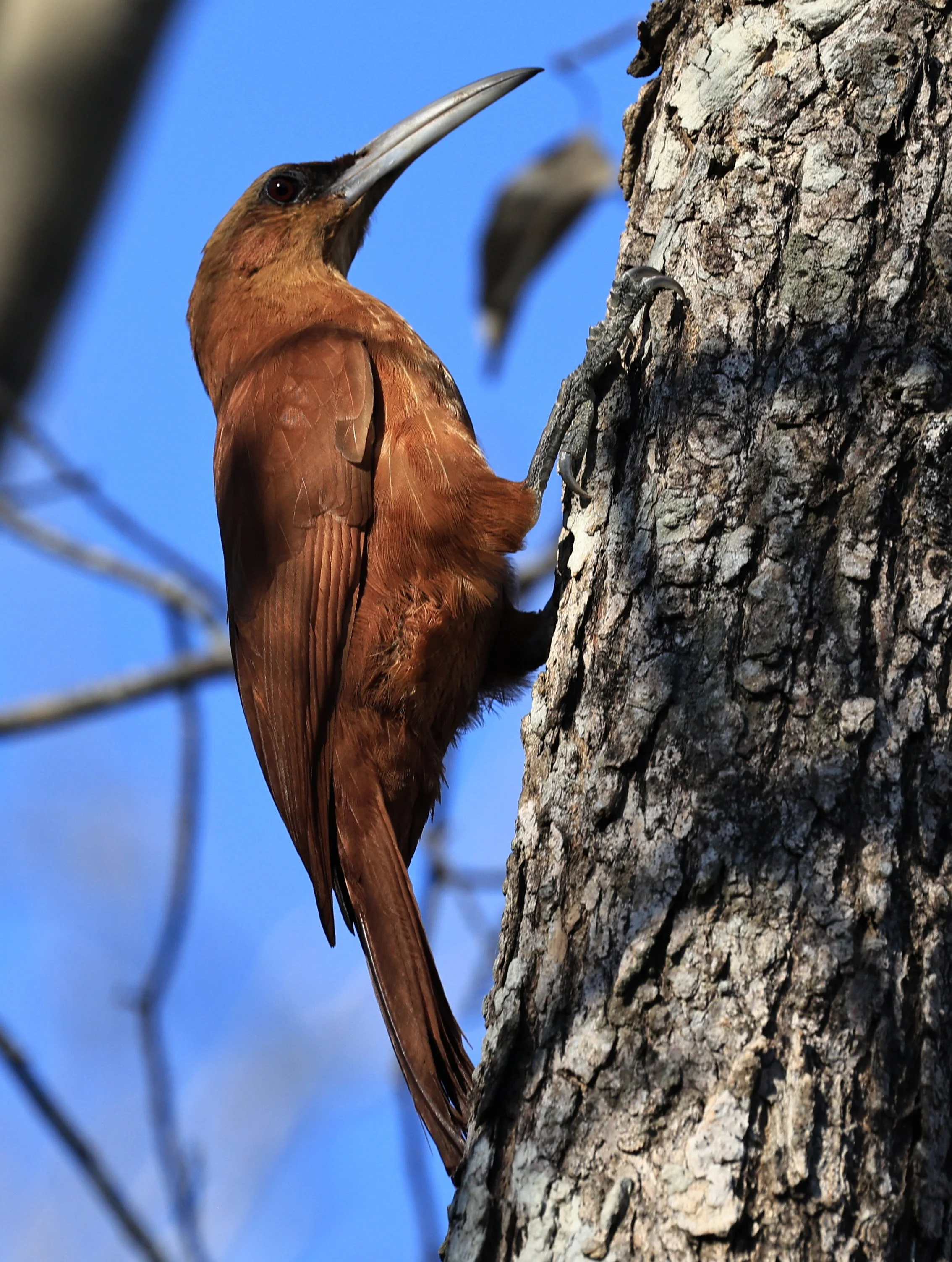
Great Rufous Woodcreeper (Xiphocolaptes major)
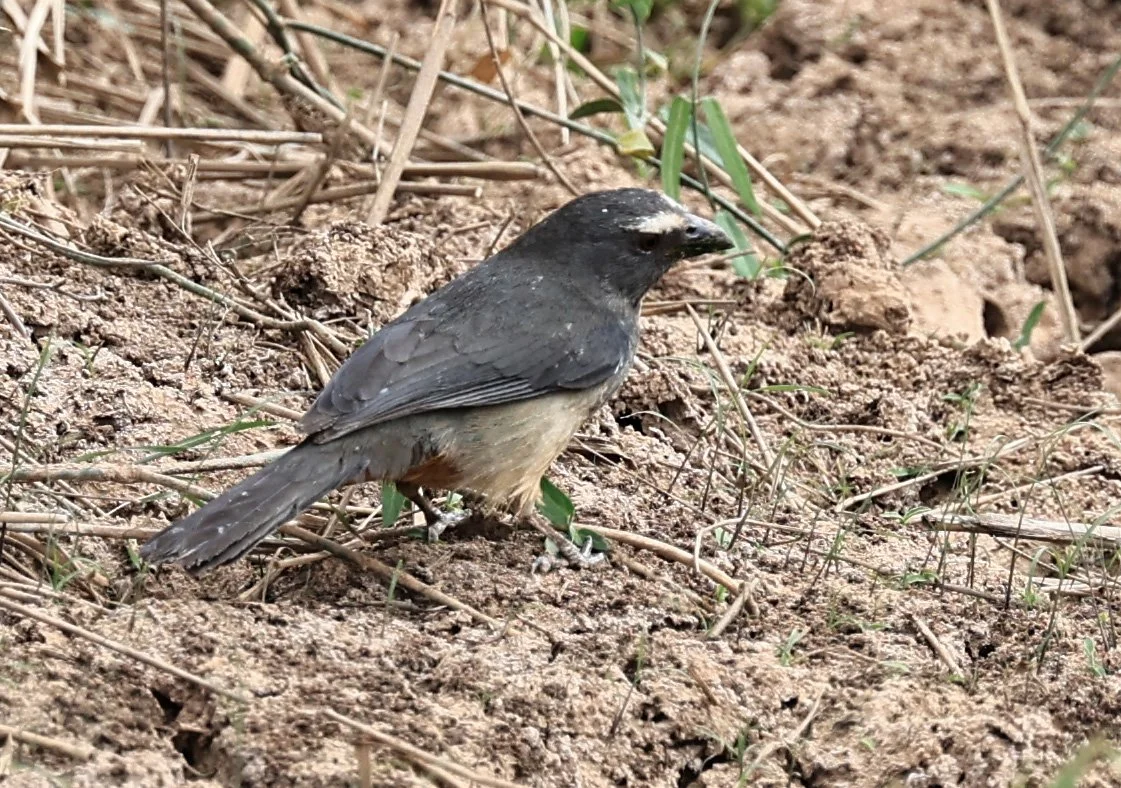
Green-winged Saltator (Saltator similis)
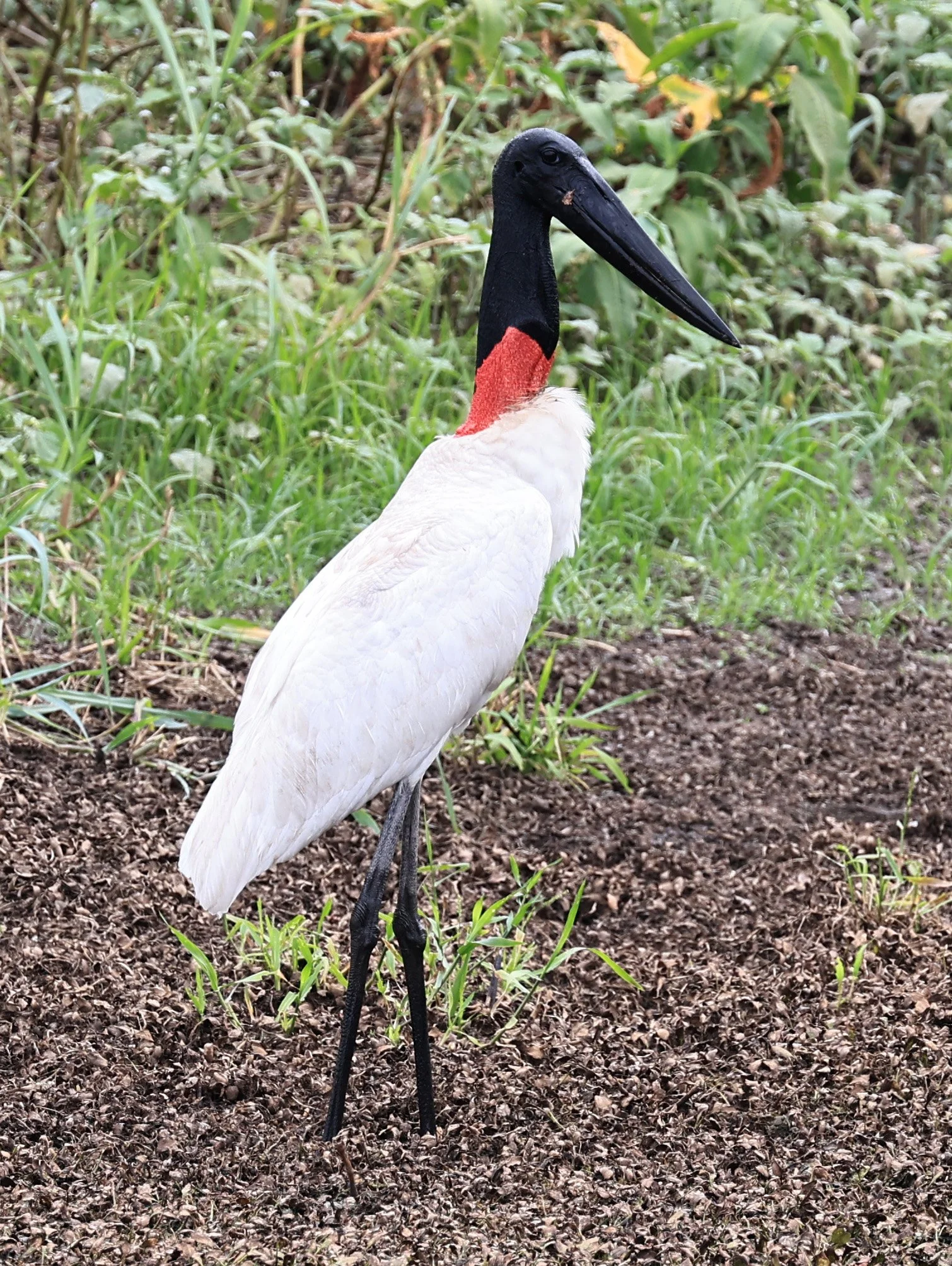
Jabiru (Jabiru mycteria)
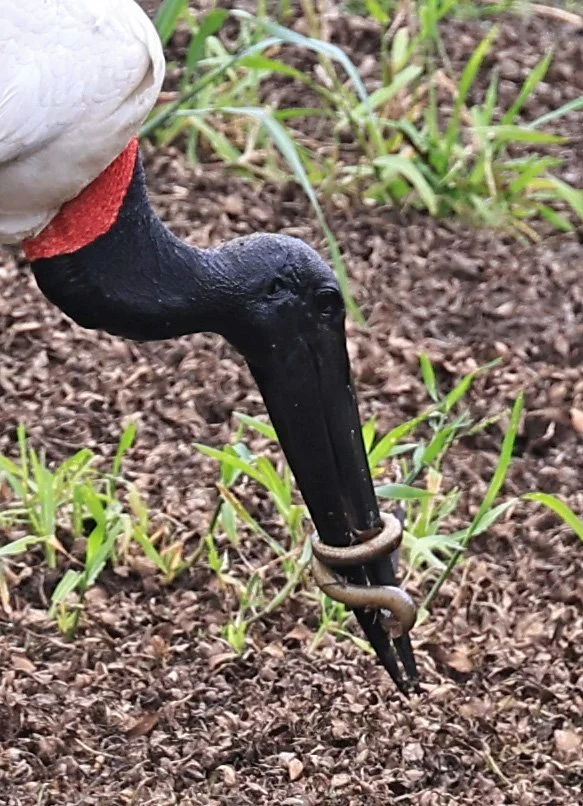
Jabiru (Jabiru mycteria) with delicious eel
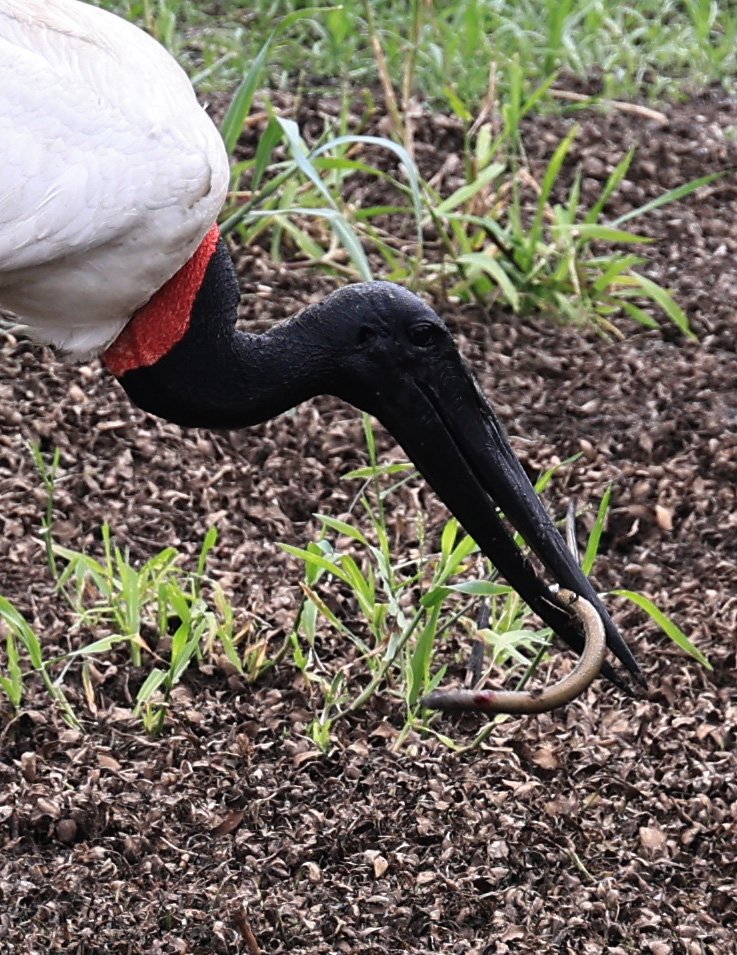
Jabiru (Jabiru mycteria)
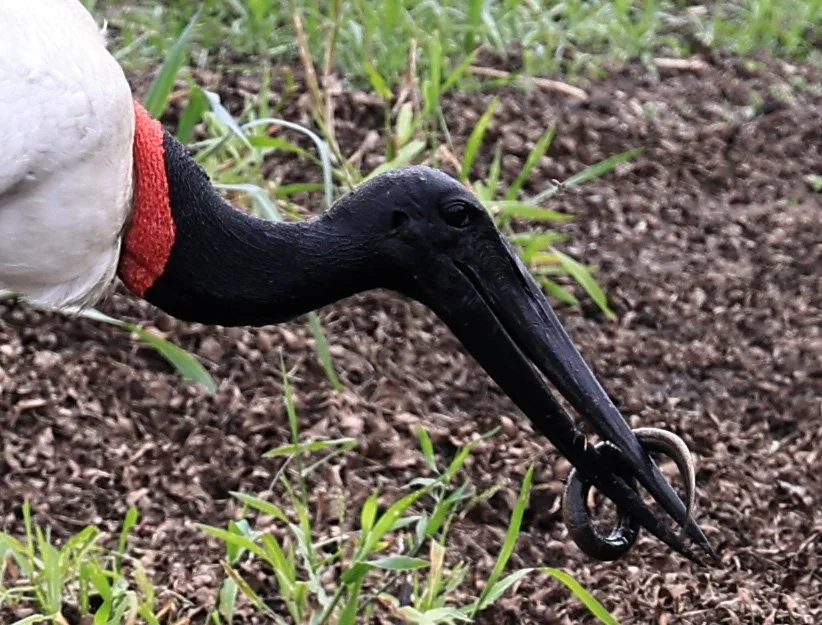
Jabiru (Jabiru mycteria)
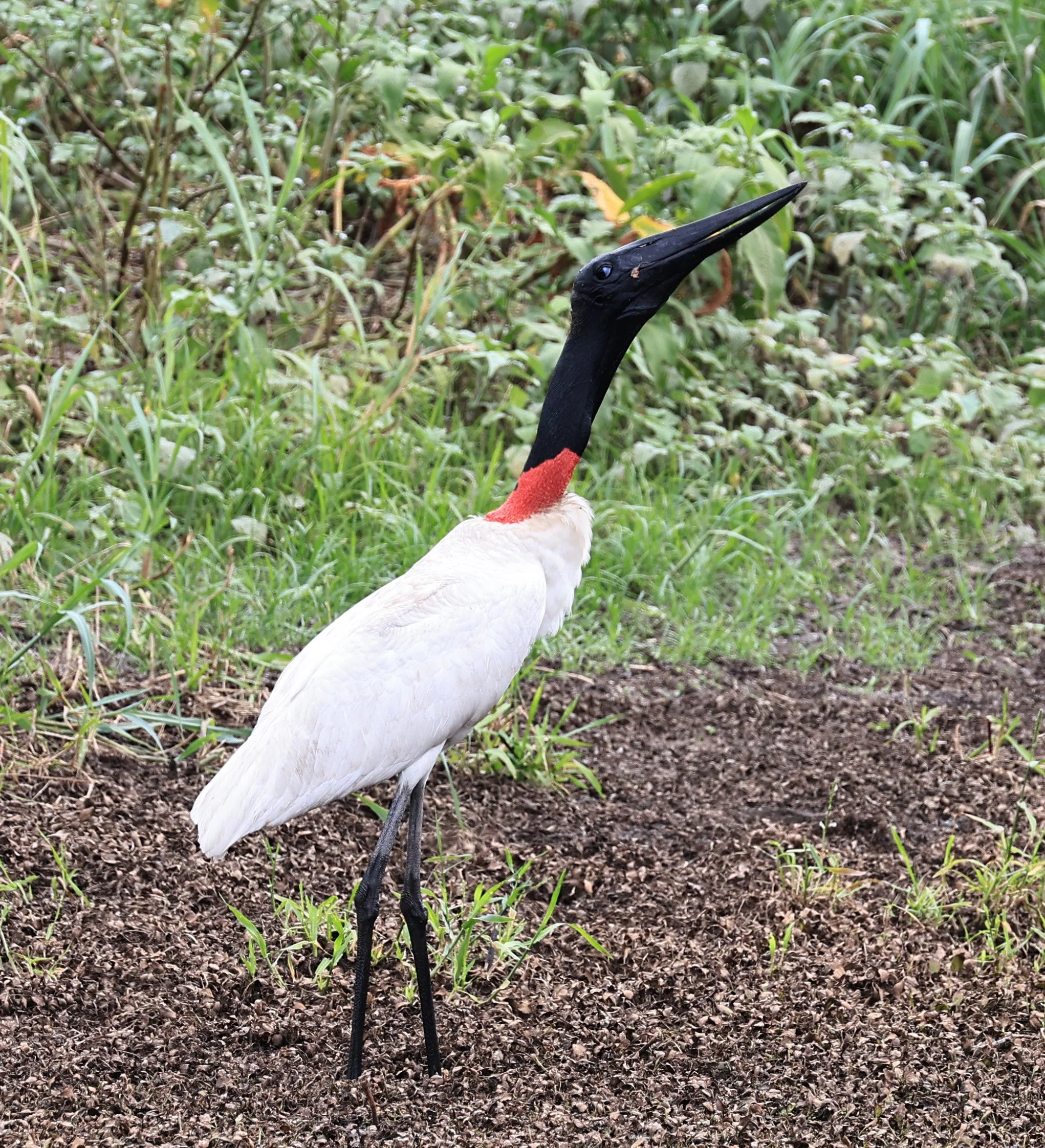
Jabiru (Jabiru mycteria)
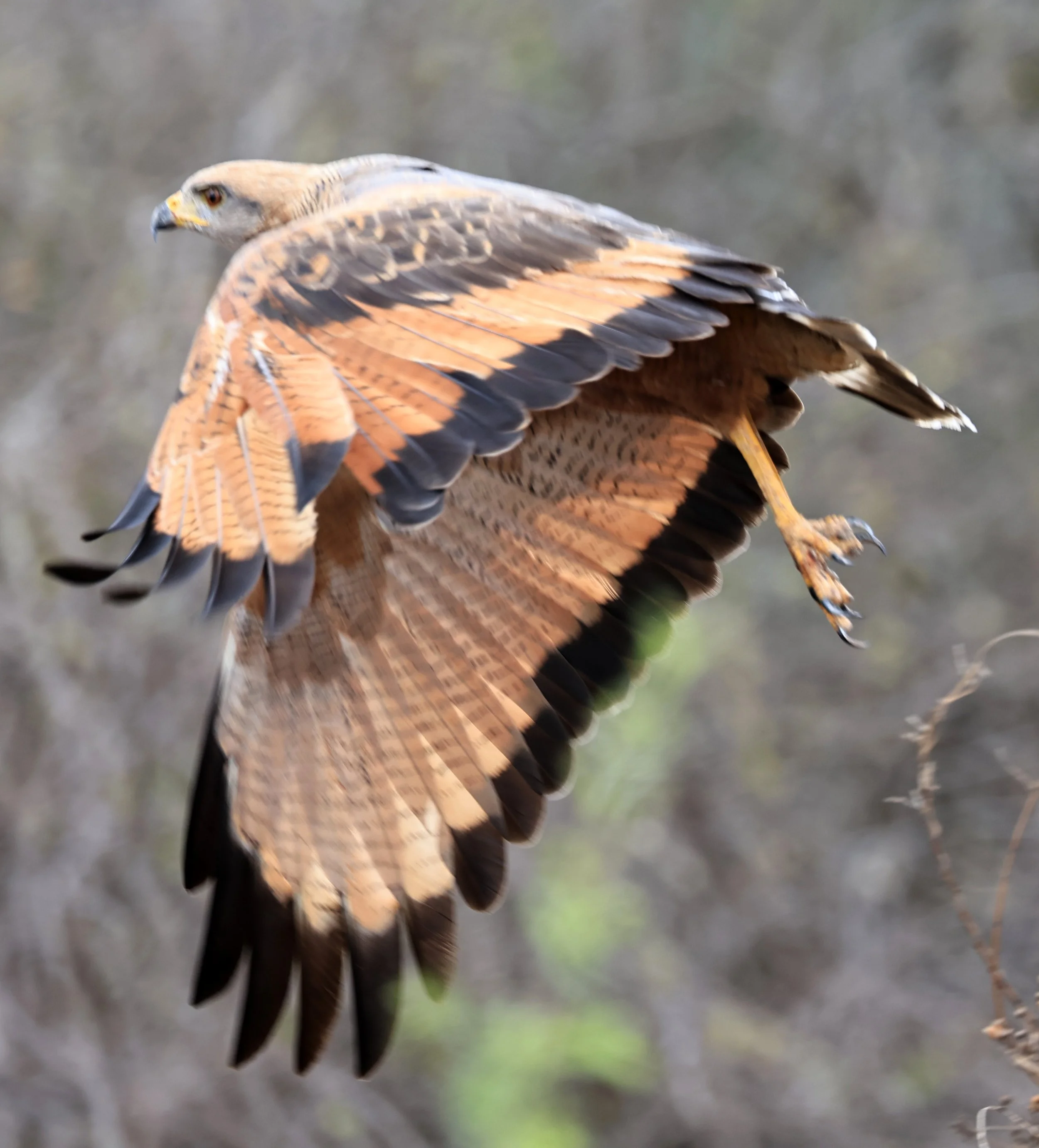
Savanna Hawk (Buteogallus meridionalis)
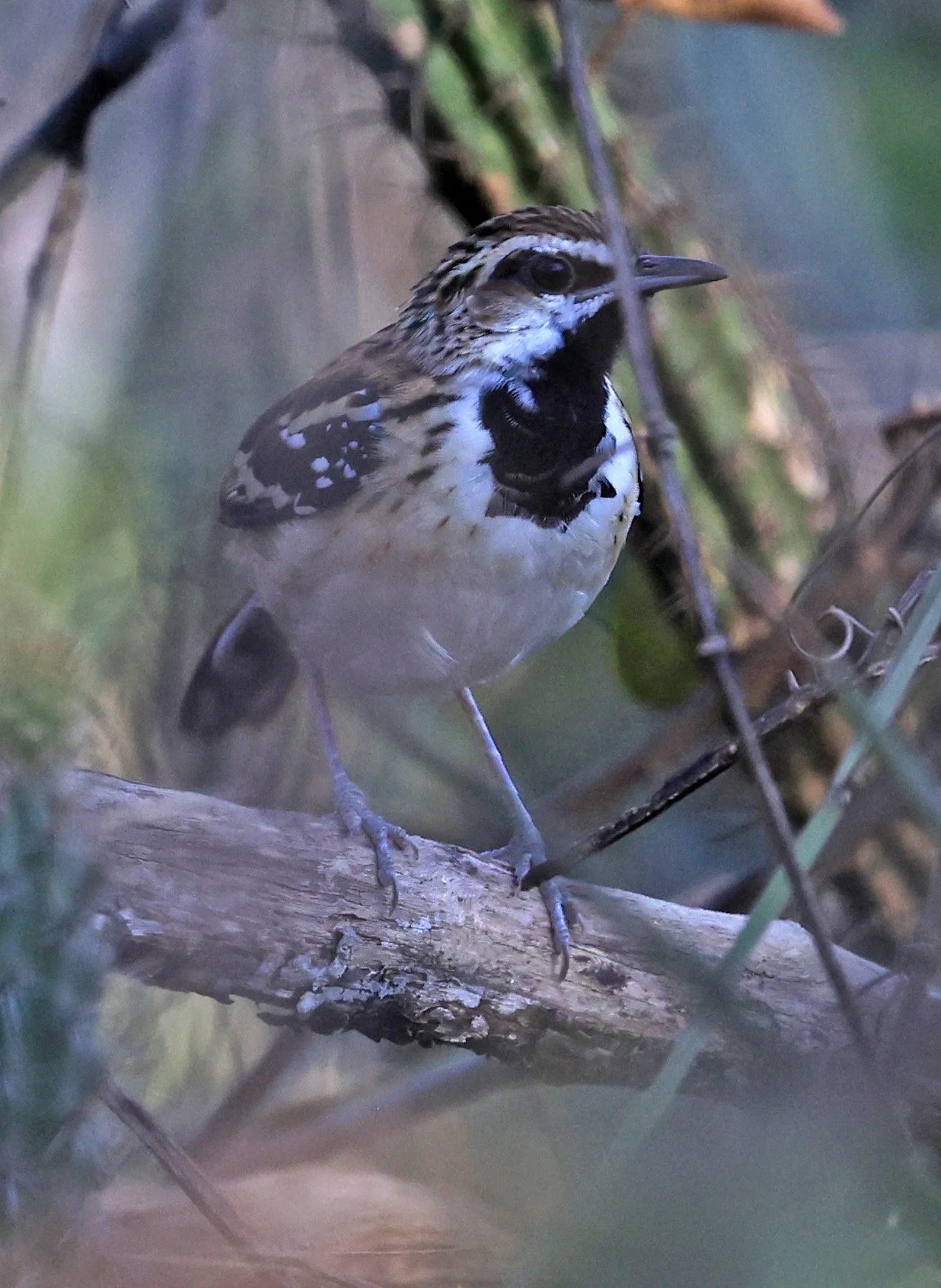
Stripe-backed Antbird (Myrmorchilus strigilatus)
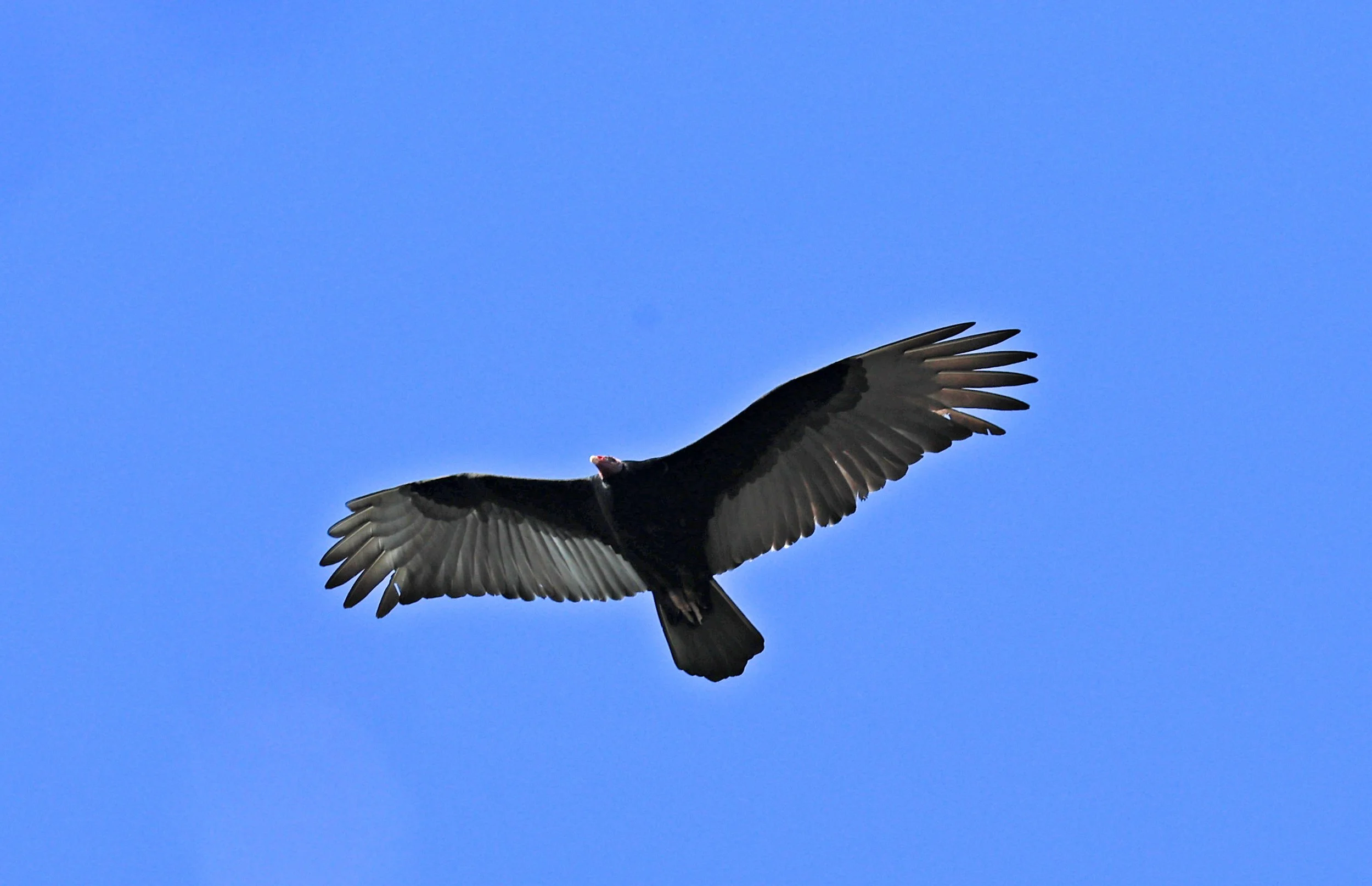
Turkey Vulture (Cathartes aura)
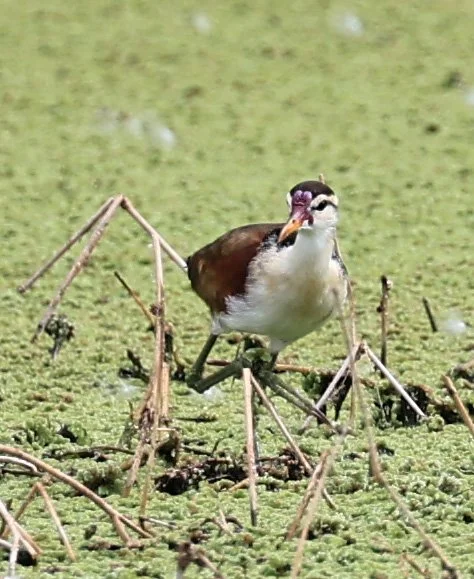
Wattled Jacana (Jacana jacana) immature
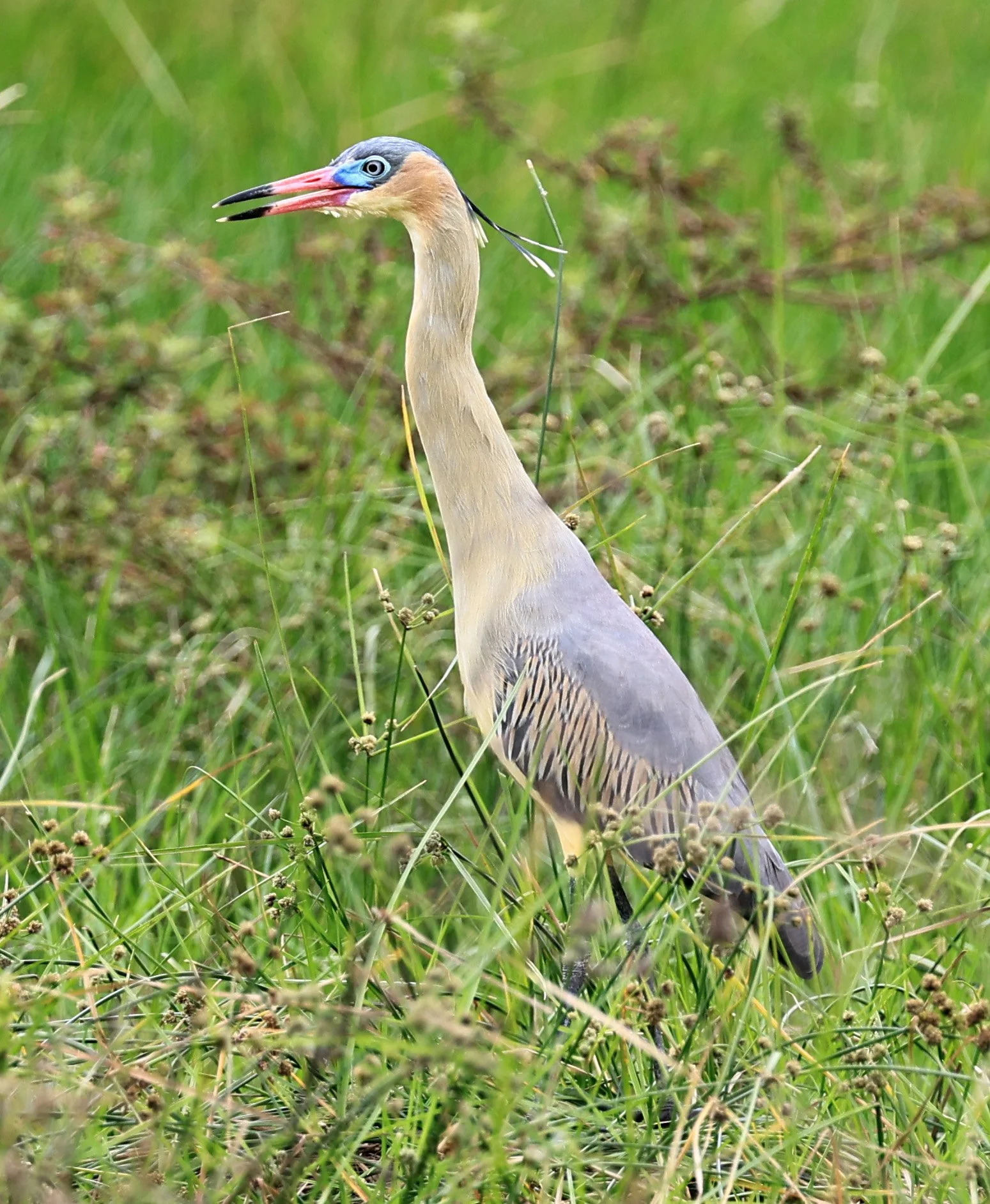
Whistling Heron (Syrigma sibilatrix)
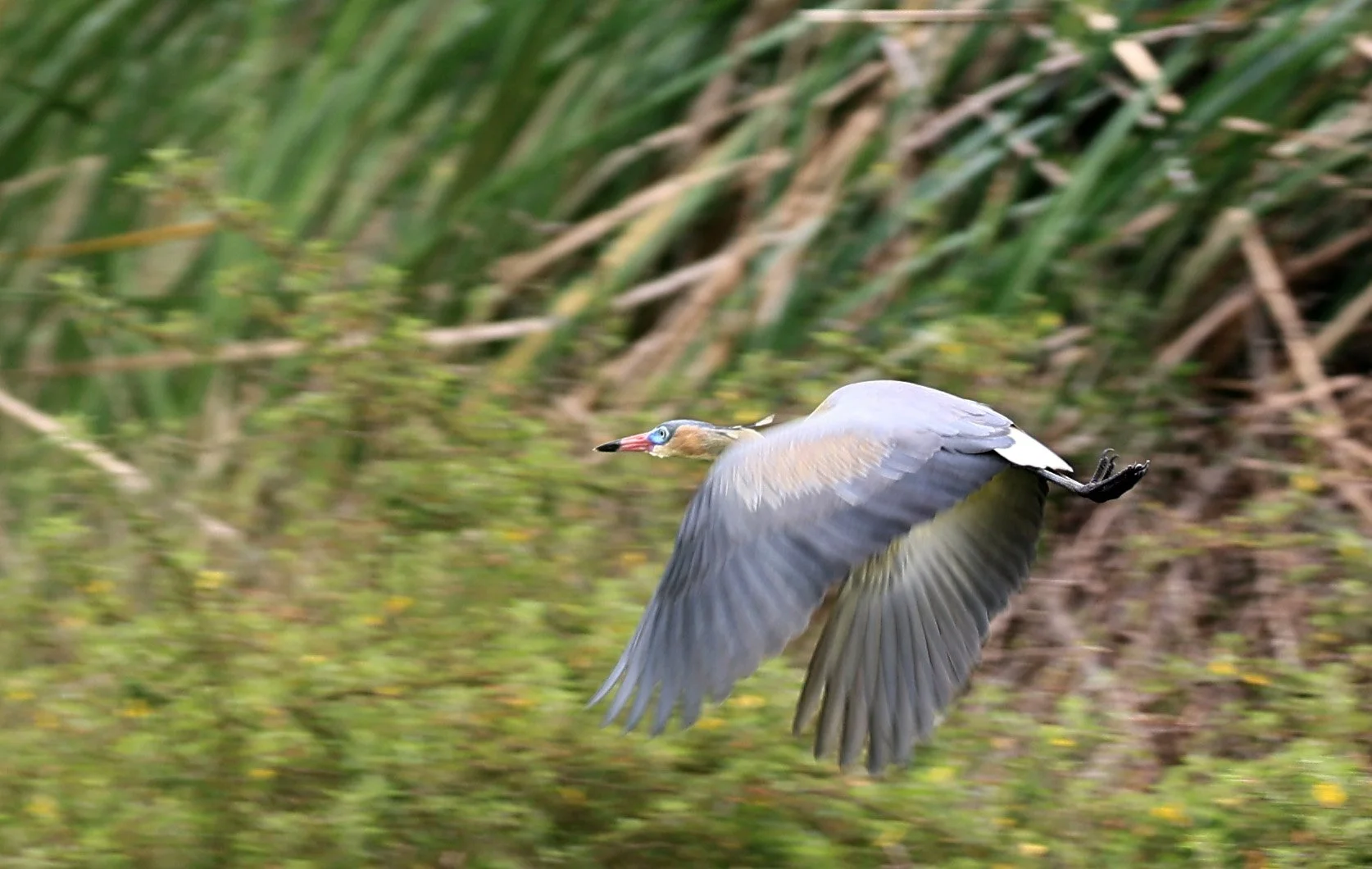
Whistling Heron (Syrigma sibilatrix)

Santa Fe White-lipped or Coraline Frog (Leptodactylus laticeps) Agua Dulce Paraguay
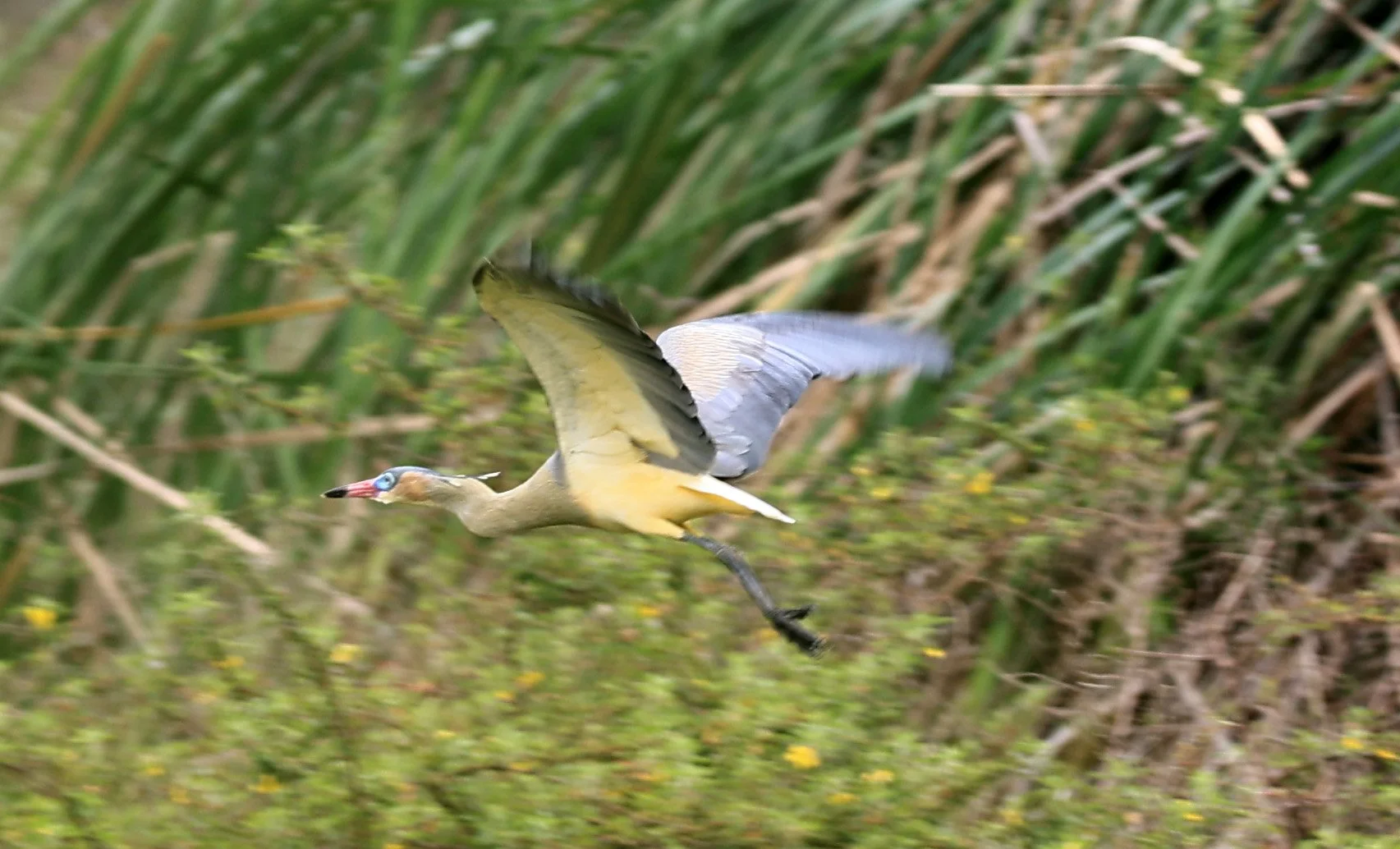
Whistling Heron (Syrigma sibilatrix)

Great Southern White (Ascia monuste) family Pieridae - Agua Dulce Paraguay
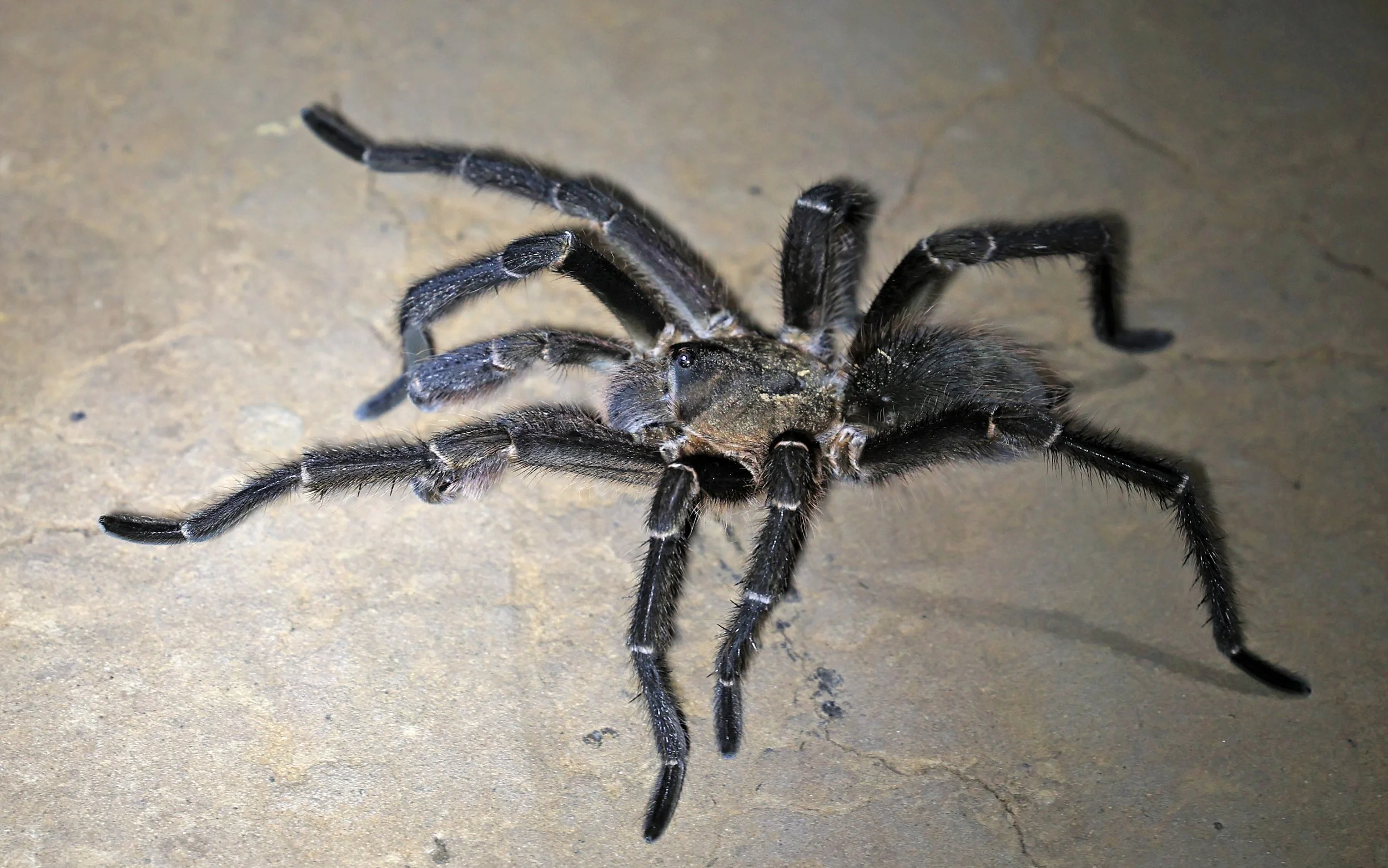
Chaco Golden Knee tarantula (Grammostola pulchripes) Agua Dulce Paraguay

Chaco Golden Knee tarantula (Grammostola pulchripes) Agua Dulce Paraguay
Flora and Scenery of Agua Dulce
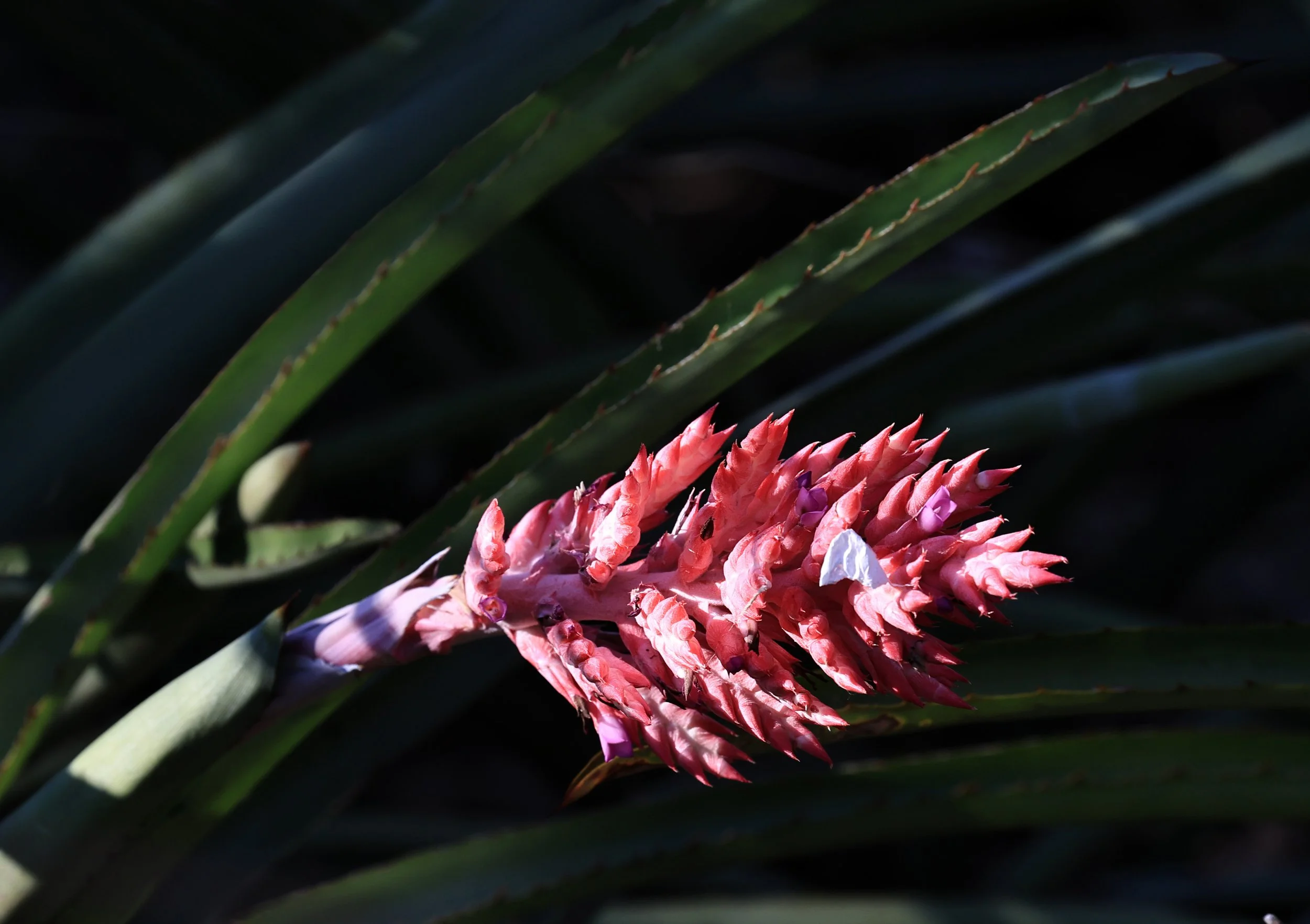
Aechmea distichantha - Agua Dulce Paraguay
Build it and they will come...
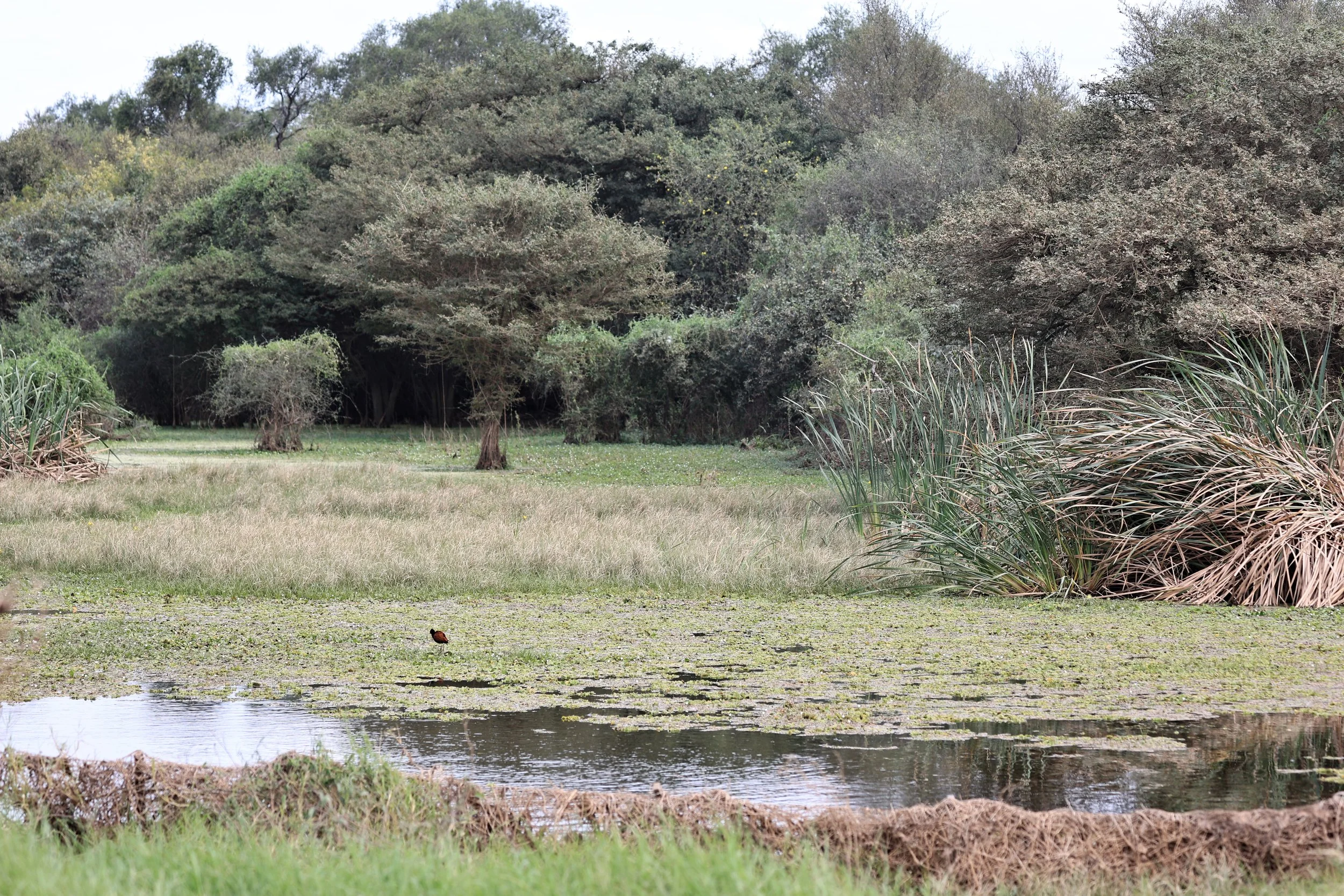
Ephemeral wetland near Agua Dulce
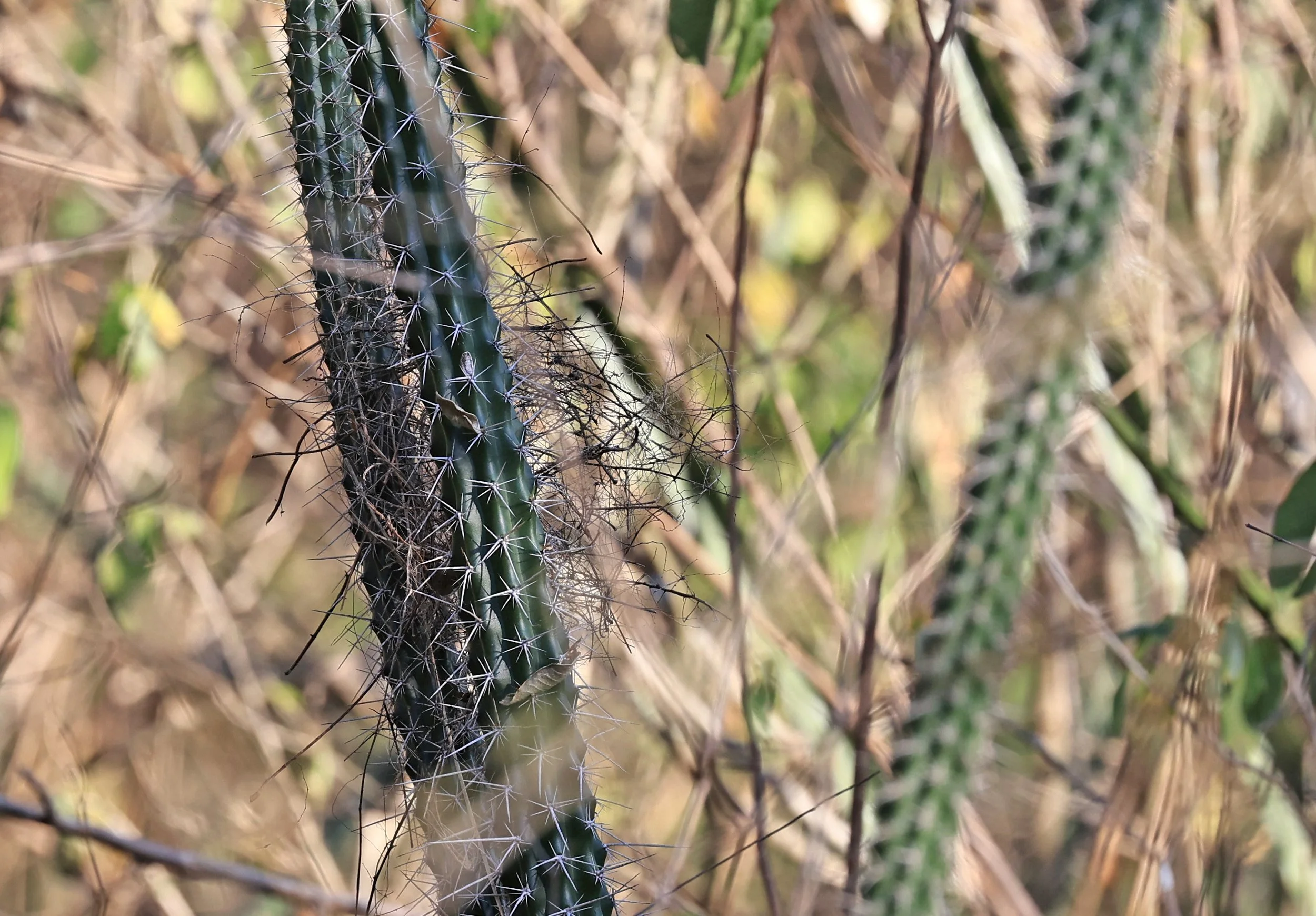
Chaco Torch Cactus (Cleistocactus baumannii) Agua Dulce
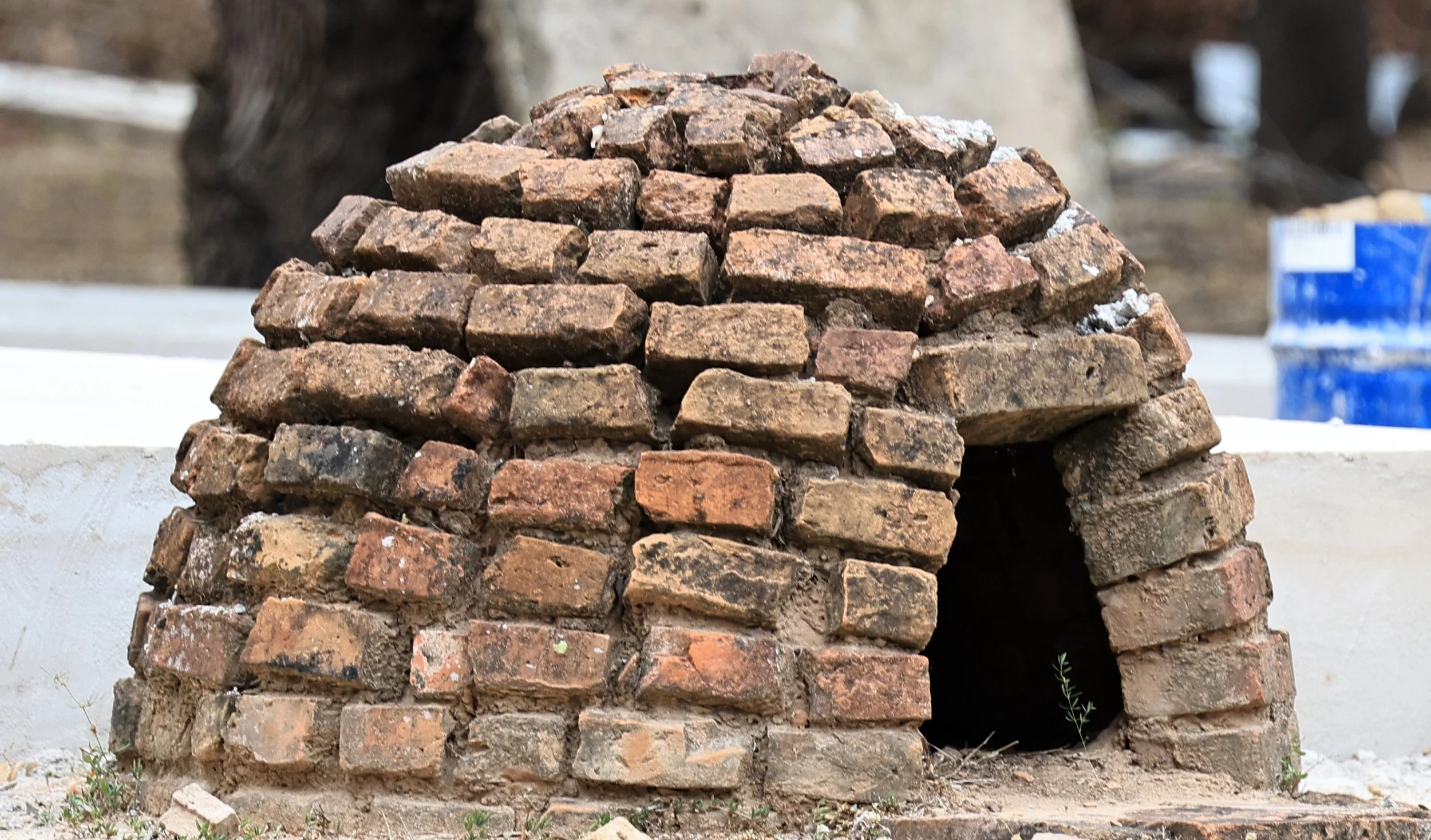
Dome Brick Oven - bread - Agua Dulce Paraguay
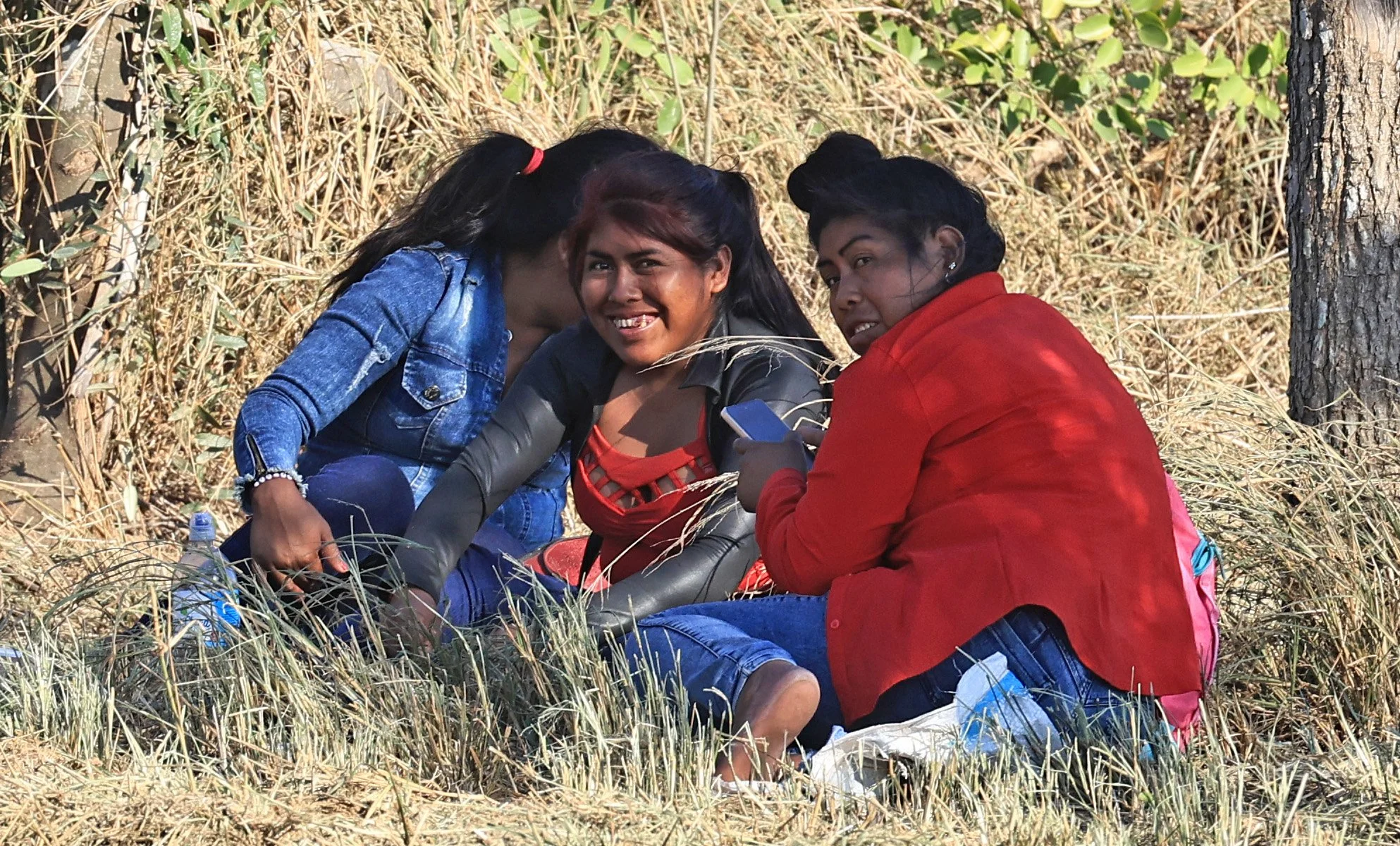
Guarani People at Bus Stop at Agua Dulce
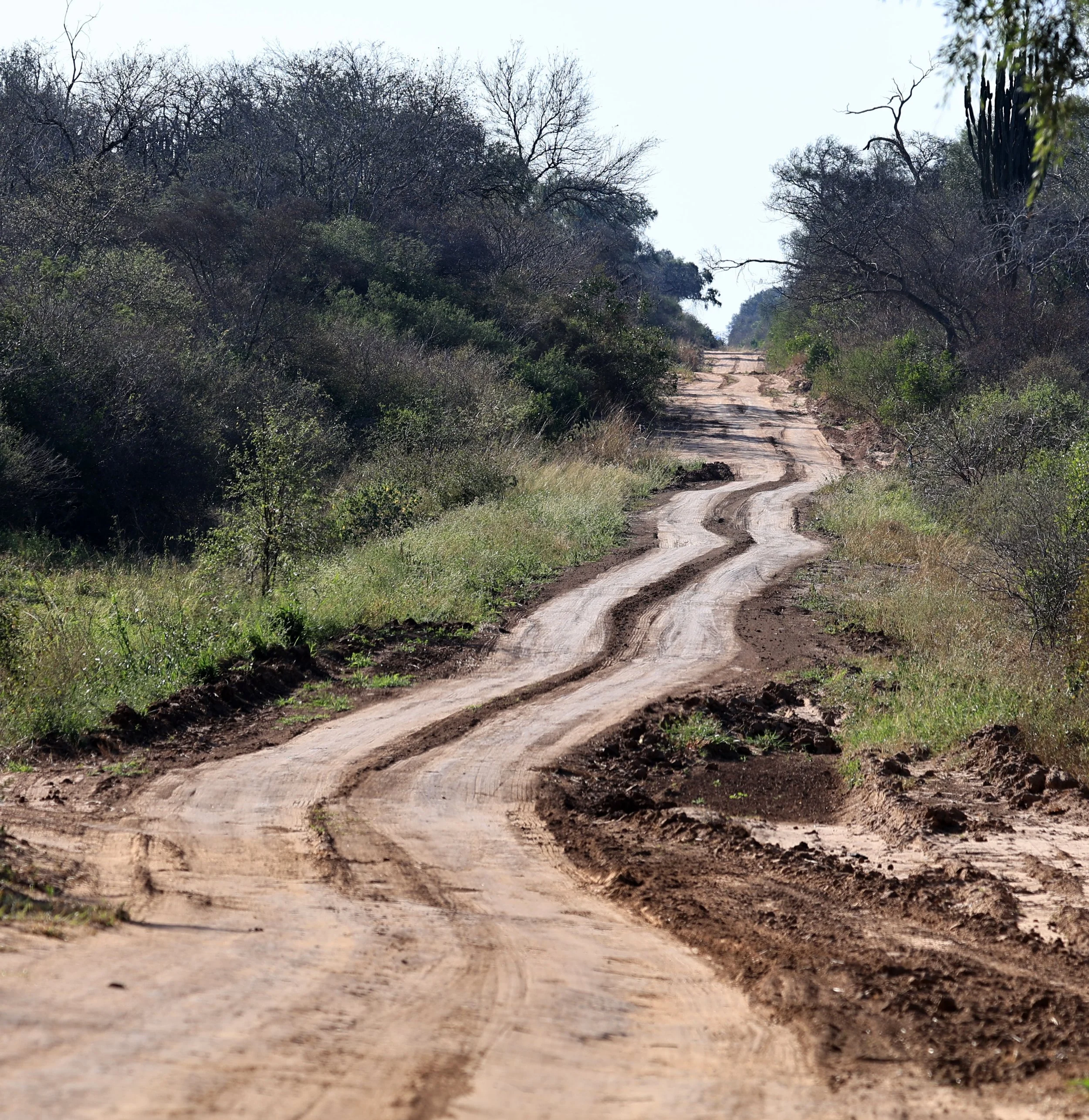
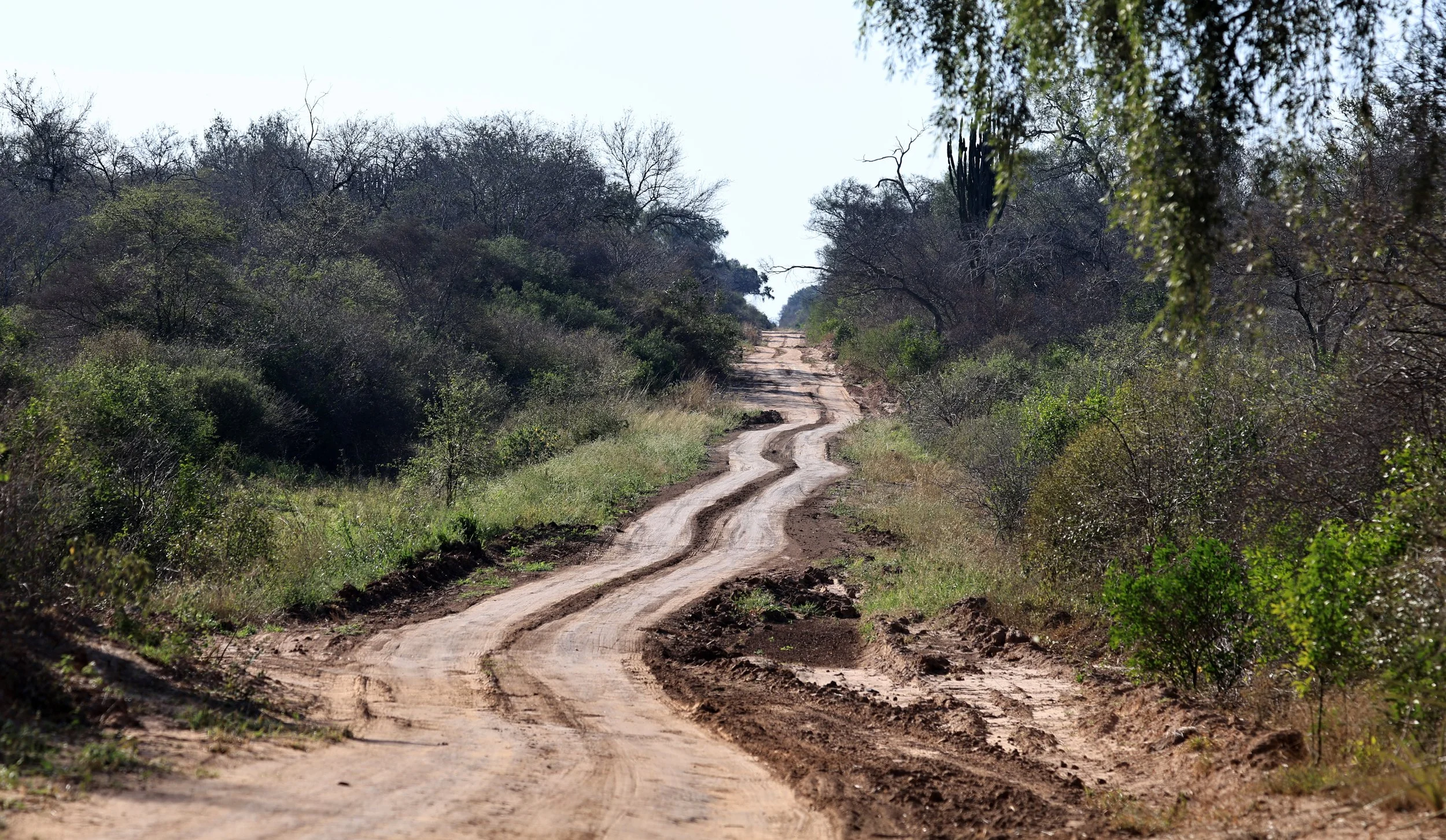
Thank goodness the road was in good shape this day
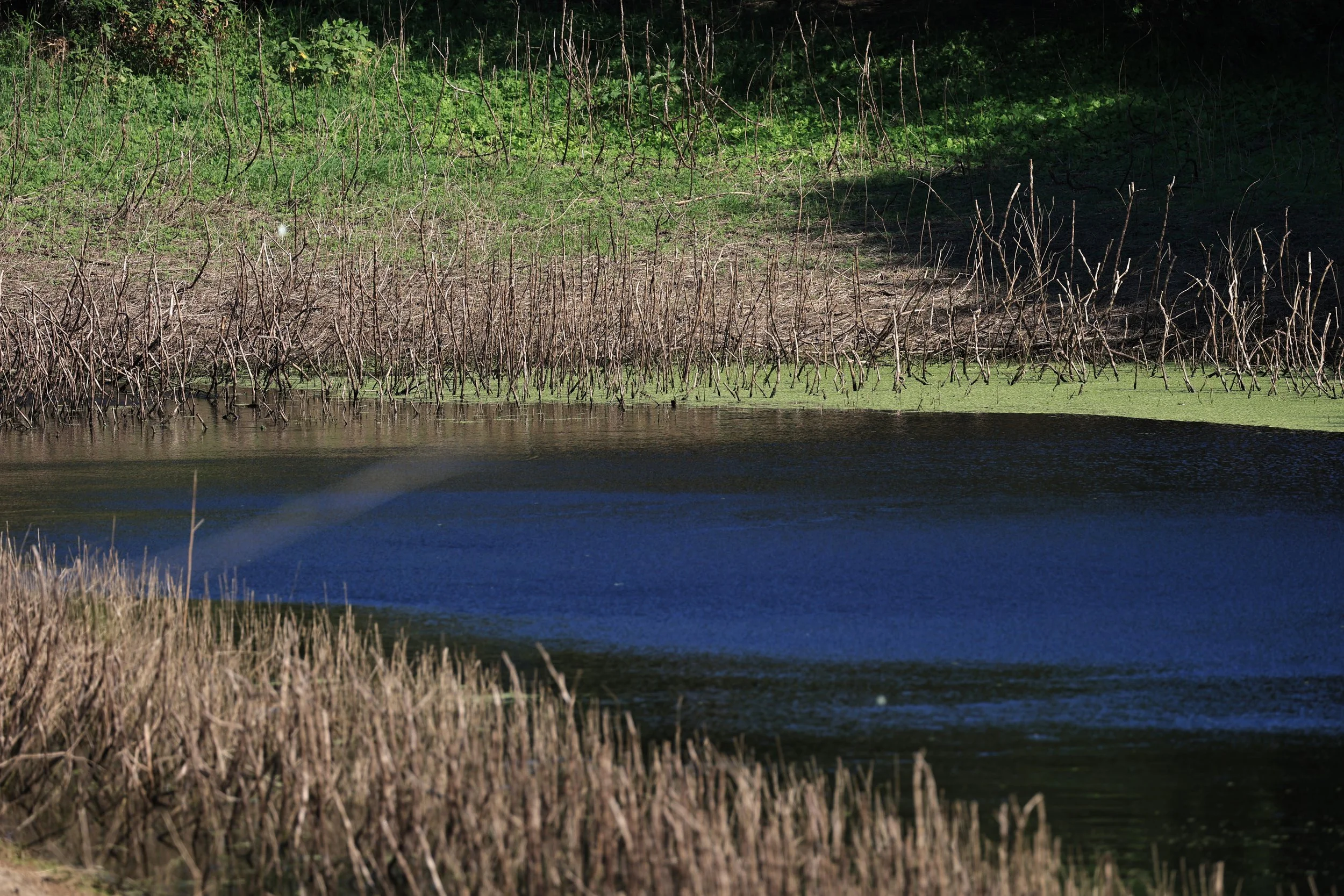

Duckweed has found its way deep in to the Chaco
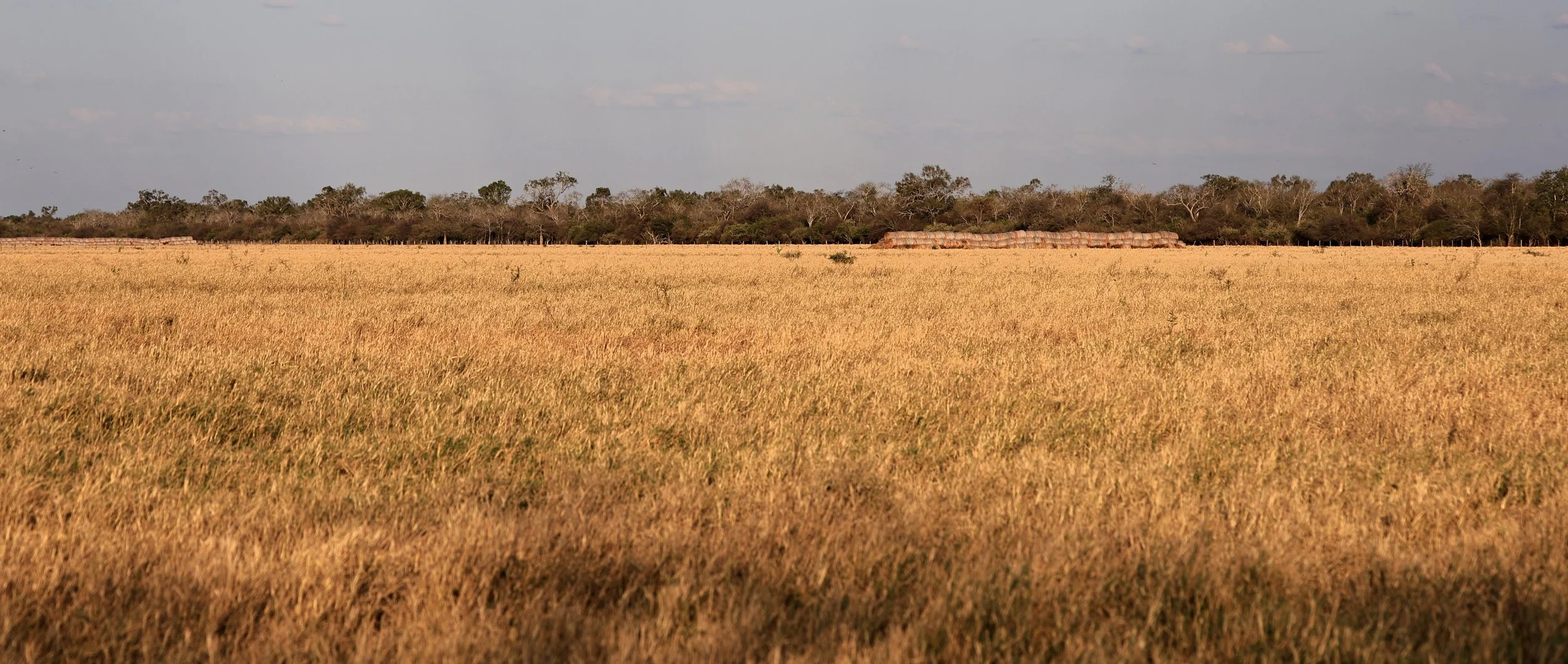
Too much land has been cleared for soy and wheat
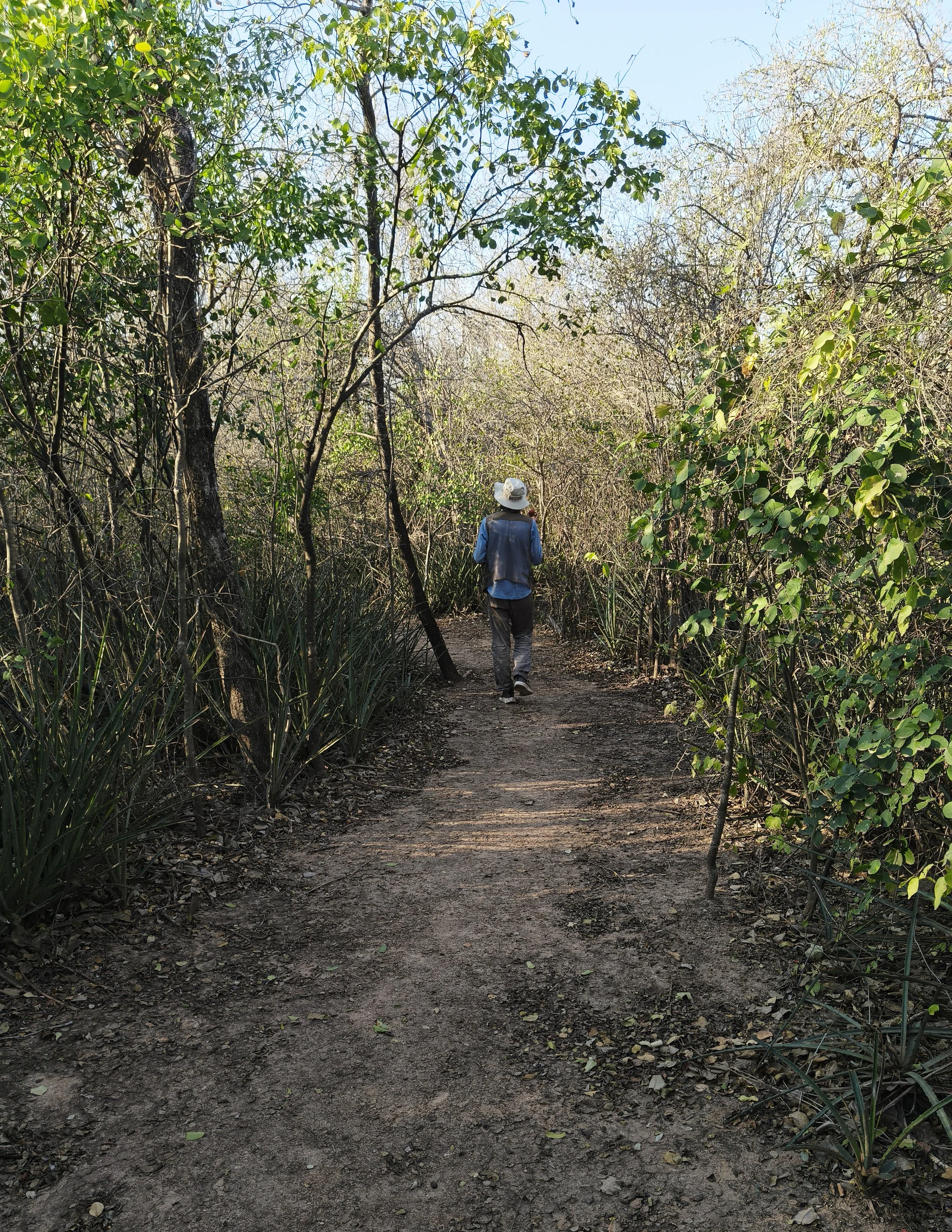
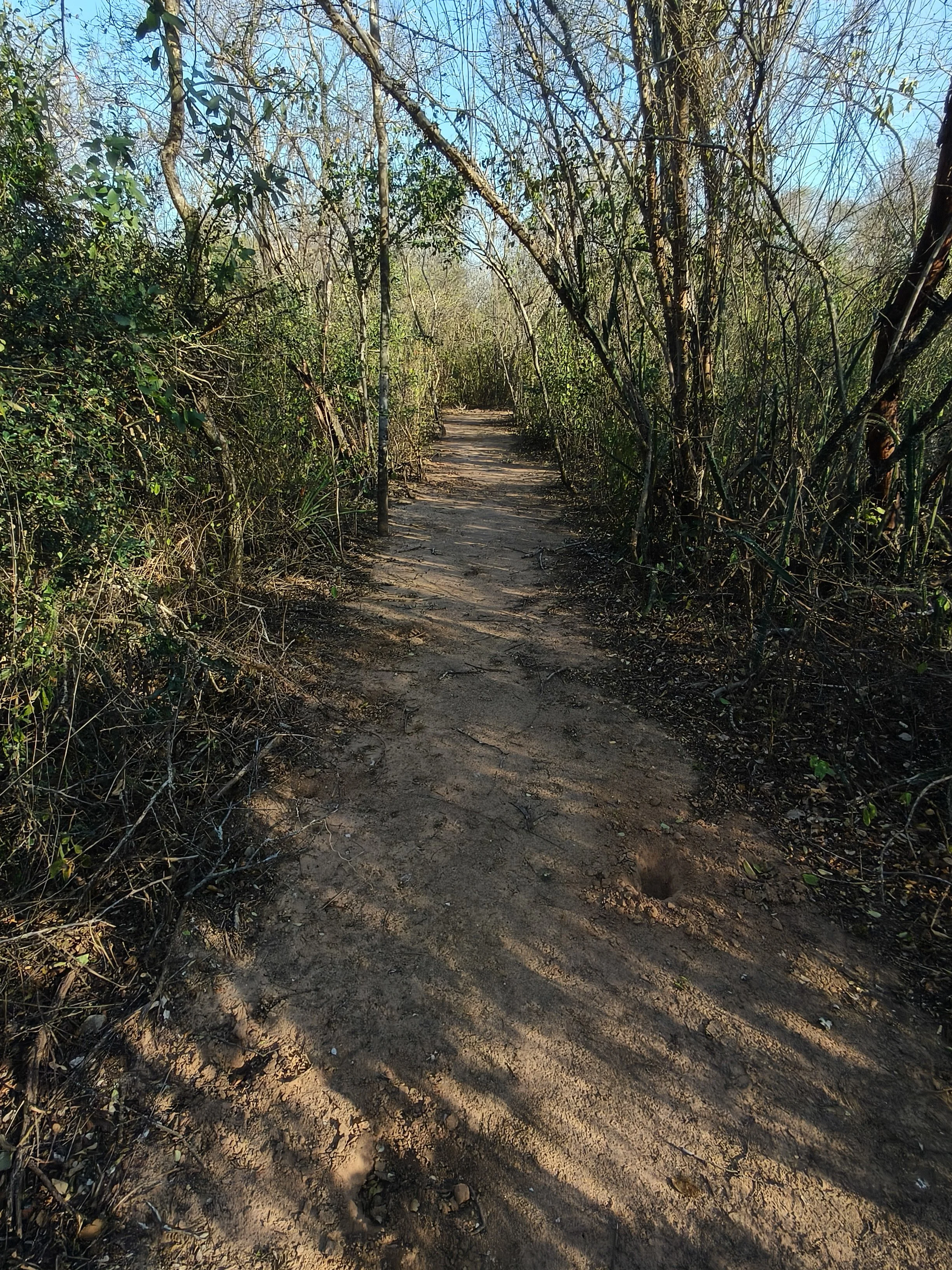
Agua Dulce nature trail
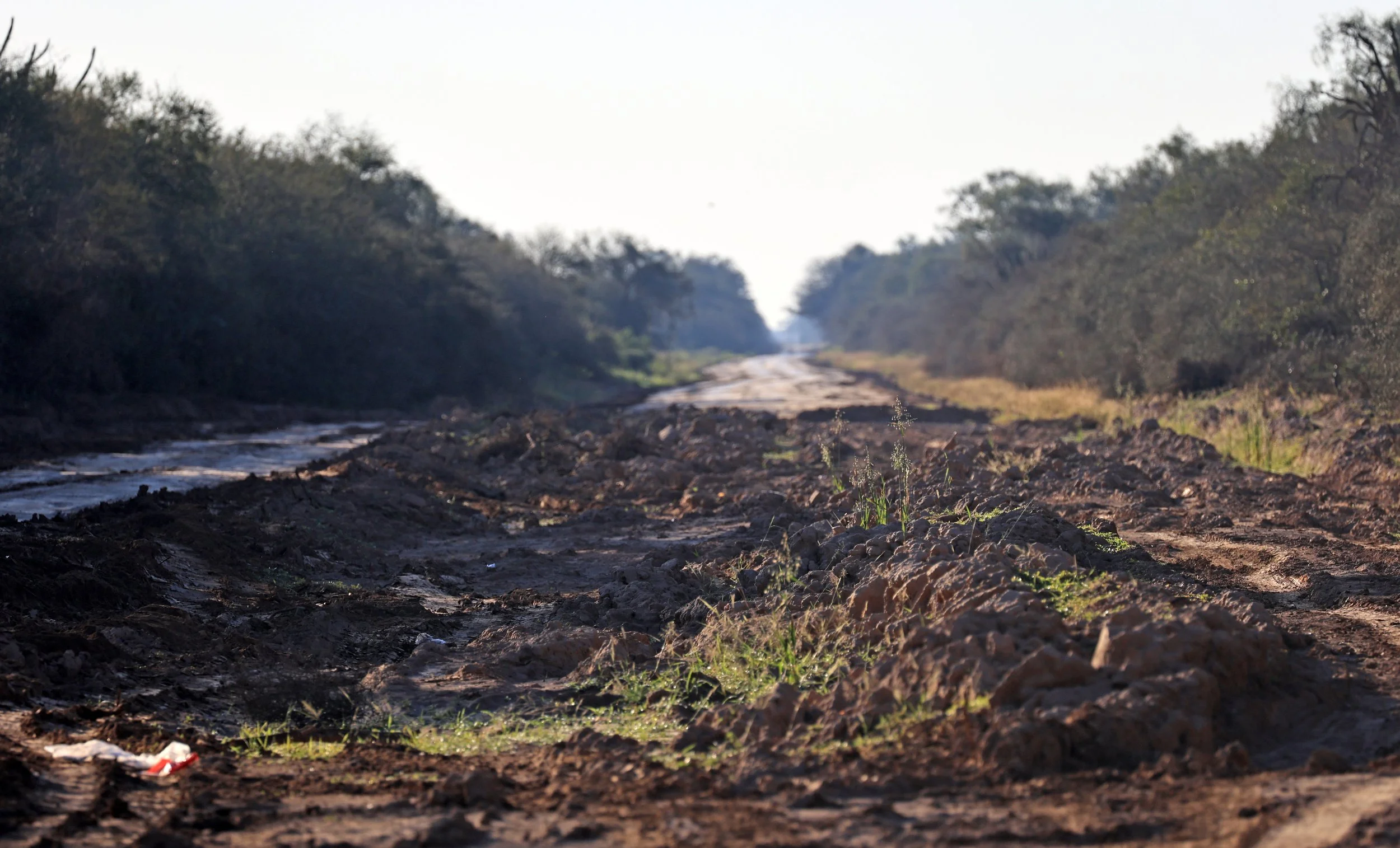
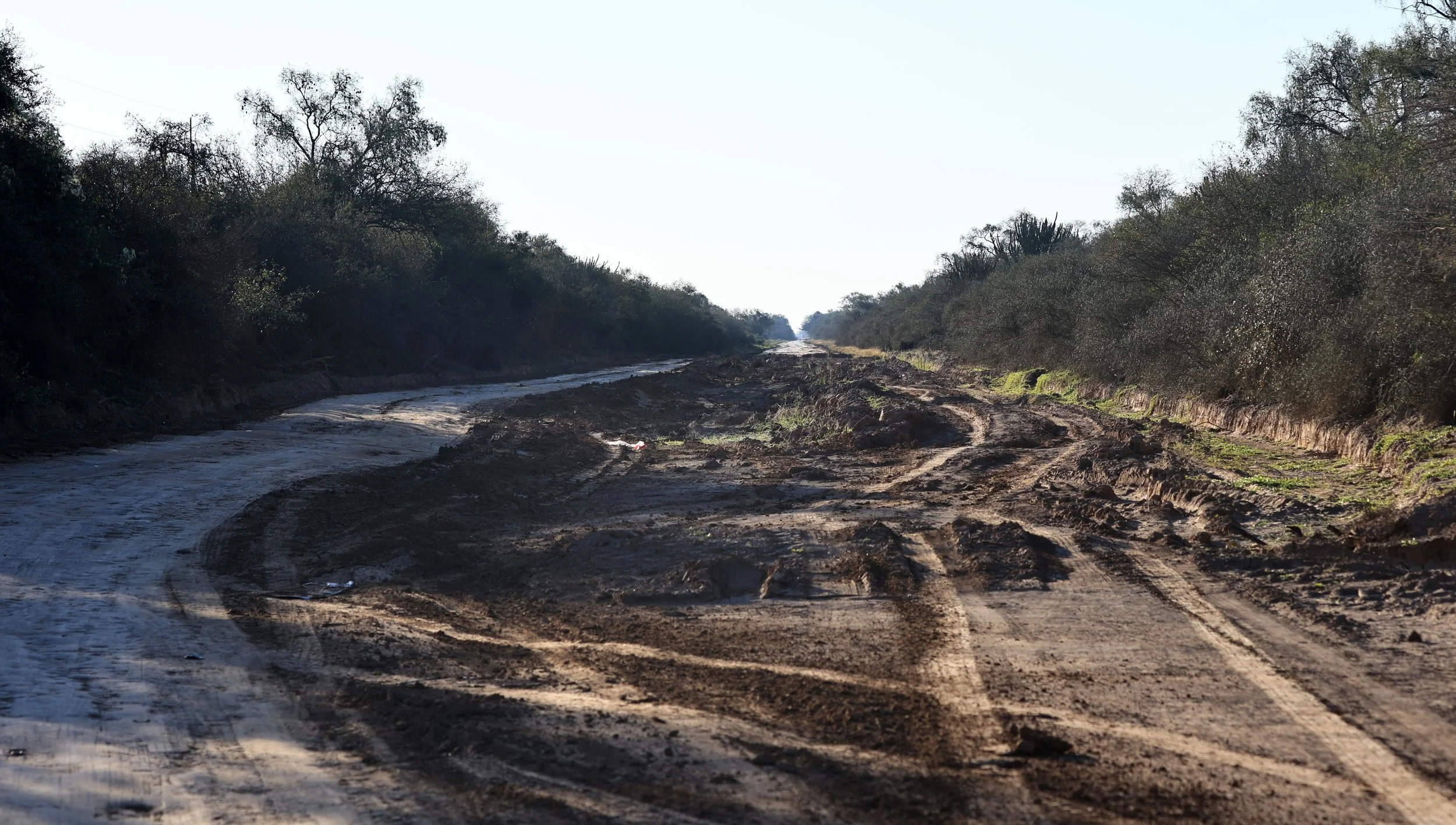
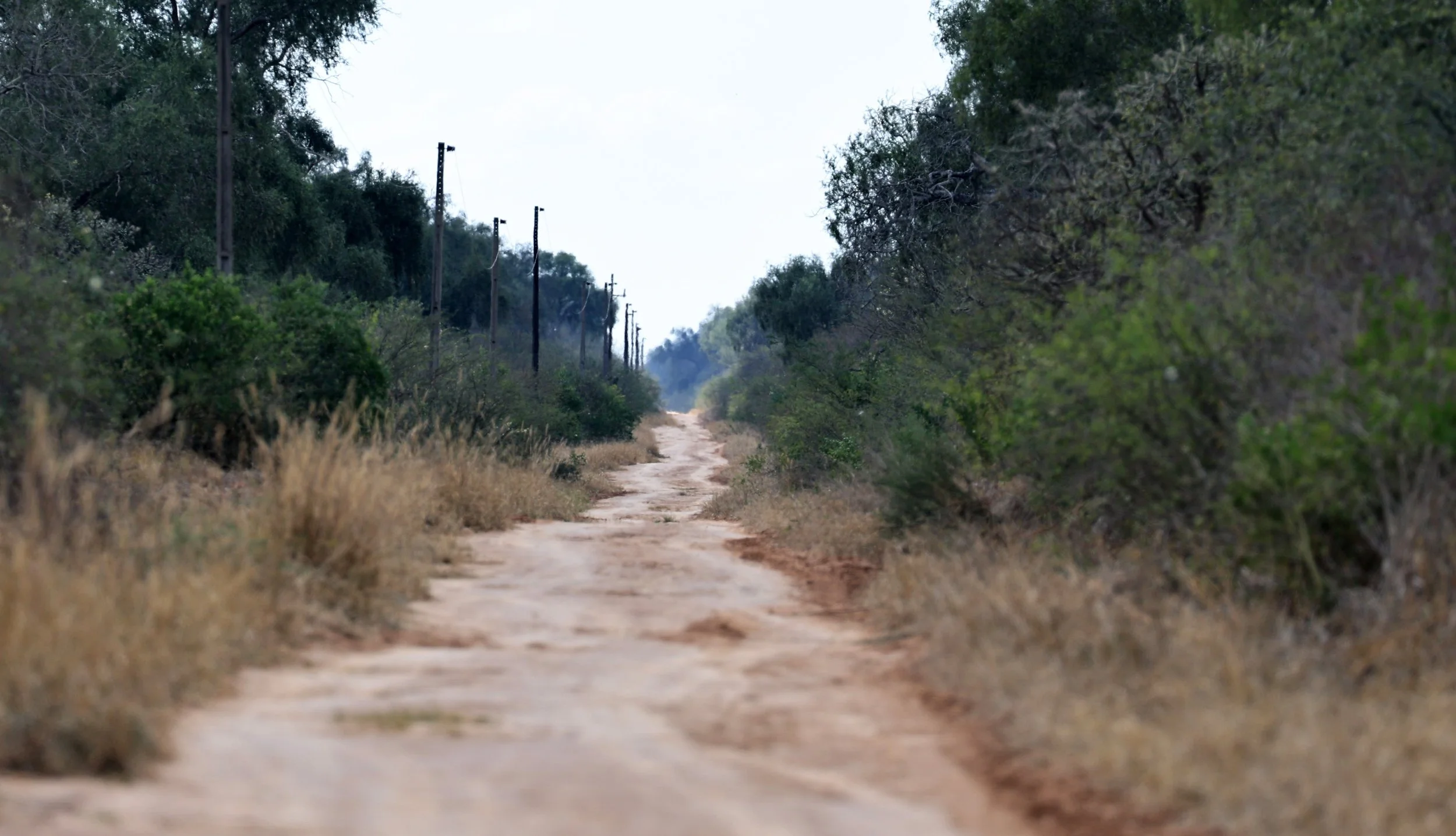
What this road could become
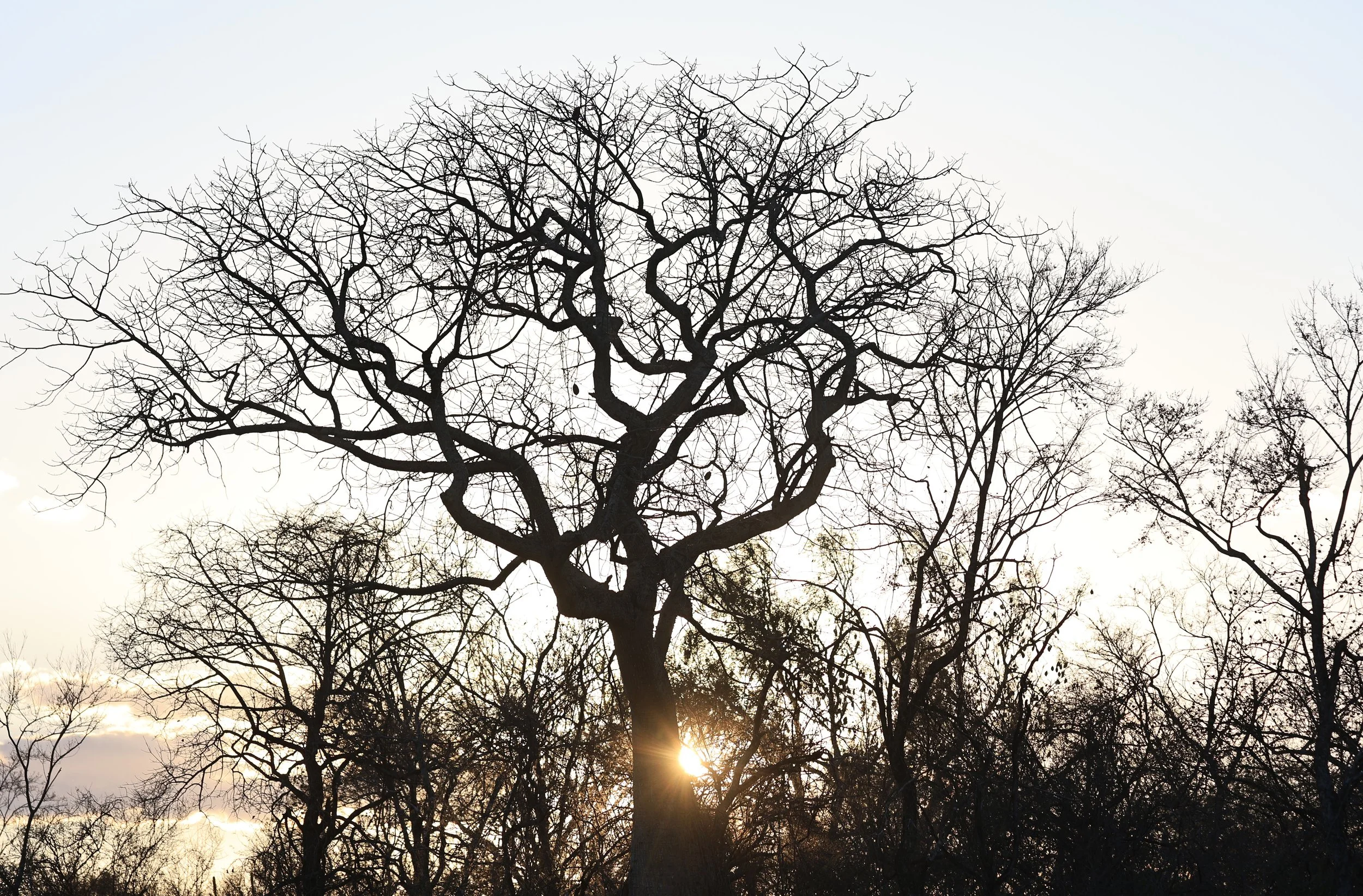
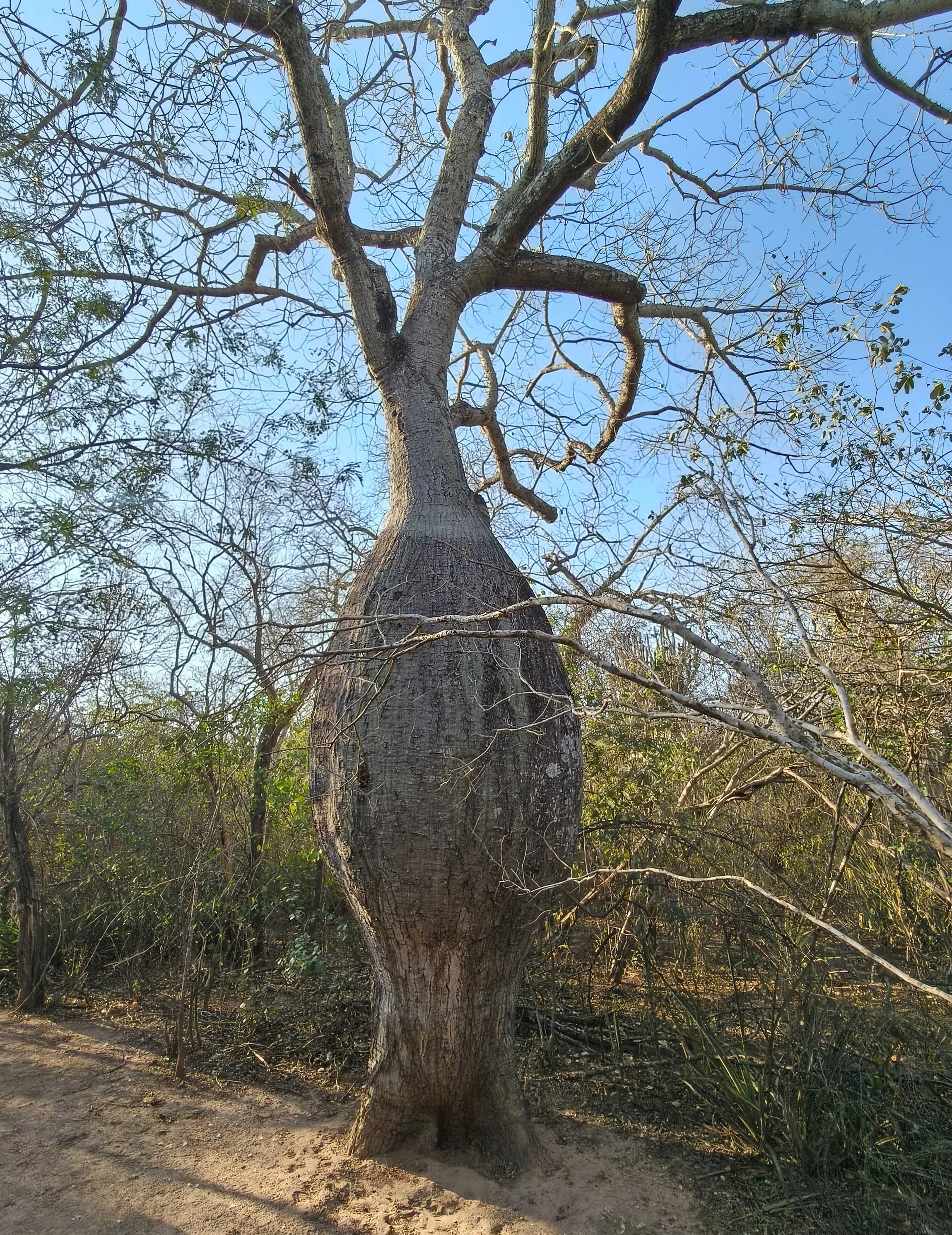
Ceiba chodatii
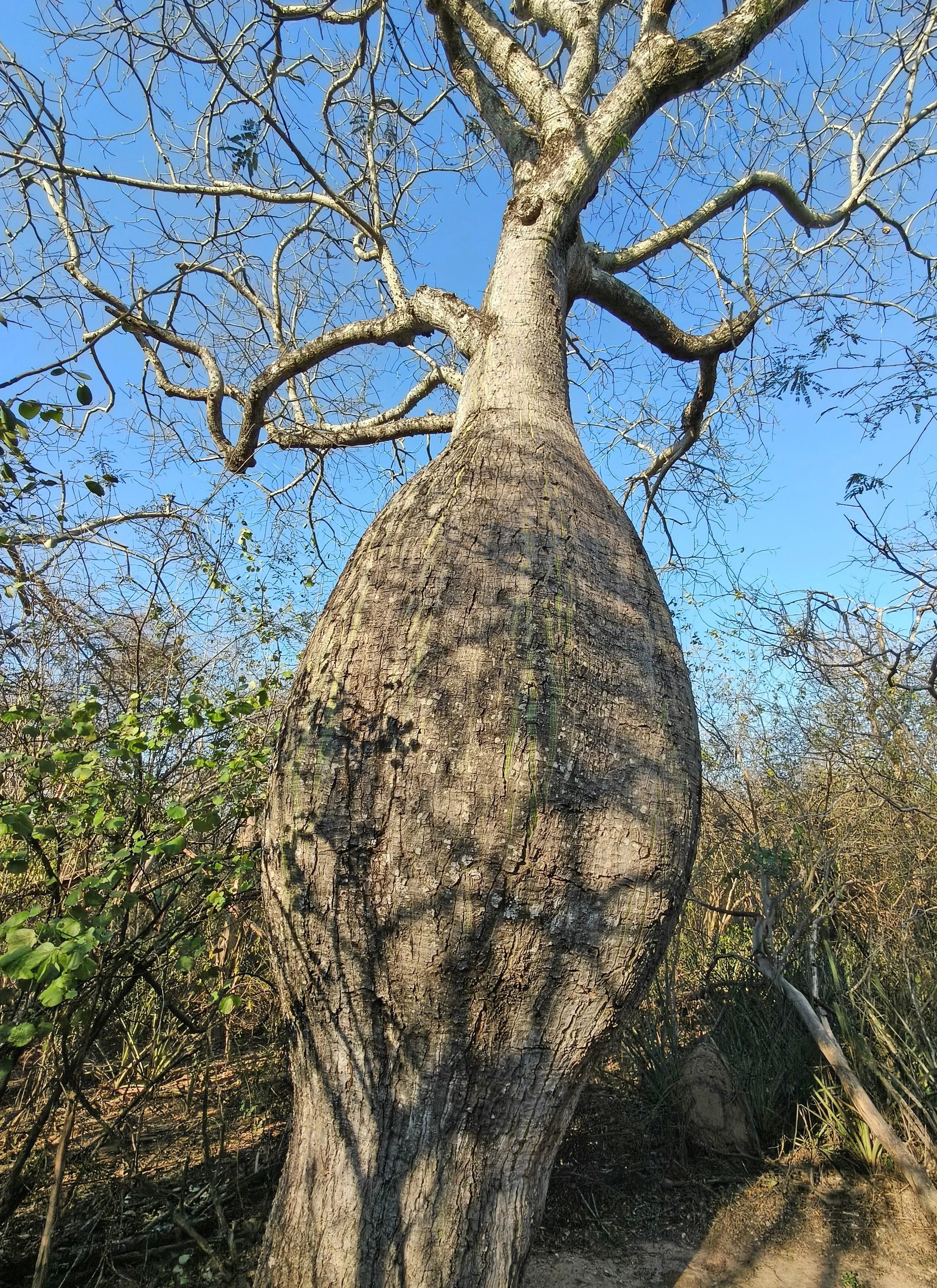
Ceiba chodatii
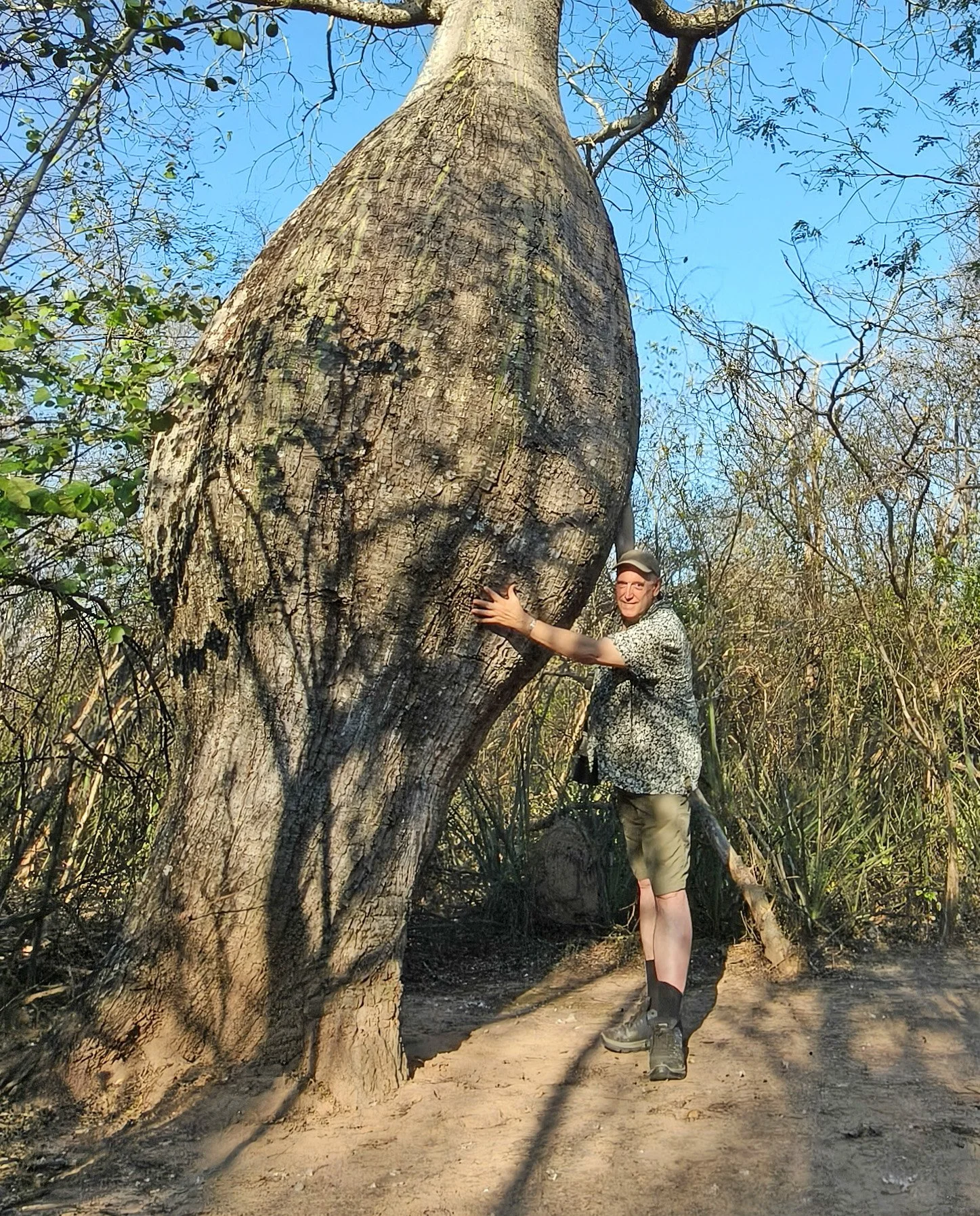
Ceiba chodatii
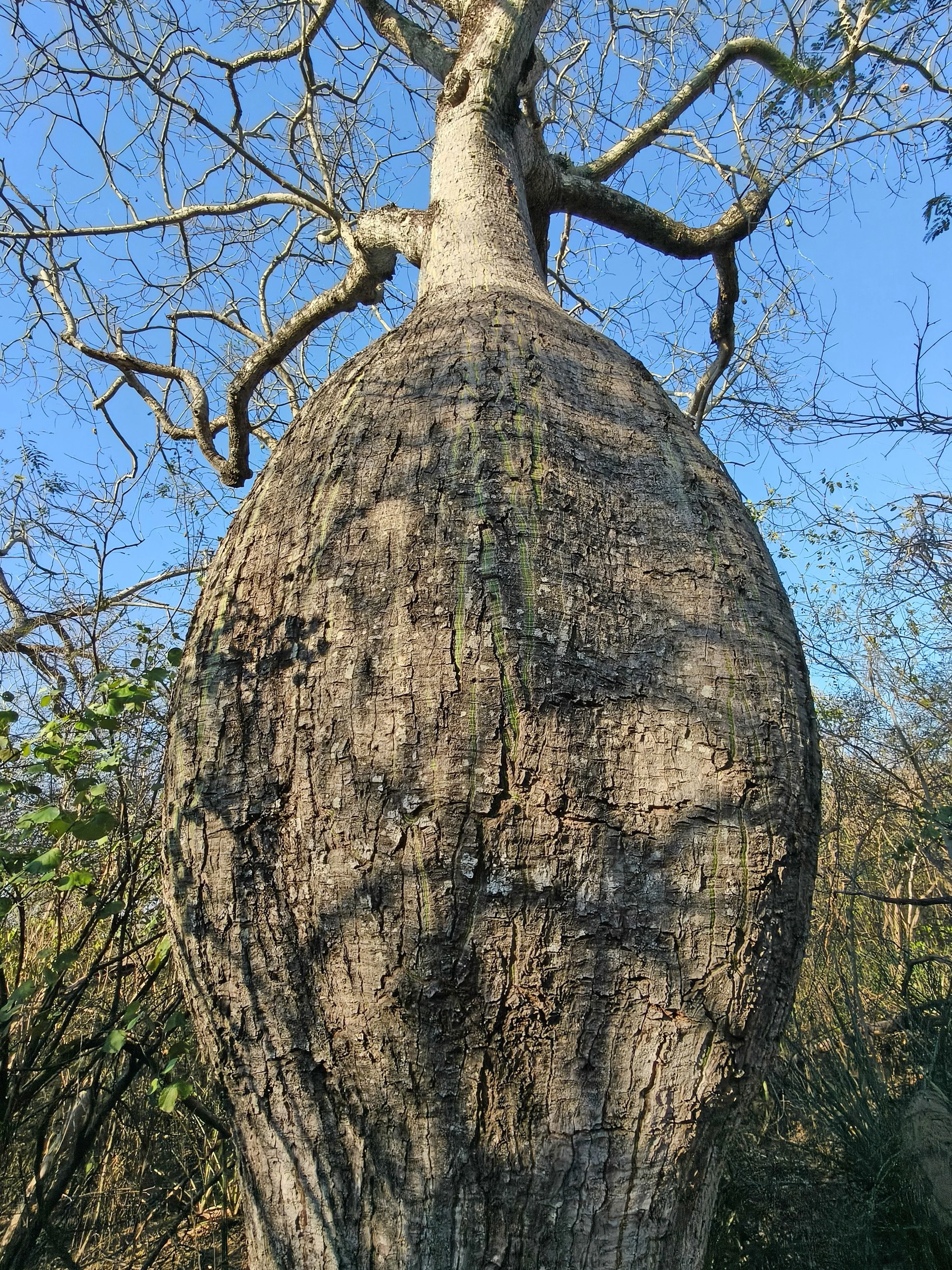
Ceiba chodatii
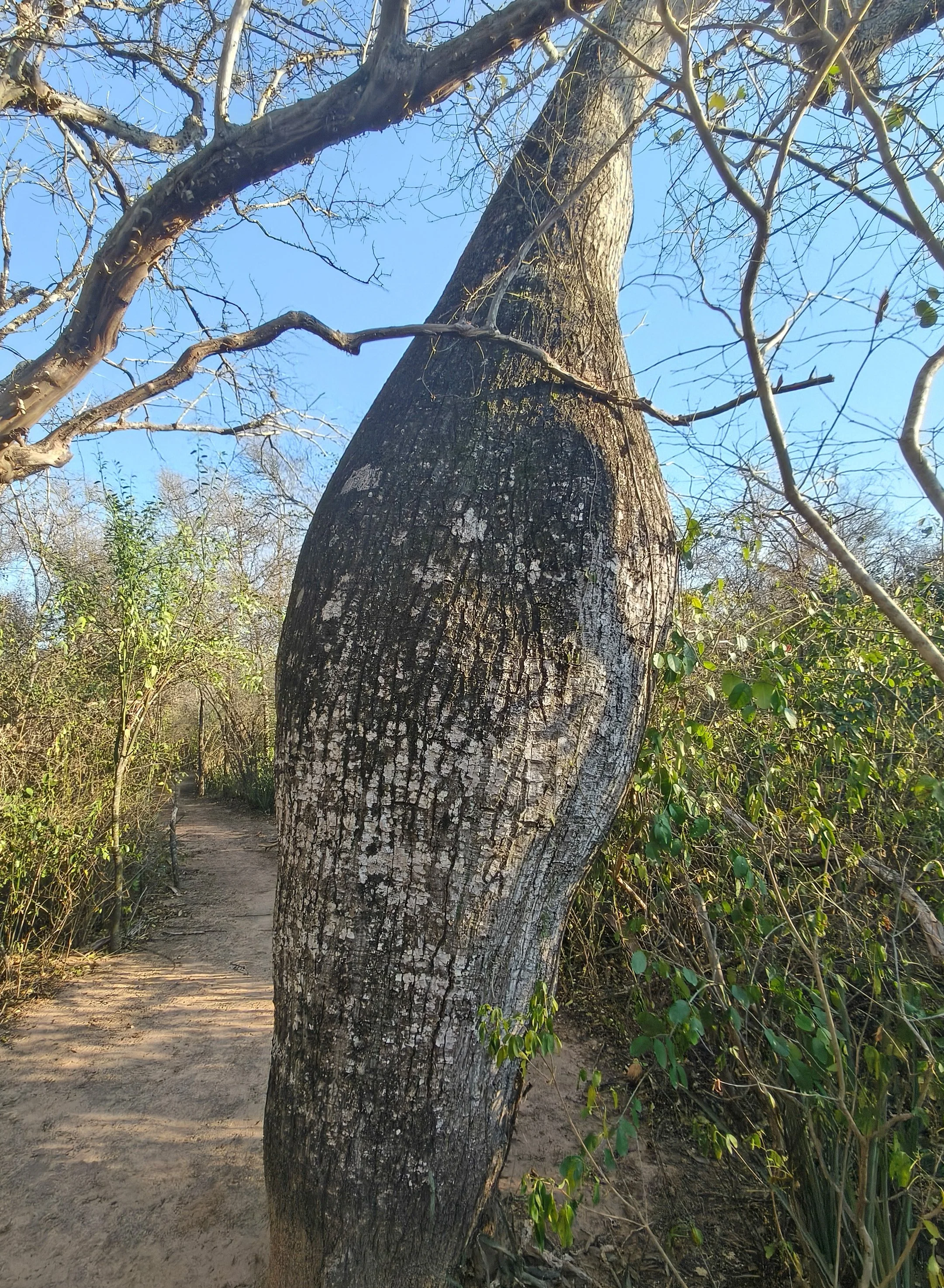
Ceiba chodatii
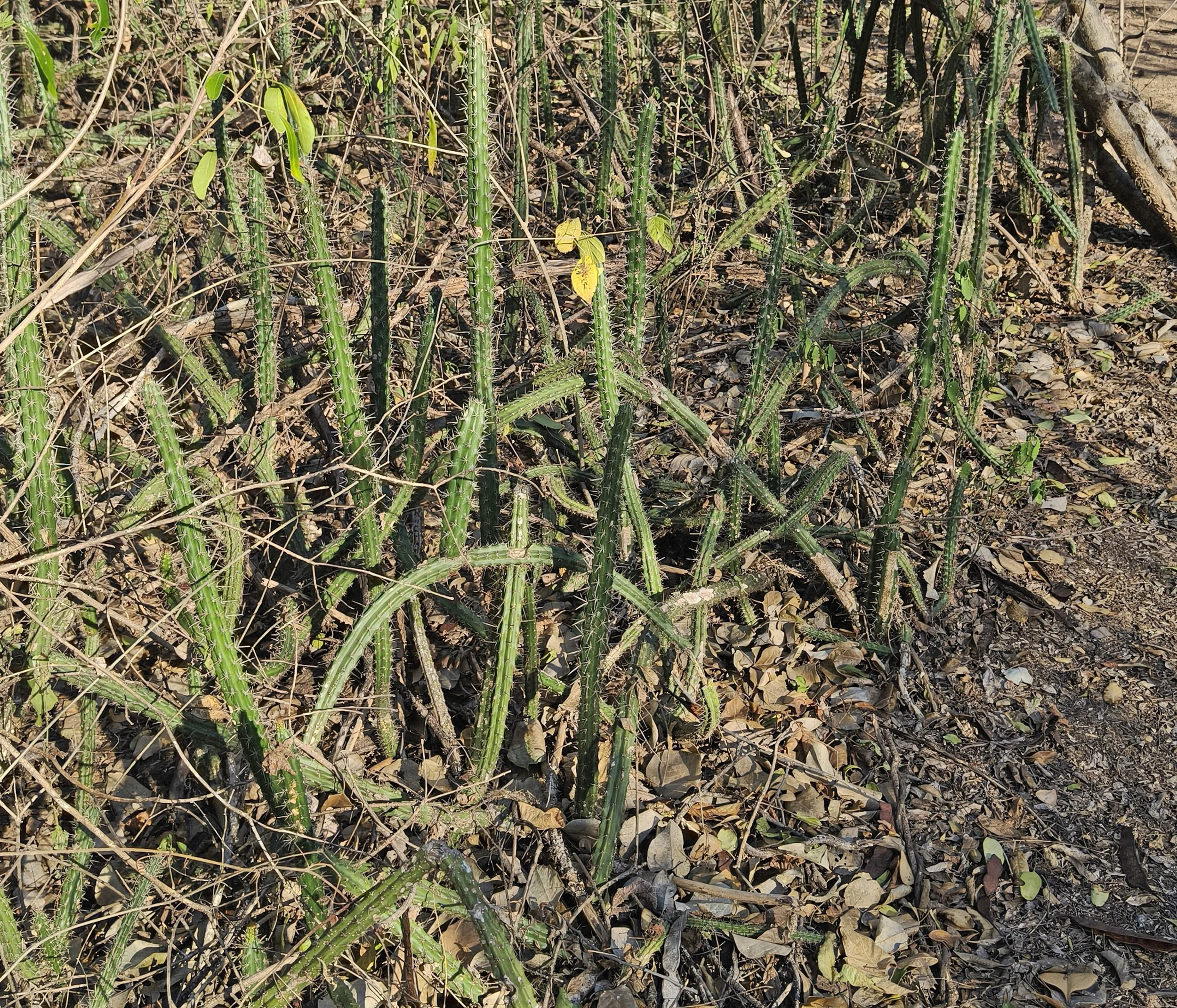
Cereus saxicola
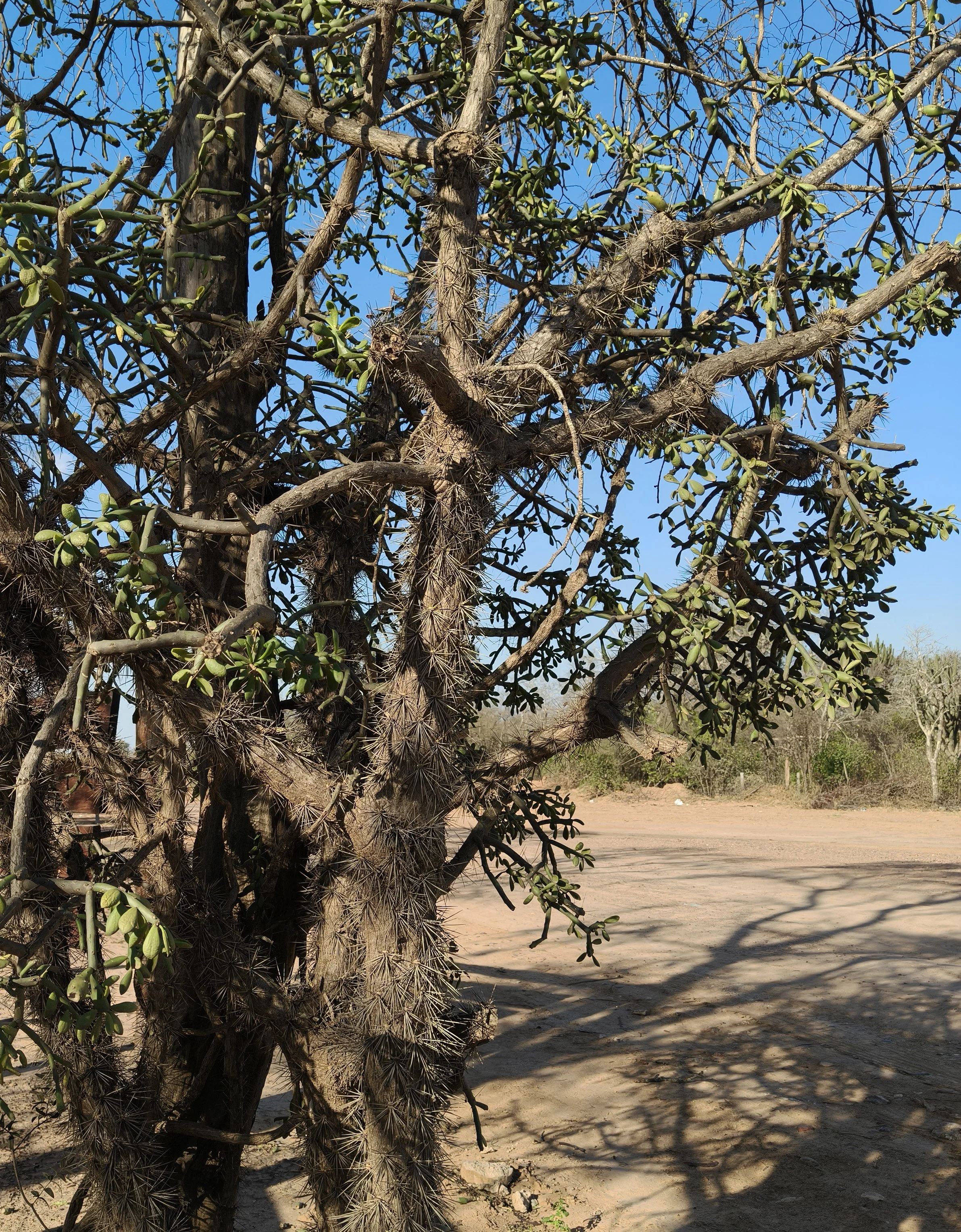
Quiabentia verticillata - Agua Dulce Paraguay

Toothpick Cactus (Stetsonia coryne)
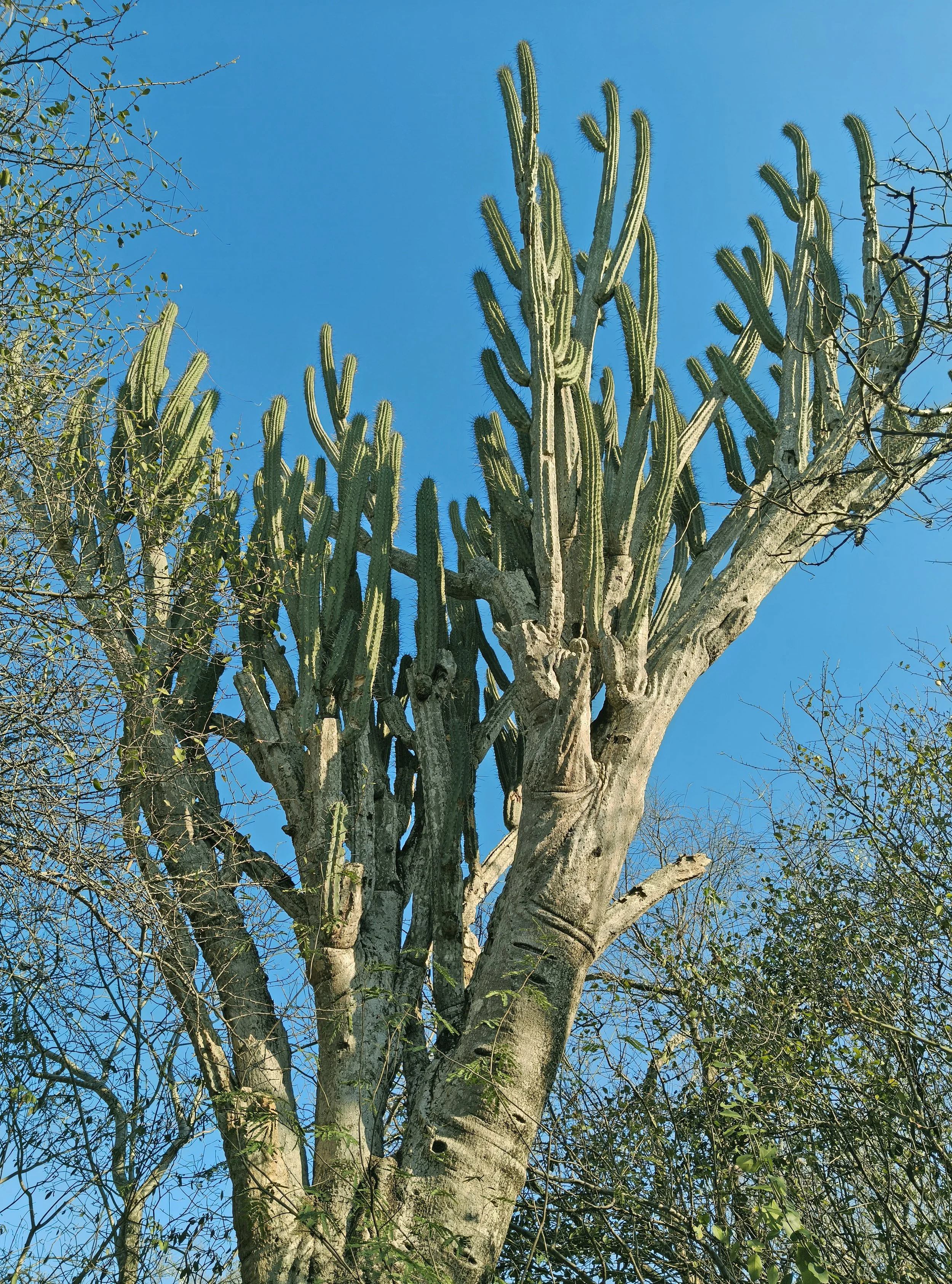
Toothpick Cactus (Stetsonia coryne)
Fortín Toledo and the CCCI
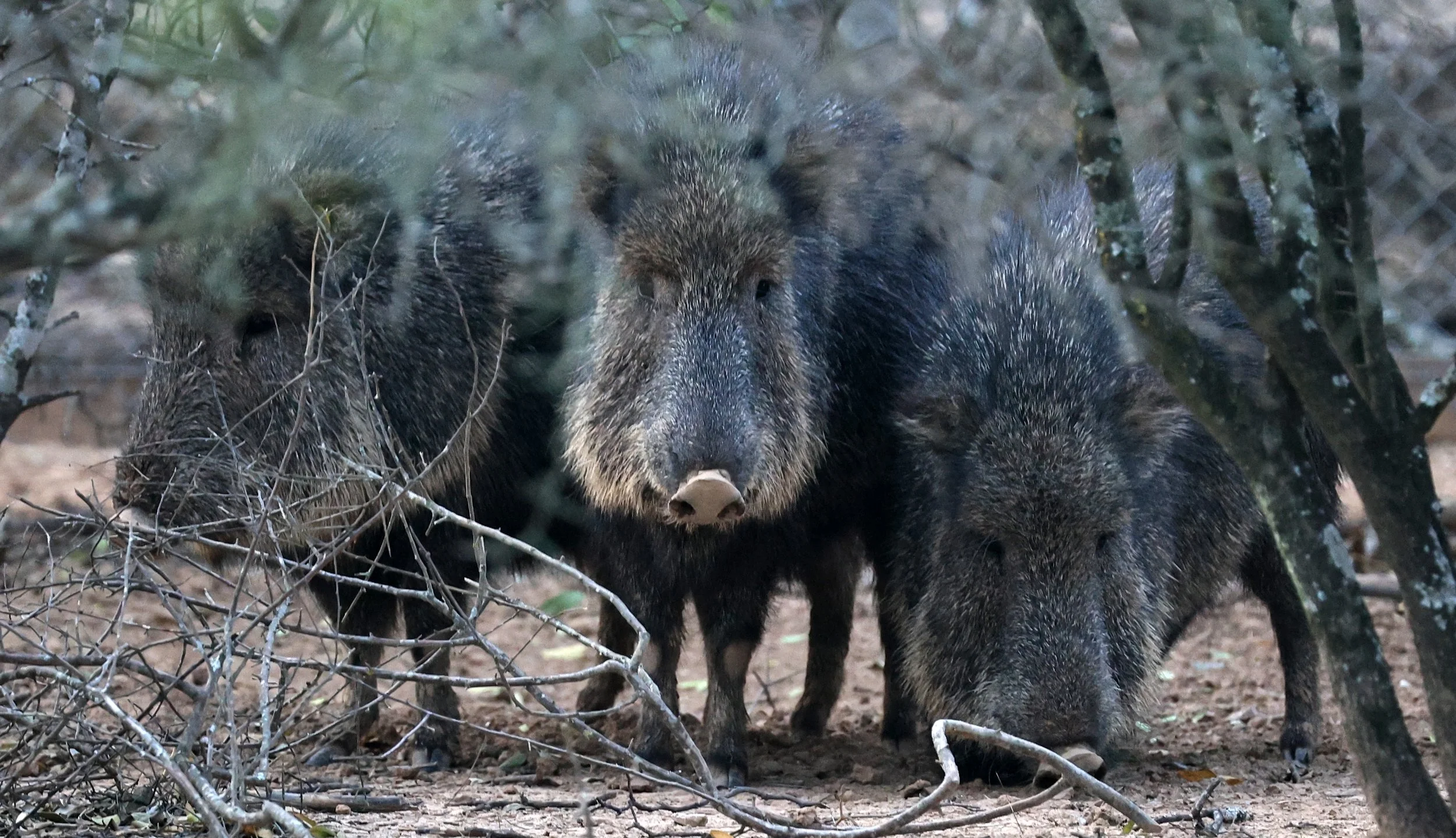
Chacoan Peccary (Catagonus wagneri) forming the protection barrier naturally even while captive
From Agua Dulce and a return stay at Iparoma, we continued to Fortín Toledo, one of the most historically and biologically significant sites in the Paraguayan Chaco. The surrounding landscape is classic Dry Chaco: flat expanses of thorn forest, quebracho woodland, cacti and dense scrub that appears almost impenetrable in places. Despite the harsh appearance, the area supports an impressive range of wildlife and is particularly famous among mammalwatchers as one of the best locations associated with the conservation of the elusive Chacoan Peccary, or Tagua. The region is also notable for its birdlife.
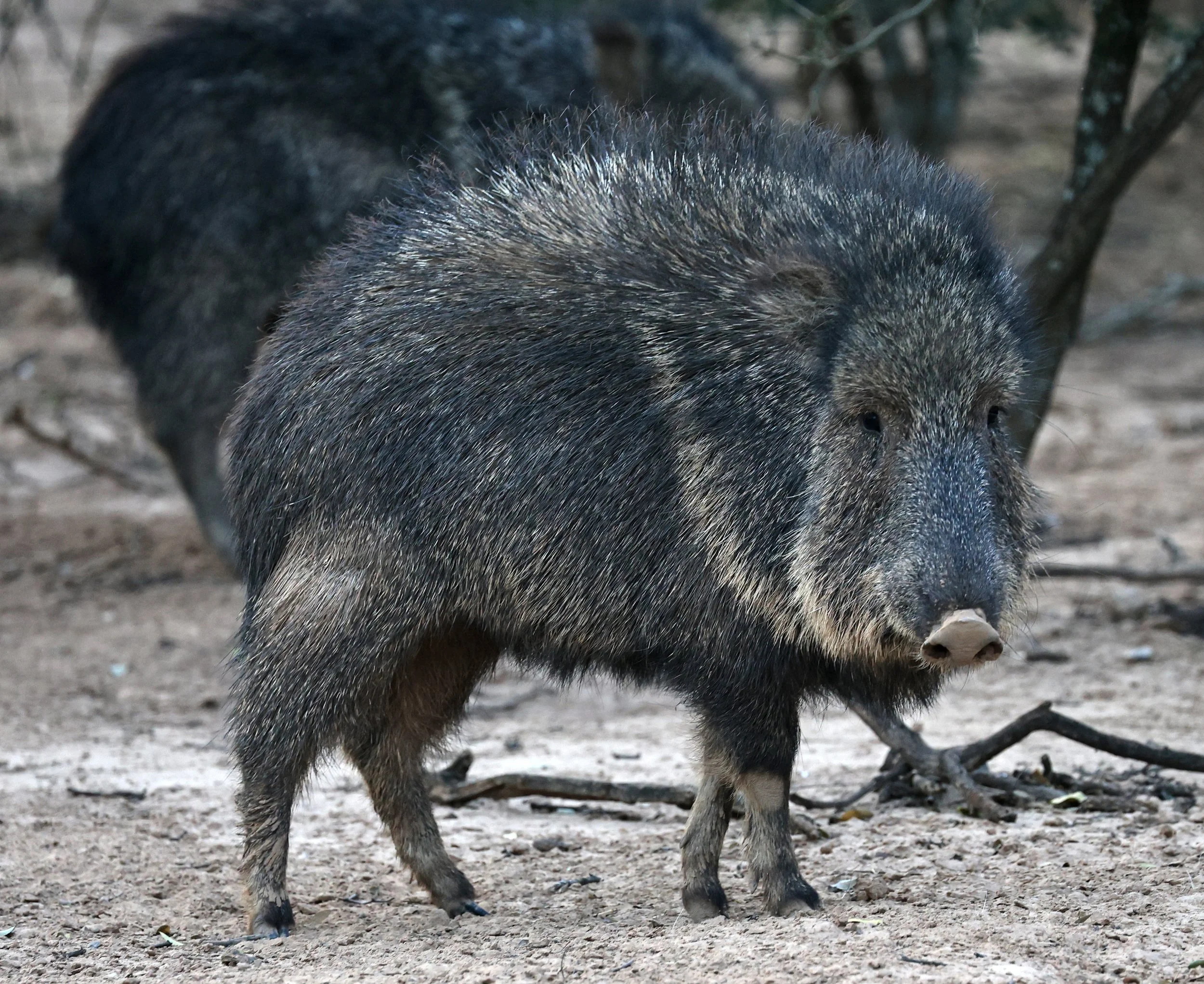
Chacoan peccary (Catagonus wagneri) Chacoan Peccary Conservation Ctr Fortin Toledo Paraguay
Fortín Toledo is also an important historical site. During the Chaco War between Paraguay and Bolivia (1932-1935), it was the scene of significant military action. Today, visitors can explore a small museum that helps bring this history to life, displaying artefacts recovered from the conflict, photographs, and information about the soldiers who fought in the region. Around the fort are reconstructions and remnants of defensive positions, trenches and military structures, providing a fascinating glimpse into what must have been an extraordinarily difficult campaign fought in one of South America's most unforgiving environments. The contrast between the area's wartime history and its modern role in wildlife conservation is striking.
Mammal watching around Fortín Toledo was somewhat quieter than I had hoped. We continued to encounter Chacoan Maras (Dolichotis salinicola), which by this stage had become a familiar and always welcome sight. However, my biggest hope was to find a wild Chacoan Peccary (Catagonus wagneri). Fortín Toledo is one of the species' strongholds and, as every mammalwatcher knows, being in the right habitat naturally leads to thoughts of what might be lurking just beyond the next bend in the road. I was secretly hoping for a Puma or Geoffroy’s Cat too.
Unfortunately, the wild peccaries remained frustratingly elusive. In fact, aside from the maras, we failed to add any significant wild mammal sightings during our visit. Thankfully, the visit was far from a disappointment thanks to the excellent Centro Chaqueño para la Conservación e Investigación (CCCI), commonly known as the Tagua Project.
The CCCI is one of the world's most important conservation facilities for the endangered Chacoan Peccary. Established following the remarkable rediscovery of the species in the 1970s, the centre focuses on captive breeding, research, education, conservation management and reintroduction efforts. Over the years it has played a critical role in improving our understanding of a species that was once known only from fossils and believed to be extinct. Visiting the facility provided an excellent opportunity to learn about both the peccary and the wider conservation challenges facing the Gran Chaco.
One of the biggest attractions of the centre is the opportunity to see all three peccary species found in Paraguay. Although not in wild conditions, we enjoyed good views of Chacoan Peccary (Catagonus wagneri), Collared Peccary (Pecari tajacu), and White-lipped Peccary (Tayassu pecari). Seeing the differences between the species side by side was particularly interesting, and while it didn't quite match the dream of finding a wild herd emerging from the thorn scrub, it was still a valuable and enjoyable experience.
In the end, Fortín Toledo turned out to be less about adding mammals to the list and more about understanding one of the Chaco's most iconic species. Between the fascinating war history, the excellent museum, the important conservation work being carried out at the CCCI, and some very enjoyable birding, it proved to be a worthwhile stop. Of course, I still would have preferred a wild Chacoan Peccary wandering across the road there I was rewarded with a sighting a few days later near La Patria!

Chacoan Peccary (Catagonus wagneri).

Chacoan Peccary (Catagonus wagneri) - although captive the pens are large and resemble natural dry Chaco conditions


Chacoan Peccary (Catagonus wagneri).

Chacoan Peccary (Catagonus wagneri) - no mistaking that round body

Chacoan Peccary (Catagonus wagneri).

Collared Peccary (Pecari tajacu) Chacoan Peccary Conservation Ctr Fortin Toledo

Collared Peccary (Pecari tajacu) showing affection to each other

Collared Peccary (Pecari tajacu) Chacoan Peccary Conservation Ctr Fortin Toledo
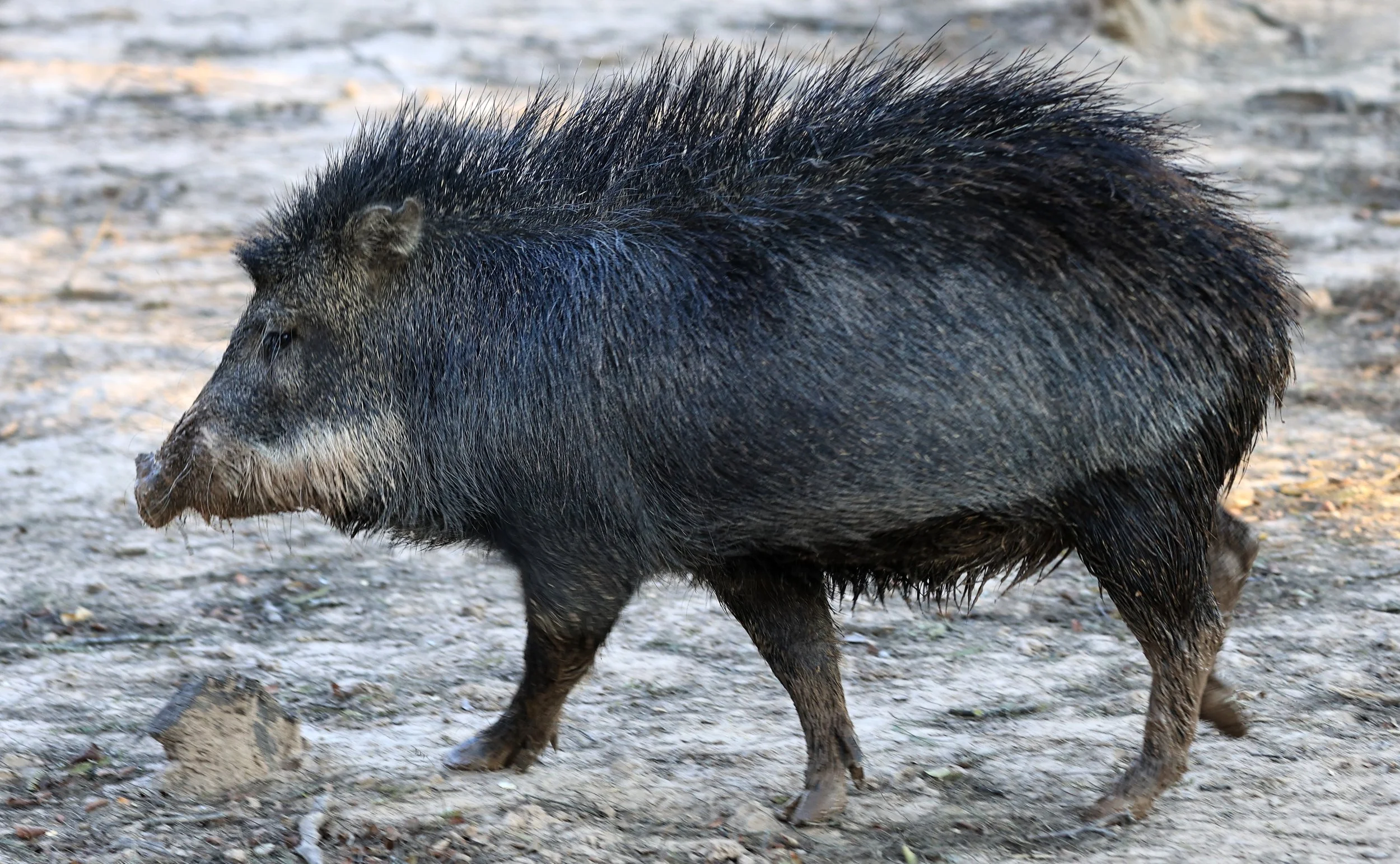
White-lipped Peccary (Tayassu pecari)

White-lipped Peccary (Tayassu pecari)

White-lipped Peccary (Tayassu pecari)
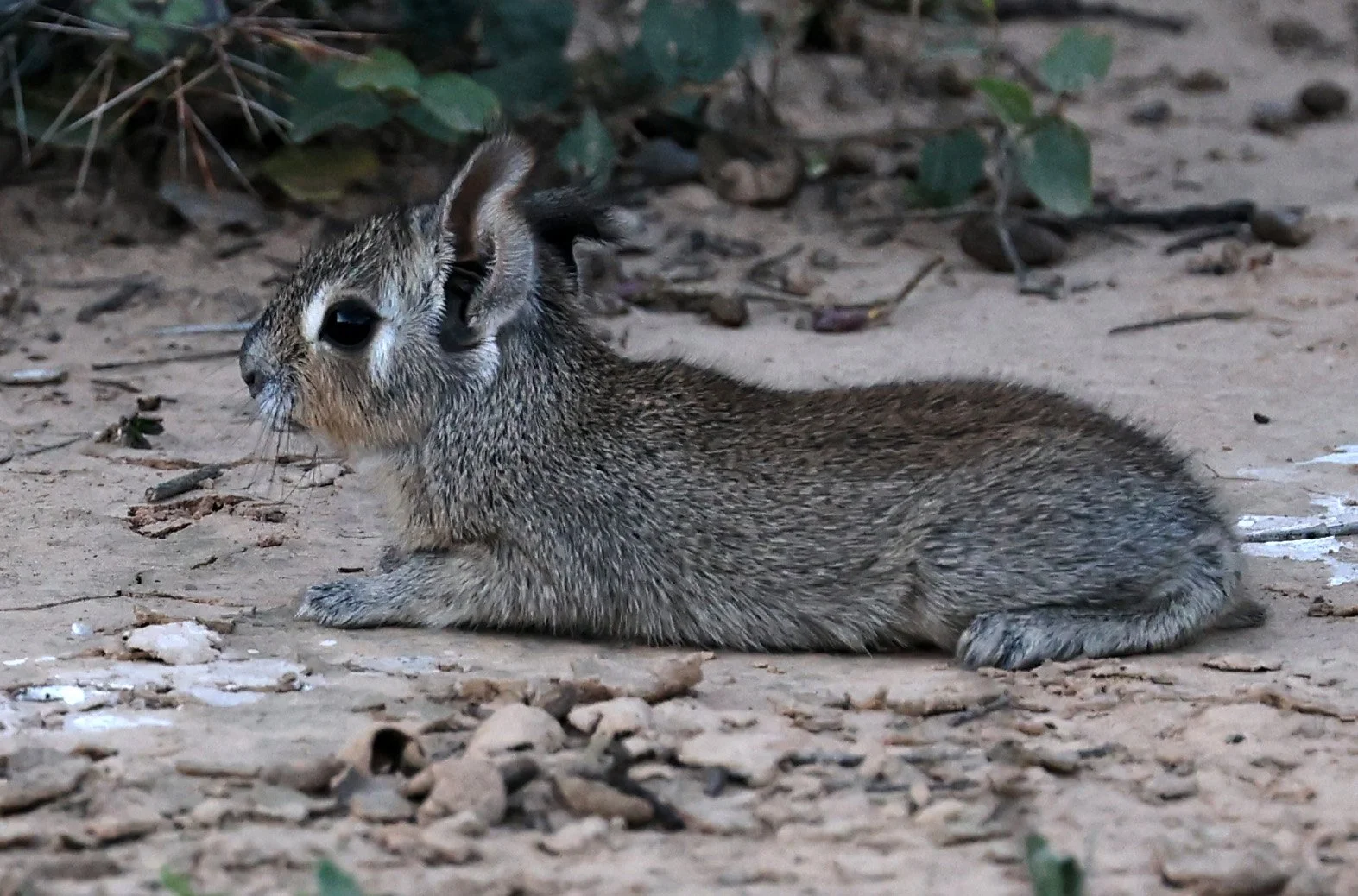
Chacoan Mara (Dolichotis salinicola) Fortin Toledo Paraguay
Birds & Herps of Fortín Toledo and the CCCI
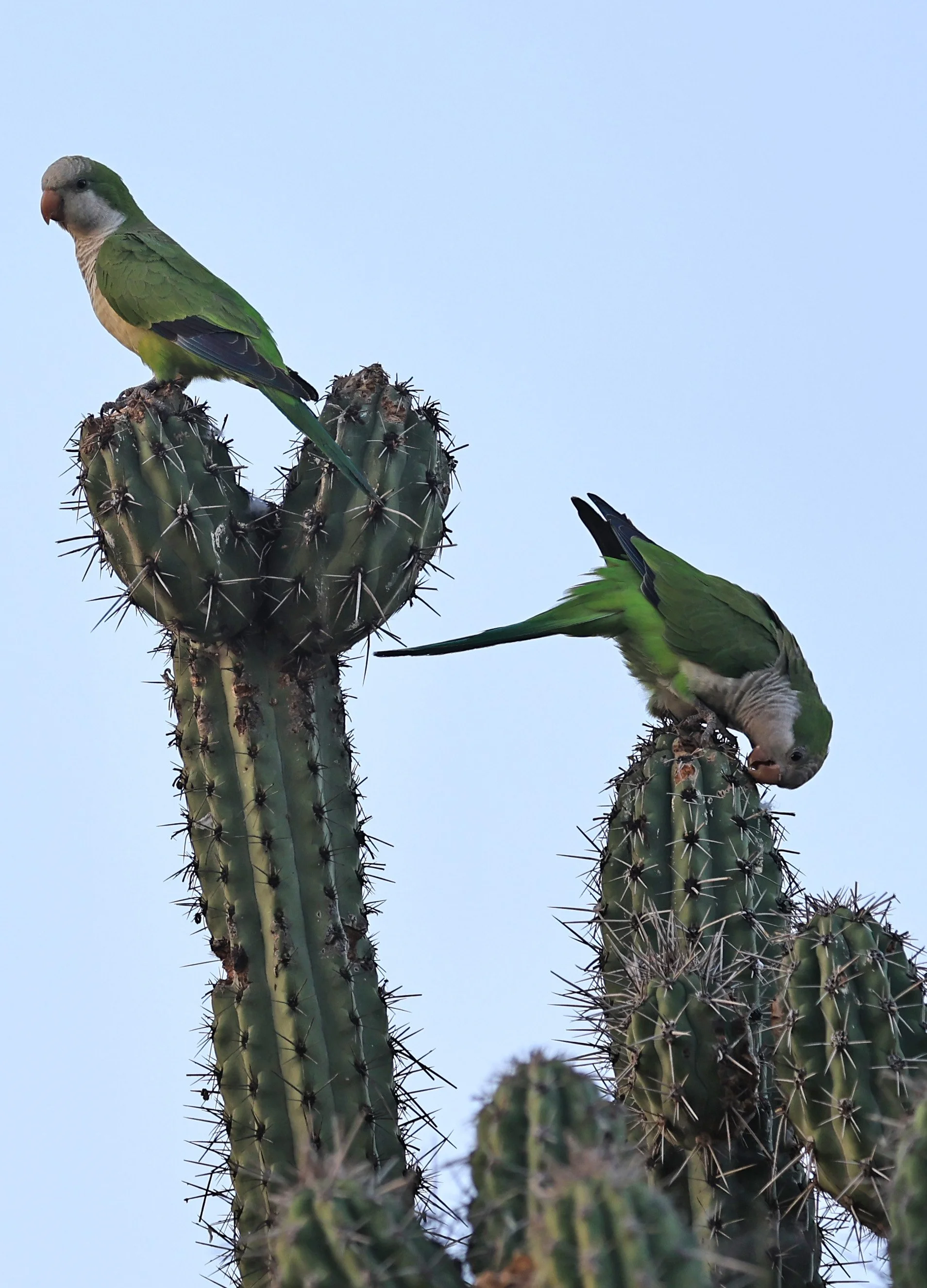
Monk Parakeet (Myiopsitta monachus)
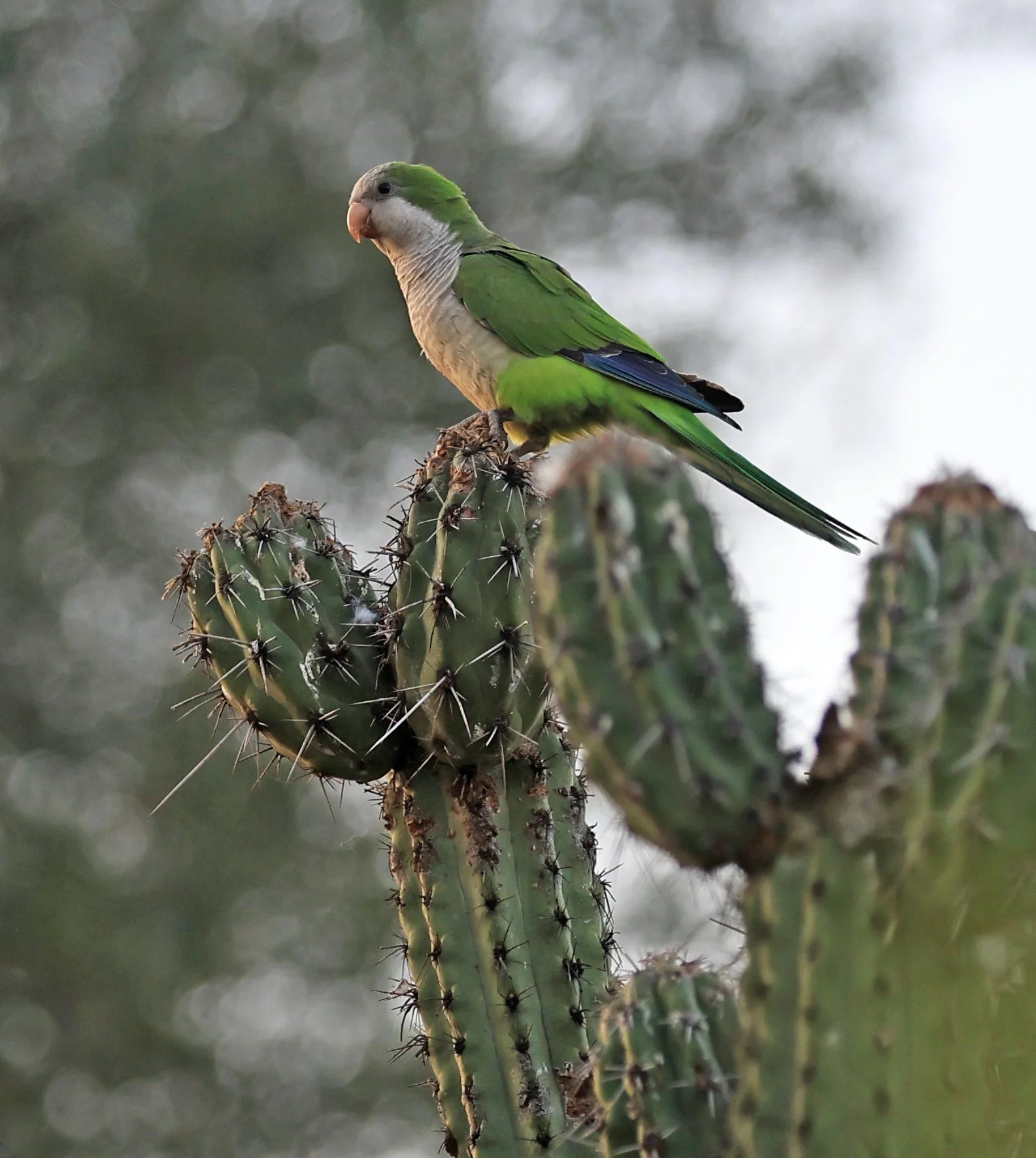
Monk Parakeet (Myiopsitta monachus)
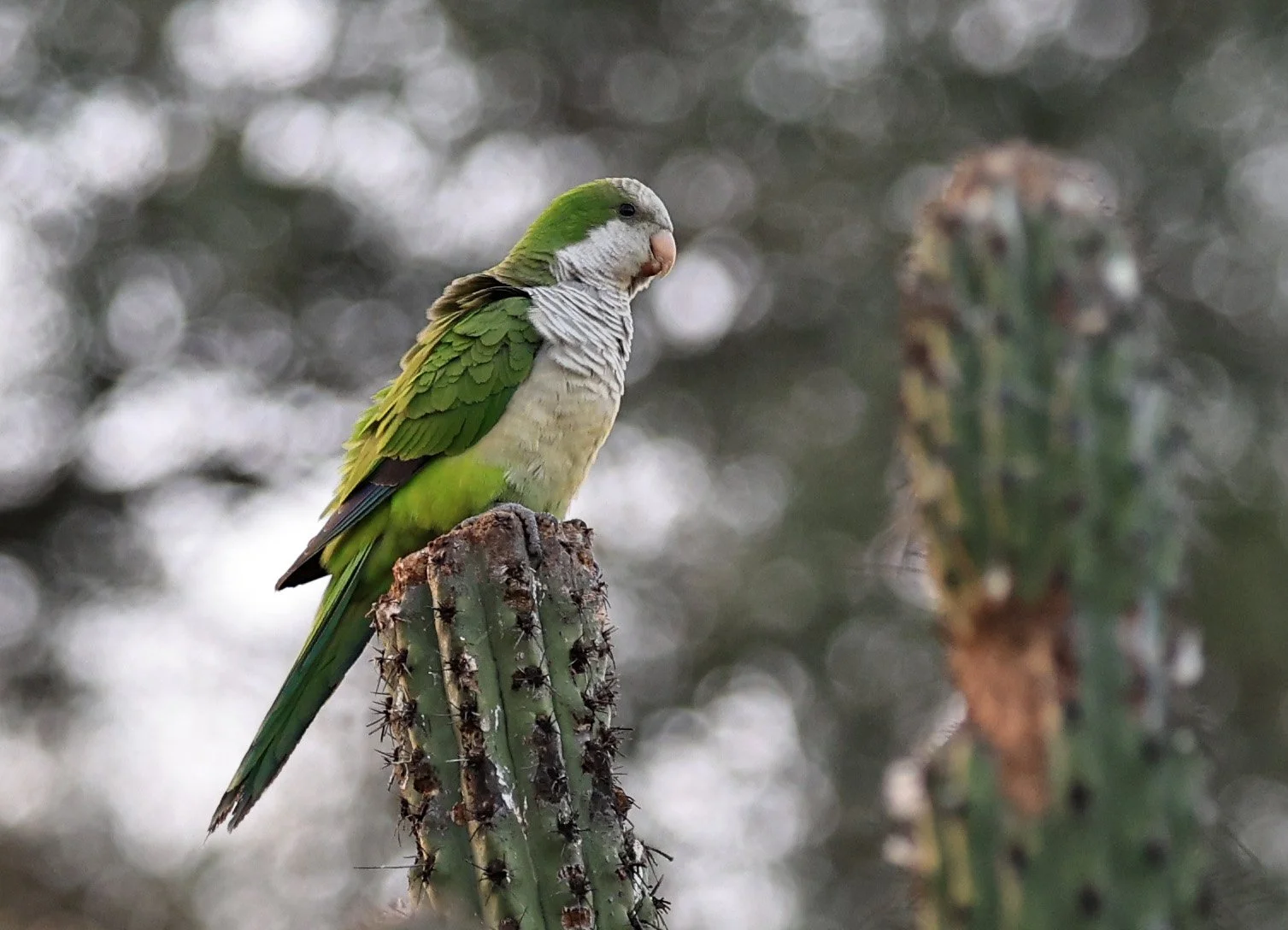
Monk Parakeet (Myiopsitta monachus)
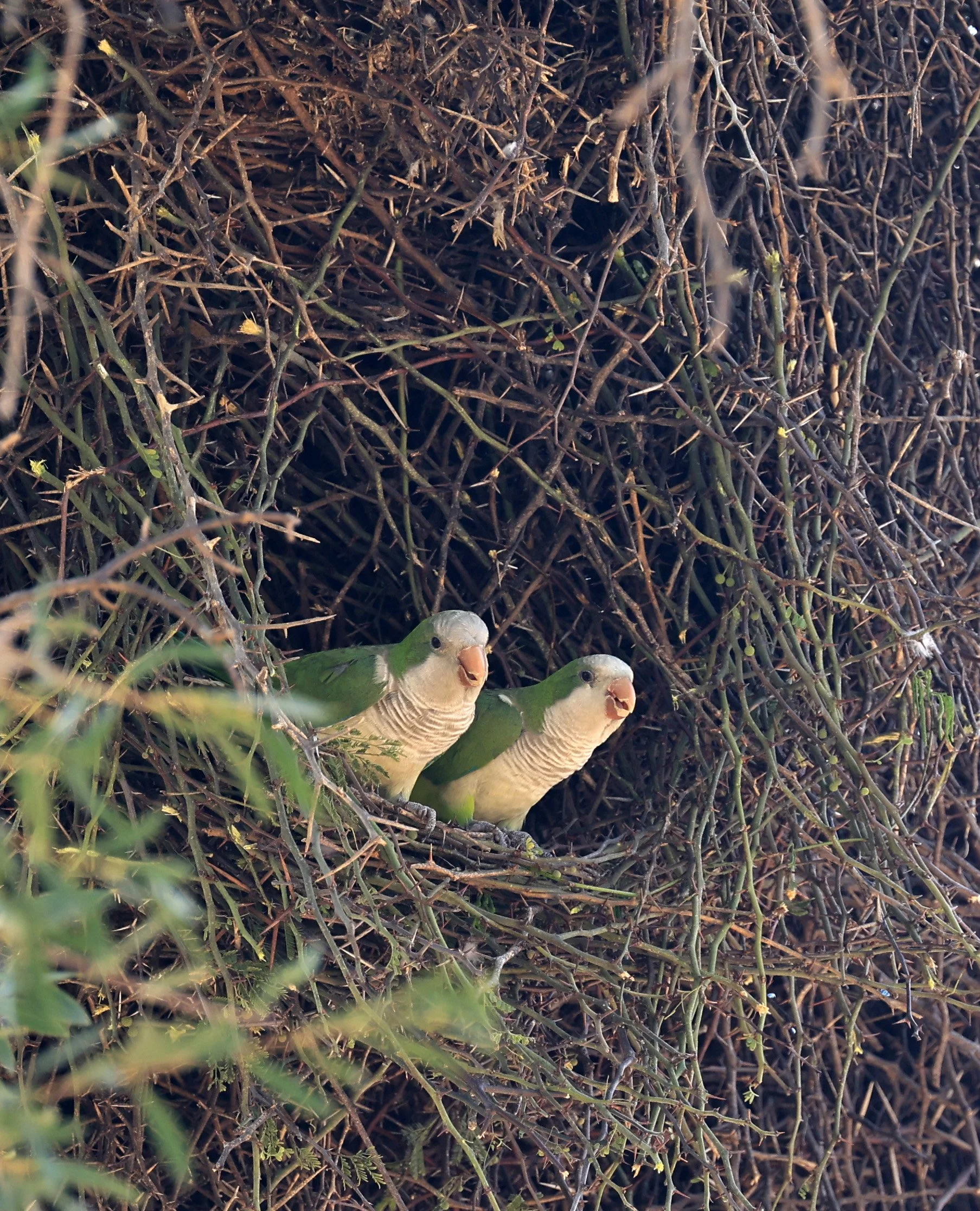
Monk Parakeet (Myiopsitta monachus)
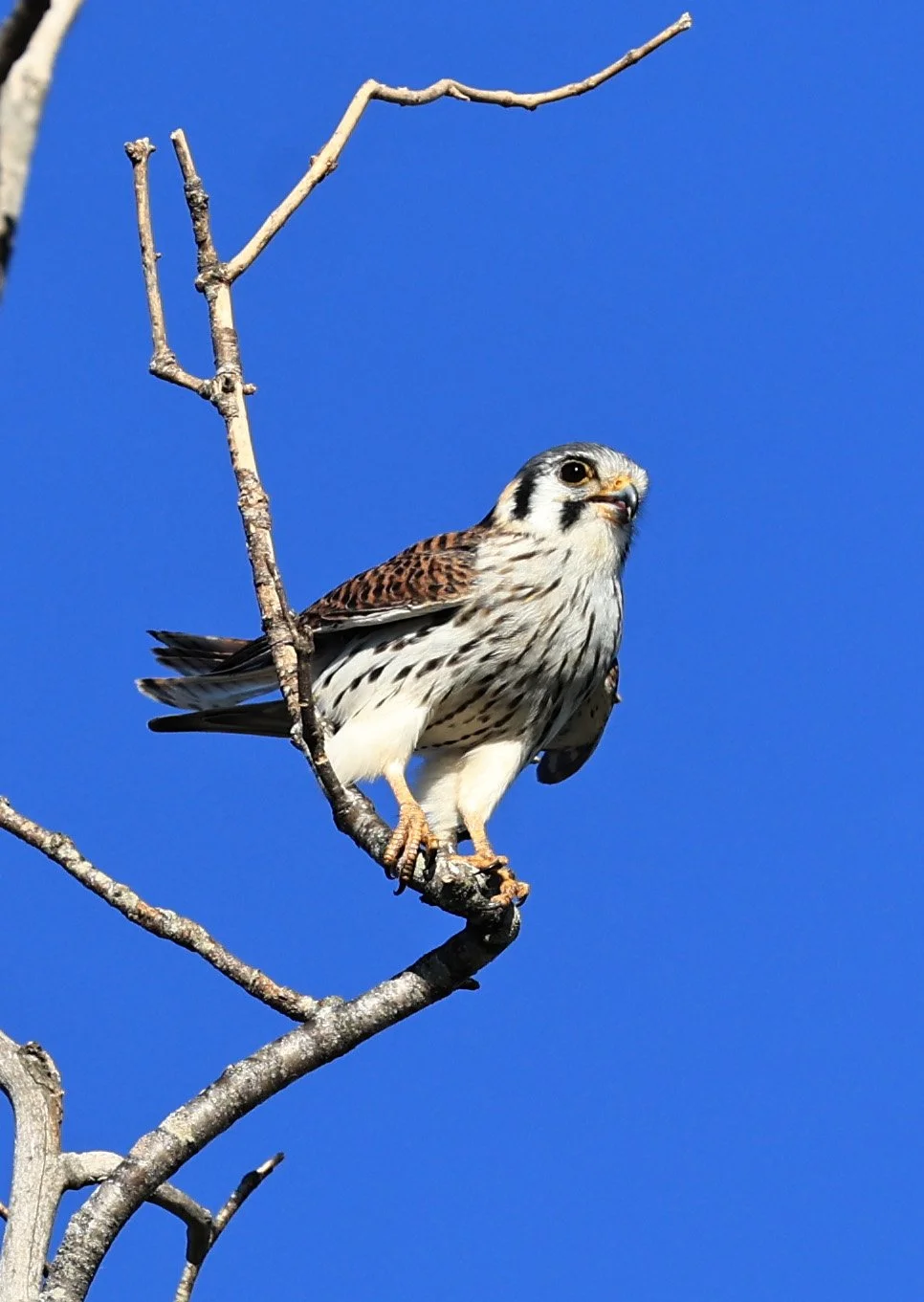
American Kestrel (Falco sparverius) Fortin Toledo
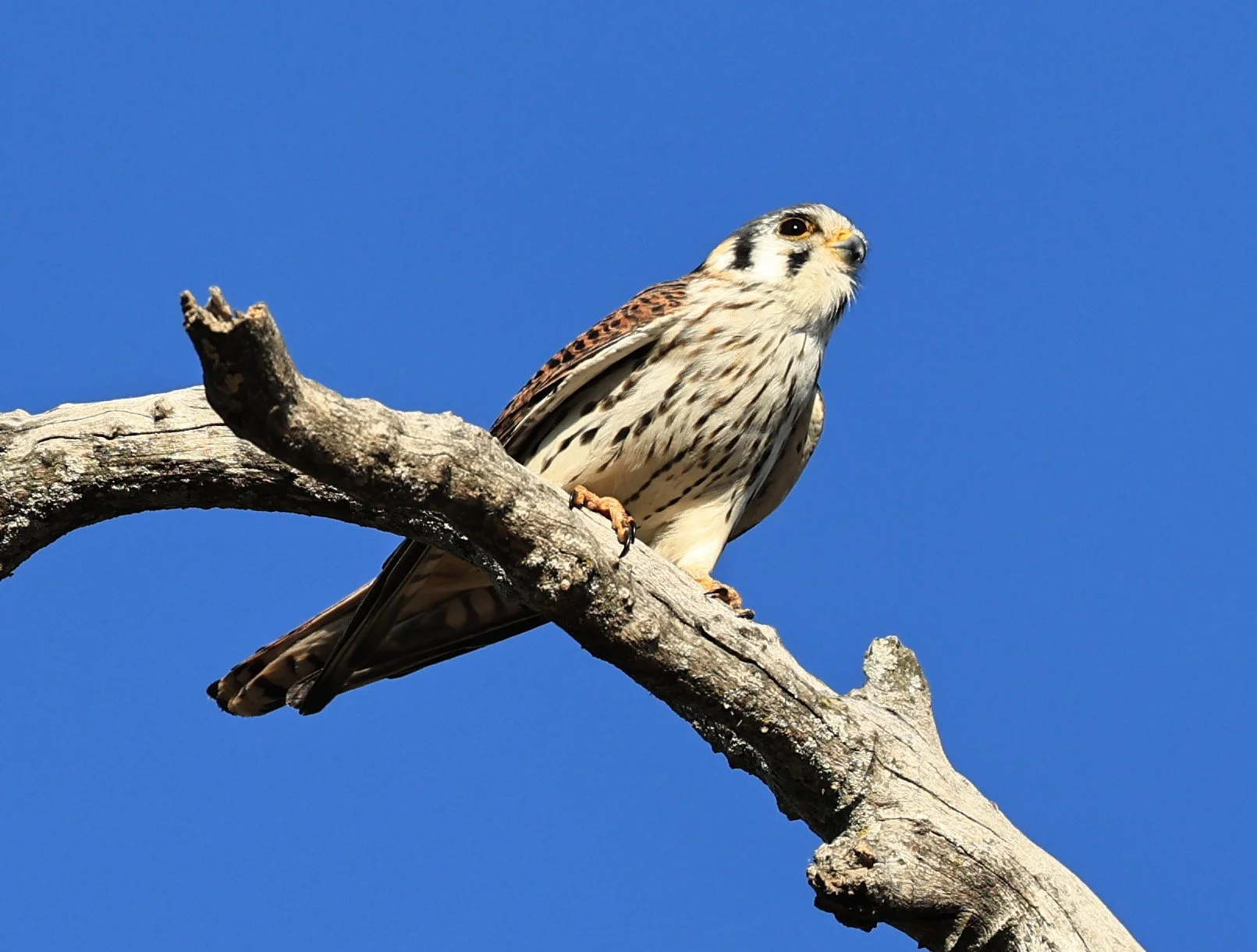
American Kestrel (Falco sparverius) Fortin Toledo
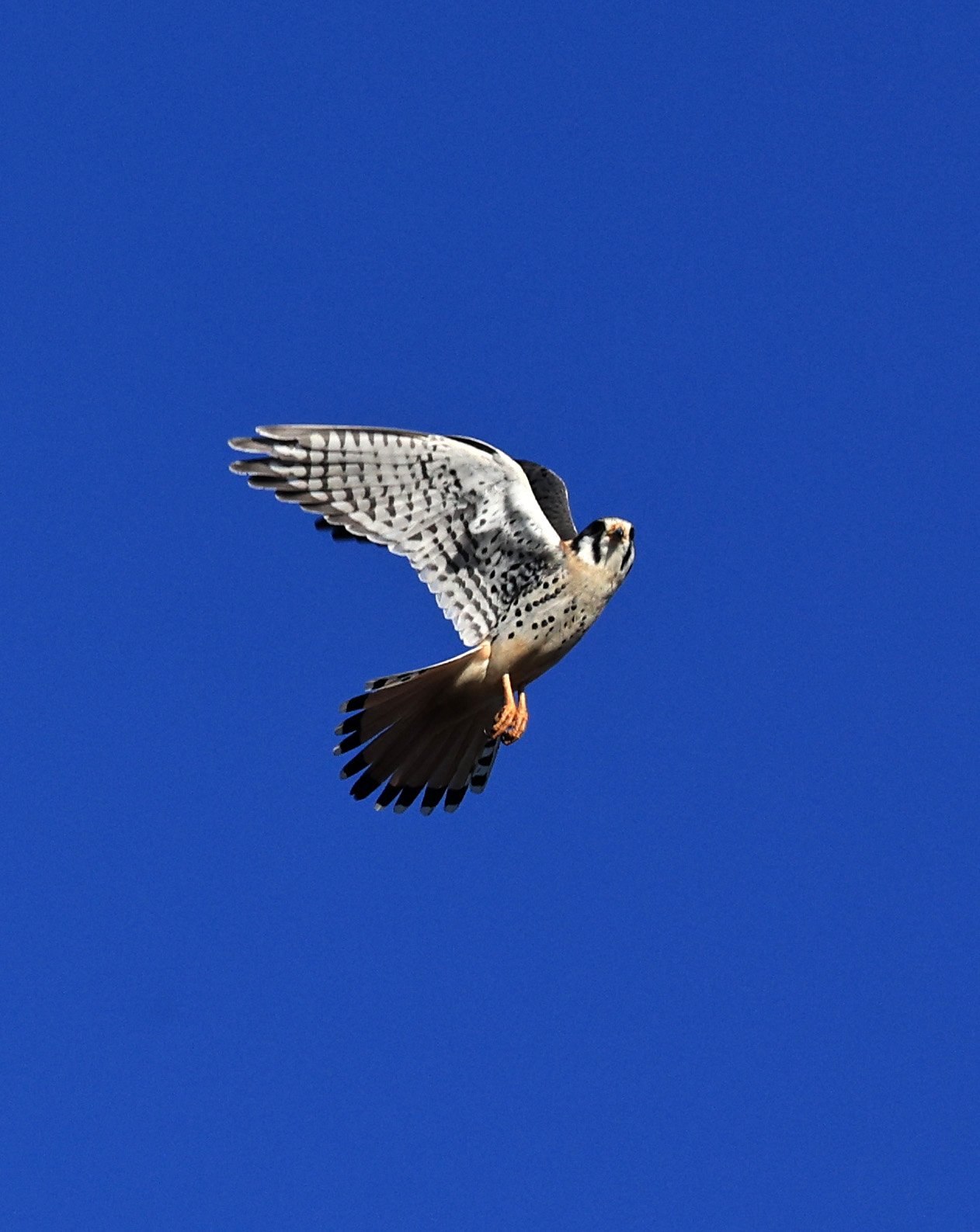
American Kestrel (Falco sparverius) Fortin Toledo
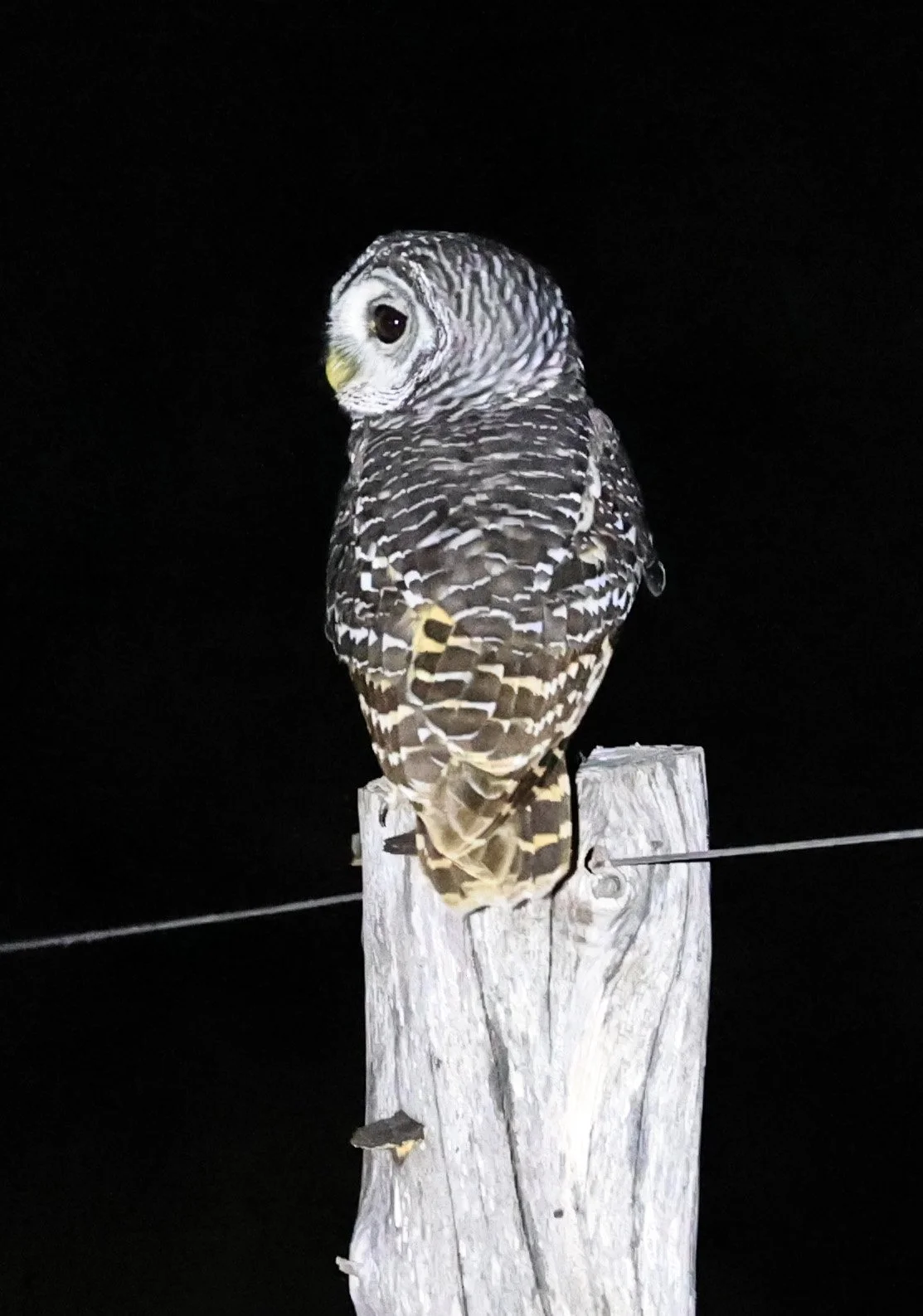
Chaco Owl (Strix chacoensis) Fortin Toledo
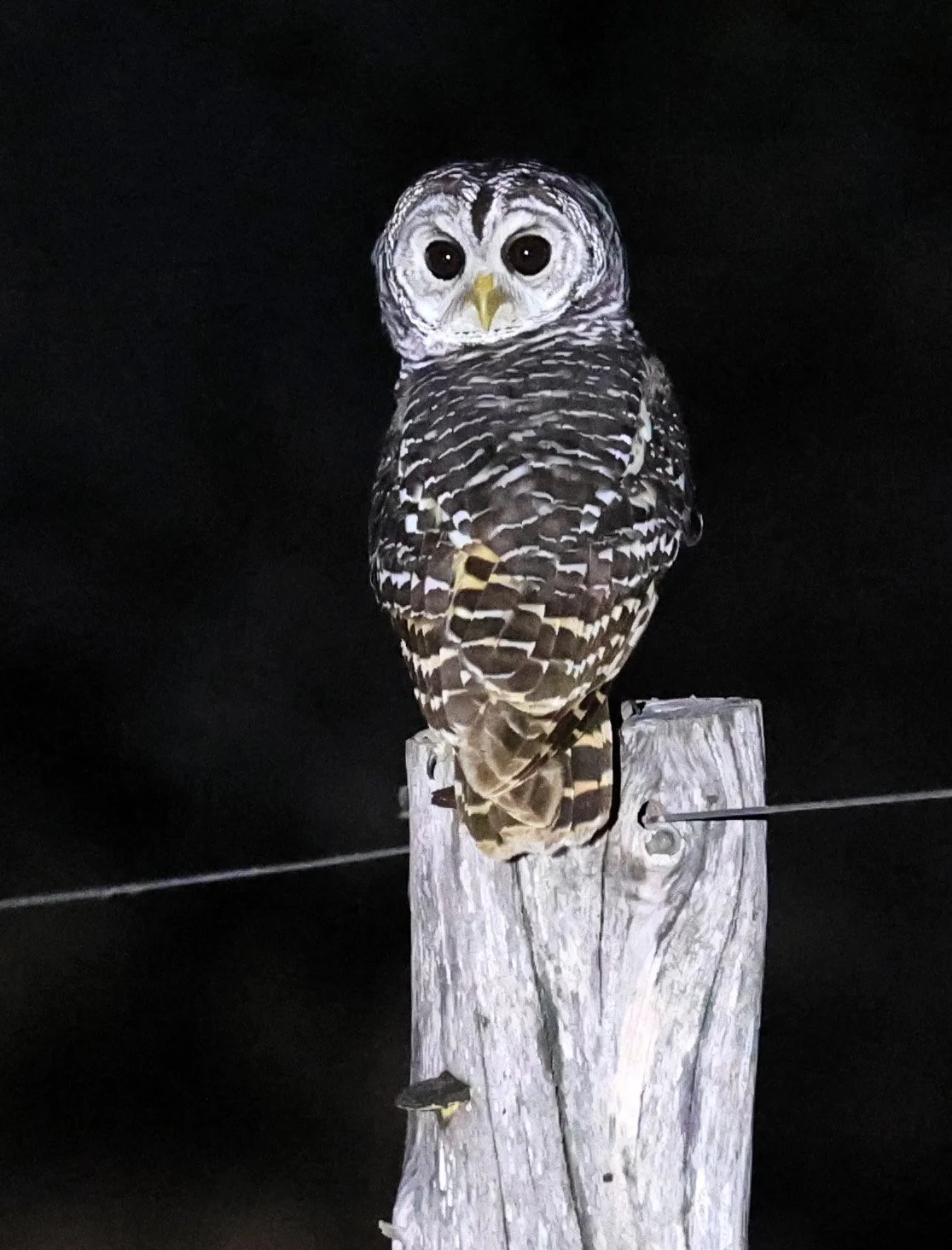
Chaco Owl (Strix chacoensis) Fortin Toledo

Many-colored Chaco Finch (Saltatricula multicolor)
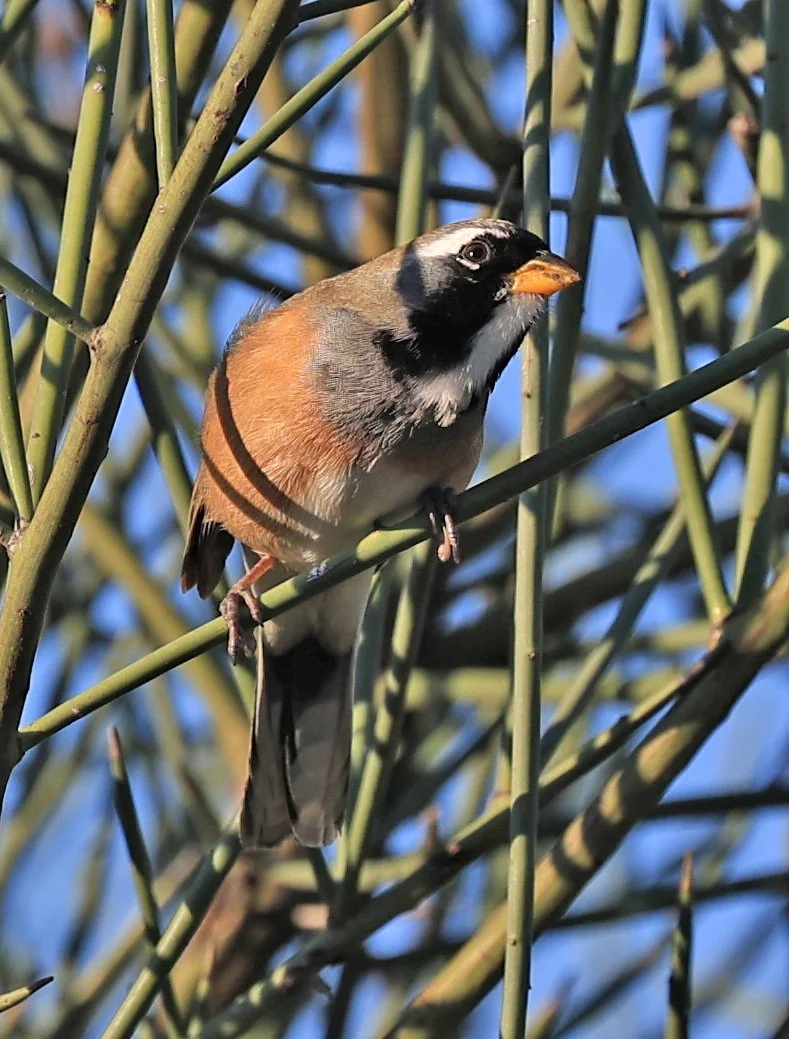
Many-colored Chaco Finch (Saltatricula multicolor)

Many-colored Chaco Finch (Saltatricula multicolor)
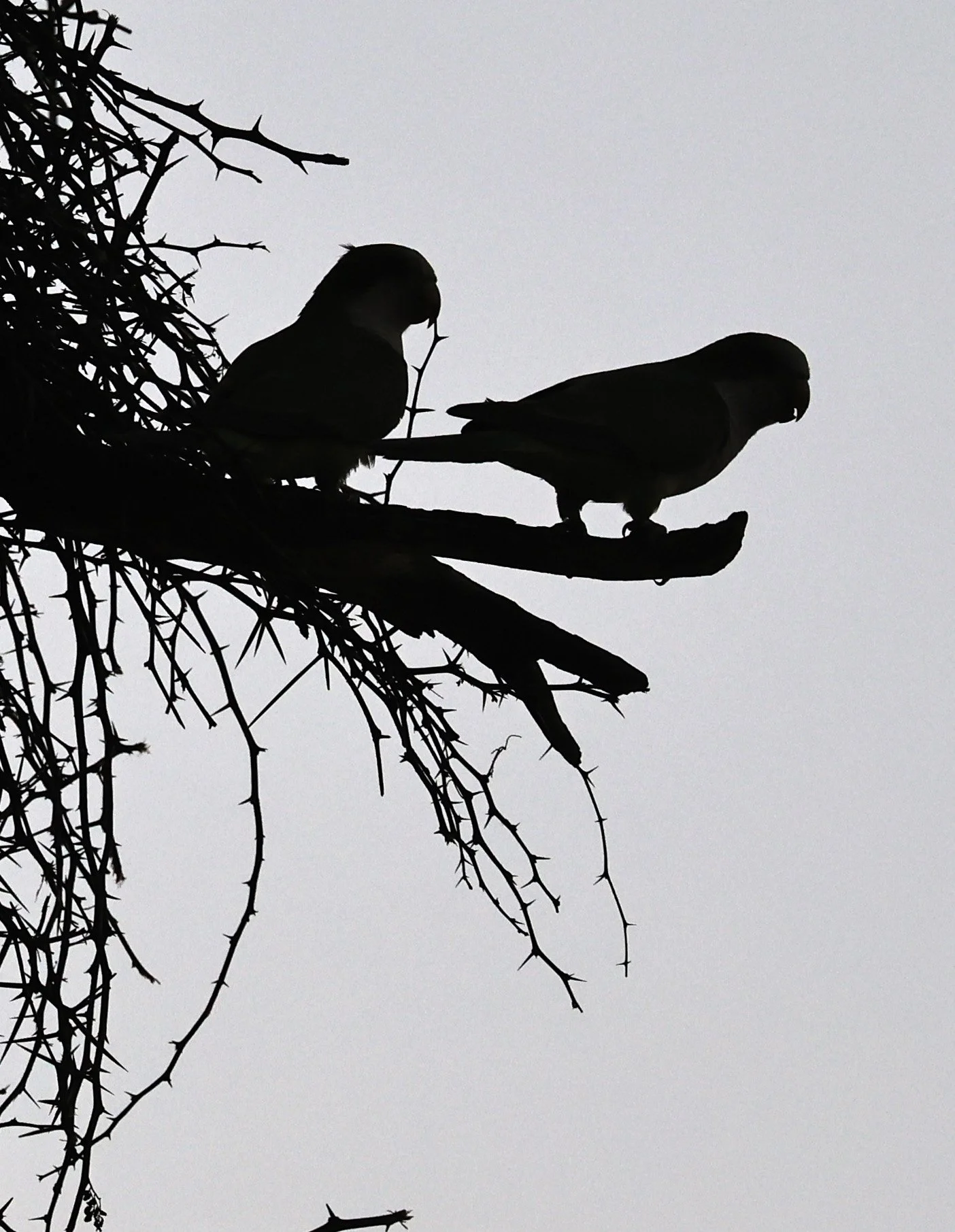
Monk Parakeet (Myiopsitta monachus)

Scissor-tailed Nightjar (Hydropsalis torquata)
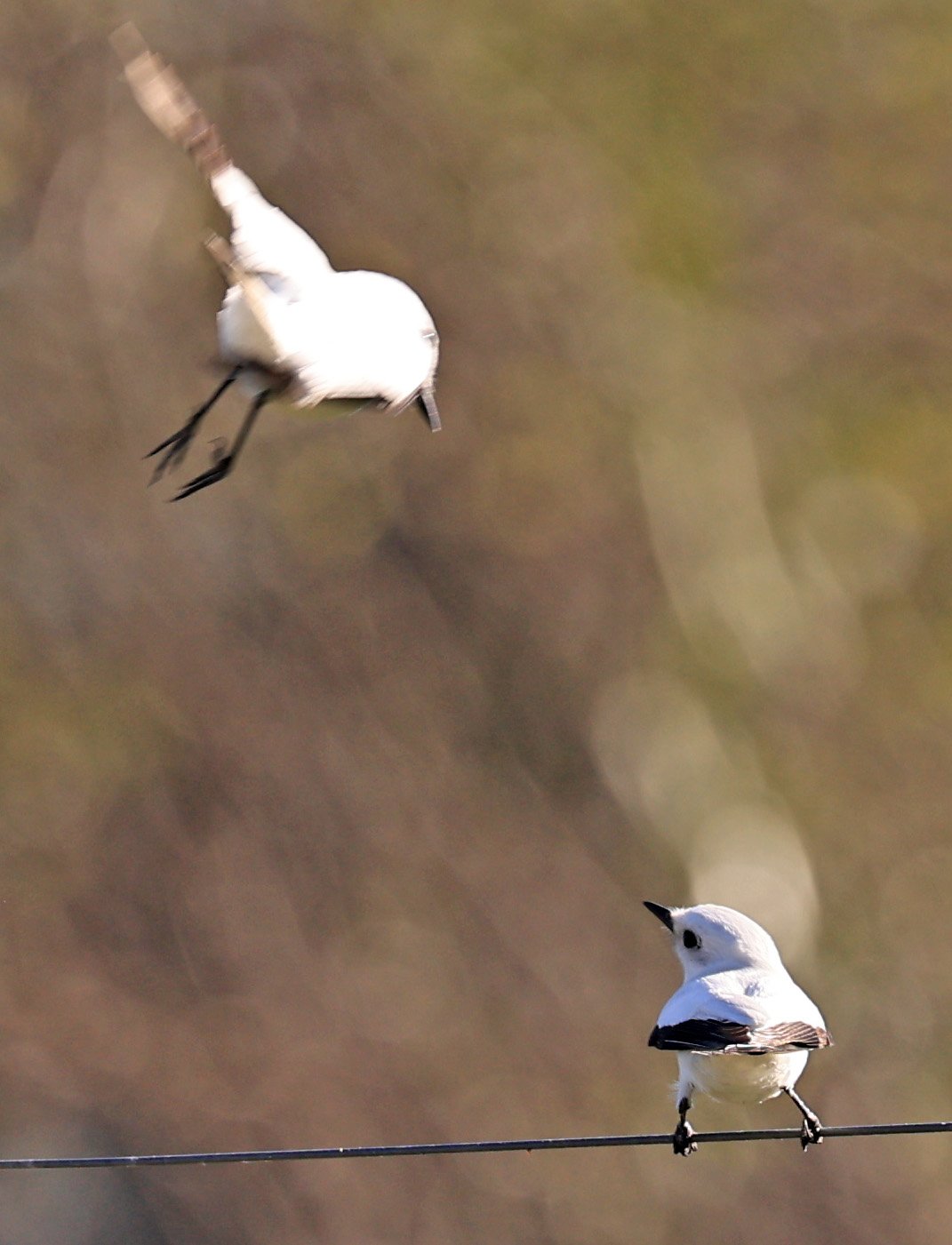
White Monjita (Xolmis irupero)
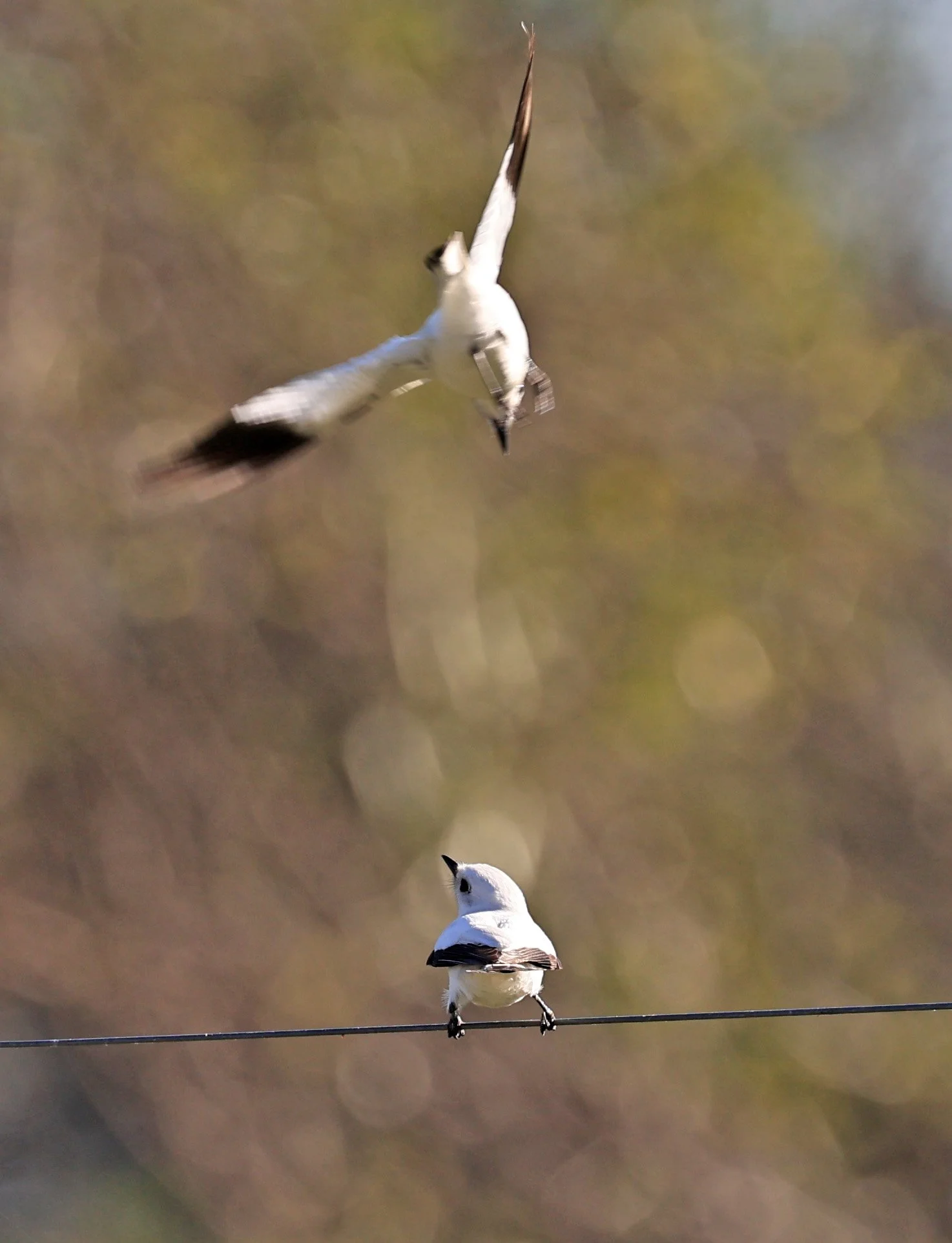
White Monjita (Xolmis irupero)
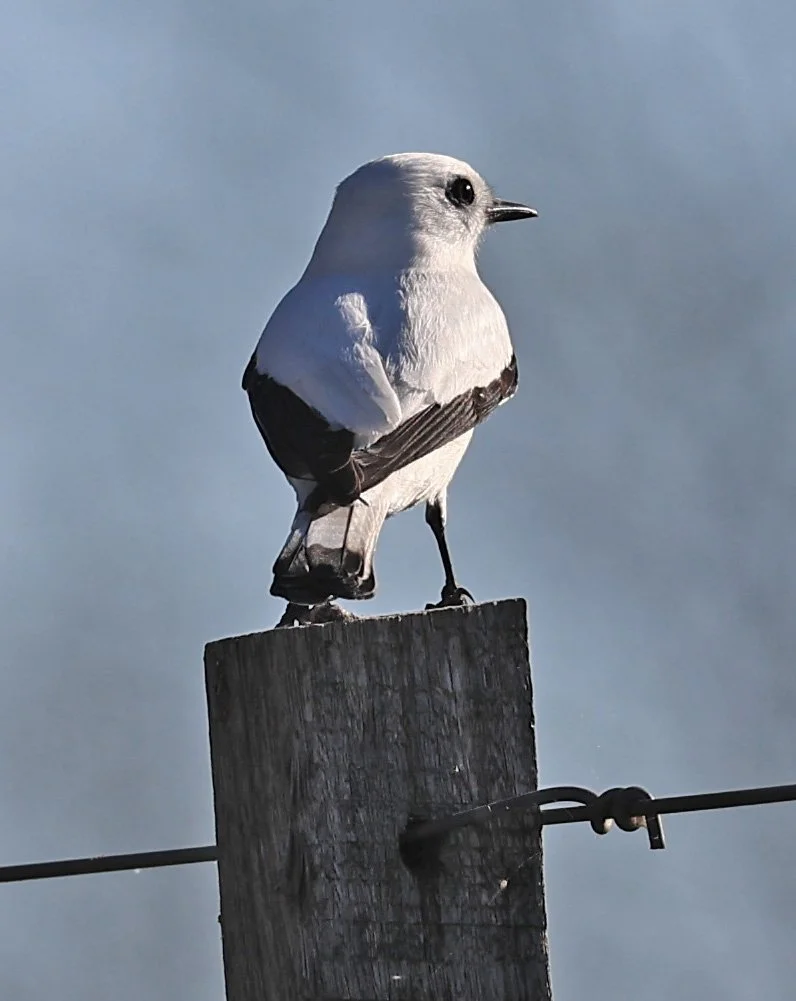
White Monjita (Xolmis irupero)
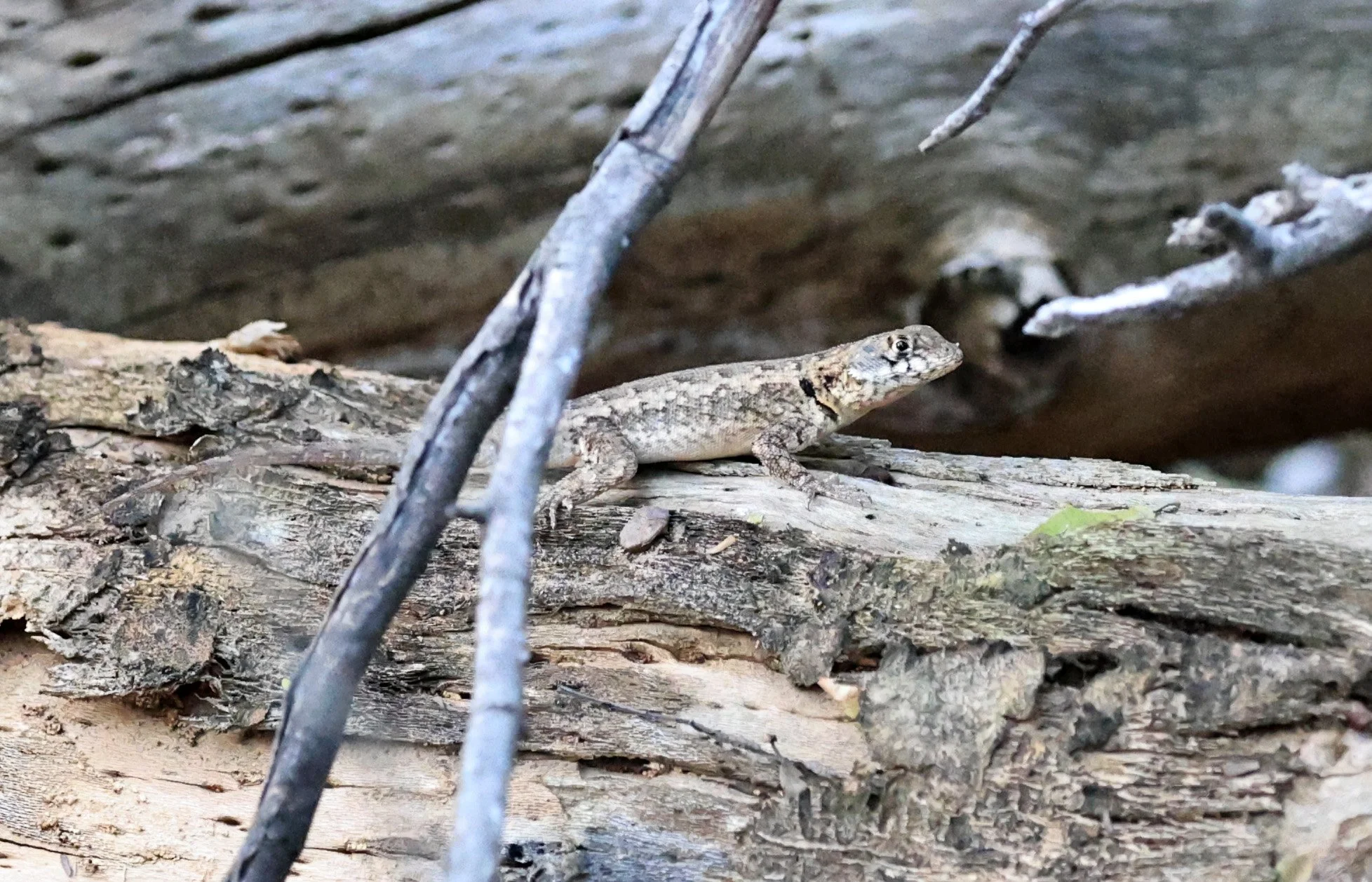
Calango Lava Lizard (Tropidurus guarani)
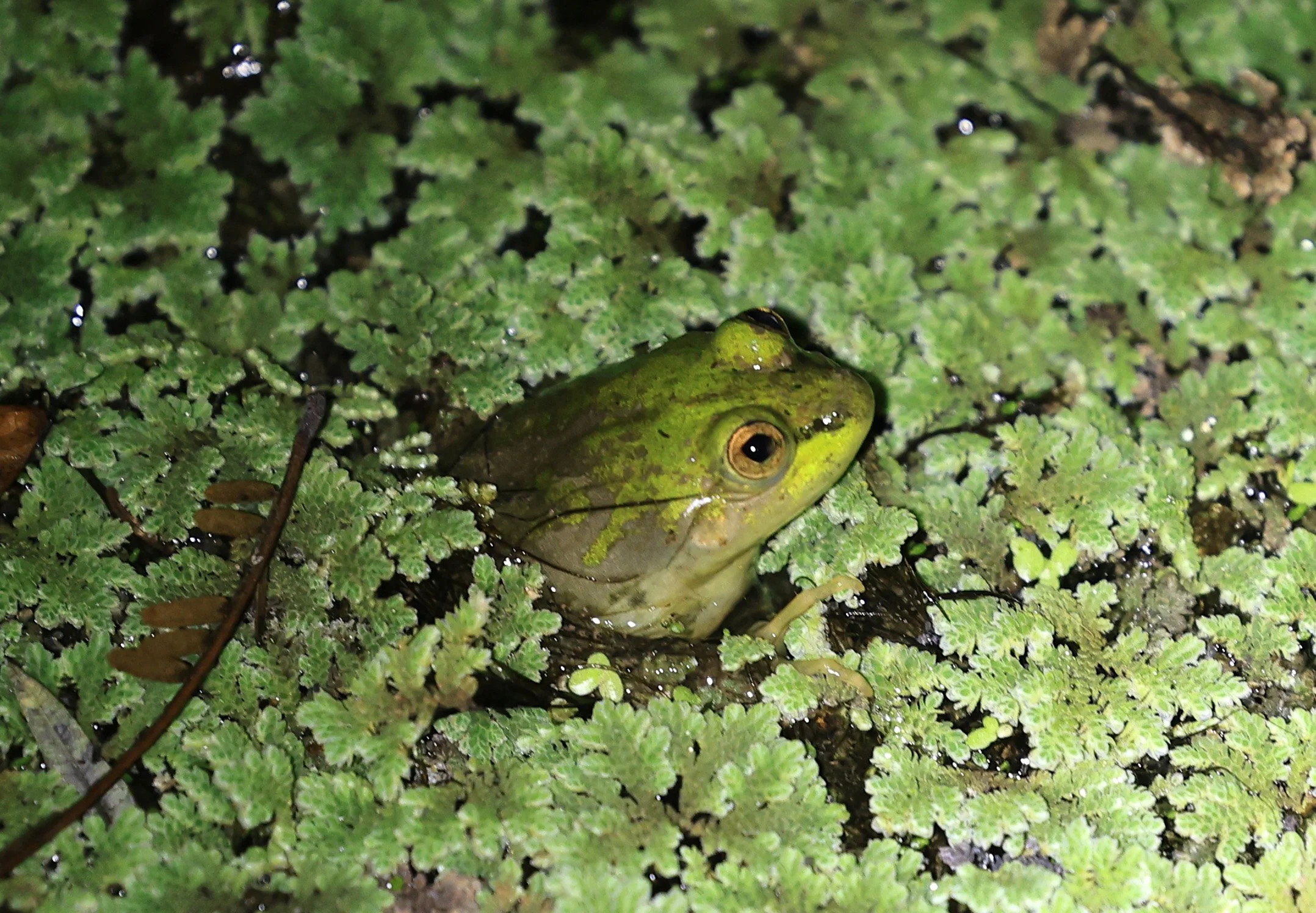
La Plata Paradox Frog (Pseudis platensis)
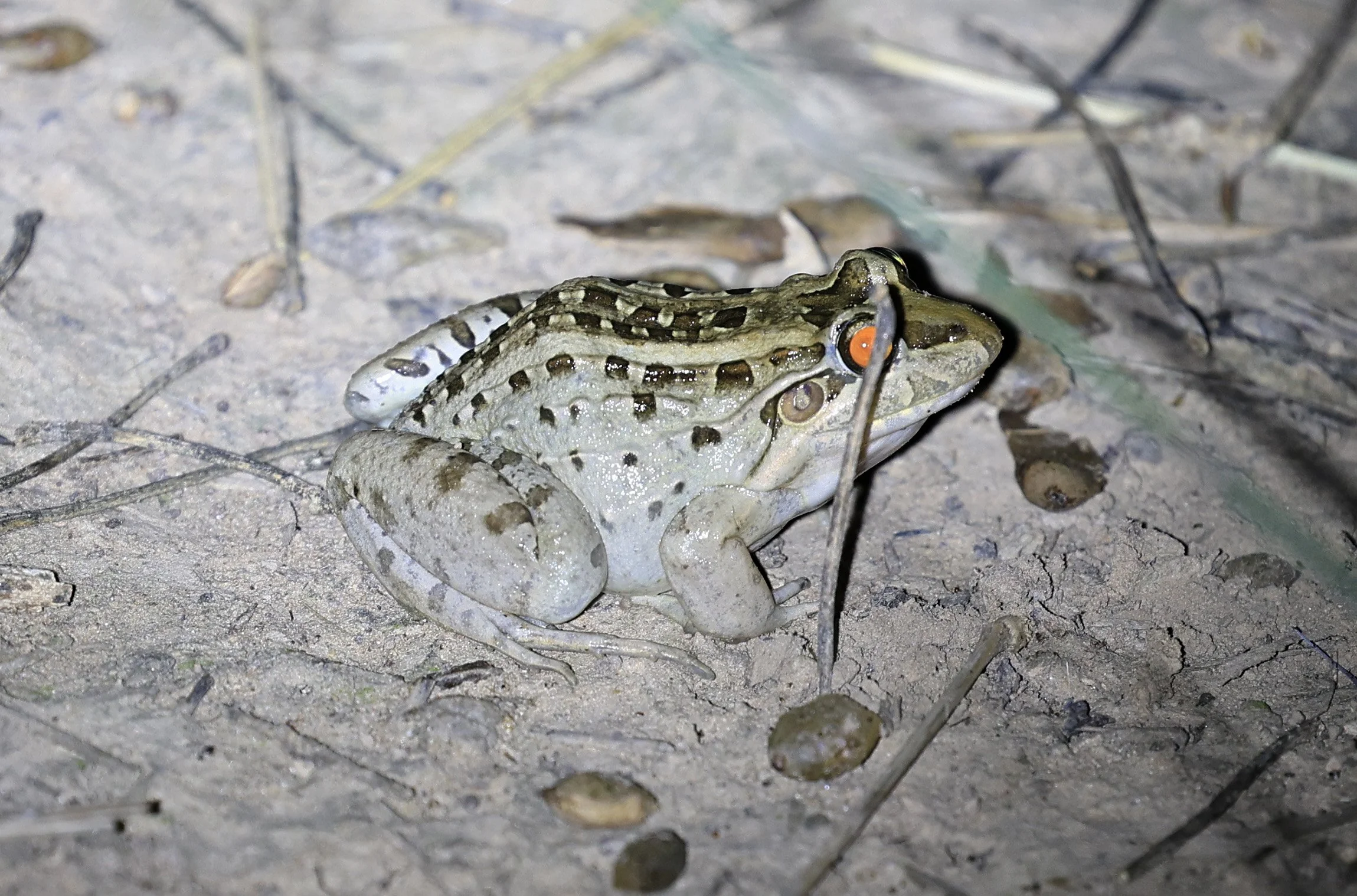
Miranda's White-lipped Frog (Leptodactylus macrosternum)
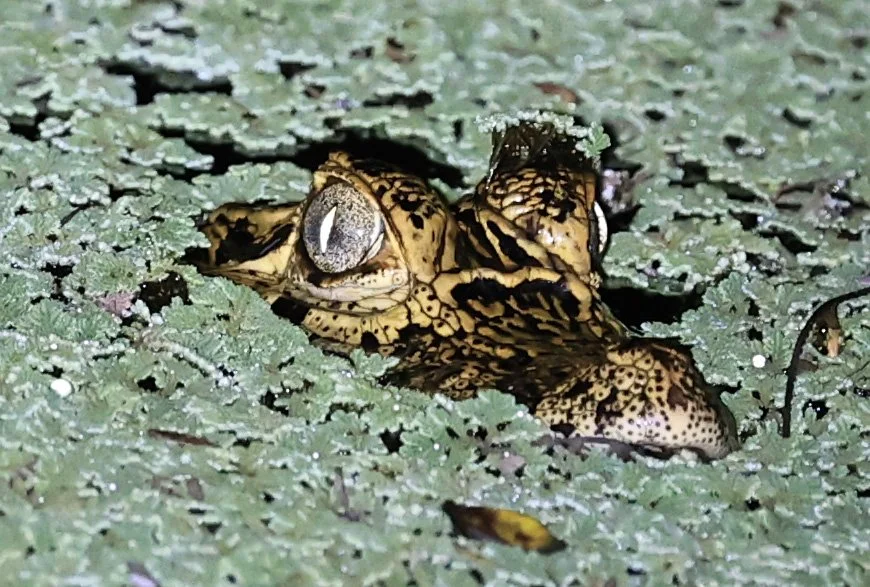
Yacare Caiman (Caiman yacare)
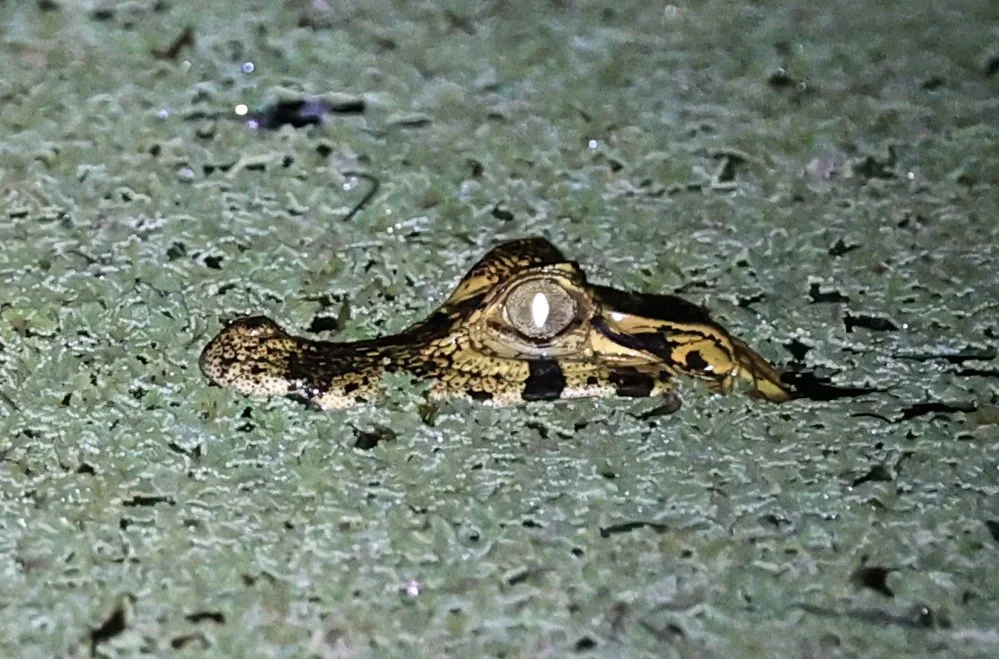
Yacare Caiman (Caiman yacare)

Chaco Tree Frog (Boana raniceps)

Chaco Tree Frog (Boana raniceps)
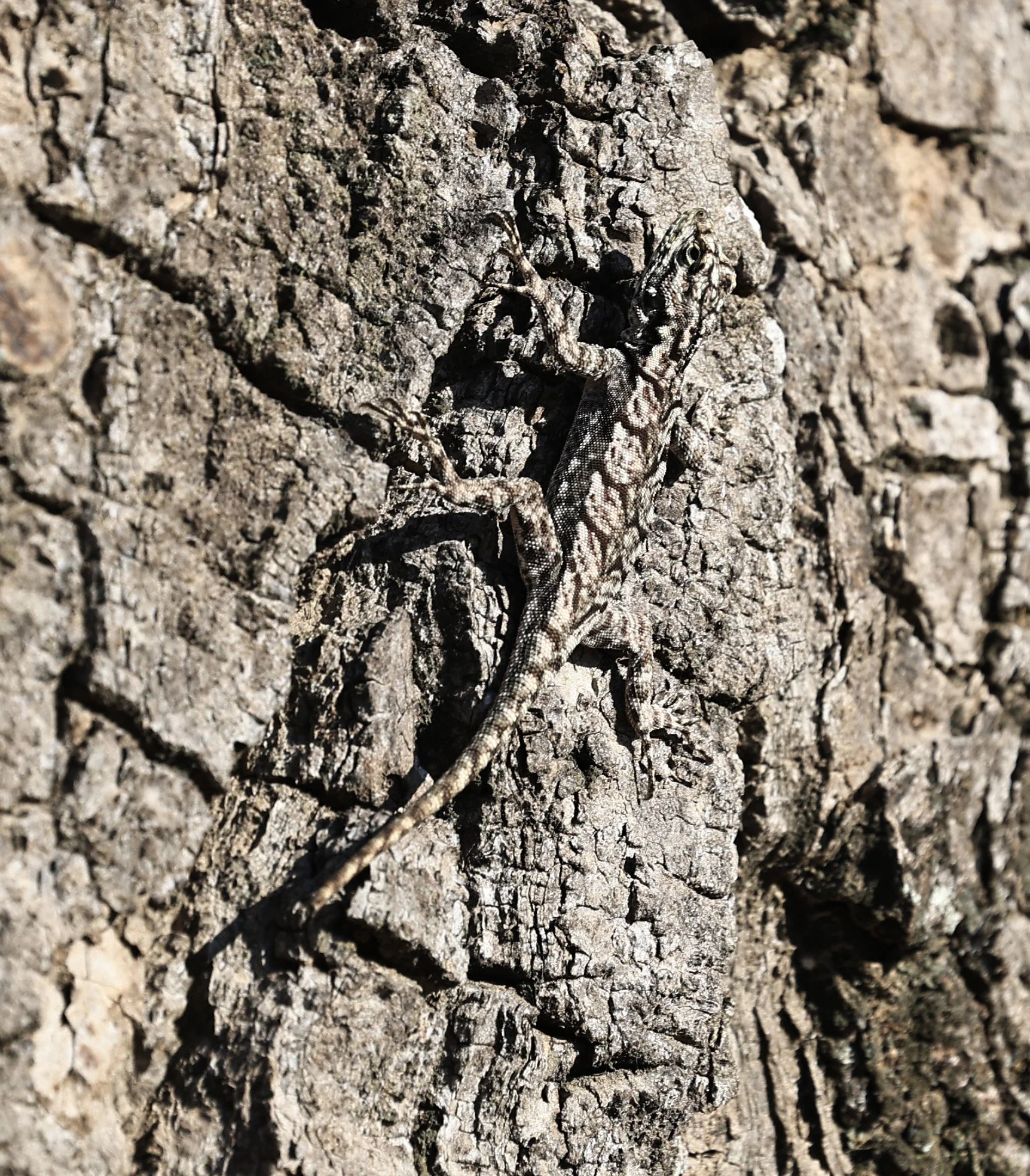
Spiny Lava Lizard (Tropidurus spinulosus)
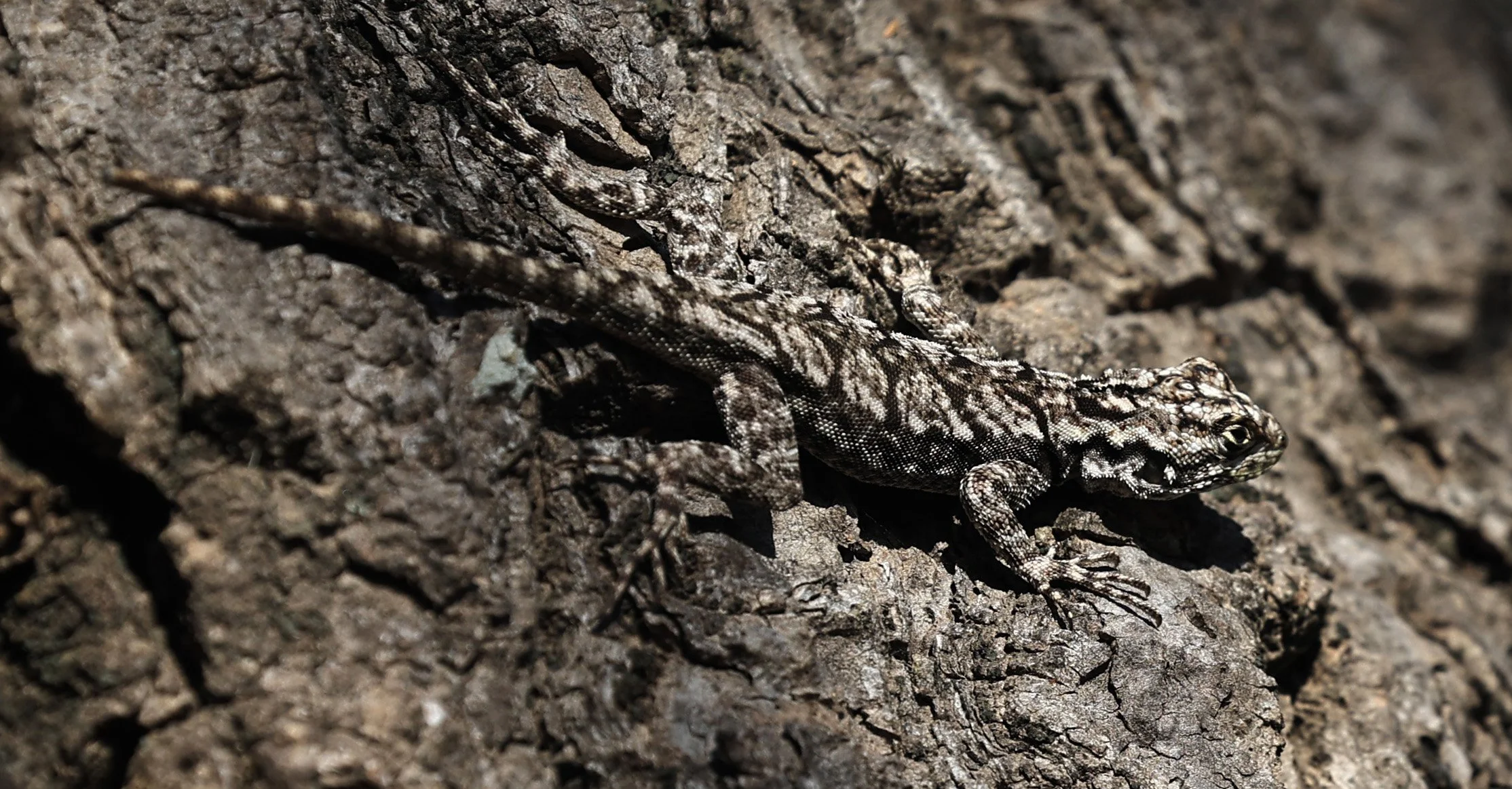
Spiny Lava Lizard (Tropidurus spinulosus)
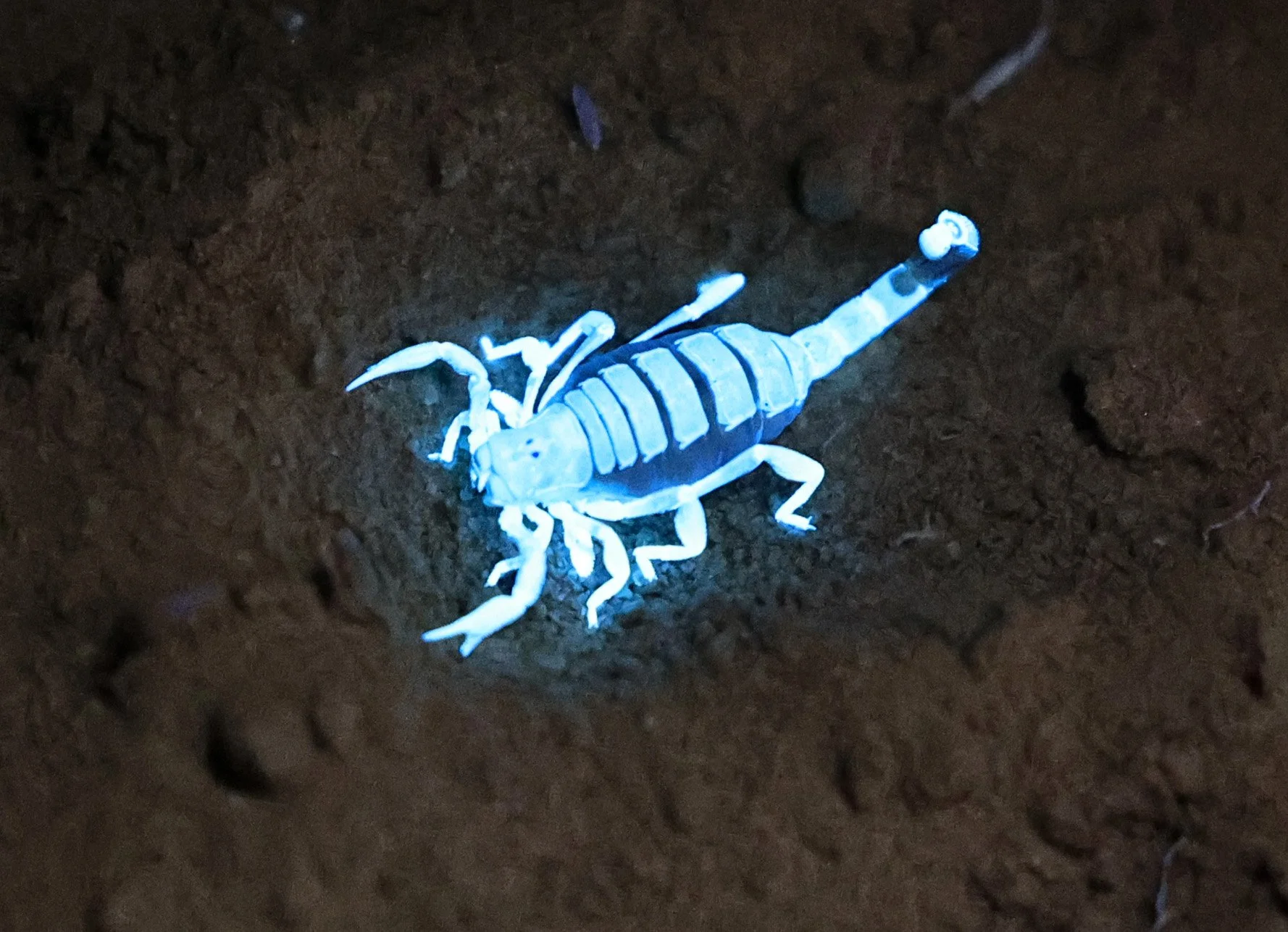
Brachistosternus species - Fortin Toledo Paraguay
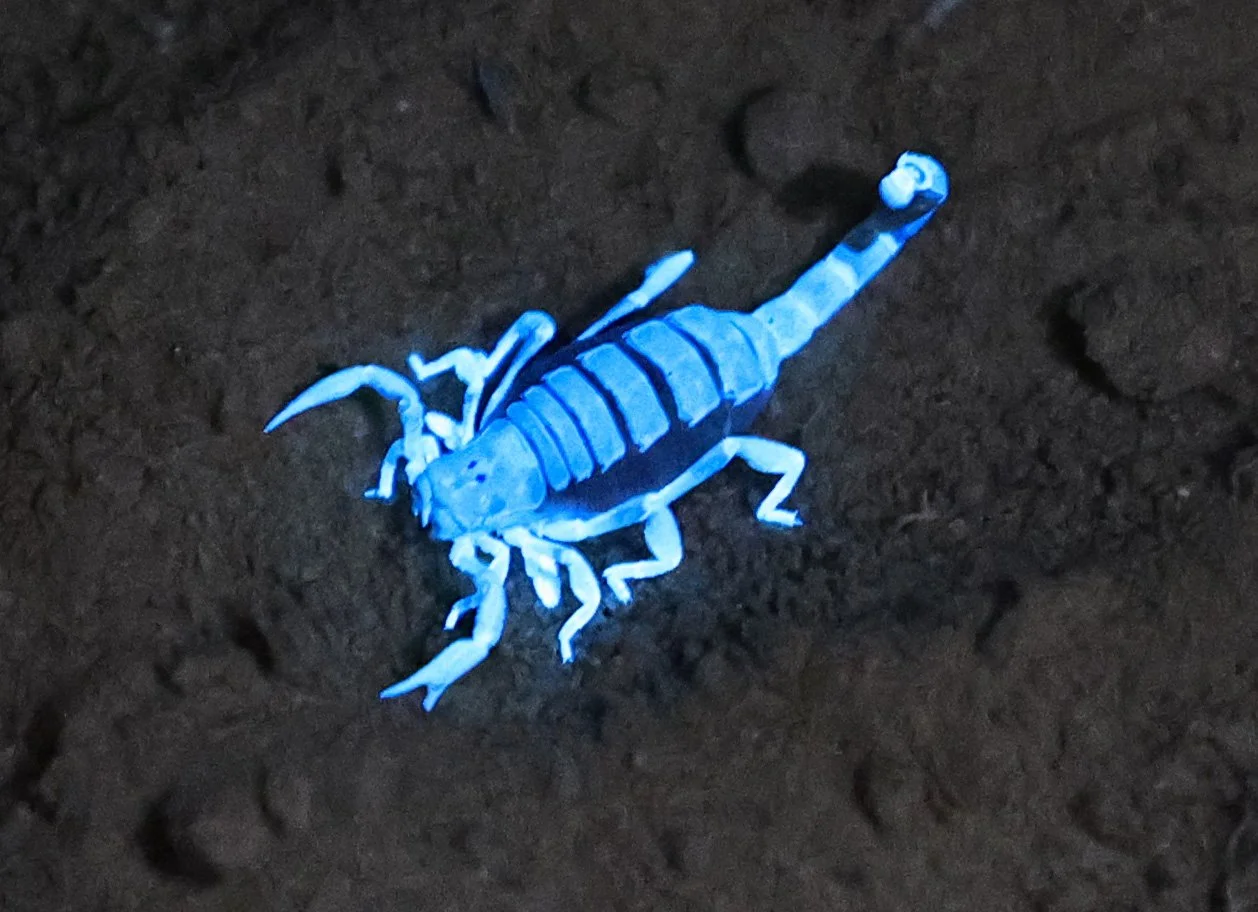
Brachistosternus species - Fortin Toledo Paraguay

Leaf-cutter Ants (Genus Acromyrmex, and Amoimyrmex) - Fortin Toledo Paraguay

Leaf-cutter Ants (Genus Acromyrmex, and Amoimyrmex) - Fortin Toledo Paraguay

Leaf-cutter Ants (Genus Acromyrmex, and Amoimyrmex) - Fortin Toledo Paraguay

Triatominae Reduviidae Chagas Vector Bug - Fortin Toledo Paraguay
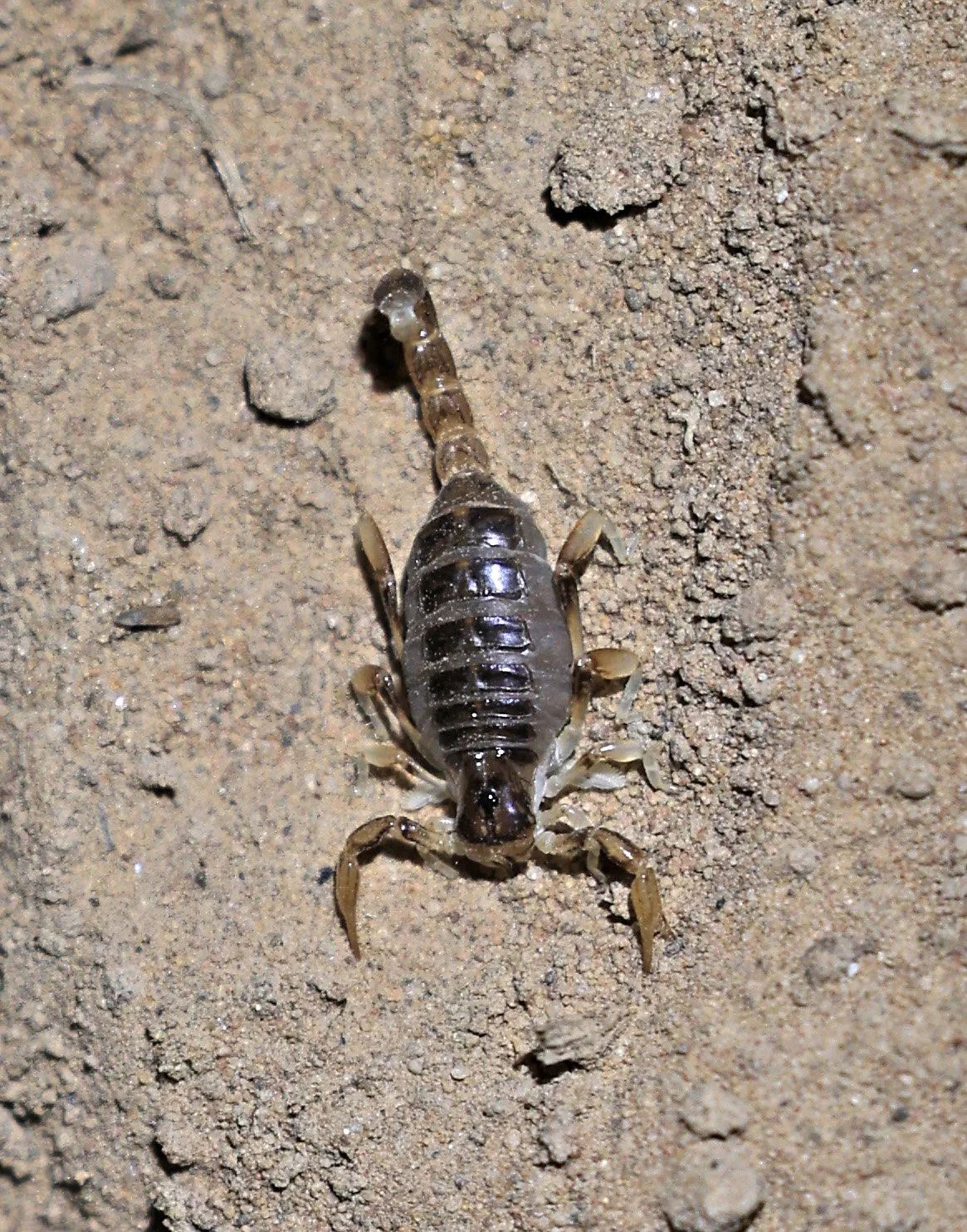
Brachistosternus species - Fortin Toledo Paraguay
Flora and Scenery of Fortín Toledo and the CCCI
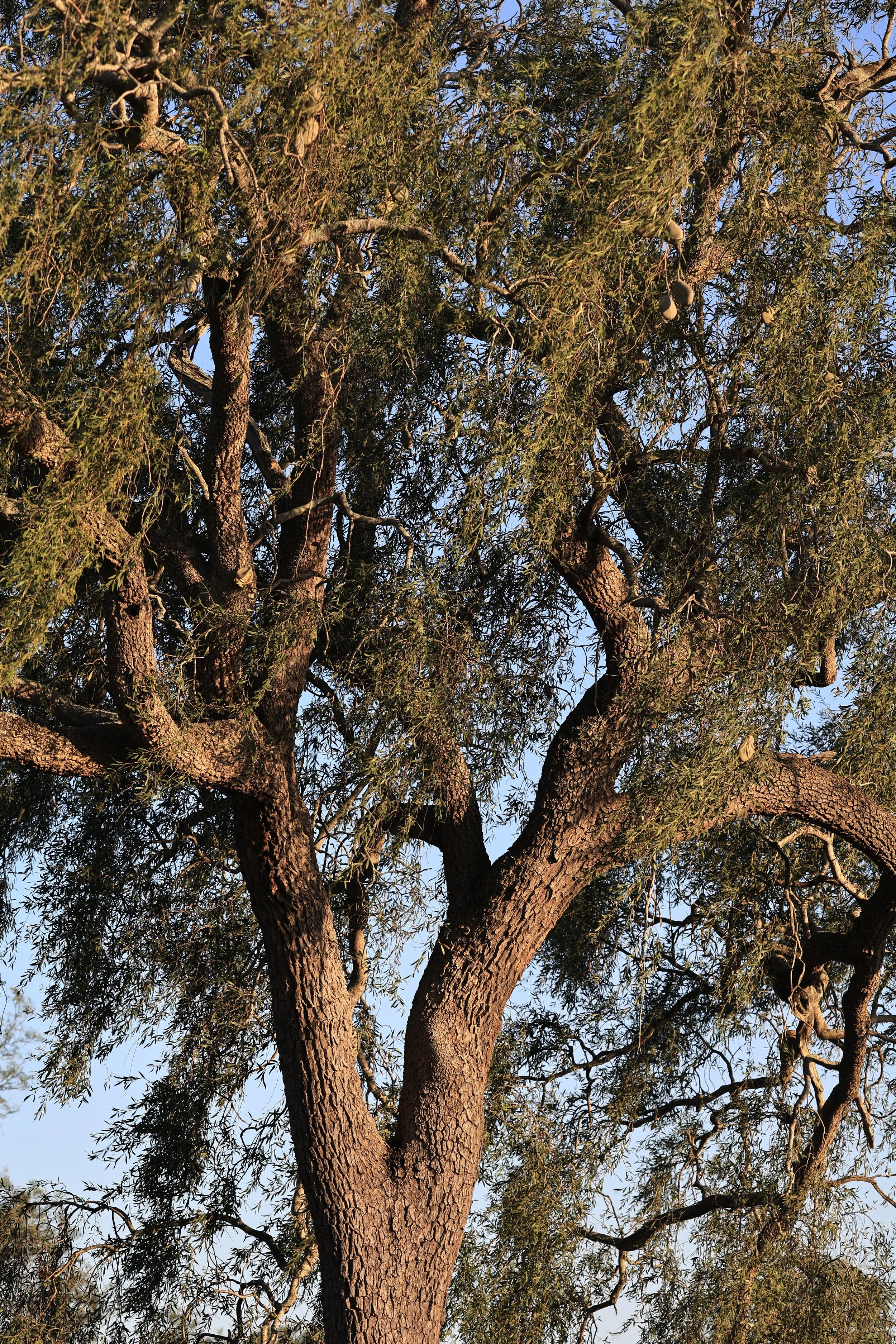
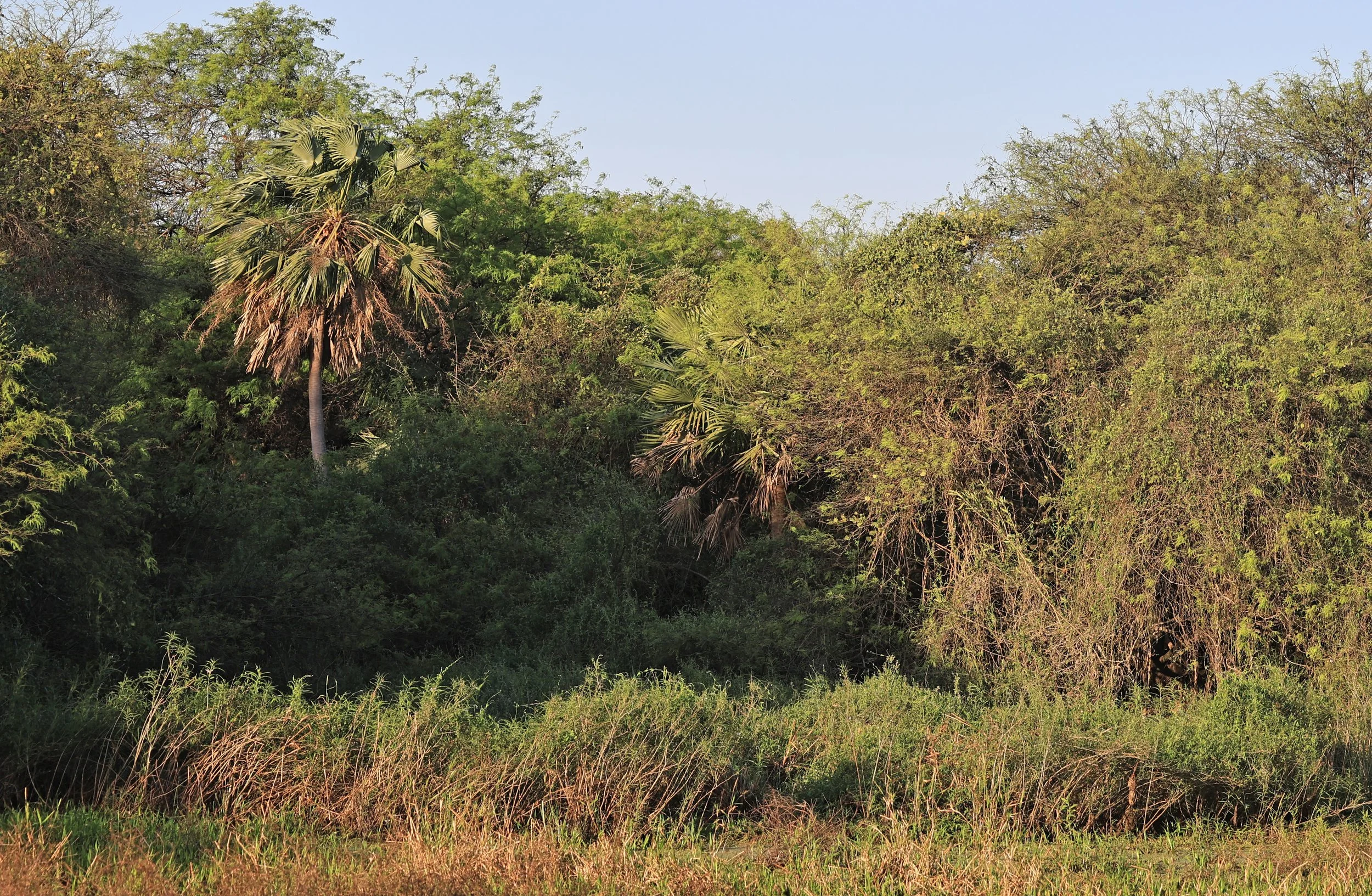
Dry Chaco
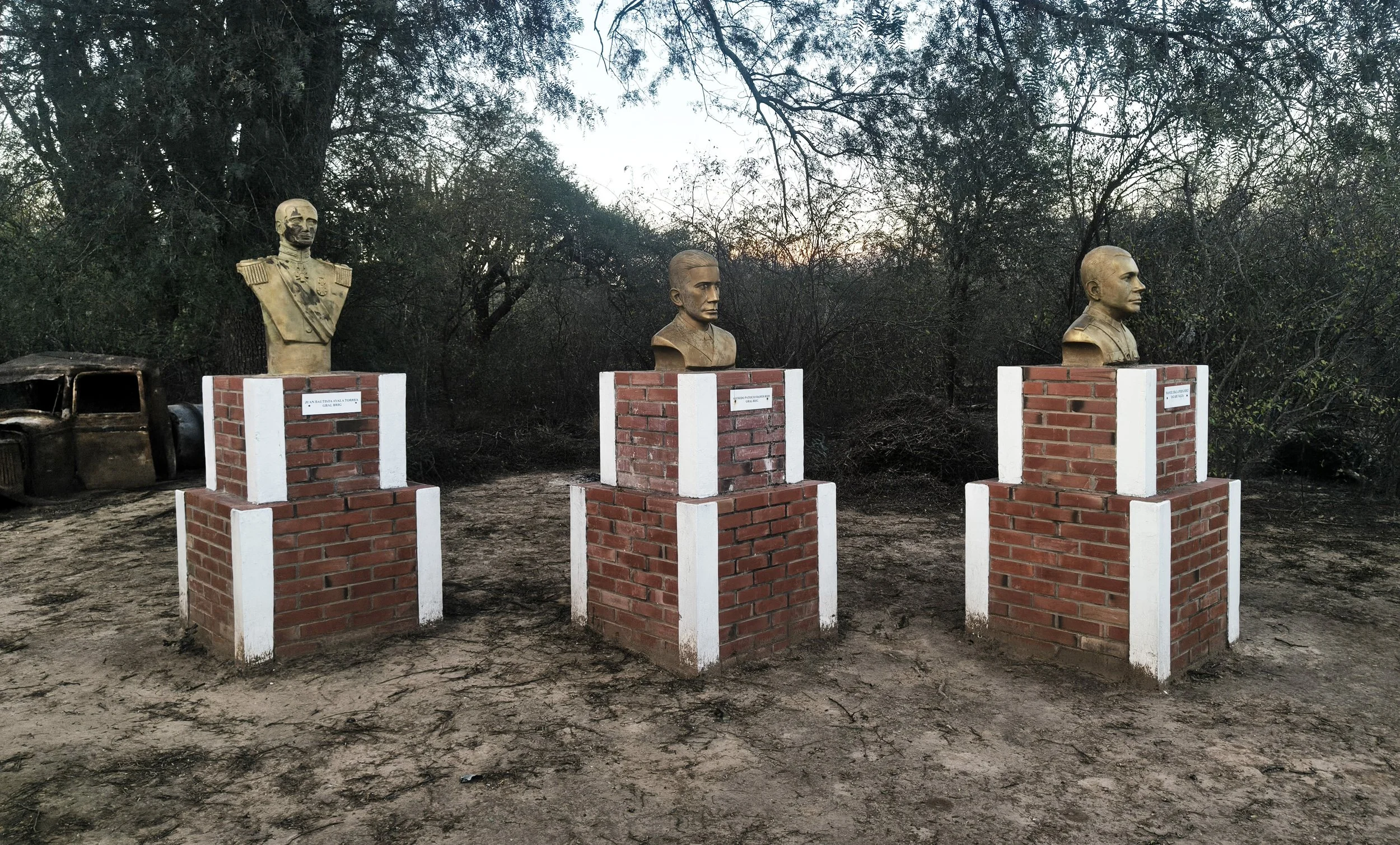
Fortin Toledo
Fortin Toledo
Fortin Toledo
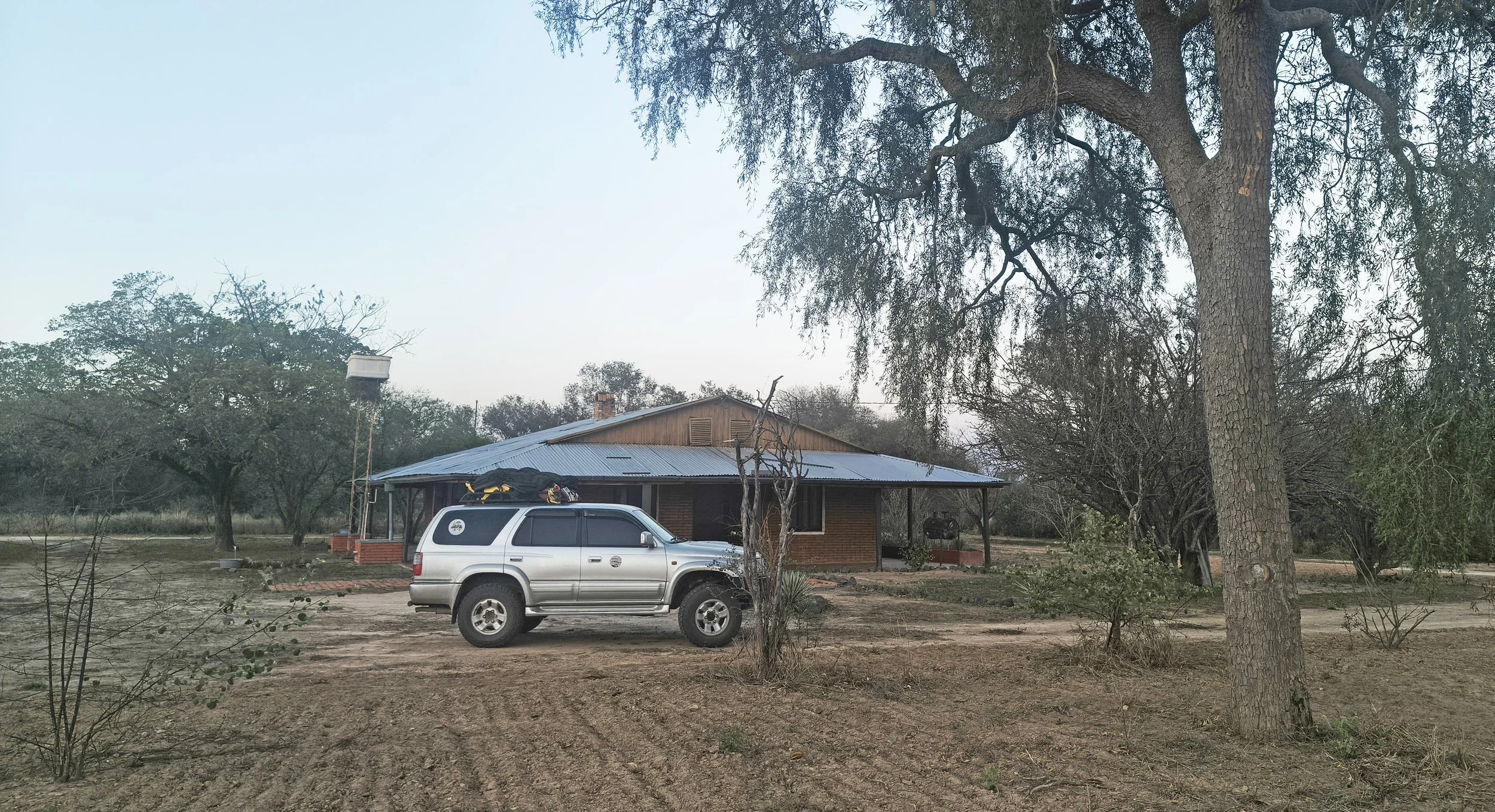
Fortin Toledo - awesome house to live in during out stay
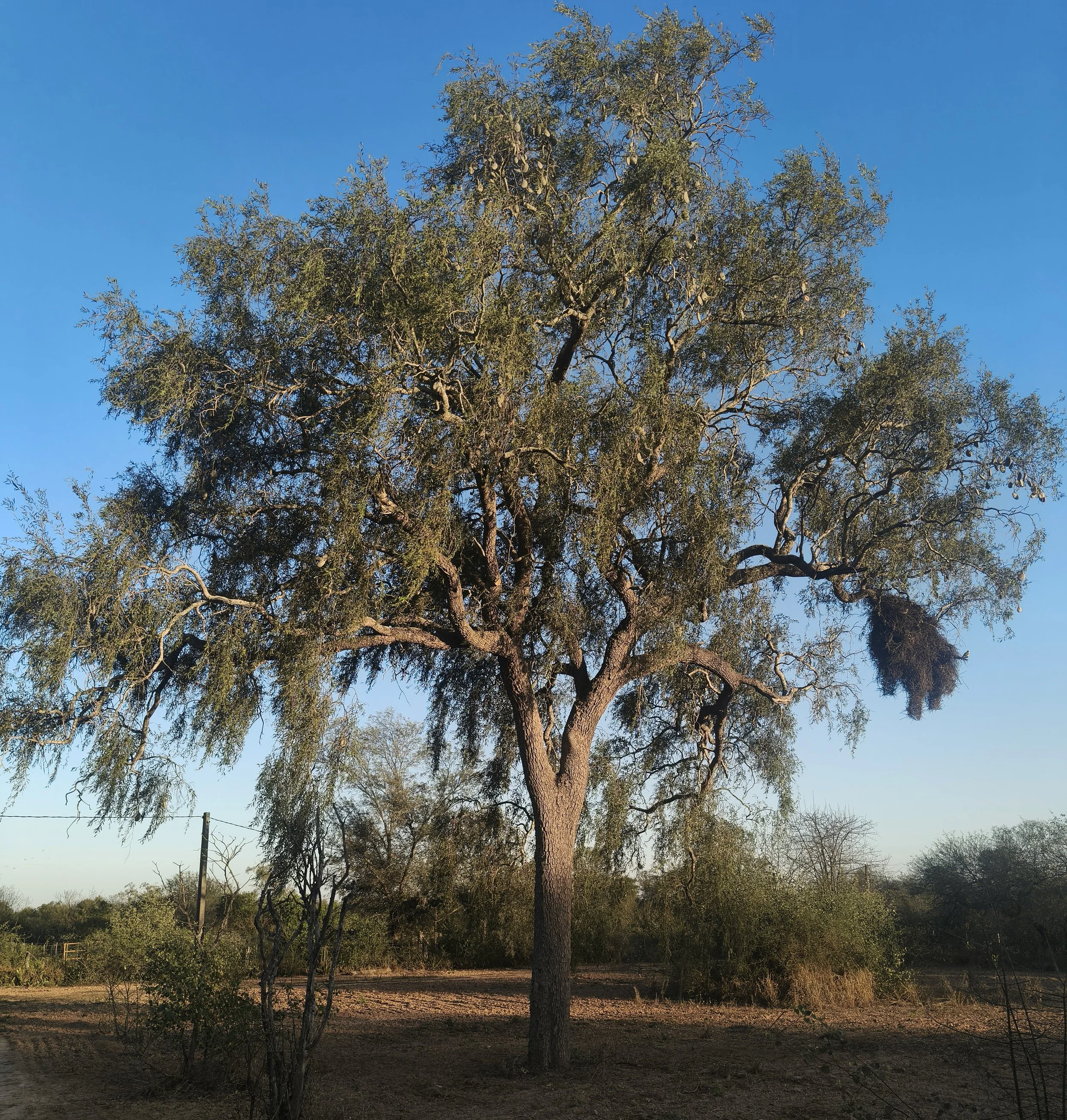
Quebracho Blanco (Aspidosperma quebracho-blanco) Fortin Toledo
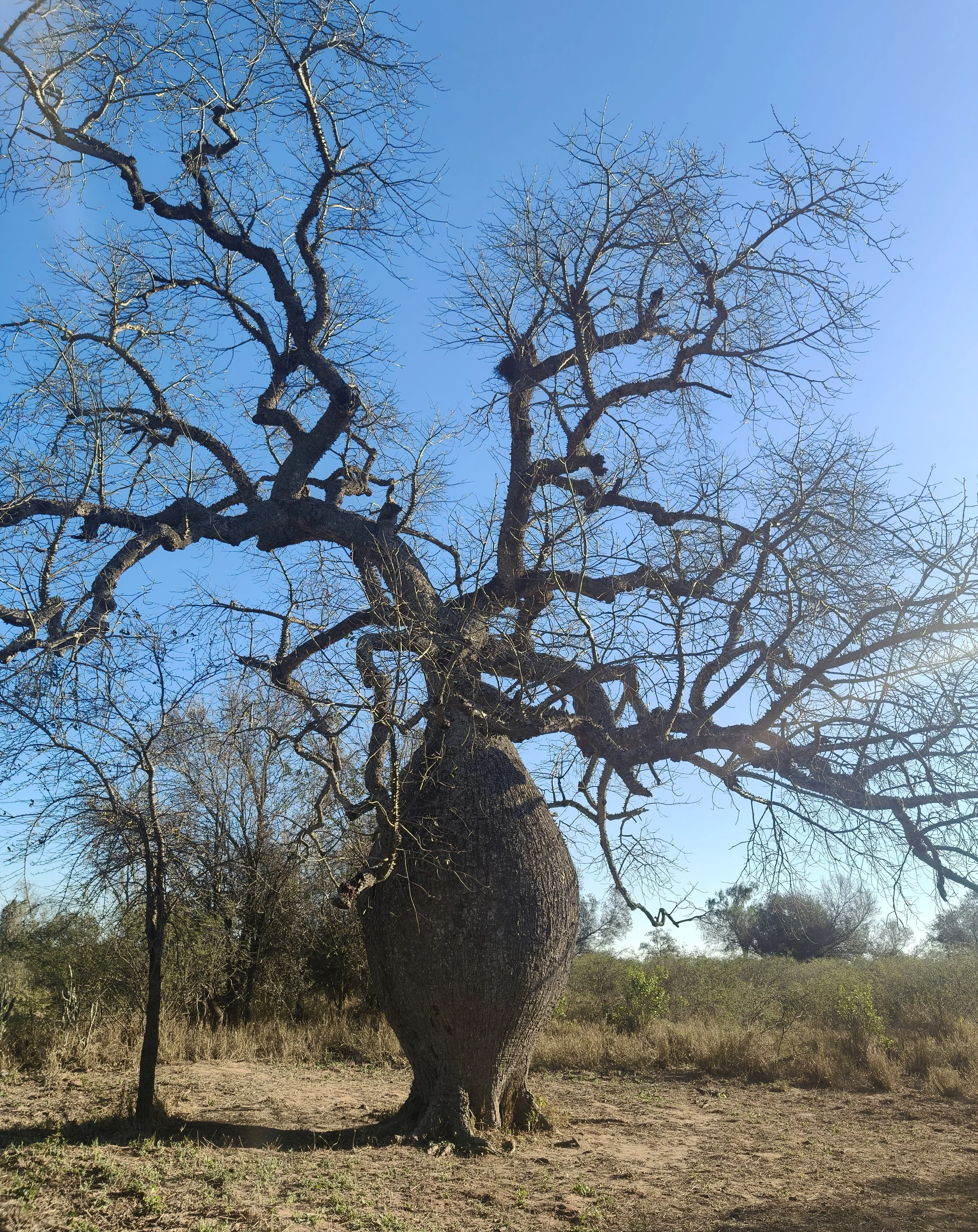
Yuchán tree (Ceiba chodatii) For
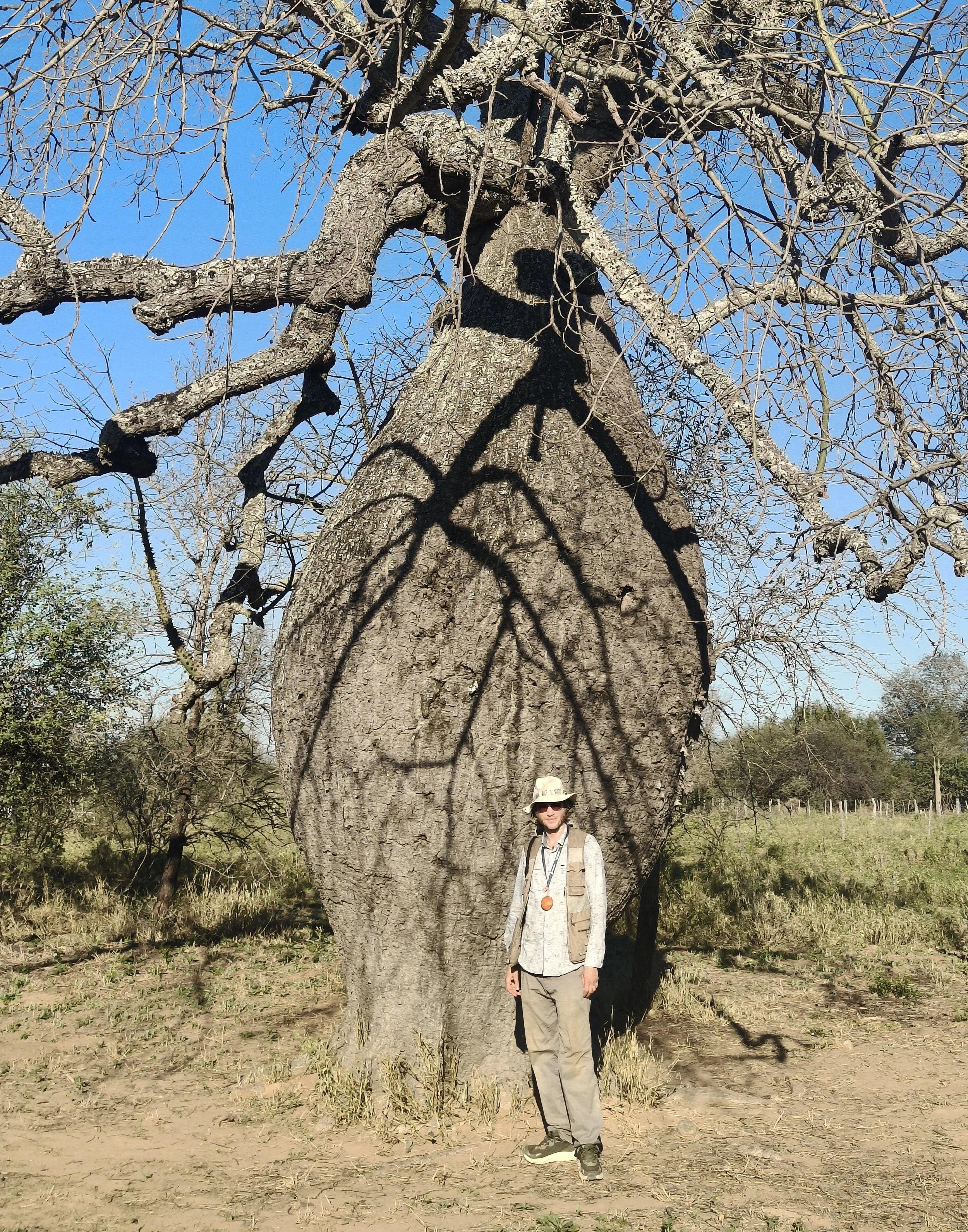
Yuchán tree (Ceiba chodatii) For
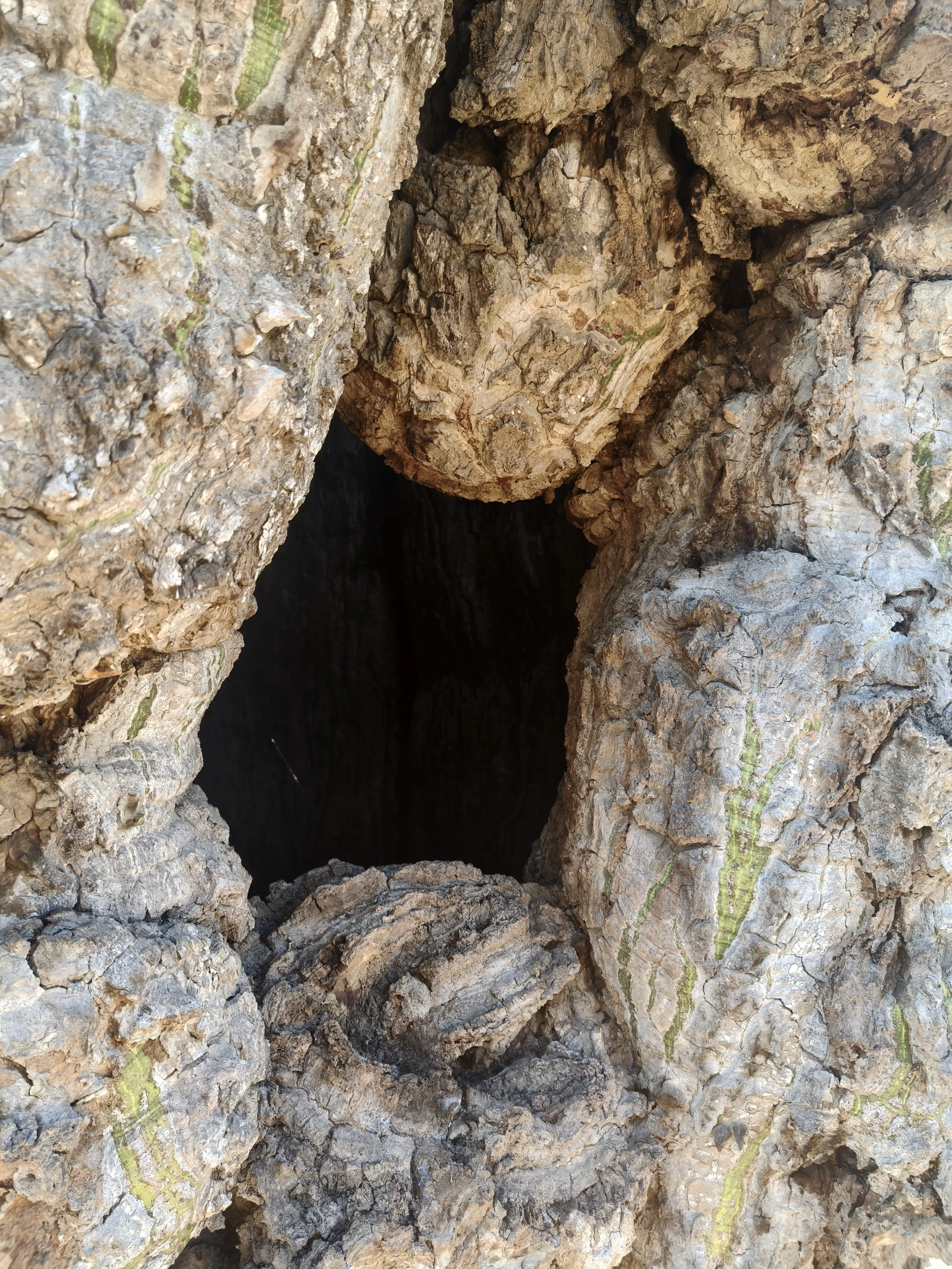
Yuchán tree (Ceiba chodatii) - many in the fort area were hollowed out for water storage for the troops
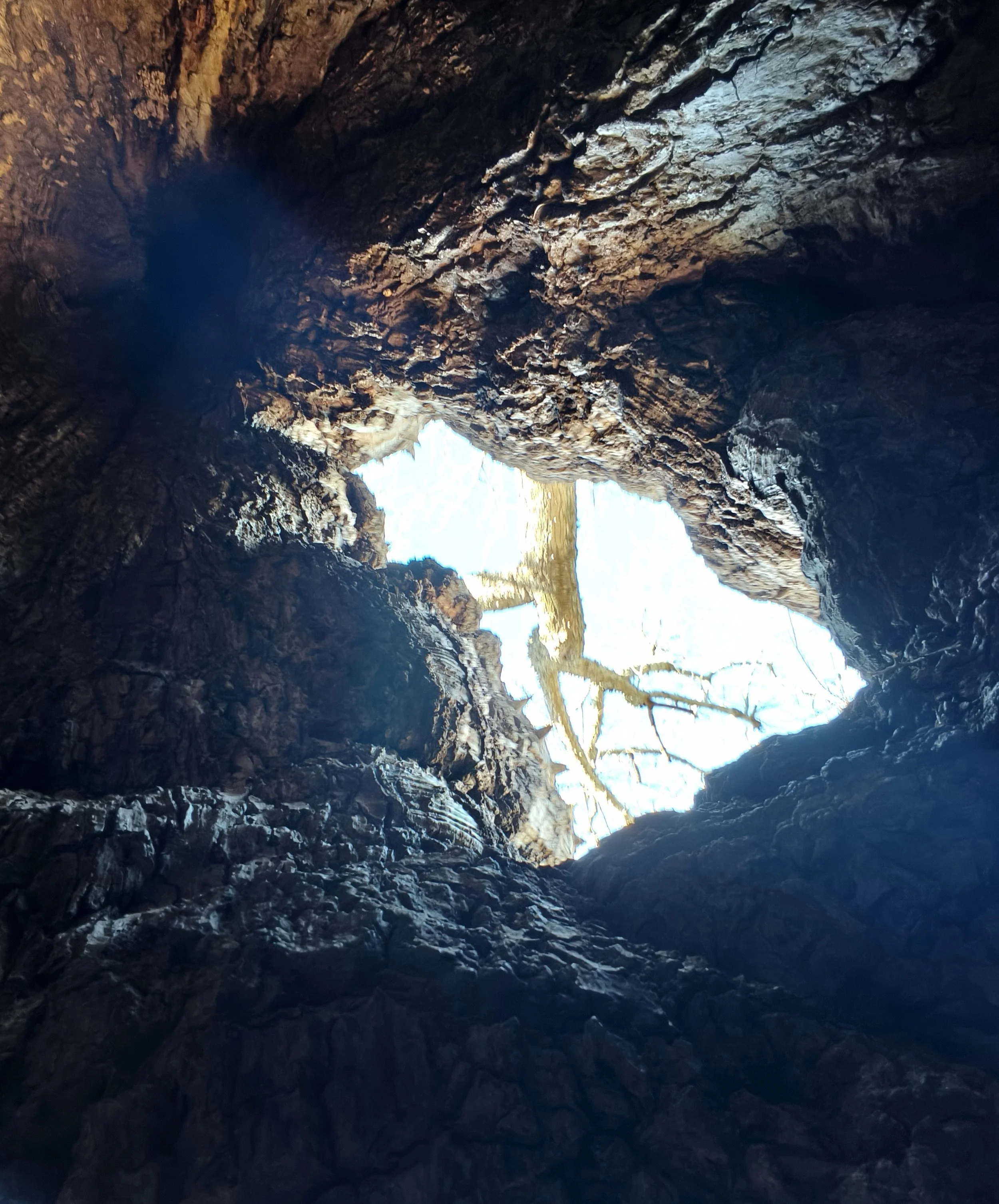
Yuchán tree (Ceiba chodatii) - Inside the hollow of the tree facing up

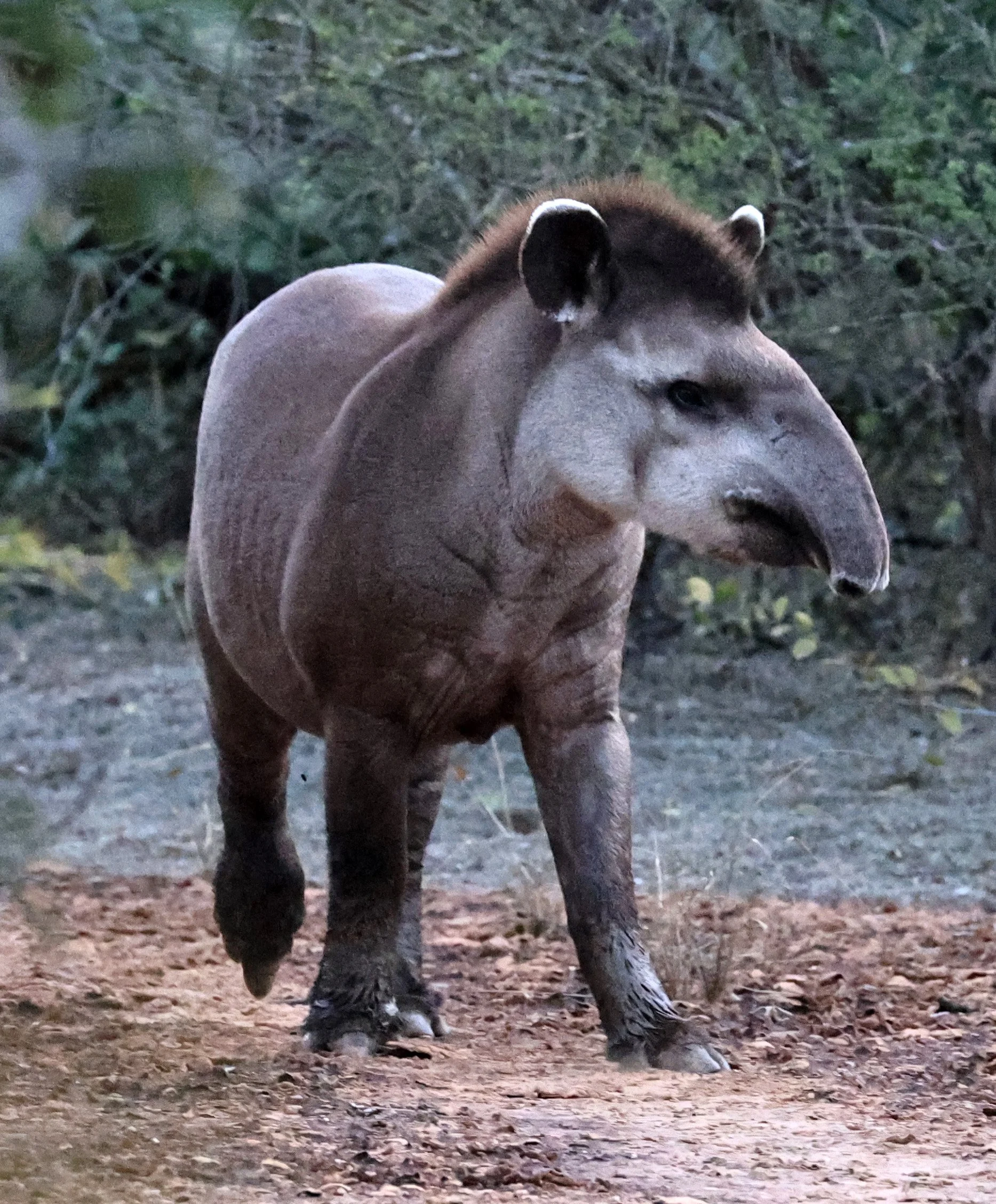
Chacoan Peccary food! Lovin' pumpkins!
La Patria and Parque Nacional Teniente Agripino Enciso
From Fortín Toledo we continued west towards La Patria and Parque Nacional Teniente Agripino Enciso, one of the premier protected areas in Paraguay's Dry Chaco. This is the Chaco at its most wild and remote, with vast expanses of thorn forest, quebracho woodland, cacti-studded scrub and sandy tracks disappearing towards the horizon. The park protects an enormous area of relatively intact habitat and is rightly regarded as one of the best places in the country for Chaco wildlife. Despite the often harsh and unforgiving appearance of the landscape, it supports an impressive diversity of mammals, birds and reptiles specially adapted to survive in one of South America's toughest environments.
By this stage of the expedition, it would probably be more surprising if we didn't see any Chacoan Maras (Dolichotis salinicola). Sure enough, they continued to appear throughout our time in the area. The species had gone from coveted target to regular travelling companion, although I never quite got tired of seeing these wonderfully odd rodents sprinting across the open scrub.
One of the mammalian highlights was encountering Plains Viscachas (Lagostomus maximus) around the national park. Having previously enjoyed close encounters with remarkably confident individuals at El Palmar in Argentina, these Paraguayan viscachas were noticeably more cautious and considerably less interested in becoming mammalwatching celebrities. Nevertheless, watching them cautiously emerge from their burrow systems as darkness approached was a thoroughly enjoyable experience. There is something undeniably charming about a viscacha peering out from the entrance to its den before deciding whether the outside world is safe enough to venture into.
The standout wildlife moment, however, came during a trek through the national park. While walking one of the trails, we unexpectedly encountered another magnificent South American Tapir (Tapirus terrestris). The encounter could hardly have been better. The animal was clearly aware of our presence long before we noticed it, yet displayed absolutely no sign of surprise or alarm. Instead, it seemed mildly annoyed that a pair of mammalwatchers had chosen to stand directly in the path between itself and the waterhole it was heading towards.
For several memorable moments we found ourselves sharing the trail with what is effectively a quarter-tonne forest bulldozer that had somewhere important to be. The tapir calmly assessed the situation, appearing to conclude that we were simply an inconvenient obstacle rather than a genuine threat. After enjoying outstanding views, we wisely stepped aside and allowed the rightful owner of the trail to continue its journey. The animal then ambled off towards the waterhole through a shortcut in the thicket.
Encounters like that are the reason I travel to places such as the Chaco. While new species are always welcome, sometimes the most memorable moments come from an unexpected interaction with a familiar animal behaving naturally in its habitat. Between the vast wilderness, the ever-present maras, the emerging vizcachas and the wonderfully unimpressed tapir, La Patria and Parque Nacional Teniente Agripino Enciso provided some of the most authentic and rewarding wildlife experiences of the entire expedition.
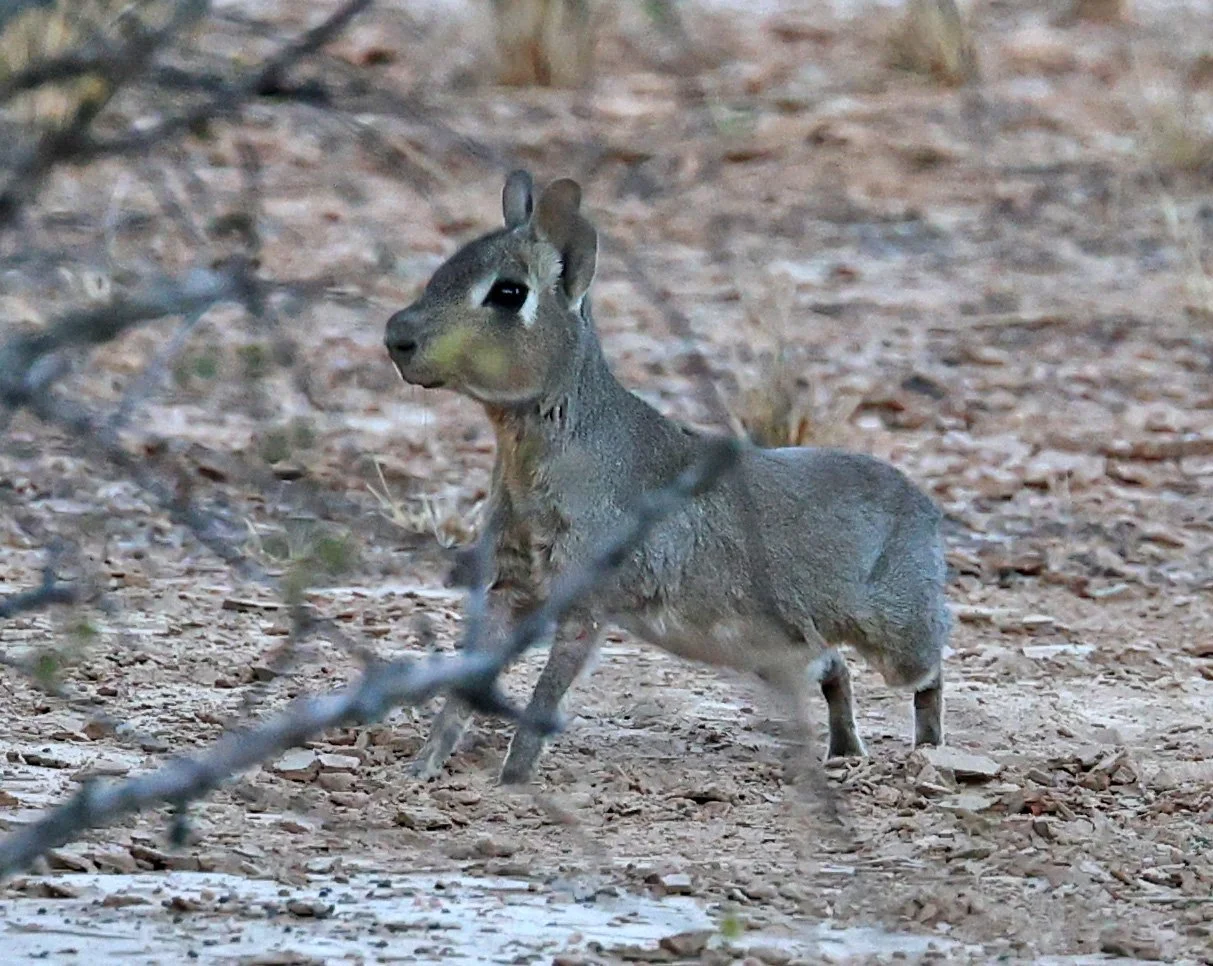
Of course another Mara
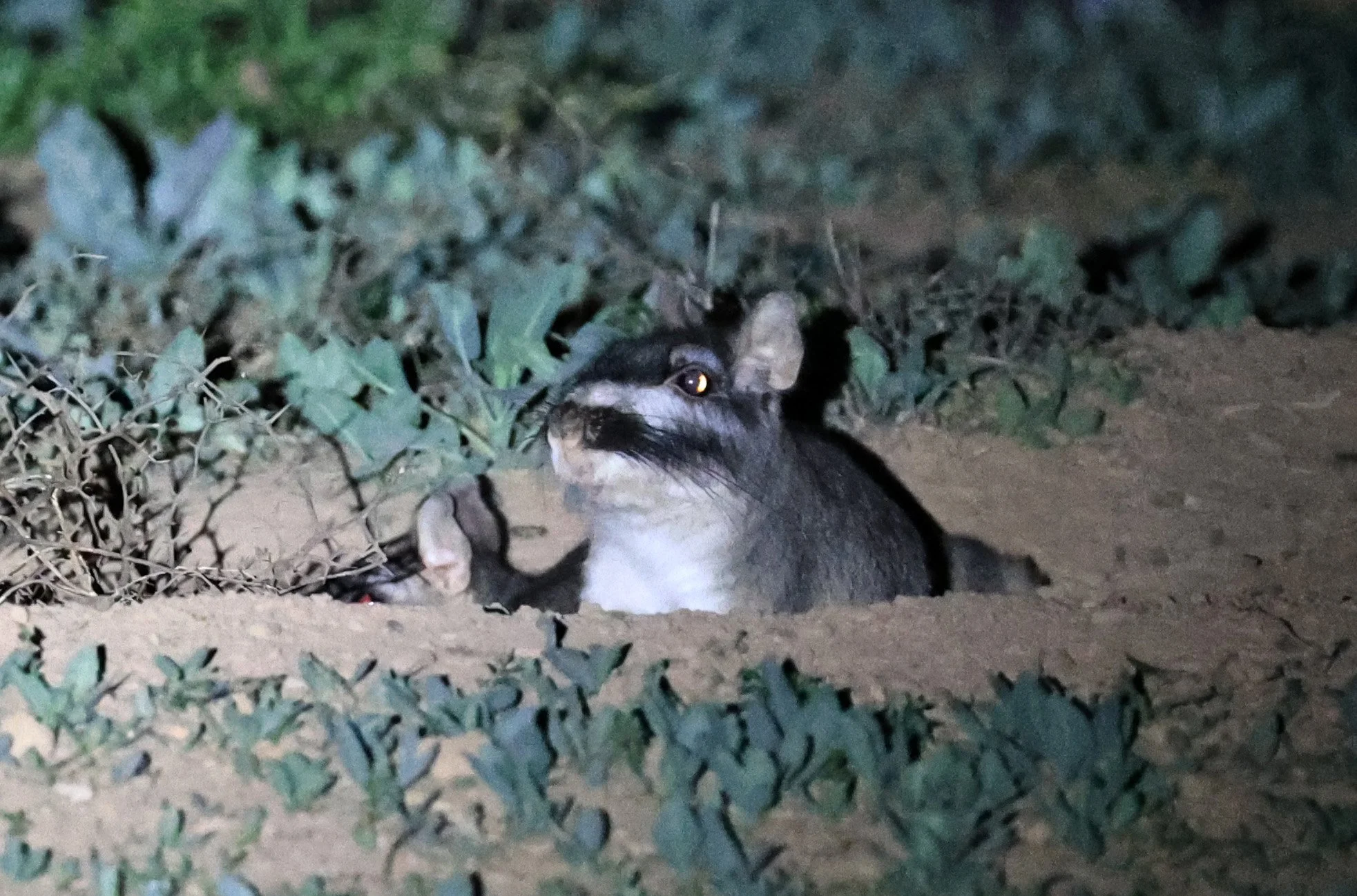
Plains Viscacha (Lagostomus maximus) emerging from their den
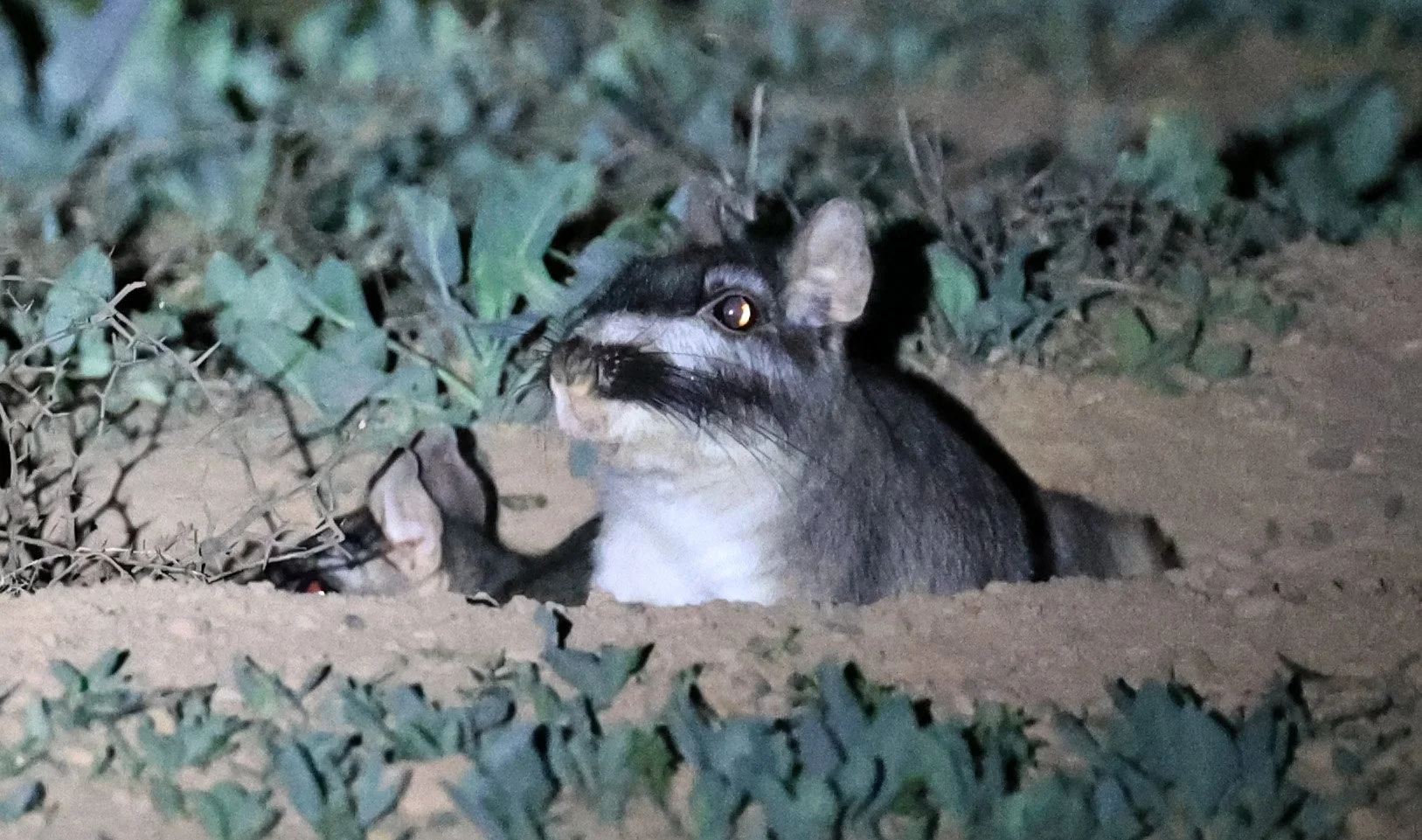
Plains Viscacha (Lagostomus maximus) emerging from their den

South American Tapir (Tapirus terrestris) surprise!

South American Tapir (Tapirus terrestris) latrine

South American Tapir (Tapirus terrestris)

South American Tapir (Tapirus terrestris)

South American Tapir (Tapirus terrestris)

South American Tapir (Tapirus terrestris)
Birds & Stuff of La Patria and Parque Nacional Teniente Agripino Enciso
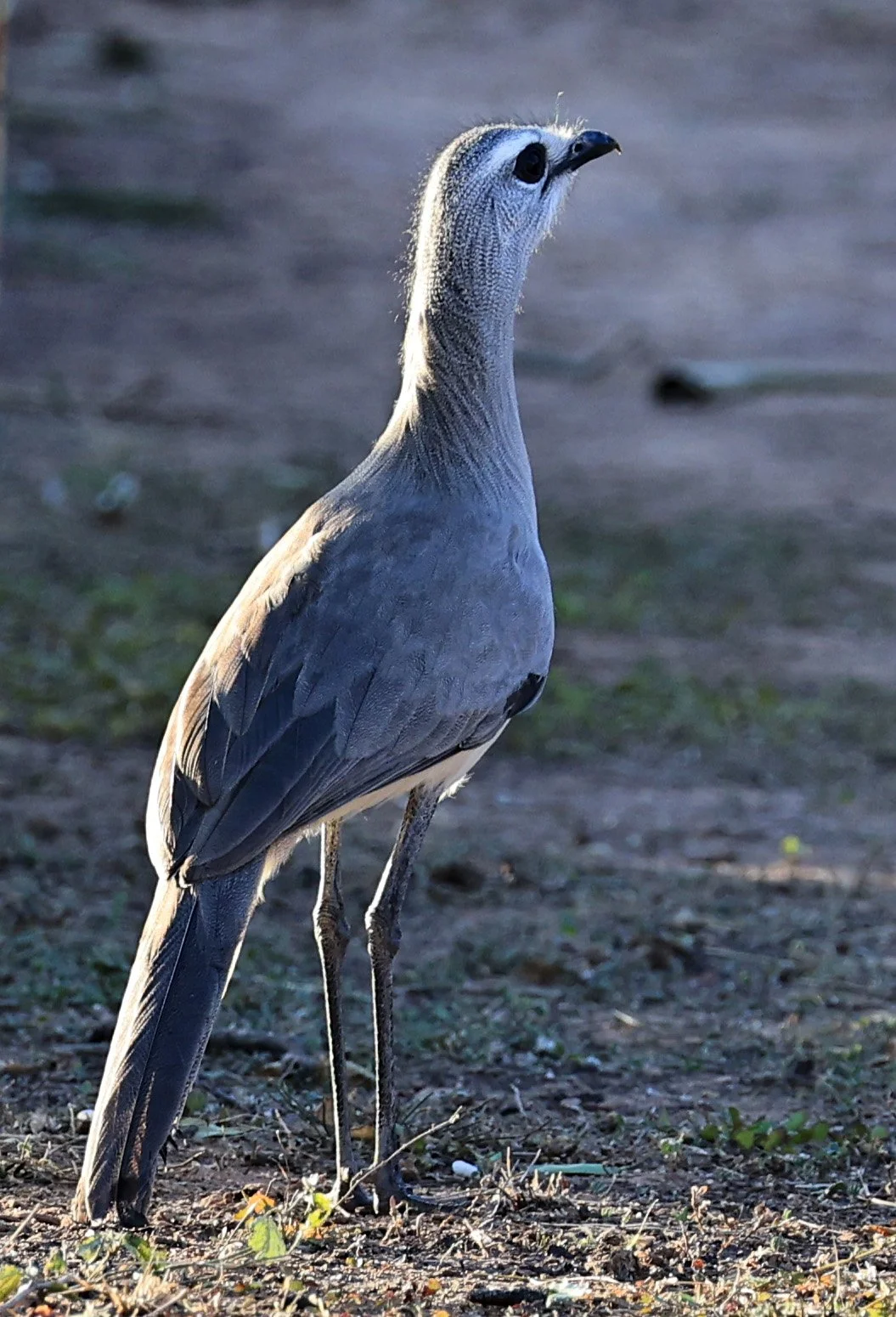
Black-legged Seriema (Chunga burmeisteri)
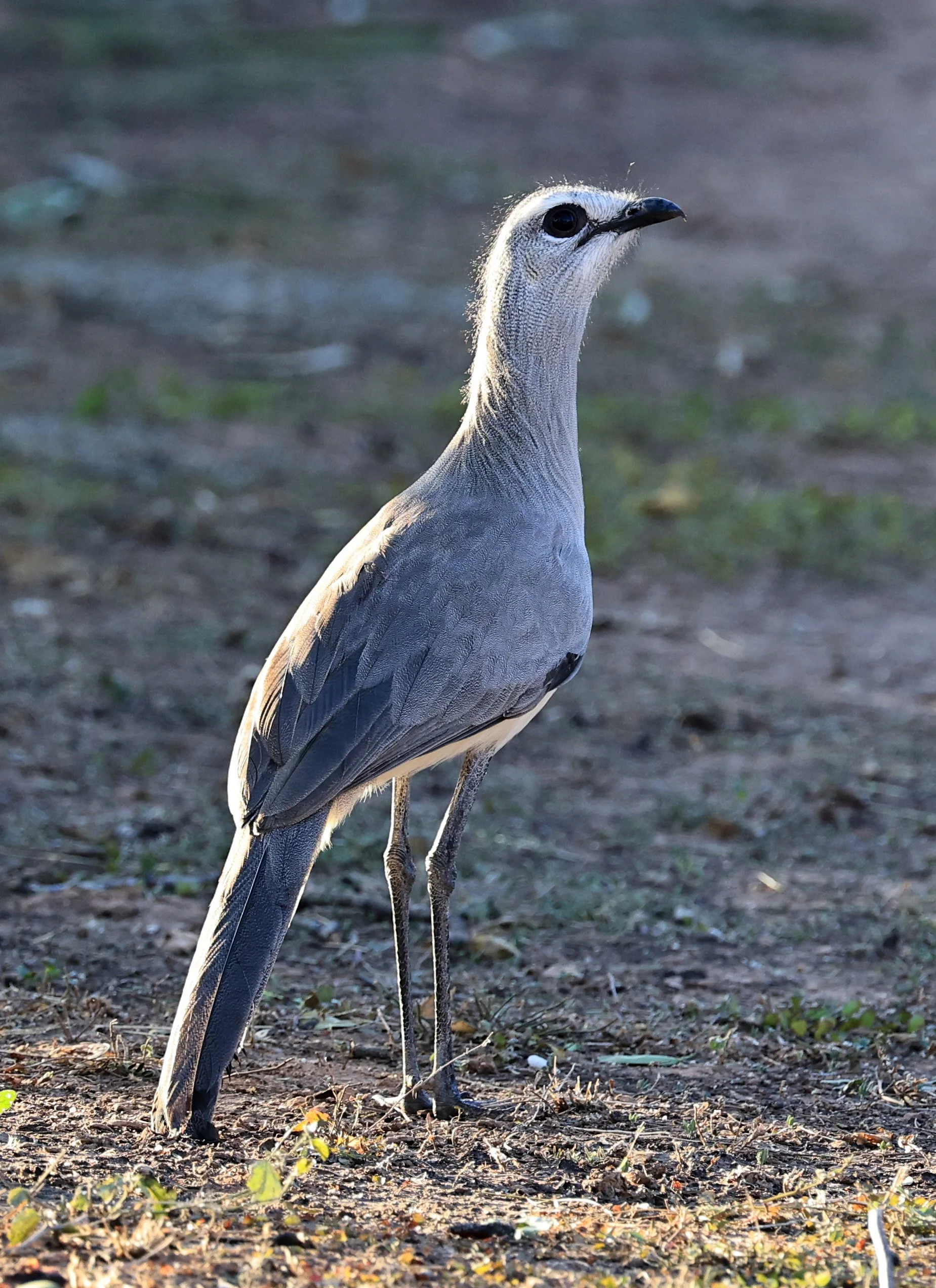
Black-legged Seriema (Chunga burmeisteri)
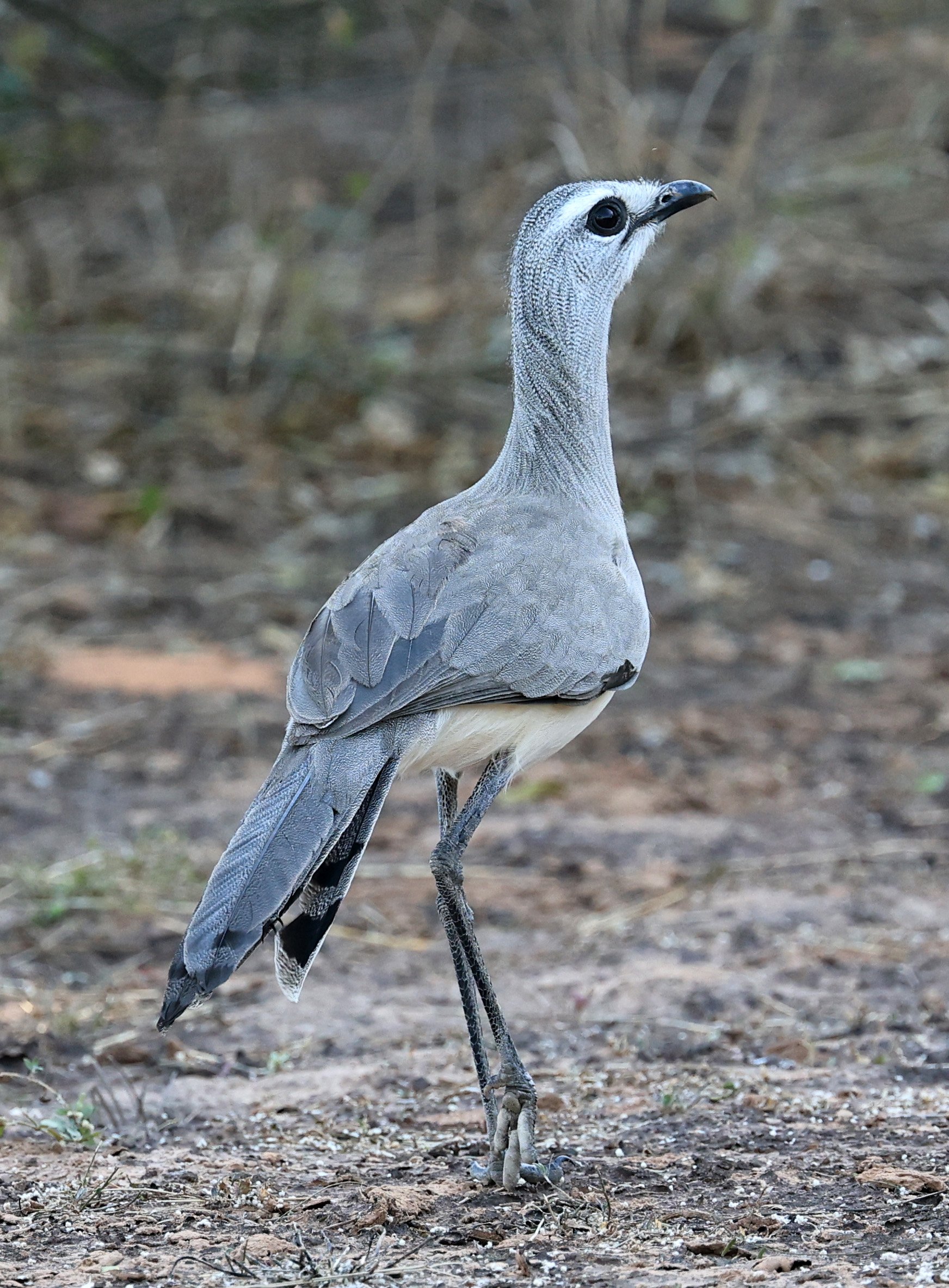
Black-legged Seriema (Chunga burmeisteri)
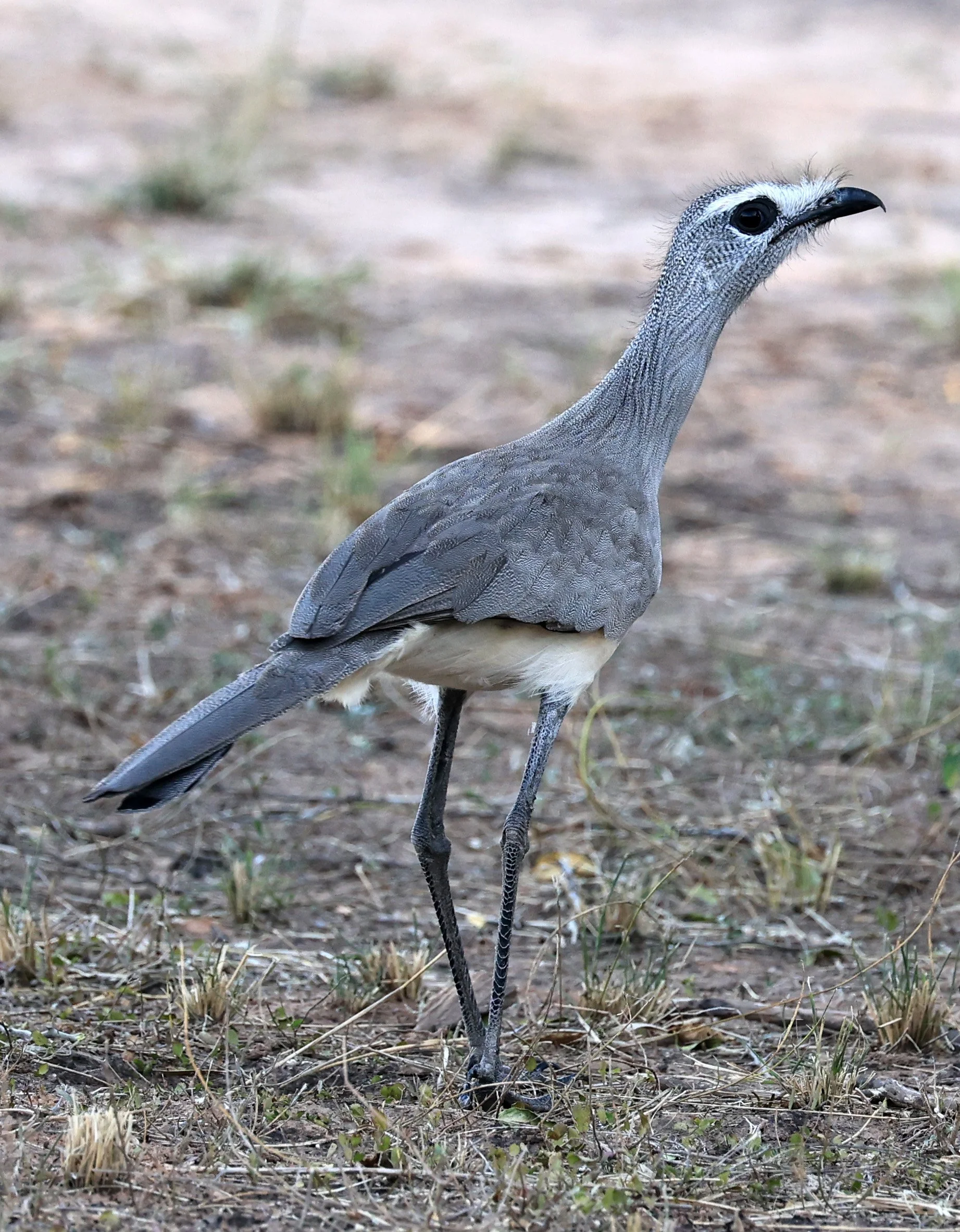
Black-legged Seriema (Chunga burmeisteri)
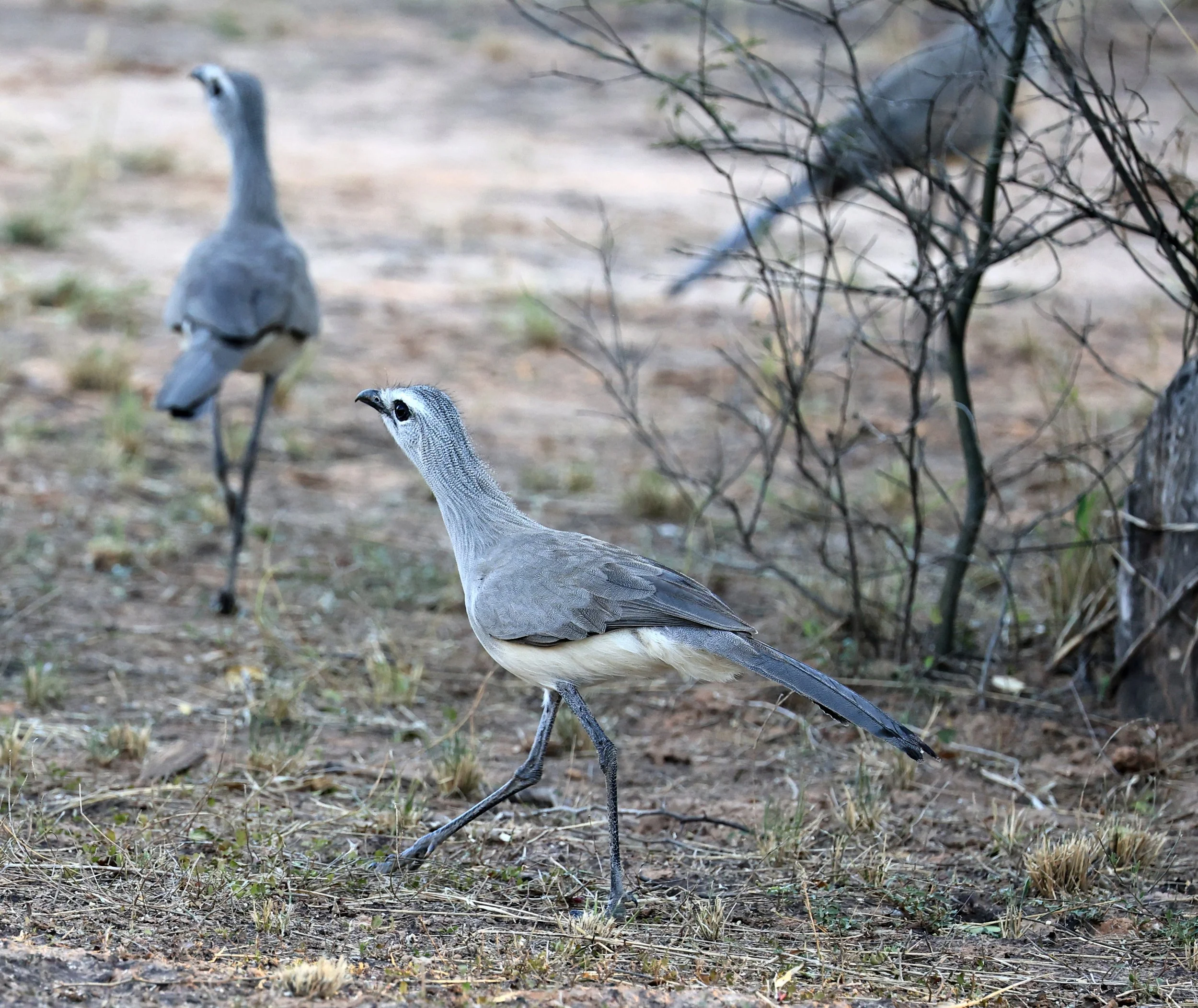
Black-legged Seriema (Chunga burmeisteri) mating pair with subadult chick
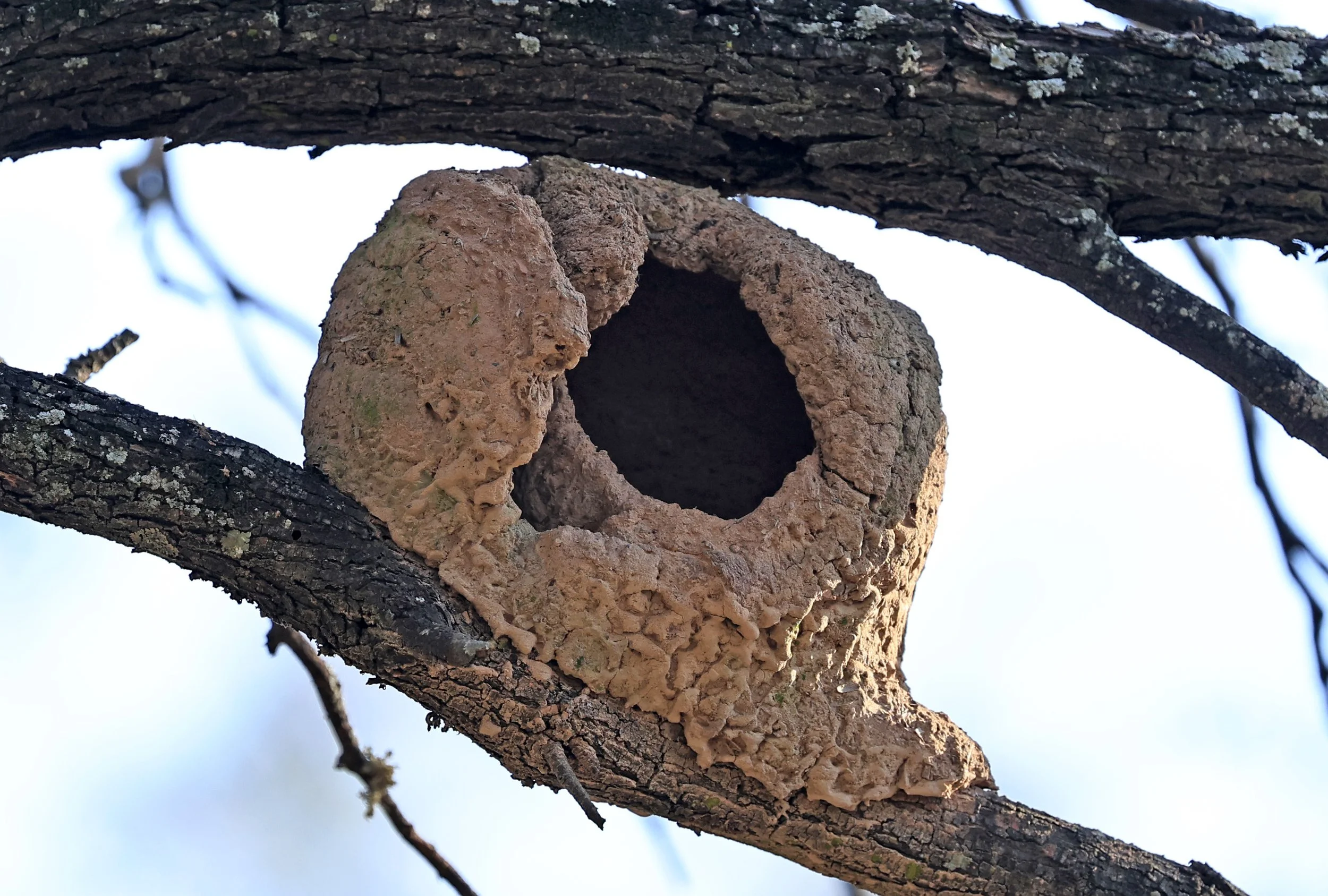
Crested Hornero (Furnarius cristatus) house

Orange-backed Troupial (Icterus croconotus)

Orange-backed Troupial (Icterus croconotus)

Orange-backed Troupial (Icterus croconotus)

Orange-backed Troupial (Icterus croconotus)
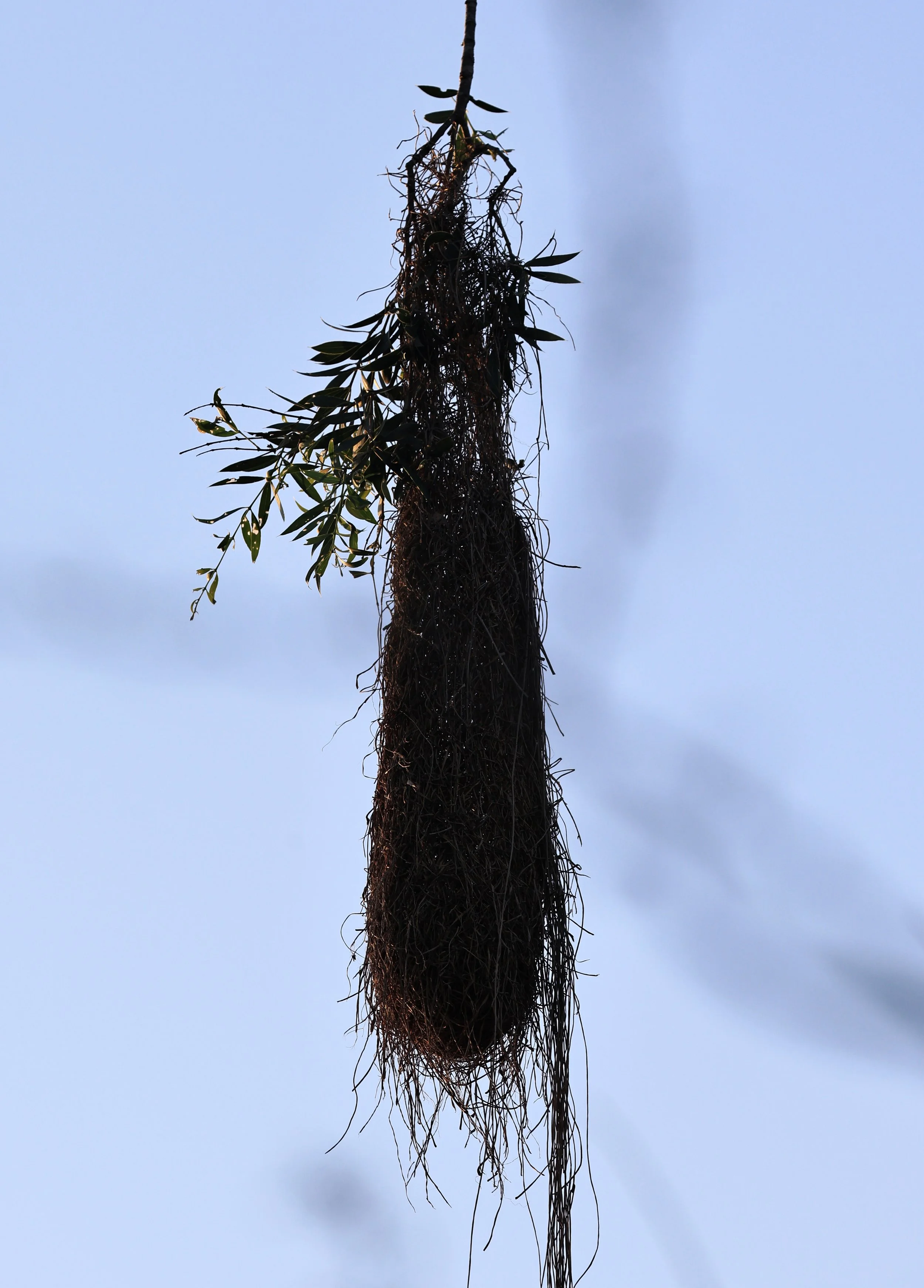
Solitary Cacique (Cacicus solitarius) Parque Nacional Teniente Agripino Enciso

South American Marked Gecko (Homonota fasciata)
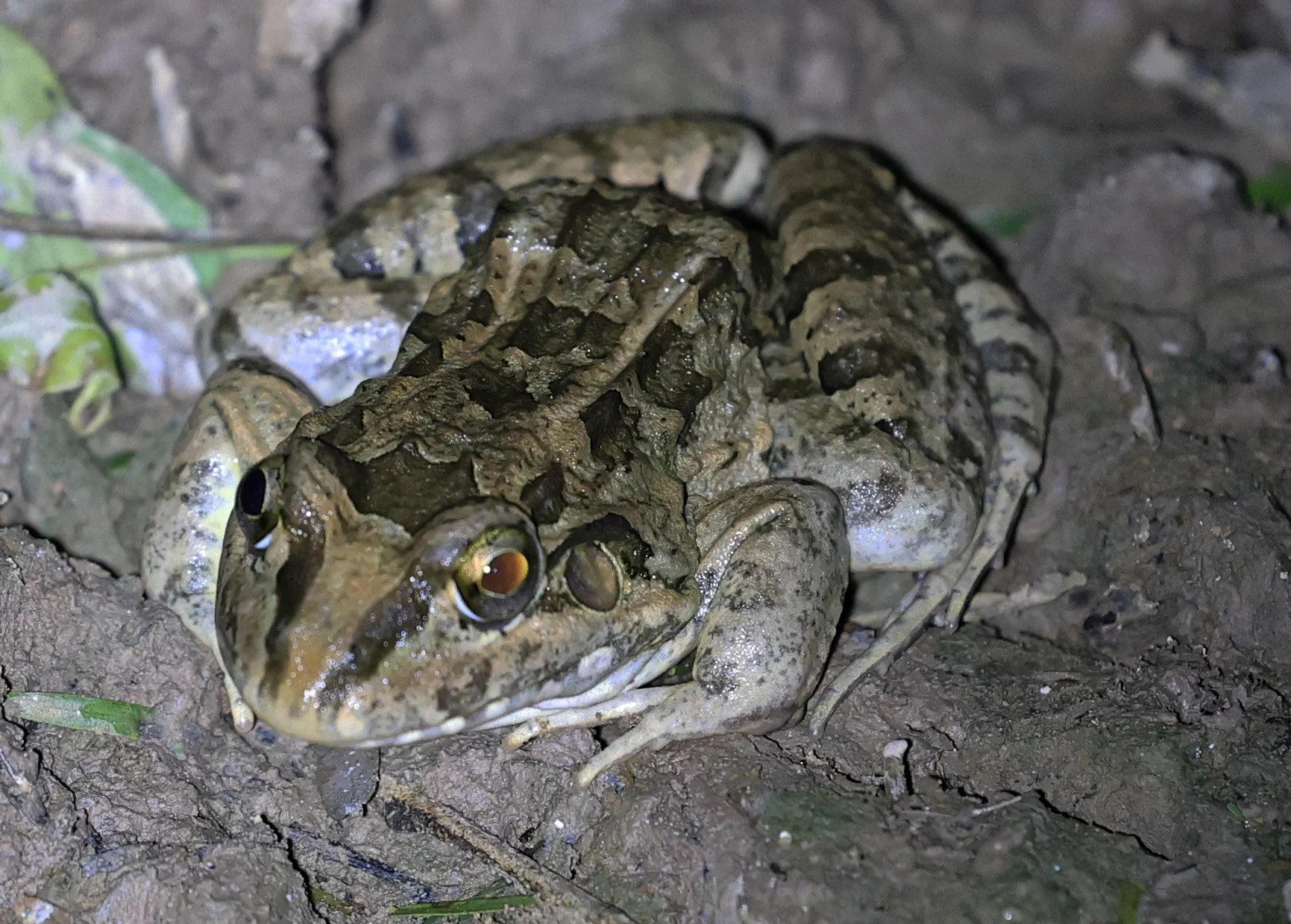
Chaco Frog (Leptodactylus chaquensis)
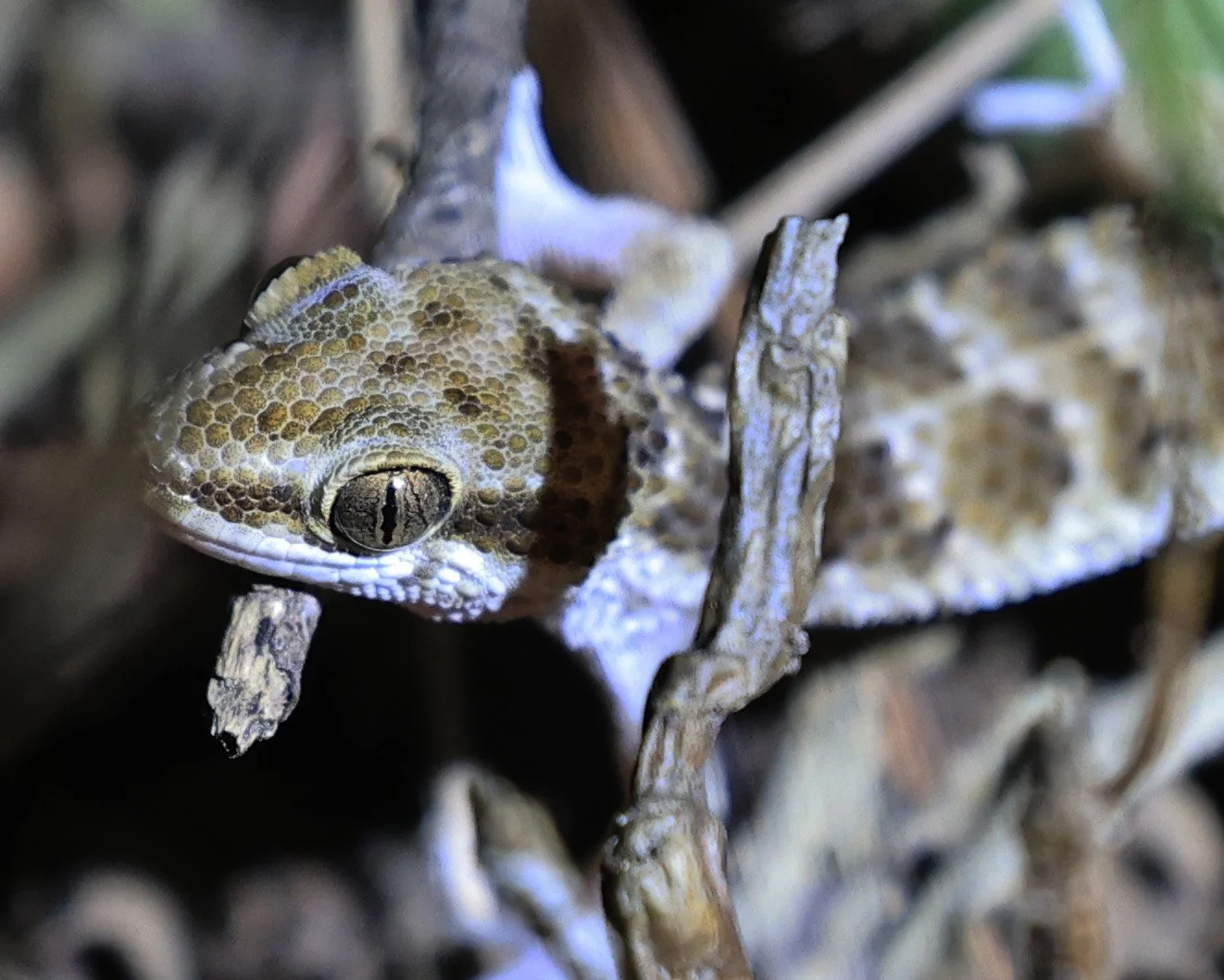
South American Marked Gecko (Homonota fasciata)

South American Marked Gecko (Homonota fasciata)
Flora and Scenery La Patria and Parque Nacional Teniente Agripino Enciso
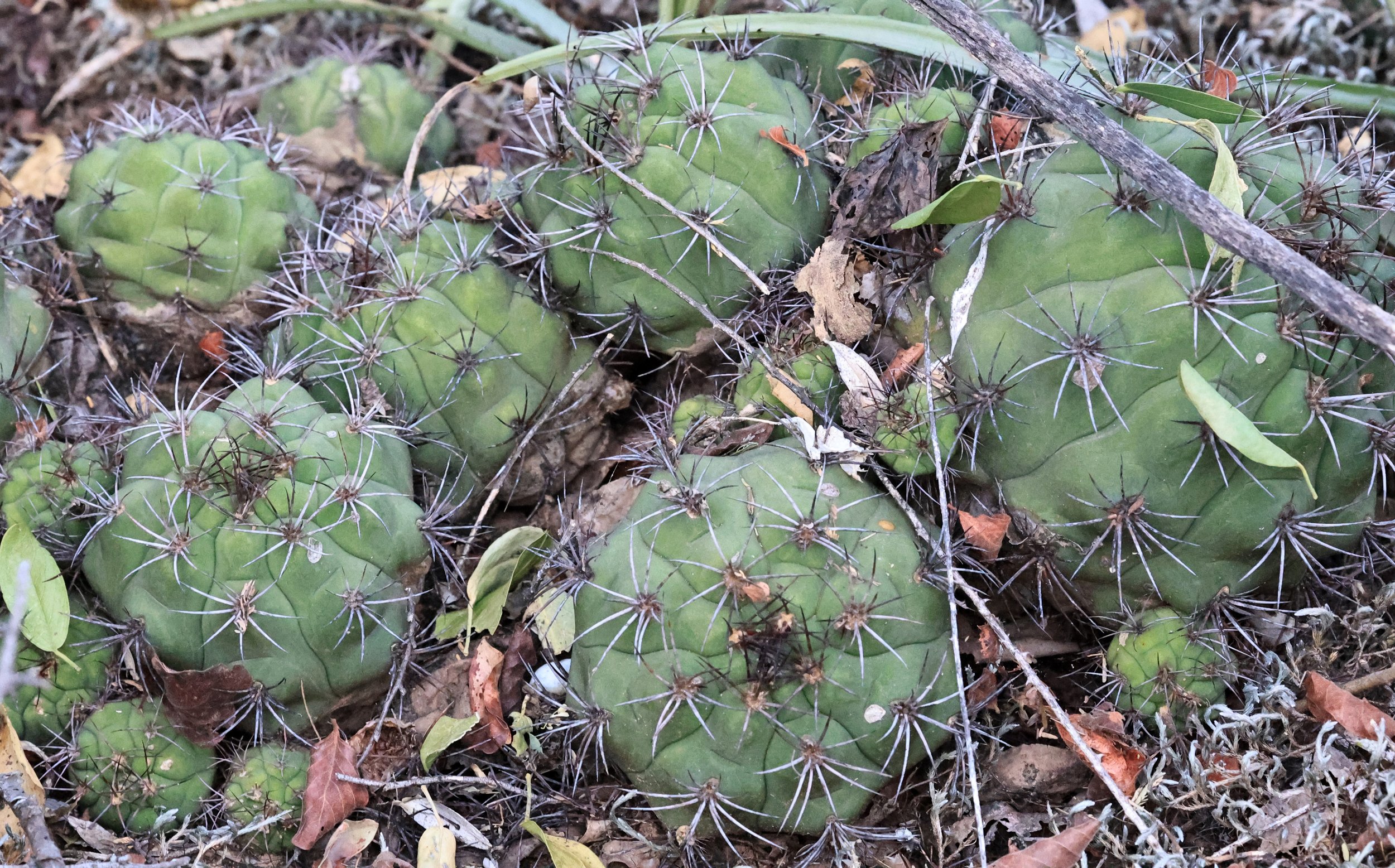
Gymnocalycium eurypleurum
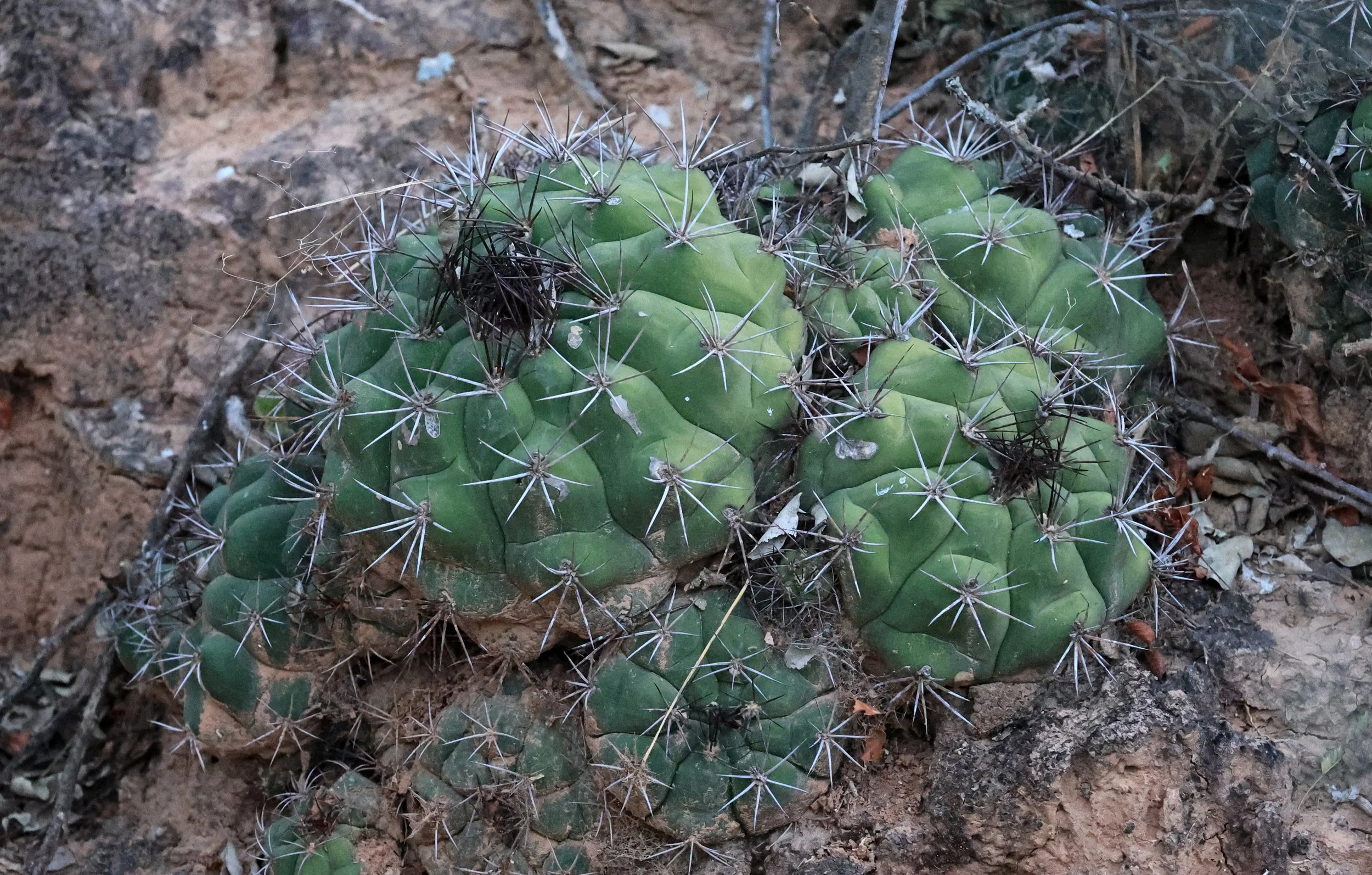
Gymnocalycium eurypleurum
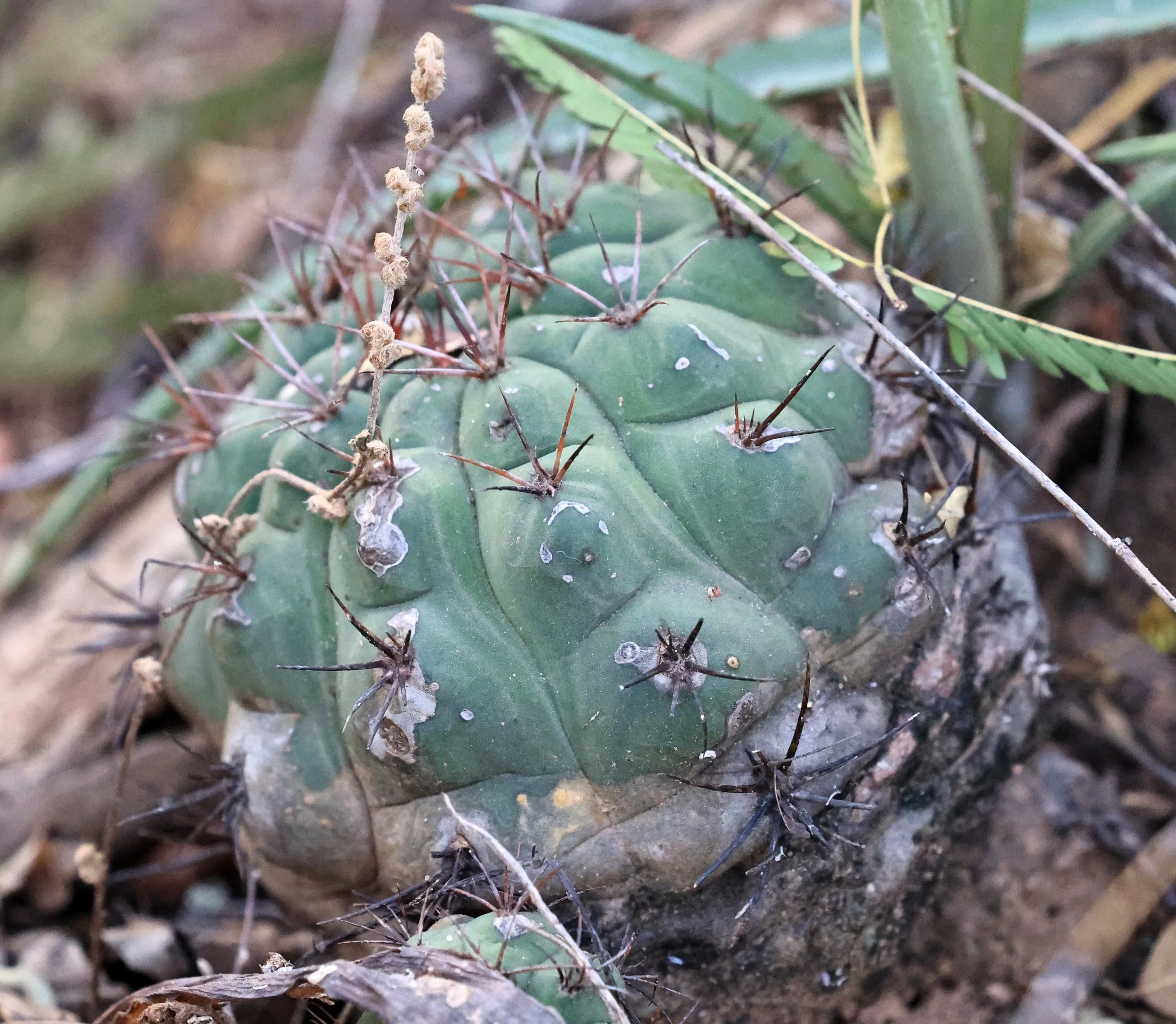
Gymnocalycium eurypleurum
Too much information!
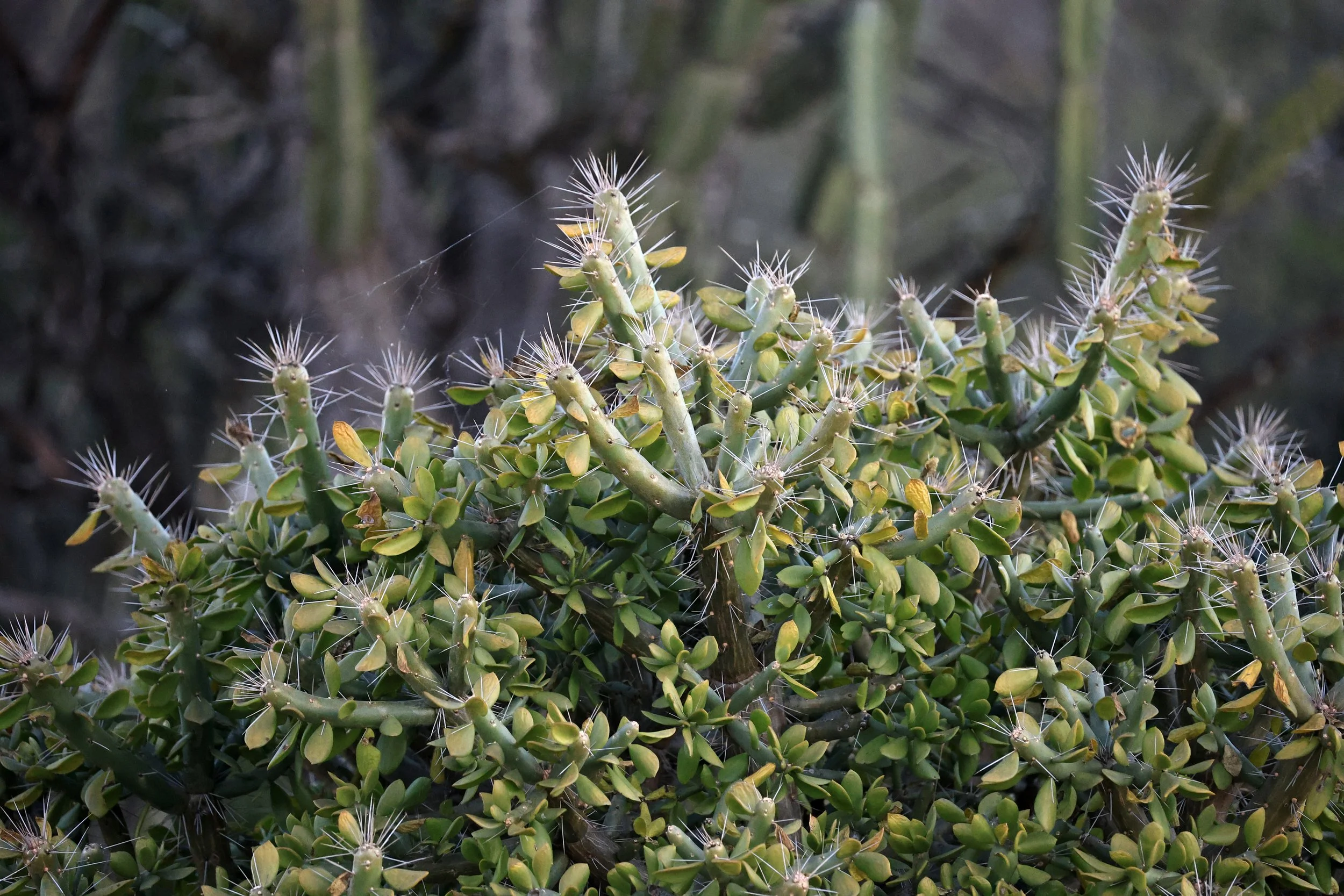
Quiabentia verticillata
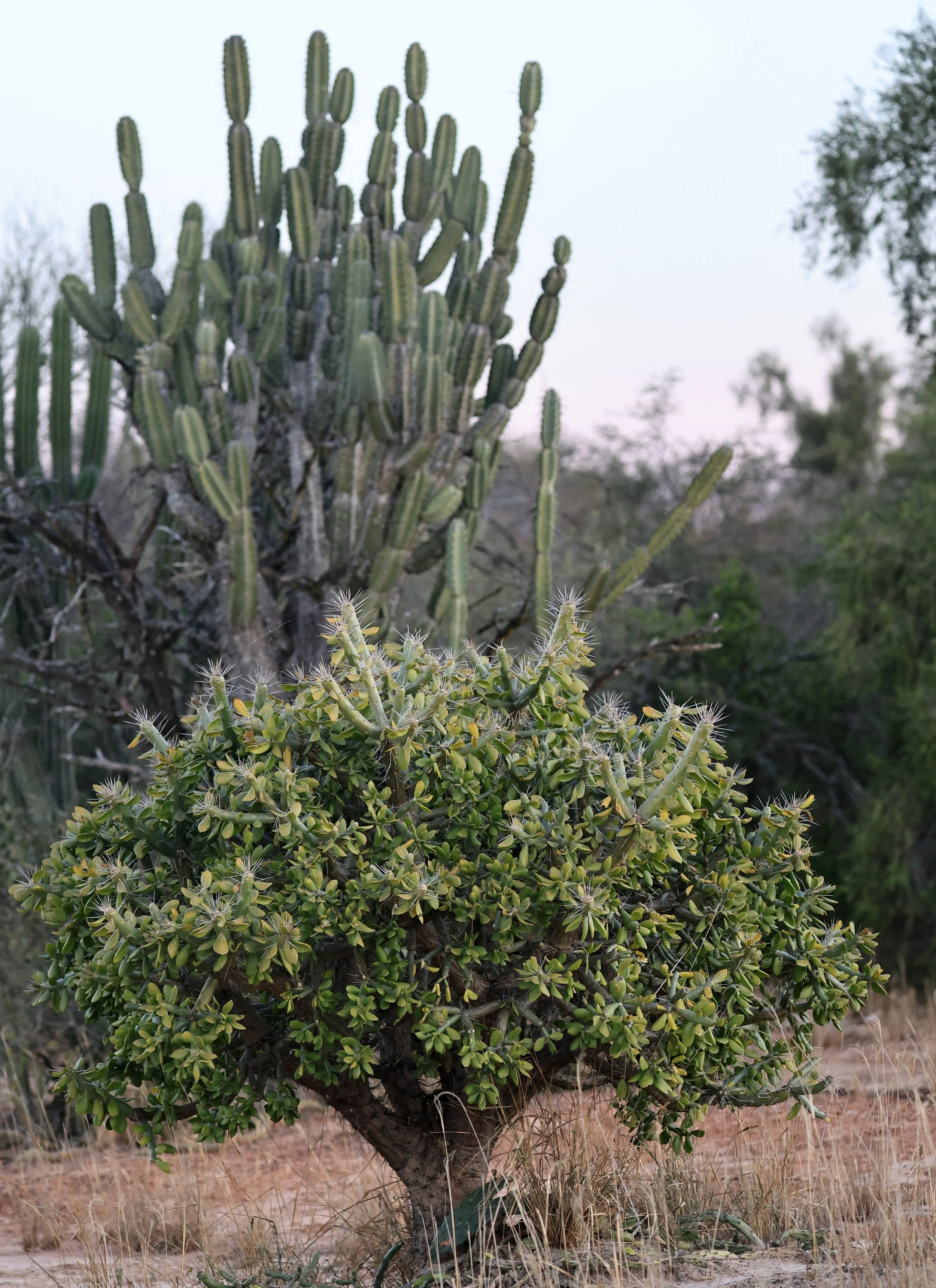
Quiabentia verticillata
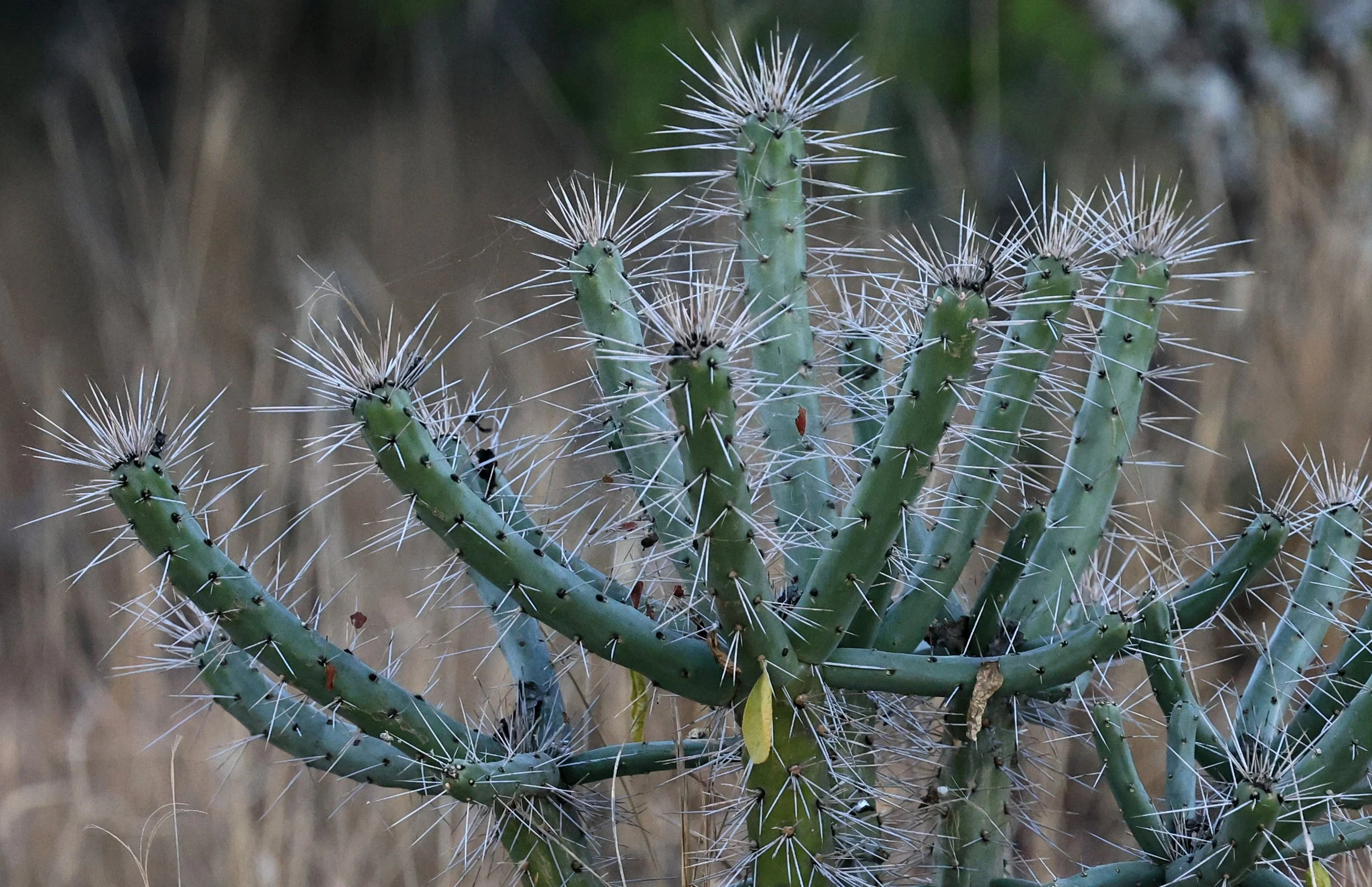
Quiabentia verticillata
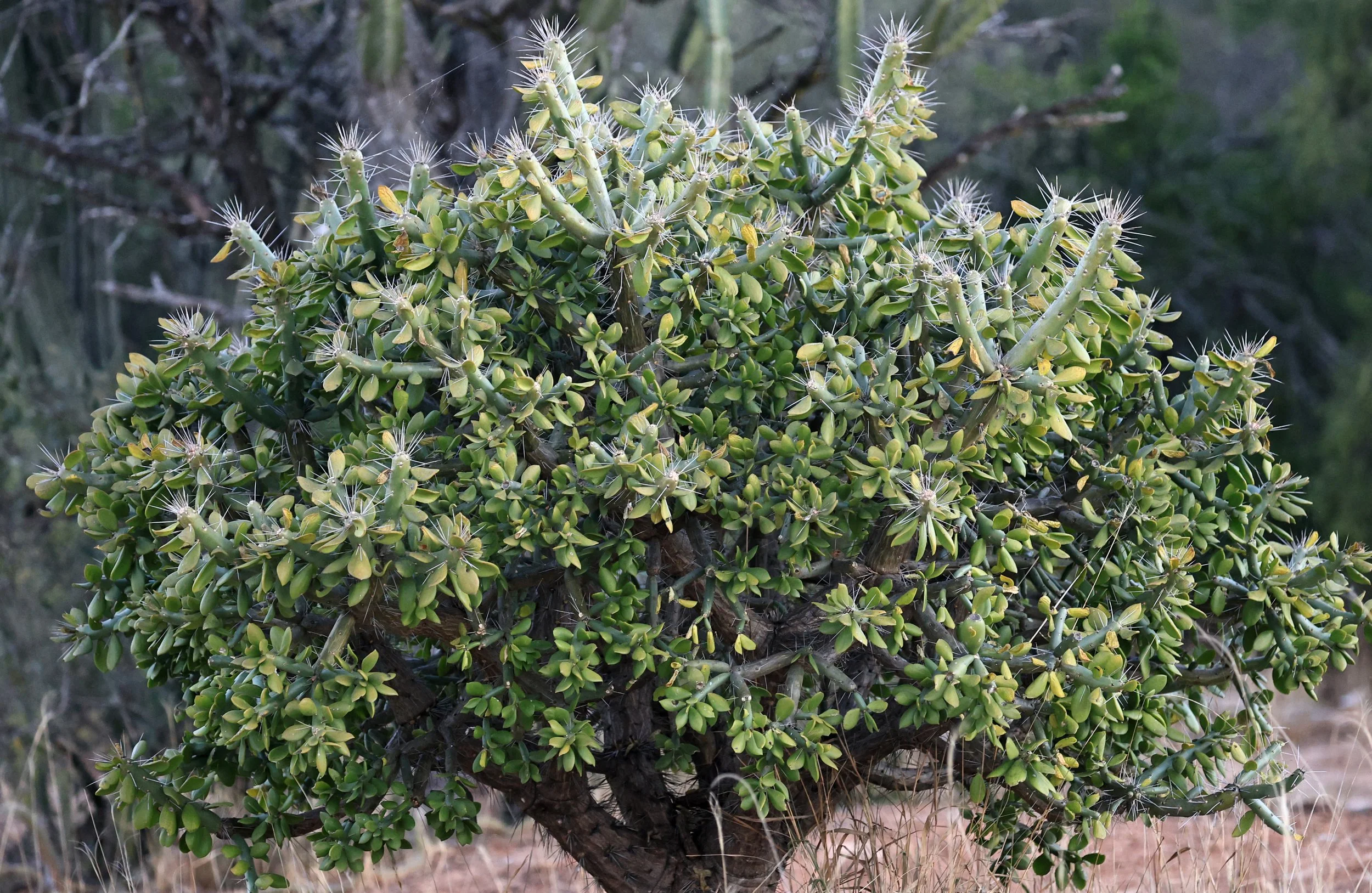
Quiabentia verticillata

Toothpick Cactus (Stetsonia coryne) Parque Nacional Teniente Agripino Enciso
Reserva Natural Cañada El Carmen

Our next stop was Reserva Natural Cañada El Carmen, an attractive protected area that preserves a mosaic of classic Chaco habitats, including thorn forest, open scrub, grassland and seasonal wetlands. The reserve has developed something of a reputation among mammalwatchers over the years and, for me at least, there was one species firmly at the top of the wish list.
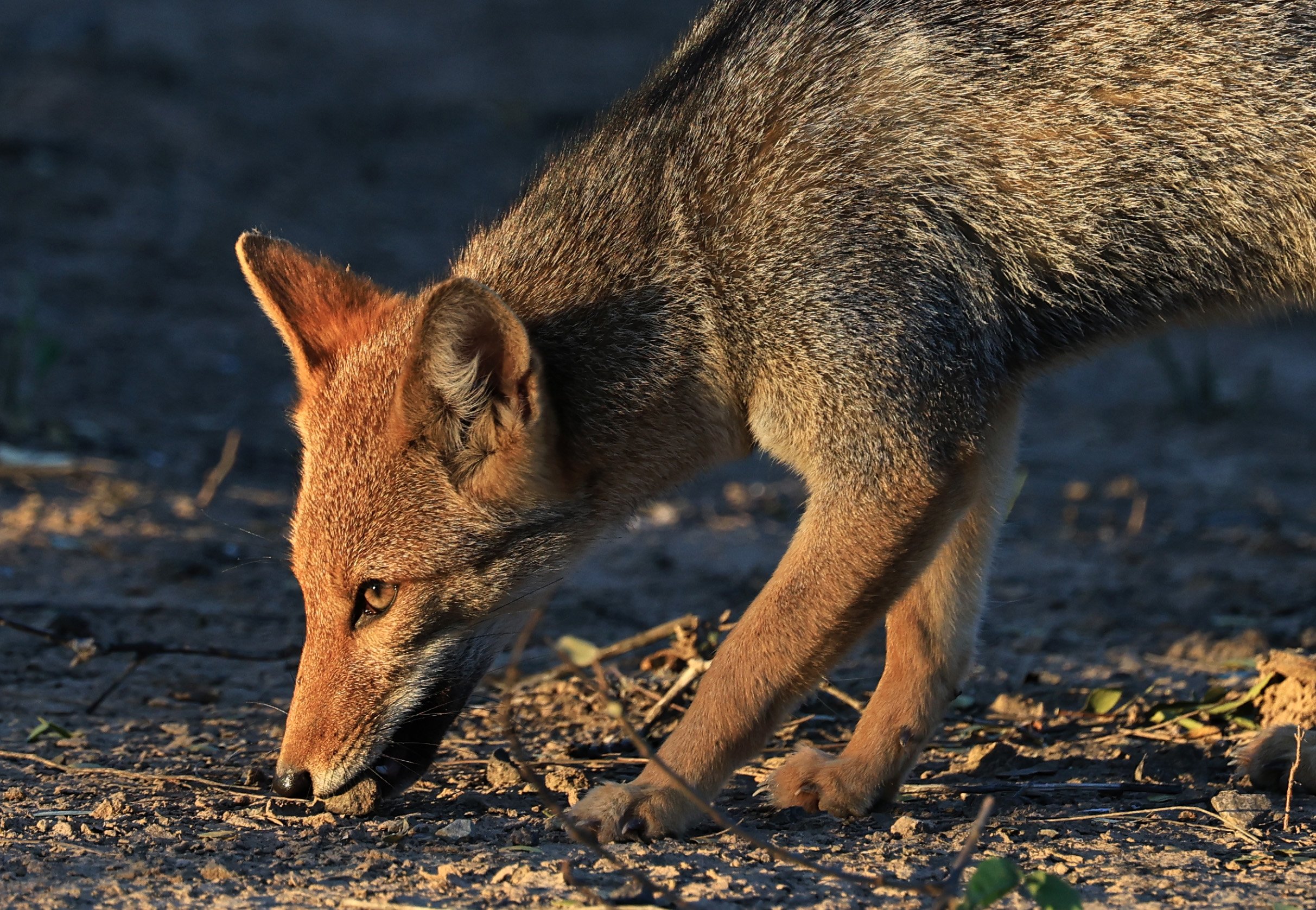
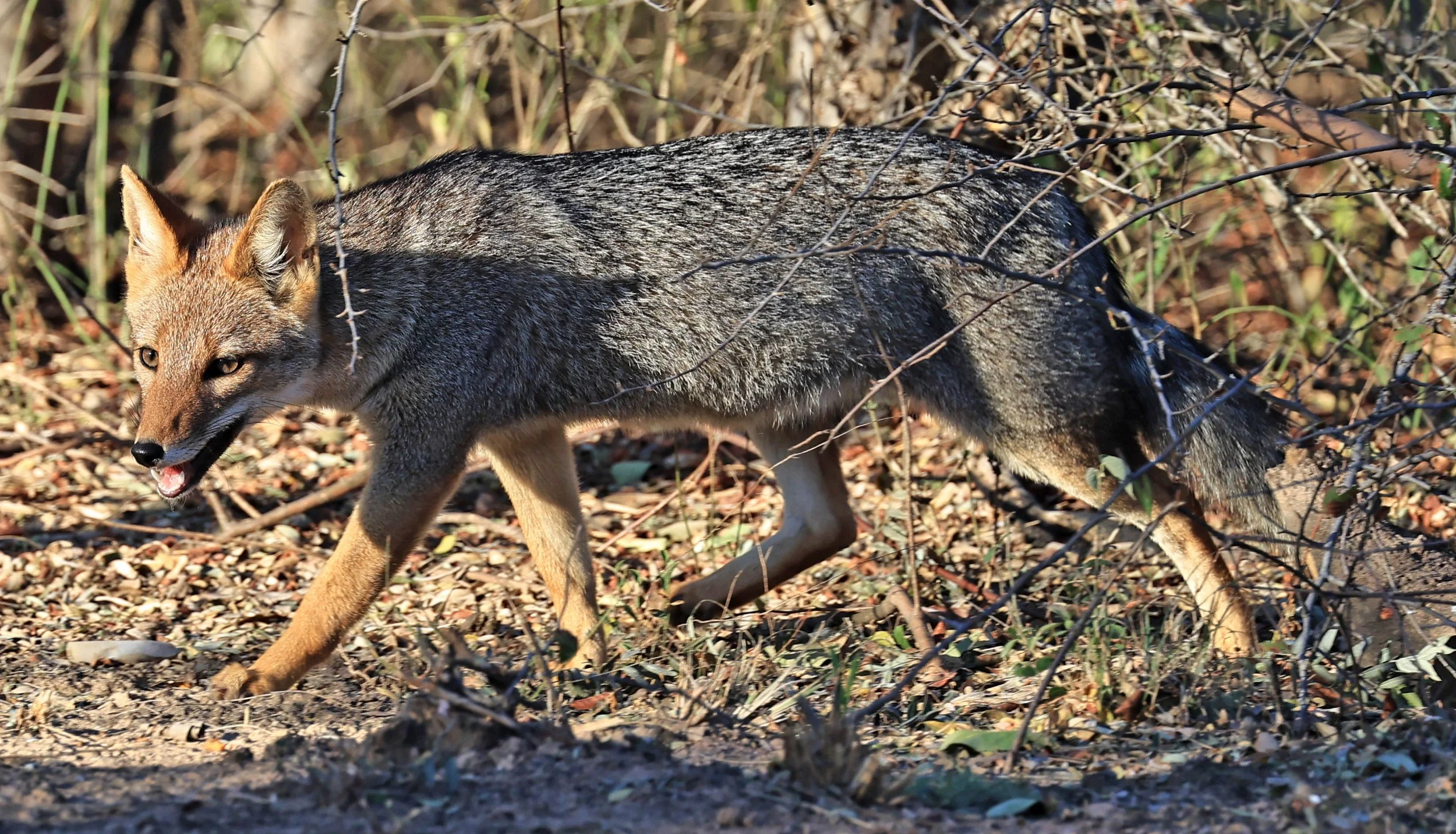
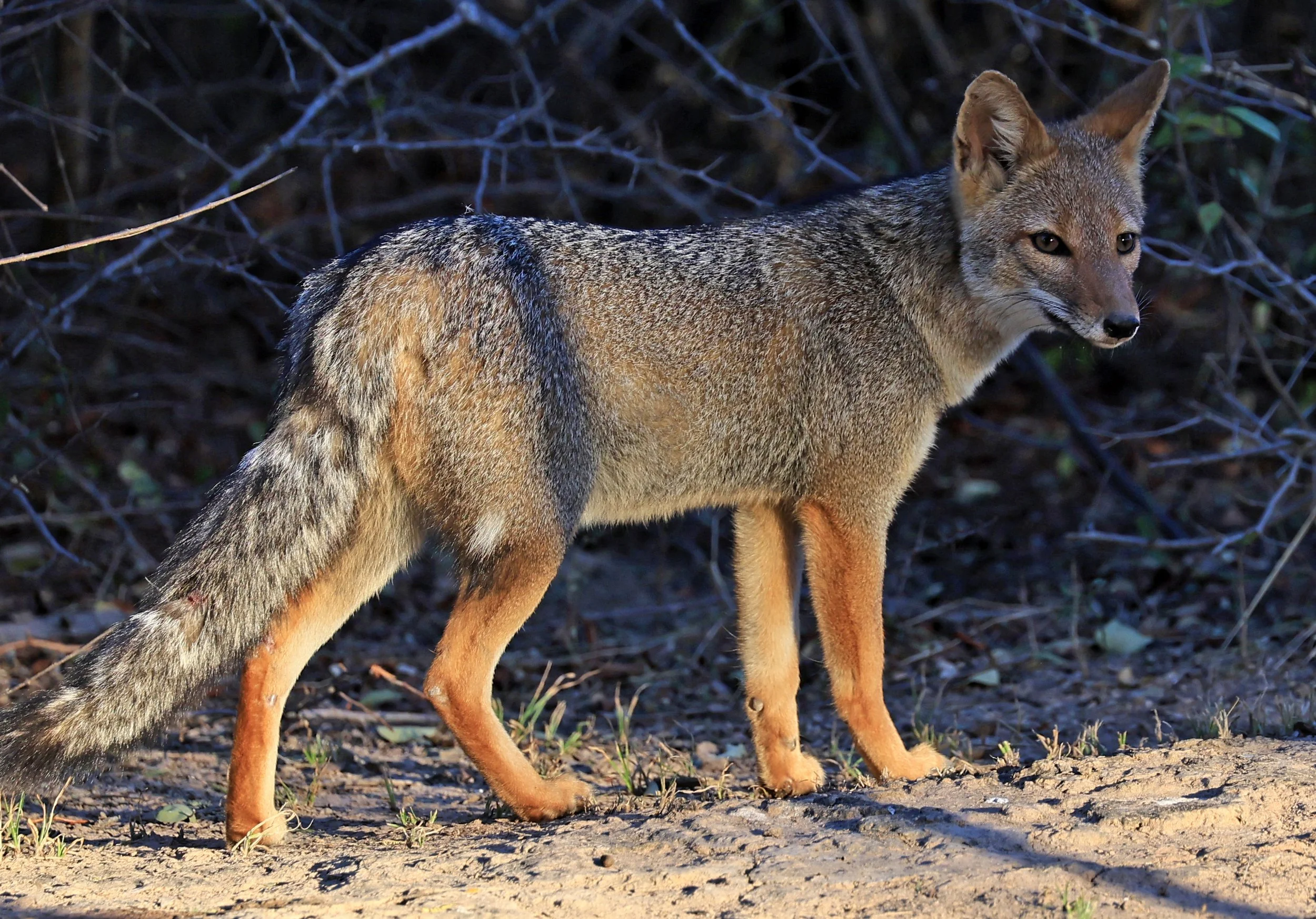
A late-night vigil was planned in the hope of finding a Geoffroy's Cat (Leopardus geoffroyi), a species that had been recorded regularly around the reserve in previous years. Although I saw one a couple nights prior, I was still hoping for a photo-op. Unfortunately, circumstances had changed slightly. A new ranger stationed at the reserve had developed a habit of providing food for a resident Pampas Fox (Lycalopex gymnocercus), and the fox had understandably become very fond of the arrangement. It spent much of the night lingering around the camp, effectively turning the area into its personal restaurant. While excellent news for the fox, it was probably less appealing to any nearby small cats, and we strongly suspected that our chances of a Geoffroy's Cat appearance had dropped dramatically.
Still, it was difficult to complain too much. The Pampas Fox itself was highly photogenic and provided excellent opportunities for observation and photography. Together with the ever-present Chacoan Maras (Dolichotis salinicola), it made for an enjoyable evening, particularly as the soft golden evening light produced ideal conditions for photography. If you're going to miss a cat, having charismatic mammals pose nicely in beautiful light is not a bad consolation prize.
Adding to the entertainment was another Southern Three-banded Armadillo (Tolypeutes matacus), one of those species that seems physically incapable of being anything other than delightful. Watching it wander about entirely unconcerned by our presence provided another reminder of why this species has become such a favourite among visitors to the Chaco.
The drive back to La Patria afterwards proved productive in its own right. The roadside was dotted with Plains Viscachas (Lagostomus maximus), far more numerous than we had encountered previously. They remained every bit as cautious as their counterparts from earlier in the trip, generally preferring to keep a healthy distance between themselves and any approaching vehicle. Nevertheless, the sheer number of animals allowed a few more opportunities for decent photographs, including some full-body shots before they inevitably decided they had tolerated us long enough and disappeared back towards their burrows.
The following morning produced one of the most rewarding drives of the expedition. Exploring a remote country road through excellent Chaco habitat near La Patria, we encountered a couple Gray Brocket Deer (Subulo gouazoubira), along with a variety of good birds and a constant sense that something interesting might appear around the next corner.
Wild Chacoan Peccary
Then it happened.
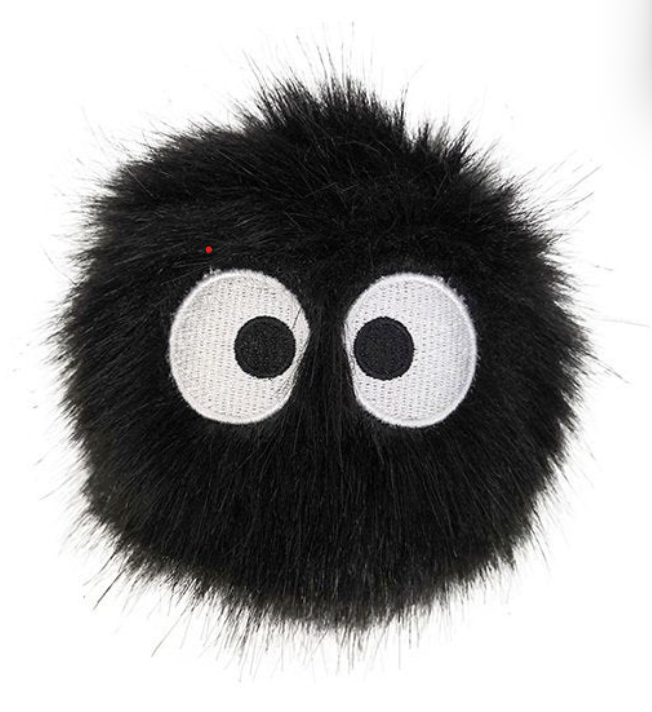
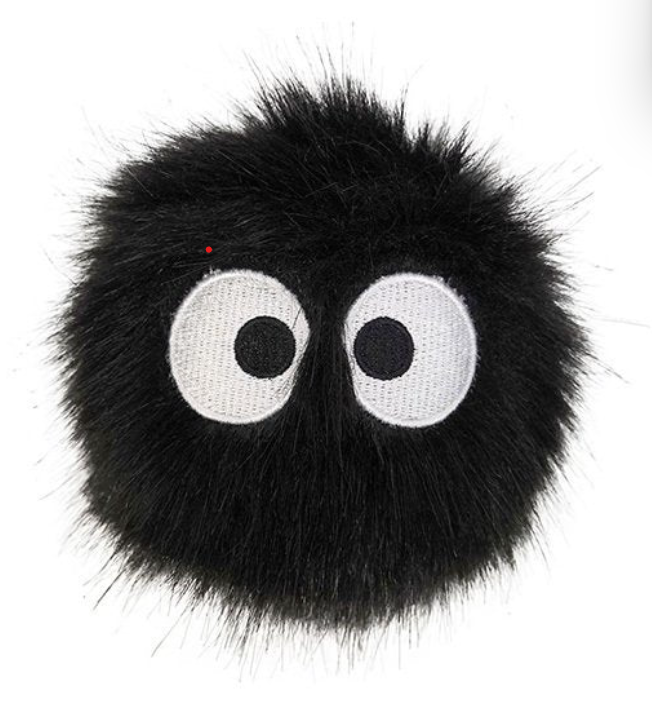
In the distance, three dark shapes emerged among the scrub. They were too far away for photographs, but there was absolutely no doubt about their identity: Chacoan Peccaries (Catagonus wagneri). After hoping for them at Fortín Toledo and coming up empty-handed, finally seeing wild animals felt immensely satisfying. Even at a distance they were distinctive. Their dark, rounded bodies bouncing through the vegetation instantly reminded me of the Makkuro Kurosuke, the little soot dust bunnies from My Neighbour Totoro. It was not a comparison I had expected to make but it fit nicely.
The views were brief and distant, and no photographs were possible, but none of that mattered. Some sightings are memorable because of the quality of the views; others because of what they represent. After travelling thousands of kilometres to reach the Chaco and spending days searching suitable habitat, finally connecting with wild Chacoan Peccaries was one of the most satisfying moments of the entire trip. Sometimes a few distant black bouncing dots are worth far more than the perfect photograph. Back in the early 1990’s I had seen three of them in the Gran Chaco of Bolivia and even photographed them, but was unaware how significant my images were as they very well could have been the first wild-capture images since they become “un-extinct”! (Link here)

Chacoan Mara (Pediolagus salinicola) ten days in a row!

Chacoan Mara (Pediolagus salinicola)

Chacoan Mara (Pediolagus salinicola)

Chacoan Mara (Pediolagus salinicola) muzzle kiss

Chacoan Mara (Pediolagus salinicola)

Chacoan Mara (Pediolagus salinicola)
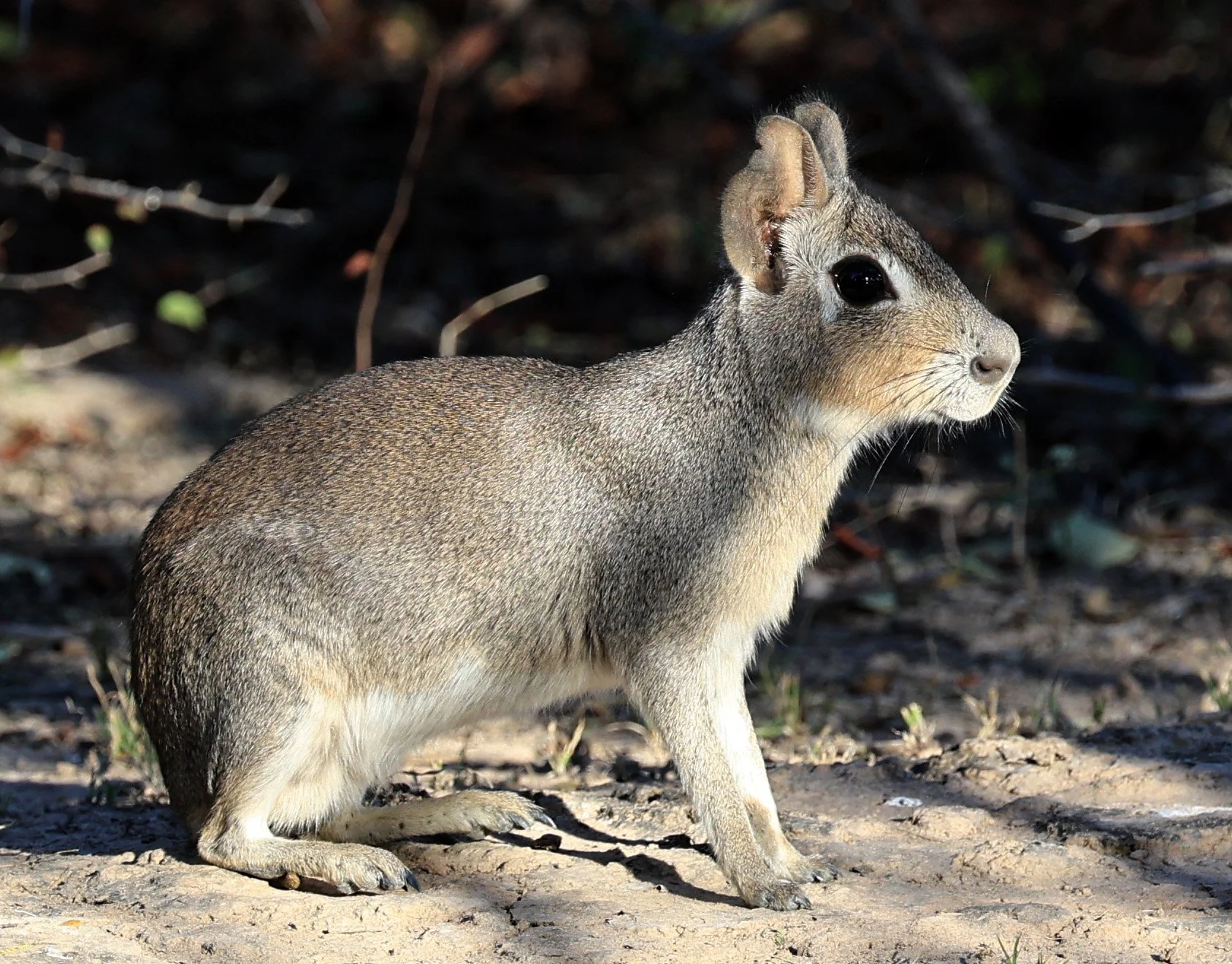
Chacoan Mara (Pediolagus salinicola)

Pampas Fox (Lycalopex gymnocercus) in golden light

Pampas Fox (Lycalopex gymnocercus) being fed....therefore no cats
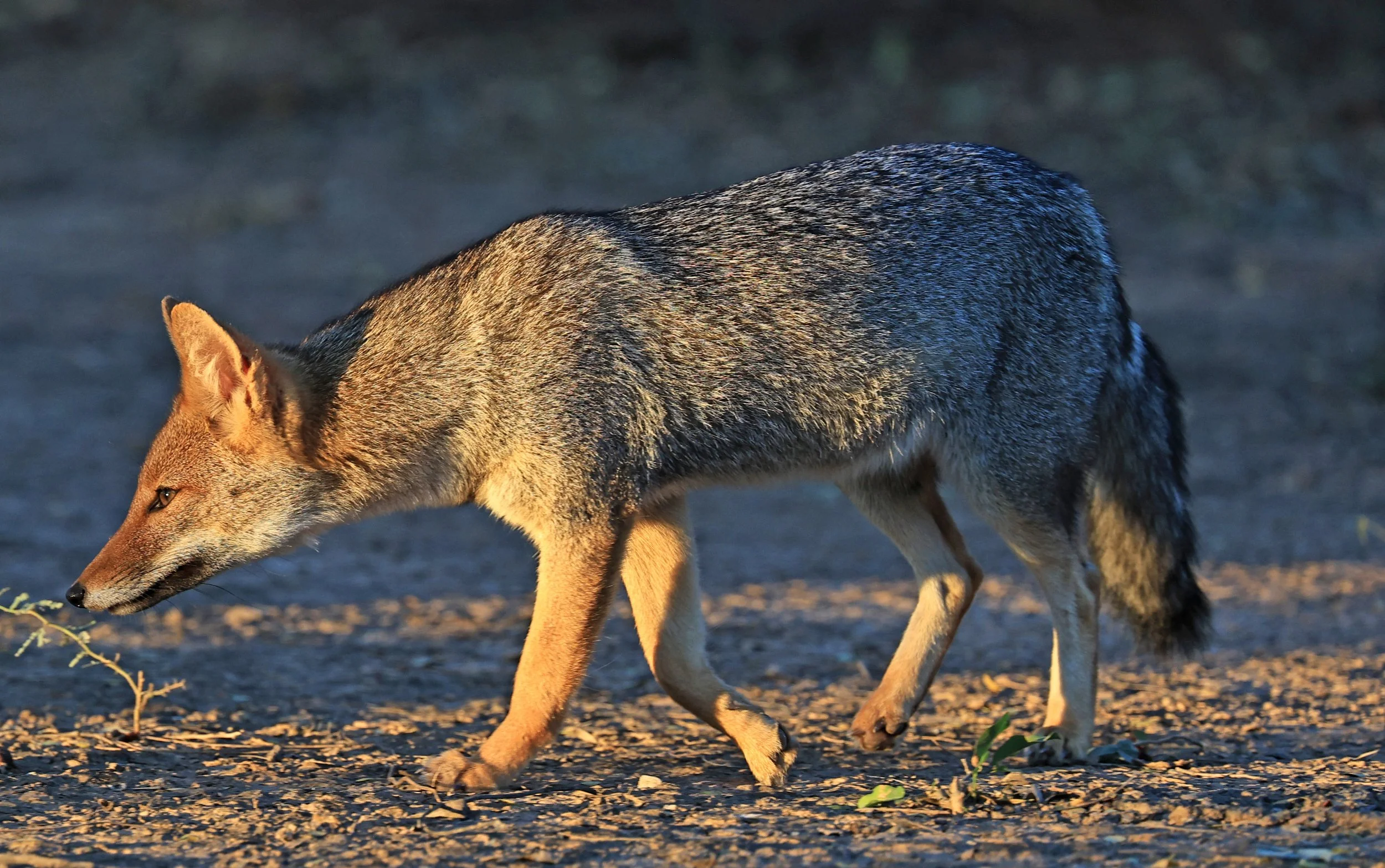
Pampas Fox (Lycalopex gymnocercus)
Pampas Fox (Lycalopex gymnocercus)
Pampas Fox (Lycalopex gymnocercus)


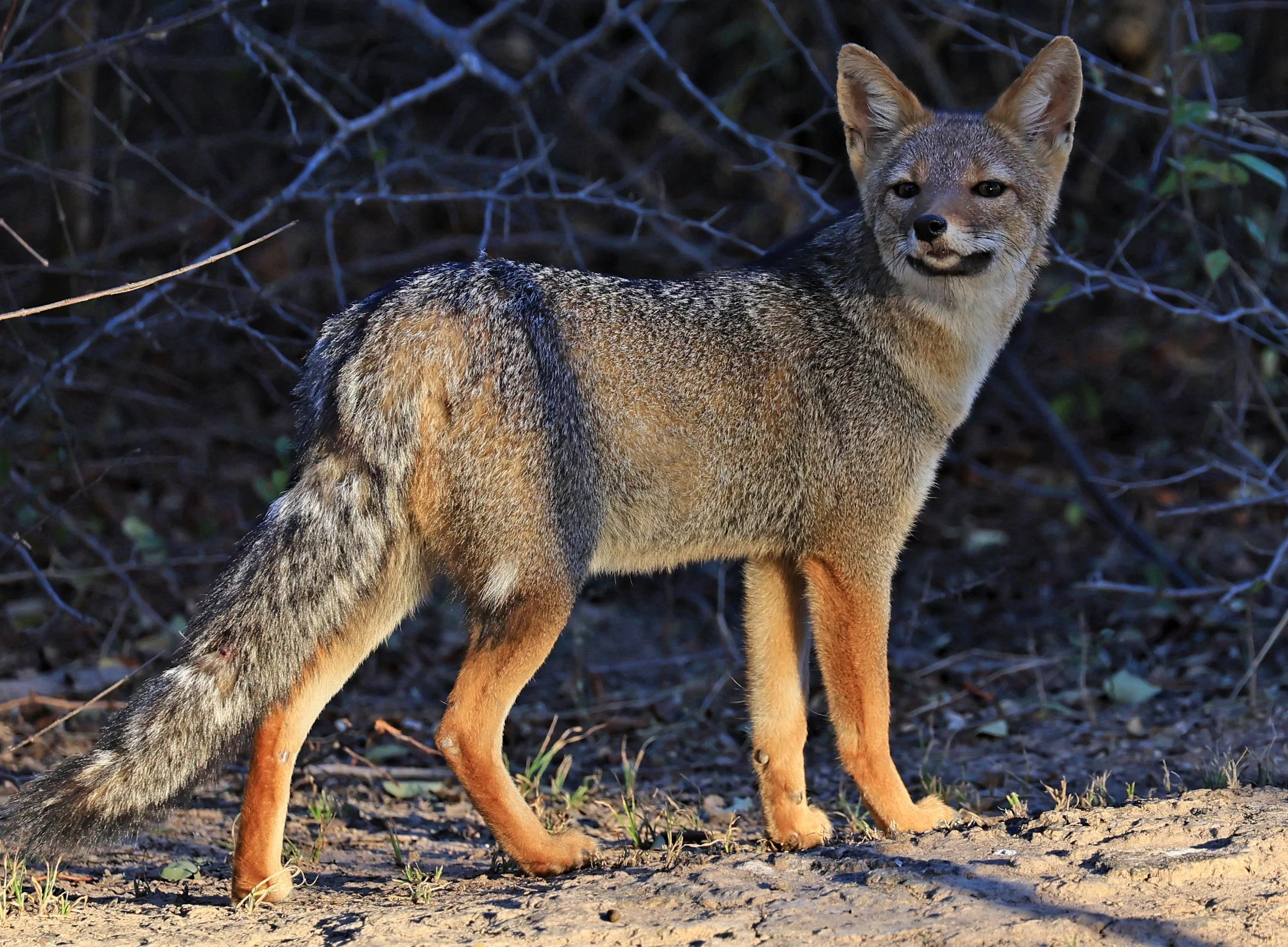

Pampas Fox (Lycalopex gymnocercus)

Pampas Fox (Lycalopex gymnocercus)

Pampas Fox (Lycalopex gymnocercus)
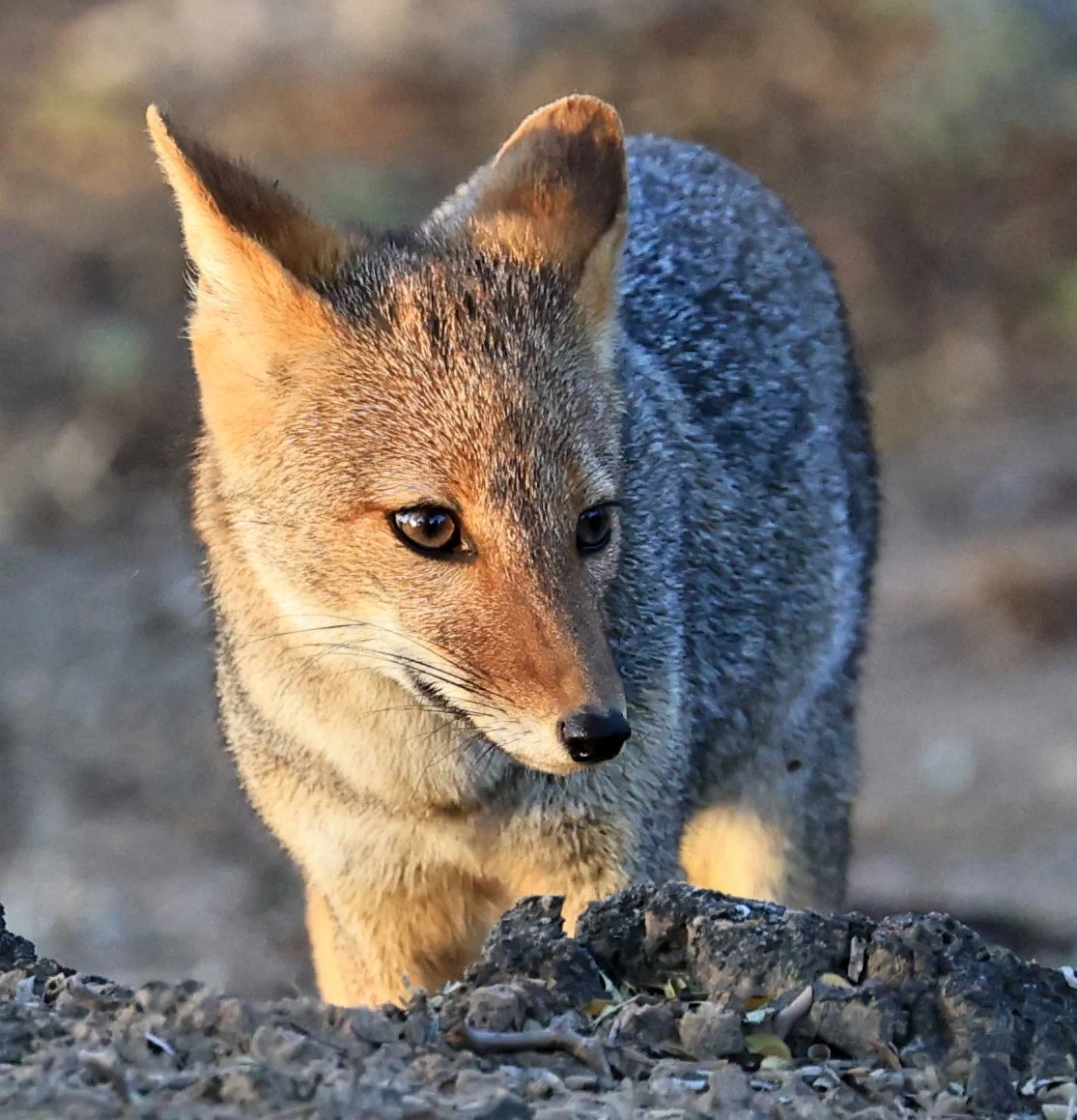
Pampas Fox (Lycalopex gymnocercus)

Plains Viscacha (Lagostomus maximus)

Plains Viscacha (Lagostomus maximus)

Plains Viscacha (Lagostomus maximus)

Plains Viscacha (Lagostomus maximus)

Plains Viscacha (Lagostomus maximus)

Plains Viscacha (Lagostomus maximus)

Plains Viscacha (Lagostomus maximus)

Plains Viscacha (Lagostomus maximus)

Southern Brown Brocket (Subulo gouazoubira)

Southern Three-banded Armadillo (Tolypeutes matacus)

Southern Three-banded Armadillo (Tolypeutes matacus)
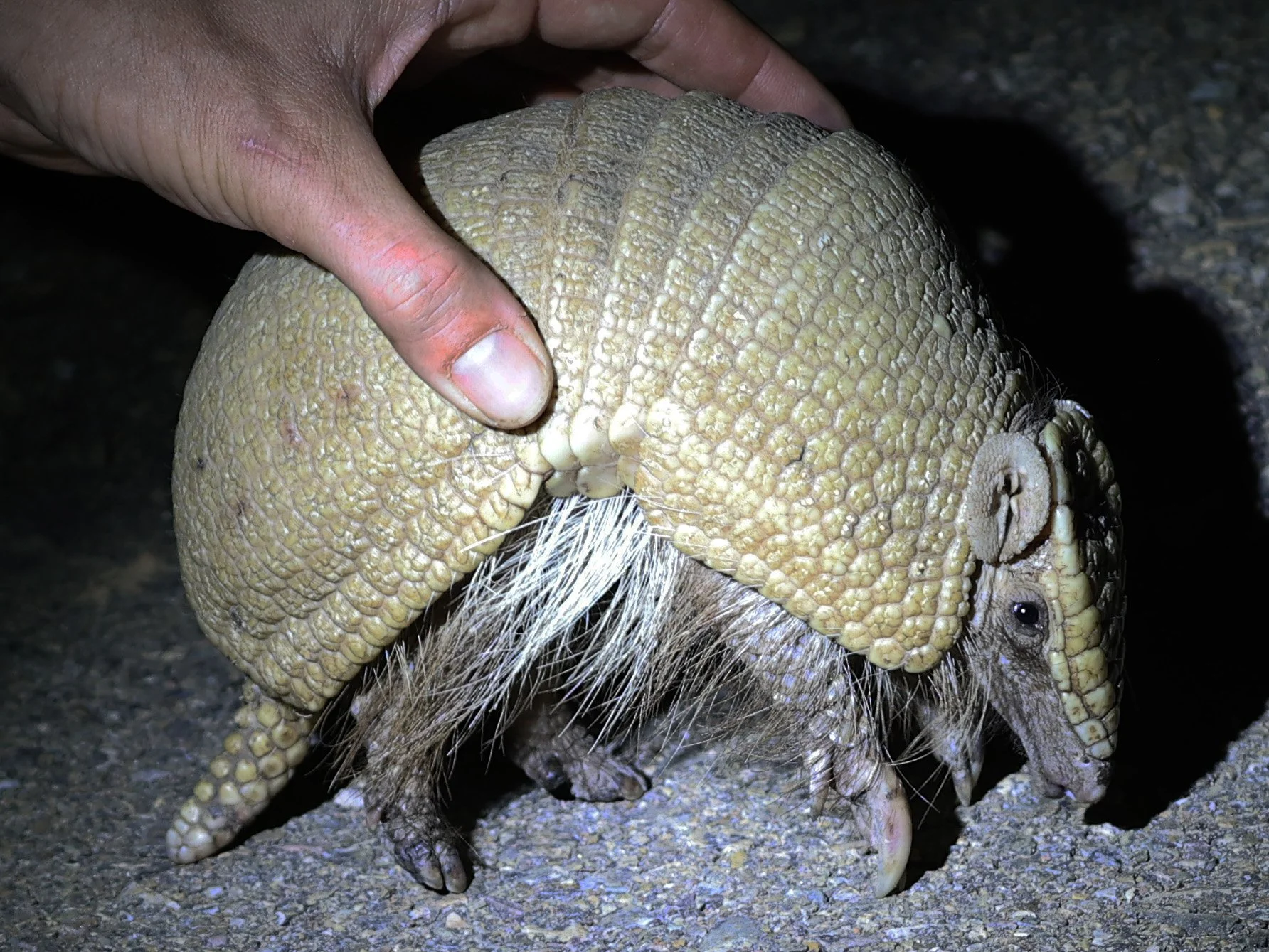
Southern Three-banded Armadillo (Tolypeutes matacus)

Southern Three-banded Armadillo (Tolypeutes matacus)

Southern Three-banded Armadillo (Tolypeutes matacus)

Southern Three-banded Armadillo (Tolypeutes matacus)

Southern Three-banded Armadillo (Tolypeutes matacus)

Southern Three-banded Armadillo (Tolypeutes matacus)

Southern Three-banded Armadillo (Tolypeutes matacus)

Southern Three-banded Armadillo (Tolypeutes matacus)

Southern Three-banded Armadillo (Tolypeutes matacus)

Southern Three-banded Armadillo (Tolypeutes matacus)

Southern Three-banded Armadillo (Tolypeutes matacus)
Birds & stuff of Reserva Natural Cañada El Carmen

Cinereous Tyrant (Knipolegus striaticeps) Reserva Natural Canada el Carmen

Giant Wood-Rail (Aramides ypecaha)
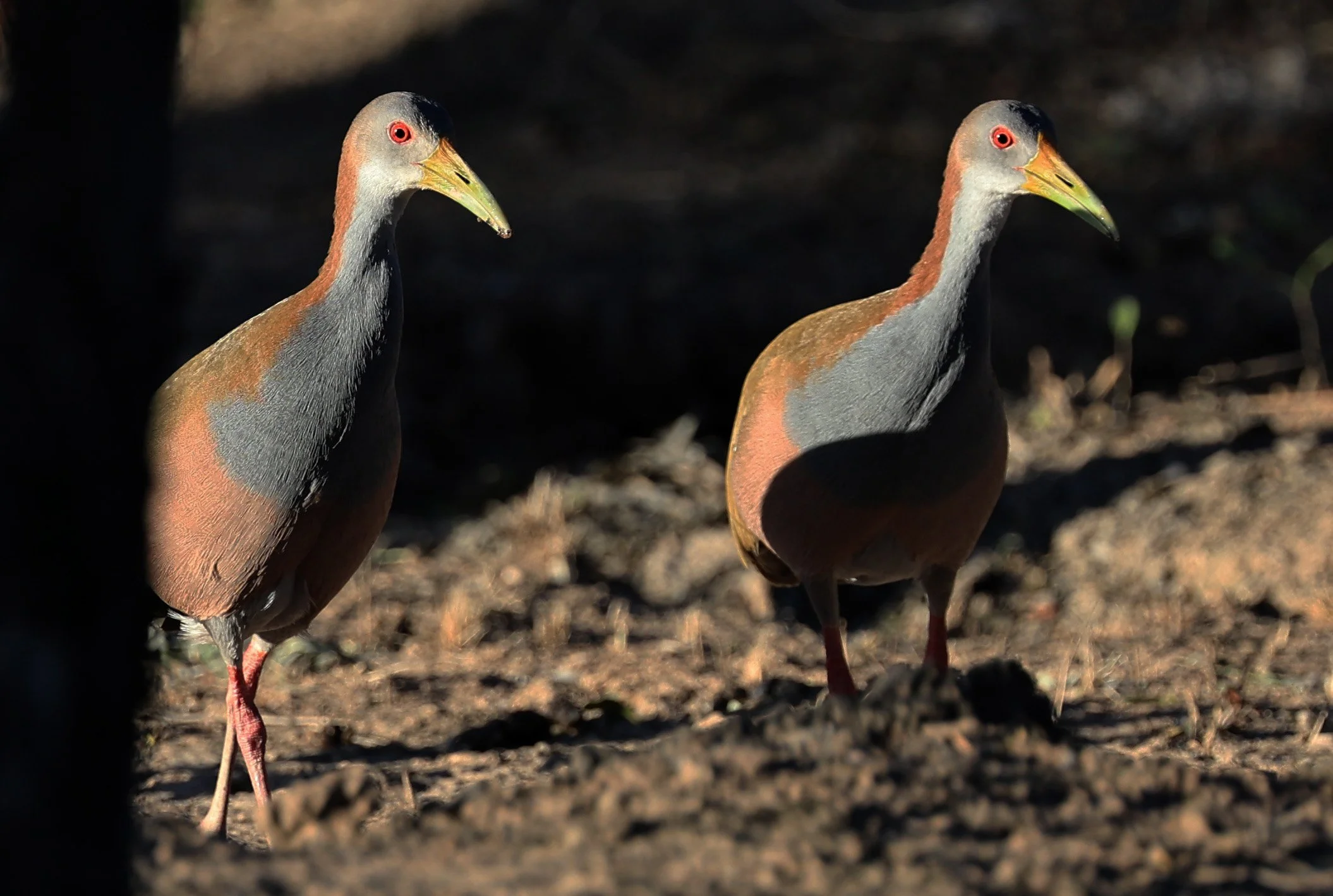
Giant Wood-Rail (Aramides ypecaha)

Giant Wood-Rail (Aramides ypecaha)

Greater Wagtail-tyrant (Stigmatura budytoides)
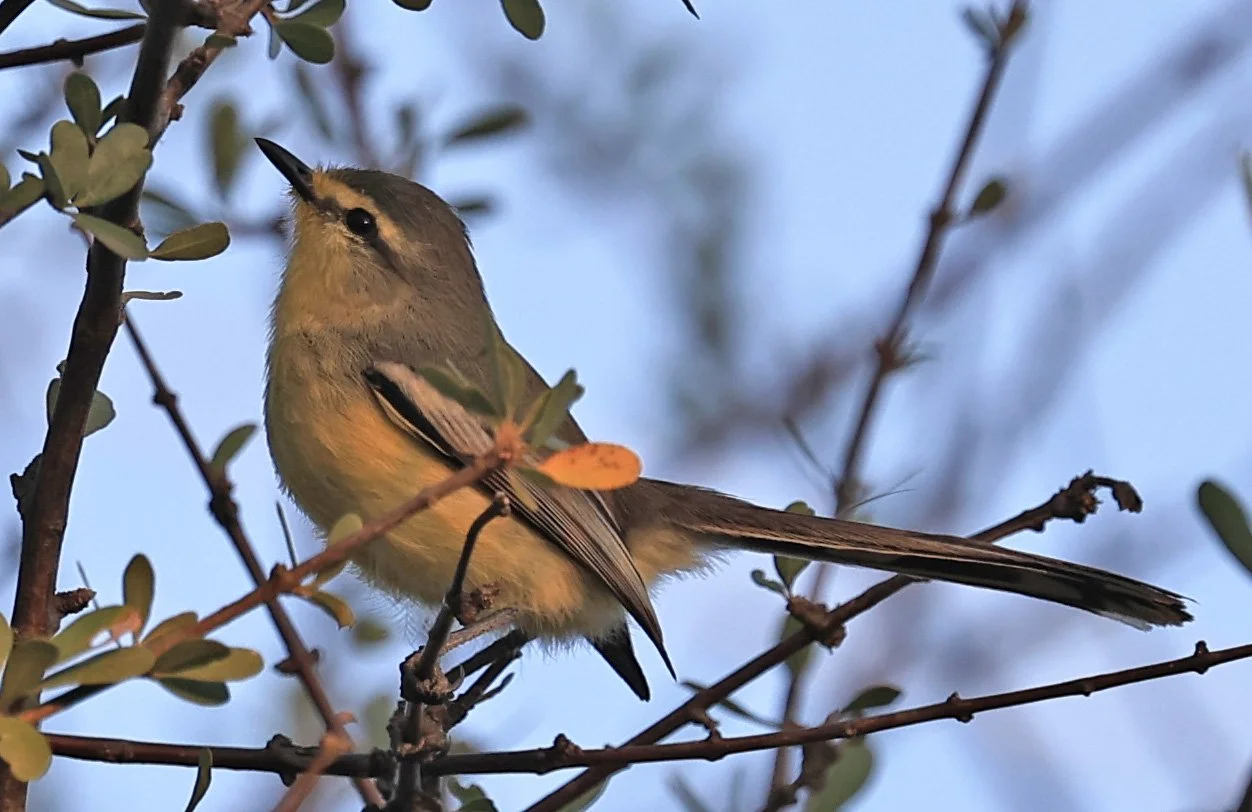
Greater Wagtail-tyrant (Stigmatura budytoides)

Laughing Falcon (Herpetotheres cachinnans)

Laughing Falcon (Herpetotheres cachinnans)

Laughing Falcon (Herpetotheres cachinnans)

Laughing Falcon (Herpetotheres cachinnans)

Masked Gnatcatcher (Polioptila dumicola)

Red-crested Cardinal (Paroaria coronata)

Red-crested Cardinal (Paroaria coronata)

Rufous Casiornis (Casiornis rufus)

Rufous Casiornis (Casiornis rufus)

Tropical Parula (Setophaga pitiayumi)

Tropical Parula (Setophaga pitiayumi)

Tropical Parula (Setophaga pitiayumi)

Tropical Parula (Setophaga pitiayumi)

Chaco Frog (Leptodactylus chaquensis) Reserva Natural Canada el Carmen, Paraguay
Flora and Scenery of Reserva Natural Cañada El Carmen
Libidibia paraguariensis - Reserva Natural Canada el Carmen

Libidibia paraguariensis - Reserva Natural Canada el Carmen
Libidibia paraguariensis - Reserva Natural Canada el Carmen
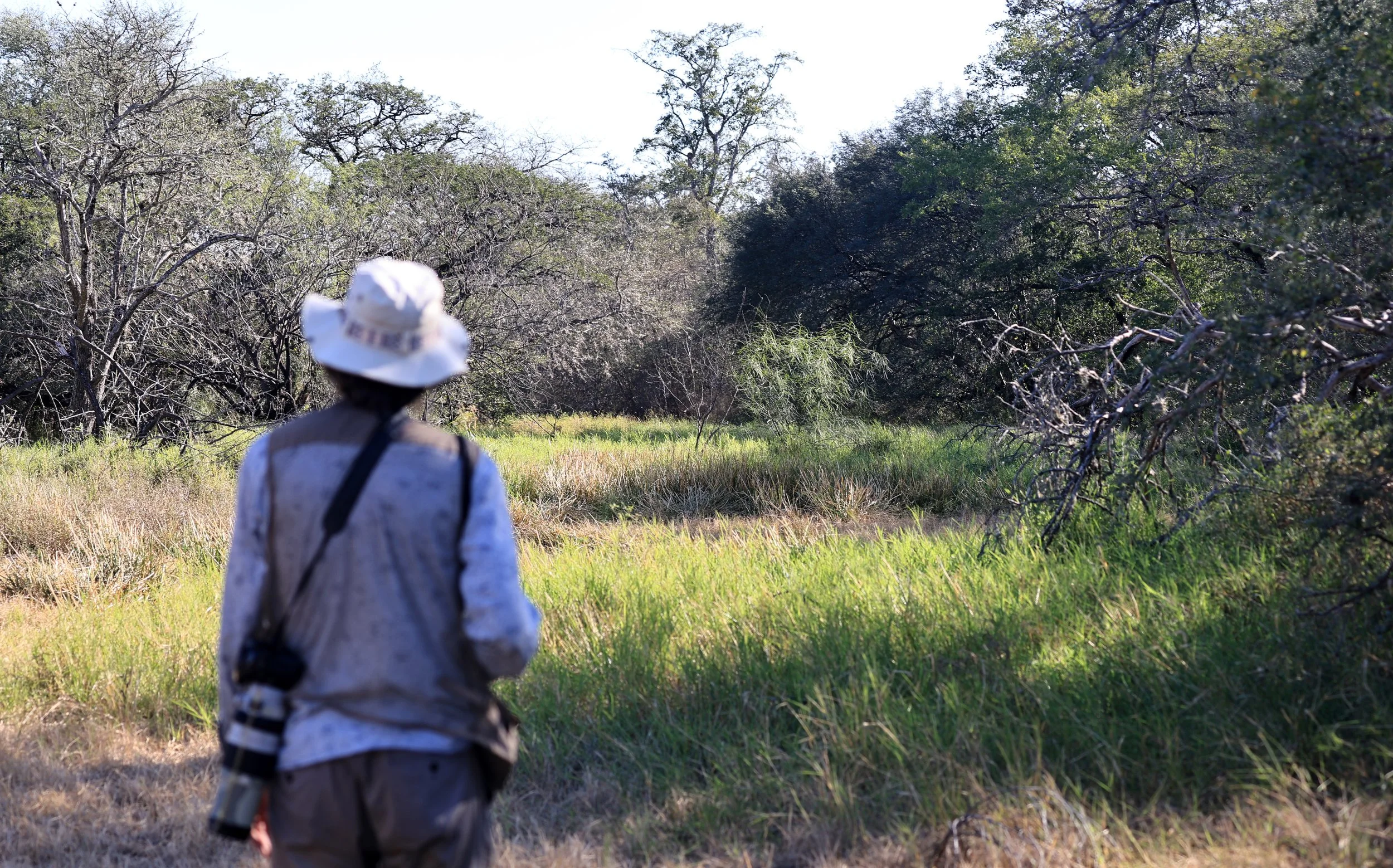
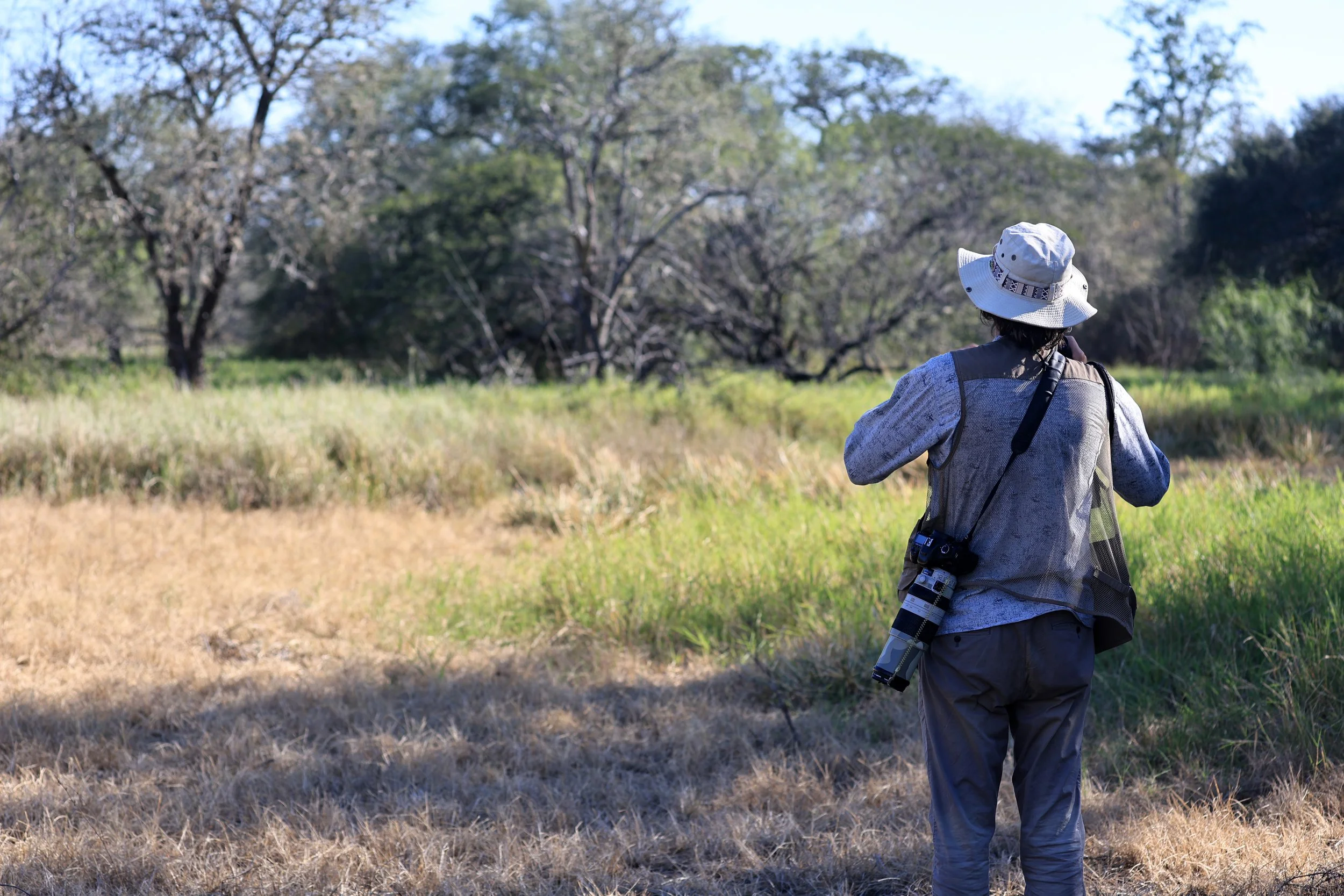
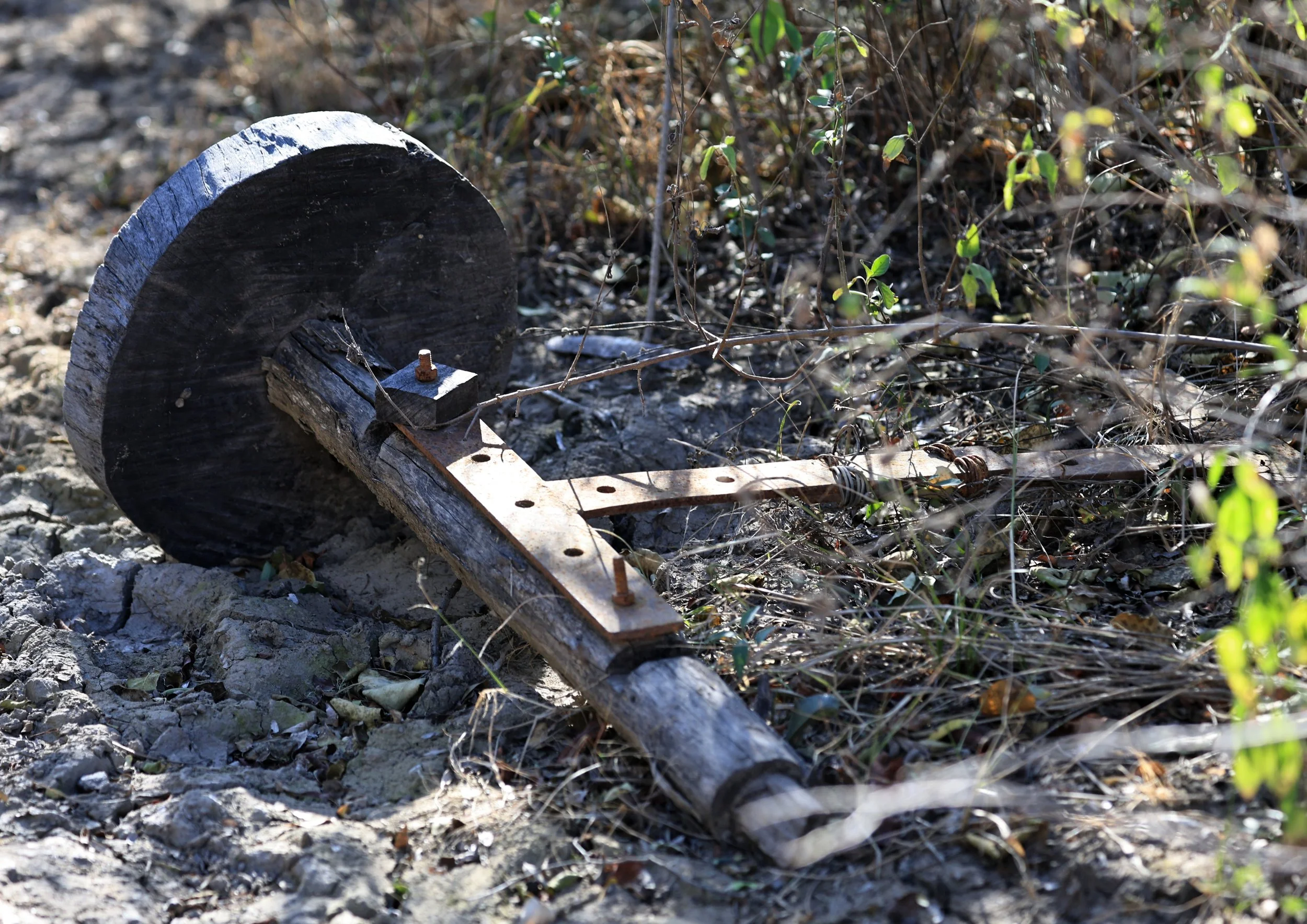
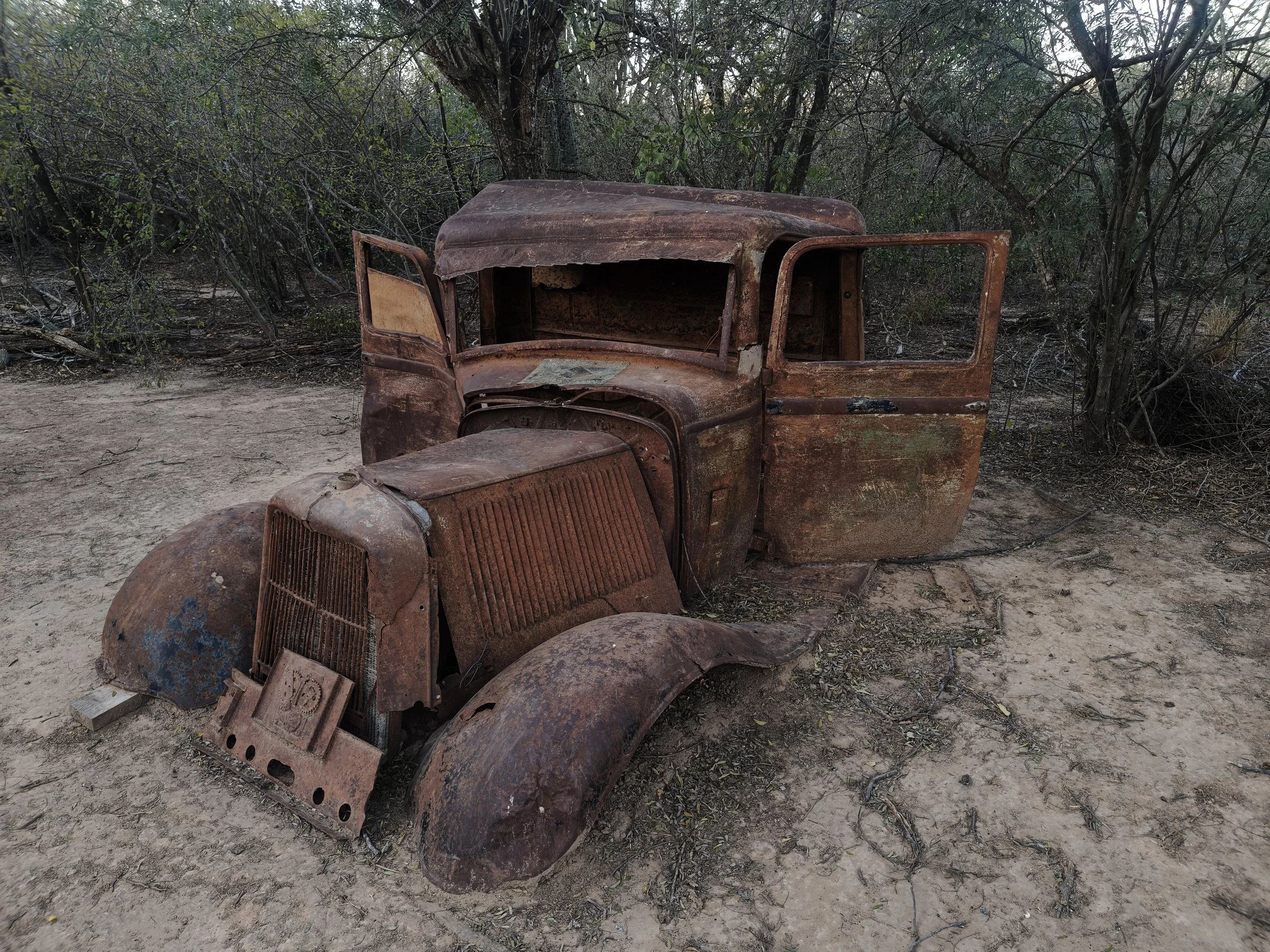
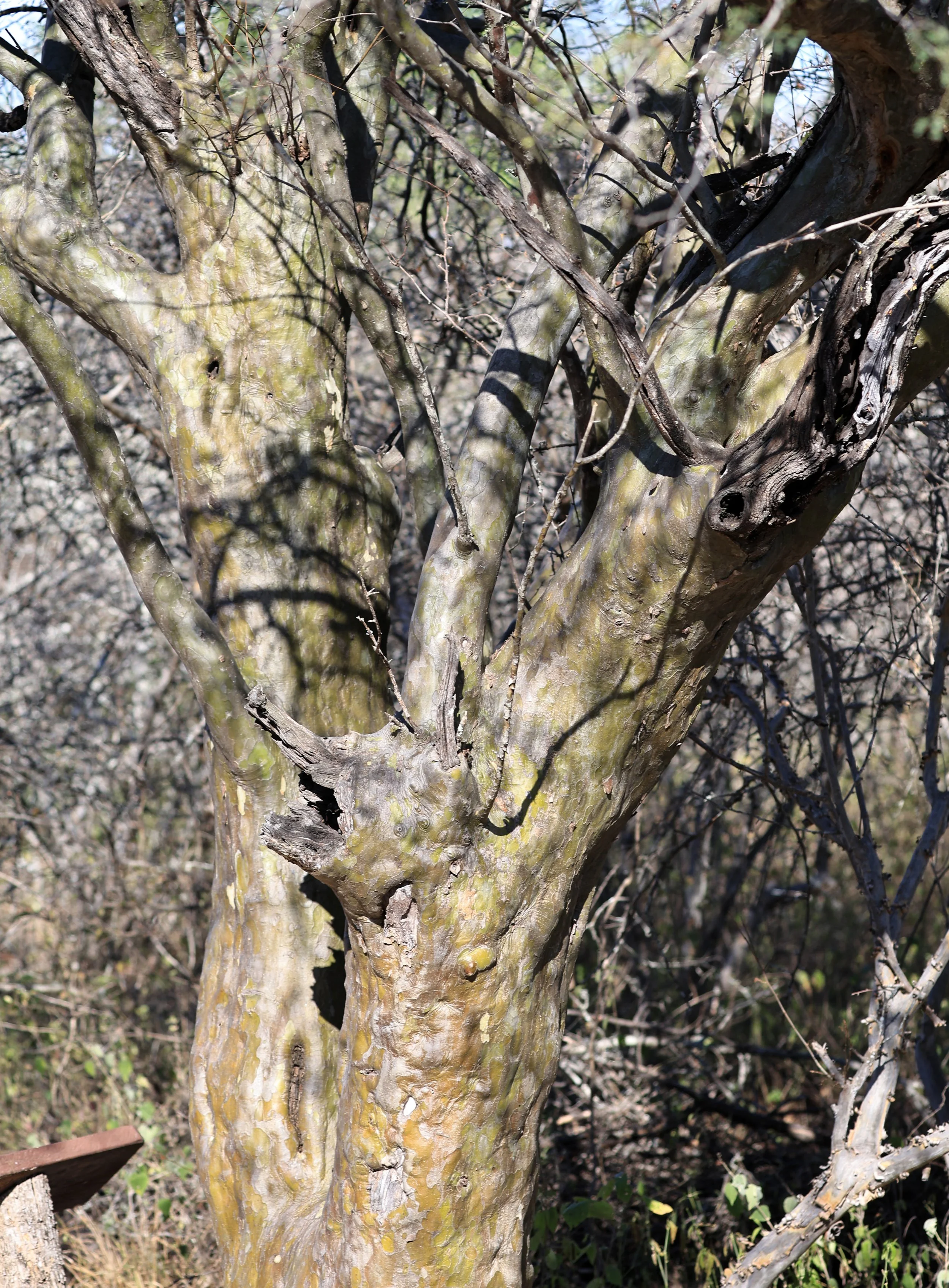
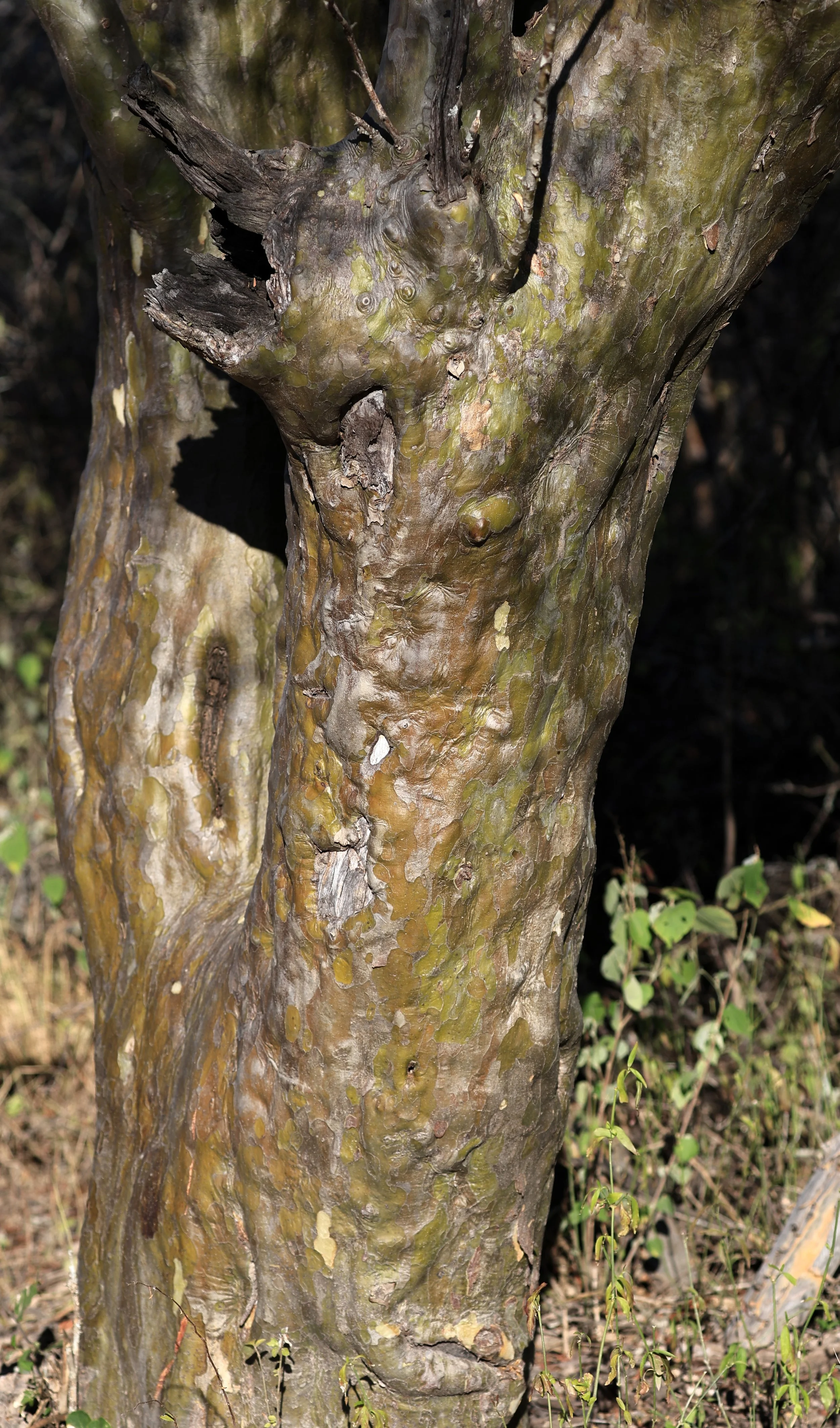
Ancient Roman remains of a chariot
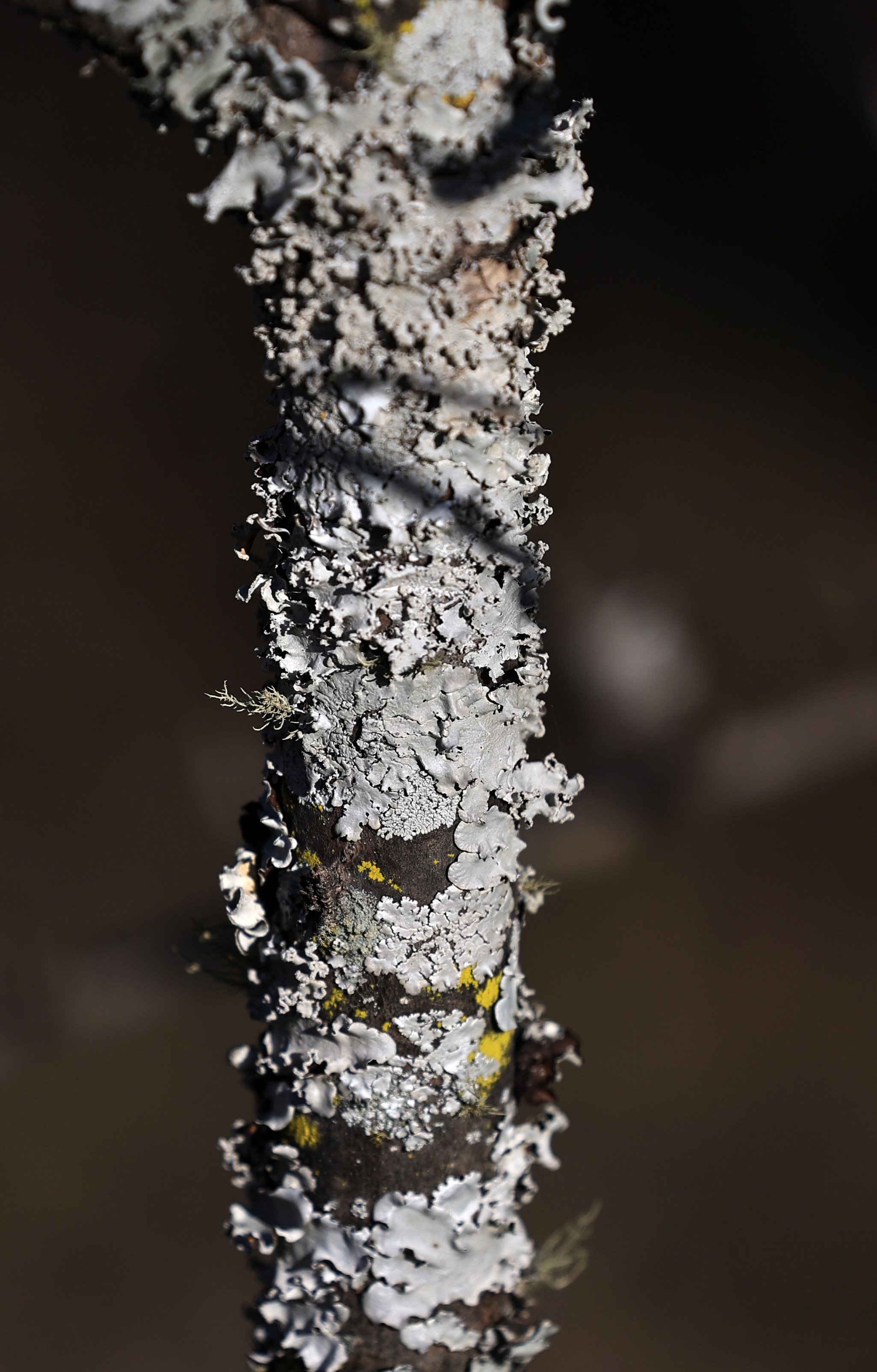
Foliose lichen
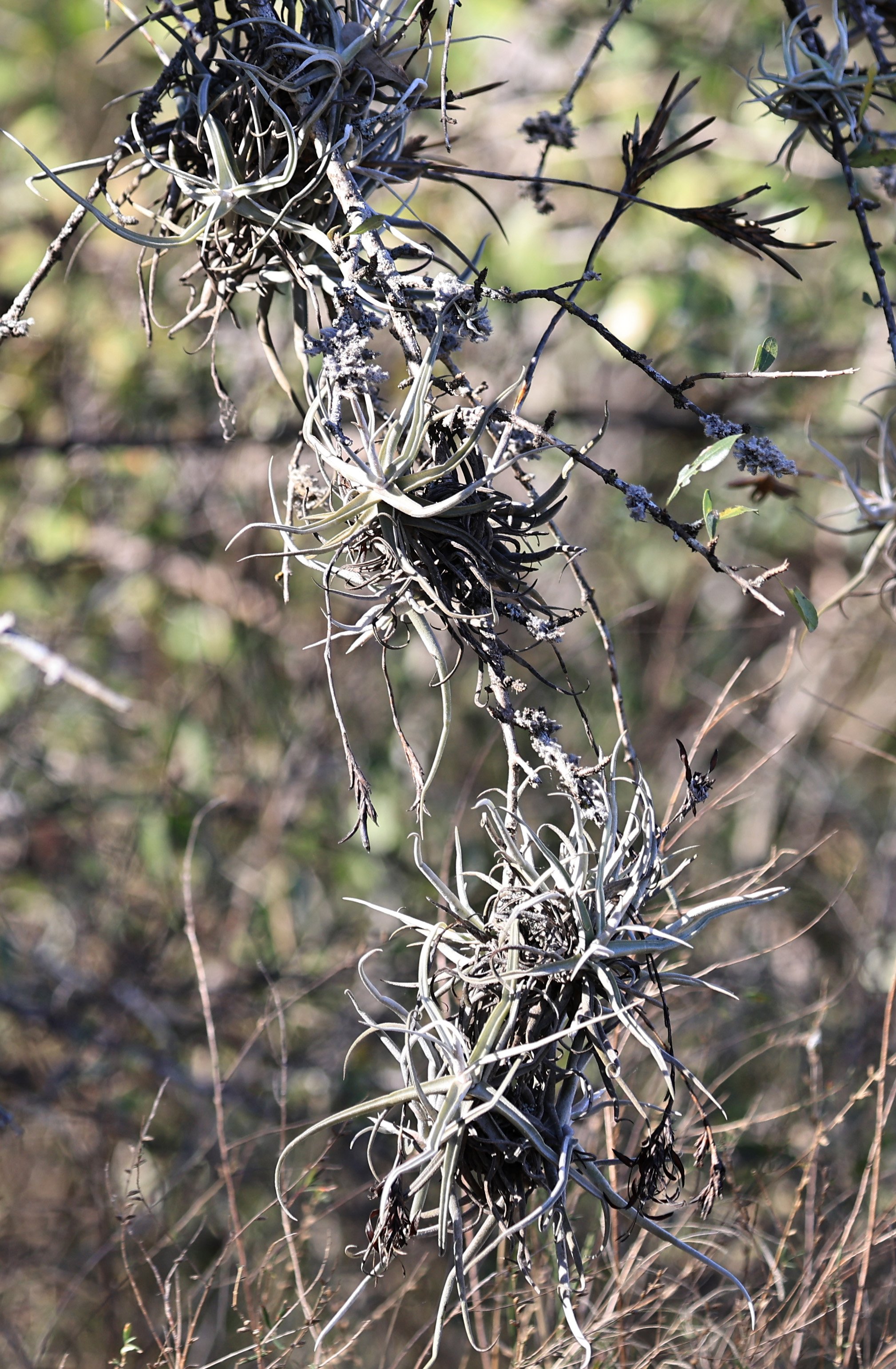
Tillandsia recurvata
Estancia Campo'i
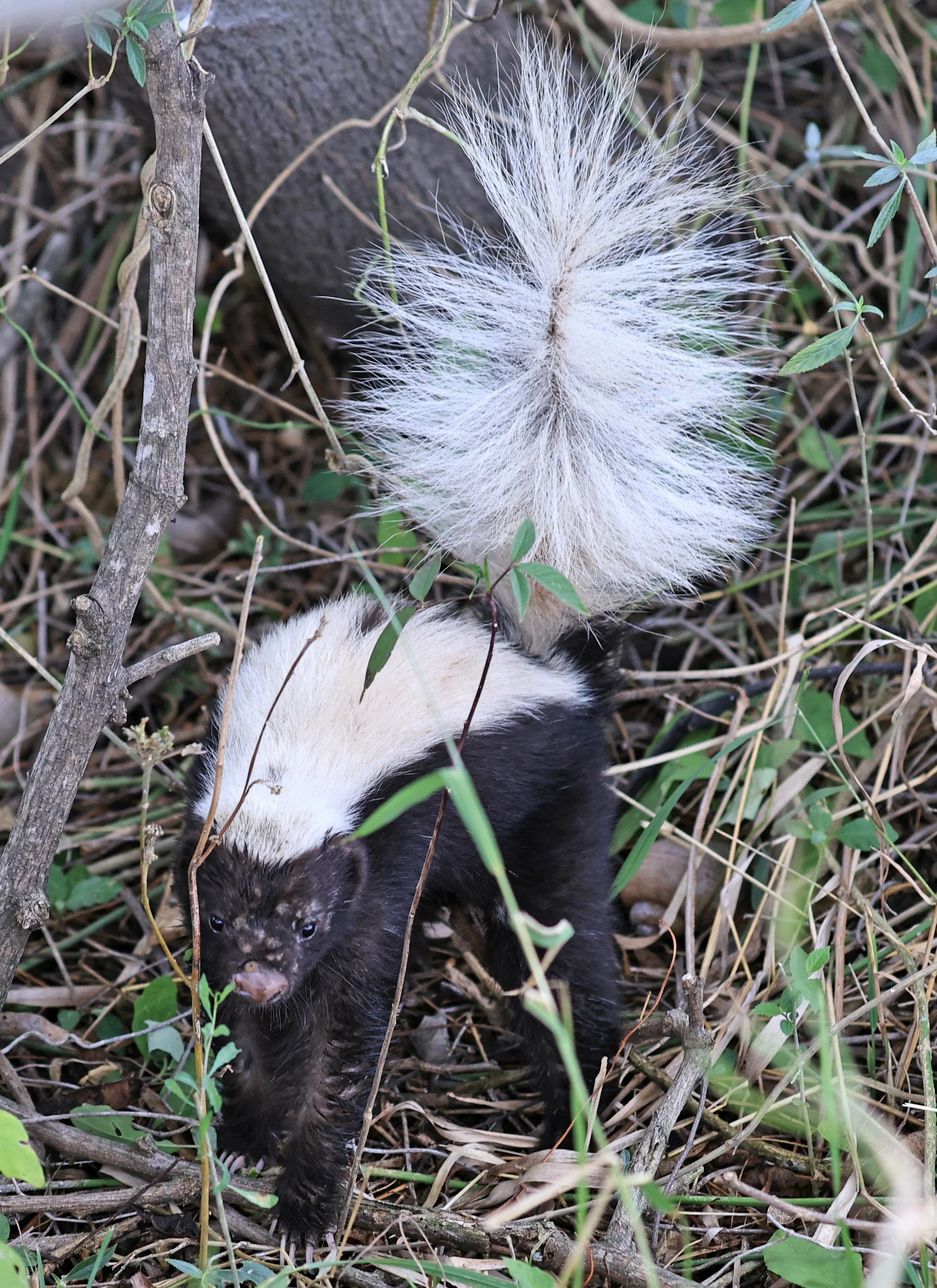
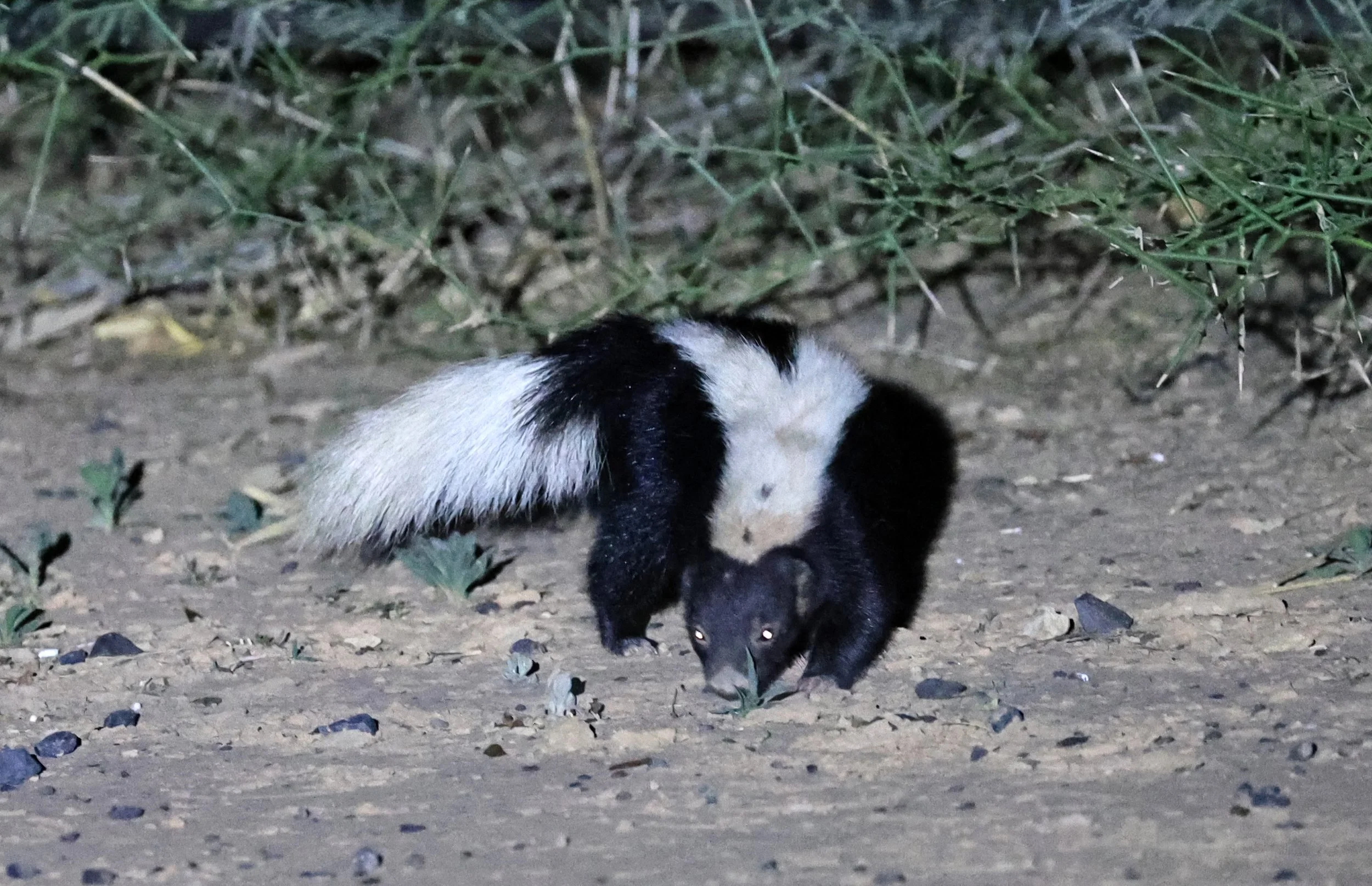
Molina's Hog-nosed Skunk (Conepatus chinga) Estancia Campo'i Paraguay
After several days spent bouncing around some of the Chaco's more remote corners, arriving at Estancia Campo'i felt almost ridiculously comfortable. The estancia is one of the more upmarket stops in the region, offering comfortable rooms, good food and attractive surroundings that make it feel more like a wildlife resort than a traditional cattle ranch. After countless hours on dusty roads and long days in the field, it was certainly not difficult to appreciate a little luxury. Of course, no matter how comfortable the accommodation, my attention was still firmly focused on what might emerge from the surrounding habitat after dark.
The property sits within excellent Chaco habitat, with a mixture of dry woodland, thorn scrub, open grazing areas and wetlands creating a diverse landscape for wildlife. Whether scanning the roadsides or exploring the estate tracks, there always seemed to be the possibility of a new mammal around the next corner.
Several familiar species continued to accompany us during our stay. Crab-eating Foxes (Cerdocyon thous) were seen on multiple occasions, and we encountered more Lesser Bulldog Bats (Noctilio albiventris) in a hollow tree in the resort’s garden. This is always an entertaining species to observe. By this stage foxes had become a regular feature of the trip, but they never quite lost their appeal, particularly when encountered in good light.
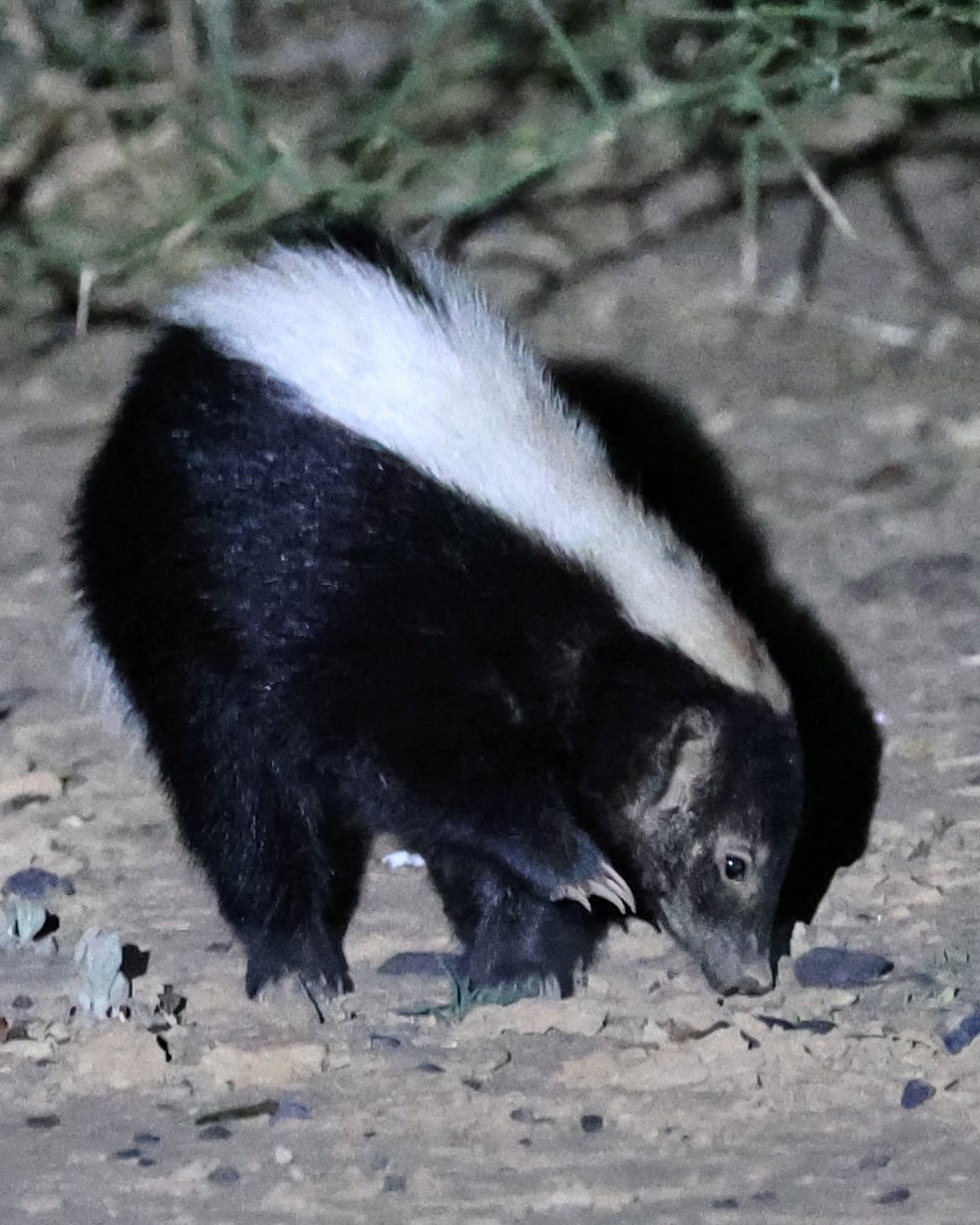
The mammal highlight at Campo'i was a new species for me: Molina's Hog-nosed Skunk (Conepatus chinga). Skunks always seem to possess a certain charisma, perhaps because every sighting comes with a small reminder that getting too close could have consequences. Fortunately, this individual remained focused on its own business and allowed excellent views. We encountered another individual in the morning too. As a lifer, it was a very welcome addition to the trip list and one of the more memorable mammals of our time at Campo'i.
A brief shower during our stay also demonstrated how quickly Chaco roads can change character. What had been firm dusty tracks only hours earlier rapidly became slippery stretches of mud. The rain certainly wasn't enough to create major problems, but it provided a useful reminder of why we had rearranged parts of the itinerary earlier in the trip. Even a modest amount of precipitation was enough to make some roads considerably more entertaining than the driver might have preferred.
While the mammals were good, Campo'i also proved to be an outstanding birding location. The variety of habitats around the estancia attracted an impressive range of species, and almost every excursion produced something interesting. Even for someone primarily focused on mammals, it was impossible not to spend a little time admiring the abundance of birdlife. Between the quality accommodation, excellent habitat, productive mammal watching and superb birding, Campo'i was a thoroughly enjoyable stop and a welcome combination of comfort and wildlife in the heart of the Chaco.
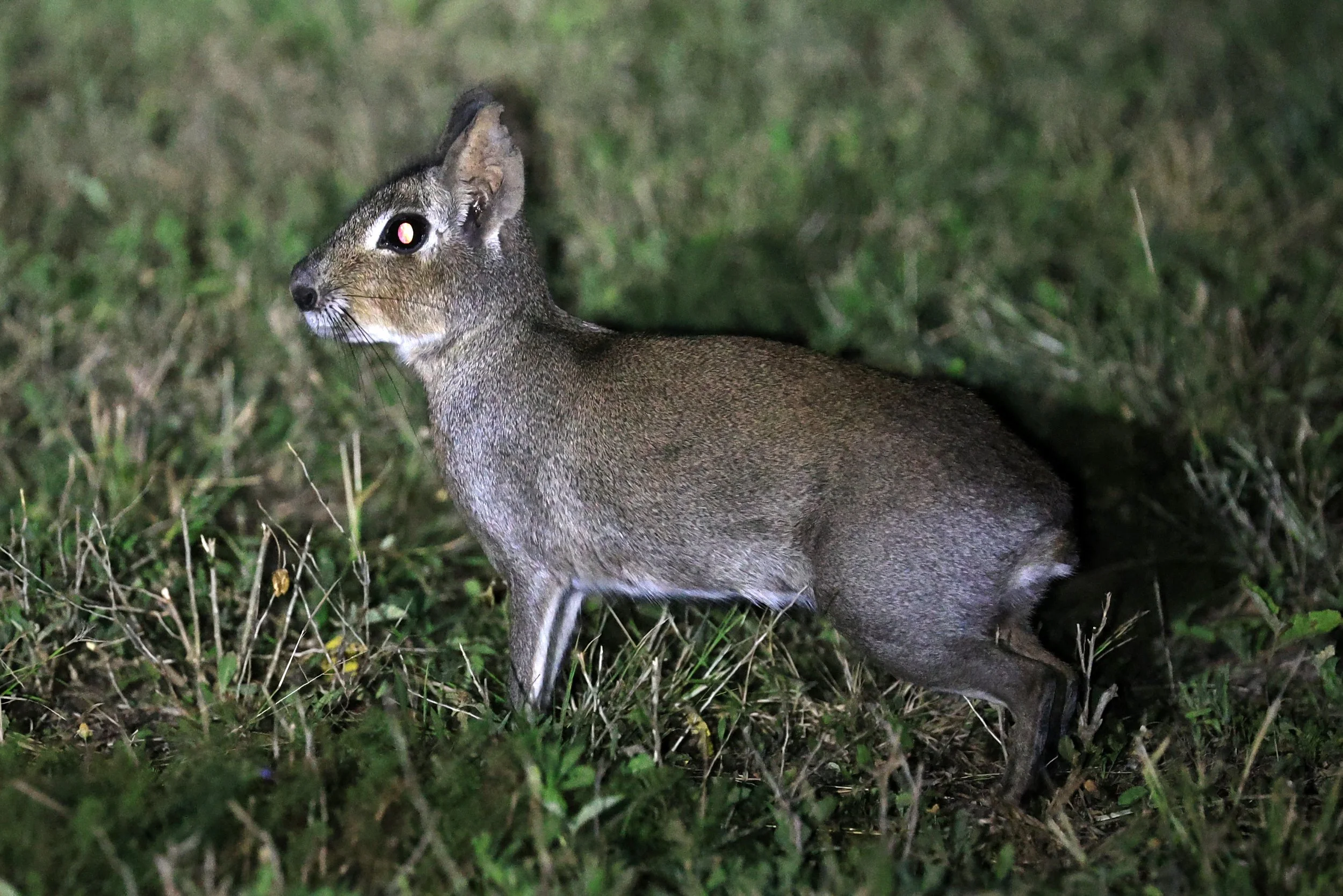
Chacoan Mara (Dolichotis salinicola)
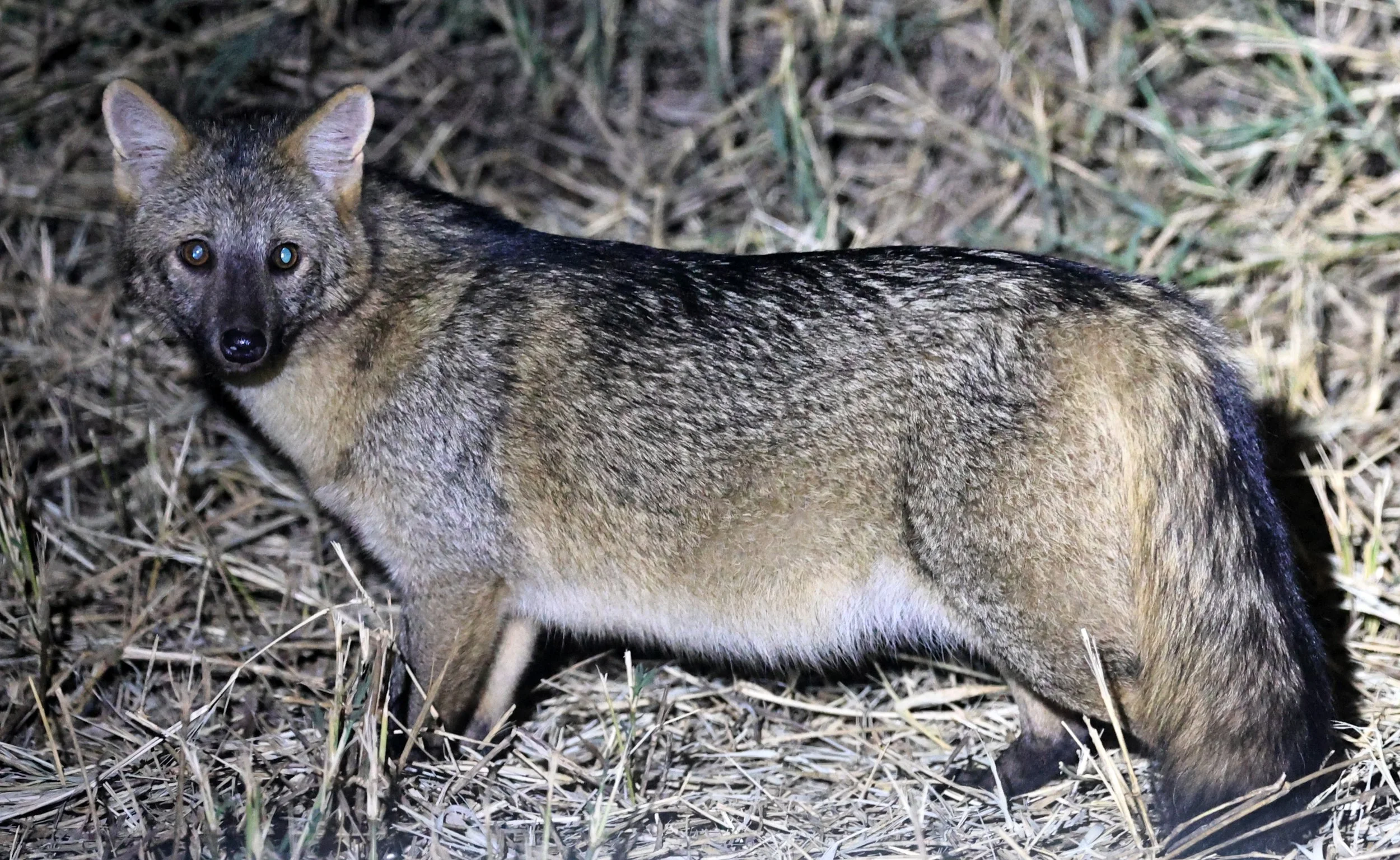
Crab-eating Fox (Cerdocyon thous)
Crab-eating Fox (Cerdocyon thous)
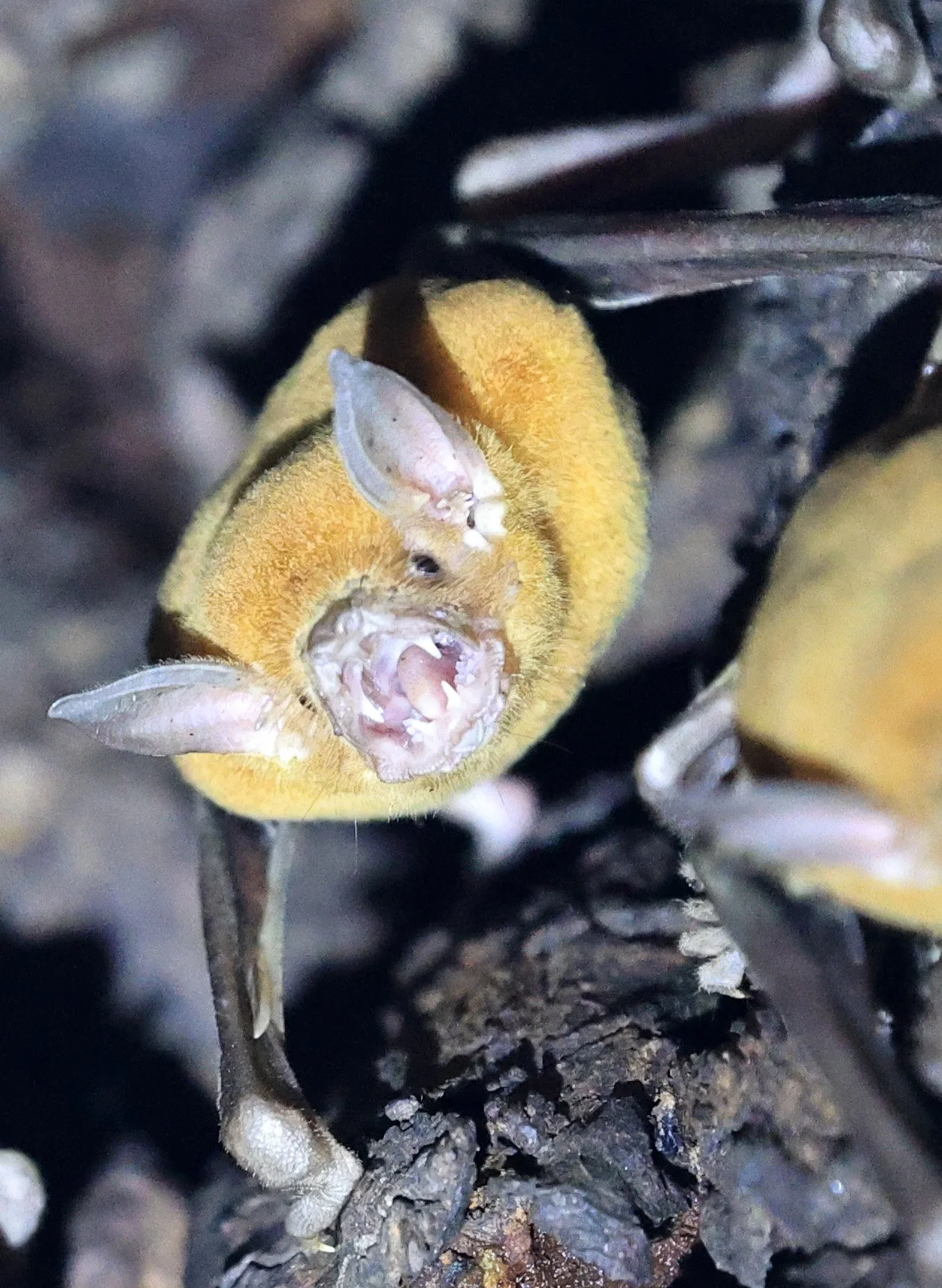
Lesser Bulldog Bat (Noctilio albiventris)
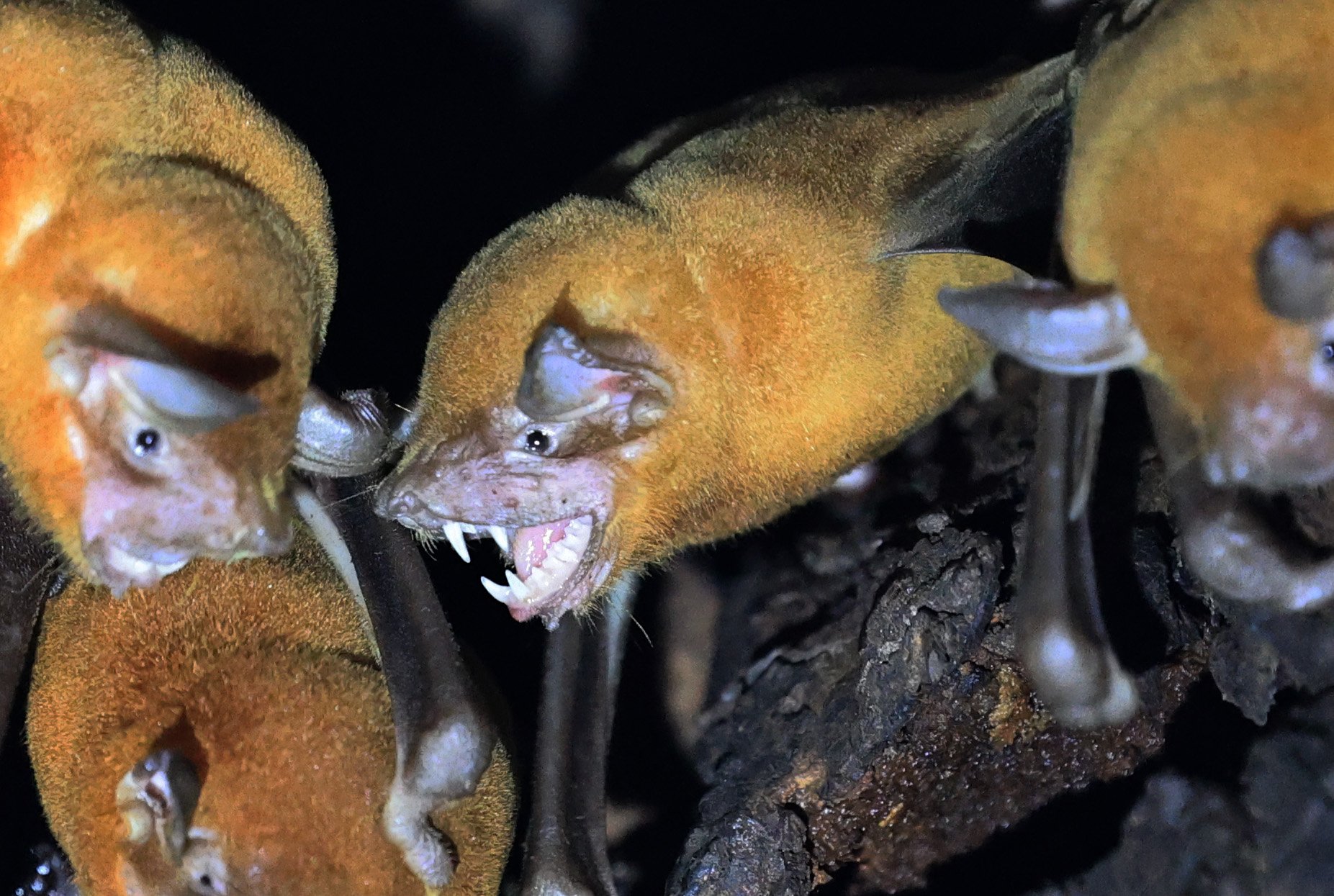
Lesser Bulldog Bat (Noctilio albiventris)
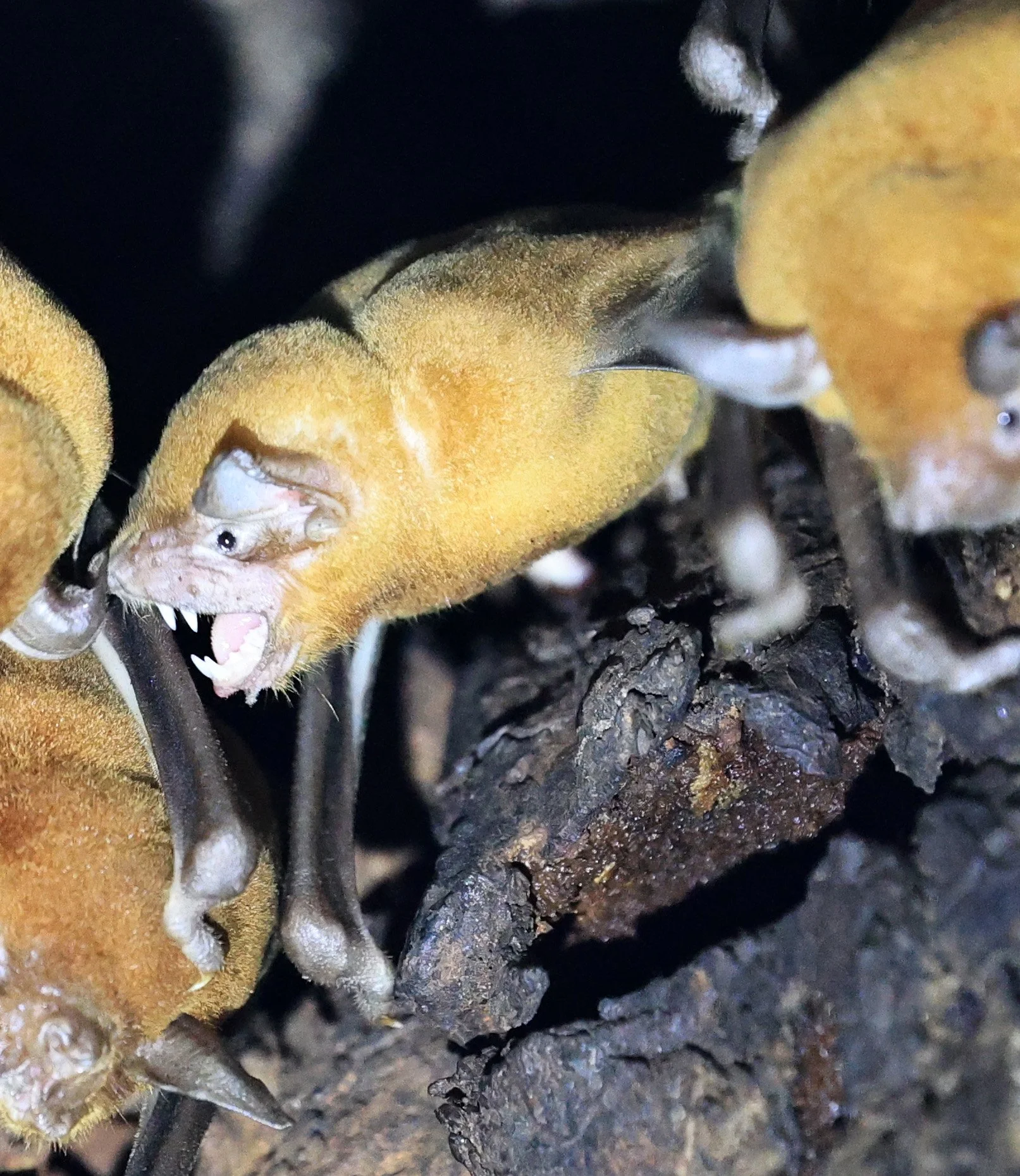
Lesser Bulldog Bat (Noctilio albiventris)
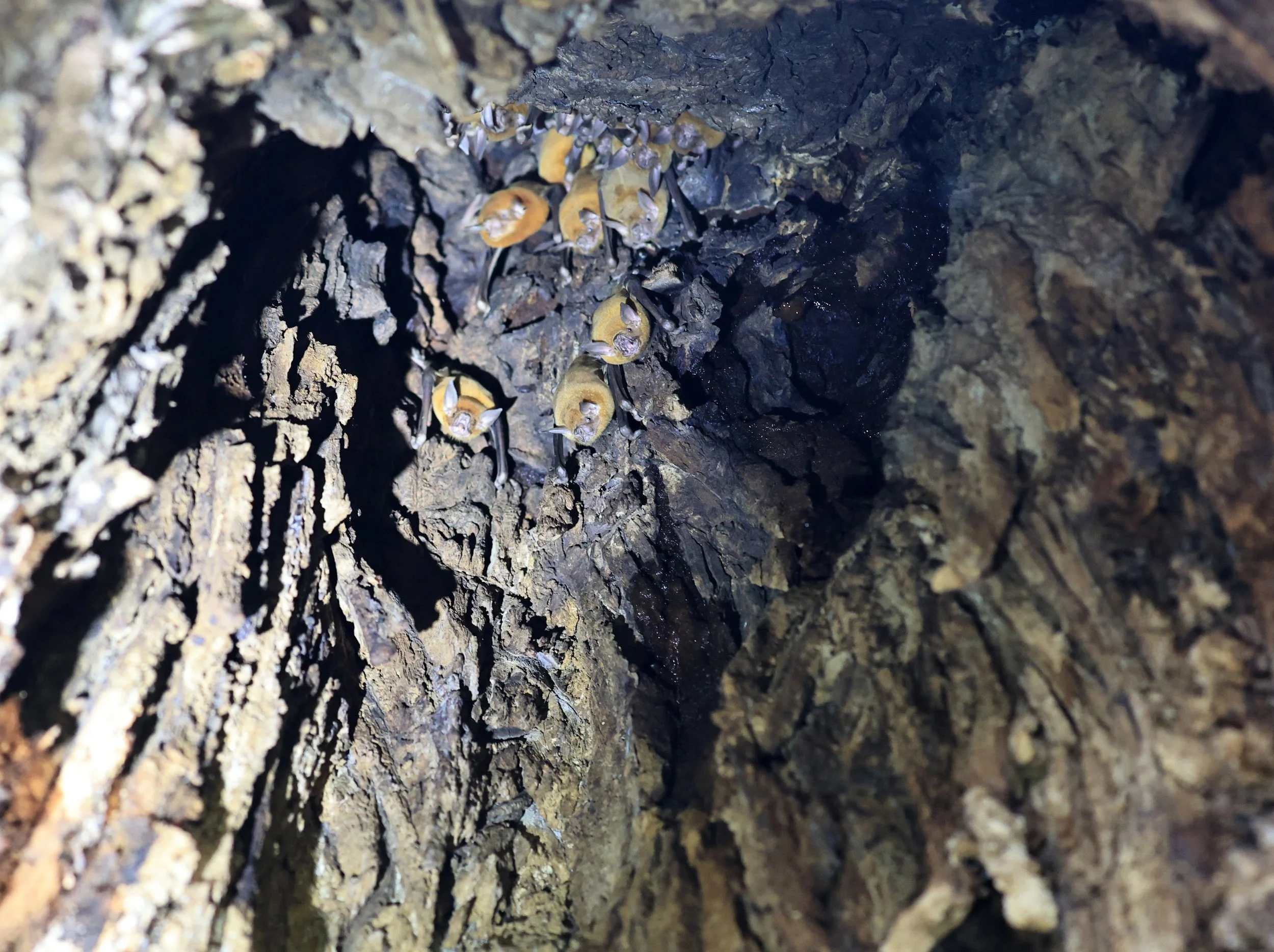
Lesser Bulldog Bat (Noctilio albiventris)
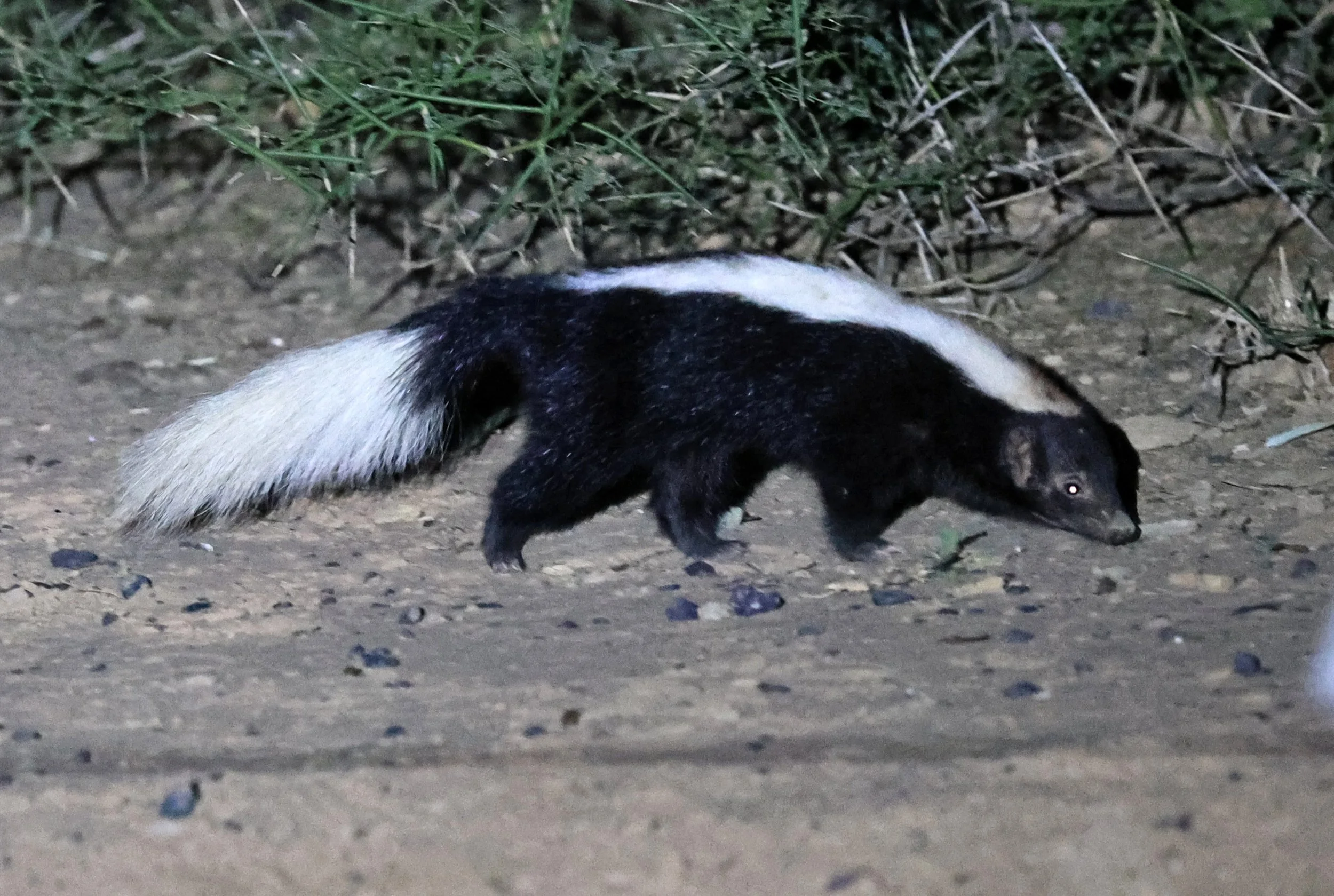
Molina's Hog-nosed Skunk (Conepatus chinga)
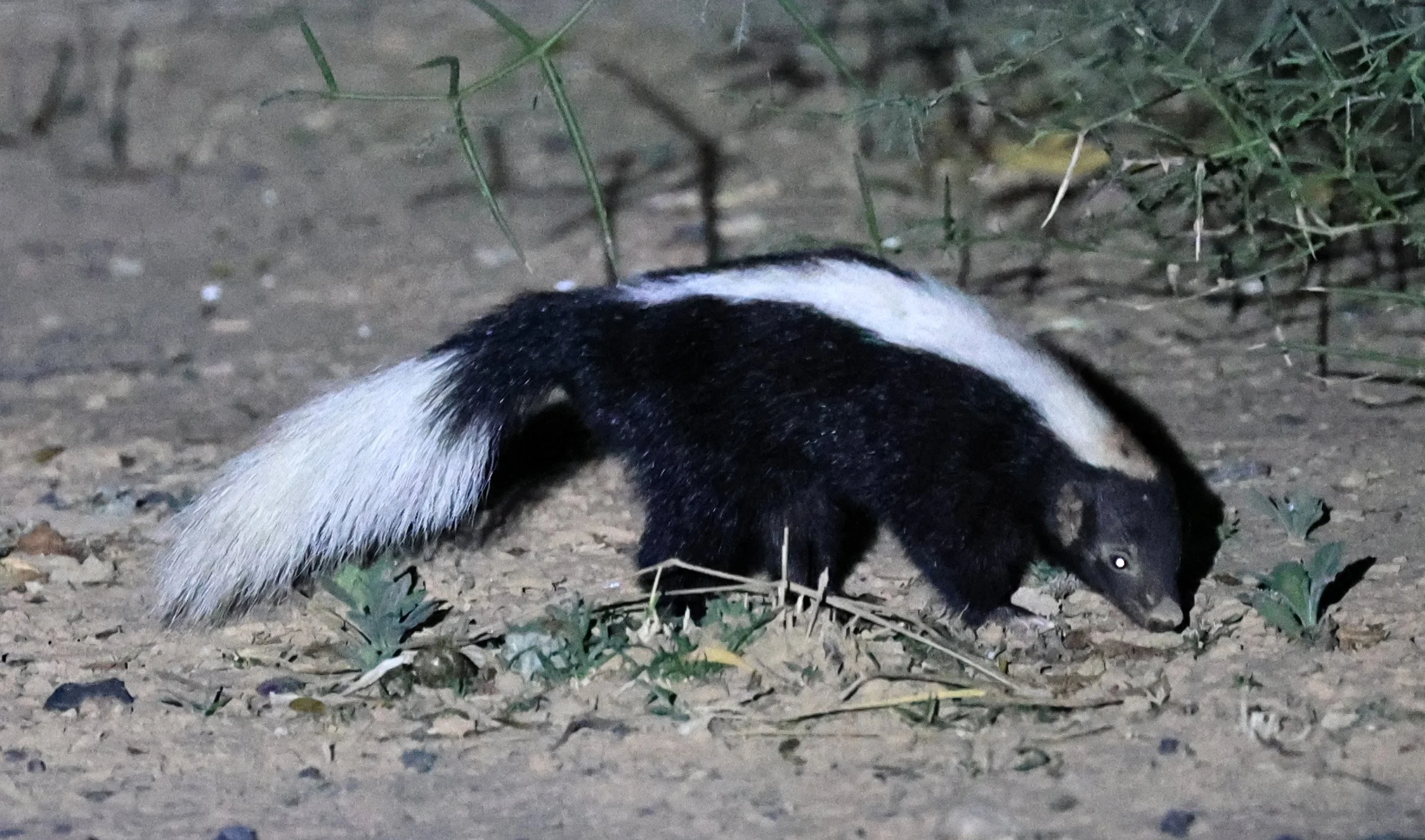
Molina's Hog-nosed Skunk (Conepatus chinga)
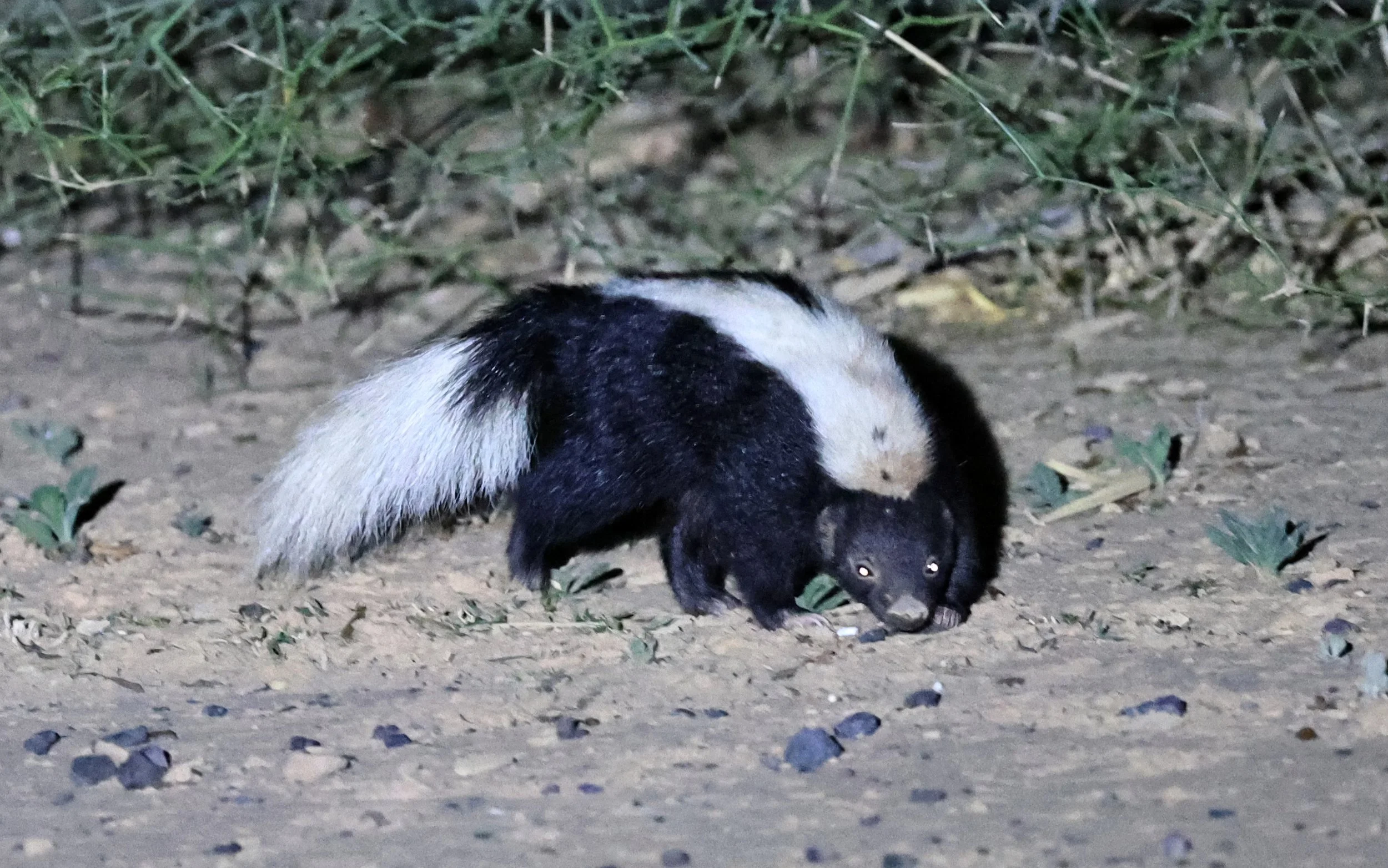
Molina's Hog-nosed Skunk (Conepatus chinga)
Molina's Hog-nosed Skunk (Conepatus chinga)
Molina's Hog-nosed Skunk (Conepatus chinga)
Chacoan Mara (Dolichotis salinicola)
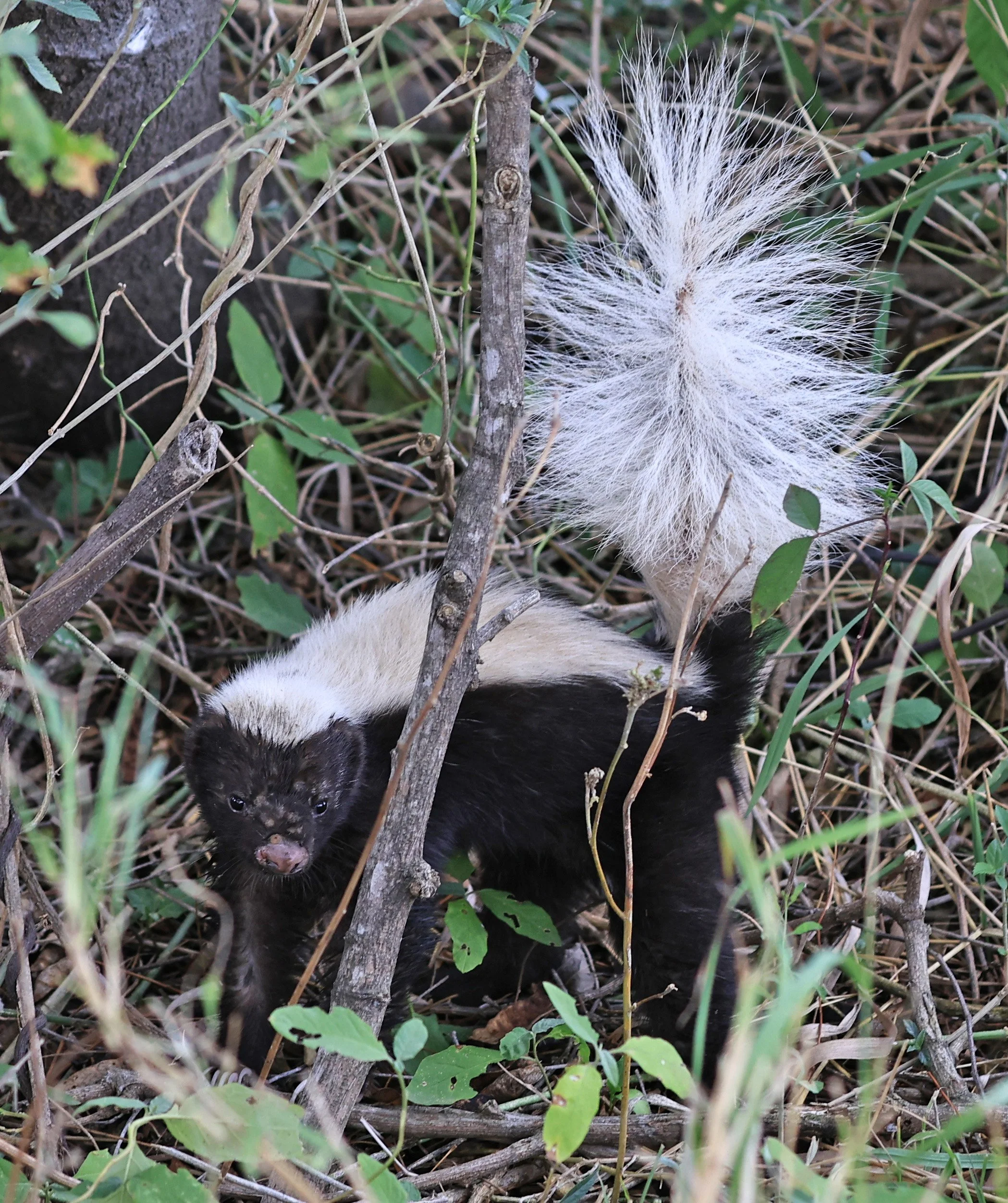
Molina's Hog-nosed Skunk (Conepatus chinga)
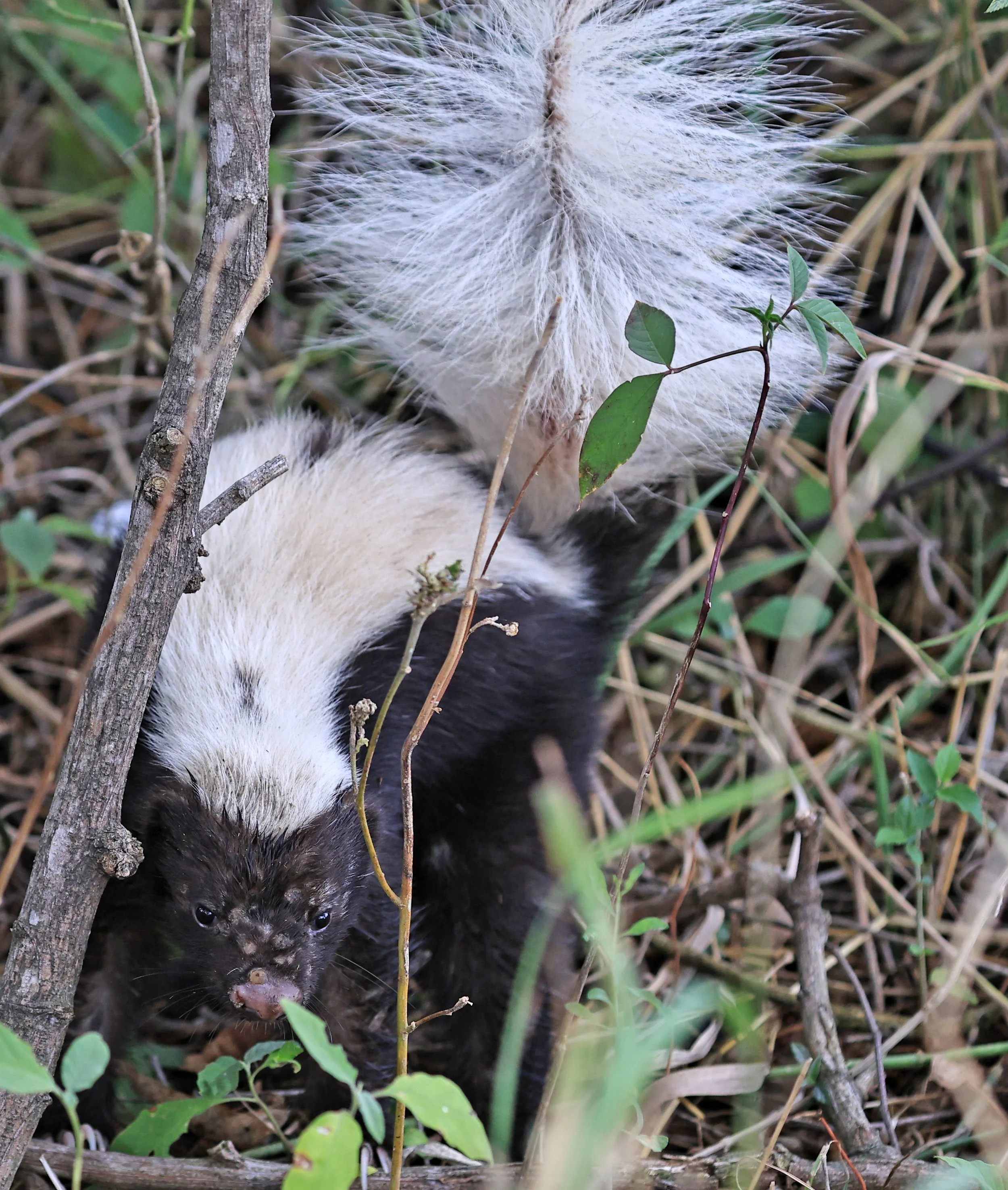
Molina's Hog-nosed Skunk (Conepatus chinga)
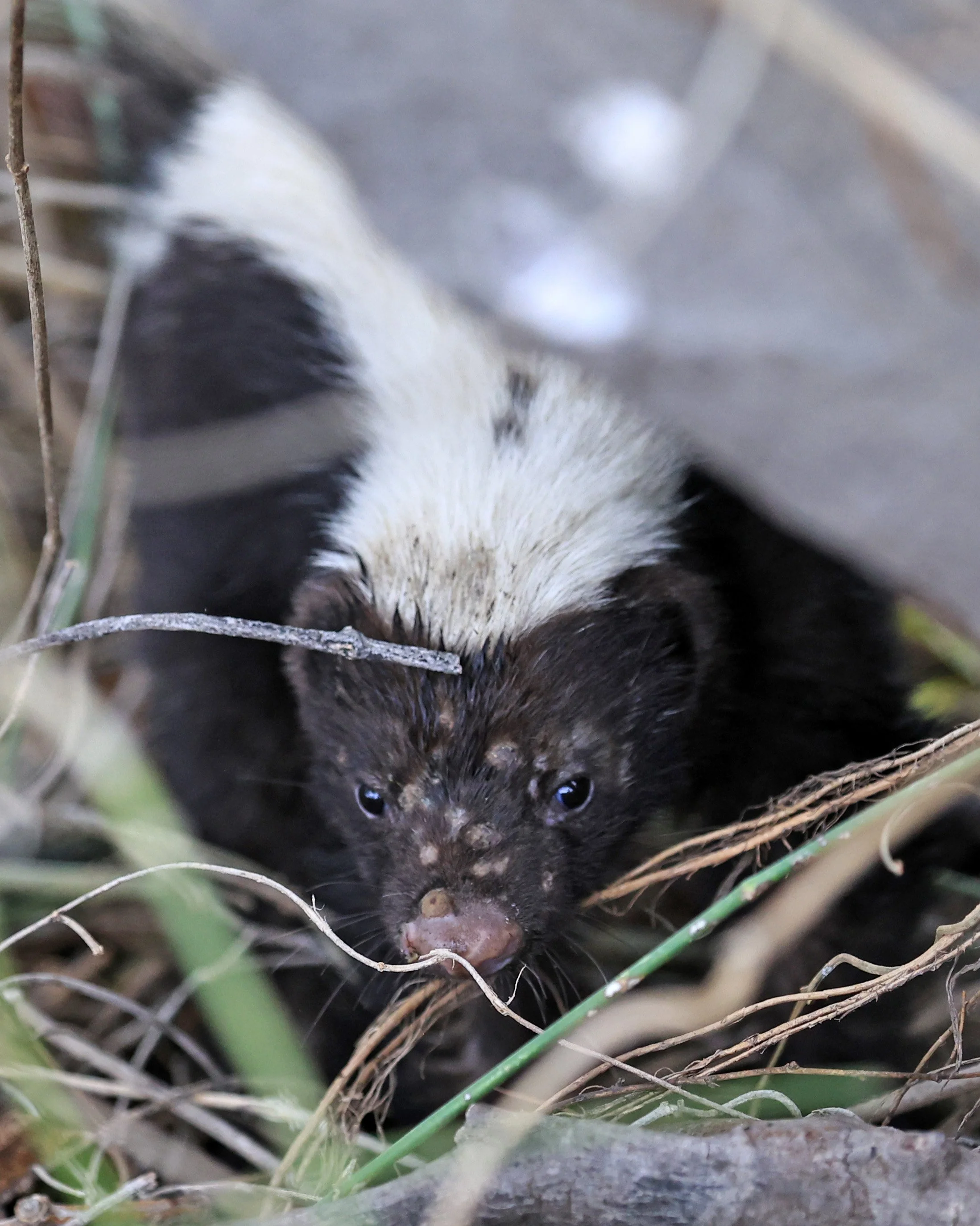
Molina's Hog-nosed Skunk (Conepatus chinga)
Birds & stuff of Estancia Campo'i
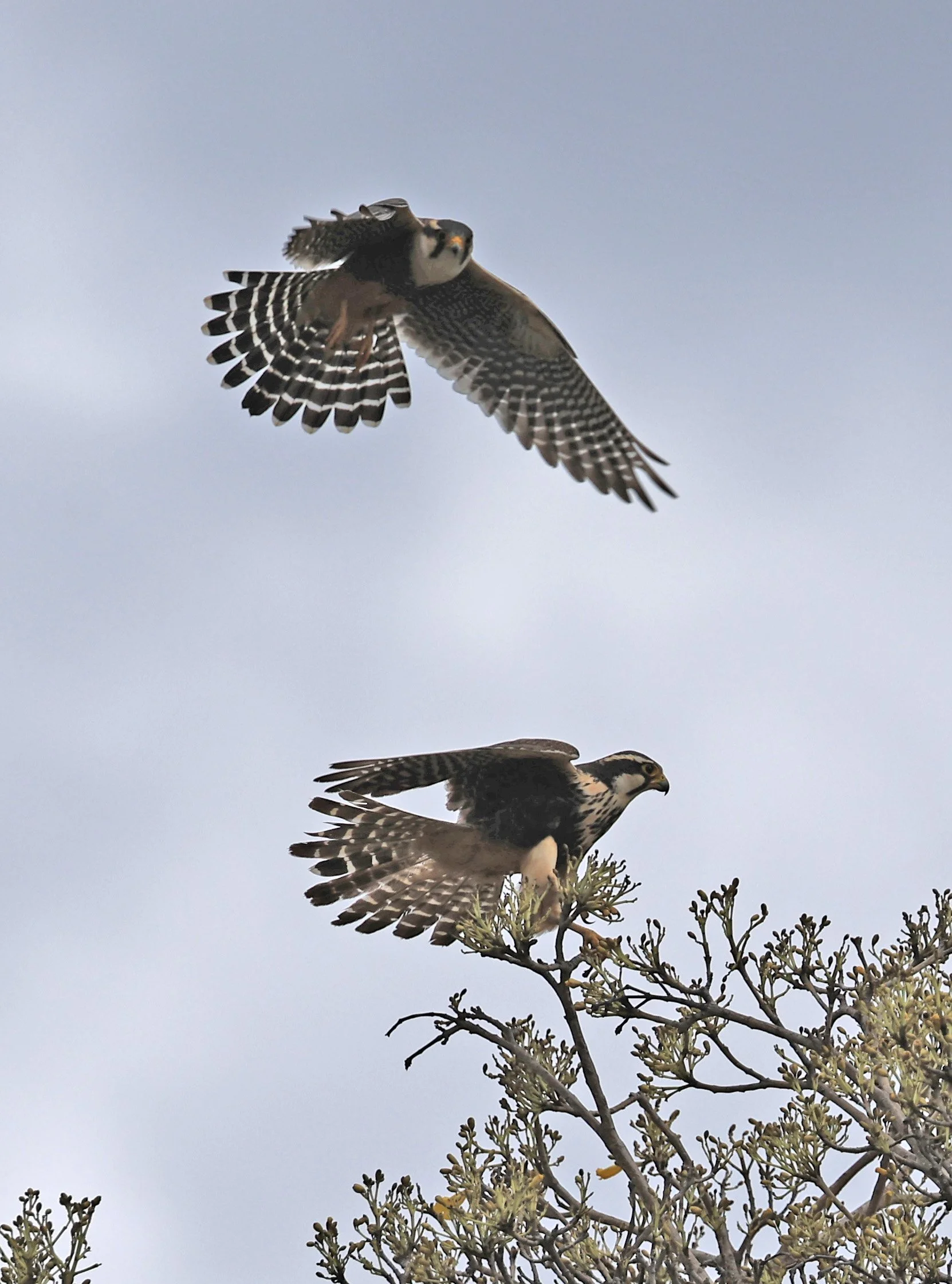
Aplomado Falcon (Falco femoralis) Estancia Campo'i Paraguay
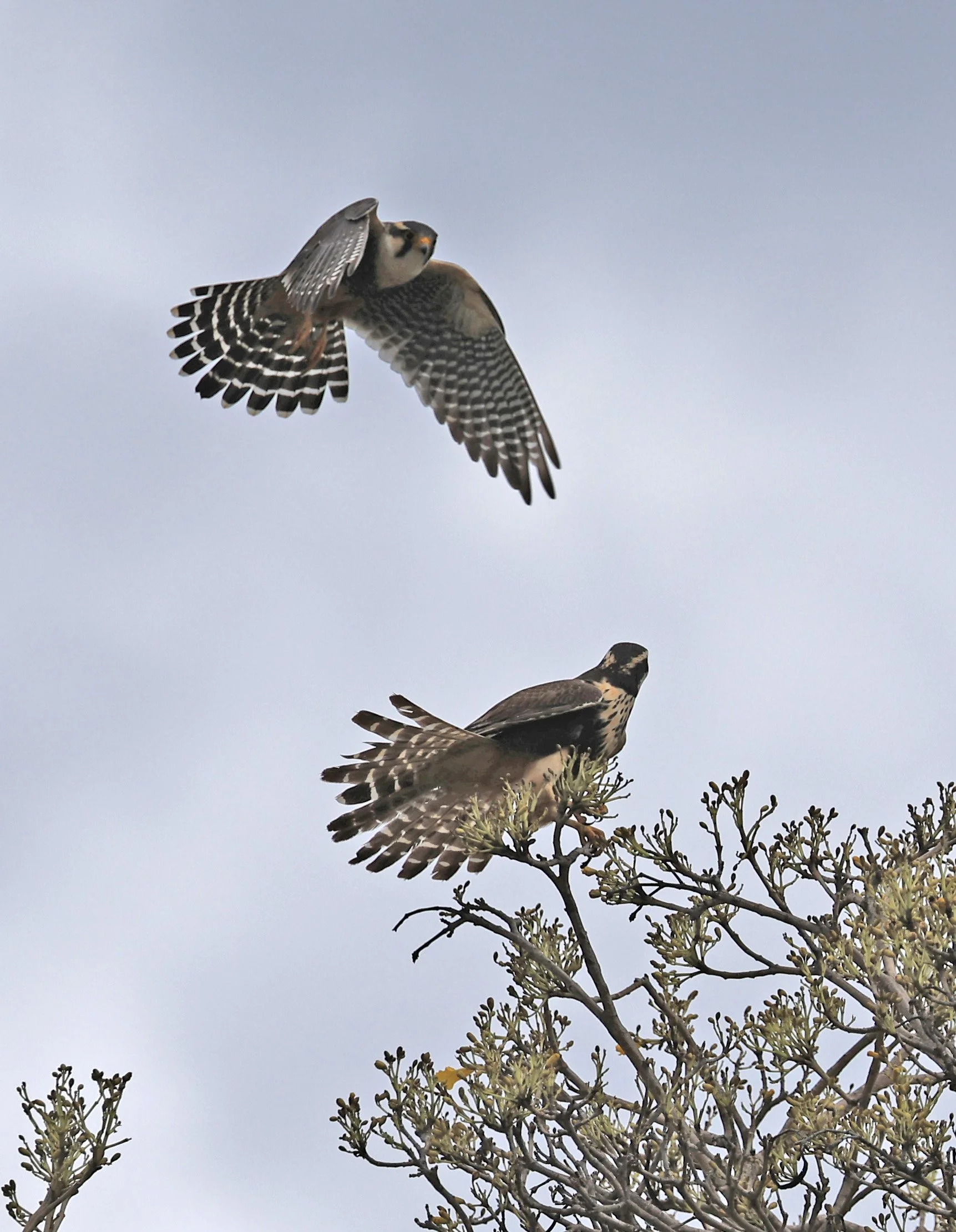
Aplomado Falcon (Falco femoralis) Estancia Campo'i Paraguay
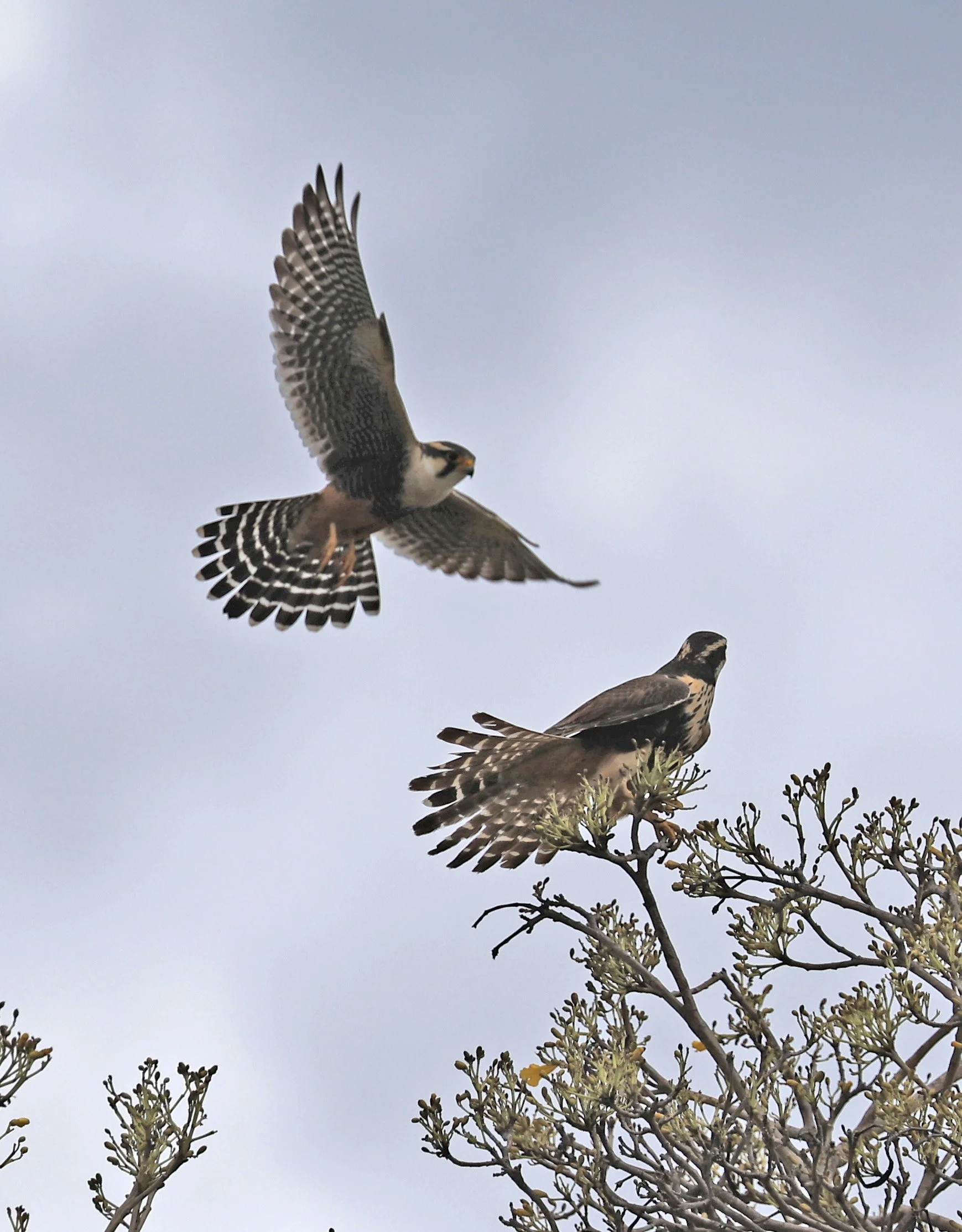
Aplomado Falcon (Falco femoralis) Estancia Campo'i Paraguay
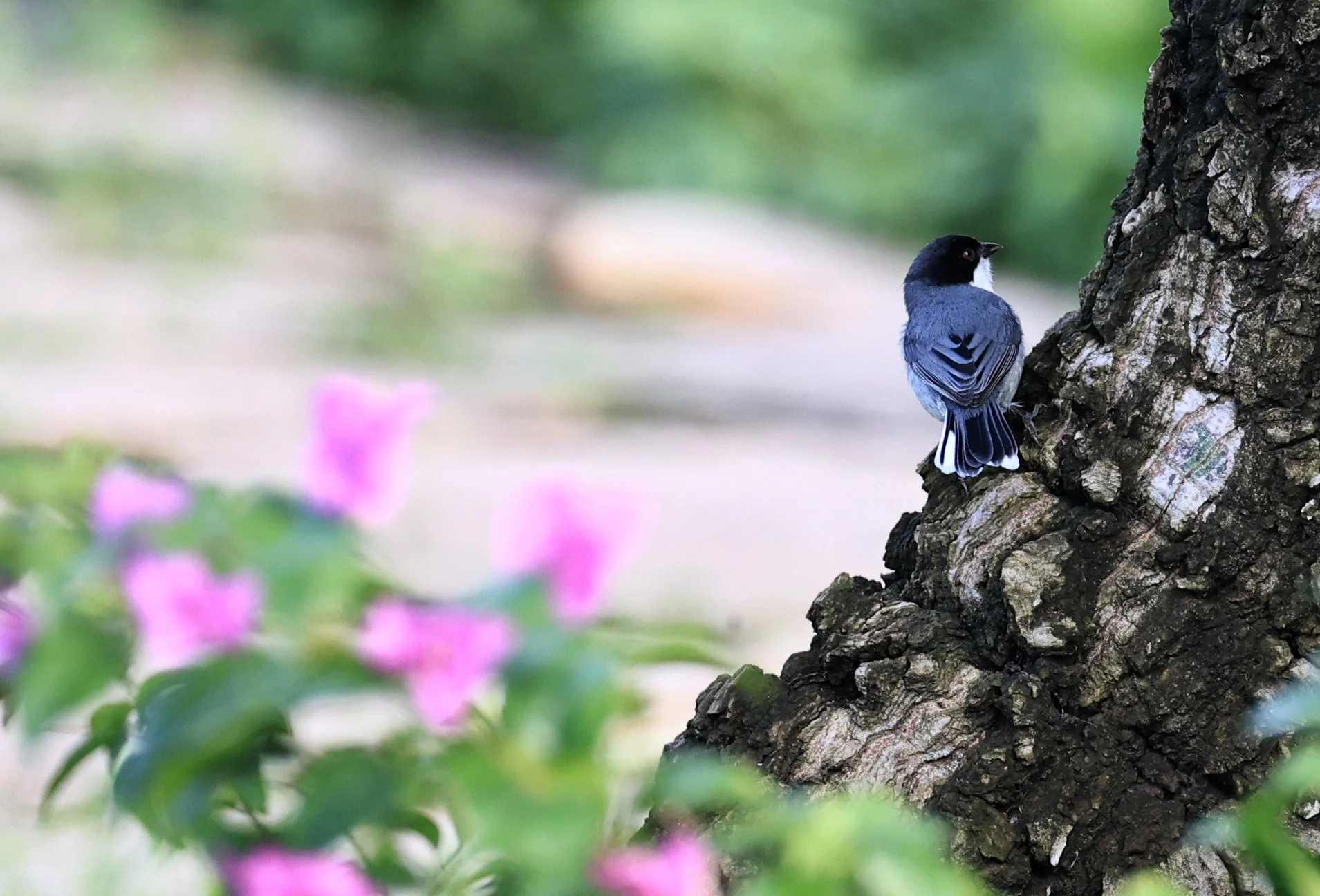
Black-capped Warbling-Finch (Poospiza melanoleuca)
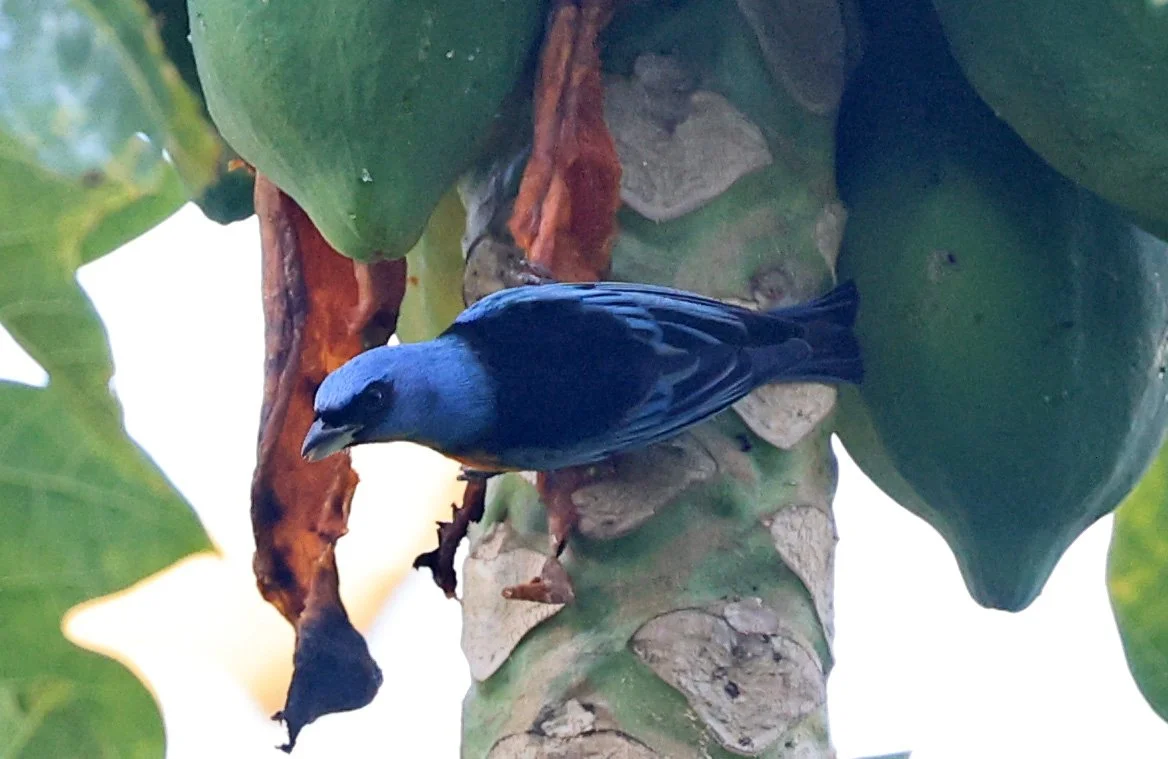
Blue-and-yellow Tanager (Thraupis bonariensis)
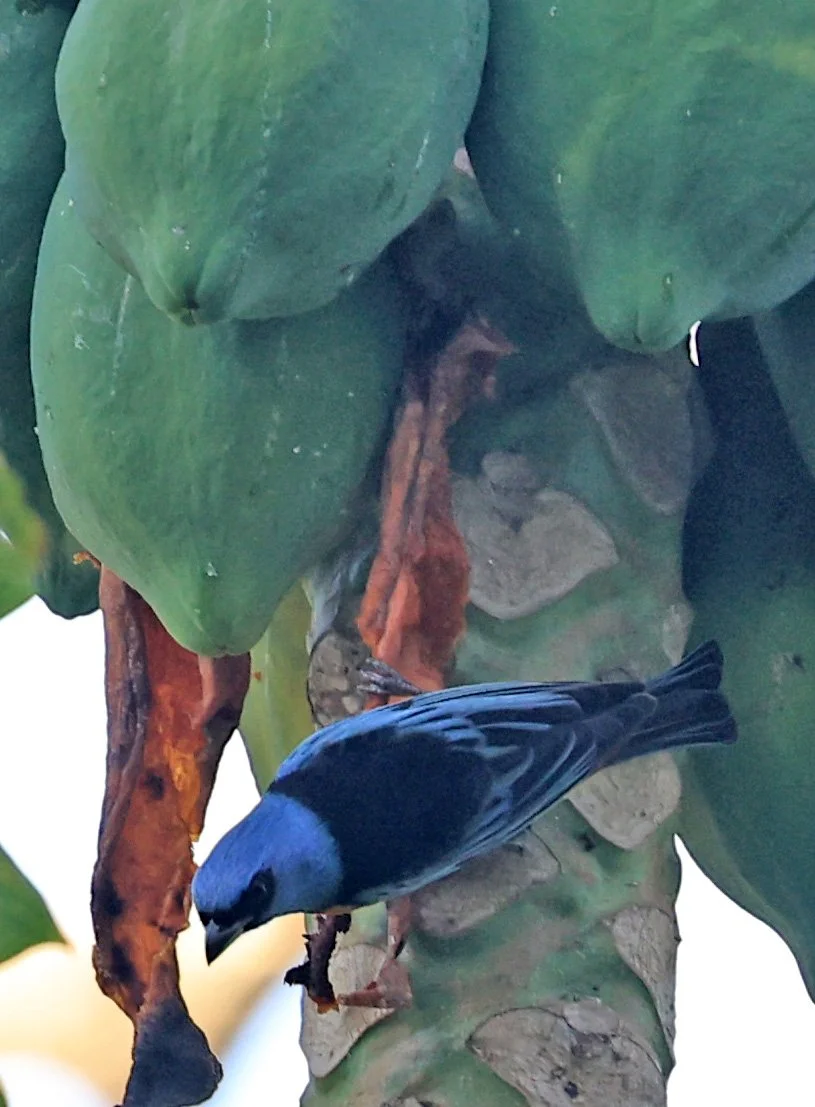
Blue-and-yellow Tanager (Thraupis bonariensis)
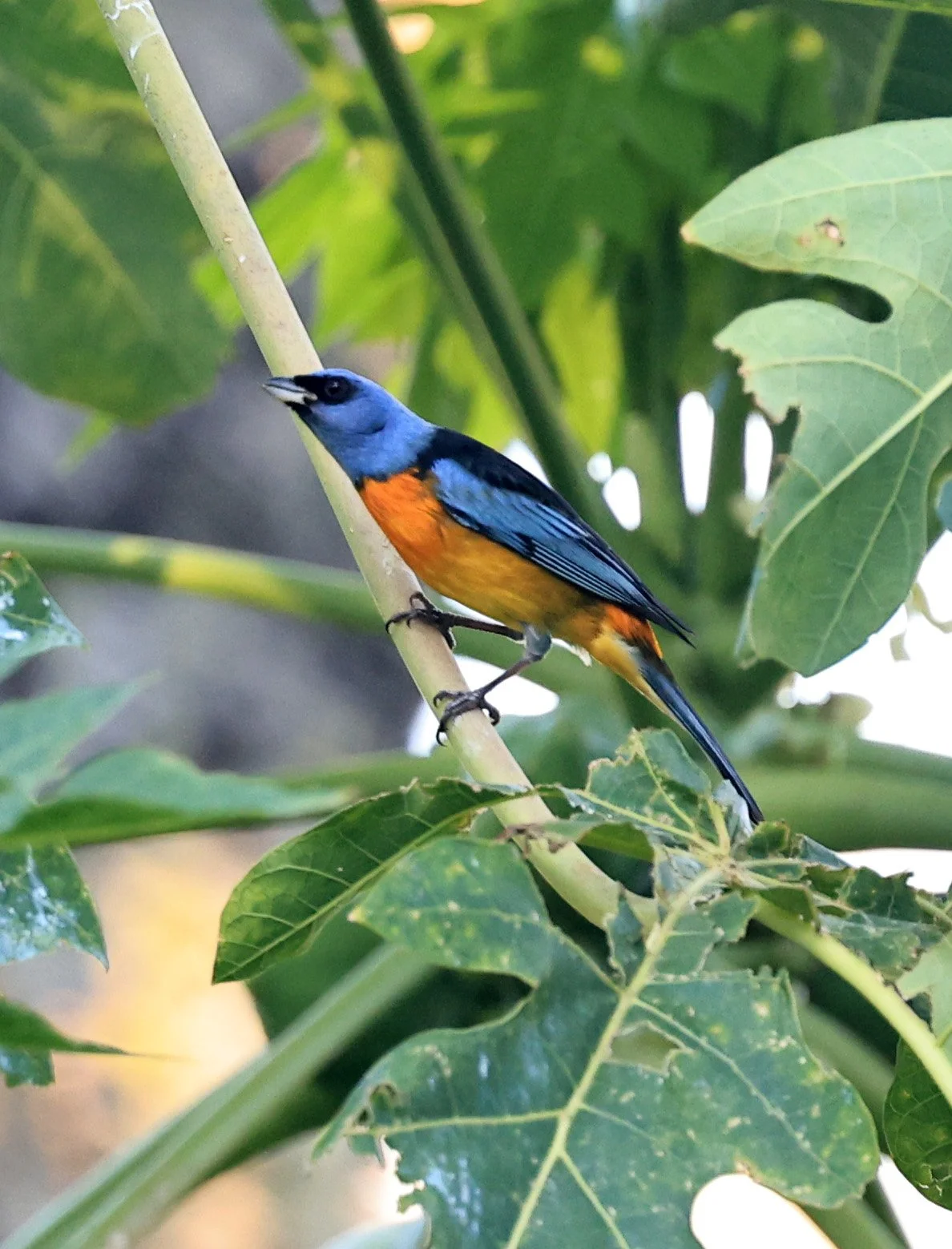
Blue-and-yellow Tanager (Thraupis bonariensis)
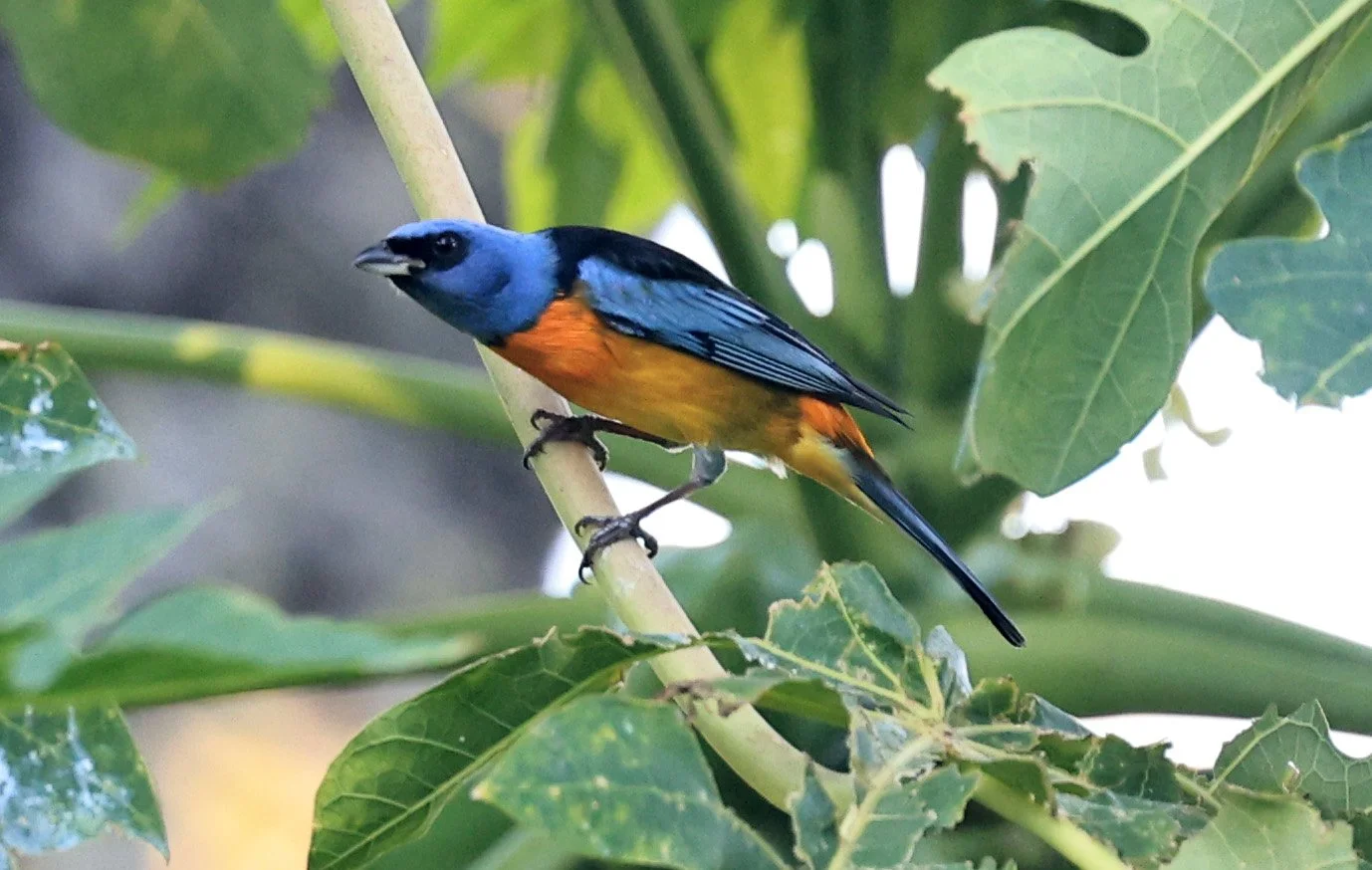
Blue-and-yellow Tanager (Thraupis bonariensis)
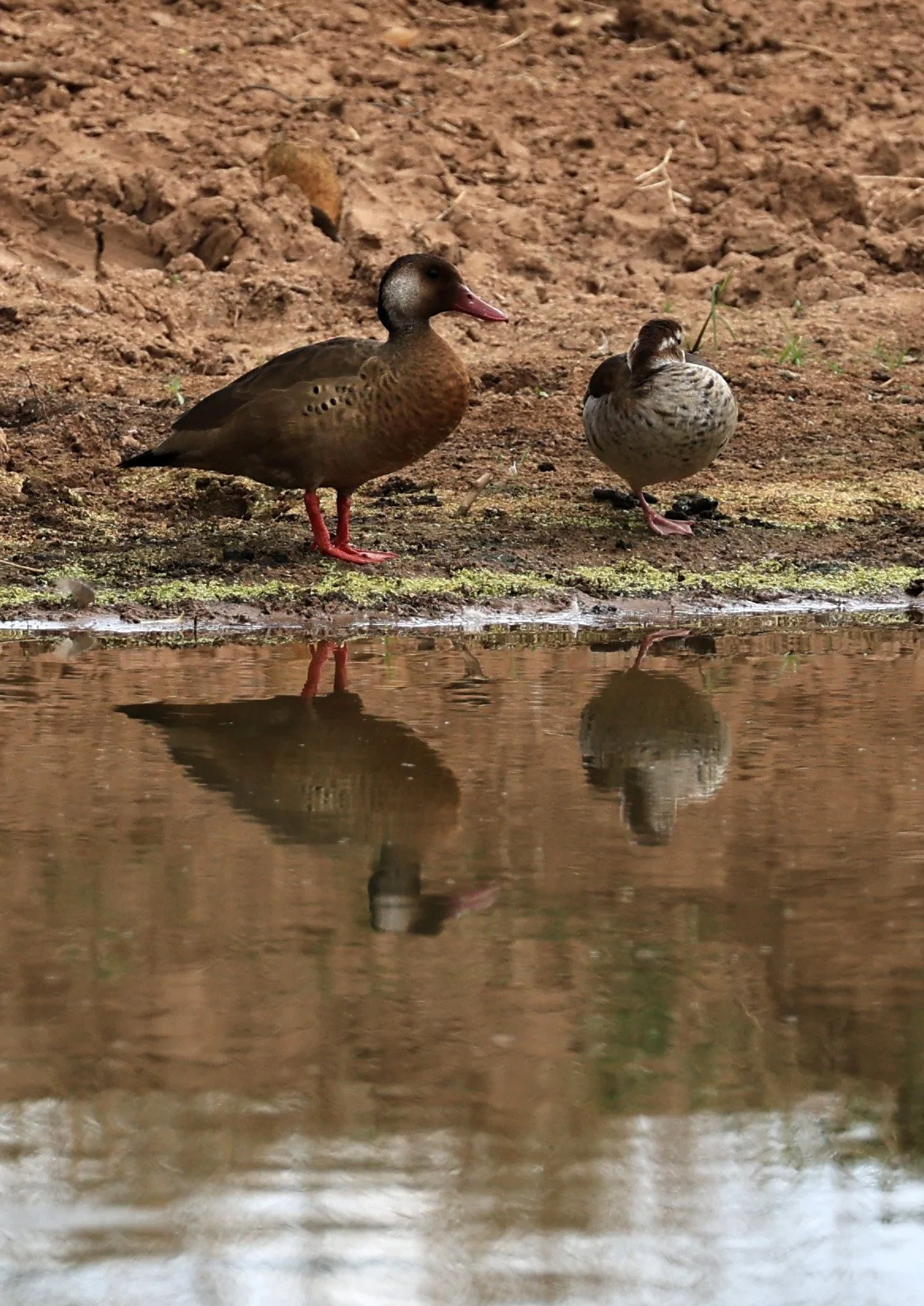
Brazilian Teal (Amazonetta brasiliensis)
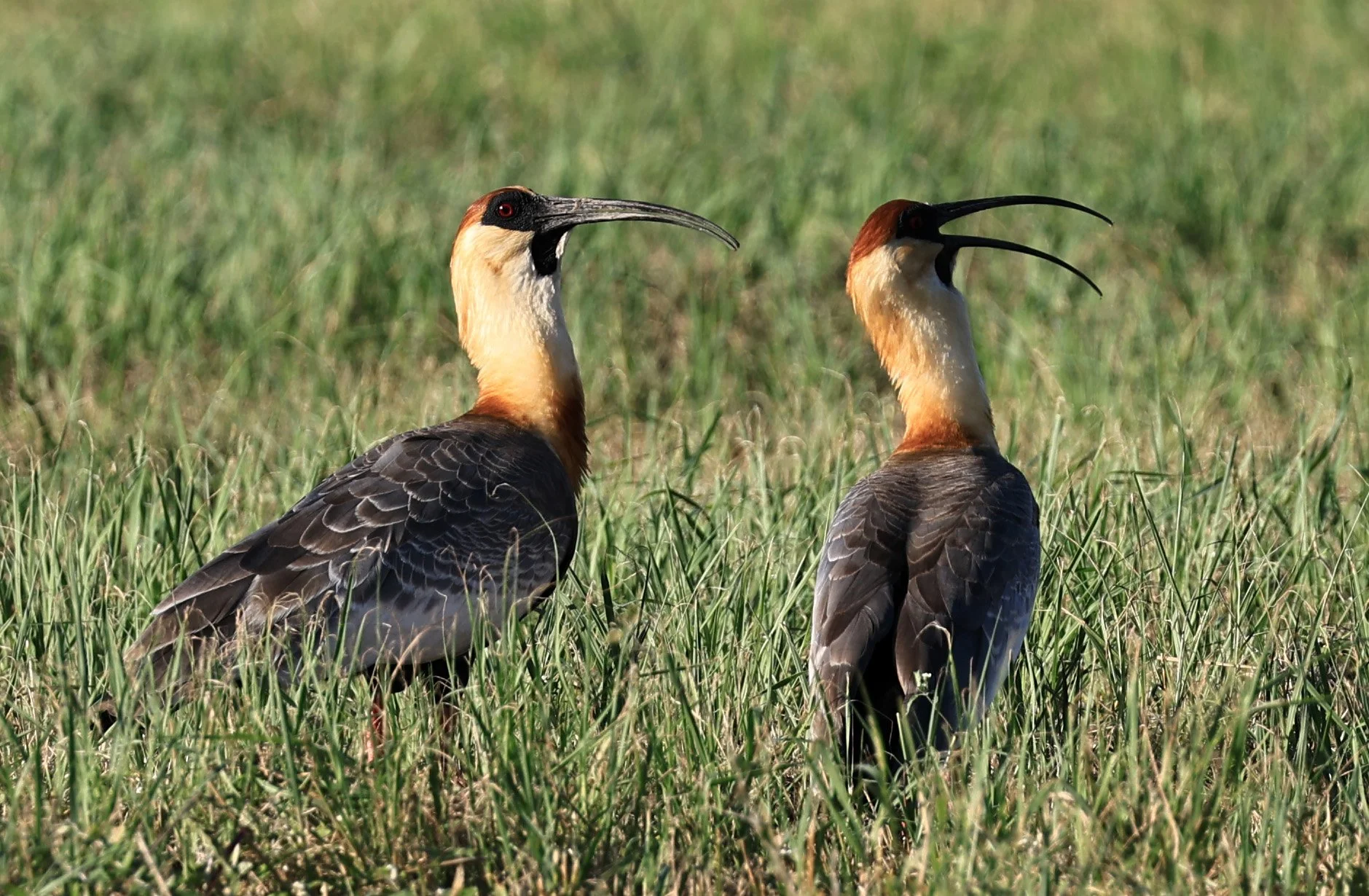
Buff-necked Ibis (Theristicus caudatus)
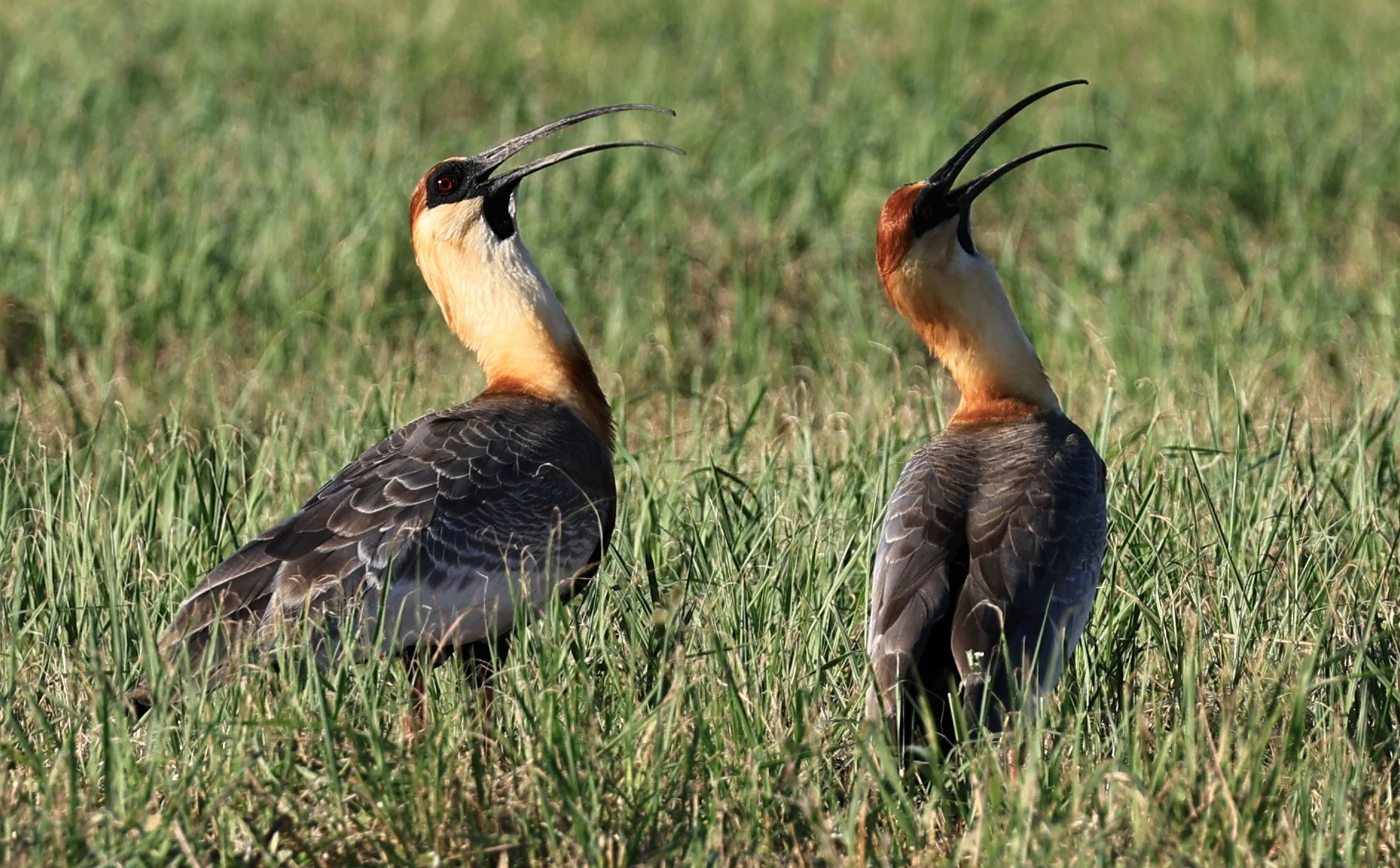
Buff-necked Ibis (Theristicus caudatus)
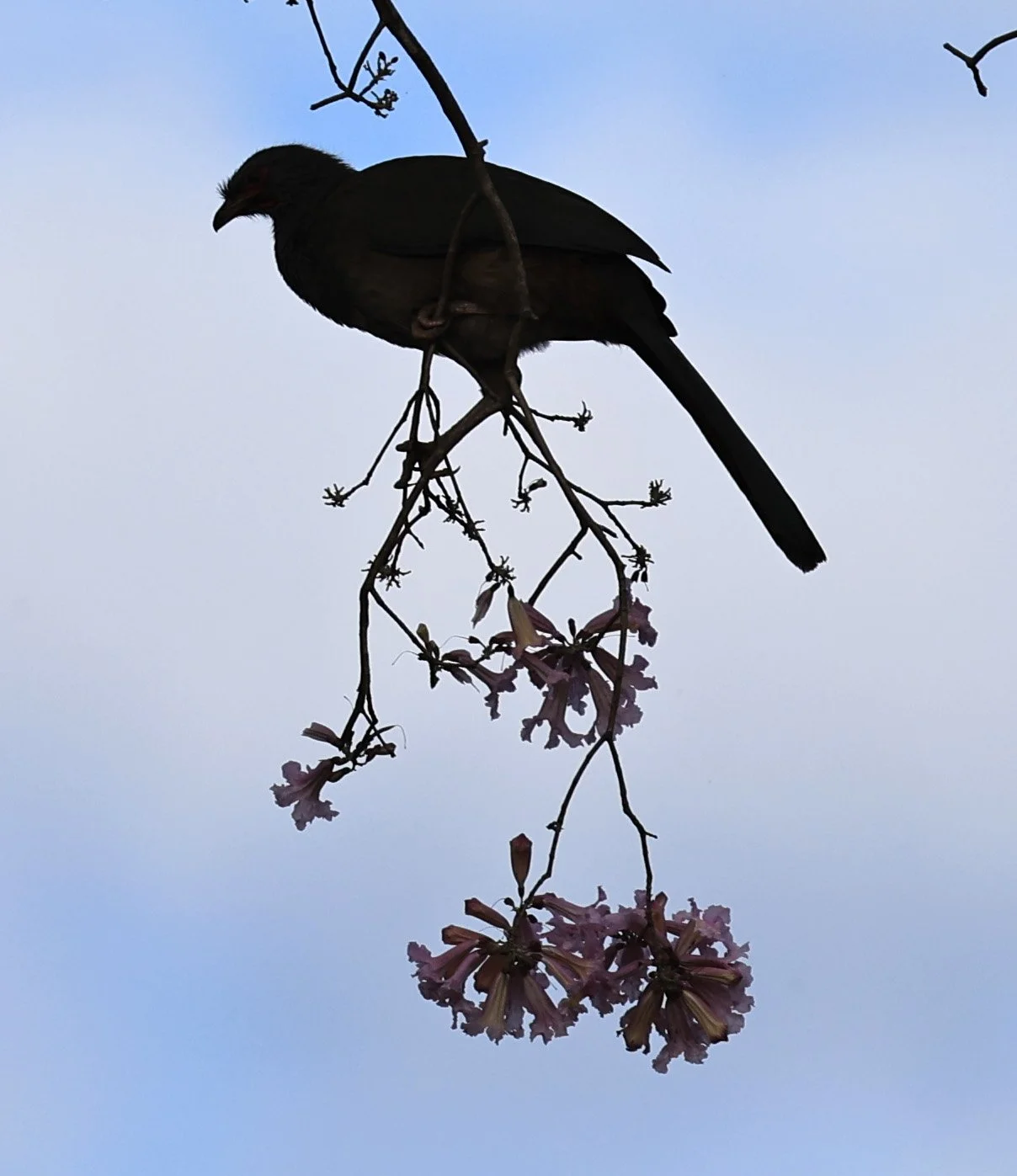
Chaco Chachalaca (Ortalis canicollis) Estancia Campo'í Paraguay
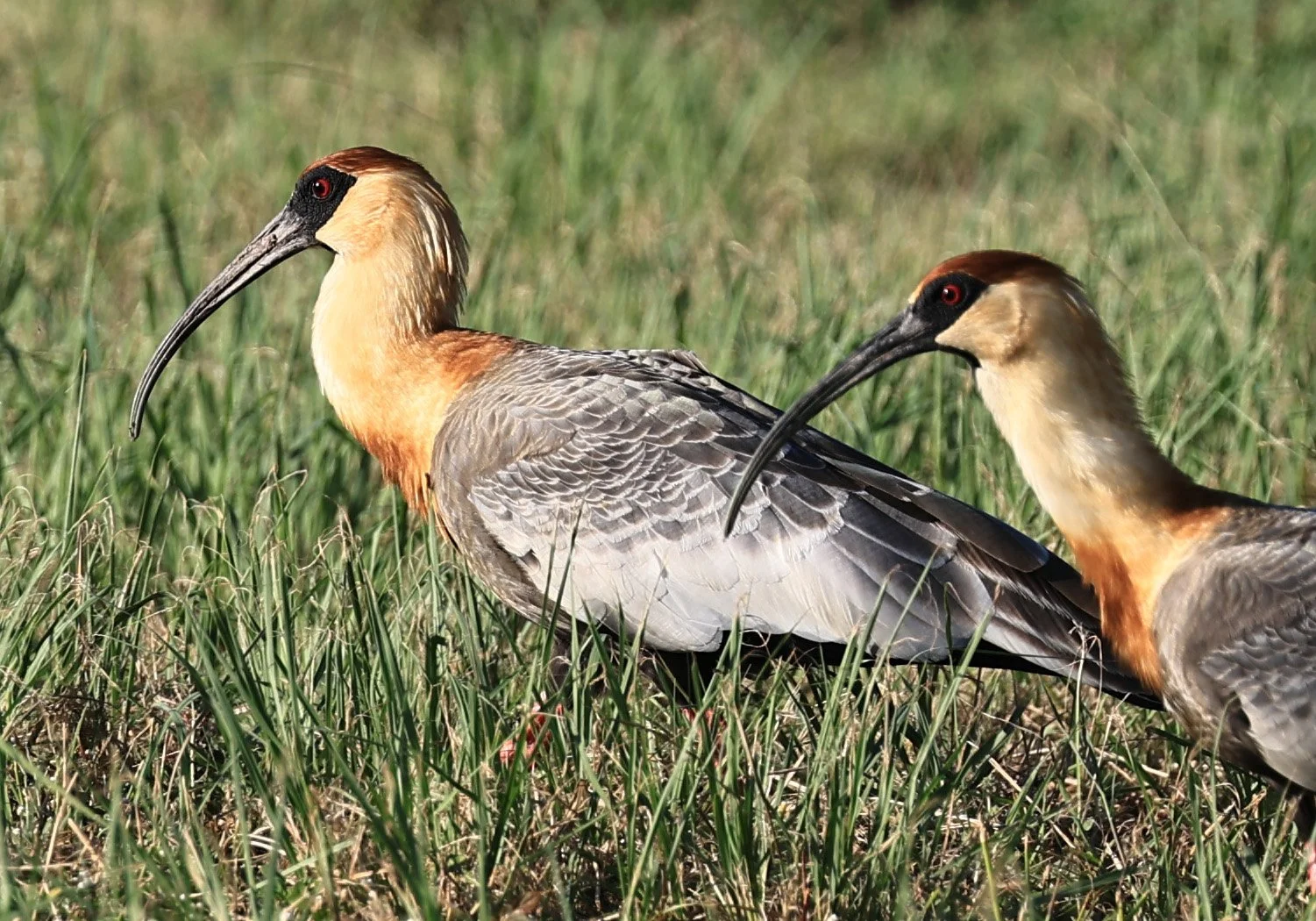
Buff-necked Ibis (Theristicus caudatus)
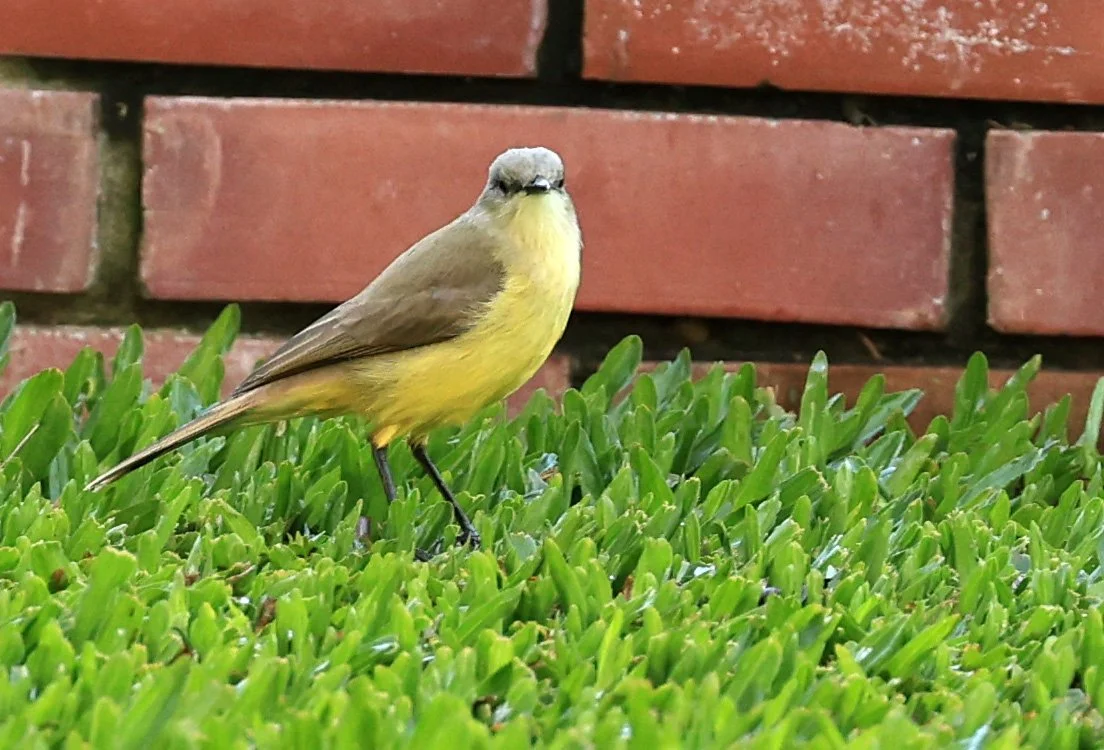
Cattle Tyrant (Machetornis rixosa)
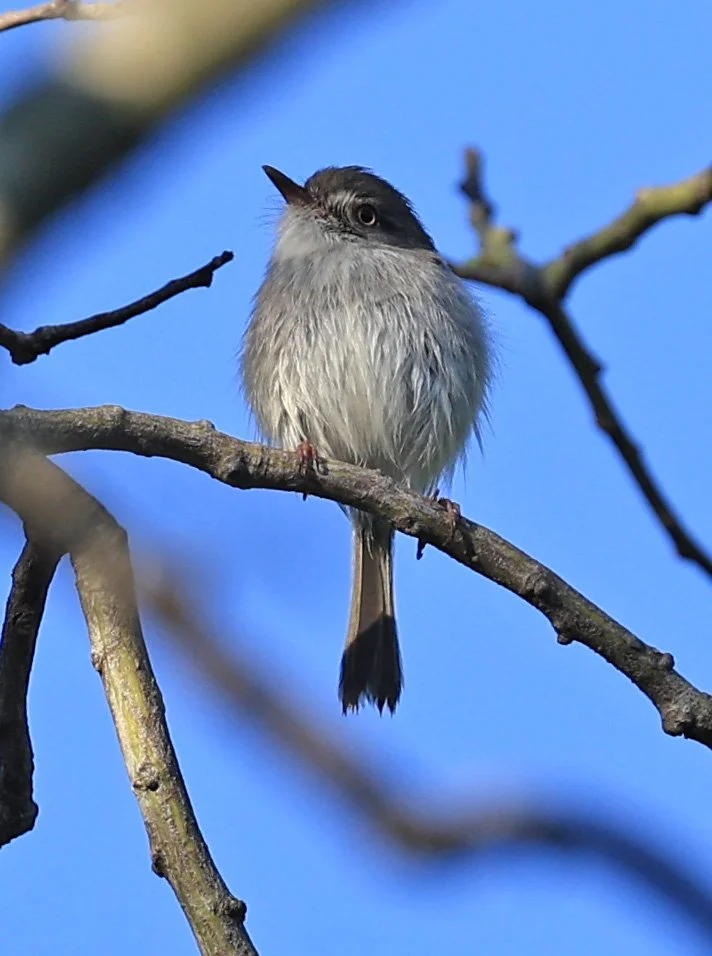
Pearly-vented Tody-Tyrant (Hemitriccus margaritaceiventer) Campo-i
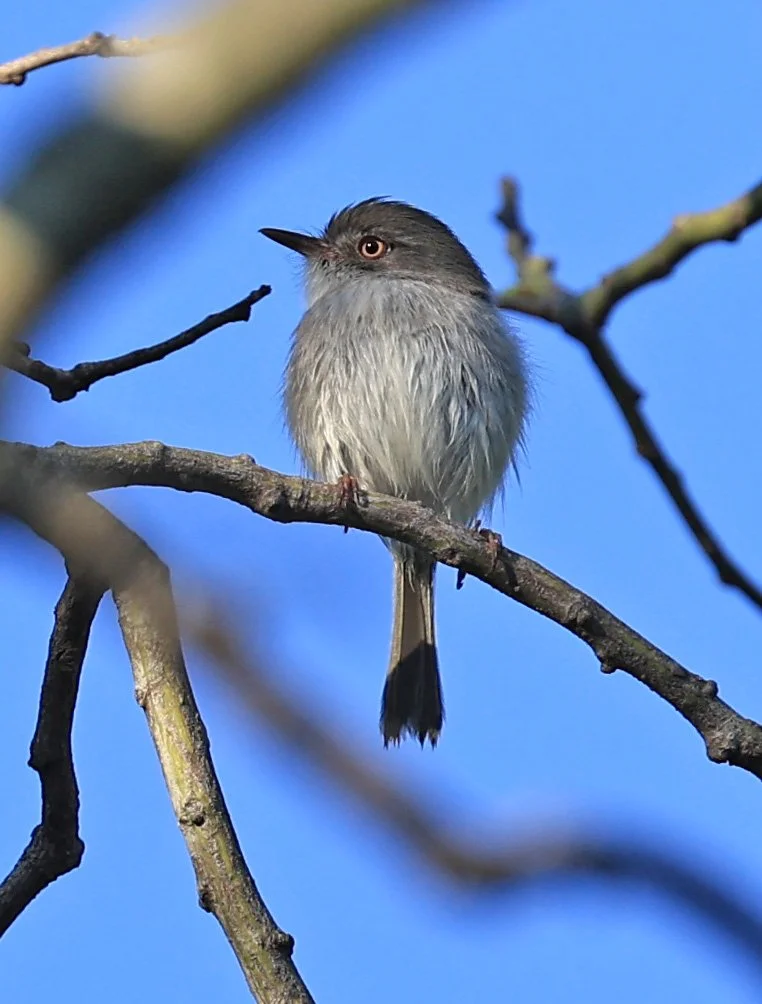
Pearly-vented Tody-Tyrant (Hemitriccus margaritaceiventer) Campo-i
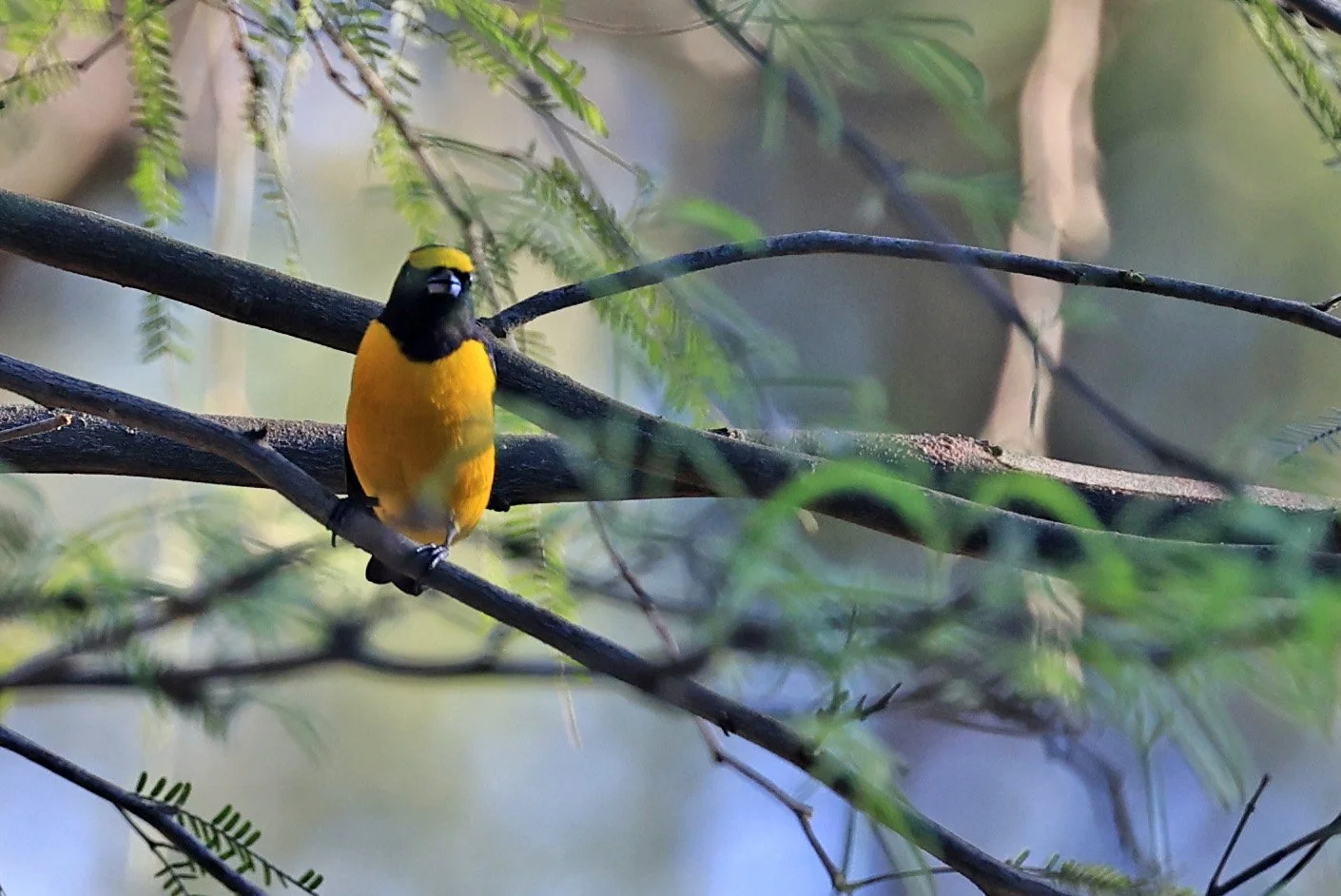
Purple-throated Euphonia (Euphonia chlorotica)
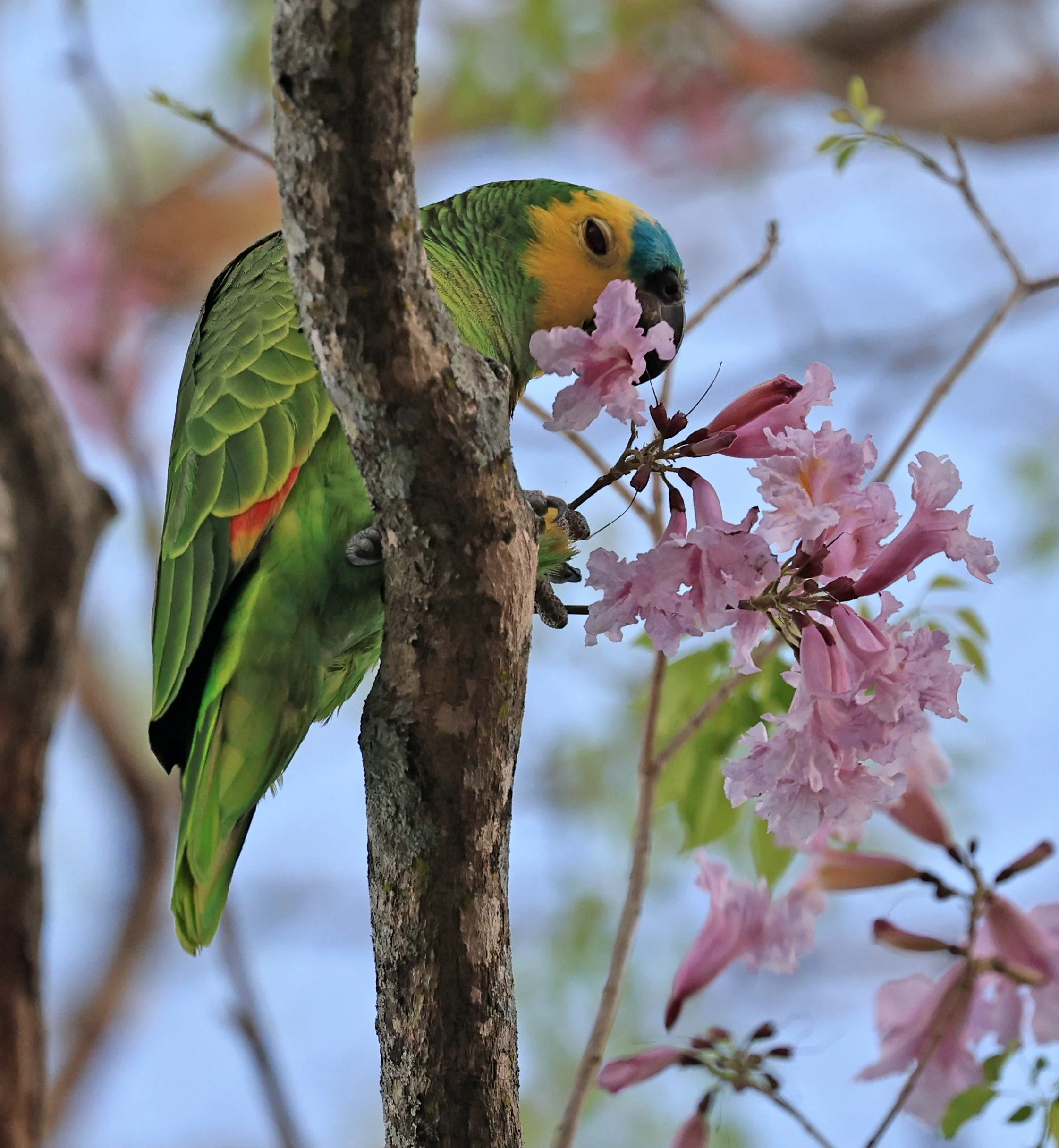
Blue-fronted Amazon (Amazona aestiva)
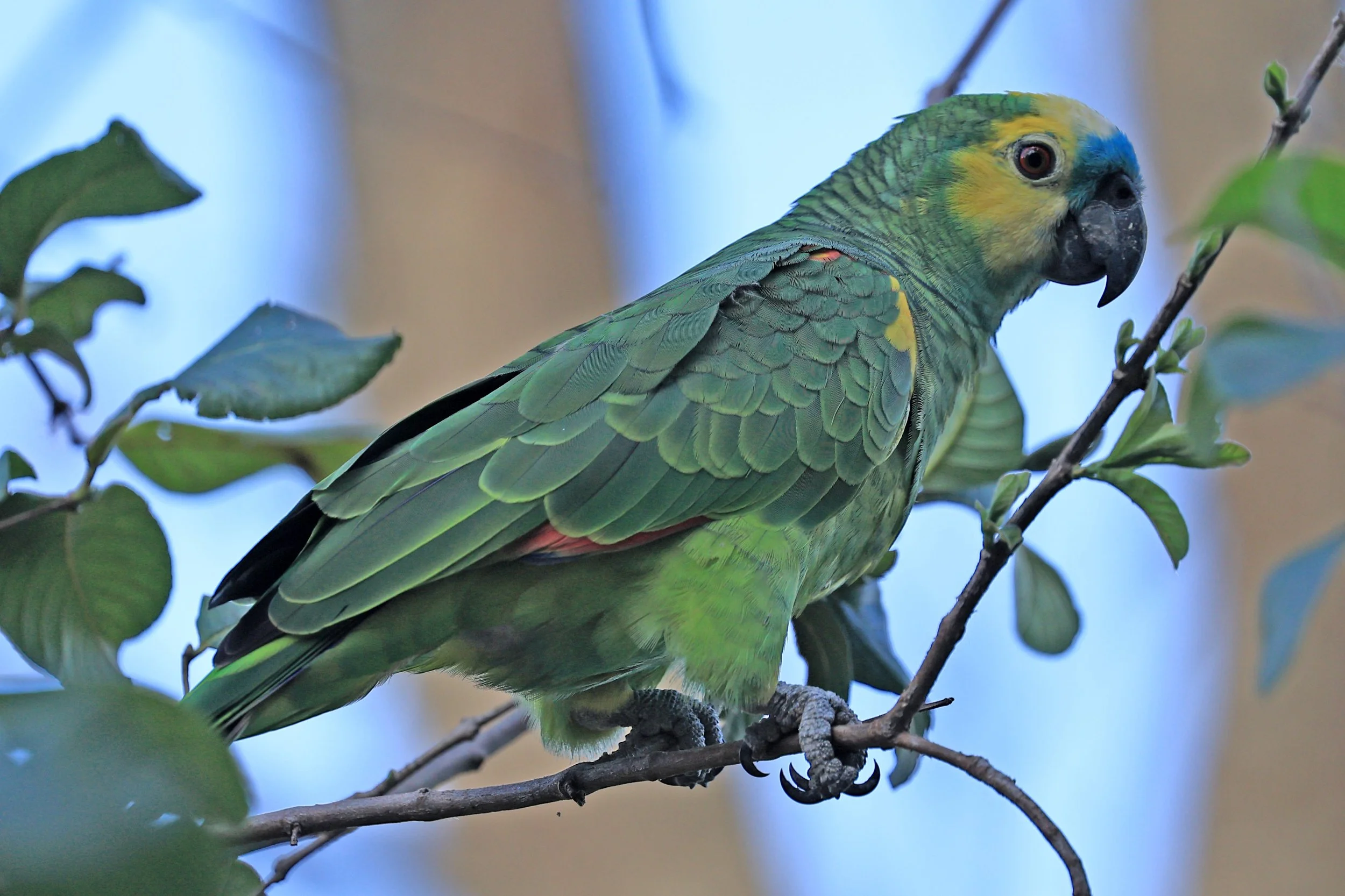
Blue-fronted Amazon (Amazona aestiva)
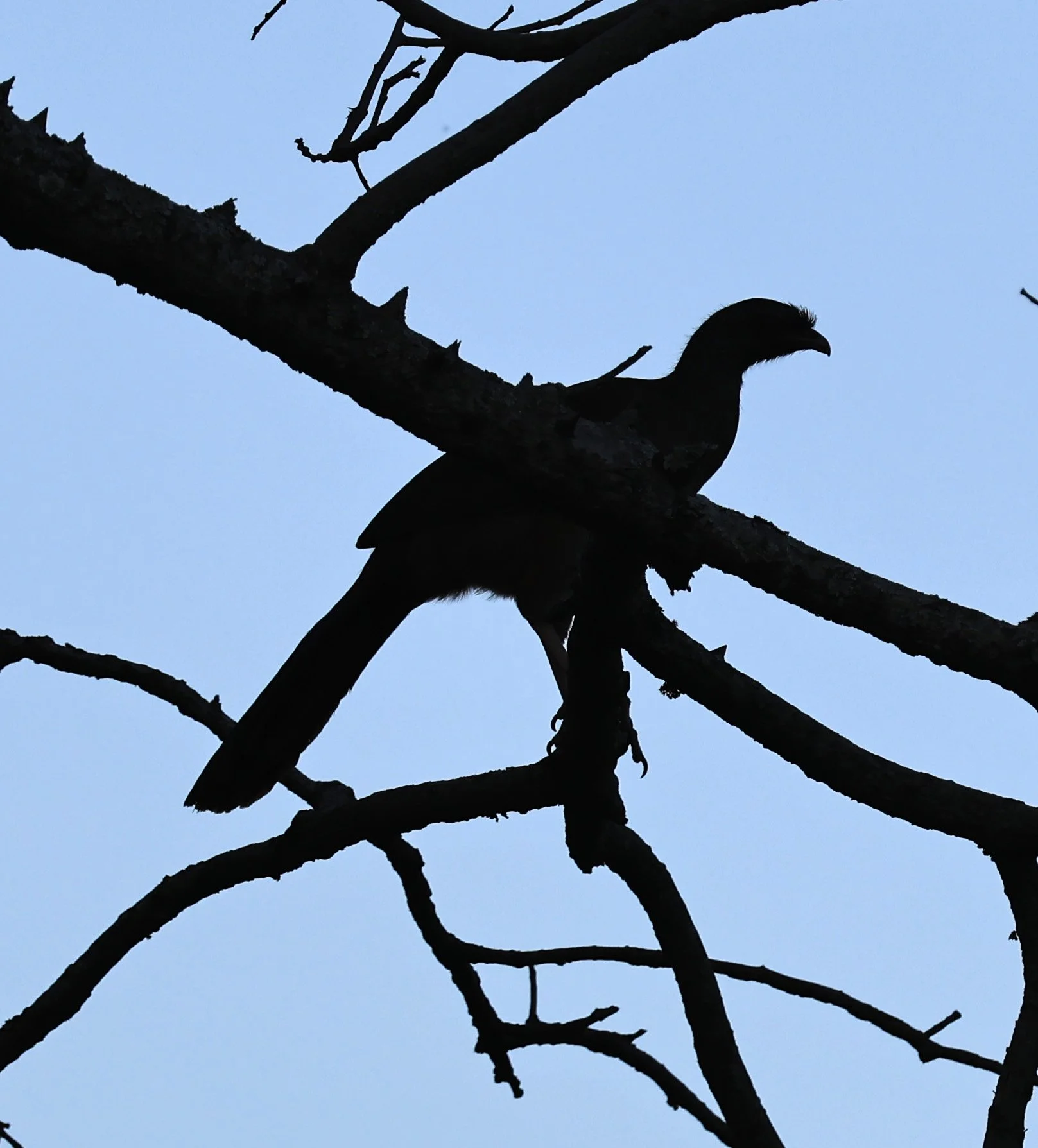
Chaco Chachalaca (Ortalis canicollis)
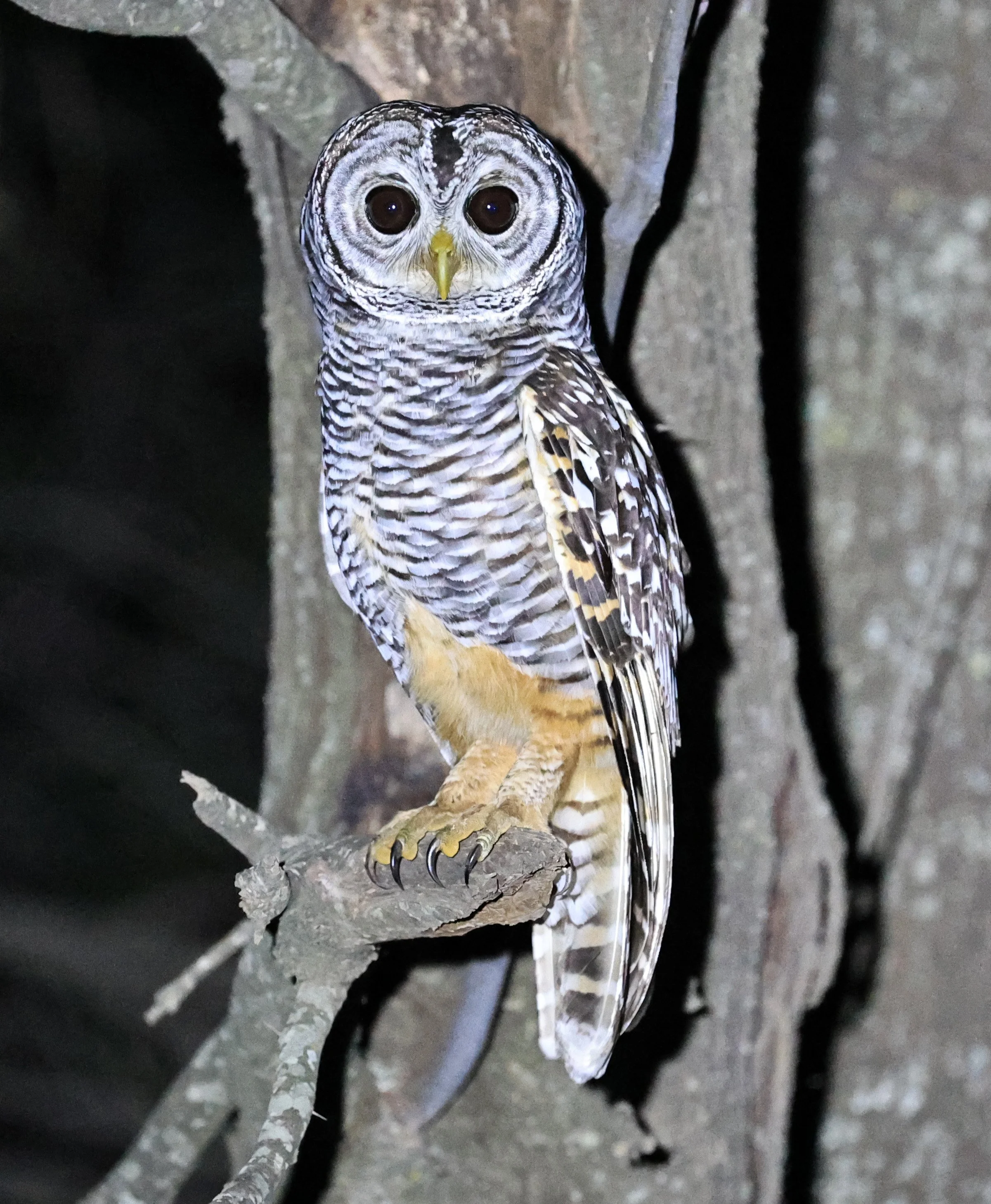
Chaco Owl (Strix chacoensis)
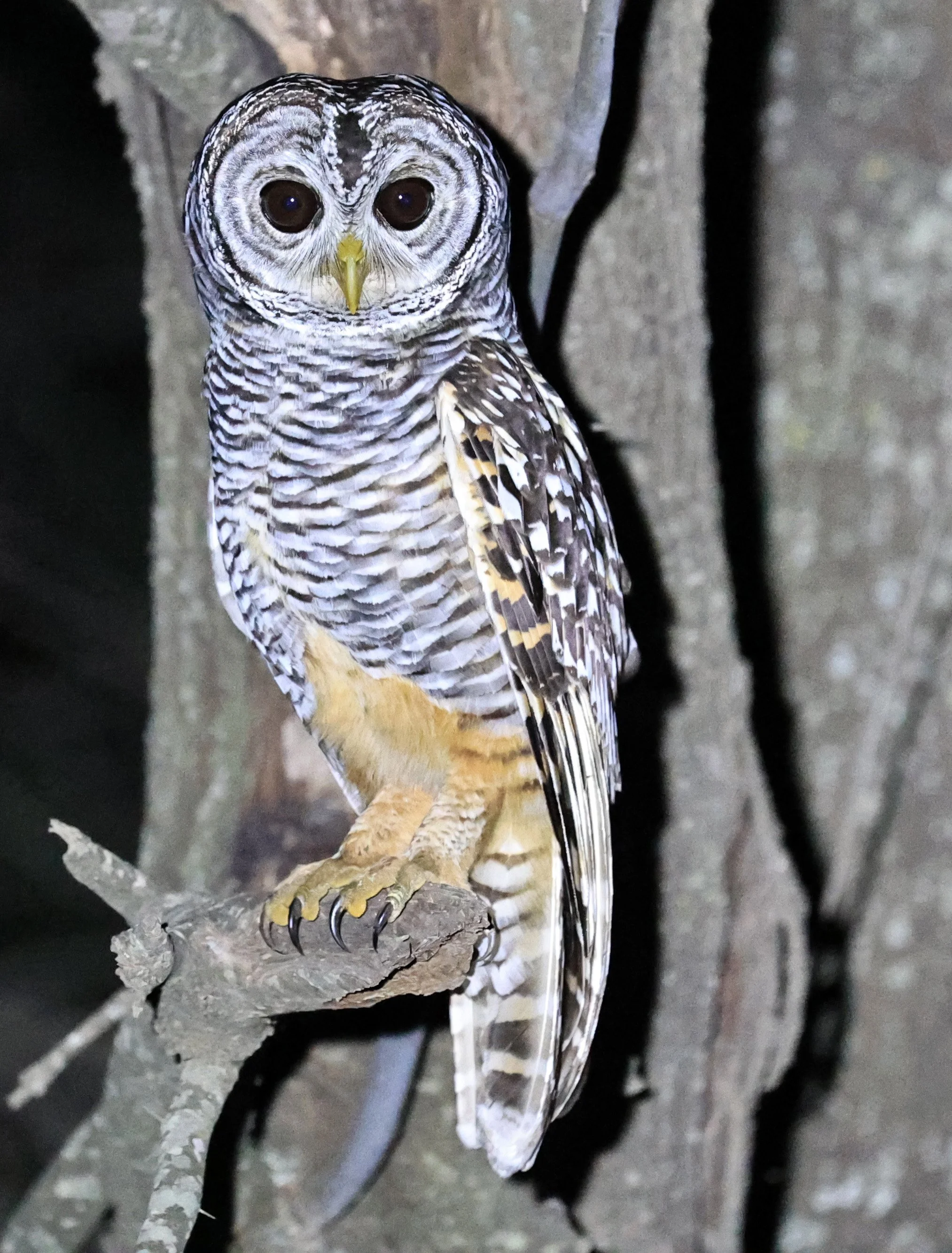
Chaco Owl (Strix chacoensis)
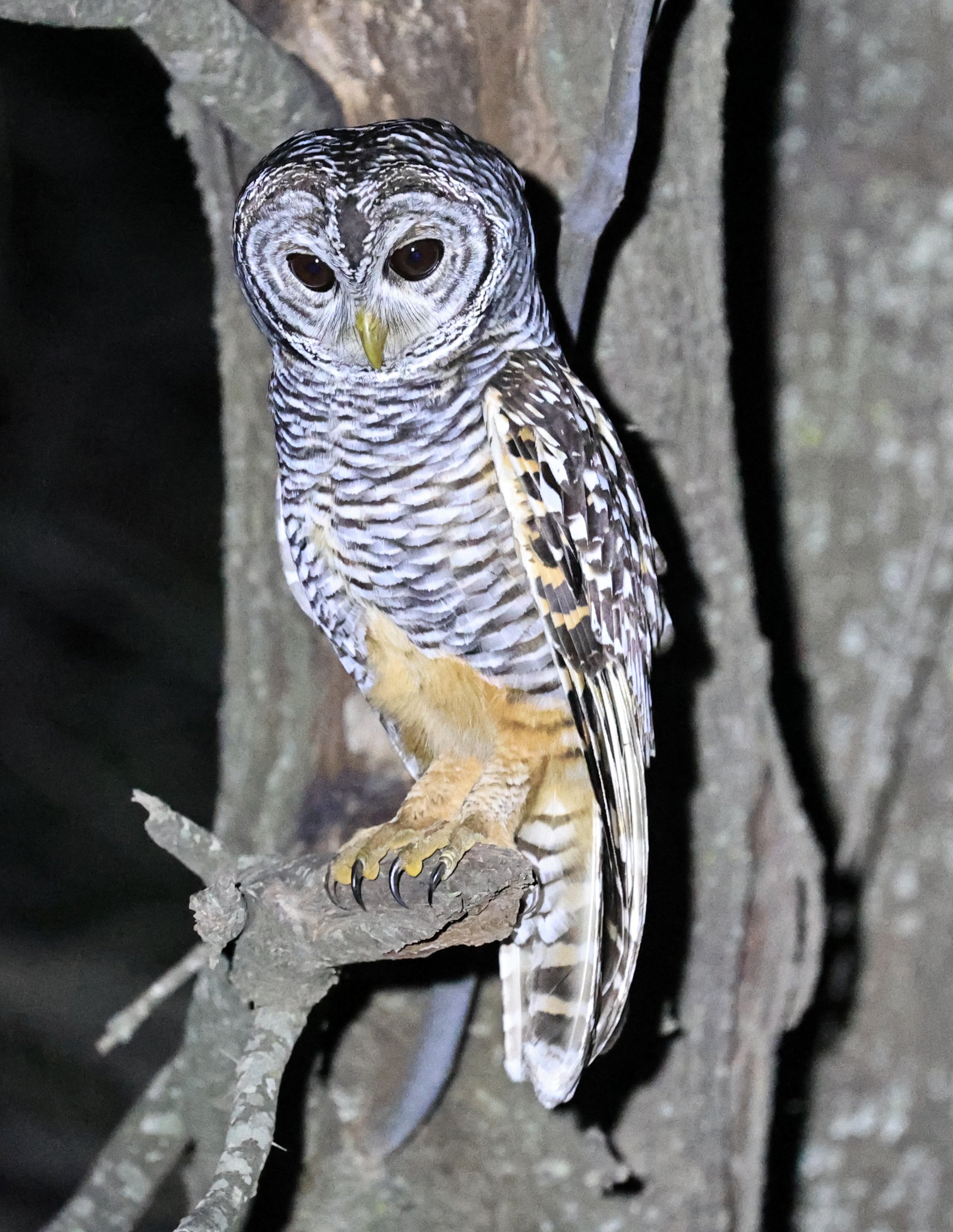
Chaco Owl (Strix chacoensis)
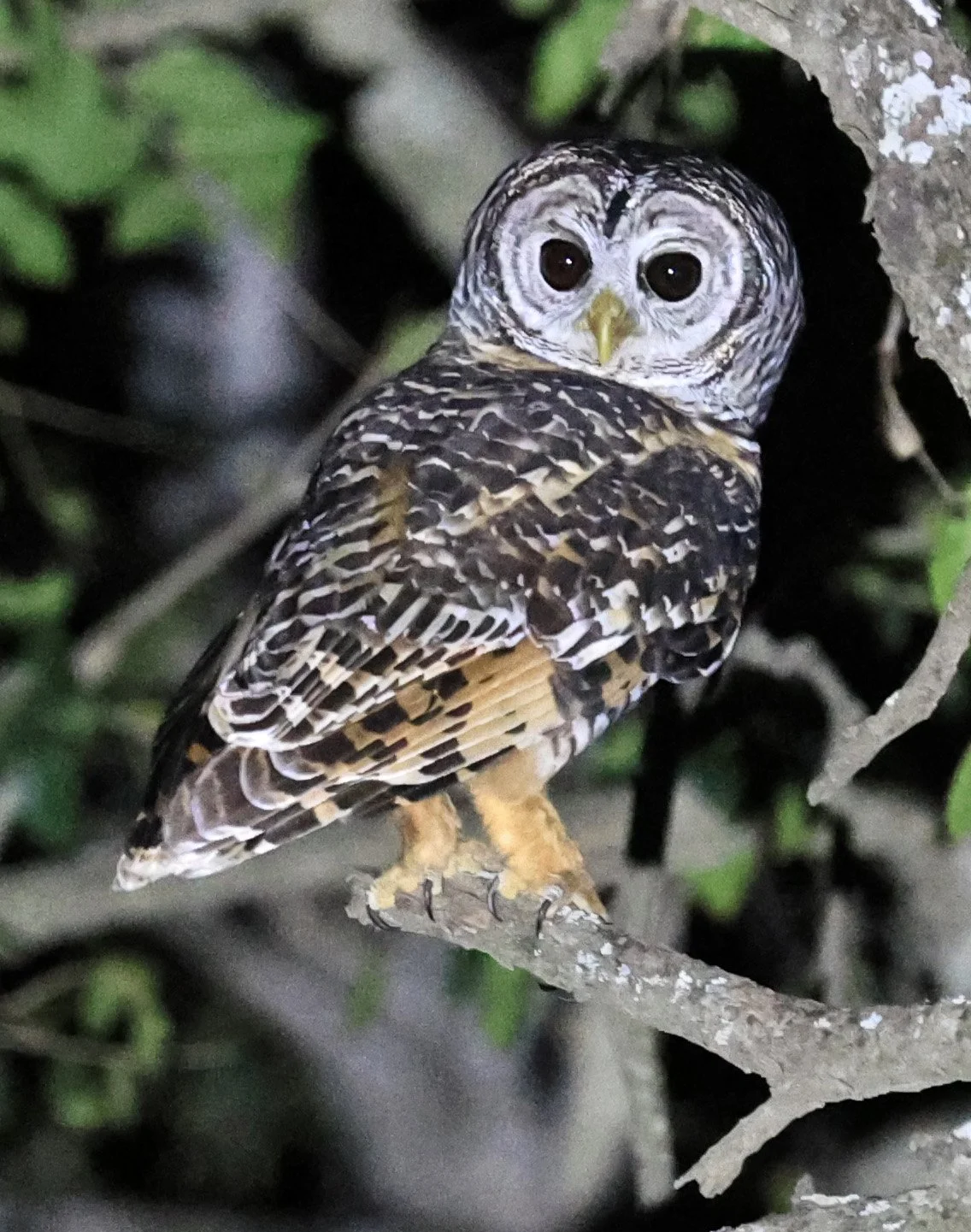
Chaco Owl (Strix chacoensis)
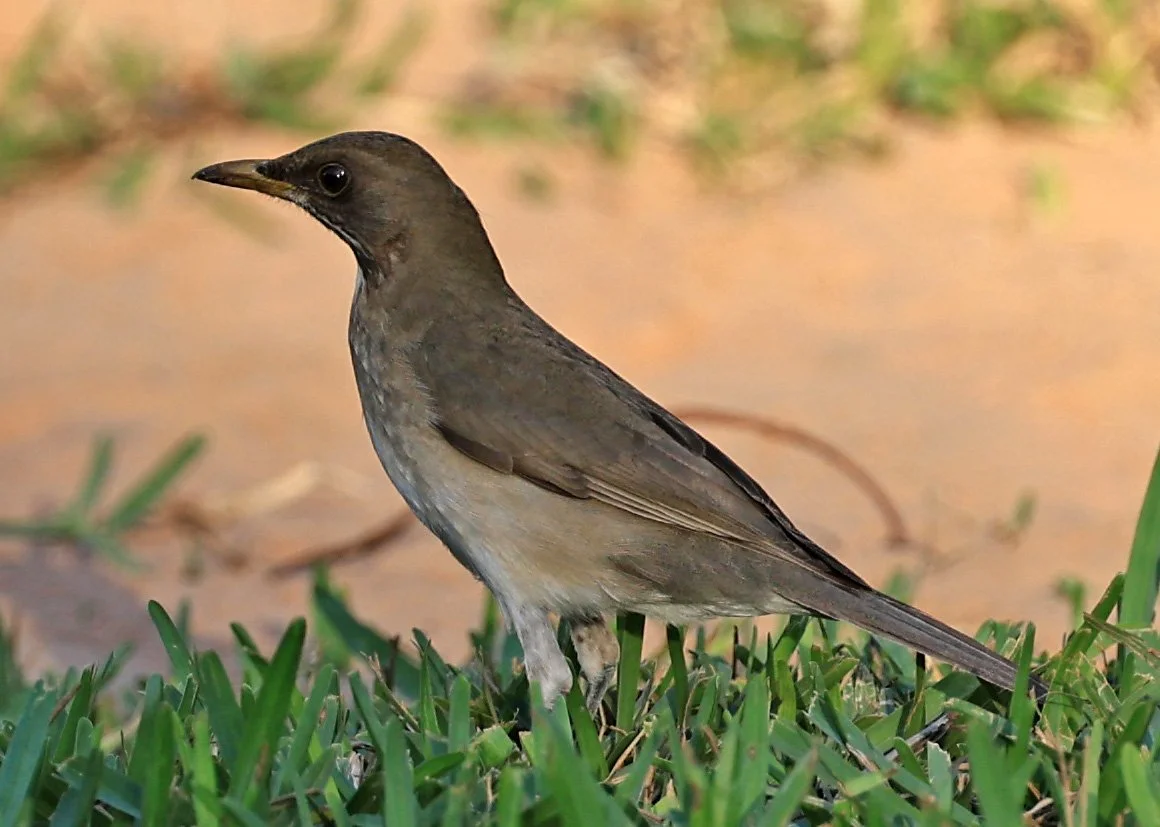
Creamy-bellied Thrush (Turdus amaurochalinus)
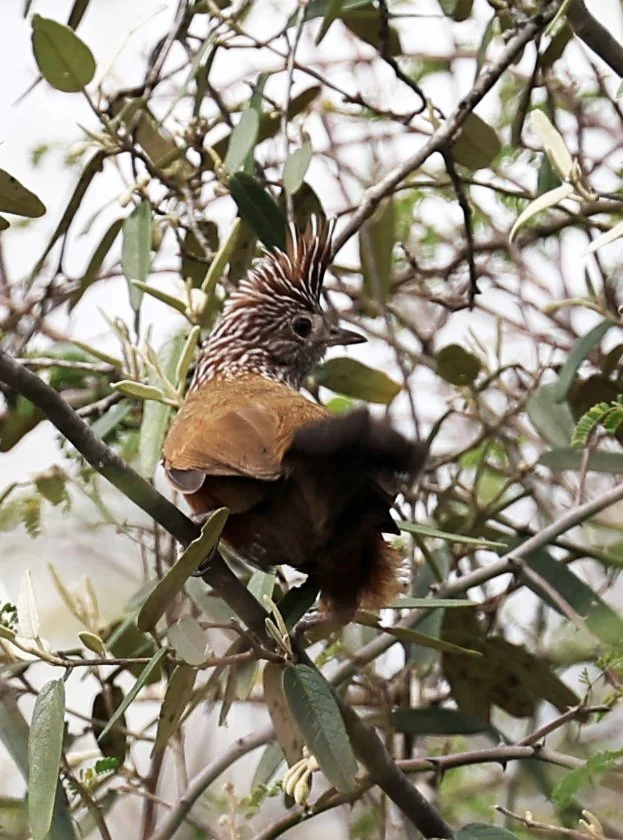
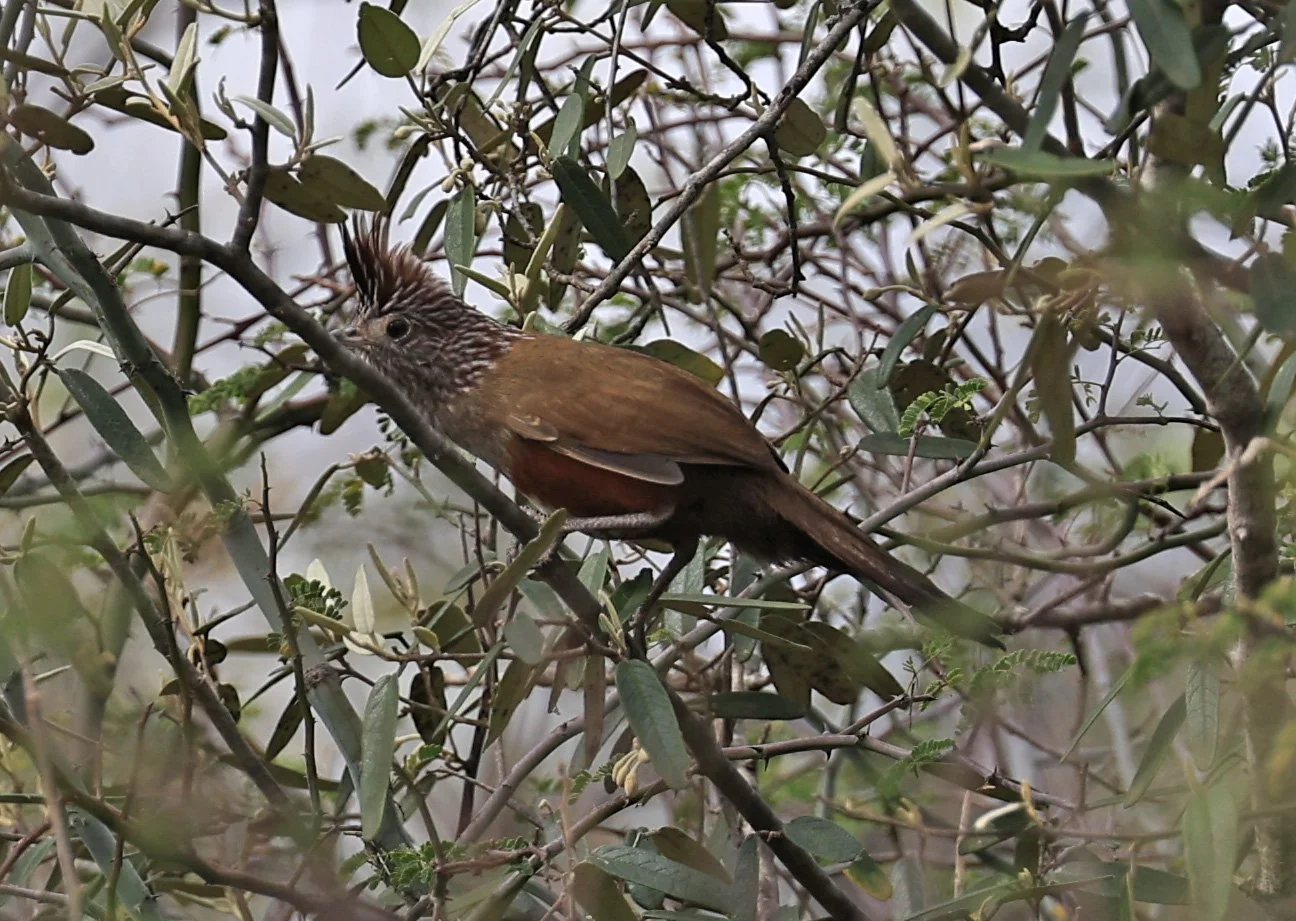
Crested Gallito (Rhinocrypta lanceolata) La Patria Sideroads Paraguay
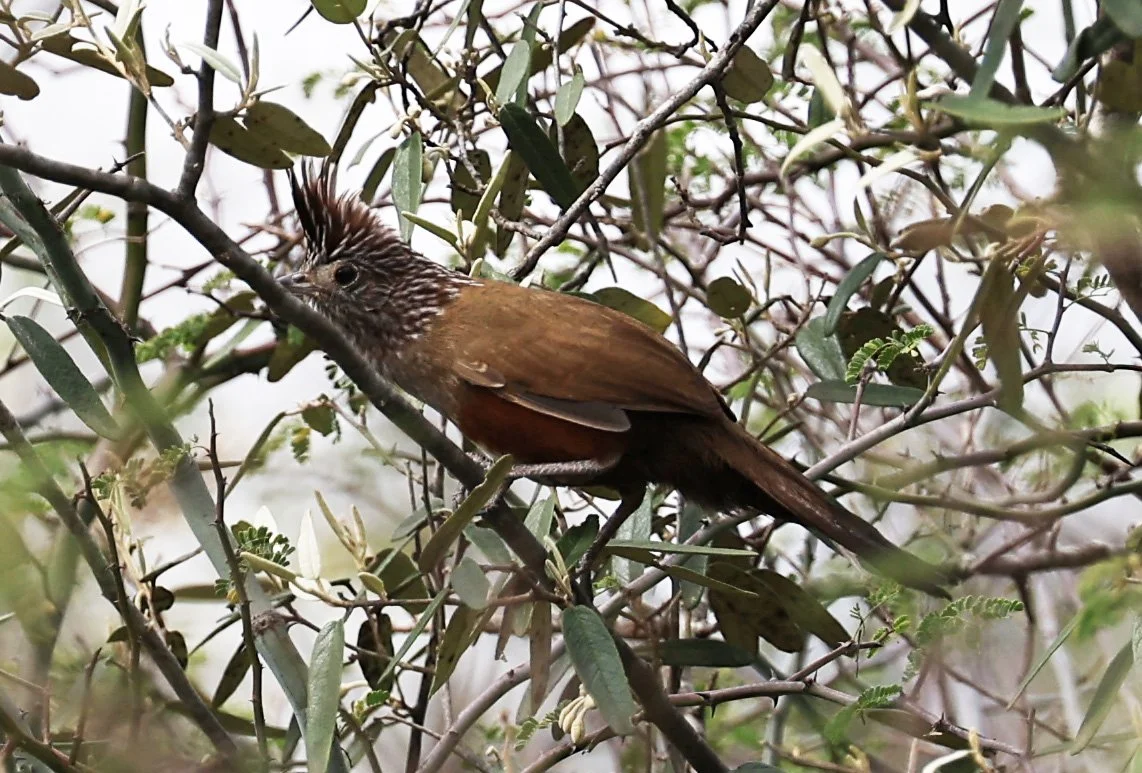
Crested Gallito (Rhinocrypta lanceolata) La Patria Sideroads Paraguay
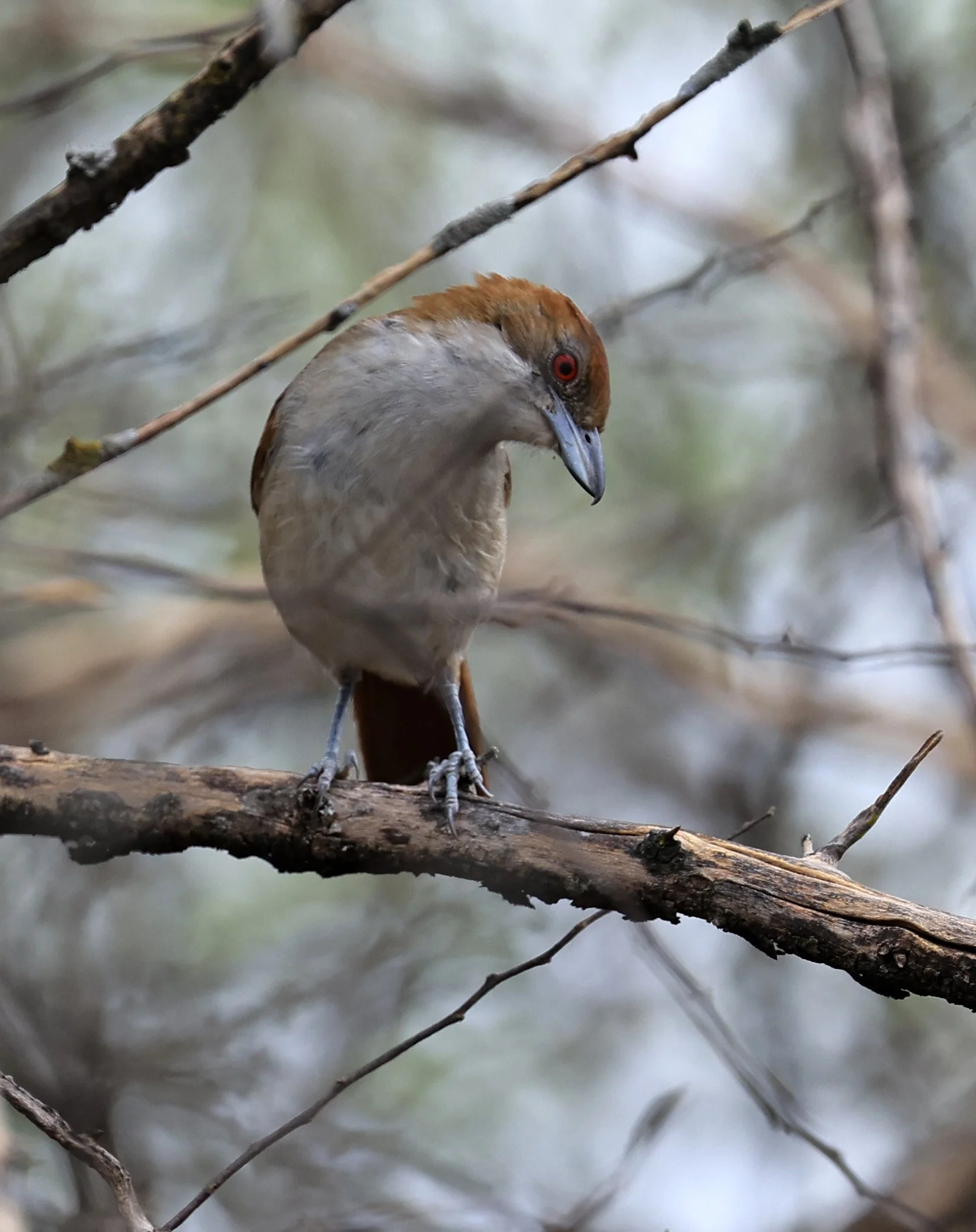
Crested Gallito (Rhinocrypta lanceolata) La Patria Sideroads Paraguay
Great Antshrike (Taraba major) Campo-i
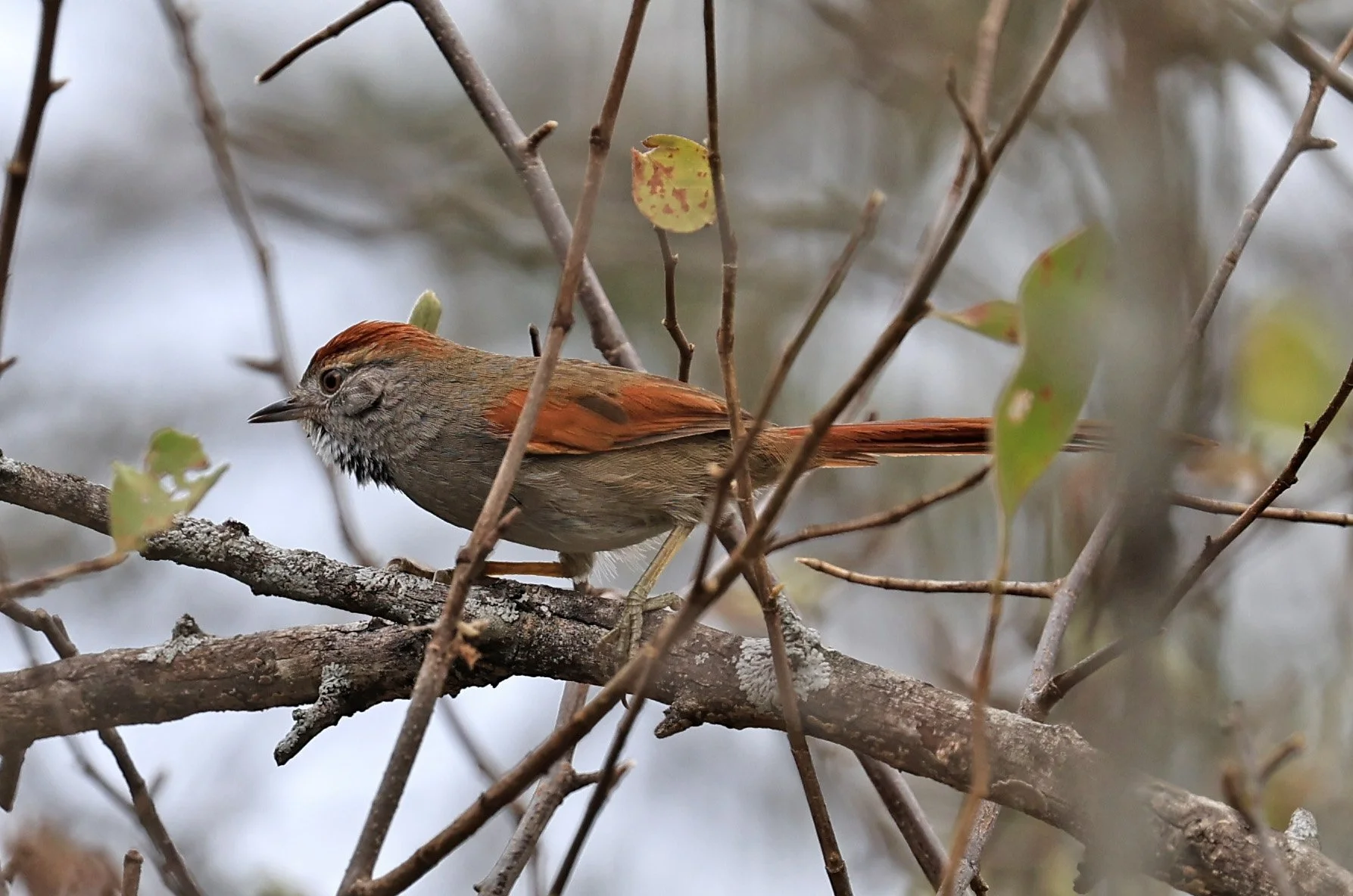
Sooty-fronted Spinetail (Synallaxis frontalis) La Patria Sideroads Paraguay
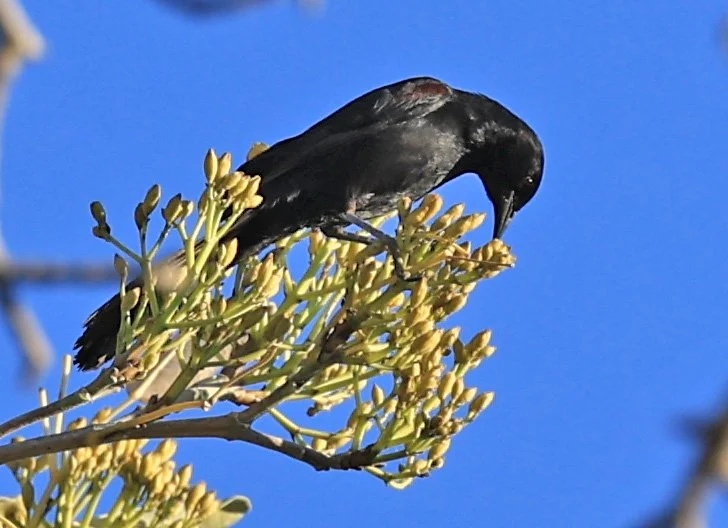
Variable Oriole (Icterus pyrrhopterus) Estancia Campo'í Paraguay
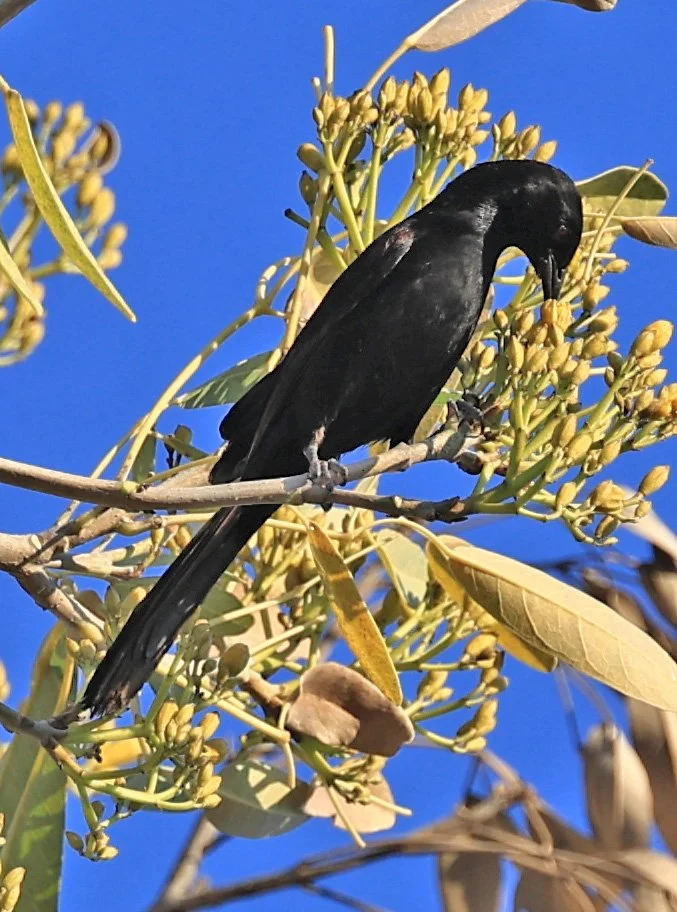
Variable Oriole (Icterus pyrrhopterus) Estancia Campo'í Paraguay
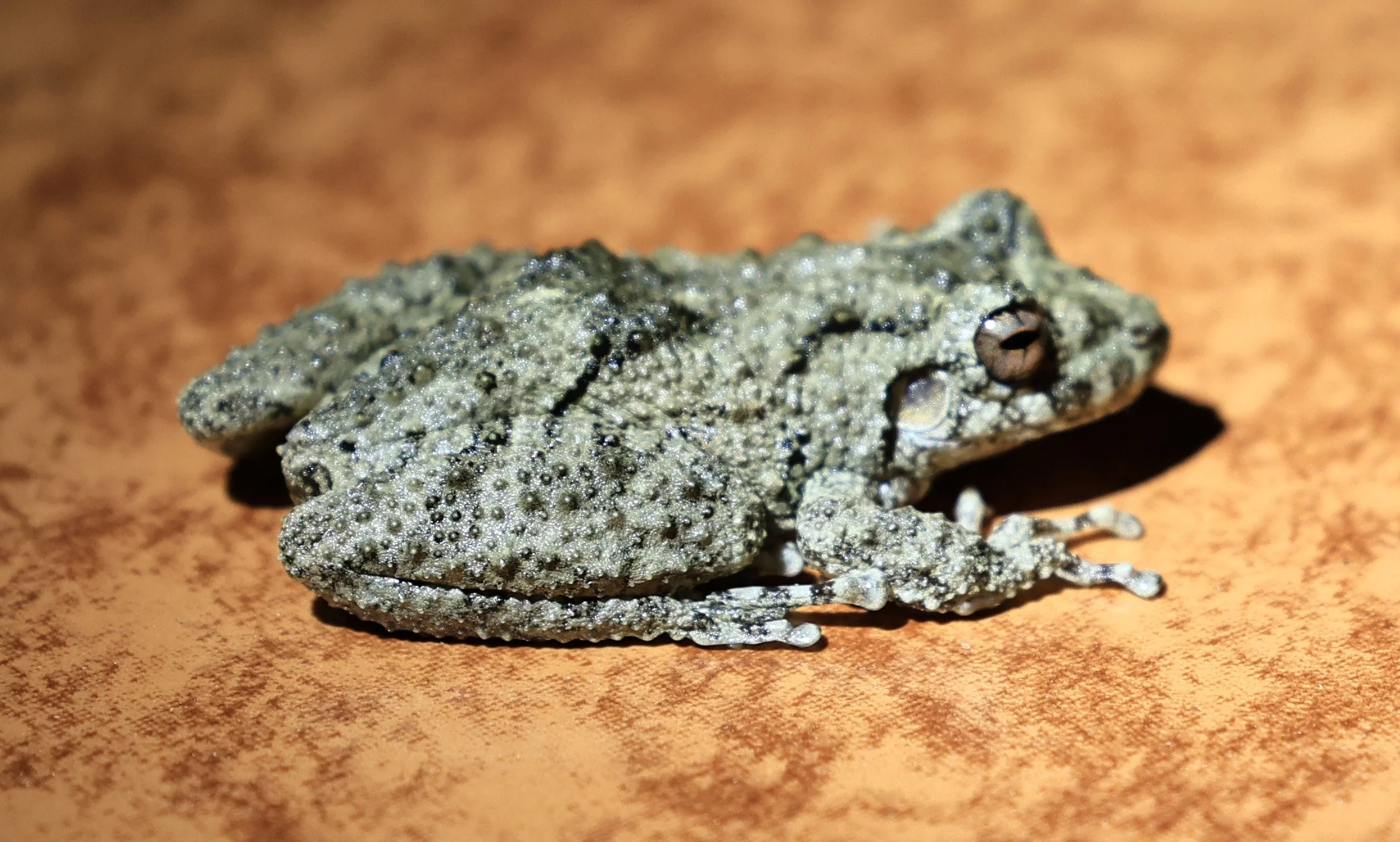
Mato Grosso Snouted Tree Frog or Warty Snouted Tree Frog (Scinax acuminatus) Estancia Campo'í Paraguay
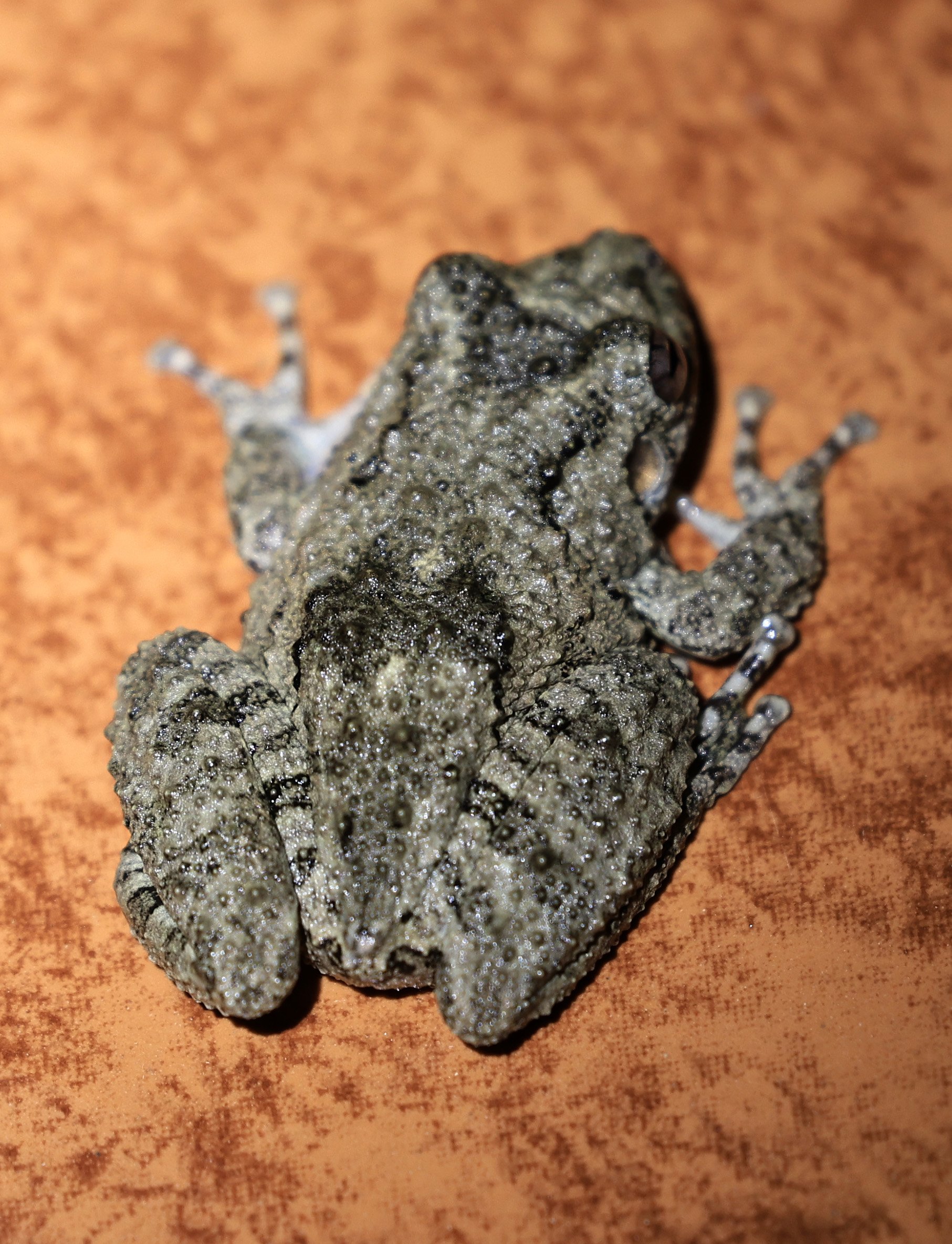
Mato Grosso Snouted Tree Frog or Warty Snouted Tree Frog (Scinax acuminatus) Estancia Campo'í Paraguay
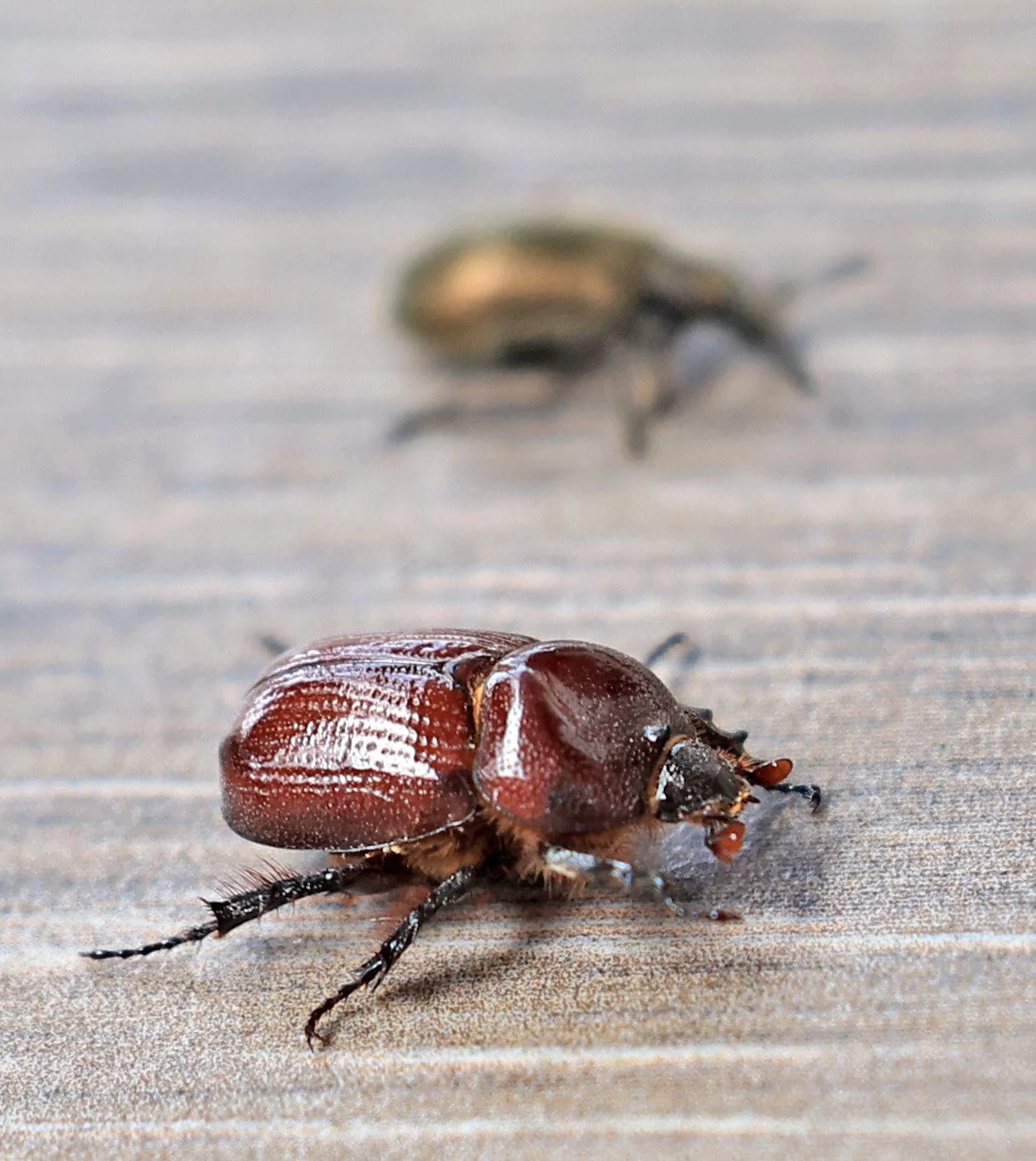
Sartori’s lesser rhino beetle (Bothynus sartori) La Patria Sideroads Paraguay
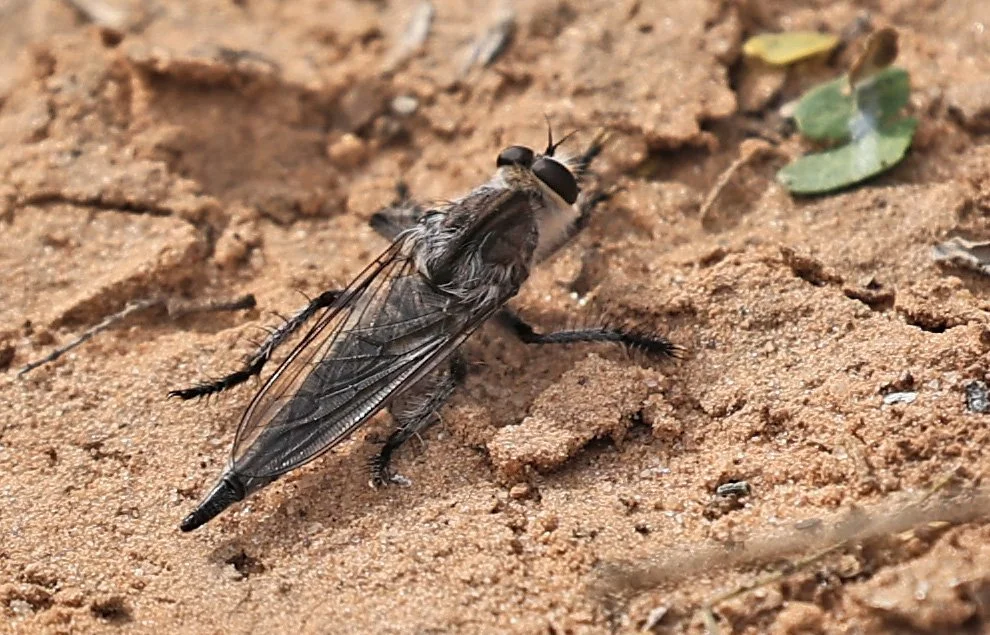
Triorla species - Asilidae - La Patria Sideroads Paraguay
Flora and Scenery of Estancia Campo'i
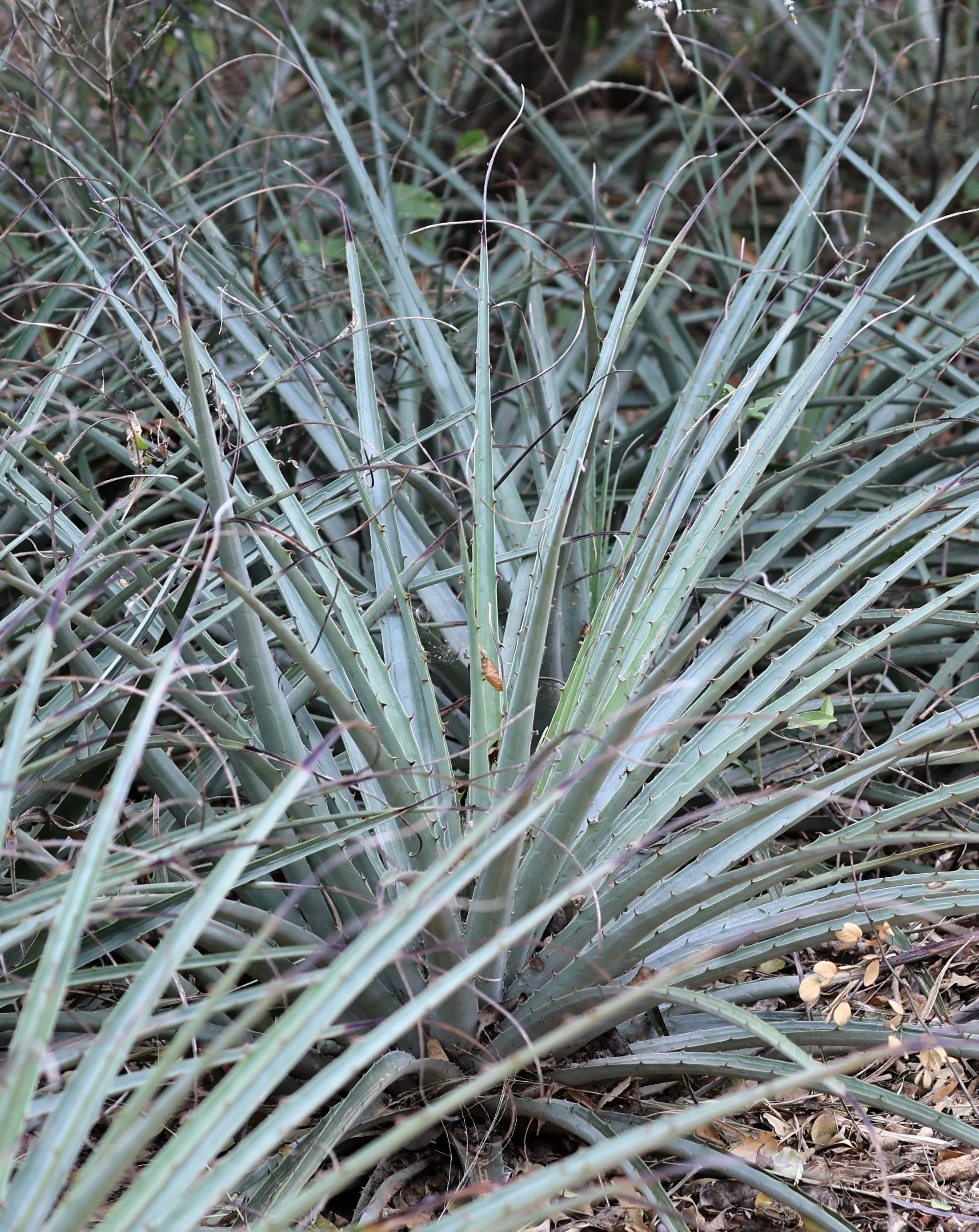
Bromelia serra - La Patria Sideroads Paraguay
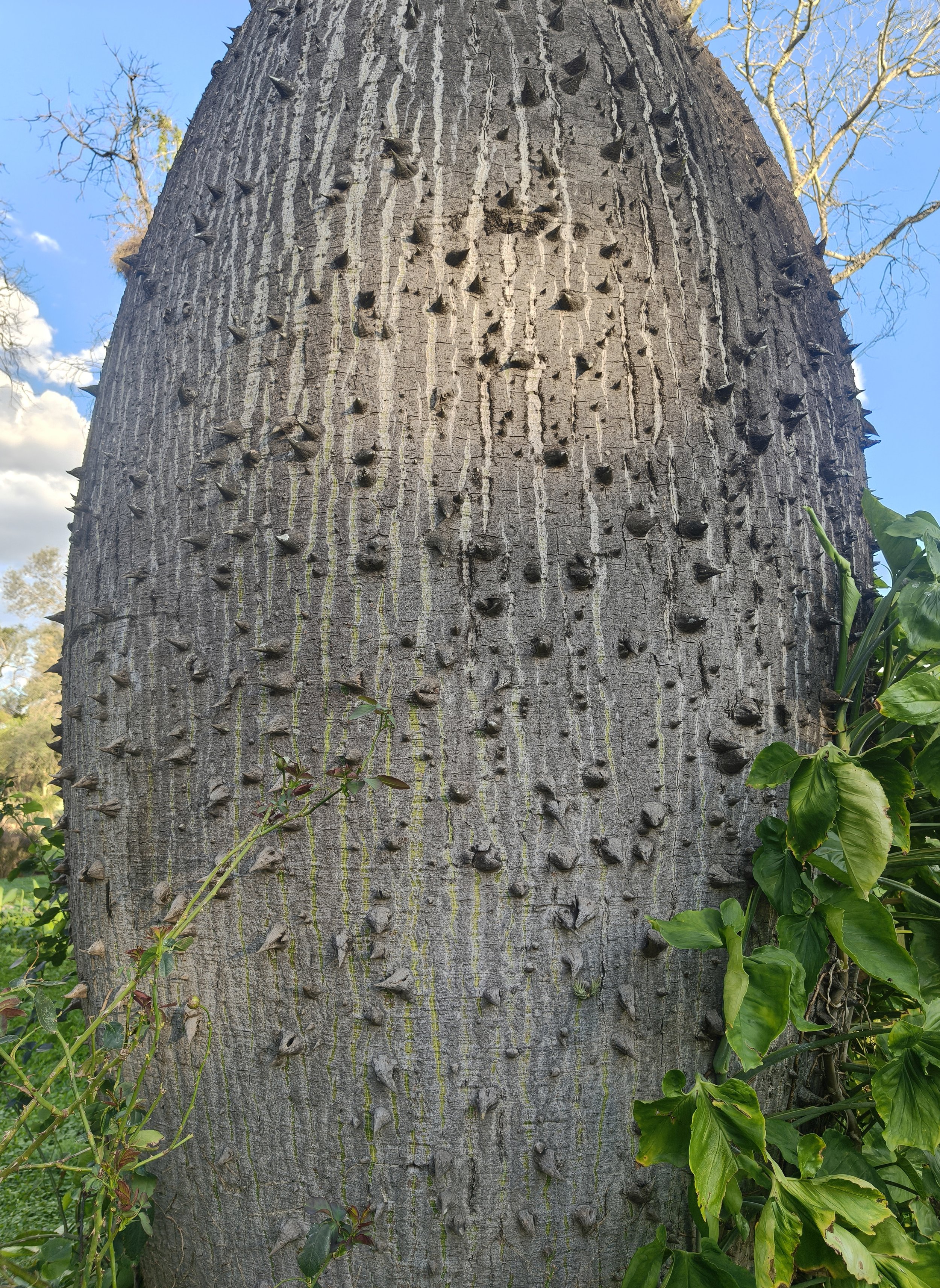
Ceiba chodatii
Ceiba chodatii
Ceiba chodatii
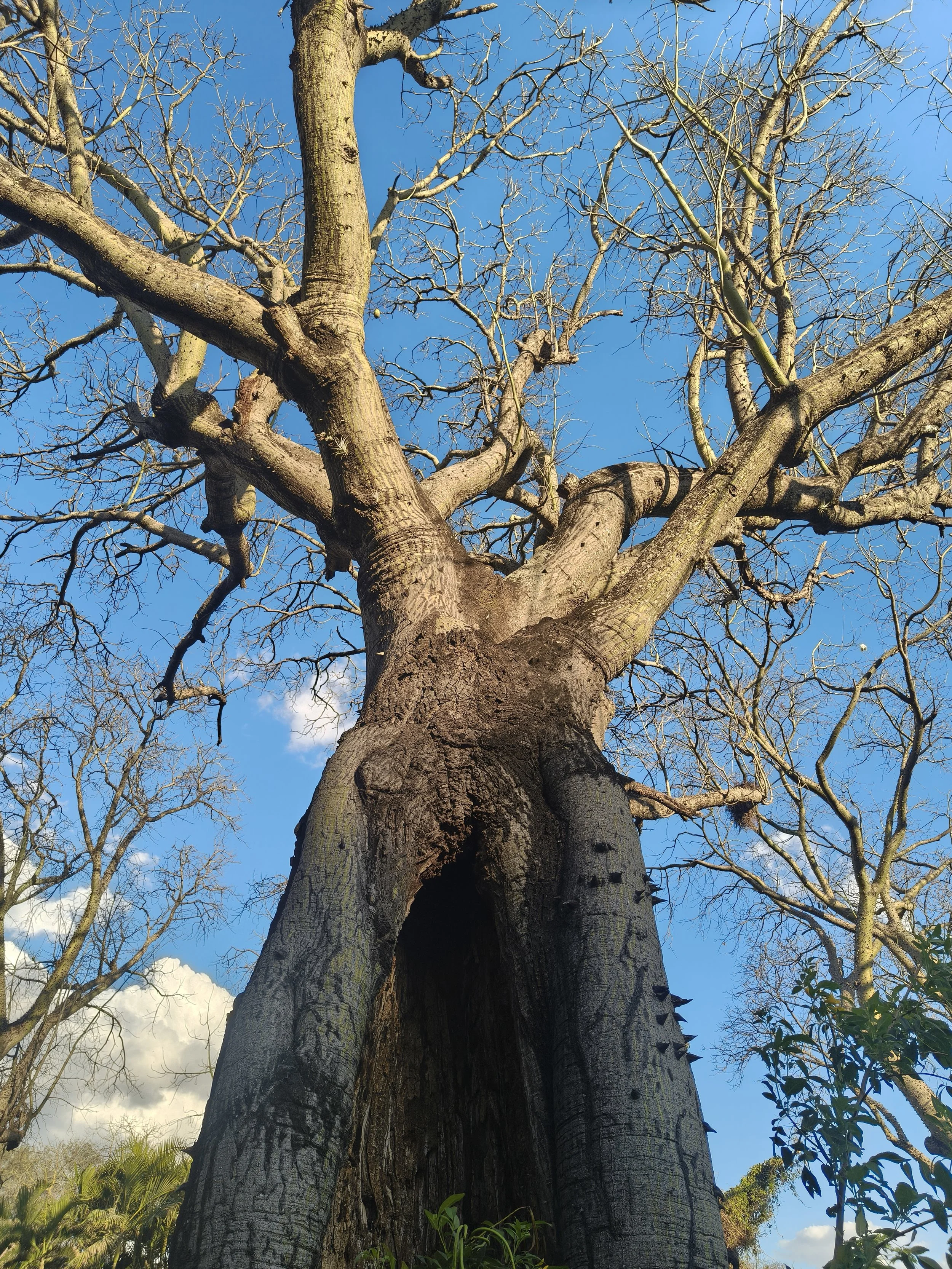
Ceiba chodatii
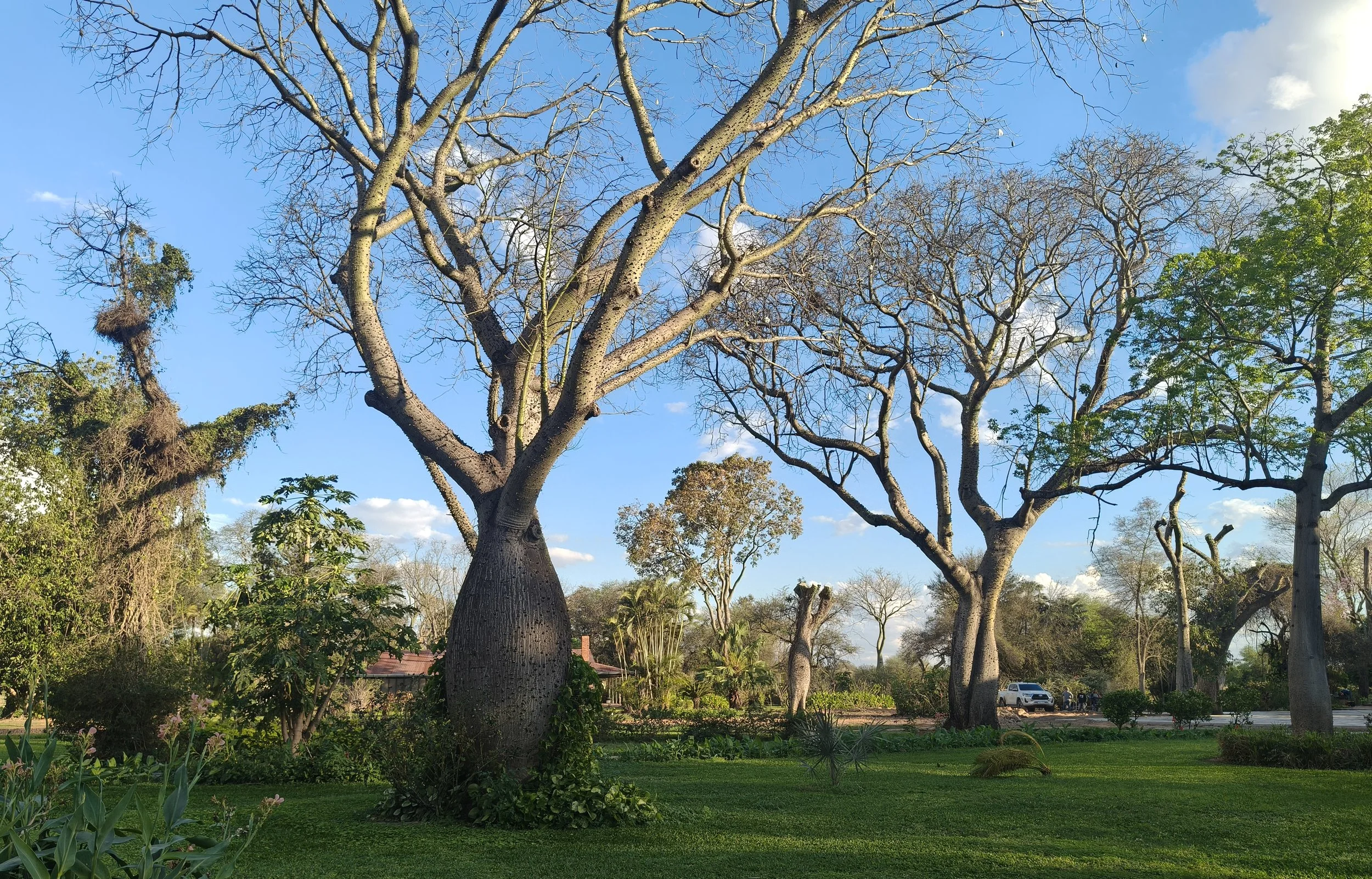
Ceiba chodatii
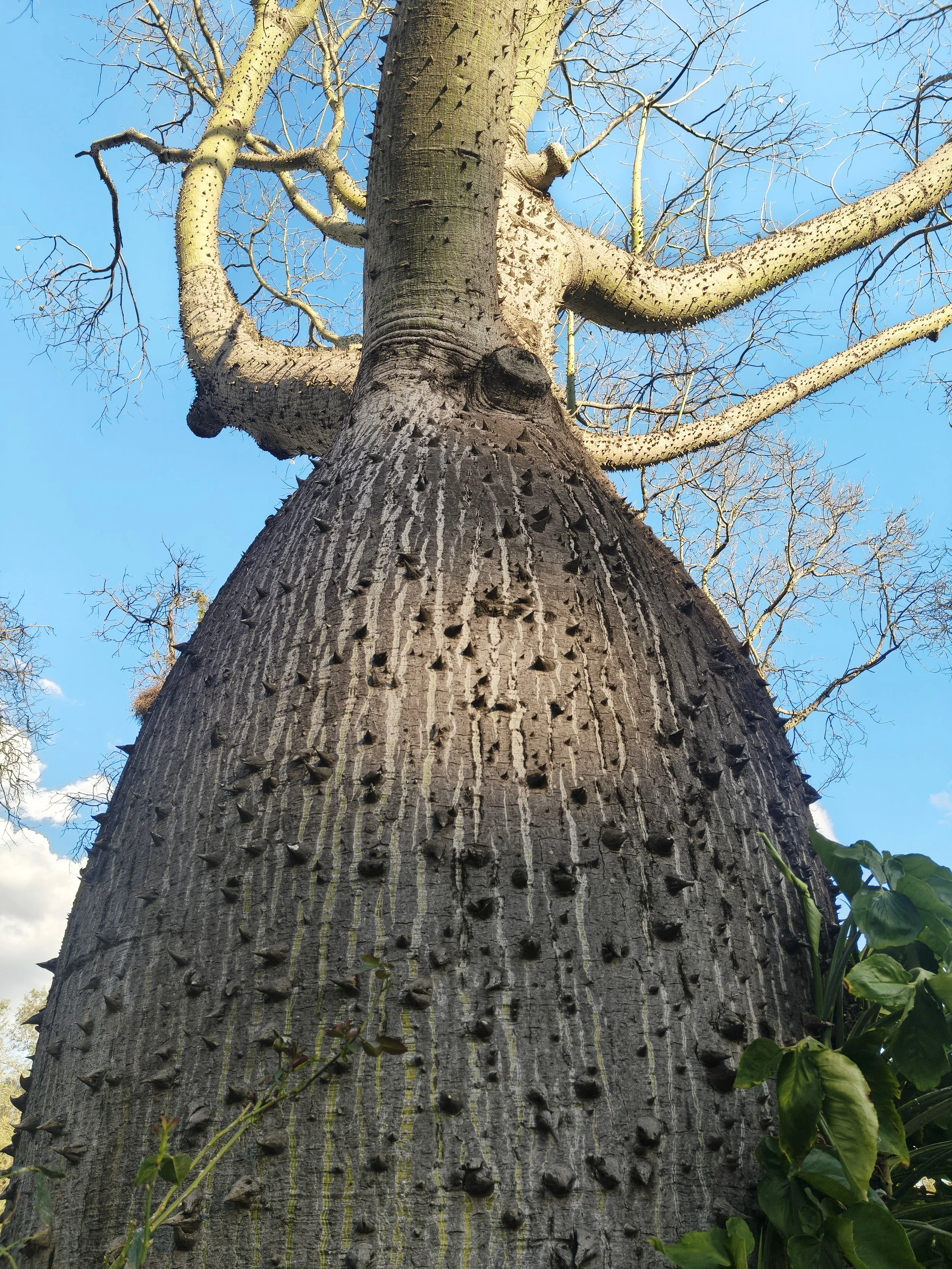
Ceiba chodatii
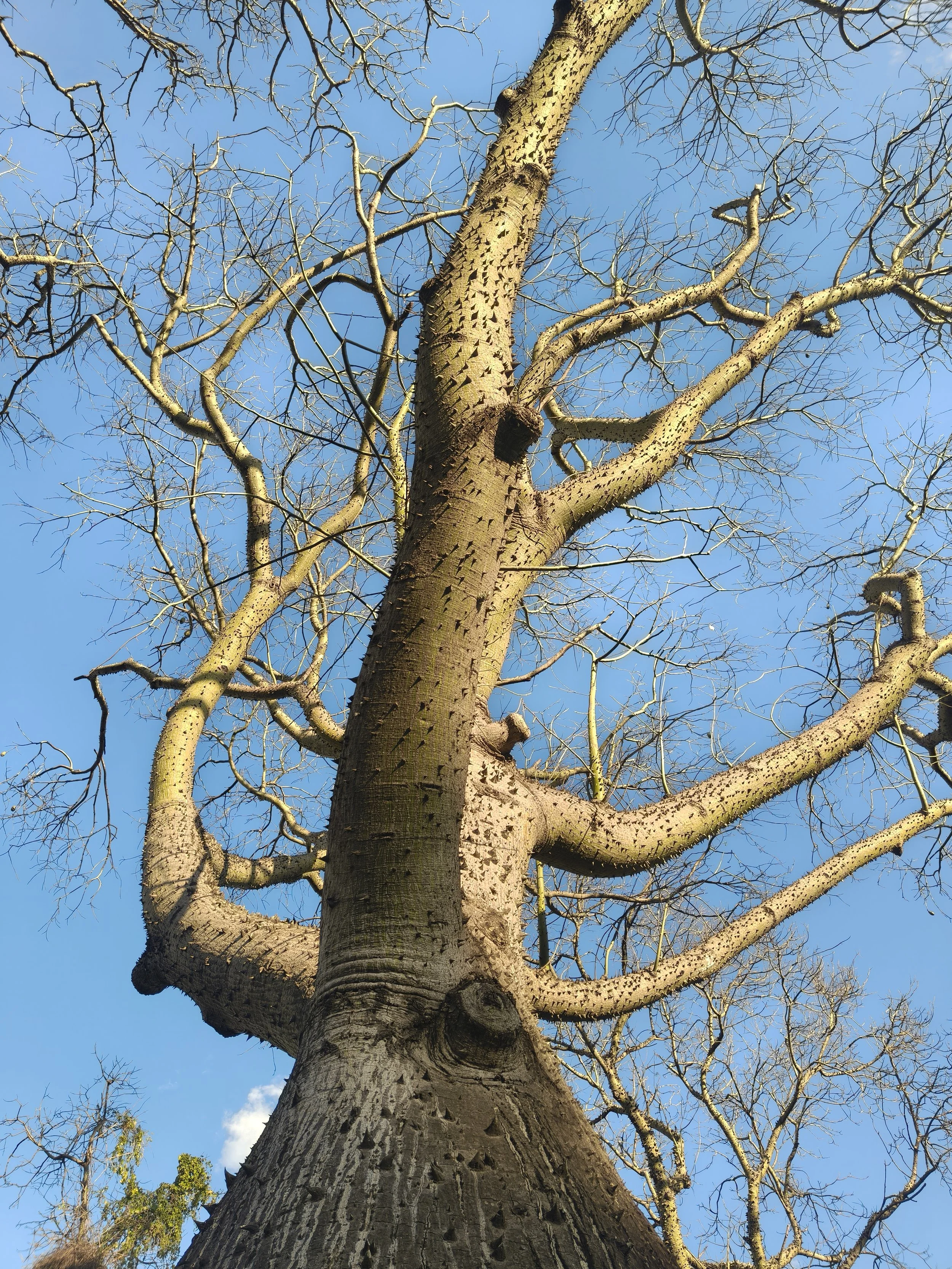
Ceiba chodatii

Chaco Torch Cactus (Cleistocactus baumannii) La Patria Sideroads Paraguay

Chaco Torch Cactus (Cleistocactus baumannii) La Patria Sideroads Paraguay

Chaco Torch Cactus (Cleistocactus baumannii) La Patria Sideroads Paraguay

Chaco Torch Cactus (Cleistocactus baumannii) La Patria Sideroads Paraguay
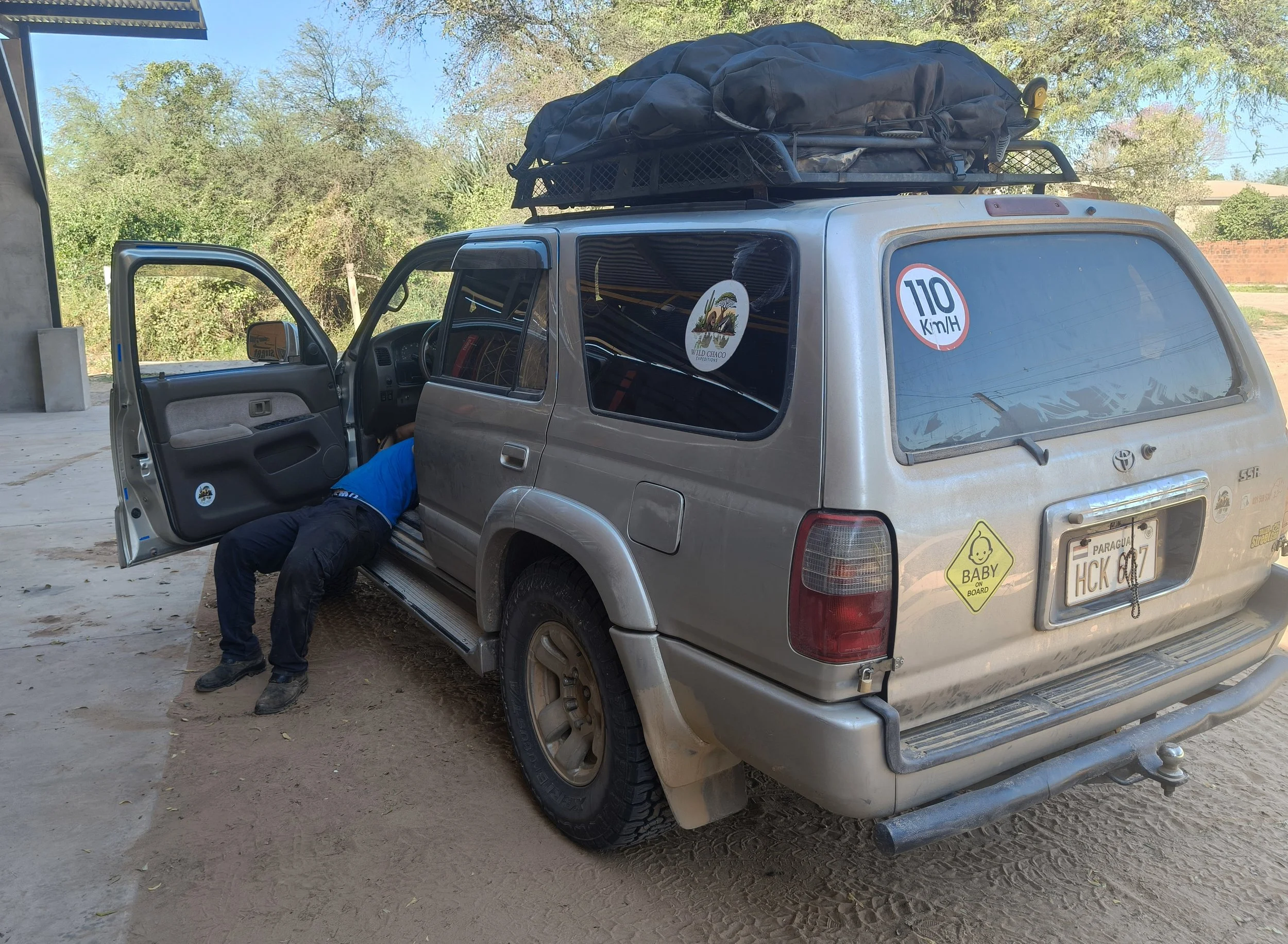
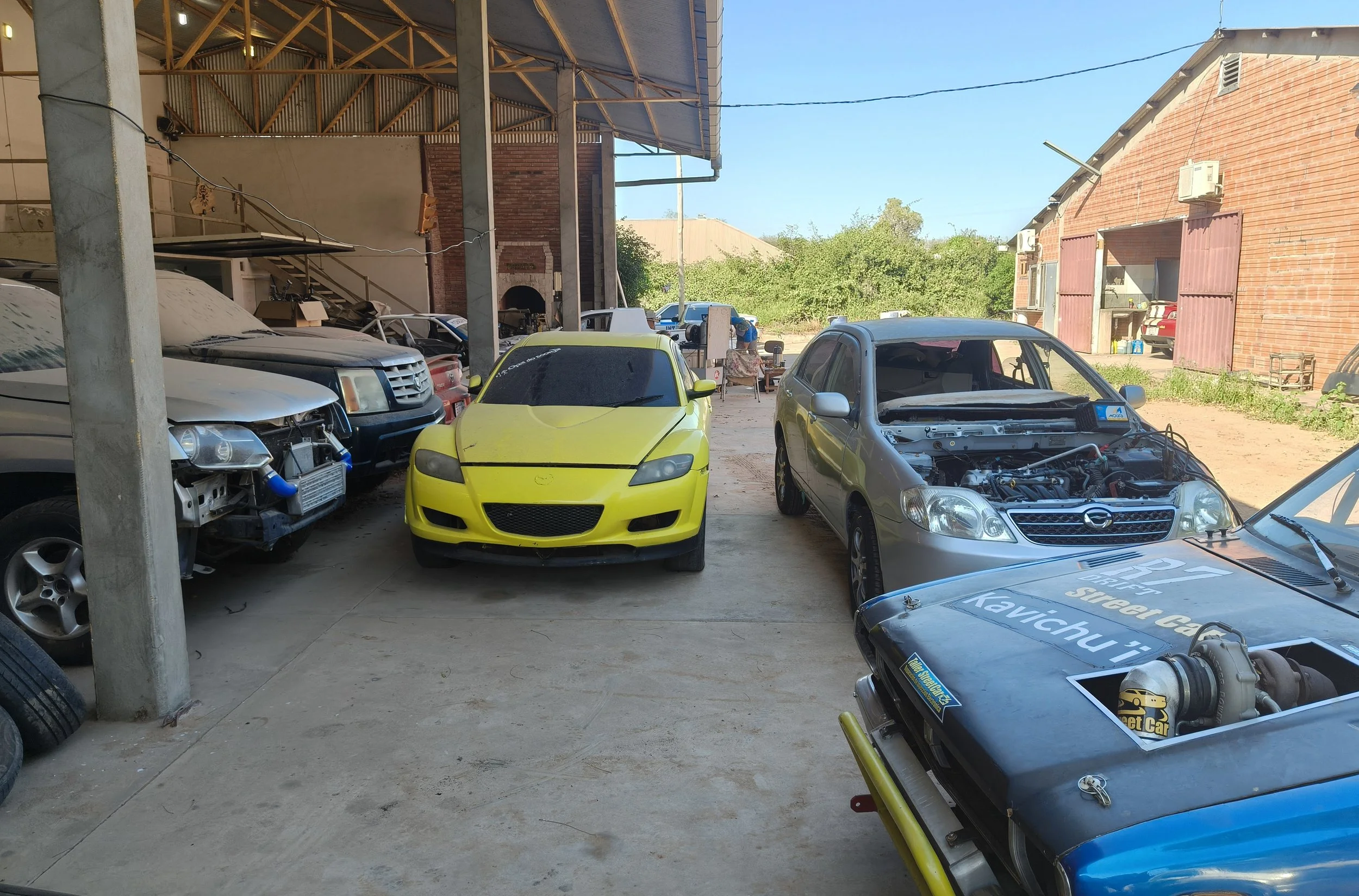
A bit of car trouble....No worries - they have a mechanic in La Patria!

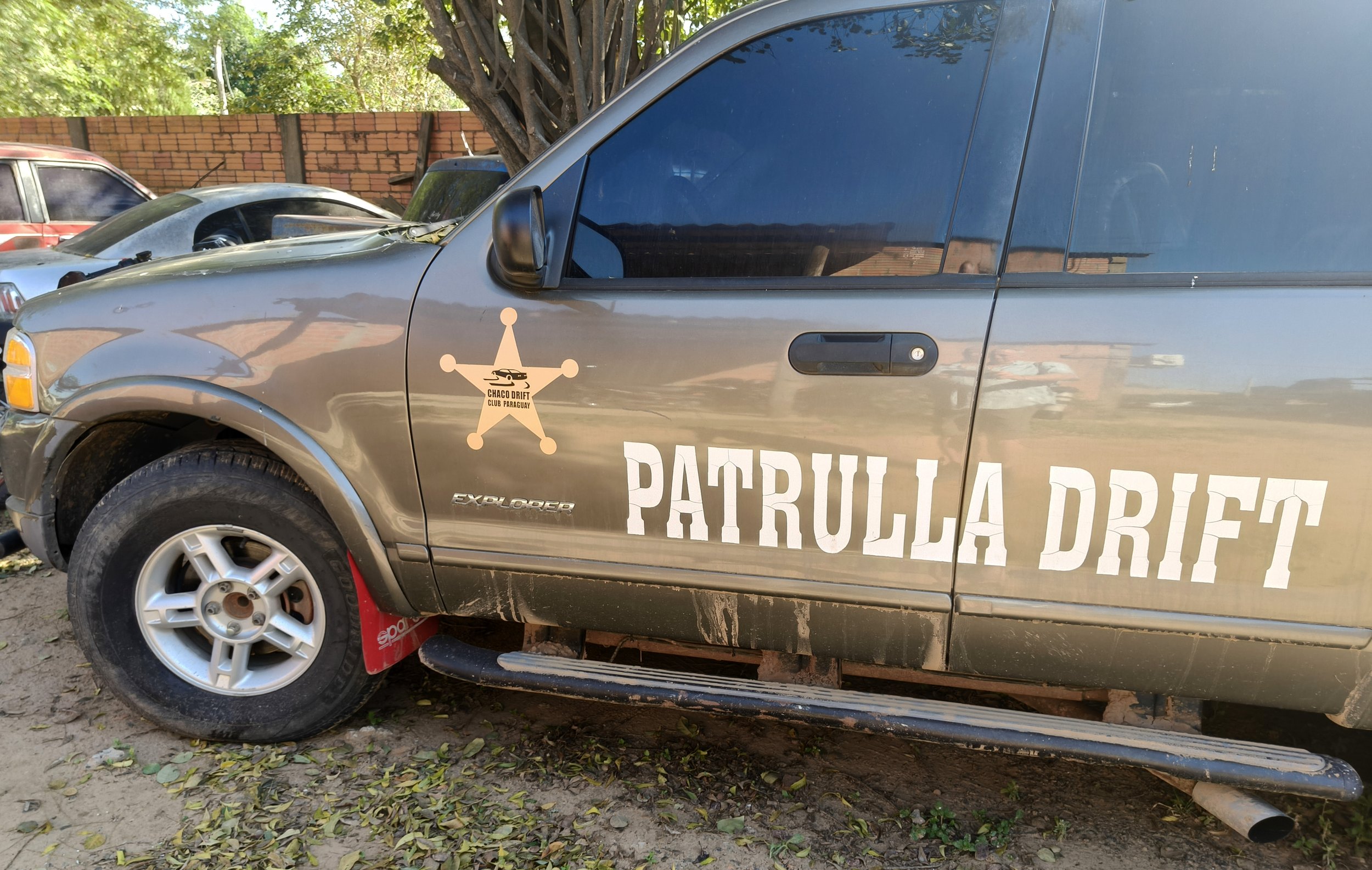
Chaco Drift!
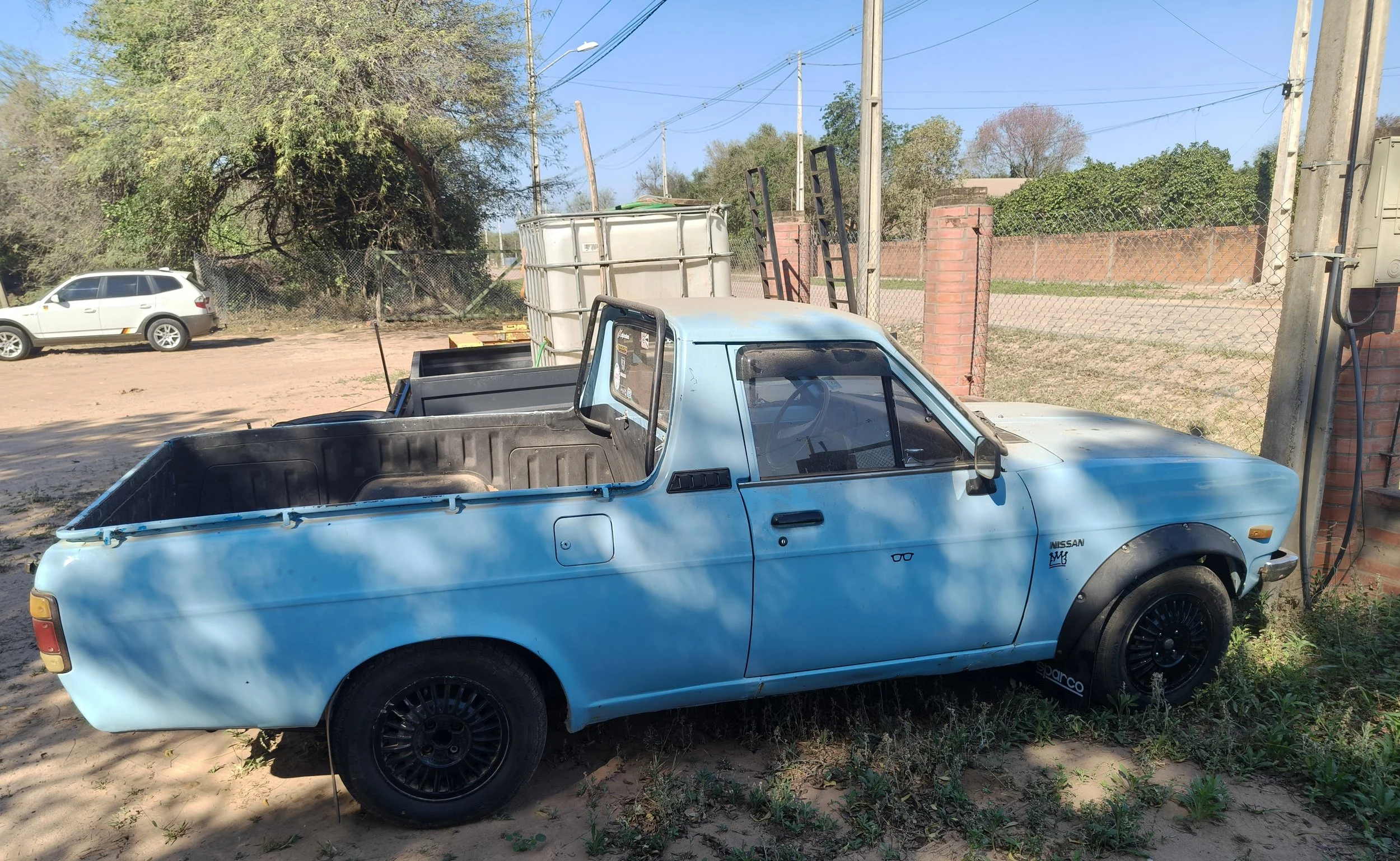

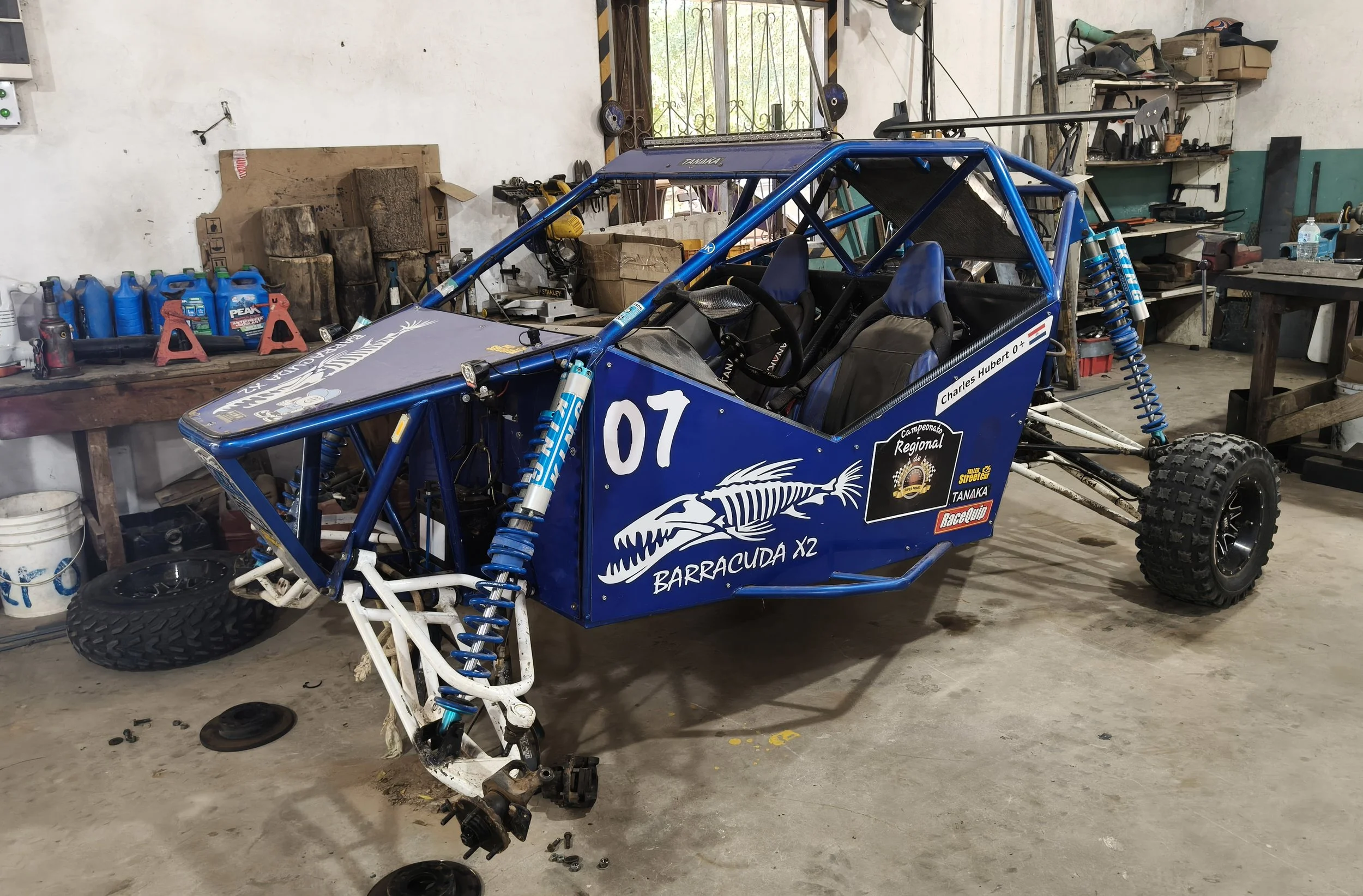


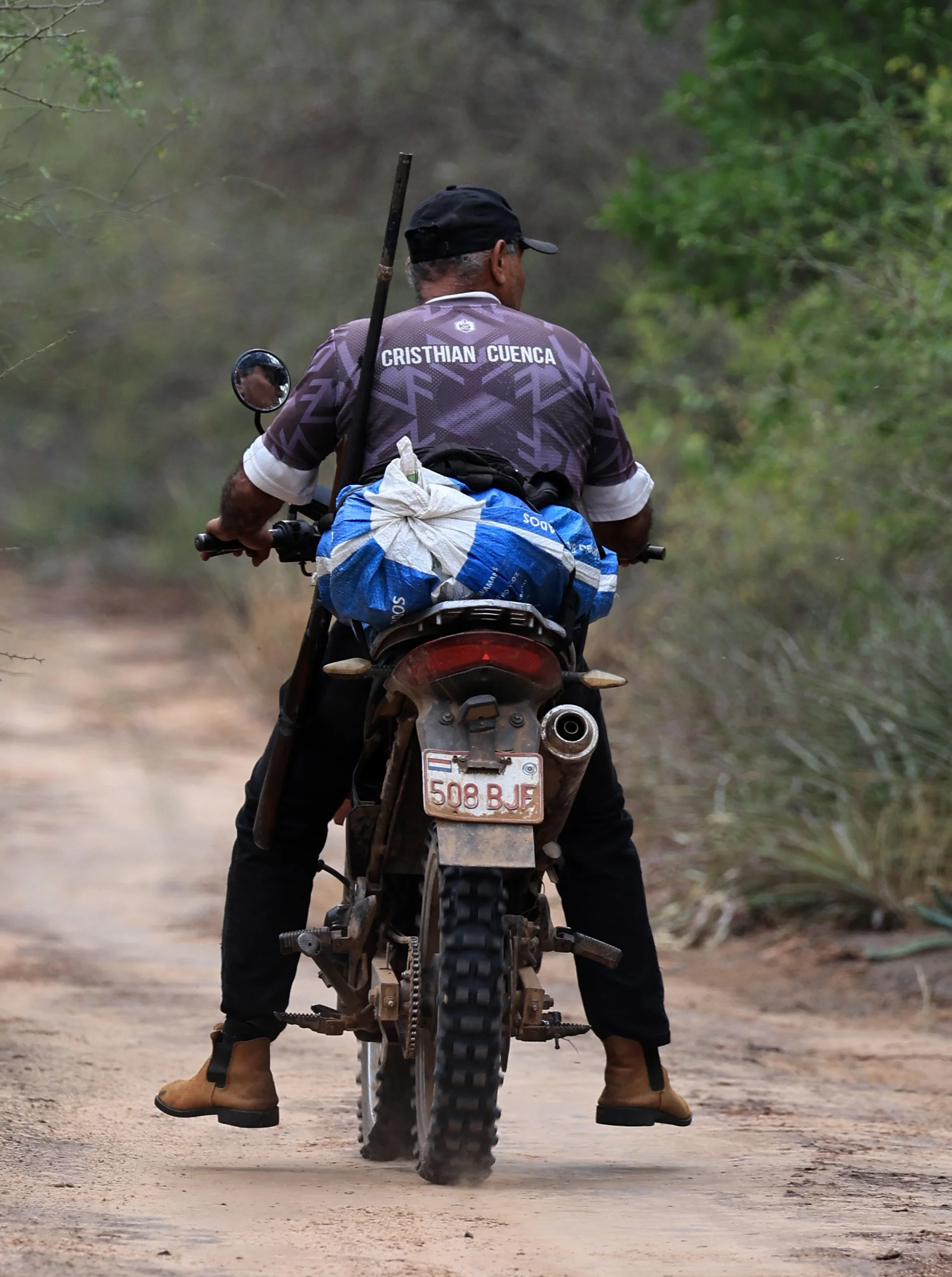
Hunting from the road is totally legal in Paraguay
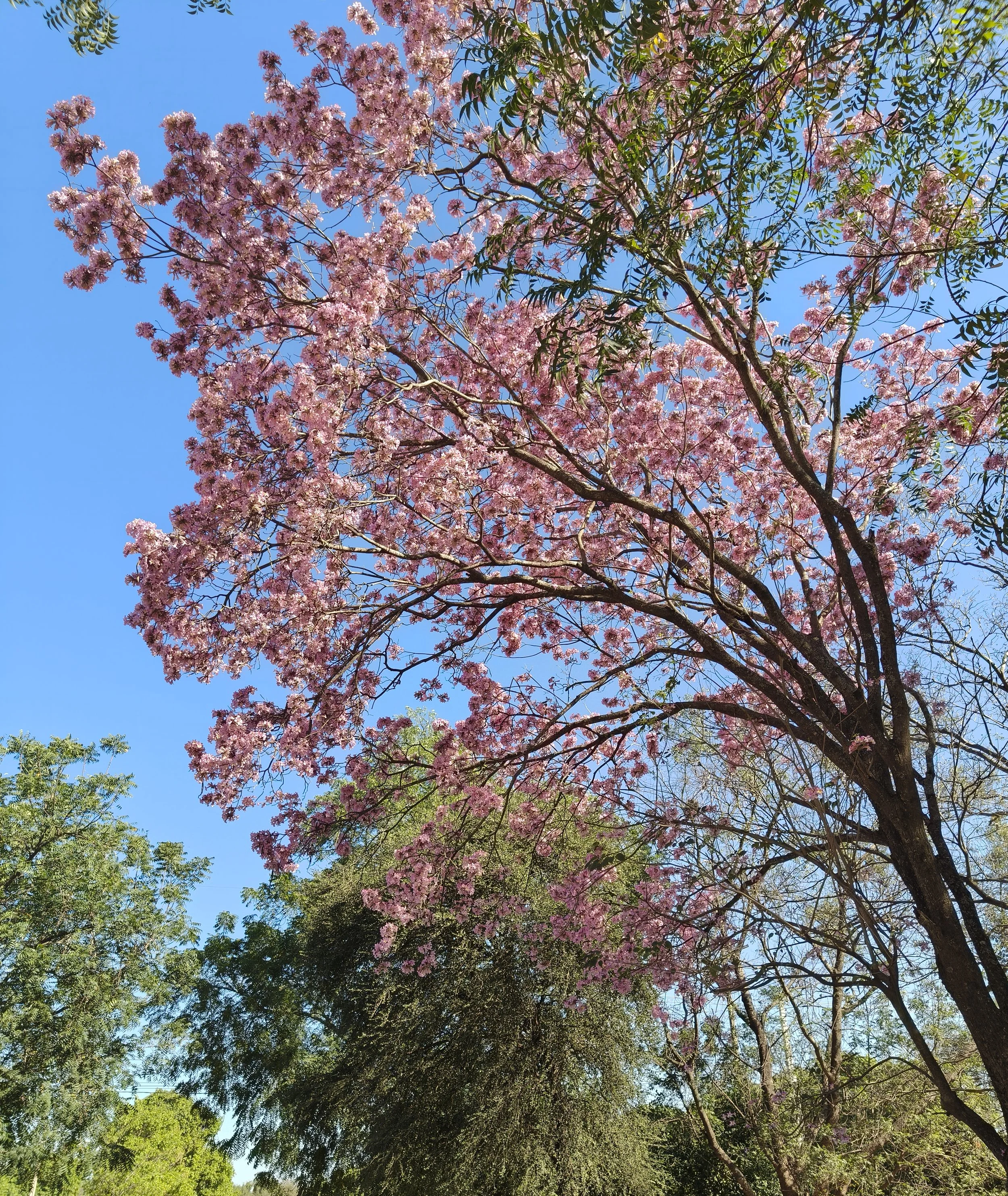
Lapacho (Handroanthus heptaphyllus) La Patria Paraguay
Chacoan Peccaries!!!
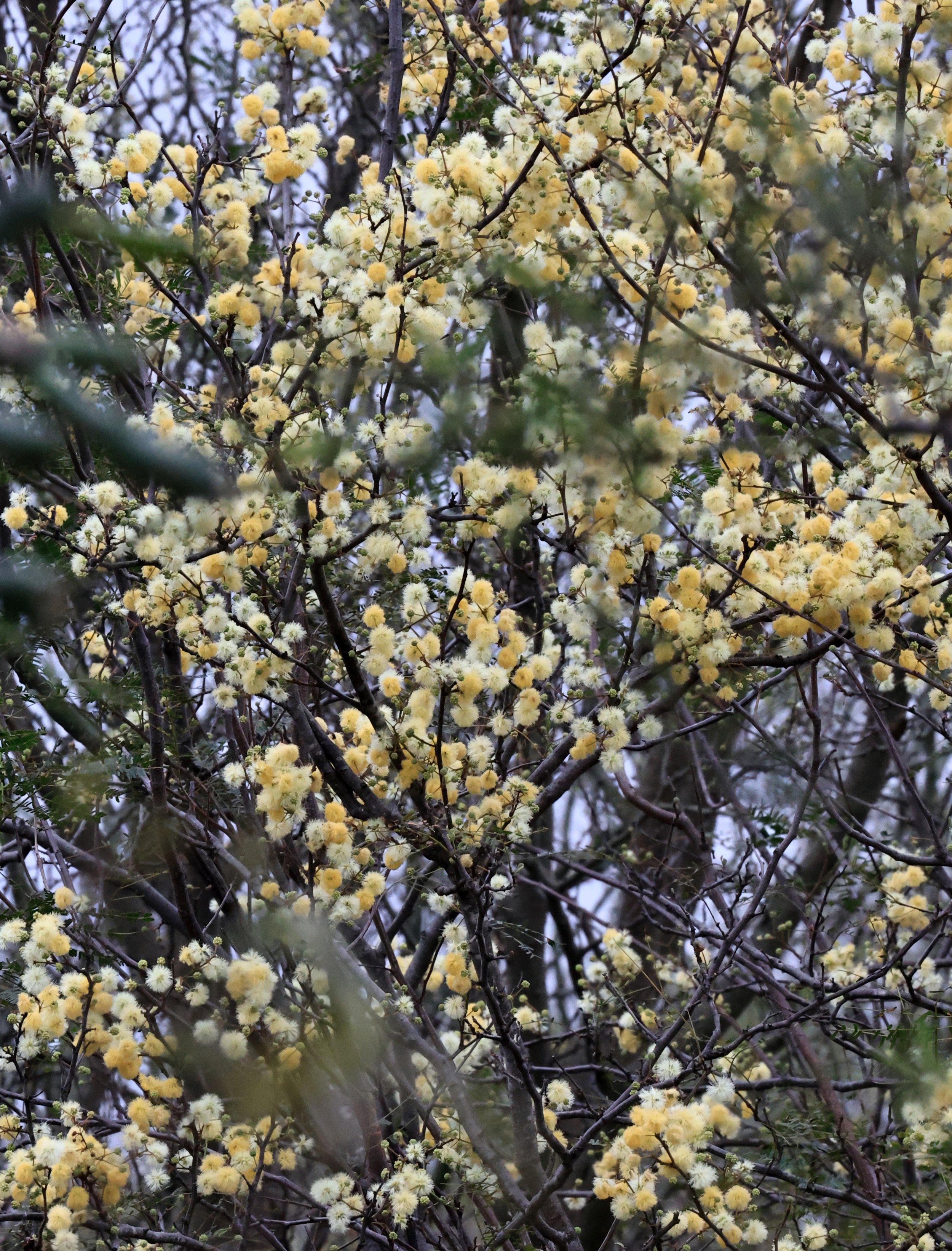
Vachellia caven - La Patria Sideroads Paraguay
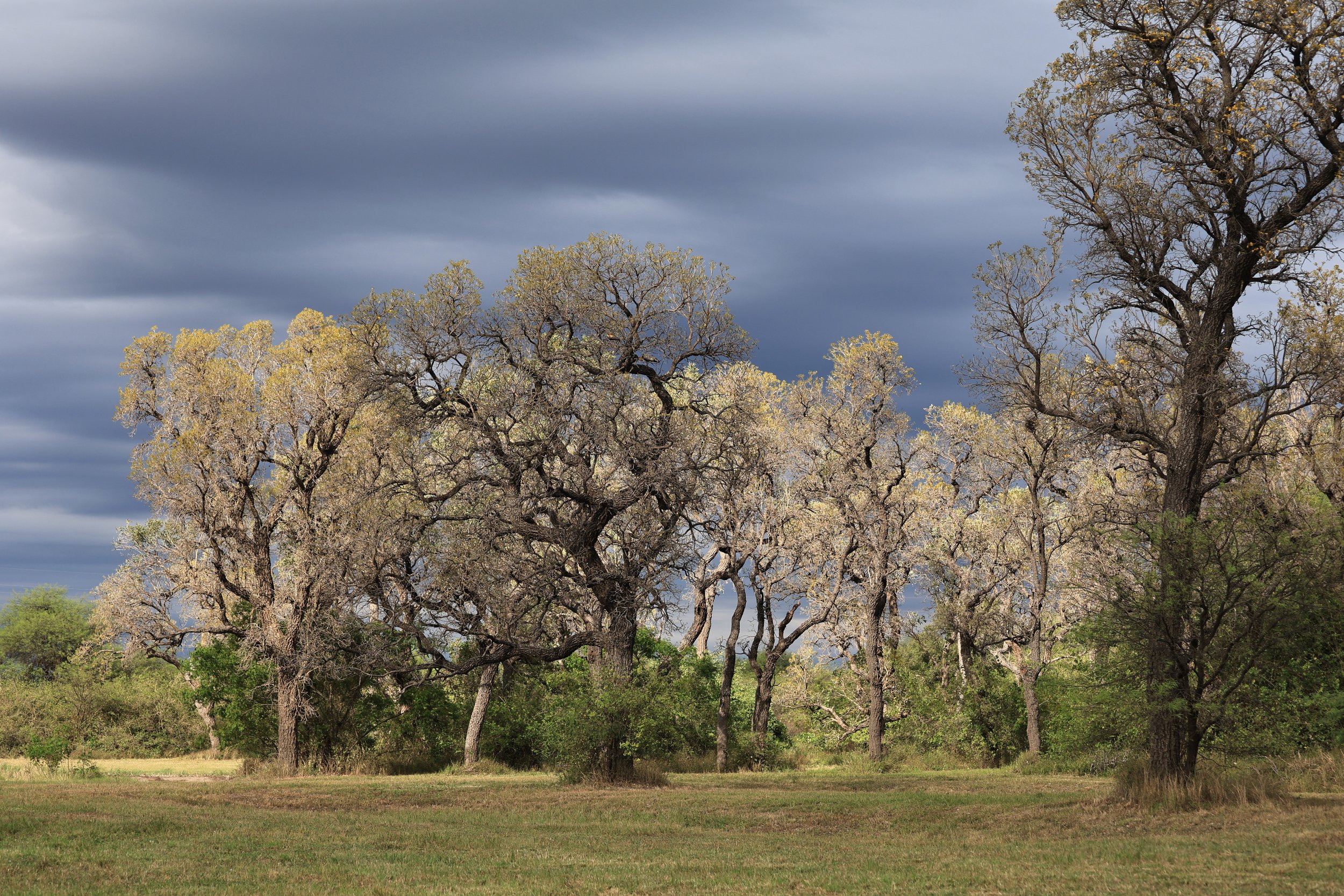
Campo'i
Selva Serena Natural Reserve

Chaco Fat-Tailed Mouse Opossum (Thylamys pusillus) Aurora Chaquena Mennonite Nature Reserve
Our penultimate major wildlife stop in the Chaco was Selva Serena Natural Reserve, part of the Neuland conservation area near Aurora Chaqueña. The reserve protects a lovely mix of Chaco habitats, including dry woodland, thorn forest, open clearings and scrubland, providing refuge for a surprising diversity of mammals and birds. By this stage of the trip, we had already accumulated an impressive species list, but Selva Serena still had a few surprises waiting for us and ended up delivering some of the most exciting small mammal sightings of the expedition.
The biggest surprise came in the form of a Paraguayan Fat-tailed Mouse Opossum (Thylamys macrurus). This was not a species I had particularly expected to see, making the encounter all the more enjoyable. Small, attractive and undoubtedly one of the Chaco's more charismatic marsupials, it was a completely unexpected lifer and quickly became one of my favourite sightings of the trip. Better still, this wasn't a one-off encounter. On our return through the area on the way to Chaco Lodge, we managed to find another individual, providing a very welcome repeat performance.
Selva Serena also finally gave me the views I had been hoping for of Southern Brown Brocket (Subulo gouazoubira). We had encountered the species earlier in the trip, but always fleetingly. Here, however, we enjoyed much better looks, allowing proper appreciation of a deer that seems to have mastered the art of appearing briefly before dissolving back into the vegetation.
Another familiar Chaco favourite made an appearance in the form of a Southern Three-banded Armadillo (Tolypeutes matacus). By now, I was beginning to think that no Paraguay trip should be allowed to finish without at least one three-banded armadillo sighting every couple days. Watching these wonderfully peculiar animals trundle through the Chaco never seemed to lose its charm.
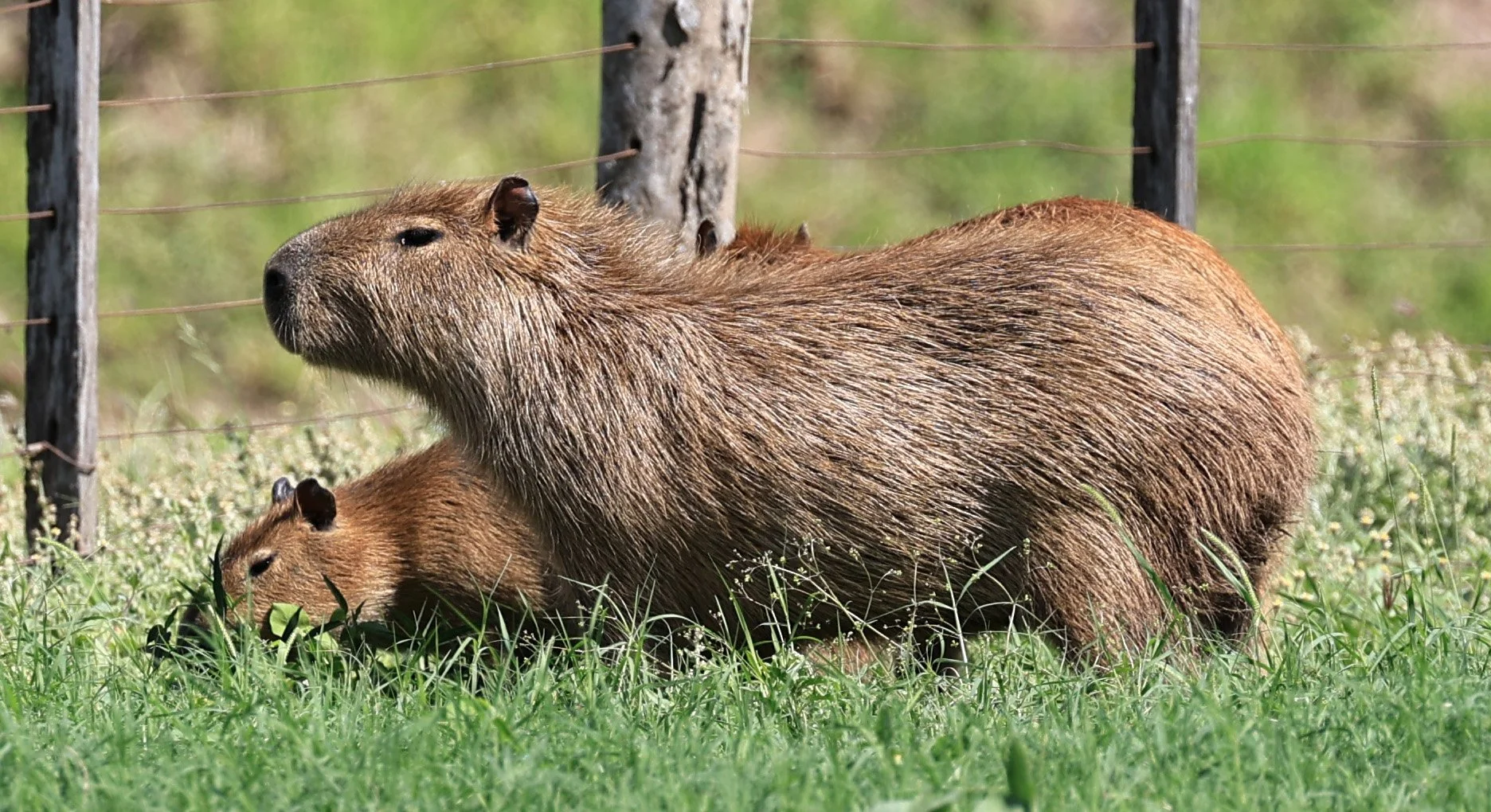
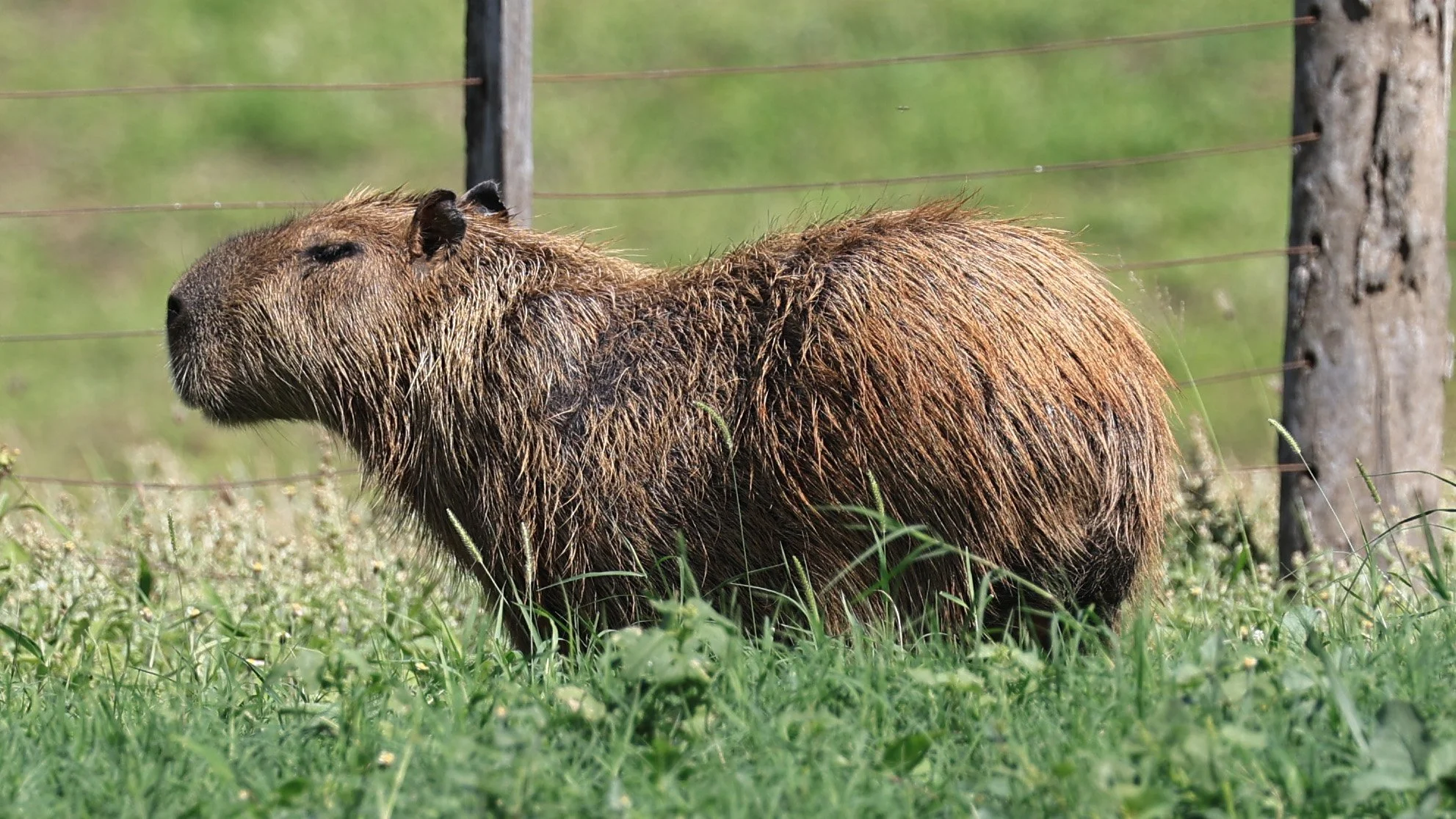
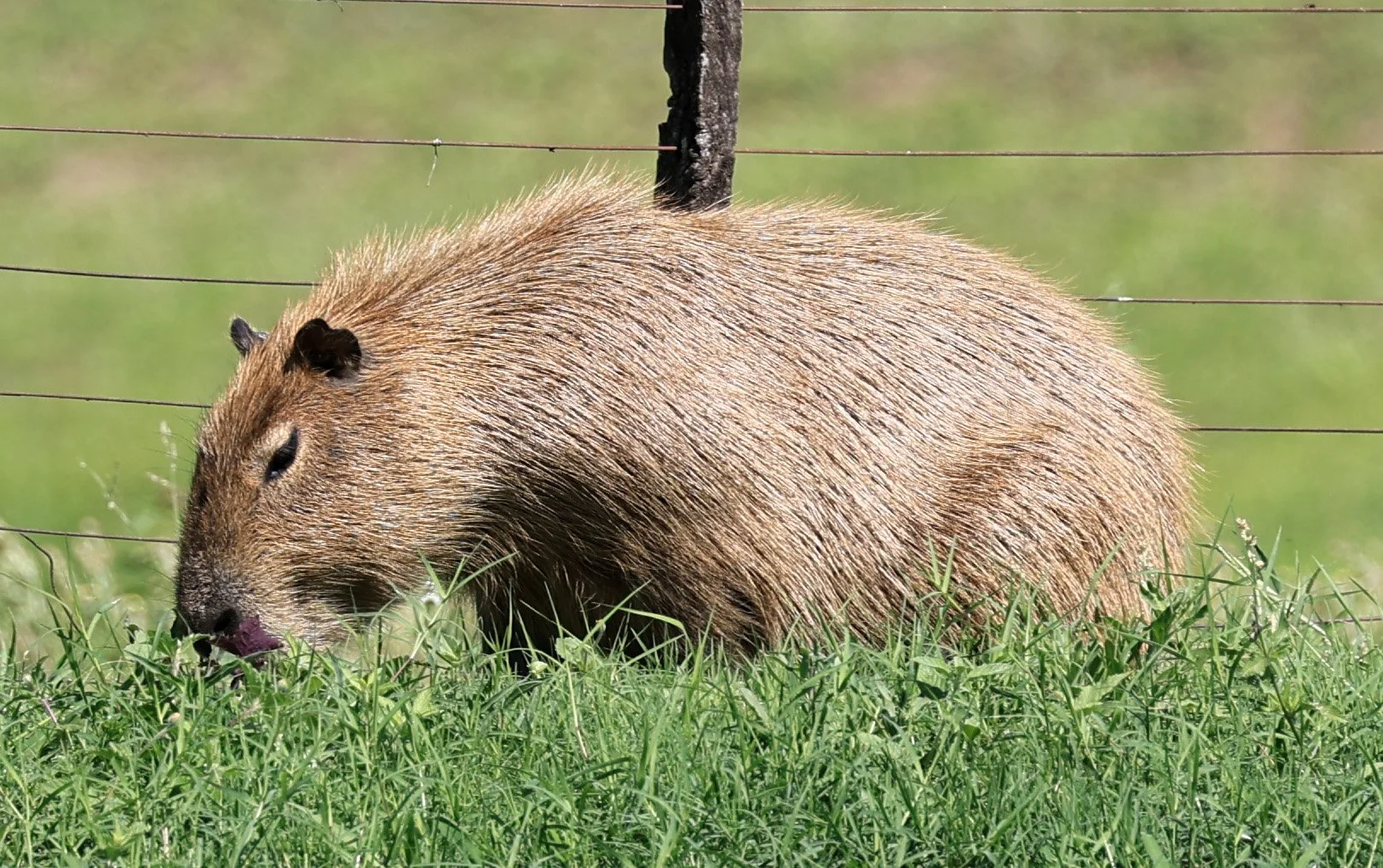
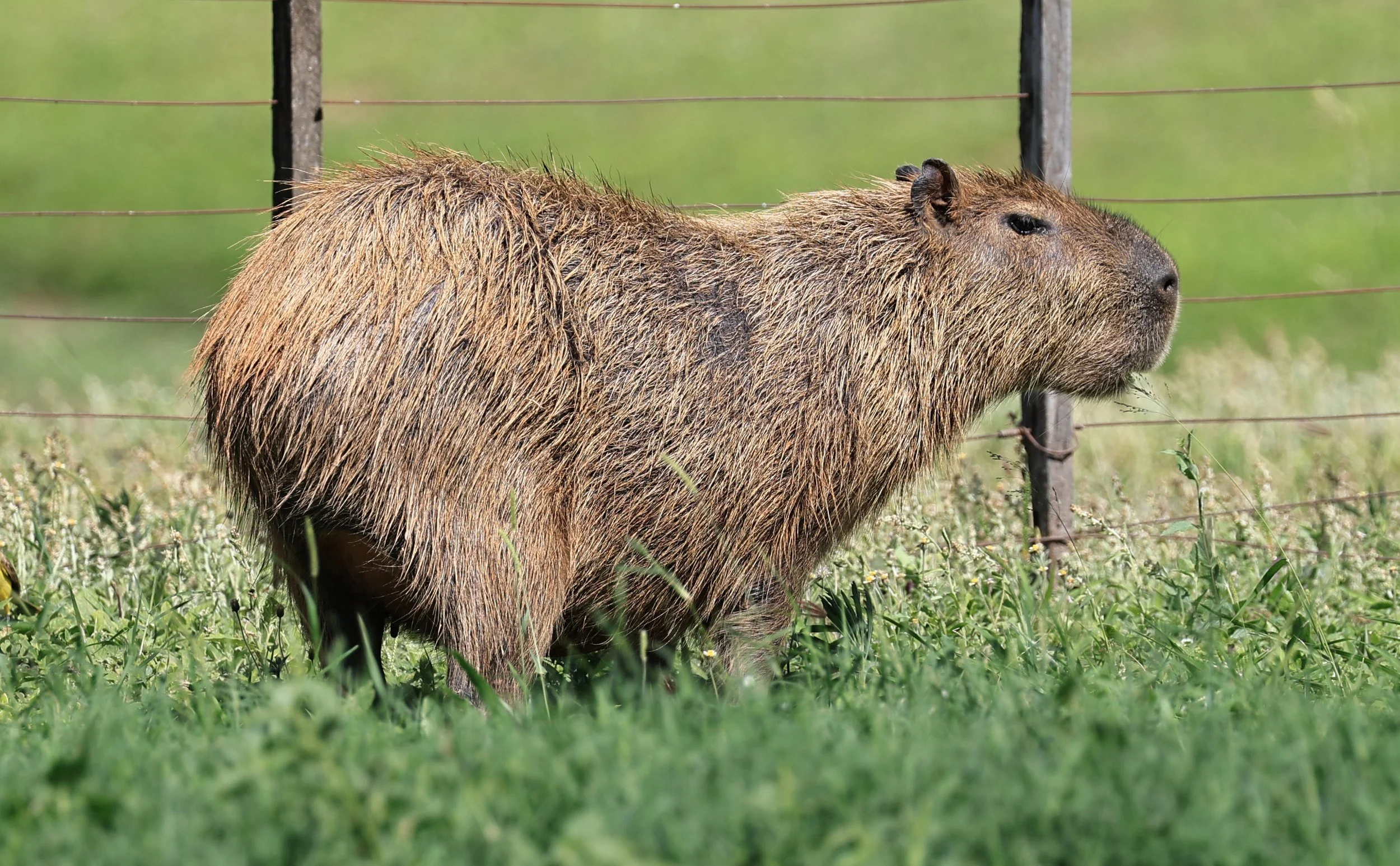
A brief stop in Loma Plata provided an unexpected addition to the list when we found a Capybara (Hydrochoerus hydrochaeris) along Brunnen Strasse. Seeing the world's largest rodent always feels appropriate on a mammalwatching trip, although after spending so much time targeting obscure Chaco specialists, encountering something as famous as a capybara almost felt mainstream.
One species that tested my patience was Conover's Tuco-tuco (Ctenomys conoveri). We located an individual actively digging, which was exciting enough, but the animal seemed determined not to cooperate fully. I managed views of its legs and industrious excavation efforts, but the face remained frustratingly hidden throughout the encounter. Mammalwatching sometimes involves accepting partial victories, and this definitely qualified as one of them.
Selva Serena also produced a new lagomorph for my list with a sighting of the Brazilian Tapeti (Sylvilagus brasiliensis). Although not among the headline targets of the expedition, any new mammal is a welcome mammal, and it was great to add another species to the growing trip tally.
The reserve proved especially productive for small mammals. Among the highlights were a Chacoan Pygmy Rice Rat (Oligoryzomys chacoensis) and a Chaco Pericote, or Central Leaf-eared Mouse (Graomys chacoensis). These are exactly the sort of species that had partly motivated the trip in the first place. While giant mammals and charismatic predators often get the attention, there is something particularly satisfying about tracking down the obscure rodents and marsupials that make South America's mammal fauna so fascinating.
By the end of our time at Selva Serena, it felt like the perfect final Chaco stop. The reserve delivered everything from elusive rodents and marsupials to armadillos, deer, rabbits and even a capybara. Most memorably, it provided two encounters with the delightful Chaco Fat-Tailed Mouse Opossum (Thylamys pusillus), a species I had scarcely dared hope for before the trip. For a mammalwatcher with a weakness for small, rarely seen creatures, that alone would have been enough to make Selva Serena a resounding success.

Chaco Pericote or Central Leaf-eared Mouse (Graomys chacoensis) Reserva Nueland Selva Serena

Chaco Pericote or Central Leaf-eared Mouse (Graomys chacoensis) Reserva Nueland Selva Serena
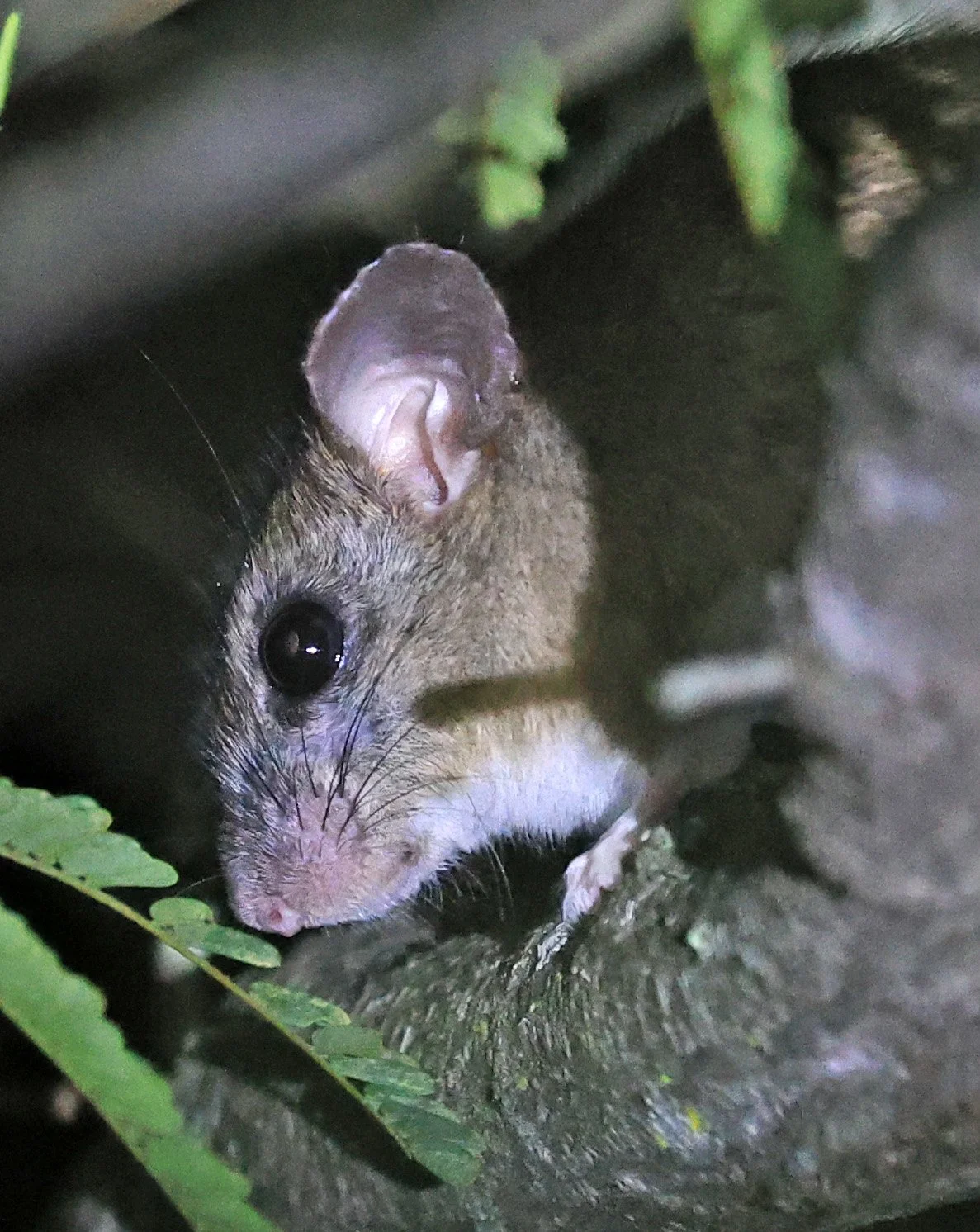
Chaco Pericote or Central Leaf-eared Mouse (Graomys chacoensis) Reserva Nueland Selva Serena
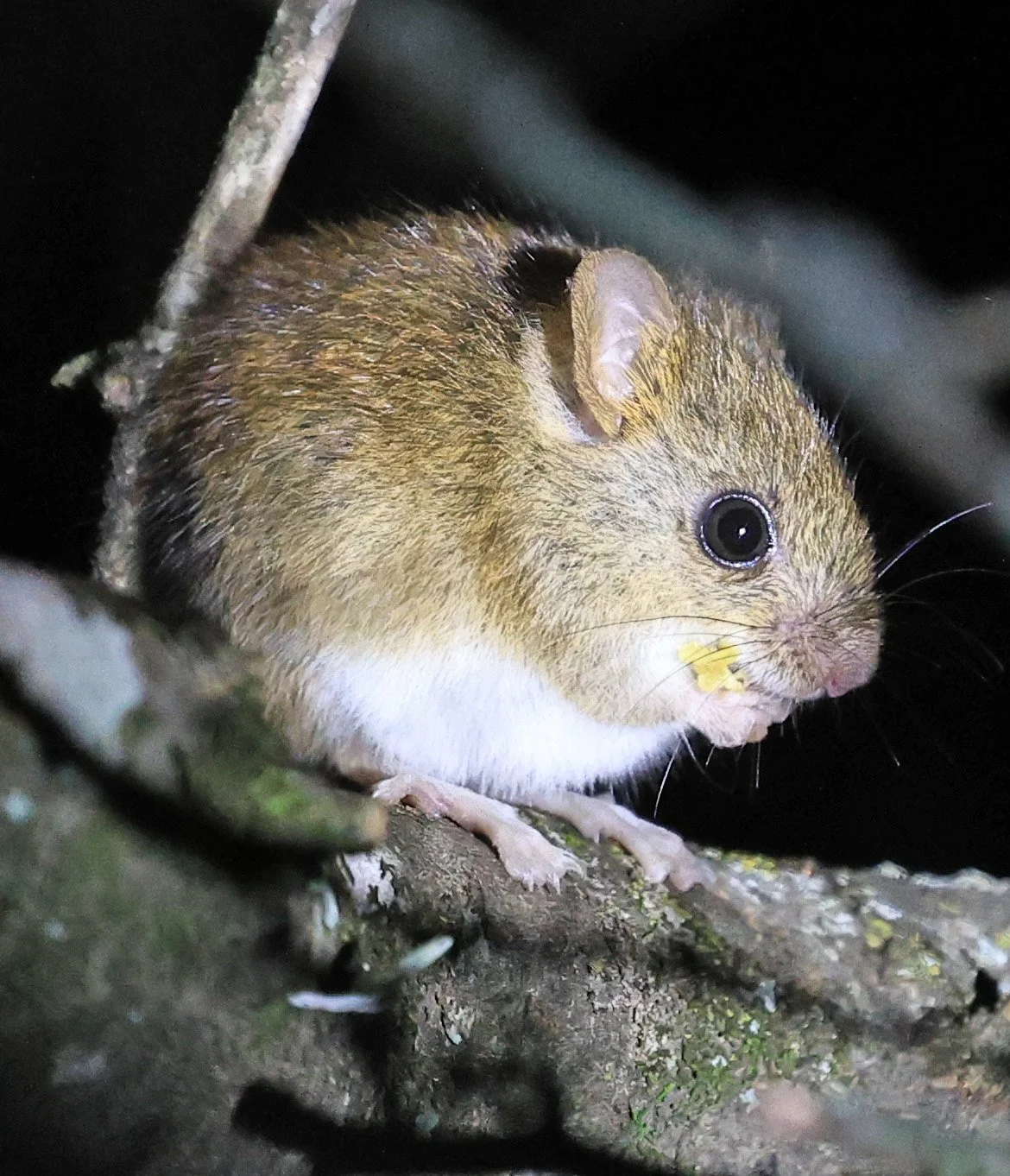
Chacoan pygmy rice rat (Oligoryzomys chacoensis) Reserva Nueland Selva Serena
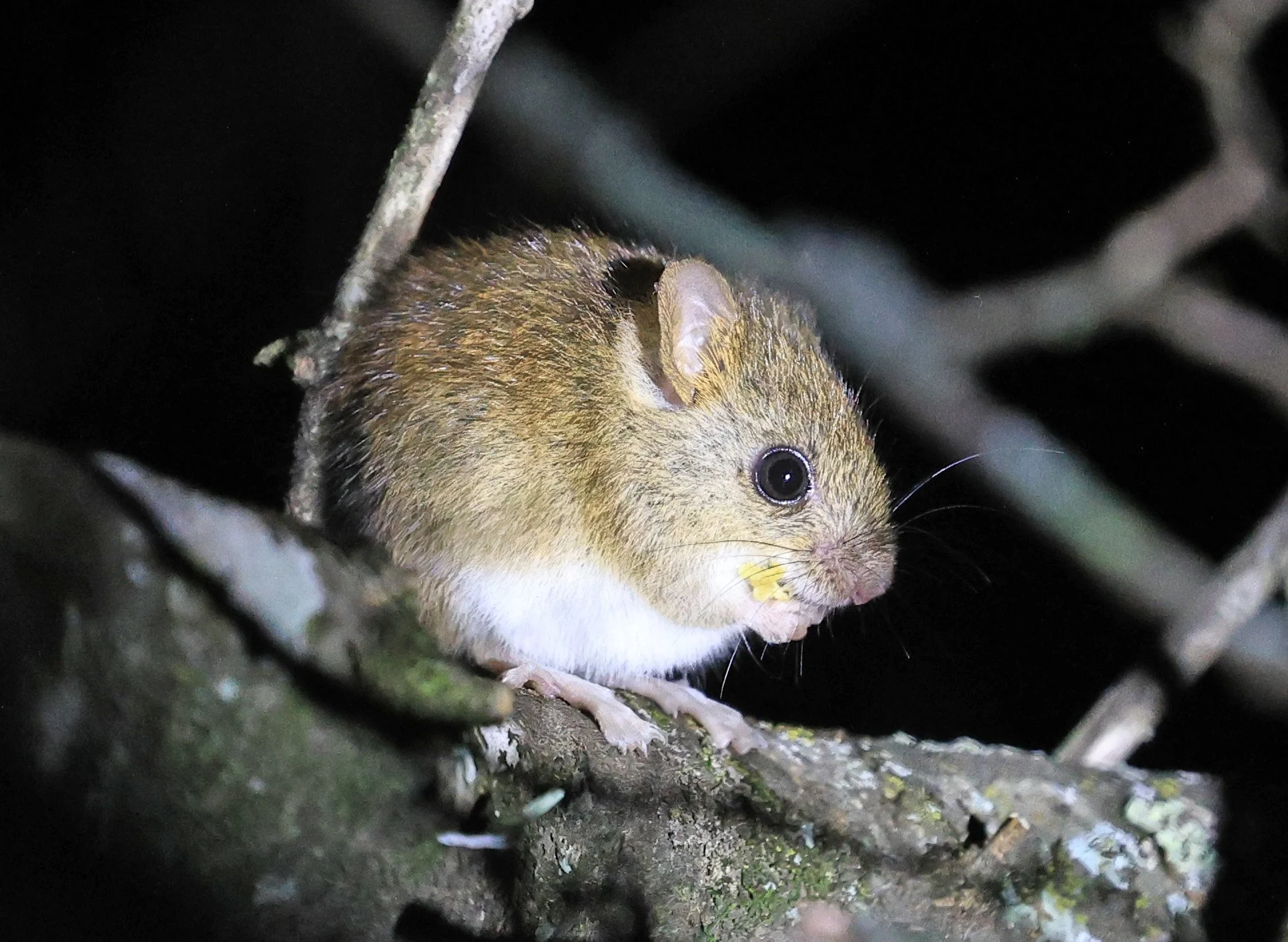
Chacoan pygmy rice rat (Oligoryzomys chacoensis) Reserva Nueland Selva Serena

Chacoan pygmy rice rat (Oligoryzomys chacoensis) Reserva Nueland Selva Serena

Chaco Fat-Tailed Mouse Opossum (Thylamys pusillus) Reserva Nueland Selva Serena

Chaco Fat-Tailed Mouse Opossum (Thylamys pusillus) Reserva Nueland Selva Serena

Chaco Fat-Tailed Mouse Opossum (Thylamys pusillus) Reserva Nueland Selva Serena

Chaco Fat-Tailed Mouse Opossum (Thylamys pusillus) Reserva Nueland Selva Serena

Southern Three-banded Armadillo (Tolypeutes matacus)
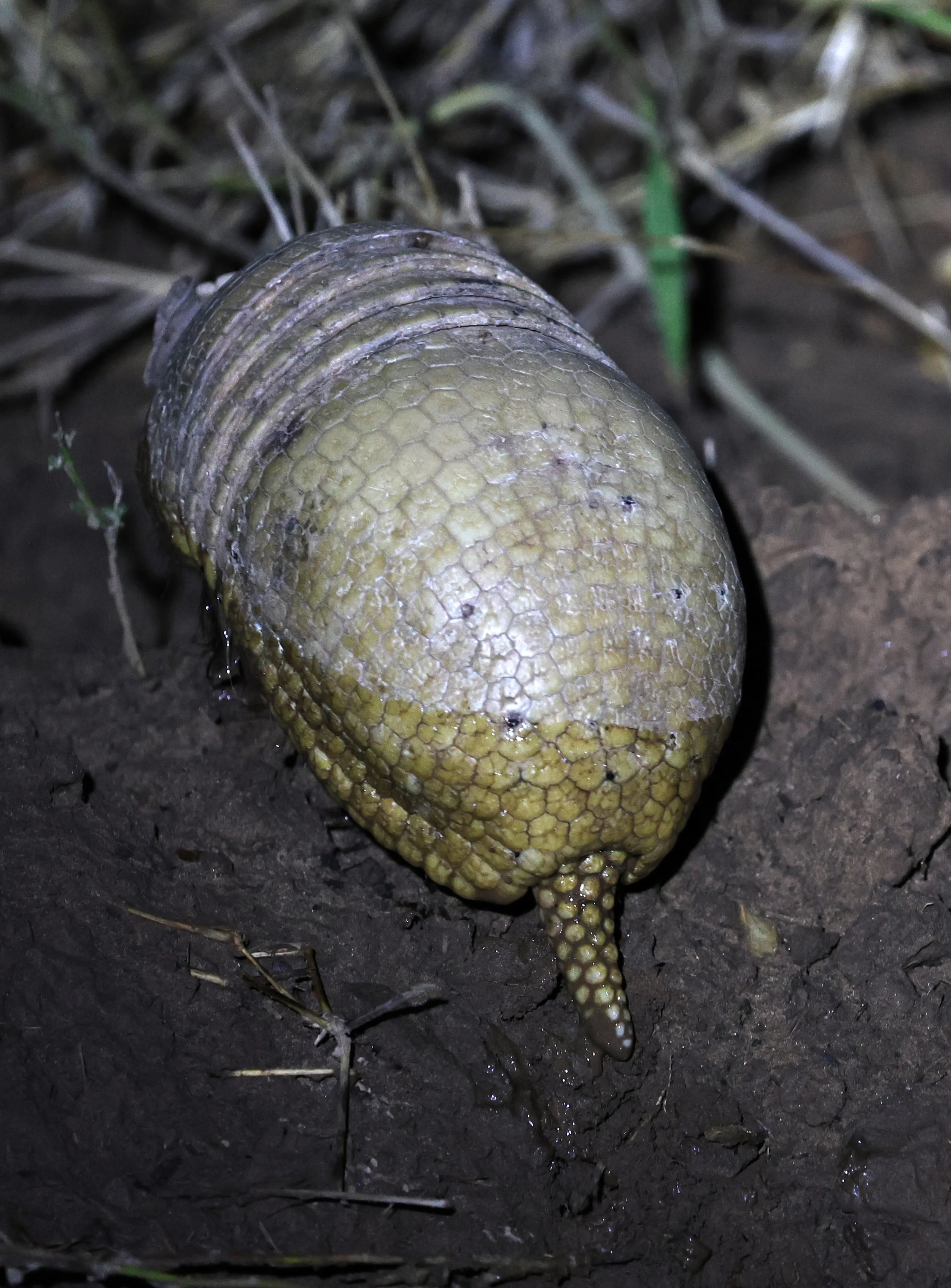
Southern Three-banded Armadillo (Tolypeutes matacus)

Southern Three-banded Armadillo (Tolypeutes matacus)
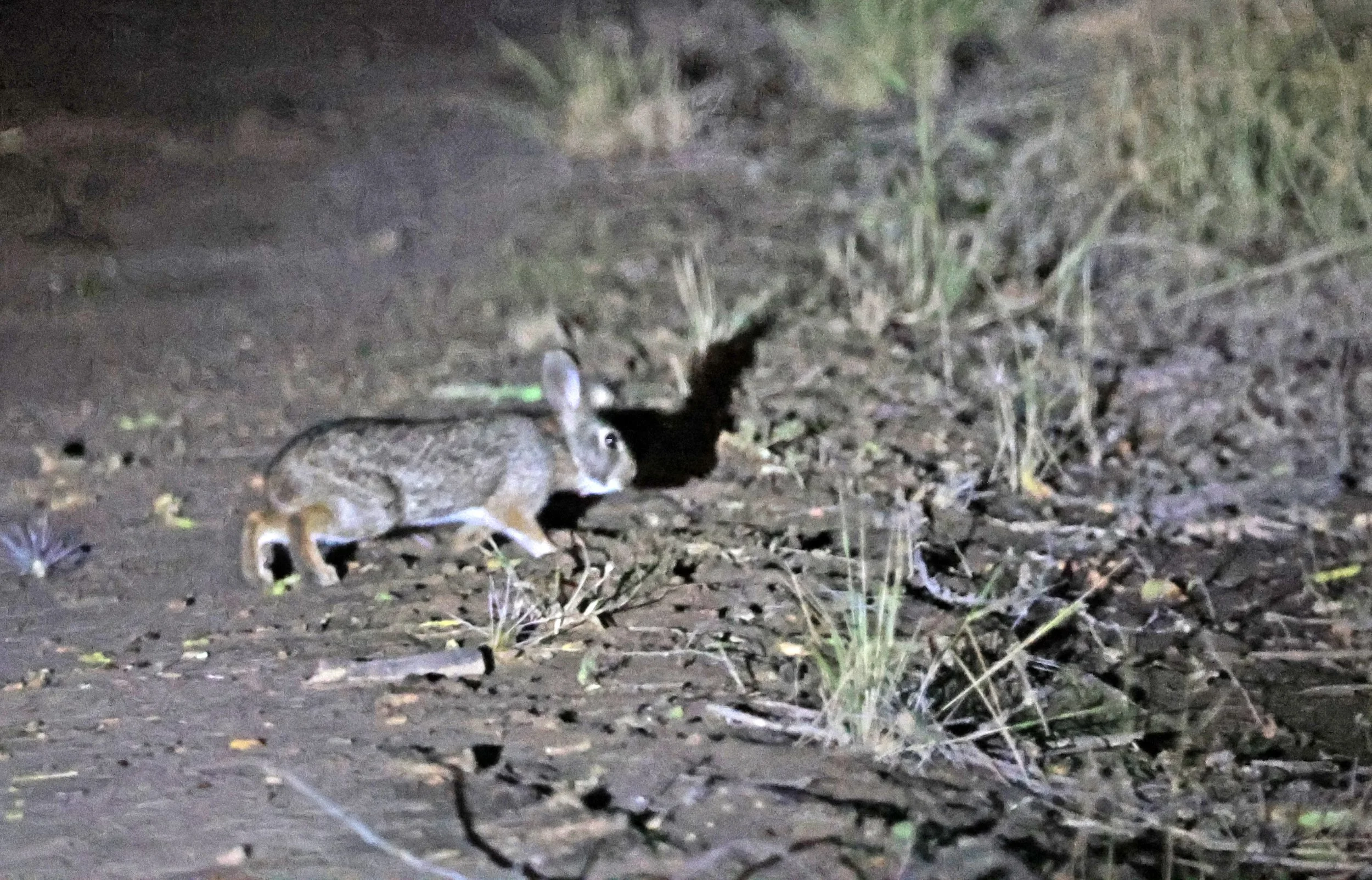
Tapetí (Sylvilagus brasiliensis) Reserva Nueland Selva Serena
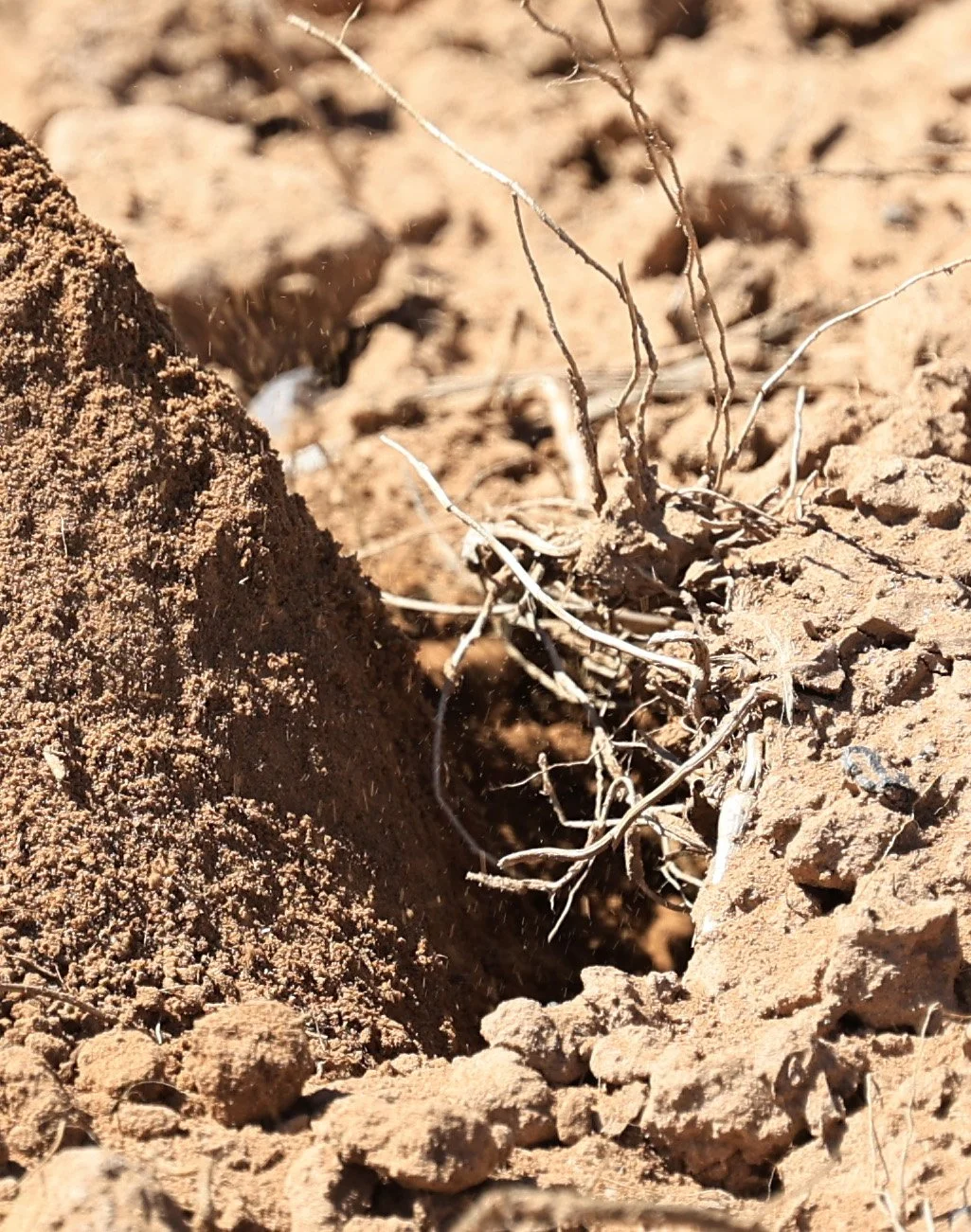
Conover's Tuco-tuco (Ctenomys conoveri) Selva Serena Natural Reserve - at least I saw the legs!
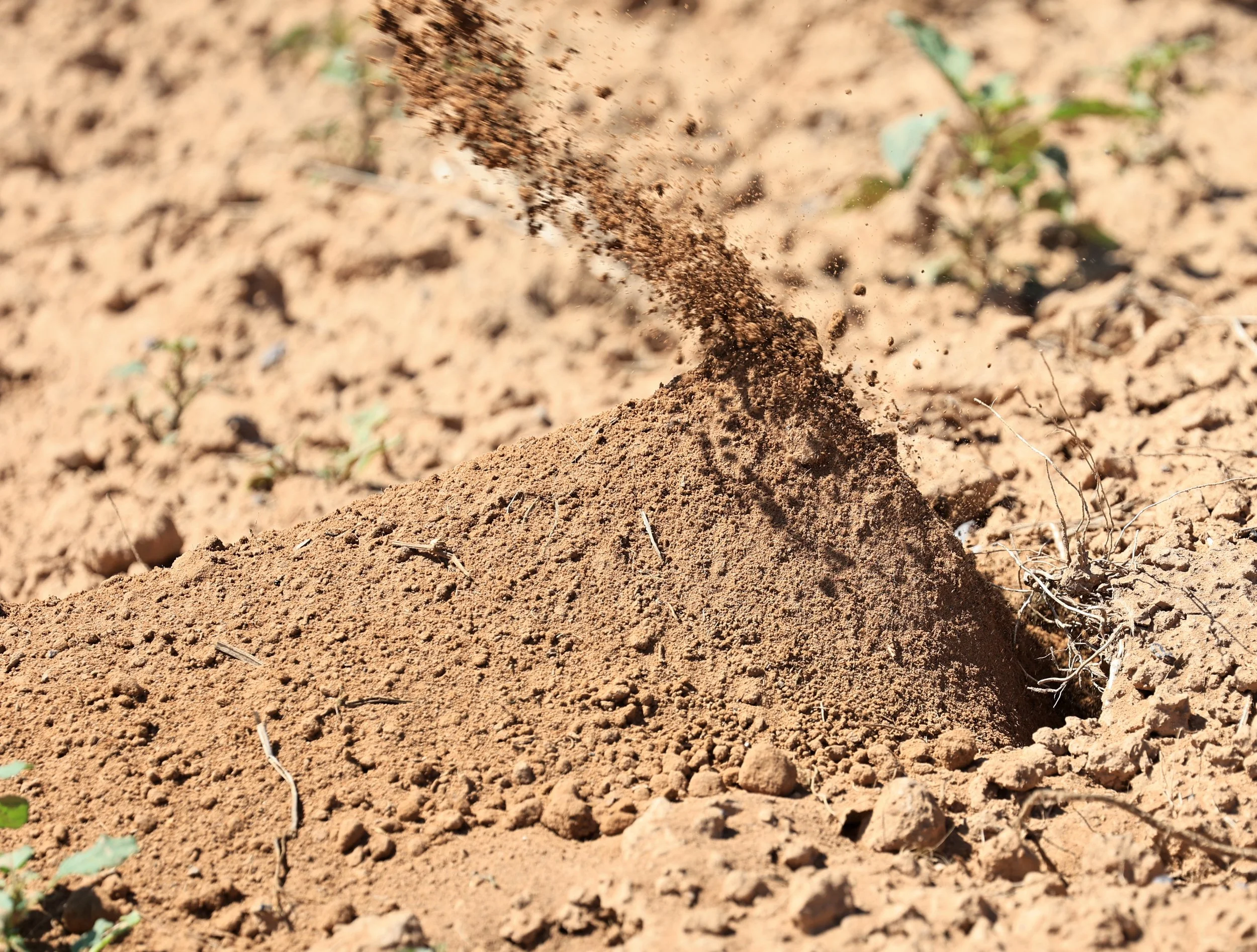
Conover's Tuco-tuco (Ctenomys conoveri) mound
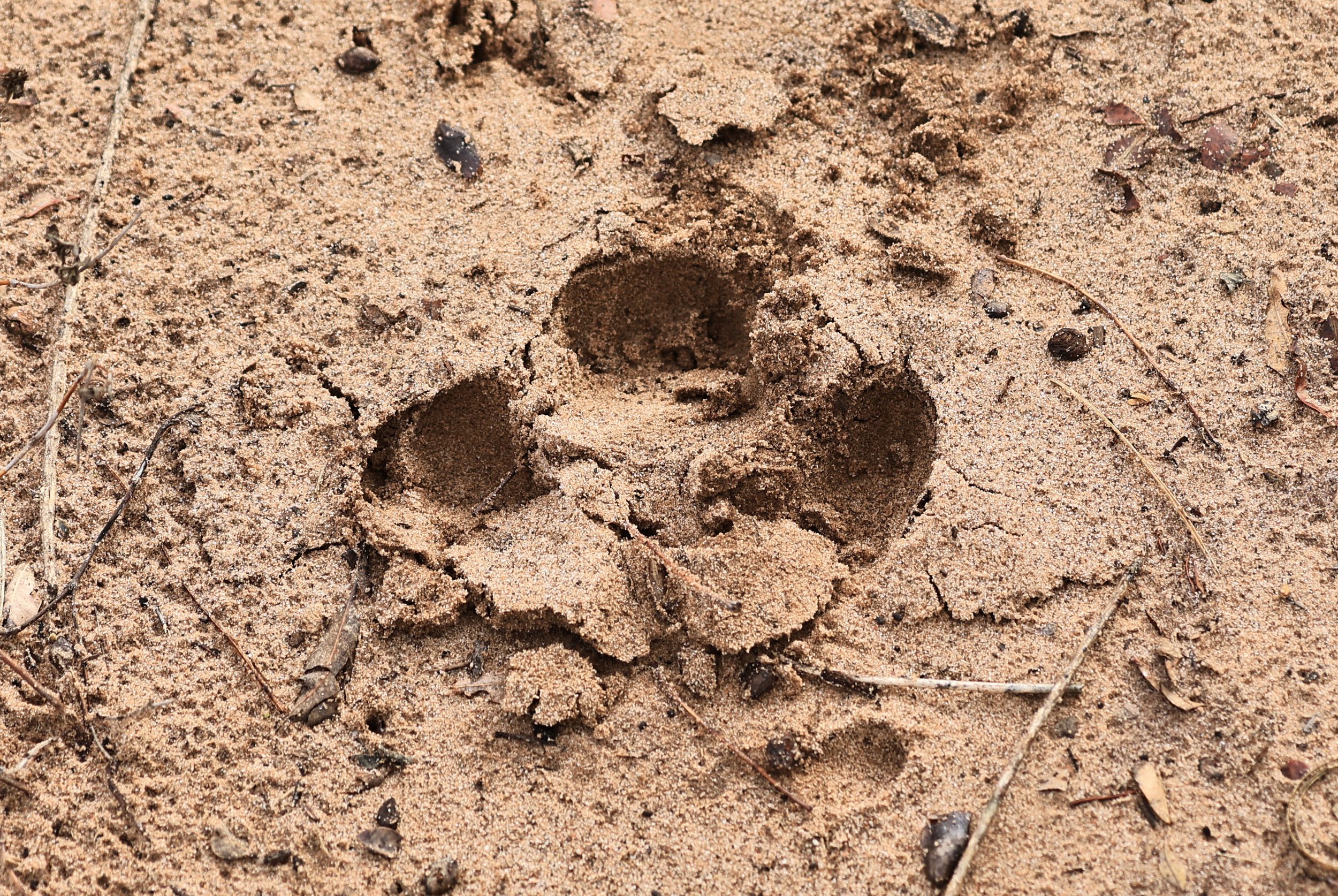
Tapir tracks
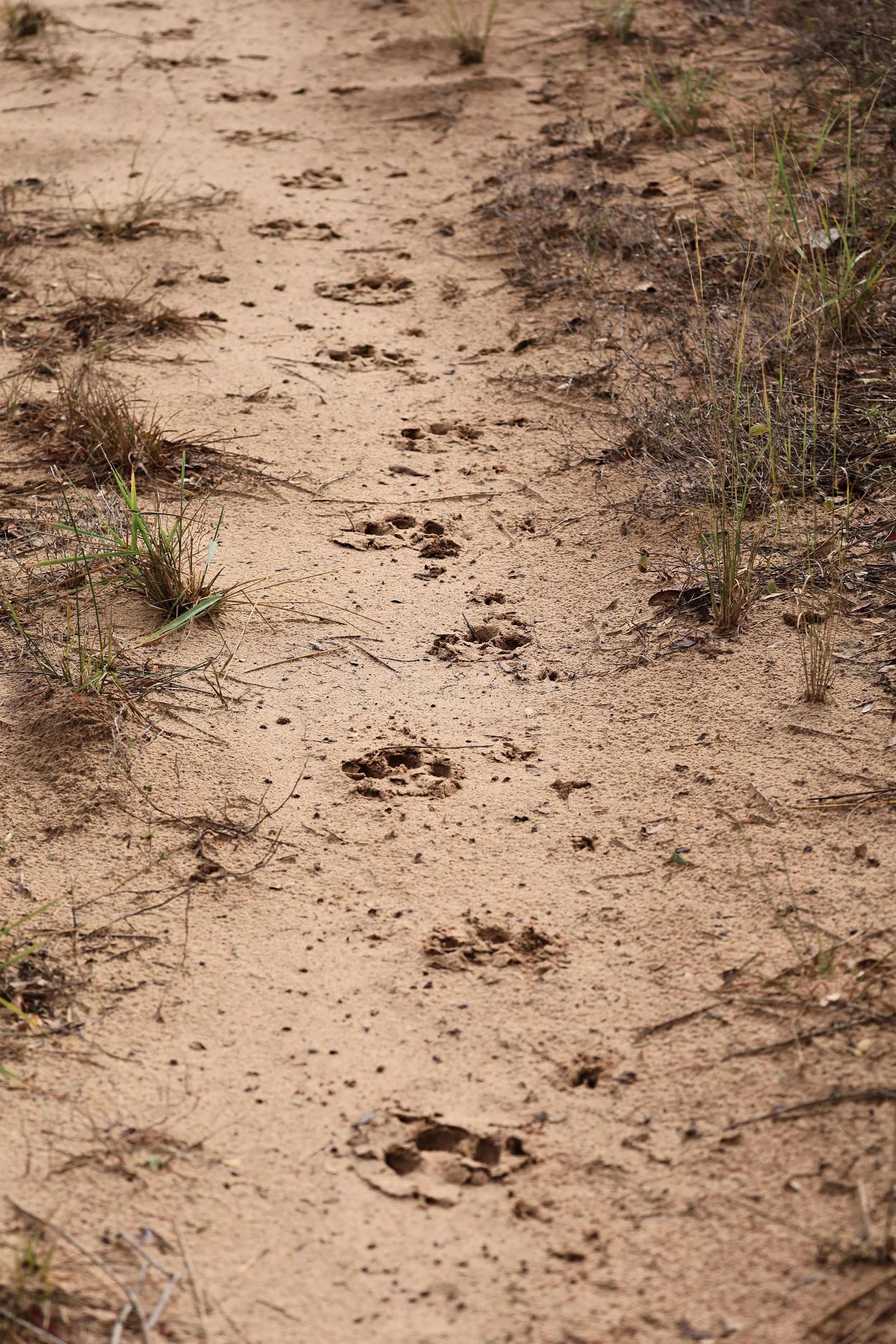
Just before us
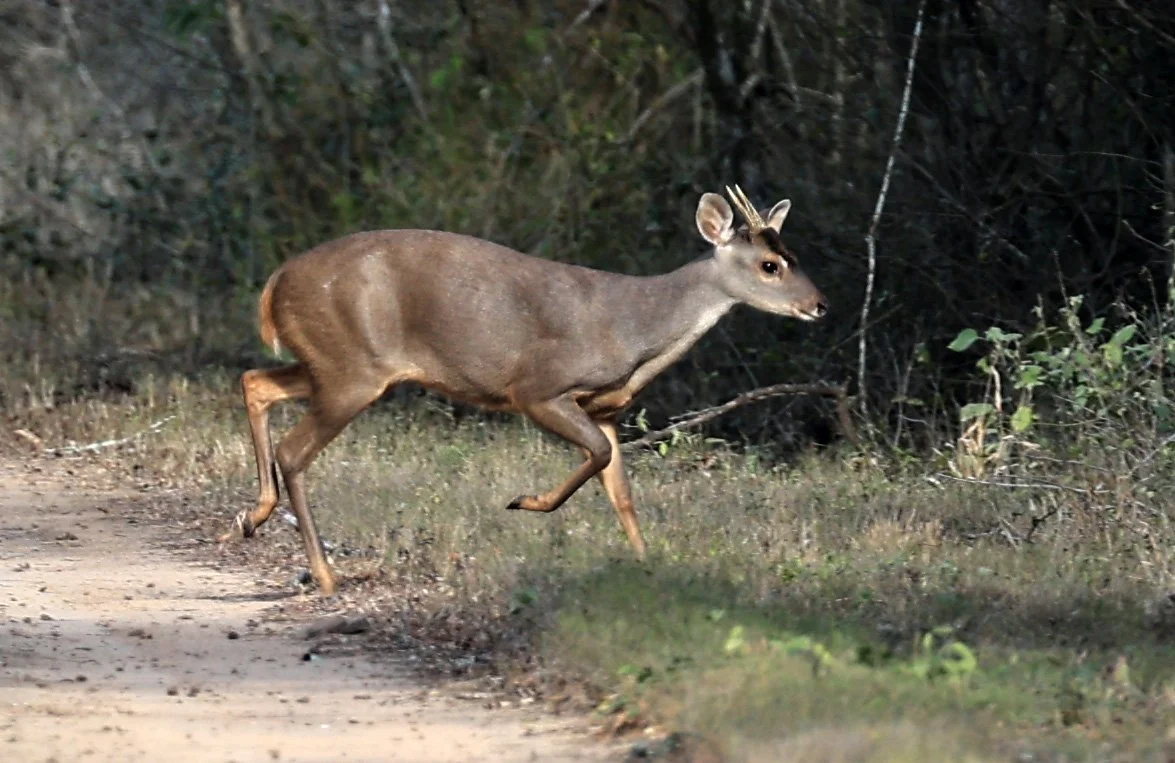
Southern Brown Brocket (Subulo gouazoubira) Selva Serena Natural Reserve
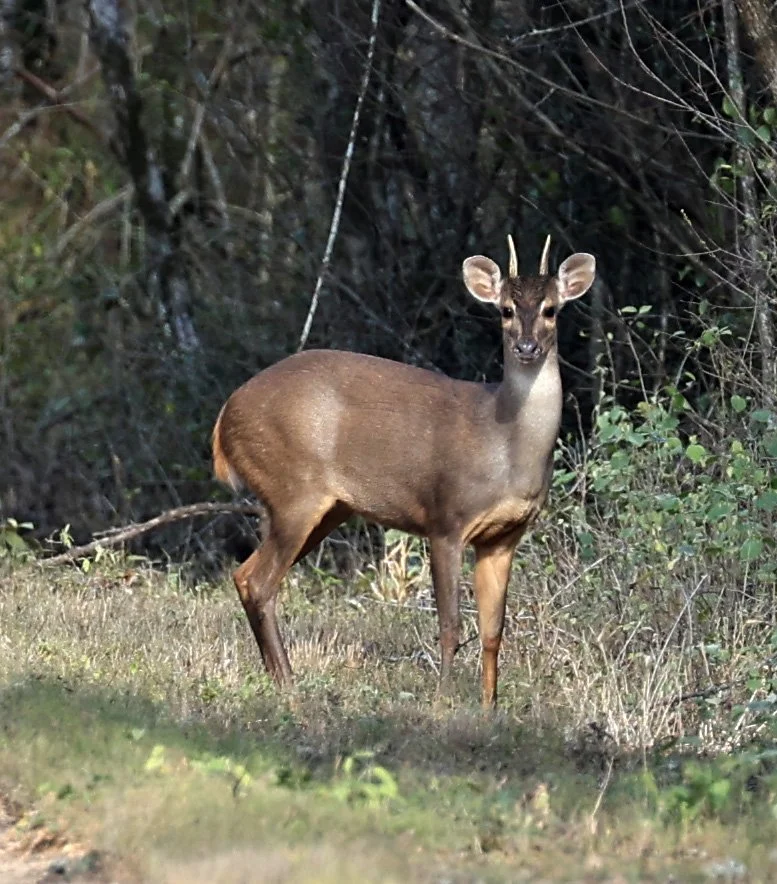
Southern Brown Brocket (Subulo gouazoubira) Selva Serena Natural Reserve
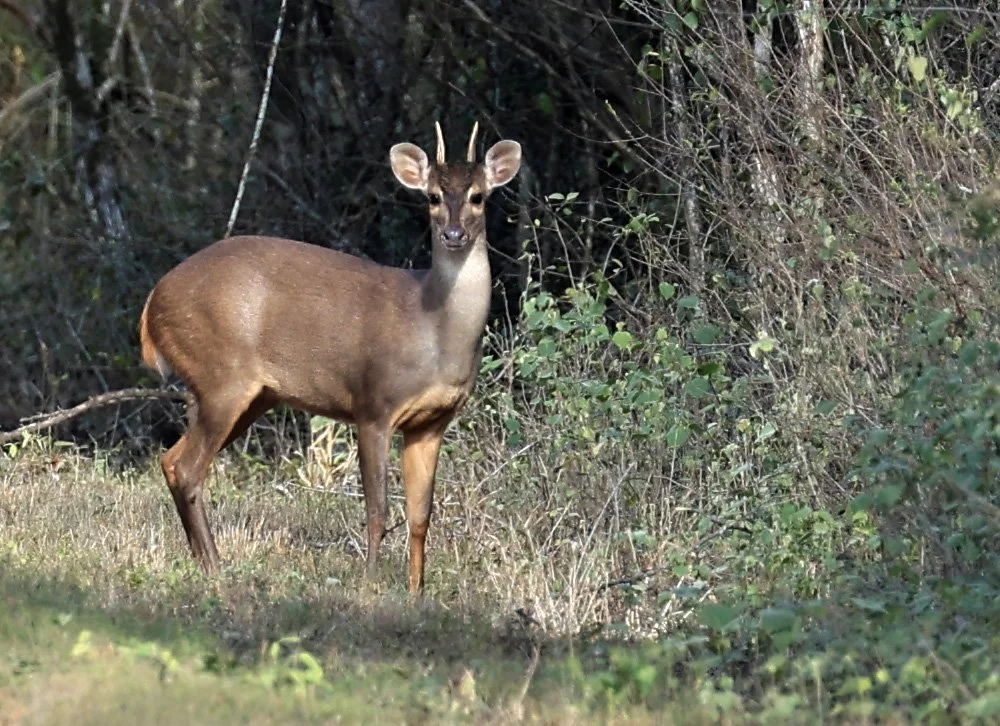
Southern Brown Brocket (Subulo gouazoubira) Selva Serena Natural Reserve
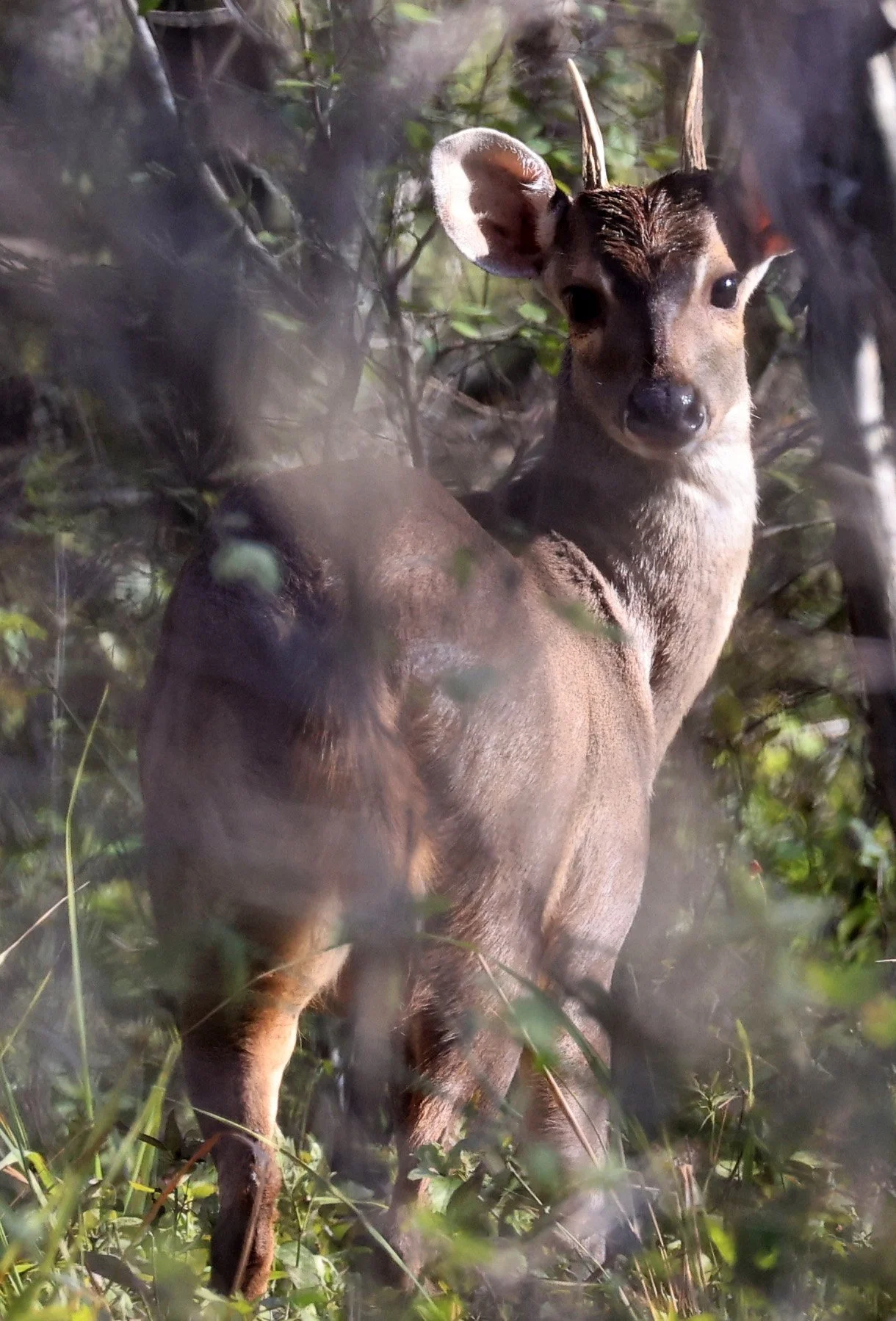
Southern Brown Brocket (Subulo gouazoubira) thinking he's invisible

Yet another Southern Three-banded Armadillo (Tolypeutes matacus)
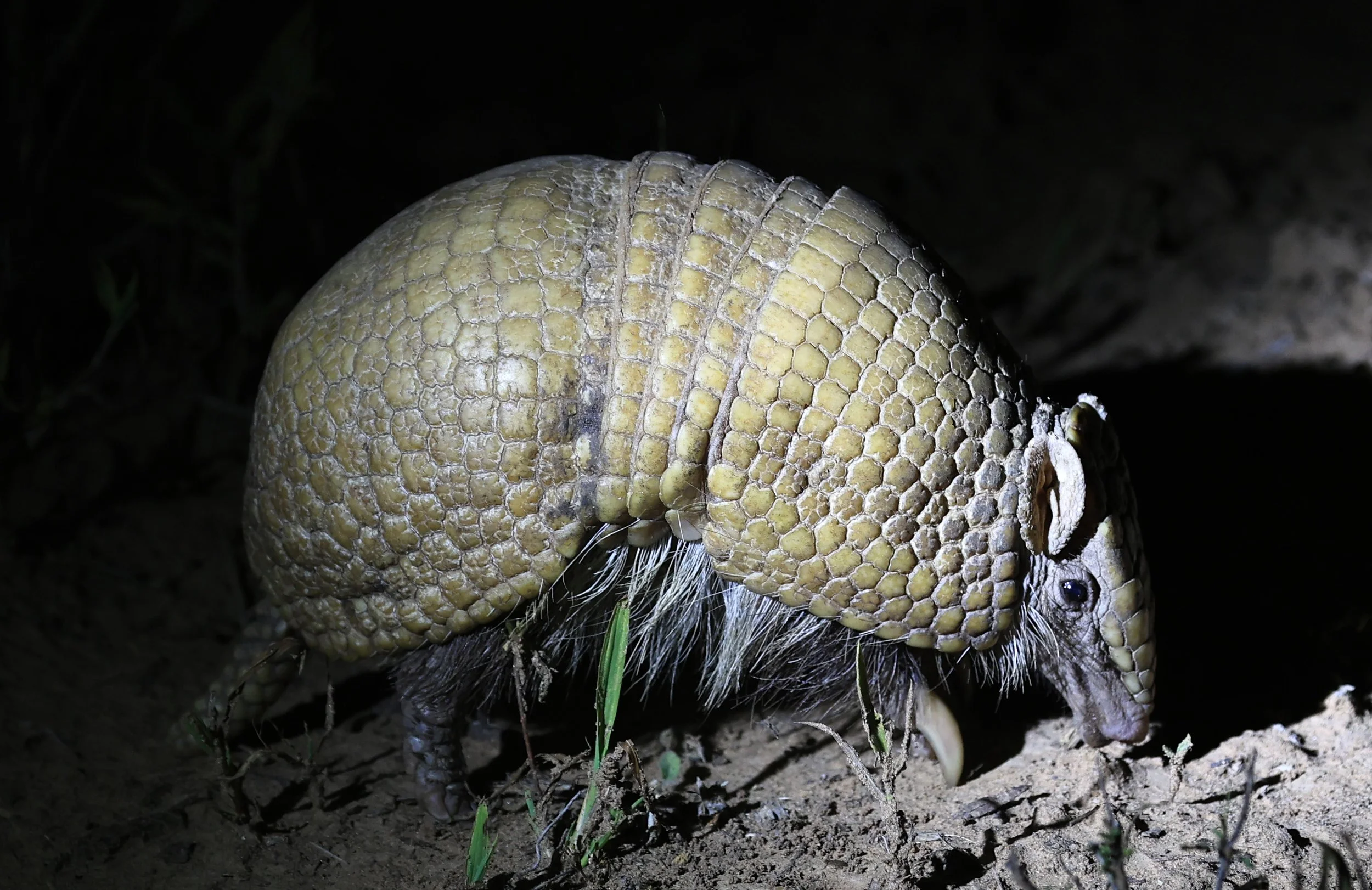
Southern Three-banded Armadillo (Tolypeutes matacus)

Southern Three-banded Armadillo (Tolypeutes matacus)

Southern Three-banded Armadillo (Tolypeutes matacus)

Southern Three-banded Armadillo (Tolypeutes matacus)

Southern Three-banded Armadillo (Tolypeutes matacus)
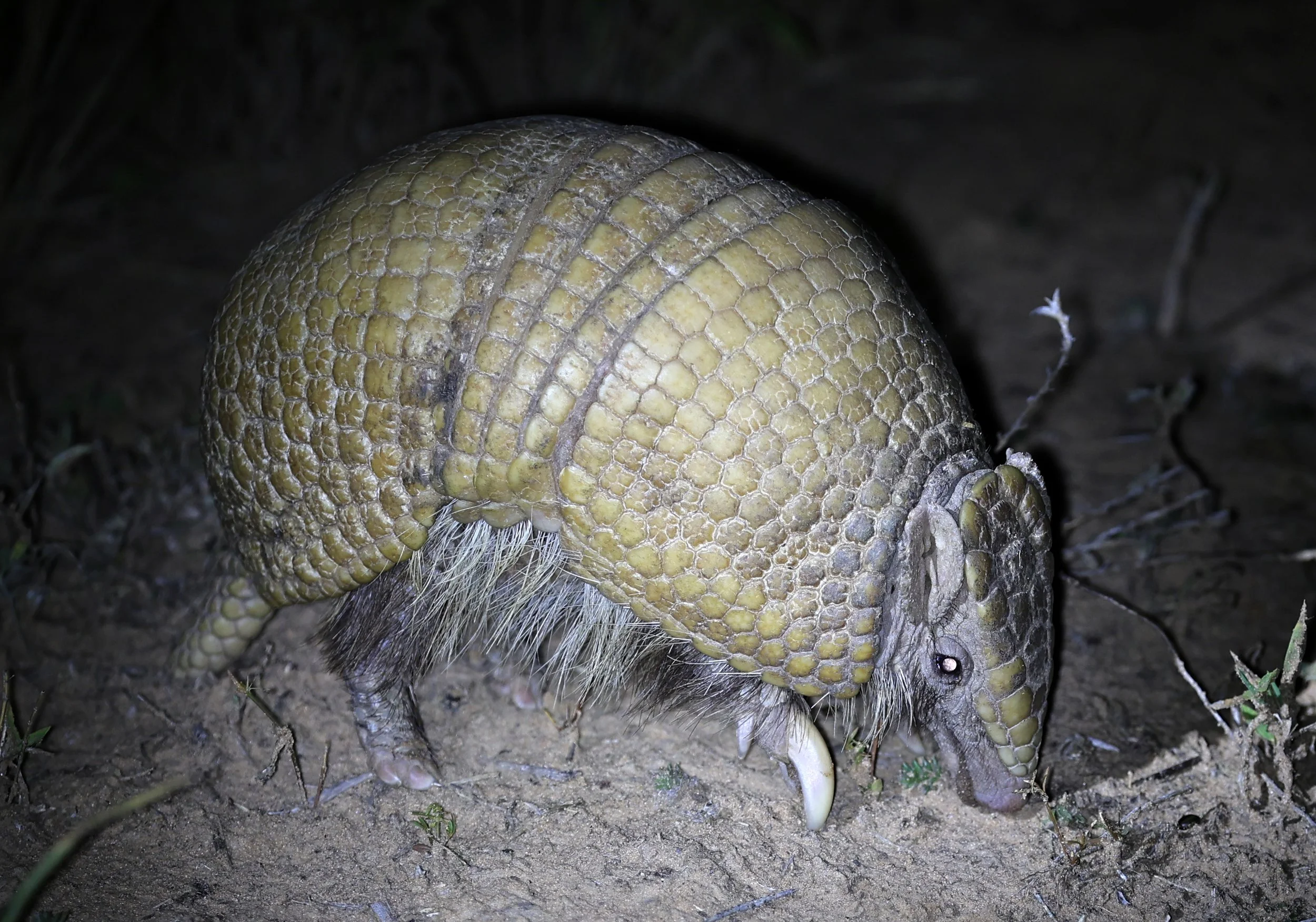
Southern Three-banded Armadillo (Tolypeutes matacus)

Southern Three-banded Armadillo (Tolypeutes matacus)
Birds & Stuff of Selva Serena Natural Reserve
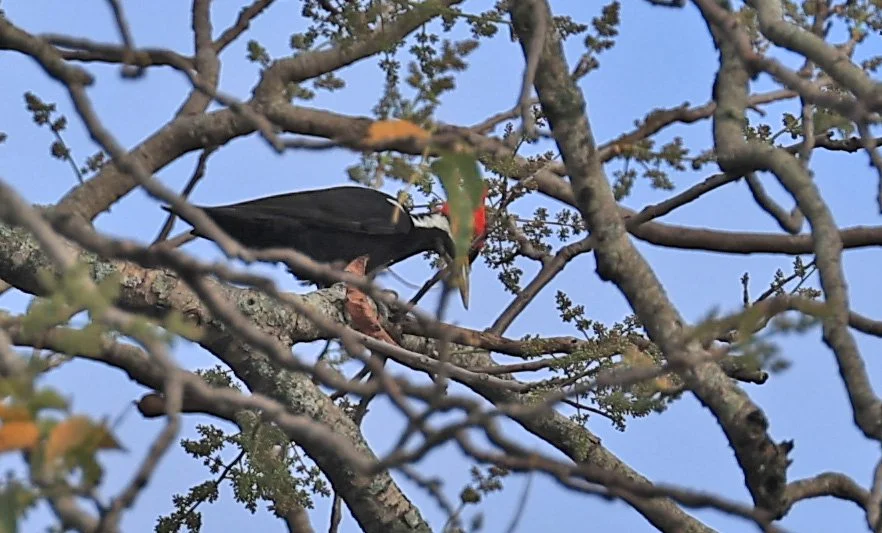
Black-bodied Woodpecker (Dryocopus schulzi) Selva Serena Natural Reserve
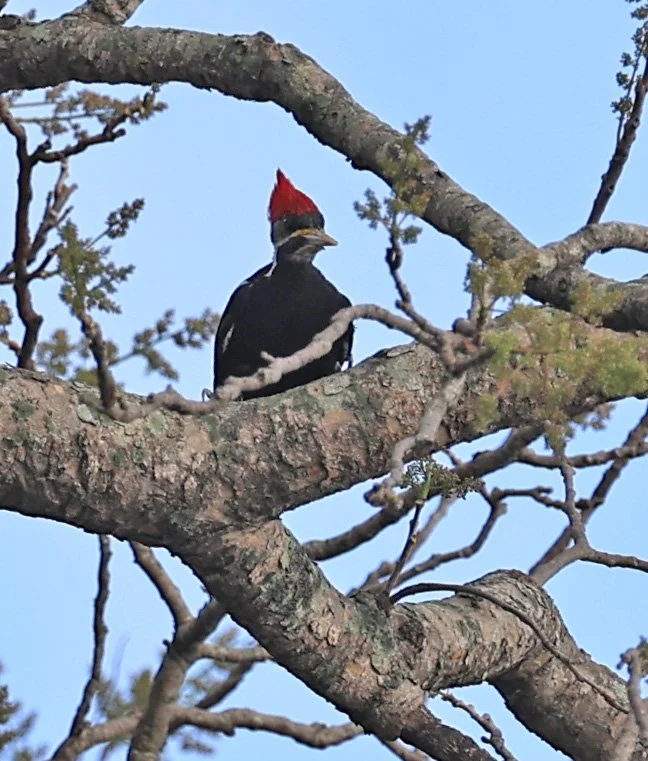
Black-bodied Woodpecker (Dryocopus schulzi) Selva Serena Natural Reserve
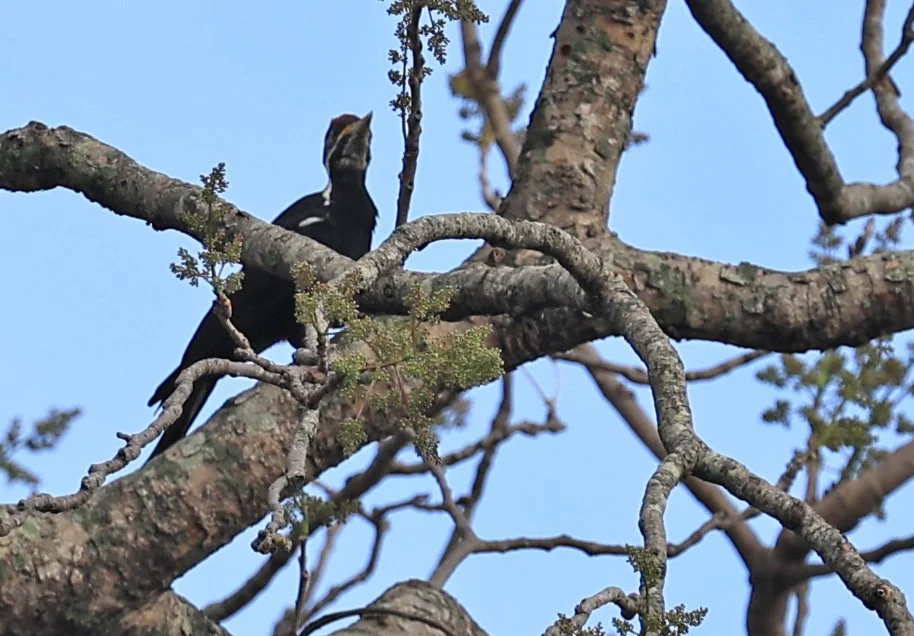
Black-bodied Woodpecker (Dryocopus schulzi) Selva Serena Natural Reserve
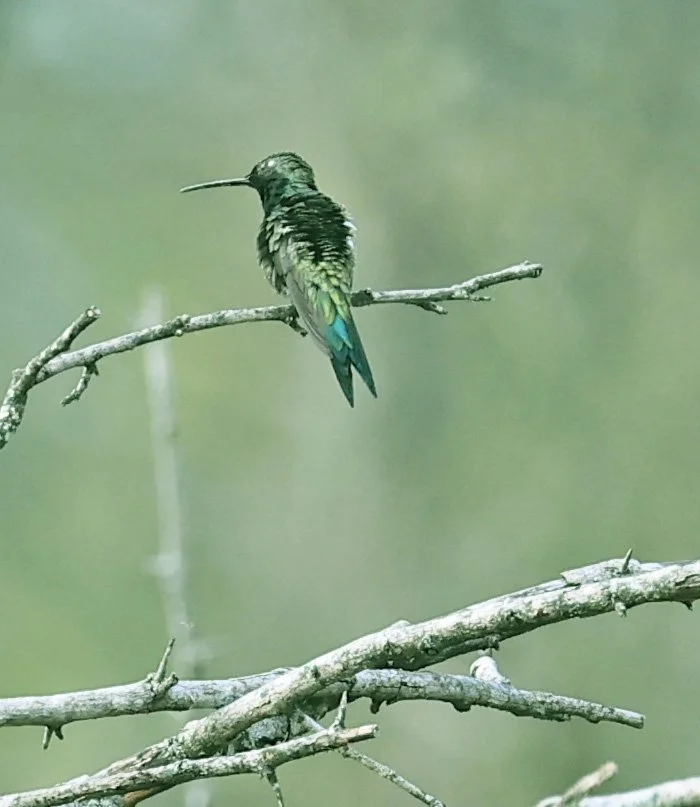
Blue-tufted Starthroat (Heliomaster furcifer) Selva Serena Natural Reserve
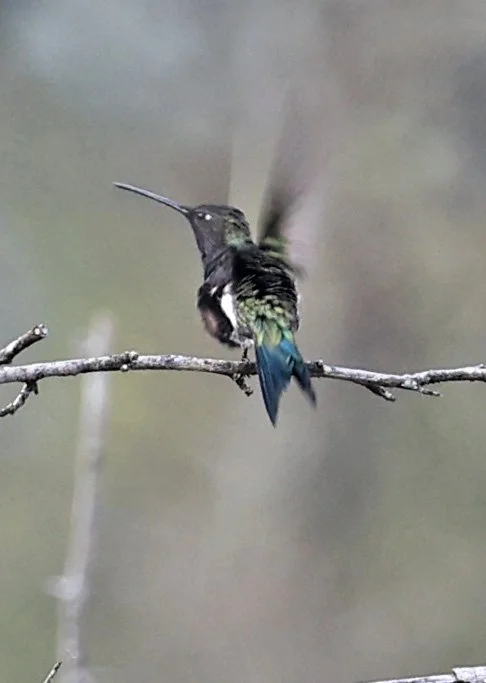
Blue-tufted Starthroat (Heliomaster furcifer) Selva Serena Natural Reserve
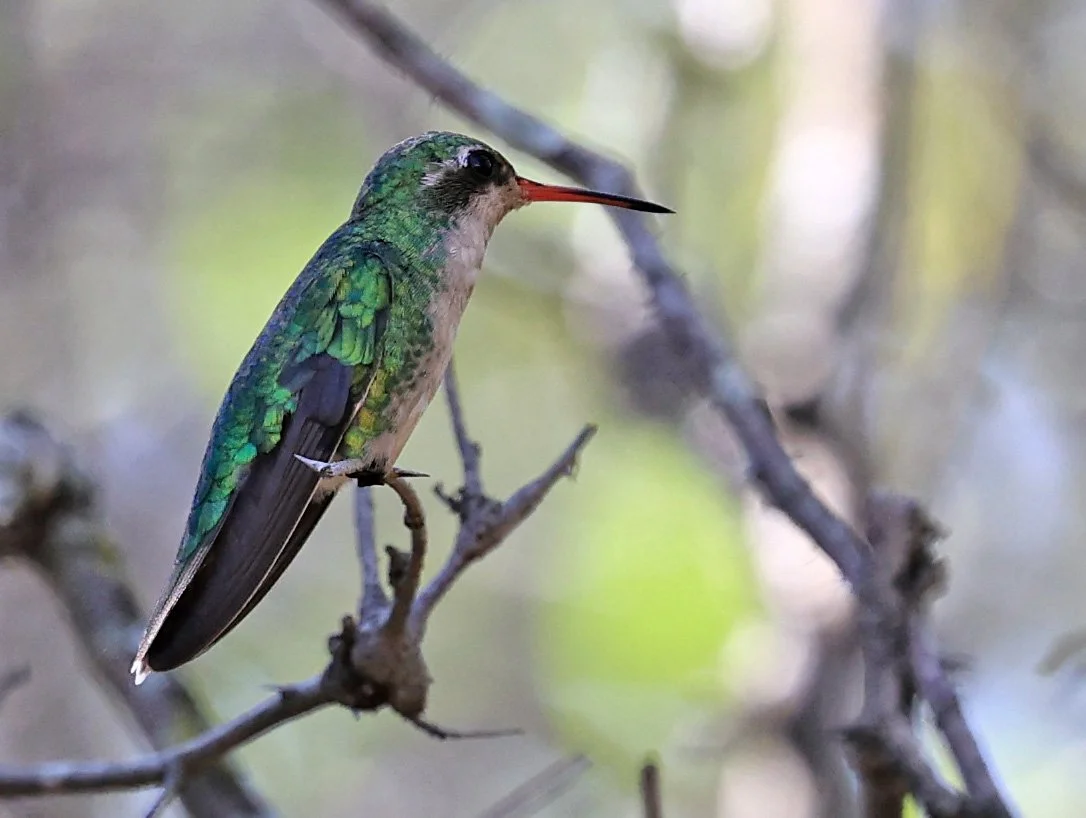
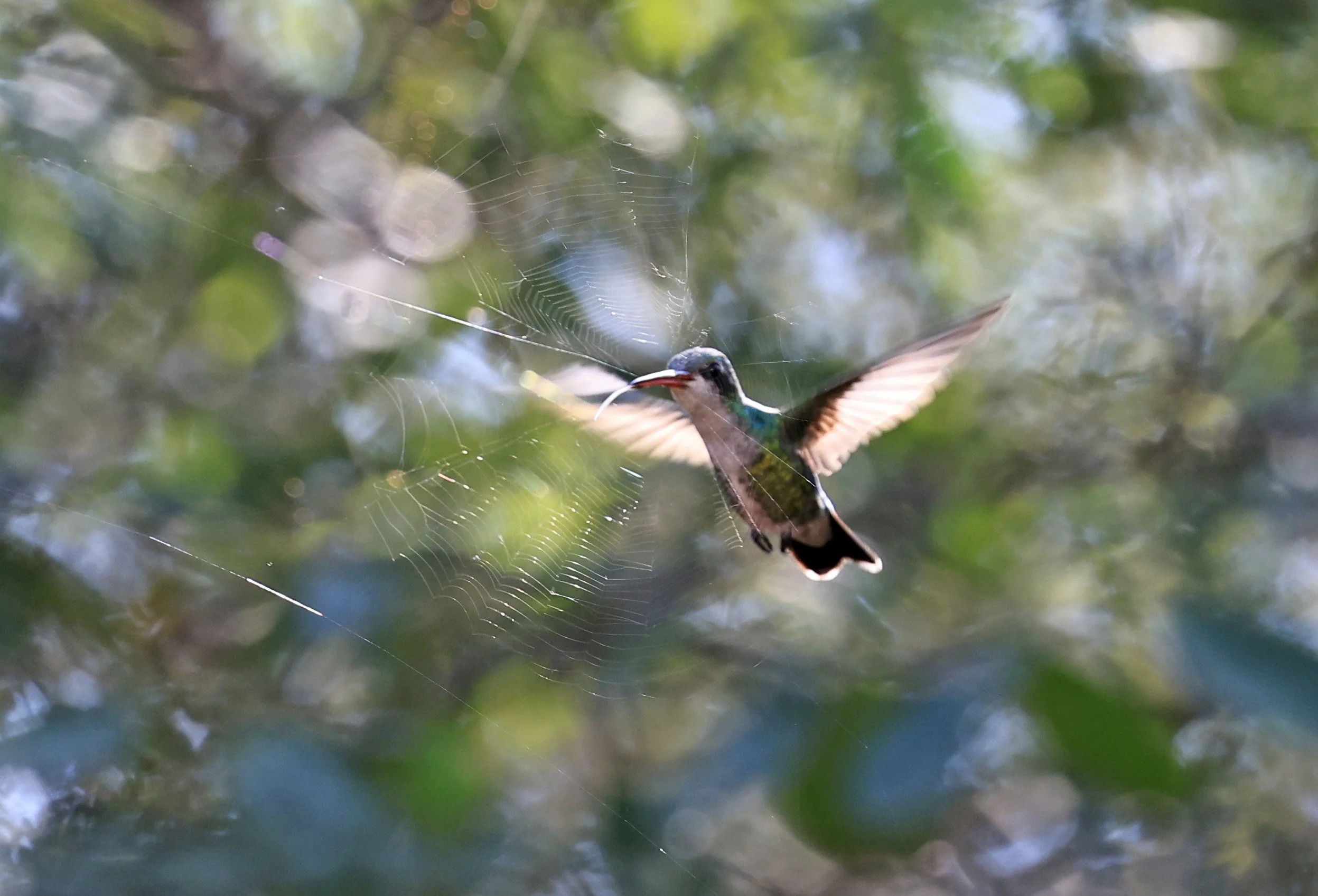
Glittering-bellied Emerald (Chlorostilbon lucidus) Selva Serena Natural Reserve
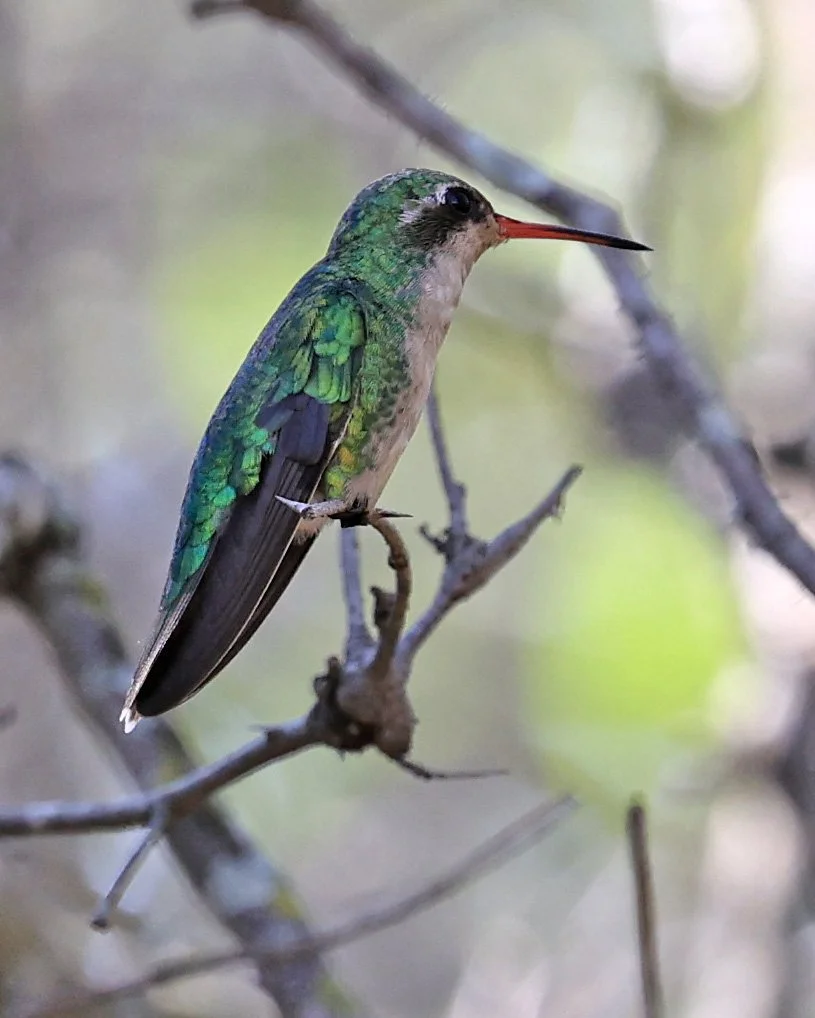
Glittering-bellied Emerald (Chlorostilbon lucidus) Selva Serena Natural Reserve
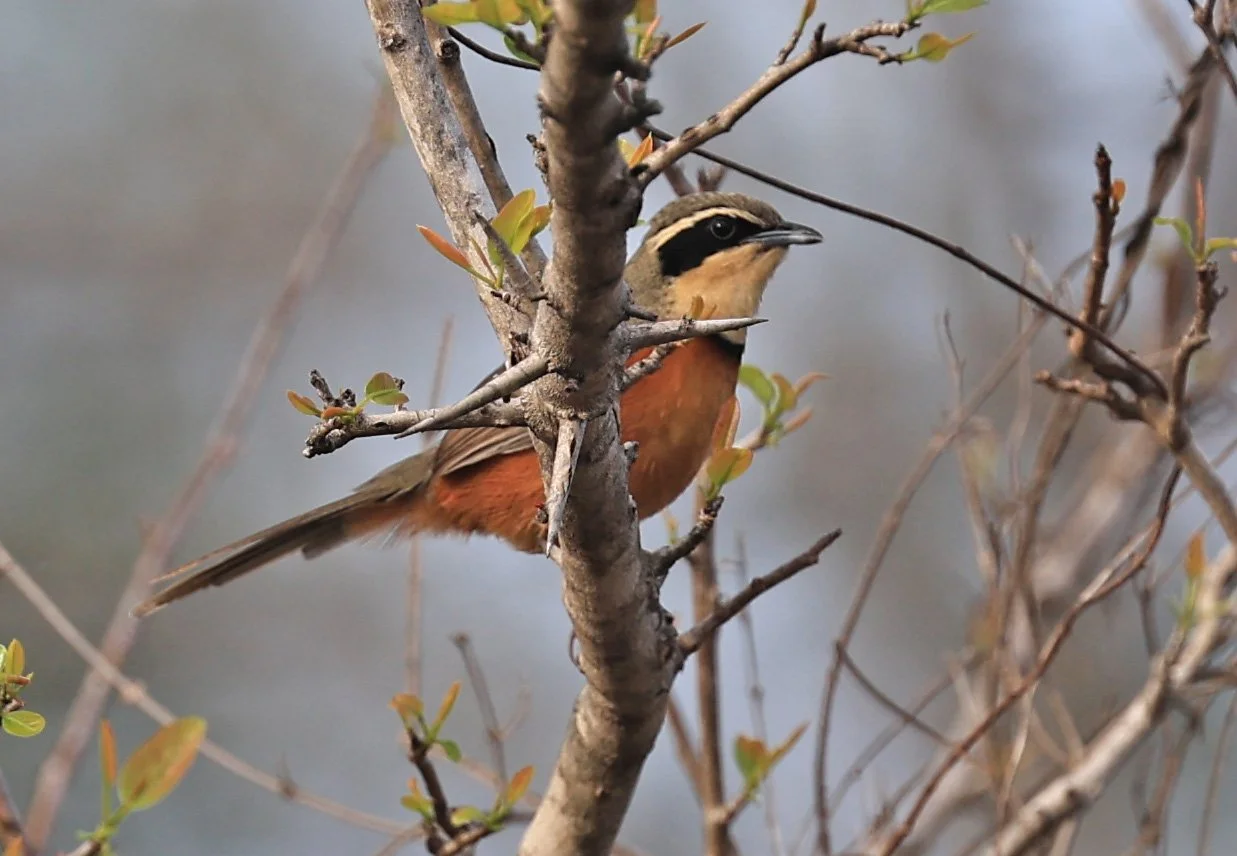
Olive-crowned Crescentchest (Melanopareia maximiliani) Selva Serena Natural Reserve
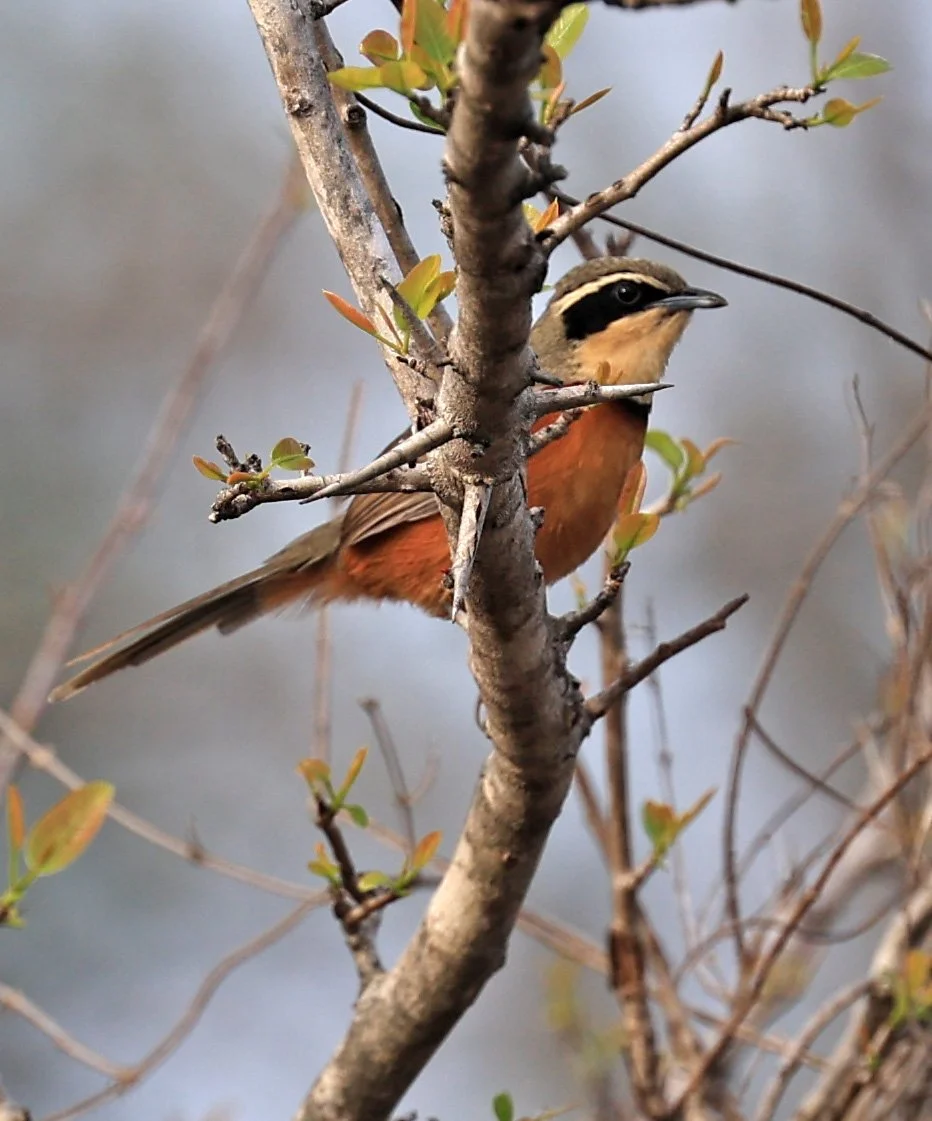
Olive-crowned Crescentchest (Melanopareia maximiliani) Selva Serena Natural Reserve
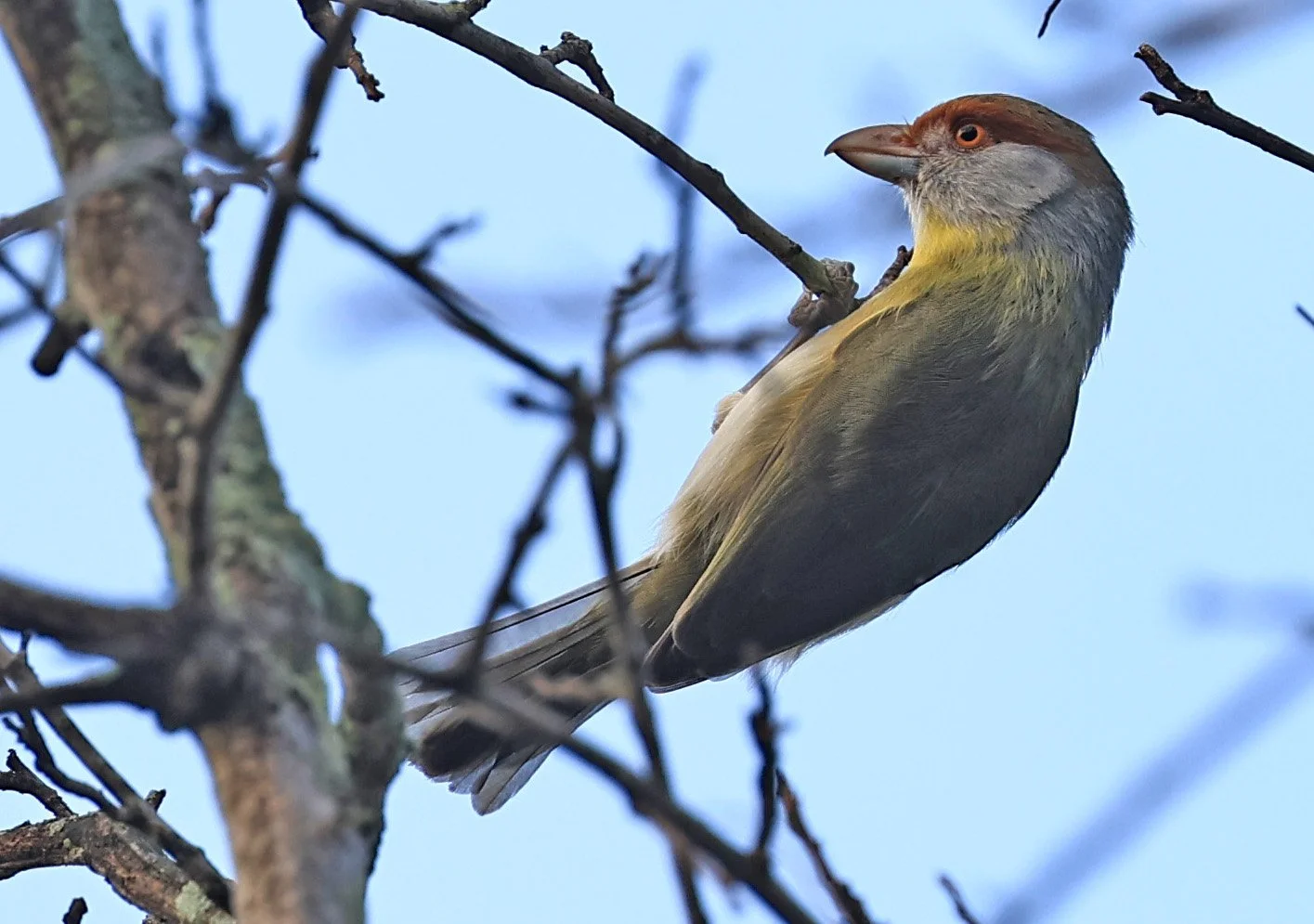
Rufous-browed Peppershrike (Cyclarhis gujanensis) Selva Serena Natural Reserve
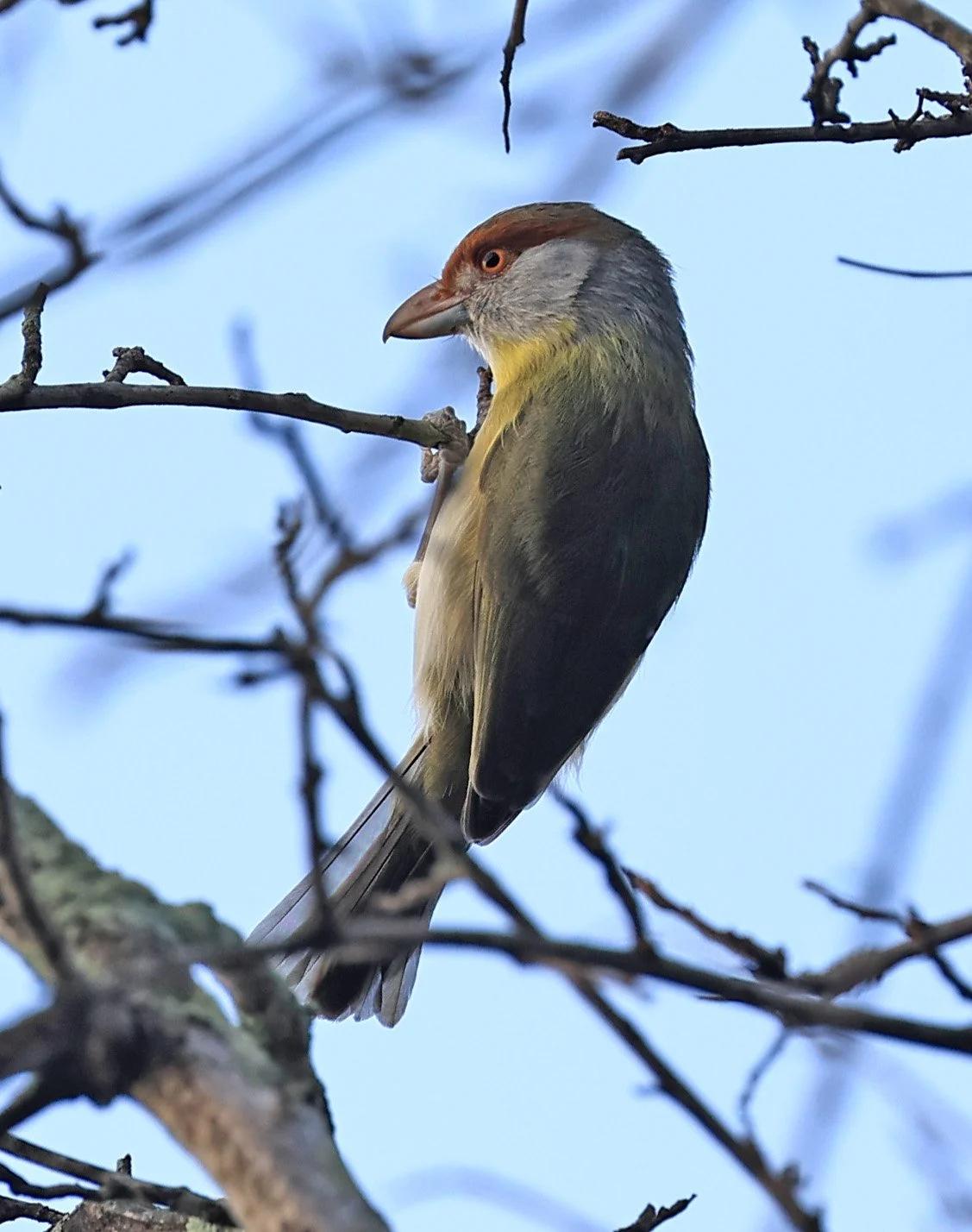
Rufous-browed Peppershrike (Cyclarhis gujanensis) Selva Serena Natural Reserve
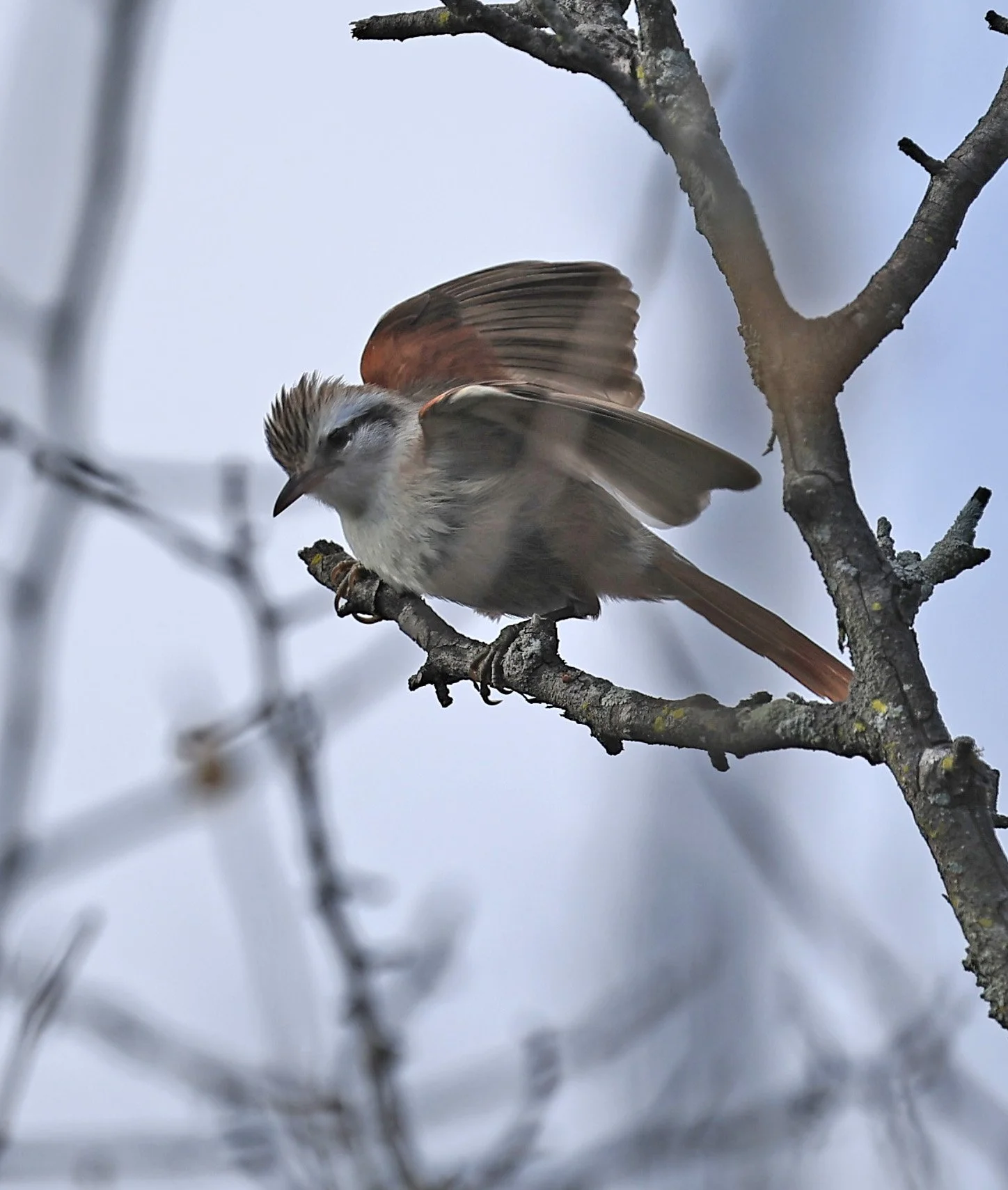
Stripe-crowned Spinetail (Cranioleuca pyrrhophia) Selva Serena Natural Reserve
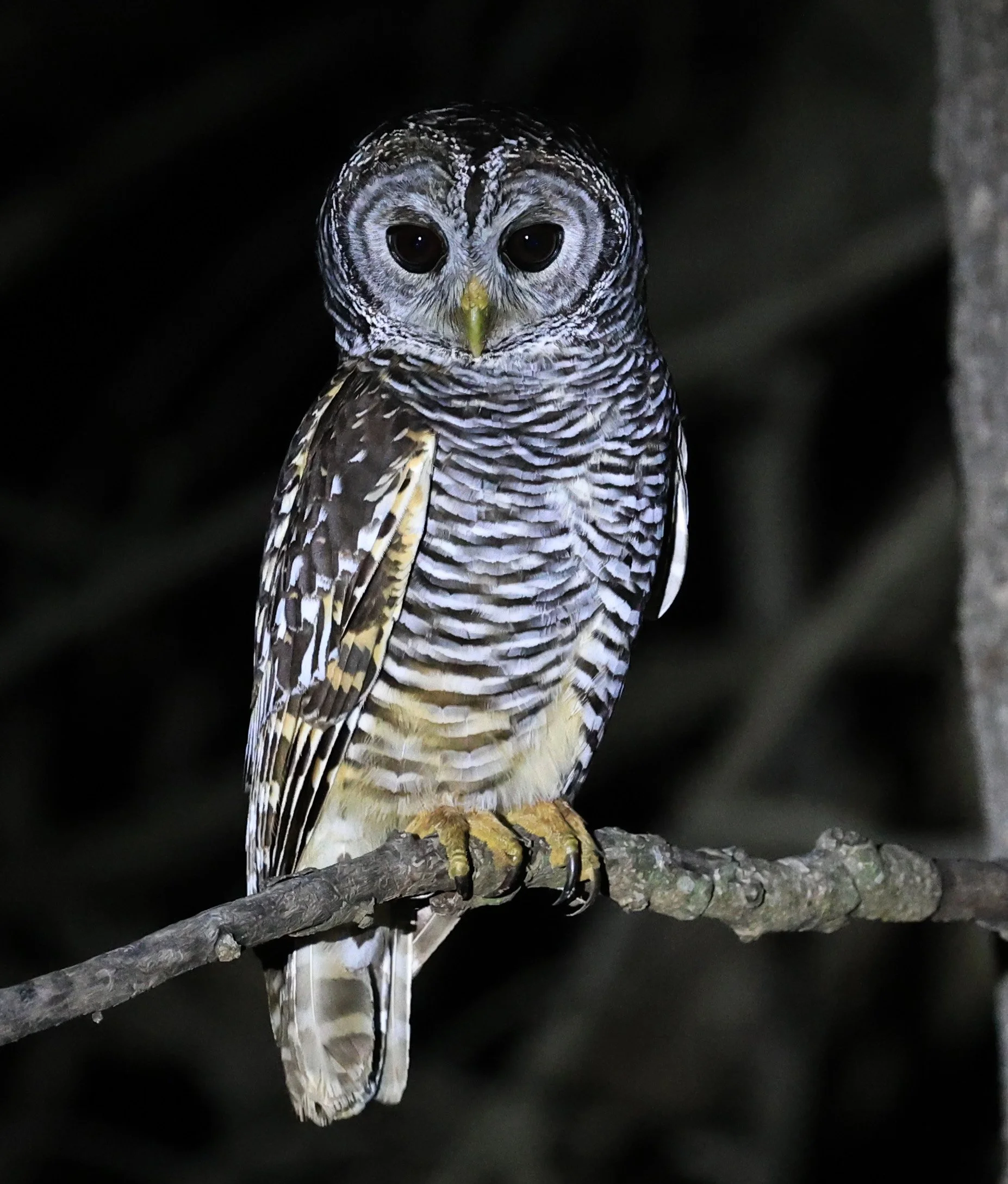
Chaco Owl (Strix chacoensis) Reserva Nueland Selva Serena
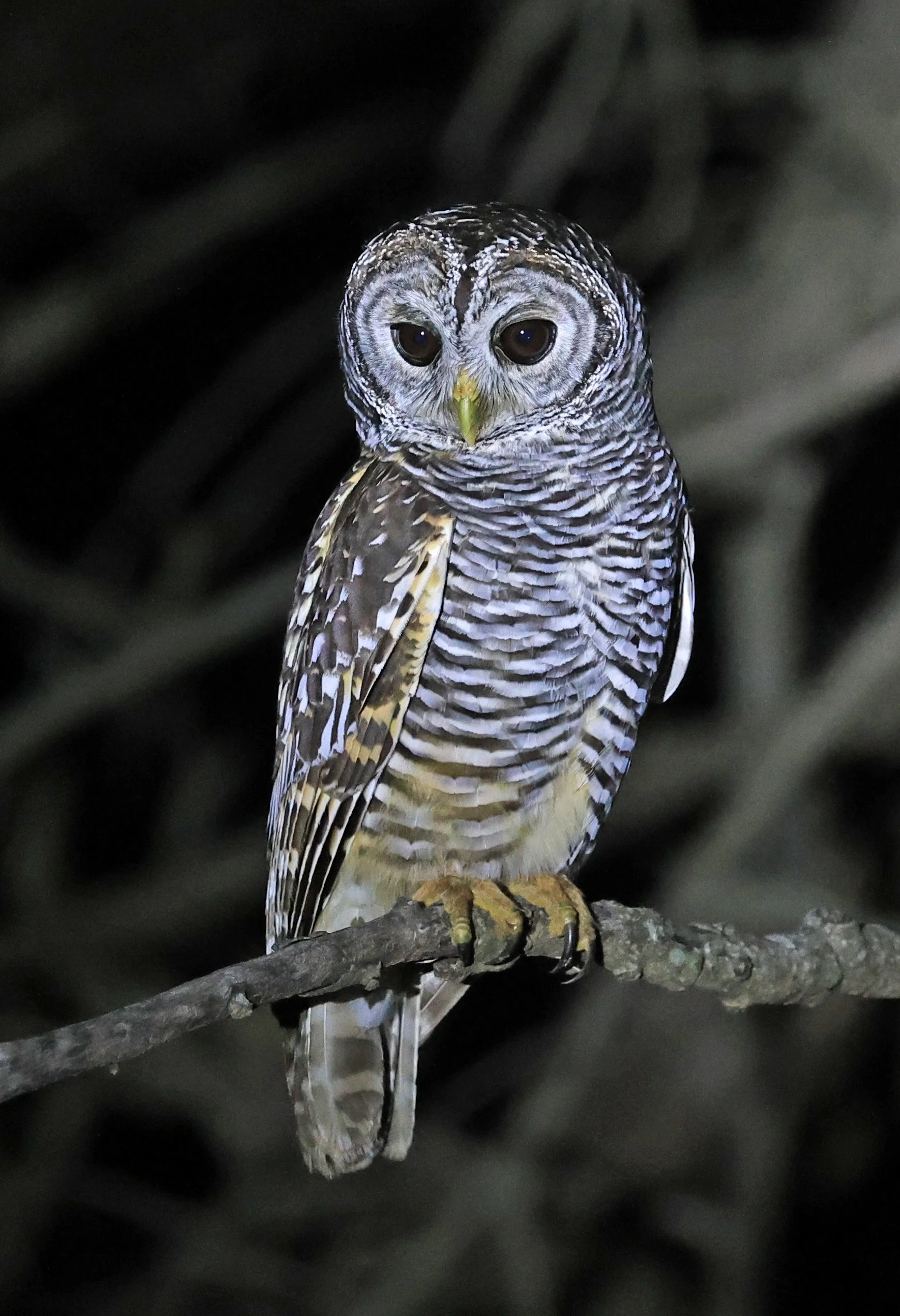
Chaco Owl (Strix chacoensis) Reserva Nueland Selva Serena
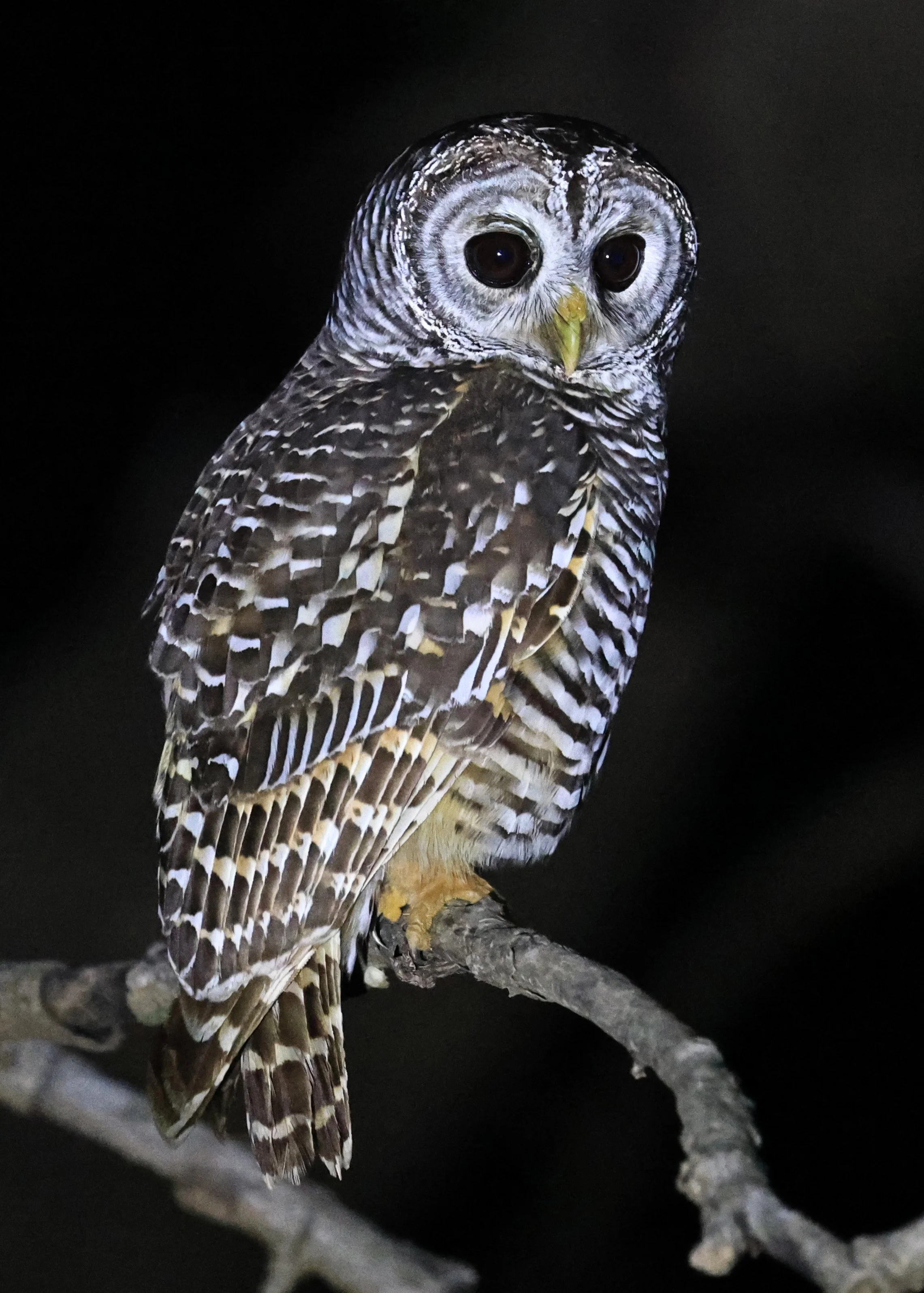
Chaco Owl (Strix chacoensis) Reserva Nueland Selva Serena
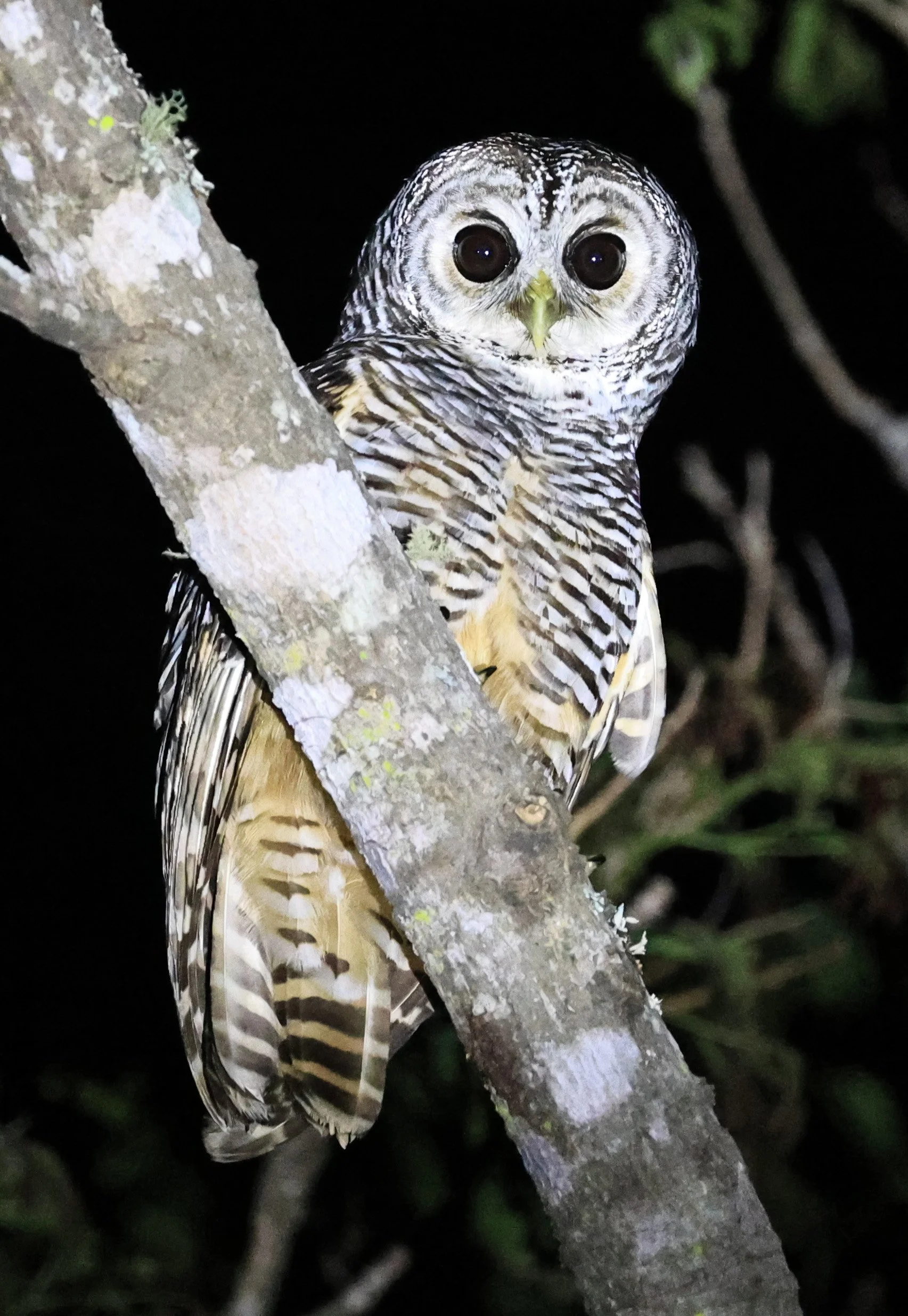
Chaco Owl (Strix chacoensis) Reserva Nueland Selva Serena
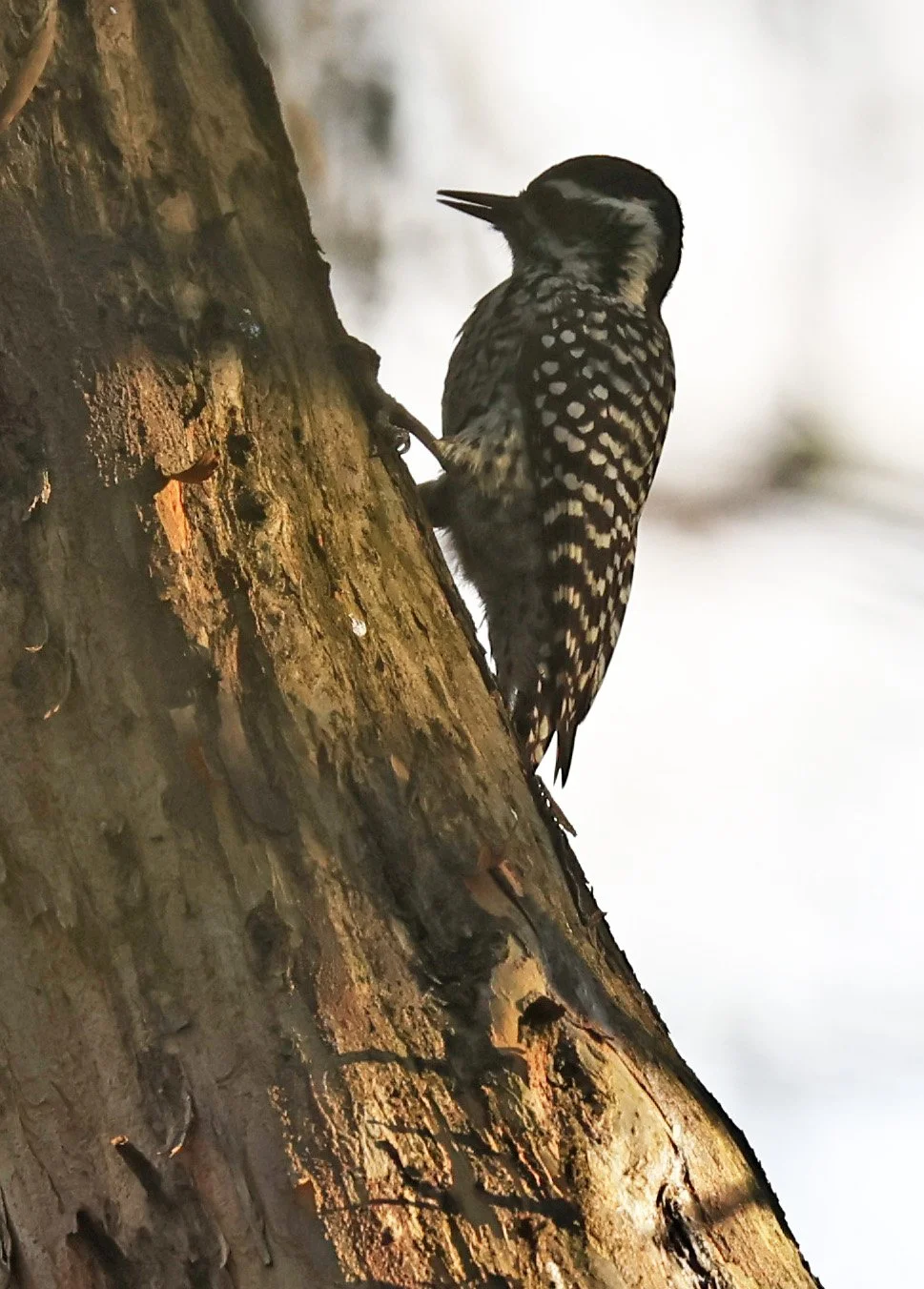
Checkered Woodpecker (Veniliornis mixtus) Reserva Nueland Selva Serena

Checkered Woodpecker (Veniliornis mixtus) Reserva Nueland Selva Serena
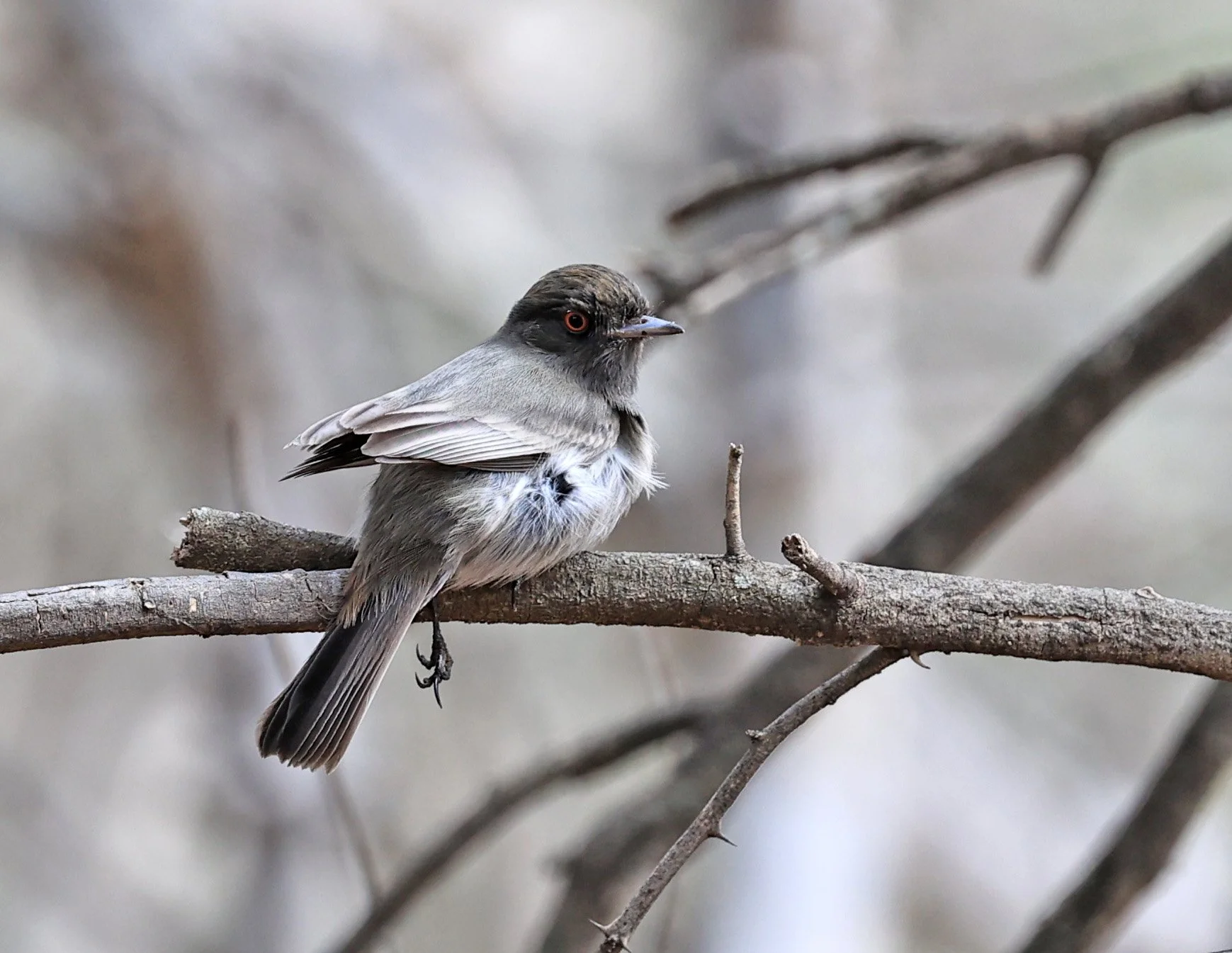
Cinereous Tyrant (Knipolegus striaticeps) Neuland Mennonite Colony Paraguay
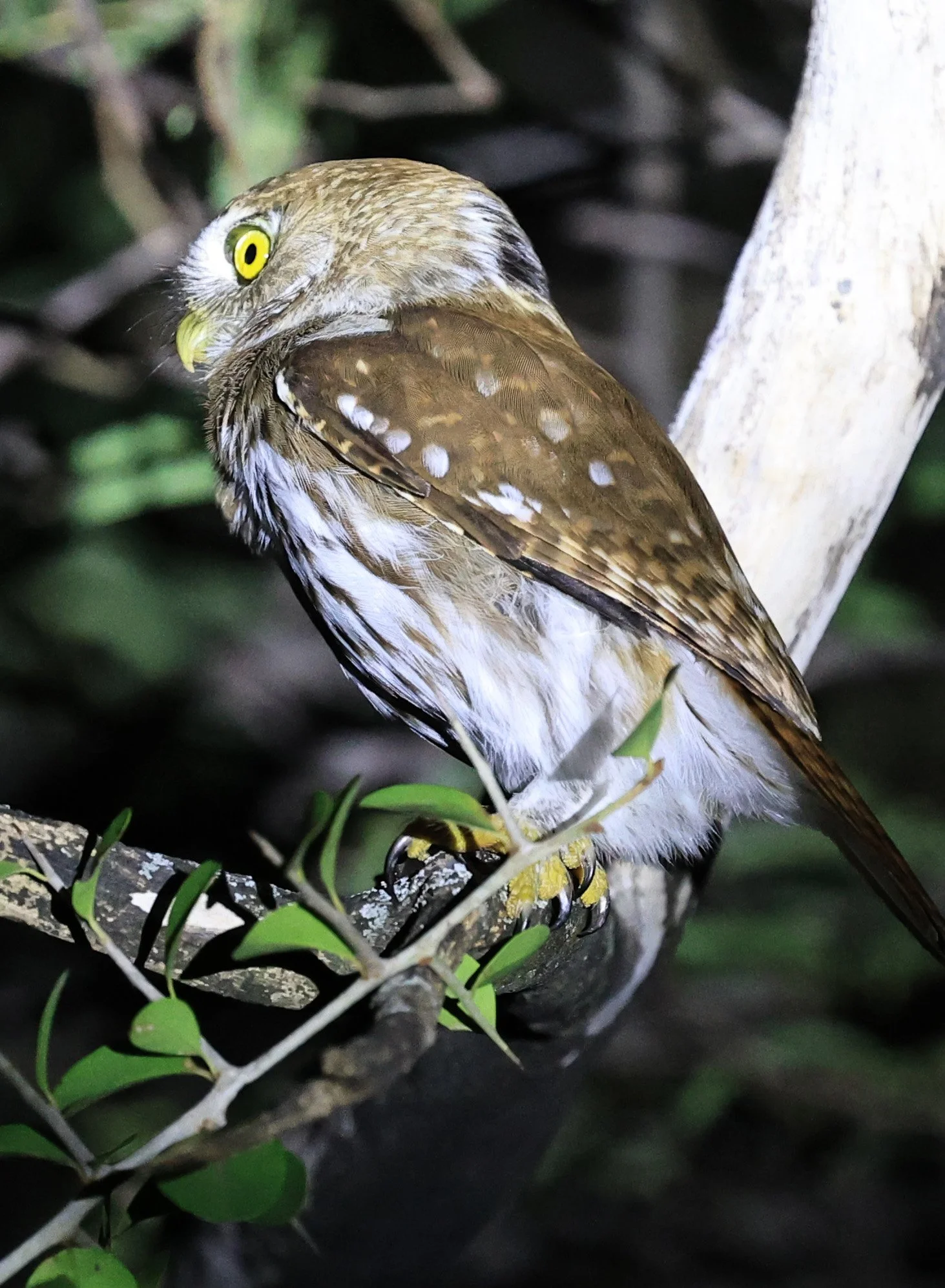
Ferruginous Pygmy-Owl (Glaucidium brasilianum) Reserva Nueland Selva Serena
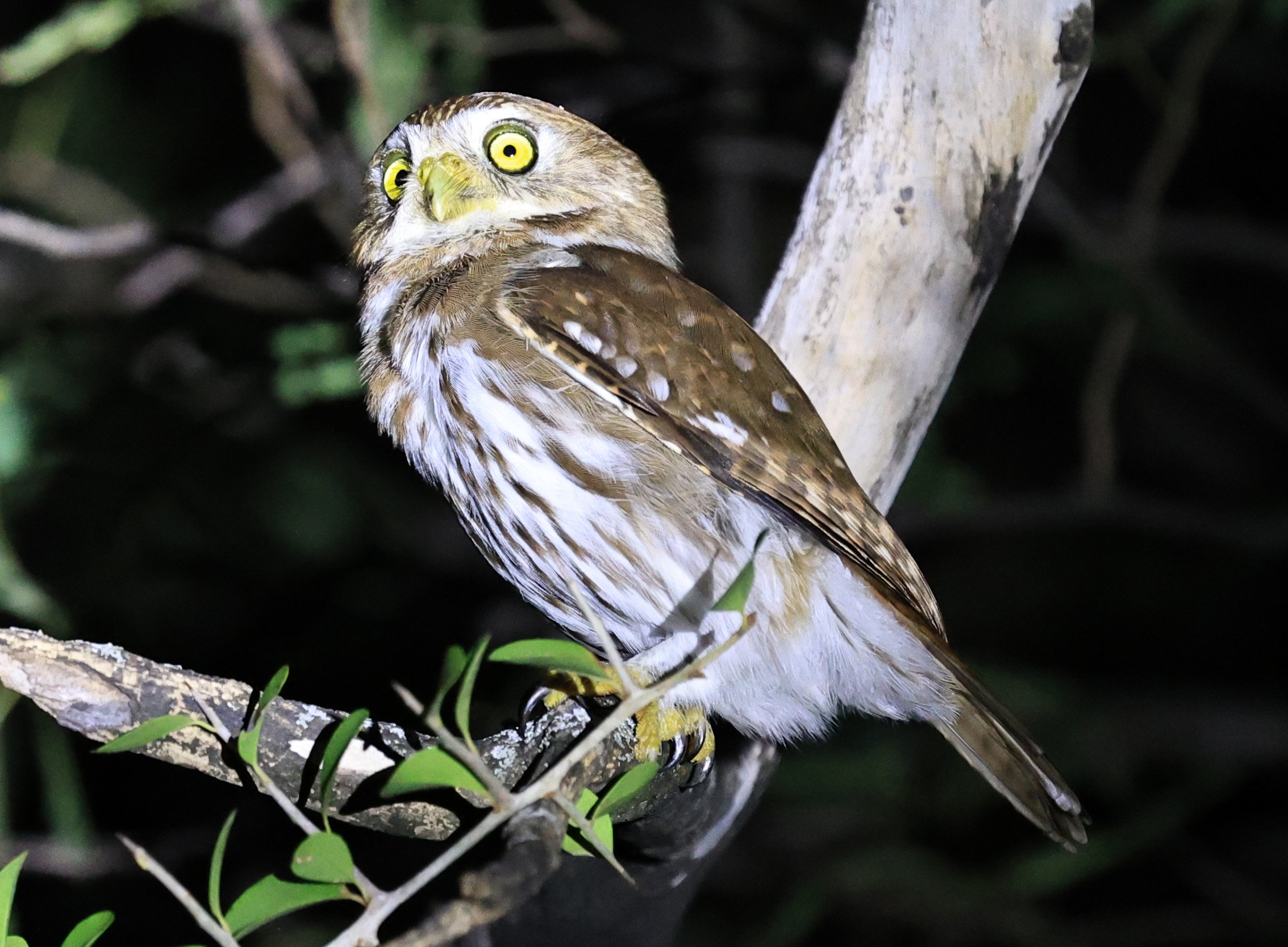
Ferruginous Pygmy-Owl (Glaucidium brasilianum) Reserva Nueland Selva Serena
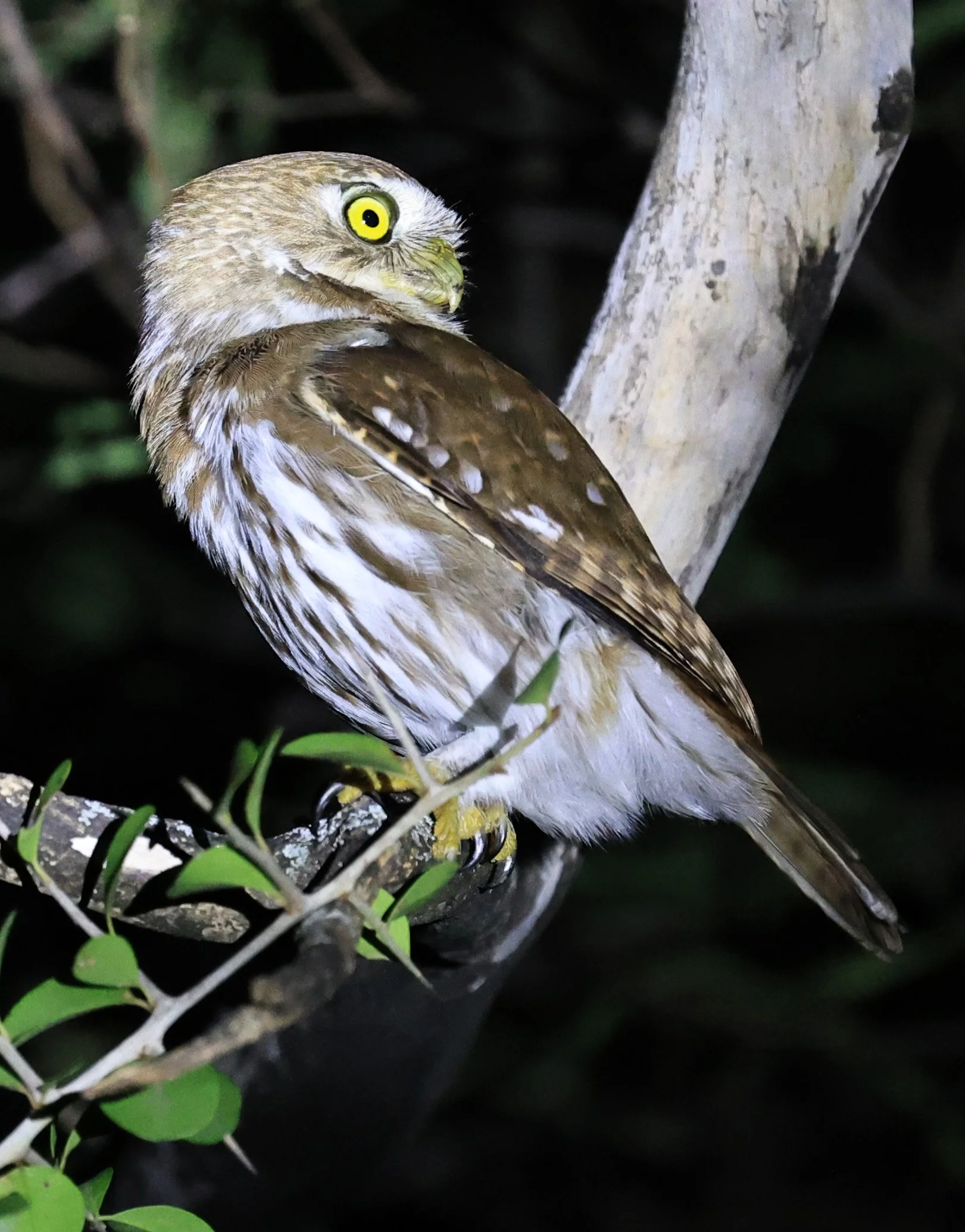
Ferruginous Pygmy-Owl (Glaucidium brasilianum) Reserva Nueland Selva Serena
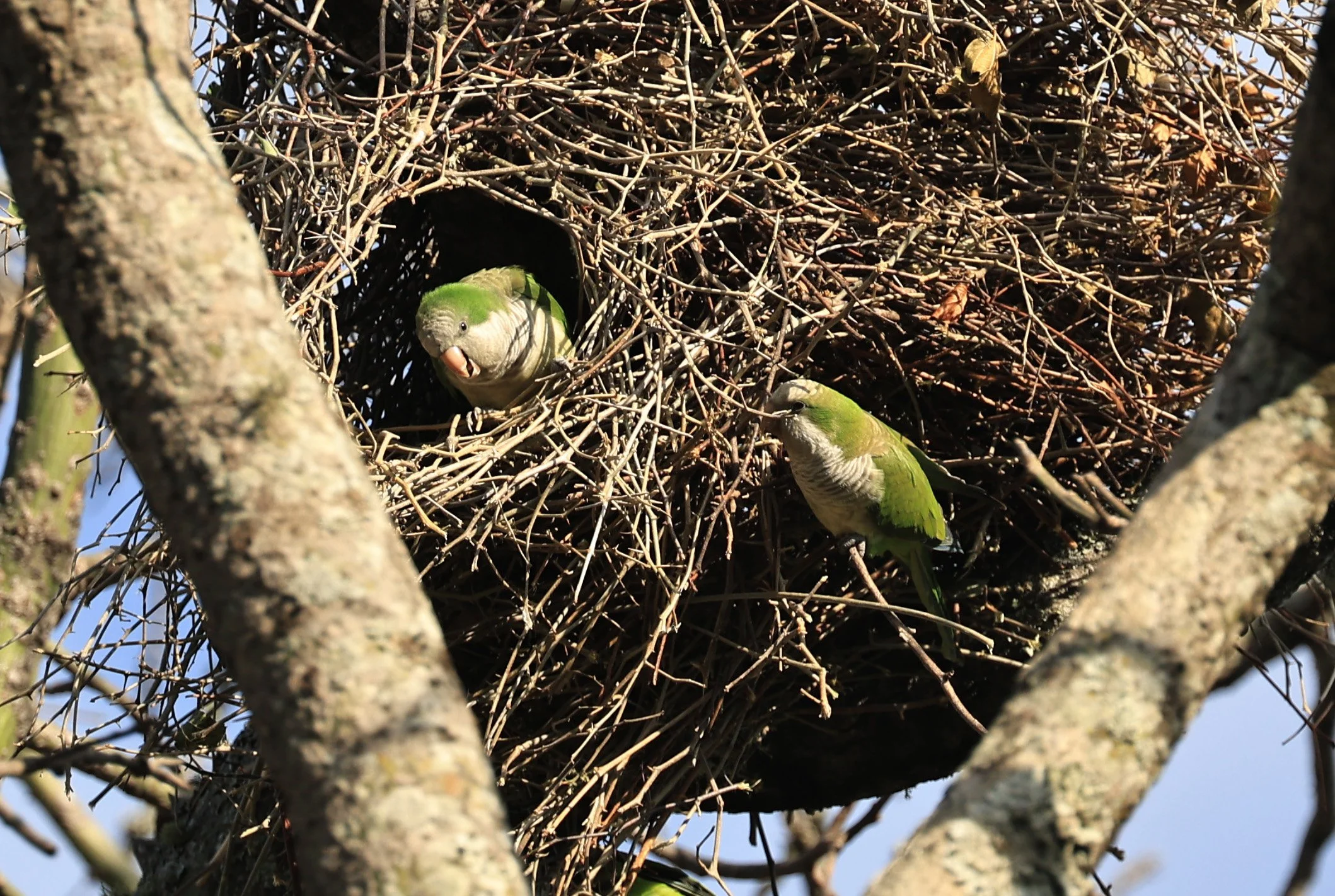
Monk Parakeet (Myiopsitta monachus) Estancia Campo'i Paraguay
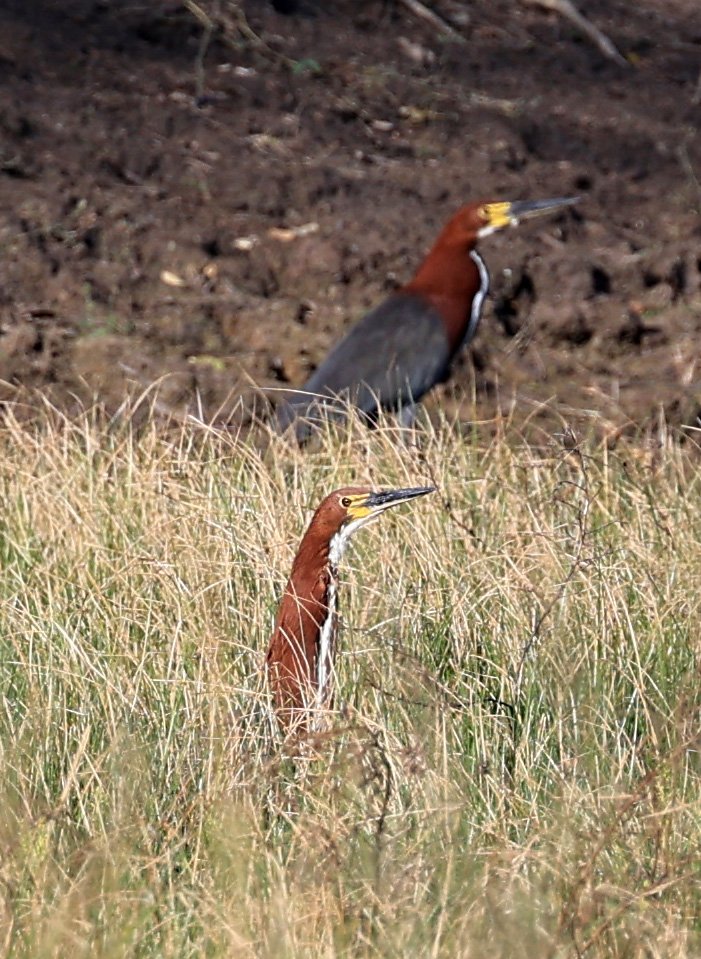
Rufescent Tiger-Heron (Tigrisoma lineatum) Reserva Nueland Selva Serena
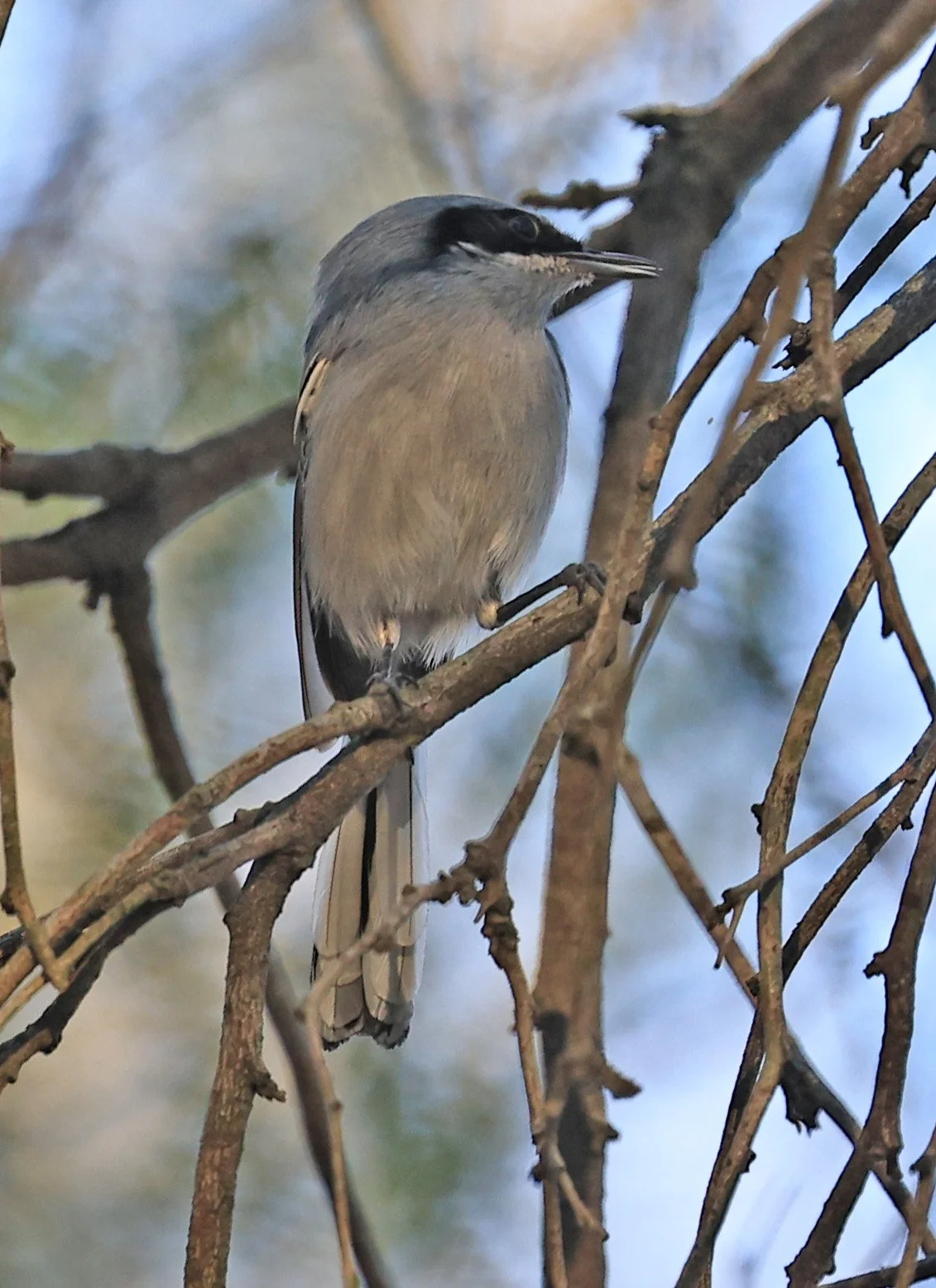
Masked Gnatcatcher (Polioptila dumicola) Estancia Campo'i Paraguay
Flora and Scenery Selva Serena Natural Reserve
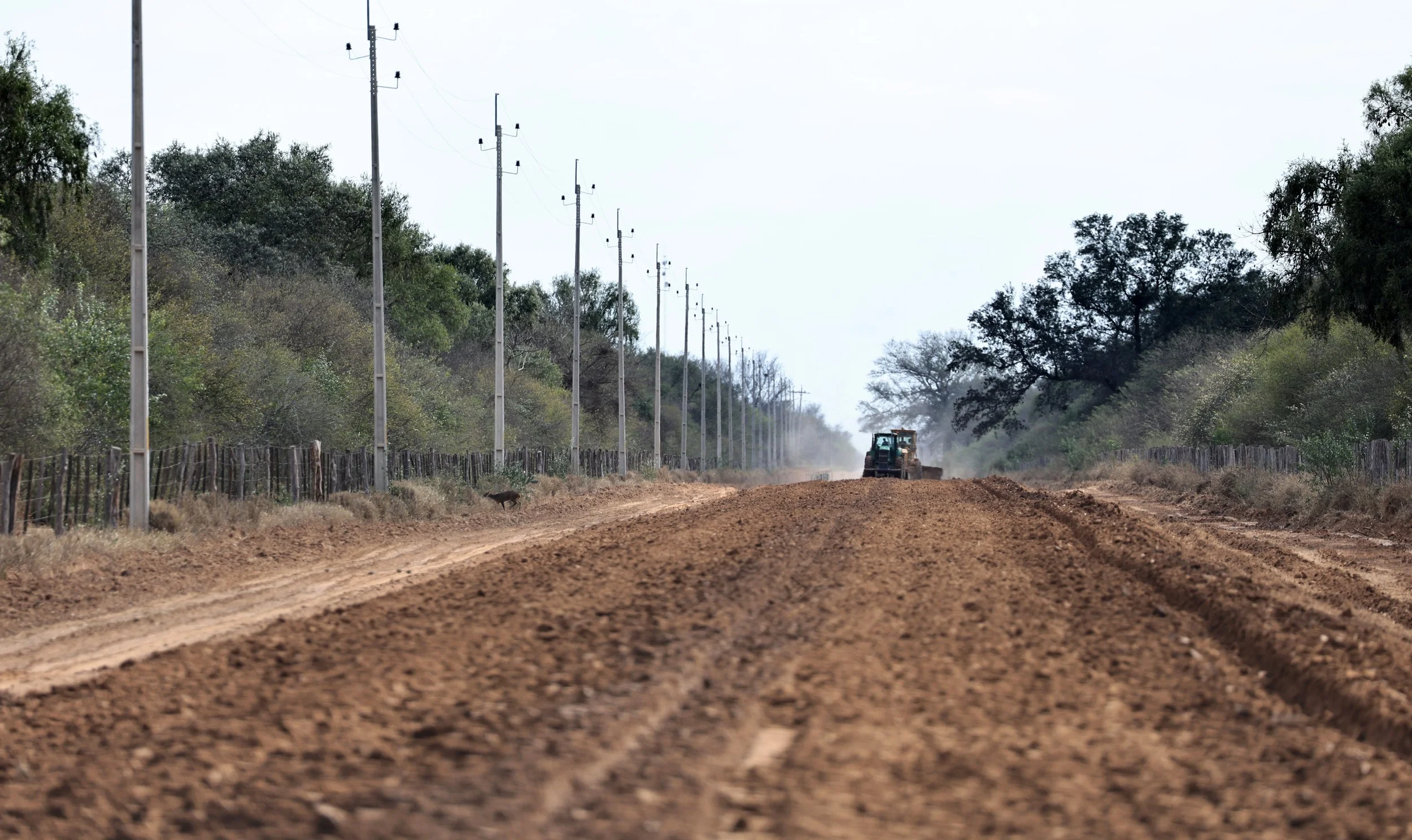
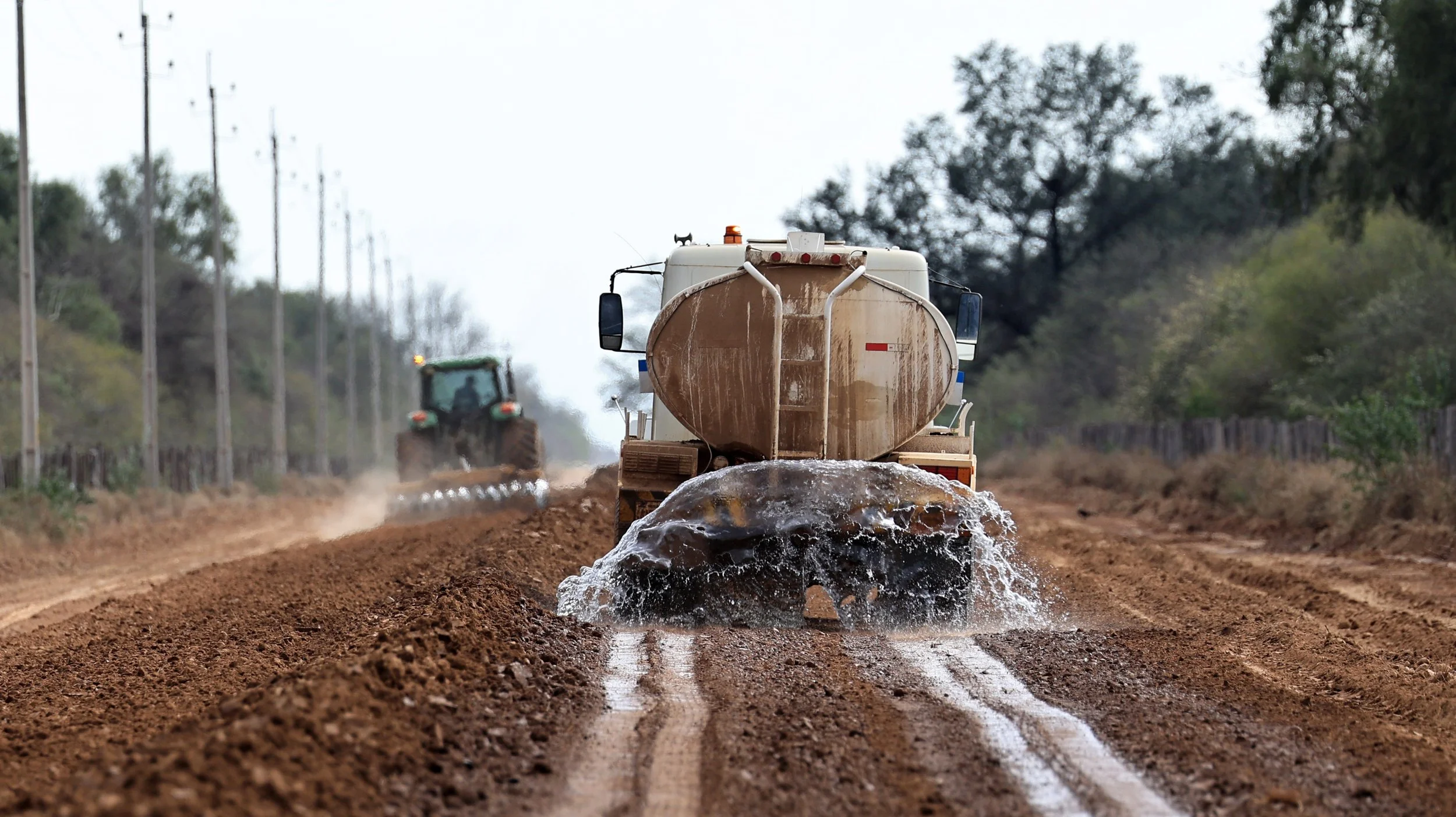
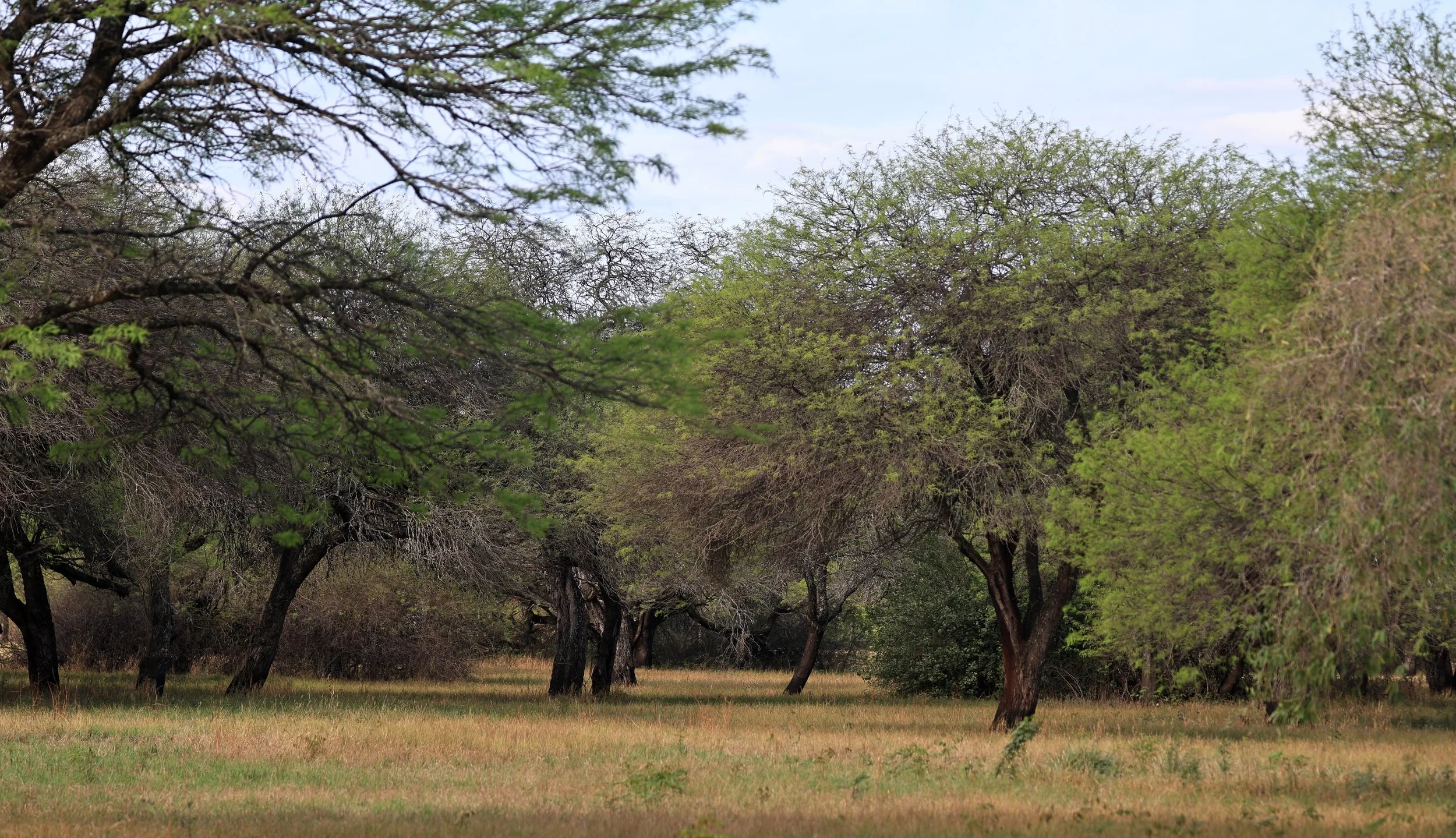
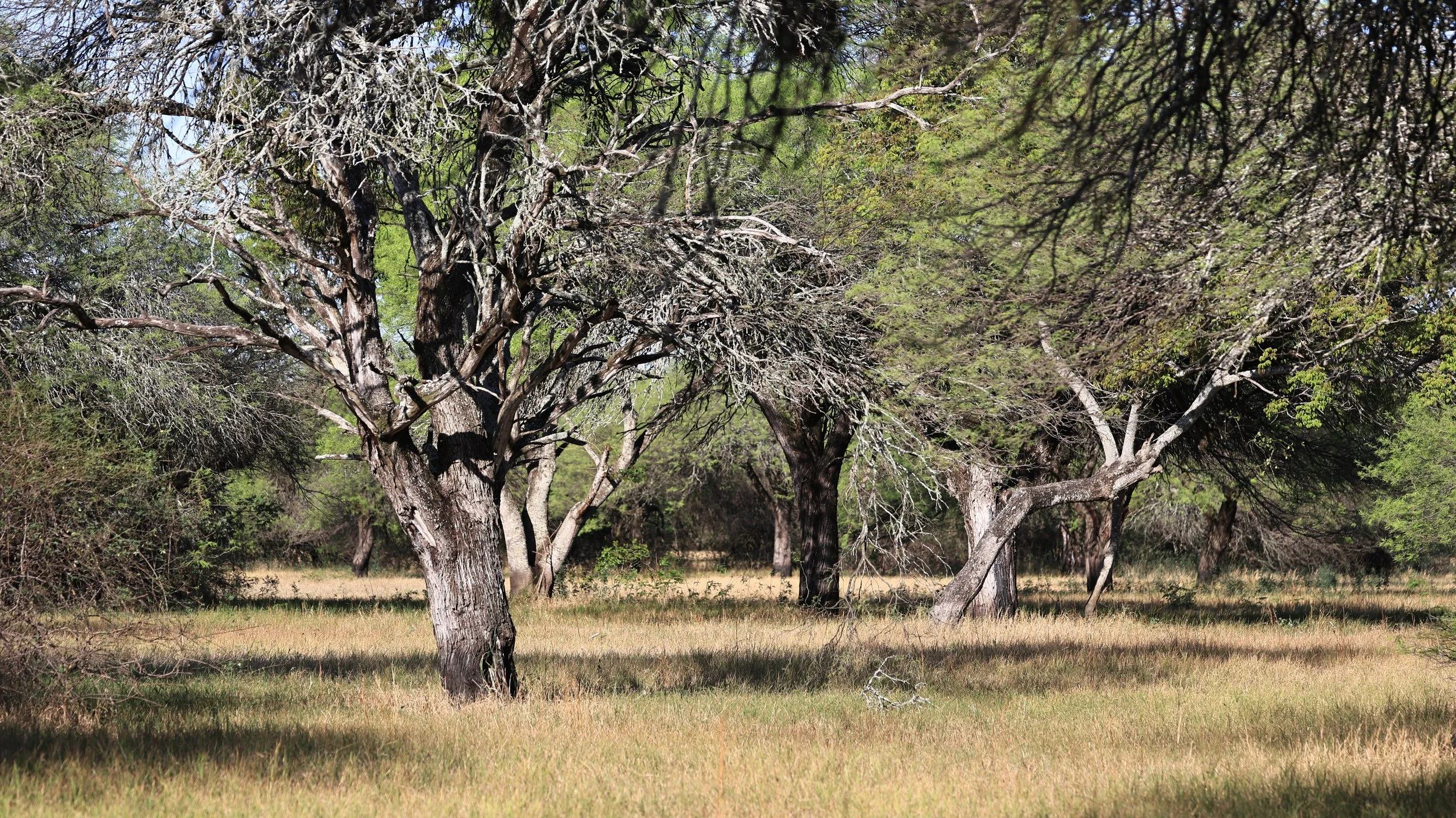
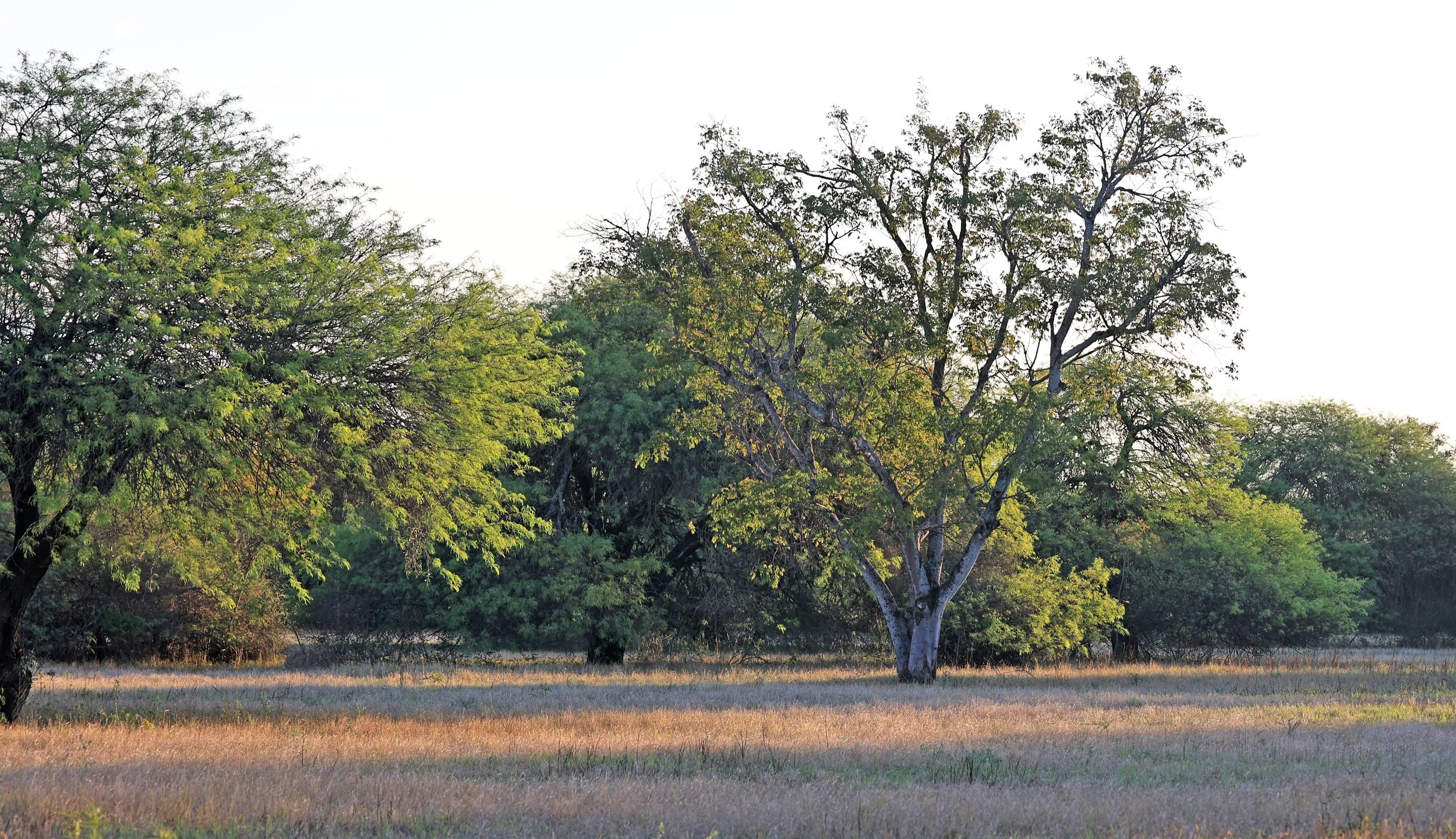
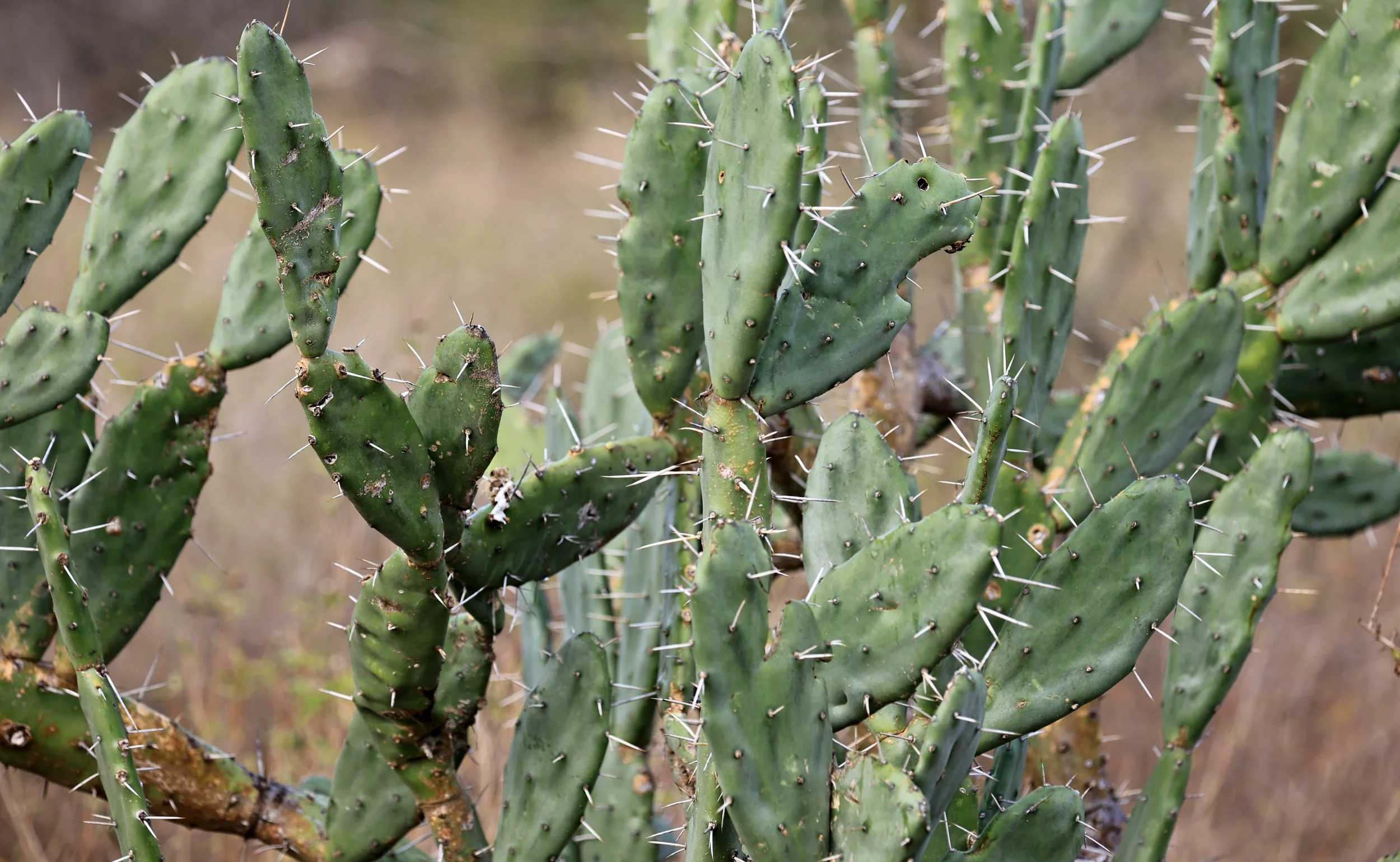
Opuntia elata - Tuna - Selva Serena Natural Reserve

DRY Selaginella sellowii
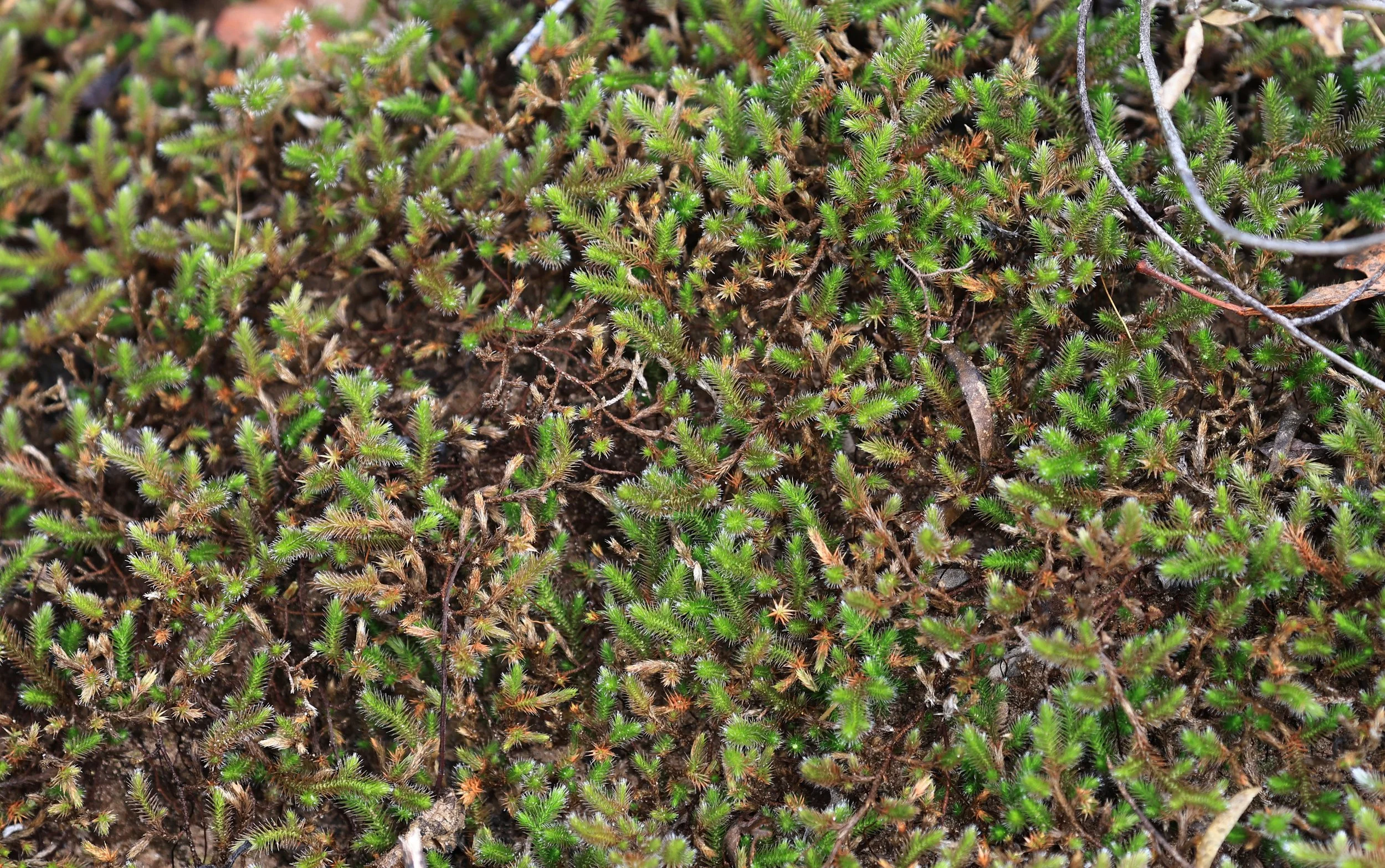
WET Selaginella sellowii
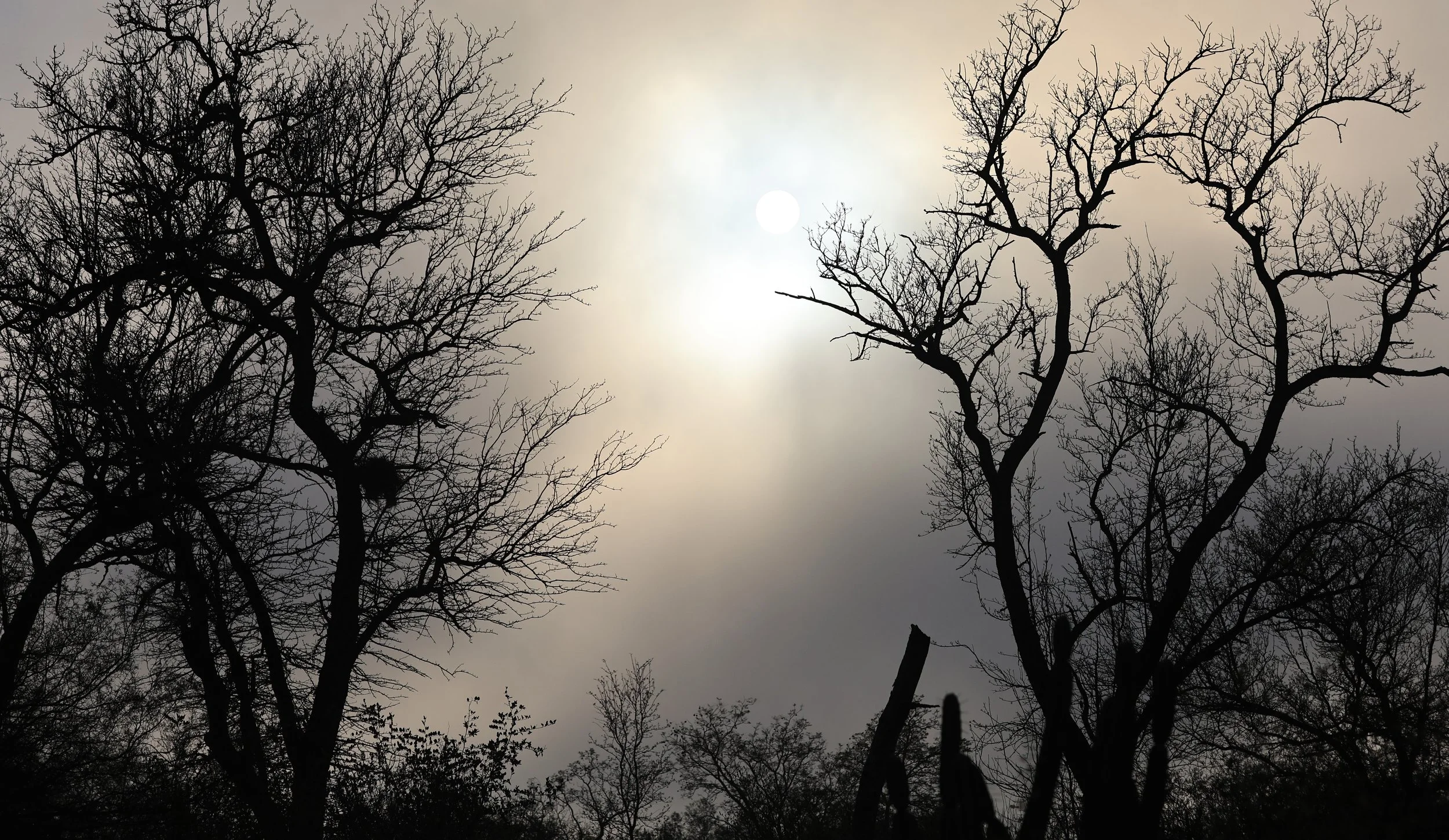
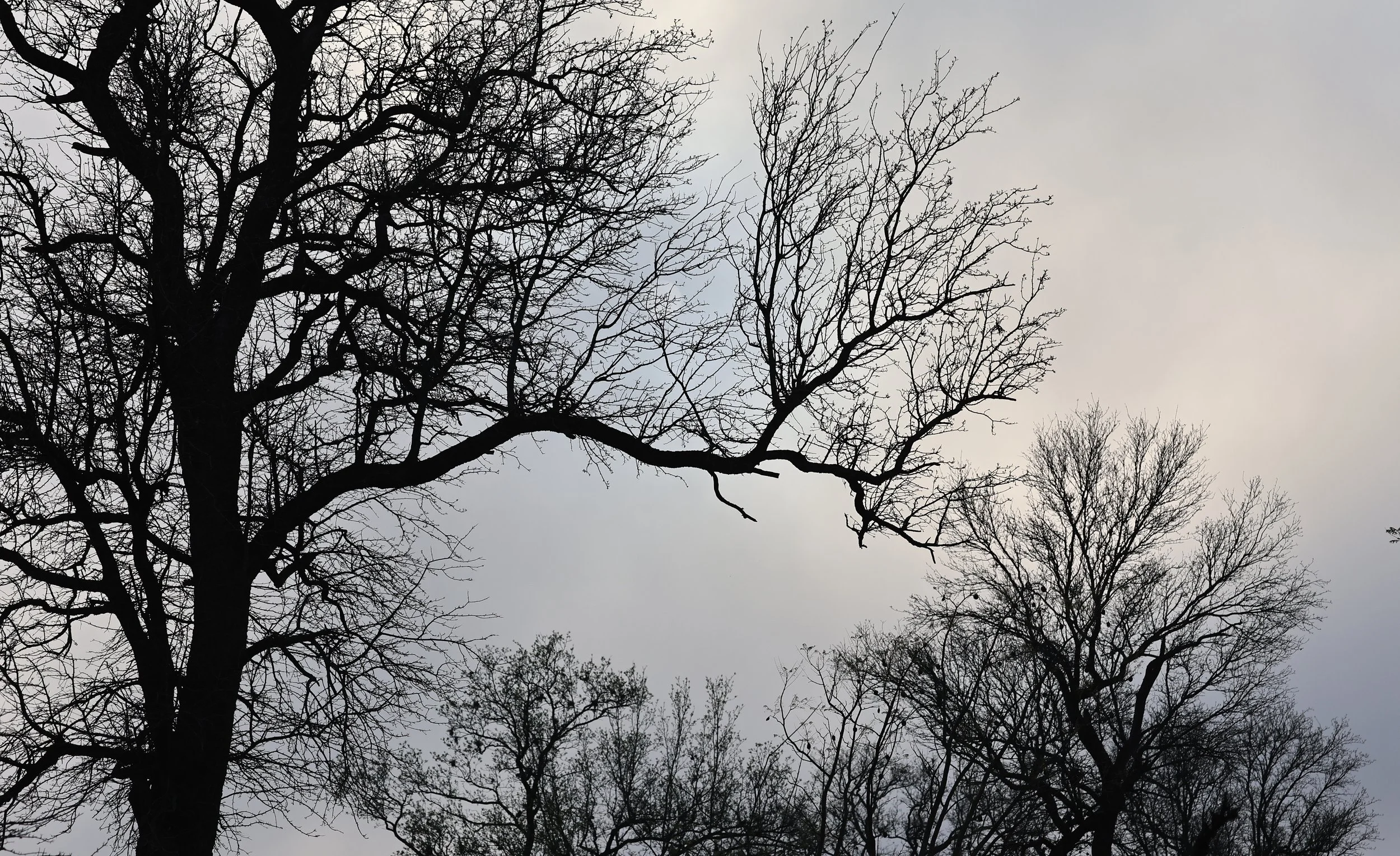
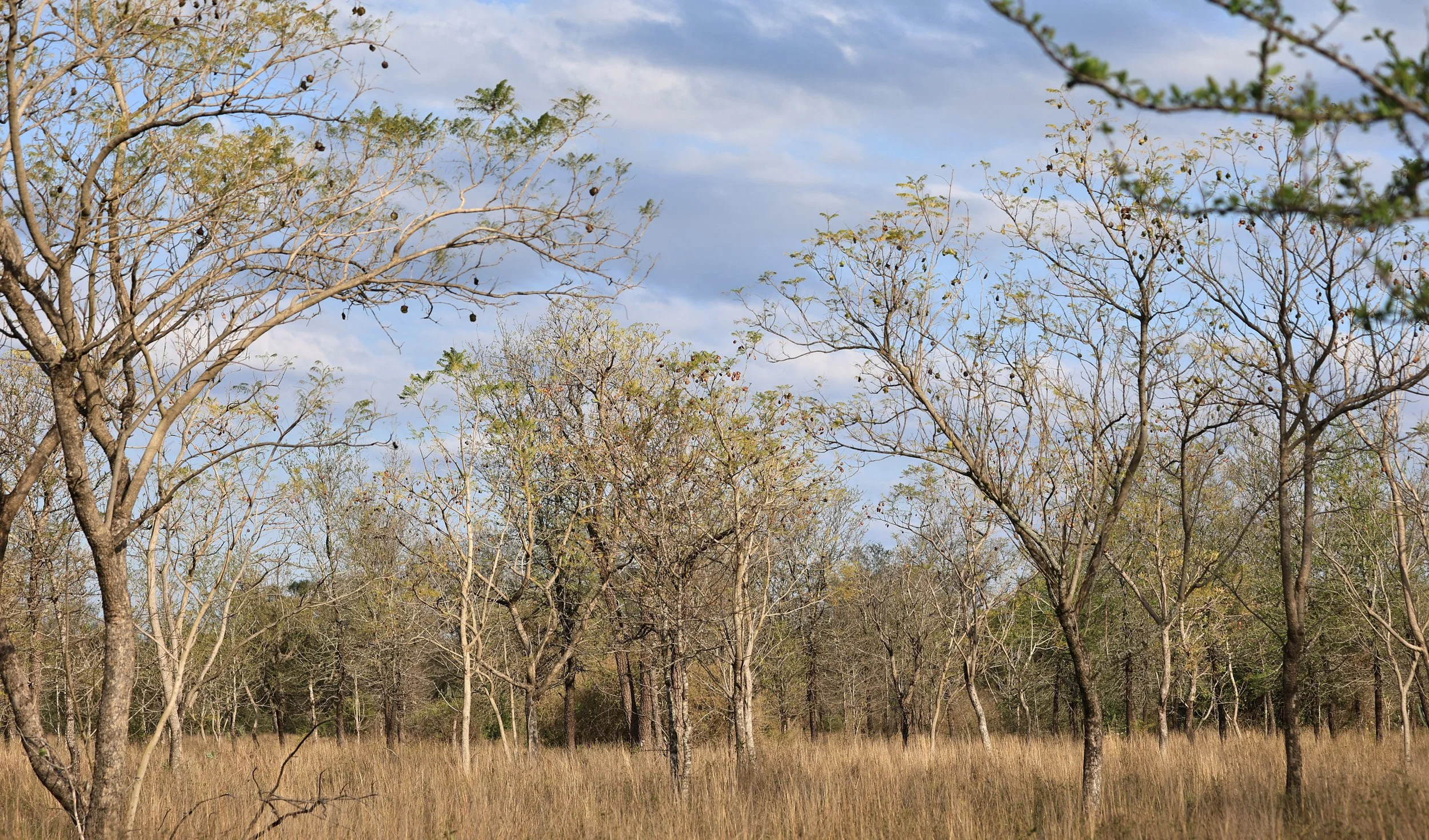
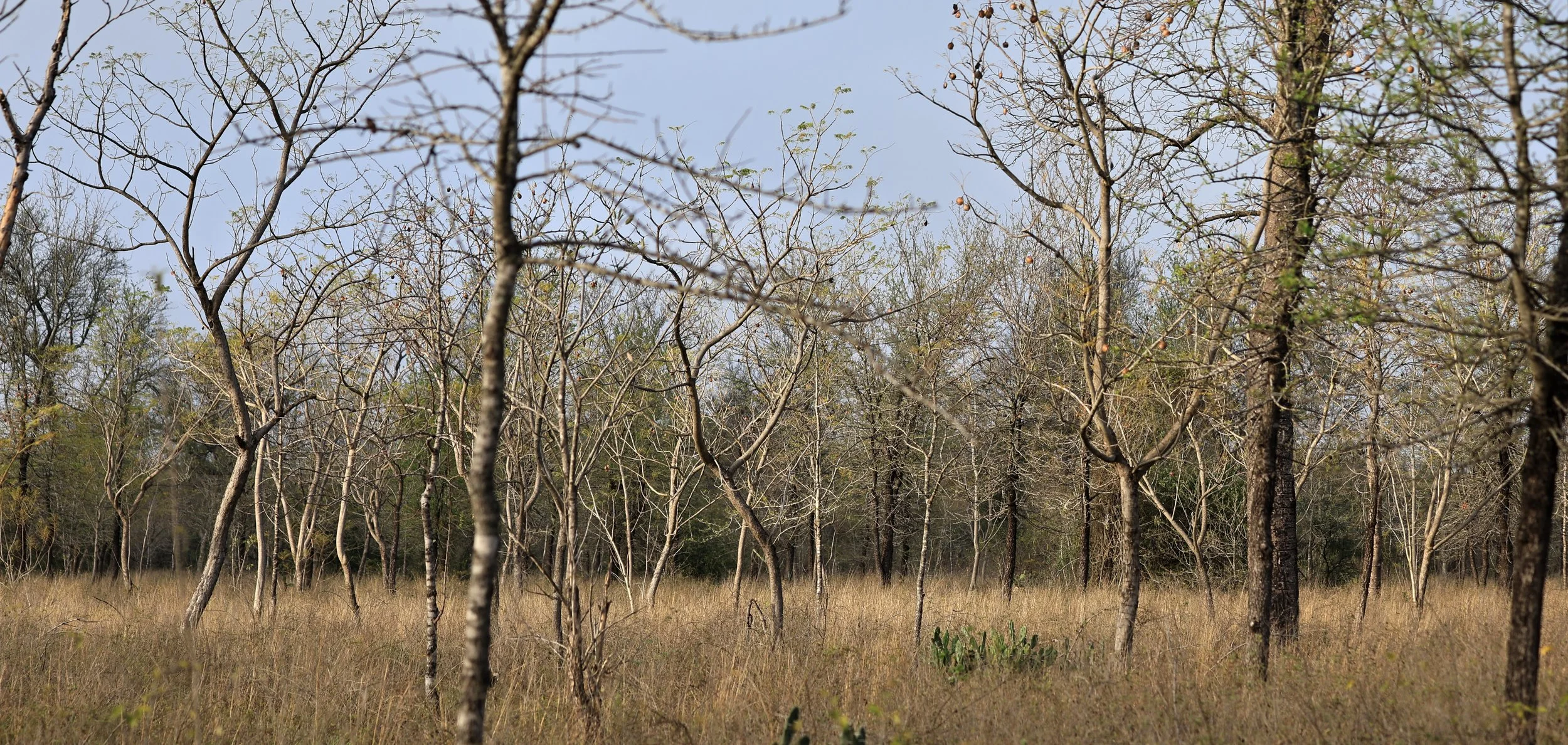
A rare natural grassland in natural condition in Selva Serena Reserve
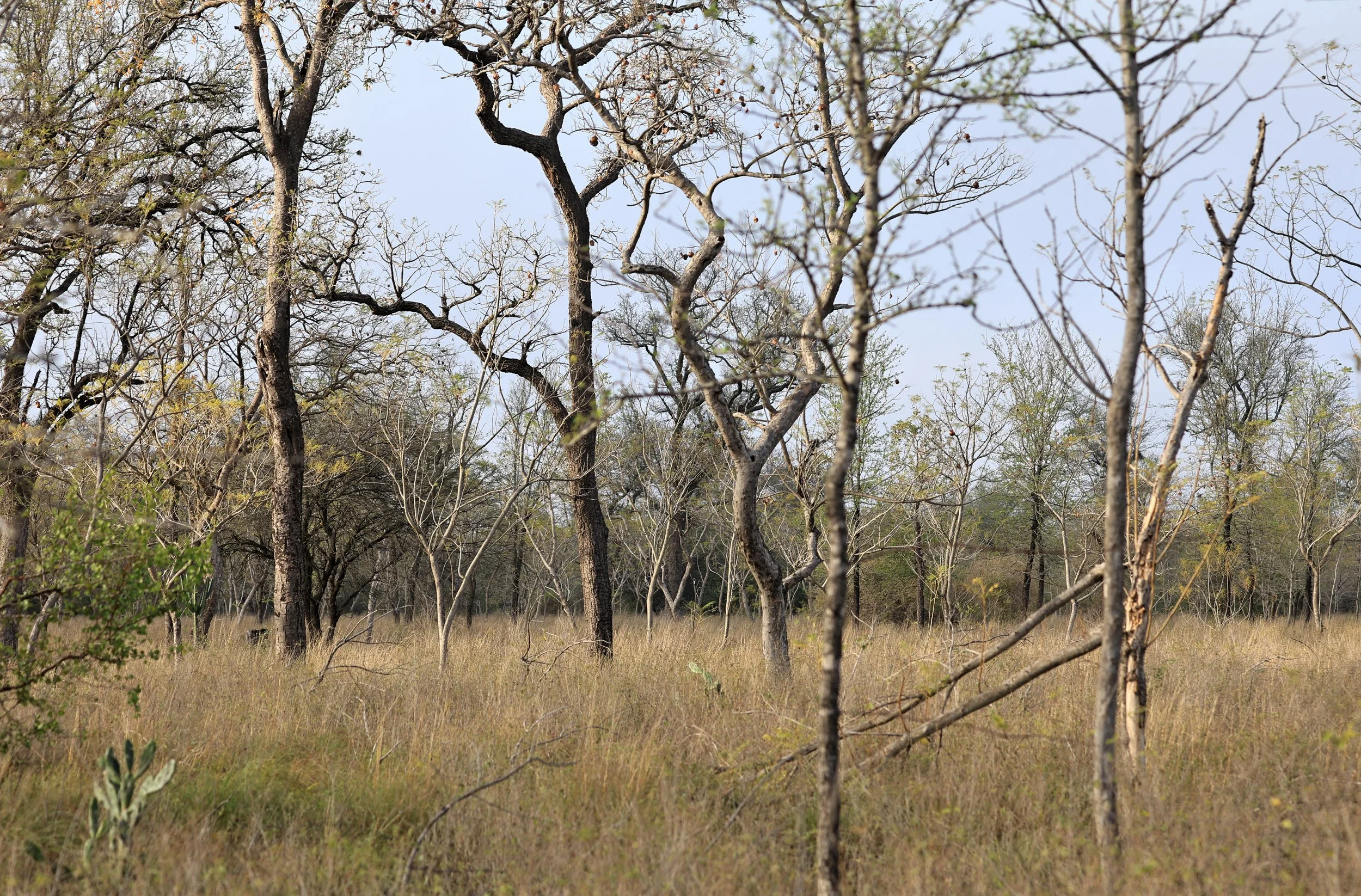
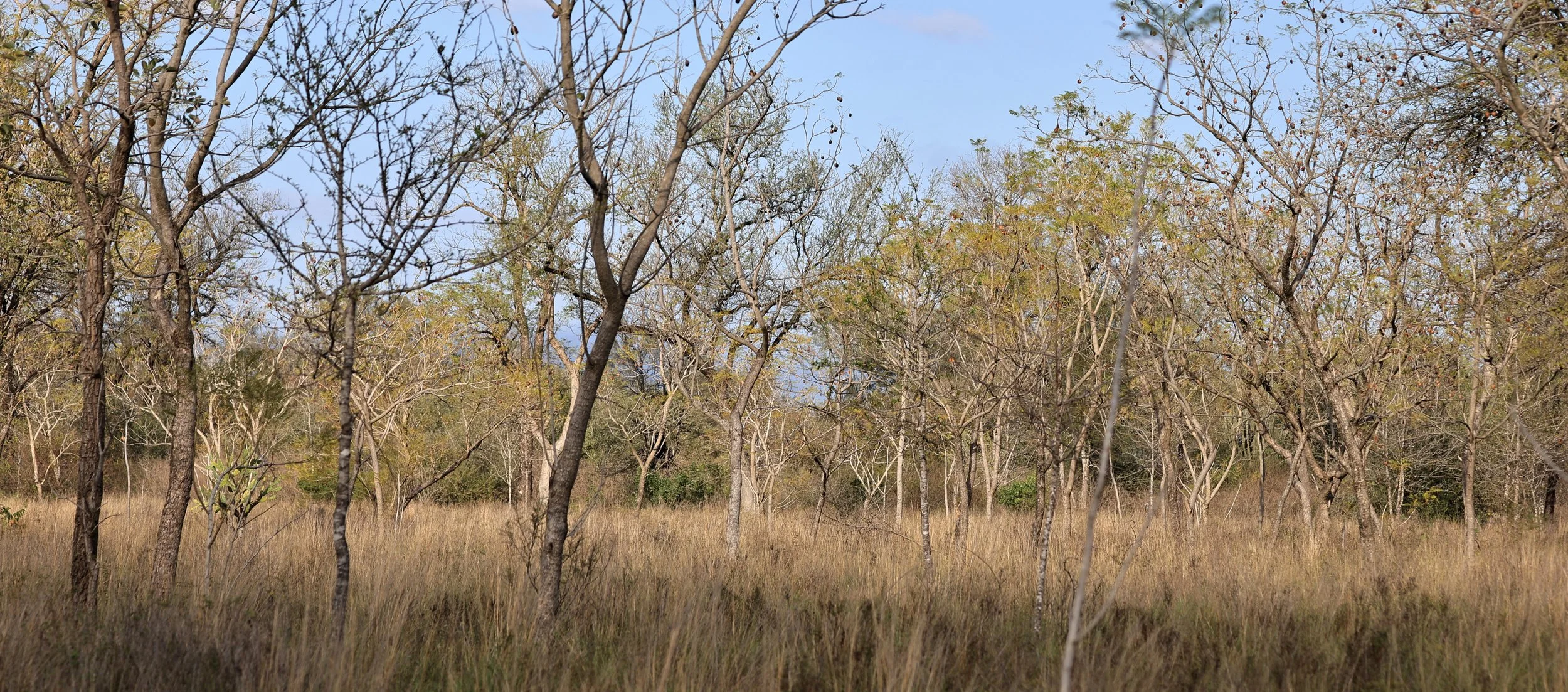
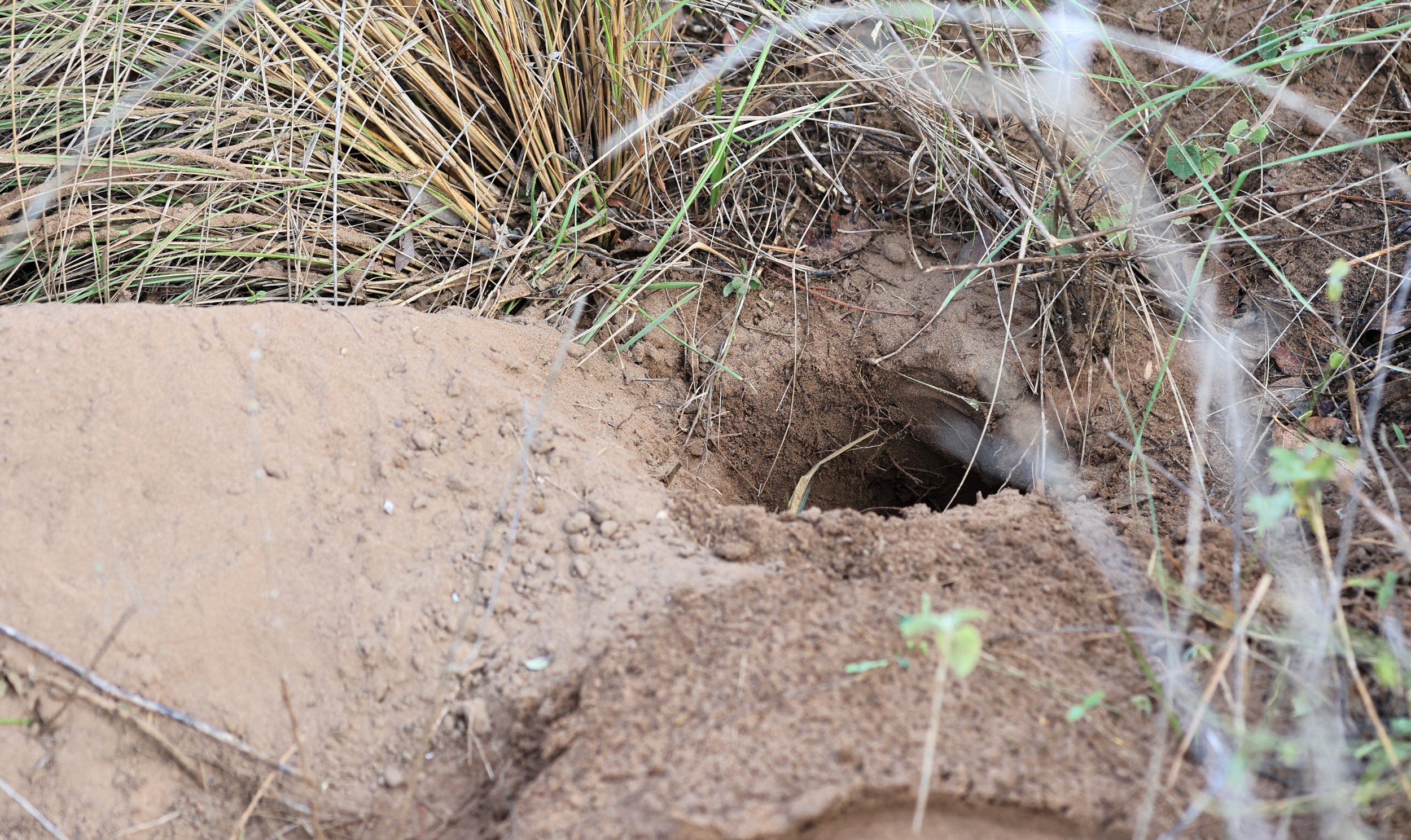
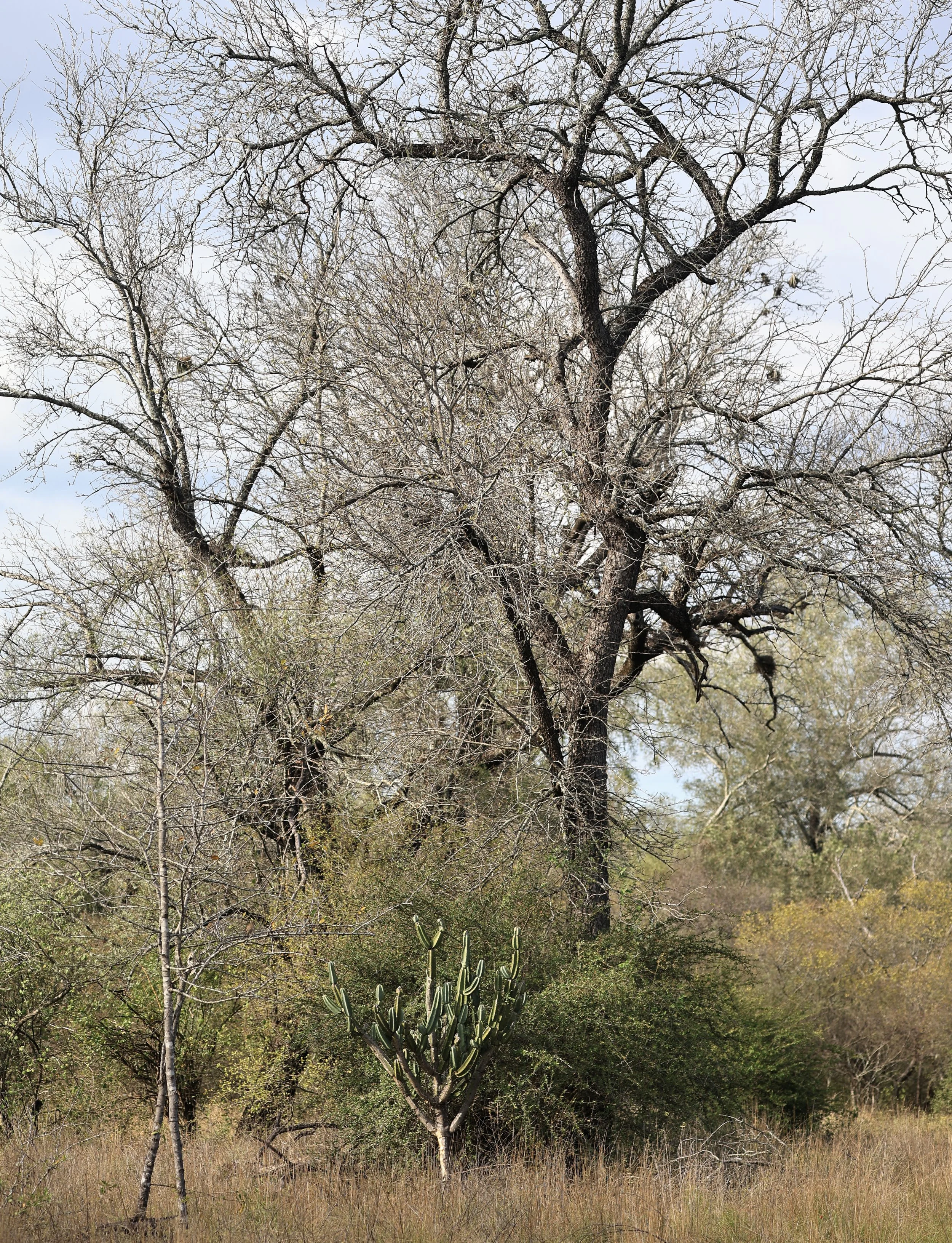
Armadillo hole
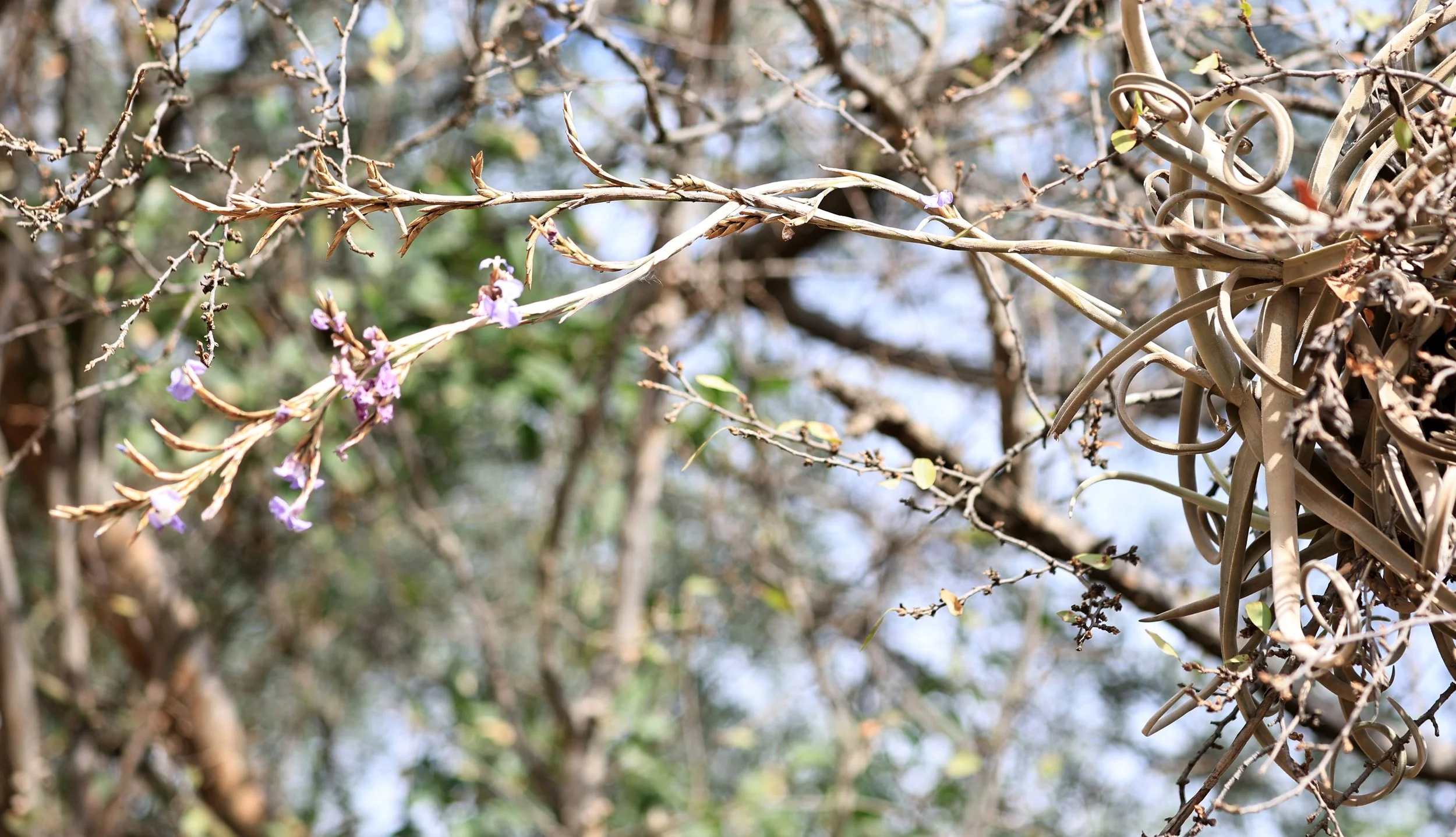
Tillandsia duratii - Neuland Mennonite Colony Paraguay
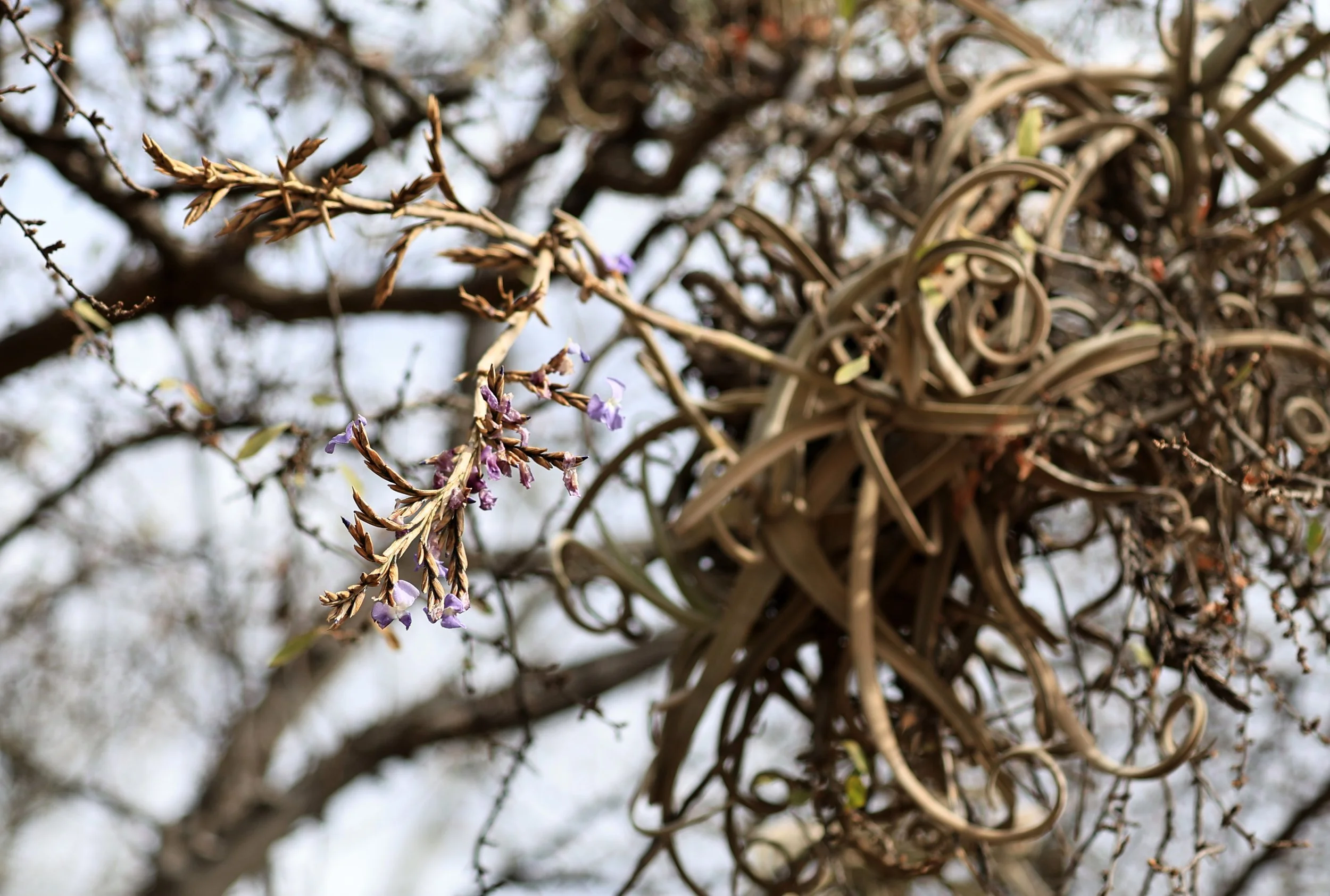
Tillandsia duratii - Neuland Mennonite Colony Paraguay

Paratodo tree (Tabebuia aurea, also classified as Handroanthus albus or Tabebuia caraiba) Neuland Mennonite Colony Paraguay

Paratodo tree (Tabebuia aurea, also classified as Handroanthus albus or Tabebuia caraiba) Neuland Mennonite Colony Paraguay

Paratodo tree (Tabebuia aurea, also classified as Handroanthus albus or Tabebuia caraiba) Neuland Mennonite Colony Paraguay
Chaco Lodge

Crab-eating Raccoon (Procyon cancrivorus) Chaco Lodge & Laguna Salada Paraguay
Our final stop in the Paraguayan Chaco was Chaco Lodge, located beside the famous Laguna Salada, one of the region's best-known wetlands. The surrounding habitat is noticeably different from much of the Dry Chaco we had explored earlier in the trip. Here, the landscape transitions into a wetter mosaic of open grasslands, marshes, scattered woodland and the vast lagoon itself. The result is a wildlife-rich area that attracts mammals, amphibians and extraordinary numbers of birds, particularly waterbirds.
The first surprise was that Chaco Lodge is not really a lodge at all. Despite the name, there is very little that most travellers would recognize as lodge-like these days. Originally an estancia, it now functions more as a wilderness campsite than a traditional accommodation. The setting, however, is magnificent. Tents are pitched close to the lagoon, placing you right in the middle of one of the most beautiful wildlife locations in the Paraguayan Chaco.
My arrival did not leave much time to appreciate the scenery our first night. After spending a couple hours in a hide overlooking a waterhole, where the main entertainment had come from amphibians and leaf-cutter ants rather than mammals, I rolled into camp late in the evening thoroughly exhausted and looking forward to what I assumed would be a peaceful night's sleep. At first, things seemed promising. In the distance I could see flashes of lightning illuminating the horizon. It looked like one of those atmospheric storms that wildlife travellers often enjoy watching from afar while feeling grateful it is happening somewhere else. I remember thinking it appeared to be moving away from us.
It was not.
At around two or three in the morning, the storm apparently decided that our campsite was actually its intended destination all along. What followed was several hours of absolute chaos. Violent winds hammered the camp while horizontal rain blasted through with what felt like personal malice. Every attempt at sleep was abandoned as I focused entirely on preventing both myself and the tent from becoming airborne. The storm raged for much of the night, and by the time things finally began to calm down, any remaining hopes of a restful evening had long since vanished.
When dawn finally arrived, the winds were still blowing but the rain had eased enough to reveal the landscape around us. Suddenly it became obvious why Chaco Lodge had earned such a reputation. Stretching out before us was Laguna Salada, covered with hundreds of Chilean Flamingos. Seeing these elegant birds scattered across the water in the early morning light was spectacular and instantly improved my mood despite the severe sleep deficit.
Exhausted though we were, there was no question of staying in camp. We spent the morning exploring the lagoon margins and surrounding habitat, and the area proved every bit as impressive as its reputation suggested. The combination of wetlands, open Chaco habitat and huge numbers of birds made for some wonderful walking and photography. Even running on very little sleep, it was impossible not to appreciate what a special place it was.
The mammal watching was also excellent. During our stay we finally connected with a Crab-eating Raccoon (Procyon cancrivorus), a species I had been hoping to find throughout the trip. Seeing it around the wetlands bordering the main road after dark was a fitting addition to the list. We also encountered countless Crab-eating Foxes (Cerdocyon thous) and Pampas Foxes (Lycalopex gymnocercus), along with additional sightings of Brazilian Tapeti (Sylvilagus brasiliensis) and another Molina's Hog-nosed Skunk (Conepatus chinga).
The most entertaining sighting came at dusk. Out in the transitional wet Chaco habitat surrounding the lagoon, we encountered two Giant Anteaters (Myrmecophaga tridactyla) engaged in what could only be described as a vigorous chase. The reason for the pursuit appeared fairly obvious. One animal was clearly far more enthusiastic than the other about the whole arrangement. Watching giant anteaters sprinting around the thorny forest was not behaviour I had expected to witness, but it was certainly one of the more memorable observations of the trip. It was actually quite comical resembling the chase scene in a Scooby Doo episode…back and forth and back and forth.
By the time we left, Chaco Lodge had delivered outstanding mammal watching, superb birdlife, beautiful scenery, one unforgettable raccoon, and perhaps the most violent night's camping I have experienced in recent memory. Yet oddly, none of those things are what first come to mind when I think about the place.
Instead, I think about the UFOs. The dancing lights we observed over the Chaco in the direction of Bolivia during our stay remain one of the strangest things I have ever seen in the field. Were they mysterious extraterrestrial visitors, or simply the product of severe sleep deprivation after battling a tent-destroying thunderstorm? I honestly have no idea. One thing for sure is we both saw them and whatever they were, they were real. That's probably a story for another trip report.
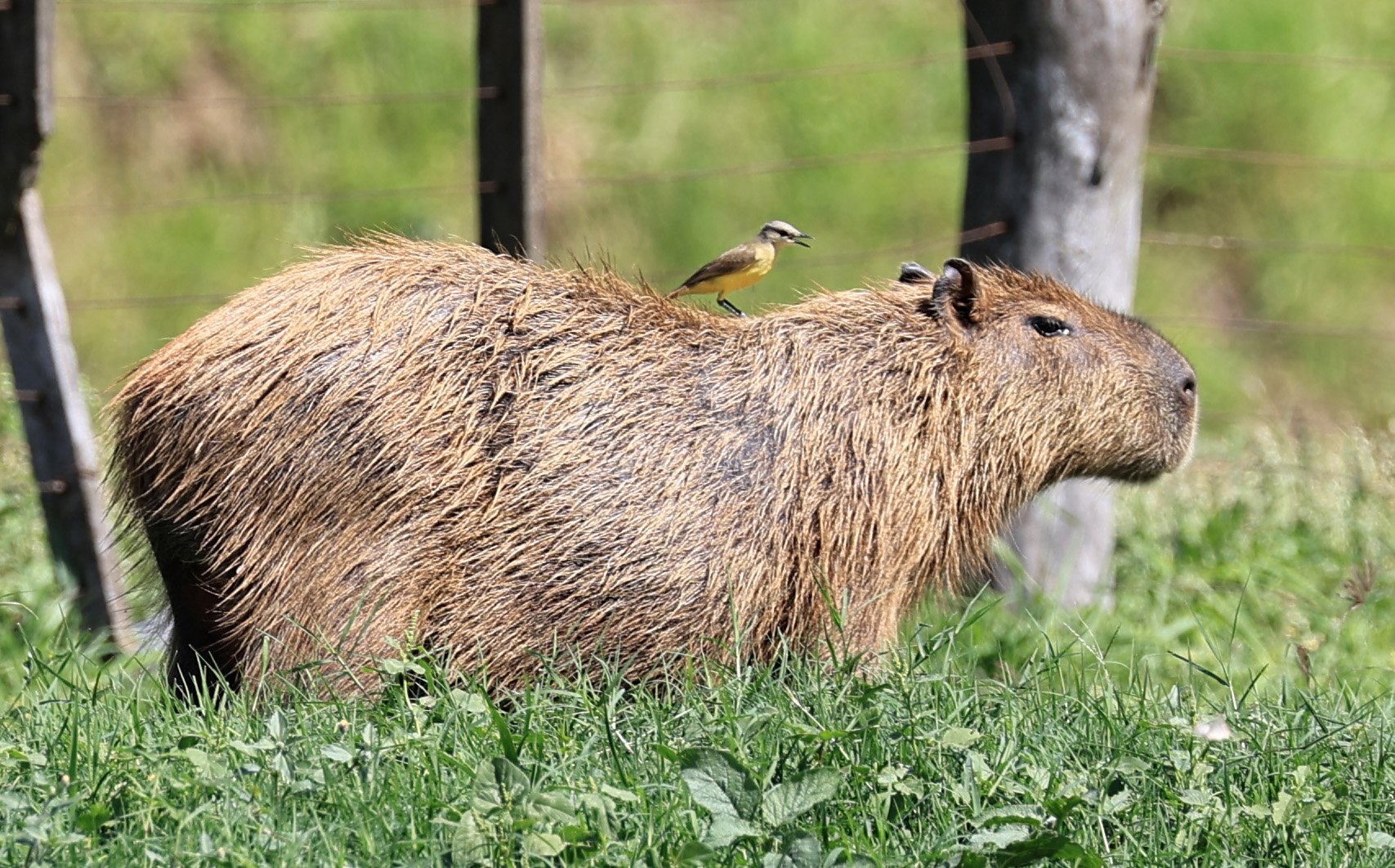
On the way to Chaco Lodge we stopped off to see some Capybara (Hydrochoerus hydrochaeris) in Loma Plata - Brunnen Strasse
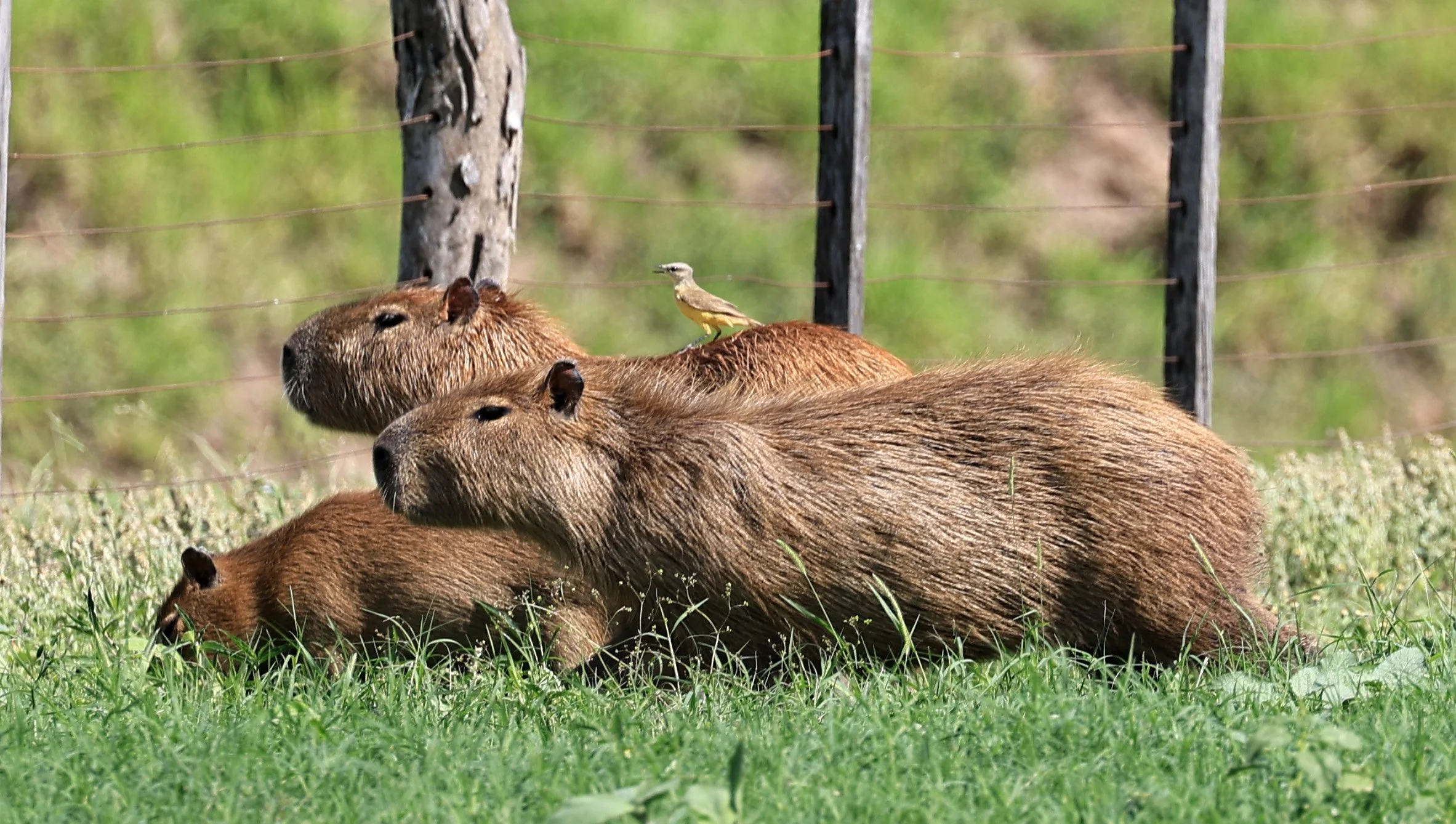
Capybara (Hydrochoerus hydrochaeris)
Capybara (Hydrochoerus hydrochaeris)
Capybara (Hydrochoerus hydrochaeris)
Capybara (Hydrochoerus hydrochaeris)
Capybara (Hydrochoerus hydrochaeris)
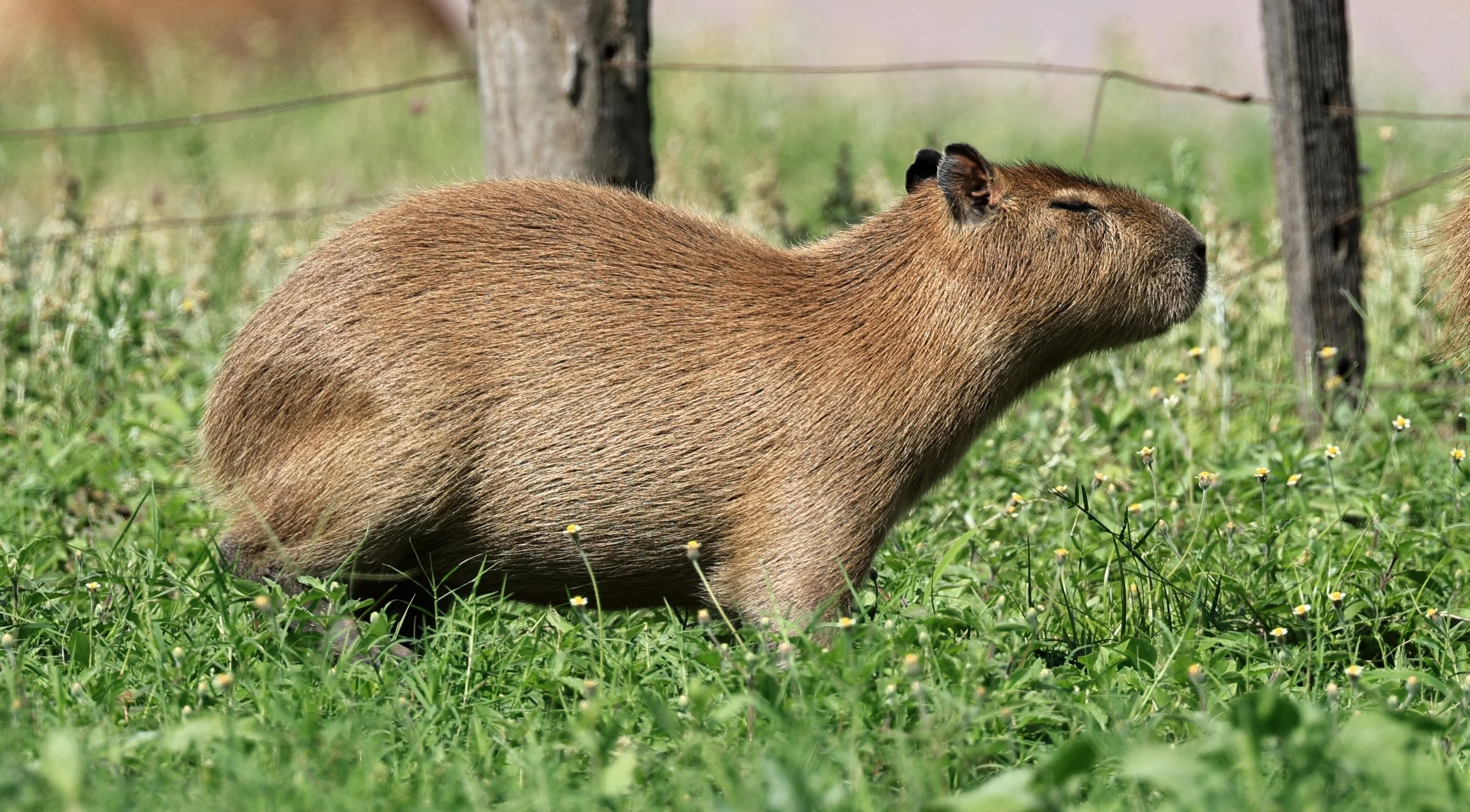
Capybara (Hydrochoerus hydrochaeris)

Crab-eating Fox (Cerdocyon thous) Chaco Lodge & Laguna Salada Paraguay

Crab-eating Fox (Cerdocyon thous)

Crab-eating Raccoon (Procyon cancrivorus) Chaco Lodge & Laguna Salada

Crab-eating Raccoon (Procyon cancrivorus) Chaco Lodge & Laguna Salada

Crab-eating Raccoon (Procyon cancrivorus) Chaco Lodge & Laguna Salada

Crab-eating Raccoon (Procyon cancrivorus) Chaco Lodge & Laguna Salada

Giant Anteater (Myrmecophaga tridactyla) Chaco Lodge & Laguna Salada chasing a female back and forth through the thicket

Giant Anteater (Myrmecophaga tridactyla) Chaco Lodge

Giant Anteater (Myrmecophaga tridactyla) Chaco Lodge

Lesser Bulldog Bat (Noctilio albiventris) abandoned house along Road between Pozo Colorado & Asuncion
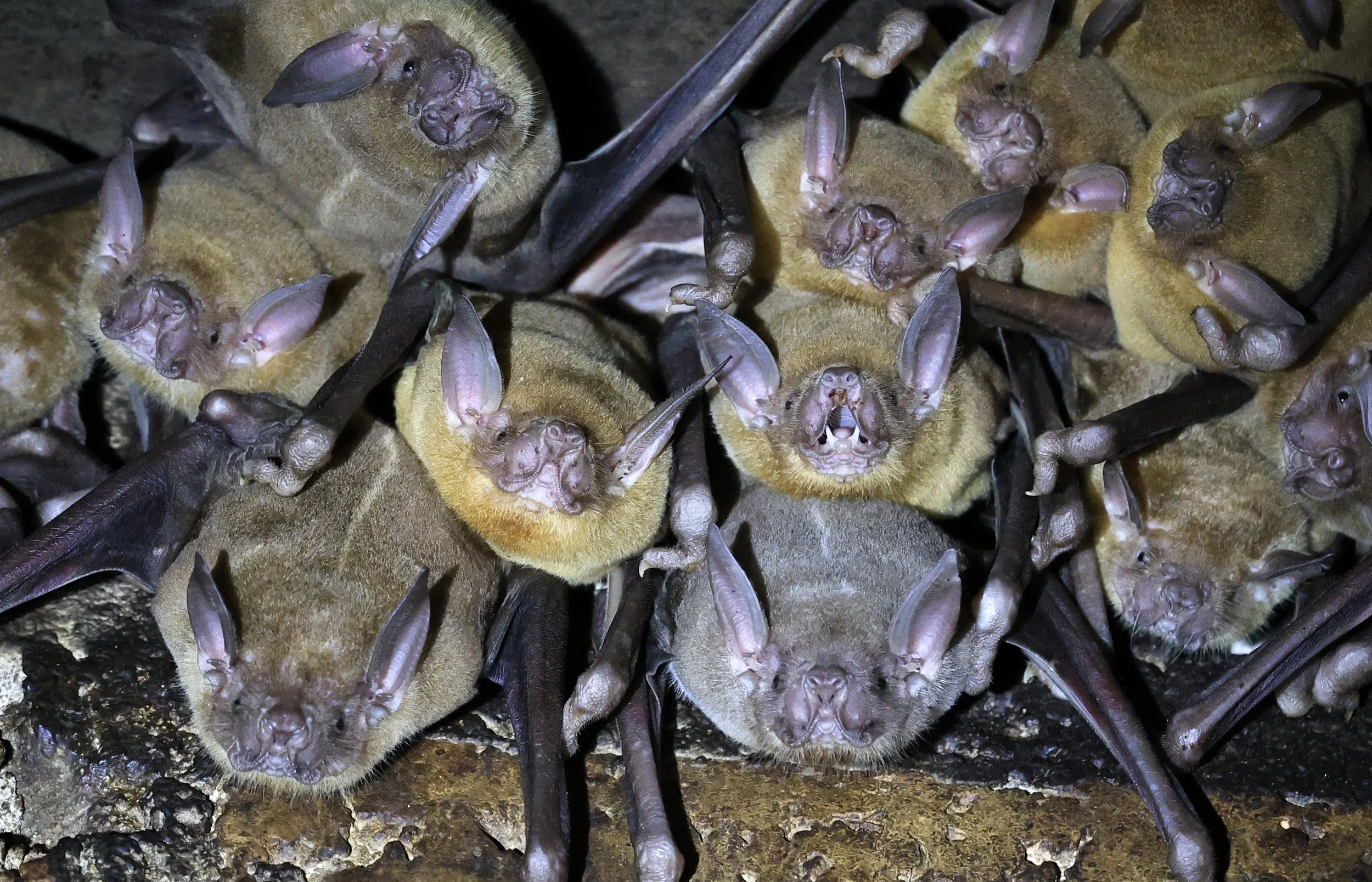
Lesser Bulldog Bat (Noctilio albiventris) abandoned house along Road between Pozo Colorado & Asuncion
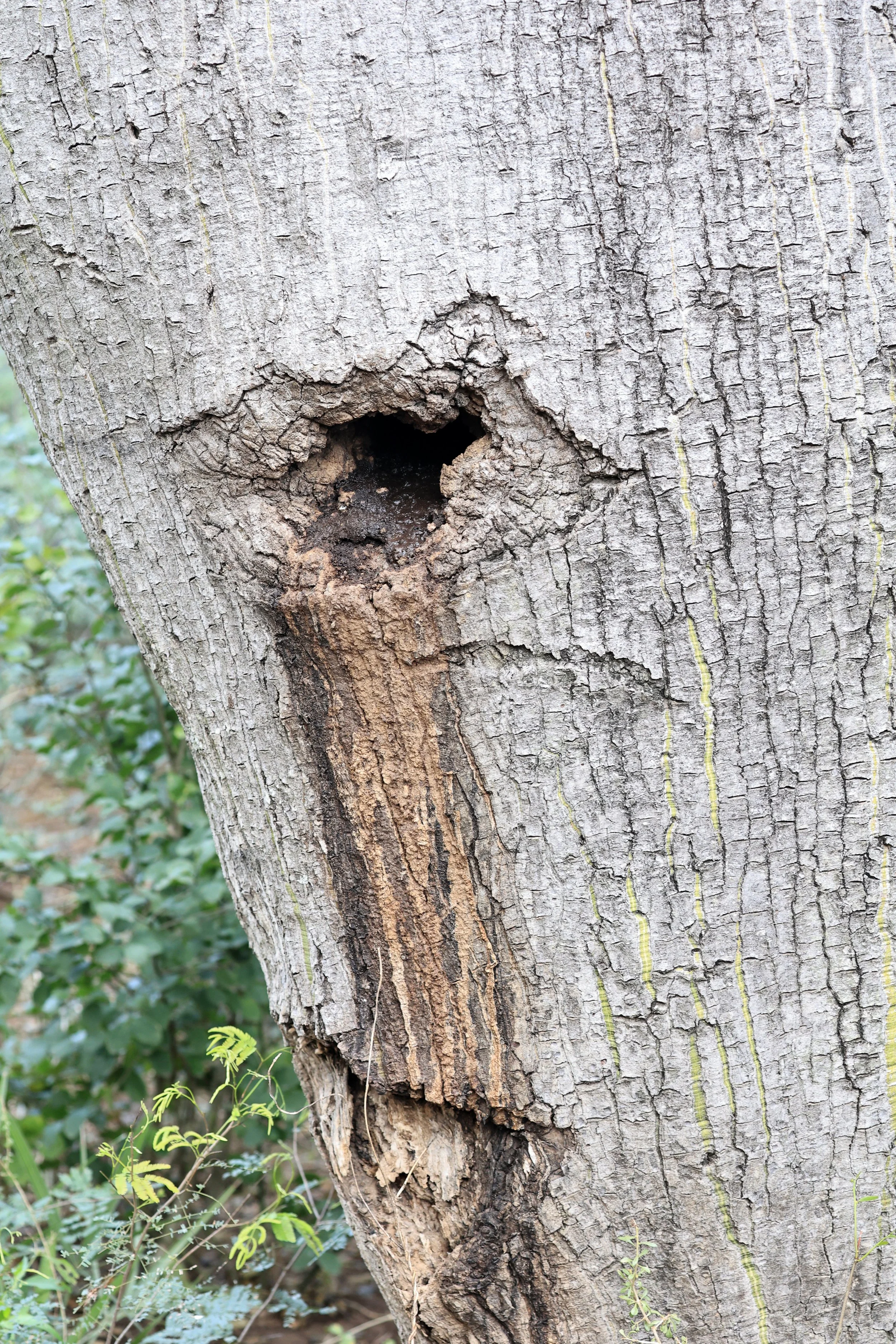
Lesser Bulldog Bat (Noctilio albiventris) entrance to roost

My forth skunk for the trip! Molina's Hog-nosed Skunk (Conepatus chinga) Chaco Lodge & Laguna Salada
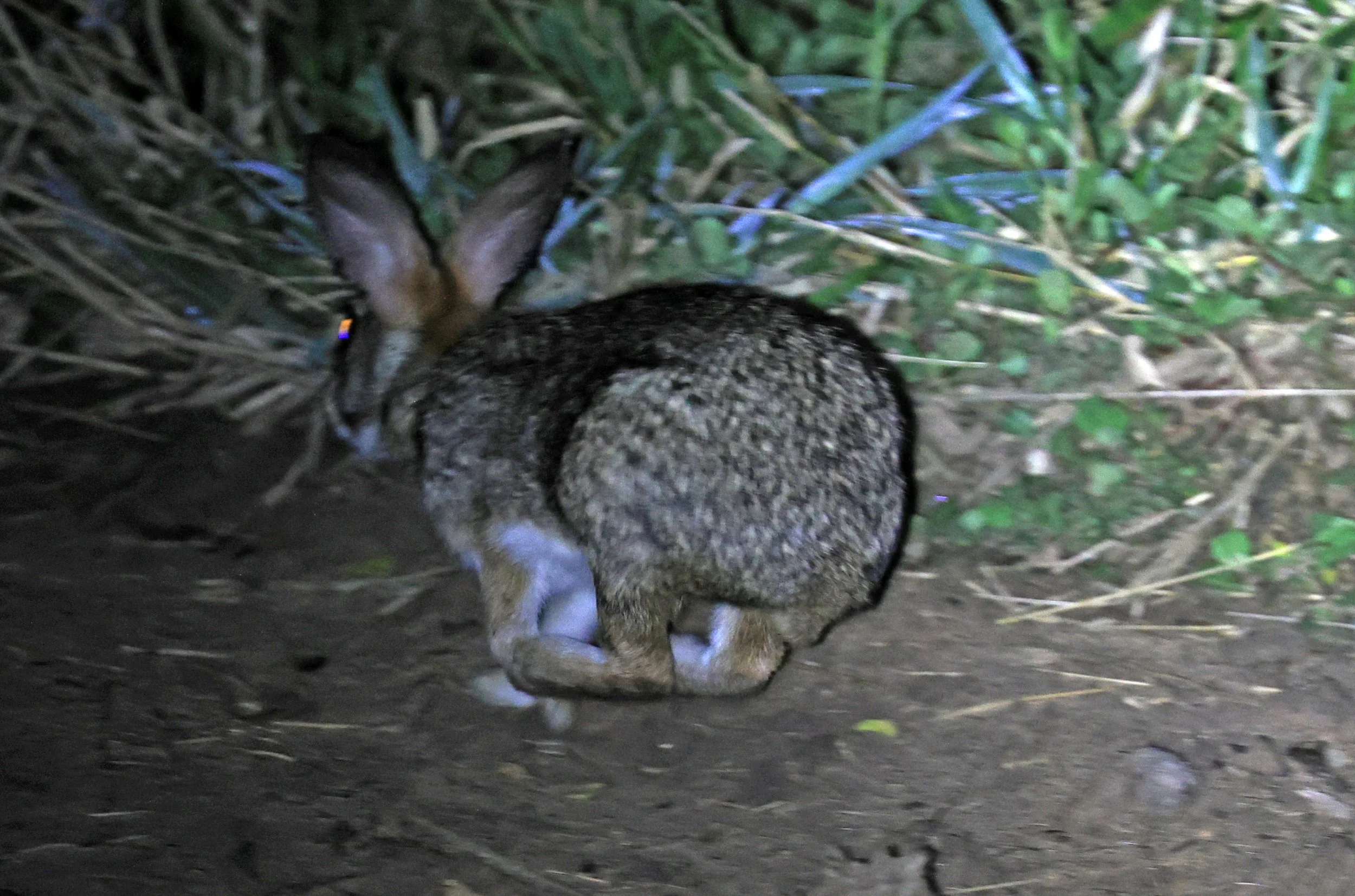
Tapeti (Sylvilagus brasiliensis) Chaco Lodge
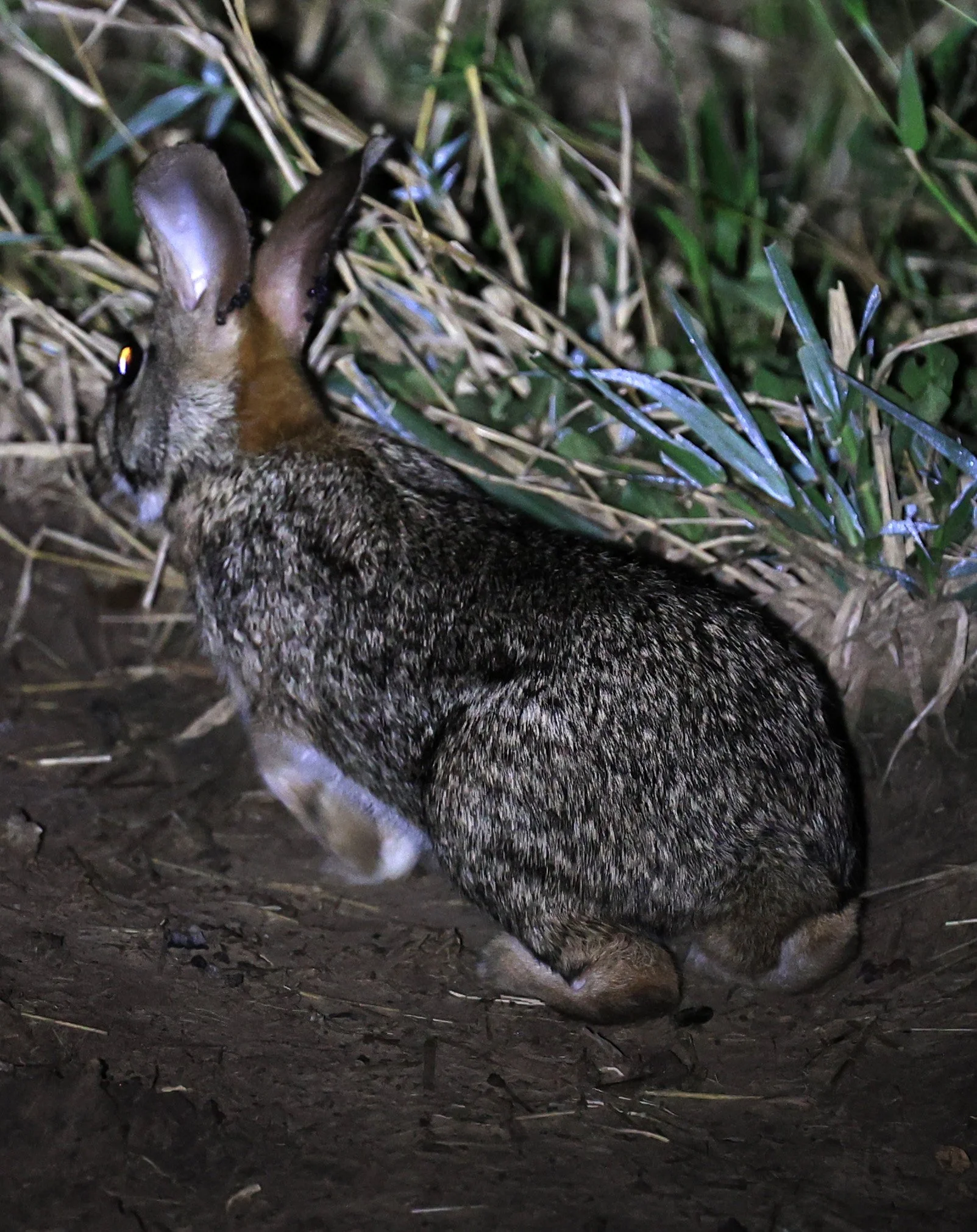
Tapeti (Sylvilagus brasiliensis) Chaco Lodge
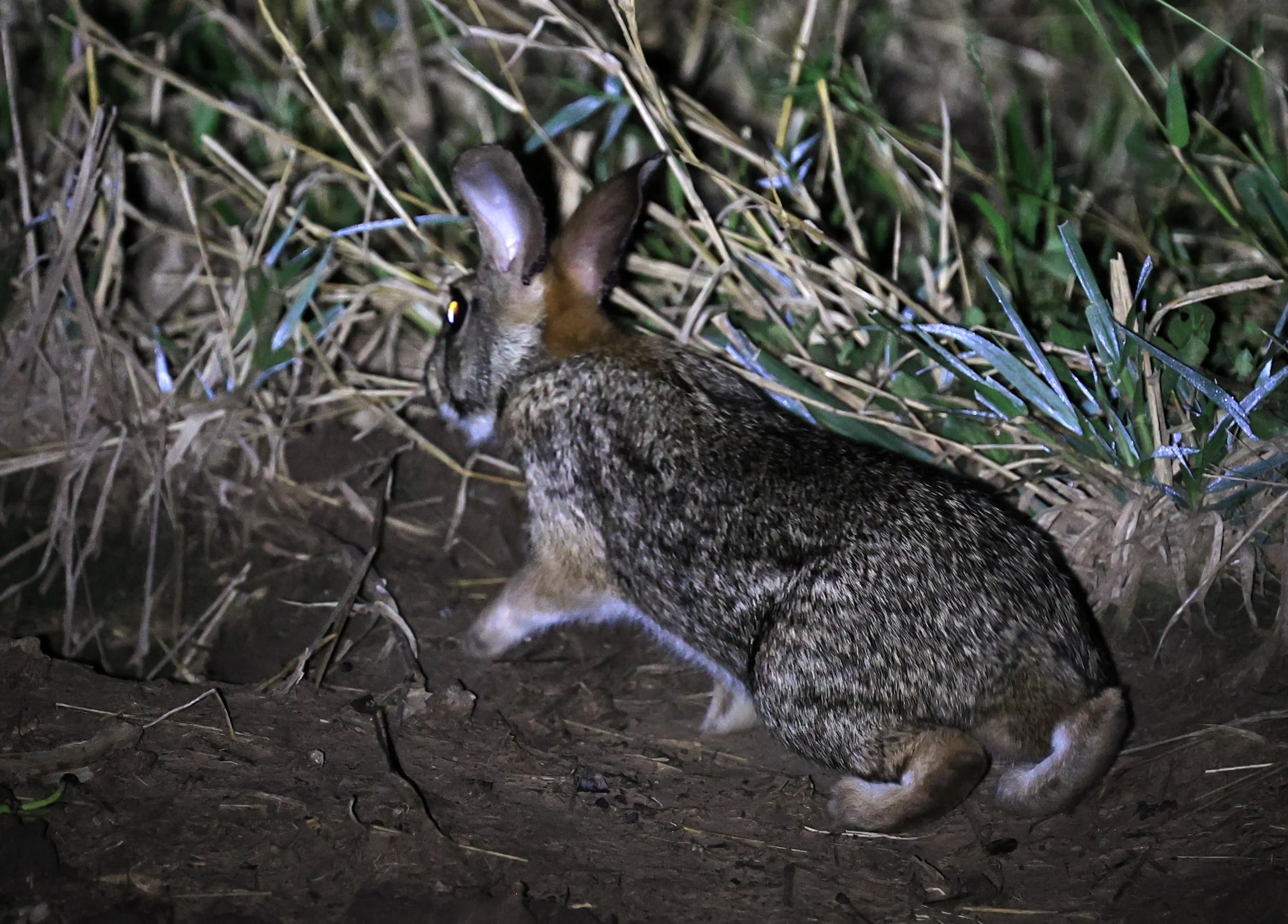
Tapeti (Sylvilagus brasiliensis) Chaco Lodge
Birds & Stuff of Chaco Lodge and the Return to Asuncion

Bare-faced Ibis (Phimosus infuscatus) Wetlands along Road between Pozo Colorado & Asuncion

Bare-faced Ibis (Phimosus infuscatus) Wetlands along Road between Pozo Colorado & Asuncion

Bare-faced Ibis (Phimosus infuscatus) Wetlands along Road between Pozo Colorado & Asuncion

Barn Owl (Tyto alba or Tyto furcata) Chaco Lodge & Laguna Salada

Barred Antshrike (Thamnophilus doliatus) female Chaco Lodge & Laguna Salada

Black-bellied Whistling Duck (Dendrocygna autumnalis) Wetlands along Road between Pozo Colorado & Asuncion
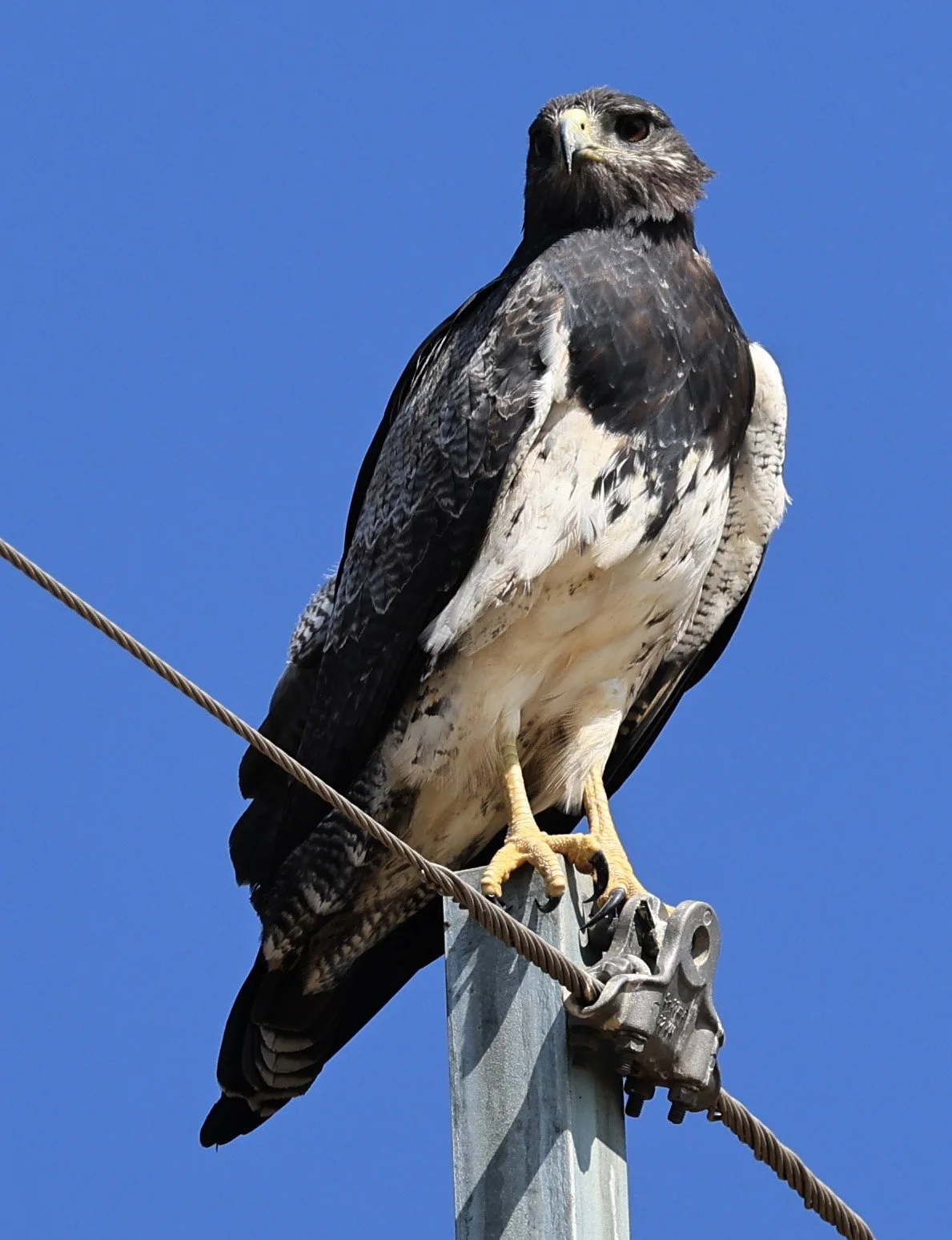
Black-chested buzzard-eagle (Geranoaetus melanoleucus) Chaco Lodge & Laguna Salada

Black-chested buzzard-eagle (Geranoaetus melanoleucus) Chaco Lodge & Laguna Salada

Black-chested buzzard-eagle (Geranoaetus melanoleucus) Chaco Lodge & Laguna Salada

Black-chested buzzard-eagle (Geranoaetus melanoleucus) Chaco Lodge & Laguna Salada

Black-chested buzzard-eagle (Geranoaetus melanoleucus) Chaco Lodge & Laguna Salada
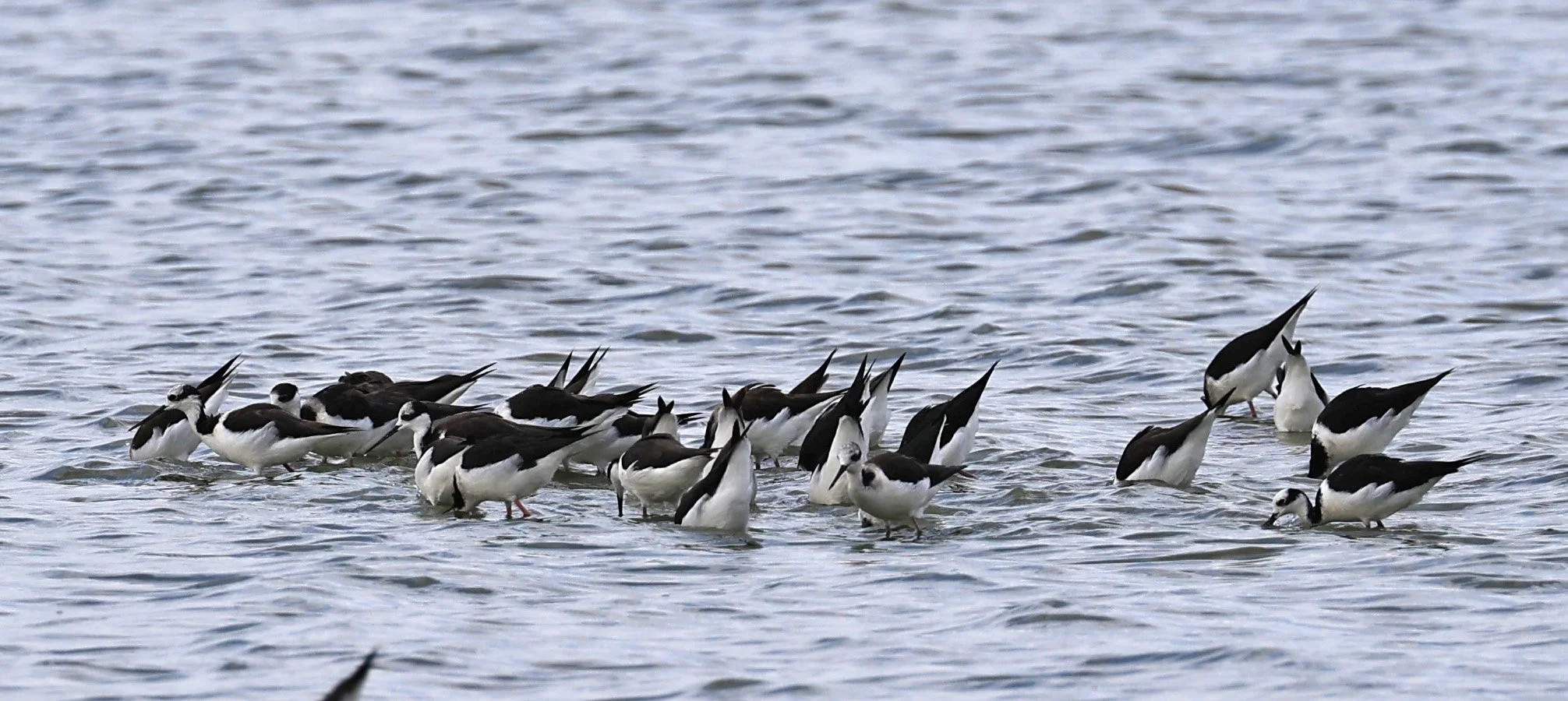
Black-necked Stilt (Himantopus mexicanus melanurus) Chaco Lodge & Laguna Salada

Black-necked Stilt (Himantopus mexicanus melanurus) Chaco Lodge & Laguna Salada

Black-necked Stilt (Himantopus mexicanus melanurus) Chaco Lodge & Laguna Salada

Chaco earthcreeper (Tarphonomus certhioides) Chaco Lodge & Laguna Salada

Chaco earthcreeper (Tarphonomus certhioides) Chaco Lodge & Laguna Salada
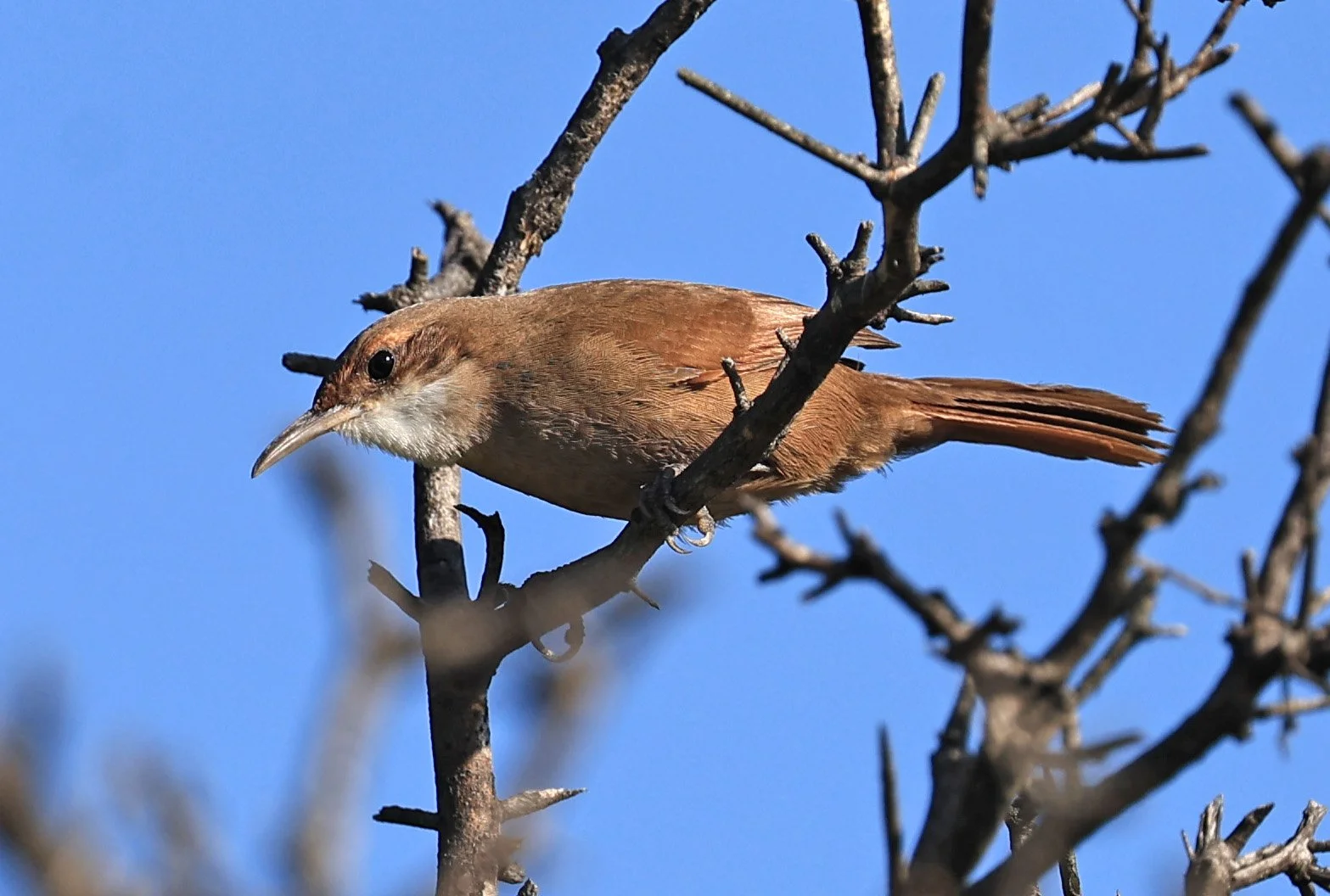
Chaco earthcreeper (Tarphonomus certhioides) Chaco Lodge & Laguna Salada

Chaco earthcreeper (Tarphonomus certhioides) Chaco Lodge & Laguna Salada

Chaco earthcreeper (Tarphonomus certhioides) Chaco Lodge & Laguna Salada
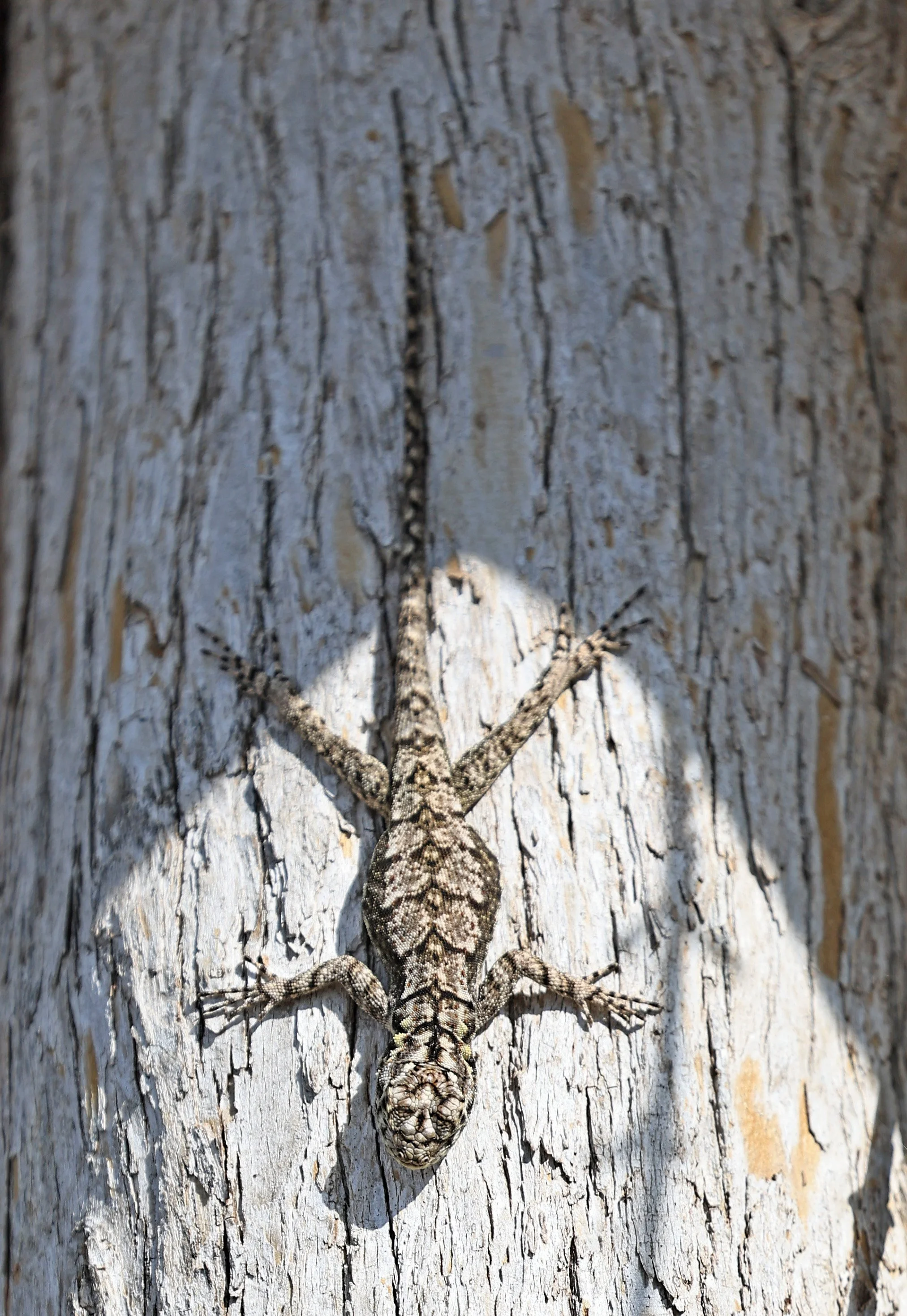
Chaco Spiny Lizard (Tropidurus spinulosus) Chaco Lodge & Laguna Salada Paraguay - confirm ID

Chilean Flamingo (Phoenicopterus chilensis) Chaco Lodge & Laguna Salada

Chilean Flamingo (Phoenicopterus chilensis) Chaco Lodge & Laguna Salada

Chilean Flamingo (Phoenicopterus chilensis) Chaco Lodge & Laguna Salada

Chilean Flamingo (Phoenicopterus chilensis) Chaco Lodge & Laguna Salada

Chilean Flamingo (Phoenicopterus chilensis) Chaco Lodge & Laguna Salada

Chilean Flamingo (Phoenicopterus chilensis) Chaco Lodge & Laguna Salada

Chilean Flamingo (Phoenicopterus chilensis) Chaco Lodge & Laguna Salada

Chilean Flamingo (Phoenicopterus chilensis) Chaco Lodge & Laguna Salada

Chilean Flamingo (Phoenicopterus chilensis) Chaco Lodge & Laguna Salada

Chilean Flamingo (Phoenicopterus chilensis) Chaco Lodge & Laguna Salada

Chilean Flamingo (Phoenicopterus chilensis) Chaco Lodge & Laguna Salada
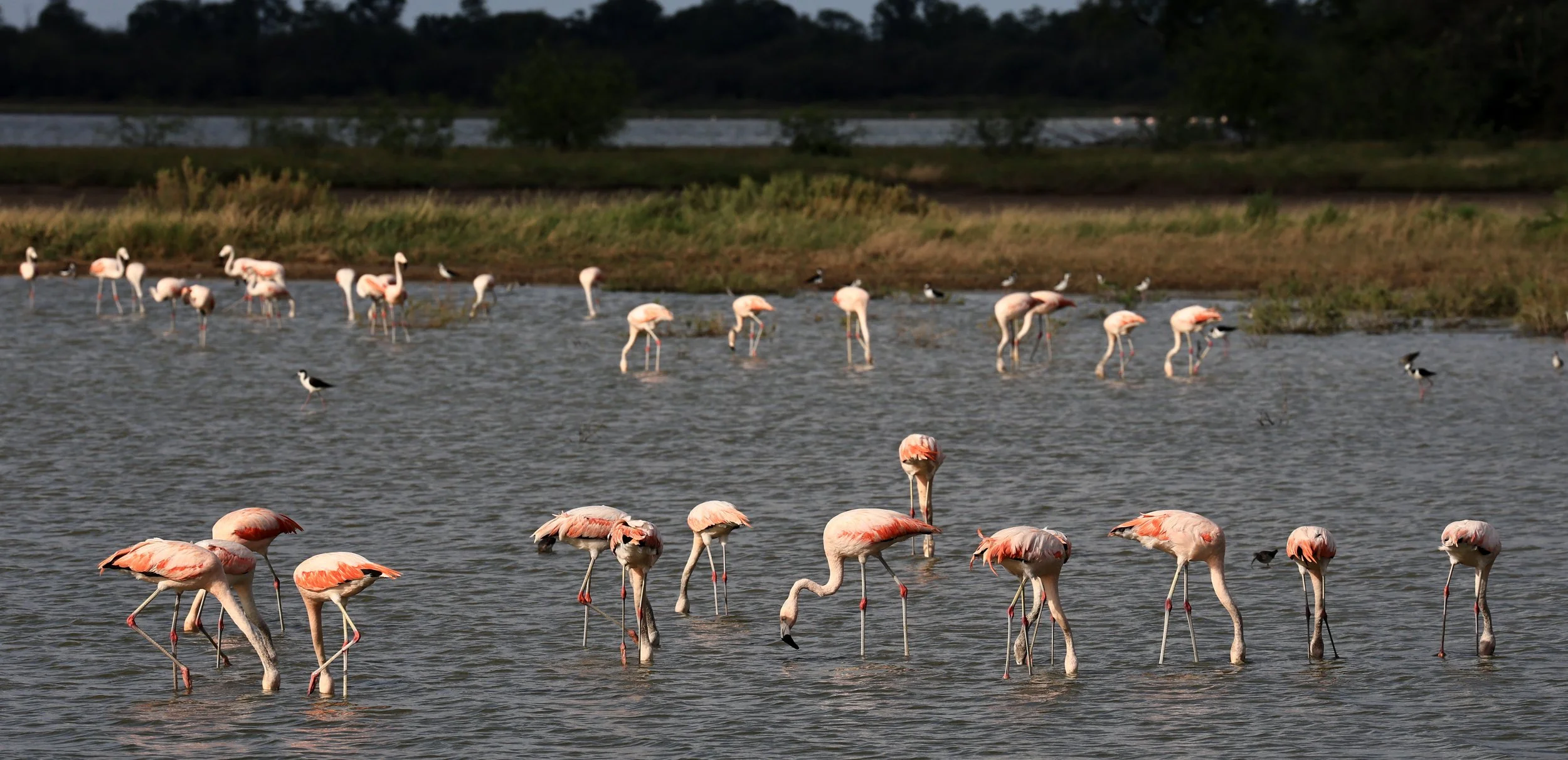
Chilean Flamingo (Phoenicopterus chilensis) Chaco Lodge & Laguna Salada
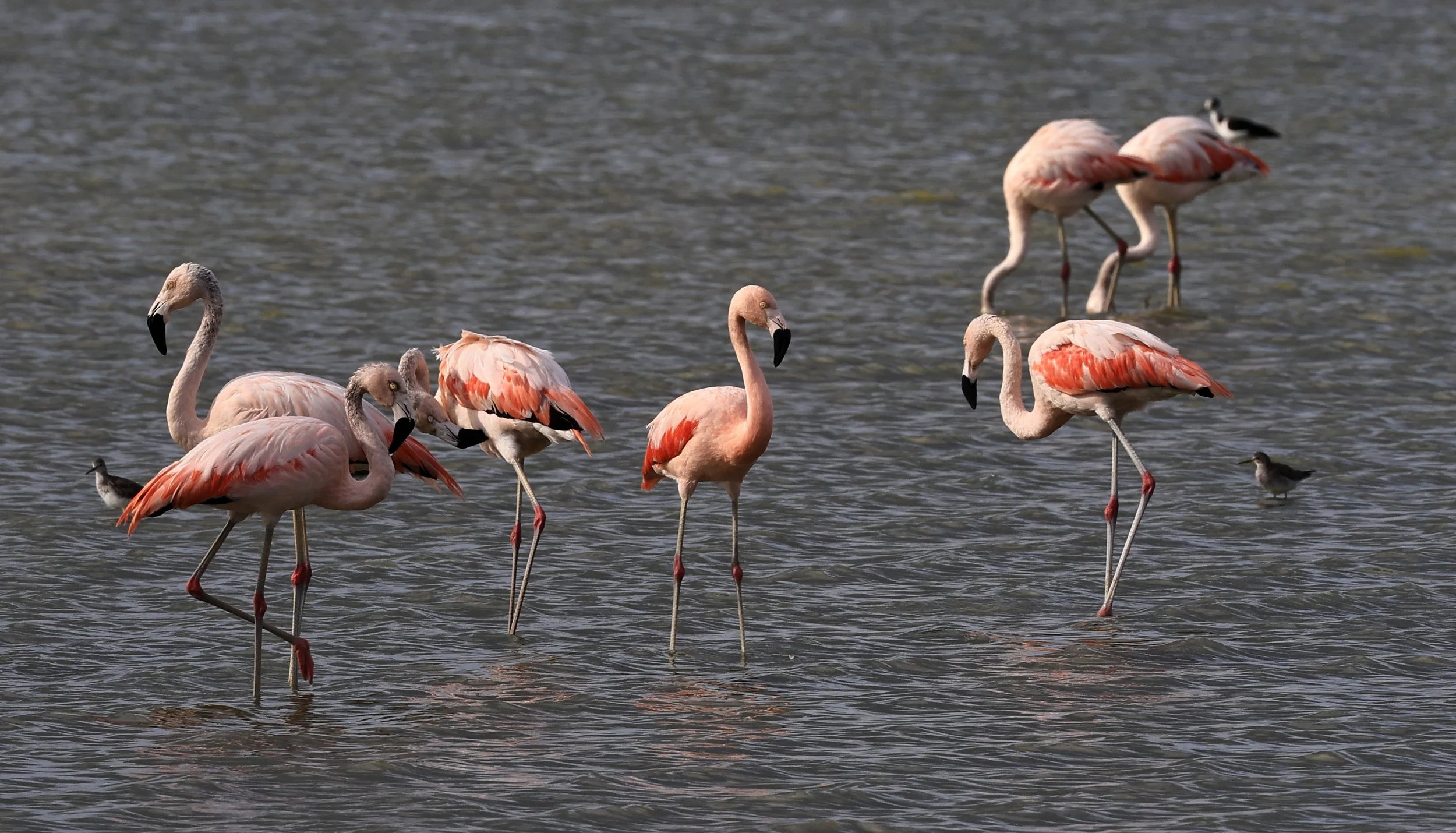
Chilean Flamingo (Phoenicopterus chilensis) Chaco Lodge & Laguna Salada

Chilean Flamingo (Phoenicopterus chilensis) Chaco Lodge & Laguna Salada

Chilean Flamingo (Phoenicopterus chilensis) Chaco Lodge & Laguna Salada

Chilean Flamingo (Phoenicopterus chilensis) Chaco Lodge & Laguna Salada

Chilean Flamingo (Phoenicopterus chilensis) Chaco Lodge & Laguna Salada

Chilean Flamingo (Phoenicopterus chilensis) Chaco Lodge & Laguna Salada

Chilean Flamingo (Phoenicopterus chilensis) Chaco Lodge & Laguna Salada

Chilean Flamingo (Phoenicopterus chilensis) Chaco Lodge & Laguna Salada

Chilean Flamingo (Phoenicopterus chilensis) Chaco Lodge & Laguna Salada

Cinereous Tyrant (Knipolegus striaticeps) Chaco Lodge & Laguna Salada

Cinereous Tyrant (Knipolegus striaticeps) Chaco Lodge & Laguna Salada

Collared Plover (Anarhynchus collaris) Chaco Lodge & Laguna Salada
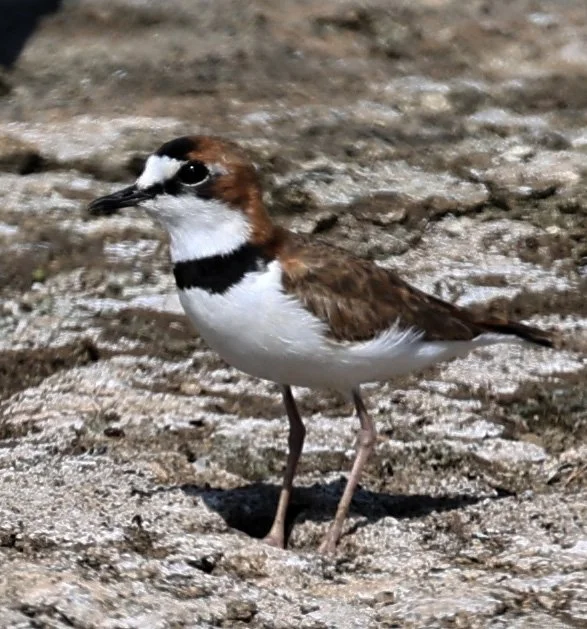
Collared Plover (Anarhynchus collaris) Chaco Lodge & Laguna Salada

Collared Plover (Anarhynchus collaris) Chaco Lodge & Laguna Salada

Common Potoo (Nyctibius griseus) Chaco Lodge & Laguna Salada

Common Potoo (Nyctibius griseus) Chaco Lodge & Laguna Salada

Cream-backed Woodpecker (Campephilus leucopogon) Chaco Lodge & Laguna Salada

Crested Caracara (Caracara plancus) Wetlands along Road between Pozo Colorado & Asuncion

Crested Gallito (Rhinocrypta lanceolata) Chaco Lodge & Laguna Salada

Crested Gallito (Rhinocrypta lanceolata) Chaco Lodge & Laguna Salada

Crested Gallito (Rhinocrypta lanceolata) Chaco Lodge & Laguna Salada

Crested Gallito (Rhinocrypta lanceolata) Chaco Lodge & Laguna Salada

Crested Hornero (Furnarius cristatus) Chaco Lodge & Laguna Salada
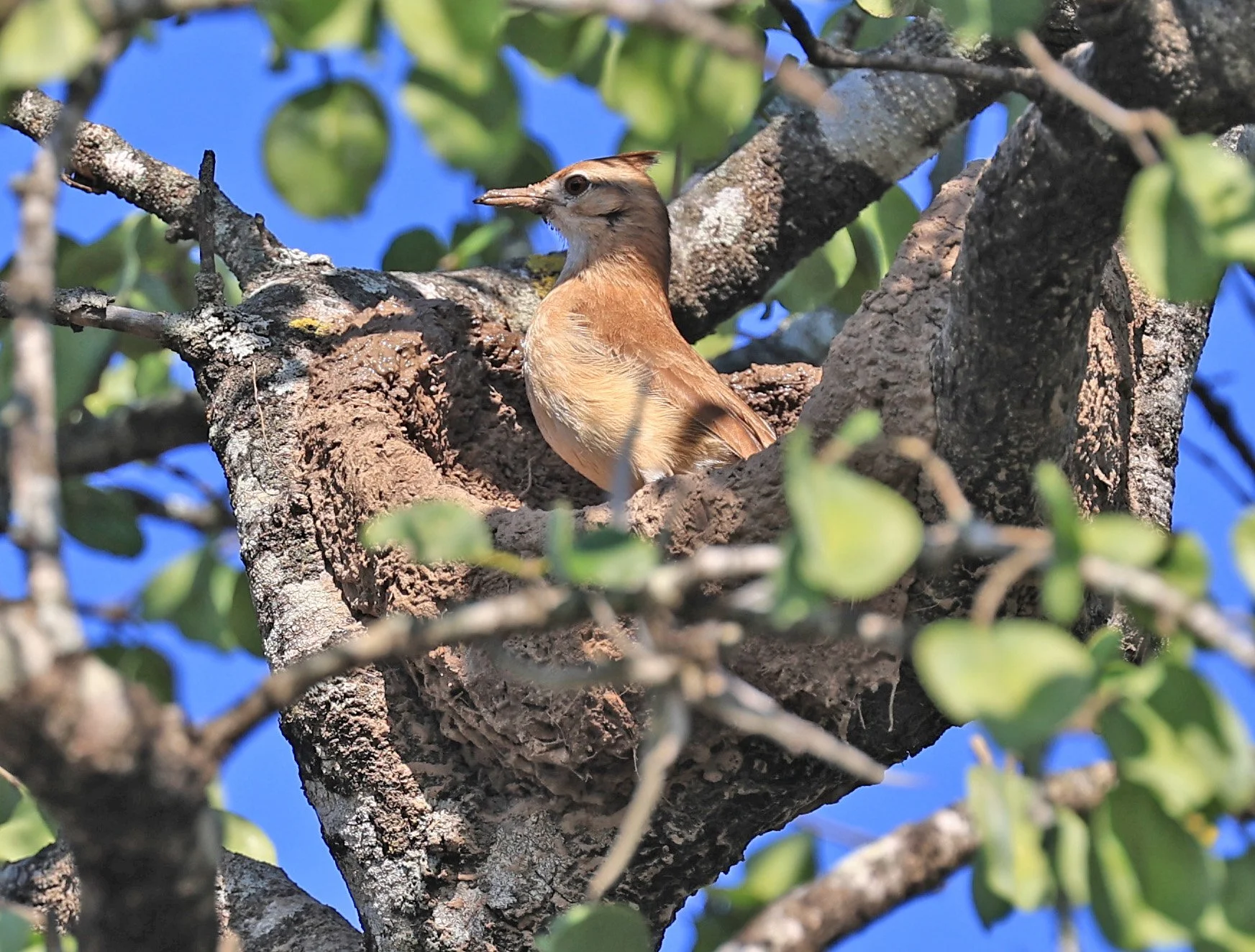
Crested Hornero (Furnarius cristatus) Chaco Lodge & Laguna Salada
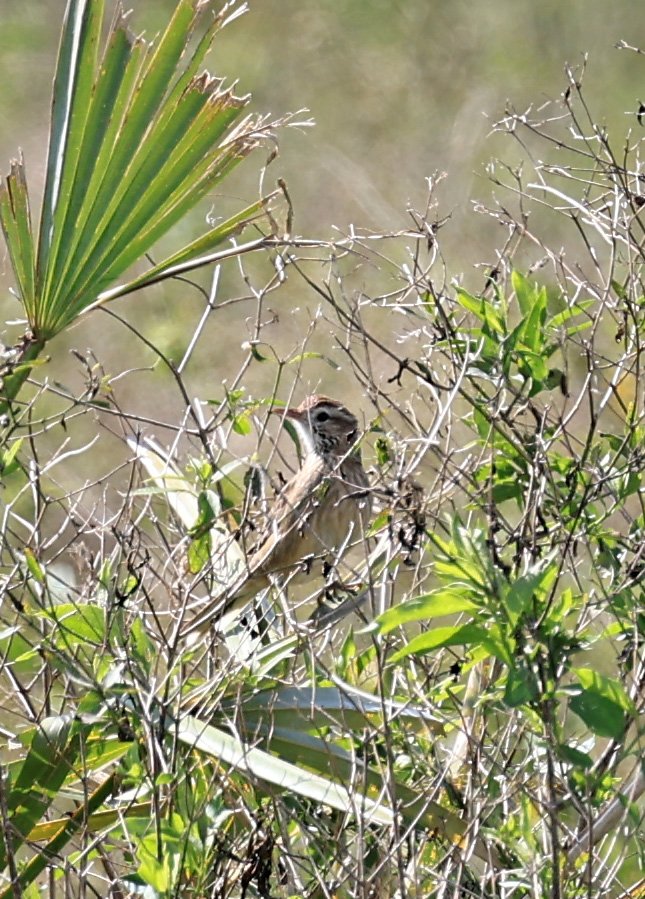
Firewood-gatherer (Anumbius annumbi) Asuncion
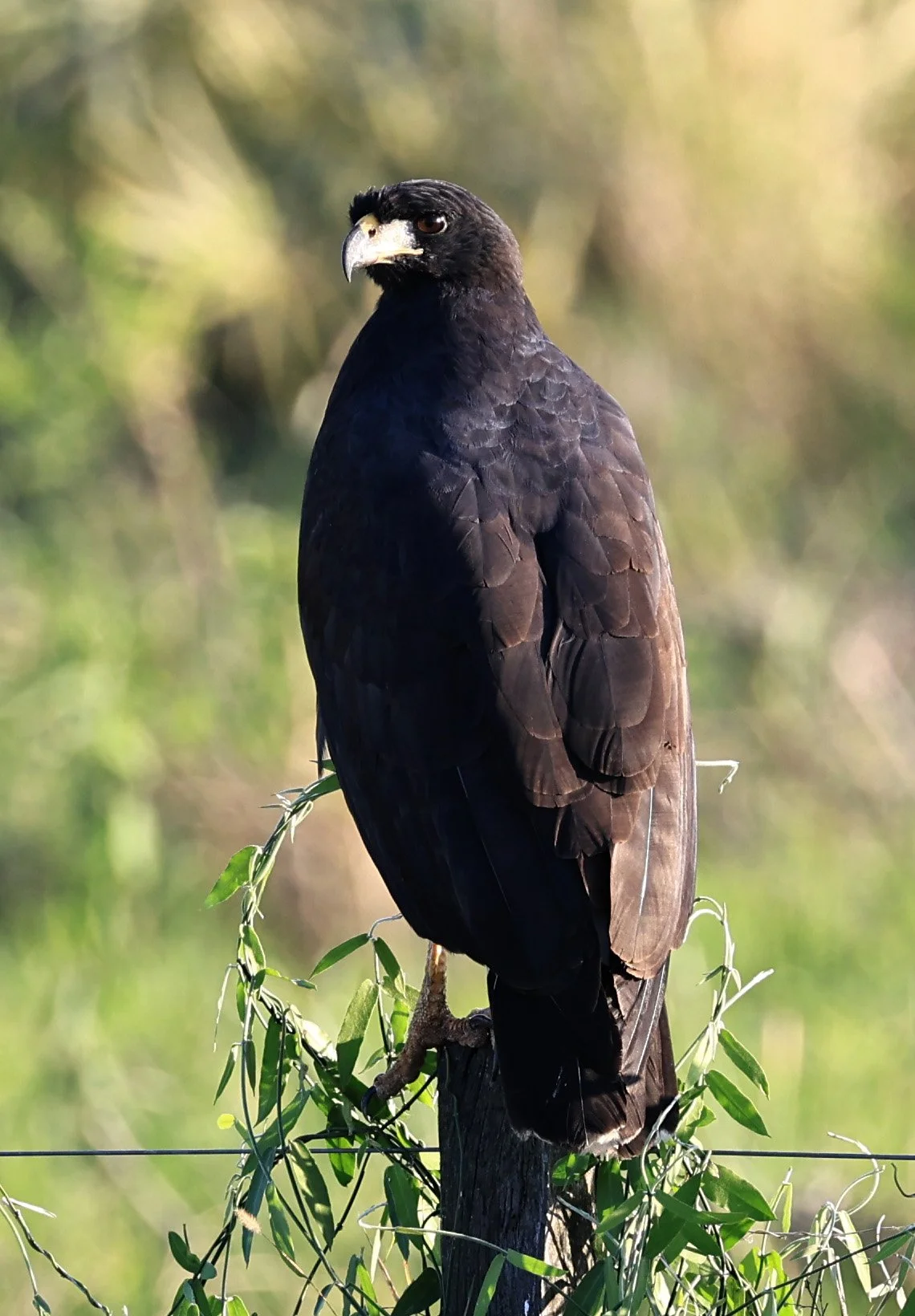
Great Black Hawk (Buteogallus urubitinga) Wetlands along Road between Pozo Colorado & Asuncion

Greater & Lesser Yellowlegs mixed flock - Chaco Lodge & Laguna Salada
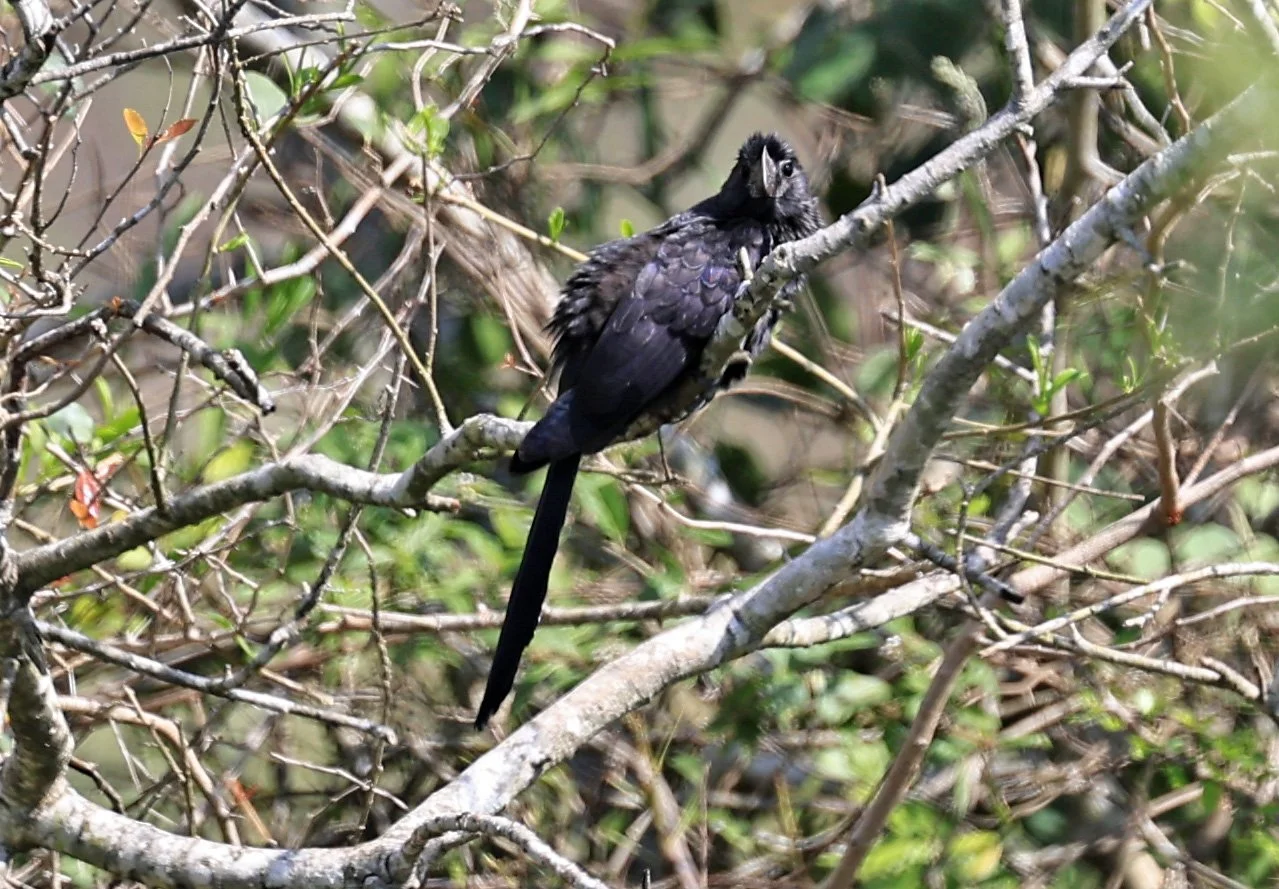
Greater Ani (Crotophaga major) Asuncion Paraguay
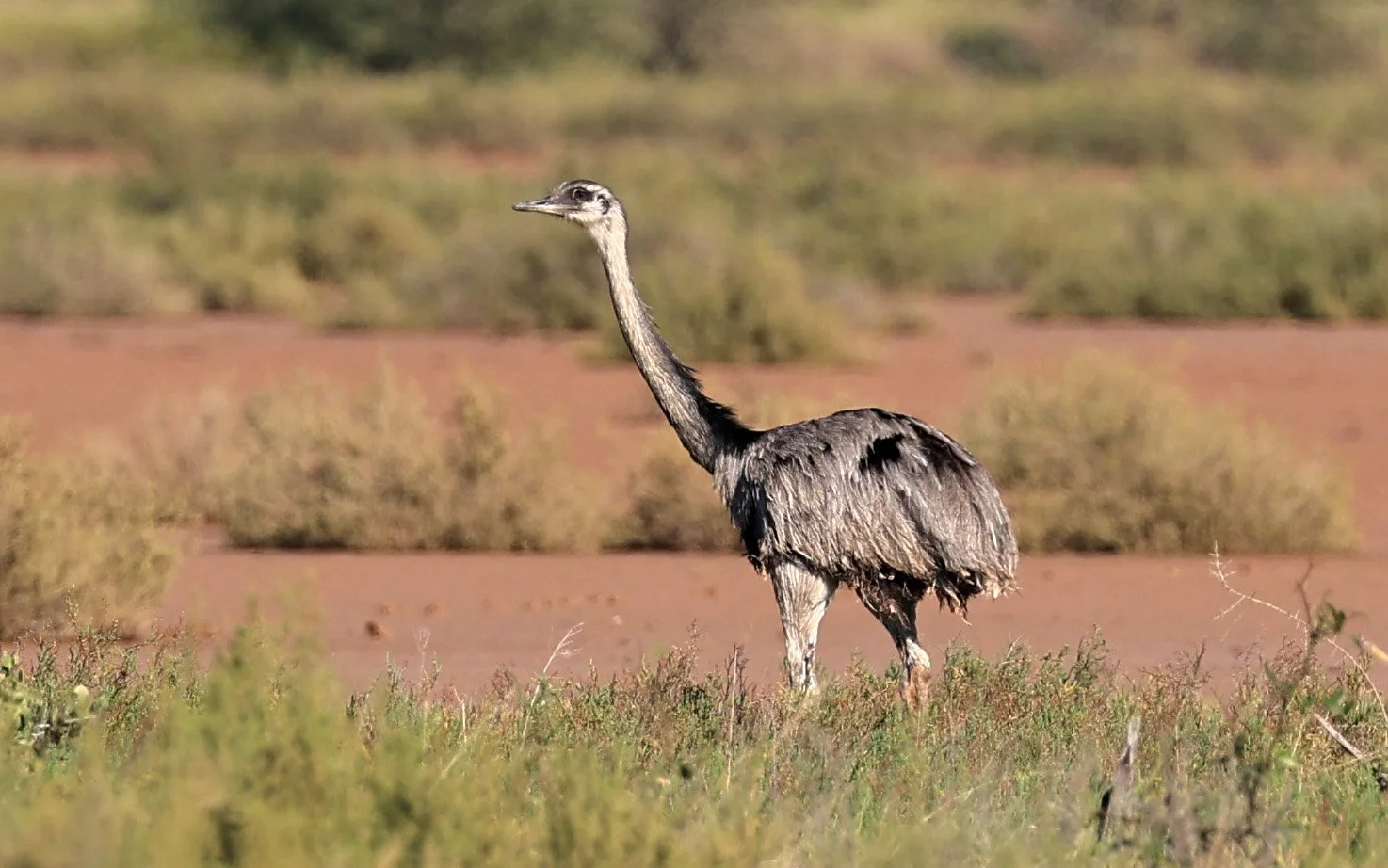
Greater Rhea (Rhea americana) Chaco Lodge & Laguna Salada

Greater Rhea (Rhea americana) Chaco Lodge & Laguna Salada

Greater Rhea (Rhea americana) Chaco Lodge & Laguna Salada

Greater Yellowlegs (Tringa melanoleuca) Chaco Lodge & Laguna Salada

Green Ibis (Mesembrinibis cayennensis)Wet Chaco Habitat - Wetlands along Road between Pozo Colorado Asuncion

Jabiru (Jabiru mycteria) Wet Chaco Habitat - Wetlands along Road between Pozo Colorado & Asuncion

Lesser Yellow-headed Vulture (Cathartes burrovianus) Chaco Lodge & Laguna Salada

Lesser Yellow-headed Vulture (Cathartes burrovianus) Chaco Lodge & Laguna Salada

Lesser Yellow-headed Vulture (Cathartes burrovianus) Chaco Lodge & Laguna Salada

Limpkin (Aramus guarauna) Wet Chaco Habitat - Wetlands along Road between Pozo Colorado & Asuncion

Limpkin (Aramus guarauna) Wet Chaco Habitat - Wetlands along Road between Pozo Colorado & Asuncion

Limpkin (Aramus guarauna) Wet Chaco Habitat - Wetlands along Road between Pozo Colorado & Asuncion

Maguari Stork (Ciconia maguari) Wet Chaco Habitat - Wetlands along Road between Pozo Colorado & Asuncion

Maguari Stork (Ciconia maguari) Wet Chaco Habitat - Wetlands along Road between Pozo Colorado & Asuncion

Nanday or Black-hooded Parakeet (Aratinga nenday) Wetlands along Road between Pozo Colorado & Asuncion

Nanday or Black-hooded Parakeet (Aratinga nenday) Wetlands along Road between Pozo Colorado & Asuncion

Nanday or Black-hooded Parakeet (Aratinga nenday) Wetlands along Road between Pozo Colorado & Asuncion

Pearly-vented Tody Tyrant (Hemitriccus margaritaceiventer) Chaco Lodge & Laguna Salada

Nanday or Black-hooded Parakeet (Aratinga nenday) Wetlands along Road between Pozo Colorado & Asuncion
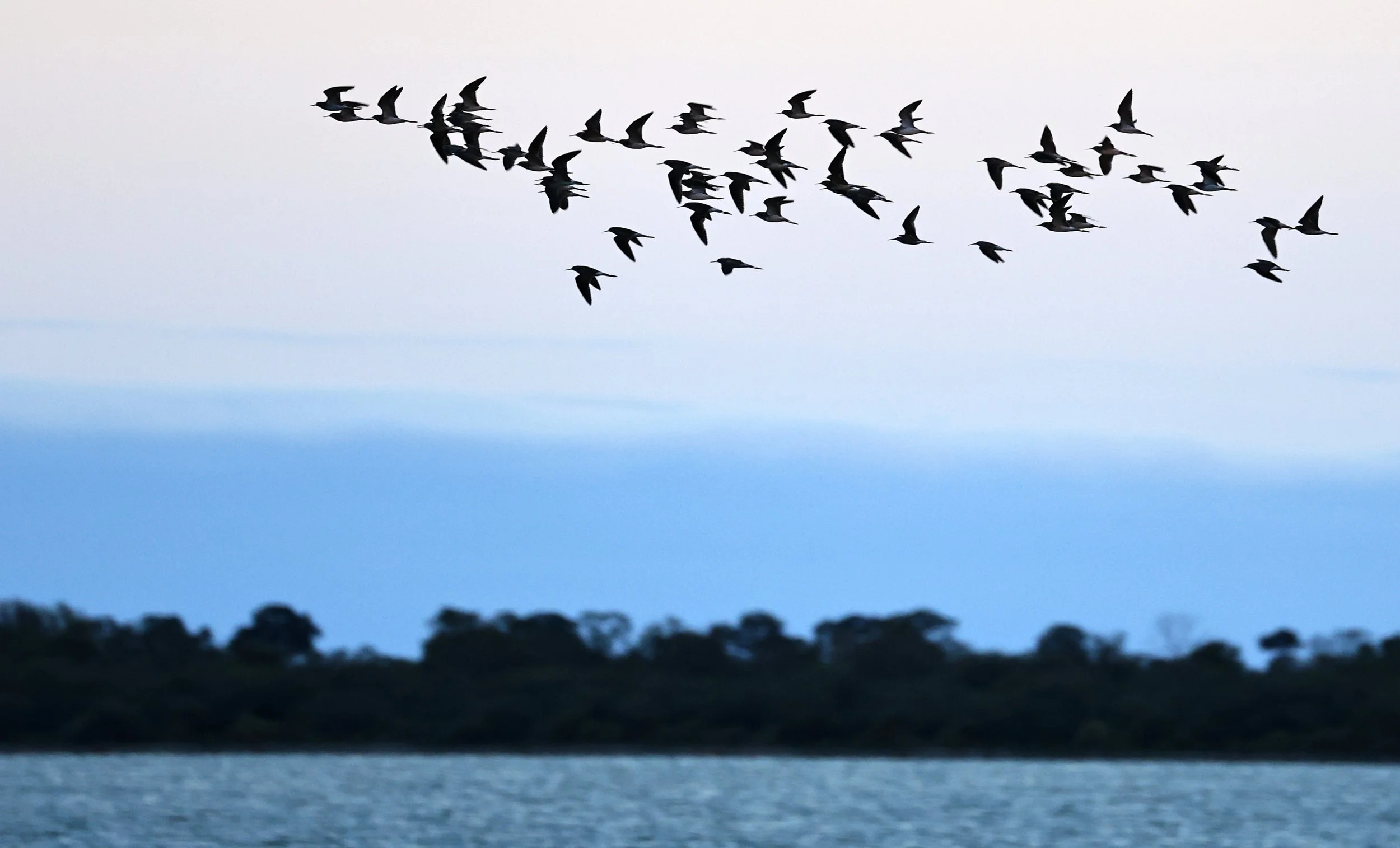
Pectoral Sandpiper (Calidris melanotos) Chaco Lodge & Laguna Salada

Plush-crested Jay (Cyanocorax chrysops)

Red-crested Cardinal (Paroaria coronata) Chaco Lodge & Laguna Salada

Red-crested Cardinal (Paroaria coronata) Chaco Lodge & Laguna Salada
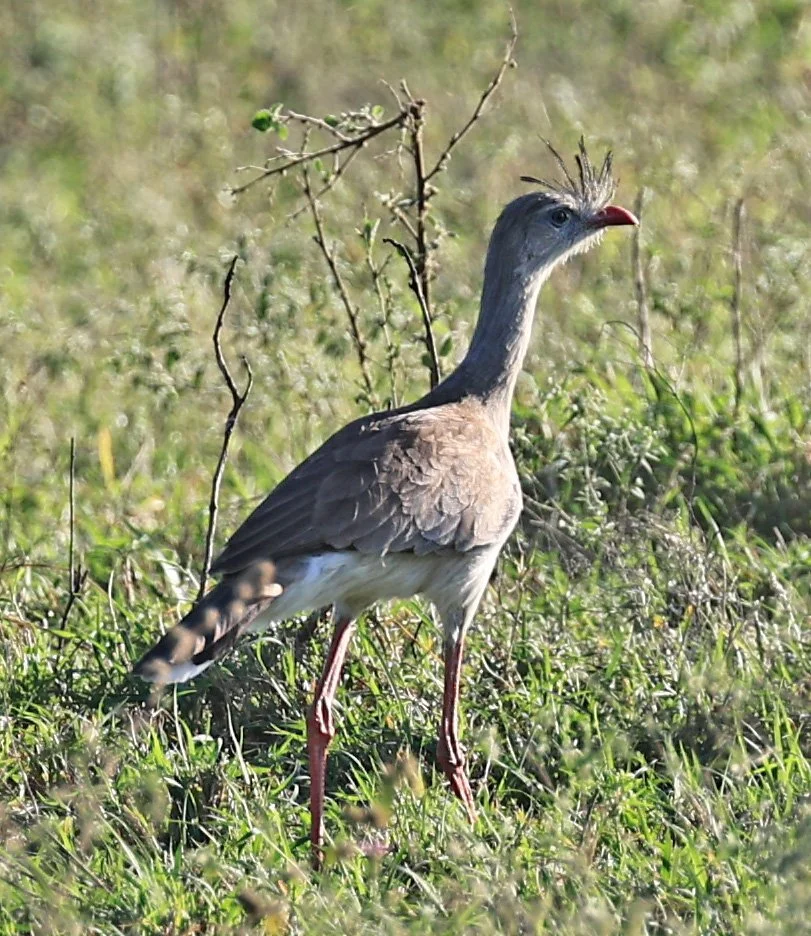
Red-legged Seriema (Cariama cristata) Neuland Mennonite Colony
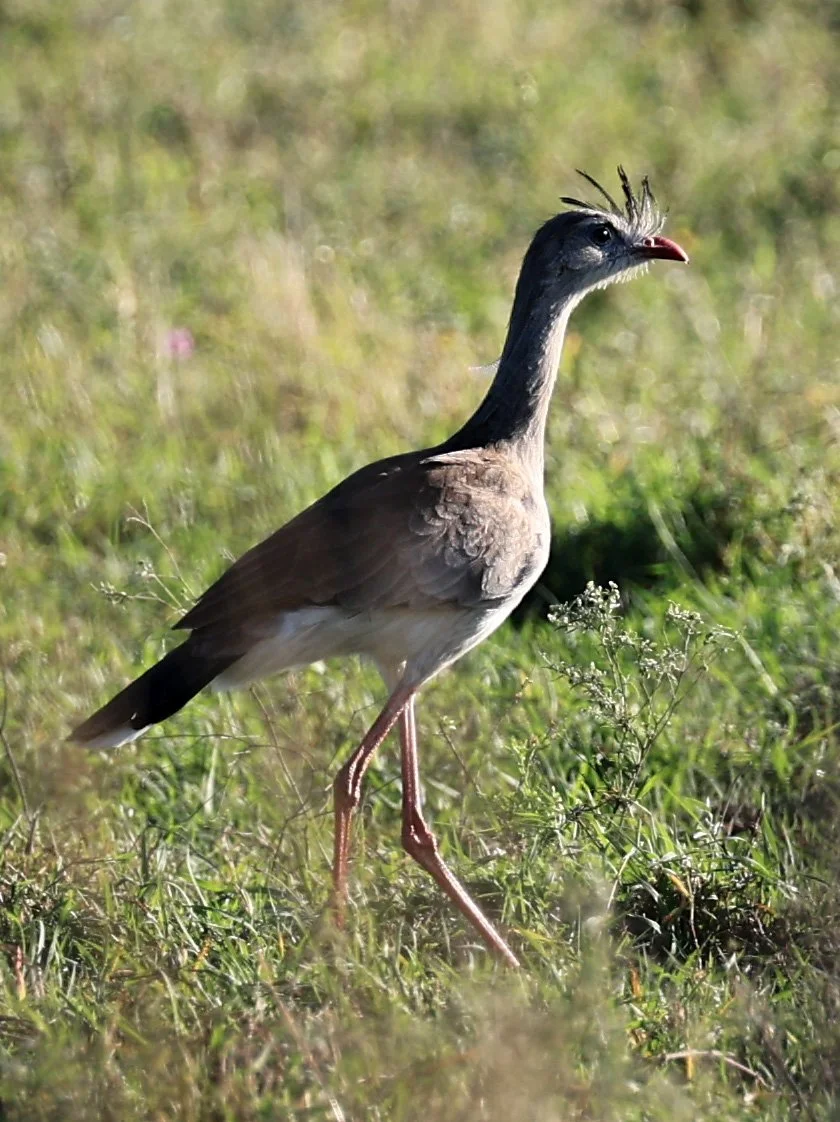
Red-legged Seriema (Cariama cristata) Neuland Mennonite Colony
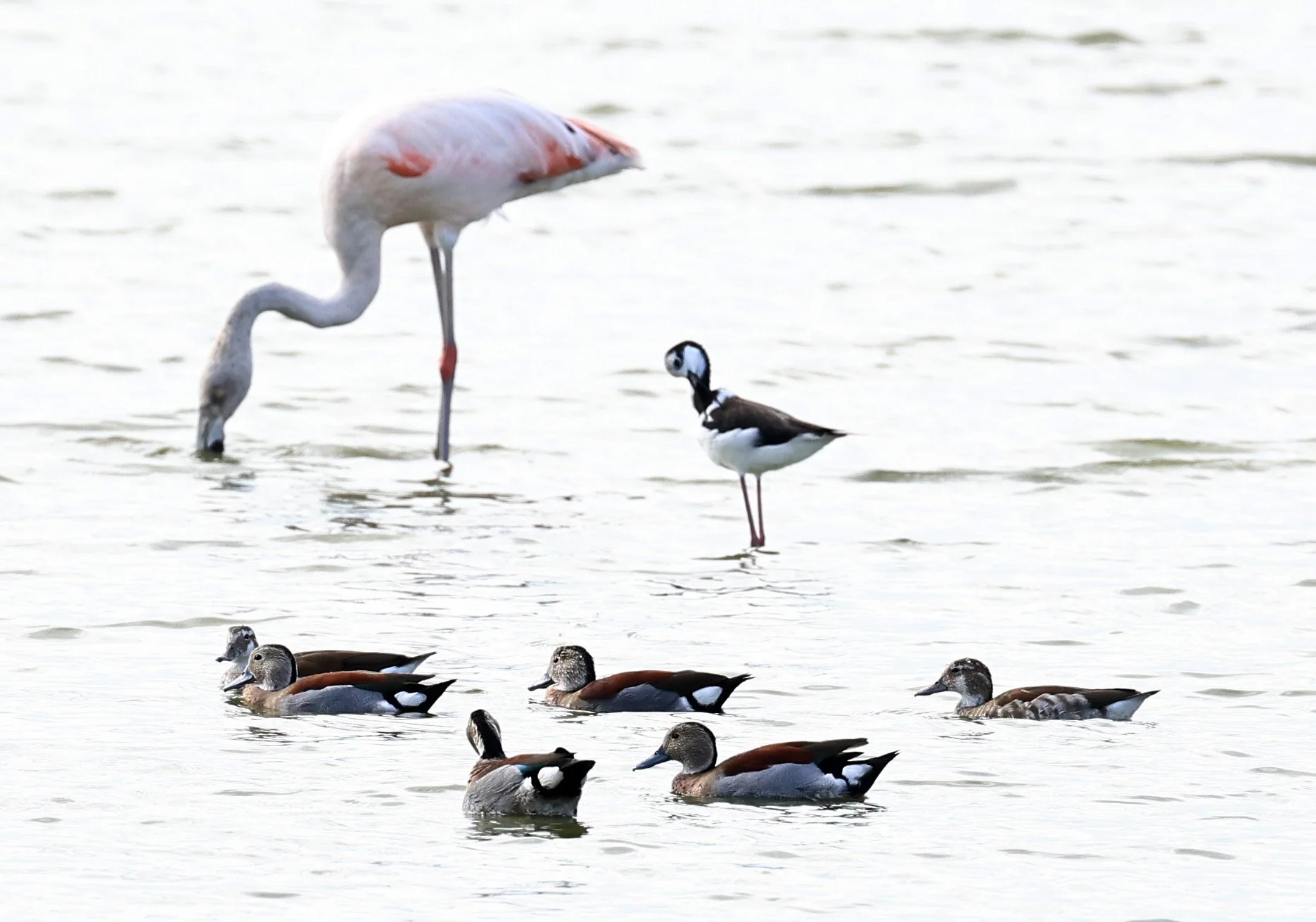
Ringed Teal (Callonetta leucophrys) Chaco Lodge & Laguna Salada

Roseate Spoonbill (Platalea ajaja) Wet Chaco Habitat - Wetlands along Road between Pozo Colorado & Asuncion

Roseate Spoonbill (Platalea ajaja) Wet Chaco Habitat - Wetlands along Road between Pozo Colorado & Asuncion

Roseate Spoonbill (Platalea ajaja) Wet Chaco Habitat - Wetlands along Road between Pozo Colorado & Asuncion
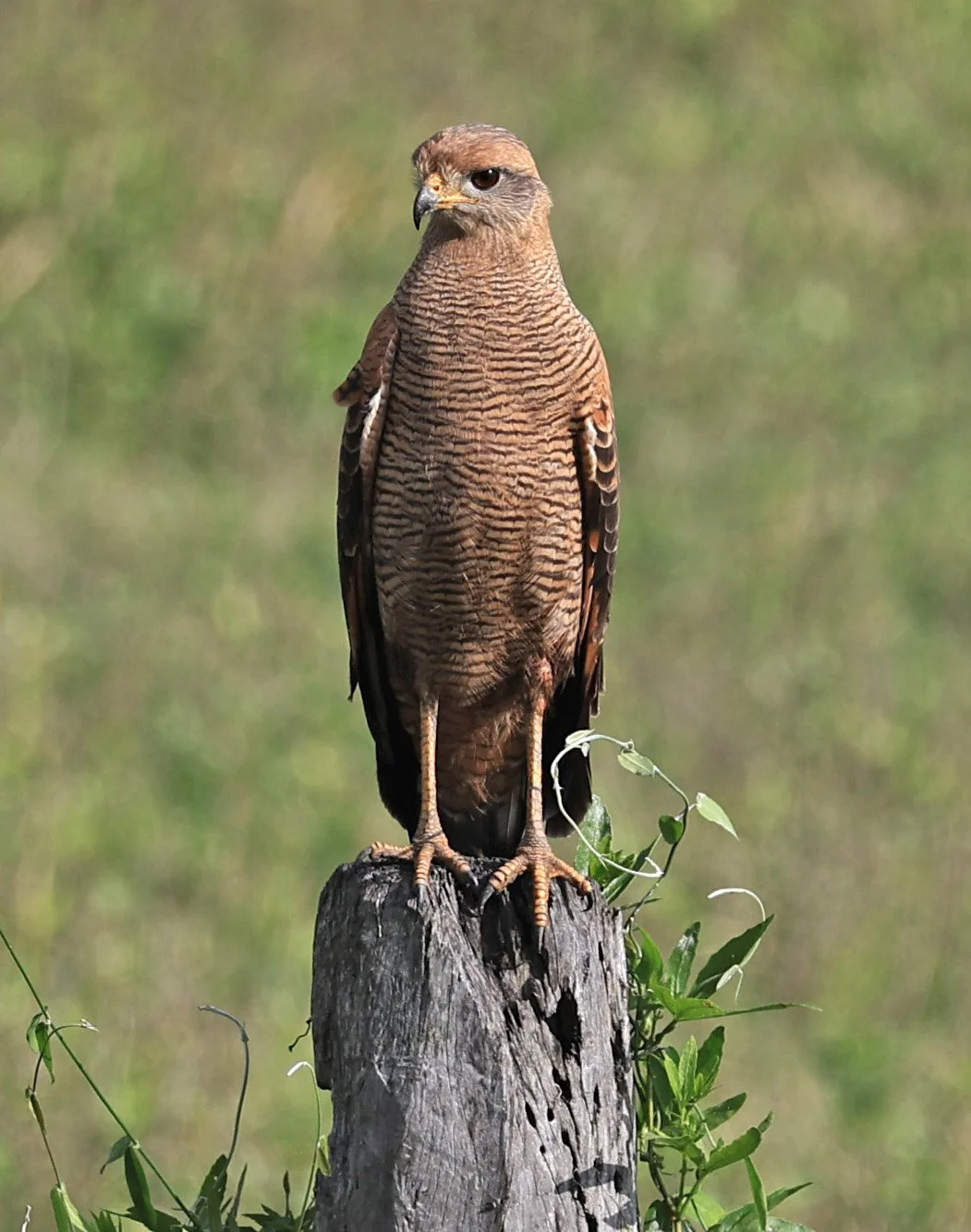
Savanna Hawk (Buteogallus meridionalis) Wetlands along Road between Pozo Colorado & Asuncion

Savanna Hawk (Buteogallus meridionalis) Wetlands along Road between Pozo Colorado & Asuncion

Snail Kite (Rostrhamus sociabilis) Wetlands along Road between Pozo Colorado & Asuncion

Solitary Black Cacique (Cacicus solitarius) Aurora Chaquena Reserve

Turkey Vulture (Cathartes aura) Aurora Chaquena Reserve - Nueland Mennonite Colony

Wattled Jacana (Jacana jacana) Wet Chaco Habitat - Wetlands along Road between Pozo Colorado & Asuncion

Western Great Egret (Ardea alba alba) Wetlands along Road between Pozo Colorado & Asuncion
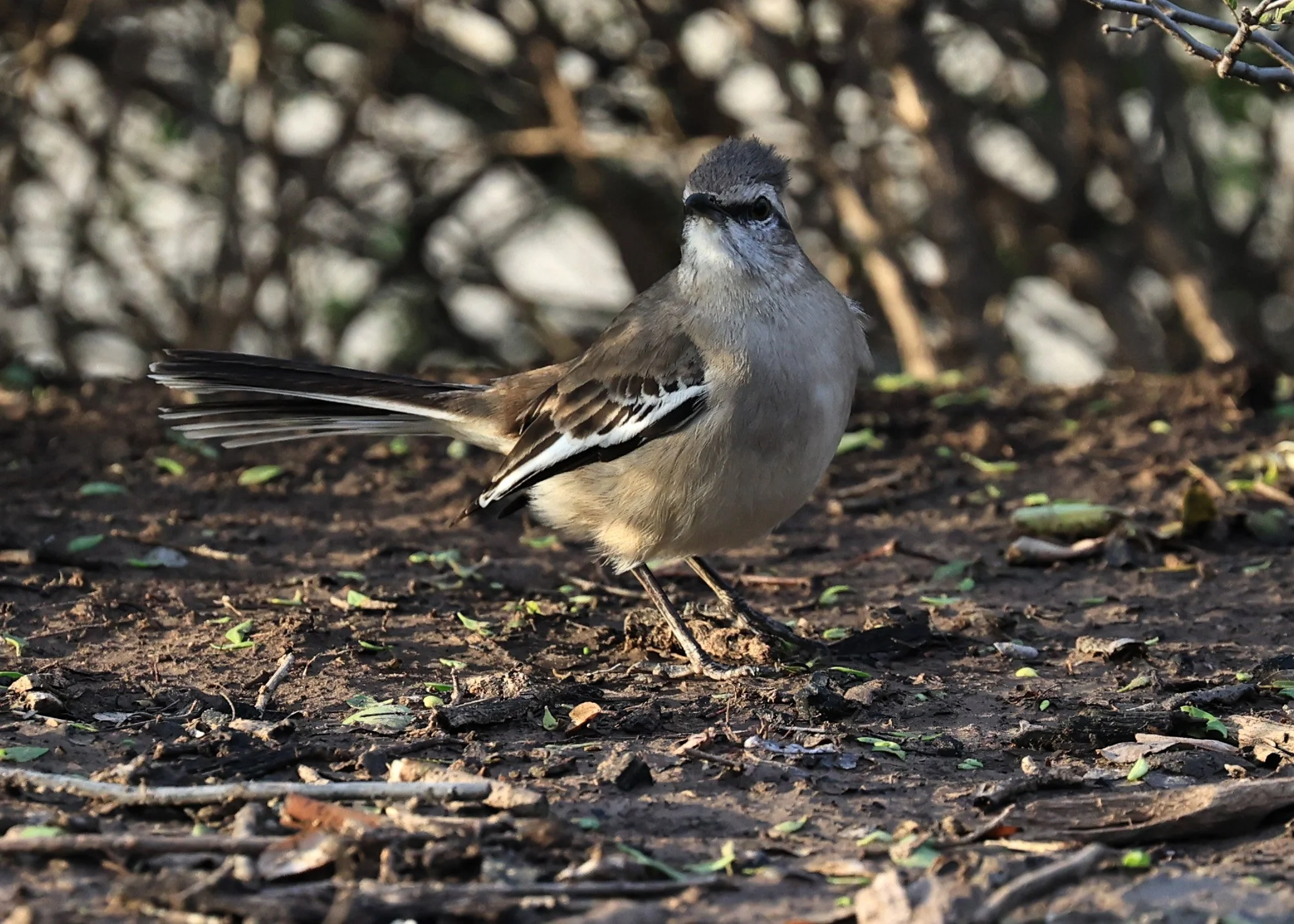
White-banded Mockingbird (Mimus triurus) Chaco Lodge & Laguna Salada

White-faced Whistling-Duck (Dendrocygna viduata) Wetlands along Road between Pozo Colorado & Asuncion

White-fronted Woodpecker (Melanerpes cactorum) Aurora Chaquena Reserve

White-fronted Woodpecker (Melanerpes cactorum) Aurora Chaquena Reserve
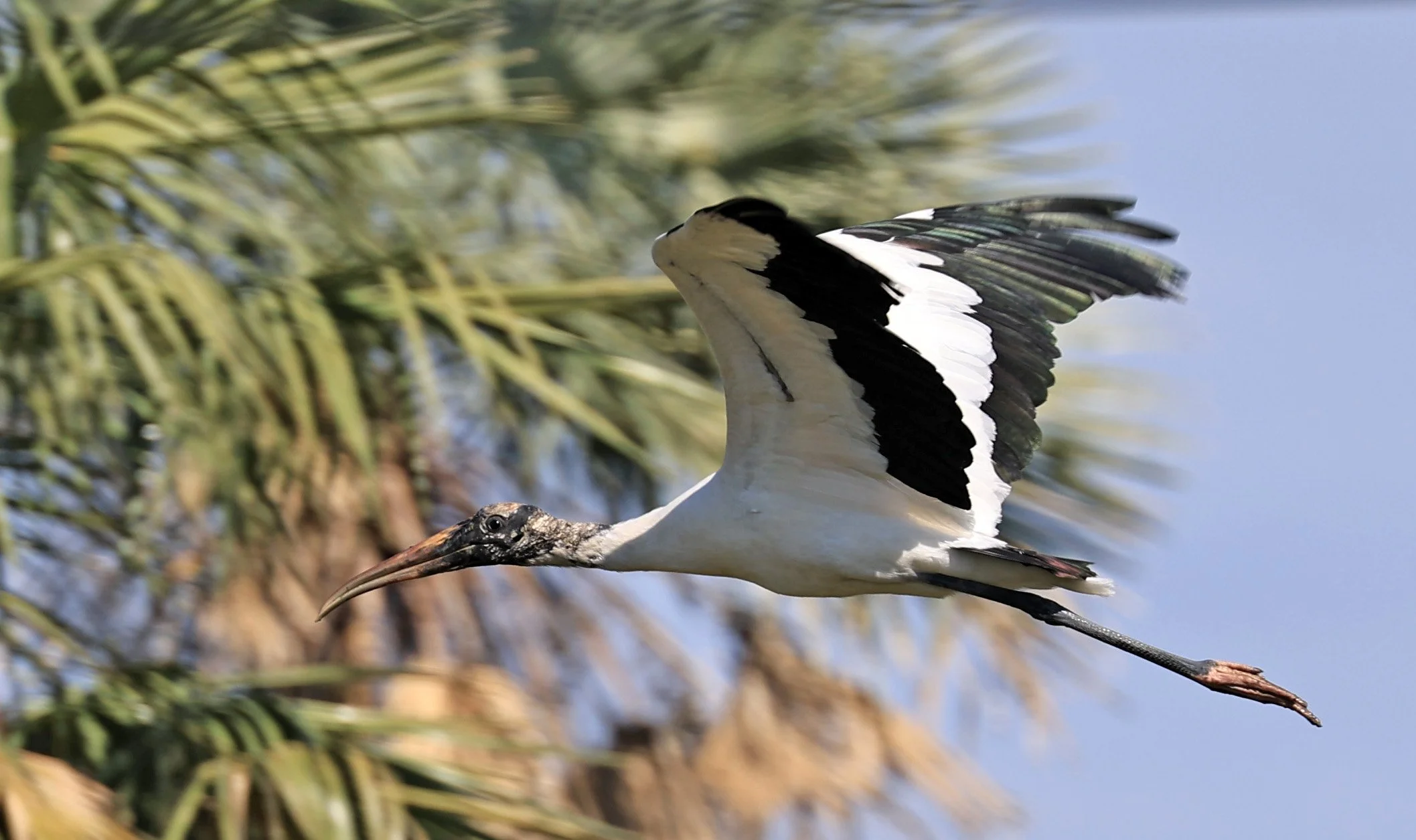
Wood Stork (Mycteria americana) Wetlands along Road between Pozo Colorado & Asuncion

Wood Stork (Mycteria americana) Wetlands along Road between Pozo Colorado & Asuncion

Wood Stork (Mycteria americana) Wetlands along Road between Pozo Colorado & Asuncion

Cururu or Cope's Toad (Rhinella diptycha) Chaco Lodge & Laguna Salada Paraguay

Cururu or Cope's Toad (Rhinella diptycha) Chaco Lodge & Laguna Salada Paraguay
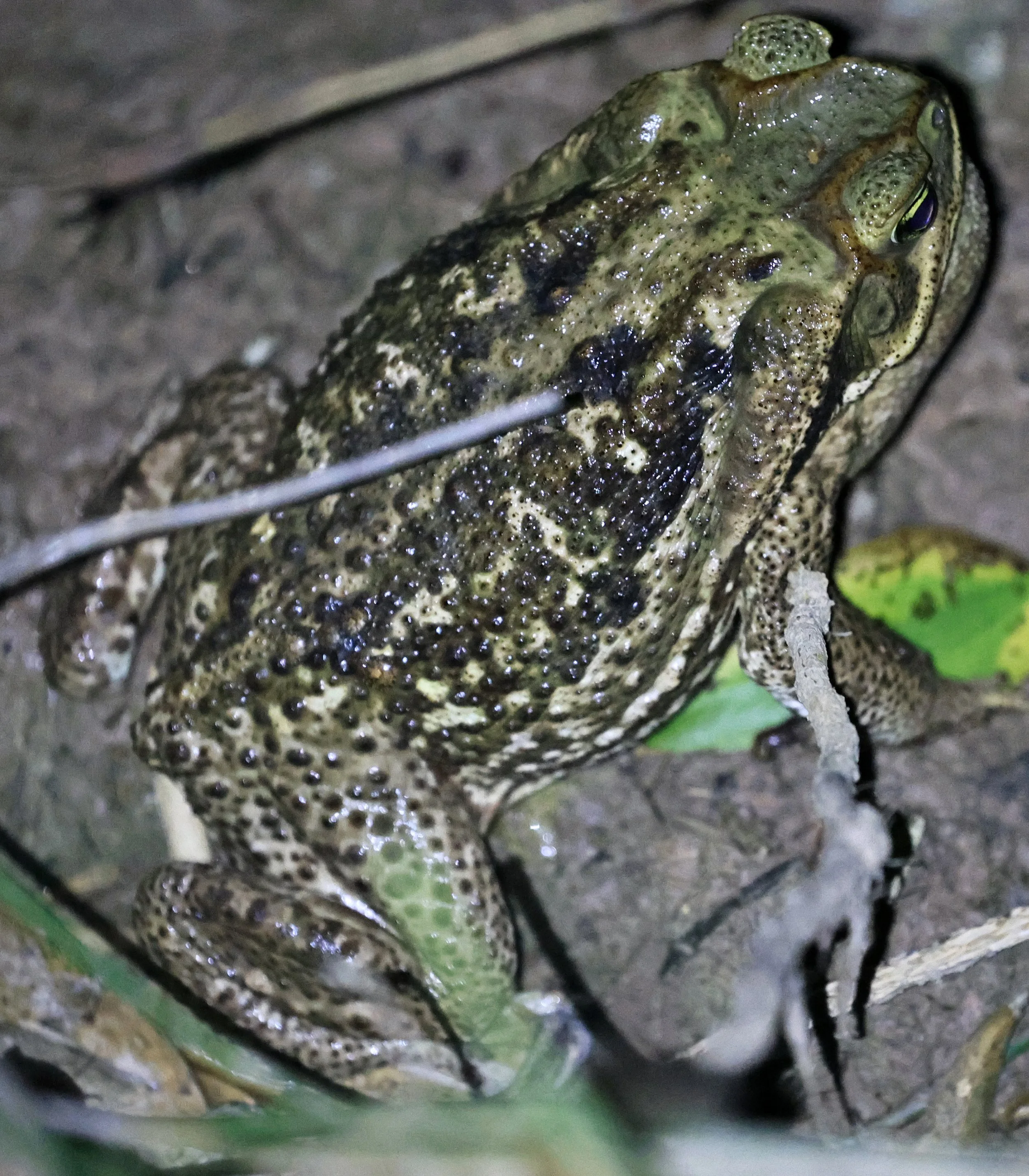
Cururu or Cope's Toad (Rhinella diptycha) Chaco Lodge & Laguna Salada Paraguay

Yacare Caiman (Caiman yacare) with BBWD Wetlands along Road between Pozo Colorado & Asuncion

Yacare Caiman (Caiman yacare) with BBWD Wetlands along Road between Pozo Colorado & Asuncion
Flora and Scenery of Chaco Lodge and the Road back to Asuncion

Wet Chaco! Northern Chaco Palm Swamp or Southern Chaco Floodplain Forest & Woodland

Wet Chaco! Northern Chaco Palm Swamp or Southern Chaco Floodplain Forest & Woodland

Wet Chaco! Northern Chaco Palm Swamp or Southern Chaco Floodplain Forest & Woodland
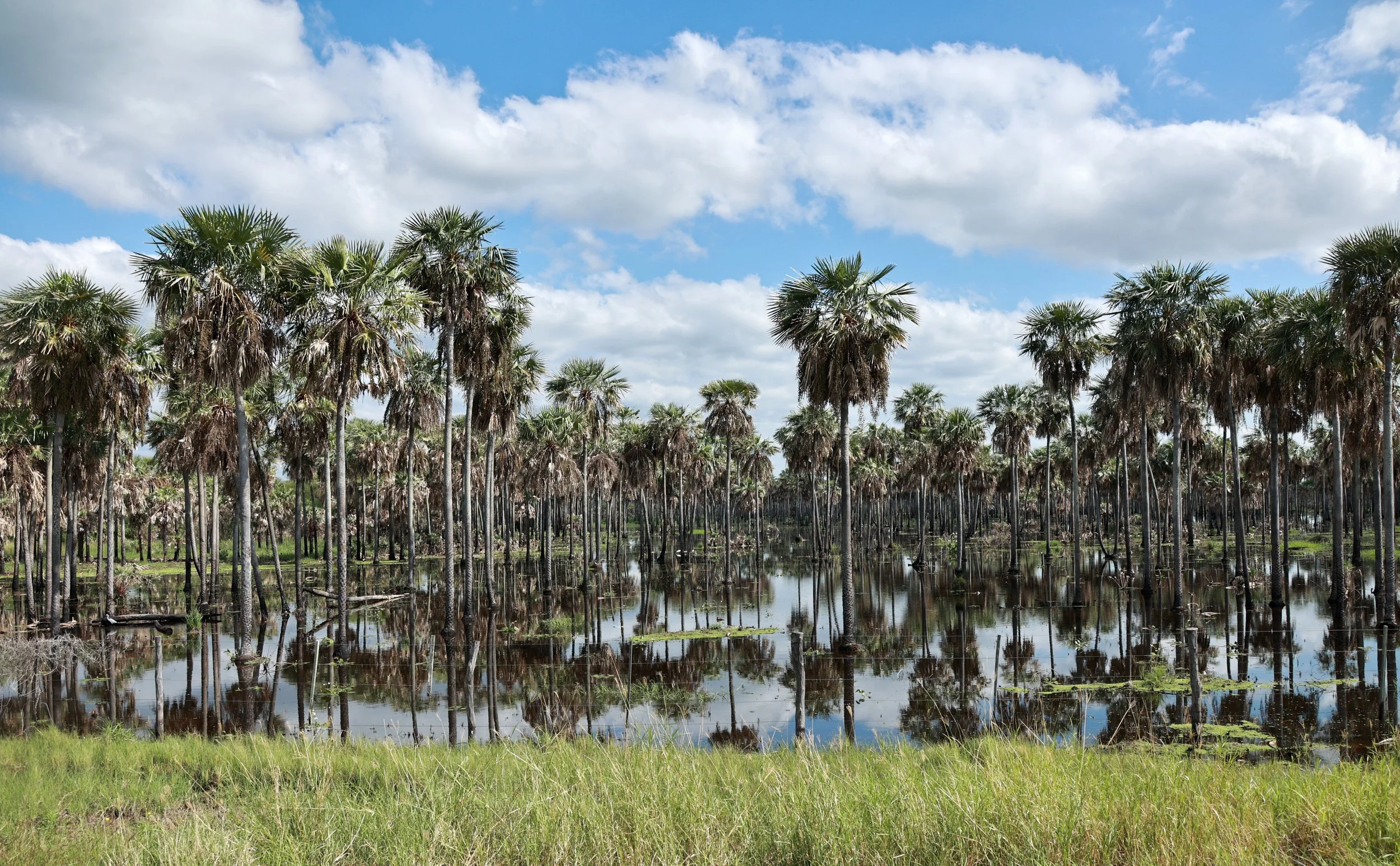
Wet Chaco! Northern Chaco Palm Swamp or Southern Chaco Floodplain Forest & Woodland
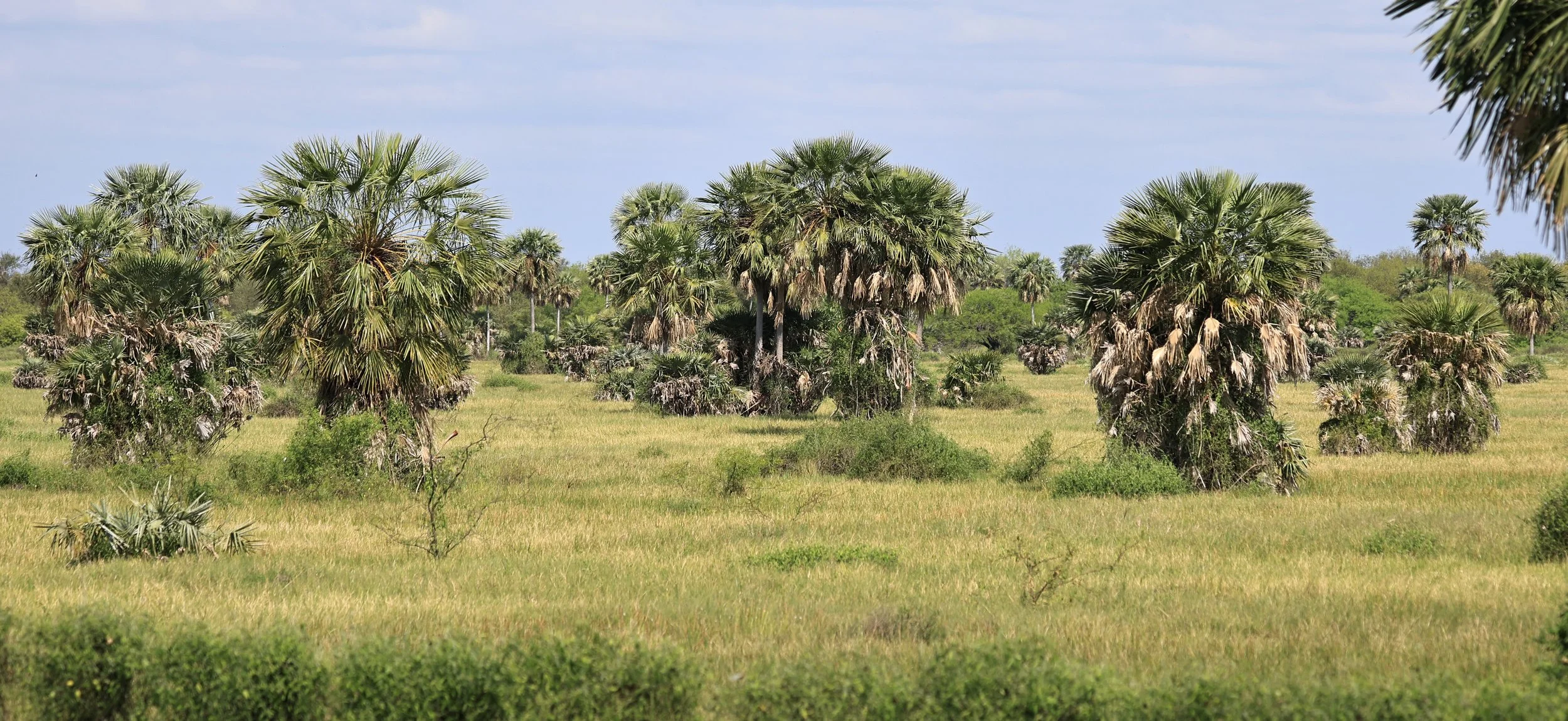
Wet Chaco! Northern Chaco Palm Swamp or Southern Chaco Floodplain Forest & Woodland
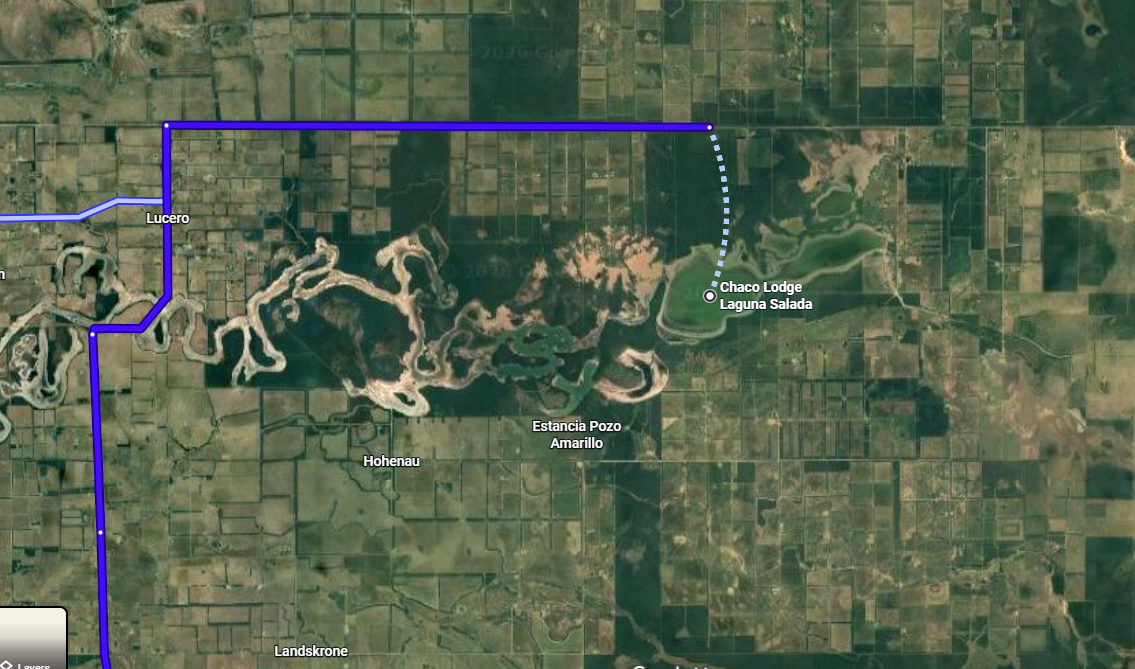
Laguna Salada
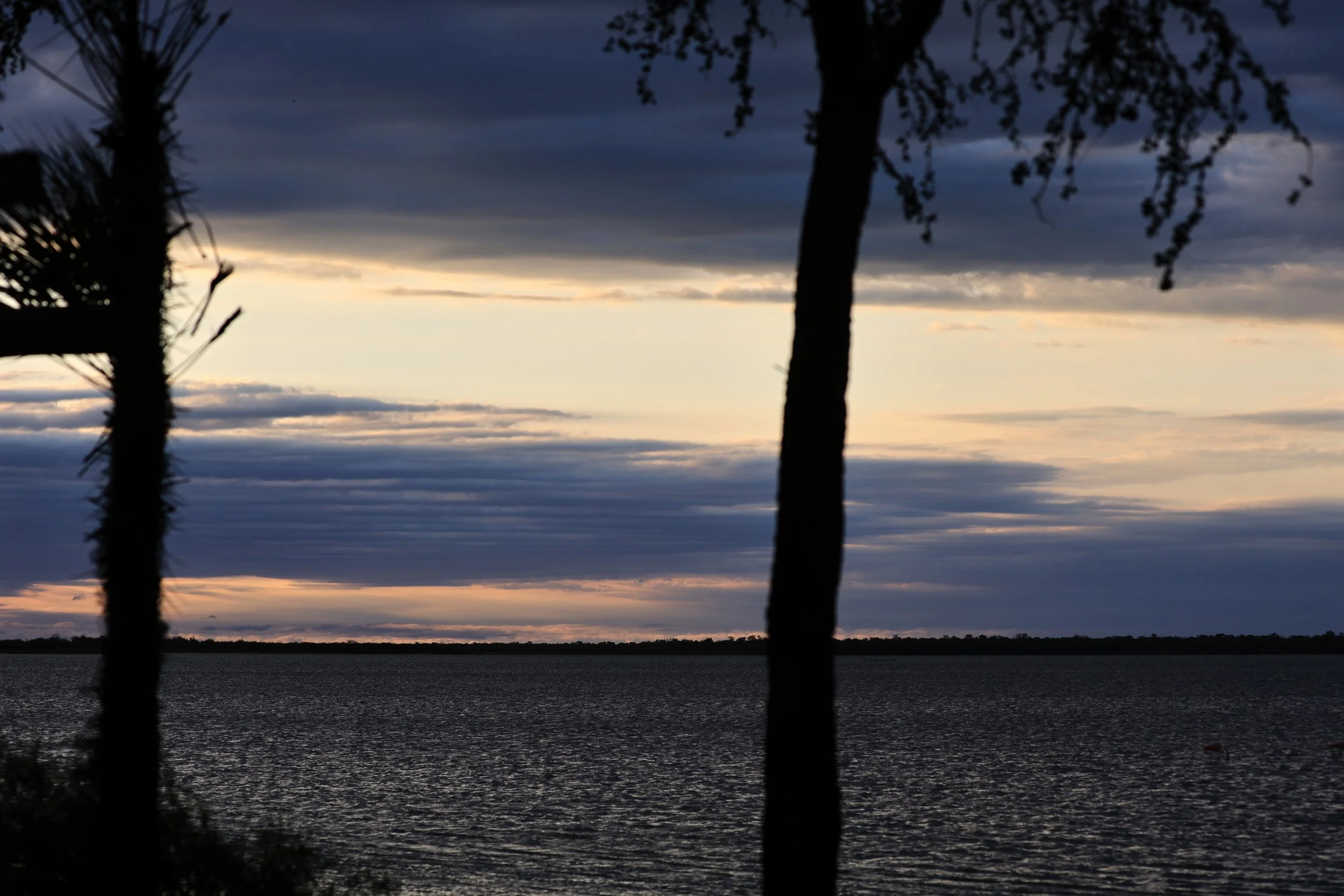
Laguna Salada
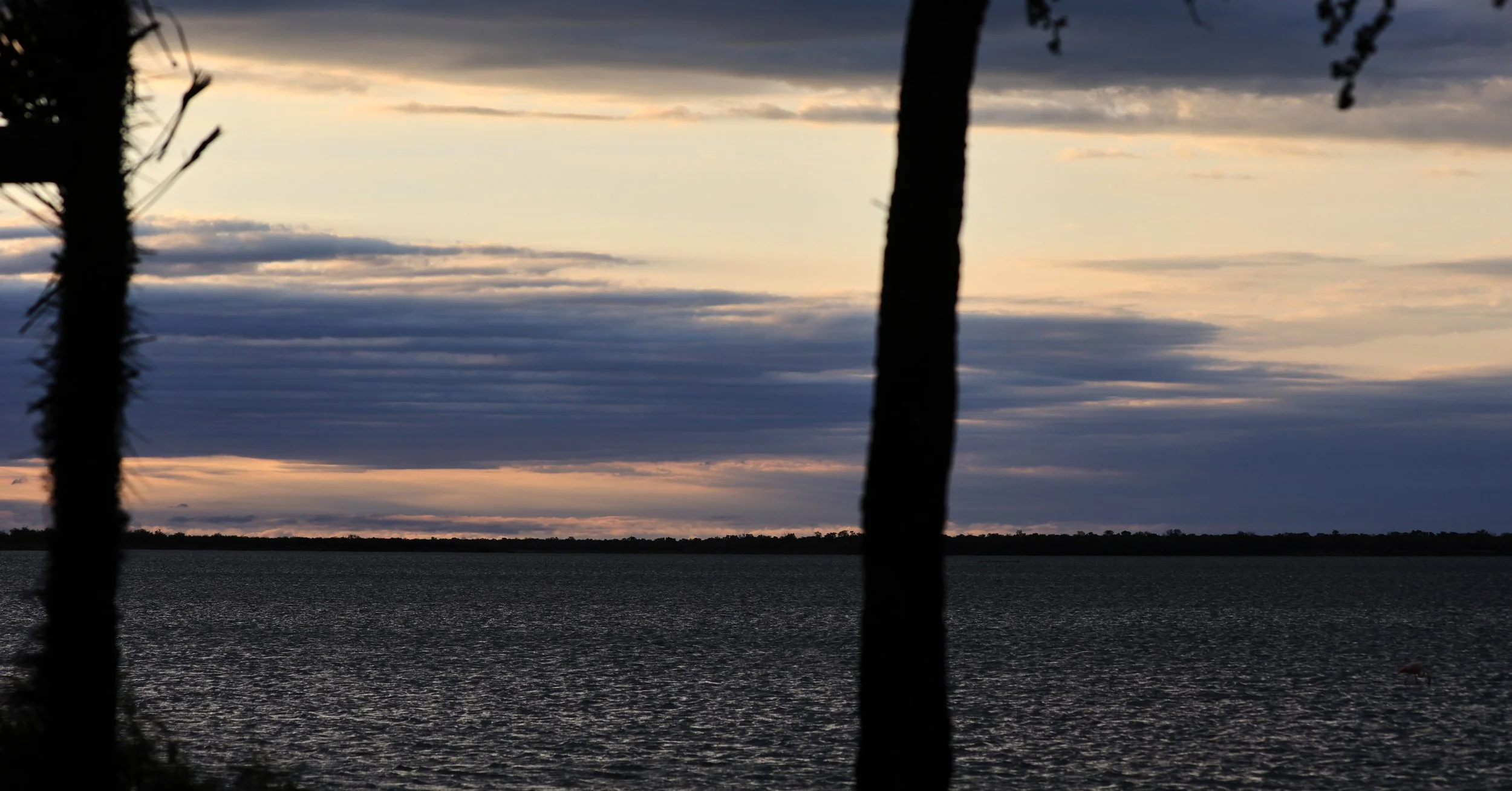
Laguna Salada
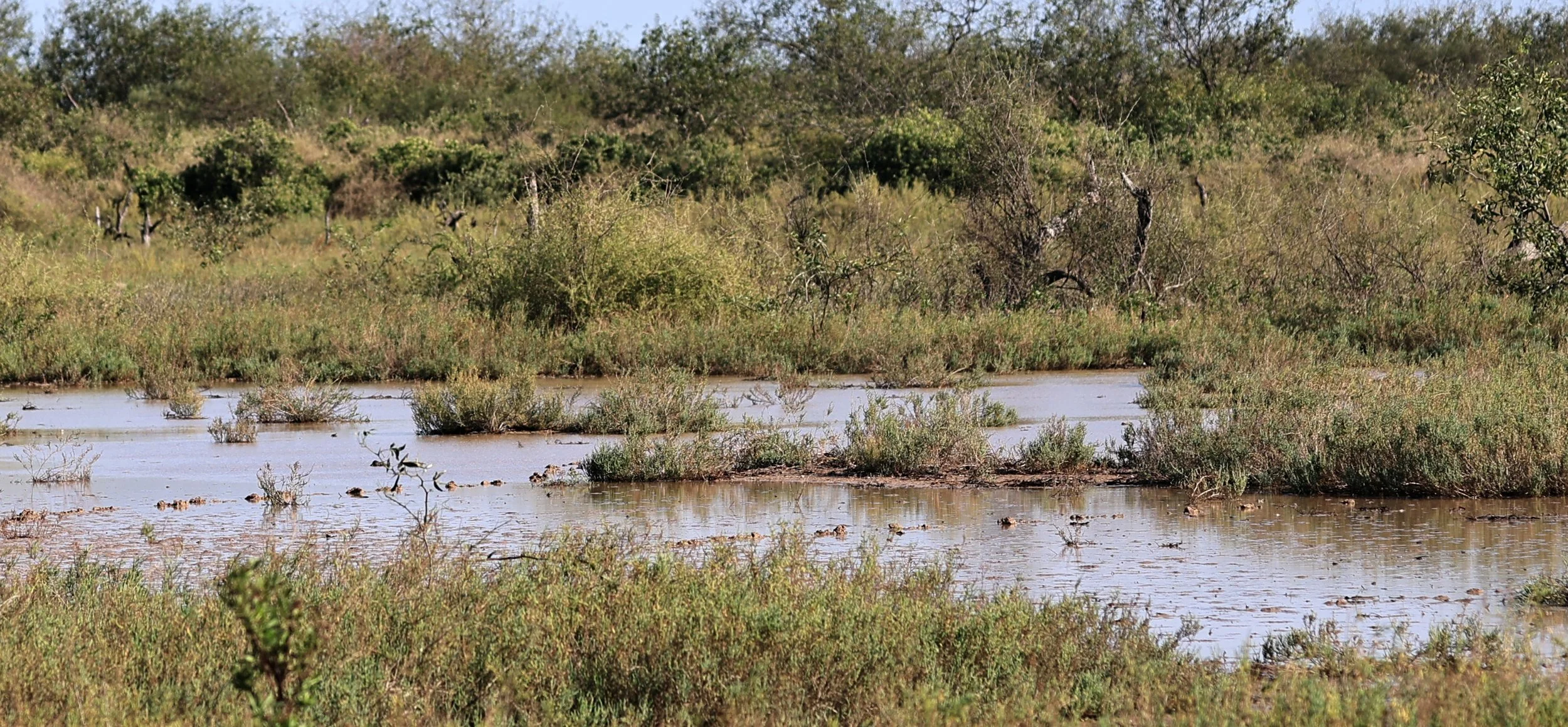
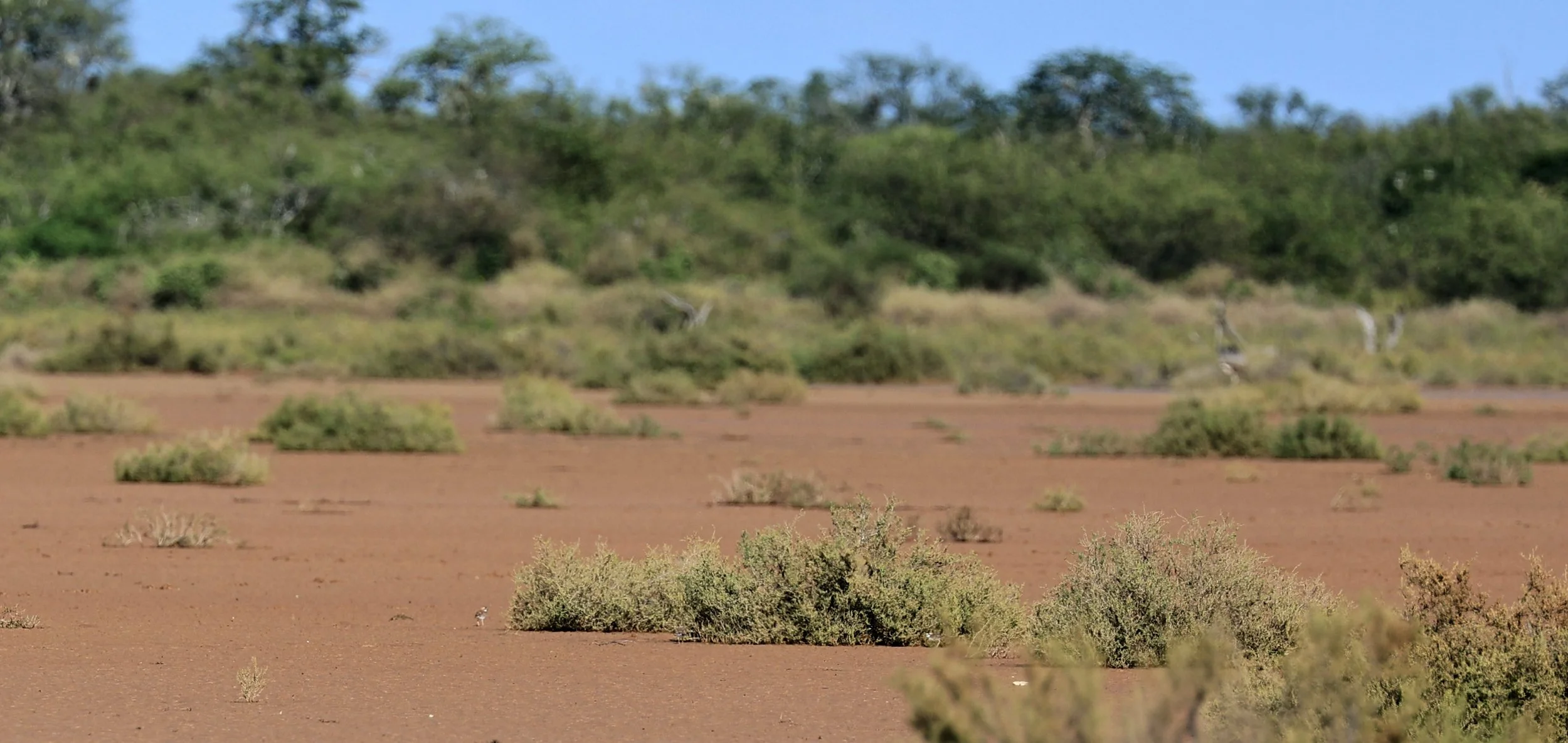
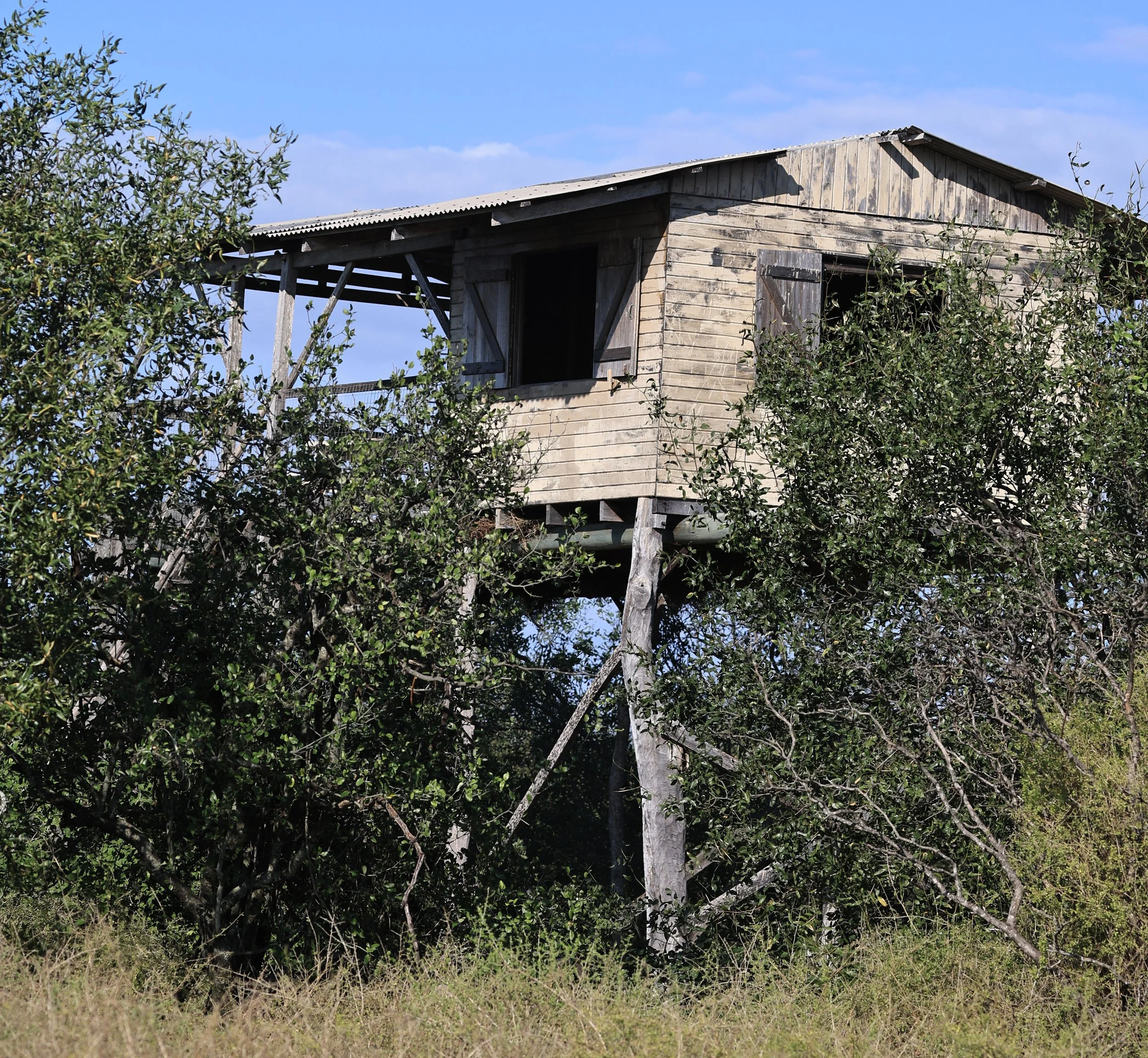
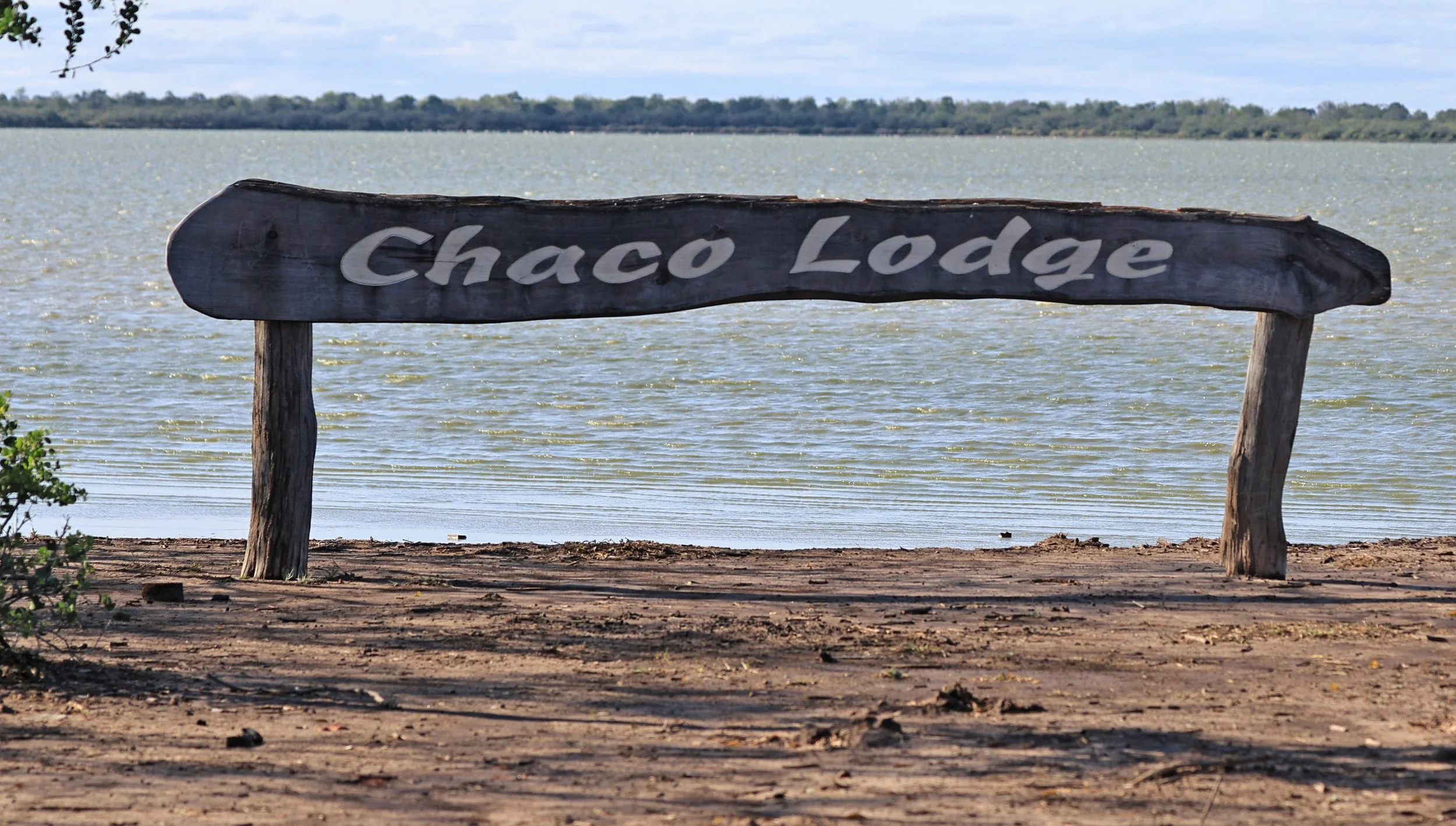


Ceiba chodatii (Samu'ũ Chaqueño) Aurora Chaquena Reserv
The blind at the waterhole
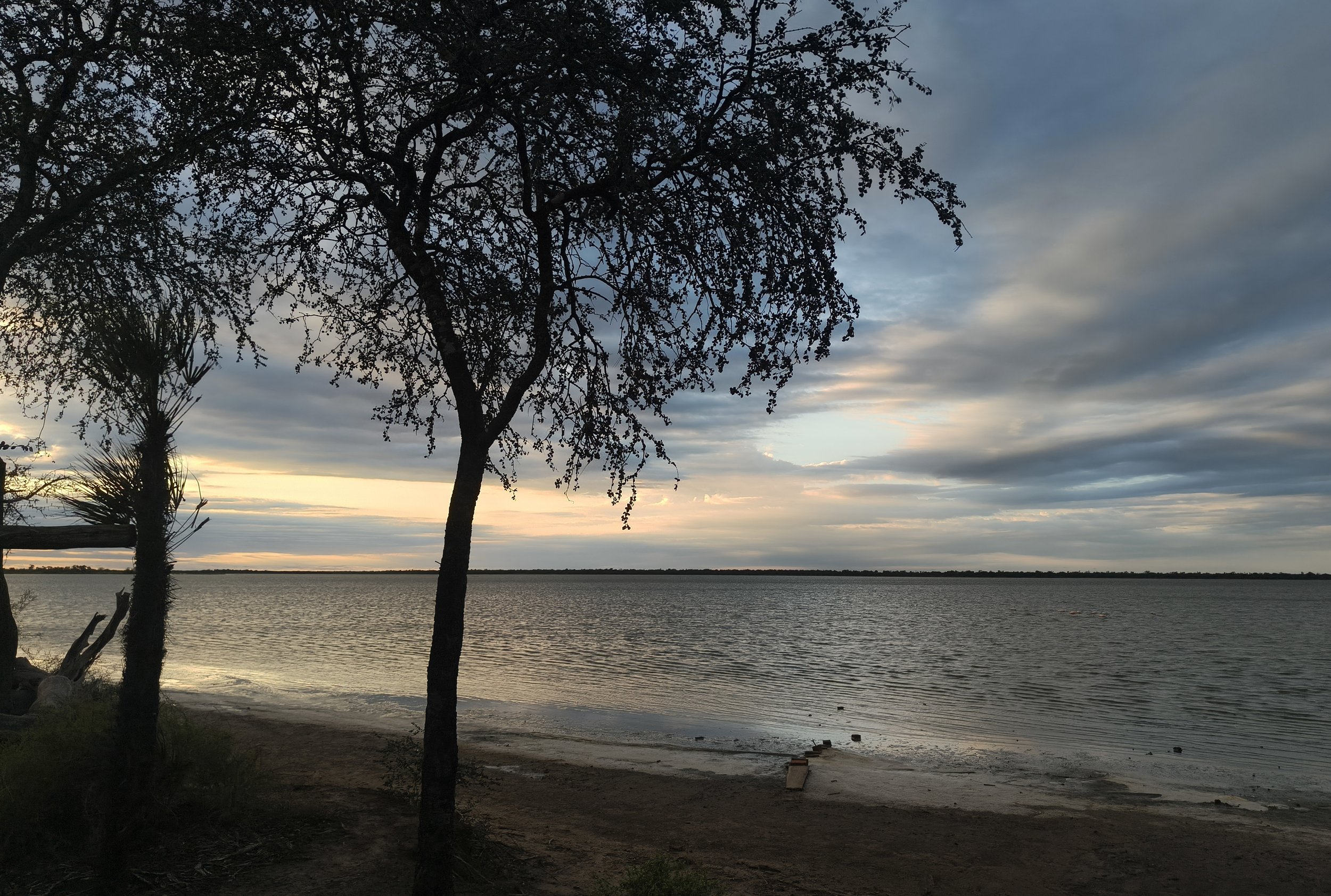
Laguna Salada
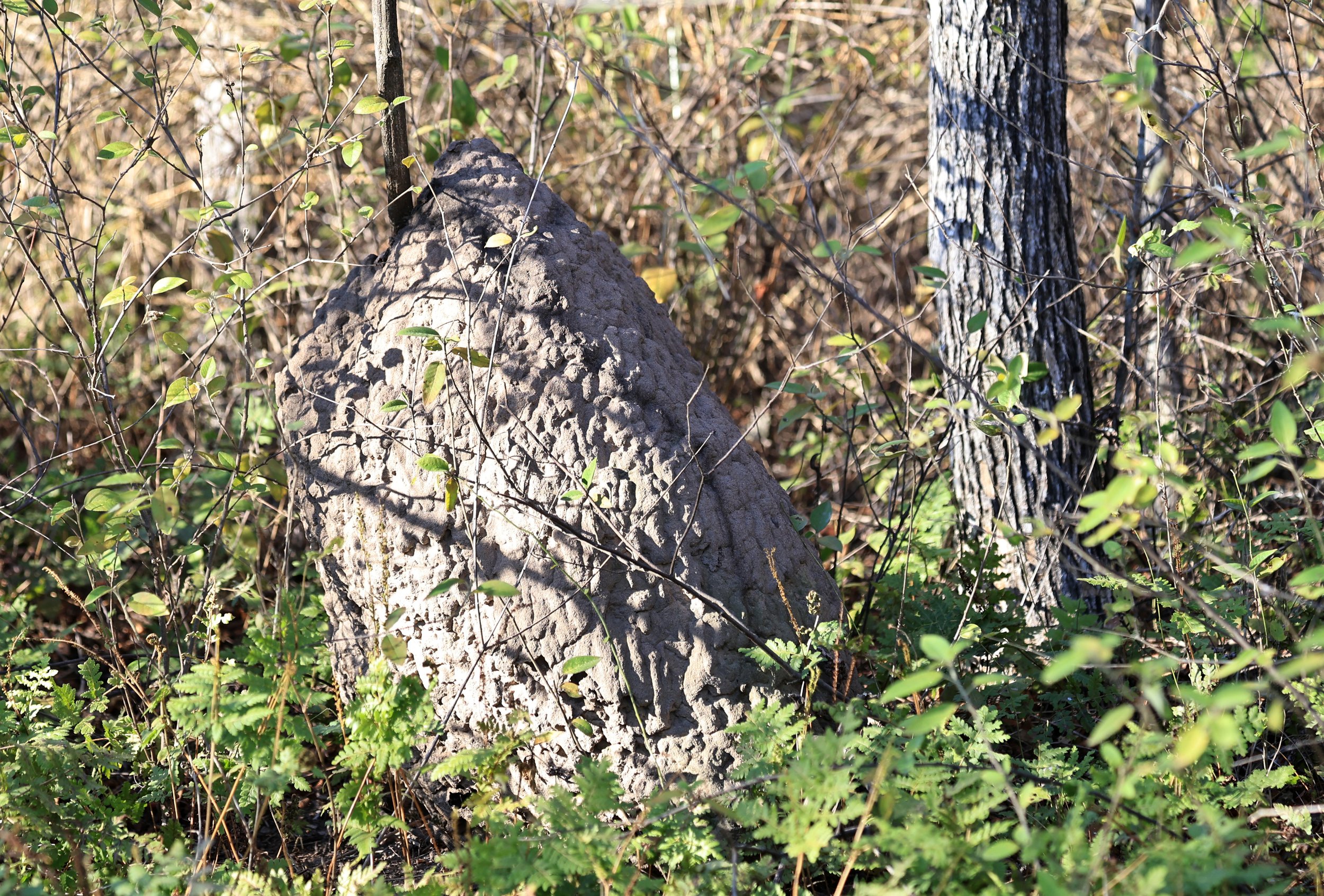
Termite mound
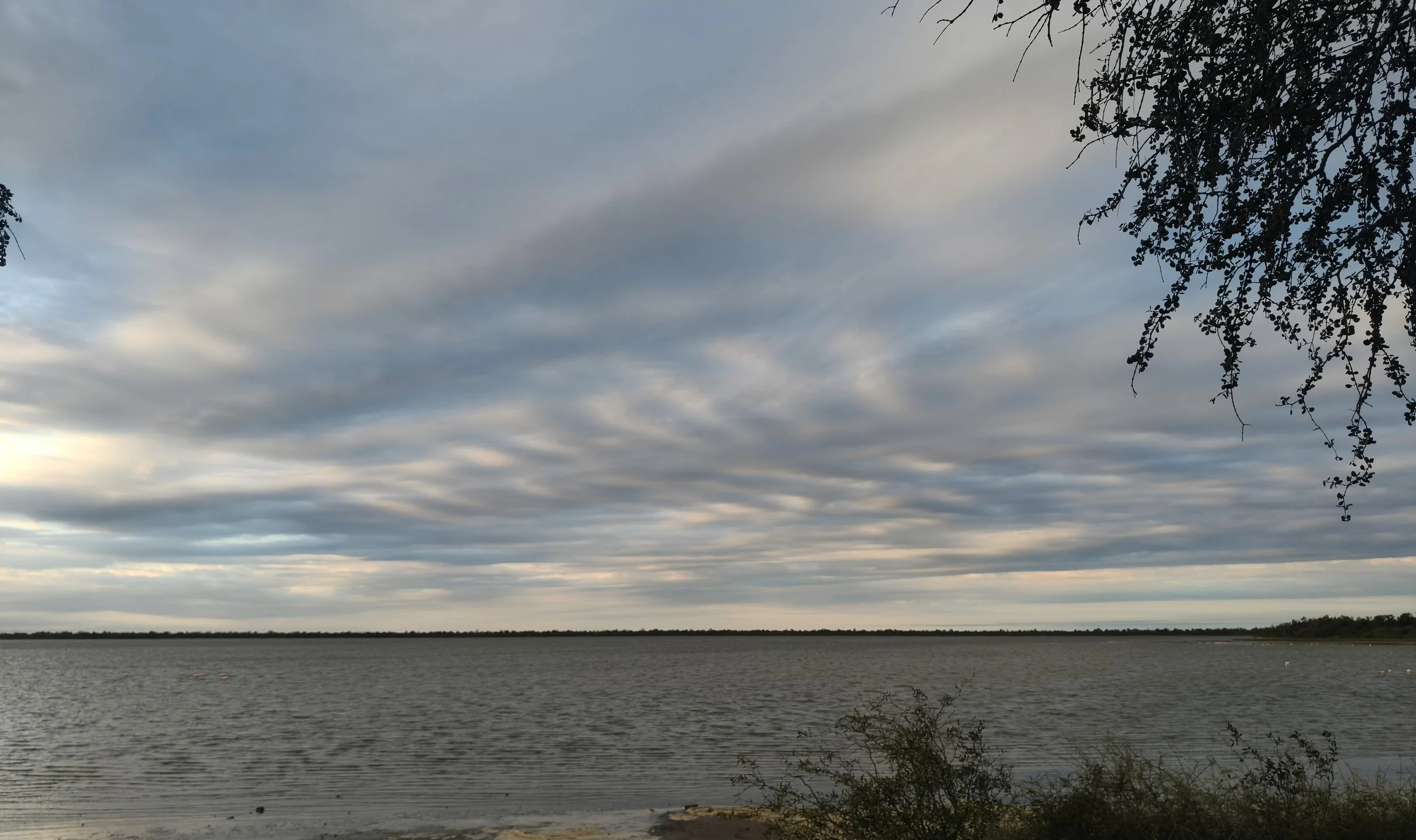
Laguna Salada
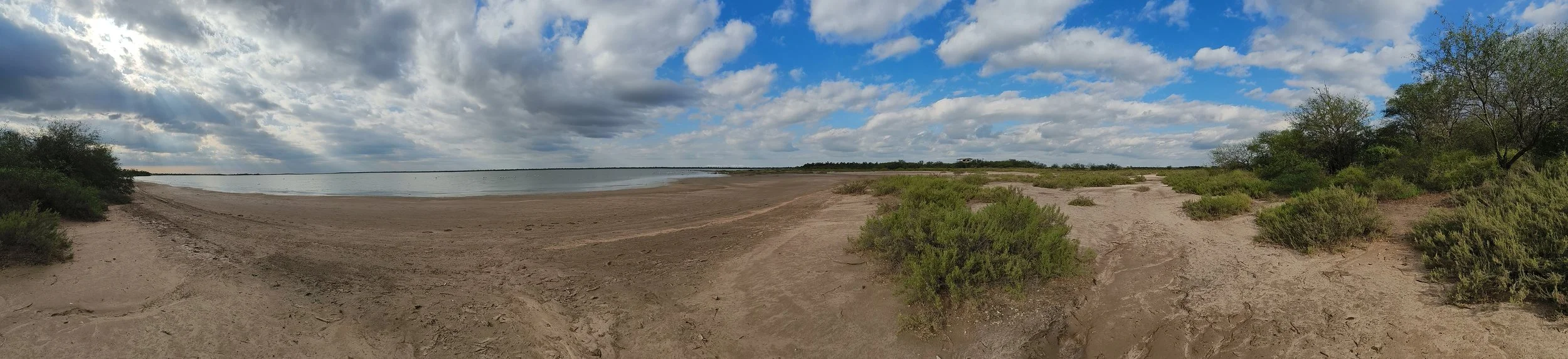
Laguna Salada 180 degrees
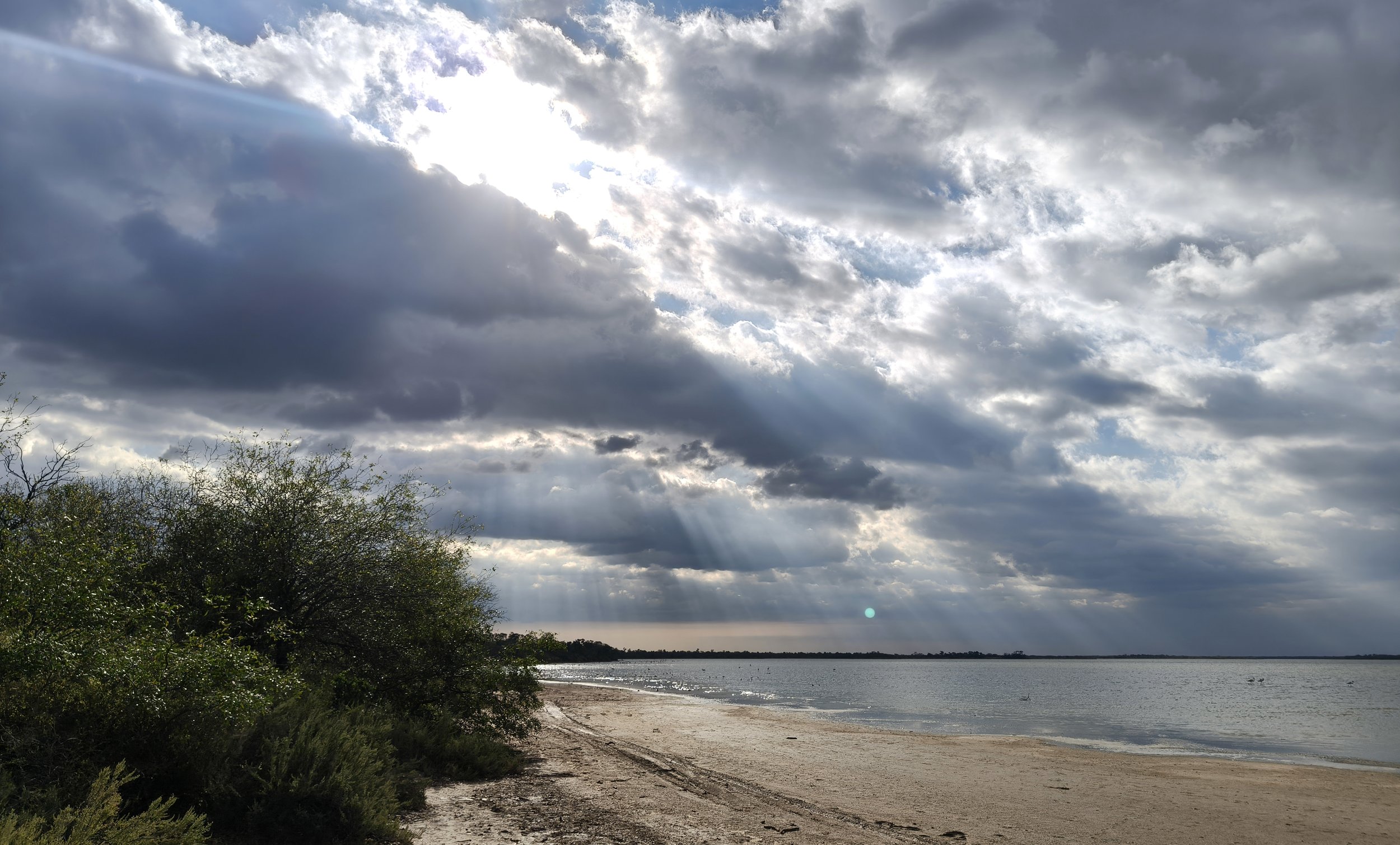
Laguna Salada
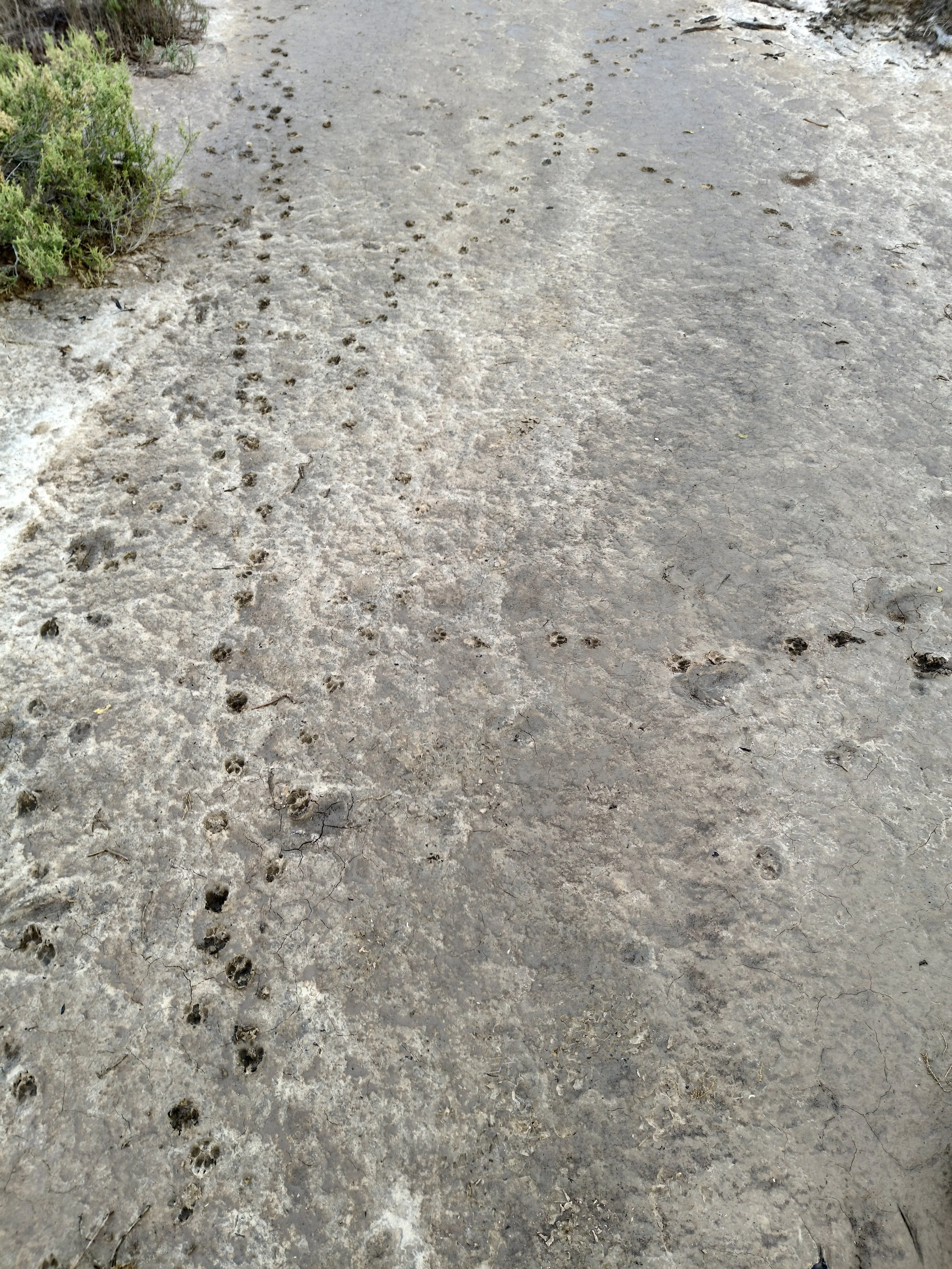
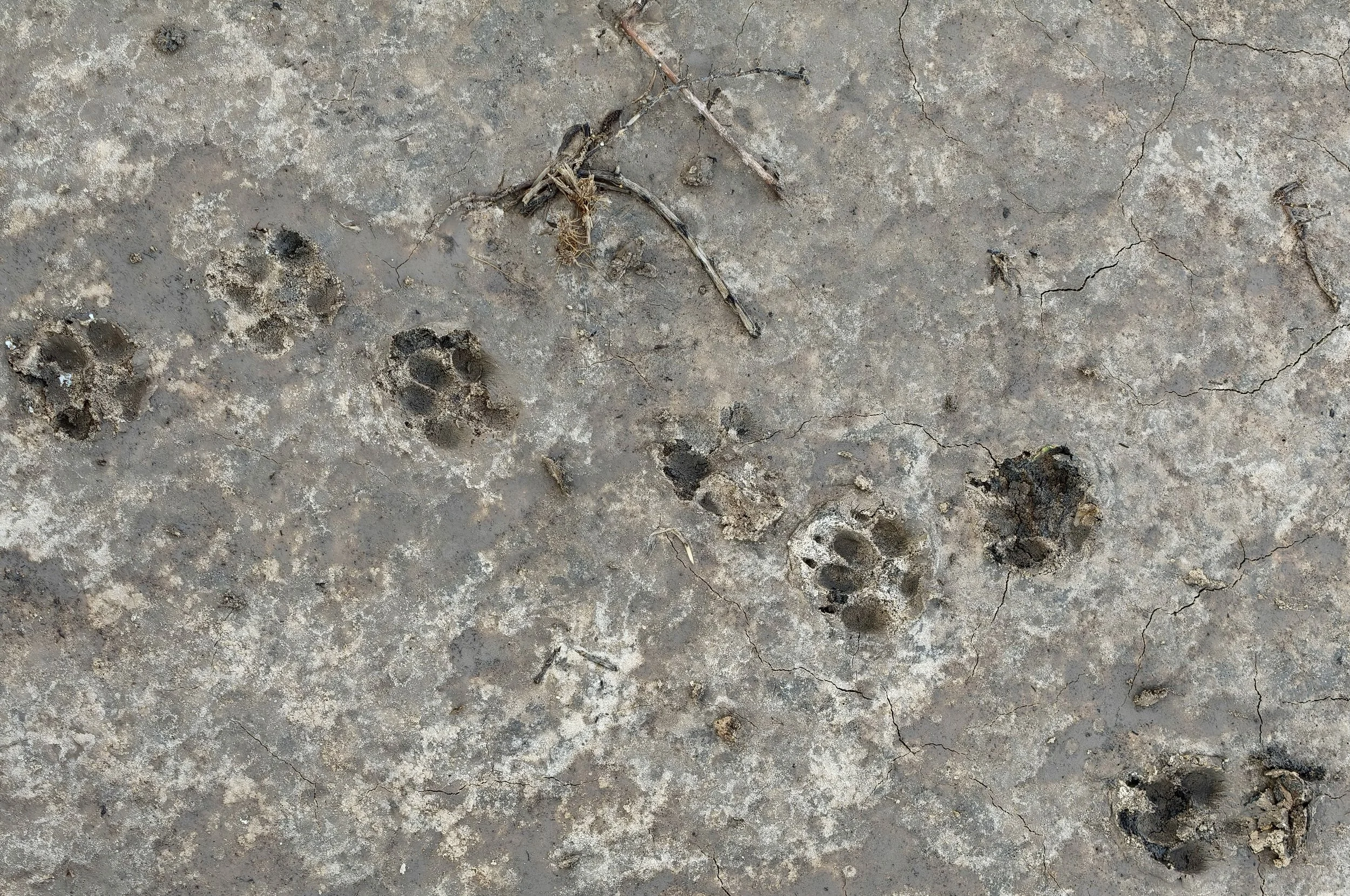
Fox tracks
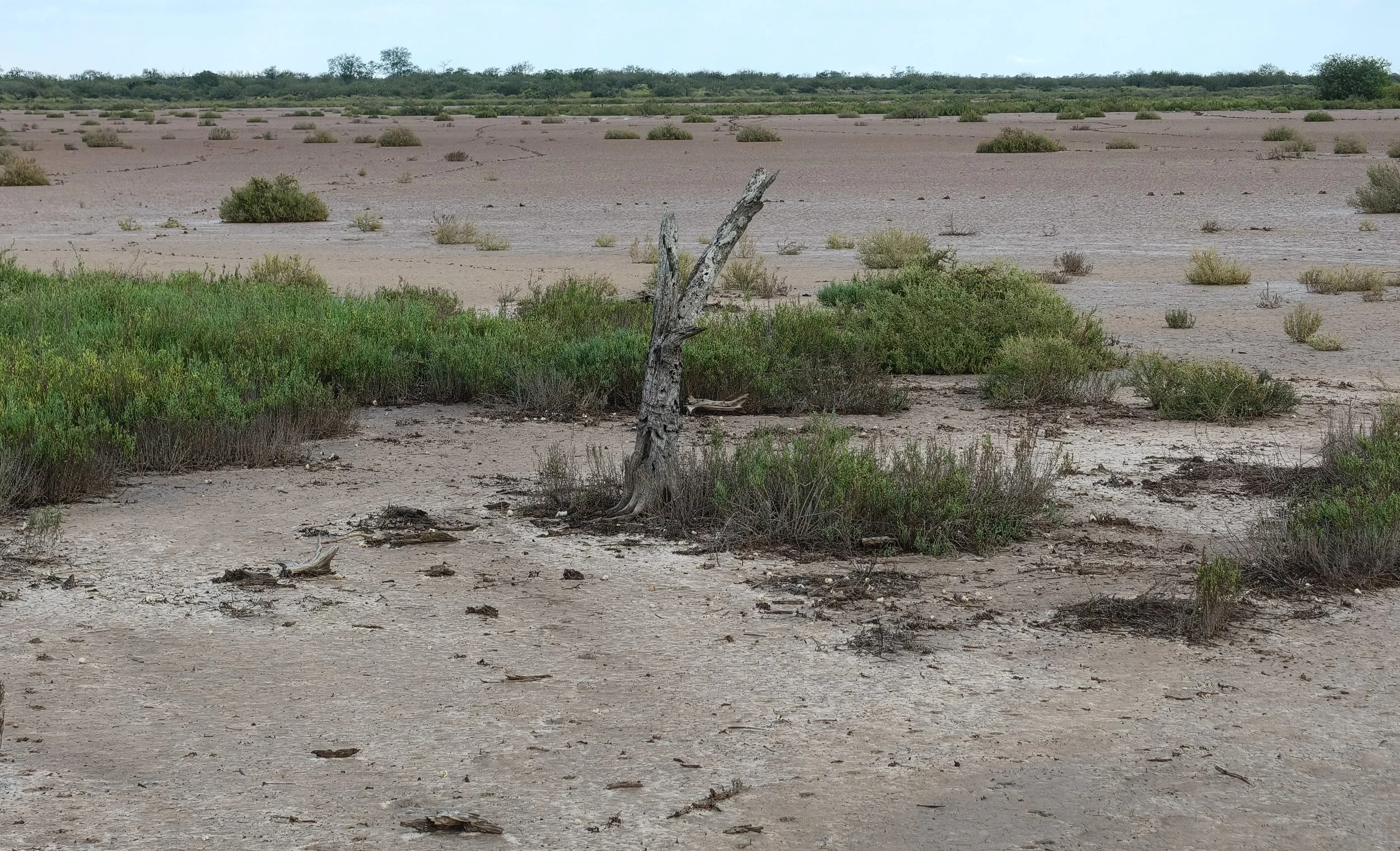
Laguna Salada
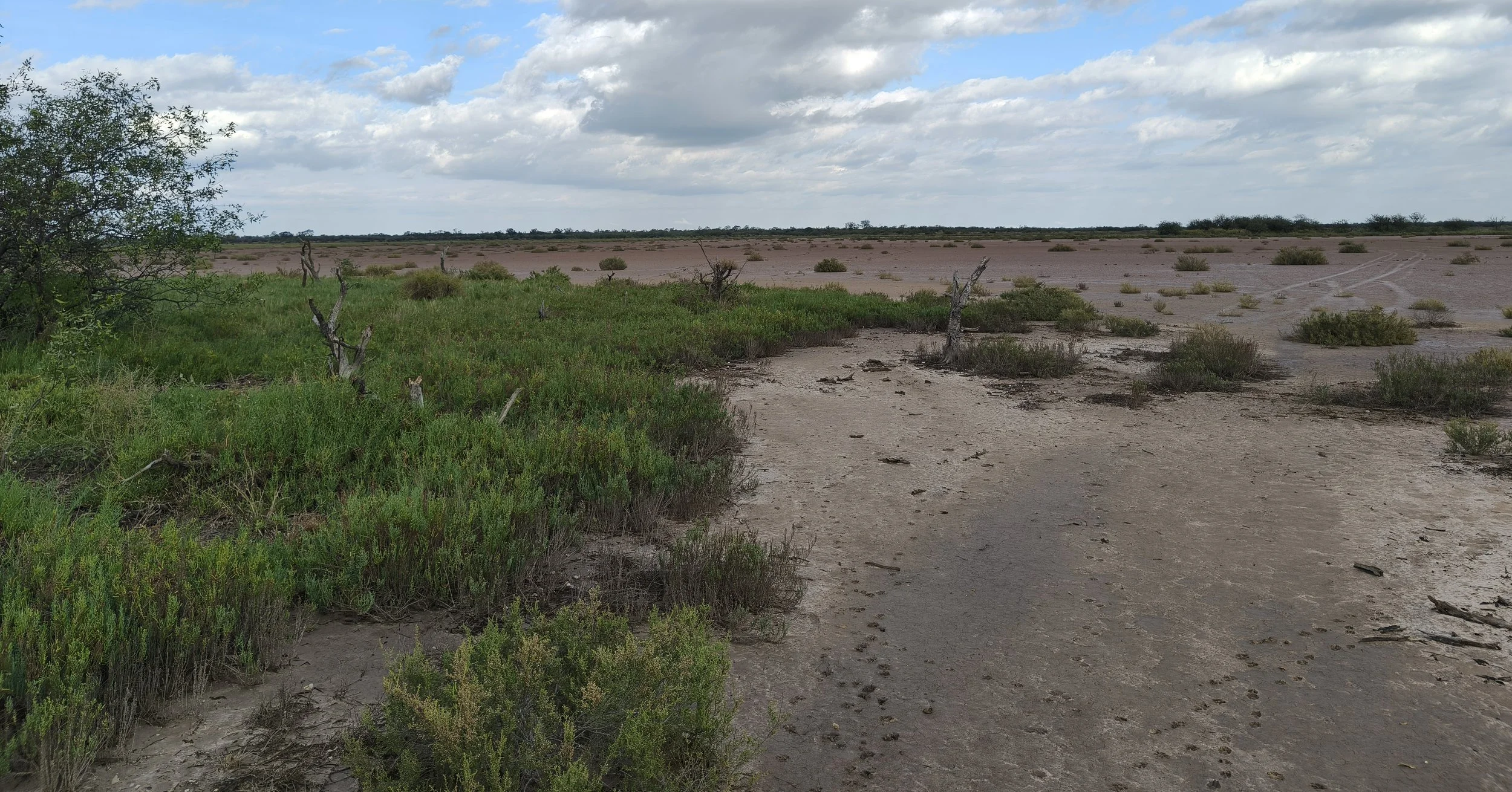
Laguna Salada
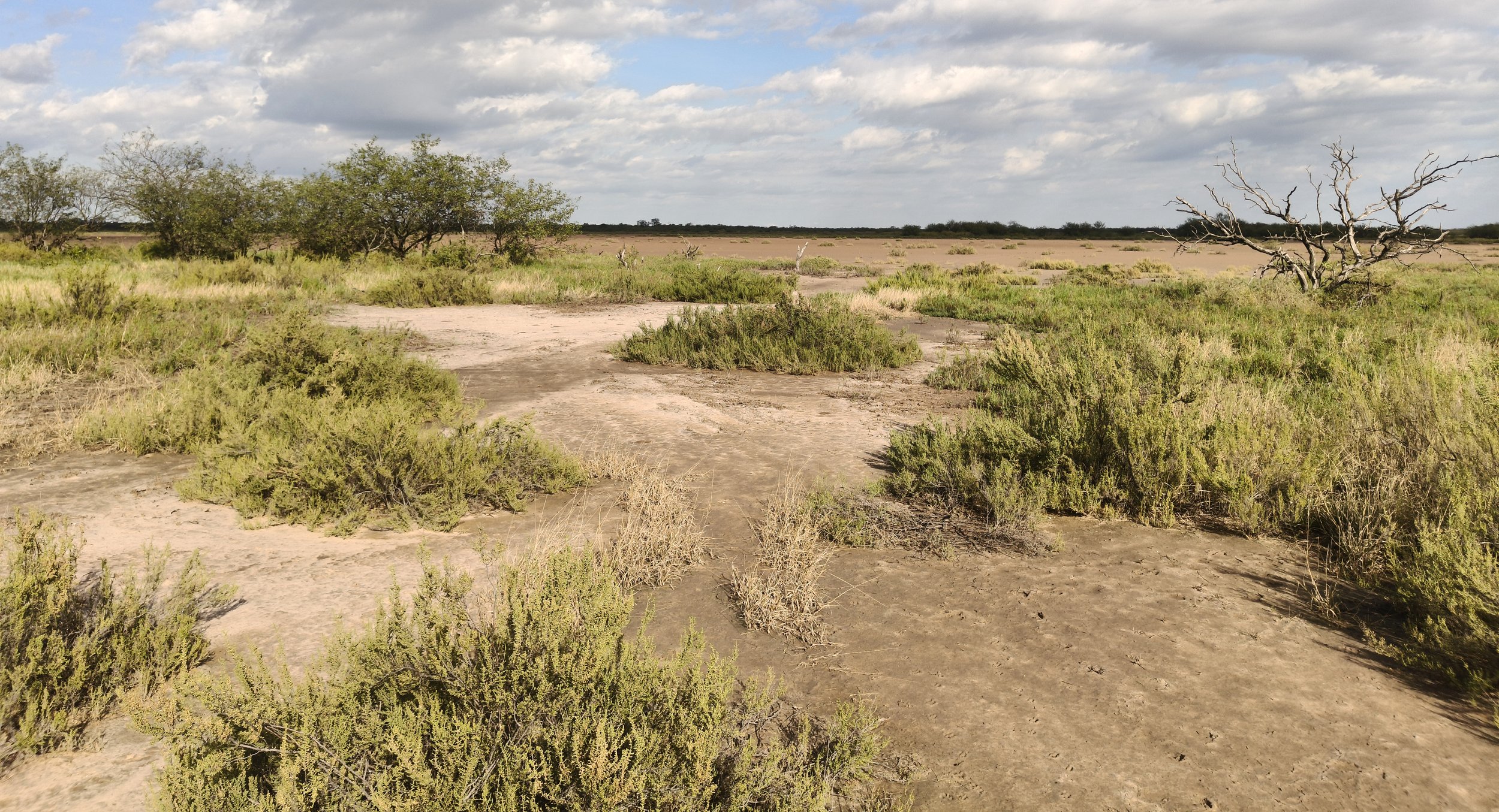
Salt scrub at Laguna Salada
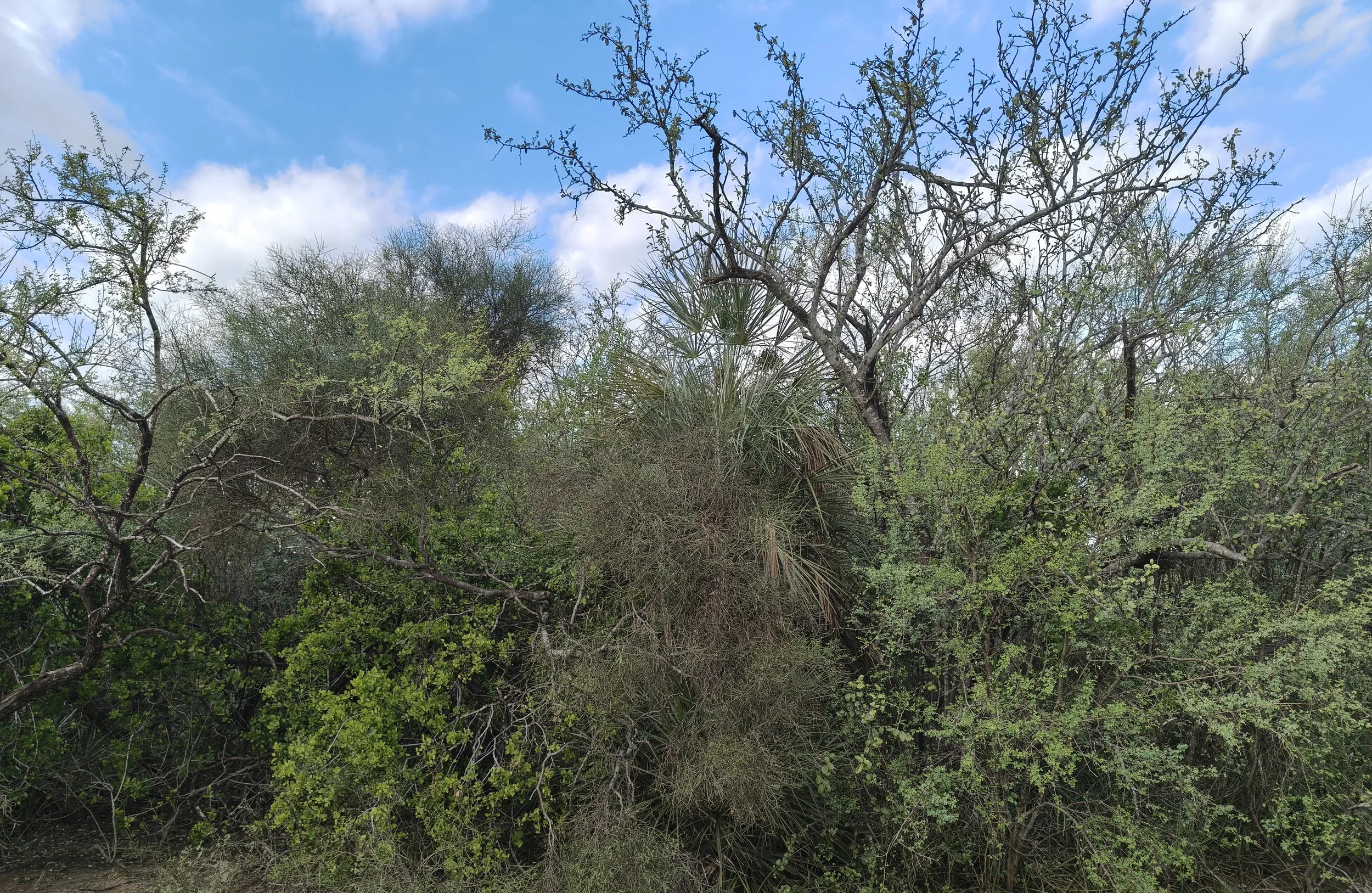
Transitional wet/dry Chaco
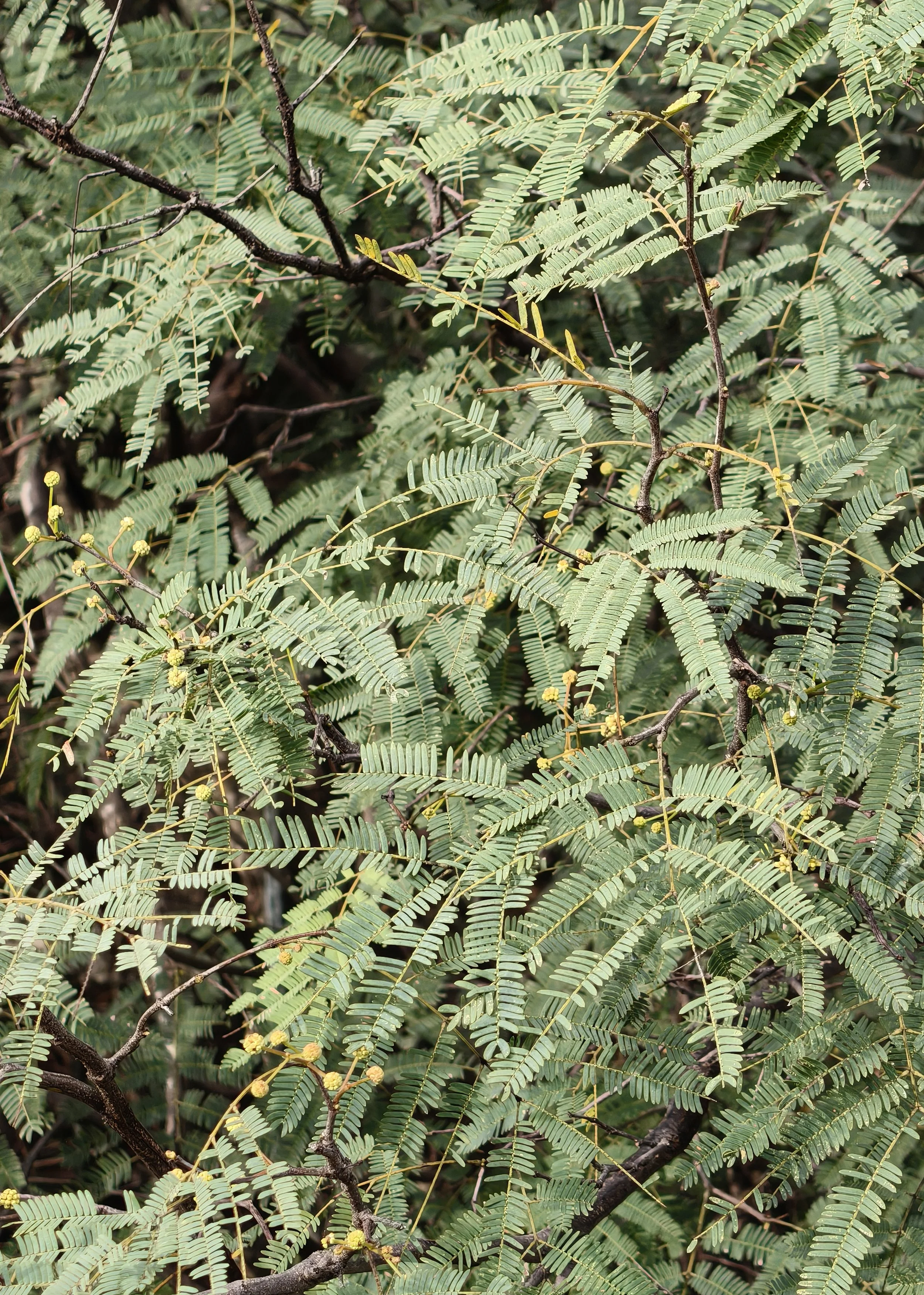
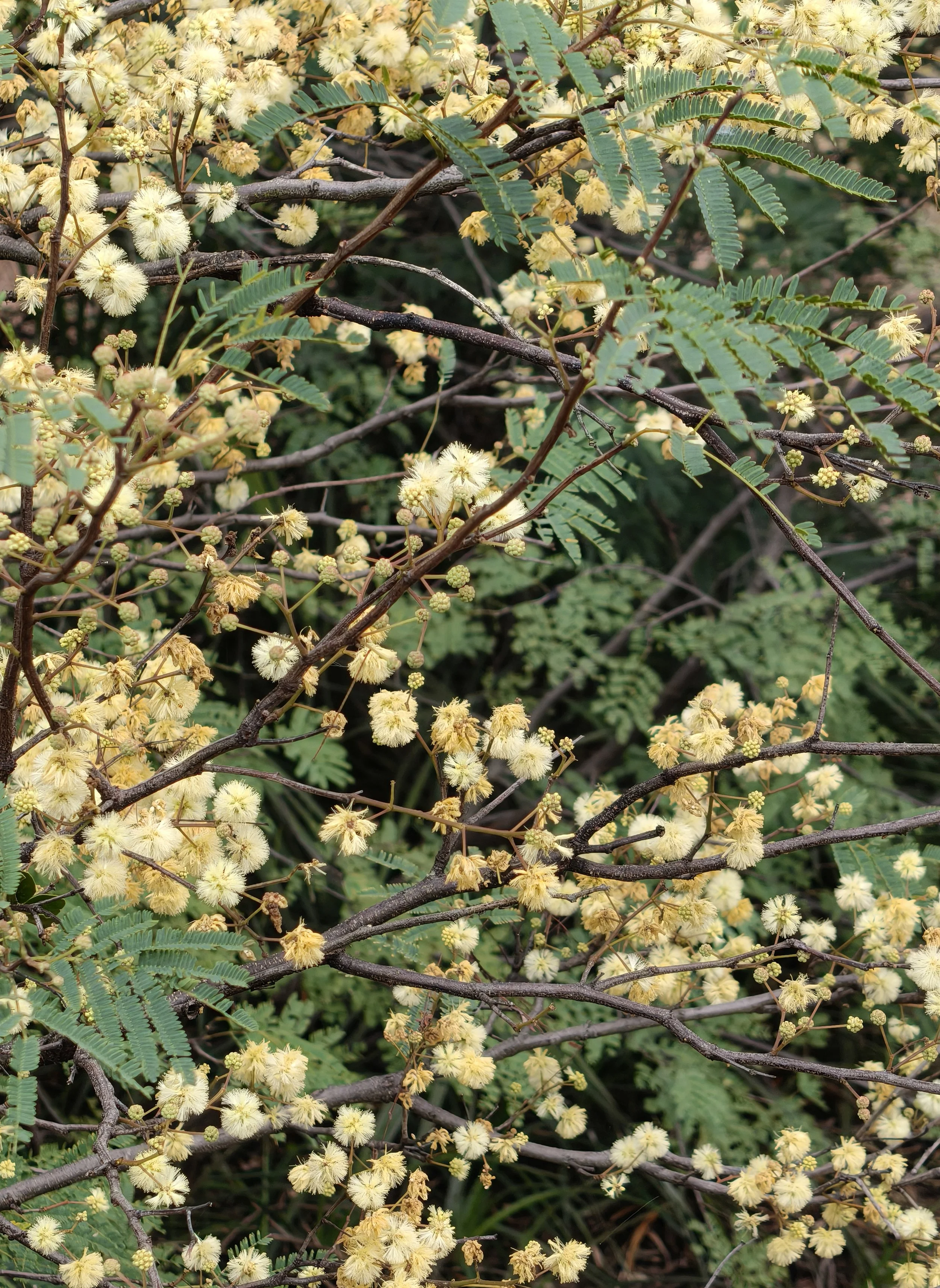
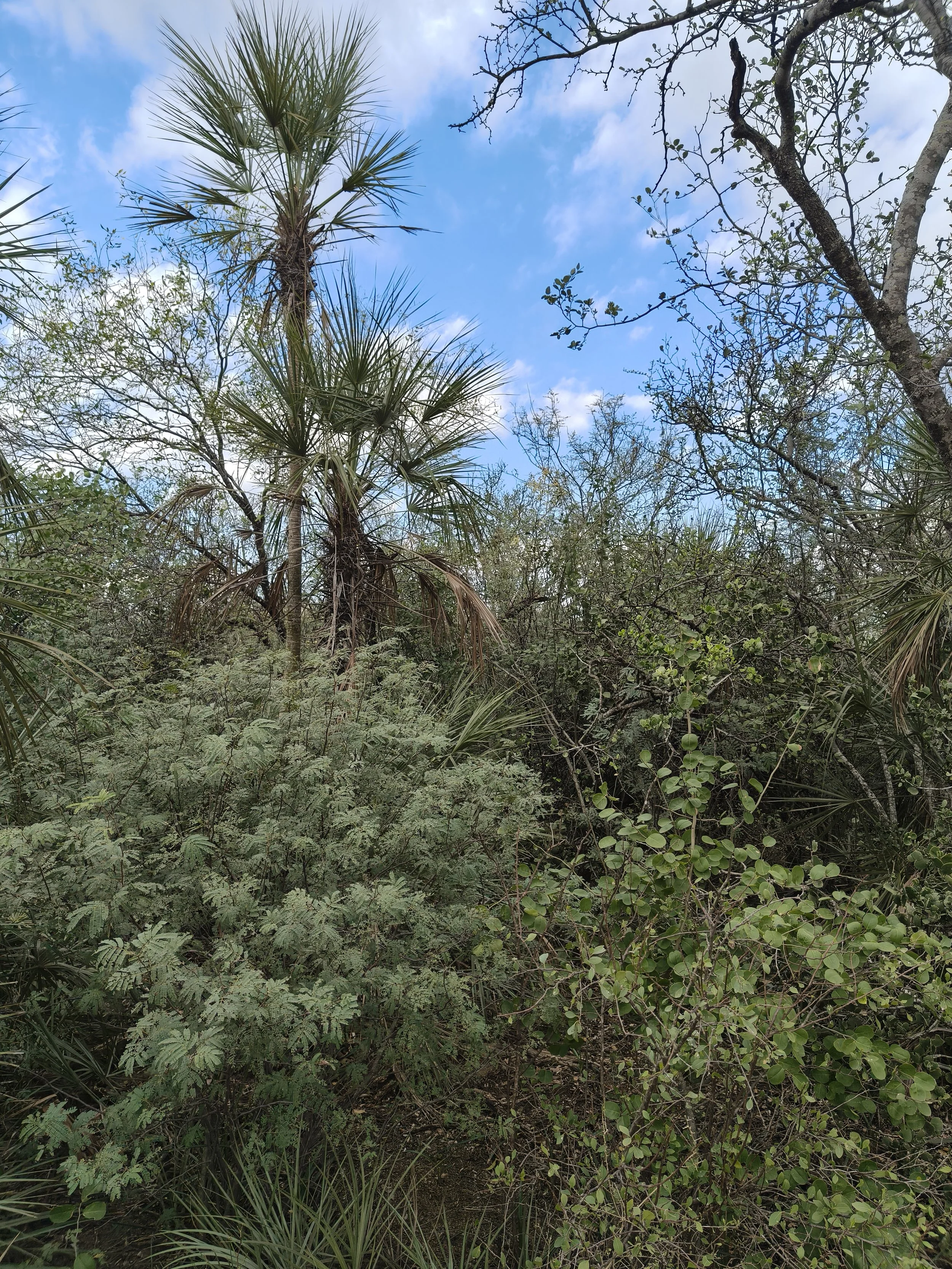
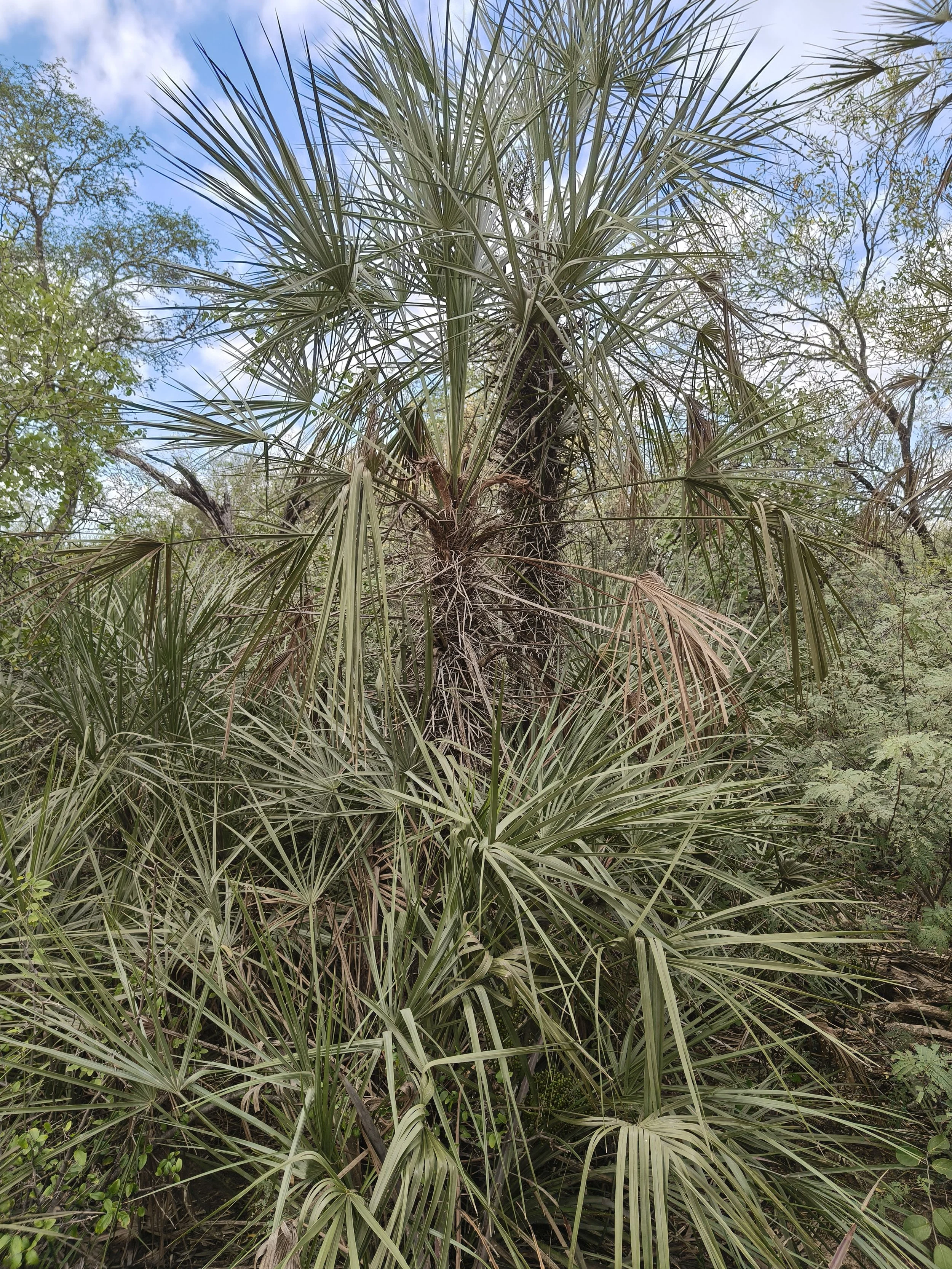
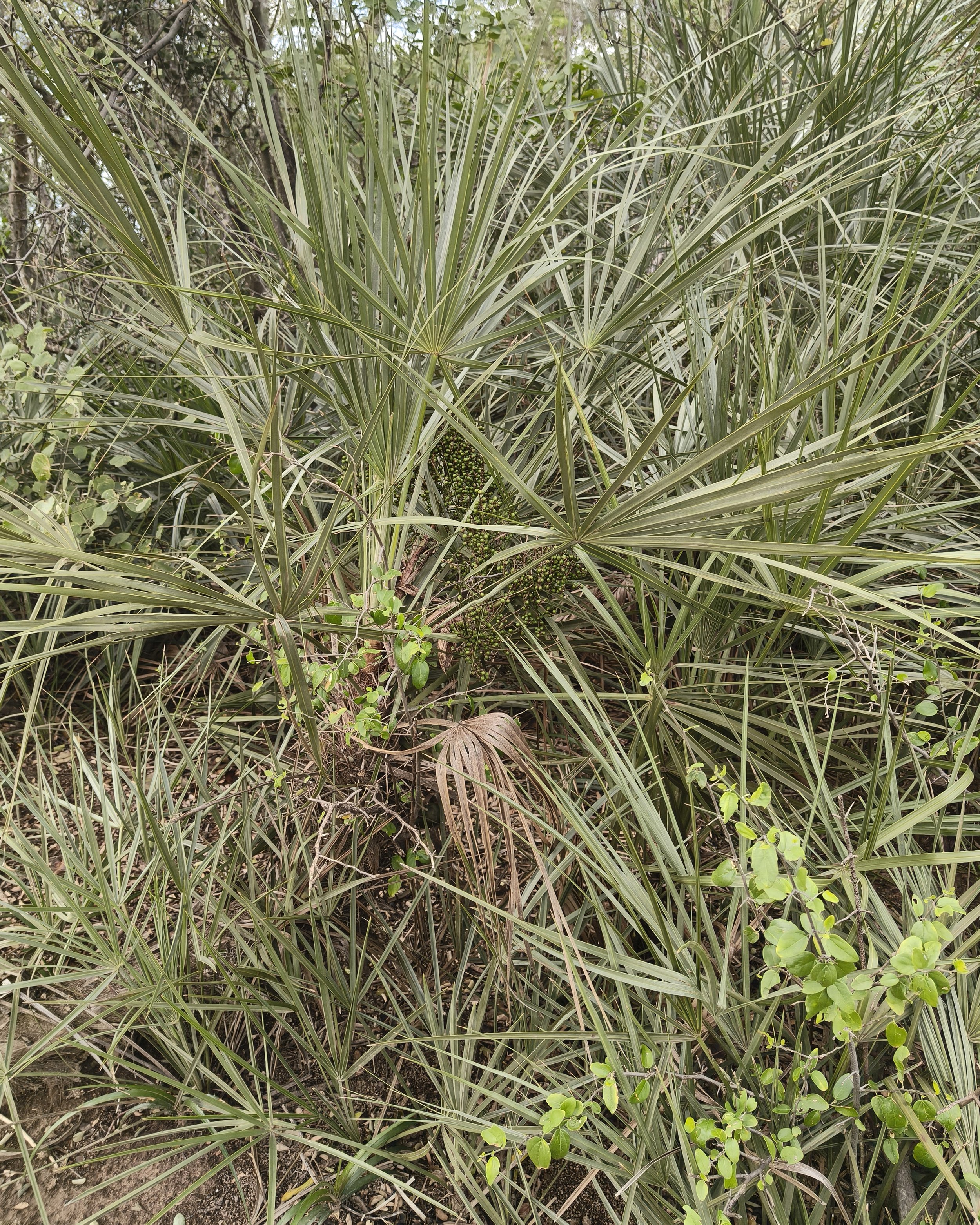
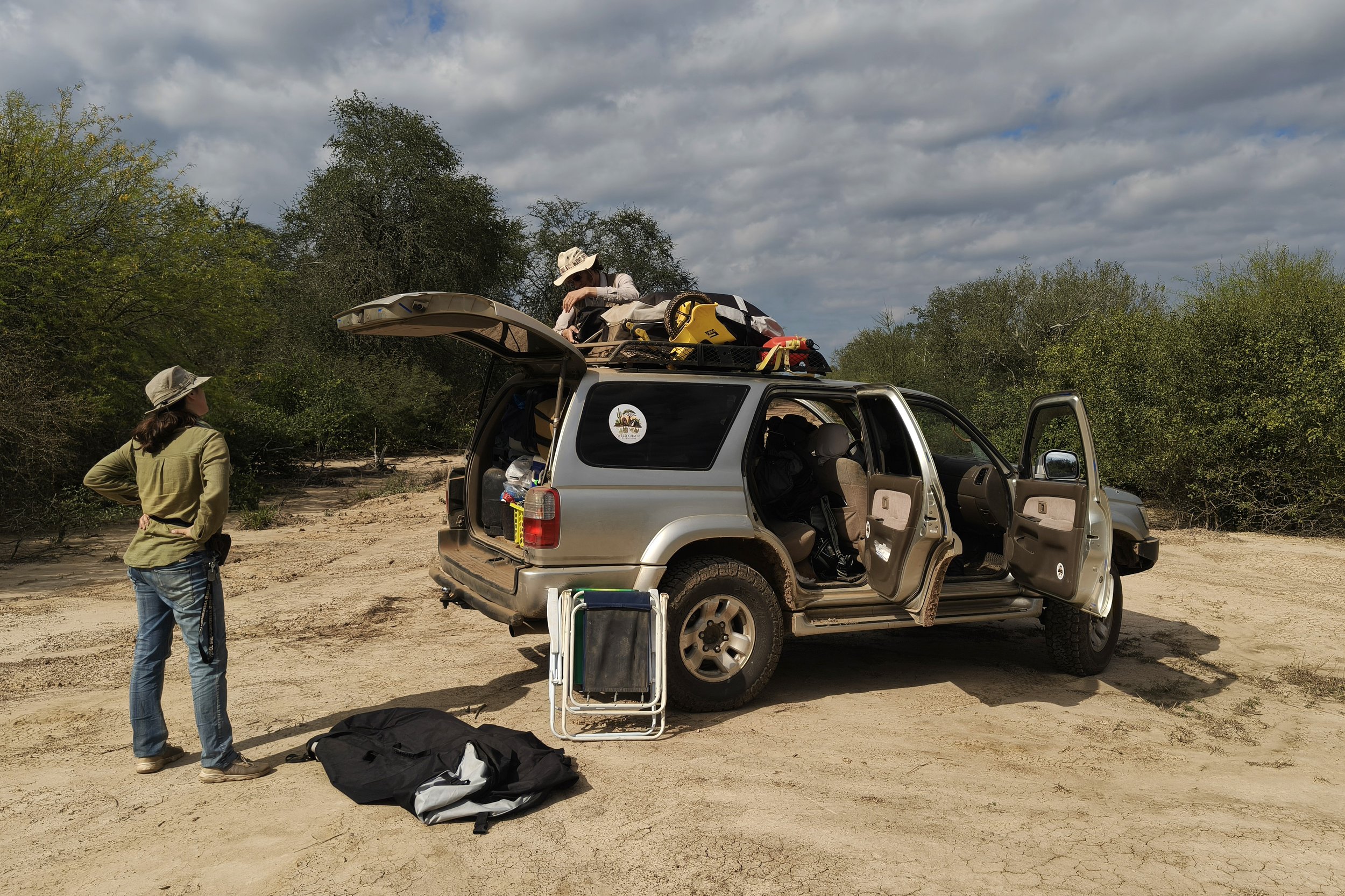
Definite system involved
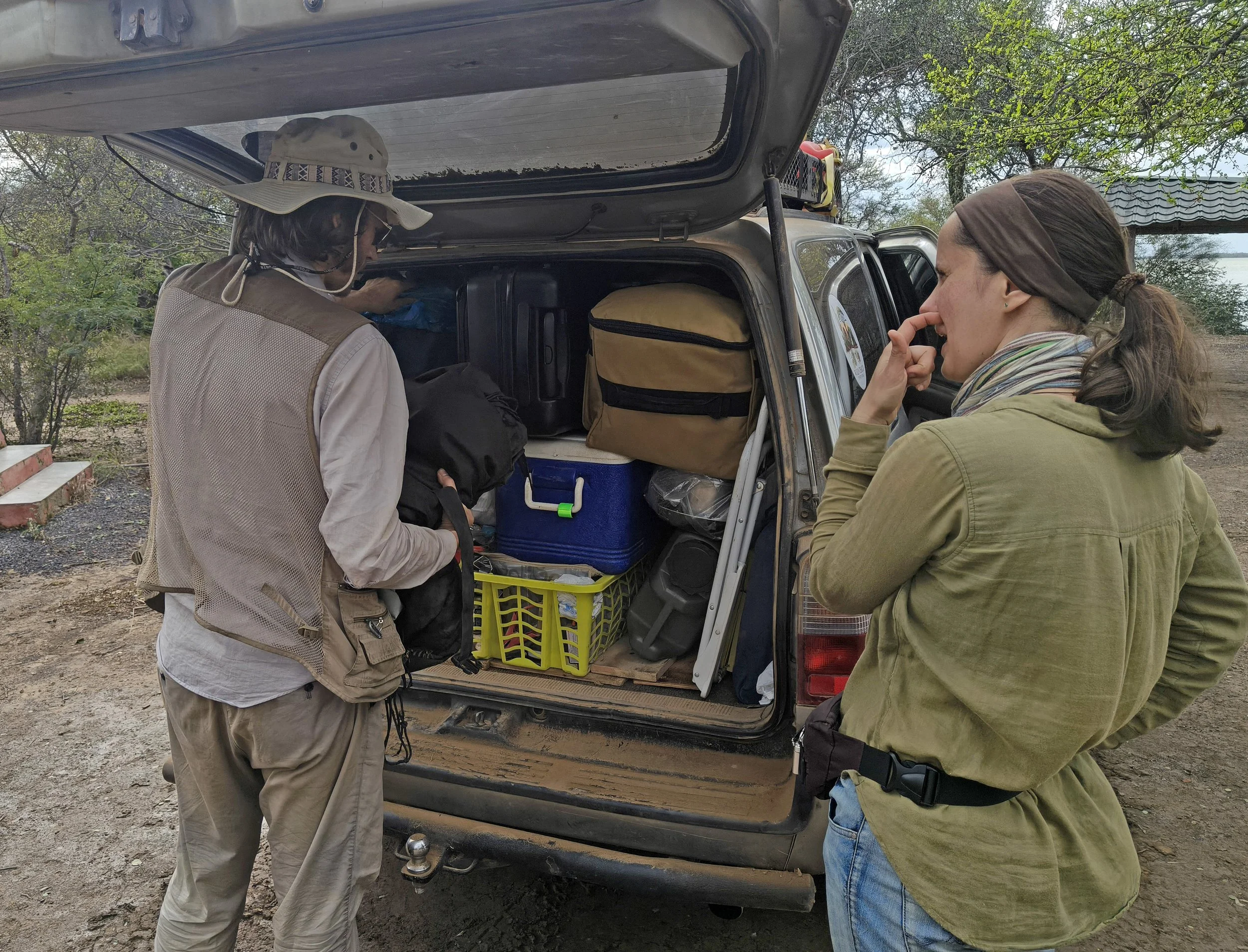
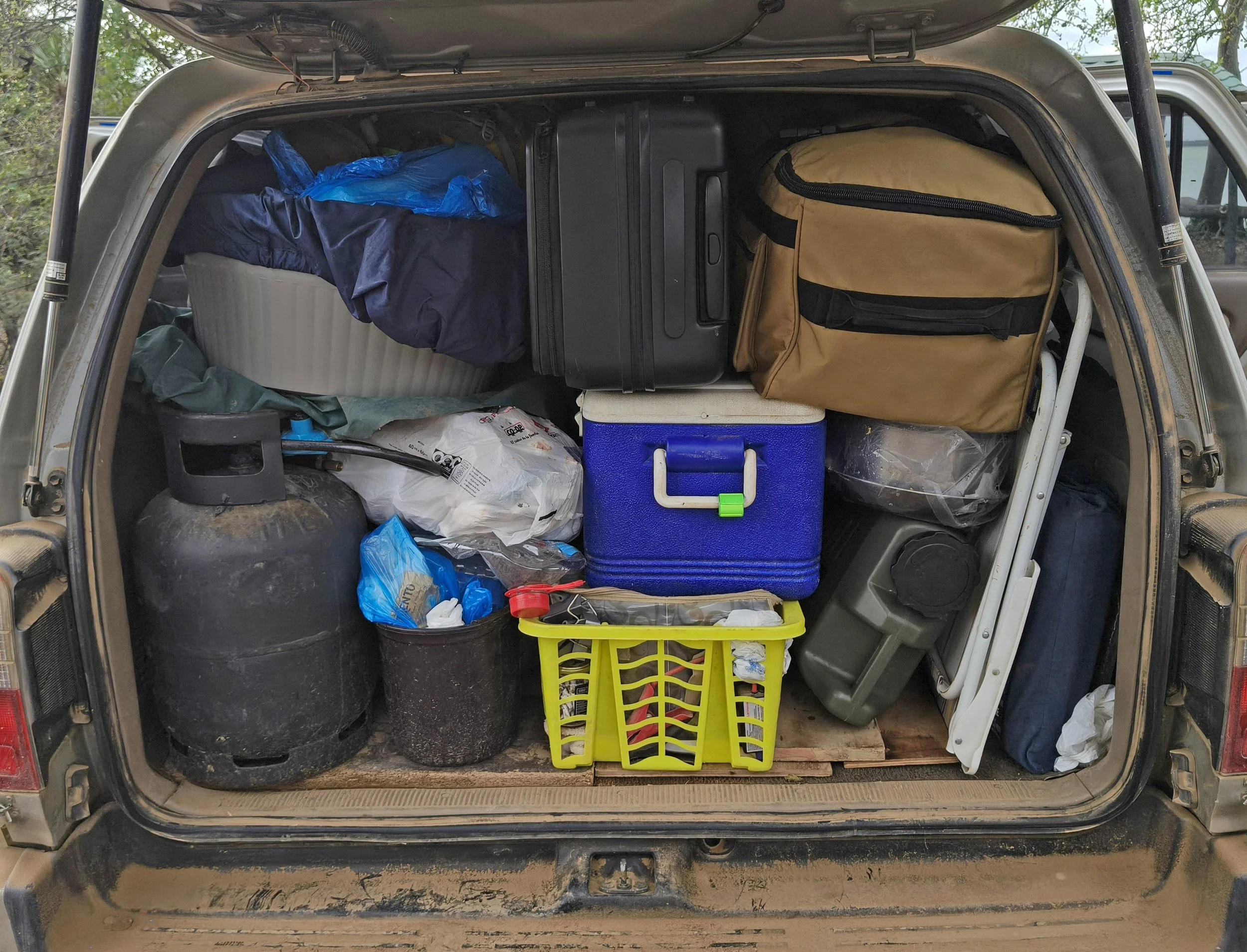
Plenty of room!
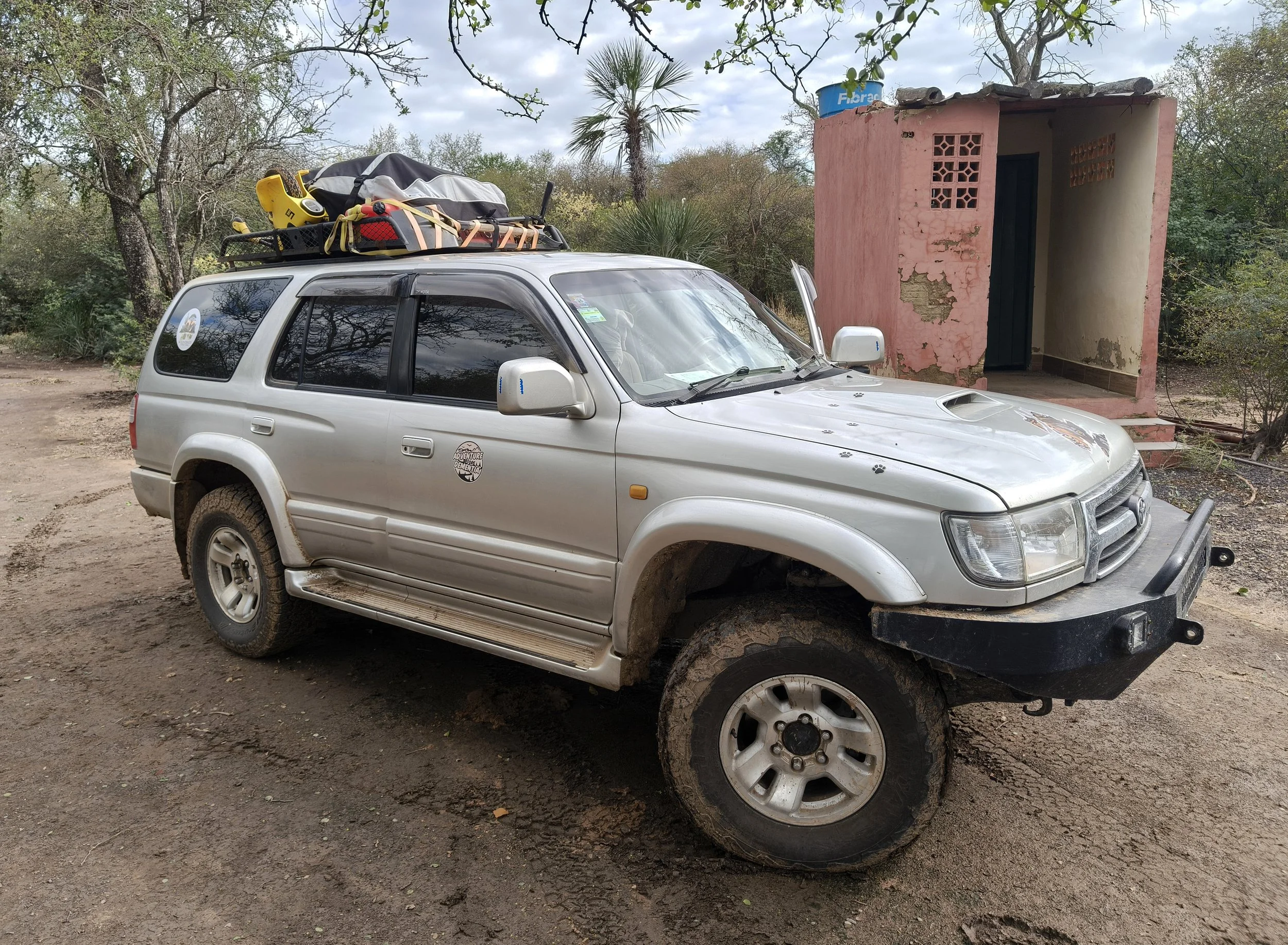
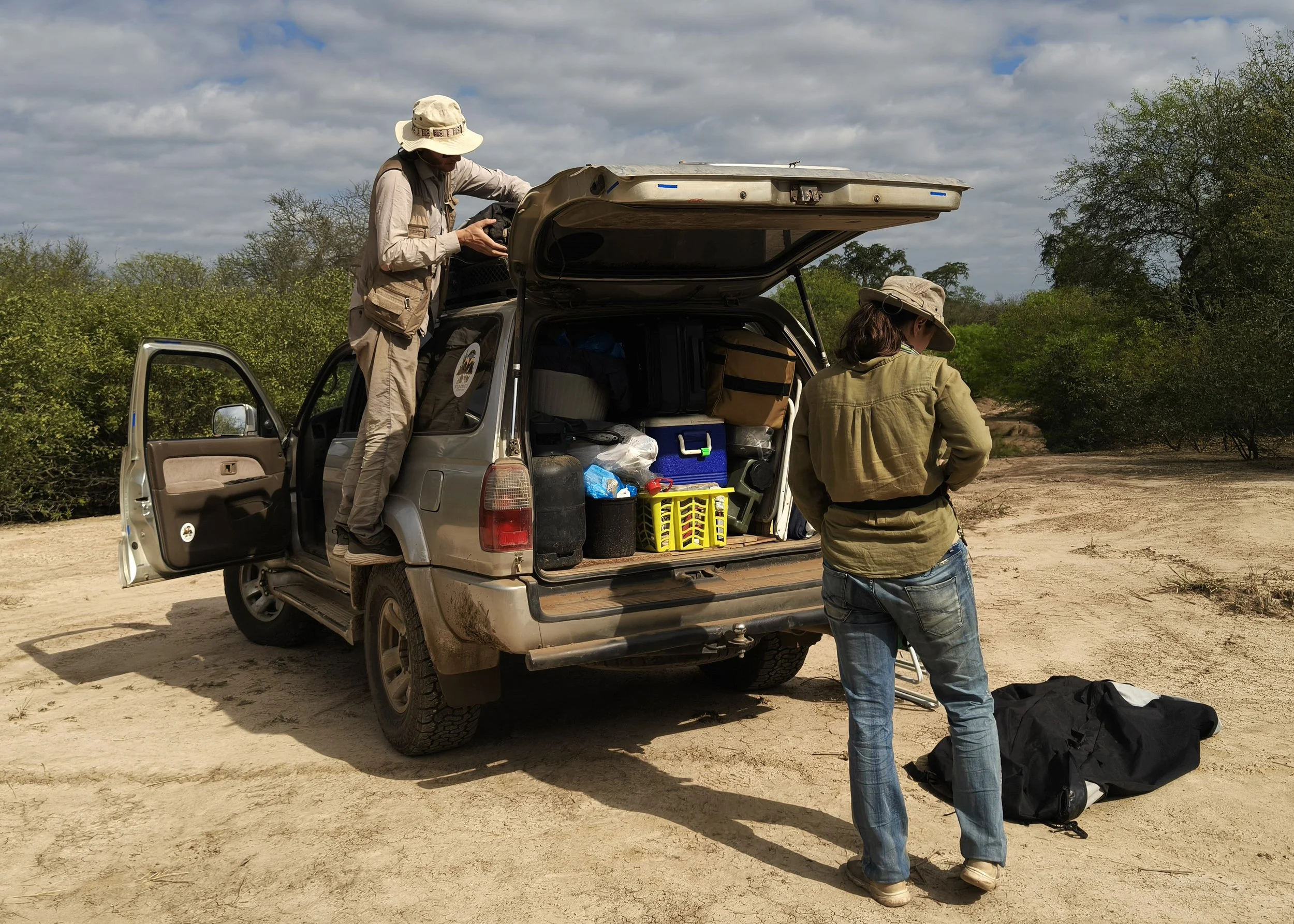
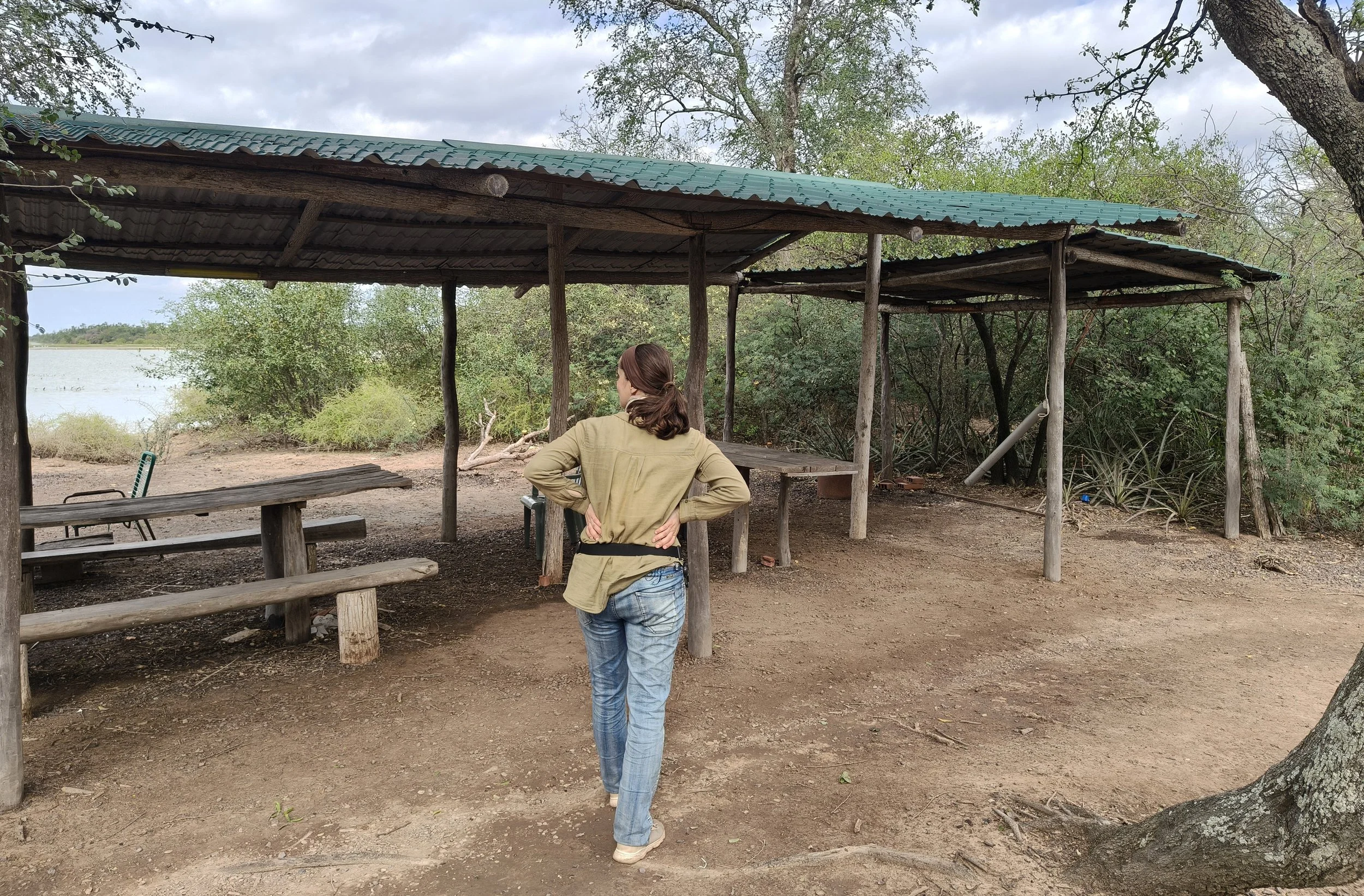
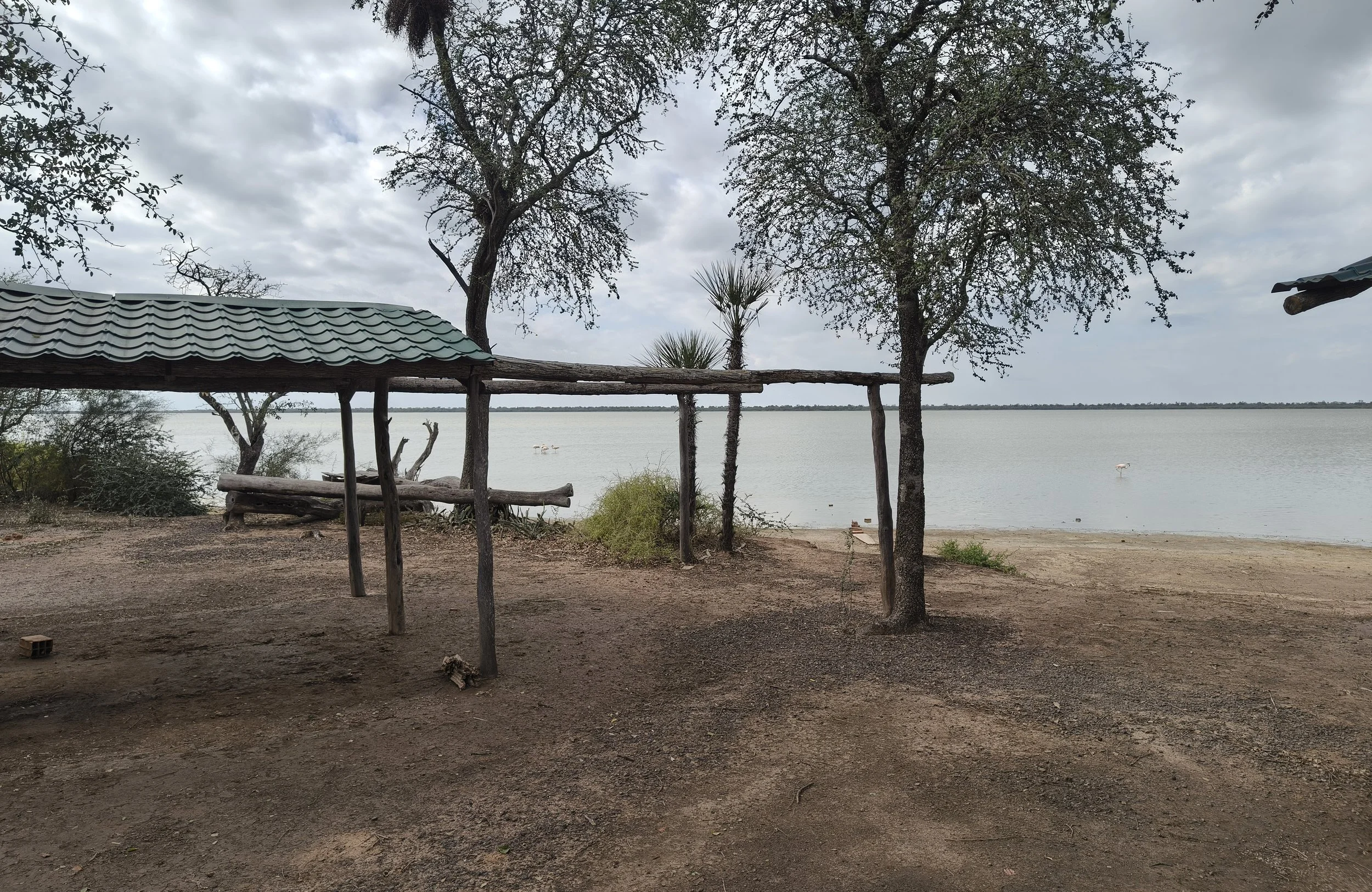
Laguna Salada - our campsite

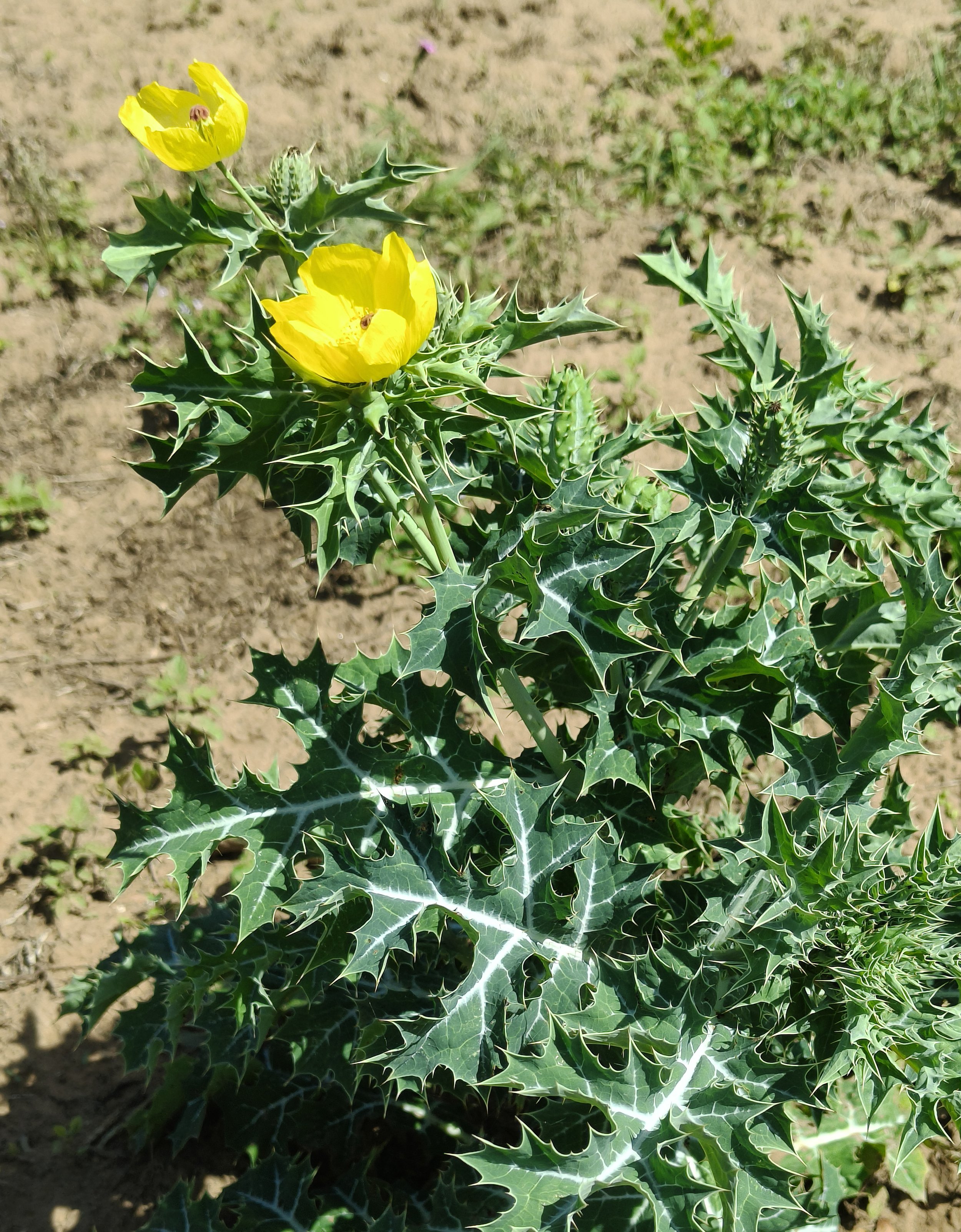
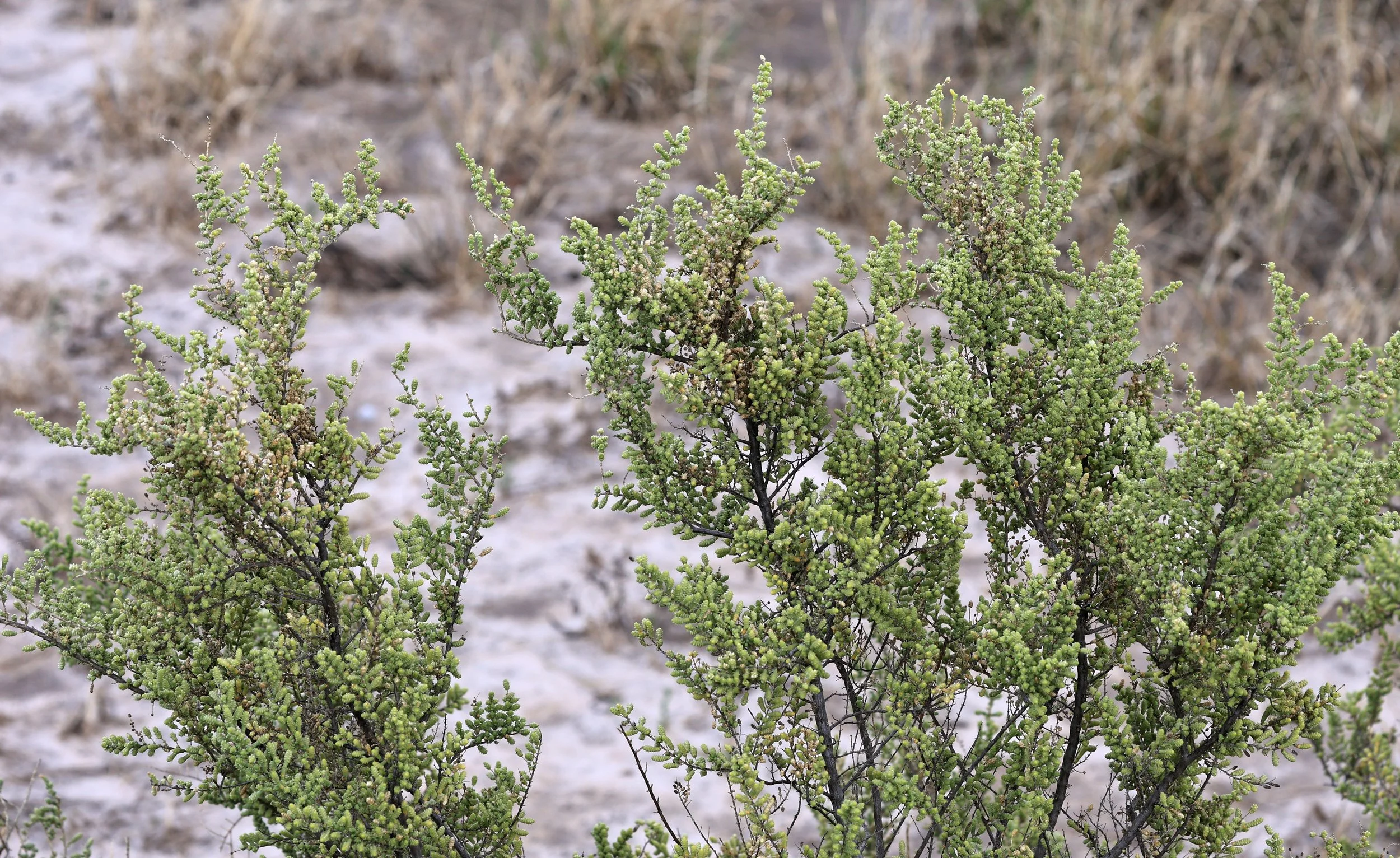
Amaranthaceae family Chaco Lodge & Laguna Salada Paraguay
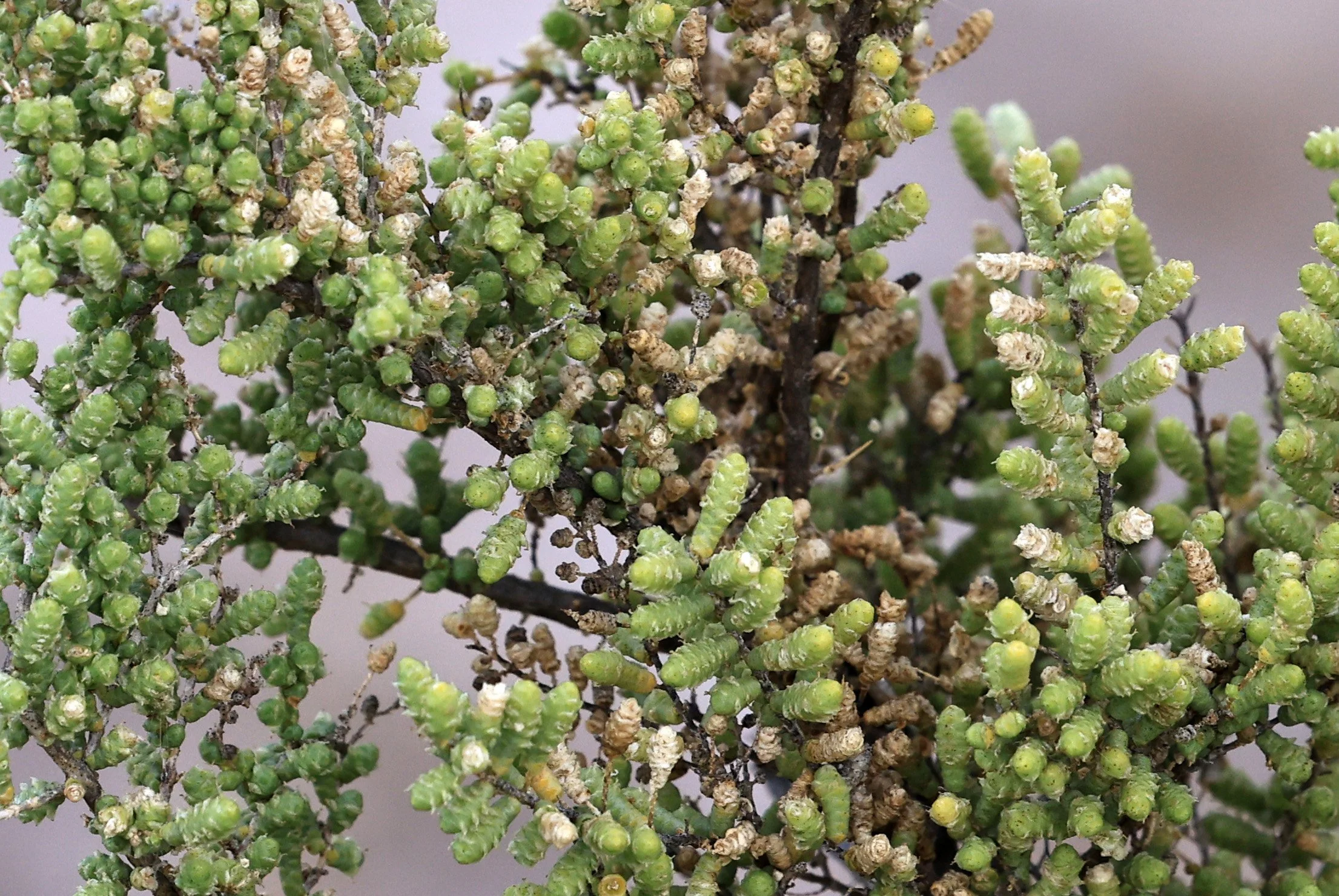
Amaranthaceae family Chaco Lodge & Laguna Salada Paraguay
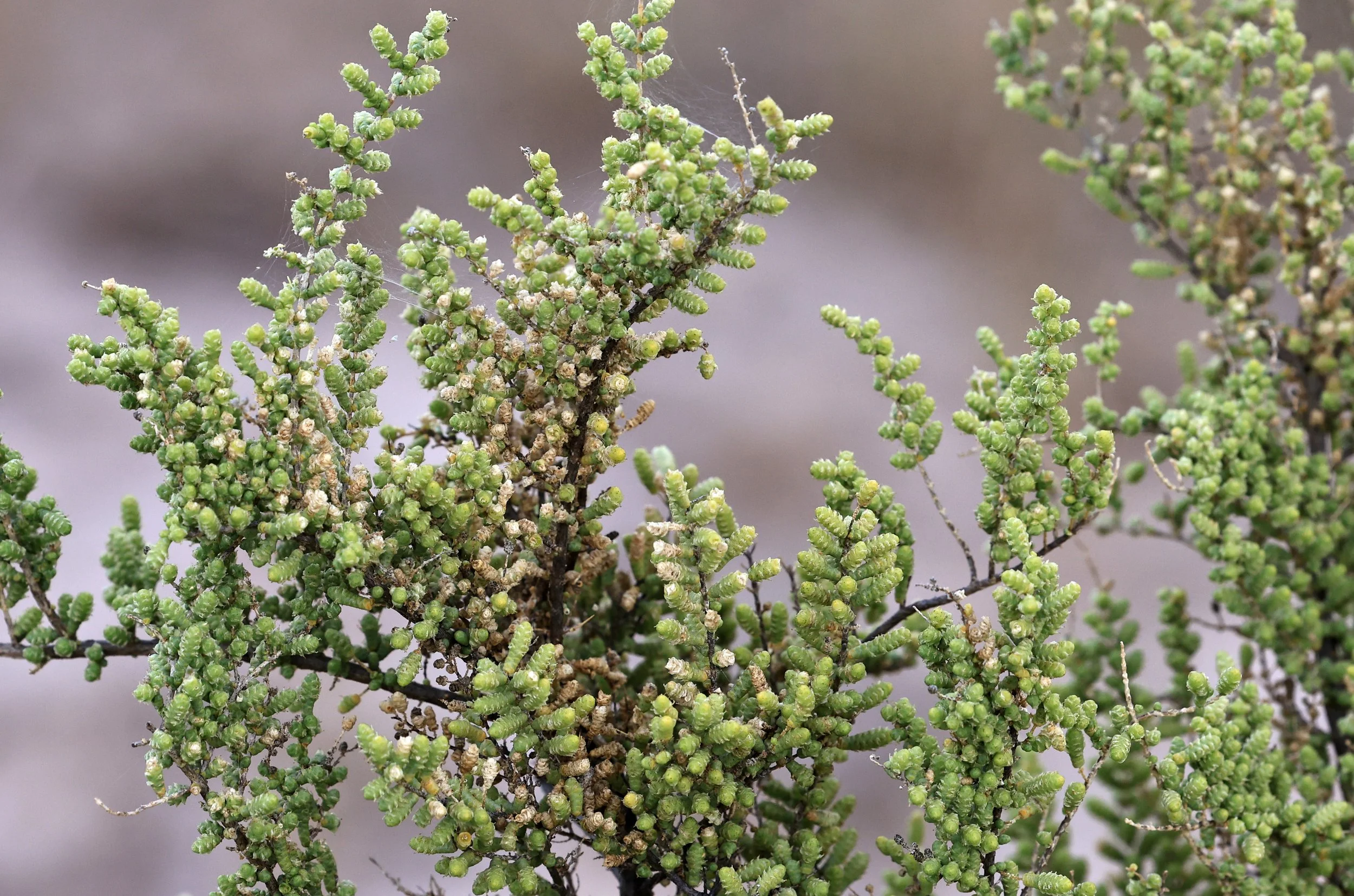
Amaranthaceae family Chaco Lodge & Laguna Salada Paraguay
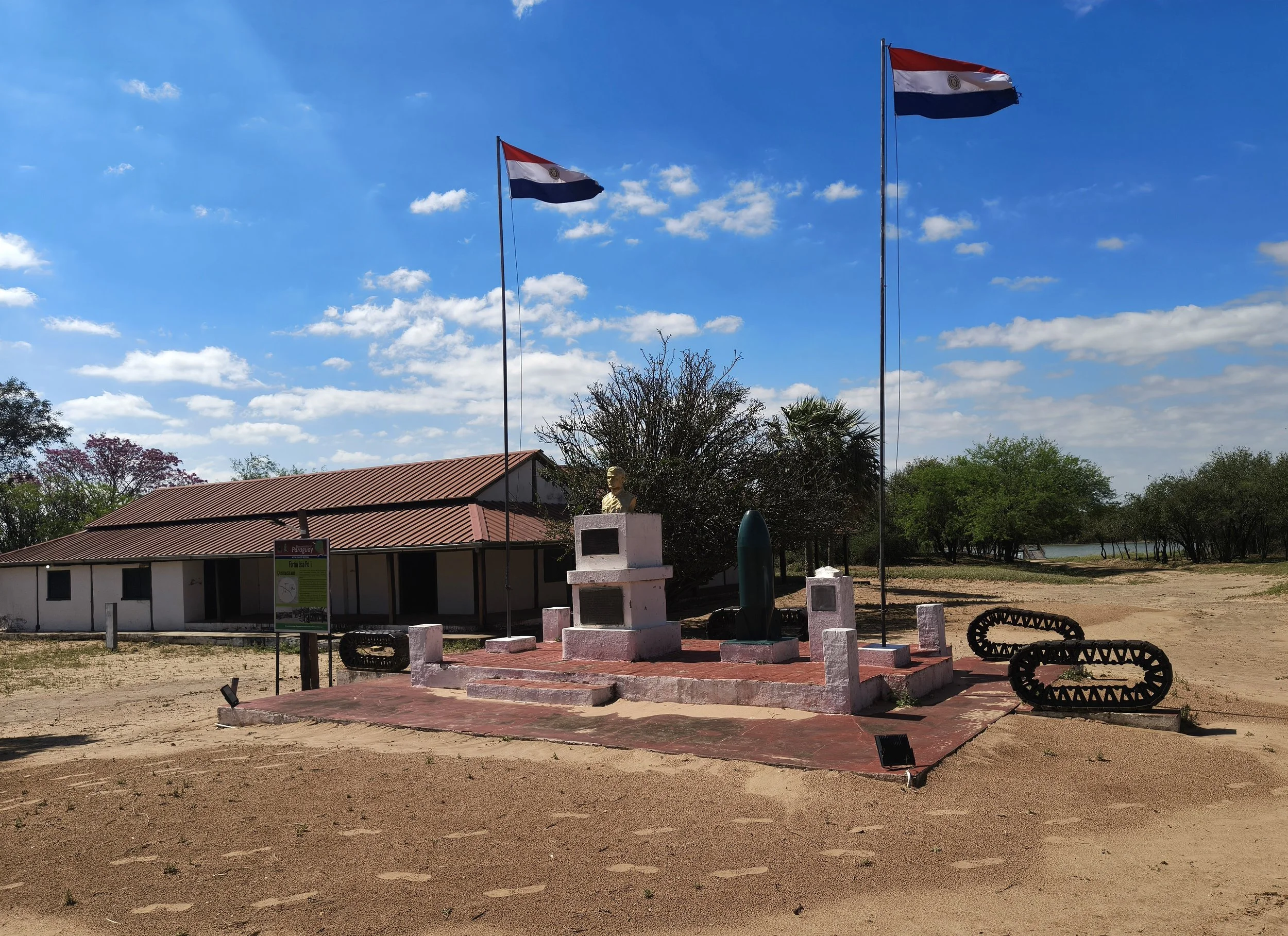
Estancia Campo Leon
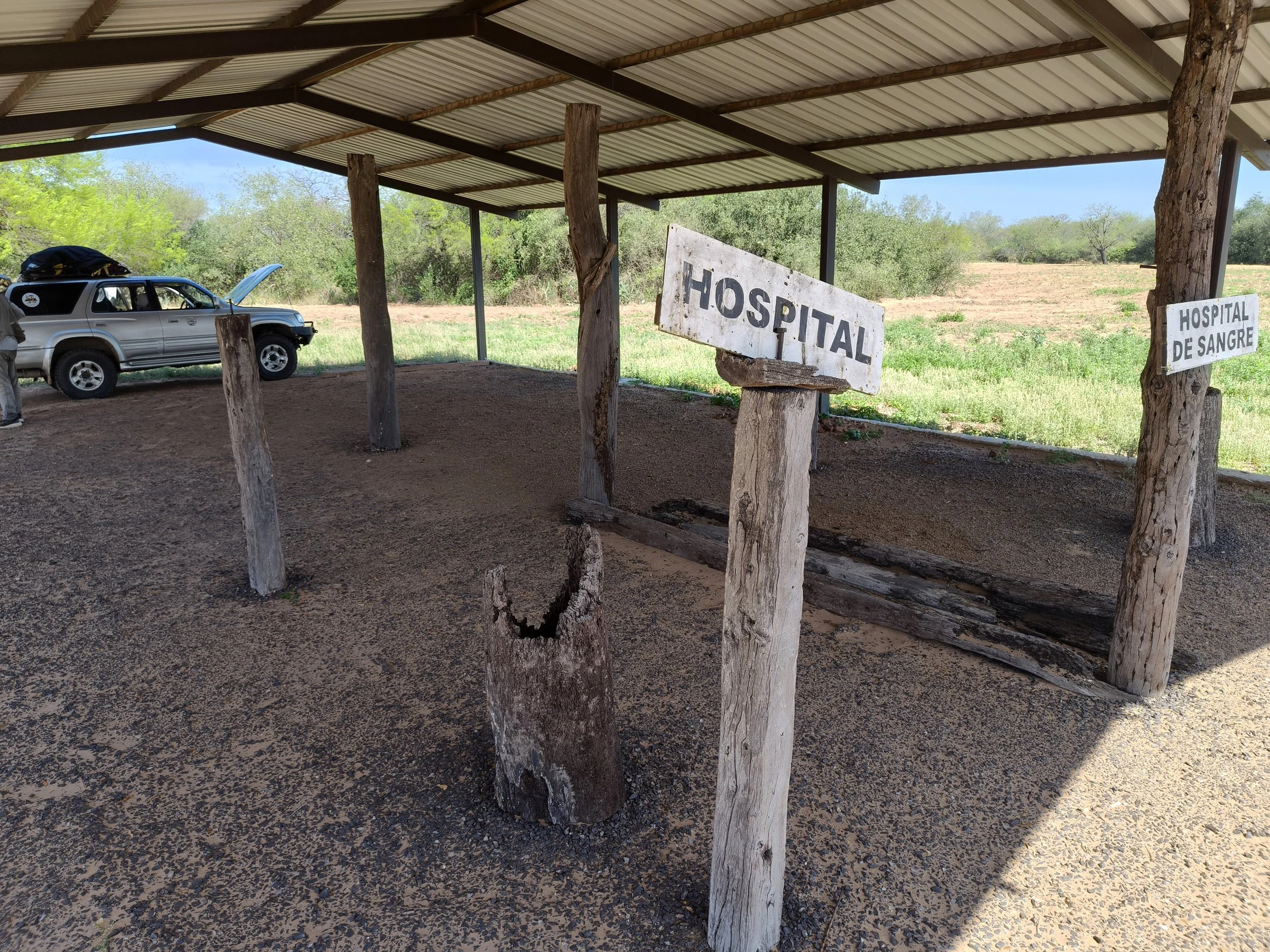
Estancia Campo Leon
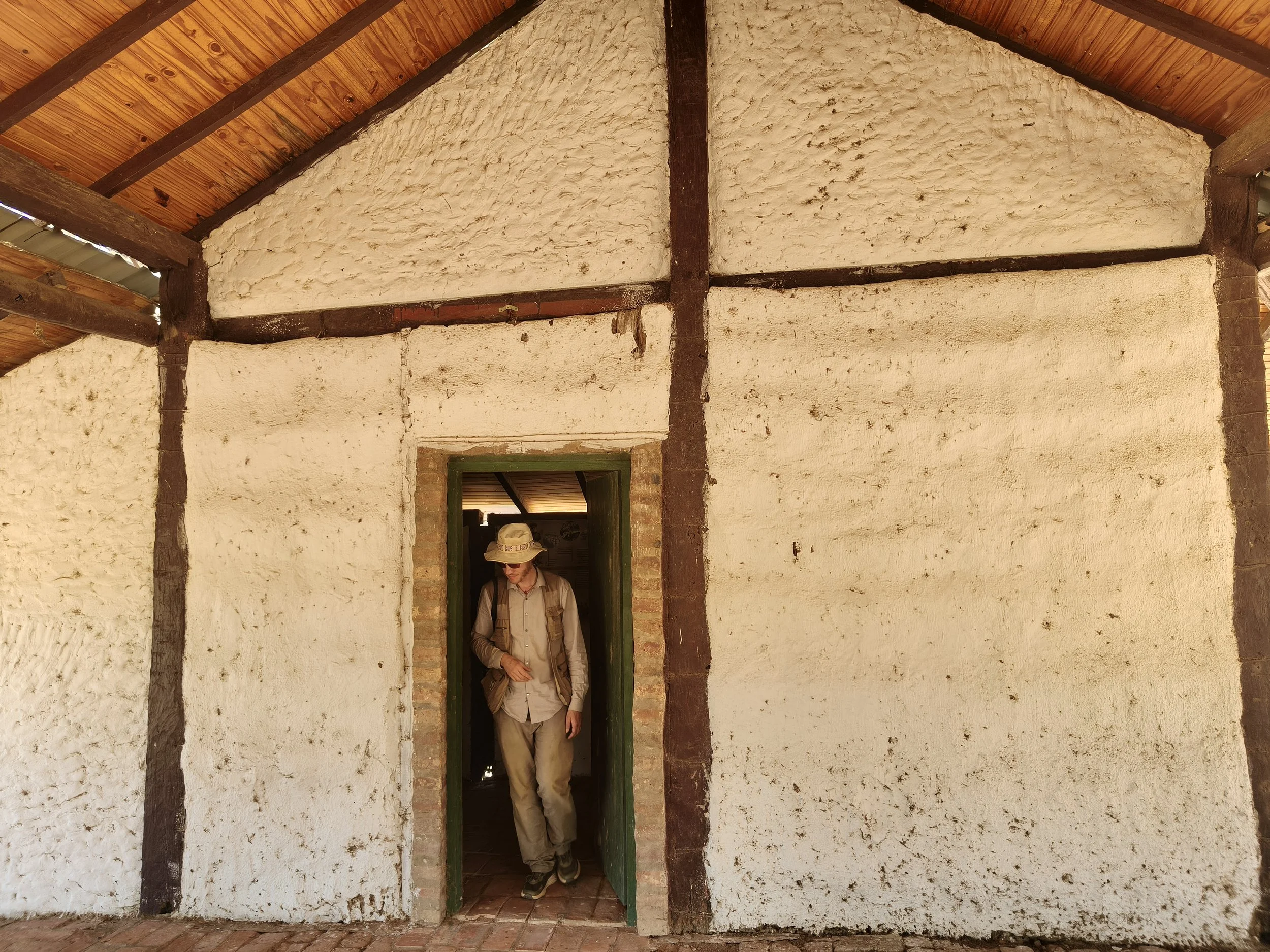
Estancia Campo Leon

Glasswort species (Salicornia Sarcocornia) Chaco Lodge & Laguna Salada

Halophyte community

Halophyte community

lapacho (Handroanthus heptaphyllus or Handroanthus impetiginosus) Chaco Lodge & Laguna Salada Paraguay"
Mexican Papyrus Piripiri (Cyperus giganteus) Asuncion Paraguay
Mexican Papyrus Piripiri (Cyperus giganteus) Asuncion Paraguay
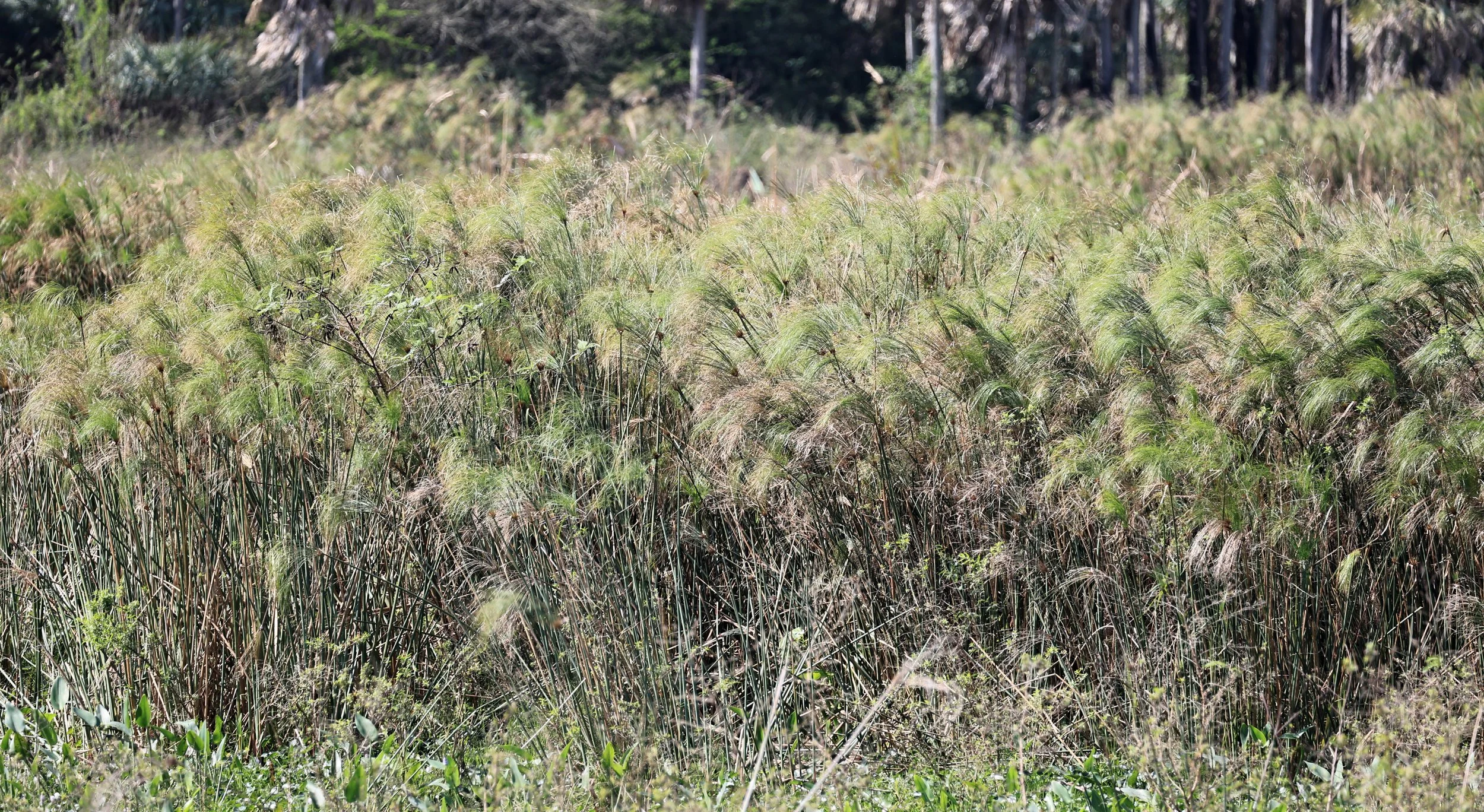
Mexican Papyrus Piripiri (Cyperus giganteus) Asuncion Paraguay
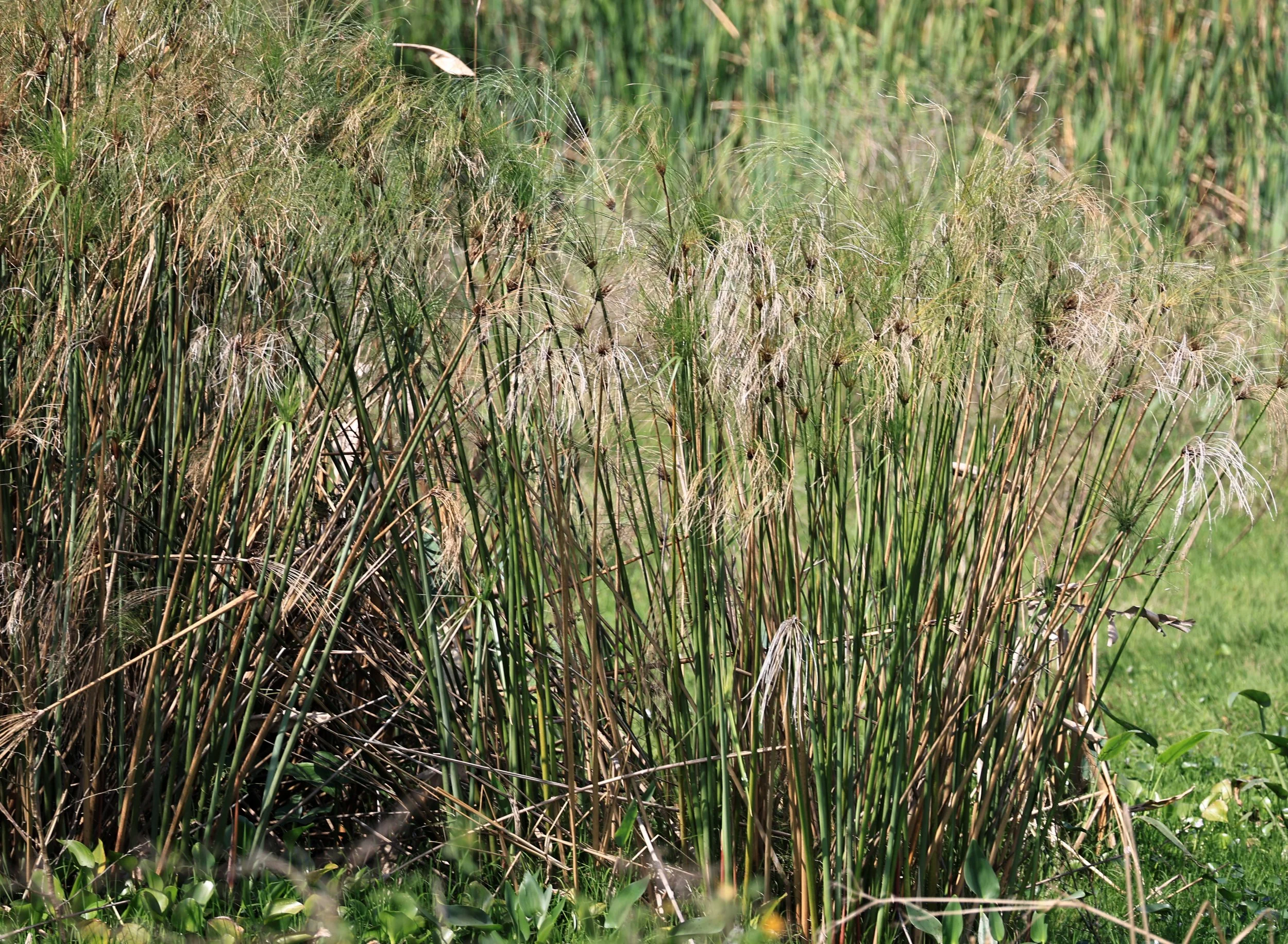
Mexican Papyrus Piripiri (Cyperus giganteus) Asuncion Paraguay

Back to Asuncion
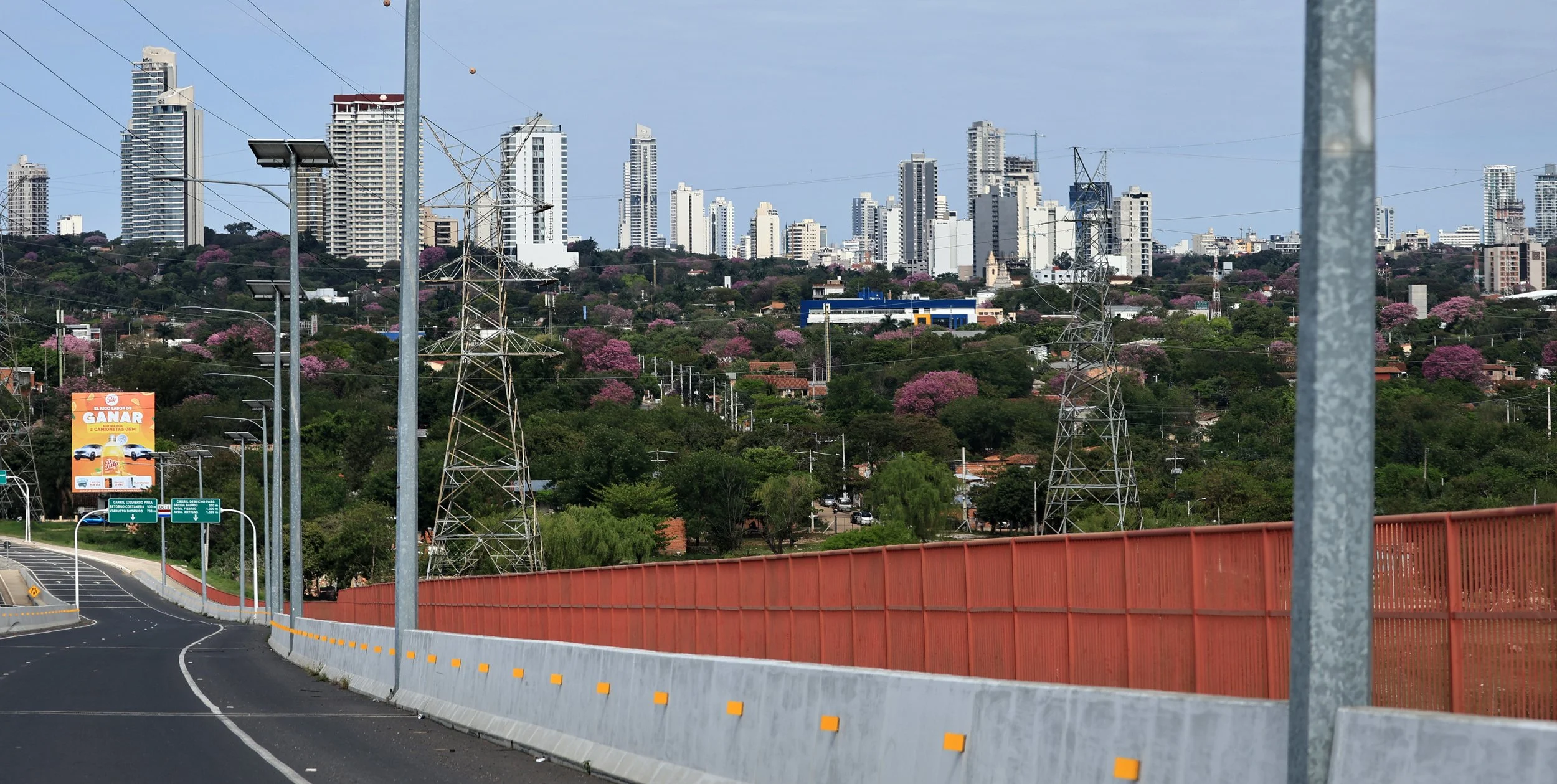
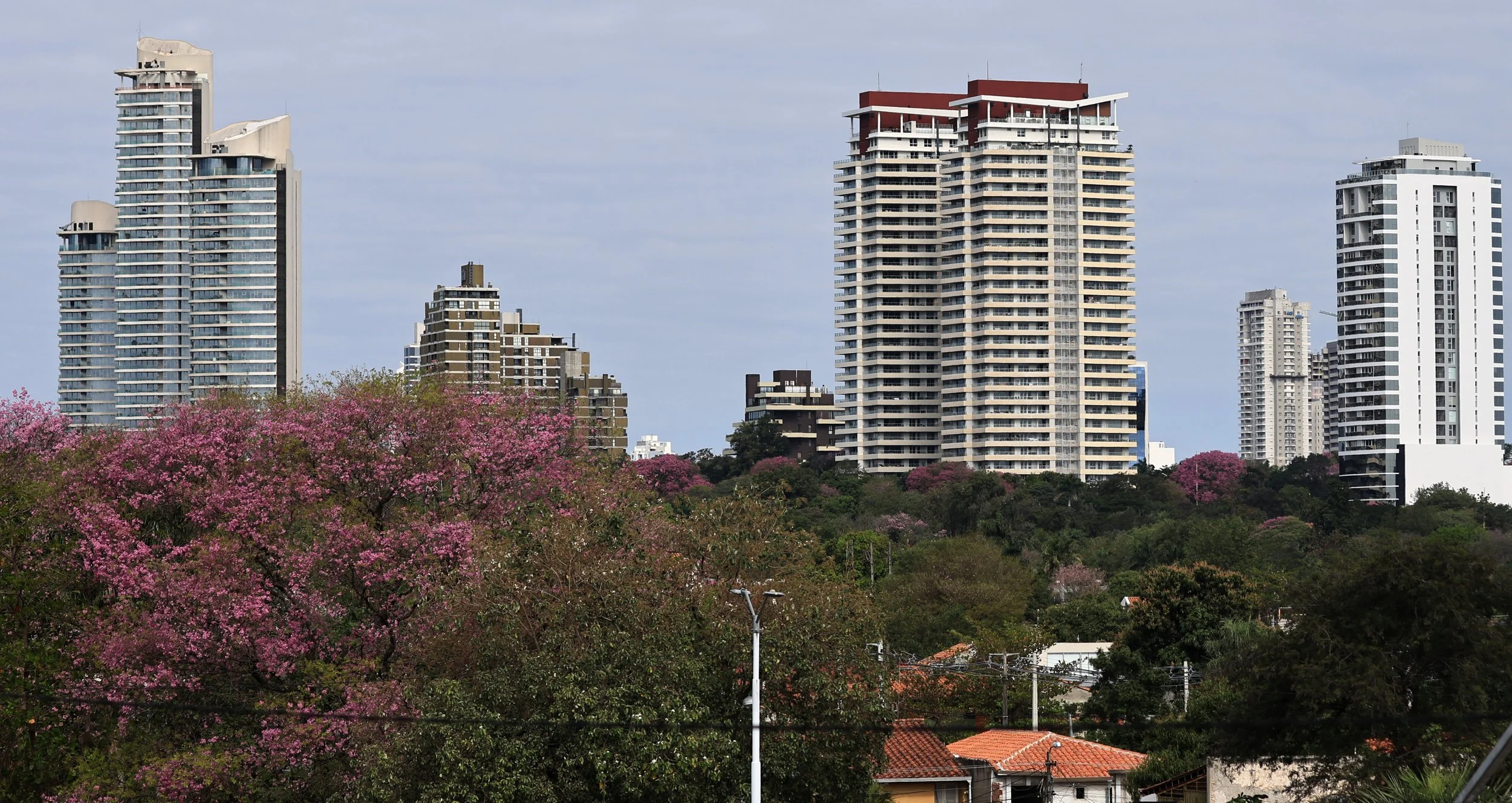


As the kilometres rolled by and the dust gradually gave way to pavement on the journey back to Asunción, I found myself reflecting on just how special Paraguay had been. For years it had existed in my imagination as a place of elusive rodents, strange Chaco mammals and endless thorn forests, fuelled by reading the adventures of others who had made the pilgrimage before me. The reality somehow managed to exceed those expectations. From armadillos, maras and vizcachas to titi monkeys, tapirs, peccaries and an excellent supporting cast of foxes, skunks, opossums and bats, the Chaco delivered an extraordinary diversity of mammals, many of which had occupied my most wanted list for years.
What perhaps surprised me most was the Chaco itself. On paper it can seem like a harsh, monotonous wilderness, but spending time there reveals a landscape full of character and life. Every dusty track held possibilities, every waterhole seemed capable of producing a surprise, and even the longest drives were accompanied by the feeling that the next bend might reveal something remarkable. Whether it was a tapir calmly expecting us to move out of its way, a group of night monkeys outside the hotel room, distant Chacoan Peccaries bouncing through the scrub like soot sprites from a Miyazaki film, or giant anteaters conducting their rather undignified courtship rituals, the trip was filled with moments that will stay with me for a very long time.
The mammal list was excellent, adding a host of lifers and several dream species, but as always the numbers only tell part of the story. Equally memorable were the landscapes, the spectacular birding, the Mennonite communities, the historical sites, the thunderstorms, the mud, the camaraderie of the expedition and the simple joy of exploring one of South America's least-visited wildlife destinations. Paraguay may not attract the same attention as some of its neighbours, but for mammalwatchers it is a truly outstanding destination.
Most importantly, this trip reminded me why I enjoy mammalwatching so much. Sometimes the highlights are the rare species you spend years hoping to see. Sometimes they are the unexpected encounters you never planned for. And occasionally they involve trying to stop a tent from becoming airborne at three in the morning while wondering whether mysterious lights over a lagoon are UFOs. Paraguay provided all of the above, and I suspect it won't be my last visit to the Chaco. There are still plenty of tracks left unexplored, a few target species still missing, and I have a lingering suspicion that those UFOs deserve a second look.
“Hey Coke, what’s with those lights over there?”
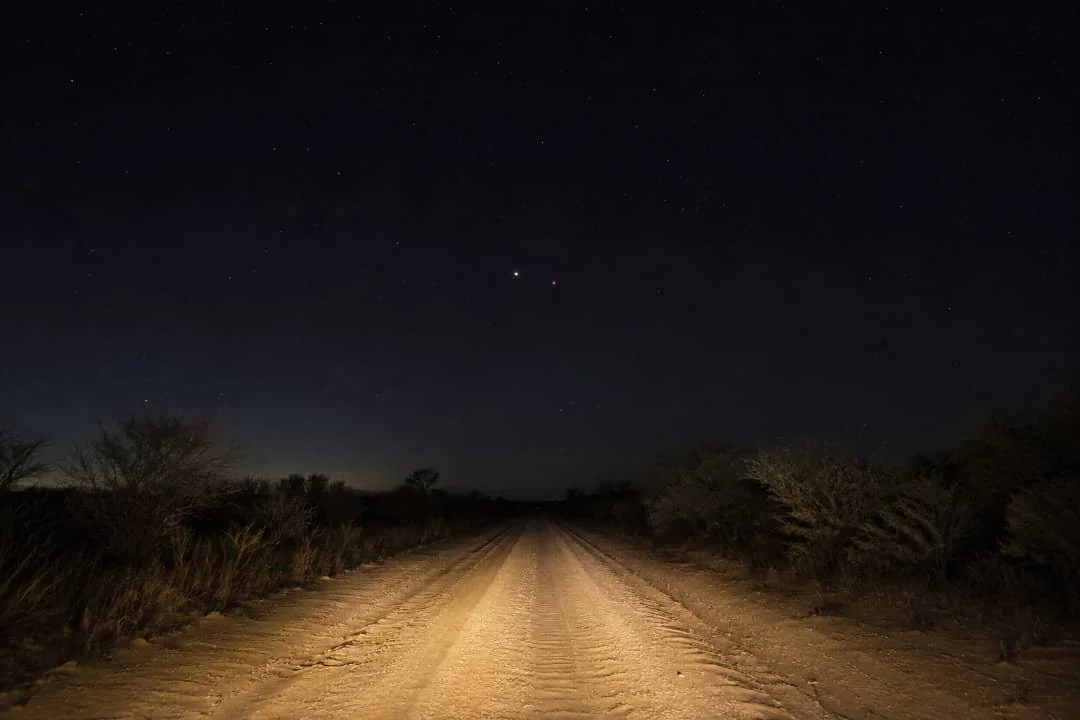
Paraguay Mammal List
(Link to main gallery for each species on name)
Rodents
1. Plains Viscacha (Lagostomus maximus)*
2. Lowland Yellow-toothed Cavy (Galea leucoblephara)*
3. Chacoan Mara (Dolichotis salinicola)*
4. Capybara (Hydrochoerus hydrochaeris)
5. Conover's Tuco-tuco (Ctenomys conoveri)*
6. Chaco Pericote or Central Leaf-eared Mouse (Graomys chacoensis)*
7. Chacoan Pygmy Rice Rat (Oligoryzomys chacoensis)*
Armadillos
8. Southern Three-banded Armadillo (Tolypeutes matacus)*
Primates
9. Chacoan or White-coated Titi (Callicebus pallescens)*
10. Azara’s Night Monkey (Aotus azarae)*
Canids
11. Pampas fox (Lycalopex gymnocercus)*
12. Crab-eating Fox (Cerdocyon thous)
Chiroptera
13. Diminutive Serotine (Eptesicus diminutus)*
14. Lesser Bulldog Bat (Noctilio albiventris)*
15. Greater Bulldog Bat (Noctilio leporinus, the true fisherman bat)*
16. Common Vampire Bat (Desmodus rotundus)*
Cervids
17. Gray or Brown Brocket (Subulo gouazoubira)
Mustelids
18. Lesser Grison (Galictis cuja)*
Lagomorpha
19. Common Tapeti (Sylvilagus brasiliensis)
Marsupials
20. Chaco Fat-Tailed Mouse Opossum (Thylamys pusillus)
Felids
21. Geoffroy's Cat (Leopardus geoffroyi)*
Mephitids
22. Molina’s Hog-nosed Skunk (Conepatus chinga)*
Procyonidae
23. Crab-eating Raccoon (Procyon cancrivorus)*
Pilosa
24. Southern Tamandua (Tamandua tetradactyla)
25. Giant Anteater (Myrmecophaga tridactyla)
Tayassuidae
26. Chacoan Peccary (Catagonus wagneri)
Bird Species List for the Chaco
Tinamous and Rheas
Greater Rhea (Rhea americana)
Brushland Tinamou (Nothoprocta cinerascens)
Spotted Nothura (Nothura maculosa)
Tataupa Tinamou (Crypturellus tataupa)
Waterfowl
White-faced Whistling Duck (Dendrocygna viduata)
Black-bellied Whistling Duck (Dendrocygna autumnalis)
Muscovy Duck (Domestic)
Brazilian Teal (Amazonetta brasiliensis)
Ringed Teal (Callonetta leucophrys)
Coscoroba Swan (Coscoroba coscoroba)
Chachalacas and Allies
Screamers
Seriemas
Flamingos
Grebes
Cormorants and Anhinga
Herons and Egrets
Rufescent Tiger-Heron (Tigrisoma lineatum)
Cocoi Heron (Ardea cocoi)
Great Egret (Ardea alba)
Snowy Egret (Egretta thula)
Whistling Heron (Syrigma sibilatrix)
Ibises and Spoonbills
Roseate Spoonbill (Platalea ajaja)
Buff-necked Ibis (Theristicus caudatus)
Bare-faced Ibis (Phimosus infuscatus)
Green Ibis (Mesembrinibis cayennensis)
Plumbeous Ibis (Theristicus caerulescens)
Storks
Jacanas
Vultures
Black Vulture (Coragyps atratus)
Turkey Vulture (Cathartes aura)
Lesser Yellow-headed Vulture (Cathartes burrovianus)
Eagles and Hawks
Savanna Hawk (Buteogallus meridionalis)
Roadside Hawk (Rupornis magnirostris)
Great Black Hawk (Buteogallus urubitinga)
Snail Kite (Rostrhamus sociabilis)
White-tailed Hawk (Geranoaetus albicaudatus)
Harris's Hawk (Parabuteo unicinctus)
Zone-tailed Hawk (Buteo albonotatus)
Black-chested Buzzard-Eagle (Geranoaetus melanoleucus)
Falcons
Aplomado Falcon (Falco femoralis)
American Kestrel (Falco sparverius)
Southern Caracara (Caracara plancus)
Chimango Caracara (Milvago chimango)
Laughing Falcon (Herpetotheres cachinnans)
Rails and Allies
Shorebirds
Southern Lapwing (Vanellus chilensis)
Collared Plover (Charadrius collaris)
Black-necked Stilt (Himantopus mexicanus melanurus)
Greater Yellowlegs (Tringa melanoleuca)
Lesser Yellowlegs (Tringa flavipes)
Pectoral Sandpiper (Calidris melanotos)
Gulls and Terns
Yellow-billed Tern (Sternula superciliaris)
Pigeons and Doves
Parrots
Monk Parakeet (Myiopsitta monachus)
Nanday Parakeet (Aratinga nenday)
Turquoise-fronted Amazon (Amazona aestiva)
Cuckoos
Owls
Chaco Owl (Strix chacoensis)
Tropical Screech Owl (Megascops choliba)
Burrowing Owl (Athene cunicularia)
Ferruginous Pygmy Owl (Glaucidium brasilianum)
American Barn Owl (Tyto furcata)
Nightjars, Nighthawks and Potoos
Scissor-tailed Nightjar (Hydropsalis torquata)
Nacunda Nighthawk (Chordeiles nacunda)
Common Potoo (Nyctibius griseus)
Hummingbirds
Kingfishers
Puffbirds
Woodpeckers
Black-bodied Woodpecker (Dryocopus schulzi)
Cream-backed Woodpecker (Campephilus leucopogon)
White Woodpecker (Melanerpes candidus)
White-fronted Woodpecker (Melanerpes cactorum)
Checkered Woodpecker (Veniliornis mixtus)
Campo Flicker (Colaptes campestris)
Green-barred Woodpecker (Colaptes melanochloros)
Furnariids
Scimitar-billed Woodcreeper (Drymornis bridgesii)
Great Rufous Woodcreeper (Xiphocolaptes major)
Chaco Earthcreeper (Tarphonomus certhioides)
Crested Hornero (Furnarius cristatus)
Rufous Hornero (Furnarius rufus)
Rufous-fronted Thornbird (Phacellodomus rufifrons)
Greater Thornbird (Phacellodomus ruber)
Brown Cacholote (Pseudoseisura lophotes)
Firewood-gatherer (Anumbius annumbi)
Chotoy Spinetail (Schoeniophylax phryganophilus)
Lark-like Brushrunner (Coryphistera alaudina)
Narrow-billed Woodcreeper (Lepidocolaptes angustirostris)
Sooty-fronted Spinetail (Synallaxis frontalis)
Stripe-crowned Spinetail (Cranioleuca pyrrhophia)
Olive-crowned Crescentchests
Antbirds and Allies
Great Antshrike (Taraba maj
Barred Antshrike (Thamnophilus doliatus)
Variable Antshrike (Thamnophilus caerulescens)
Bolivian Slaty-Antshrike (Thamnophilus sticturus)
Stripe-backed Antbird (Myrmorchilus strigilatusor)
Tyrant Flycatchers
Great Kiskadee (Pitangus sulphuratus)
Brown-crested Flycatcher (Myiarchus tyrannulus)
Cattle Tyrant (Machetornis rixosa)
White Monjita (Xolmis irupero)
Vermilion Flycatcher (Pyrocephalus rubinus)
Cinereous Tyrant (Knipolegus striaticeps)
Greater Wagtail-Tyrant (Stigmatura budytoides)
Rufous Casiornis (Casiornis rufus)
Sirystes (Sirystes sibilator)
Vireos
Jays
Swallows
Wrens
Gnatcatchers
Mockingbirds
Thrushes
New World Warblers
Tanagers
Blue-and-yellow Tanager (Rauenia bonariensis)
Sayaca Tanager (Thraupis sayaca)
Palm Tanager (Thraupis palmarum)
Euphonias
Cardinals and Allies
Red-crested Cardinal (Paroaria coronata)
Yellow-billed Cardinal (Paroaria capitata)
Golden-billed Saltator (Saltator aurantiirostris)
Green-winged Saltator (Saltator similis)
Blackbirds, Orioles and Caciques
Chopi Blackbird (Gnorimopsar chopi)
Shiny Cowbird (Molothrus bonariensis)
Unicolored Blackbird(Agelasticus cyanopus)
Grayish Baywing (Agelaioides badius)
Orange-backed Troupial (Icterus croconotus)
Solitary Cacique (Cacicus solitarius)
Seedeaters and Finches
Saffron Finch (Sicalis flaveola)
Many-colored Chaco Finch (Saltatricula multicolor)
Black-capped Warbling Finch (Microspingus melanoleucus)
Red-crested Finch (Coryphospingus cucullatus)