The Chacoan Pygmy Rice Rat (Oligoryzomys chacoensis), also known as the Chacoan Colilargo, is a small rodent belonging to the family Cricetidae, which includes many of the native mice and rats of the Americas. Its scientific classification is: Kingdom Animalia, Phylum Chordata, Class Mammalia, Order Rodentia, Family Cricetidae, Subfamily Sigmodontinae, Genus Oligoryzomys, and Species O. chacoensis. The species was formally described by Philip Myers and Michael Carleton in 1981 and is one of several pygmy rice rats found throughout South America. [en.wikipedia.org], [mammaldiversity.org]
The genus Oligoryzomys contains small, agile rodents that are typically associated with grasslands, forests, and shrublands. Many species play important ecological roles as seed dispersers and prey for a wide variety of predators. The Chacoan Pygmy Rice Rat is particularly associated with the Gran Chaco ecosystem, one of South America's largest continuous dry forest regions. [en.wikipedia.org], [animalia.bio]
General Description
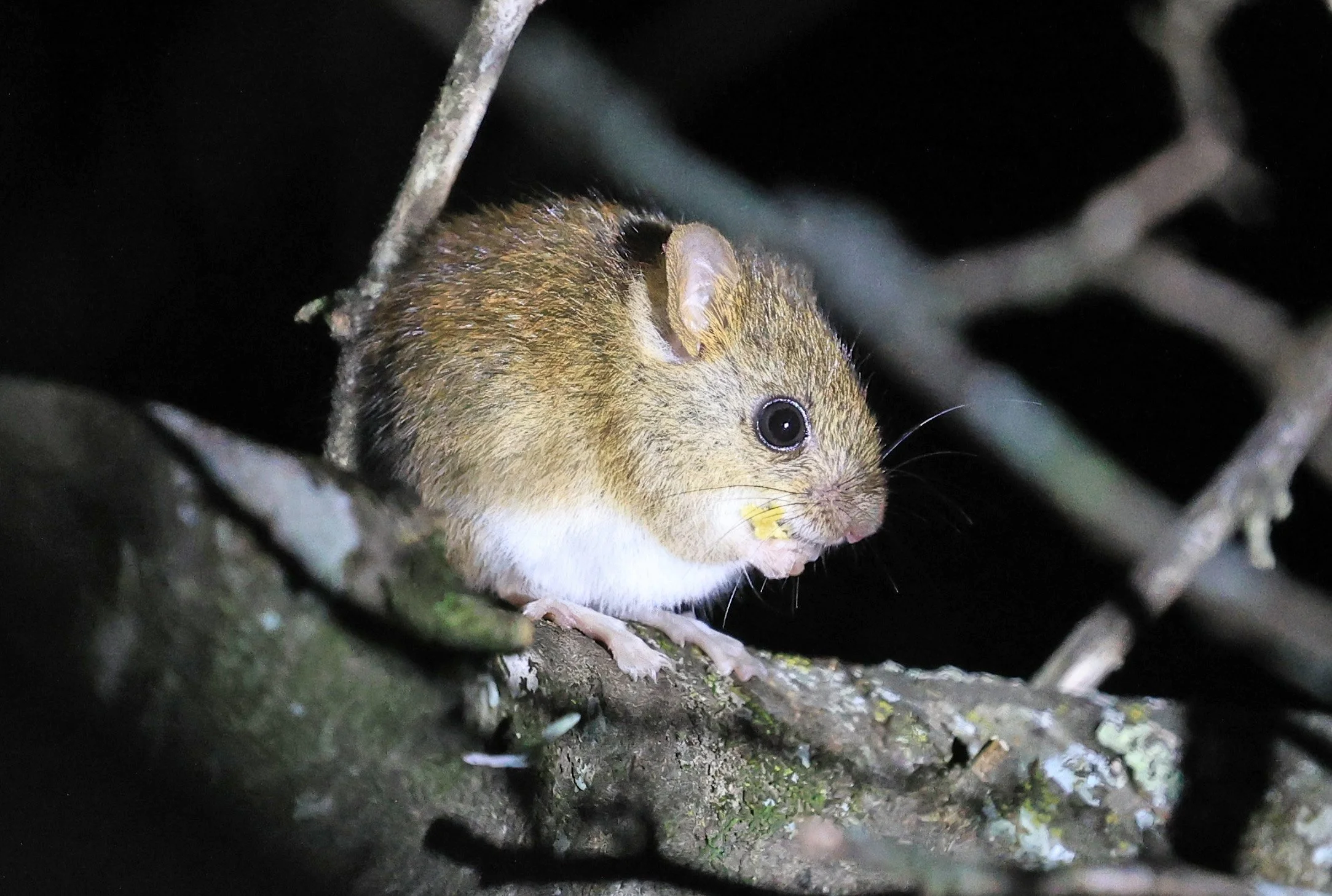
The Chacoan Pygmy Rice Rat is a small and slender rodent with a body length of approximately 9 to 10 centimetres, a long tail measuring 10.5 to 15 centimetres, and a weight of around 25 grams. One of its most noticeable features is its tail, which is usually longer than its body and helps provide balance while moving through vegetation. The fur on its upper body is generally clay-brown to reddish-brown with black-tipped hairs, while the underparts are white or pale buff, creating a strong contrast between the back and belly. Its ears are relatively large and well furred, and the eyes are prominent, reflecting its active nocturnal lifestyle. [gbif.org], [treatment.plazi.org]
This species is primarily terrestrial but is also capable of climbing shrubs and small trees. It is most active during the evening and night, when it searches for food while avoiding many daytime predators. The Chacoan Pygmy Rice Rat feeds mainly on seeds, fruits, and other plant material, making it largely granivorous and frugivorous. As a result, it may contribute to seed dispersal and vegetation dynamics within its ecosystem. [gbif.org], [treatment.plazi.org]
Distribution
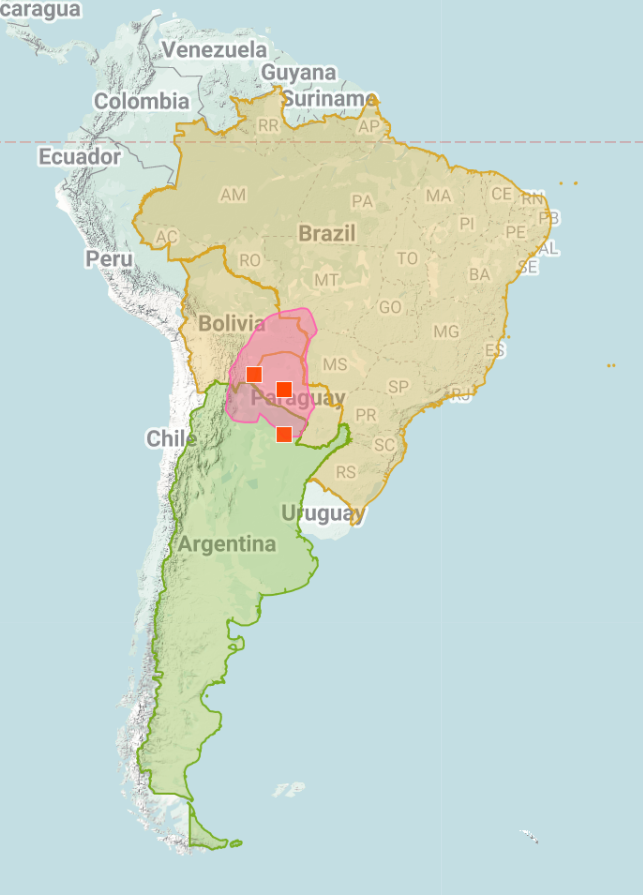
The Chacoan Pygmy Rice Rat is native to the Gran Chaco region of South America. Its distribution extends across southeastern Bolivia, southwestern Brazil, Paraguay, and northern Argentina, where it occupies a range of dry and seasonally dry habitats. The Gran Chaco is characterized by thorn forests, dry woodlands, shrublands, savannas, and grasslands, all of which provide suitable habitat for this adaptable rodent. [en.wikipedia.org], [mammaldiversity.org], [animalia.bio]
Within this region, the species shows a preference for areas that contain trees and shrubs, including forest edges, thorn scrub, and mixed woodland habitats. Although most individuals are found on the ground, researchers have occasionally recorded them climbing several metres into vegetation. The species is therefore able to exploit a variety of microhabitats within the Chaco landscape. [gbif.org], [treatment.plazi.org]
Interesting Facts
One of the most significant aspects of the Chacoan Pygmy Rice Rat is its connection to disease ecology. The species is known to be one of the hosts of the Bermejo strain of hantavirus, making it important in studies of zoonotic diseases and wildlife health. Scientists monitor populations of this and related rodents to improve understanding of how hantaviruses circulate in natural ecosystems. [en.wikipedia.org], [animalia.bio]
The species is primarily nocturnal and crepuscular, meaning it is most active at night and around dawn and dusk. Its long tail, large eyes, and agile movements help it navigate dense vegetation in low-light conditions. Reproductive studies have found females carrying three to five embryos, suggesting relatively high reproductive potential, which is common among small rodents living in environments where predation pressure can be intense. [gbif.org], [treatment.plazi.org]
As a prey species, the Chacoan Pygmy Rice Rat plays an important role in food webs. It provides food for owls, snakes, foxes, small wild cats, and other predators found throughout the Chaco region. In turn, its feeding activities may influence plant communities through seed consumption and dispersal. [gbif.org], [animalia.bio]
Conservation Status and Threats
The International Union for Conservation of Nature (IUCN) currently classifies the Chacoan Pygmy Rice Rat as Least Concern. This status reflects its relatively wide distribution across several South American countries, its presumed large population size, and its occurrence within a number of protected areas. Population trends are considered stable, and there is currently no evidence of rapid decline across its range. [en.wikipedia.org], [animalia.bio], [gbif.org]
Despite its favourable conservation status, the species may face local threats associated with the ongoing transformation of the Gran Chaco. Large areas of native forest and woodland have been cleared for agriculture, cattle ranching, and infrastructure development, making the Chaco one of the fastest-changing landscapes in South America. Habitat loss and fragmentation could affect local populations if these changes continue at a large scale. Nevertheless, the species' broad distribution and ability to use a variety of habitats currently provide a degree of resilience. Continued monitoring of populations and conservation of remaining Chaco habitats will help ensure the long-term survival of this important small mammal. [gbif.org], [en.wikipedia.org]