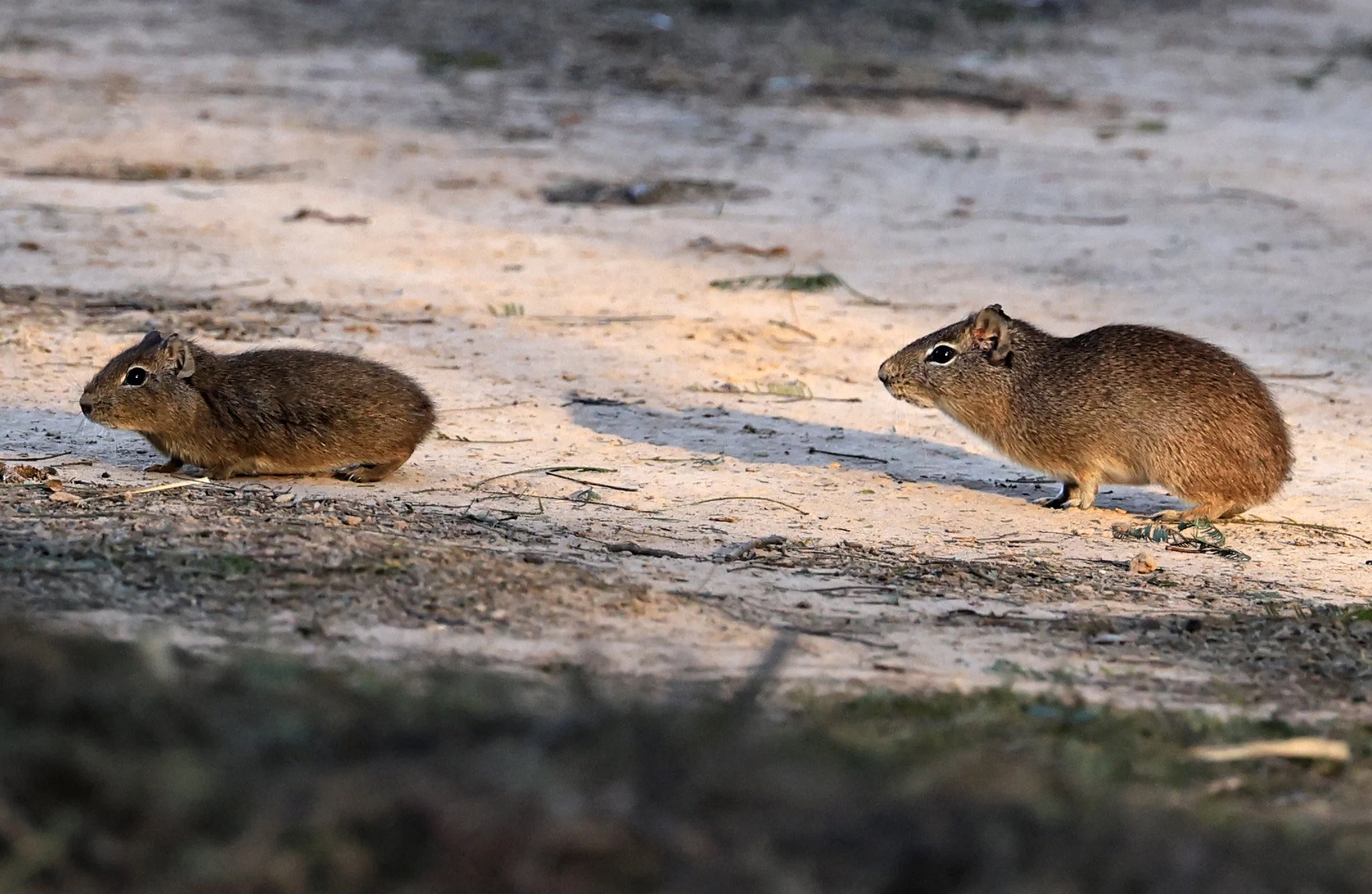
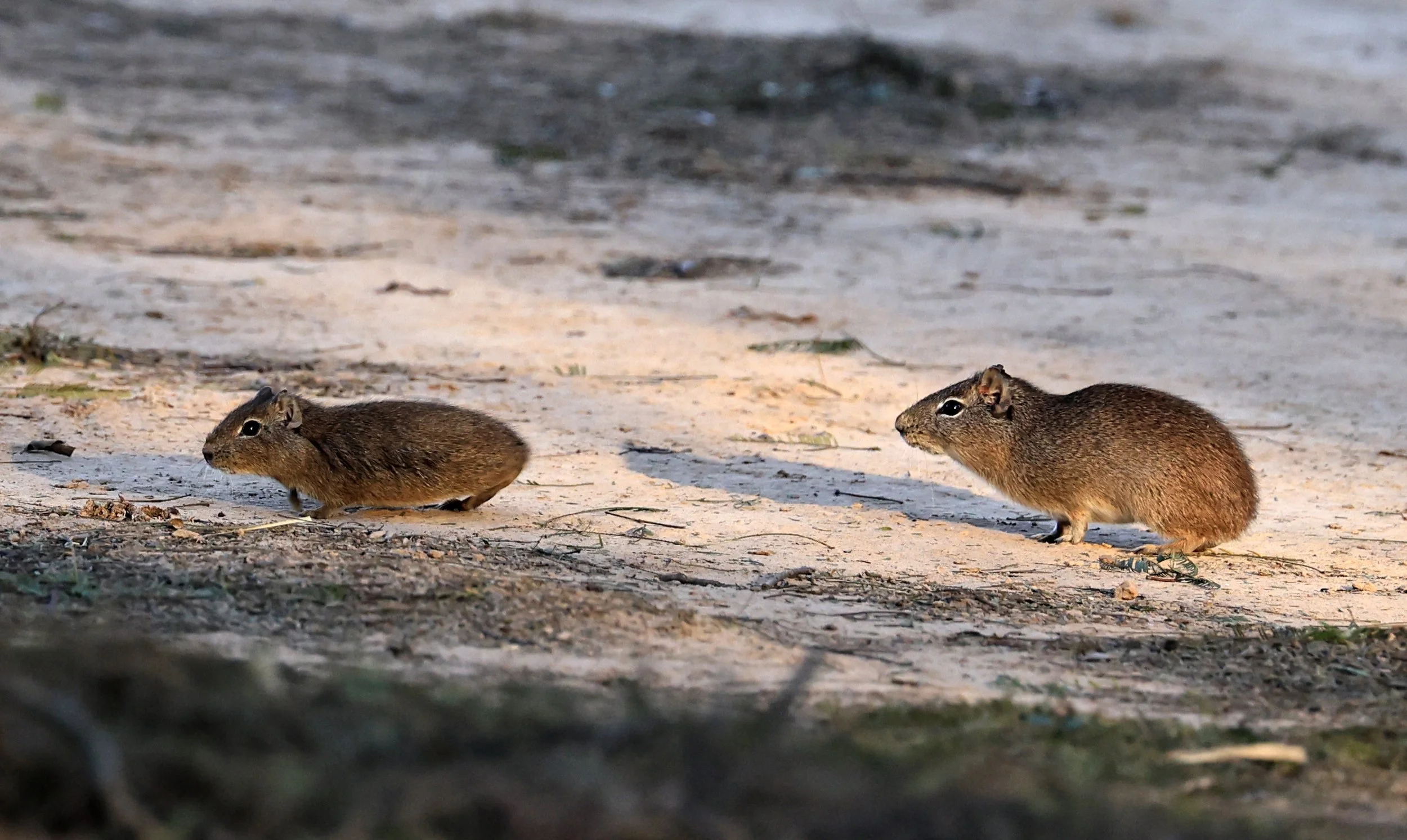
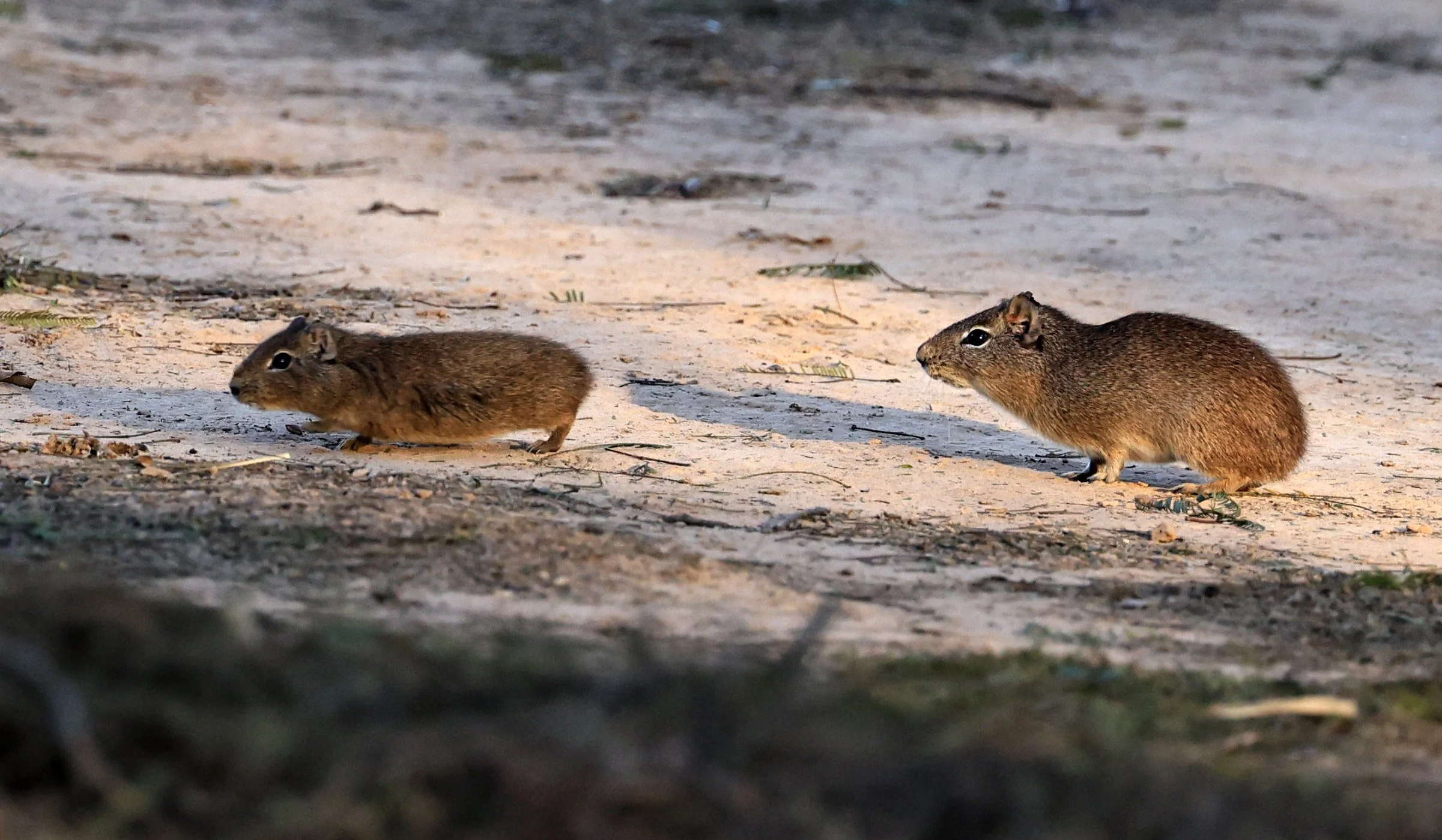
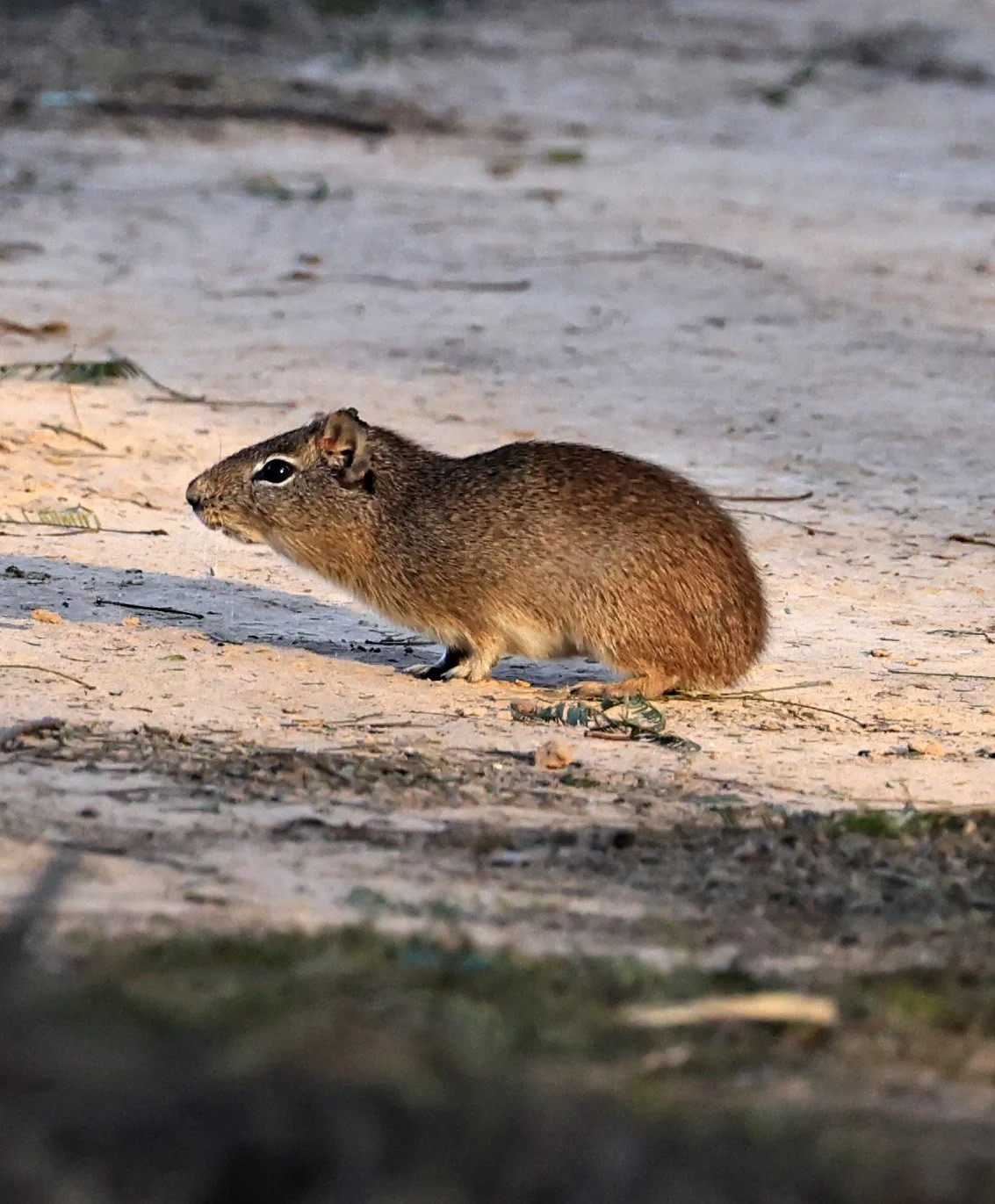
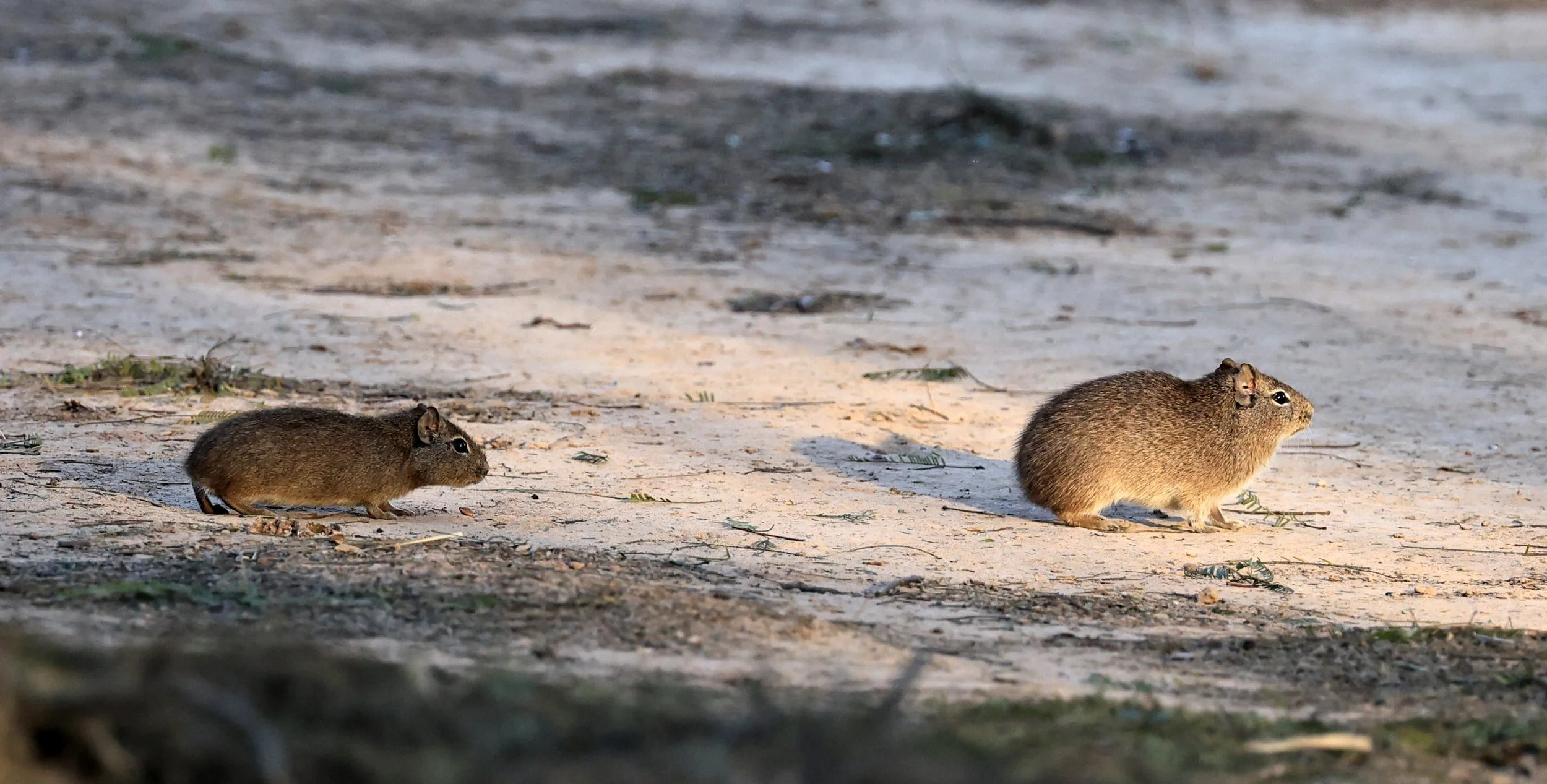
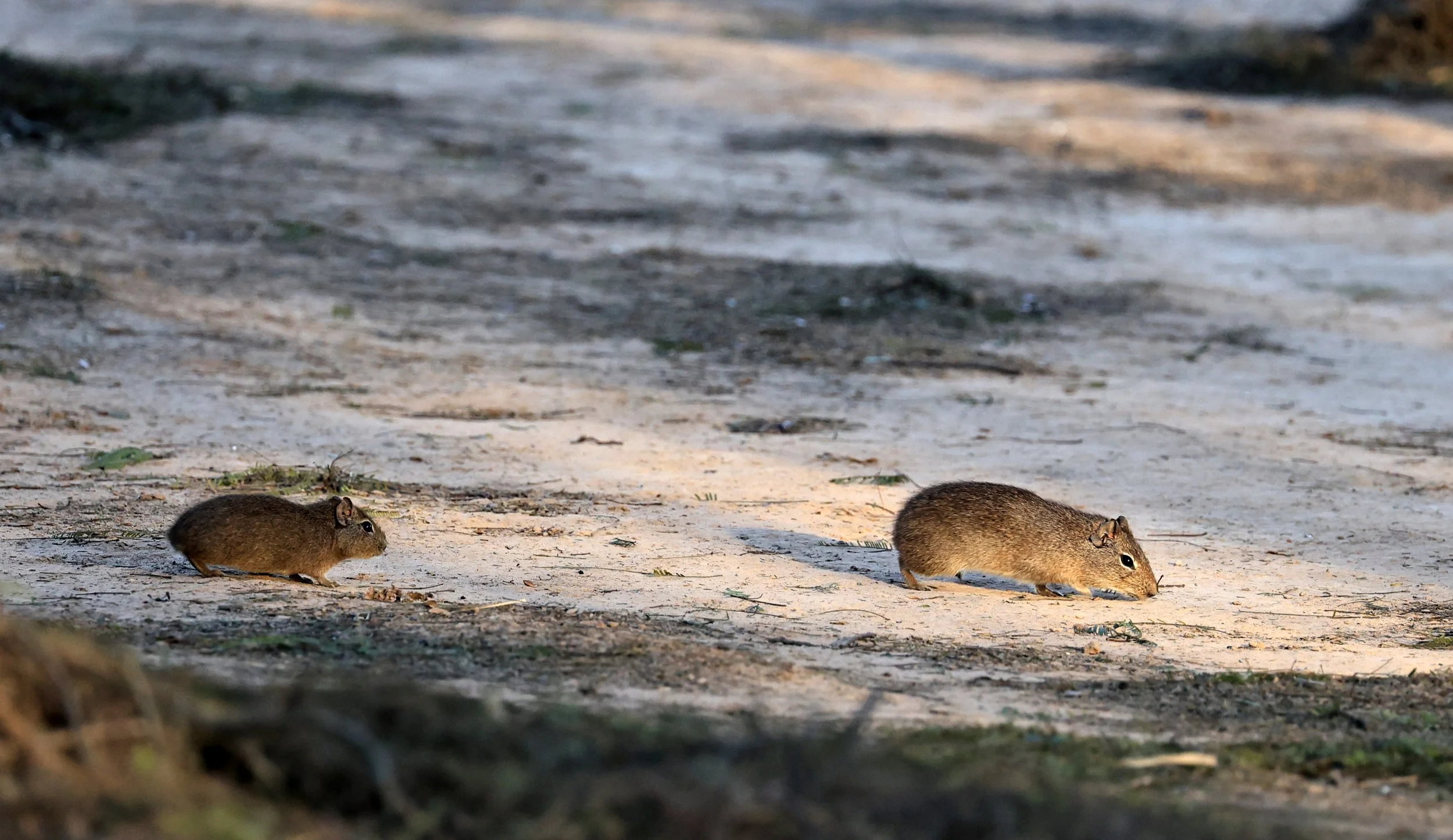
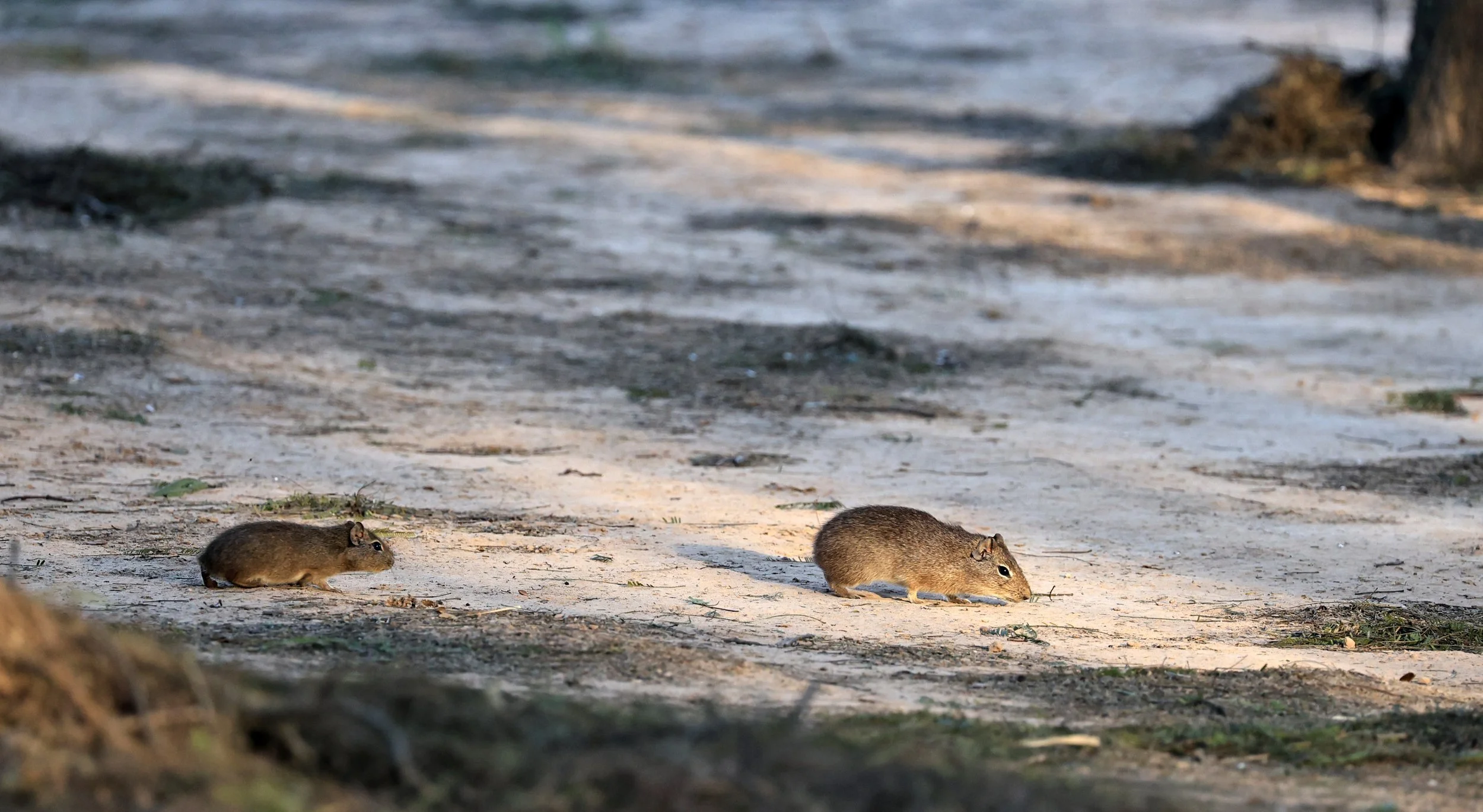
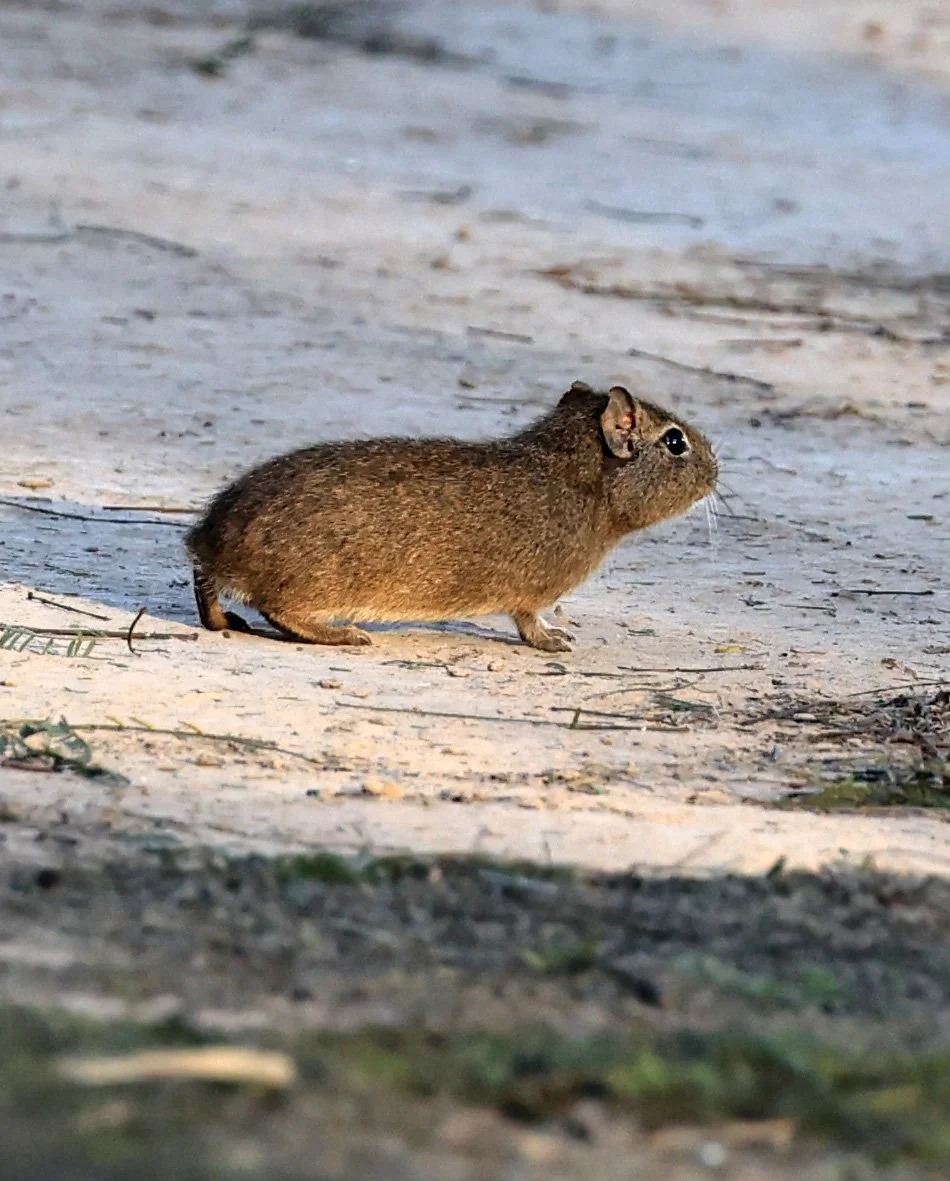
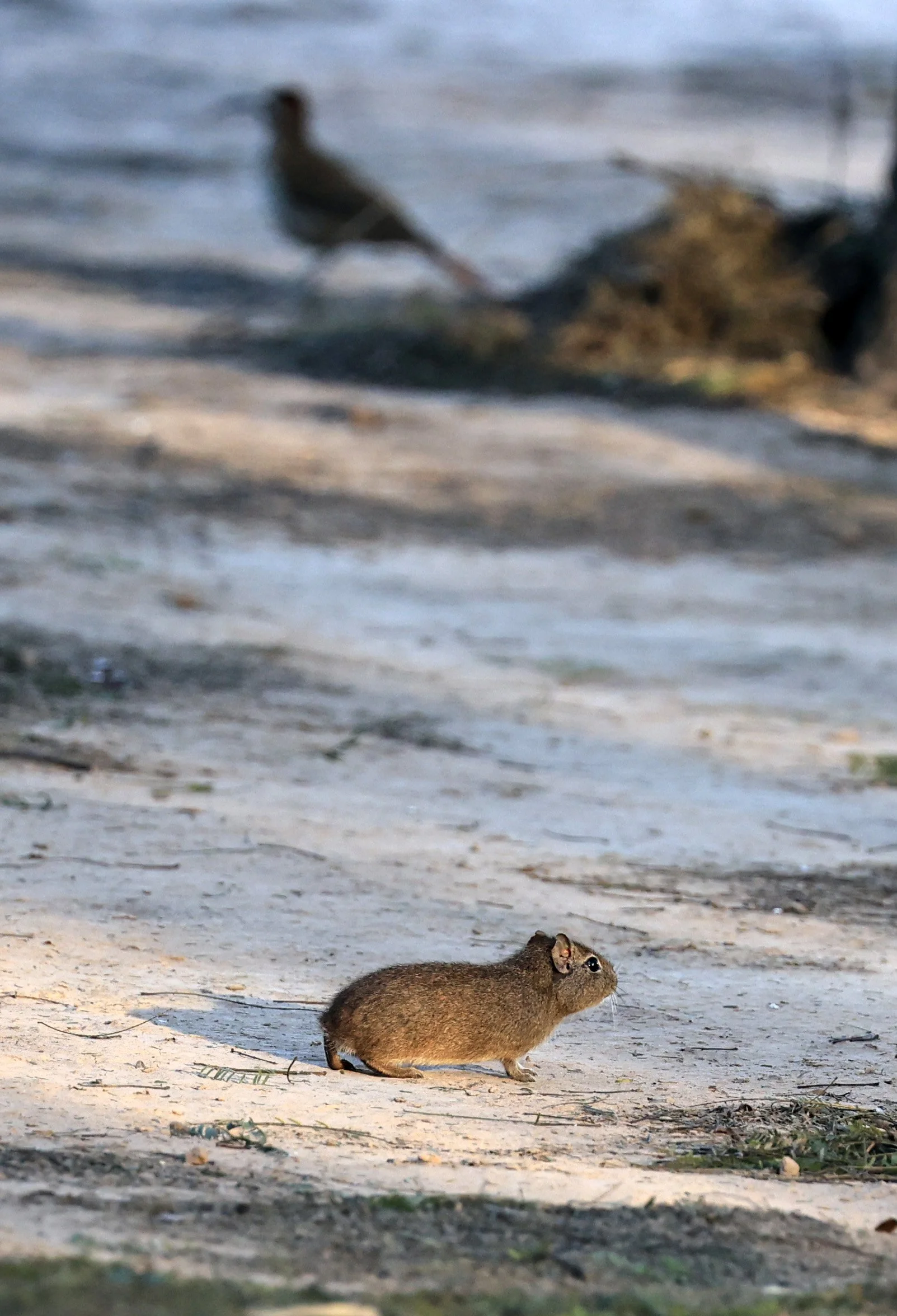
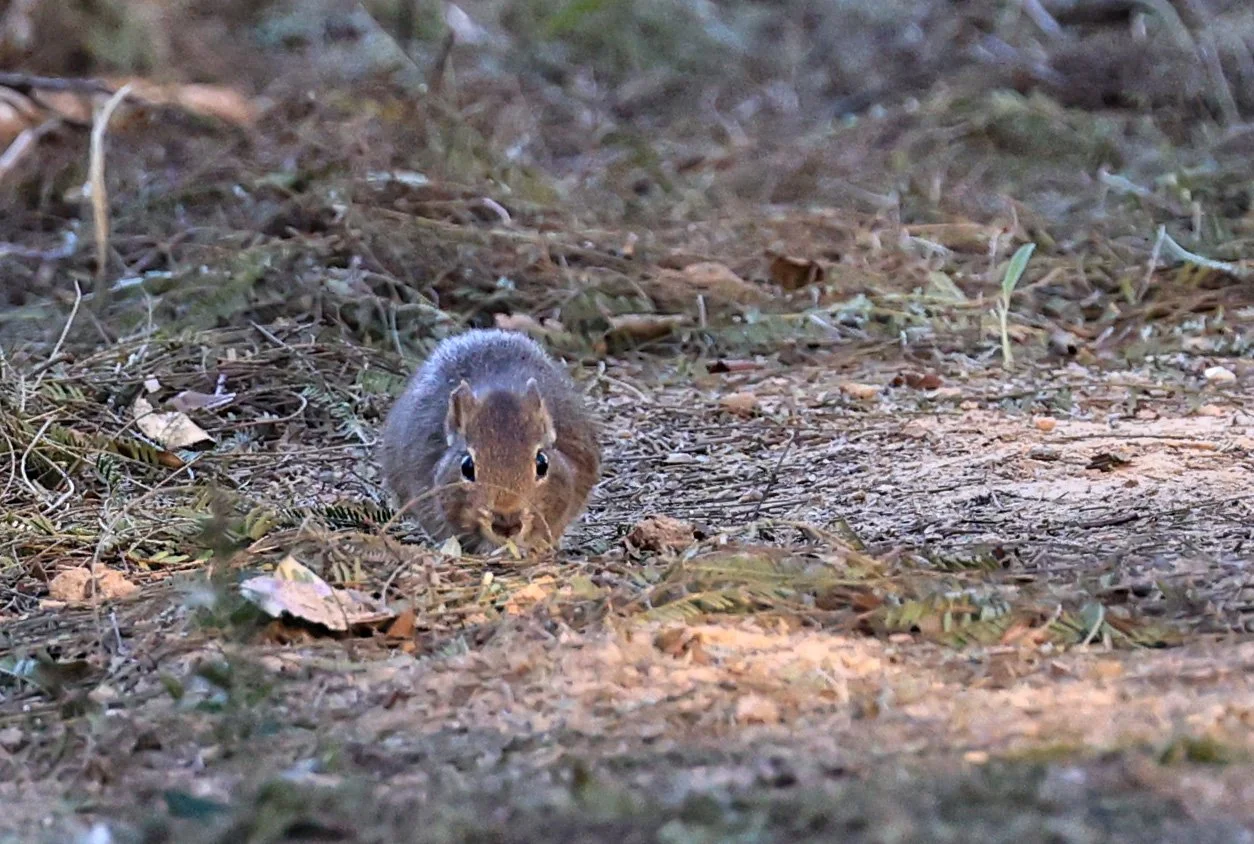
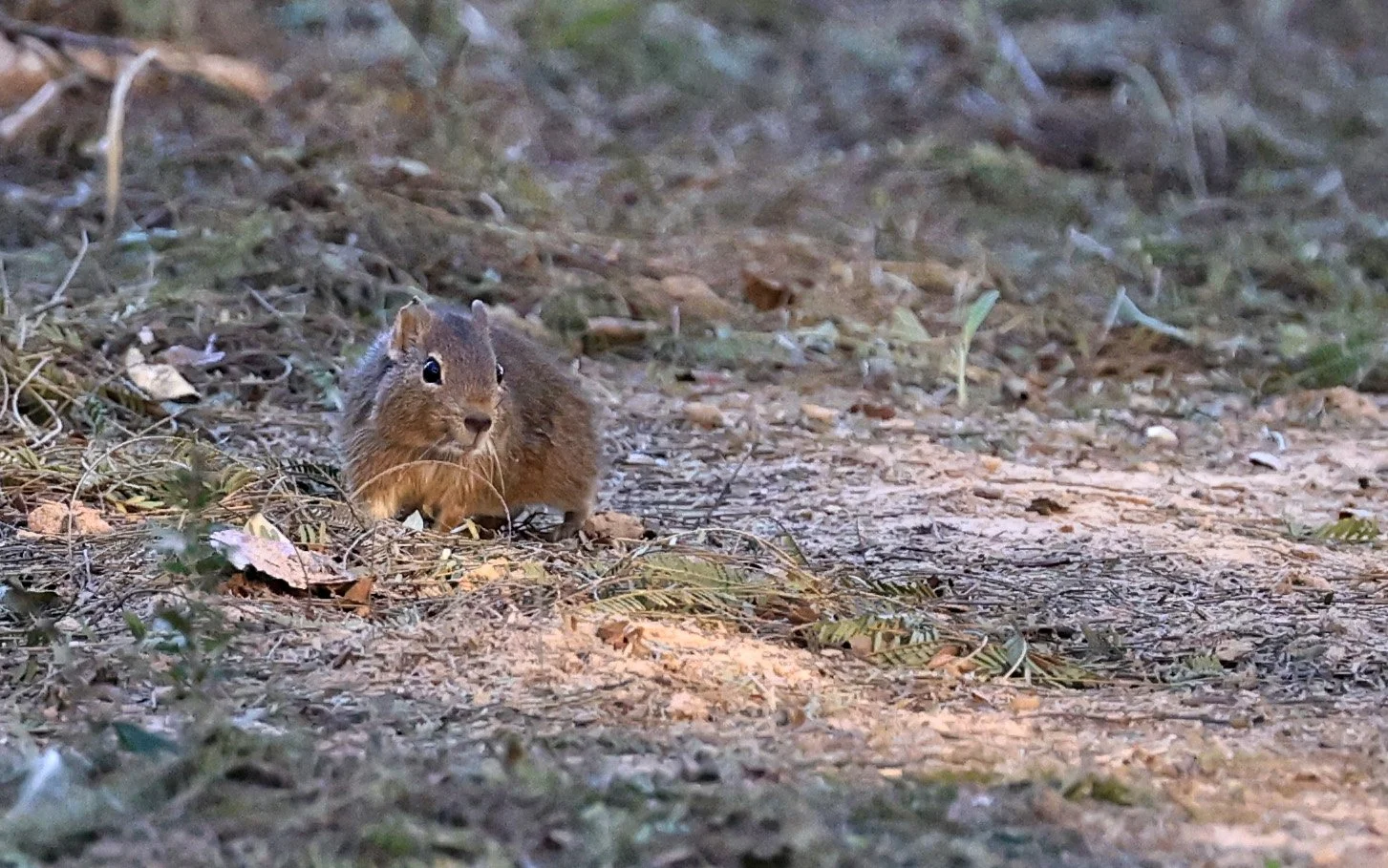
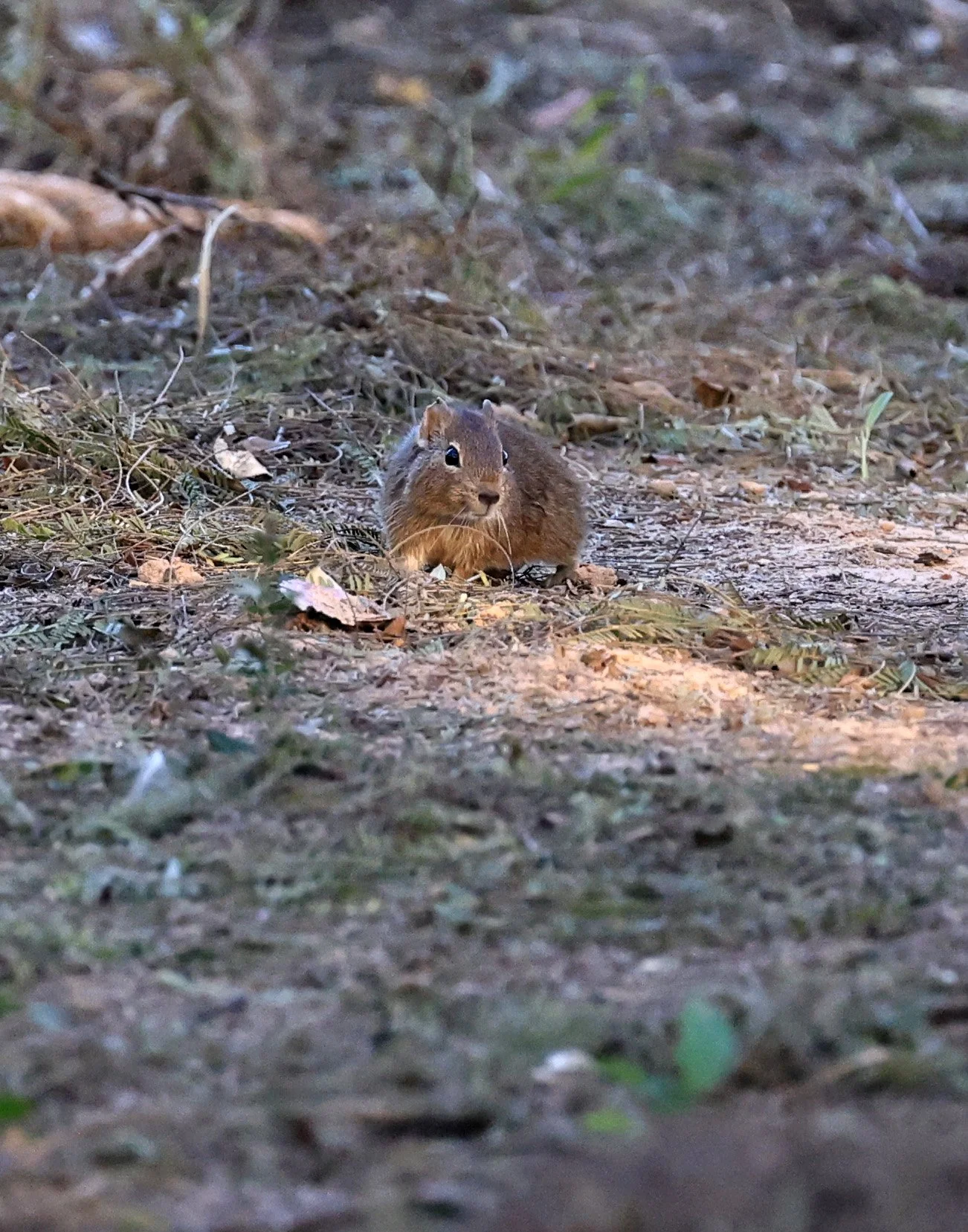
The Lowland Yellow-Toothed Cavy (Galea leucoblephara) is a small rodent native to South America and a member of the guinea pig family, Caviidae. It belongs to the kingdom Animalia, phylum Chordata, class Mammalia, and order Rodentia. The species is classified within the genus Galea, which includes several species of yellow-toothed cavies. Until relatively recently, the Lowland Yellow-Toothed Cavy was considered part of the Common Yellow-Toothed Cavy (Galea musteloides), but taxonomic revisions have recognized it as a distinct species. [en.wikipedia.org], [speciesexplorer.org]
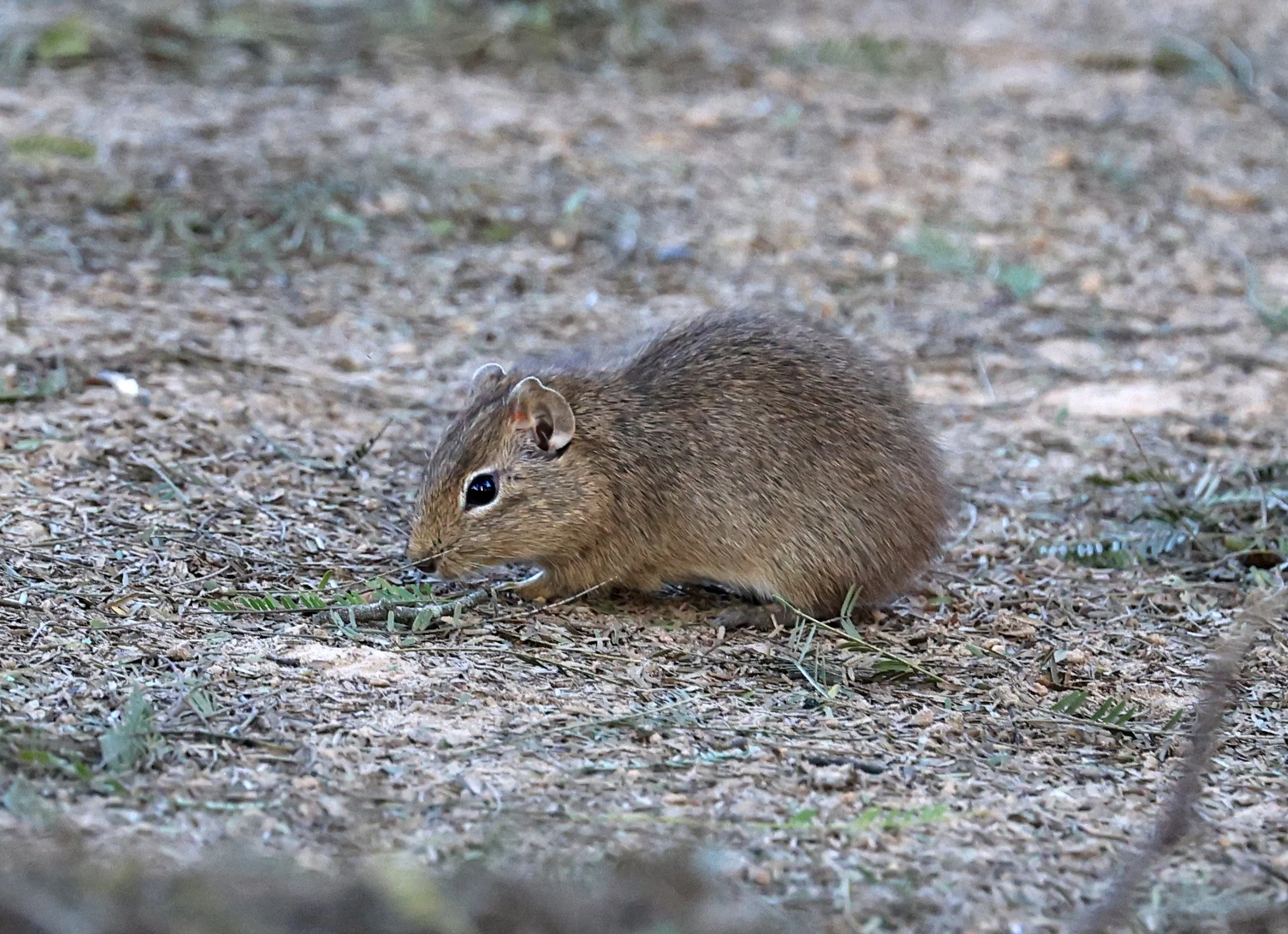
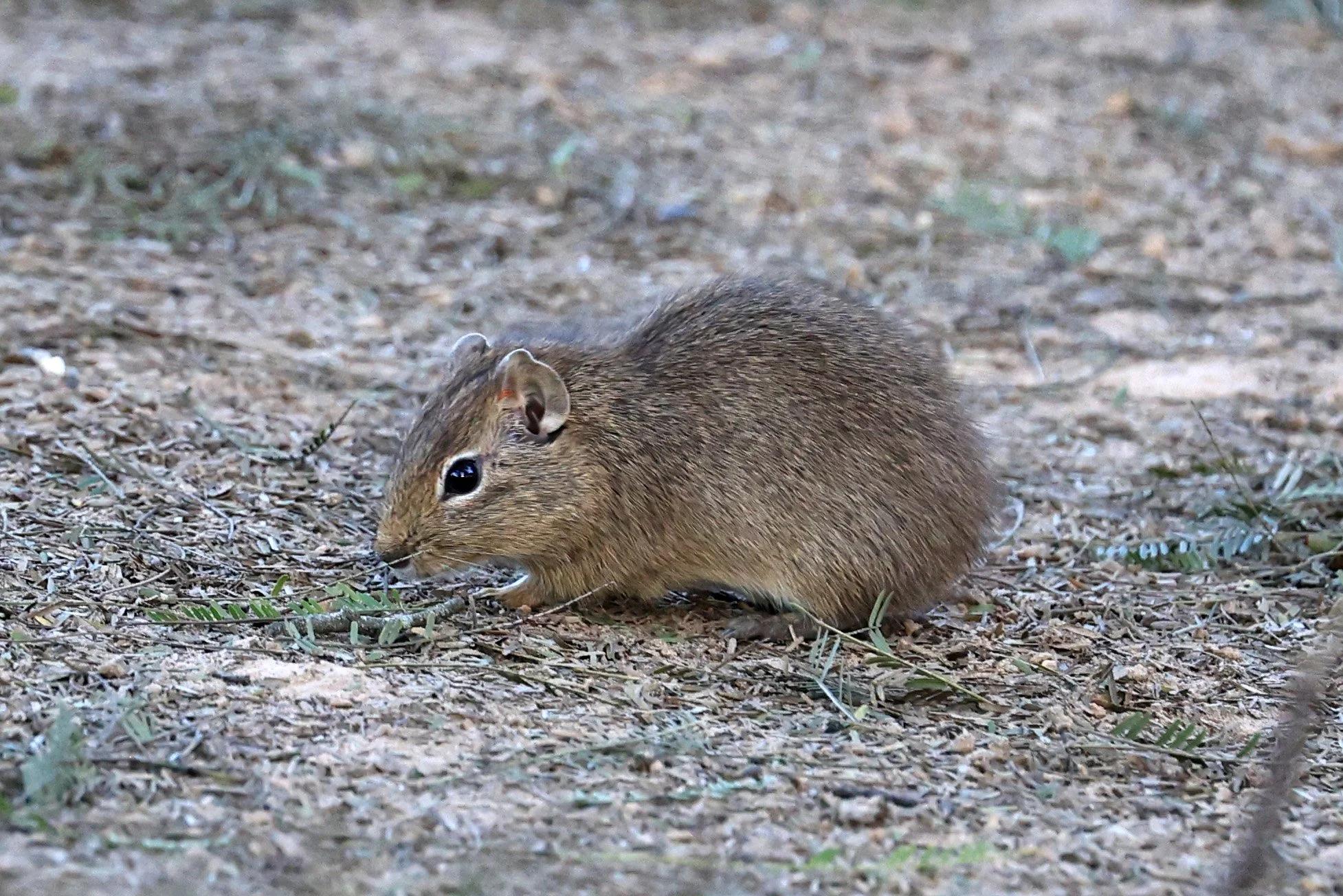
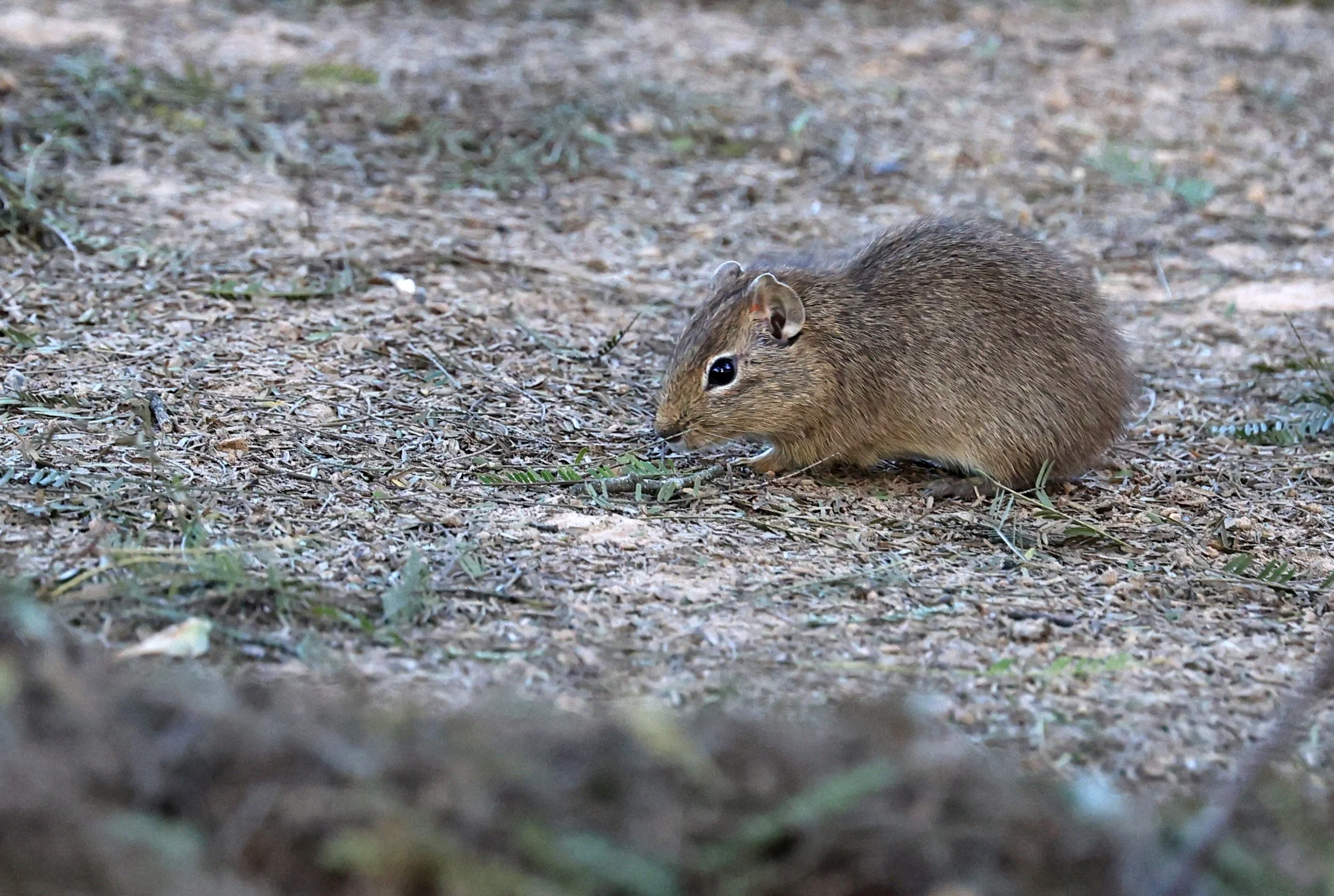
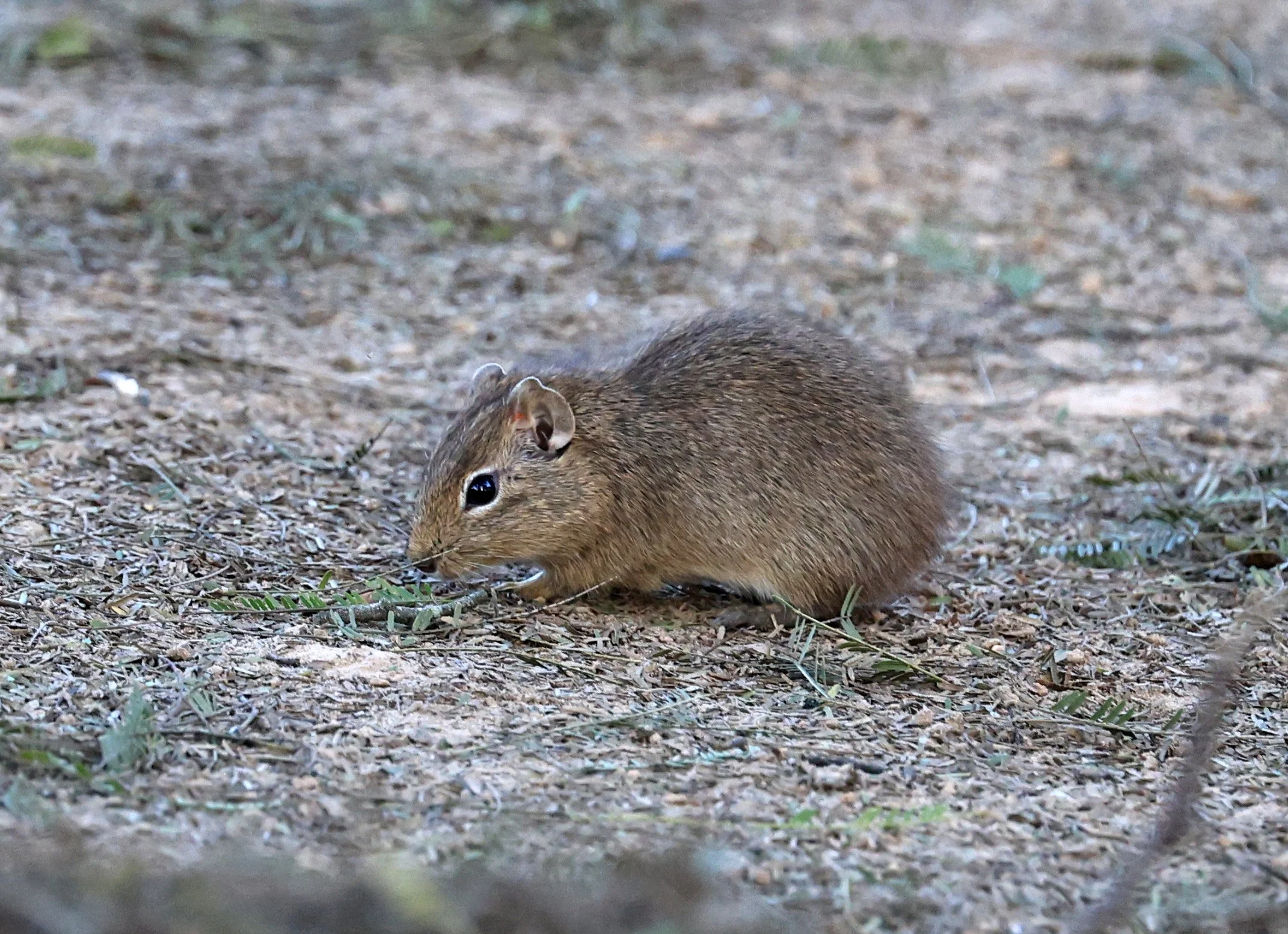
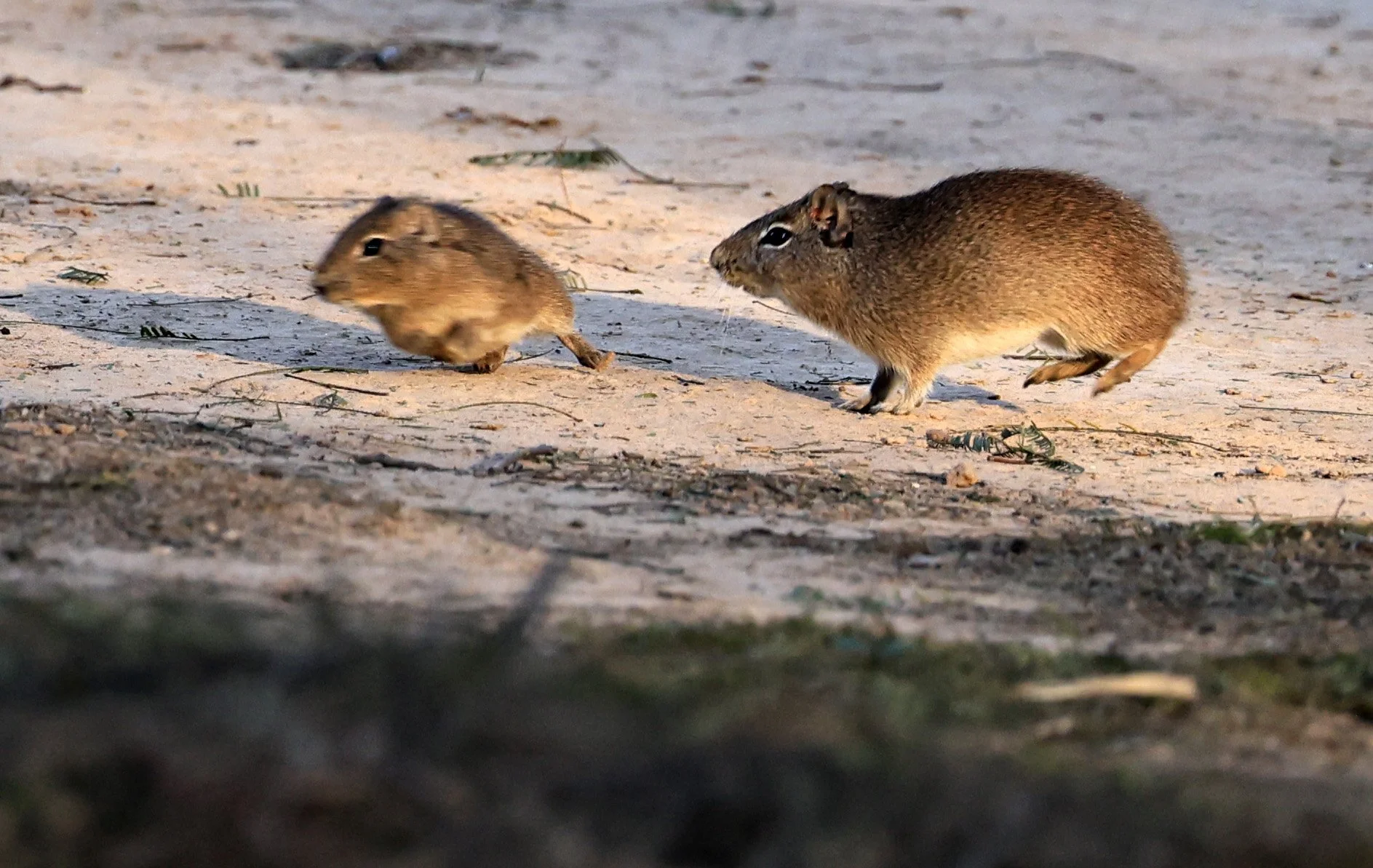
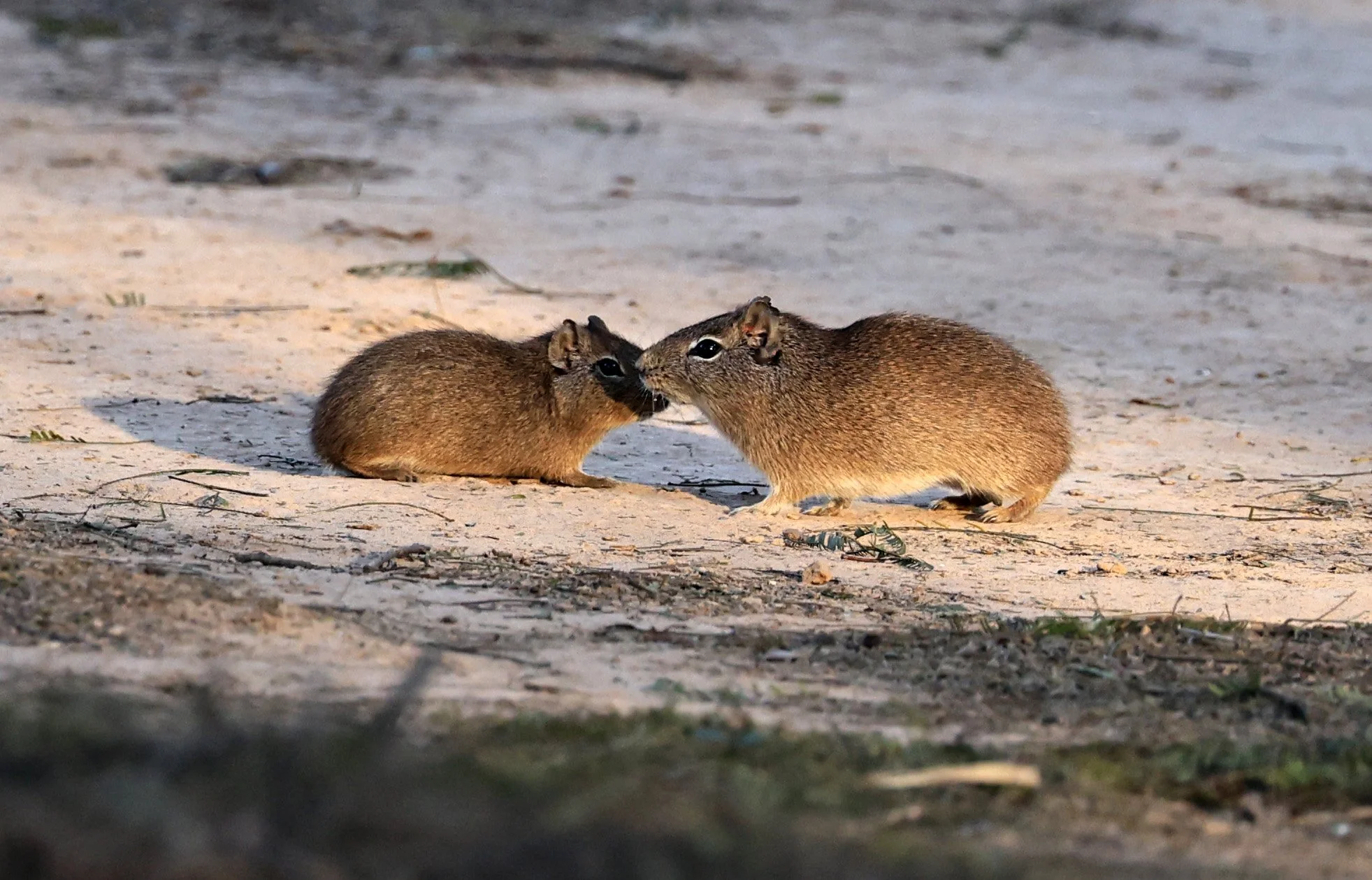
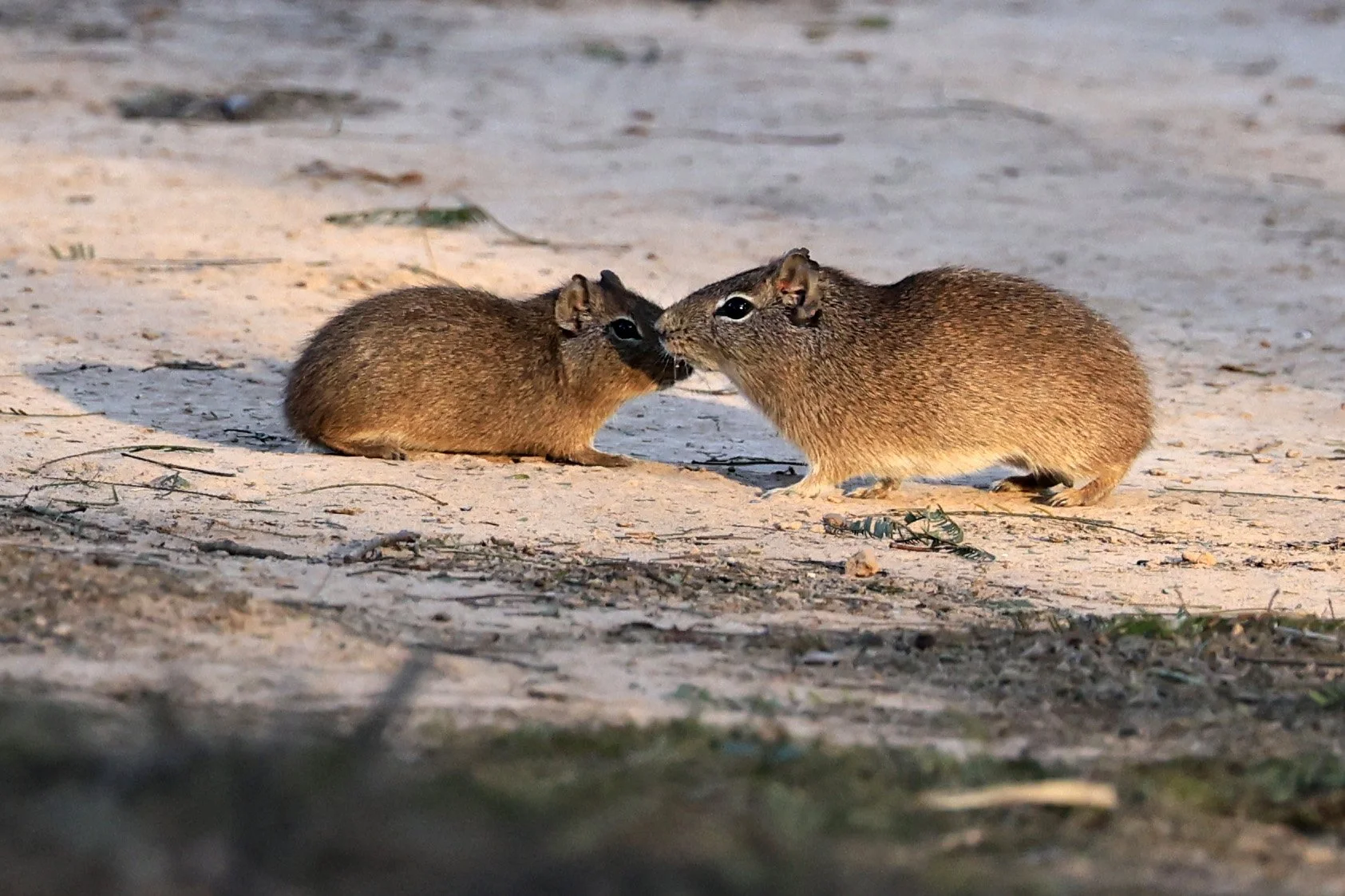
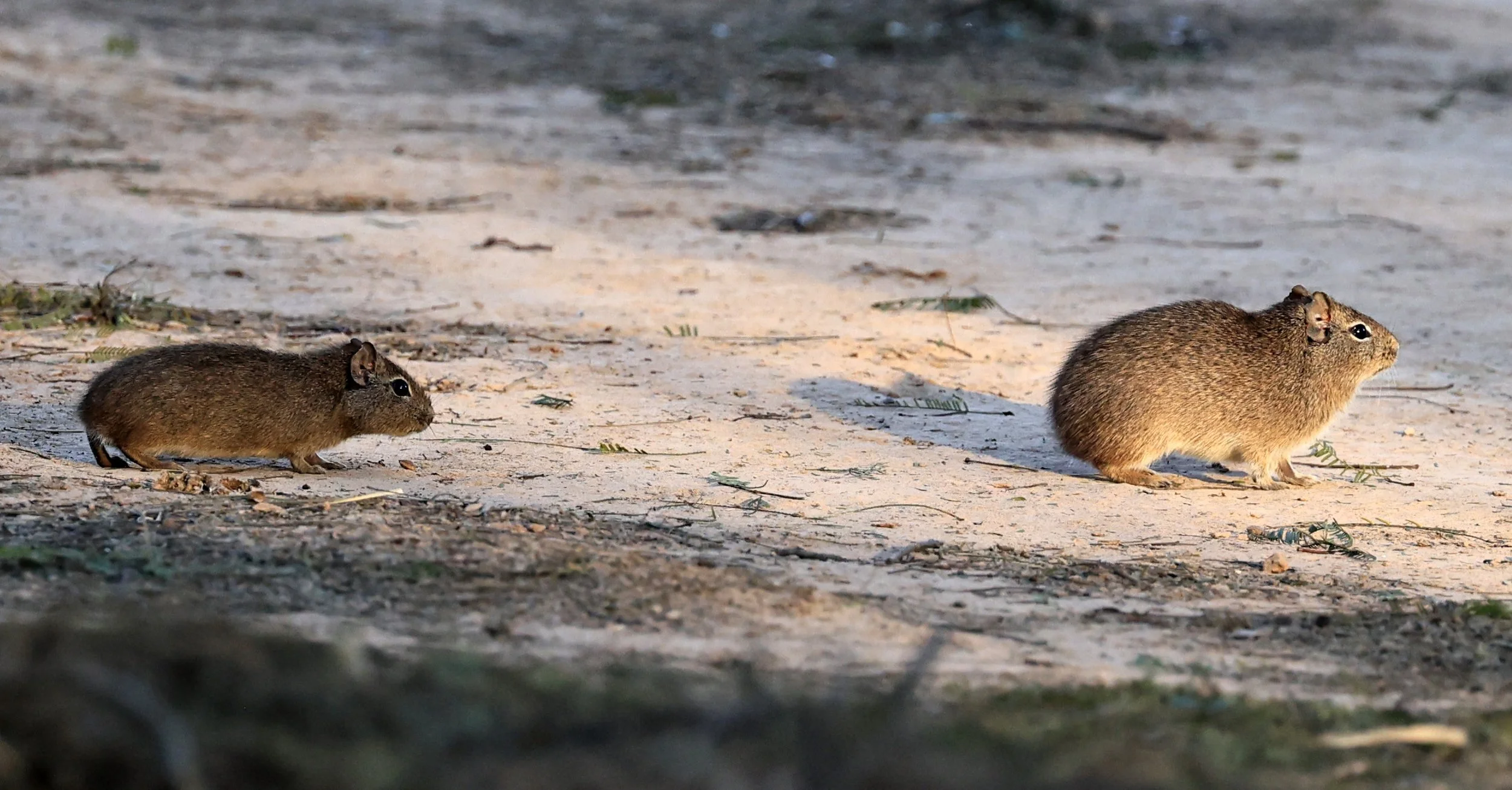
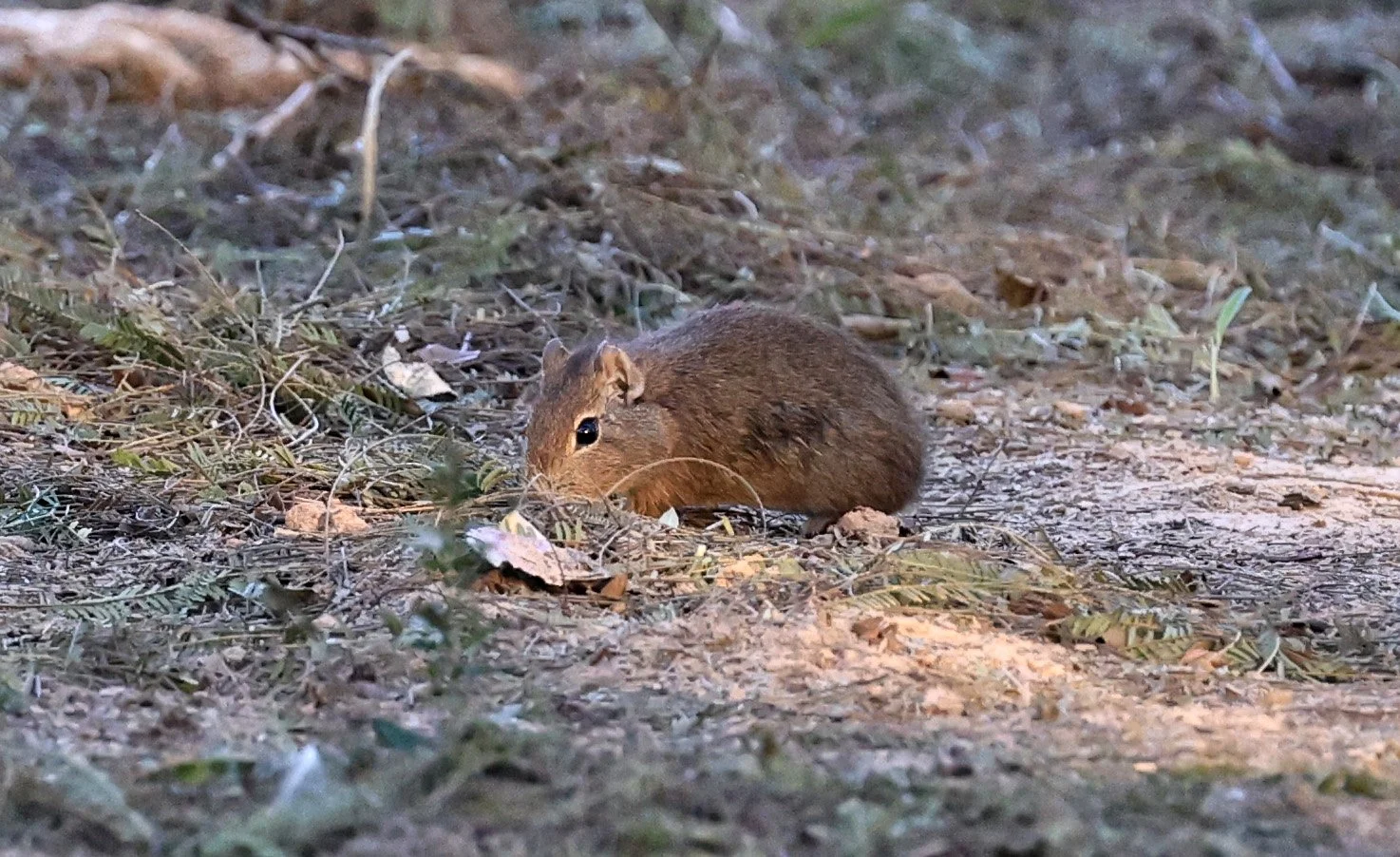
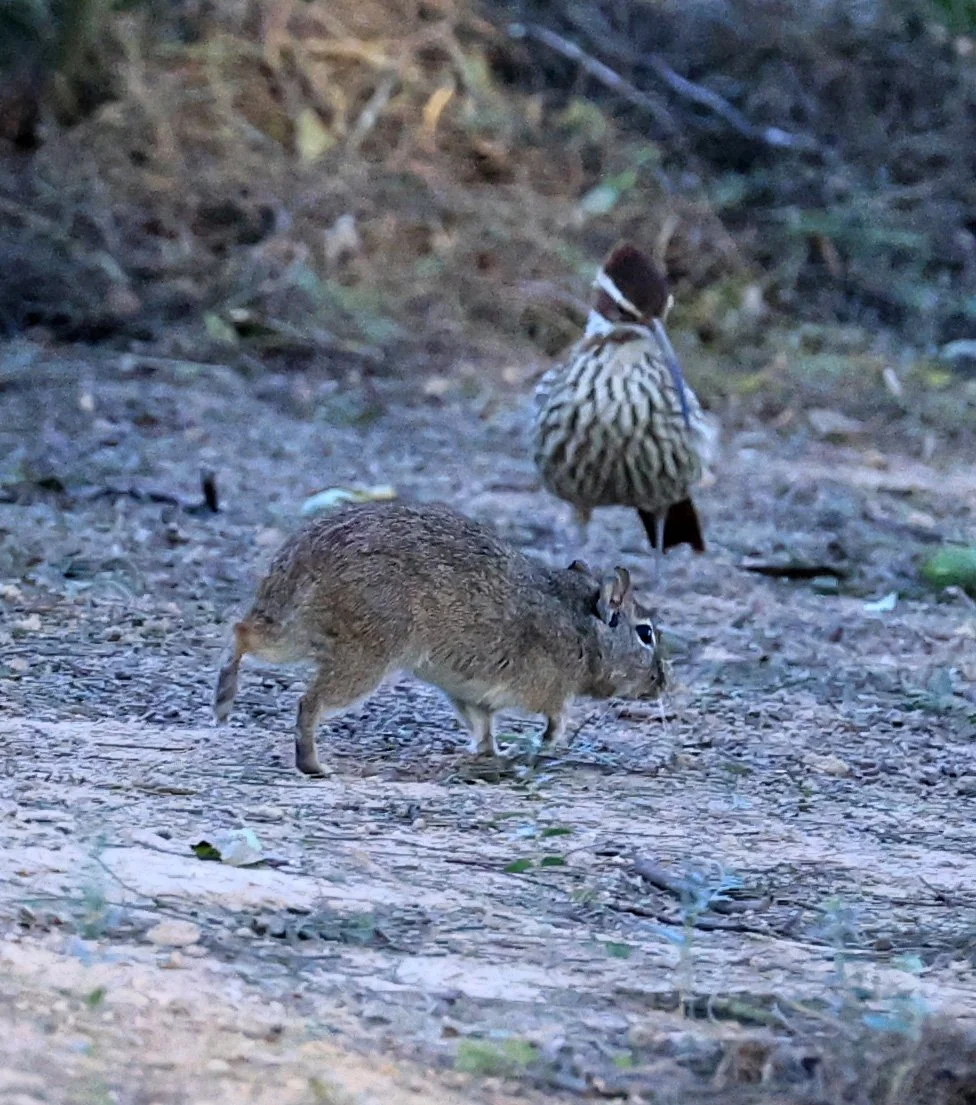
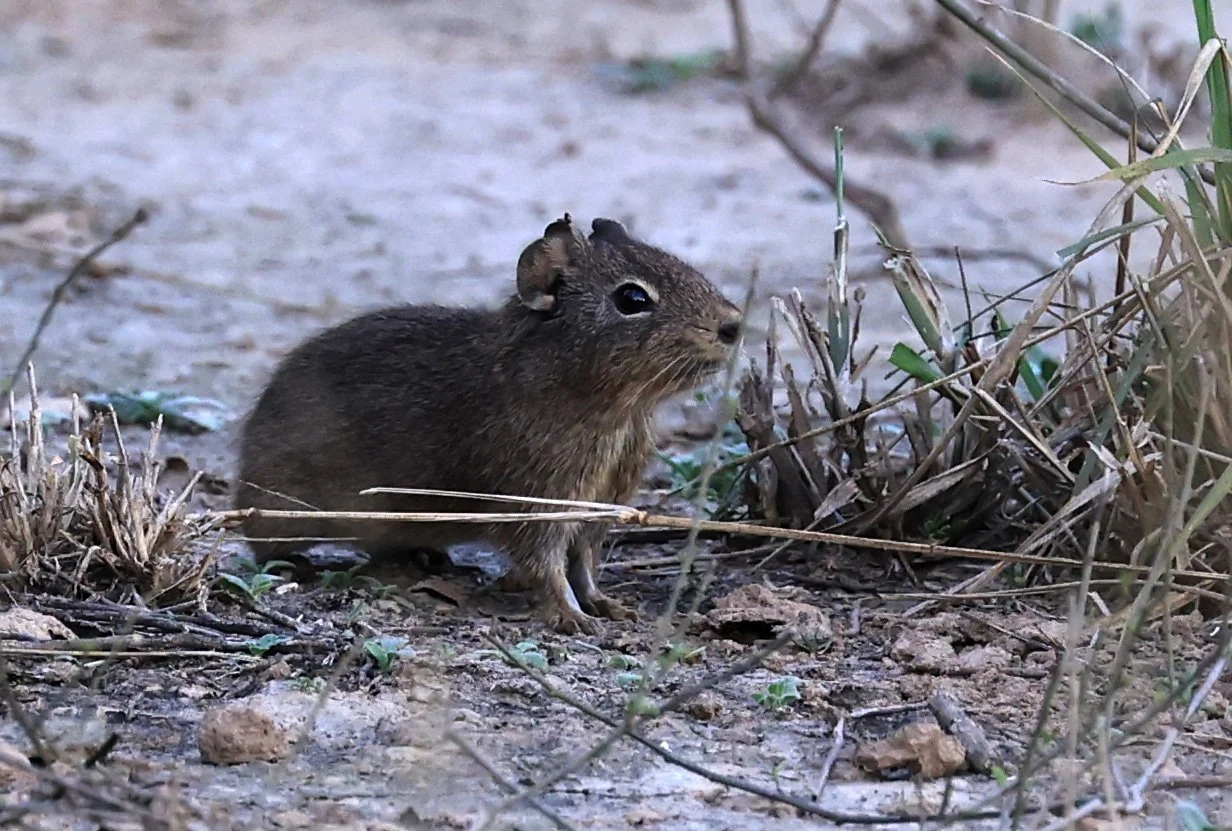
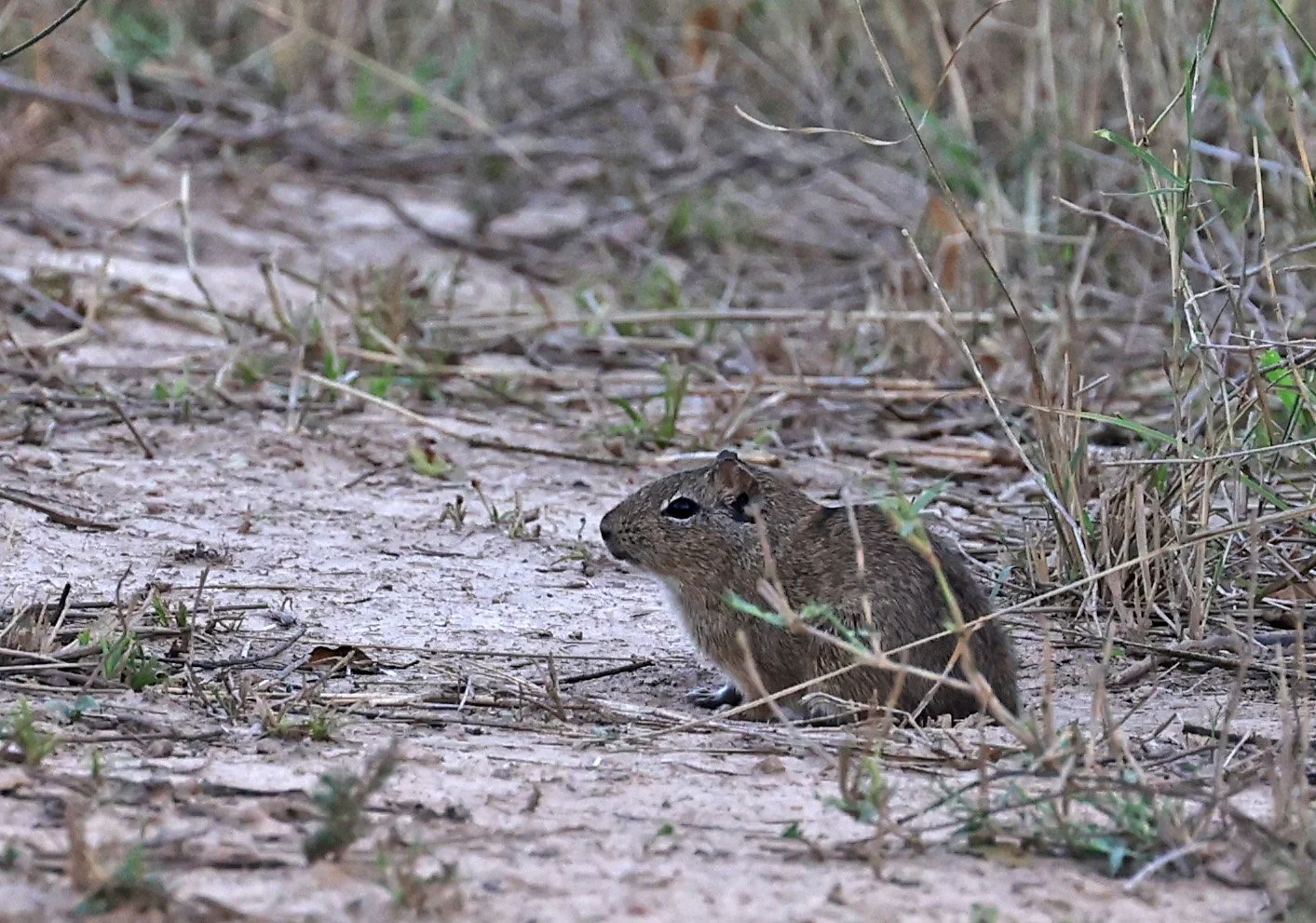
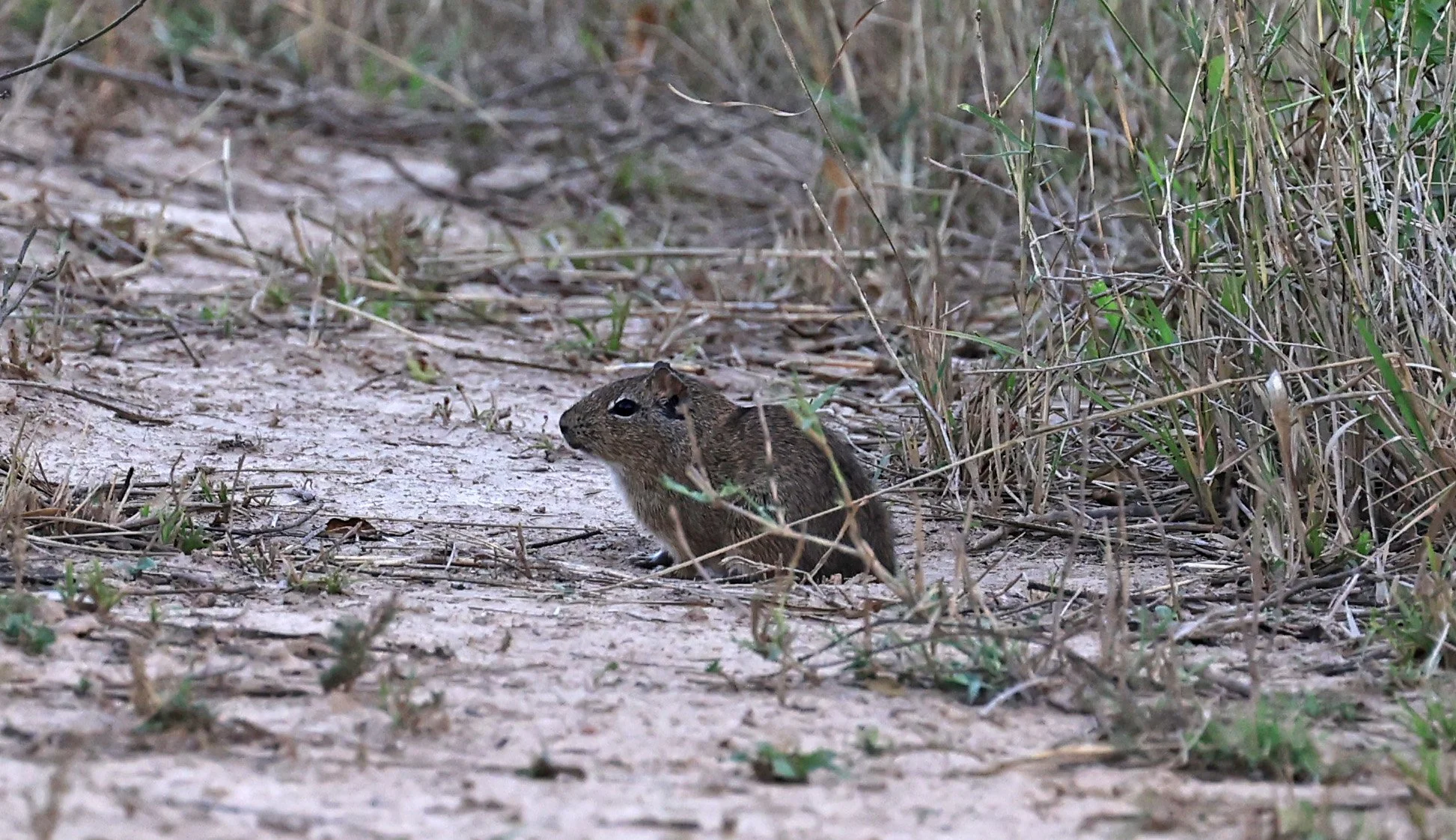
The Lowland Yellow-Toothed Cavy is a small, compact rodent with a body length of approximately 20 to 24 centimetres and a weight ranging from 180 to 280 grams. Like other cavies, it lacks a visible tail and has short, sturdy legs. Its fur ranges from olive-brown to reddish-brown on the back, while the flanks are yellowish and the underside is pale yellow or white. One of its most distinctive features is the bright white ring around each eye, which contrasts sharply with the surrounding fur. Its yellow incisors, from which the species derives its common name, are well adapted for feeding on grasses and other vegetation. [gbif.org], [treatment.plazi.org], [zenodo.org]
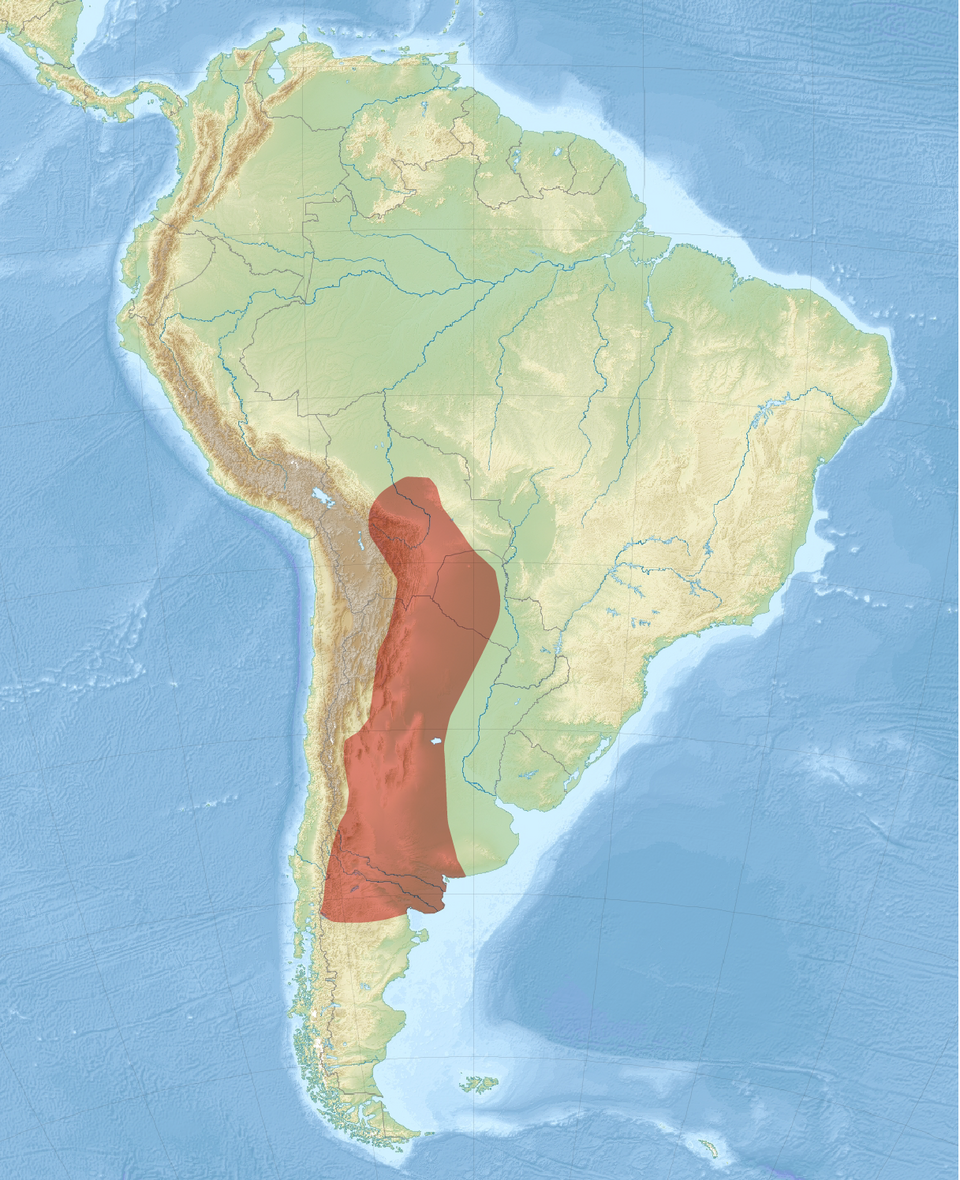
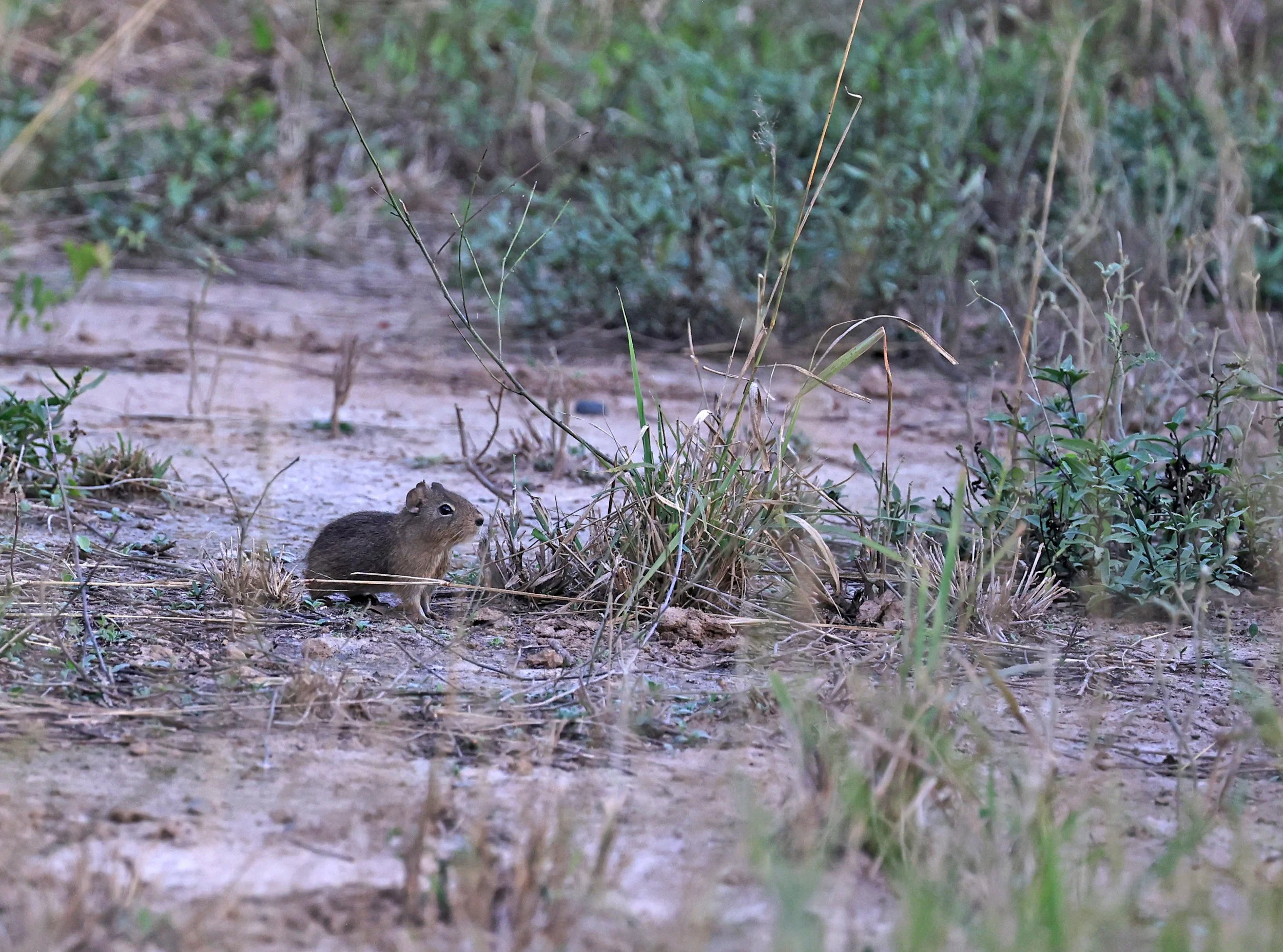
The Lowland Yellow-Toothed Cavy is distributed across southern South America, including Argentina, Bolivia, and Paraguay. It occupies a variety of open habitats, particularly grasslands ranging from dry, semi-arid environments to more mesic, or moderately moist, grasslands. The species is especially common in the dry Chaco woodlands of Bolivia and Paraguay as well as the grasslands and shrublands of central and southern Argentina. Its wide geographic distribution and ability to thrive in different grassland habitats have contributed to its ecological success. [speciesexplorer.org], [en.wikipedia.org], [treatment.plazi.org]
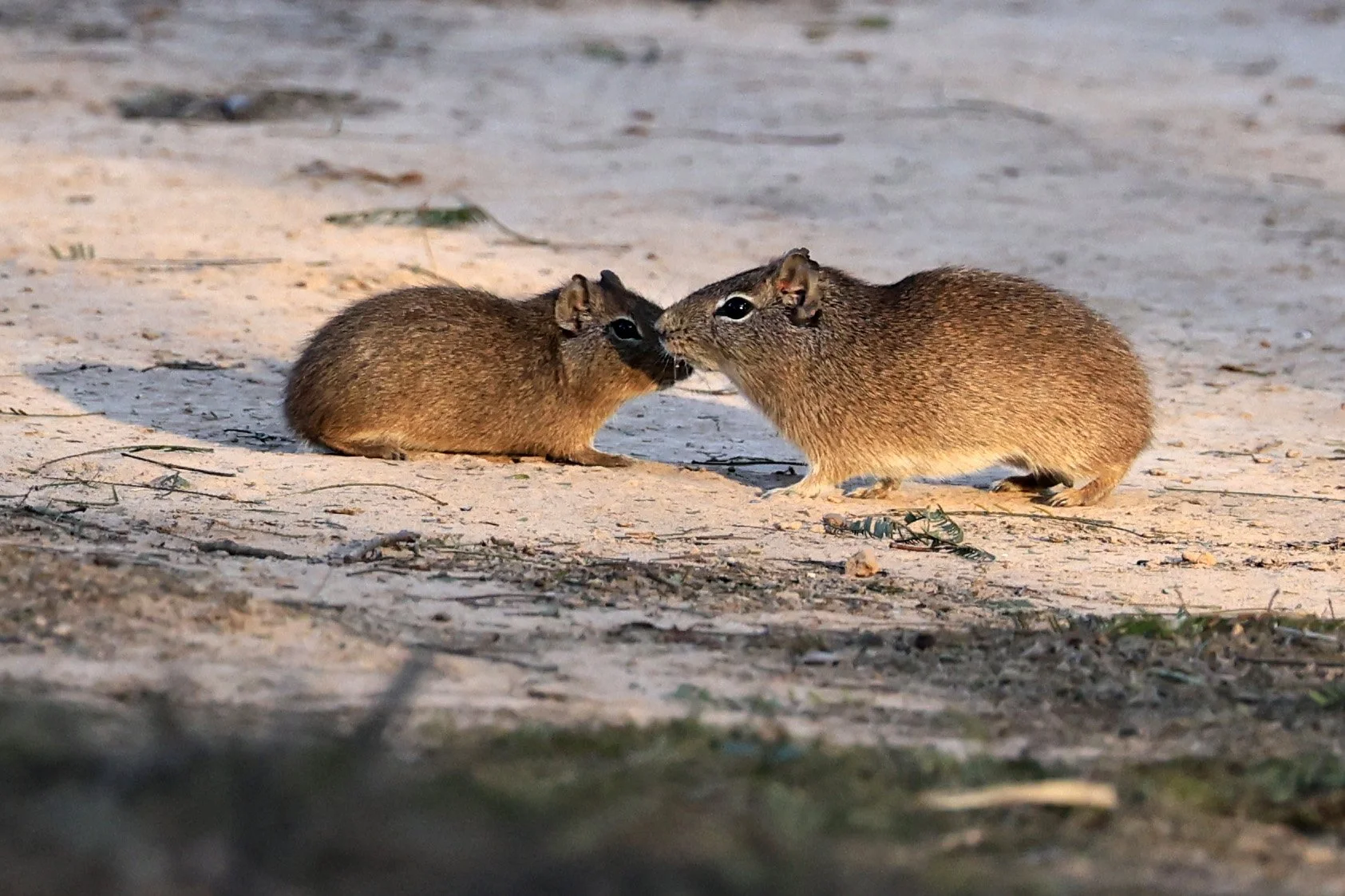
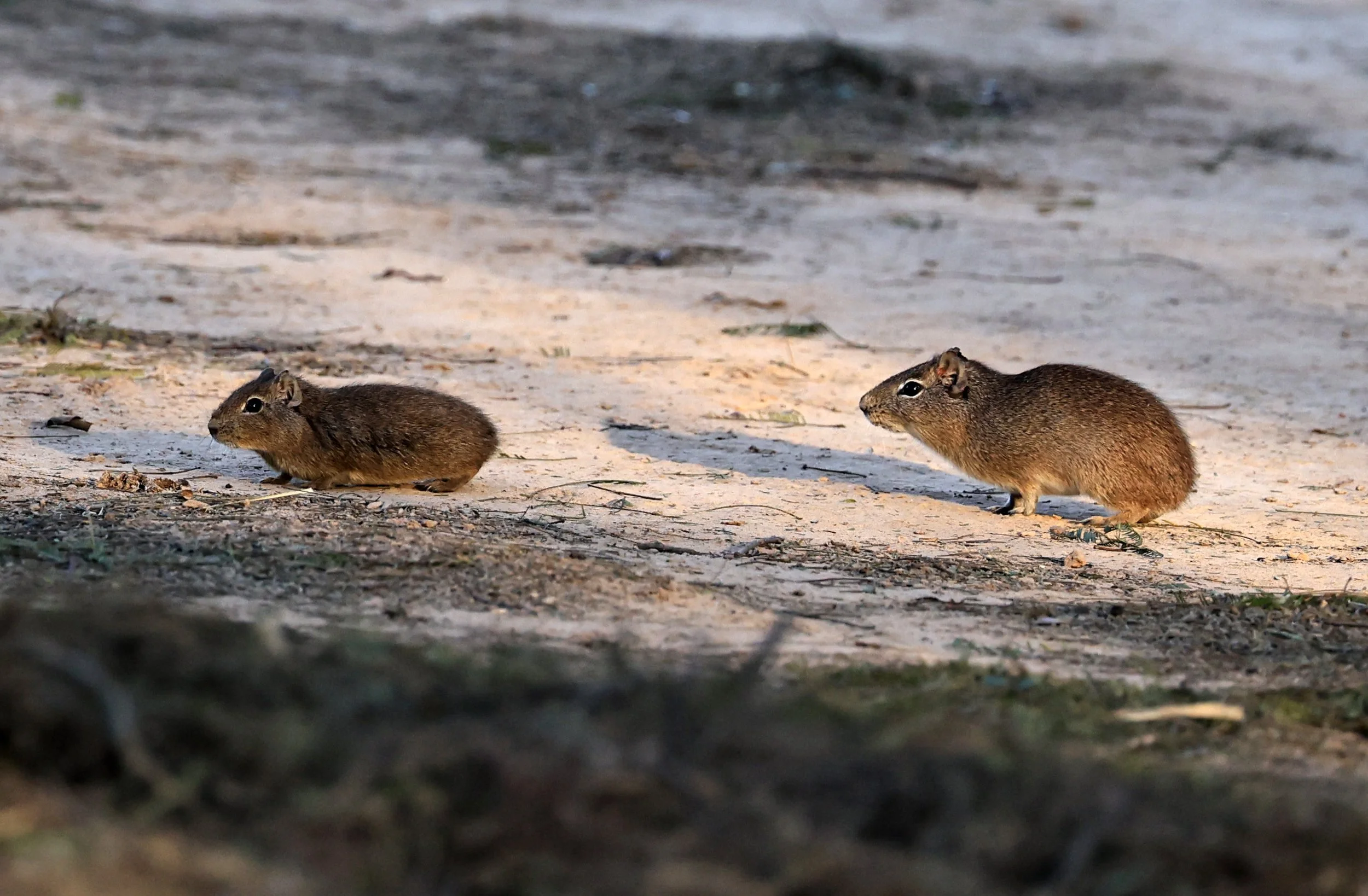
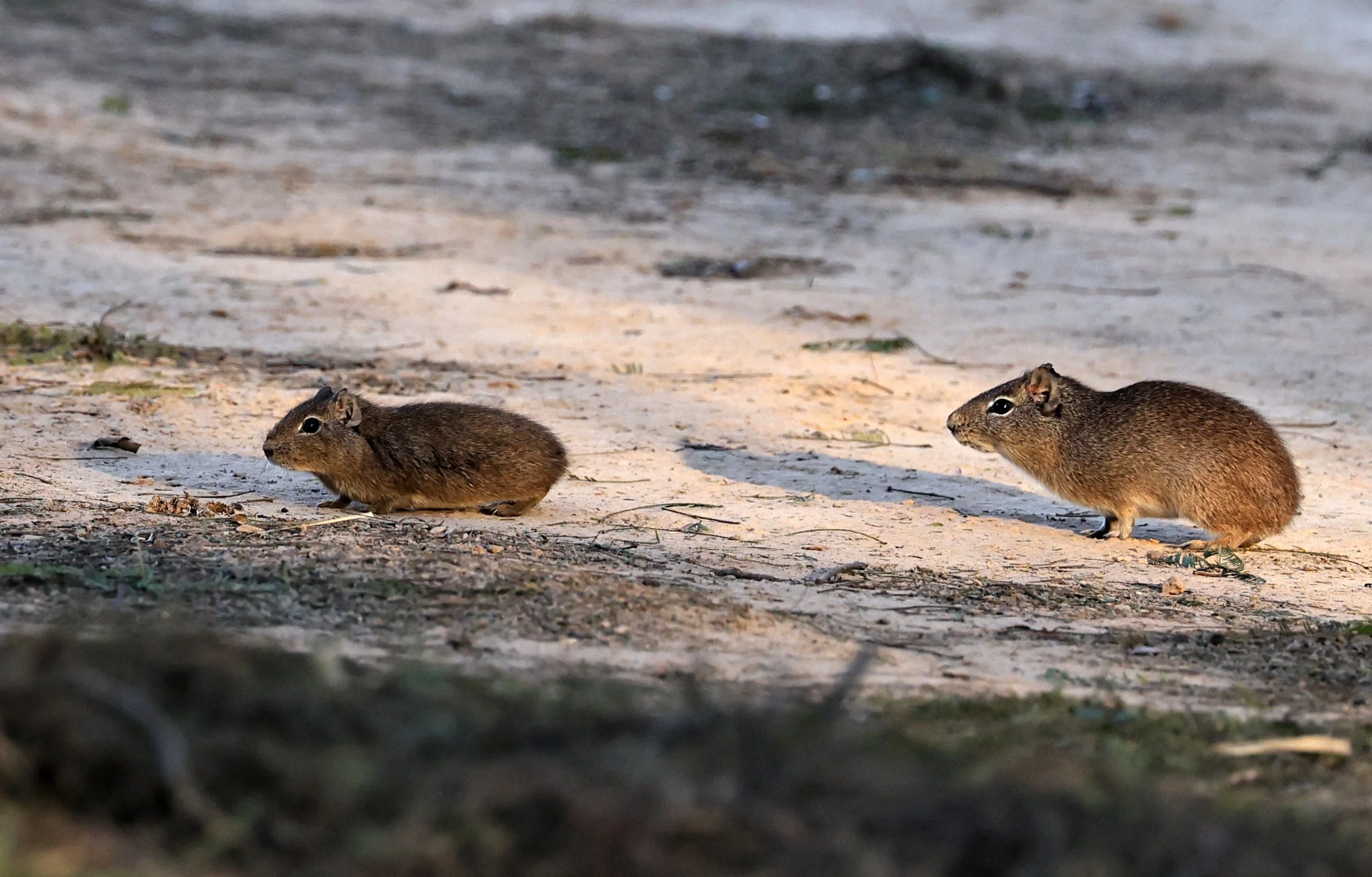
One of the most interesting aspects of the Lowland Yellow-Toothed Cavy is its social structure. These animals are active during the day and remain active year-round. Populations typically live in social groups with complex dominance hierarchies. Females are generally more tolerant of one another and often huddle together for warmth and protection. Cooperative nursing, in which females nurse each other's young, has also been observed. Males, however, are often aggressive toward one another and compete for access to females. Studies have shown that many litters have multiple fathers, indicating a highly promiscuous mating system. Unlike females, males provide little or no parental care. [gbif.org], [treatment.plazi.org], [zenodo.org]
The species is primarily herbivorous and relies heavily on grasses as its main food source. It also consumes other plant material when available. As a grazer, the Lowland Yellow-Toothed Cavy plays an important ecological role by influencing vegetation growth and serving as prey for a variety of predators including foxes, birds of prey, snakes, and small carnivorous mammals. Its presence contributes to the functioning of grassland ecosystems throughout its range. [gbif.org], [treatment.plazi.org]
The International Union for Conservation of Nature (IUCN) currently classifies the Lowland Yellow-Toothed Cavy as Least Concern. This status reflects its broad distribution, stable populations, and ability to persist across a wide range of habitats. Although the species underwent taxonomic revision relatively recently, available evidence suggests that populations remain widespread and abundant throughout much of its range. [en.wikipedia.org], [speciesexplorer.org]
At present, no major threats are known to place the species at significant risk. However, like many grassland animals, it may be affected locally by habitat conversion for agriculture, overgrazing by livestock, and changes in native vegetation. Despite these pressures, the species appears to be highly adaptable and capable of surviving in modified landscapes. Its broad geographic range and healthy population levels provide additional resilience against environmental change. [speciesexplorer.org], [zenodo.org]
The Lowland Yellow-Toothed Cavy is an important and often overlooked component of South America's grassland ecosystems. Its distinctive white eye rings, social behaviour, and adaptability to diverse environments make it a fascinating species for ecological study. As both a grazer and a prey species, it contributes significantly to ecosystem function across the Chaco, Pampas, and other grassland regions of southern South America. Continued conservation of these habitats will help ensure that this small but important mammal remains a thriving part of the continent's biodiversity. [treatment.plazi.org], [speciesexplorer.org]
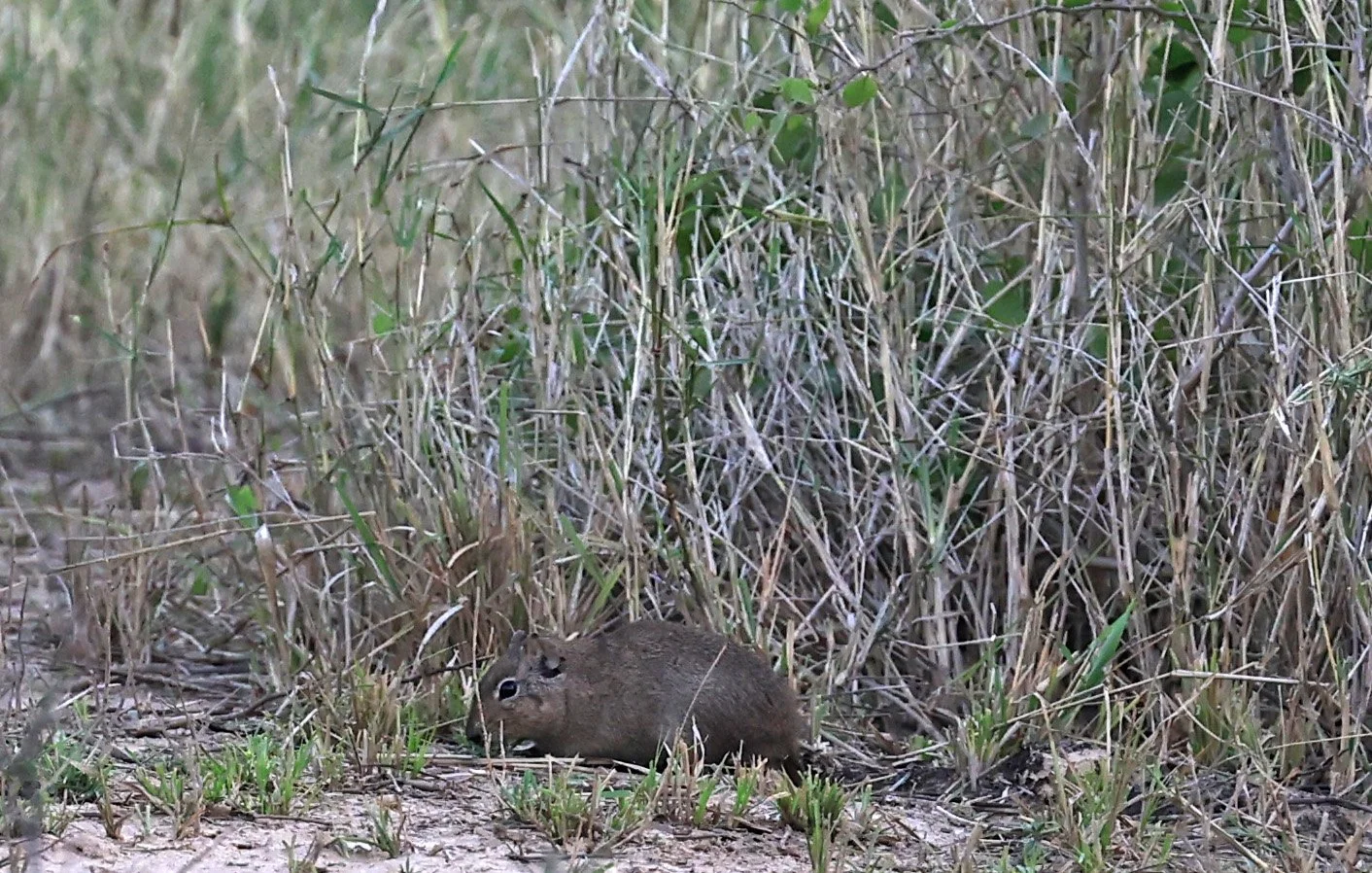
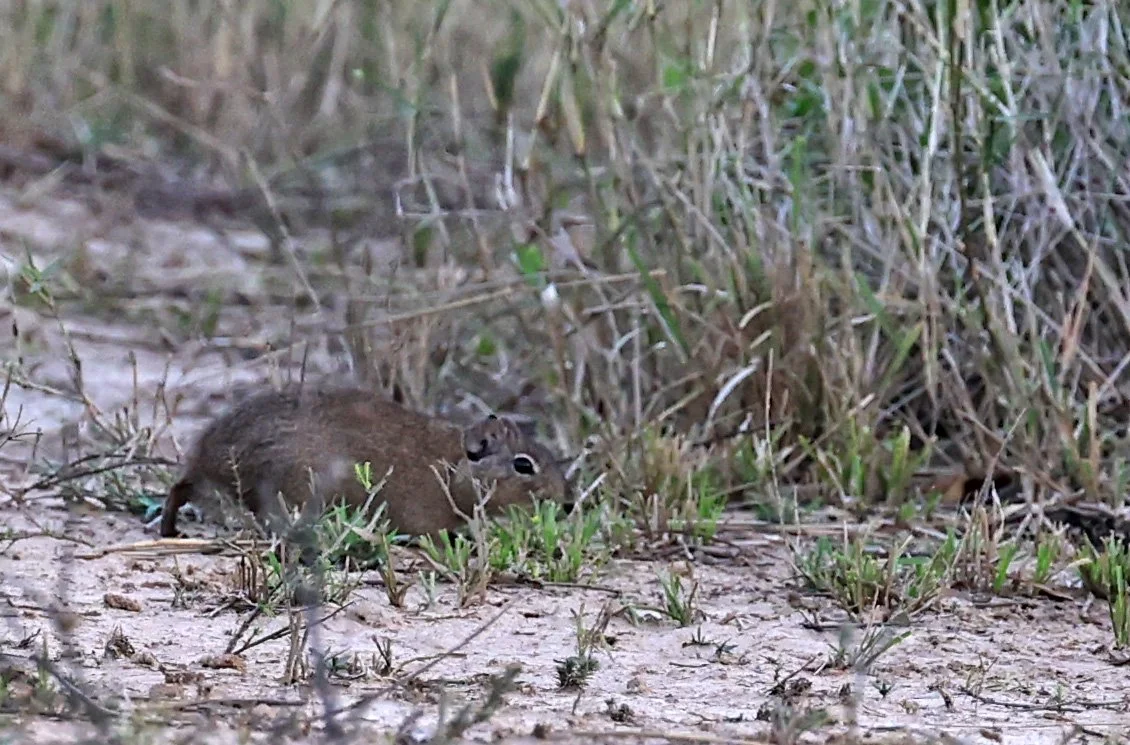
The below images were taken in various locations in the Chaco region of Paraguay (see trip report for details):