Chaco Pericote or Central Leaf-eared Mouse (Graomys chacoensis)
Chaco Pericote or Central Leaf-eared Mouse (Graomys chacoensis)
Classification
The Chaco Pericote, more commonly known as the Central Leaf-eared Mouse (Graomys chacoensis), is a small rodent belonging to the family Cricetidae, the same family that includes many New World mice, rats, and voles. Its scientific classification is Kingdom Animalia, Phylum Chordata, Class Mammalia, Order Rodentia, Family Cricetidae, Genus Graomys, and Species G. chacoensis. The species was first described by Joel Asaph Allen in 1901 and was long considered a subspecies of the closely related Gray Leaf-eared Mouse (Graomys griseoflavus). Modern genetic and morphological studies, however, support its recognition as a distinct species. [en.wikipedia.org], [grokipedia.com], [treatment.plazi.org]
The Central Leaf-eared Mouse is one of several species of leaf-eared mice found in South America. Members of the genus Graomys are characterized by their relatively large ears, long tails, and ability to thrive in dry and semi-arid environments. Although still poorly studied compared with many other South American rodents, G. chacoensis is now recognized as an important component of the ecosystems of the Chaco region. [grokipedia.com], [treatment.plazi.org]
General Description
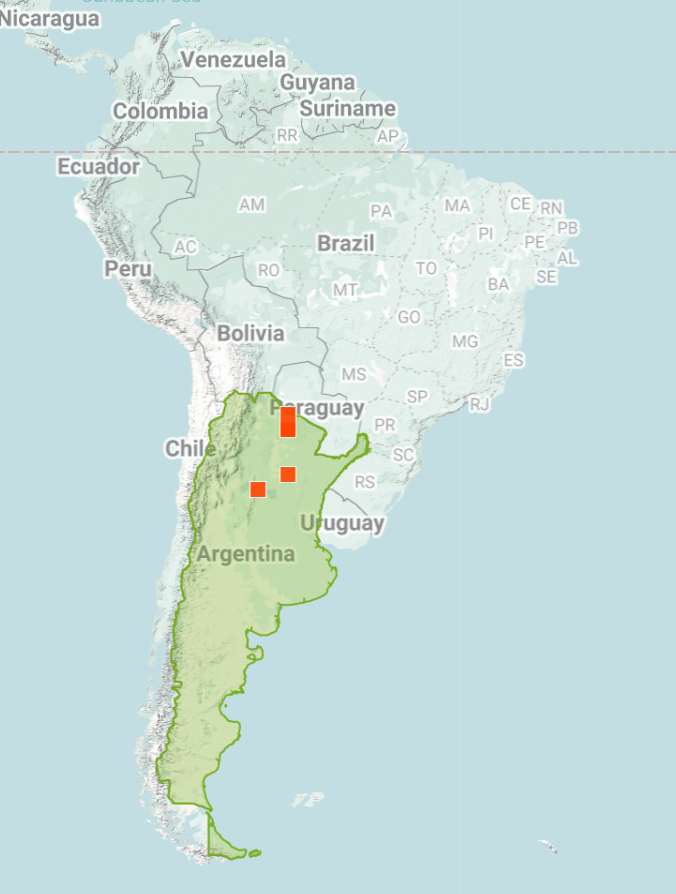
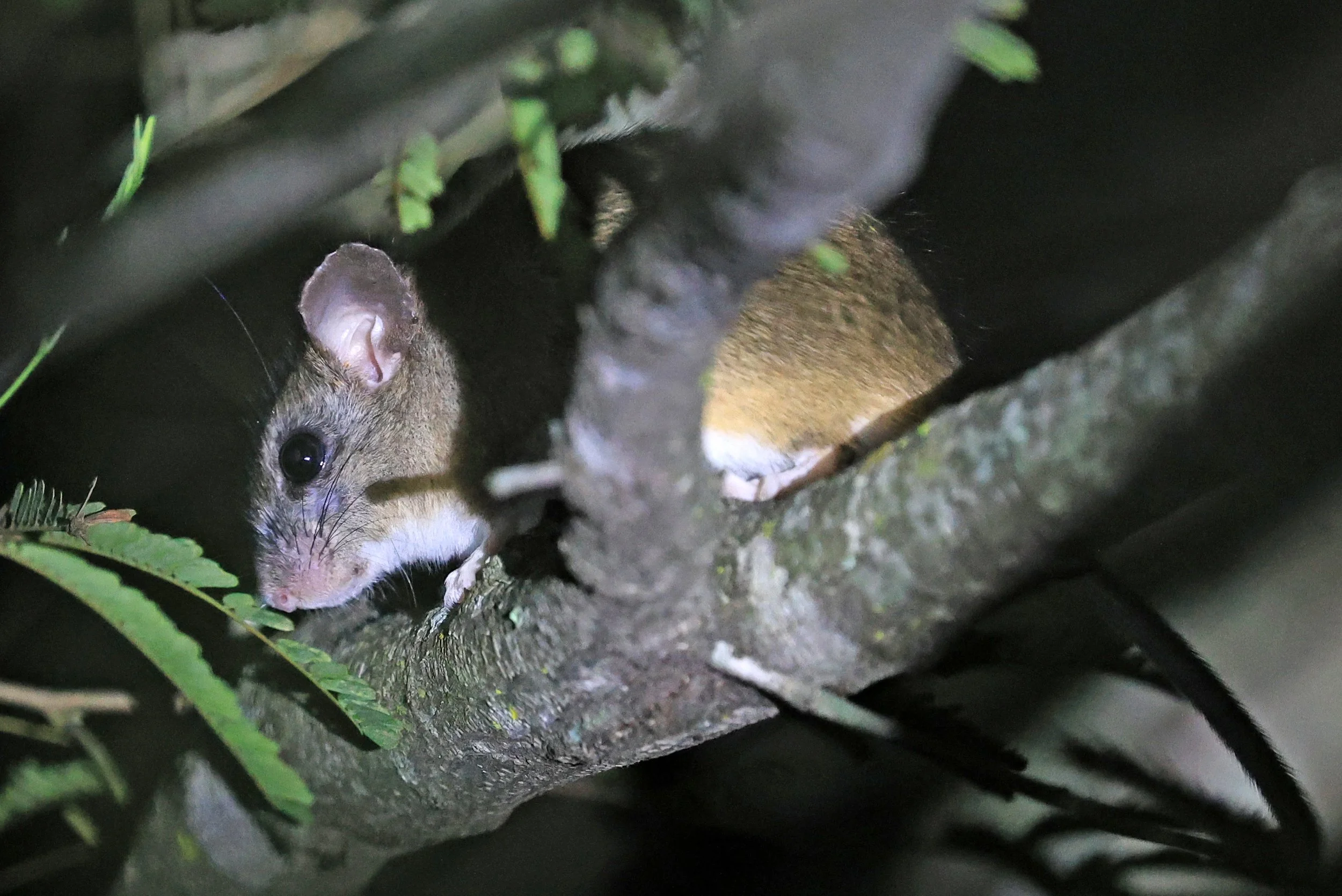
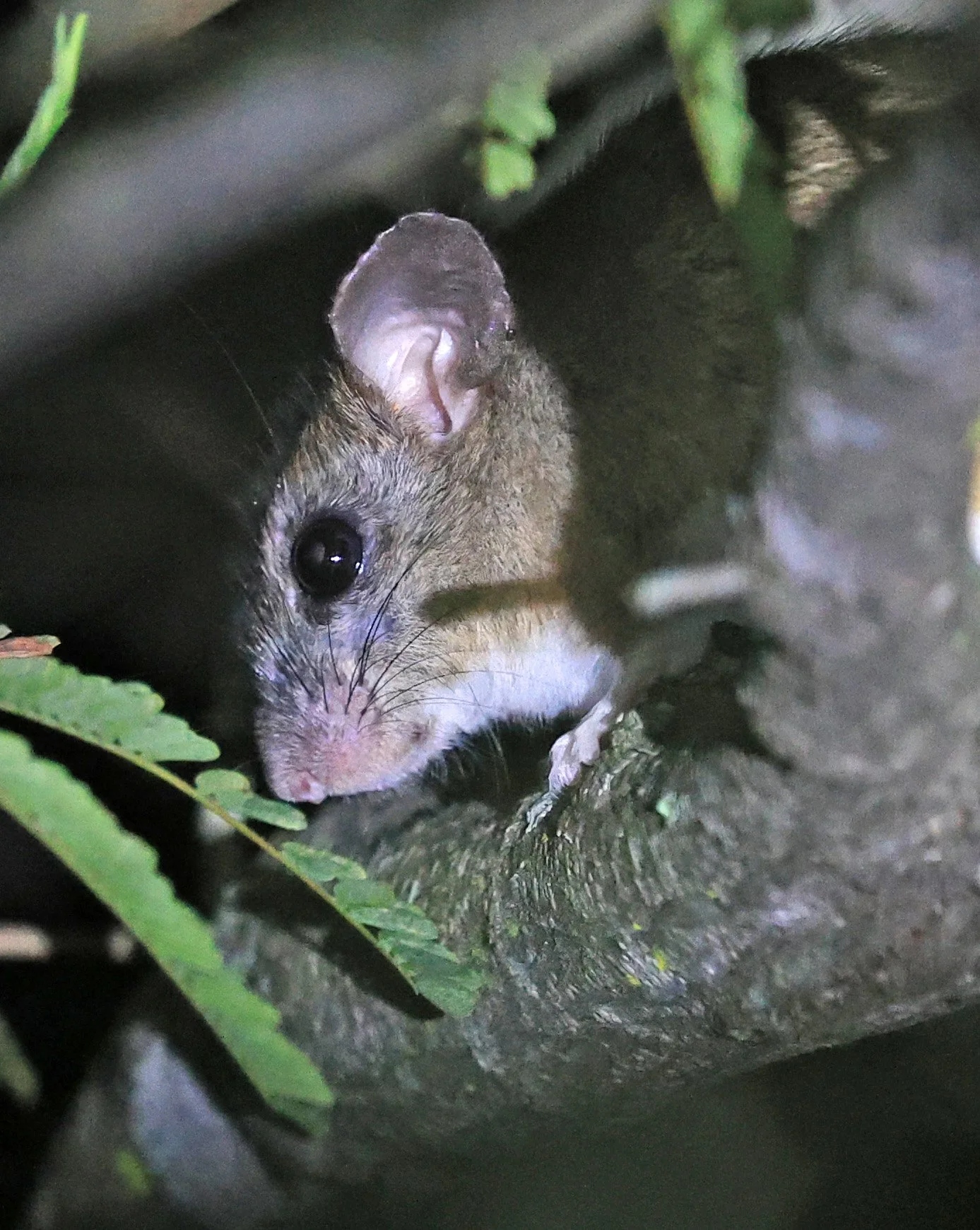
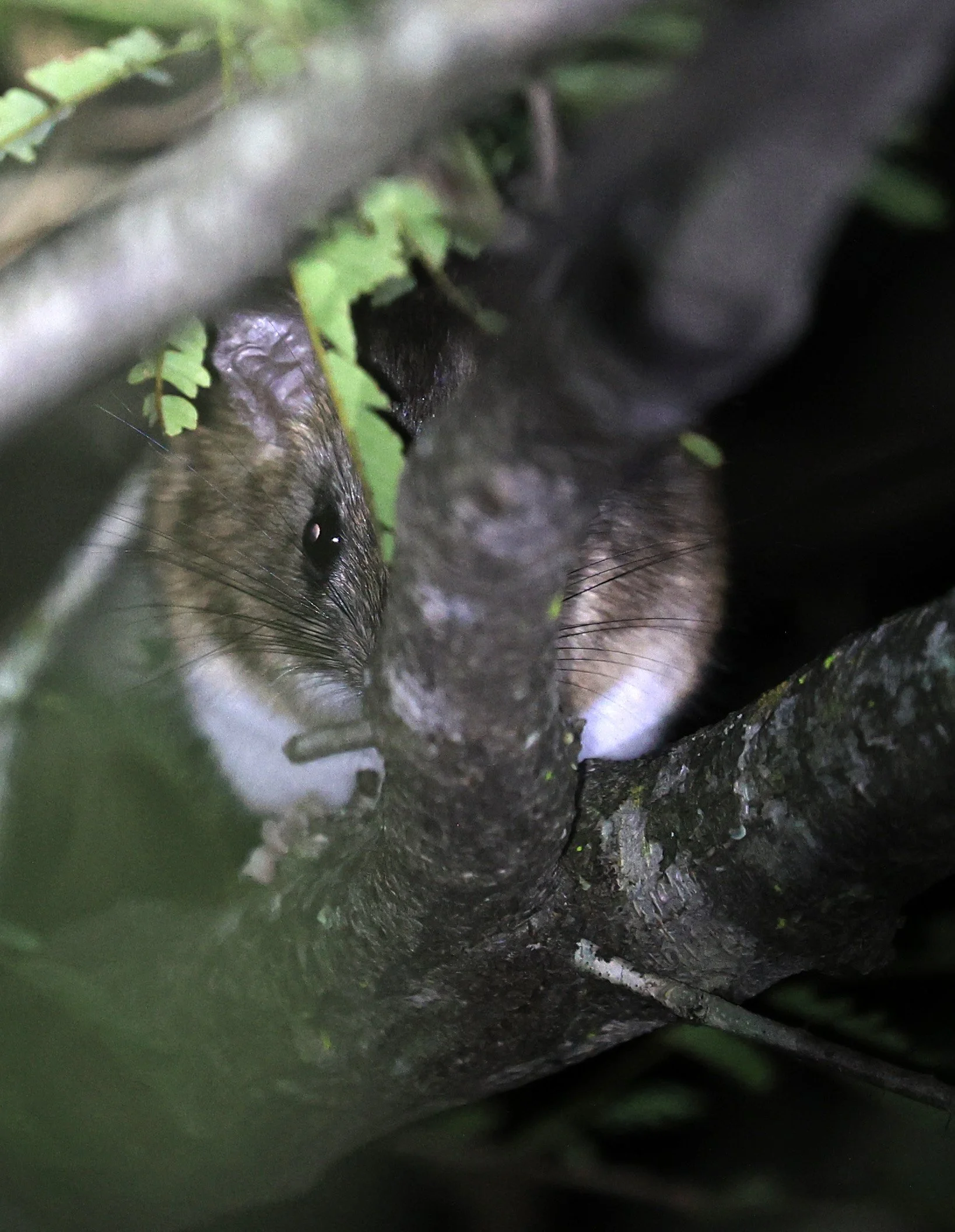
The Central Leaf-eared Mouse is a medium-sized rodent with a slender body, large ears, prominent dark eyes, and a long tail that is often longer than the head and body combined. Adults typically measure around 13 to 15 centimetres in body length, with tails reaching 15 to 18 centimetres, and weigh approximately 75 grams. The species has soft, thick fur that is generally yellowish-brown to grey-brown on the upper body, while the underparts are pure white. Its tail is distinctly bicoloured, being darker on top and lighter underneath, and ends in a noticeable tuft of hair. [grokipedia.com], [treatment.plazi.org]
Like many nocturnal rodents, the Central Leaf-eared Mouse relies on its keen senses to navigate and locate food in low-light conditions. Although detailed ecological studies are limited, it is believed to be primarily terrestrial and active at night. Its large ears help detect predators and sounds in its environment, while its long tail assists with balance and movement through dense vegetation. The species is thought to feed on a mixture of seeds, fruits, plant material, and small invertebrates, similar to related leaf-eared mice. [animalia.bio], [grokipedia.com]
Distribution
The Central Leaf-eared Mouse is native to the Gran Chaco region of South America, one of the continent's largest dry forest ecosystems. While older sources described the species as being restricted to central Argentina, more recent taxonomic assessments indicate that its range extends across parts of Argentina, Paraguay, southeastern Bolivia, and possibly extreme southwestern Brazil. [en.wikipedia.org], [treatment.plazi.org]
The species inhabits a variety of habitats within the Chaco, including dense woodlands, thorn forests, gallery forests, shrublands, and transitional ecological zones. Much of its range consists of dry or seasonally dry environments dominated by quebracho trees and other drought-adapted vegetation. These habitats experience high temperatures and periodic droughts, conditions to which the species appears well adapted. However, because relatively few field studies have been conducted, many aspects of its habitat preferences and population distribution remain poorly understood. [grokipedia.com], [treatment.plazi.org]
Interesting Facts
One of the most interesting aspects of the Central Leaf-eared Mouse is its complex taxonomic history. For many decades it was treated as a subspecies of the Gray Leaf-eared Mouse before detailed genetic, chromosomal, and morphological studies demonstrated that it represents a distinct species. Differences in chromosome number and skull characteristics helped scientists separate G. chacoensis from its close relatives. [en.wikipedia.org], [grokipedia.com]
Laboratory studies have shown that the species can reproduce rapidly under suitable conditions. Females may produce multiple litters each year, with average litter sizes of around five young. Gestation lasts only about three to four weeks, and young mice develop quickly, opening their eyes within about a week of birth and becoming independent shortly afterward. This high reproductive potential is typical of many small rodents and may help populations recover from environmental fluctuations. [treatment.plazi.org]
Researchers have also identified the species as a potential host for hantaviruses in parts of the Chaco region, making it of interest not only to conservation biologists but also to public health researchers studying disease ecology. However, its precise role in disease transmission remains incompletely understood. [grokipedia.com]
Conservation Status and Threats
The International Union for Conservation of Nature (IUCN) currently classifies the Central Leaf-eared Mouse as Data Deficient (DD). This designation does not necessarily mean the species is threatened; rather, it indicates that insufficient information is available to accurately assess its population size, distribution, and long-term trends. Much of what is known about the species comes from scattered records and taxonomic studies rather than comprehensive ecological surveys. [en.wikipedia.org], [speciesexplorer.org], [gbif.org]
The greatest potential threat to the Central Leaf-eared Mouse is habitat loss within the Gran Chaco. Large areas of native woodland and dry forest have been cleared for agriculture, cattle ranching, and infrastructure development. As one of the fastest-deforested regions in the world, the Chaco continues to experience significant environmental change that may affect populations of many native mammals, including G. chacoensis. Because population trends are largely unknown, scientists emphasize the need for further research and monitoring to determine whether conservation actions are required. At present, increased study of its distribution, ecology, and abundance is considered the most important priority for ensuring the long-term survival of this little-known species. [grokipedia.com], [speciesexplorer.org], [gbif.org]