
Argentina 2026
Winter in Argentina Expedition 2026: El Palmar National Park, Valdes Peninsula & including Puerto Rawson
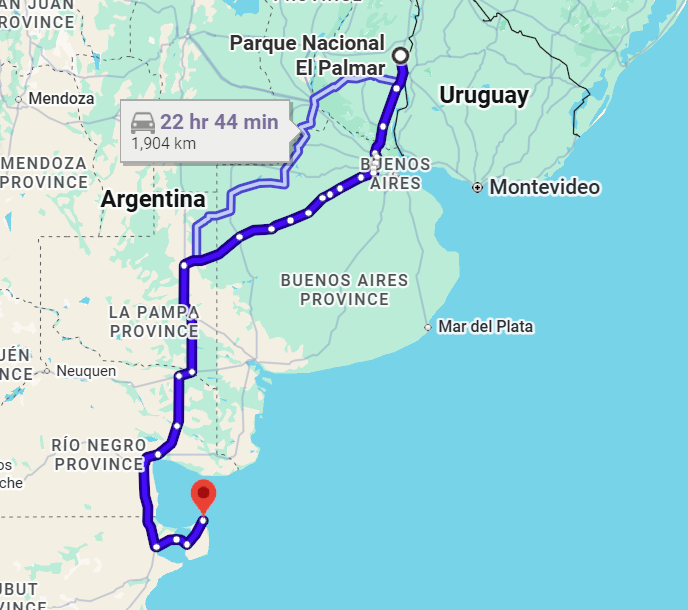
Dates: 17-25 July 2026
Locations: El Palmar National Park, Entre Ríos Province & Valdes Peninsula, Chubut Province, Argentina
Having spent so many months over the years traveling nearly every country in Central and South America, I have always felt the central region of the continent needed more of my attention. Seeing the Chaco and Pampas regions of South America (Trip Report Here) had been my goal for too many years. My original plan for July 2026 was to visit the Wet and Dry Chaco of Paraguay, but as often happens when planning mammalwatching trips, one destination quickly became two. Argentina offered several dream species that had been on my wish list for years, particularly Patagonian Mara and the chance to see large numbers of Guanaco. So I added a couple weeks to the plan to include two locations in Argentina and one in Brazil (Trip Report Here).
While researching potential sites, I came across Jon Hall's excellent trip report from El Palmar National Park, where he enjoyed remarkable success with both Lesser Grison and Plains Viscacha as well as a couple sightings of Geoffroy’s Cat. That was enough to convince me to add the park to my itinerary. And while in the neighborhood, why not add the Valdes Peninsula!
El Palmar National Park

El Palmar National Park lies in Argentina's Entre Ríos Province, around five hours north of Buenos Aires. The park protects one of the last significant remnants of the Yatay Palm savanna ecosystem, a unique landscape of rolling grasslands scattered with impressive palm groves. The three main miradors (view points) in the park provide awesome views of this nearly extinct biome.

A very handsome Plains Vizcacha (Lagostomus maximus) in El Palmar National Park, Entre Rios, Argentina
Although the palms dominate the scenery, the park is far more diverse than a simple savanna. Extensive grasslands are interspersed with patches of xerophytic woodland, gallery forest along streams and watercourses, wetlands, seasonally flooded areas, and sandy riverine habitats bordering the Uruguay River. These varied habitats create a fascinating transition zone where species associated with open pampas, subtropical forests, and wetlands coexist in a relatively small area. The result is an exceptionally wildlife-rich landscape that rewards both daytime exploration and nocturnal spotlighting.
The habitat supports a fascinating mix of wildlife. Mammals include Capybara, Pampas Fox, Crab-eating Fox, Plains Viscacha, Geoffroy's Cat, and introduced Sika Deer. Birdlife is equally impressive, making the park attractive to both mammalwatchers and birders.
Like many protected areas in South America, El Palmar faces ongoing conservation challenges, including invasive species and pressures on surrounding natural habitats. One of the most visible issues is the expansion of commercial forestry plantations beyond the park boundaries. Large eucalyptus and pine plantations now dominate much of the surrounding landscape, transforming what was once a more continuous natural ecosystem into something closer to a biological island. While the park itself remains well protected, these monoculture plantations undoubtedly reduce habitat connectivity for a range of native species. Fortunately, El Palmar continues to function as an outstanding refuge for wildlife and remains one of Argentina's most enjoyable national parks to explore.
My final day in Entre Rios before a late evening flight south to Trelew was spent exploring Reserva Natural Ceibas in Entre Ríos Province. Following routes described by previous visitors, I found the wetland system to be immense and exceptionally productive for birdlife. After a fair amount of searching I eventually located dozens of Brazilian Guinea Pigs, the main mammalian target. The reserve is a bewildering maze of dirt roads that frequently degenerate into little more than cattle tracks, making it remarkably easy to get lost or stuck. Nevertheless, it proved an enjoyable and worthwhile stop that complemented the more savanna-focused habitats of El Palmar nicely.
Exploring El Palmar
After a five-hour drive from Buenos Aires, I arrived just before the entrance gate closed (6 PM) and headed straight for the campground inside the park.

Road block!
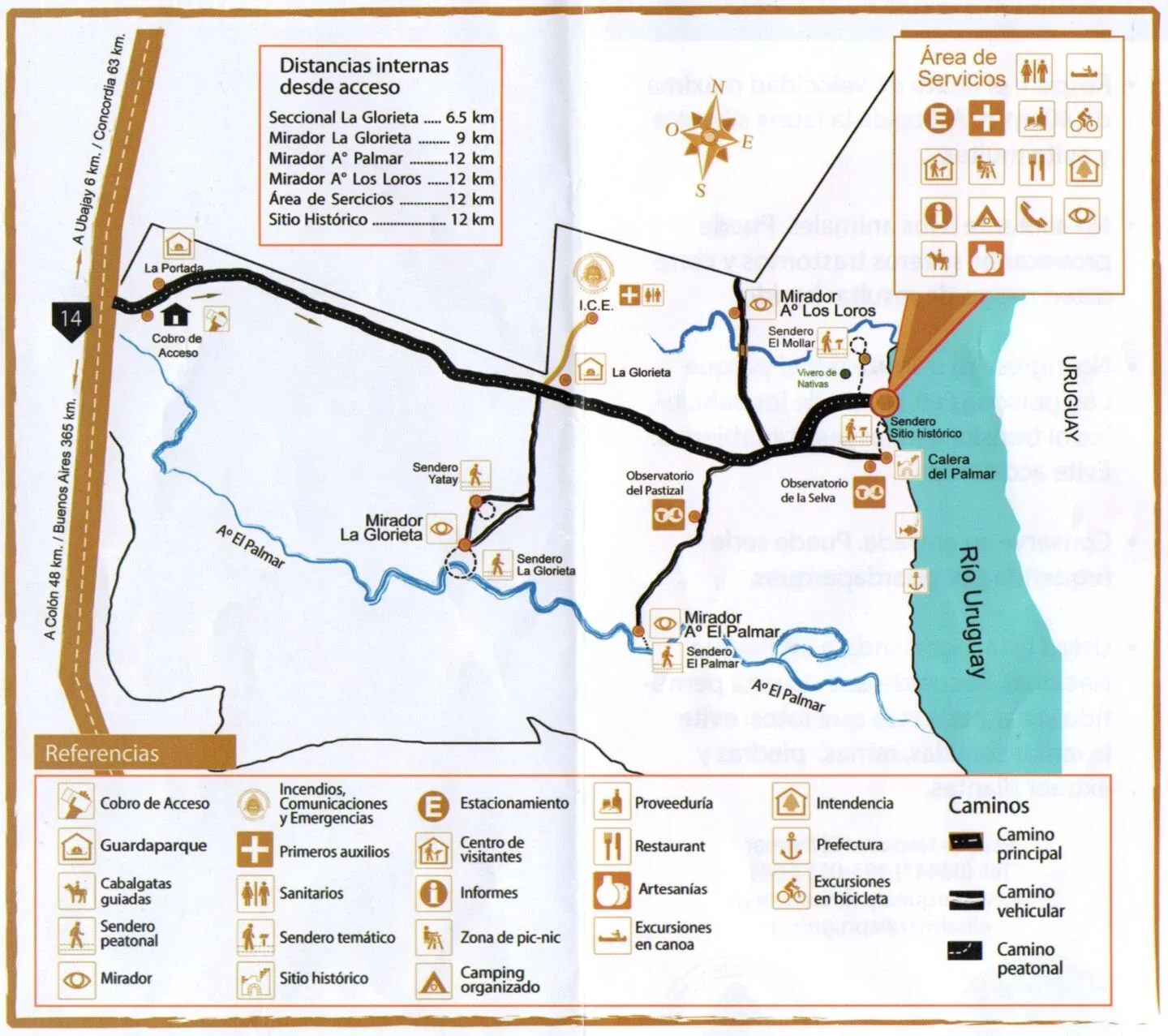
Visitors enter via a long access road that passes through classic Yatay Palm habitat before reaching the park's main facilities. These include the visitor centre and museum, restaurant, campground, and several trails and roads leading deeper into the park. Even before reaching the camping area it was obvious that wildlife densities here were remarkably high. What shocked me initially was the narrowness of the reserve. From the main track in to the park, you could see the adjacent Eucalyptus and pine plantations.
The mammalwatching began almost immediately. Capybaras were everywhere. They were grazing openly around the roadside, often showing little concern for passersby. There were several instances where large groups blocked the track and I was forced to wait for them to waddle off at a leisurely Capybara pace.
I soon found my first Pampas Foxes, one of the main targets of the visit. Seeing two foxes on the first evening gave me confidence that this was going to be a fantastic stop. The birds were excellent too, and the combination of palms, open grassland, and wildlife made an immediate impression. I could tell I was going to love this place.
It's easy to cover all the floral communities of the reserve on the dirt/mud tracks

Small, arched niches, resembling a dovecote, pigeonnier, or columbarium. A well-preserved remnant of the old fort.

Yatay Palm Trees (Butia yatay) El Palmar National Park, Entre Rios, Argentina

Yatay Palm Trees (Butia yatay)

Yatay Palm Trees (Butia yatay)


Yatay palm trees (Butia yatay) El Palmar National Park, Entre Rios, Argentina
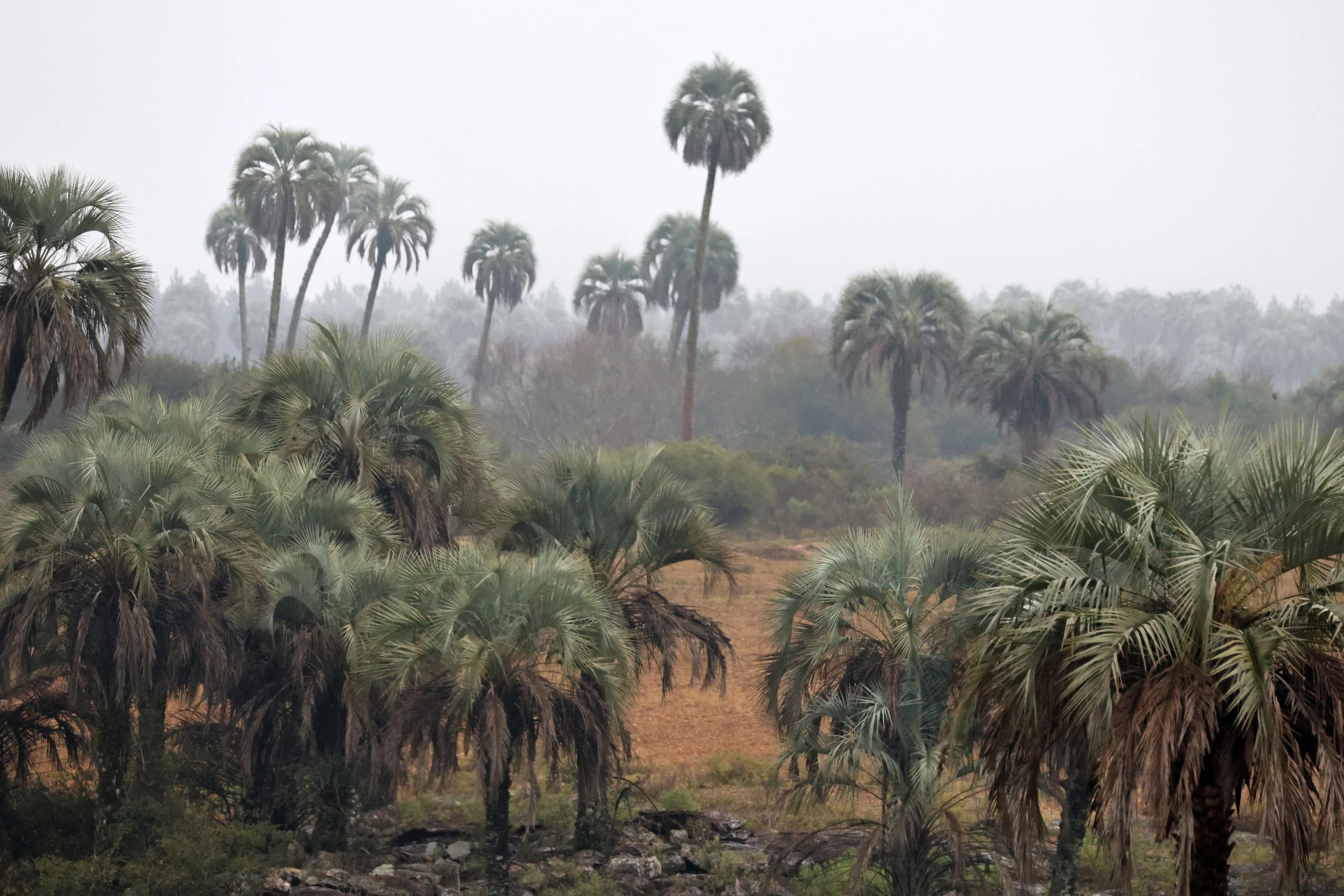
The Yatay Palm forests often broke up in to semi open savanna providing grasslands for many species of fauna to call home.
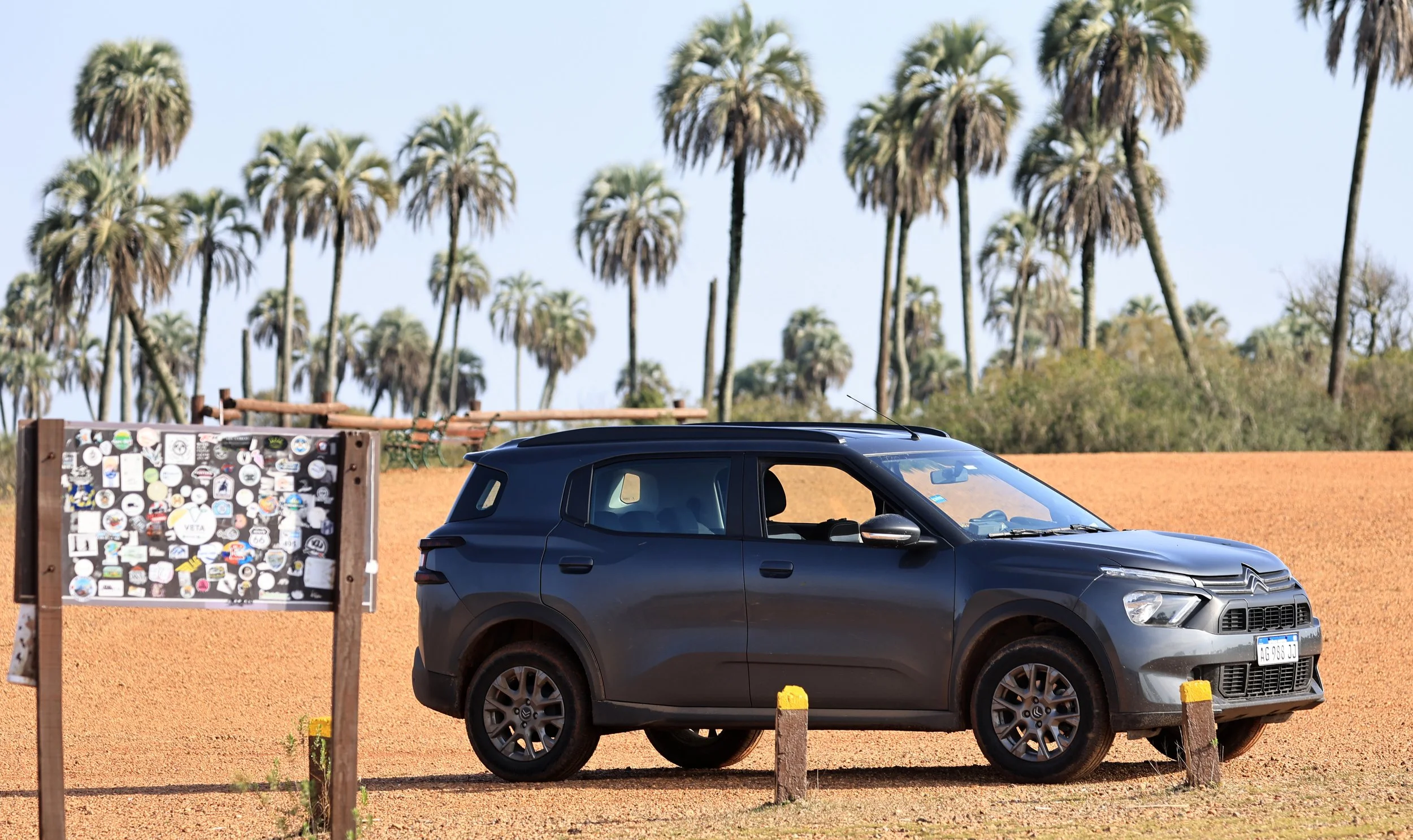
My crap Citroen rental car....At least the Plains Viscacha enjoyed nibbling on it.
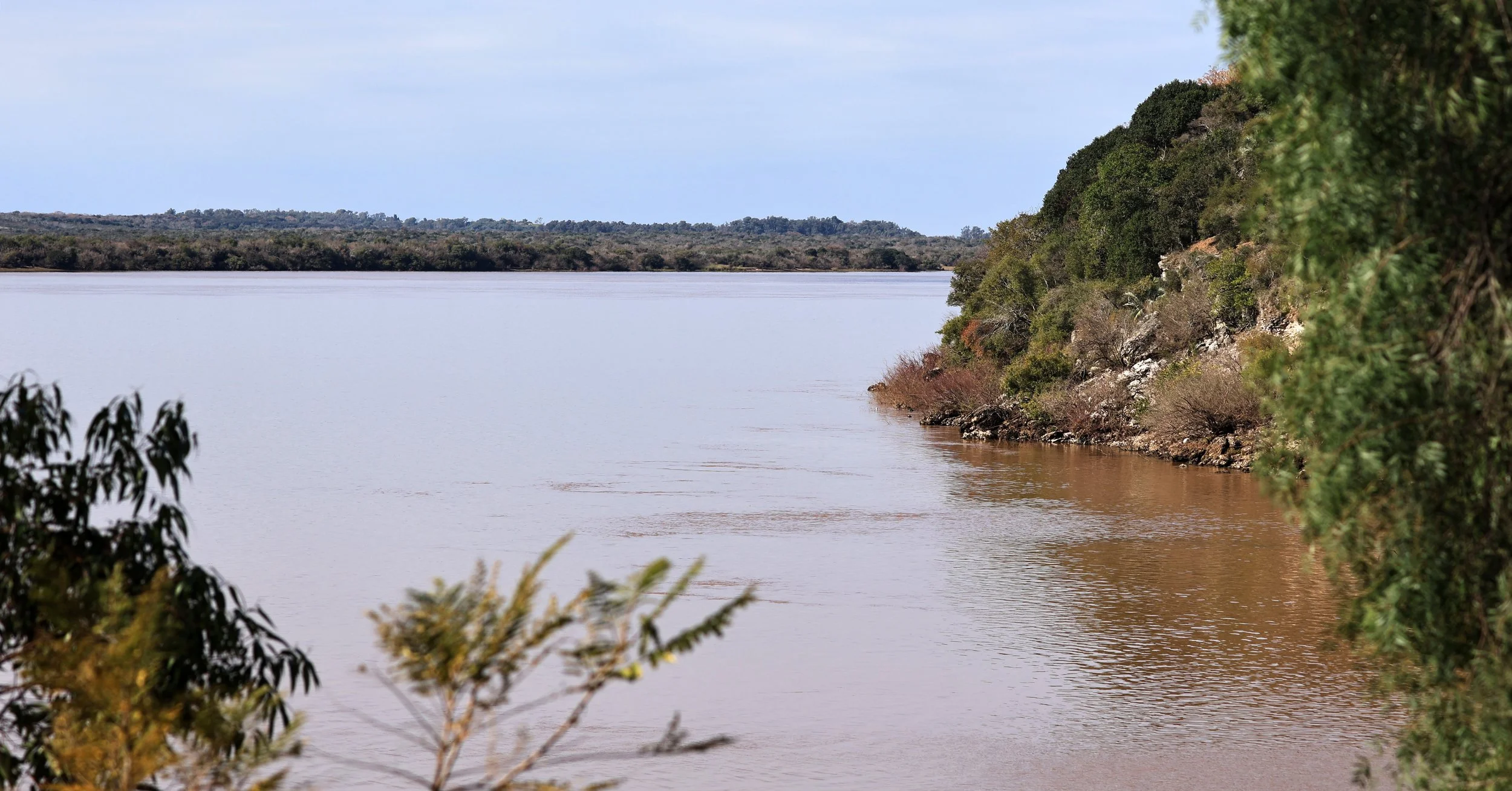
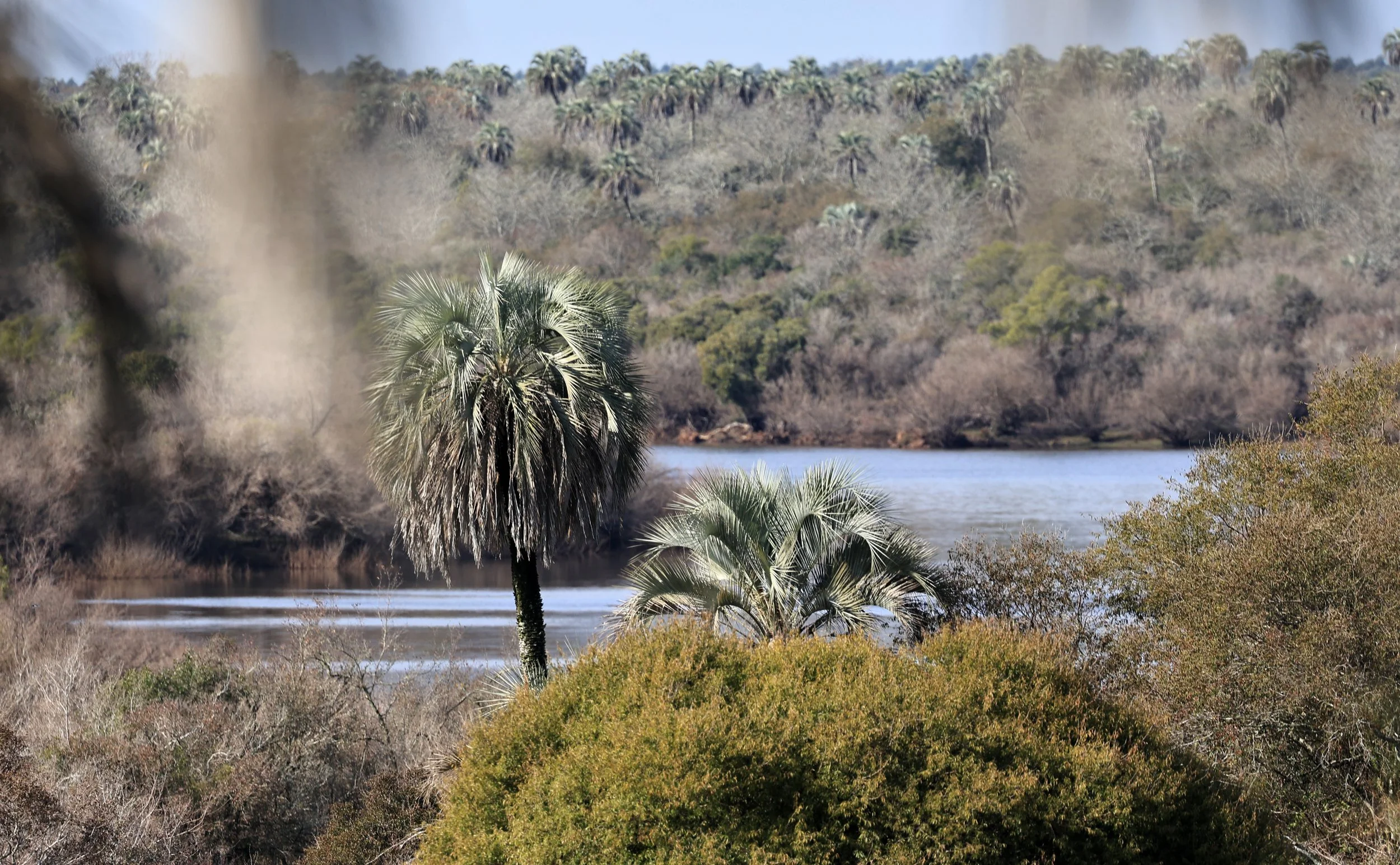
The Uruguay River provides the eastern border of the park. Across the river in this image you see Uruguay and what appears to be a continuation of the forest system found in El Palmar.
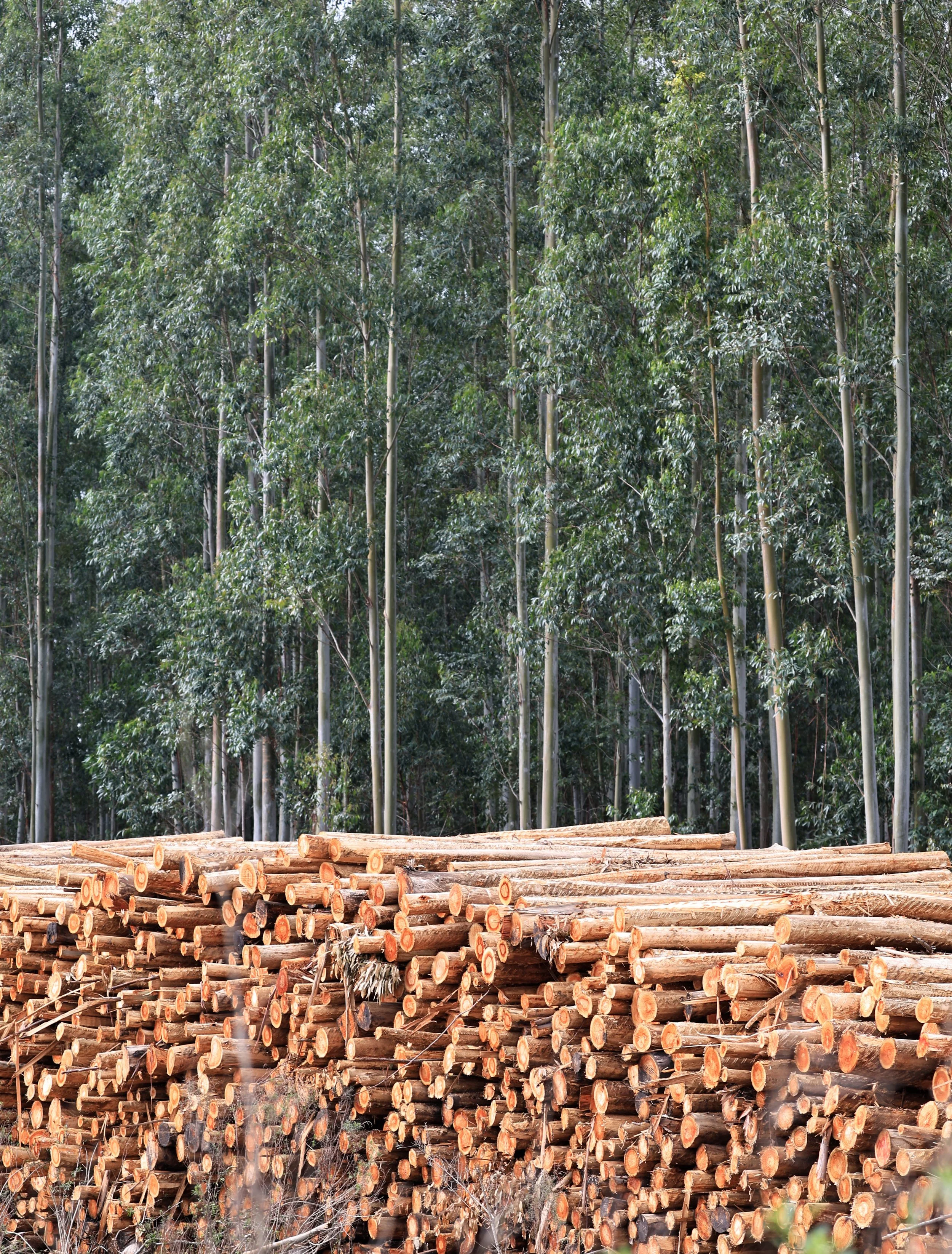
Sadly the acreage covered by Eucalyptus plantations far exceeds the amount of pristine Yatay Palm forest that remains.
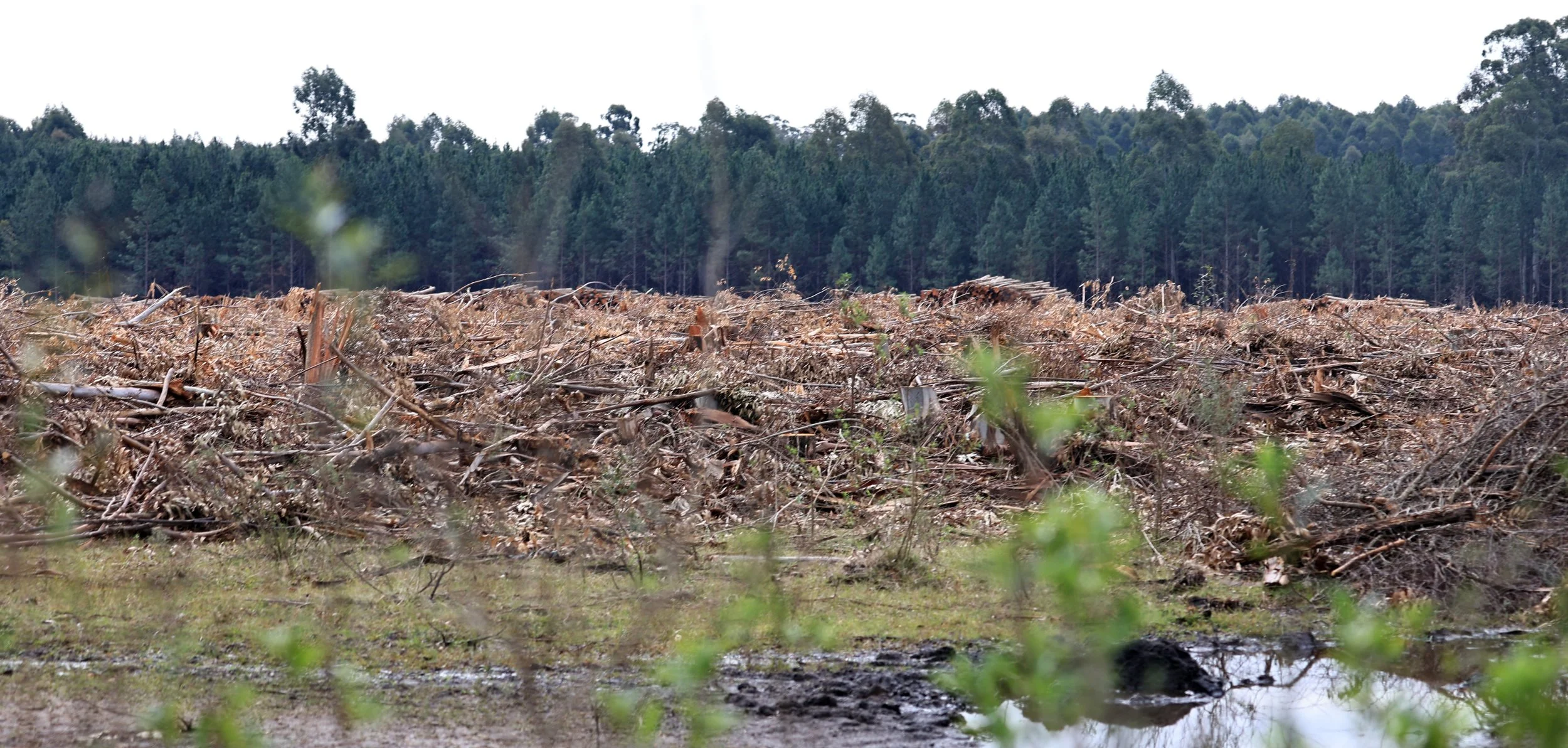
Devastation... The borders of the park seem to be firm and little to no ntrusion is occuring in to this small paradise.

The Plains Viscacha Invasion
As dusk arrived, one of the world's most charismatic mammals made an appearance. My first Plains Viscacha emerged near the campground. Three were seen immediately upon entering the campground. Before long it became clear that the campground was absolutely full of them. Over the course of my stay I would see dozens of viscachas every night. What I had not anticipated was their interest in rental cars.
Warning: Plains Viscachas Will Eat Your Car!
Apparently, local viscachas have developed a taste for automotive plastic. During the night they strip off pieces of plastic trim and incorporate them into their burrow systems. I discovered this firsthand. After spending the first night sleeping in my car, I woke up in near-freezing temperatures to the unmistakable sound and vibration of something chewing on the vehicle. Looking outside, I found more than six Plains Viscachas enthusiastically gnawing away at various parts of my rental car. It was equal parts fascinating and horrifying. Anyone planning to stay at the campground should be aware of this very real hazard. And they were fearless! I almost had to physically kick them to get them away from the car - they completely ignored my light and raised voice! (Note: I did not kick them) It was then that I realized they were talking to each other….

Plains Vizcacha (Lagostomus maximus) El Palmar National Park, Entre Rios, Argentina


For some reason, I pictured them to be much smaller than they actually were. They rivaled or even surpassed the size of the Mountain Viscachas I'd seen in Chile a couple years ago.


I enjoyed hanging with this incredible rabbit-like rodents. When they were in groups like this, I swear they spoke to each other. While this phenomenon has been studied, they don't appear to have a language but they possess an exceptionally complex system of vocal communication that allows them to interact within their large underground colonies. While they don't have words, their vocal repertoire is so diverse that scientists and observers often refer to their interactions as "colony chatter"


A very curious older individual was determined to hang with me the entire night. Clearly they had been fed and even though I gave no food, this one insisted on staying with me and "speaking" to me with its grunts and gurggles...

The talkative one


A glimpse of the well over thirty individuals surrounding my campsite on night one in El Palmar.

The entry to a Viscachera or burrow is covered with sticks and debry most likely to trick predators like Lesser Grison.


My first Plains Viscacha seen while the sun was still up!
Weather Challenges
The first night brought heavy rain, with temperatures dropping close to freezing. Unfortunately, the cold and wet conditions persisted for much of my stay and appeared to have a noticeable effect on mammal activity. While wildlife was certainly present, I suspect the conditions reduced both movement and visibility compared with what might be expected in better weather.
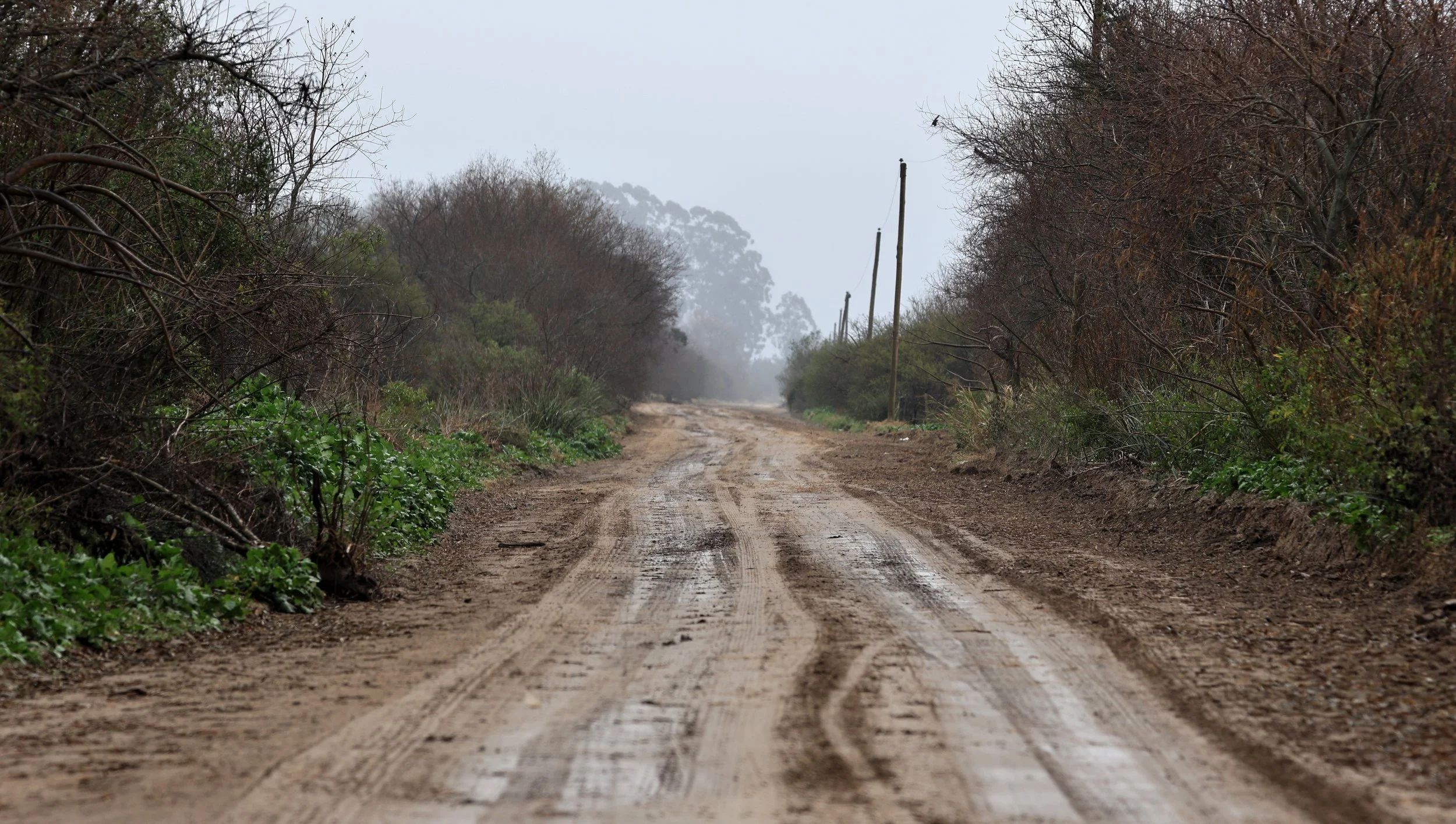
When wet, the dominantly clay roads in the reserve became slick to the point where they were treacherous even when there was no incline.
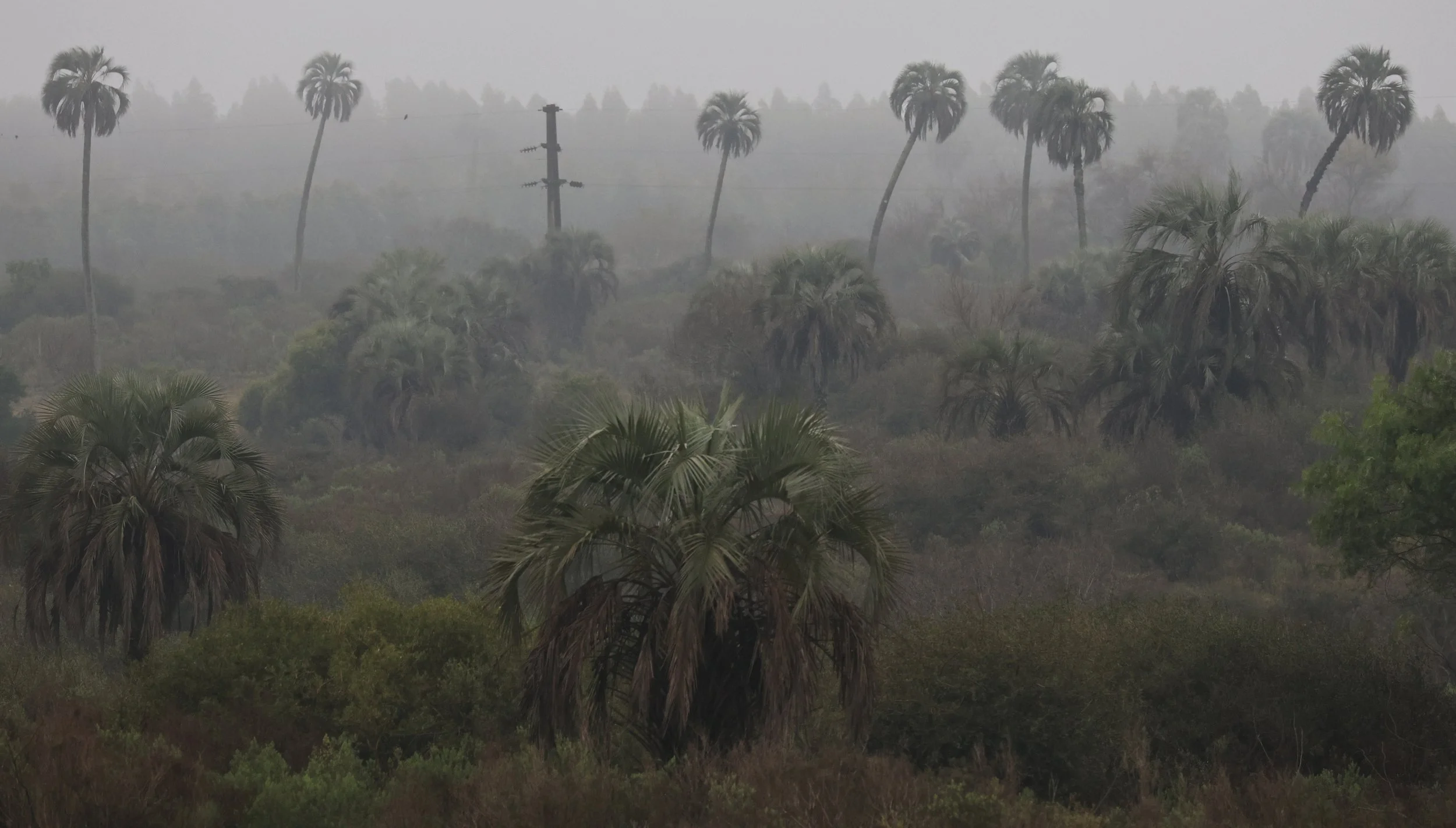
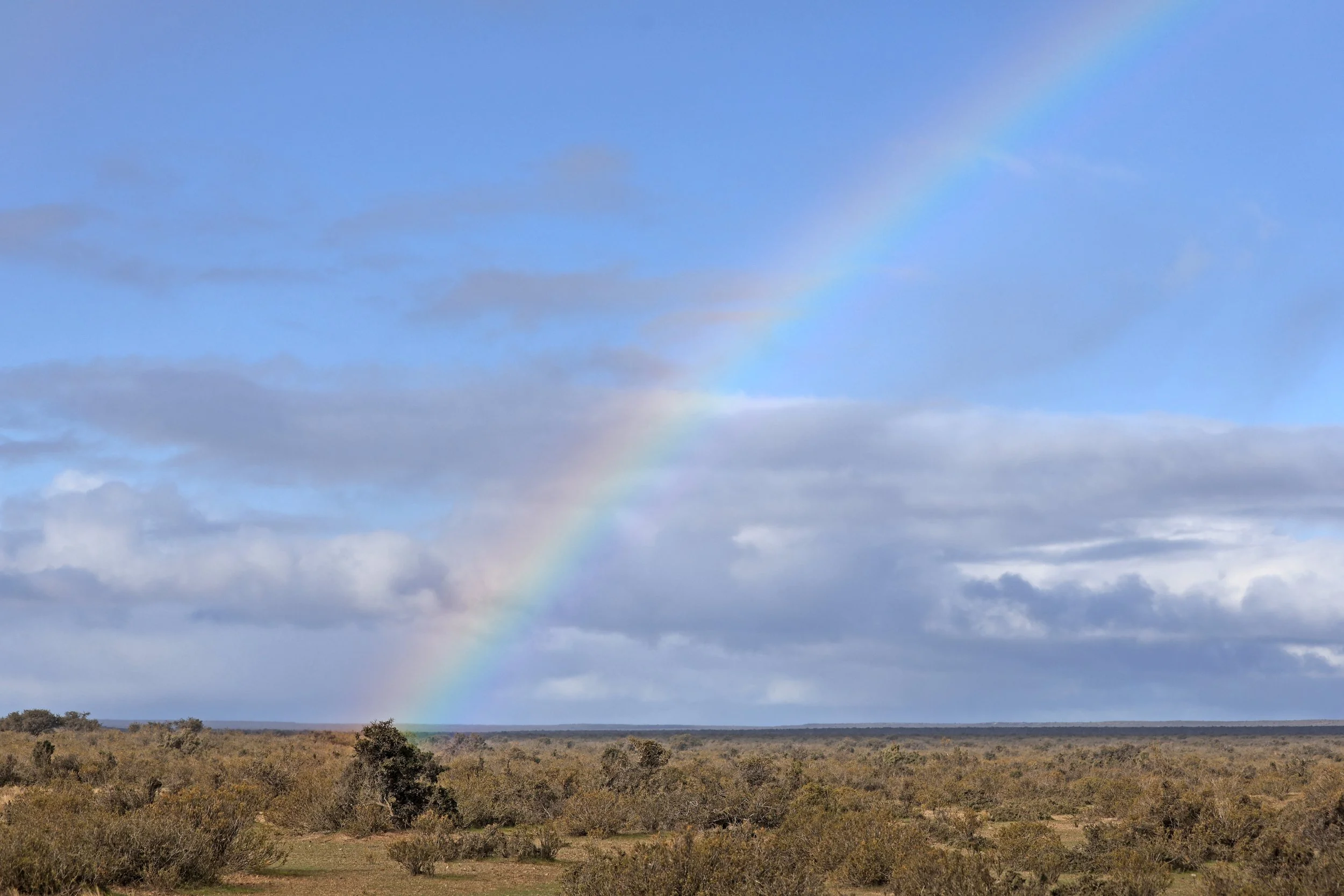
Rain in the Yatay forest! While I did have several hours of clear and rain-free weather, the dominant weather was rain and temperatures nearly reaching zero degrees C.
Mammalwatching in the Park
The next two days were dedicated almost entirely to searching for the park's mammalian treasures. Most of my time was spent slowly driving the network of internal roads connecting the campground, La Glorieta, Mirador Los Loros, the historic Calera del Palmar ruins, and the various viewpoints overlooking the Uruguay River. The roads were generally in good condition, making it easy to stop frequently and scan suitable habitat. Luckily the roads are level with very few inclines because, as anyone who has driven South American dirt (actually clay) tracks knows, the roads can become a slick as ice with a simple downpour. The numerous viewpoints also provided excellent opportunities for birding while keeping an eye open for mammals moving through the surrounding grasslands and palm savanna.
My biggest disappointment was failing to find a Lesser Grison. After reading previous reports, this was one of my top targets. From discussions and other trip reports, breeding season appears to offer the highest chance of success, with early winter perhaps not being the optimal time for encounters. Now when I say breeding time, I am mostly referring to the breeding period of the Plains Viscacha, whose young are the favorite food for the grison. Grison breeding period can be good too if you are lucky enough to be near one of their dens, which they will stay near during that time. The rest of the year they are wandering constantly and only a chance passing is all one can hope for.
Plains Viscachas in east-central Argentina typically breed during the austral autumn, with mating occurring around March to April and young being born during July and August (late winter). During my visit many colonies were active but no young to be seen. Wet and very cold weather may also have influenced overall mammal activity levels.
Despite missing the grison, there were still plenty of highlights:
Pampas Fox (Lycalopex gymnocercus) – nearly 20 individuals in two full days. Pampas Foxes proved to be one of the stars of the trip. Multiple individuals were seen, often during the evening and early morning hours. They seemed surprisingly comfortable around roads and open areas. (Link to Main Gallery)

Six-banded Armadillo (Euphractus sexcinctus). One particularly satisfying sighting was a Six-banded Armadillo, always a rewarding species to encounter. Even better, I managed to find individuals on two consecutive days along the road leading towards Mirador Los Loros, suggesting the species is reasonably reliable in the area despite often being overlooked. Although the Large Hairy Armadillos should be in the park, I have not seen any record of one in the reports. This fact was confirmed by one of the naturalist volunteers who maintained that he’d never seen that species while having seen the Six-banded often. (Link to Main Gallery)
Crab-eating Fox (Cerdocyon thous). I managed to confirm a single individual, though the animal appeared somewhat old and tired and provided only a brief encounter. Another distant canid seen on my first day may also have been a Crab-eating Fox, although the viewing conditions were poor enough that I could not completely exclude Pampas Fox. (Link to Main Gallery)
Capybara (Hydrochoerus hydrochaeris). As stated earlier, Capybaras were everywhere. I stopped counting after a while, but hundreds were seen throughout the visit, often in excellent viewing conditions. Watching family groups plod through the grasslands with their ever-present Cattle Tyrants riding on their backs was awesome. And seeing them glide silently through the wetlands while still carrying their avian passengers, was one of the most enjoyable aspects of the visit. (Link to Main Gallery)
Although never really a target species for me, signs of Sika Deer were everywhere. Tracks, droppings, and feeding sign were abundant throughout the park, yet somehow I never managed an actual sighting. Likewise, Geoffroy's Cat remained frustratingly elusive despite considerable effort in suitable habitat. Given the cold temperatures and persistent rain during much of the trip, I suspect the weather may have reduced activity and contributed to the miss. I saw absolutely no small rodent activity which surely explained why it was so difficult to see the cats. Combined with the lack of a Lesser Grison, these misses provide plenty of motivation for a future return visit.
This is a park I could easily spend a week or two. The vistor’s center restaurant was outstanding too - fresh espresso in the morning, although I did have to teach them how to make it with their espresso machine which they used mainly for Americano-style coffee. The cafe in the campground was excellent too. One of the sad things that I experienced in these cafes was watching Argentina lose the World Cup to Spain. The Argentinians watching with me took the loss pretty hard. Of course I could not care less but watching their sad reactions to the loss reminded me of the time I was in Costa Rica during a similar contest and made the mistake of cheering when Guatemala scored a goal… I feared for my life that night…

A muddy Capybara (Hydrochoerus hydrochaeris) El Palmar National Park, Entre Rios, Argentina


Capybara (Hydrochoerus hydrochaeris) El Palmar National Park, Entre Rios, Argentina

While both sexes possess the morrillo gland seen on this male's rostrum, it is highly dimorphic. It is large and bulbous in mature males, but remains very small, flat, or virtually invisible in females. The size and development of the morrillo are heavily tied to testosterone levels. Dominant breeding males possess significantly larger, more pronounced bumps, which function as a visual and chemical "status signal" within the herd. The gland secretes a sticky, whitish, oily fluid. Males actively rub their rostra back and forth against trees, stems, and brush to leave a unique chemical signature. This behavior is used to outline group territory, deter rival males, and communicate with females during the breeding season.

The semi-webbed feet of an adult Capybara

Although I have seen capybara countless times in many countries over the yearsm I have never spent truly quality time with them and observed their behavior over longer periods of time. I did in El Palmar and watching this mother and pup nuzzle each other was truly touching.

Capybara and his friend the Cattle Tyrant, a semi-permanent resident....

These ephemeral wetlands along the road to Mirador la Glorieta was awesome - so much biodivesity. I parked here for hours just to watch the show... The Capybara hippo-ing its way through the water, eye-balling the screamer with chicks next to turtles and loads of avifauna...wow!

Pampas fox (Lycalopex gymnocercus) were very common in the reserve. I would estimate that I saw at least two dozen individuals over three days. Granted some of those could be the same individual seen more than once.

This individual Pampas fox was considerably larger than others in the reserve and was much larger than the same species seen commonly in the Chaco of Paraguay in the next part of this expedition.

This one was approaching the size of a Culpeo - a much larger canid found mainly in the Andes.


If I did not know better, this one could easily be seen as a Culpeo as it was very large indeed.


Now this one was clearly smaller and had more of a typical fox-like stature.


Six-banded Armadillo (Euphractus sexcinctus). Confirmed ID but it could have easily been mistaken for the Large Hairy - I mean - look at all that hair!

I spotted this individual on two consecutive days foraging along the Mirador de Los Loros road, which is also famous for Lesser Grison sightings.


This individual was fearless and allowed me to approach as close as I wanted. Of course I stayed far enough away to avoid leprosy! haha - yah I know it's only been found in a single population of Nine-banded up in TX.


D'Orbigny's slider (Trachemys dorbigni) El Palmar National Park, Entre Rios, Argentina

D'Orbigny's slider (Trachemys dorbigni) sunning itself in El Palmar

D'Orbigny's slider (Trachemys dorbigni) sunning itself in El Palmar - Turtle central!

Avifauna of El Palmar

Brazilian Teal (Amazonetta brasiliensis)

Campo Flicker (Colaptes campestris)

Chalk-browed Mockingbird (Mimus saturninus)

Chimango Caracara (Milvago chimango)

Cocoi Heron (Ardea cocoi)

Cocoi Heron (Ardea cocoi)

Creamy-bellied Thrush (Turdus amaurochalinus)

Crested Caracara (Caracara plancus)

Crested Caracara (Caracara plancus)

Giant Wood-rail (Aramides ypecaha)

Giant Wood-rail (Aramides ypecaha)

Giant Wood-rail (Aramides ypecaha)

Great Kiskadee (Pitangus sulphuratus)

Greater Rhea (Rhea americana)

Greater Rhea (Rhea americana)

Greater Rhea (Rhea americana)

Green-barred Woodpecker (Colaptes melanochloros)

Grey-cowled Wood Rail (Aramides cajaneus)

Guira Cuckoo (Guira guira)

Monk Parakeets (Myiopsitta monachus)

Monk Parakeets (Myiopsitta monachus)

Monk Parakeets (Myiopsitta monachus)

Narrow-billed Woodcreeper (Lepidocolaptes angustirostris)

Narrow-billed Woodcreeper (Lepidocolaptes angustirostris)

Plush-crested Jay (Cyanocorax chrysops)

Plush-crested Jay (Cyanocorax chrysops)

Plush-crested Jay (Cyanocorax chrysops)

Plush-crested Jay (Cyanocorax chrysops)

Red-crested Cardinal (Paroaria coronata)

Roadside Hawk (Rupornis magnirostris)

Roadside Hawk (Rupornis magnirostris)

Rufescent Tiger-Heron (Tigrisoma lineatum)

Rufescent Tiger-Heron (Tigrisoma lineatum)

Rufous-collared Sparrow (Zonotrichia capensis)

Scimitar-billed Woodcreeper (Drymornis bridgesii)

Southern Lapwing (Vanellus chilensis)

Spotted Nothura (Nothura maculosa)

Spot-winged Pigeon (Patagioenas maculosa)

Ultramarine Grosbeak (Cyanoloxia brissonii) male

Ultramarine Grosbeak (Cyanoloxia brissonii) female

Ultramarine Grosbeak (Cyanoloxia brissonii) female

Whistling Heron (Syrigma sibilatrix)

Whistling Heron (Syrigma sibilatrix)

White Monjita (Xolmis irupero)

Golden-billed Saltator (Saltator aurantiirostris)

Golden-billed Saltator (Saltator aurantiirostris)

Red-winged Tinamou (Rhynchotus rufescens)

Red-winged Tinamou (Rhynchotus rufescens)

Southern Screamer (Chauna torquata)

Southern Screamer (Chauna torquata)

Southern Screamer (Chauna torquata)

Reserva Natural Ceibas
Reserva Natural Ceibas, located in southern Entre Ríos Province within the lower Paraná River Delta region, is a biologically rich wetland landscape characterized by a complex mosaic of marshes, flooded grasslands, lagoons, reedbeds, riparian forests, and interconnected waterways. The reserve lies on a low-lying alluvial floodplain that is strongly influenced by the hydrological dynamics of the Paraná River system. Seasonal flooding plays a fundamental ecological role, regulating nutrient cycling, shaping vegetation communities, and creating the diverse habitats that support the area's high biodiversity. These flood pulses maintain the productivity and ecological functioning of the reserve, making it an excellent example of a dynamic floodplain ecosystem. [entrerios.tur.ar], [buenosdias...irding.com]
The vegetation of Reserva Natural Ceibas reflects its position between the Pampas grasslands and the Paraná Delta wetlands. Extensive stands of native grasses, sedges, reeds, and aquatic plants dominate the periodically flooded areas, while riparian woodlands occur along watercourses and slightly elevated ground. The region is named after the ceibo tree (Erythrina crista-galli), Argentina's national flower, which is characteristic of wet environments in northeastern Argentina. Aquatic species such as water hyacinth (Pontederia crassipes) are also common and contribute to the productivity and habitat complexity of the wetland system. [ecoregistros.org], [entrerios.tur.ar]
The reserve is particularly renowned for its birdlife and is considered one of the most important birdwatching locations in the region. More than 250 bird species have been recorded within the reserve, while surveys across the wider Ceibas area have documented over 300 species. This remarkable diversity is supported by the variety of wetland, grassland, and woodland habitats found within the floodplain. Species commonly associated with the area include the Southern Screamer (Chauna torquata), Greater Rhea (Rhea americana), Roseate Spoonbill (Platalea ajaja), numerous herons and egrets, whistling ducks, ibis species, and a wide range of migratory and resident waterbirds. The abundance of feeding, nesting, and breeding habitats makes Ceibas an important refuge for avian biodiversity throughout the year.
For me, the main target and highlight was the Brazilian Guinea Pig. Initially after about 40 kms of searching with no luck, they started to come out one by one to the point where many showed at every hedgerow. They are very shy and bolt as soon as the sound of the car is heard. Eventually I did spot a couple that were fearless and let me sit next to them for many minutes. It was lovely to spend a half hour with this cute little rodents. The area is good for Coypu too although I saw nothing but their “trails” in the wetlands. At least I think they were trails - see the image below.

Brazilian Guinea Pig (Cavia aperea)

Brazilian Guinea Pig (Cavia aperea)

Brazilian Guinea Pig (Cavia aperea)

Brazilian Guinea Pig (Cavia aperea)

Brazilian Guinea Pig (Cavia aperea)
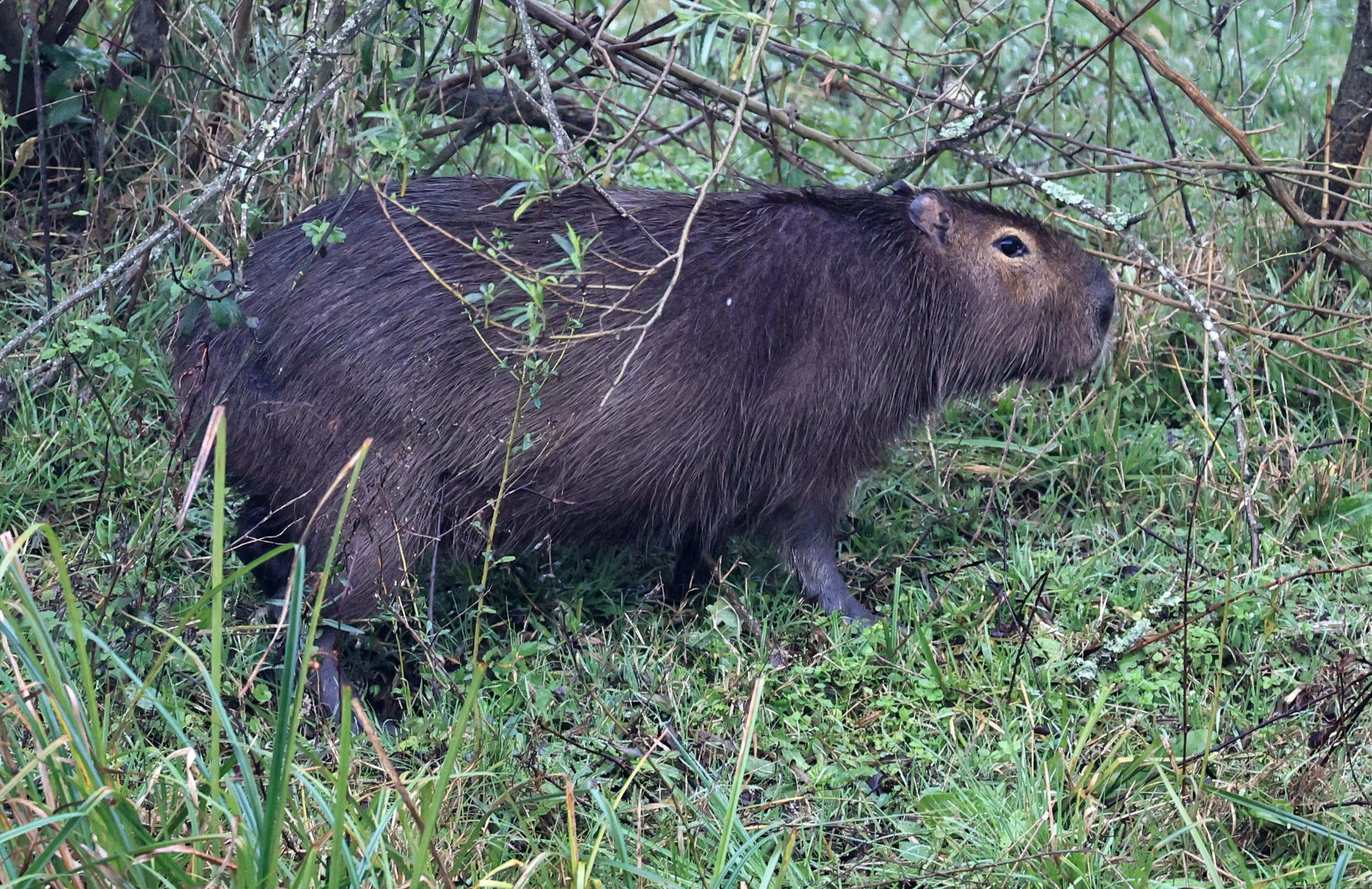
Capybara (Hydrochoerus hydrochaeris) were not common in the wetlands the day I visited. I do suspect they are more common normally but the weather being as cold as it was might have kept them out of view.
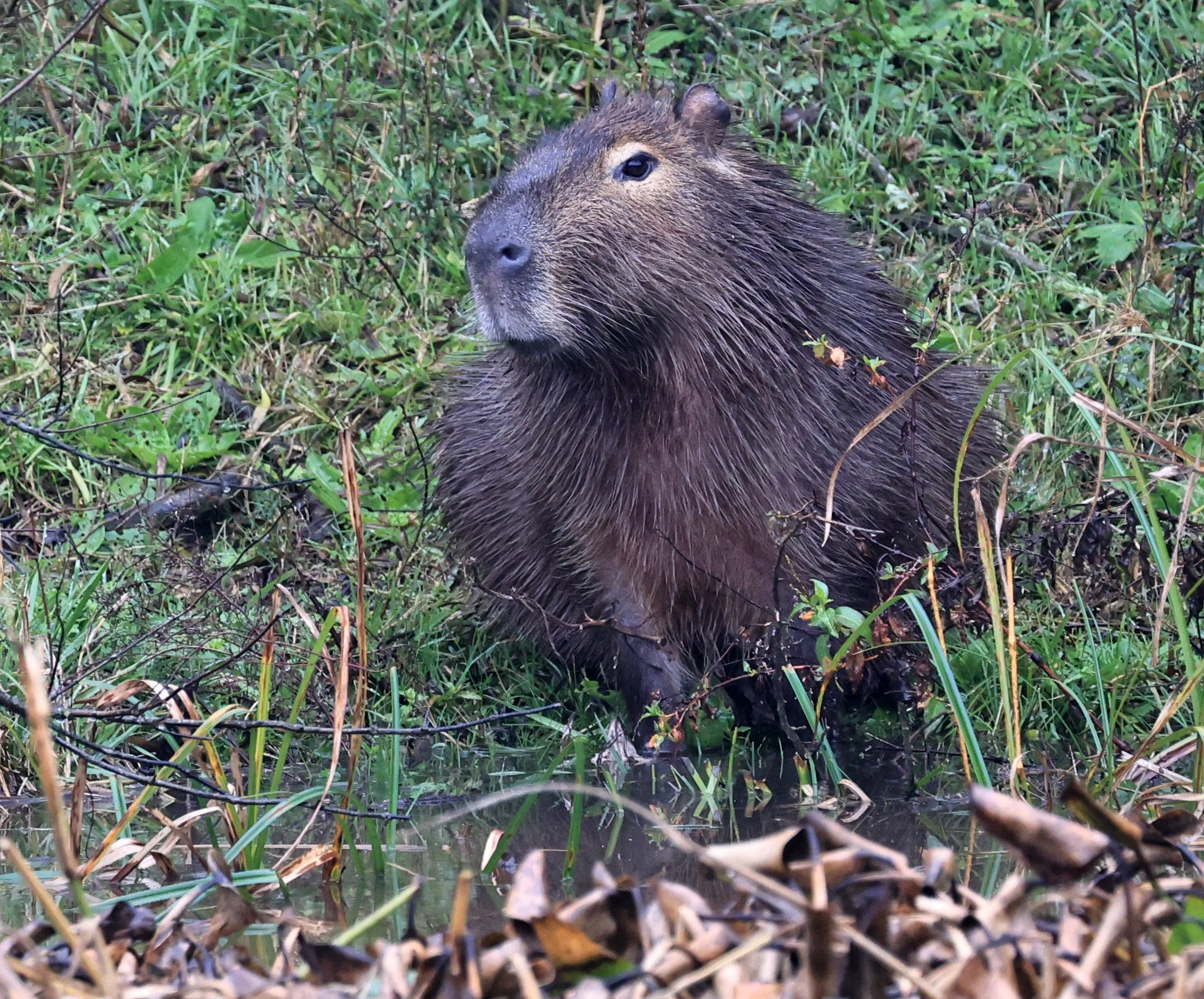
Capybara (Hydrochoerus hydrochaeris)

Maguari Stork (Ciconia maguari)

Rufous hornero (Furnarius rufus) Reserva Natural Ceibas, Entre Rios

Rufous hornero (Furnarius rufus) Reserva Natural Ceibas, Entre Rios

Rufous hornero (Furnarius rufus) Reserva Natural Ceibas, Entre Rios

Scimitar-billed Woodcreeper (Drymornis bridgesii)

Scimitar-billed Woodcreeper (Drymornis bridgesii)

Chalk-browed Mockingbird (Mimus saturninus)

Southern Screamer (Chauna torquata)

Plumbeous Ibis (Theristicus caerulescens)

Plumbeous Ibis (Theristicus caerulescens)

Domestic and Greylag geese (Anser anser)

Domestic and Greylag geese (Anser anser)

White Monjita (Xolmis irupero)

Rufescent Tiger-Heron (Tigrisoma lineatum)

Rufescent Tiger-Heron (Tigrisoma lineatum)

Grey-cowled Wood Rail (Aramides cajaneus)

Grey-cowled Wood Rail (Aramides cajaneus)

Cocoi Heron (Ardea cocoi)

Cocoi Heron (Ardea cocoi)

Maguari Stork (Ciconia maguari)
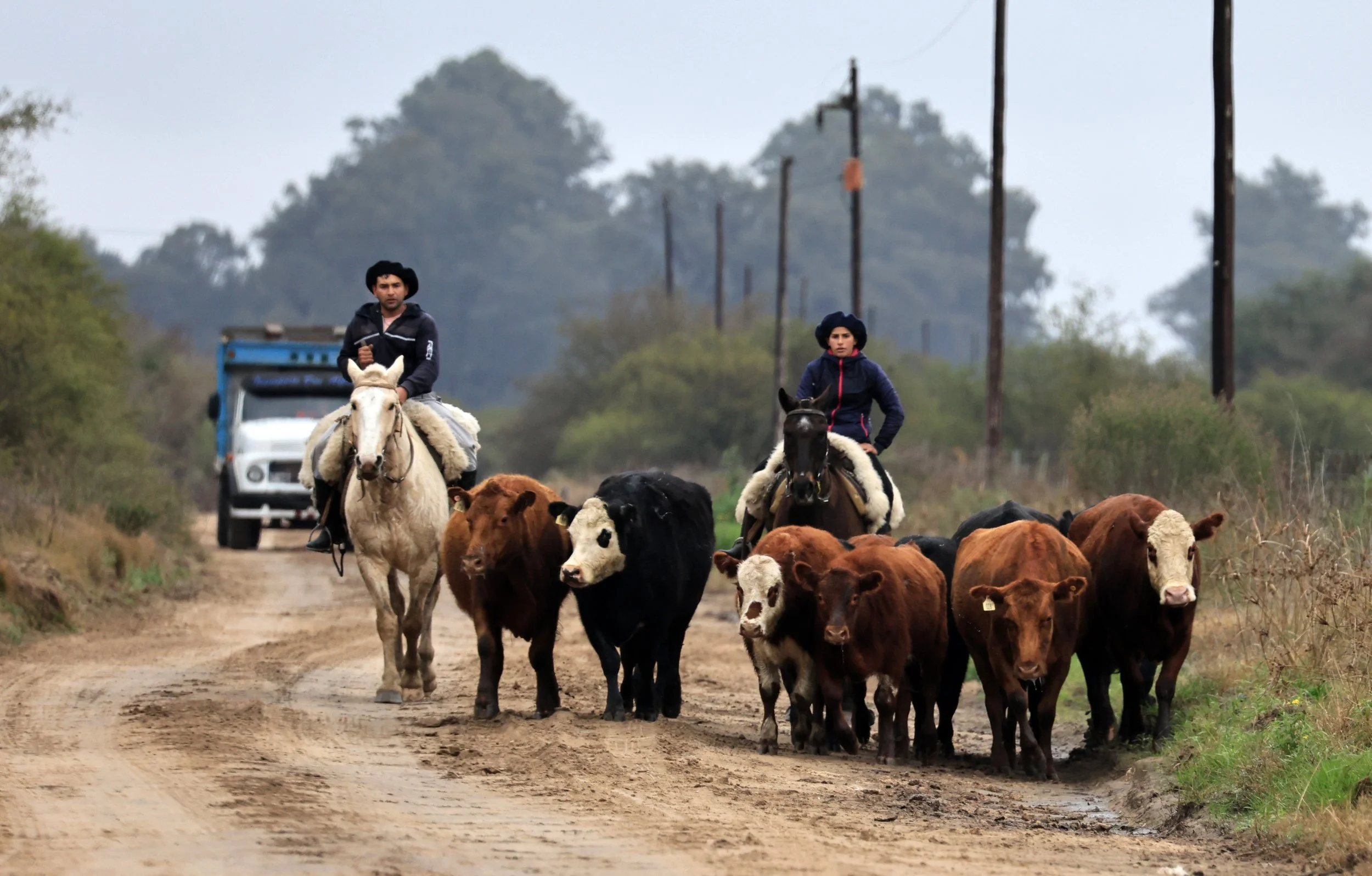
Rural life up close. Here we see a Gaucha in training.
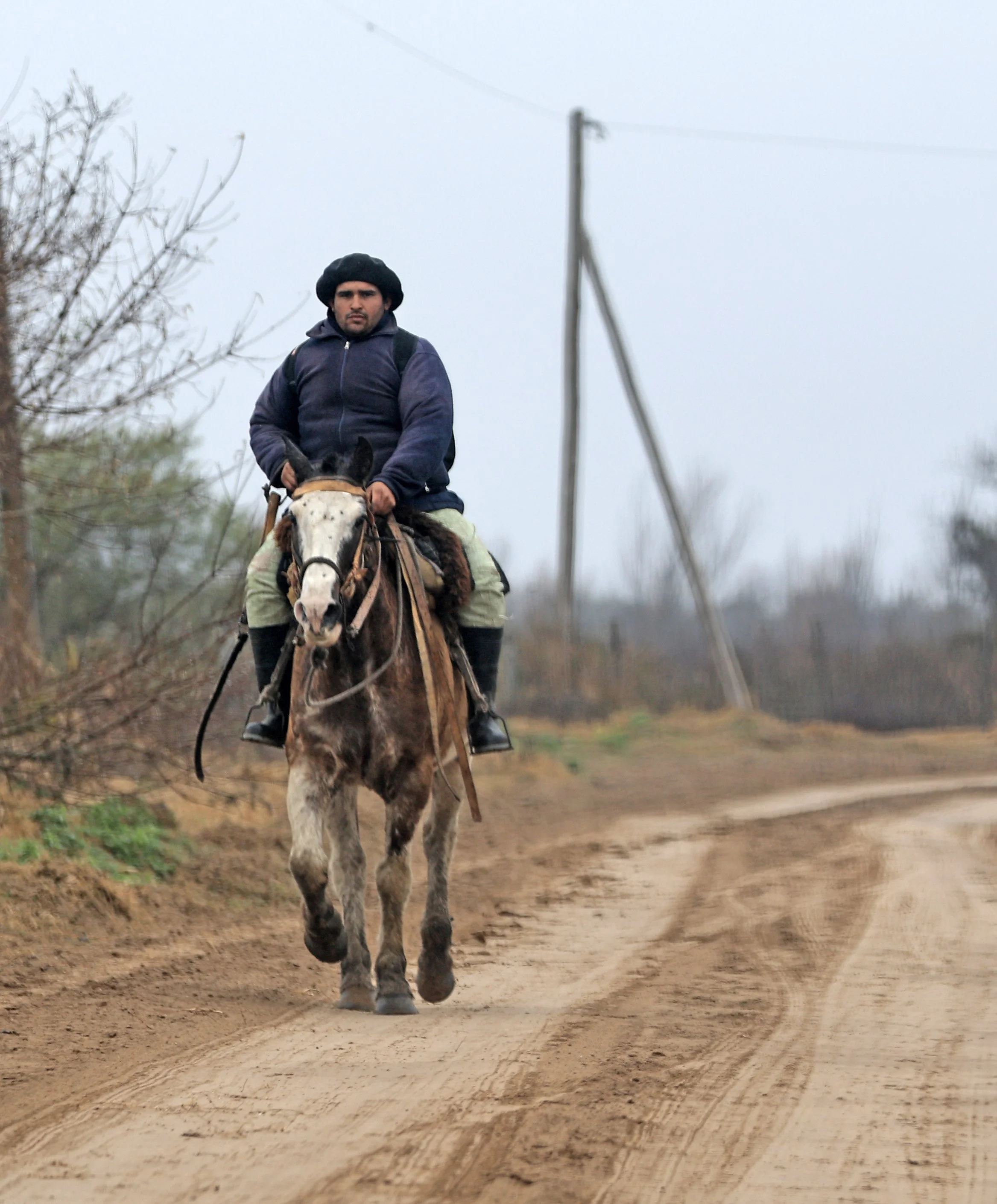
Gaucho with traditional hat and clothing. The Ceiba reserve was in many ways a step into traditional rural Argentina replete with Gauchos, Gauchas and the simple housing of yesterday's Argentina.
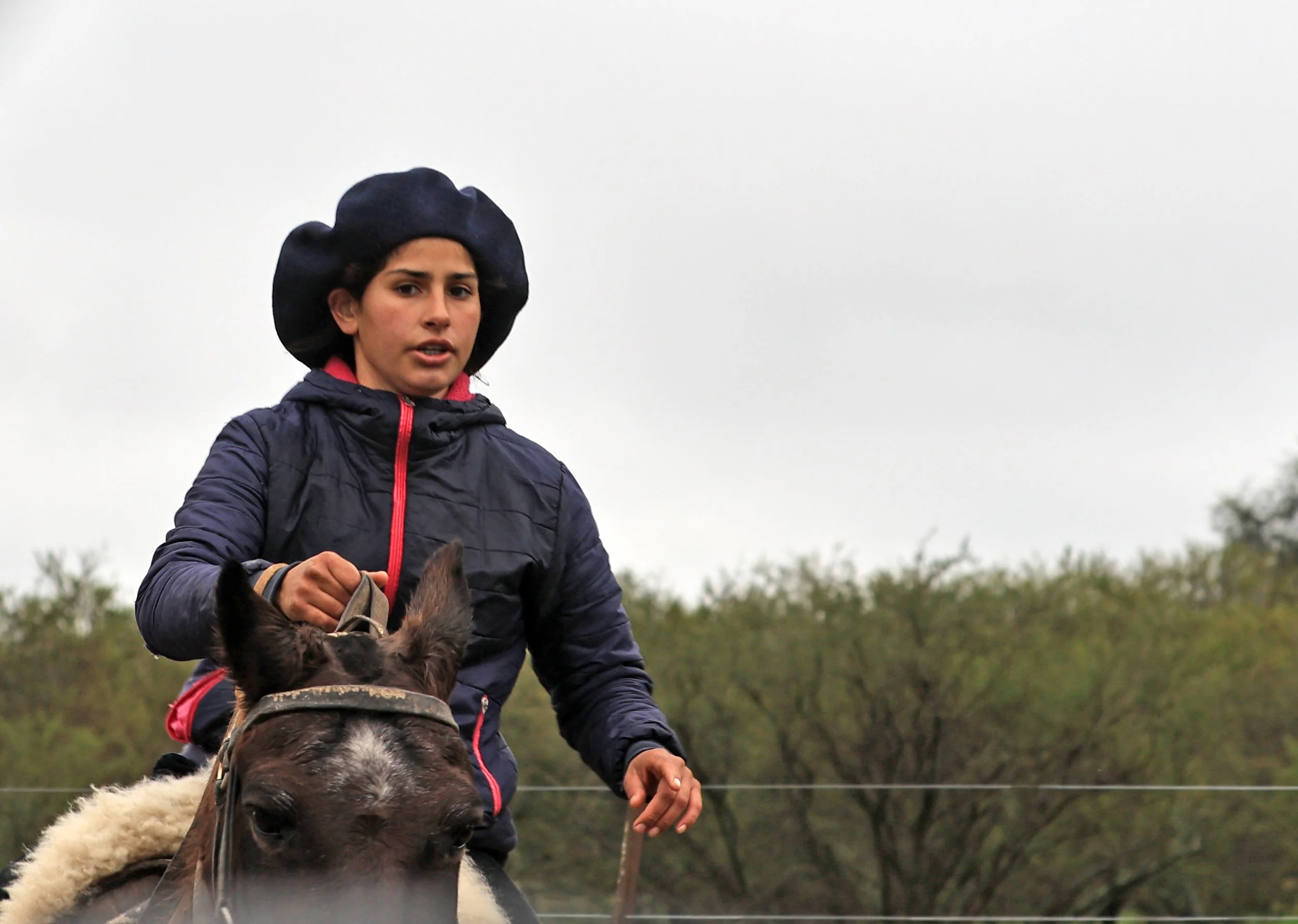
Today, the role of gauchas has expanded significantly. Many women work alongside men in cattle ranching, horse training, livestock management, and rural tourism. Modern gauchas are skilled horsewomen who actively participate in traditional festivals, rodeos, and cultural celebrations, where they showcase their riding abilities and help preserve Argentina's gaucho heritage. While some still wear traditional dresses, ponchos, hats, and riding boots
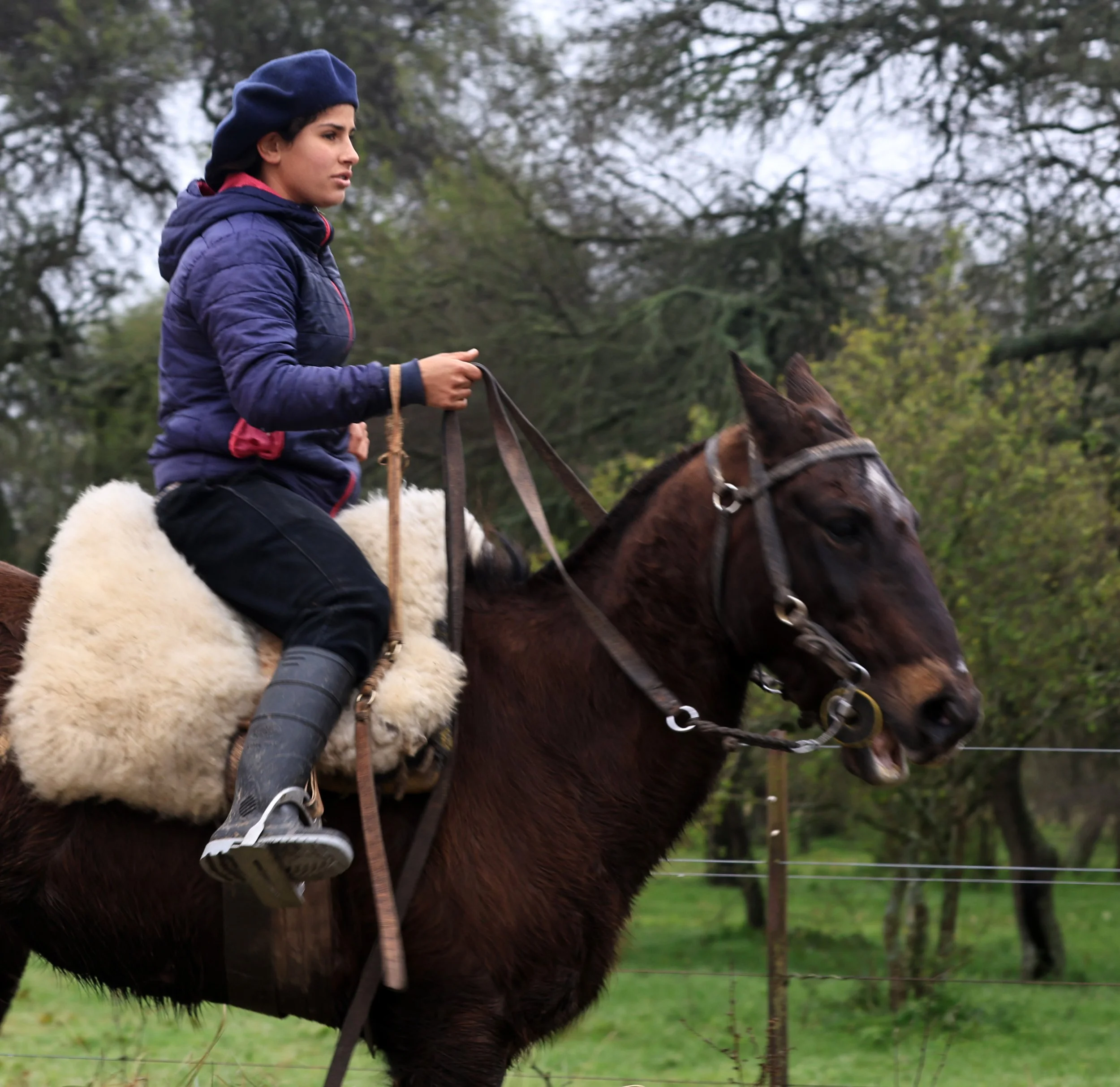
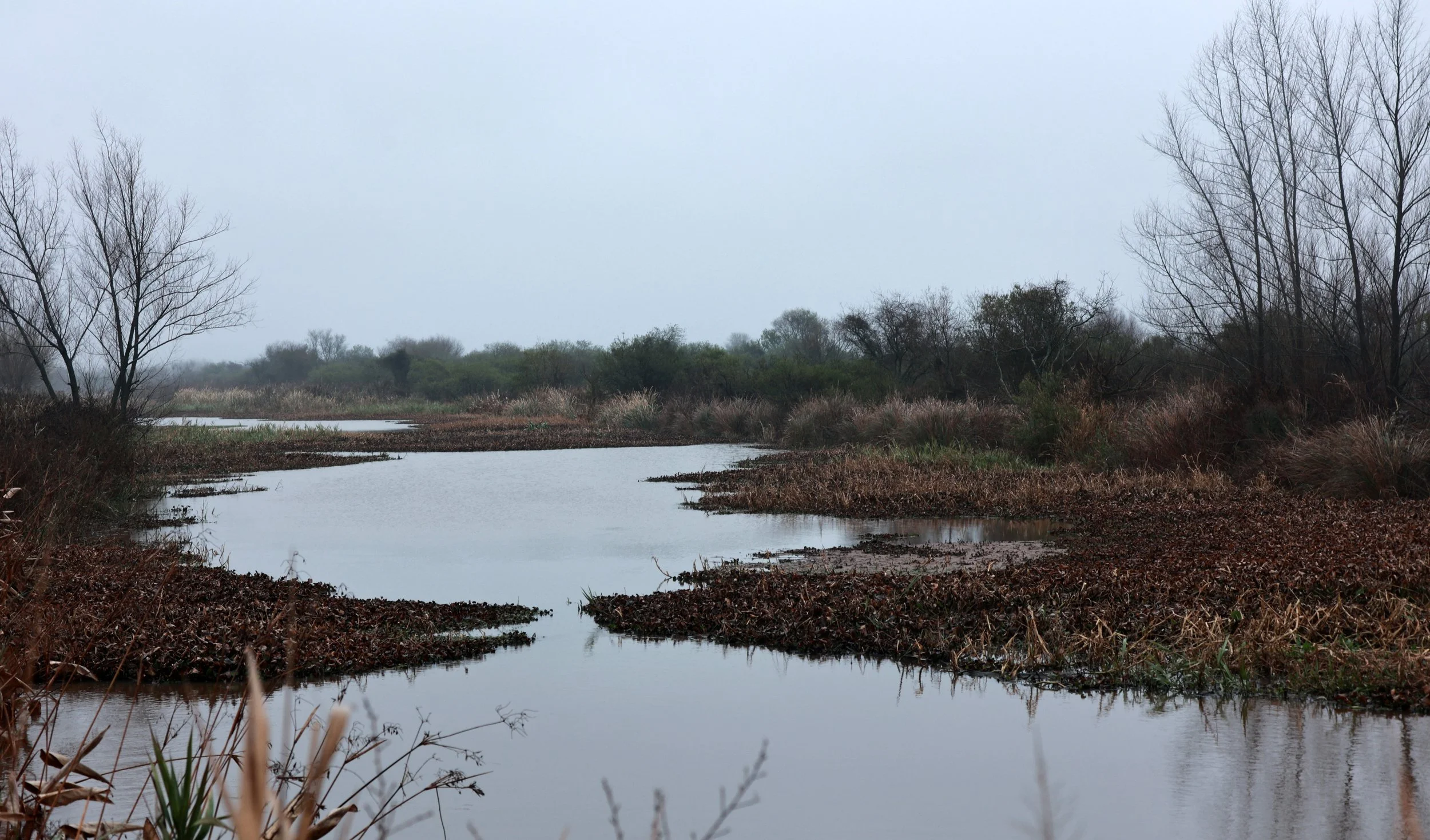
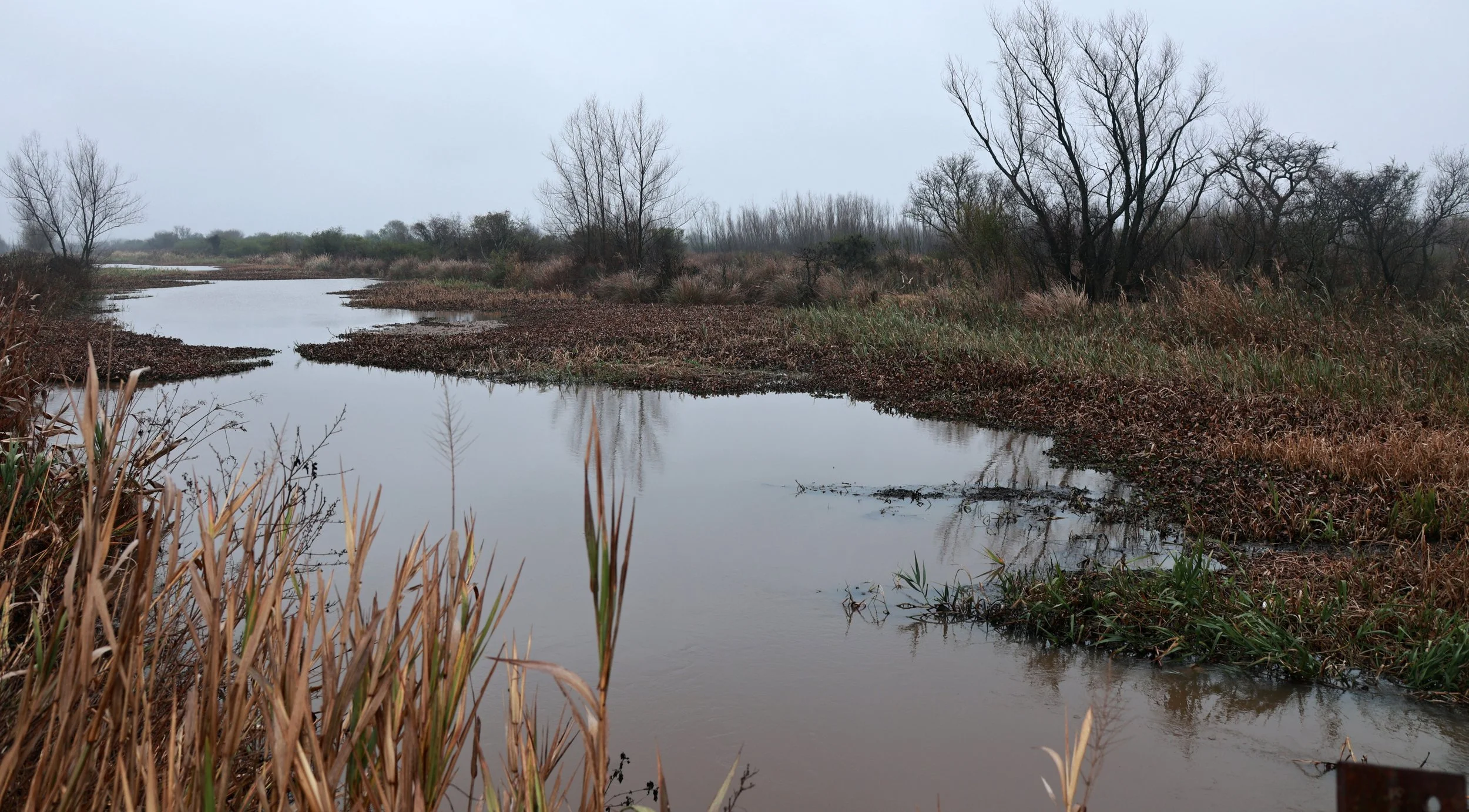
The size of the reserve is difficult to appreciate as one can drive for tens of kilometers and never actually leave the wetlands.
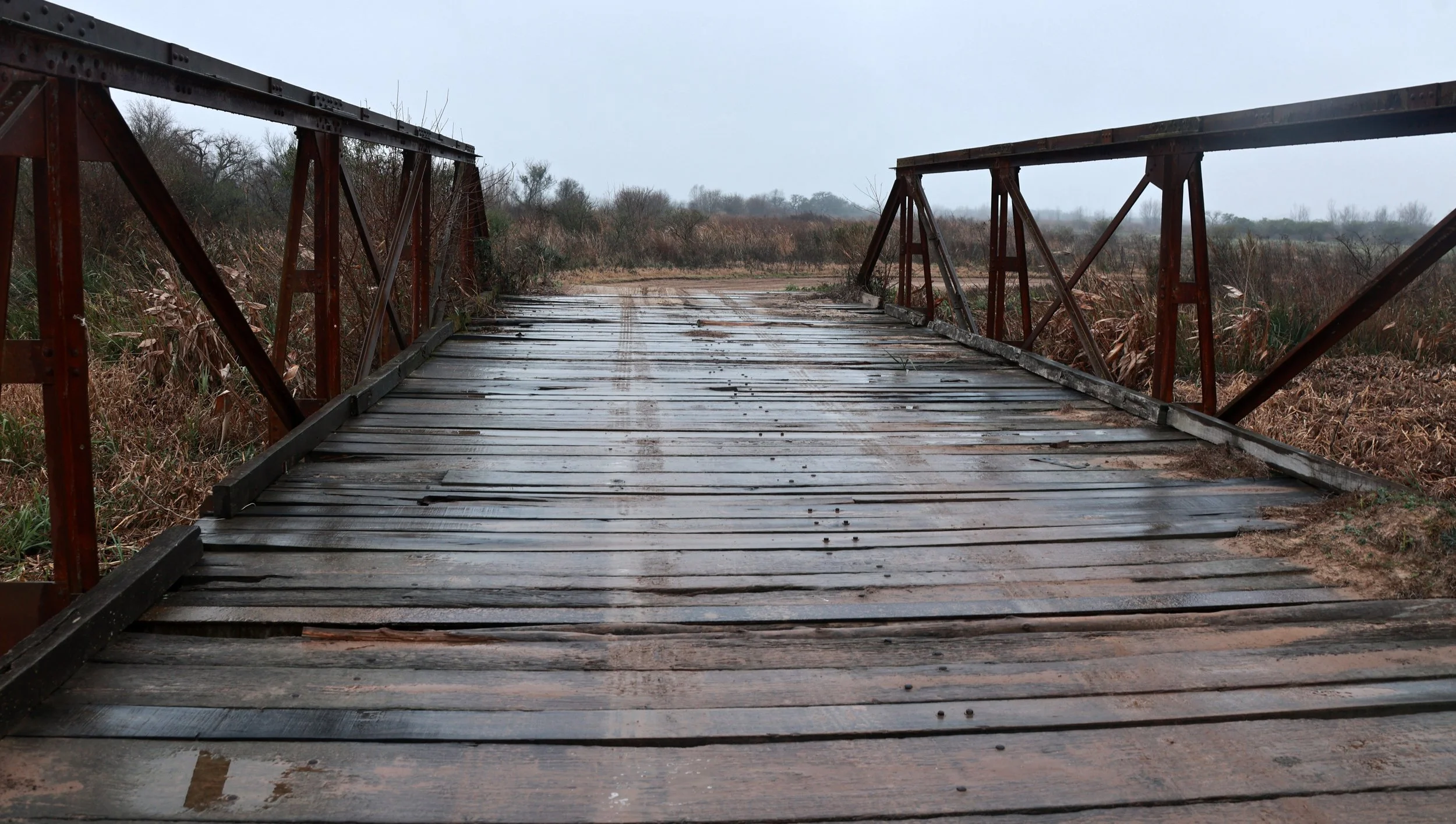
Old wooden bridges still join the land
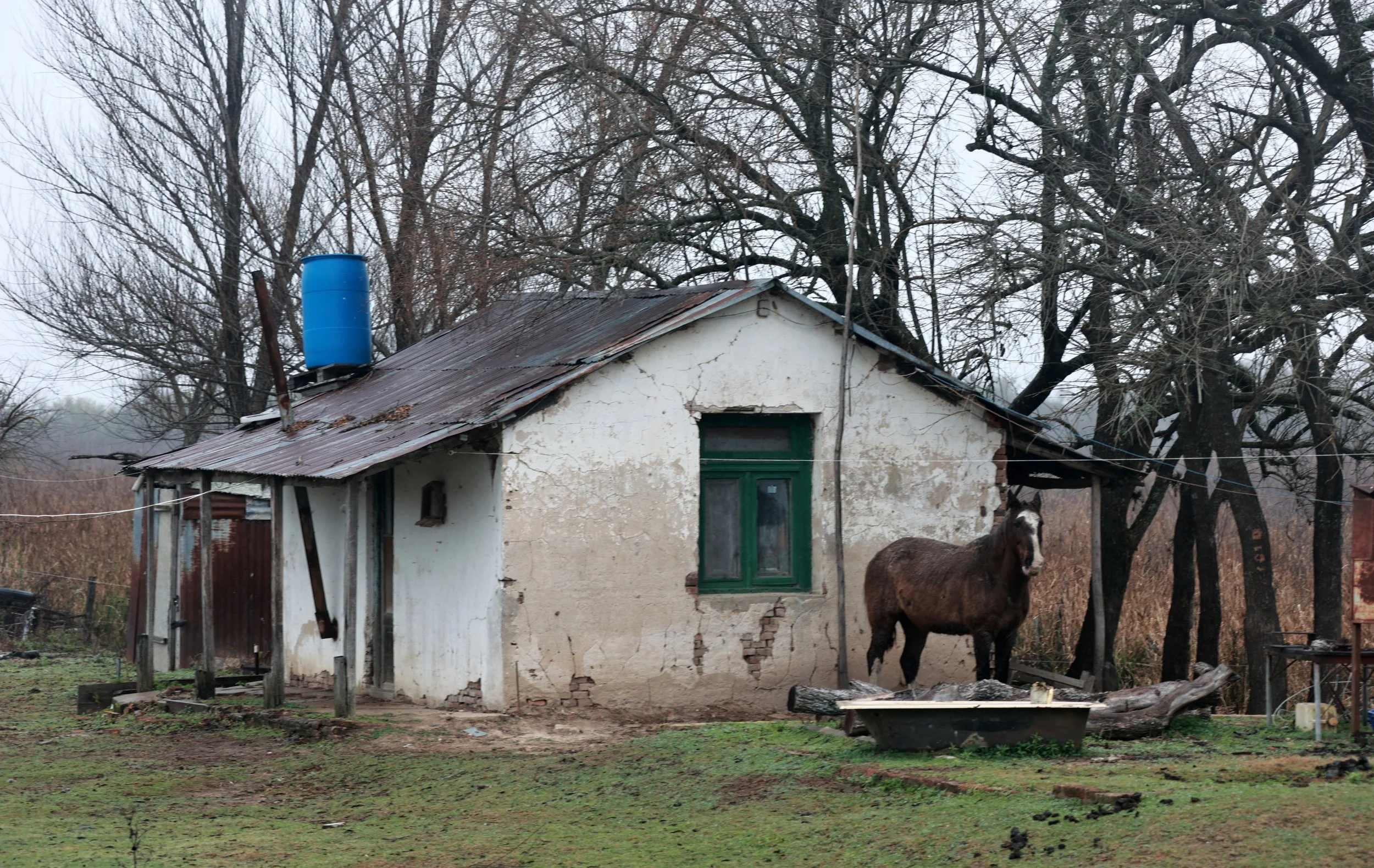
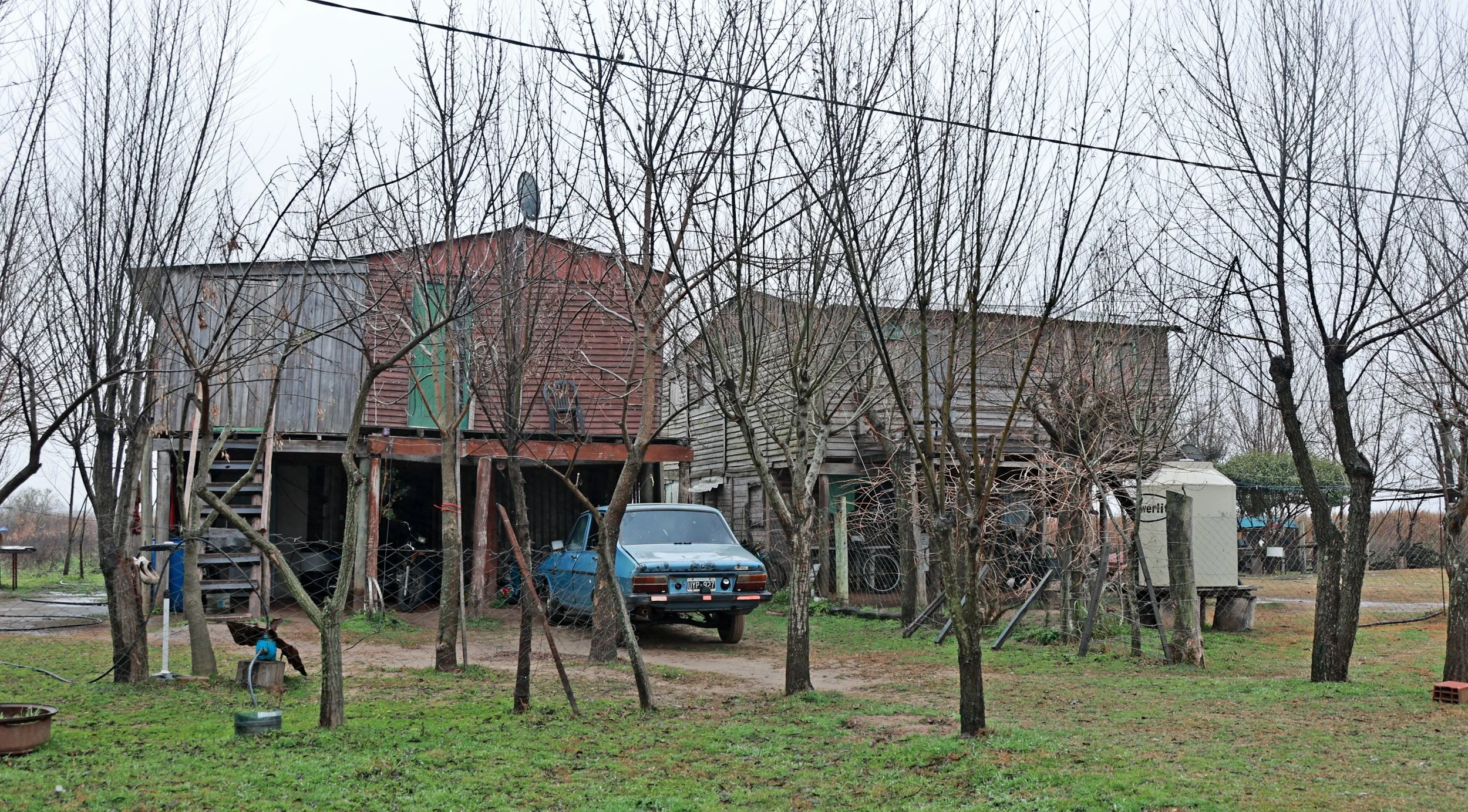
Typical home on the reserve.
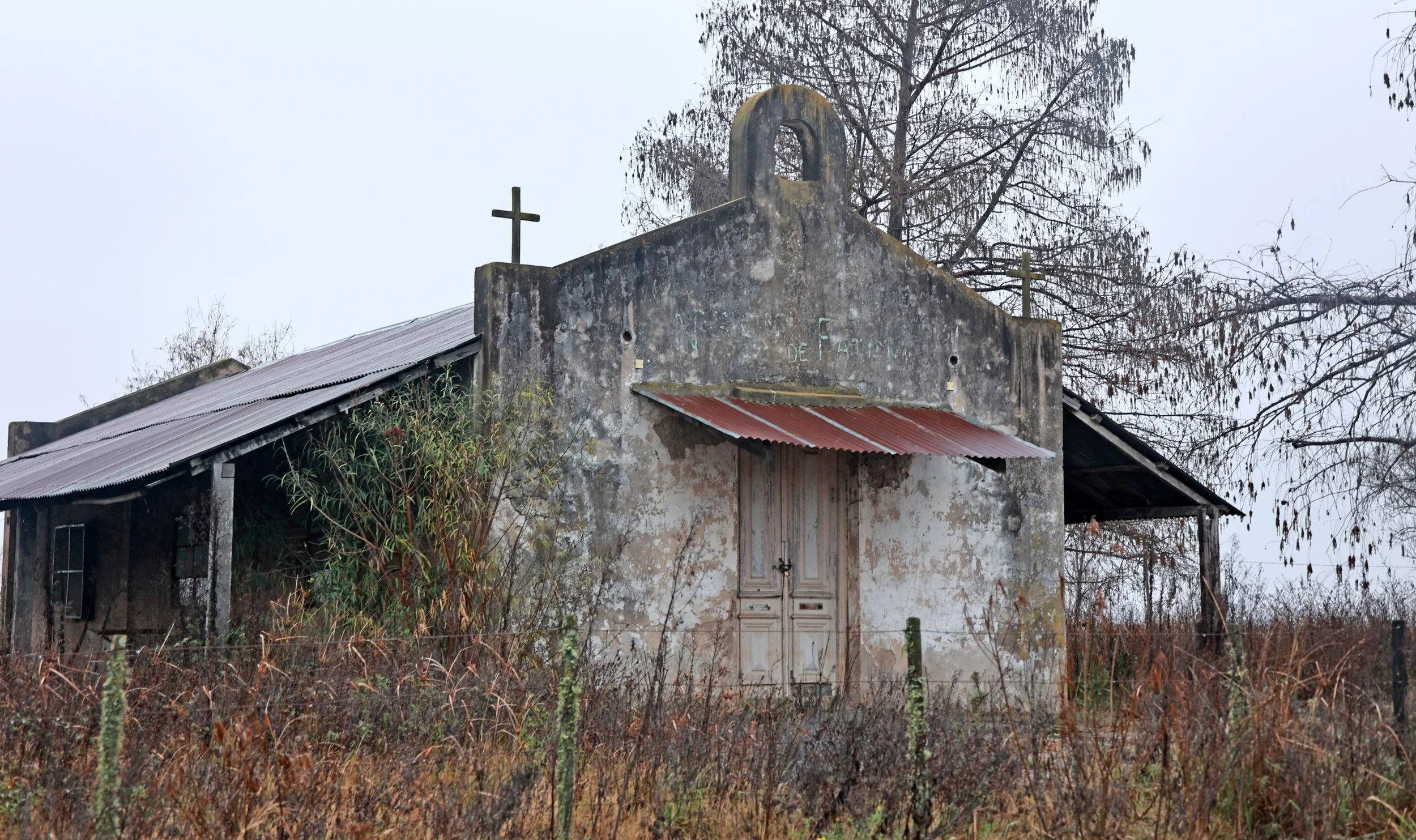
Abandoned church.
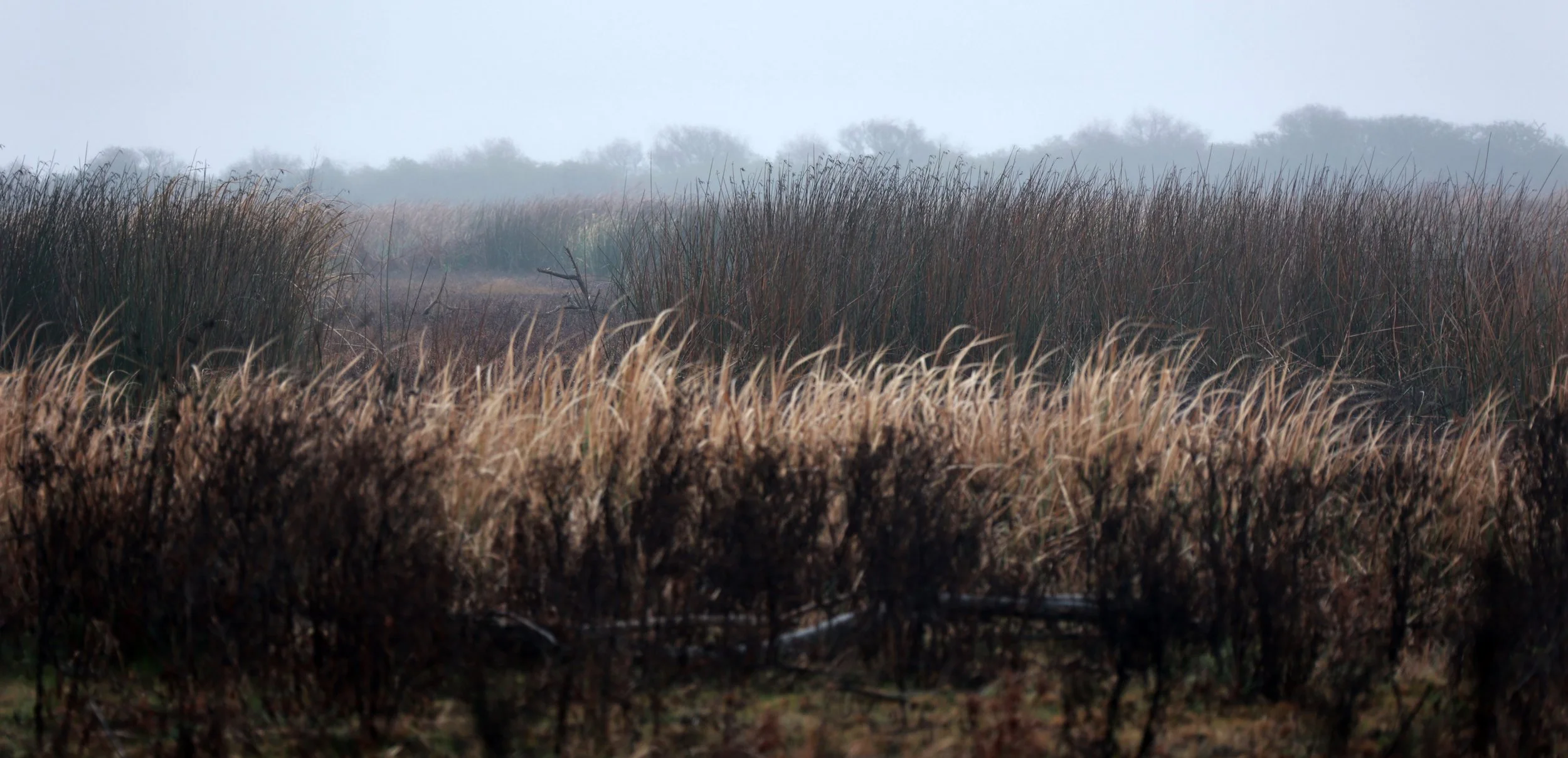
Typical Pampas vegetation in preserved in the reserve.
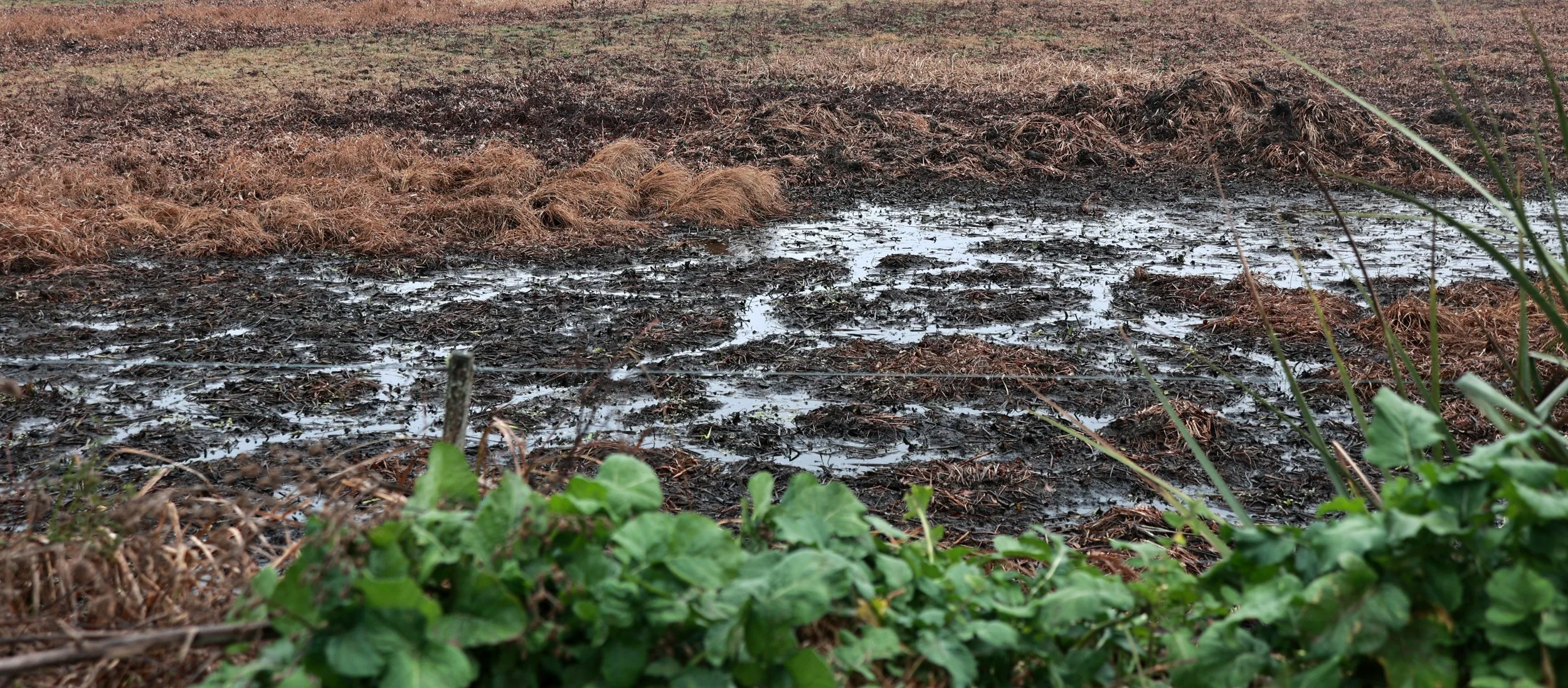
I am thinking this image has trails formed by Capybara and or Coypu.
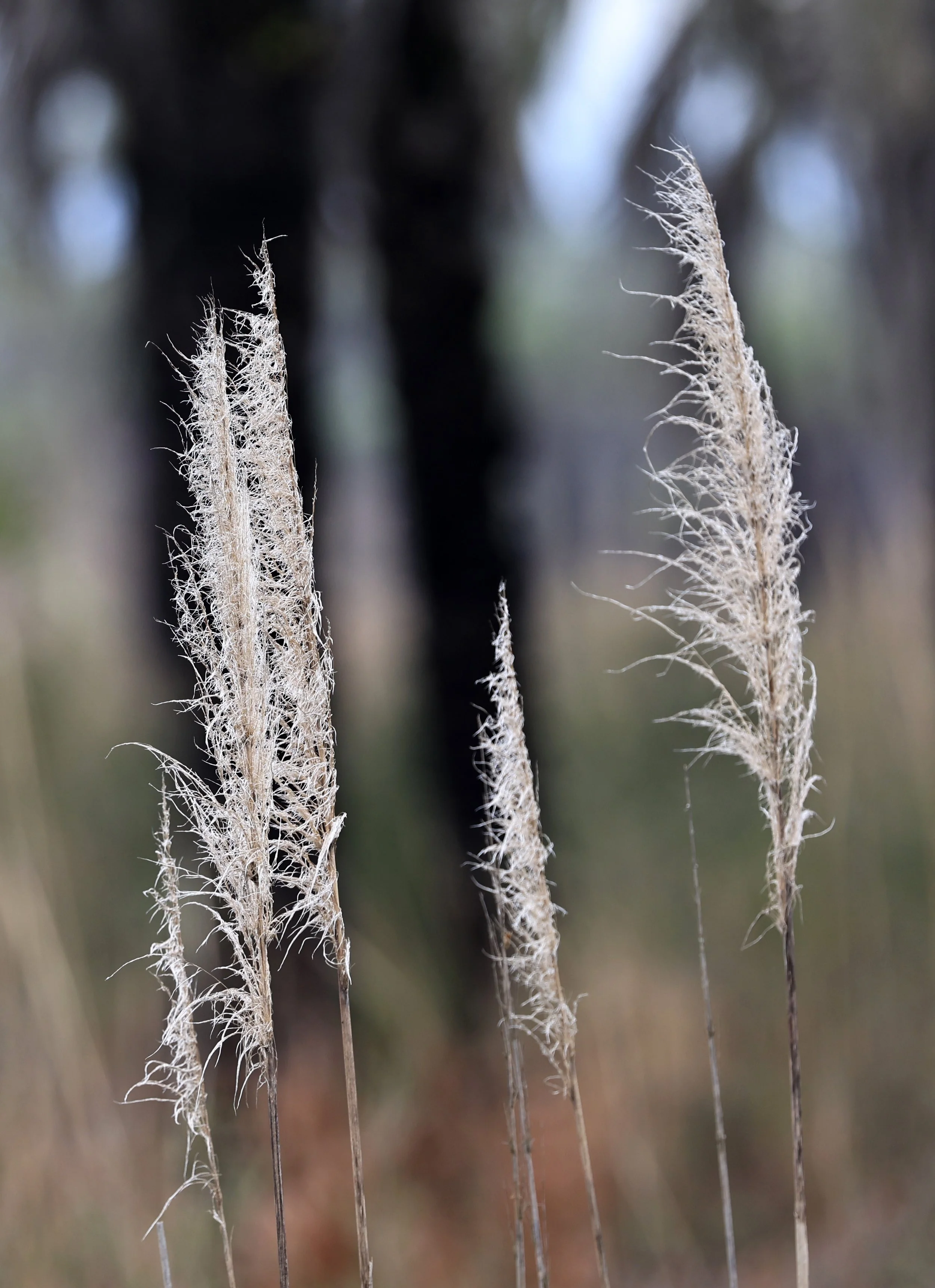
Pampas Grass (Cortaderia selloana) has been common every place I've ever lived. El Palmar and Ceiba provided me with my first glimpse of the species in its natural habitat.
Final Thoughts
Despite the cold weather and rain suppressing wildlife activity, El Palmar and Ceiba Reserve proved to be a thoroughly enjoyable experience and an excellent mammalwatching destination. The combination of abundant Capybara, reliable Pampas Fox, spectacular numbers of Plains Viscacha, and the unique Yatay Palm savanna habitat made for a memorable experience. While I missed several key targets, the park clearly has tremendous potential under more favourable conditions. The park's diversity was perhaps its greatest strength. In a single day it was possible to move between palm savanna, wetlands, gallery forest, river viewpoints, and open grassland, all while encountering impressive numbers of mammals and birds. Few sites offer such an enjoyable combination of accessibility, scenery, and wildlife.

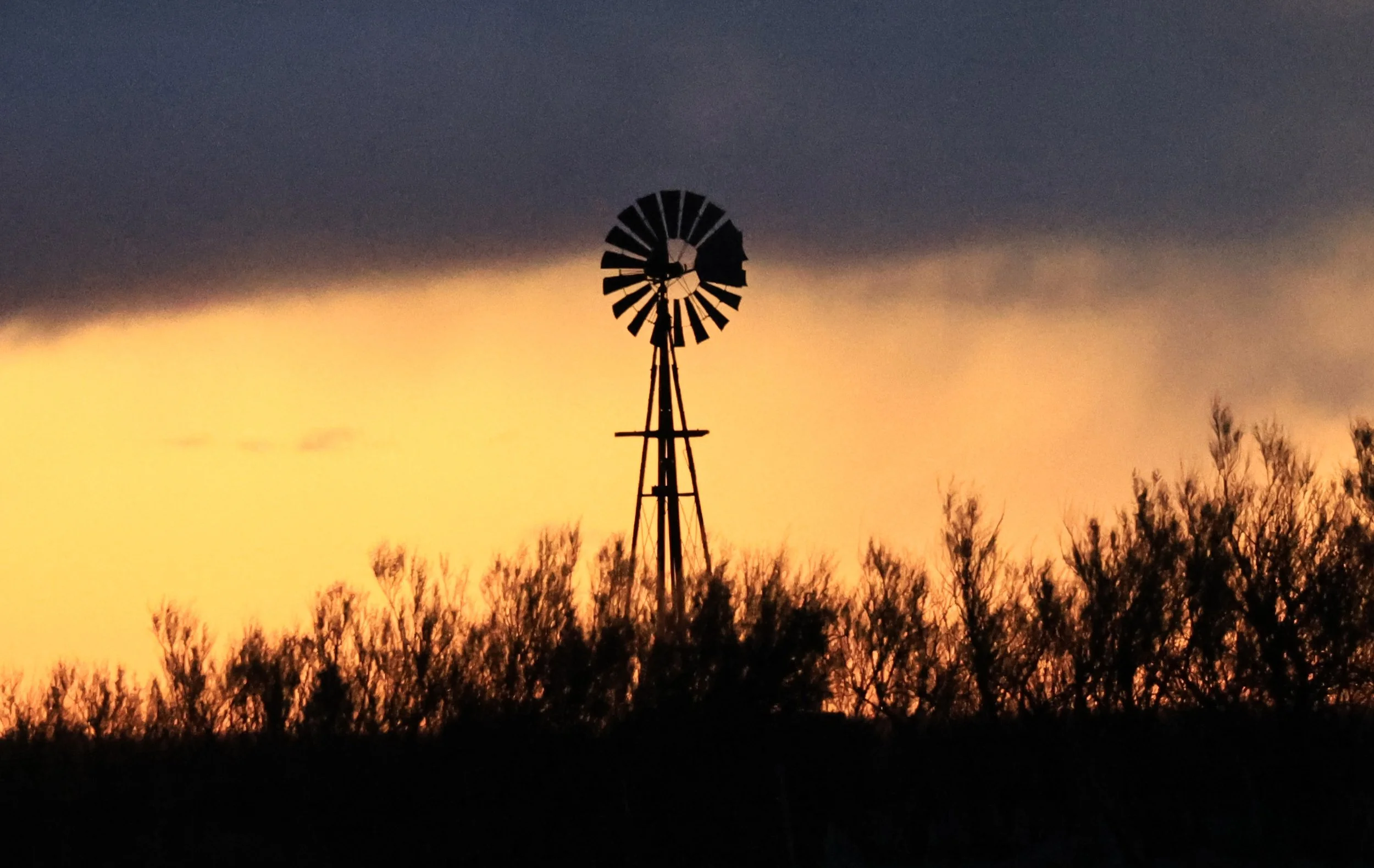
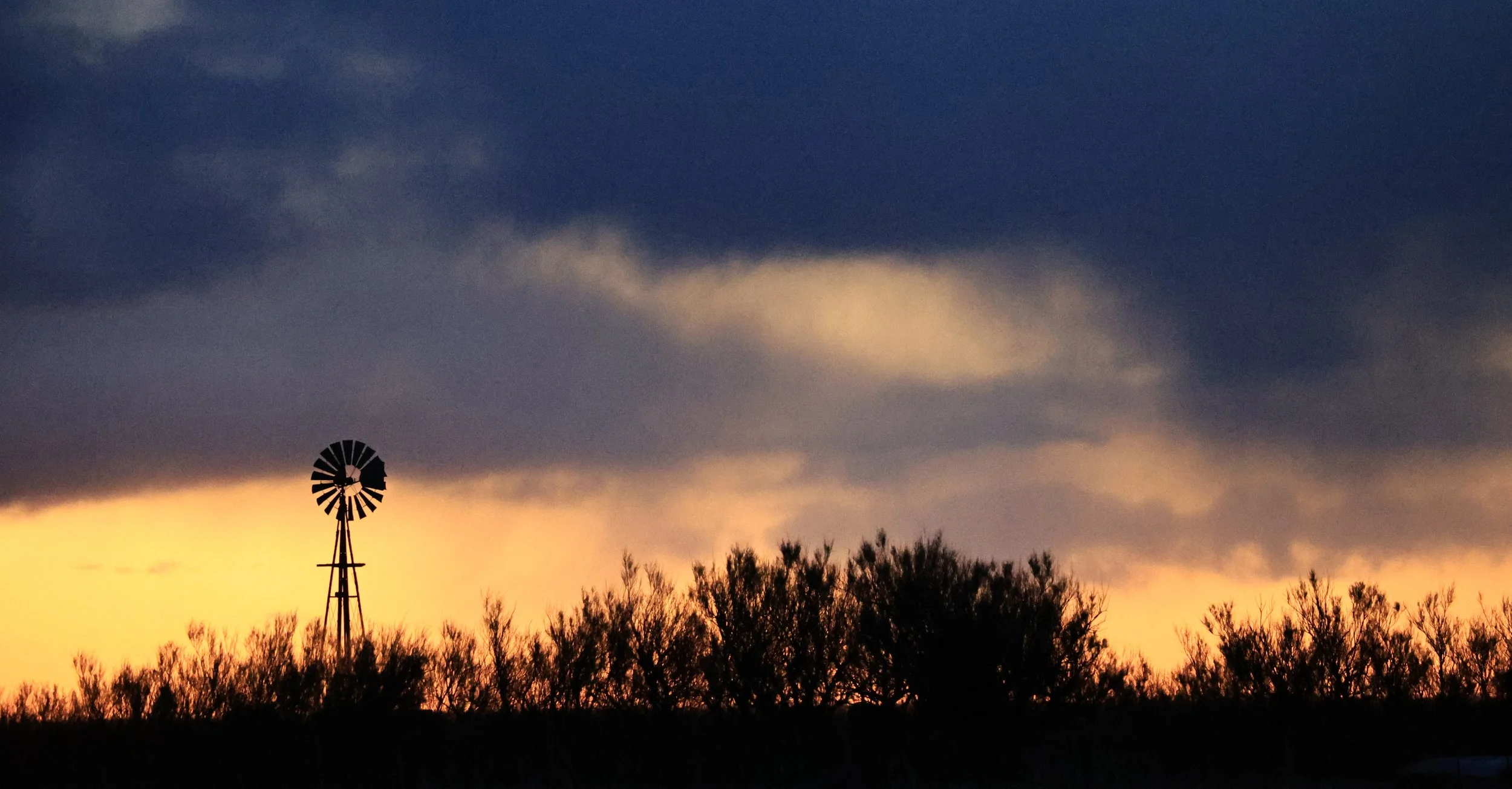
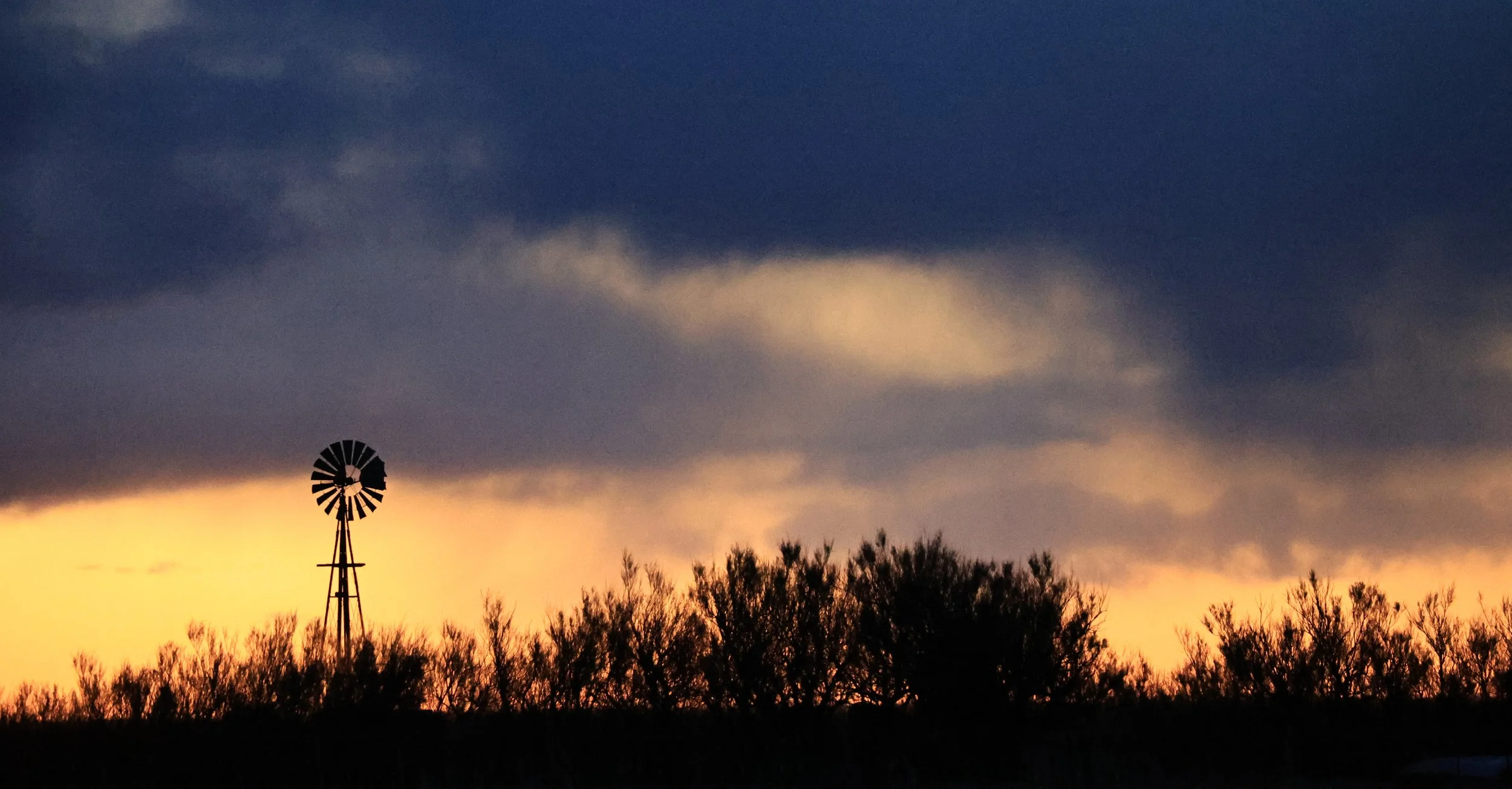
An El Palma sunset
Valdes Peninsula, Chubut Province, Argentina
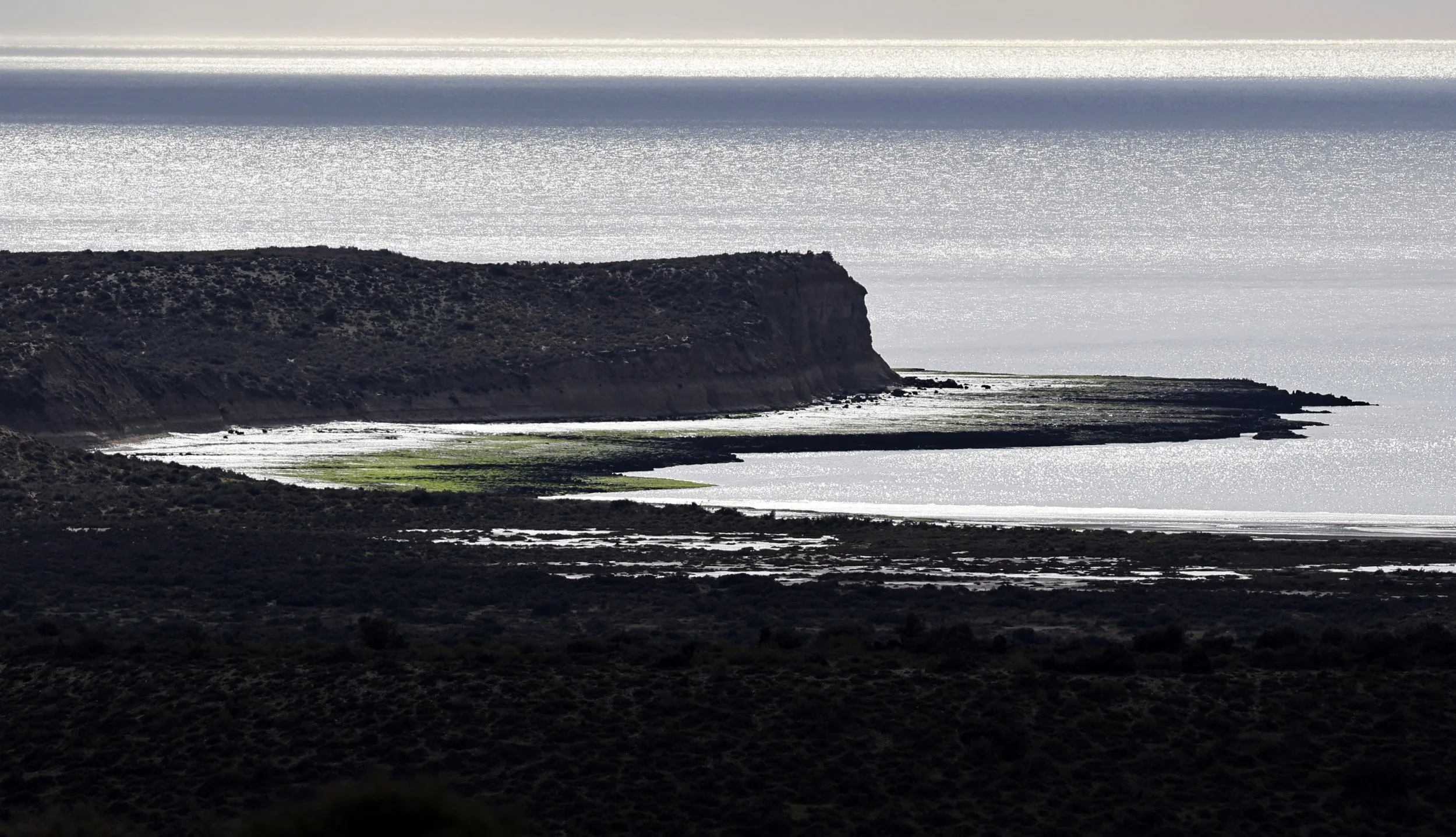
After leaving the wetlands and palm savannas of Entre Ríos behind, I caught a late evening flight south to Trelew and picked up a rental car for the drive onto the Valdes Peninsula. If El Palmar had been all about grassland mammals and endless Capybaras, Patagonia promised something entirely different: vast open steppe, marine mammals, and two species that had sat near the top of my South American wish list for years, Patagonian Mara and Guanaco.
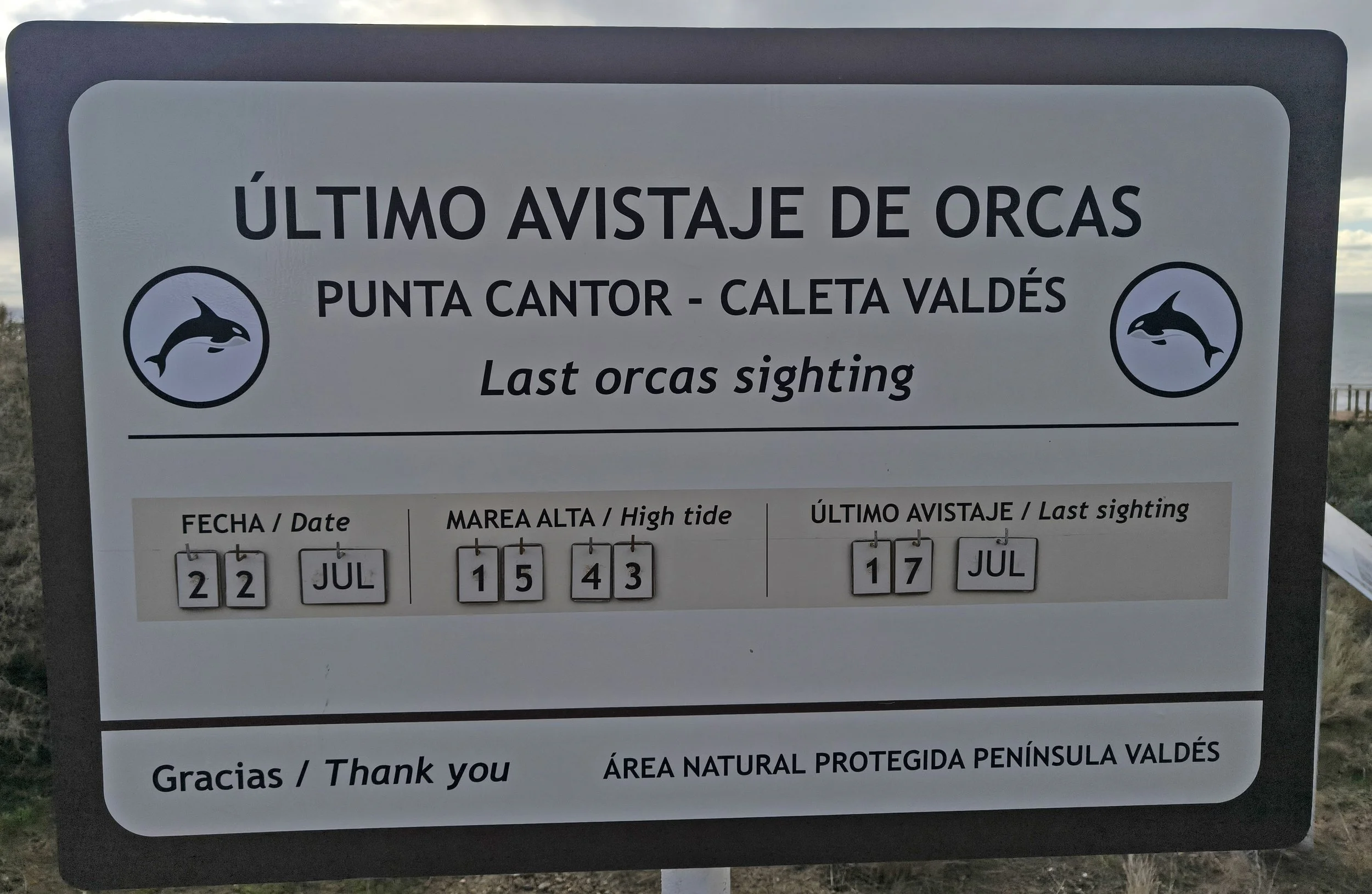
Valdes Peninsula is often marketed as one of the world's great whale-watching destinations, and rightly so, but for mammalwatchers the peninsula offers much more than marine life. The combination of Patagonian steppe, coastal cliffs, salt flats, and remote gravel roads supports an impressive variety of mammals, many of which are difficult to see elsewhere. The peninsula itself is a UNESCO World Heritage Site and projects out into the South Atlantic from the coast of Chubut Province. Much of the area consists of open scrub-steppe that initially appears lifeless. However, as with many arid ecosystems, patience quickly reveals that the landscape is packed with wildlife.
My plan was simple: spend four days exploring as much of the peninsula as possible, with particular emphasis on finding Mara, armadillos, skunks, and whatever else Patagonia decided to offer. Of course, as with many visitors, my trip started in Trelew.

Hotel Touring Club was where I spent my first night in the area. Arriving at 2AM with no option to sleep at the airport, this 160 year-old classic hotel was perfect to get a decent sleep.

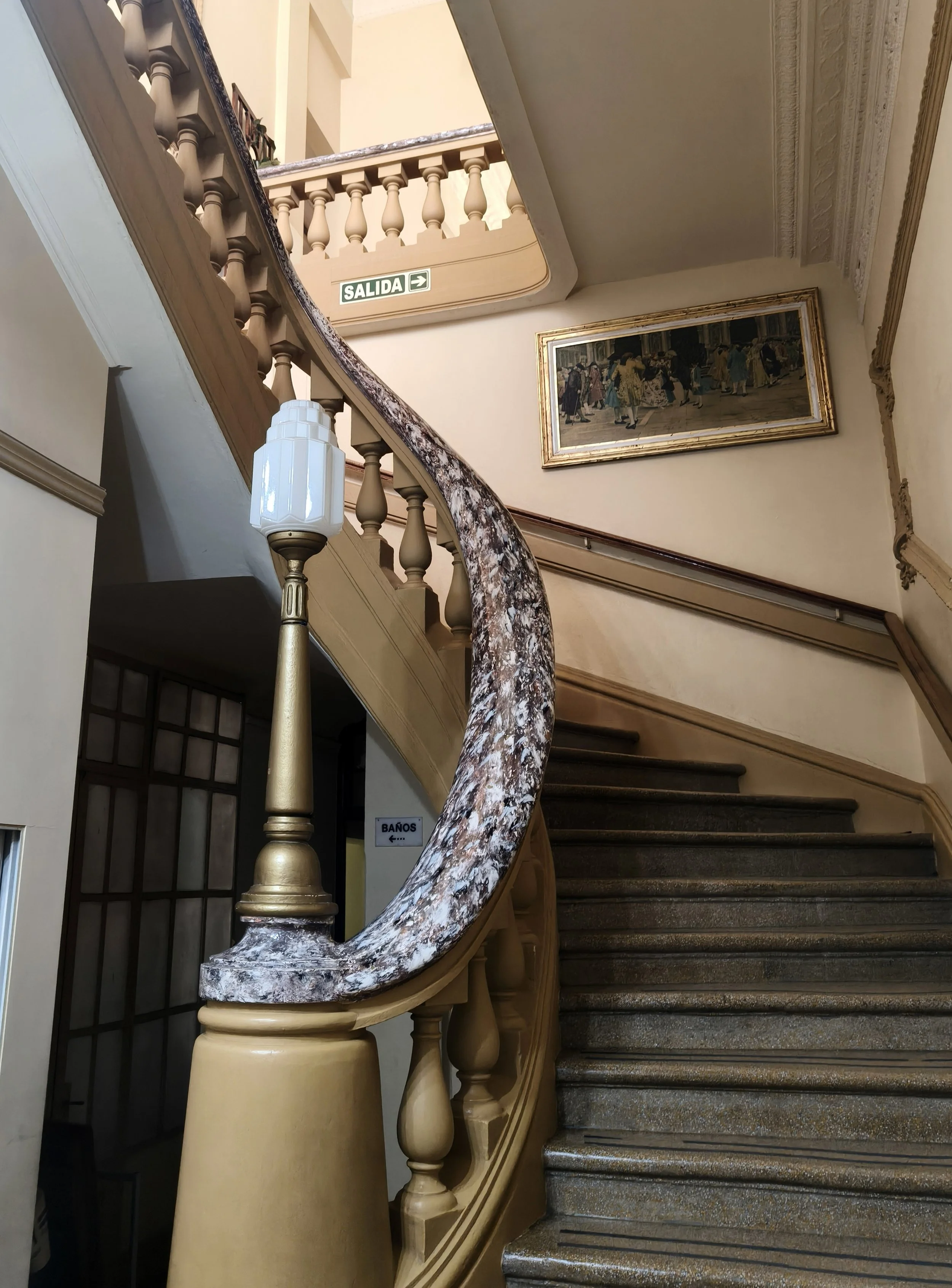
The decor was quite nice and was a good look at the classic Argentinian architecture.

Still works!

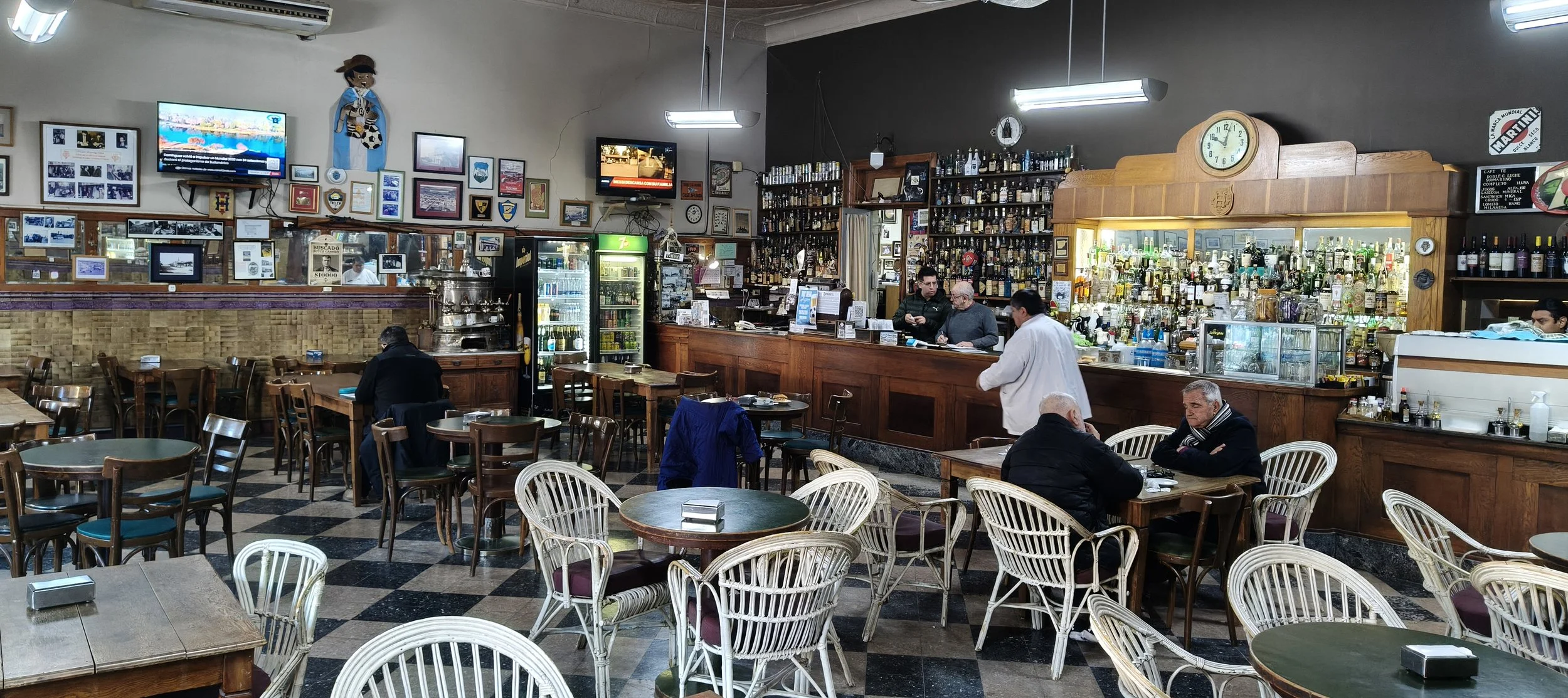
Normally I don't take pictures, let alone post them, of my lodging options, but this place was special and a very pleasant surprise glimpse of older Trelew and Argentina. I'd stay here again for sure.
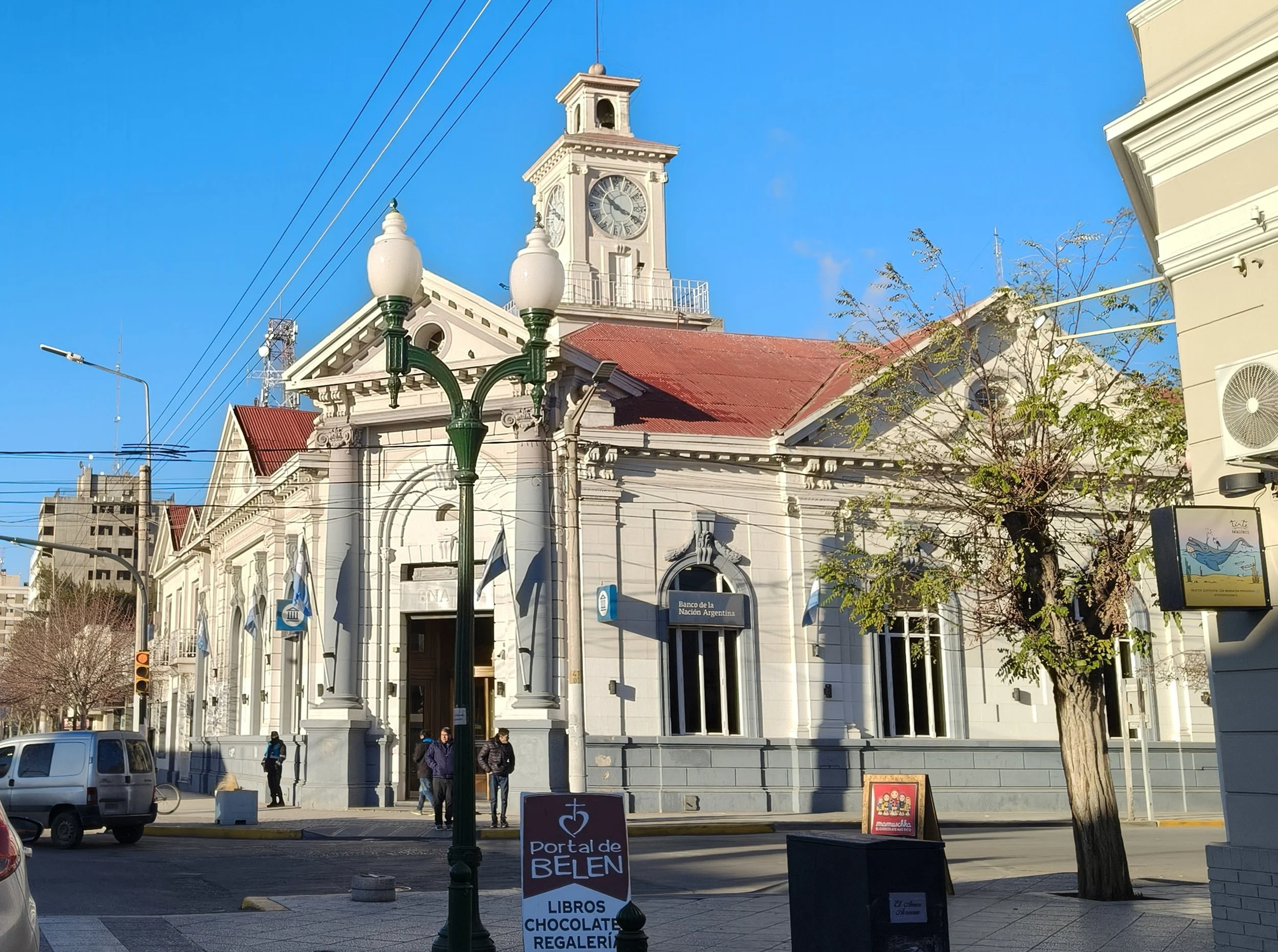
The main street in Trelew was nice - classic European facades.
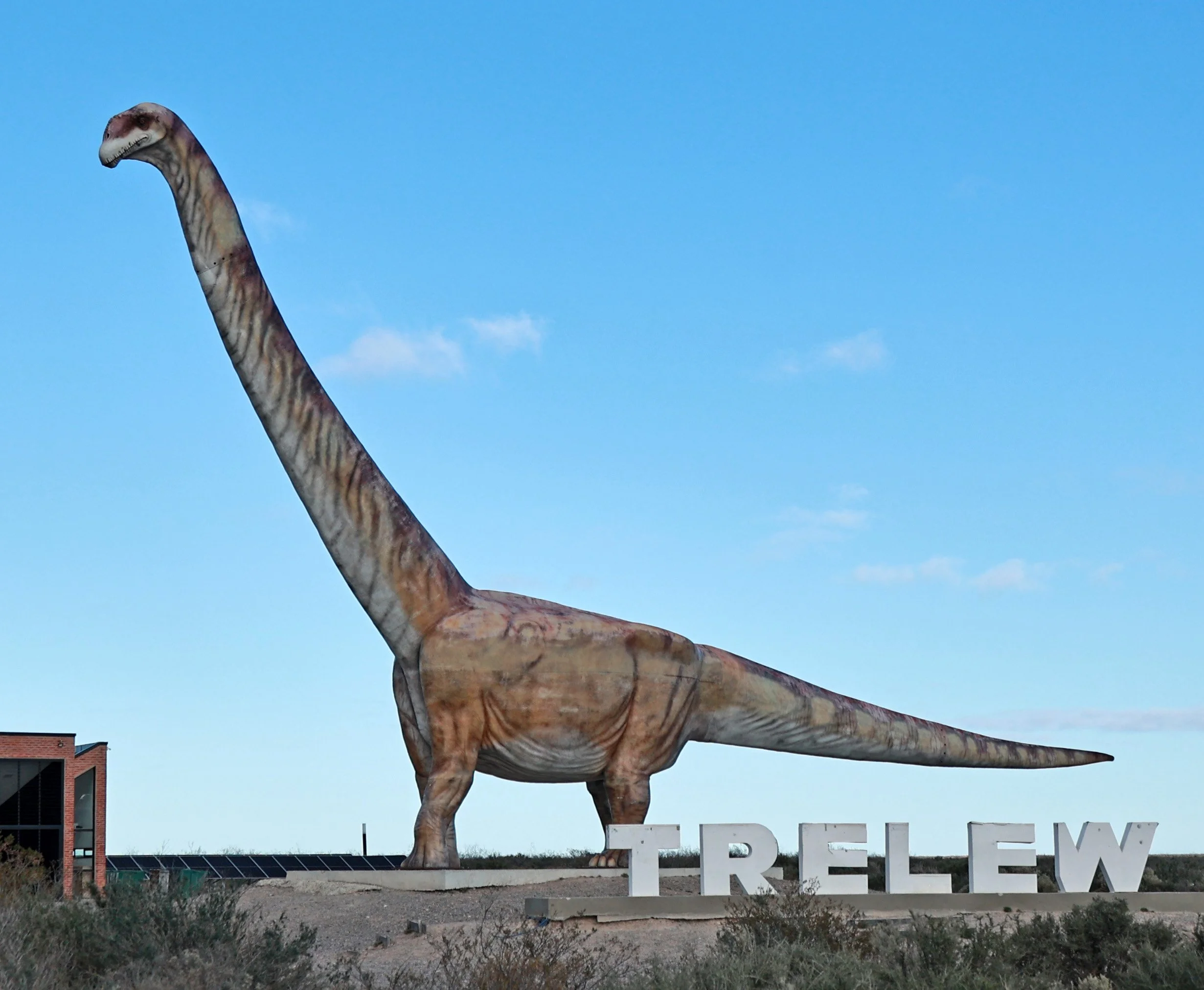
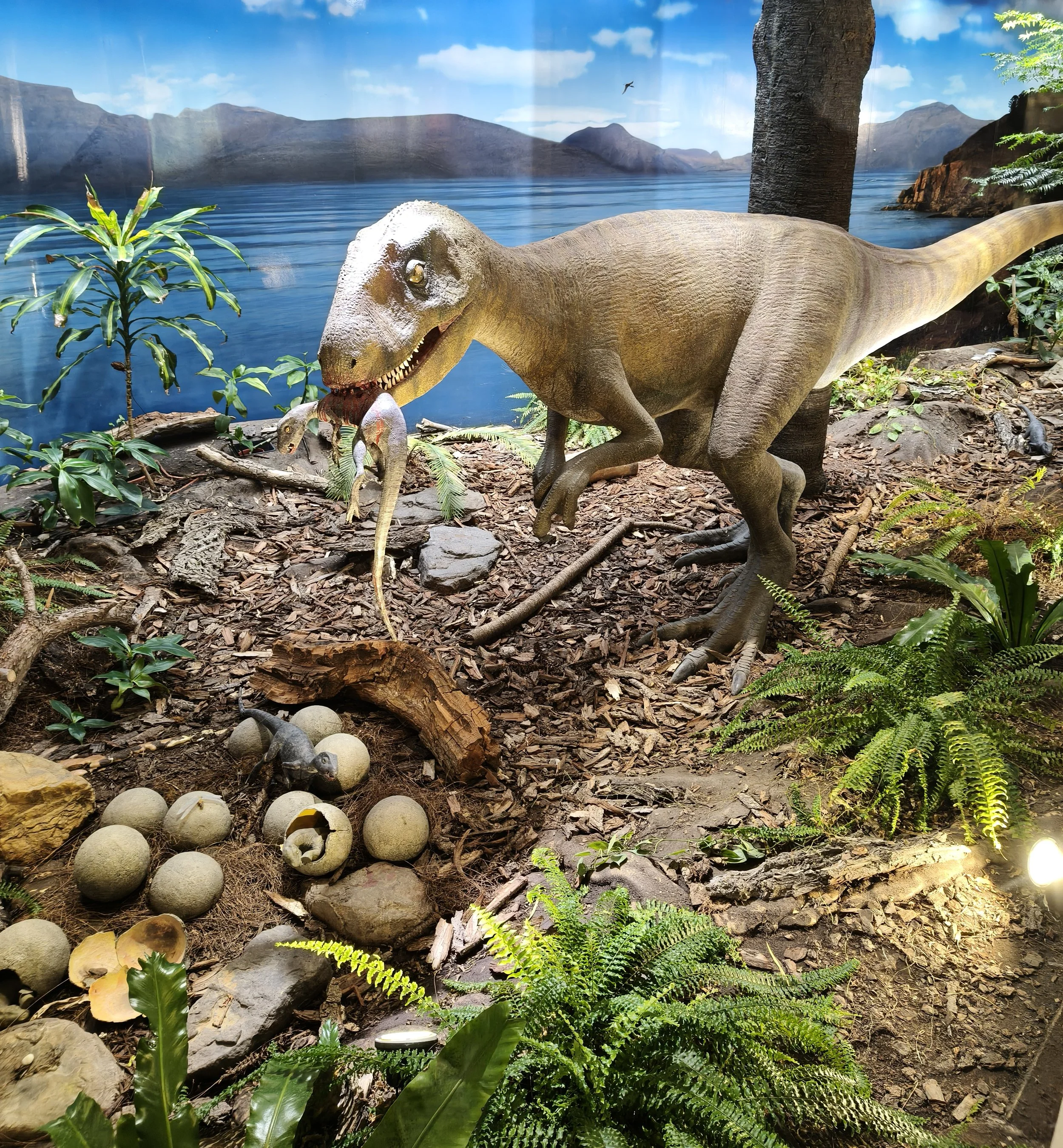
The Trelew region is known for being a dinosaur fossil hotspot.
Guanaco

Before discussing the more difficult species, it is impossible not to start with the Guanacos. I had expected to see them regularly. I had not expected to see them nearly everywhere.
The Guanaco (Lama guanicoe) is a wild South American camelid and the ancestor of the domesticated llama. It inhabits a wide range of environments, from the grasslands and shrublands of Patagonia to the high-altitude Andes, where it is well adapted to cold temperatures, strong winds, and scarce water. Guanacos are social animals that typically live in family groups consisting of a dominant male, several females, and their offspring, although bachelor groups and solitary males are also common. They are herbivores, feeding mainly on grasses, herbs, and shrubs, and can survive in arid regions by obtaining much of their moisture from vegetation. Breeding occurs during the austral summer, and after a gestation period of about 11 months, females give birth to a single offspring known as a chulengo. Guanacos play an important ecological role as grazers and as prey for predators such as pumas. Their thick, fine wool provides insulation against harsh climates, and their remarkable endurance allows them to travel long distances across some of South America's most challenging landscapes. I’ve seen Guanacos near Lauca NP, Chile and many decades ago in Torres del Paine but I was never satisfied with my sightings. This was going to change here on the Valdes Peninsula. (Link to Main Guanaco Gallery)
Within an hour of entering the peninsula I realized my estimates had been wildly conservative. Guanacos seemed to occupy every stretch of suitable habitat. Small groups stood silhouetted against the horizon, larger herds grazed beside the road, and solitary animals frequently appeared in areas that looked devoid of life only moments earlier. Over four days I must had seen hundreds of Guanacos.
One of my primary reasons for visiting Patagonia had been the chance to spend time with this iconic camelid, and Valdes delivered beyond expectations. I loved watching these amazing American camels graze the scrub of the peninsula. While they definitely reacted if I ventured to close they spent most our time together simply watching me watch them.


Patagonian Mara

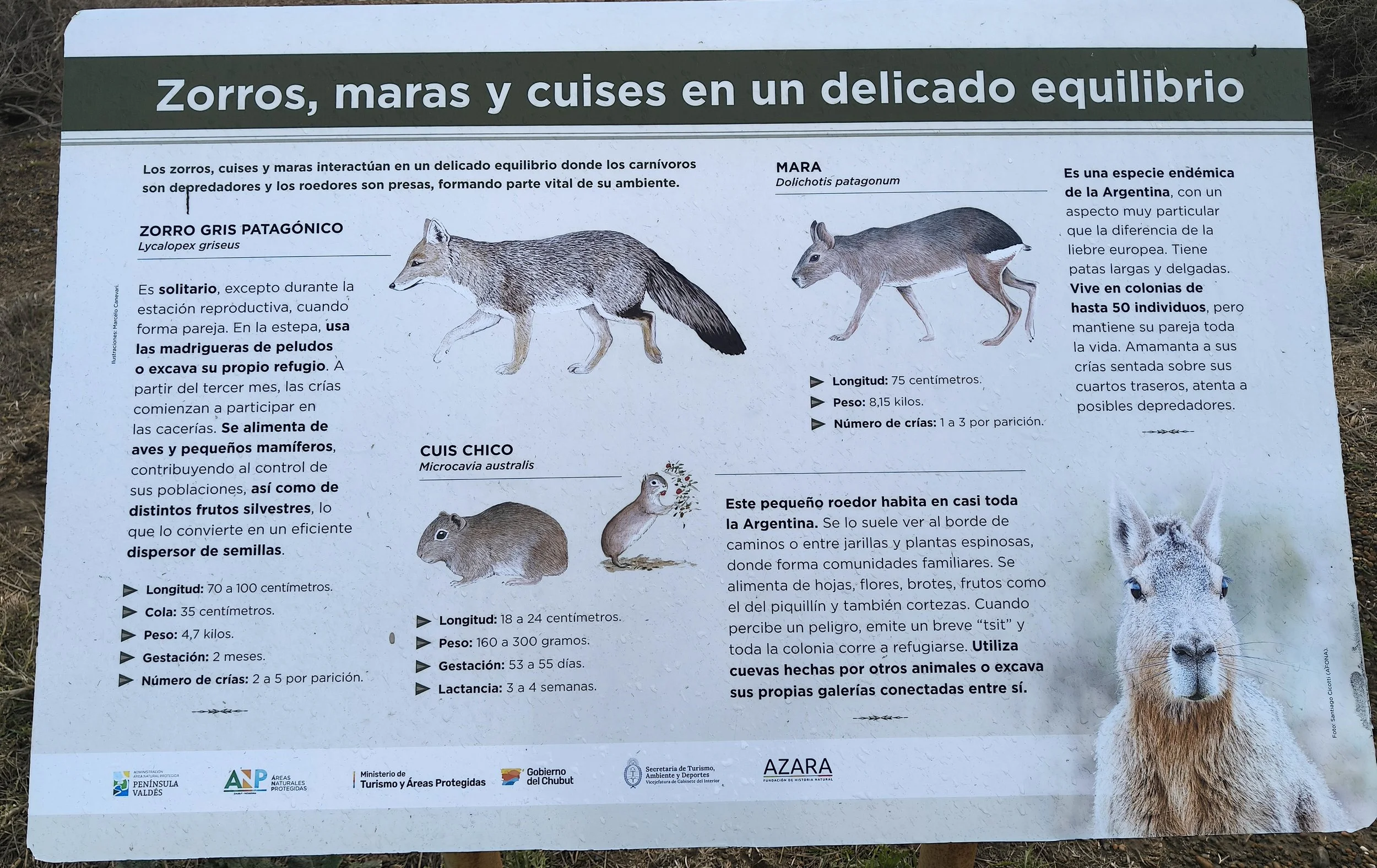
The species I most wanted to see was undoubtedly the Patagonian Mara. The Patagonian mara (Dolichotis patagonum) is a large rodent native to the open grasslands, scrublands, and semi-arid regions of Argentina. Resembling a small deer or hare in appearance, it is one of the largest rodents in the world and is well adapted for life in open habitats, where its long legs and powerful hind limbs allow it to run at speeds of up to 45 km/h to escape predators. Patagonian maras are herbivores that feed on grasses, leaves, herbs, and other vegetation. They are notable for their unusual social system, forming long-term monogamous pairs that remain together throughout much of their lives. During the breeding season, females give birth to small litters in communal nursery burrows, where several mothers may leave their young under the watch of nearby adults. Predators include foxes, pumas, and birds of prey. By grazing and dispersing seeds, maras contribute to the ecology of the Patagonian steppe, while their alert behavior and speed help them survive in the exposed landscapes they inhabit. (Link to main Patagonian Mara gallery)
As anyone who has chased supposedly common mammals knows, abundance on paper does not always translate into easy sightings. For reasons known only to the mara population of Valdes Peninsula, they appeared determined to avoid me. After several hundred kilometers of driving the dirt and mud tracks of the peninsula (do not underestimate the size of the place AND the distances between locations), I’d seen zero mara. By this point I had driven countless kilometres of apparently perfect habitat while repeatedly convincing myself that every distant bush stump was finally going to be a mara. It never was.
Then the morning of my third day came and I hit a T - junction in the road – left was north to Punta Norte, which I’d already travelled to, and right was southwest toward Punta Delgada, where some reports stated sightings of the mara. Something possessed me to turn left and search along the grasslands near that track rather than the other direction with a record of sightings. As luck would have it, it was the correct choice! Scanning one of the large freshwater ponds produced two “stumps” off in the distance…. When one of the stumps disappeared suddenly, I knew I had my mara! They allowed to me quietly sneak up a bit closer to get some awesome views of this truly spectacular rodent. There is no doubt that the Patagonian Mara ranks up in the near top of my favourite mammals on the planet!
The next and final day I did have excellent views of two additional mara before they disappeared across the steppe along the Punta Delgada track – again after being spotted ever so briefly from the corner of my eyes. Given the amount of effort invested, the sighting felt disproportionately satisfying and became one of the highlights of the entire Argentina leg of the trip. Sometimes mammalwatching rewards determination. Sometimes it simply enjoys testing your patience first.

From a distance it is easy to miss these large rodents. In this picture the Mara to the right ducked down which was my clue that they were not in fact "stumps"!


Bolting through the Patagonian steppe...


Watching the mara "prong" their way across the steppe was a treat. The Chacoan Mara seemed to move more like a rabbit while the Patagonian were like Blackbuck...boing boing...


Total prong! Note the wildlife friendly wire


Both my sightings were mating pairs.
Southern Mountain Cavies

While the Mara proved unexpectedly difficult, Southern Mountain Cavies certainly did not. The Southern Mountain Cavy (Microcavia australis) is a small rodent native to the arid and semi-arid regions of Argentina, particularly in the Patagonian steppe and rocky foothills of the Andes. Closely related to guinea pigs, it occupies habitats with sparse vegetation, where it shelters among rocks, shrubs, and burrows to avoid predators and extreme temperatures. Southern mountain cavies are herbivores that feed on grasses, leaves, stems, and other plant material, playing an important role in shaping local plant communities. They are generally social animals, living in small groups and communicating through a variety of vocalizations and scent markings. Breeding can occur throughout much of the year when conditions are favorable, and females give birth to well-developed young that are able to move and feed shortly after birth. Predators include foxes, birds of prey, and small carnivorous mammals, making vigilance and the use of cover essential for survival. As both grazers and prey species, southern mountain cavies form an important component of the ecosystems of southern South America.
They turned out to be one of the most frequently encountered mammals on the peninsula. Roadside embankments, and scrubby slopes regularly hosted small groups, and after the first day they became almost routine. Their abundance actually provided a useful reminder of how deceptive the Patagonian landscape can be. Areas that initially looked barren often held cavies, rheas, guanacos, and numerous birds once examined more carefully.
(Link to main Southern Mountain Cavy gallery)


Large Hairy Armadillo

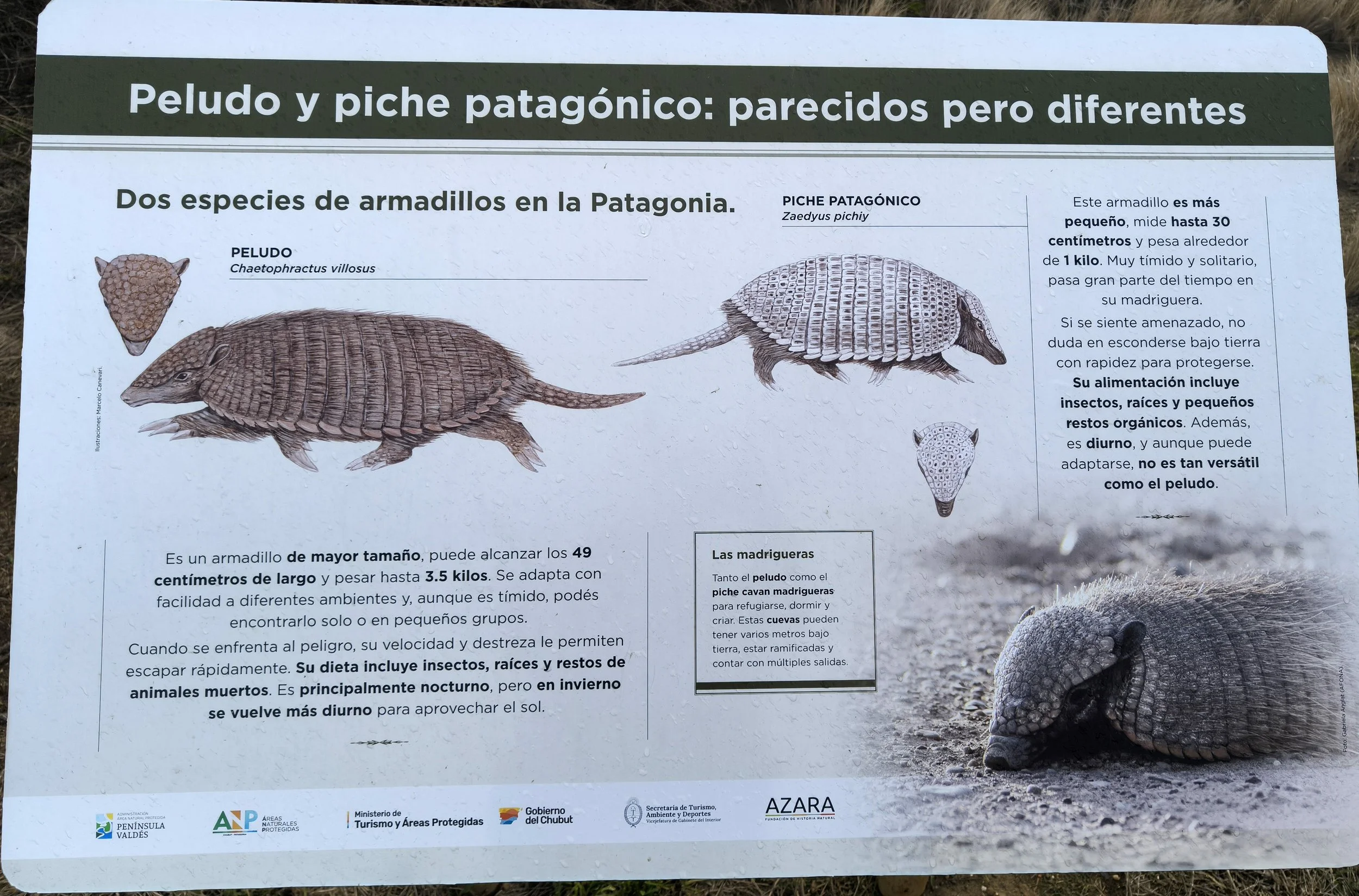
One of the standout mammal sightings occurred near the western end of the peninsula in the vicinity of the Valdez Restaurant. The Large Hairy Armadillo (Chaetophractus villosus) is a medium-sized armadillo native to the grasslands, scrublands, and semi-arid regions of southern South America, particularly Argentina, Bolivia, and Paraguay. It is distinguished by its protective armor of bony plates and the long, coarse hairs that grow between them, providing additional insulation in cooler climates. Primarily nocturnal and solitary, the species spends much of its time digging extensive burrows with its powerful claws, which offer refuge from predators and extreme weather. Large hairy armadillos are opportunistic omnivores, feeding on insects, worms, small vertebrates, eggs, carrion, roots, fruits, and other plant material. Breeding typically results in litters of one to four young, which are raised in underground burrows until they are independent. Predators include foxes, pumas, and birds of prey, although the armadillo's armor and digging ability provide effective defenses. As both a consumer of invertebrates and a burrow-builder that modifies the landscape, the large hairy armadillo plays an important ecological role in the ecosystems of the South American plains and Patagonia.
While slowly working the roadside I spotted a Large Hairy Armadillo, a species high on my target list for the trip. This critter was high up an embankment and simply showed itself for a split second before dashing back out of view. Had I not been looking in that direction at that very moment, I would have missed it. I immediately dashed up the hill, camera in hand just in time to see it enter a burrow and out of view. I waited for several minutes in the freezing cold wind to eventually see it emerge and give me an awesome viewing. The animal showed well and allowed prolonged observation before continuing its business. Armadillos are always satisfying finds, and this individual represented one of the better mammal encounters of the entire visit.
(Link to main Large Hairy Armadillo)


The most common sighting of this species were their diggings. Here you see the claw marks of this spectacular armadillo species.
Humboldt Hog-nosed Skunks

Another pleasant surprise was the number of Humboldt Hog-nosed Skunks encountered. The Humboldt's Hog-nosed Skunk (Conepatus humboldtii), also known as the Patagonian hog-nosed skunk, is a medium-sized carnivoran native to the grasslands, shrublands, and open steppes of southern South America, particularly in Patagonia and adjacent regions of Argentina and Chile. It is characterized by its elongated snout, which is specially adapted for rooting through soil in search of food, and its distinctive black-and-white coloration that serves as a warning to potential predators. Primarily nocturnal and solitary, the species feeds on a wide variety of prey, including insects, grubs, small vertebrates, eggs, carrion, and plant material, making it an opportunistic omnivore. Like other skunks, it possesses scent glands that can eject a strong-smelling defensive spray when threatened. Breeding typically occurs once a year, with females raising litters of several young in burrows or sheltered dens. Although predators such as pumas and large birds of prey may occasionally target them, their warning coloration and chemical defenses provide effective protection. As both a predator of invertebrates and a scavenger, Humboldt's Hog-nosed Skunks play an important role in maintaining ecological balance within the Patagonian ecosystem.
Several individuals were found during the three-day stay, mostly while covering roads through suitable steppe habitat. Skunks often receive less attention than some of Patagonia's more glamorous mammals, but I have always enjoyed seeing them, and multiple encounters exceeded my expectations considerably. Normally skunks are species that are missed during mammalwatching expeditions due to their nocturnal, shy and secretive nature but after seeing at least four on the Peninsula I was convinced that their numbers are quite high there. I especially loved their “aggression dance” – where they gently jump up to about 45 degrees and then very gently pat their front paws on the ground – absolutely terrifying (haha)!

The beige back is the defining character of the Humboldt's Hog-nosed Skunk.


Current taxonomy places all species of Hog-nosed Skunks with Molina's but the beige coloration of the Humboldt's makes me want to keep them in this separate image gallery.

Marine Mammals
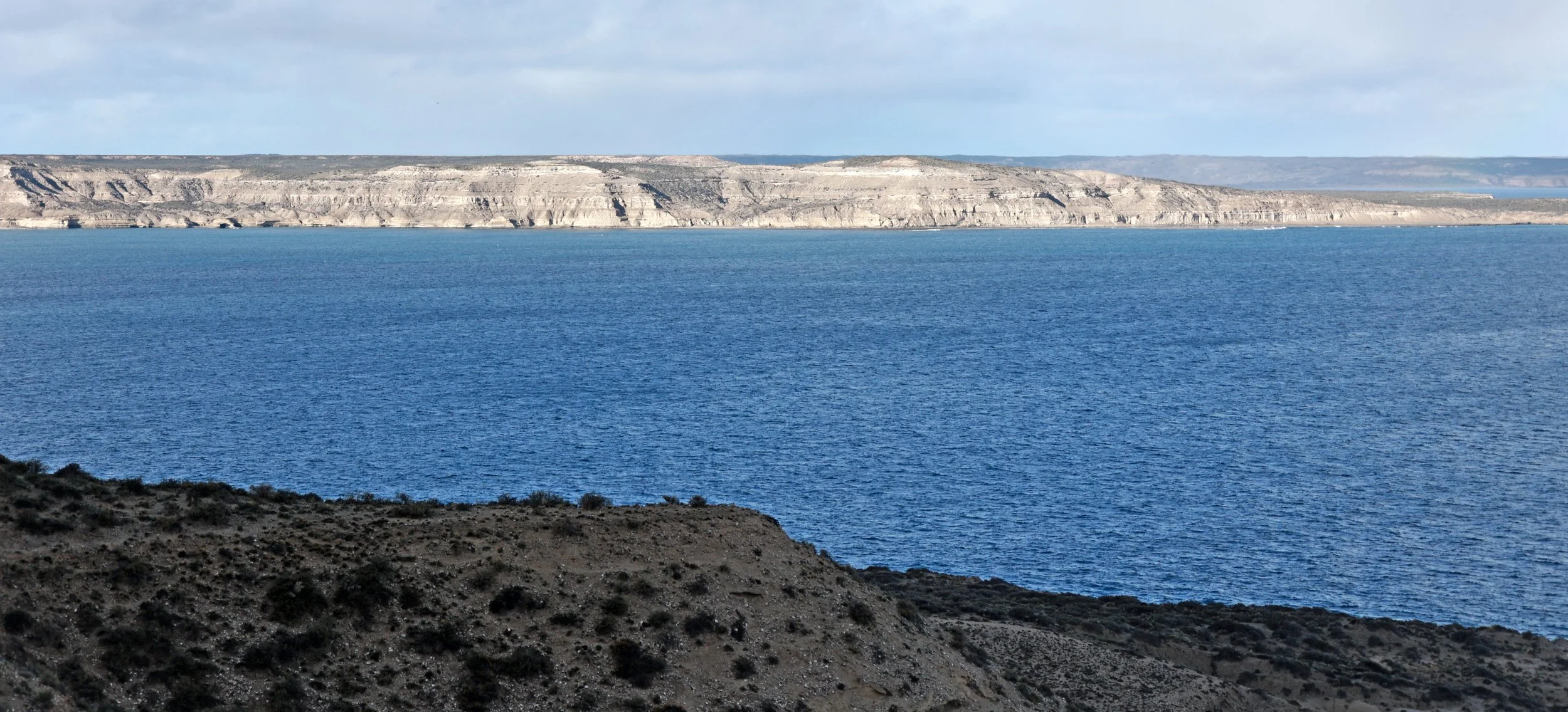
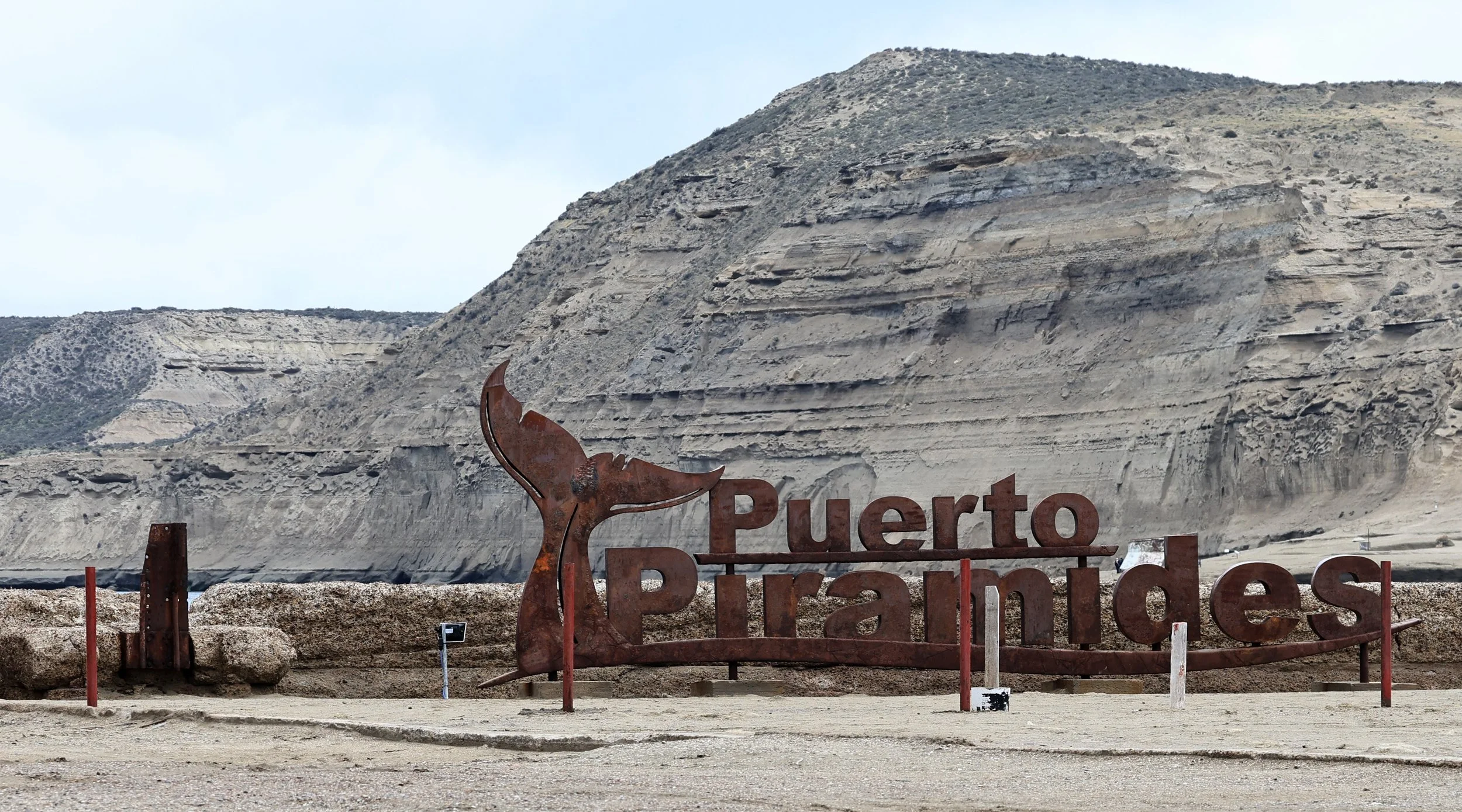
Puerto Pyramides Bay is home to many breeding Southern Right Whales this time of year
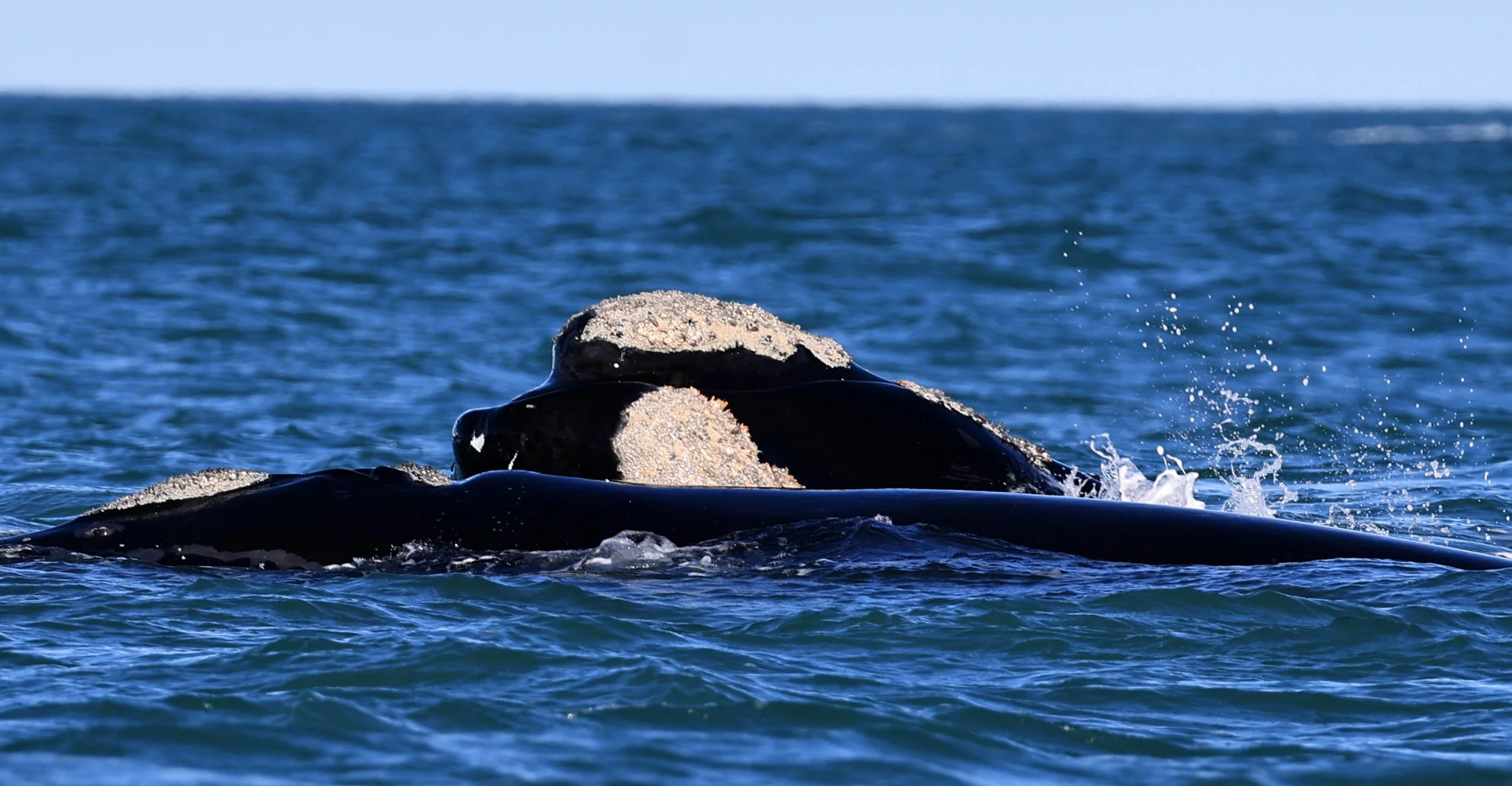
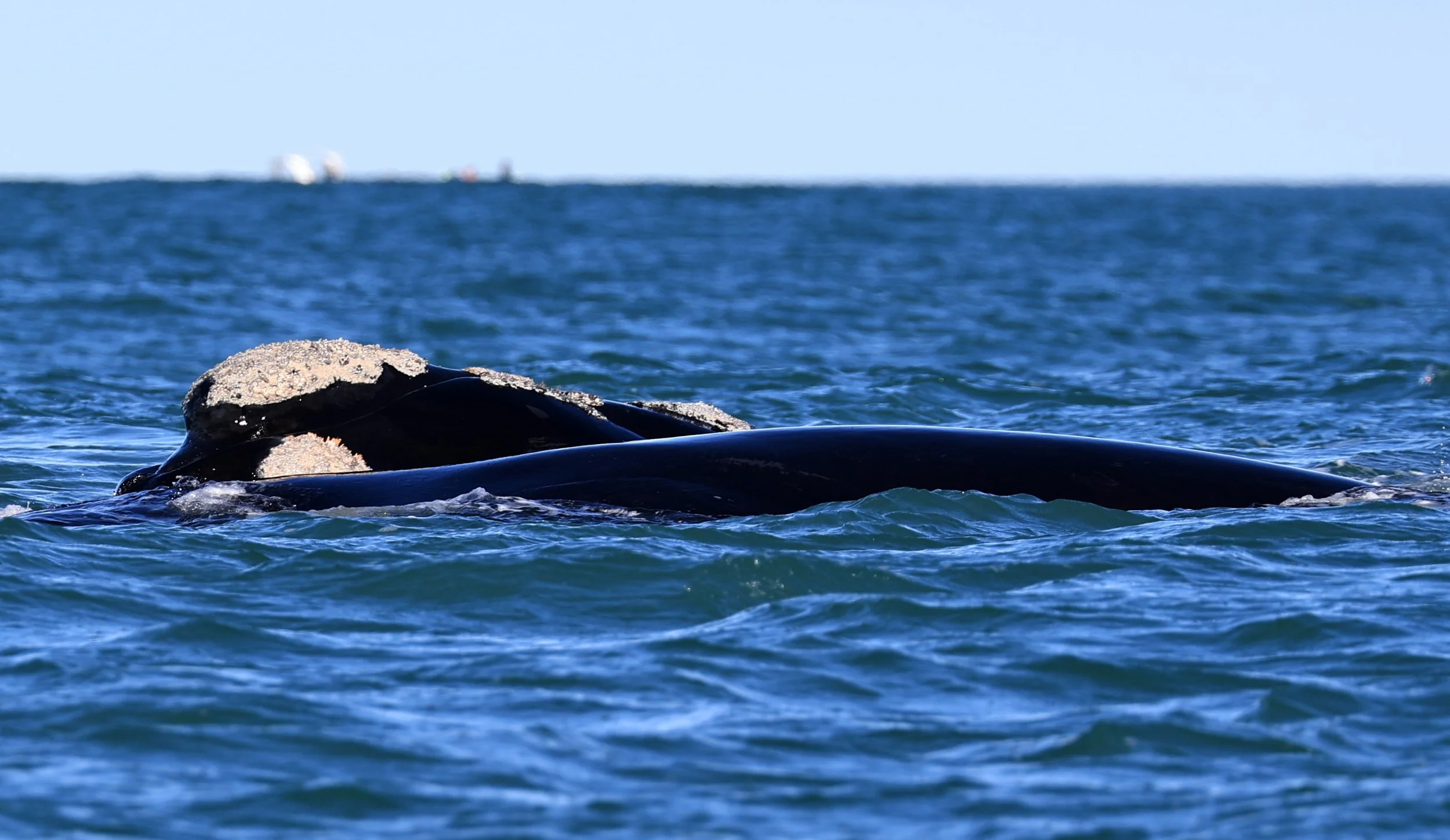
Of course, no visit to Valdes Peninsula would be complete without spending time along the coast. The waters around Puerto Pirámides were full of life. Numerous Southern Right Whales were visible offshore, often surprisingly close to land. Watching these enormous animals surface, blow, and occasionally expose portions of their massive bodies was one of the most memorable aspects of the visit. Most of the sightings involved “Surface Active Groups” (SAG’s) or more crudely known as “Right Whale Orgies”… Fun times.
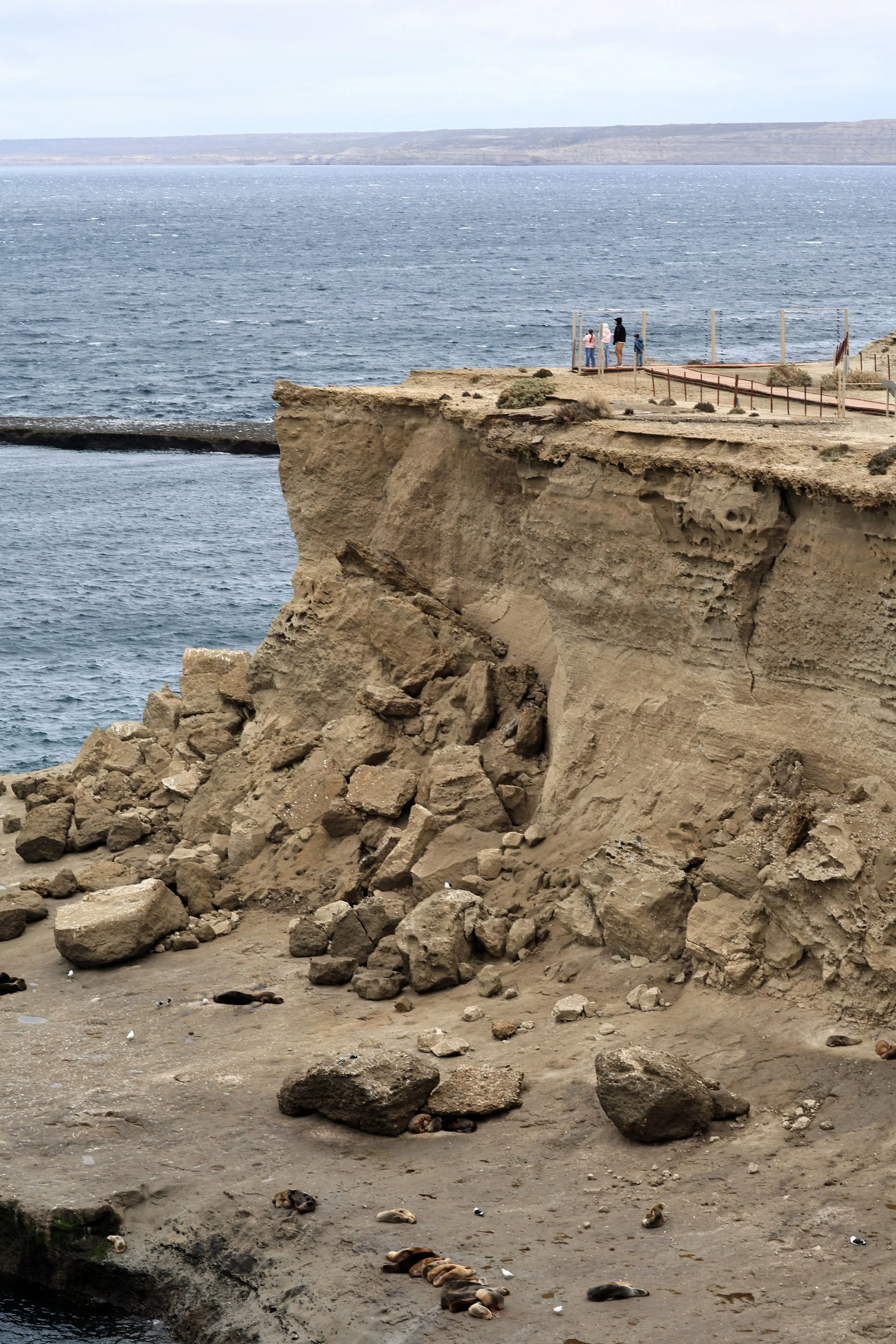
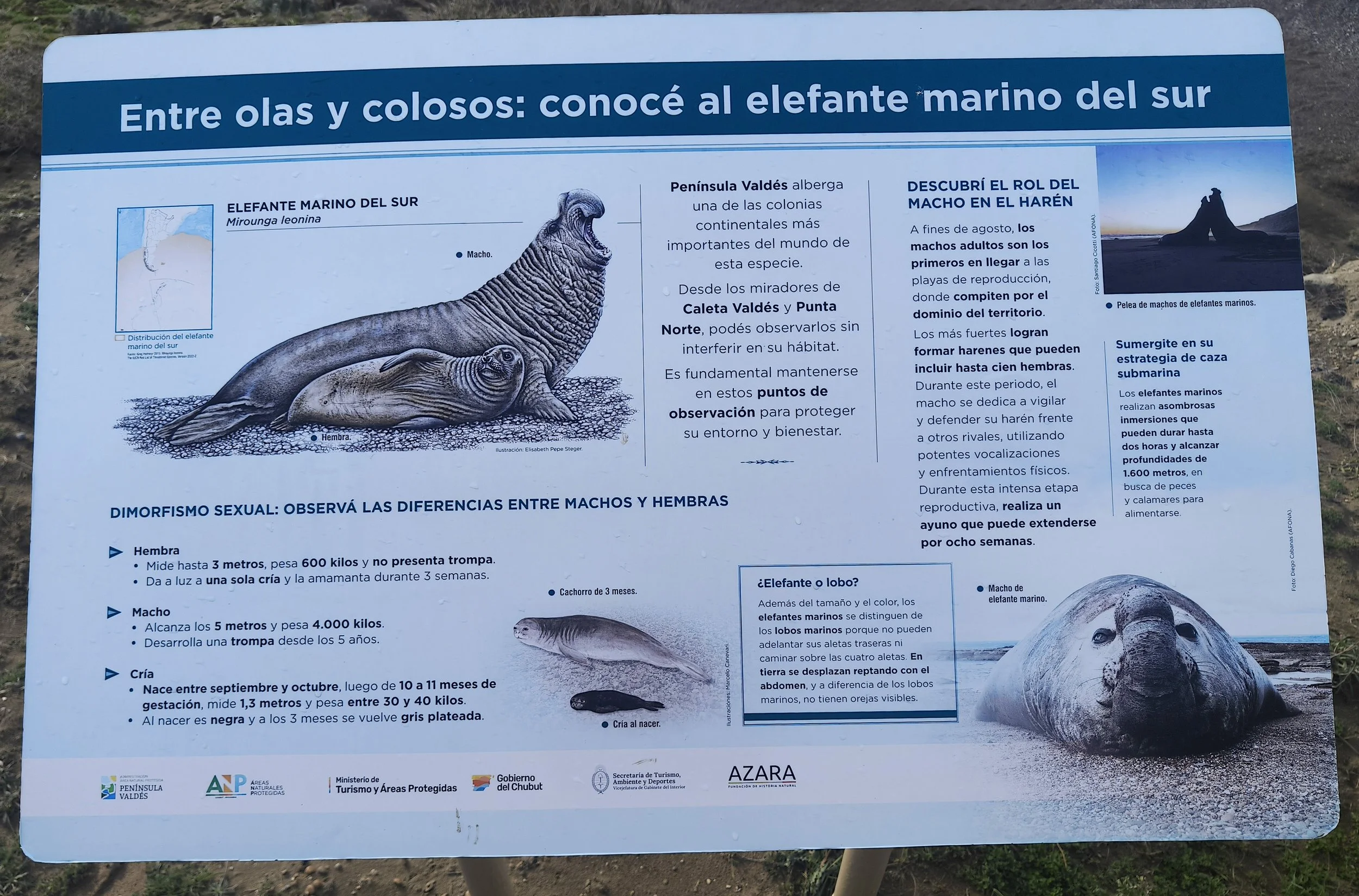
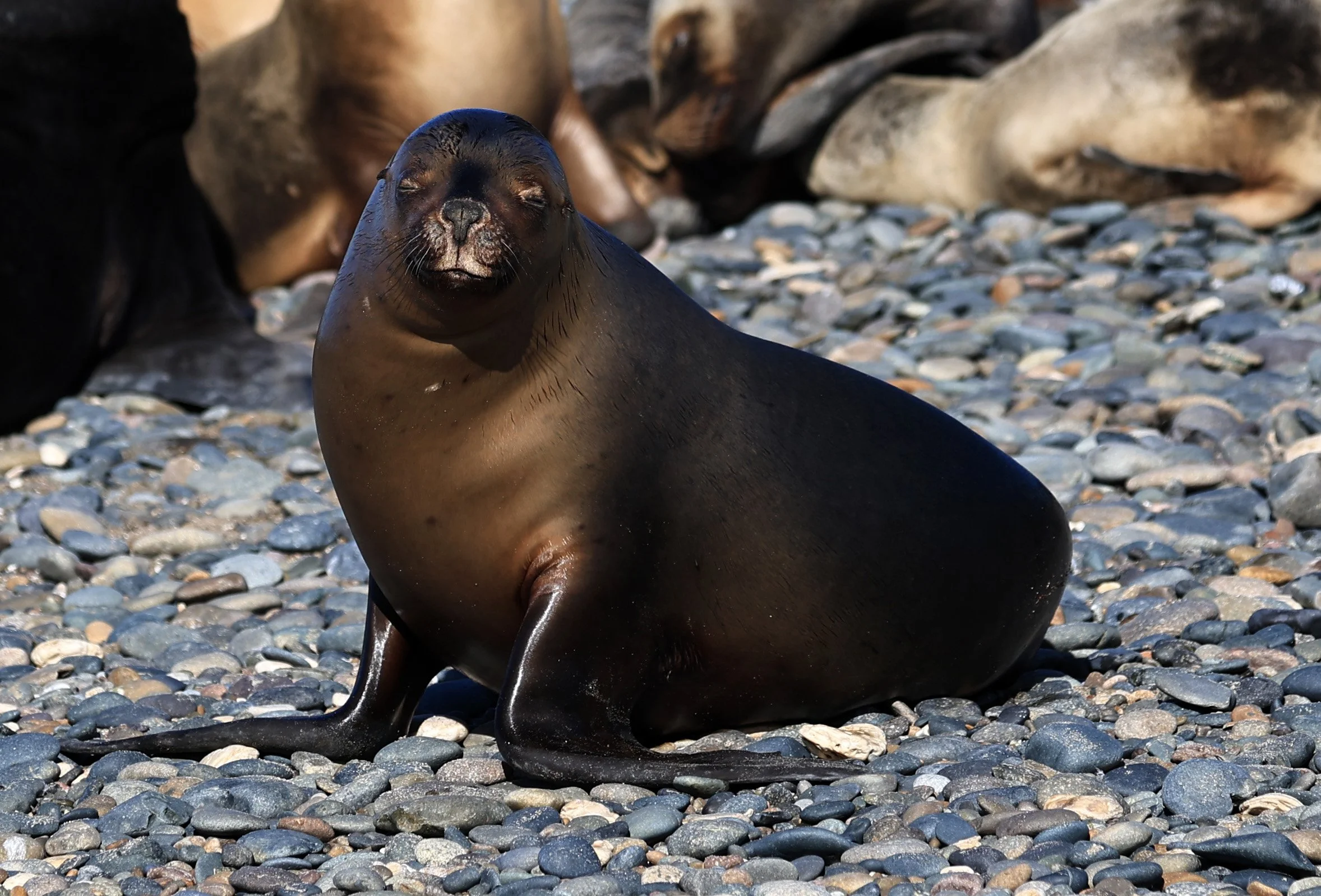
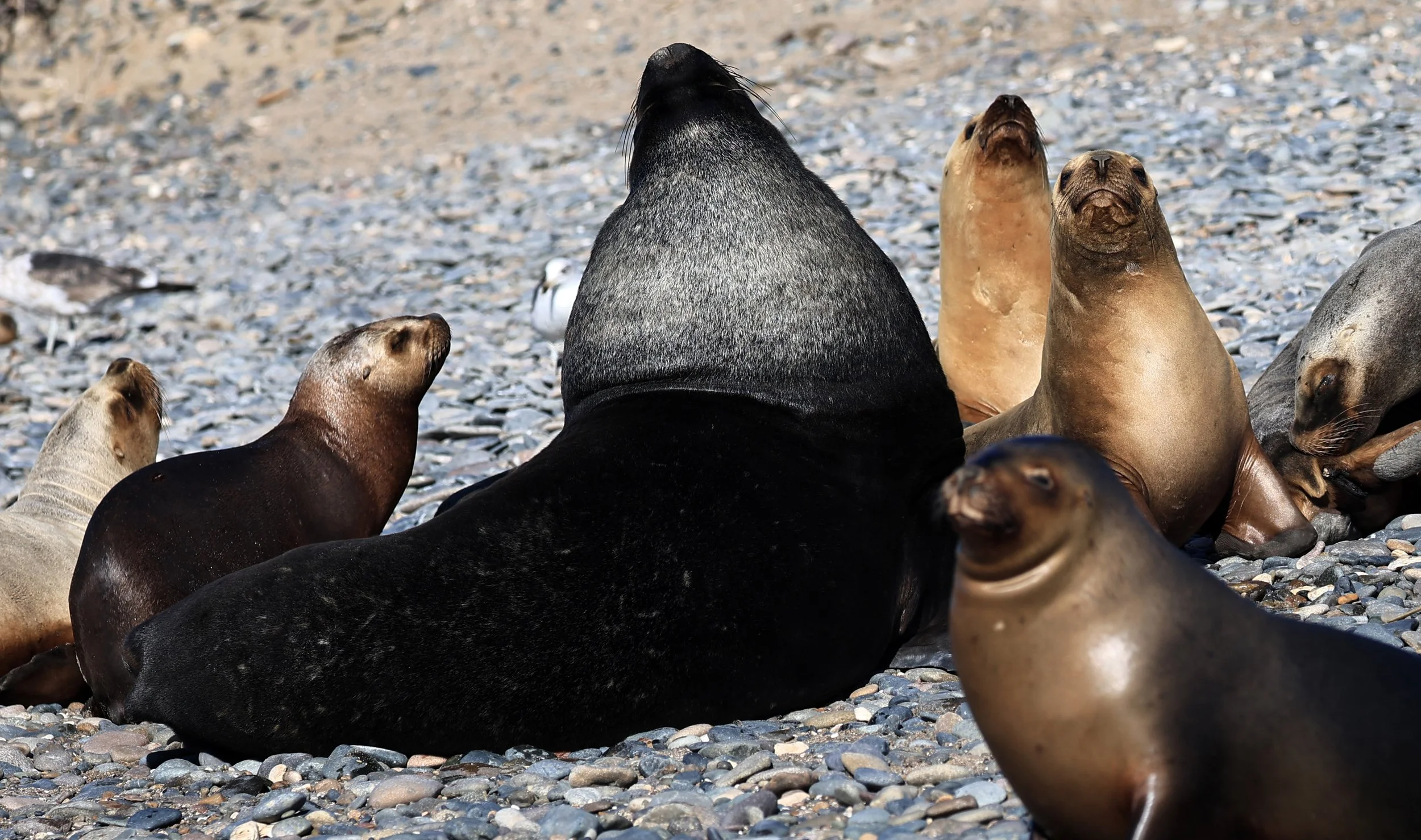
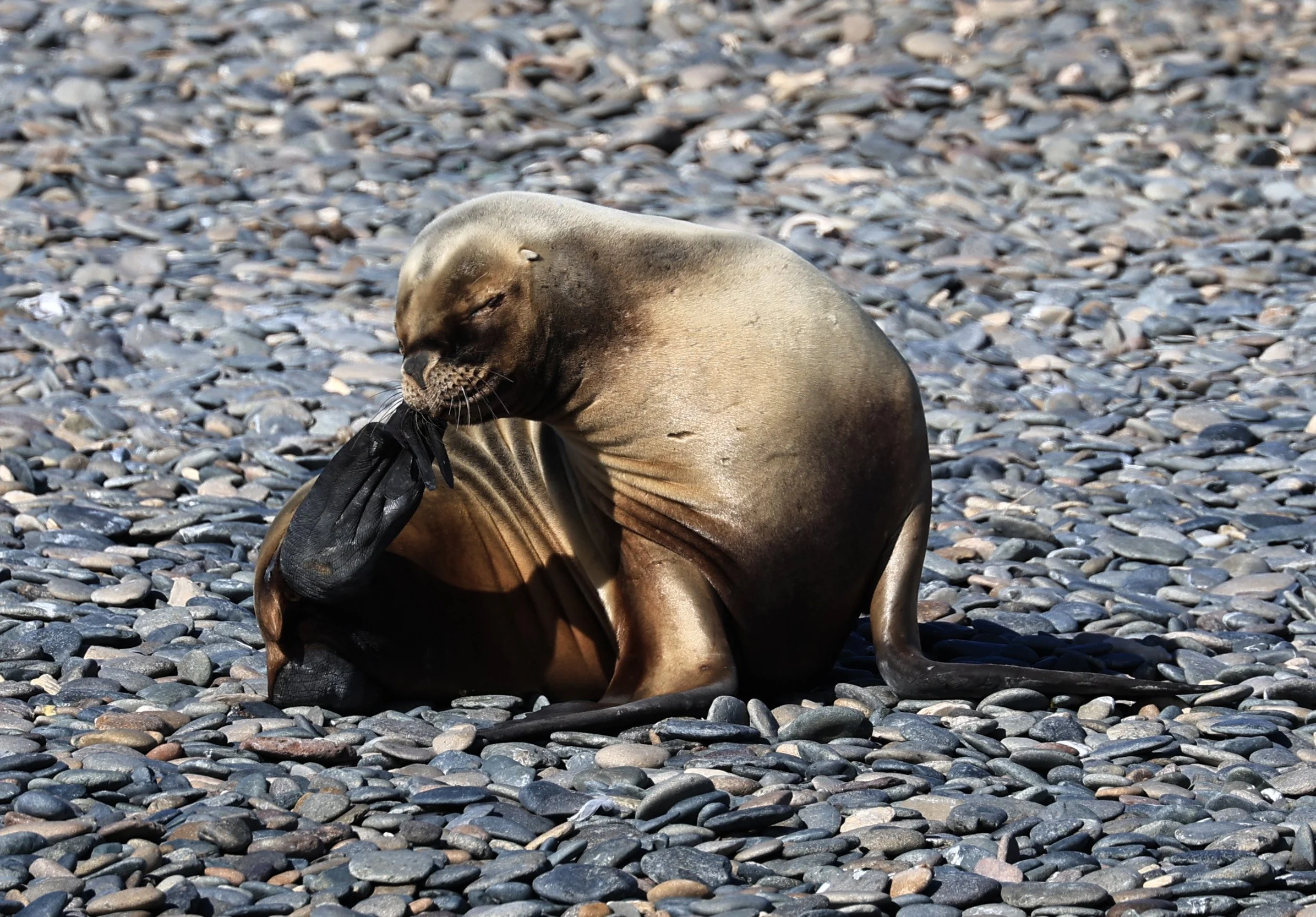
The coastline around Puerto Pirámides also supported healthy numbers of South American Sea Lions, providing excellent opportunities for observation and photography. Further exploration of the western coastline produced another of Patagonia's marine mammal icons: Southern Elephant Seals. Seeing these huge animals hauled out along the shore completed an excellent marine mammal list and highlighted the extraordinary diversity concentrated within a relatively small geographic area.

The Valdes Peninsula is one of the few places where whale watching is doable from land.

The southern right whale (Eubalaena australis) is a large baleen whale found throughout the Southern Hemisphere, particularly in the coastal waters of Argentina, South Africa, Australia, and New Zealand. These whales undertake long seasonal migrations, spending summers feeding in cold, nutrient-rich waters on krill and other plankton, and winters in sheltered coastal bays where they breed and give birth.

Southern right whales are easily recognized by their robust bodies, broad backs without a dorsal fin, and distinctive patches of rough skin called callosities on their heads. They are generally slow-moving and highly social, often displaying behaviors such as breaching, tail-slapping, and spy-hopping. Females typically give birth to a single calf every three to four years after a gestation period of about 12 months, and mothers remain with their calves in nursery areas until they are strong enough to migrate. Once heavily hunted for their oil and baleen, southern right whale populations have recovered in many regions following international protection, although they still face threats from ship strikes, entanglement in fishing gear, and climate-related changes to their feeding grounds. As large filter feeders, they play an important role in marine ecosystems by helping to cycle nutrients through the ocean.


Watching the Southern Right Whales in their SAG (mating groups) was spectacular,

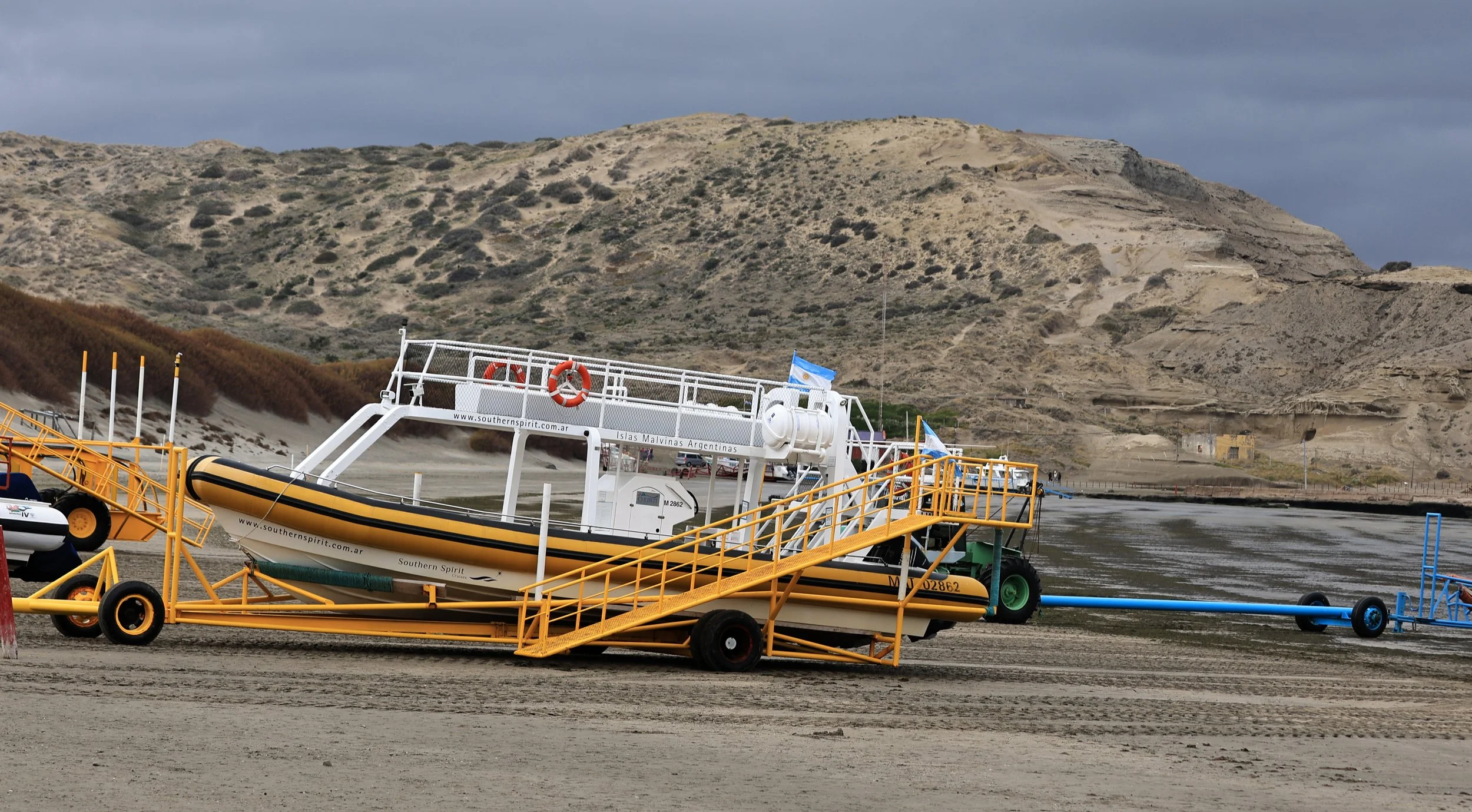
Whalewatching boats get people extra close to the action. For me, the shoreline was good enough.


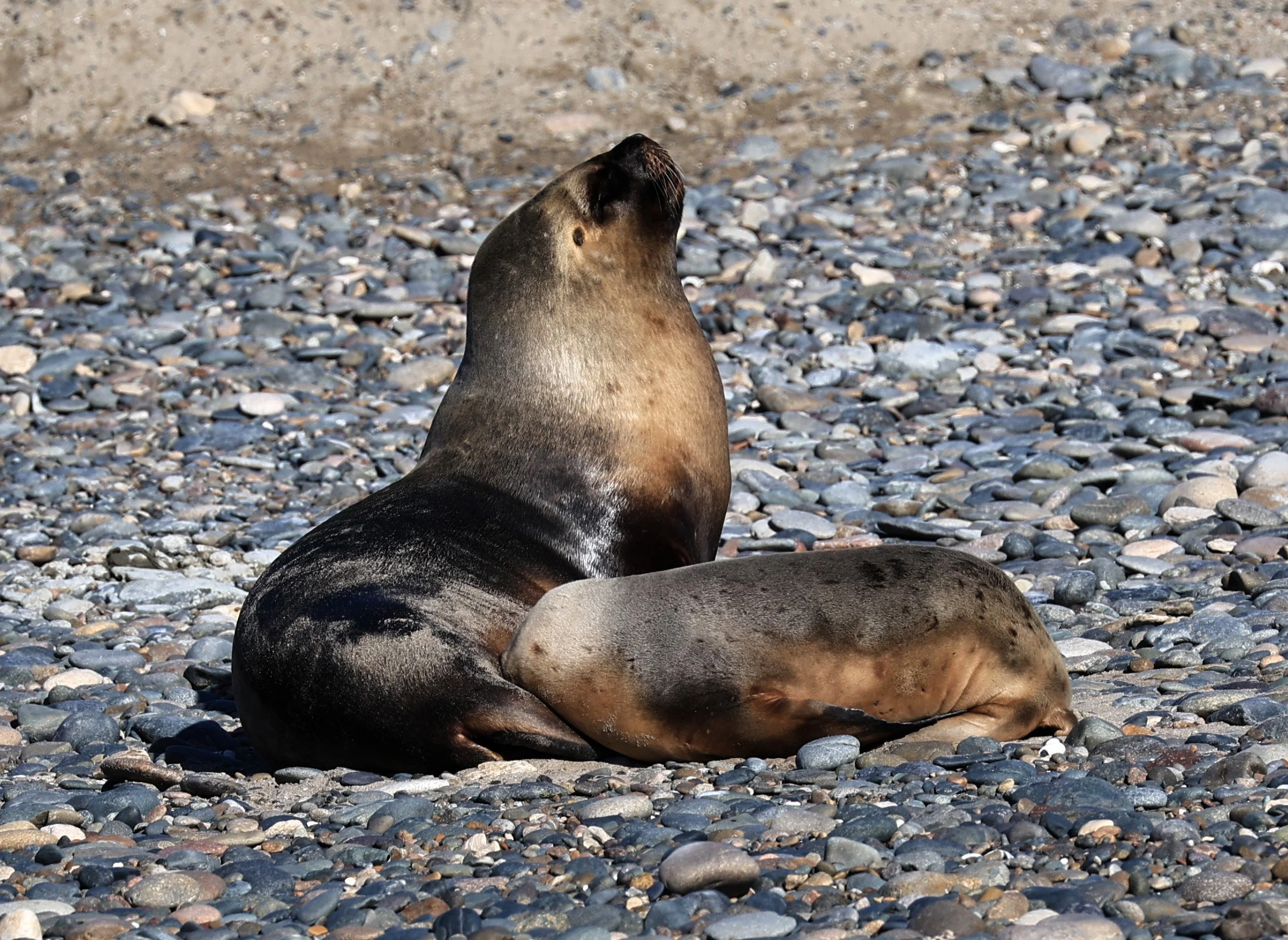
South American sea lion (Otaria flavescens) at Sea Lion Point in Puerto Pyramides


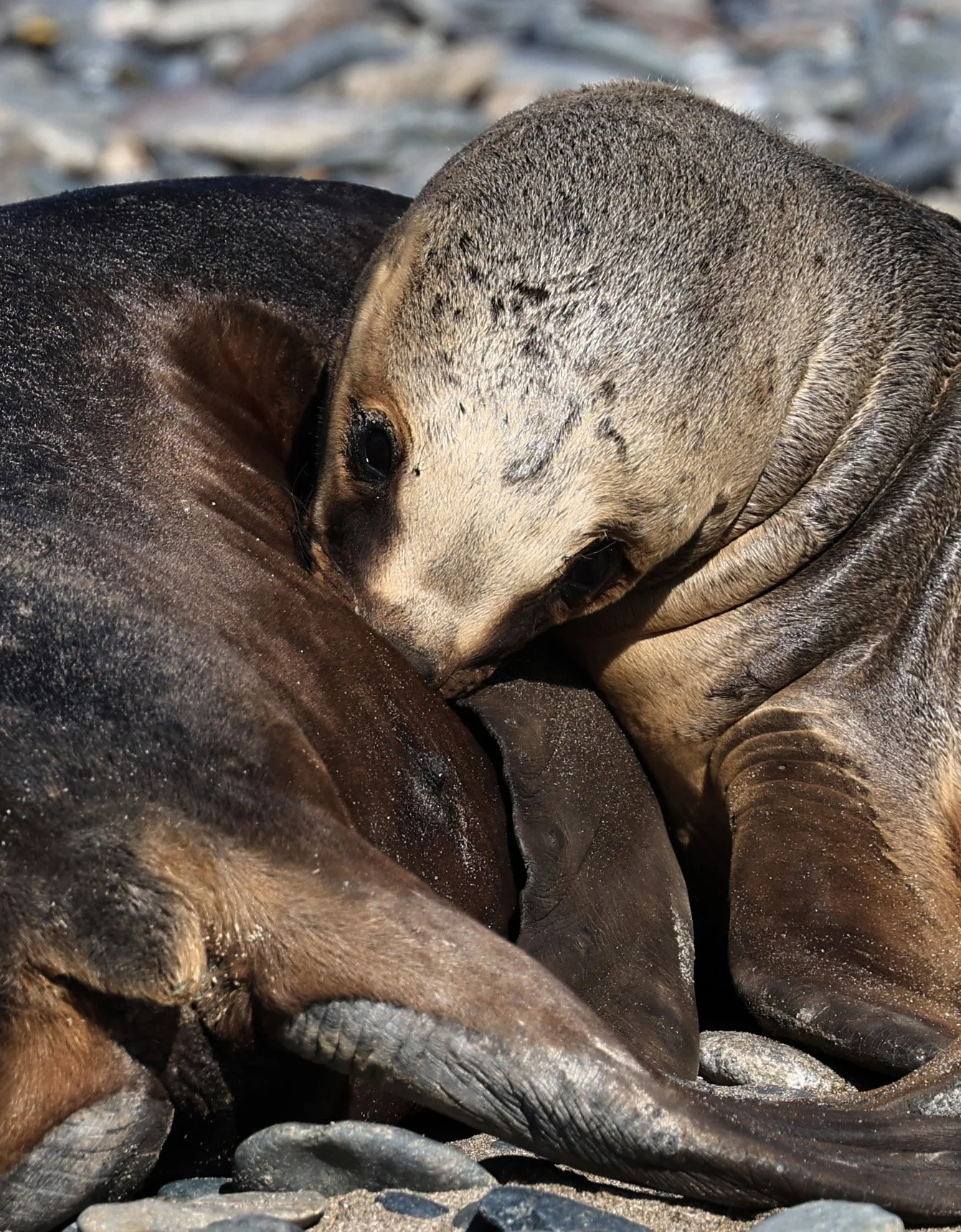
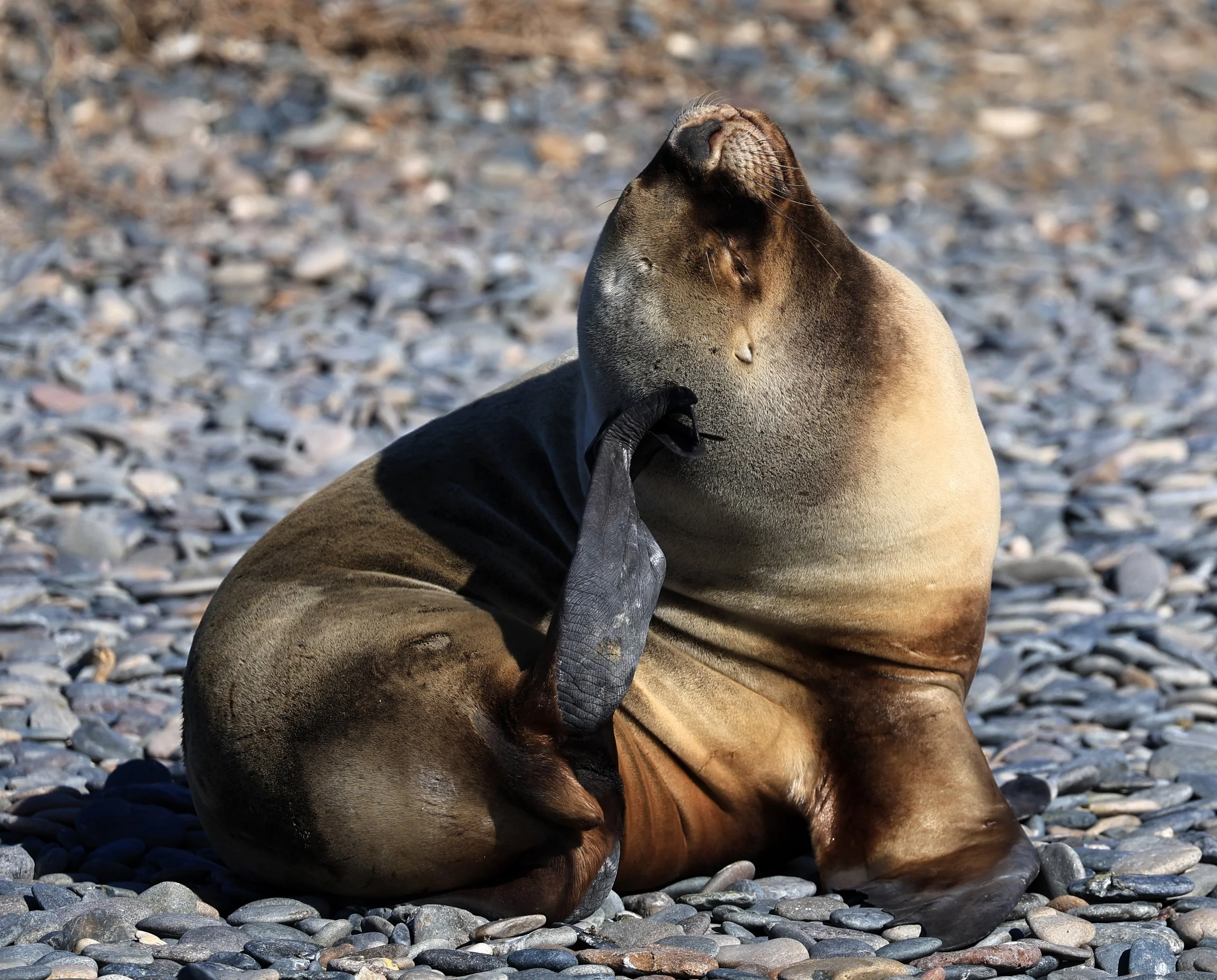
The South American sea lion (Otaria flavescens) is a large marine mammal found along the coasts of South America, from Peru and southern Brazil to the Falkland Islands and Patagonia. Highly adapted to life in the ocean, it spends much of its time foraging in coastal and offshore waters, feeding on fish, squid, octopus, and crustaceans.

South American Sea Lions toughing out the frigid cold temperatures of the Argeninian winter.


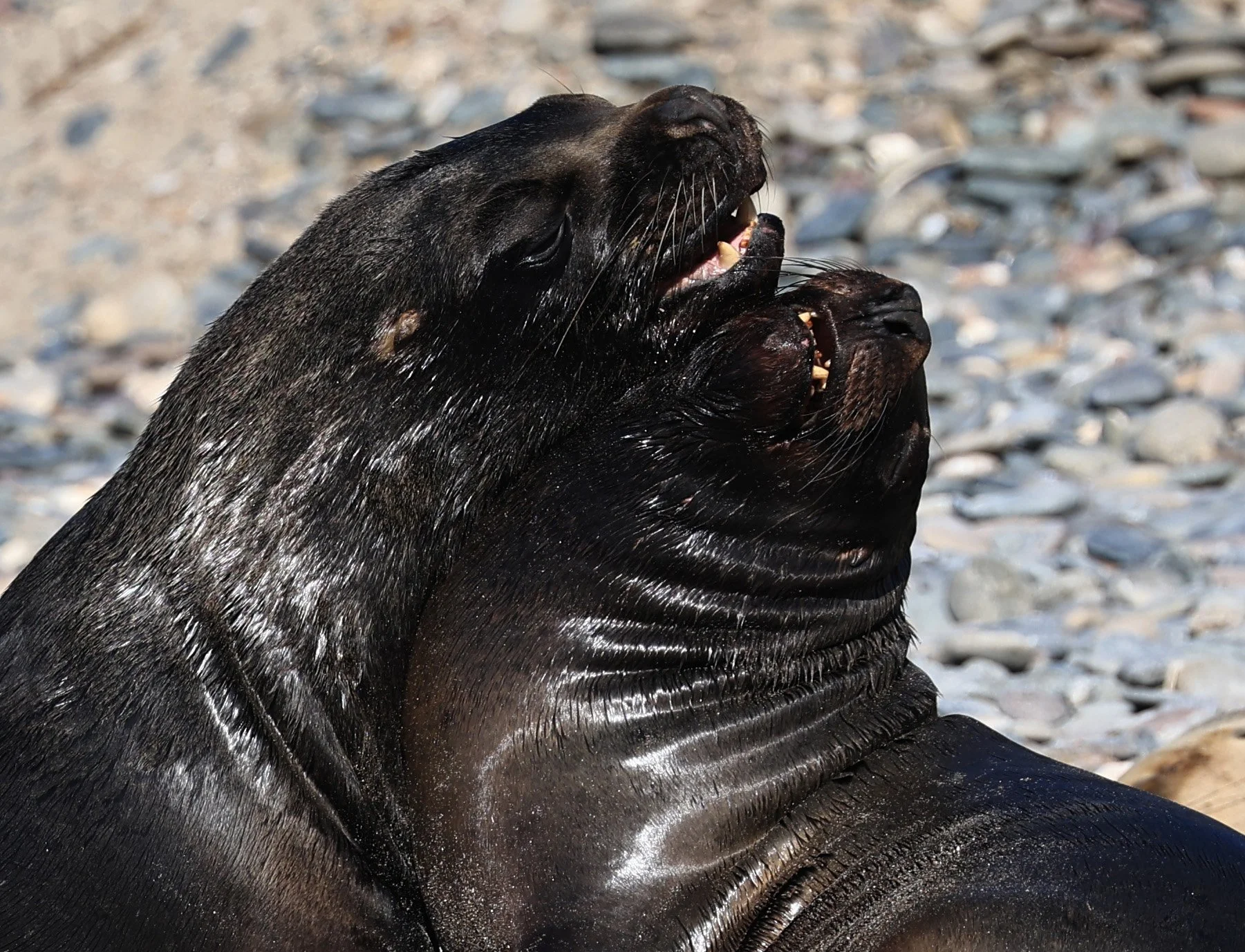
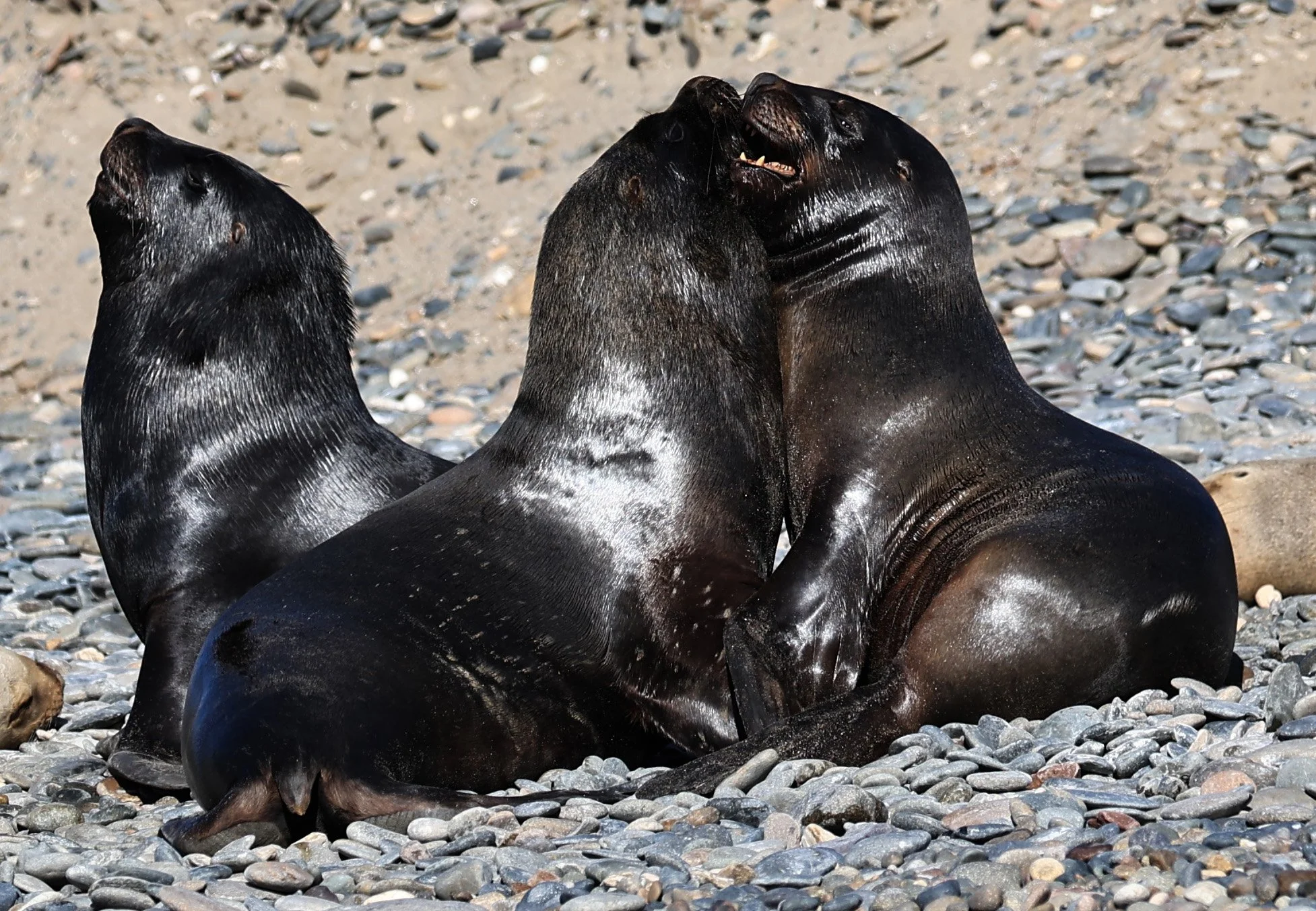
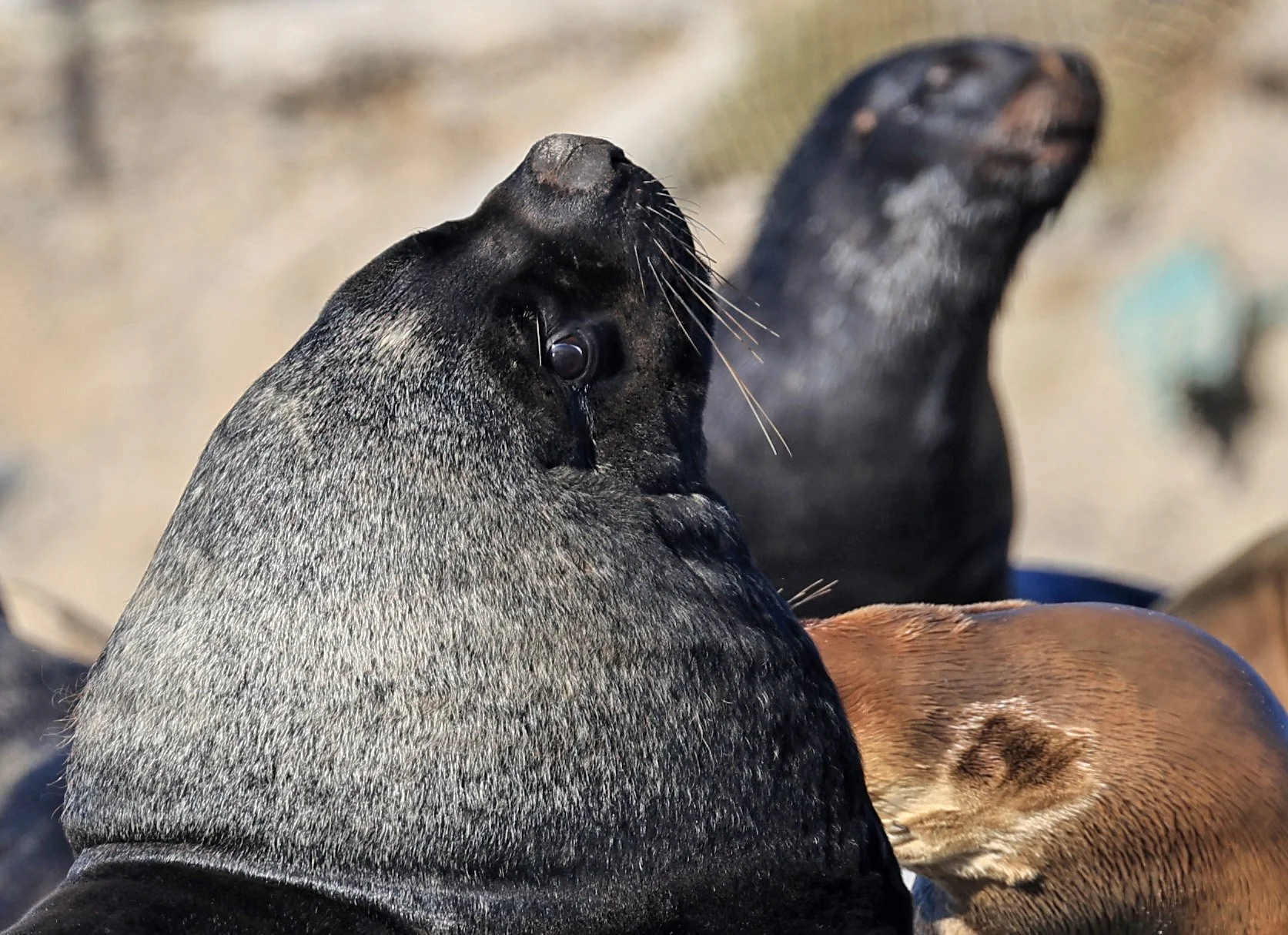
The bull and his herom. Adult males are considerably larger than females and are distinguished by their thick necks and mane-like fur, which gives the species its common name. South American sea lions are highly social animals, forming large breeding colonies on beaches, rocky shores, and islands. During the breeding season, dominant males establish and defend territories containing groups of females, while pups are born after a gestation period of about one year.

Winter is not the best time for many species, Elephant Seals among them. I was lucky to see a few in the beach at Caleta Valdes.

Elephant Seal trails at Caleta Valdes


Patagonia's Giant Birds

Although not mammals, the Lesser (Darwin's) Rhea deserve special mention. Large flocks were seen throughout the southern region of the peninsula, often feeding in open country alongside Guanacos. Watching groups of these impressive birds running across the steppe added a distinctly prehistoric feel to the landscape. Their abundance was a special treat for the trip.
The Lesser Rhea (Rhea pennata), also known as Darwin's rhea, is a large flightless bird native to the grasslands, shrublands, and open steppes of southern South America, particularly in Patagonia and the Andean foothills. Smaller than its relative, the greater rhea, it is well adapted to life in open environments, using its long legs to run at high speeds when threatened. Lesser rheas are omnivorous, feeding on a variety of grasses, leaves, seeds, fruits, and insects, which allows them to exploit seasonal changes in food availability. They are generally found in small groups outside the breeding season, helping to increase vigilance against predators such as pumas and foxes. It was great to finally see the second species of Rhea!
(Link to main Rhea gallery here)


More Avifauna of Valdes Peninsula

Burrowing Owl (Athene cunicularia)

Chiguanco thrush (Turdus chiguanco) Puerto Pyramides

Long-tailed Meadowlark (Leistes loyca) Valdes Peninsula

Long-tailed Meadowlark (Leistes loyca) Valdes Peninsula


Magellanic Oystercatcher (Haematopus leucopodus) Valdes Peninsula

Magellanic Oystercatcher (Haematopus leucopodus) Valdes Peninsula

Magellanic Oystercatcher (Haematopus leucopodus) & Kelp Gull (Larus dominicanus) Valdes Peninsula

Mourning Sierra Finch (Rhopospina fruticeti) Puerto Pyramides

Mourning Sierra Finch (Rhopospina fruticeti) Puerto Pyramides

Mourning Sierra Finch (Rhopospina fruticeti) Puerto Pyramides

Patagonian Mockingbird (Mimus patagonicus) Puerto Pyramides

Patagonian Mockingbird (Mimus patagonicus) Puerto Pyramides

Royal Tern (Thalasseus maximus) Puerto Pyramides

Snowy Sheathbill (Chionis albus) Puerto Pyramides

Southern Giant Petrel (Macronectes giganteus)

Southern Giant Petrel (Macronectes giganteus)

Southern Giant Petrel (Macronectes giganteus)

Upland Goose (Chloephaga picta) Valdes Peninsula
Valdes Peninsula exceeded expectations in almost every respect. The scenery was spectacular, wildlife densities were high, and the diversity of mammals was remarkable. Few places allow you to spend the morning watching whales and elephant seals before driving inland to search for armadillos, skunks, guanacos, and mara during the afternoon.
The Patagonian Mara may have tested my patience for three days before finally appearing, but the eventual success made the sighting all the more rewarding. Combined with hundreds of Guanacos, excellent views of Large Hairy Armadillo, multiple Humboldt Hog-nosed Skunks, abundant Southern Mountain Cavies, vast flocks of Darwin's Rheas, Southern Right Whales, South American Sea Lions, and Southern Elephant Seals, Valdes Peninsula proved to be one of the highlights of the entire expedition. There were of course dips in my target list. Still no Geoffroy’s Cats and the very common Southern Grey Fox was missed too. Not to worry, I’ll get the fox in December in Chile and I DID get the cat in Paraguay. (trip report here)
Mammal List for Valdes Peninsula
Guanaco (Lama guanicoe)
Patagonian Mara (Dolichotis patagonum)
Southern Mountain Cavy (Microcavia australis)
Large Hairy Armadillo (Chaetophractus villosus)
Humboldt Hog-nosed Skunk (Conepatus humboldtii)
Southern Right Whale (Eubalaena australis)
South American Sea Lion (Otaria flavescens)
Southern Elephant Seal (Mirounga leonina)
Flora and Sights of the Peninsula
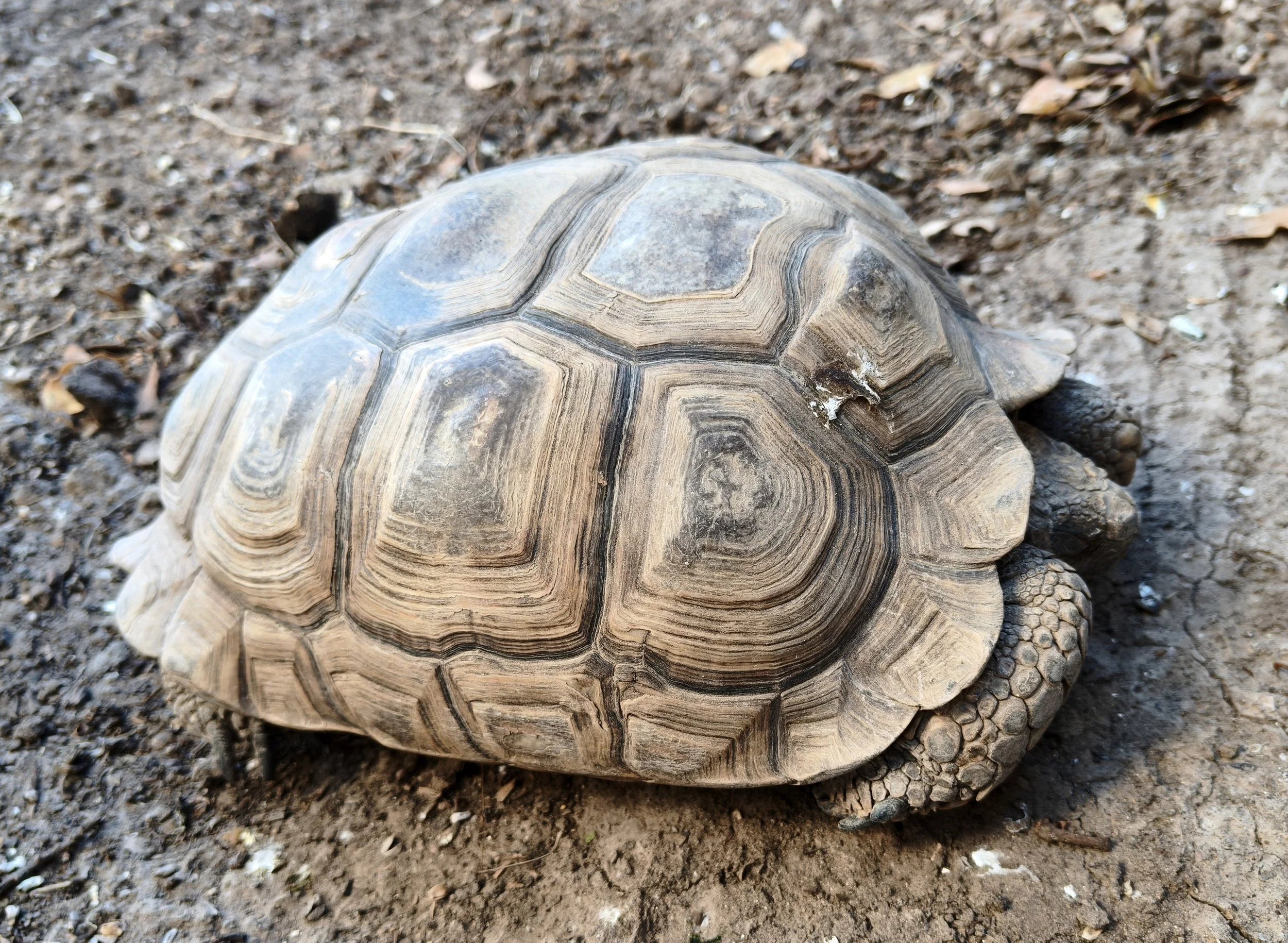
Chaco Tortoise (Chelonoidis chilensis) Trelew Argentina, captive
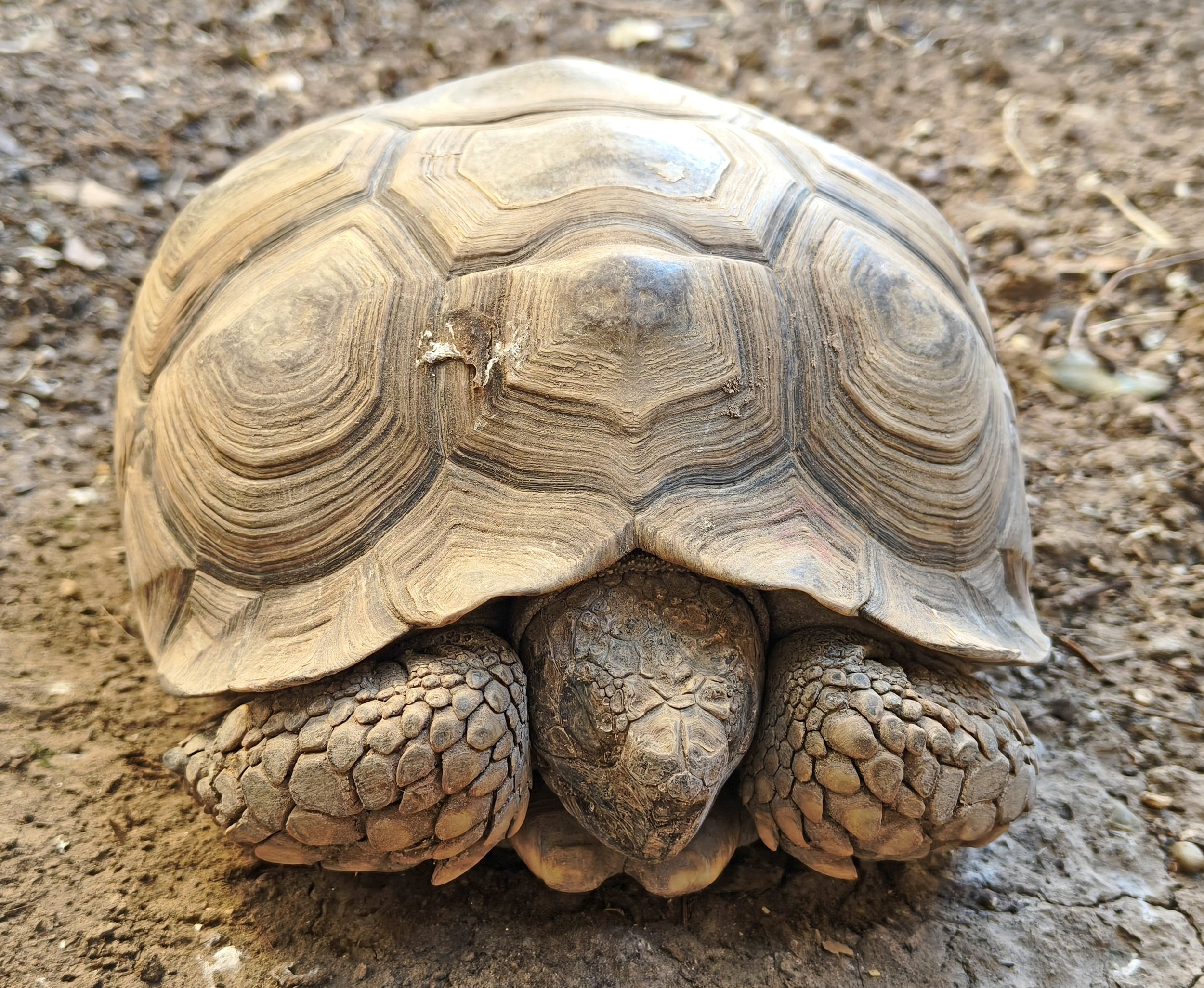
Chaco Tortoise (Chelonoidis chilensis) Trelew Argentina, Chubut Province
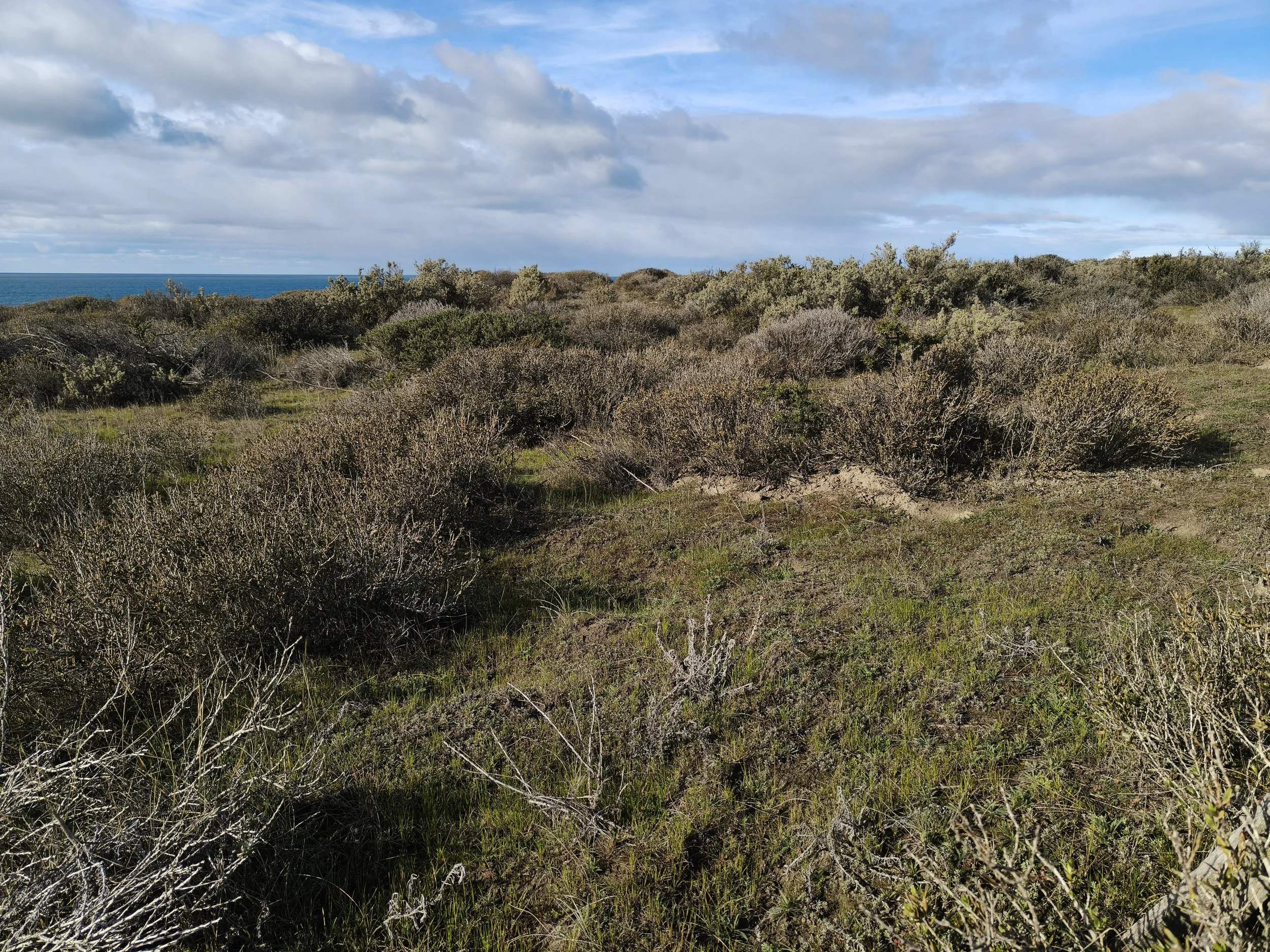
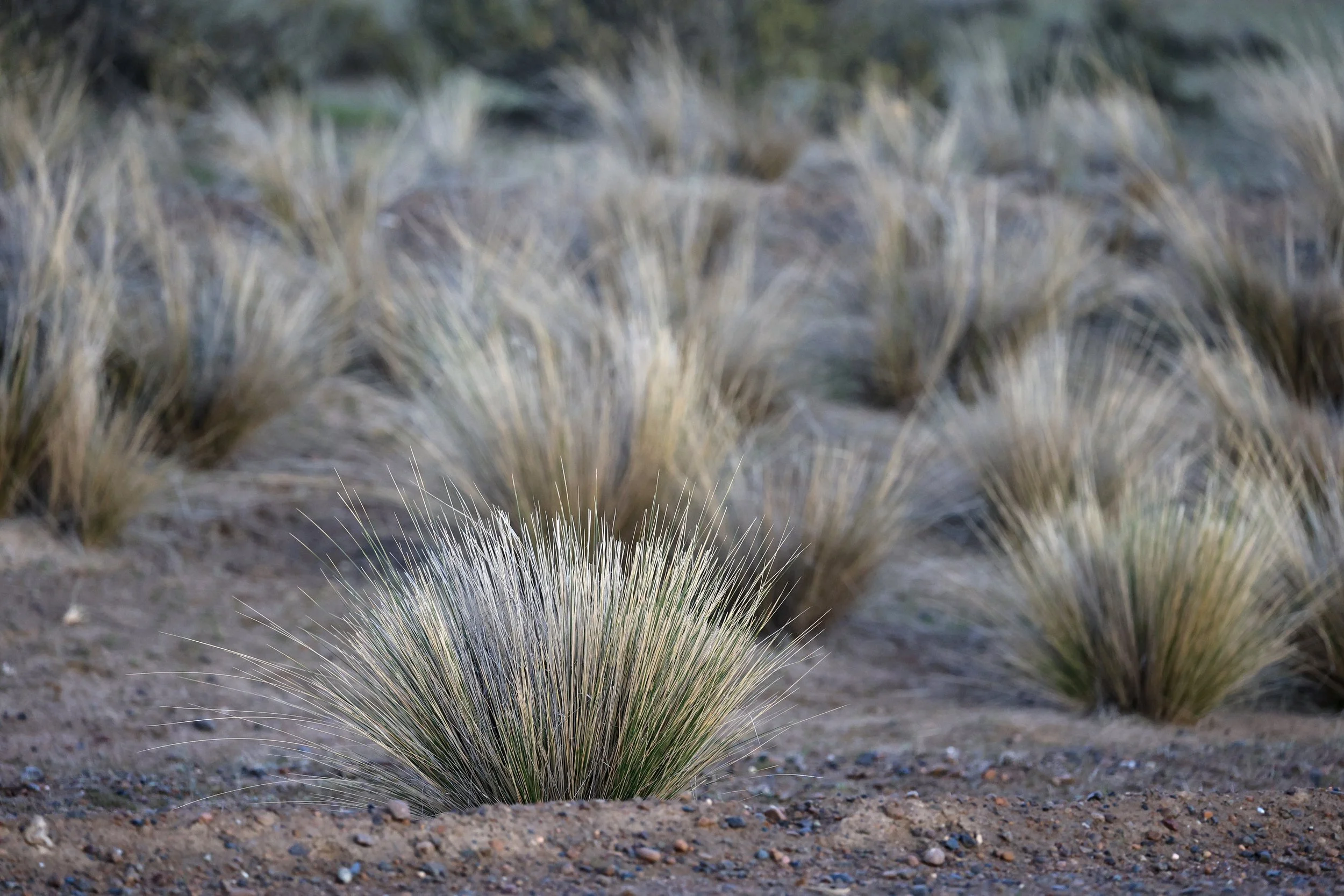
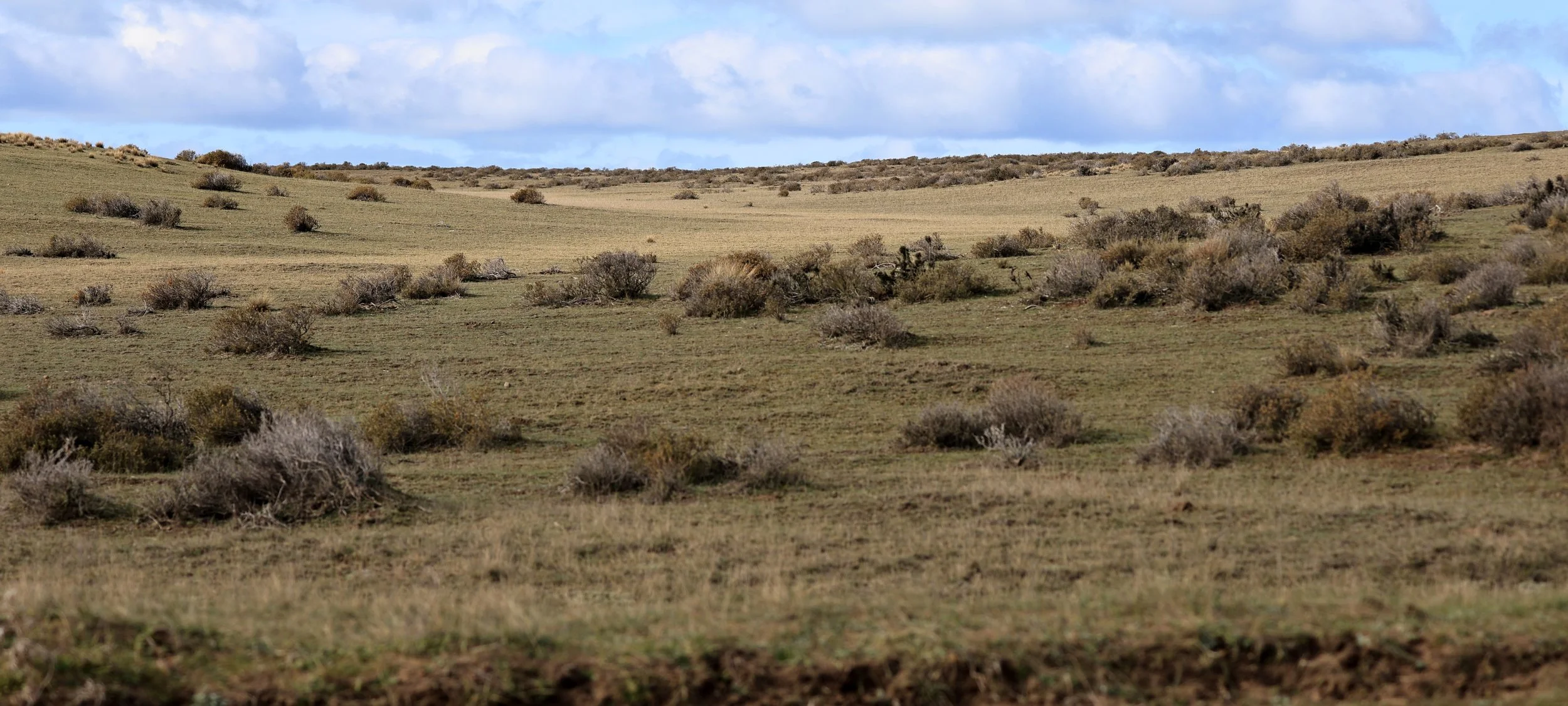
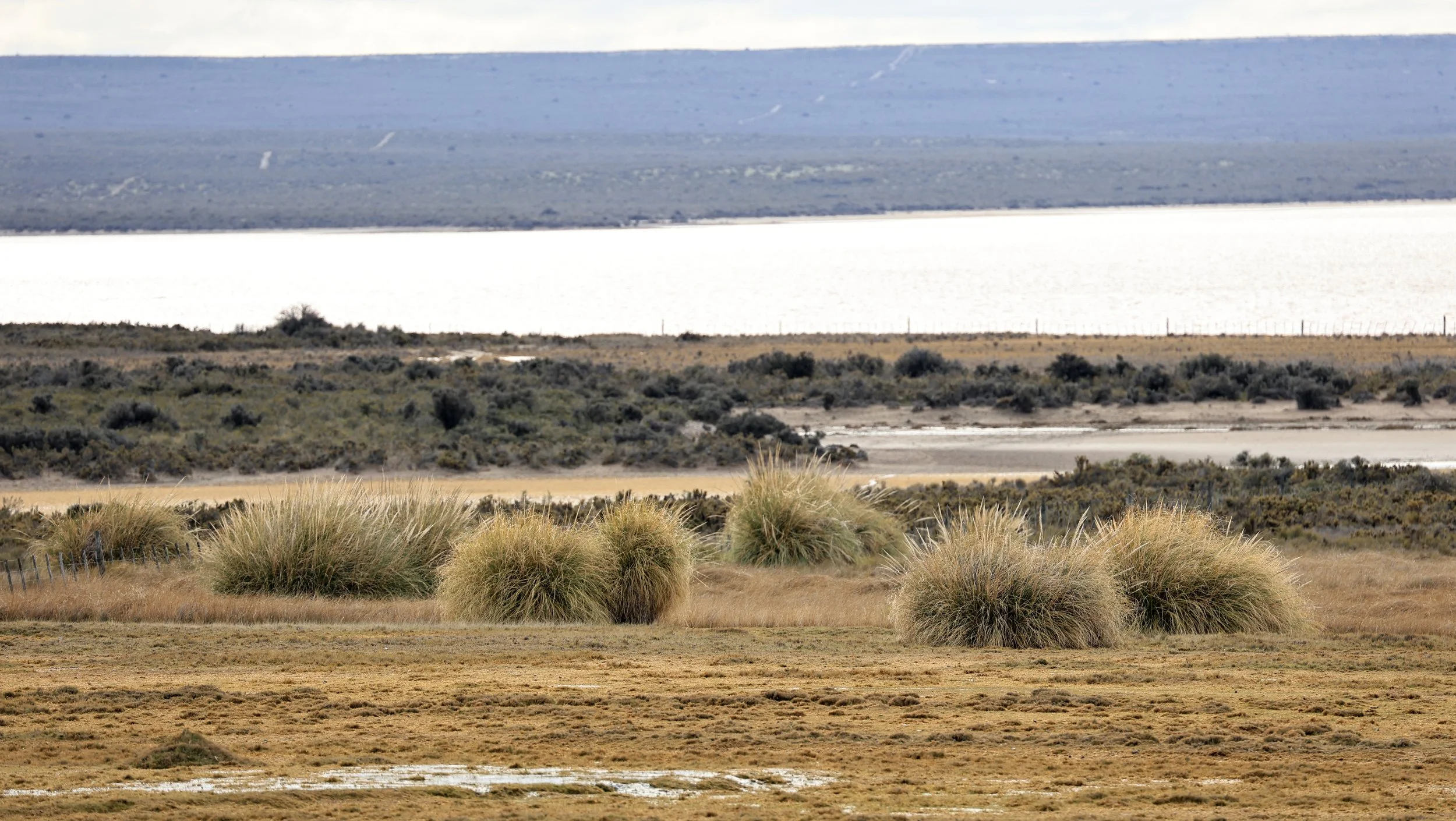
The dominant plant community in the eastern end and across the interior of the Valdés Peninsula is the Patagonian Desert steppe. Within this arid landscape, the vegetation is characterized as a shrub-grass steppe. It consists primarily of drought-resistant, low-growing xerophytic shrubs interspersed with native perennial grasses.

Common Dandelion (Taraxacum officinale) Puerto Pyramides

Cylindropuntia species - Puerto Pyramides, Valdes Peninsula
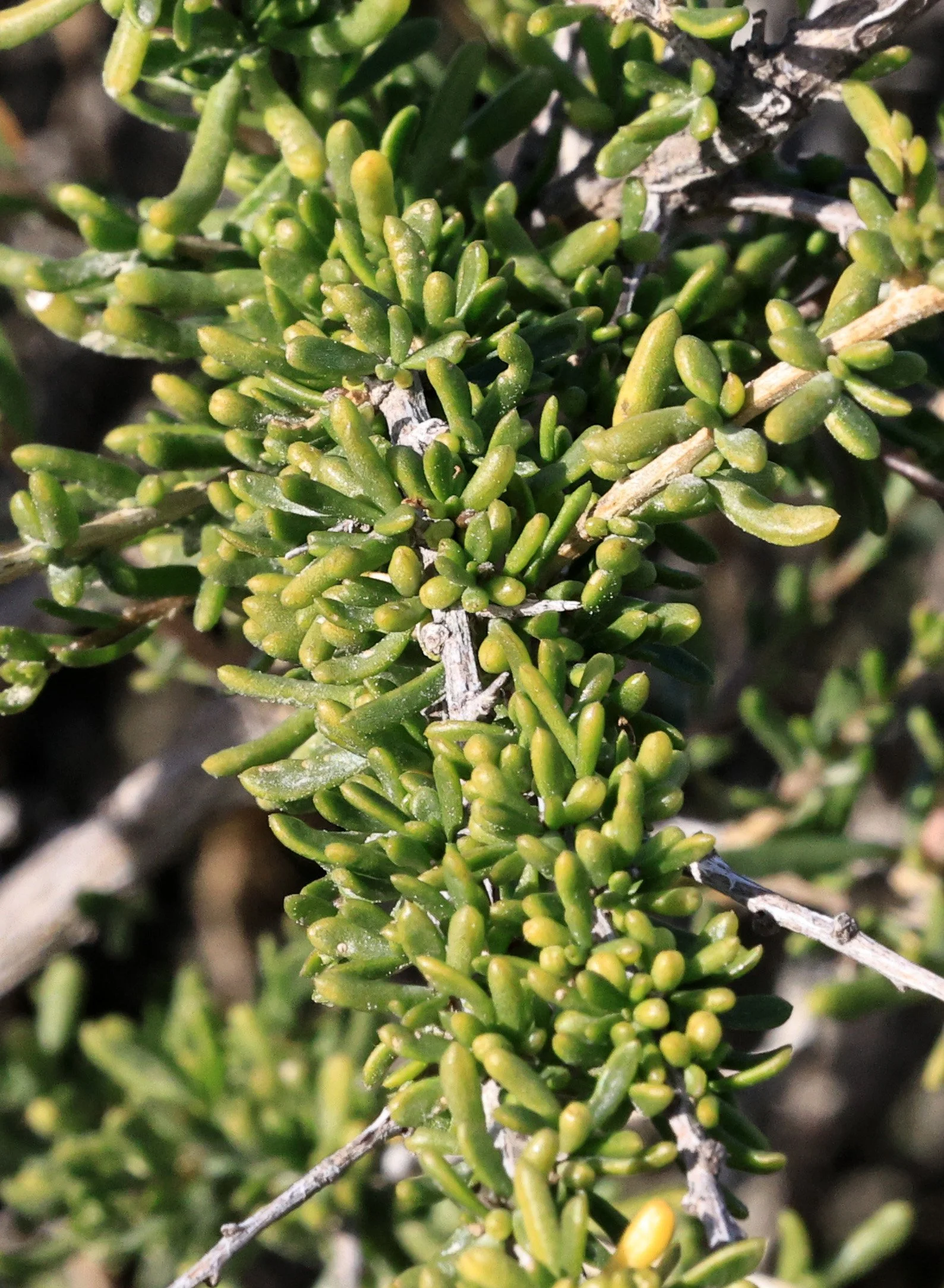
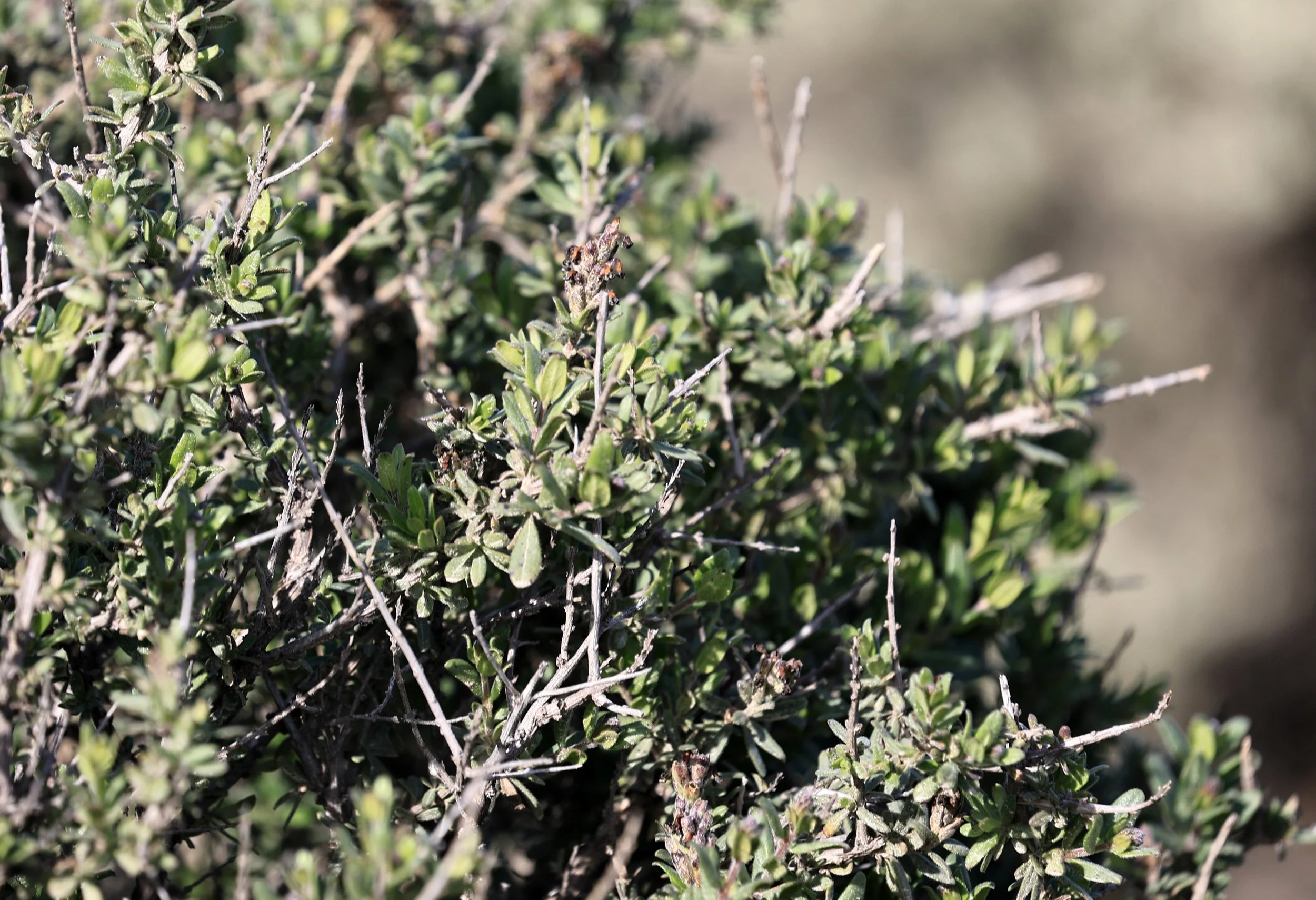
Piquillín (Condalia microphylla) Valdes Peninsula
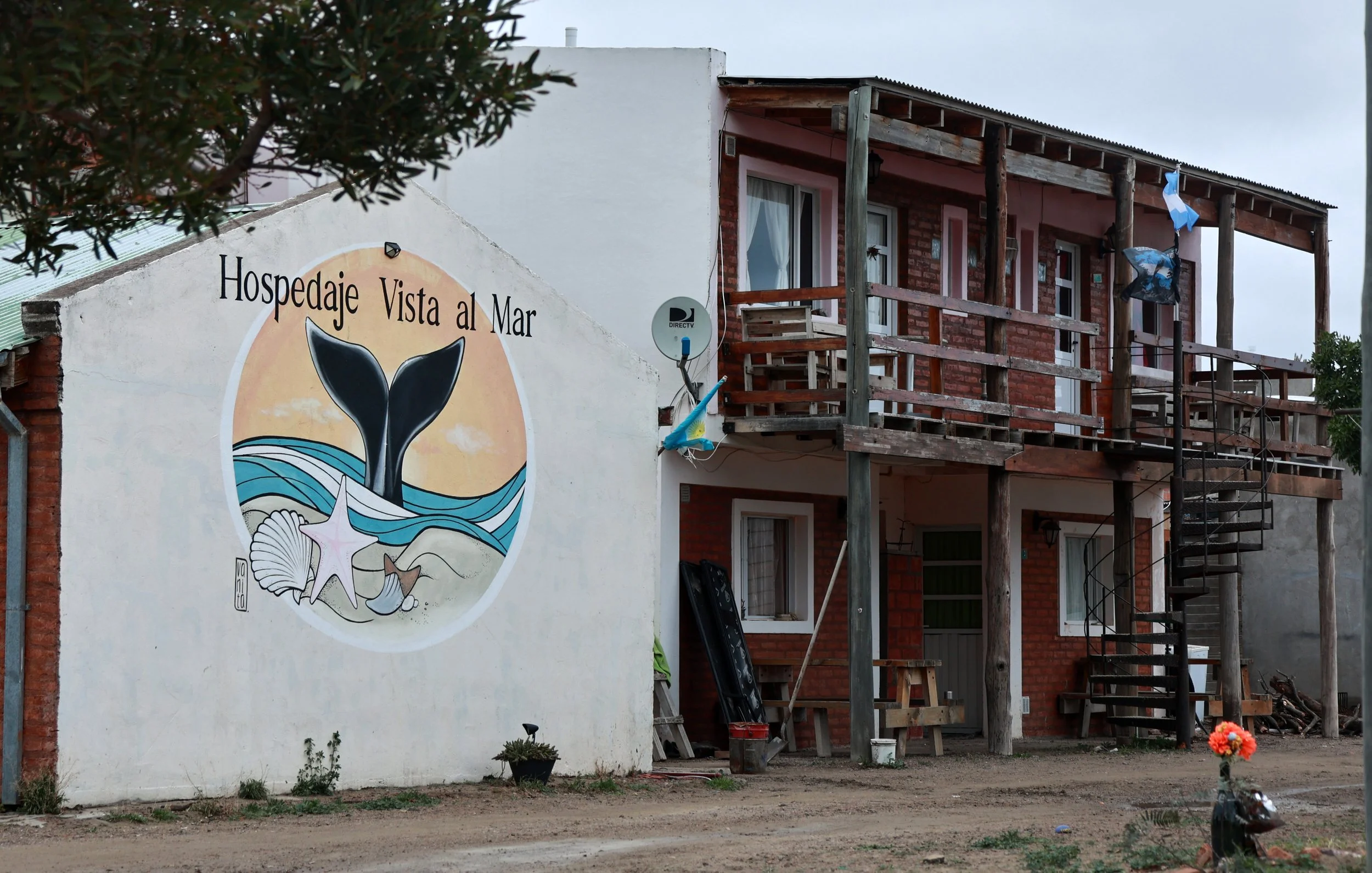
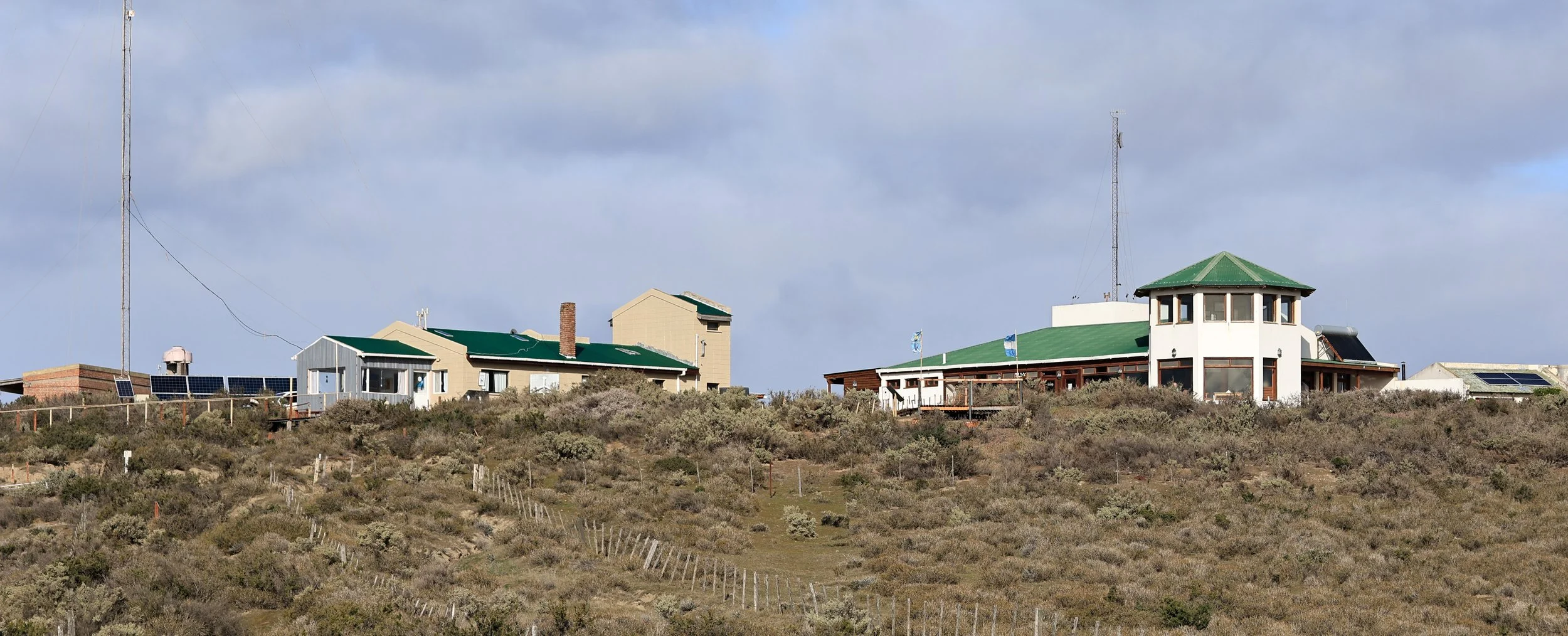
My lodging for three nights on the peninsula
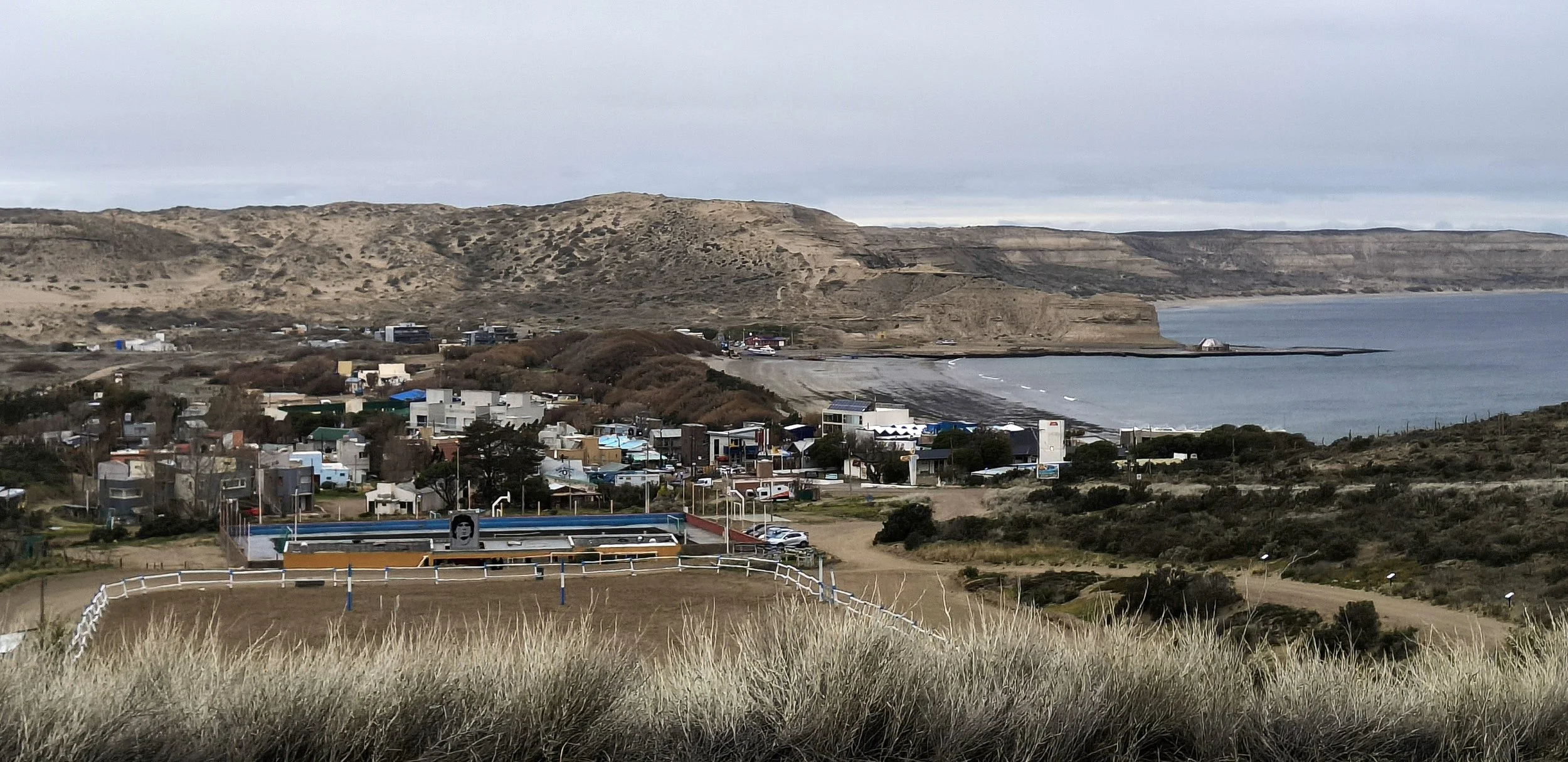
Puerto Pyramides town.


Red Ice Plant (Malephora crocea)

Sulupe or Pingo-pingo (Ephedra ochreata) Valdes Peninsula
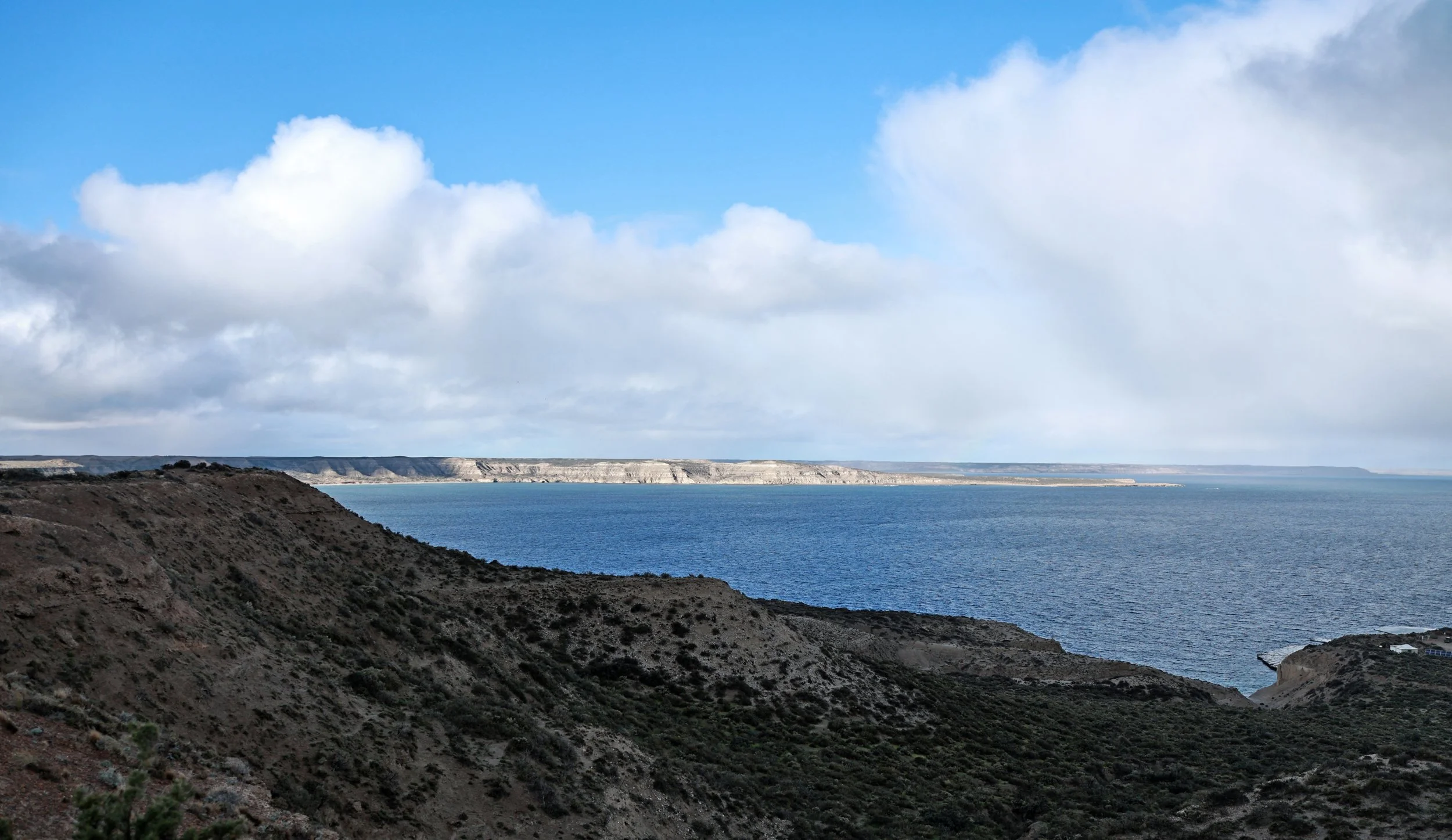
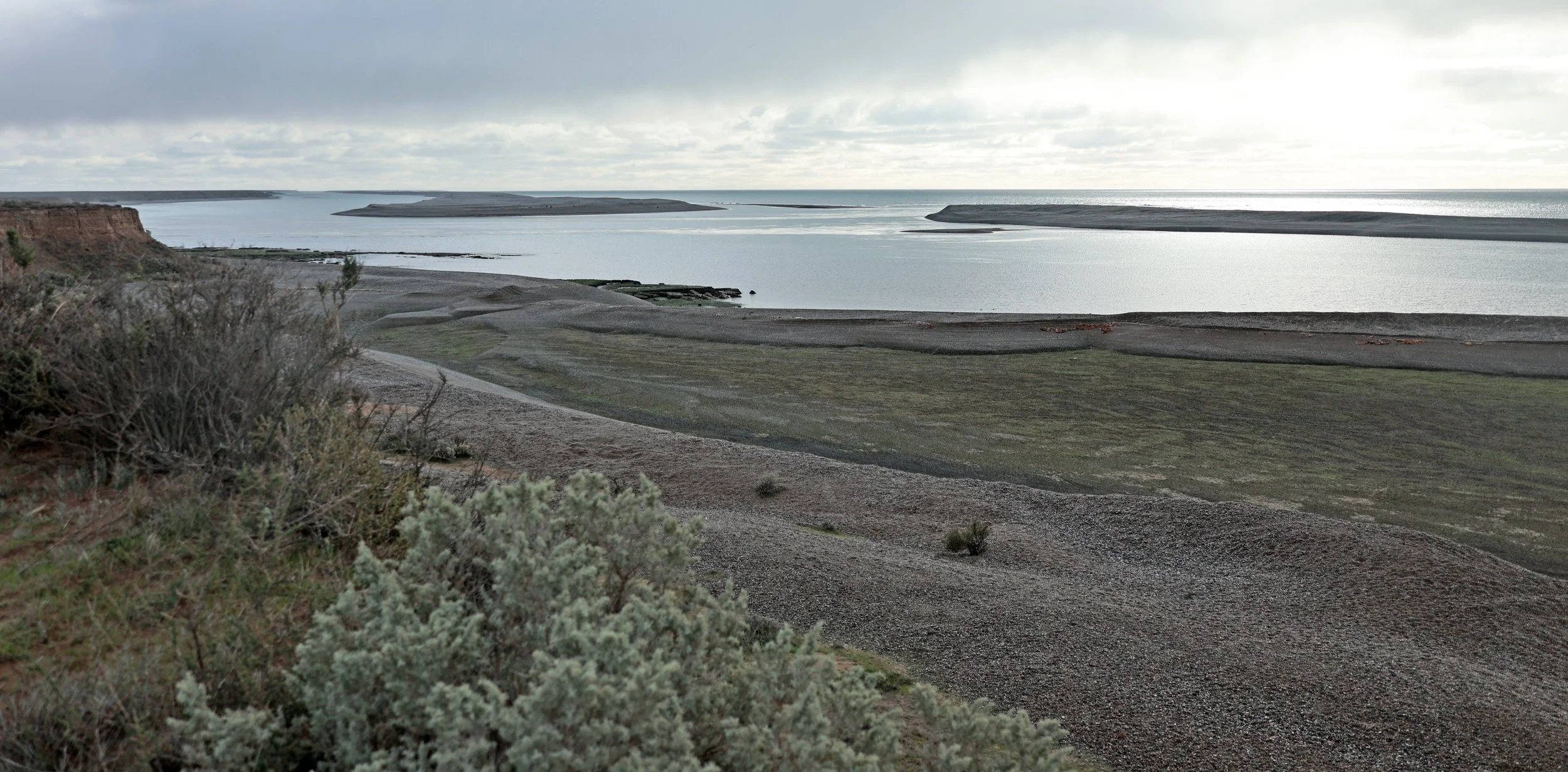
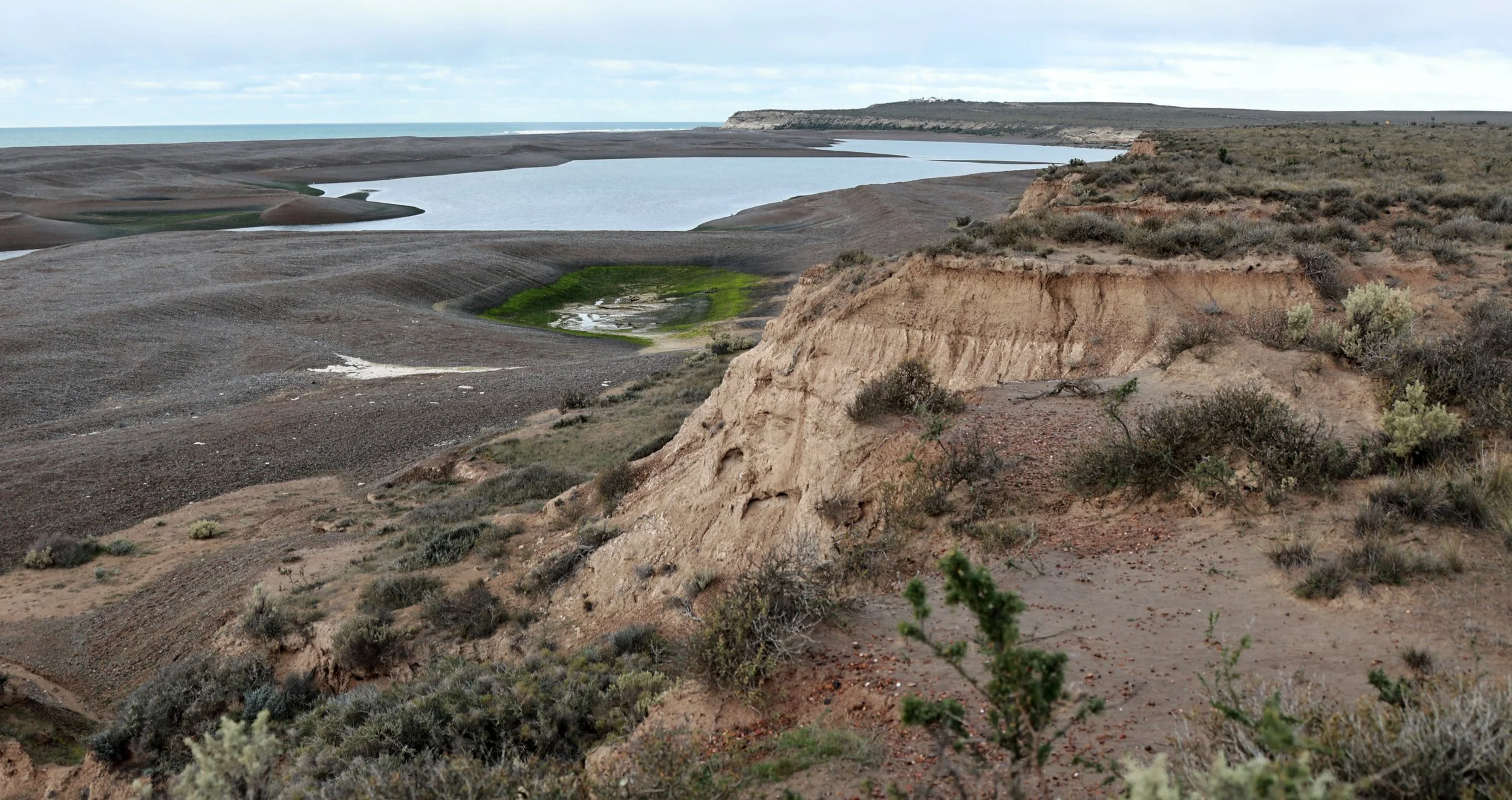
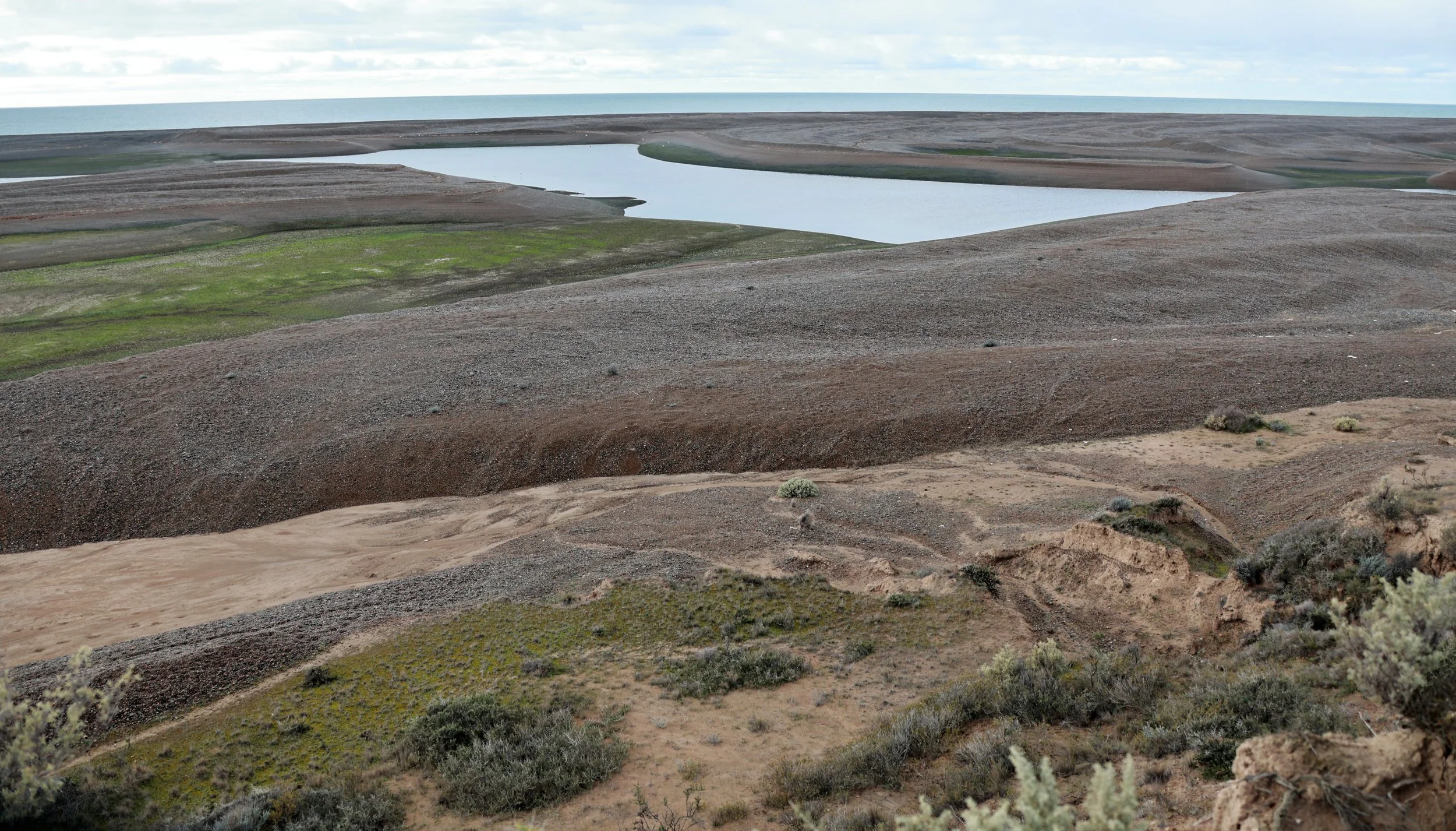
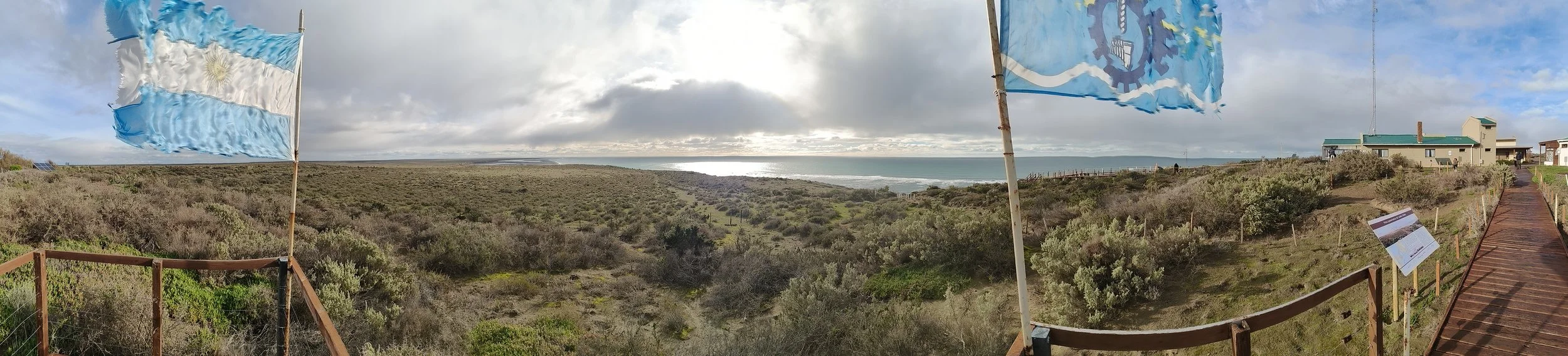
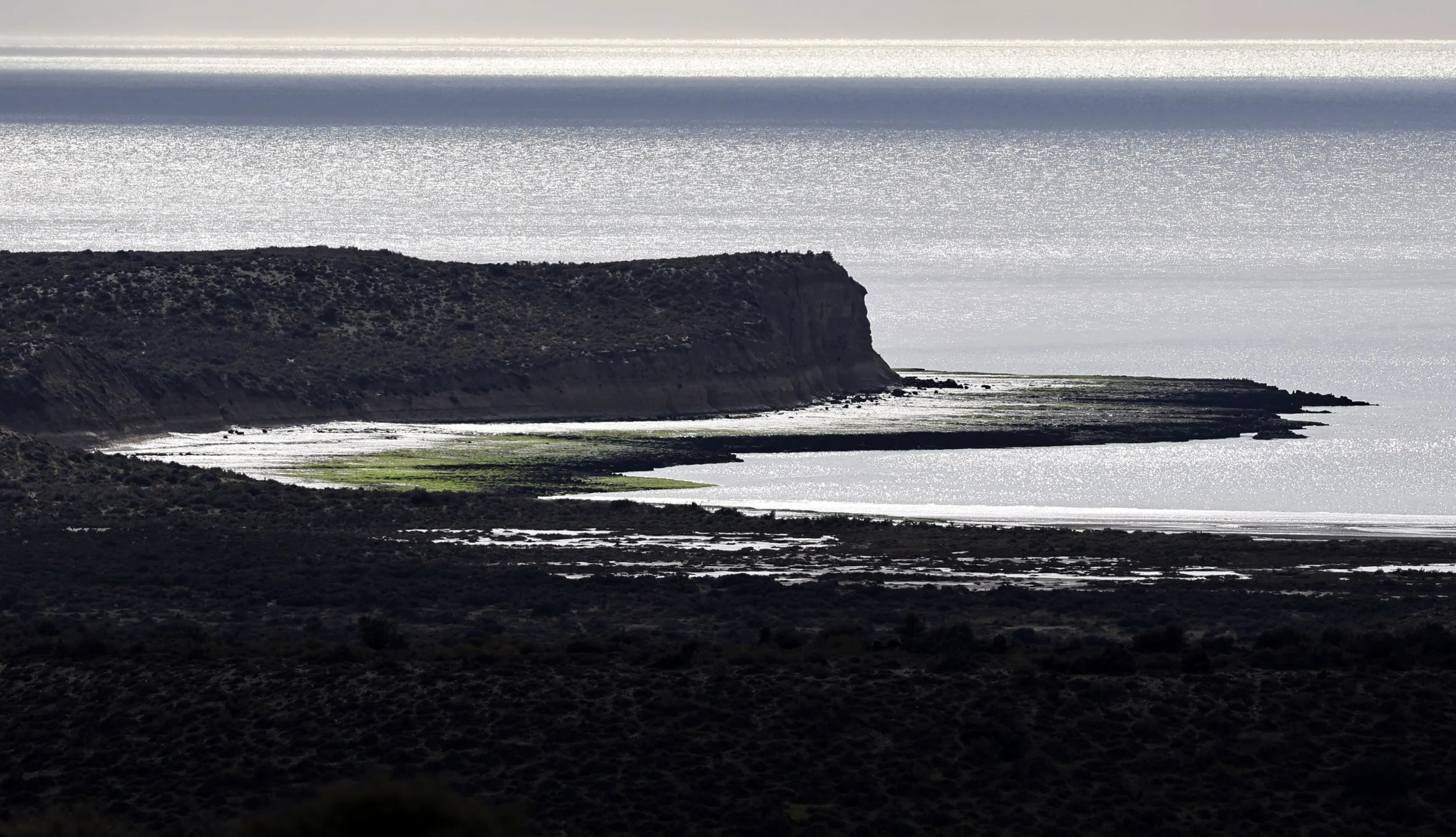
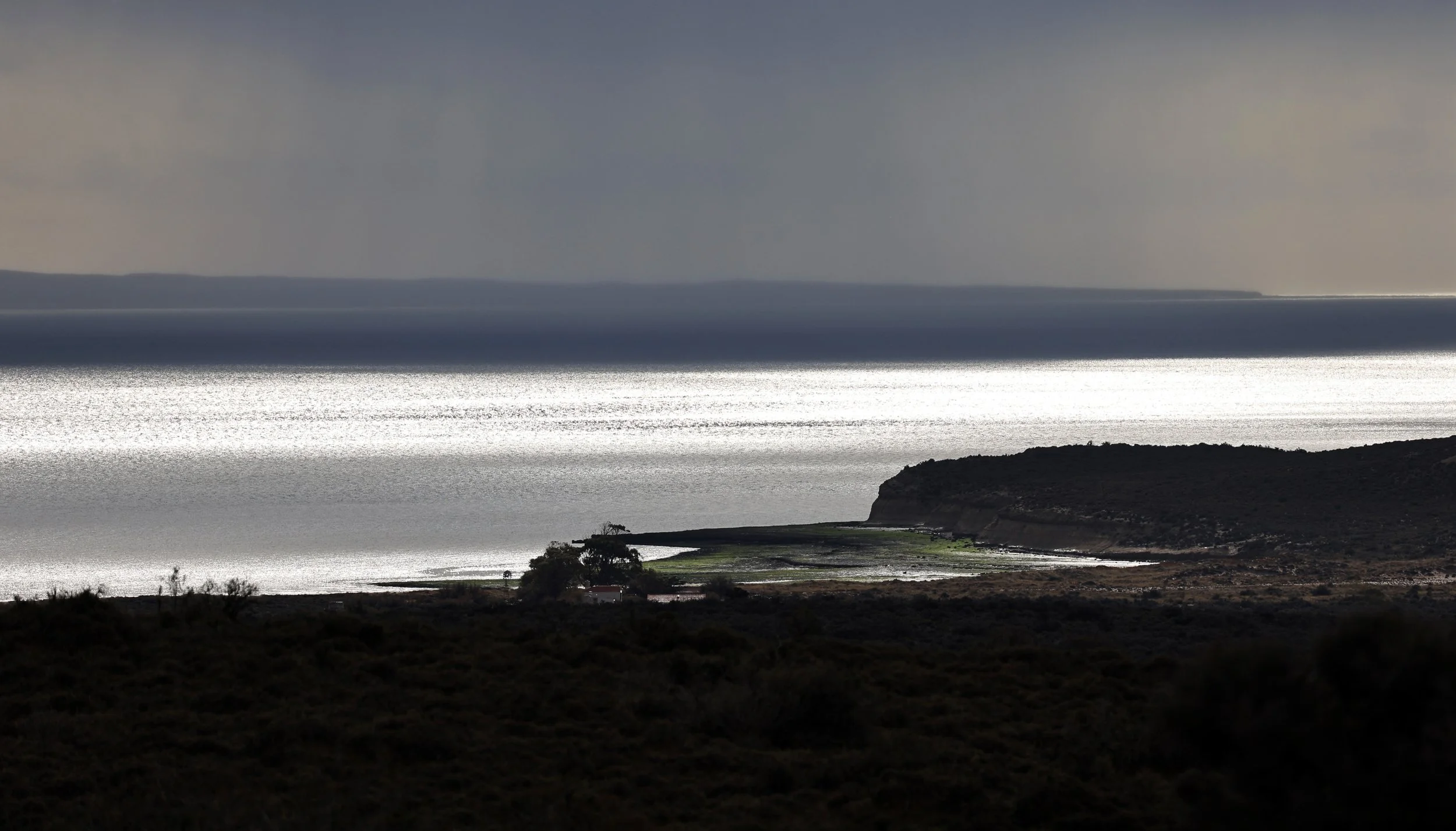
View from Caleta Valdes
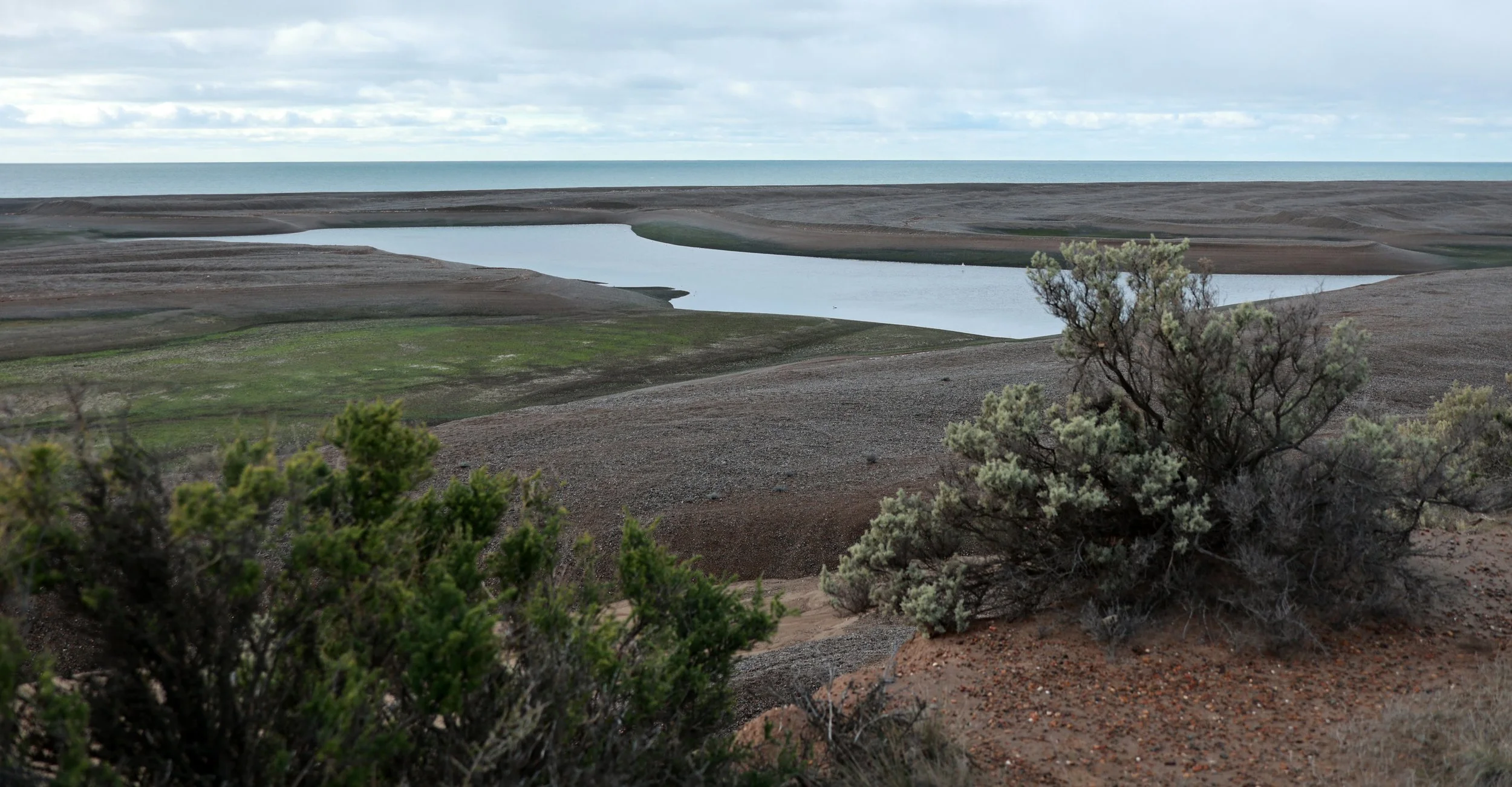
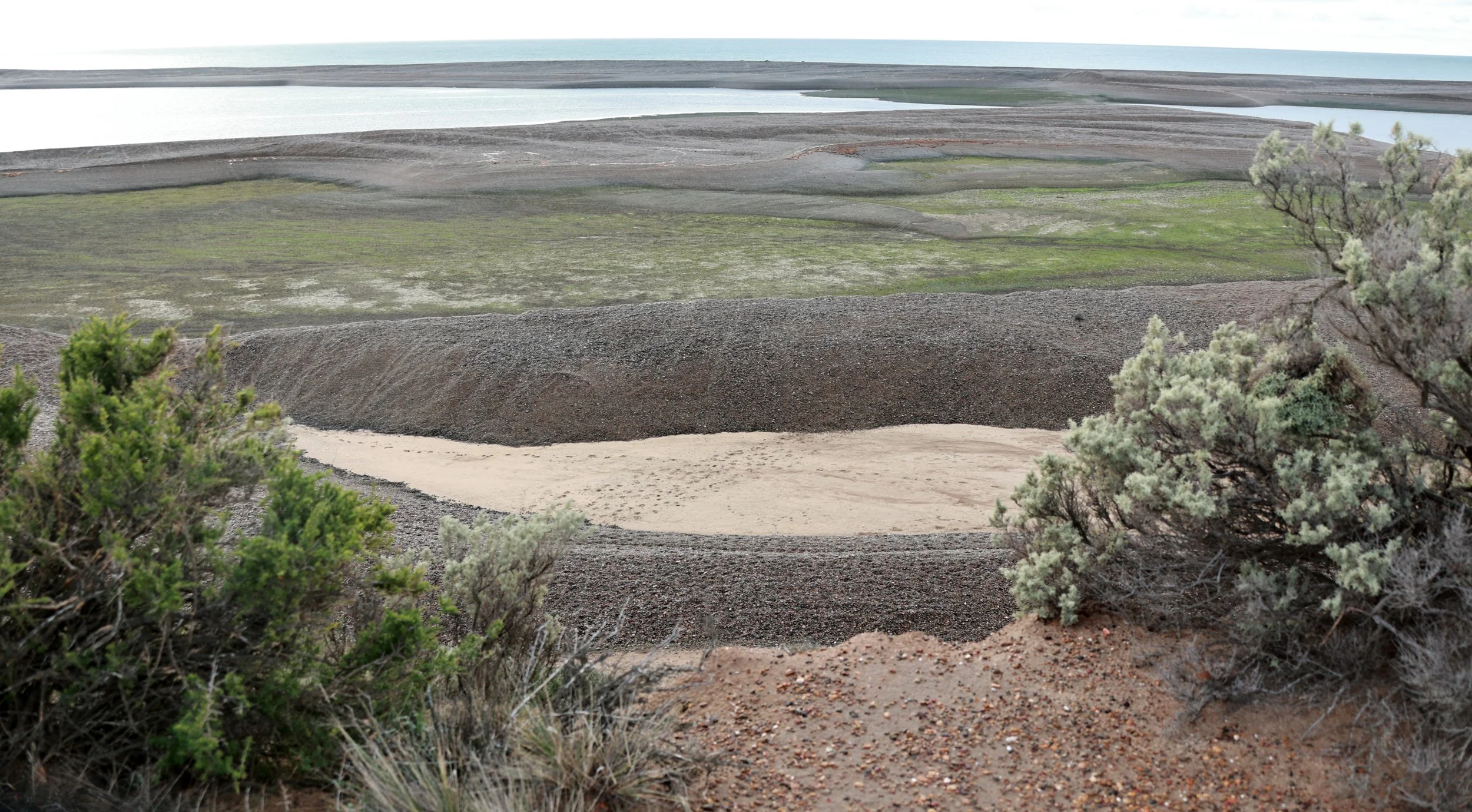
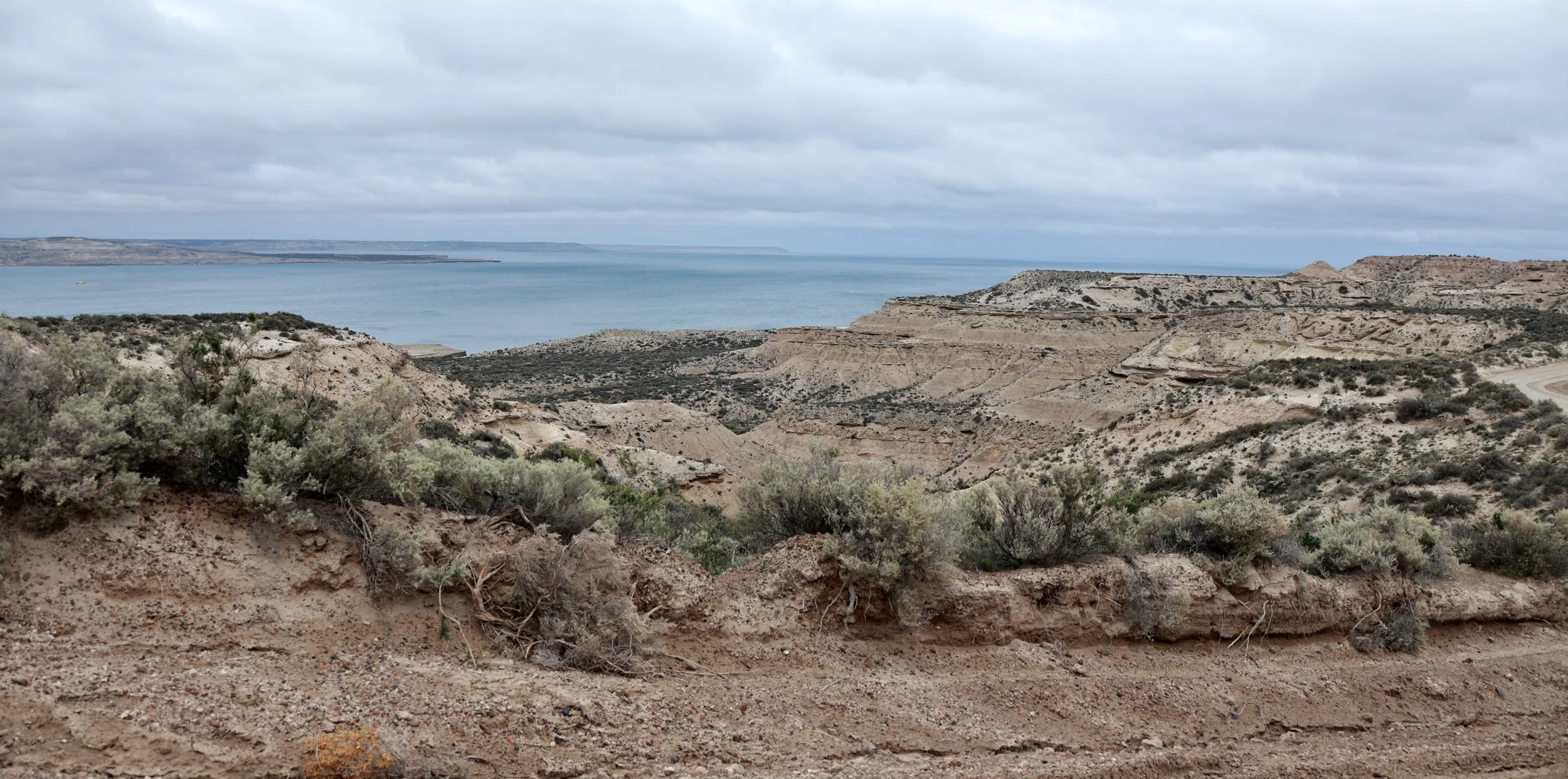
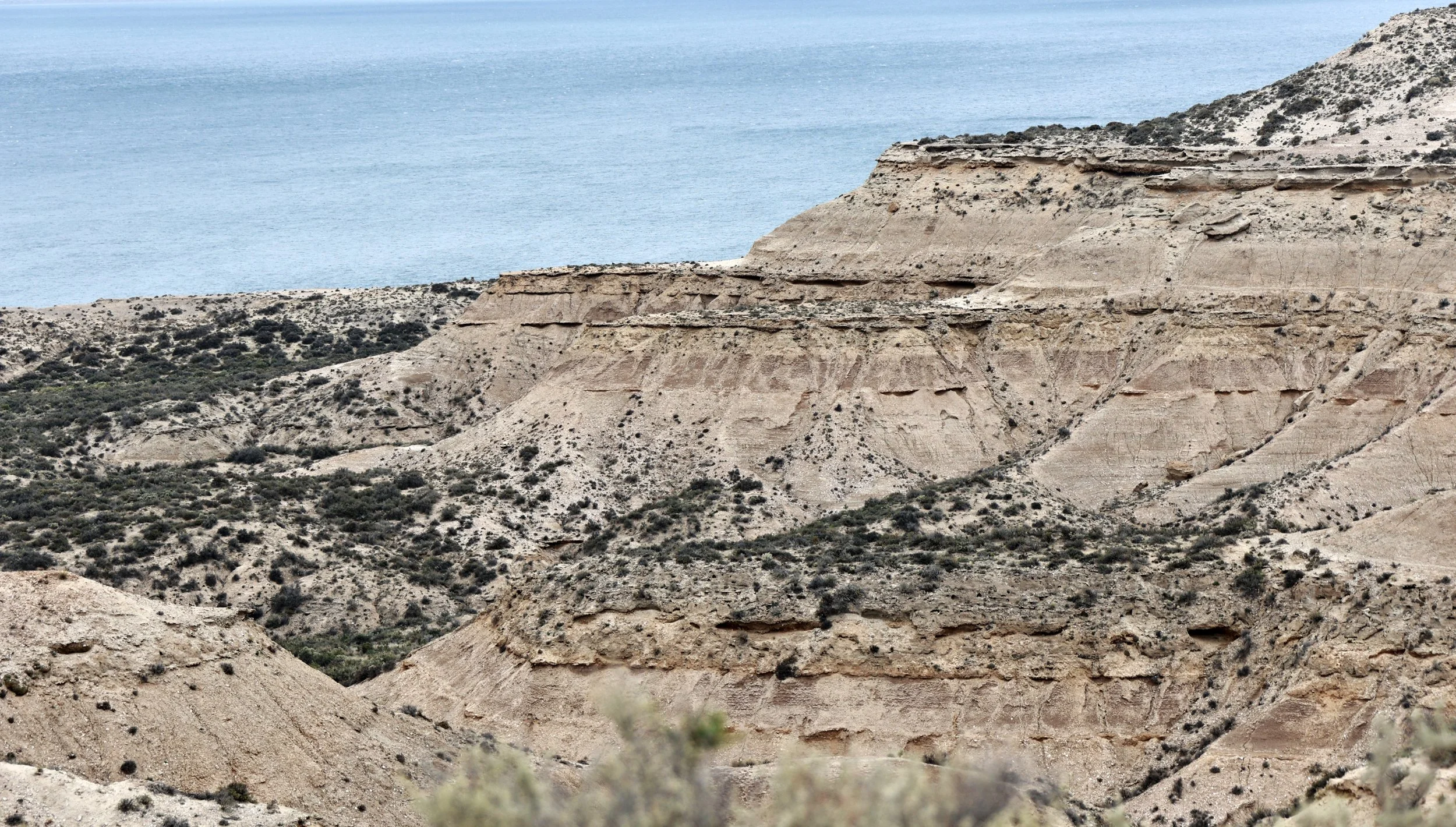
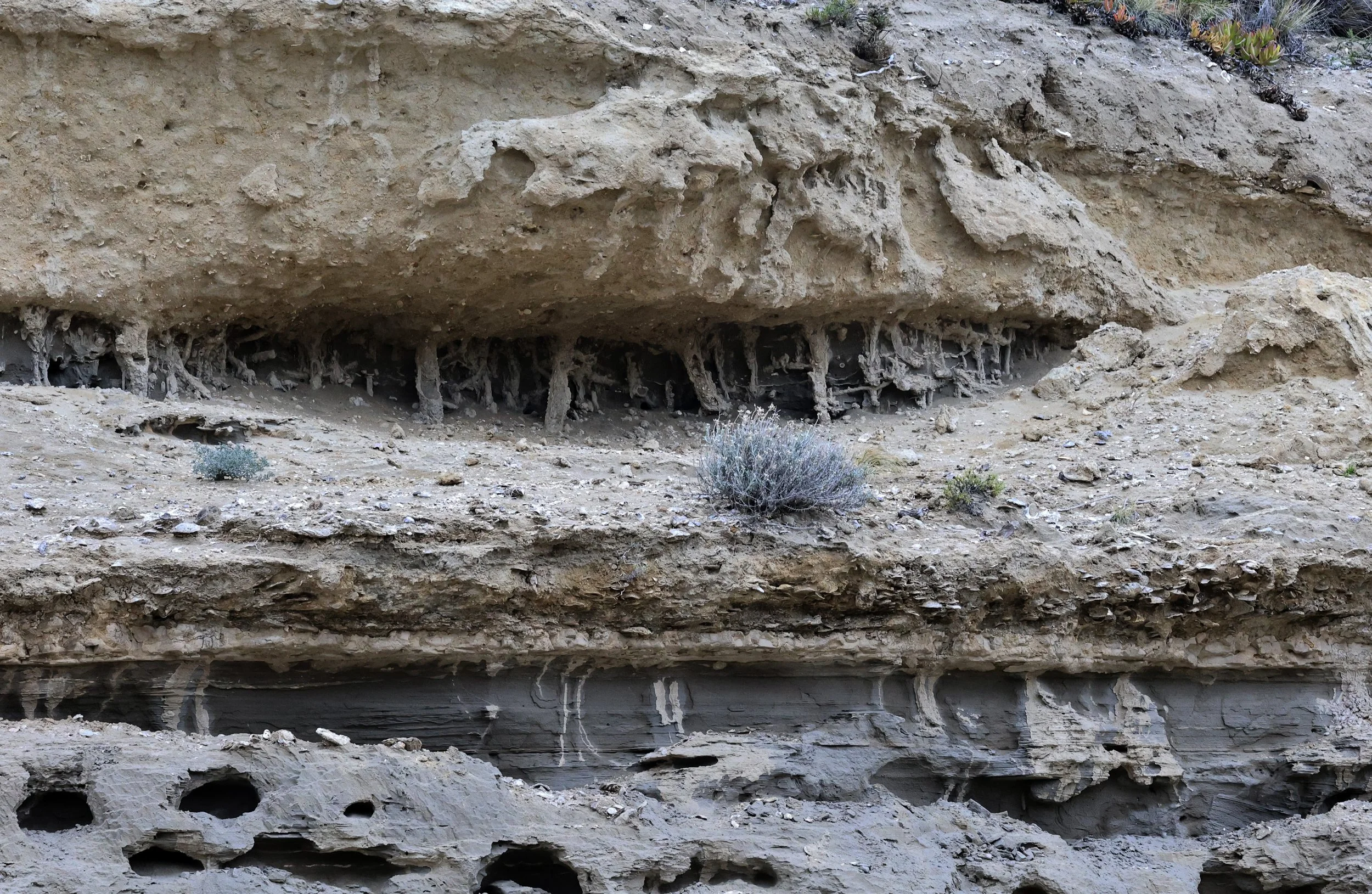
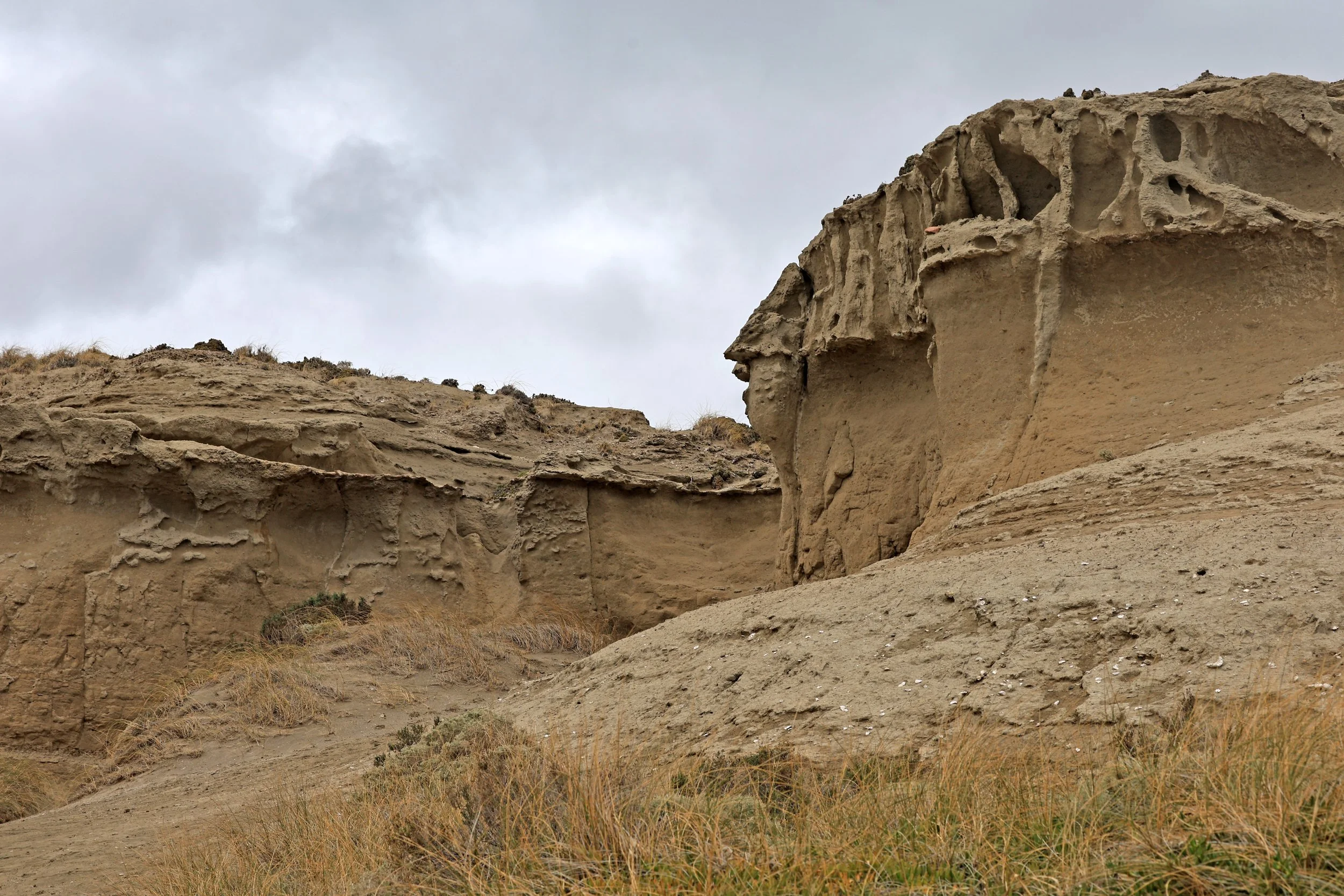
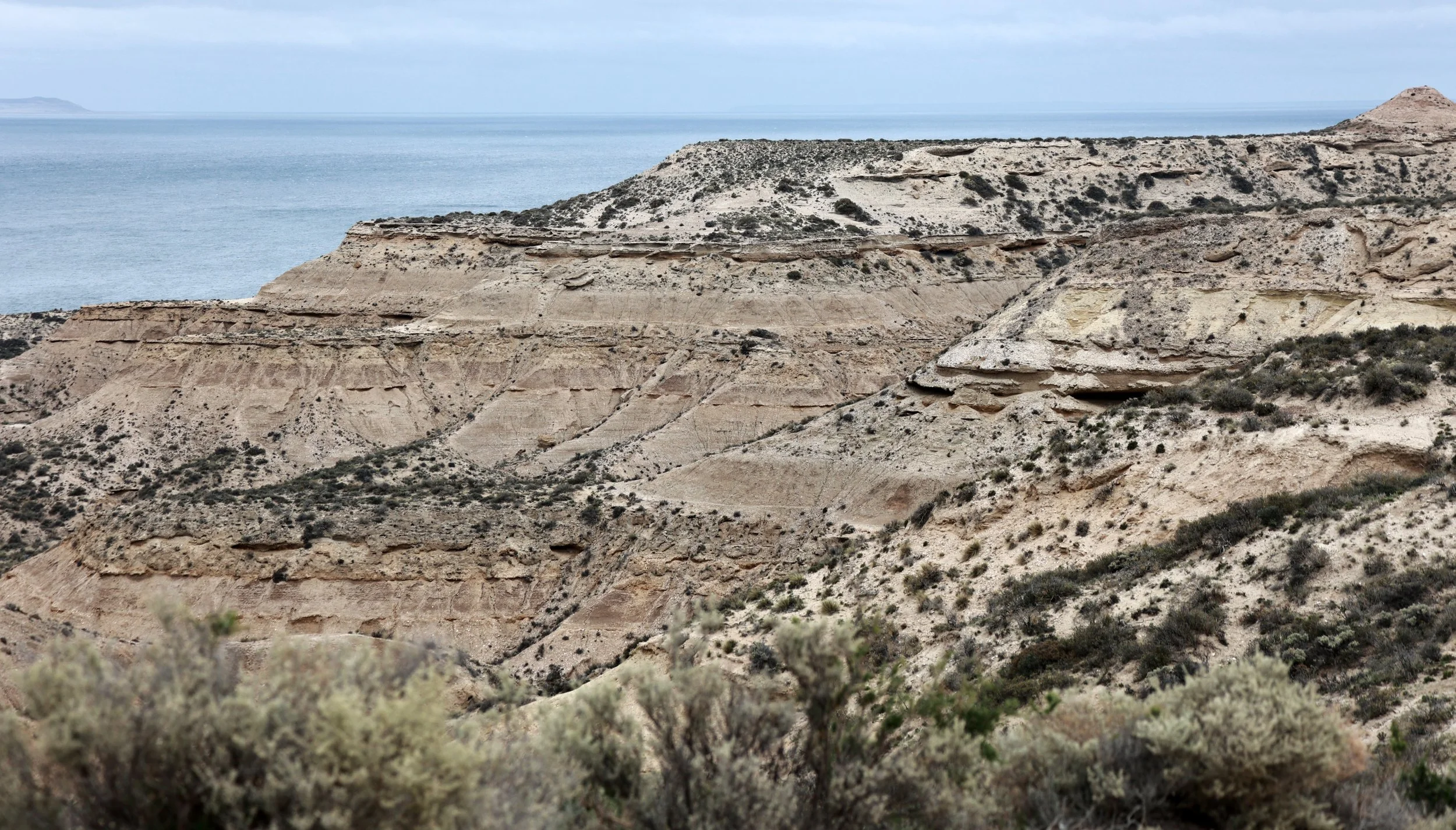
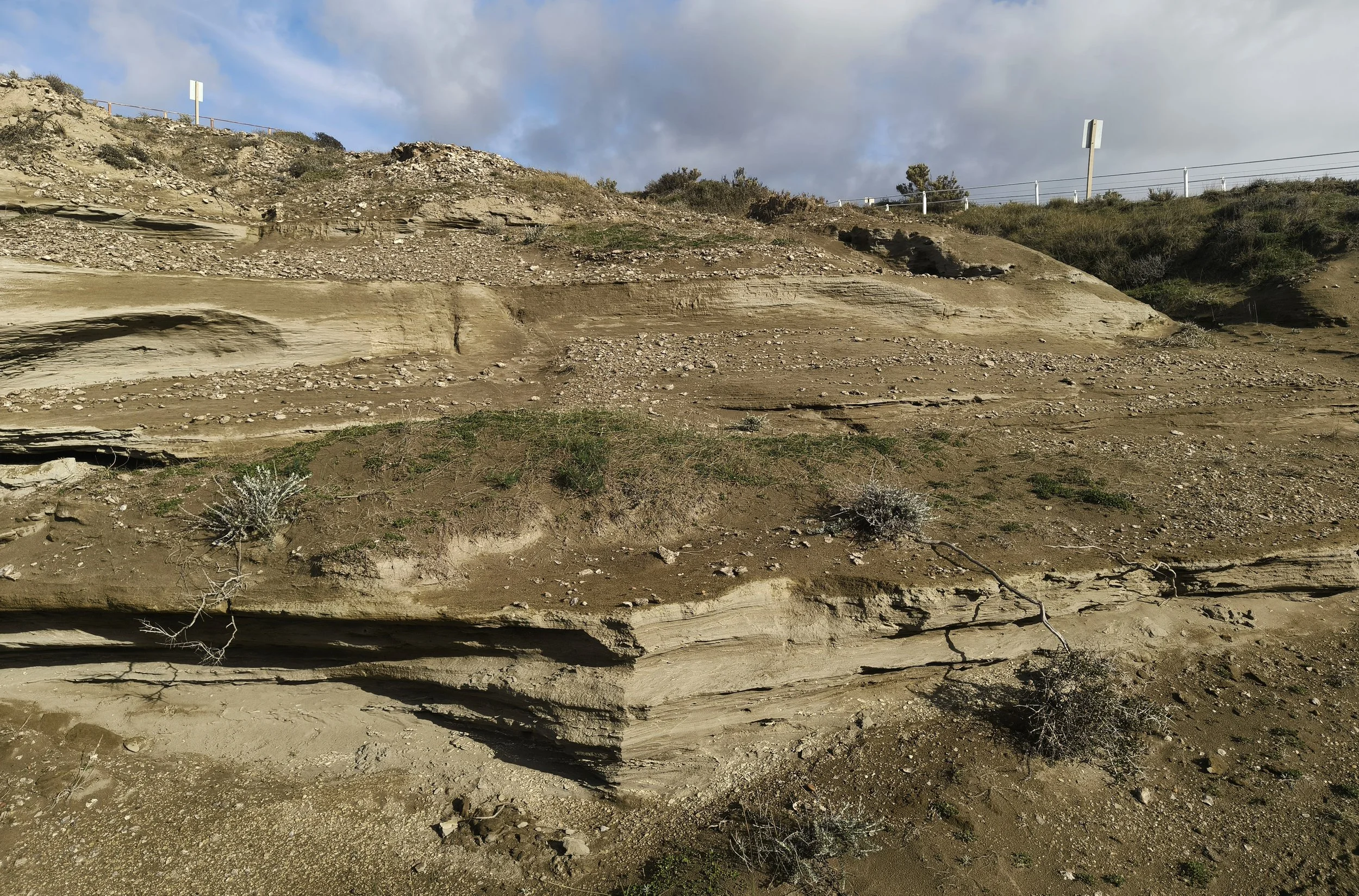
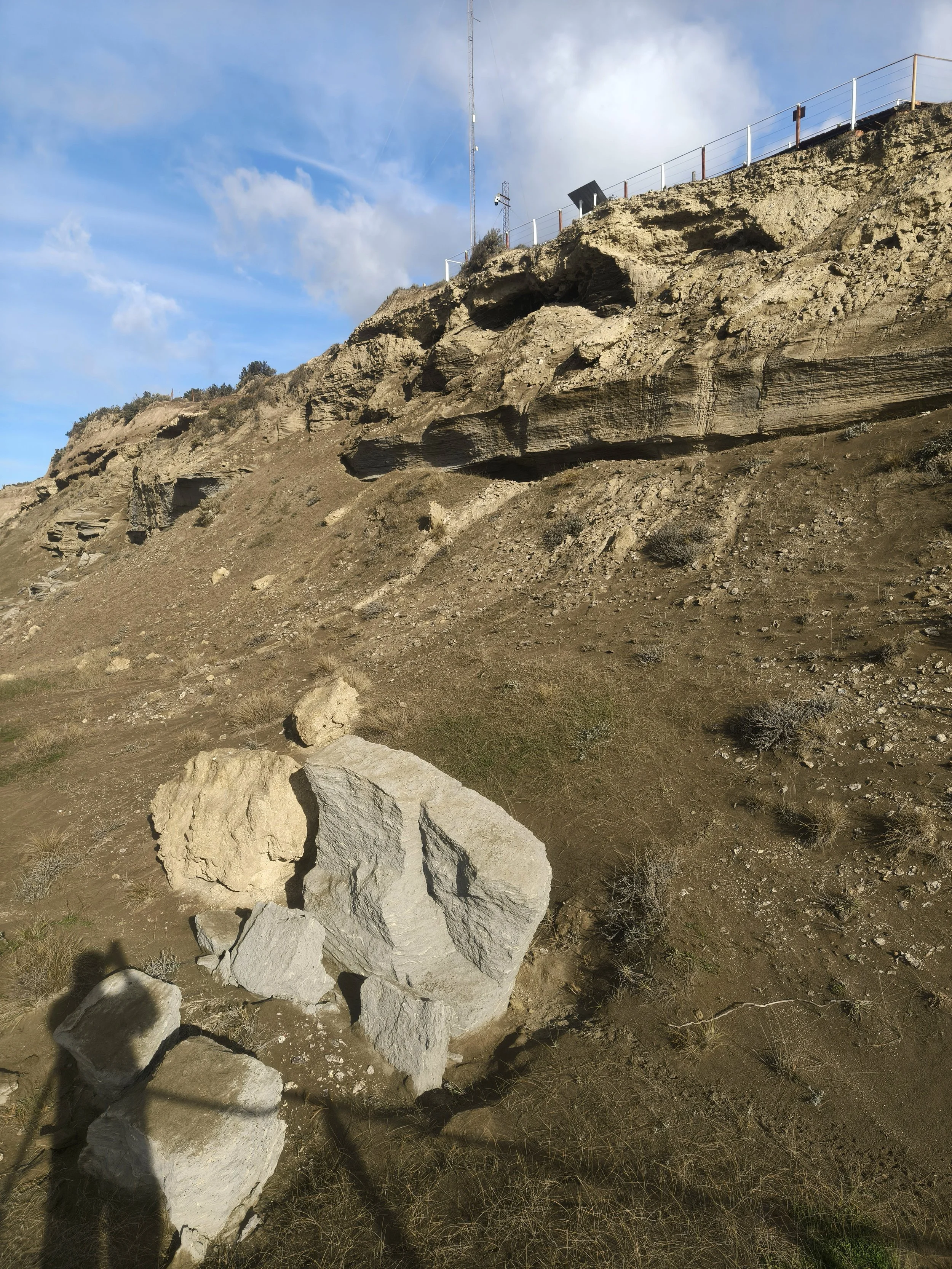
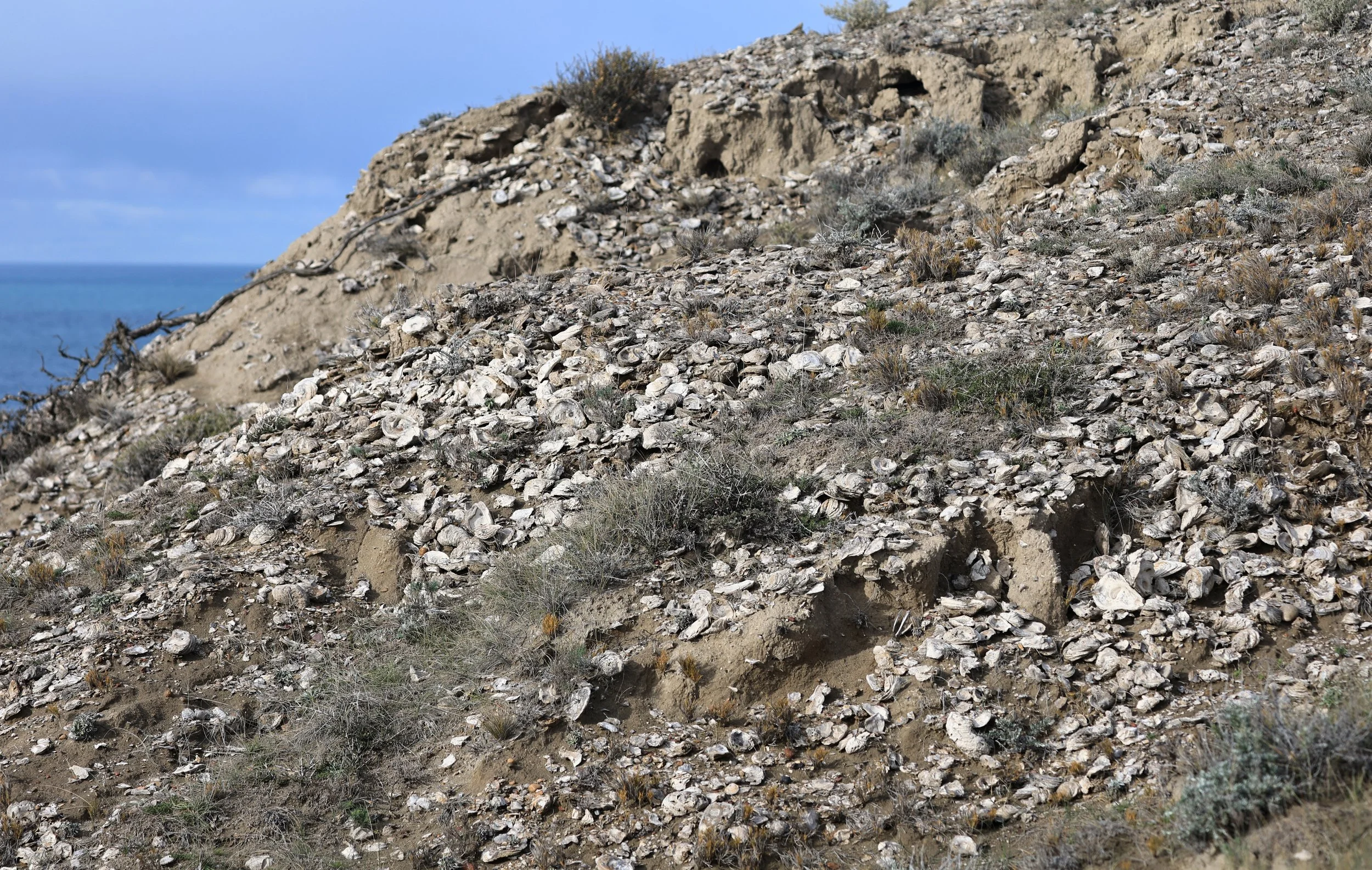
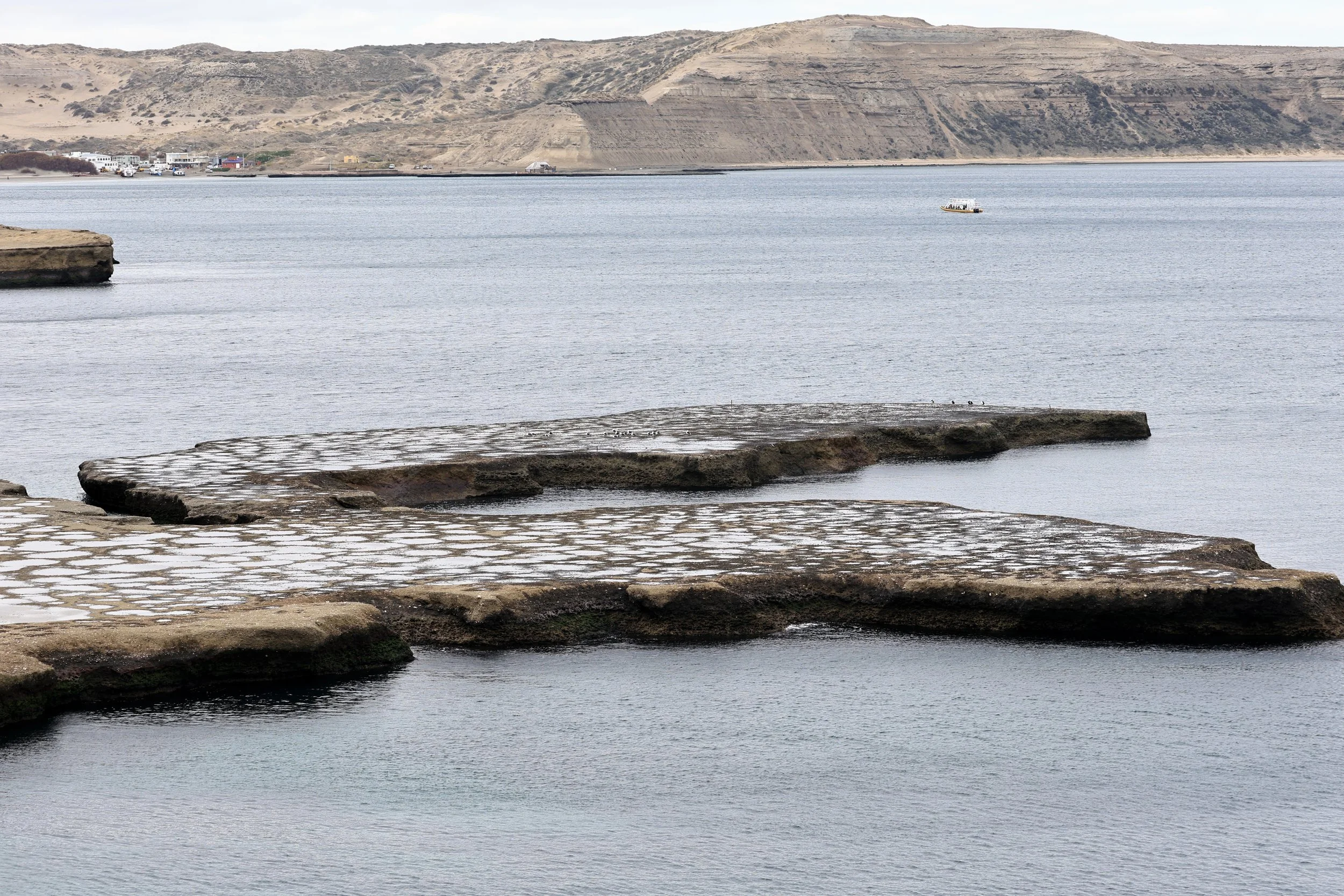
The sedimentary layers are home to a lot of dinosaur fossils!
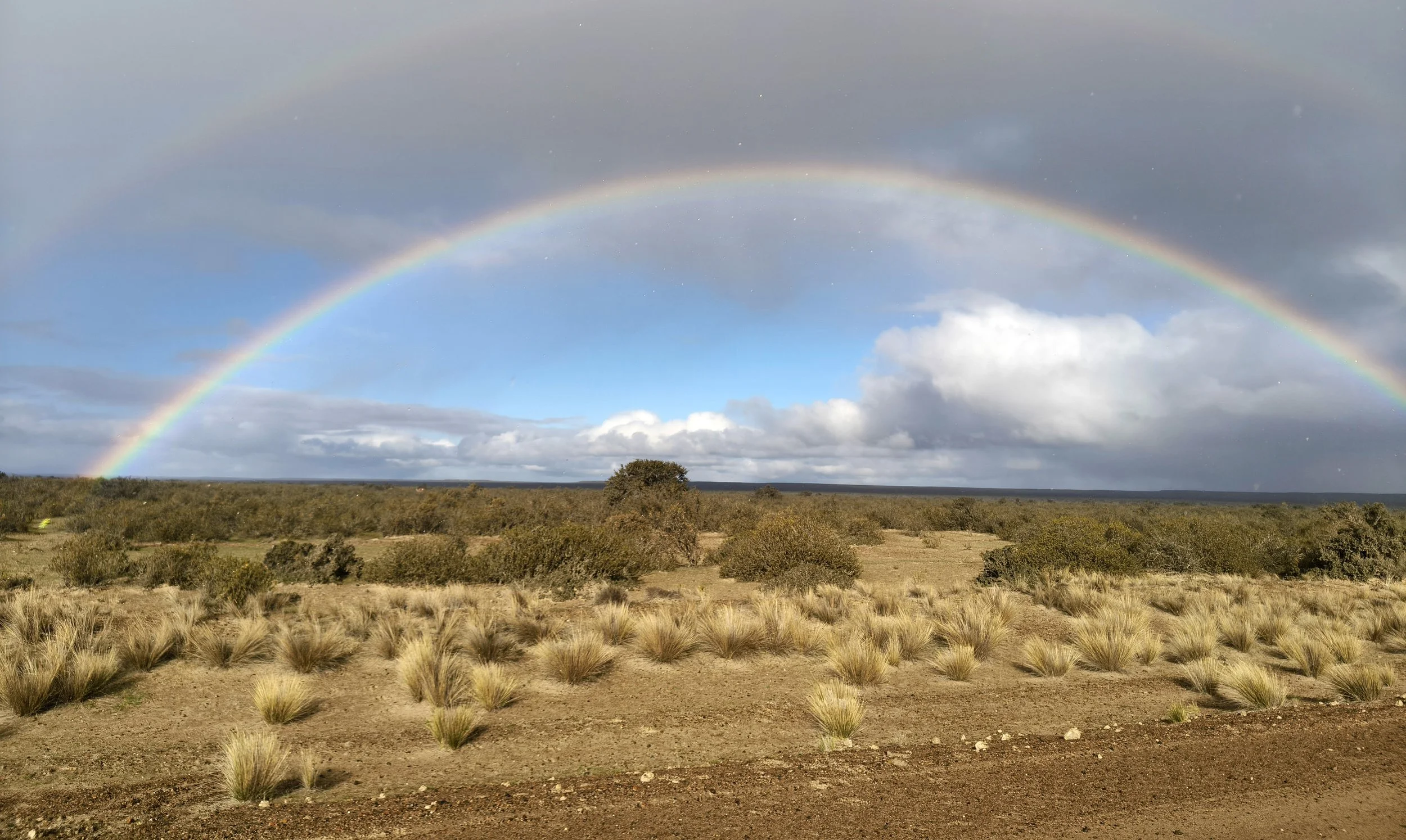
The Peninsula visitor's center
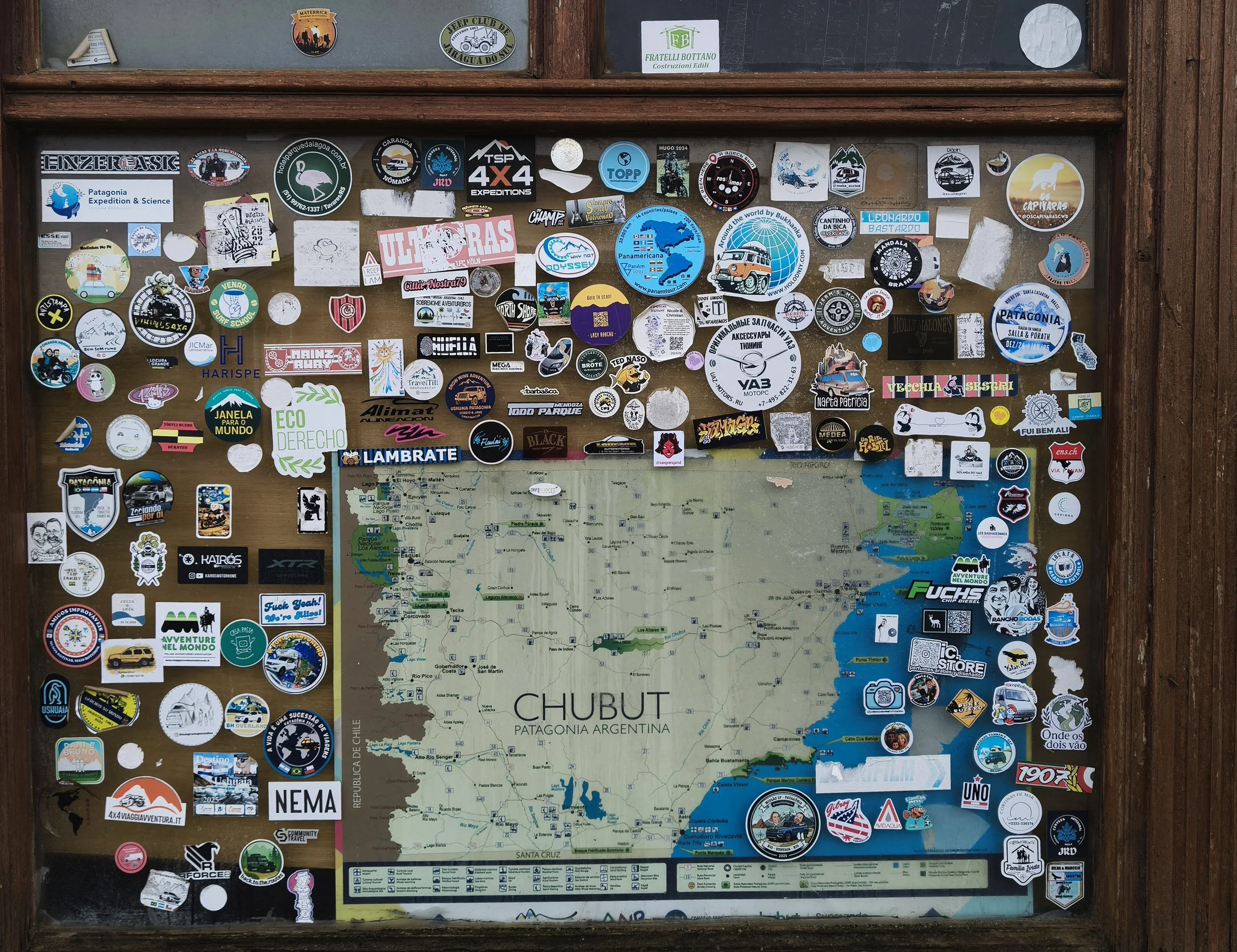
Just like Brazil, stickers are popular in Argentina.
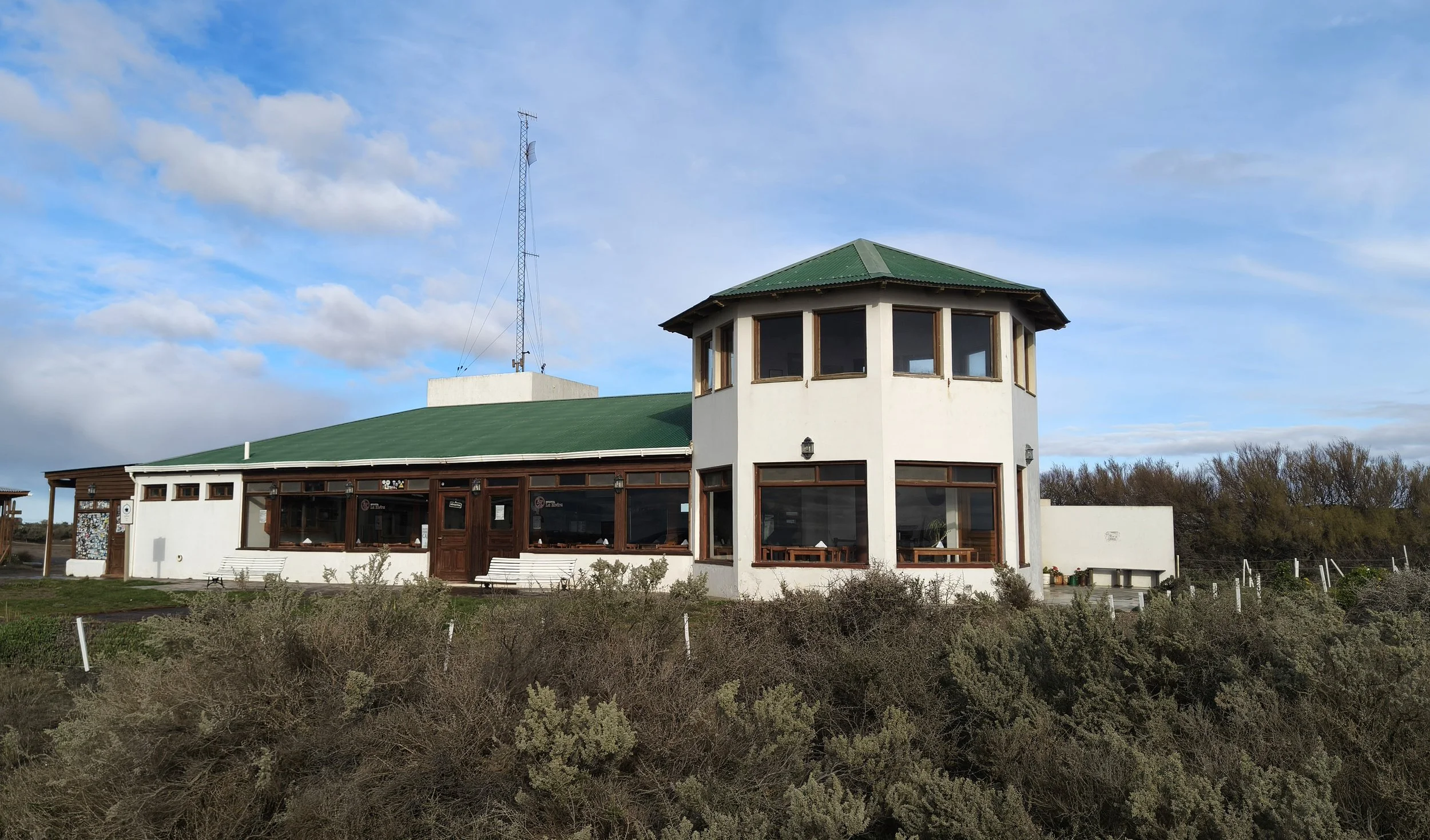
Valdes restaurant - great espresso!

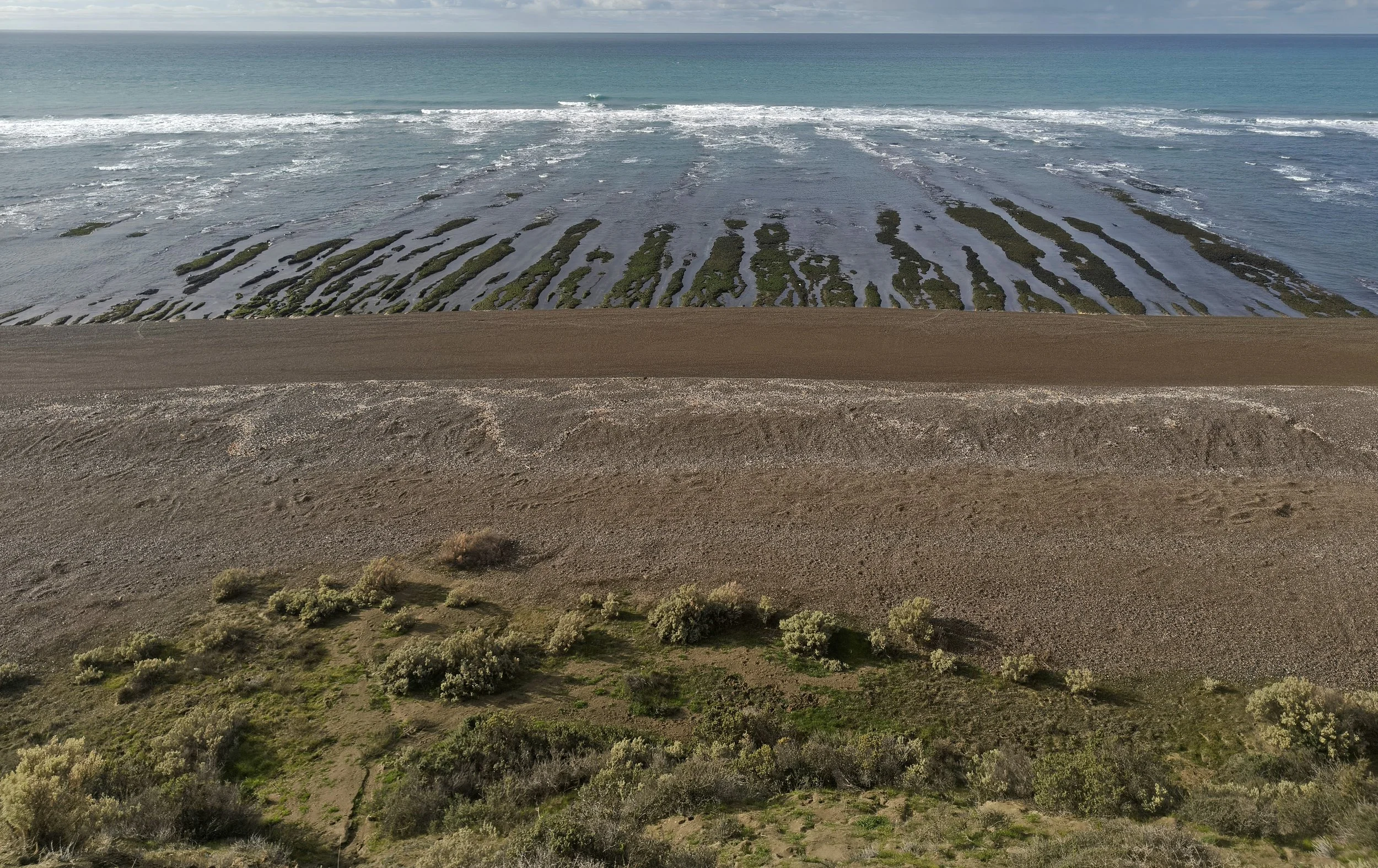
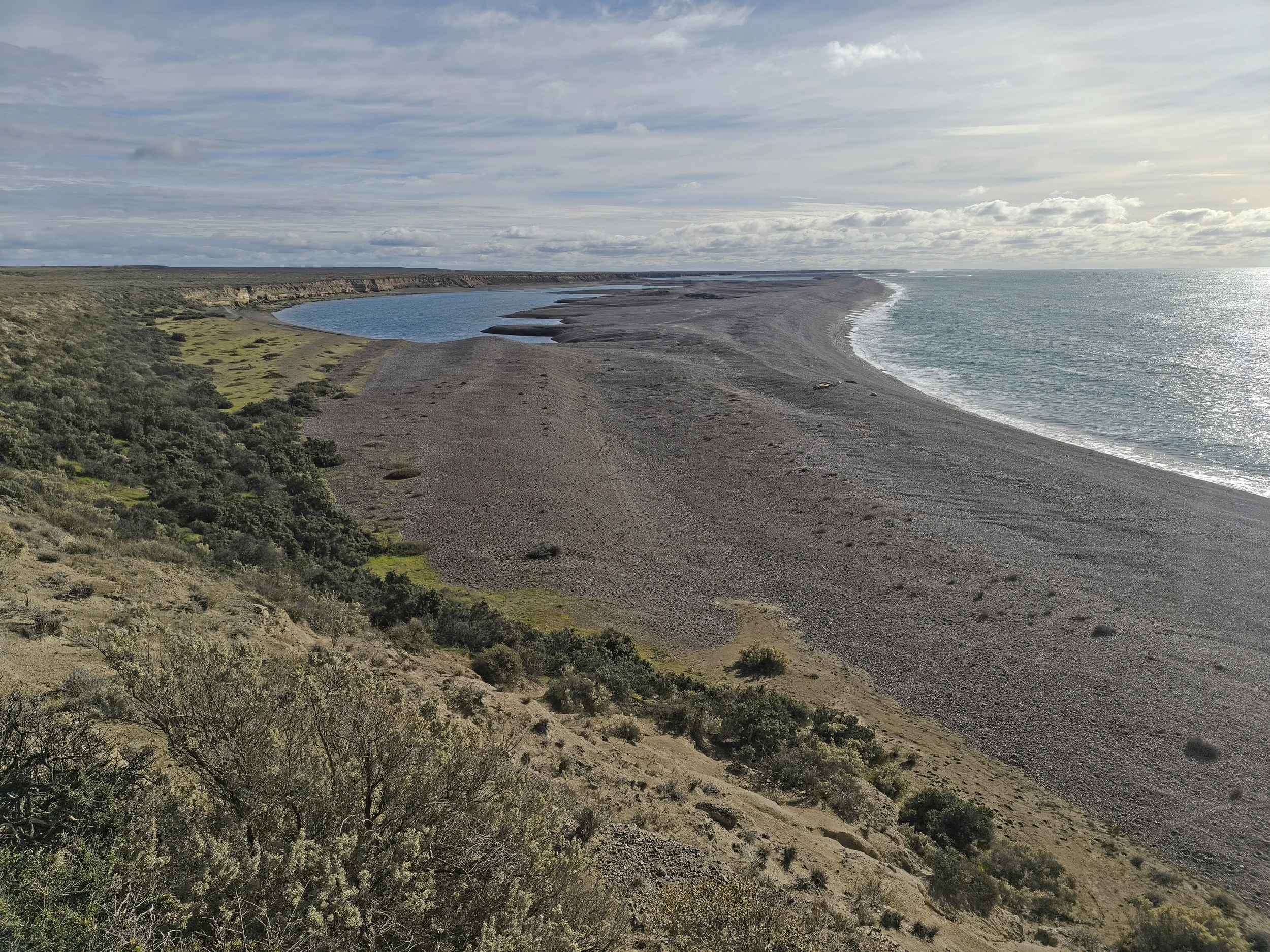
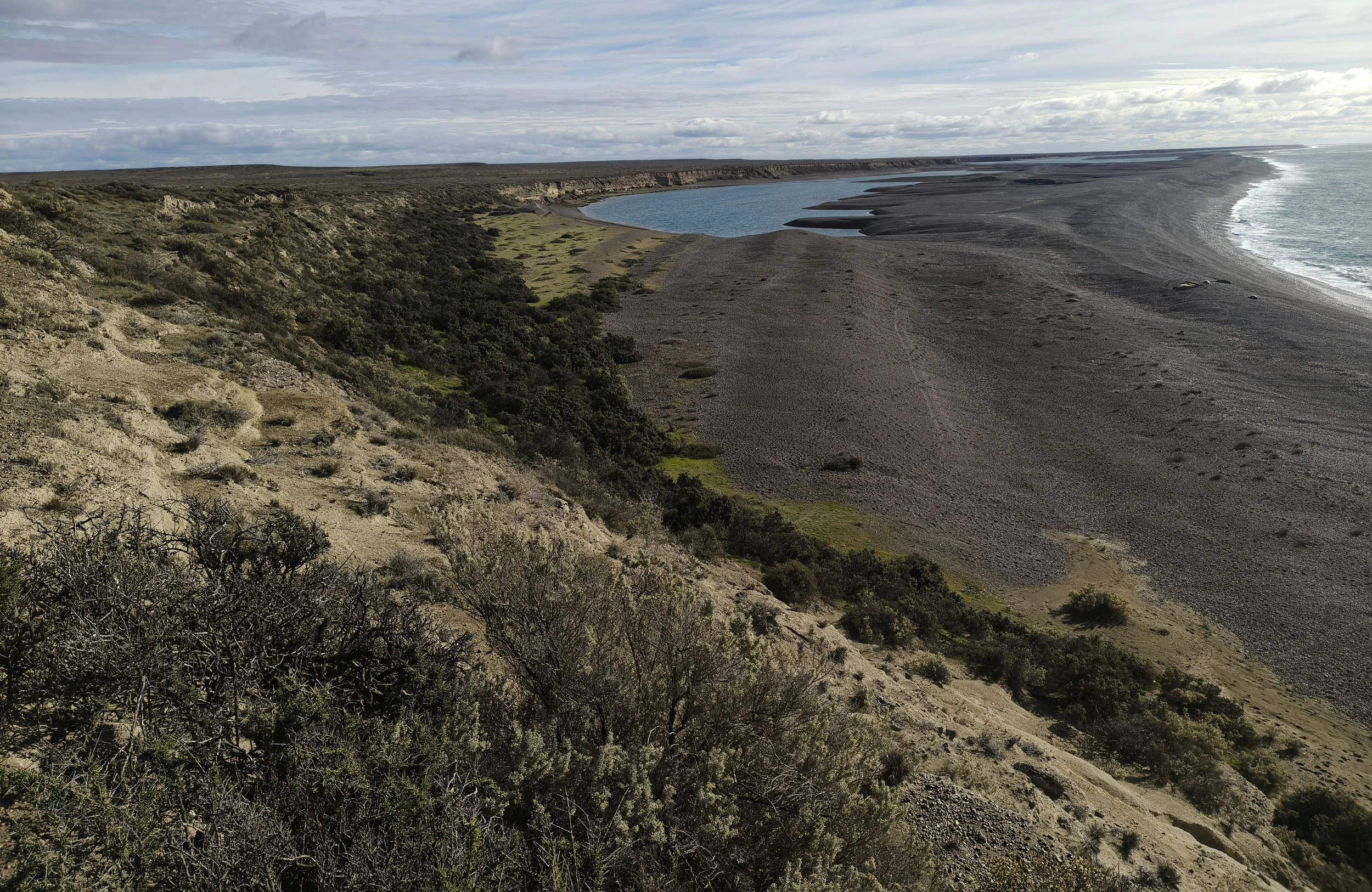
East end of the peninsula
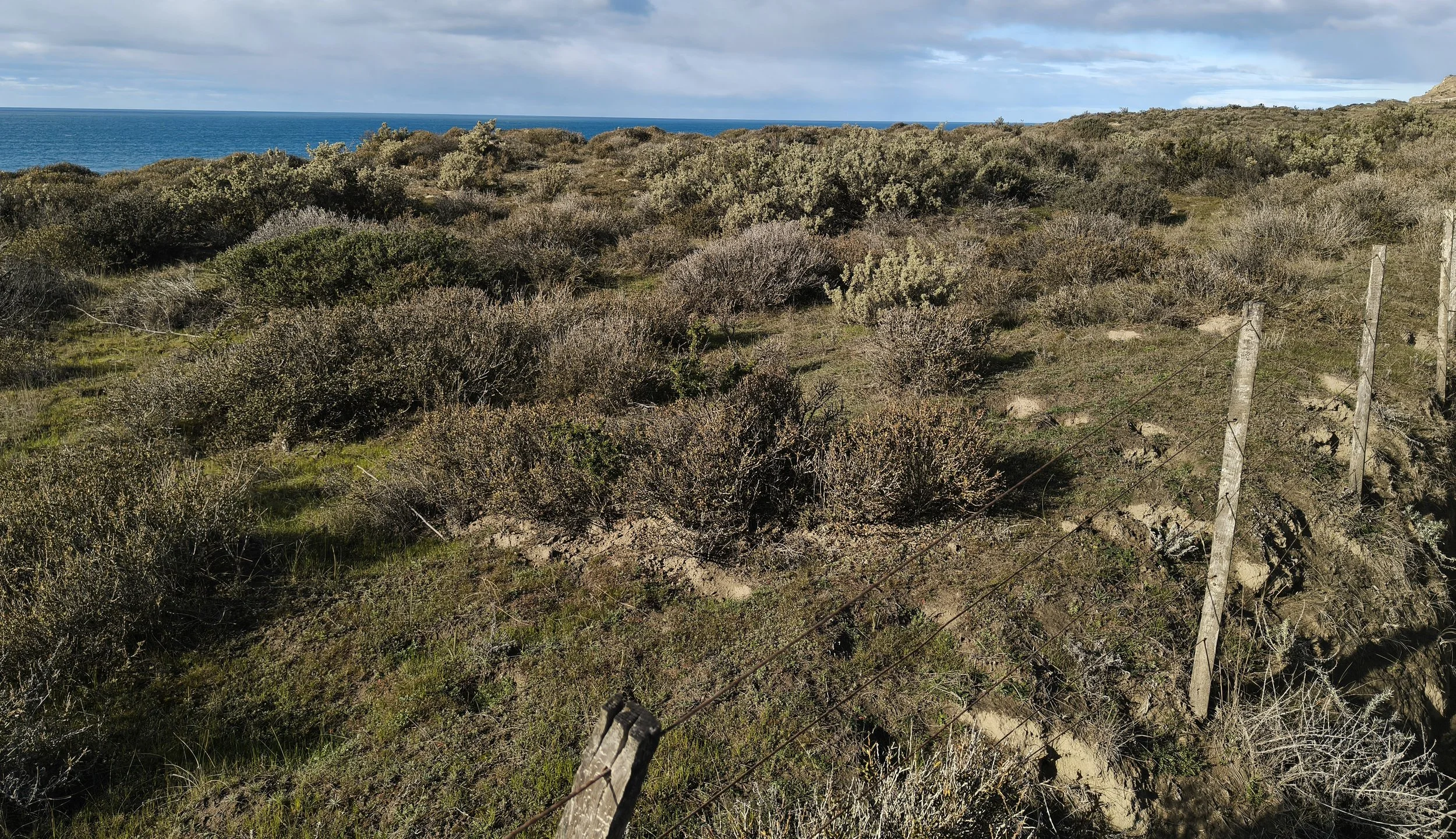
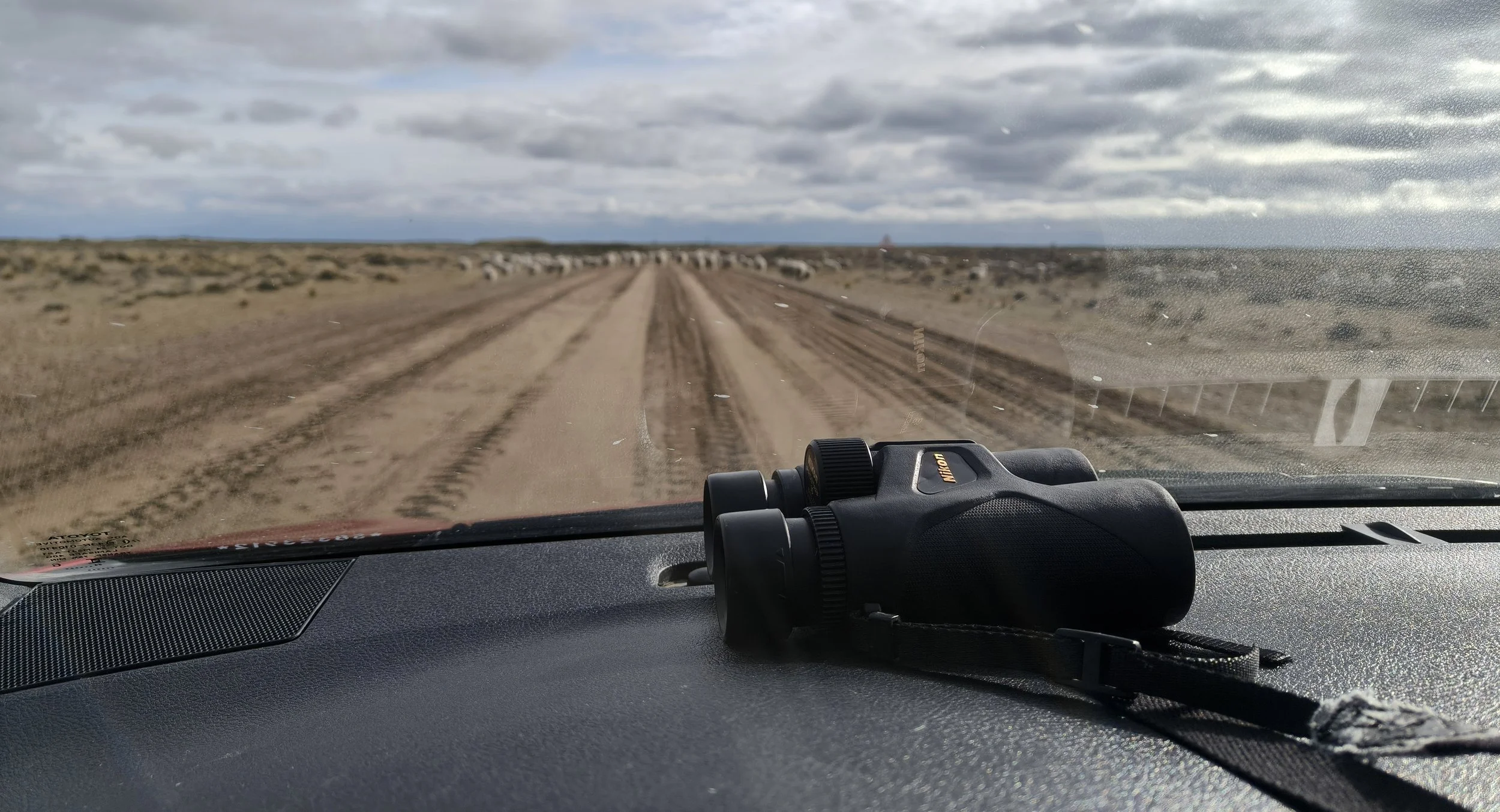
The main road on the peninsula
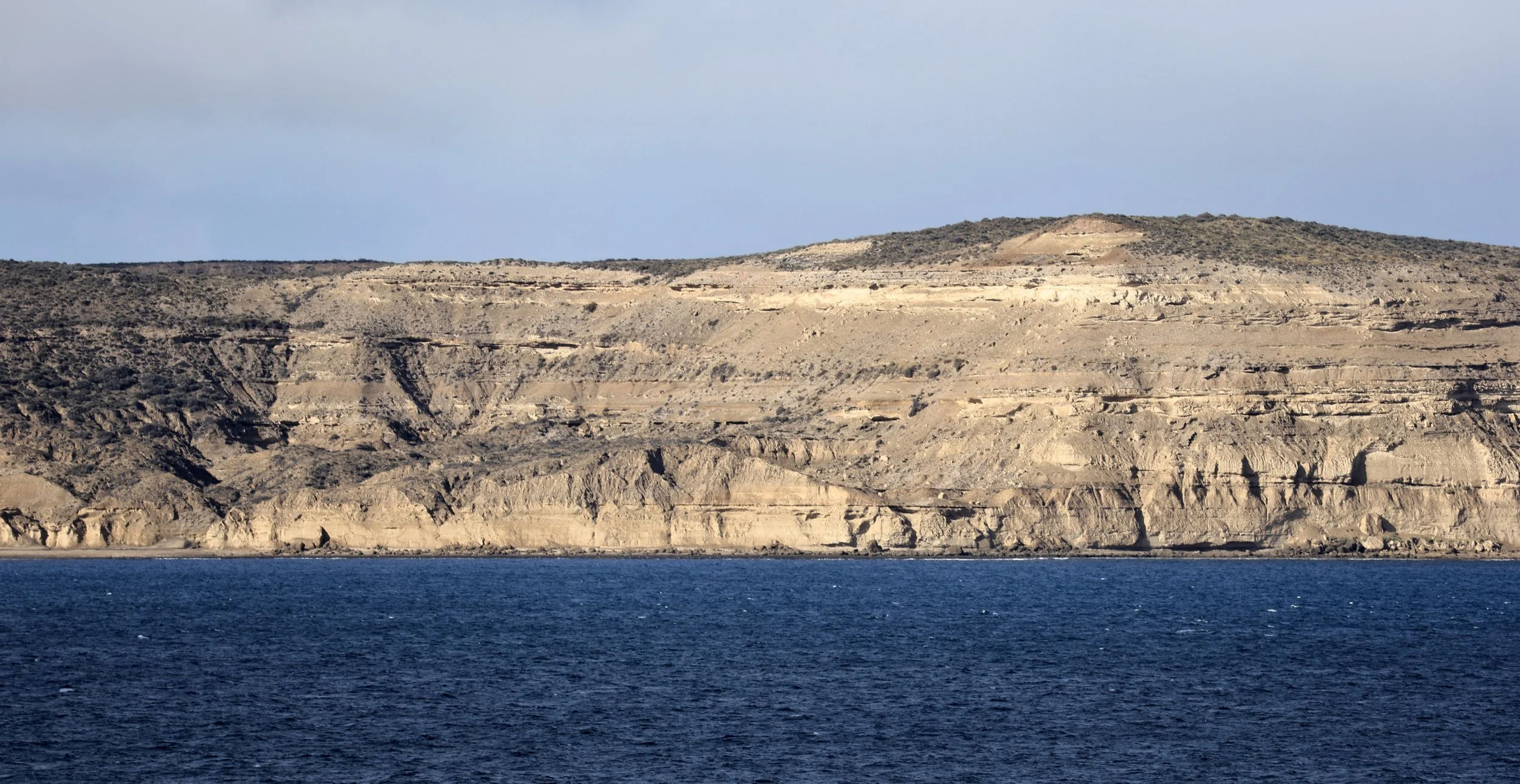
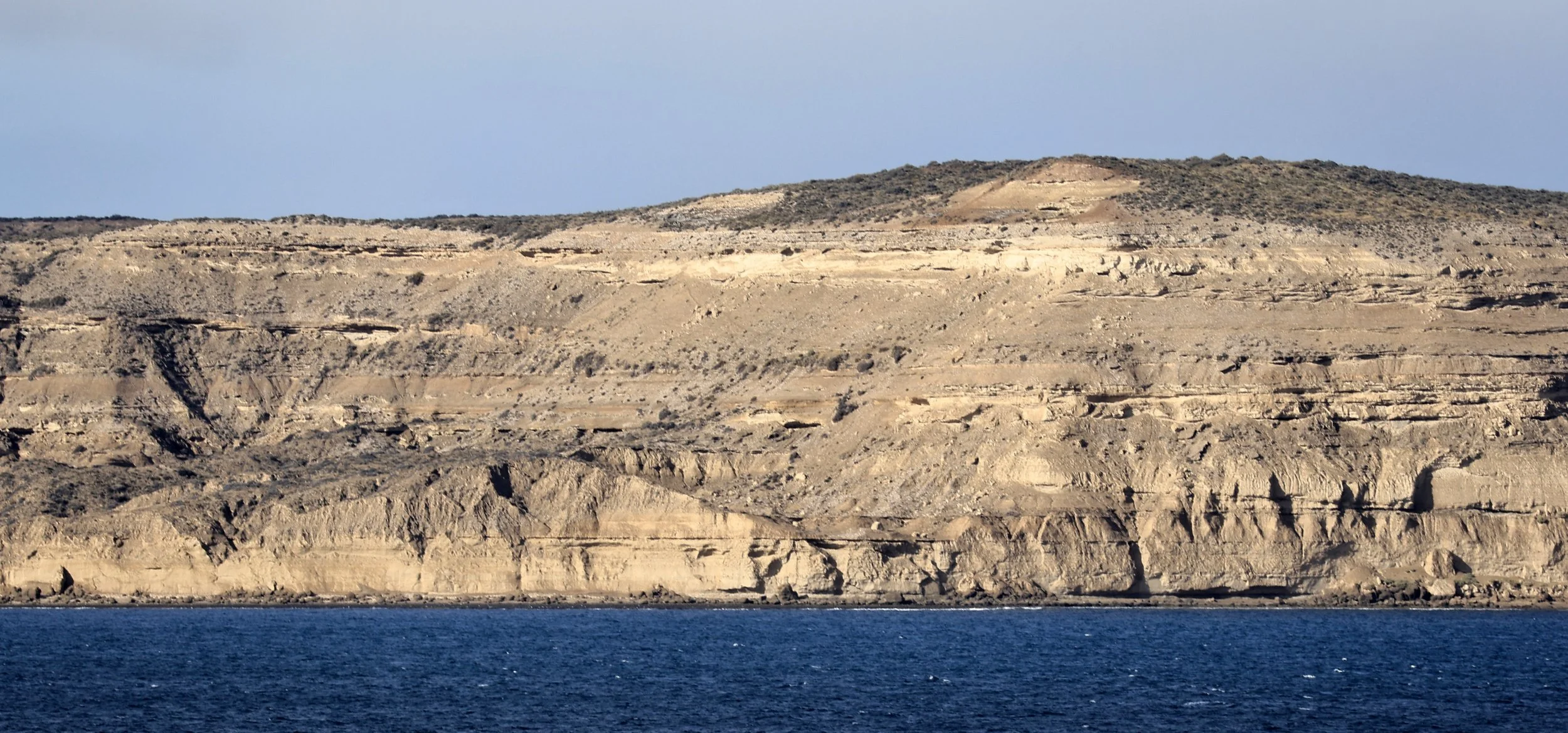
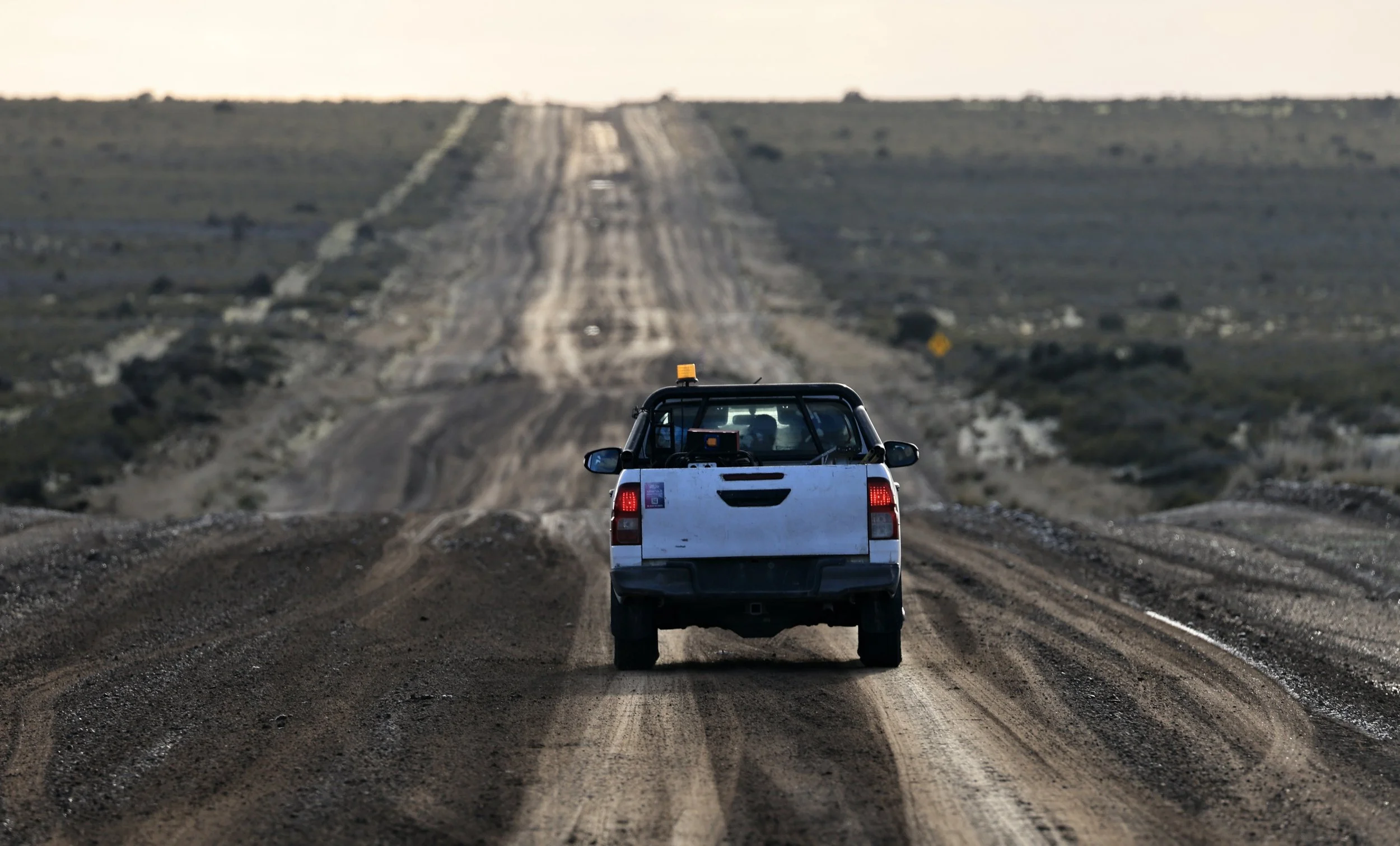
Once wet, the roads become and ice rink...
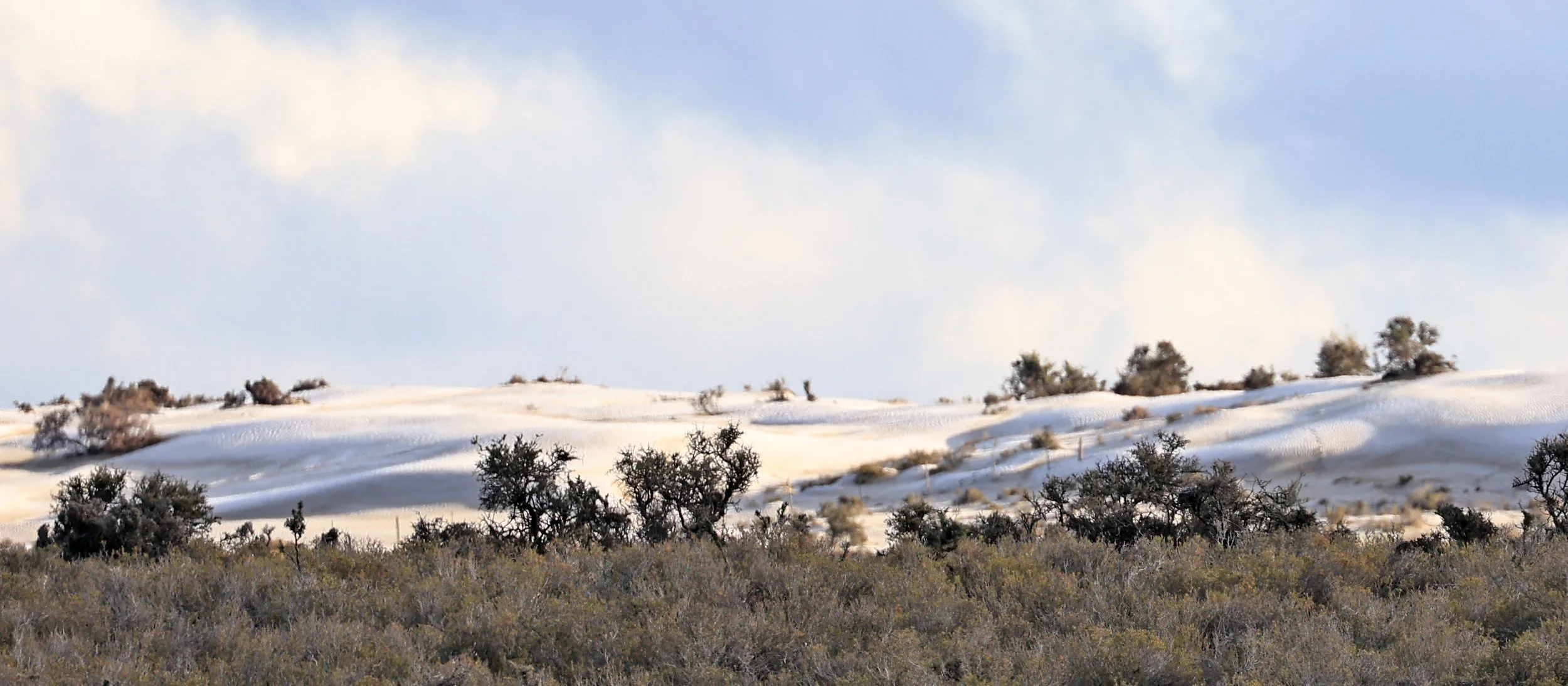
White sand dunes

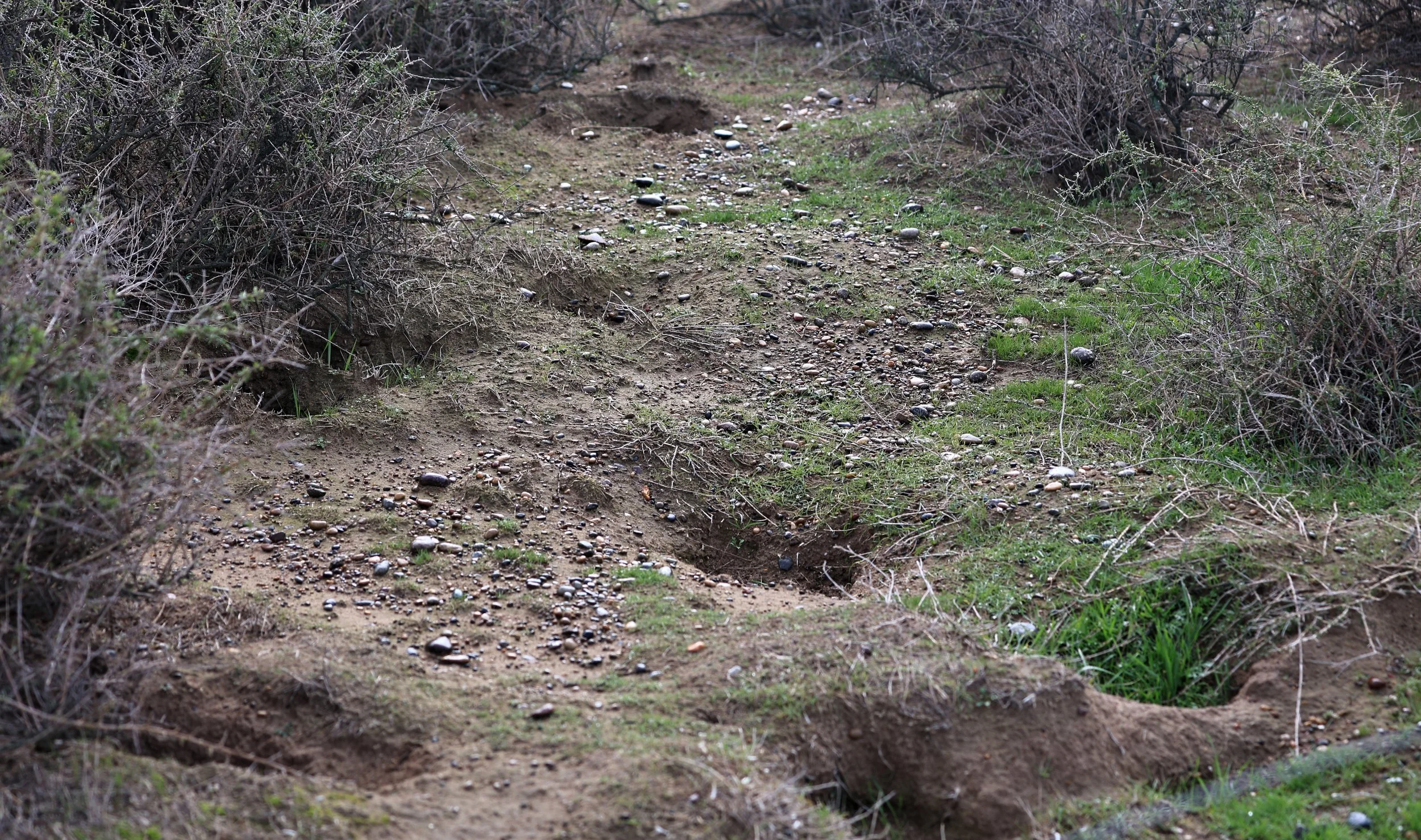
Armadillos have been digging quite a bit here
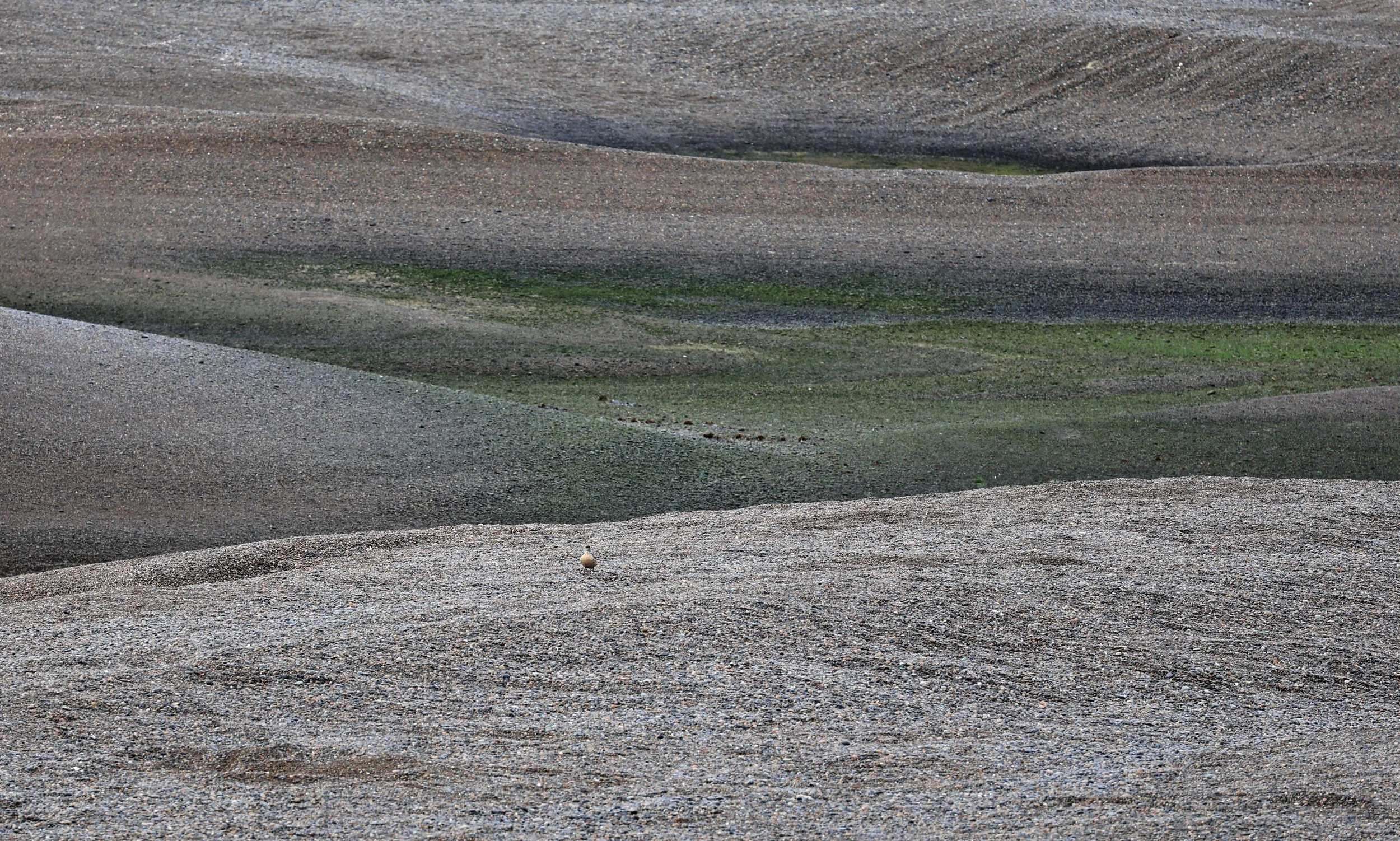
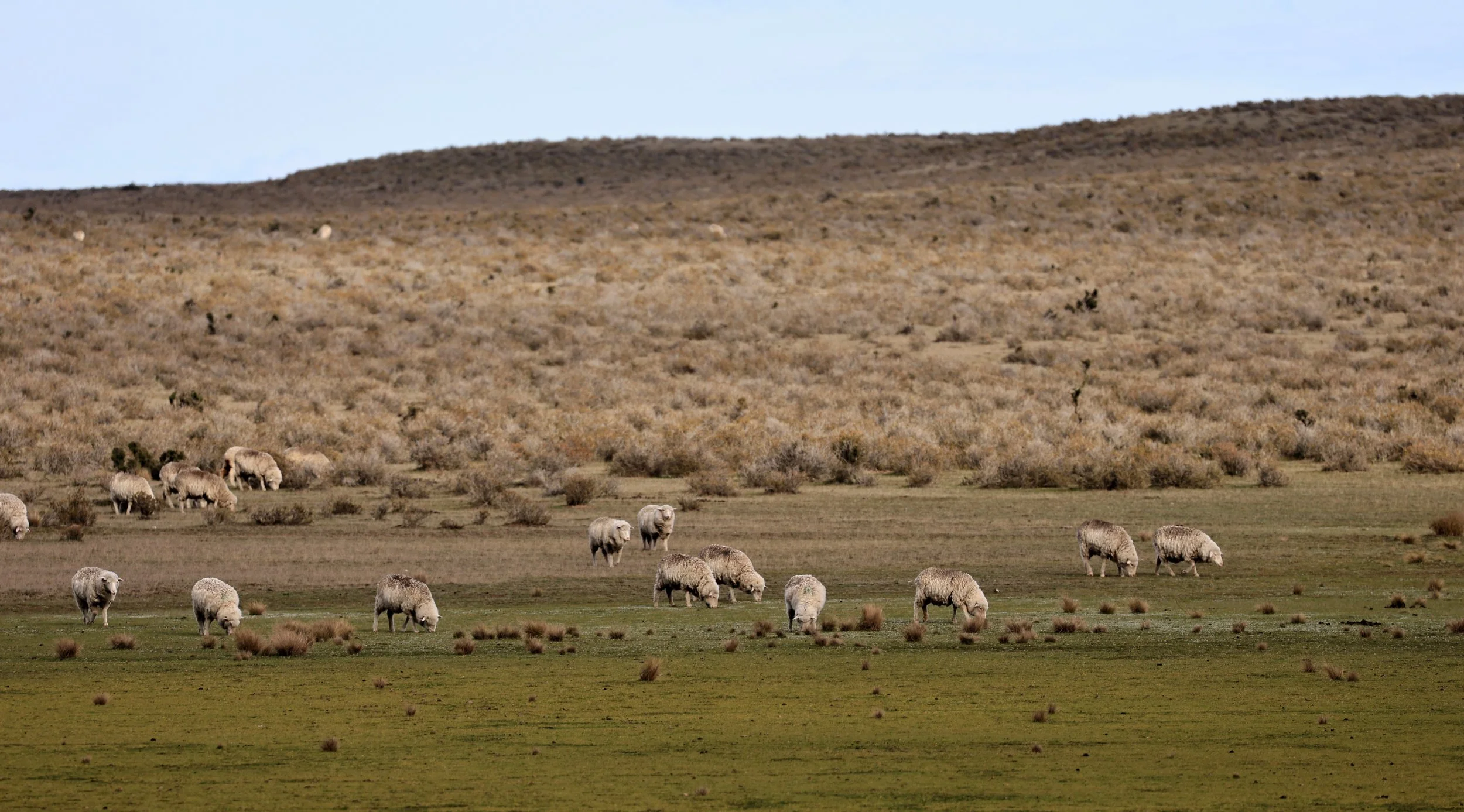
The most common mammals are the sheep for sure.
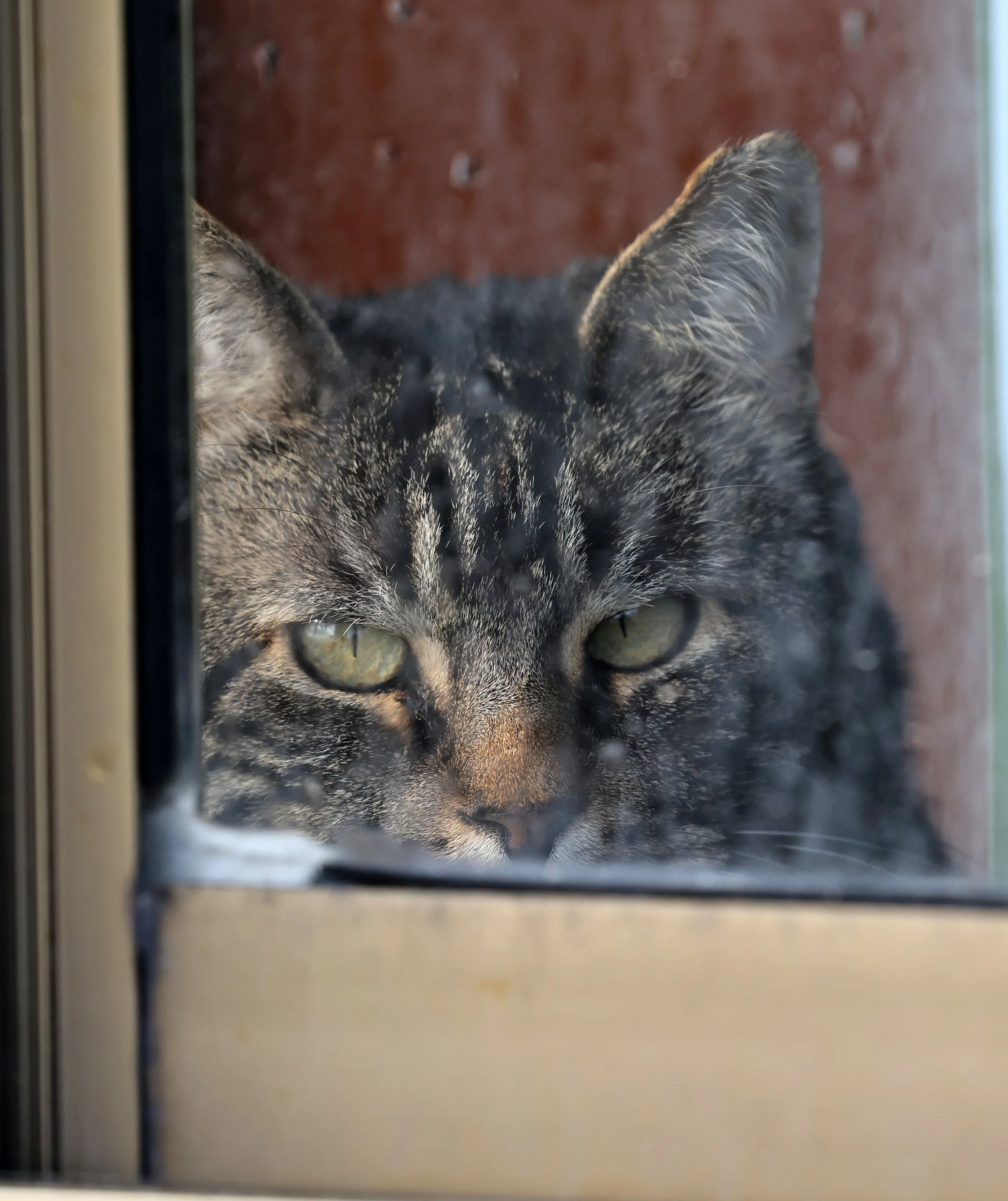
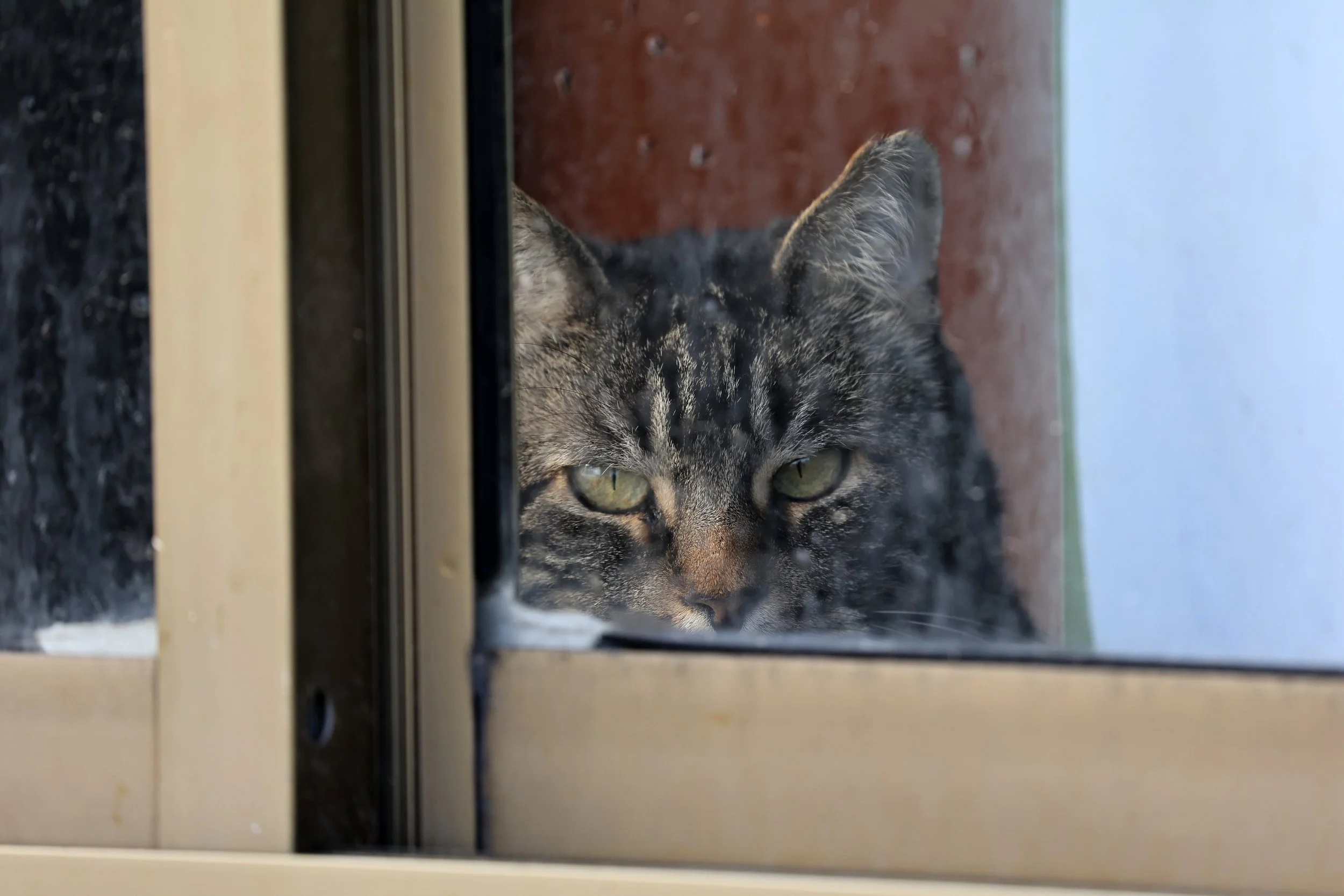
Angry cat!
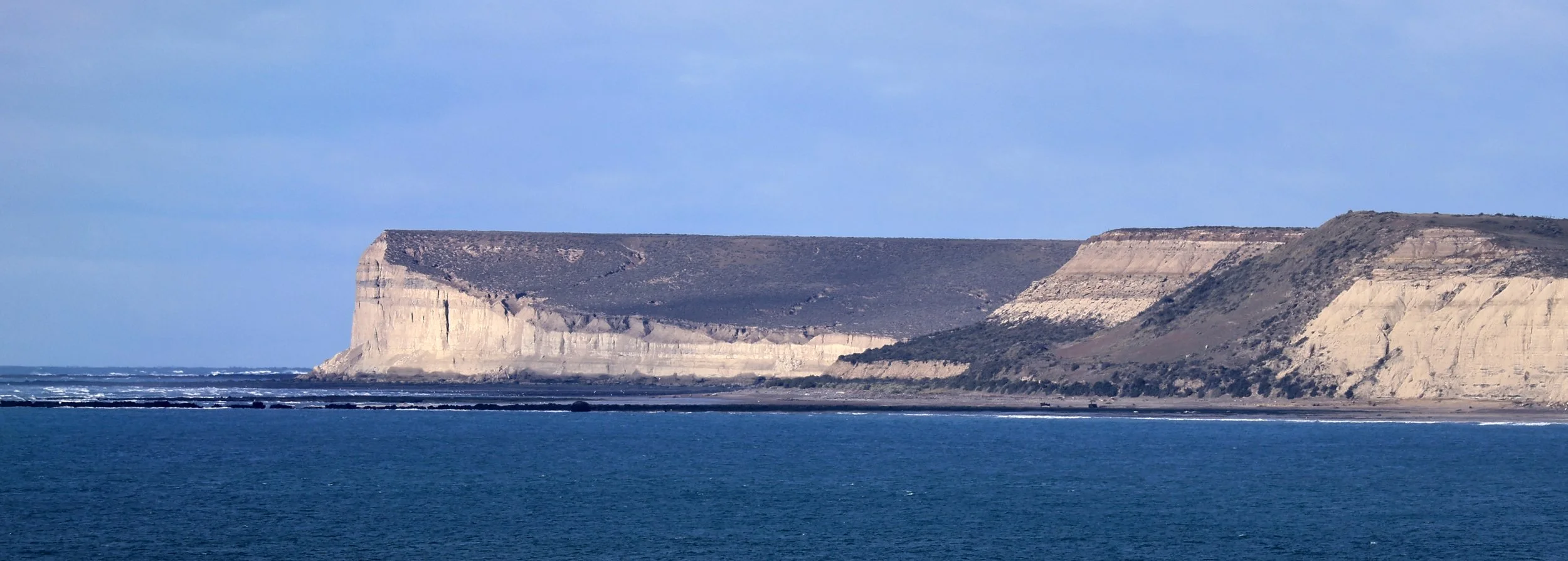
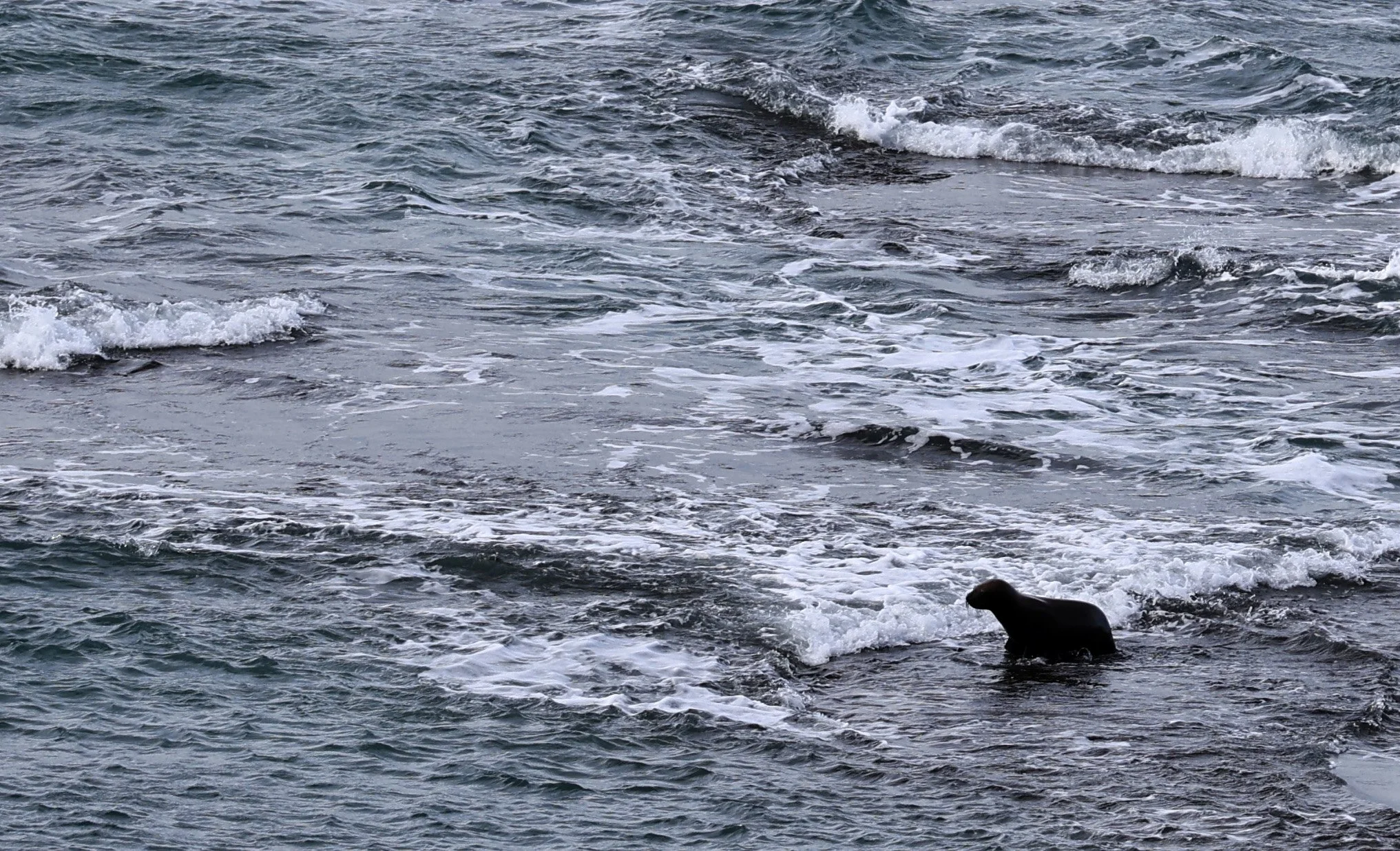
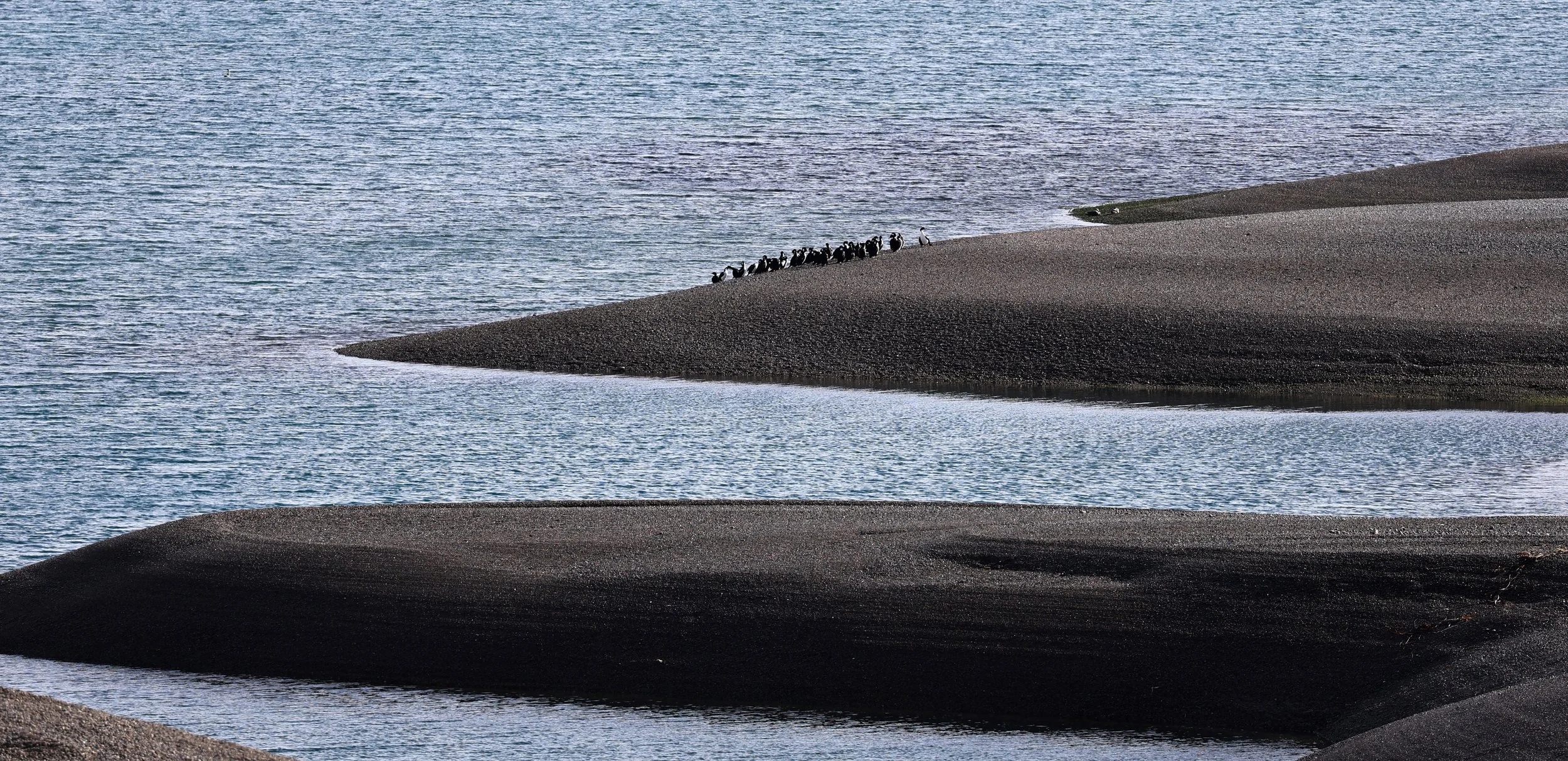
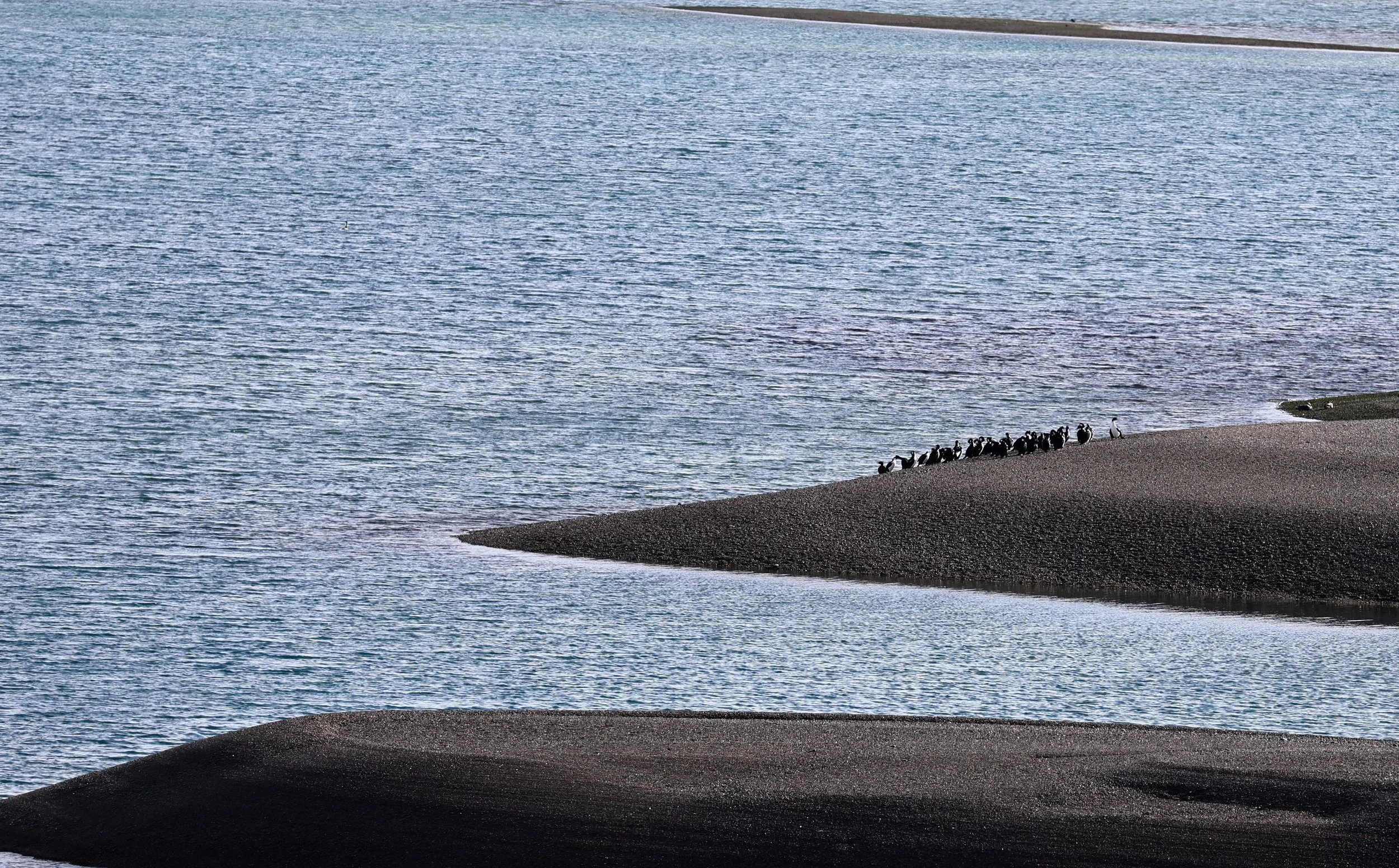
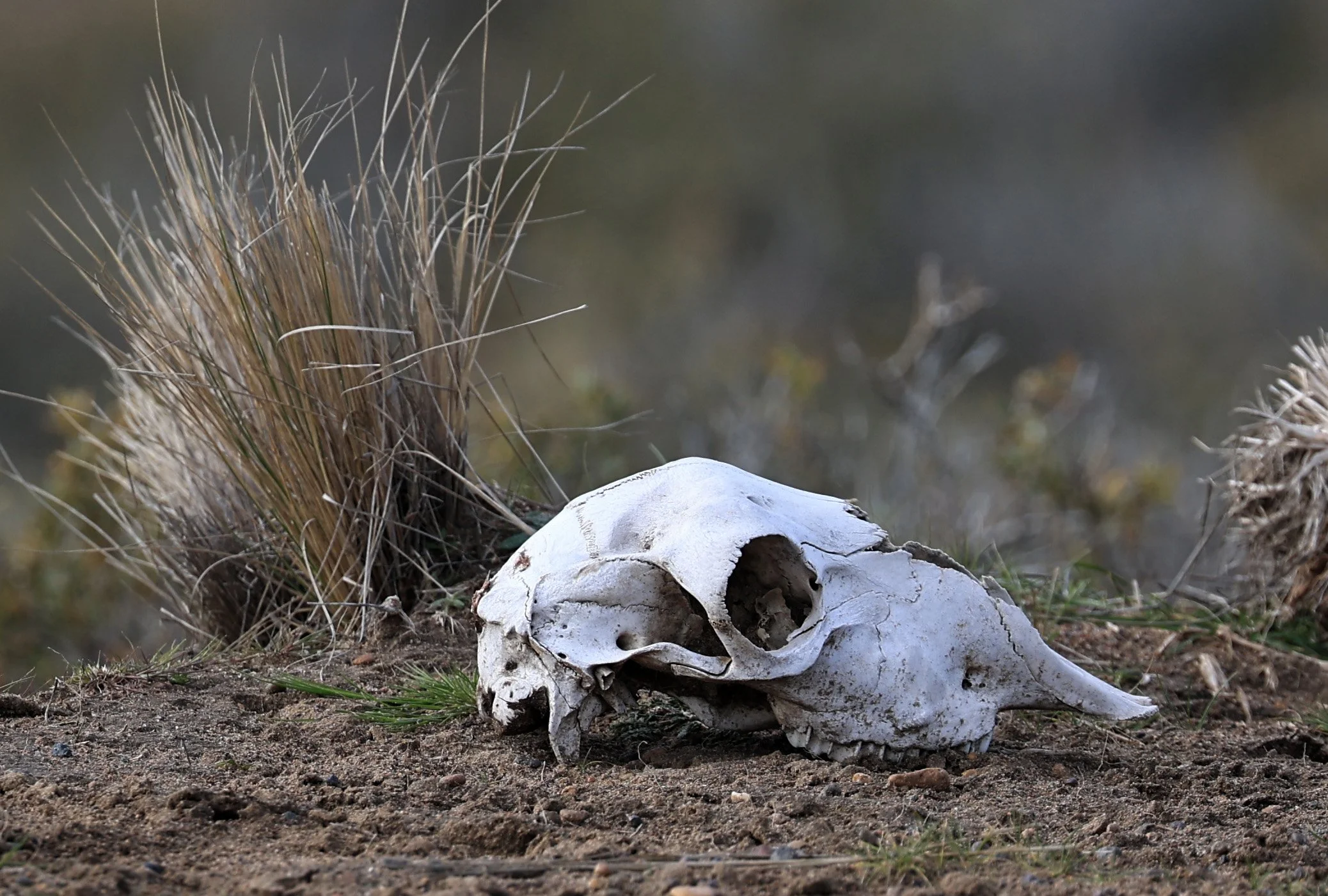
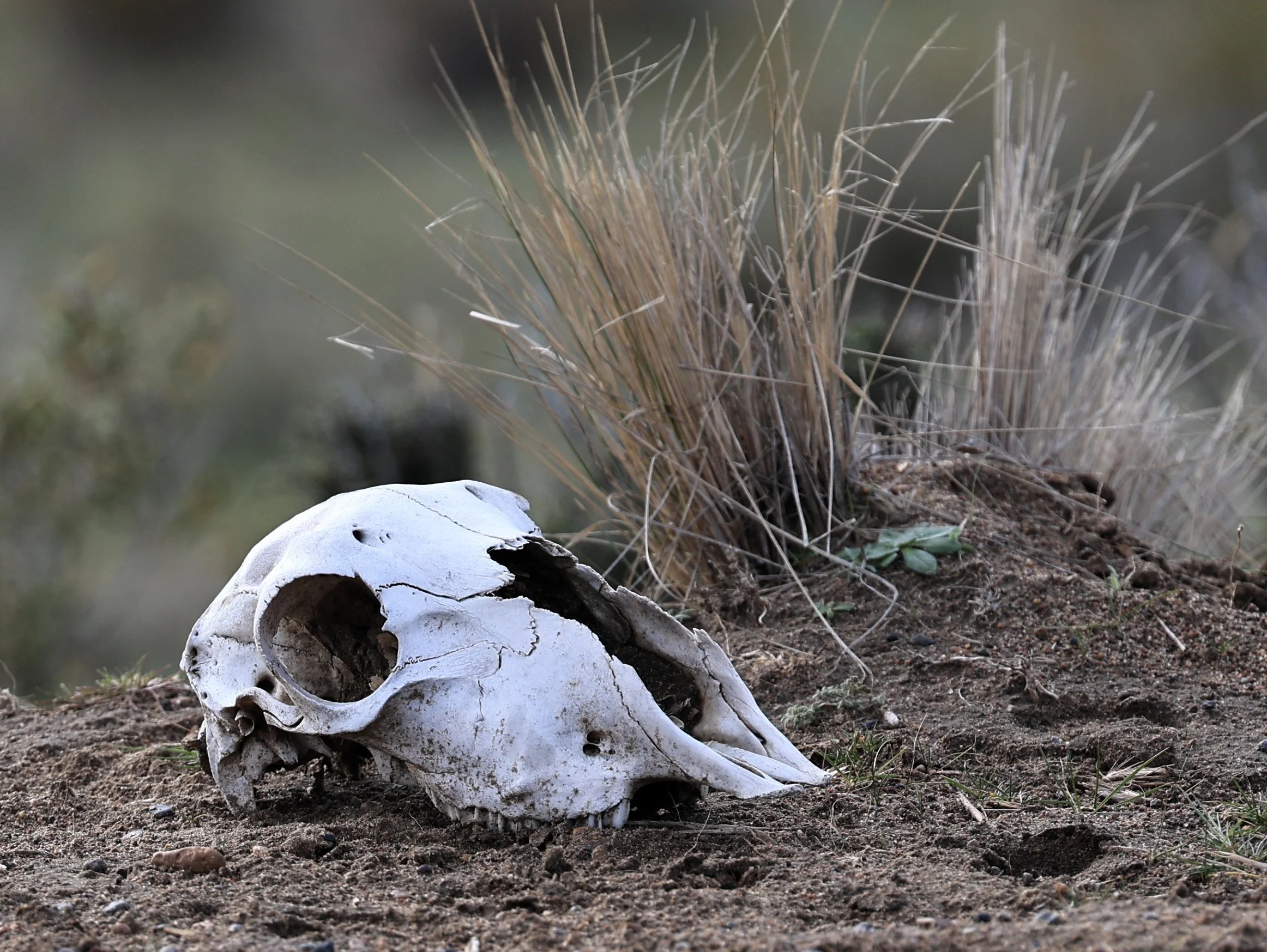


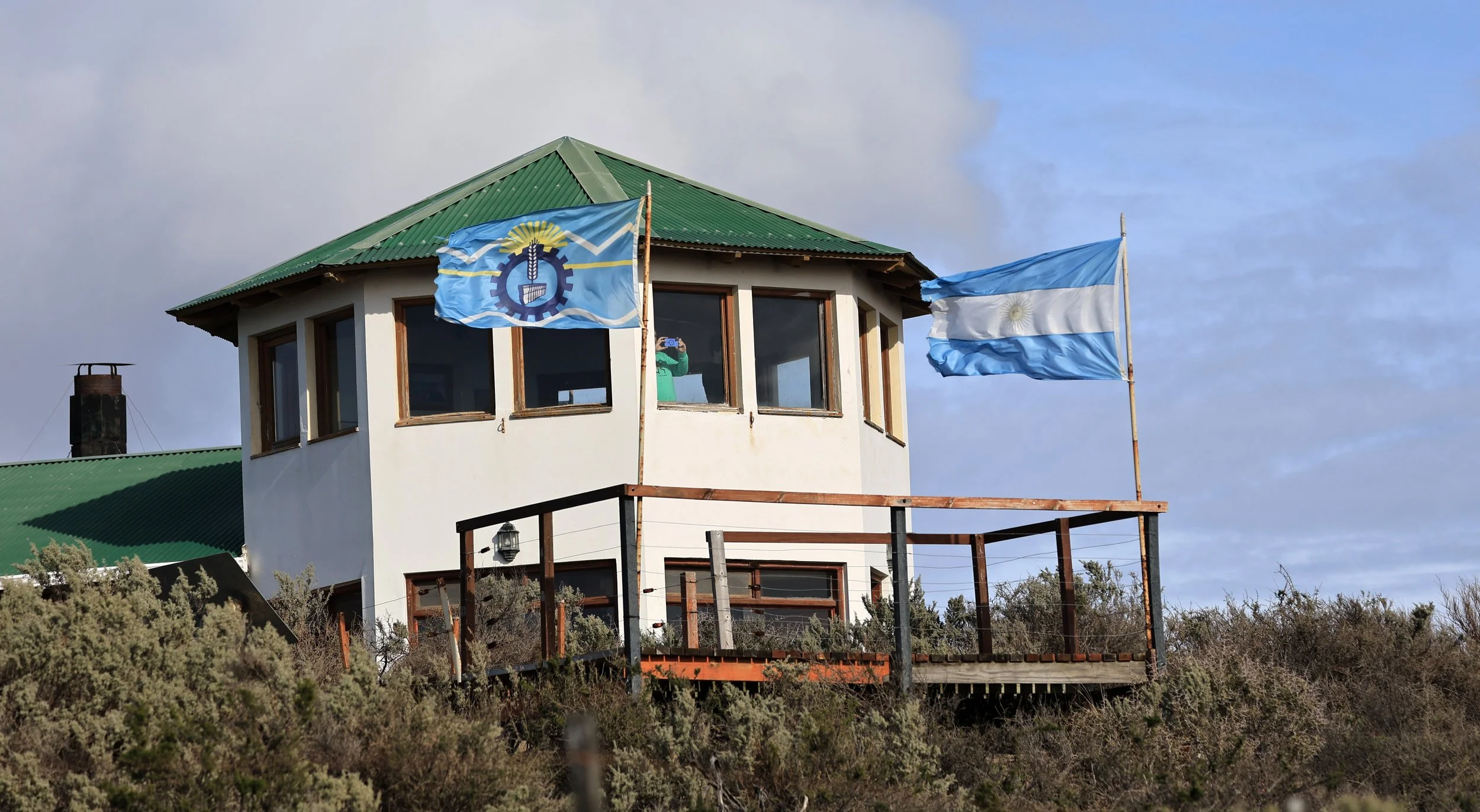
Punta Delgada - closed to the public now for many years.


Australian Merino - Domestic Sheep (Ovis aries) Valdes Peninsula

Australian Merino - Domestic Sheep (Ovis aries) Valdes Peninsula

Australian Merino - Domestic Sheep (Ovis aries) Valdes Peninsula

One of the many domestic cats roaming the peninsula

Working horses on one of the massive estancias on the peninsula.


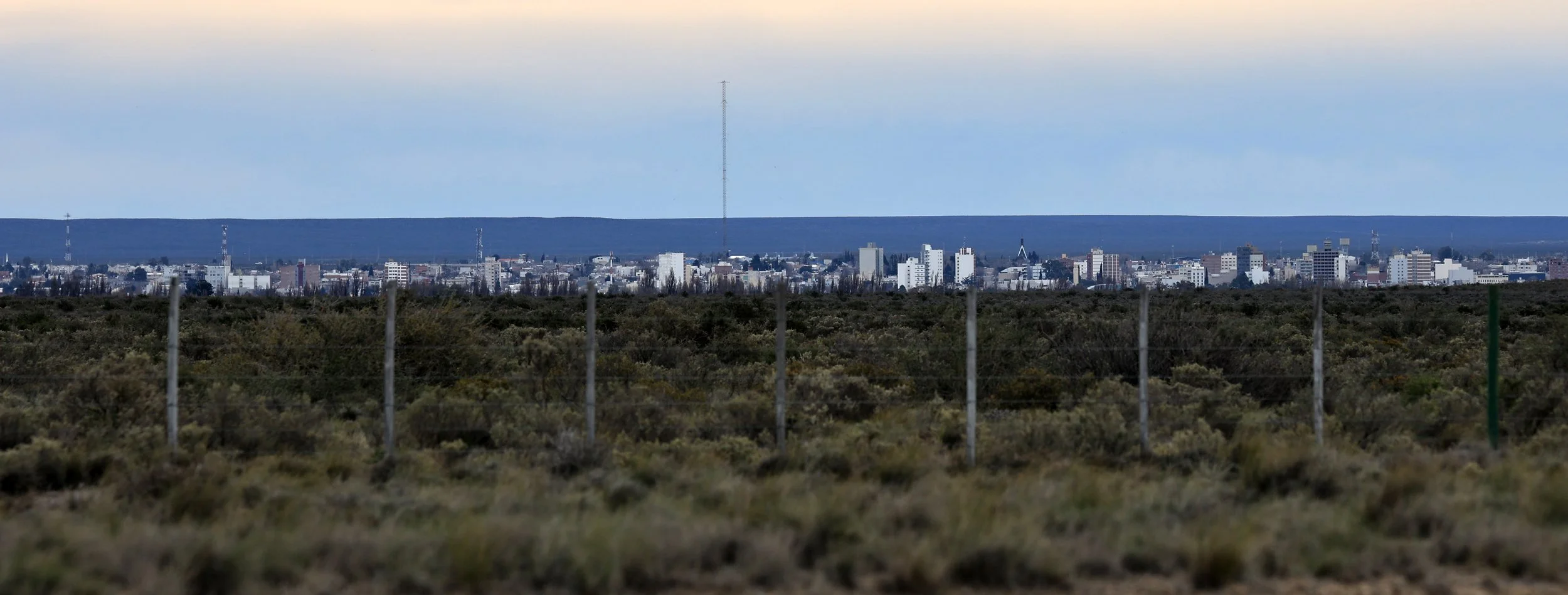
Trelew City
Puerto Rawson
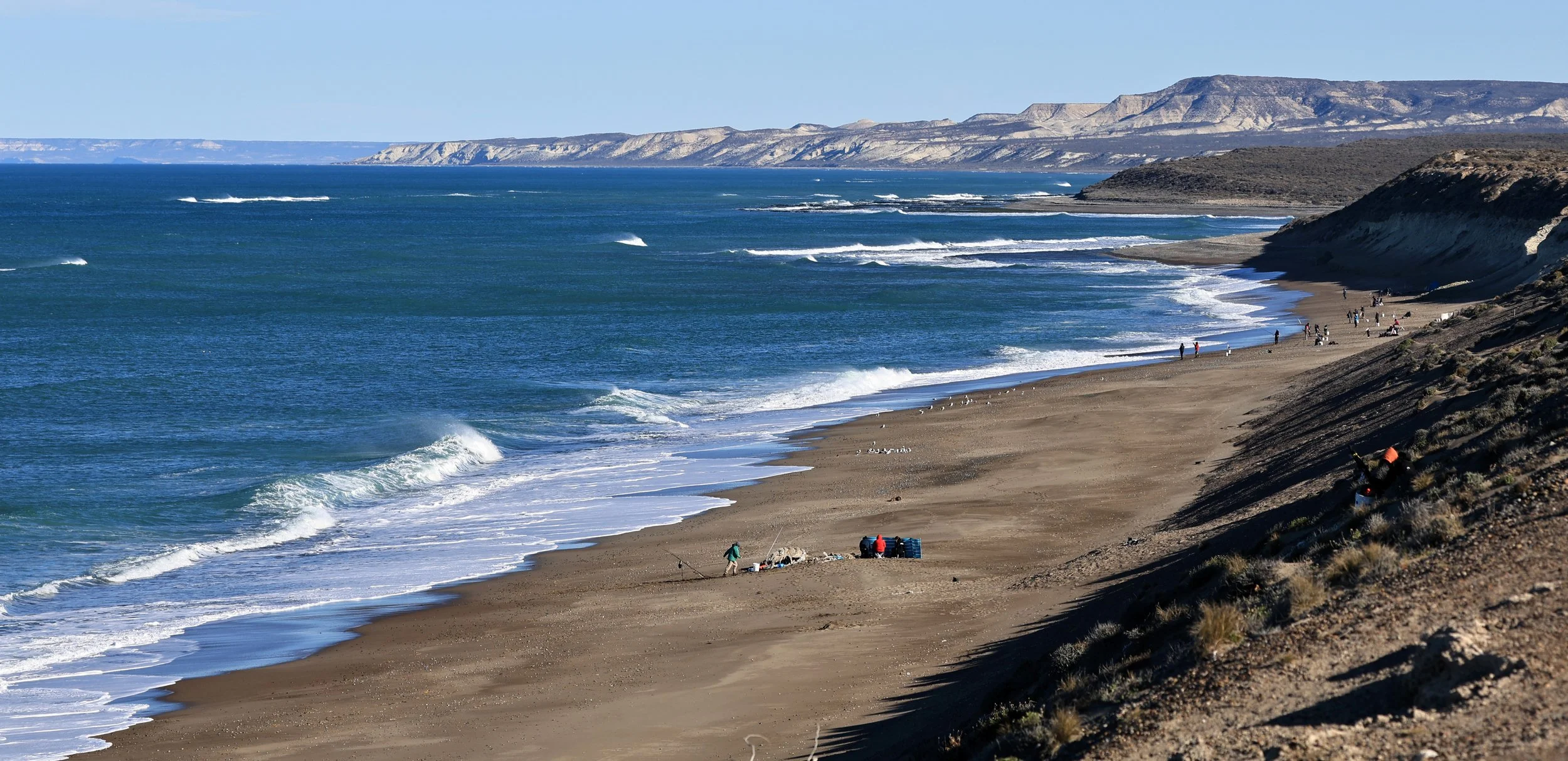
After leaving the Valdes Peninsula, I spent part of a day around Puerto Rawson, a small fishing harbour near Trelew that has become famous among wildlife enthusiasts for its population of Commerson's Dolphins. The plan seemed straightforward enough: take a boat trip, enjoy close views of one of the world's most distinctive dolphins, and then continue south. As is often the case in mammalwatching, the animals had other ideas.
Despite spending two hours on the water looking for them, Commerson's Dolphins (Cephalorhynchus commersonii) refused to cooperate and became one of the more frustrating misses of the Argentina leg of the trip. Given how reliable the species is generally considered around Puerto Rawson, I had arrived feeling reasonably confident. Unfortunately, confidence and mammalwatching success do not always go hand in hand. It was a disappointing miss, particularly as the species had been one of my primary targets in Chubut Province. I will have another chance in Chile this Decme
Fortunately, the trip was not a complete loss. Several Southern Right Whales (Eubalaena australis) were observed offshore, providing excellent views and partially compensating for the absence of the dolphins. Watching these enormous animals surface in the cold Patagonian waters was an impressive experience and served as a reminder that even when target species fail to appear, nature often provides something unexpected in return.



Puerto Rawson is home to an impressive fishing fleet with perhaps the cutest boats anywhere!




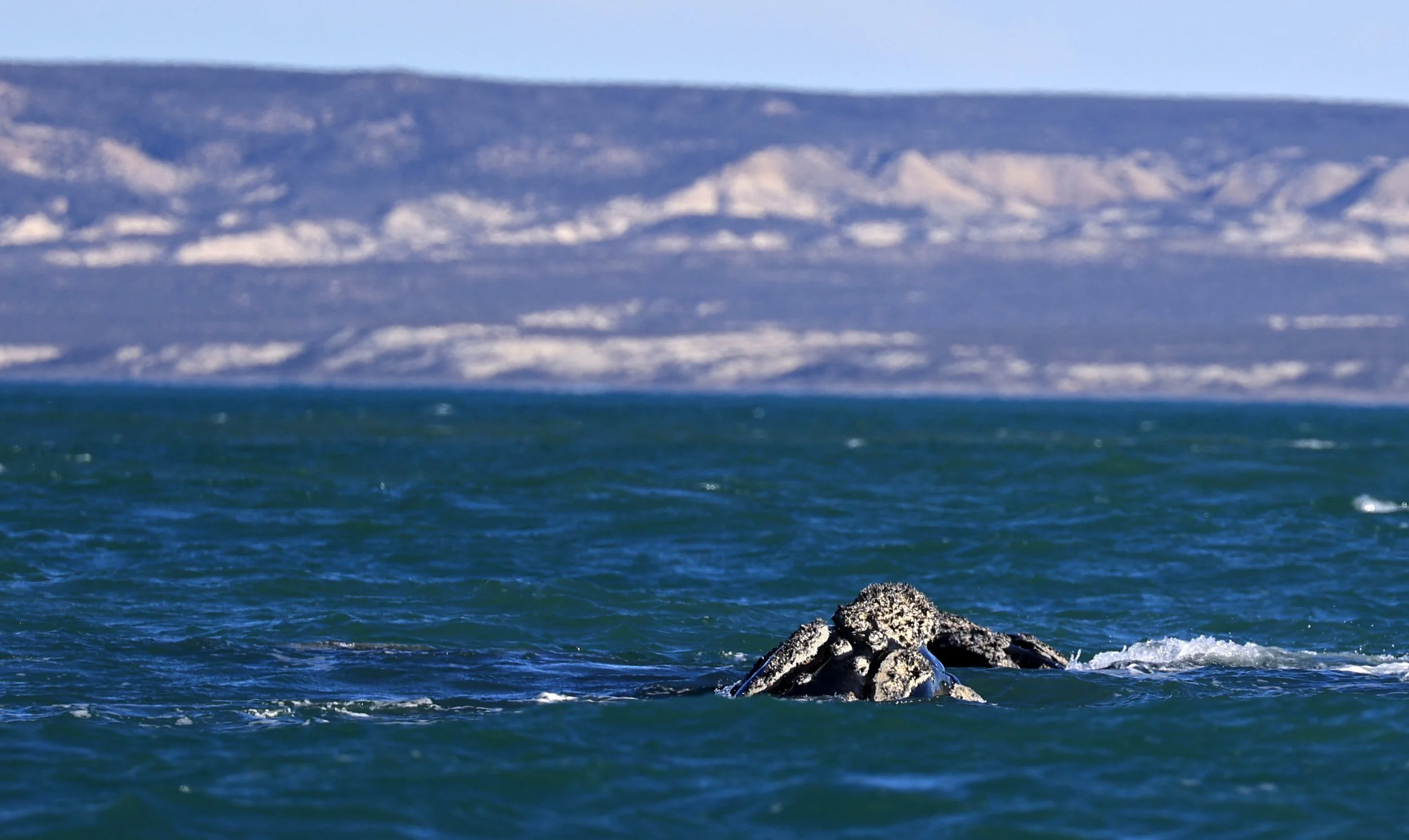
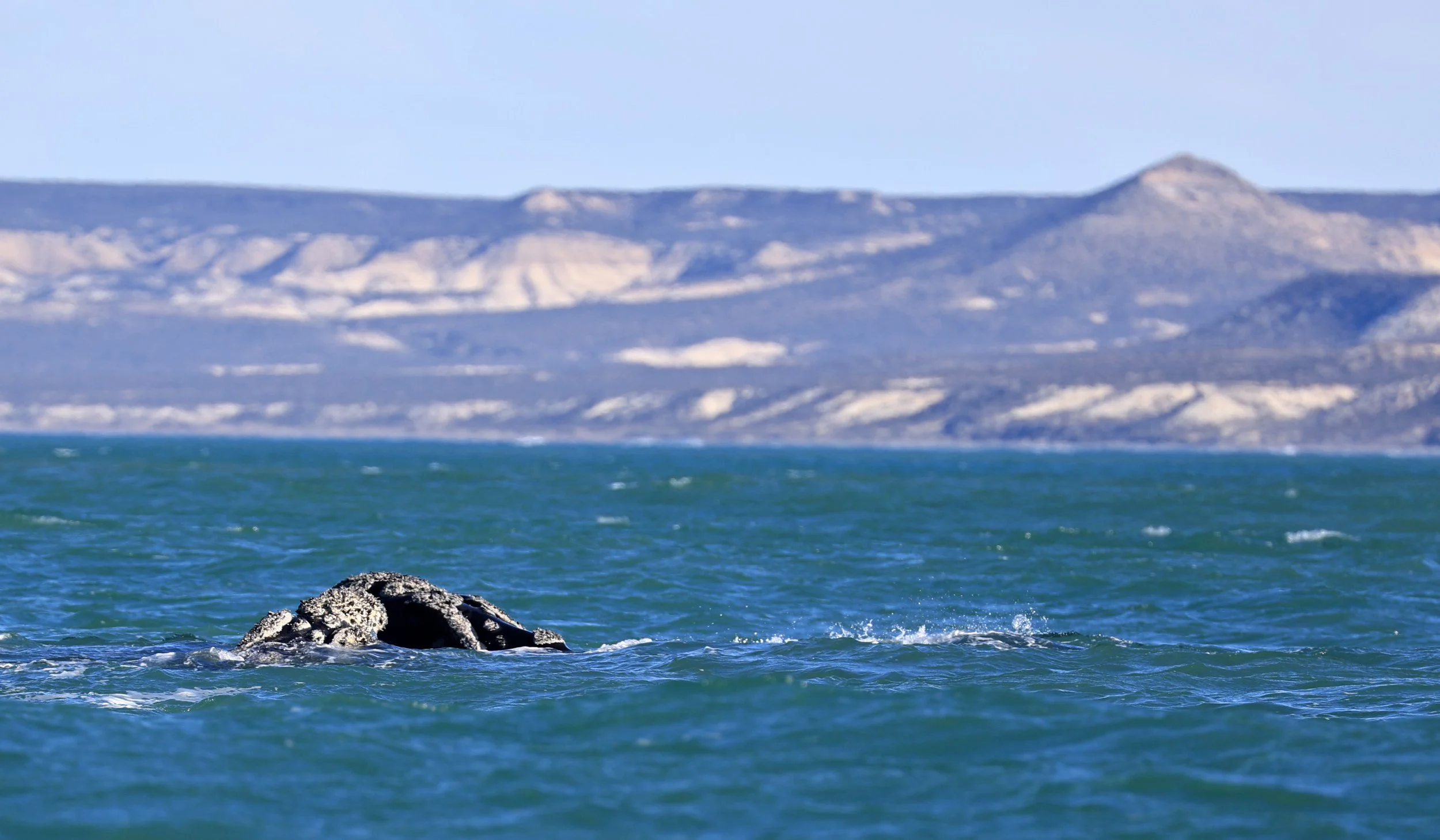
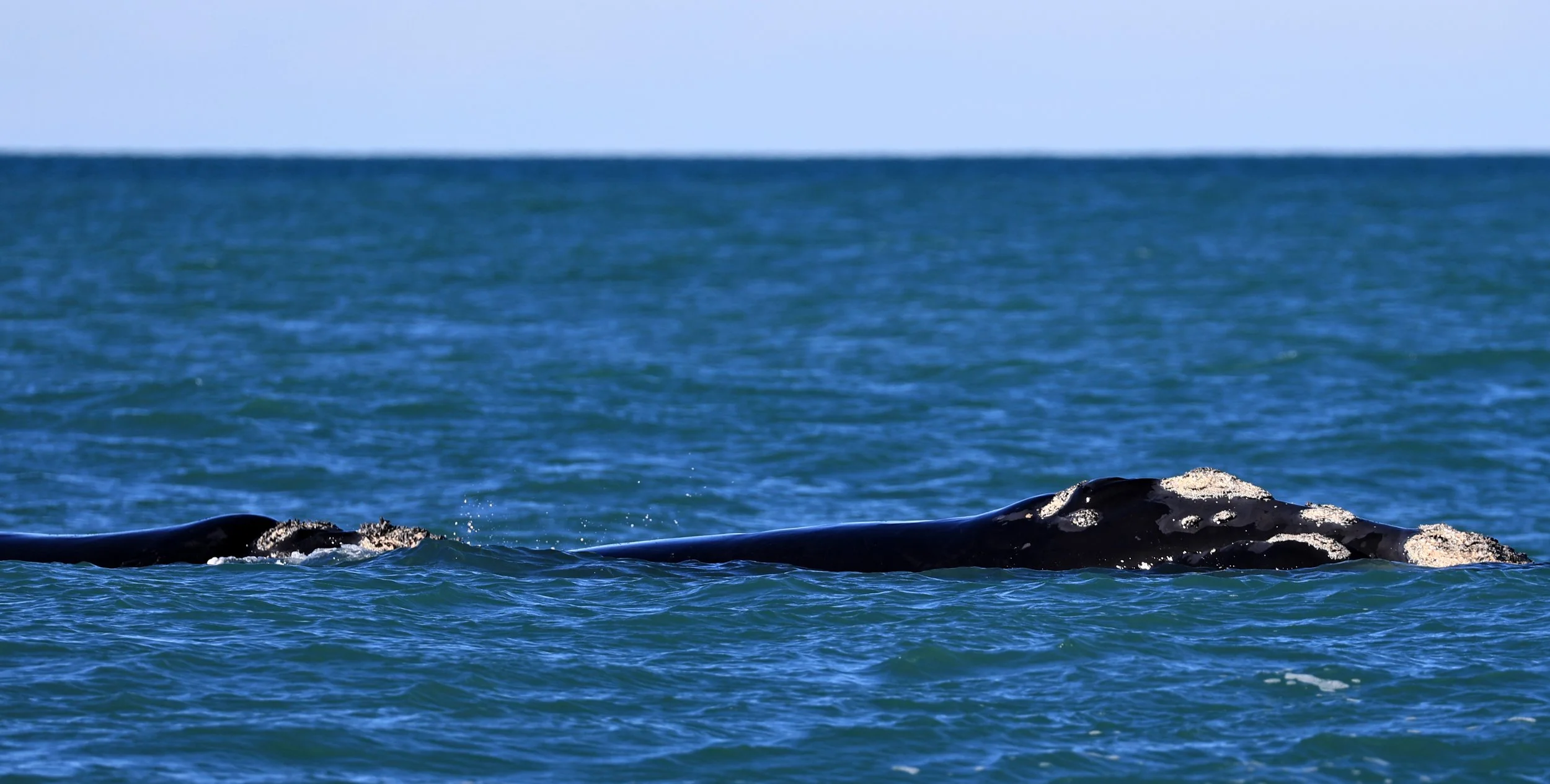
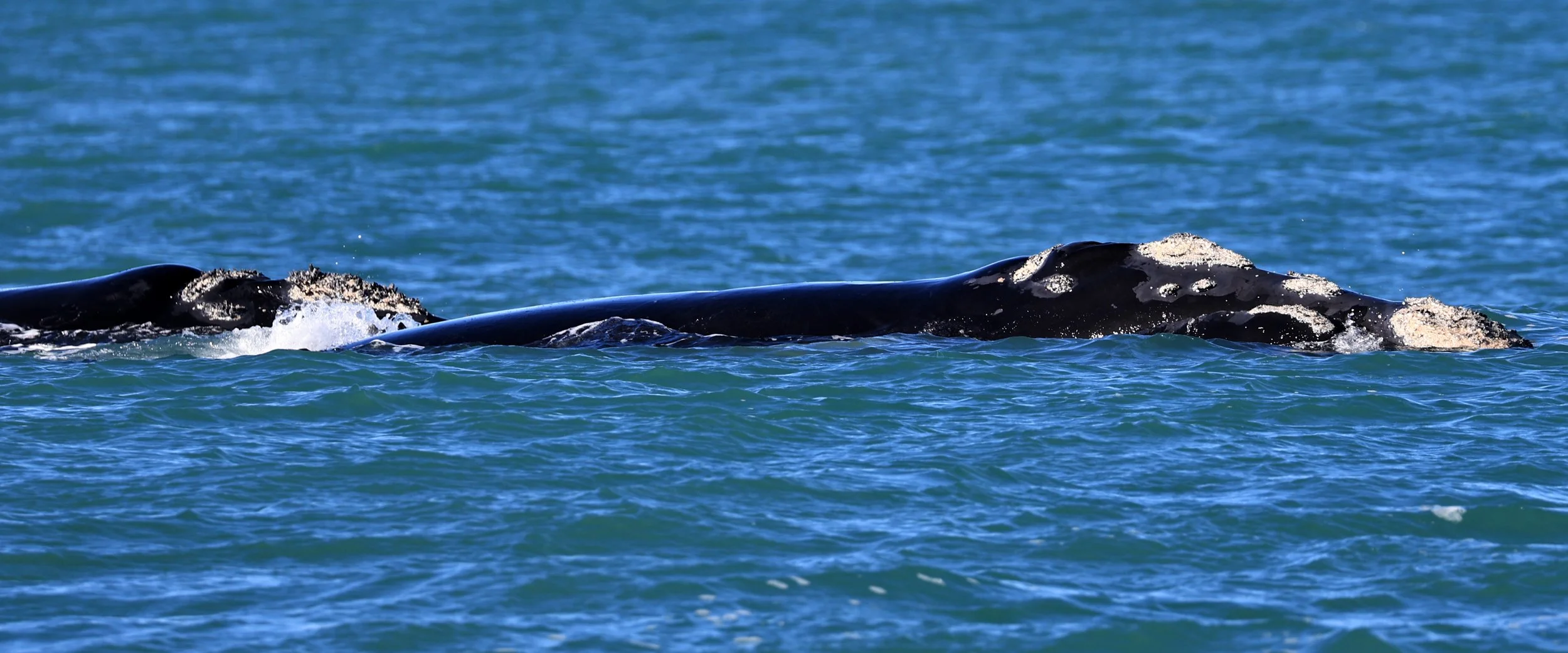
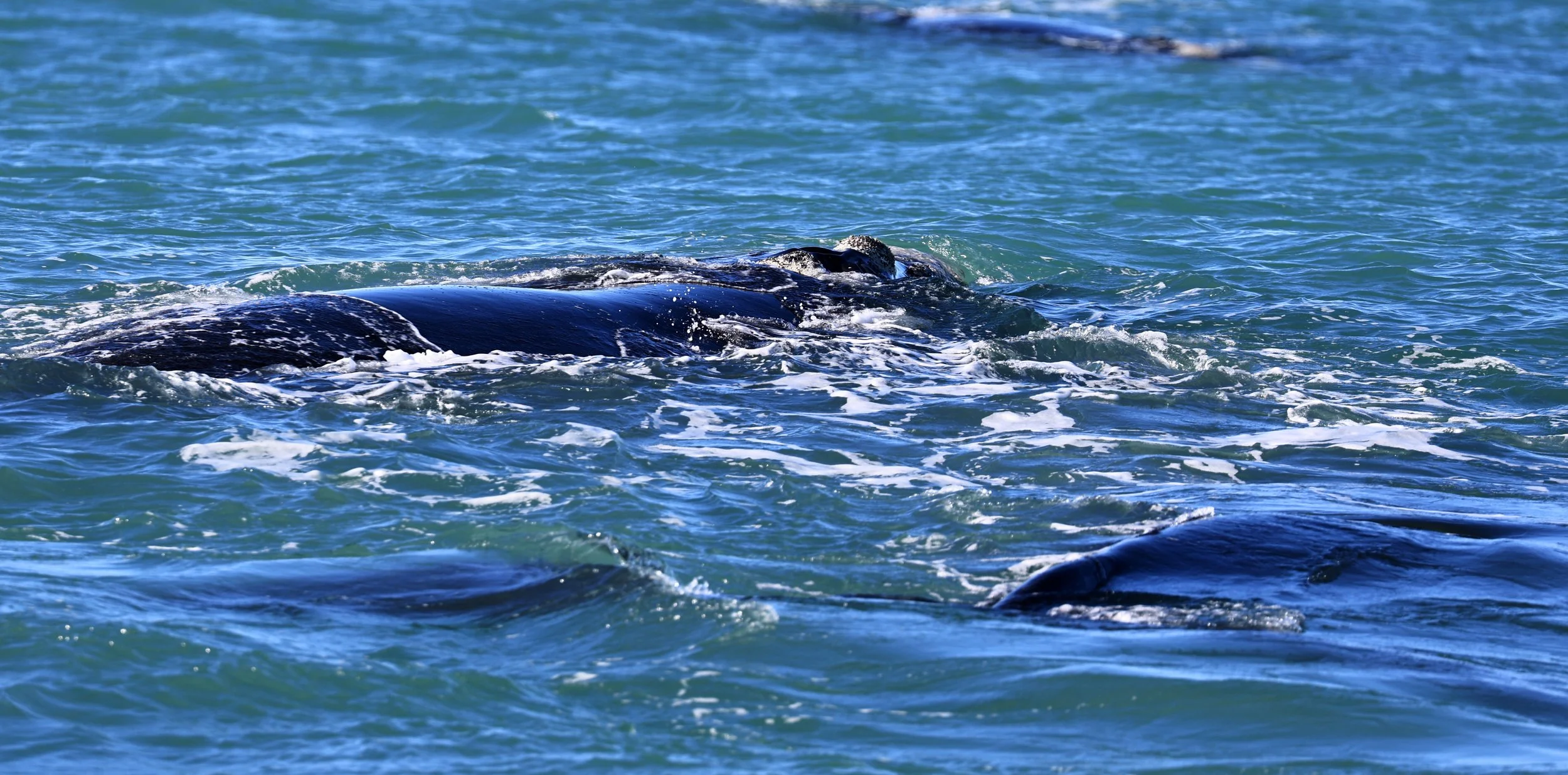
We saw as many as five individuals in the Whale Orgies that were literally happening everywhere!
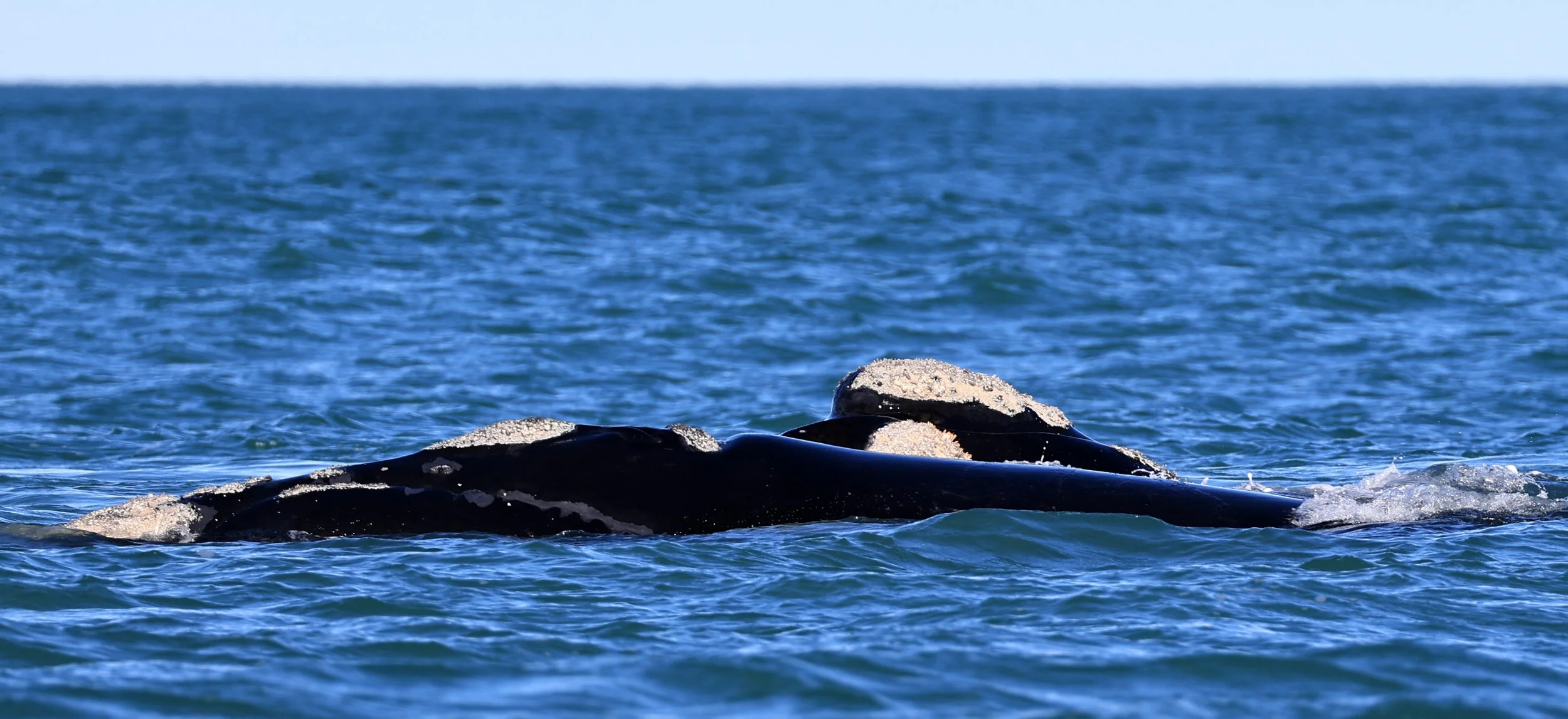
A nice group of South American Sea Lions at the mouth of Rawson Harbor
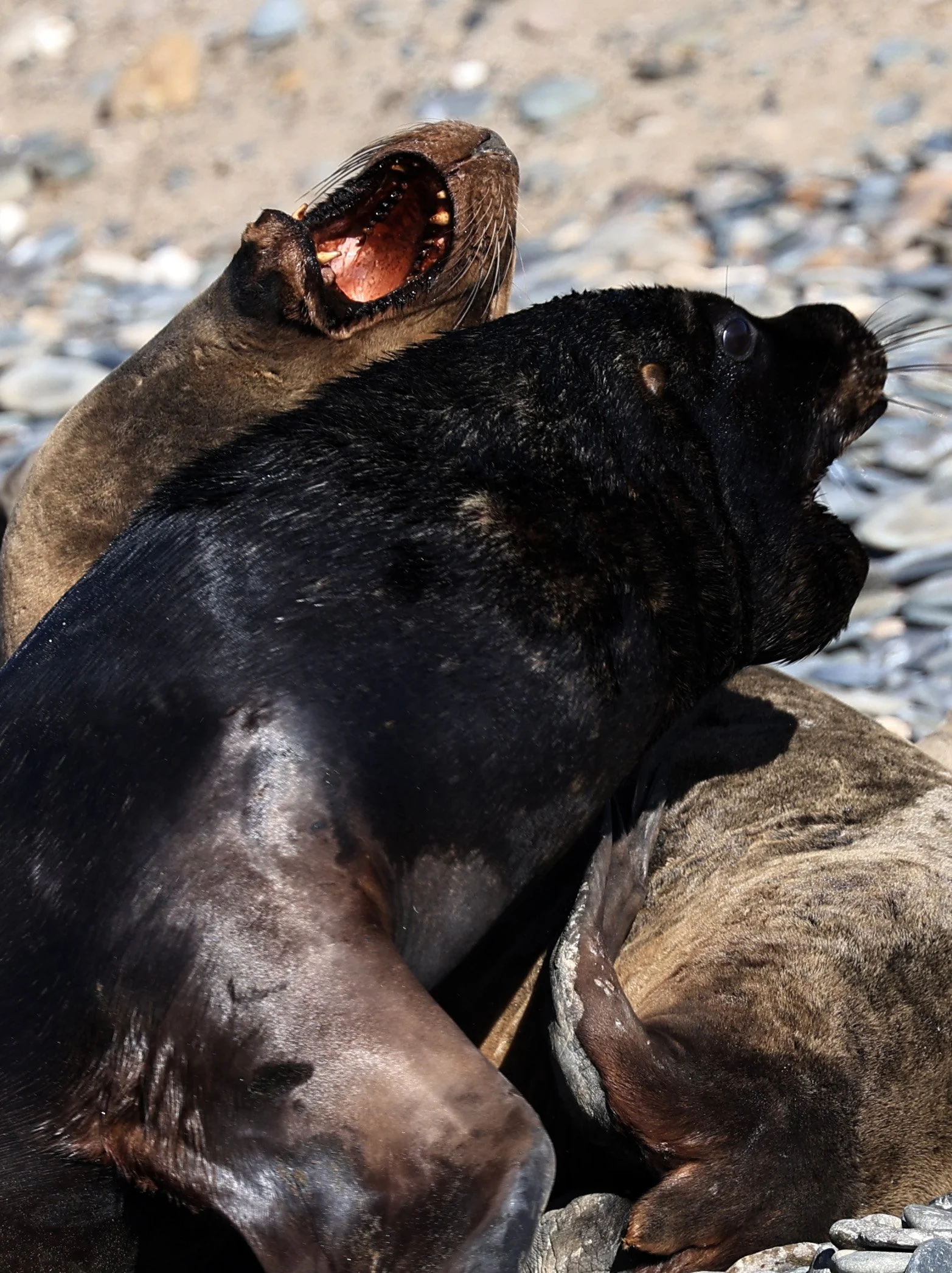
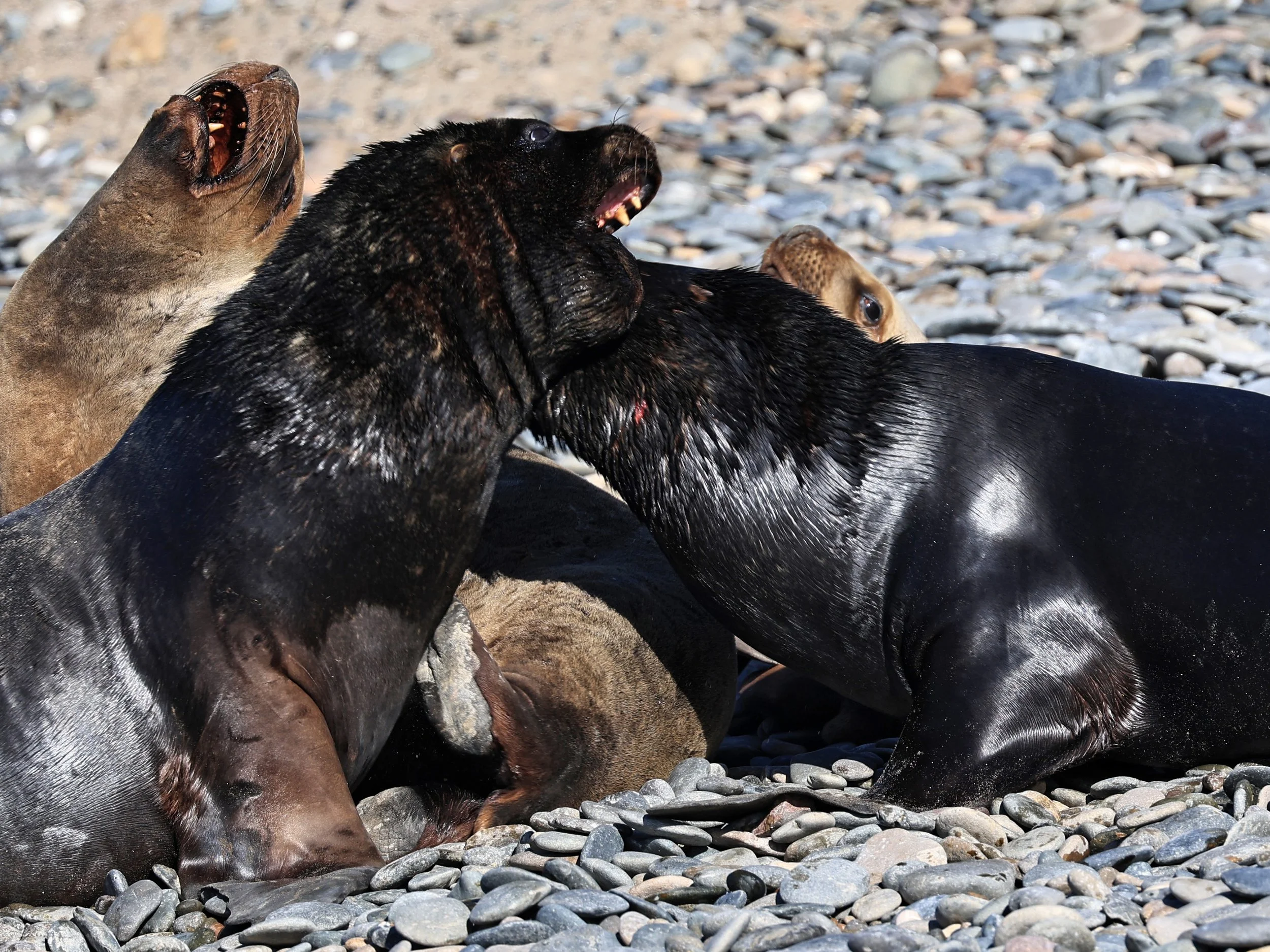
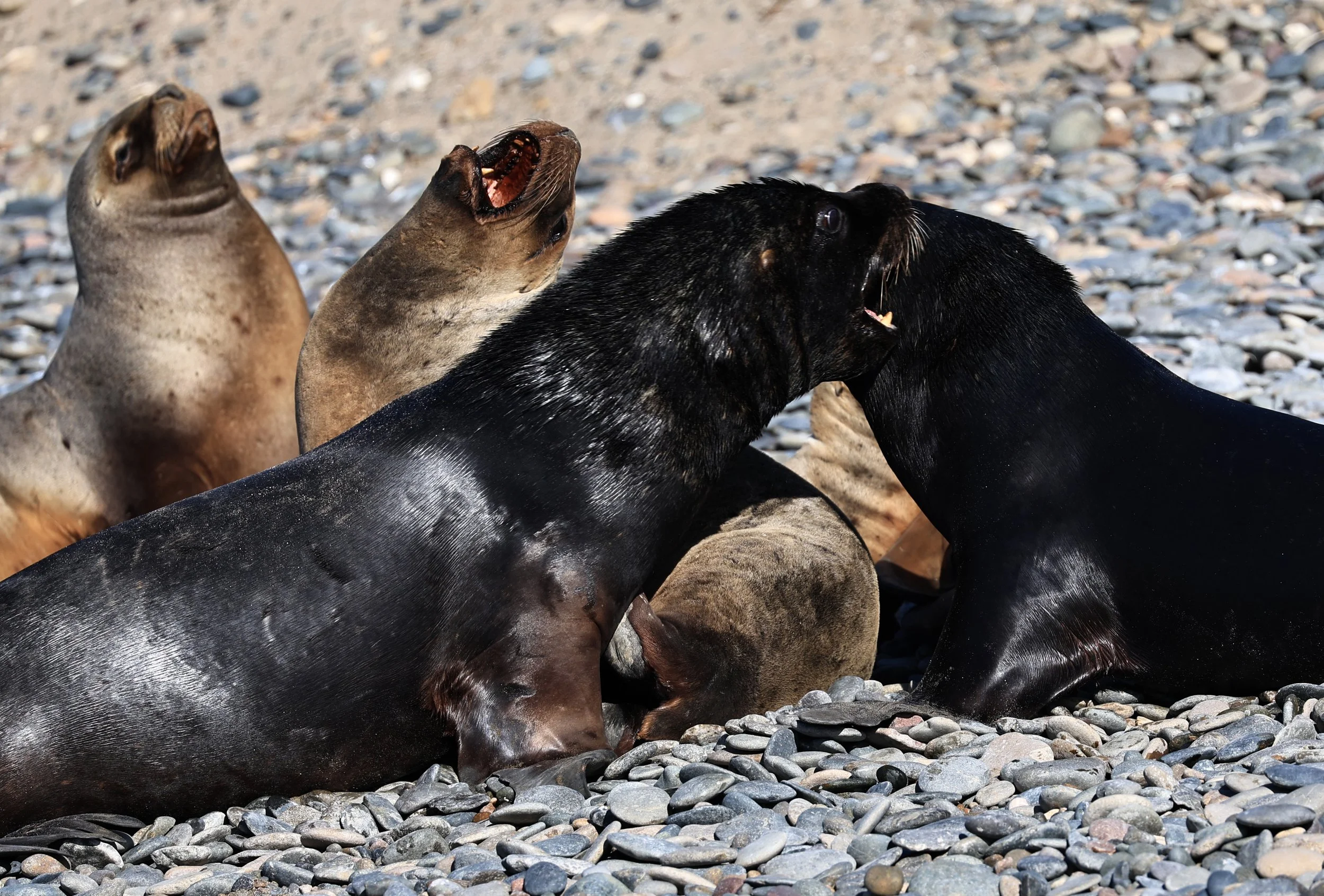
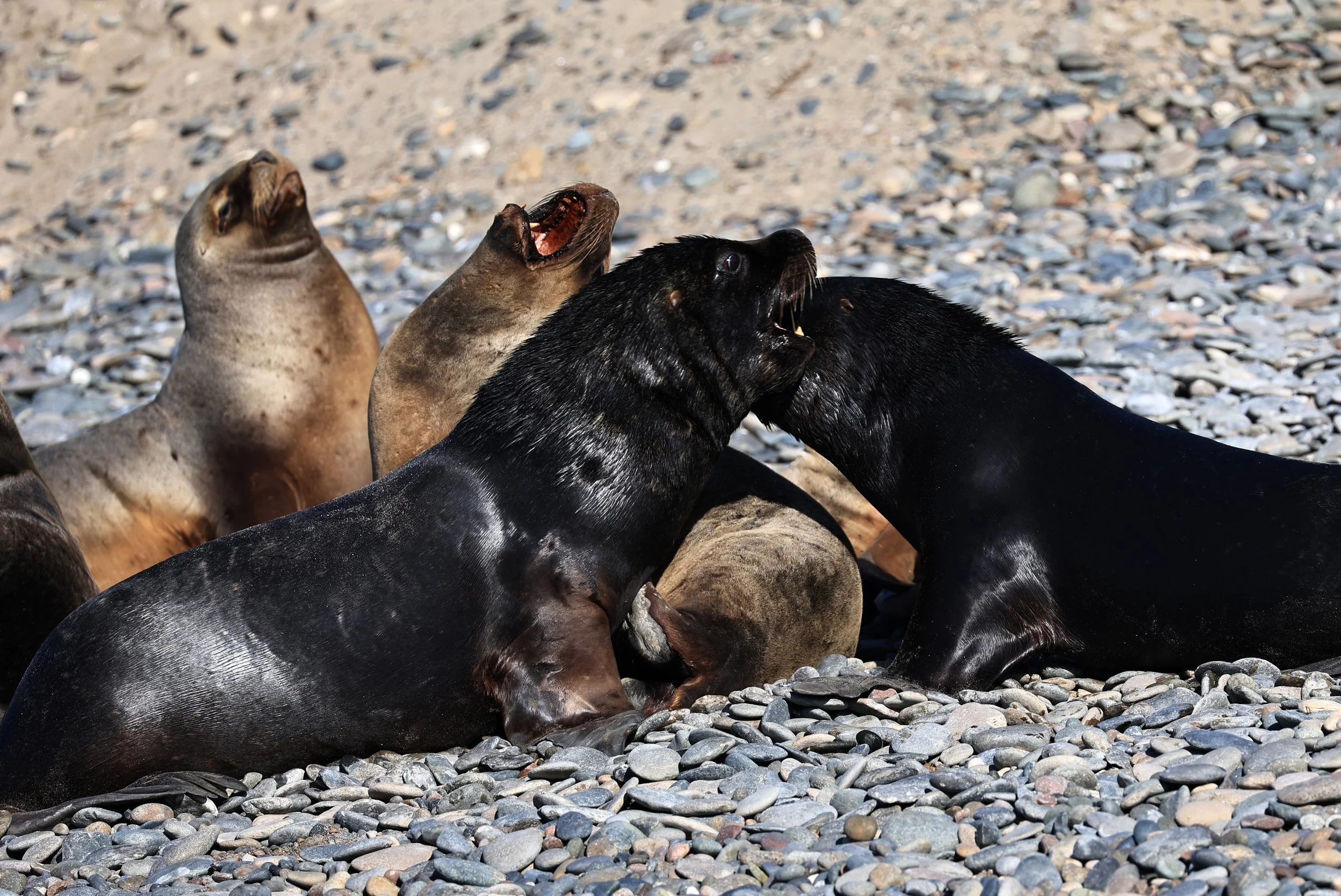
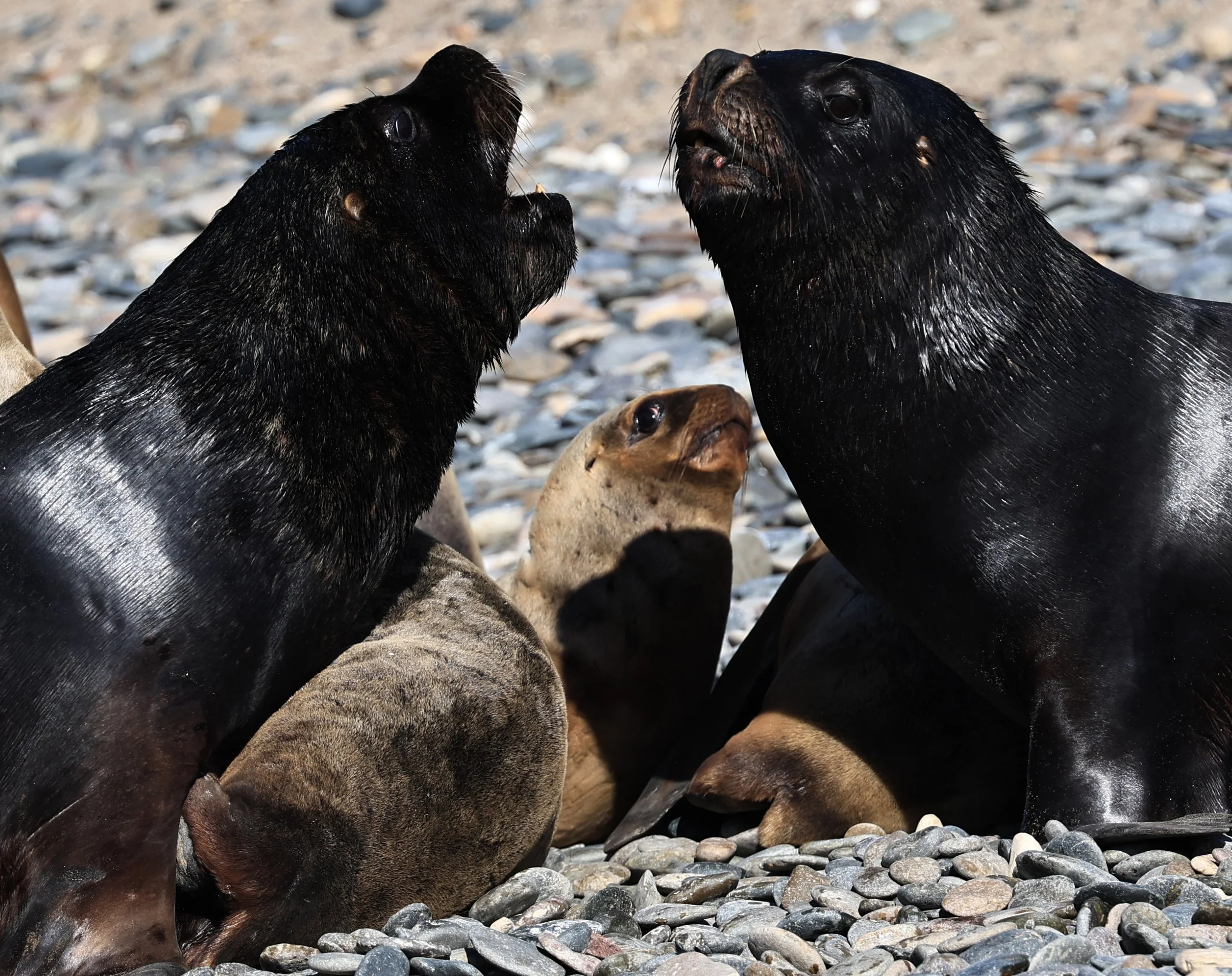
Young bulls sparring
Laguna Ornitológica
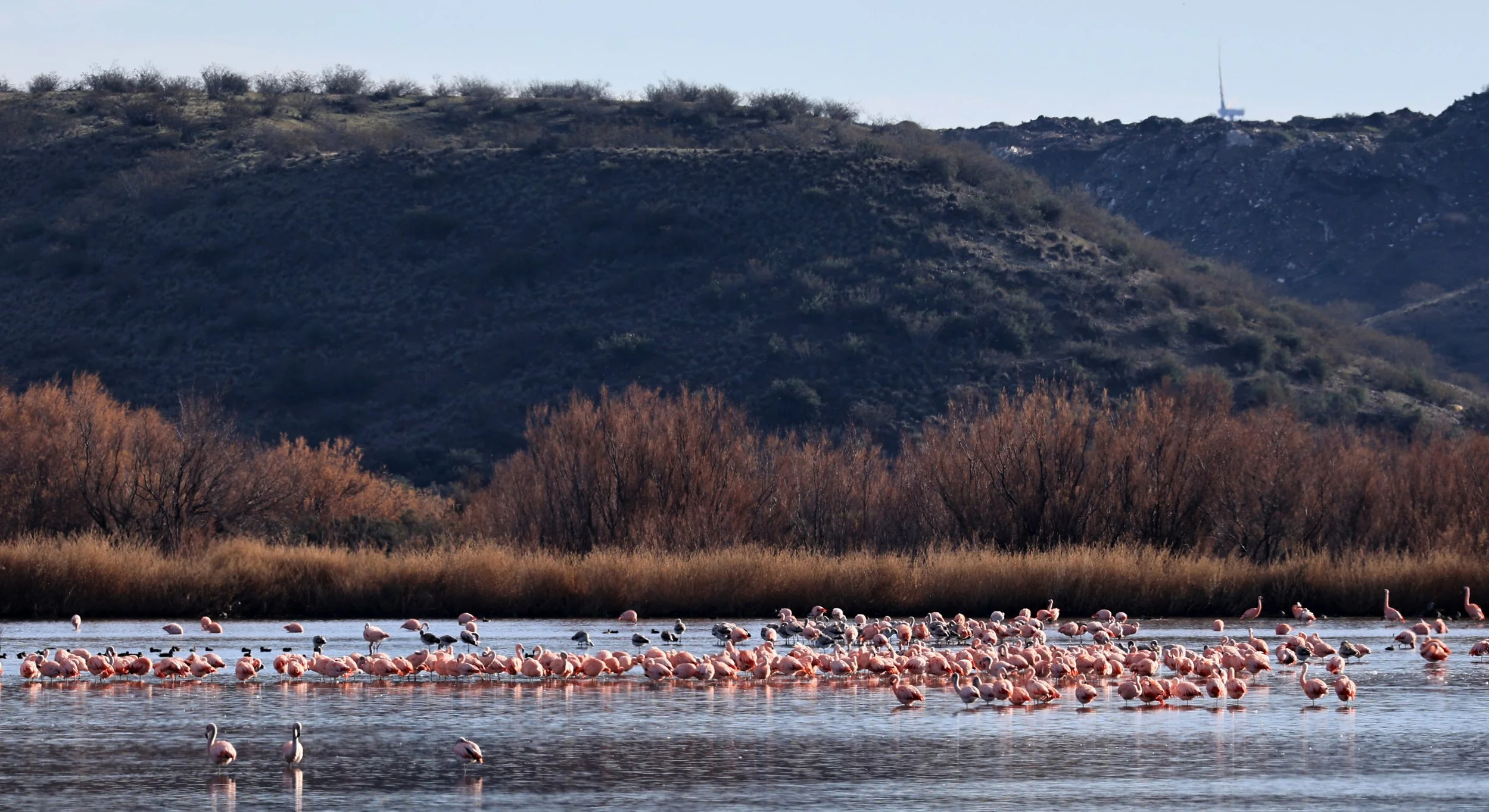
A short distance from Puerto Rawson lies the Laguna Ornitológica Municipal Reserve, an excellent coastal wetland that proved far more productive than I had anticipated.

Two Coypu I missed with my eyes but captured with my camera!
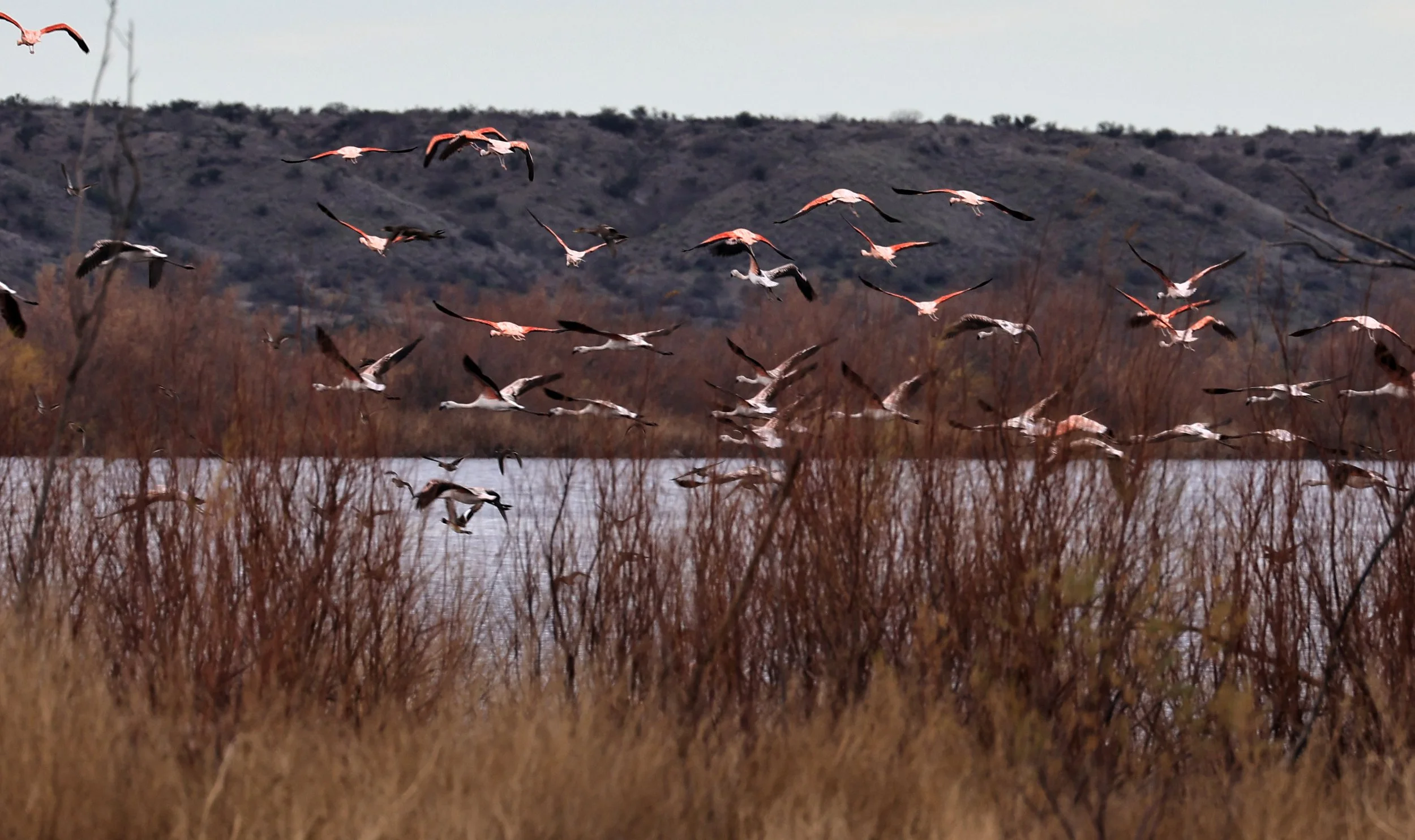
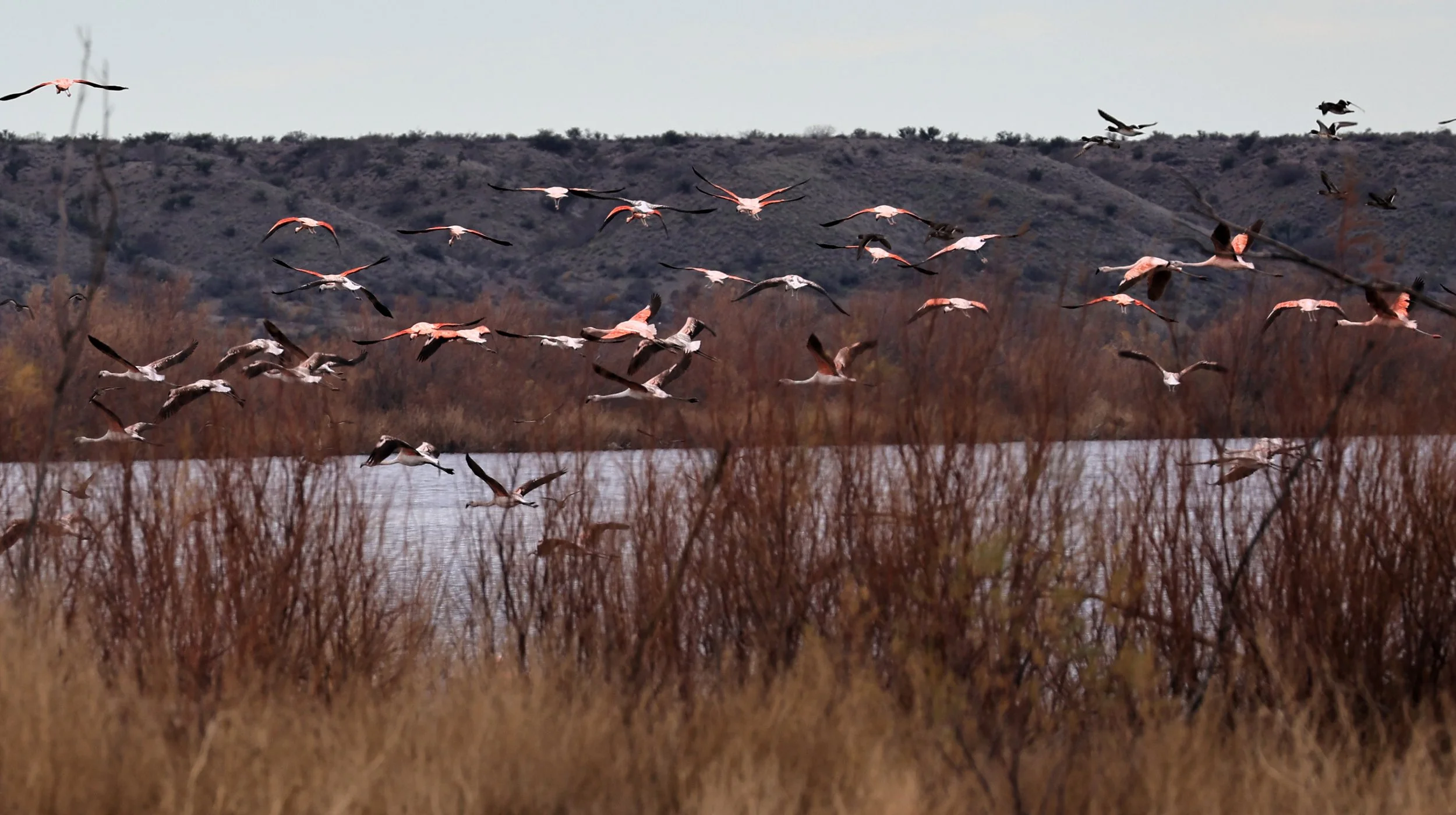
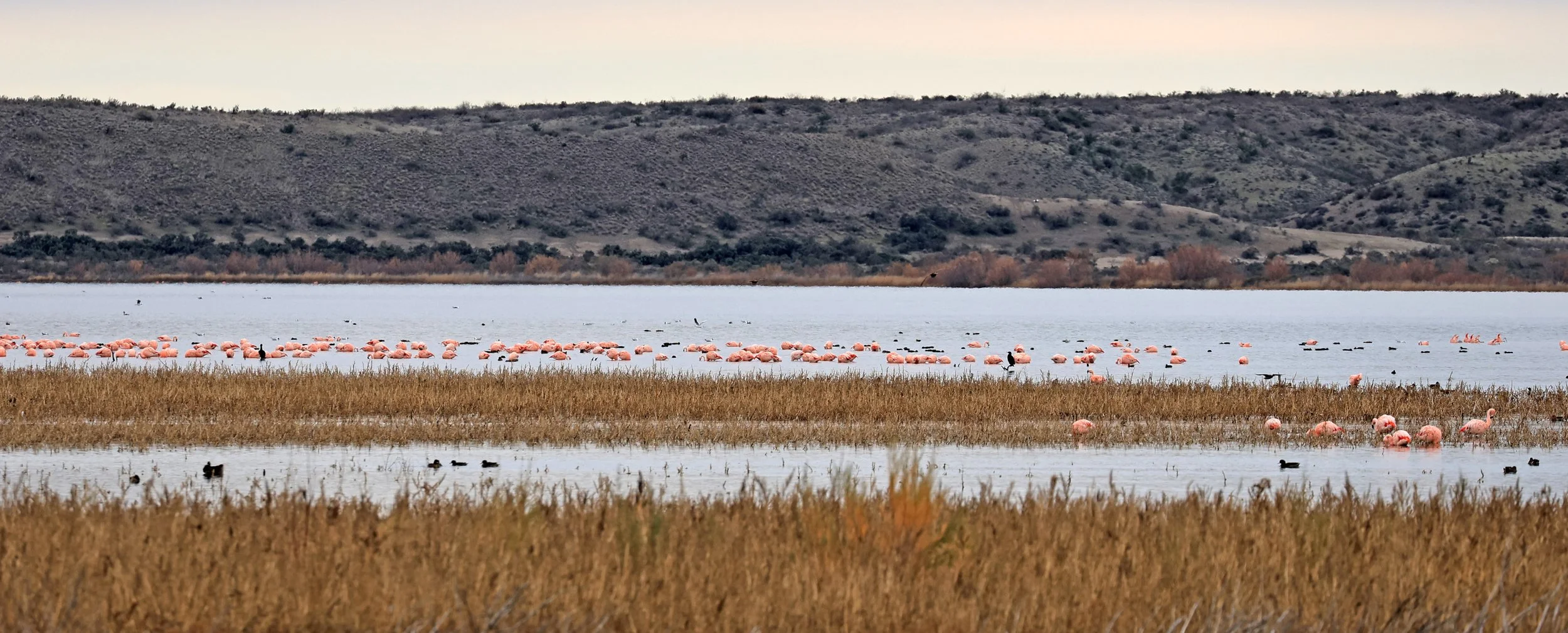
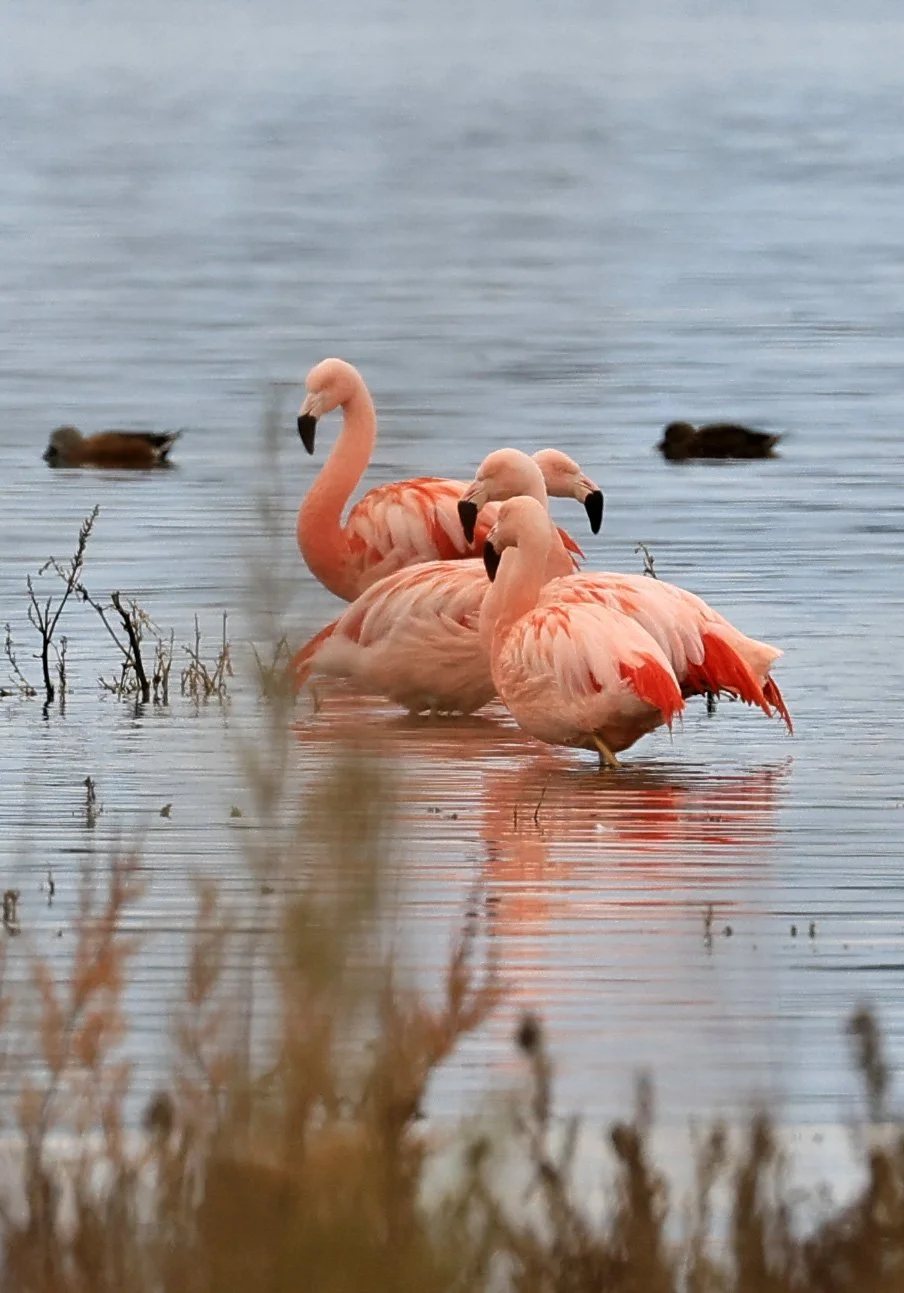
The most striking feature of the reserve was undoubtedly the presence of large numbers of Chilean Flamingos (Phoenicopterus chilensis). Scattered across the shallow lagoons, their pink plumage stood out dramatically against the muted greys and browns of the surrounding Patagonian landscape. The concentration of birds was impressive and easily justified the stop on its own. And an additional surprise is that the lagoons are actually a good place to search for Coypu! Upon editing my images of the avifauna of the wetlands, I noticed several of my images actually had two to three Coypu hanging out on a snag in the water! Now do I count those as a wild tick on my species list? What a dilemma.
The flamingos were only part of the story. Virtually every section of the reserve held birds. Shorebirds worked the mudflats, ducks and coots occupied the open water, while gulls, terns, grebes, and various waders seemed to be present in every direction. Even during a relatively brief visit there was constant activity, making it difficult to focus attention on any one area before something else demanded a closer look.
What impressed me most was how accessible the reserve was. Good wildlife viewing required very little effort, and many birds could be observed at close range from roads and observation points. For travellers passing between Trelew, Puerto Rawson, and Valdes Peninsula, it represents an easy and highly rewarding stop.
One aspect of Laguna Ornitológica that was difficult to ignore was the condition of parts of the wetland itself. While the reserve still supports impressive numbers of birds and clearly remains an important refuge for wildlife, signs of human impact were evident throughout the area. Plastic waste, discarded household rubbish, and other debris were present along sections of the shoreline, while various industrial and urban developments border parts of the lagoon system. In places, the reserve felt less like a pristine Patagonian wetland and more like a natural oasis struggling to survive amid the pressures of a growing city. Watching the huge pipe dumping weirdly colored waste water directly in to the lagoon was depressing enough but when I saw the train of septic trucks dump their entire smelly load into the lagoon, I had to leave.
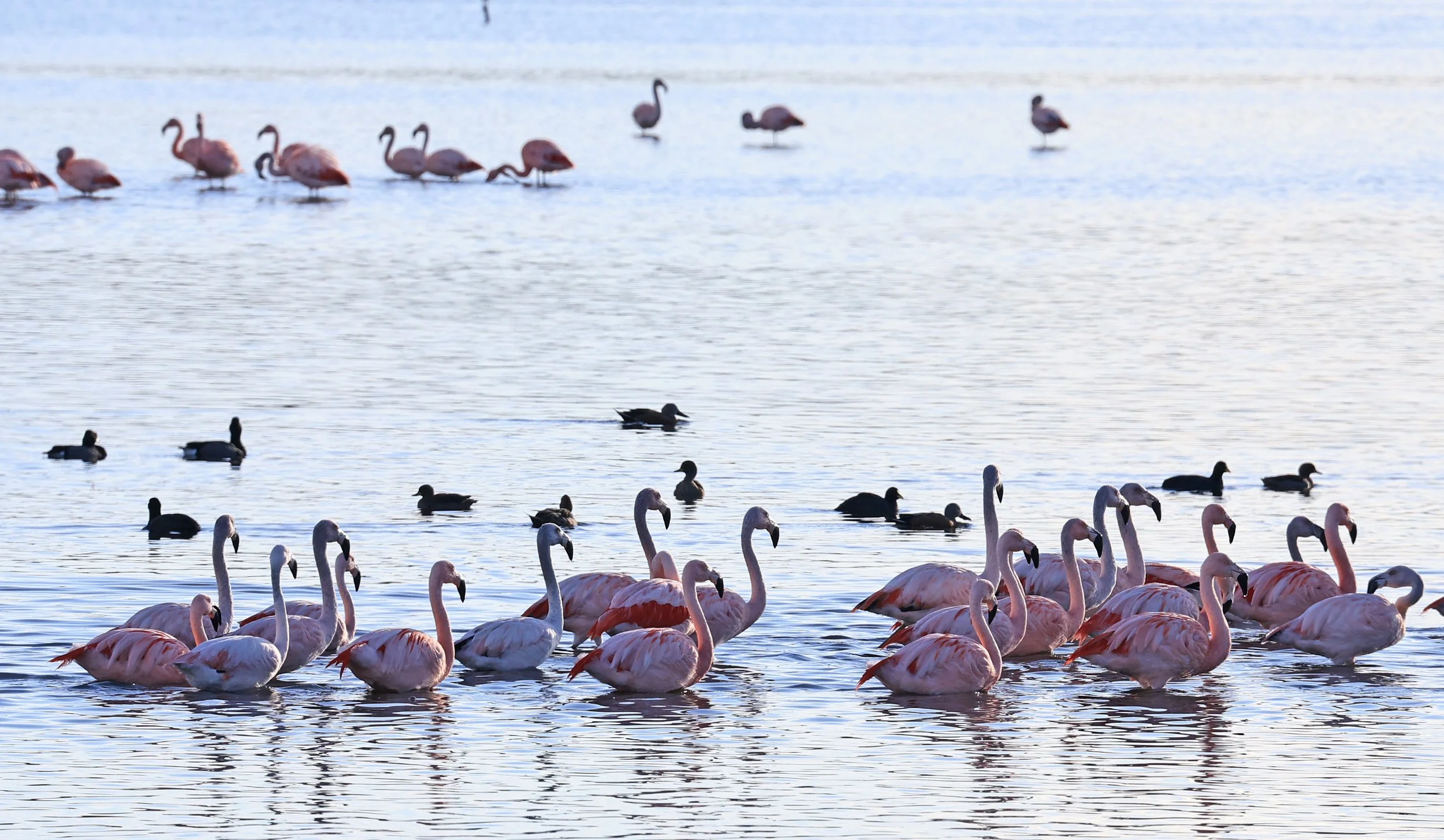
Chilean Flamingo (Phoenicopterus chilensis)
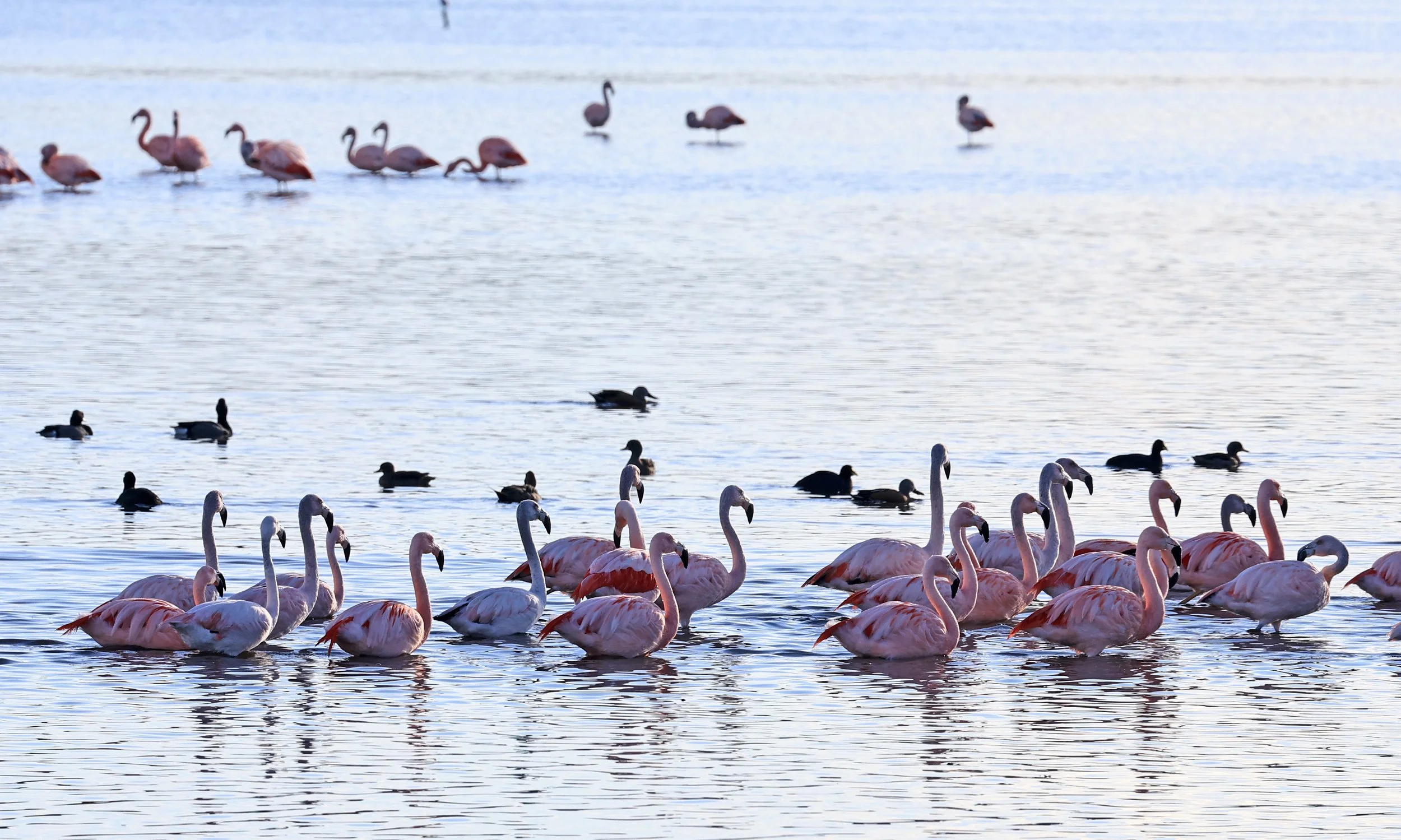
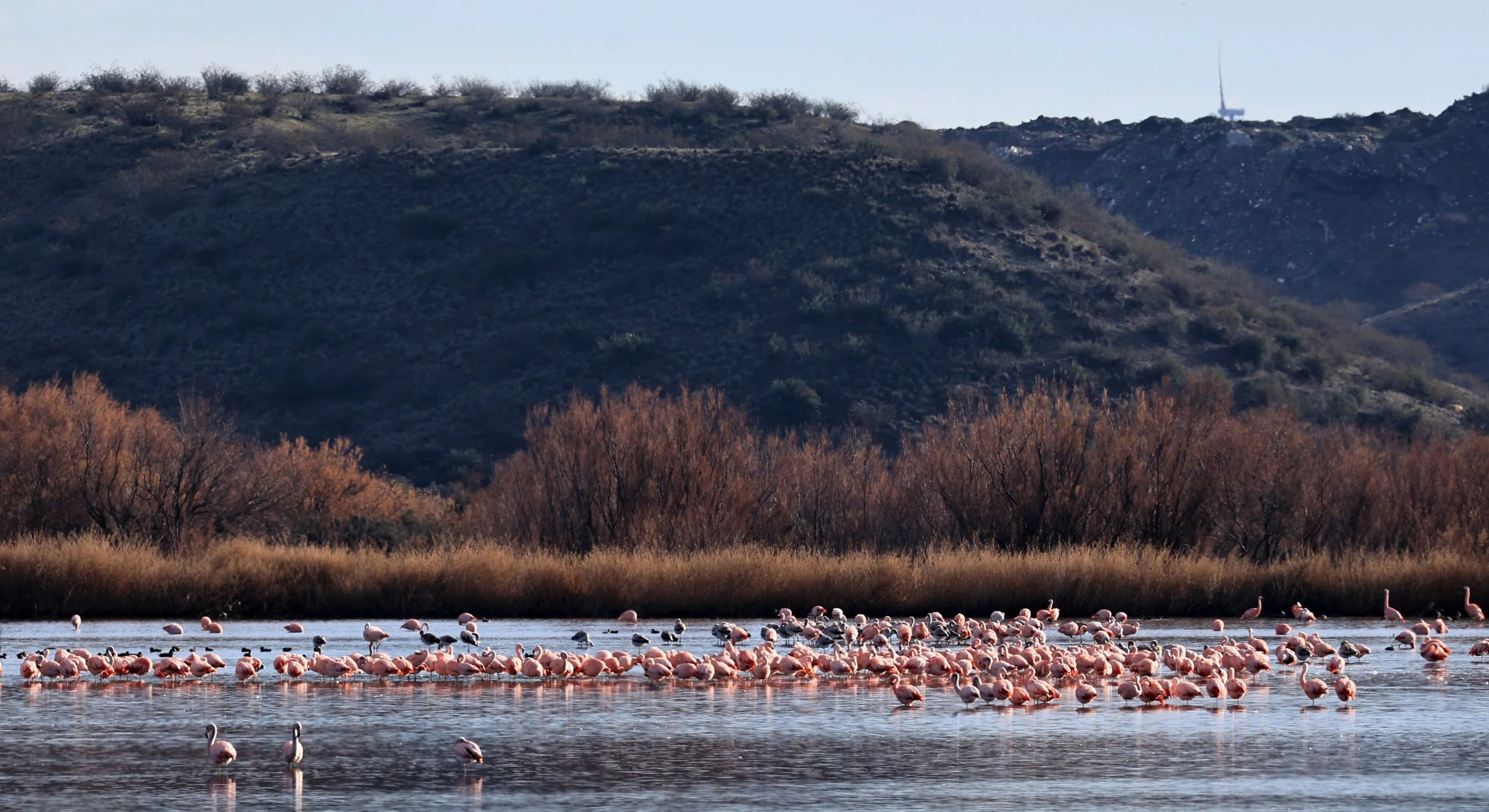
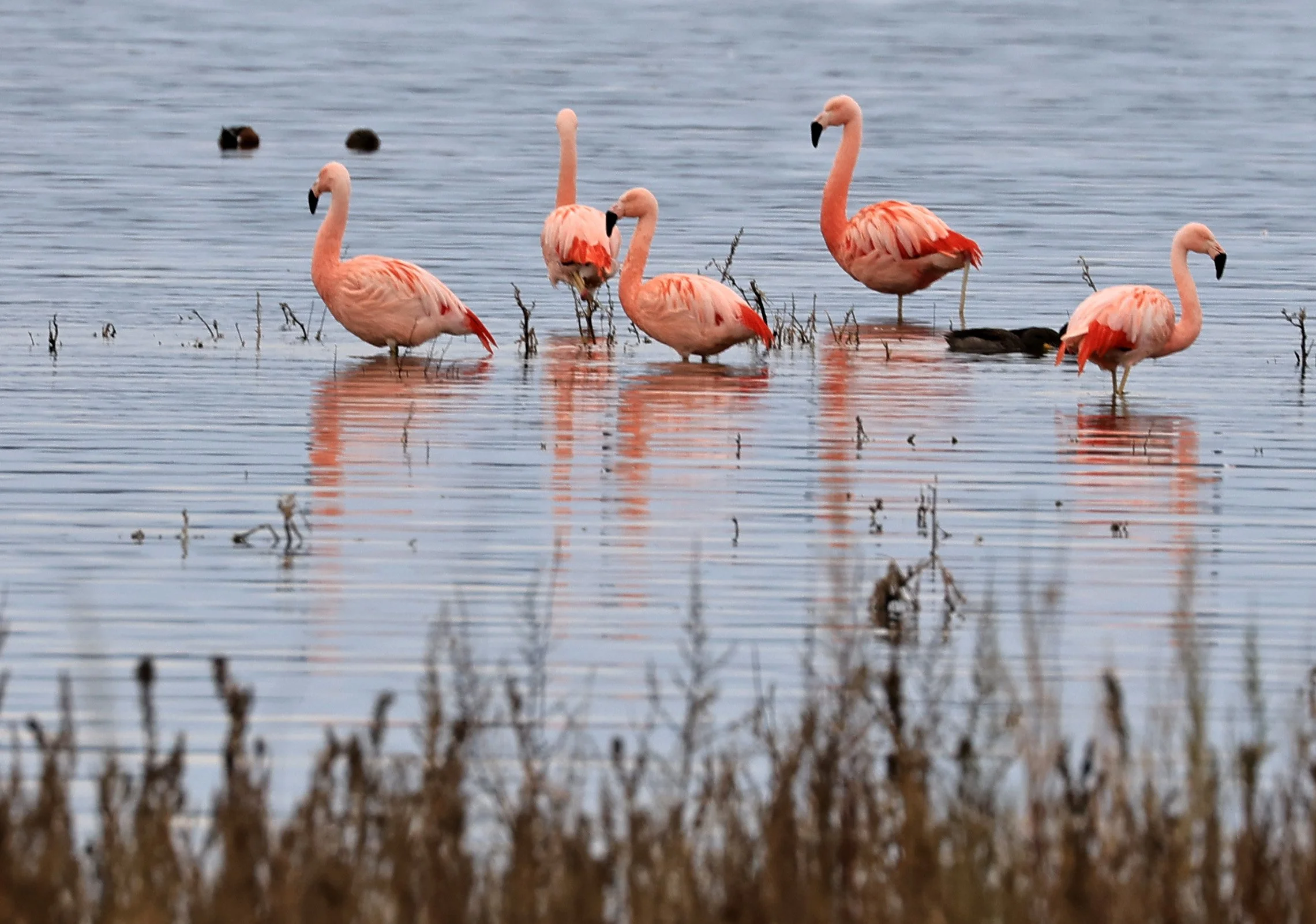
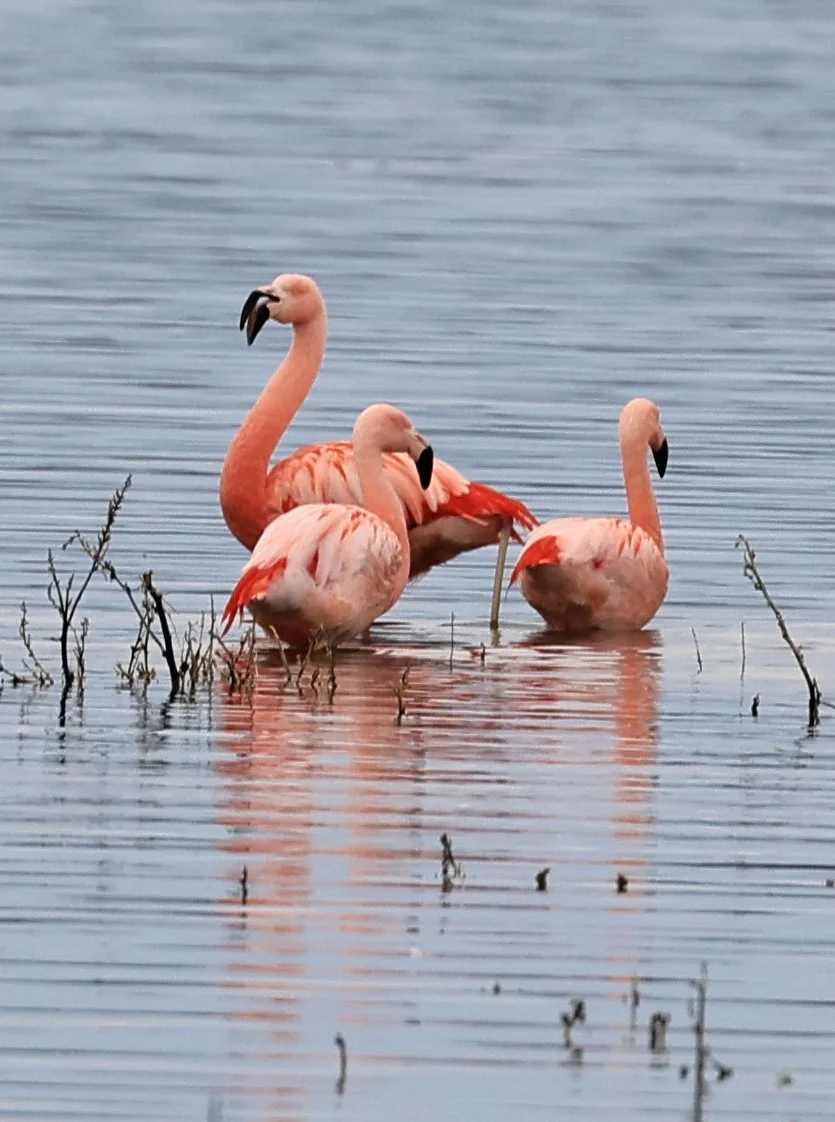
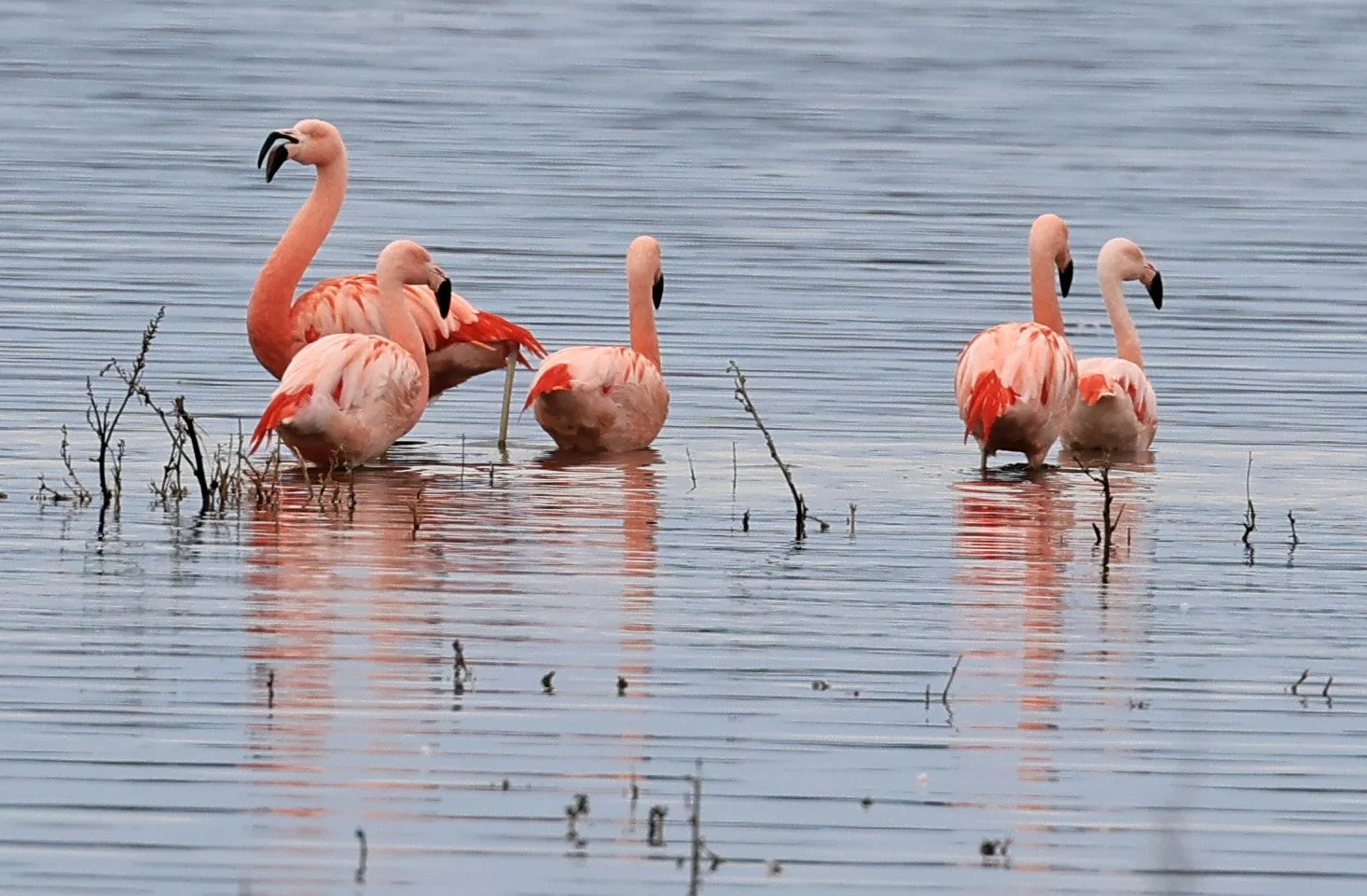
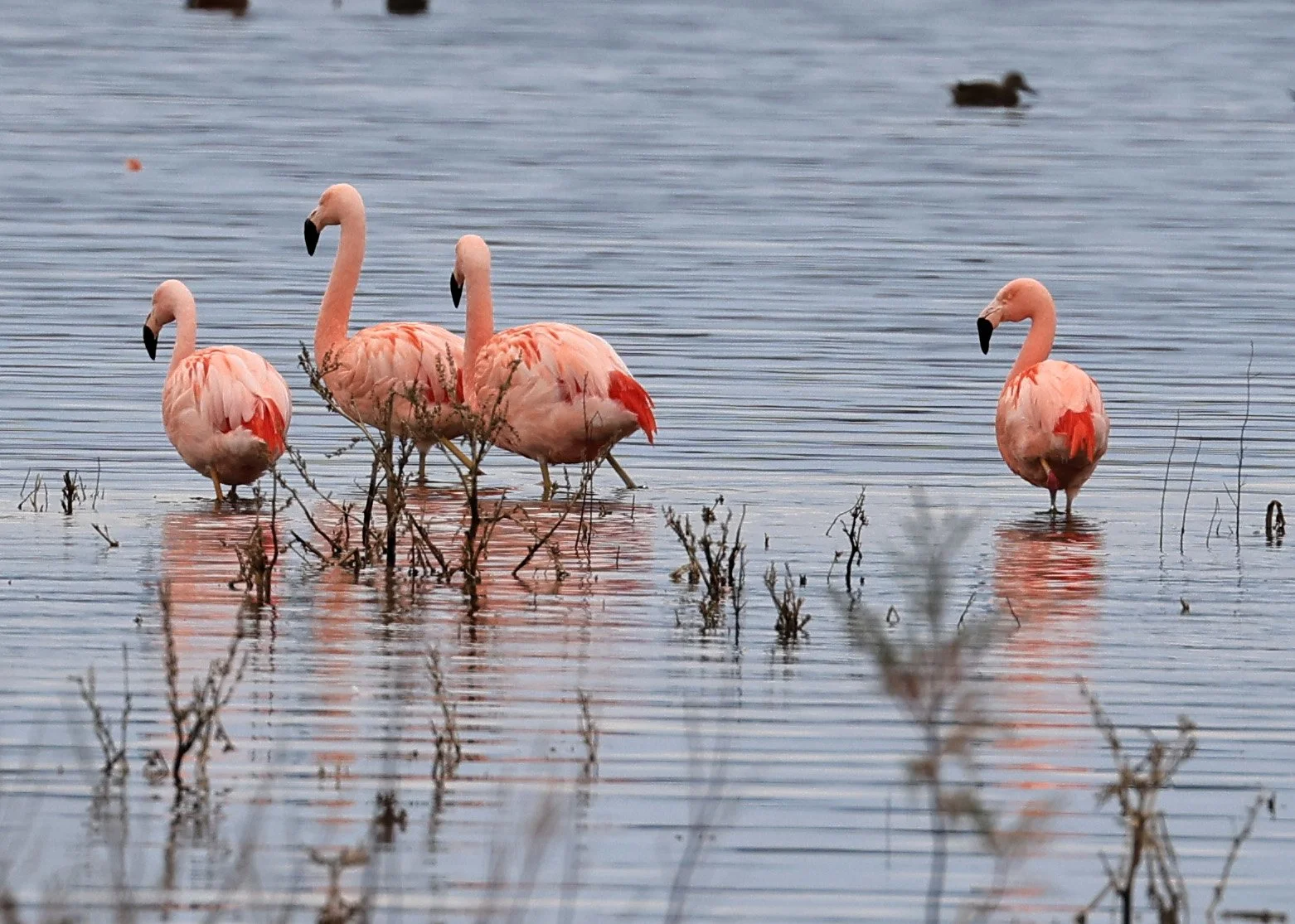
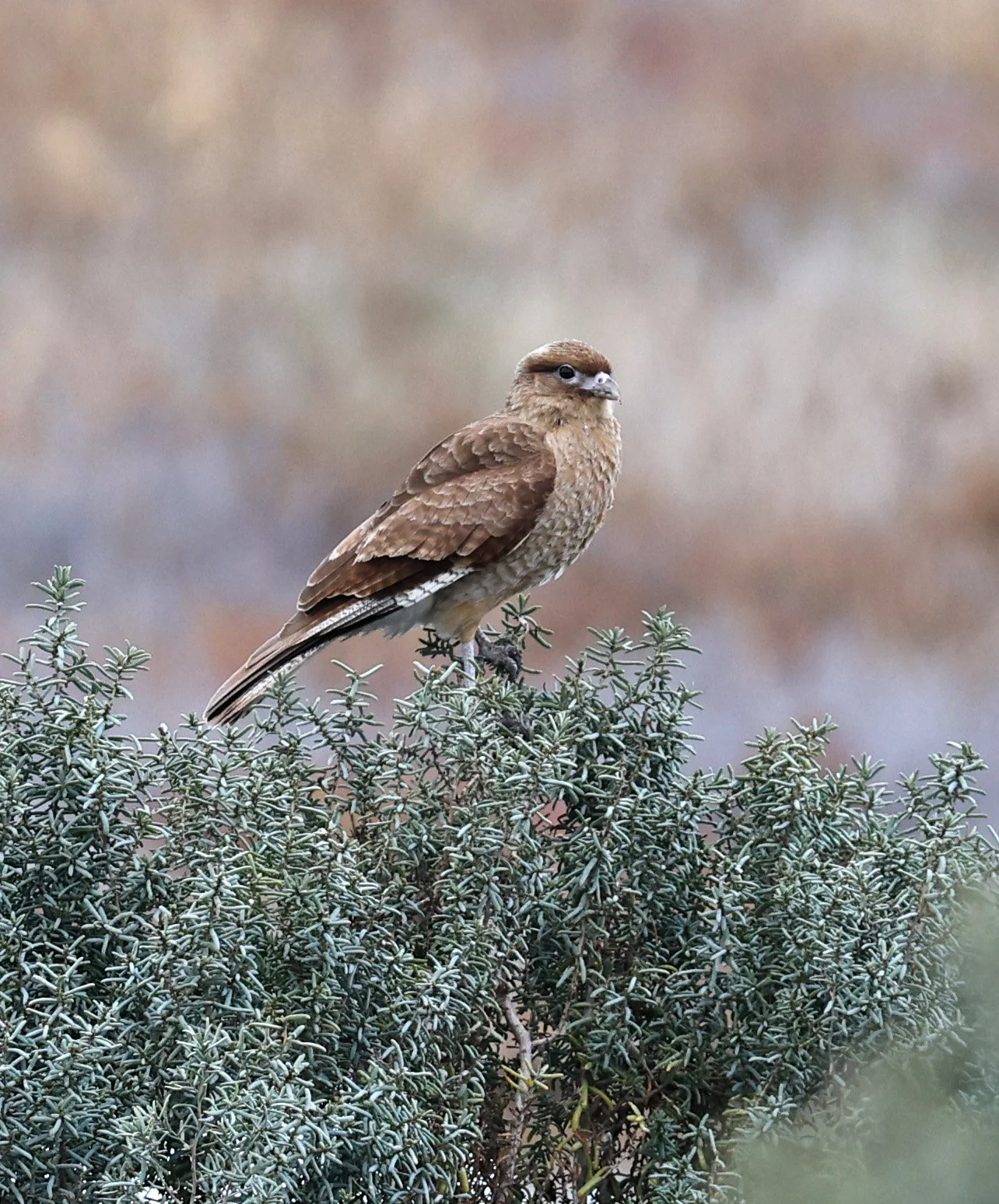
Chimango Caracara (Daptrius chimango)
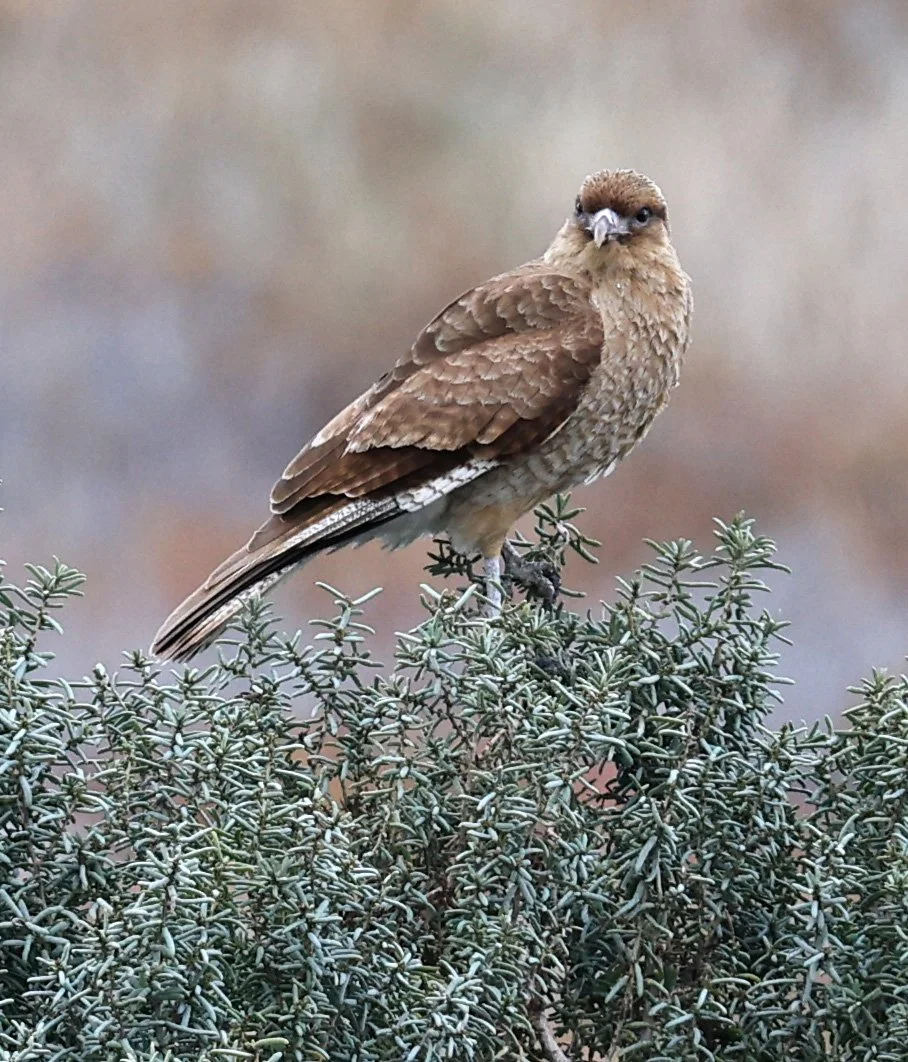
Chimango Caracara (Daptrius chimango)
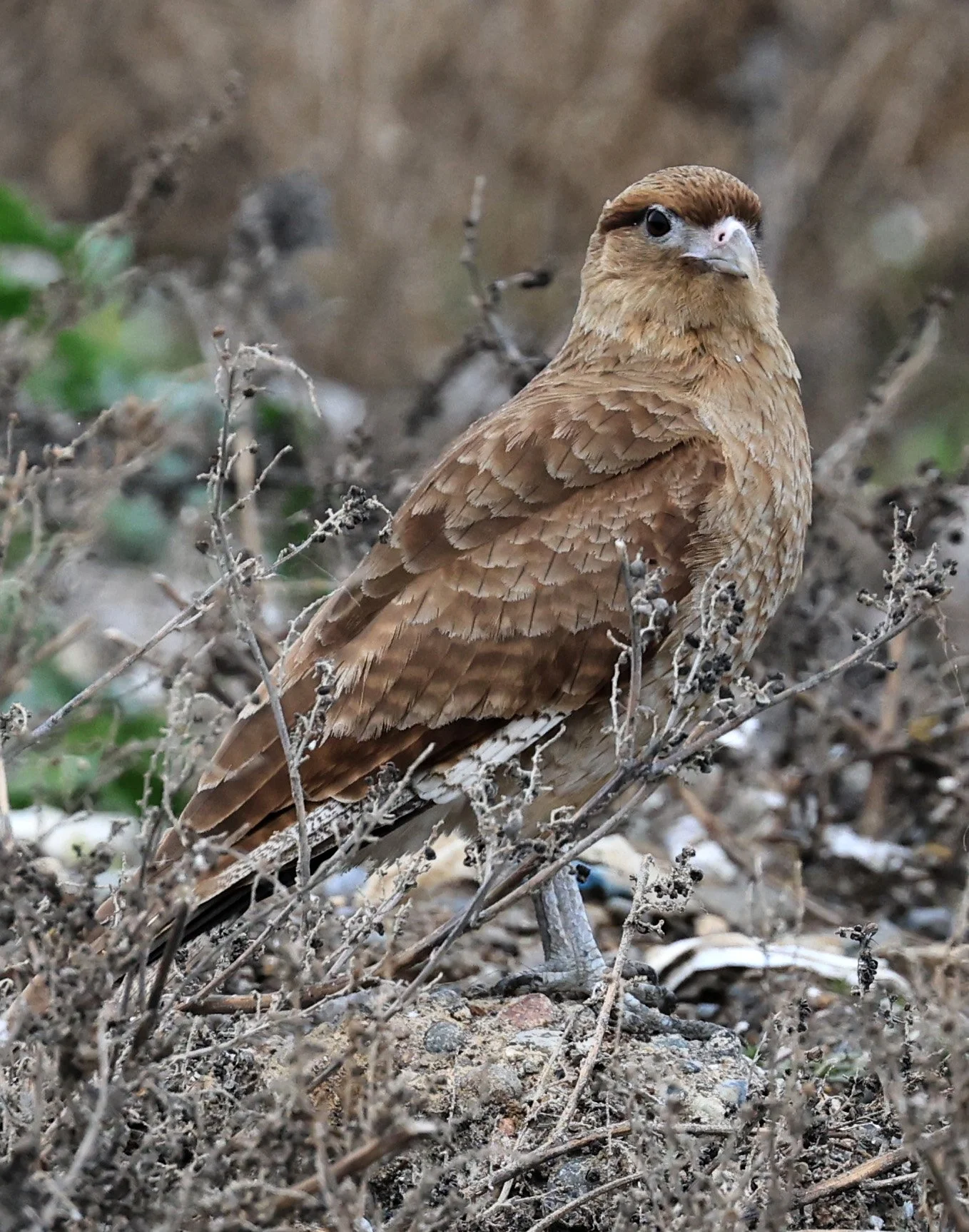
Chimango Caracara (Daptrius chimango)

Coscoroba Swan (Coscoroba coscoroba)

Coscoroba Swan (Coscoroba coscoroba)

Coscoroba Swan (Coscoroba coscoroba)

Coscoroba Swan (Coscoroba coscoroba)

Coscoroba Swan (Coscoroba coscoroba) with chicks

Crested Duck (Lophonetta specularioides)

Domestic goose

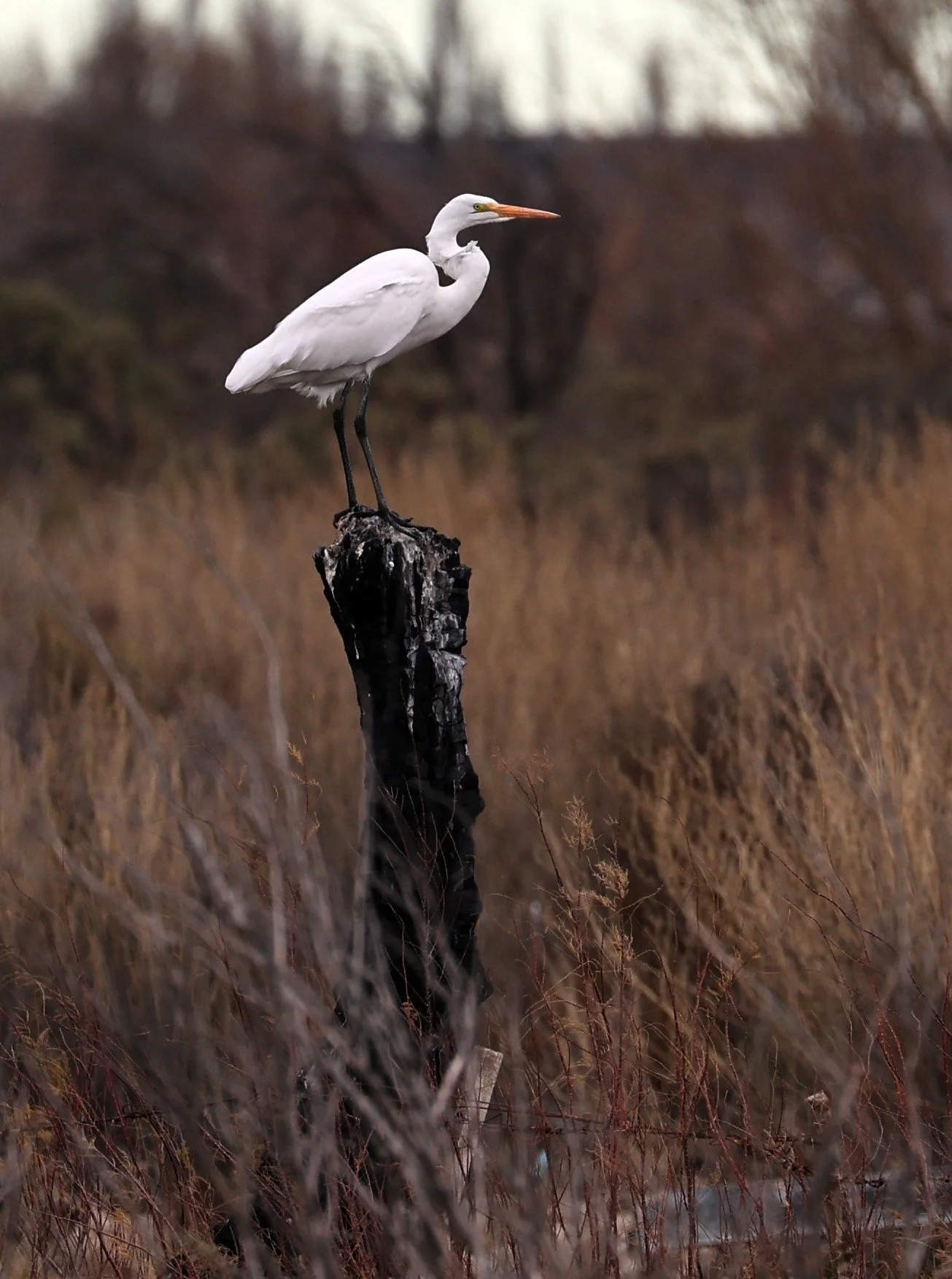
Great Egret (Ardea alba)
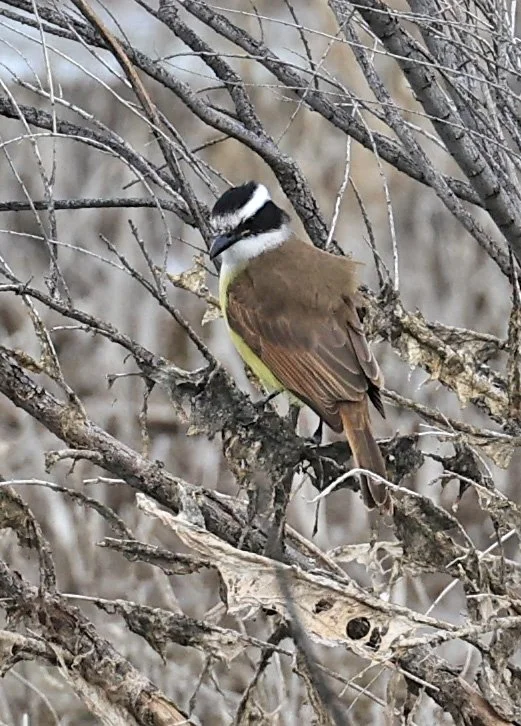
Great Kiskadee (Pitangus sulphuratus)

Imperial Cormorant (Phalacrocorax atriceps)

Imperial Cormorant (Phalacrocorax atriceps)

Imperial Cormorant (Phalacrocorax atriceps)

Imperial Cormorant (Phalacrocorax atriceps)
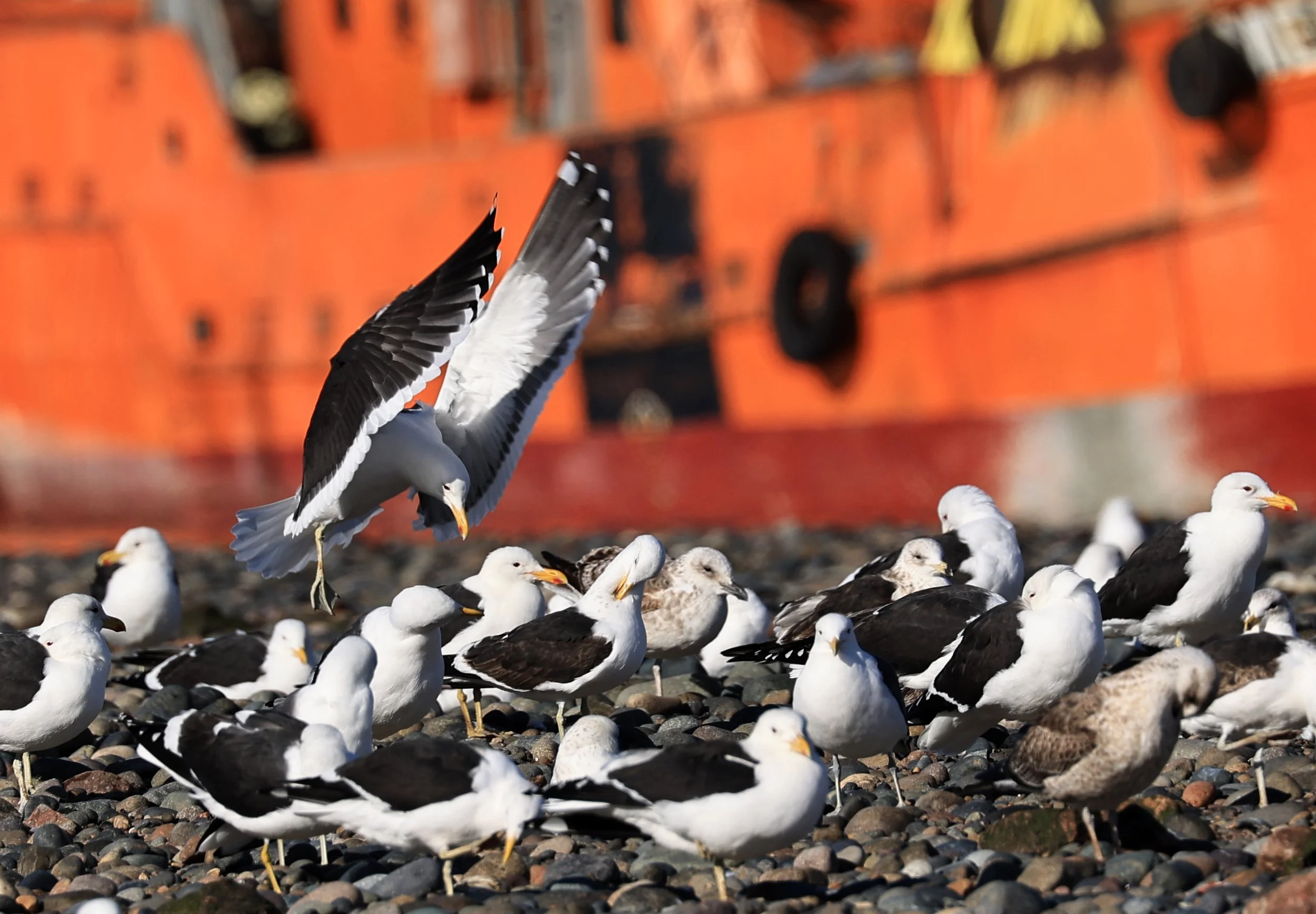
Kelp Gull (Larus dominicanus)
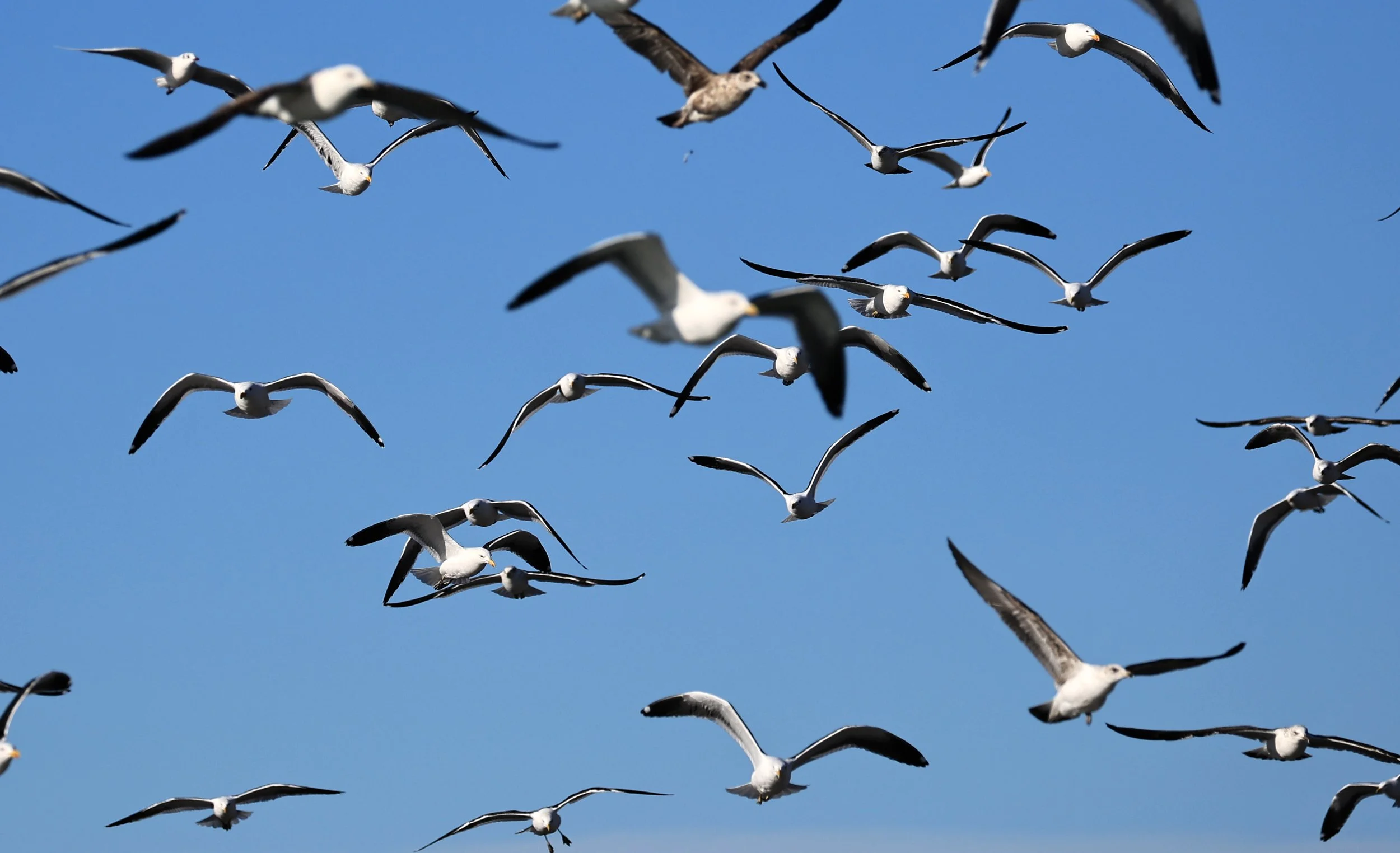
Kelp Gull (Larus dominicanus)

Kelp Gull (Larus dominicanus)
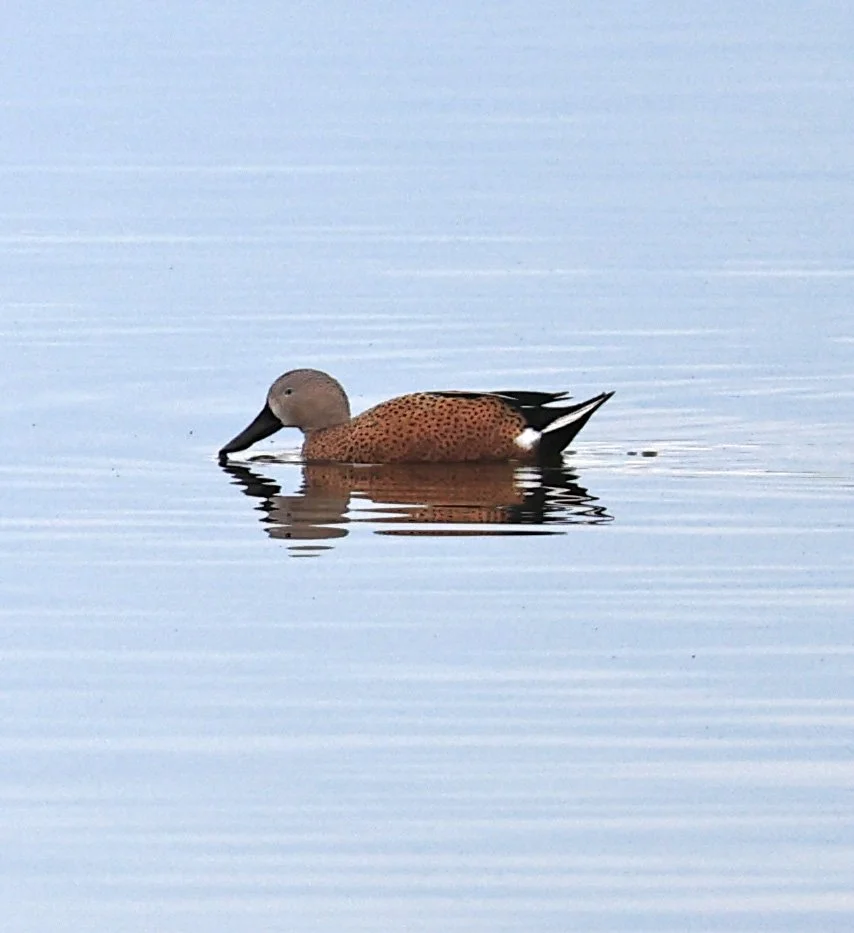
Red Shoveler (Spatula platalea)
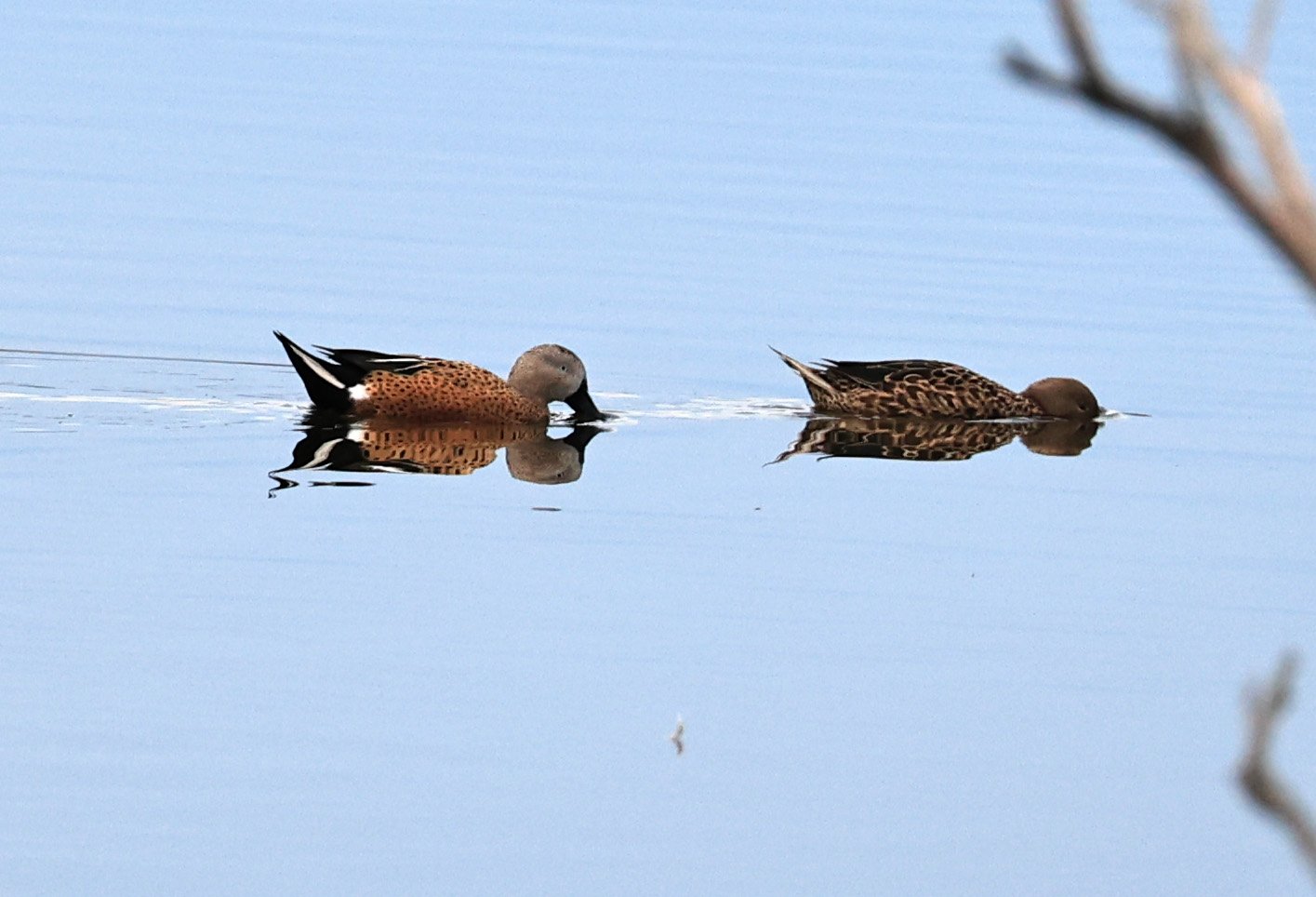
Red Shoveler (Spatula platalea)

Southern Giant Petrel (Macronectes giganteus)

Southern Giant Petrel (Macronectes giganteus)

Southern House Wren (Troglodytes musculus)

Speckled or Yellow-billed Teal (Anas flavirostris)

Speckled or Yellow-billed Teal (Anas flavirostris)

Speckled or Yellow-billed Teal (Anas flavirostris)

Speckled or Yellow-billed Teal (Anas flavirostris)

Speckled or Yellow-billed Teal (Anas flavirostris)

Speckled or Yellow-billed Teal (Anas flavirostris)
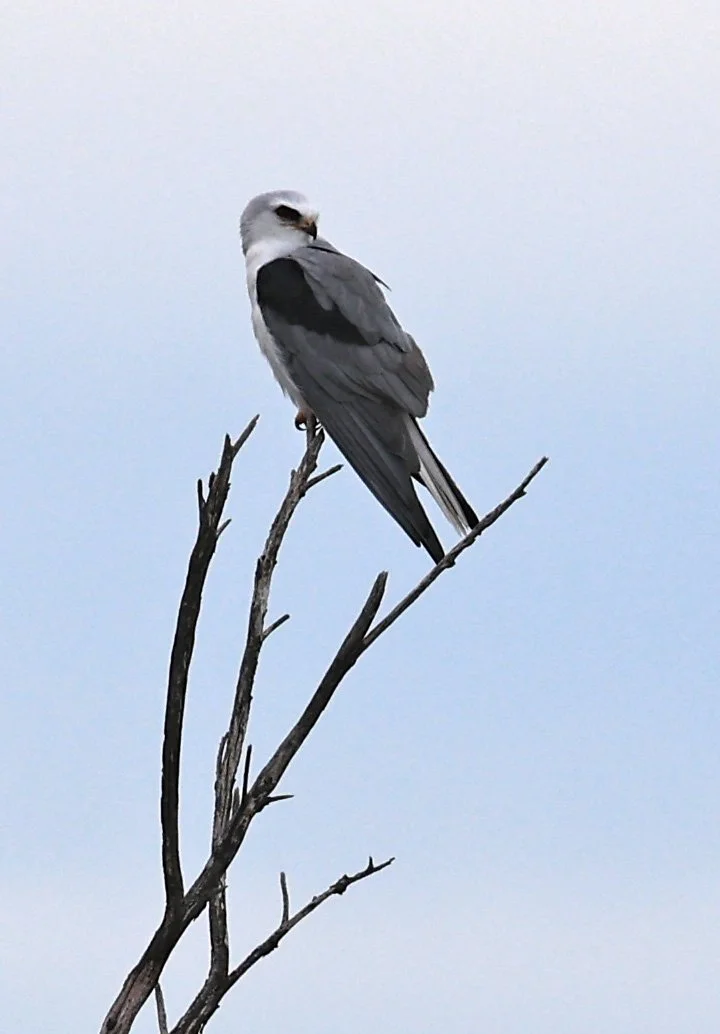
White-tailed Kite (Elanus leucurus)
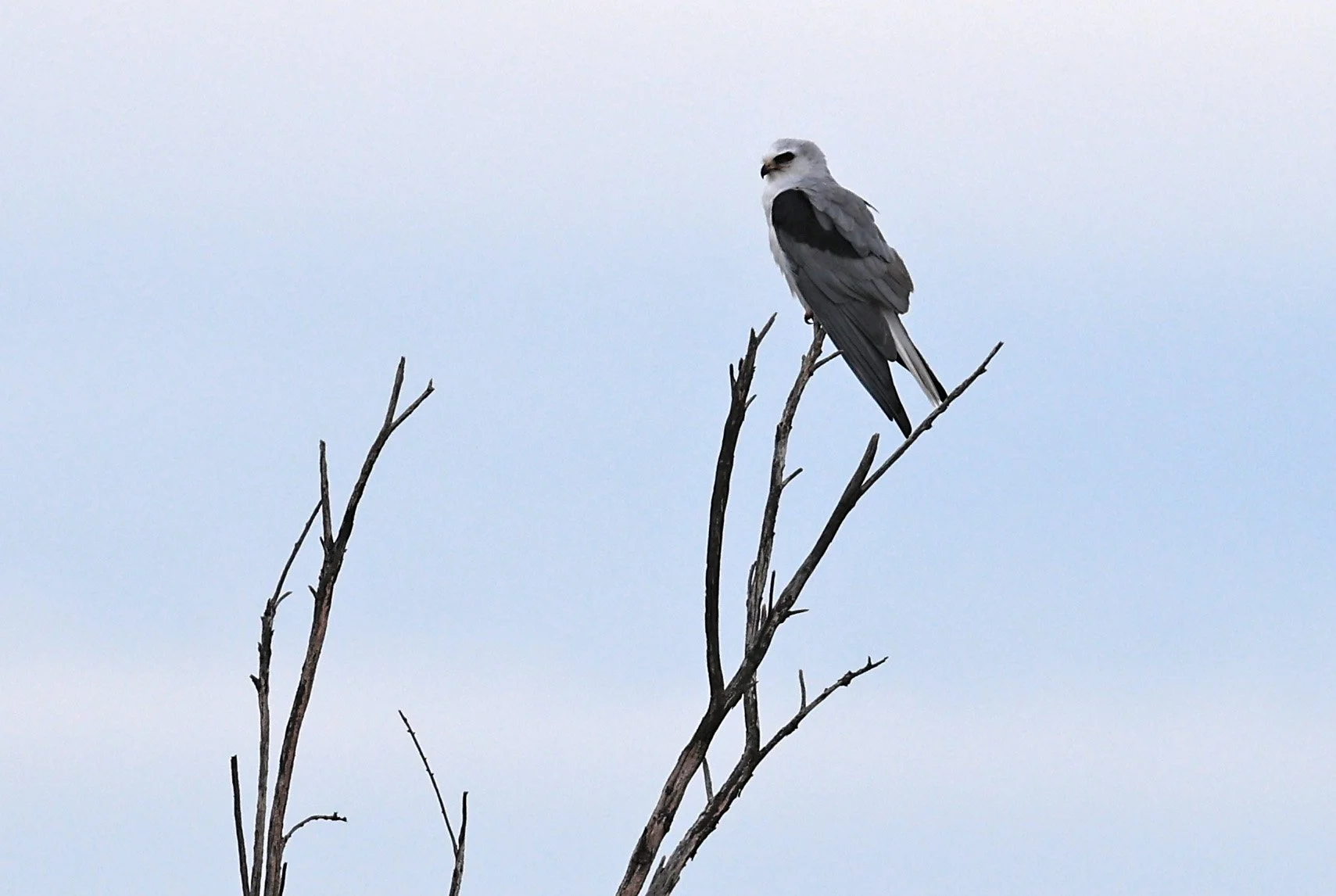
White-tailed Kite (Elanus leucurus)
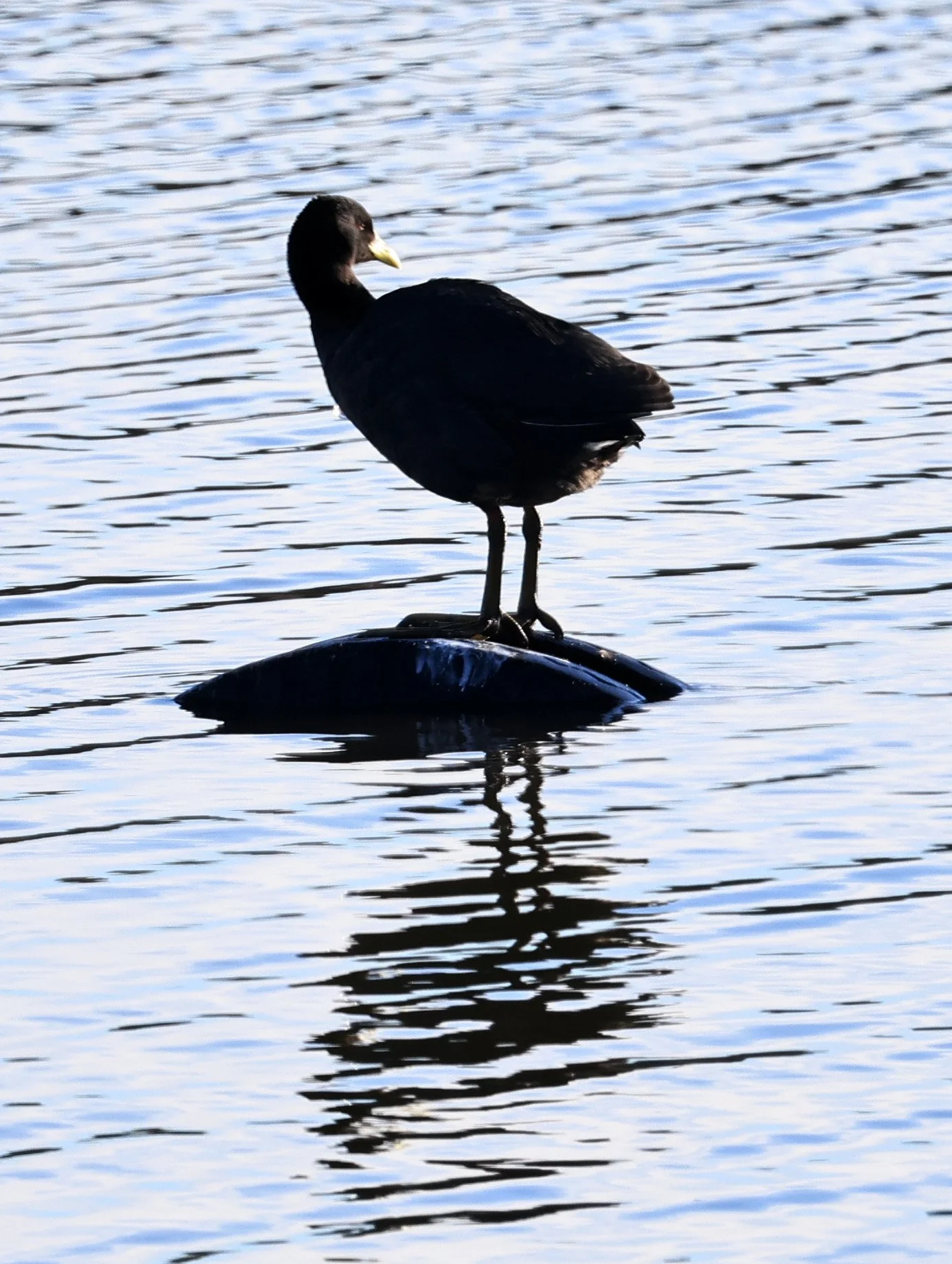
White-winged Coot (Fulica leucoptera)
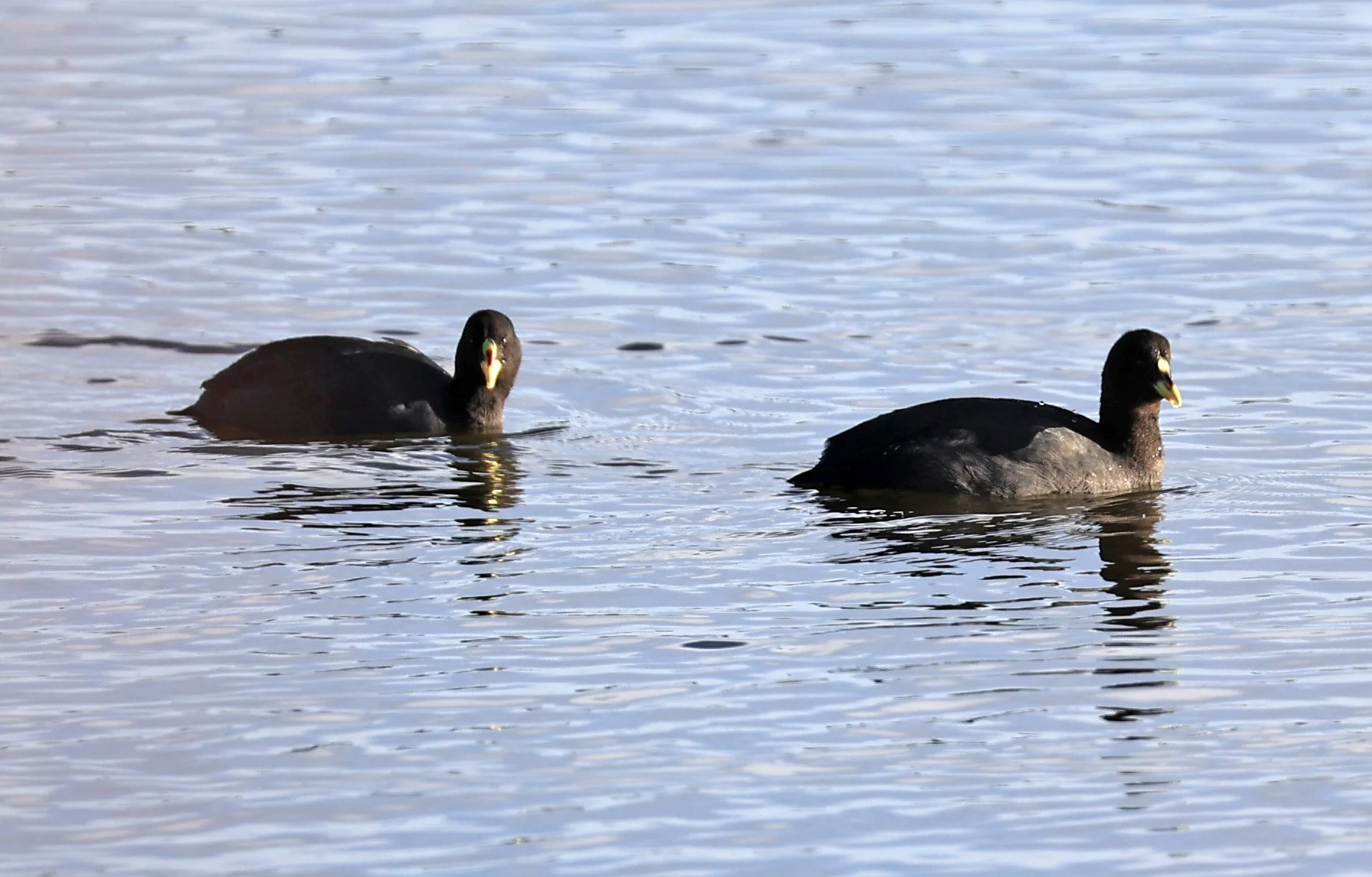
White-winged Coot (Fulica leucoptera)
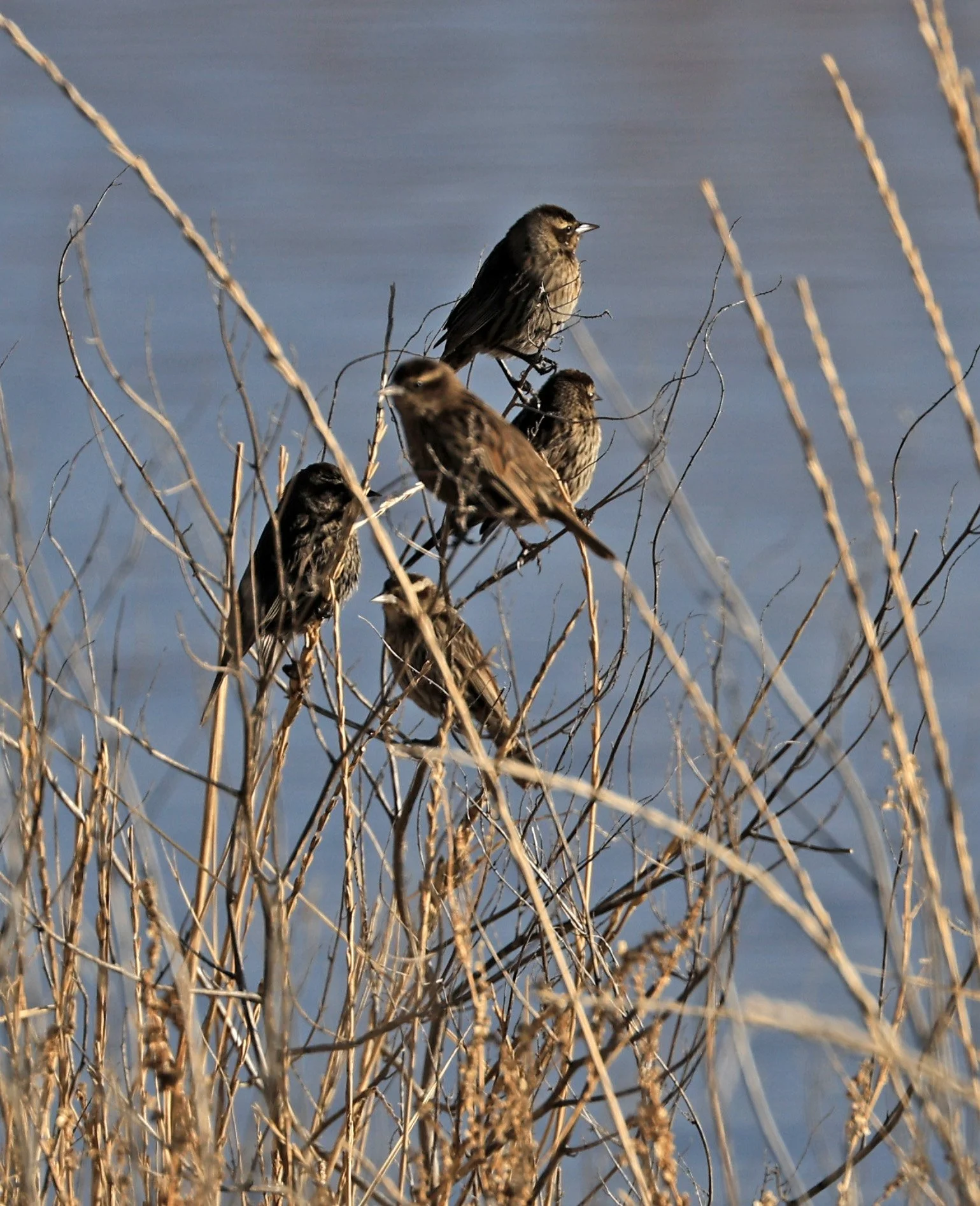
Yellow-winged Blackbirds (Agelasticus thilius)

Brown-hooded Gull (Chroicocephalus maculipennis)

Argentina Mammal List
Brazilian Guinea Pig (Cavia aperea)
Capybara (Hydrochoerus hydrochaeris)
Pampas Fox (Lycalopex gymnocercus)
Crab-eating Fox (Cerdocyon thous)
Plains Viscacha (Lagostomus maximus)
Six-banded Armadillo (Euphractus sexcinctus)
Guanaco (Lama guanicoe)
Patagonian Mara (Dolichotis patagonum)
Southern Mountain Cavy (Microcavia australis)
Large Hairy Armadillo (Chaetophractus villosus)
Humboldt Hog-nosed Skunk (Conepatus humboldtii)
Southern Right Whale (Eubalaena australis)
South American Sea Lion (Otaria flavescens)
Southern Elephant Seal (Mirounga leonina)
Coypu (Myocastor coypus)
Missed Targets
Lesser Grison (Galerictis cuja)
Geoffroy's Cat (Leopardus geoffroyi)
Sika Deer (Cervus nippon)
Commerson's Dolphin (Cephalorhynchus commersonii)
Argentina Bird Species List (79 species)
Ratites and Tinamous
Greater Rhea (Rhea americana)
Lesser Rhea (Rhea pennata)
Red-winged Tinamou (Rhynchotus rufescens)
Spotted Nothura (Nothura maculosa)
Waterfowl (Anseriformes)
Southern Screamer (Chauna torquata)
Coscoroba Swan (Coscoroba coscoroba)
Muscovy Duck (Cairina moschata)
Brazilian Teal (Amazonetta brasiliensis)
Red Shoveler (Spatula platalea)
Yellow-billed Teal (Anas flavirostris)
Crested Duck (Lophonetta specularioides)
Upland Goose (Chloephaga picta)
Seabirds and Cormorants
Southern Giant-Petrel (Macronectes giganteus)
Neotropic Cormorant (Nannopterum brasilianum)
Imperial Cormorant (Leucocarbo atriceps)
Flamingos
Herons and Egrets
Rufescent Tiger-Heron (Tigrisoma lineatum)
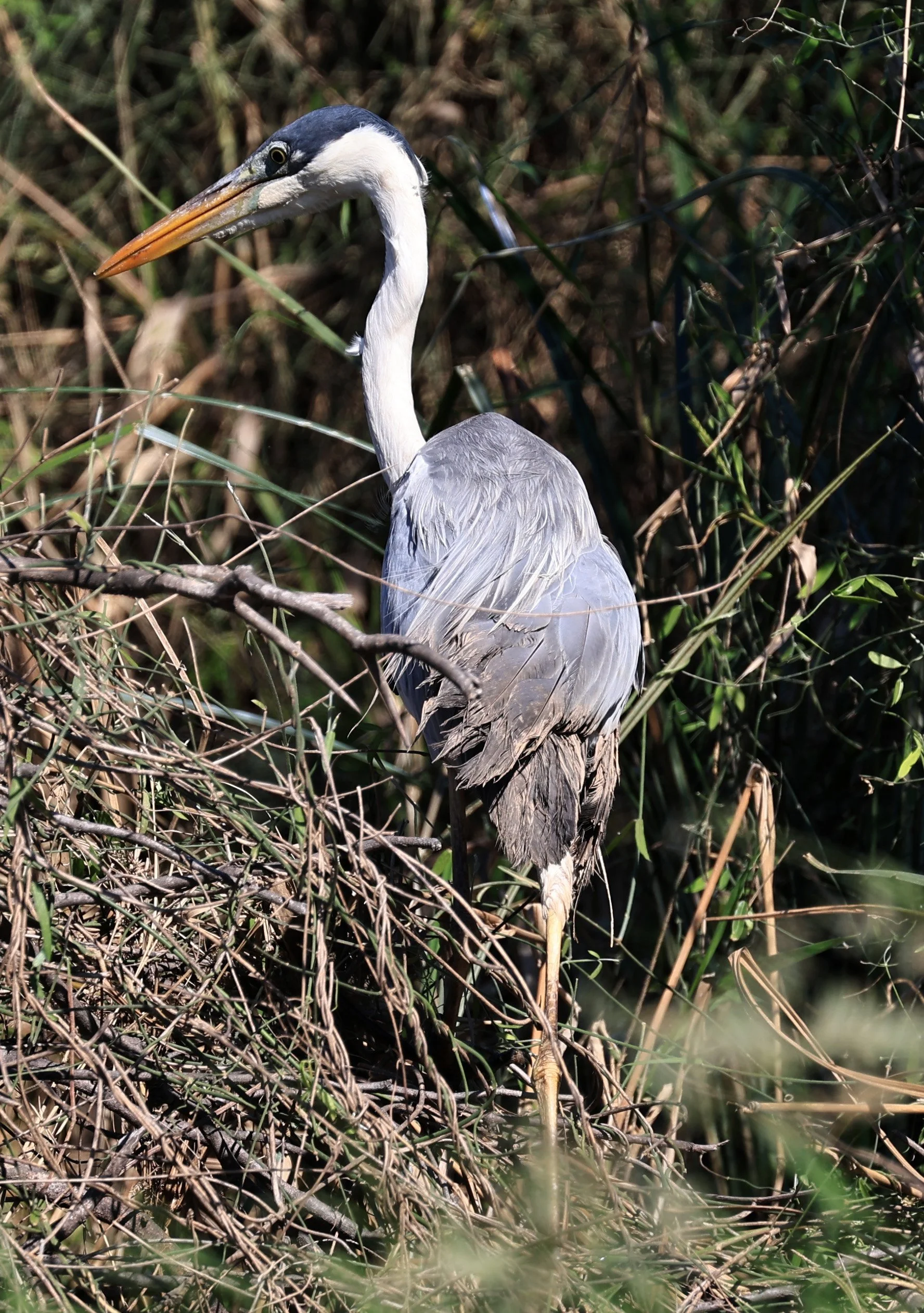
Cocoi Heron (Ardea cocoi)
Whistling Heron (Syrigma sibilatrix)
Great Egret (Ardea alba)
Snowy Egret (Egretta thula)
Ibises, Spoonbills and Storks
Buff-necked Ibis (Theristicus caudatus)
Plumbeous Ibis (Theristicus caerulescens)
Roseate Spoonbill (Platalea ajaja)
Maguari Stork (Ciconia maguari)
Jabiru (Jabiru mycteria)
Rails, Coots and Allies
Limpkin (Aramus guarauna)
White-winged Coot (Fulica leucoptera)
Grey-cowled Wood Rail (Aramides cajaneus)
Giant Wood Rail (Aramides ypecaha)
Shorebirds and Allies
Southern Lapwing (Vanellus chilensis)
Black-necked Stilt (Himantopus mexicanus)
Magellanic Oystercatcher (Haematopus leucopodus)
Snowy Sheathbill (Chionis albus)
Gulls and Terns
Kelp Gull (Larus dominicanus)
Brown-hooded Gull (Chroicocephalus maculipennis)
Dolphin Gull (Leucophaeus scoresbii)
Common Tern (Sterna hirundo)
Royal Tern (Thalasseus maximus)
Raptors
Turkey Vulture (Cathartes aura)
Snail Kite (Rostrhamus sociabilis)
Savanna Hawk (Buteogallus meridionalis)
Roadside Hawk (Rupornis magnirostris)
White-tailed Kite (Elanus leucurus)
Crested Caracara (Caracara plancus)
Chimango Caracara (Milvago chimango)
Pigeons and Doves
Picazuro Pigeon (Patagioenas picazuro)
Spot-winged Pigeon (Patagioenas maculosa)
Eared Dove (Zenaida auriculata)
Parrots
Cuckoos
Owls
Woodpeckers
Furnariids and Woodcreepers
Rufous Hornero (Furnarius rufus)
Narrow-billed Woodcreeper (Lepidocolaptes angustirostris)
Scimitar-billed Woodcreeper (Drymornis bridgesii)
Flycatchers and Tyrant Flycatchers
Great Kiskadee (Pitangus sulphuratus)
Cattle Tyrant (Machetornis rixosa)
White Monjita (Xolmis irupero)
Wrens
Jays and Crows
Thrushes and Mockingbirds
Chalk-browed Mockingbird (Mimus saturninus)
Patagonian Mockingbird (Mimus patagonicus)
Creamy-bellied Thrush (Turdus amaurochalinus)
Rufous-bellied Thrush (Turdus rufiventris)
Chiguanco Thrush (Turdus chiguanco)
Pipits
Tanagers, Finches and Sparrows
Sayaca Tanager (Thraupis sayaca)
Golden-billed Saltator (Saltator aurantiirostris)
Ultramarine Grosbeak (Cyanoloxia brissonii)
Rufous-collared Sparrow (Zonotrichia capensis)
Saffron Finch (Sicalis flaveola)
Mourning Sierra Finch (Rhopospina fruticeti)
Red-crested Cardinal (Paroaria coronata)
Blackbirds and Meadowlarks