
Brazilian Guinea Pig (Cavia aperea)
The Brazilian Guinea Pig (Cavia aperea) (preá in Portuguese) is a guinea pig species found in Argentina, Brazil, Bolivia, Colombia, Ecuador, Guyana, Paraguay, Uruguay and Venezuela.

Brazilian Cavy from Alfonso Claudio, Espirito Santo
Brazilian Cavy (Cavia aperea)
The Brazilian Cavy (Cavia aperea), also known as the Brazilian Guinea Pig or preá in Portuguese, is a wild rodent native to South America and is considered one of the closest wild relatives of the domestic guinea pig (Cavia porcellus). It belongs to the kingdom Animalia, phylum Chordata, class Mammalia, order Rodentia, and family Caviidae. Within this family, it is classified in the genus Cavia, which includes the true guinea pigs. The Brazilian Cavy has played an important role in understanding the evolution and domestication of guinea pigs because it can successfully interbreed with domestic guinea pigs under certain conditions. [en.wikipedia.org], [animaldiversity.org], [itis.gov]
The Brazilian Cavy is a medium-sized rodent with a stout body, a very short tail that is almost invisible, and relatively short legs. Adults typically measure between 20 and 32 centimetres in length and weigh between 520 and 795 grams. Their fur is usually brown to olive-brown on the upper body and becomes lighter toward the underside, which is often greyish or yellowish-grey. Like other cavies, they possess ever-growing incisors that must be continually worn down through feeding and gnawing. Males tend to be slightly larger than females, although the two sexes are otherwise quite similar in appearance. [animaldiversity.org], [en.wikipedia.org]
The Brazilian Cavy has one of the widest distributions of any South American cavy species. It occurs throughout much of the continent, including Argentina, Bolivia, Brazil, Colombia, Ecuador, Guyana, Paraguay, Peru, Suriname, Uruguay, Venezuela, and other neighbouring regions. The species inhabits a variety of open habitats, including grasslands, savannas, scrublands, and Andean highlands at elevations ranging from approximately 400 to 3,000 metres above sea level. It prefers areas with dense ground cover that provide protection from predators but is also capable of surviving in disturbed environments influenced by human activity. Unlike many small mammals, Brazilian Cavies do not dig extensive burrows. Instead, they create networks of pathways and tunnels through thick vegetation that allow them to move quickly while remaining concealed. [animaldiversity.org], [en.wikipedia.org], [mammaldiversity.org]
One of the most interesting features of the Brazilian Cavy is its close relationship to the domestic guinea pig. Scientists believe that species within the genus Cavia contributed to the ancestry of modern guinea pigs kept as pets today. Brazilian Cavies are primarily active during the day, particularly in the early morning and late afternoon. They live in small social groups consisting of a dominant male, one or more females, and their offspring. Males can be highly aggressive toward rival males and often compete for access to females, but they do not maintain strict territorial boundaries because food resources are often abundant. [en.wikipedia.org], [animaldiversity.org]

The Brazilian Cavy is a herbivore that feeds mainly on grasses, herbs, leaves, and other plant material. Its grazing habits help shape plant communities and contribute to nutrient cycling within grassland ecosystems. The species reproduces throughout much of the year, especially during the warmer months. Females have a gestation period of approximately 62 days and may produce up to five litters annually, with each litter typically containing one to five young. The offspring are highly developed at birth and can begin feeding on vegetation soon after being born. [en.wikipedia.org], [animaldiversity.org]
The International Union for Conservation of Nature (IUCN) currently classifies the Brazilian Cavy as Least Concern. This designation reflects its enormous geographic range, stable populations, and ability to adapt to a variety of habitats. The species is common across much of South America and occurs in both natural and modified environments. [en.wikipedia.org], [mammaldiversity.org]
At present, there are no major threats that place the Brazilian Cavy at significant risk of extinction. While habitat alteration resulting from agriculture and urban development may affect local populations, the species has demonstrated a considerable ability to adapt to disturbed landscapes. Its high reproductive rate, broad habitat tolerance, and widespread distribution all contribute to its long-term survival. As with many small mammals, it remains an important prey species for predators such as foxes, wild cats, snakes, and birds of prey. [en.wikipedia.org], [animaldiversity.org]
The following images were snapped in Argentina and Brazil in the following expeditions (follow links)
Expedition to Mata Atlantica, Expedition to Argentina

Brazilian Guinea Pig or Cavy (Cavia aperea) Reserva Natural Ceibas, Entre Rios, Argentina


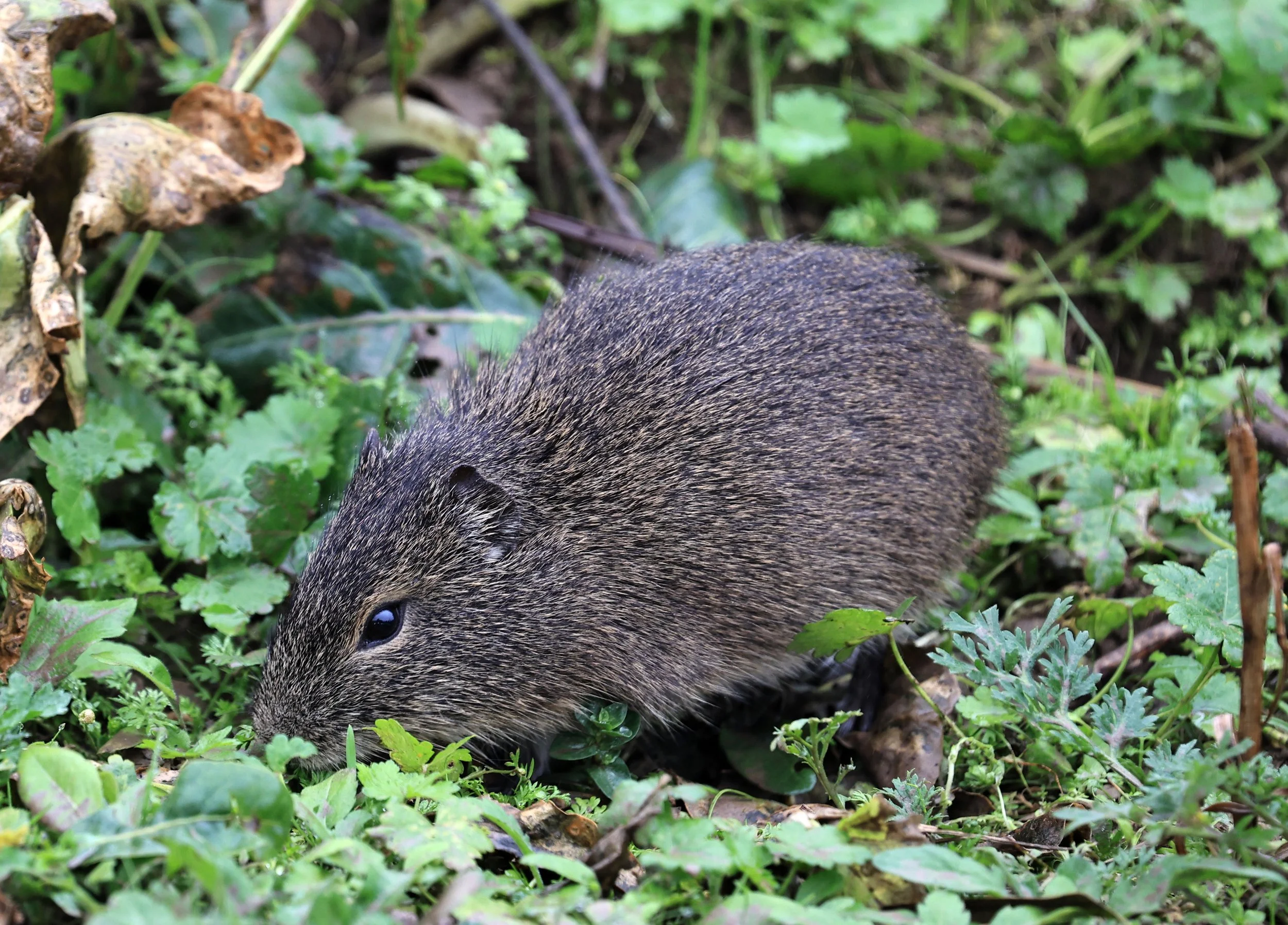


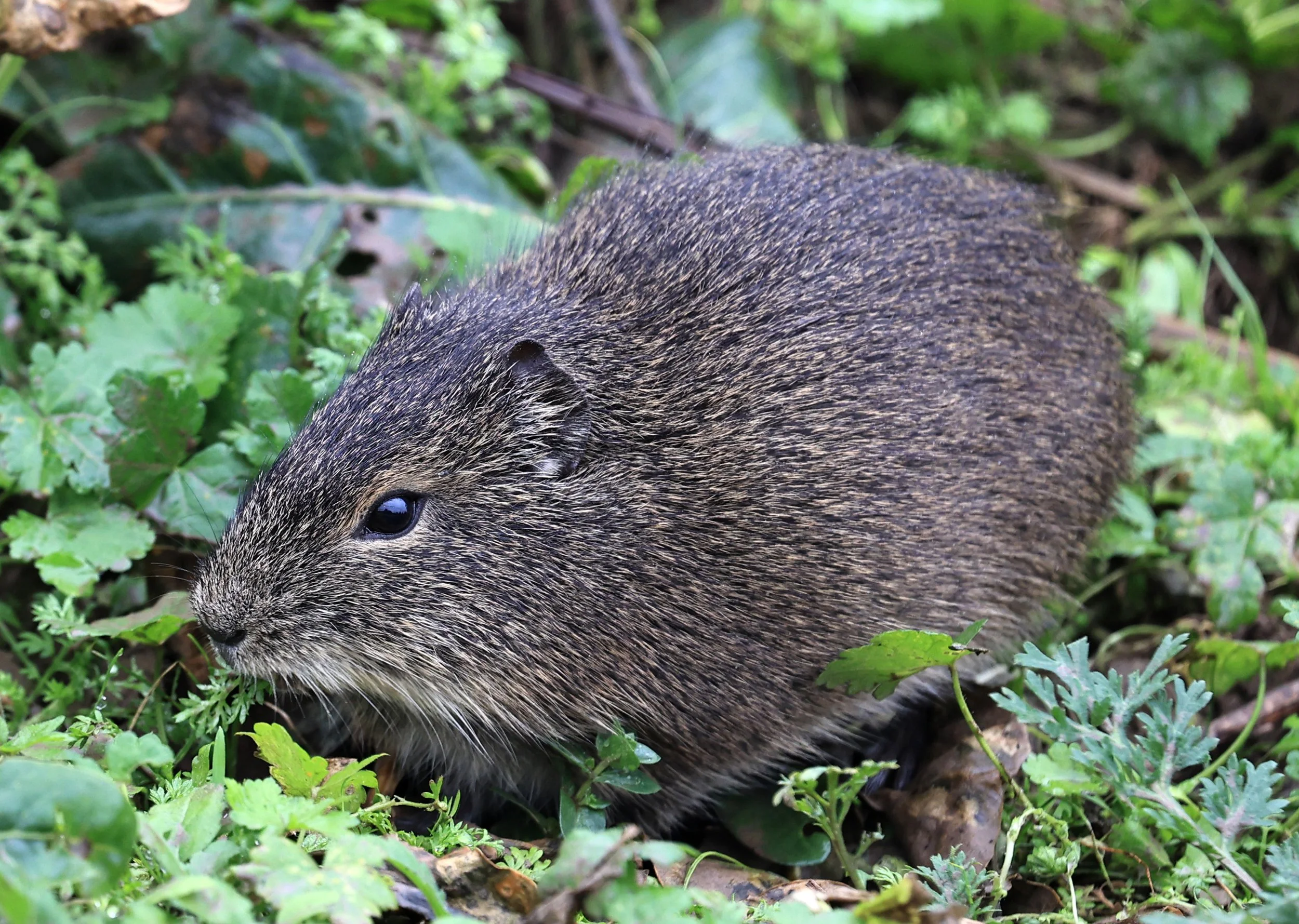

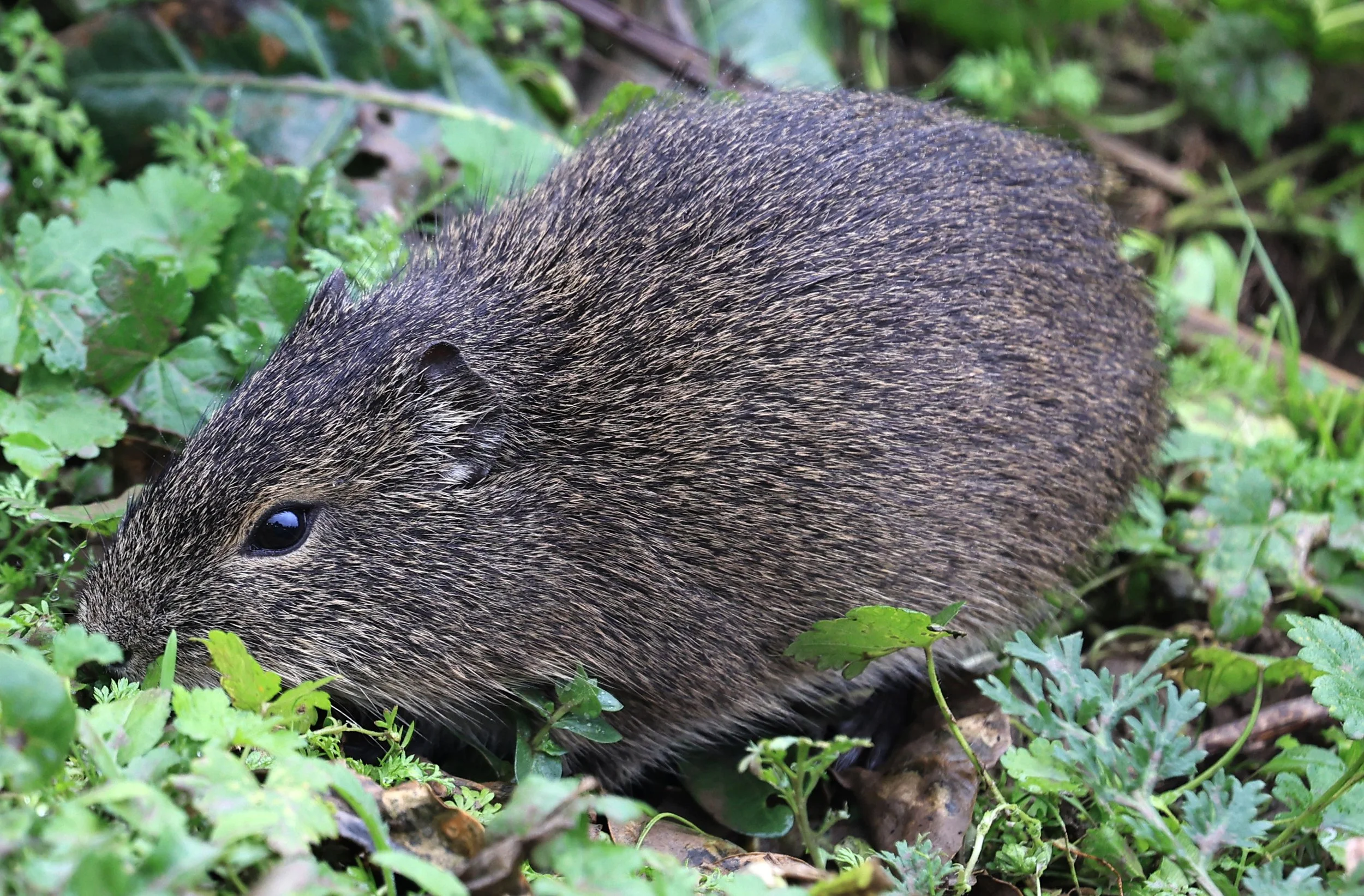

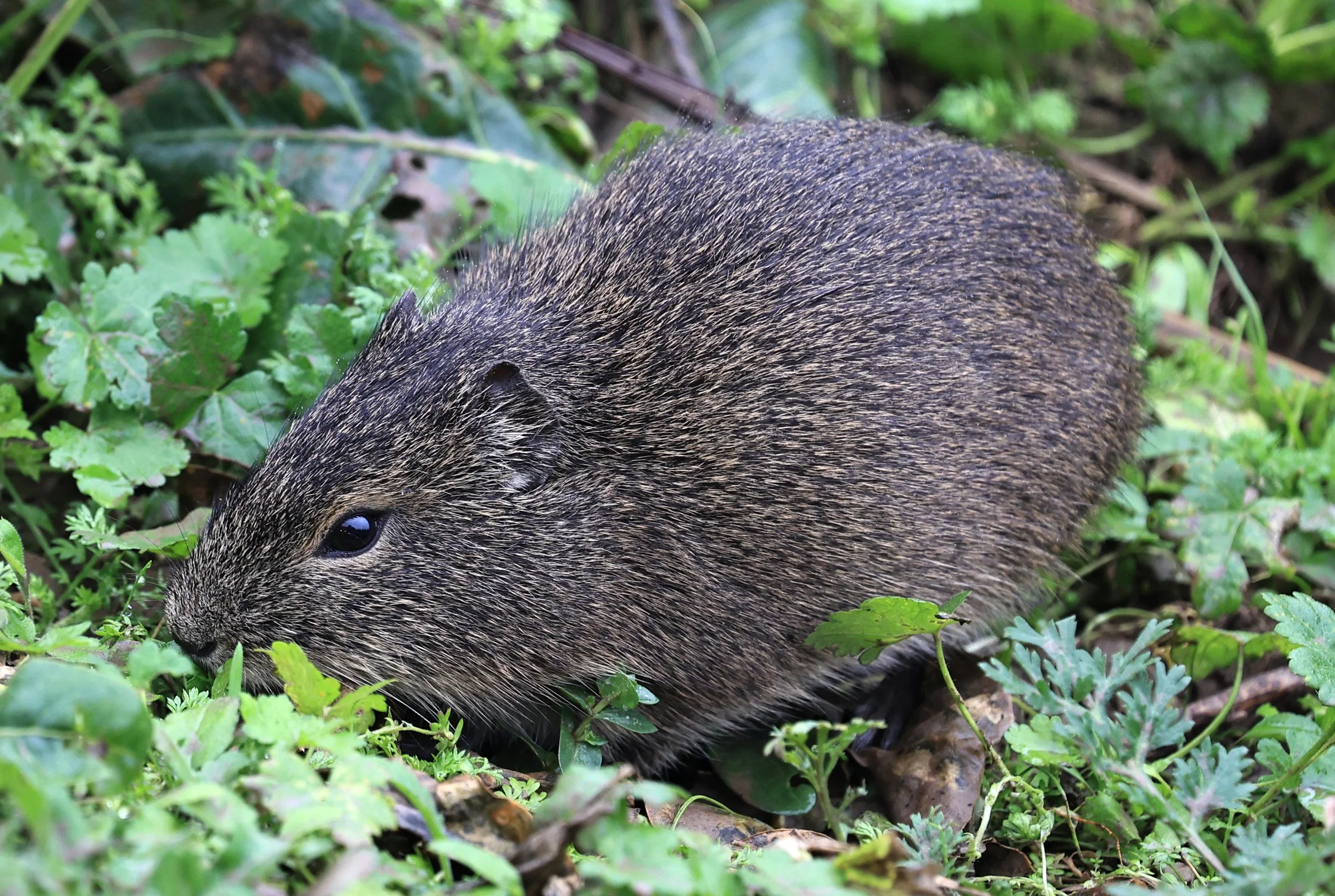


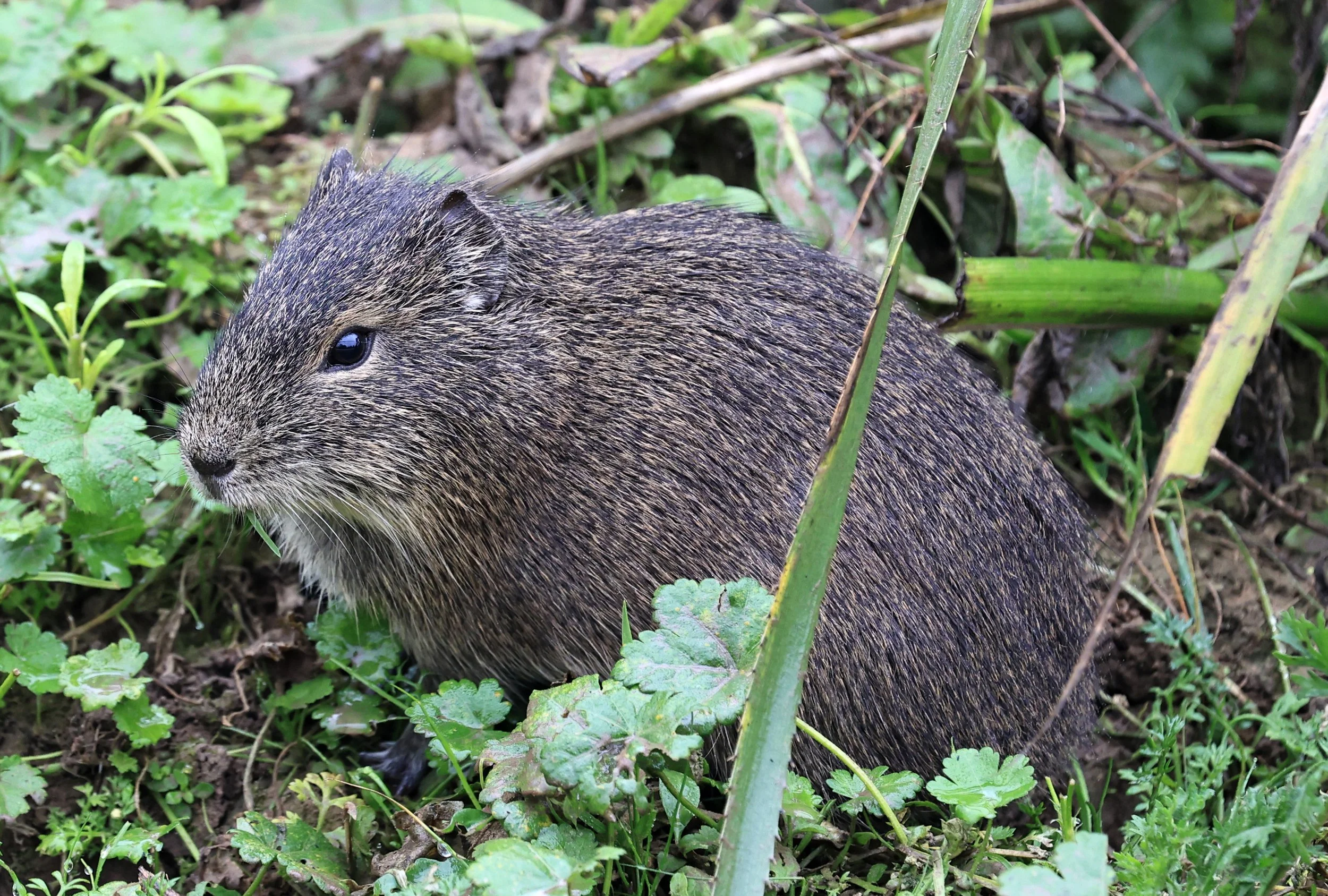


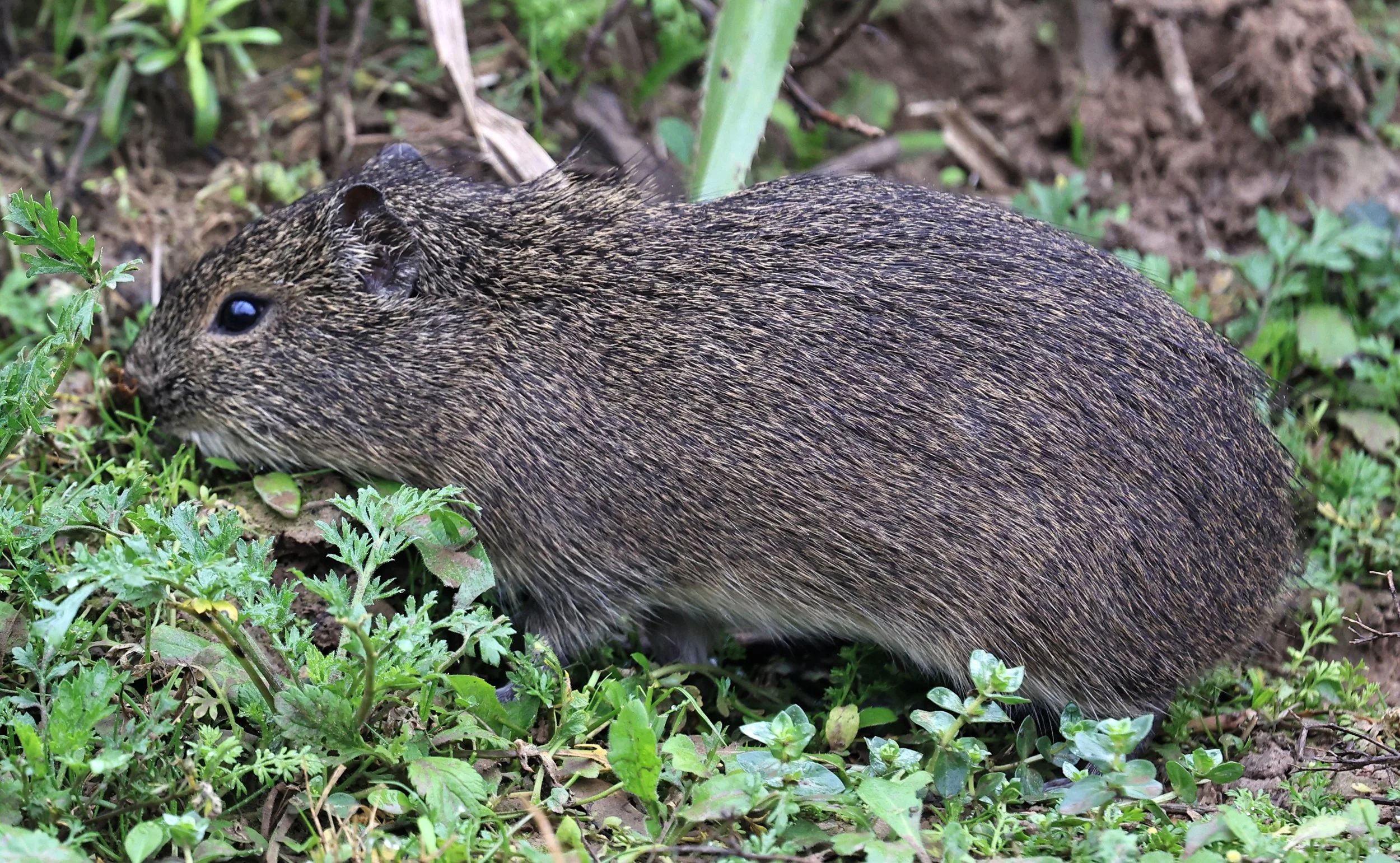
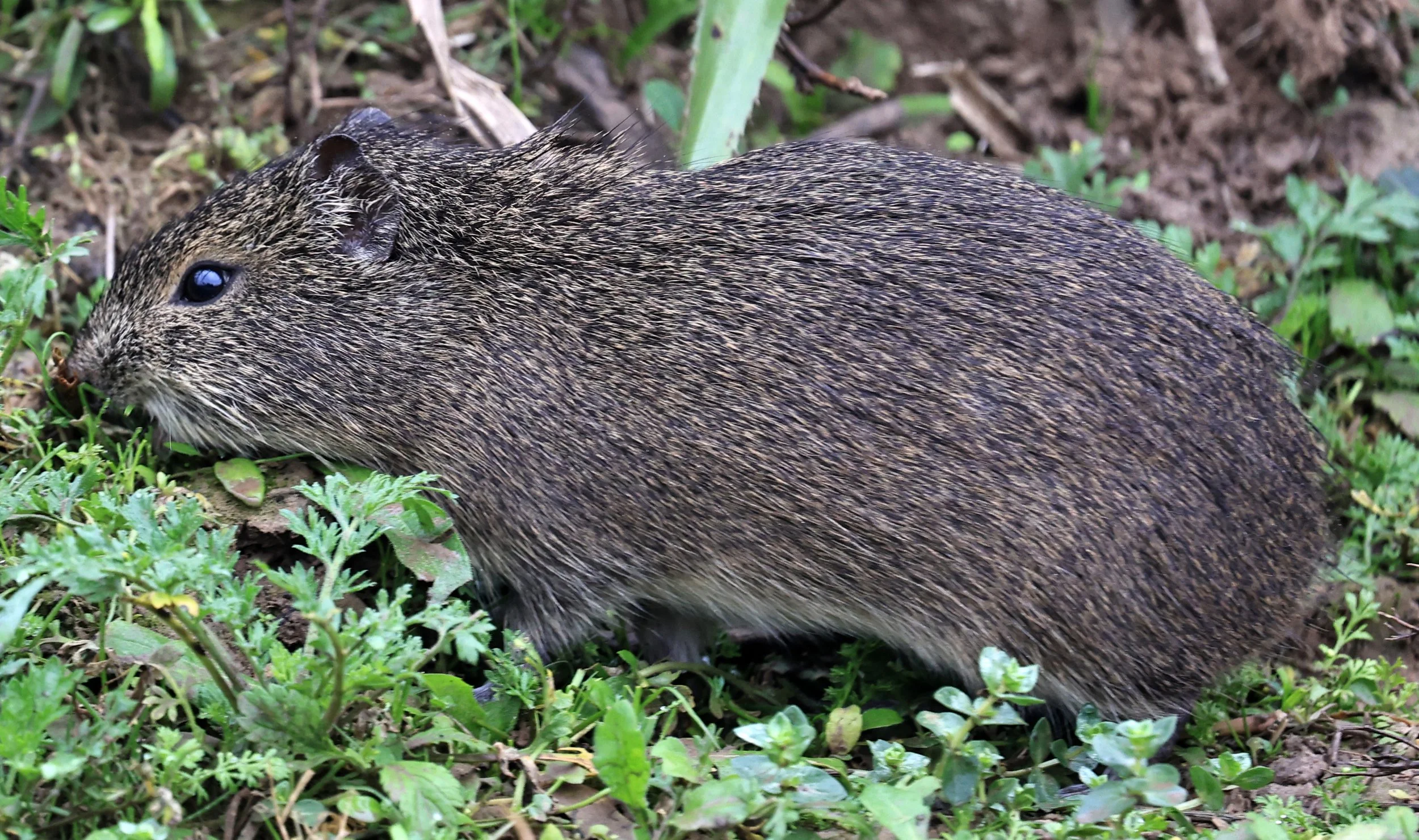

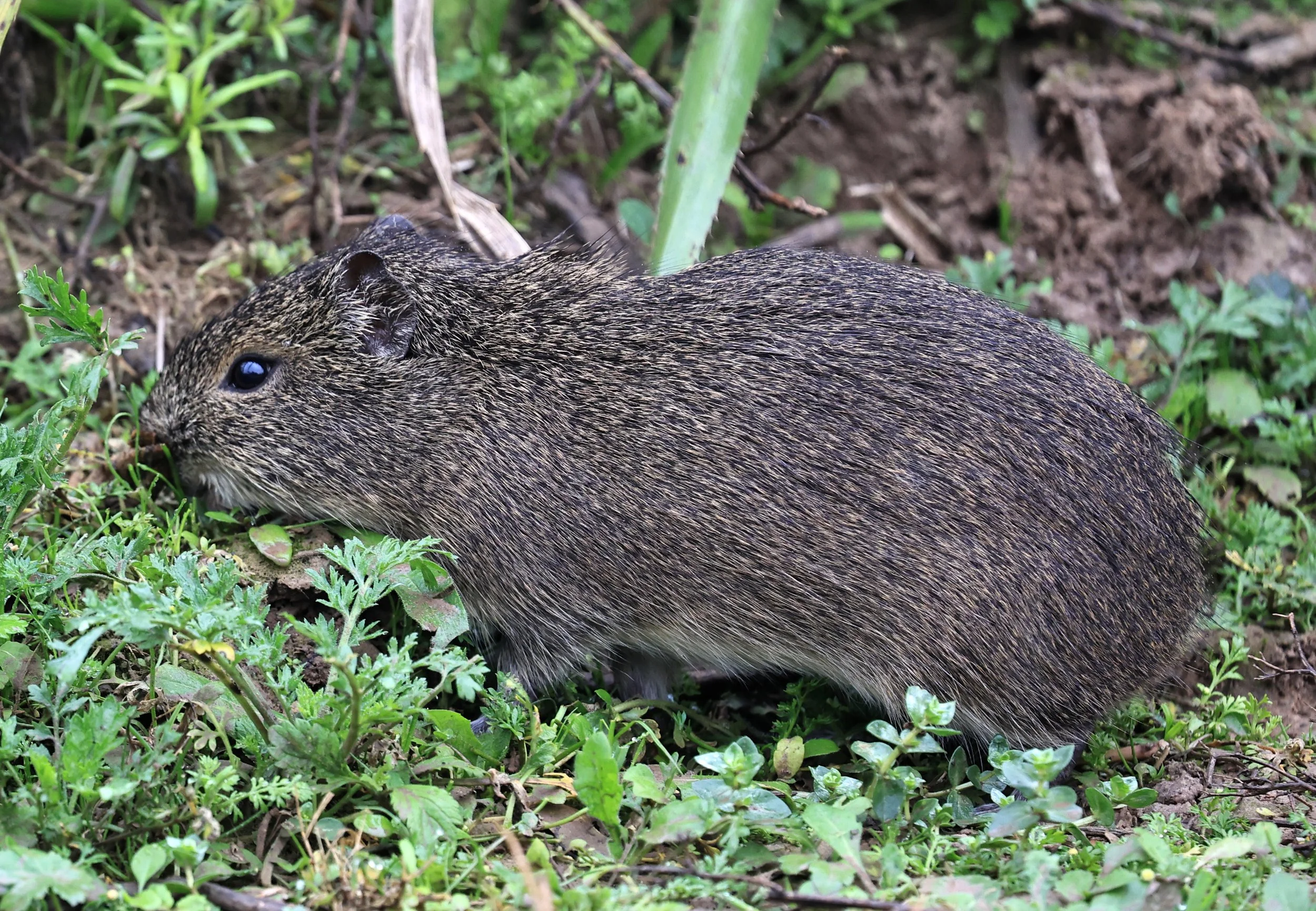


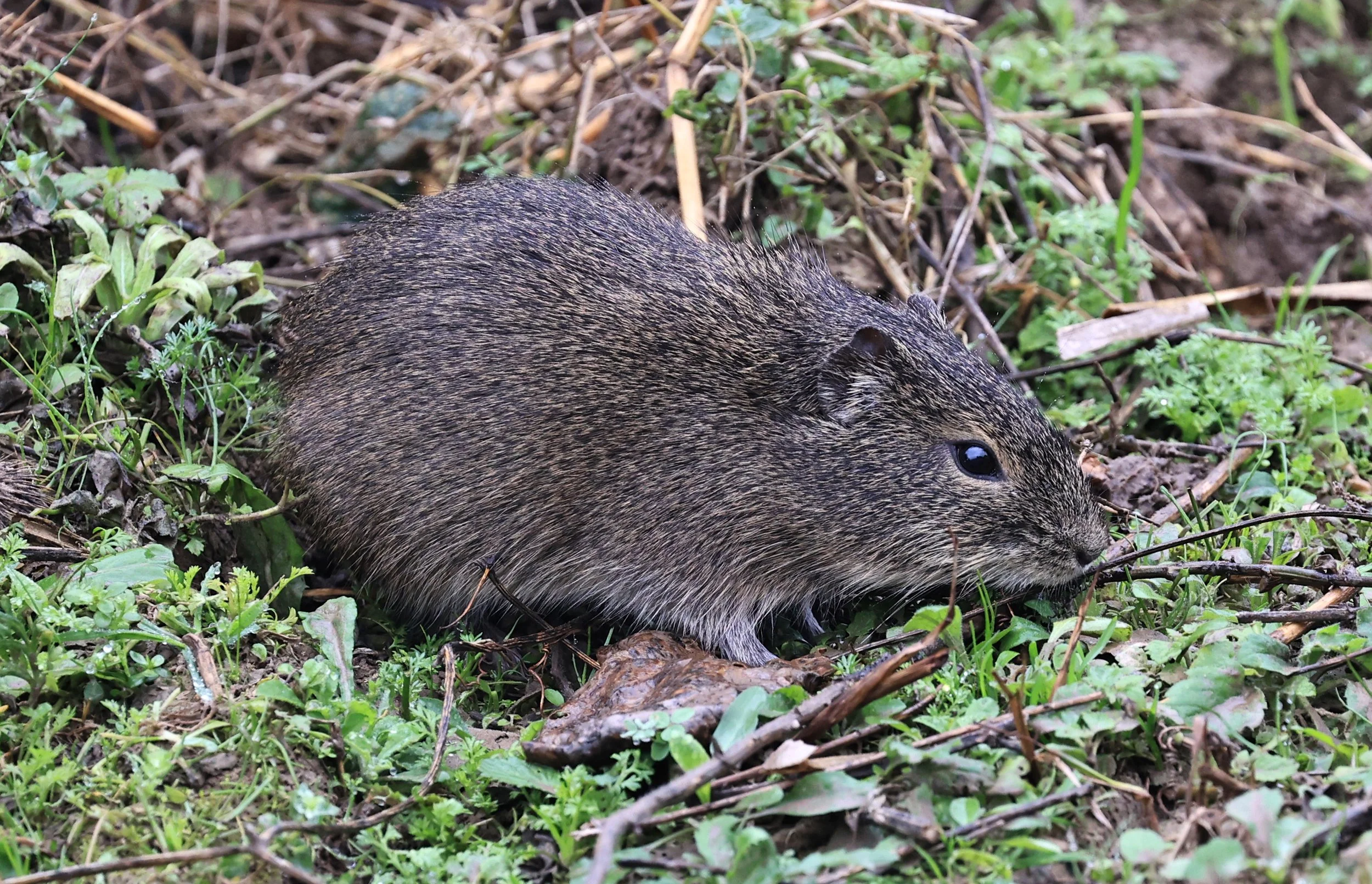

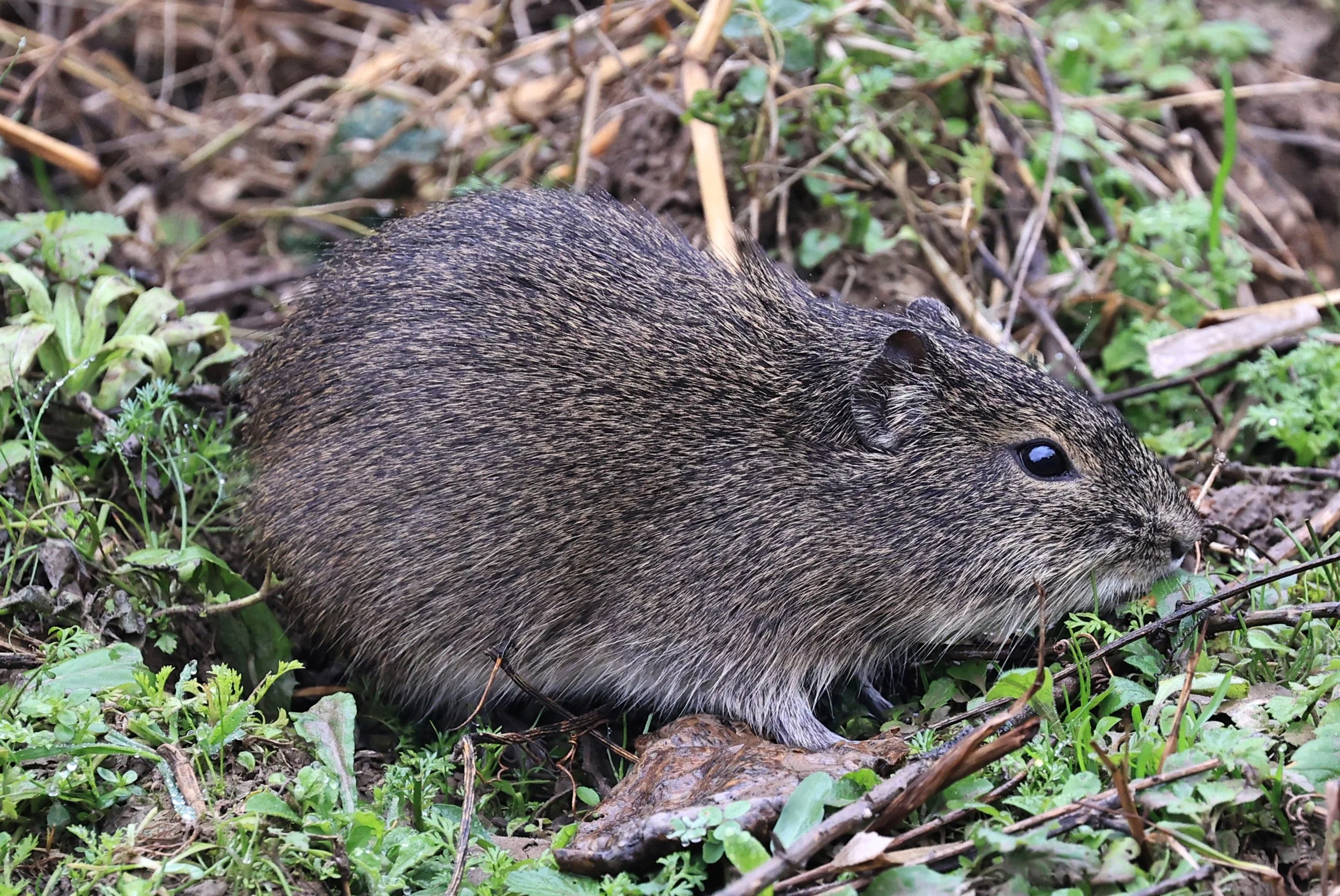


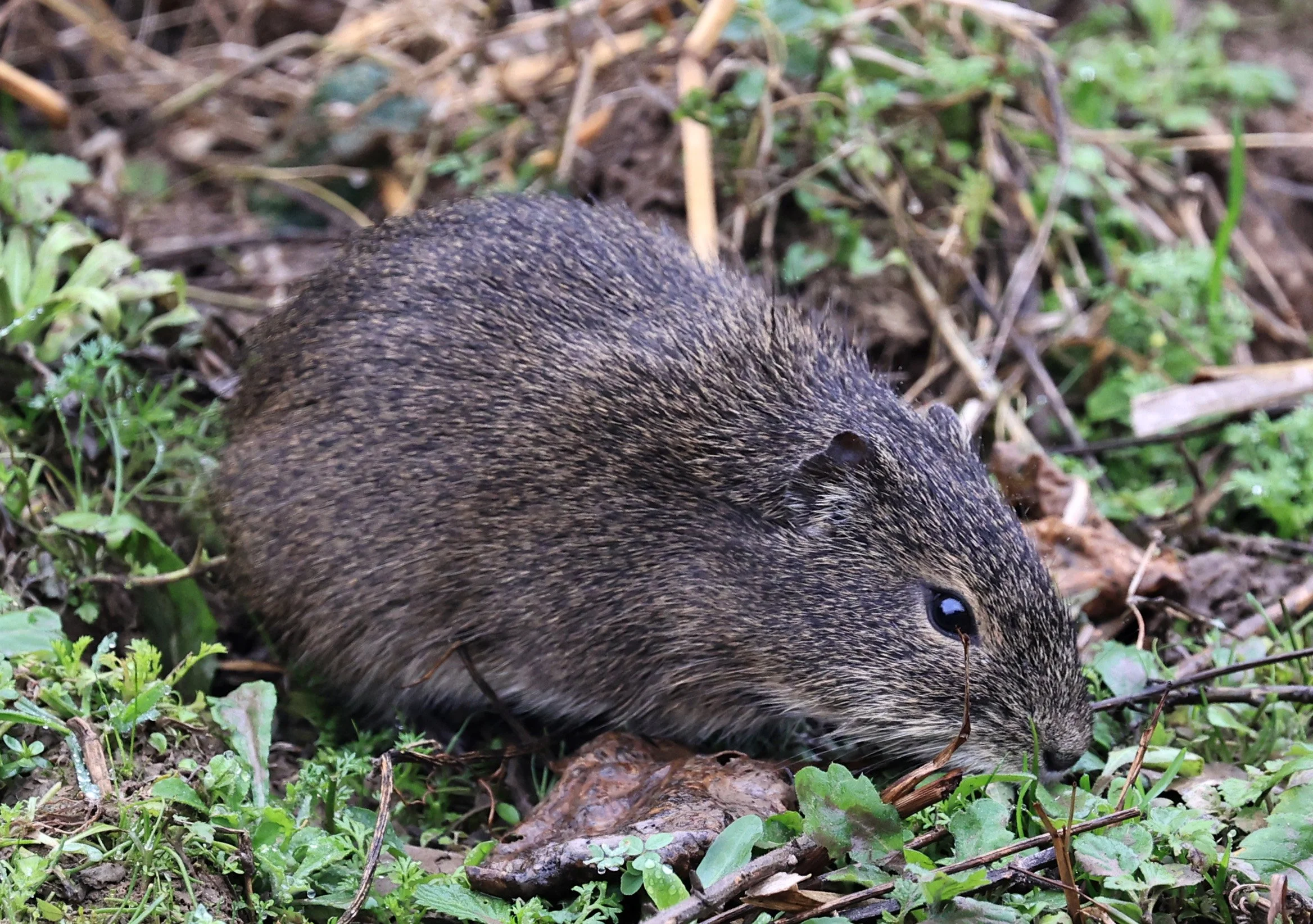


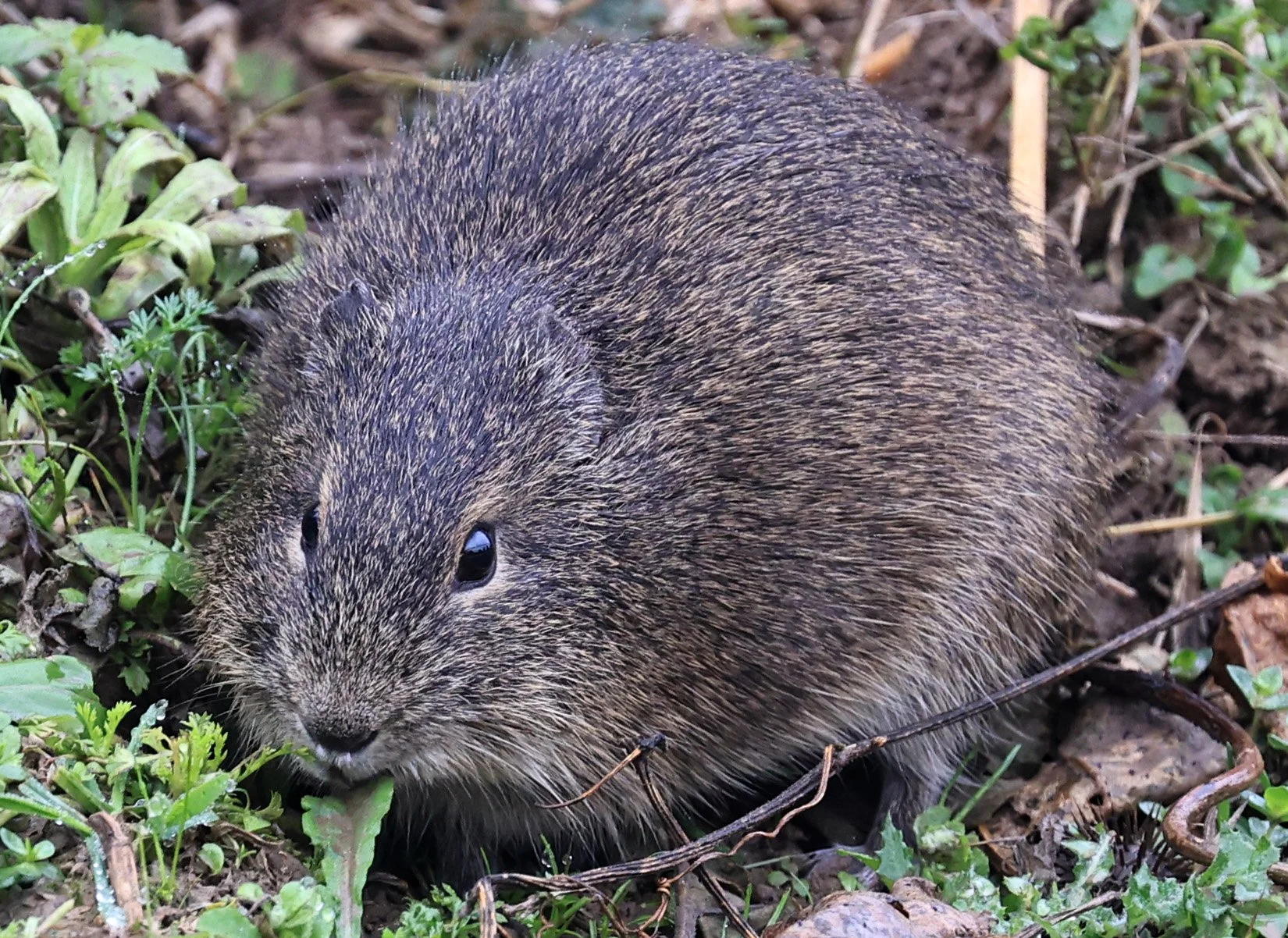


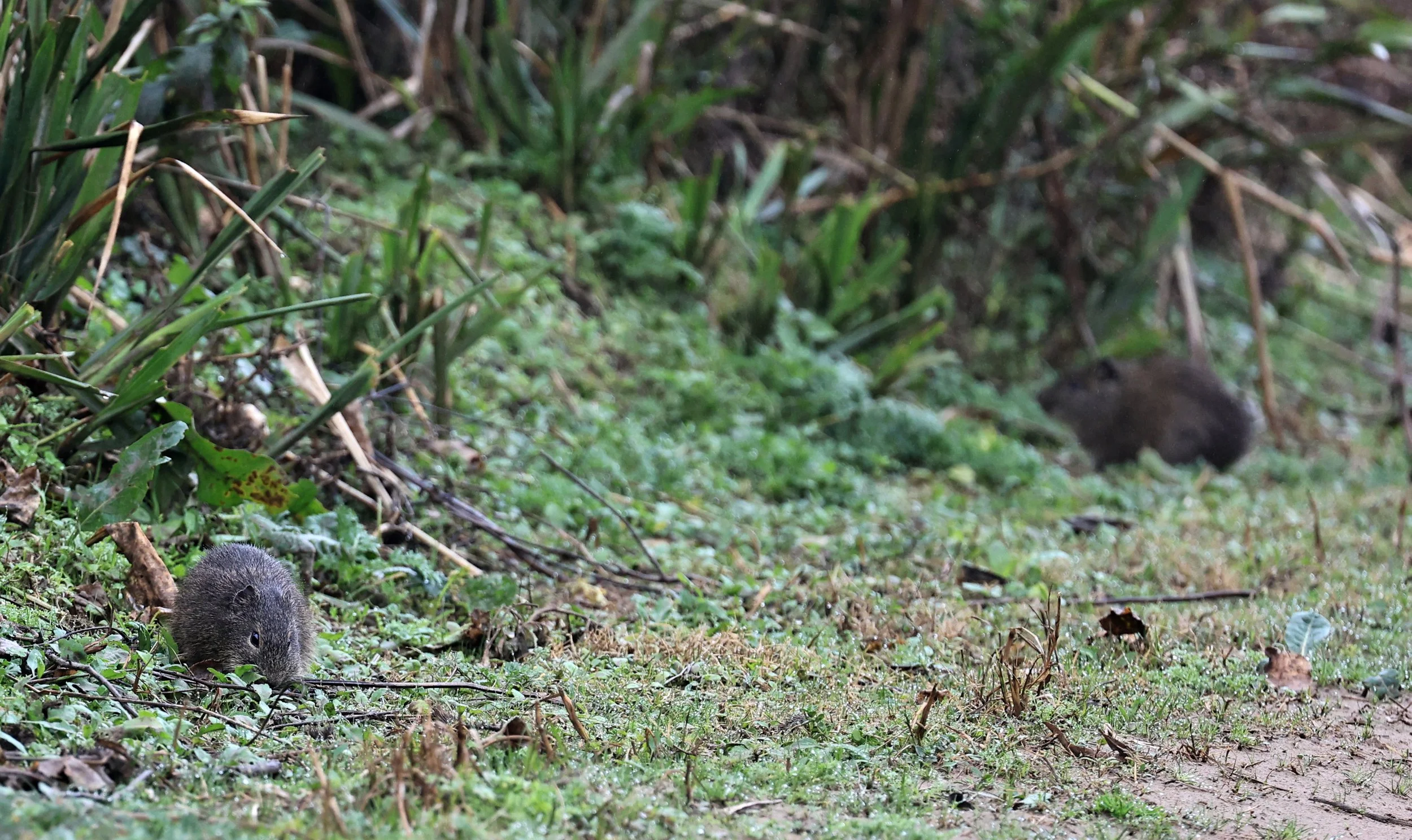


Brazilian Guinea Pig or Cavy (Cavia aperea) Mata Atlantica Alfonso Claudio, Espirito Santo Brazil


