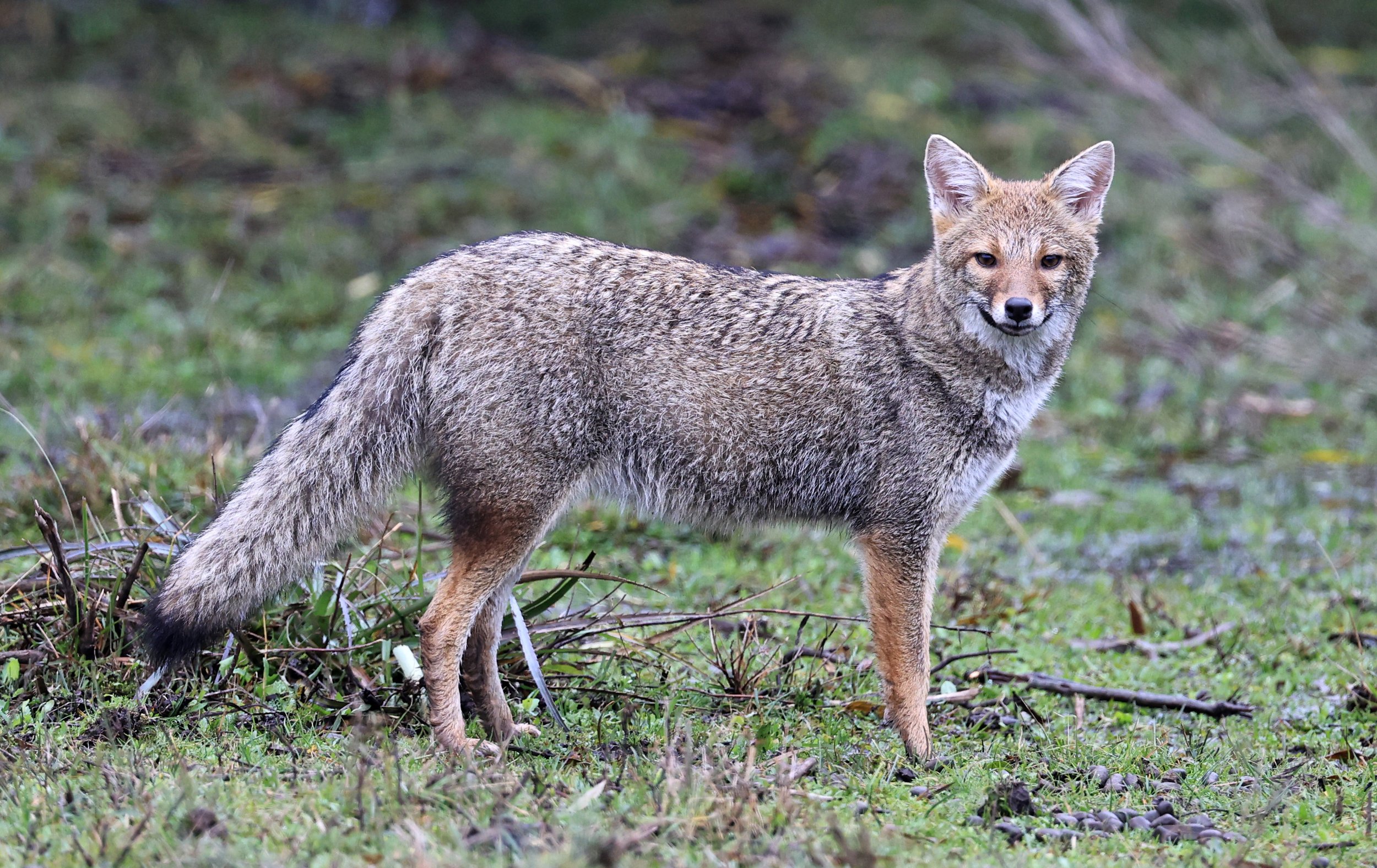
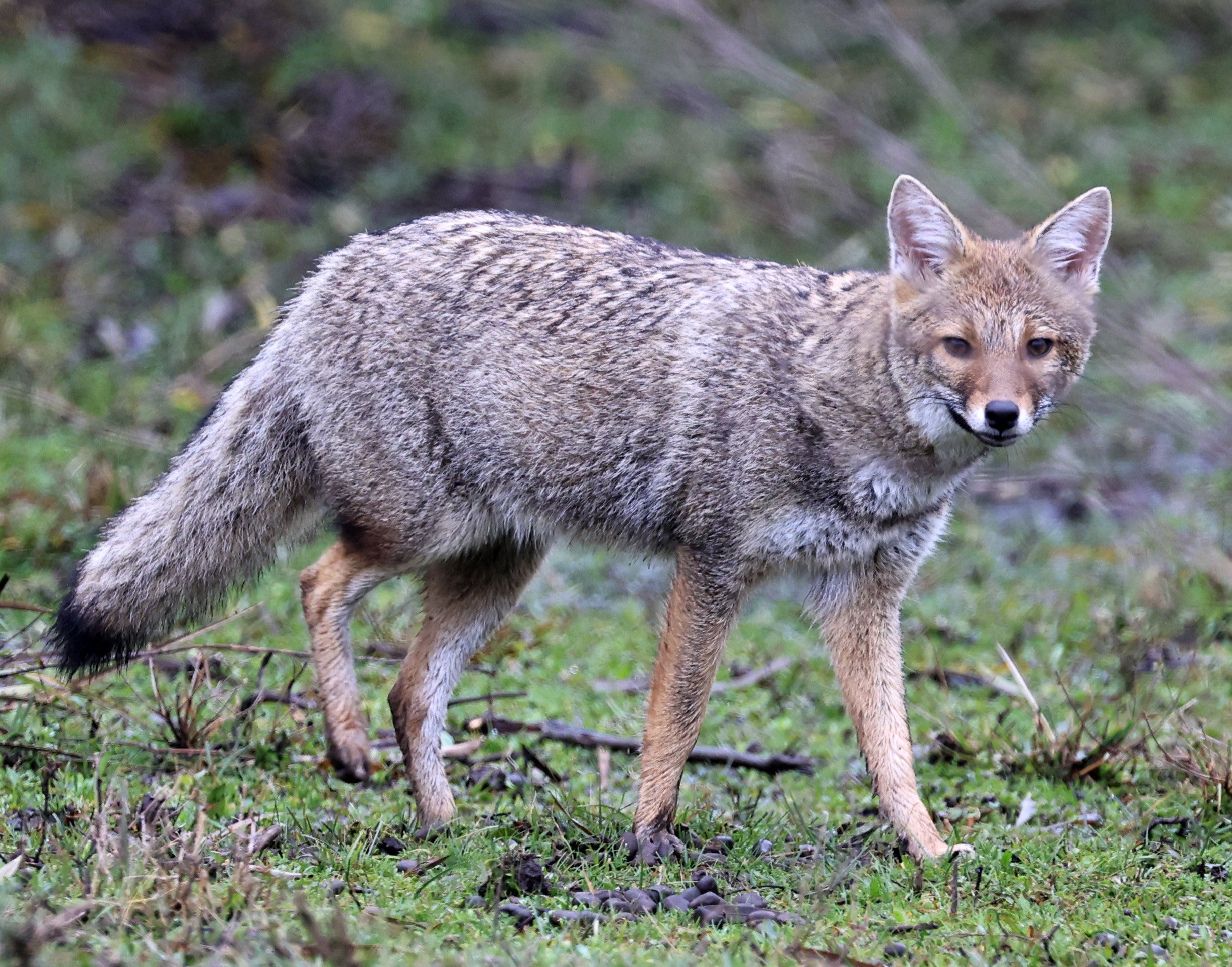
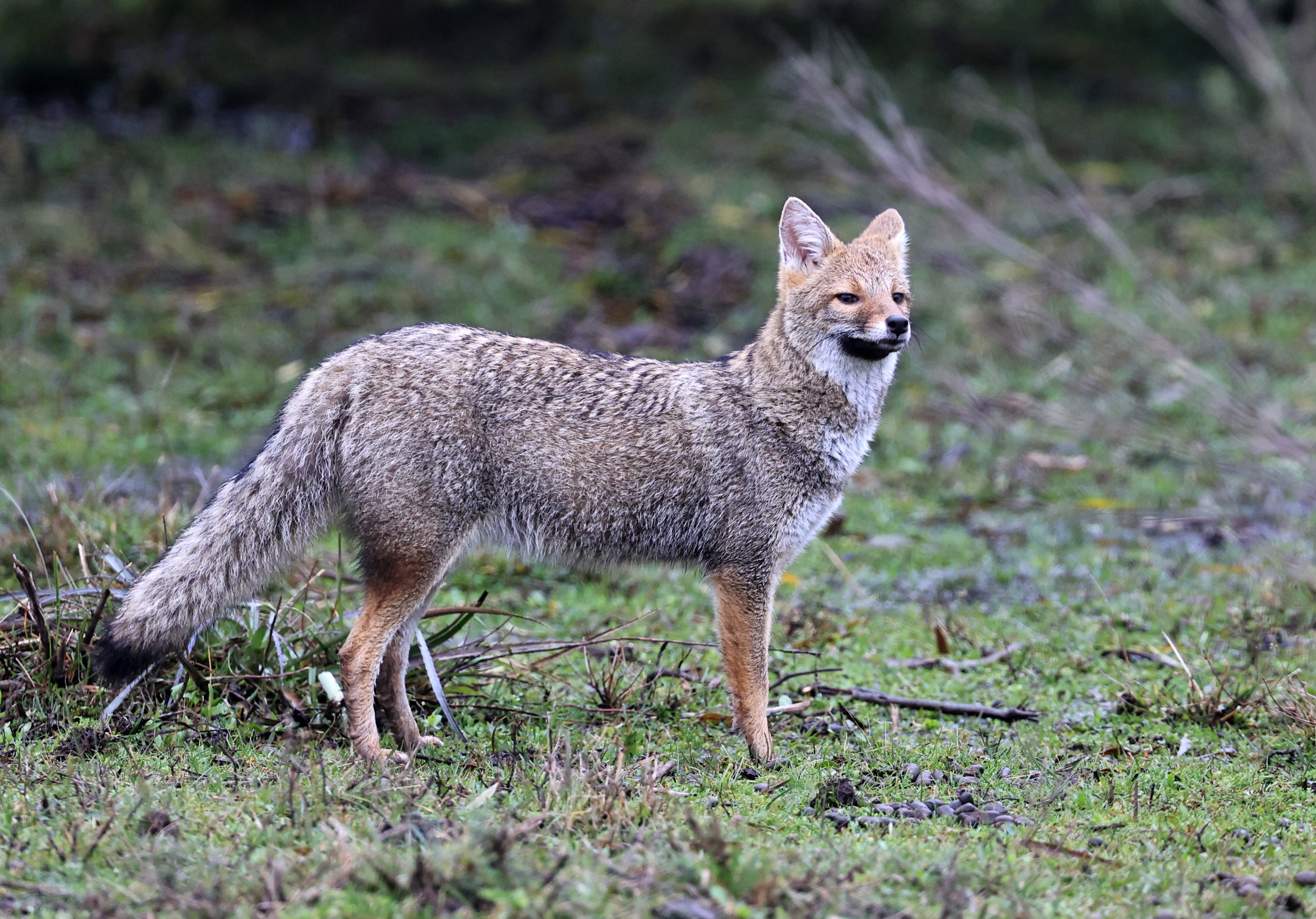
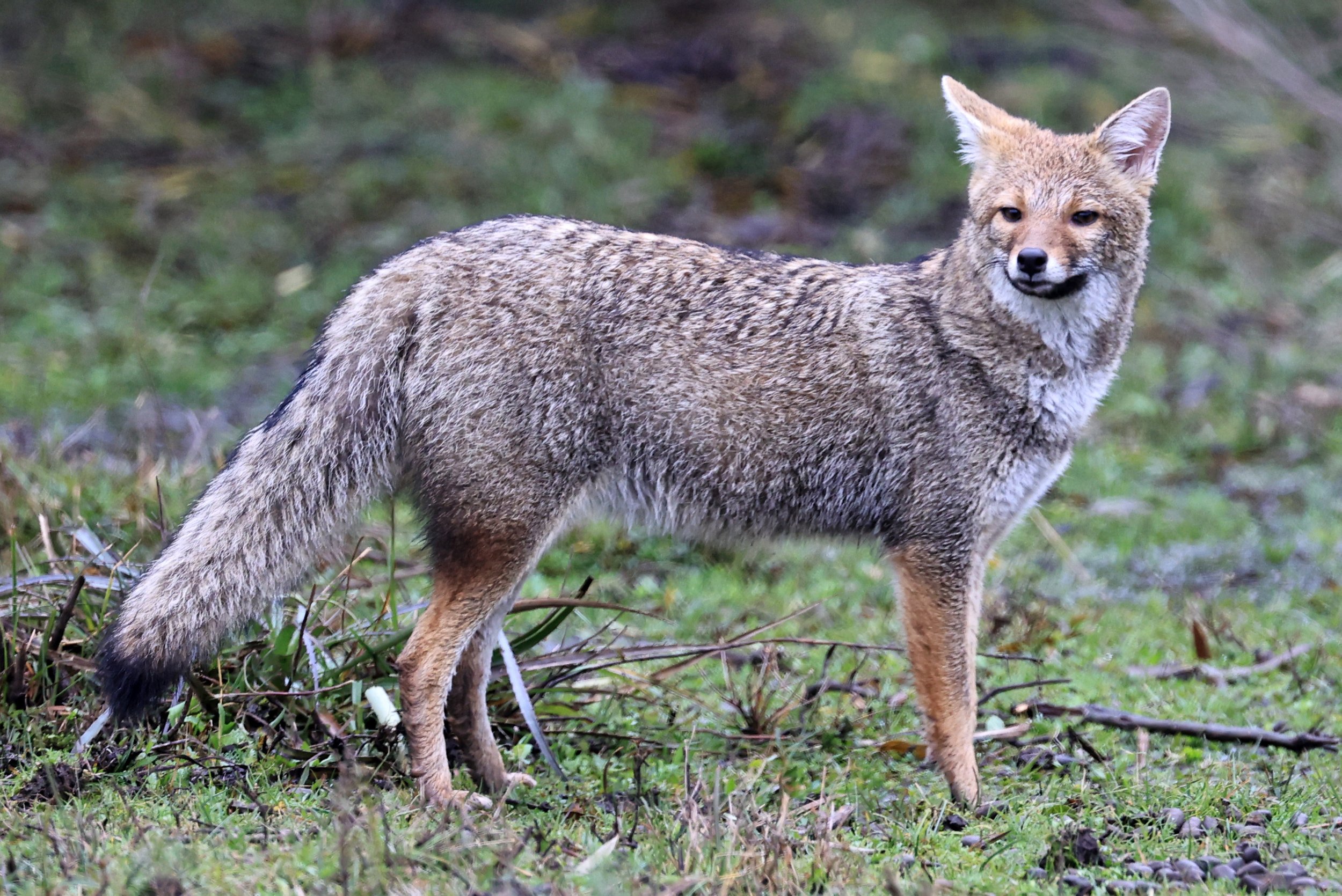
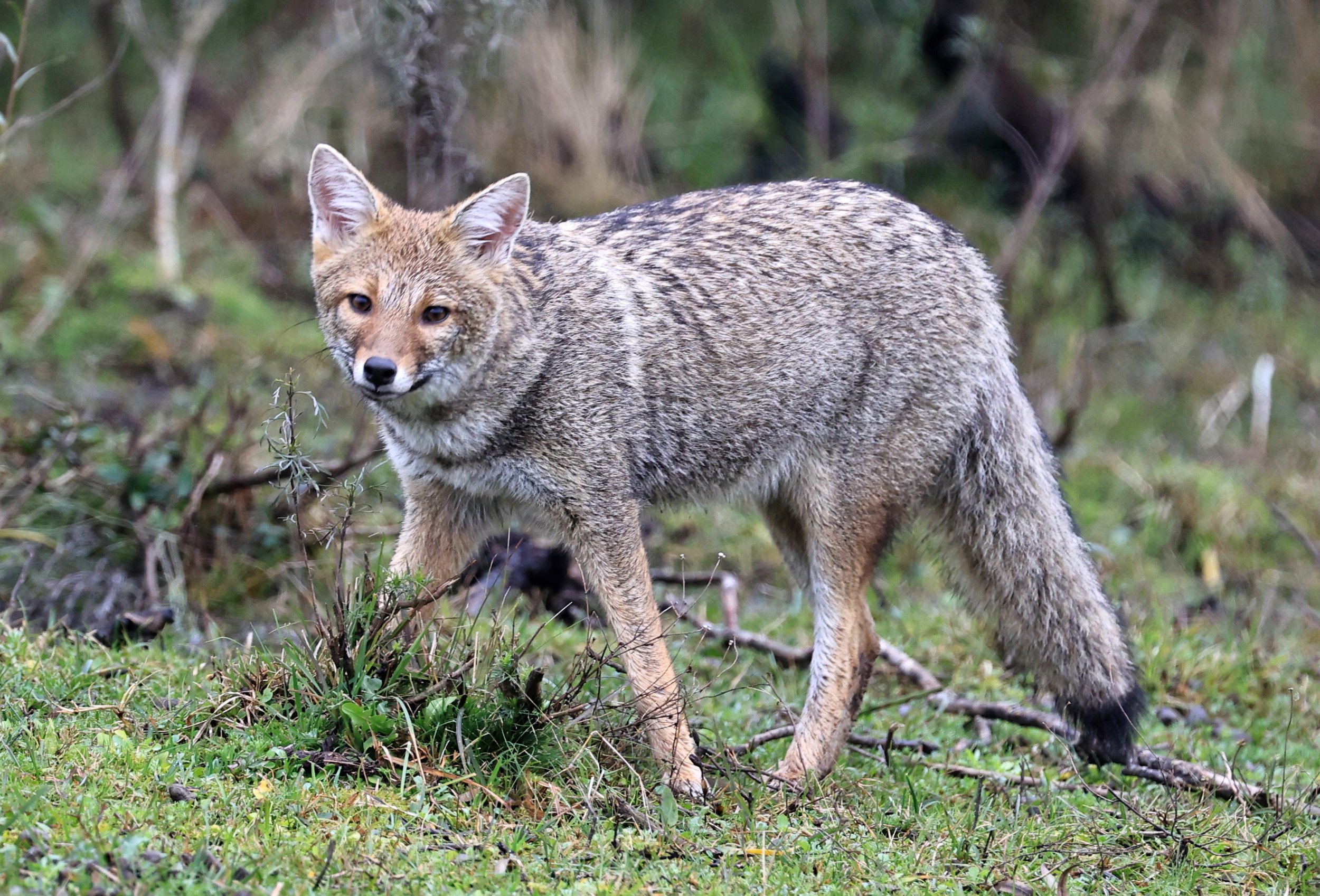
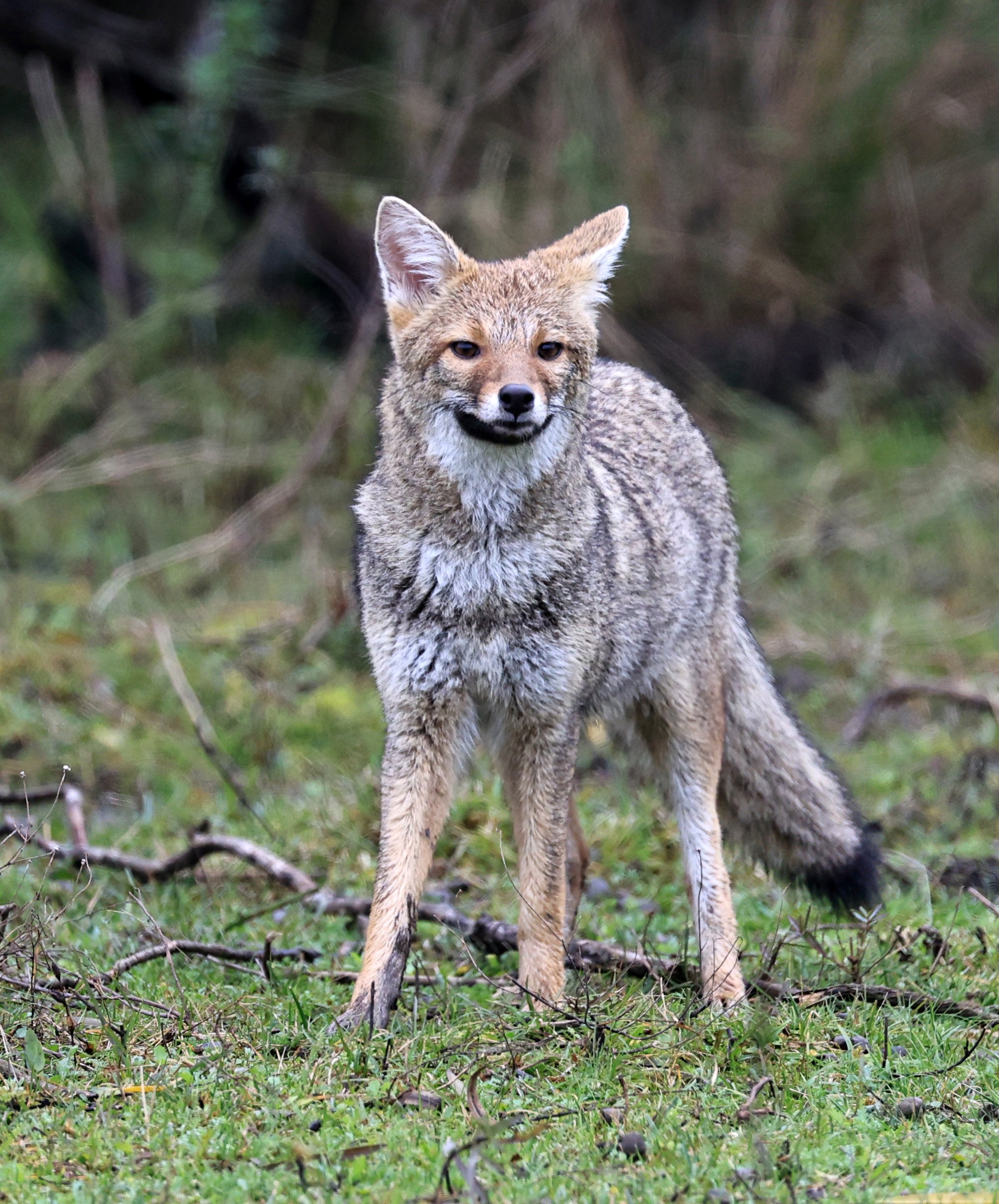
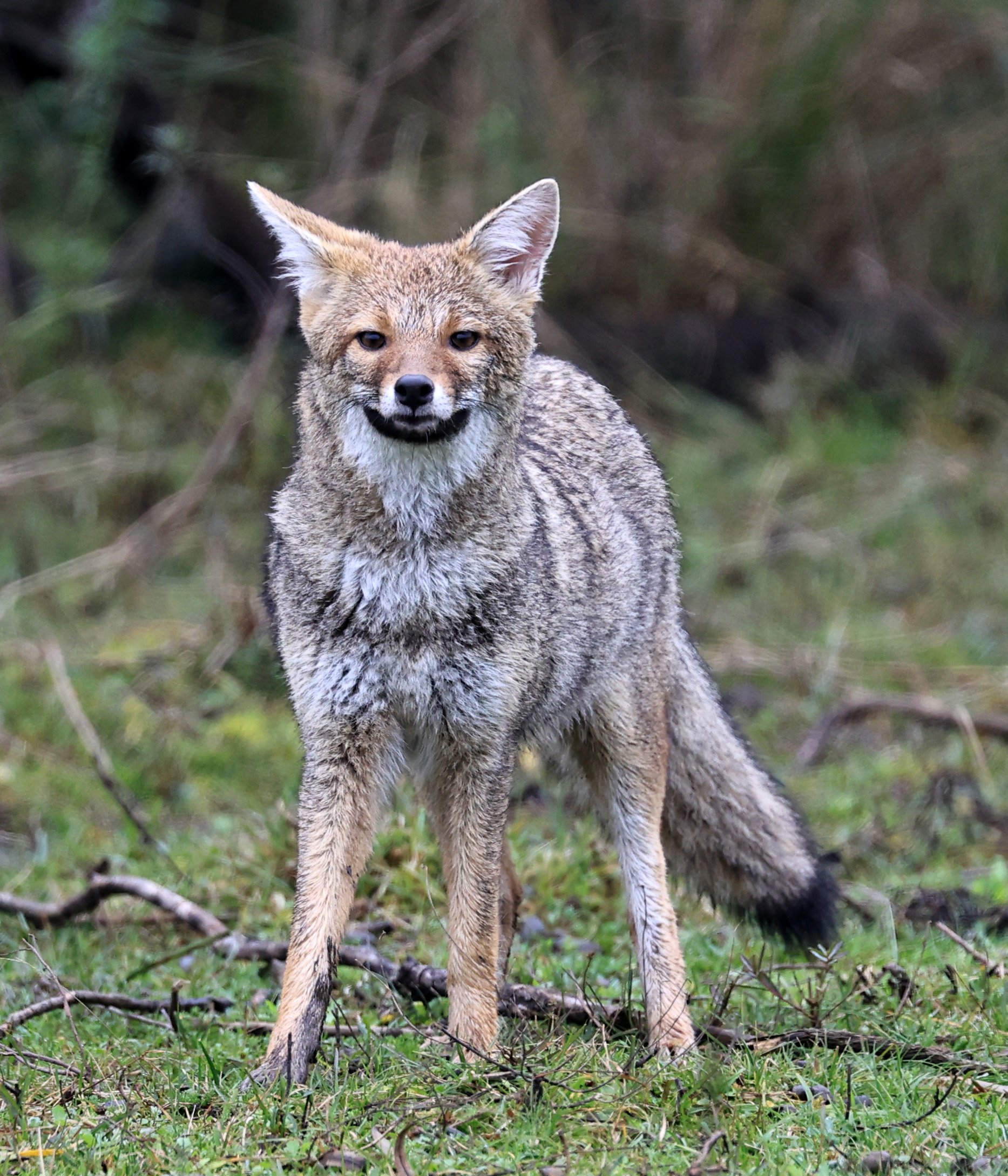
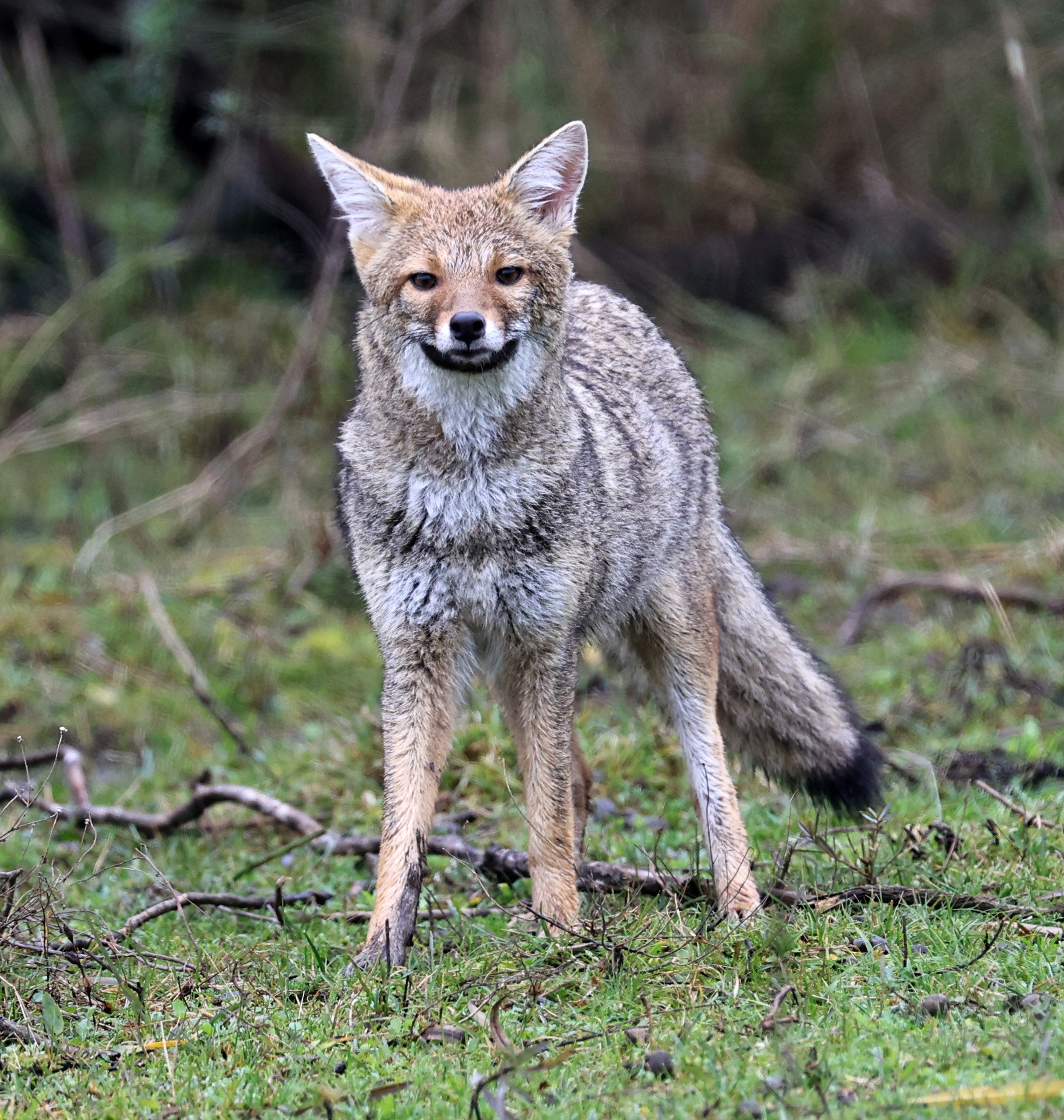
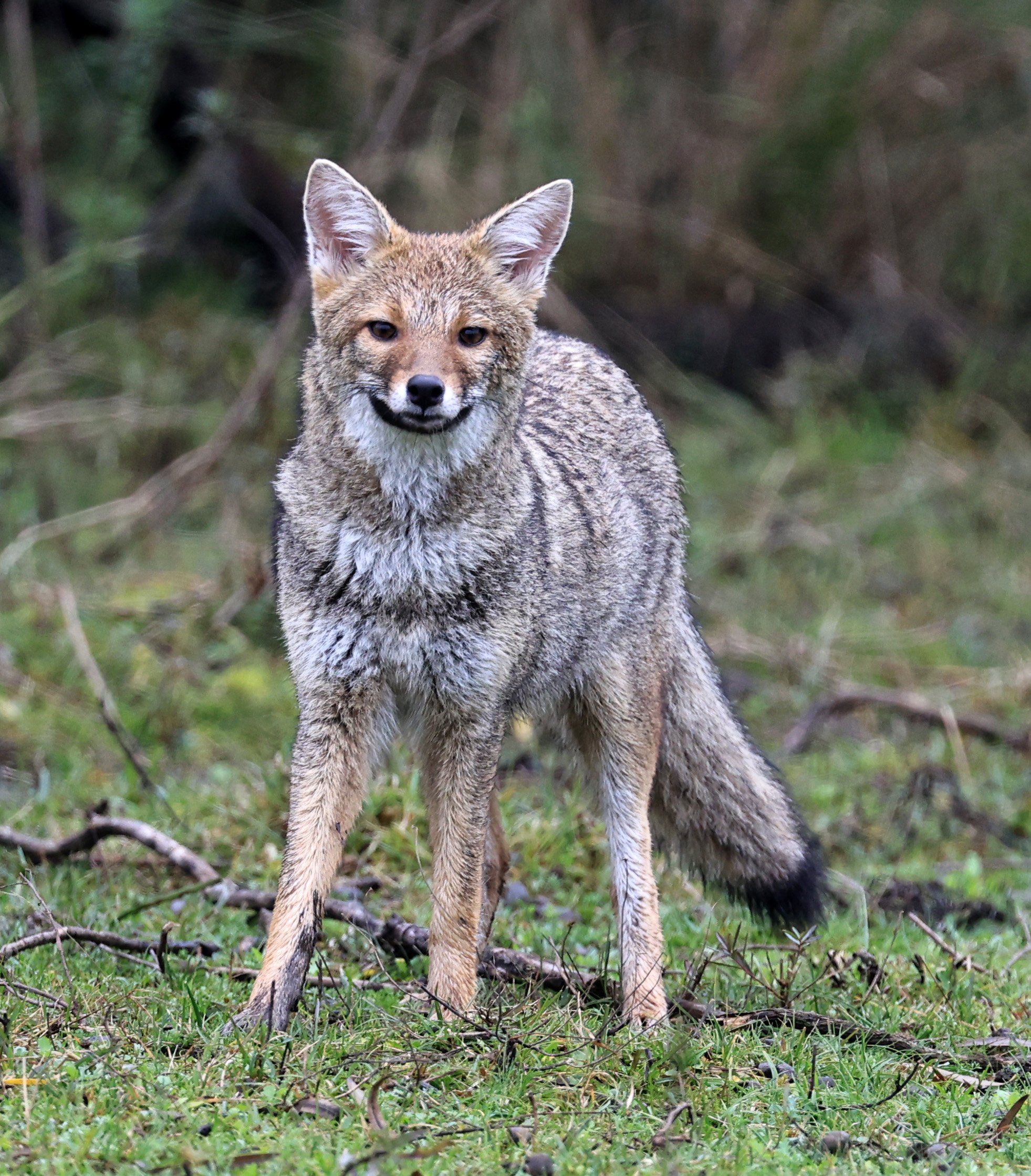
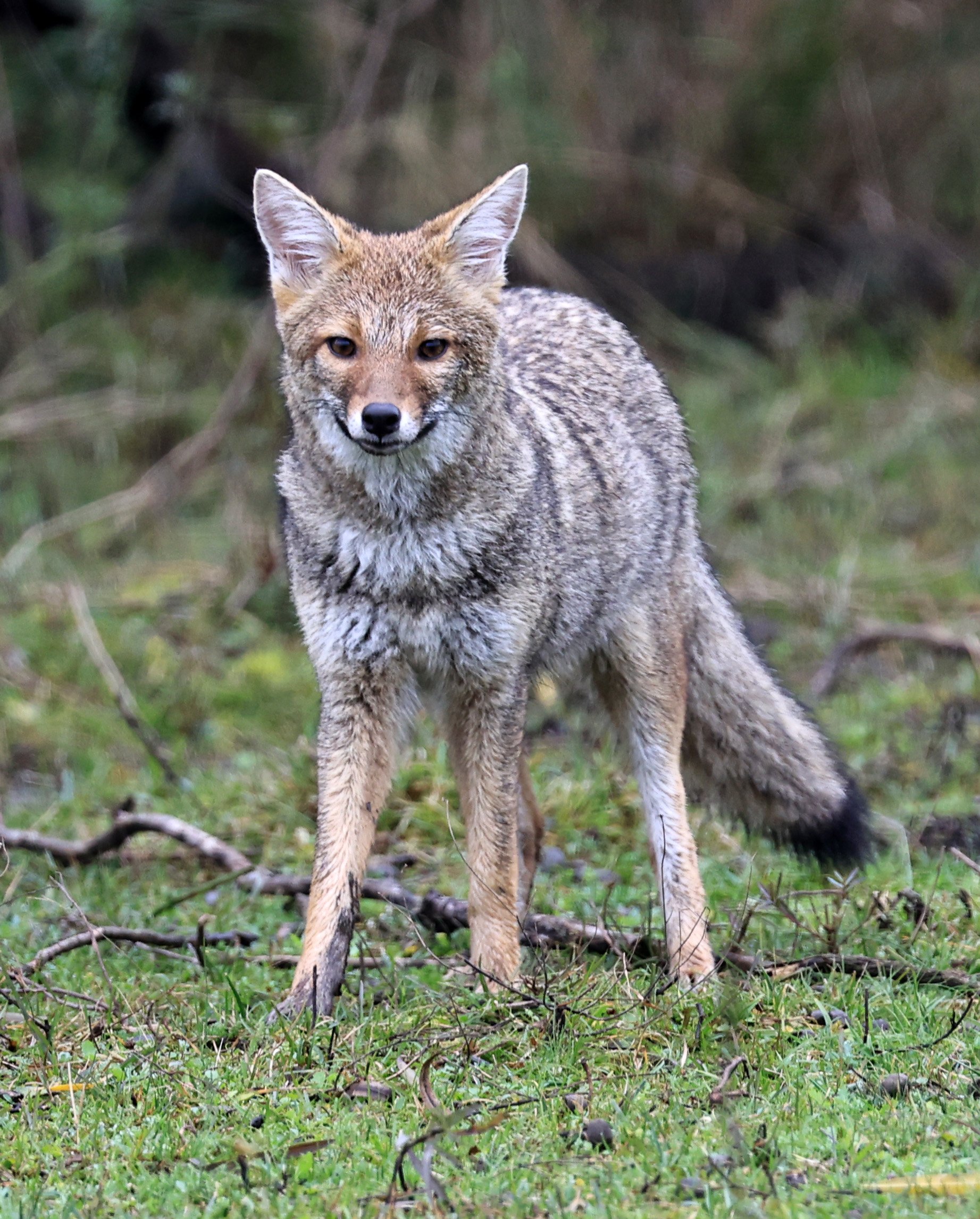
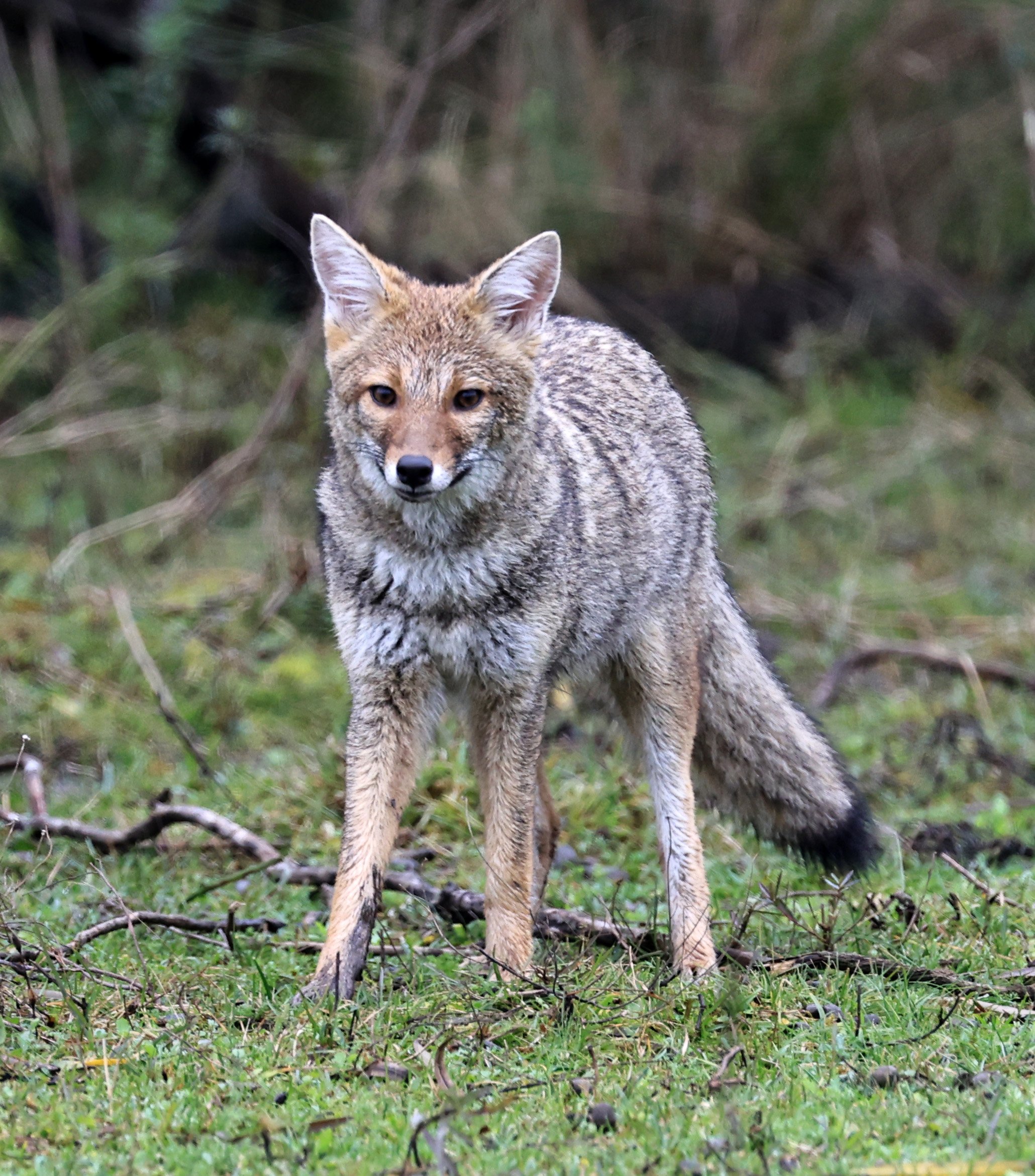
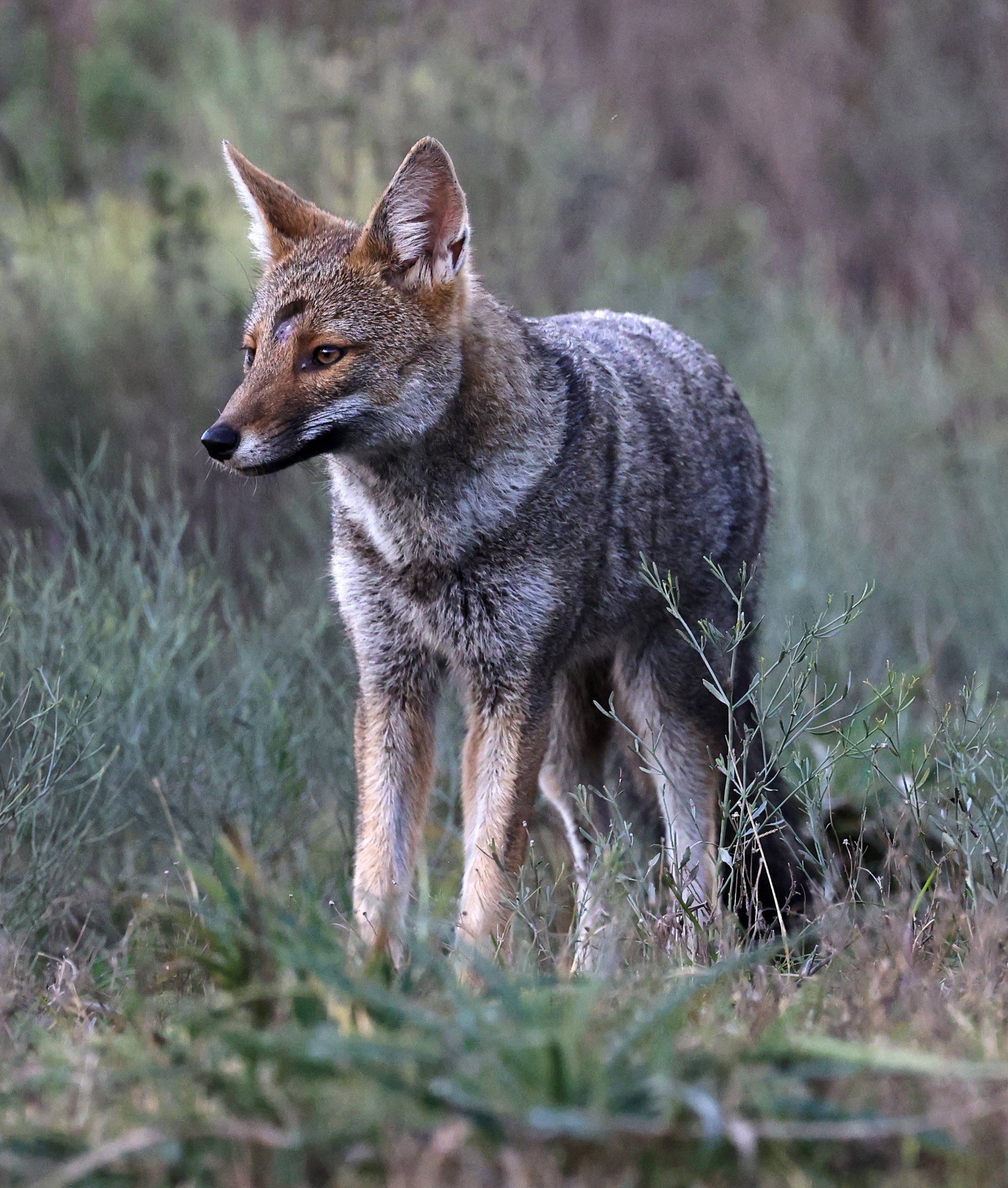
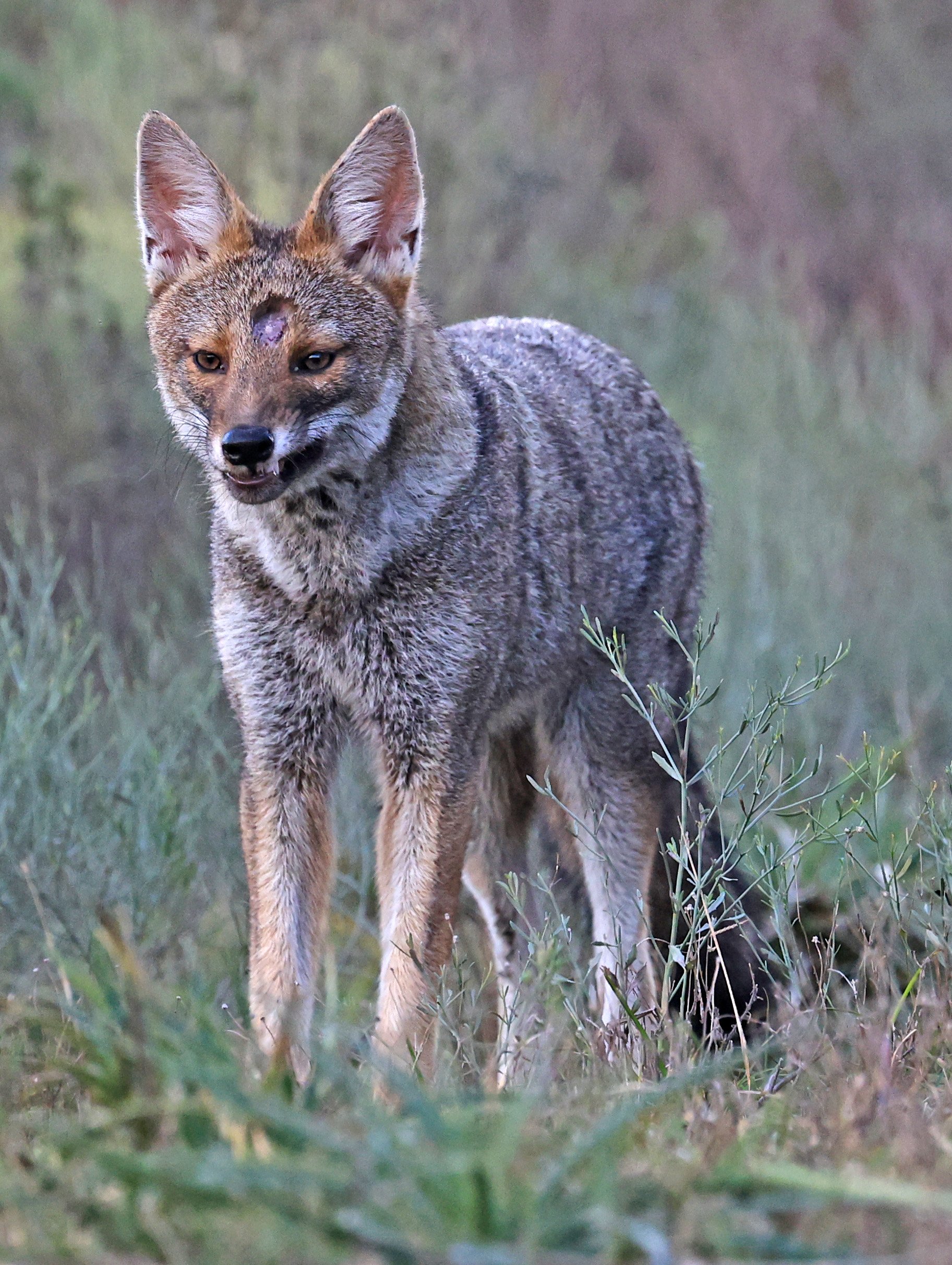
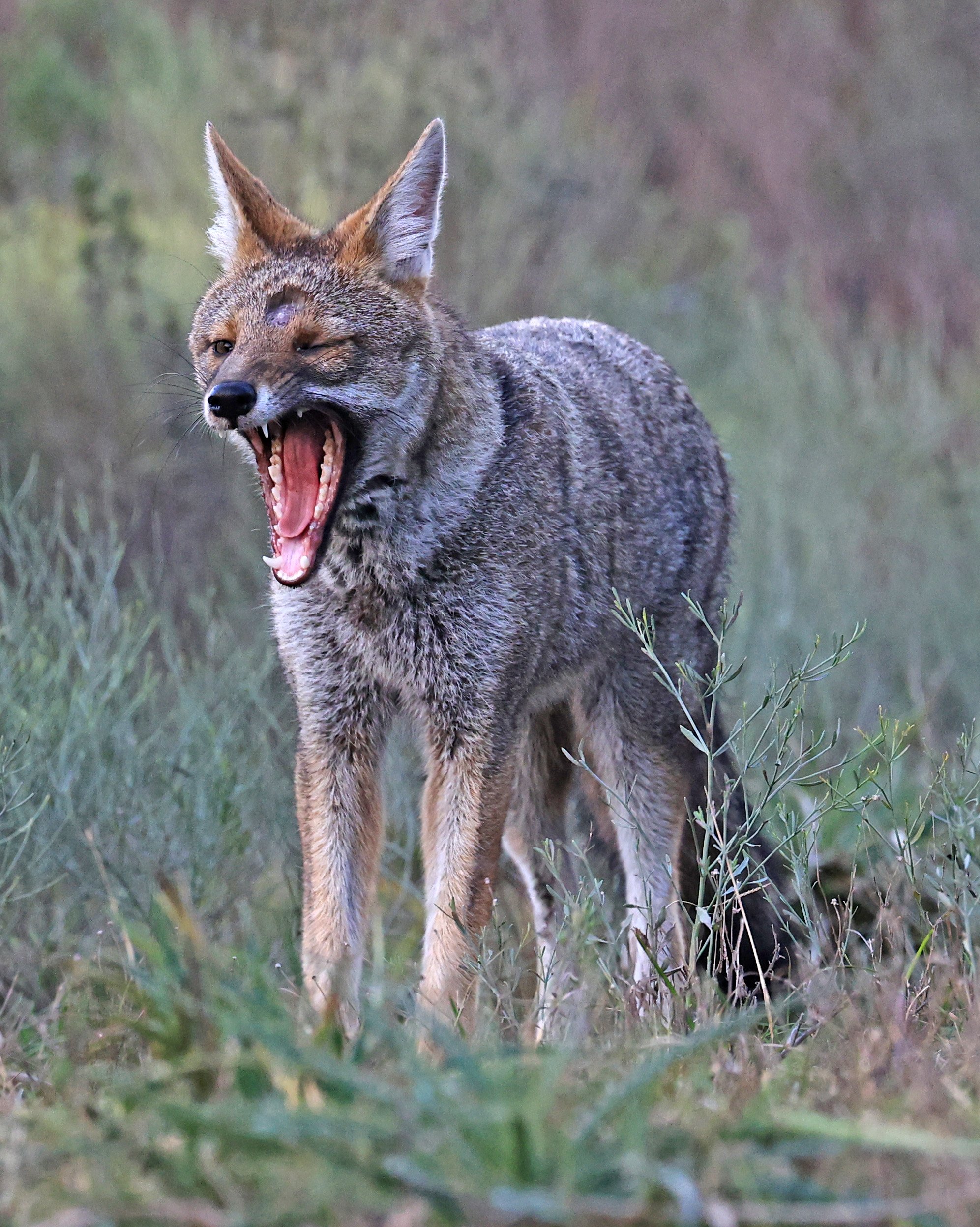
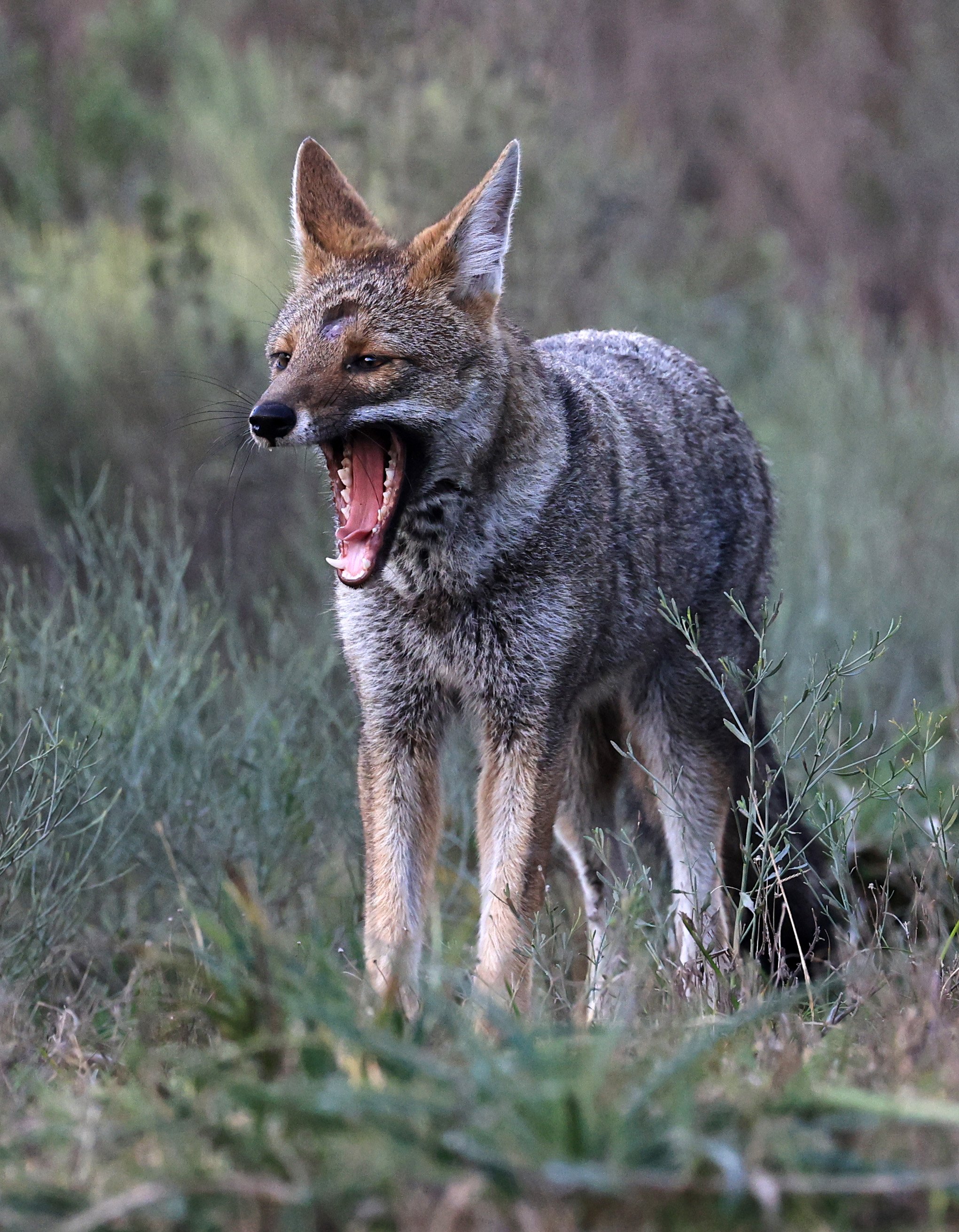
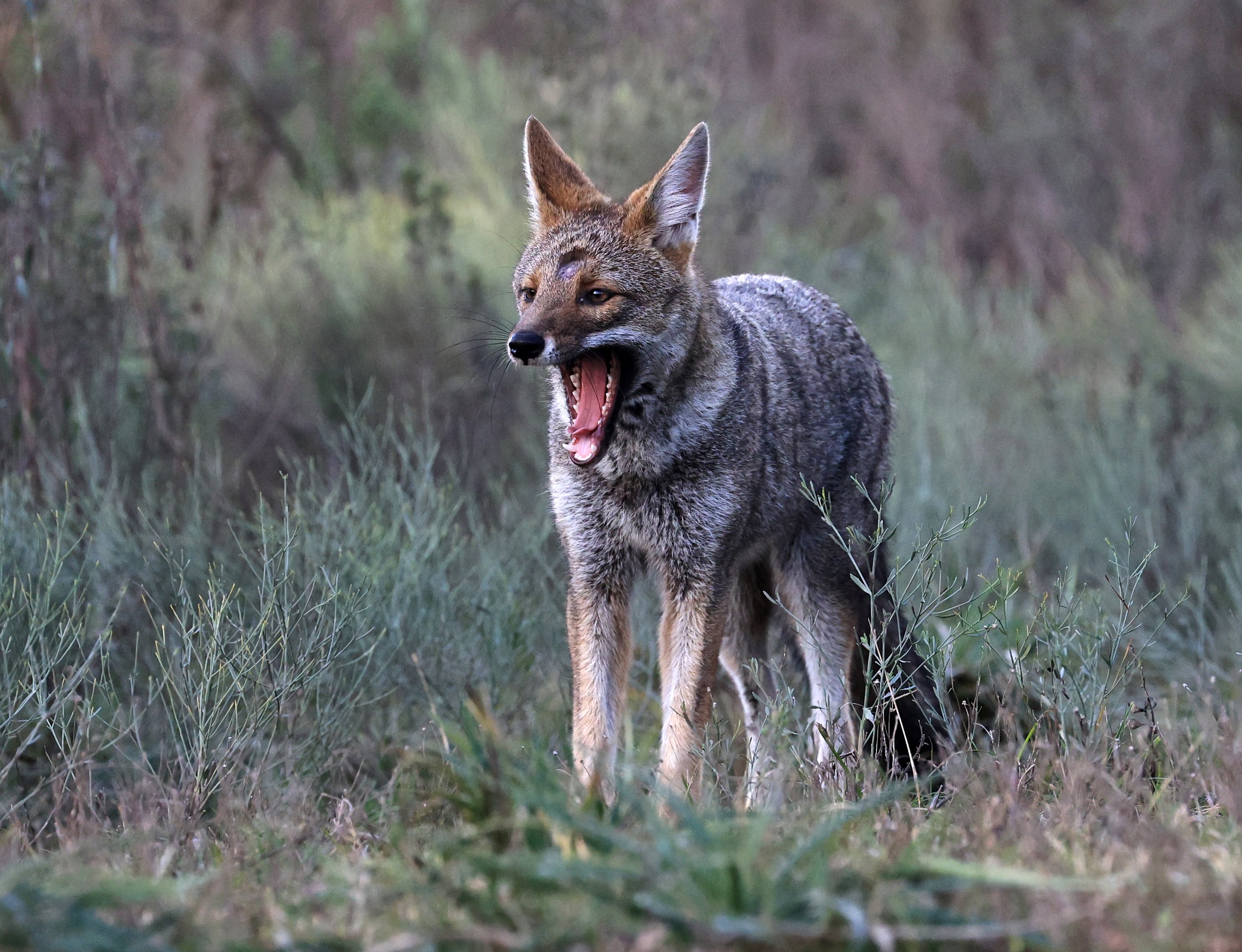
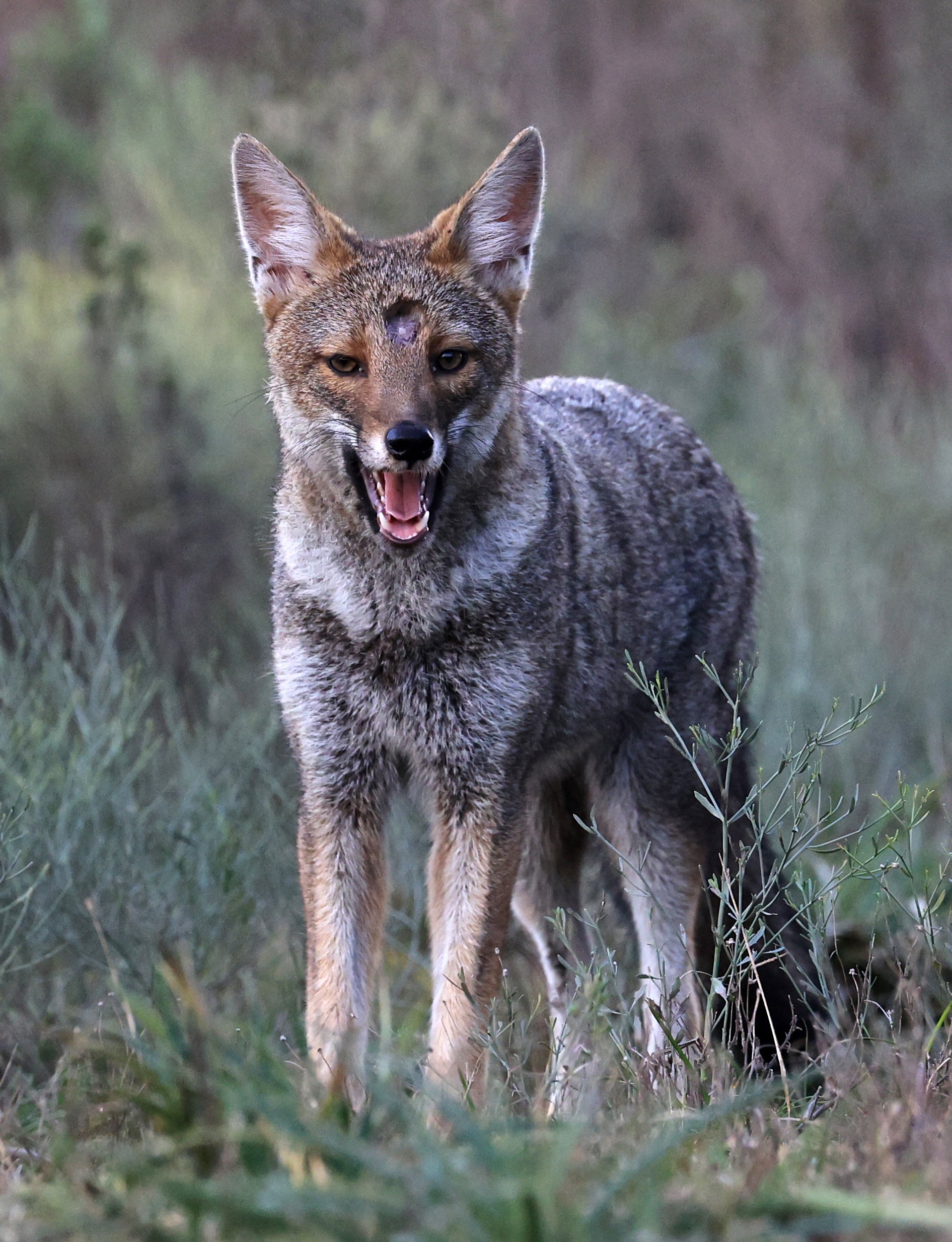
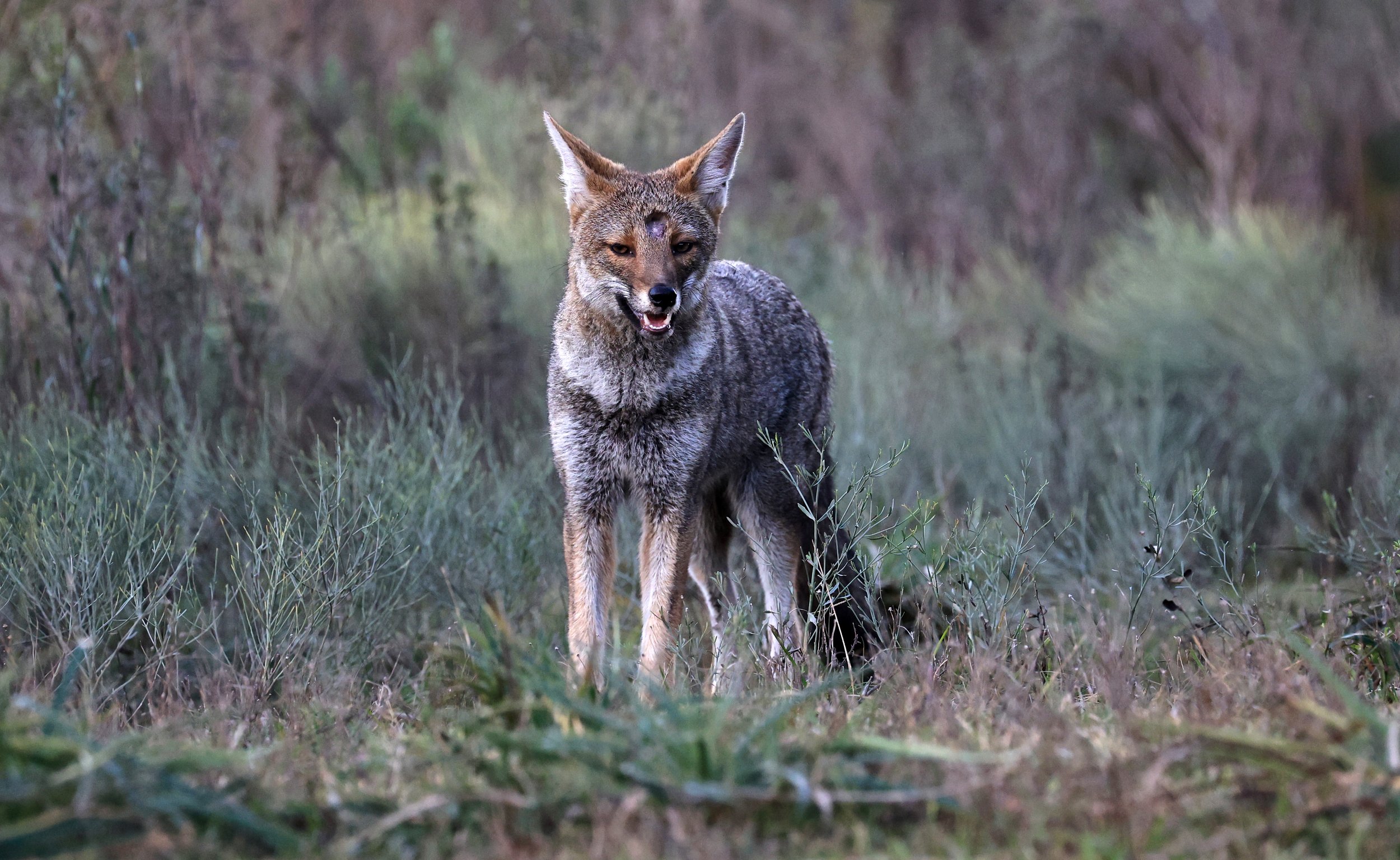
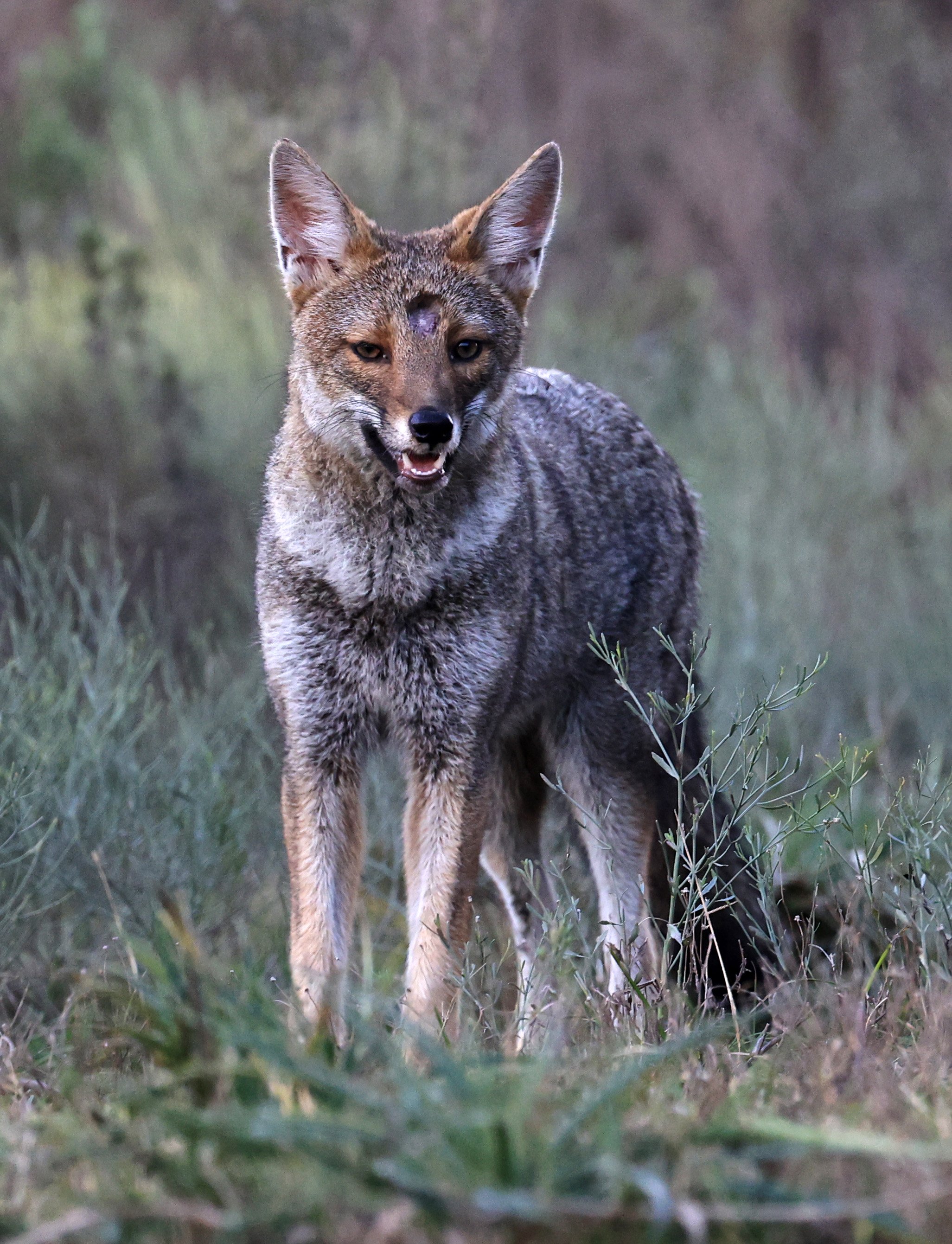
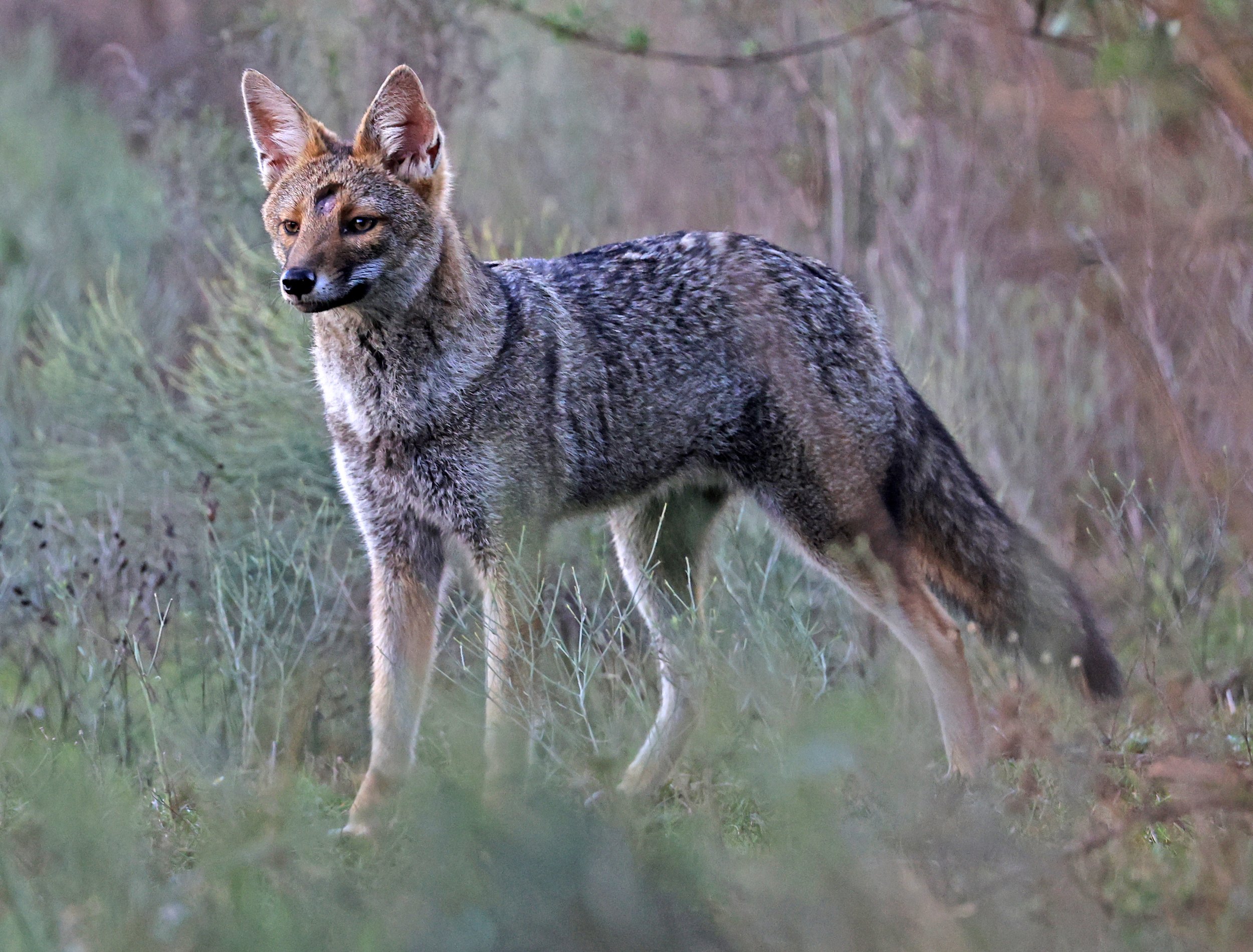
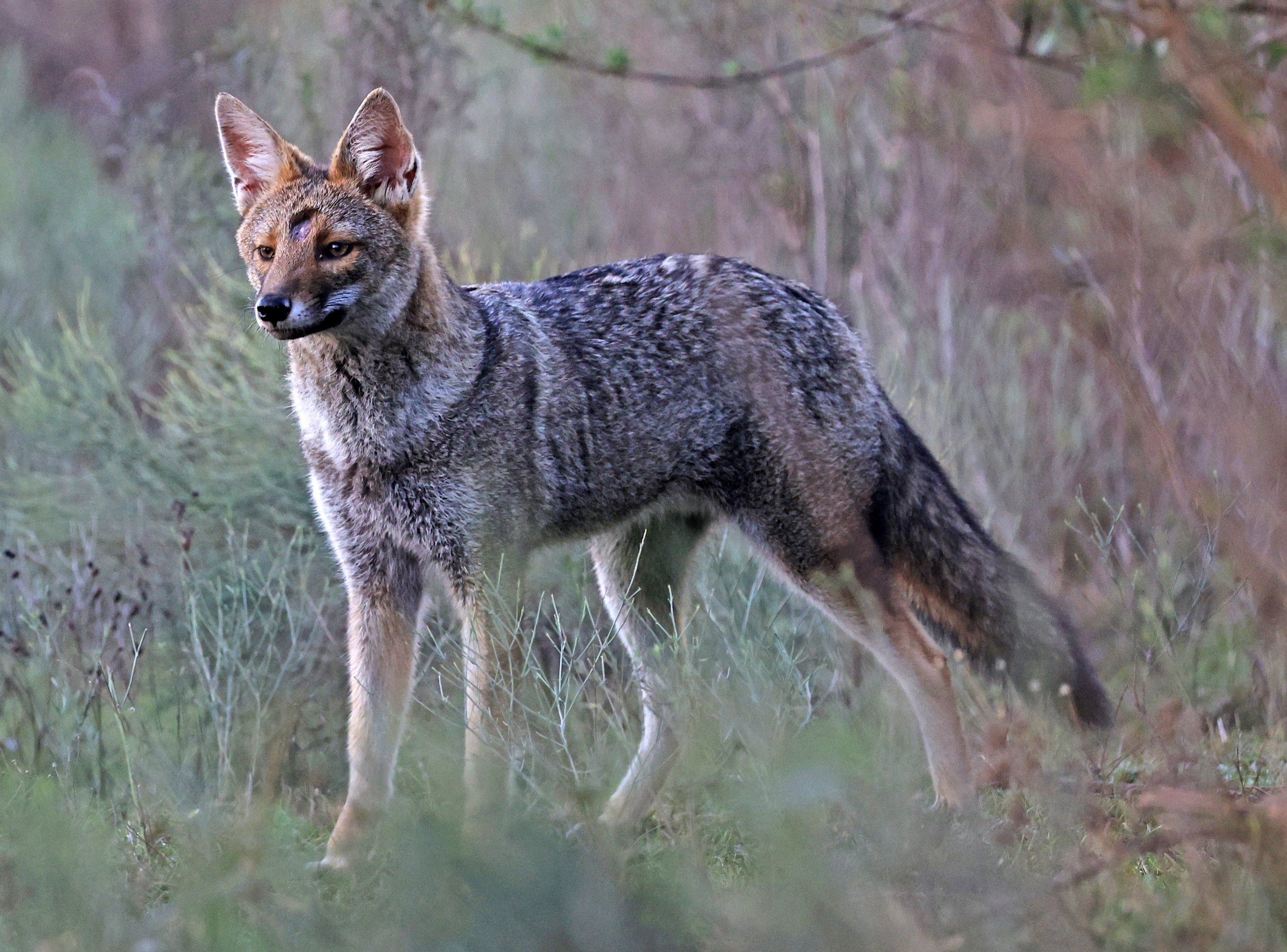
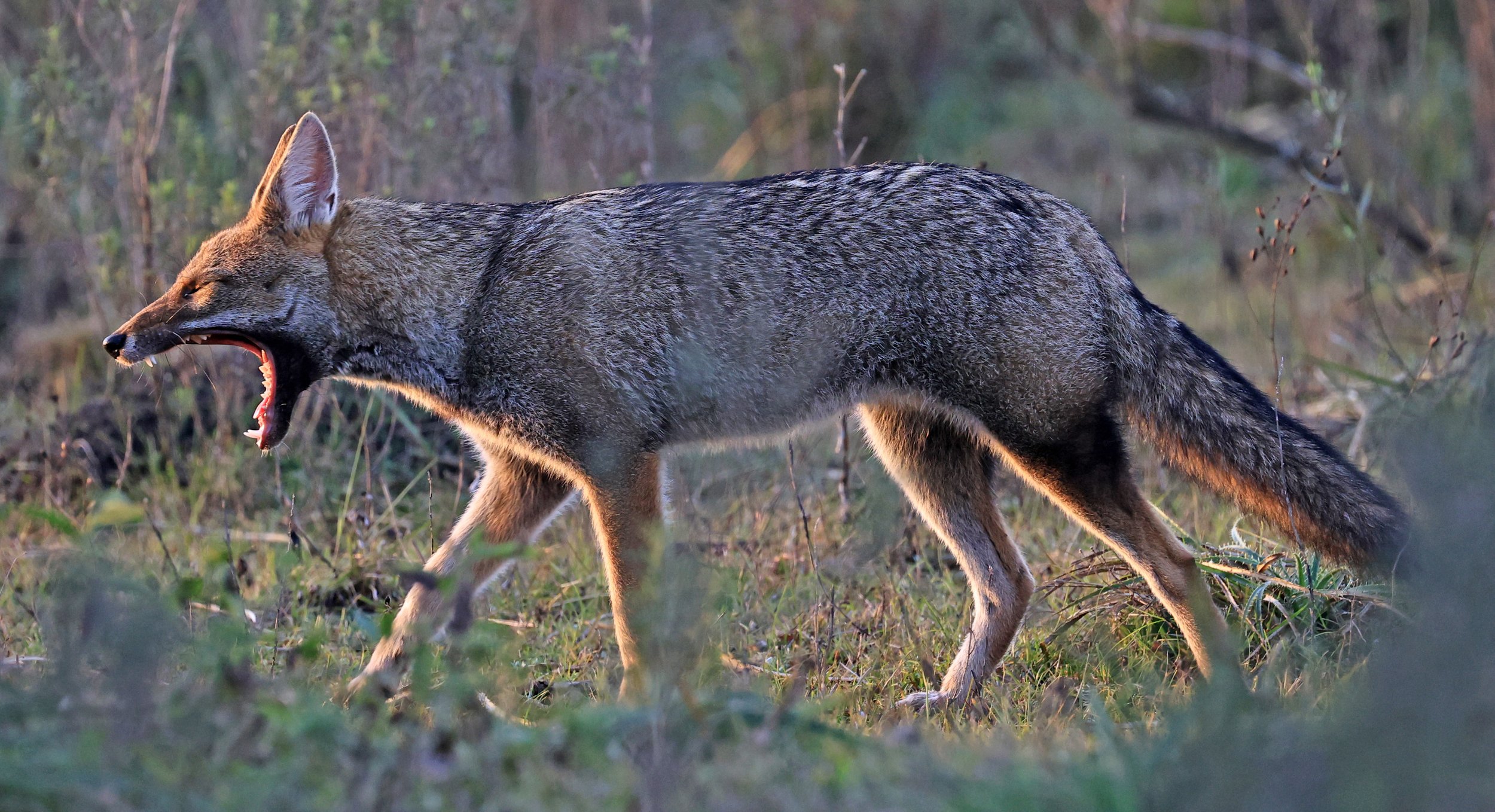
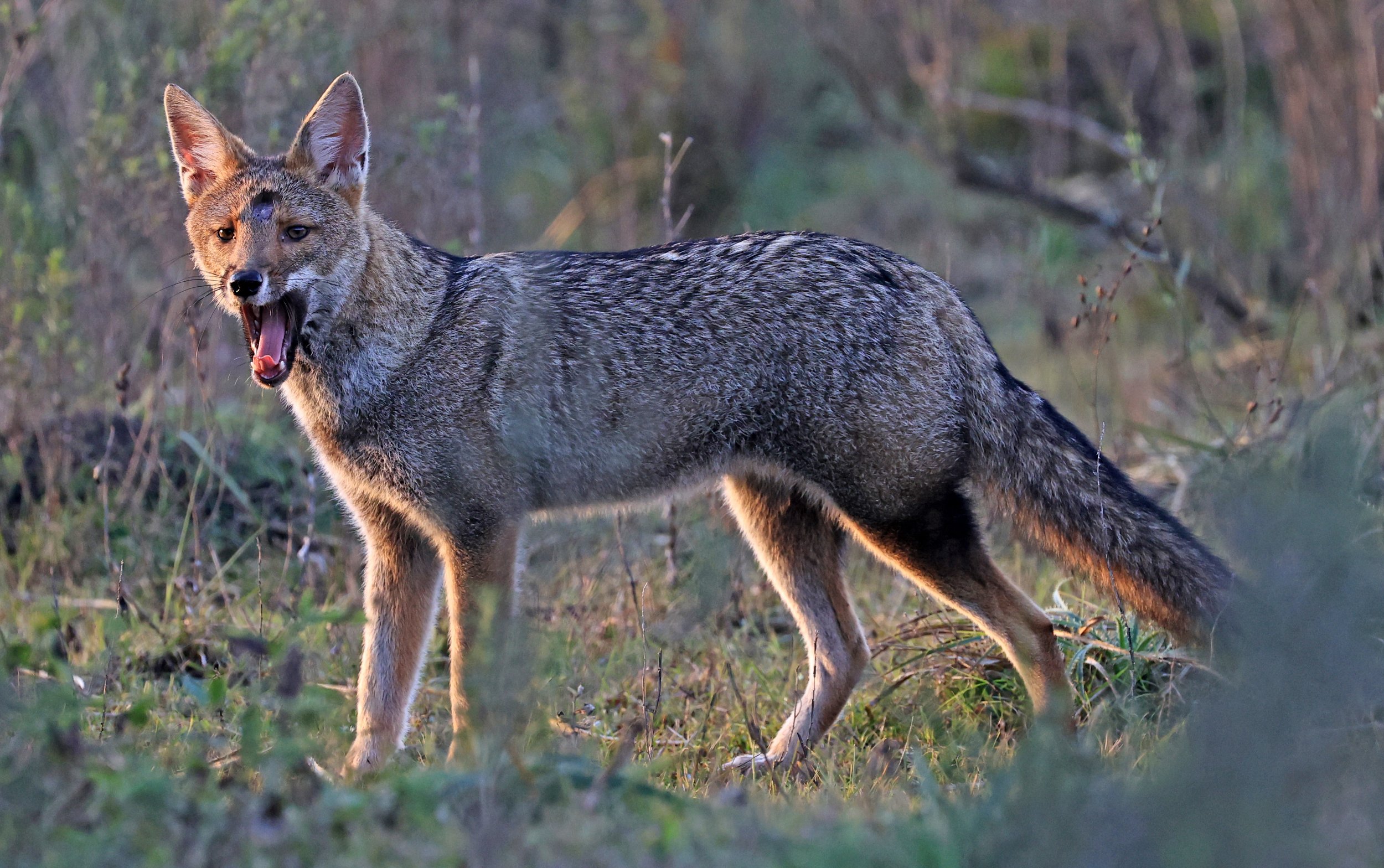
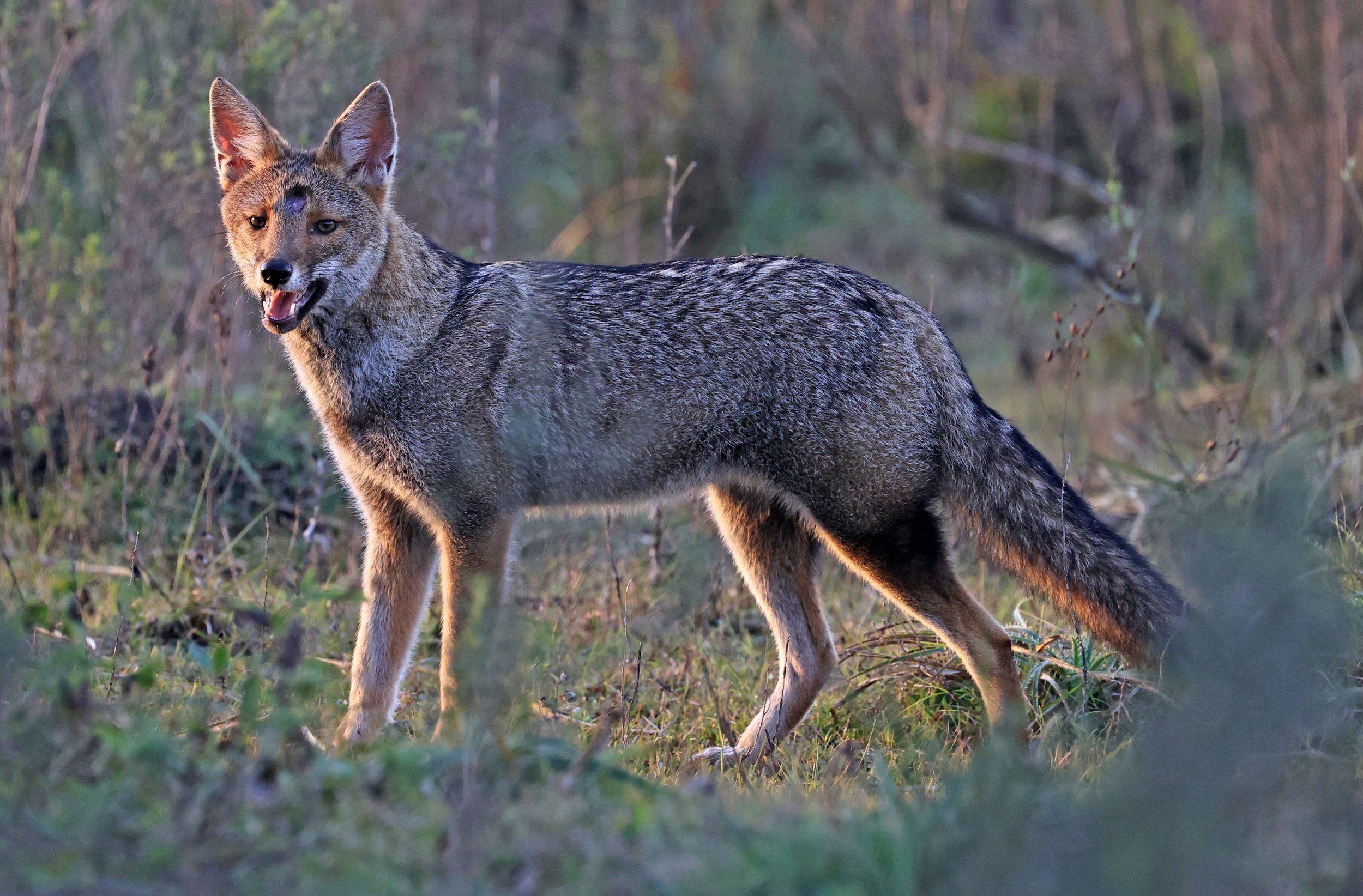
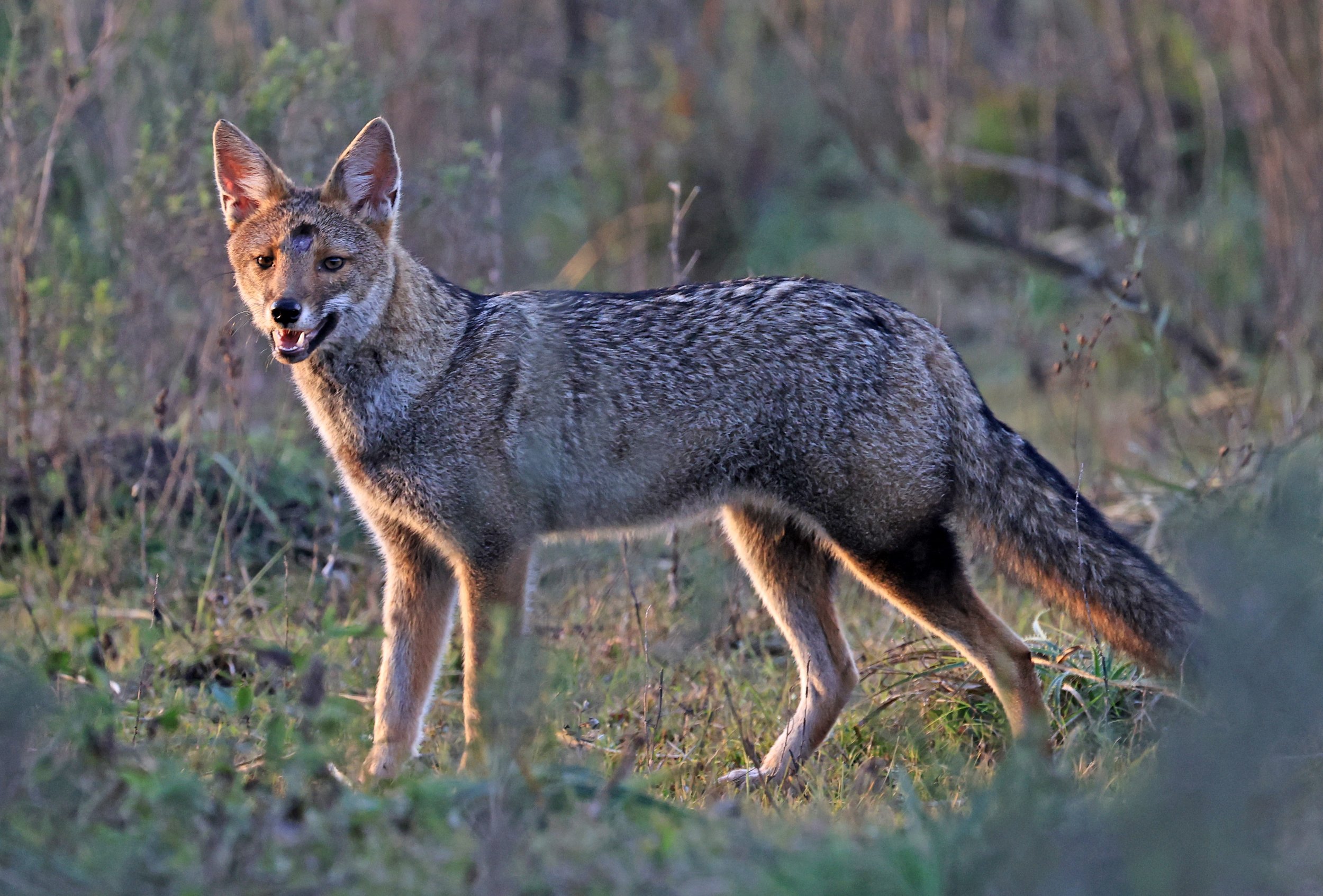
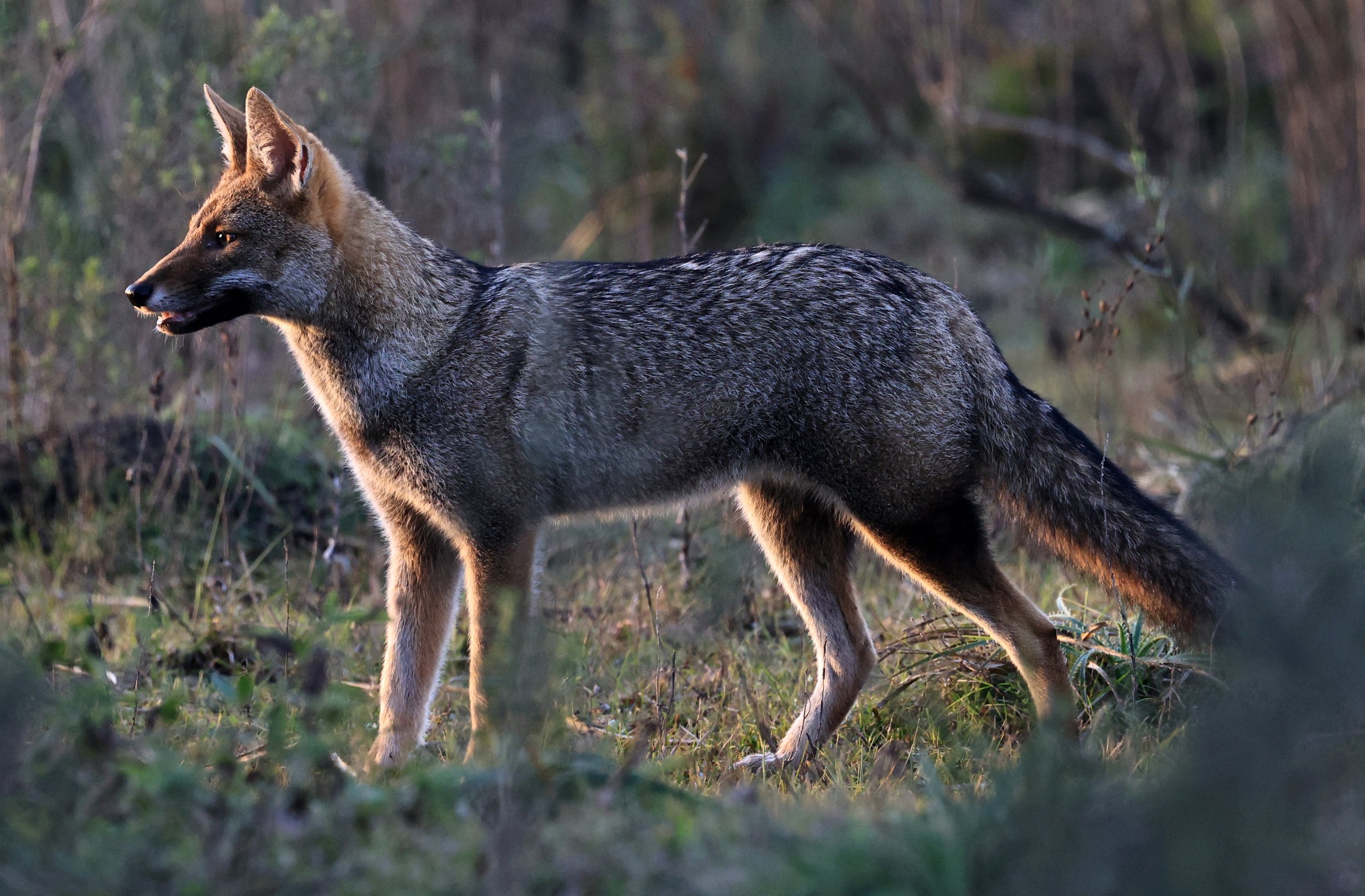
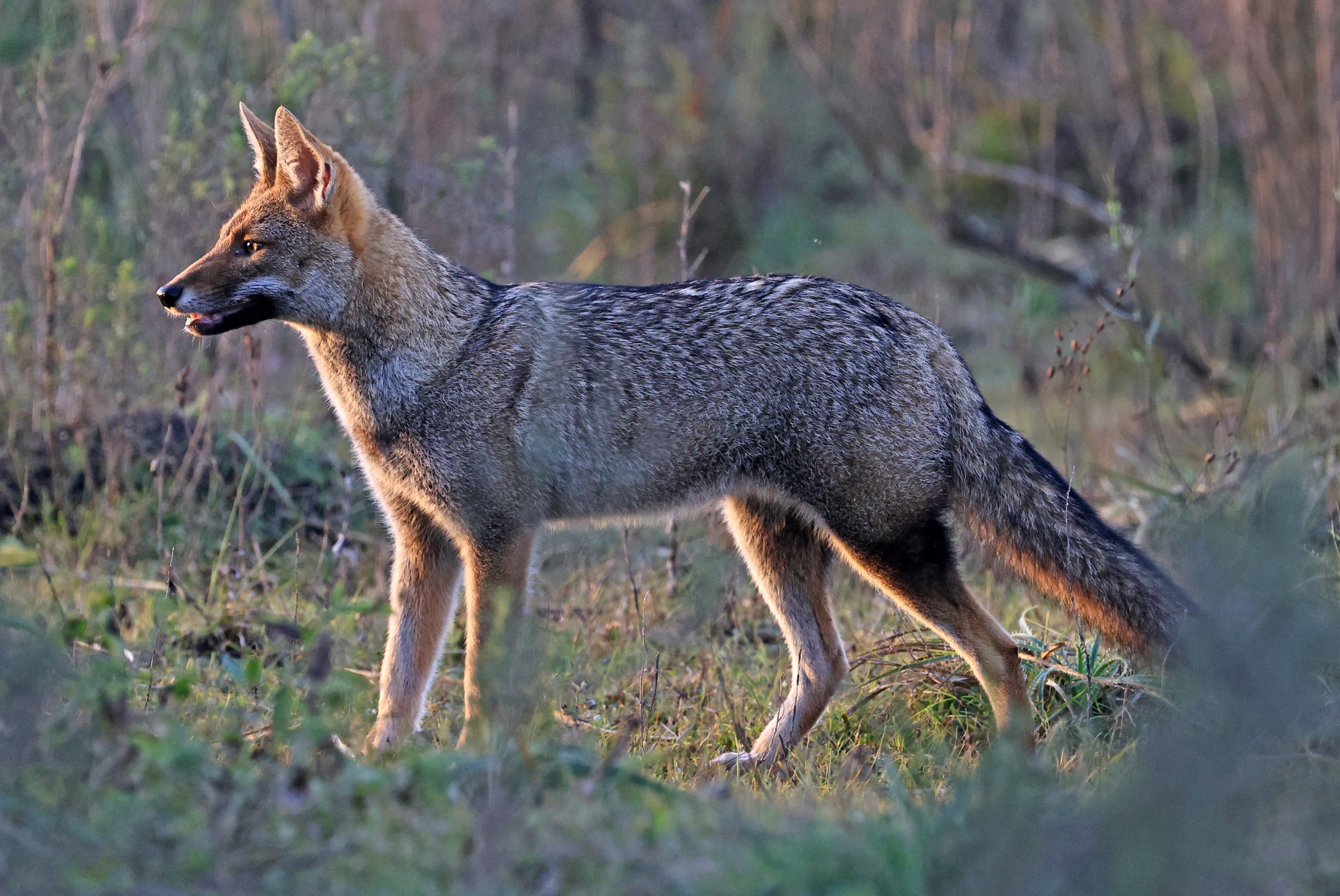
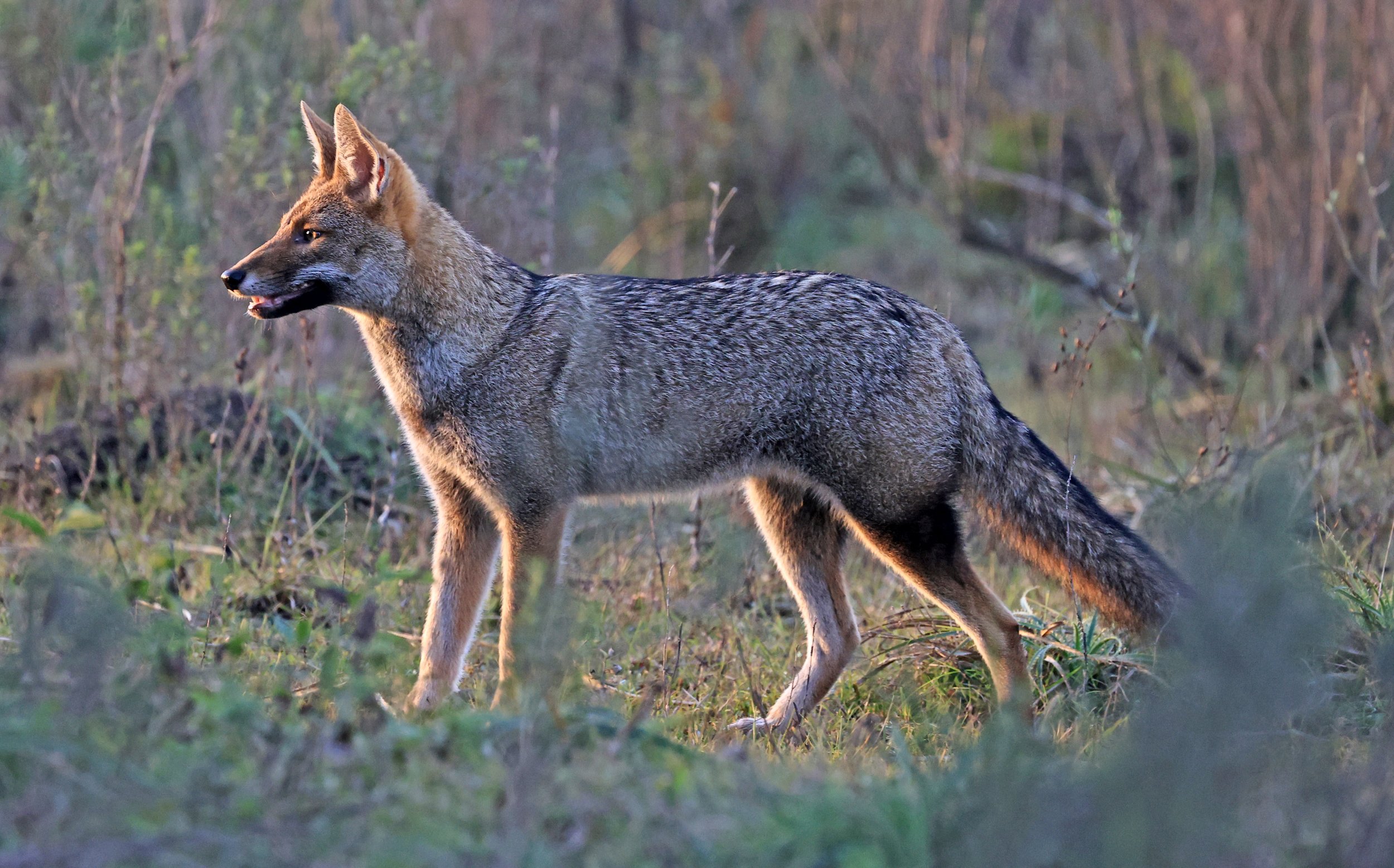
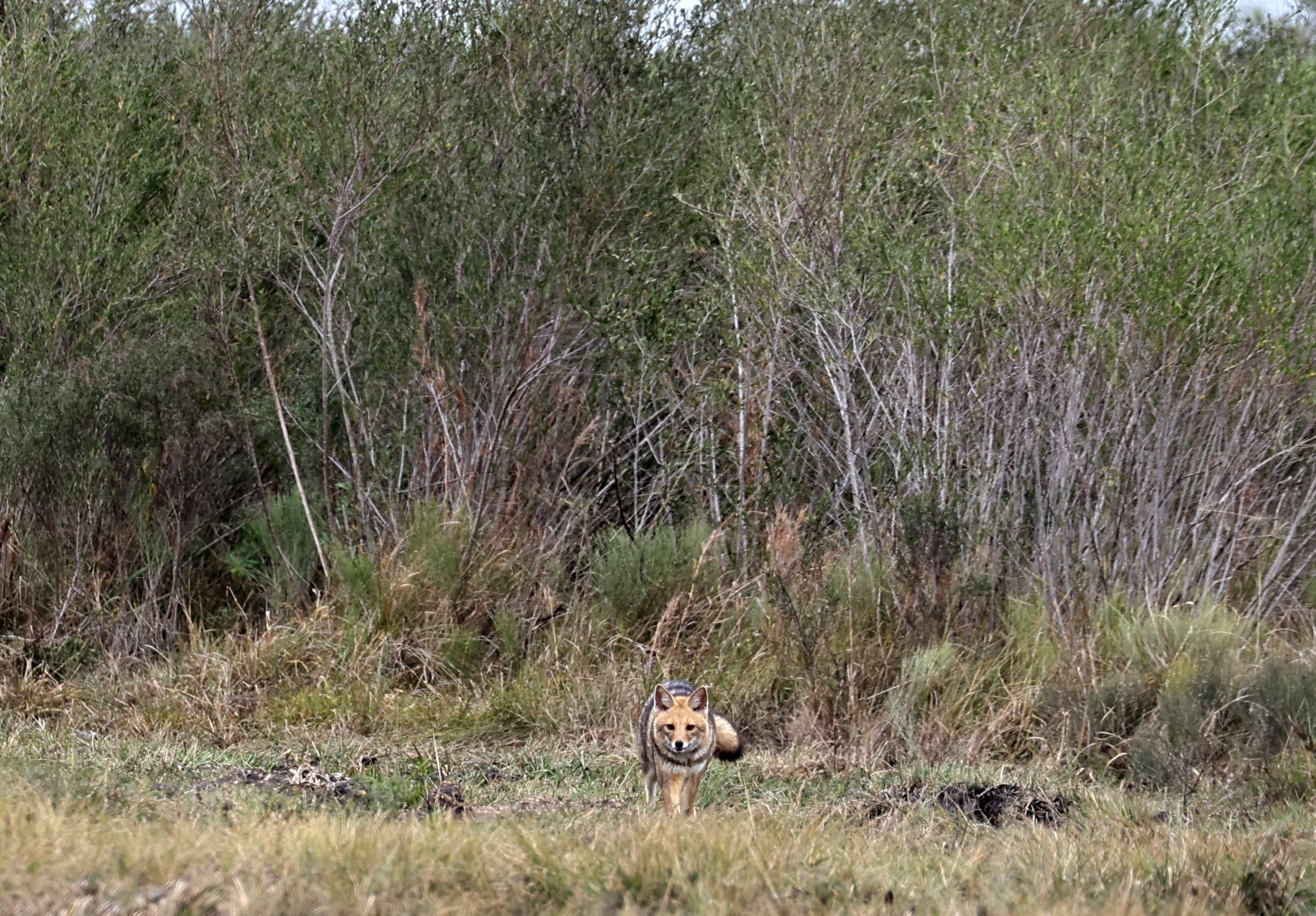
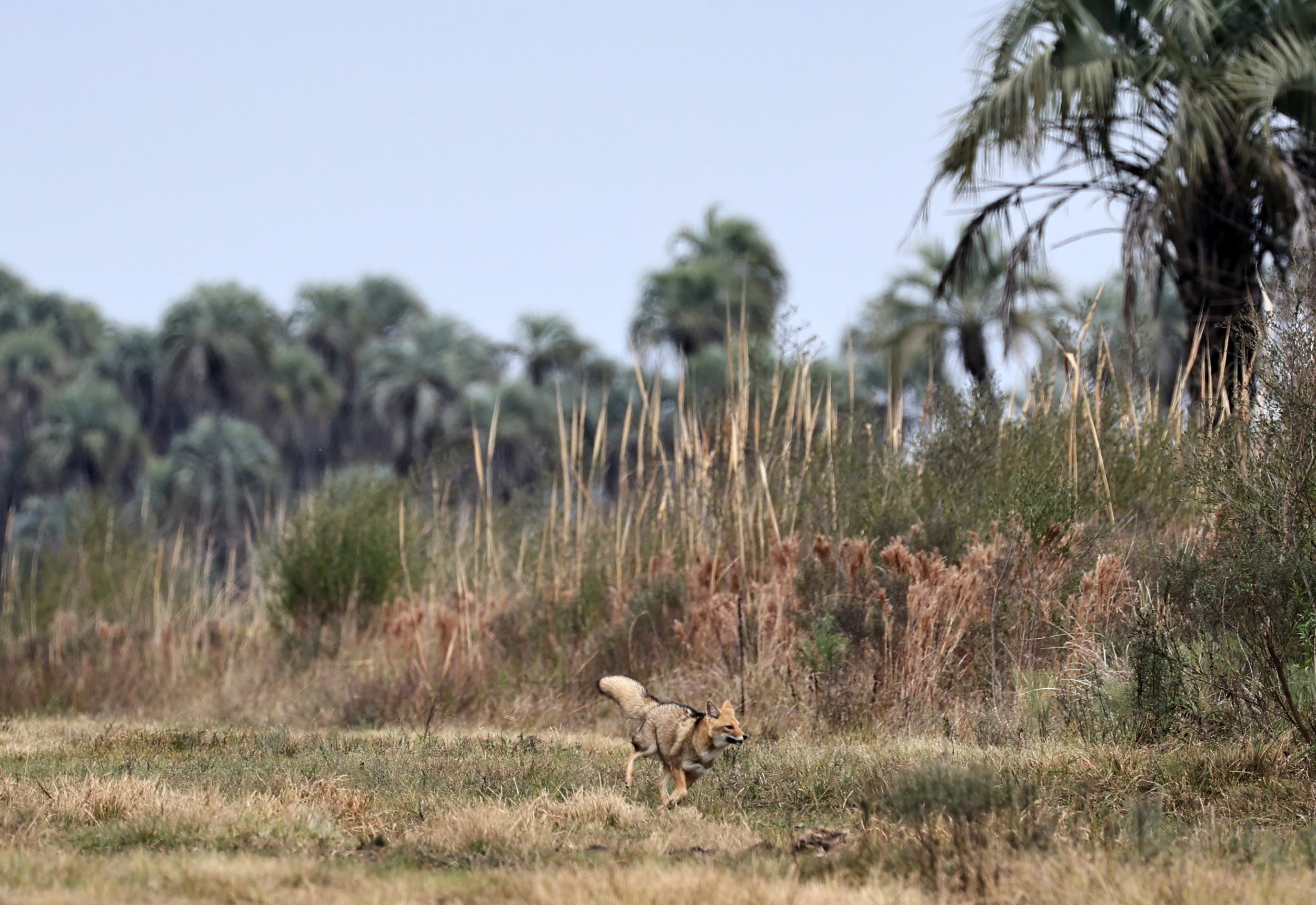
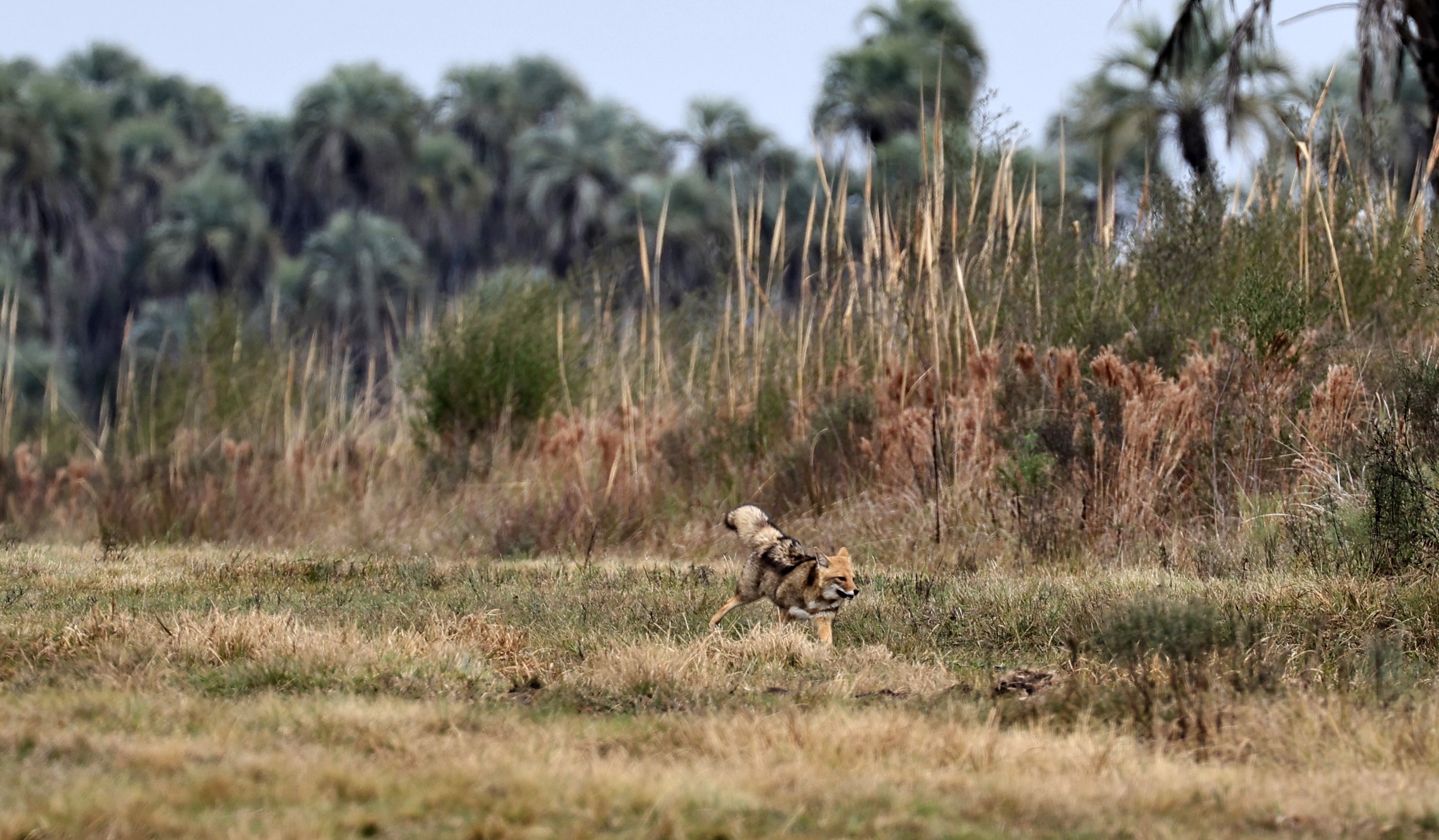
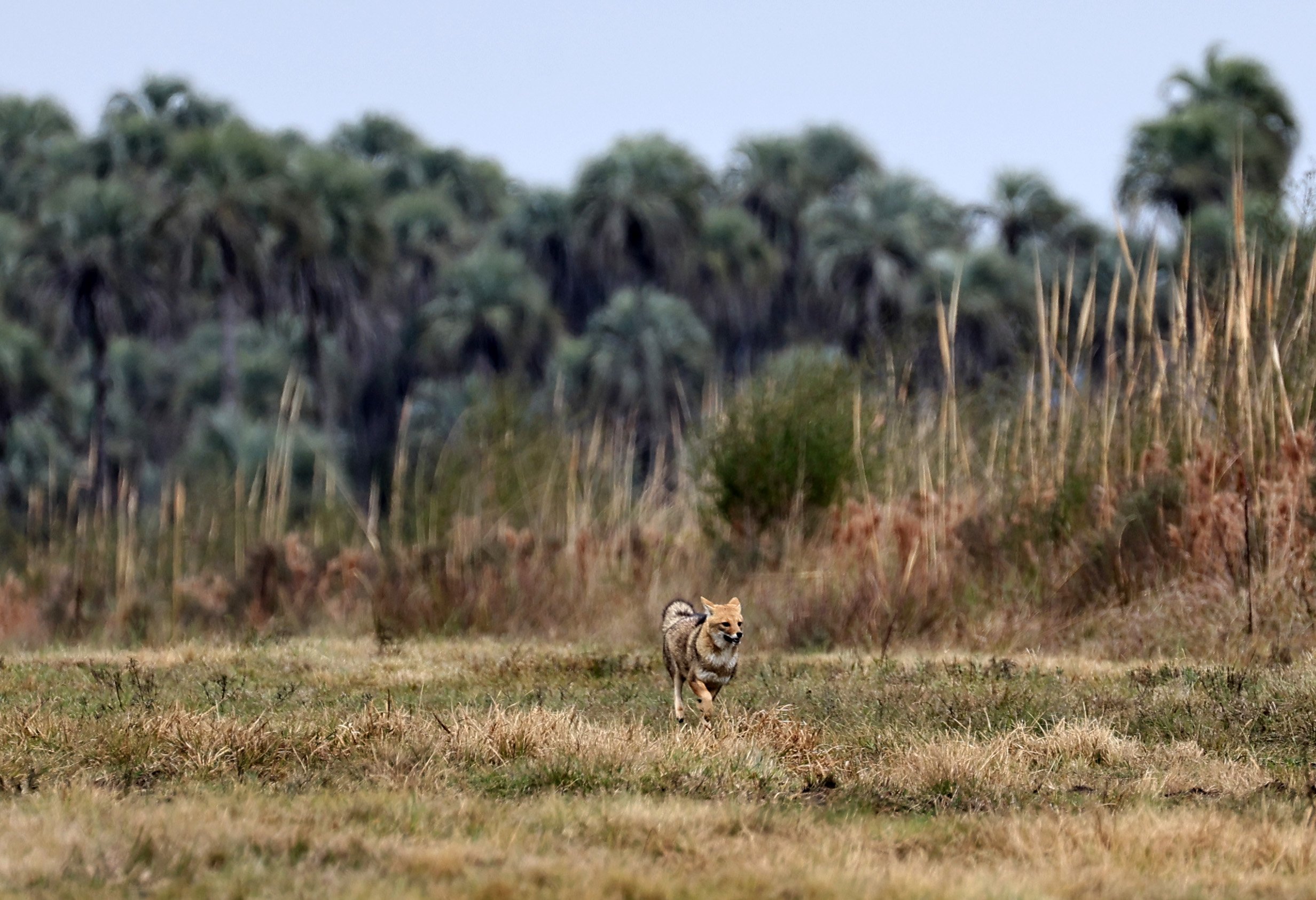
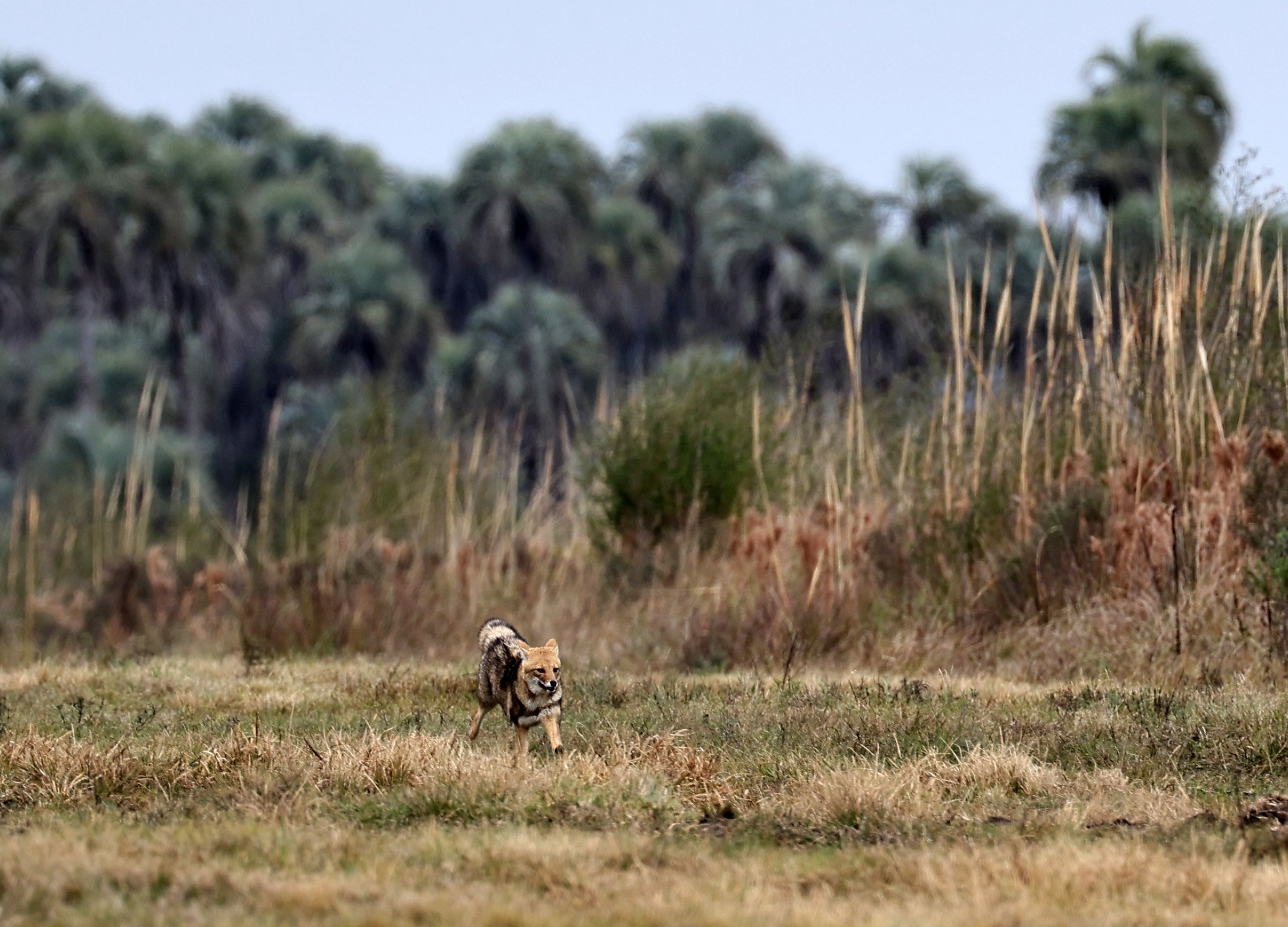
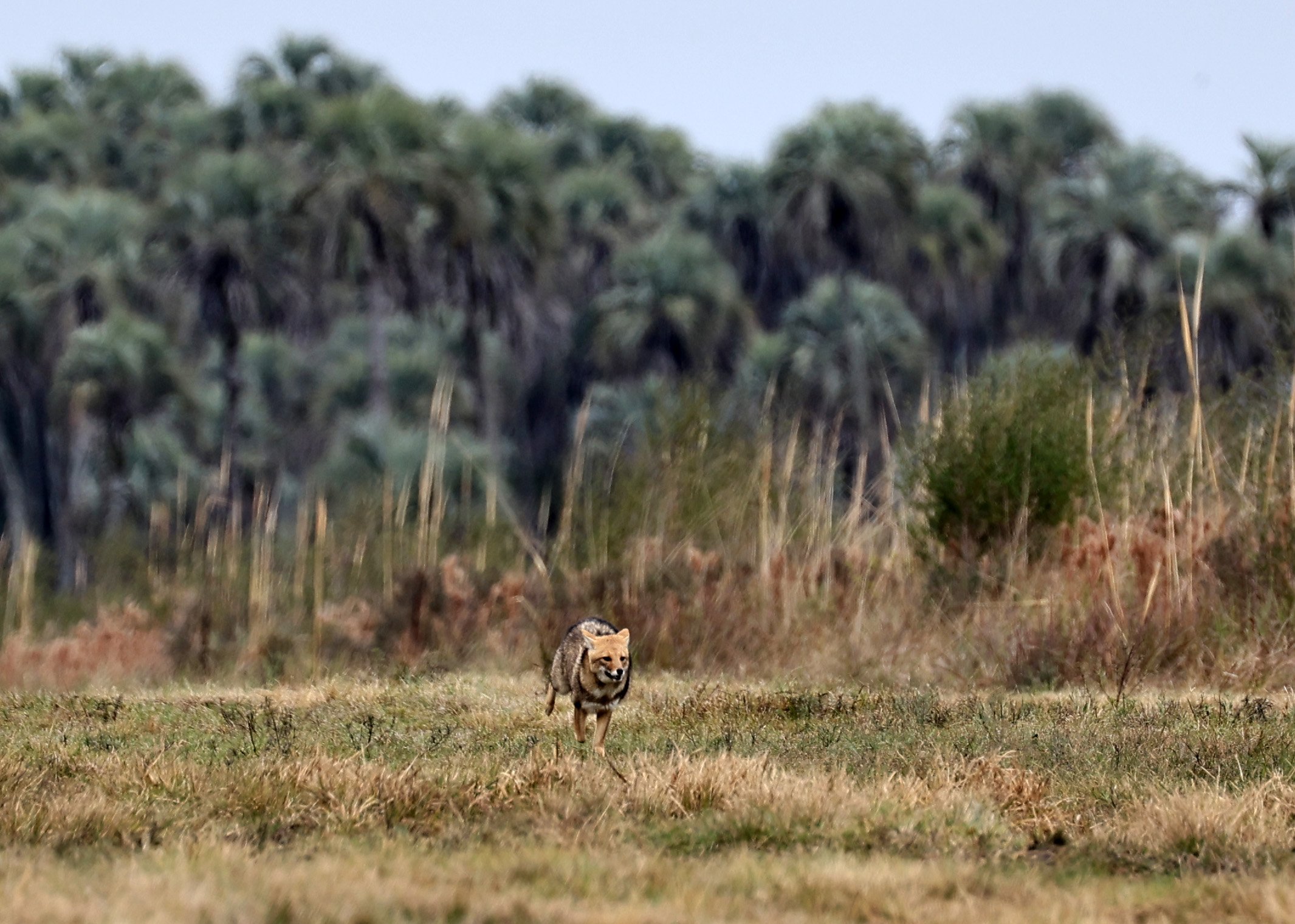
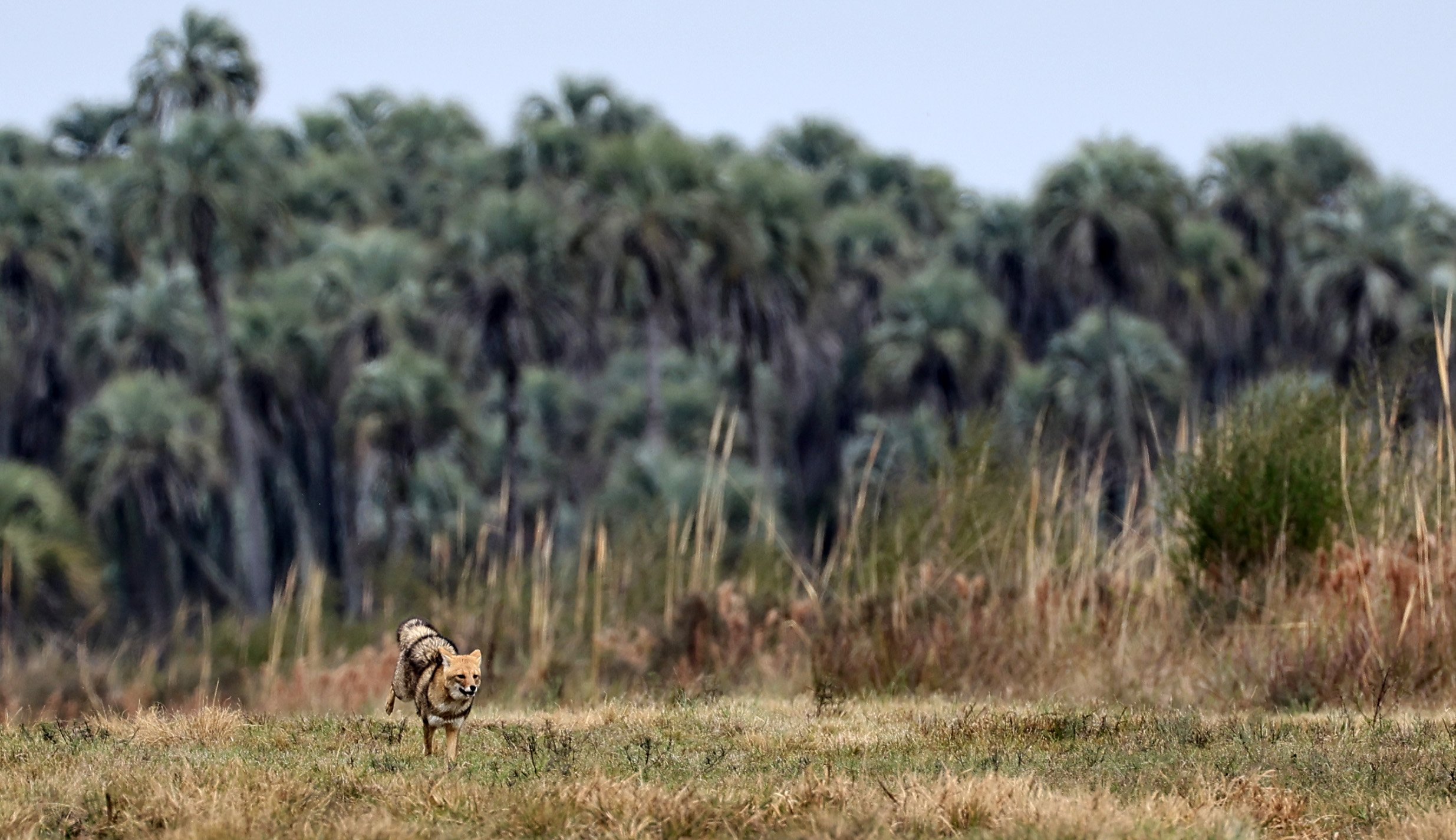
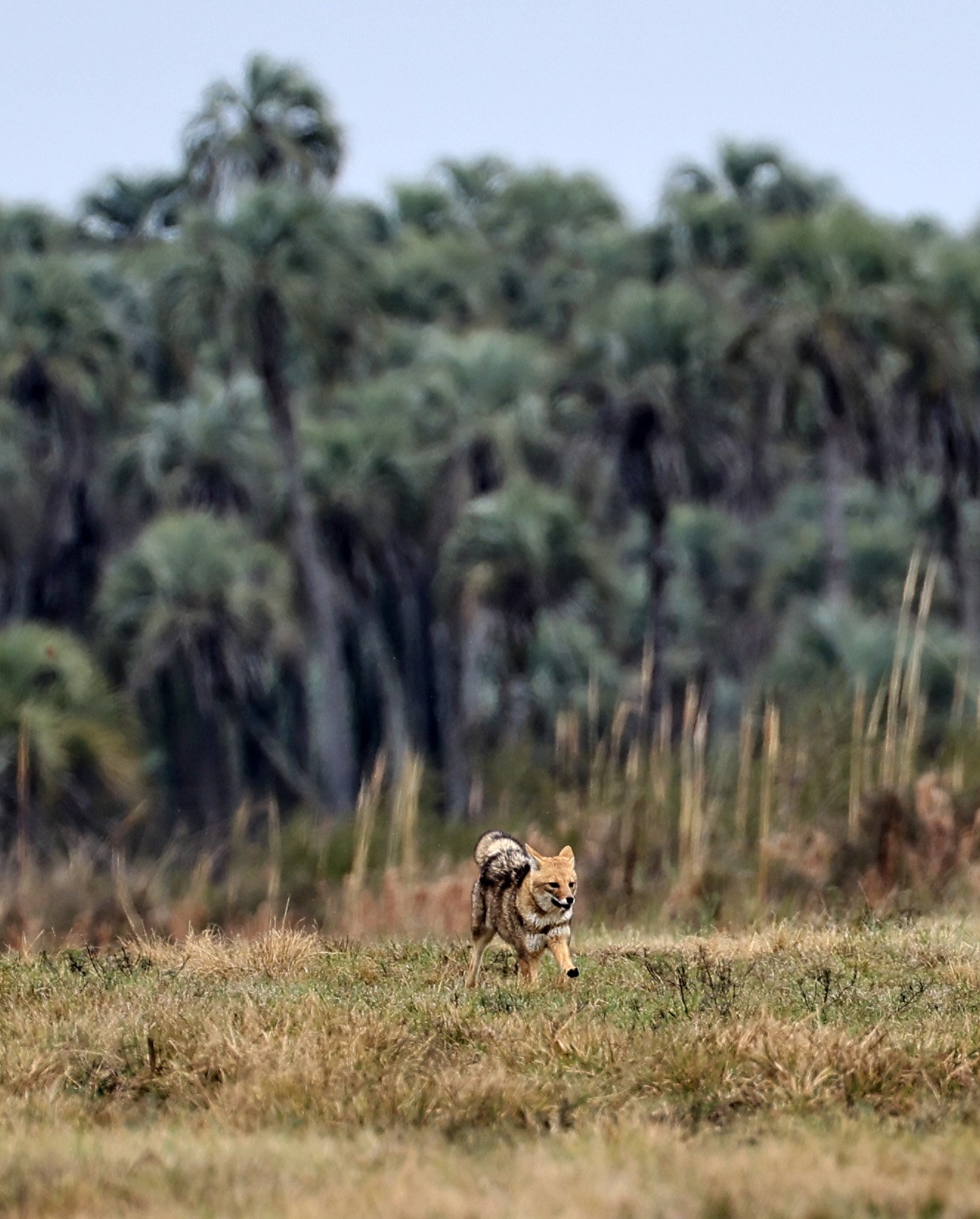
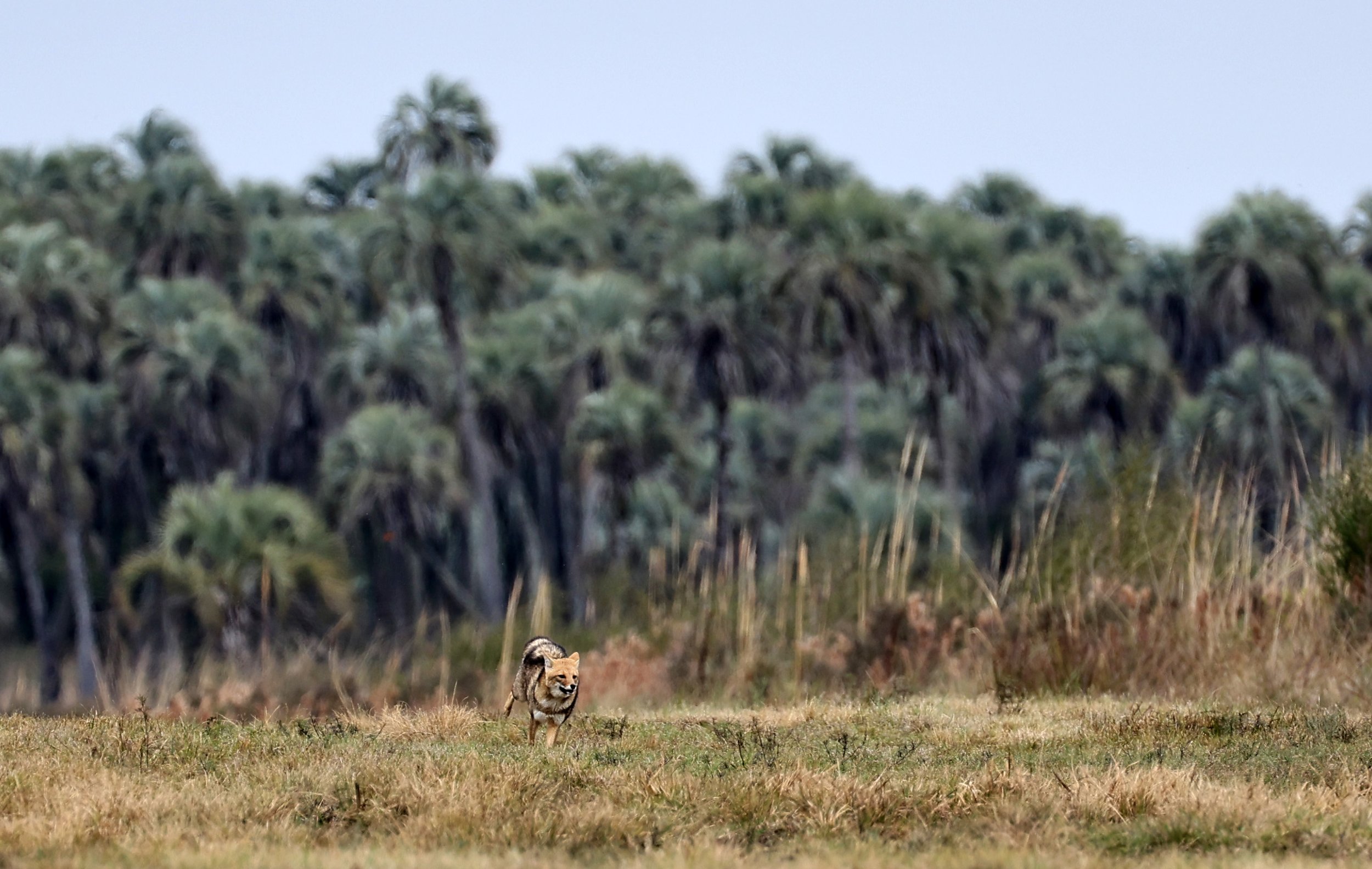
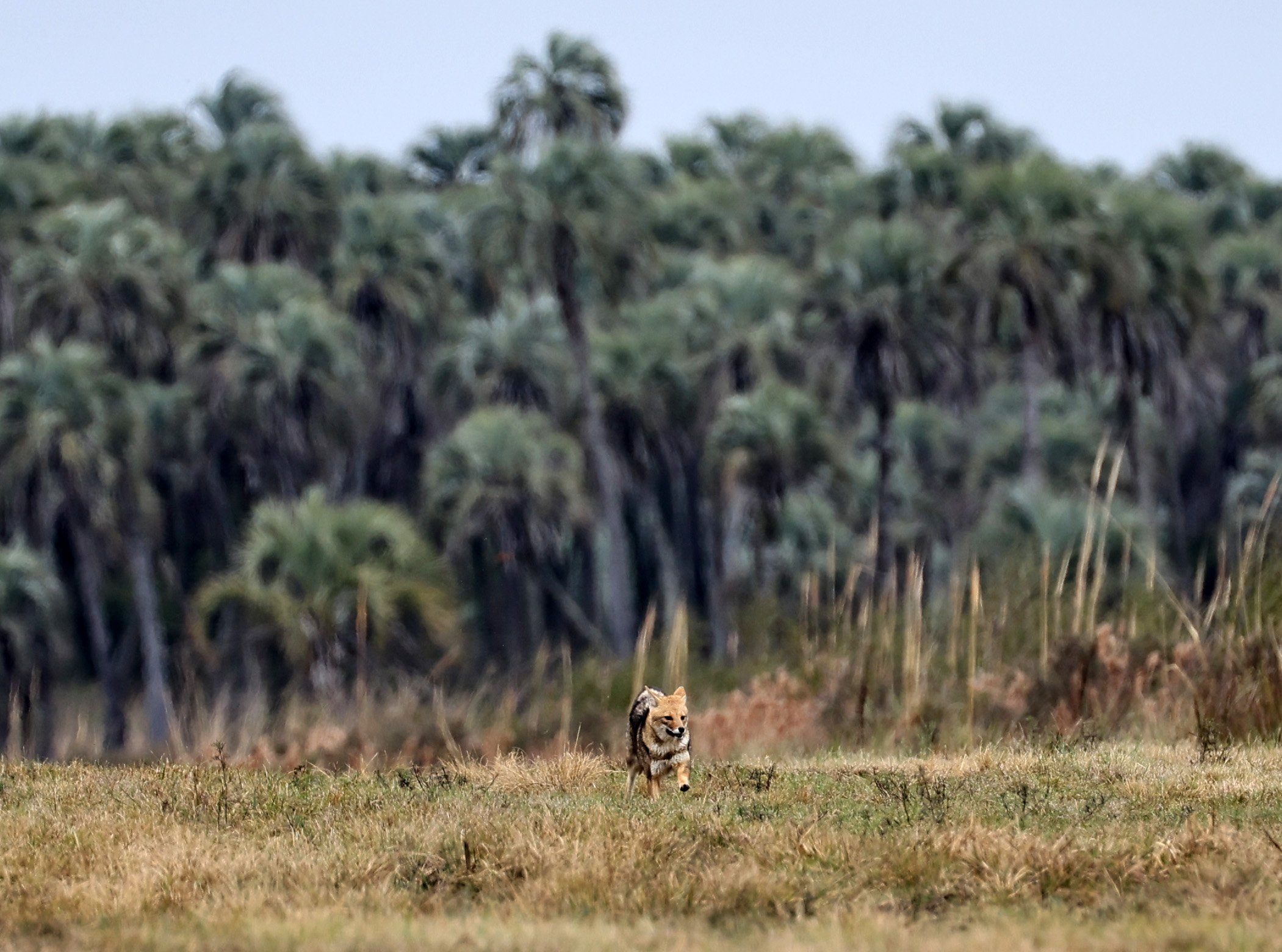
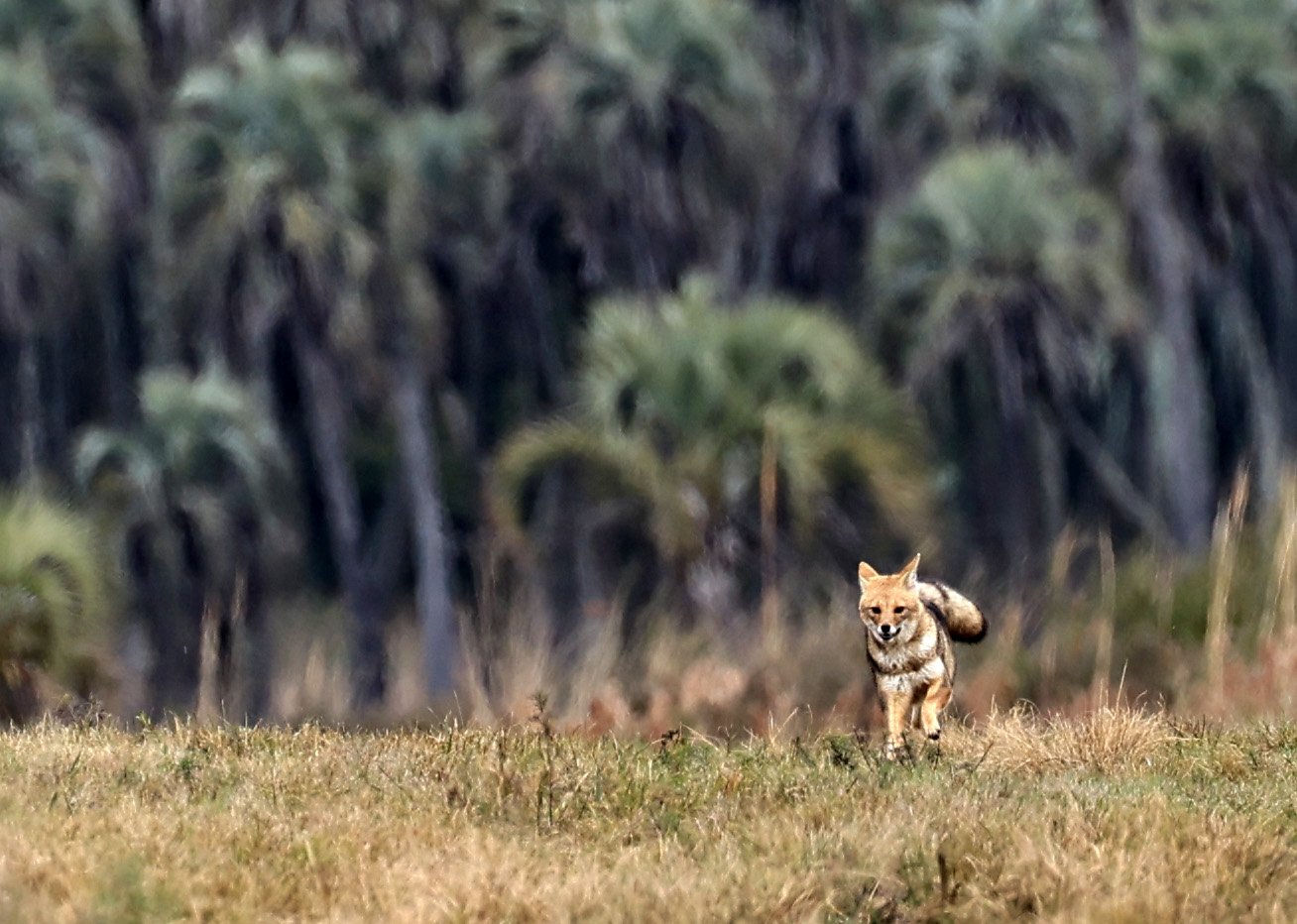
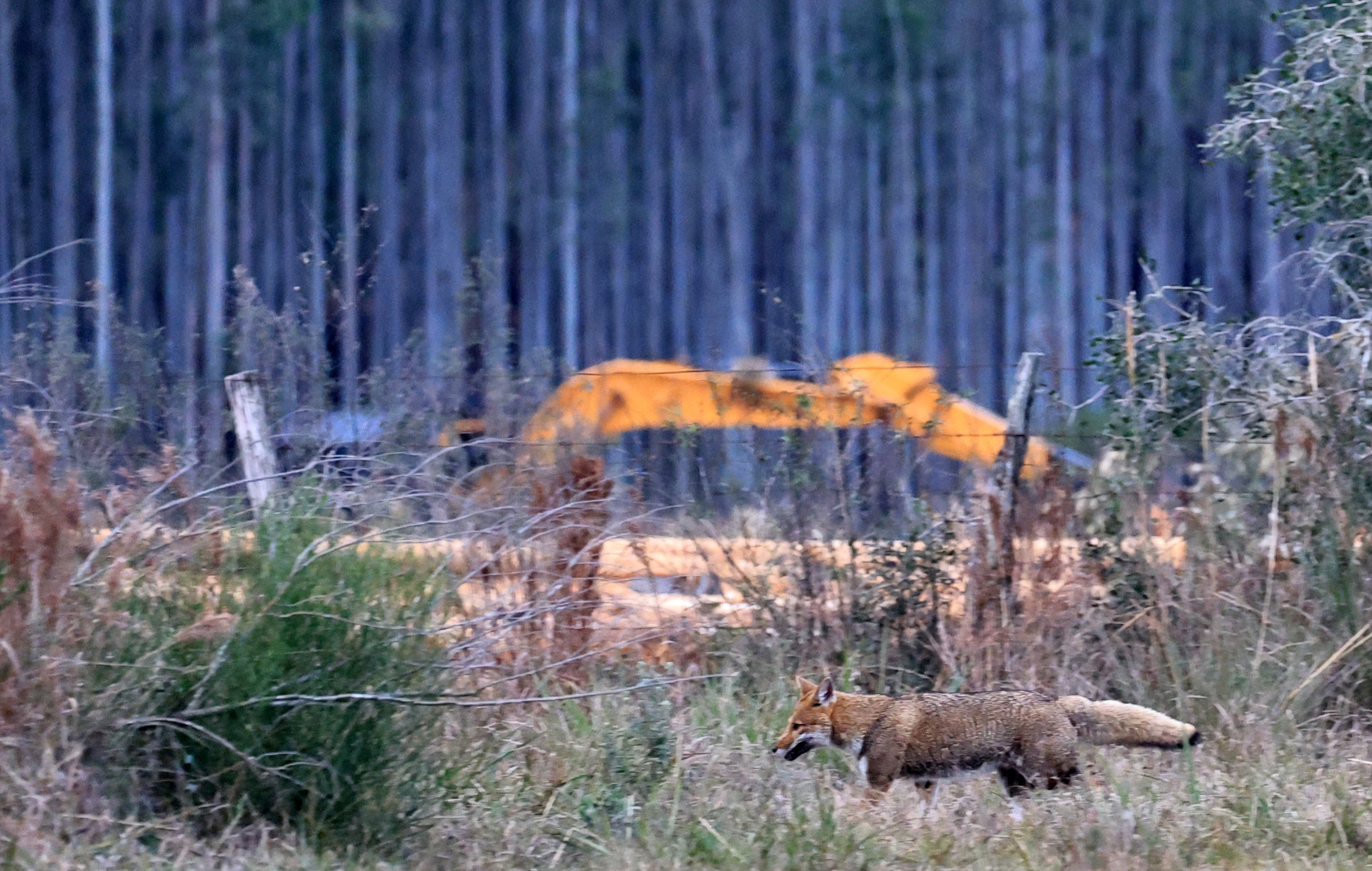
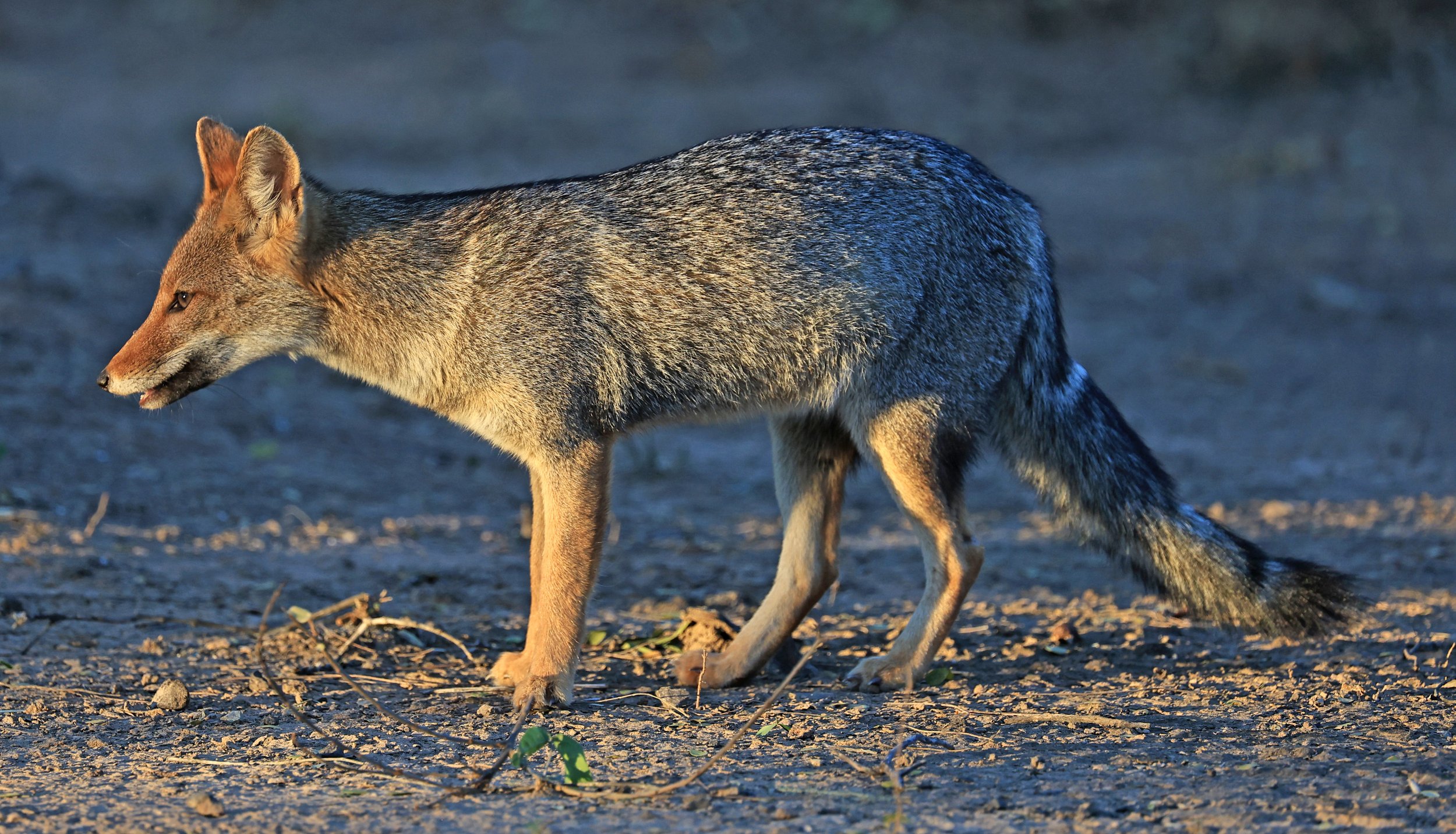
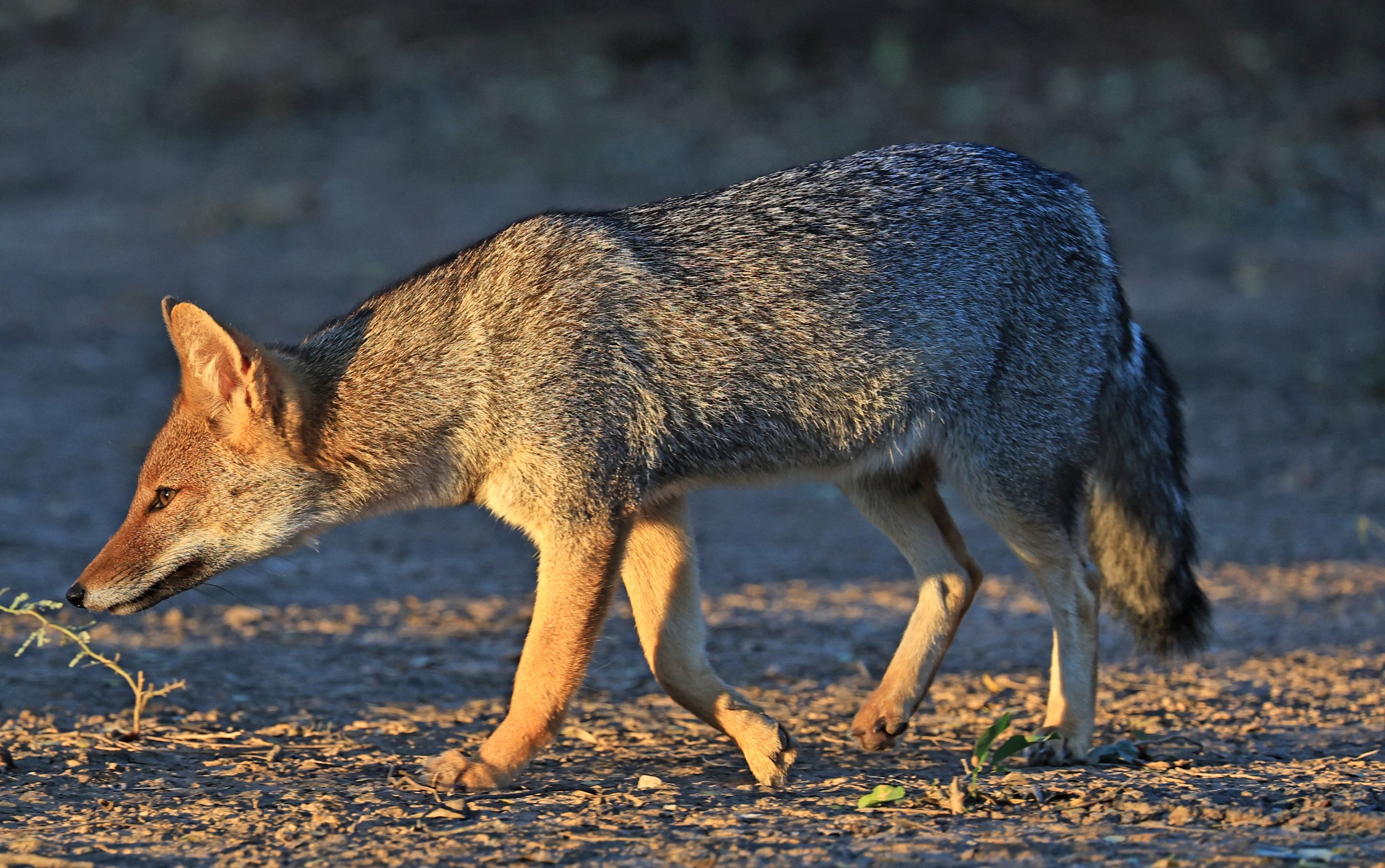
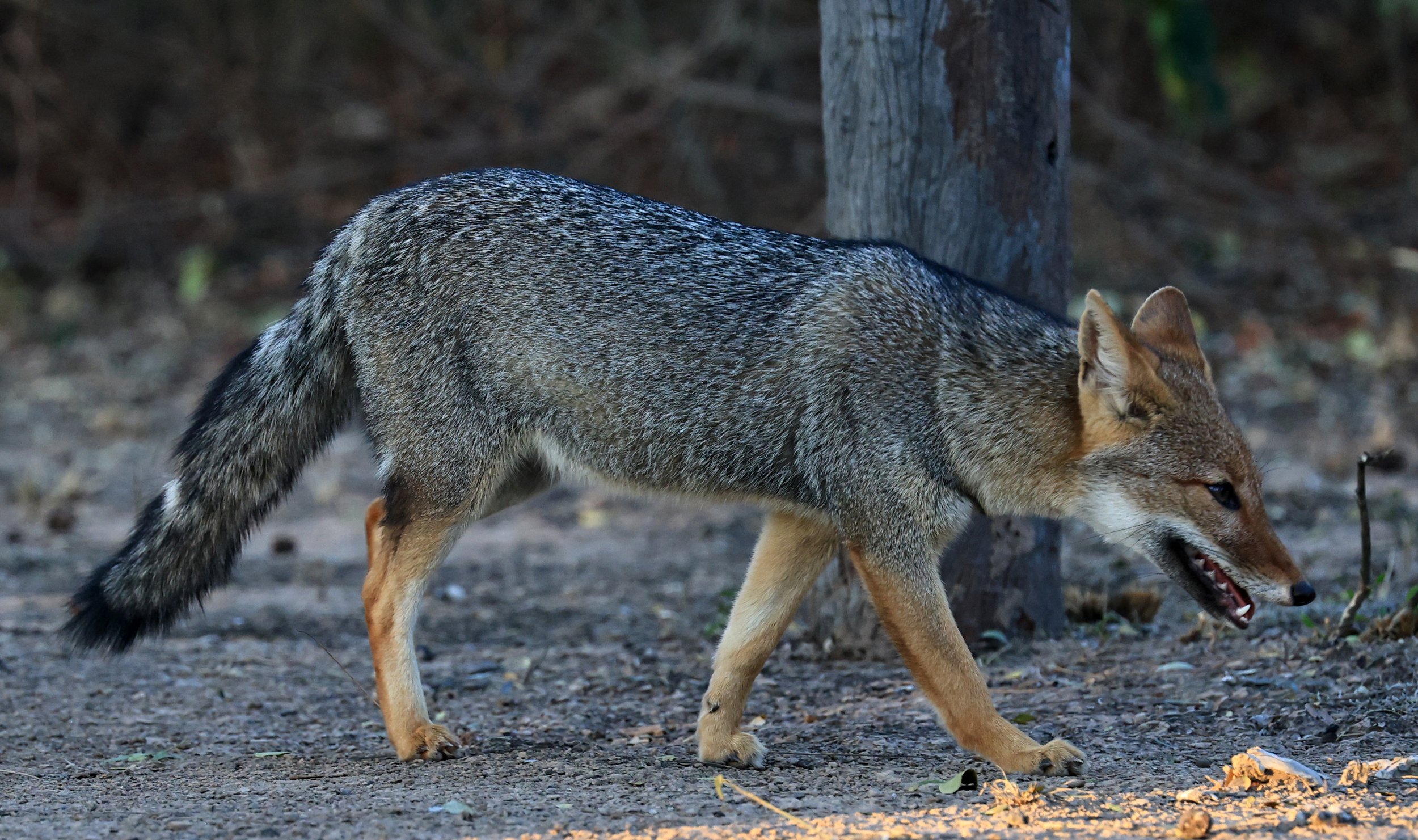
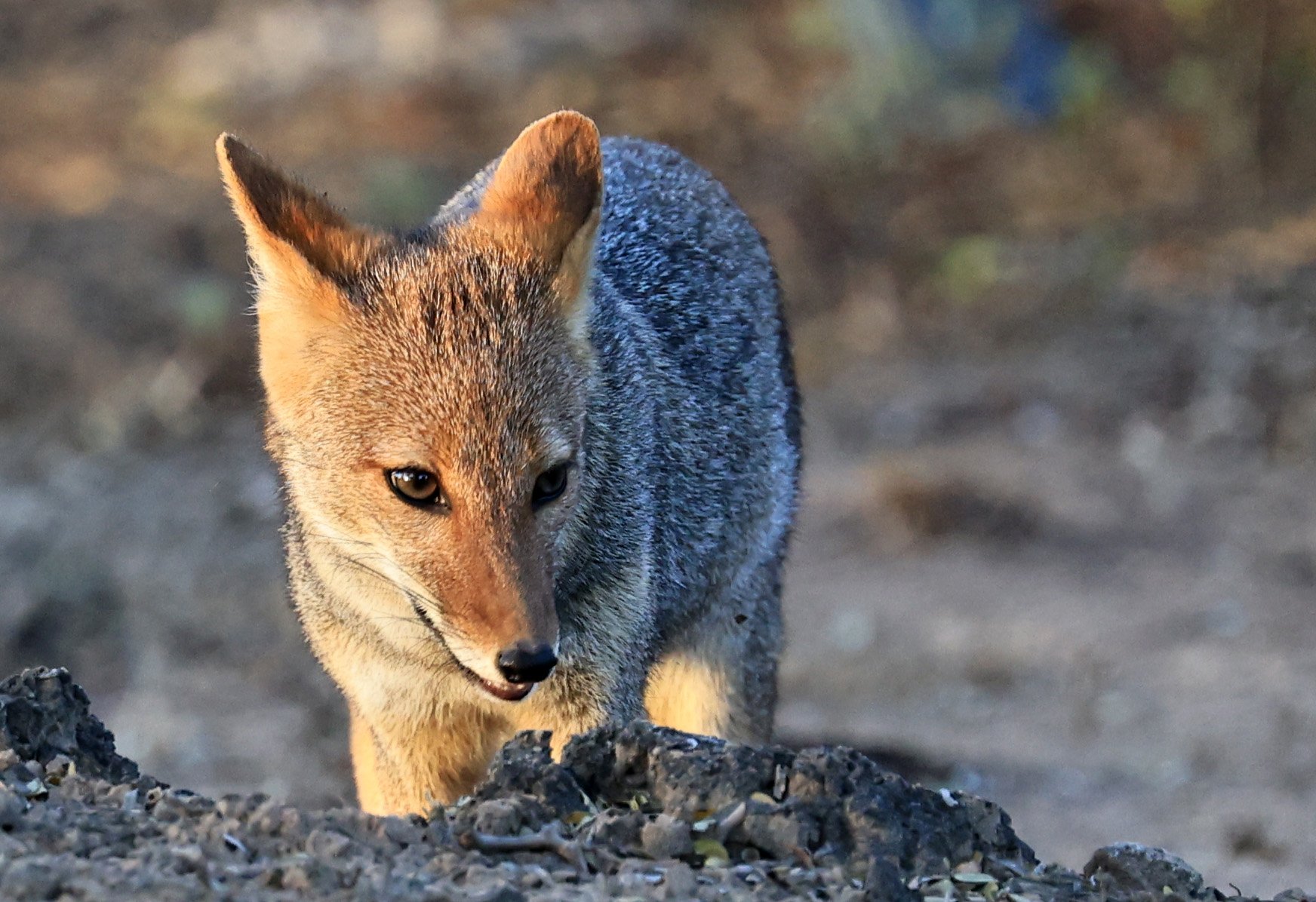
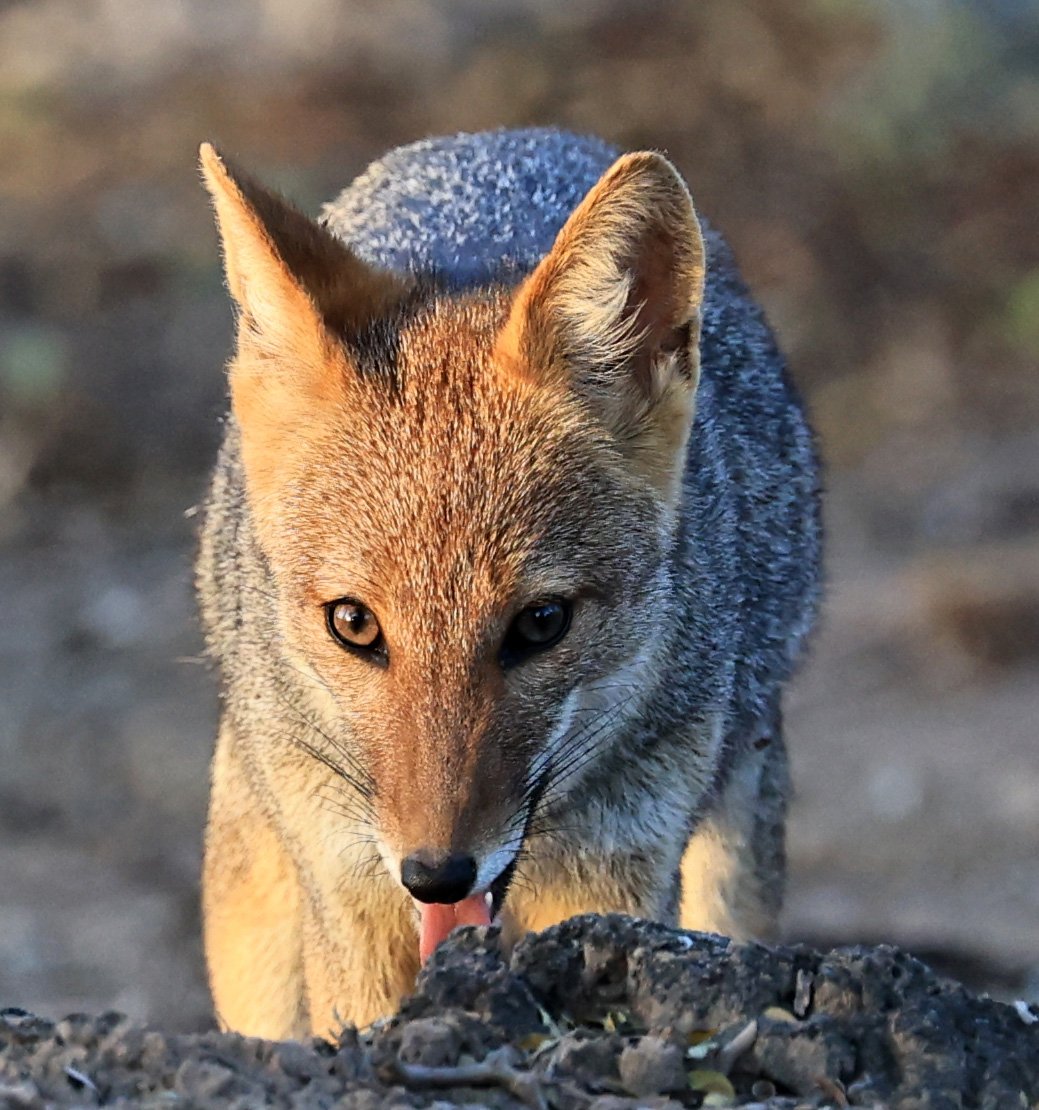
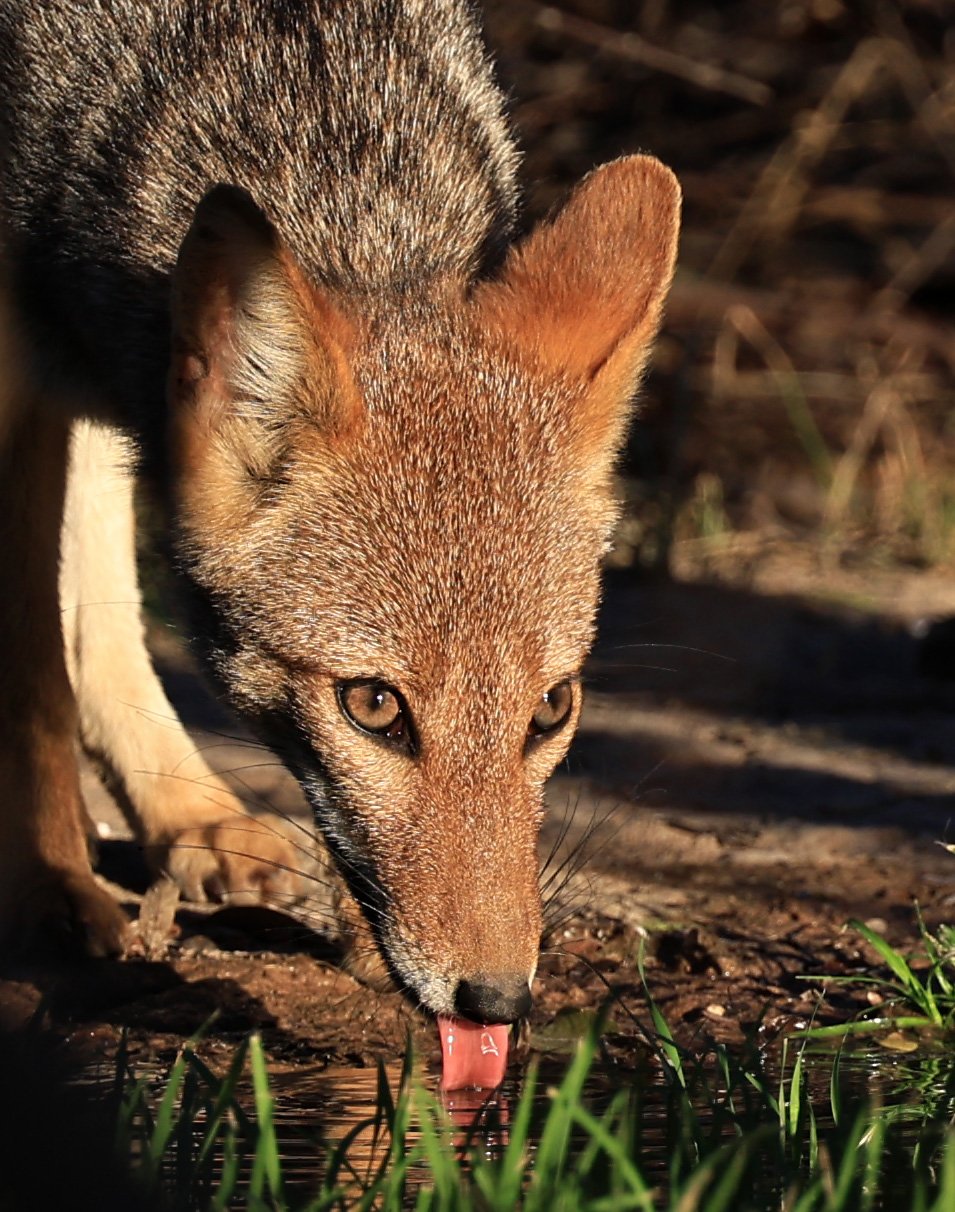
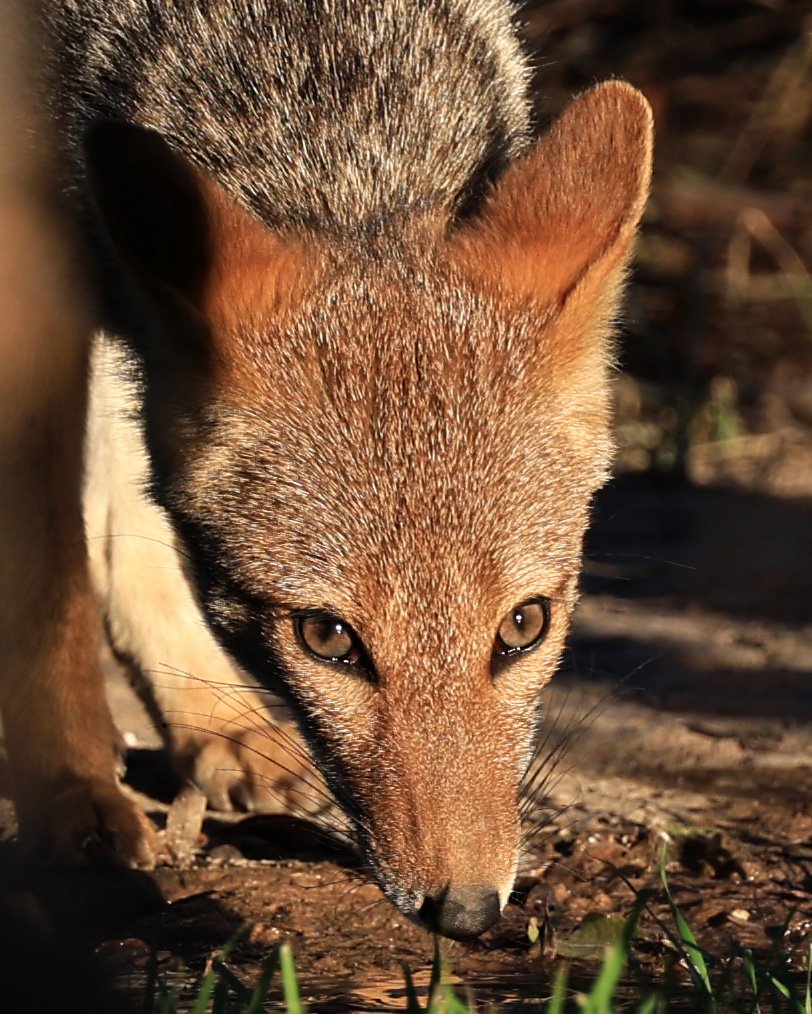
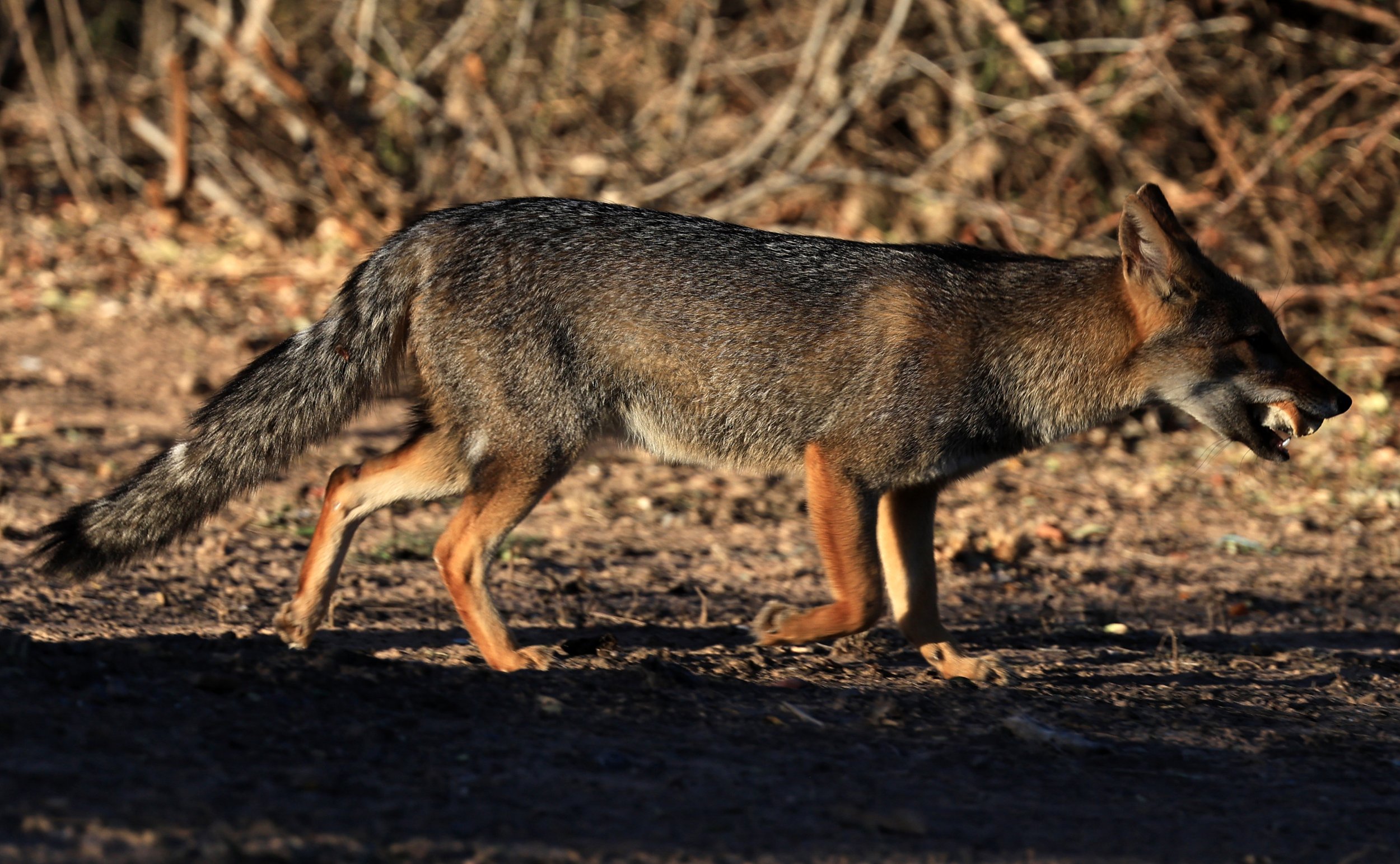
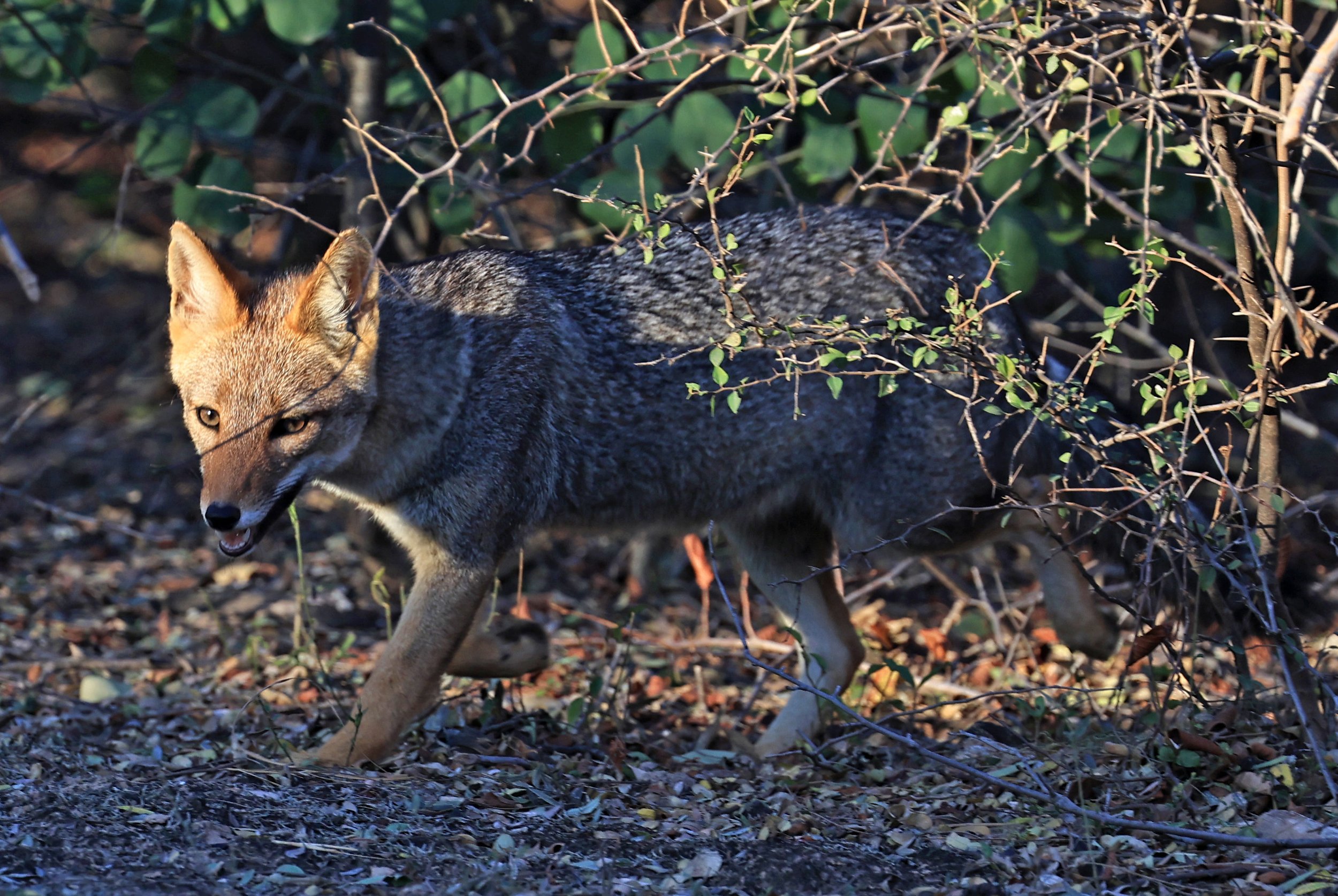
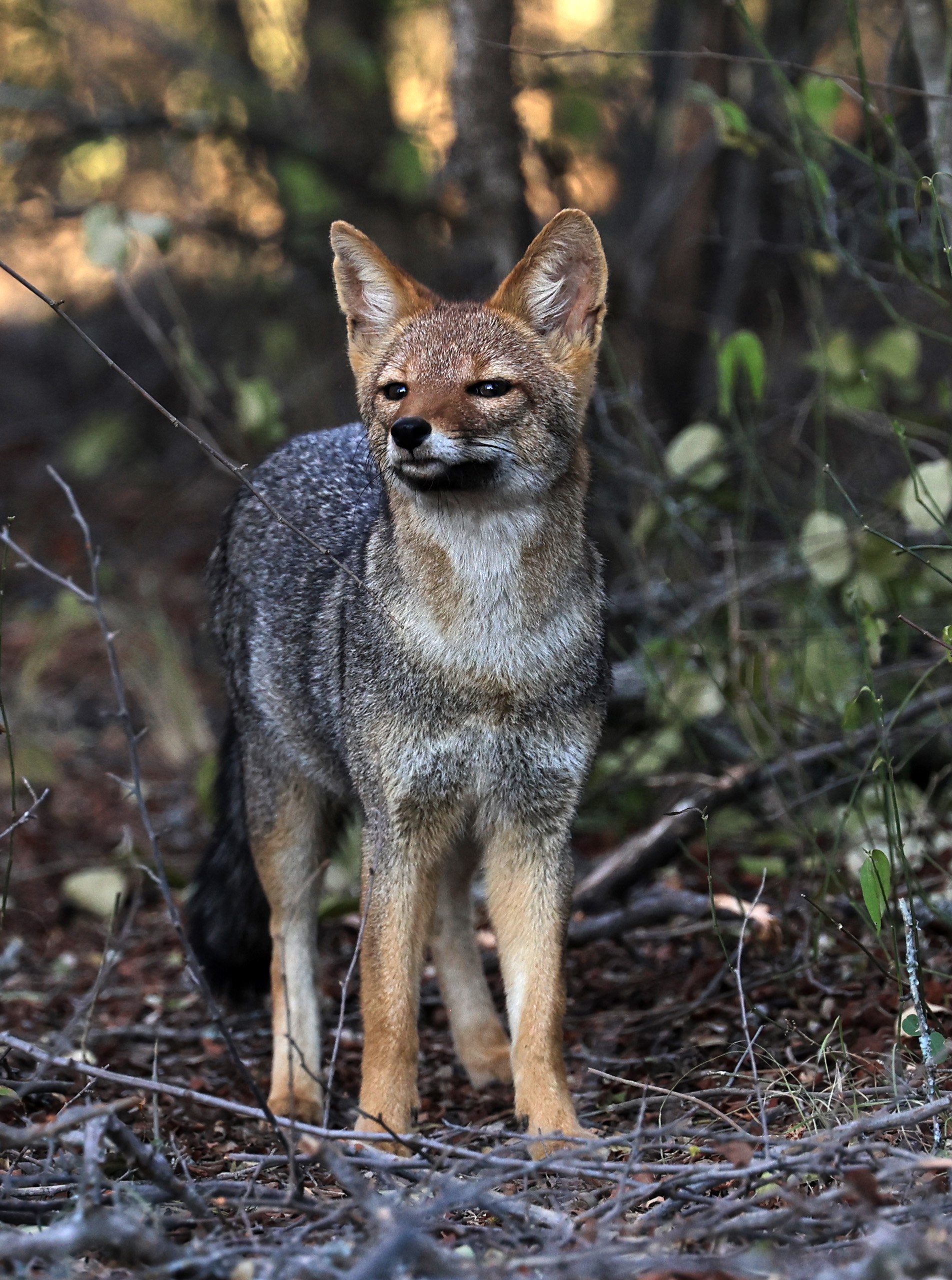
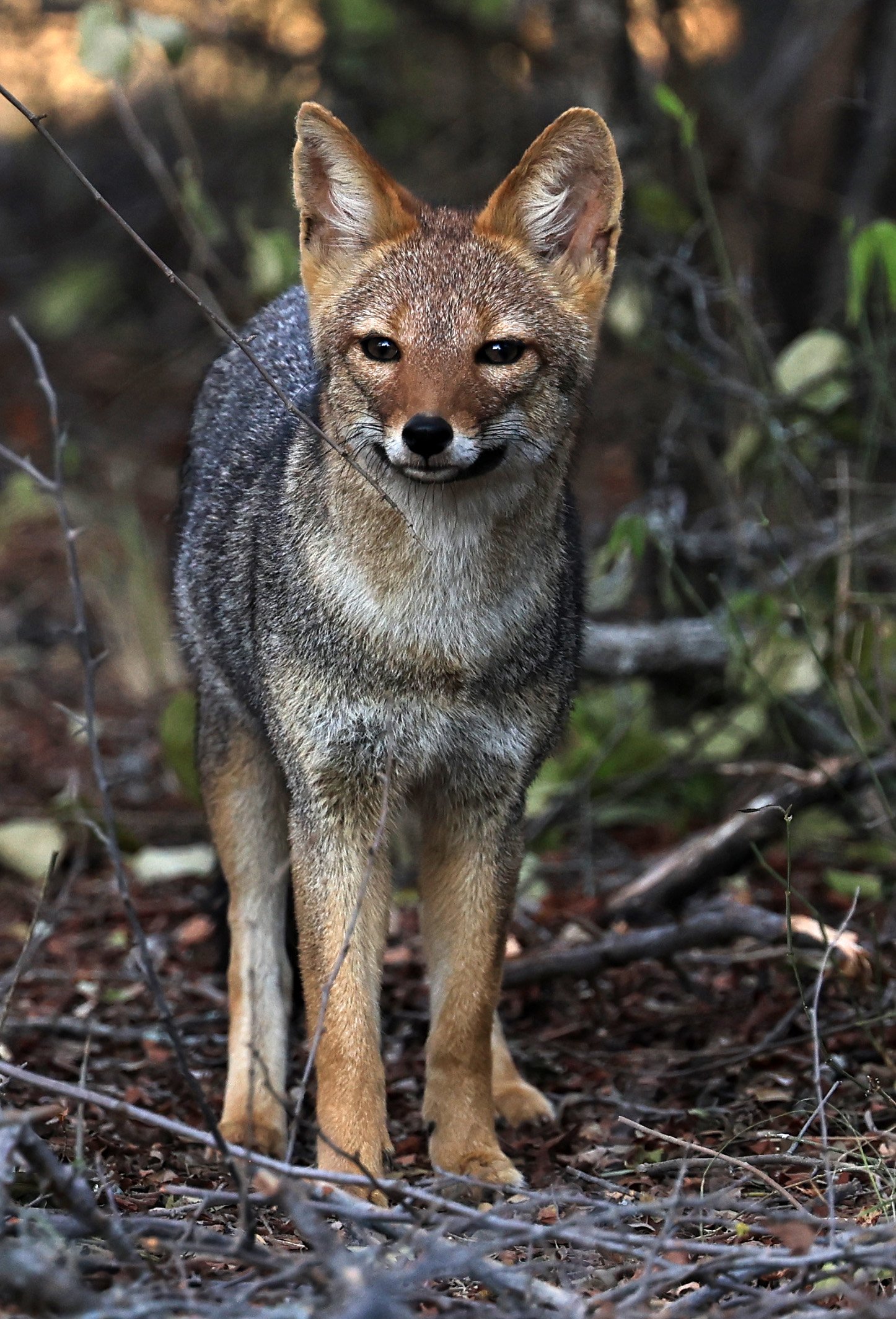
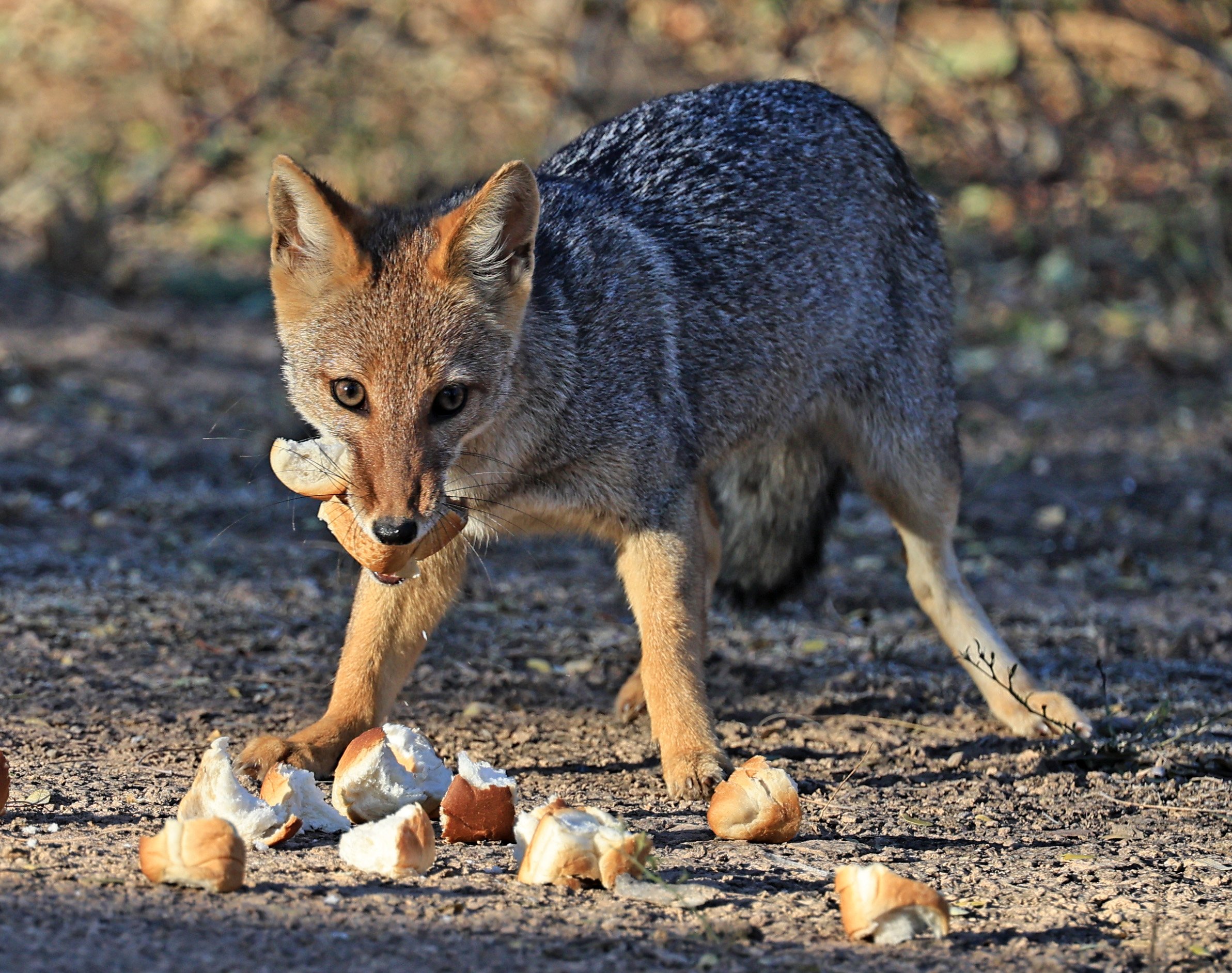
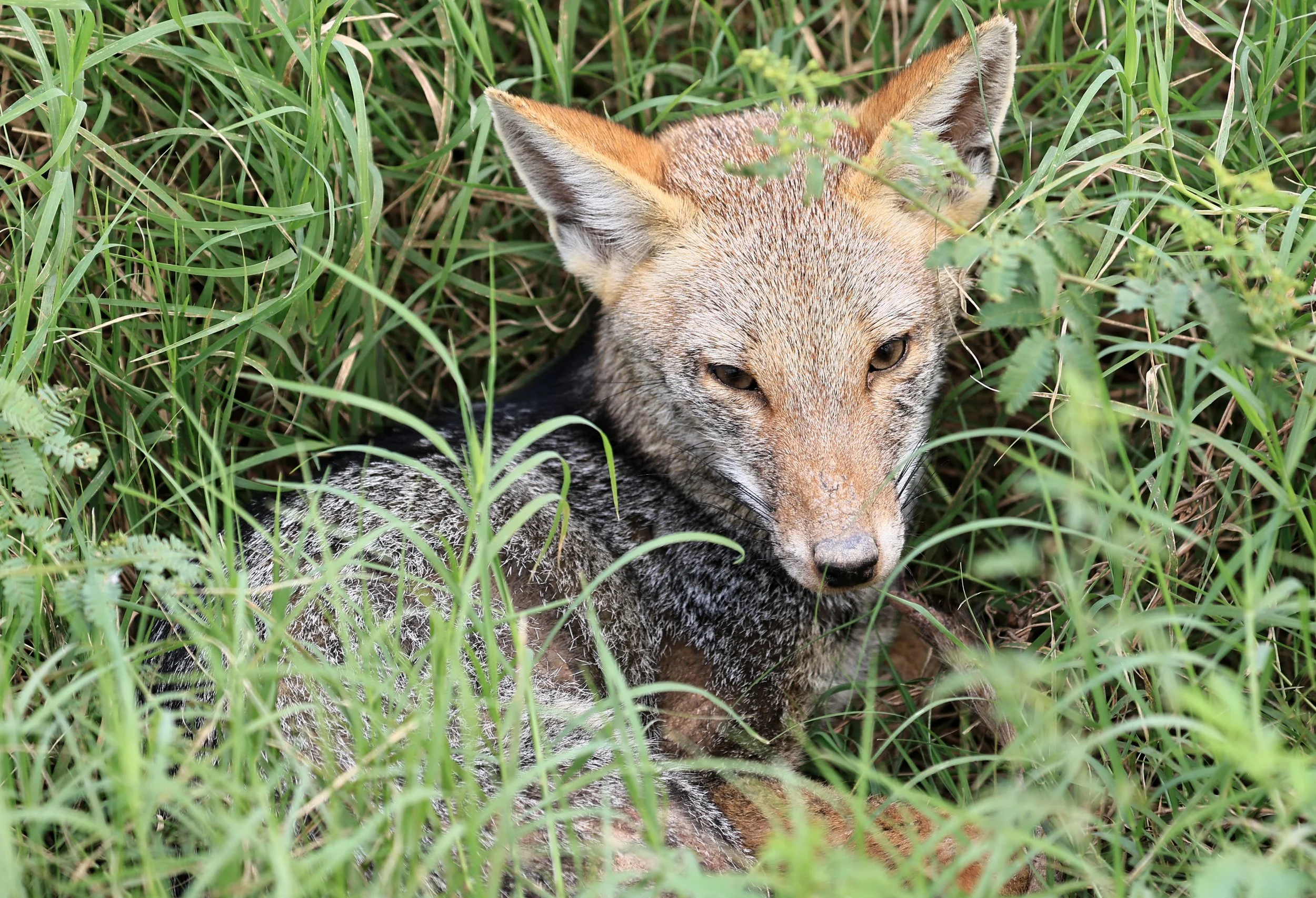
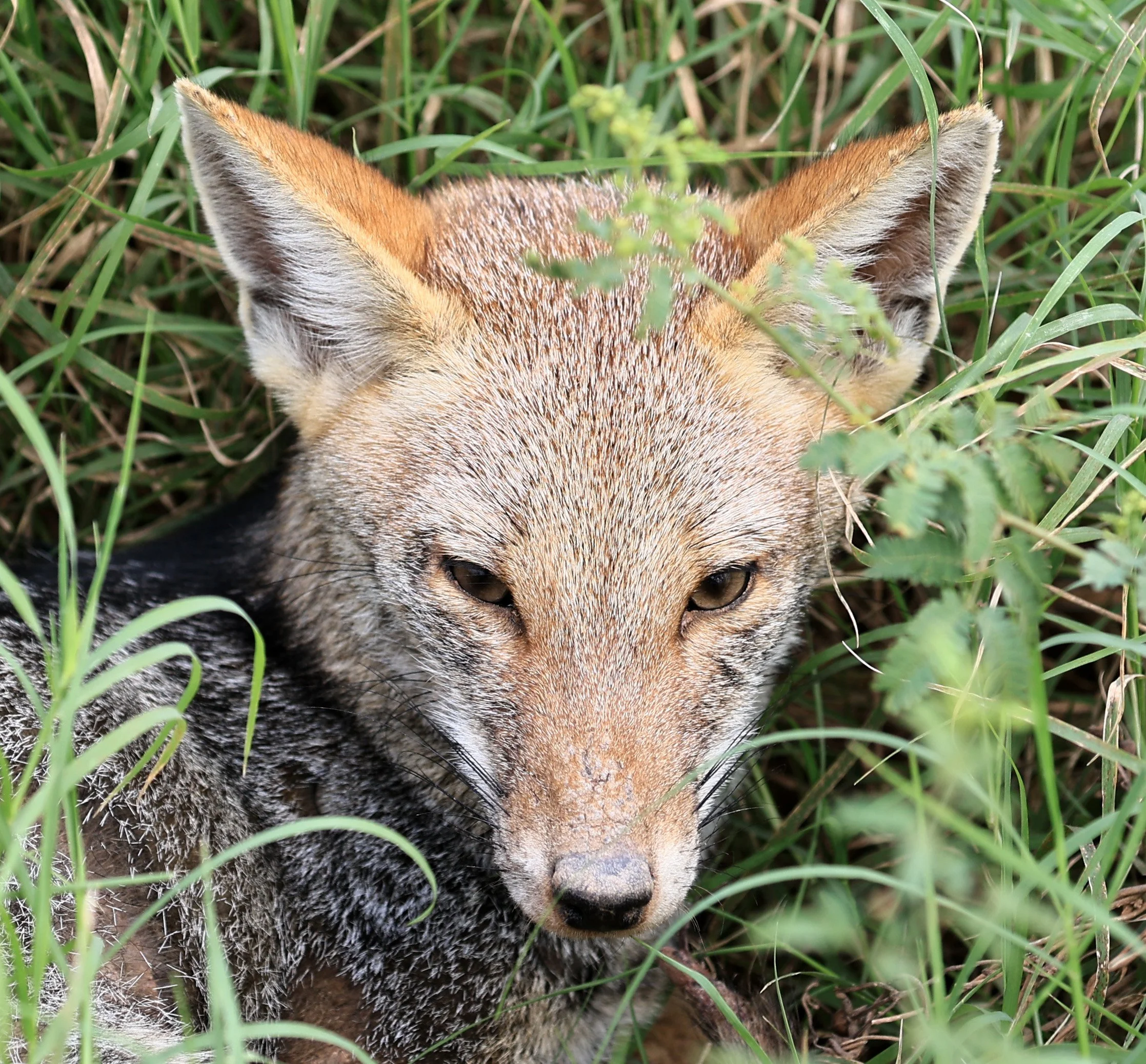
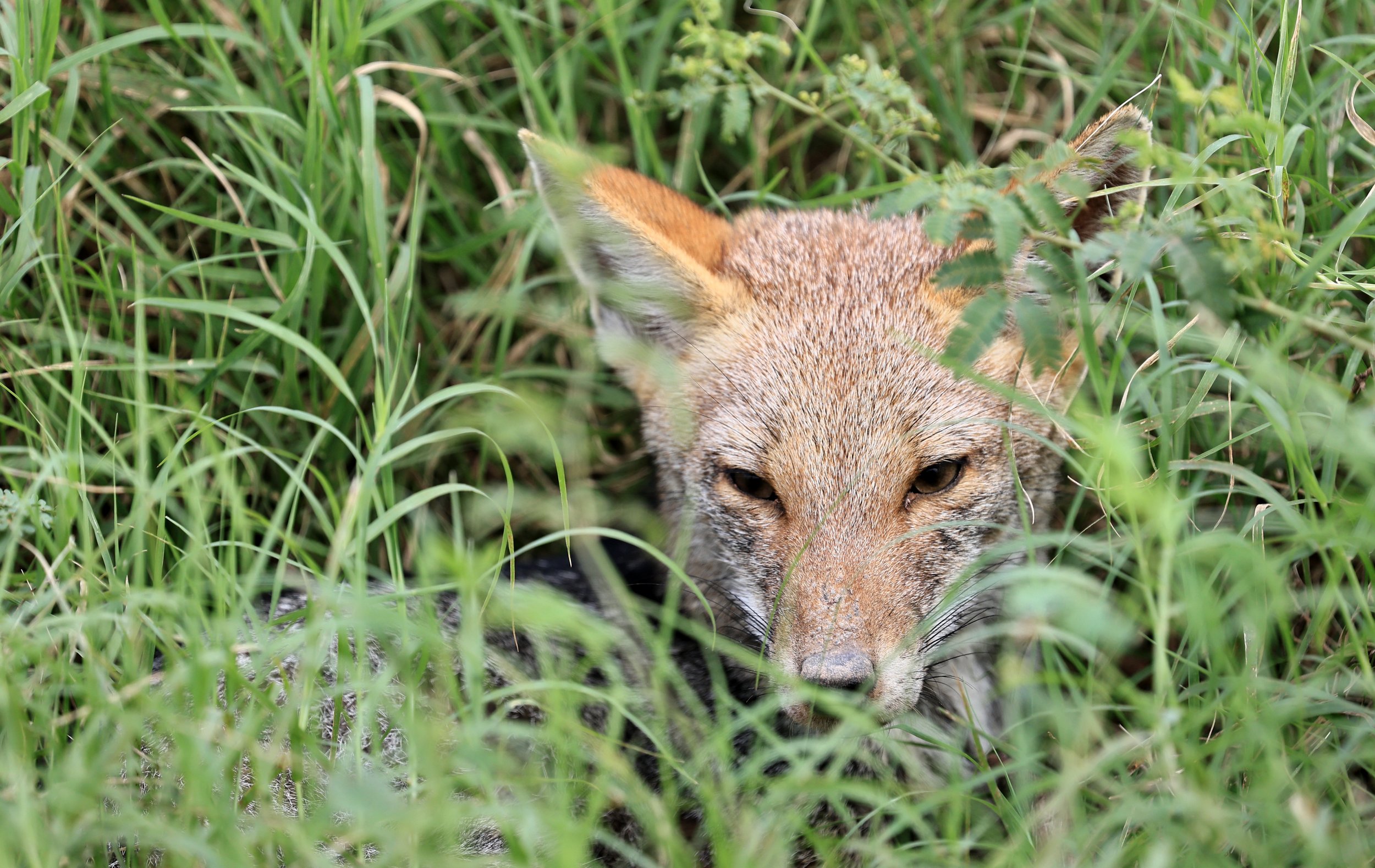
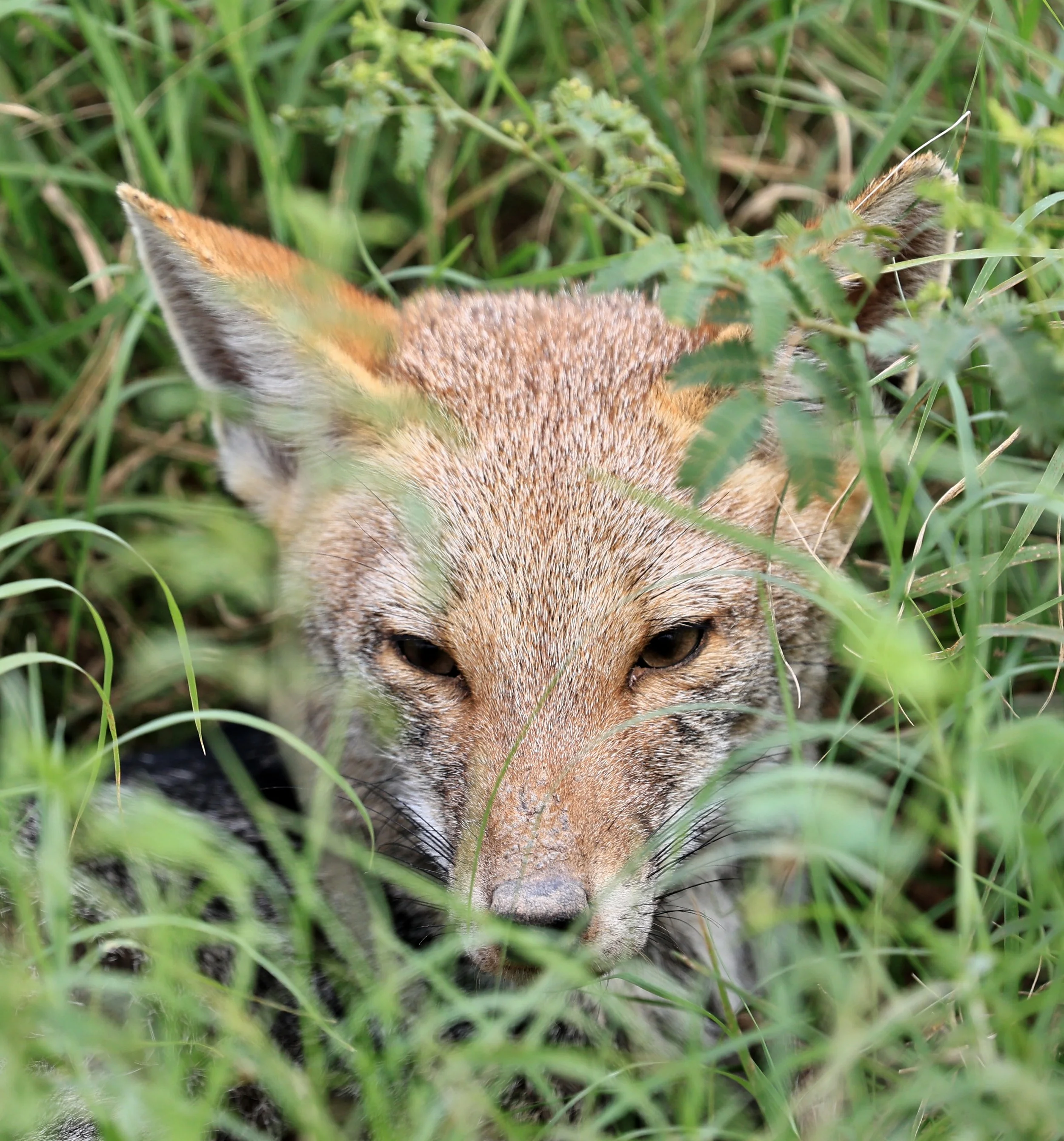
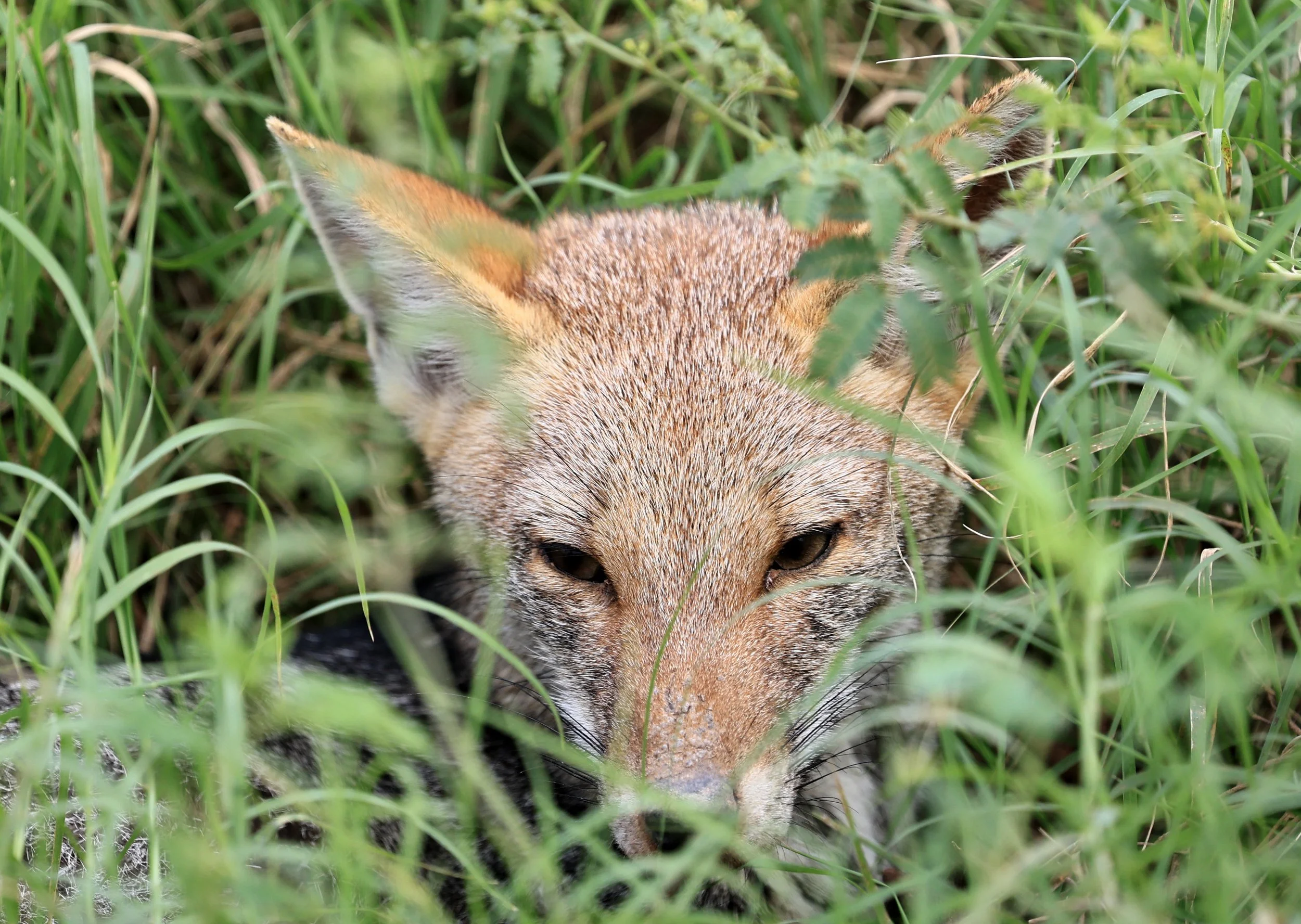
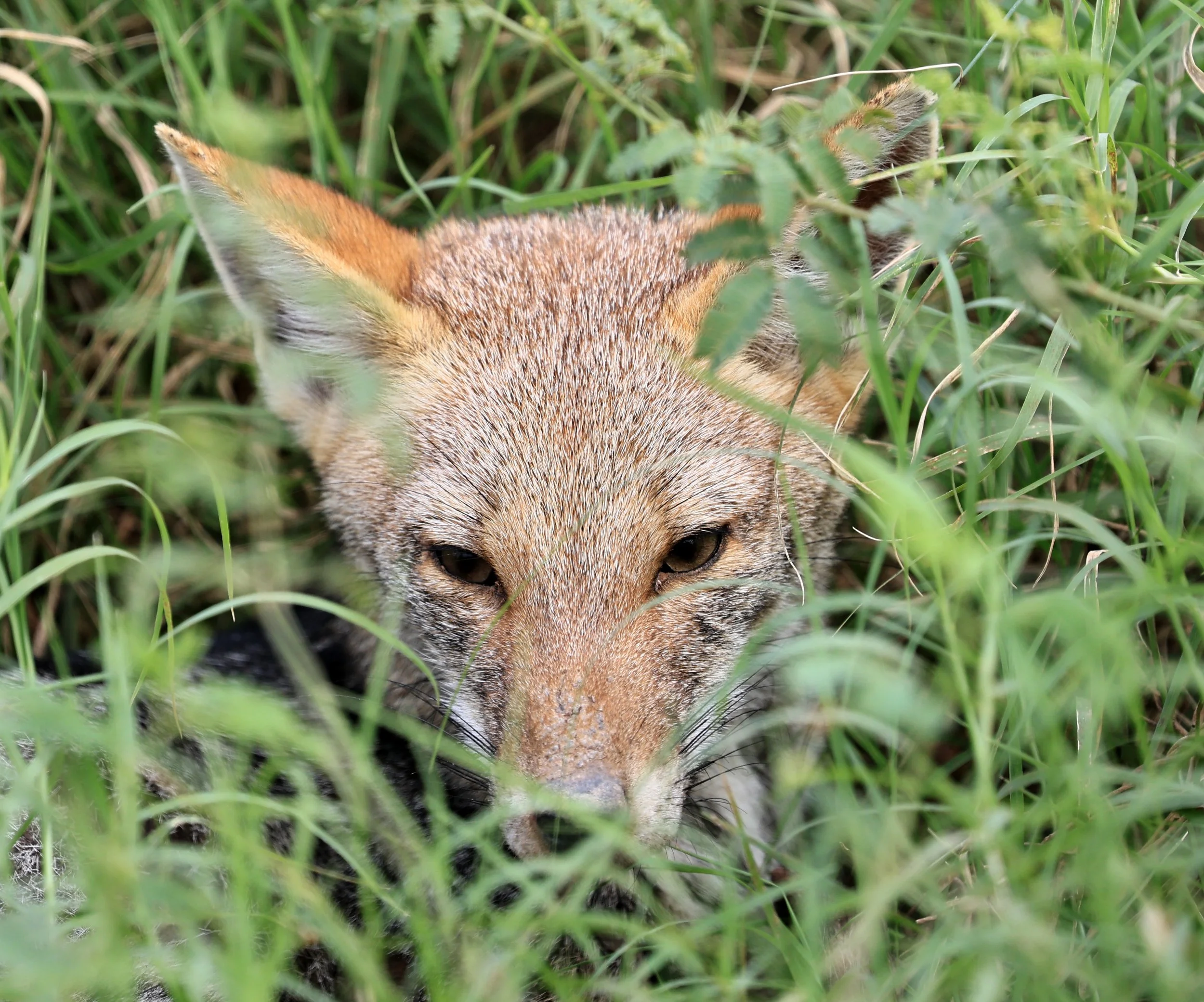
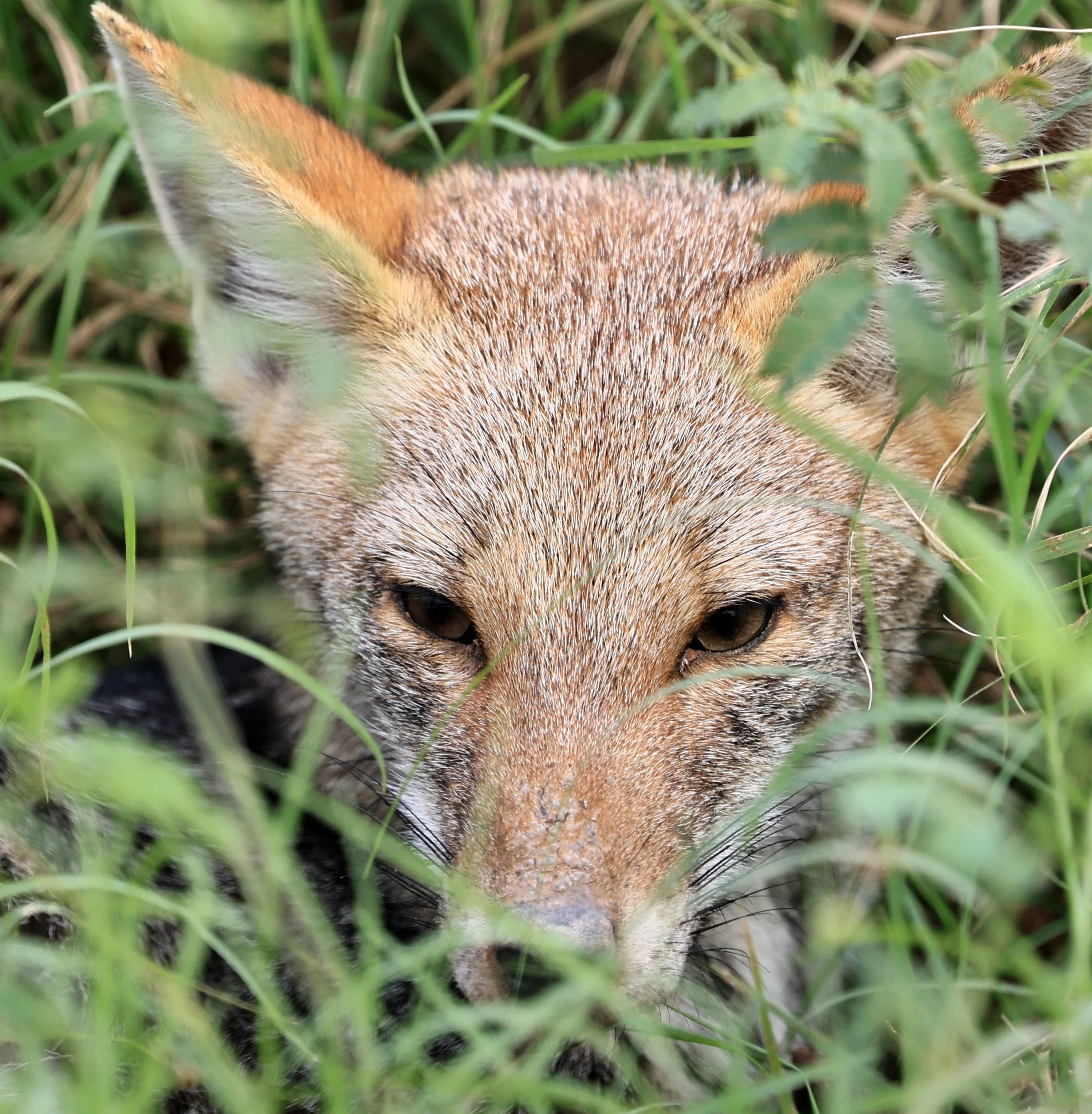
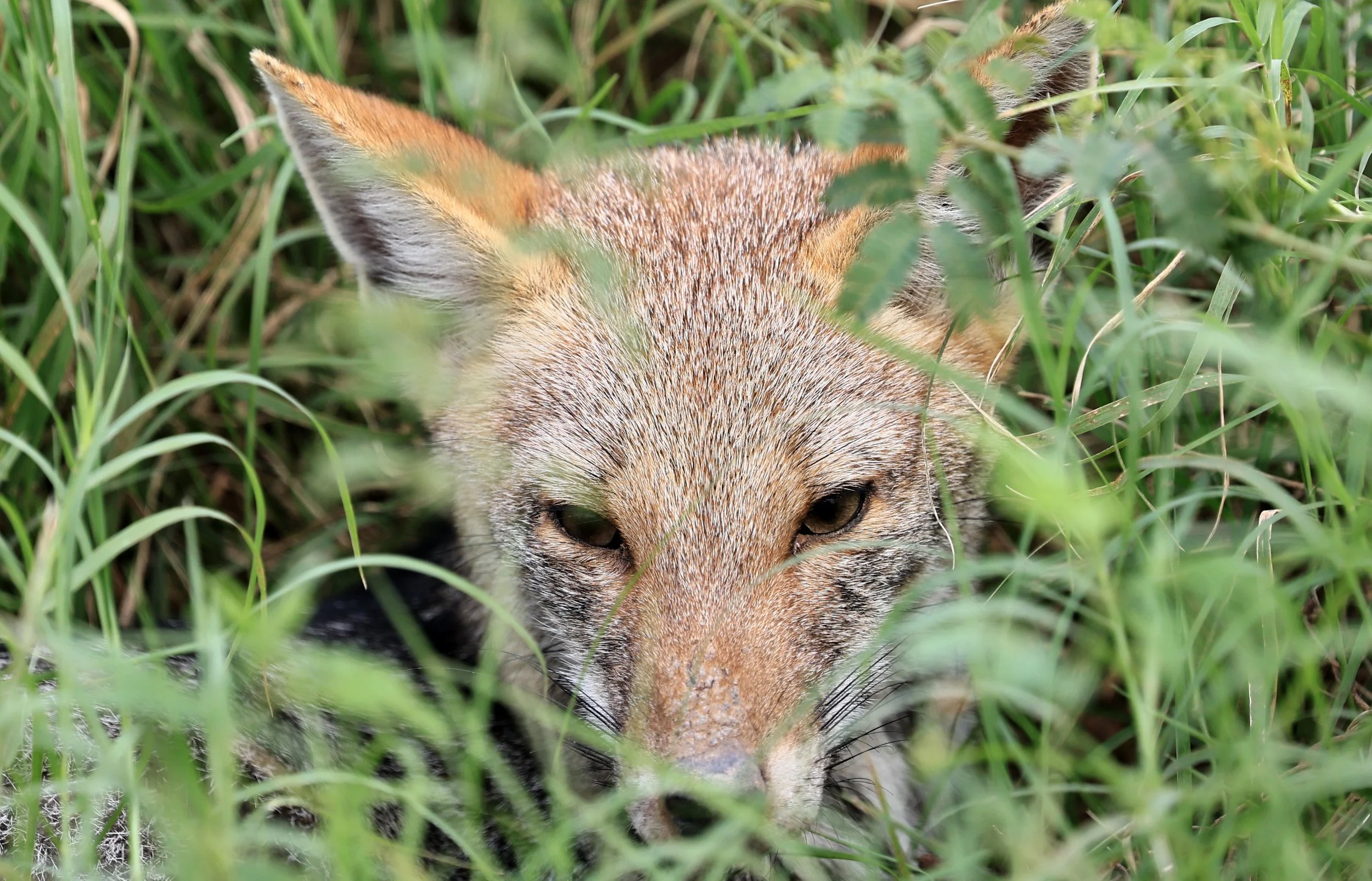
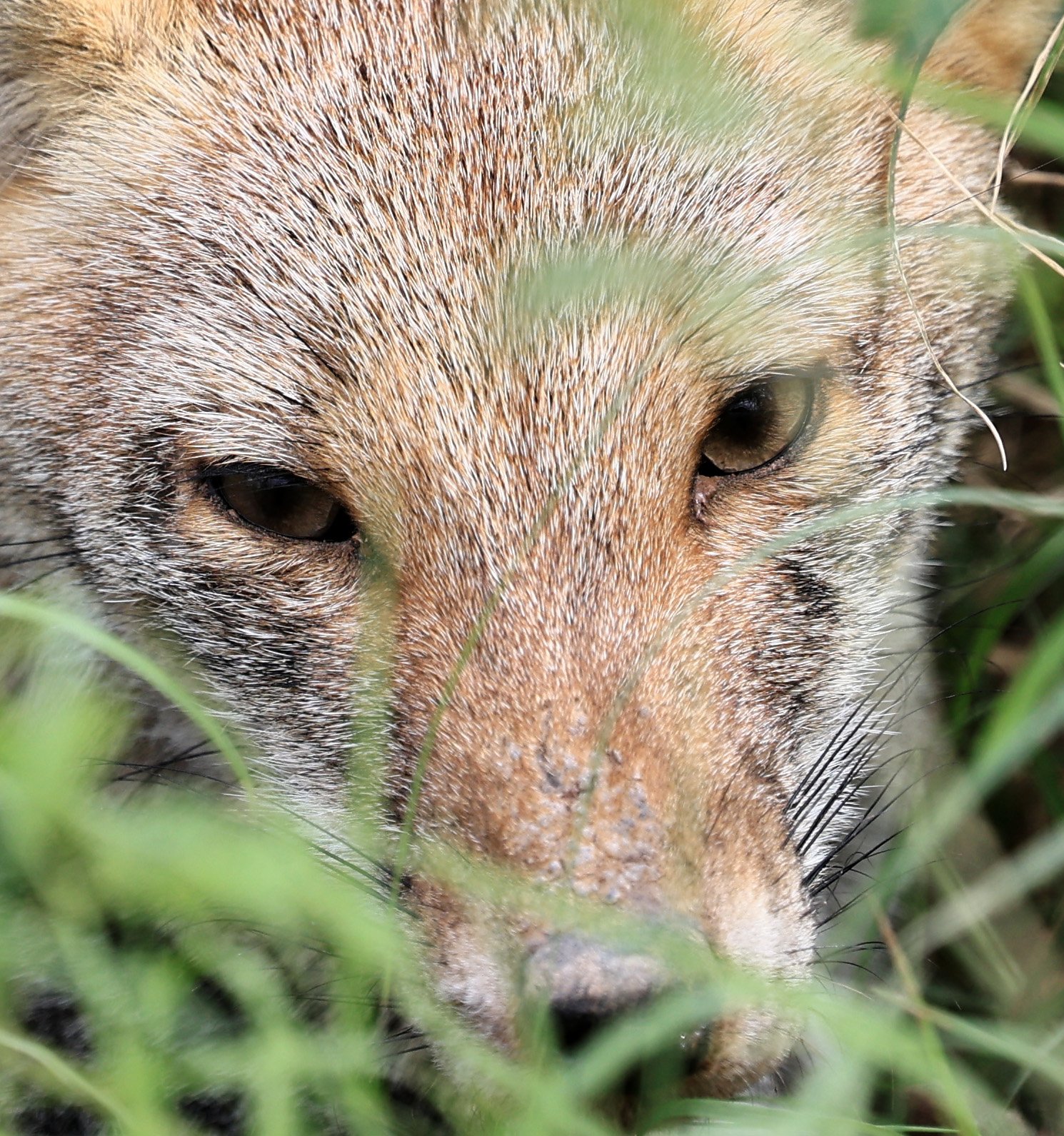
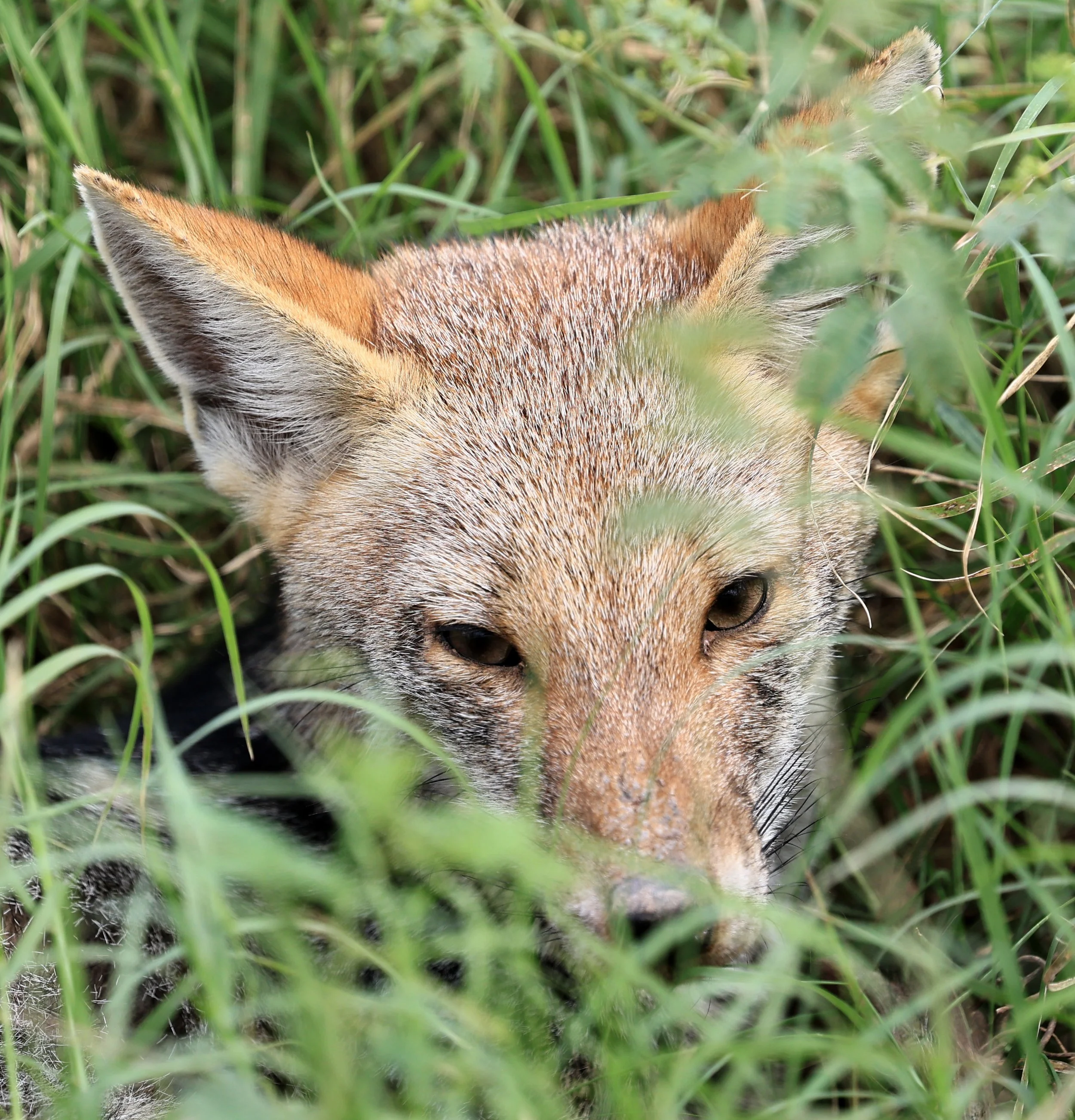
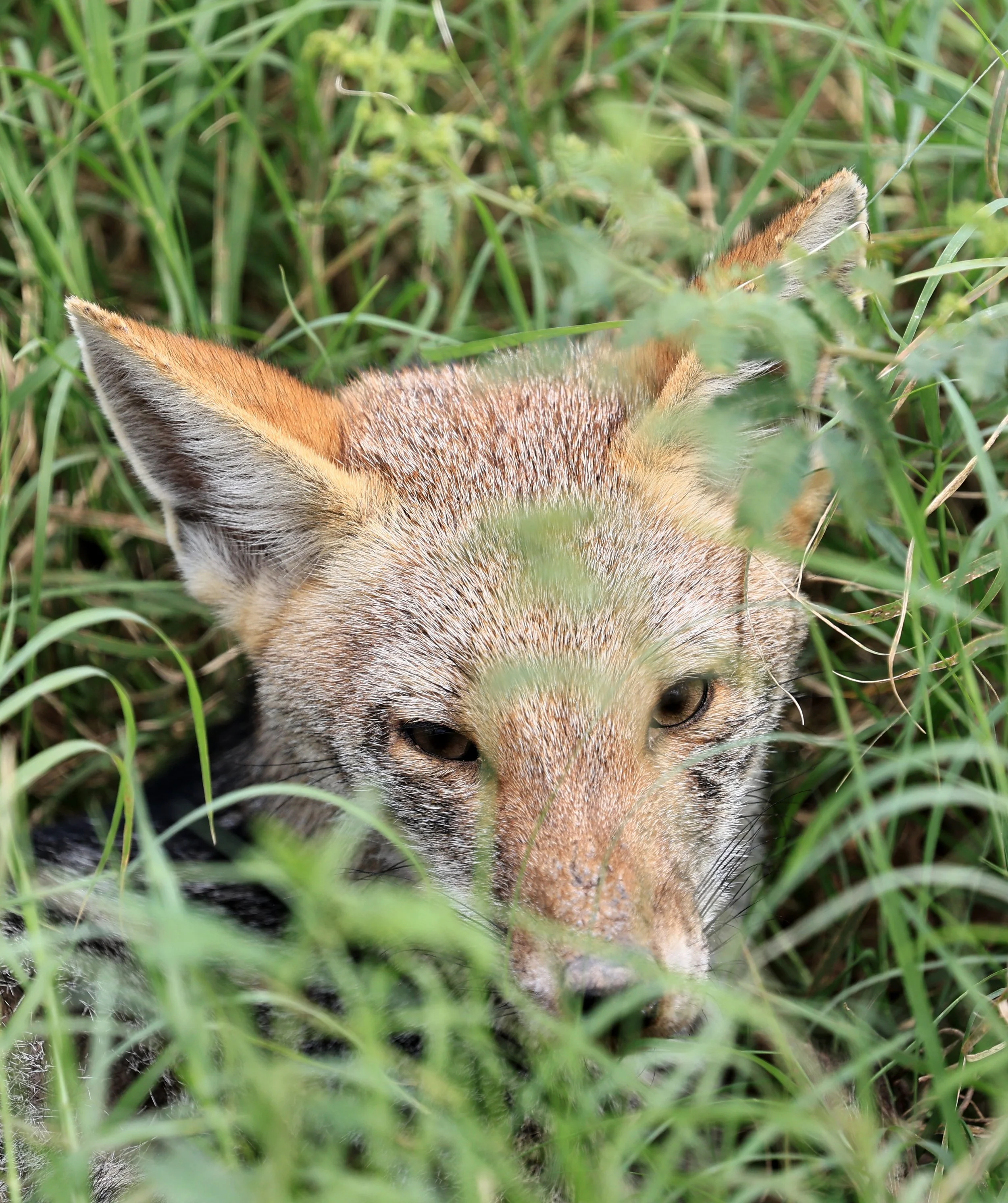
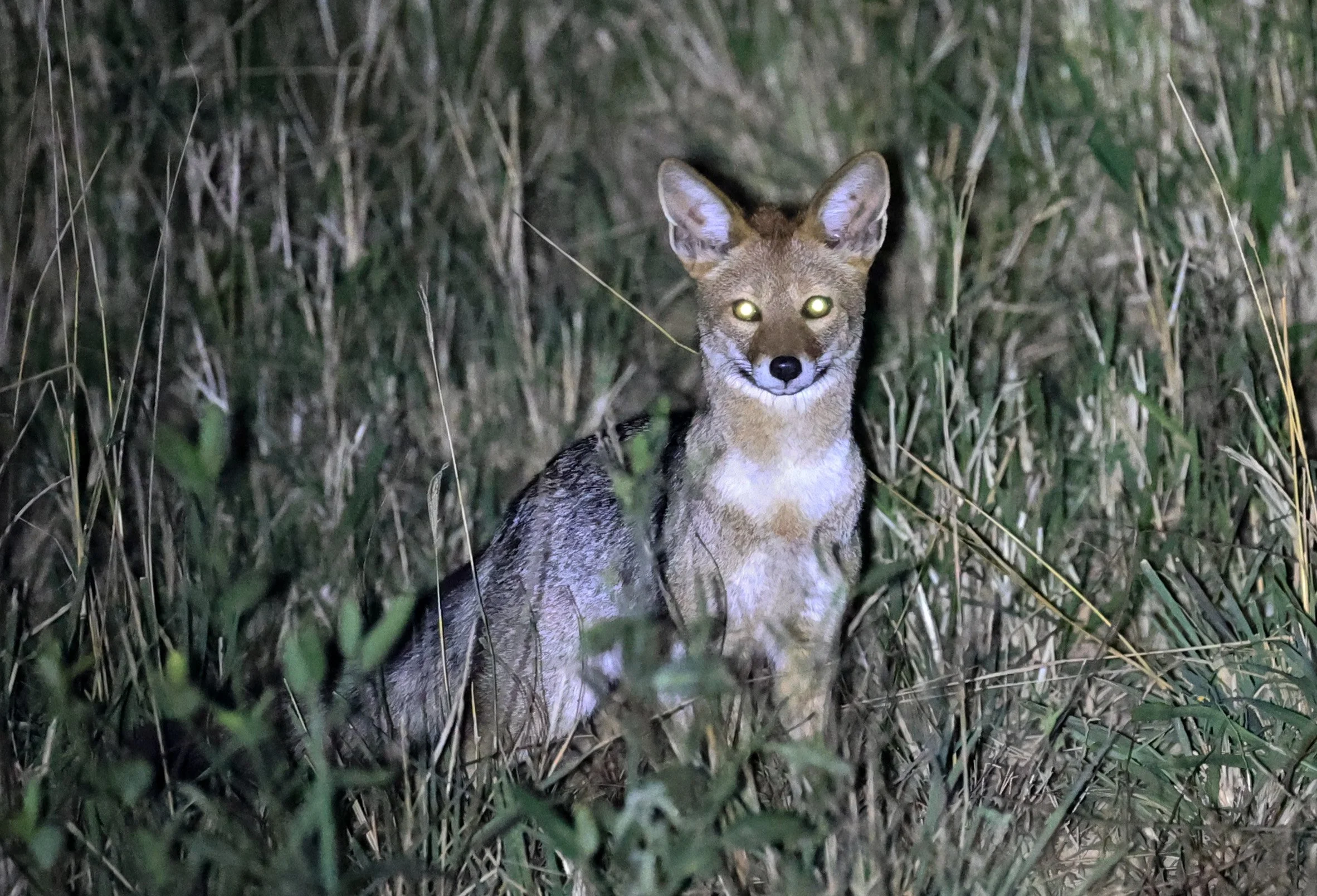
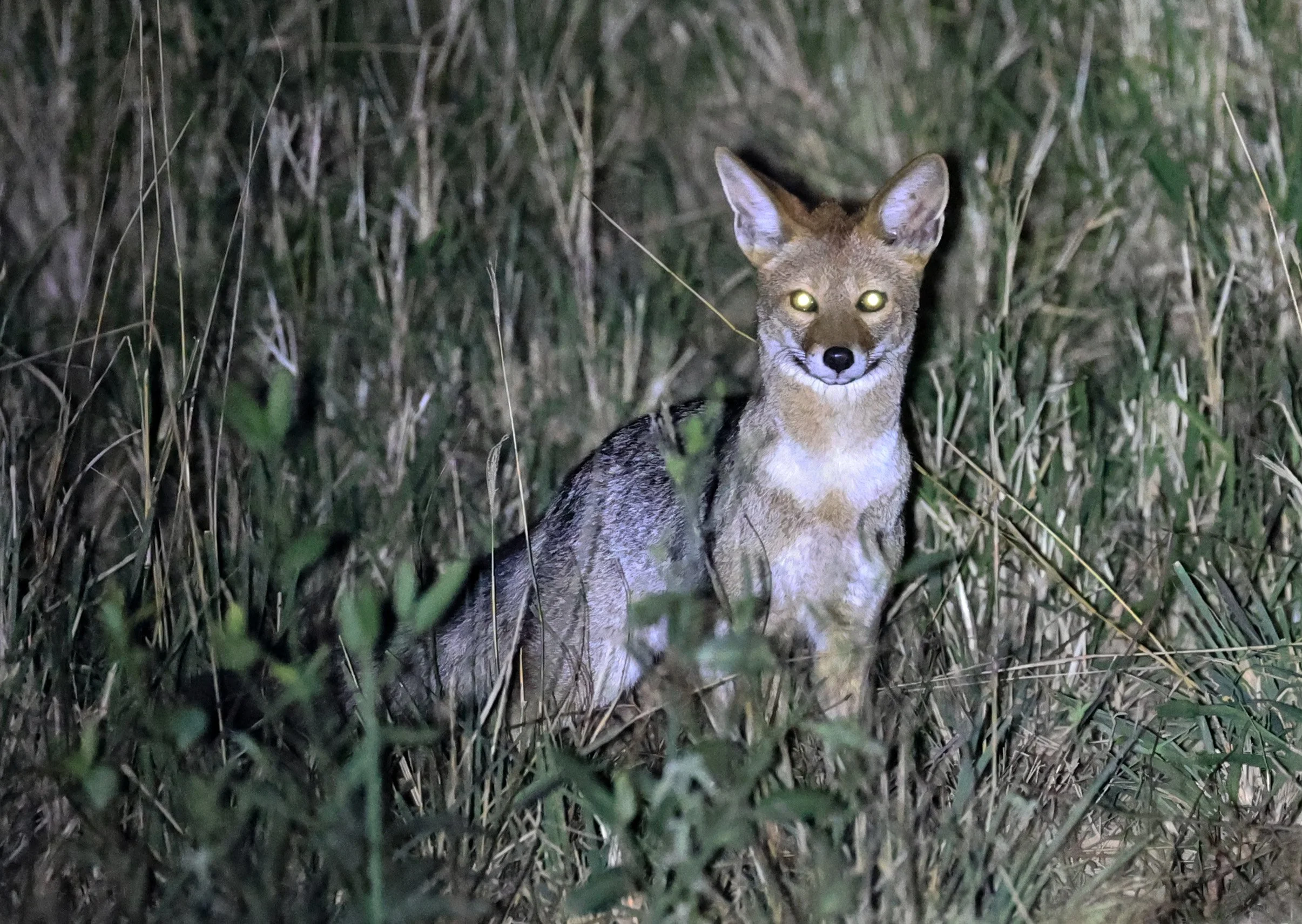
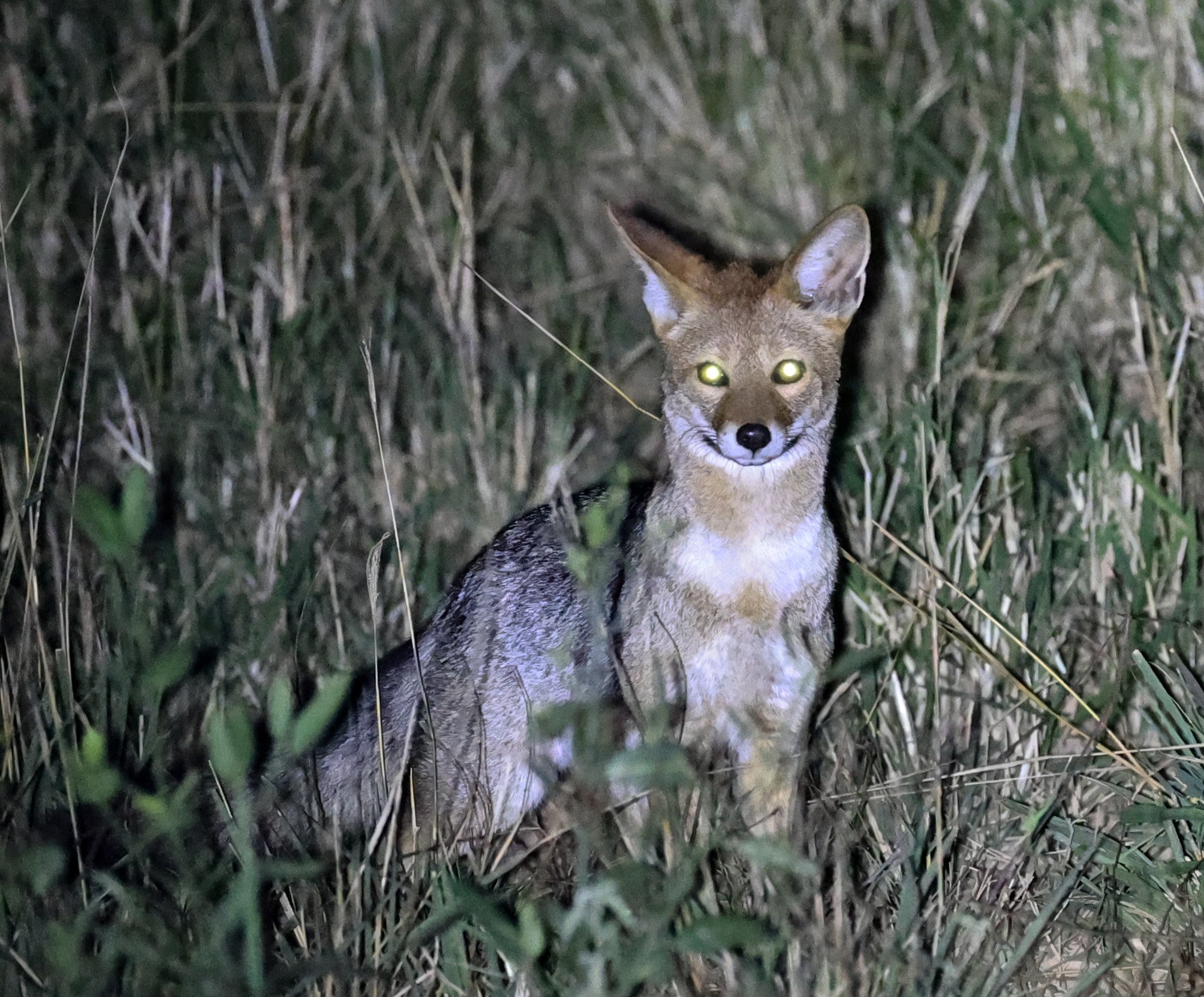
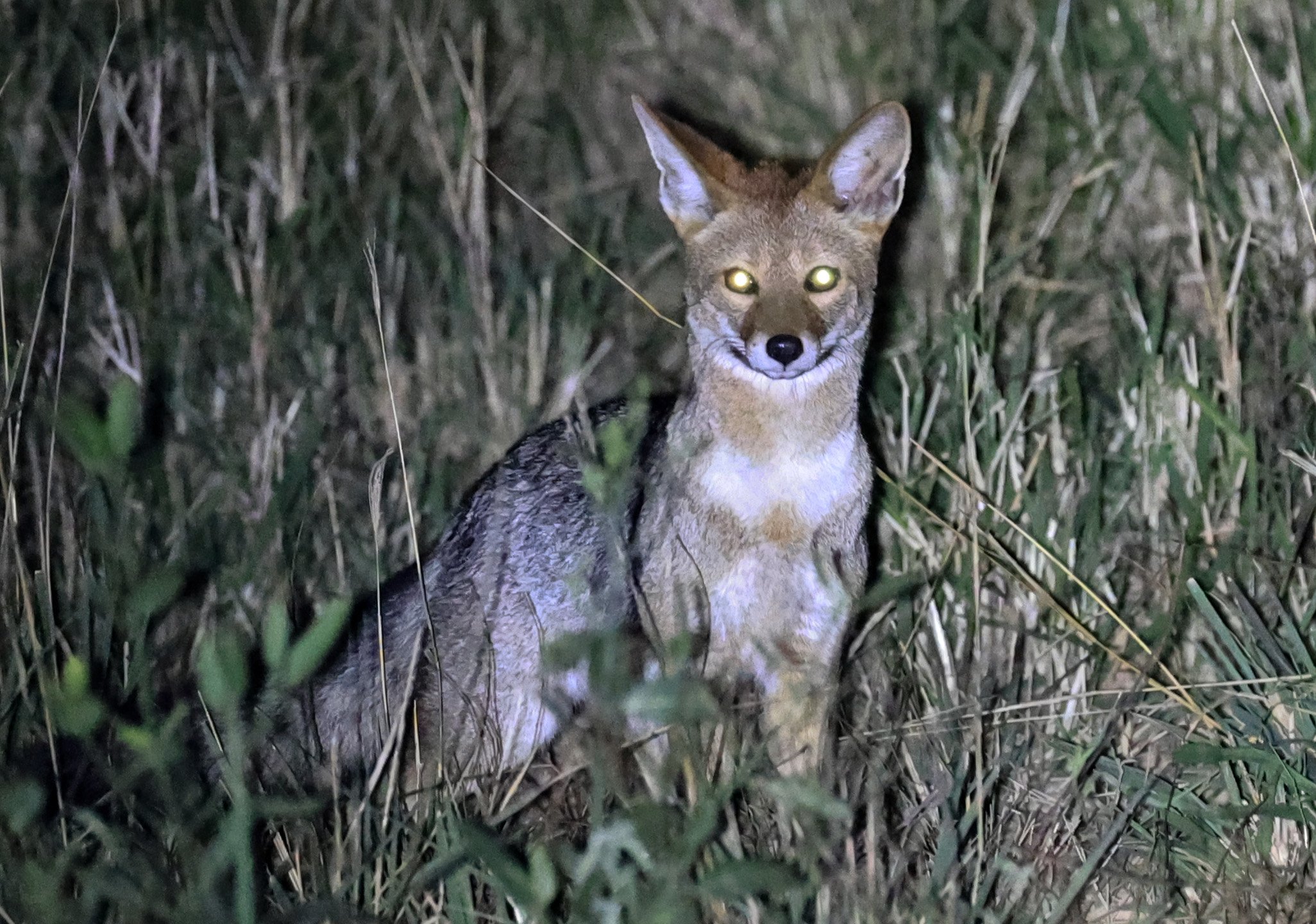
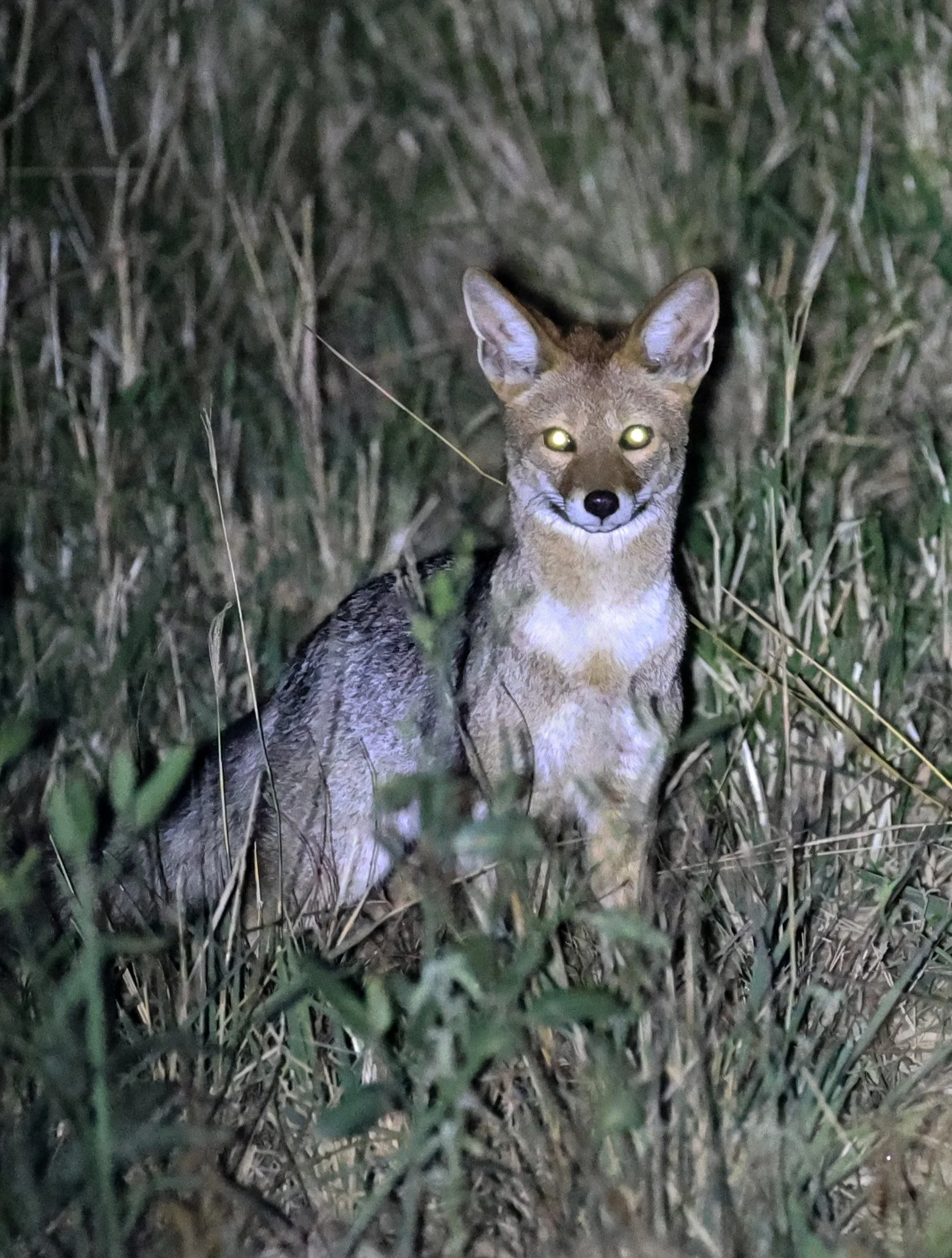
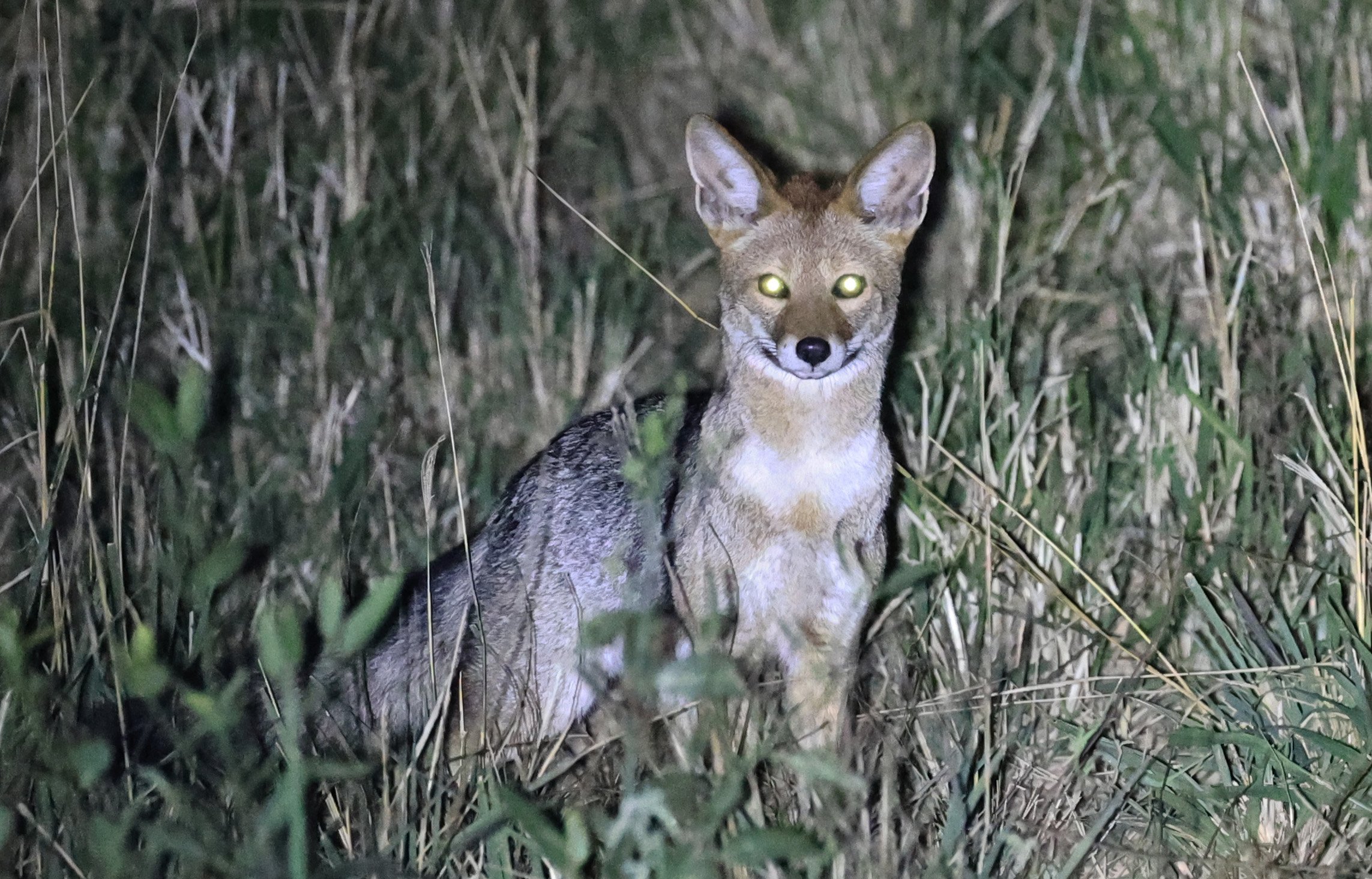
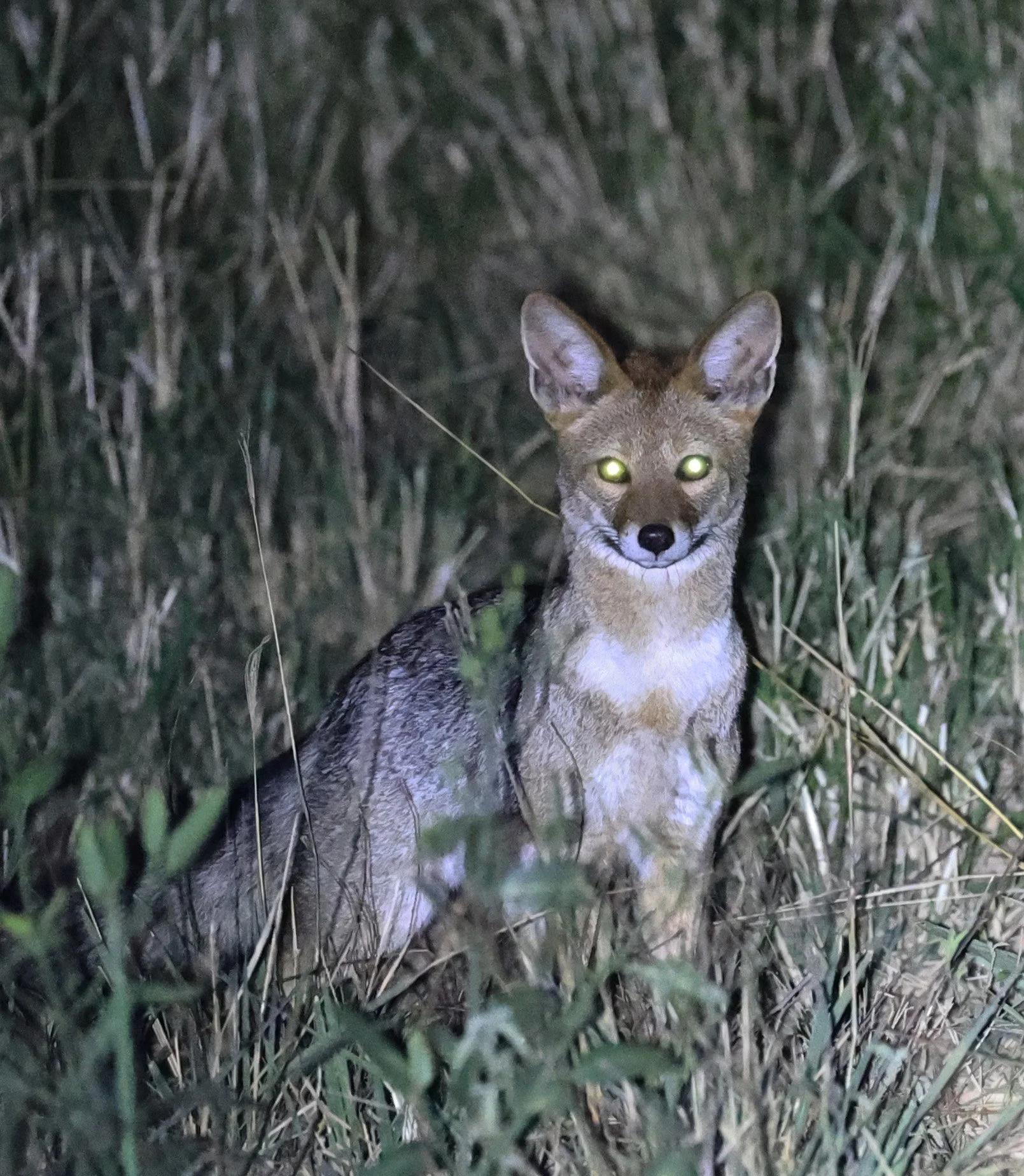
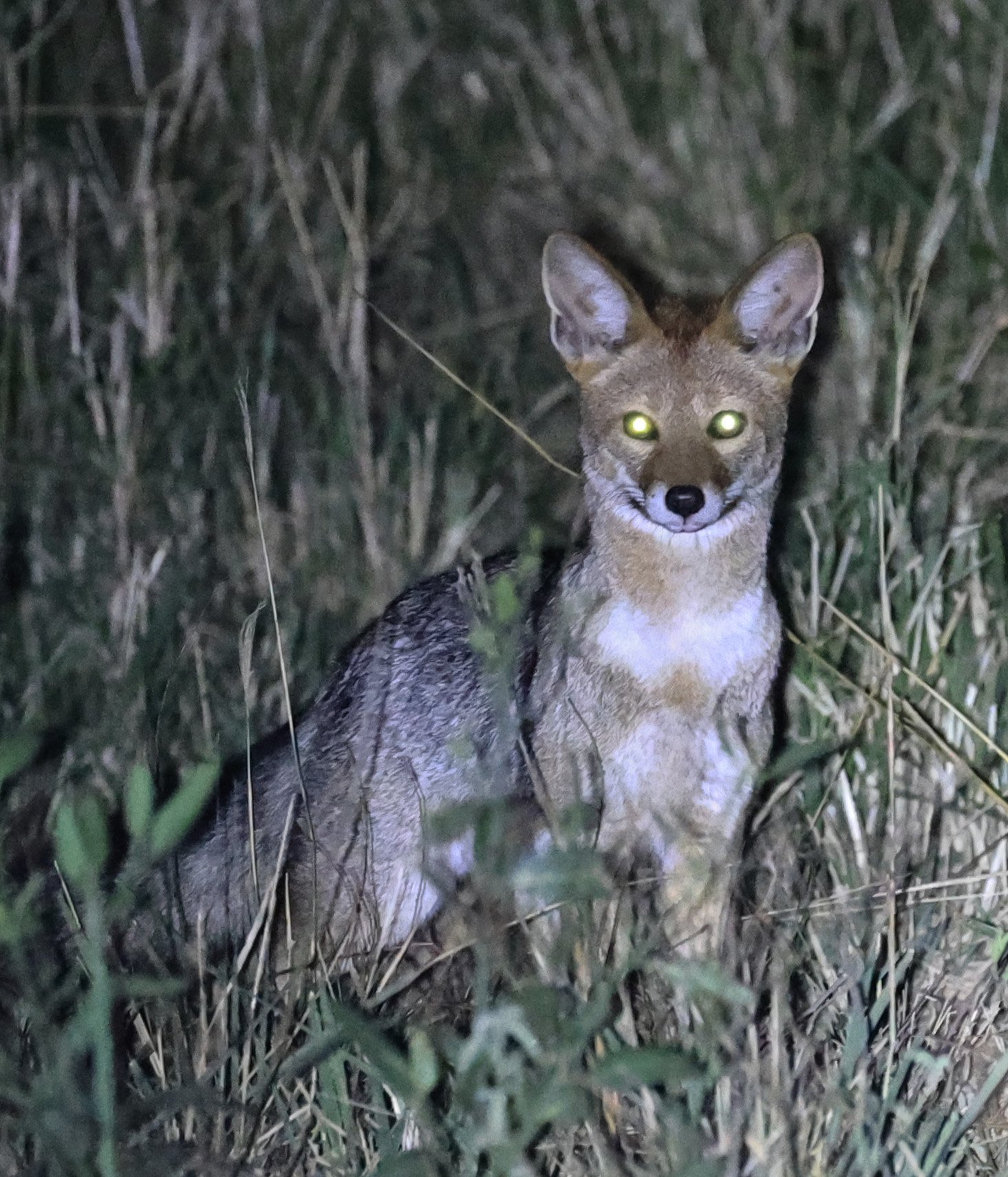
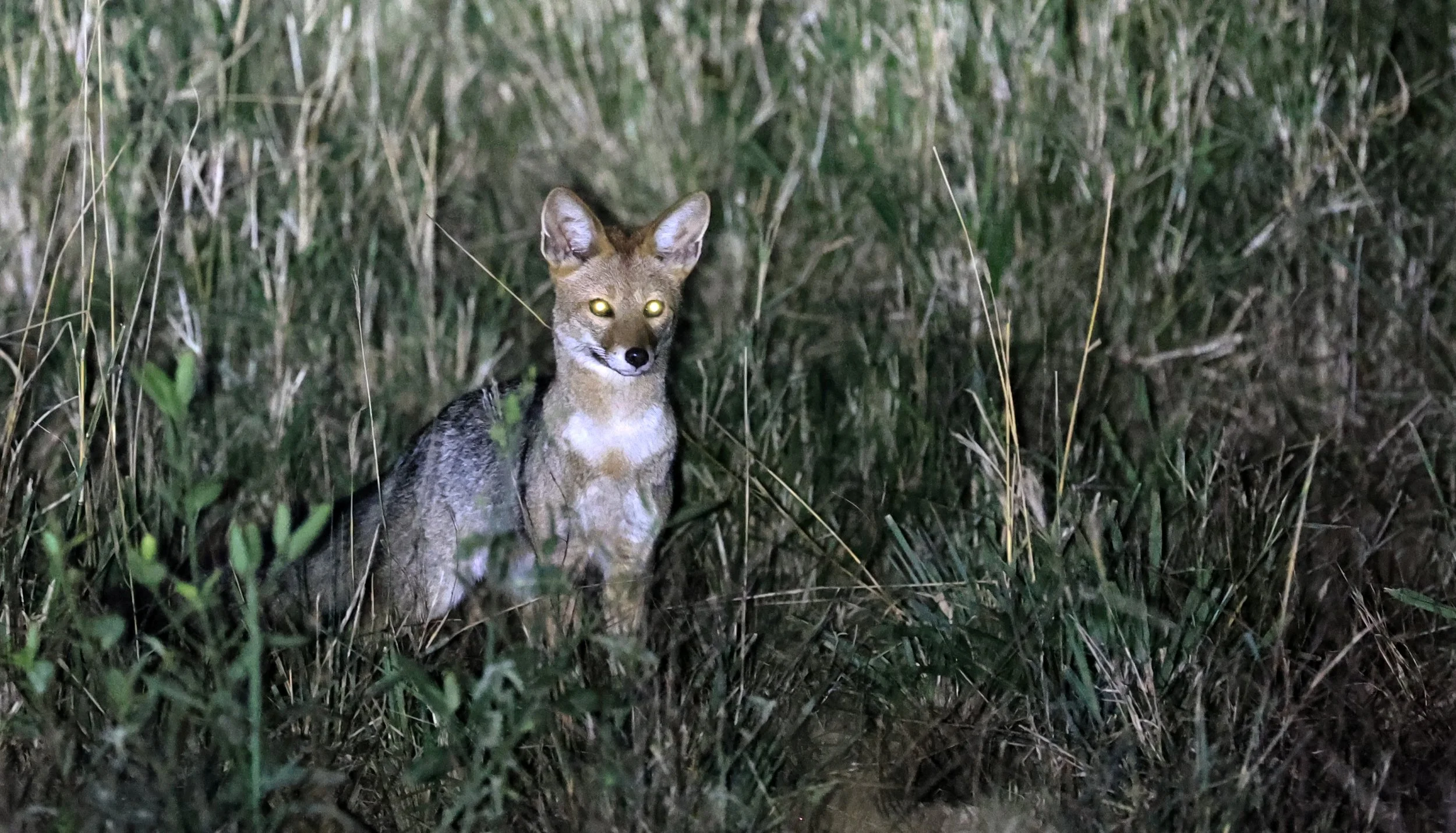
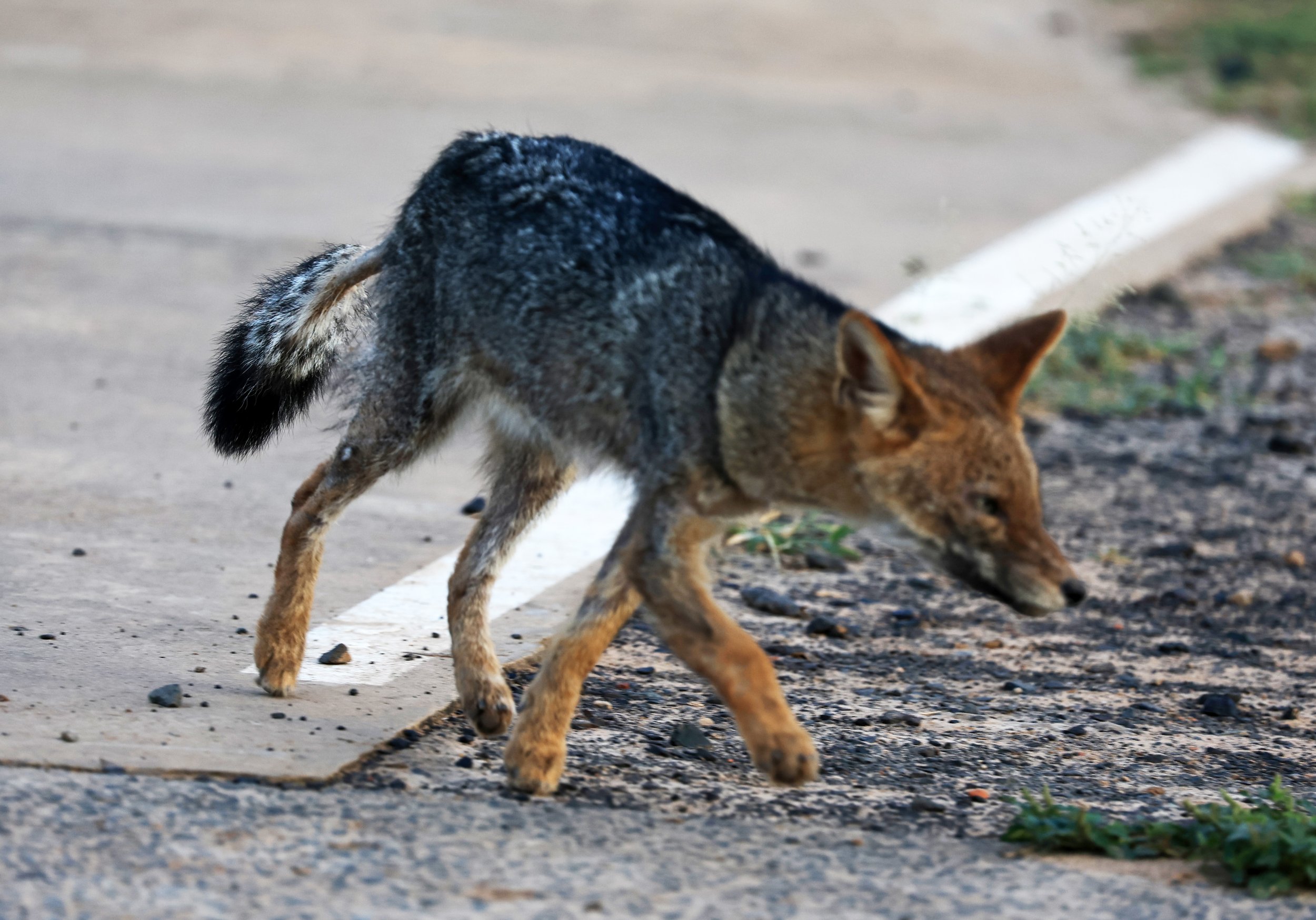
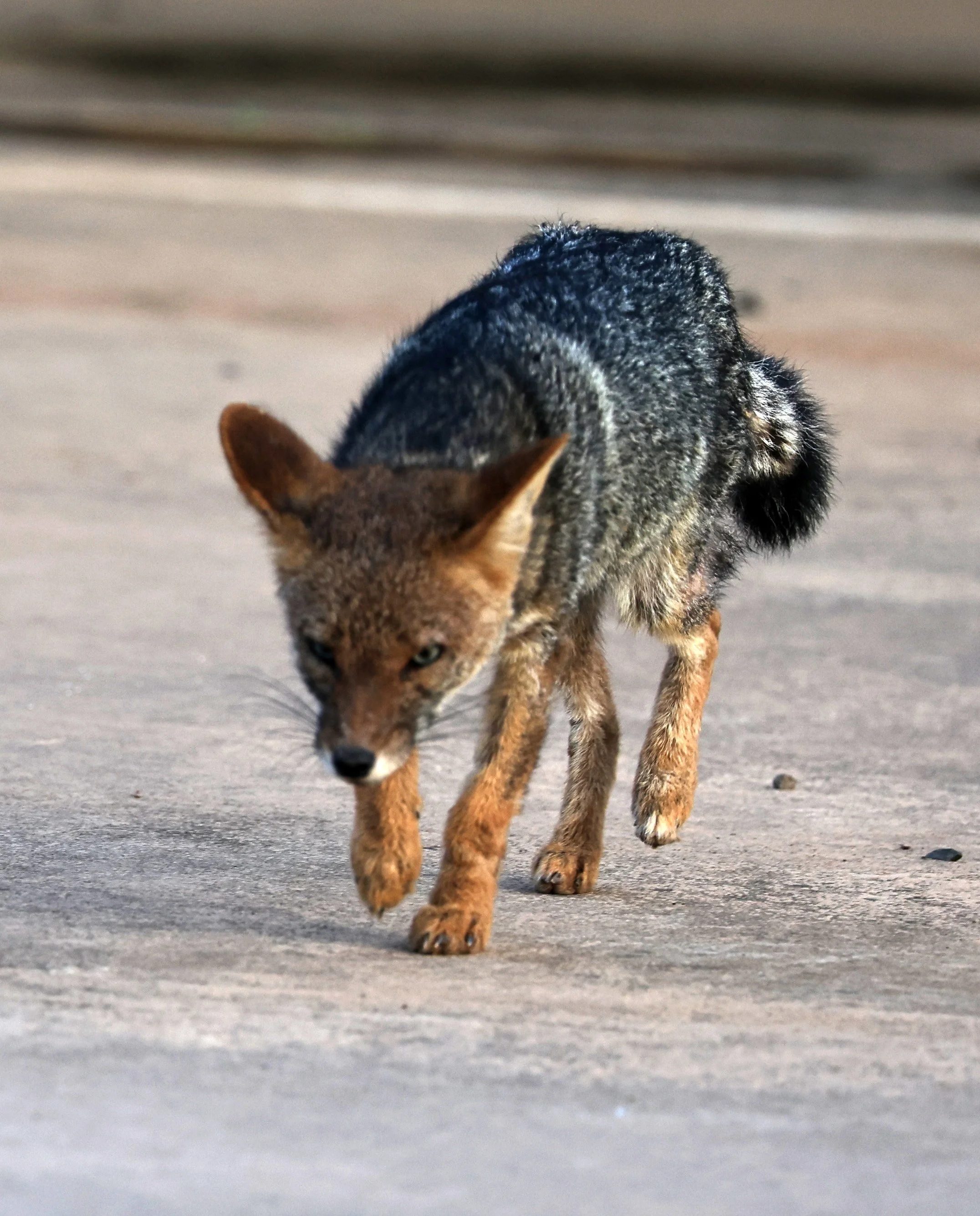
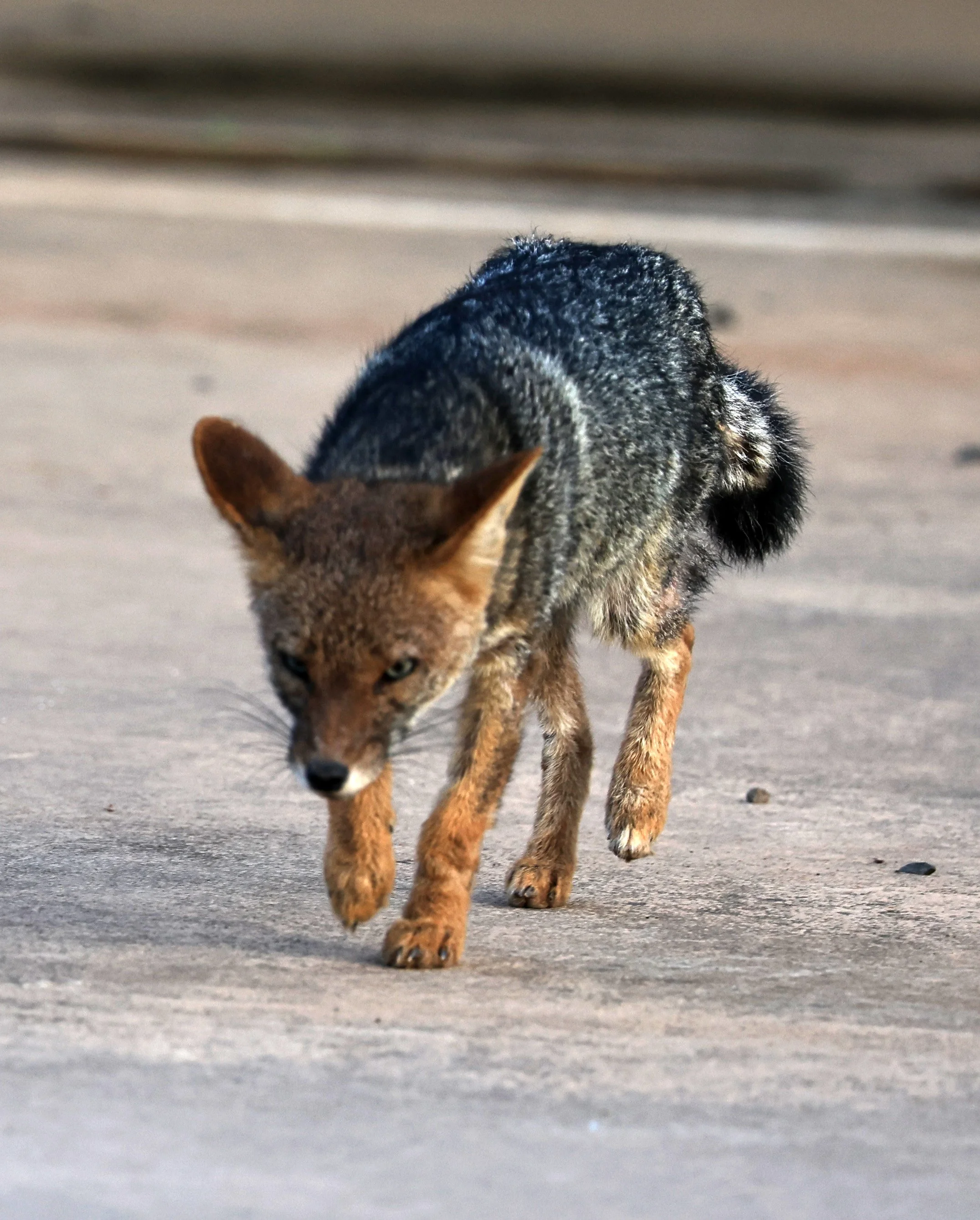
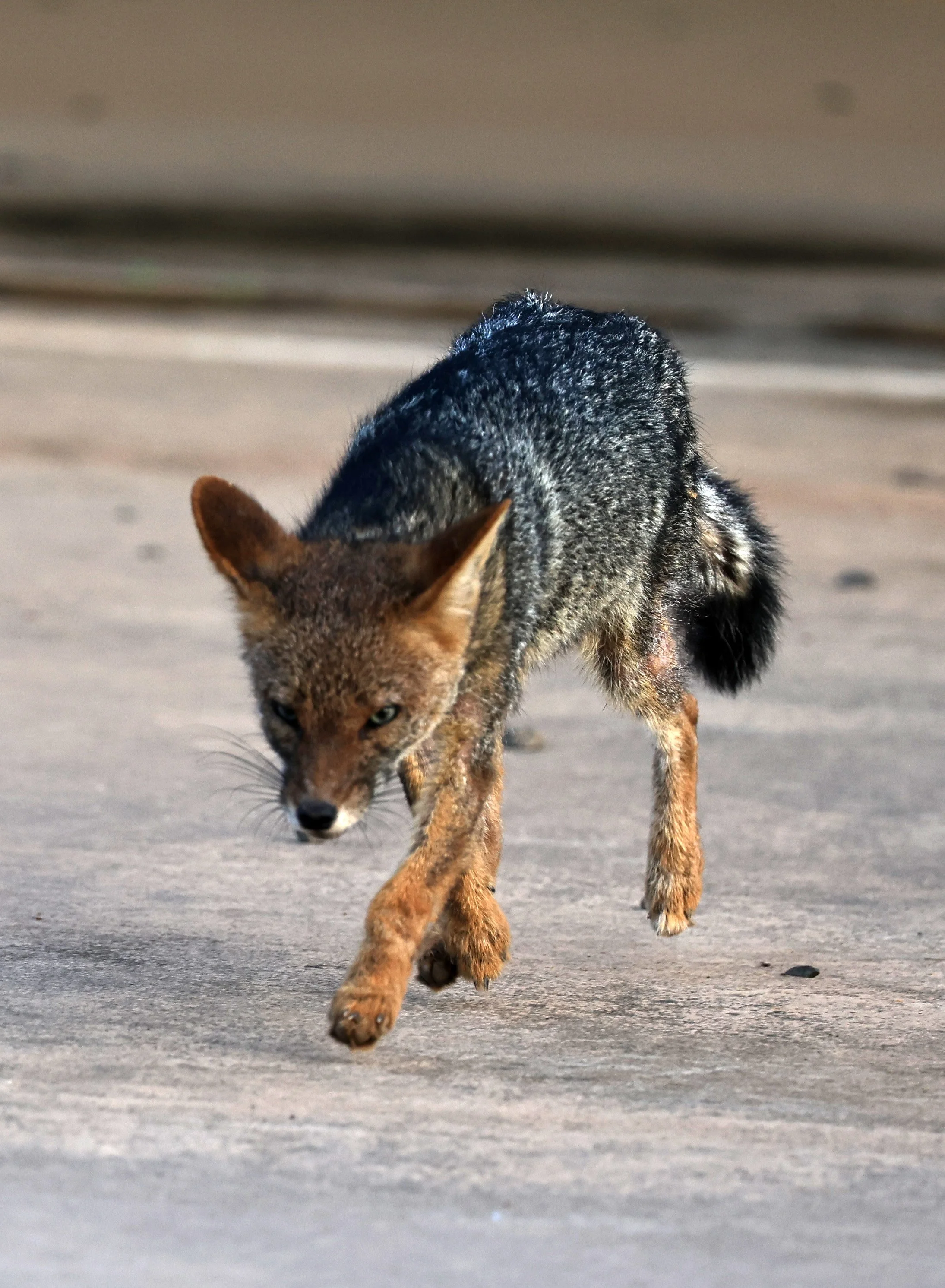
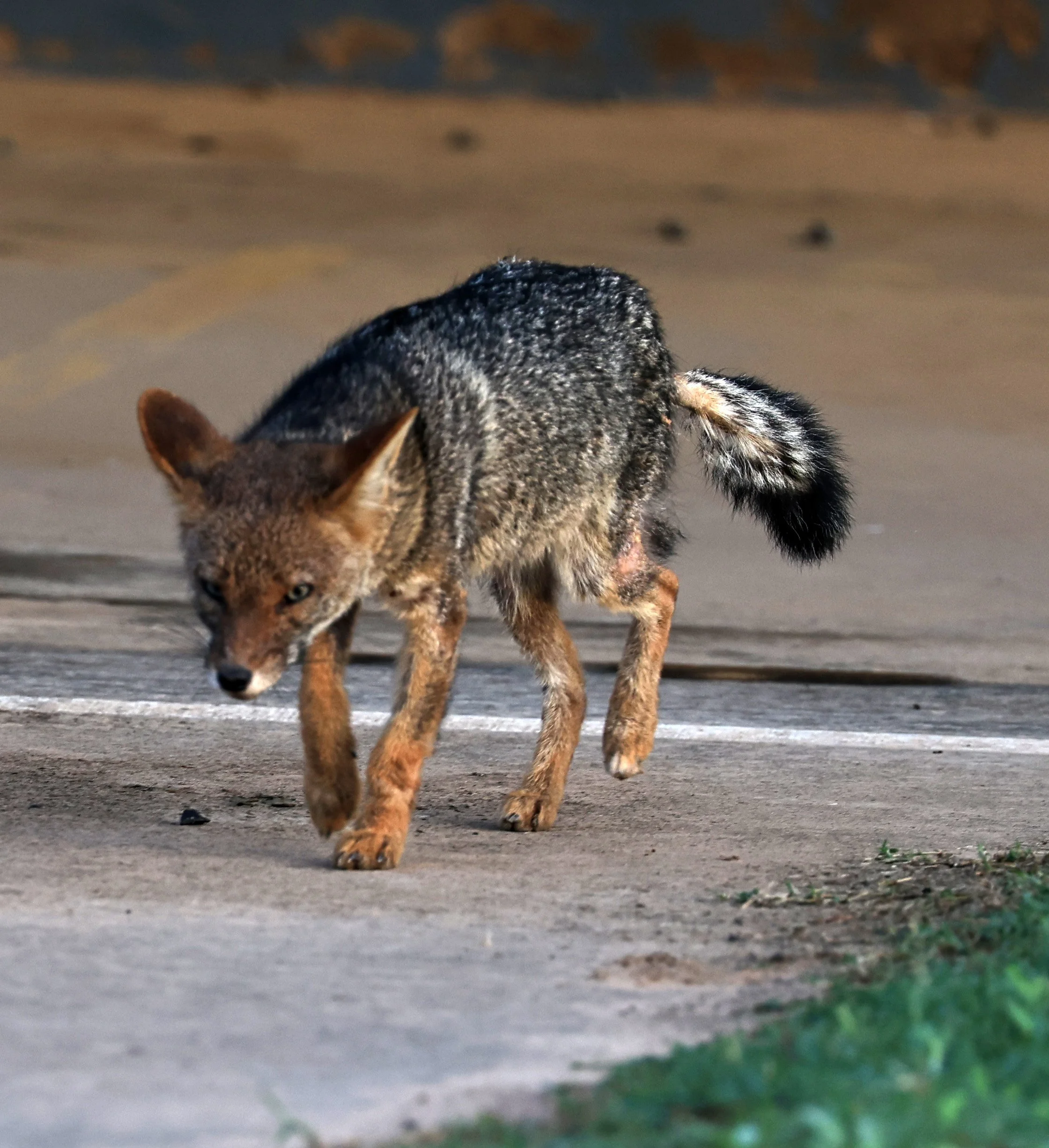
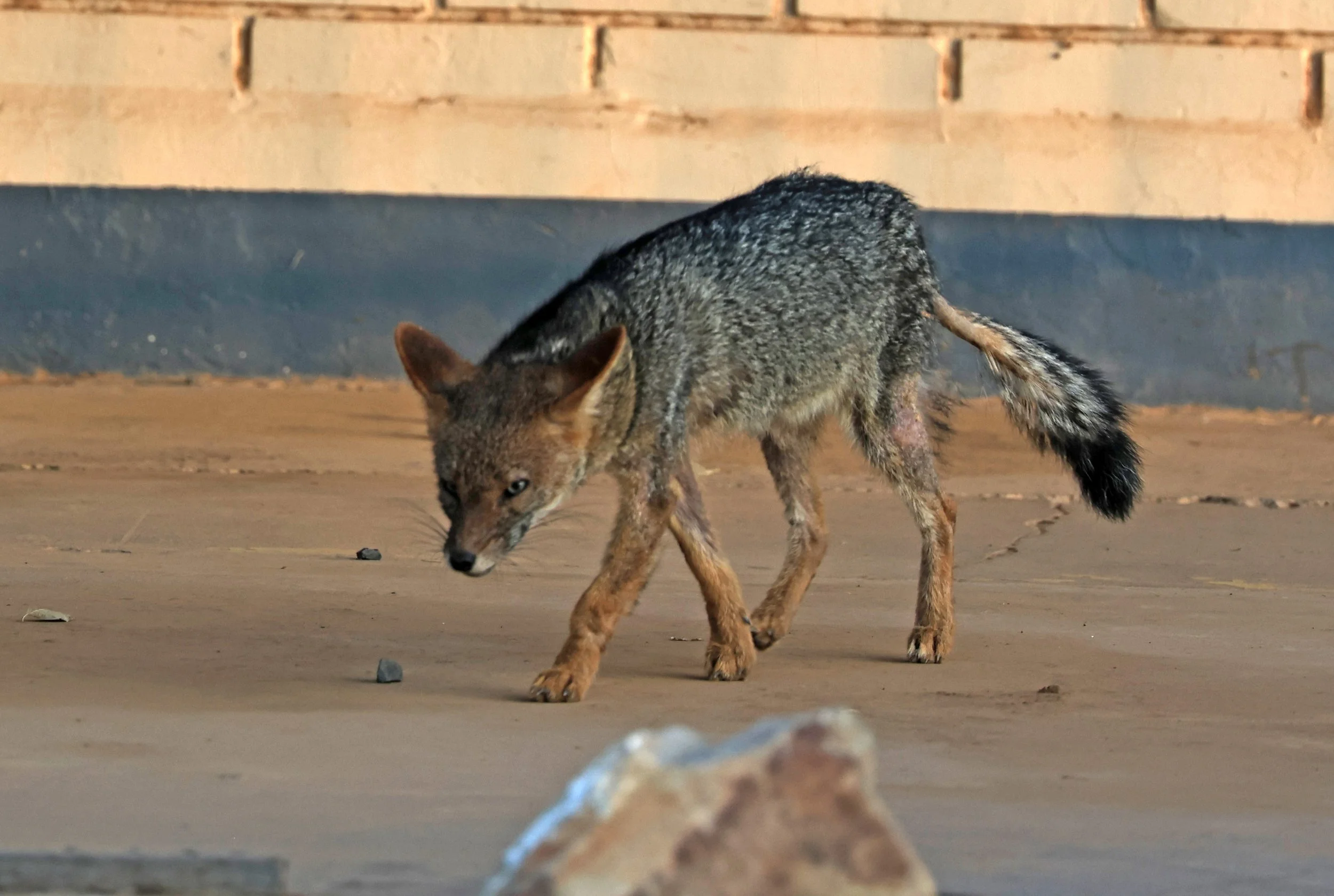
The Pampas Fox (Lycalopex gymnocercus), also known as the Grey Pampean Fox, Azara's Fox, or Pampas Zorro, is a medium-sized canid native to southern South America. Despite its common name, it is not a true fox of the genus Vulpes but belongs to the genus Lycalopex, which contains the South American "false foxes." Its scientific classification is: Kingdom Animalia, Phylum Chordata, Class Mammalia, Order Carnivora, Family Canidae, Genus Lycalopex, and Species L. gymnocercus. The species is one of the most widespread and adaptable carnivores of the South American grasslands. [en.wikipedia.org], [animaldiversity.org]
The Pampas Fox is an important mesopredator within South American ecosystems, helping regulate populations of small mammals, birds, reptiles, and insects while also acting as a scavenger and occasional seed disperser. Its ability to exploit both natural and human-modified environments has contributed to its success across a large geographic range. [mdpi.com], [academic.oup.com]
General Description
The Pampas Fox is a medium-sized canid with a body length of approximately 51 to 80 centimetres, a bushy tail measuring around 25 to 41 centimetres, and a weight ranging from about 2.4 to 8 kilograms, although most adults weigh between 4 and 6 kilograms. Males are generally around 10% heavier than females. The species has a dense grey coat with lighter underparts, reddish fur on the head, neck, and legs, and a characteristic black mark on the muzzle. The bushy tail is marked by black patches near its base and tip, helping distinguish it from similar South American fox species. [animaldiversity.org], [en.wikipedia.org]
The species is primarily omnivorous and highly opportunistic. Its diet includes small mammals, birds, reptiles, amphibians, insects, carrion, and a variety of fruits. This dietary flexibility allows the Pampas Fox to survive in diverse environments and adapt to seasonal fluctuations in food availability. The species is usually solitary, although pairs are often observed during the breeding season. Breeding generally occurs between July and October, with females giving birth to litters of three to five pups after a gestation period of approximately 55 to 60 days. Both parents participate in caring for the young. [animaldiversity.org], [procarnivoros.org.br]
Distribution
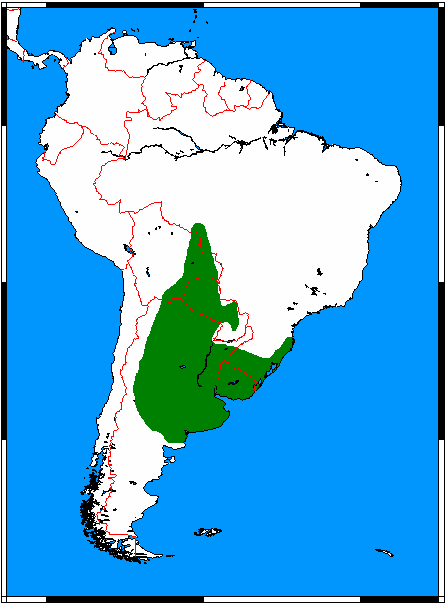
The Pampas Fox is distributed across much of southern South America, including Argentina, Uruguay, Paraguay, eastern Bolivia, and southern Brazil. It is particularly associated with the Pampas grasslands, one of the world's largest temperate grassland ecosystems, although its range extends well beyond these open plains. [en.wikipedia.org], [animaldiversity.org]
This highly adaptable species occupies a wide variety of habitats, including grasslands, savannas, shrublands, chaco woodlands, open forests, wetlands, dunes, agricultural fields, and livestock grazing areas. Although it prefers open habitats with tall grasses or scattered vegetation, it frequently utilizes landscapes that have been modified by agriculture and ranching. Most individuals occur below 1,000 metres in elevation, although the species has been recorded in high-altitude grasslands up to approximately 3,500 metres. [en.wikipedia.org], [foxprotect...tional.org]
Its ability to persist in agricultural landscapes has allowed it to remain widespread even in regions where natural grasslands have been extensively altered by human activity. However, this adaptability also brings it into conflict with people in some rural areas. [mdpi.com], [procarnivoros.org.br]
Interesting Facts
The Pampas Fox is one of the most adaptable carnivores in South America. It is capable of thriving in natural grasslands, cattle ranches, croplands, and other modified habitats. This flexibility allows it to occupy a broader range of environments than many other South American canids. [mdpi.com], [foxprotect...tional.org]
Although primarily nocturnal, the species can also be active during daylight hours, particularly in areas where it experiences little human disturbance. It serves several important ecological roles, functioning as a predator, scavenger, and seed disperser. By controlling populations of rodents and insects, the fox can help maintain ecosystem balance and may even benefit agricultural systems by reducing pest populations. [procarnivoros.org.br], [mdpi.com]
Researchers have documented a remarkably varied diet across different parts of its range. In some areas, fruits may form a substantial portion of its diet, while in others it relies more heavily on rodents, birds, or insects. This dietary flexibility is one of the key reasons for its widespread success. [mdpi.com], [procarnivoros.org.br]
Conservation Status and Threats
The International Union for Conservation of Nature (IUCN) currently classifies the Pampas Fox as Least Concern due to its wide distribution, large overall population, and ability to adapt to human-altered landscapes. The species is also listed under CITES Appendix II, which regulates international trade. [en.wikipedia.org], [foxprotect...tional.org]
Despite its favourable conservation status, the Pampas Fox faces several local threats. Habitat loss and fragmentation caused by agricultural expansion continue to alter portions of its native grassland and woodland habitats. The species is also frequently persecuted because of perceived or actual predation on poultry and young livestock, particularly lambs and chickens. Hunting, poisoning, and other forms of predator control may negatively affect local populations. [foxprotect...tional.org], [procarnivoros.org.br]
Road mortality, disease transmission from domestic dogs, and increasing human-wildlife conflict also present challenges in parts of its range. Nevertheless, the Pampas Fox remains one of the most successful native carnivores of southern South America. Continued conservation of grasslands and responsible management of livestock-predator interactions will help ensure the long-term survival of this important and adaptable species. [mdpi.com], [foxprotect...tional.org]