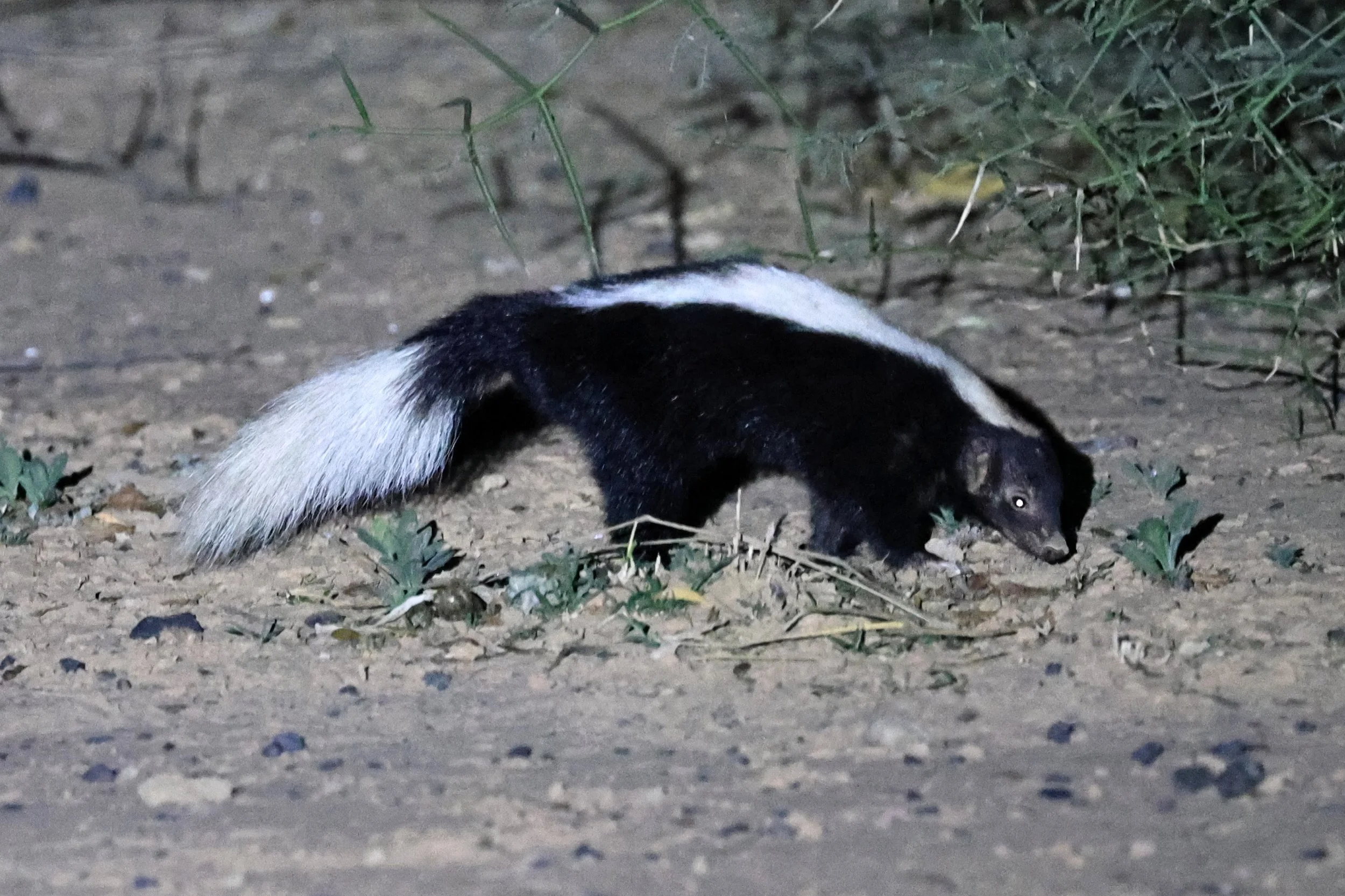
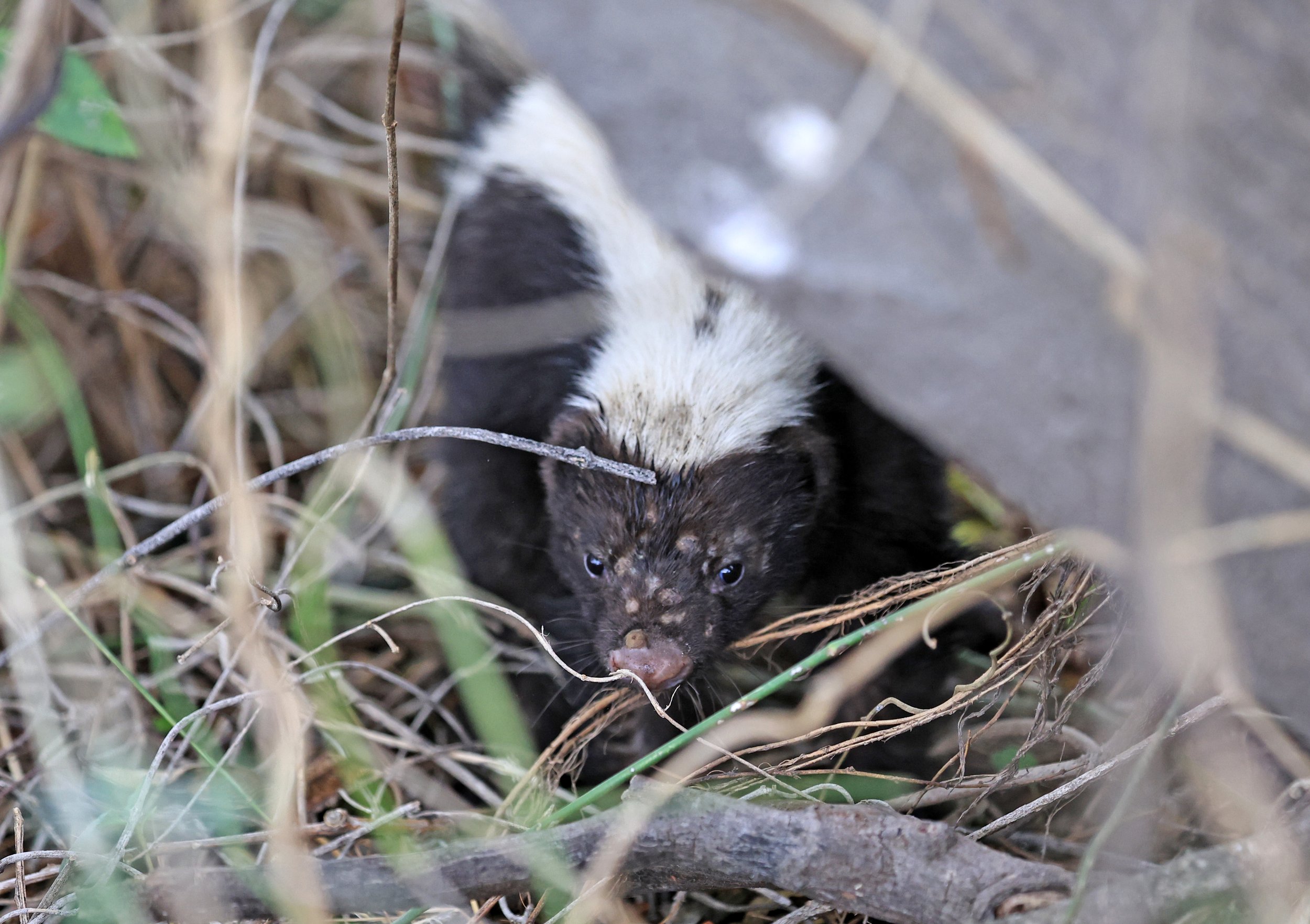
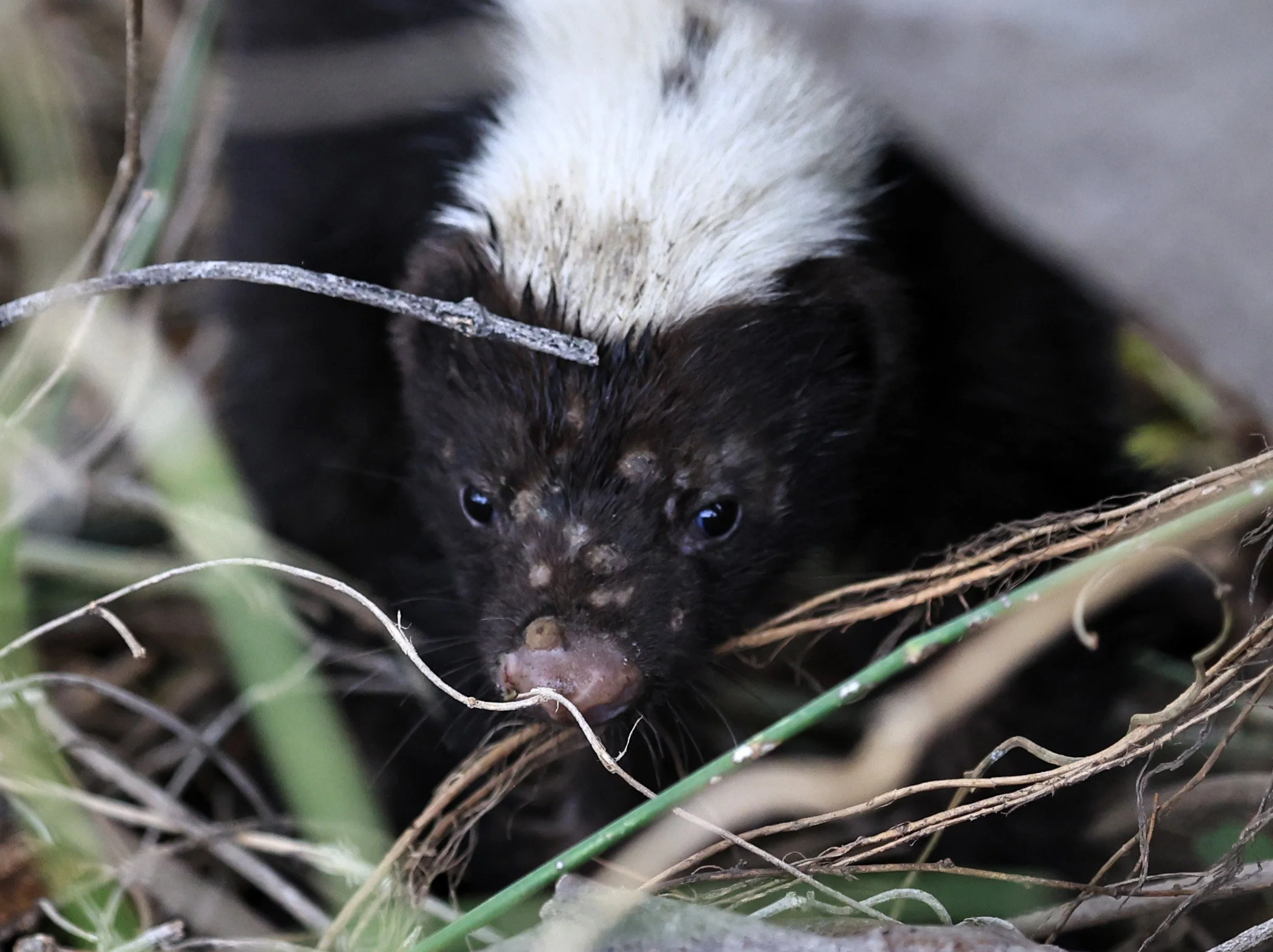
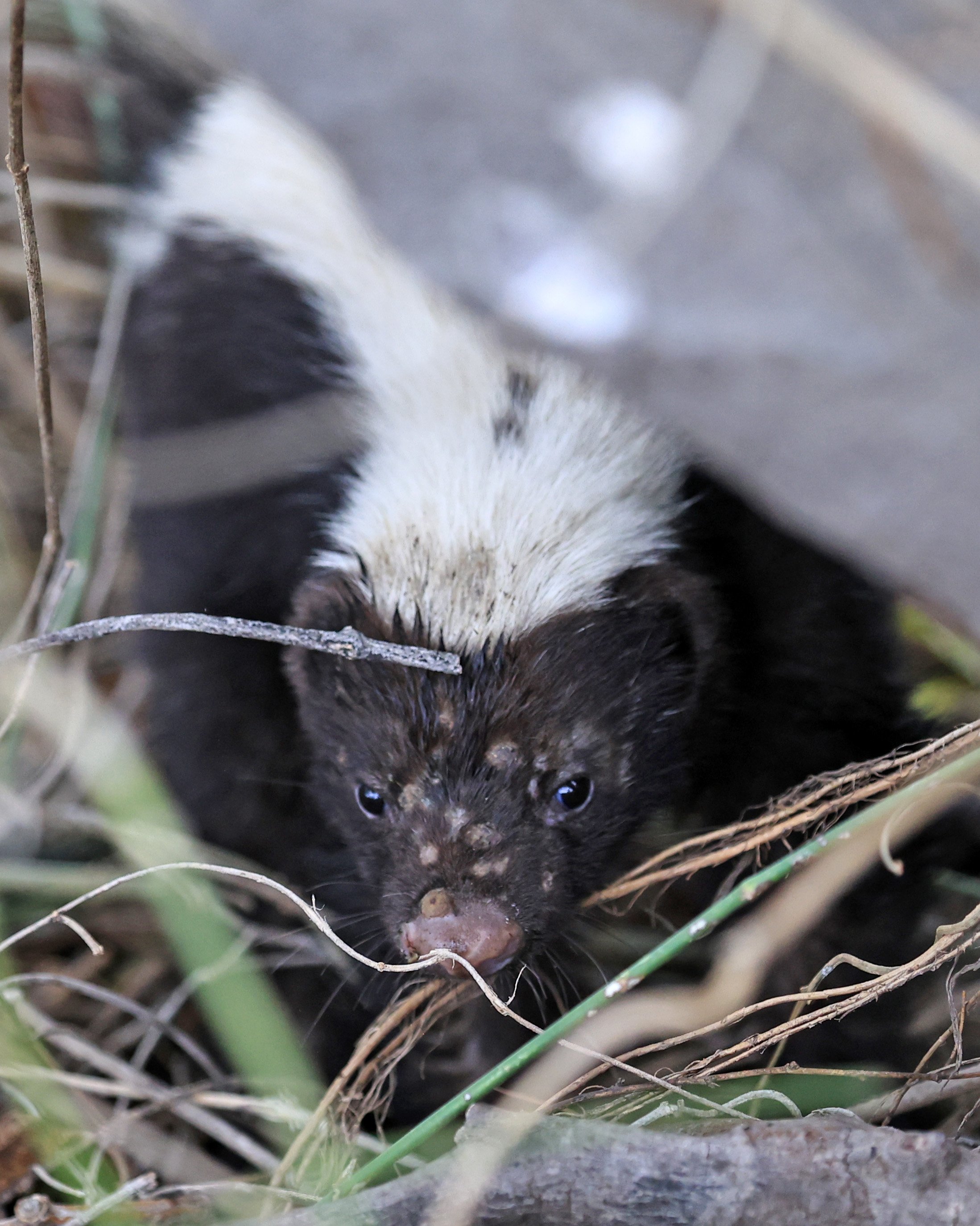
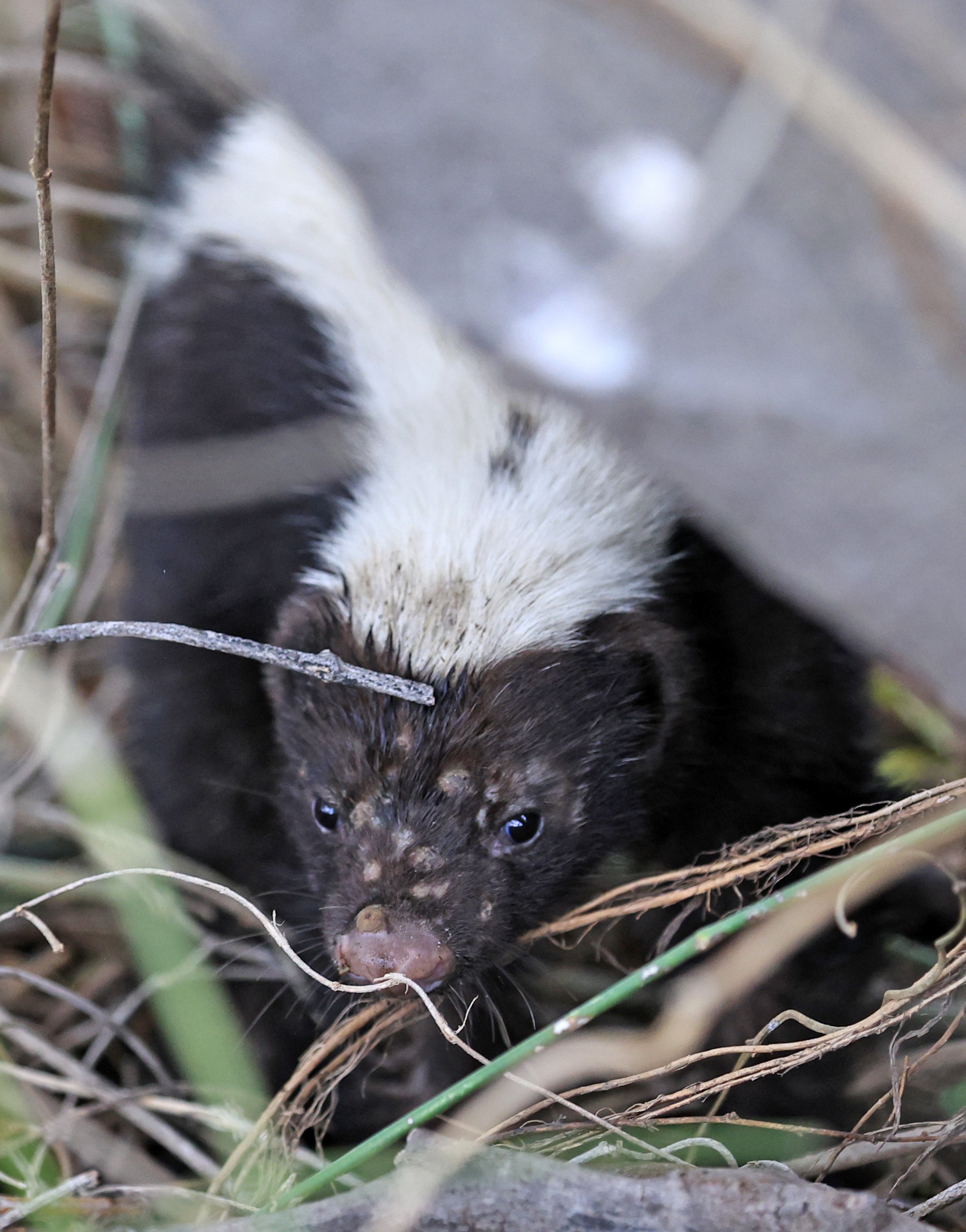
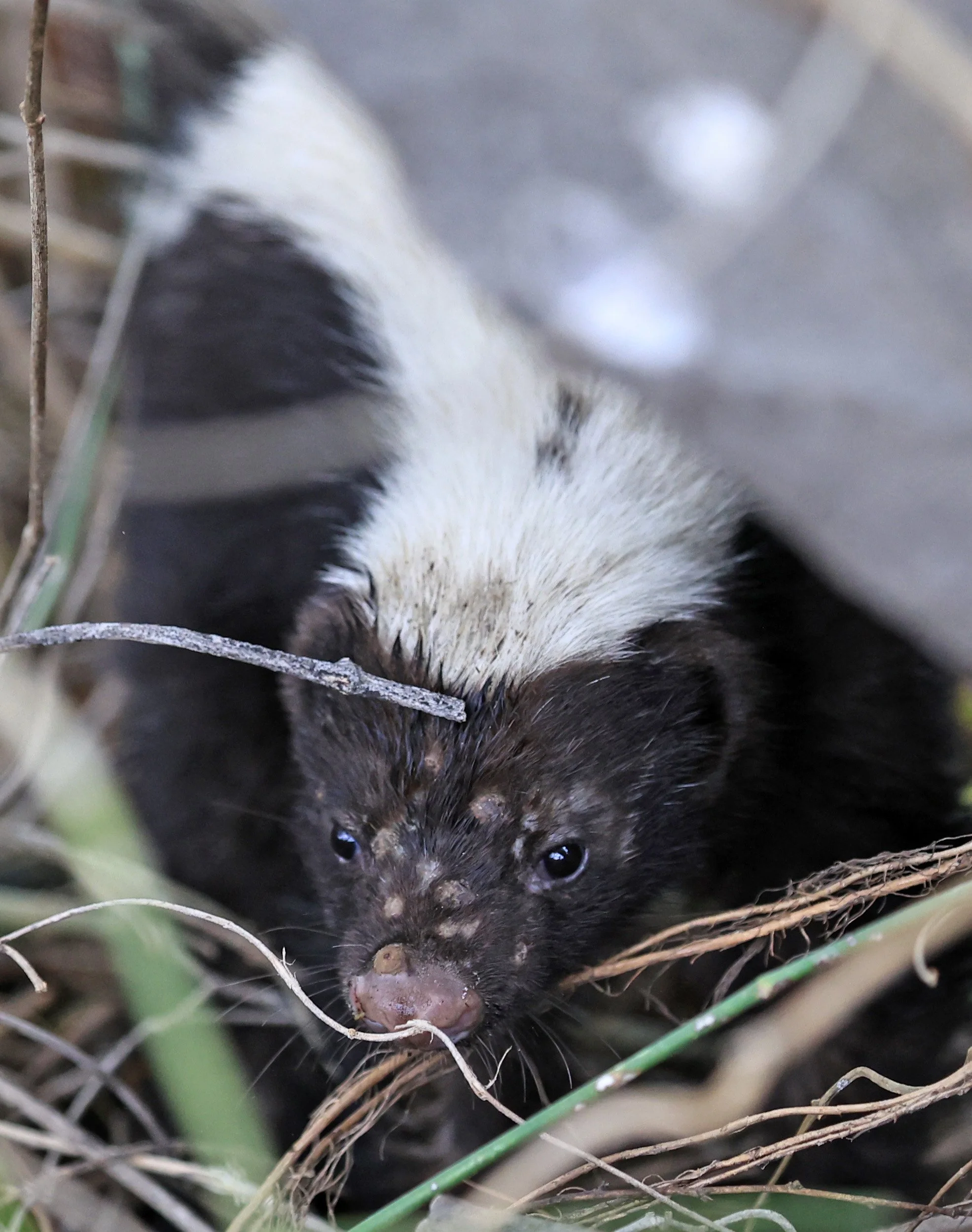
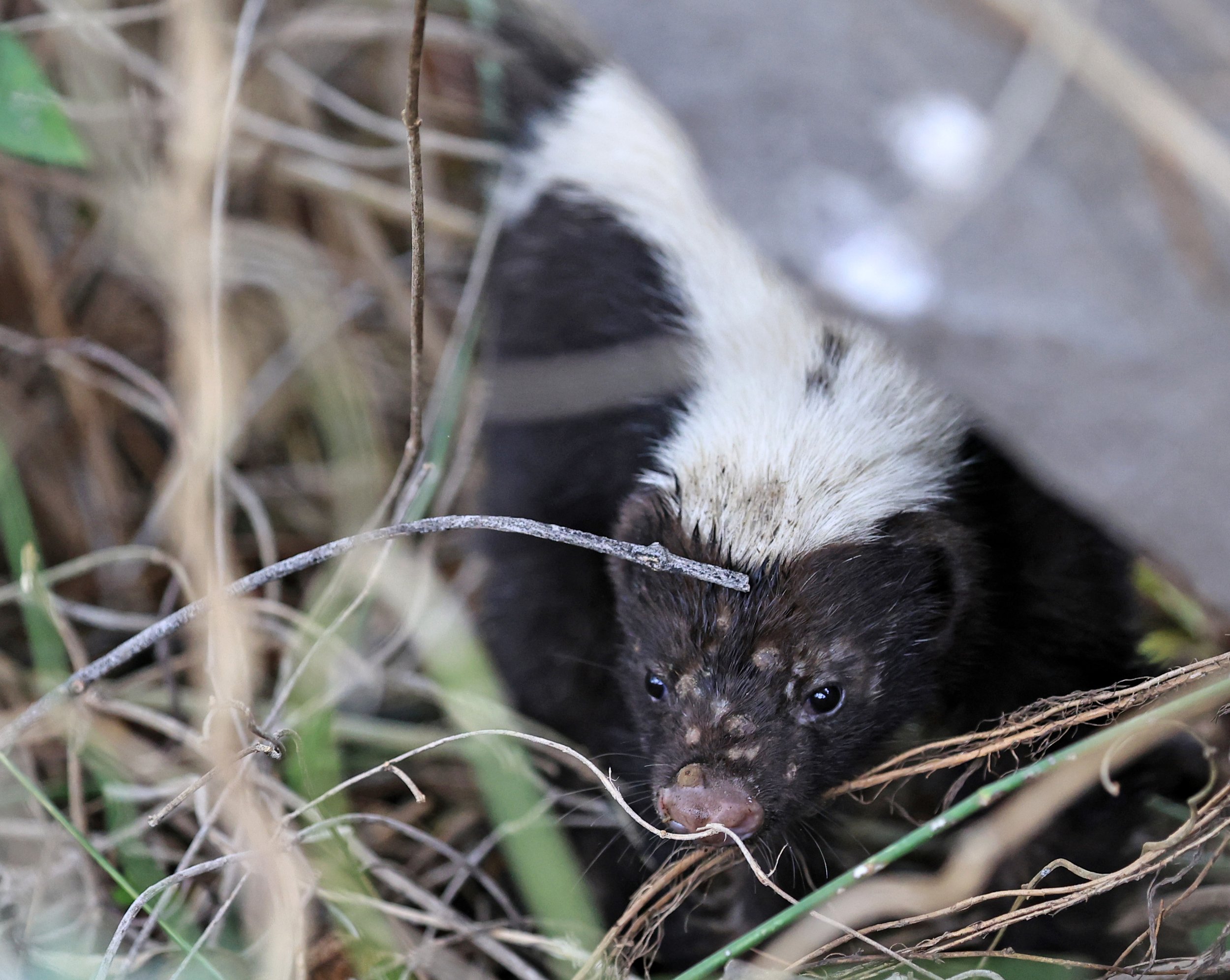
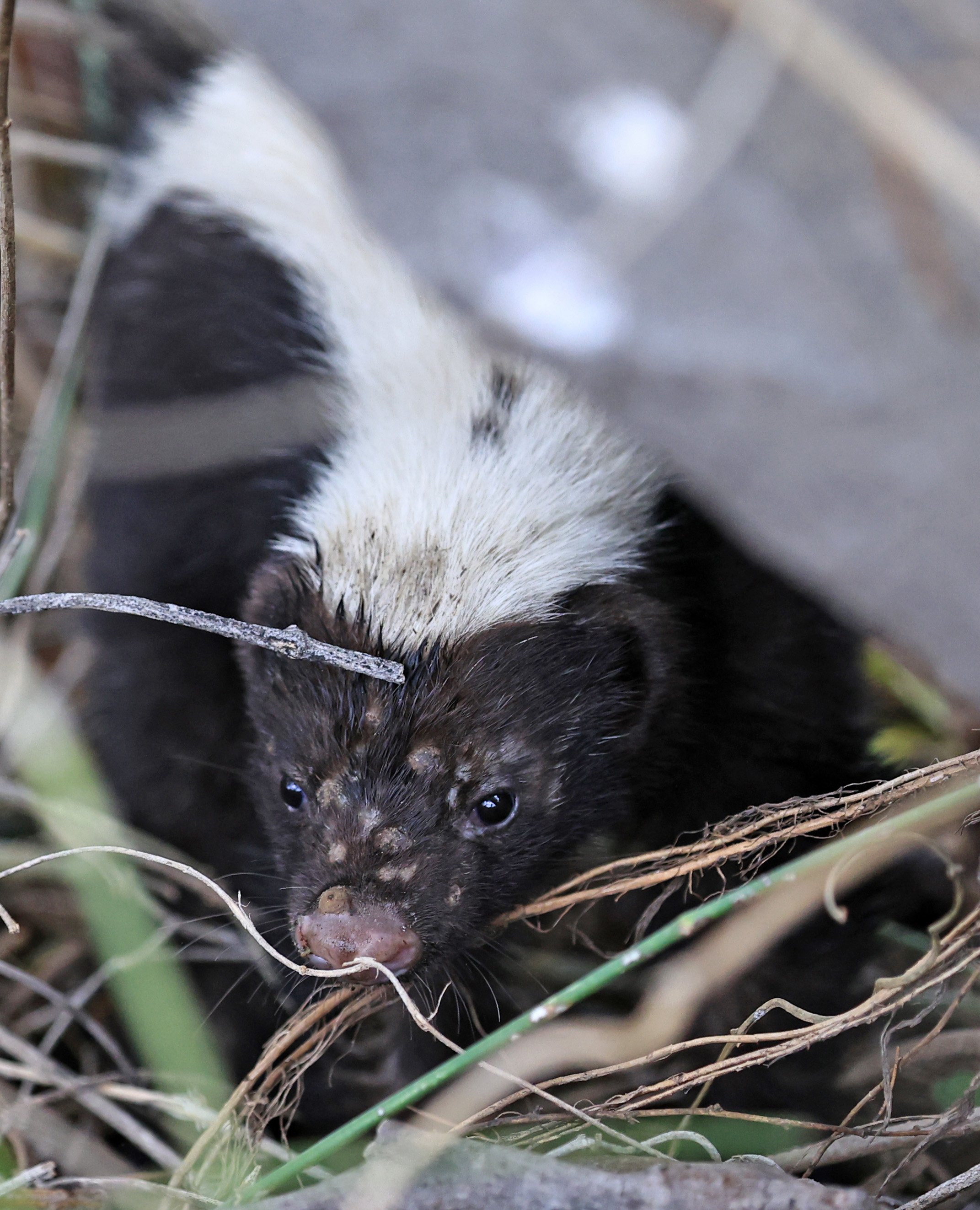
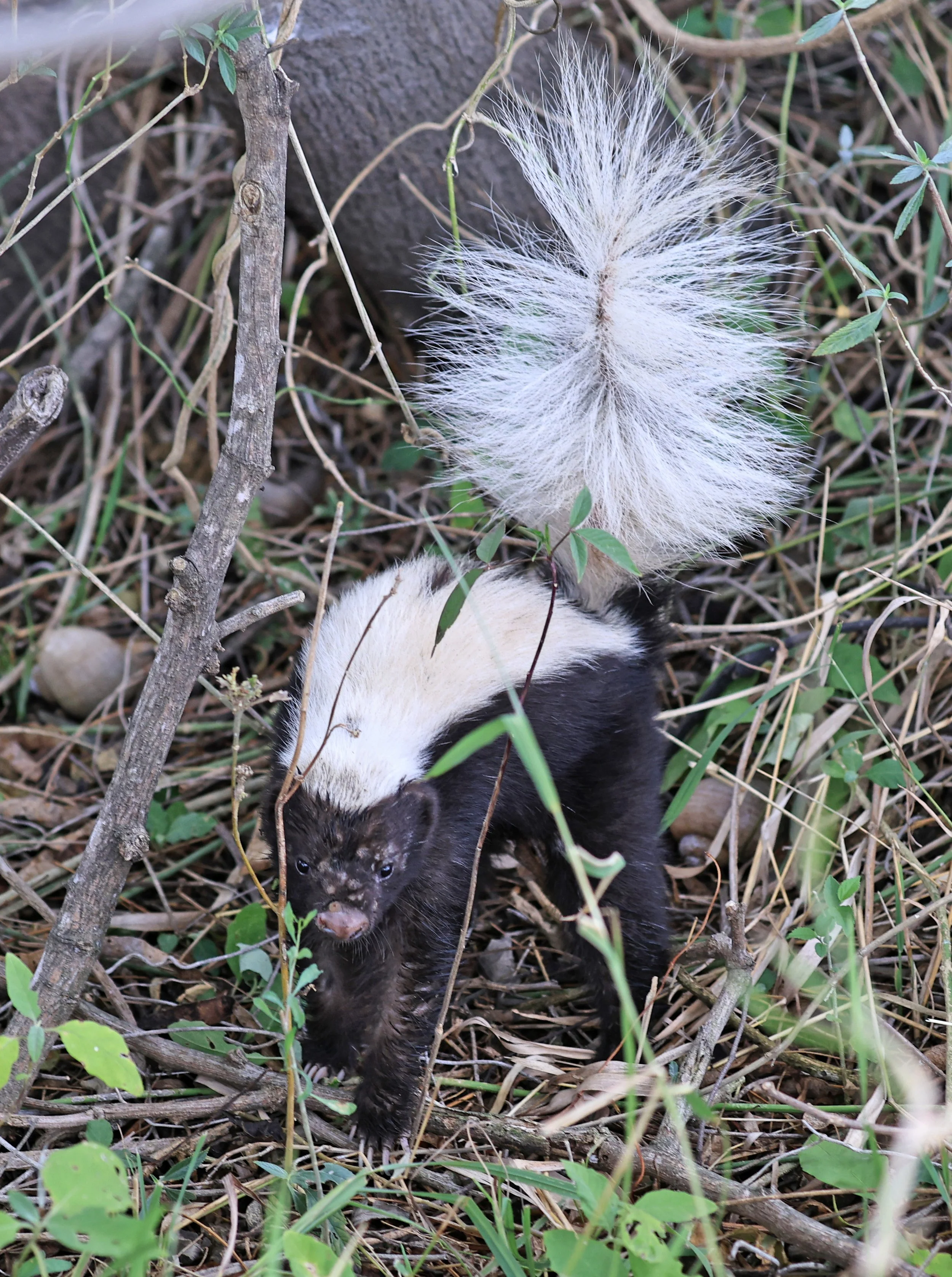
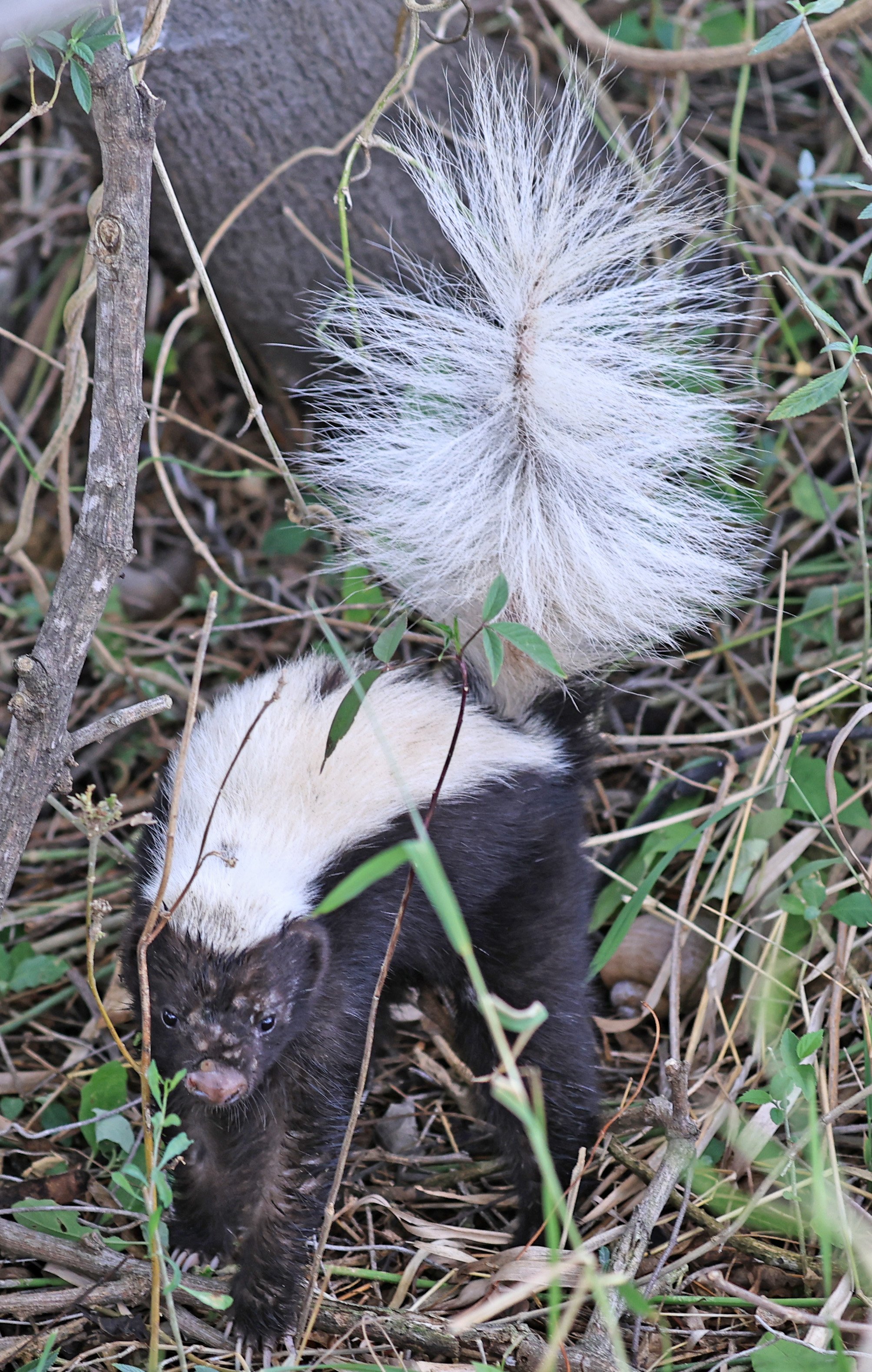
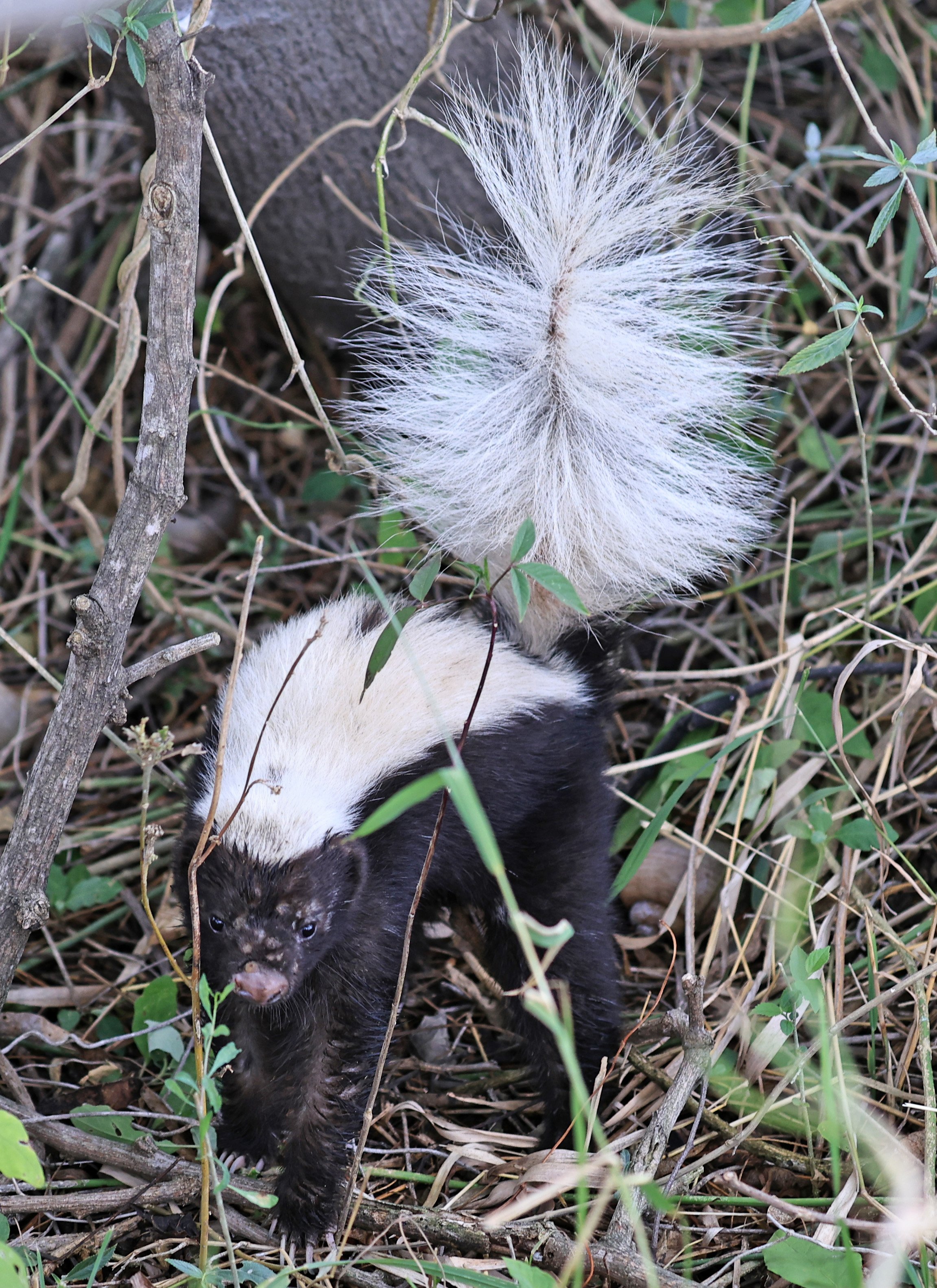
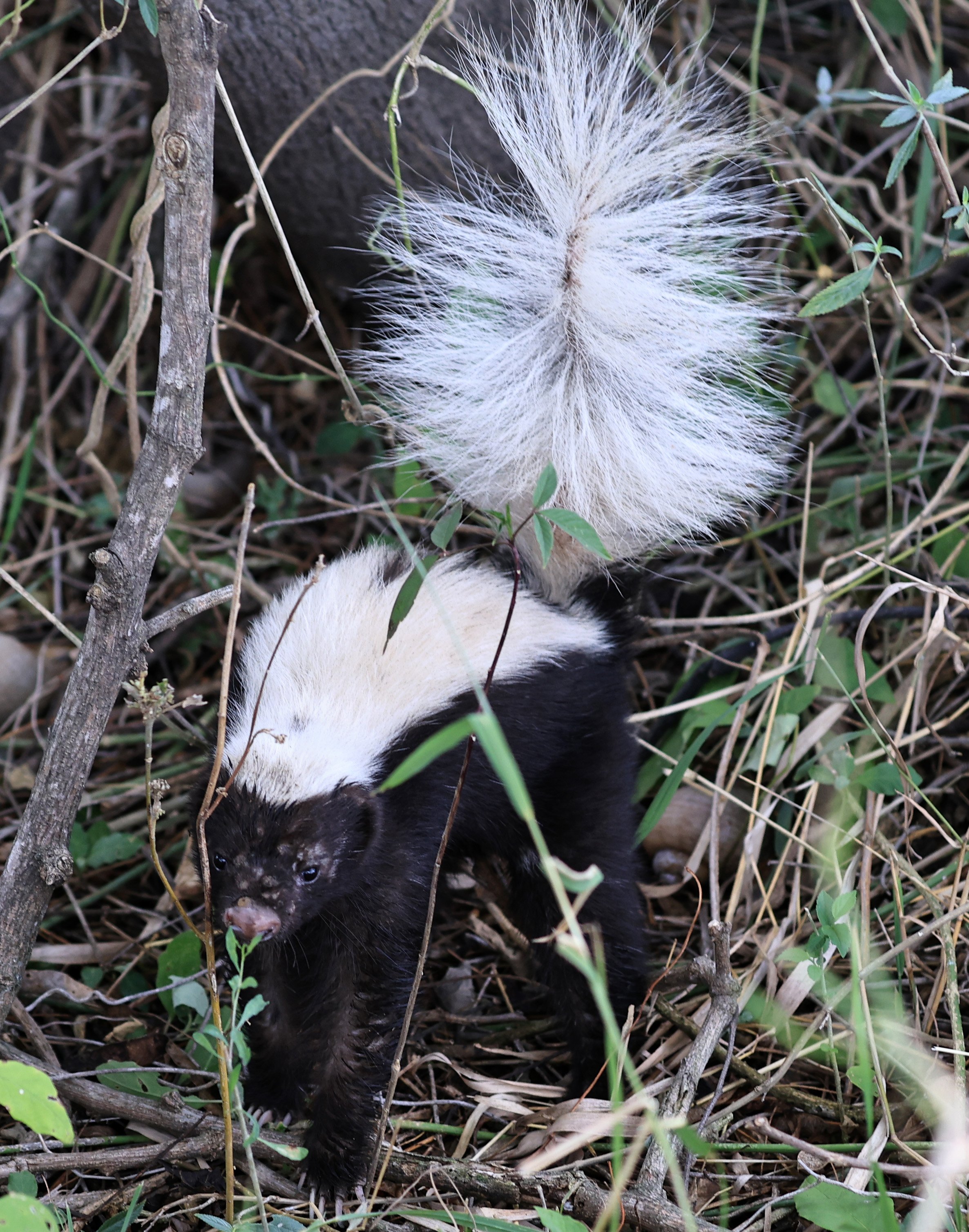
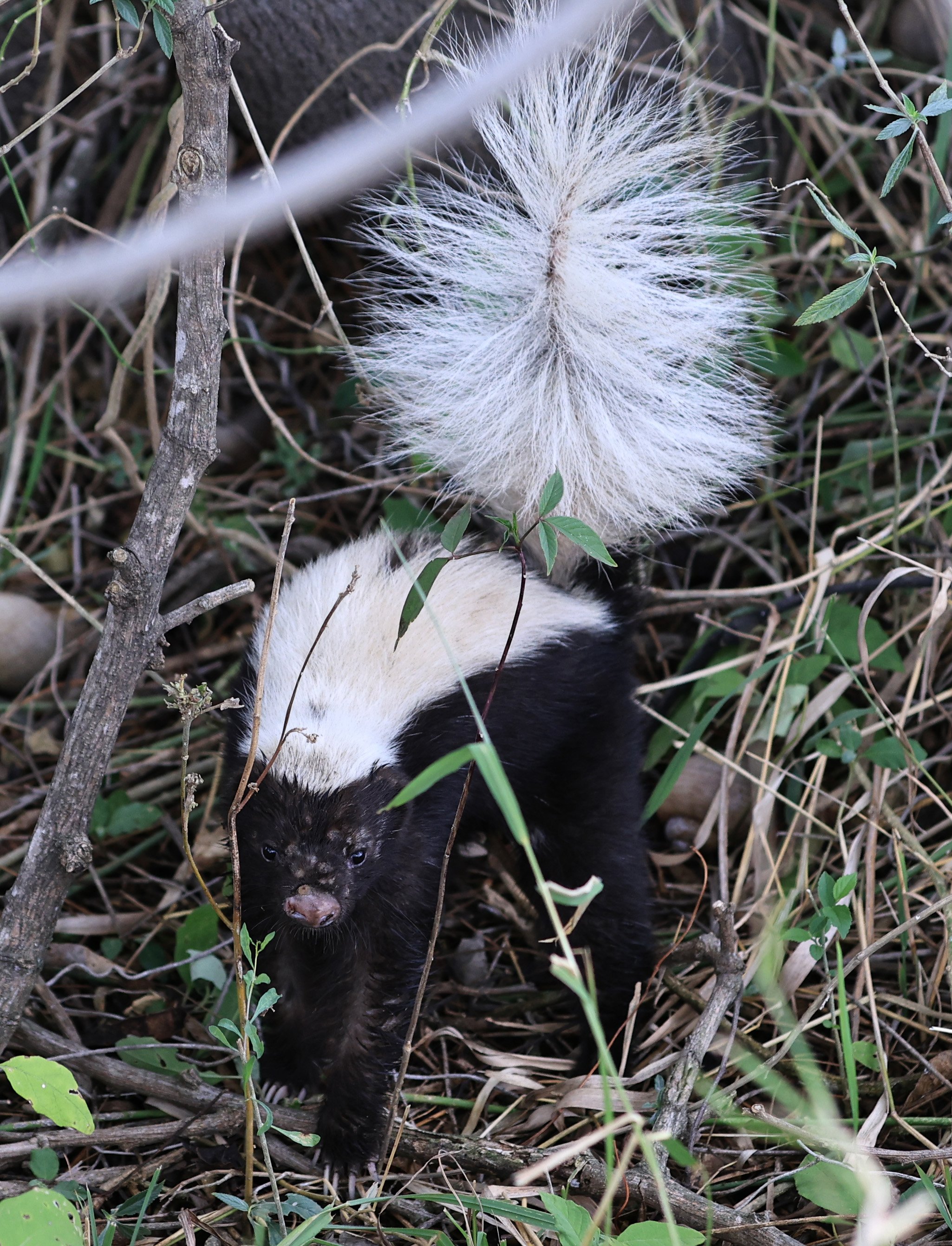
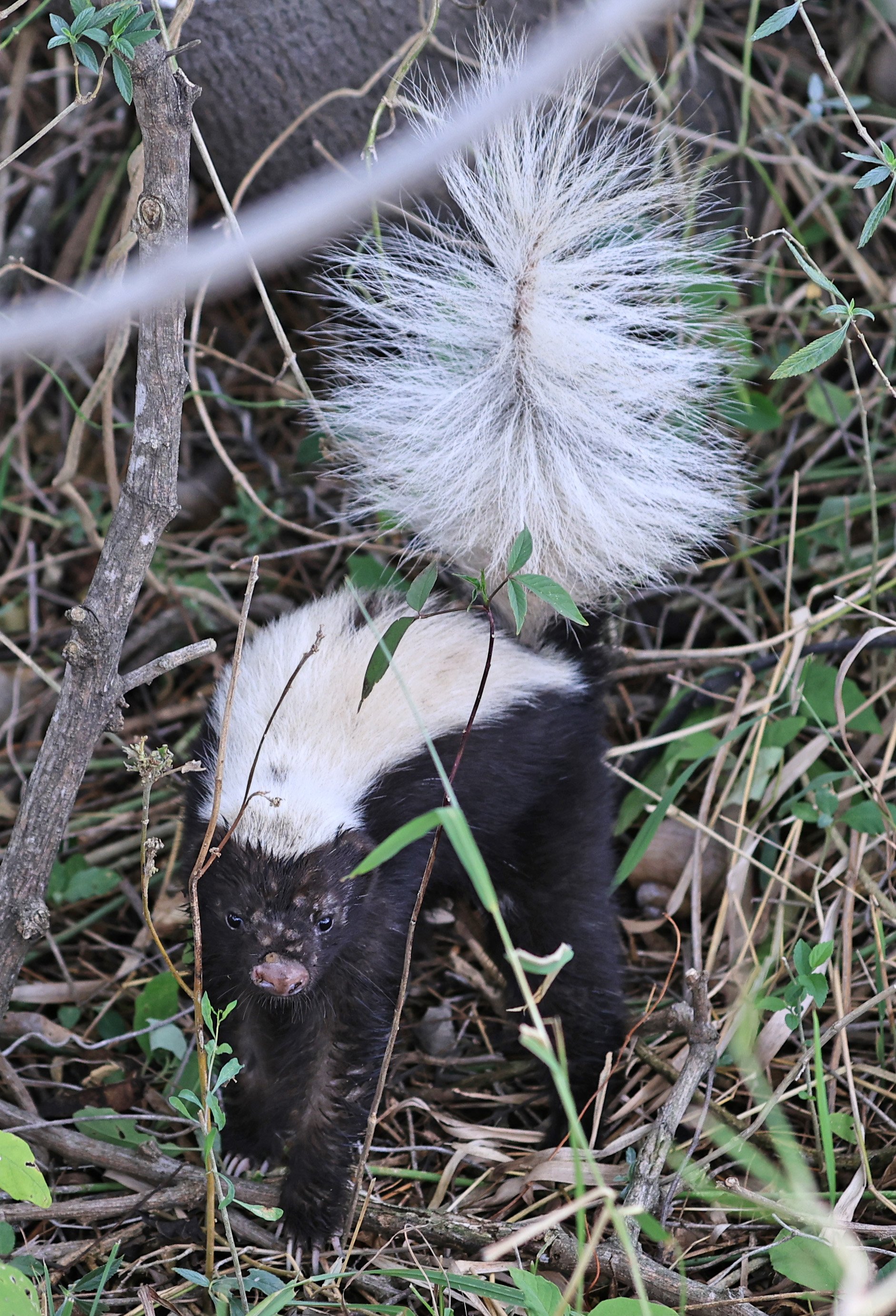
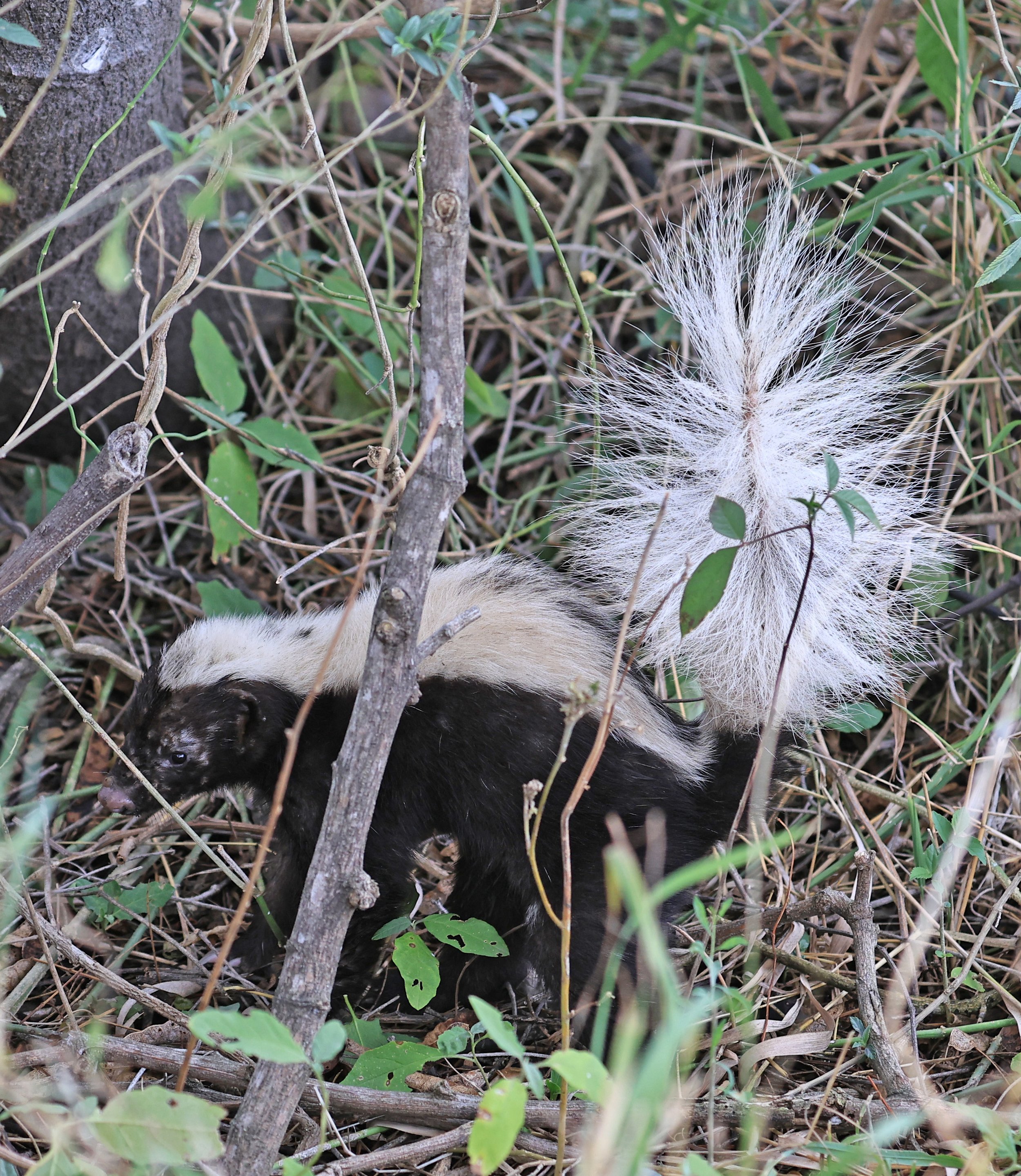
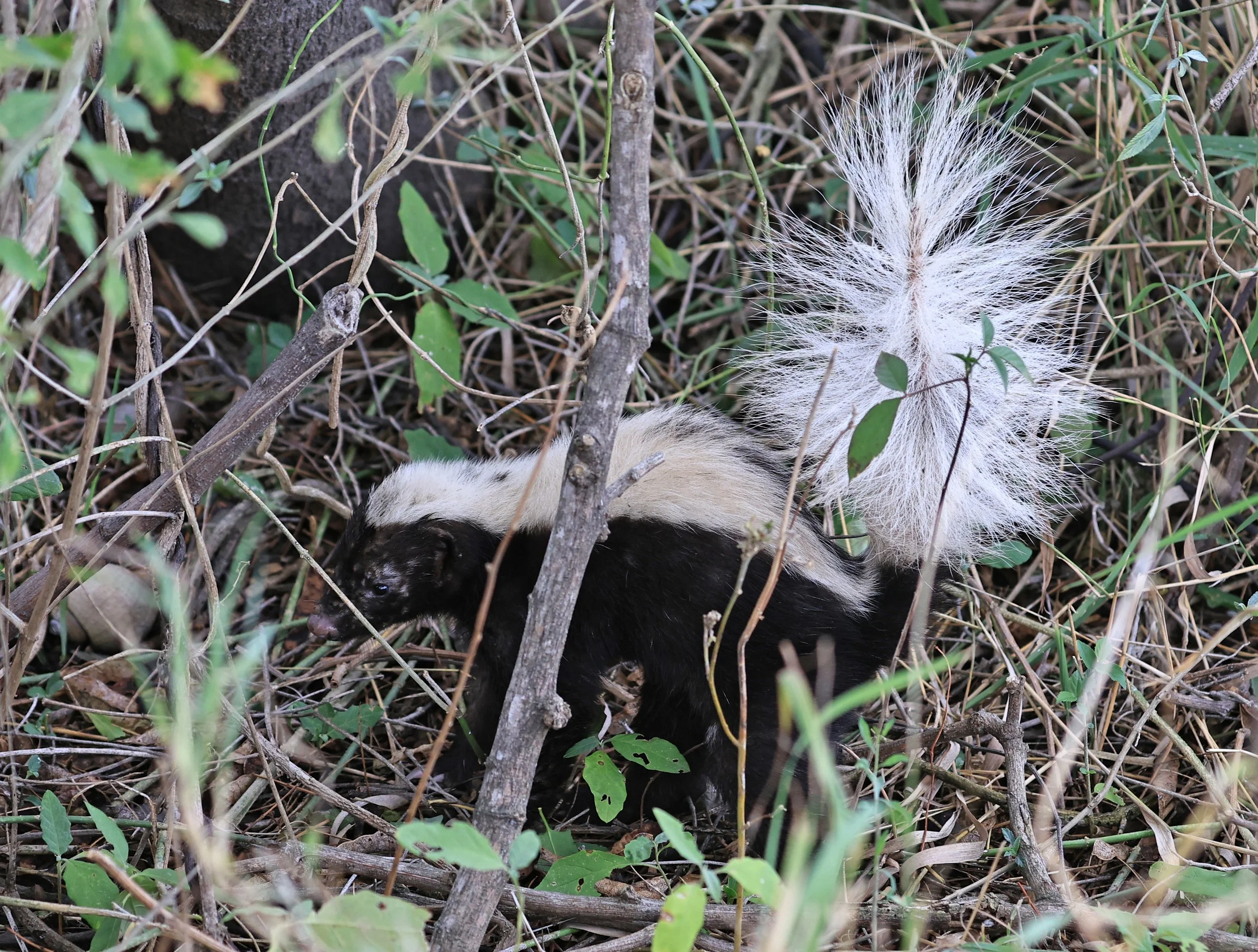
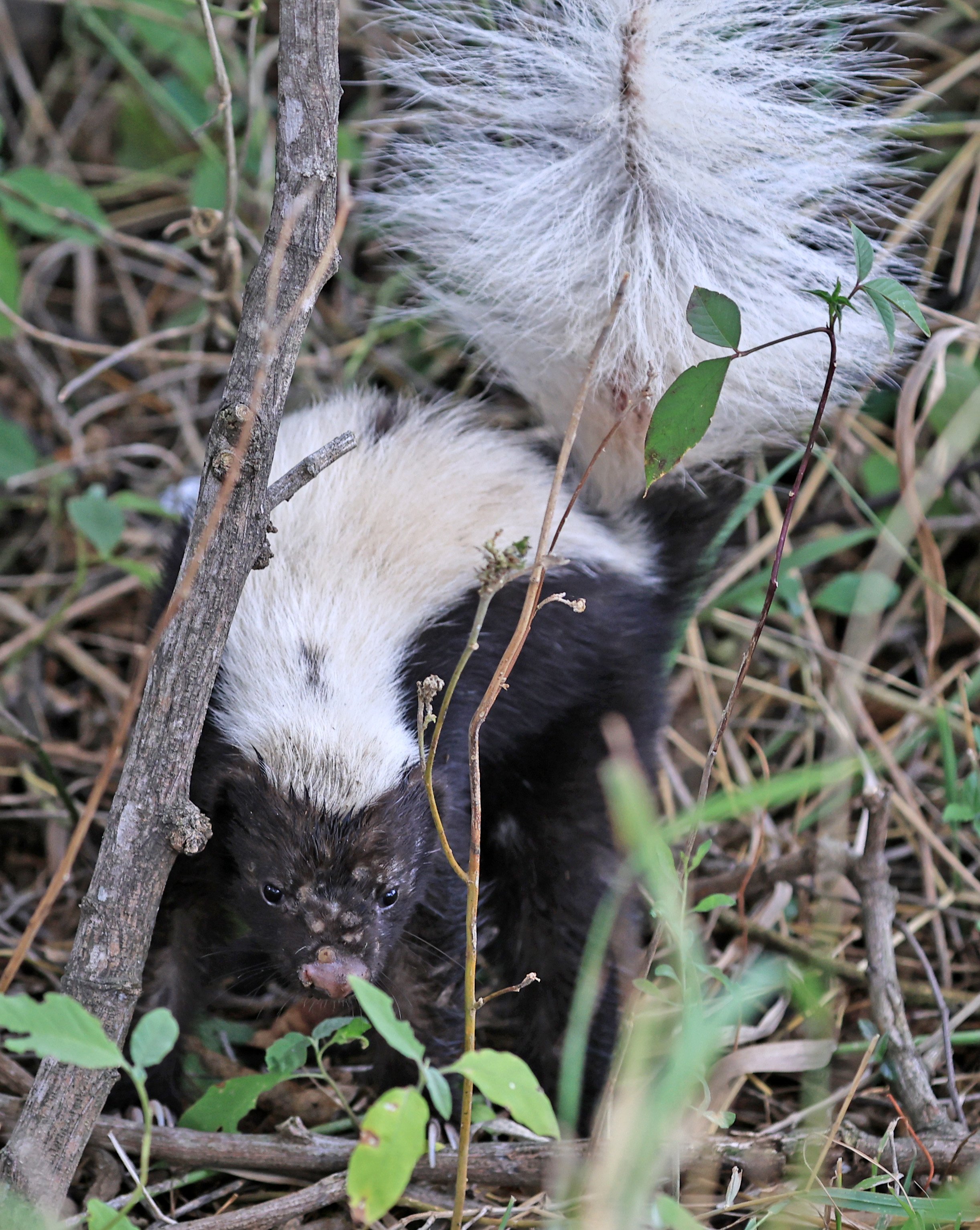
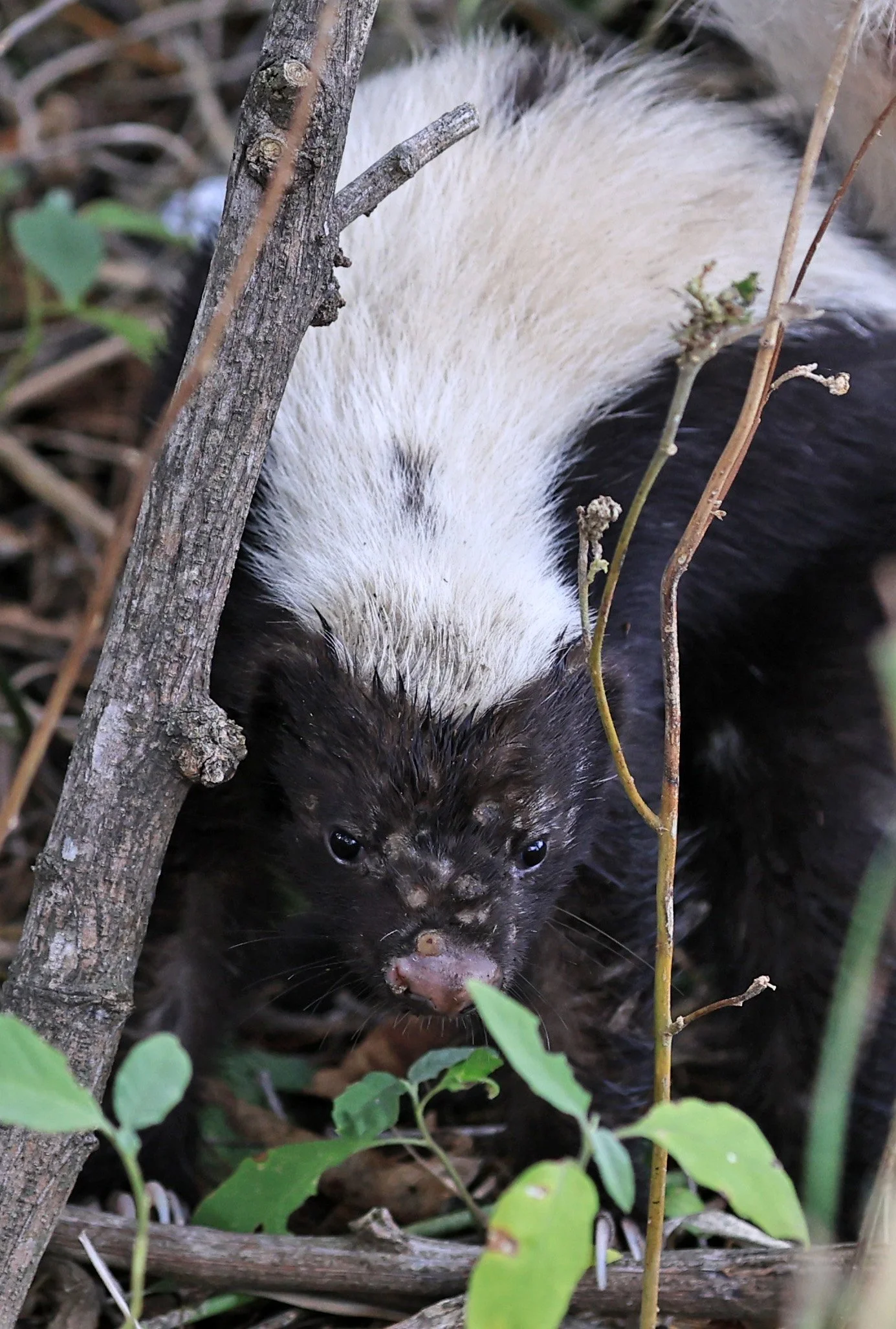
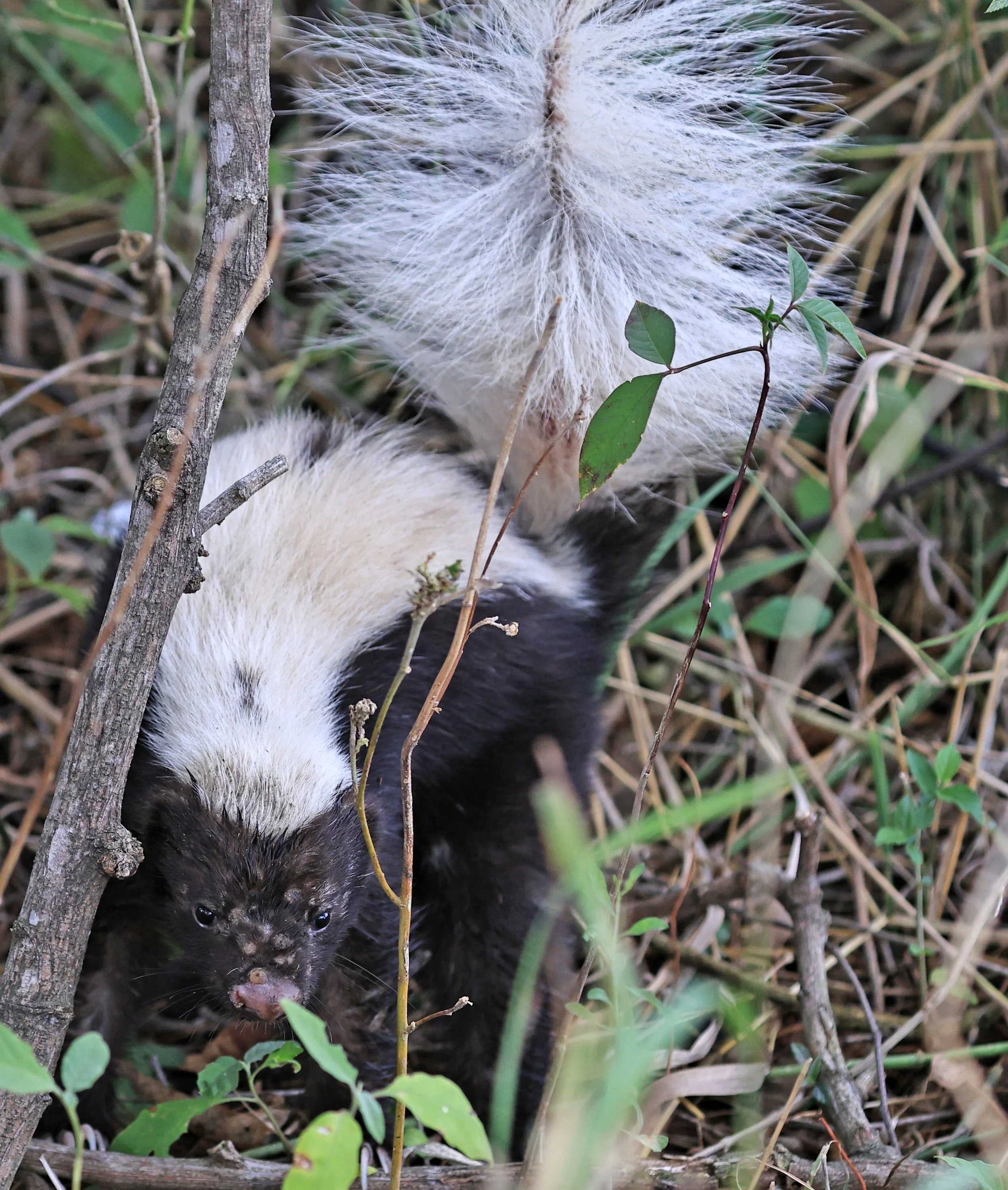
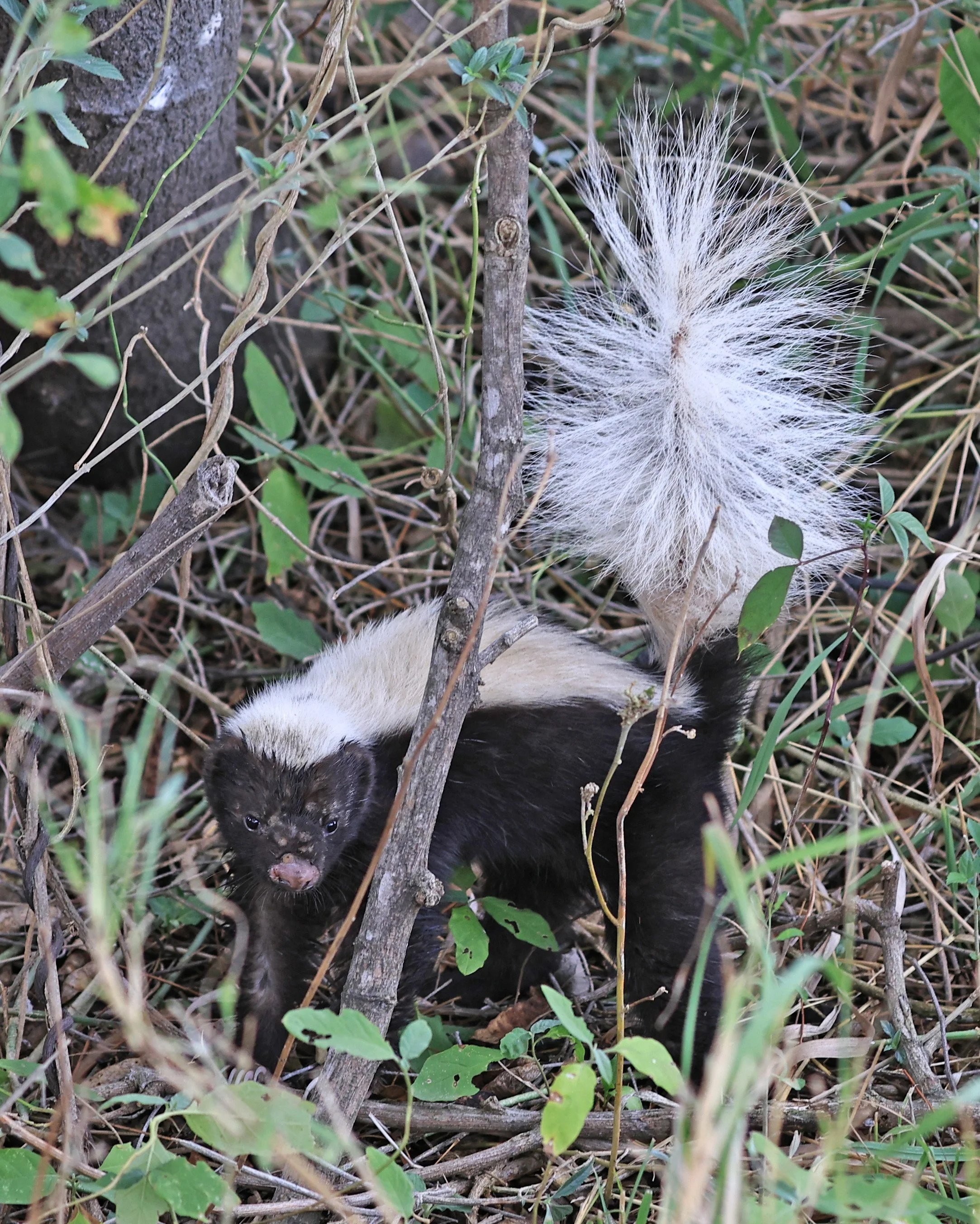
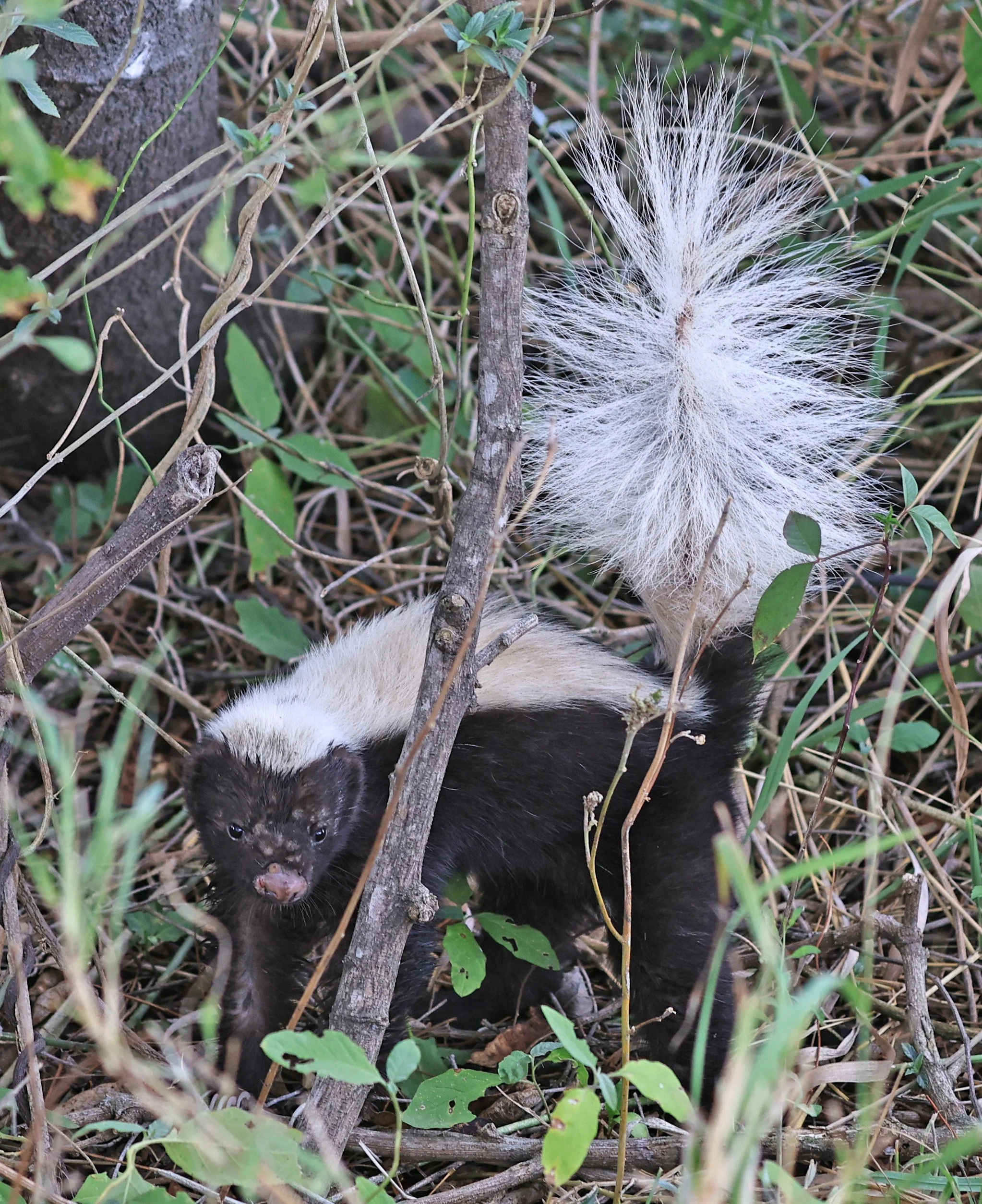
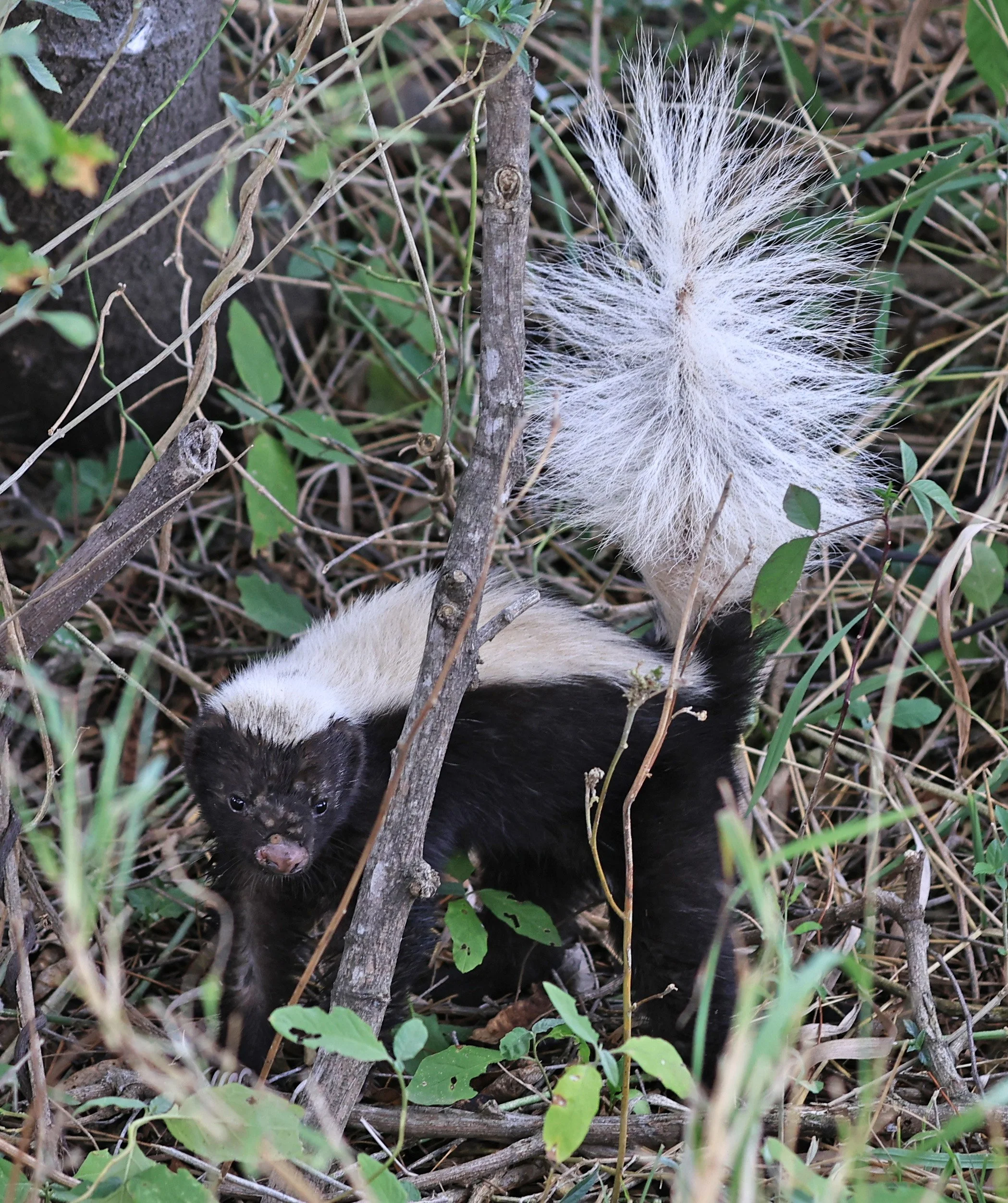
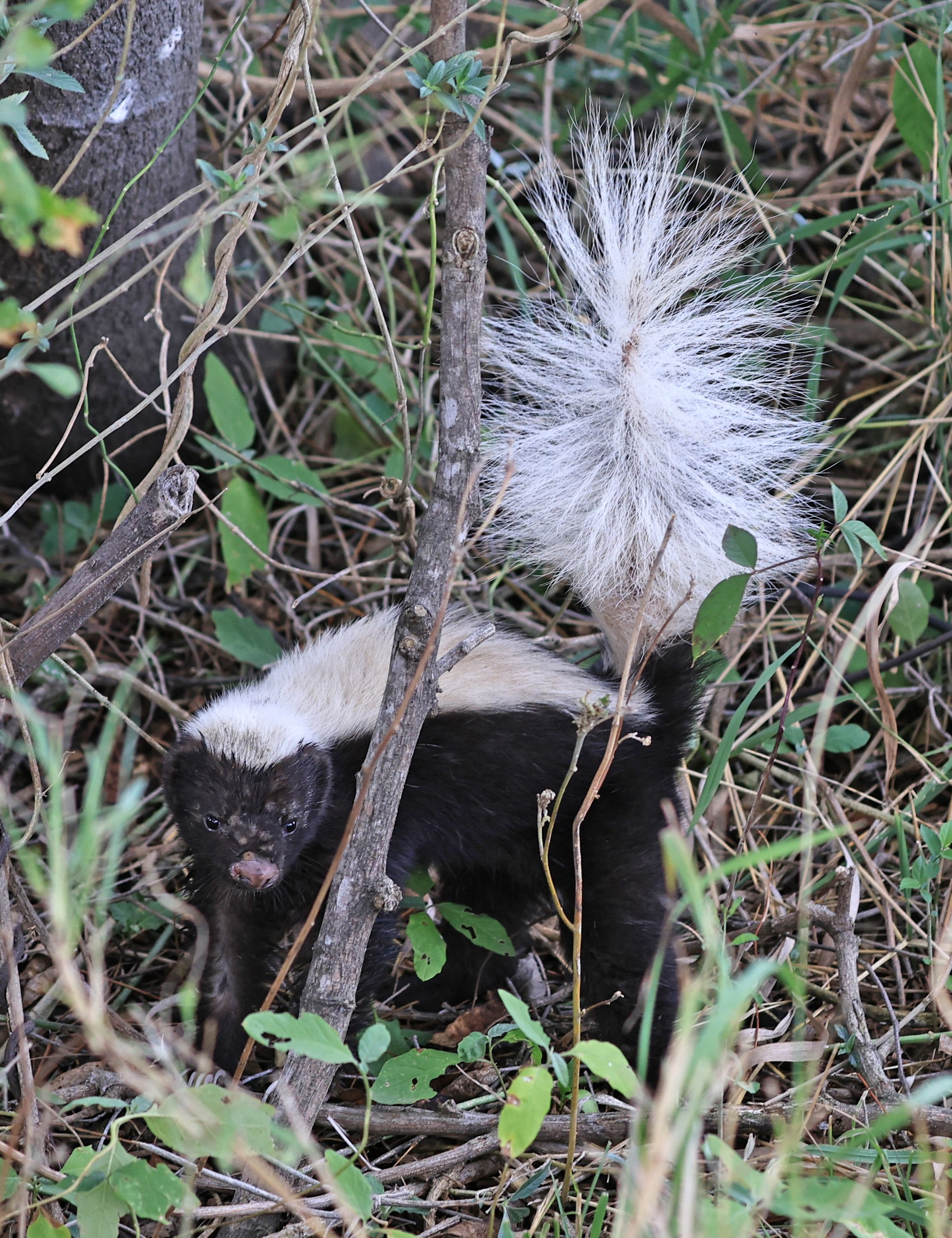
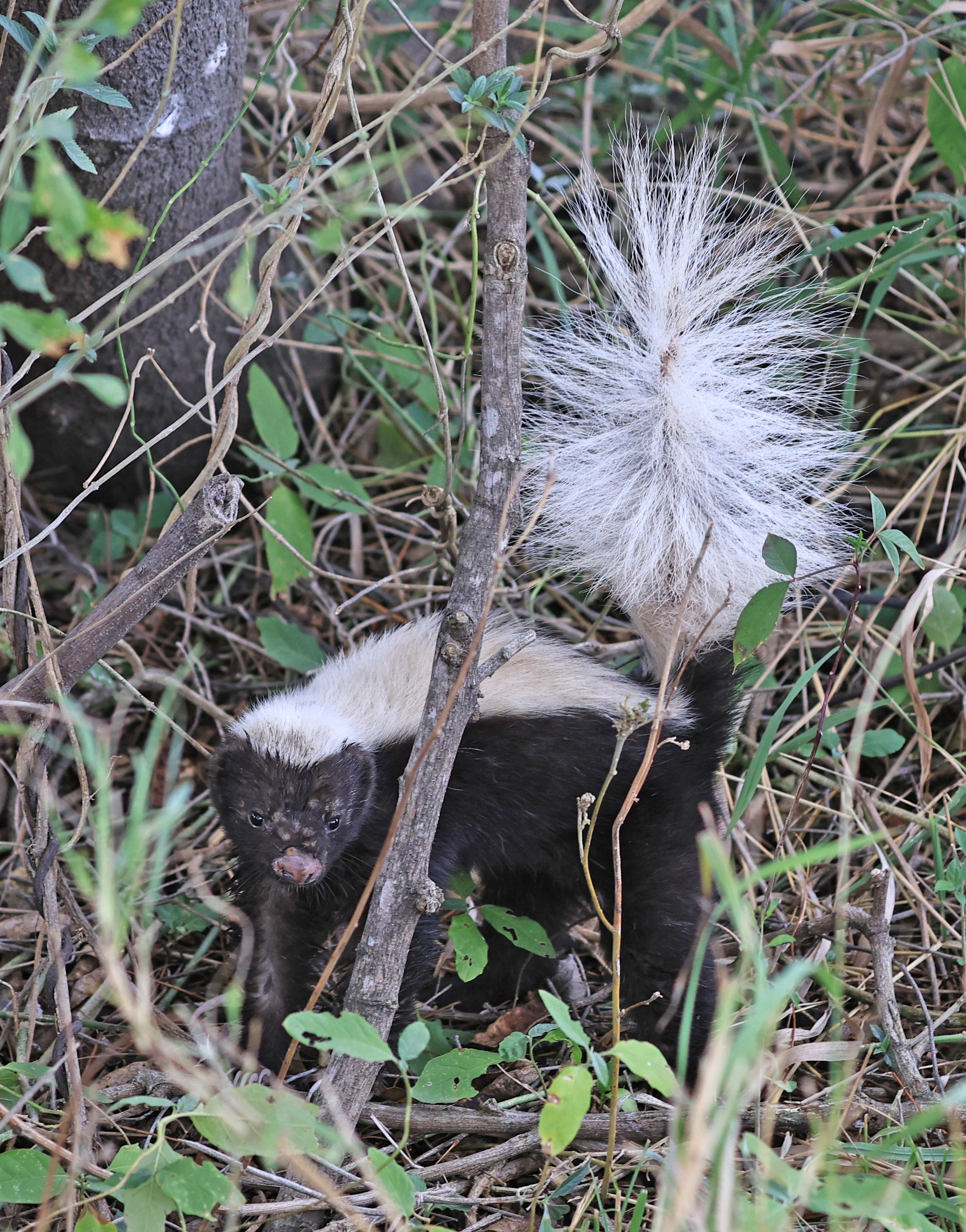
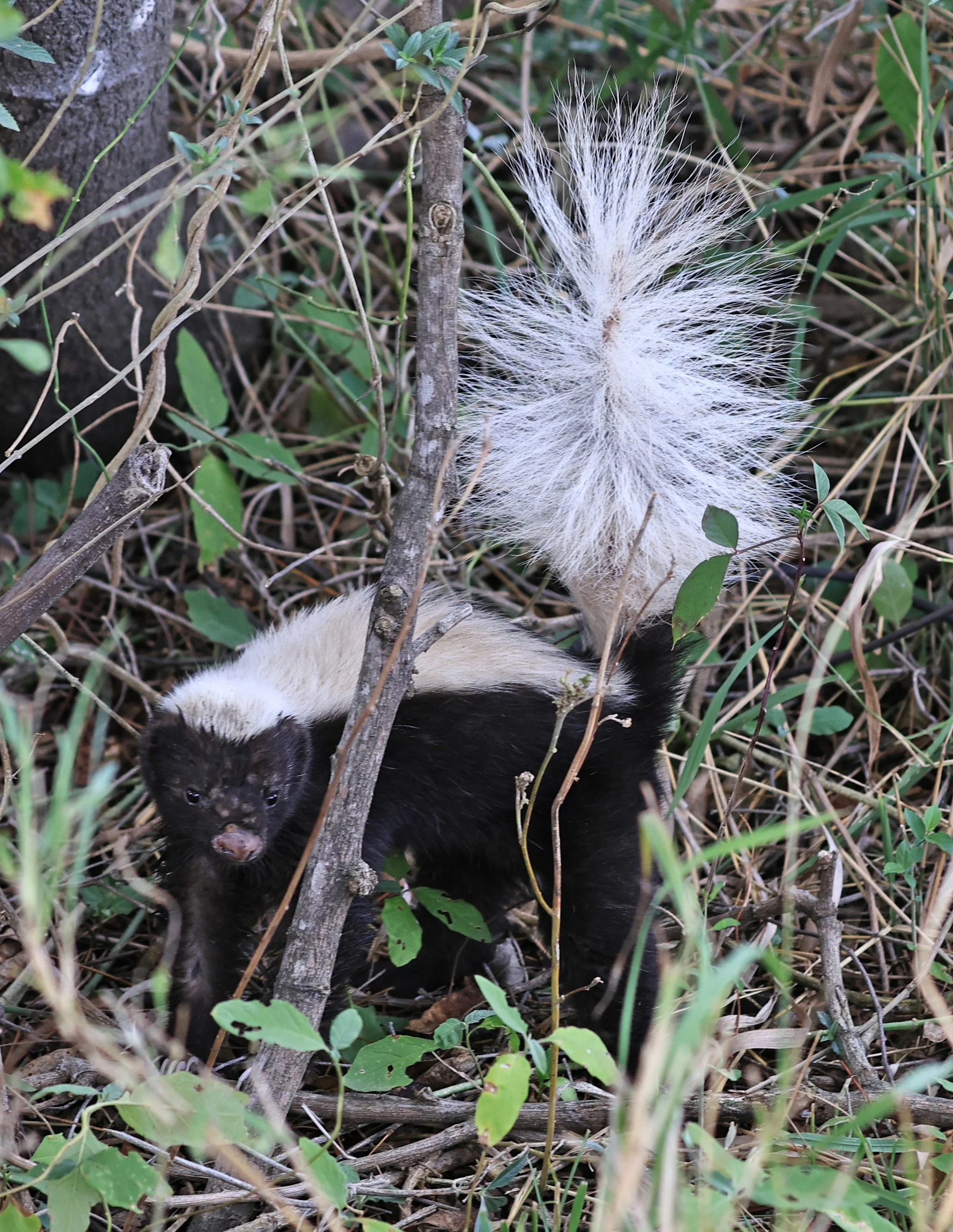
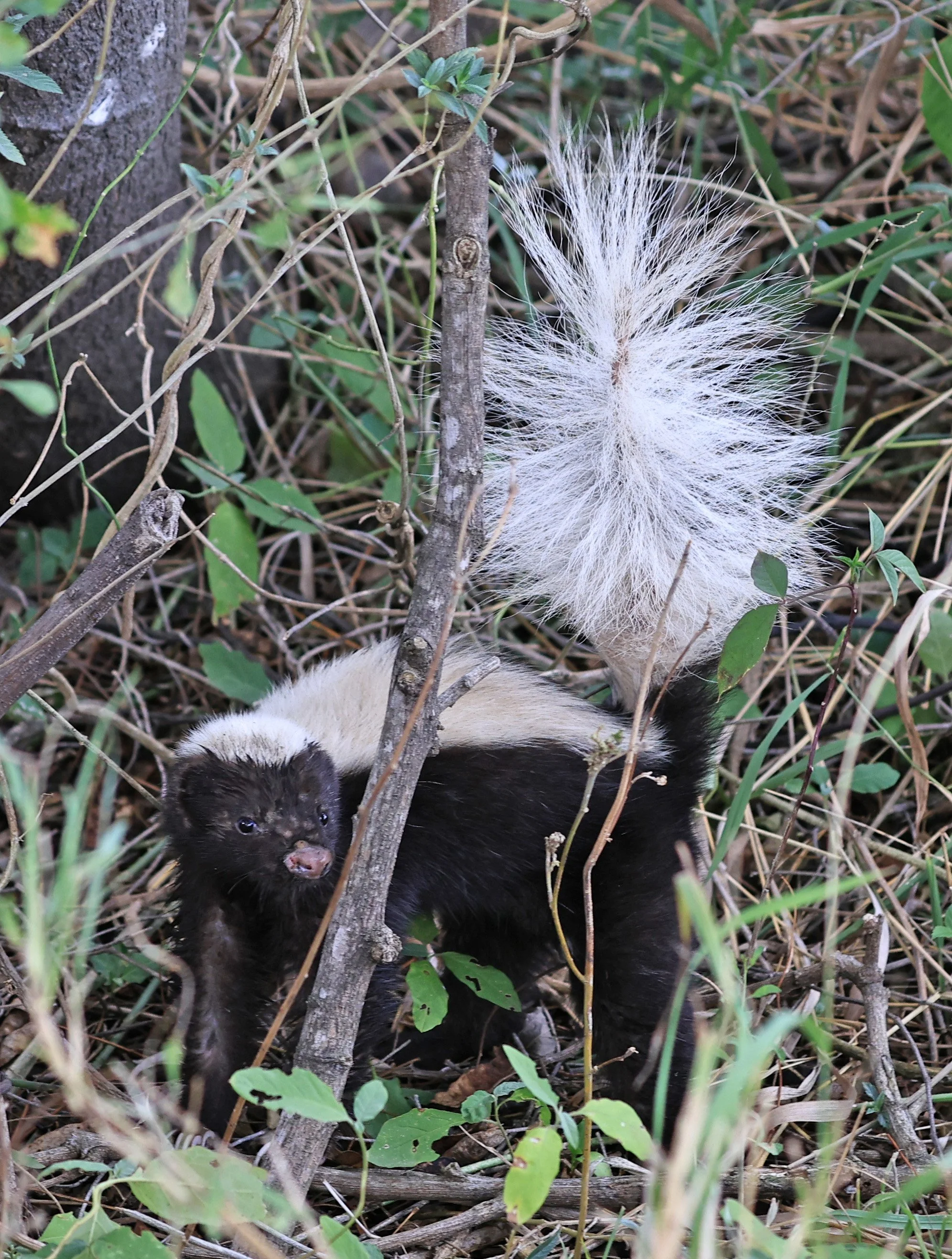
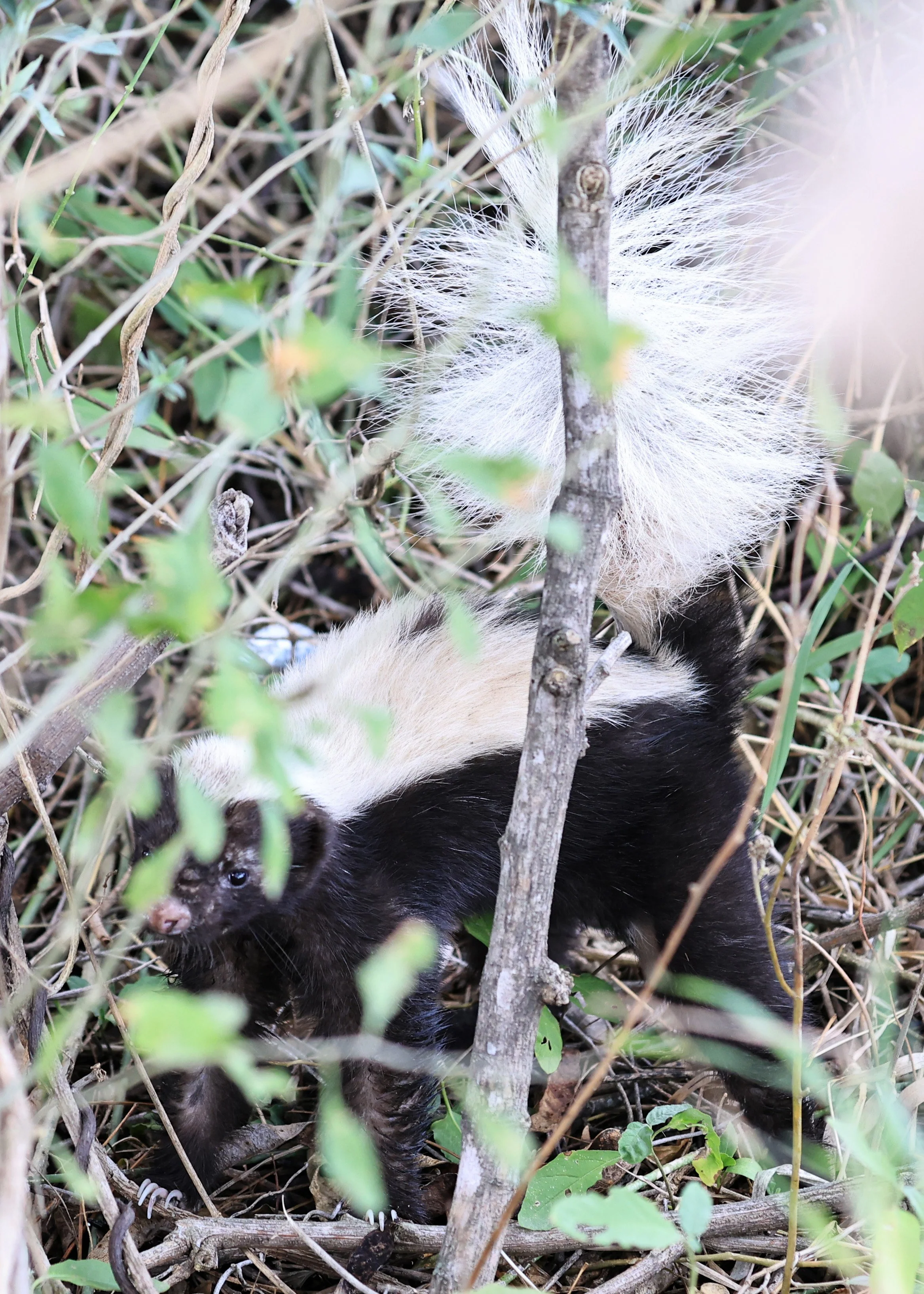
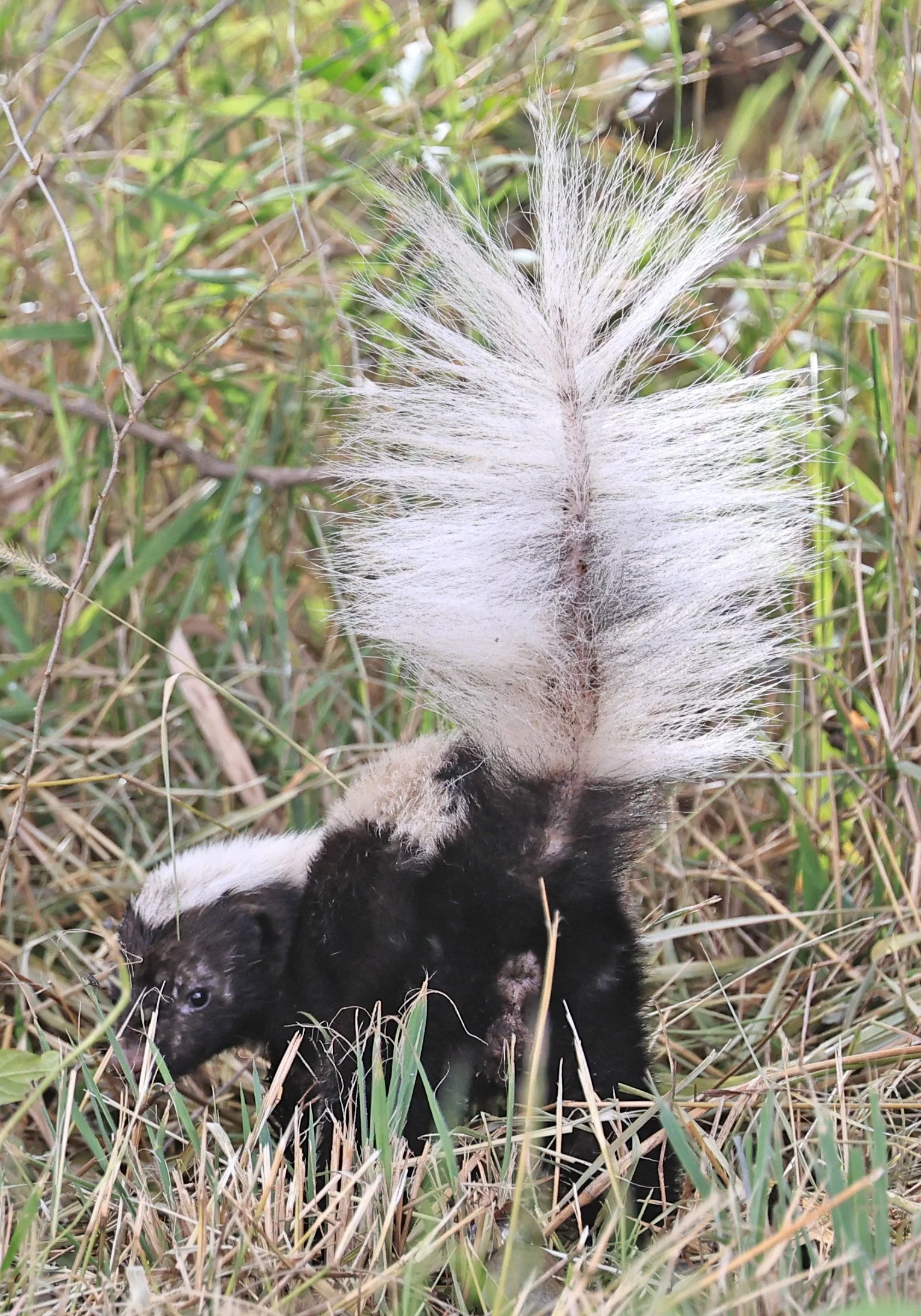
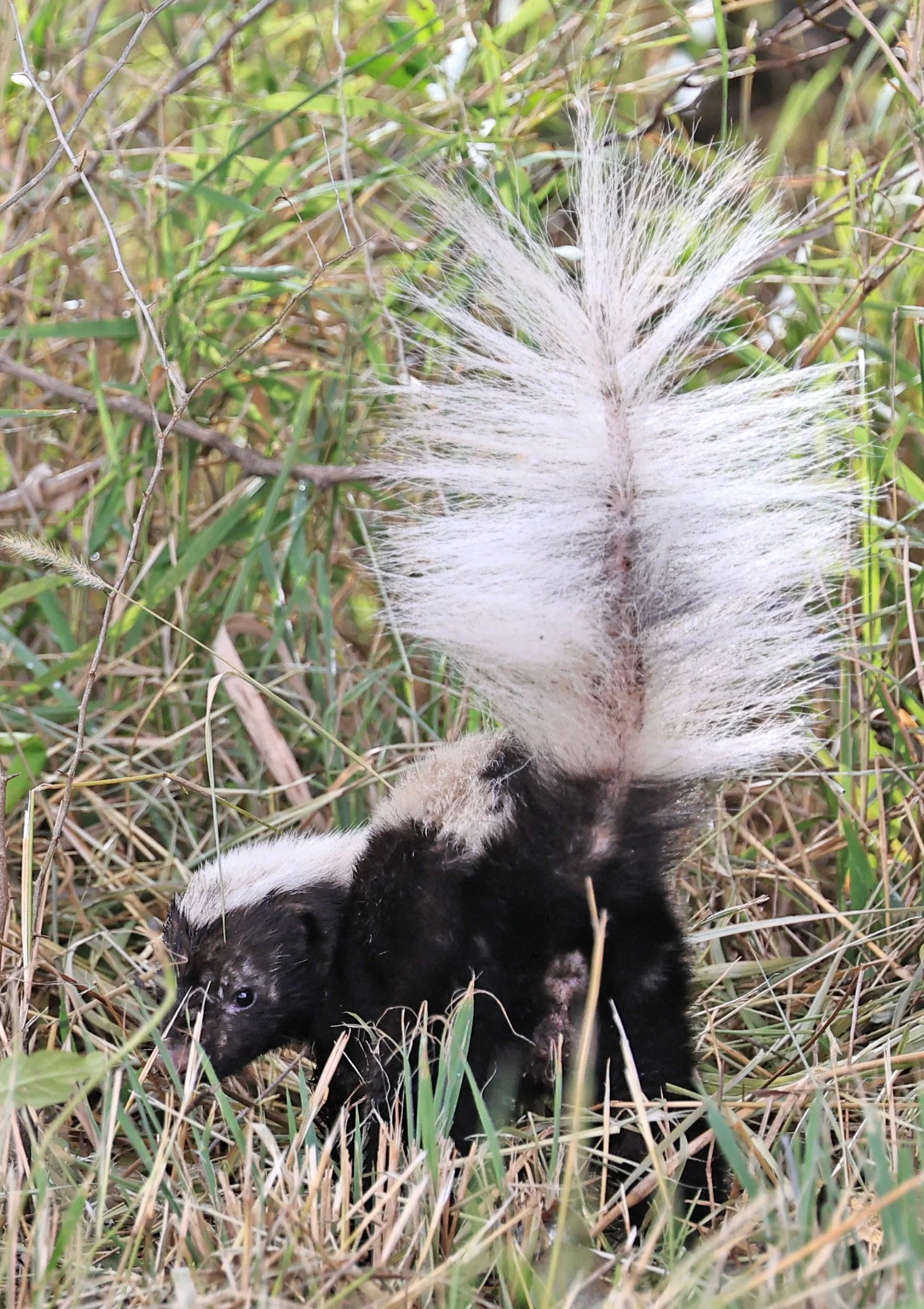
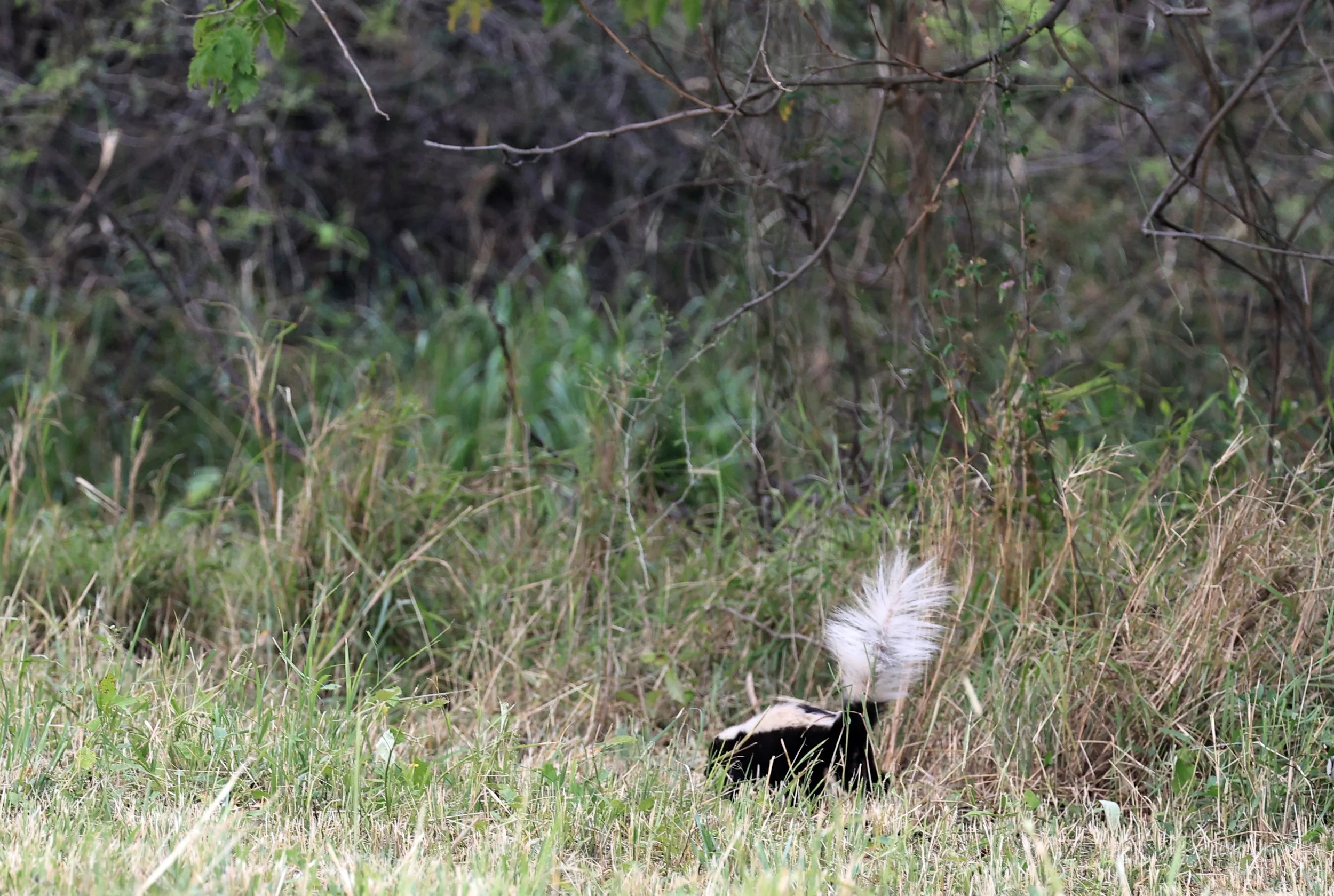
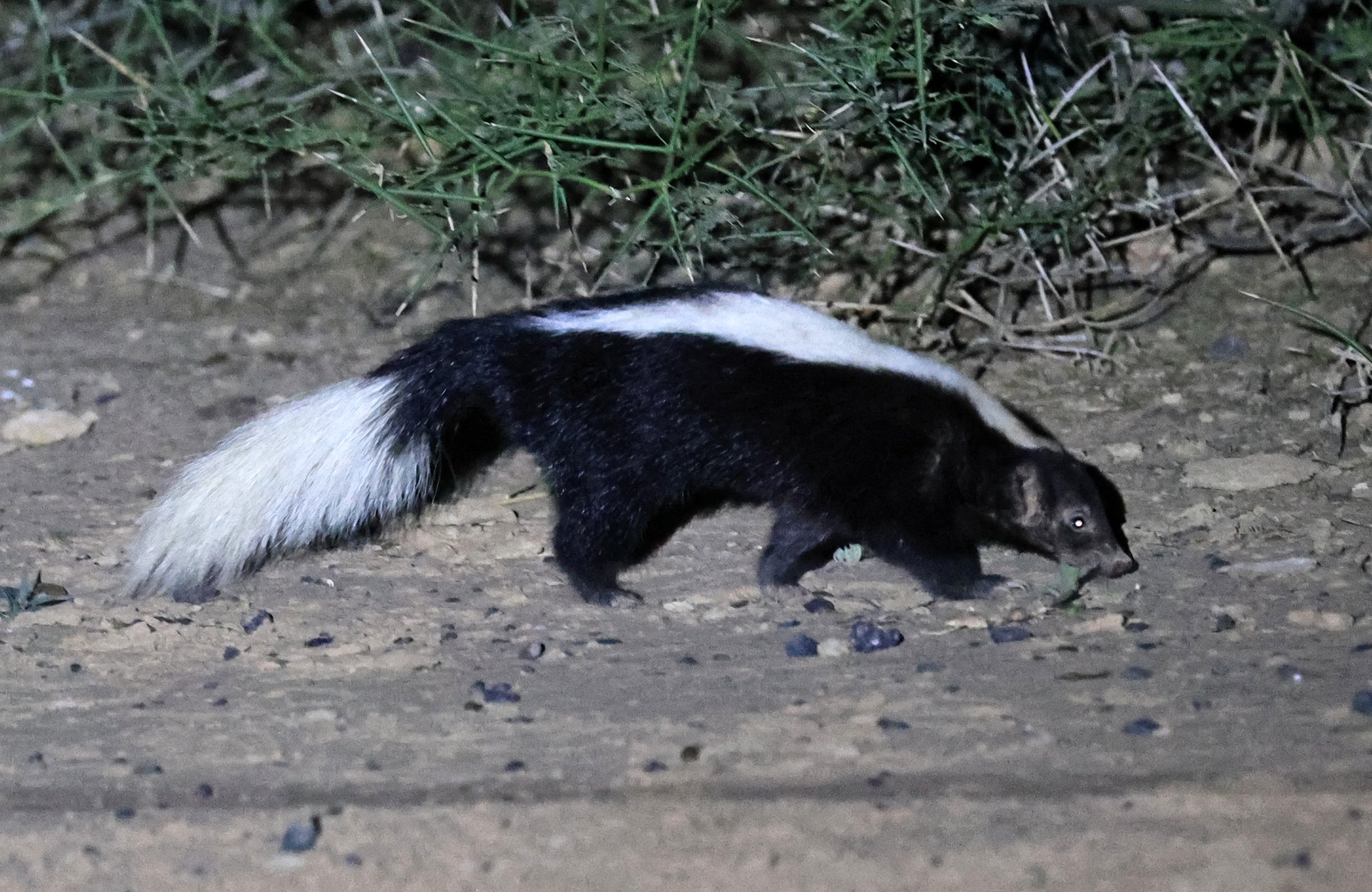
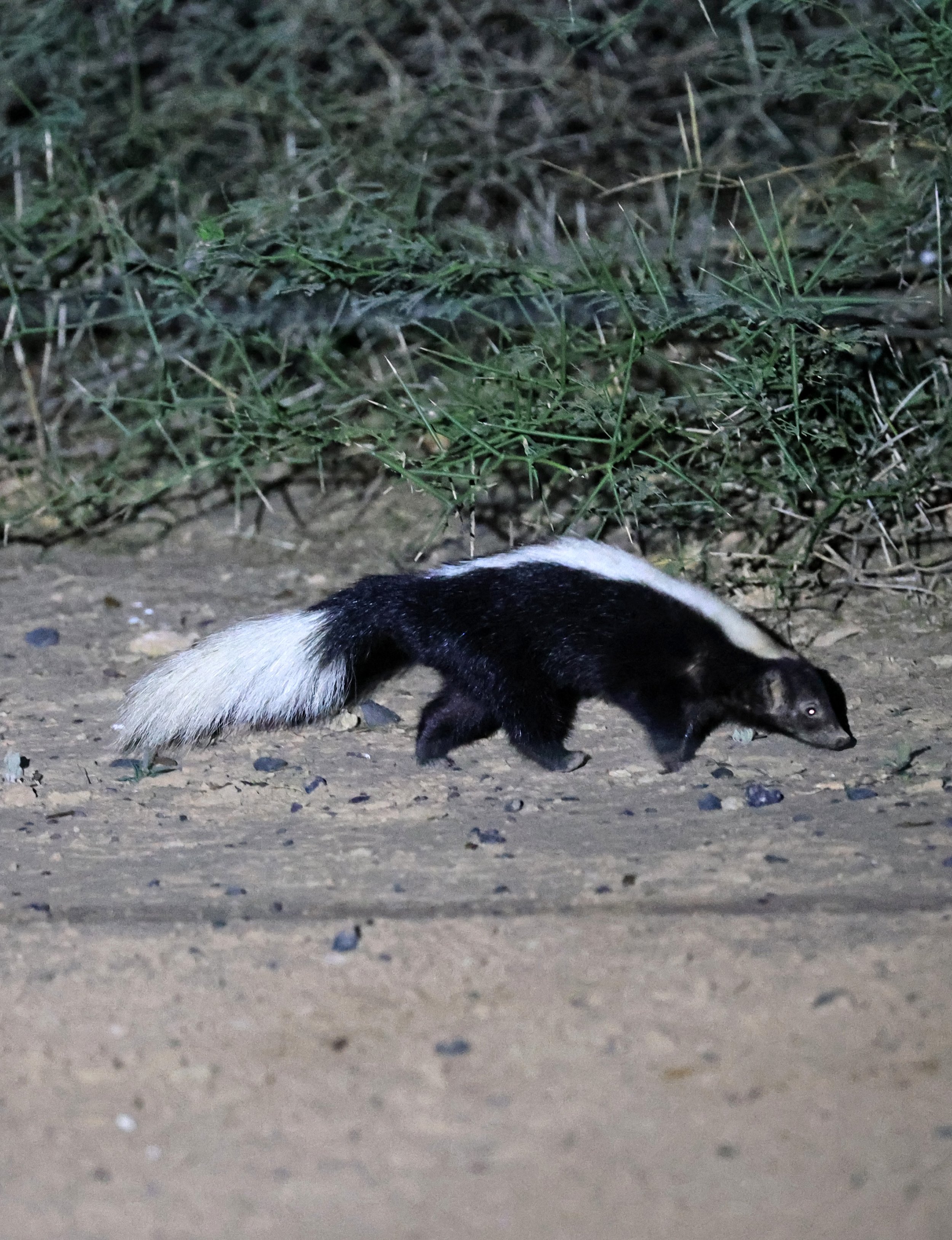
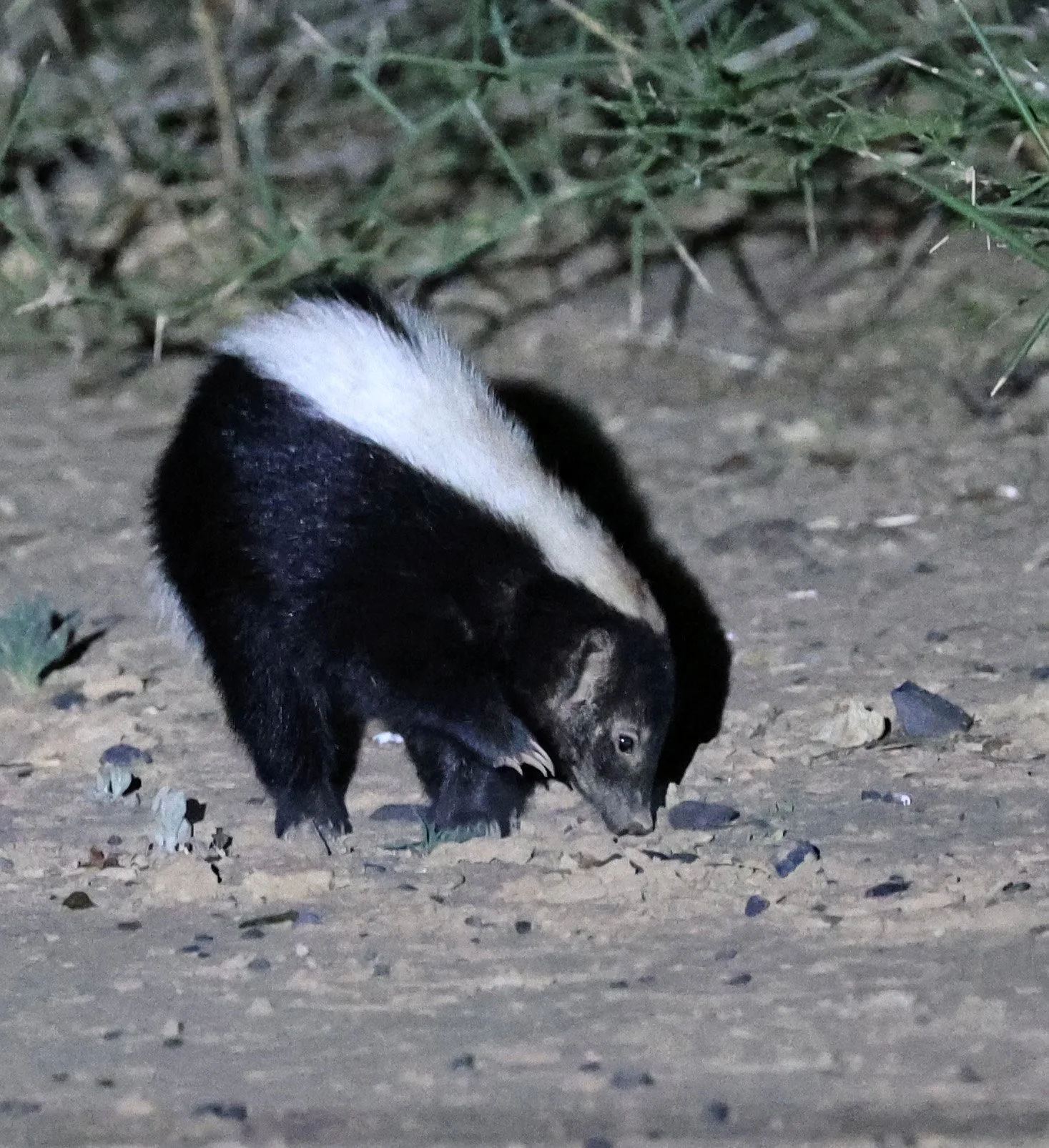
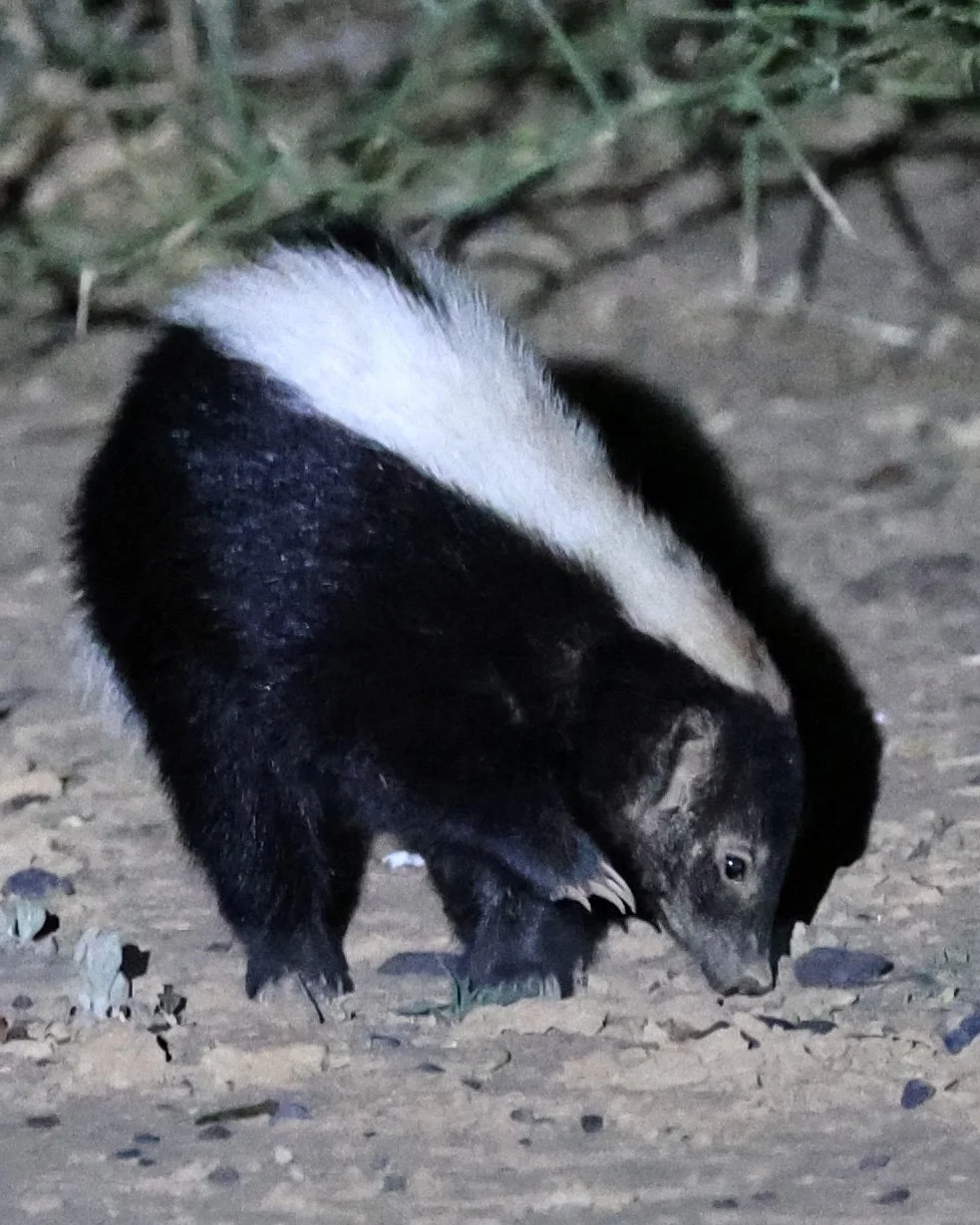
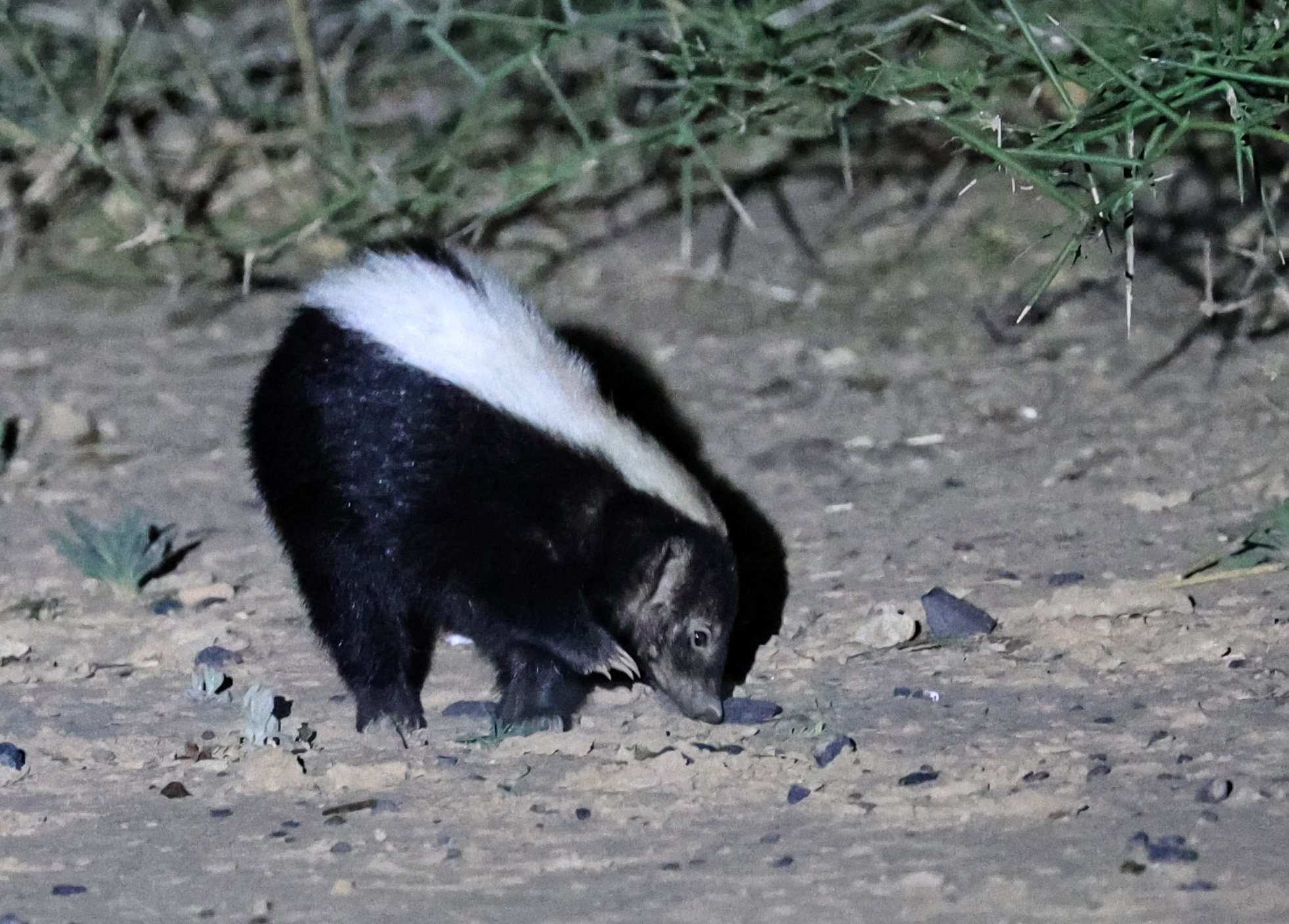
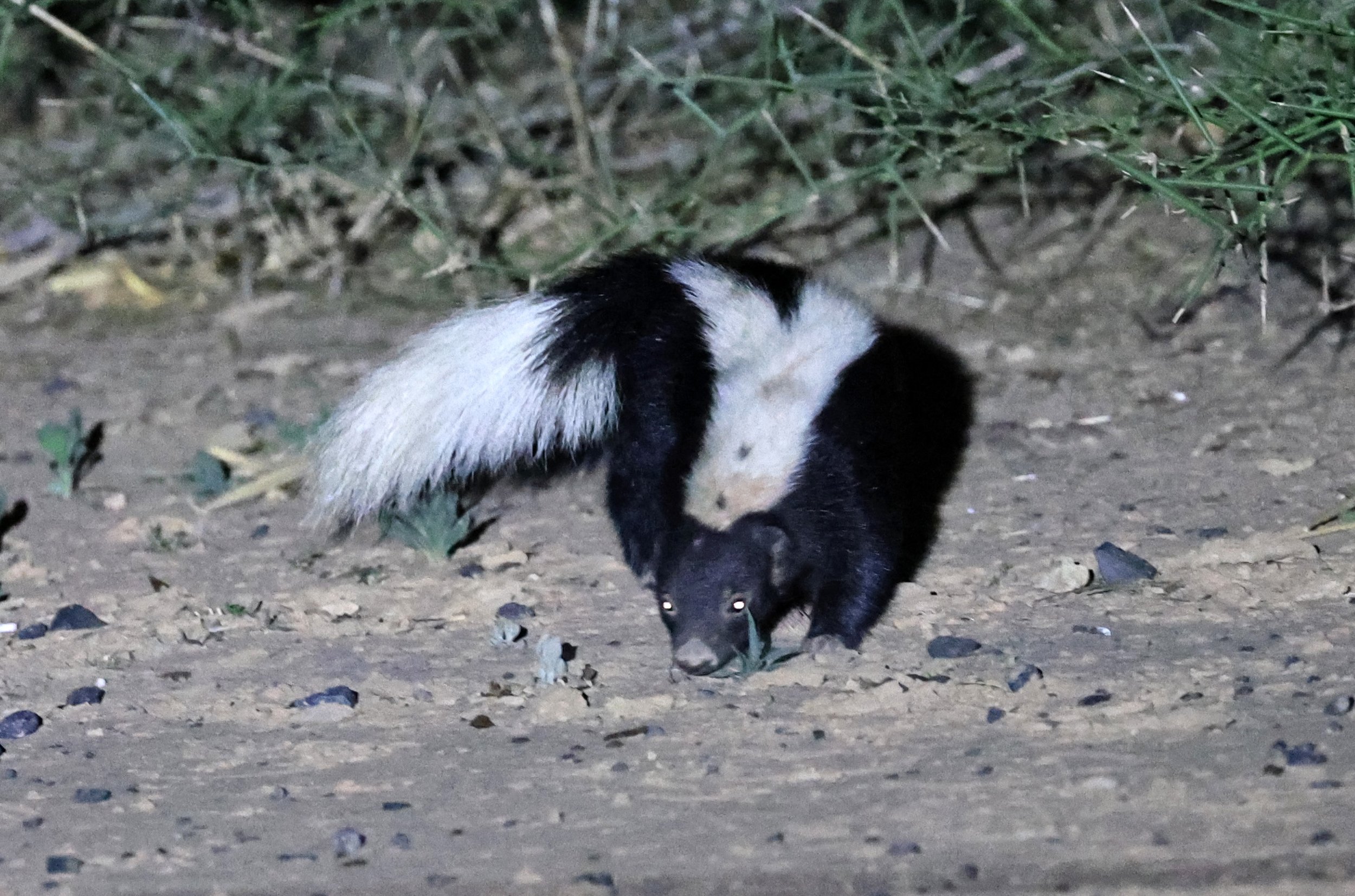
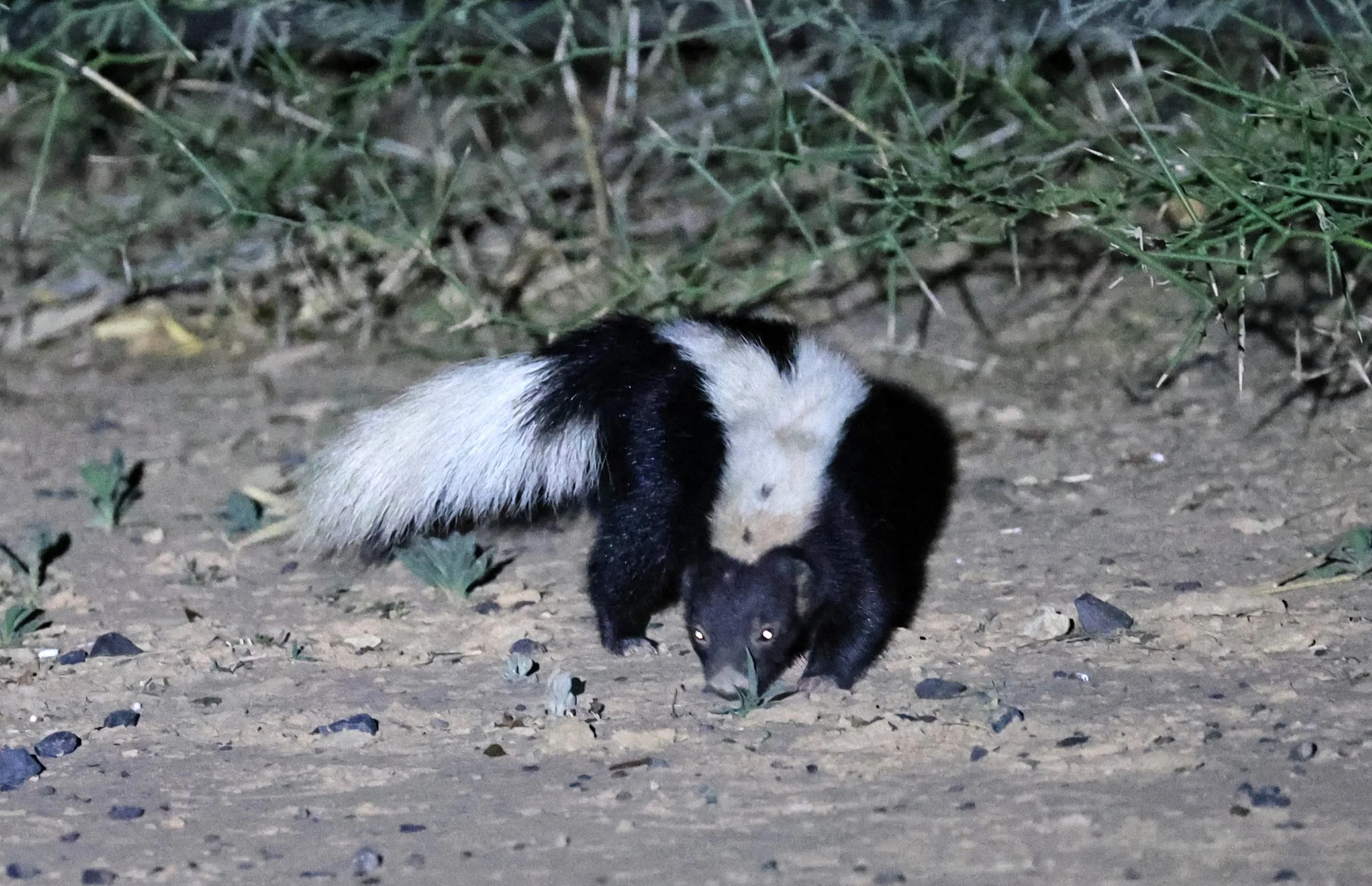
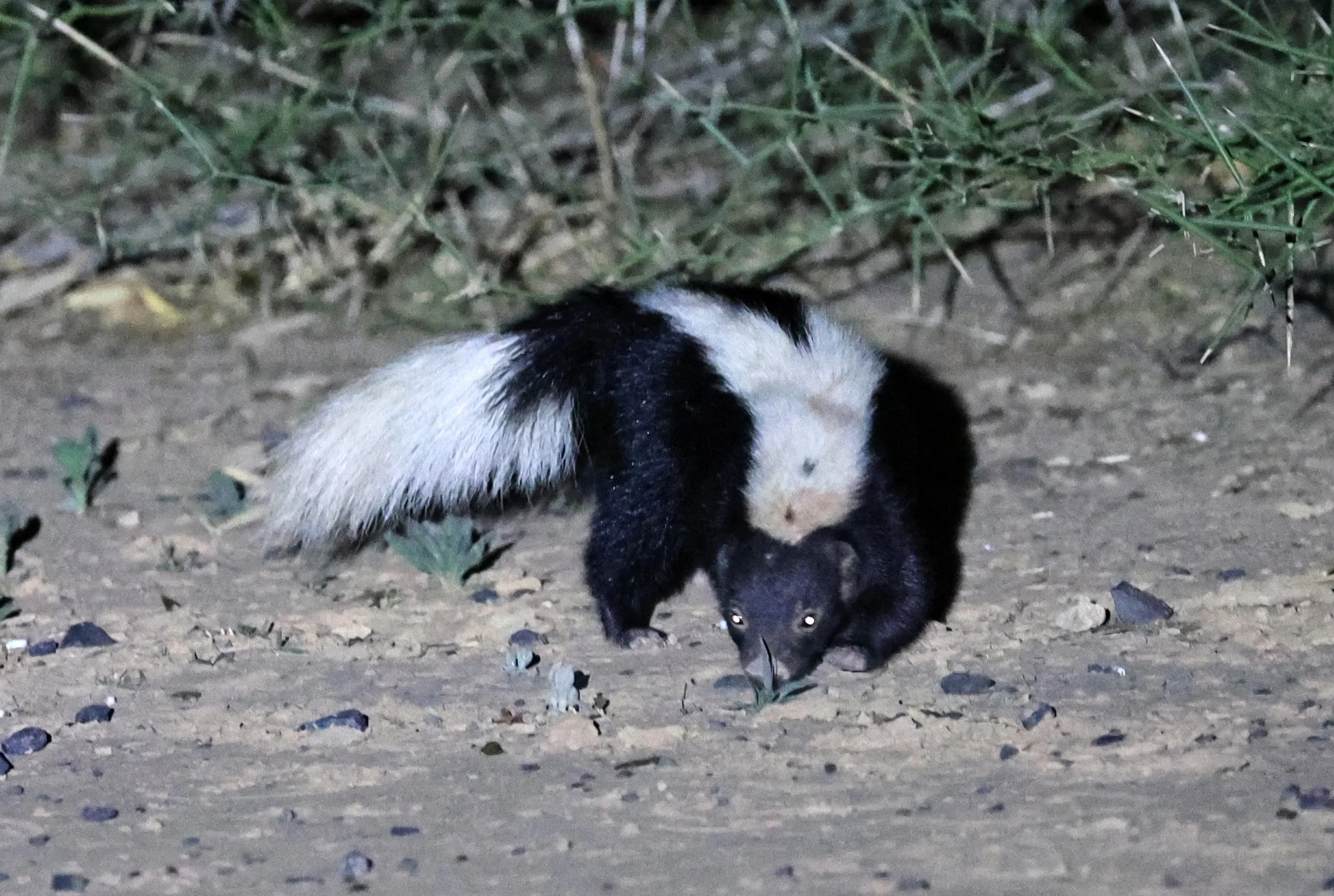
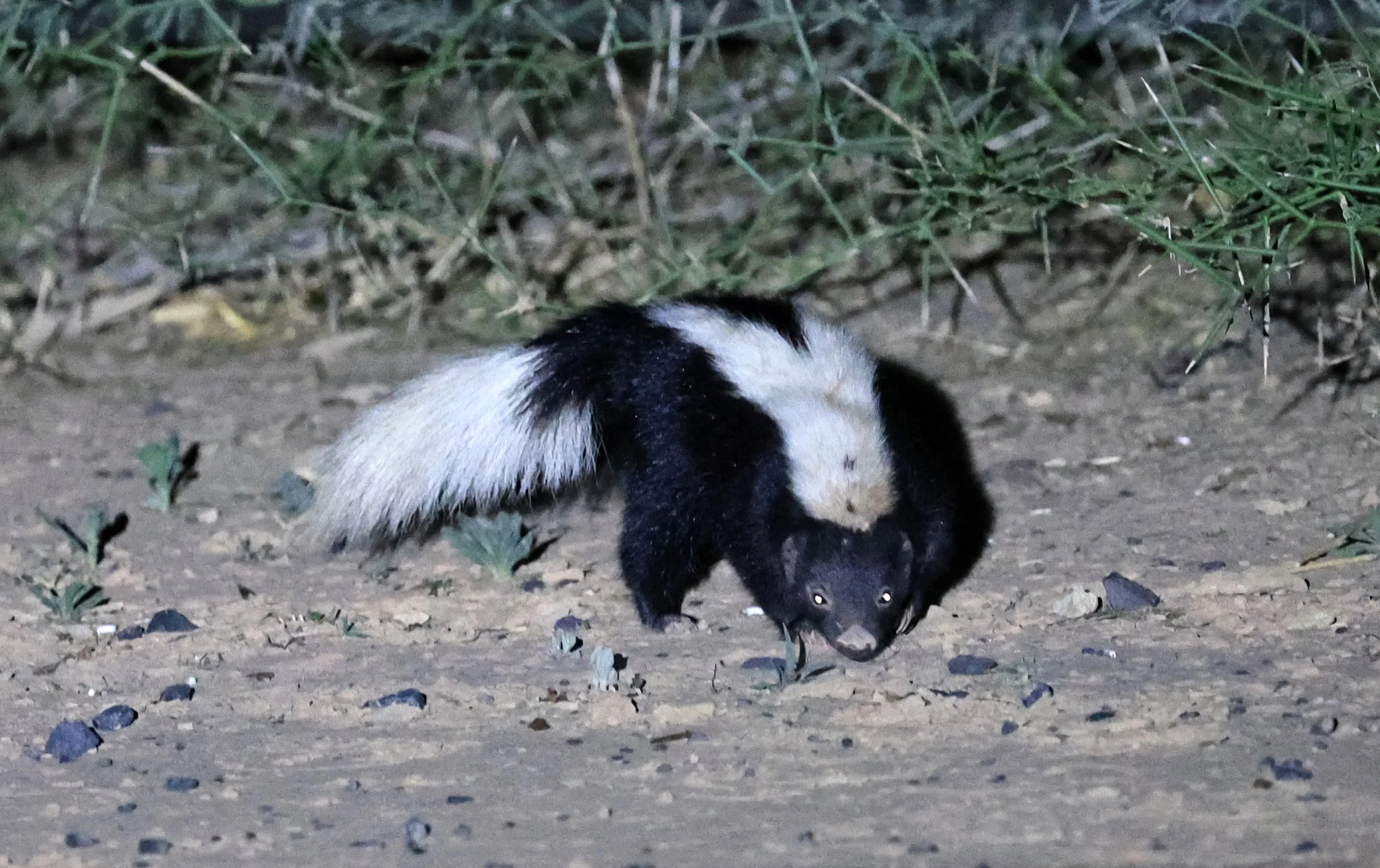
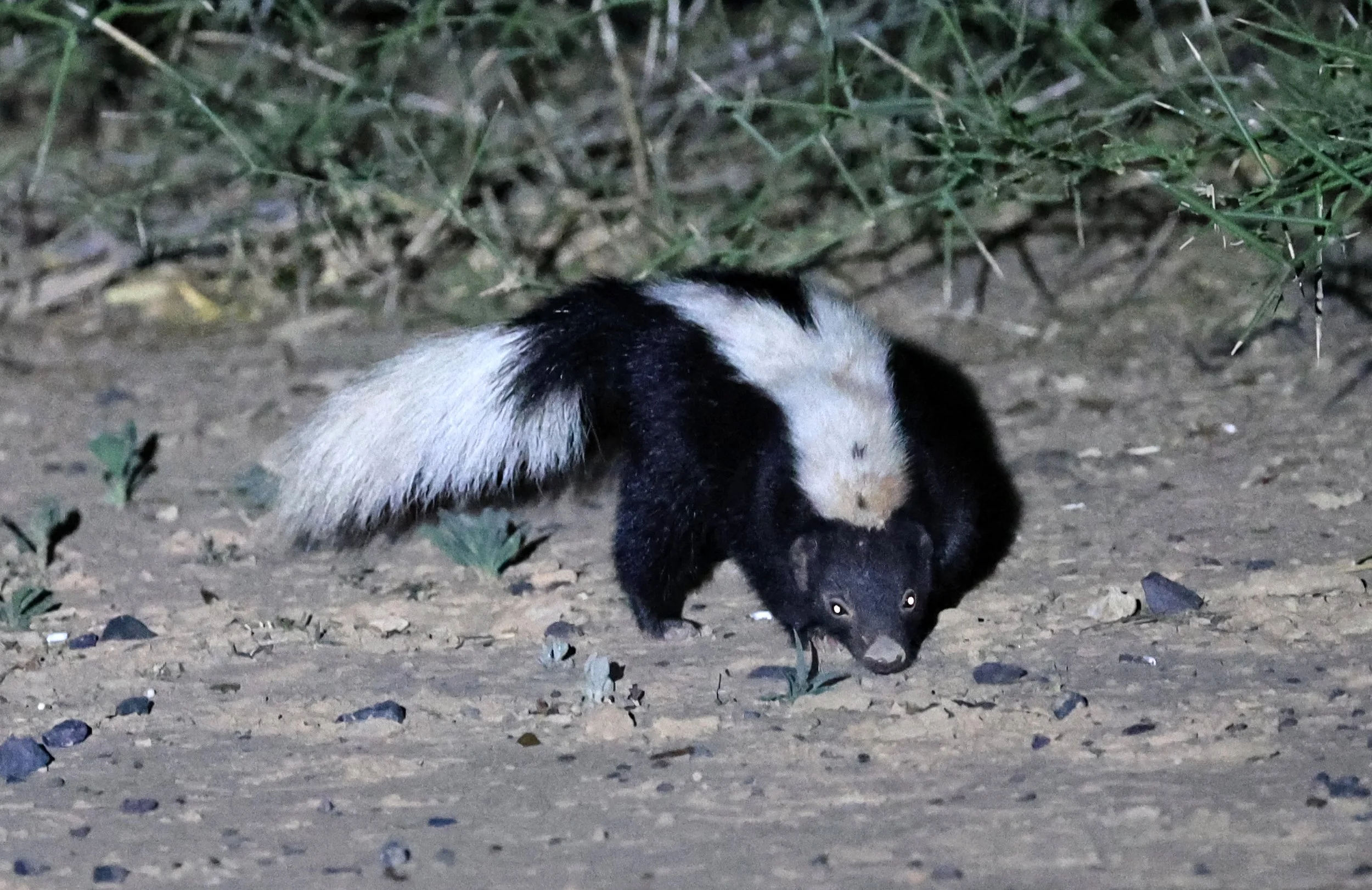
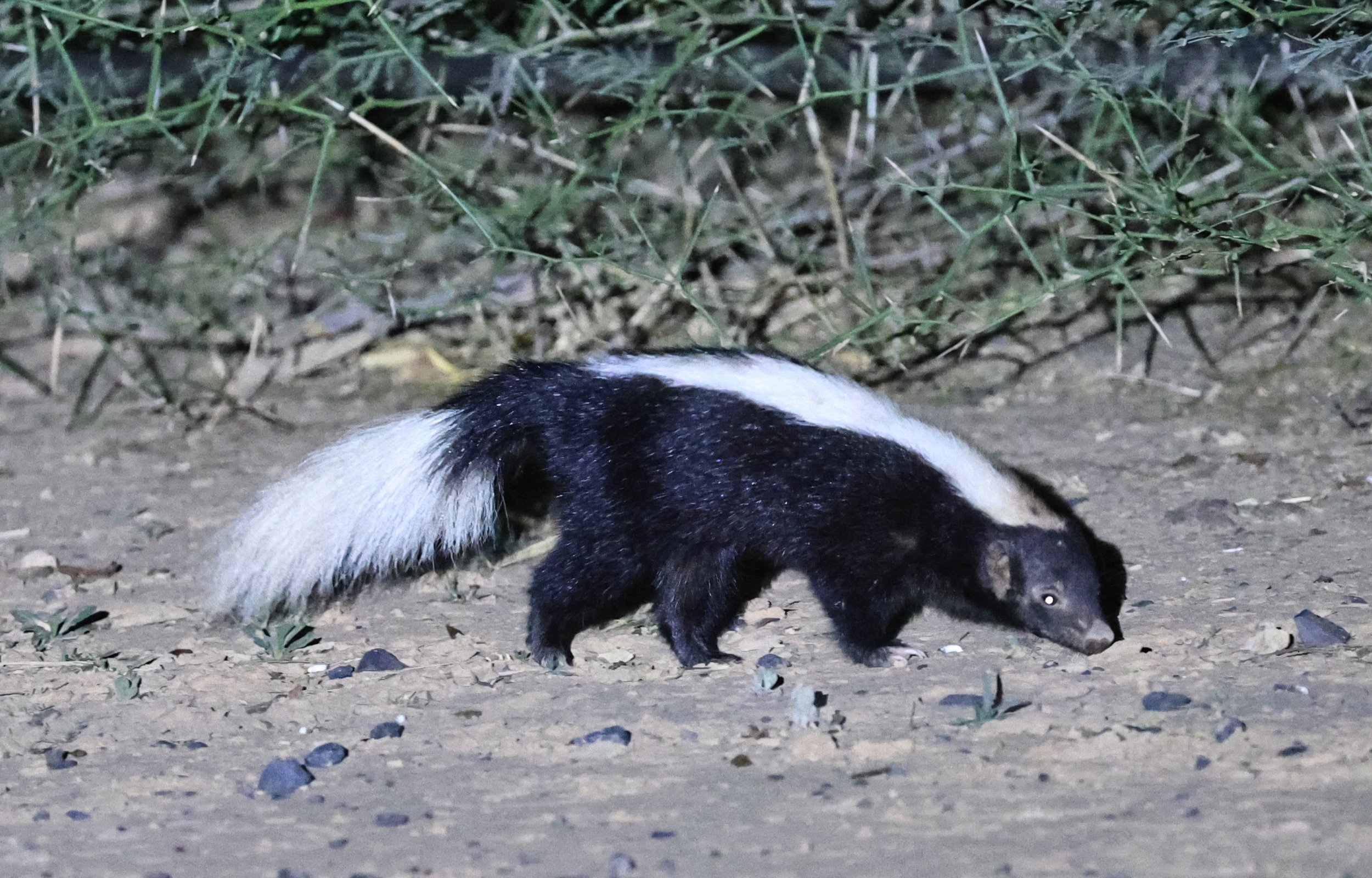
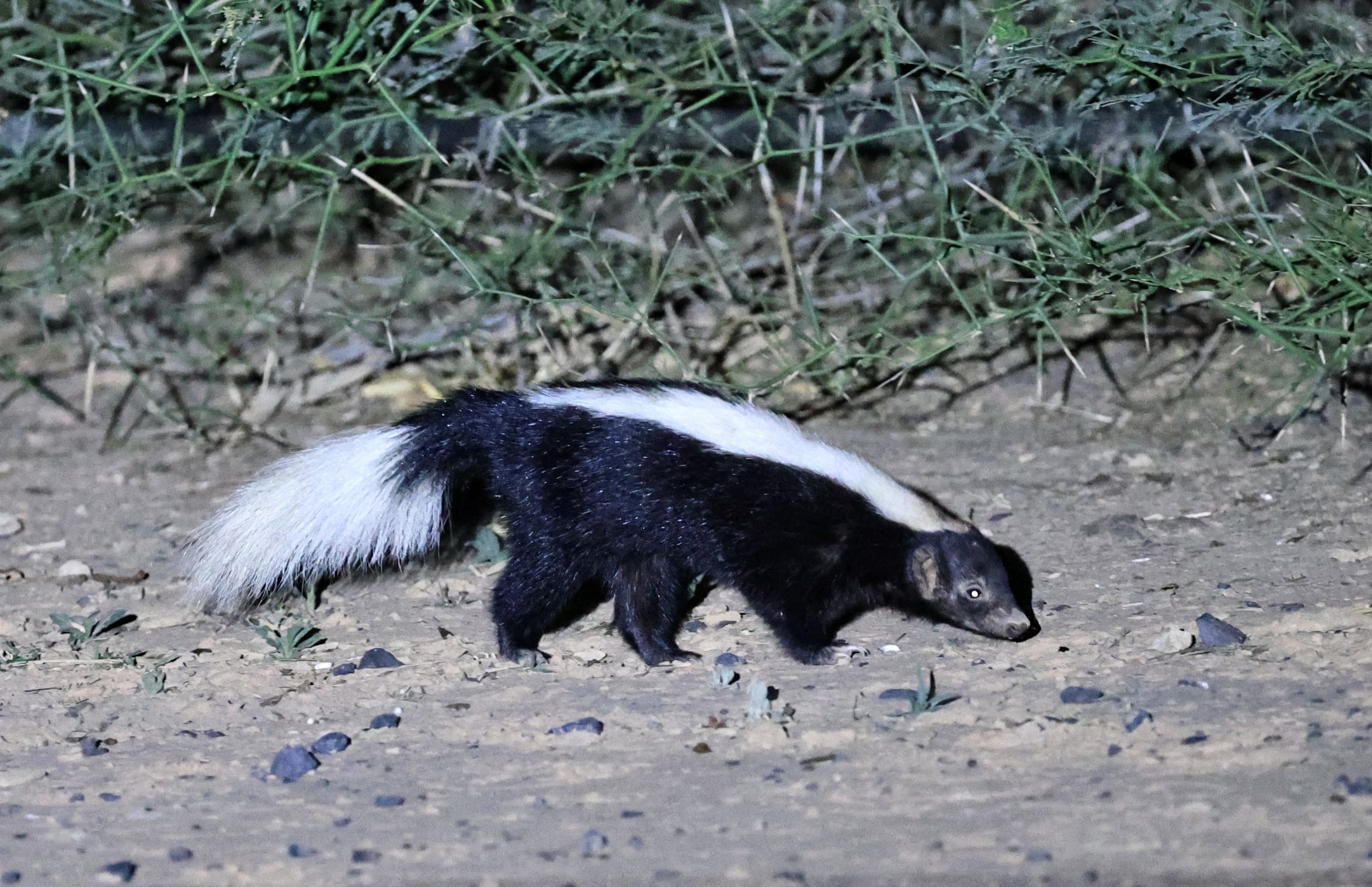
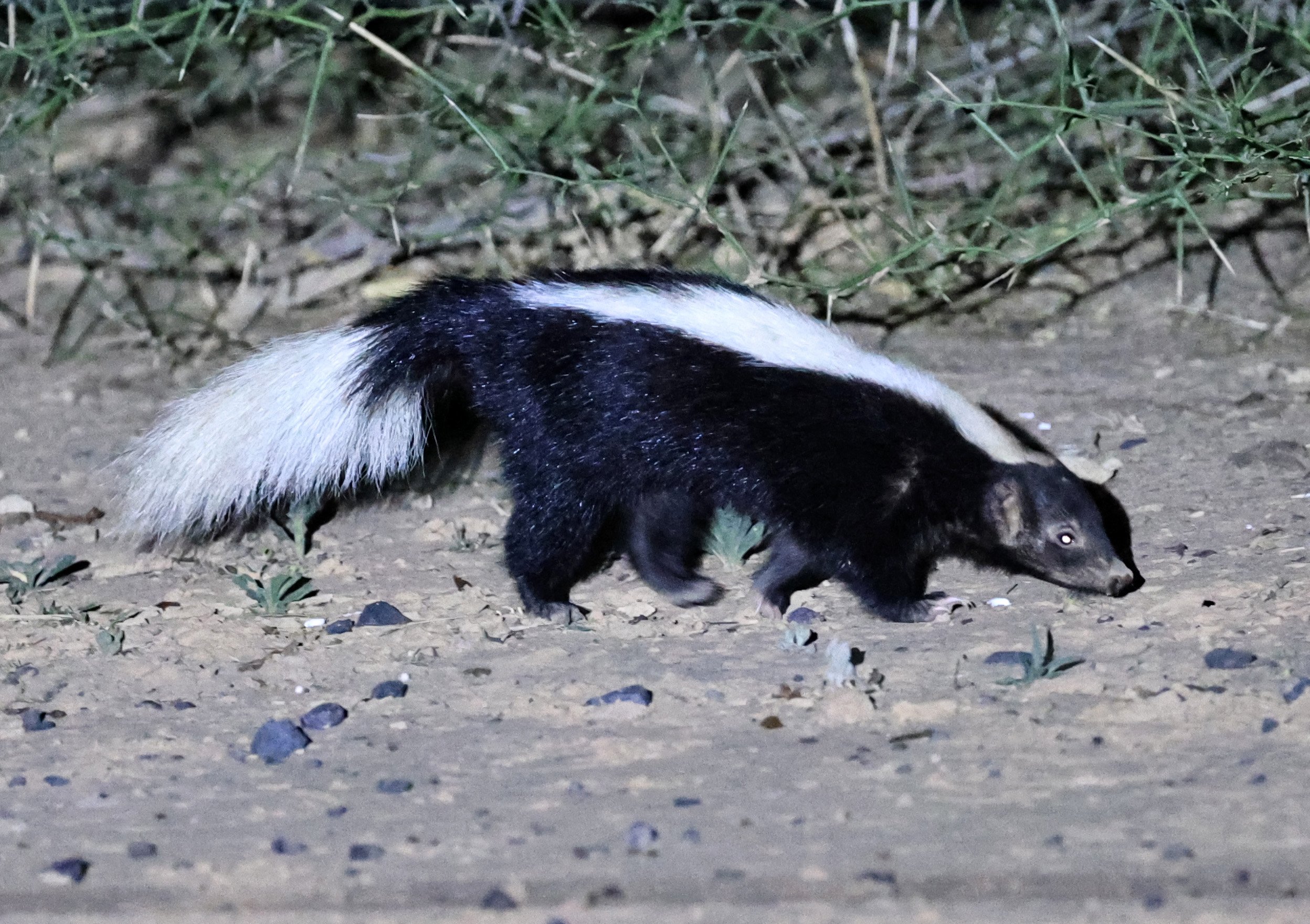
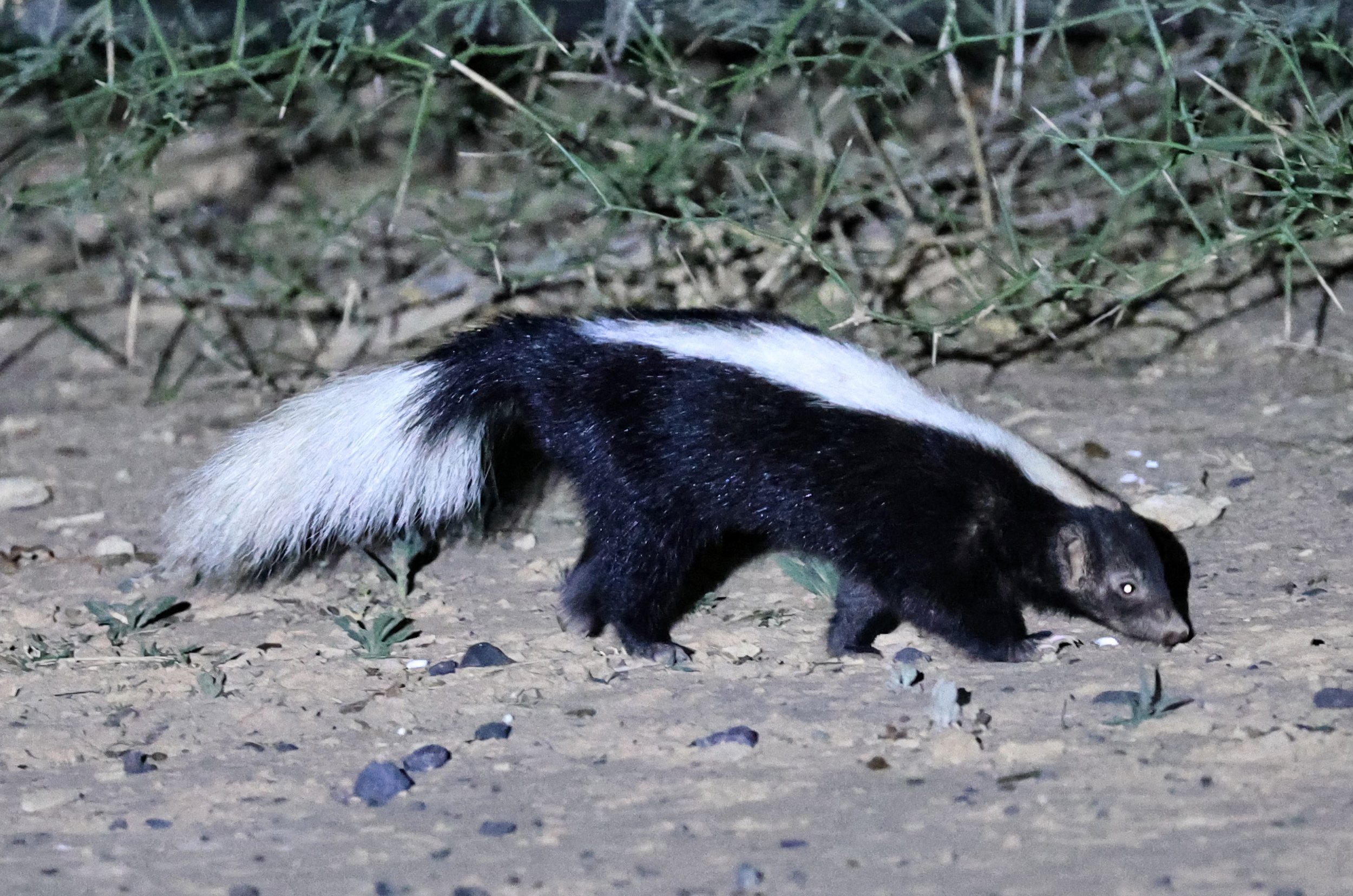
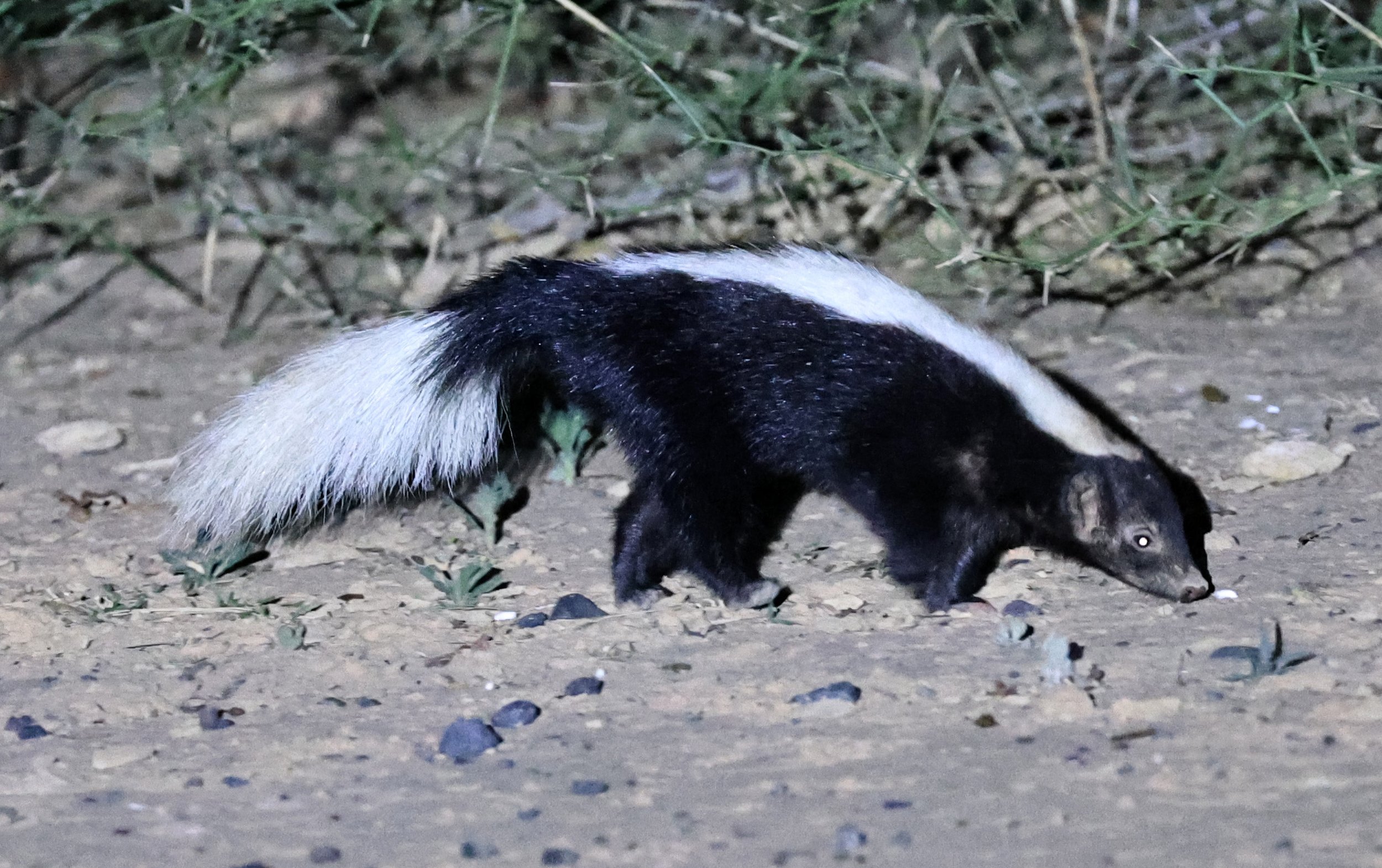
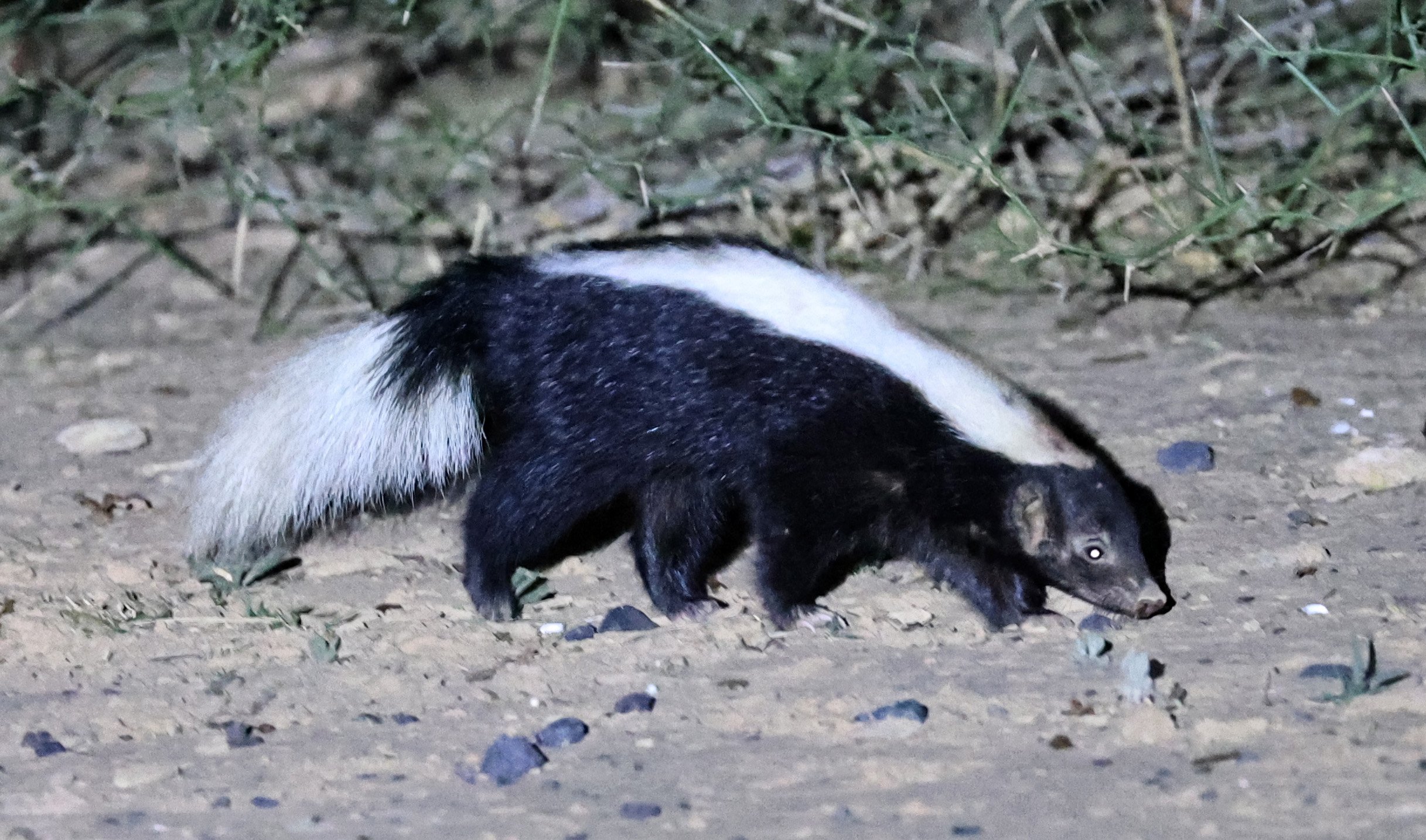
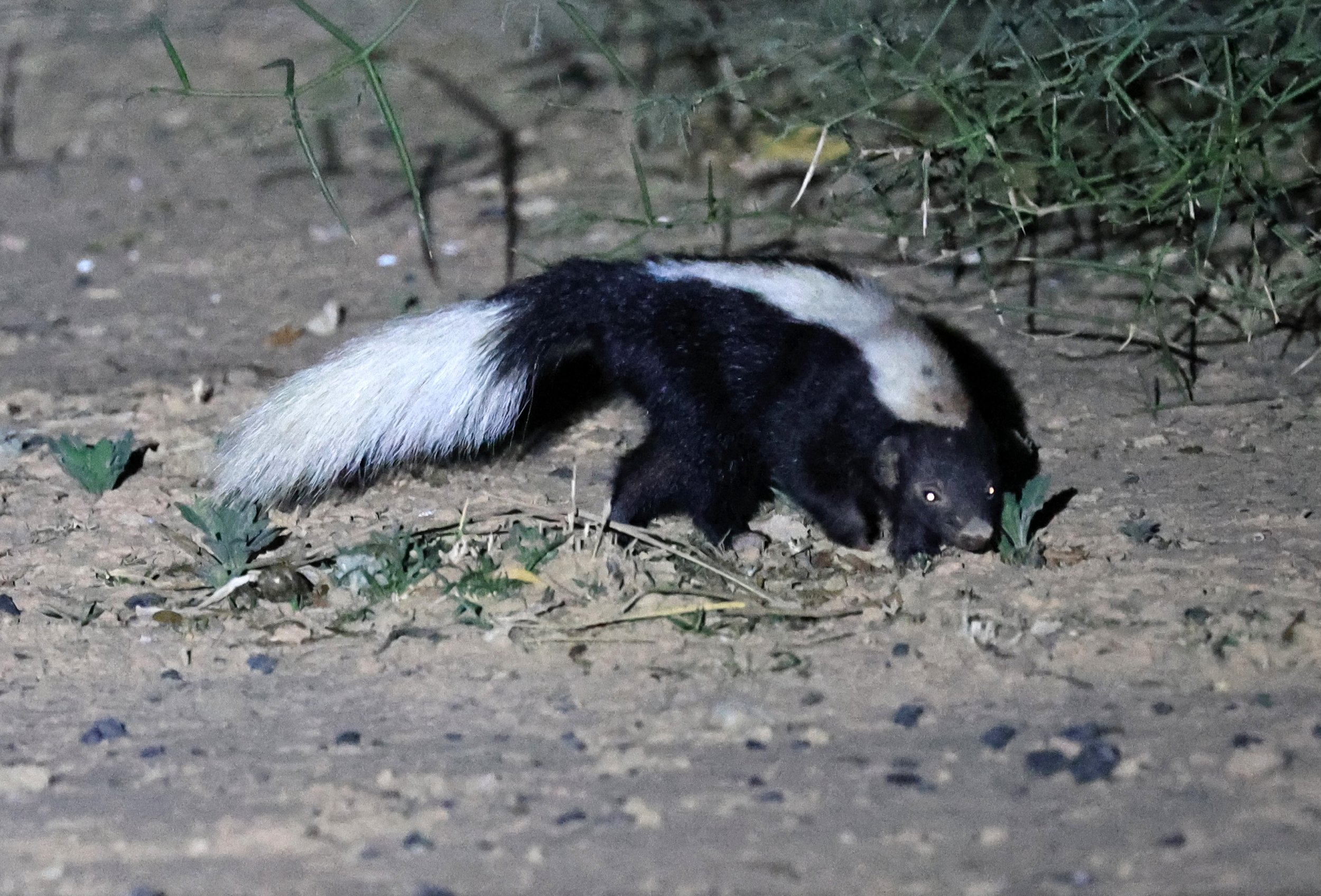
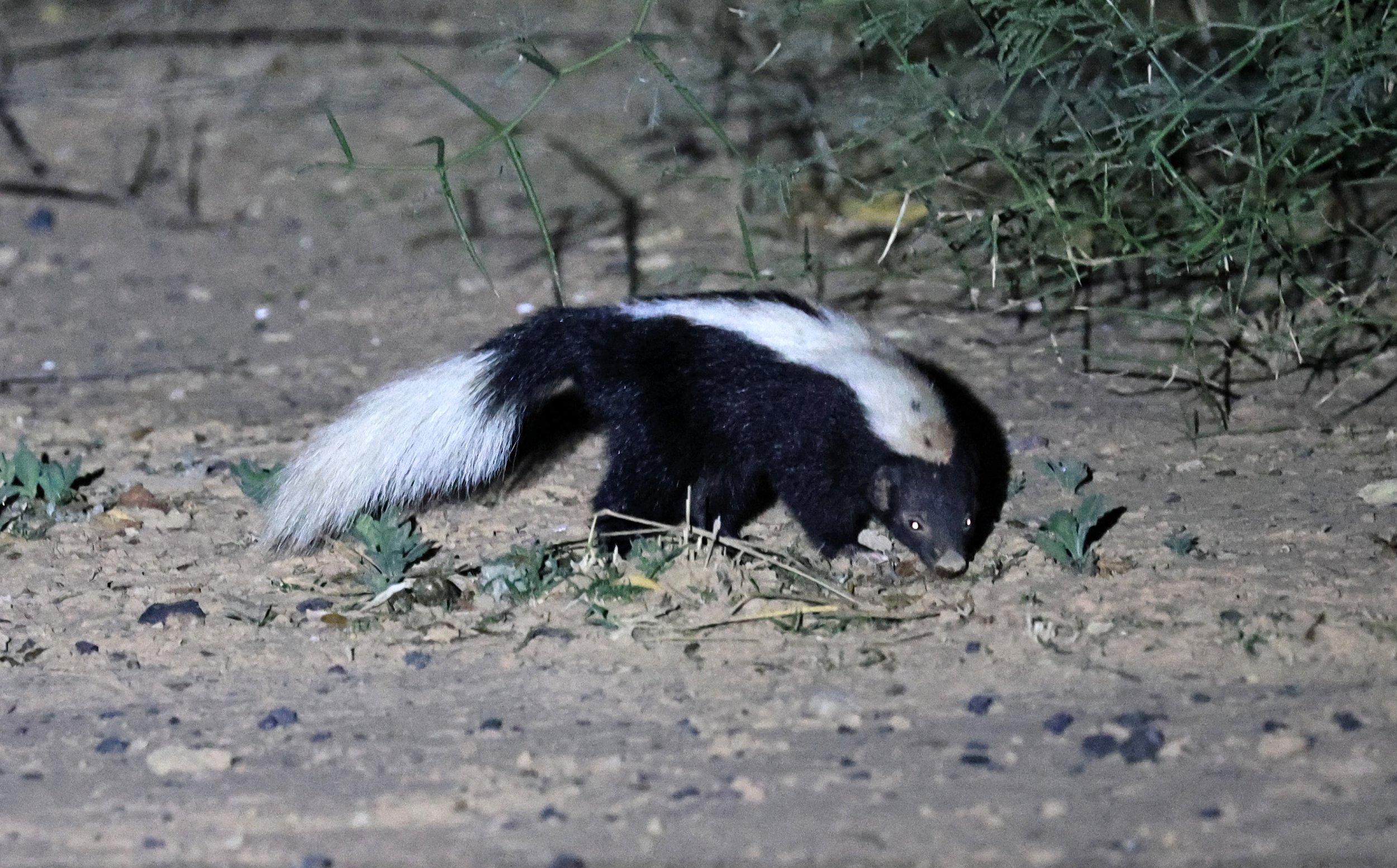
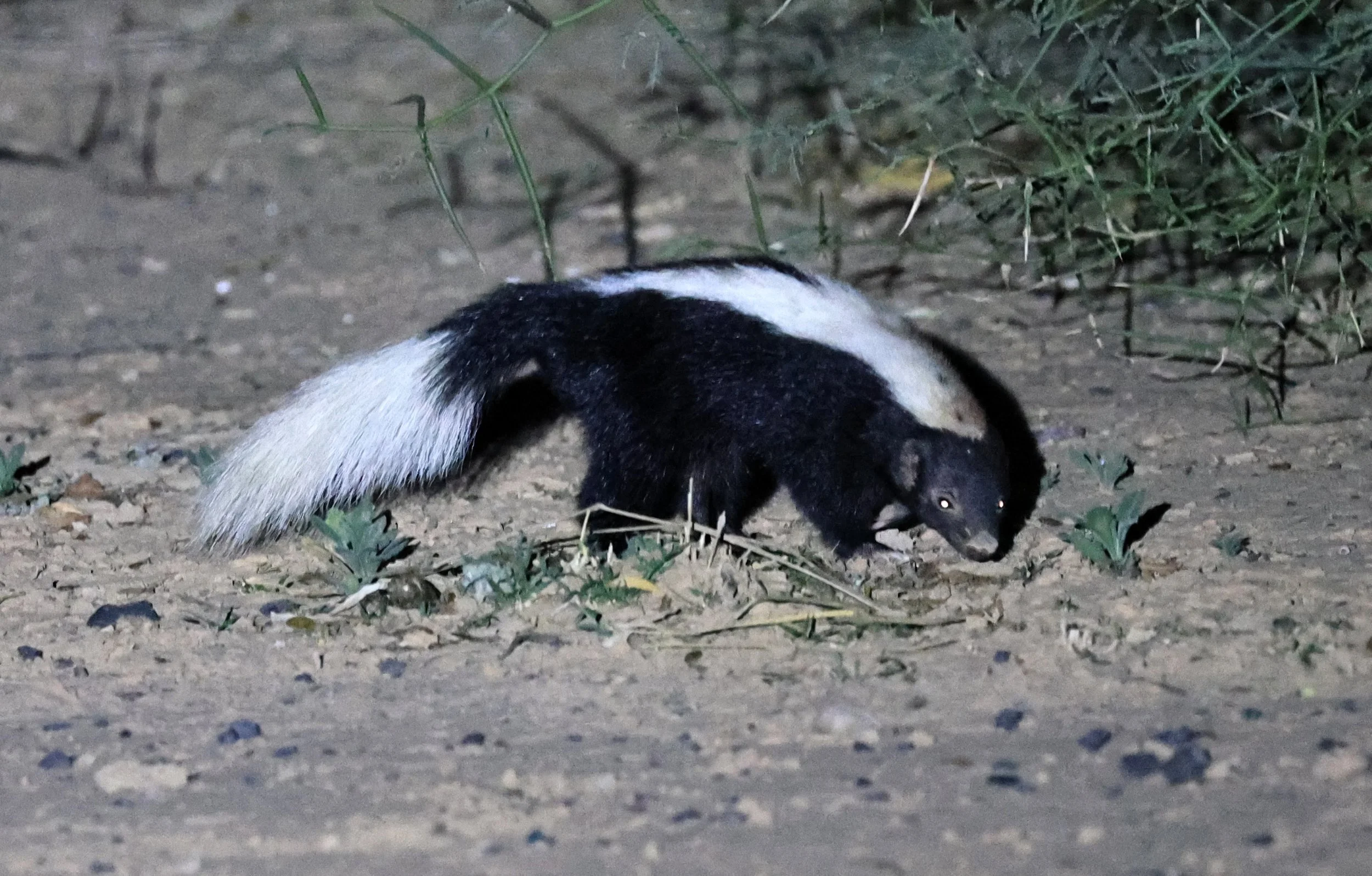
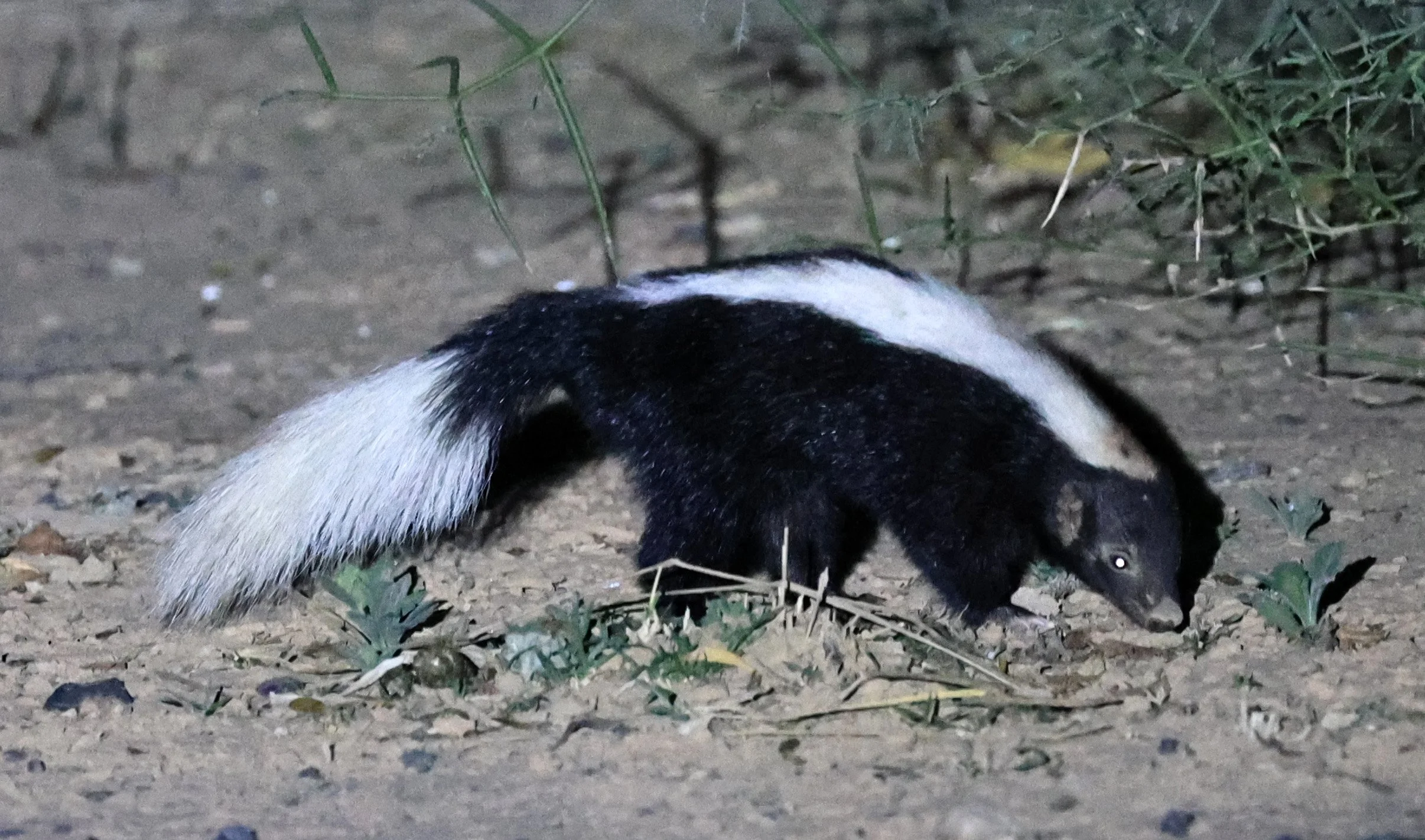
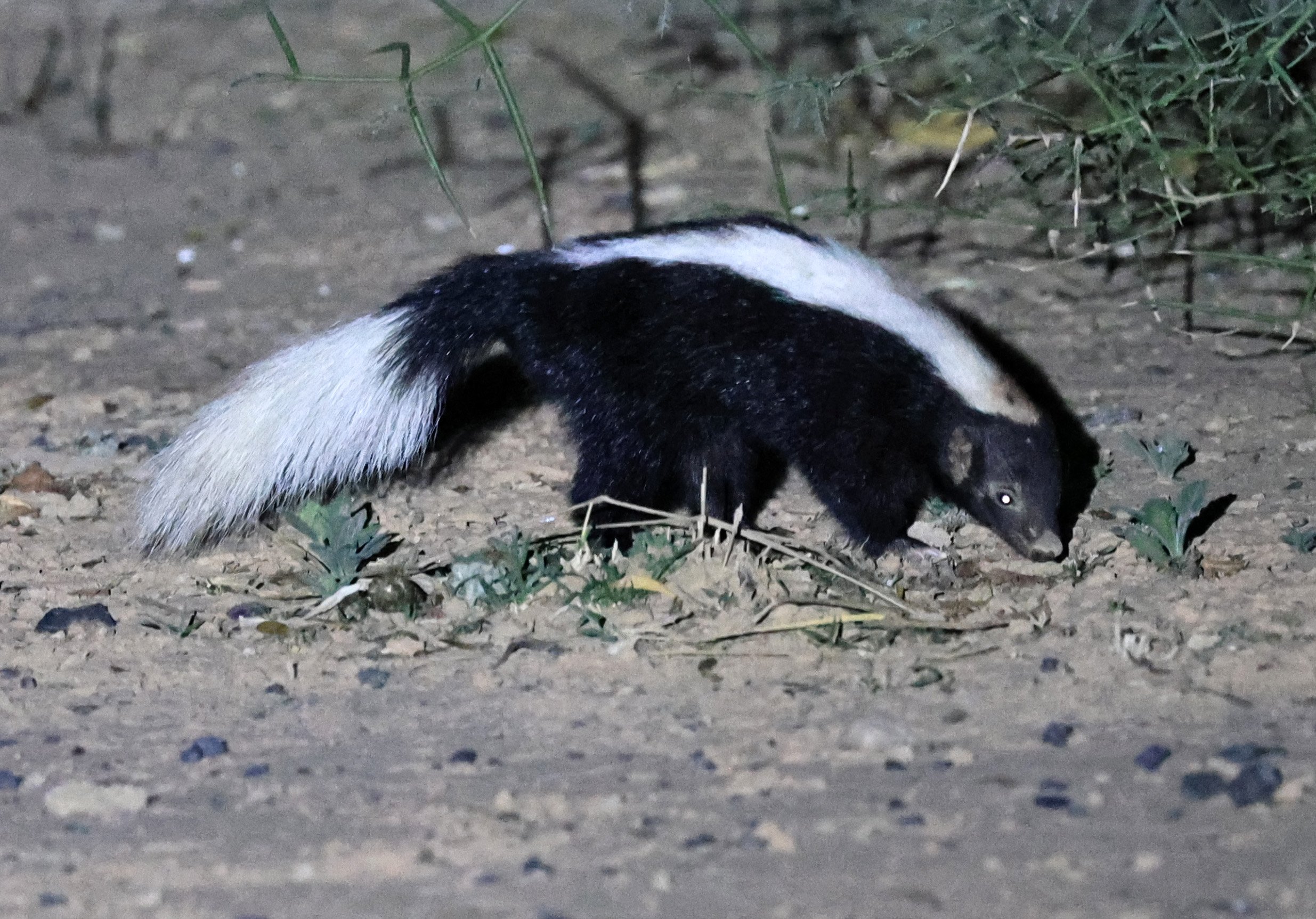
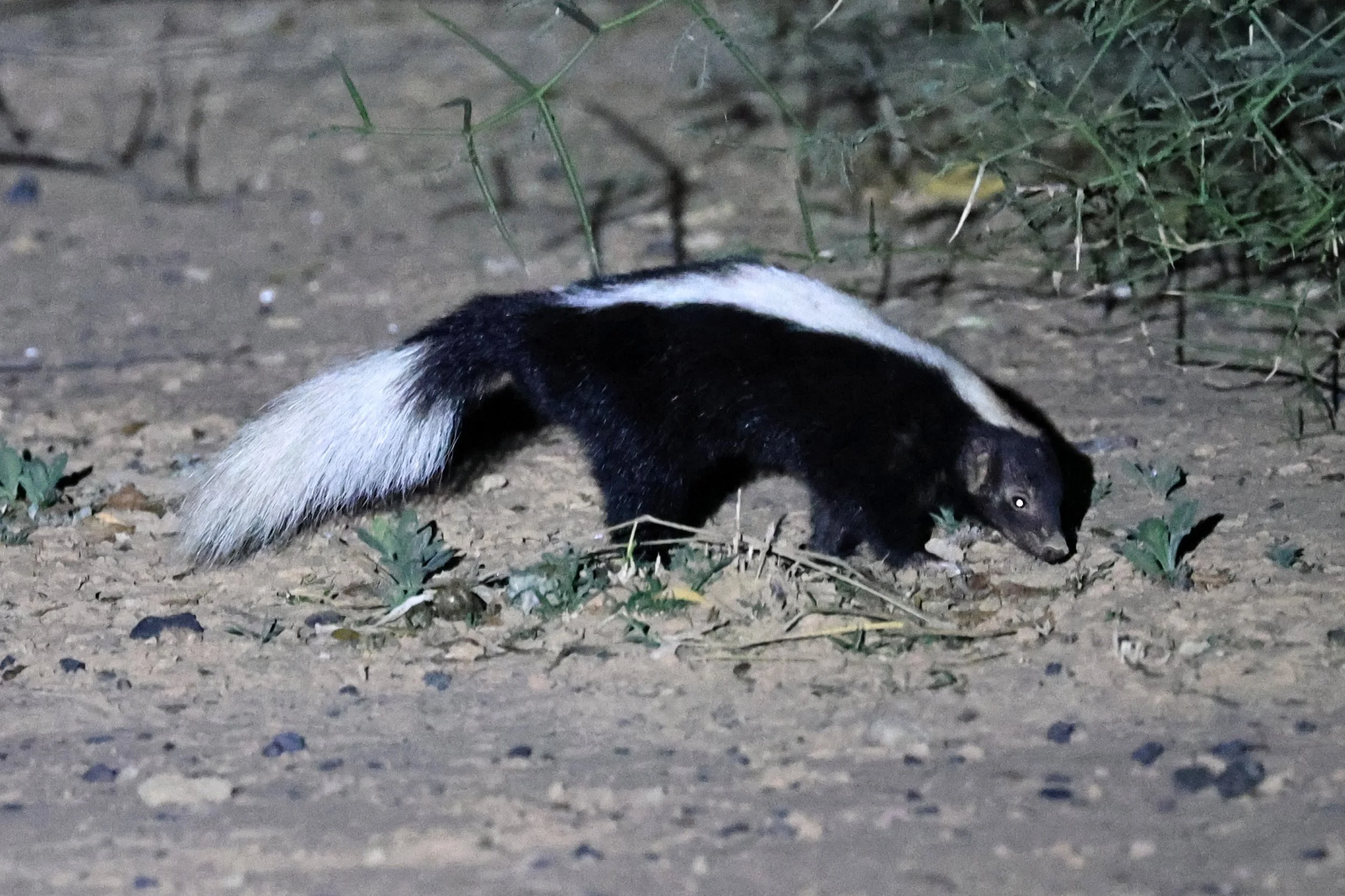
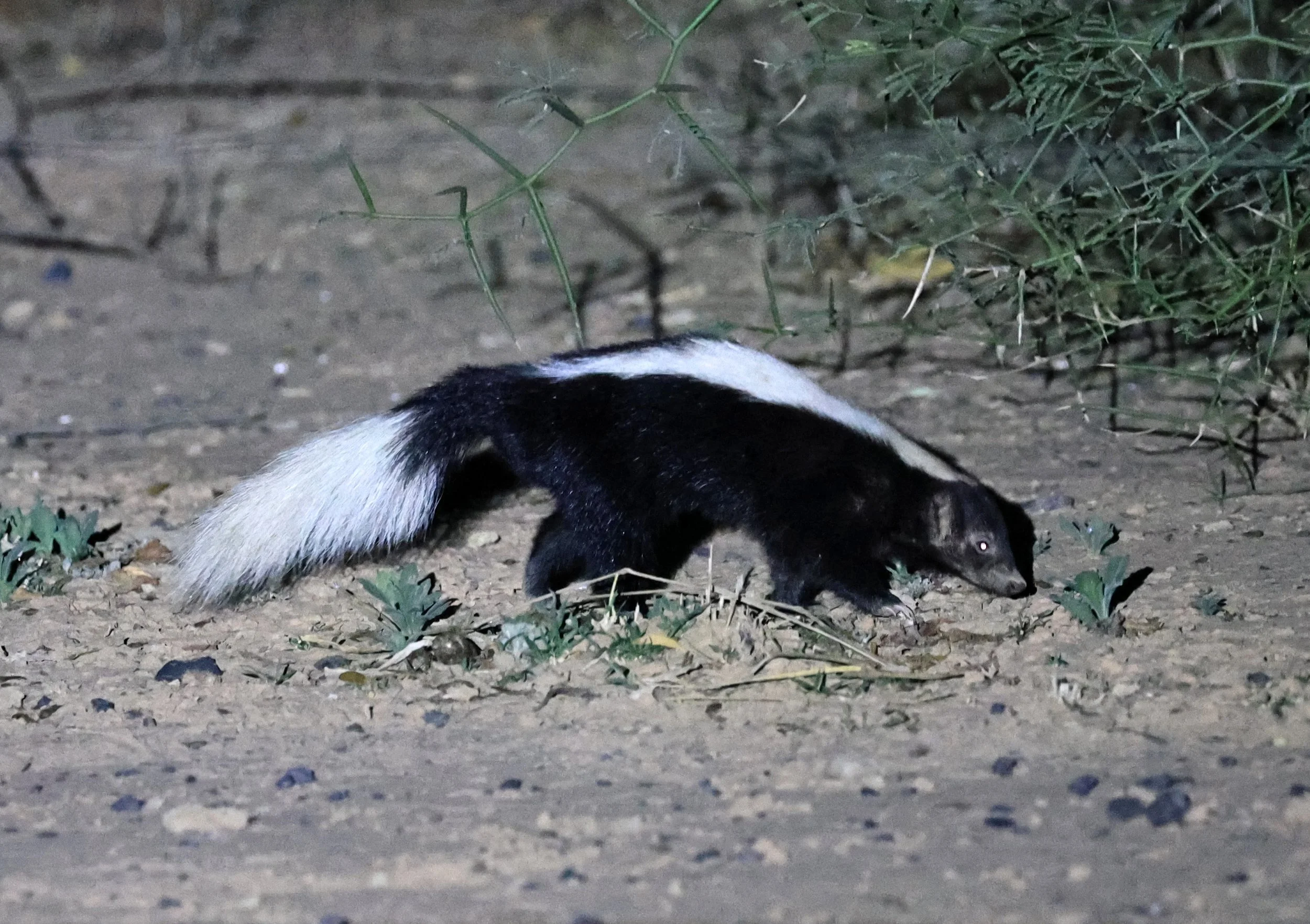
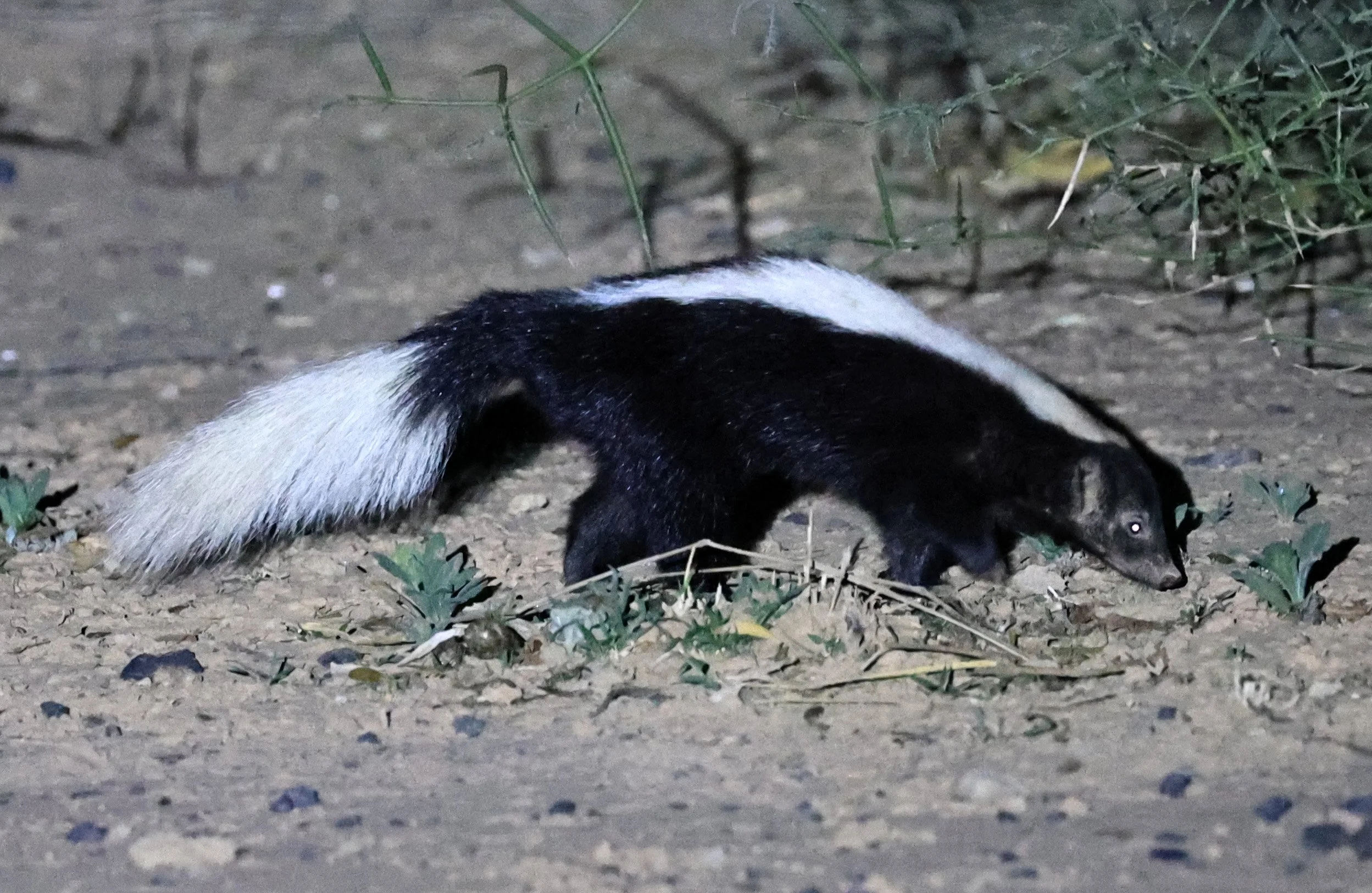
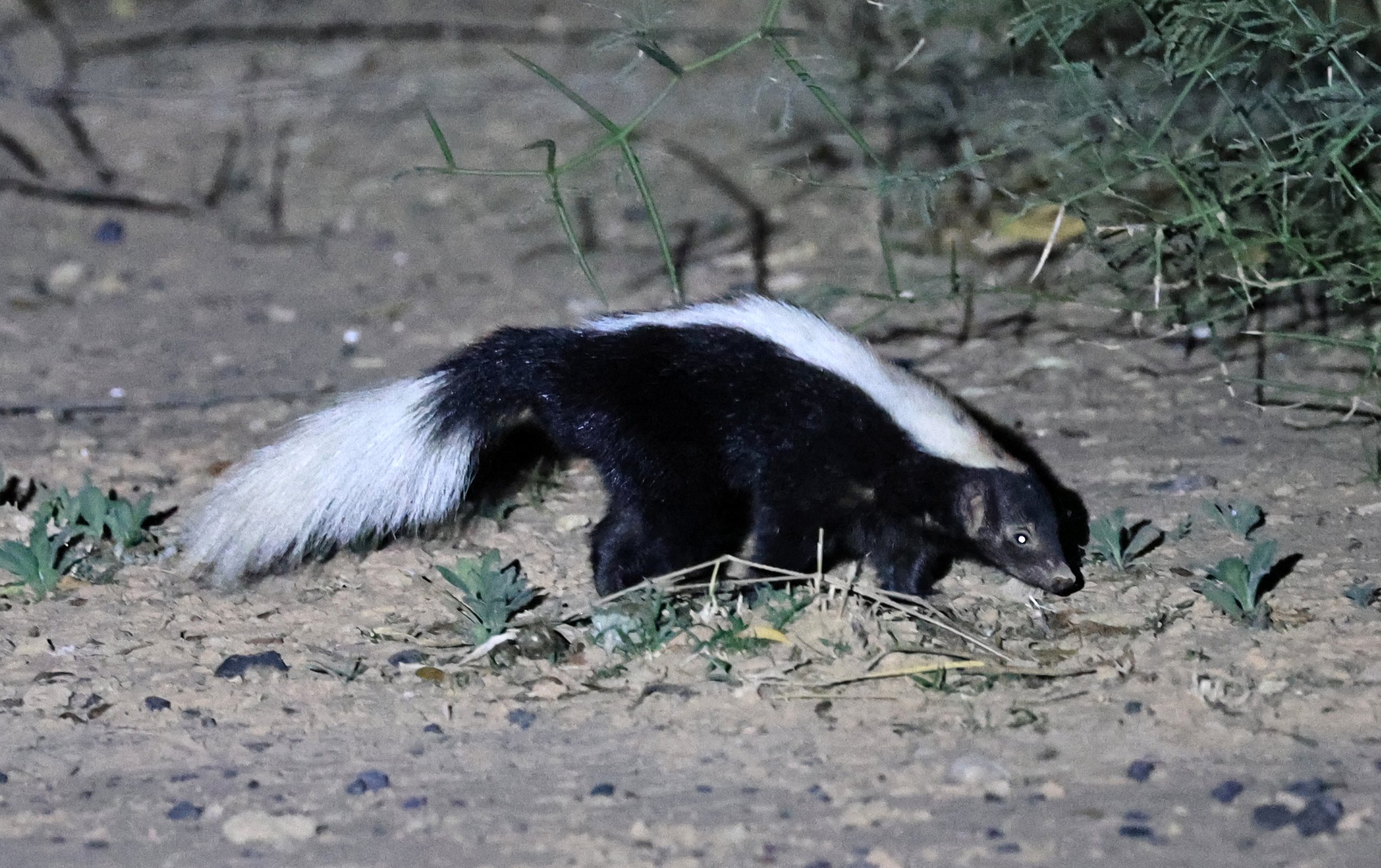
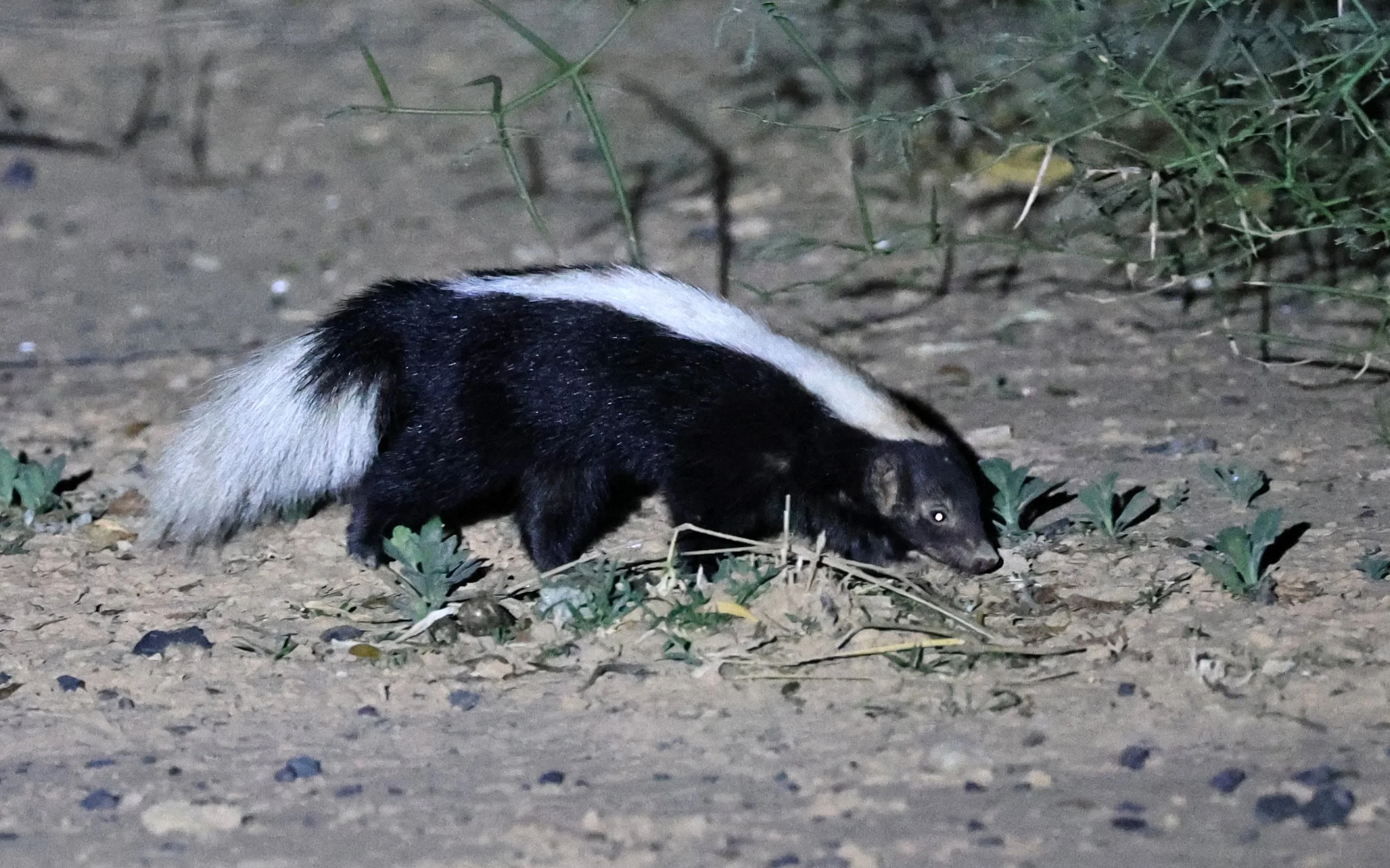
Molina's Hog-nosed Skunk (Conepatus chinga), also known as the Andes Skunk, is a member of the family Mephitidae, the group that includes all skunk species. Although skunks were once classified alongside weasels and badgers, they are now recognized as a distinct family because of their unique evolutionary history and specialised scent glands. The species belongs to the genus Conepatus, which contains the hog-nosed skunks, a group known for their elongated snouts and excellent digging abilities. Its full classification is Kingdom Animalia, Phylum Chordata, Class Mammalia, Order Carnivora, Family Mephitidae, Genus Conepatus, and Species C. chinga. The species was first described by the Chilean naturalist Juan Ignacio Molina in 1782, which is why it bears his name. [en.wikipedia.org], [animaldiversity.org]
General Description
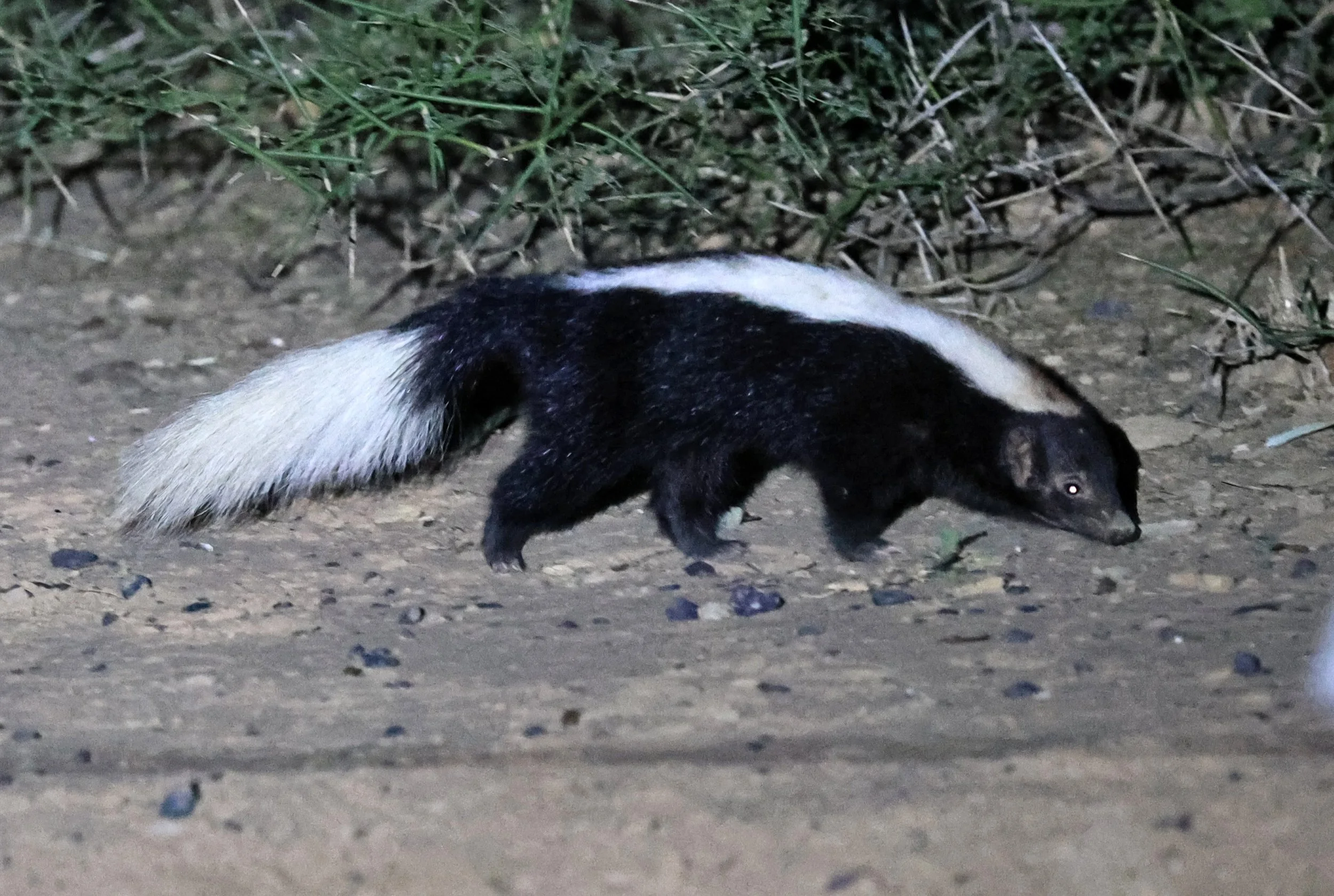
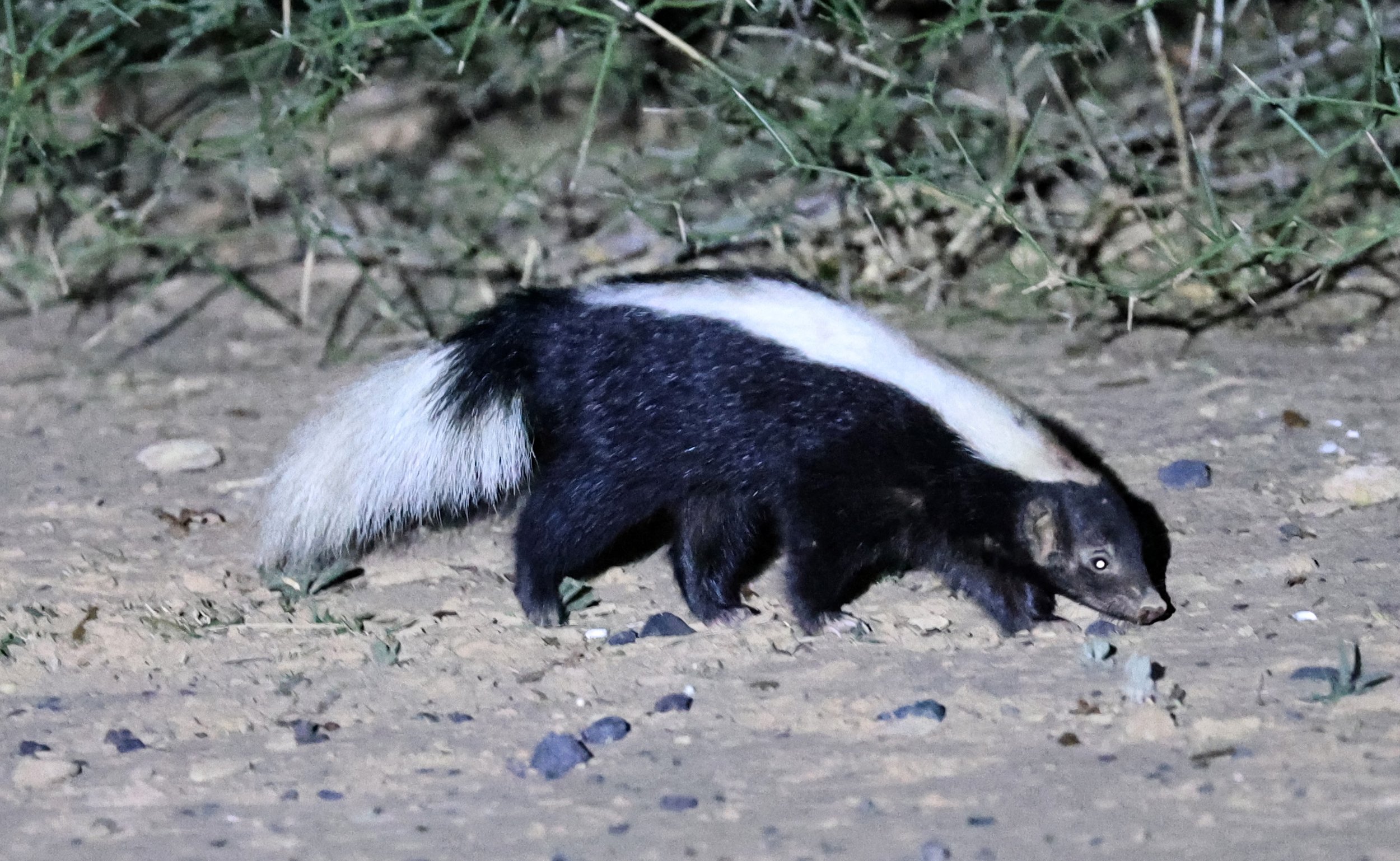
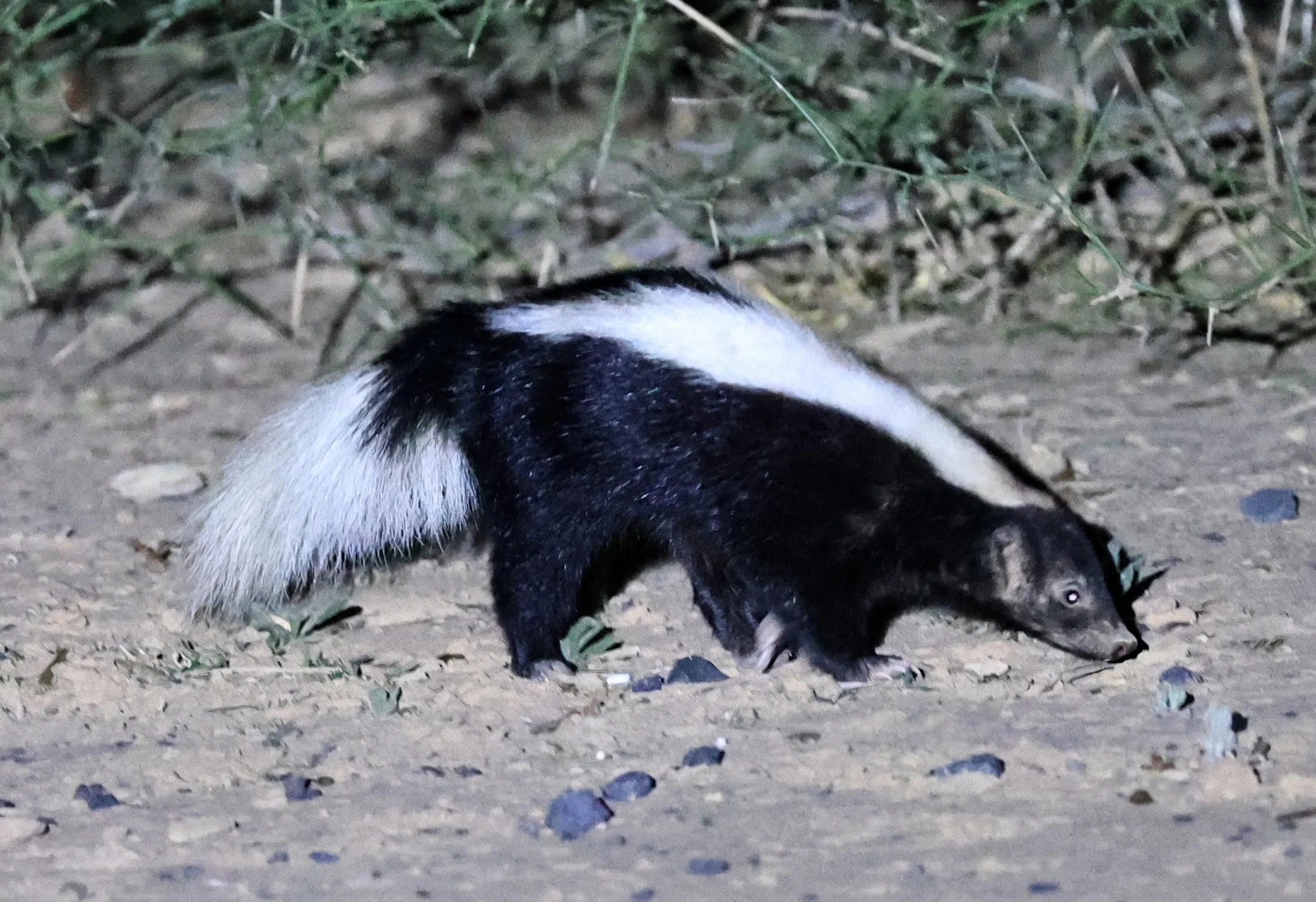
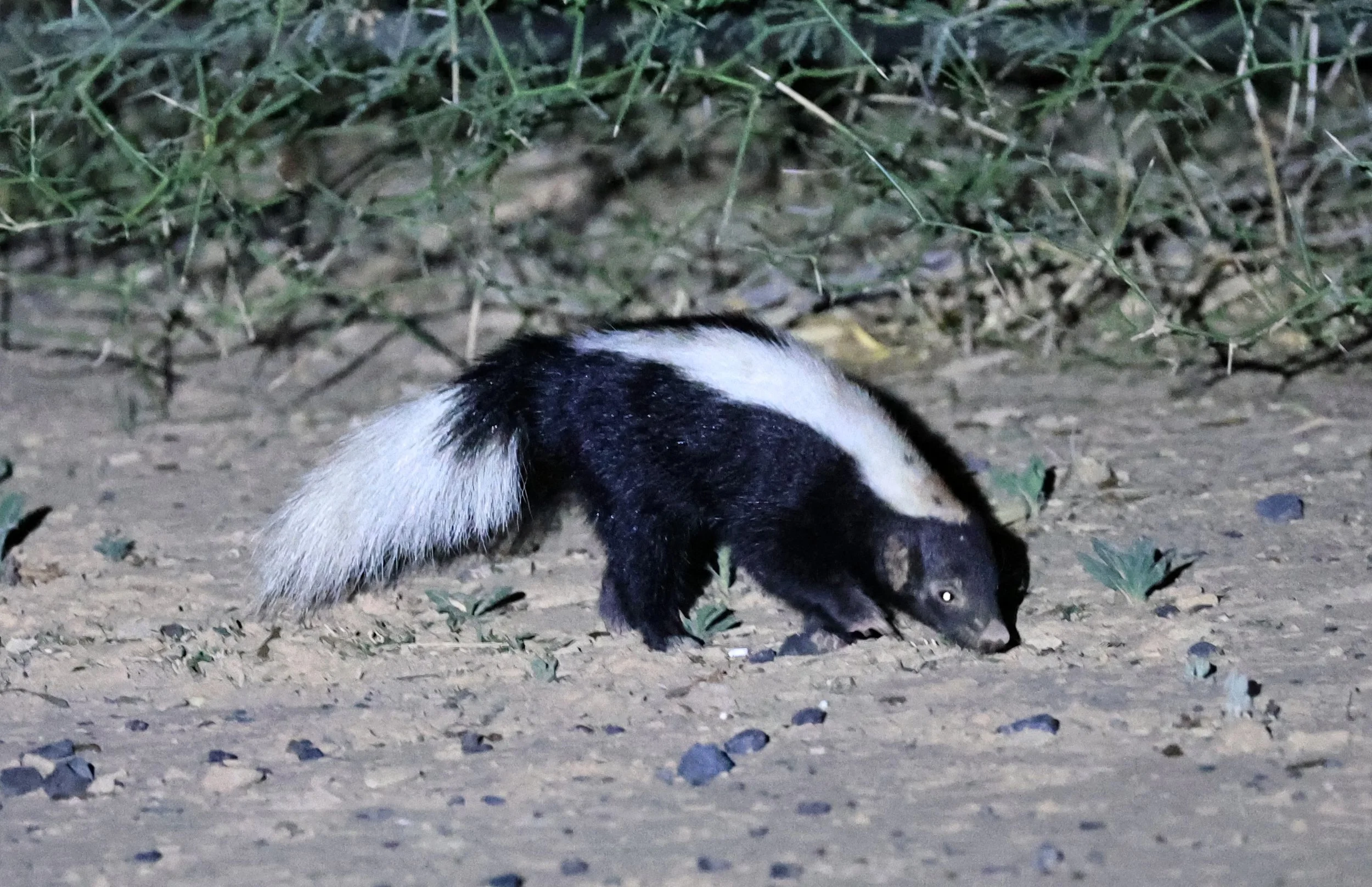
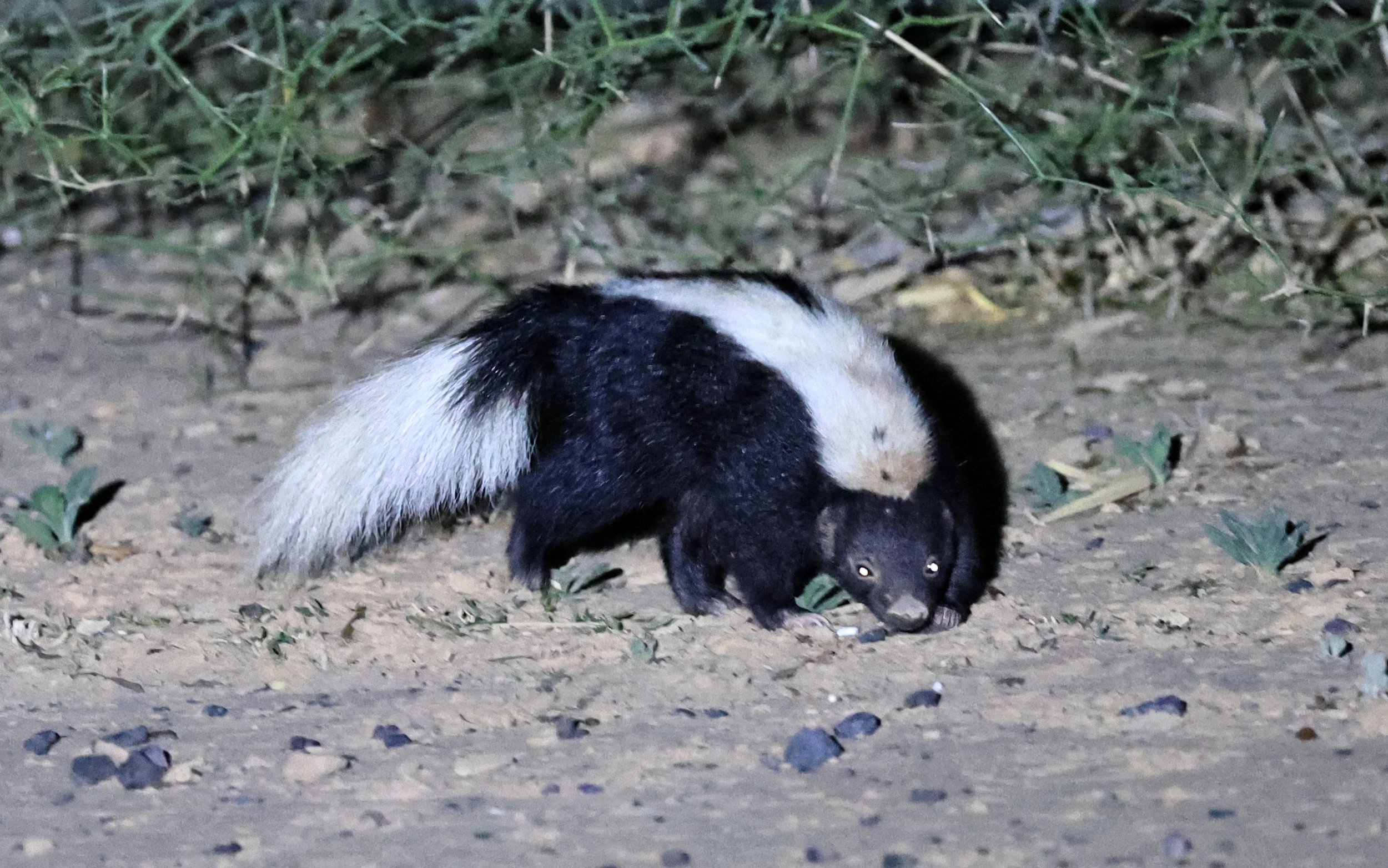
Molina's Hog-nosed Skunk is a medium-sized mammal with a sturdy body, short legs, and a distinctive pig-like snout. Adults typically weigh between 2.3 and 4.5 kilograms and range from 46 to 90 centimetres in total length, with males generally being larger than females. Its fur is predominantly black and marked by two broad white stripes that begin on the head and run along the sides of the body, ending near a mostly white tail. The coarse fur and striking colour pattern act as a warning signal to predators, advertising the animal's powerful chemical defence. [animaldiversity.org], [animalia.bio]
The broad, fleshy nose is one of the species' most distinctive adaptations. Combined with strong forelimbs and long claws, it allows the skunk to efficiently dig through soil in search of food. Molina's Hog-nosed Skunk is primarily nocturnal, spending daylight hours resting in burrows that it digs itself or in abandoned burrows made by armadillos and other animals. It is an omnivore with a varied diet consisting of insects, beetles, larvae, small mammals, birds, eggs, fruit, leaves, and other plant material. Like all skunks, it possesses well-developed scent glands beneath the tail that can spray a foul-smelling liquid capable of deterring most predators. [animalia.bio], [animaldiversity.org], [en.wikipedia.org]
Distribution
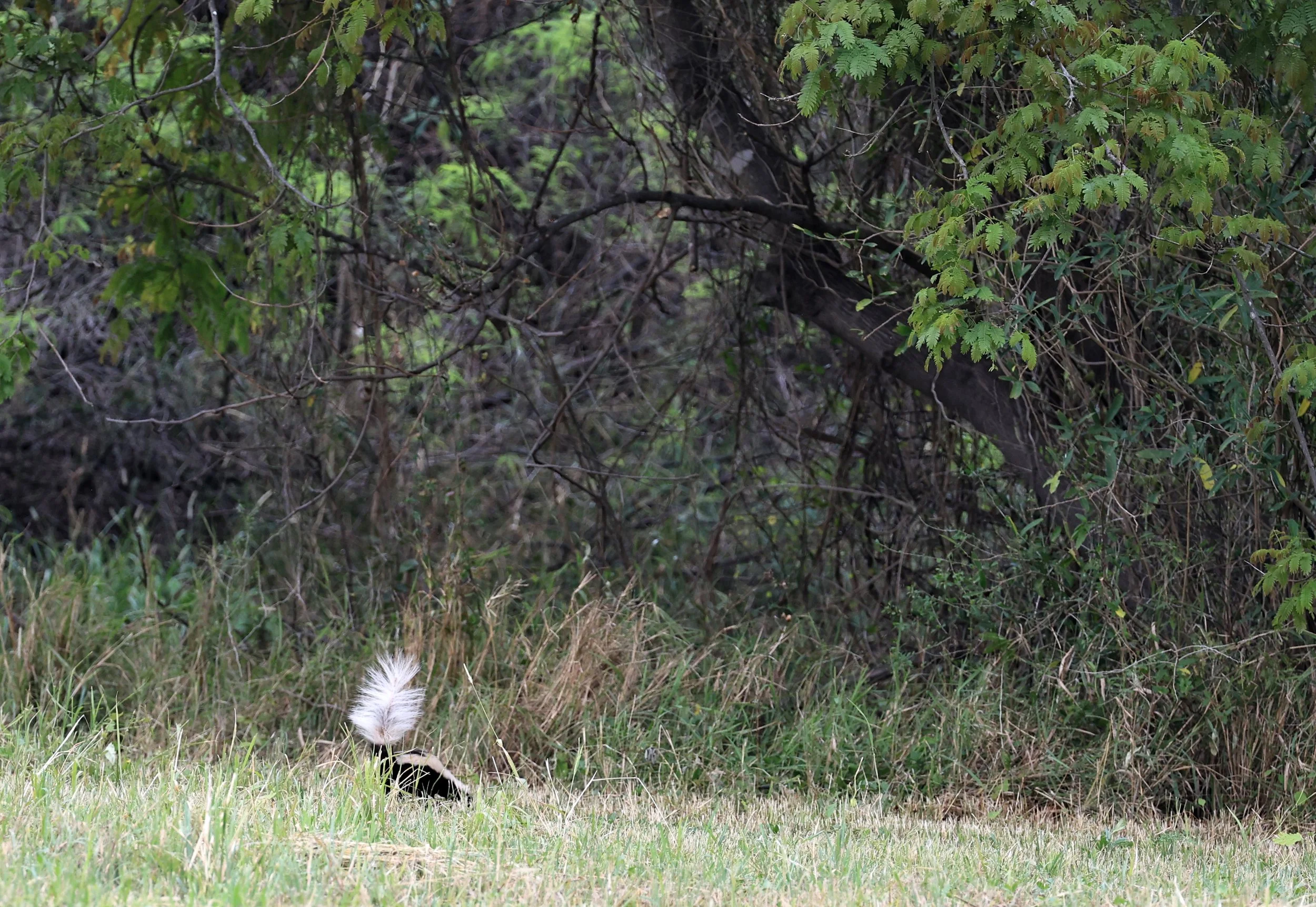
This species is widely distributed across central and southern South America. Its range includes Chile, Peru, Bolivia, Paraguay, Uruguay, northern Argentina, and southern Brazil. Molina's Hog-nosed Skunk inhabits a variety of open environments and is particularly associated with temperate grasslands and the Pampas region. It can also be found in shrublands, savannas, dry open forests, rocky slopes, and mountainous regions, occurring at elevations of up to 5,000 metres in parts of the Andes. [en.wikipedia.org], [animaldiversity.org]
The skunk prefers habitats that provide both open areas for foraging and sheltered locations for resting. During the night it travels across grasslands and shrub-covered landscapes searching for food, while during the day it retreats to burrows, rocky crevices, or dense vegetation. Individuals are generally solitary and maintain territories, only coming together during the breeding season. This adaptability to different habitats has helped the species maintain a broad distribution across much of South America. [animaldiversity.org], [animalia.bio], [en.wikipedia.org]
Interesting Facts
Molina's Hog-nosed Skunk is an excellent digger and can rapidly excavate soil in search of insects and other hidden prey. Its specialised snout contains numerous sensory receptors that help it detect food beneath the ground. Despite belonging to the order Carnivora, the species has an omnivorous diet and possesses teeth adapted for both capturing prey and grinding plant material. Researchers have also noted that hog-nosed skunks appear to have some resistance to the venom of certain pit vipers, allowing them to hunt animals that would be dangerous for many other mammals. [animaldiversity.org], [native-nature.org], [animalia.bio]
The species is solitary for most of the year, but males actively search for females during the breeding season. After a gestation period of roughly two months, females usually give birth to two to five young. The offspring stay with their mother for several months before becoming independent and reach sexual maturity at around one year of age. Like other skunks, Molina's Hog-nosed Skunk relies on warning displays before spraying. If threatened, it may stamp its feet, raise its tail, and turn its back toward a predator before releasing its powerful defensive secretion. [animaldiversity.org], [animalia.bio]
Conservation Status and Threats
The International Union for Conservation of Nature (IUCN) currently lists Molina's Hog-nosed Skunk as Least Concern because of its extensive geographic range and the absence of evidence for major population declines across most of its distribution. The species remains relatively common in many parts of South America and is capable of surviving in a variety of habitats. [en.wikipedia.org], [native-nature.org]
Despite its favourable conservation status, Molina's Hog-nosed Skunk still faces a number of local threats. Habitat destruction and fragmentation caused by agricultural expansion, livestock grazing, urban development, and infrastructure projects can reduce the availability of suitable habitat. Road mortality is also a significant concern because these nocturnal mammals frequently cross roads while foraging at night. In some areas, they may be killed by domestic dogs or persecuted by humans who view them as pests. Continued monitoring and habitat conservation are therefore important to ensure that populations remain stable throughout the species' range. Overall, however, Molina's Hog-nosed Skunk remains one of the more secure skunk species in South America due to its adaptability and broad distribution. [en.wikipedia.org], [grokipedia.com]