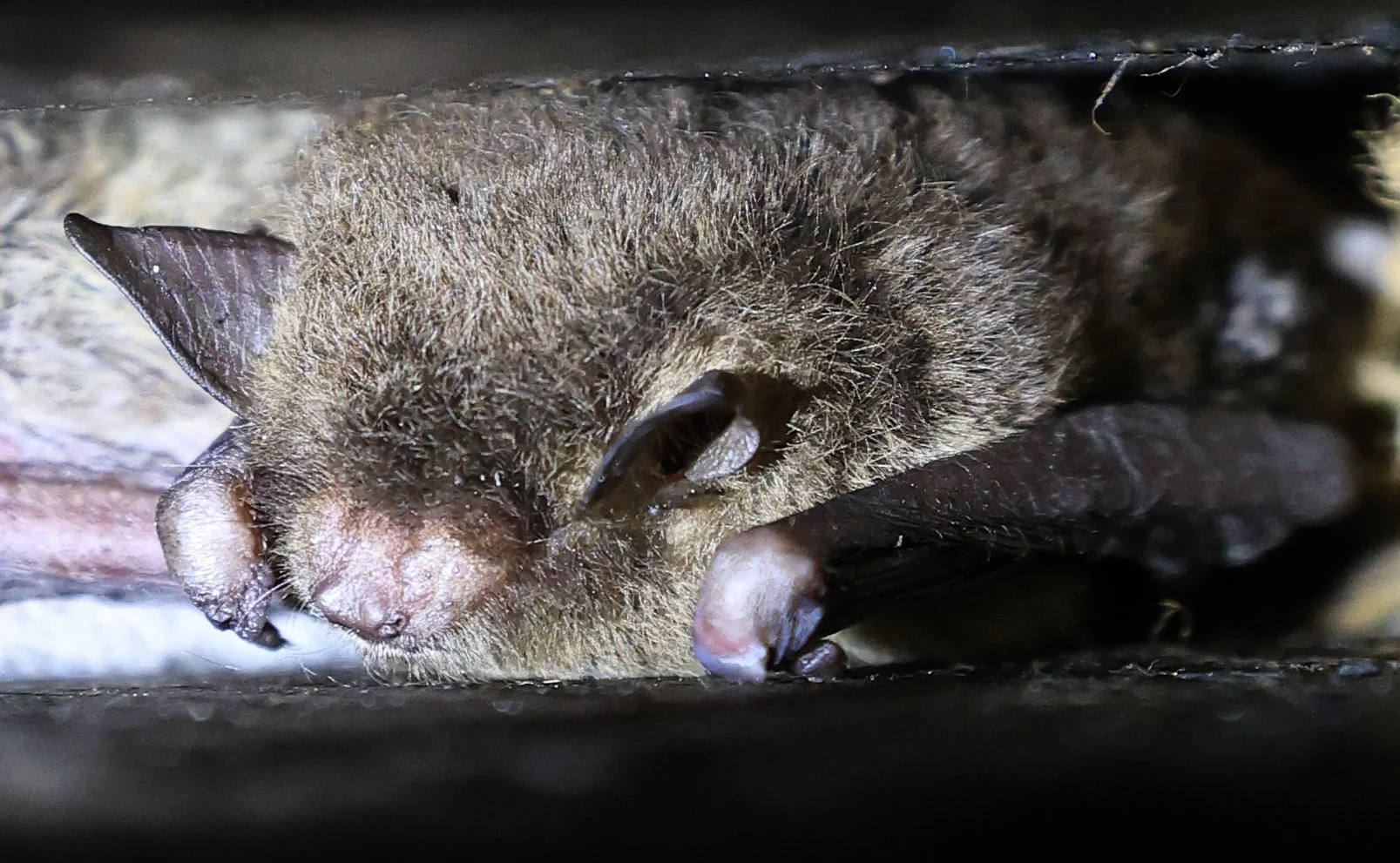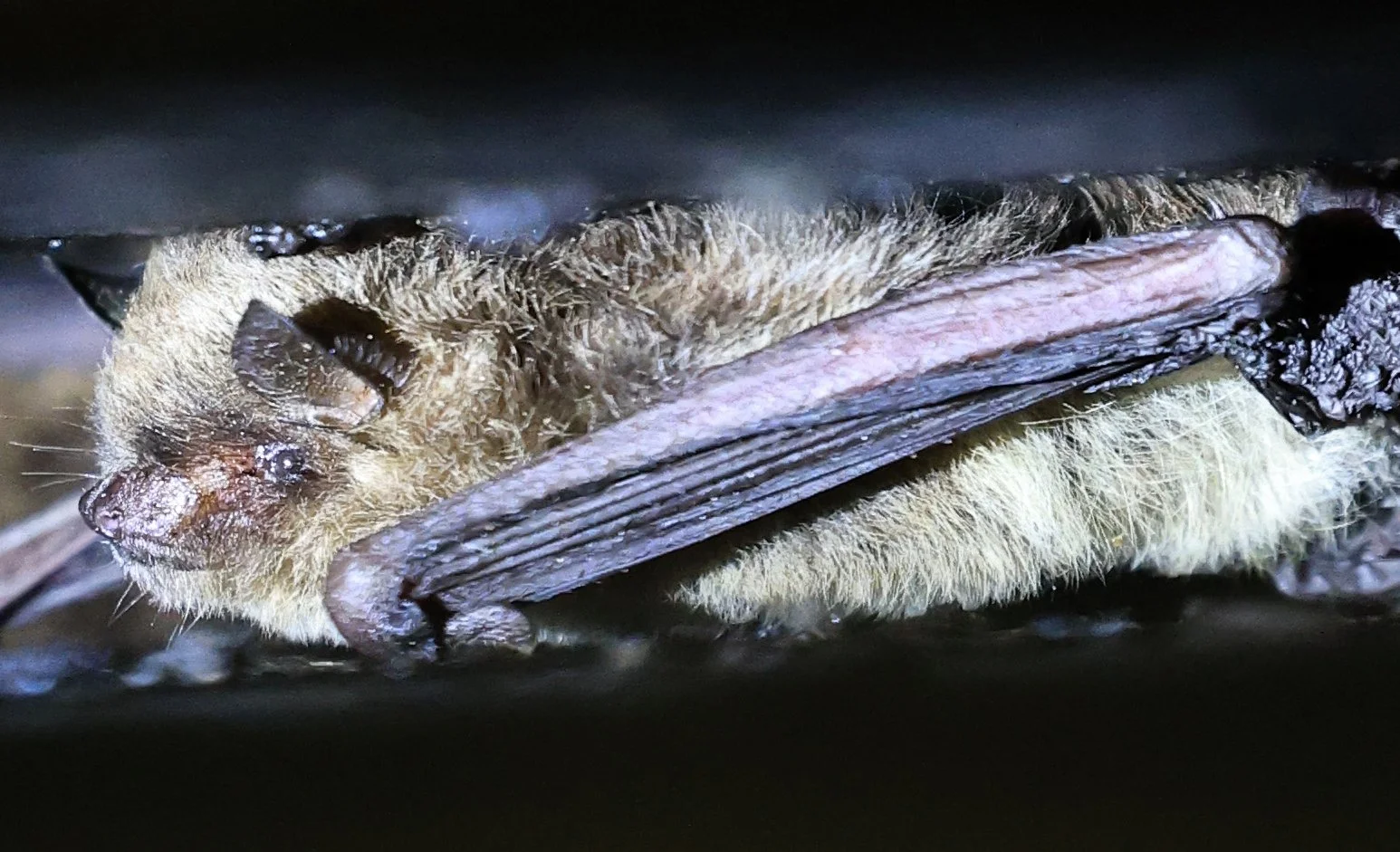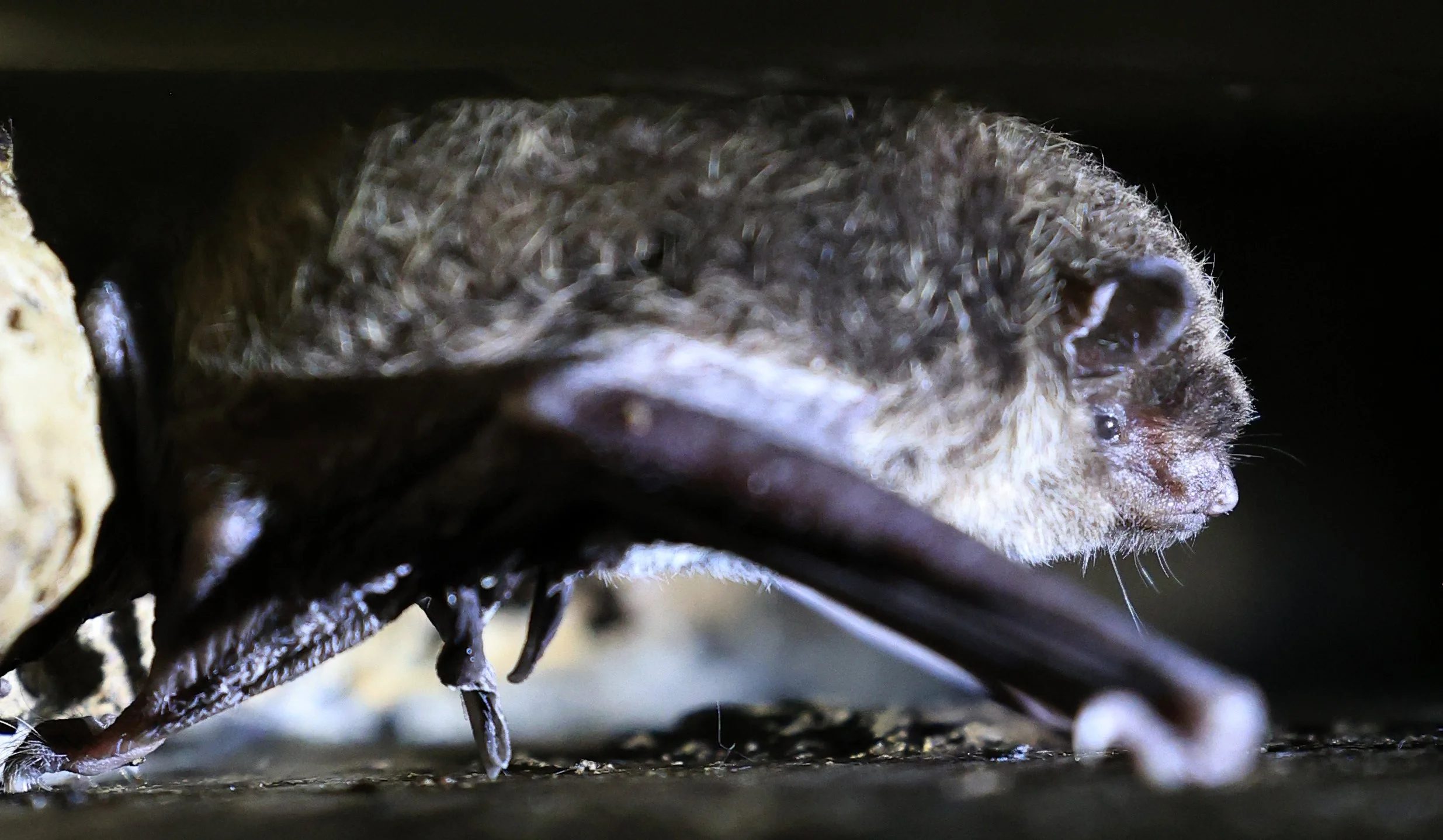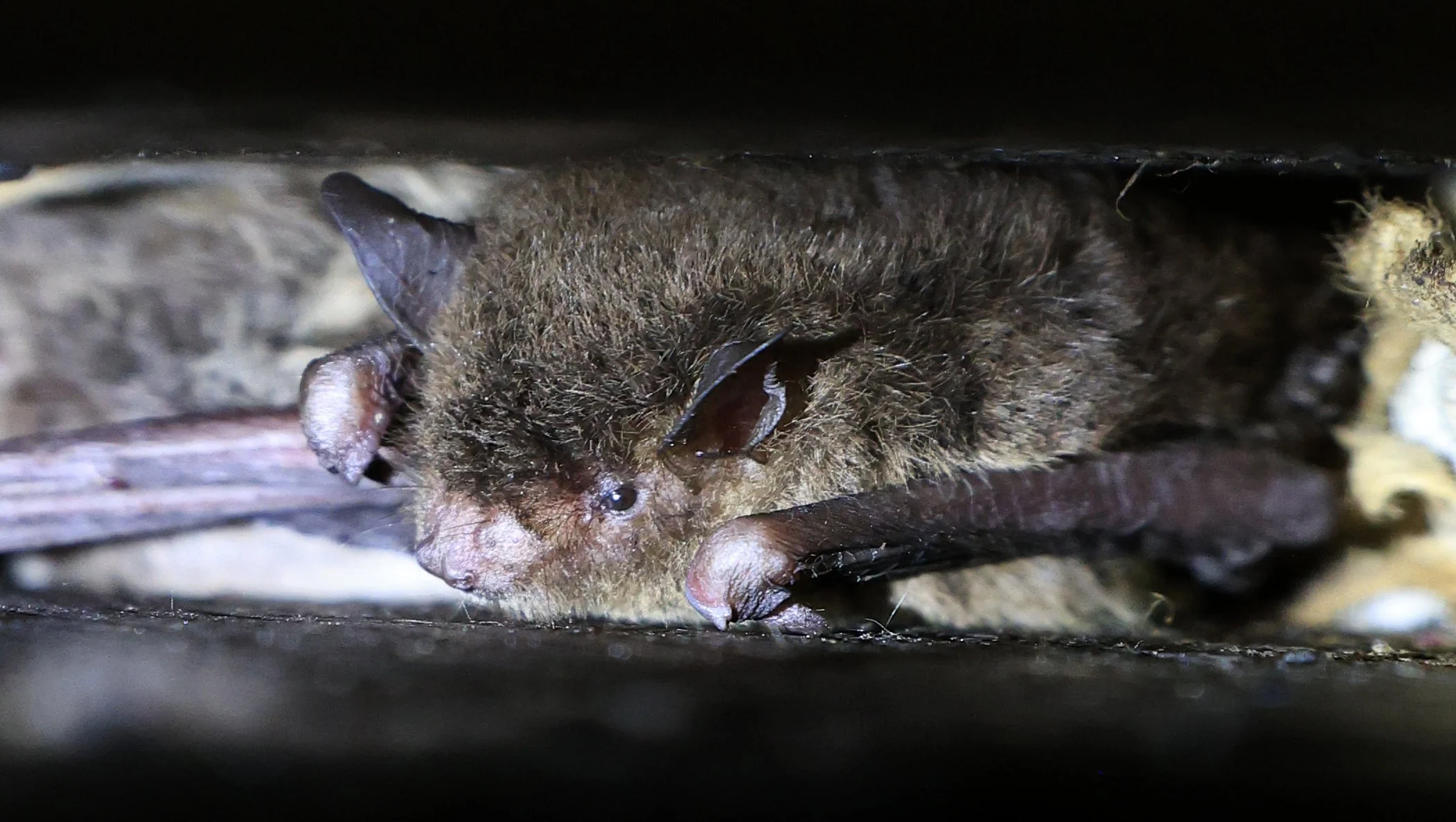
Diminutive Serotine (Eptesicus diminutus)
Diminutive Serotine (Eptesicus diminutus)
Classification
The Diminutive Serotine (Eptesicus diminutus) is a small insect-eating bat belonging to the family Vespertilionidae, commonly known as the evening bats or vesper bats. Its scientific classification is: Kingdom Animalia, Phylum Chordata, Class Mammalia, Order Chiroptera, Family Vespertilionidae, Genus Eptesicus, and Species E. diminutus. Recent taxonomic research has suggested placing the species in the genus Neoeptesicus, although Eptesicus diminutus remains widely used in many references. The species was first described by Wilfred Hudson Osgood in 1915. [en.wikipedia.org], [mammaldiversity.org]
The Diminutive Serotine is one of the smaller representatives of the serotine bats of South America. Although it is not as well studied as many larger bat species, it forms part of the rich bat diversity of the Neotropical region and contributes significantly to insect control within its ecosystems. [en.wikipedia.org], [gbif.org]
General Description
As its name suggests, the Diminutive Serotine is a relatively small bat. Adults typically have a head-and-body length of 45 to 63 millimetres, a tail length of 33 to 42 millimetres, and weigh only about 4 to 6 grams. Females are generally slightly larger than males. The species has soft brown to yellowish-brown fur above, often with darker bases and lighter tips that may give the animal a slightly frosted appearance. The underparts are paler, ranging from light brown to whitish. [gbif.org]
Like other vesper bats, the Diminutive Serotine uses echolocation to navigate and locate prey in darkness. Its echolocation calls range roughly between 40 and 80 kHz, allowing it to detect small flying insects while foraging. The species is primarily insectivorous, feeding on a variety of night-flying insects that it captures in flight. By consuming large numbers of insects, it plays an important ecological role in regulating insect populations. [gbif.org]
During the day, these bats shelter in a variety of roosting sites, including hollow trees, spaces beneath loose bark, and human-made structures. Their ability to use both natural and modified habitats helps them survive across a broad geographic range. [gbif.org]
Distribution
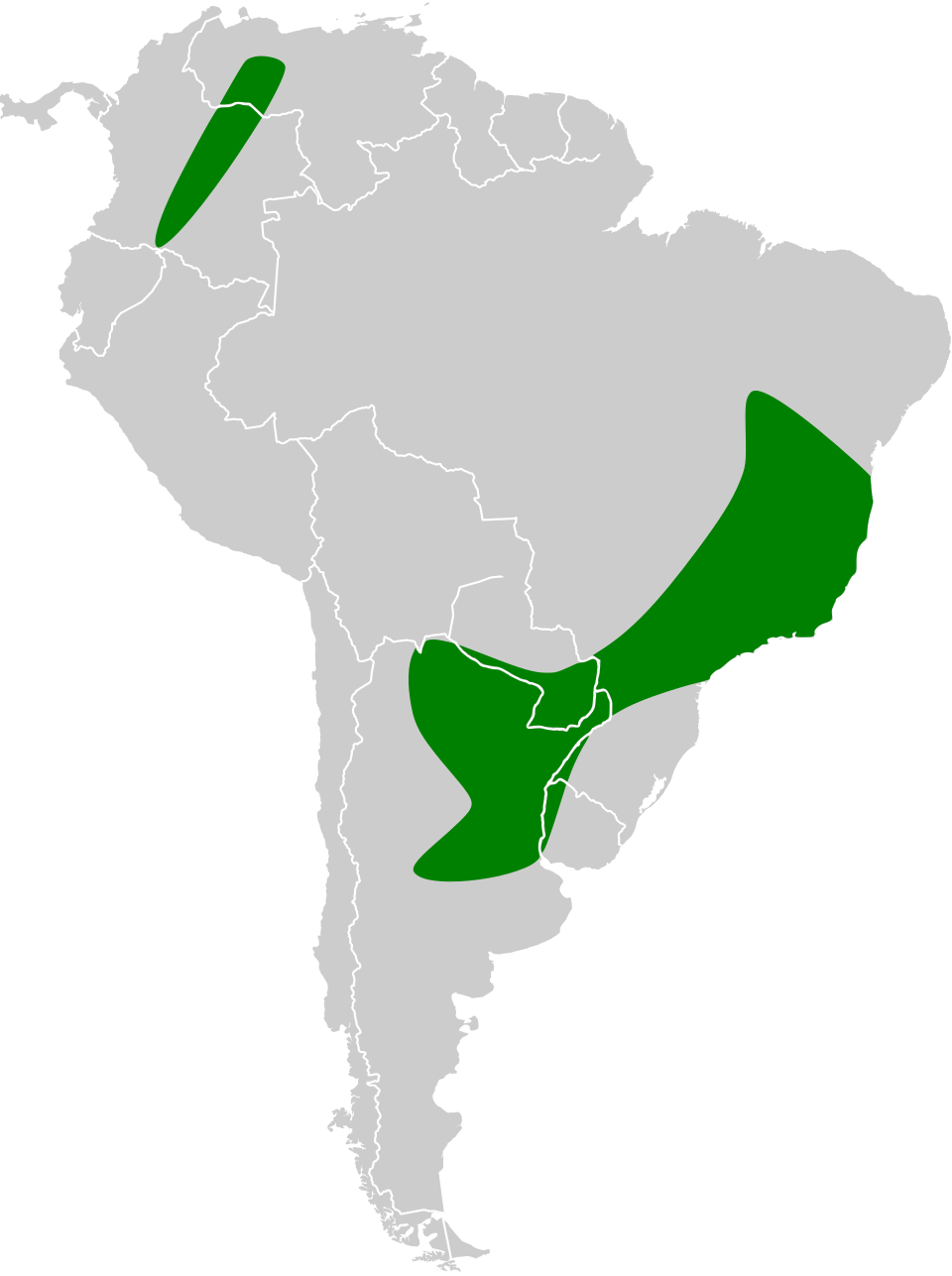
The Diminutive Serotine is native to South America and has been recorded in Argentina, Brazil, Paraguay, Uruguay, Venezuela, and Colombia, with some recent taxonomic references also including Bolivia. Its distribution covers a large portion of eastern and central South America, particularly within tropical and subtropical regions. [en.wikipedia.org], [mammaldiversity.org]
The species occupies a variety of habitats, including primary and secondary forests, open woodlands, grasslands, forest edges, riparian areas, and even some urban environments. It has been recorded from sea level to elevations of approximately 1,150 metres. The bat appears capable of adapting to both natural and human-modified landscapes provided suitable roosting sites and foraging opportunities are available. [gbif.org]

Interesting Facts
Despite being widespread, the Diminutive Serotine is not commonly encountered and remains relatively poorly studied. Much of what scientists know about the species comes from occasional captures during bat surveys rather than long-term ecological studies. Because of this, aspects of its behaviour, social structure, and population dynamics remain poorly understood. [gbif.org]
Like many insect-eating bats, the Diminutive Serotine provides valuable ecosystem services by consuming large numbers of insects each night. This natural pest control benefits forest ecosystems and may also reduce insect populations in agricultural areas. Its sophisticated echolocation system allows it to navigate and hunt efficiently in complete darkness. [gbif.org]
The species is primarily nocturnal and spends daylight hours hidden in roosts. Researchers have recorded lactating females and juveniles in southern Brazil, providing evidence of local breeding populations, although reproductive biology remains poorly documented throughout most of its range. [gbif.org]
Conservation Status and Threats
The International Union for Conservation of Nature (IUCN) currently classifies the Diminutive Serotine as Least Concern. This status is based on its broad distribution across several South American countries and its occurrence in a range of habitats, including some protected areas. Although it is not considered common in many locations, there is currently no evidence of a rapid population decline. [en.wikipedia.org], [gbif.org], [animalia.bio]
Potential threats include habitat loss resulting from deforestation, agricultural expansion, and urban development, which can reduce roosting and feeding opportunities. Because the species relies on tree cavities, bark crevices, and other natural shelters, the removal of mature trees may have local impacts on populations. However, its apparent ability to use human-made structures and a variety of habitat types may help reduce its vulnerability compared with more specialised bat species. [gbif.org]
Although the Diminutive Serotine is not currently considered threatened, additional research is needed to better understand its ecology, population size, and long-term trends. Continued protection of forests, woodland habitats, and roosting sites will help ensure the conservation of this little-known but ecologically important South Americ9an bat. [gbif.org], [en.wikipedia.org]
The below images are from Paraguay (Trip Report Here)

Diminutive Serotine (Eptesicus diminutus) Road from Asuncion to Iparoma Paraguay