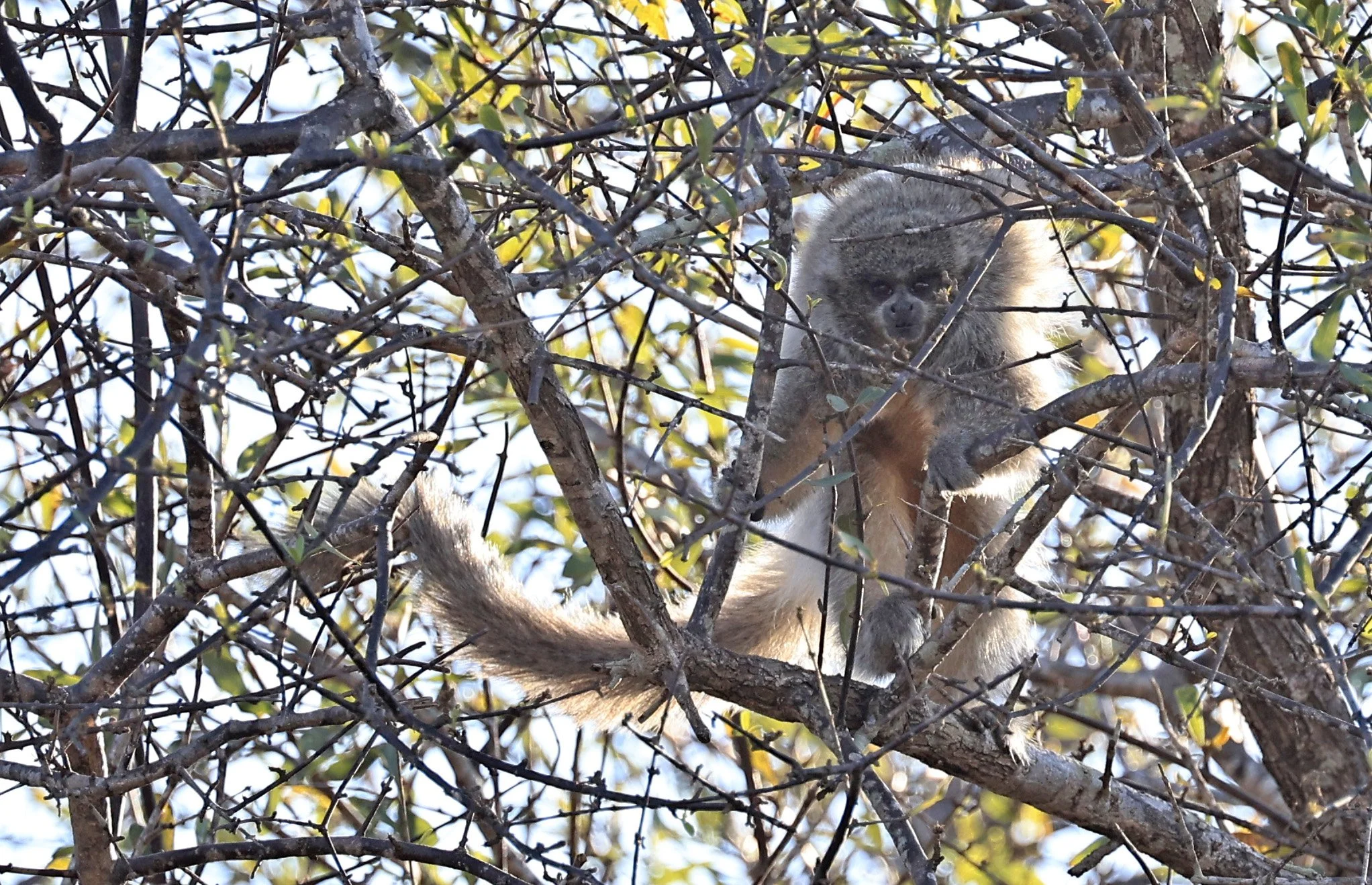
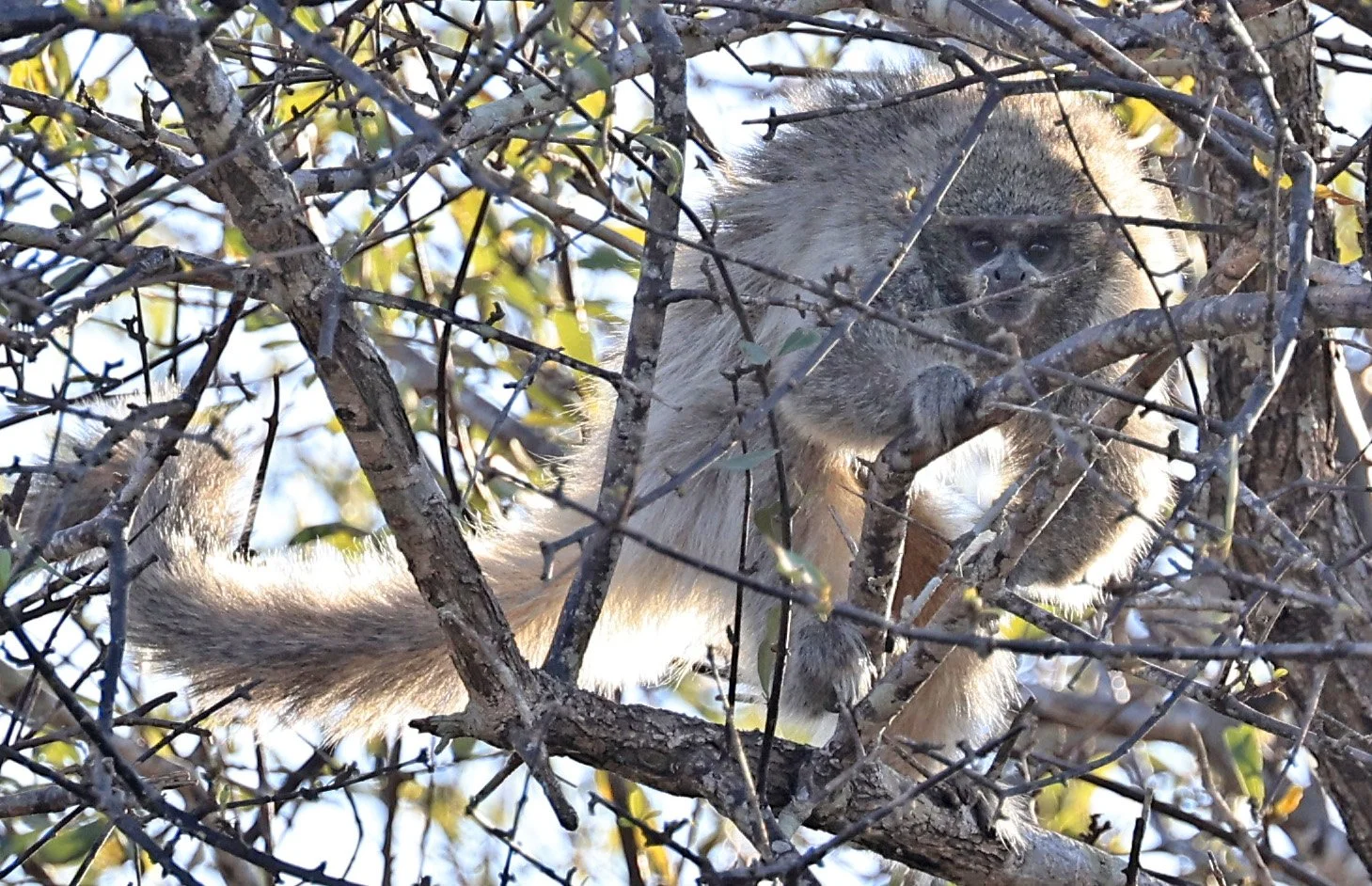
Chacoan Titi Monkey (Plecturocebus pallescens)
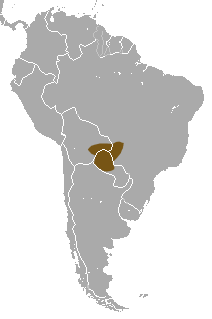
Chacoan Titi Monkey (Plecturocebus pallescens)
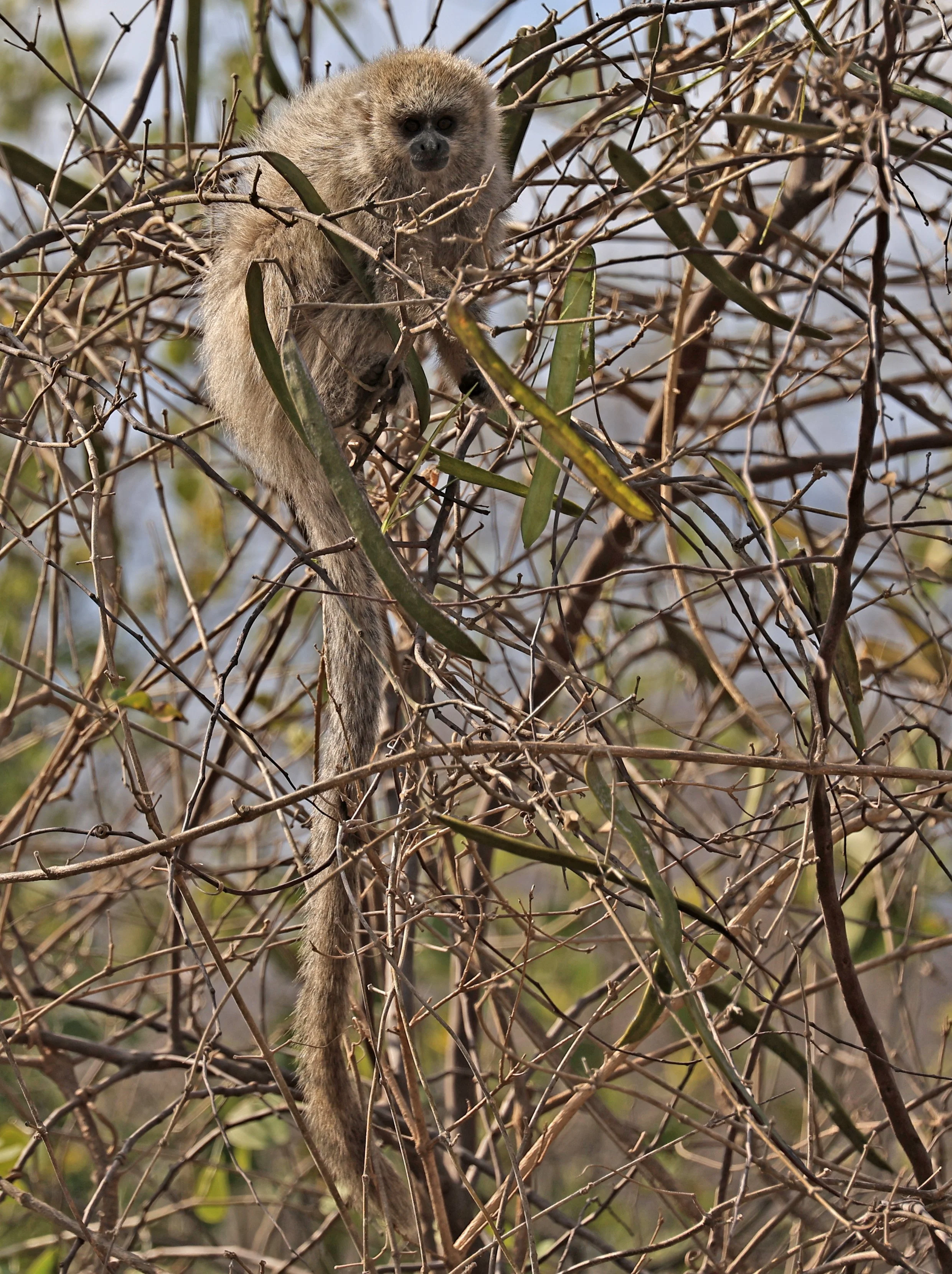
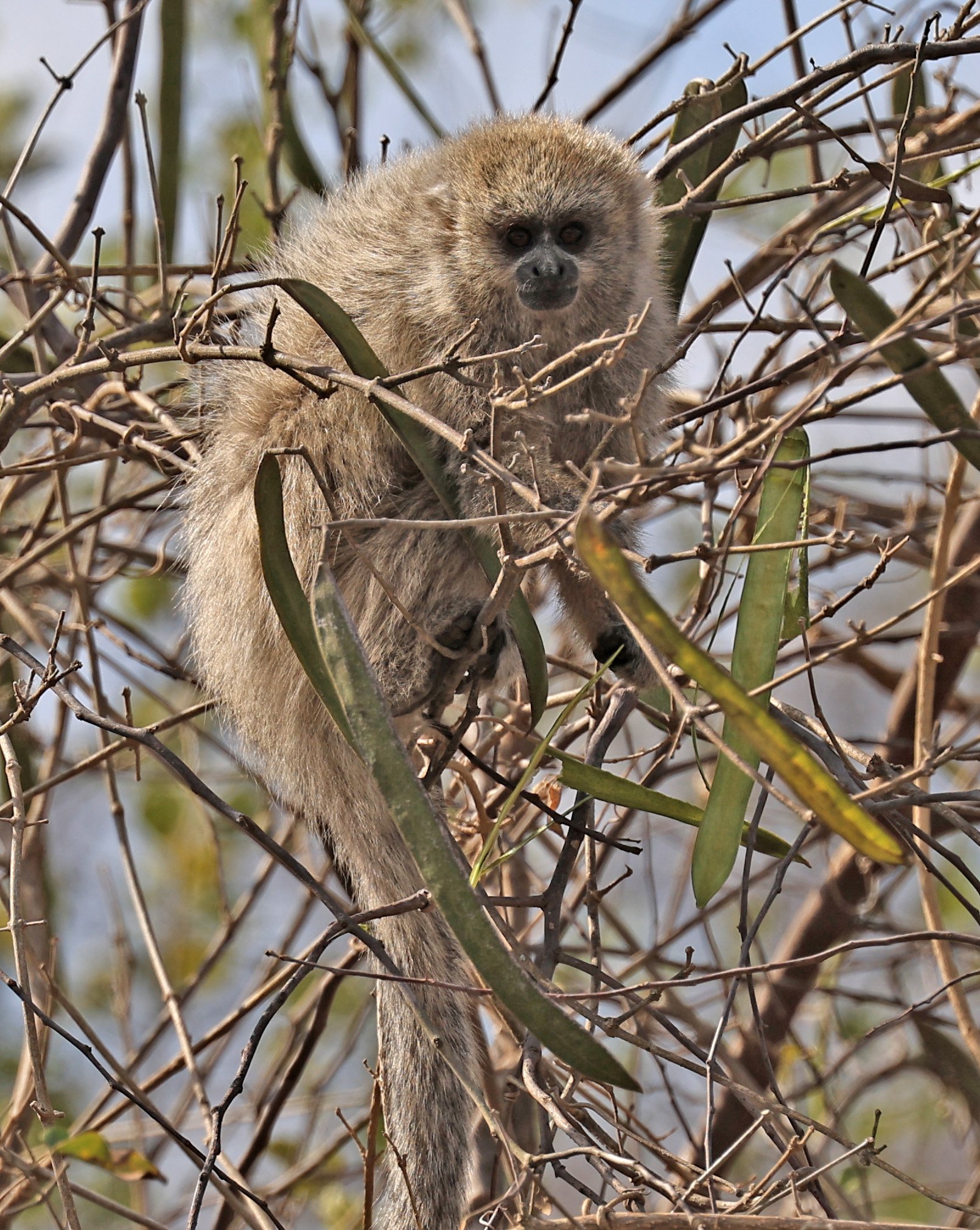
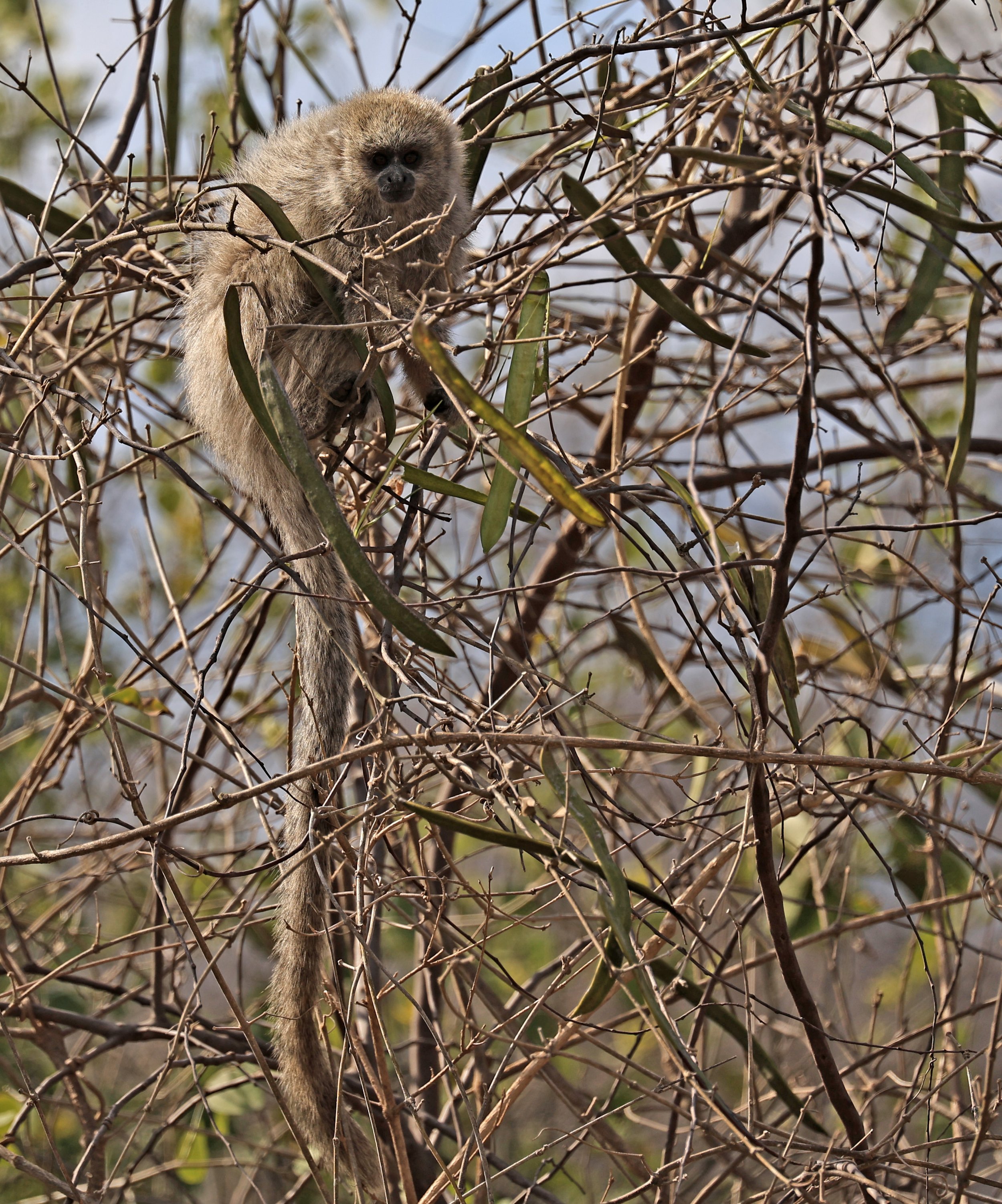
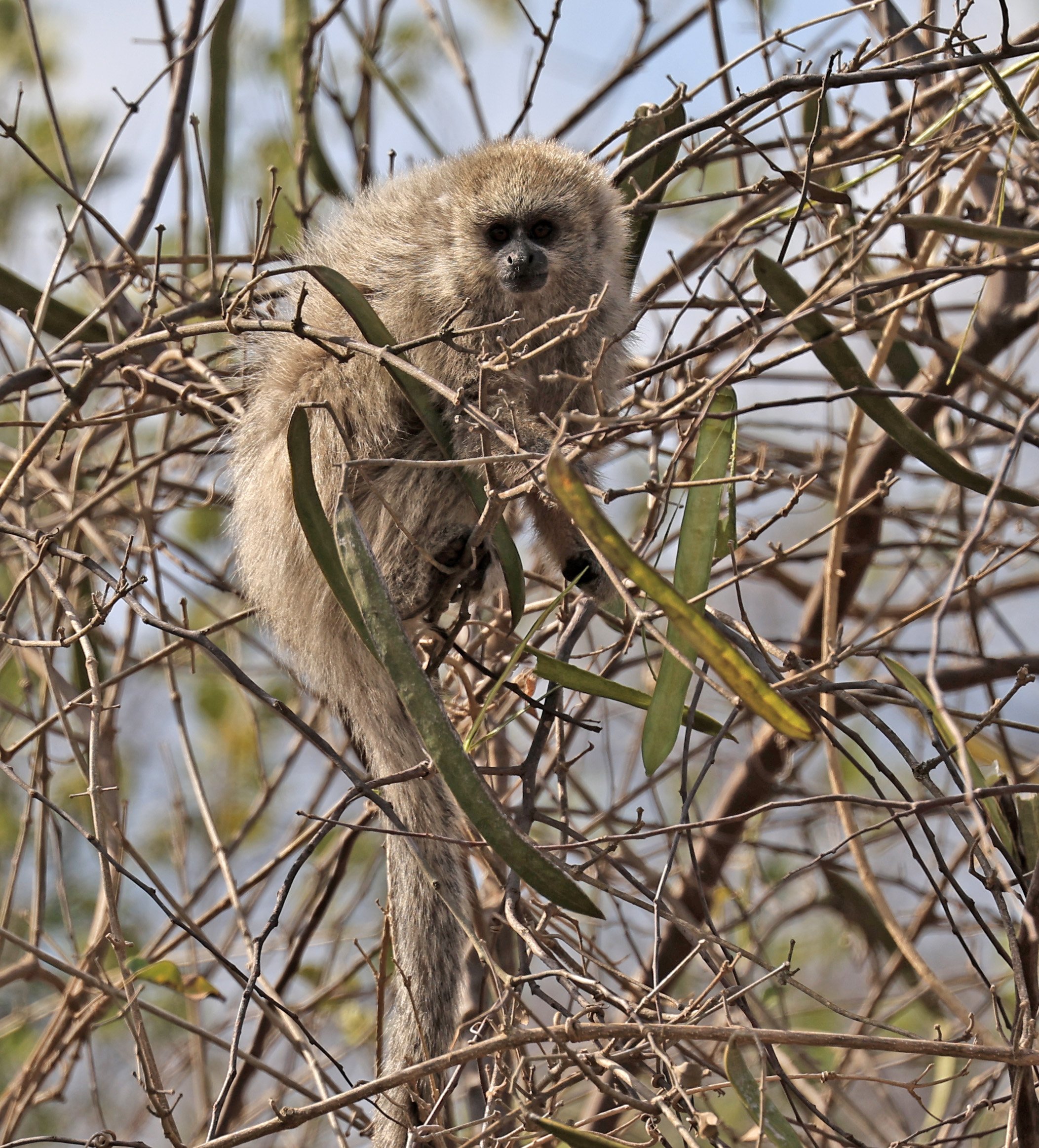
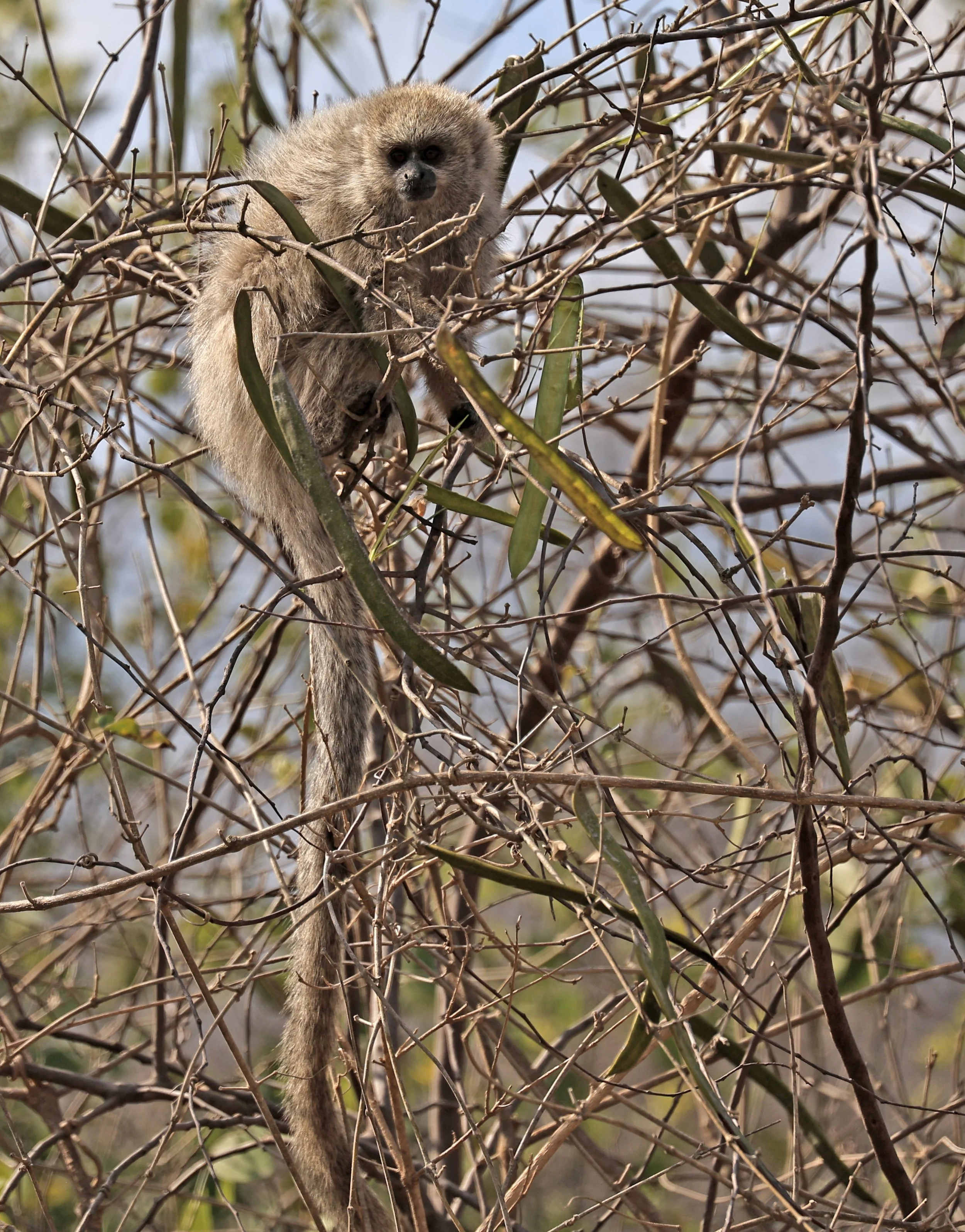
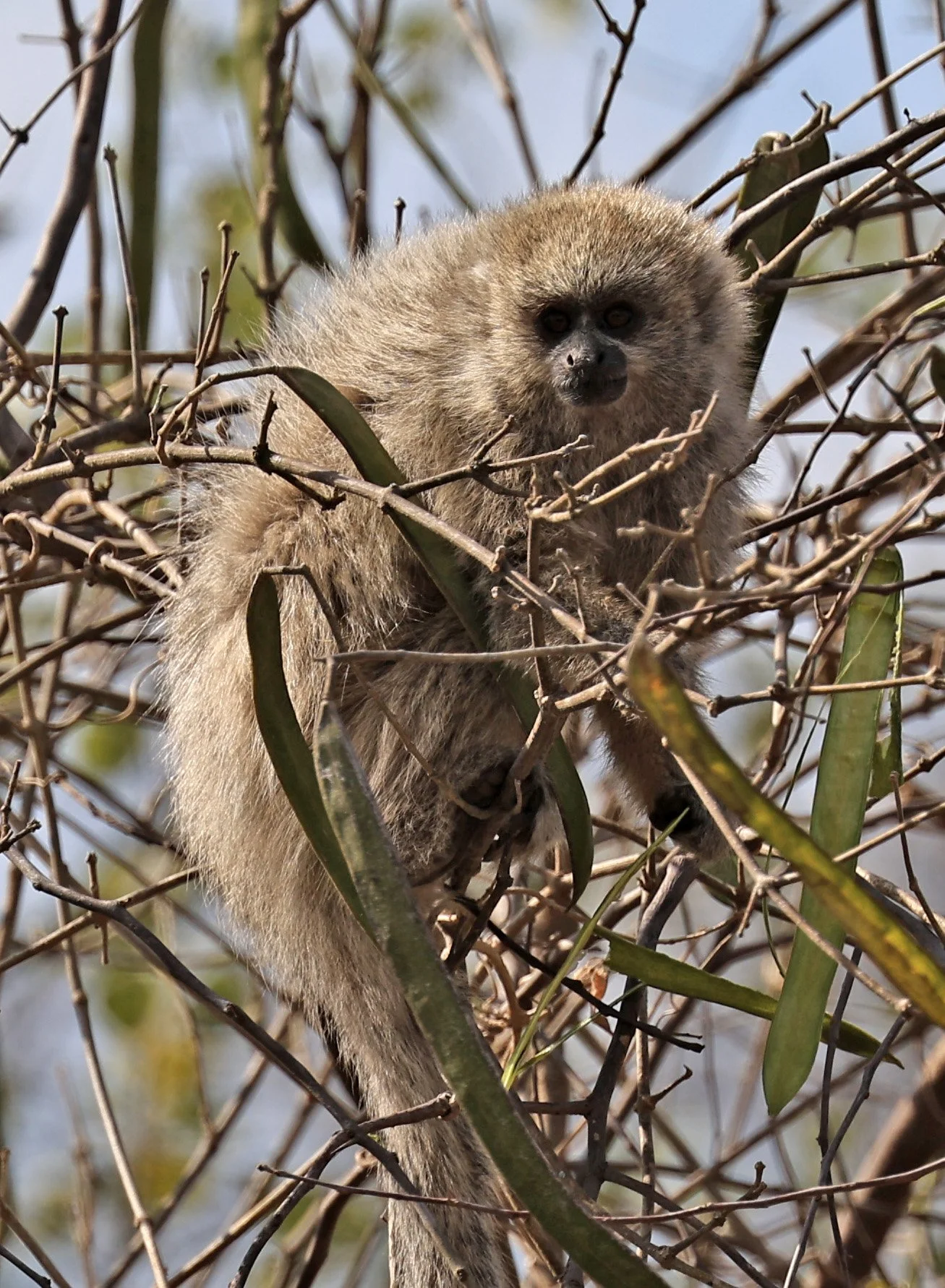
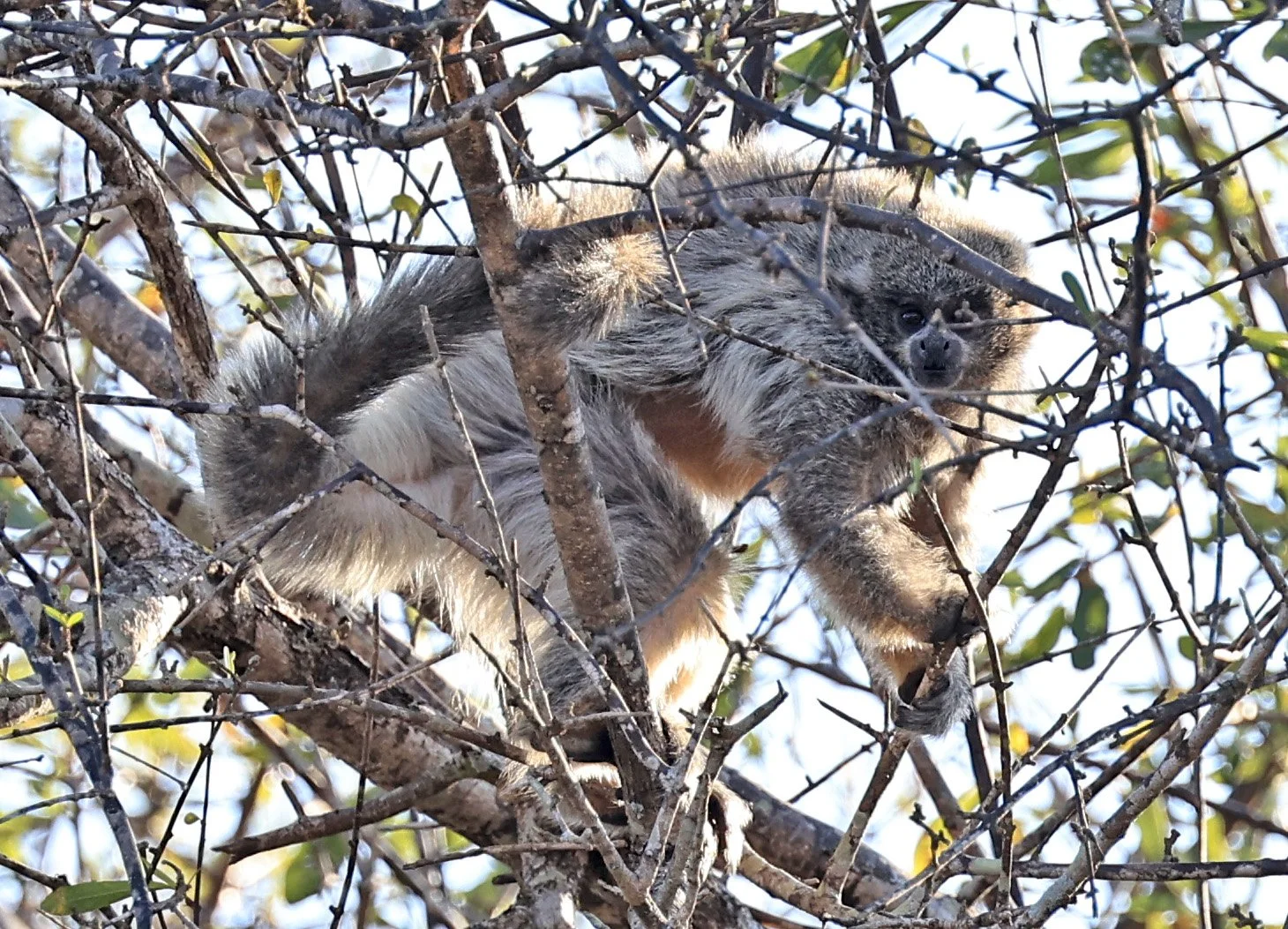
The Chacoan or White-coated Titi Monkey (Plecturocebus pallescens), also known as the White-coated Titi, Pale Titi, or Paraguayan Gray Titi, is a small New World monkey native to South America. It belongs to the kingdom Animalia, phylum Chordata, class Mammalia, order Primates, and family Pitheciidae. The species is classified within the genus Plecturocebus, a group of titi monkeys known for their strong family bonds and monogamous social systems. Although it was once considered a subspecies of the Bolivian Gray Titi Monkey, genetic and morphological studies led to its recognition as a distinct species. [neprimatec...rvancy.org], [en.wikipedia.org]
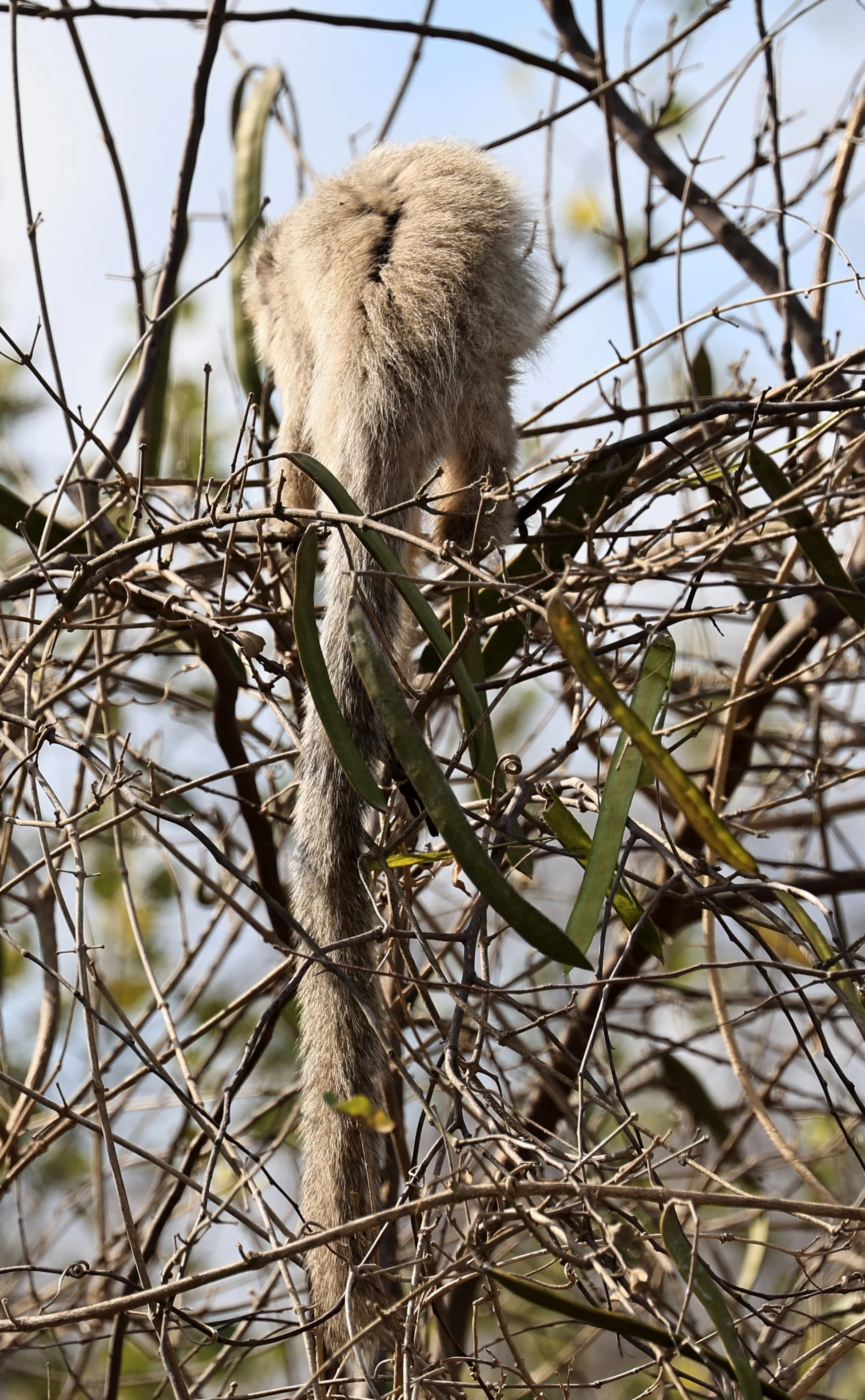
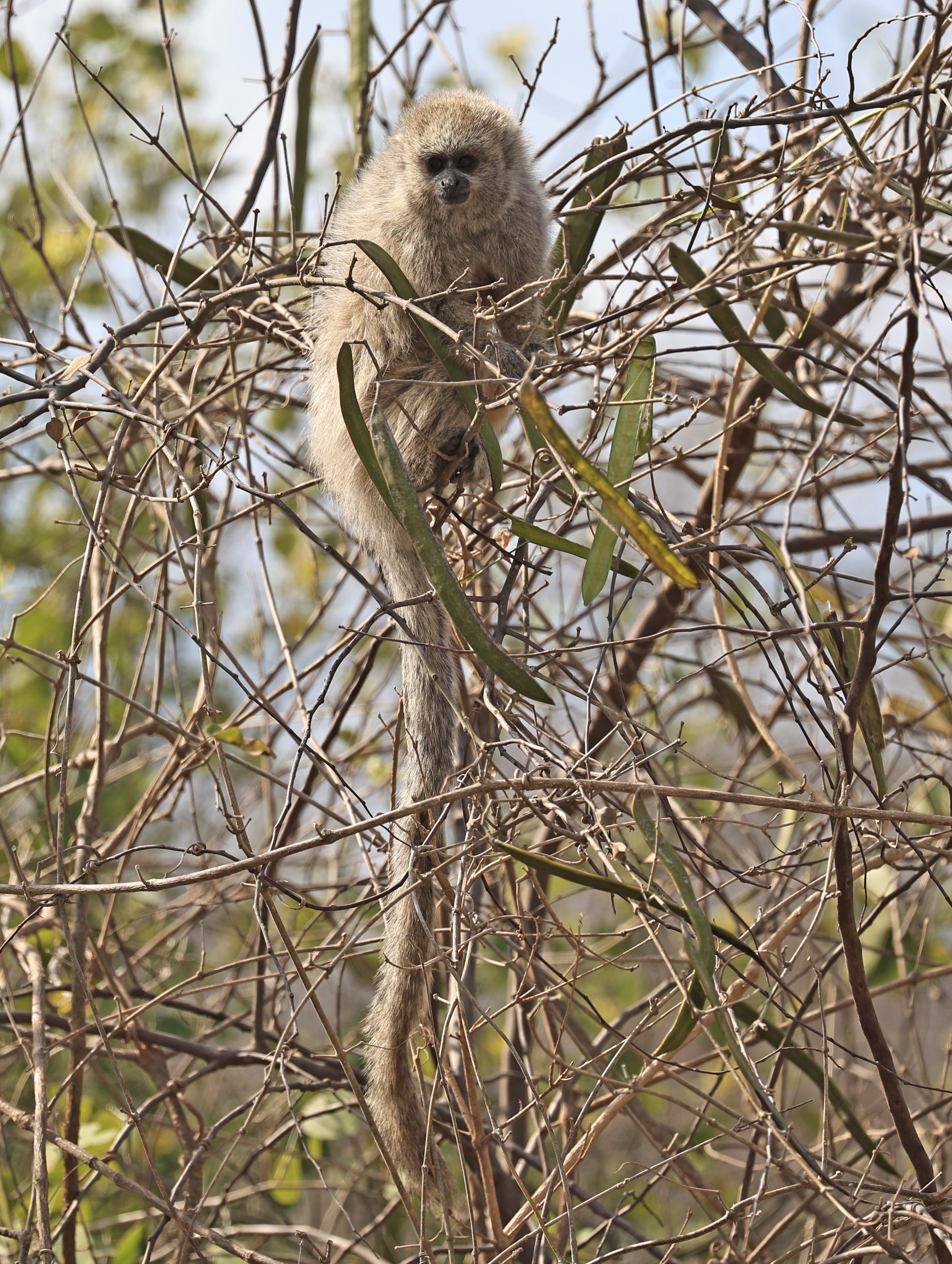
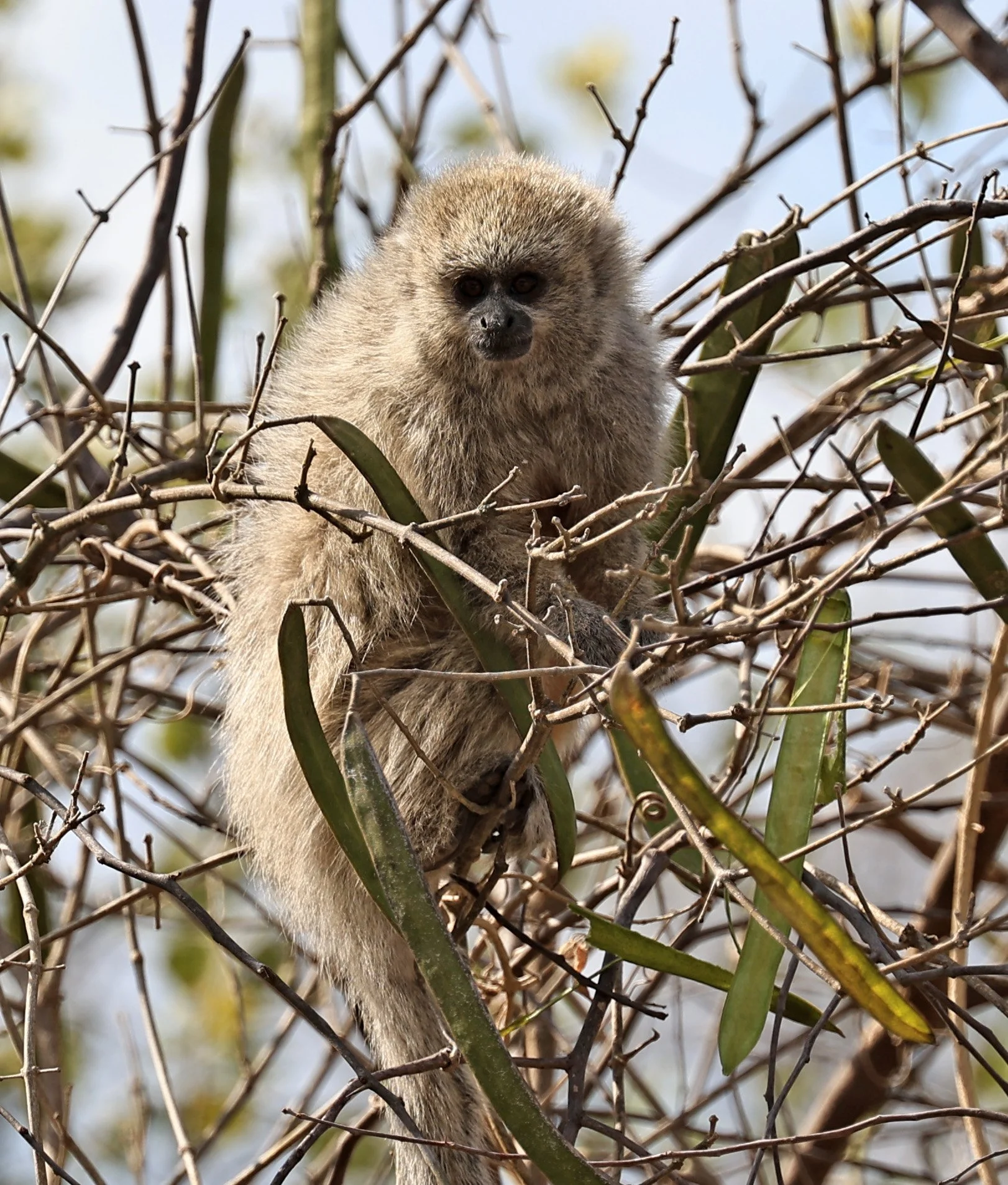
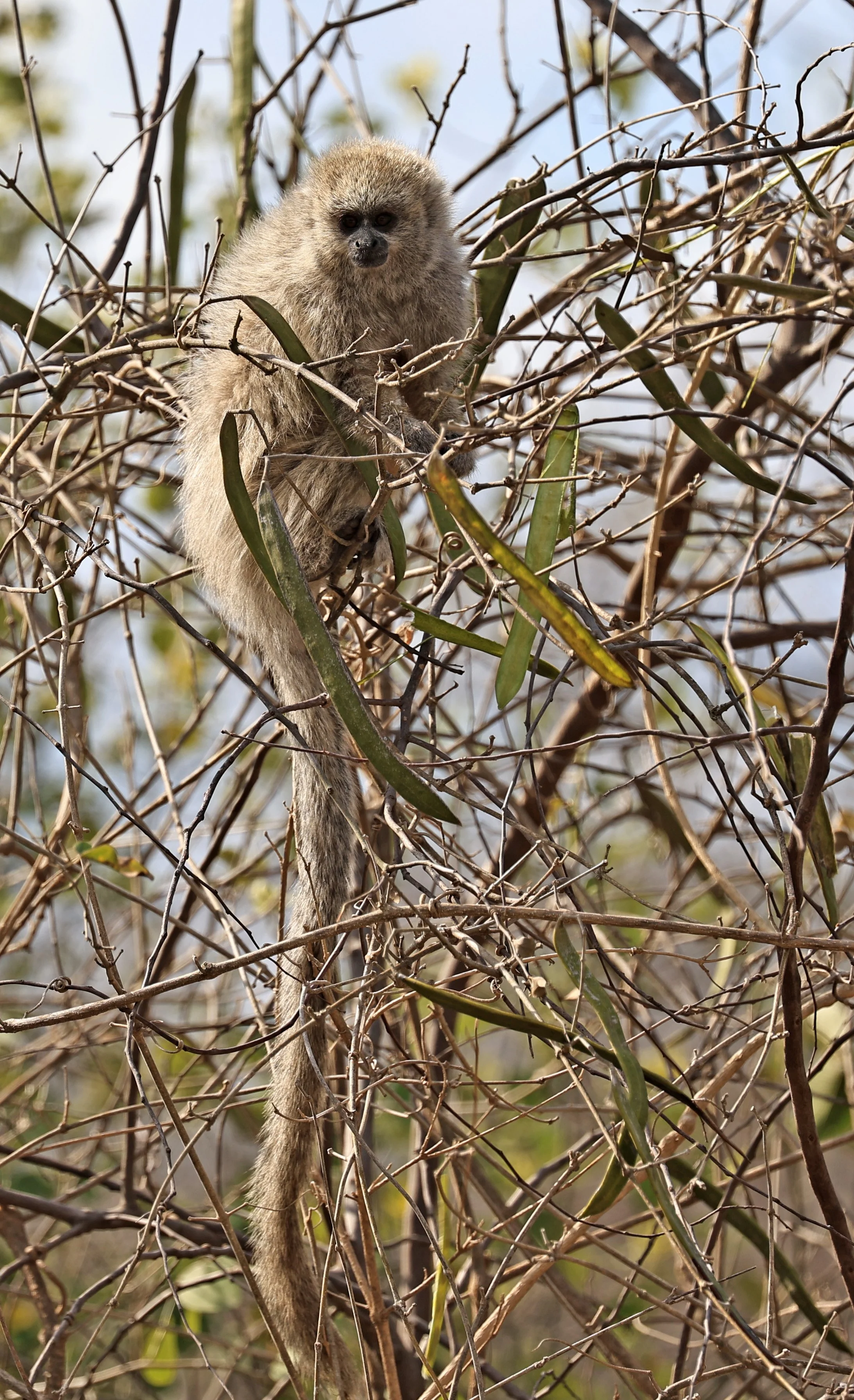
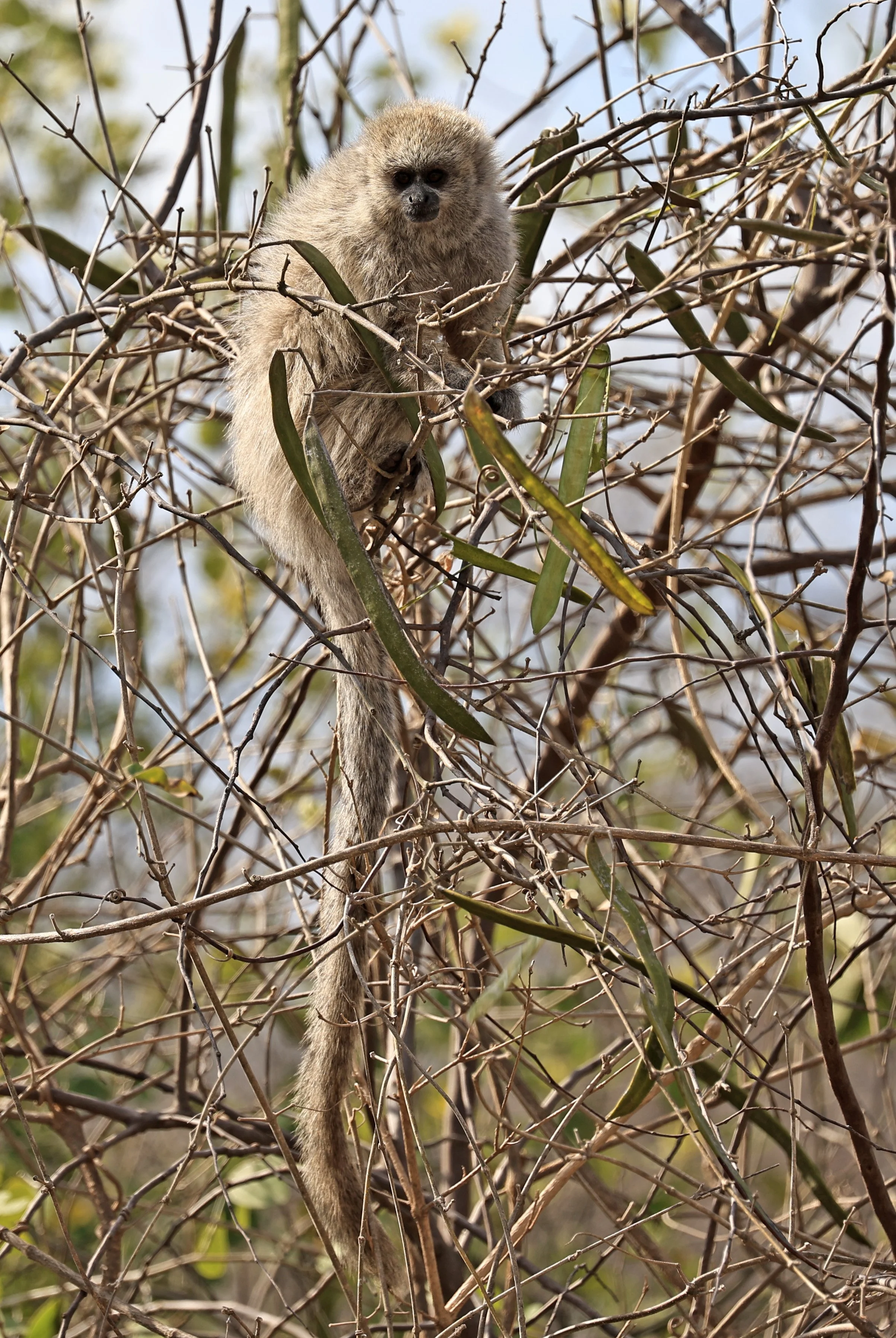
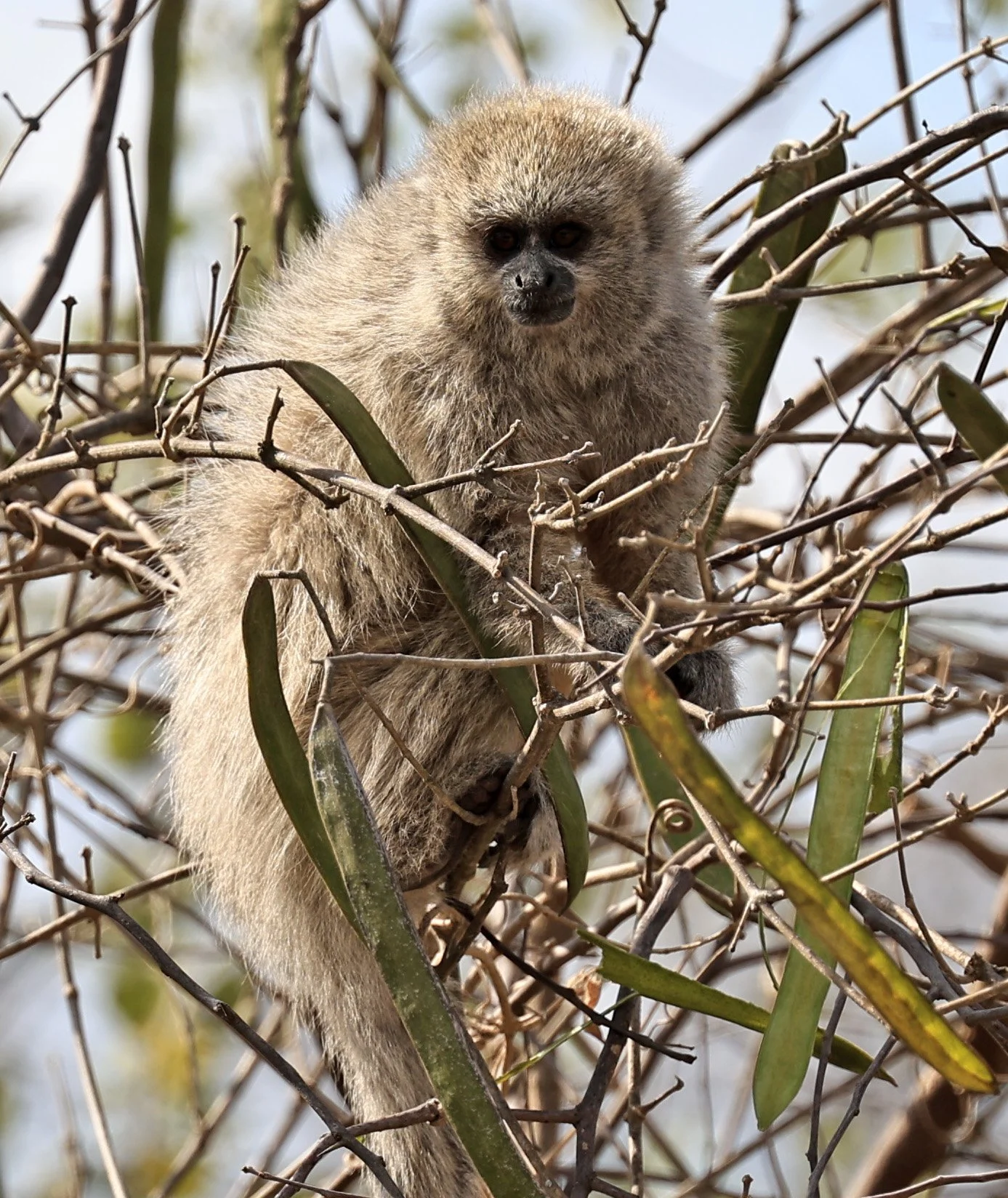
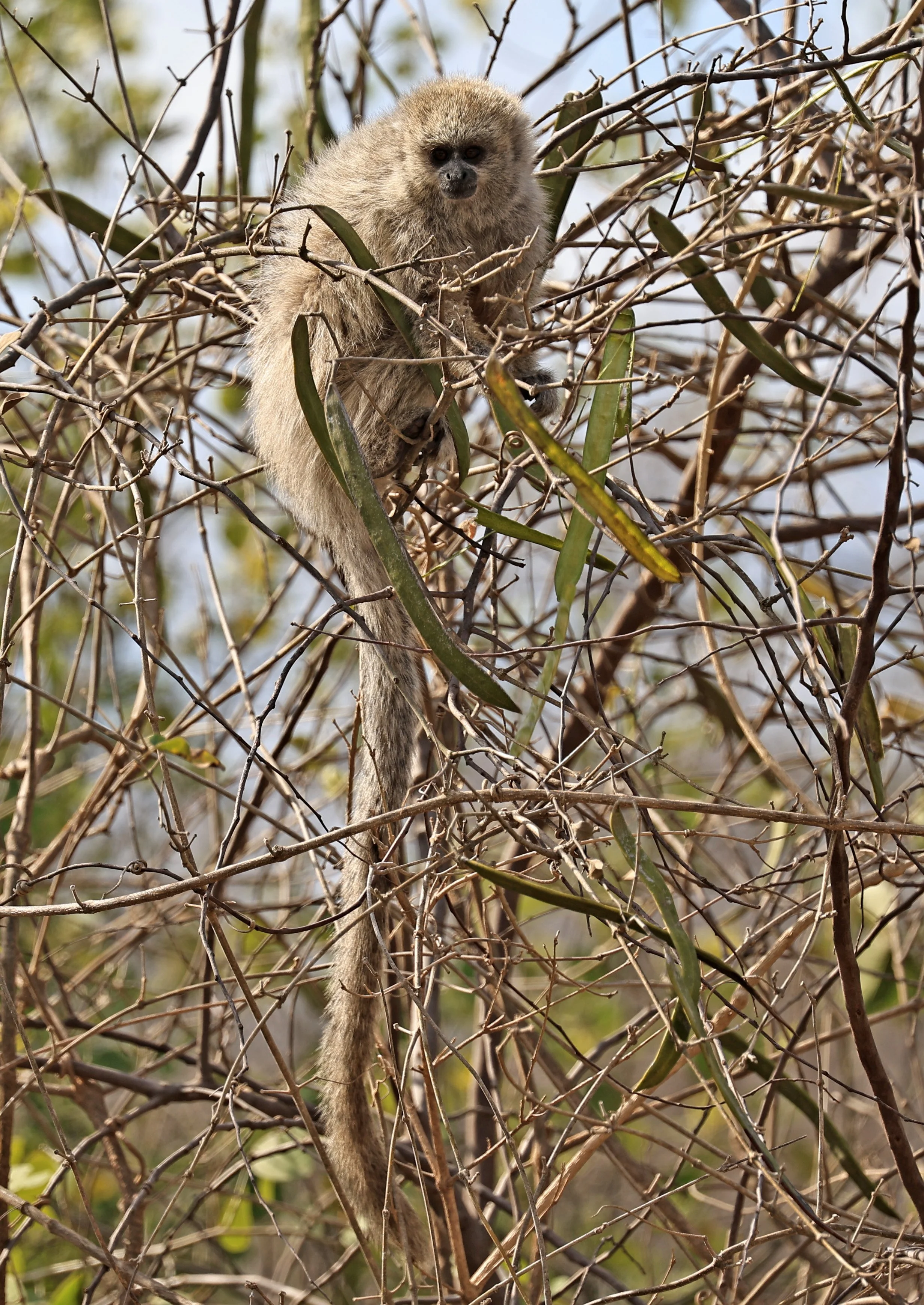
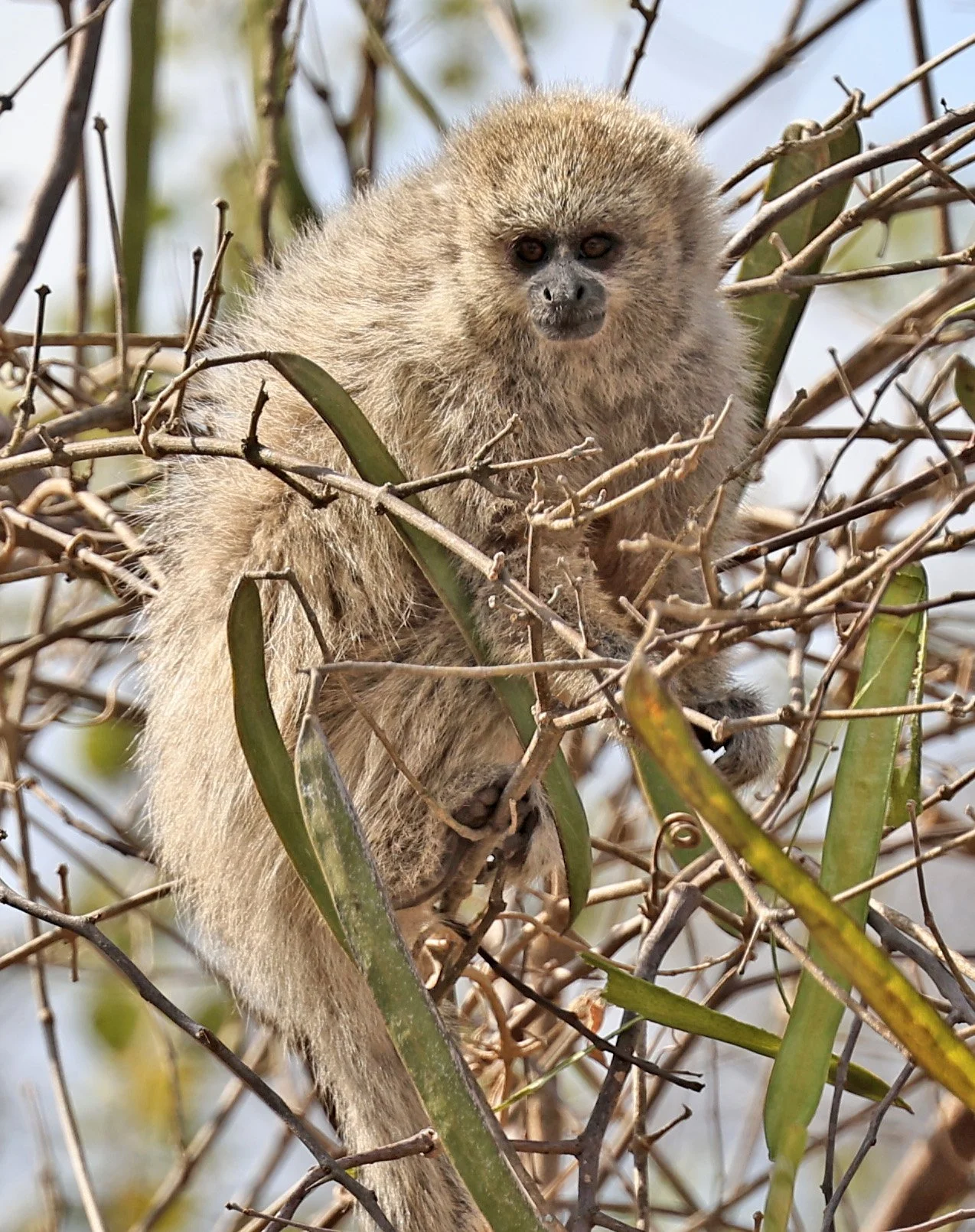
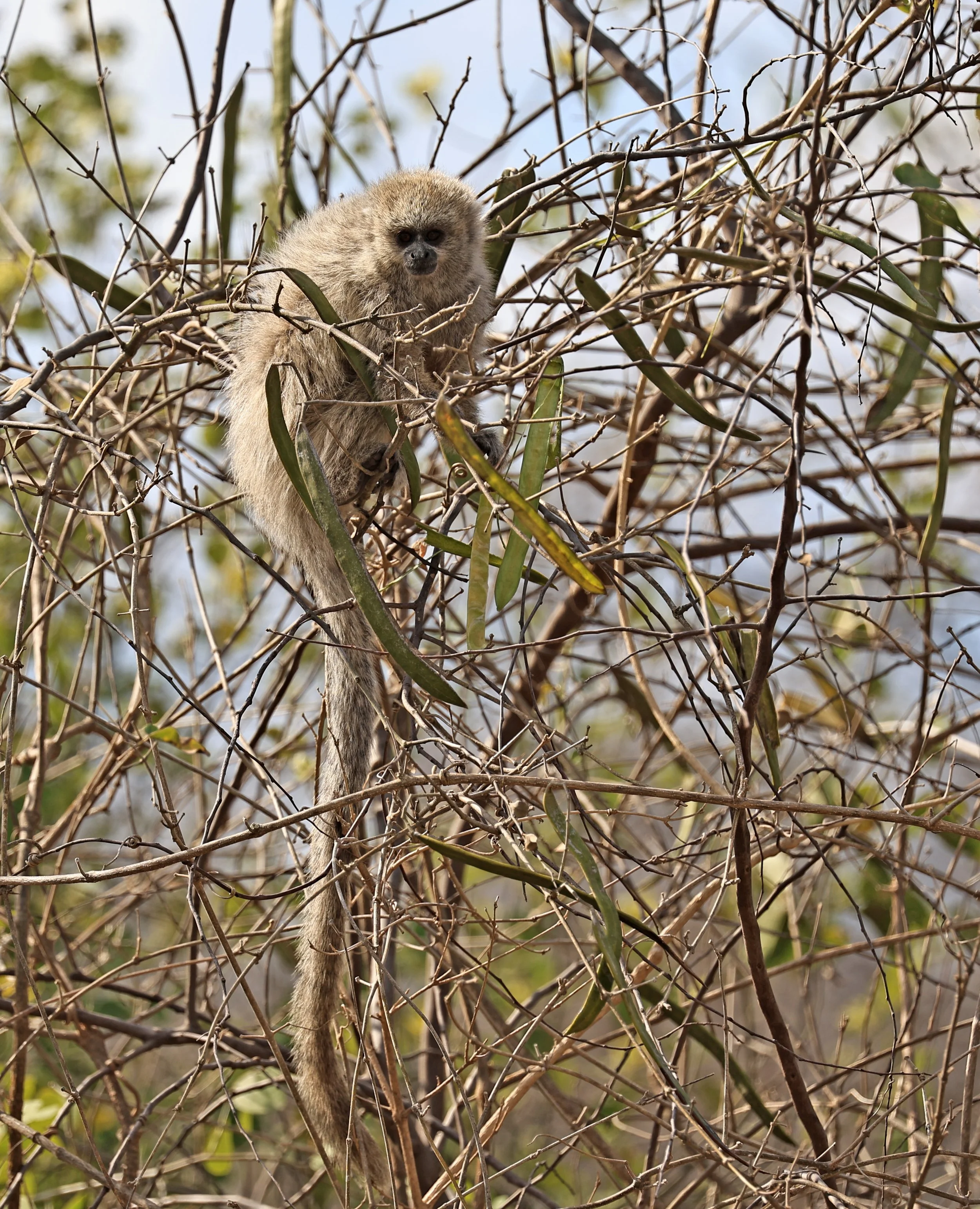
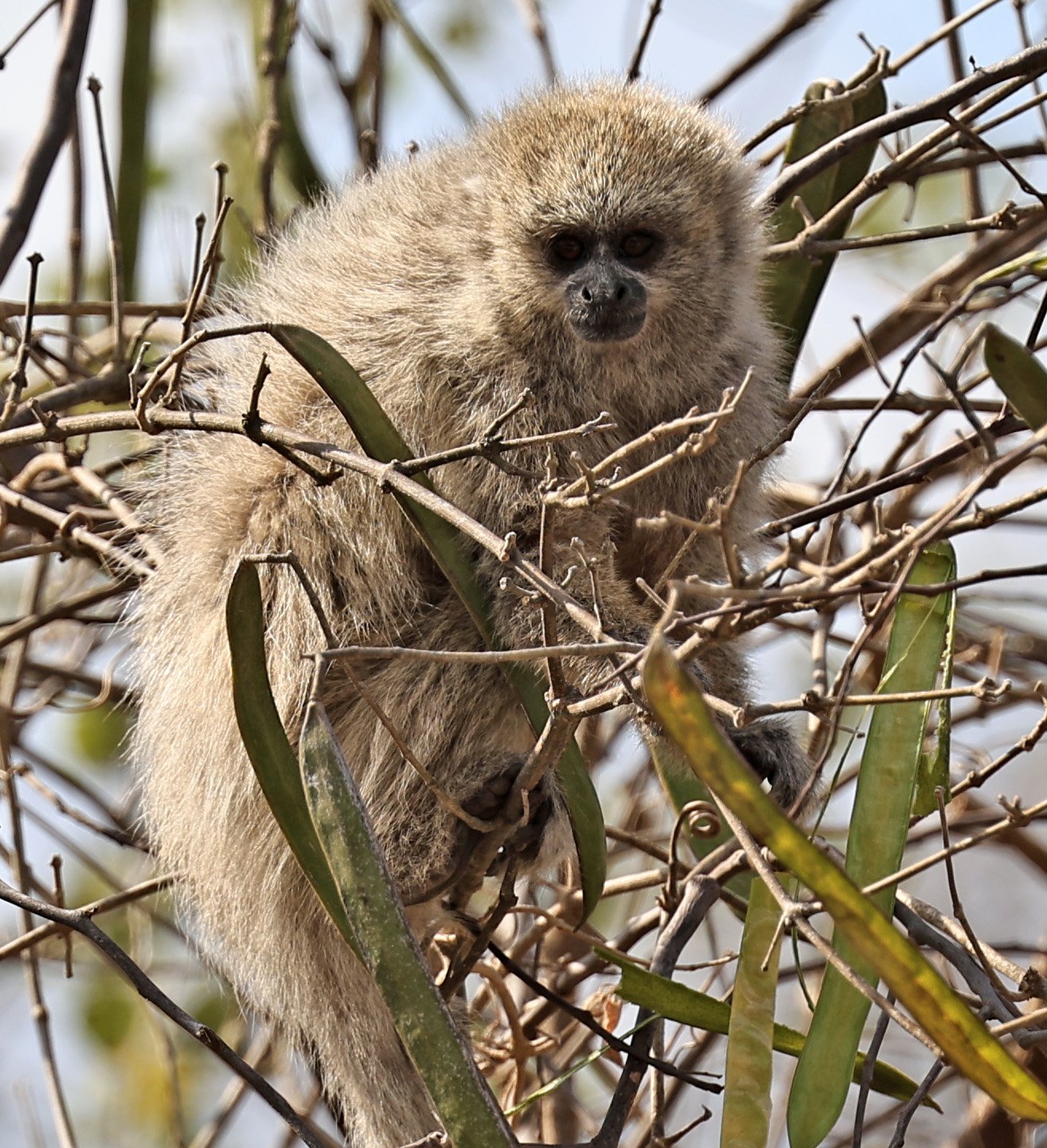
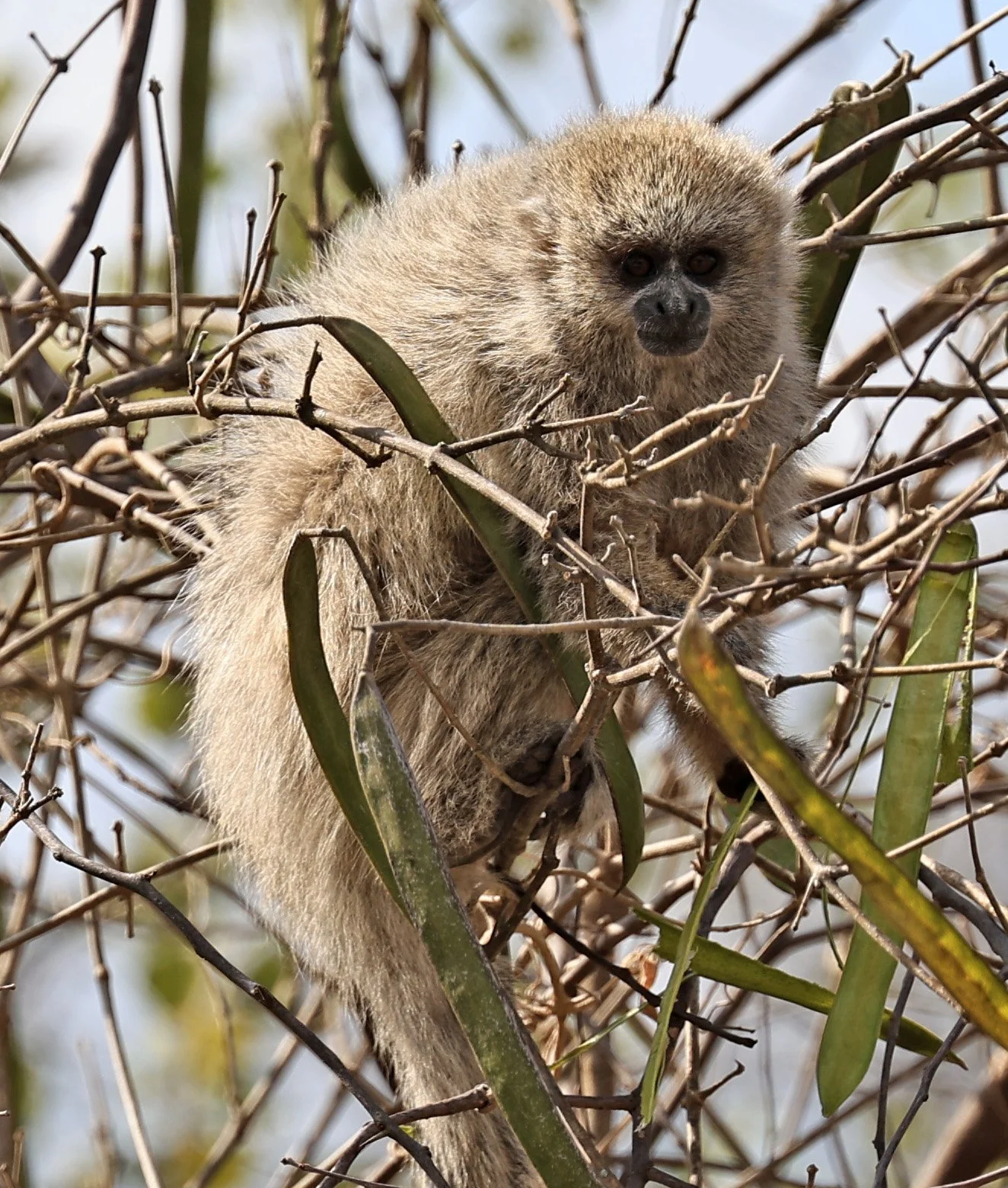
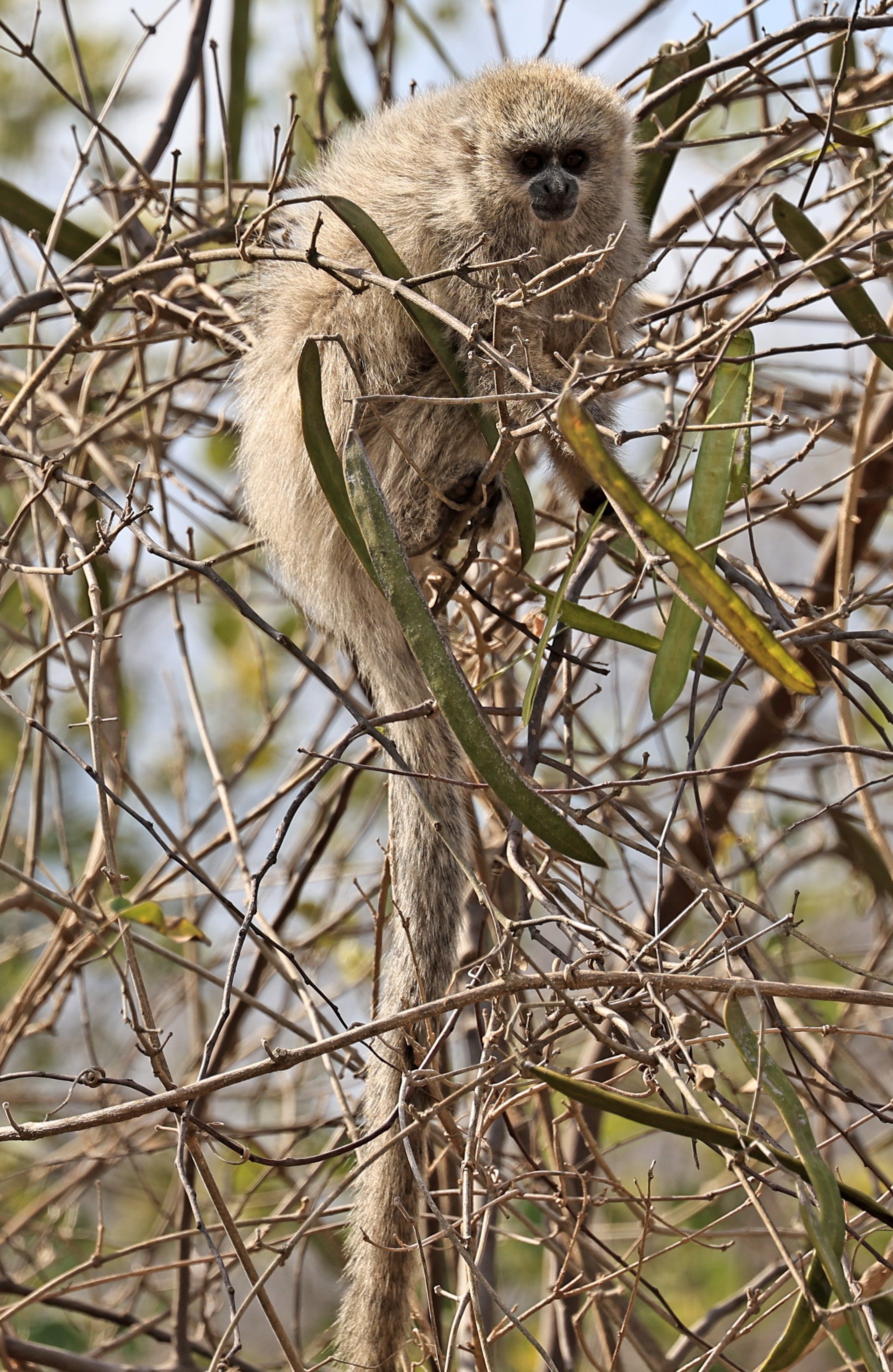
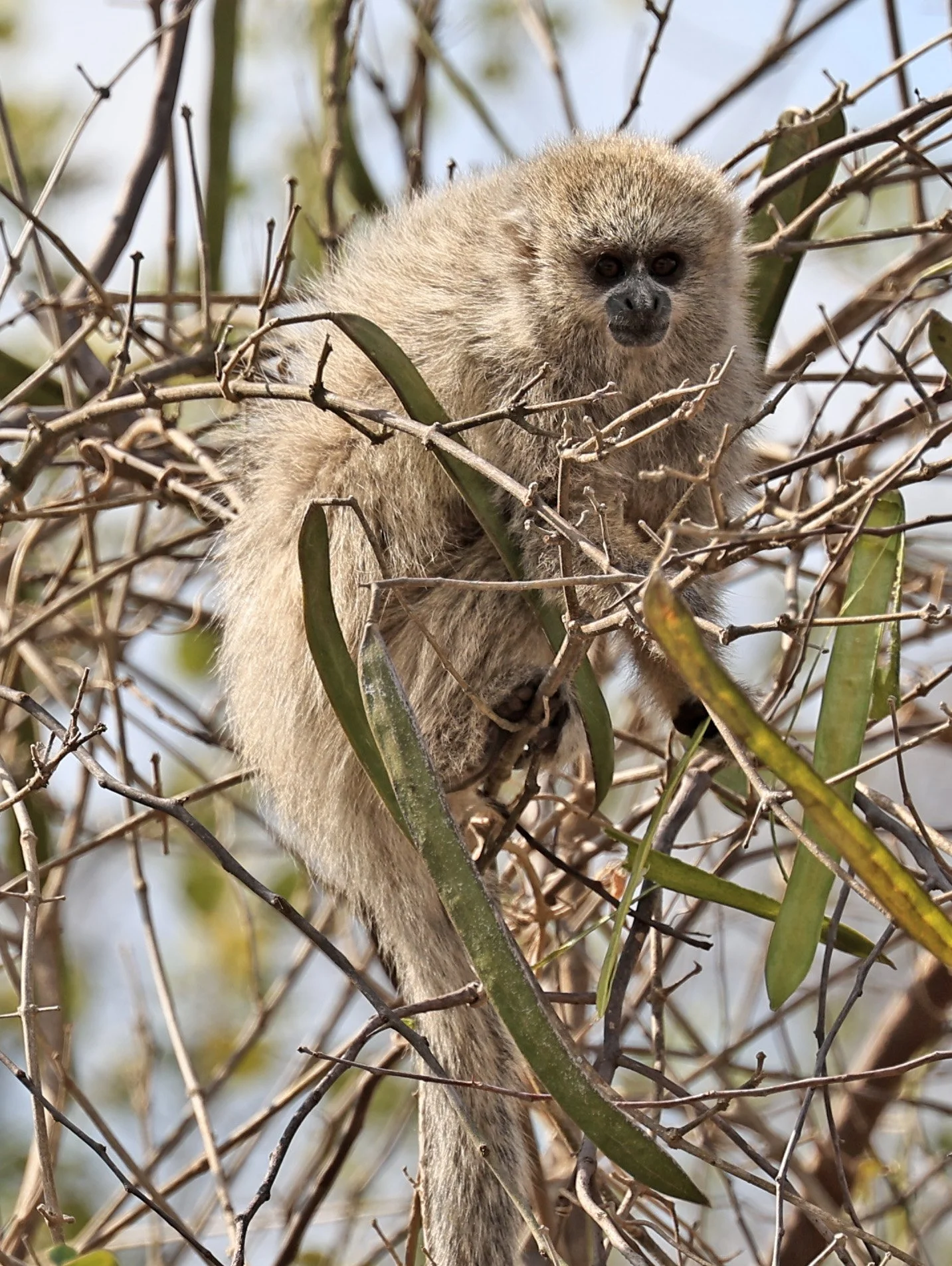
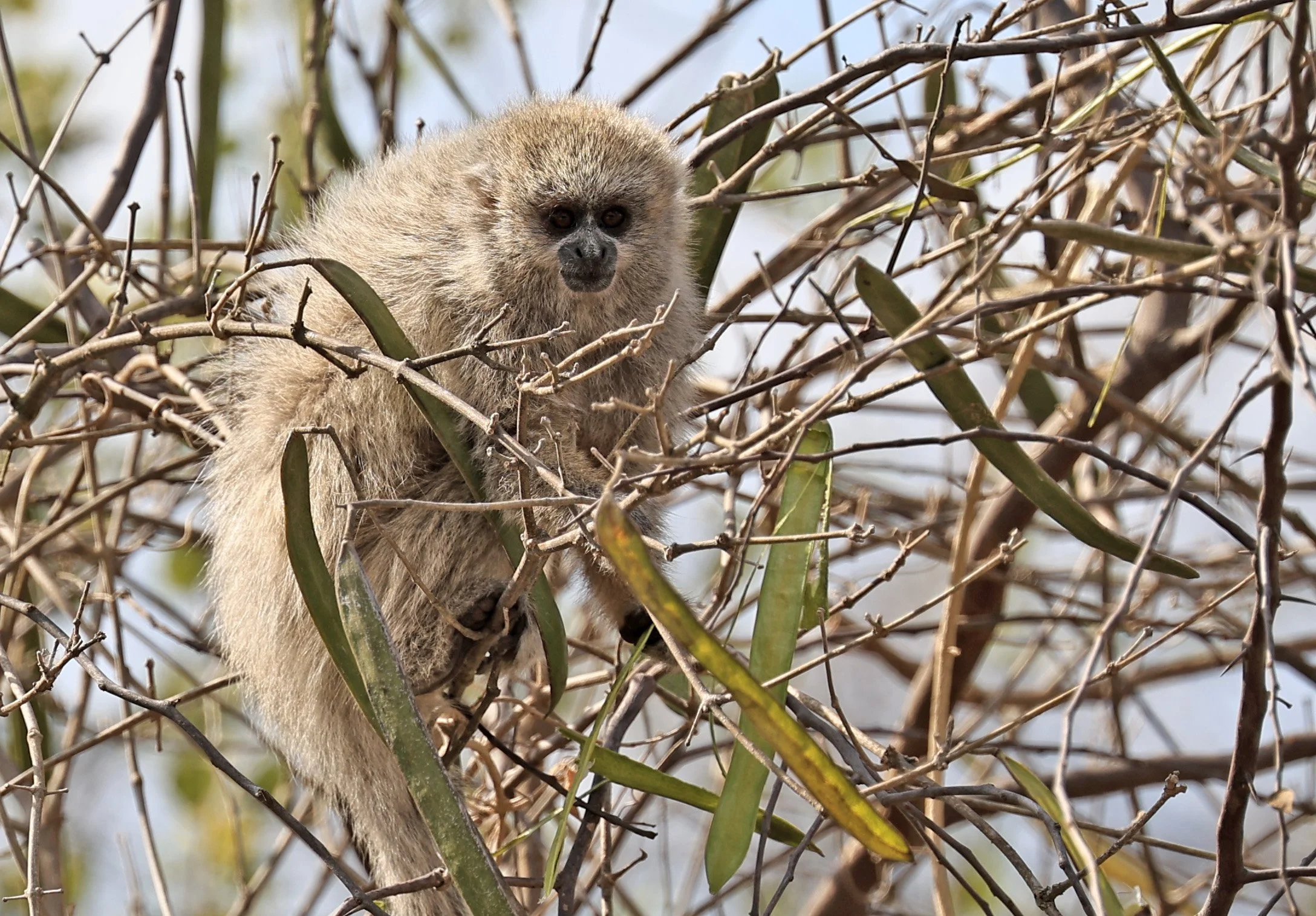
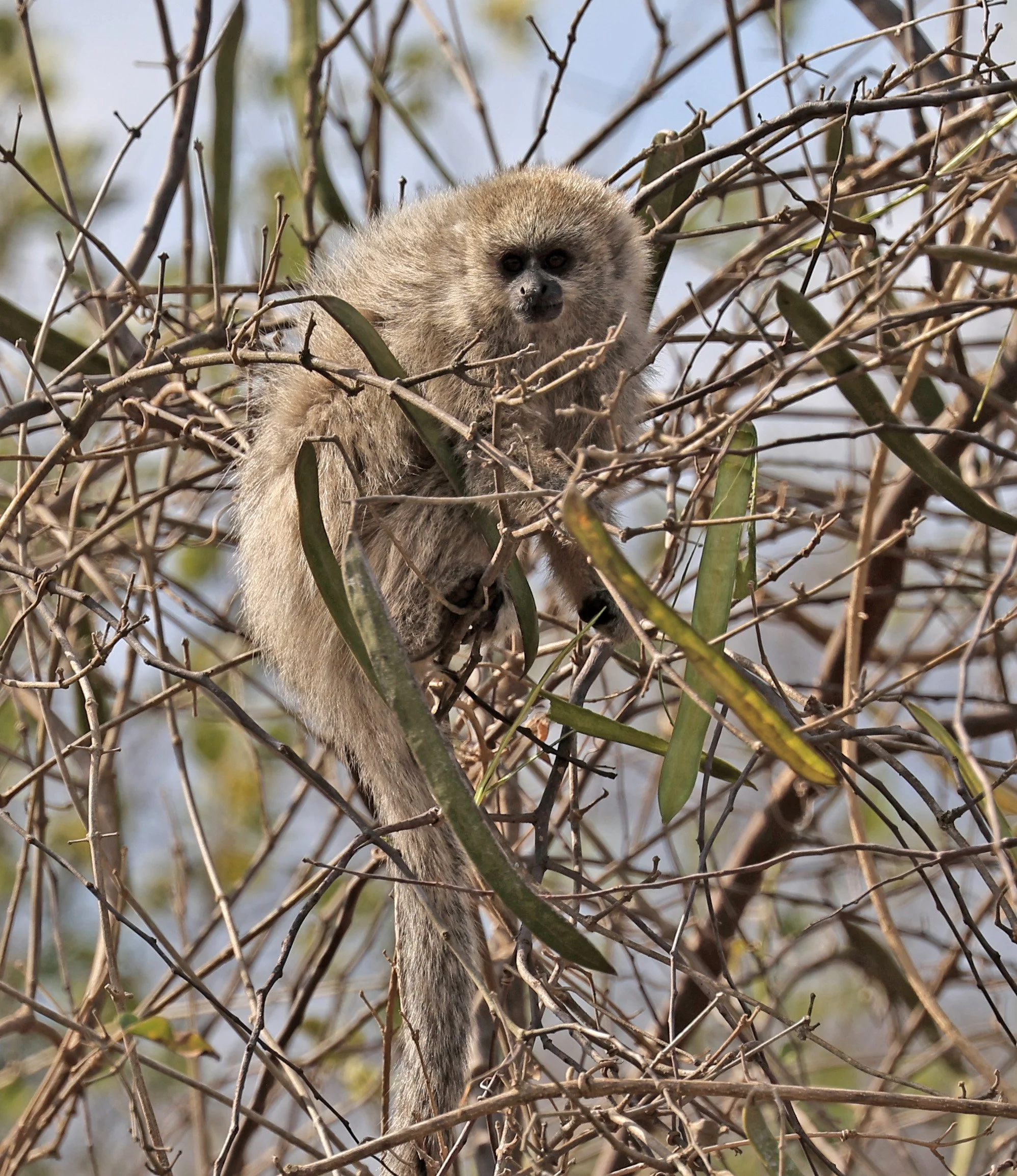
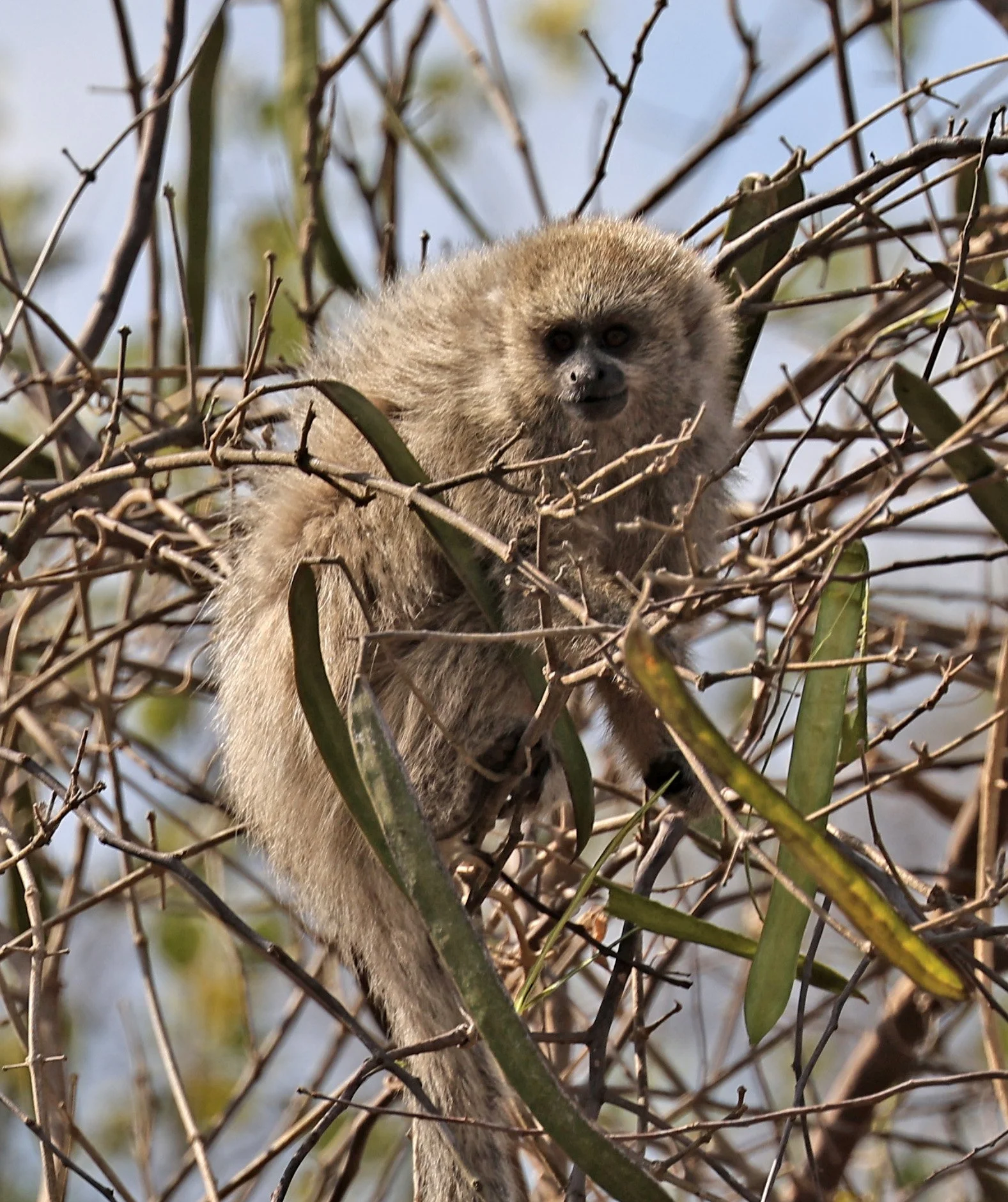
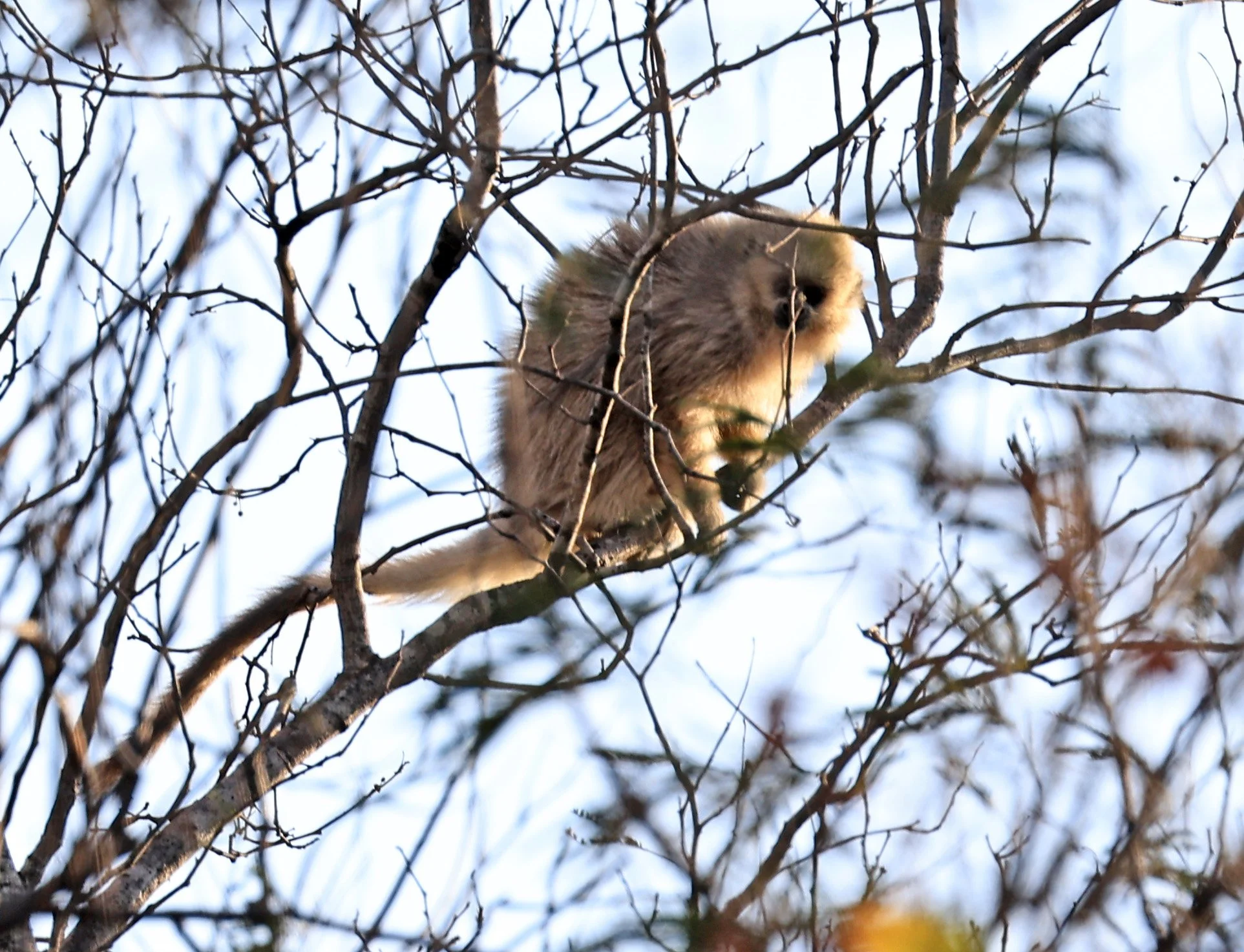
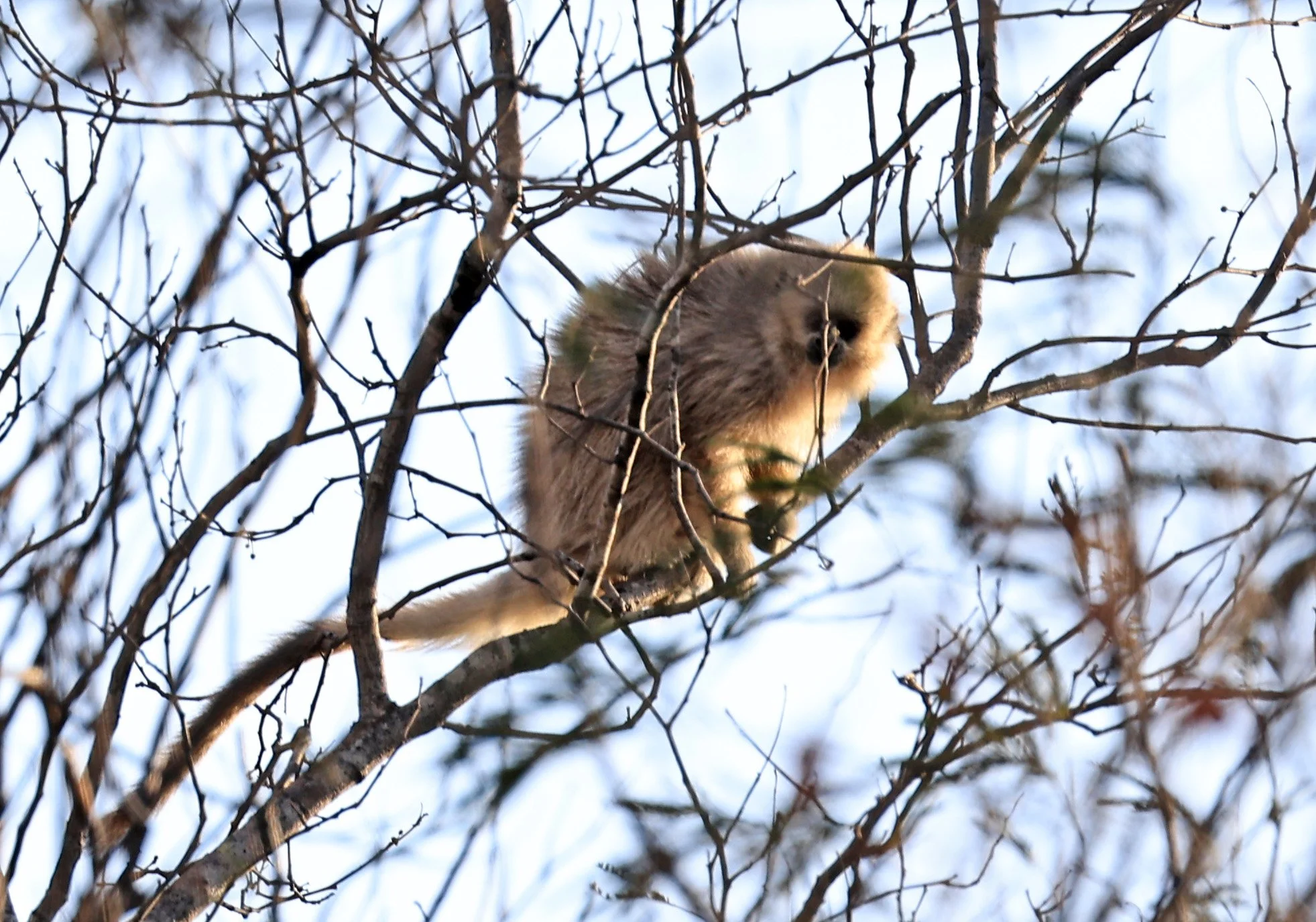
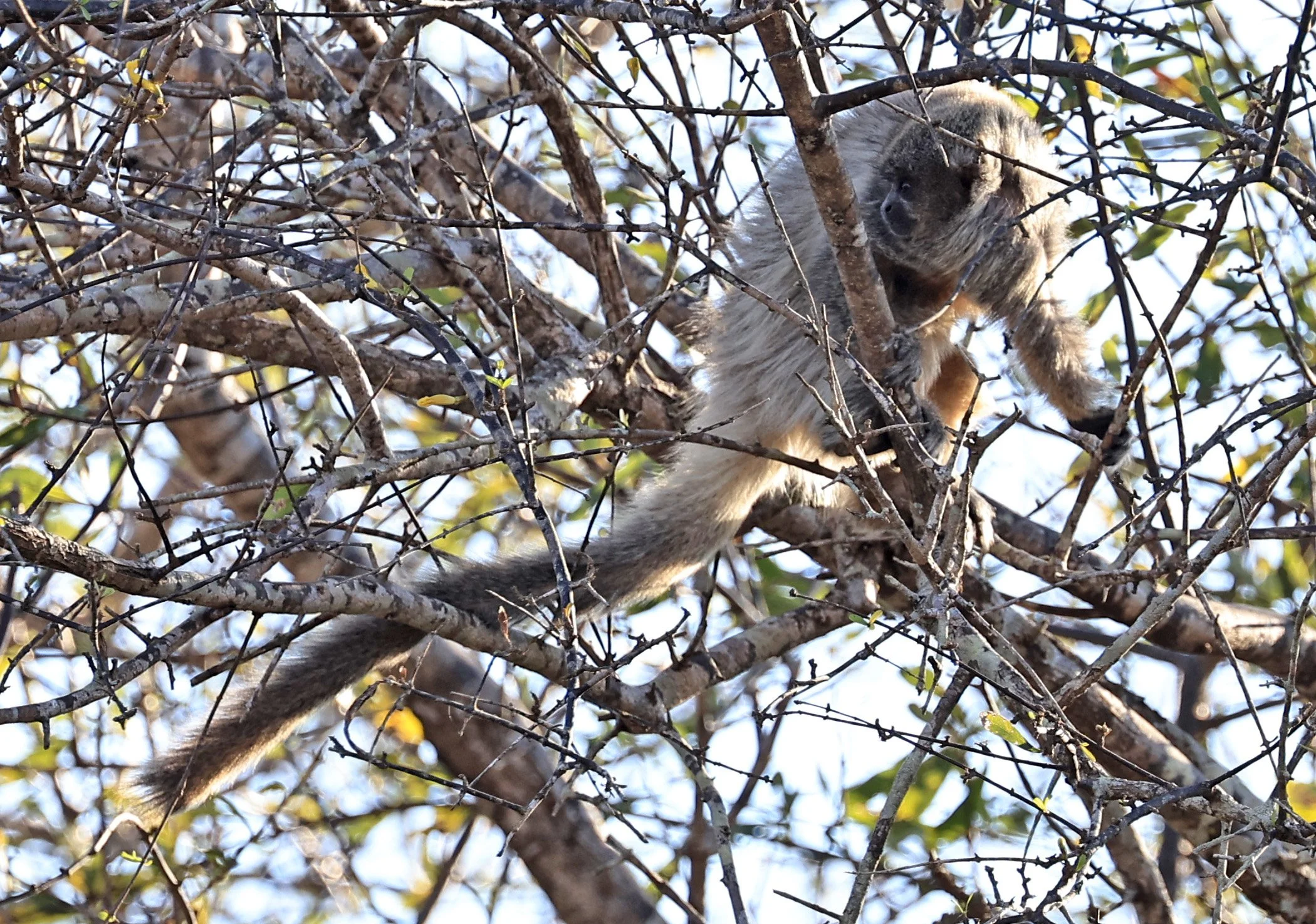
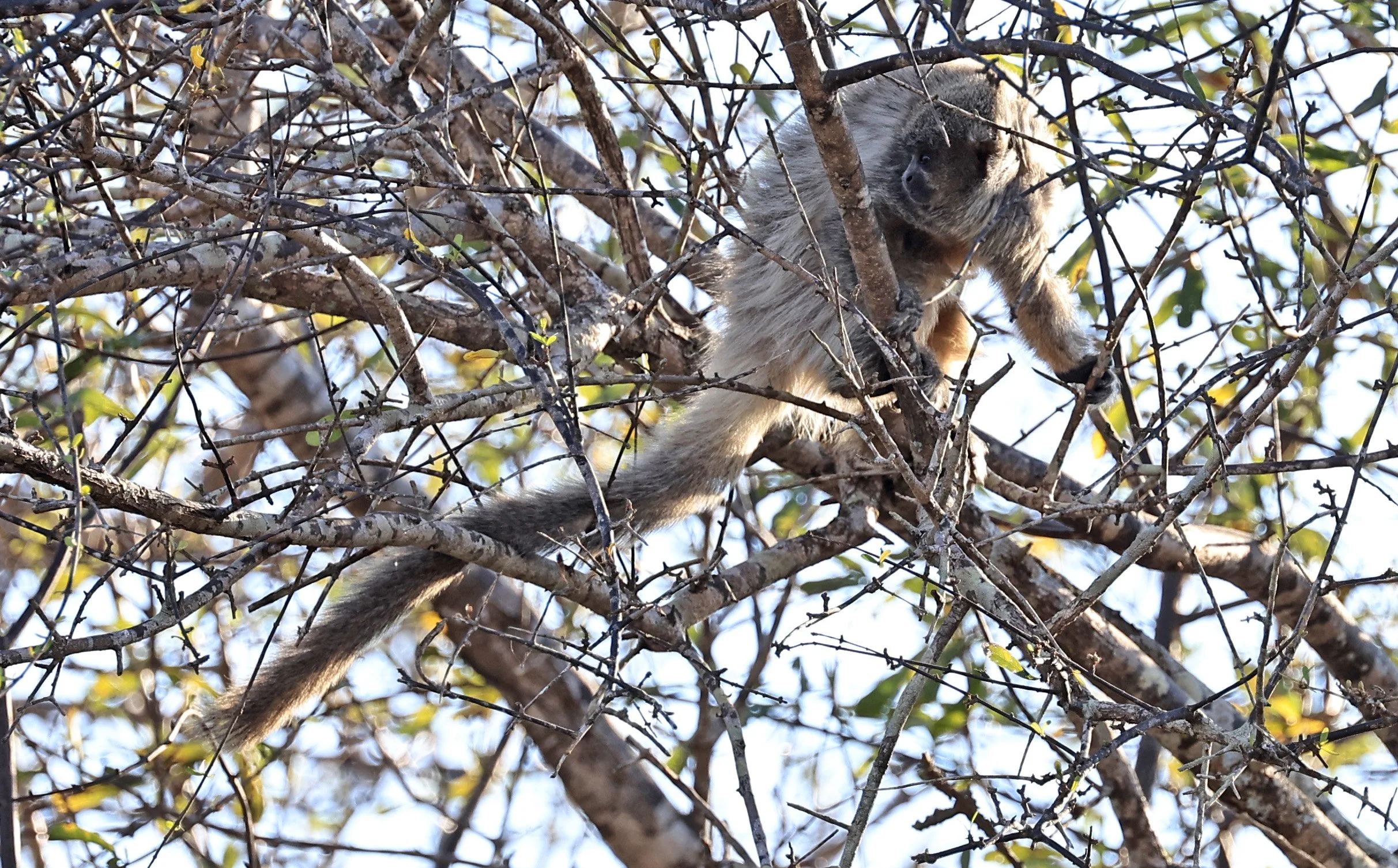
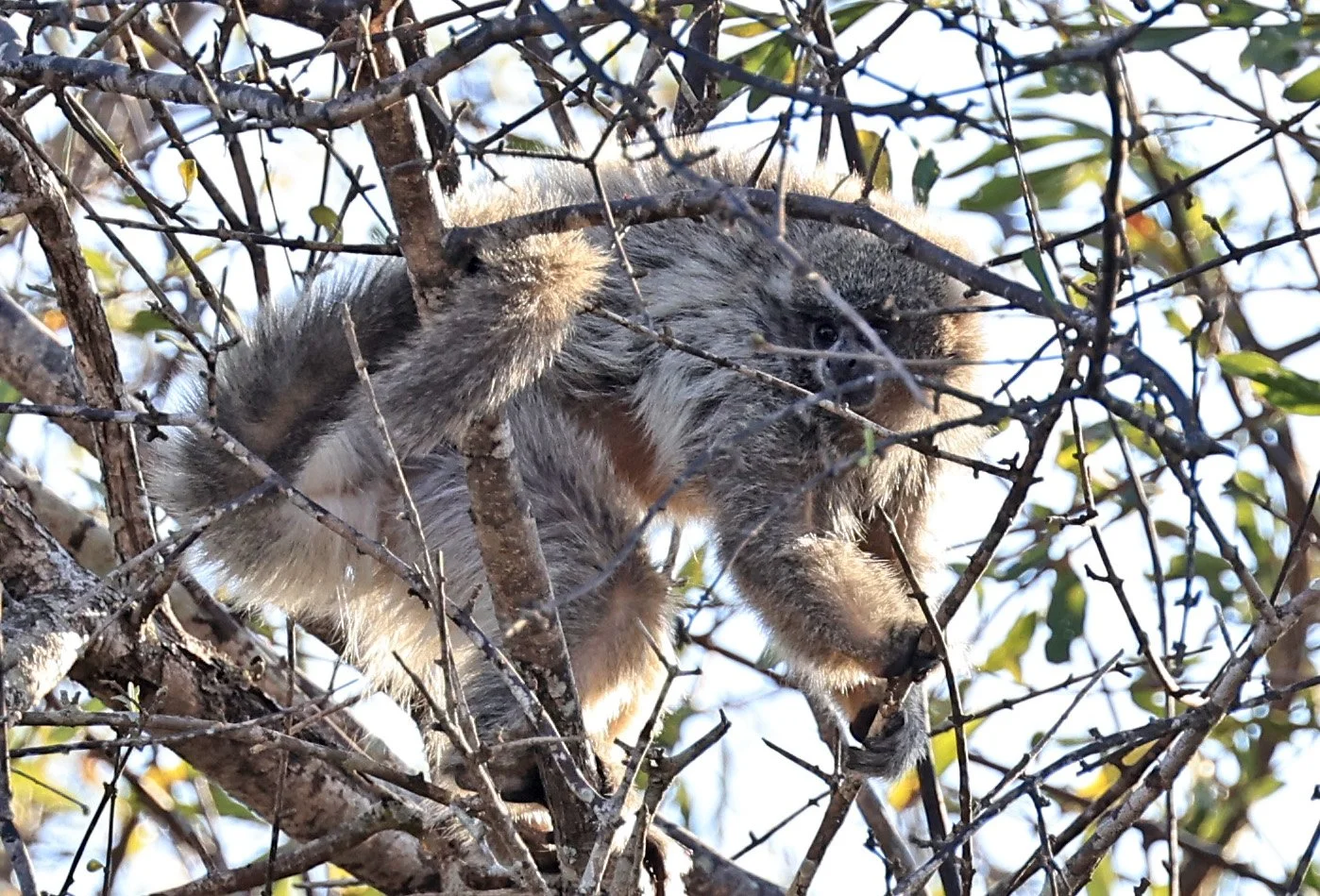
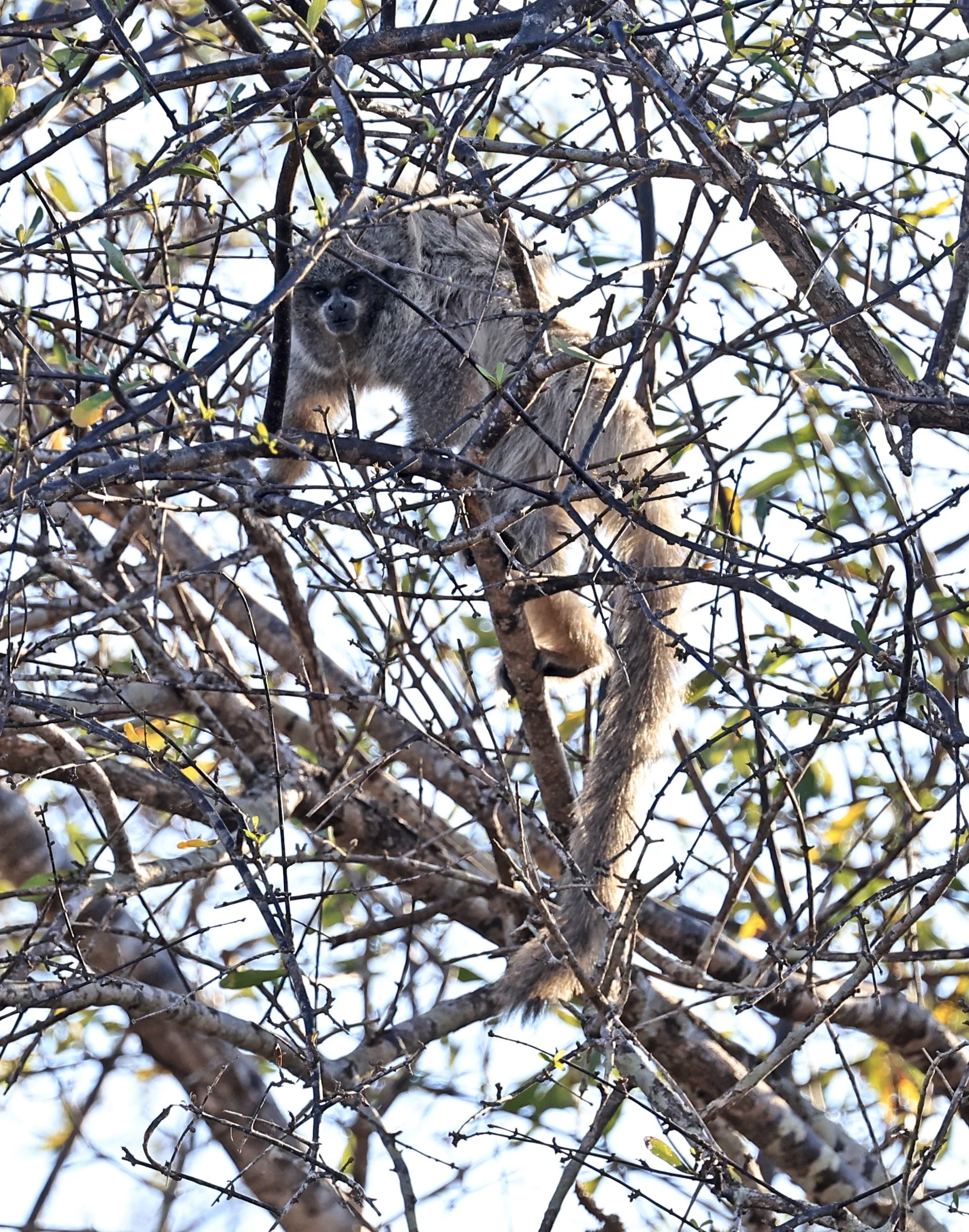
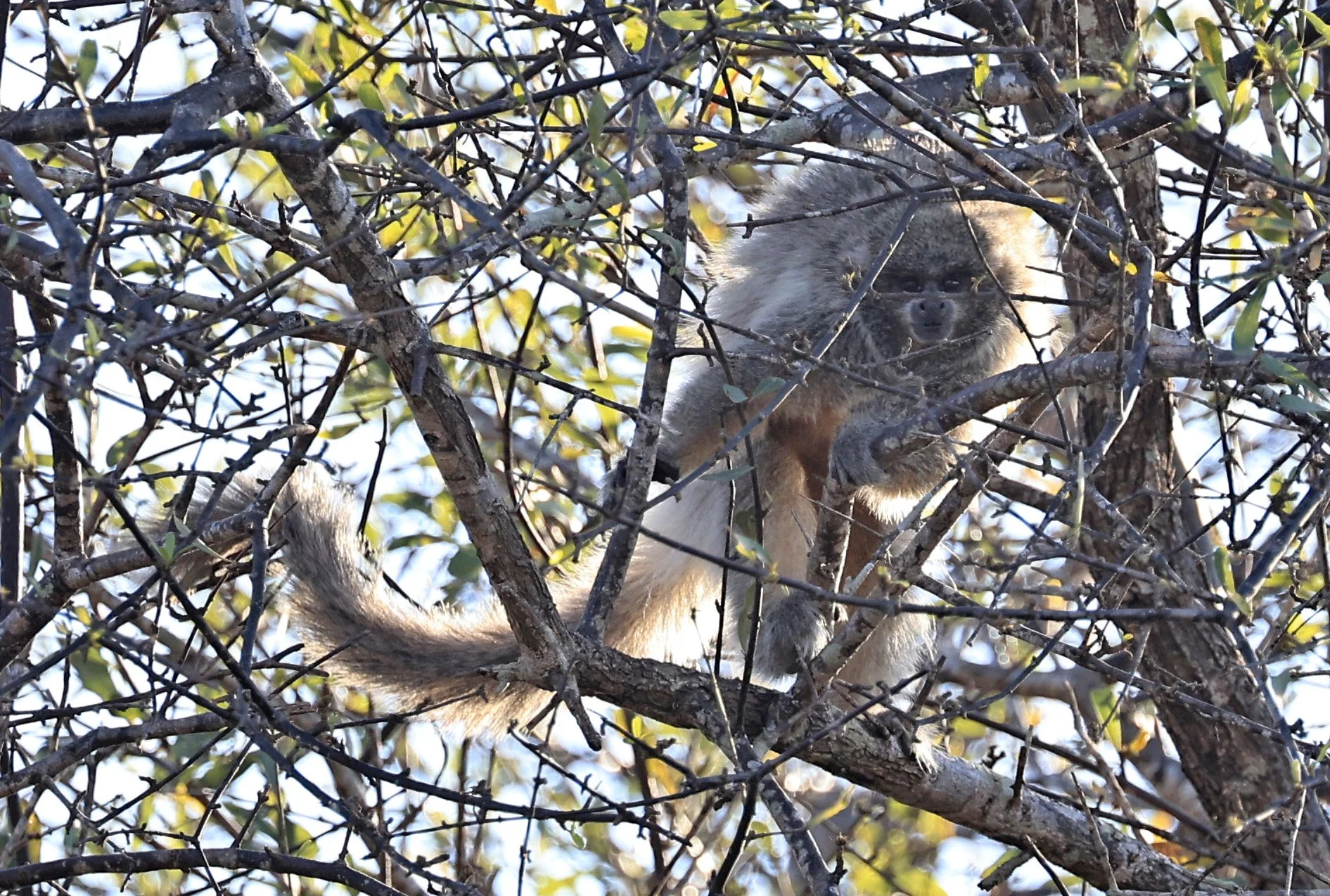
The Chacoan Titi Monkey is a relatively small primate, with both males and females weighing approximately 800 to 1,300 grams and measuring around 33 centimetres in body length. Its tail is typically longer than its body and is covered in dense fur, although it is not prehensile and cannot be used for grasping branches. The species is named for its thick, pale cream or whitish-grey coat, which gives it a distinctive appearance compared with other titi monkeys. It has large brown eyes adapted for life in the forest canopy, a small hairless face, and dense fur that frames its head. Males and females are very similar in both size and coloration, showing little sexual dimorphism. [neprimatec...rvancy.org], [bioexplorer.net]
The Chacoan Titi Monkey is found in the Gran Chaco region of South America, including parts of Bolivia, Paraguay, and Brazil. Its habitat consists primarily of dry forests, thorny woodlands, scrublands, and transitional forest ecosystems. The species prefers areas with tall trees that provide shelter, feeding opportunities, and safe routes for travel through the canopy. Populations are particularly associated with the Chaco and adjacent forested regions, where they spend nearly all of their lives in the trees. [neprimatec...rvancy.org], [en.wikipedia.org], [mammaldiversity.org]
One of the most interesting aspects of the Chacoan Titi Monkey is its exceptionally strong family structure. Like many titi monkeys, it is socially monogamous, meaning that adult males and females form long-term pair bonds. Family members spend a significant amount of time grooming one another, resting together, and communicating through vocalizations. The species is diurnal, meaning it is active during the day, and travels through the forest canopy by walking, climbing, and leaping between branches. Another notable behaviour is tail-entwining, in which bonded pairs wrap their tails together while resting, reinforcing social bonds. Males play an especially important role in caring for offspring, carrying infants for much of the day and bringing them to the mother primarily for nursing. [bioexplorer.net], [grokipedia.com]
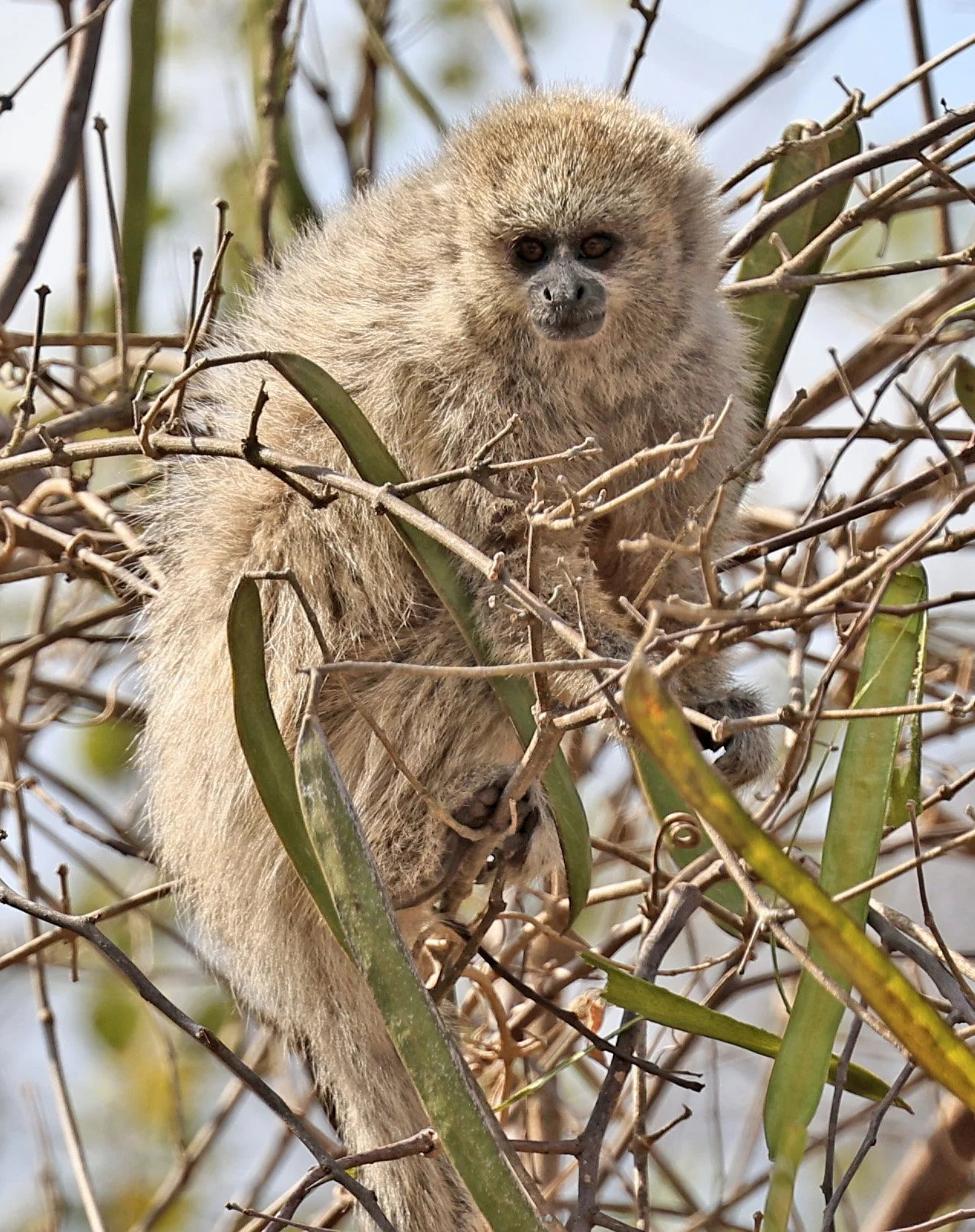
The diet of the Chacoan Titi Monkey consists mainly of fruits, leaves, seeds, flowers, and other plant material, although insects may also be consumed occasionally. As they move through the forest searching for food, these monkeys help disperse seeds, contributing to forest regeneration and ecosystem health. Their loud vocalizations are often used to defend territories and maintain contact between family members, especially in dense vegetation where visibility can be limited. [grokipedia.com], [bioexplorer.net]
The International Union for Conservation of Nature (IUCN) currently classifies the Chacoan Titi Monkey as Least Concern. This classification reflects its relatively large geographic range and occurrence within several protected areas. However, conservationists continue to monitor populations because suitable habitat has declined in some parts of its range due to human activities. [en.wikipedia.org], [mammaldiversity.org]
The primary threats facing the Chacoan Titi Monkey are habitat loss and fragmentation. Large areas of the Gran Chaco have been cleared for agriculture, cattle ranching, and infrastructure development, reducing the amount of connected forest available to wildlife. As forests become fragmented, family groups may become isolated, limiting movement and reducing genetic diversity. Continued deforestation throughout the Chaco remains one of the greatest long-term challenges for the species. Protecting remaining forest habitats and maintaining connections between forest fragments will be important for ensuring healthy populations in the future. [neprimatec...rvancy.org], [grokipedia.com]
The Chacoan Titi Monkey is a remarkable representative of South America's forest primates. Its pale coat, strong family bonds, extensive parental care, and important ecological role as a seed disperser make it a fascinating species to study. Although it is currently not considered threatened, ongoing conservation of the rapidly changing Chaco ecosystem will be essential to ensure that this unique monkey continues to thrive in the forests of South America for generations to come. [neprimatec...rvancy.org], [en.wikipedia.org]
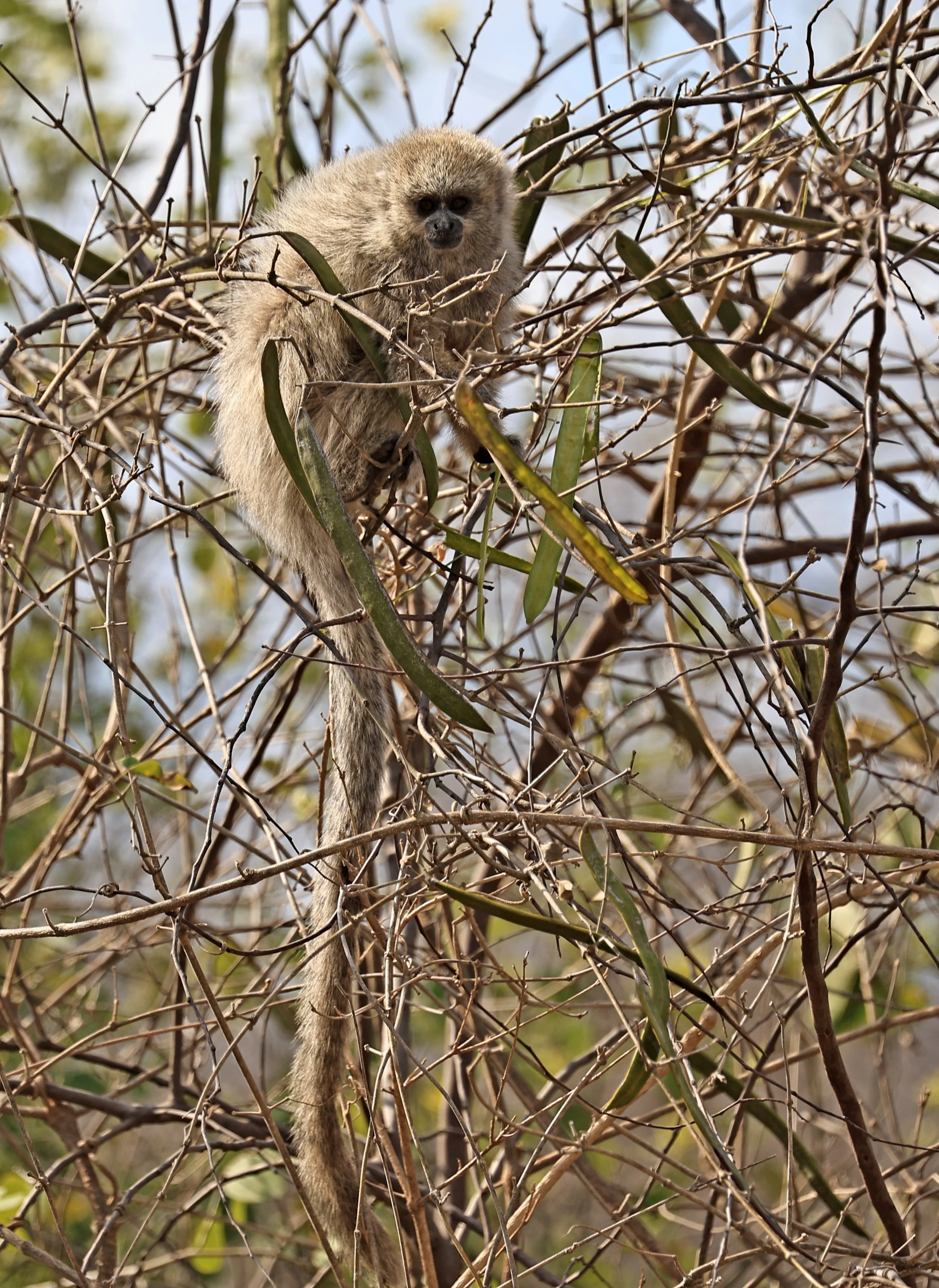
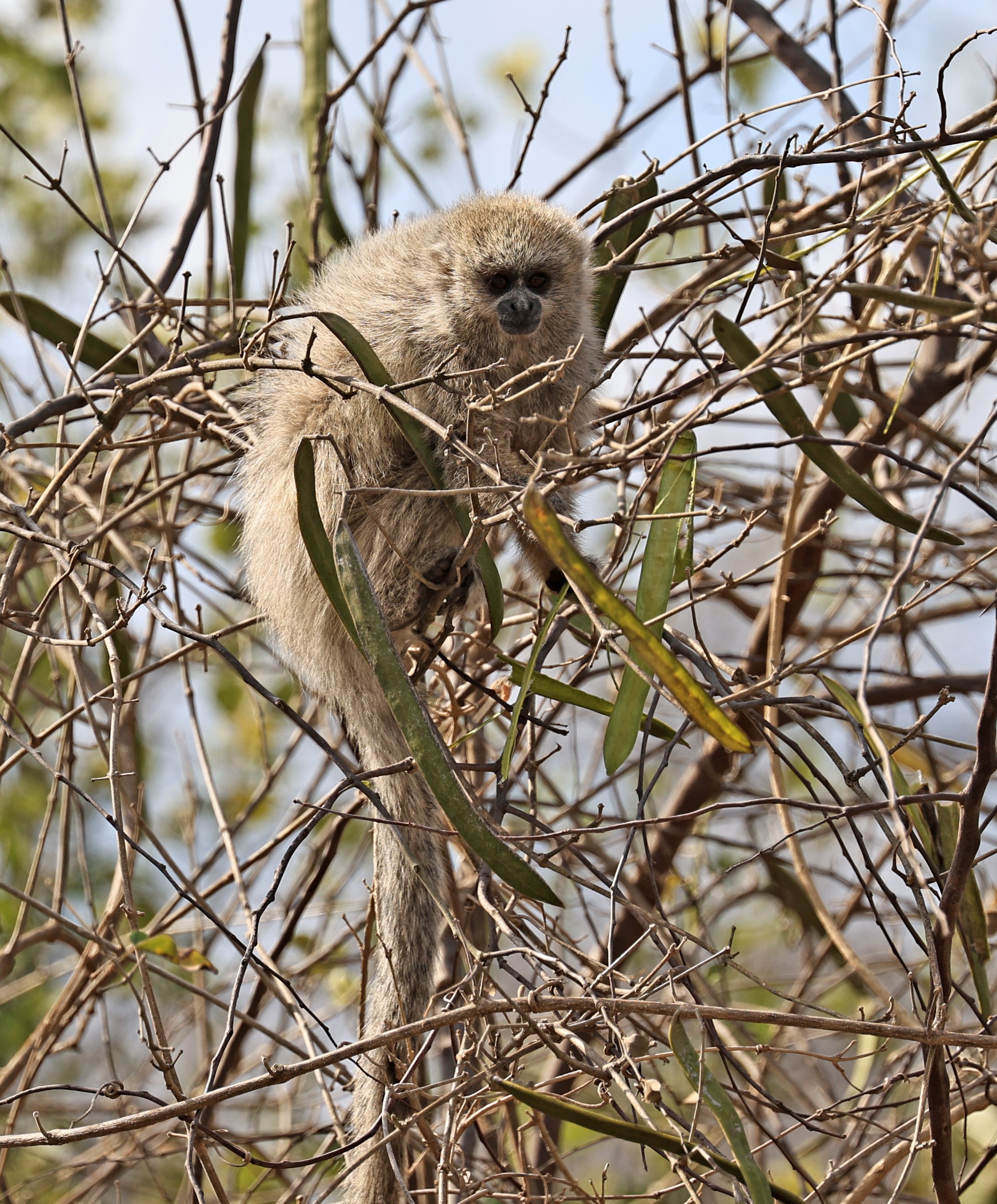
The images in the below gallery were taken in Agua Dulce, Chaco region of Paraguay (see trip report with details):
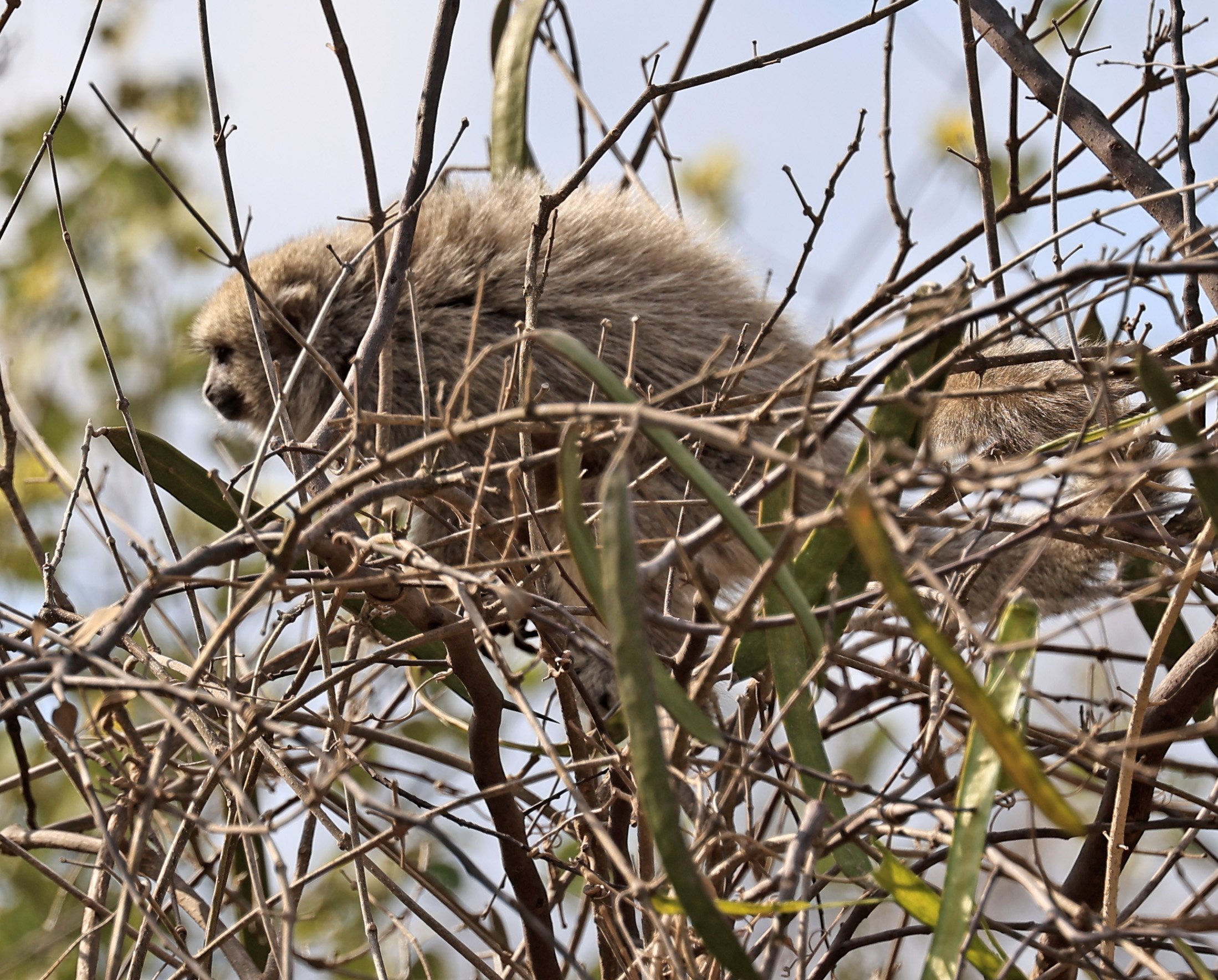
Chacoan Titi (Plecturocebus pallescens) Agua Dulce Paraguay