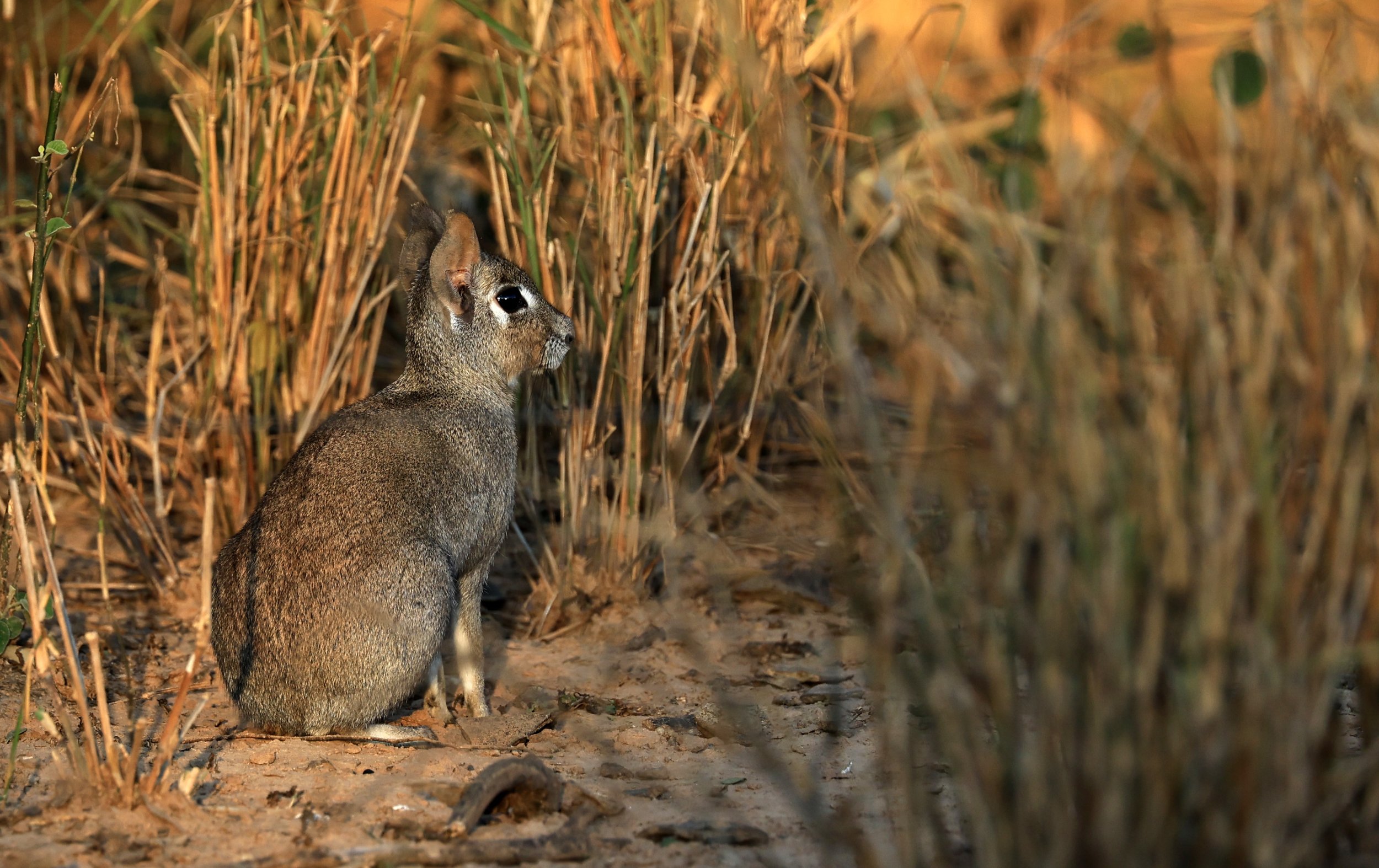
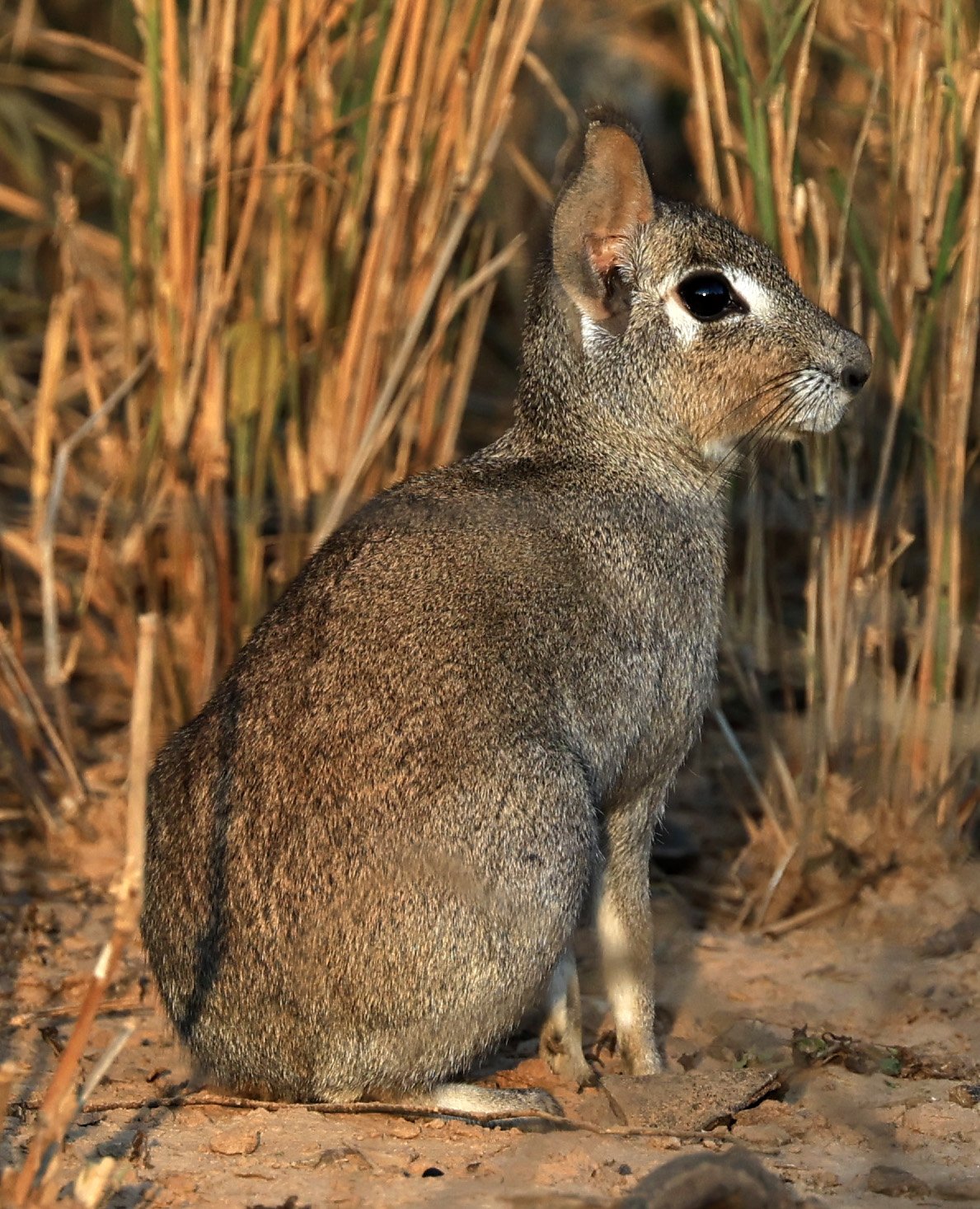
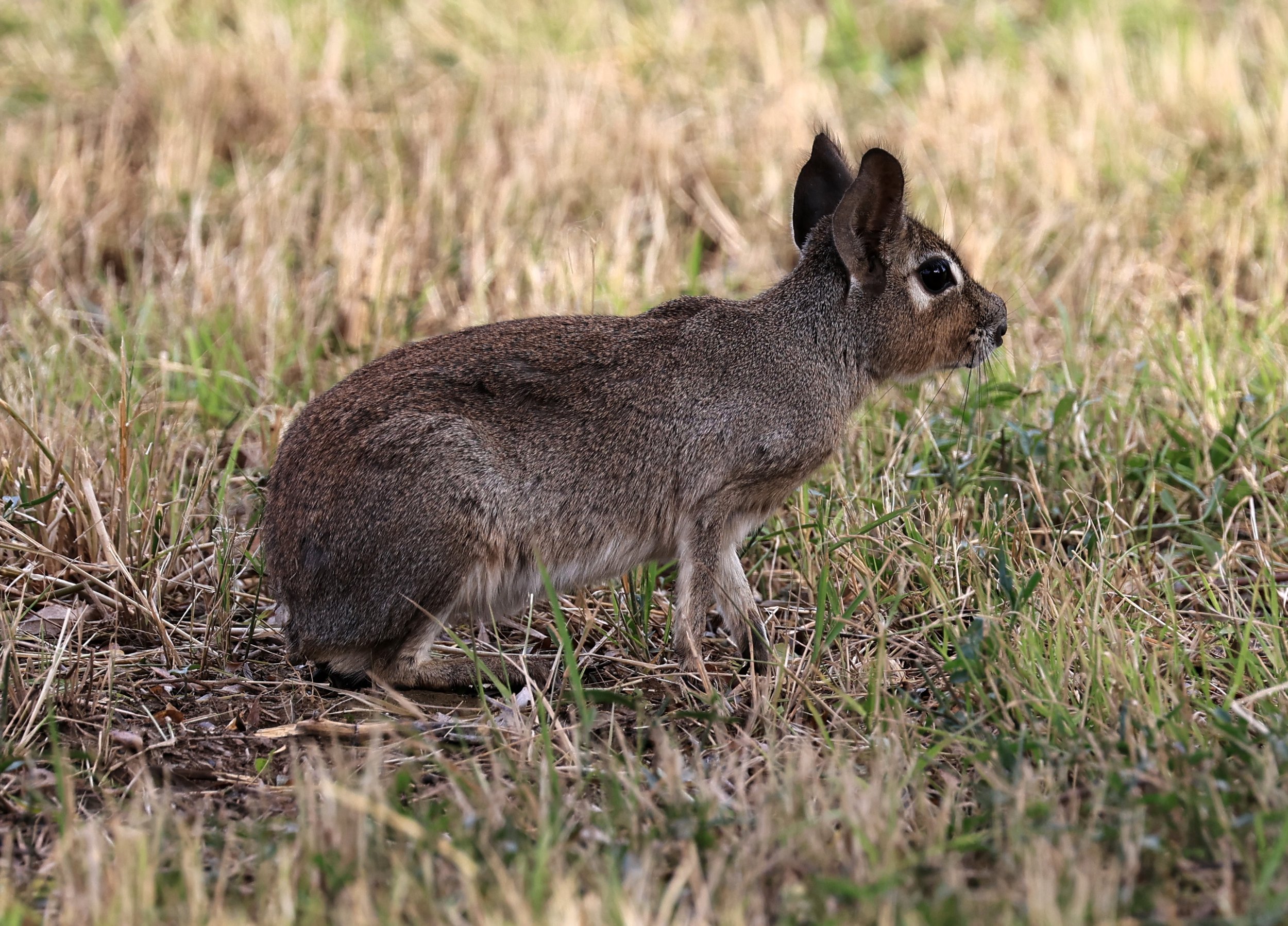
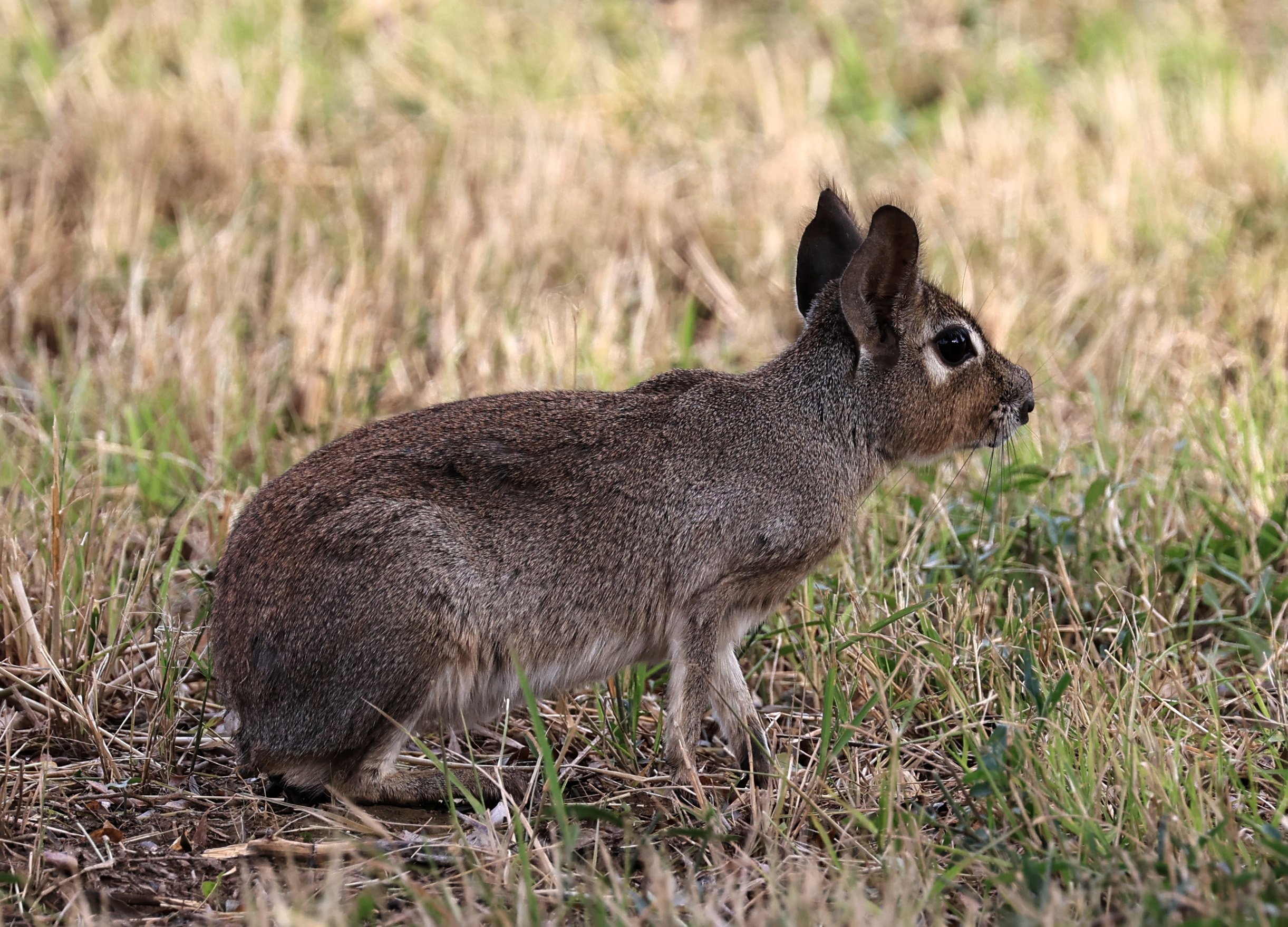
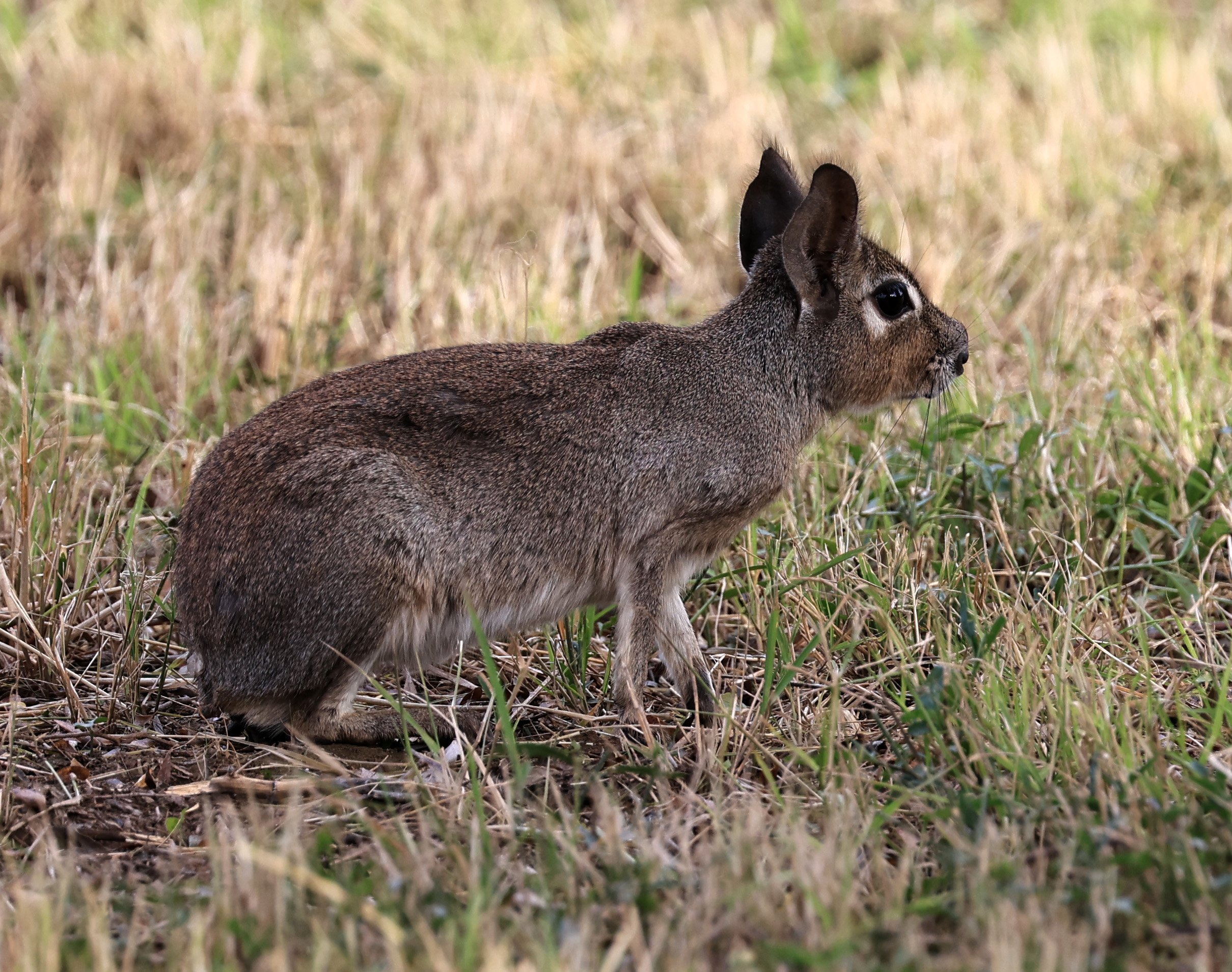
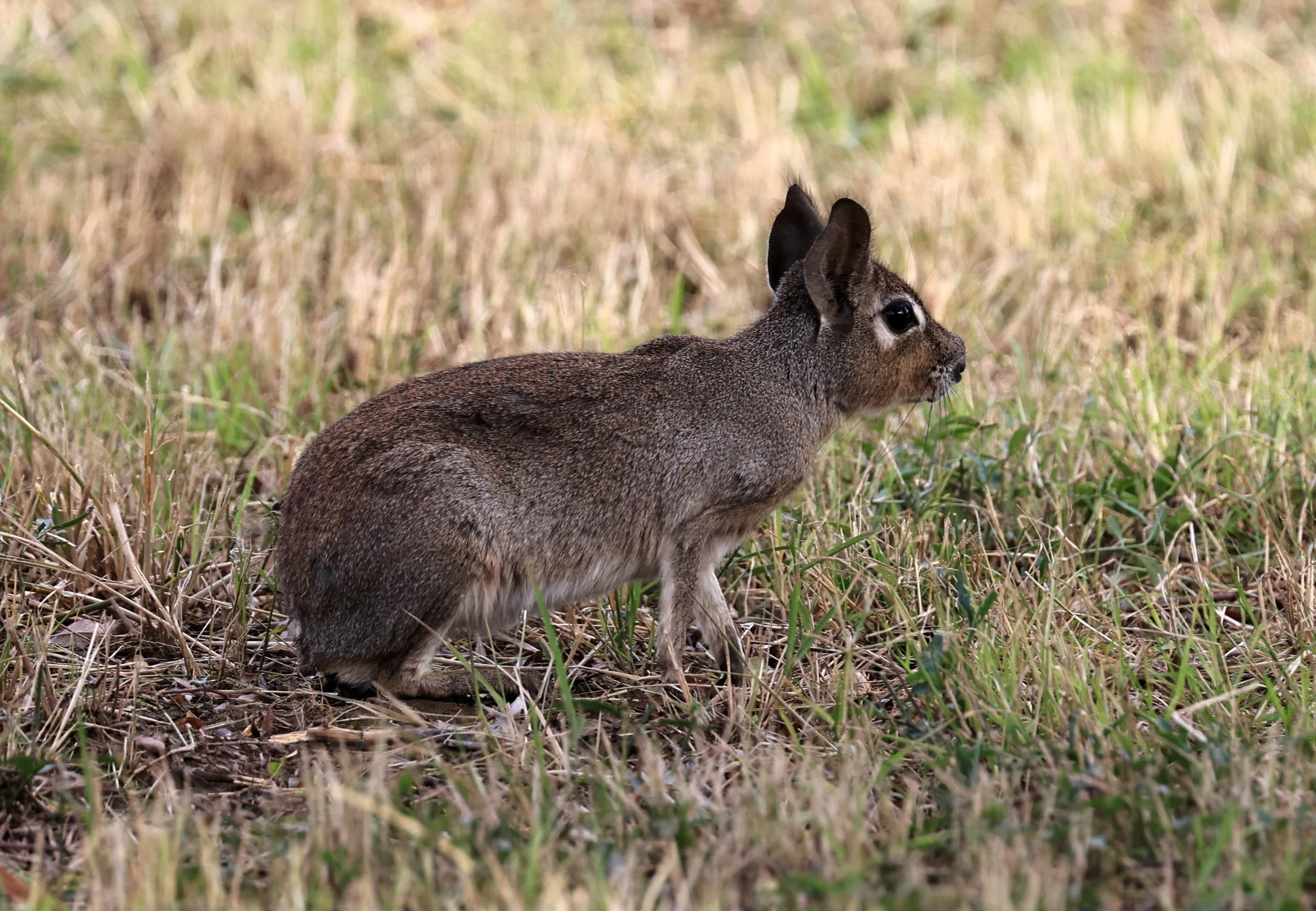
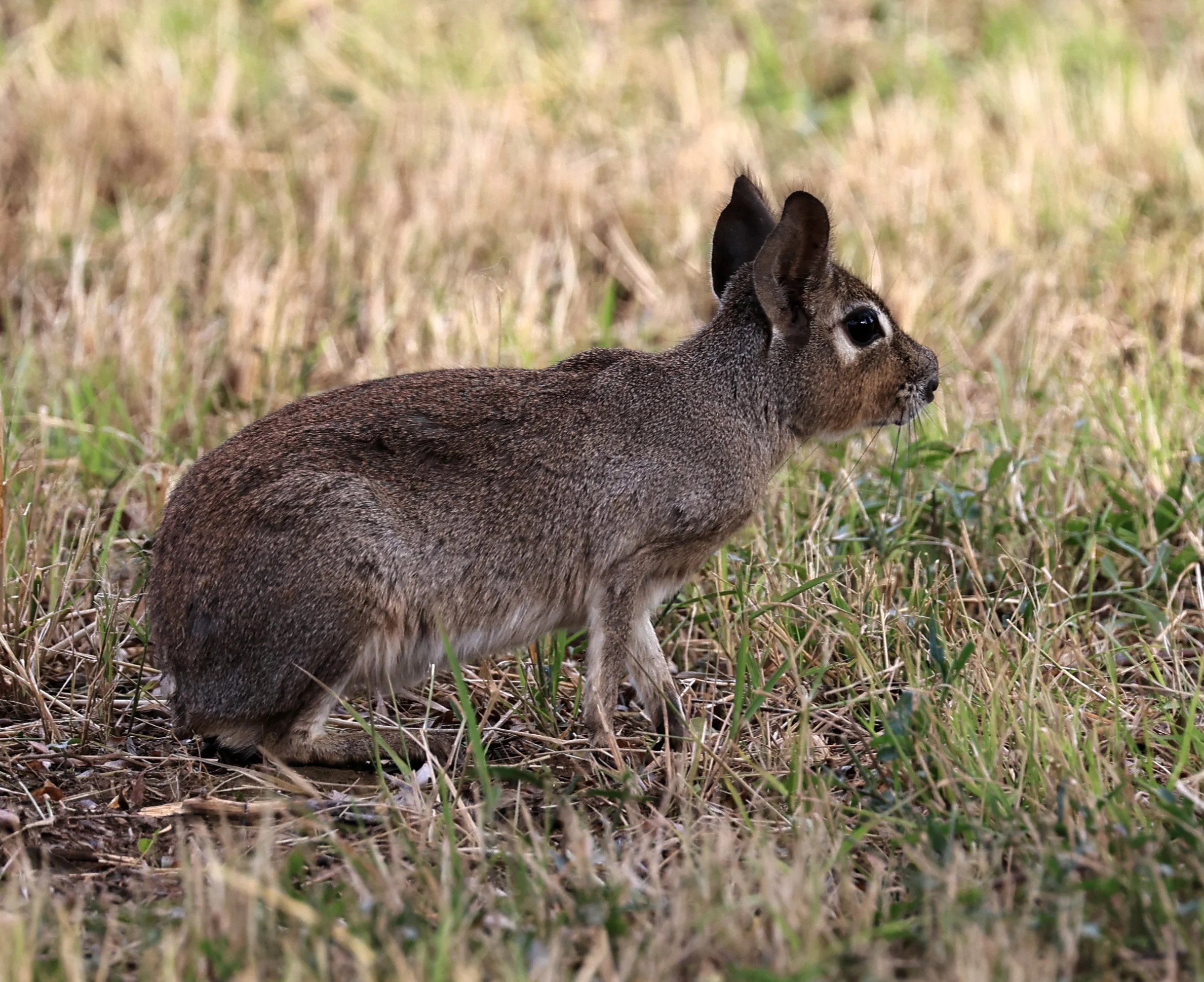
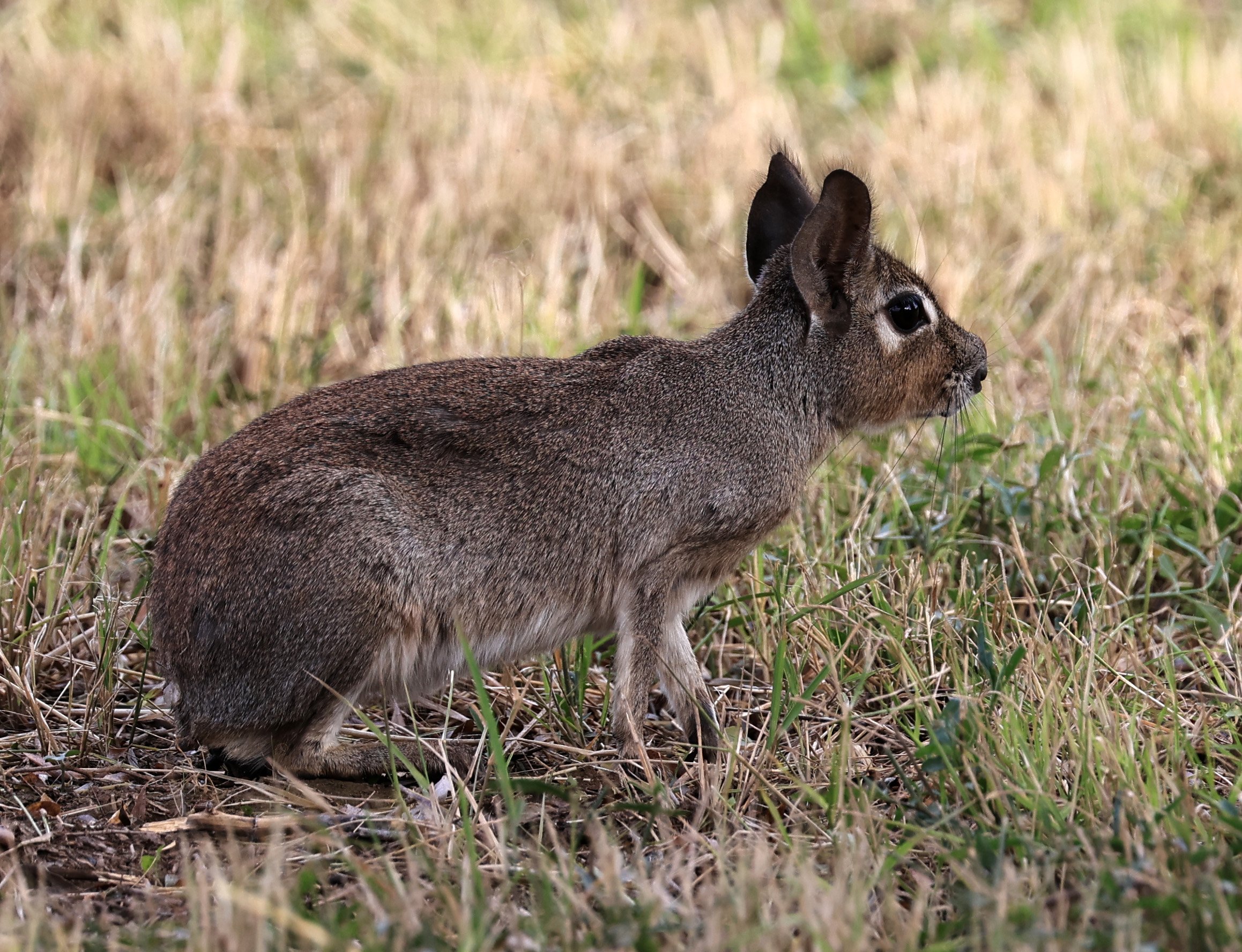
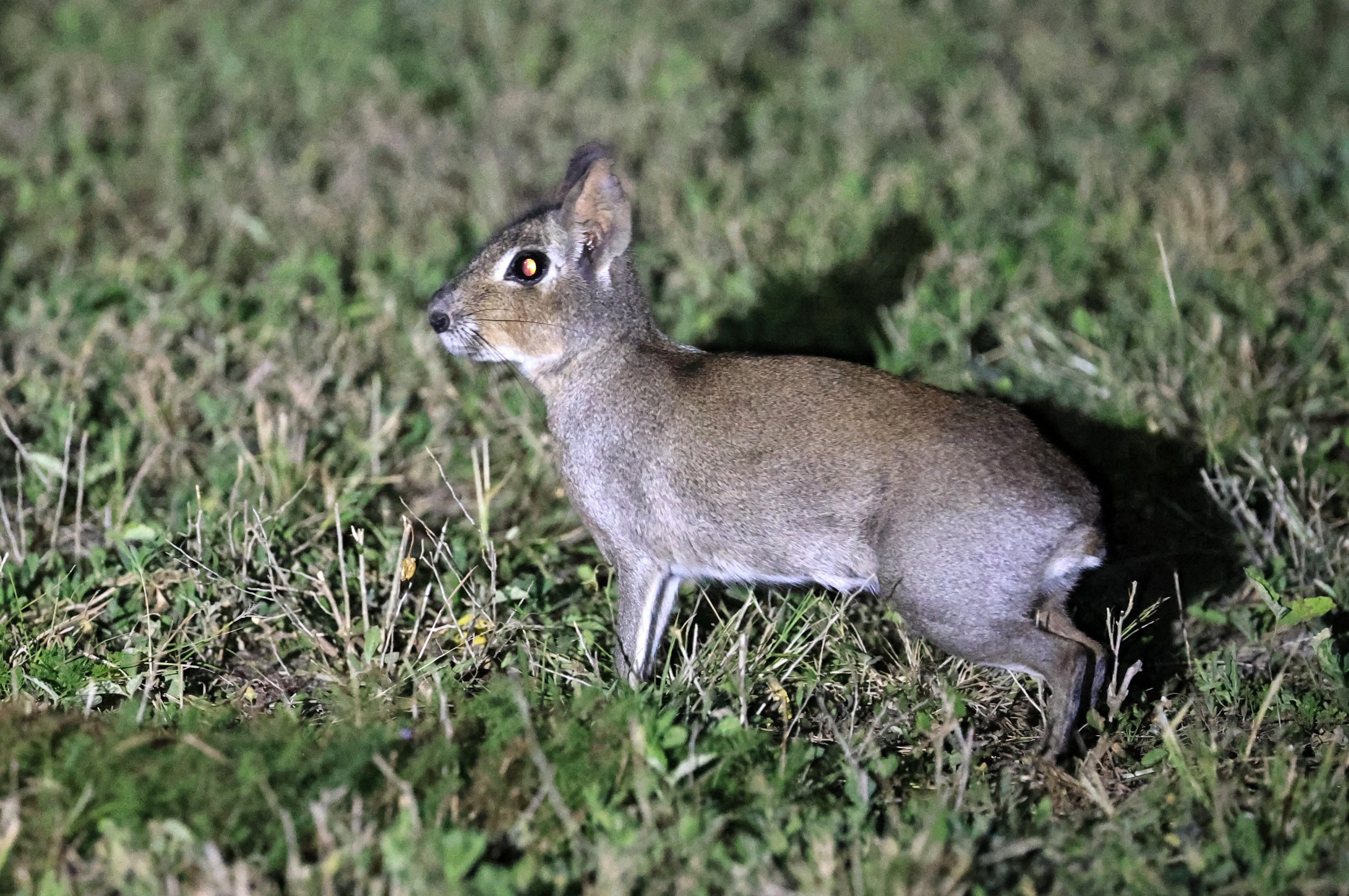
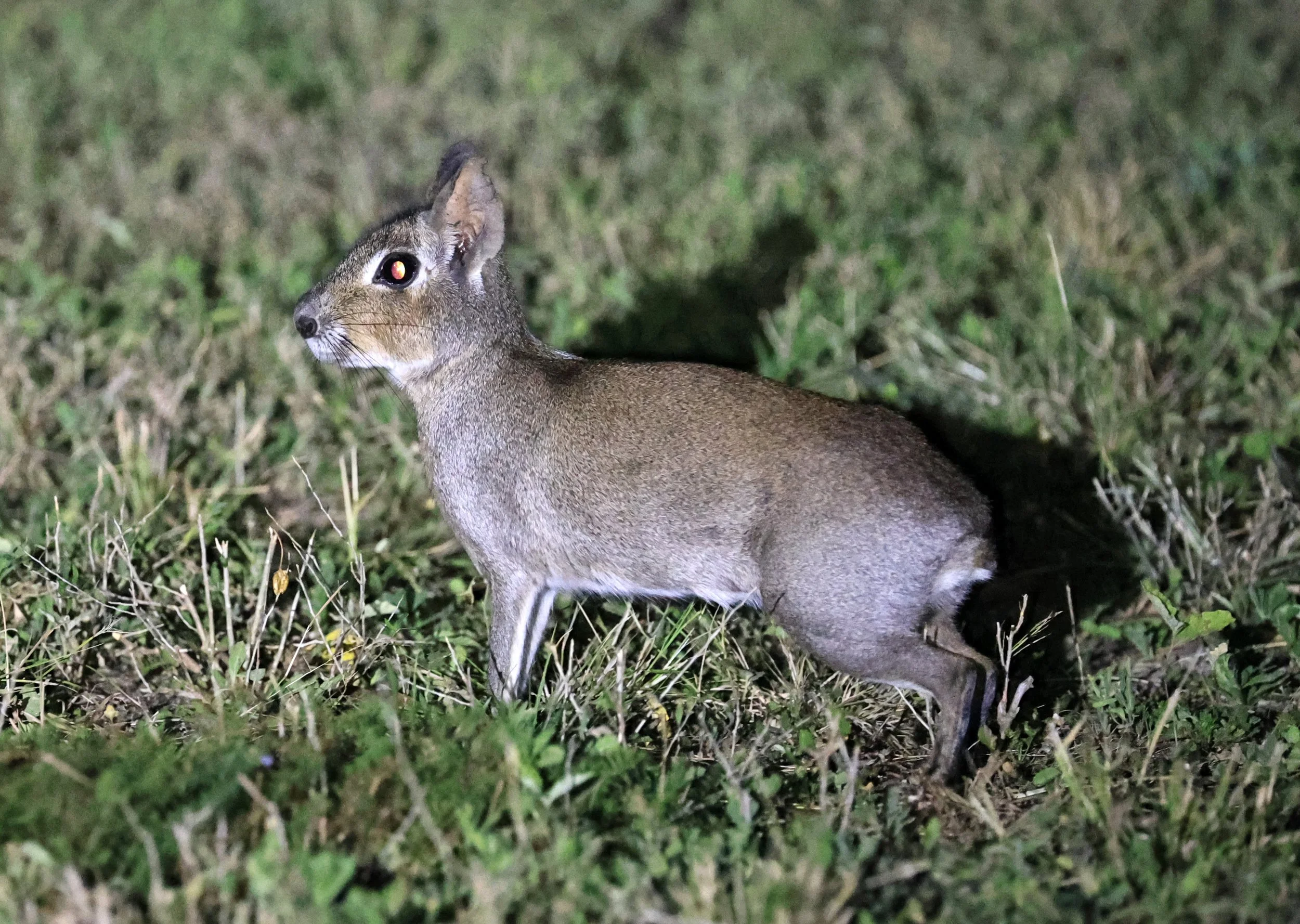
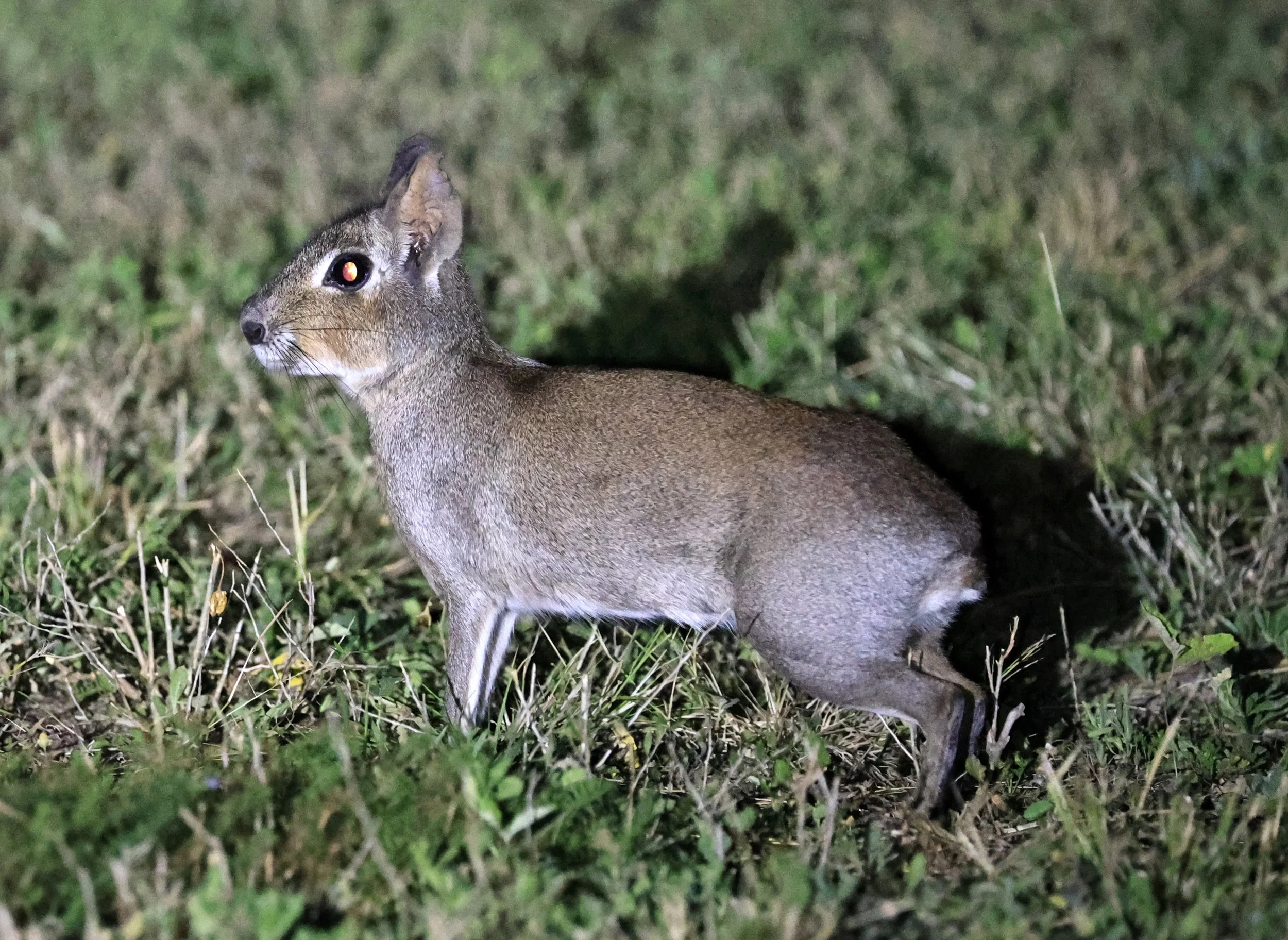
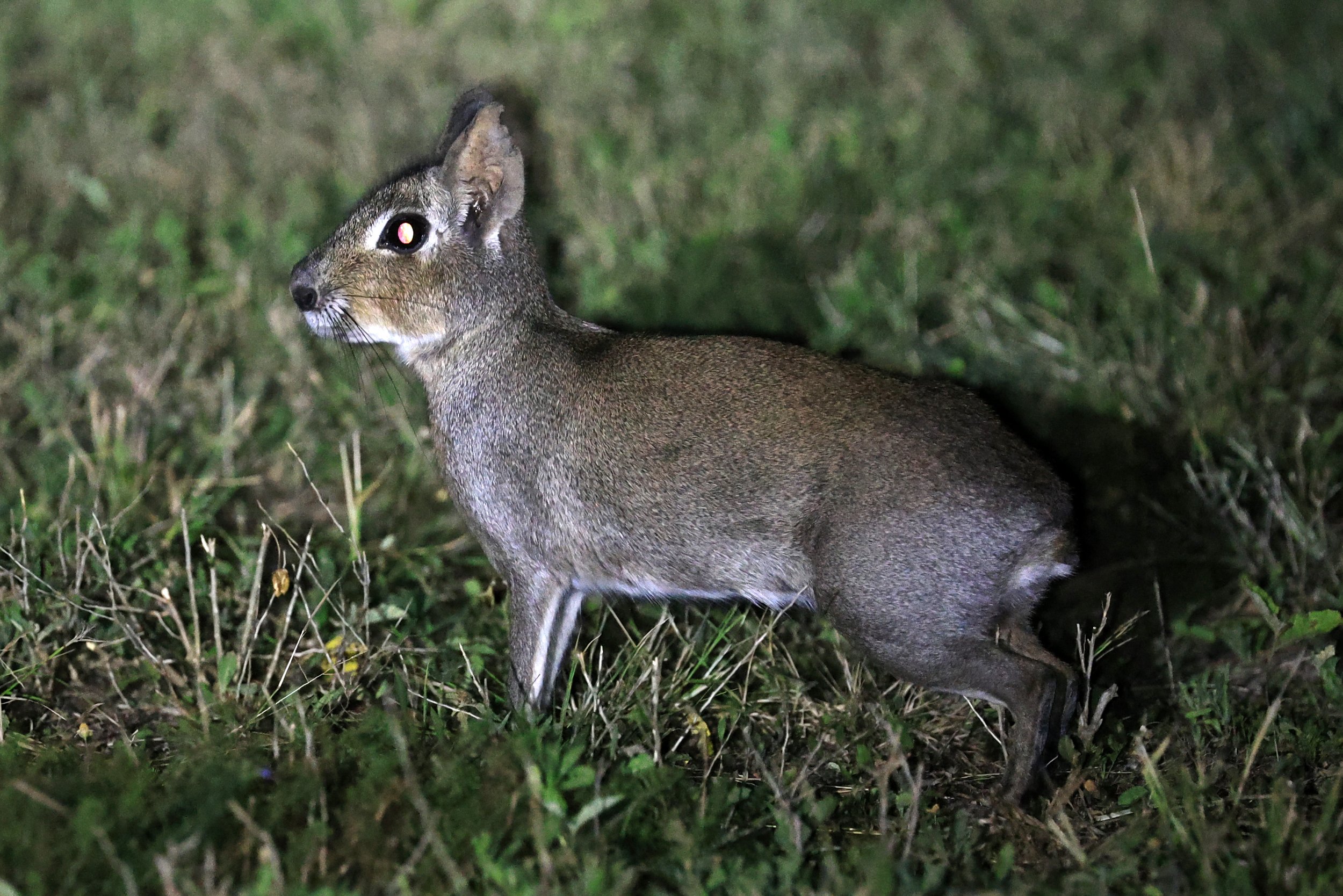
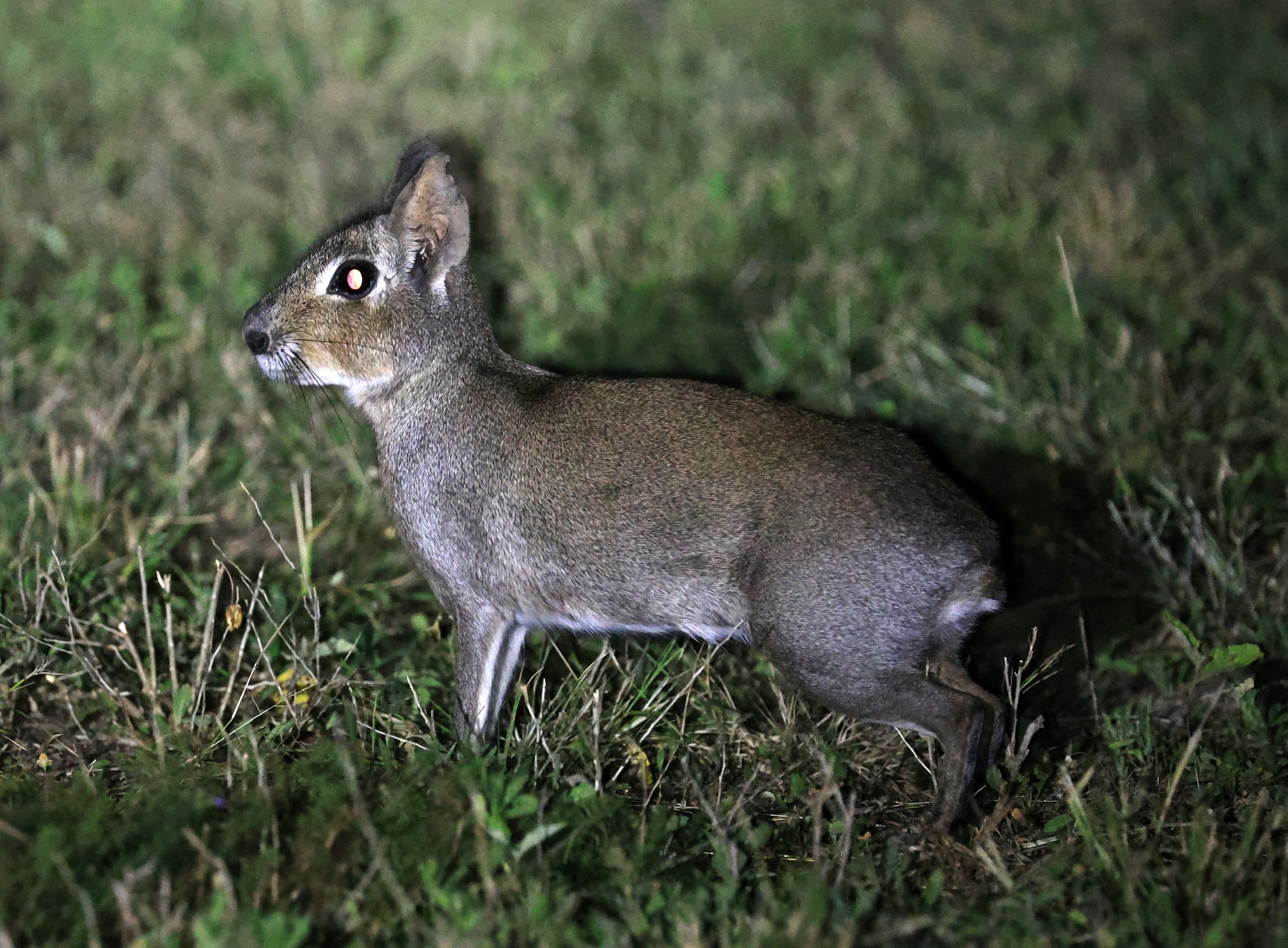
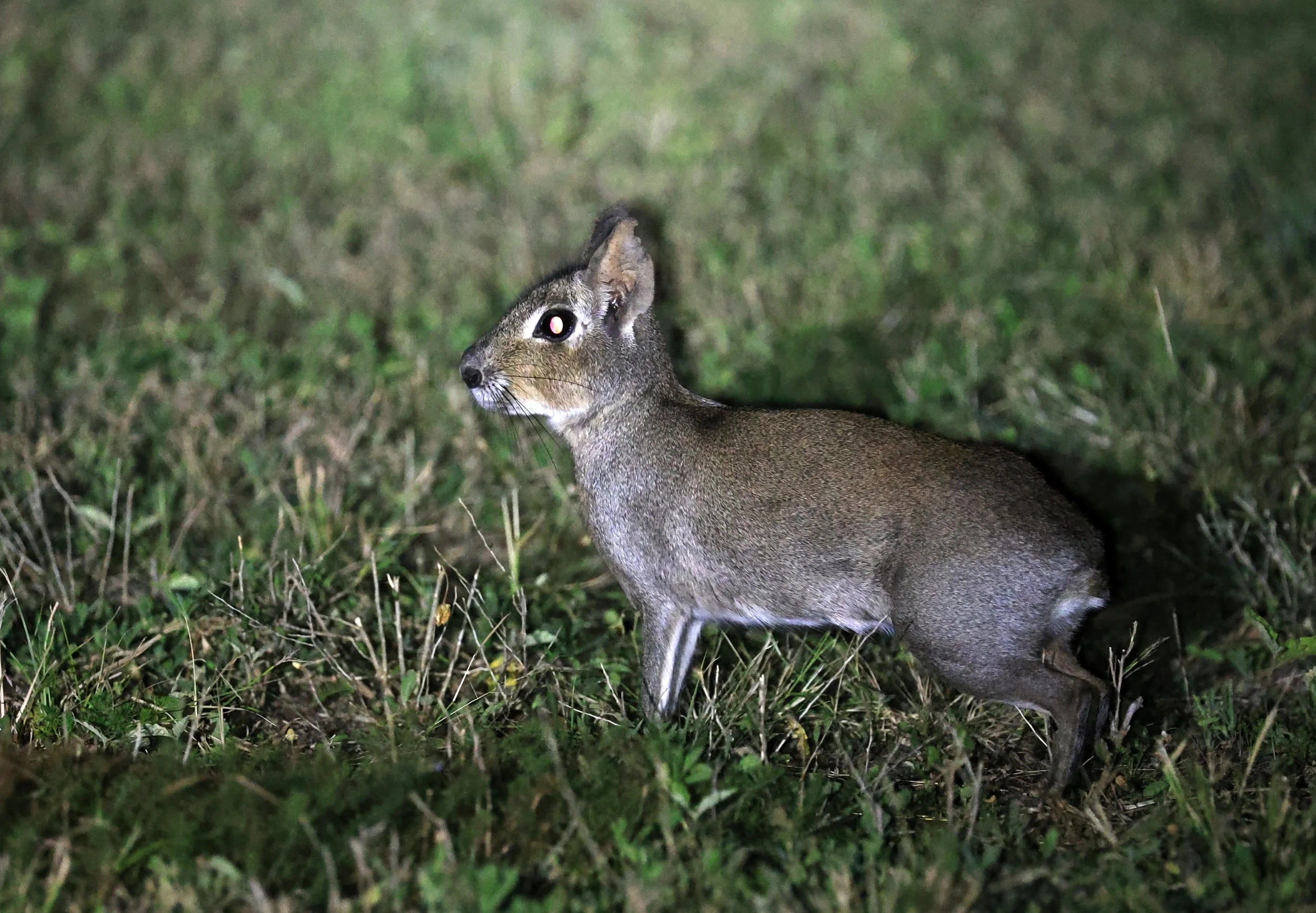
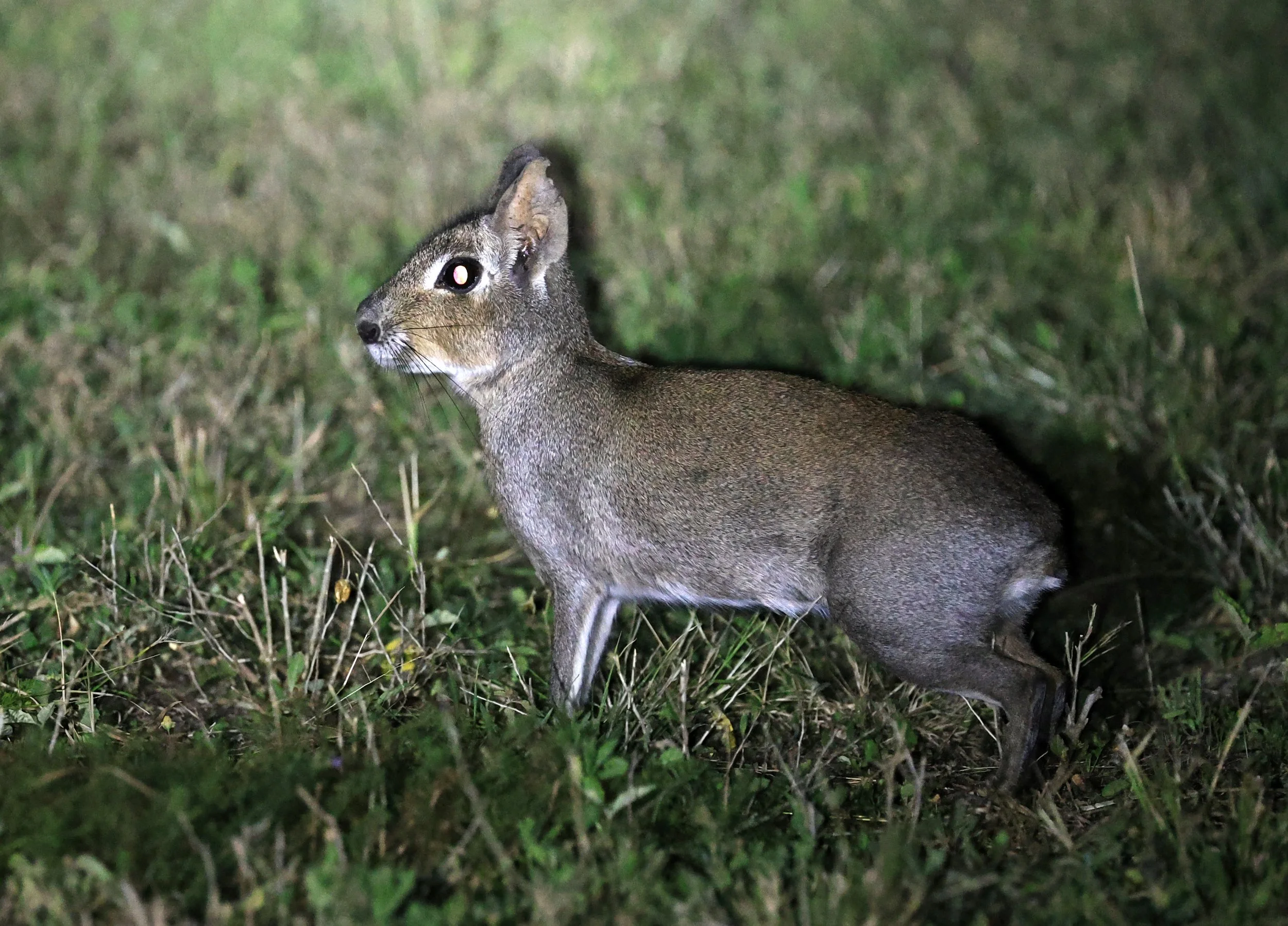
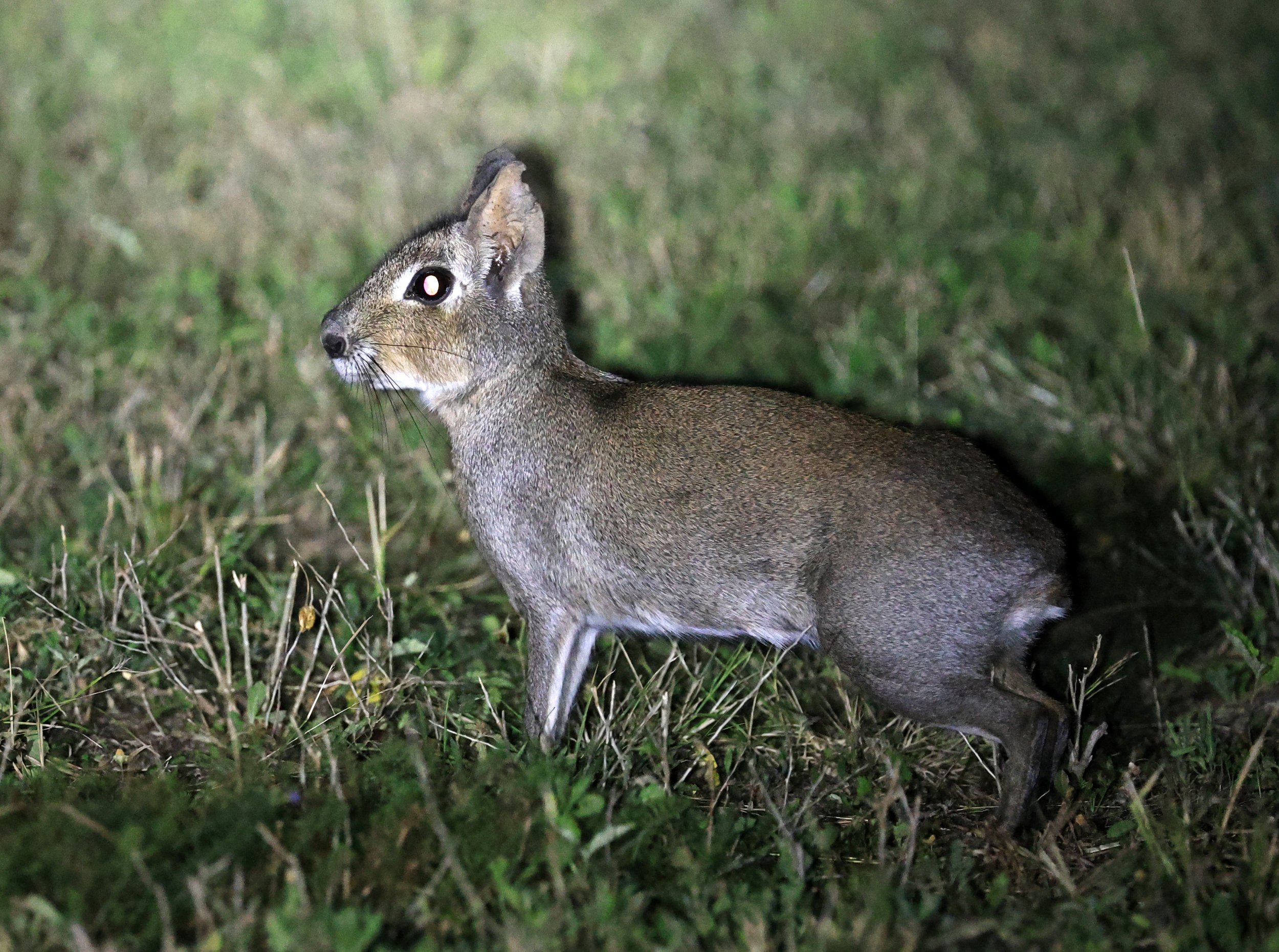
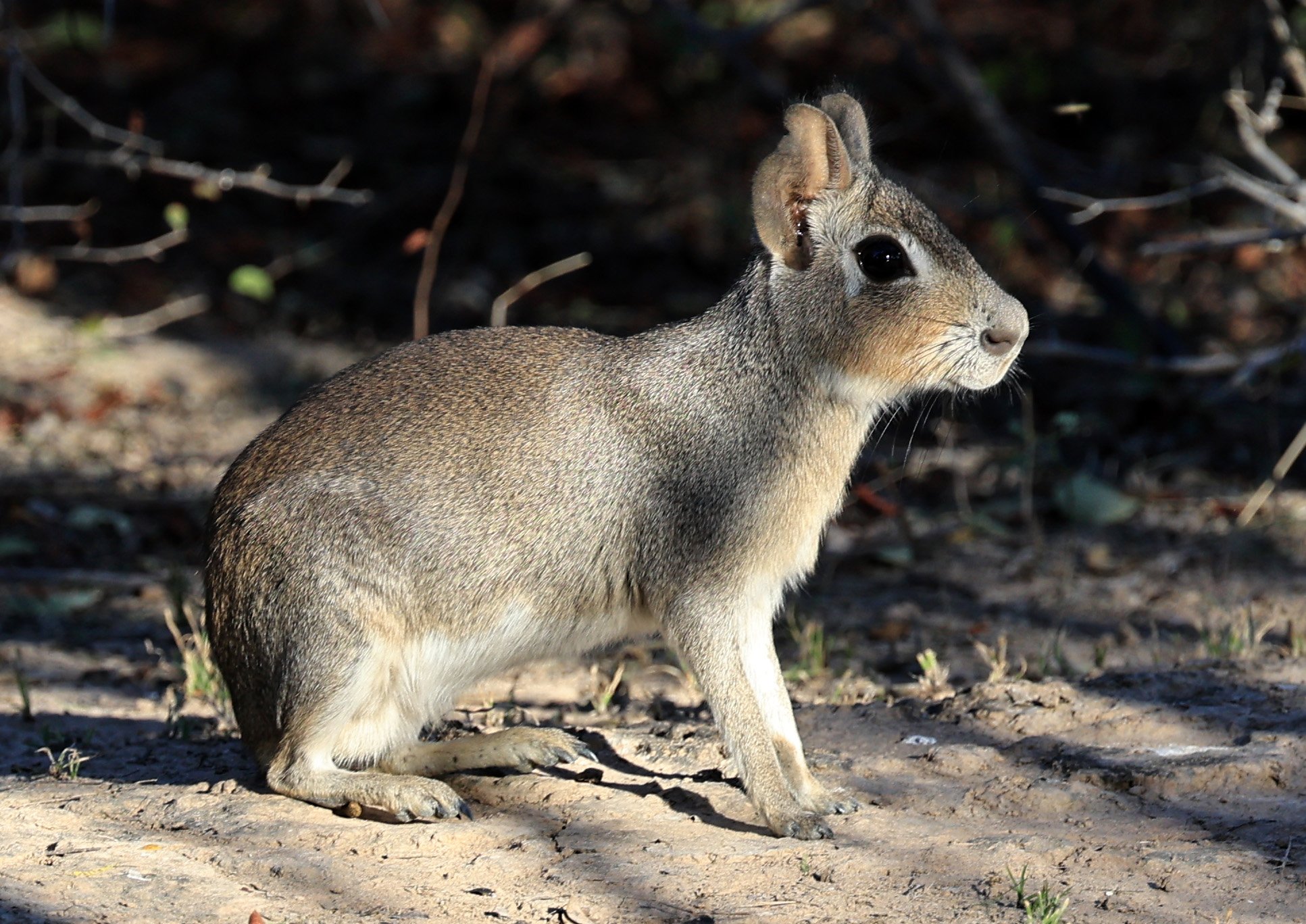
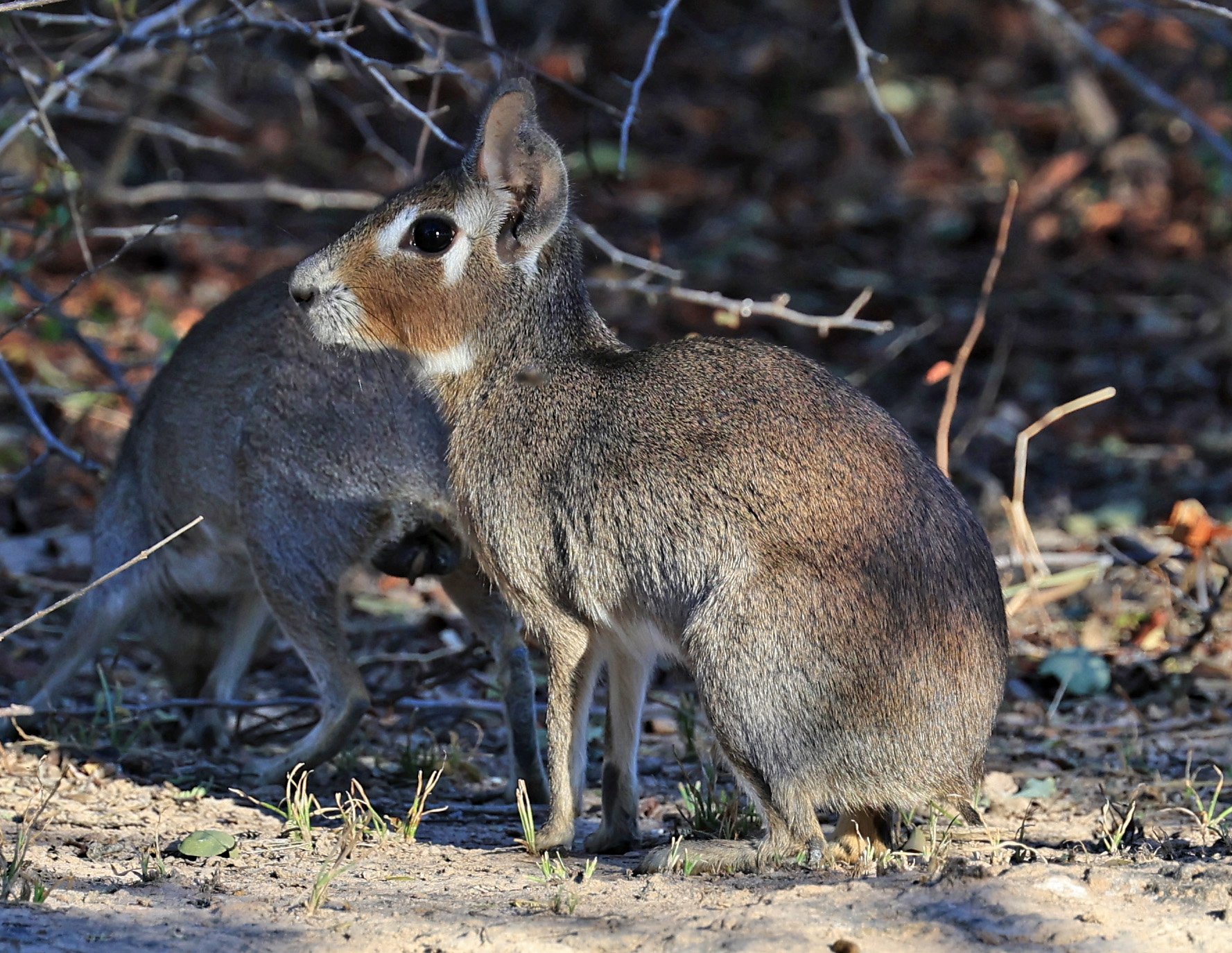
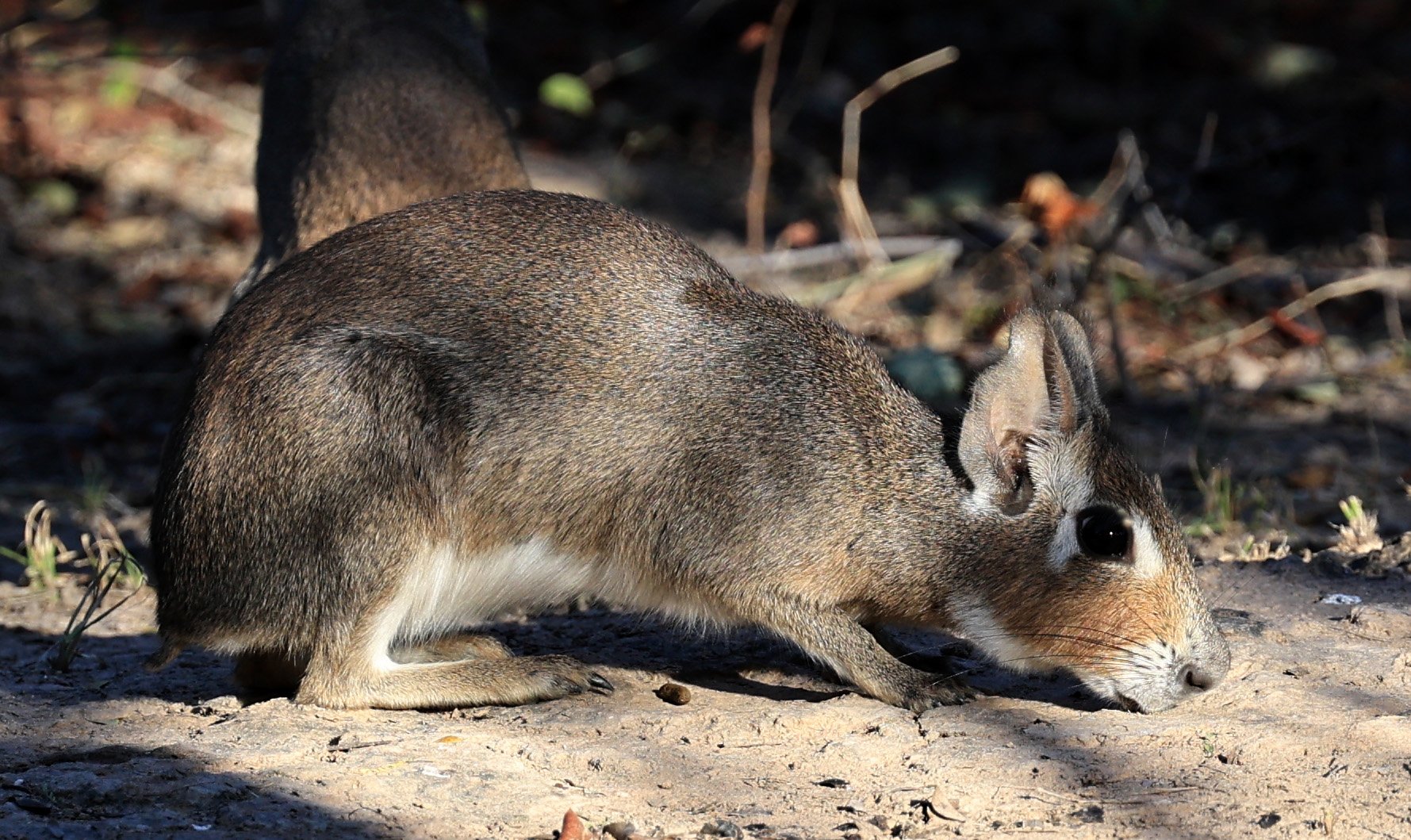
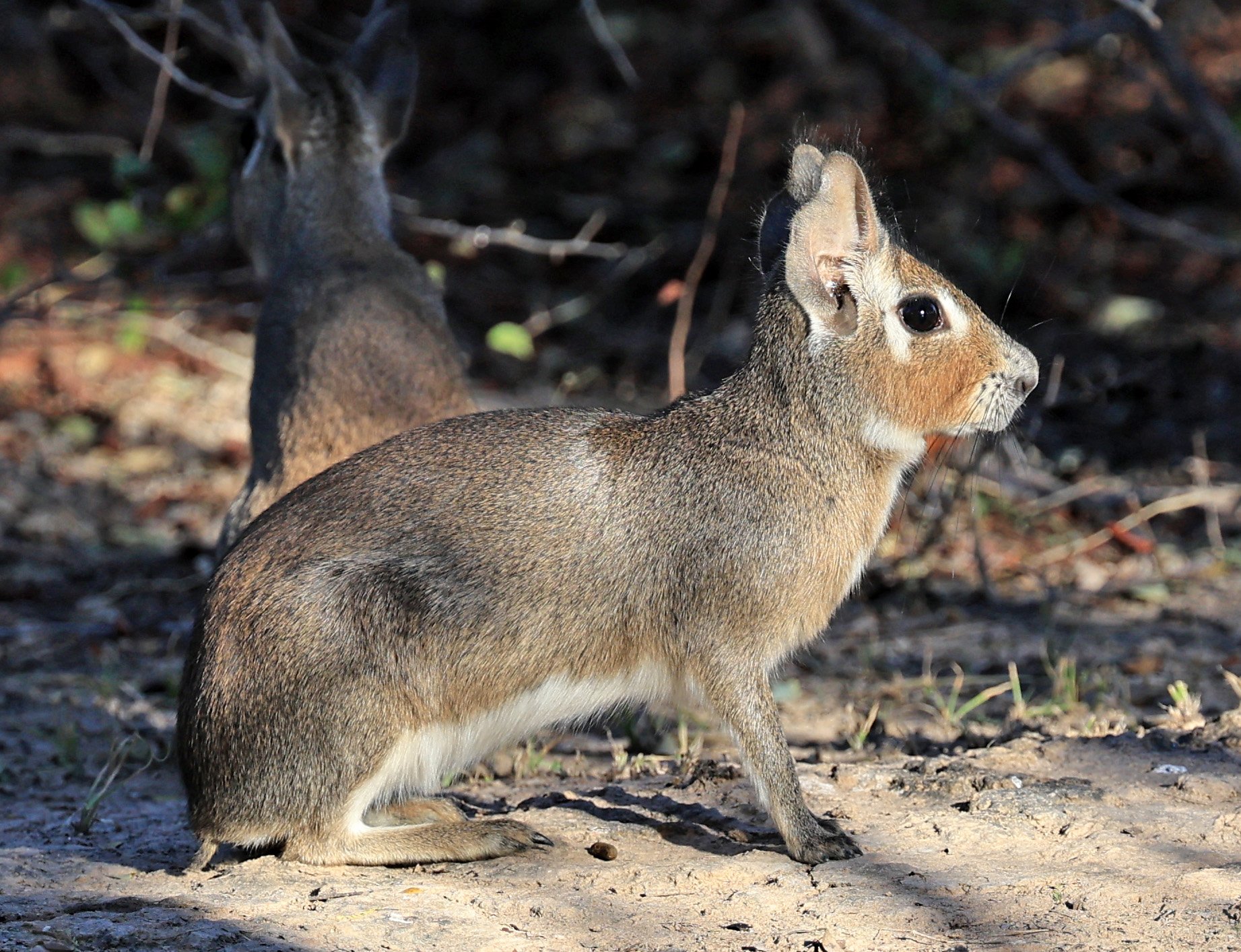
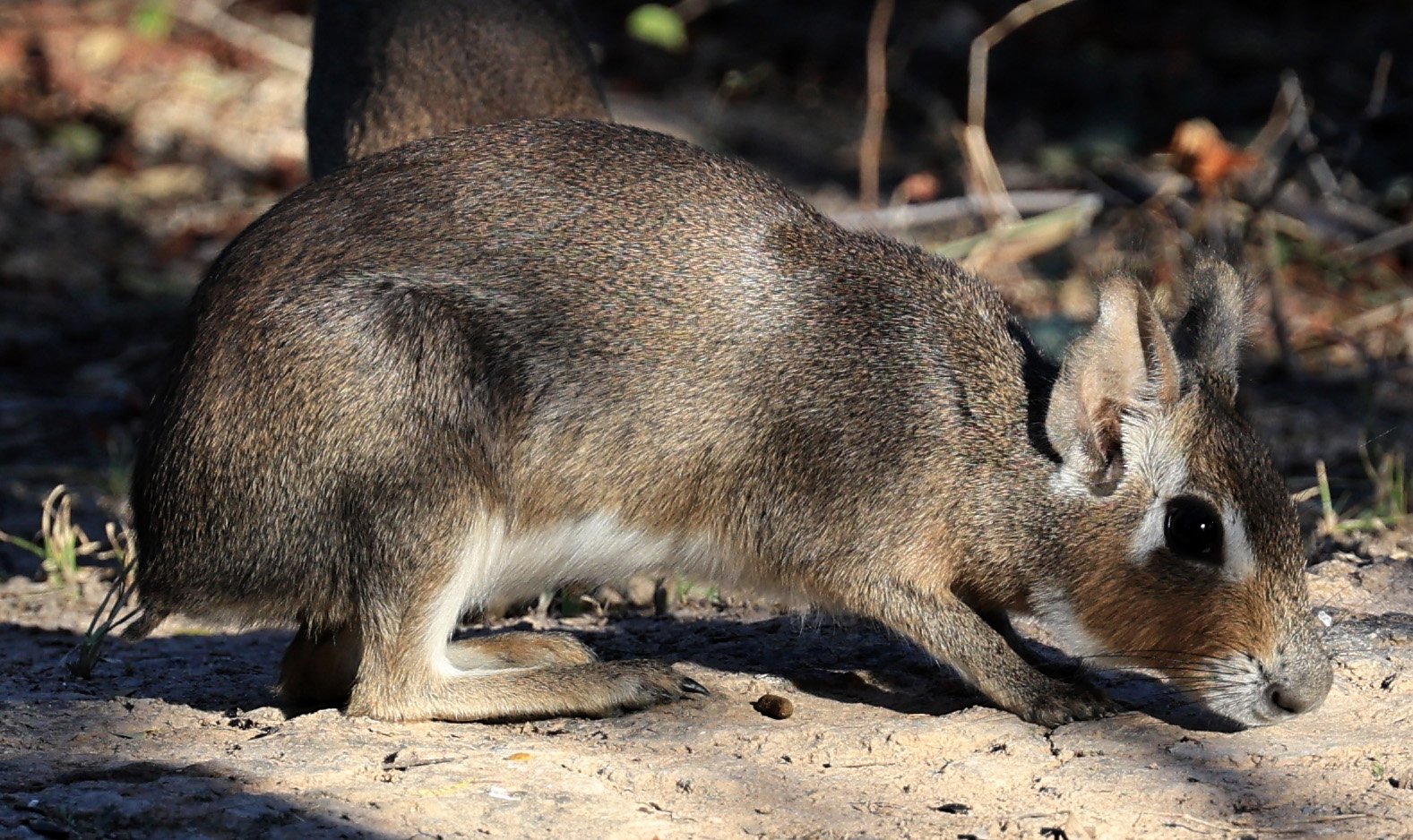
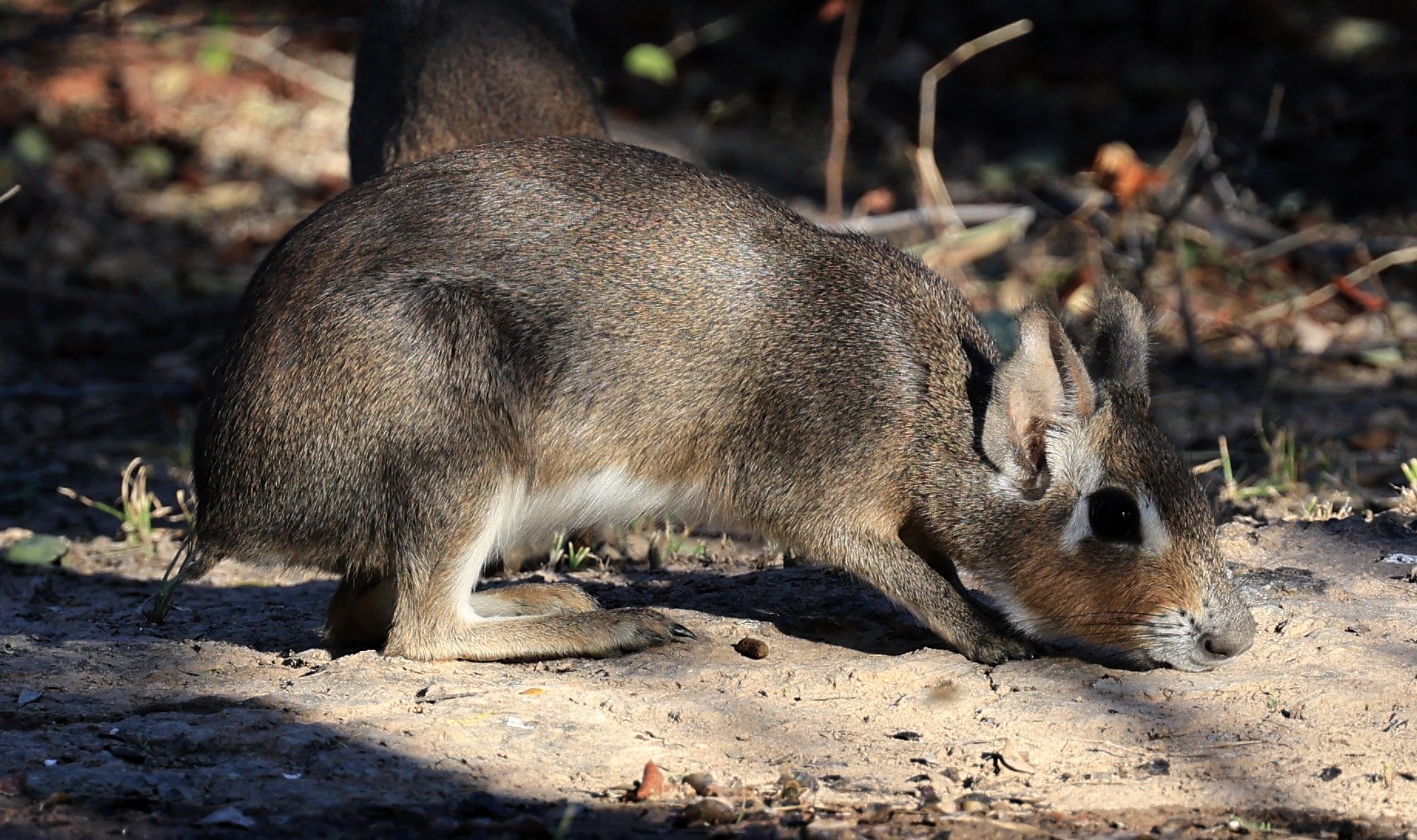
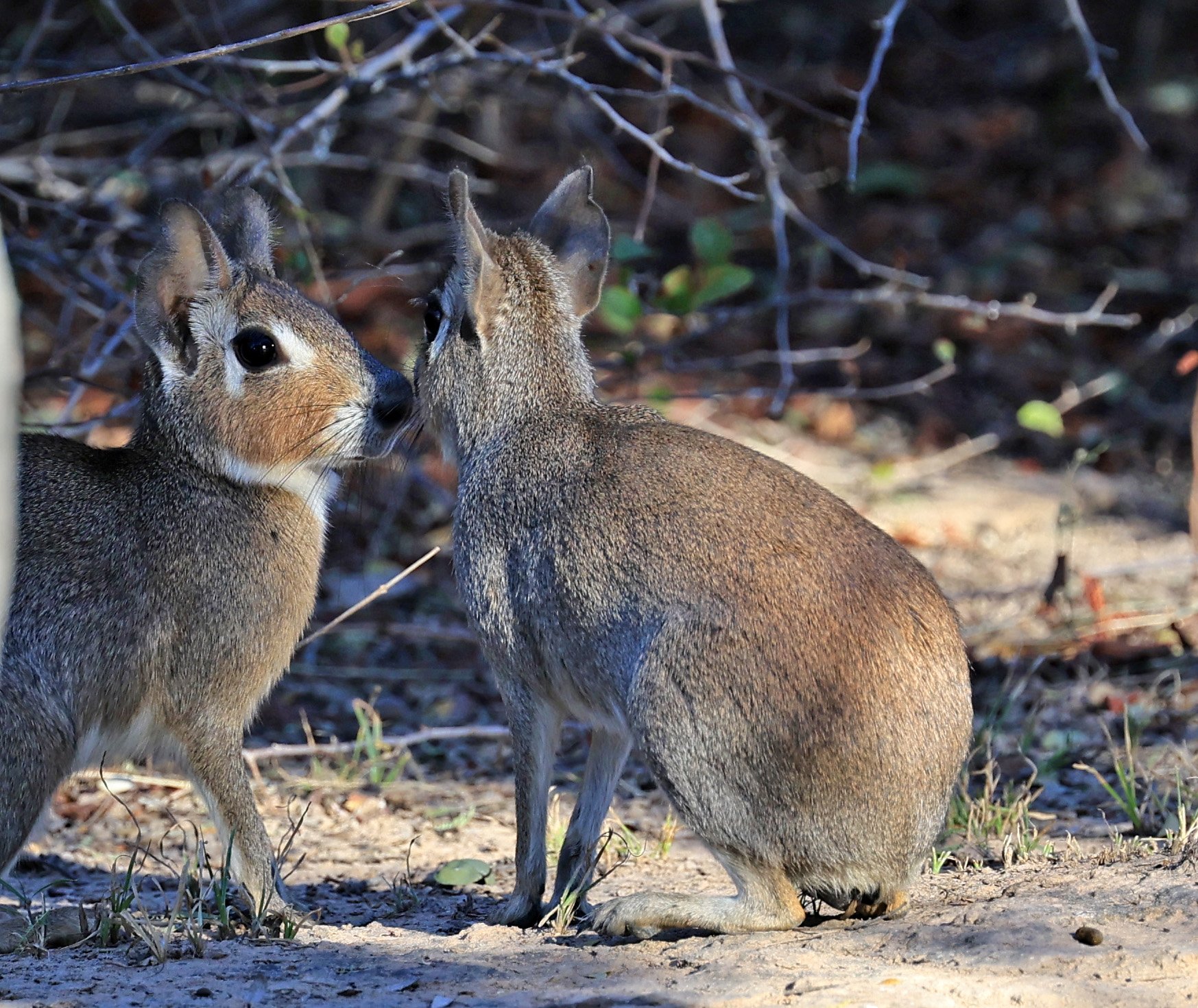
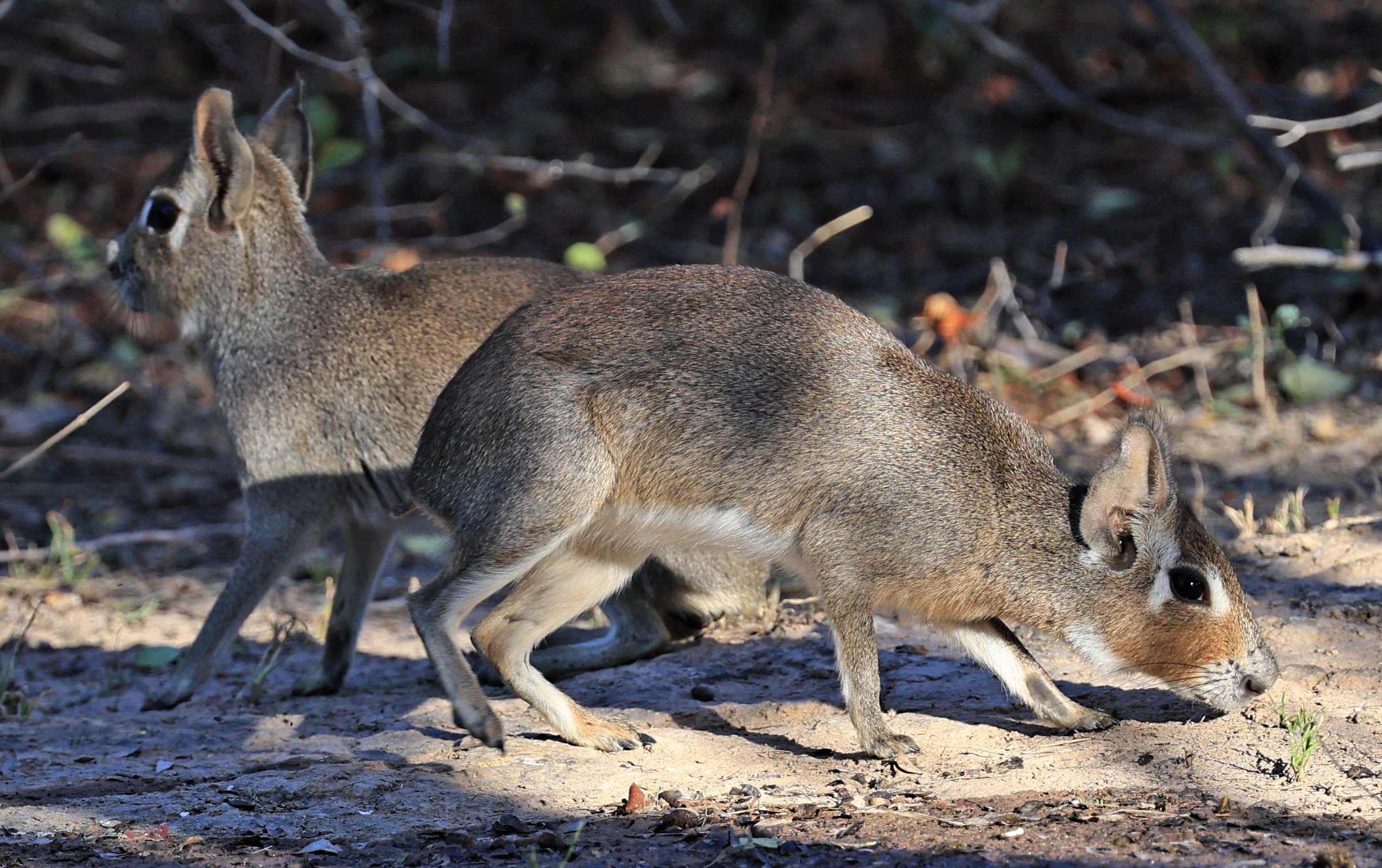
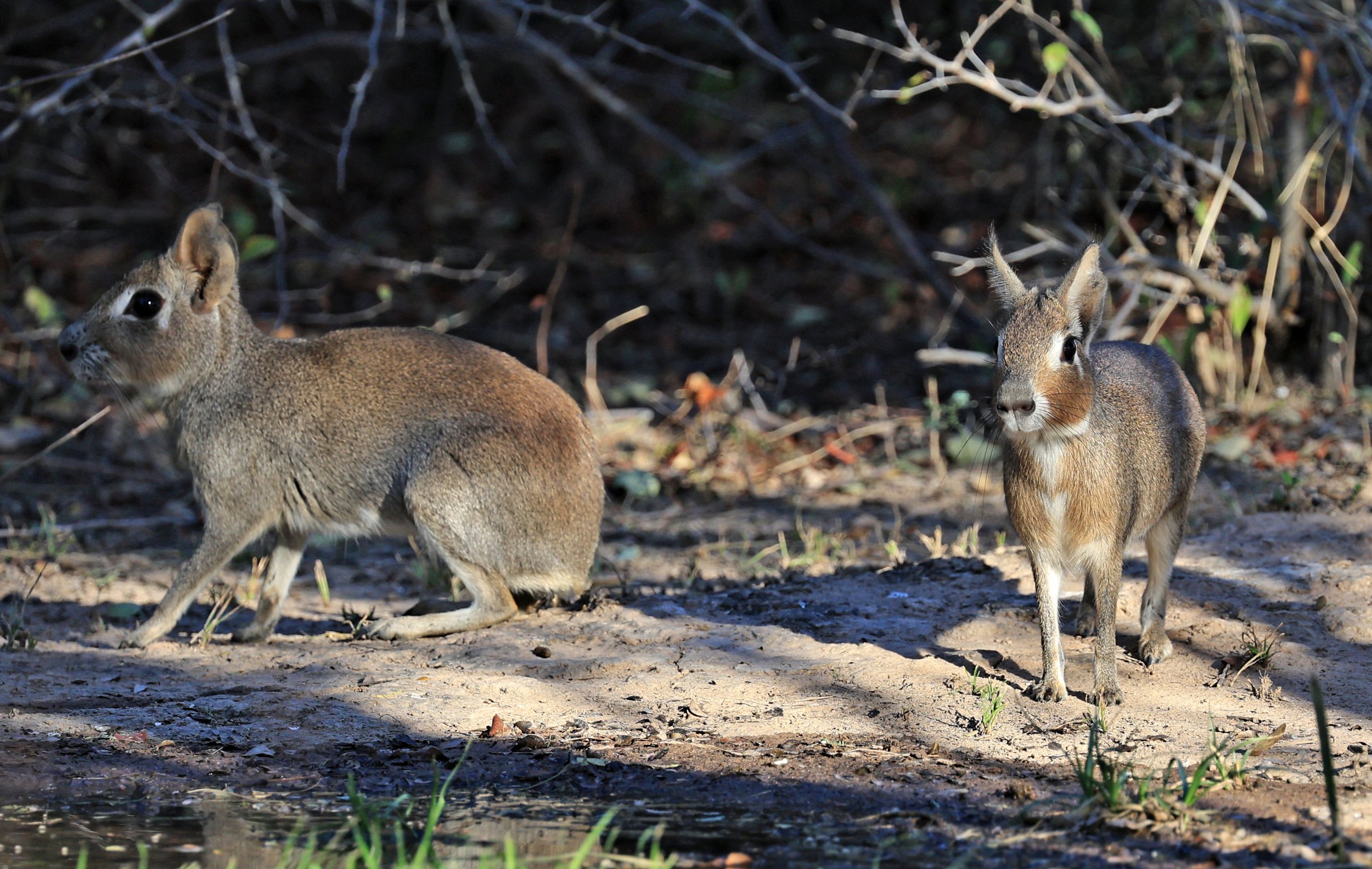
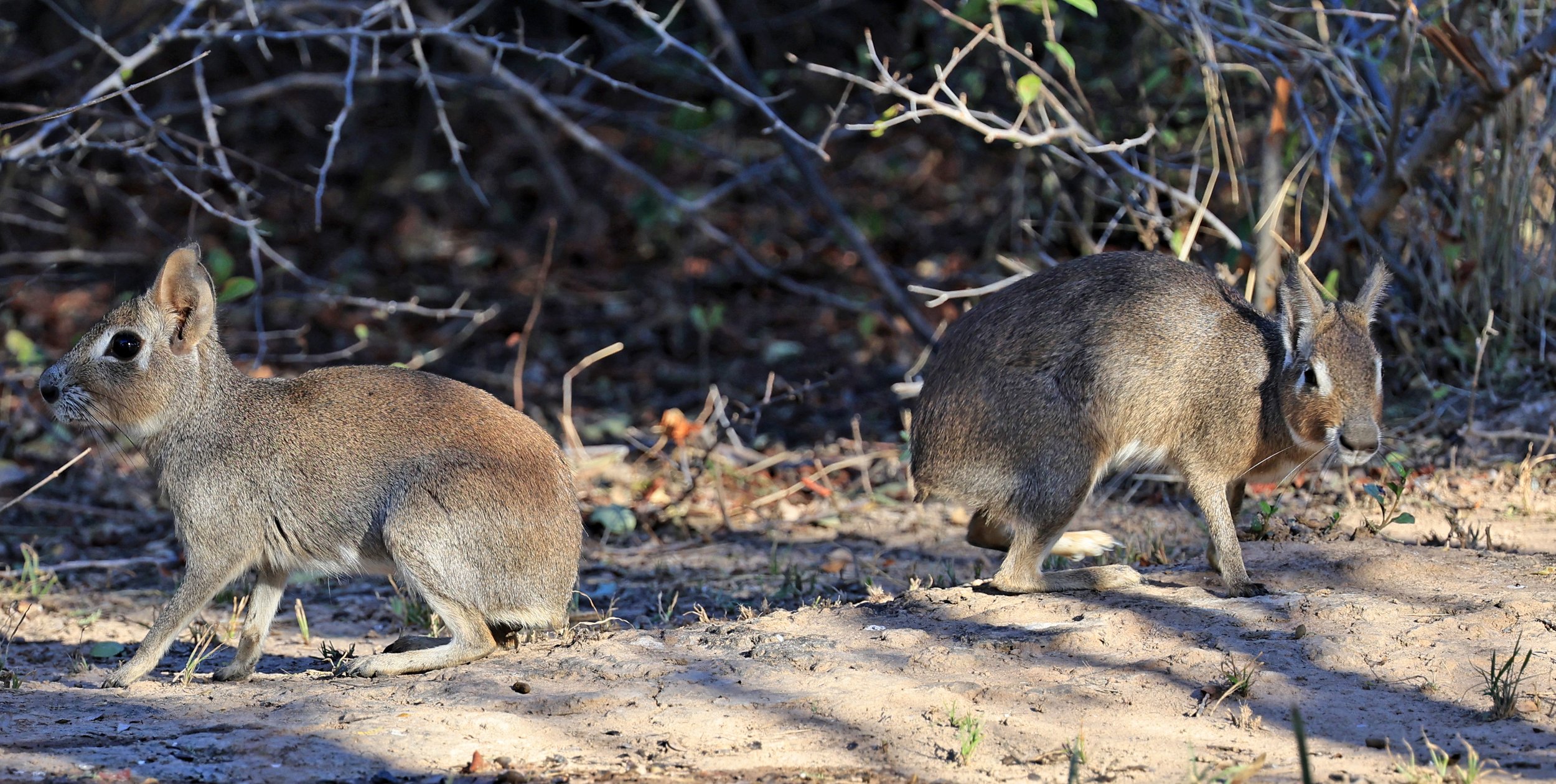
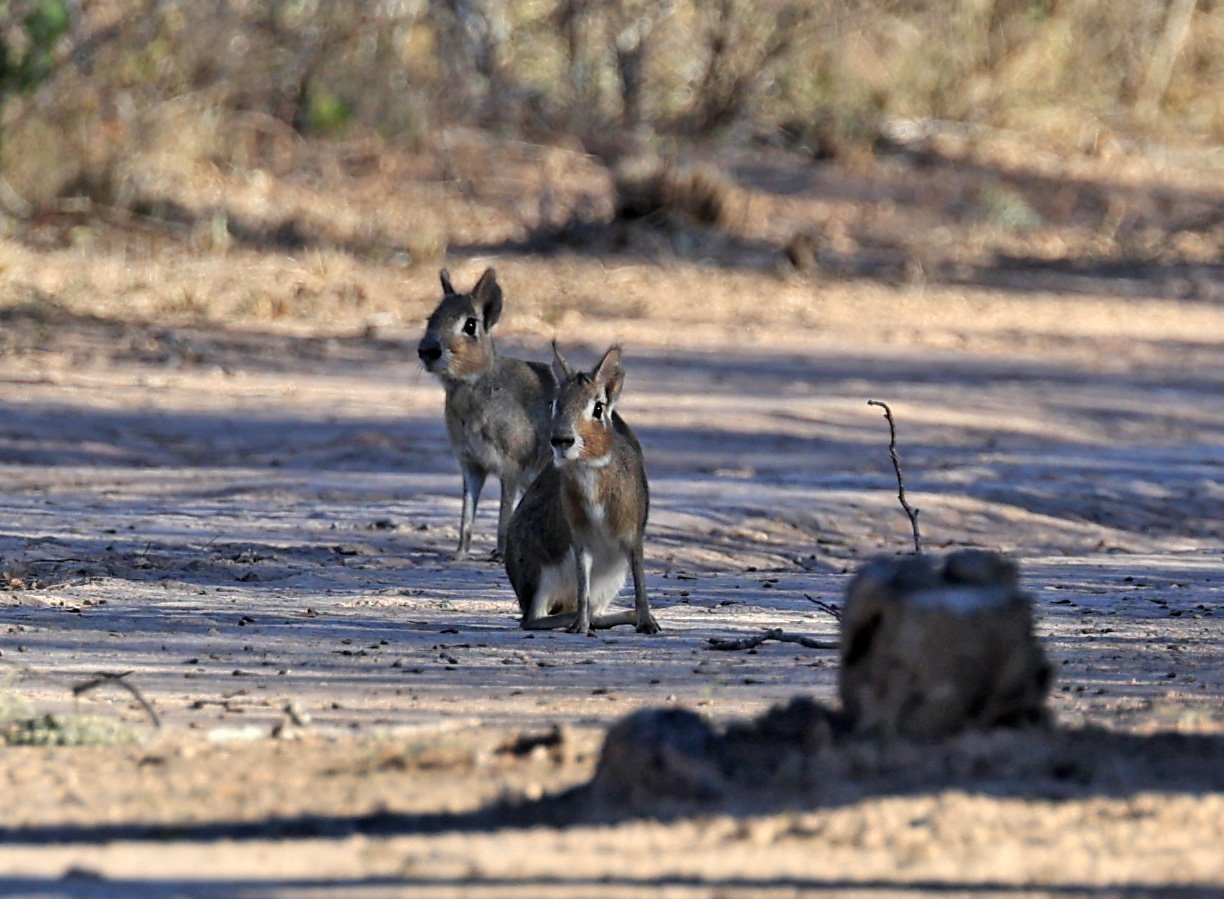
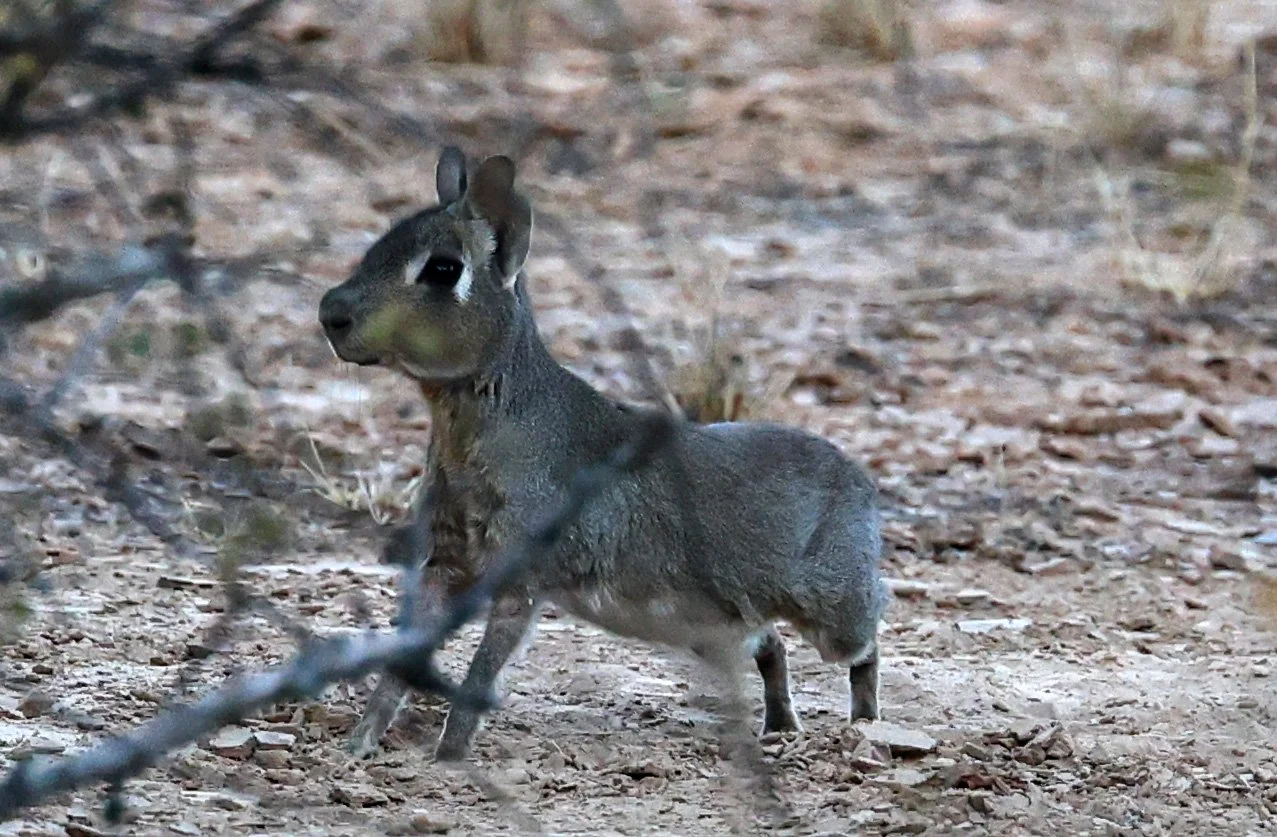
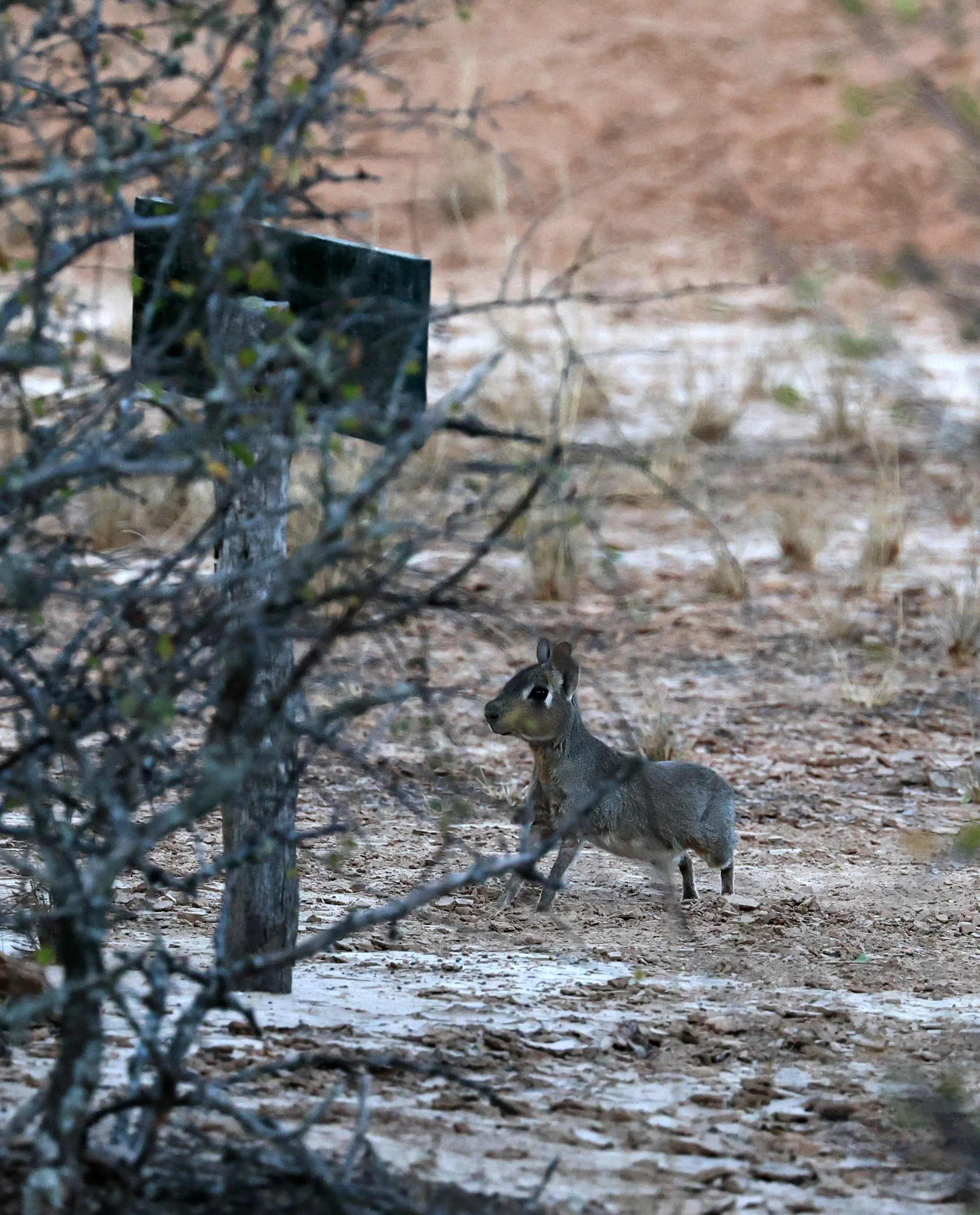
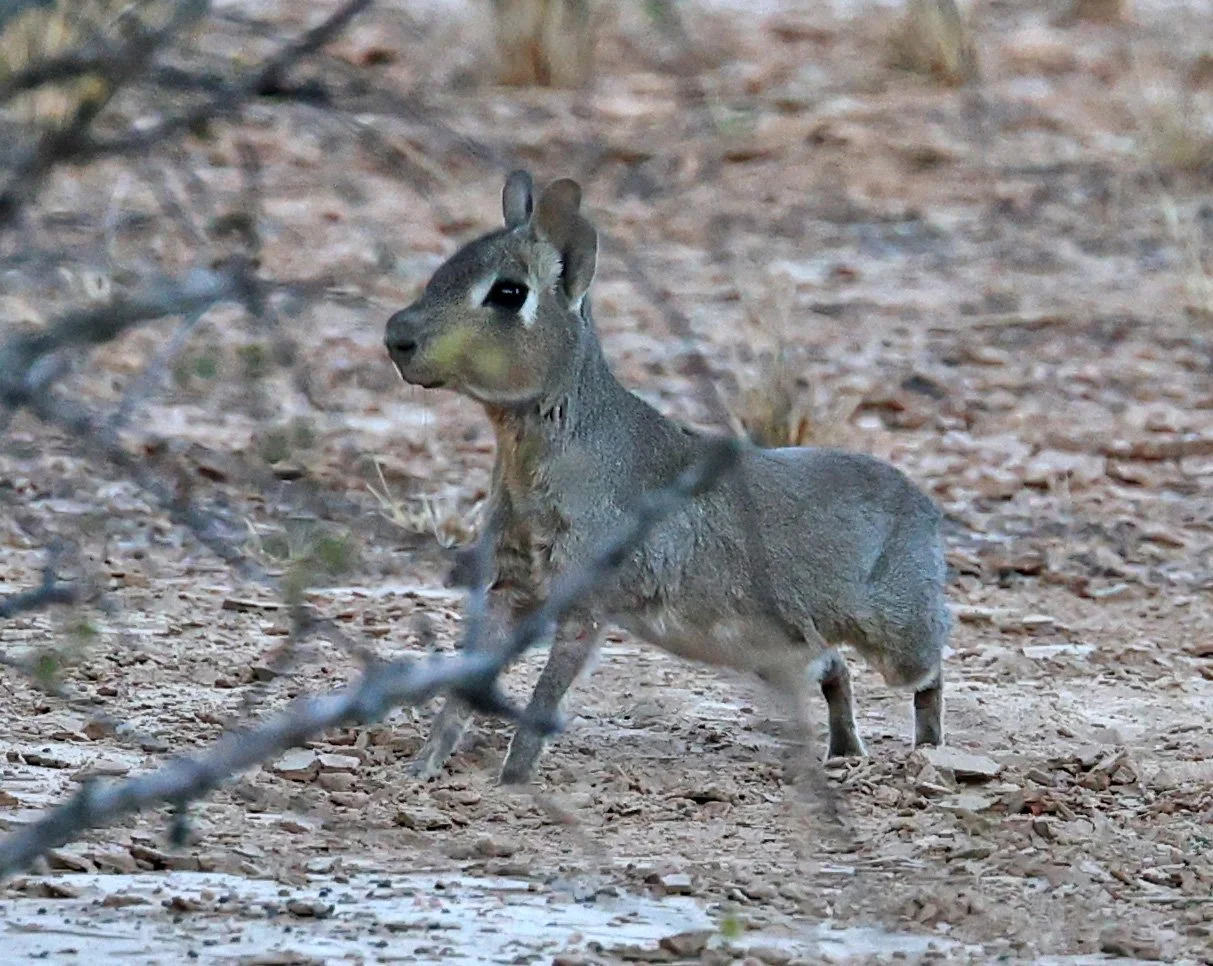
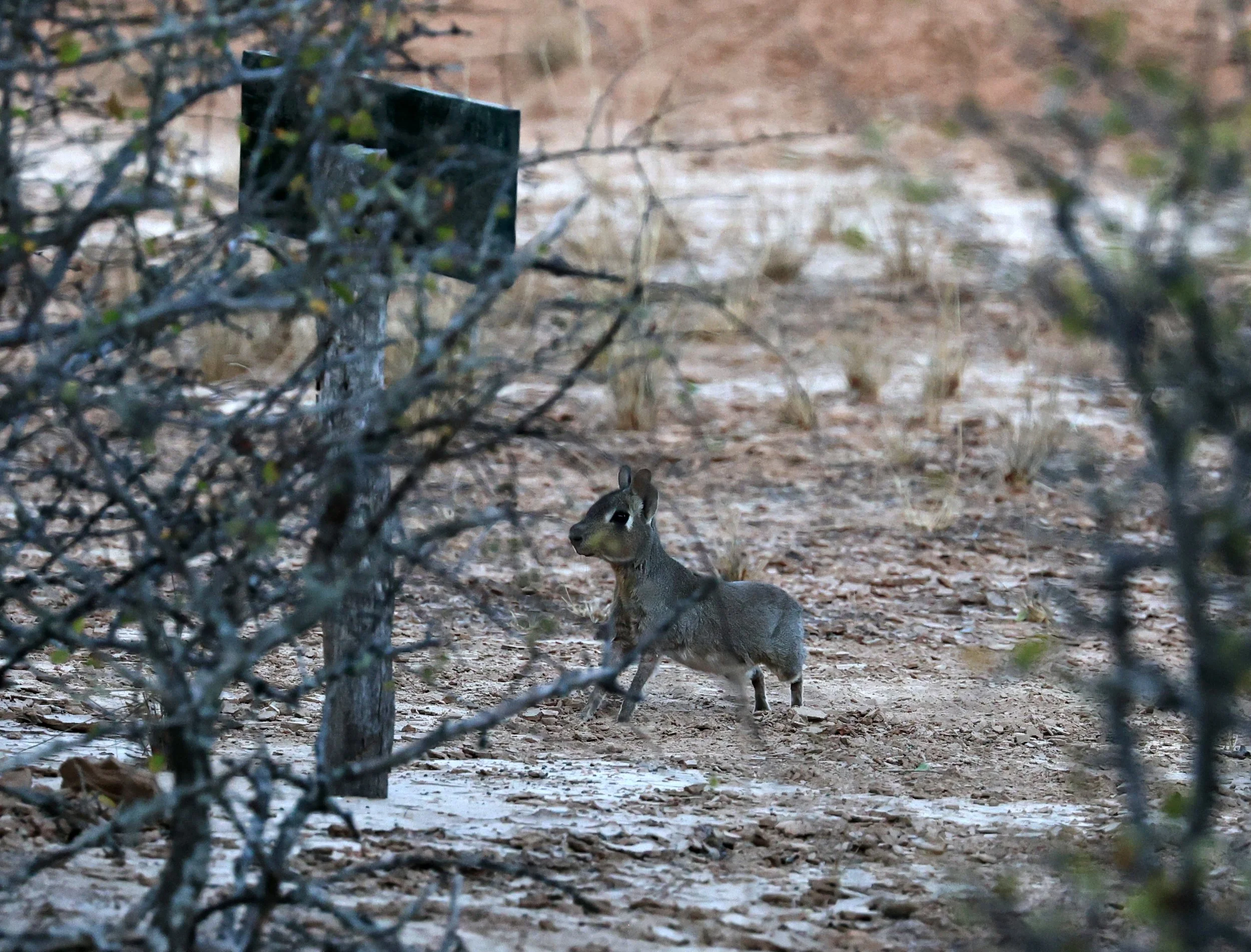
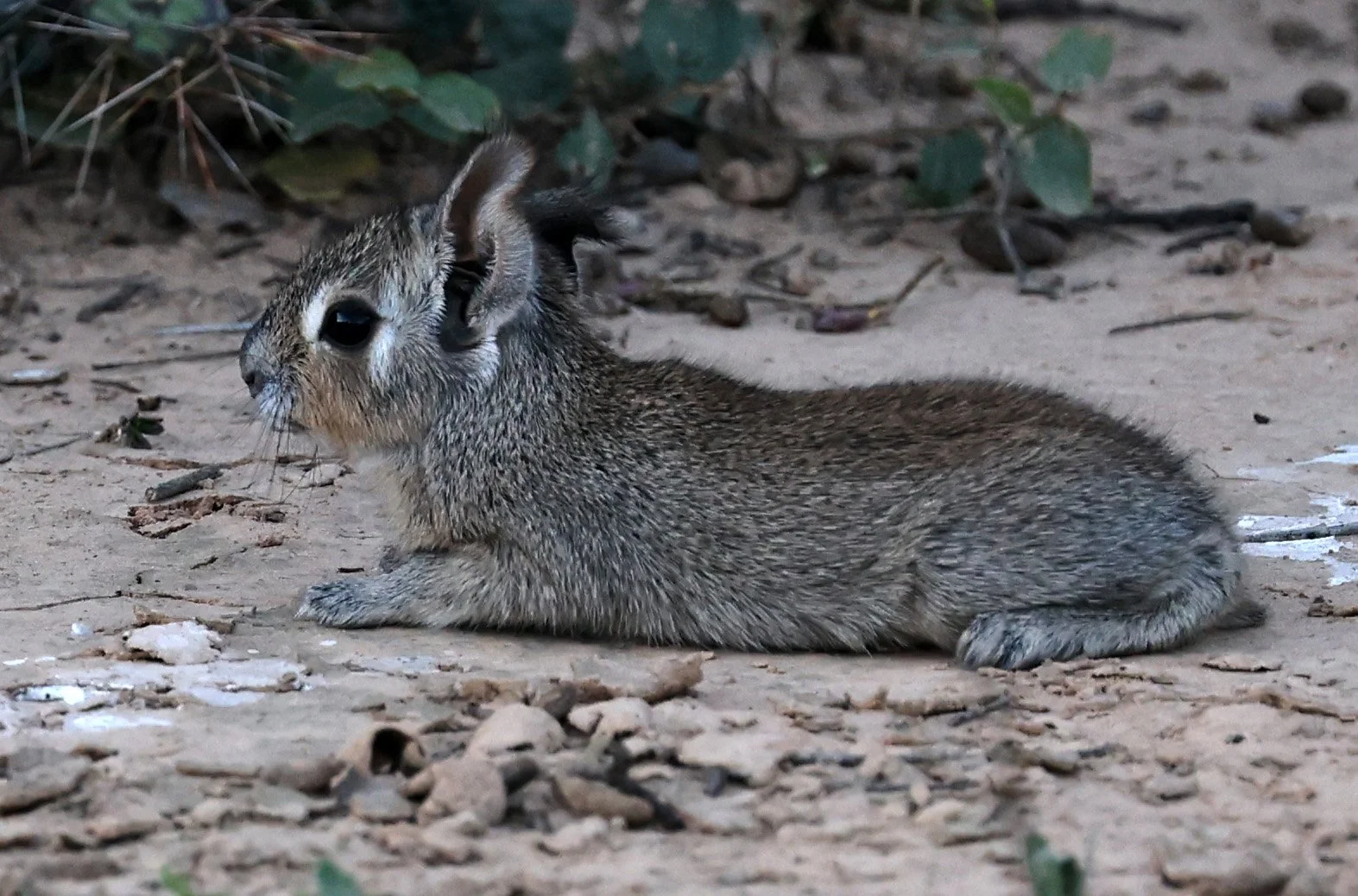
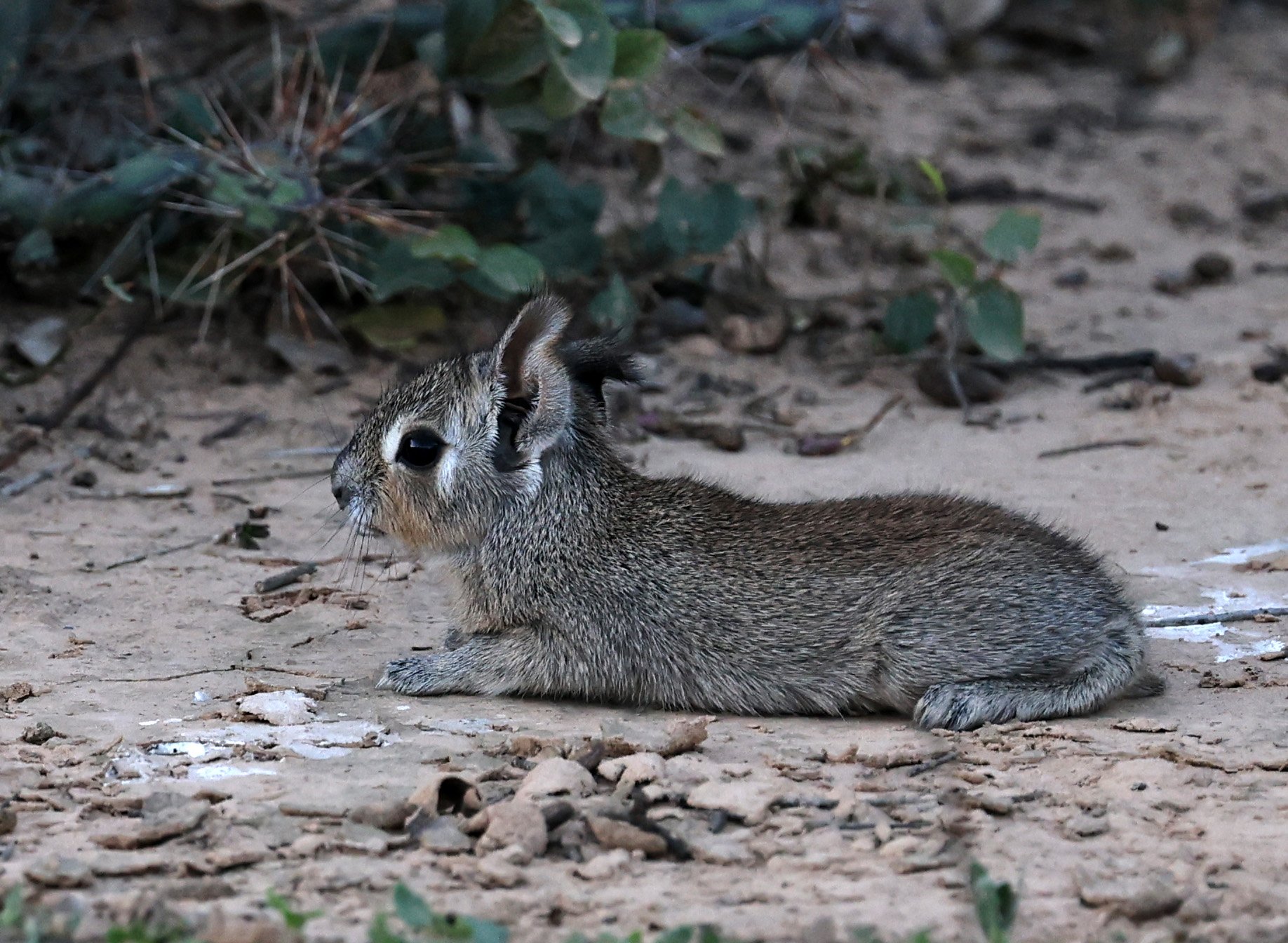
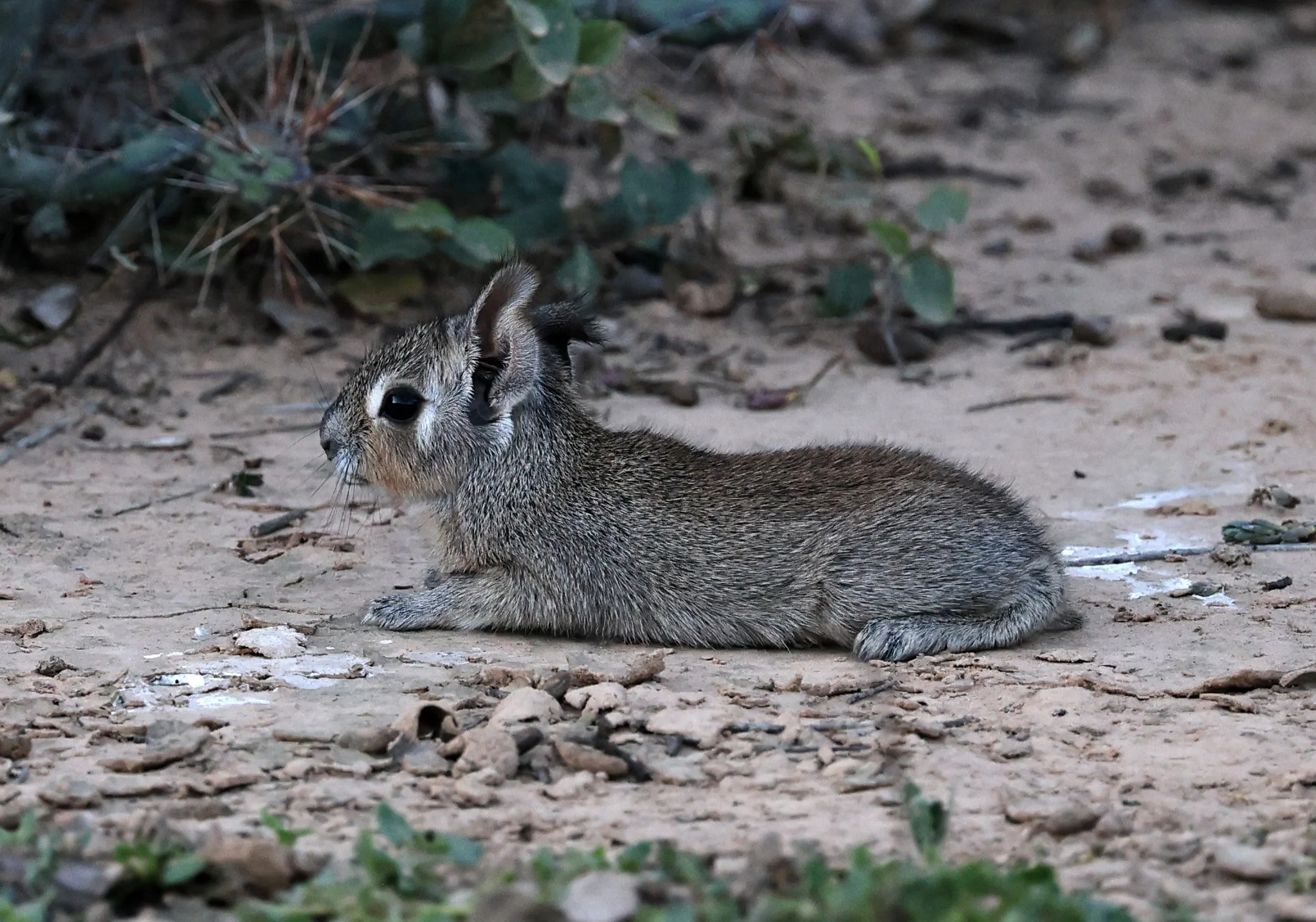
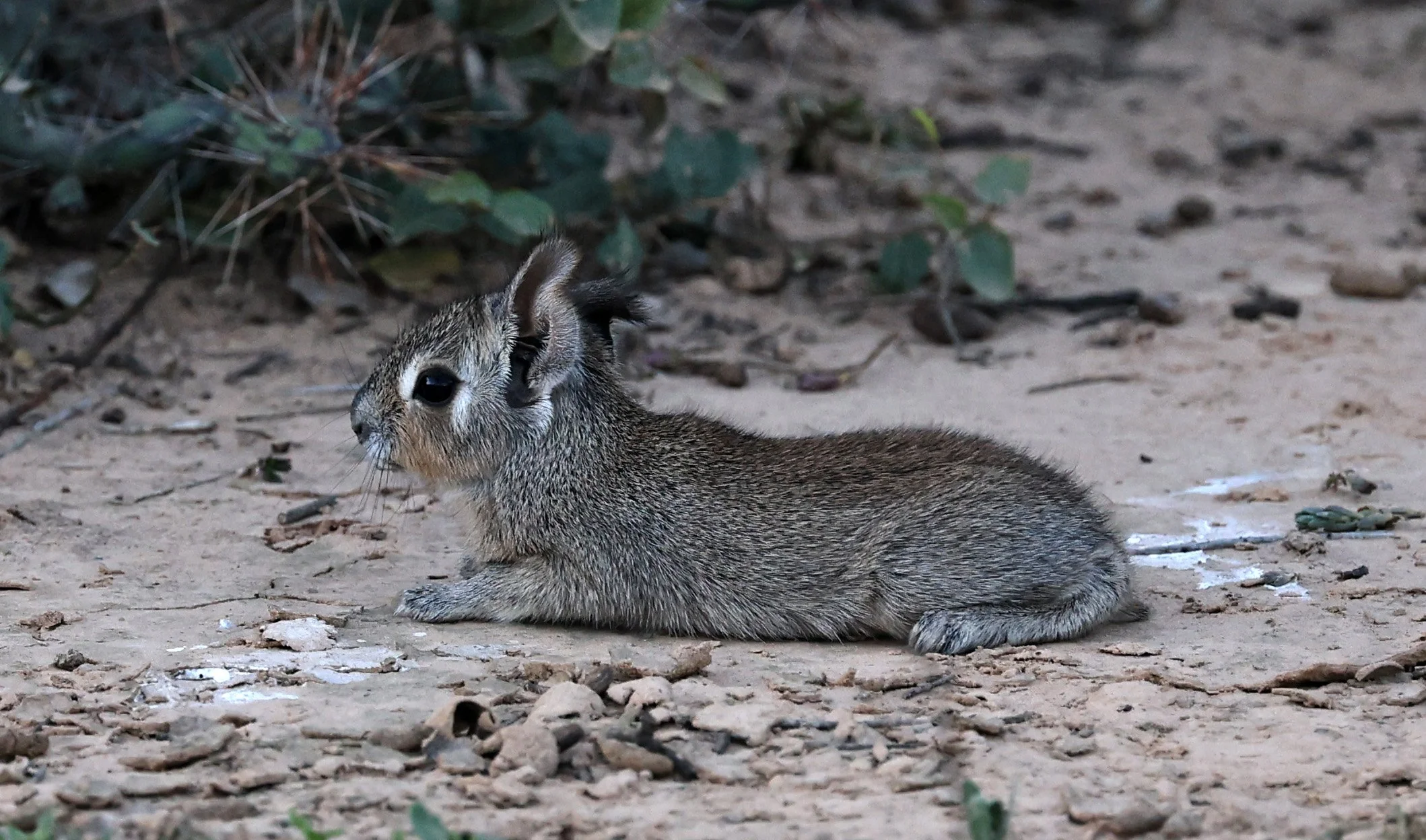
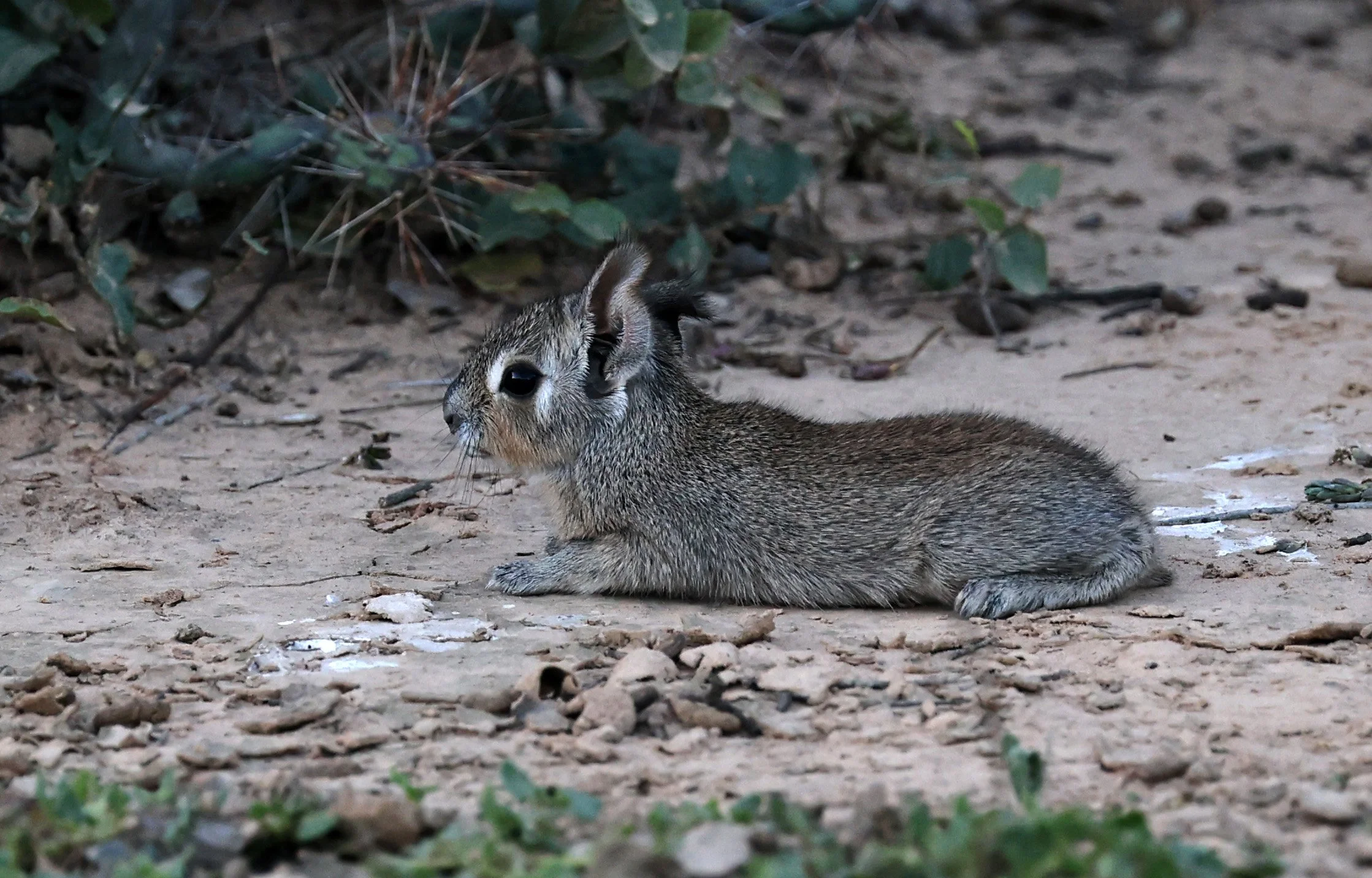
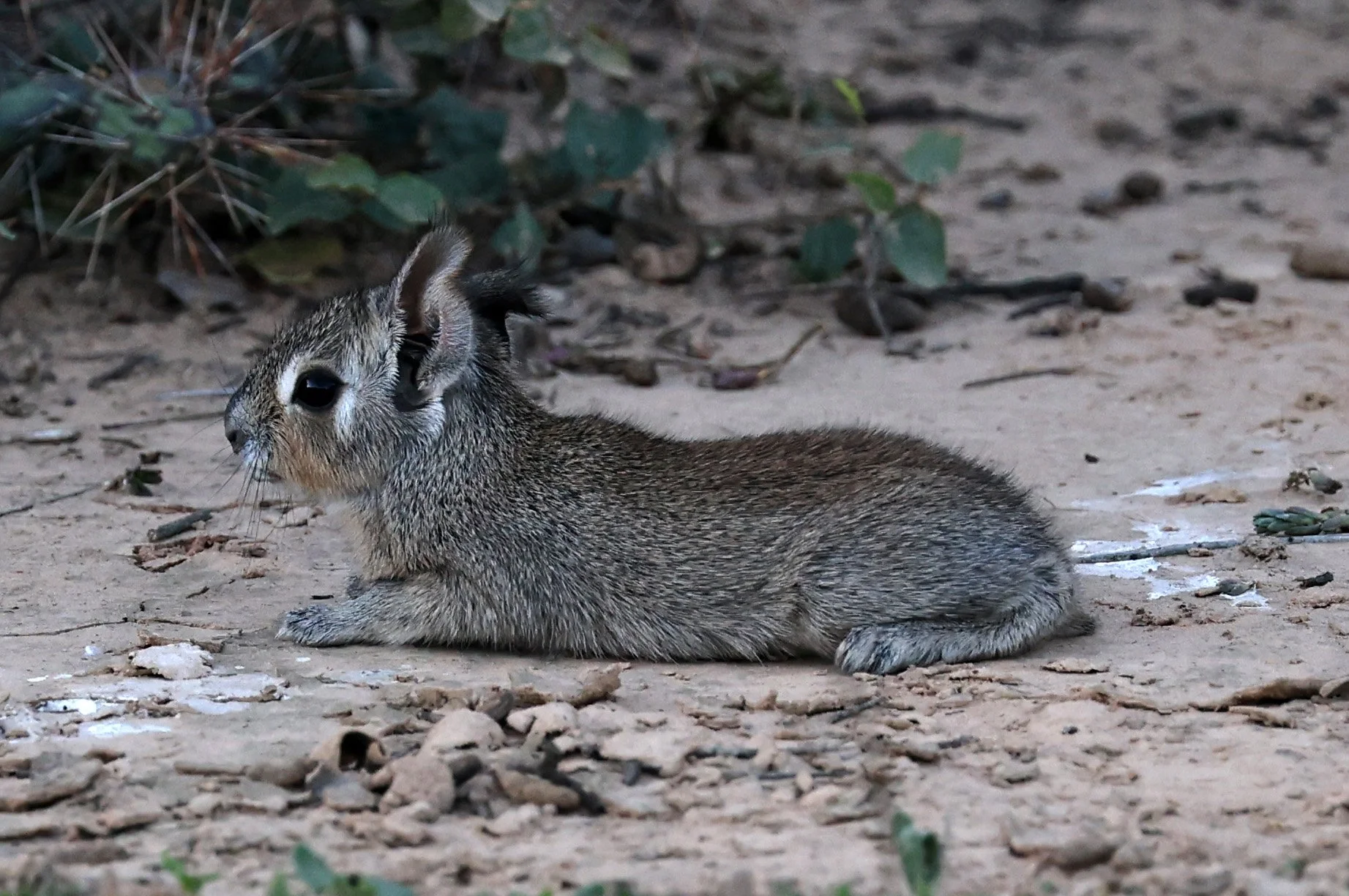
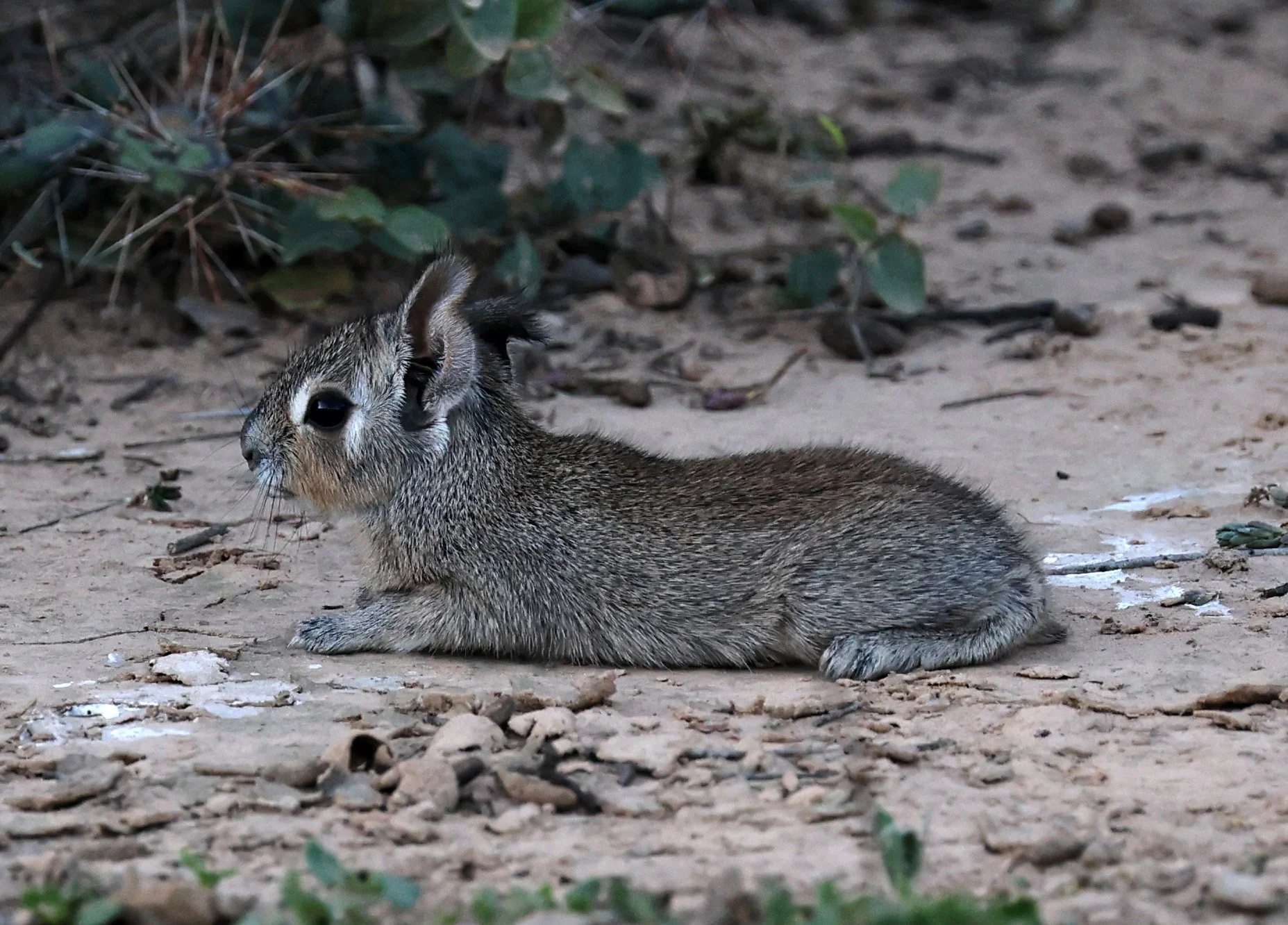
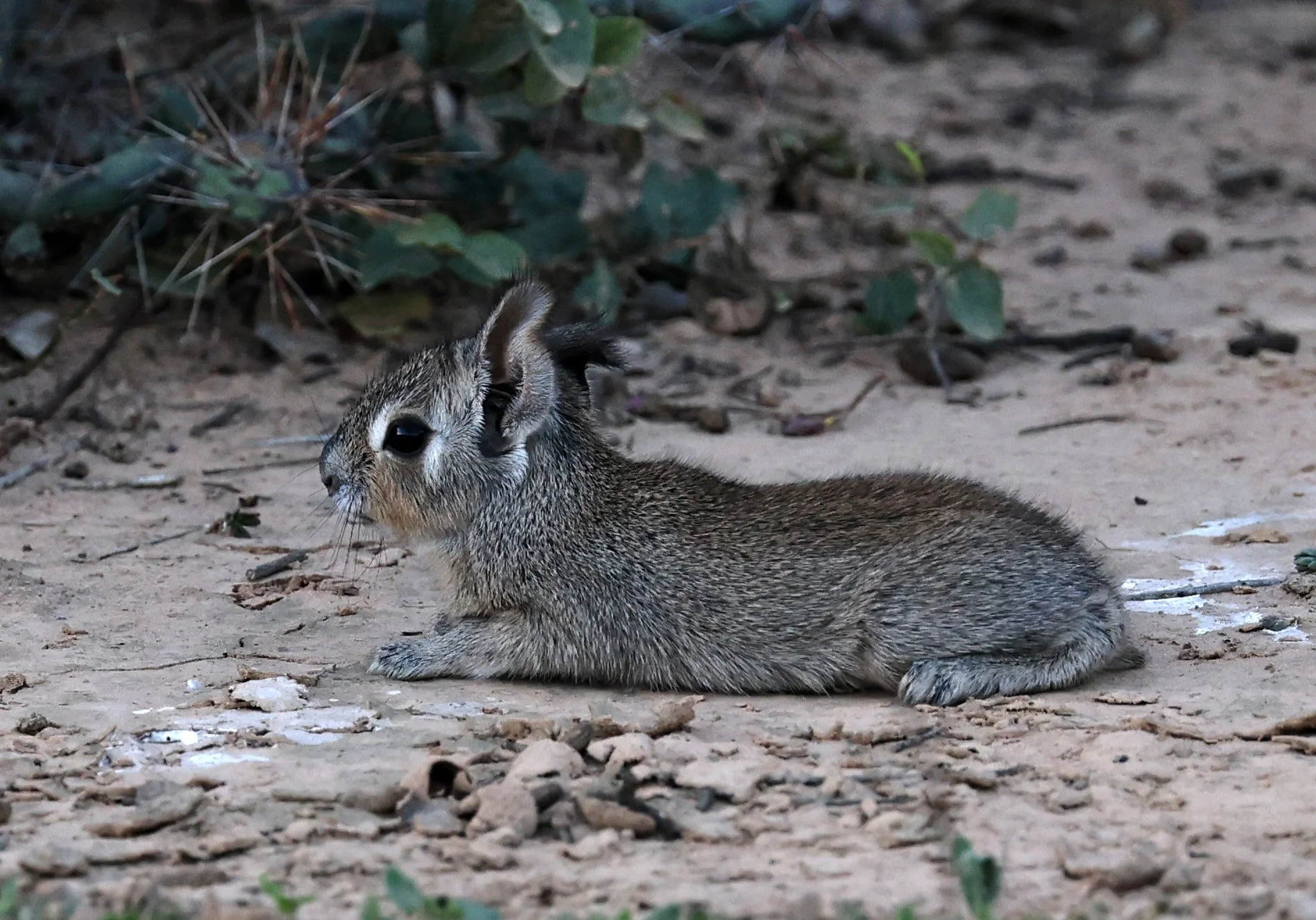
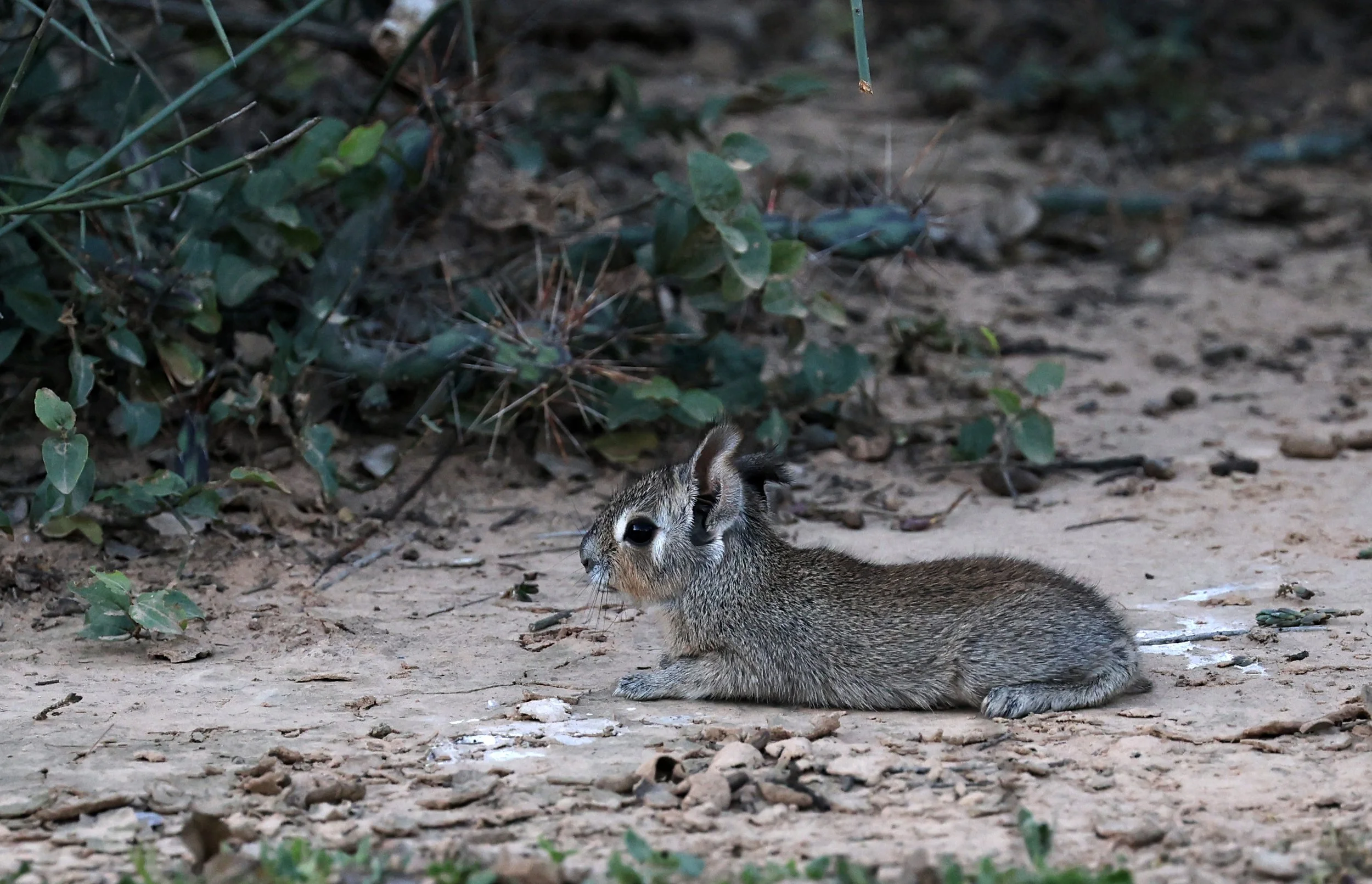
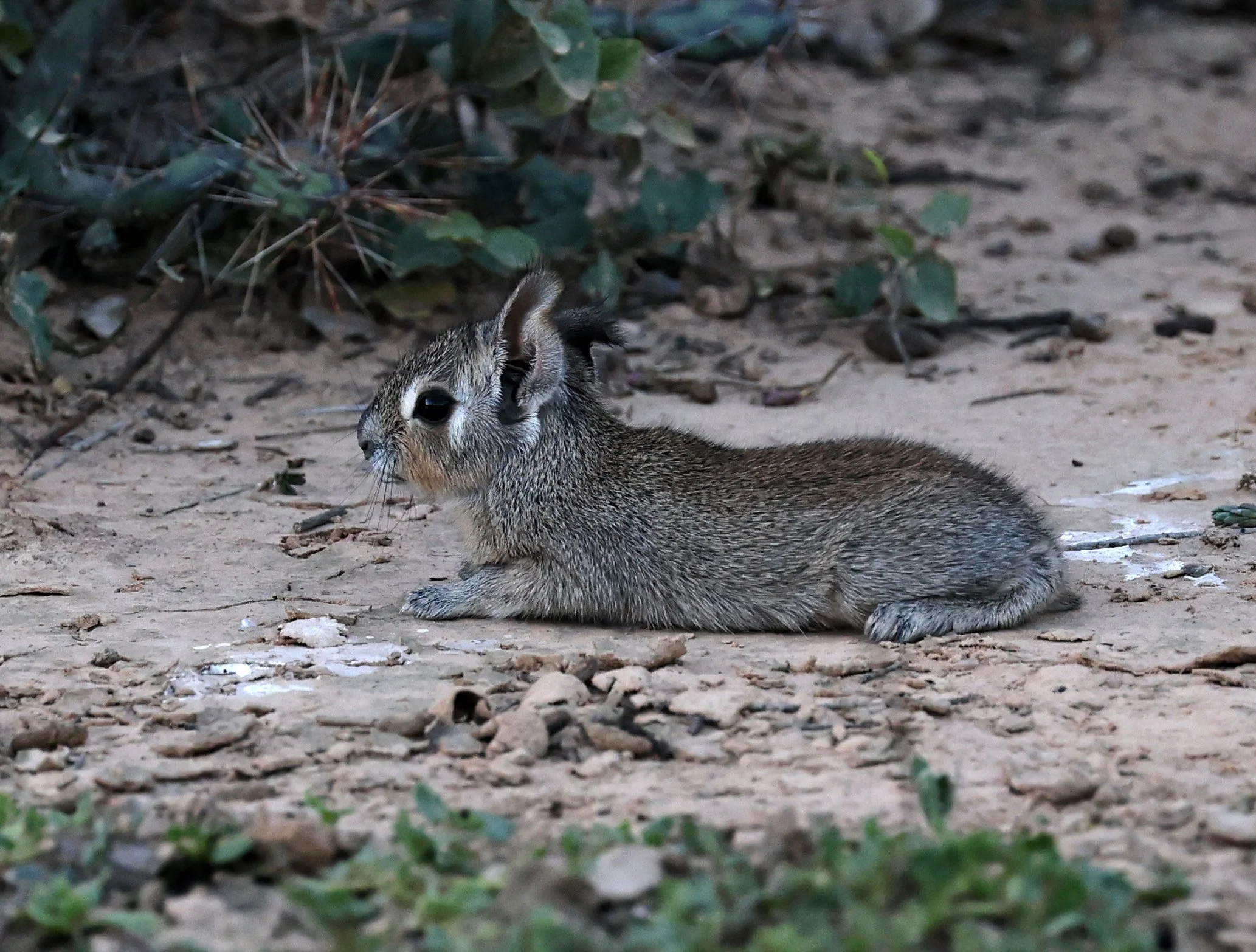
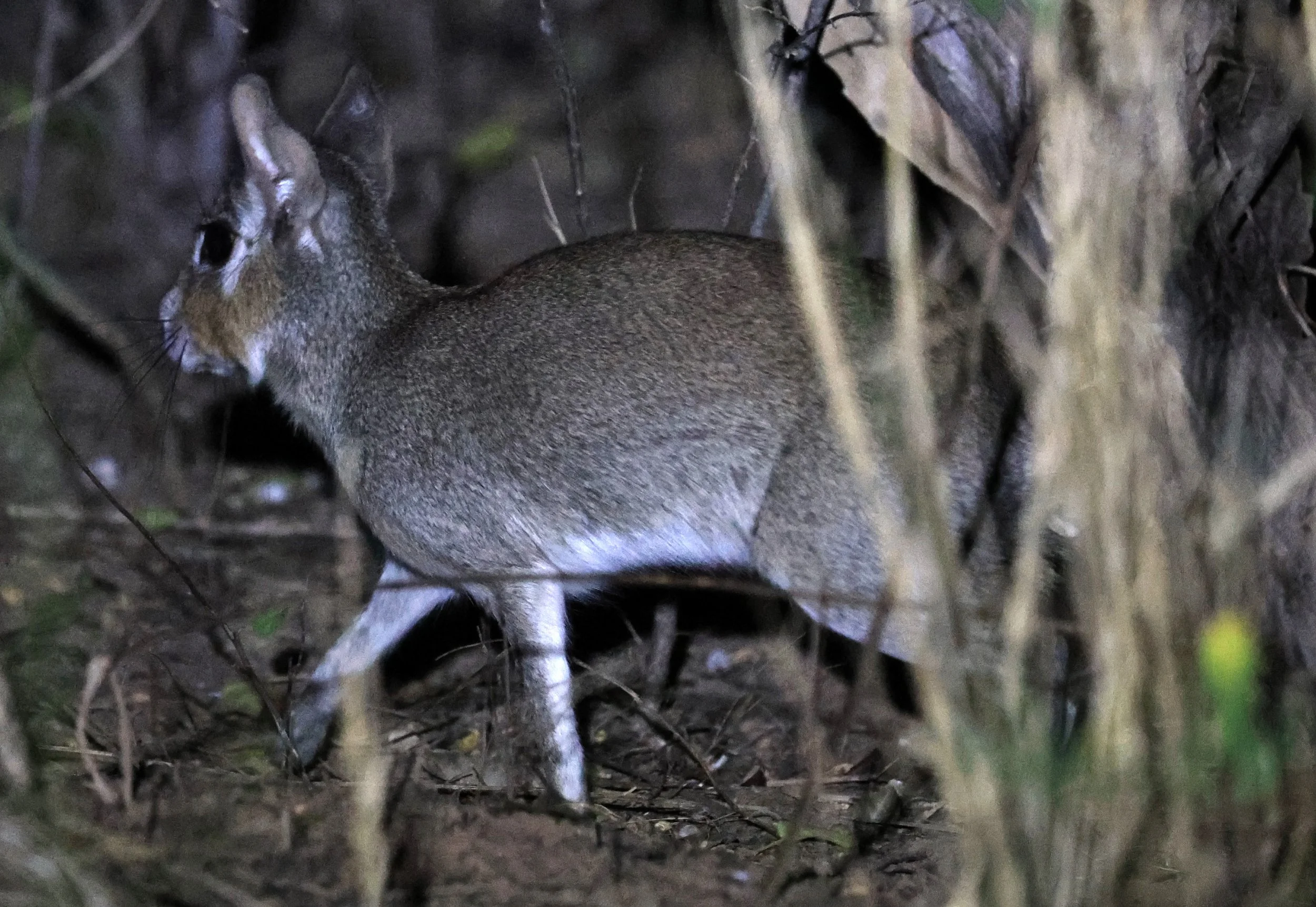
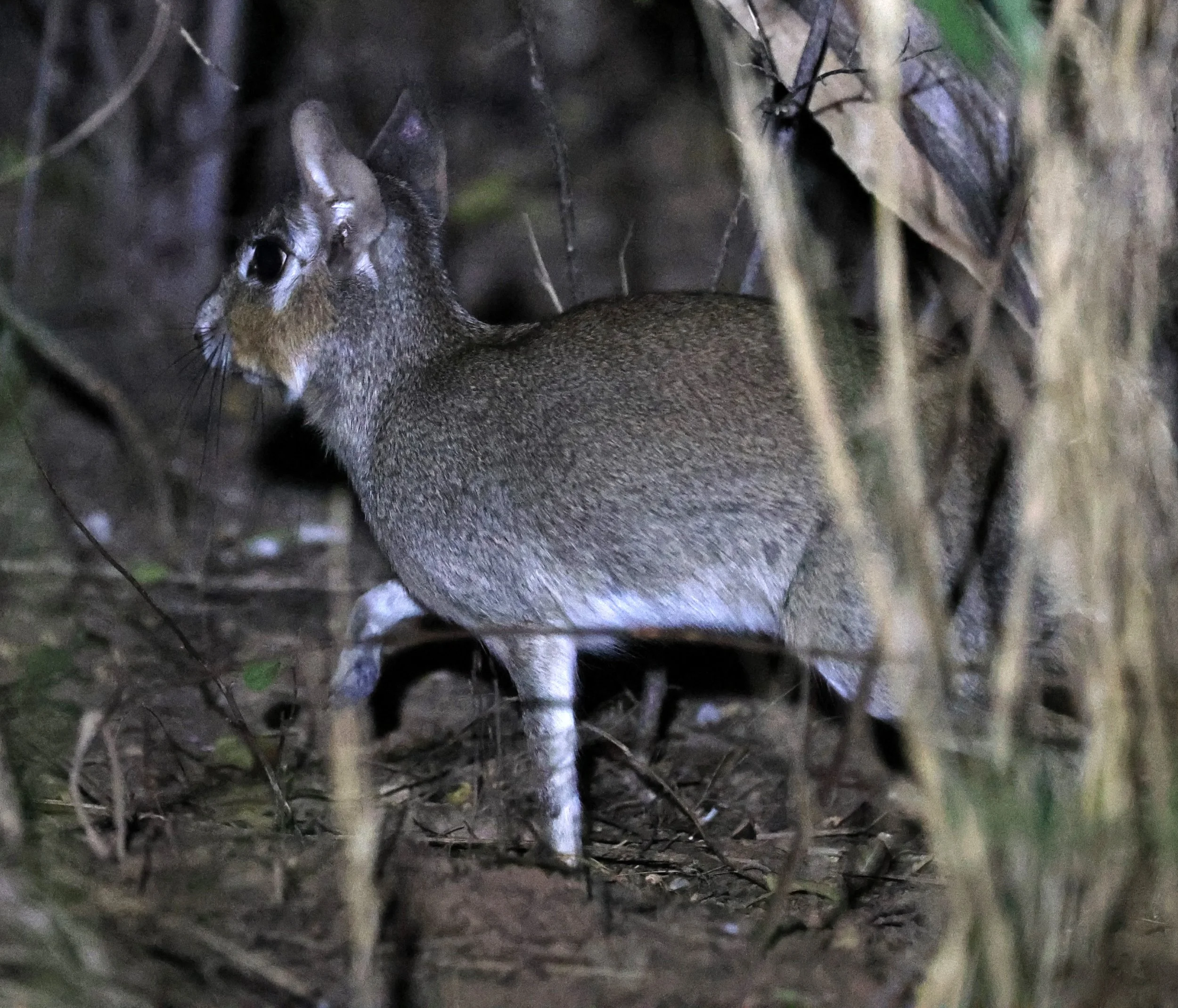
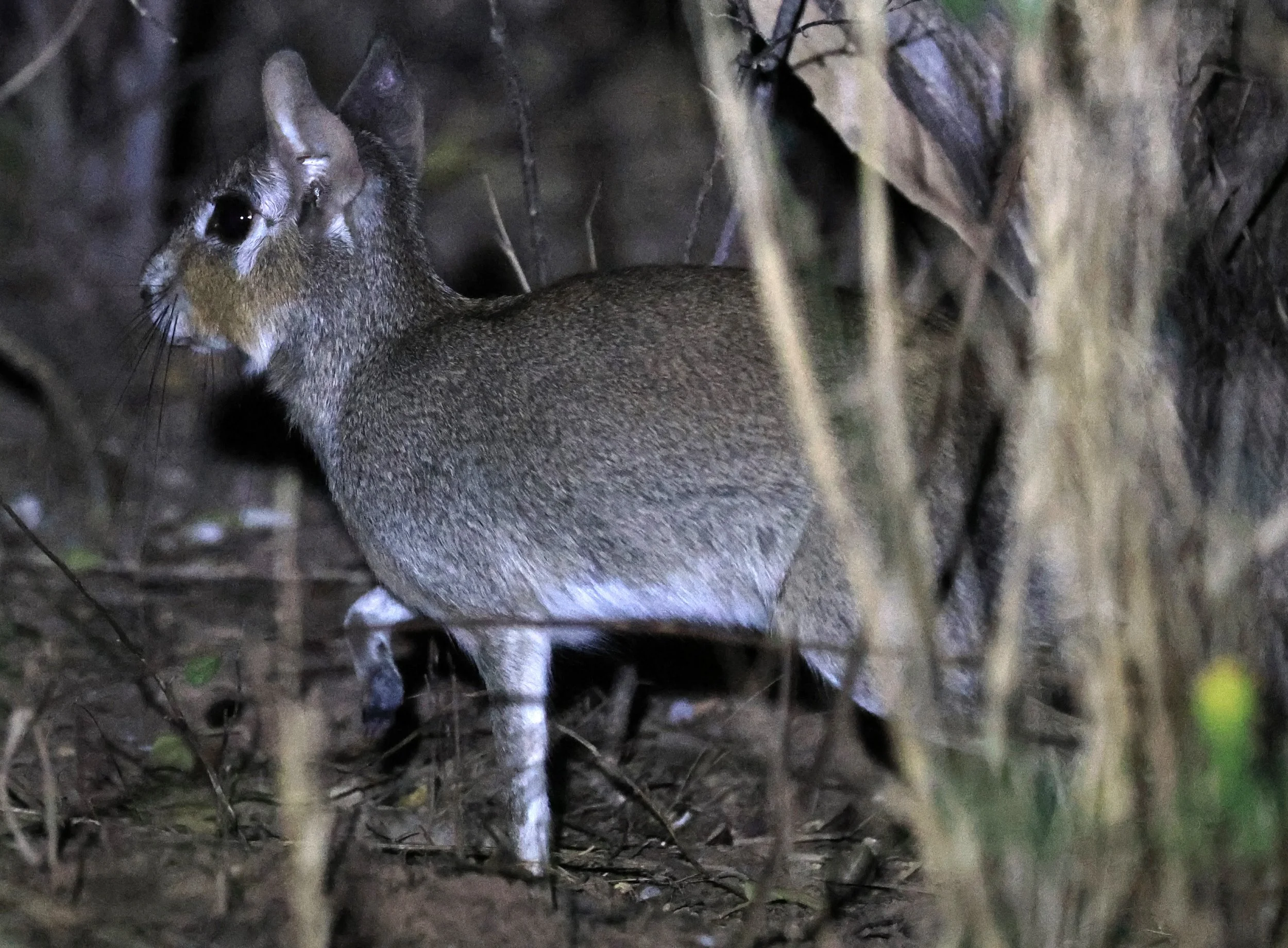
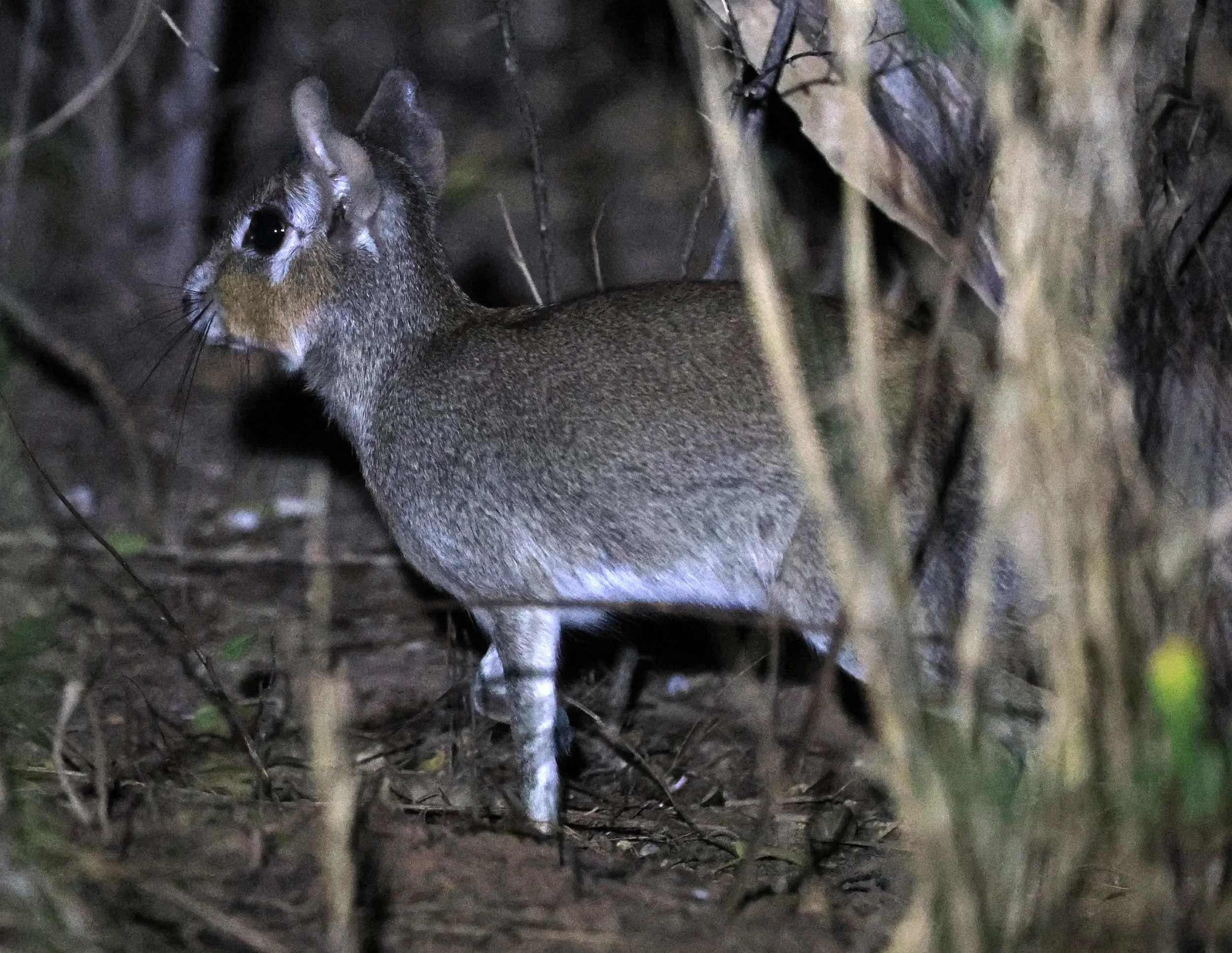
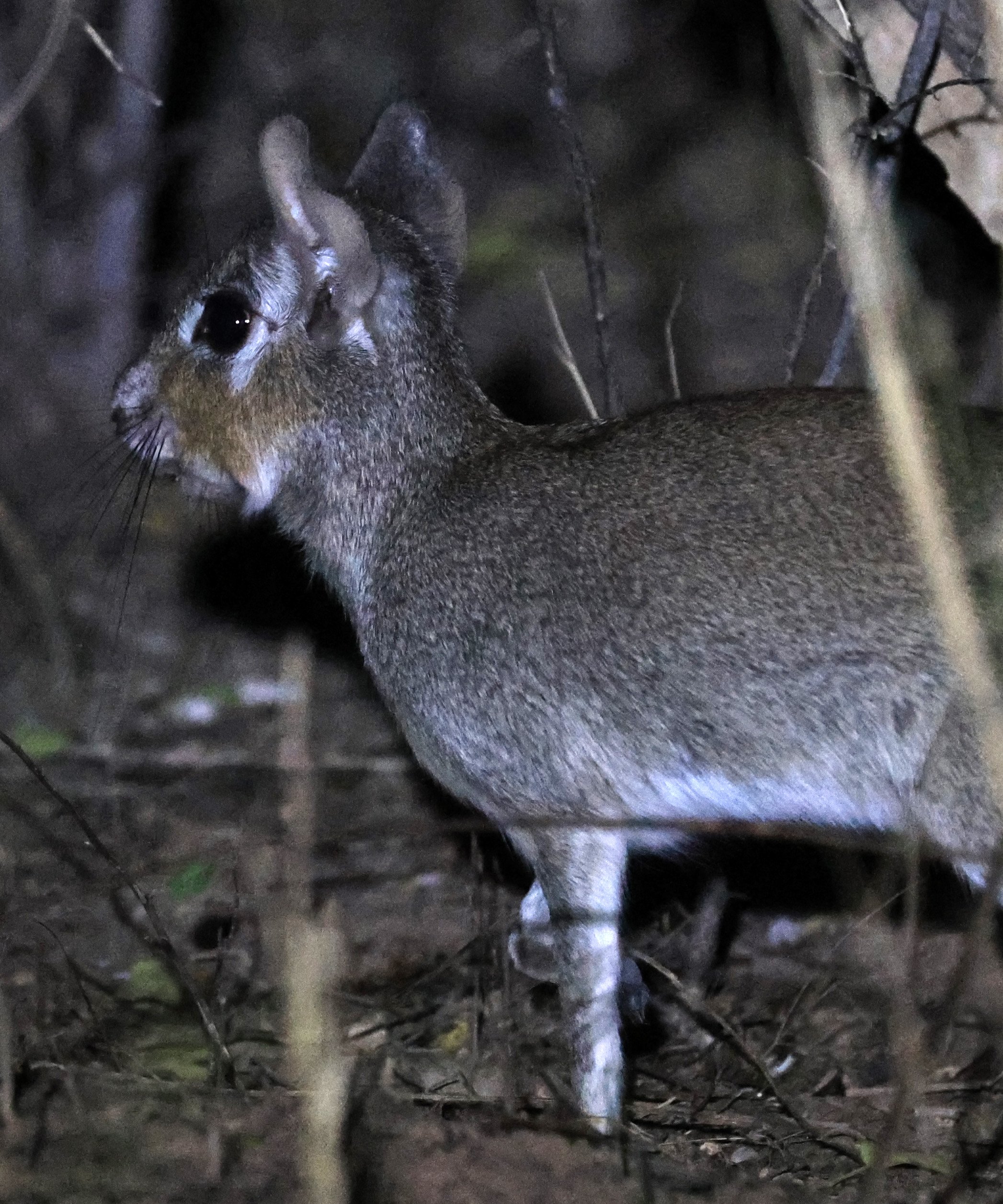
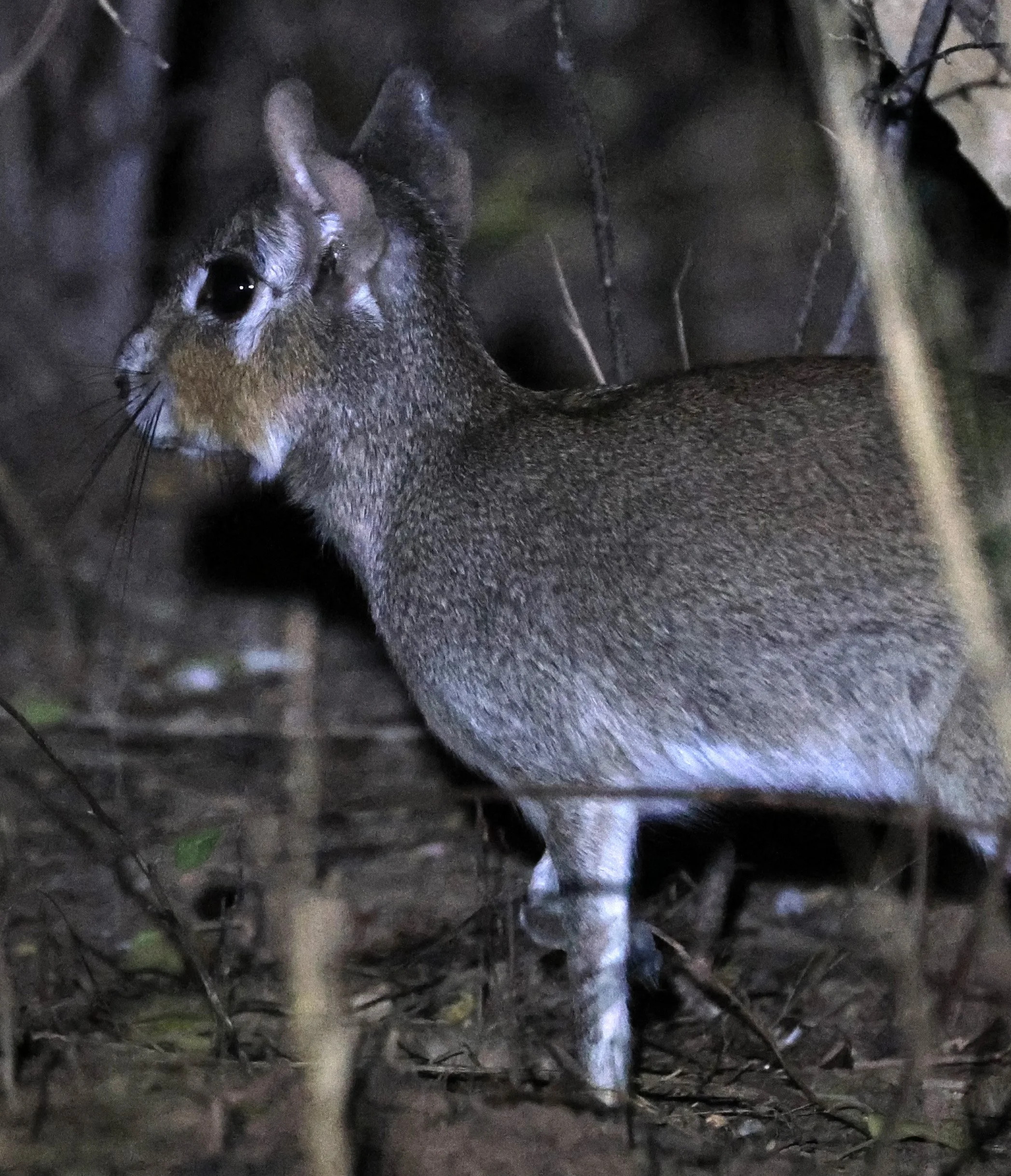
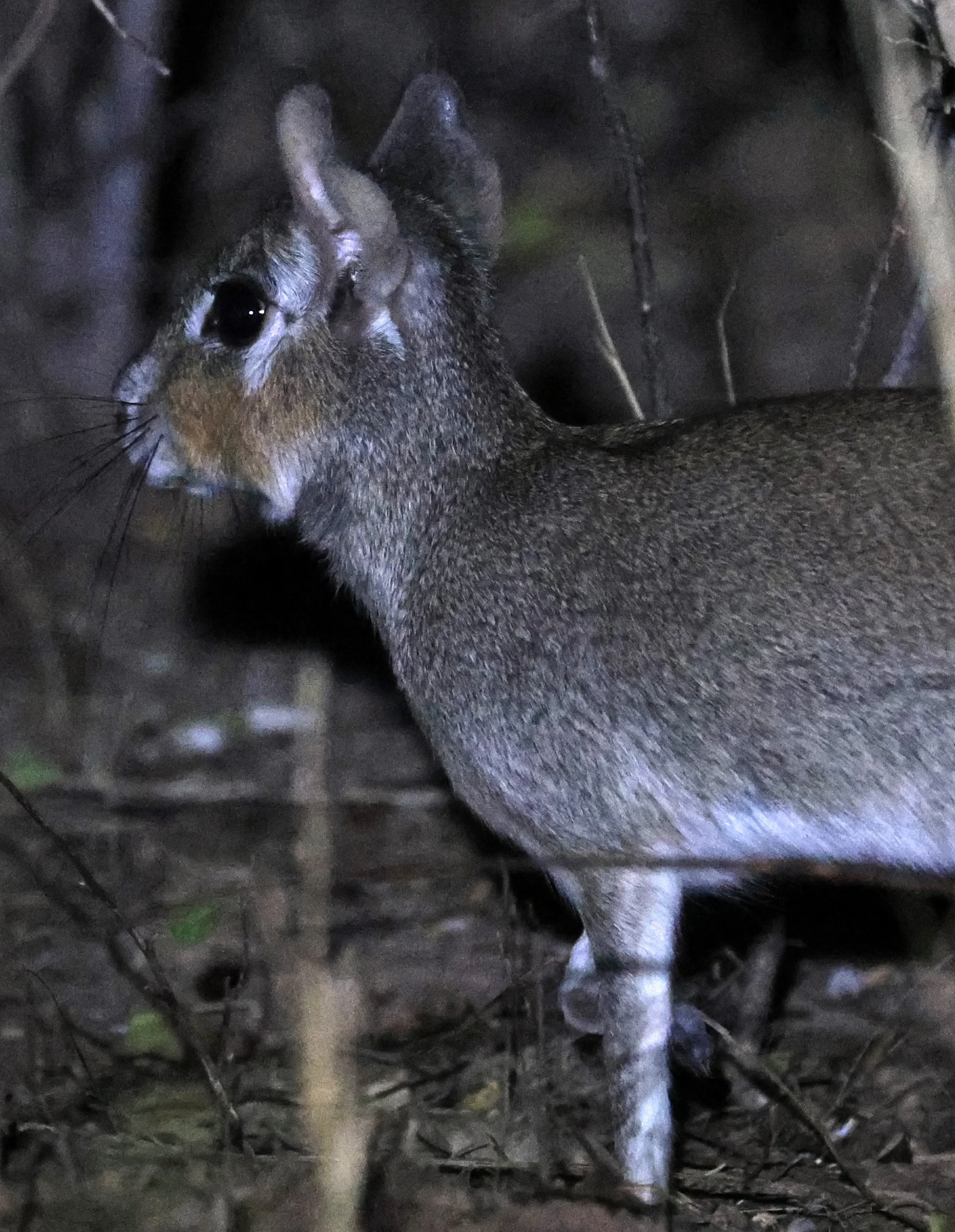
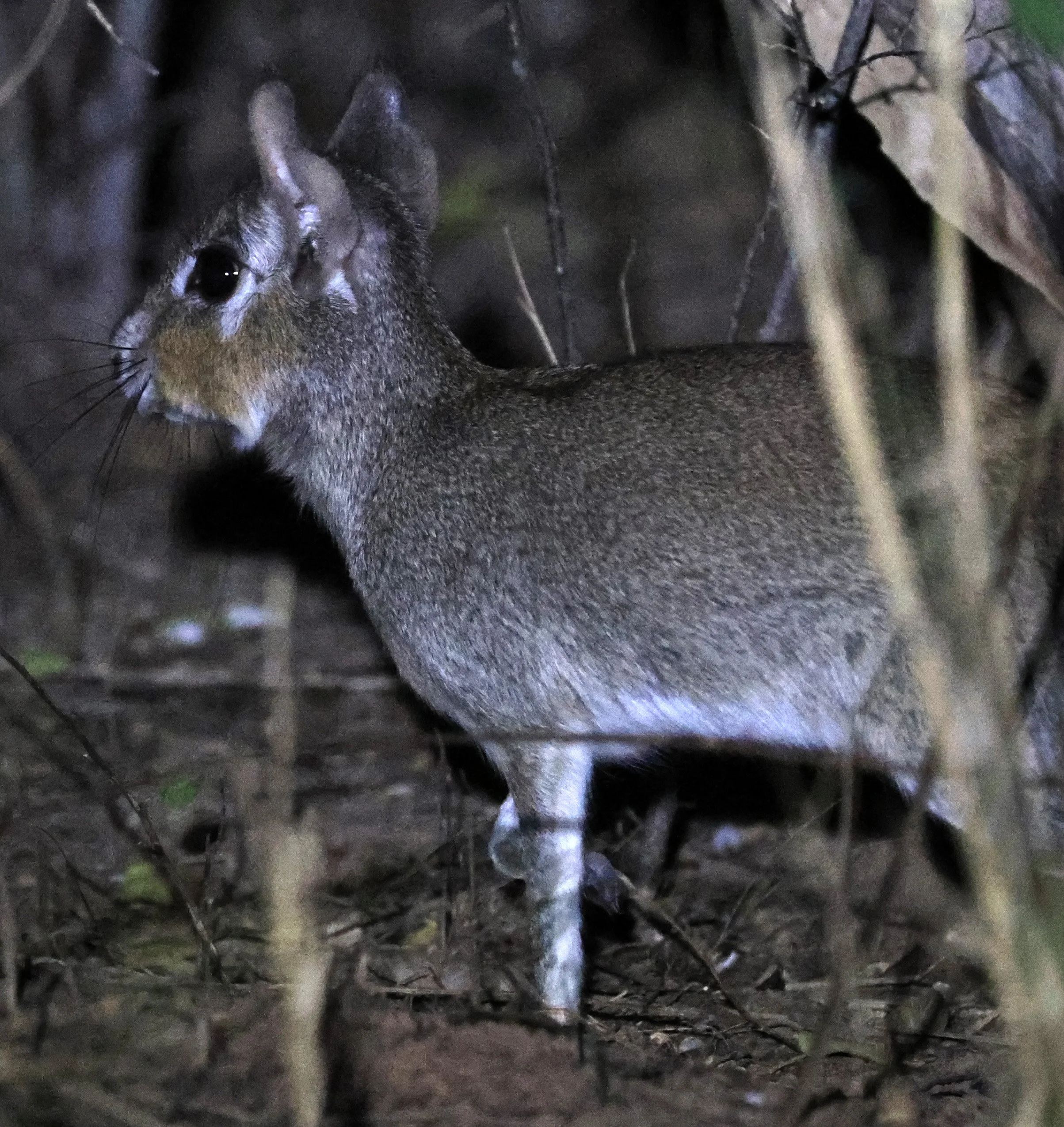
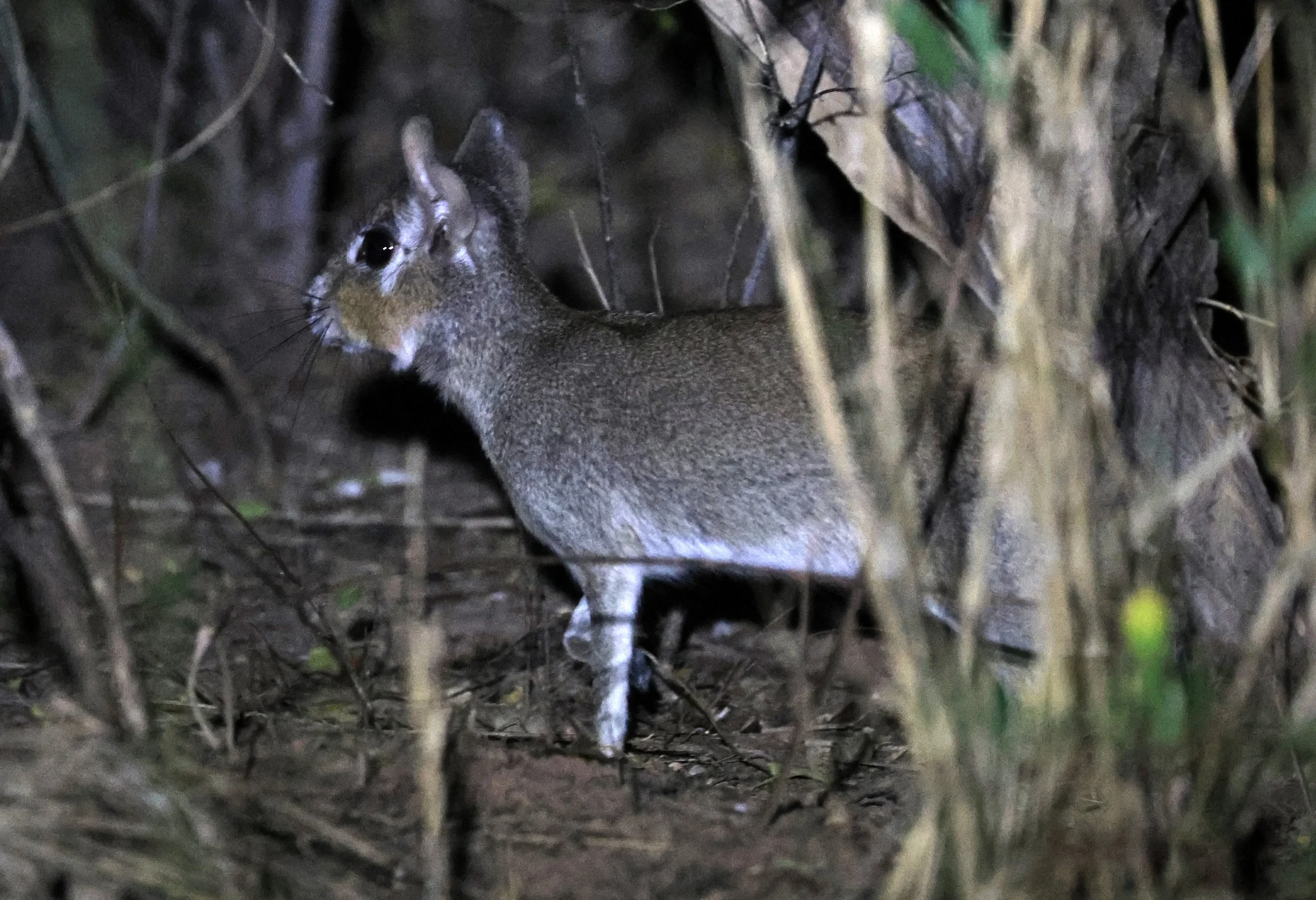
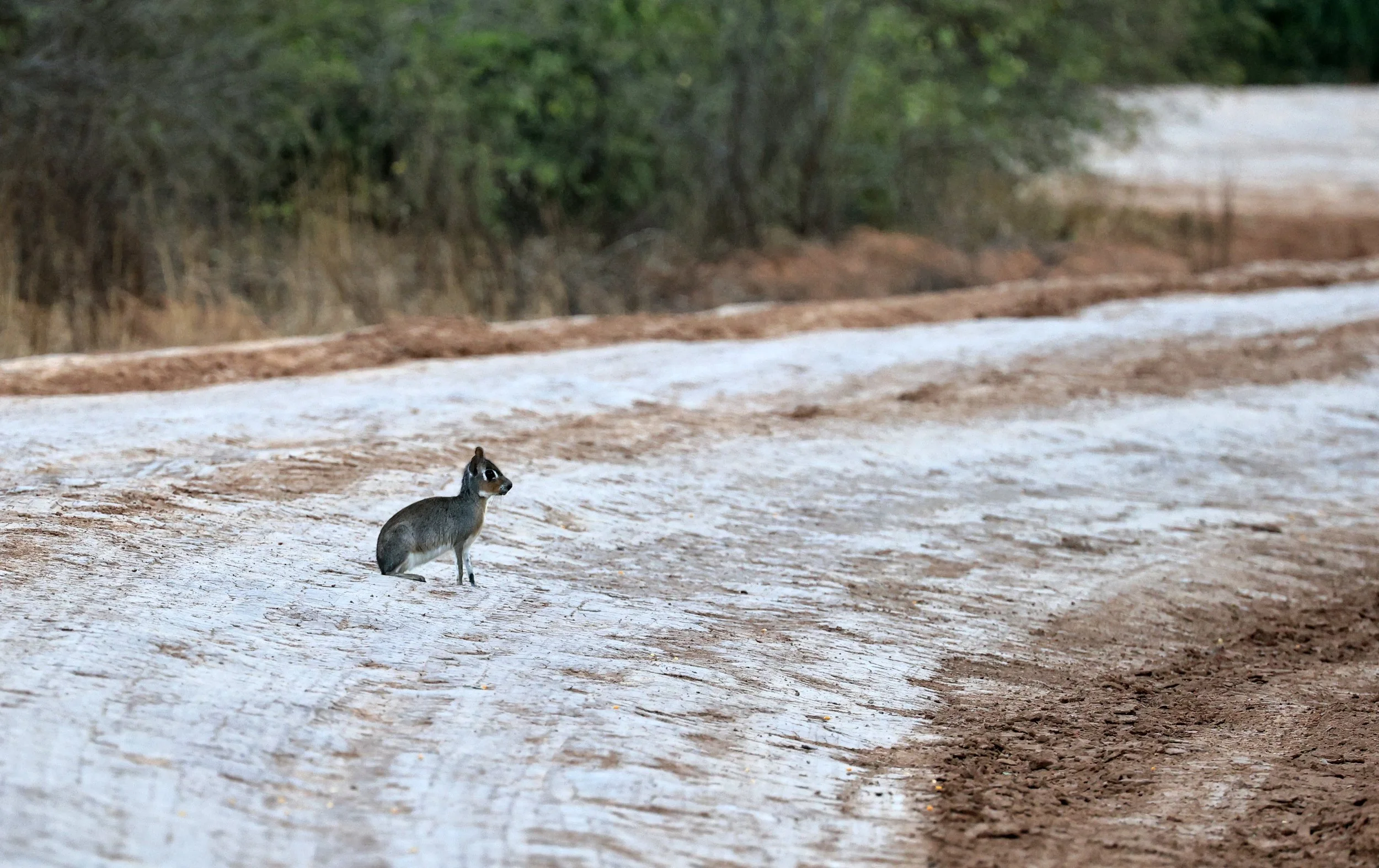
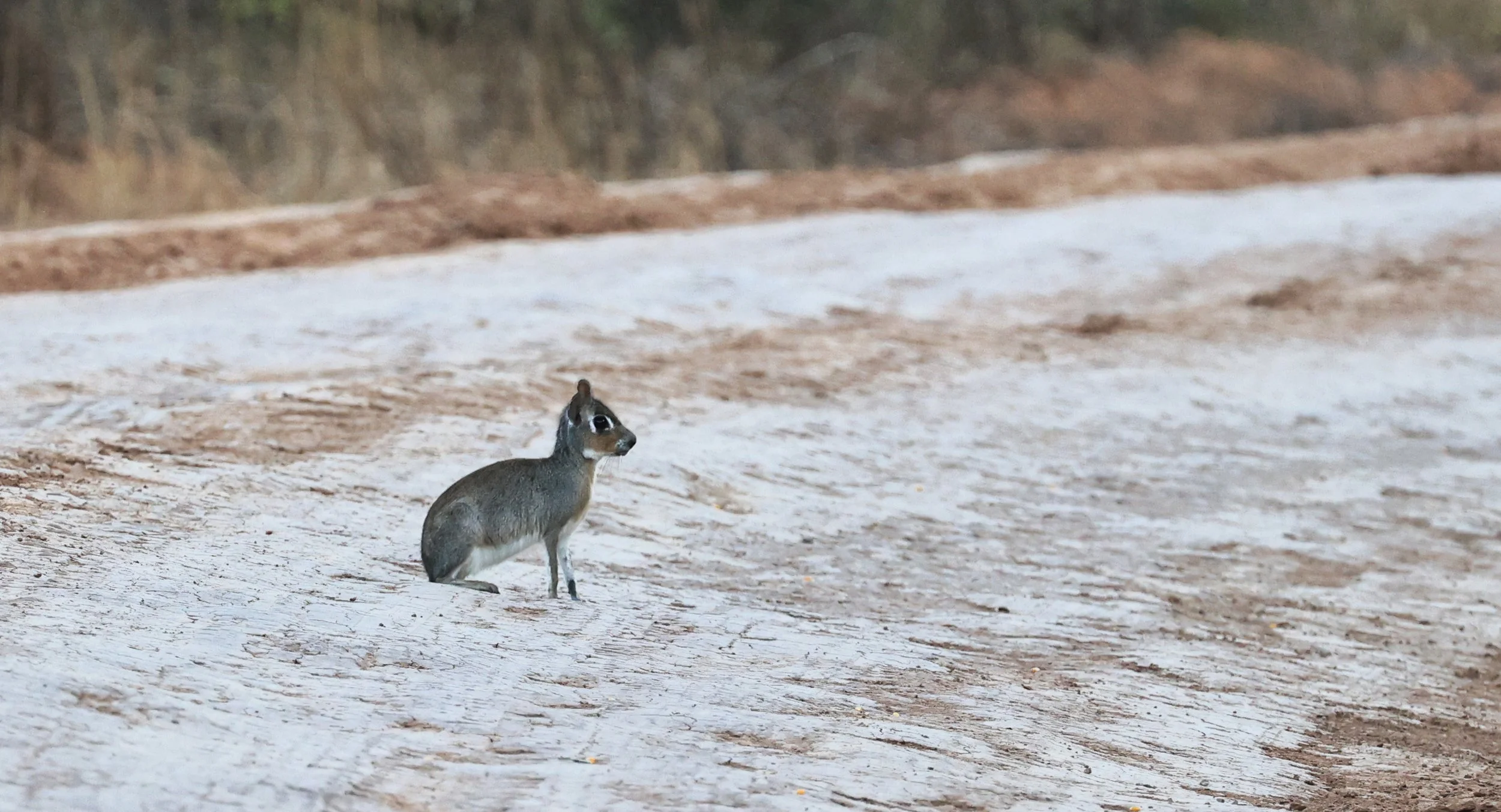
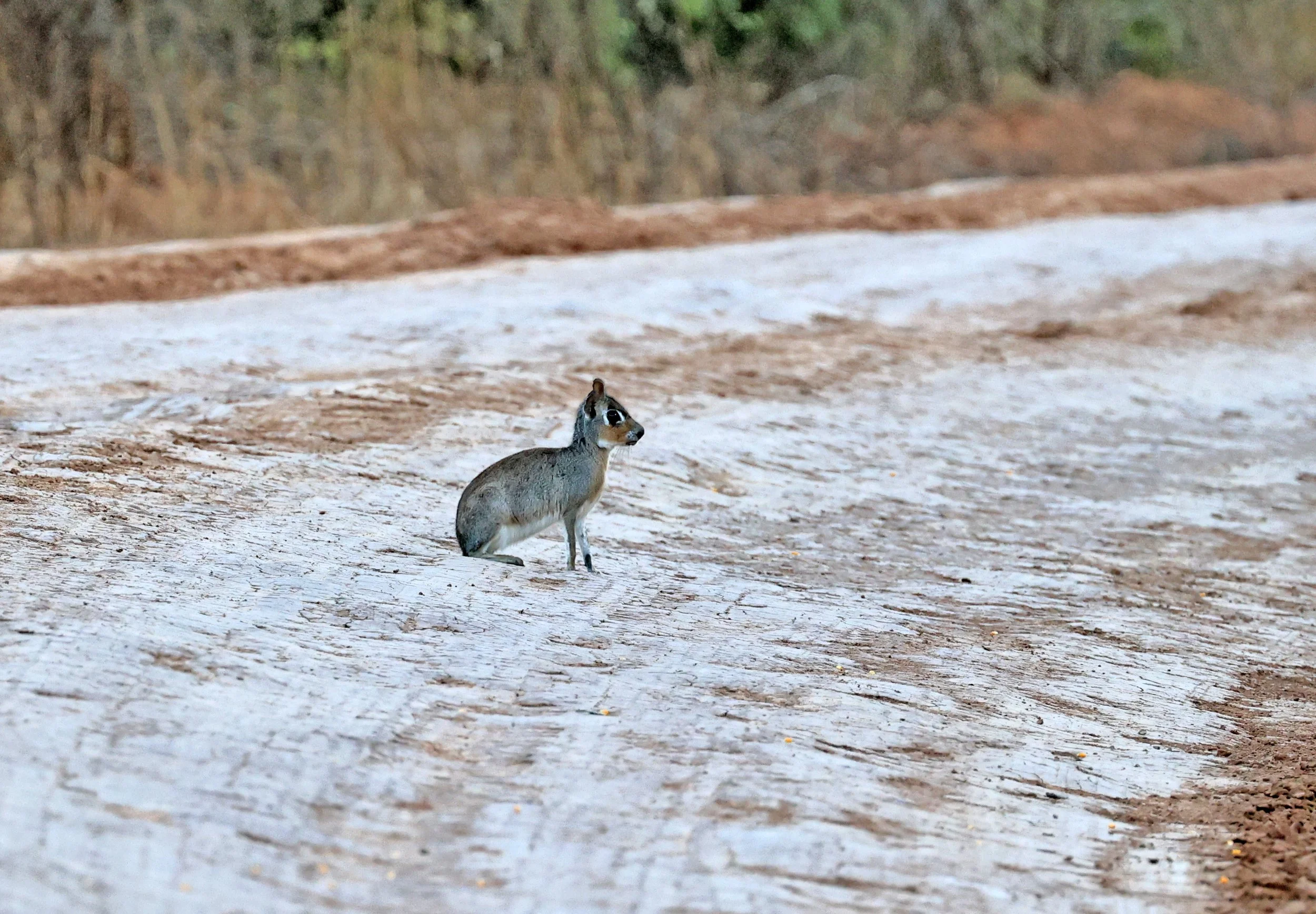
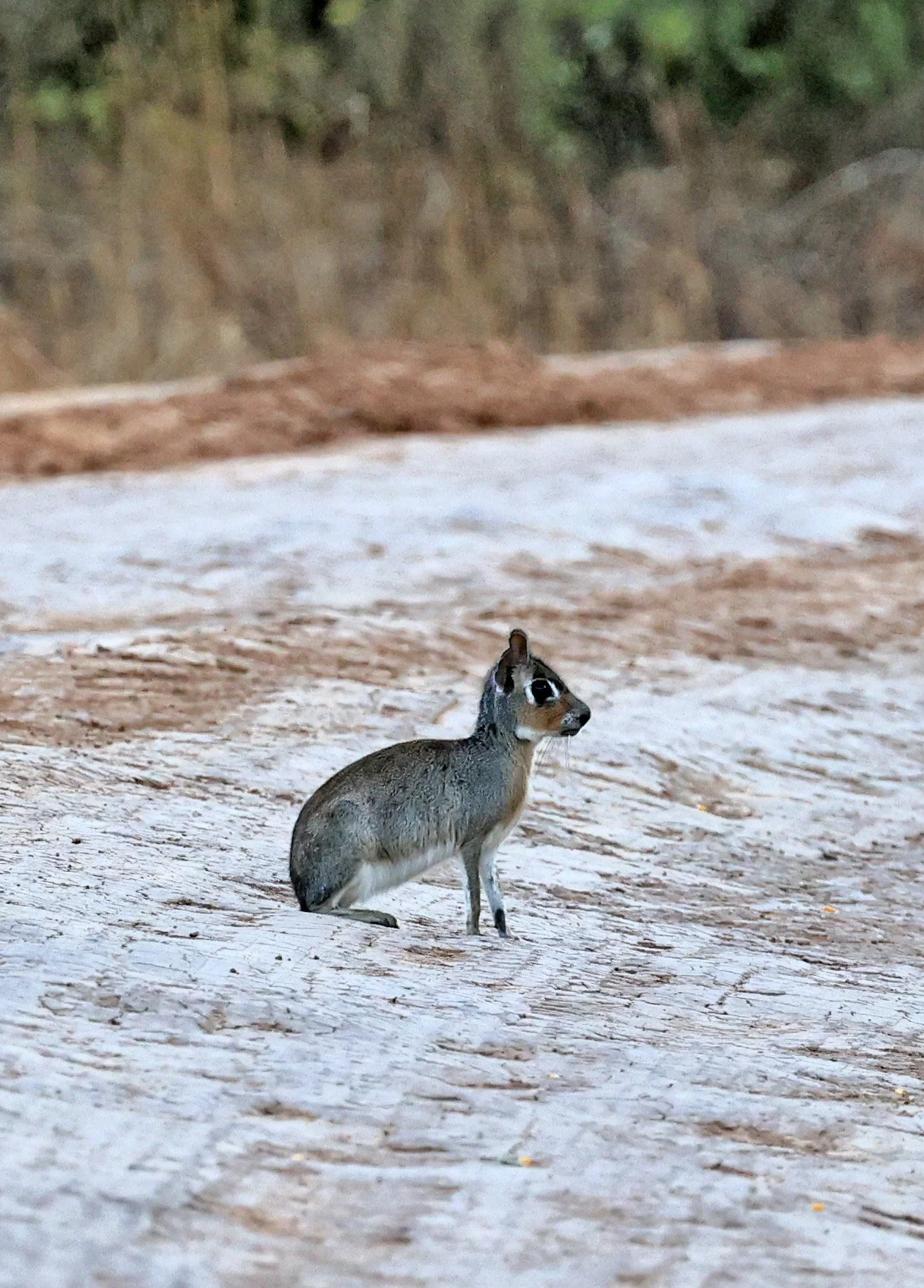
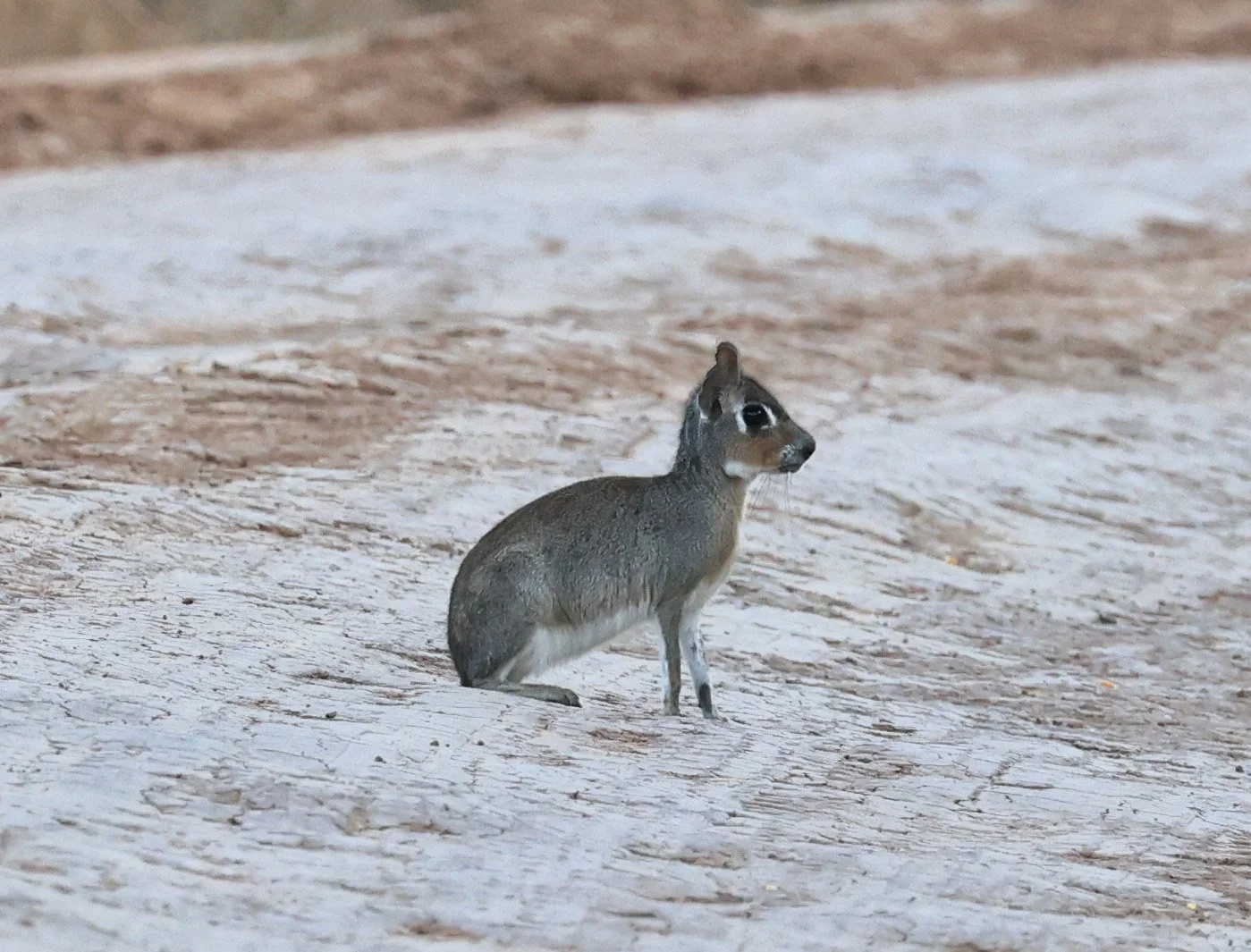
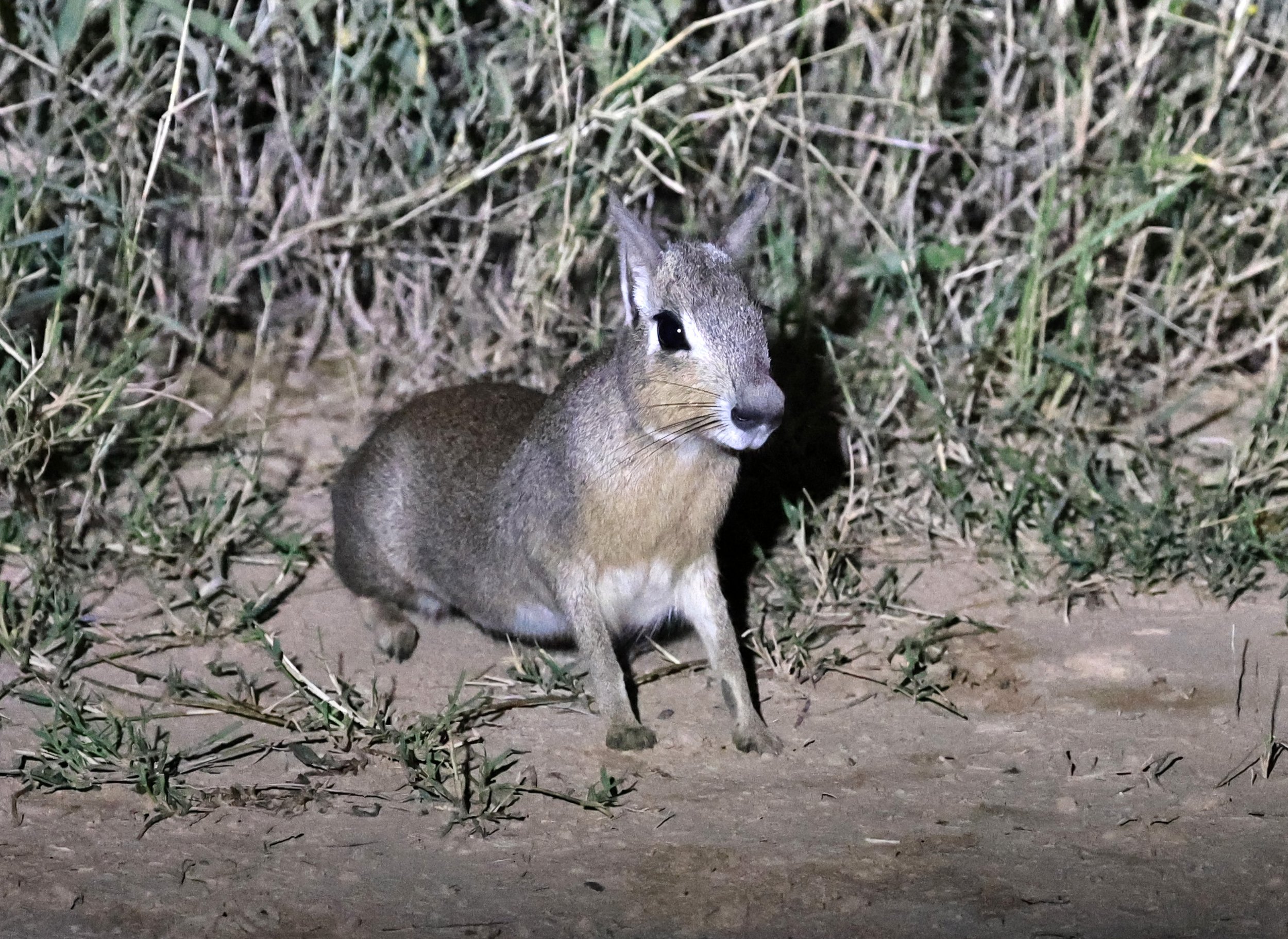
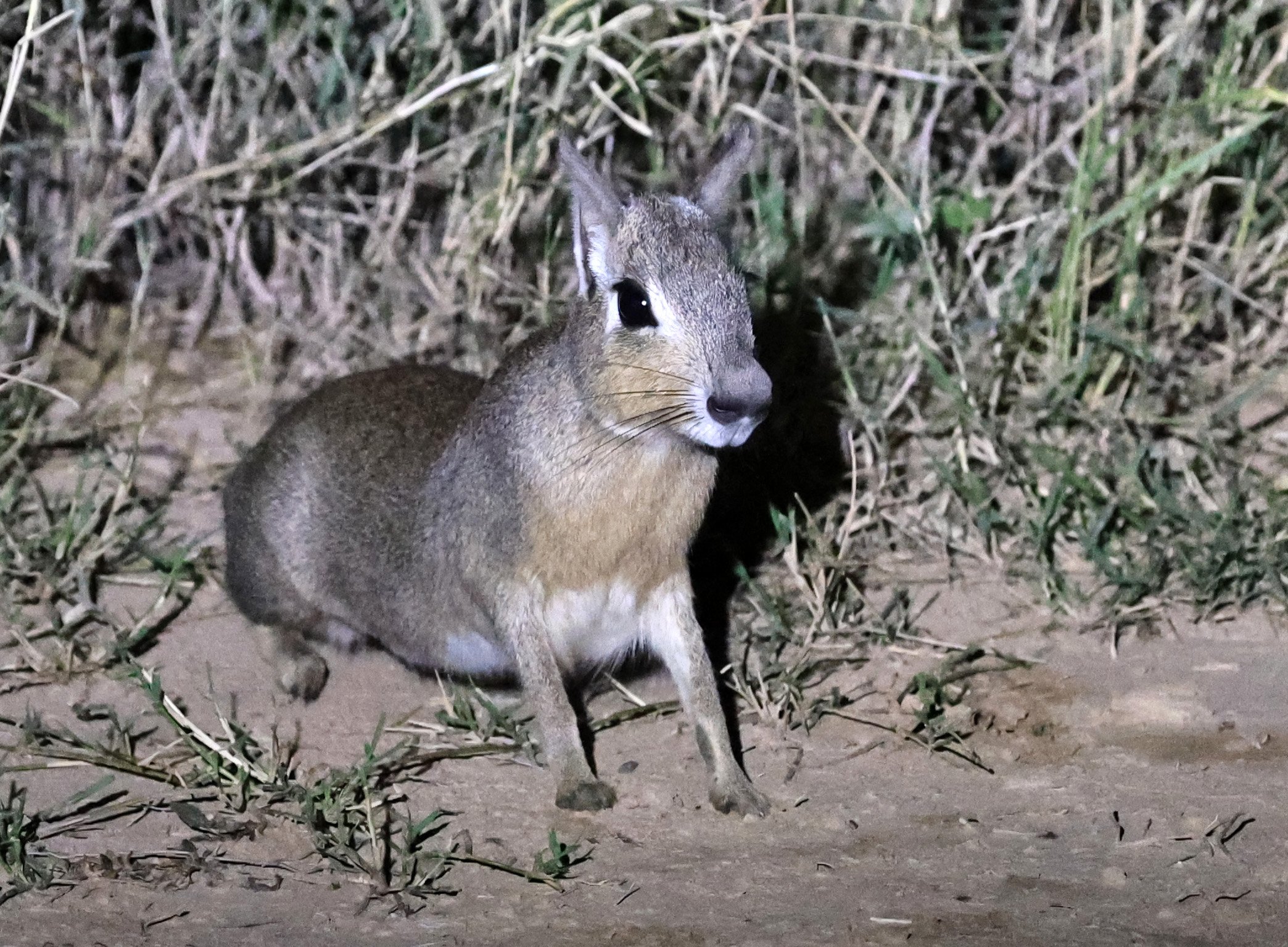
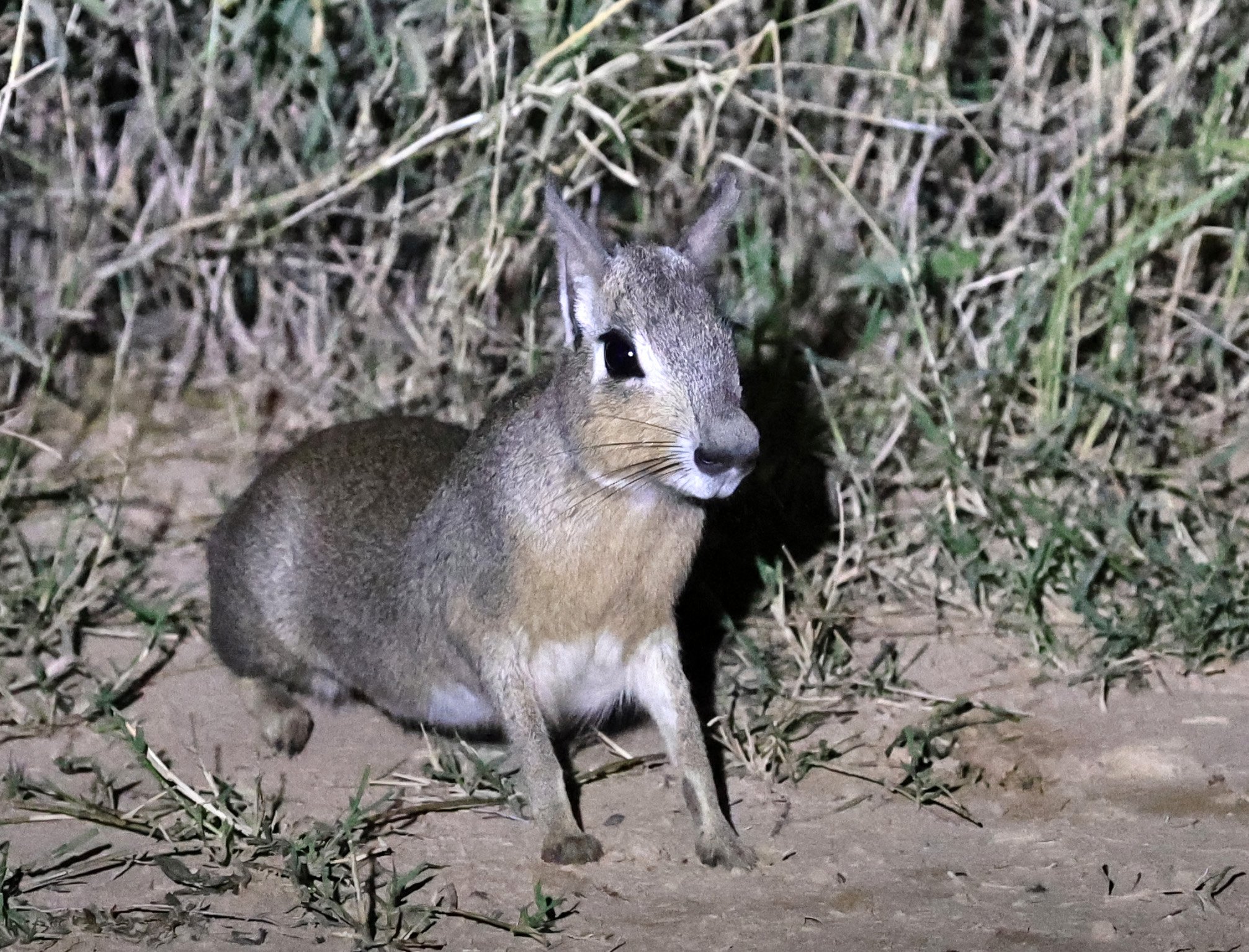
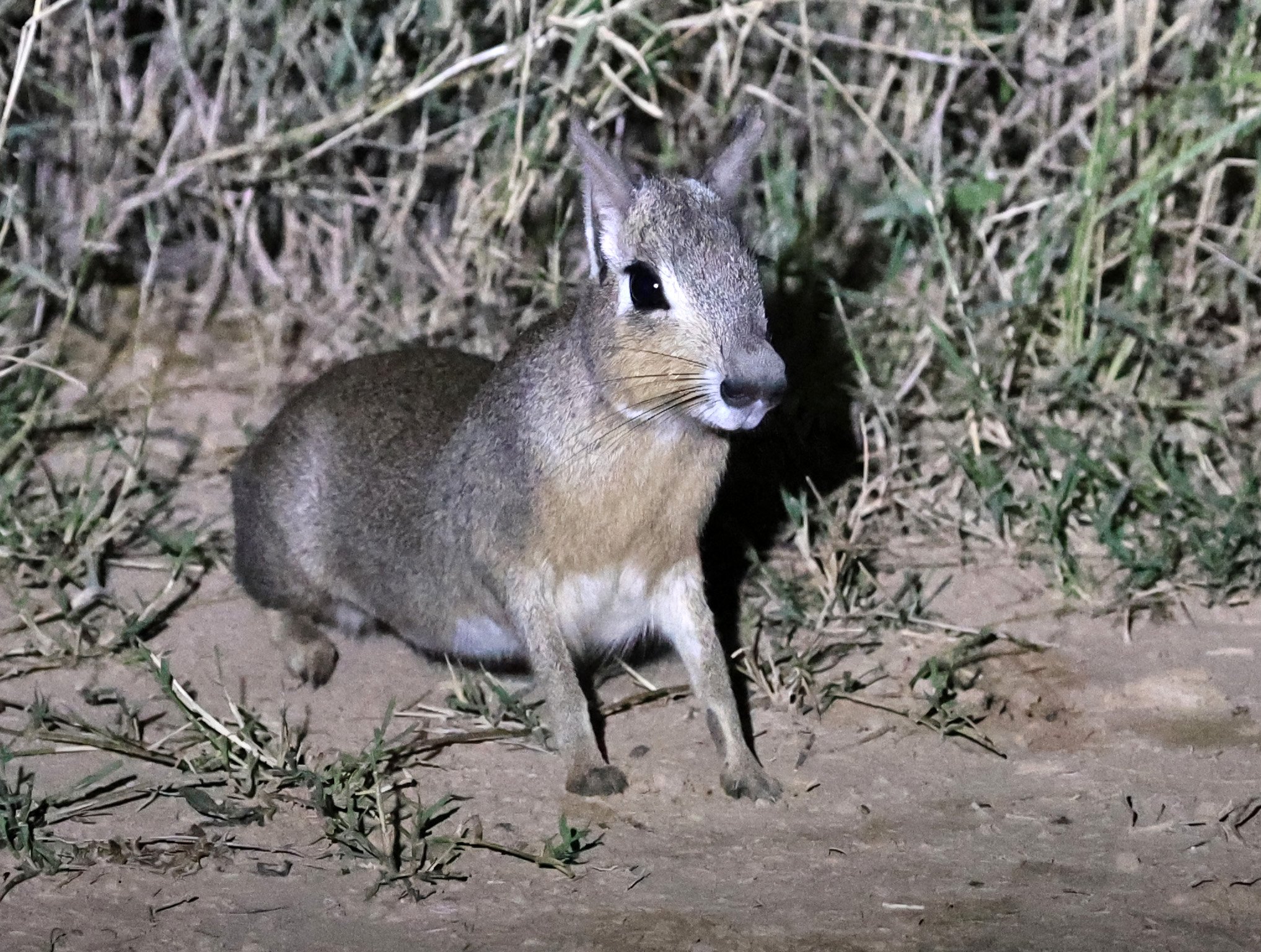
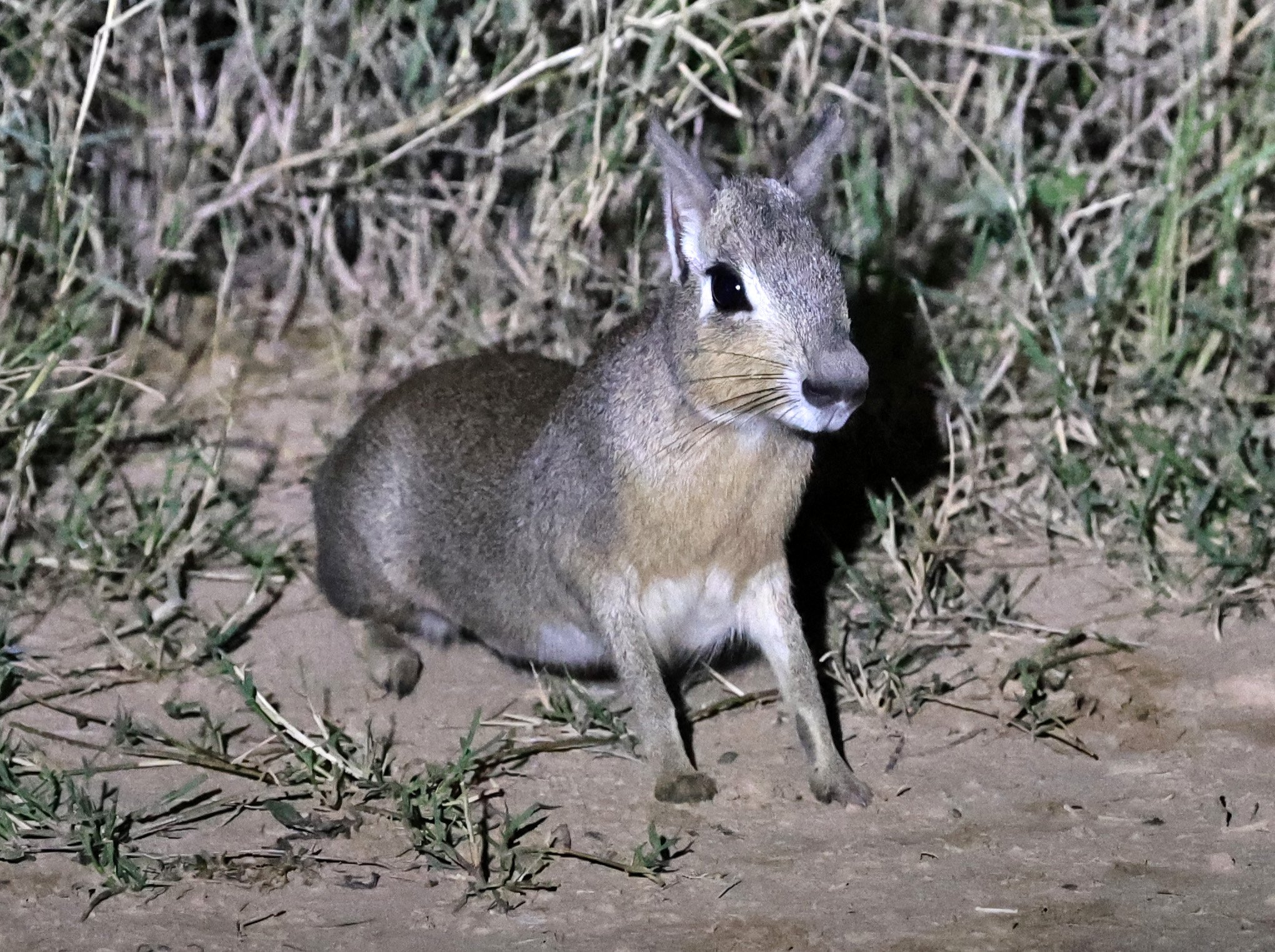
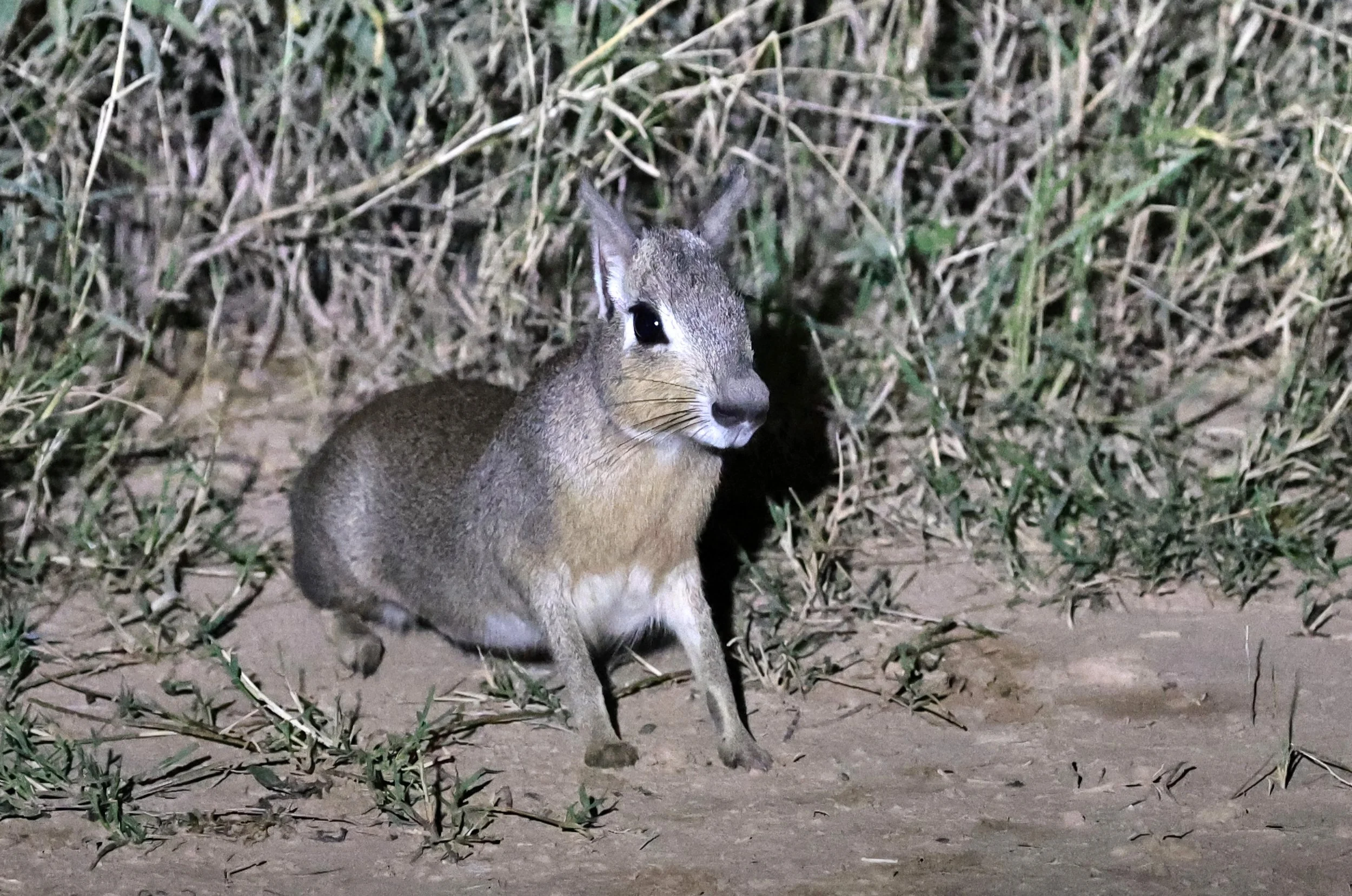
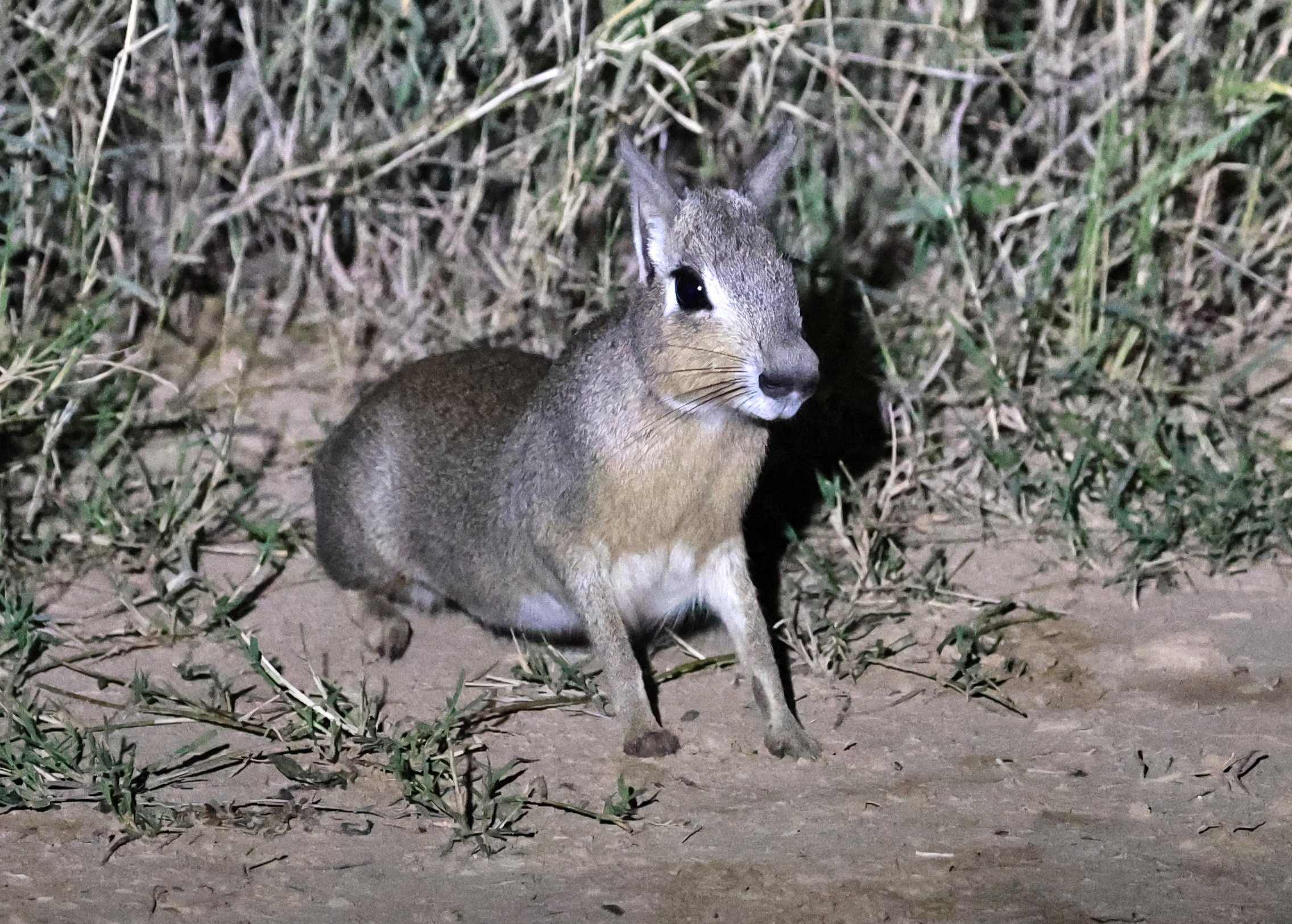
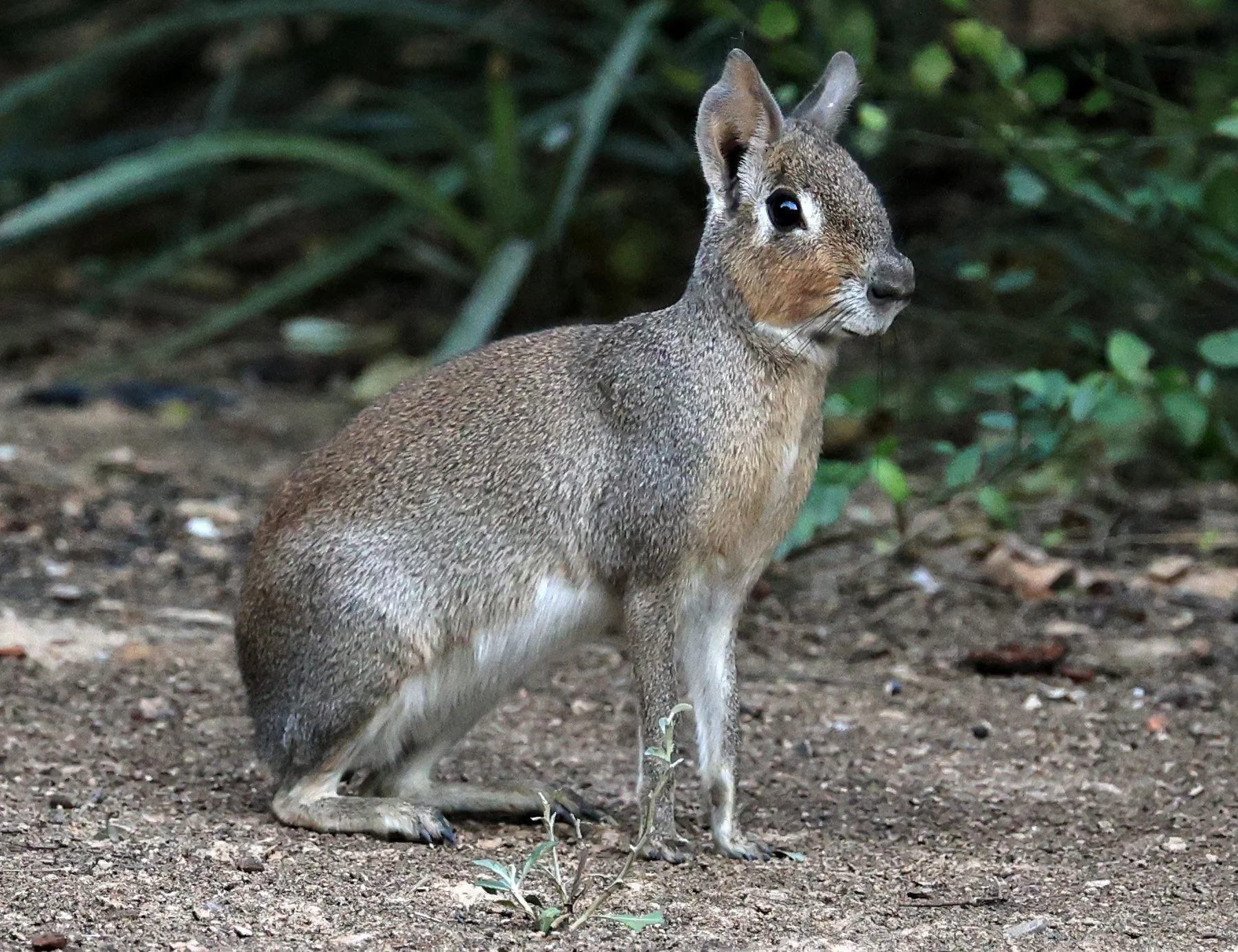
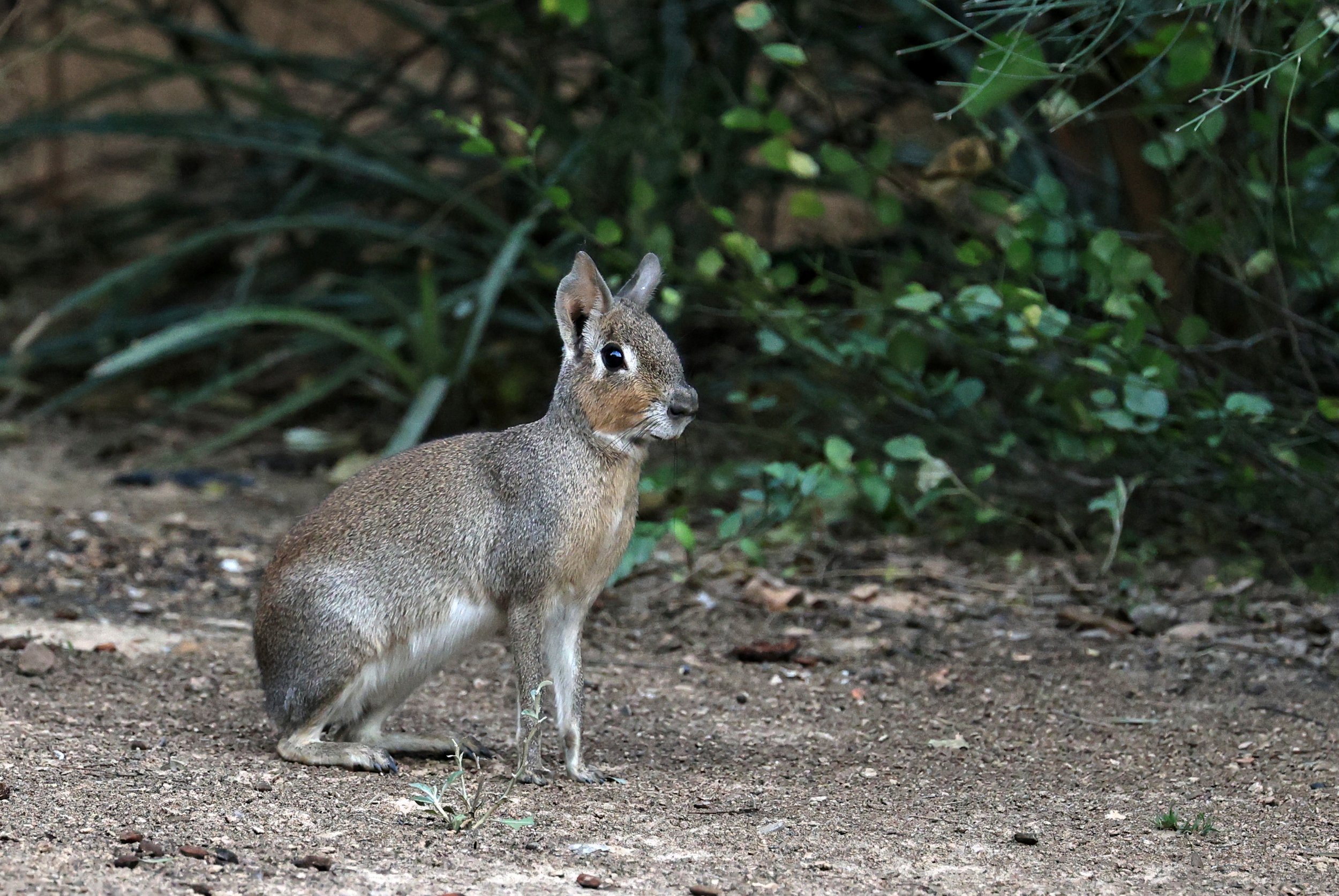
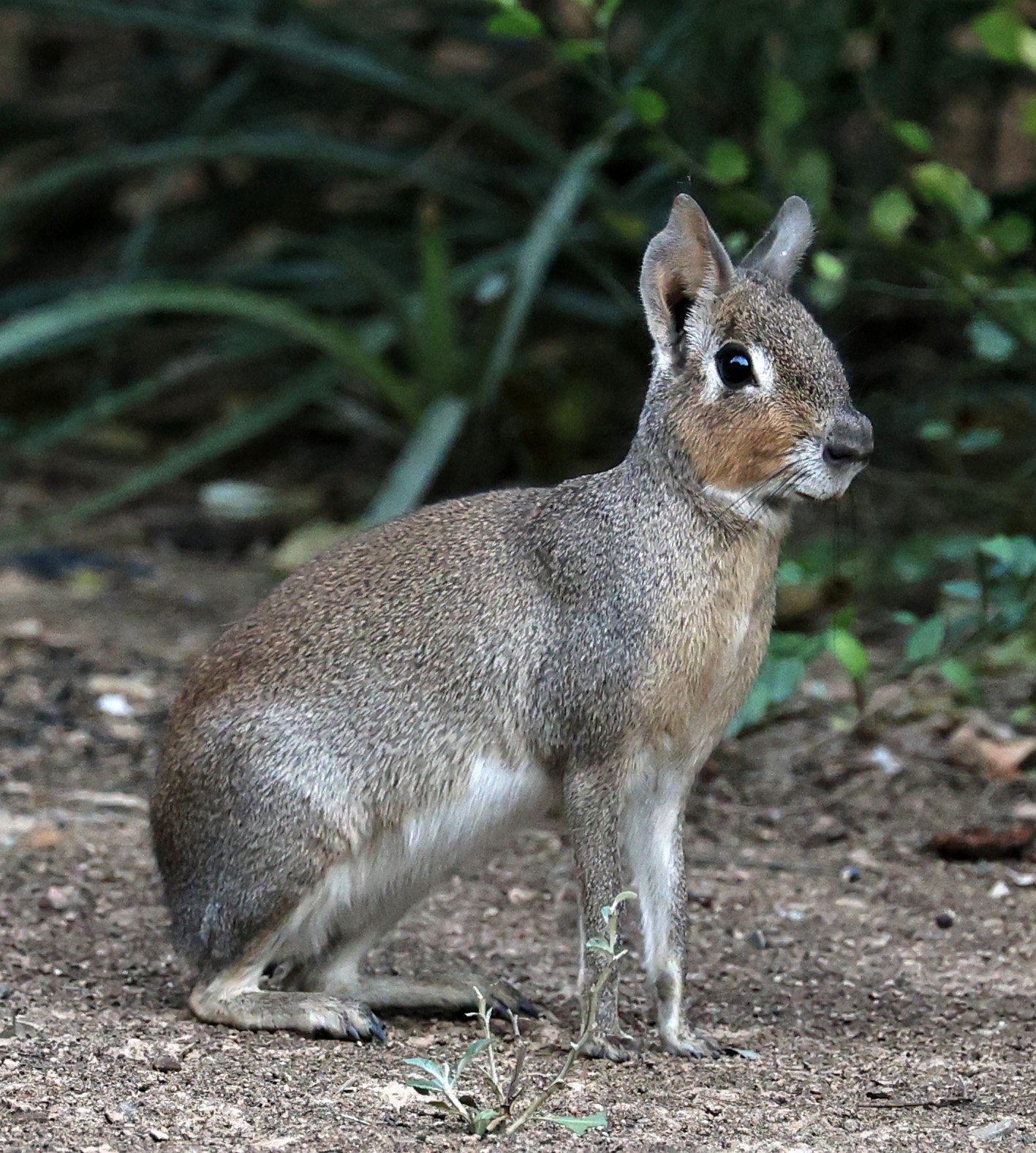
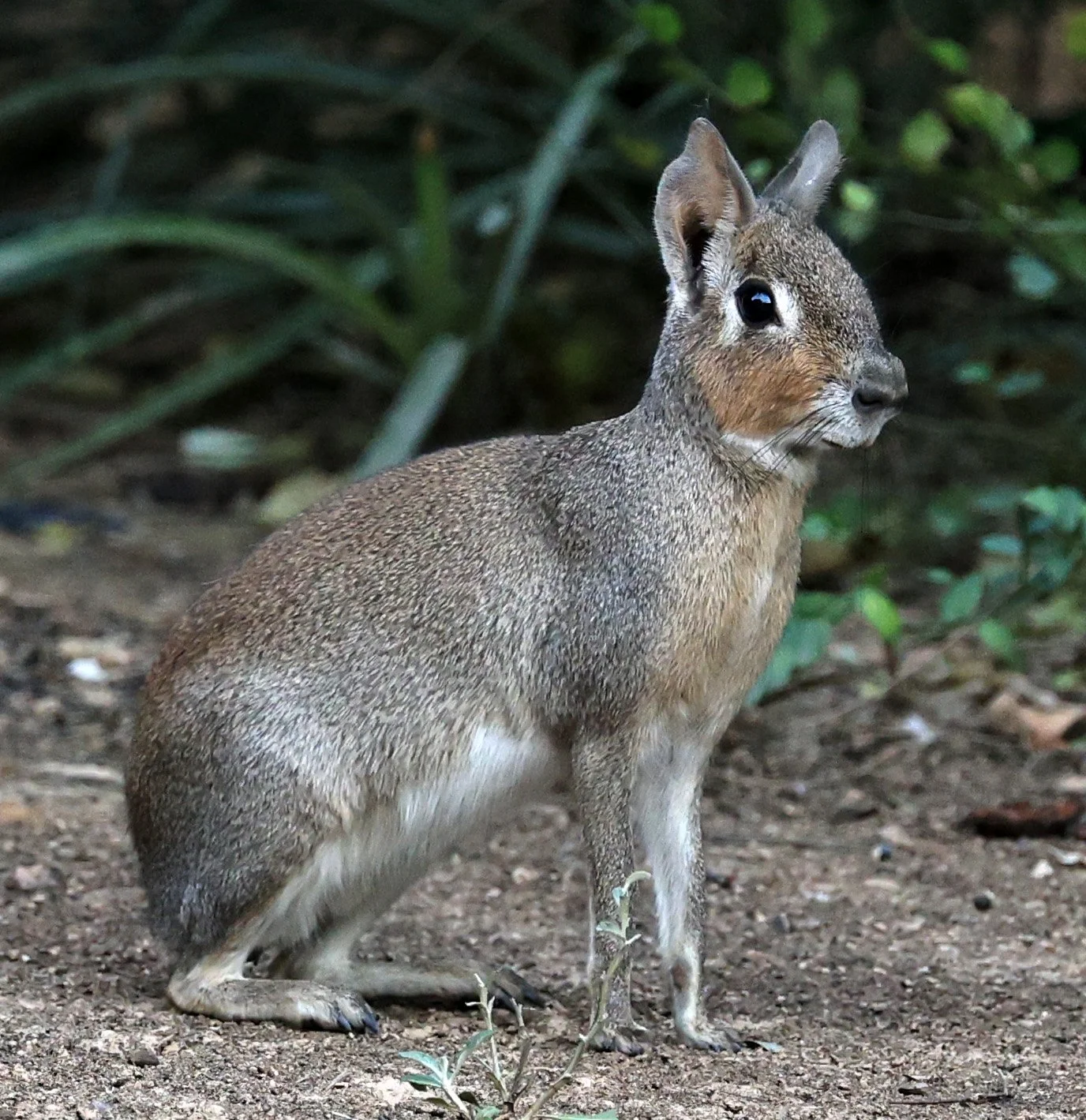
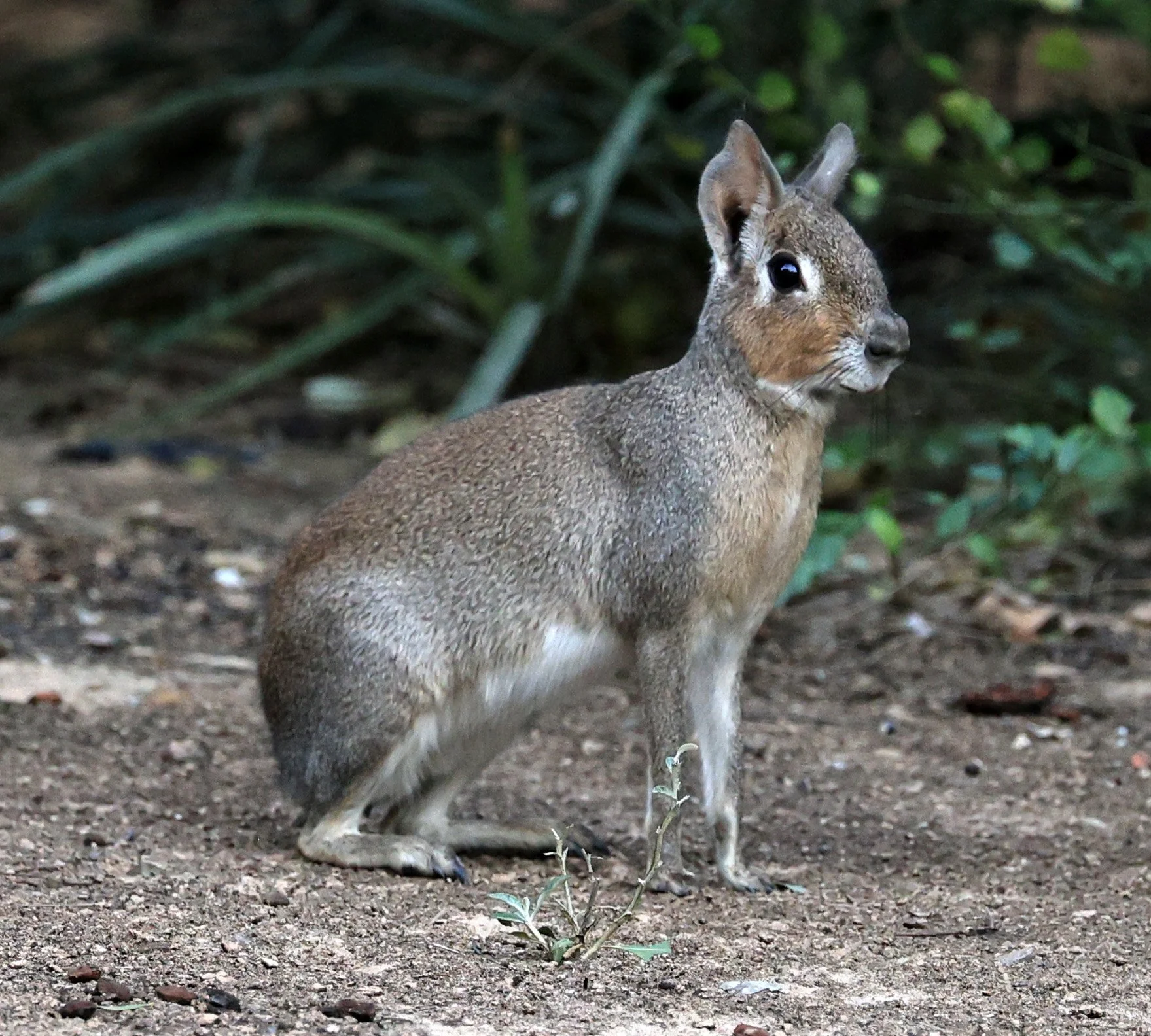
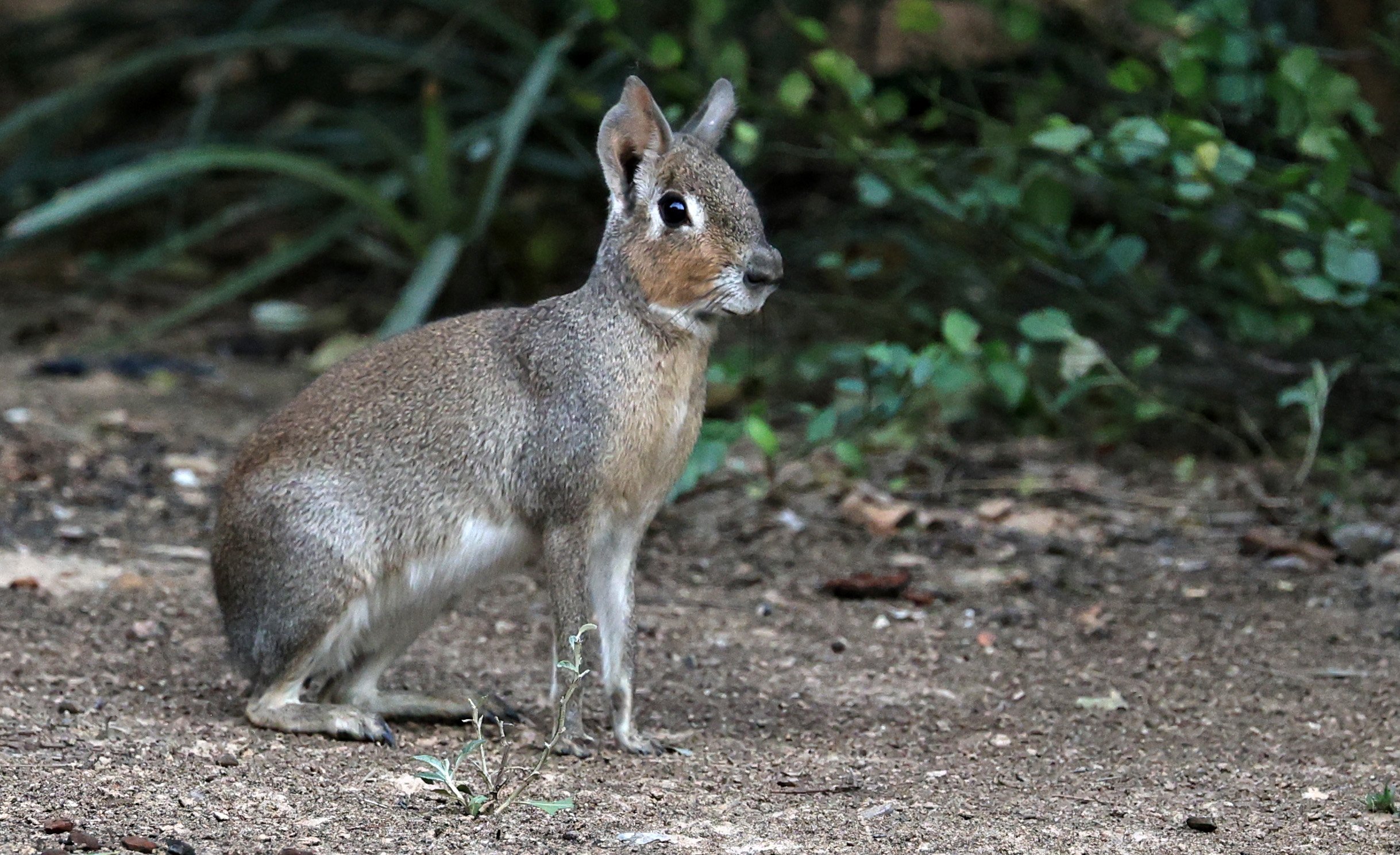
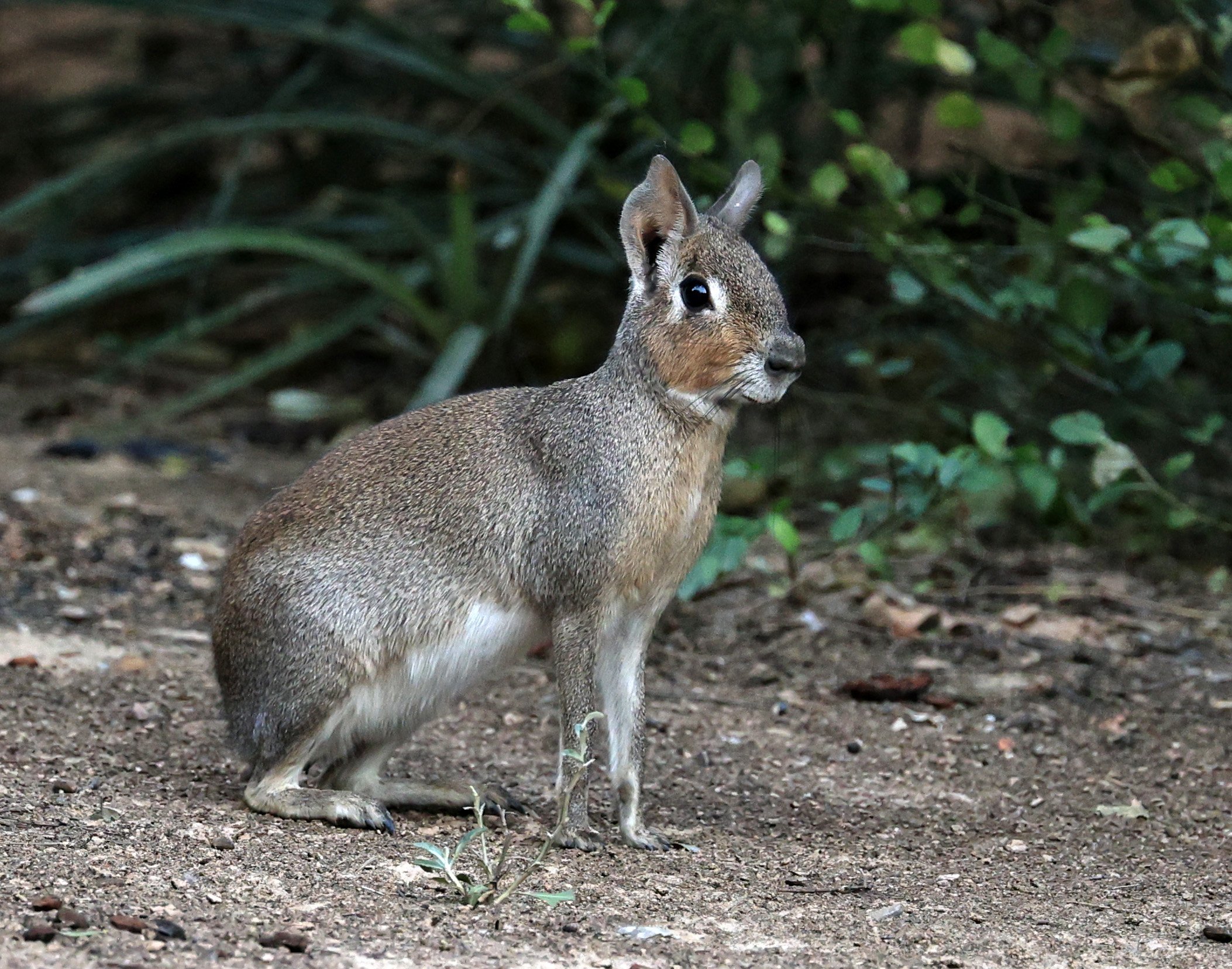
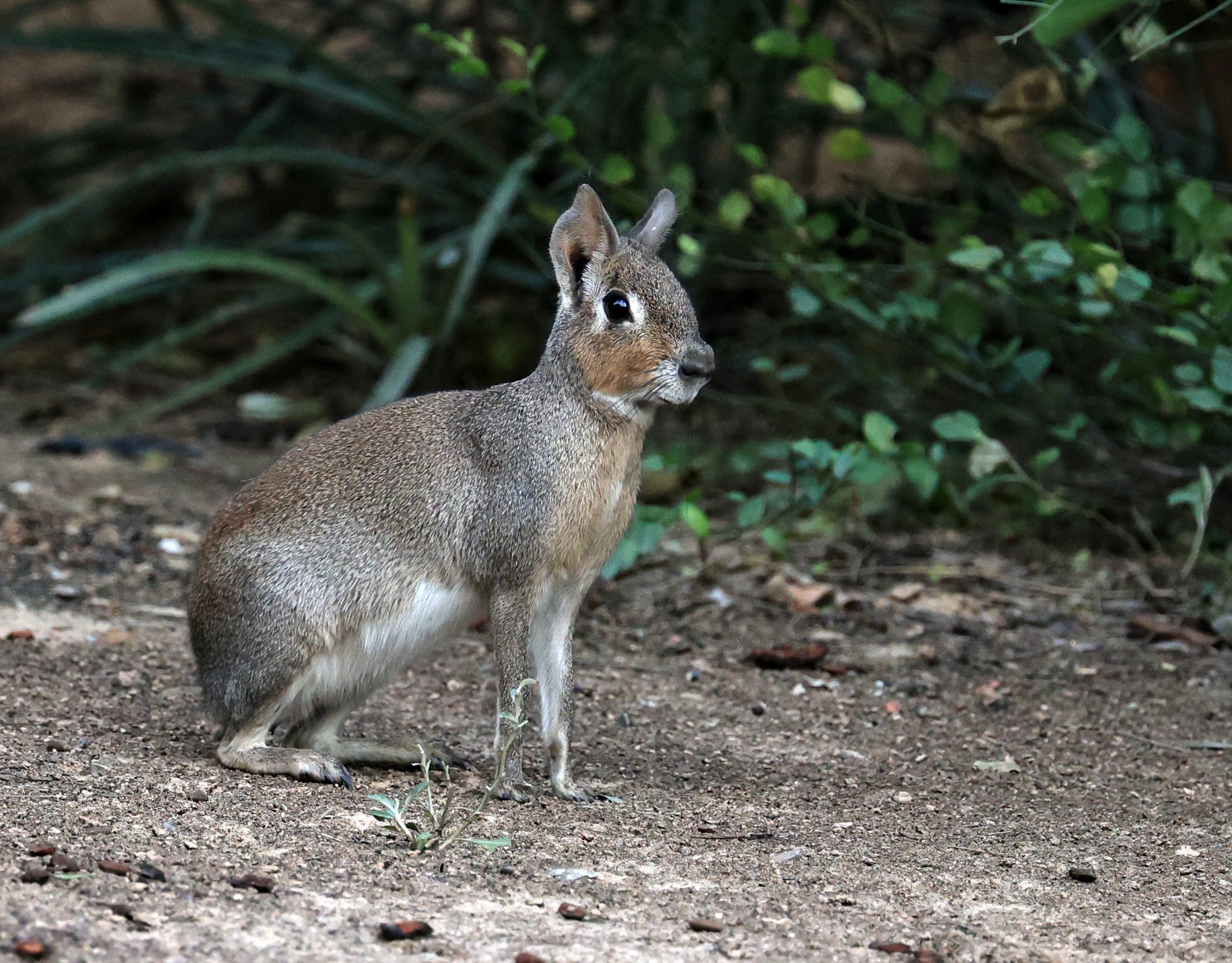
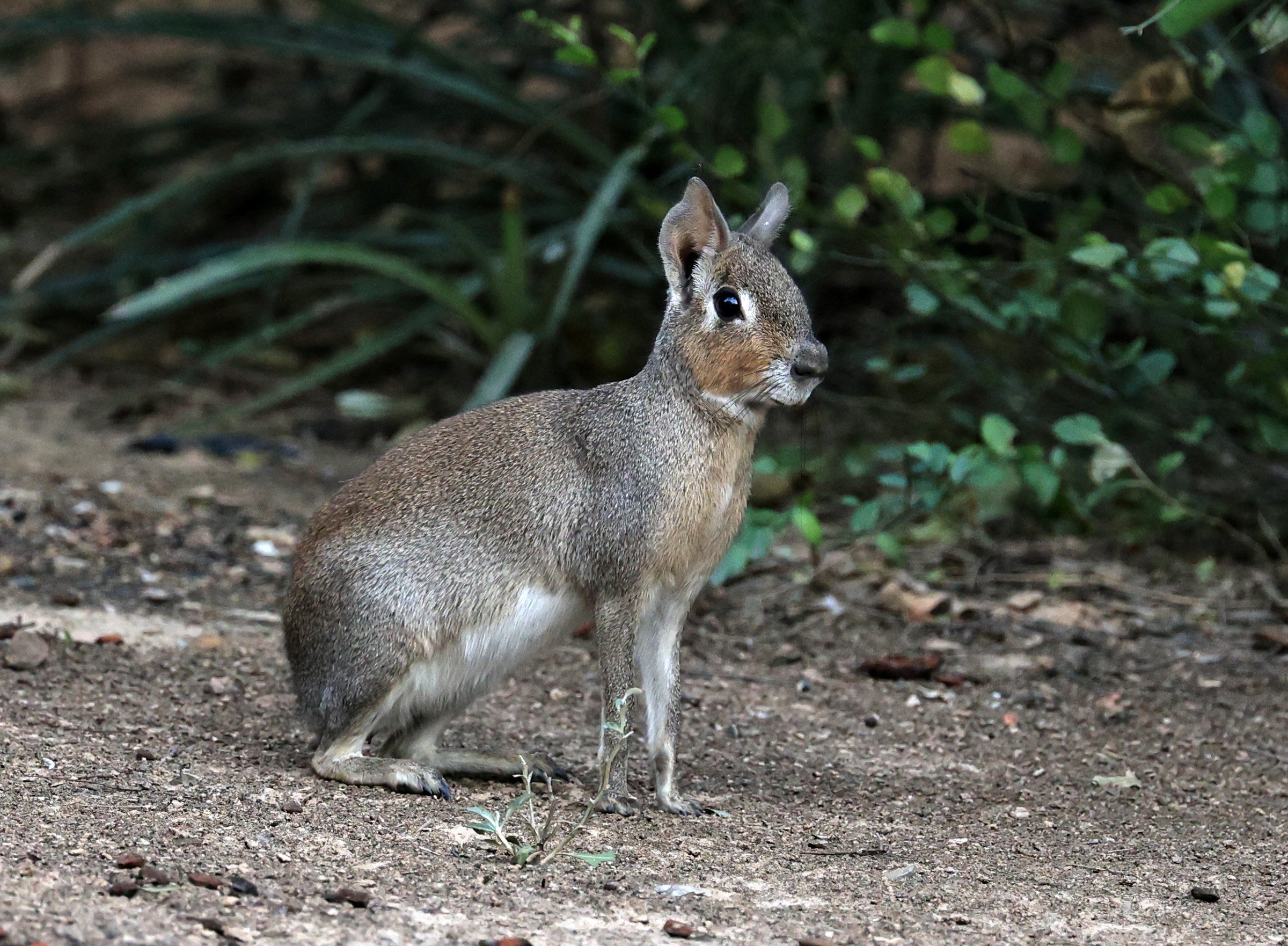
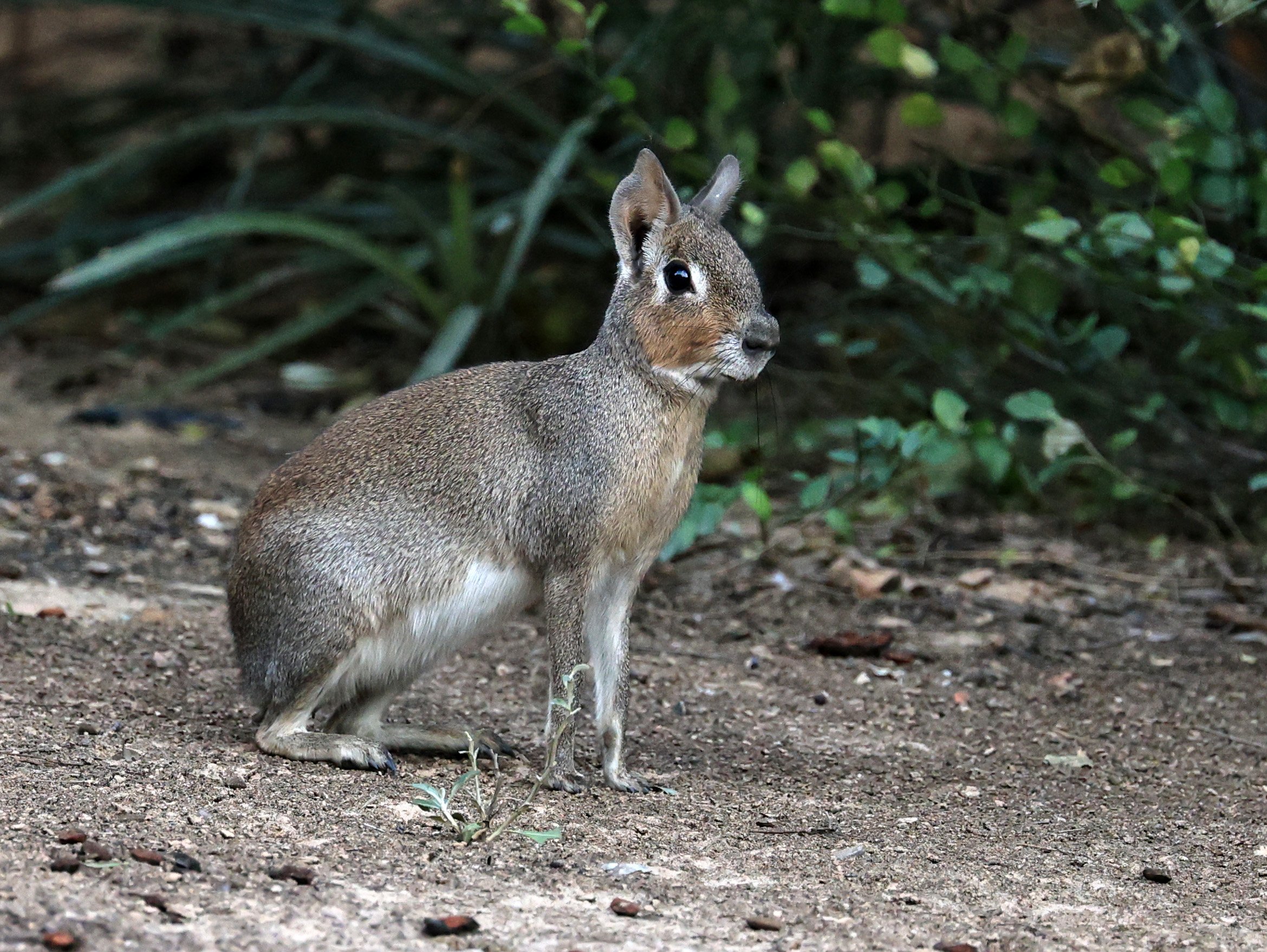
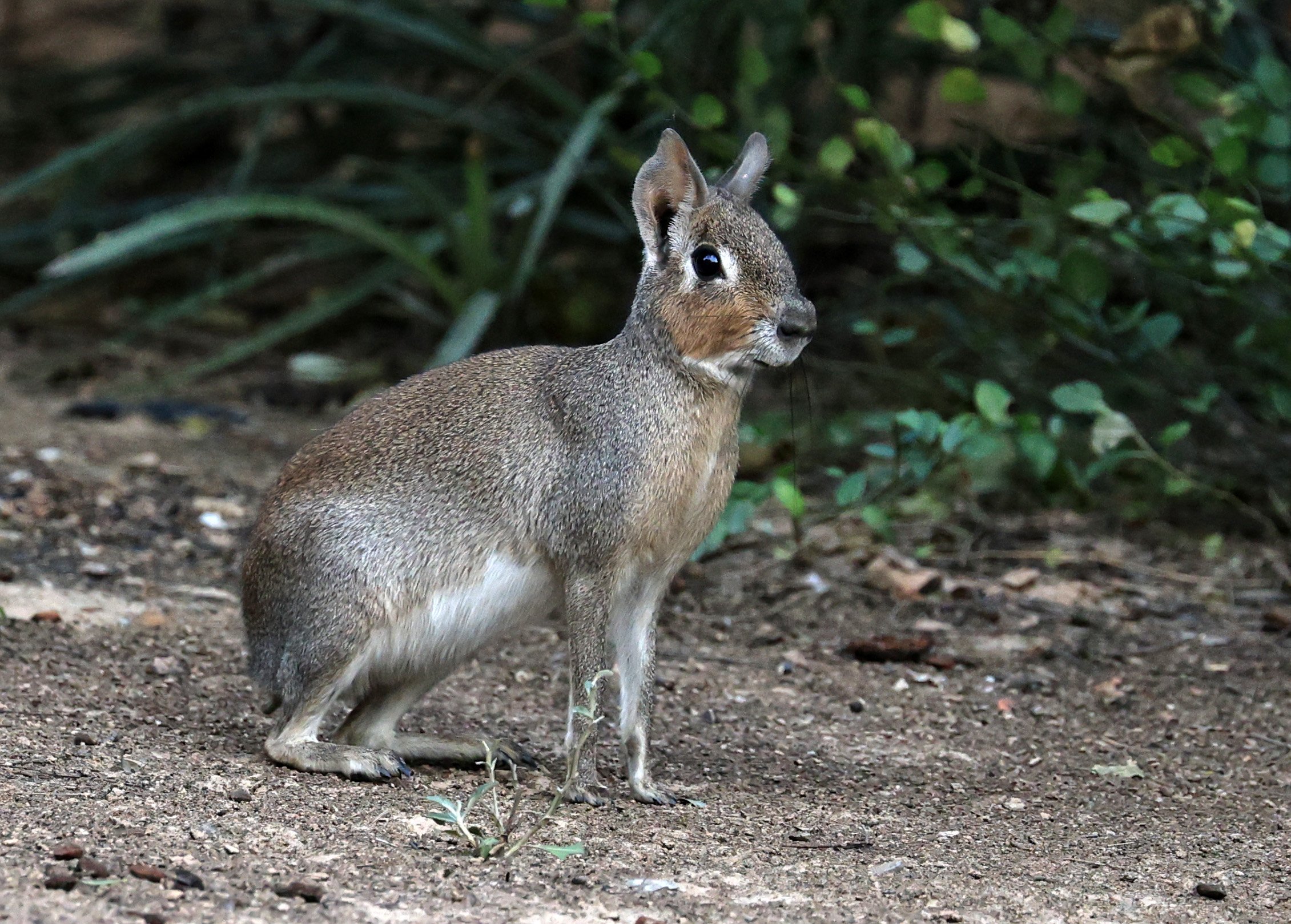
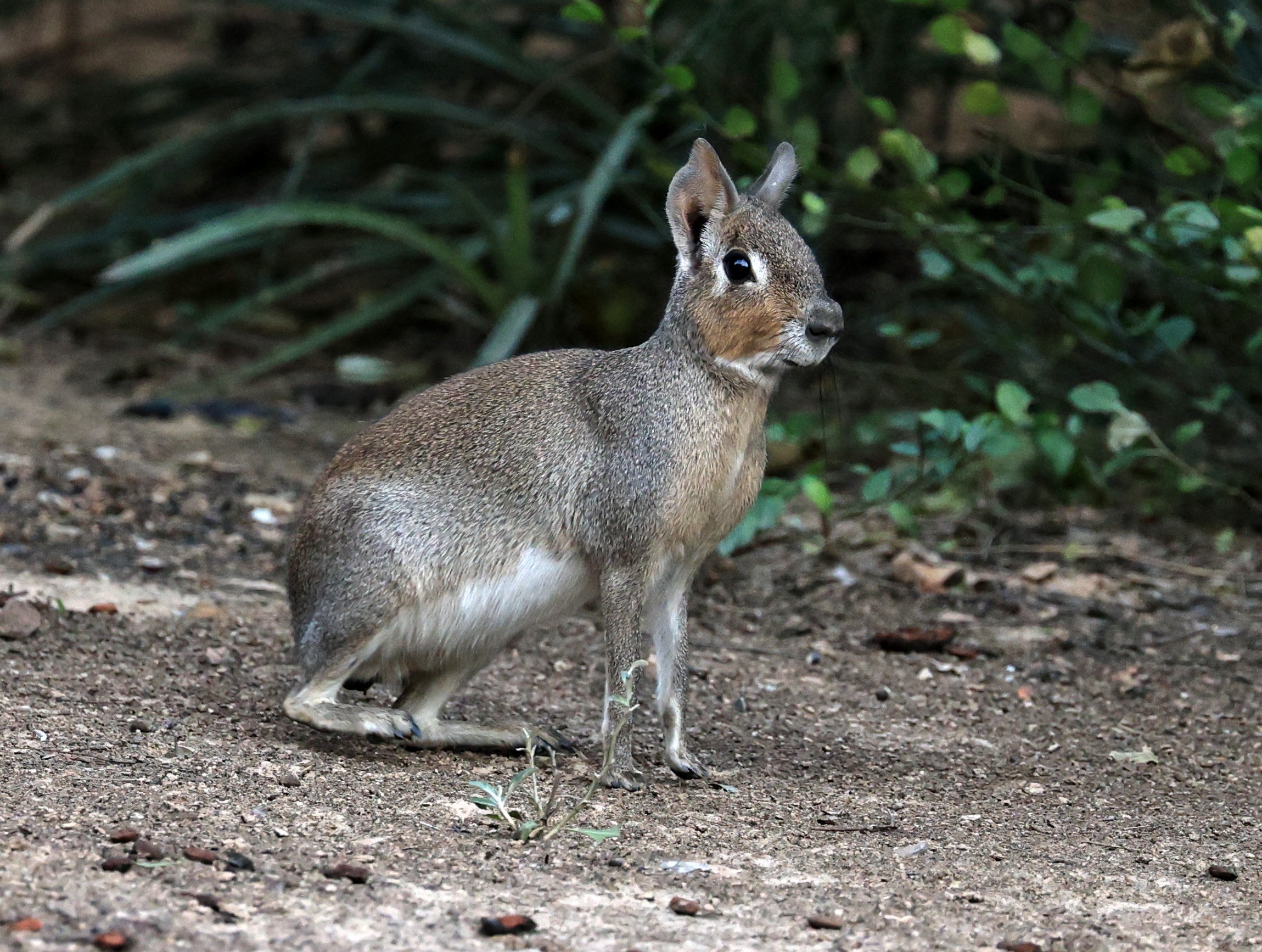
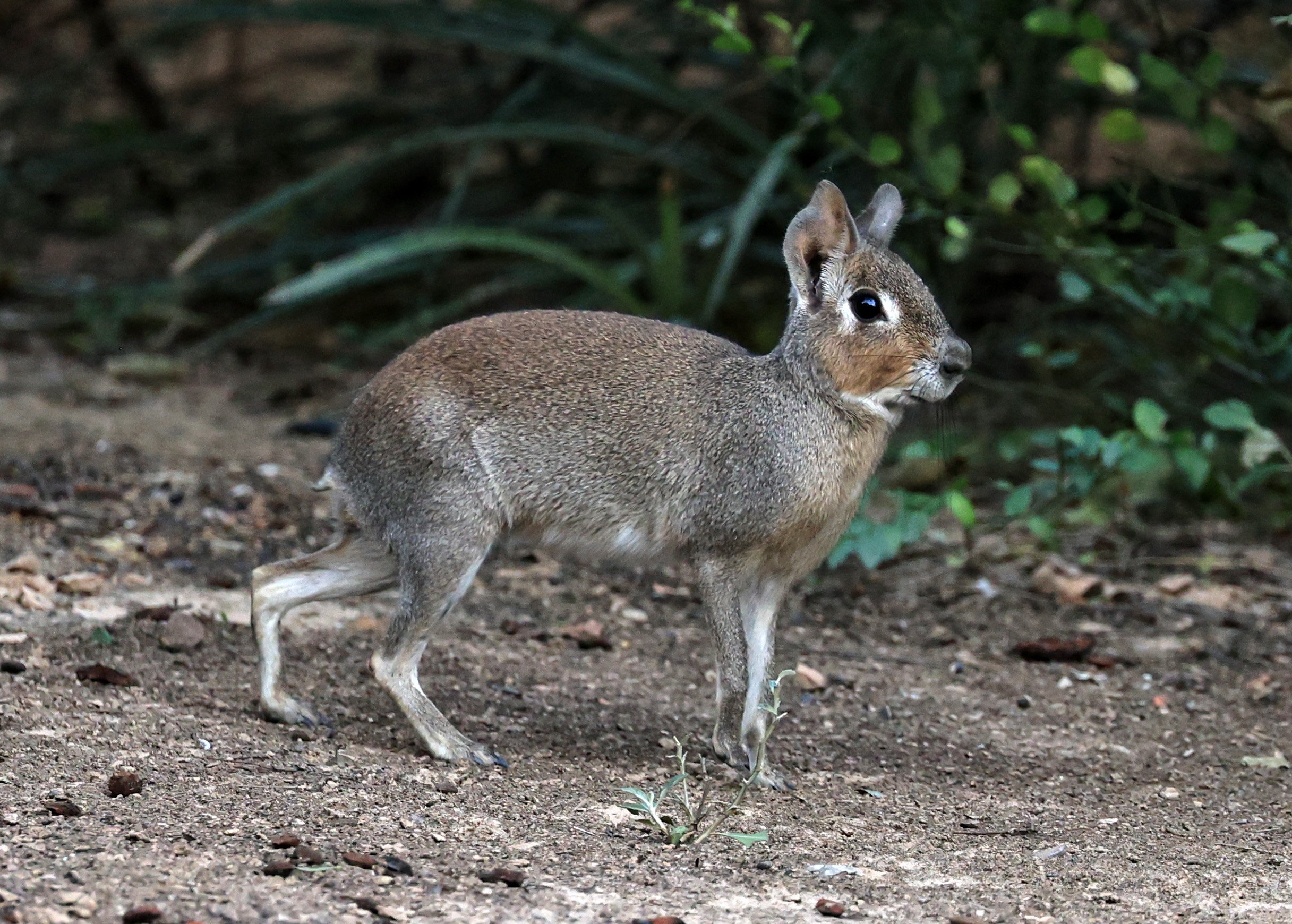
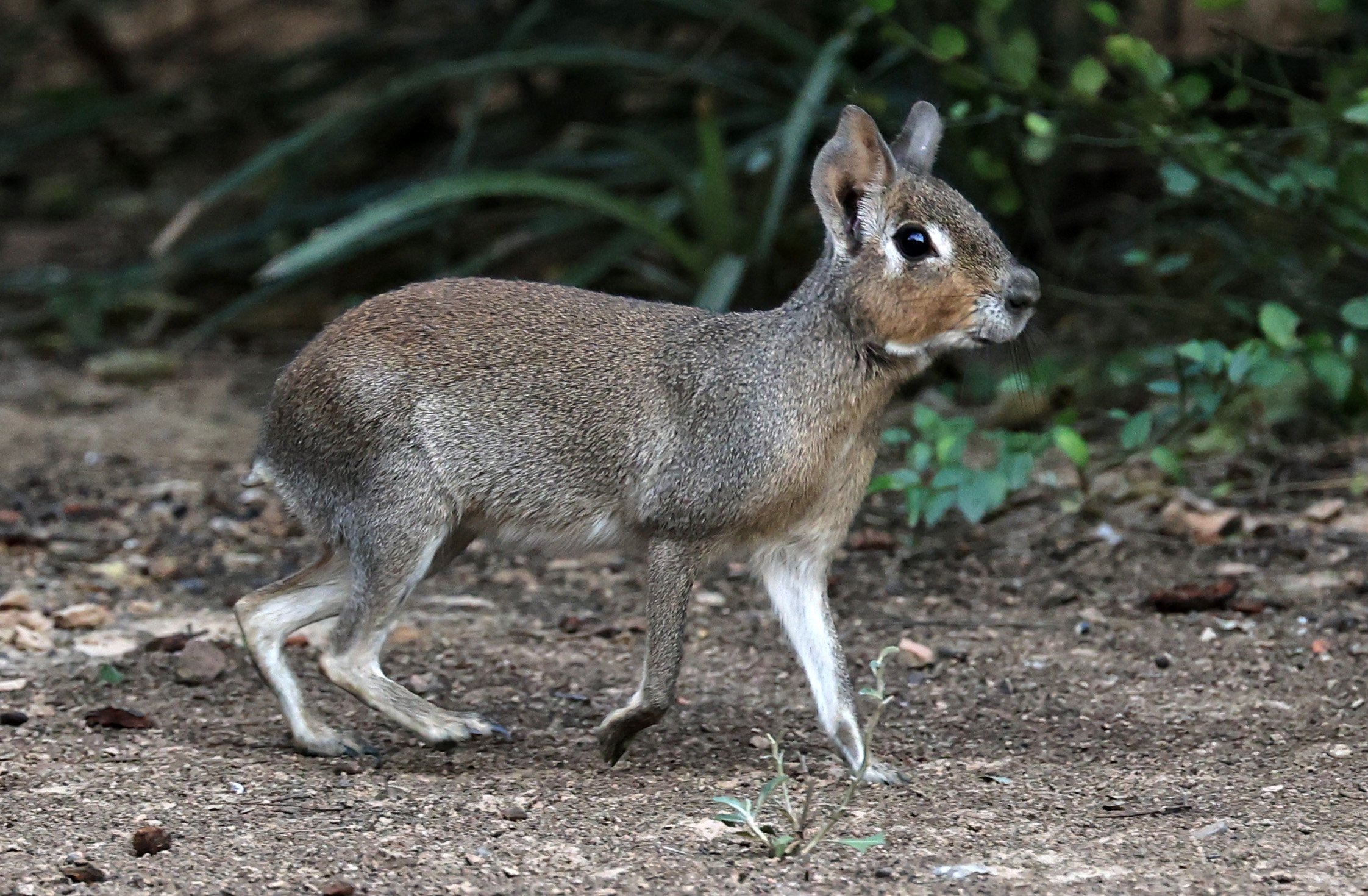
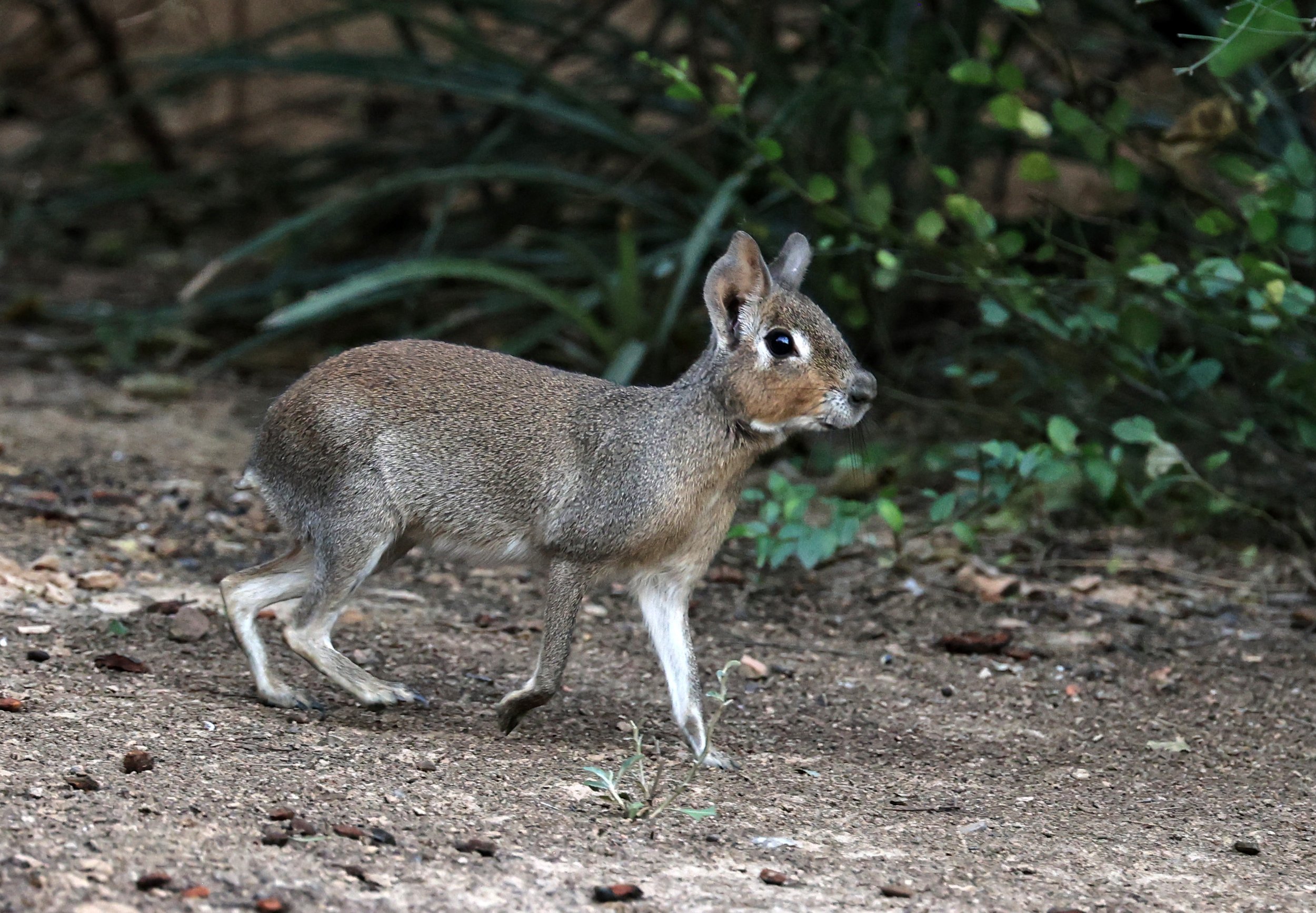
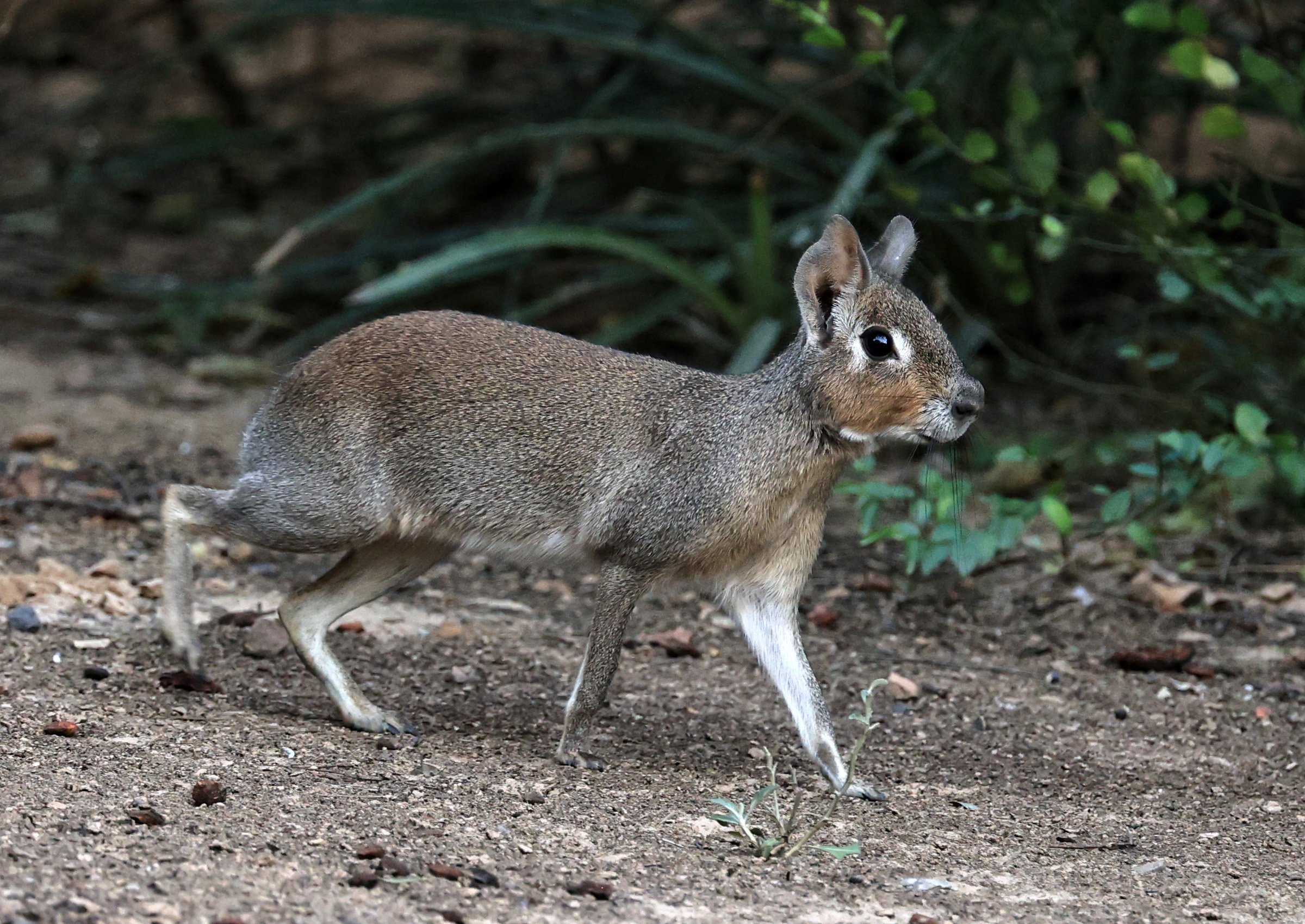
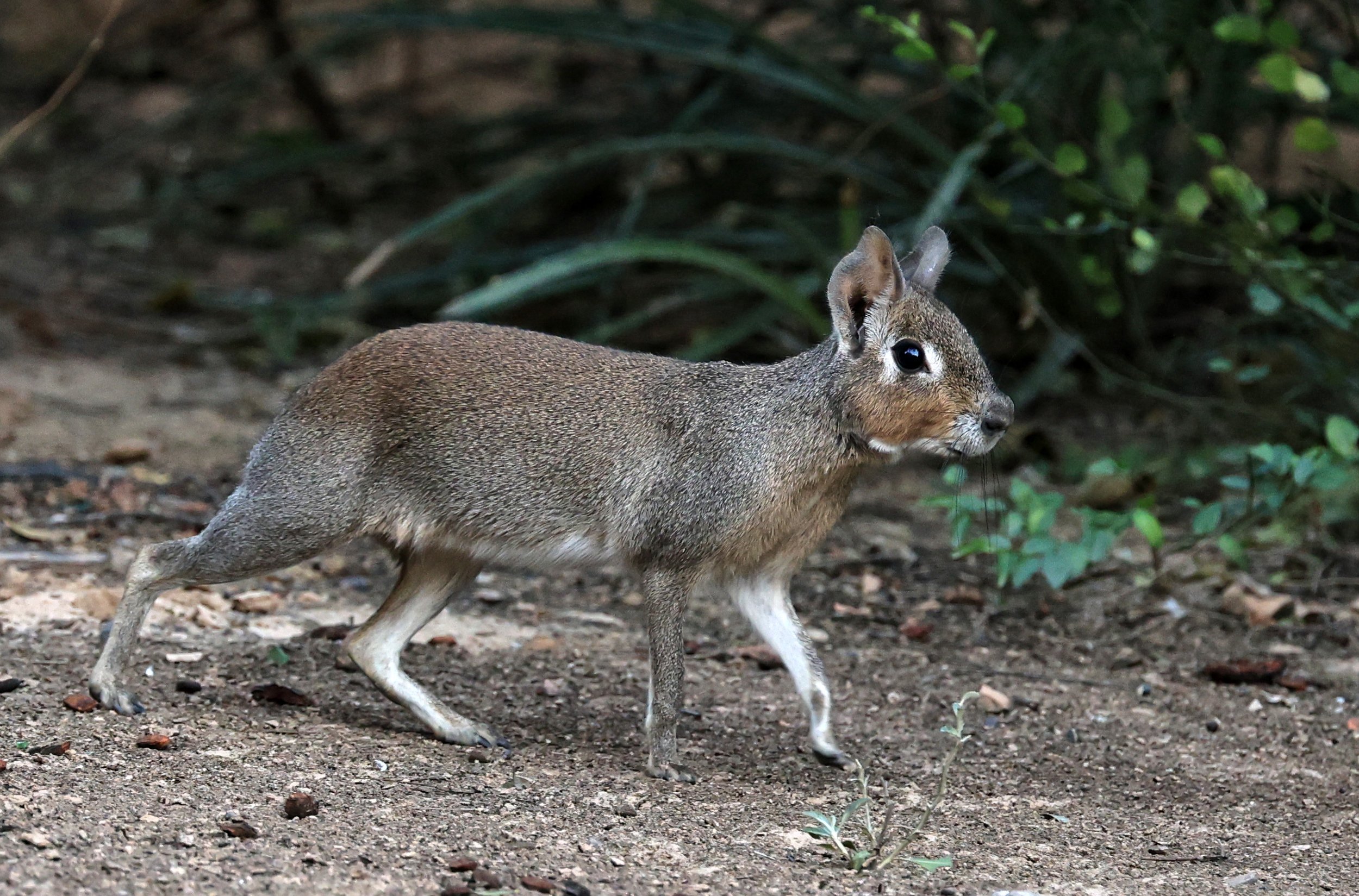
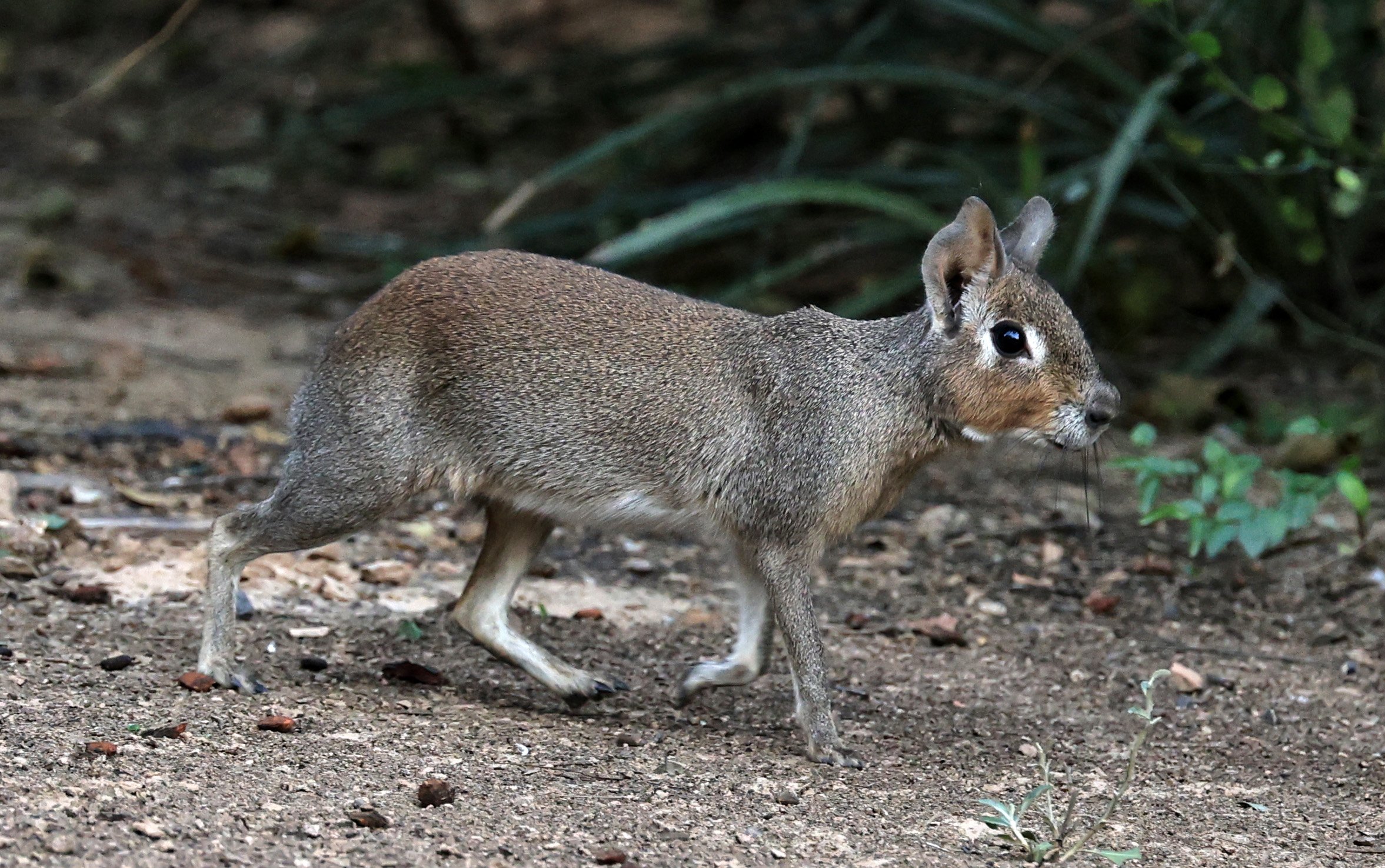
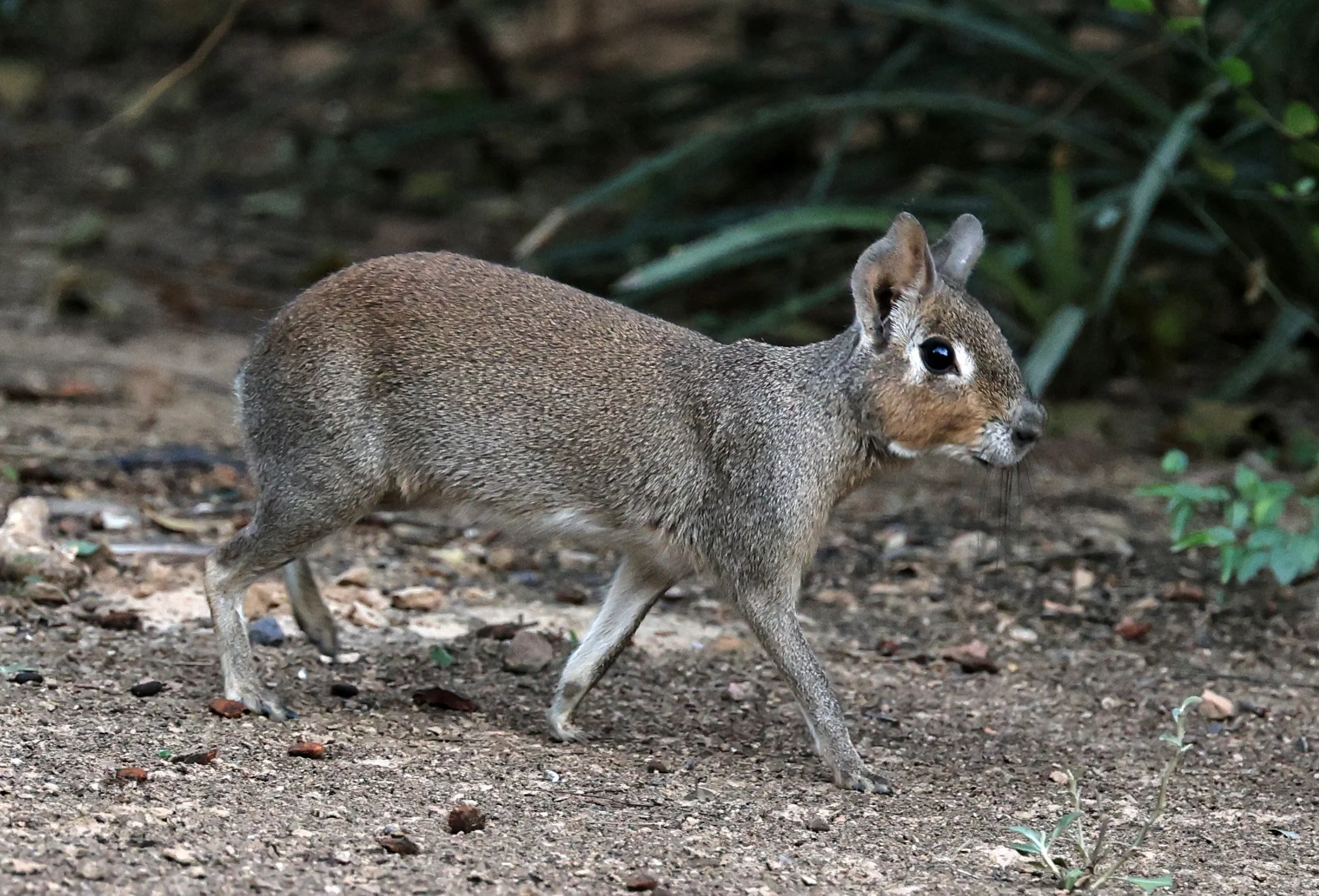
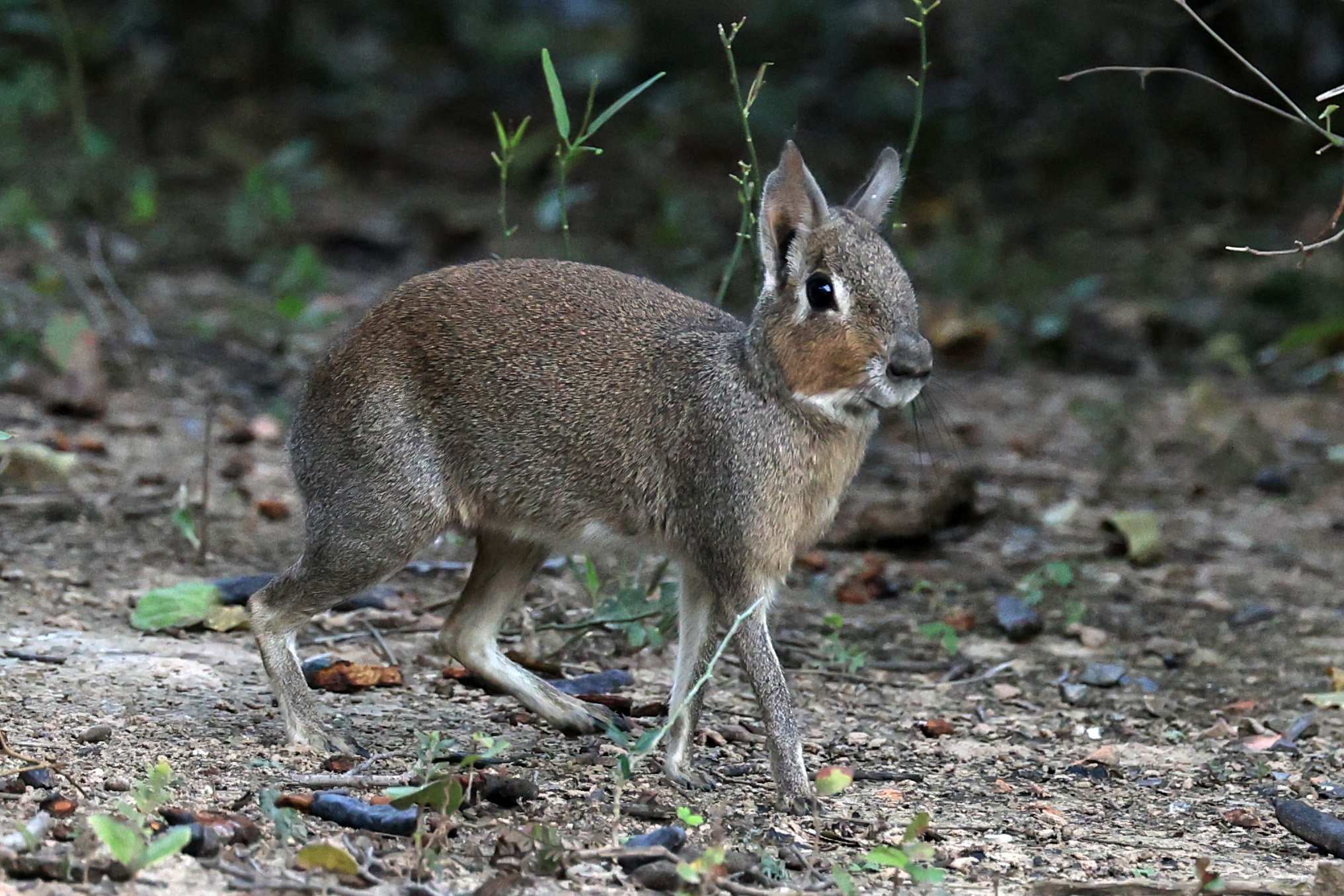
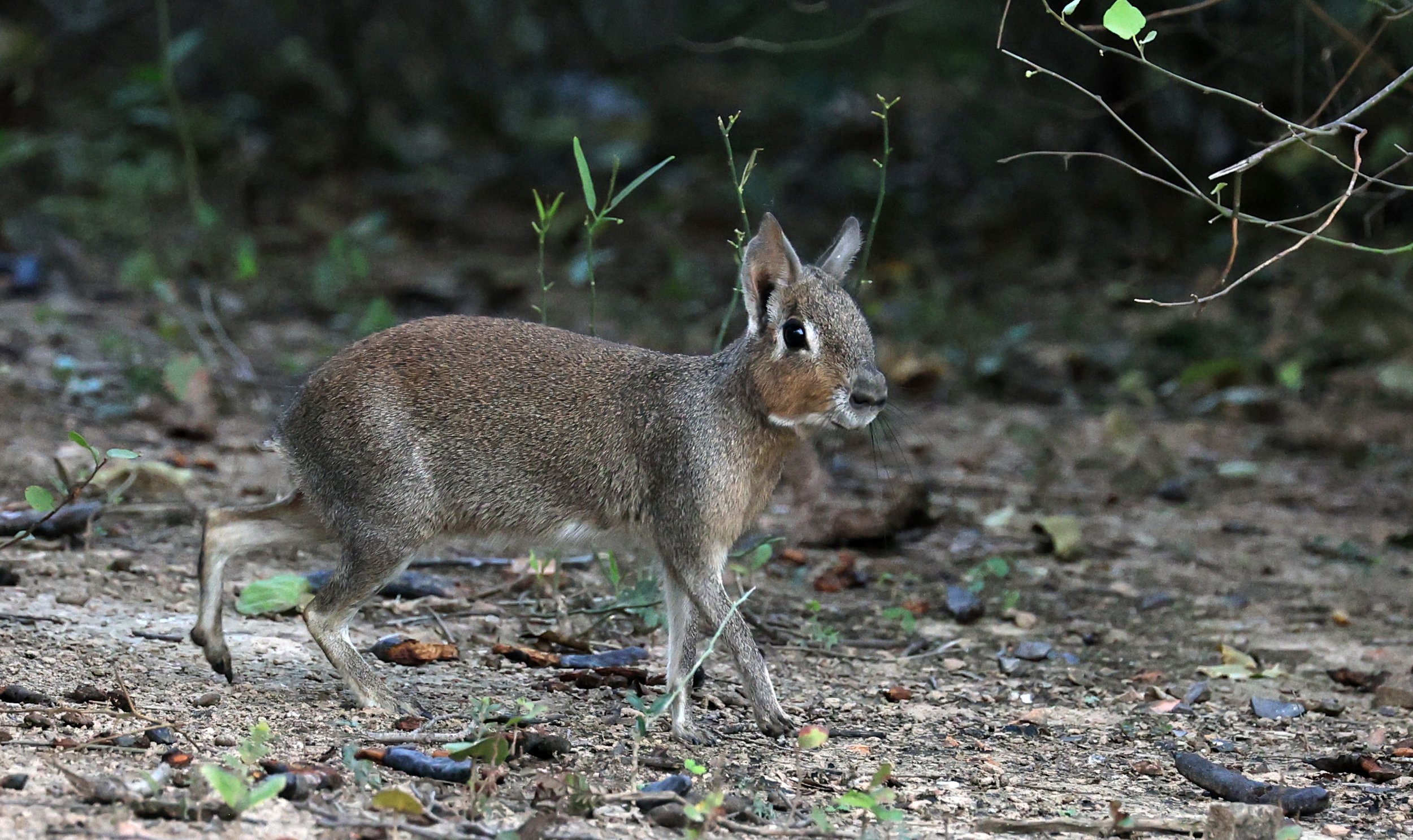
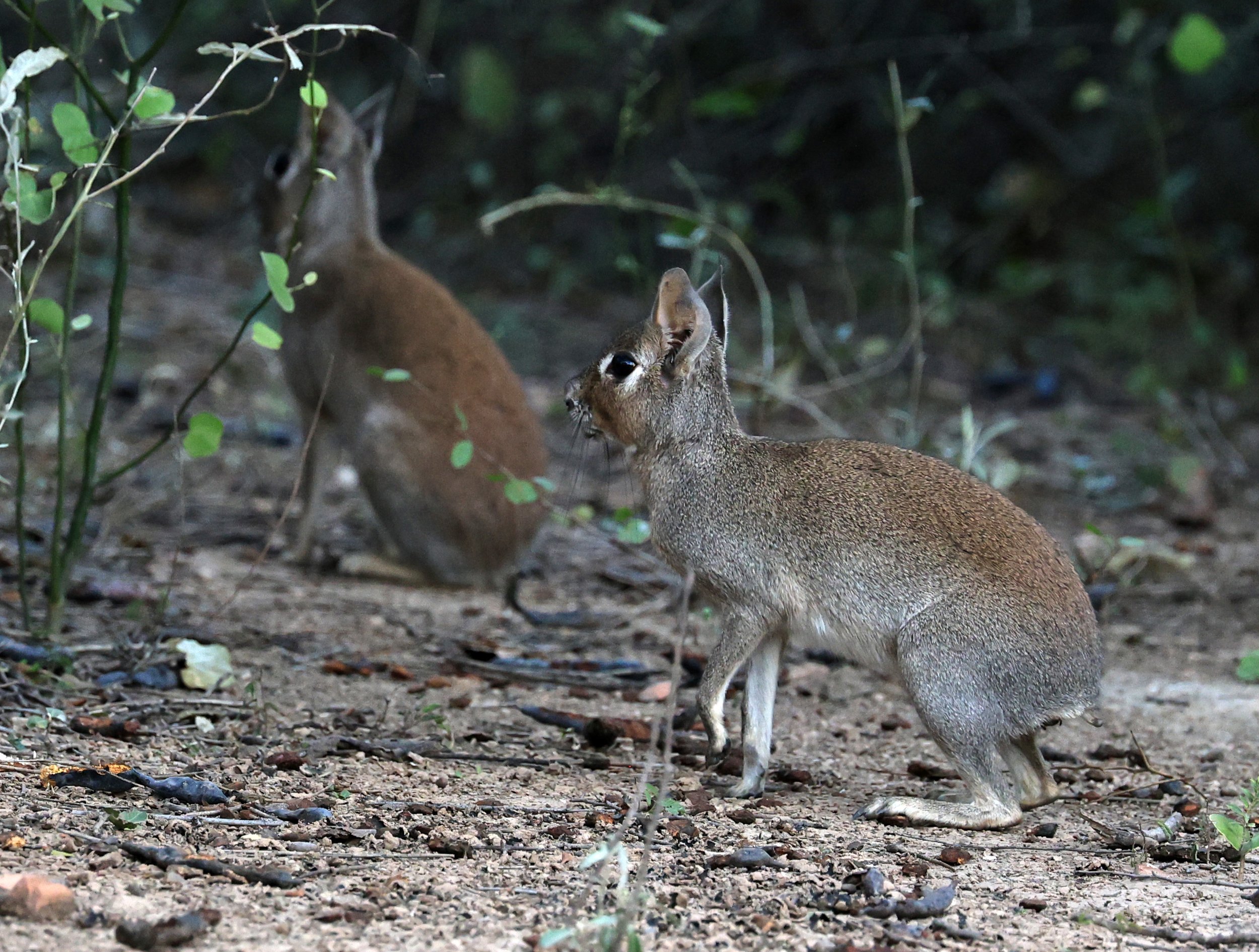
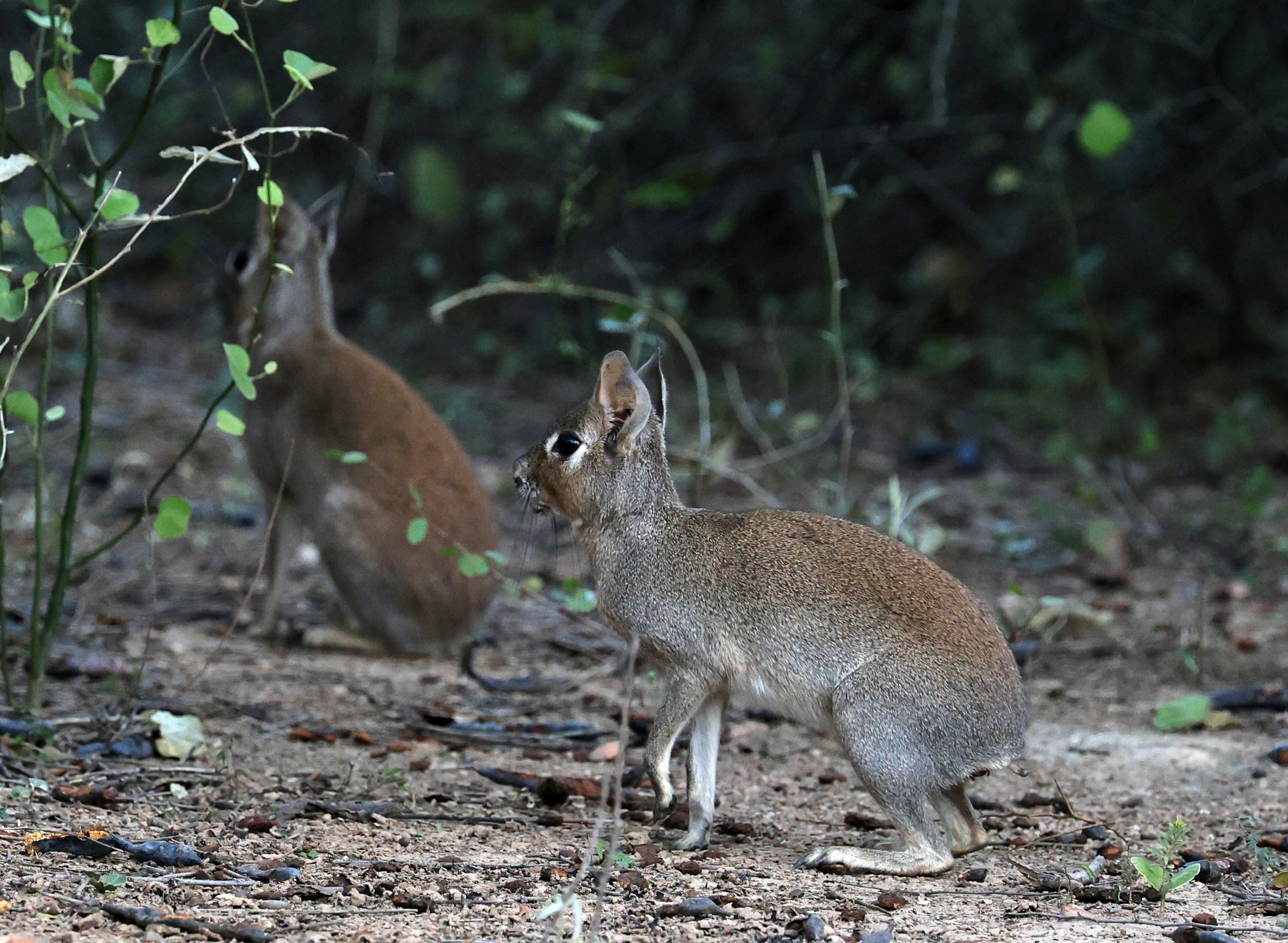
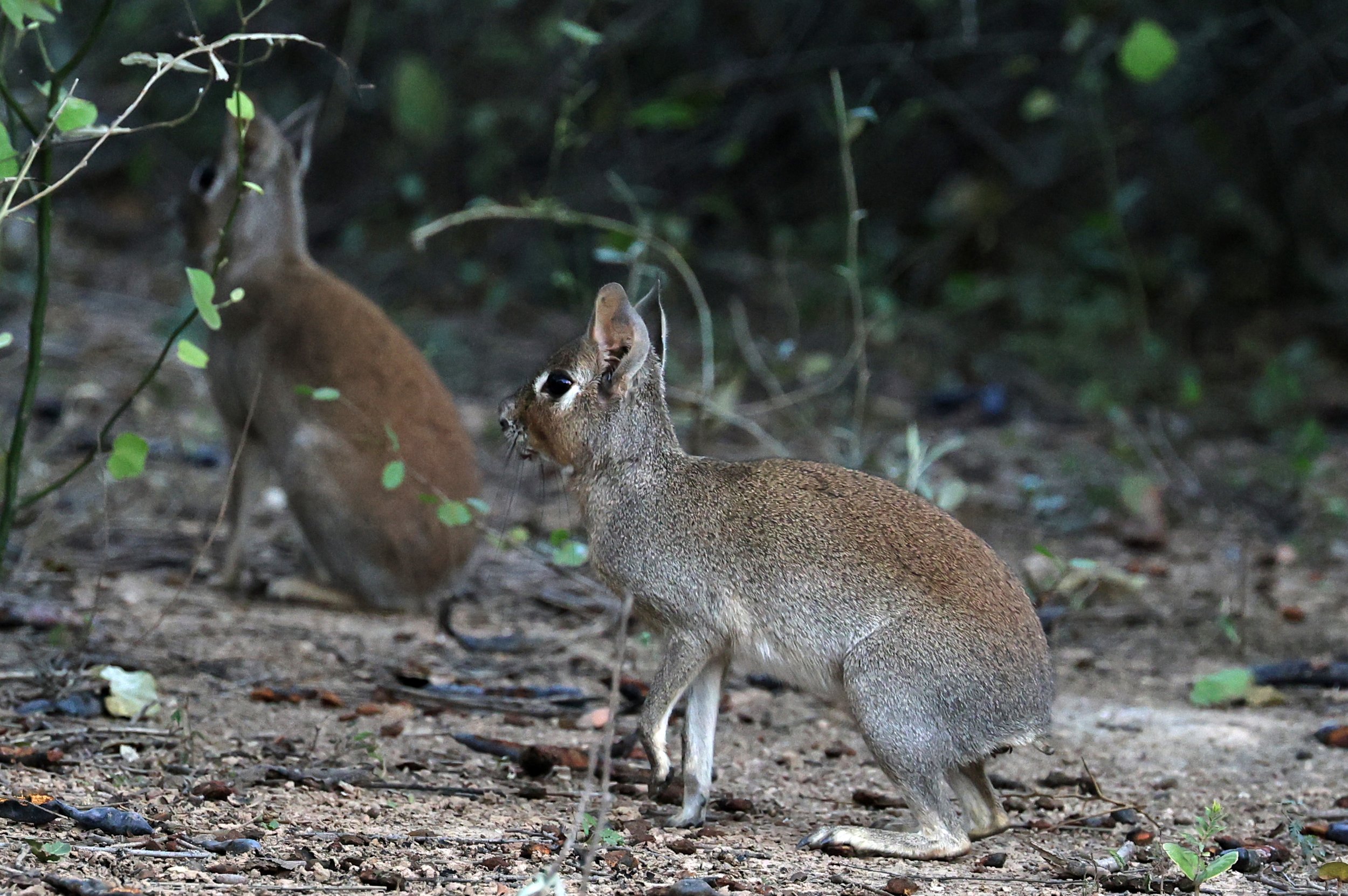
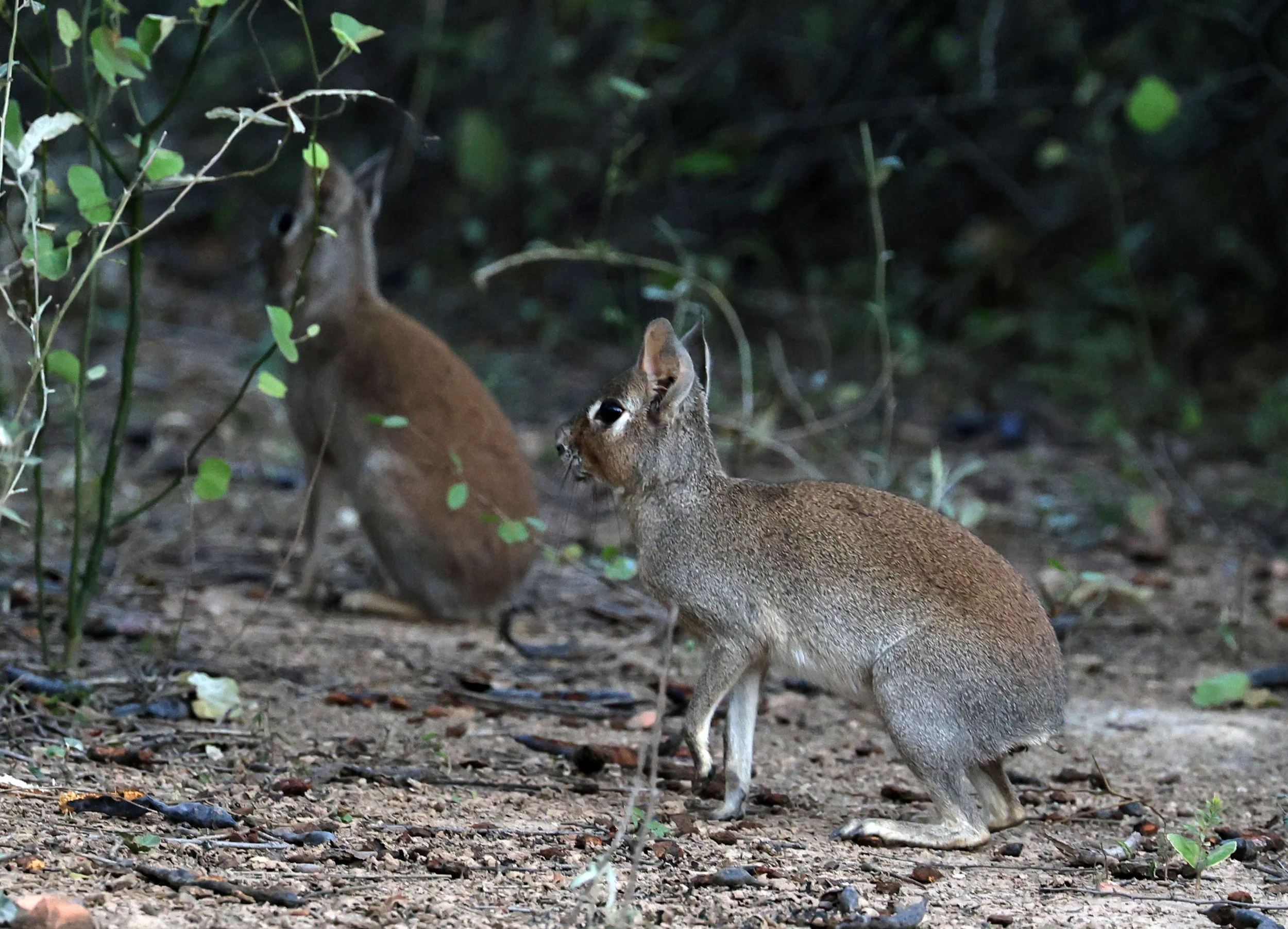
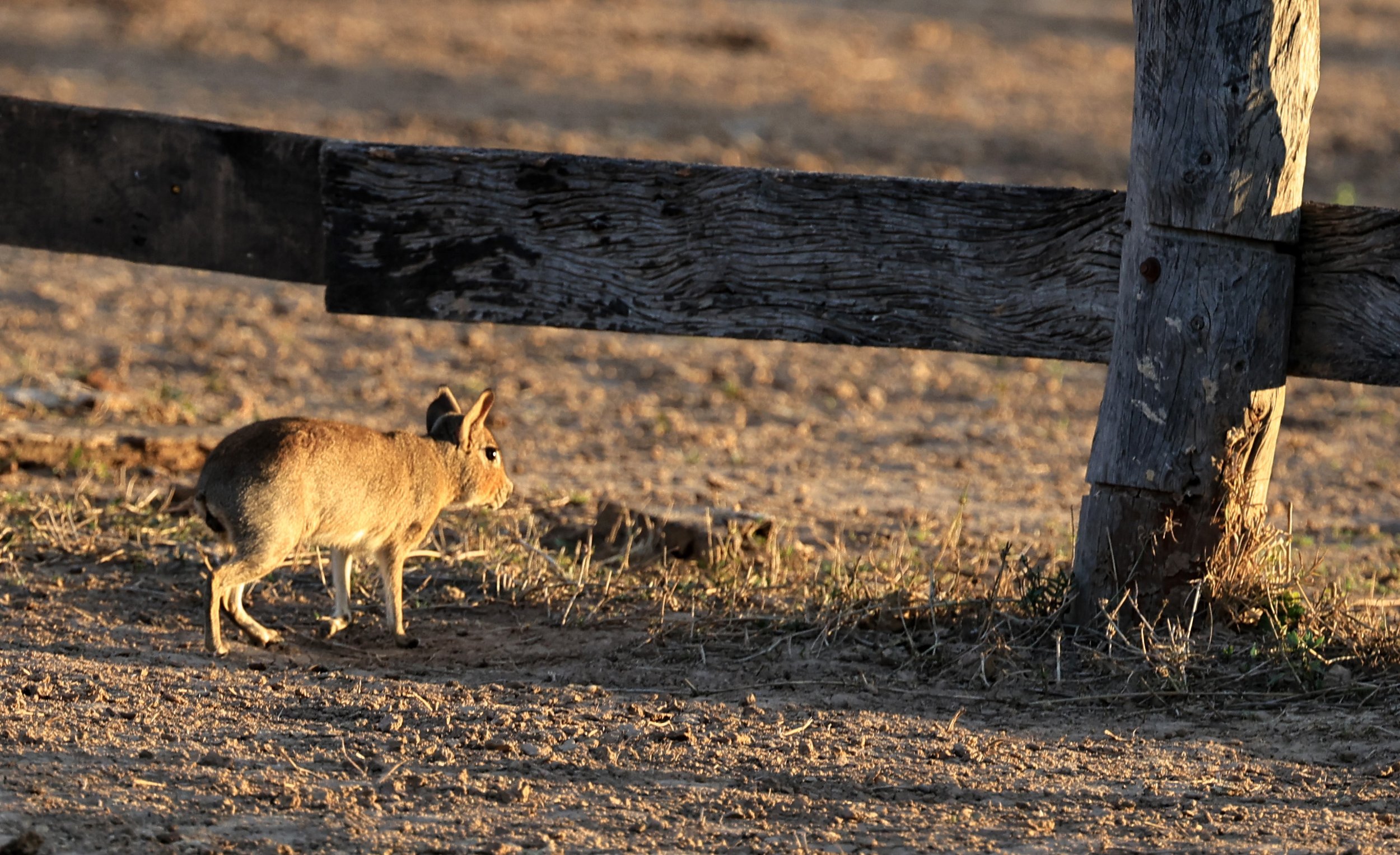
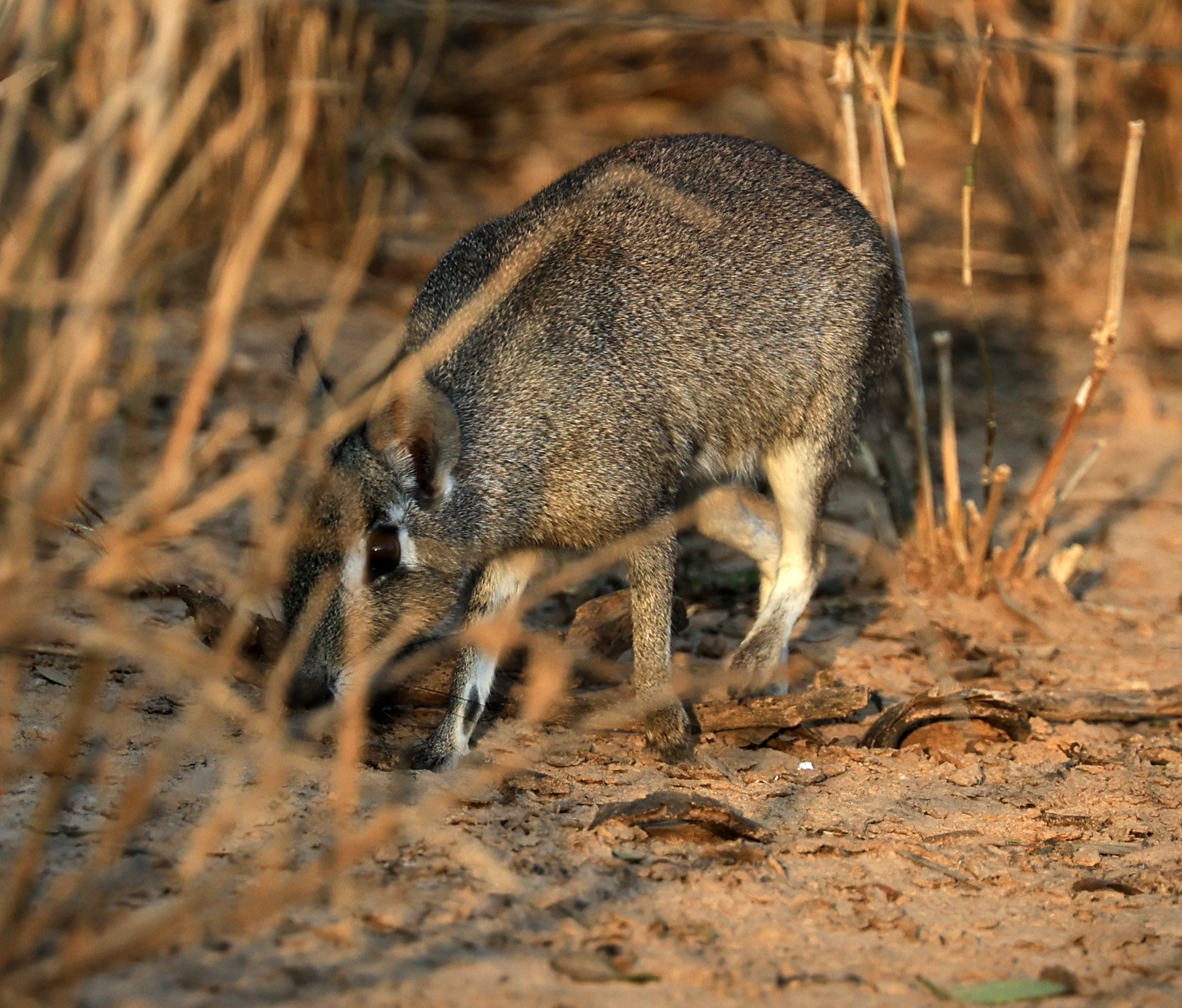
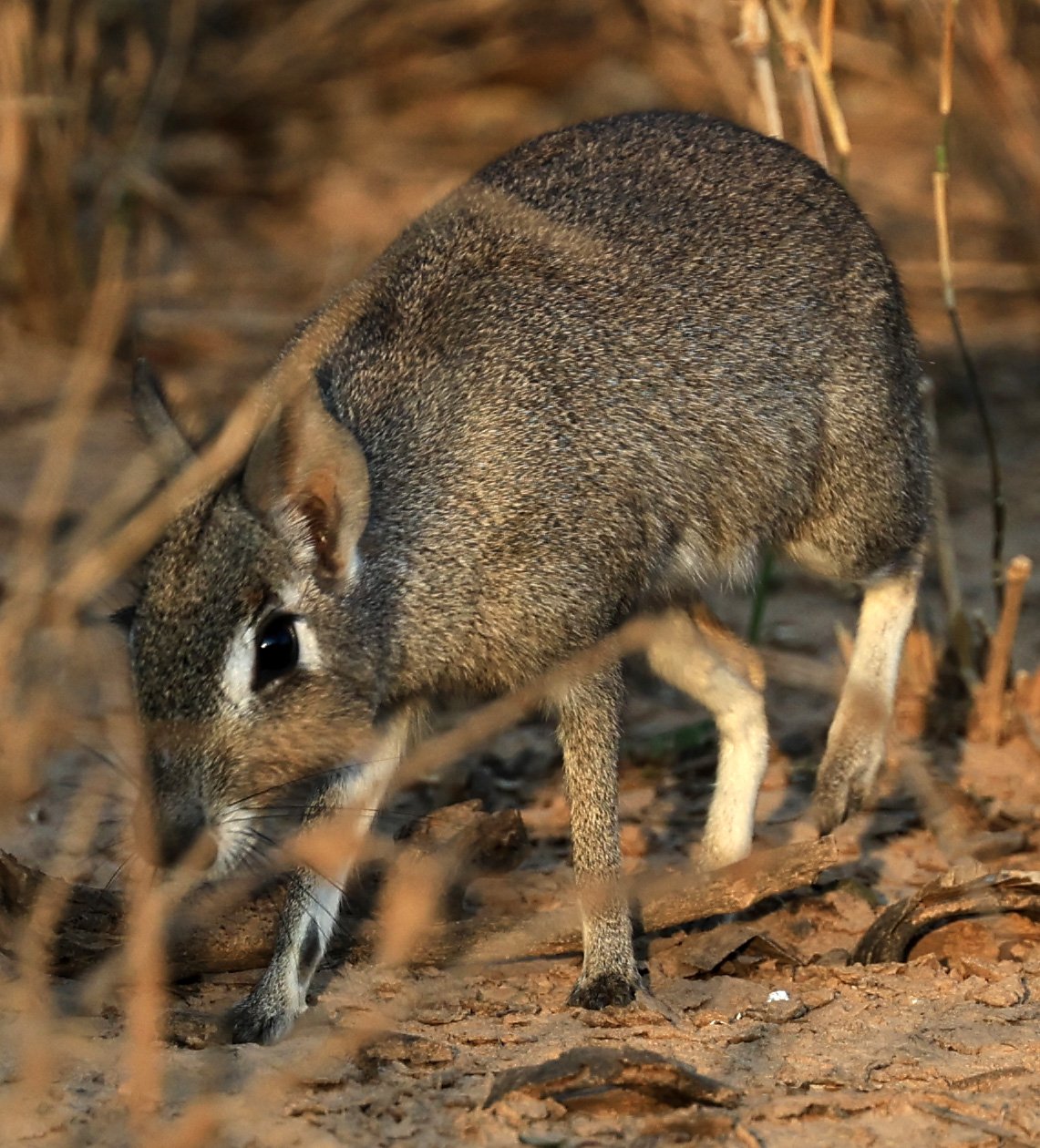
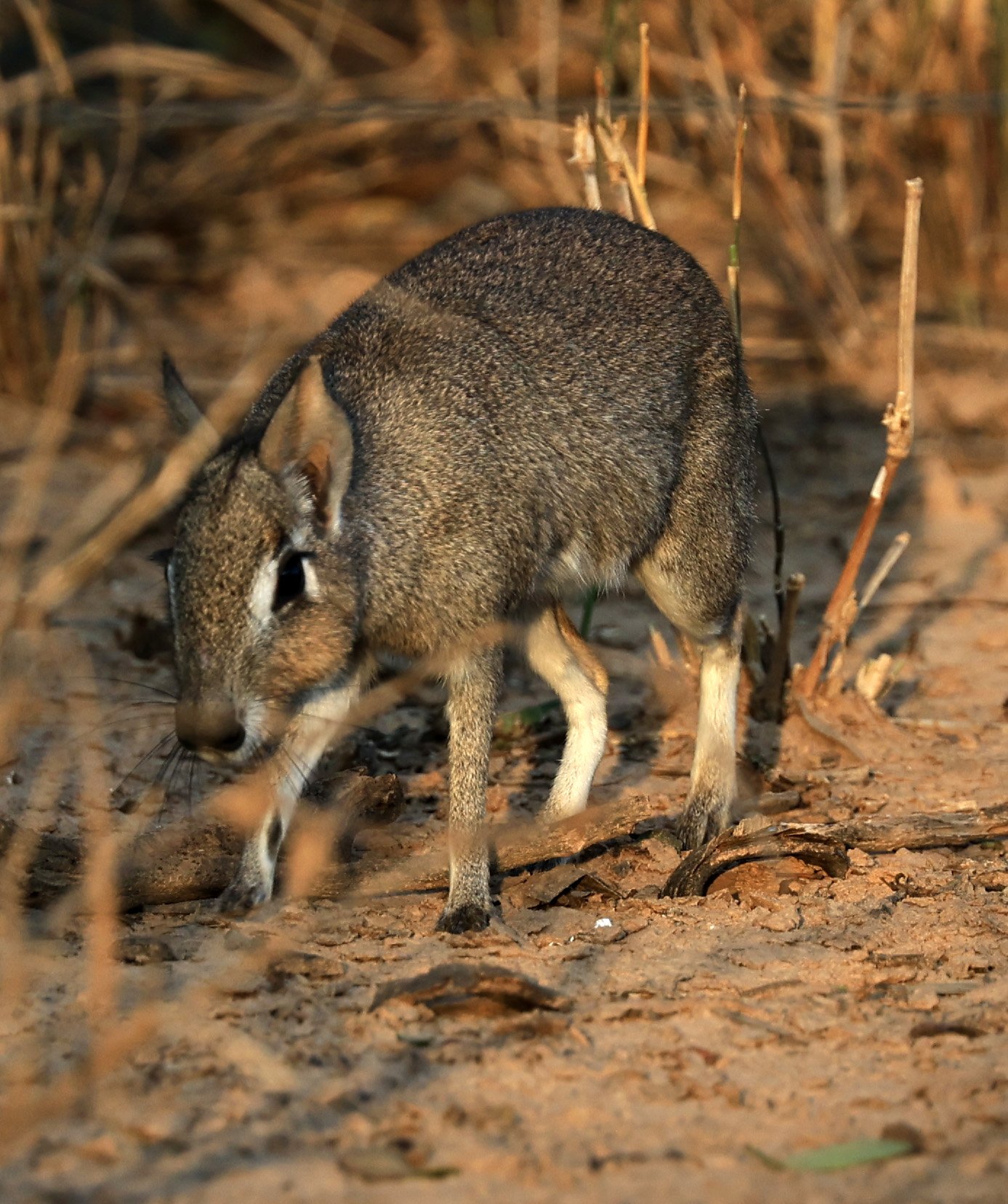
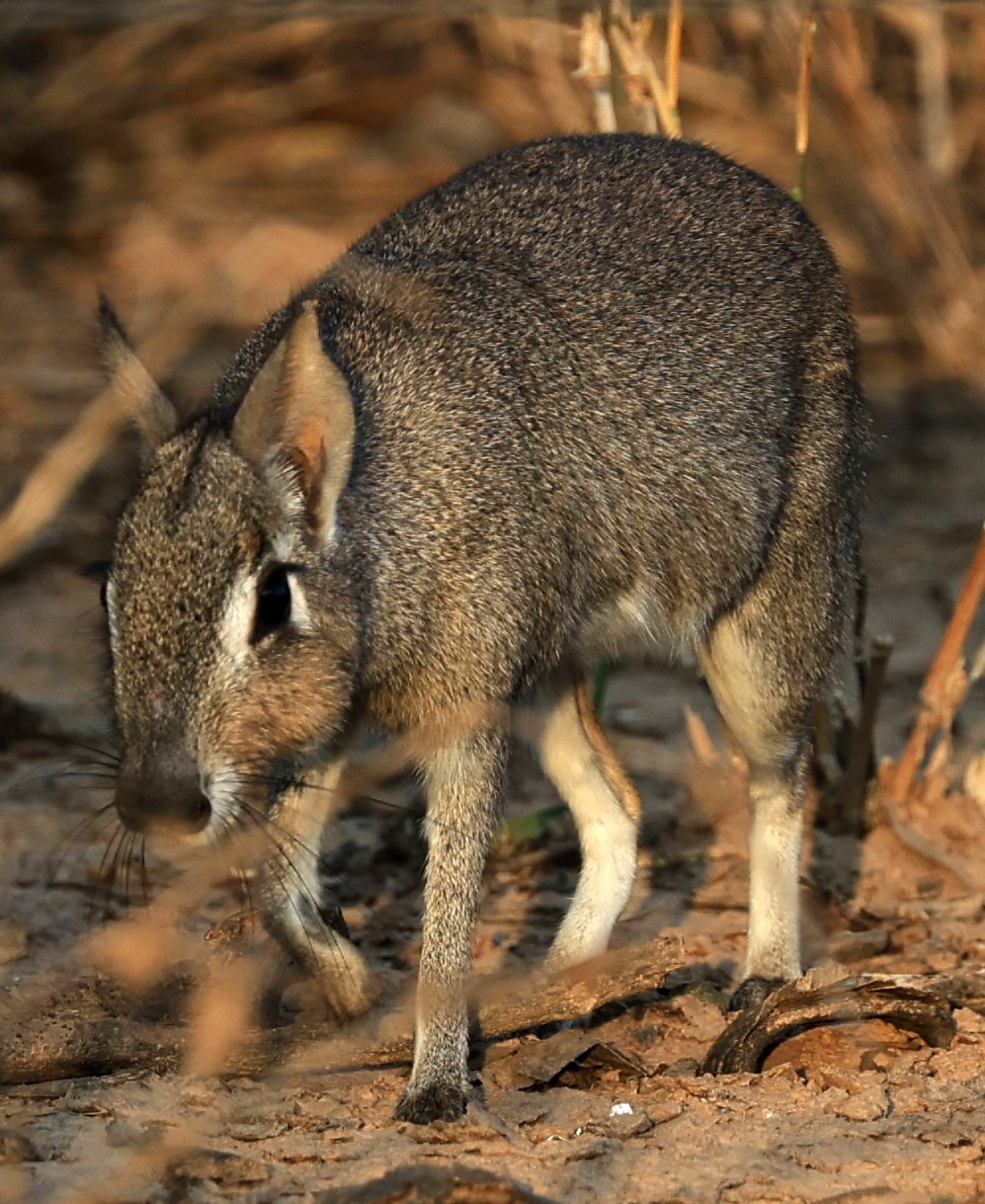
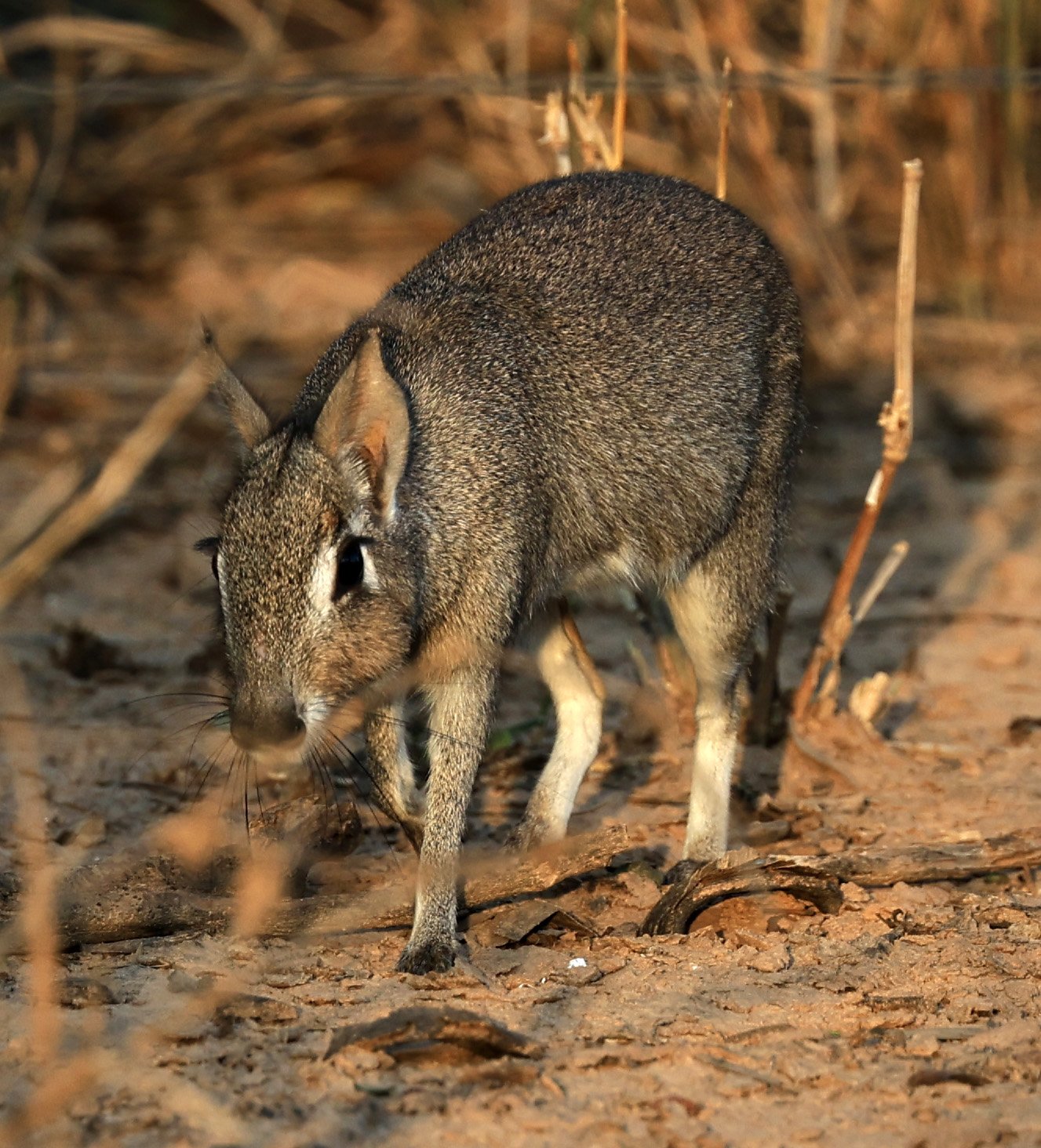
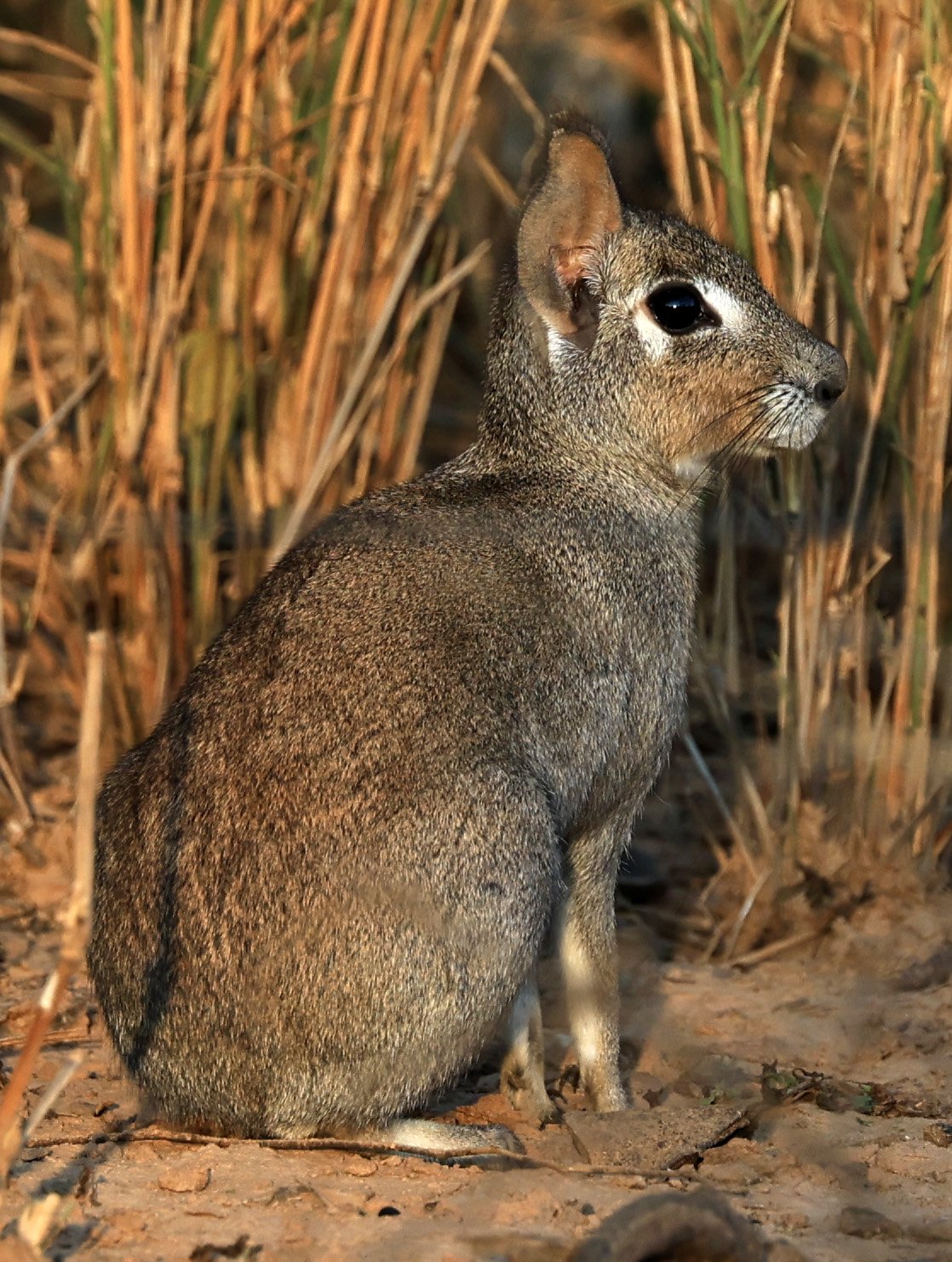
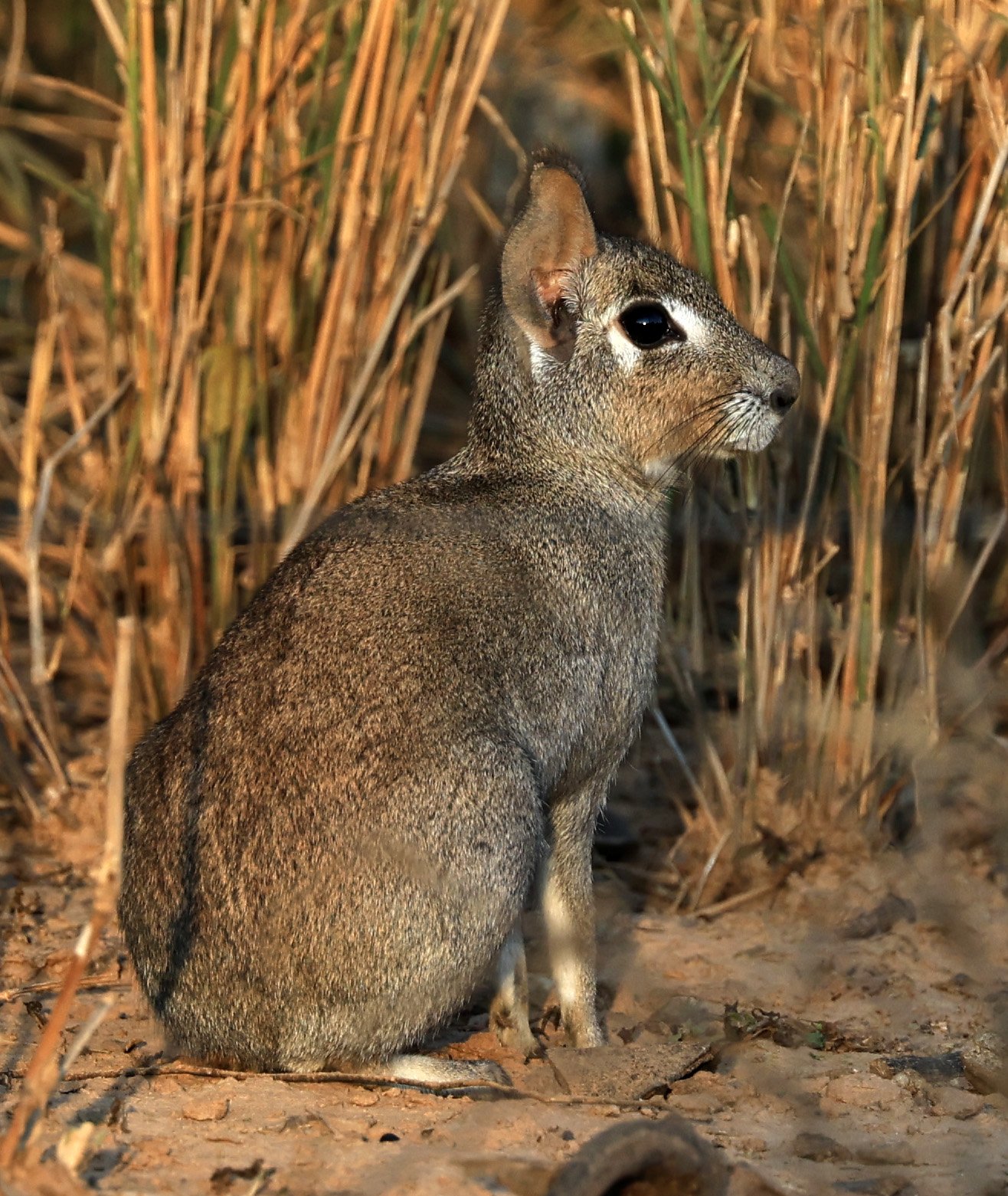
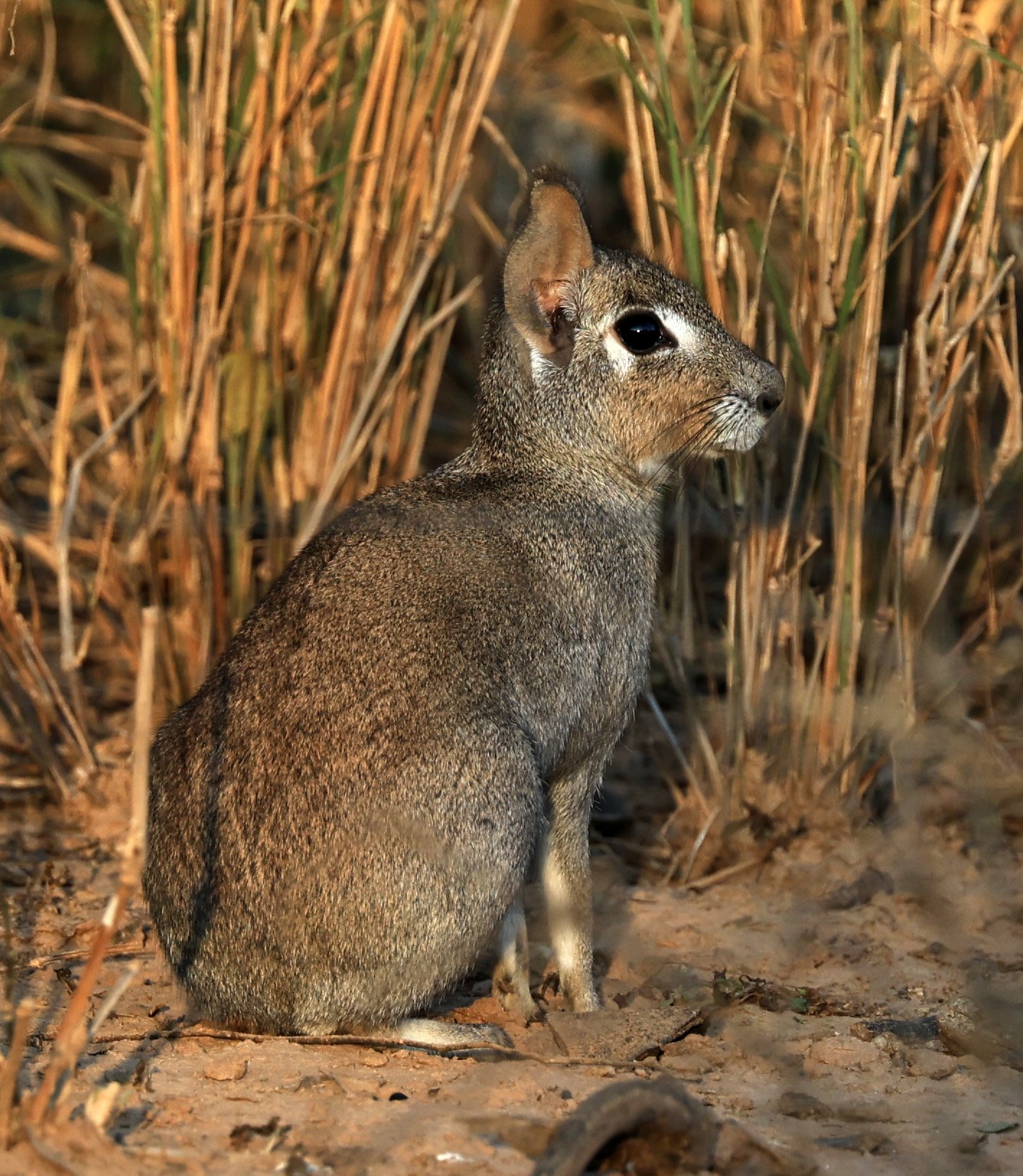
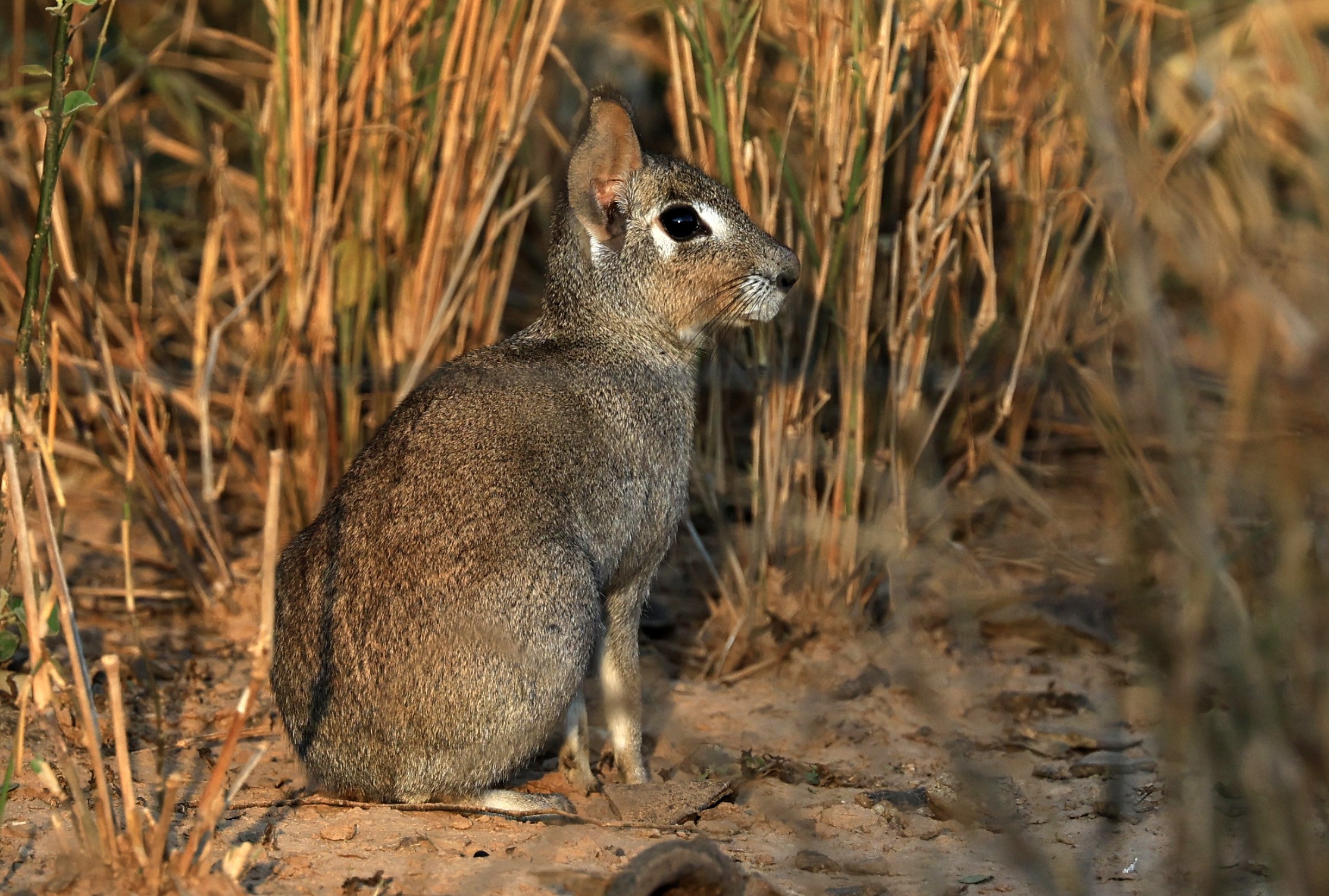
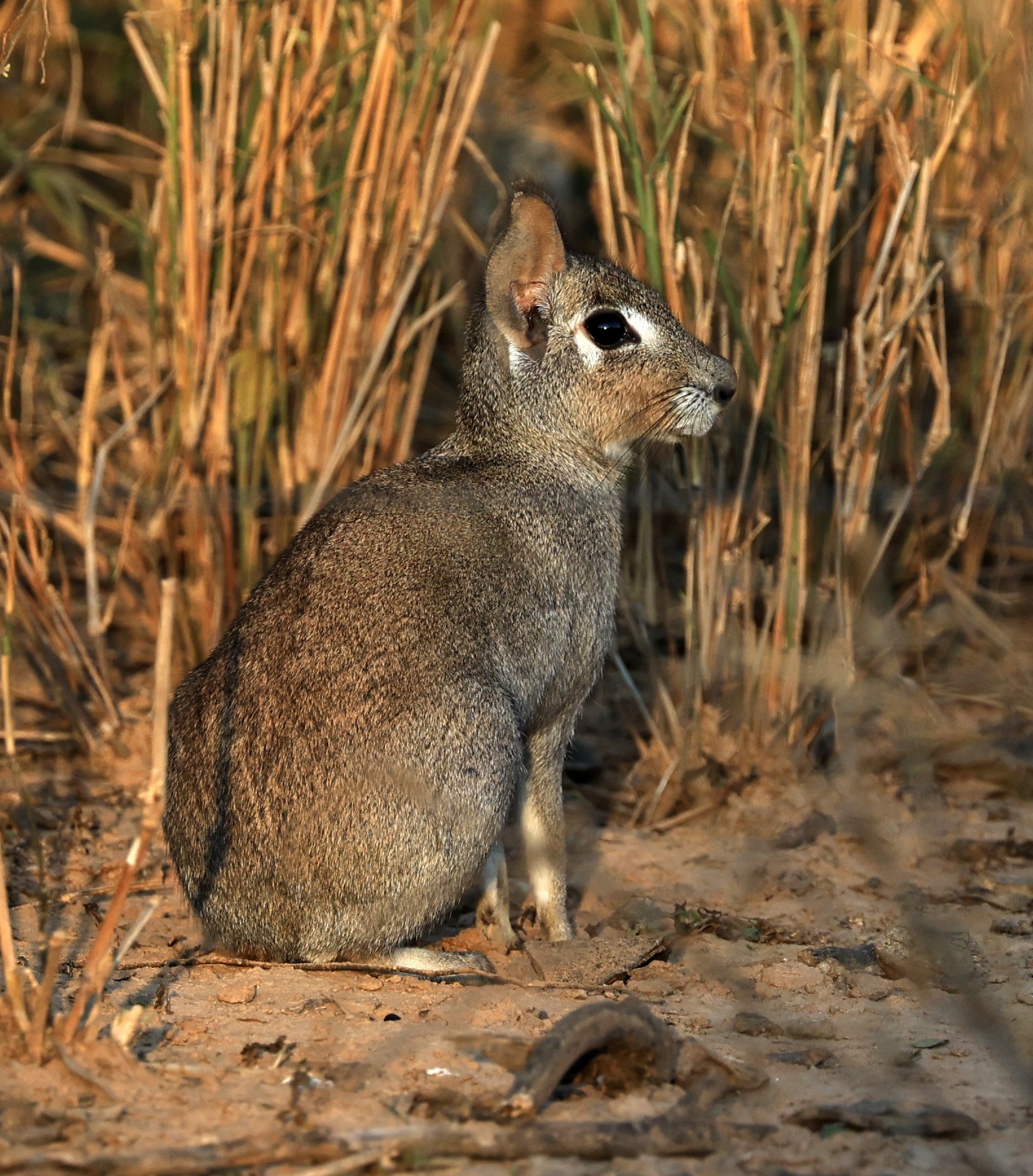
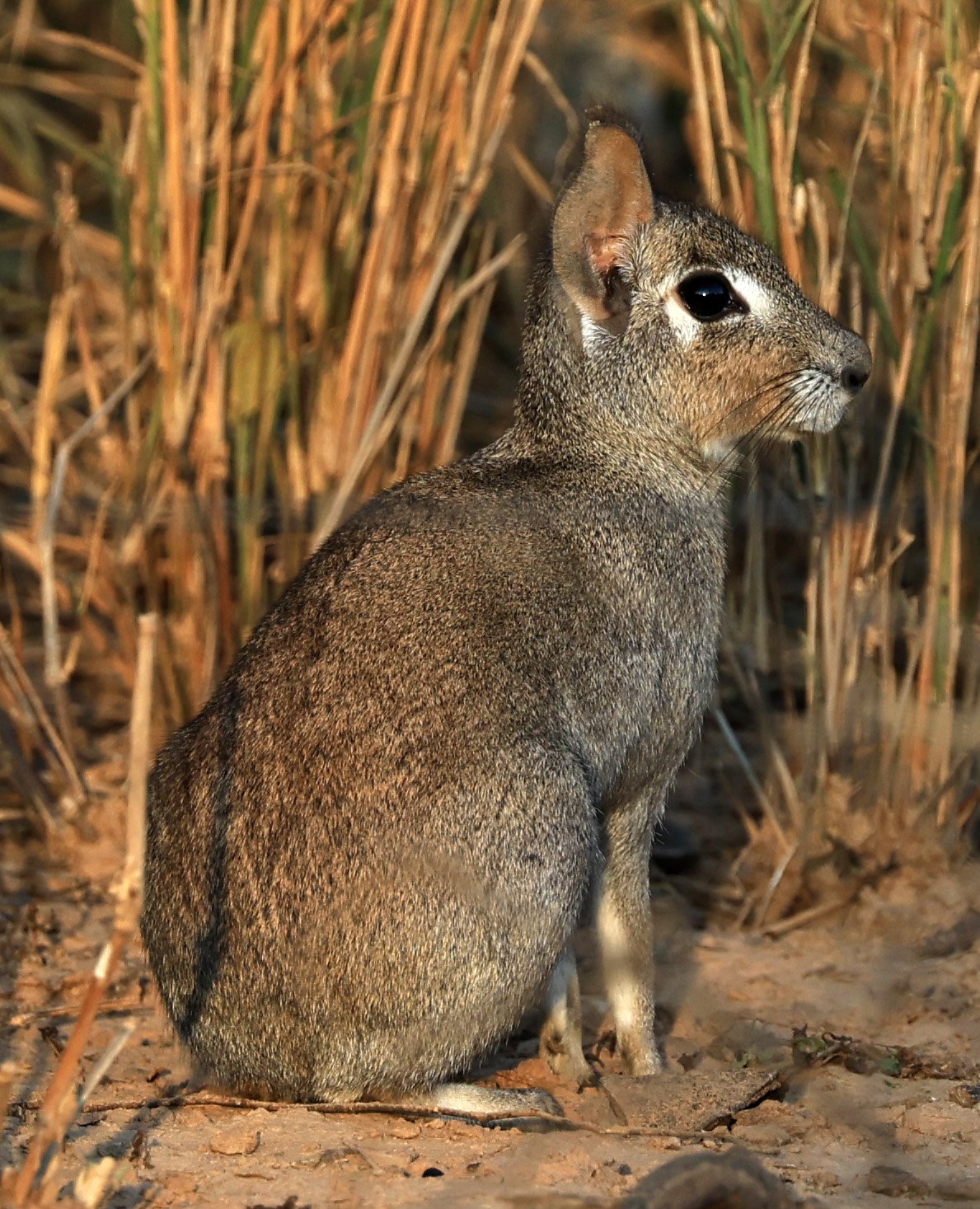
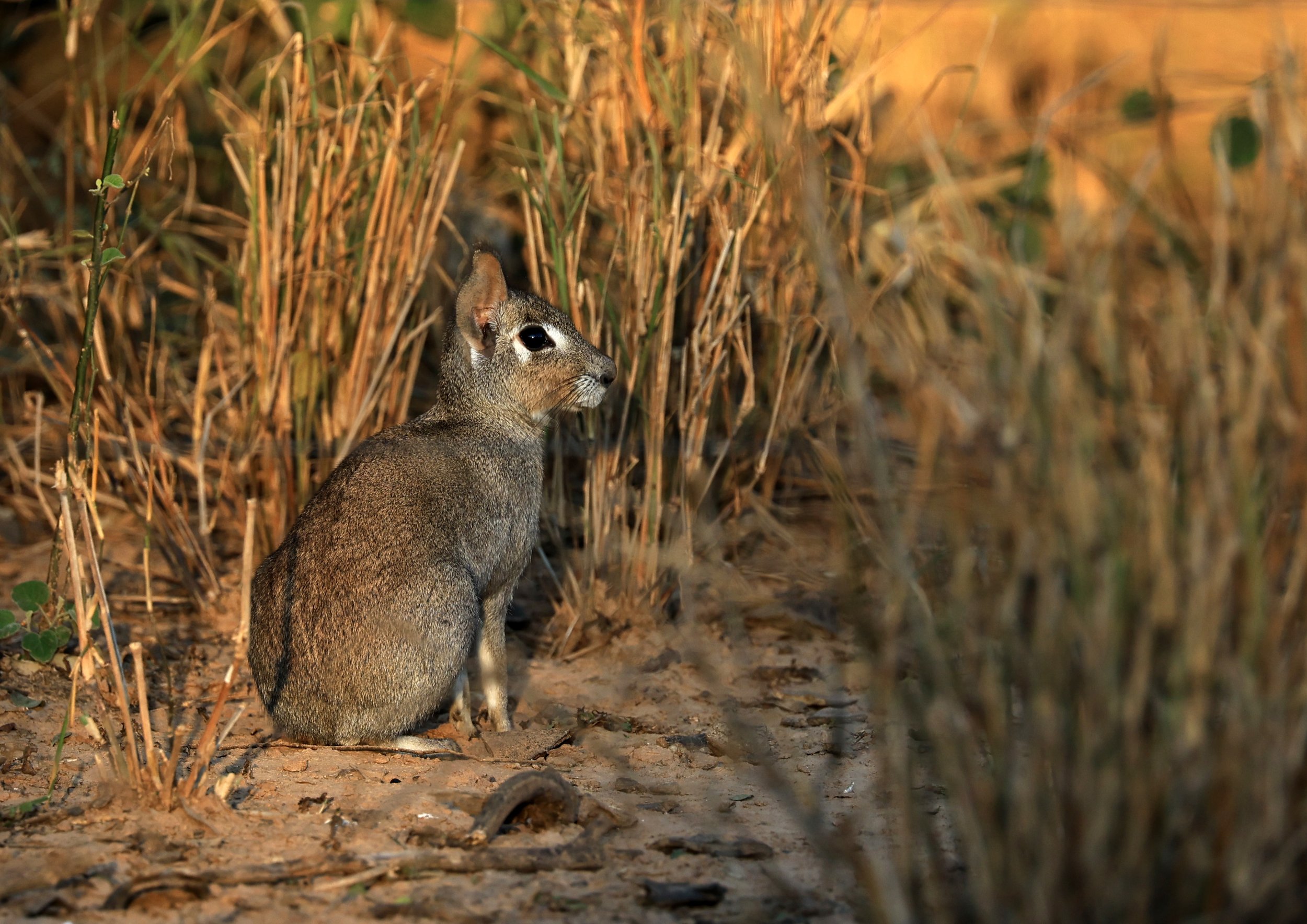
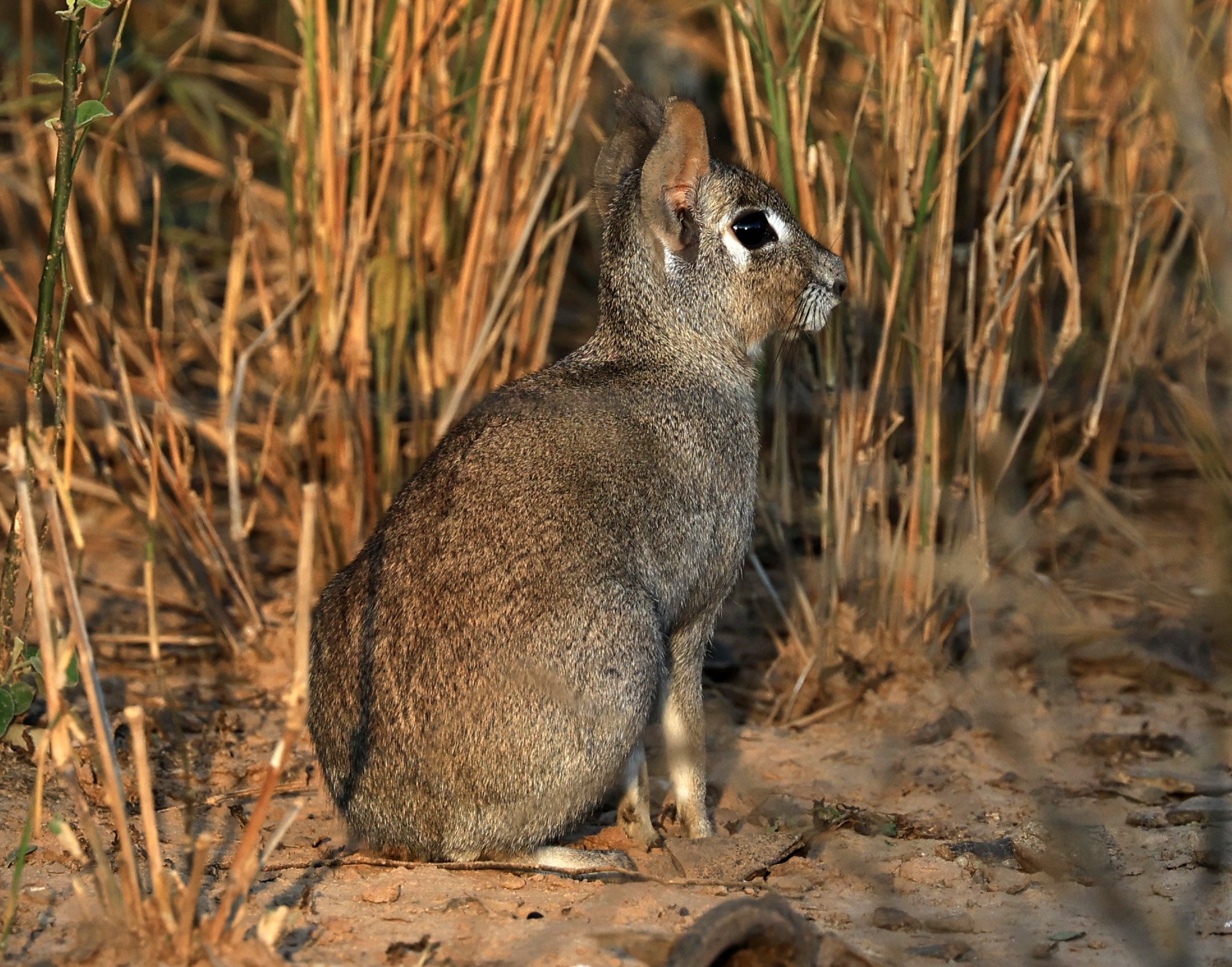
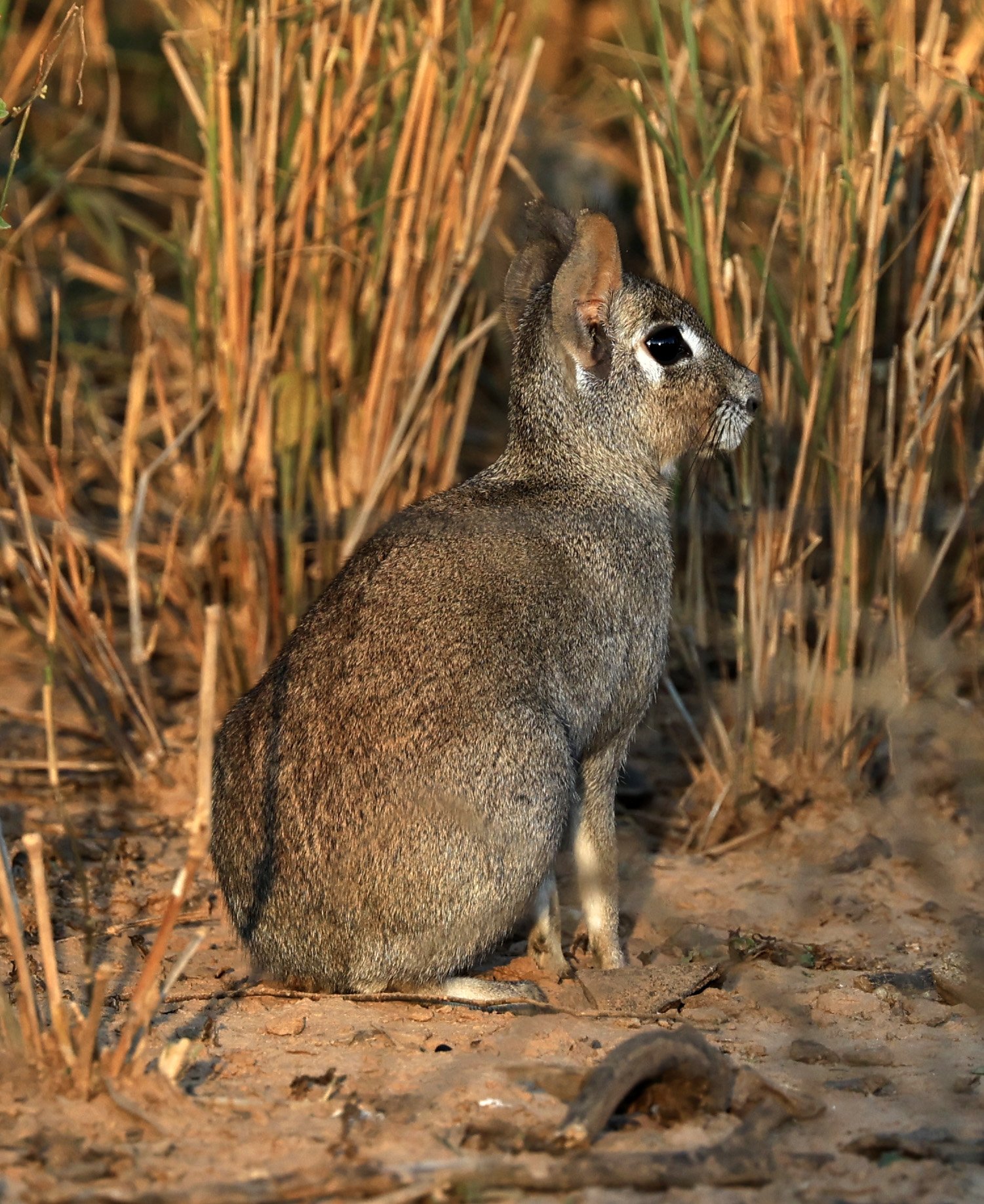
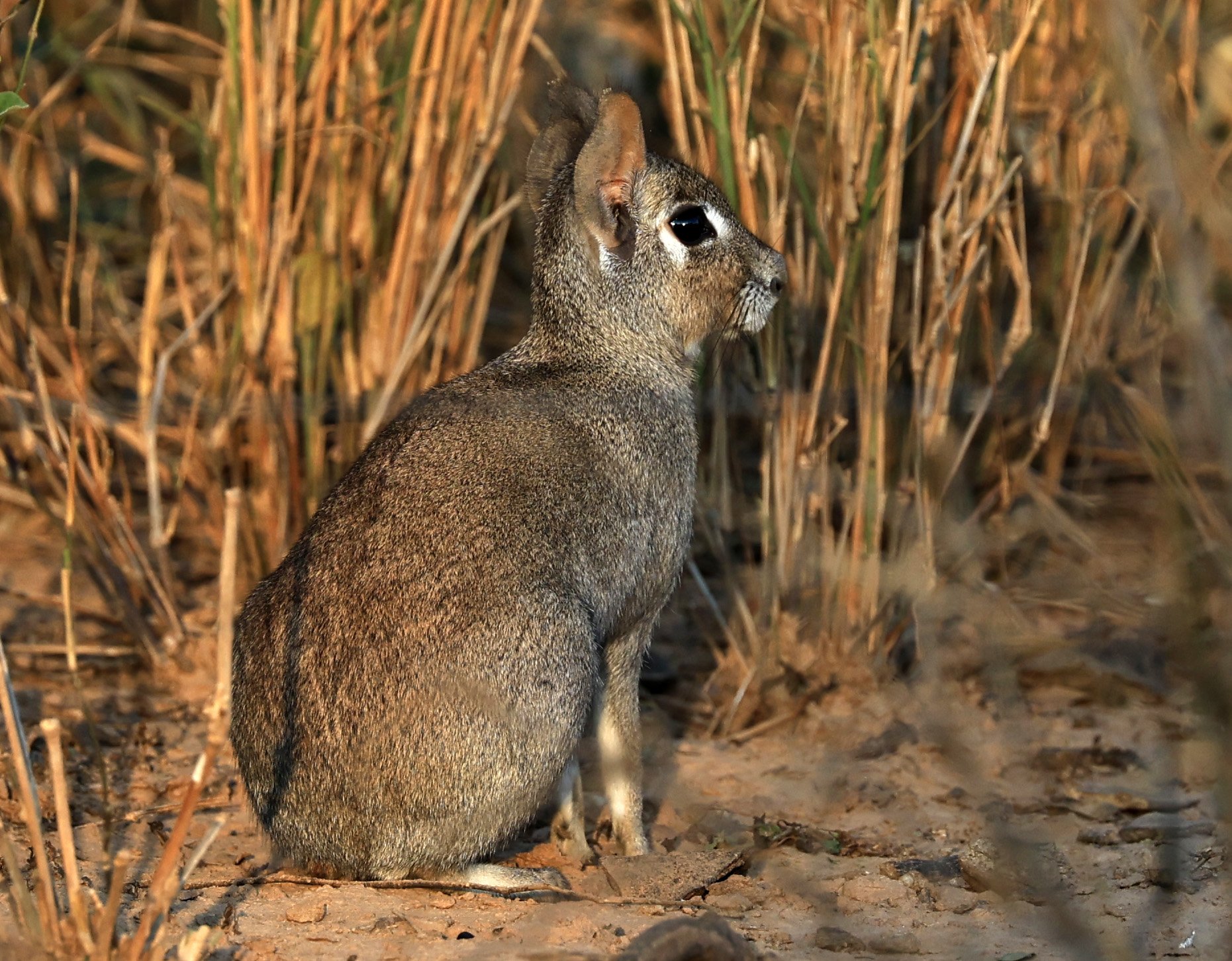
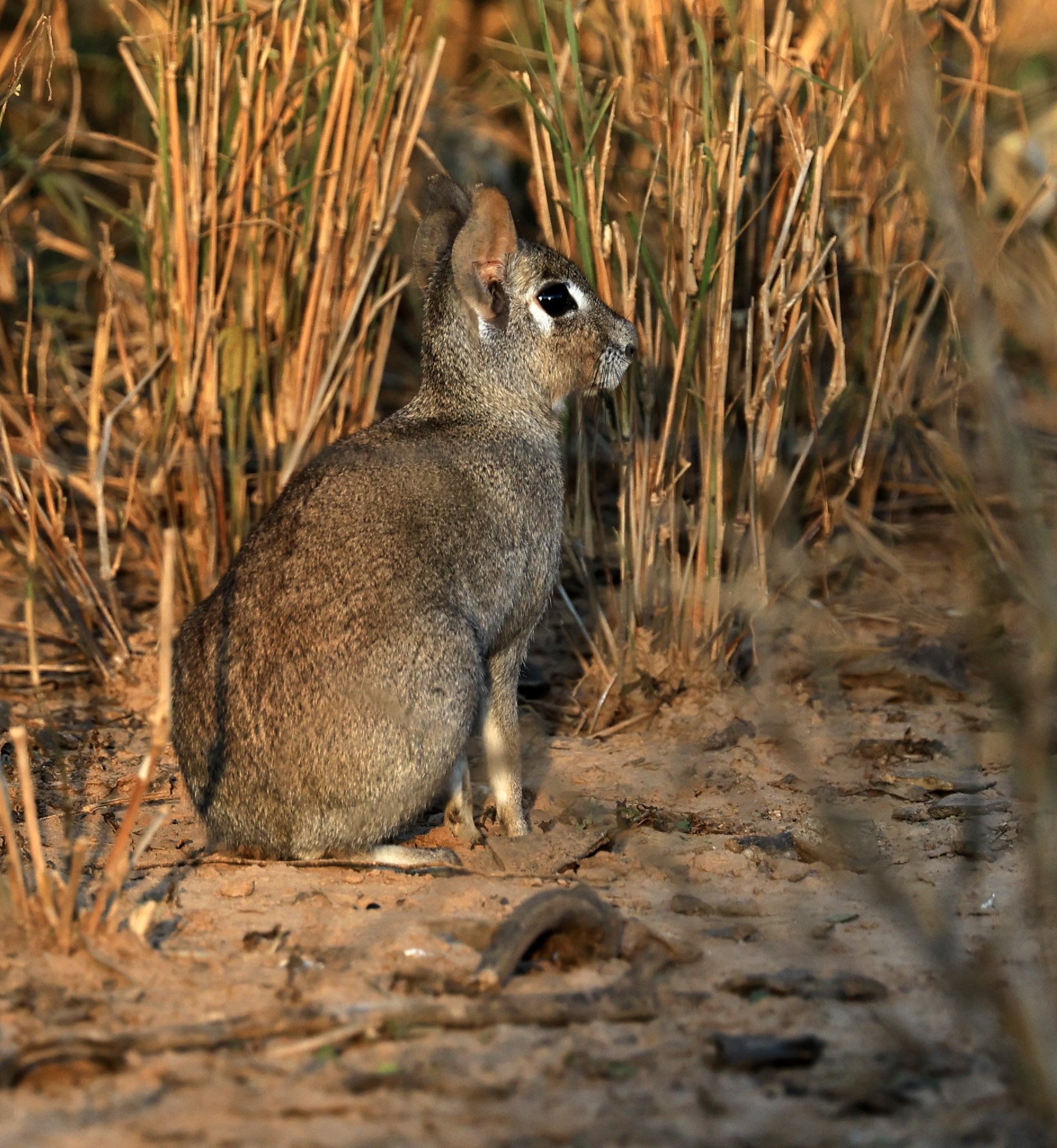
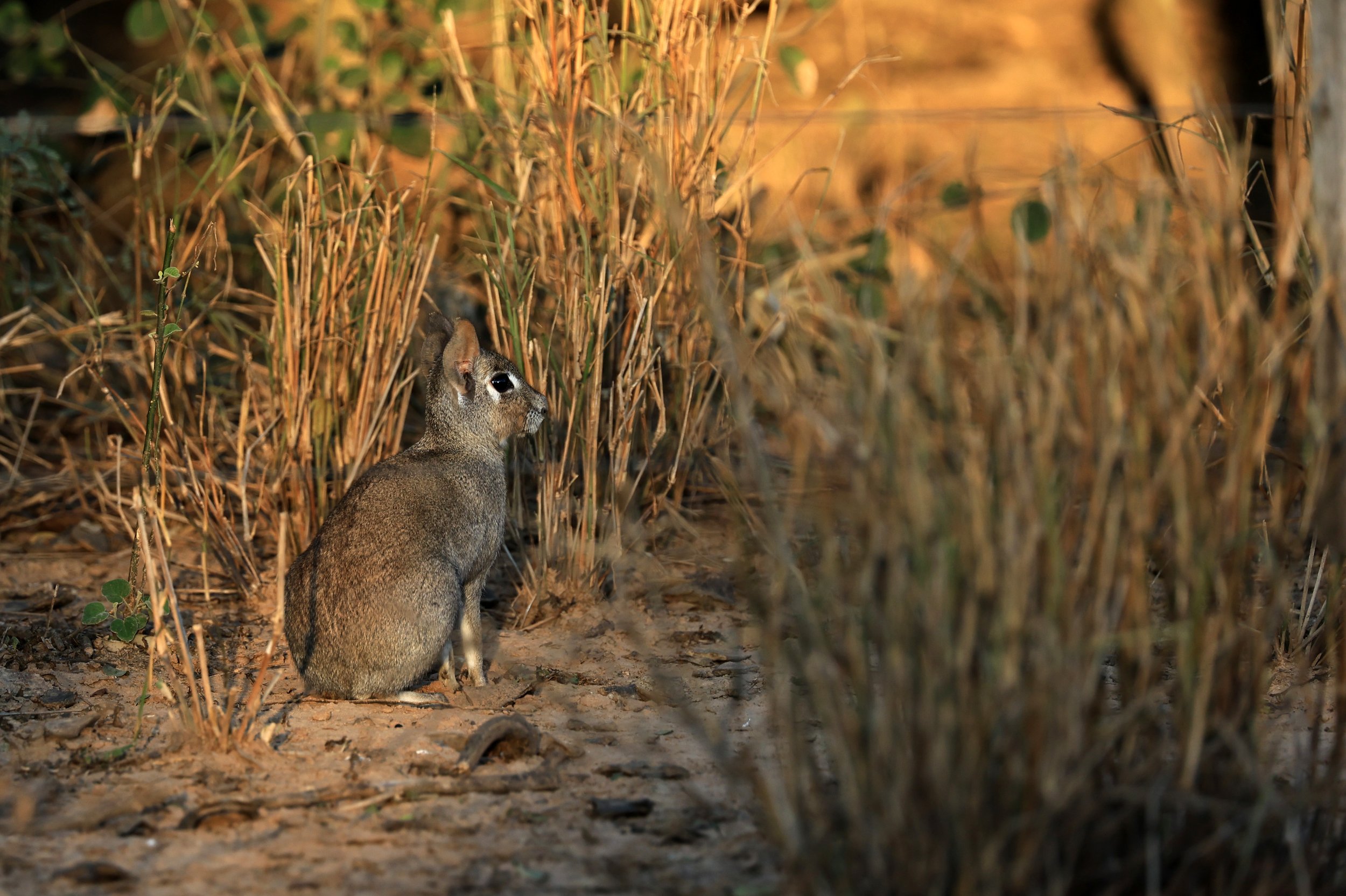
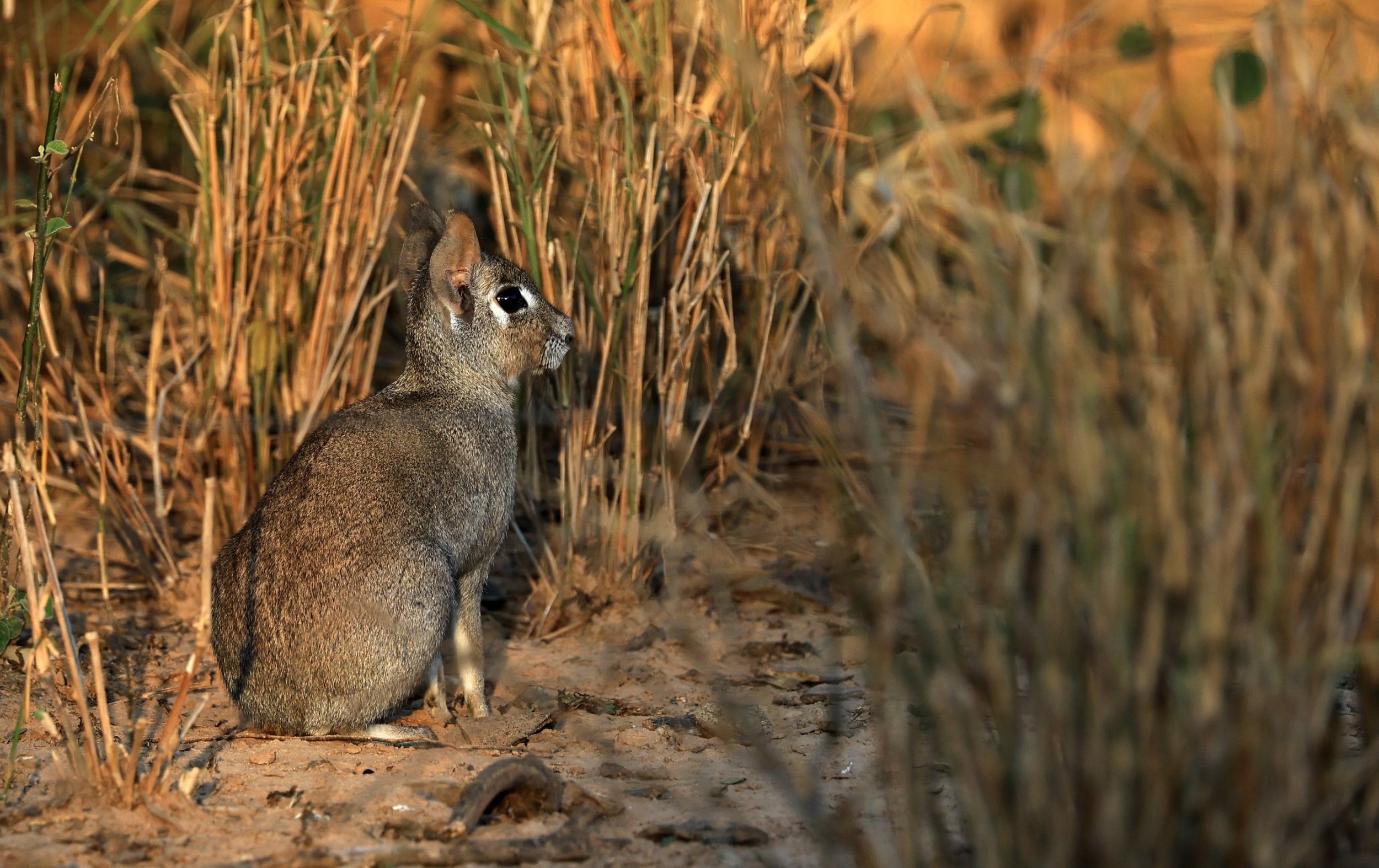
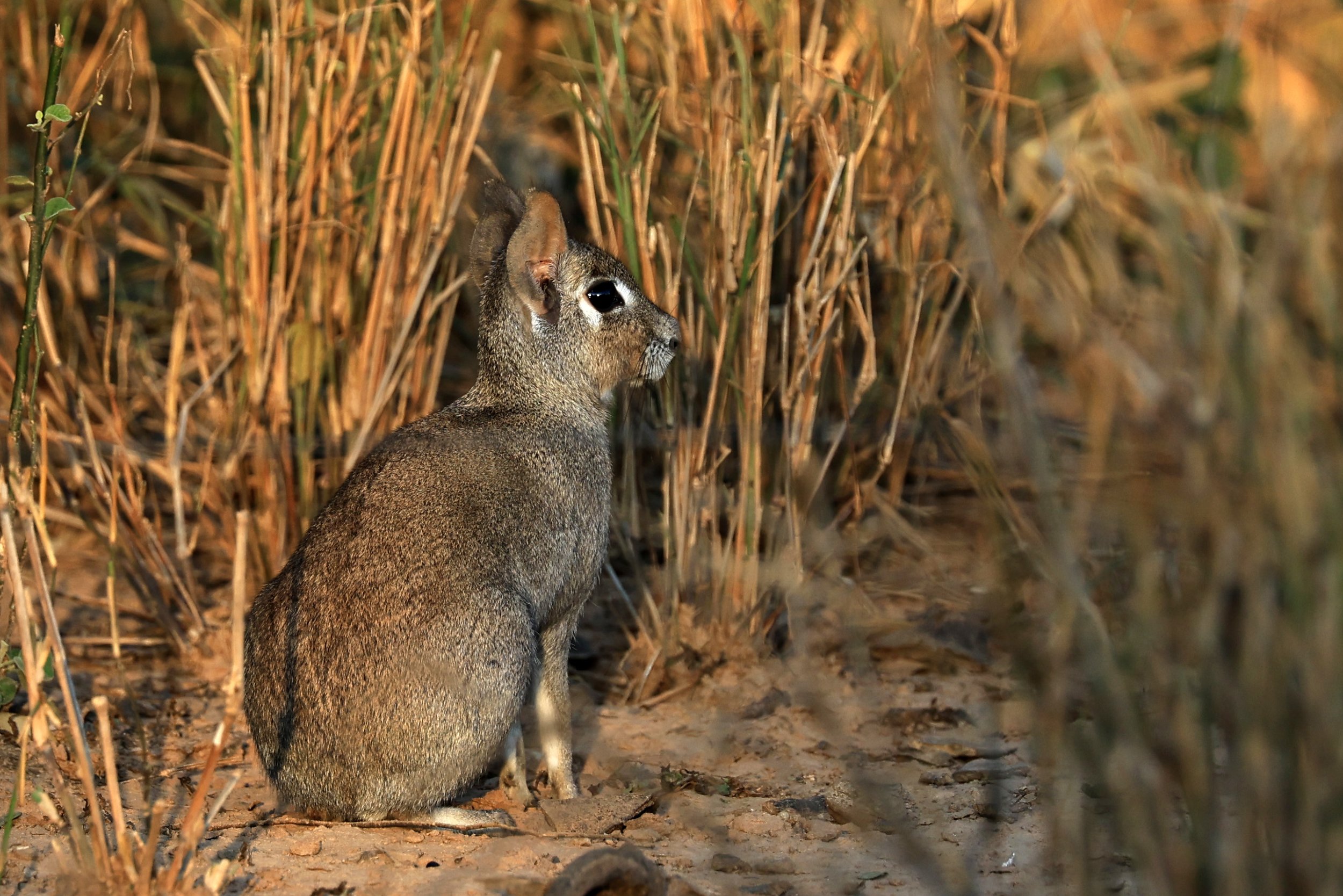
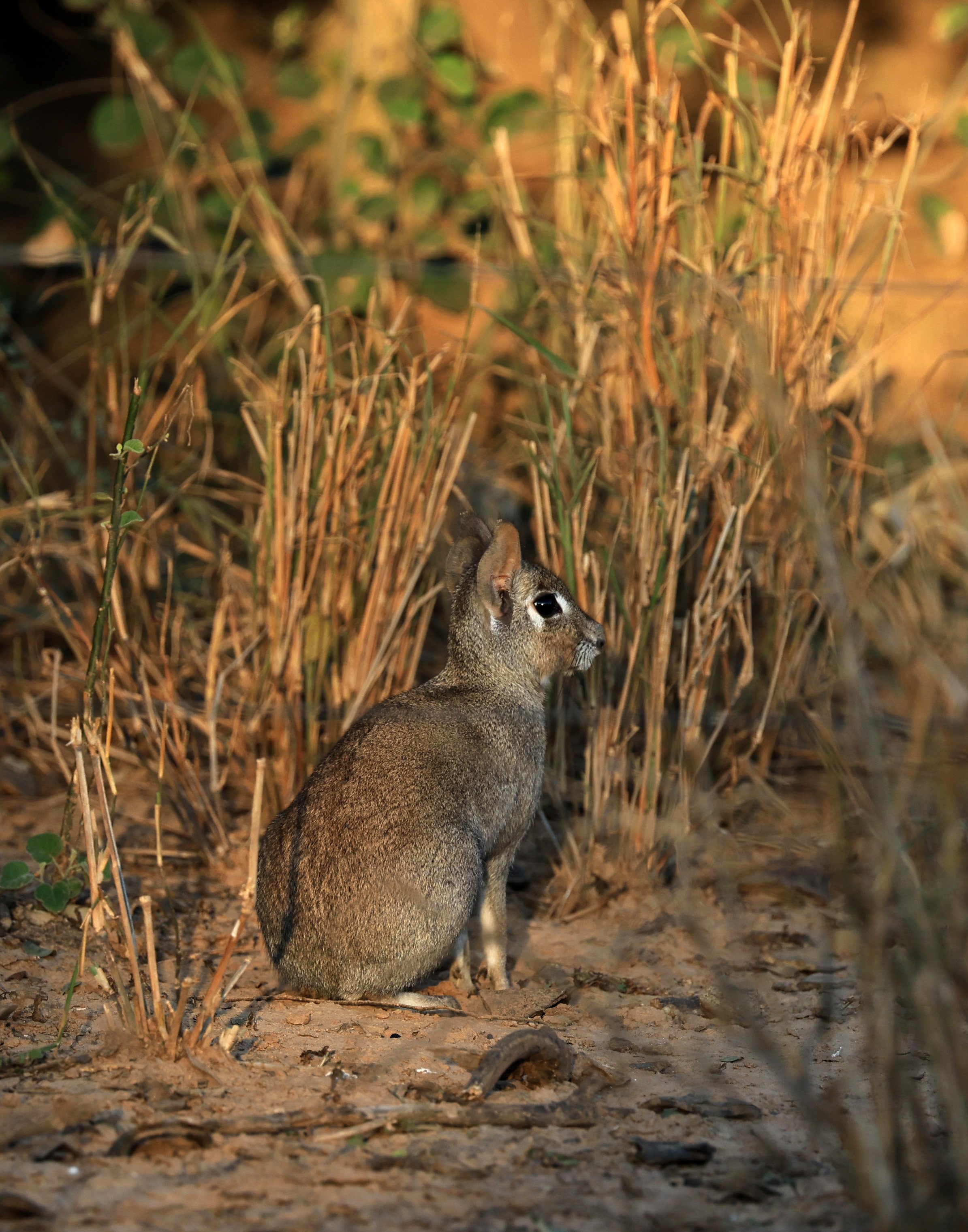
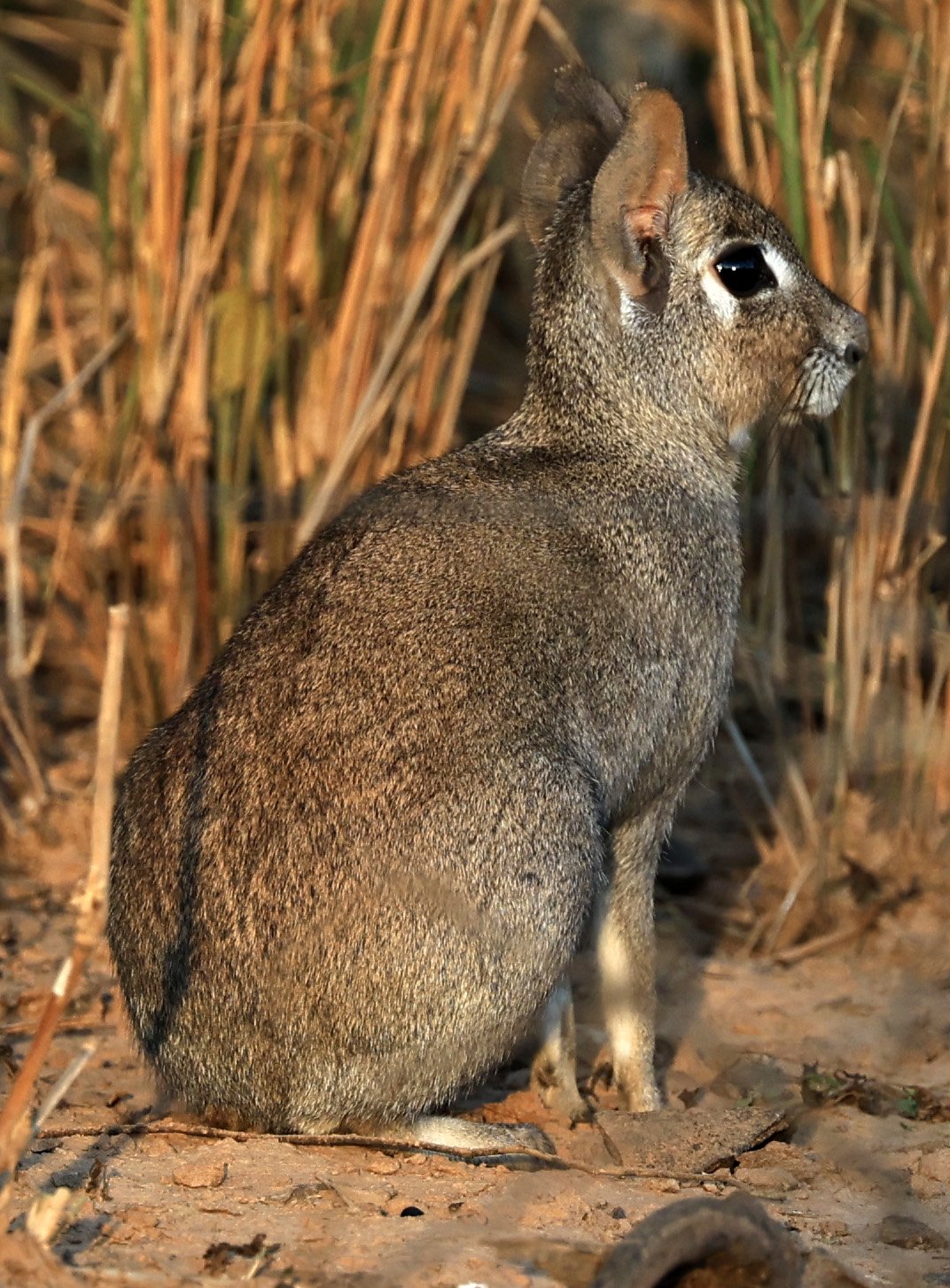
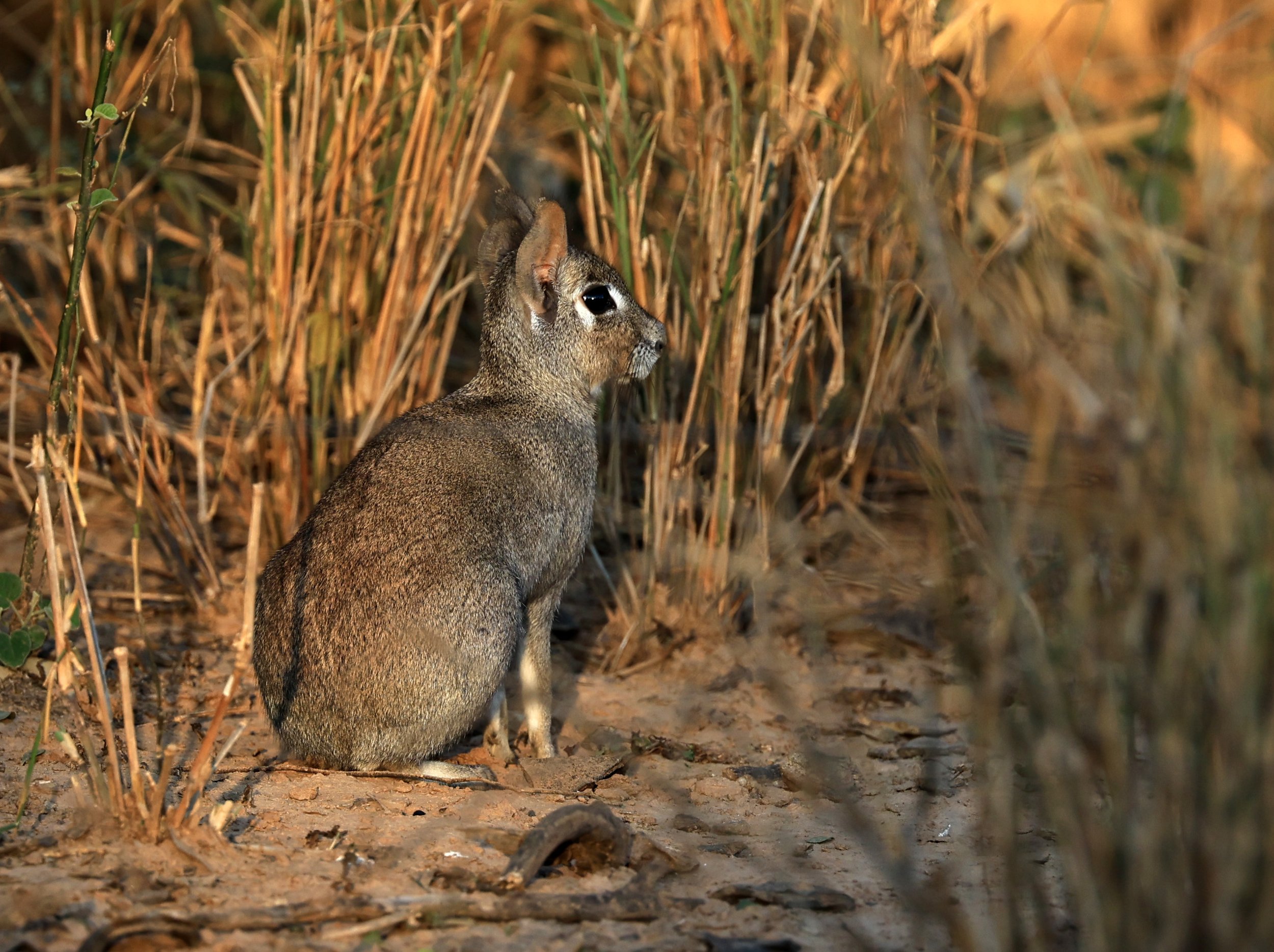
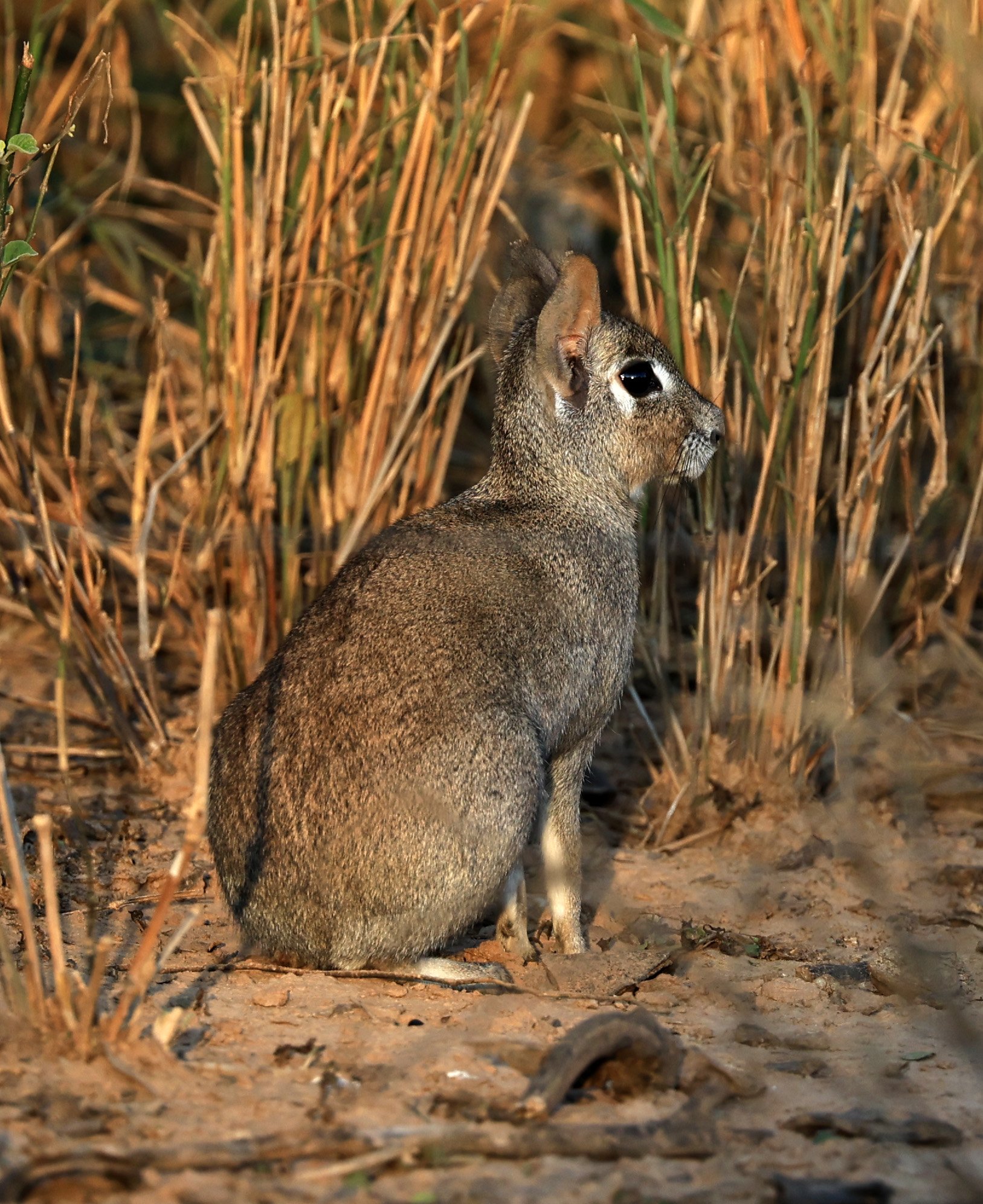
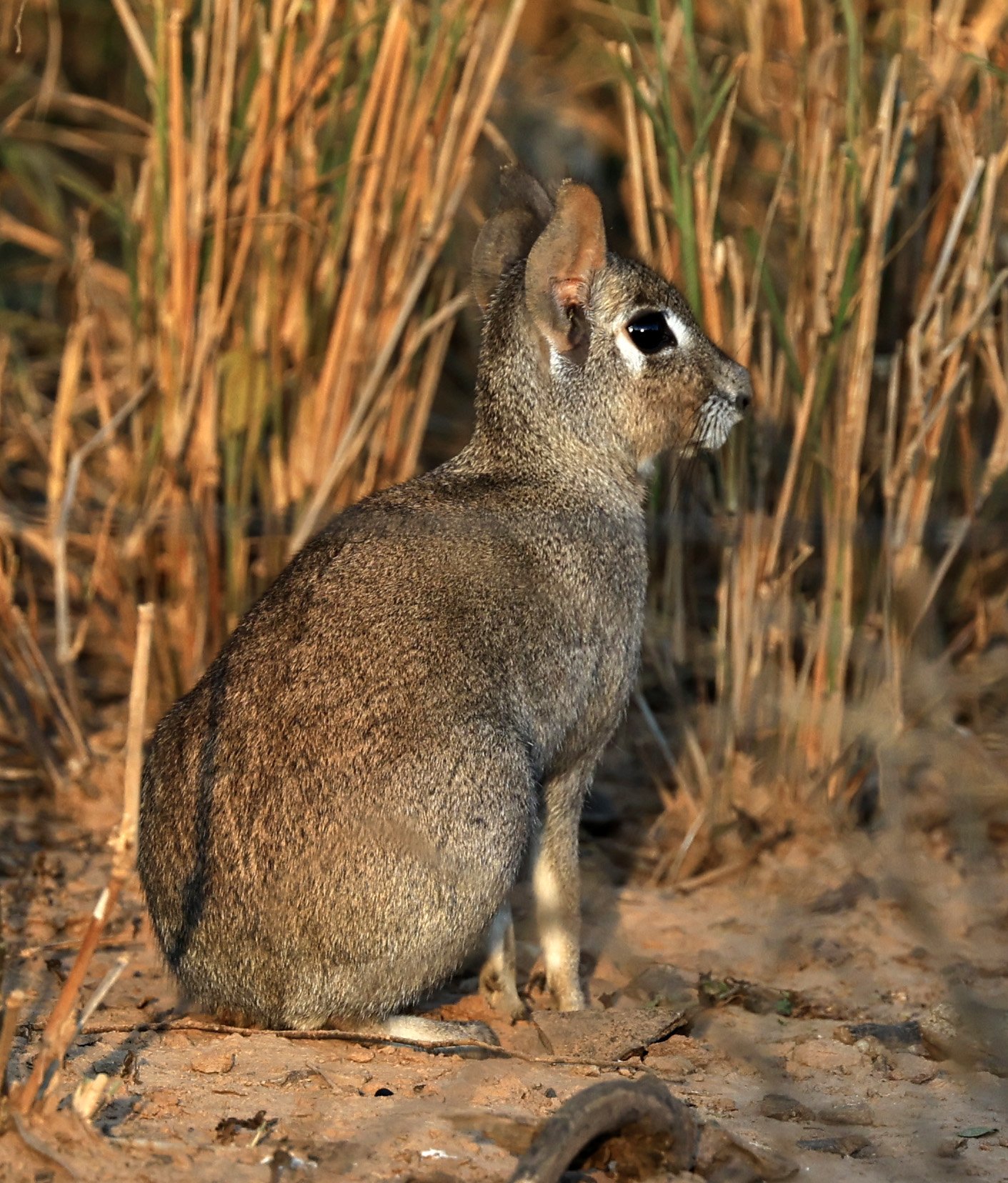
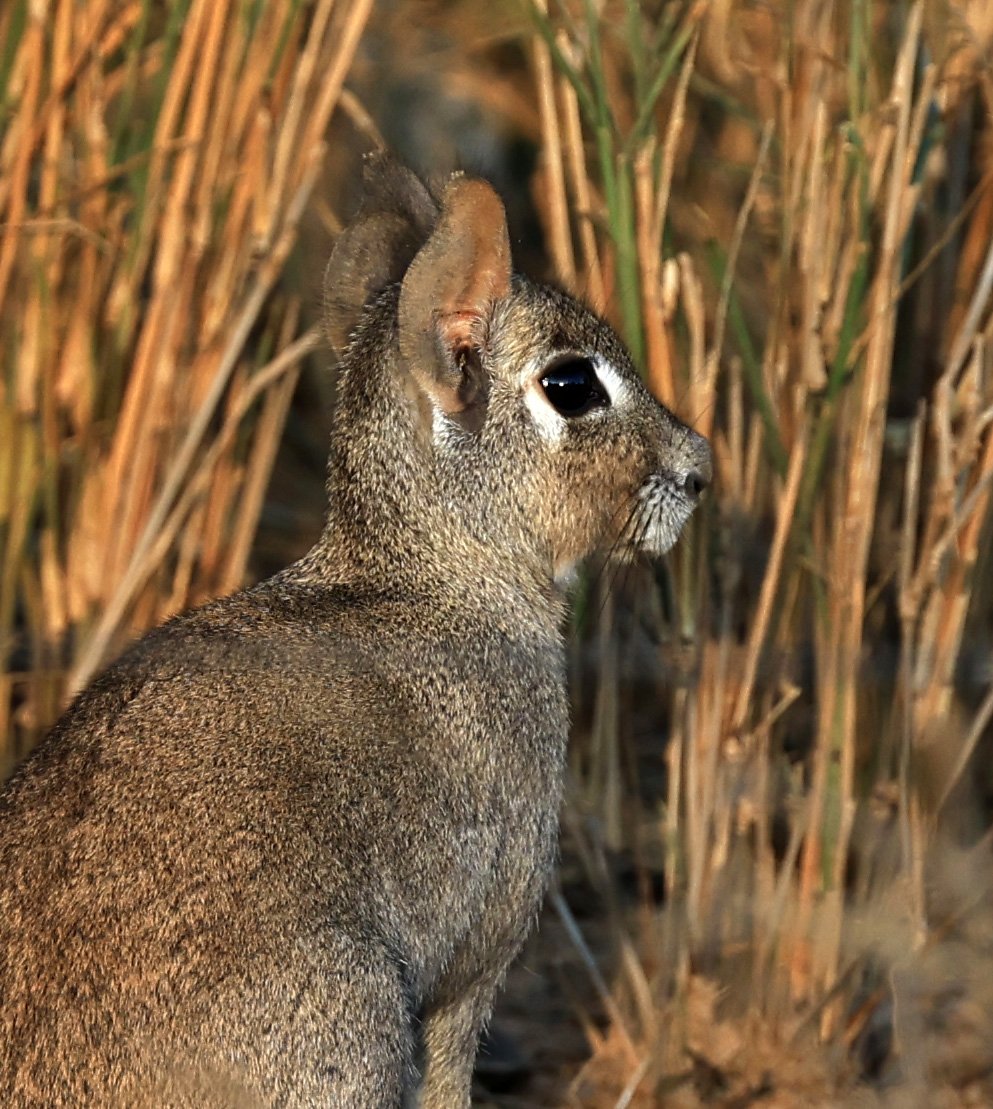
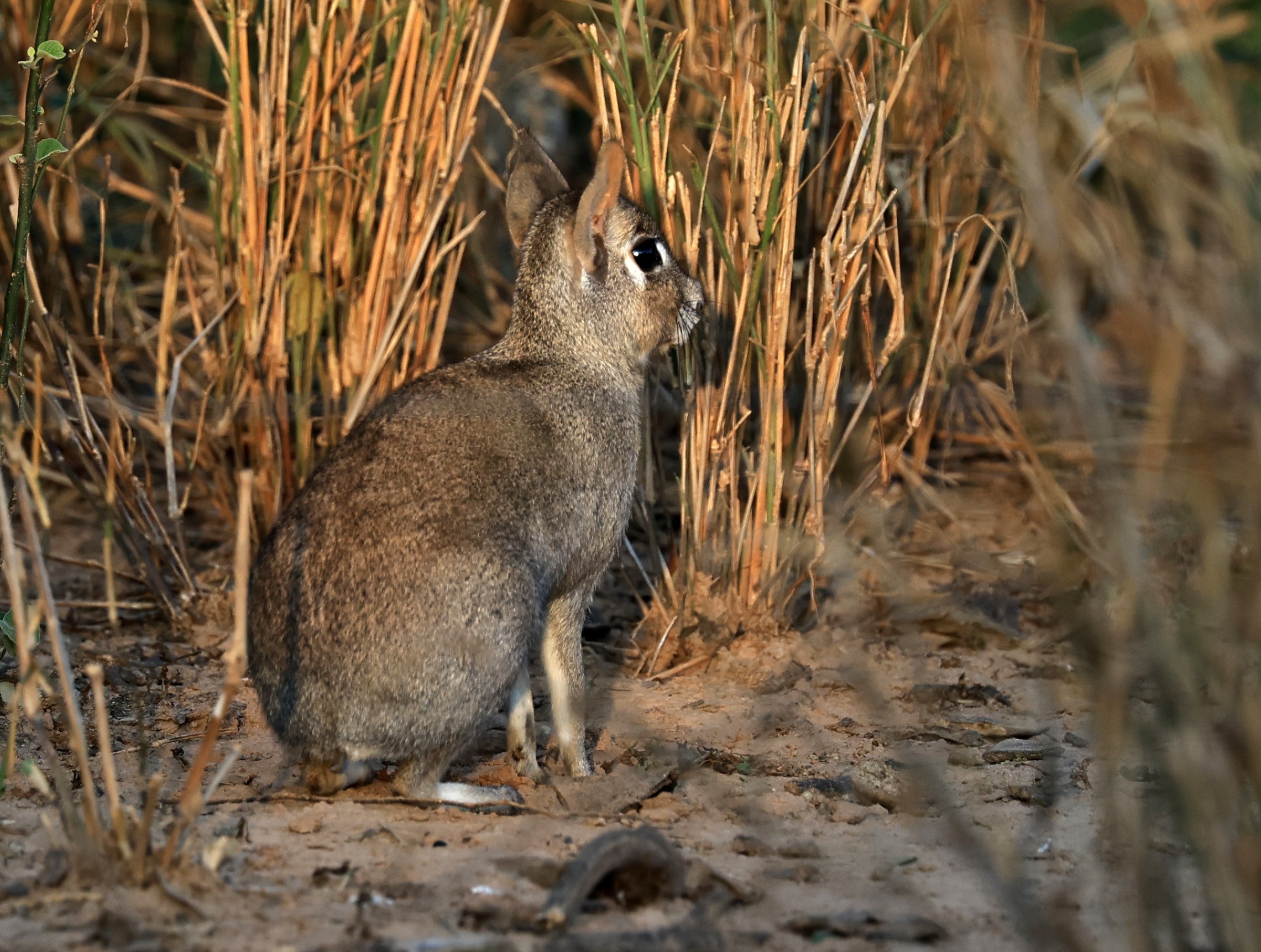
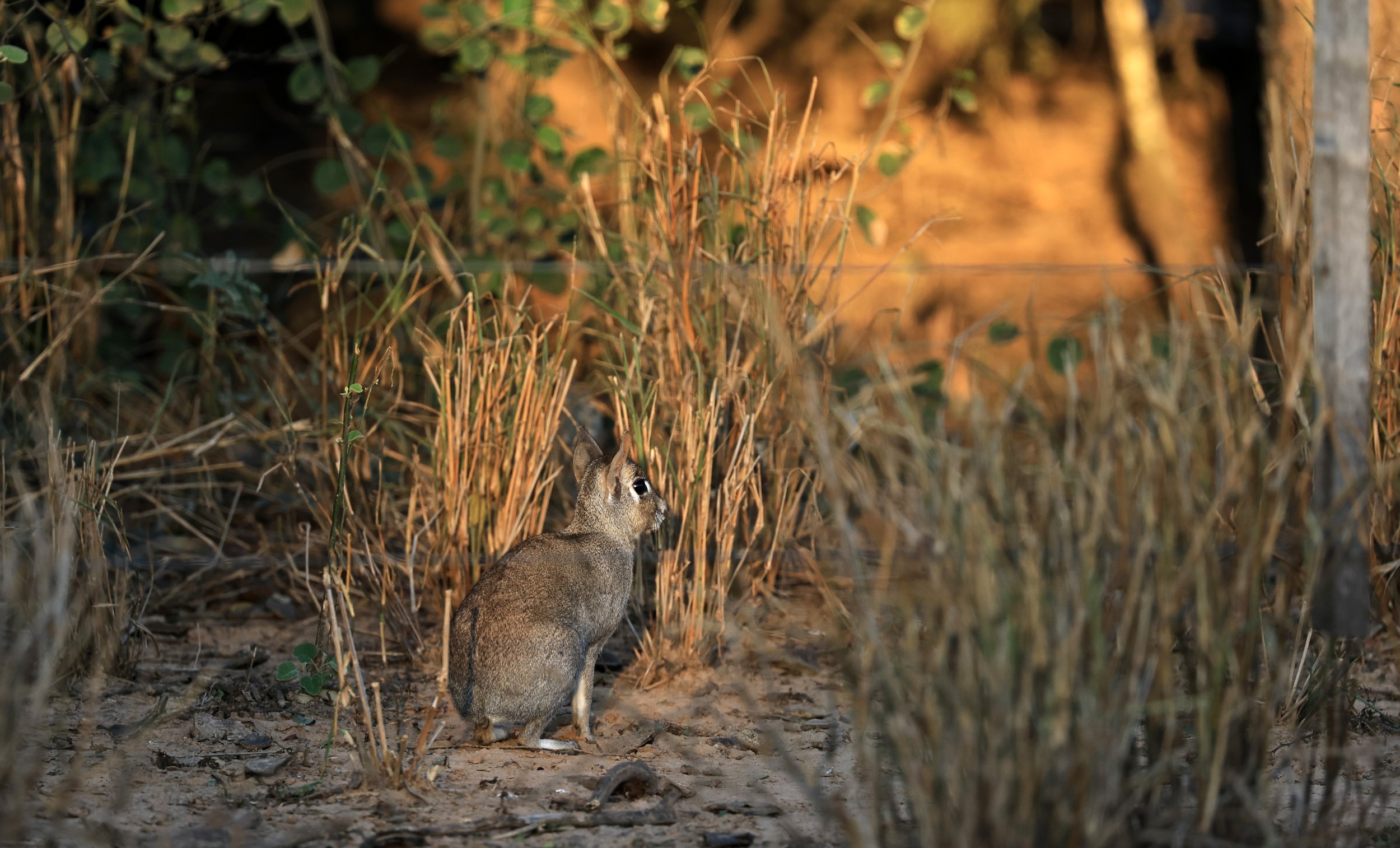
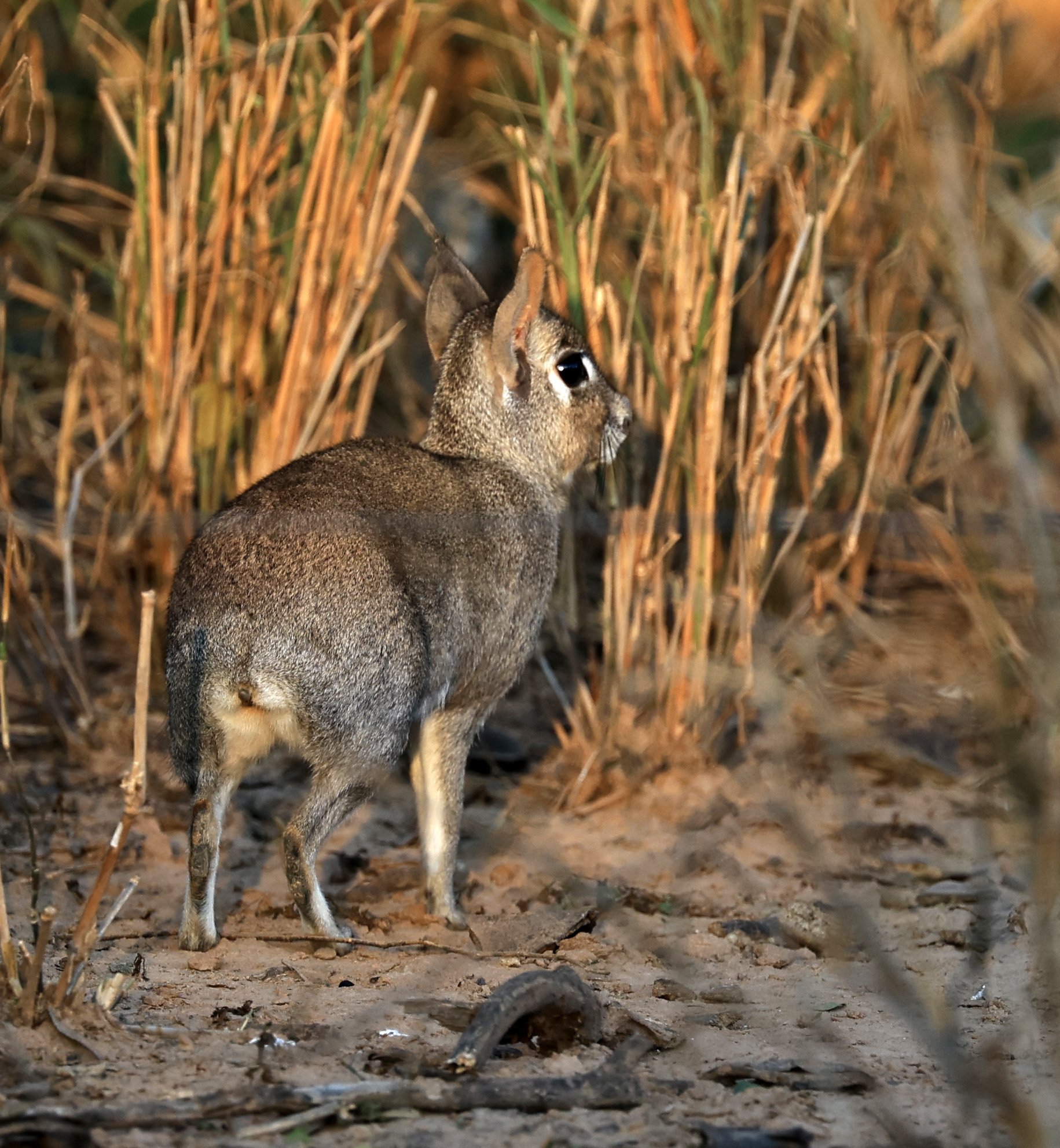
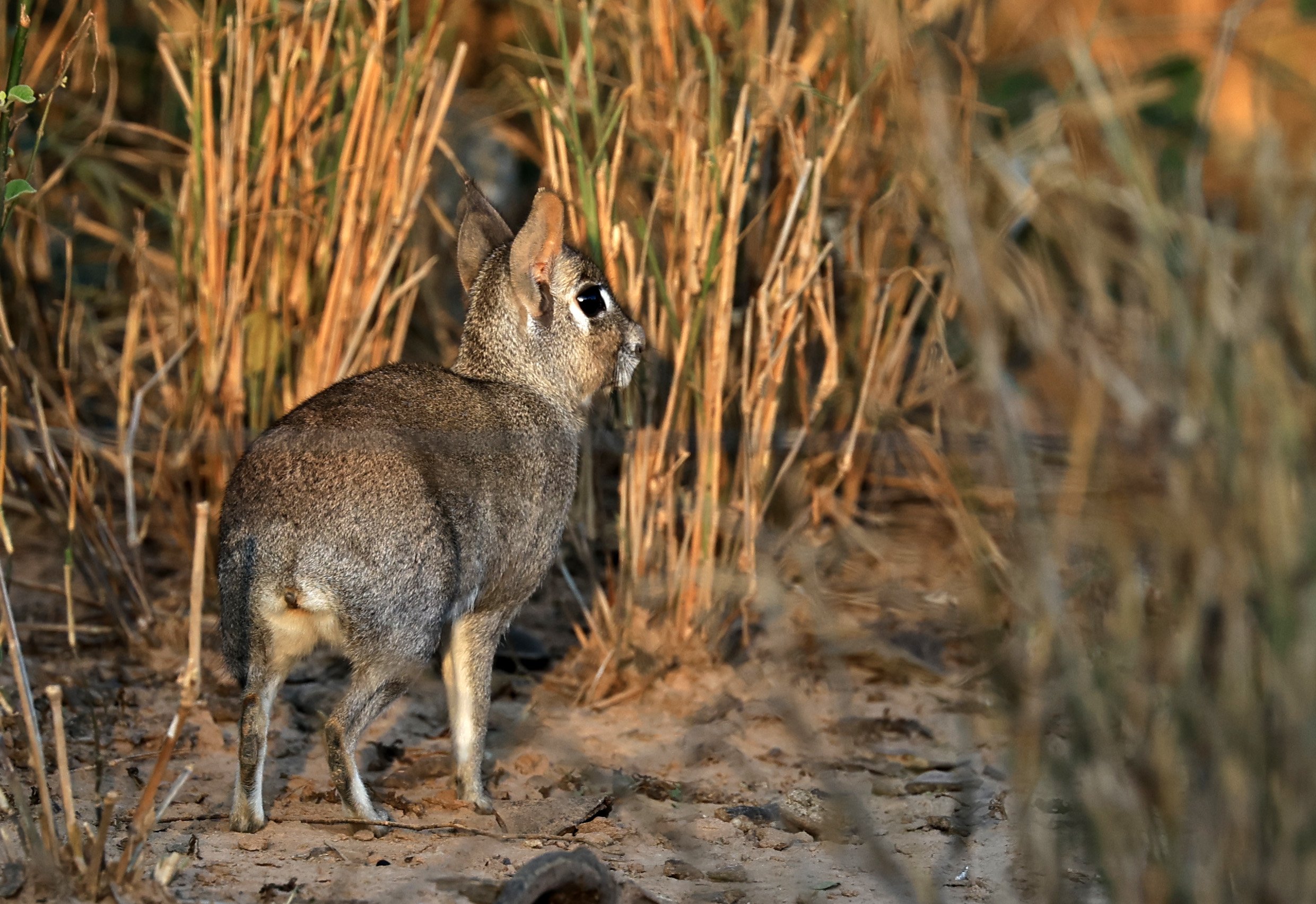
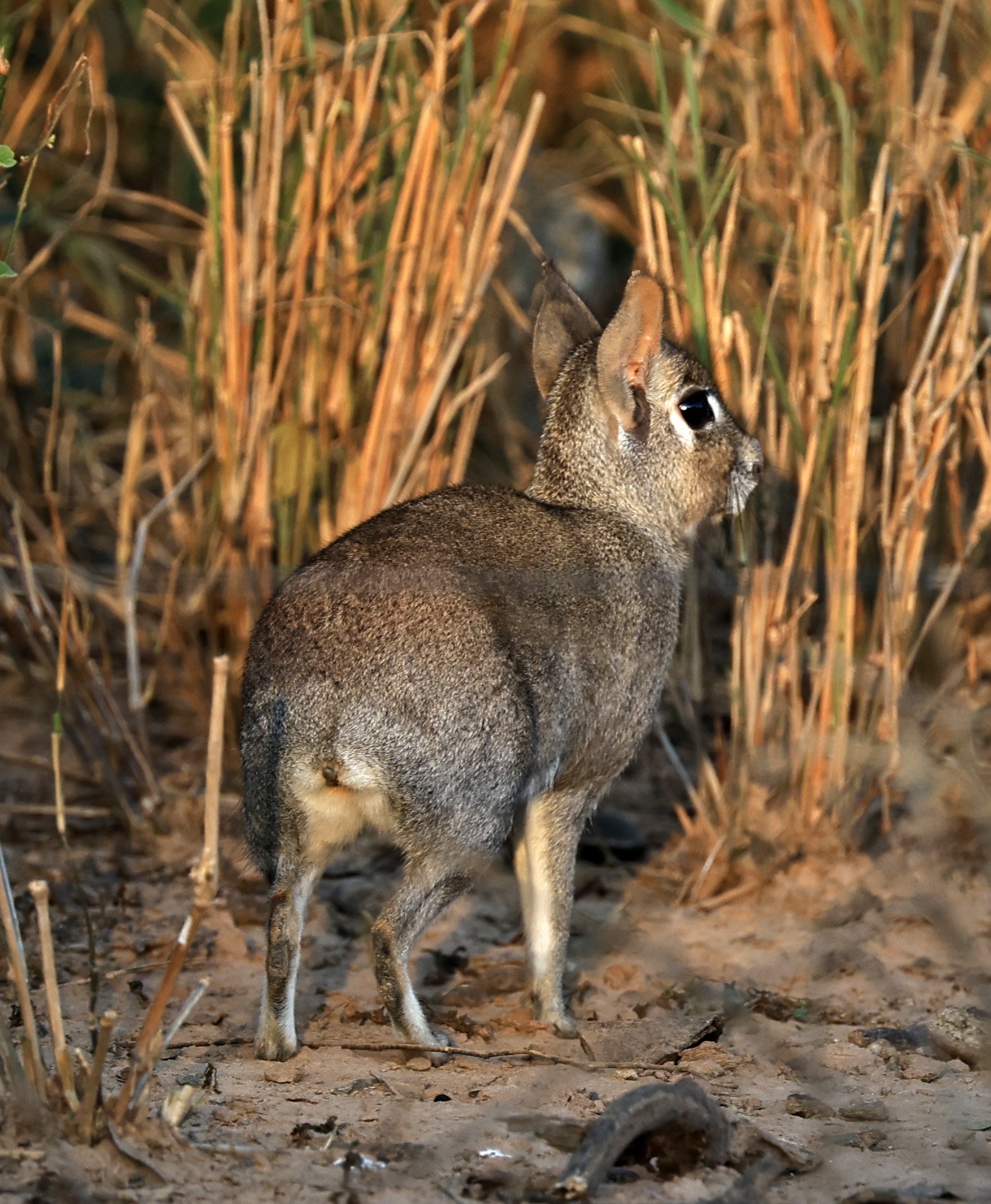
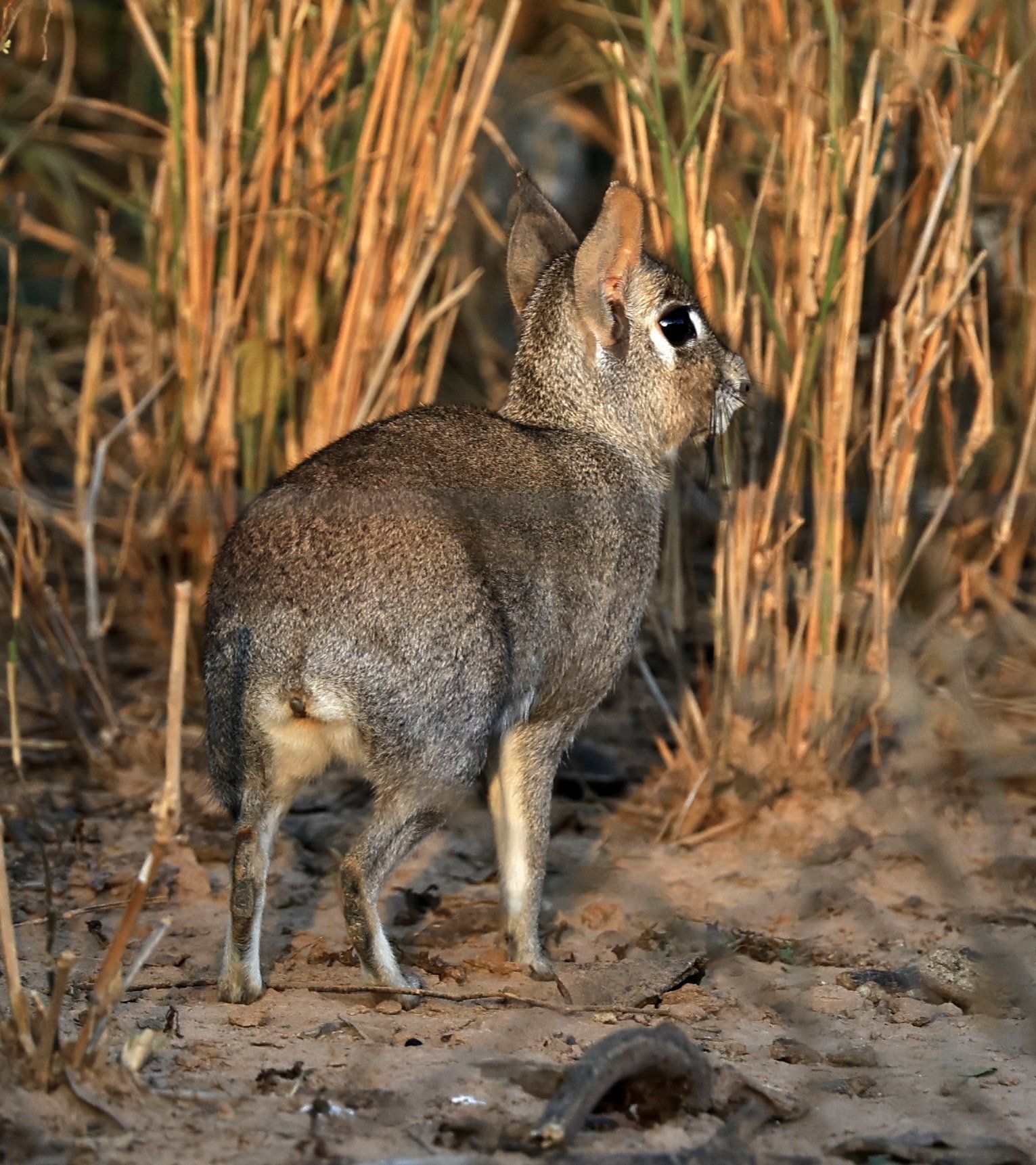
The Chacoan Mara (Pediolagus salinicola), also known as the Chacoan cavy, is a large rodent native to South America and a close relative of the better-known Patagonian Mara. It belongs to the kingdom Animalia, phylum Chordata, class Mammalia, order Rodentia, and family Caviidae, which also includes guinea pigs and capybaras. Recent taxonomic studies recognize the species as the sole member of the genus Pediolagus, although it was previously classified within the genus Dolichotis. [encycloreader.org], [wikiwand.com]
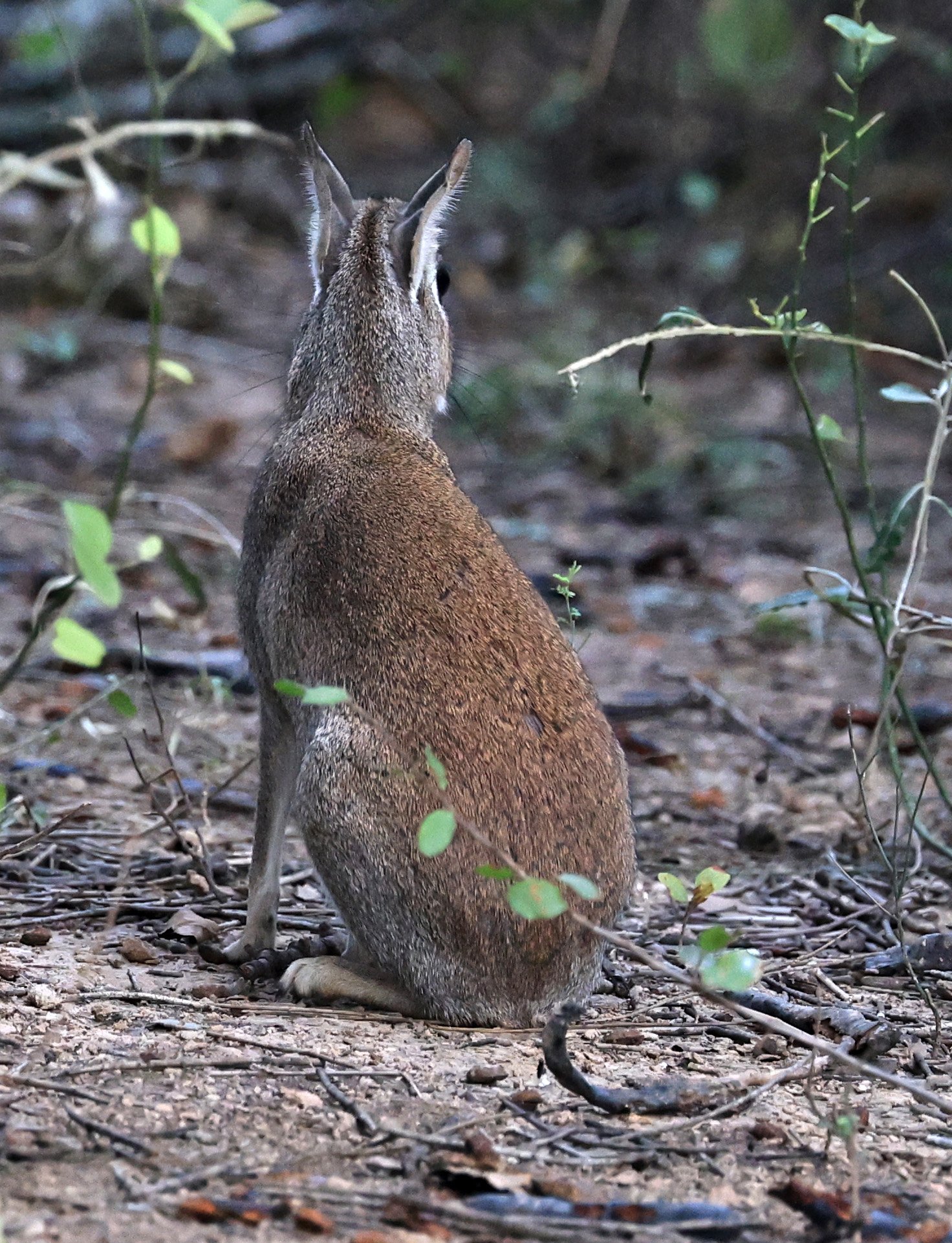
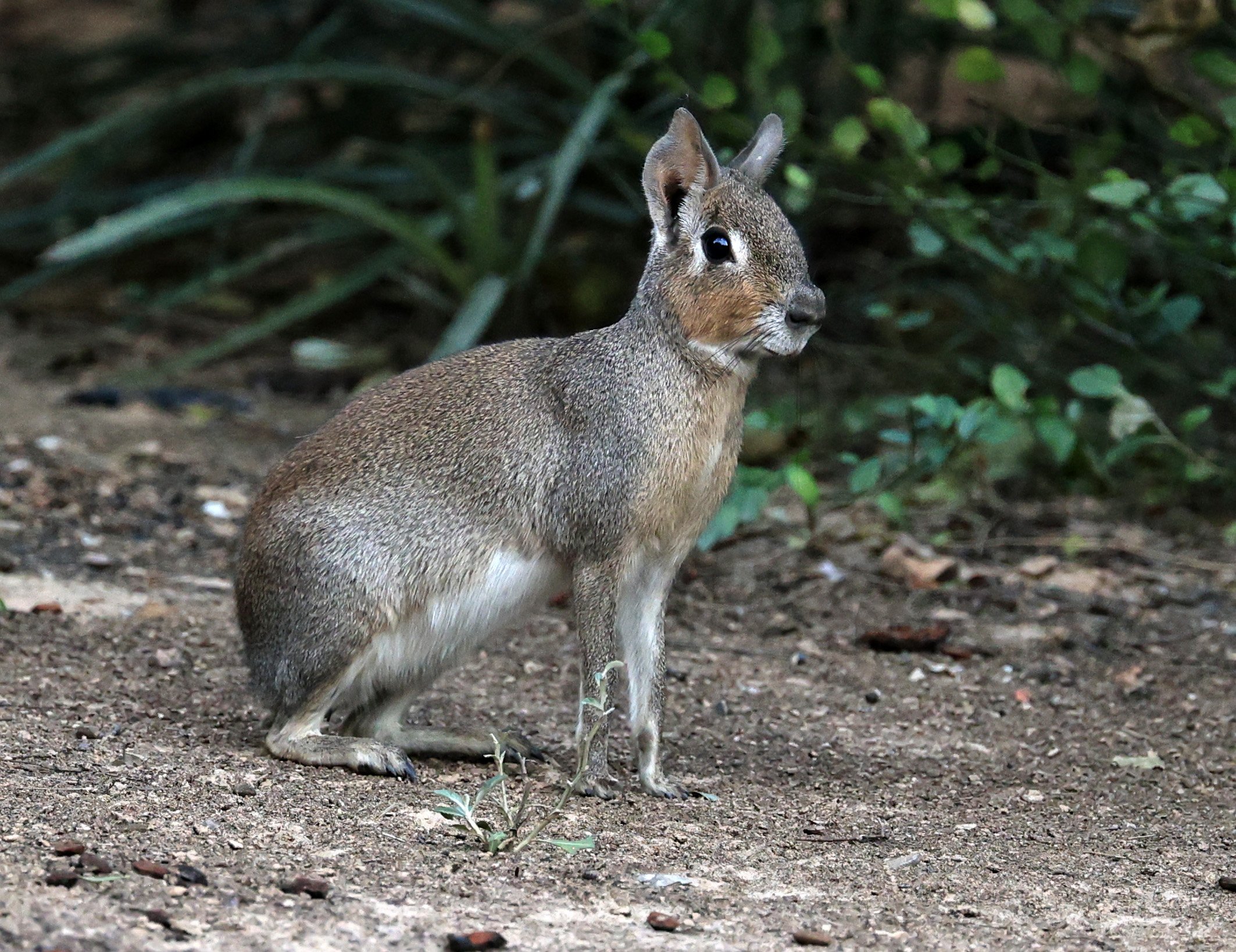
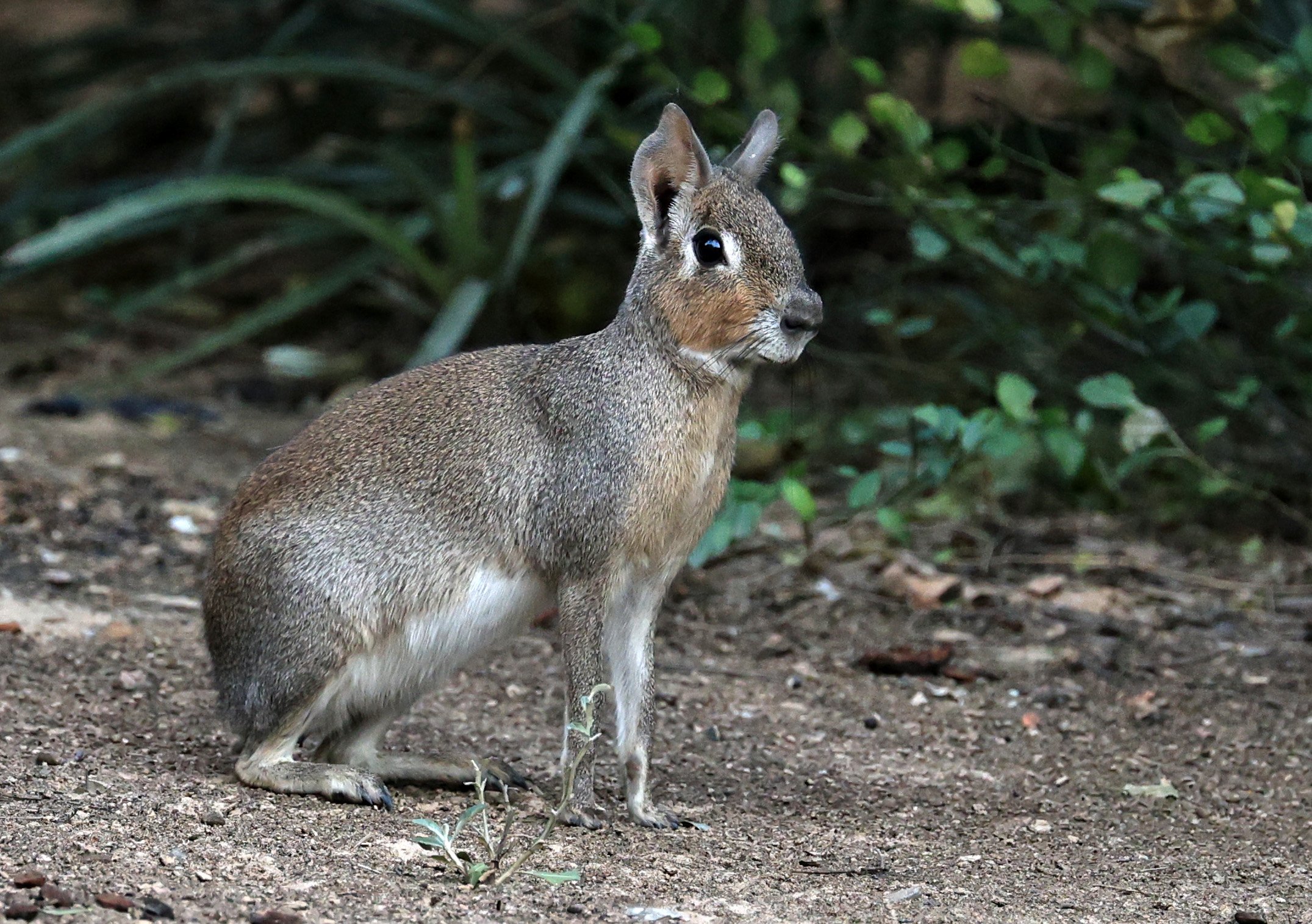
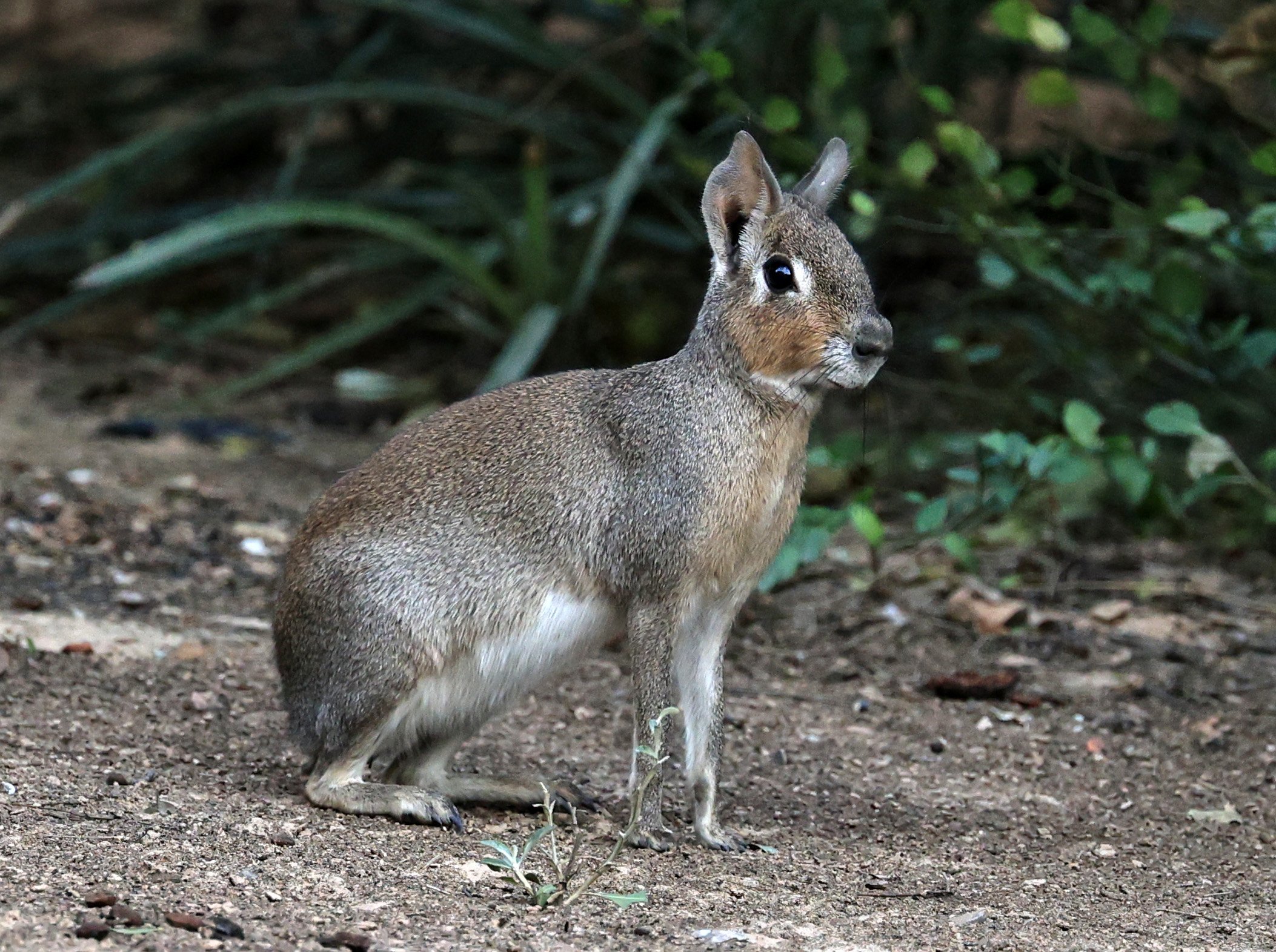
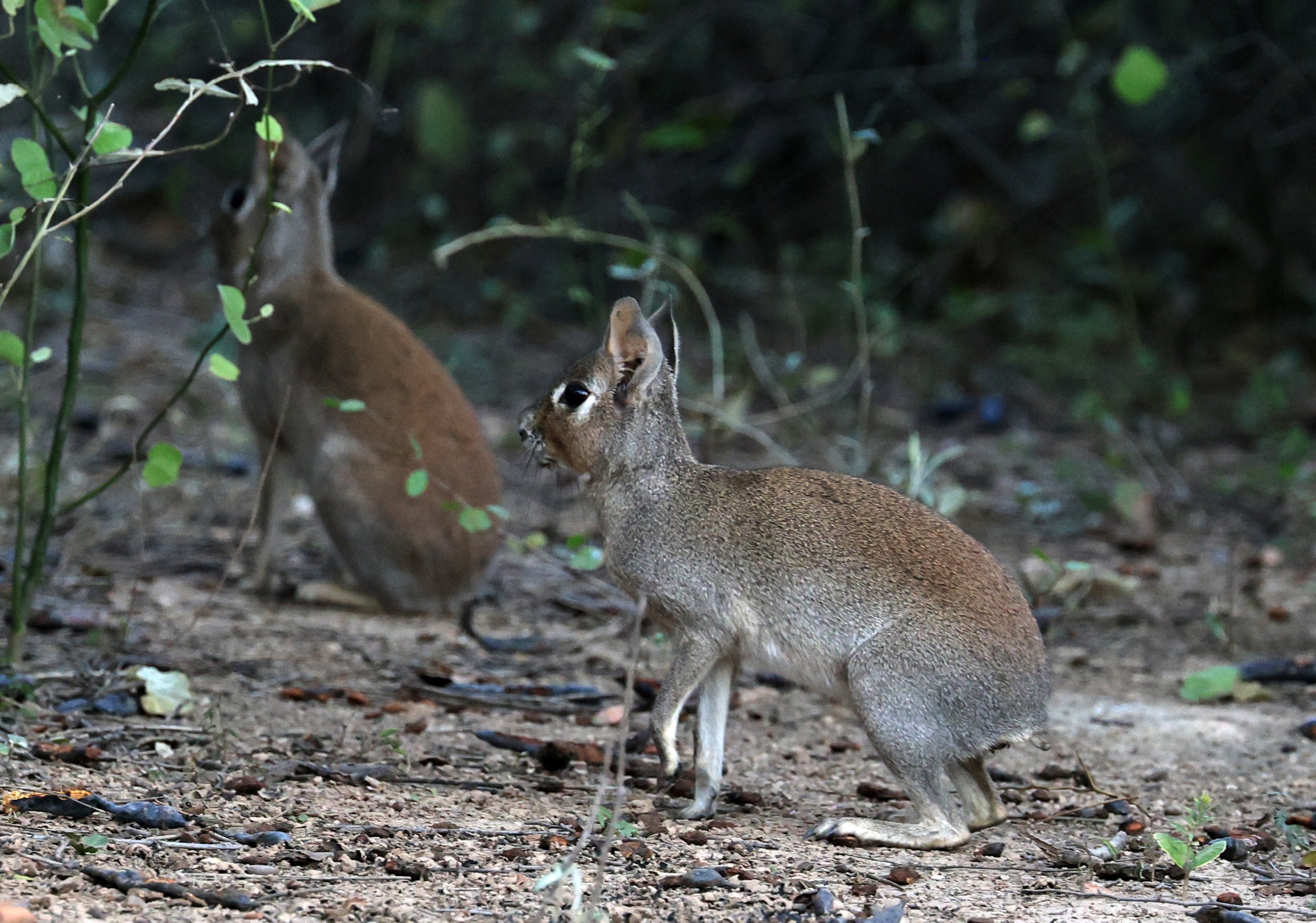
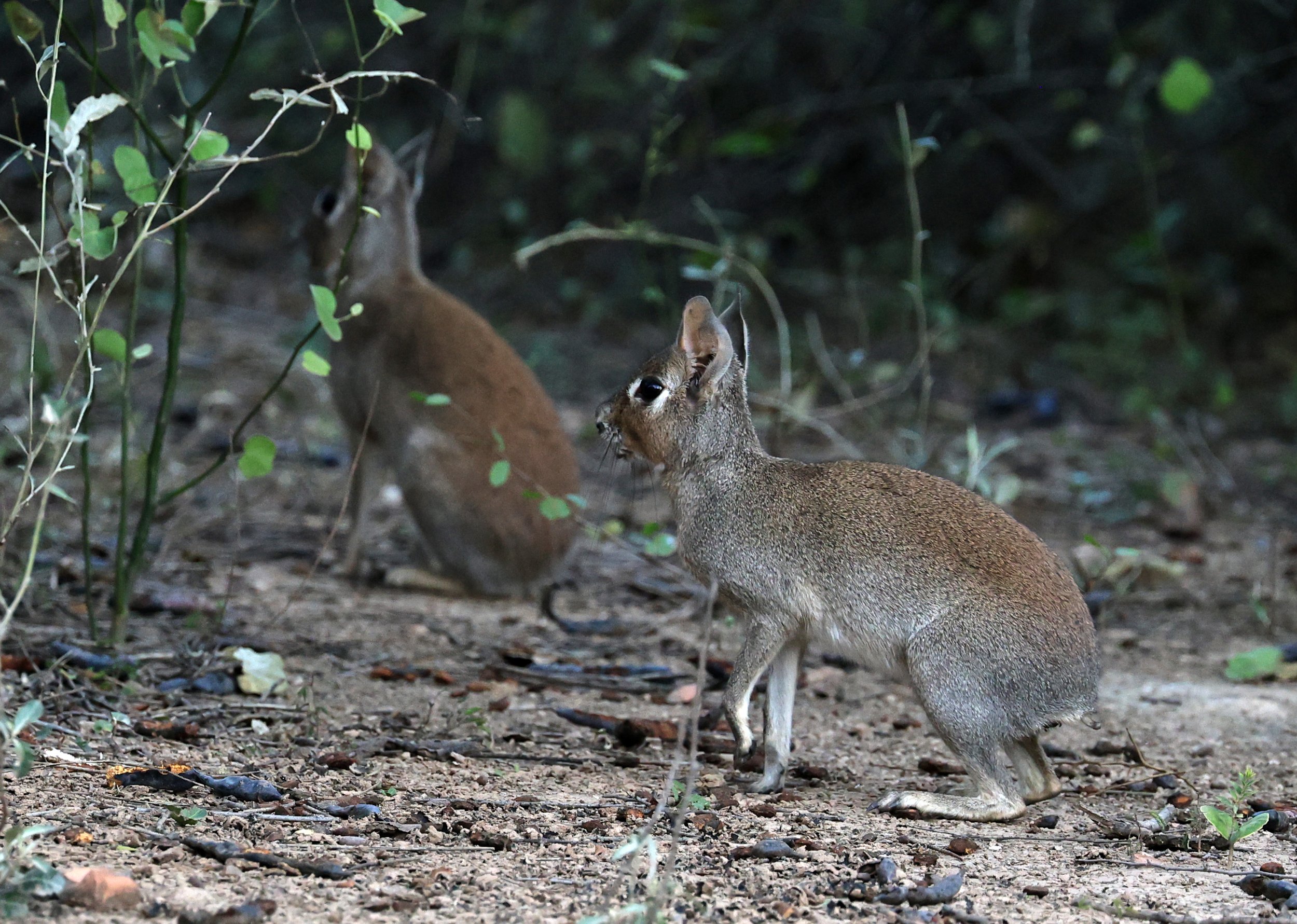
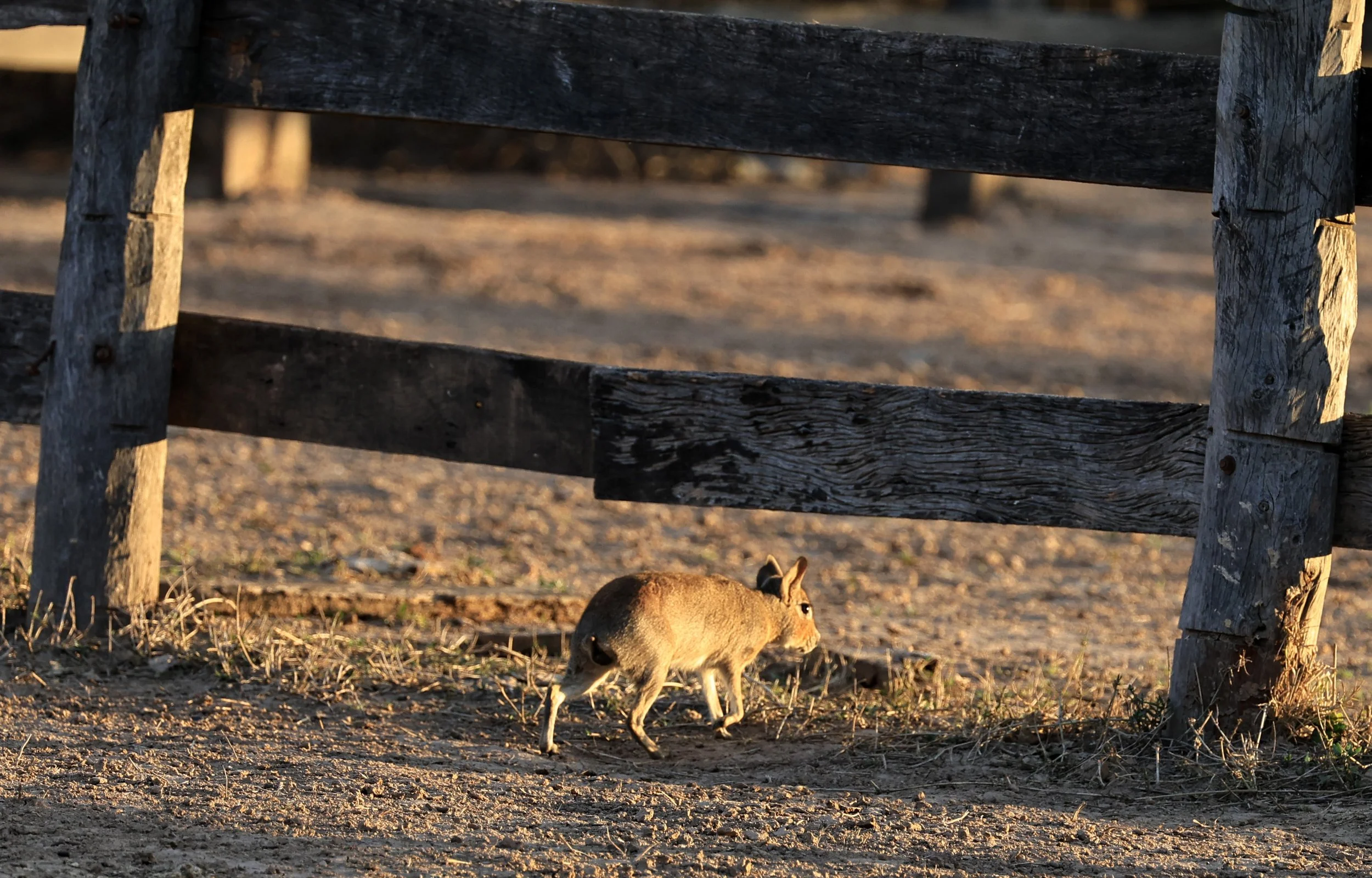
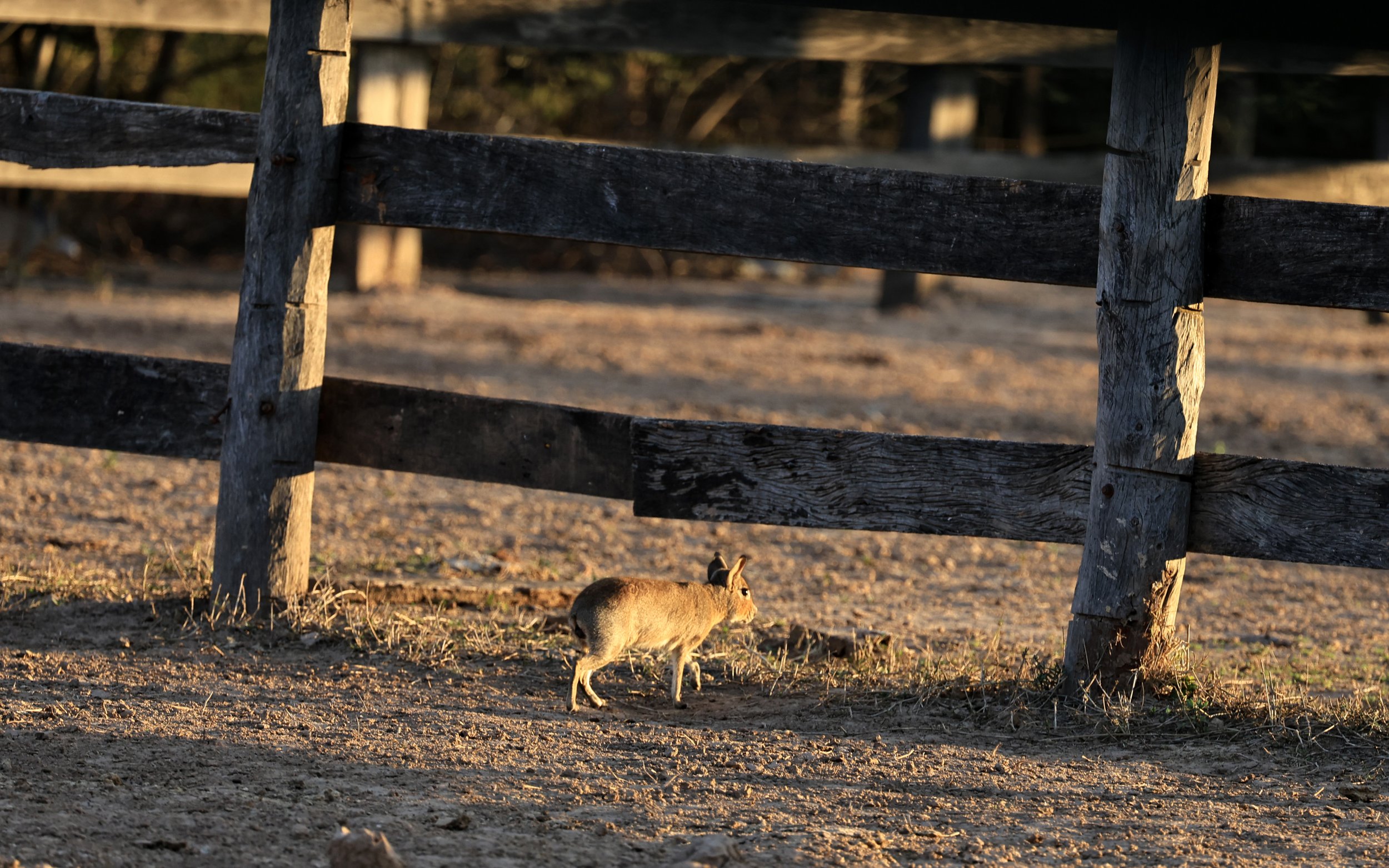
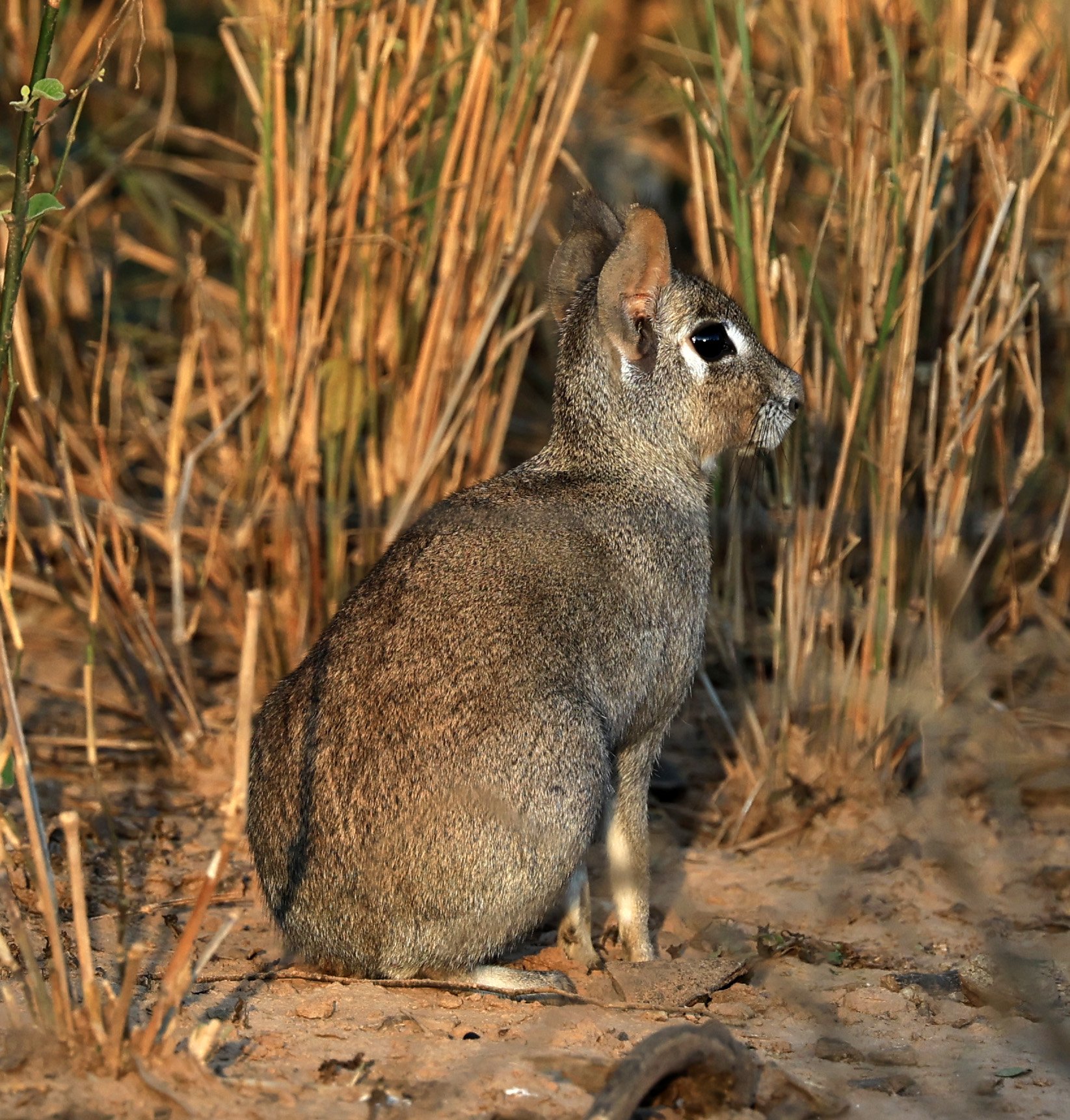
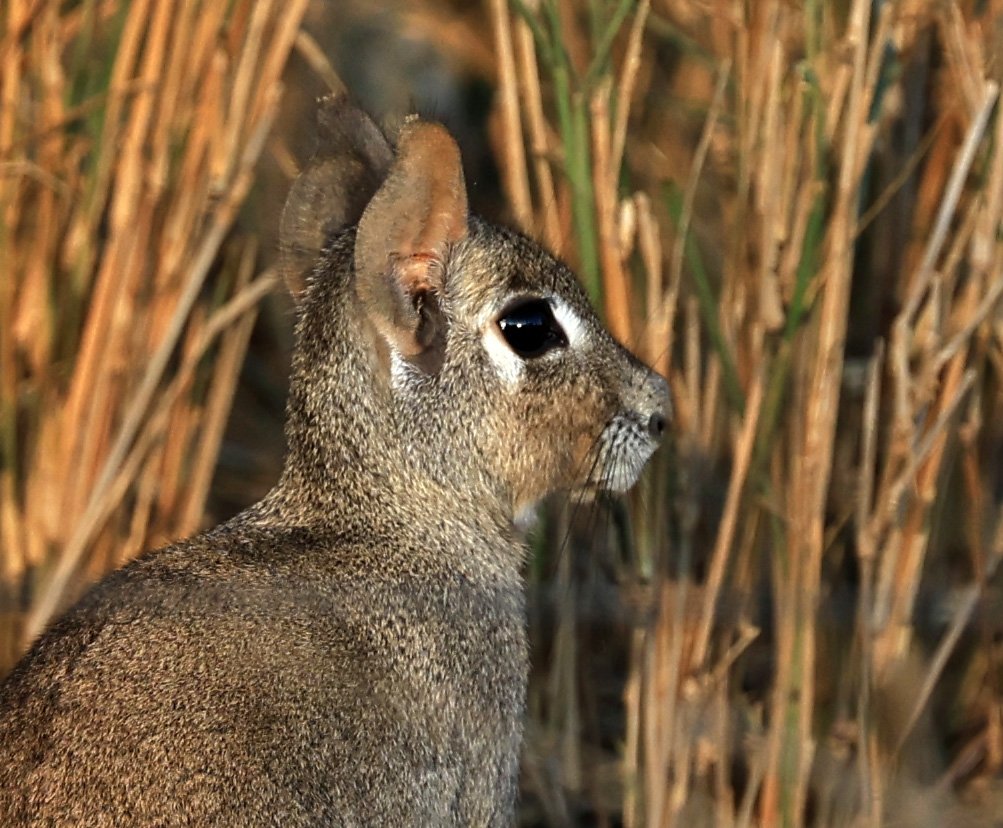
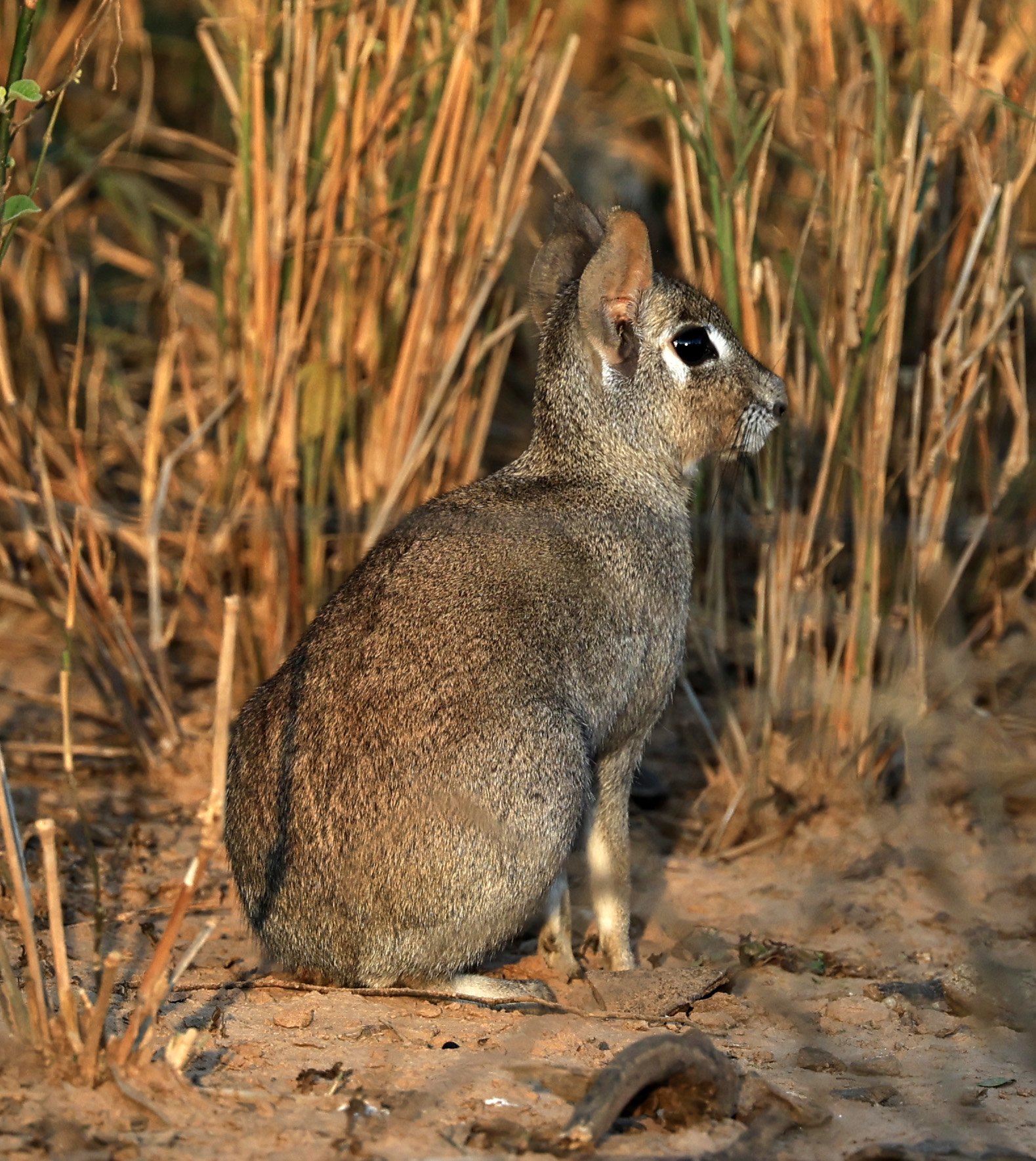
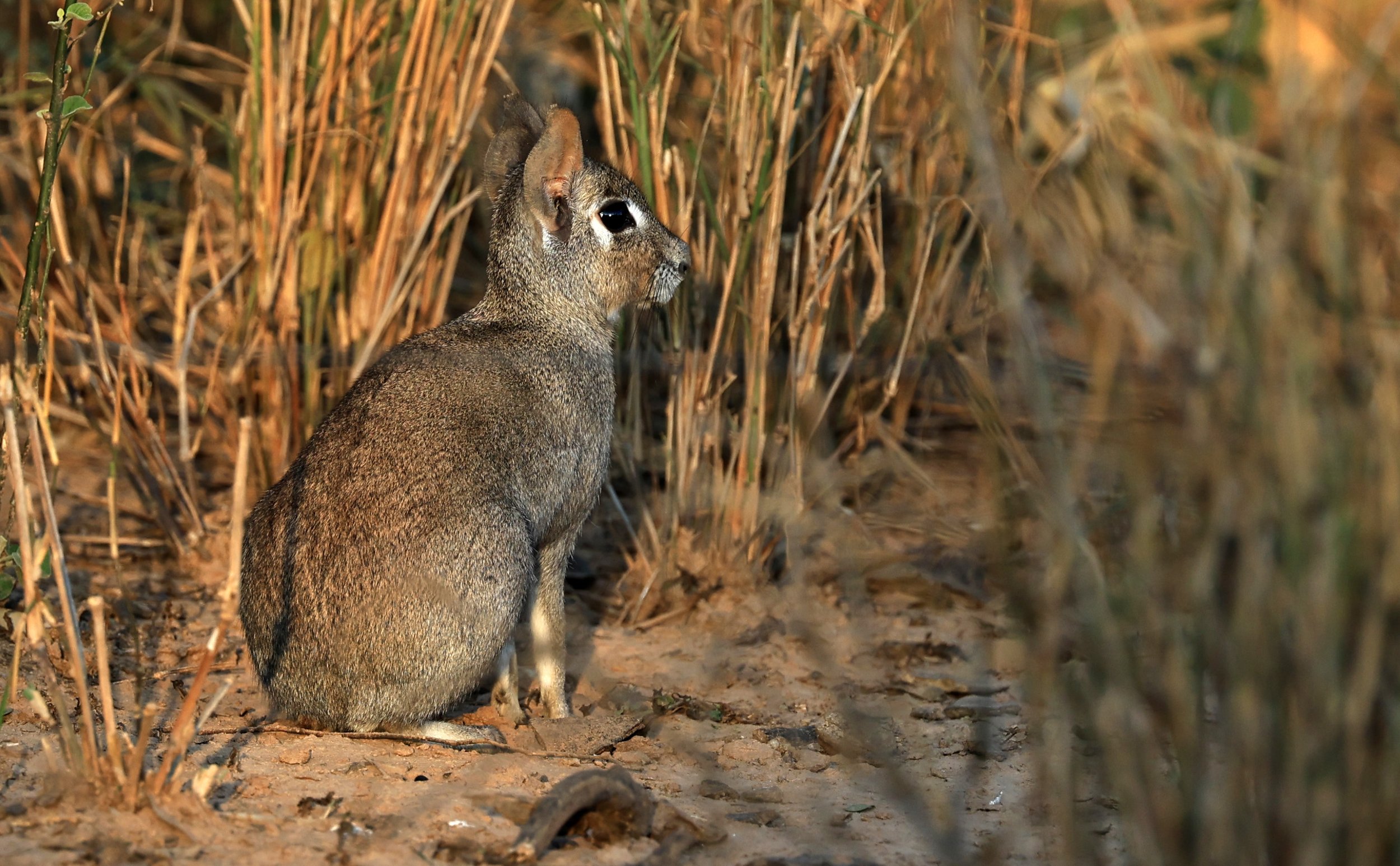
The Chacoan Mara has a rabbit-like appearance, with long legs, large pointed ears, and a compact body adapted for running across open landscapes. It is smaller than the Patagonian Mara, typically weighing between 1.8 and 2.3 kilograms and measuring between 42 and 49 centimetres in body length. Its fur is short and smooth, usually grey-brown in colour on the back with lighter grey or white flanks and a pale underside. Distinctive white patches can often be seen on the forehead and behind the eyes. Like other maras, it has strong hind legs that allow it to move quickly when escaping predators. [animaldiversity.org]
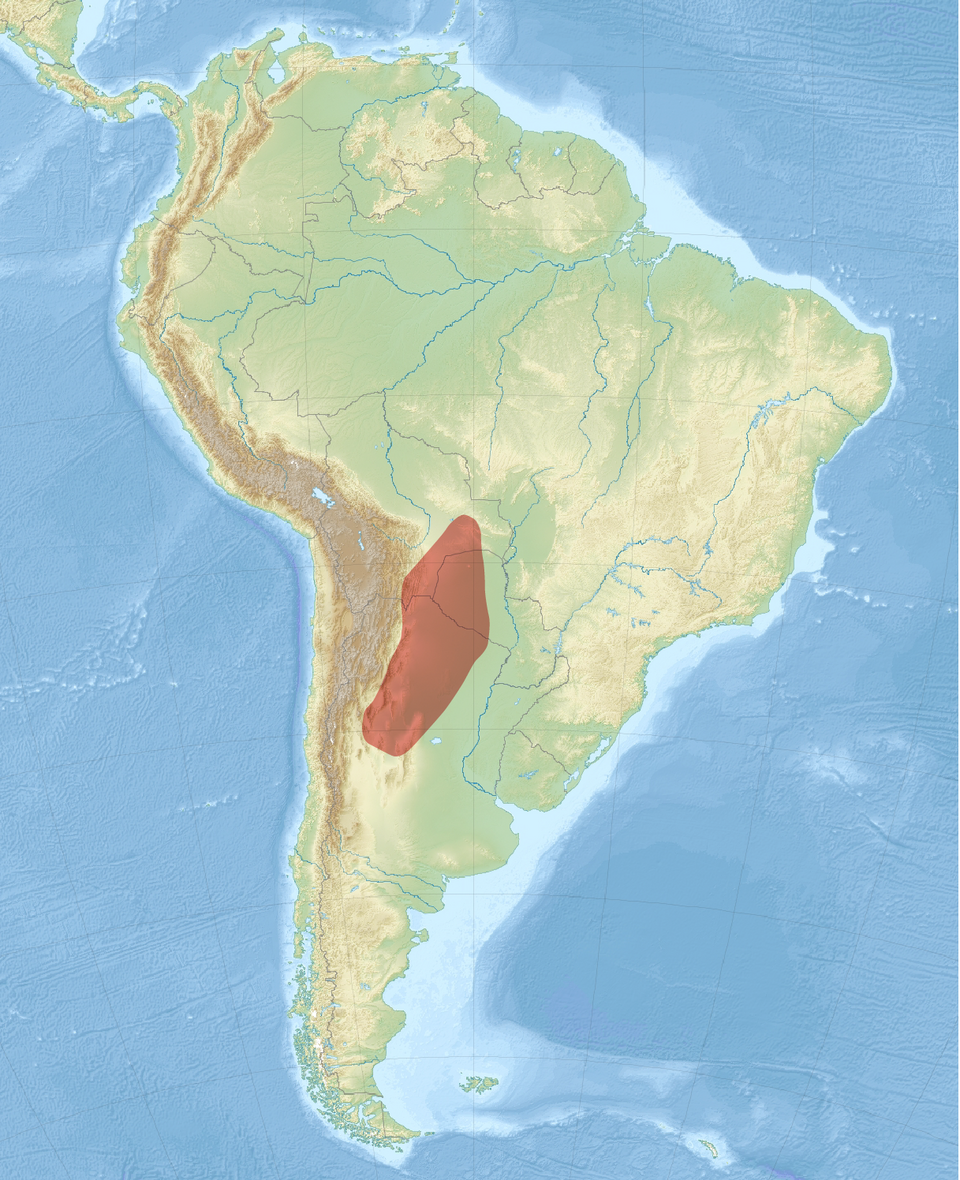
The Chacoan Mara is found throughout the Gran Chaco region of South America, including parts of Paraguay, Bolivia, and northwestern Argentina. The Gran Chaco is characterized by dry forests, thorn scrublands, grasslands, seasonal wetlands, and semi-arid environments. Within this region, Chacoan Maras are most commonly found in low, flat landscapes dominated by thorny shrubs and dry woodland vegetation. They are well adapted to the hot, dry conditions of the Chaco and typically inhabit areas between 400 and 800 metres above sea level. [animaldiversity.org], [encycloreader.org]
One of the most interesting aspects of the Chacoan Mara is its ability to survive in harsh environments where food availability changes throughout the year. It is a herbivore that feeds on a wide variety of vegetation, including grasses, herbs, succulents, shrubs, and tree shoots. During the dry season it broadens its diet to include whatever plant material is available, demonstrating impressive ecological flexibility. Unlike the highly social Plains Viscacha, Chacoan Maras usually live in small groups of two to four individuals and are less dependent on large colonies. They dig burrows or use sheltered areas beneath vegetation to rest and avoid extreme temperatures. [encycloreader.org], [animaldiversity.org]
The species has also attracted scientific interest because it shares many physical similarities with the Patagonian Mara while occupying a slightly different ecological niche. This allows the two species to coexist in some areas without directly competing for all of the same resources. Their evolutionary relationship provides an interesting example of adaptation to different habitats within South American grassland and scrubland ecosystems. [encycloreader.org], [wikiwand.com]
The International Union for Conservation of Nature (IUCN) currently classifies the Chacoan Mara as Least Concern. Although it has a relatively restricted distribution compared with some other South American rodents, populations are considered stable across much of the Chaco region. Its ability to utilize a variety of vegetation types and habitats has contributed to its continued survival. [wikiwand.com], [encycloreader.org]
Despite its favourable conservation status, the Chacoan Mara faces several threats. Ongoing deforestation and conversion of natural habitats for agriculture and cattle ranching are reducing the extent of native Chaco ecosystems. Habitat fragmentation can isolate populations and limit movement between suitable areas. Additionally, hunting may occur locally, and increasing human development throughout the Chaco region has the potential to place additional pressure on populations in the future. Protecting the unique dry forests and scrublands of the Gran Chaco will be important for maintaining healthy populations of this species and many other native animals. [animaldiversity.org], [encycloreader.org]
The Chacoan Mara is a fascinating and often overlooked mammal of South America. Its rabbit-like appearance, adaptability to one of the continent’s harshest environments, and close relationship to the Patagonian Mara make it an important species for understanding the ecology and evolution of South American rodents. Continued conservation of the Gran Chaco will help ensure that this unique animal remains a characteristic part of the region’s biodiversity for generations to come. [animaldiversity.org], [encycloreader.org]