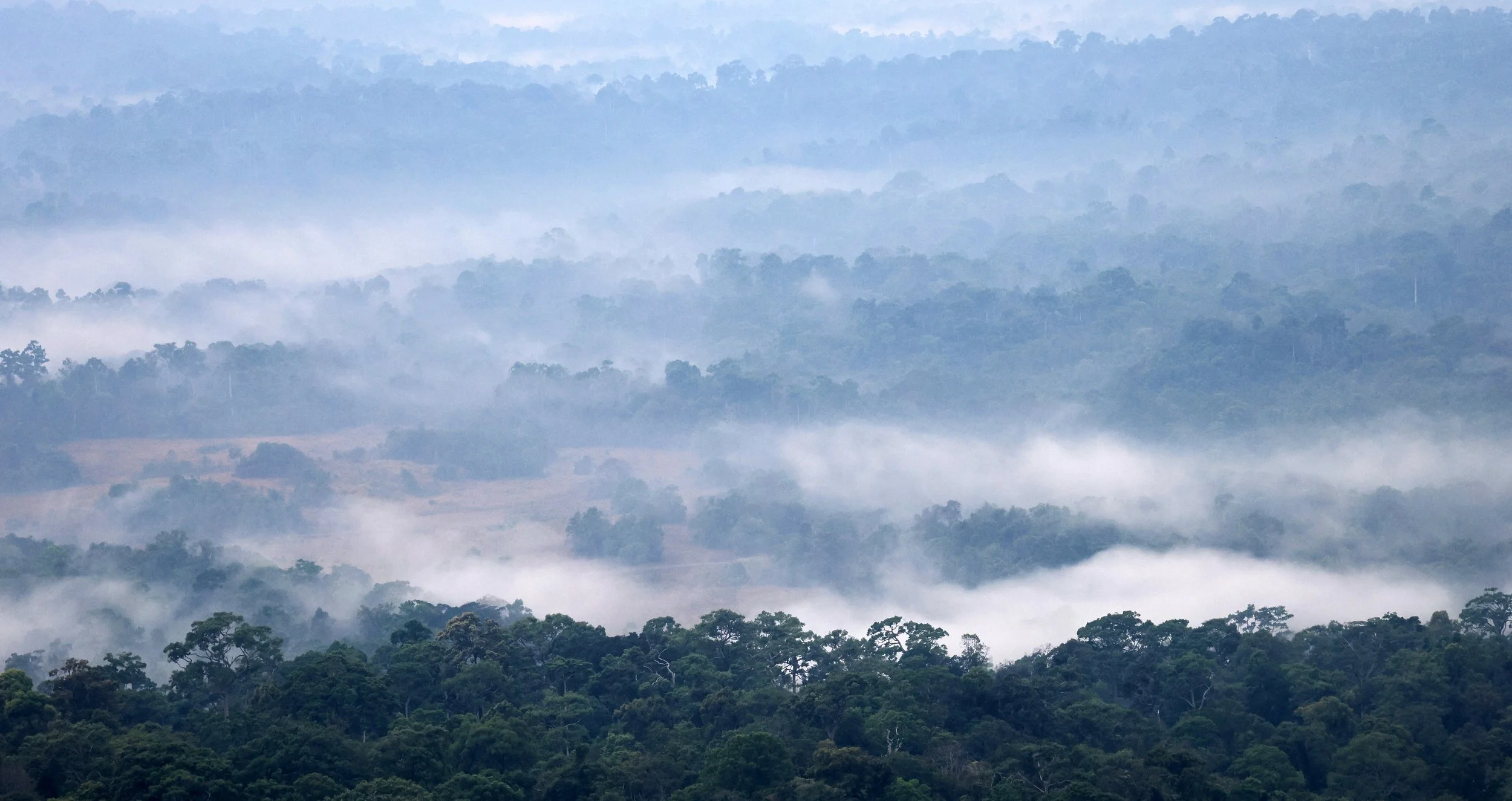
Dong Phayayen–Khao Yai Forest Complex
The Eastern Forest Complex
A Single Forest, Five Protected Areas
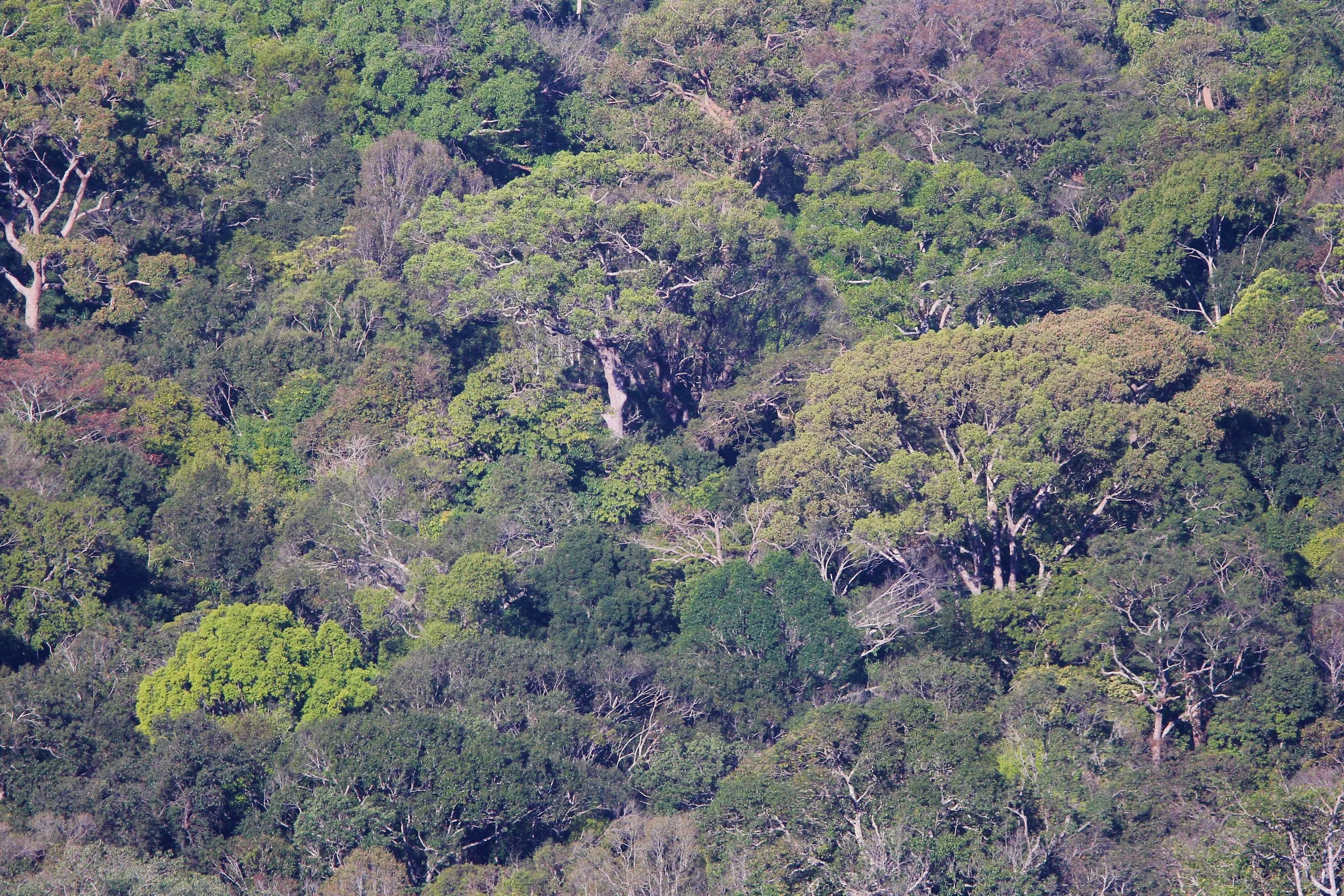
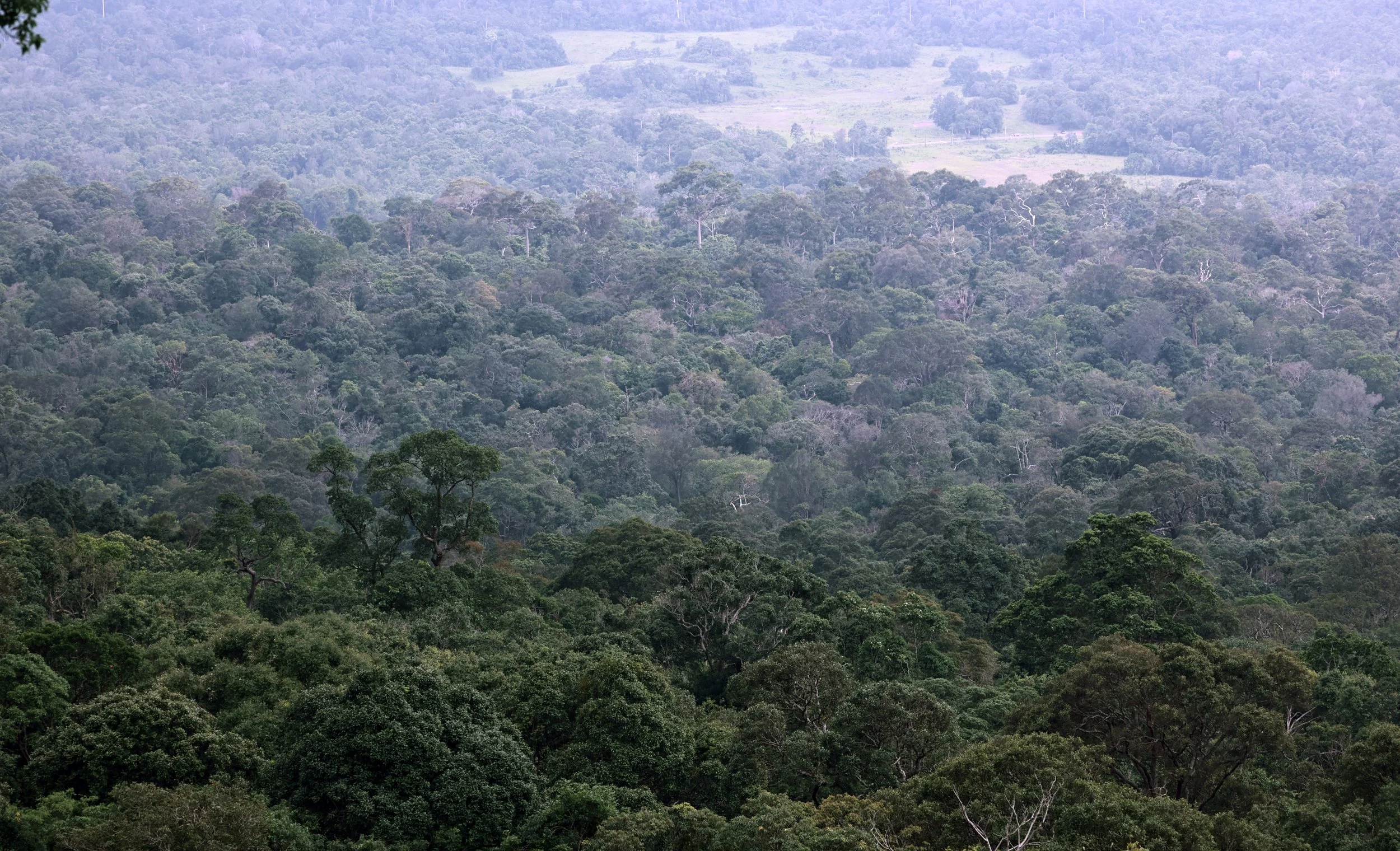
A bird’s eye view of the marvelous dipterocarp forest structure of Khao Yai National Park
I will never forget one of my earliest flights to Thailand, while on approach to Bangkok’s Don Muang Airport, we flew over at relatively low elevation a massive expanse of unbroken forest. I knew we were mere minutes away from touching down in the megacity of Bangkok and I was puzzled as to what could possibly be this great expanse of what I wrongly assumed of tropical rain forest. I was spellbound and couldn’t take my eyes off this fantastic natural spectacle. Now by this point in my life, I’d already visited the Amazon and Congo so I knew what a mega-forest looked like but quite honestly I was like so many ill-informed tourists and was under the impression that Thailand really had no significant nature to speak of. Keep in mind this was nearly forty years ago and I was quite ignorant of this part of the world.
This great forested area never left my mind during my first few weeks in Thailand in those early days. When I finally had the chance, I managed to visit a special place called Khao Yai National Park. I was blown away. My first exposure to Southeast Asian wilderness was here. I spent several days exploring every nook of this park and was treated to over 20 species of mammals and so many birds (most of which I could not identify). The insects and reptiles were also plentiful. Since this initial taste of this special place, I have now visited Khao Yai several dozen times. During these visits, I routinely expanded my explorations to include all of the wild areas of what is affectionately called, the “Eastern Forest Complex”, or more formally known as Dong Phayayen-Khao Yai Forest Complex (DPKY).
I will now combine my expeditions to DPKY in this blog and present everything in a simple natural history-style article that highlights the various biotic and abiotic features of the complex as well as some of the human factors and history. I will include images that were exclusively taken in the DPKY to highlight some of the biotic marvels of the region.
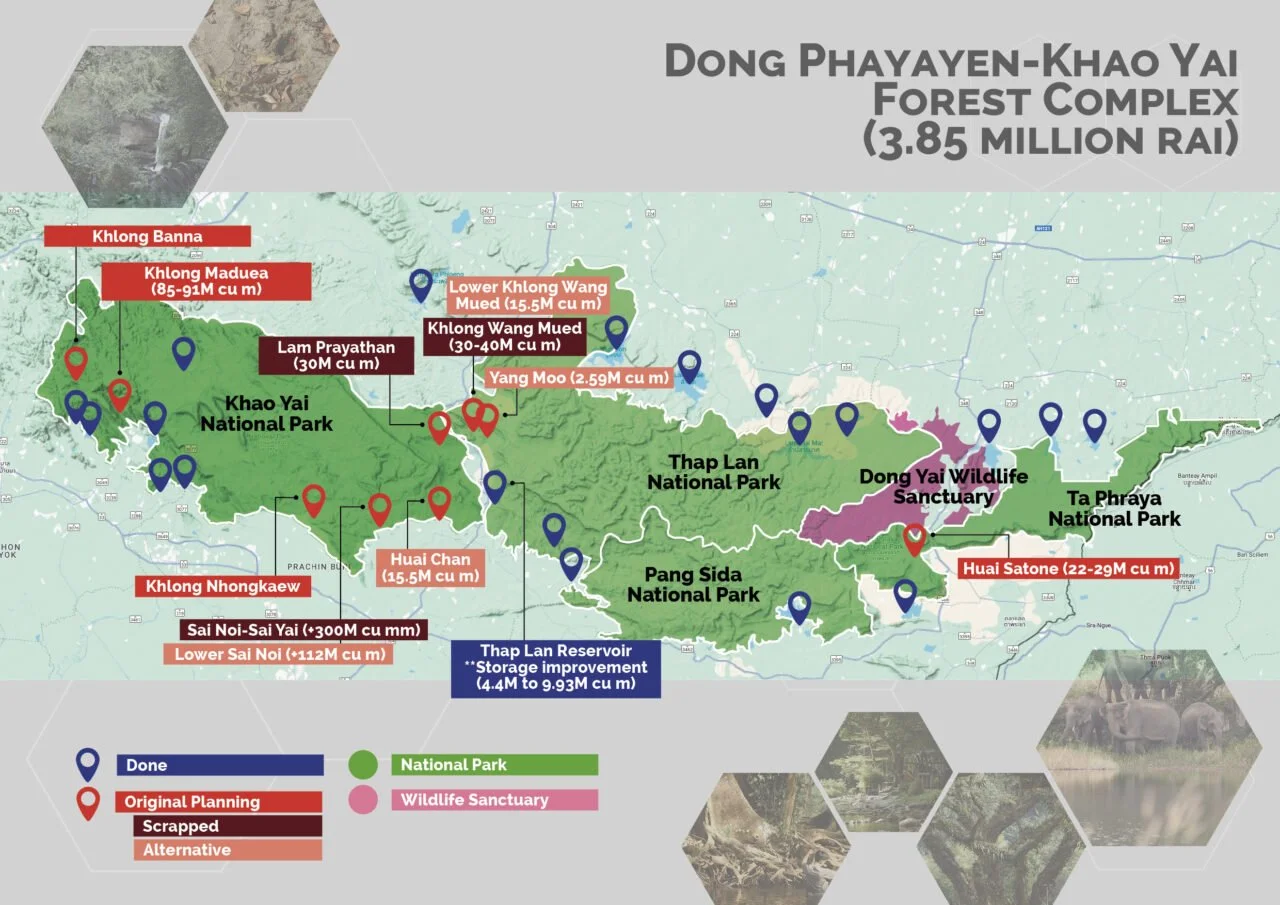
Map of the Dong Phayayen - Khao Yai Forest Complex (Source)
Stretching ~230 km along the Dong Phaya Yen and Sankamphaeng ranges of eastern Thailand, the Dong Phayayen–Khao Yai Forest Complex (DPKY) unites five protected areas—Khao Yai, Thap Lan, Pang Sida, Ta Phraya National Parks and Dong Yai Wildlife Sanctuary—into a 615,500‑ha UNESCO World Heritage landscape recognized in 2005 for exceptional biodiversity and intact tropical monsoon forests. Recent changes include Khao Ang Ru Nai National Wildlife Area as well. This serial site conserves more than 800 faunal species (including 112 mammals and 392 birds) and forms the eastern seaboard’s largest remaining block of forest, buffering the Korat Plateau from lowlands toward Cambodia. [whc.unesco.org], [en.wikipedia.org][whc.unesco.org], [Dong Phaya...Datasheet]
Geography and Geology
While exploring Khao Yai and other units of DPKY, geology may not be on the top of your list. The entire area is so beautifully covered with forest systems and grasslands that do a great job of hiding the underlying geology. However when you finally see an outcropping, be it on the side of a large hill or exposed by the erosive forces of one of the region’s spectacular waterfalls, one can’t help but be intrigued with the forces that formed this region.
The general geology of DPKY can be summarized as follows: Topography rises from ~100 to >1,300 m, with cuestas (a ridge or hill with a gentle, long slope on one side (dip slope) and a steep, abrupt escarpment on the other) and escarpments cut into the Early Cretaceous Korat Group—continental red‑bed sandstones and mudstones—locally draped over older volcanic (pyroclastic) rocks exposed at major waterfalls such as Haew Suwat and Haew Narok in Khao Yai. Sedimentology and paleosols of these formations reveal meandering to anastomosing river systems laid down under semi‑arid to sub‑humid climates—an ancient river archive still shaping today’s cliffs, gorges, and soils.
The eastern borders of DPKY give way to the massive Korat Plateau. The Khorat Plateau is a large, shallow, crescent-shaped basin covering about 50,000 km² in northeastern Thailand and parts of Laos, characterized by a thick sequence of mostly Mesozoic-aged non-marine (terrestrial) sedimentary rocks, with a surface topography that tilts to the southeast. The region is bordered by the Mekong River to the north and east, the Phetchabun and Dong Phaya Yen Mountains to the west, and the Dângrêk Mountains to the south. The geology is primarily defined by the Korat Group and the overlying Maha Sarakham Formation, with a total sedimentary sequence exceeding 5,000 meters in thicknes. [en.wikipedia.org], [khaoyainat...alpark.com][academia.edu]

Haew Narok Waterfall

Haew Narok Waterfall is one of Khao Yai's most beautiful water falls. This river-carved canyon is a great place to see the region's geology exposed.
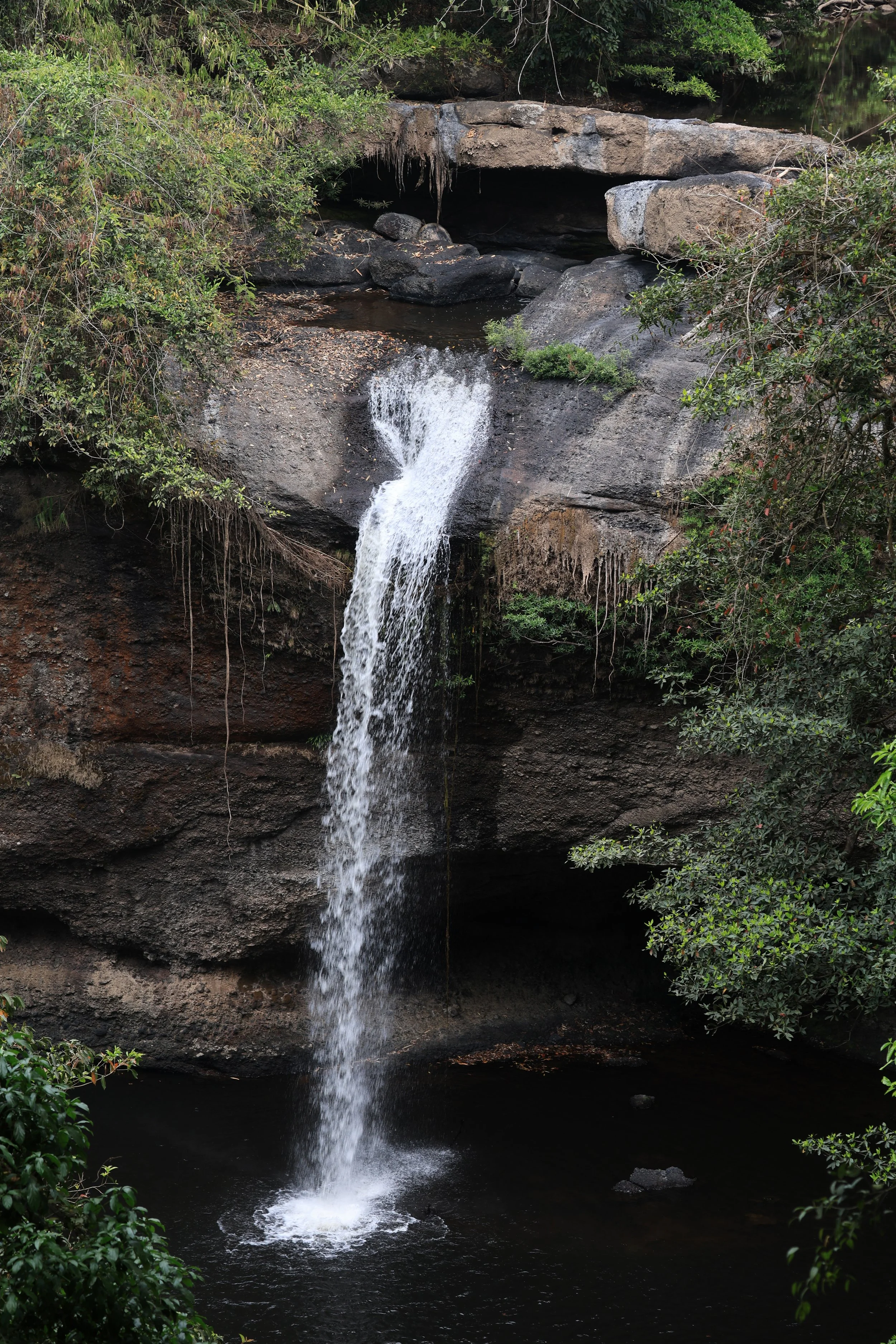
Haew Suwat Waterfall is another great place to see DPKY's geology. This image is Haew Suwat in the dry season

Haew Suwat Waterfall in the rainy season!
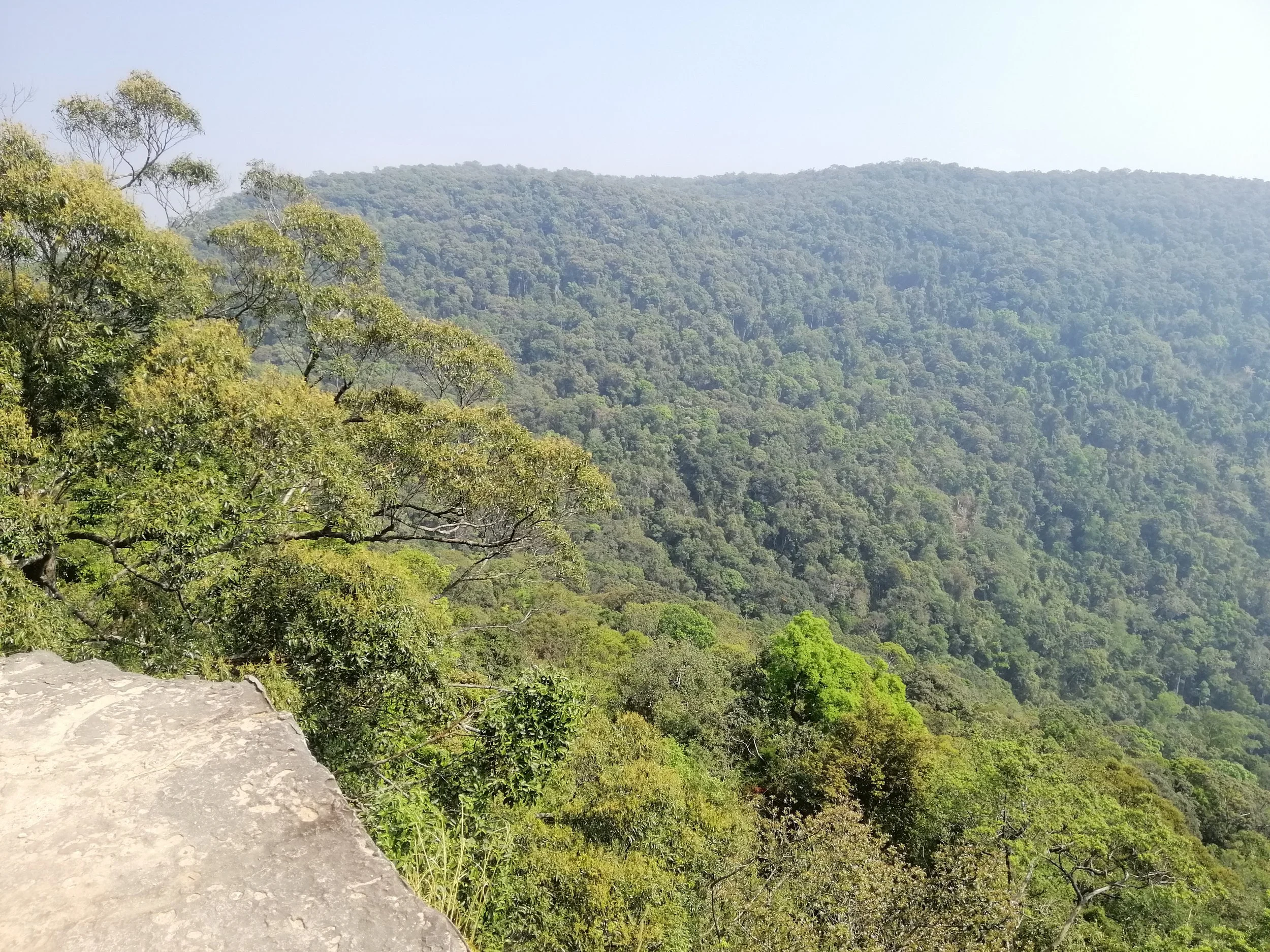
The view east from Pha Diew Dai Cliff overlook. The vast Korat Plateau takes over from here.
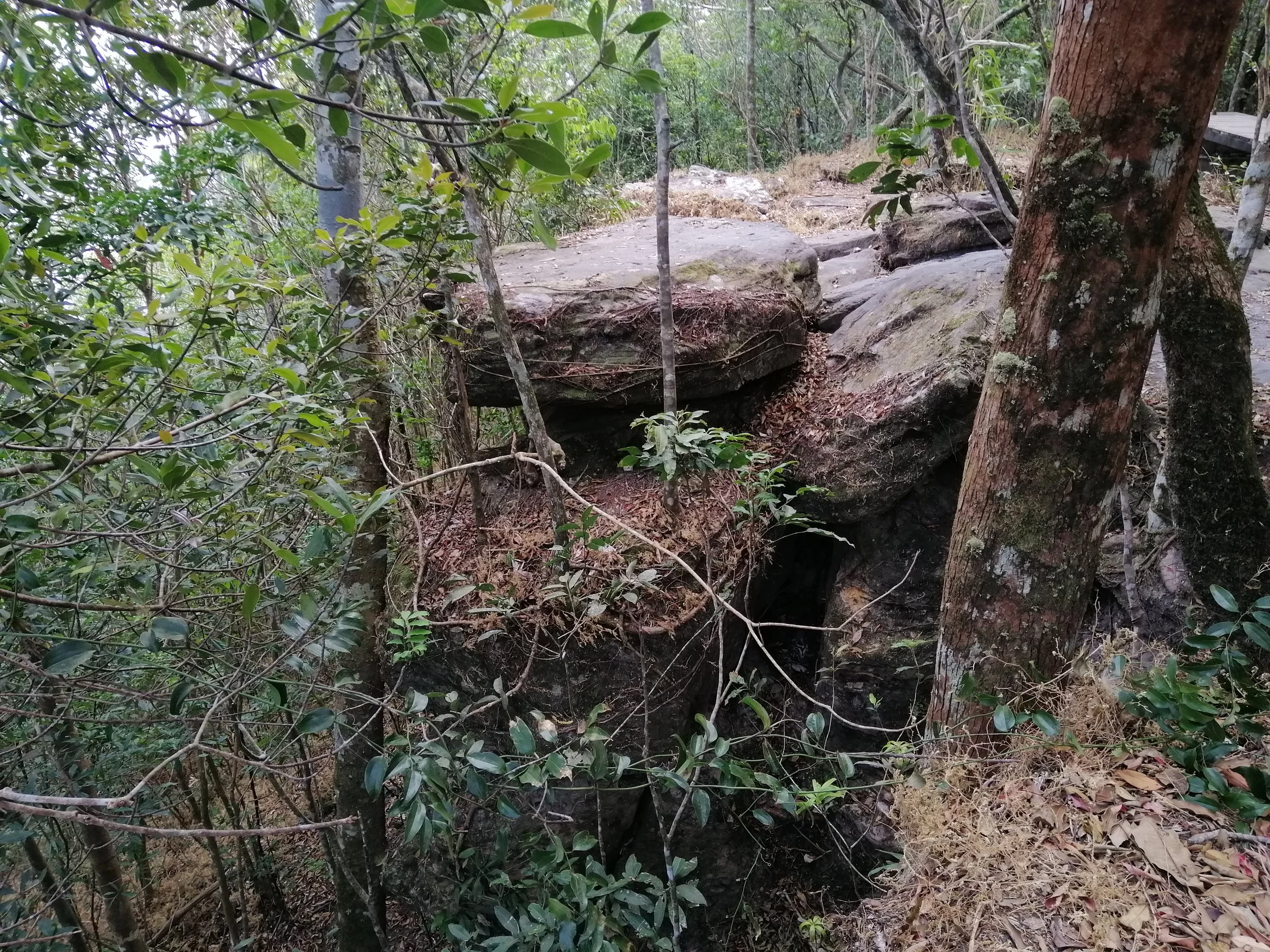
Pha Diew Dai escarpment has many exposed limestone & igneous slabs that only be seen when trekking through the montane forest there. These are a favorite resting spot for the local Sumatran serows.

East toward the Korat Plateau

The spectacular forested hills and valleys of Pang Sida and Thaplan National Parks

The slabs above Haew Narok Waterfall are rhyolite, a type of volcanic rock. Formed from cooled, silica-rich lava, this rock often contains quartz and feldspar crystals, sometimes referred to locally as "volcanic gravel"
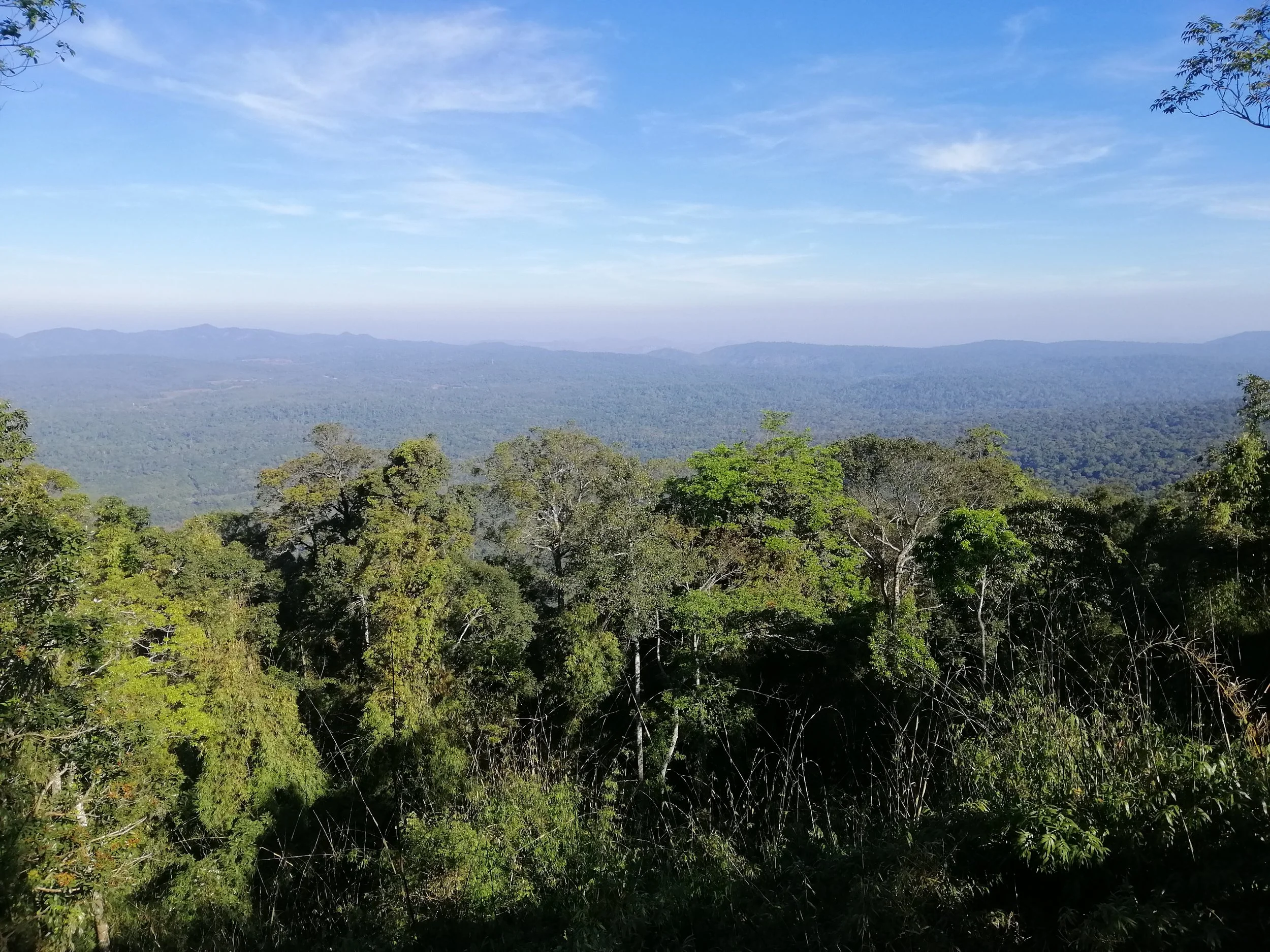
Good view of the Korat Plateau heading east toward Lao
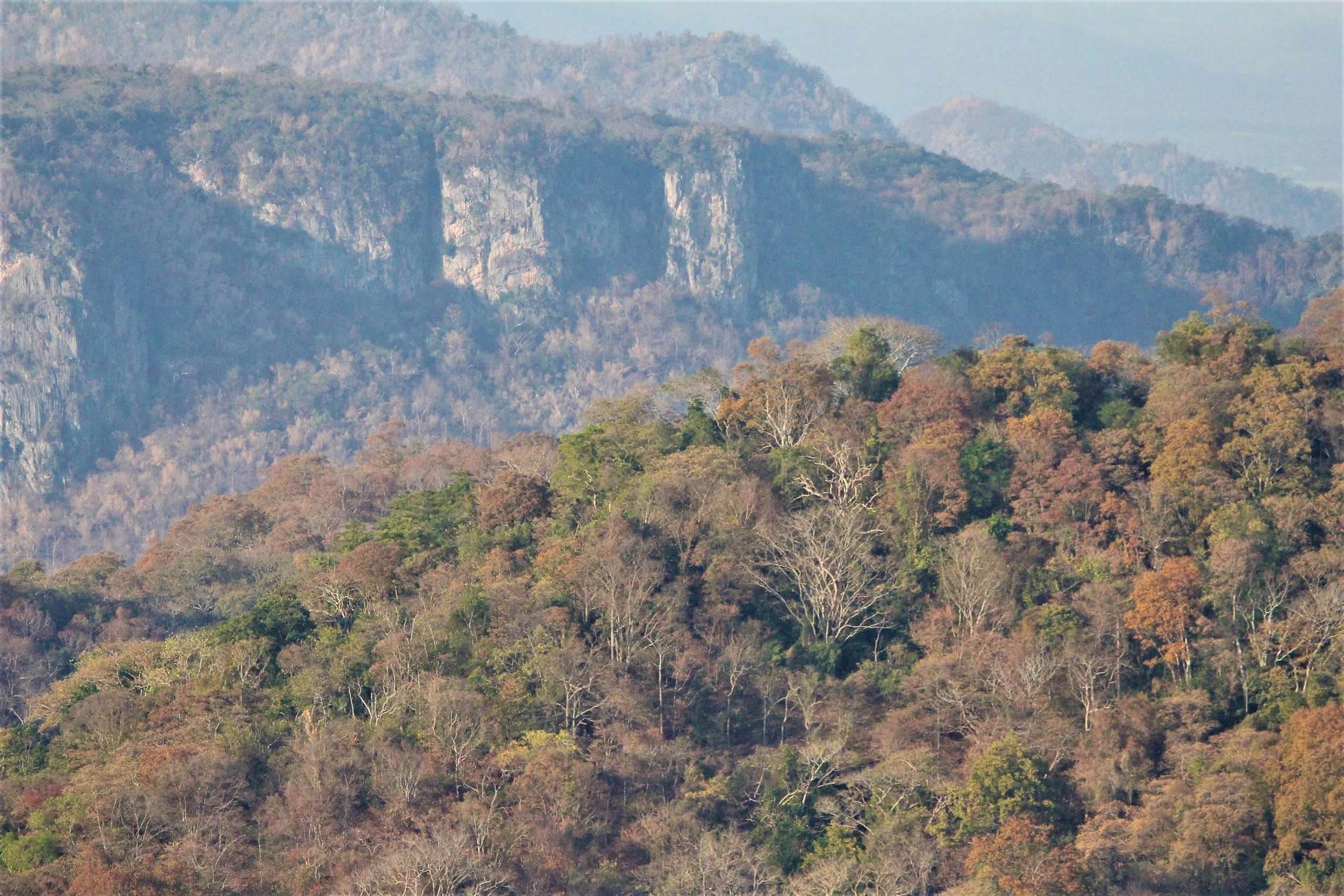
Exposed rock in one of the canyons of DPKY forest complex.
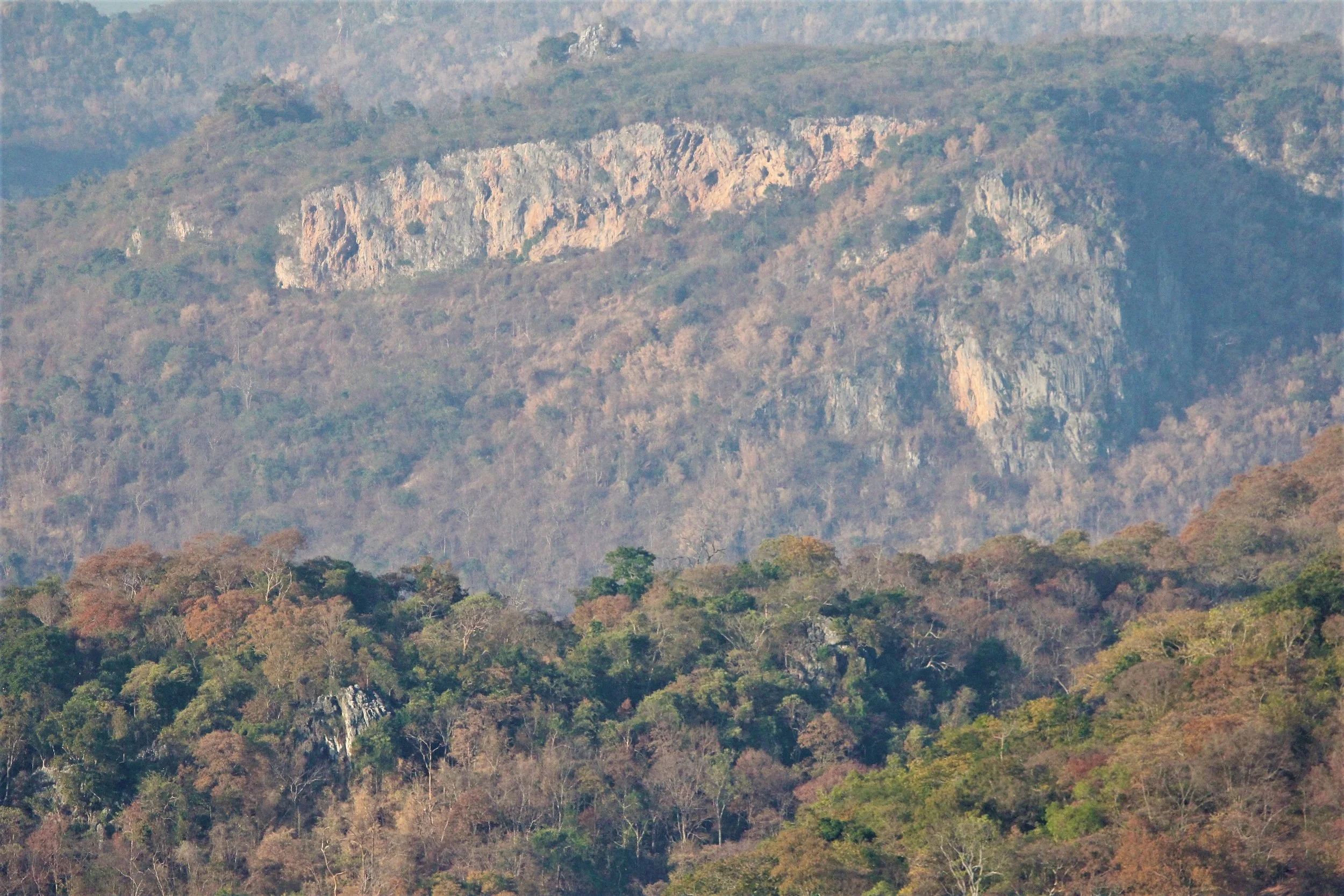
The exposed cliff face is most likely rhyolite or another type of igneous rock.
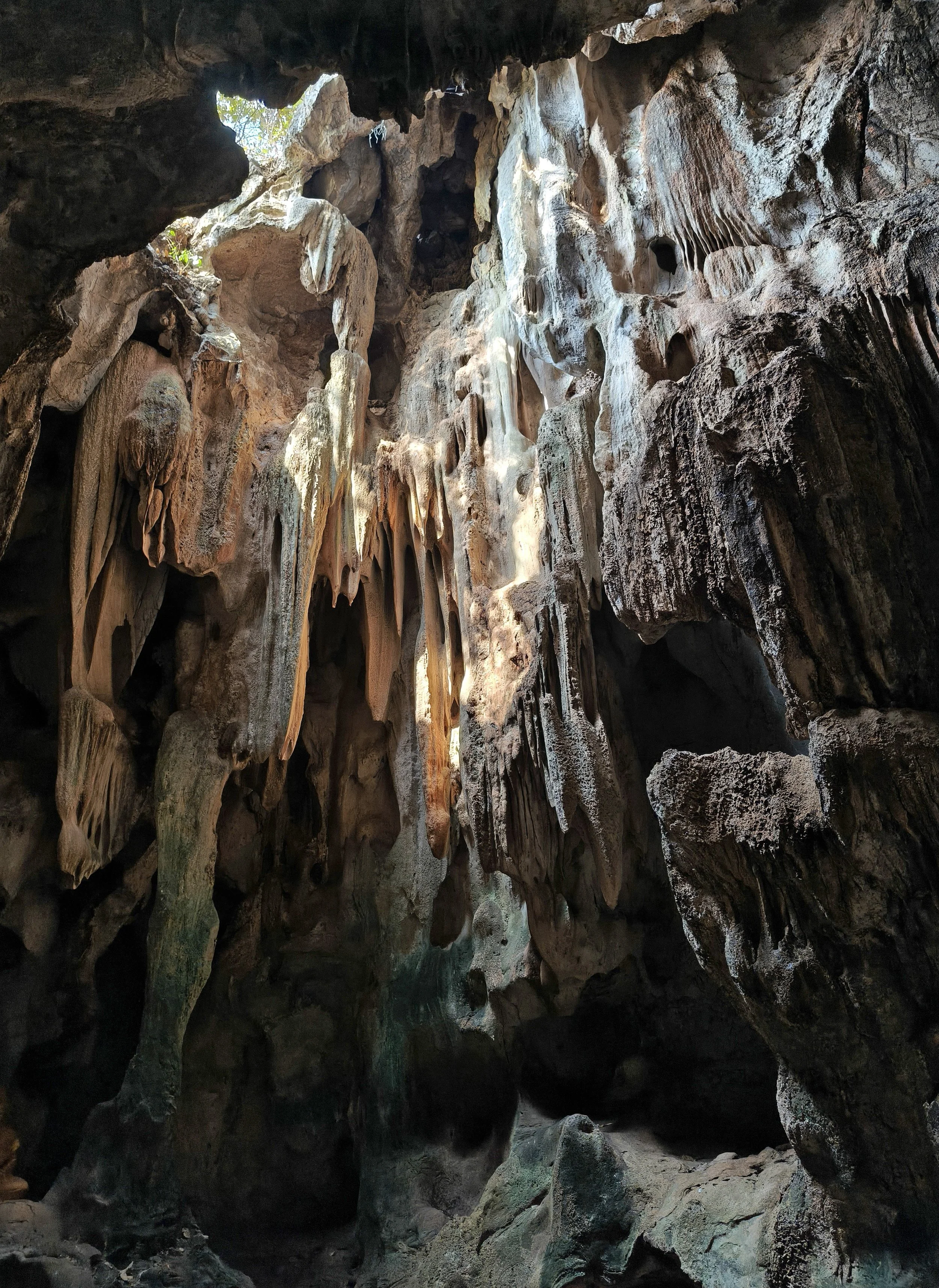
Wat Sa Nam Sai Temple Pak Chong. Throughout the Eastern Forest Complex there are countless caves that show the geology from within. In these caves, you find many ancient Buddhist temples as well as many species of Chiroptera.

Wat Tham Sila Thong Temple Pak Chong
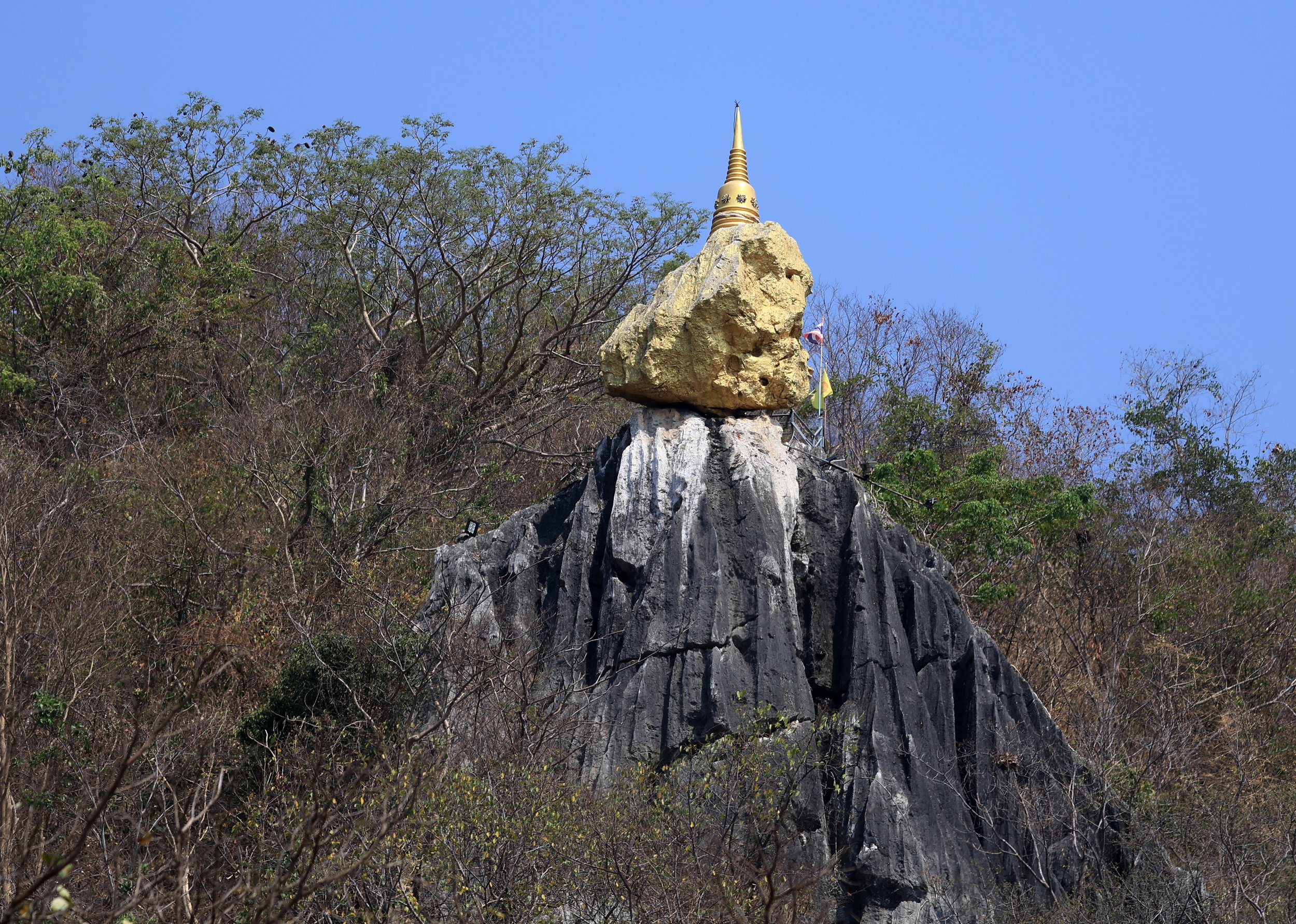
Wat Thewarup Songtham Temple Pak Chong uses is geology (Tsingy limestone) as part of its temple art.
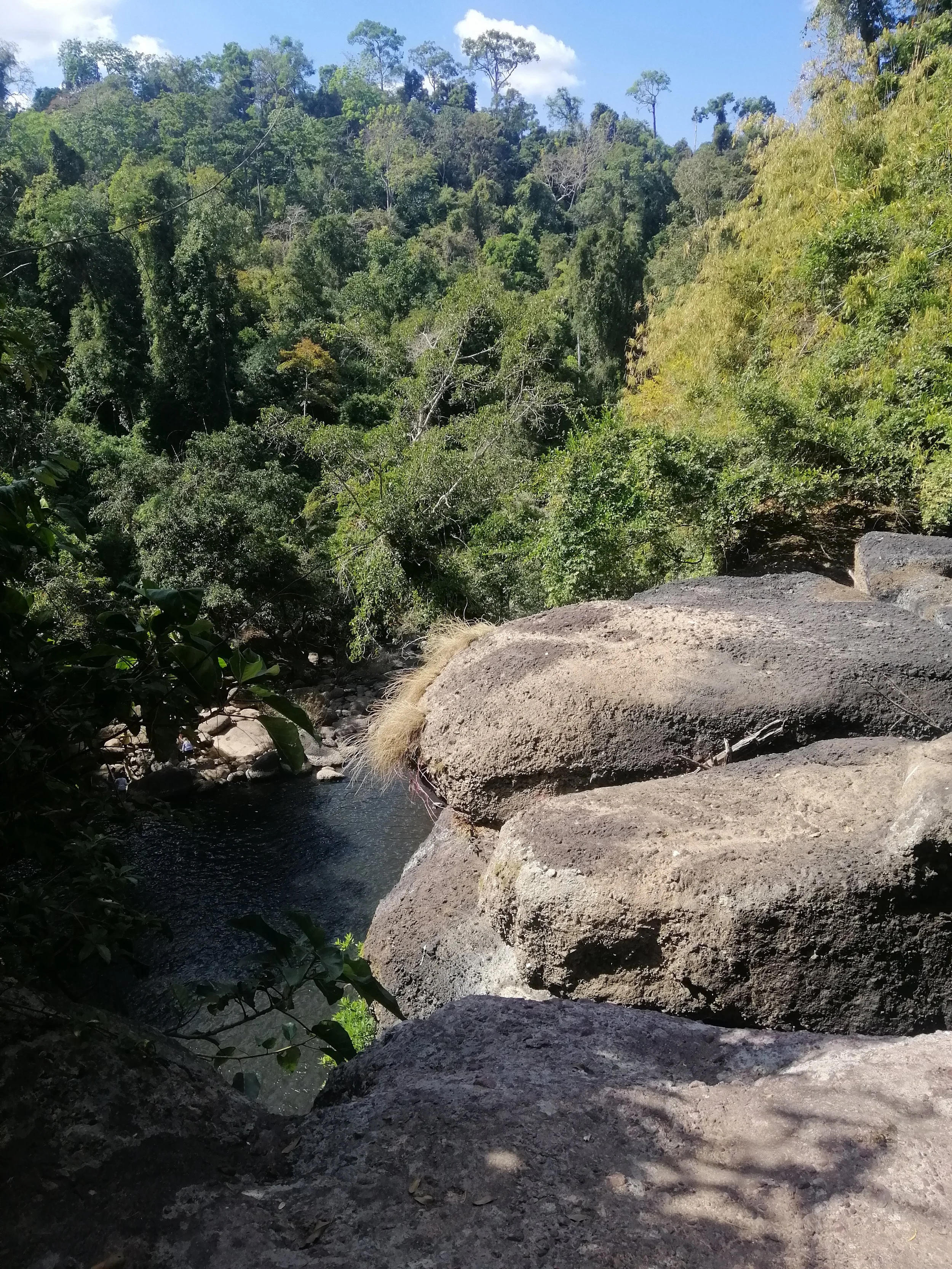
The massive rocks at Haew Suwat Waterfall are rhyolite.
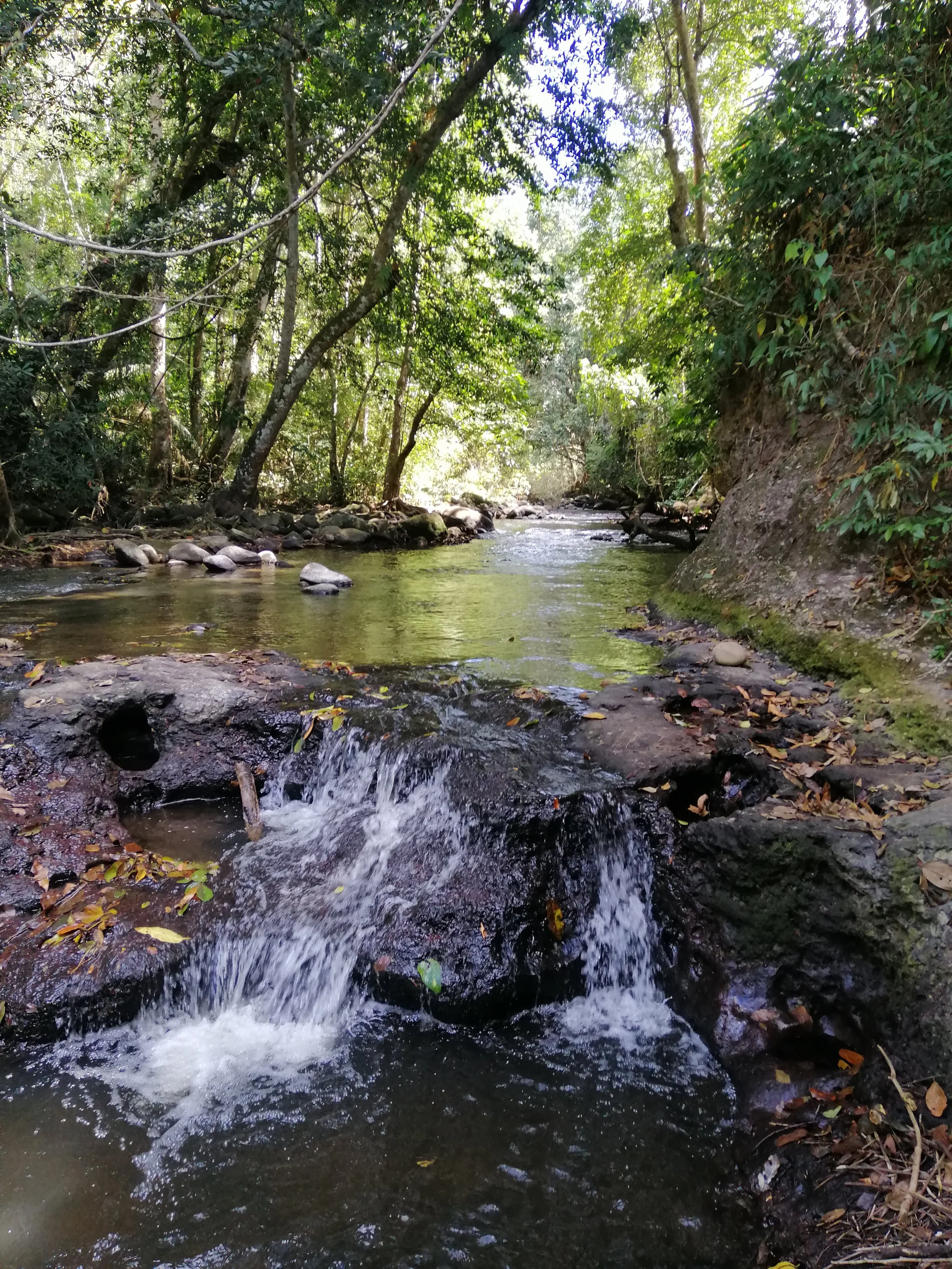
Haew Suwat waterfall is created as the Lam Ta Khong stream that flows over the hard, volcanic rock.
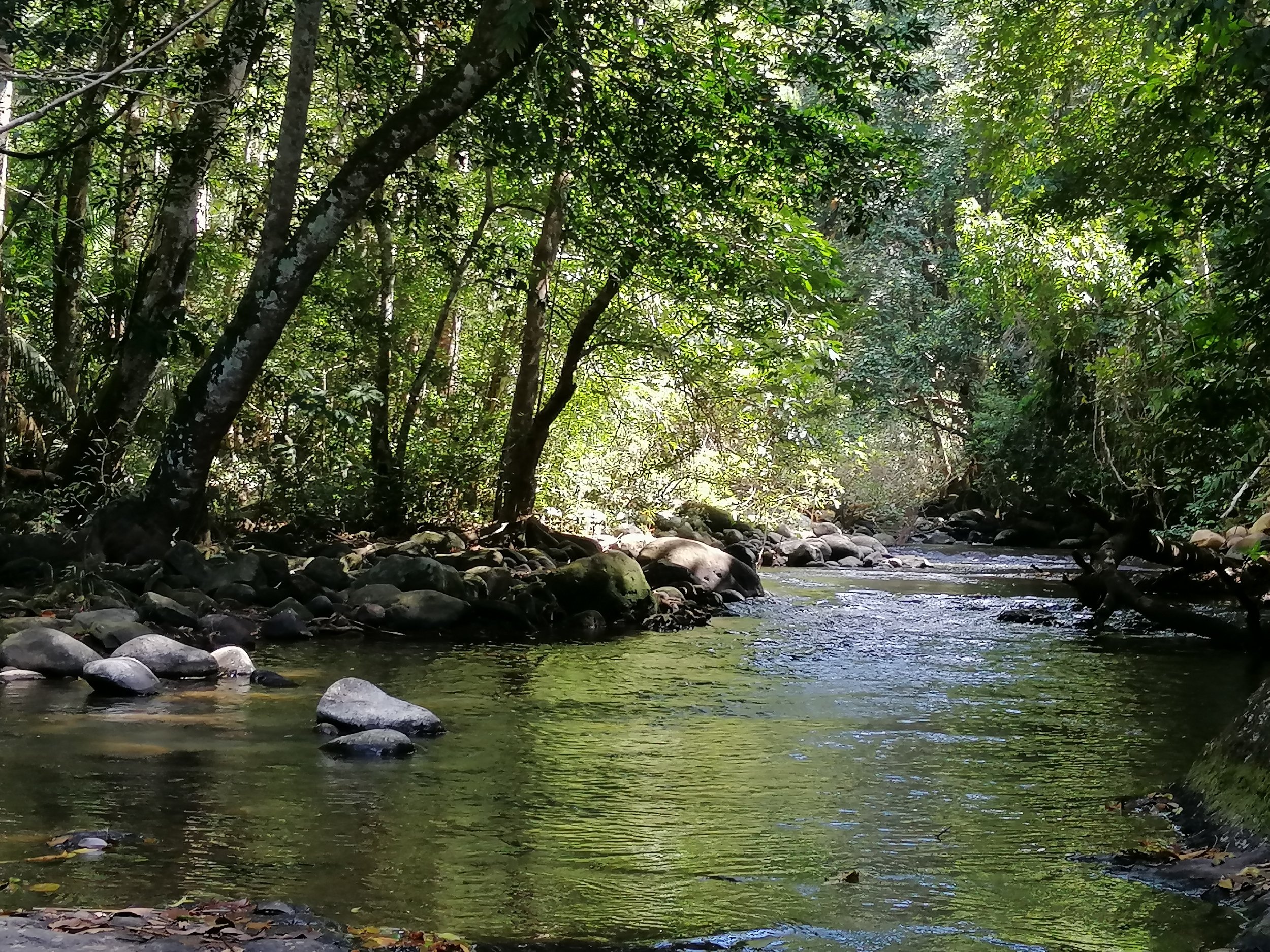
Lam Ta Khong stream
Biomes of the DPKY
Because the complex spans elevation and rain‑shadow effects, it stacks dry evergreen, moist evergreen (“tropical rainforest”), mixed deciduous, deciduous dipterocarp, lower montane evergreen, and patchy grasslands—a complete eastern‑Thailand rainforest gradient in one connected block. In Khao Yai alone, dry/moist evergreen forests dominate mid‑elevations while hill evergreen occupies the highest ridges, a pattern echoed south‑east into Thap Lan and Pang Sida where lowland dipterocarp and mixed deciduous forests broaden the mosaic. [Dong Phaya...Datasheet], [khaoyainat...alpark.com][datazone.b...rdlife.org], [aseanbiodi...ersity.org]
Flora
Canopies are built by Dipterocarpaceae—notably Dipterocarpus alatus, D. turbinatus, Shorea roxburghii, Hopea odorata and Hopea ferrea—with emergents like Tetrameles nudiflora and Pterocymbium javanicum and palms including Areca triandra and fan‑palmCorypha lecomtei. At higher, cooler ridges, montane elements appear: Podocarpus neriifolius, Nageia wallichiana, Fagaceae (e.g., Lithocarpus, Castanopsis) and localized Reevesia pubescens var. siamensis. Regionally, Thai dipterocarps follow the classic Smitinand distribution pattern—evergreen taxa widespread in gallery and hill forests, with only a handful of xerophytic species forming dry dipterocarp on ridges and plateaus. [khaoyainat...alpark.com][thesiamsociety.org]
Signature plants
Among headline species is agarwood (Aquilaria crassna, CR in Thailand), whose resinous heartwood has long tempted illegal harvest; it occurs patchily in evergreen valleys and along streams across the complex. Rattans (Calamus viminalis), Schima wallichii, and magnolias (Magnolia baillonii) add to the structural and phenological diversity that underpins multi‑layered bird and primate communities. [khaoyainat...alpark.com] [Vegetation Map & Paper for Khao Yai]
The images below highlight some of the biomes, plant communities and easy to see plants in the DPKY:
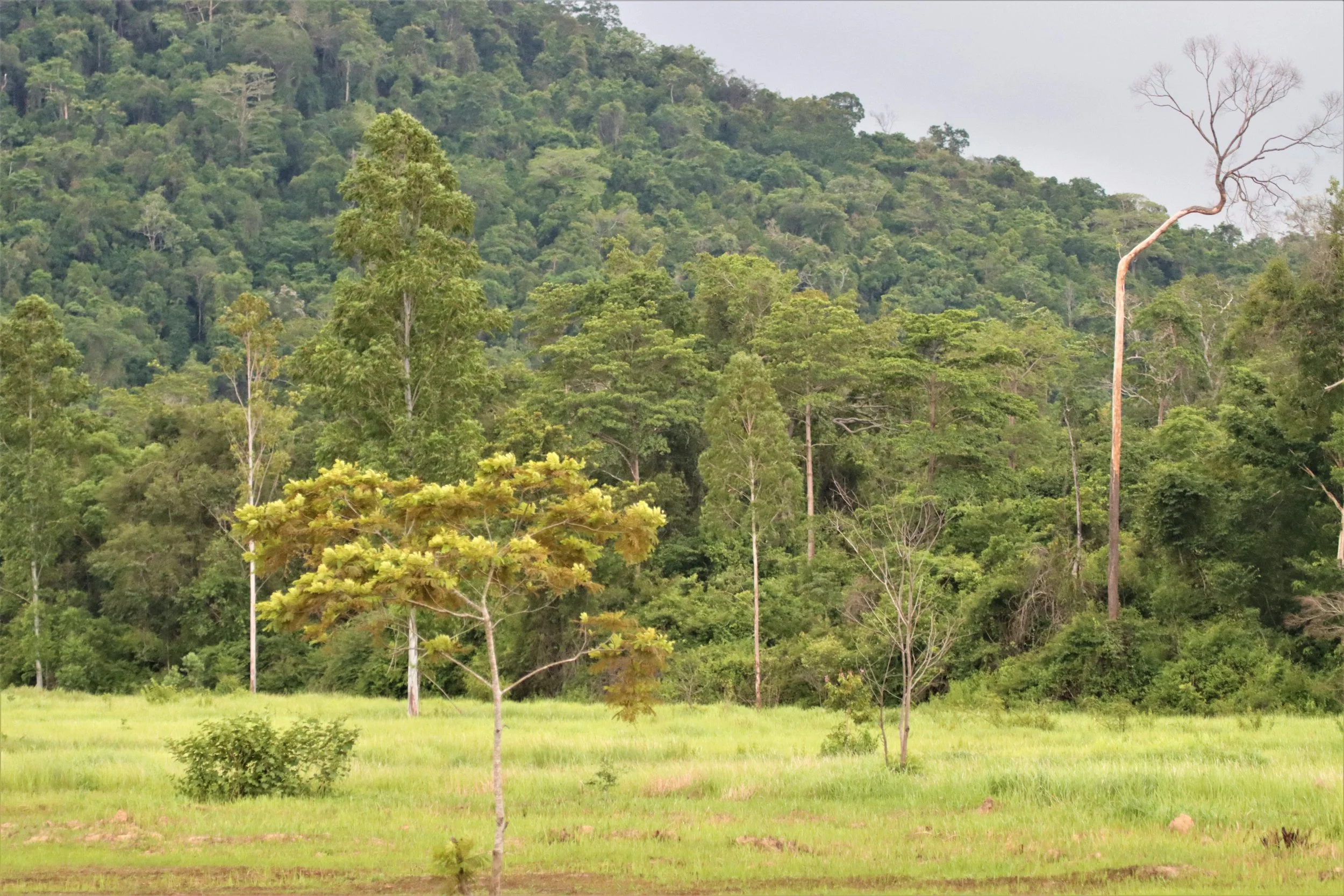
The grasslands are historical, man-made agricultural clearings that have been converted into wildlife habitats and maintained by routine burns to keep the trees from recovering the areas.
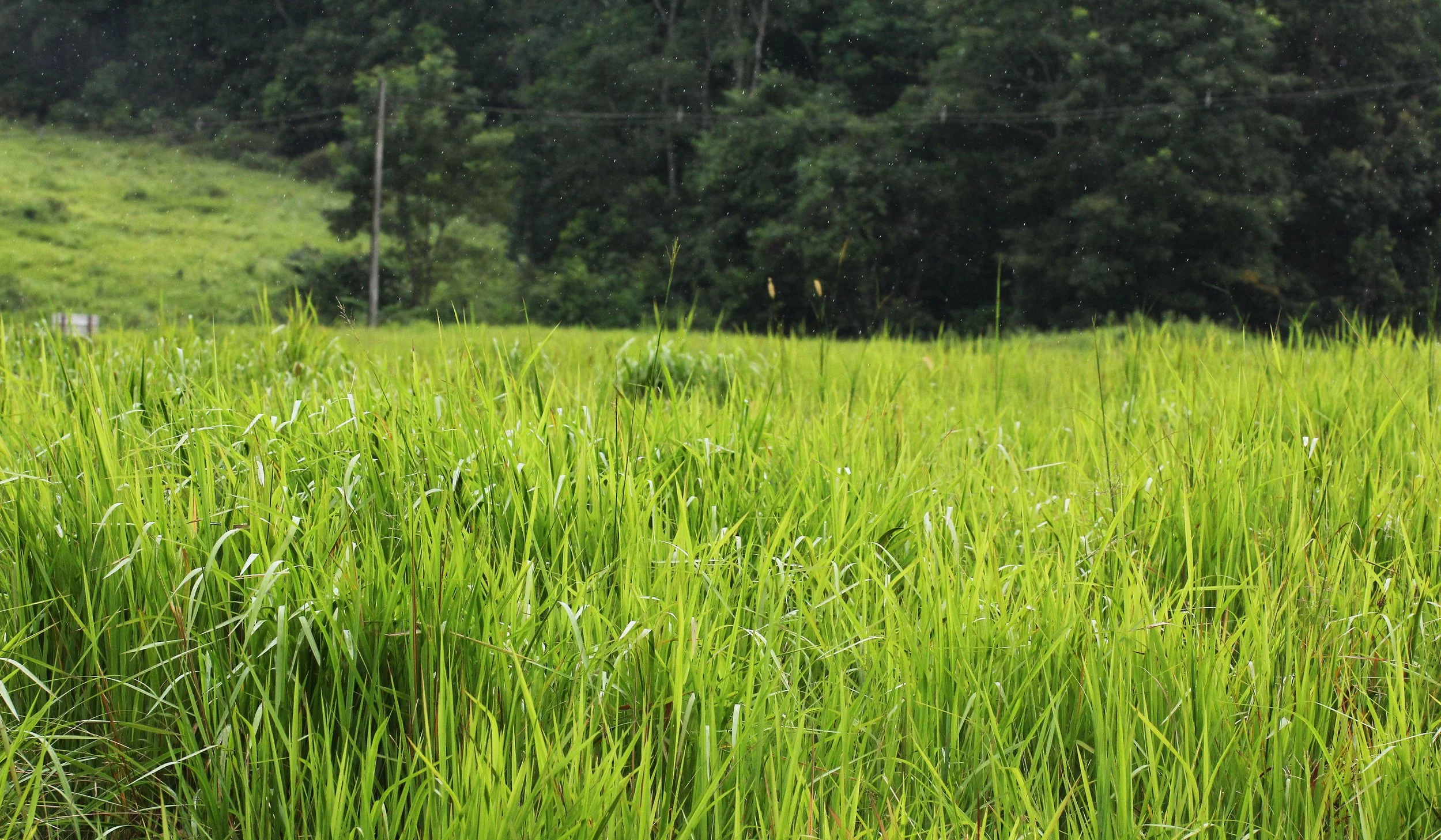
In the early 1900s, this area was a settled village (Khao Yai Subdistrict) where residents cleared forests for rice paddies and agriculture.
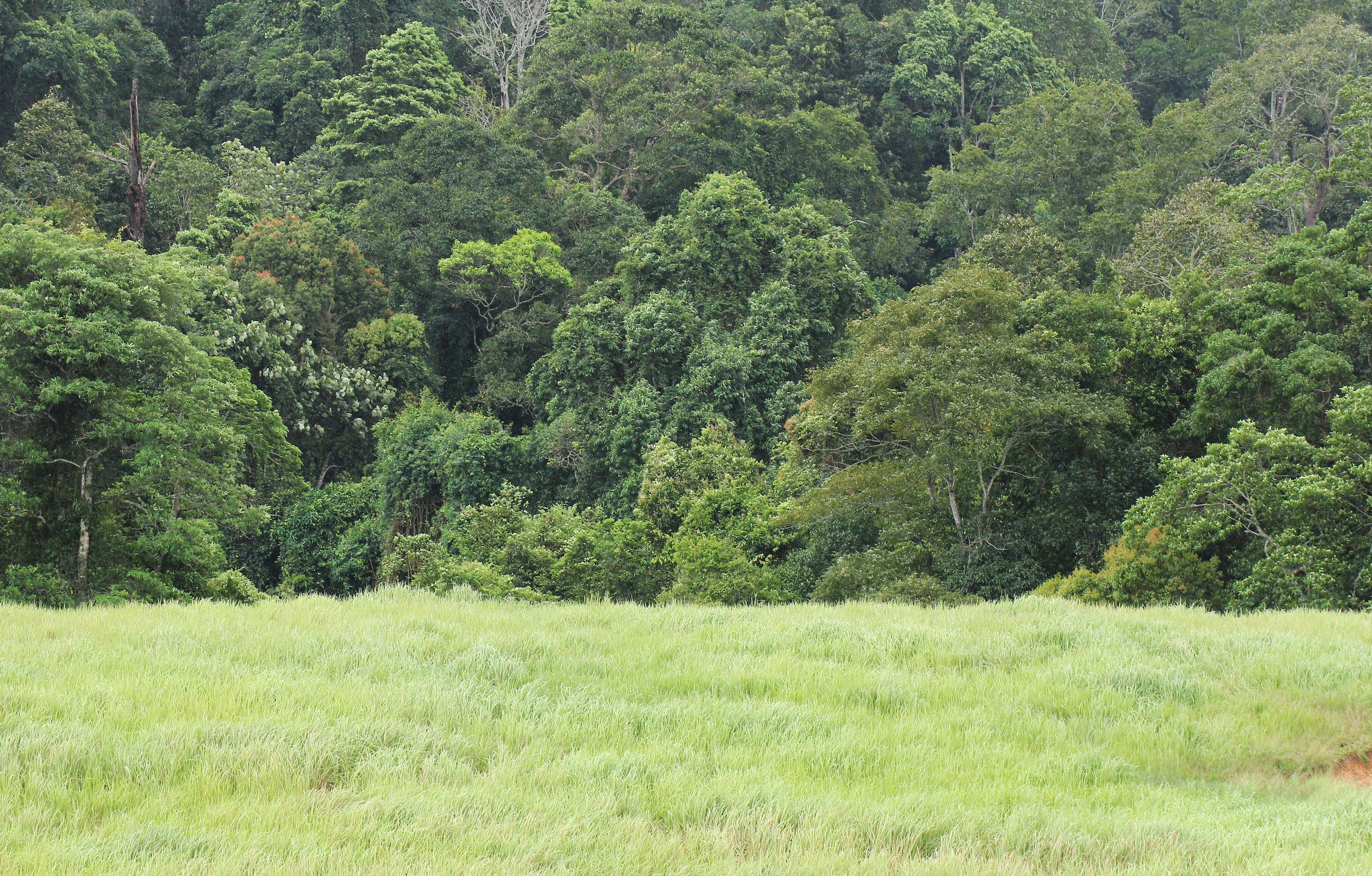
In 1932, the government moved villagers out due to the area becoming a hideout for criminals. When the park was officially established in 1962, the abandoned fields remained as open, grassy areas.
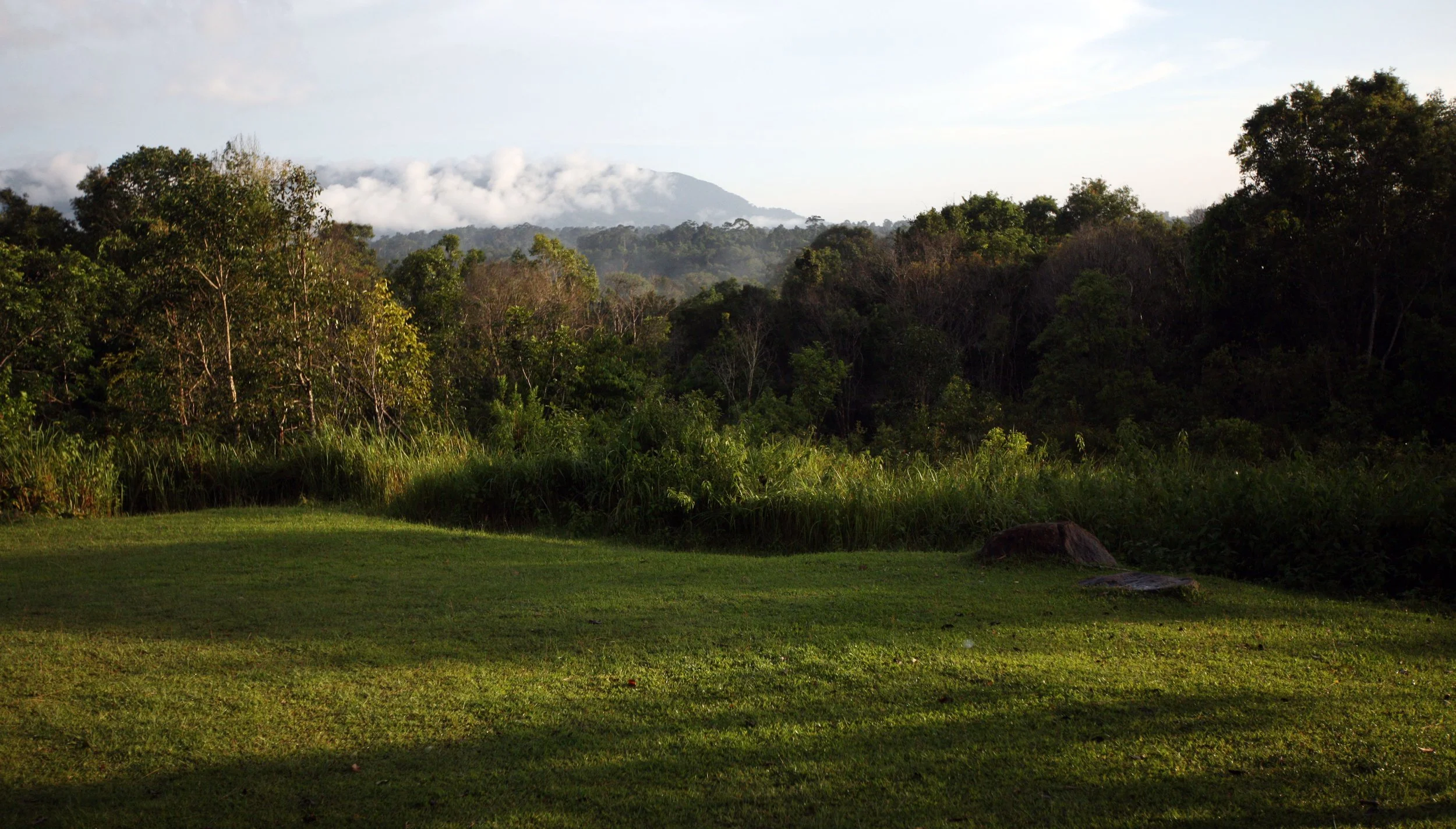
Fresh cut grasslands are seen at various times of the year allowing fresh sprouts to come out for elephants and cervids to graze.
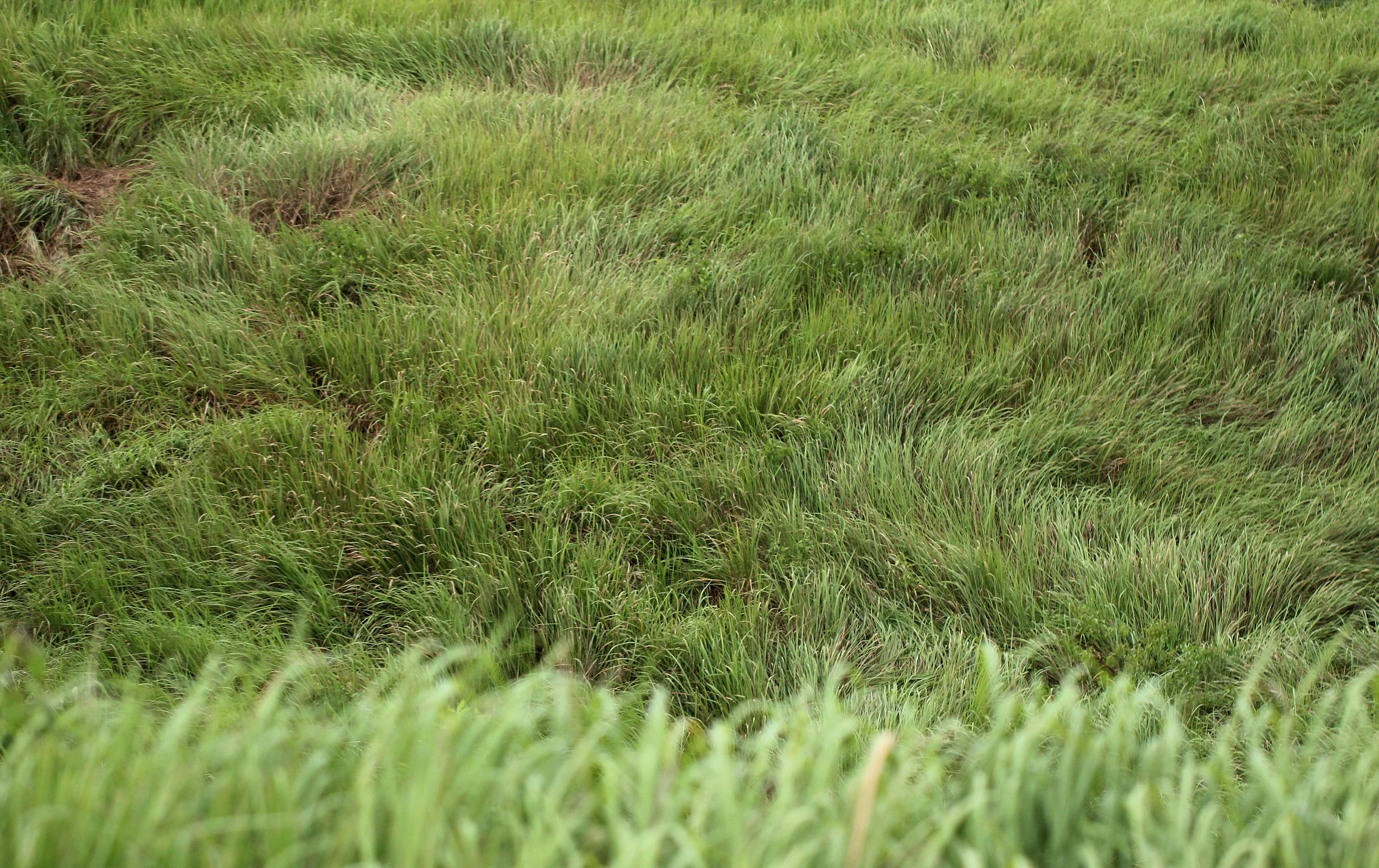
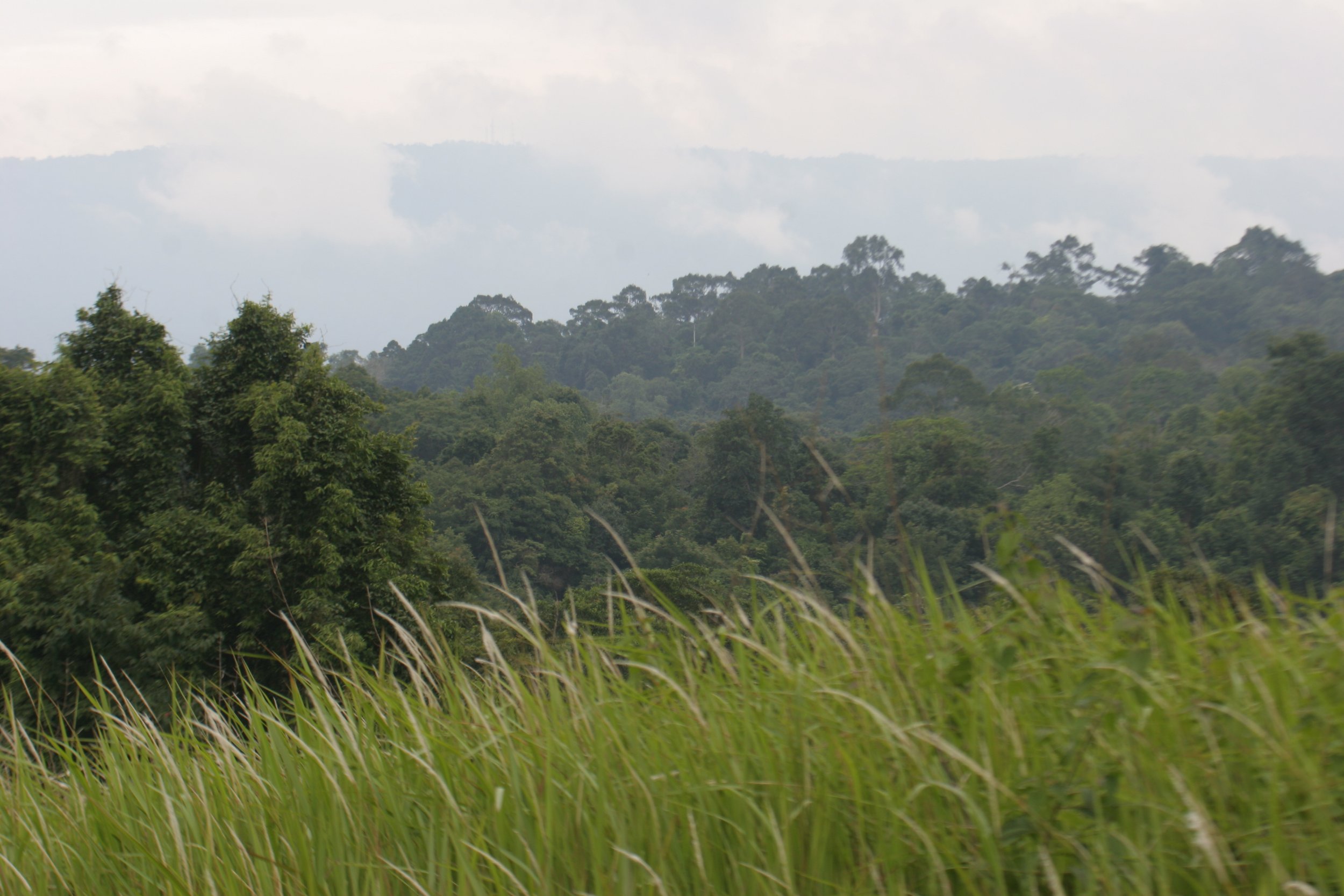
Over the last 50 years, many of these open grasslands have actually begun to revert to scrubland and forest
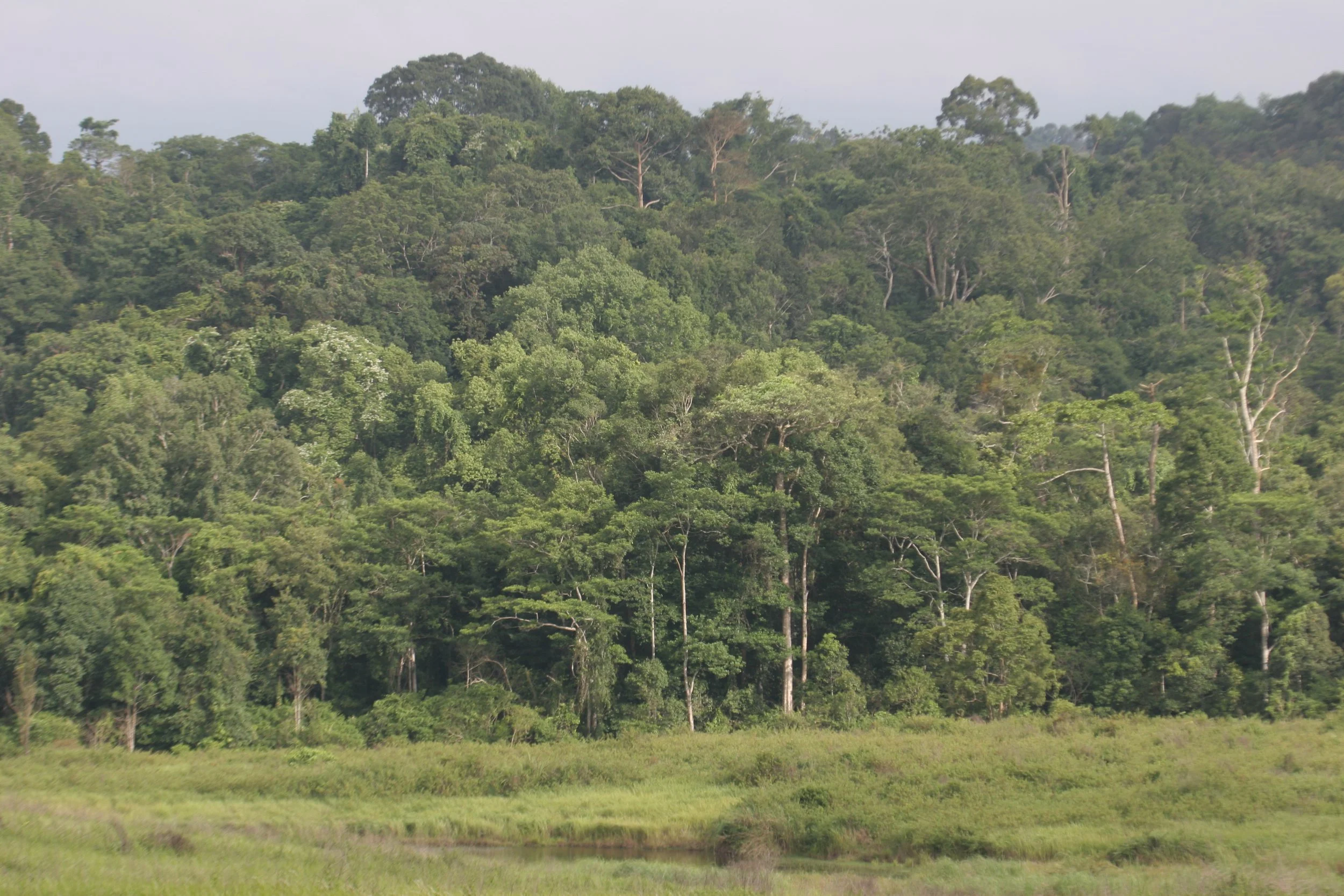
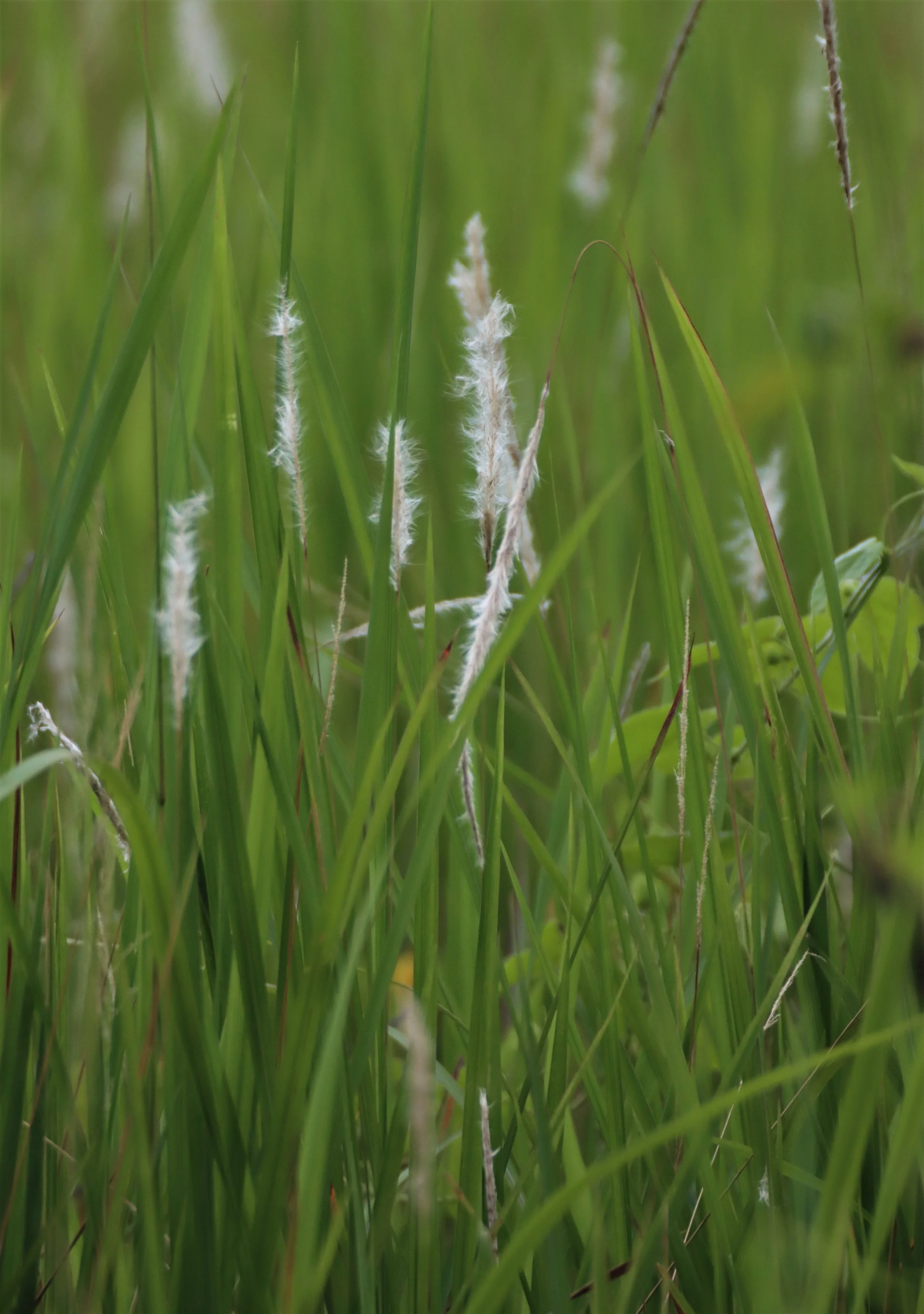
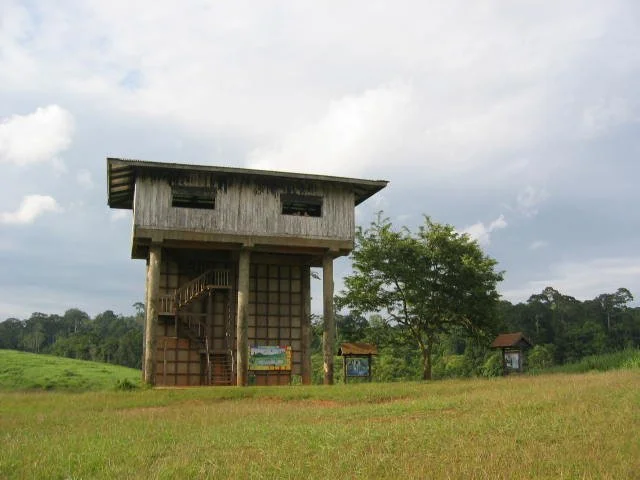
The primary grasslands inside Khao Yai (such as Nong Phak Chi, Khao Laem, and others along Thanarat Road) are relics of human settlement. This is Nong Phak Chi tower overlooking the grasslands in that region of the park.
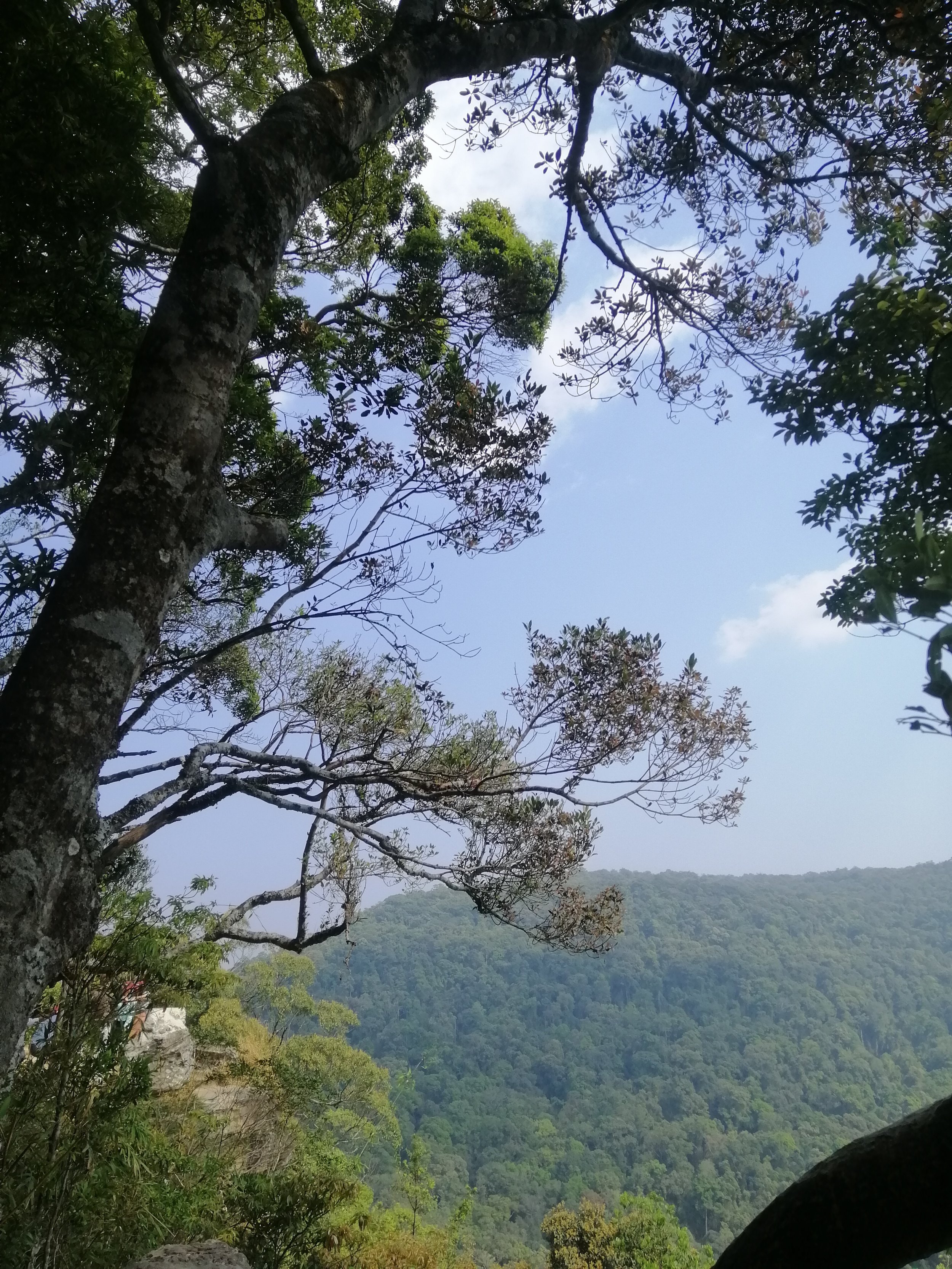
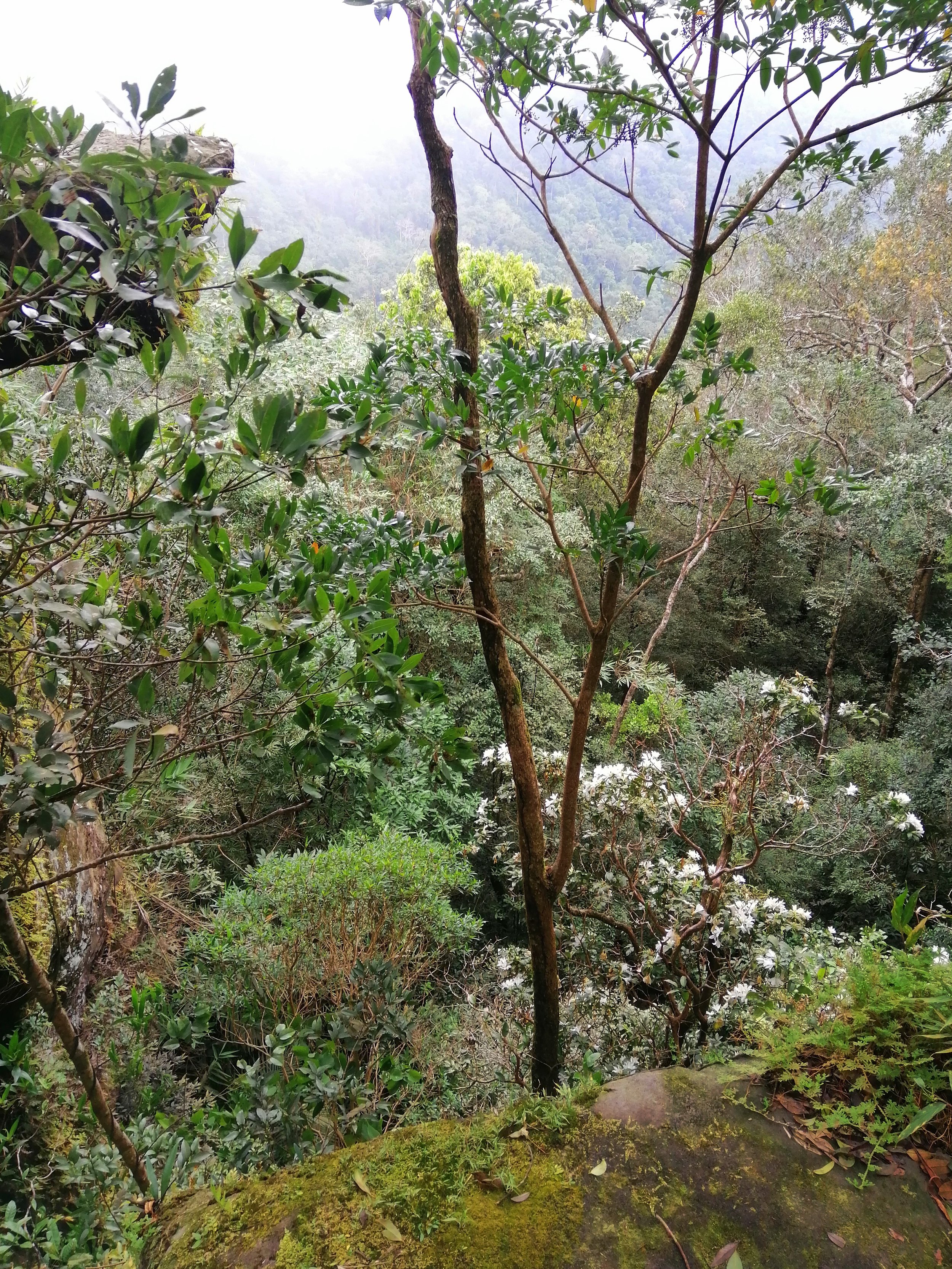
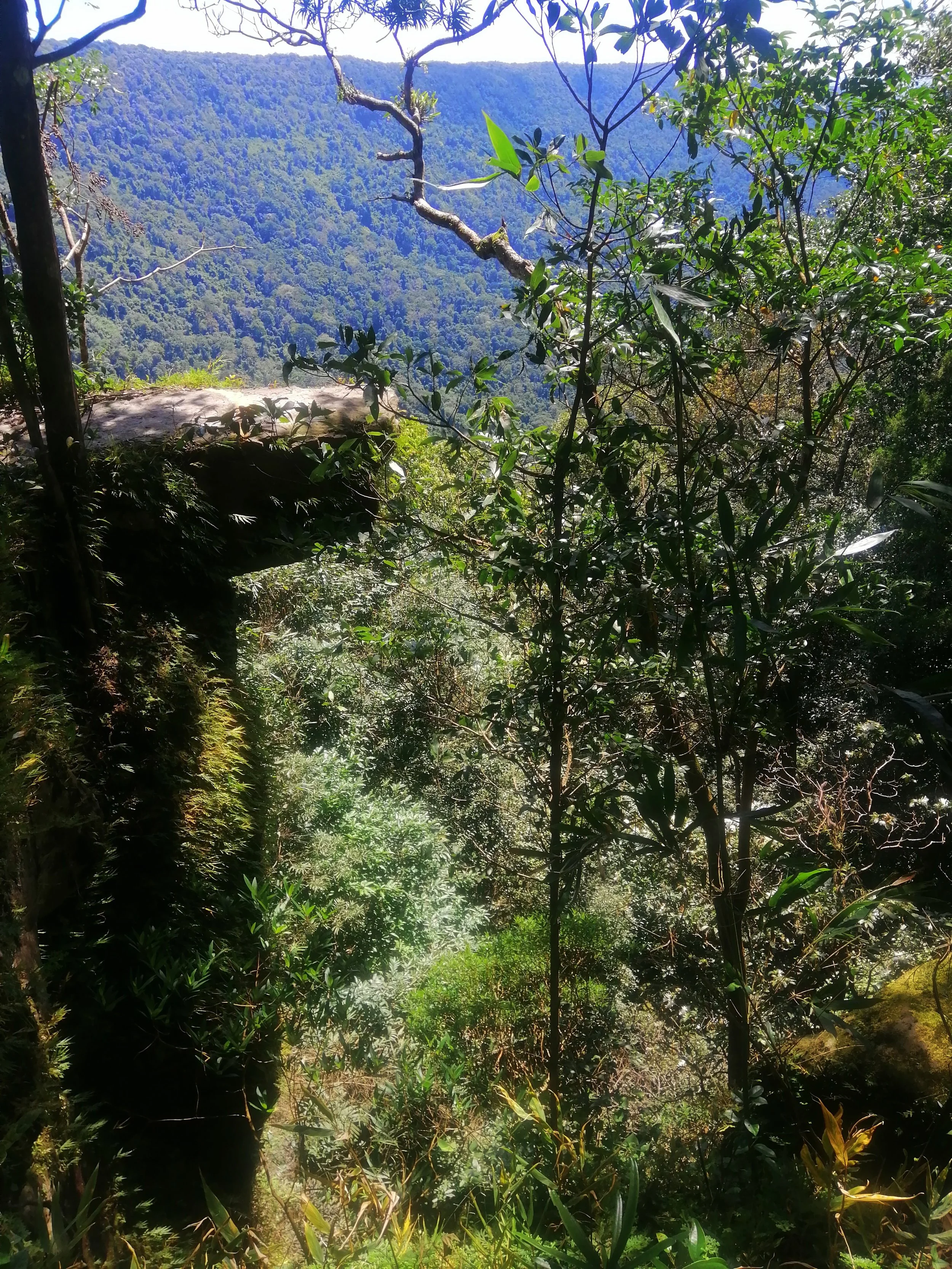
The view heading east from Pha Diew Dai's Hill Evergreen Forests (=Lower Montane Rainforest), the highest plant community in the Eastern Forest Complex.
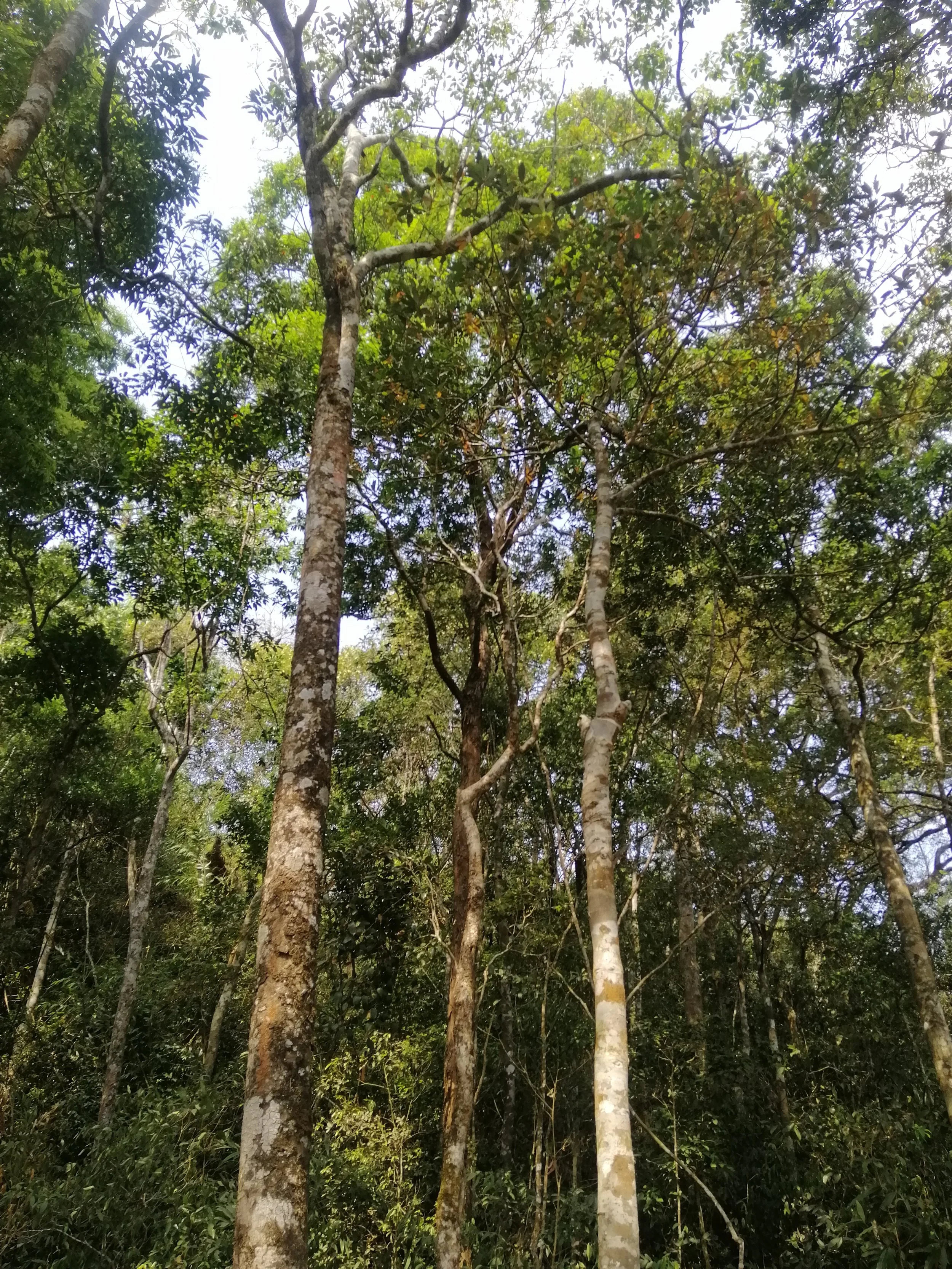
Khao Yai's hill evergreen forests, found above 1,000 meters on ridges like Khao Khieo, are cool, moist "cloud forests" characterized by shorter, moss-and-lichen-covered trees compared to lower elevations.
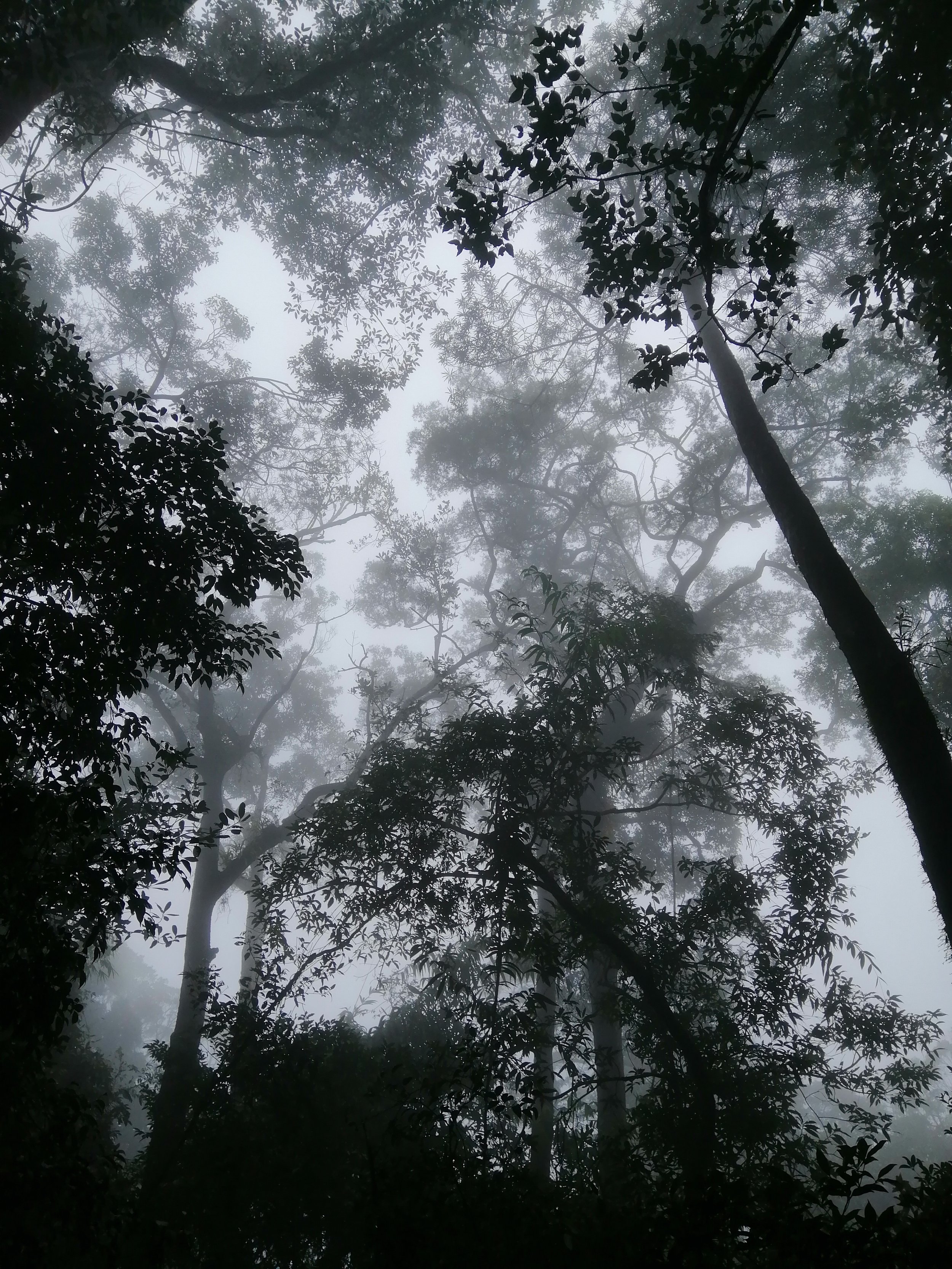
These high-altitude, biodiversity-rich zones experience heavy monsoon rainfall, creating a distinct, humid, and misty habitat.
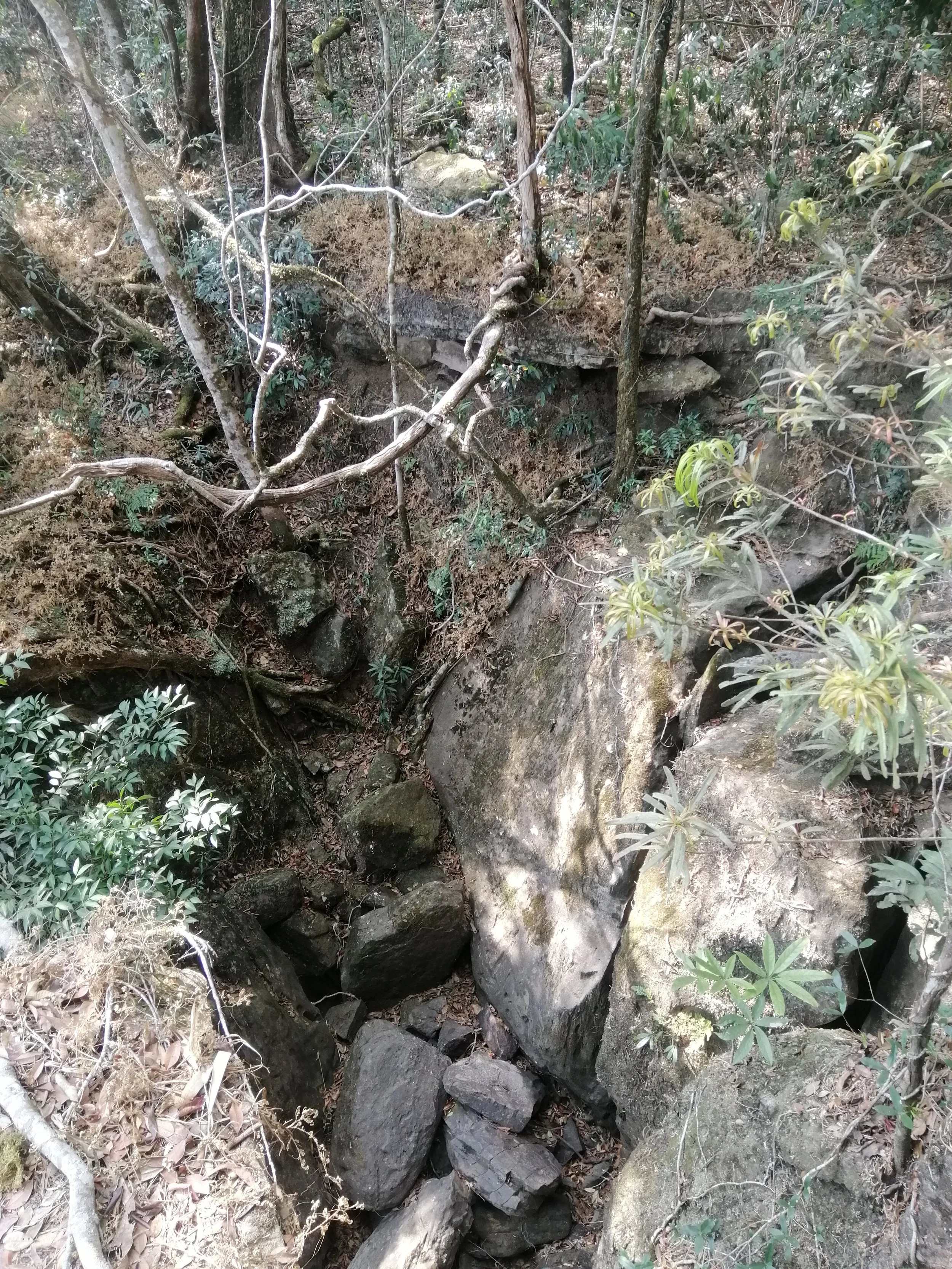
The water carved canyons at Pha Diew Dai are a testament to the hydrolic forces that formed this area as well as keep it moist and lush today.

Primarily located at high elevations (above 1,000 m), these forests enjoy a milder climate with cooler temperatures, reaching as low as 6°C. They are subjected to high rainfall from both the Southwest and Northeast monsoons, creating a near-constant cloud-covered environment.

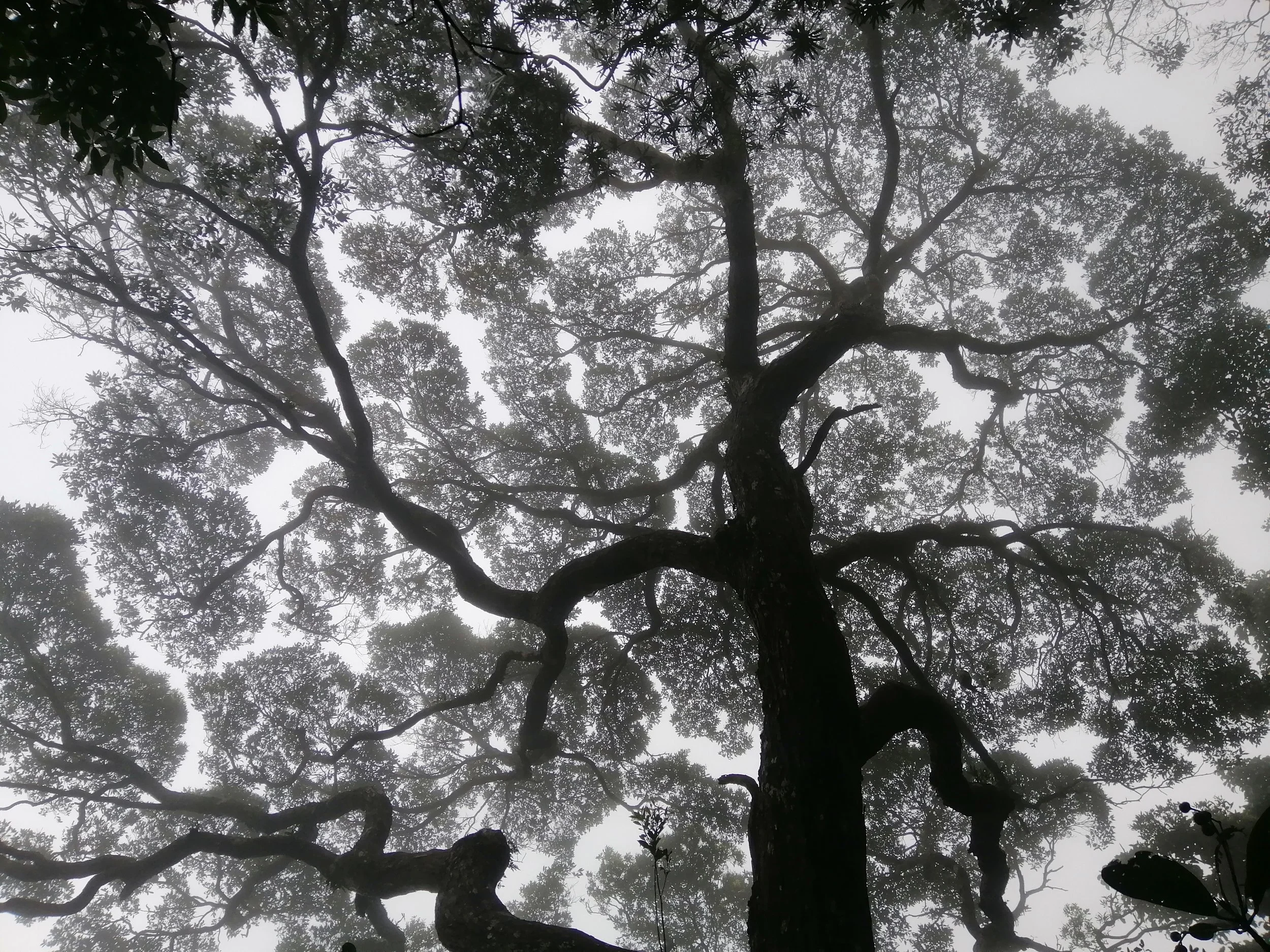
The Hill Evergreen Forest at Pha Diew Dai is a complex assemblage of hundreds of species of plants that require moist and cool climatic conditions.
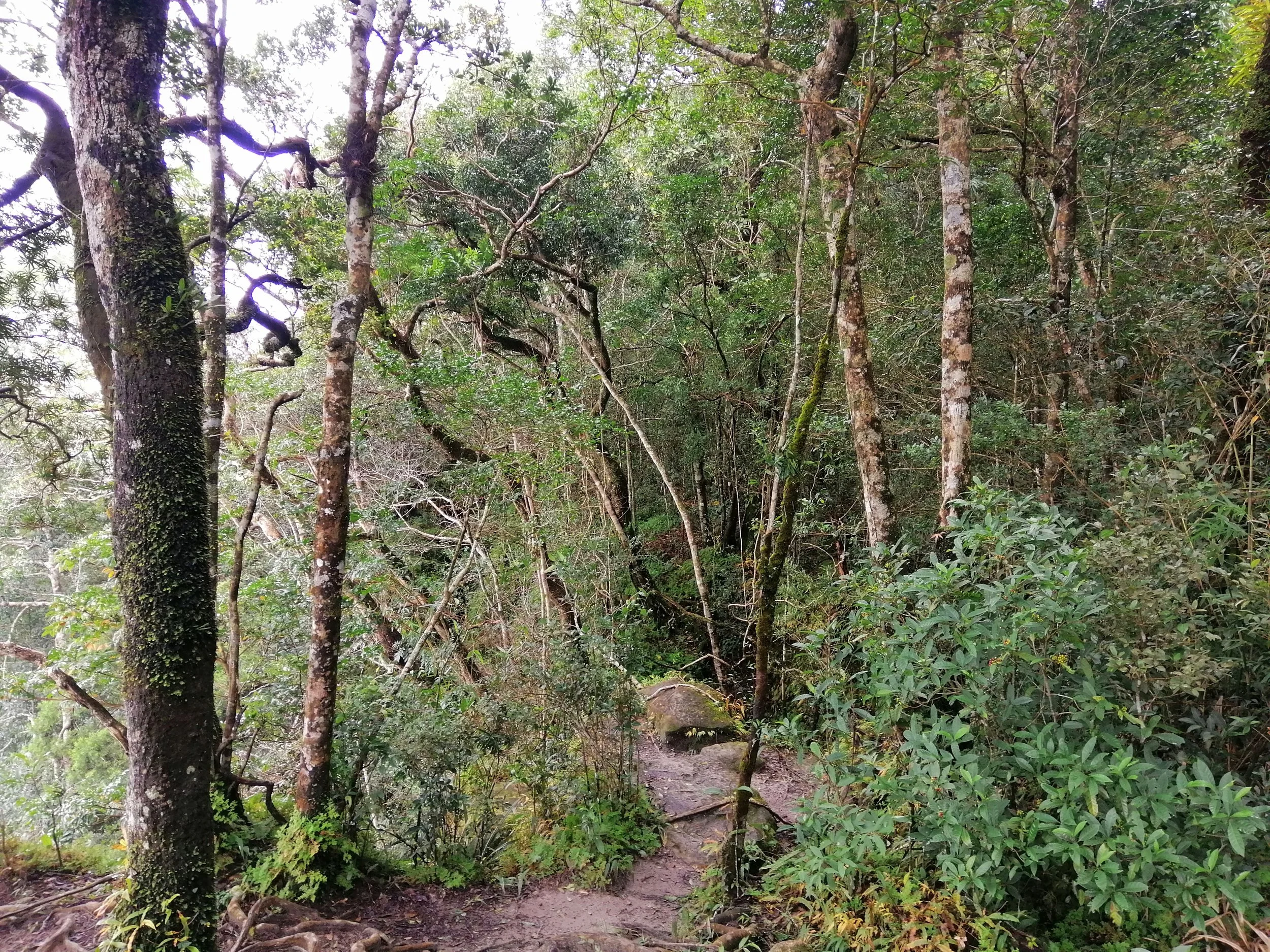
The forest structure is often characterized by shorter trees compared to the lowland dry evergreen forests. The canopy is dense, and trees are heavily covered in mosses, ferns, and epiphytes due to high humidity.
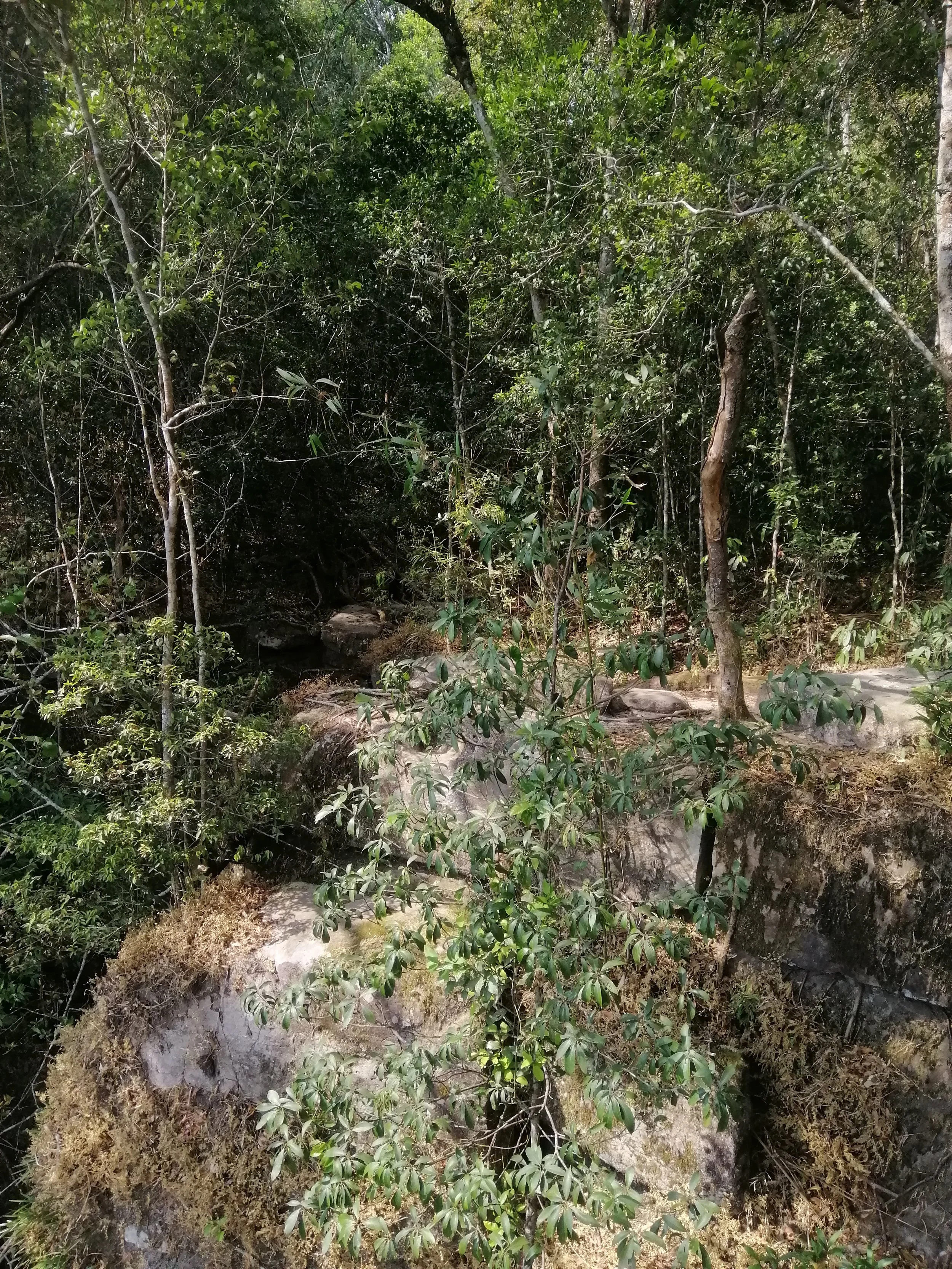
Unlike the drier, lower-elevation forests (200–400 m), the hill evergreen forests are characterized by continuous moisture, which prevents the significant leaf shedding seen in dry evergreen forests.
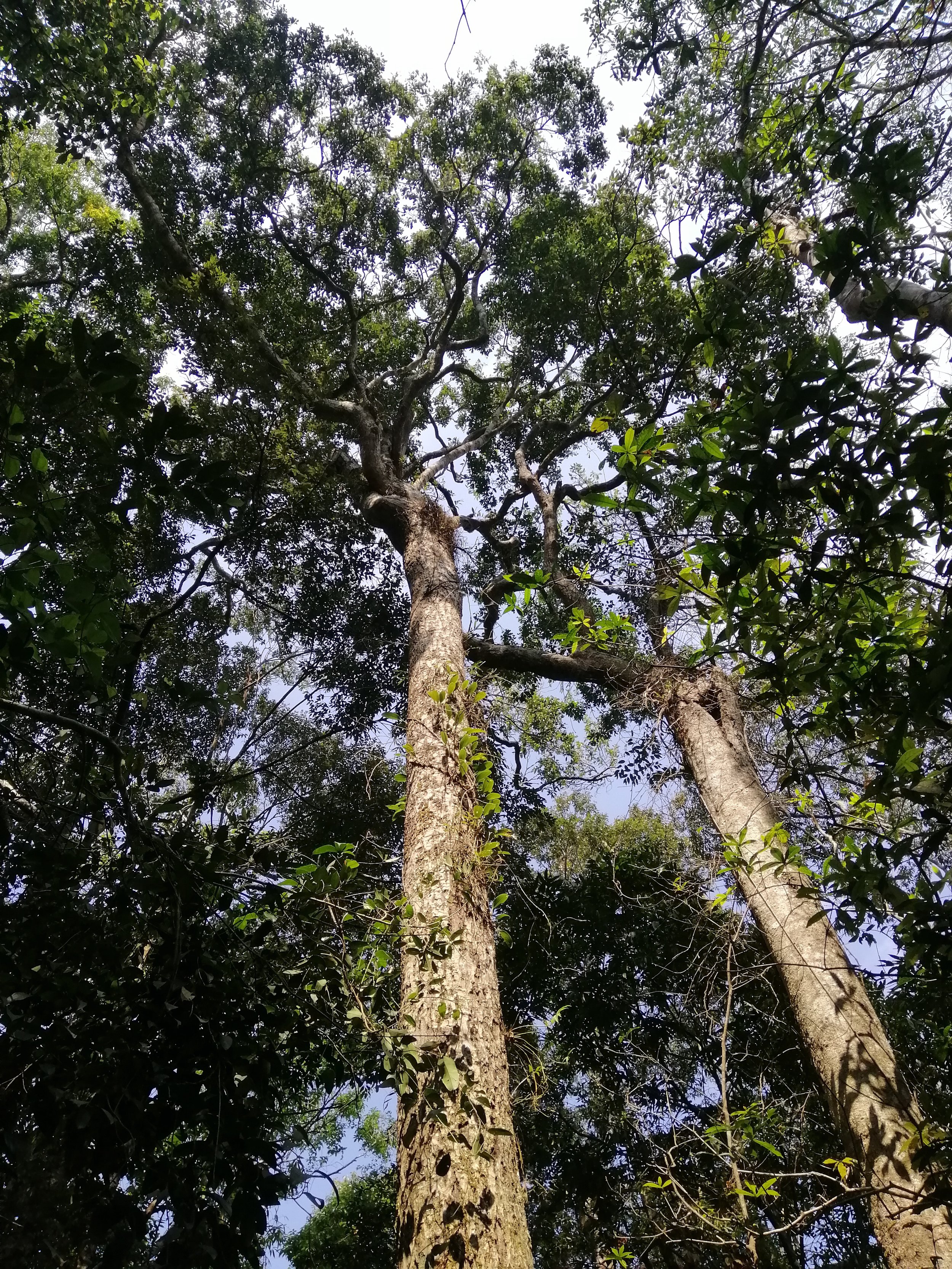
One of the larger forest species at Pha Diew Dai, Dipterocarpus costatus stands tall in the complex ecosystem at the top.
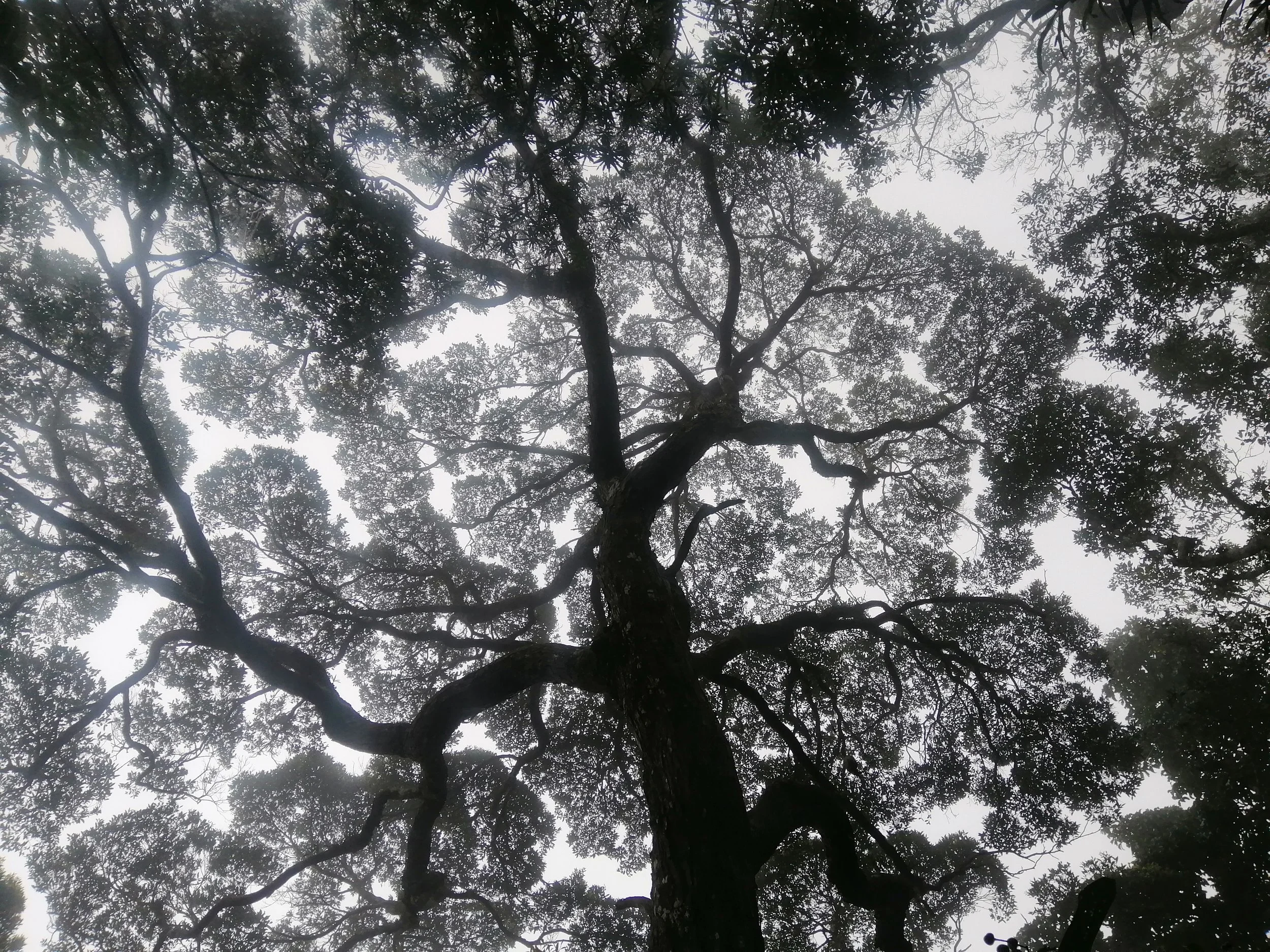
When exploring closed-canopy forests, I am always excited to see this phenomenon. Crown shyness (also canopy disengagement, canopy shyness, or inter-crown spacing) is a phenomenon observed in some tree species, in which the crowns of mature trees do not touch each other, forming a canopy with channel-like gaps. This image was taken at Pha Diew Dai in Khao Yai NP.
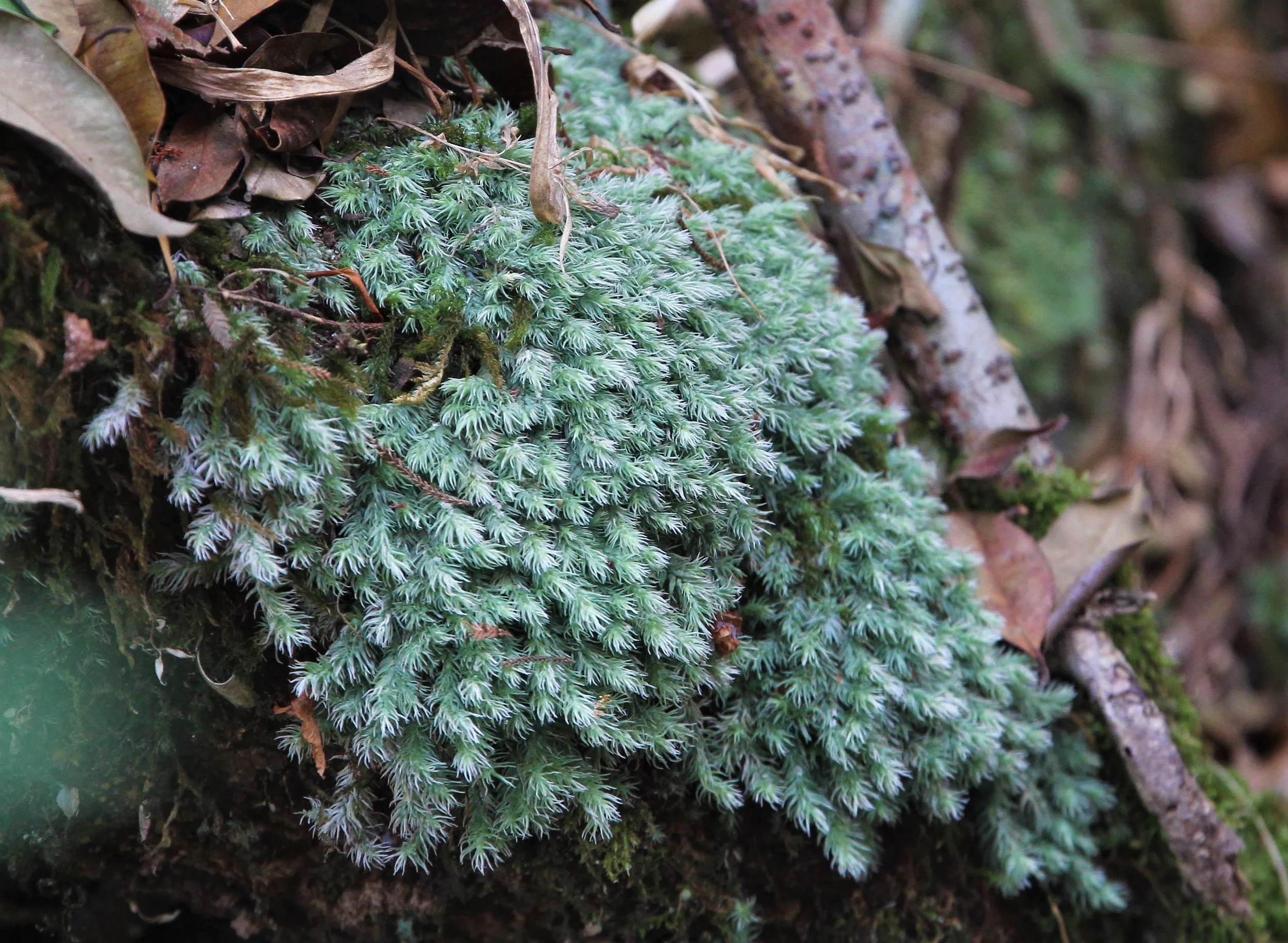
Milky Moss (Leucobryum javense) is a common moss species at Pha Diew Dai and requires cool moist conditions to thrive.
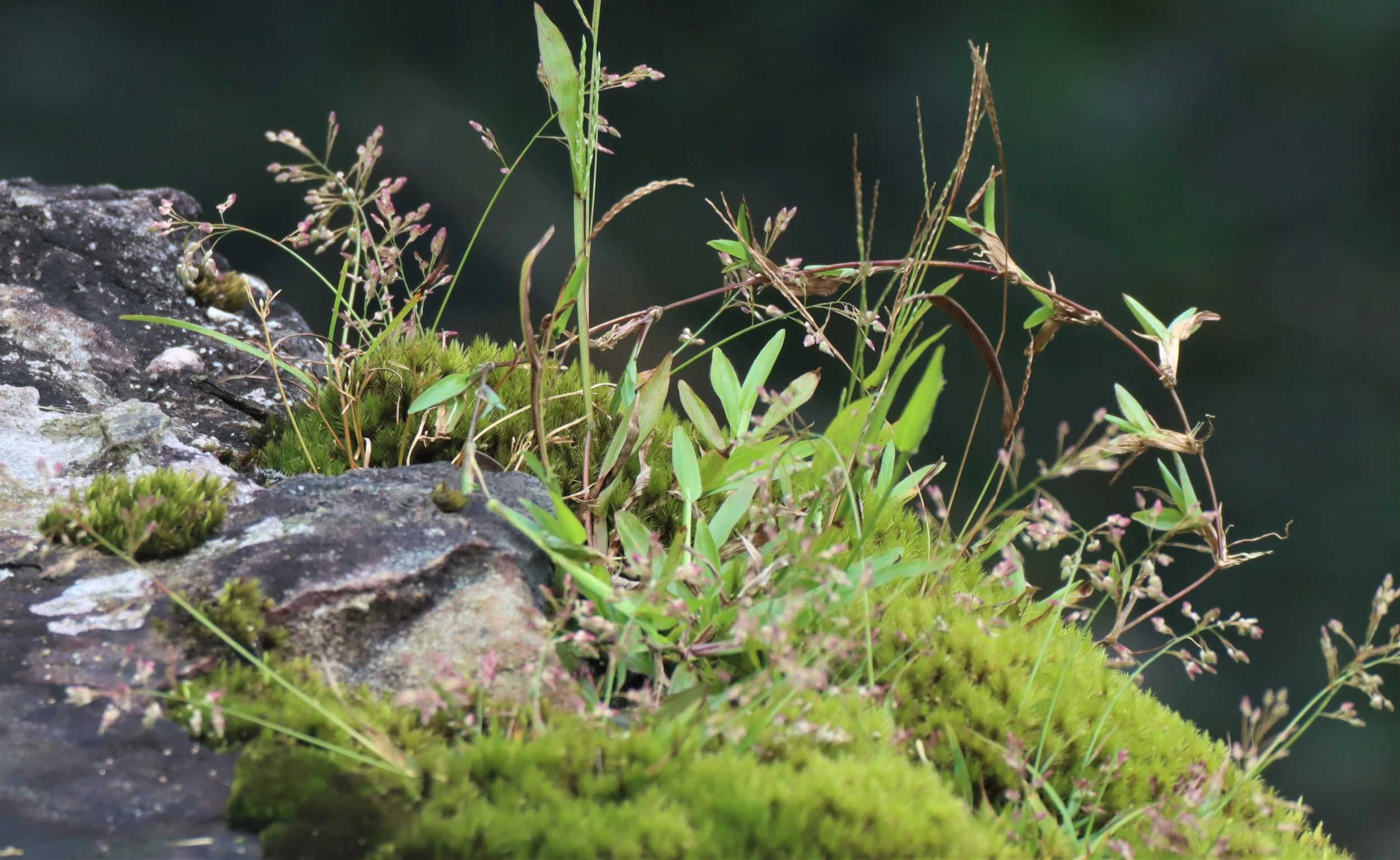
Moss species are numerous at these elevations. I'm embarrassed to put this picture of moss in my blog but this is all I have for now!
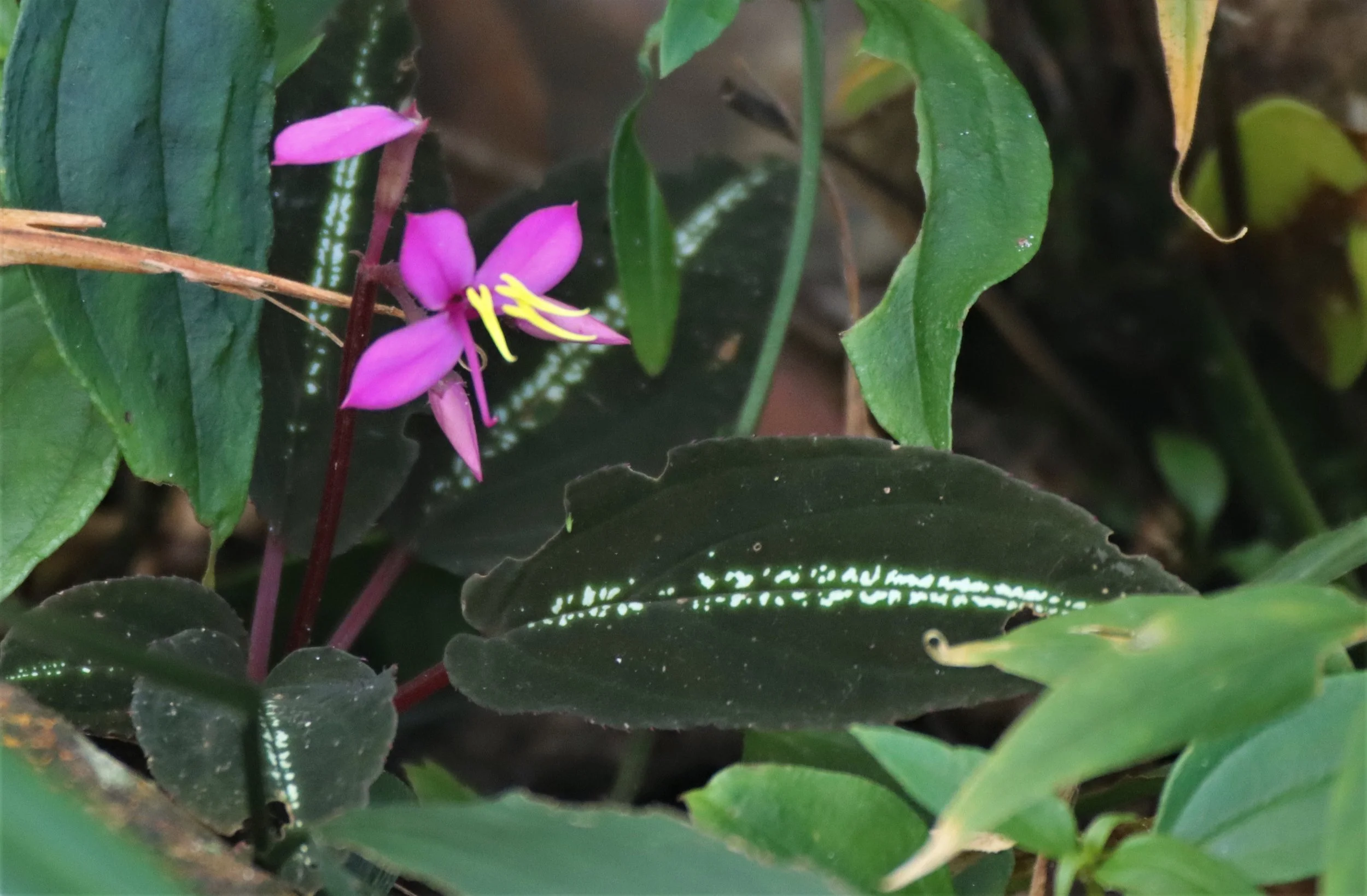
Sonerila violifolia can also be found in the moist forests at higher elevations.
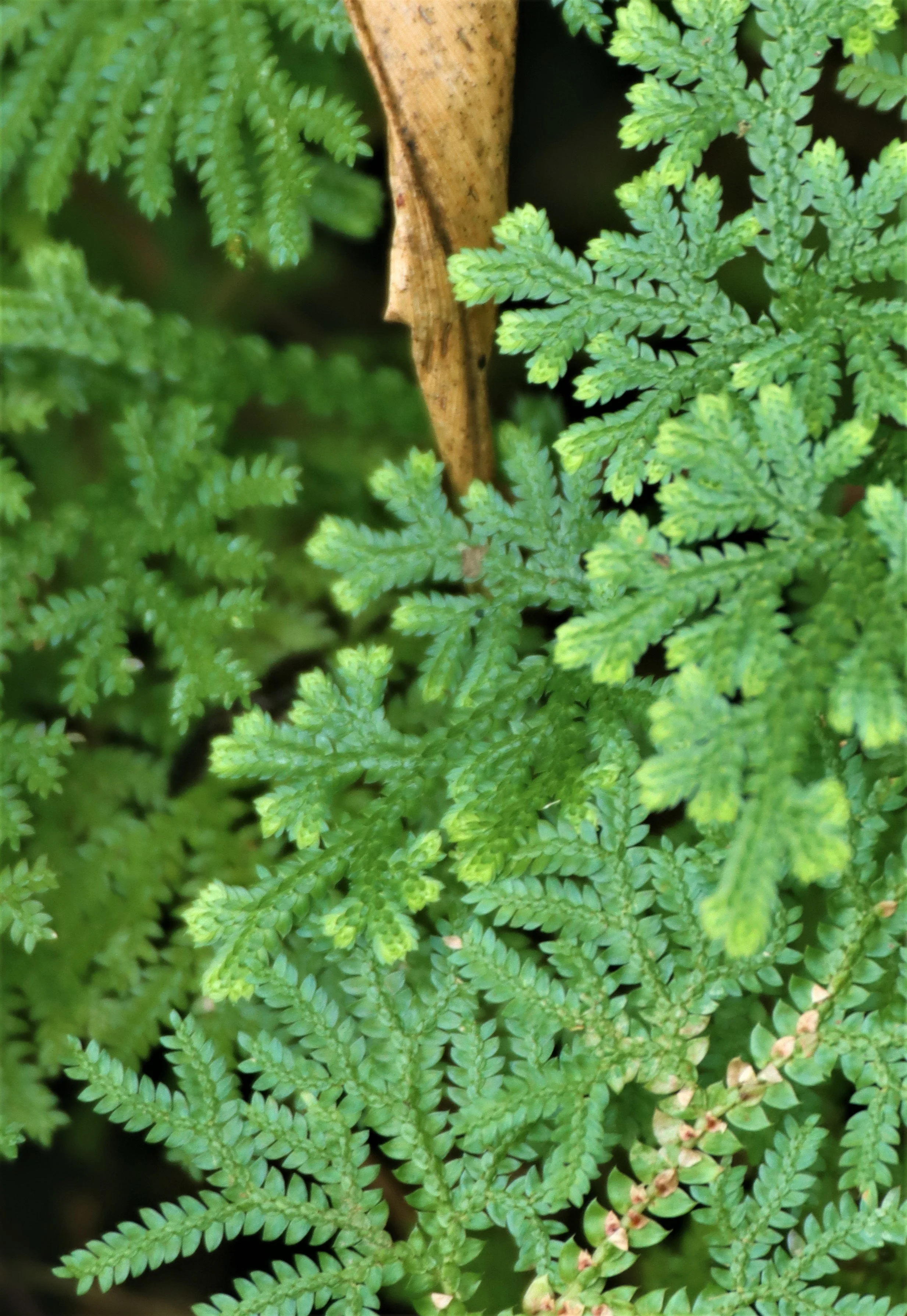
Selaginella is the dominant ground cover in these moist forests at higher elevations.
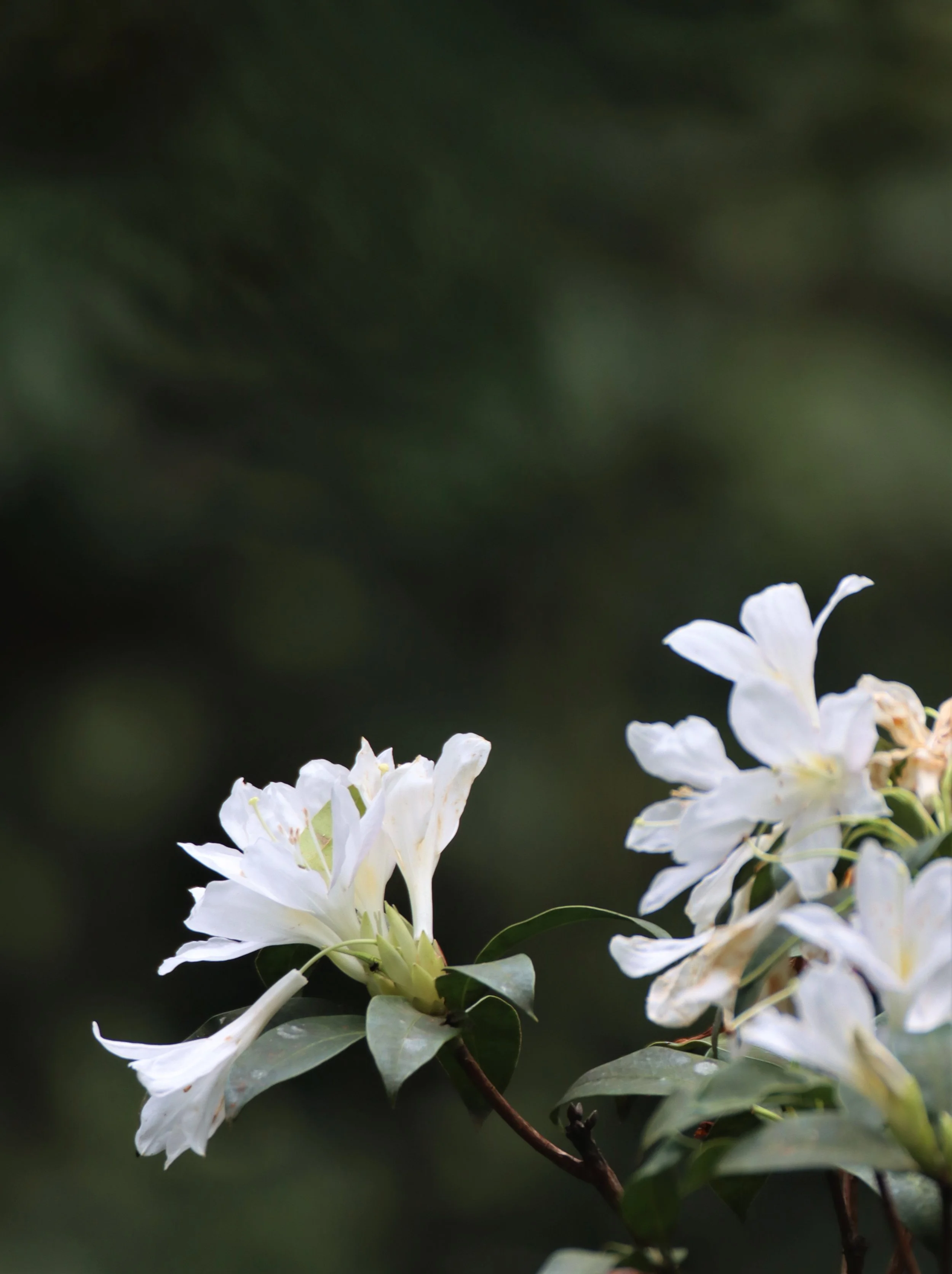
Rhododendron ludwigianum is a common species in the Montane Forests at Pha Diew Dai
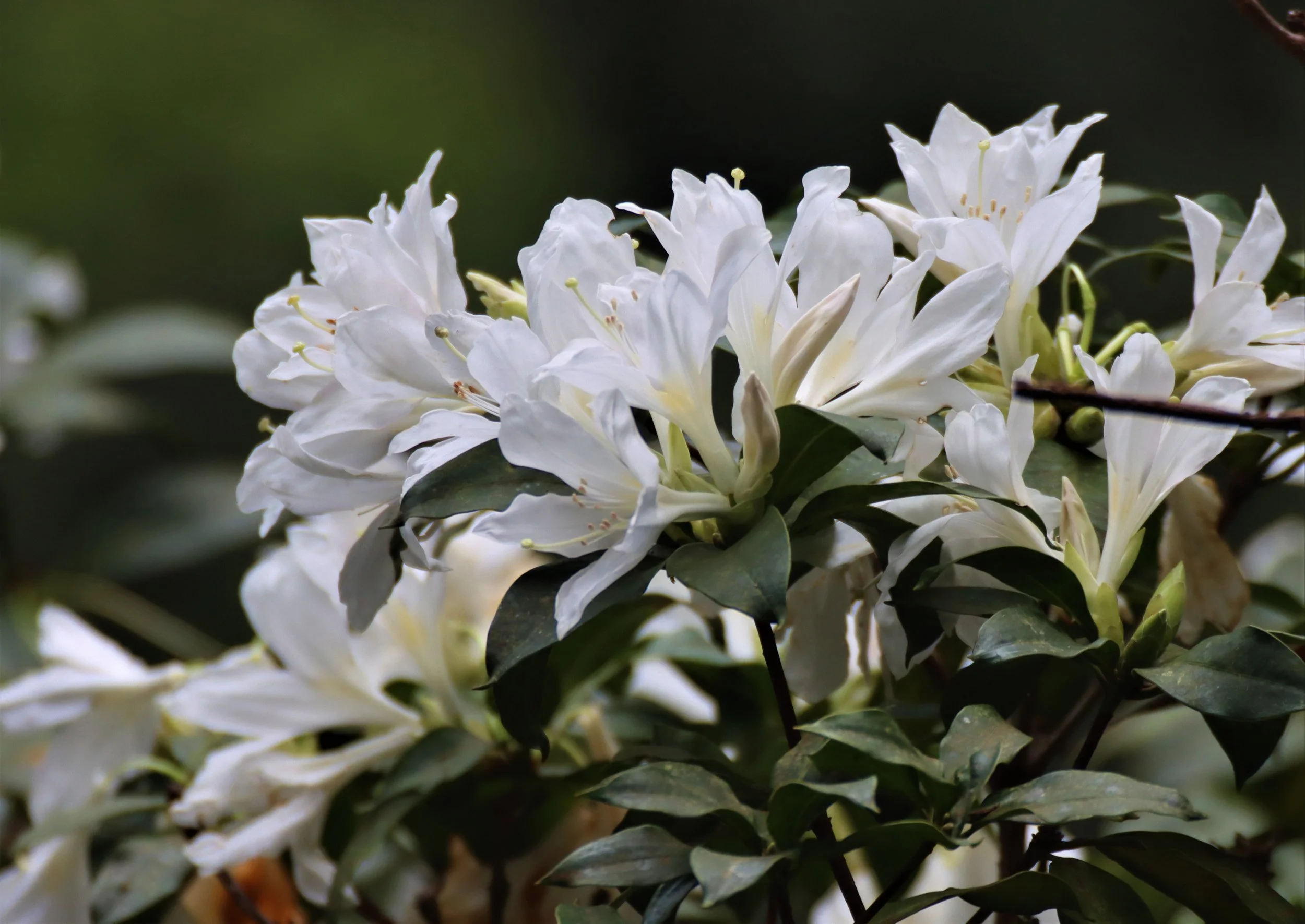
Rhododendron ludwigianum
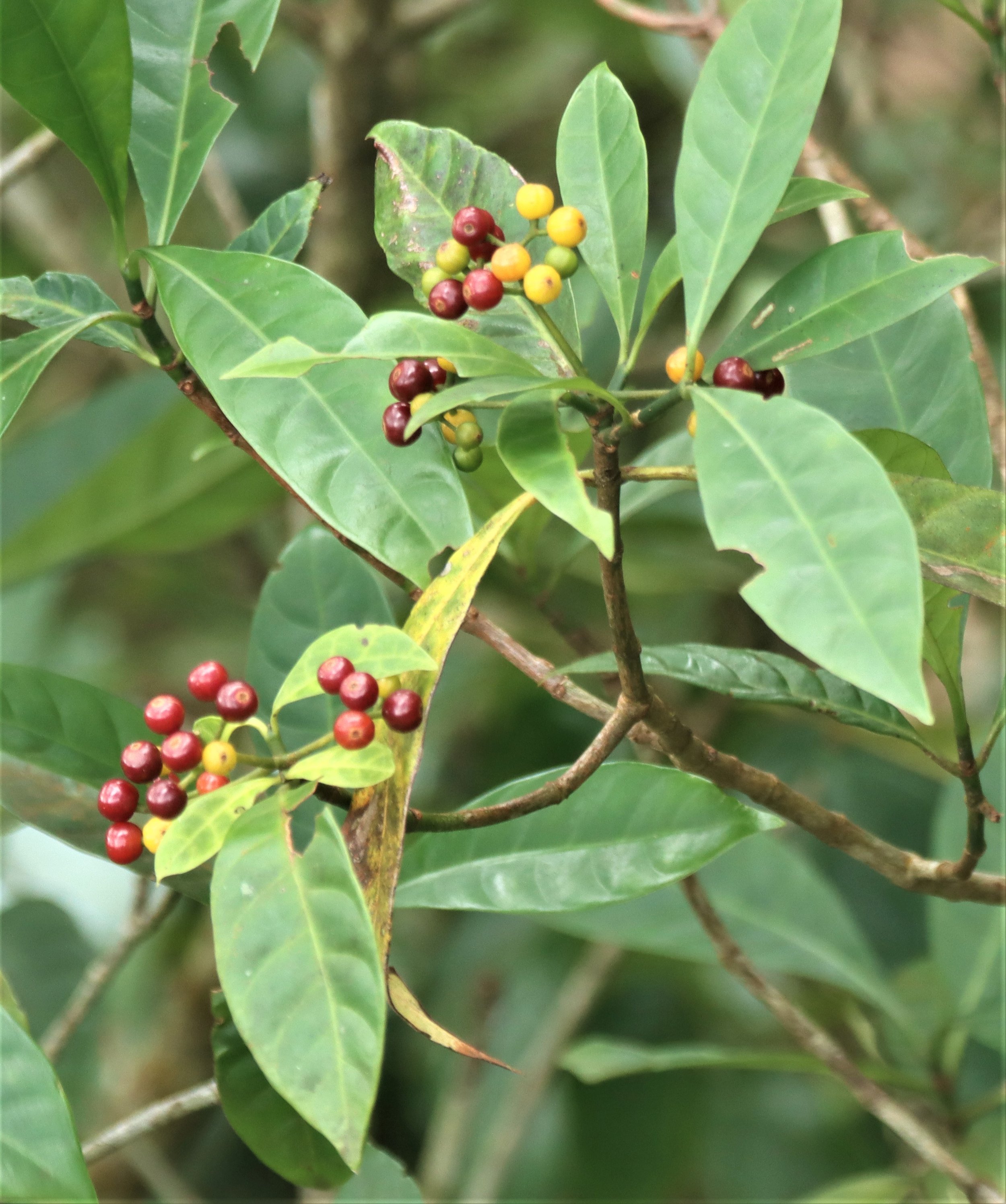
Red Psychotria or Wild Coffee (Psychotria asiatica) seen in Khao Yai
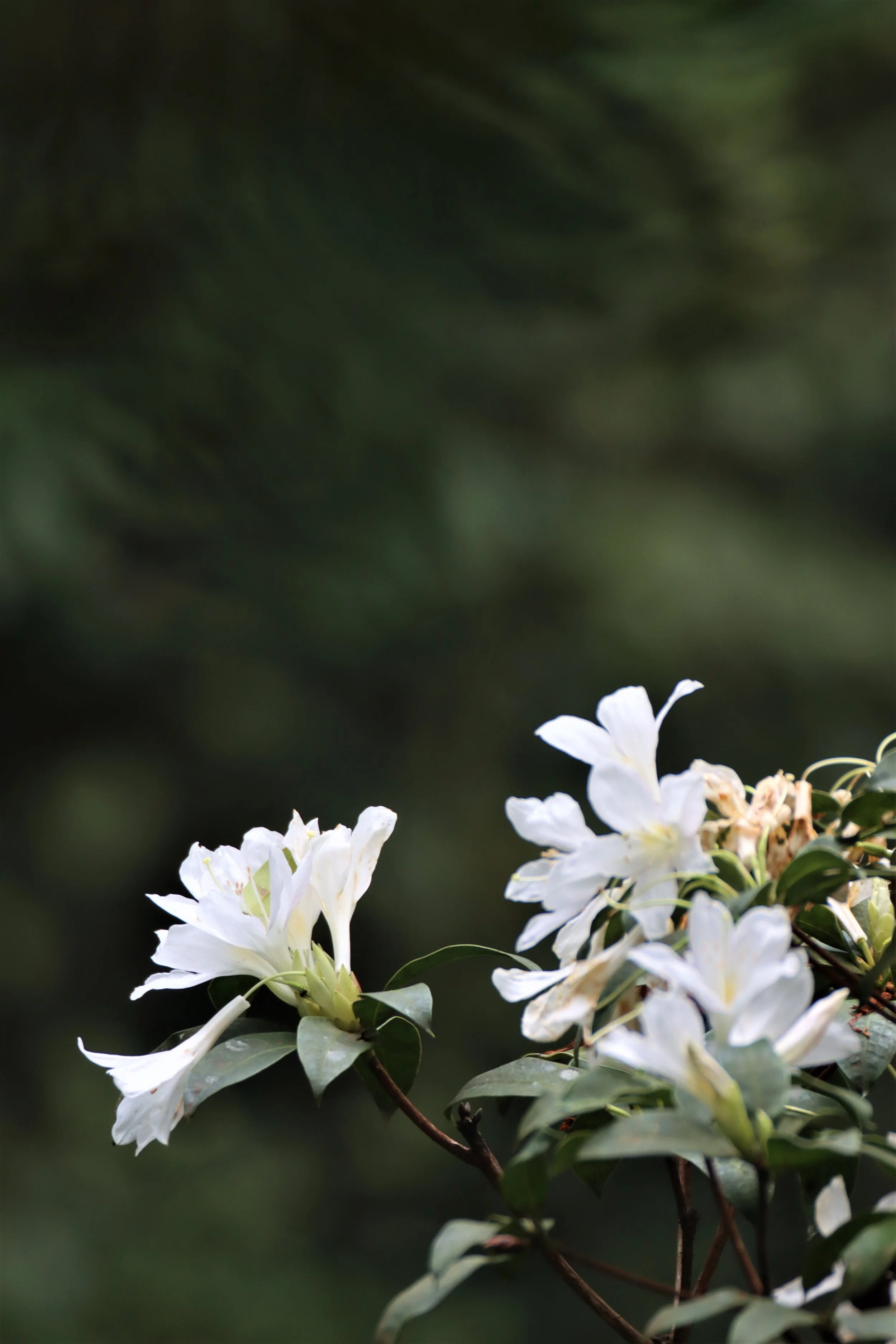
Rhododendron ludwigianum

Needlewood (Schima wallichii) in family Theaceae is also known as Thale Flower and is a spectacular endemic found in the Montane Rainforests at higher elevations.

The short blooming period for Needlewood make it a special treat when timing your visit just right.

Needlewood (Schima wallichii)

Needlewood (Schima wallichii) at Pha Diew Dai
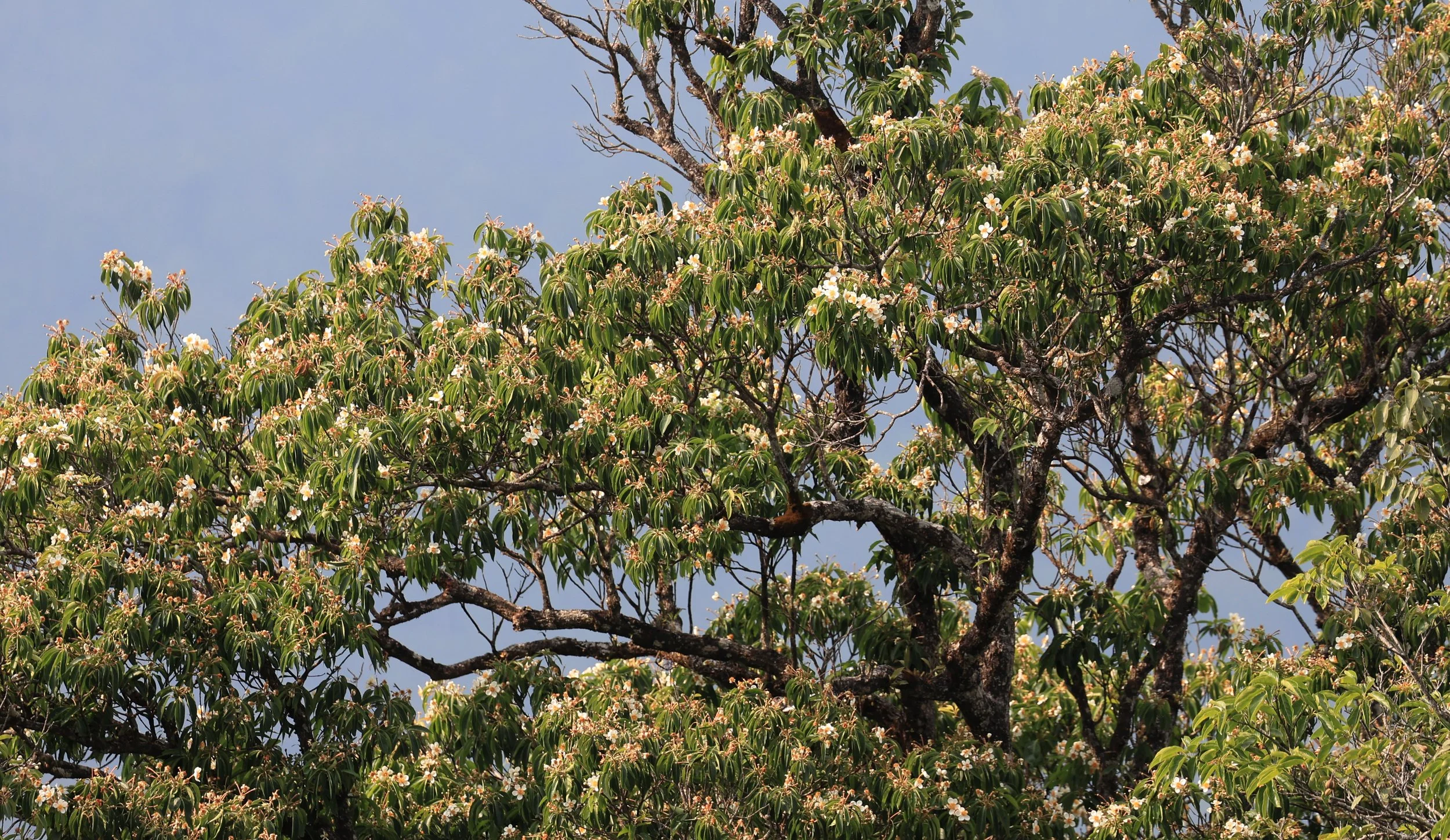
Needlewood (Schima wallichii) at Khao Khieo
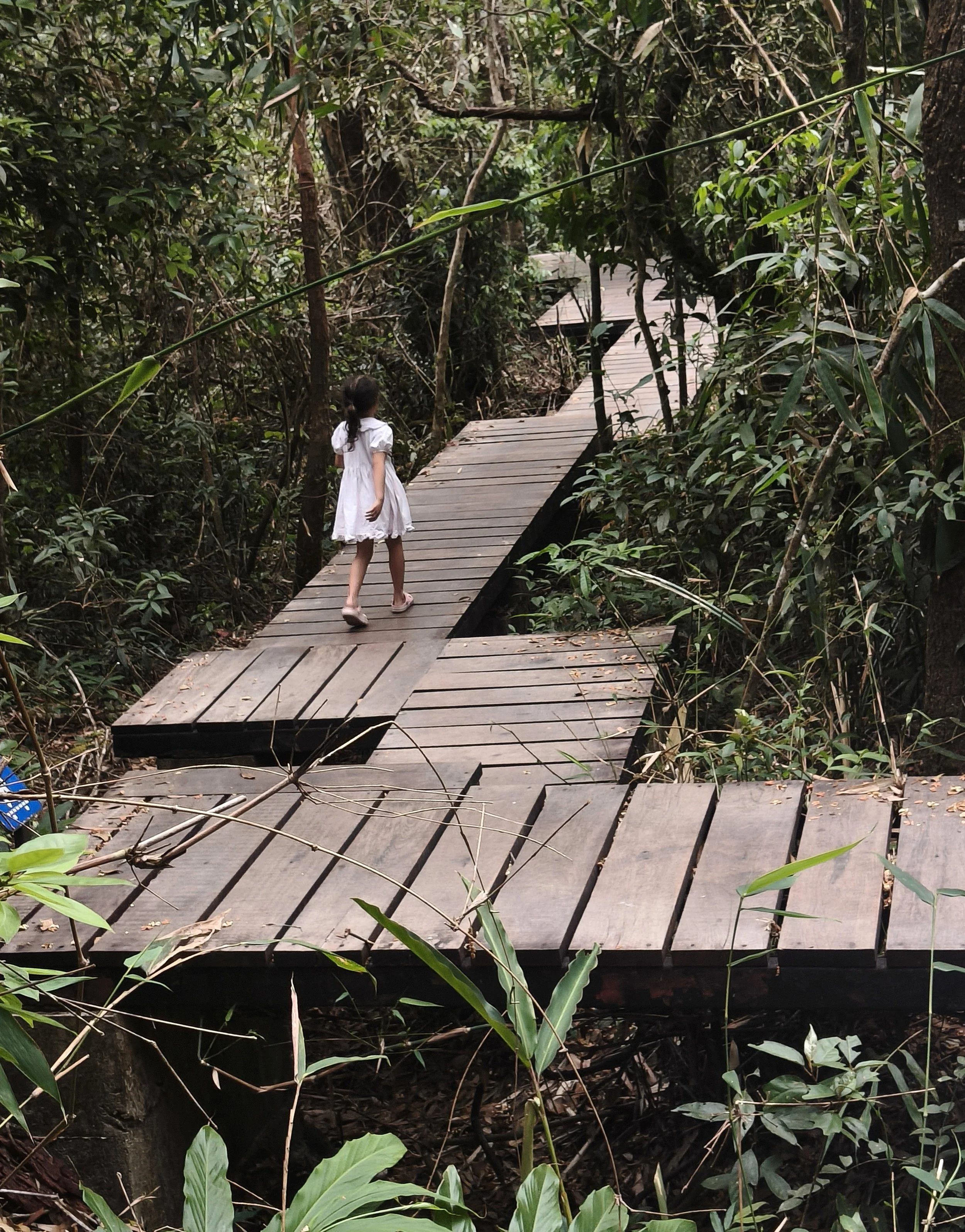
Pha Diew Dai has one of the most well designed boardwalk trails to protect the the fragile ecosystem of the montane forest.
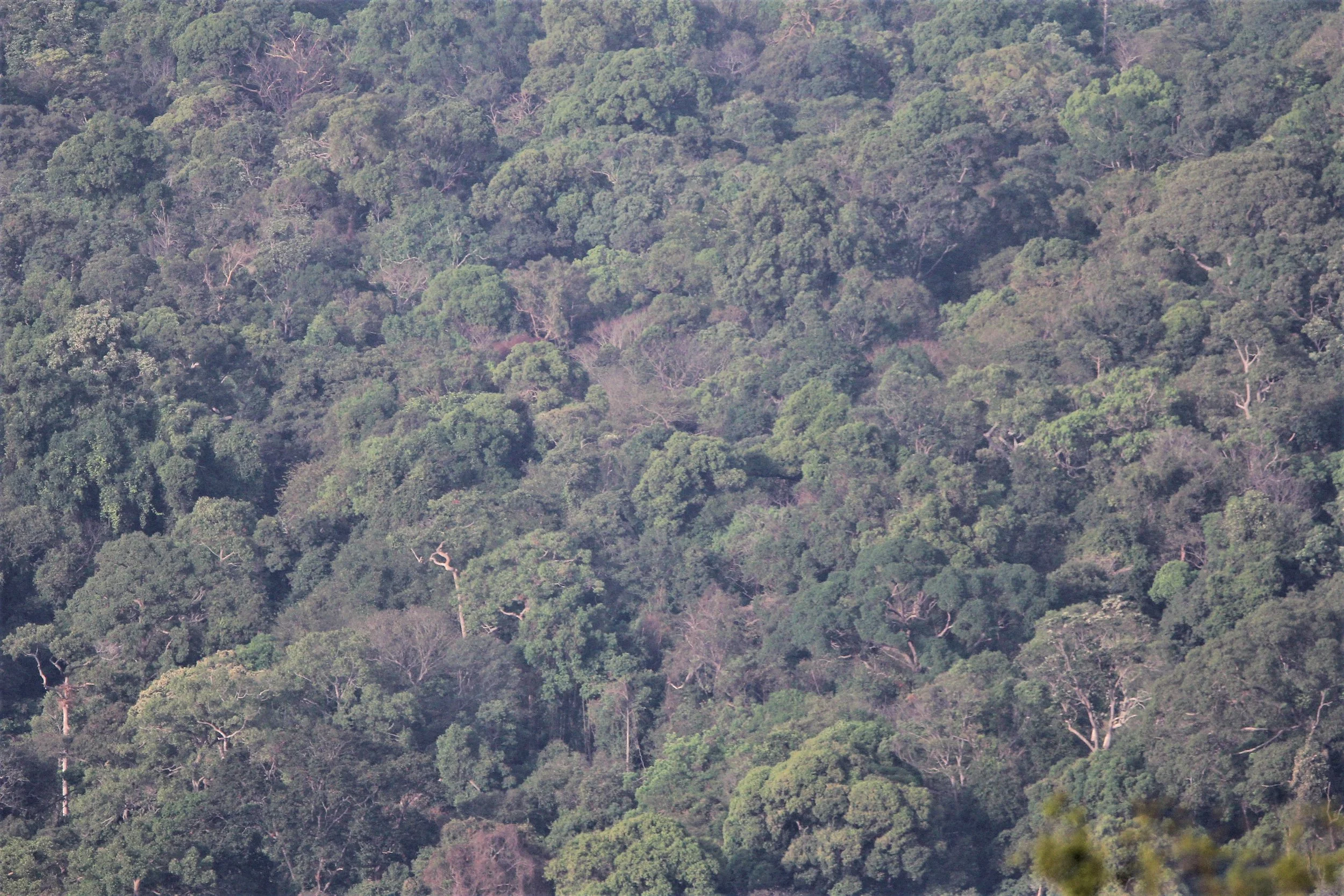
Dry Evergreen Forest: At an elevation of 200-600m above mean sea level, this is the National Park's most extensive type of forest, covering 1,351.66 sq km, or 61.7% of the Park's total area. Similar to Tropical Rain Forest, the canopy is verdant, but deciduous trees are intermingled

Common tree species include Tetrameles nudiflora, Pterocymbium javanicum, Acrocarpus fraxinifolius (Pink Cedar), Lagerstroemia calyculata (Guava Crape Myrtle), Hopea odorata, Hopea ferrea, Shorea roxburghii, Dipterocarpus turbinatus, Dipterocarpus alatus (Resin tree), Dipterocarpus costatus, Aphanamixis polystachya and Zollingeria dongnaiensis, palms such as Areca triandra (wild areca palm), Corypha lecomtei and ground species such as Alocasia cucullata (Buddha’s hand), ginger and galangal-type roots, and pandan
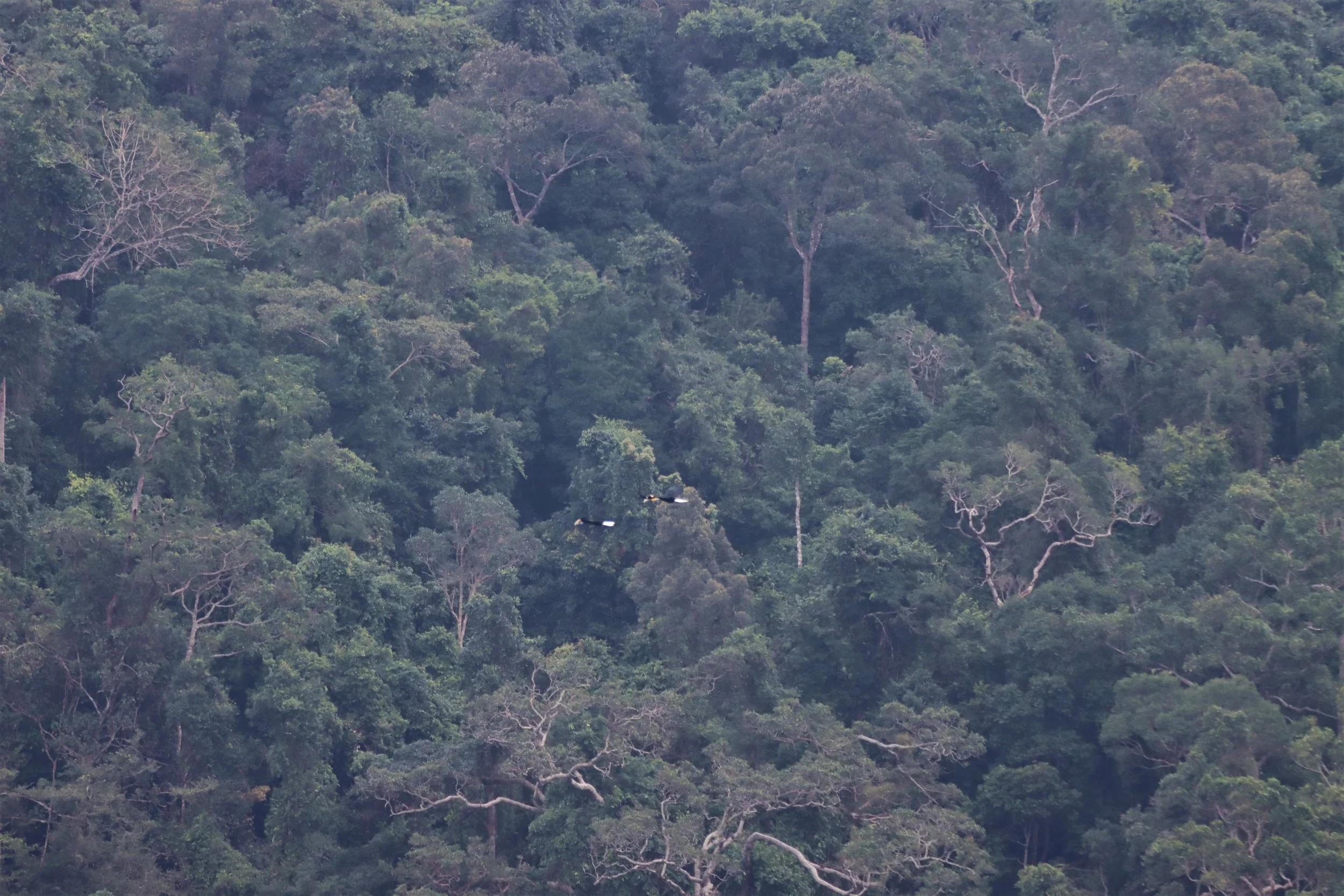
Dry Evergreen Forest - do you see the Wreathed Hornbills coursing through?
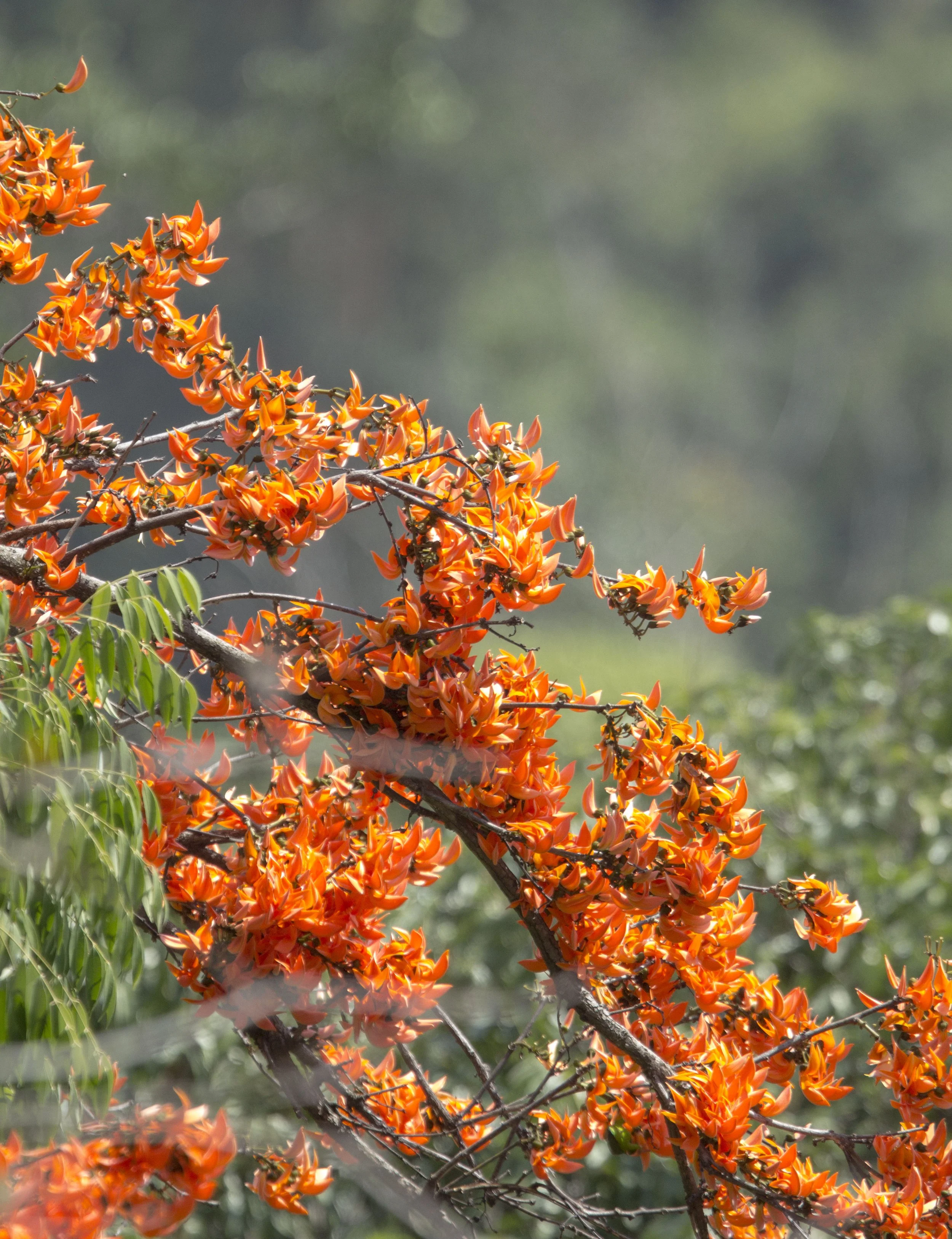
Butea monosperma is a species of Butea native to tropical and sub-tropical parts of South Asia and Southeast Asia. It is also known as flame of the forest.
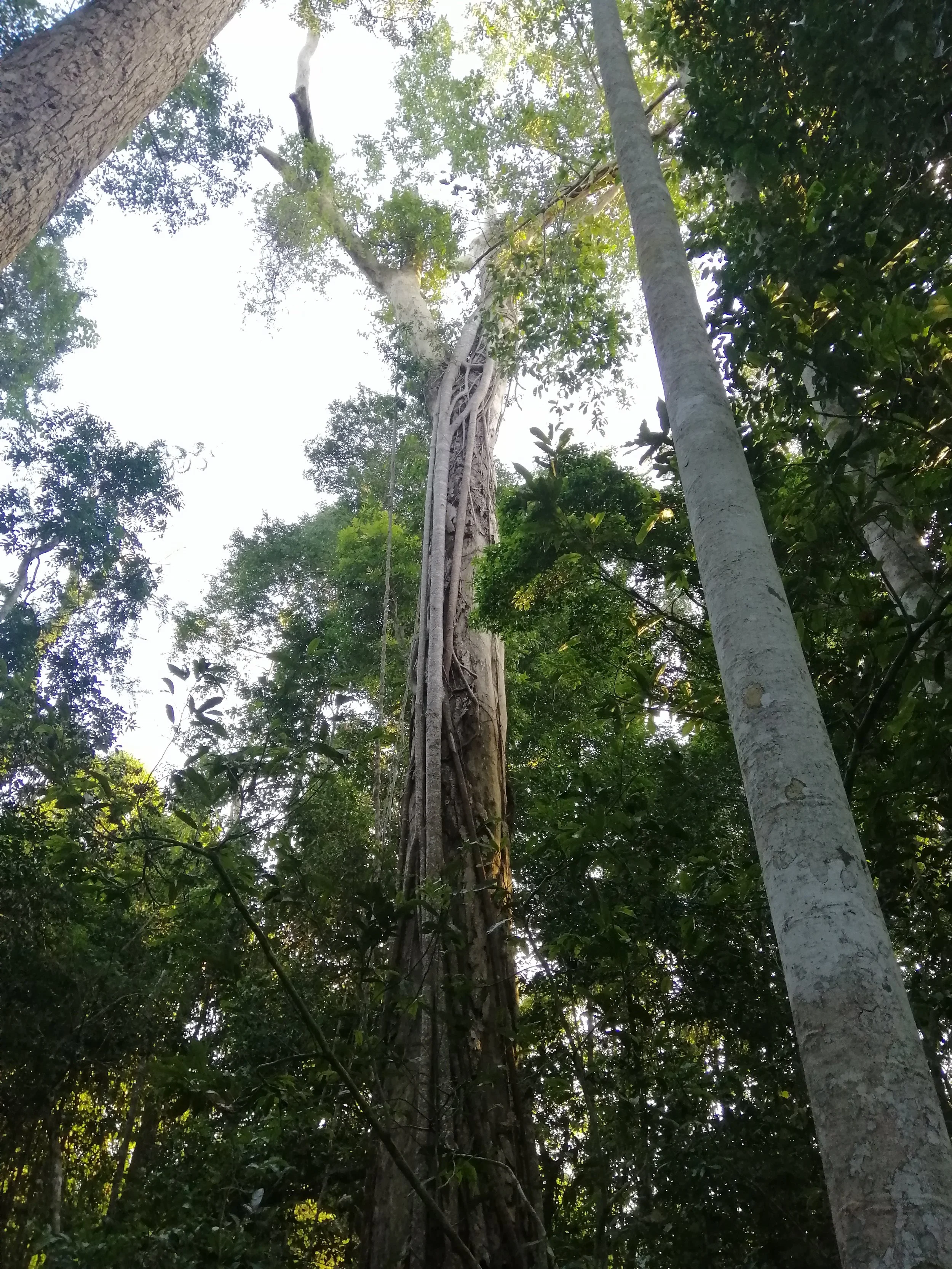
Tropical Rain Forest is thickly wooded forest ranging from 400 to 1,000 m above sea level, covering 94.88 sq km or 4.3% of the entire area. Most trees are of the Hopea or Pterocarpus genus, with tall trunks of 30-50m, with medium-sized and smaller plants including betels and palms able to live in the shade of the tall trees. The forest floor and leaf litter nurture shrubs and annuals such as Salacca, Calameae (rattans), bamboos and creepers of many species. Tree trunks and branches are home to other plants such as ferns and mosses
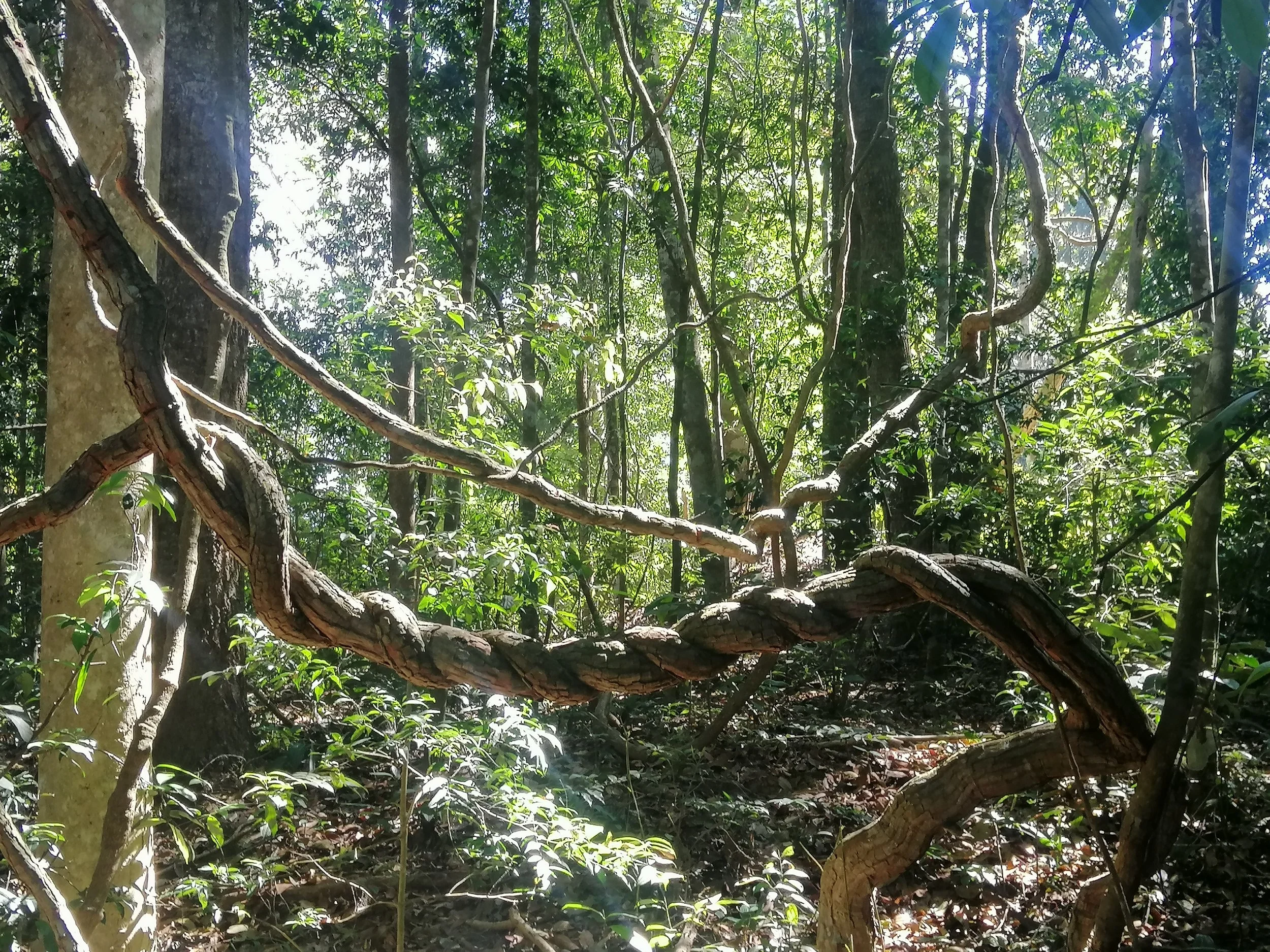
A spectacular twisted Liana in the forest.
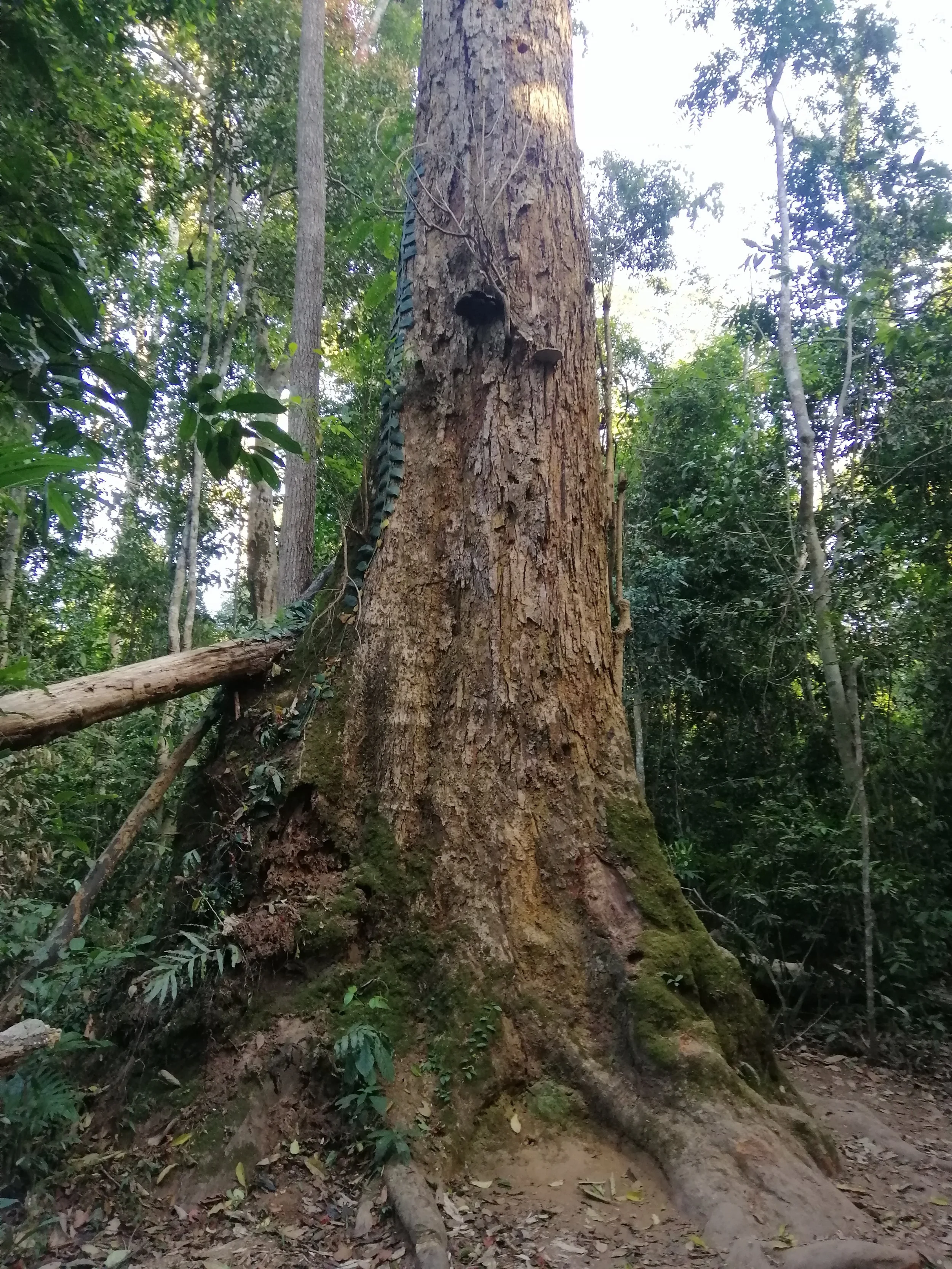
A great old tree where one can find Lesser False Vampire Bats on a regular basis.
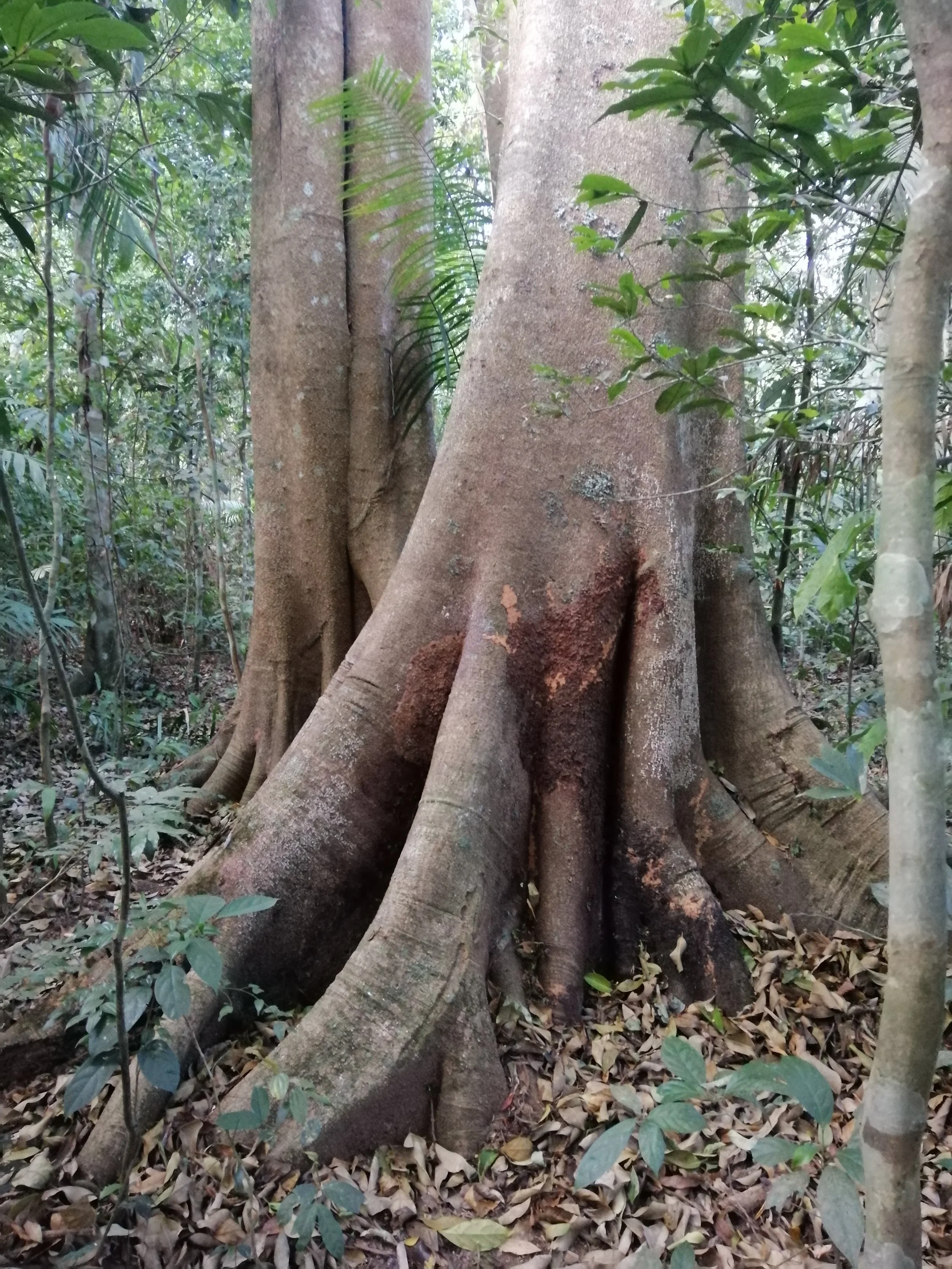
Buttress Roots of a young Tetrameles nudiflora, commonly known in Thailand as the Somphong tree.
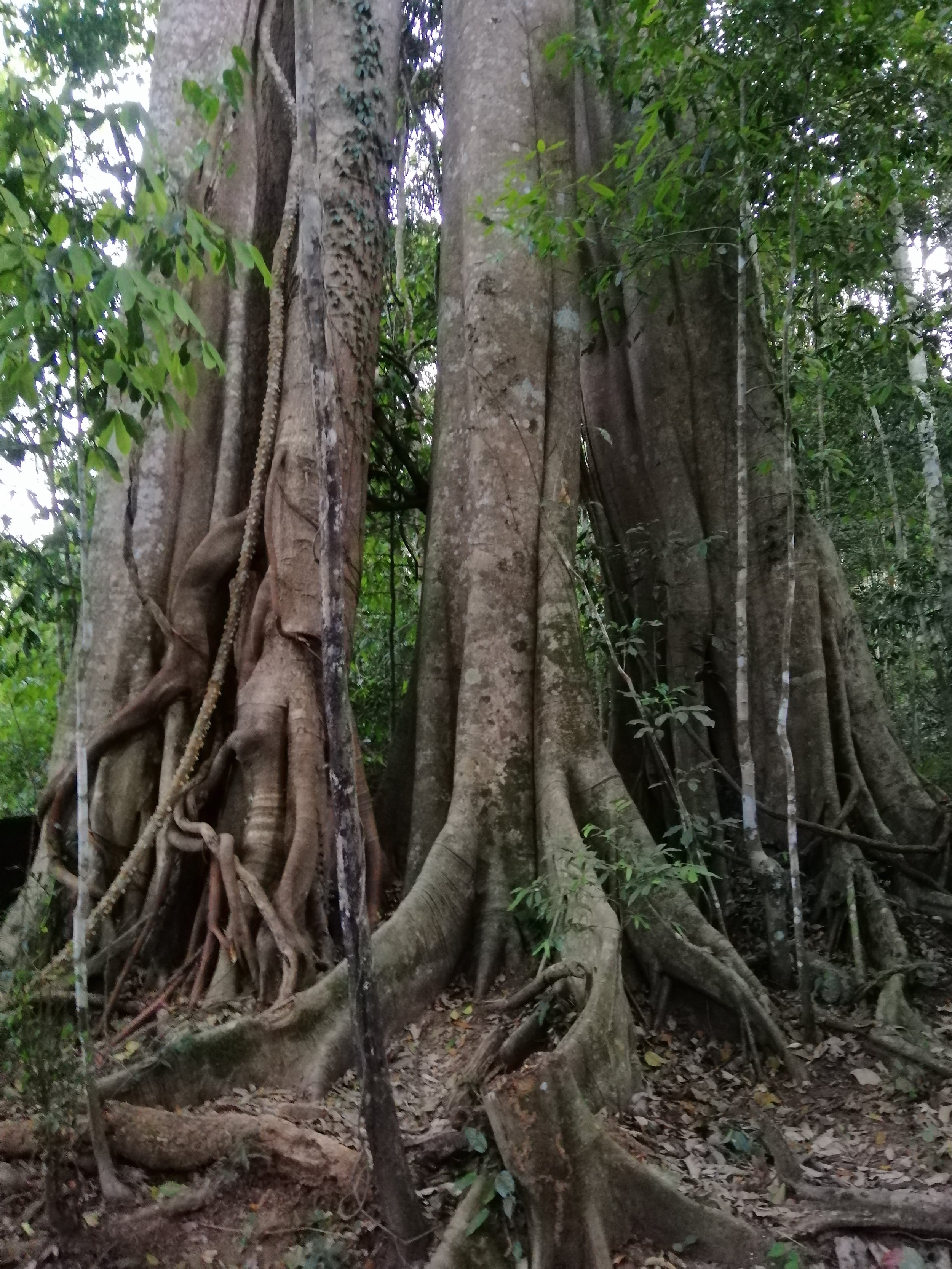
The giant fig (Ficus) trees in Khao Yai National Park are primarily strangler figs (Ficus annulata) and various banyan species.
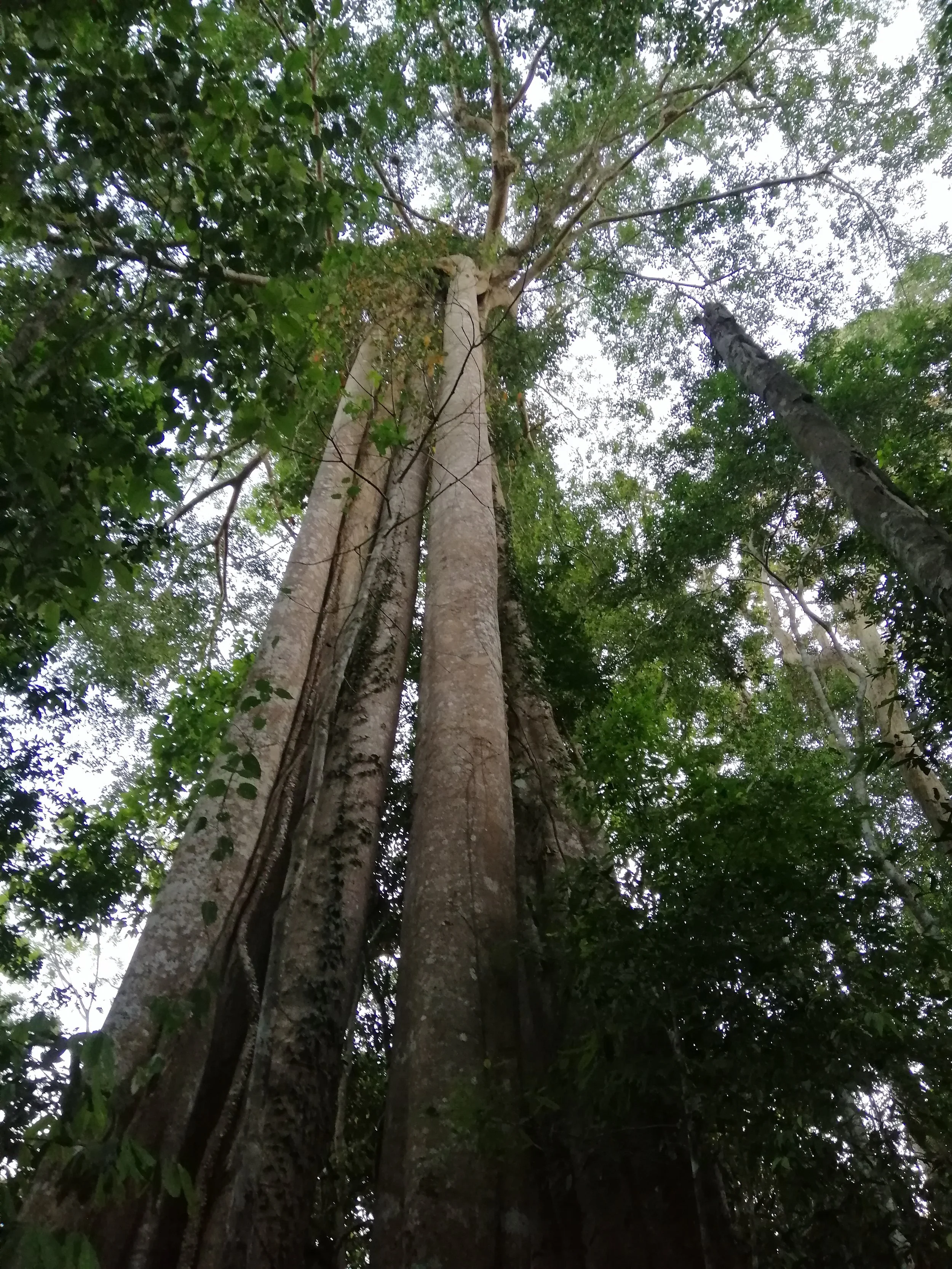
One seed dropped up top decades ago created what appears to be four or five trees close together of Ficus annulata.
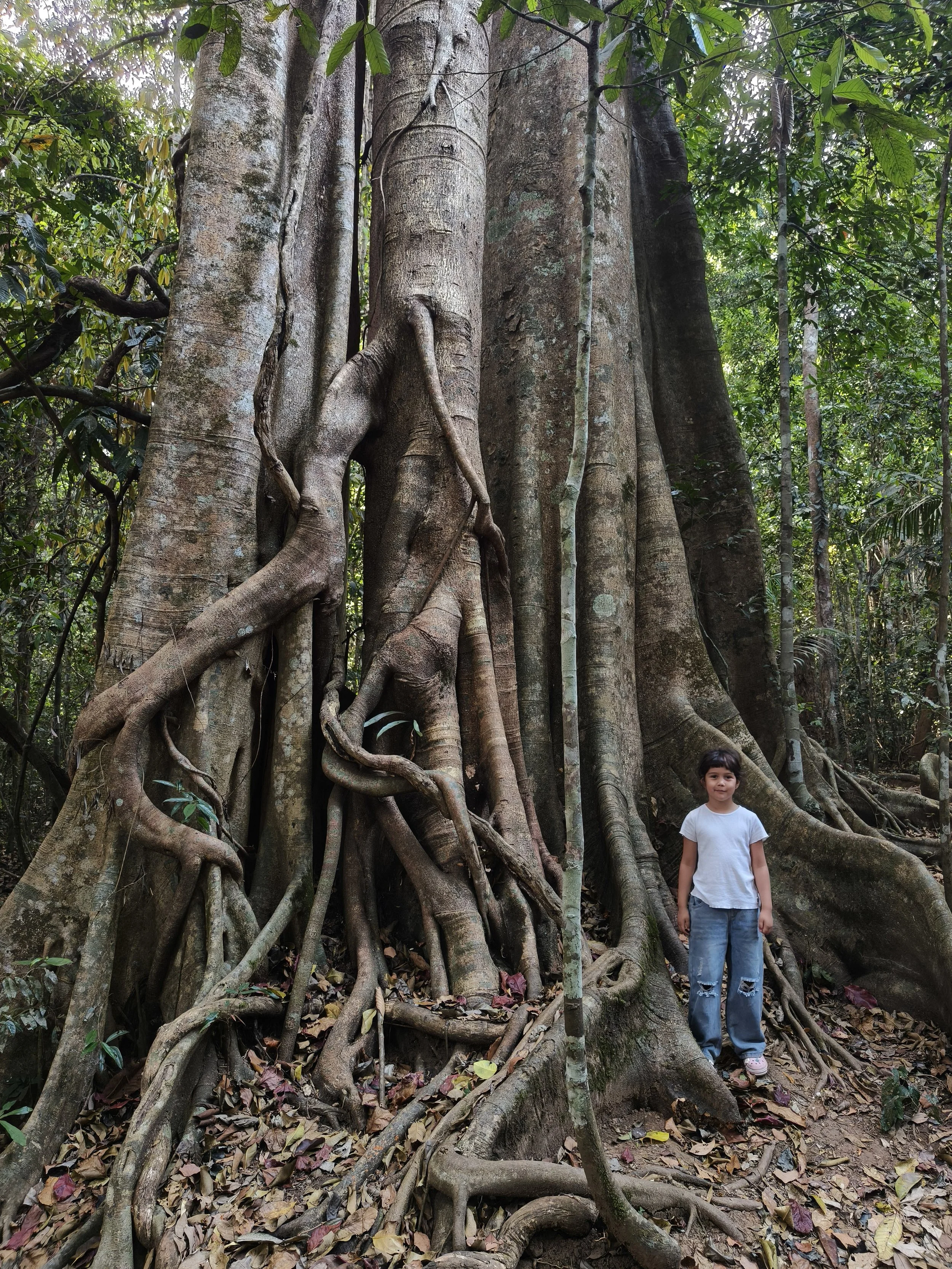
My Liana next to a forest giant Ficus annulata in Khao Yai at Km 33 trail.
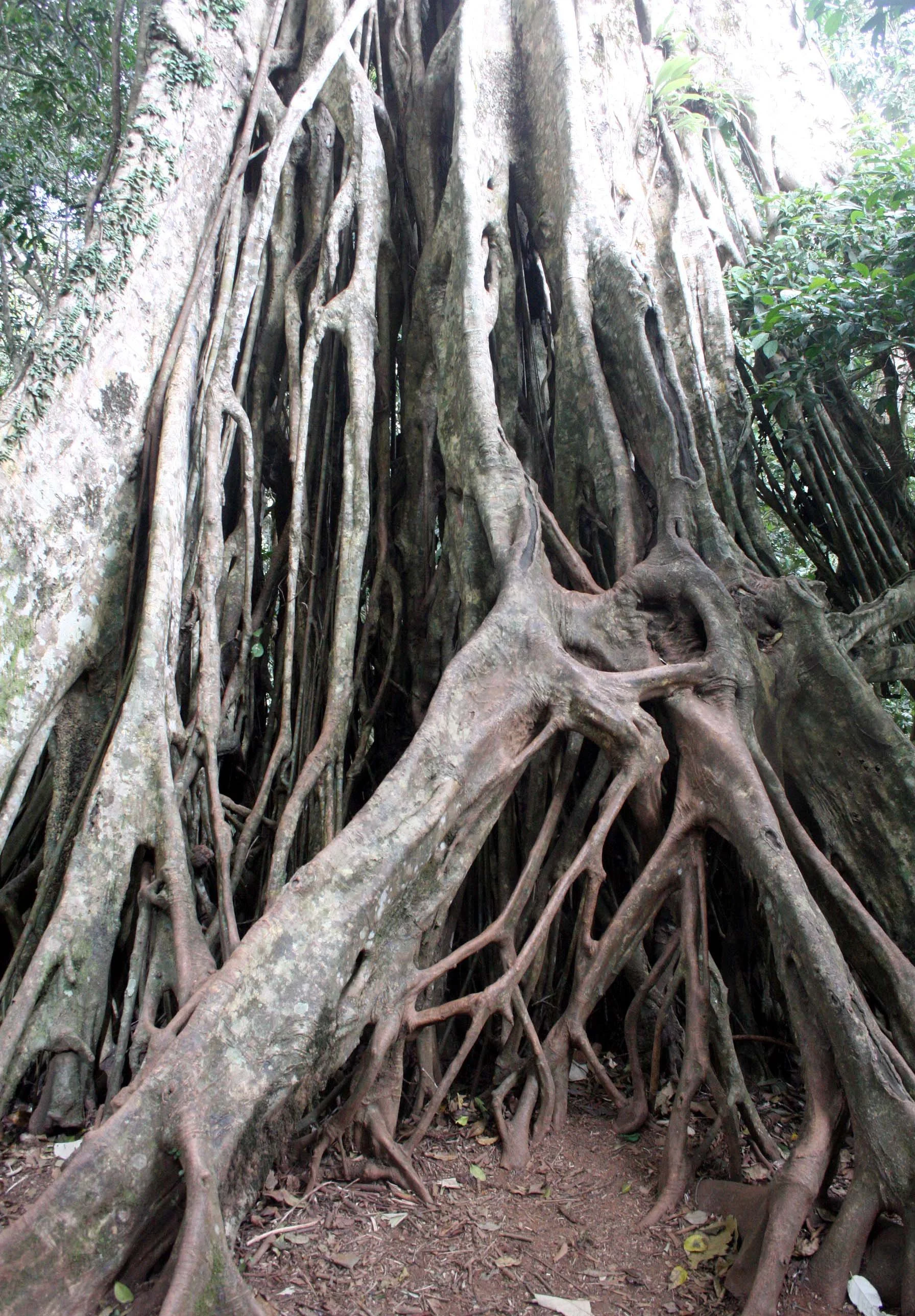
Ficus annulata

Cokie added for perspective of the sheer size of this Ficus annulata.
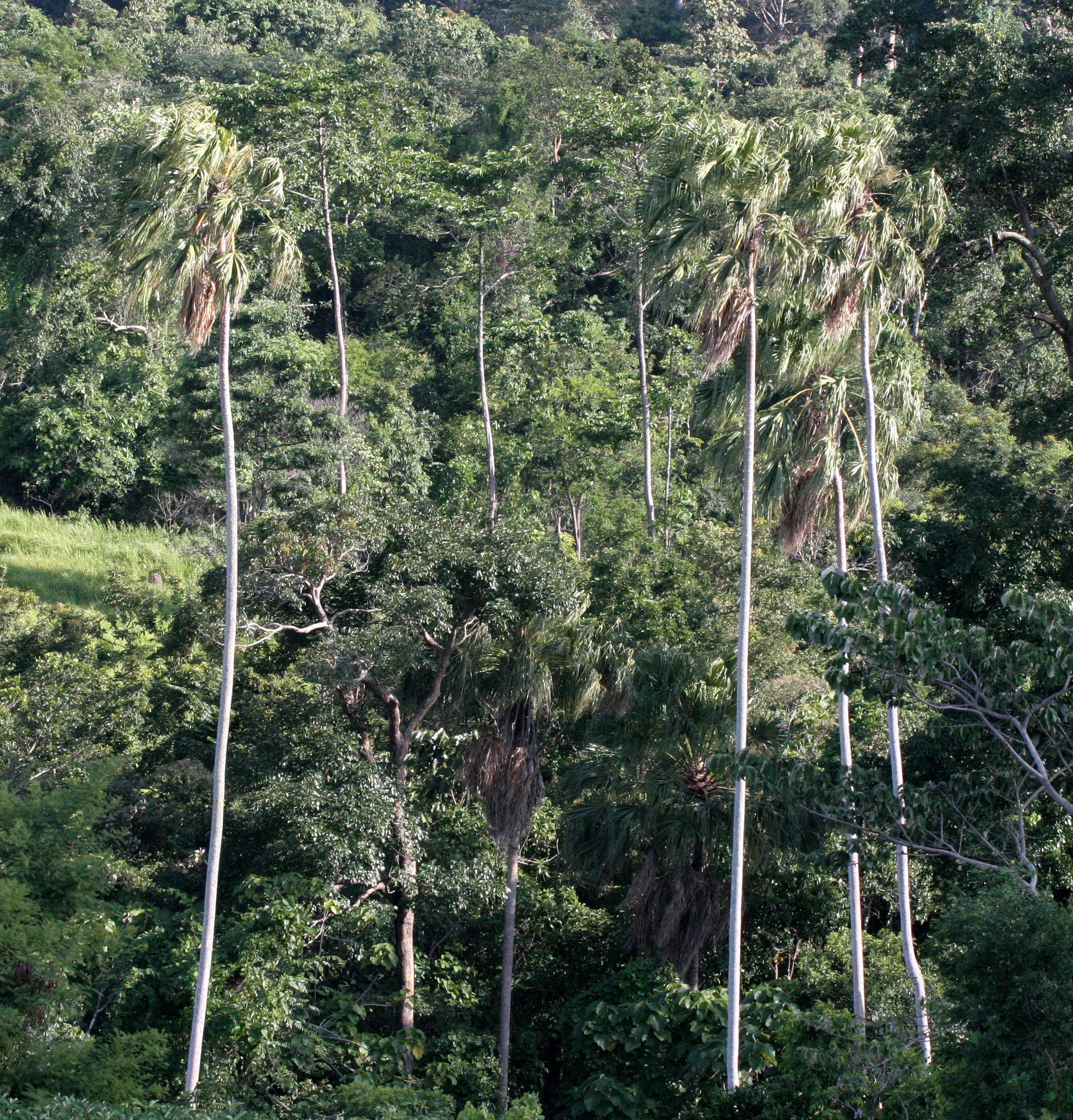
Livistona jenkinsiana (Major Jenkins' fan palm) are a beautiful palm species seen commonly in Khao Yai's Tropical Rainforest

Livistona jenkinsiana (Major Jenkins' fan palm)
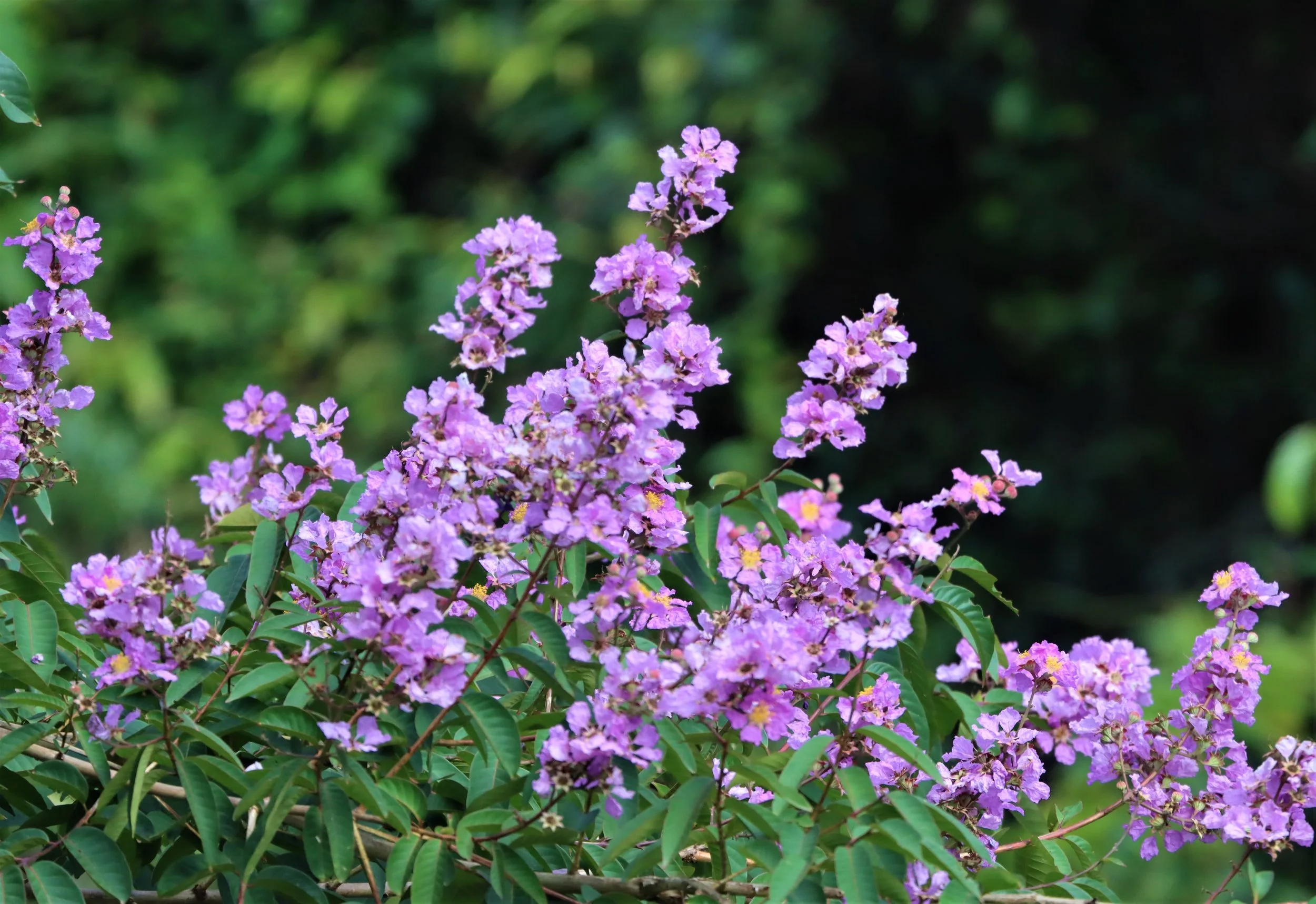
Lagerstroemia speciosa, commonly called the Pride of India or Giant Crepe Myrtle.
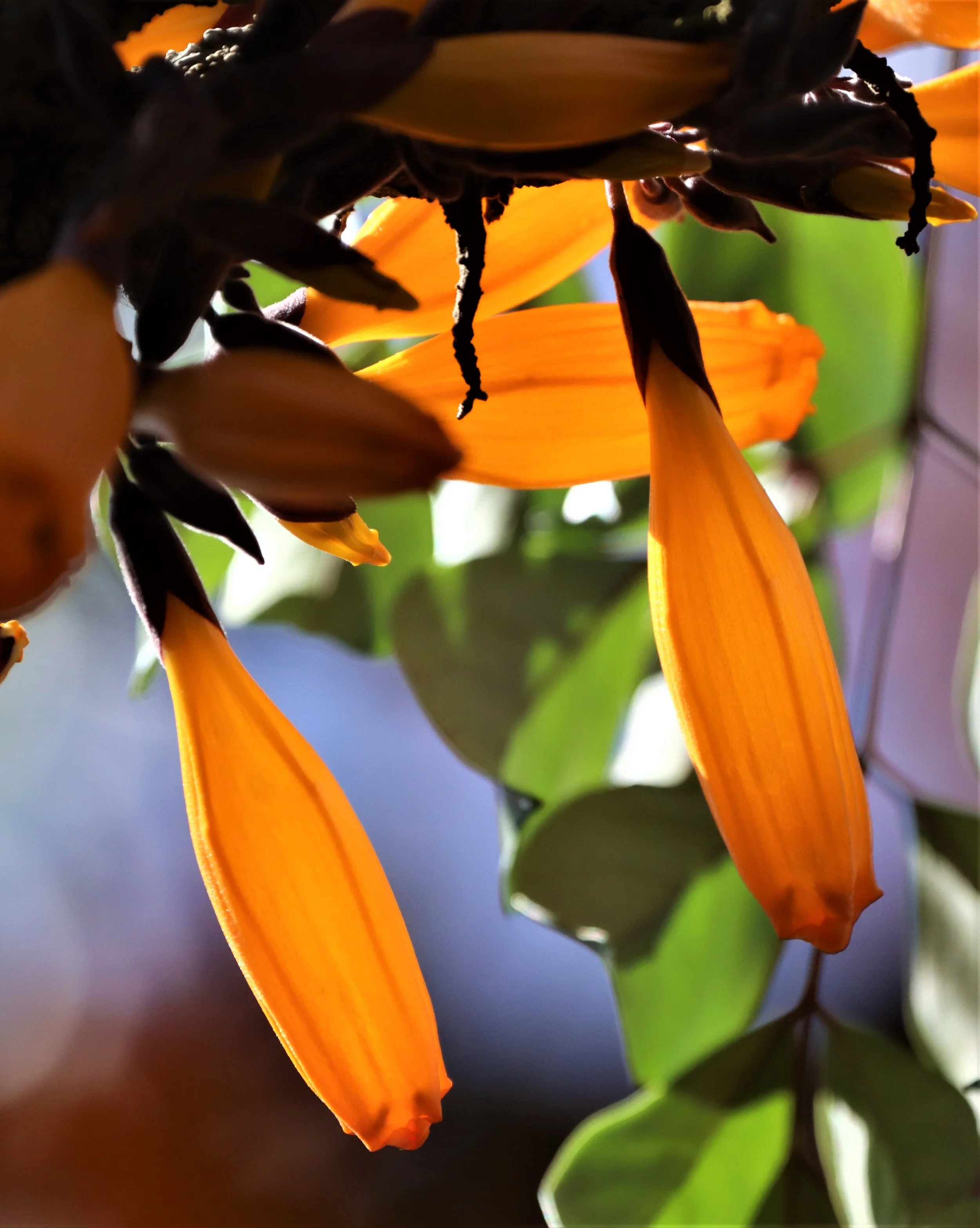
Radermachera ignea (commonly known as Tree Jasmine, Peep Thong, or Mayodendron igneum) is in the Bignoniaceae family, native to tropical and subtropical Asia.
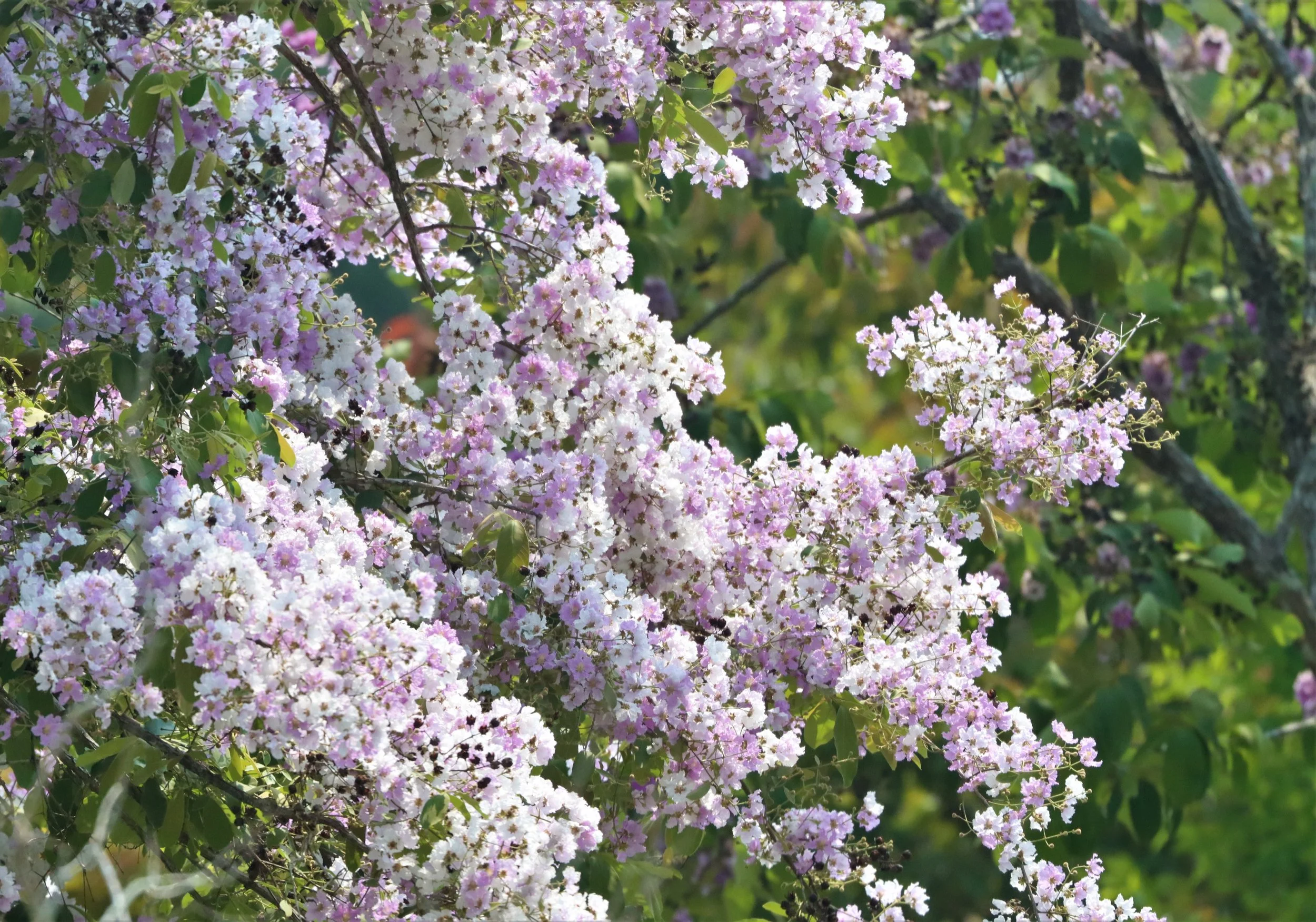
Lagerstroemia floribunda, also known as Thai crape myrtle and kedah bungor, is a species of flowering plant in the family Lythraceae. It is native of the tropical region of Southeast Asia.

Sonerila violifolia. The native range of this species is Myanmar to N. Thailand. It is a semisucculent perennial and grows primarily in the seasonally dry tropical biome.
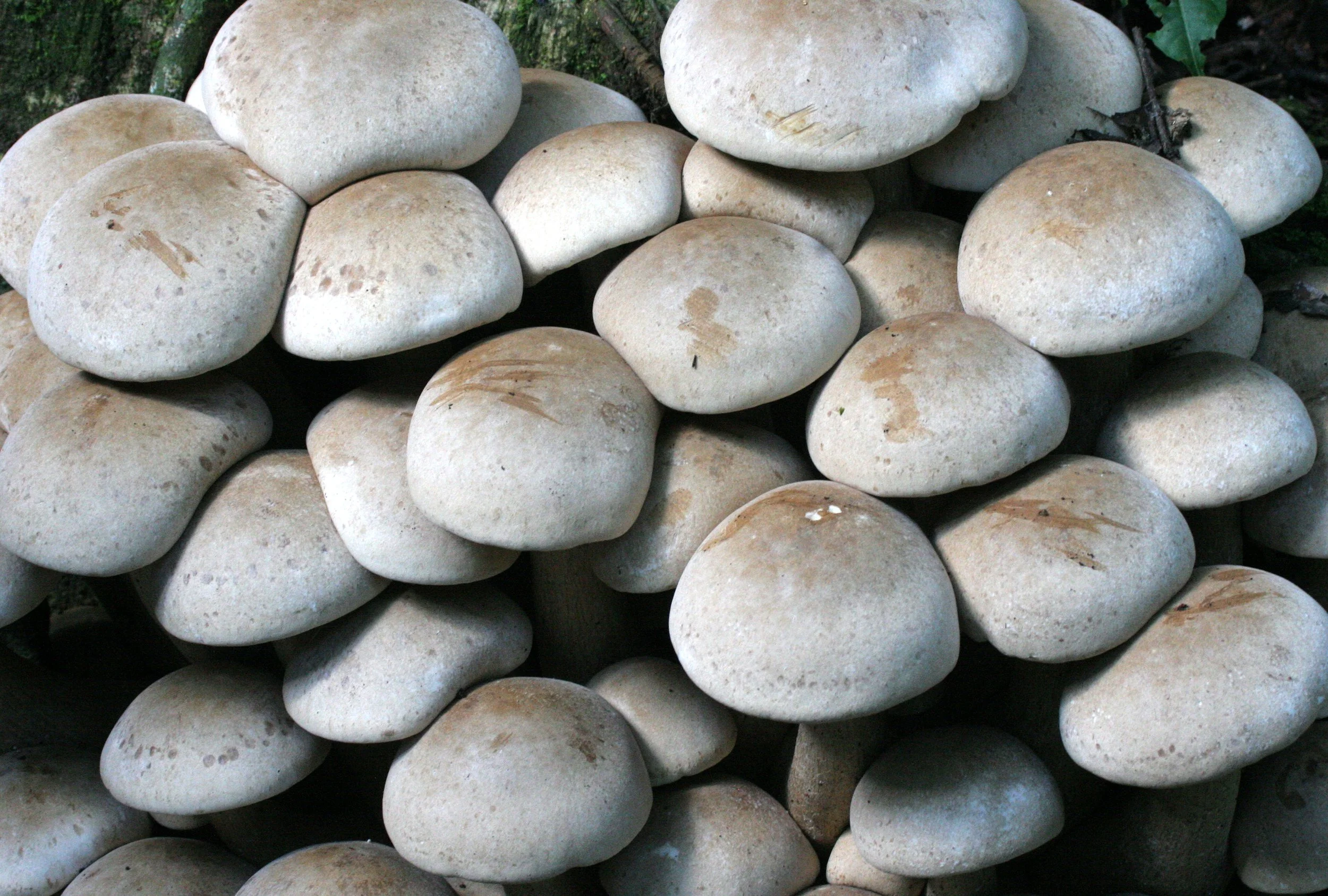
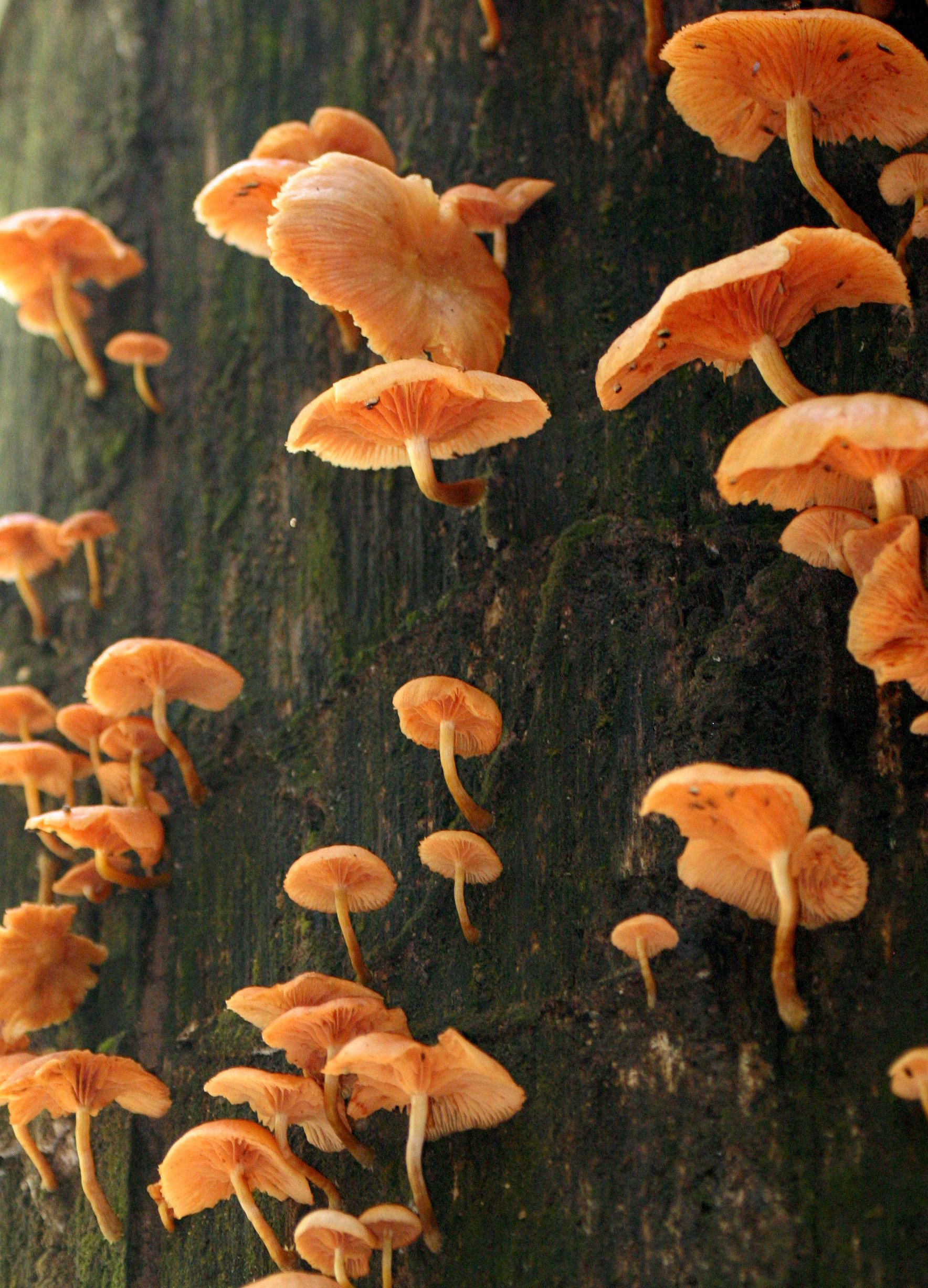
Possibly Agaricus mushrooms?
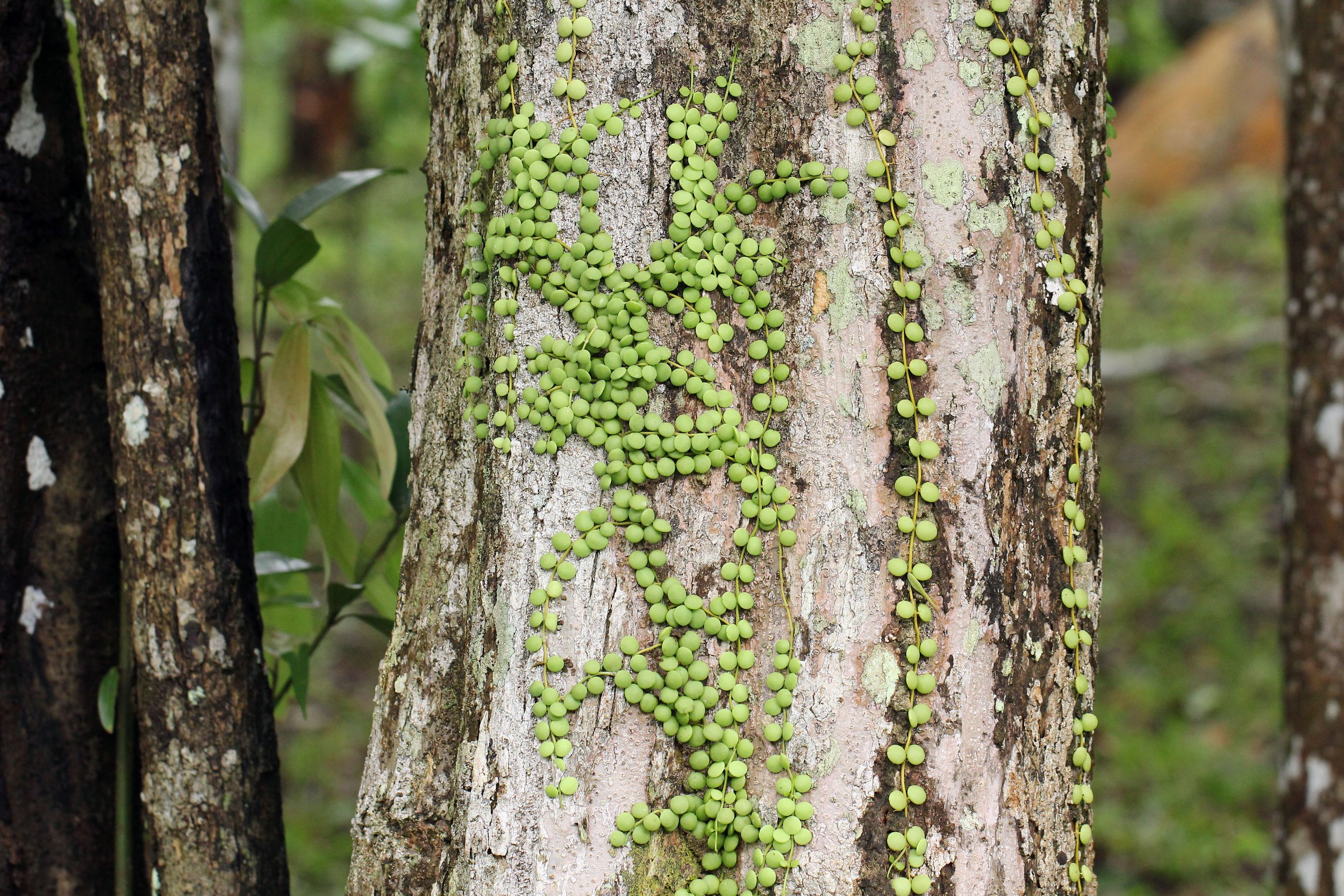
Pyrrosia piloselloides, known as the Dragon Scale fern or "Picisan" (Sisik Naga), is a common tropical epiphytic fern found in Southeast Asia, including Thai forests like Khao Yai. It features small, fleshy, coin-shaped leaves, creeping along tree trunks. It is often used in traditional medicine.

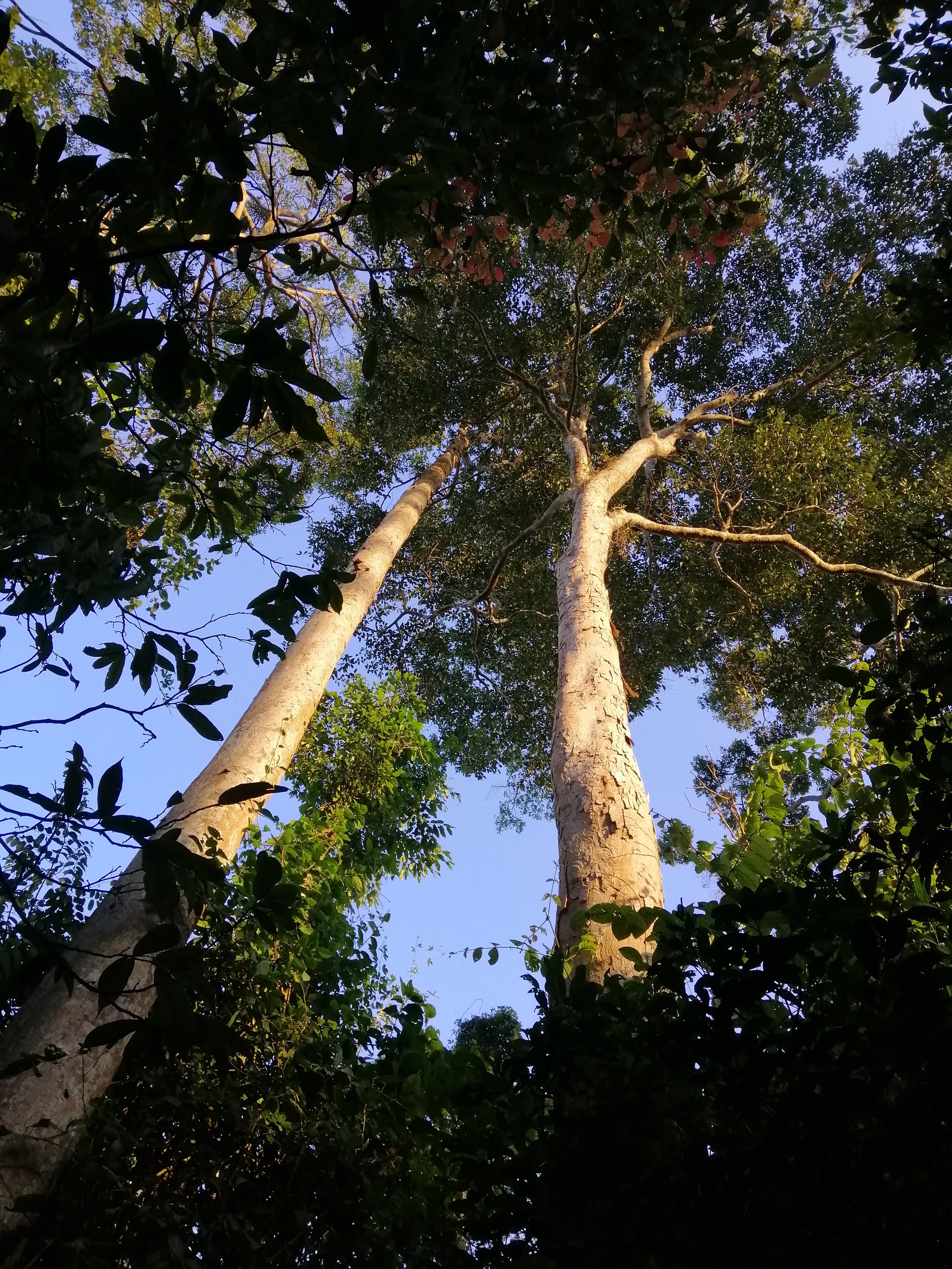
Dipterocarp species are the dominant emergents in the Dry Evergreen Forests of the Eastern Forest Complex
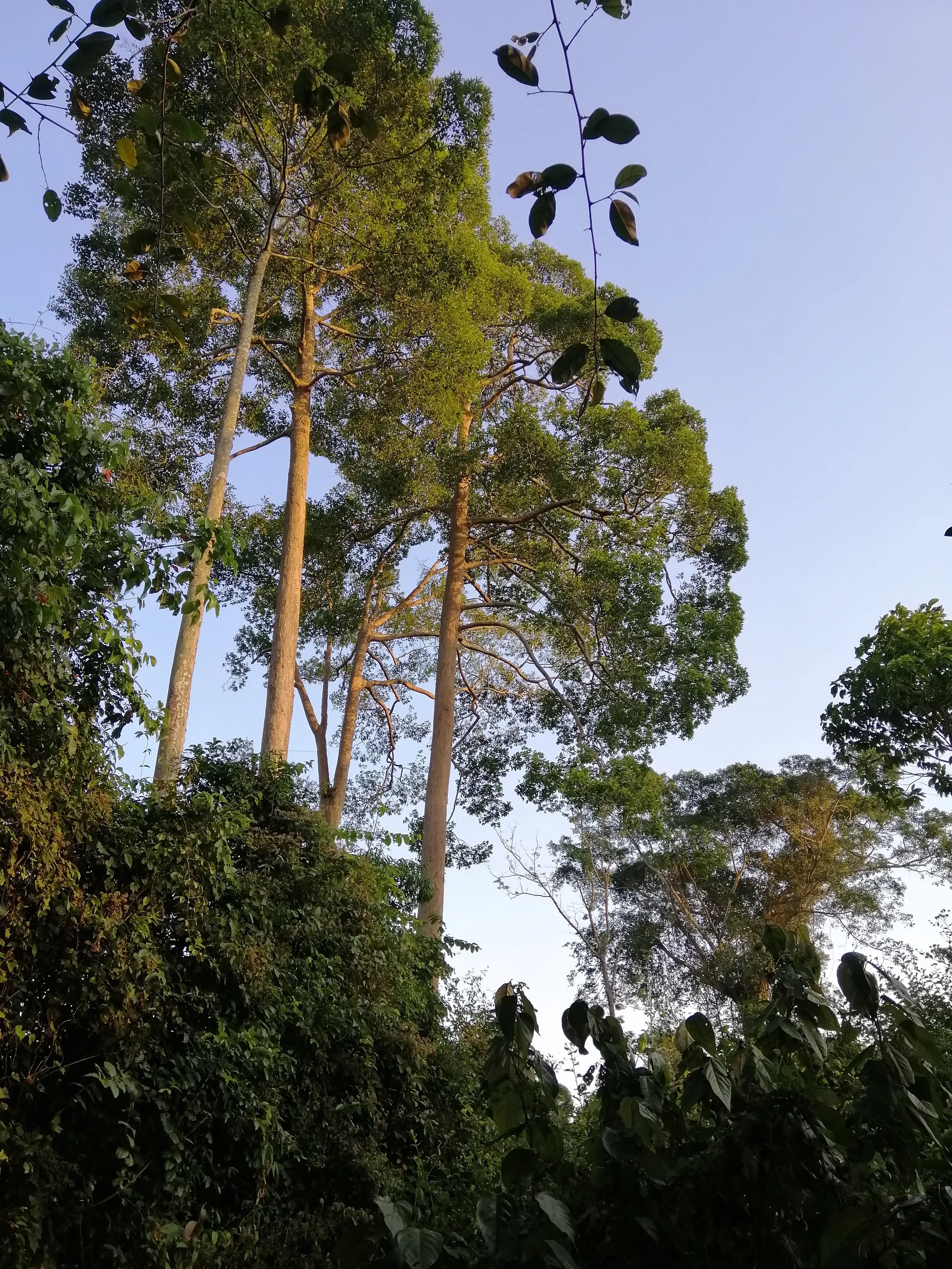
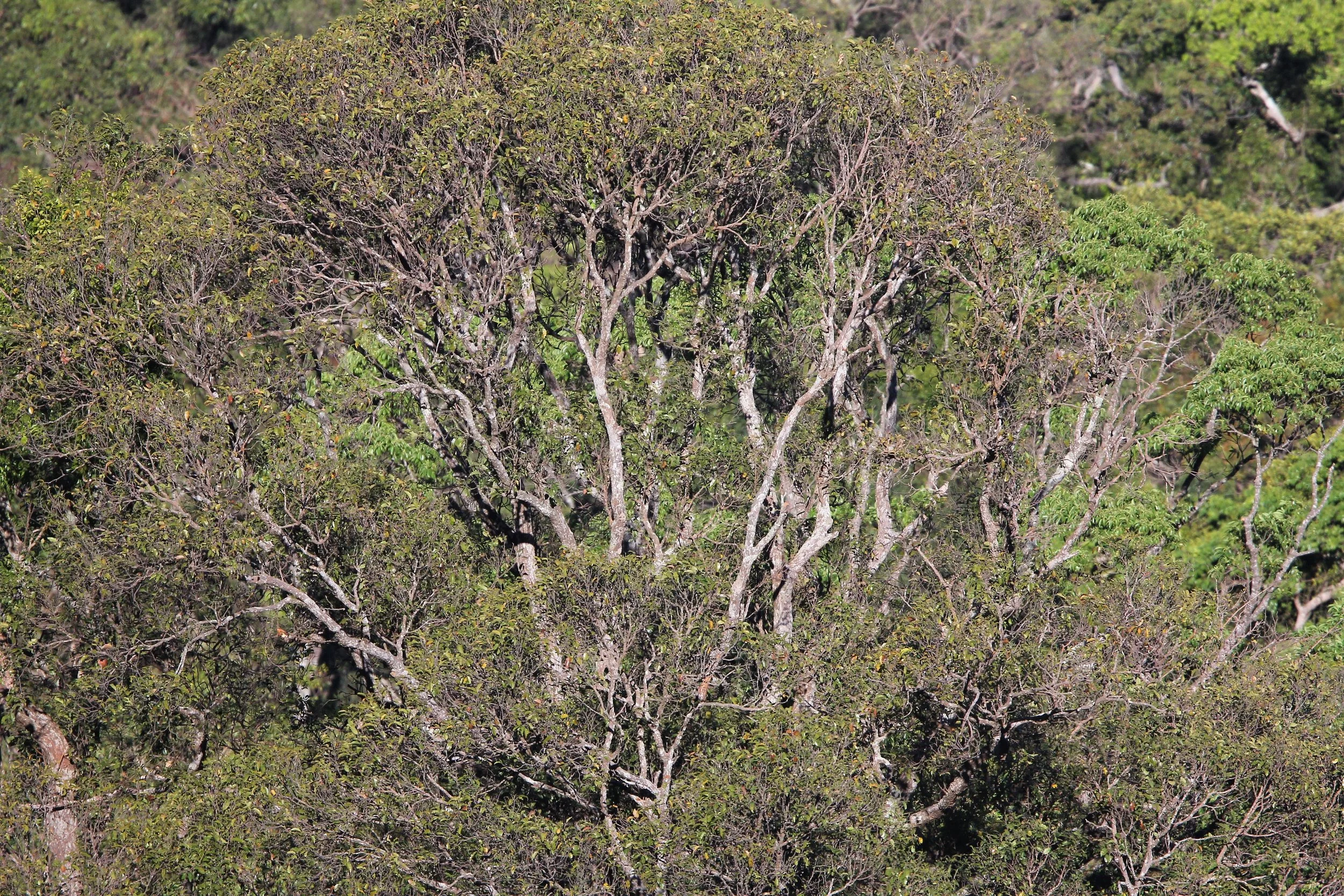
View of the Dry Evergreen Forest at Khao Yai National Park
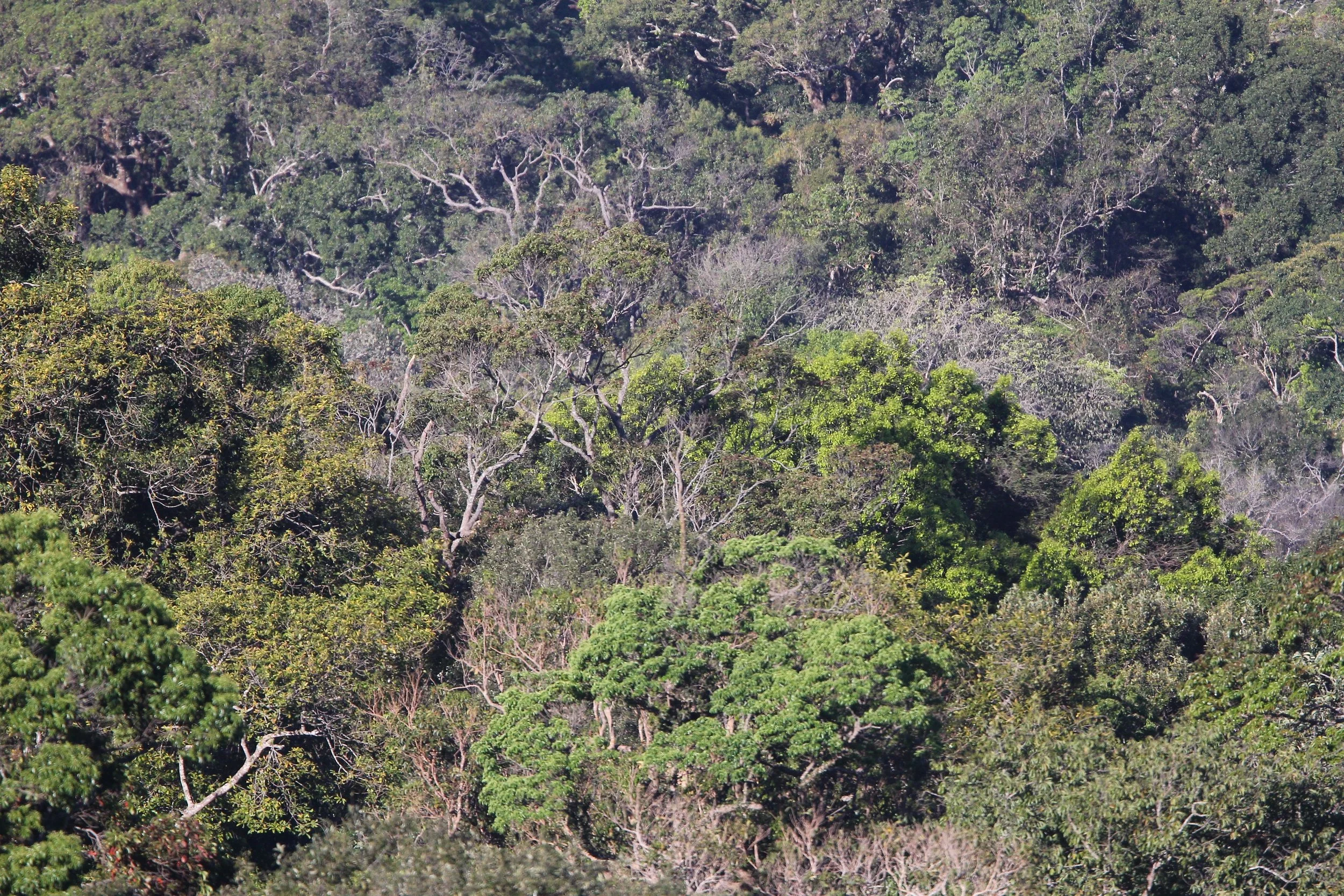
View of the Dry Evergreen Forest at Khao Yai National Park
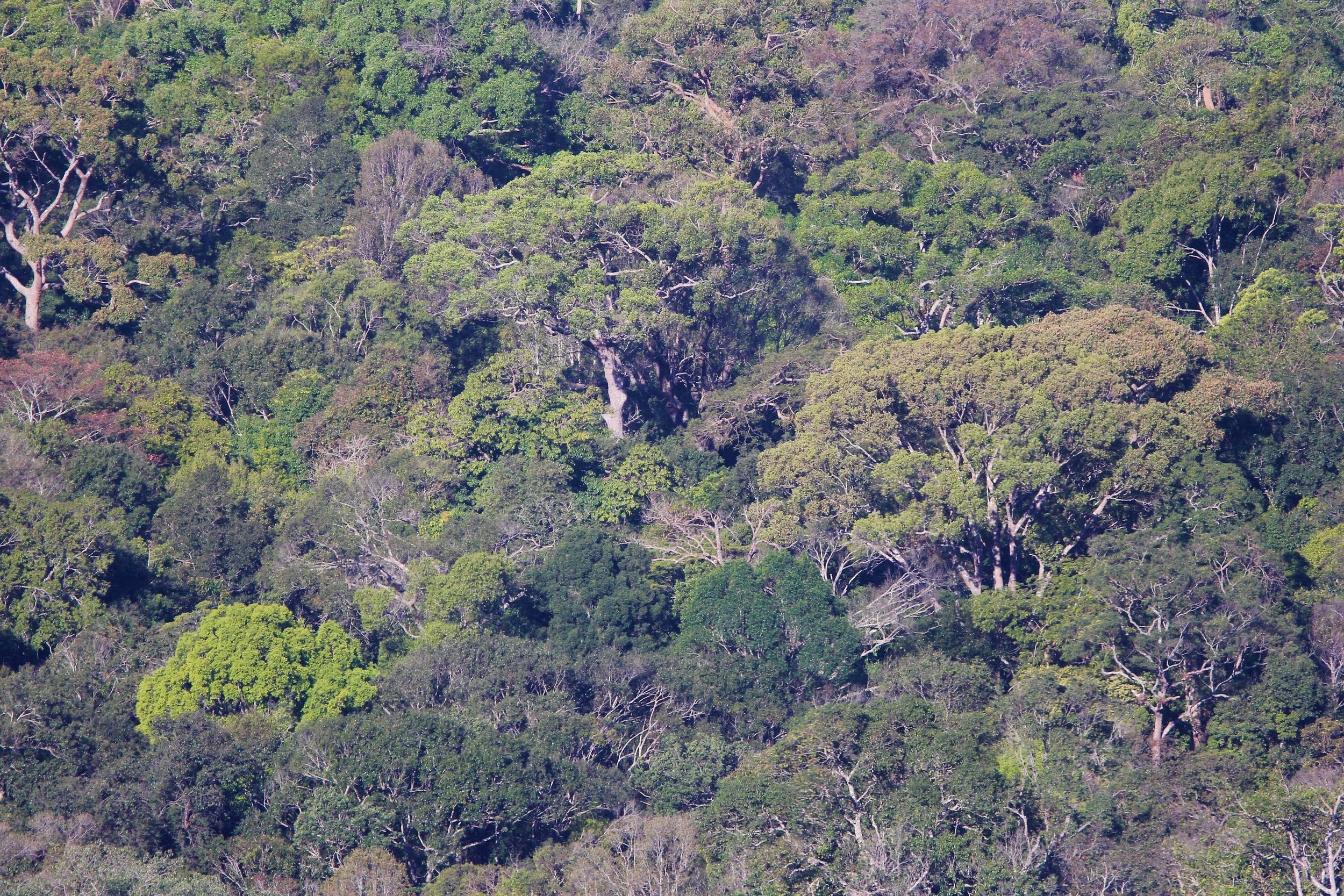
View of the Dry Evergreen Forest at Khao Yai National Park
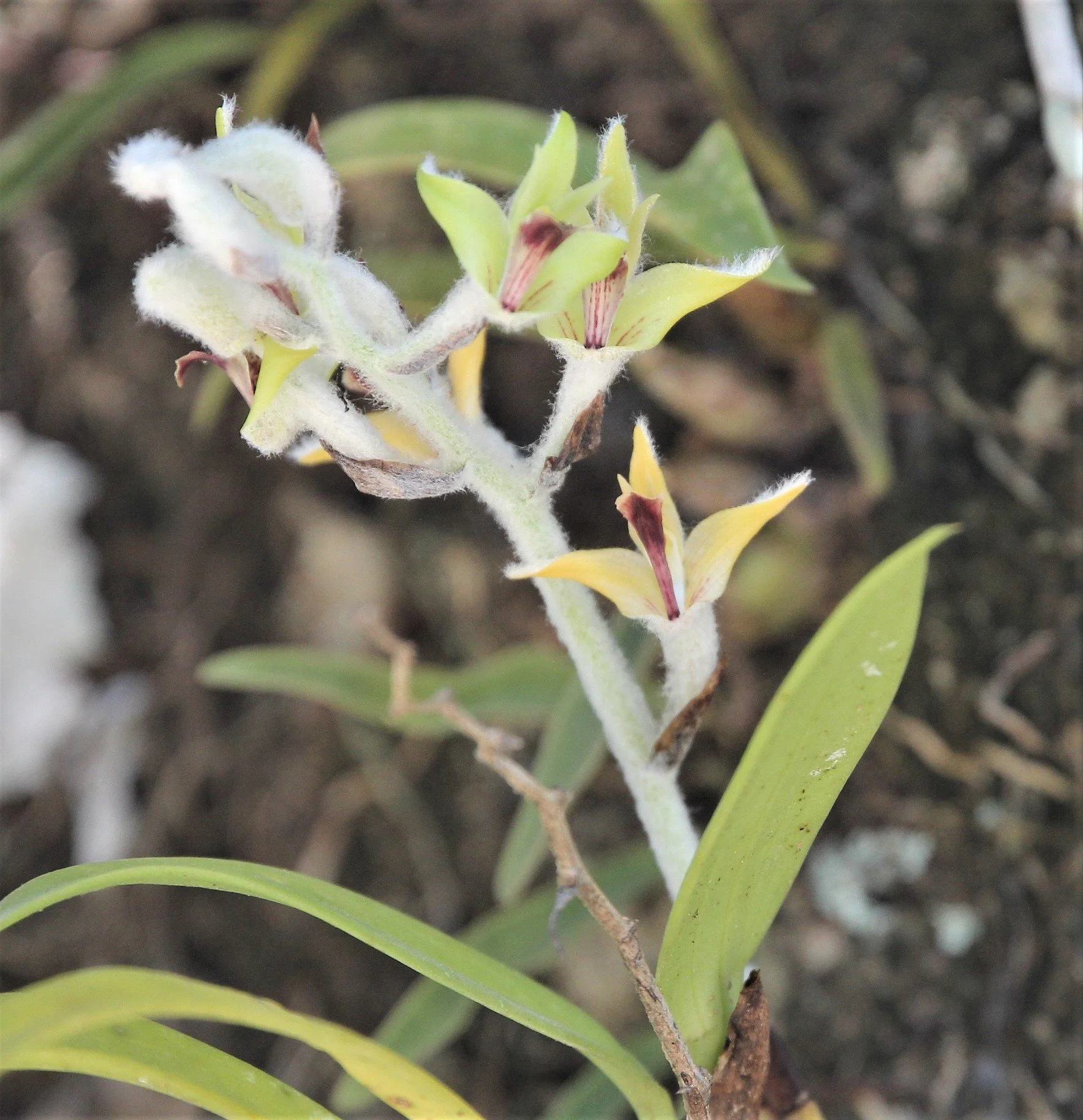
Dendrolirium lasiopetalum, synonym Eria lasiopetala, is a species of orchid. It is native to a region from Bangladesh east to Hong Kong, south through much of Southeast Asia
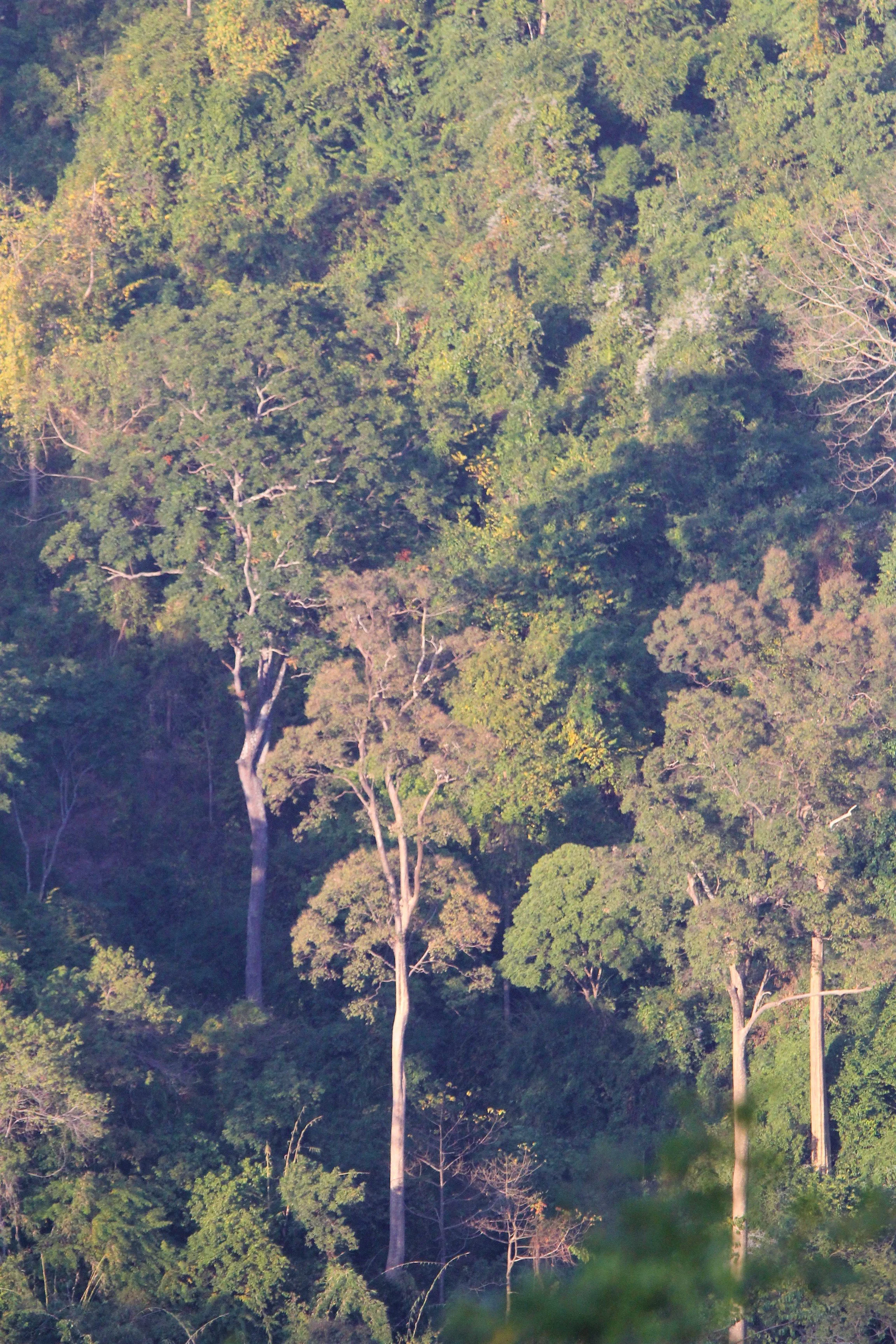
View of the Dry Evergreen Forest at Khao Yai National Park
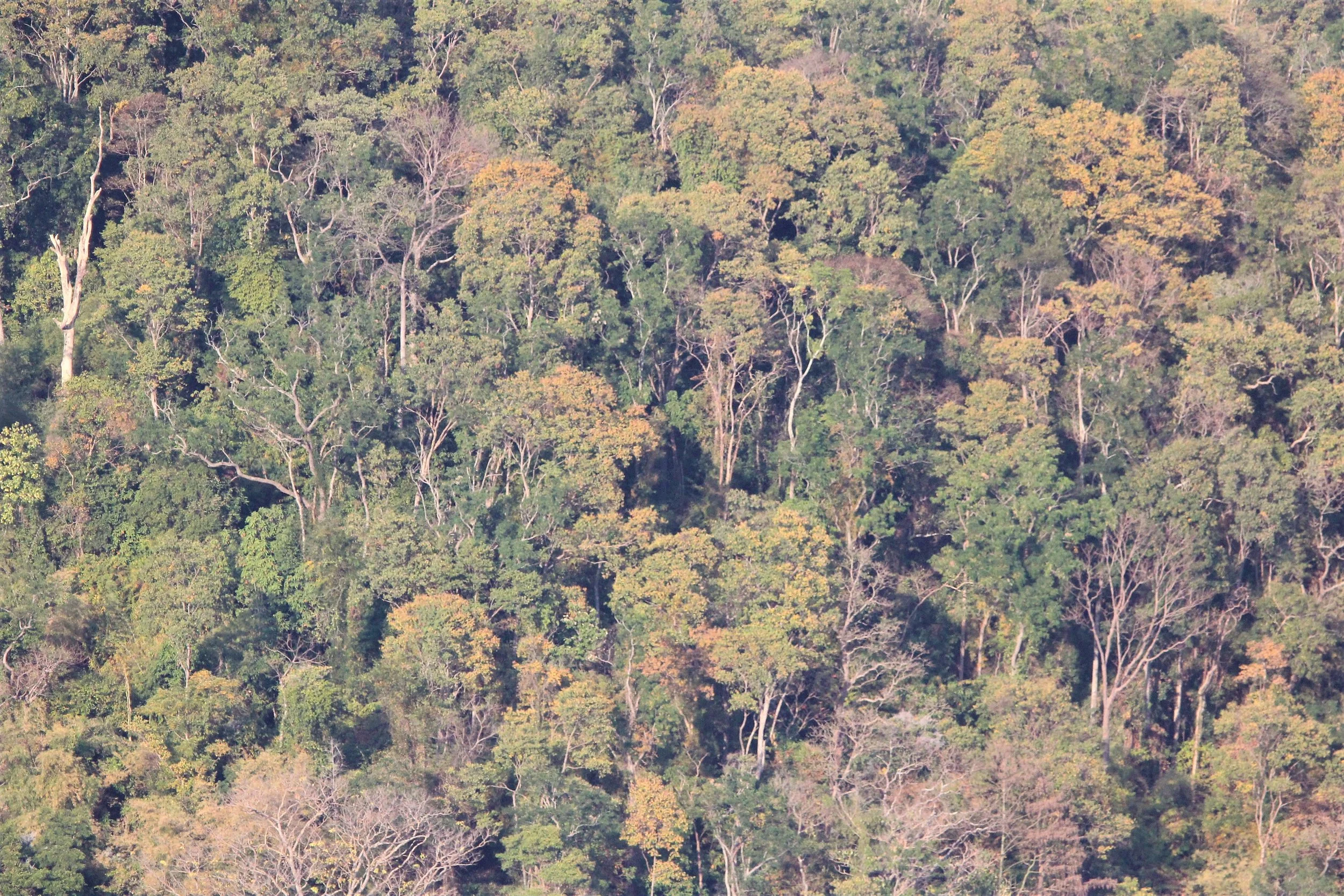
View of the Dry Evergreen Forest at Khao Yai National Park
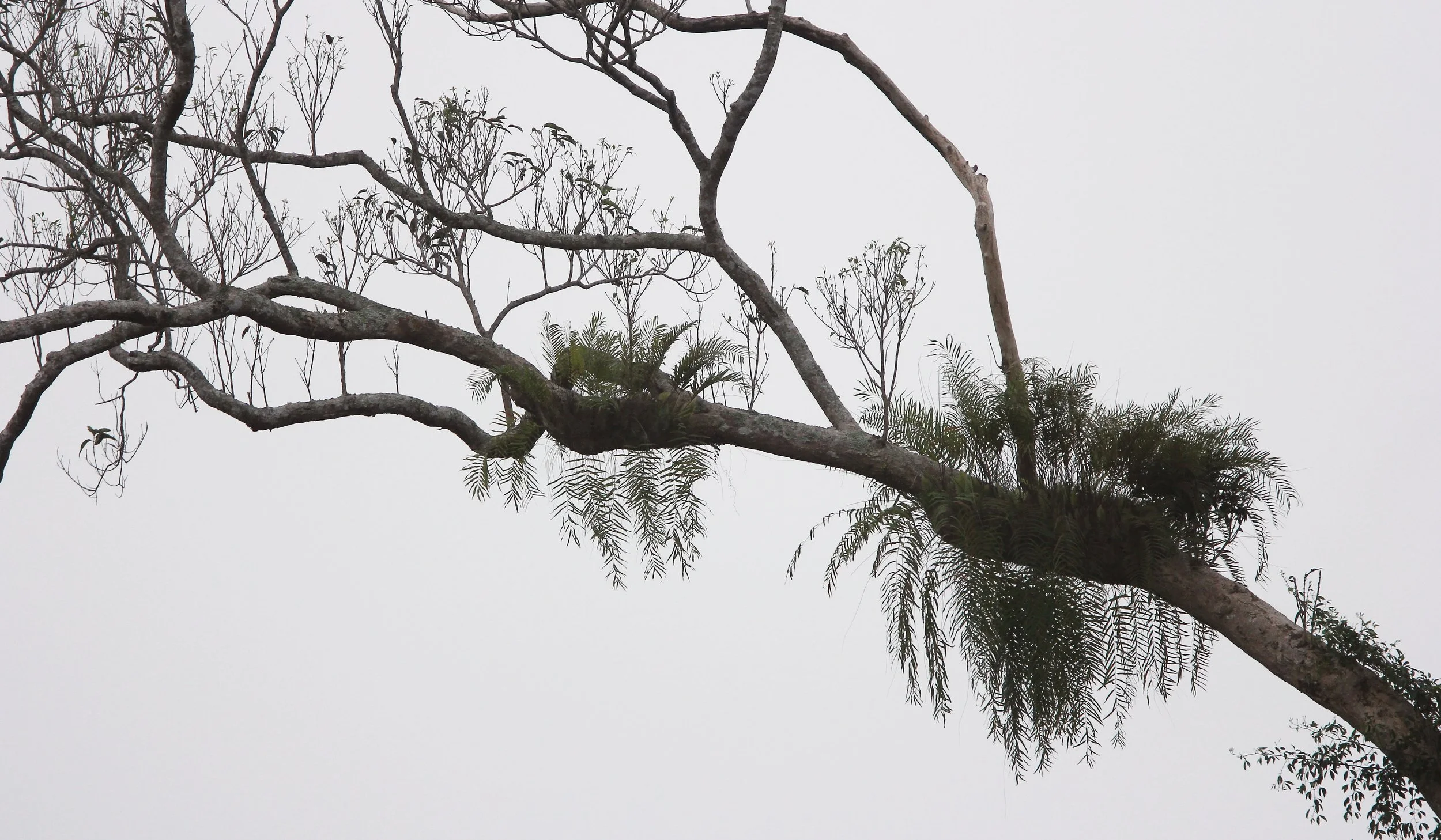
Epiphytic ferns are always great to see. And orchids as well especially during the blooming season.
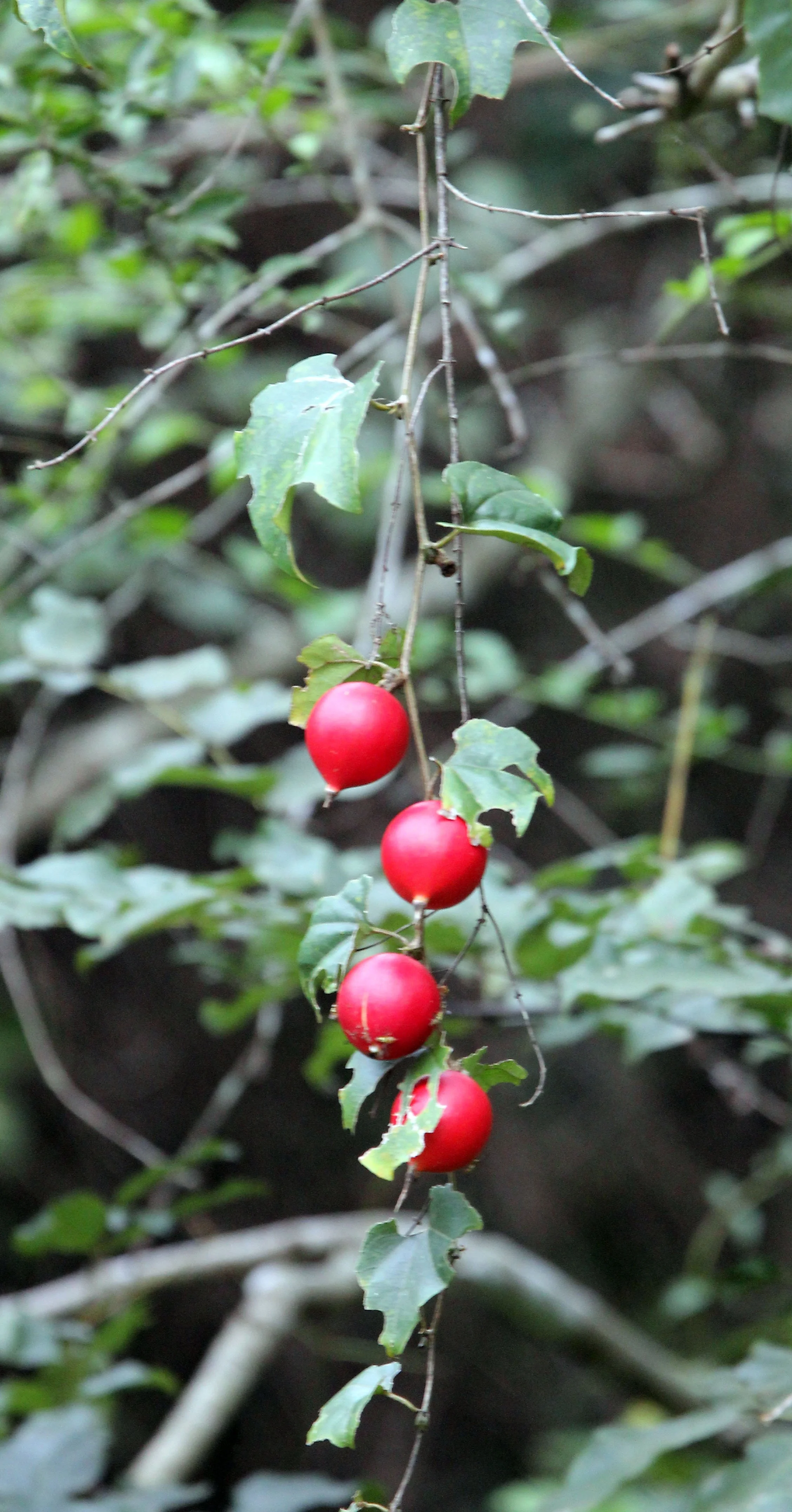
Bitter Snake Gourd (Trichosanthes tricuspidata), a large climbing plant native to Asia. Fruit Appearance: It produces vibrant, glossy red, spherical fruits that typically hang from the vine. The fruits are generally considered poisonous or non-edible for humans. In some cultures, parts of the plant are used in traditional medicine for anti-fever remedies or as a laxative.
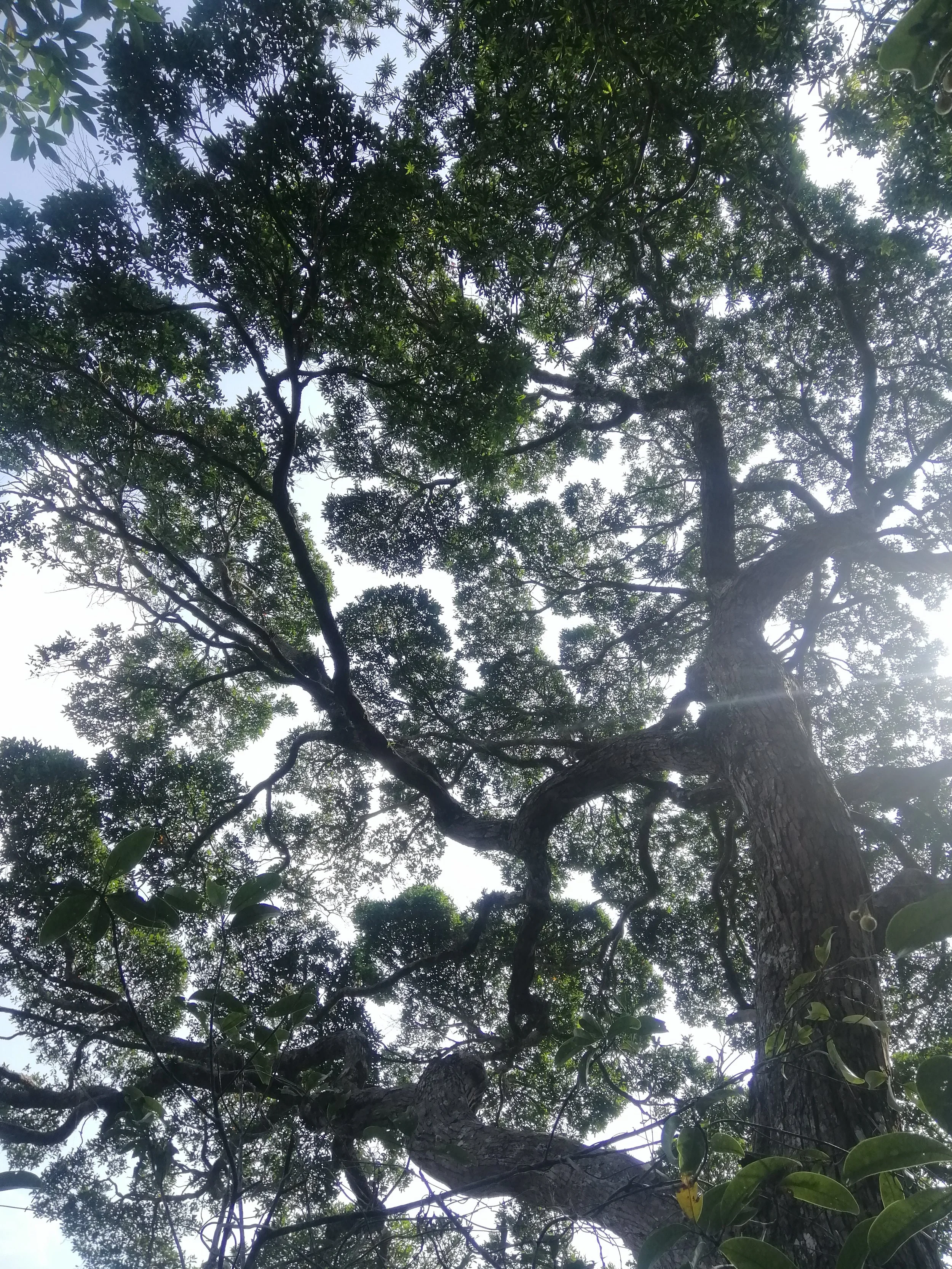
Up to the canopy!
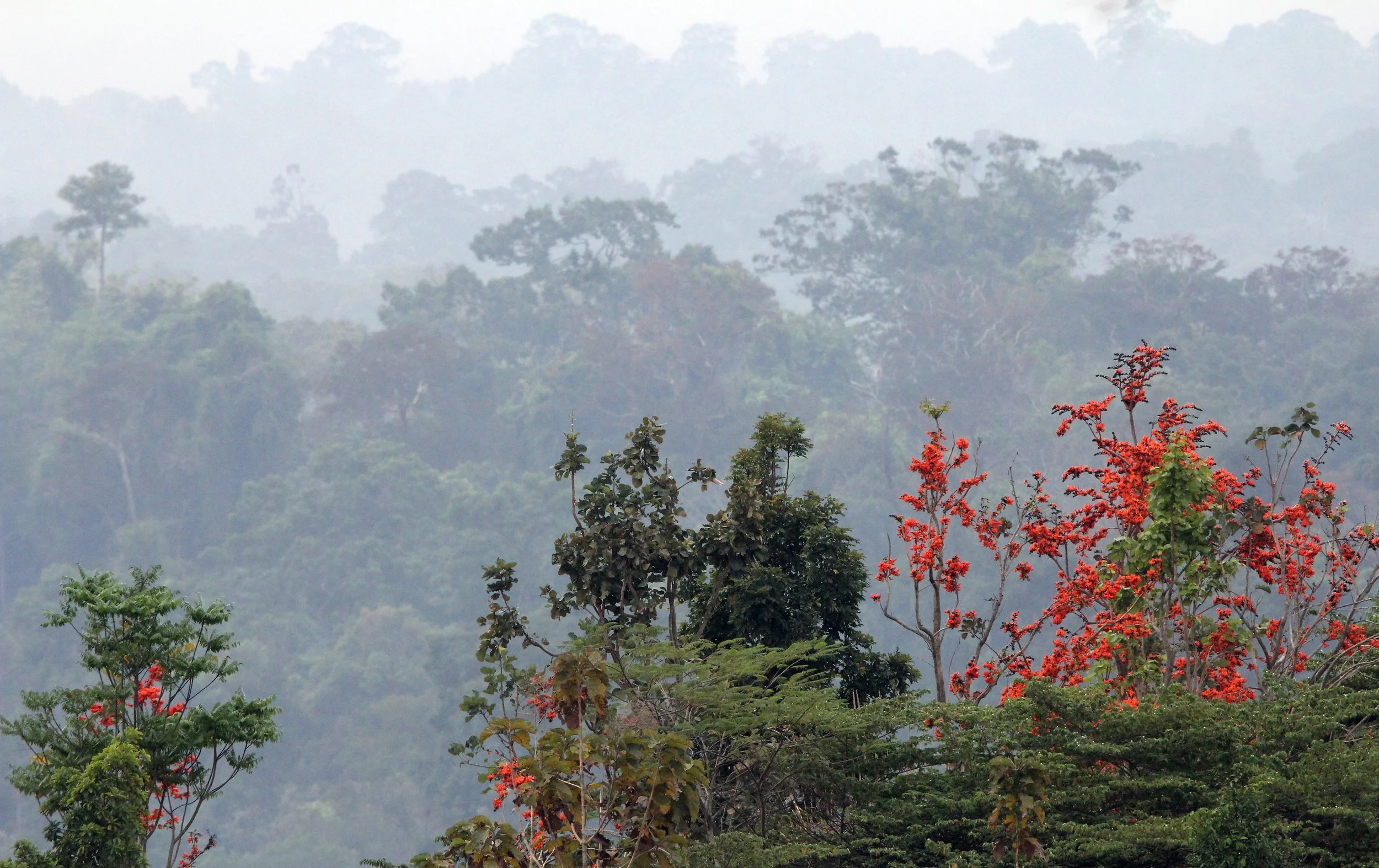
Flame of the Forest (Butea monosperma) with the misty forests of Khao Yai behind.
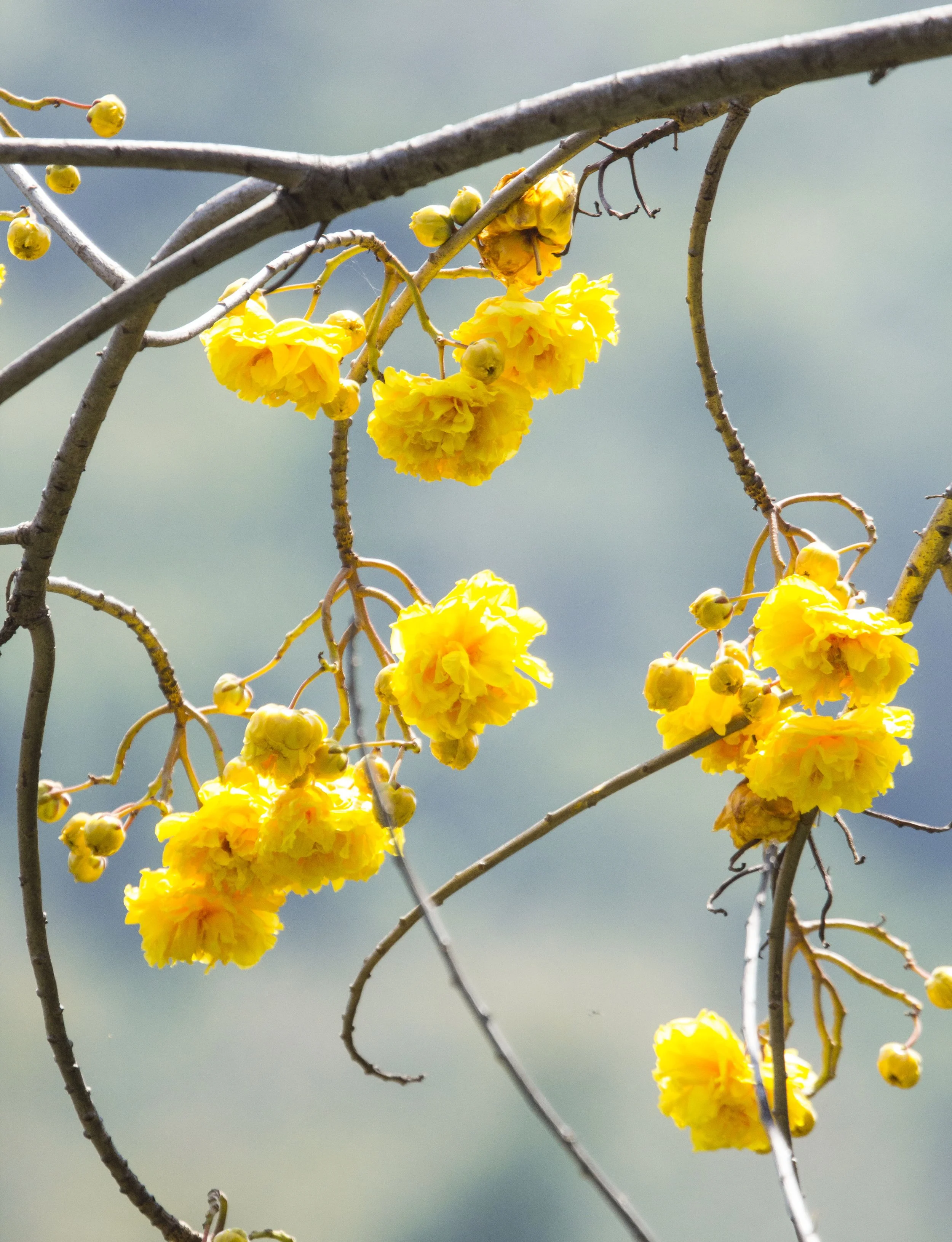
Yellow Silk Cotton Tree (Cochlospermum religiosum) seen rather commonly in Khao Yai and Pang Sida
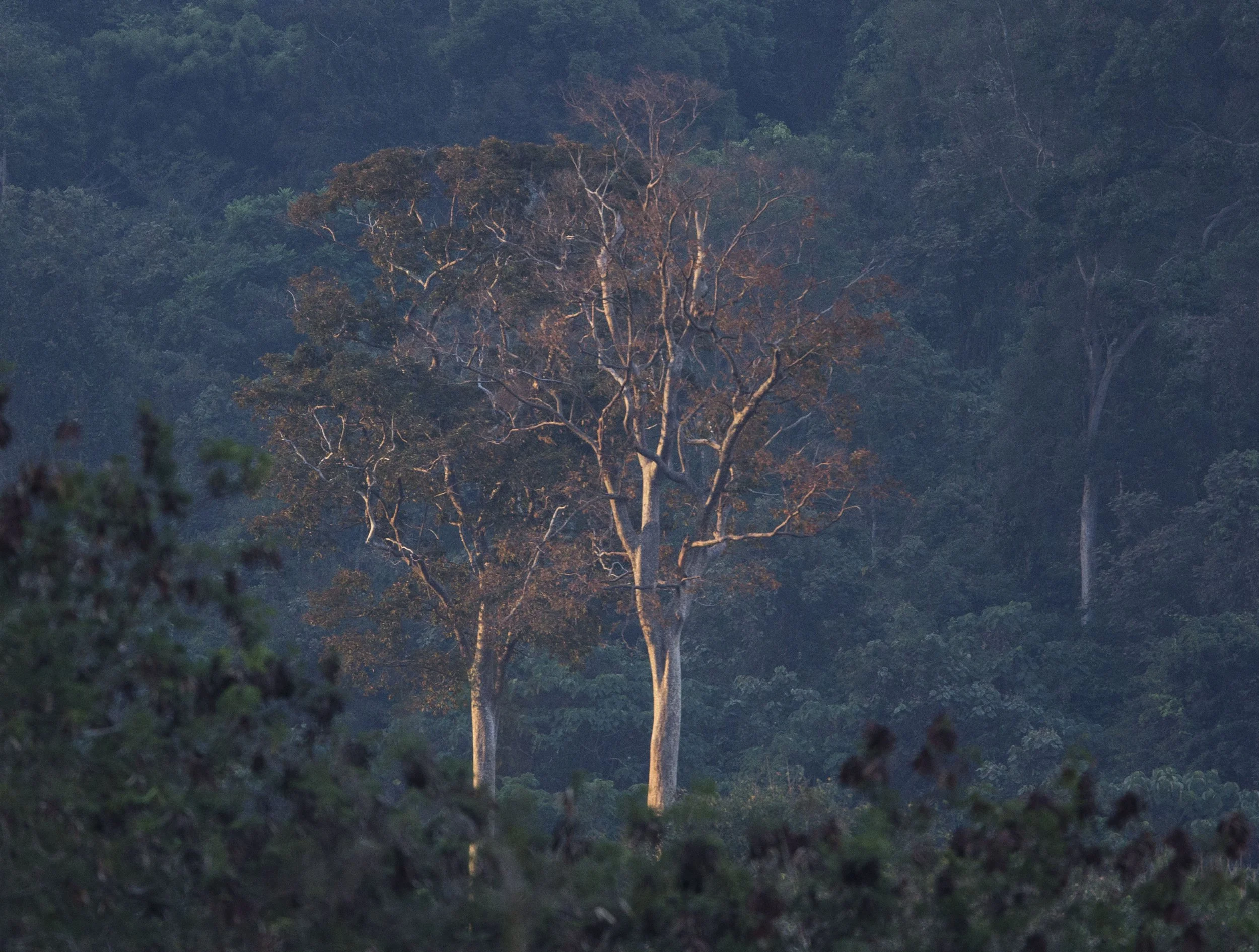
The light was just too perfect....
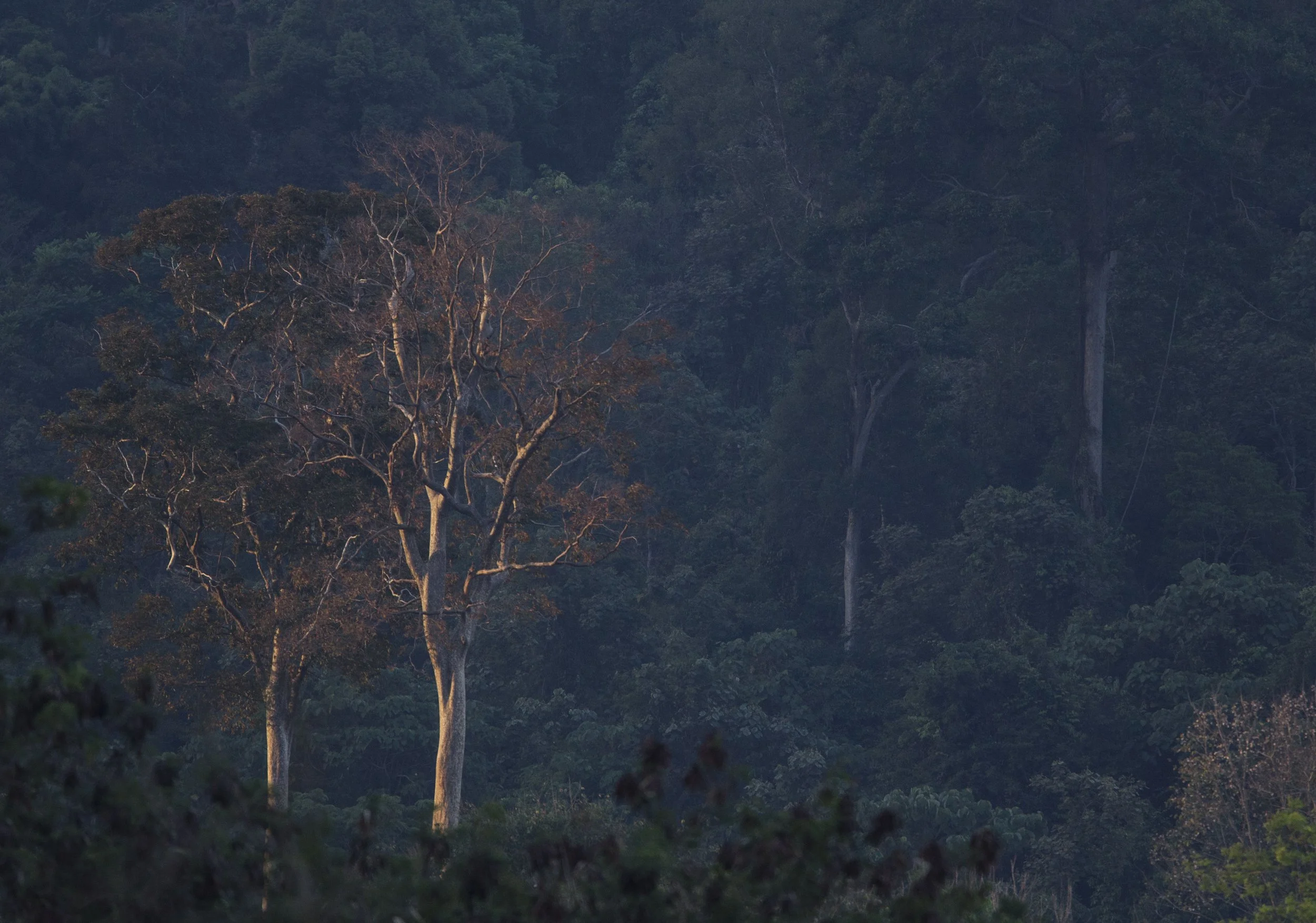

The red fruit pods of Pterolobium microphyllum, a perennial climbing shrub commonly found in Southeast Asia.

An old Liana in the dry forest of Khao Yai
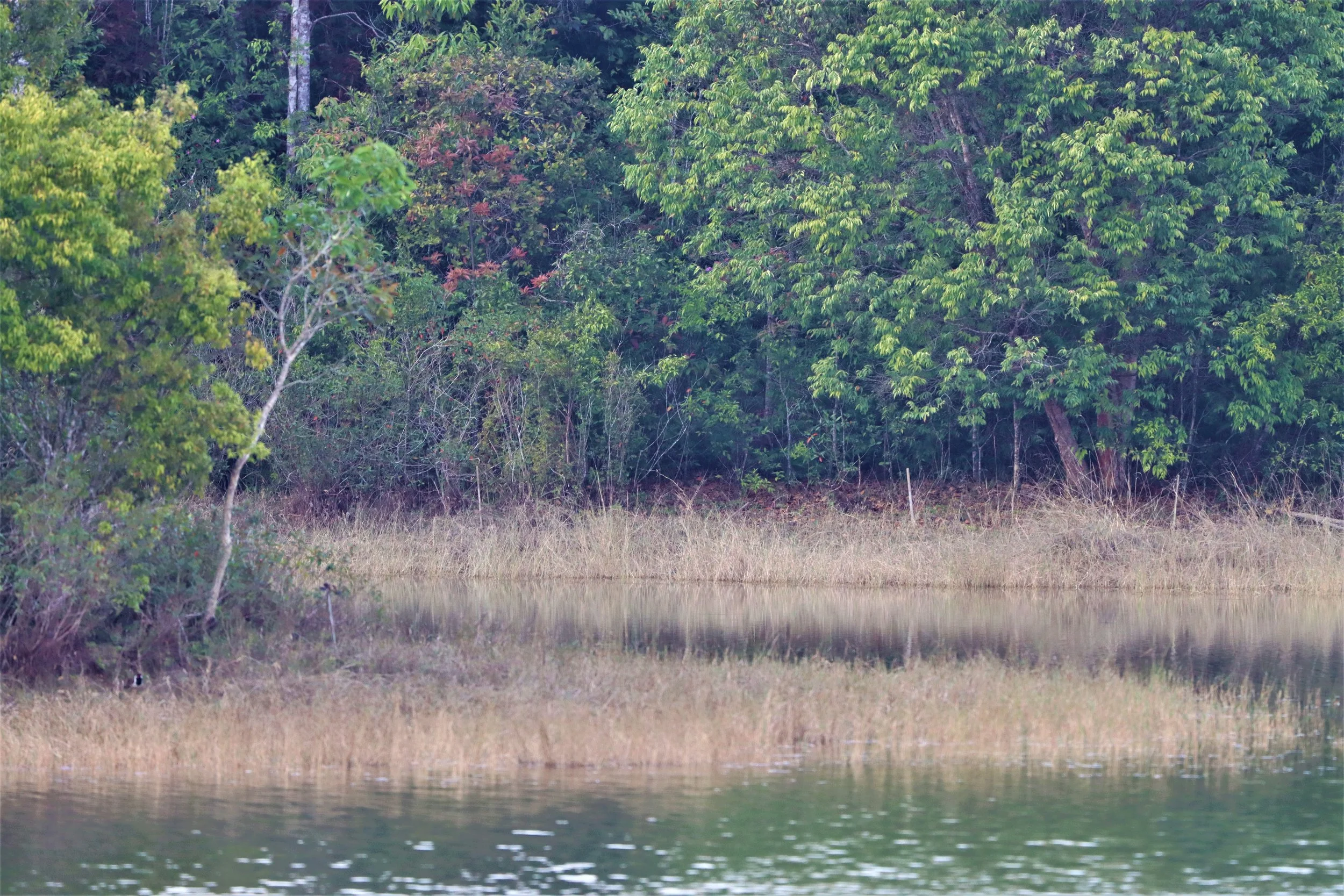
Sai Sorn Reservoir (อ่างเก็บน้ำสายศร). It is a vital water source and a popular spot for wildlife viewing, photography, and relaxing. Built by the park's first director it was purposed to provide water for the park's operations and wildlife.
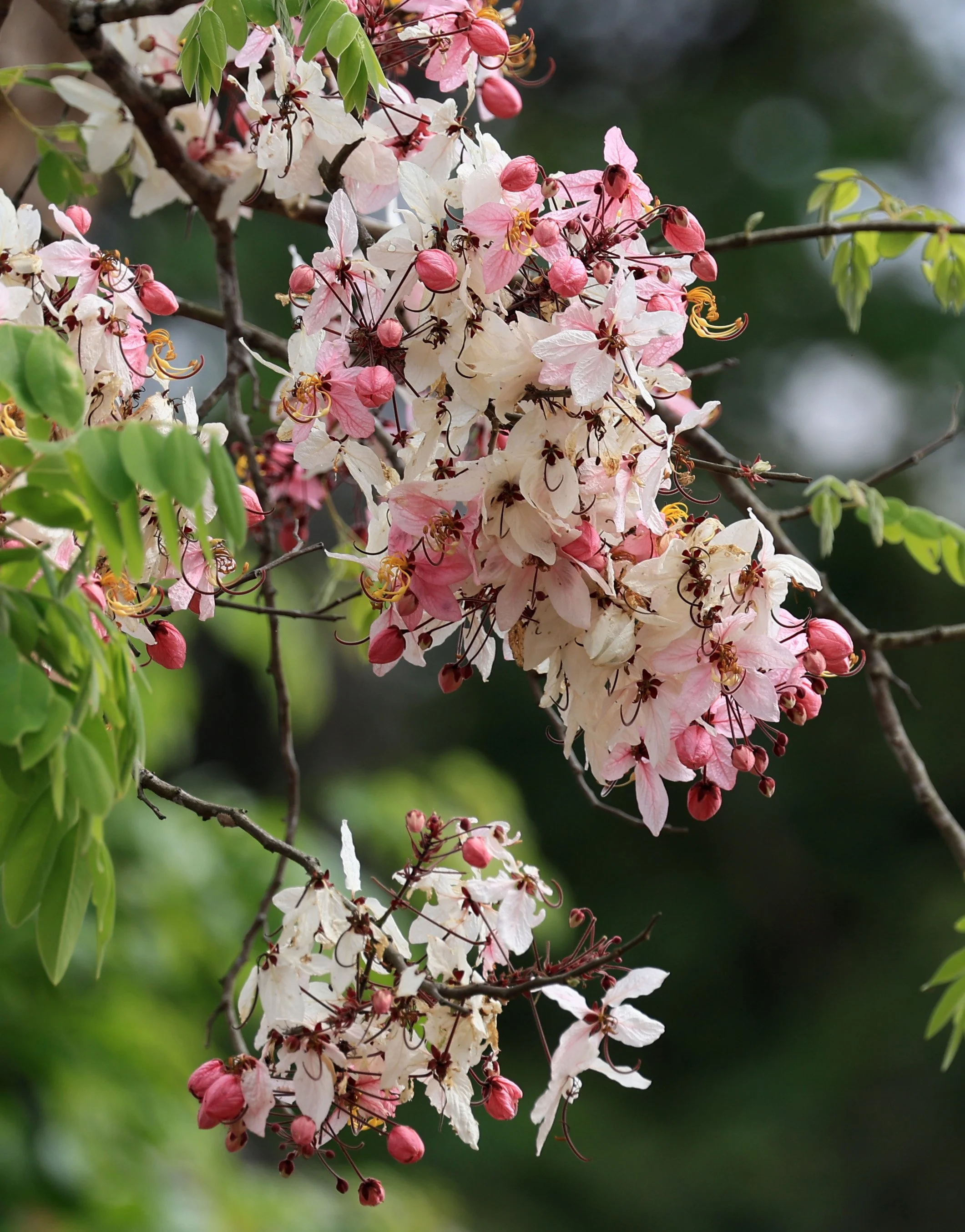
Pink Shower Tree (Cassia bakeriana or Cassia javanica).
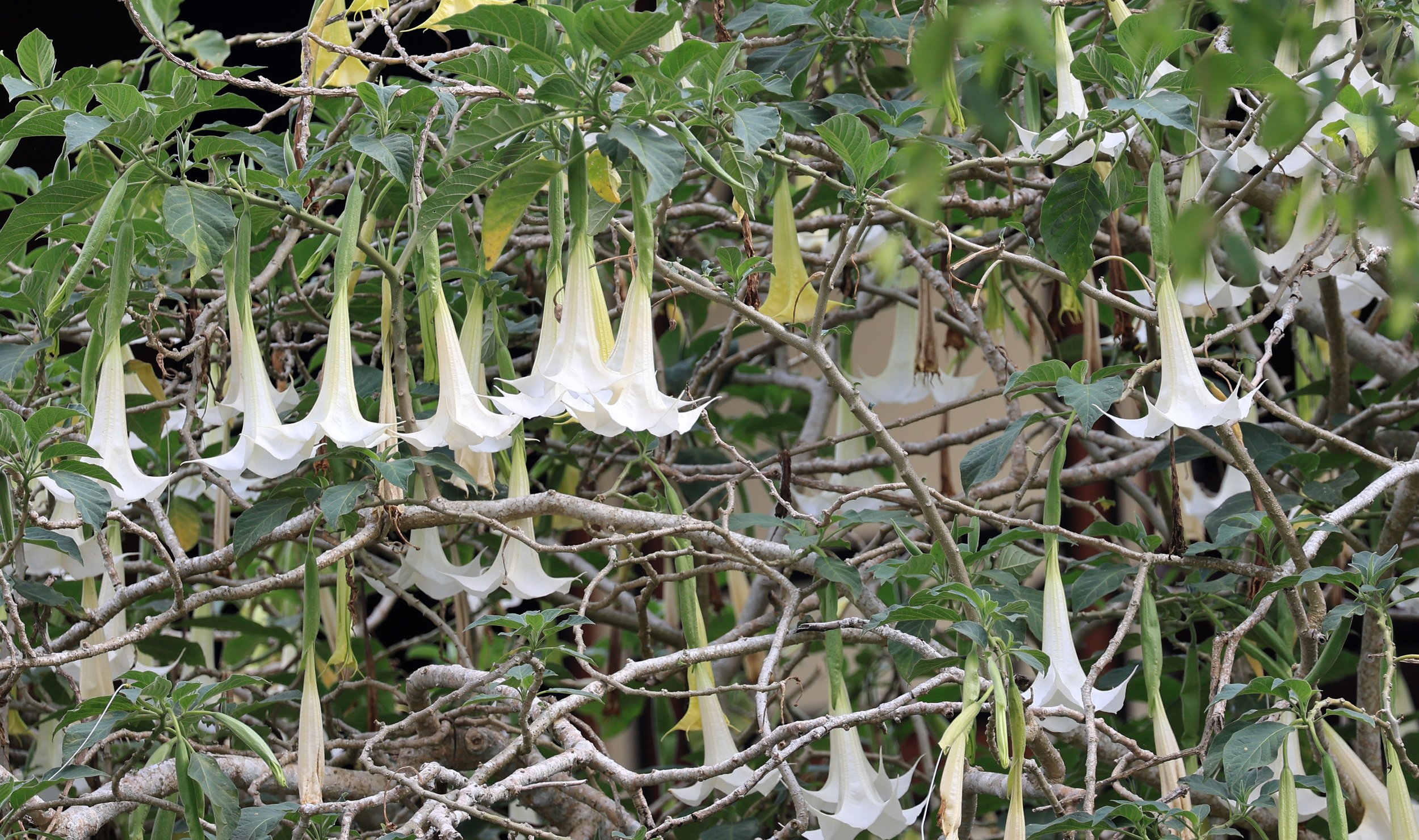
The invasive Brugmansia, commonly known as Angel's Trumpet, is a genus of seven species of highly poisonous flowering shrubs or small trees in the Solanaceae (nightshade) family, native to the South American Andes. Known for hallucinatory effects.
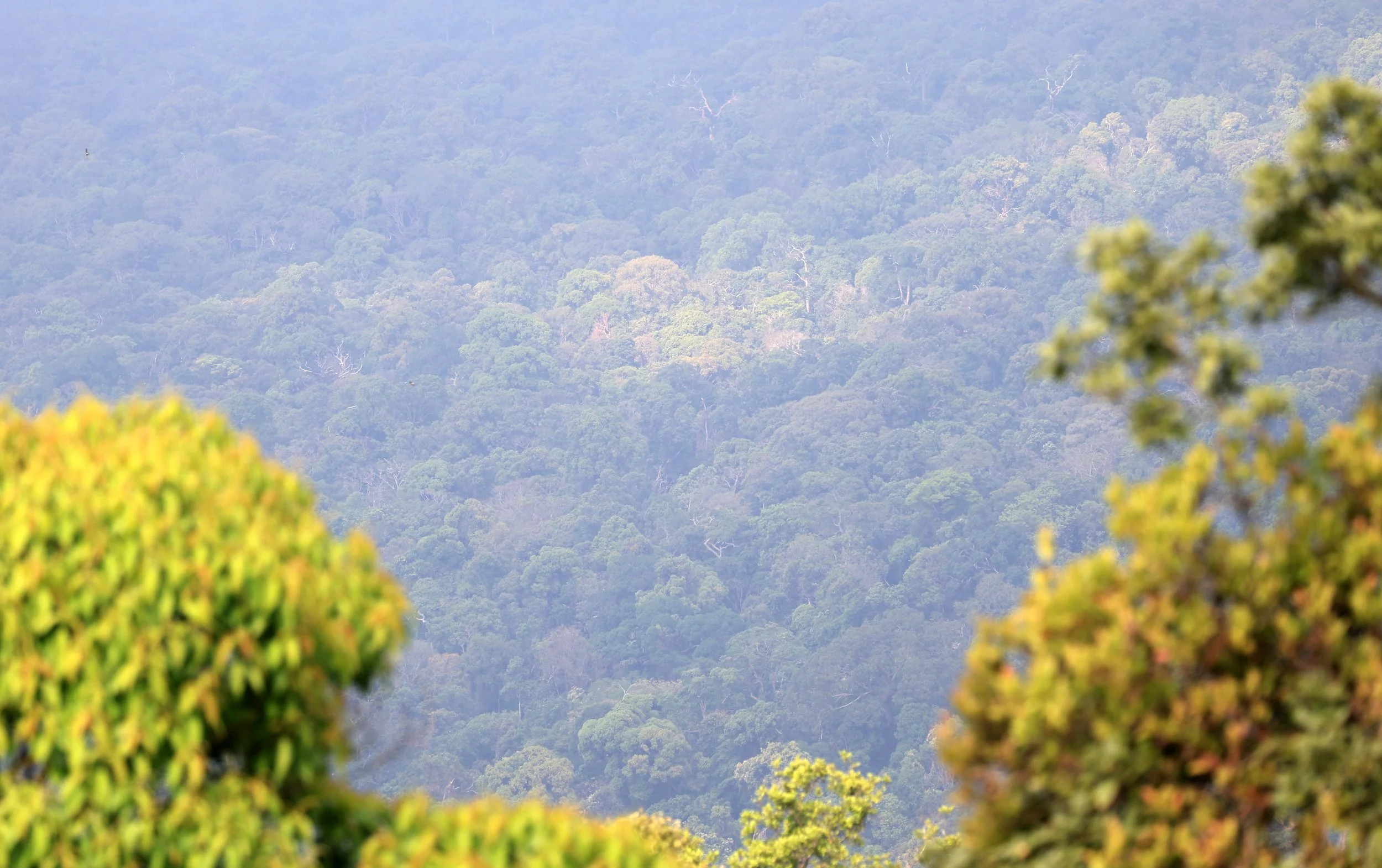
View of the Dry Evergreen Forest from Khao Kiew.
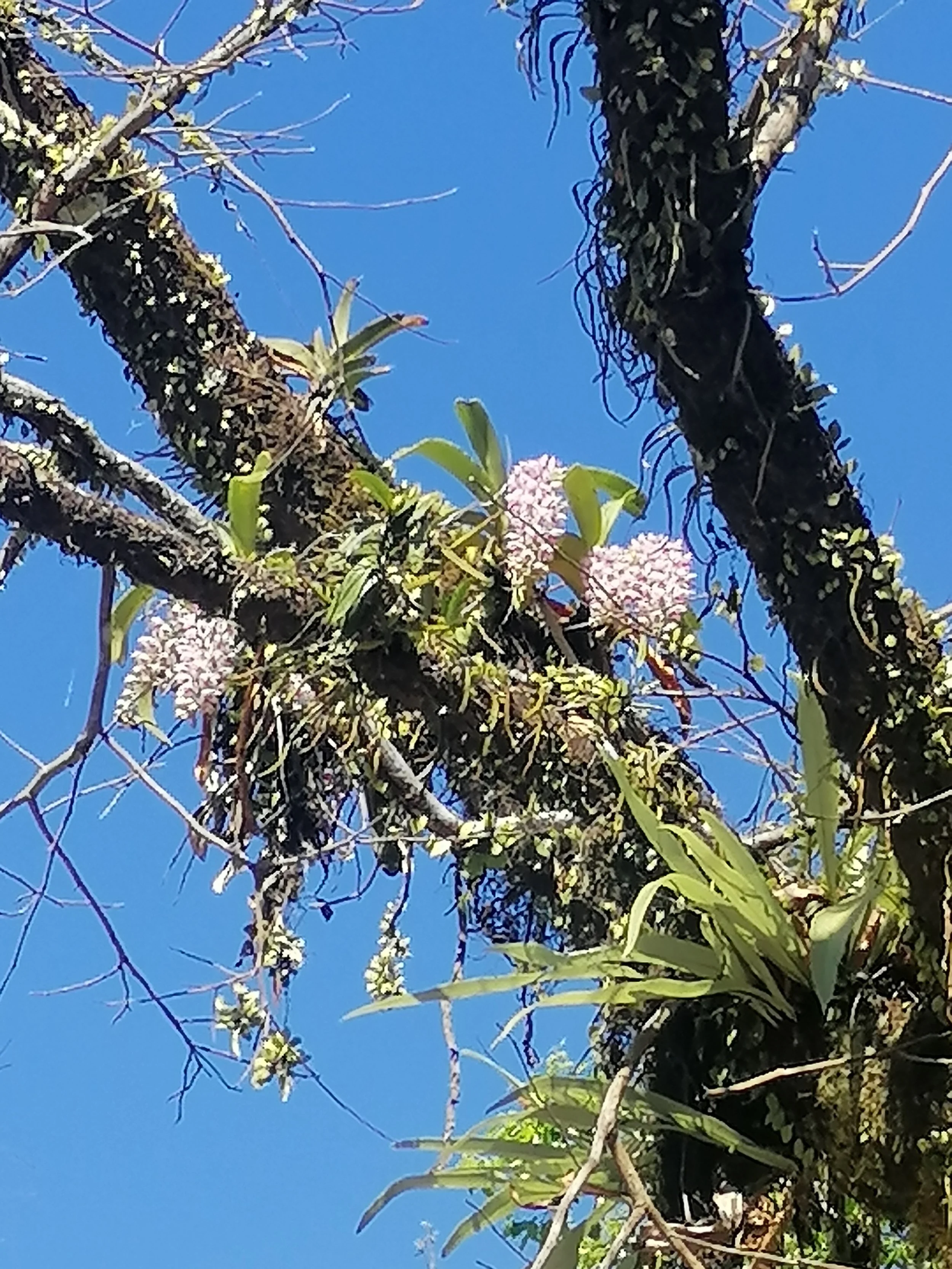
Rhynchostylis retusa orchid blooming in the canopy.
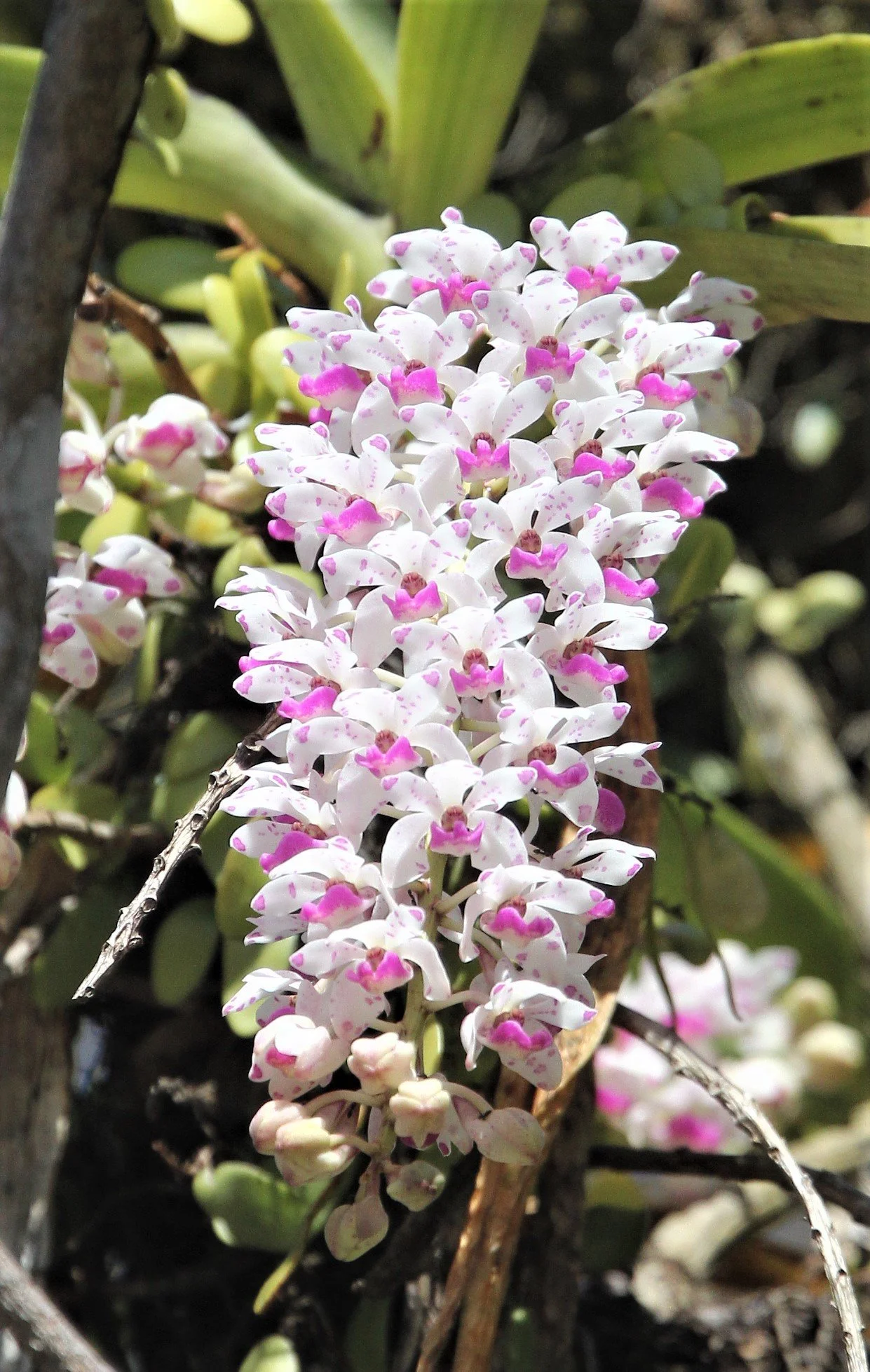
Rhynchostylis retusa orchid, commonly known as a foxtail orchid.
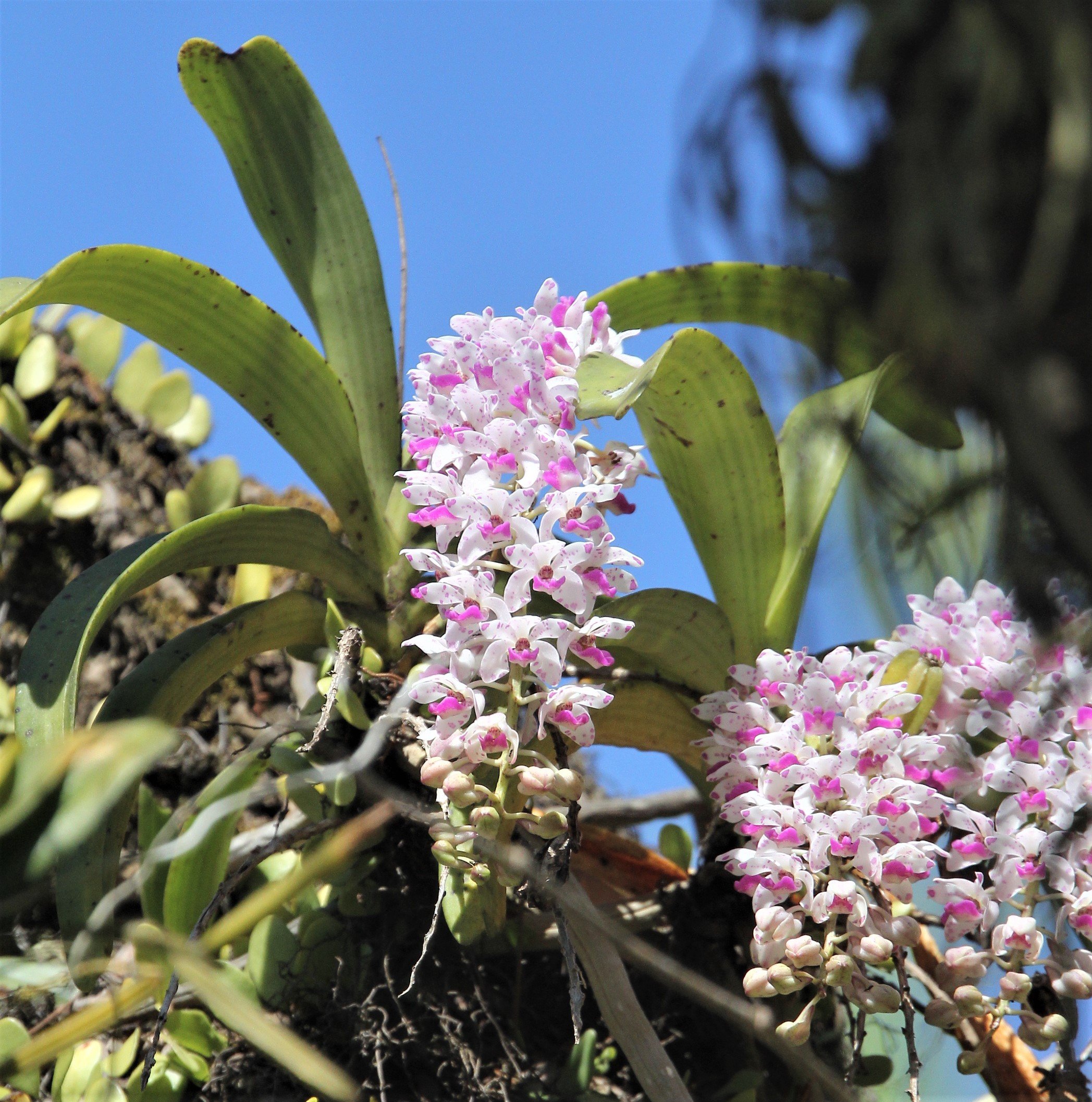
One of my favorite epiphytic orchids in Khao Yai is Rhynchostylis retusa orchid, commonly known as a foxtail orchid.

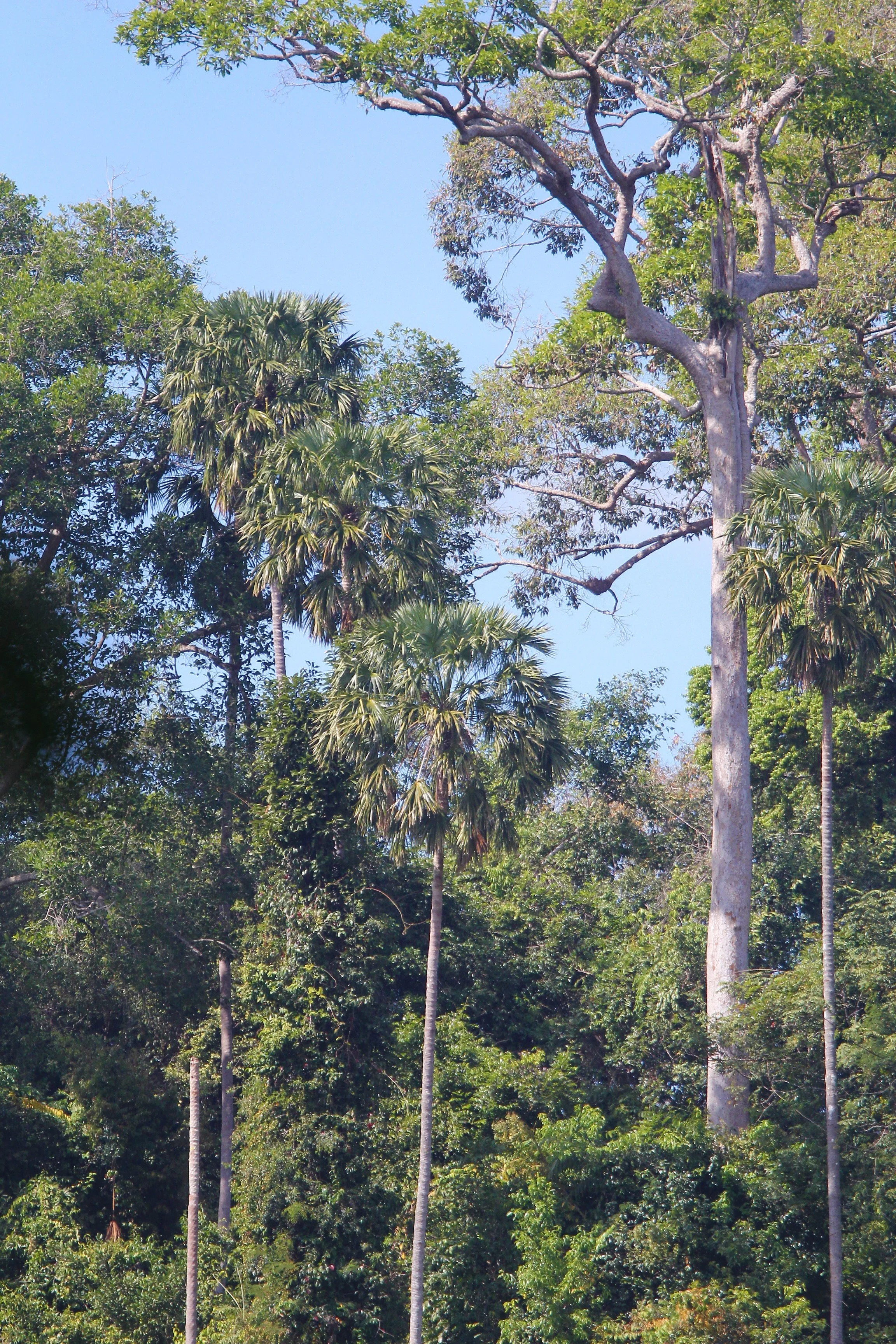
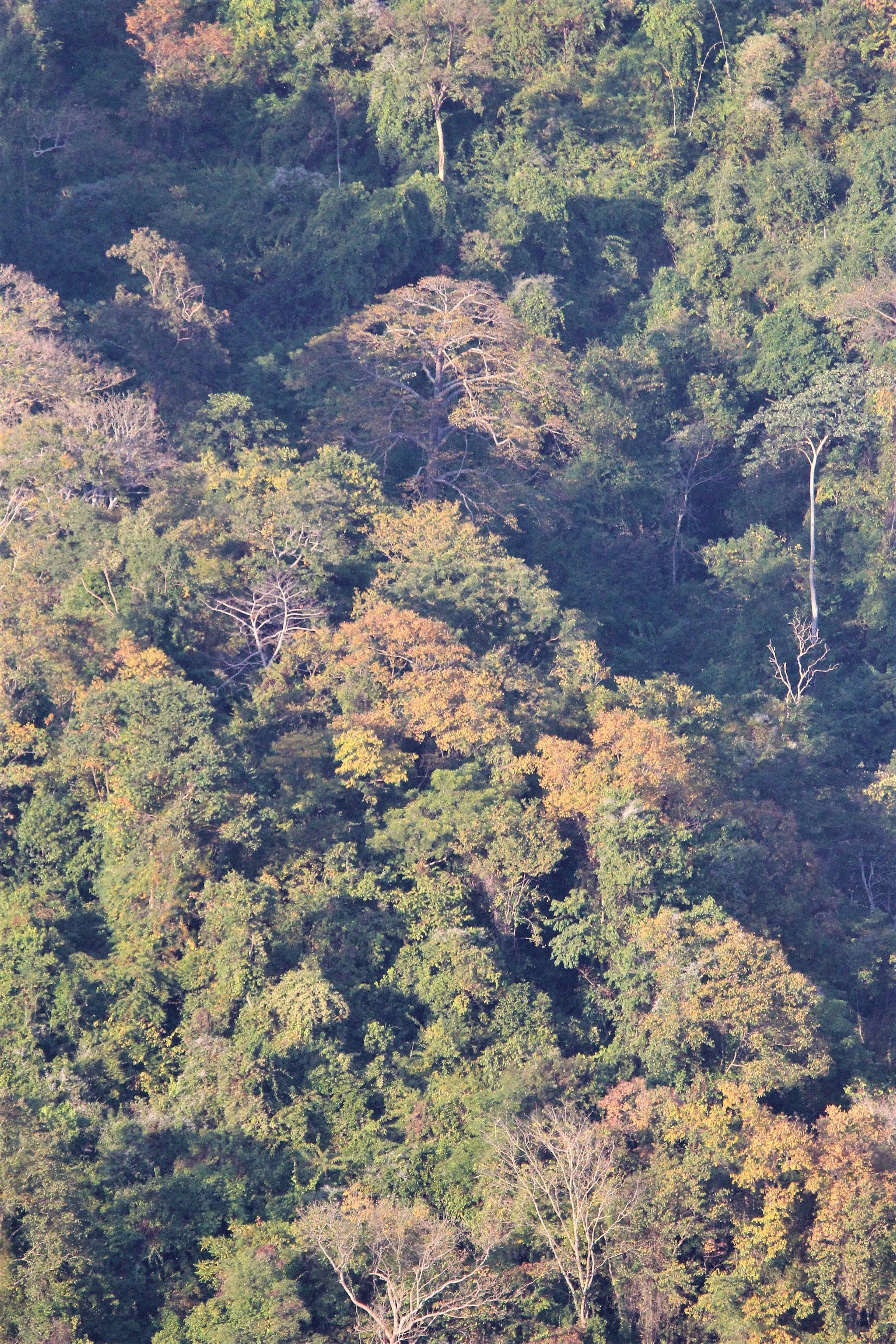
The Dipterocarp dominant Dry Evergreen Forest are the most common forest type in the Eastern Forest Complex
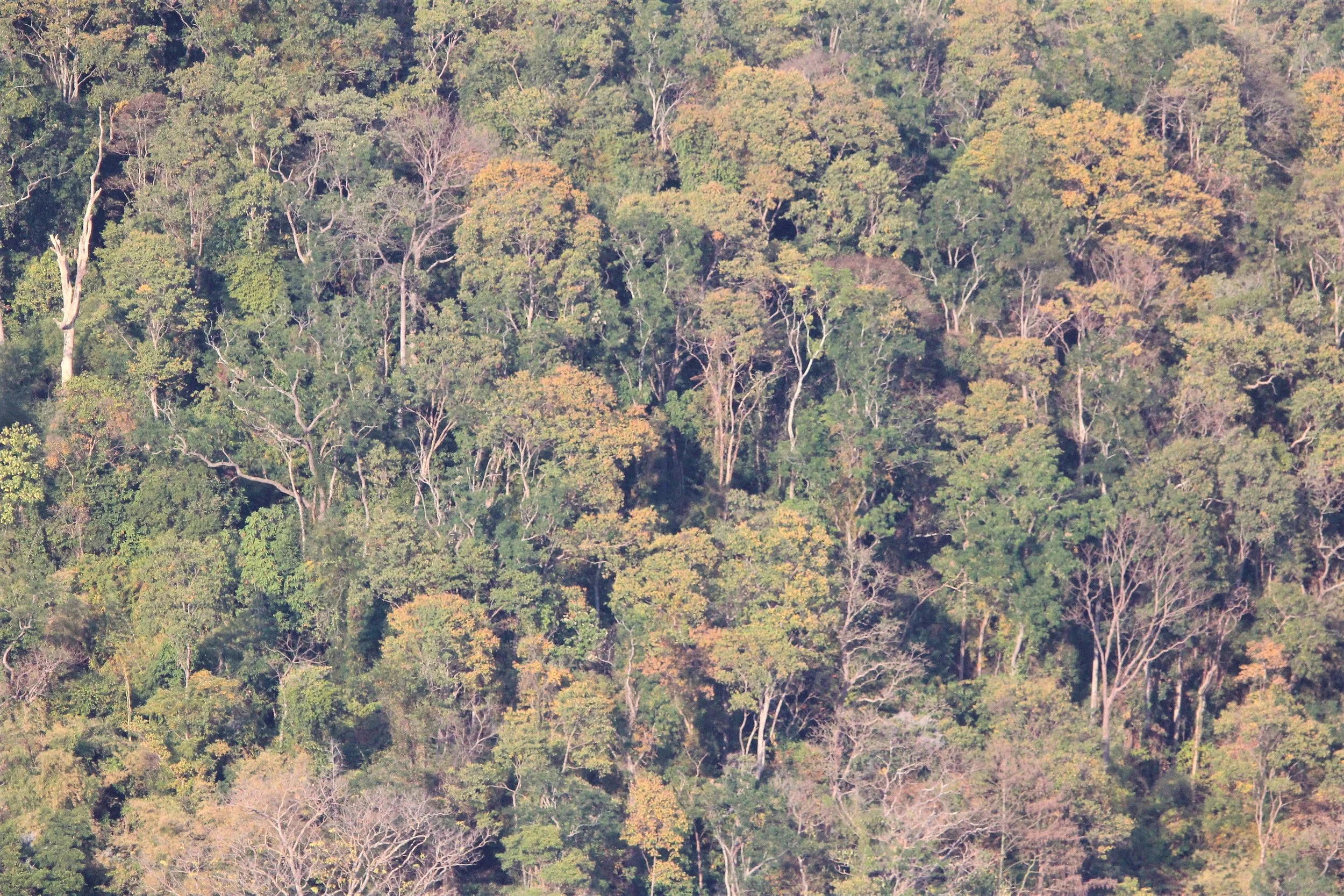
Incredible bird's eye view of the Dry Everygreen Forest
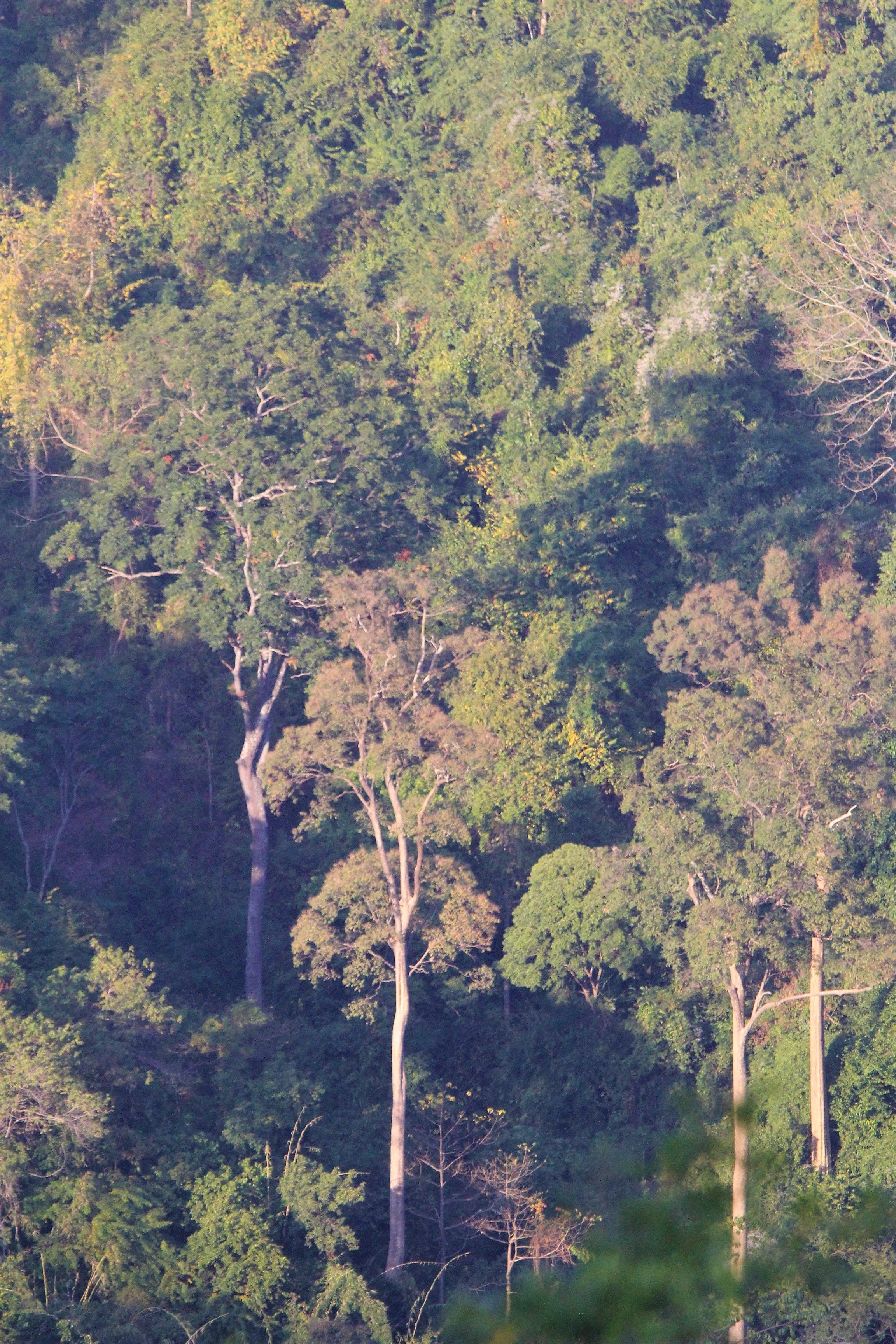
Spectacular Dipterocarp emergents in the Dry Evergreen Forests of Khao Yai
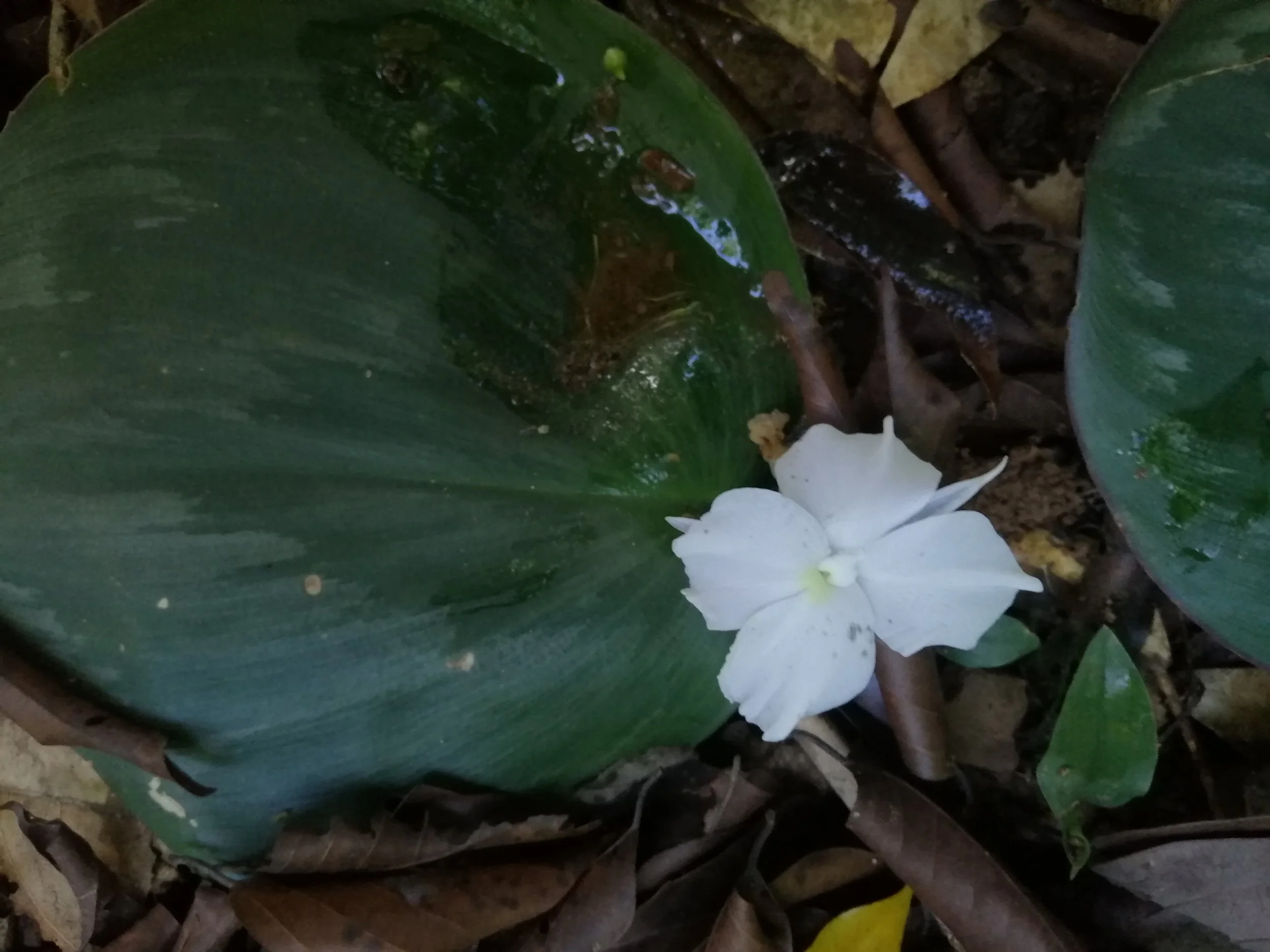
Kaempferia koratensis is an endemic to the Korat Plateau and has no English common name.

Mixed Deciduous Forest is found at 400-600m above sea level, this forest covers 459.84 sq km, or 21% of the forest. The trees are deciduous perennials such as Afzelia xylocarpa, Pterocarpus macrocarpus, Melia azedarach (Chinaberry), Lagerstroemia floribunda (Thai Crape Myrtle) and Wrightia religiosa (water jasmine). In the undergrowth throughout the forest are found bamboos and grasses and standing stones.
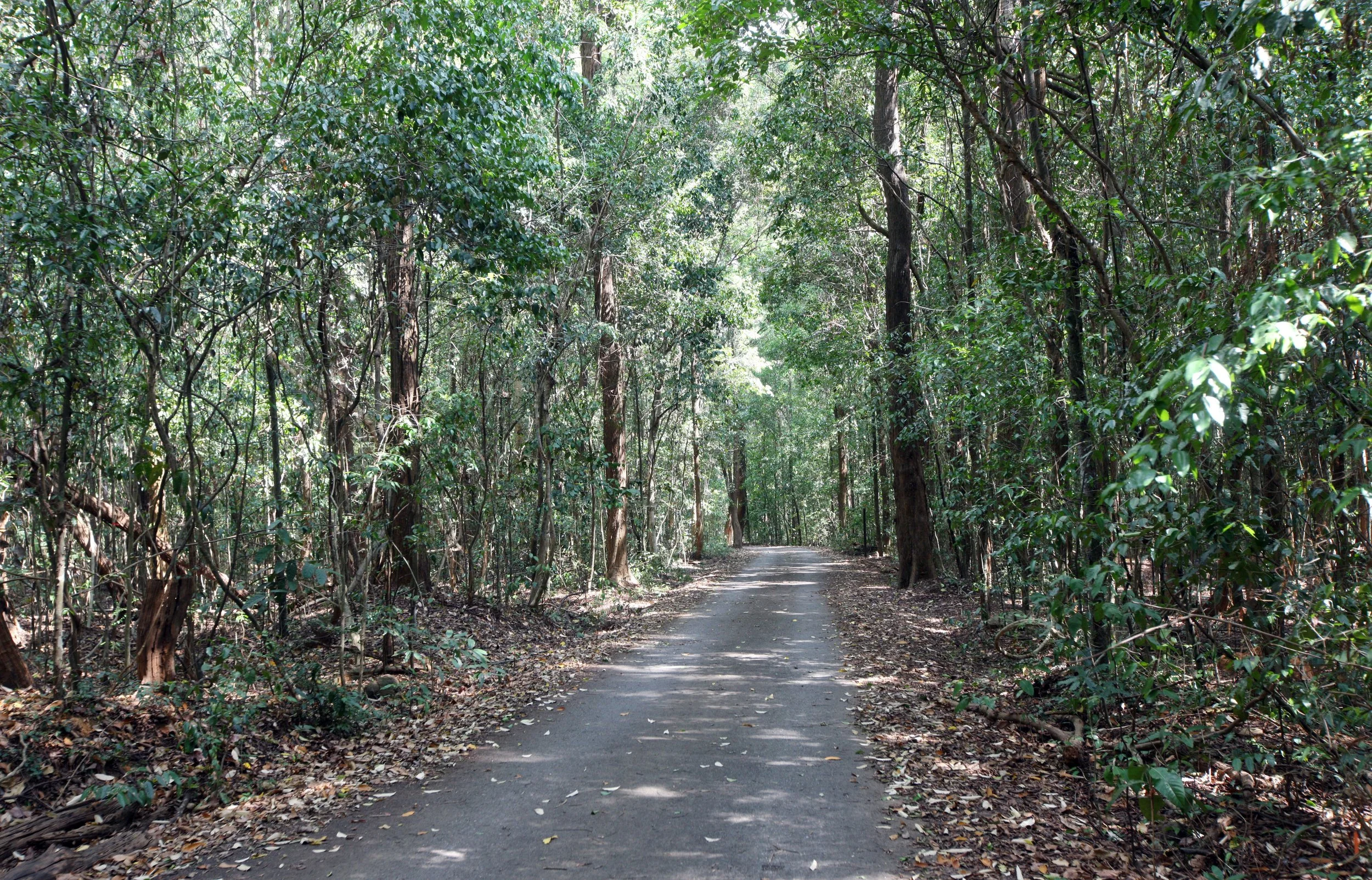
In the dry season most trees shed their leaves to leave the canopy looking open, and wildfires are common. However, when the rains come back, the trees grow verdant leaves as before.
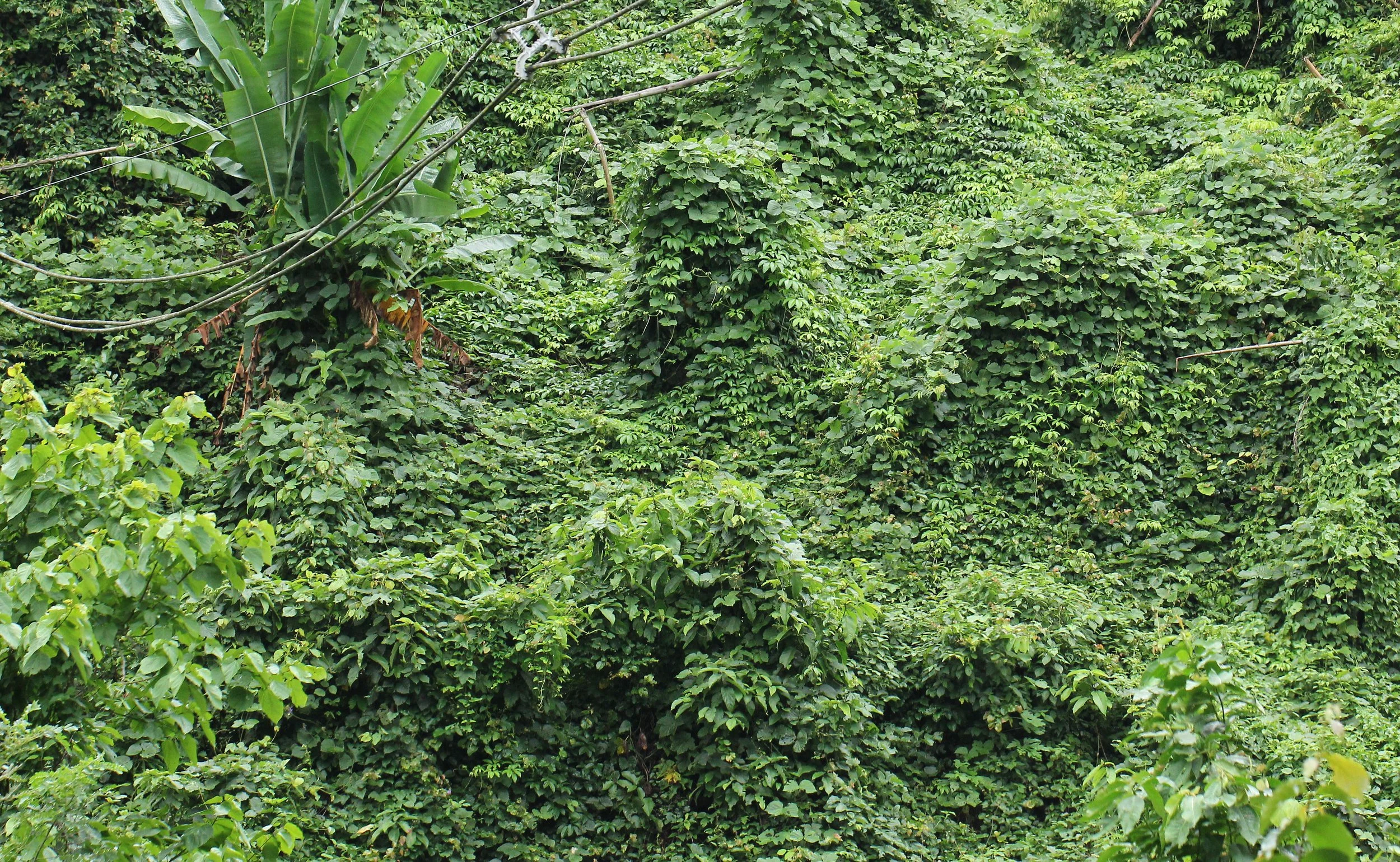
Invasive vines like Neonotonia wightii and or possibly Kudzu (Pueraria montana) are strangling significant sections of perimeter of the Eastern Forest Complex.
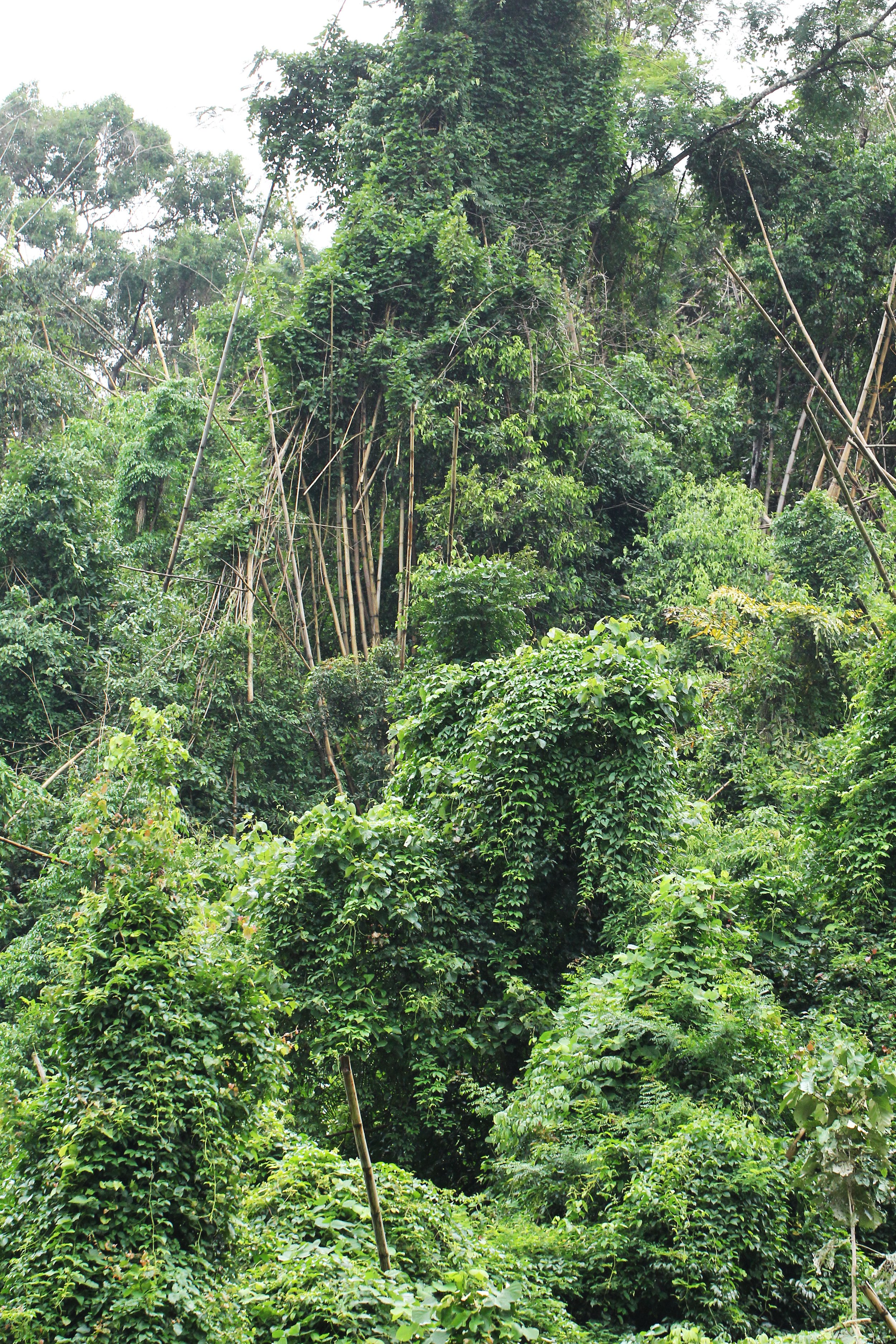
Note how this invasive vine species is literally enveloping the forest from top to bottom. The "edge effect" iexemplified here but in a very negative and destructive way. Every time if visit Khao Yai, the invasive vines penetrate deeper and deeper into the forest and make me wonder how much longer Khao Yai's magnificent forests have.
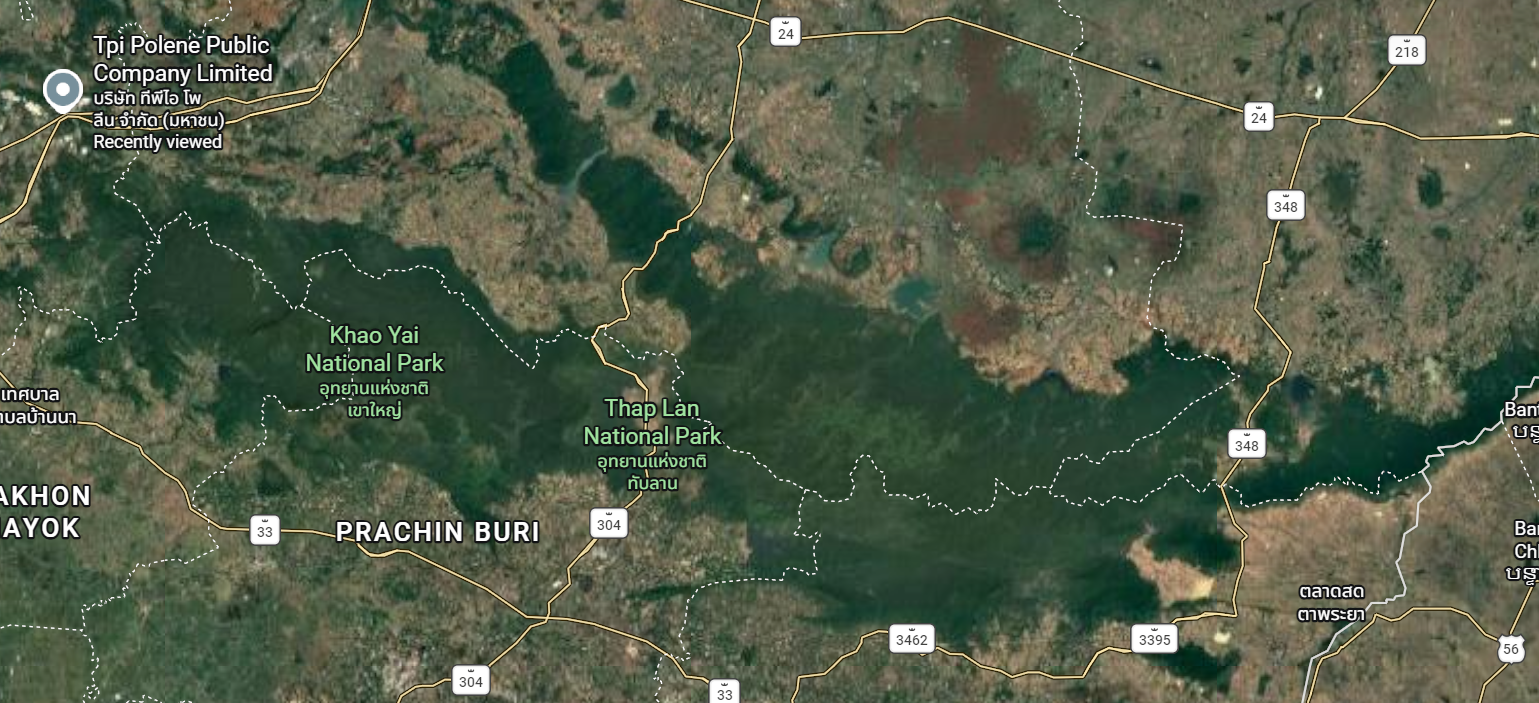
Satelite Map of the DPKY
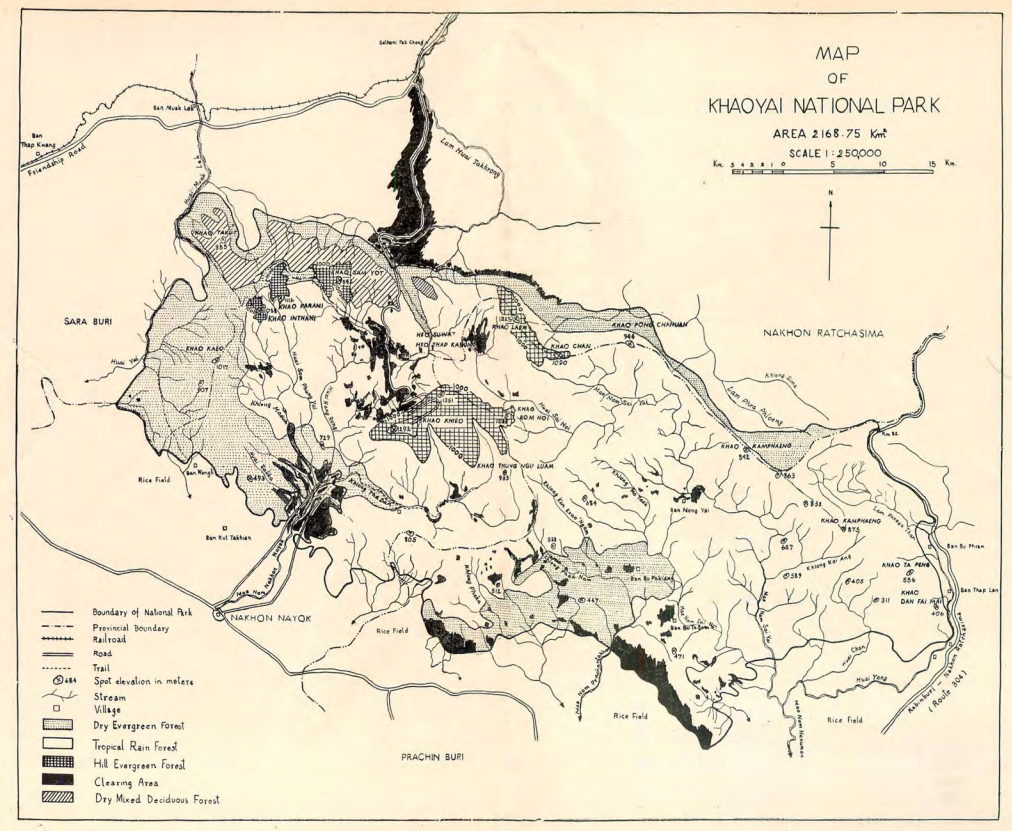
Vegetation map of Khao Yai from an old text but still quite accurate. Link to original article on image.
Fauna of the DPKY
Mammals
My main objective for visiting Khao Yai and other units of the DPKY is of course to see some of Southeast Asia’s amazing fauna as well as get some fresh air and some “in-nature-time”. I’ve had very good luck with spotting many of the mammal species that this part of the world is famous for. The gallery below highlights some of the mammal species I’ve been fortunate to document over the years of visiting the area. In keeping with the theme of my entire website, the gallery is not meant to be a show of my best photographic work, rather it is a series of images that were actually taken inside the DPKY itself with one exception noted below.
The complex supports a regionally important population of Asian elephants (Elephas maximus indicus), with regular viewing in Khao Yai’s grasslands and along salt licks, and roaming herds in Thap Lan and Pang Sida that depend on seasonal fruiting and grass flushes. Arboreal primate soundscapes come from white‑handed gibbon (Hylobates lar) and pileated gibbon (H. pileatus), whose range overlap here is a World Heritage value; carnivores include dhole (Cuon alpinus), clouded leopard (Neofelis nebulosa), and both sun (Helarctos malayanus) and Asiatic black bears (Ursus thibetanus). Over the years I have seen all of these species and many more. I hope I have many more years of viewing to look forward to! [khaoyainat...alpark.com], [aseanbiodi...ersity.org][whc.unesco.org], [datazone.b...rdlife.org]
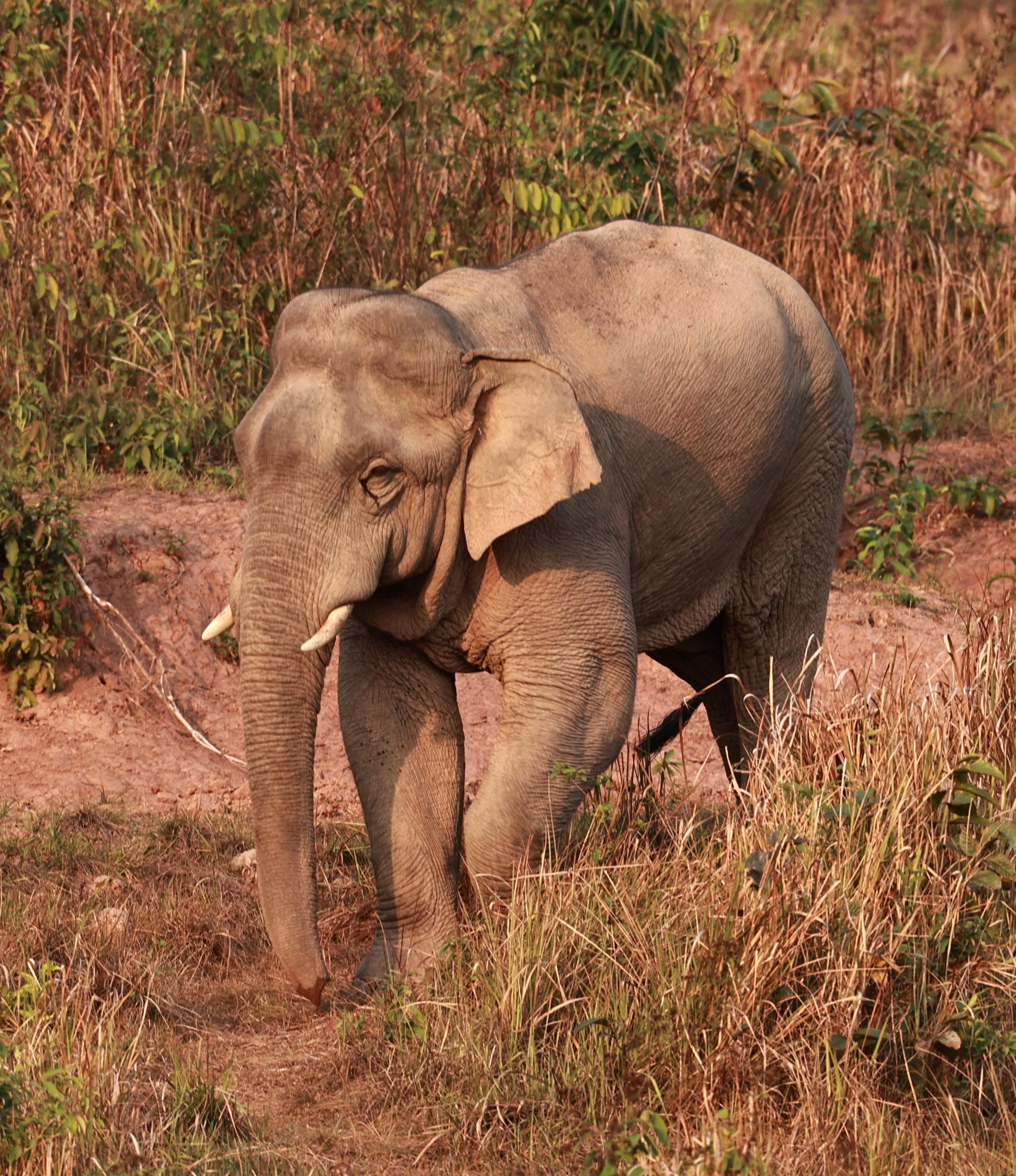
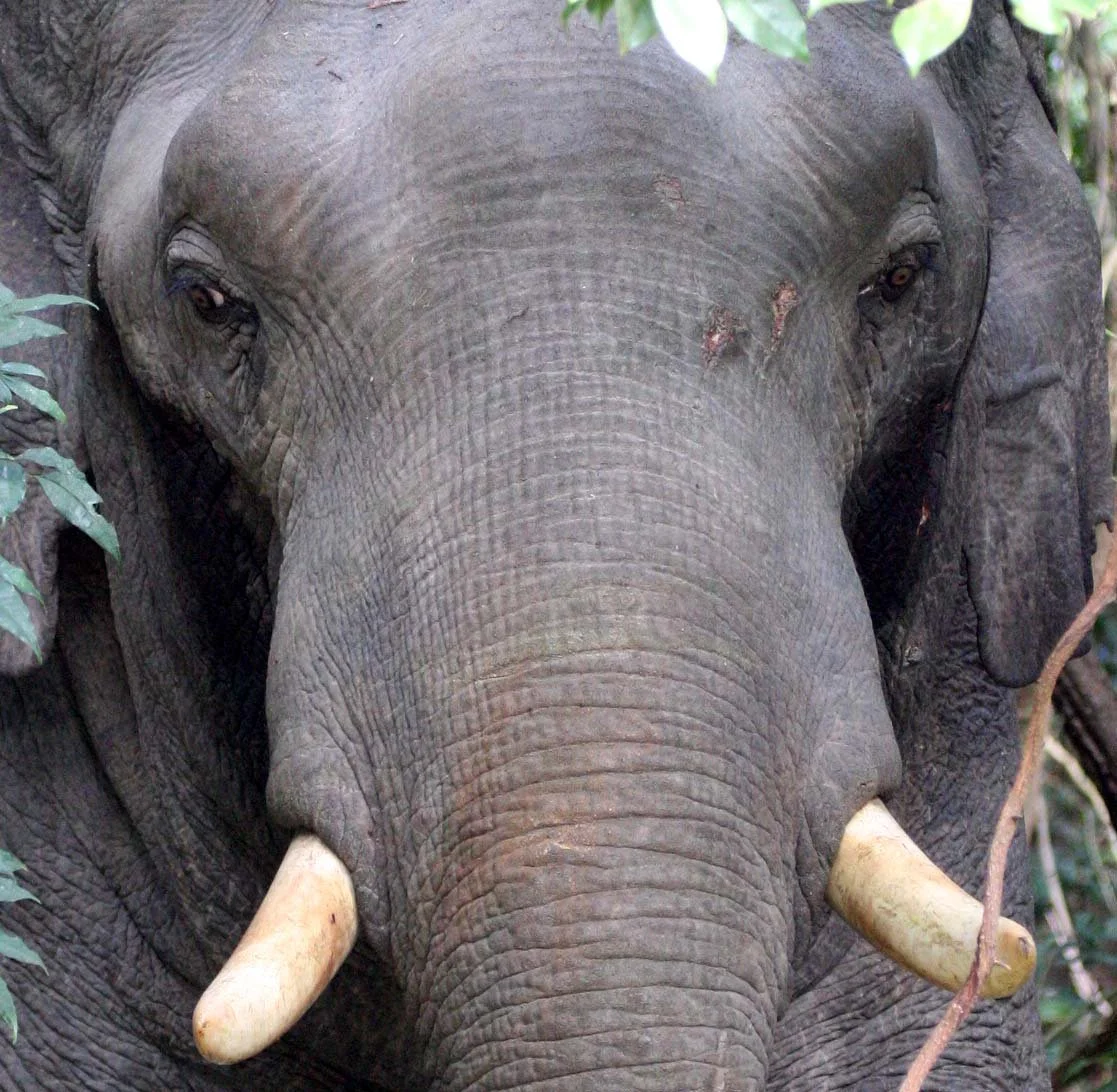
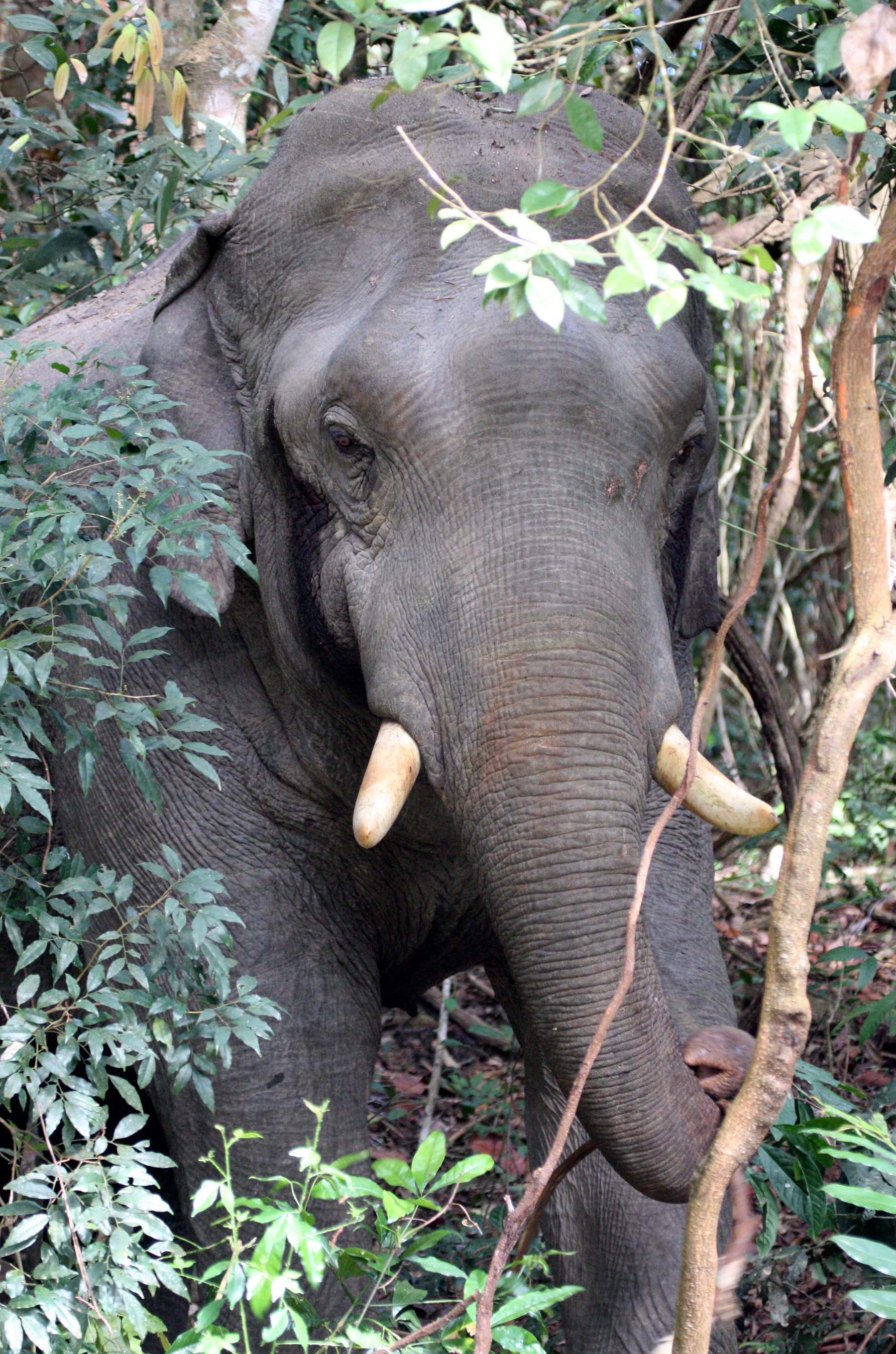
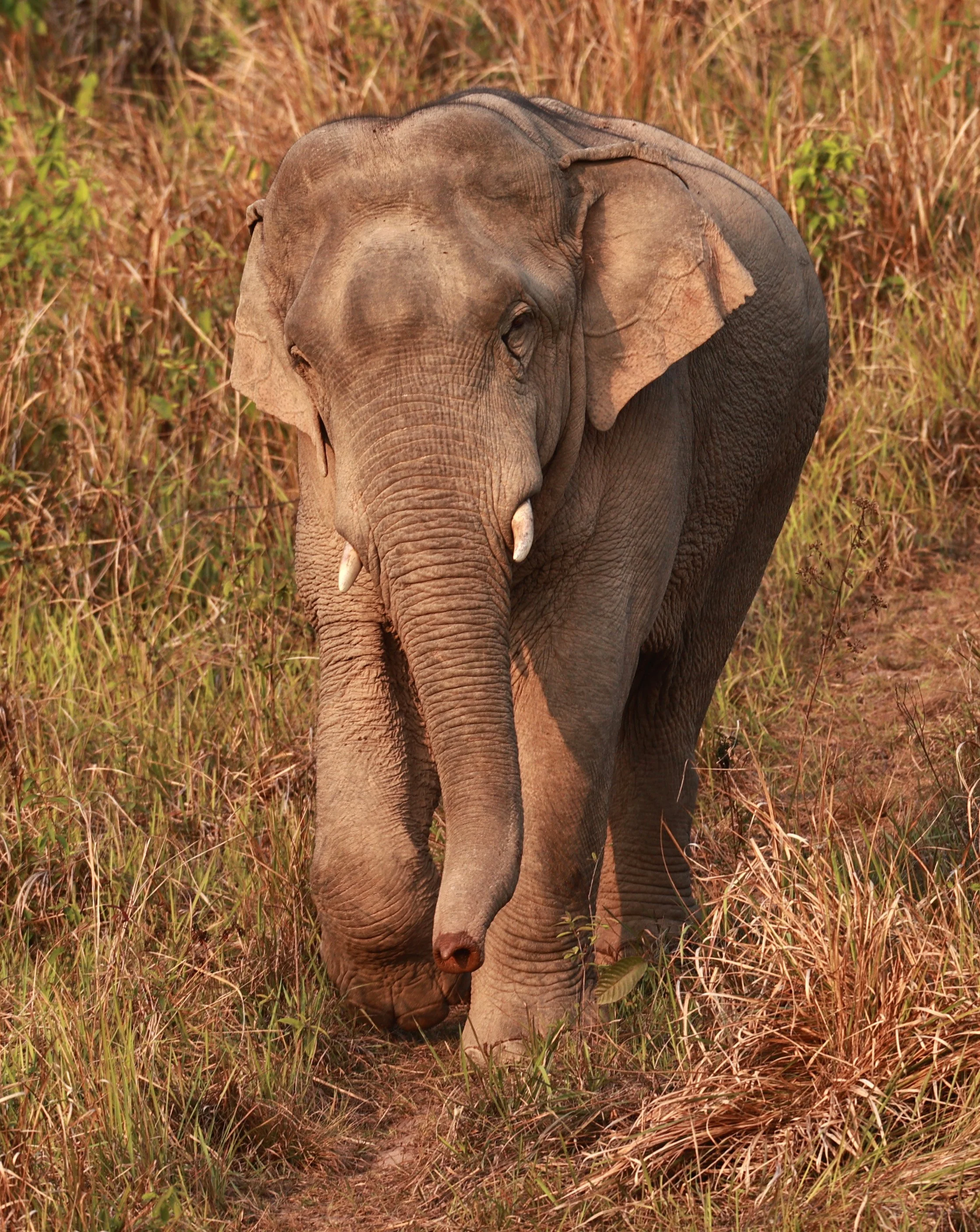
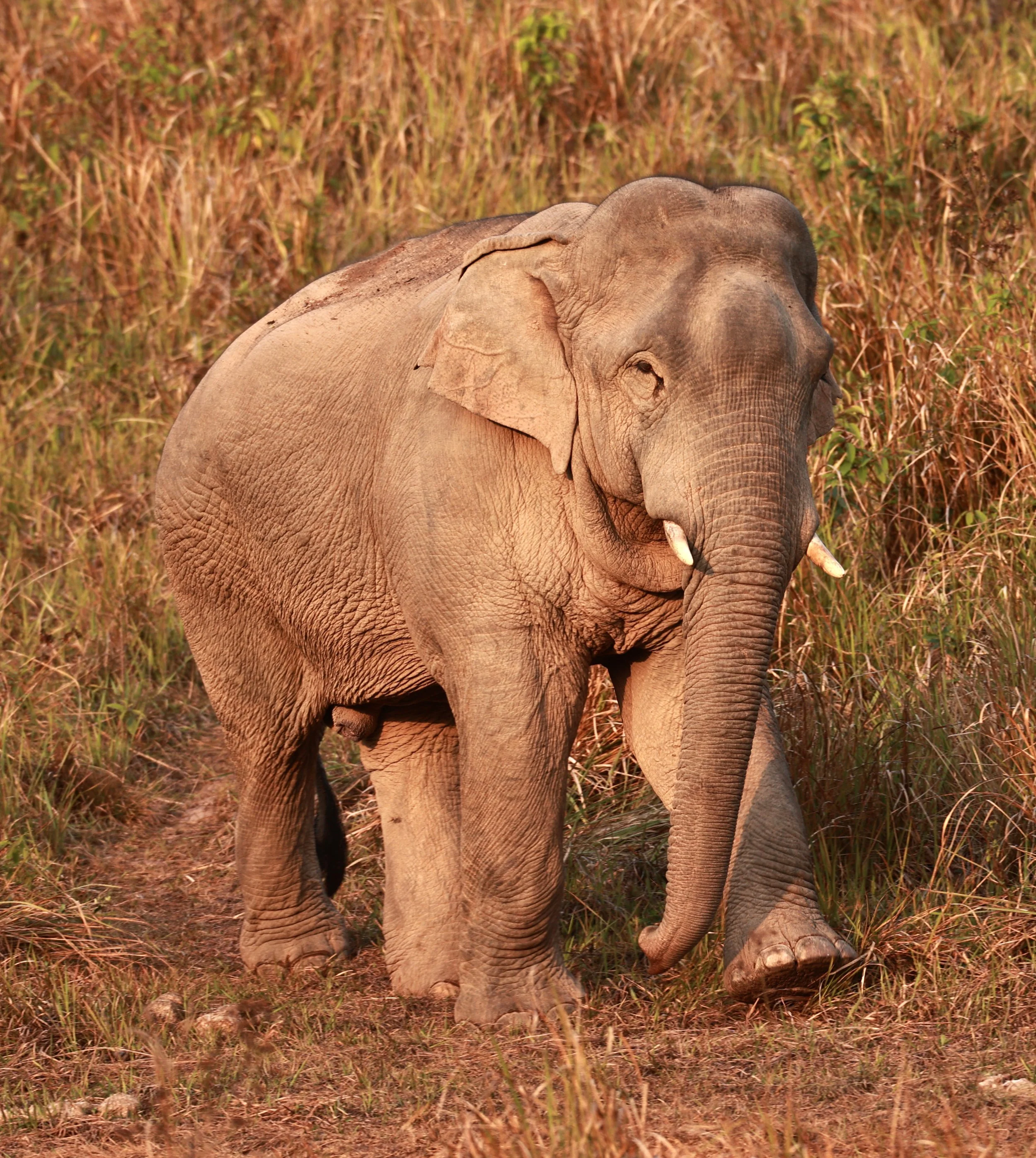
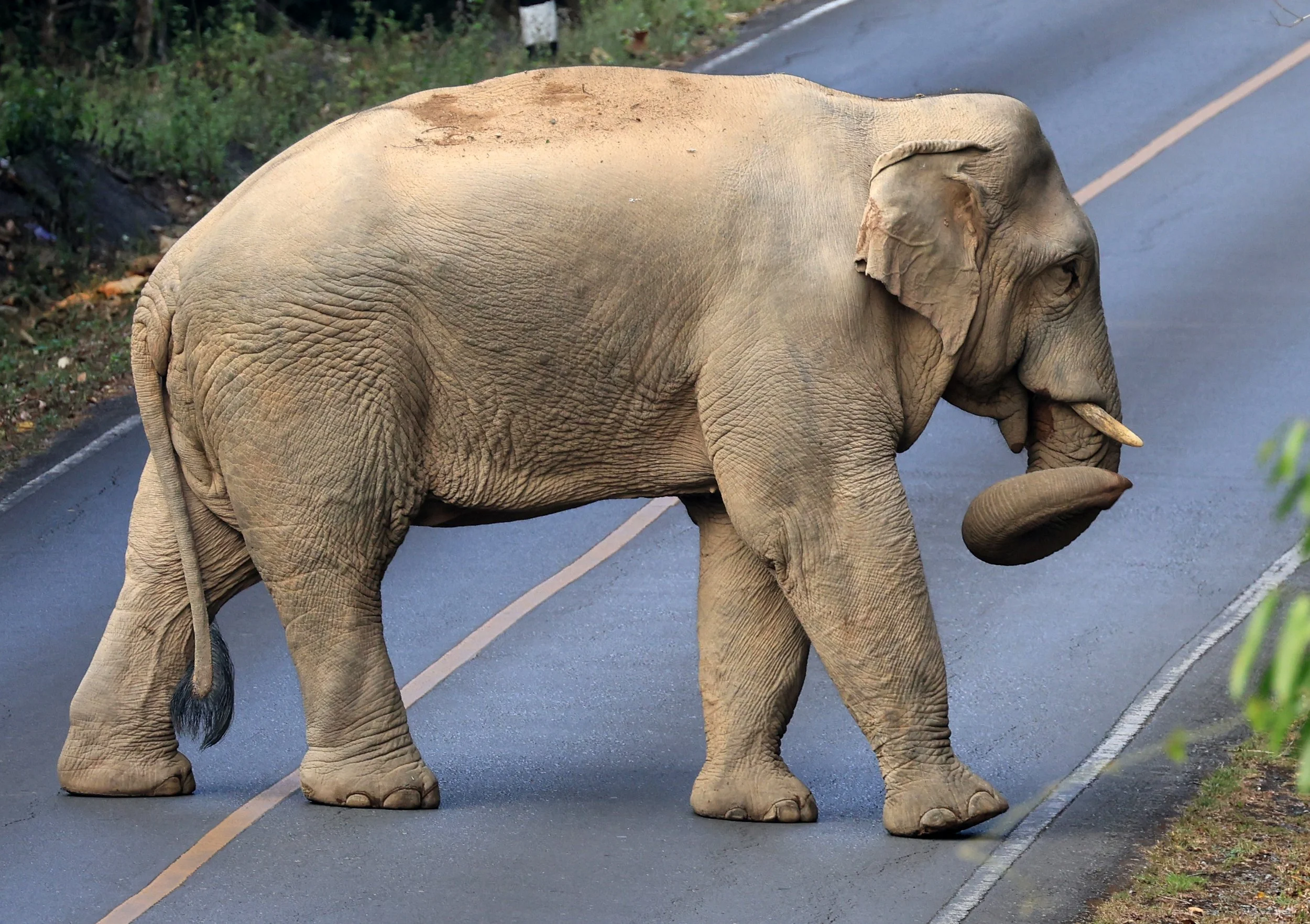
No doubt the rock star of any trip to see Khao Yai's wildlife is the Asian Elephant (Elephas maximus indicus)
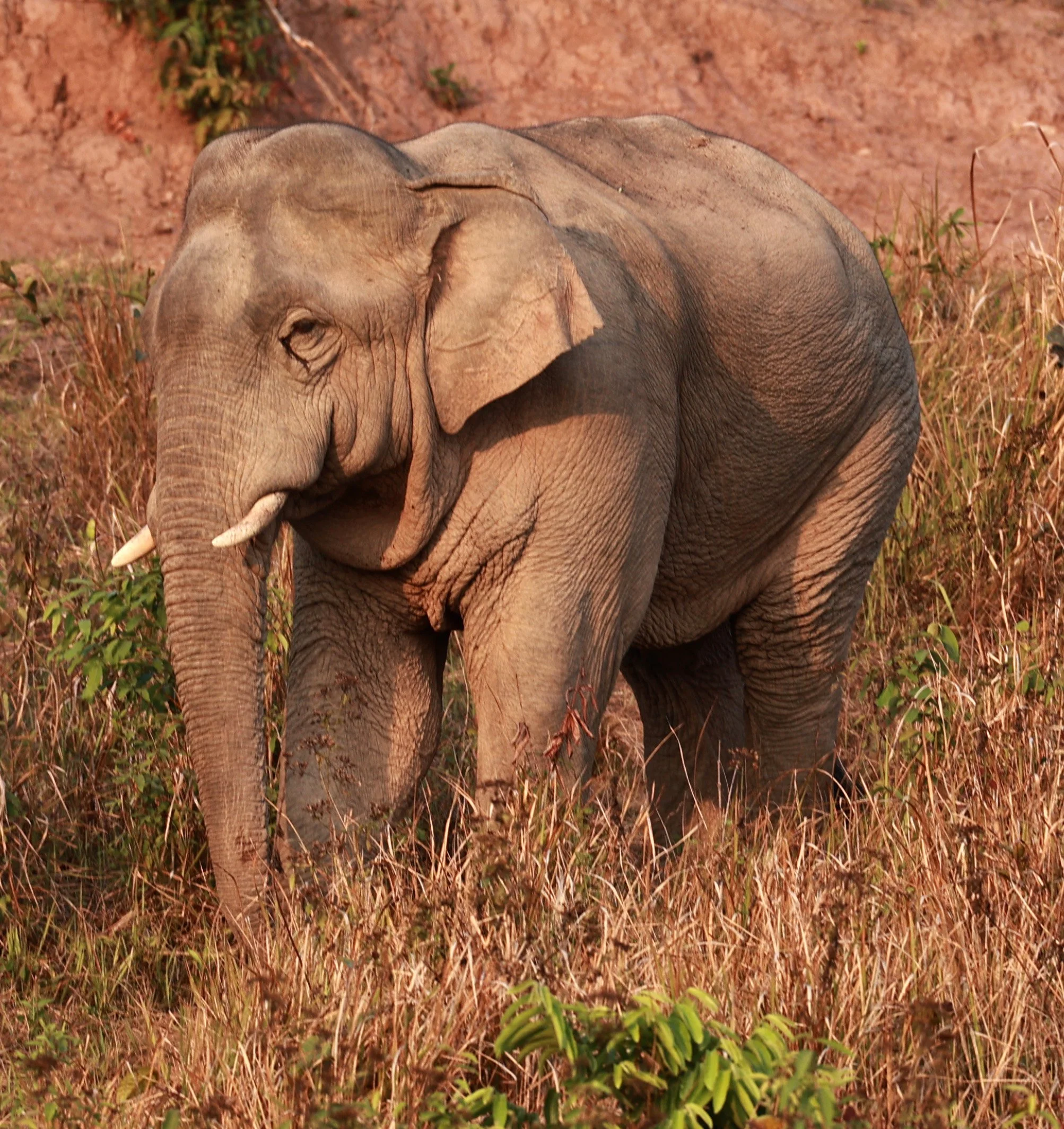
Numbers in Khao Yai range from 150 to 300 elephants and up to 500 total for the DPKY, these protected individuals comprise roughly 10% of Thailand's total population of wild elephants.
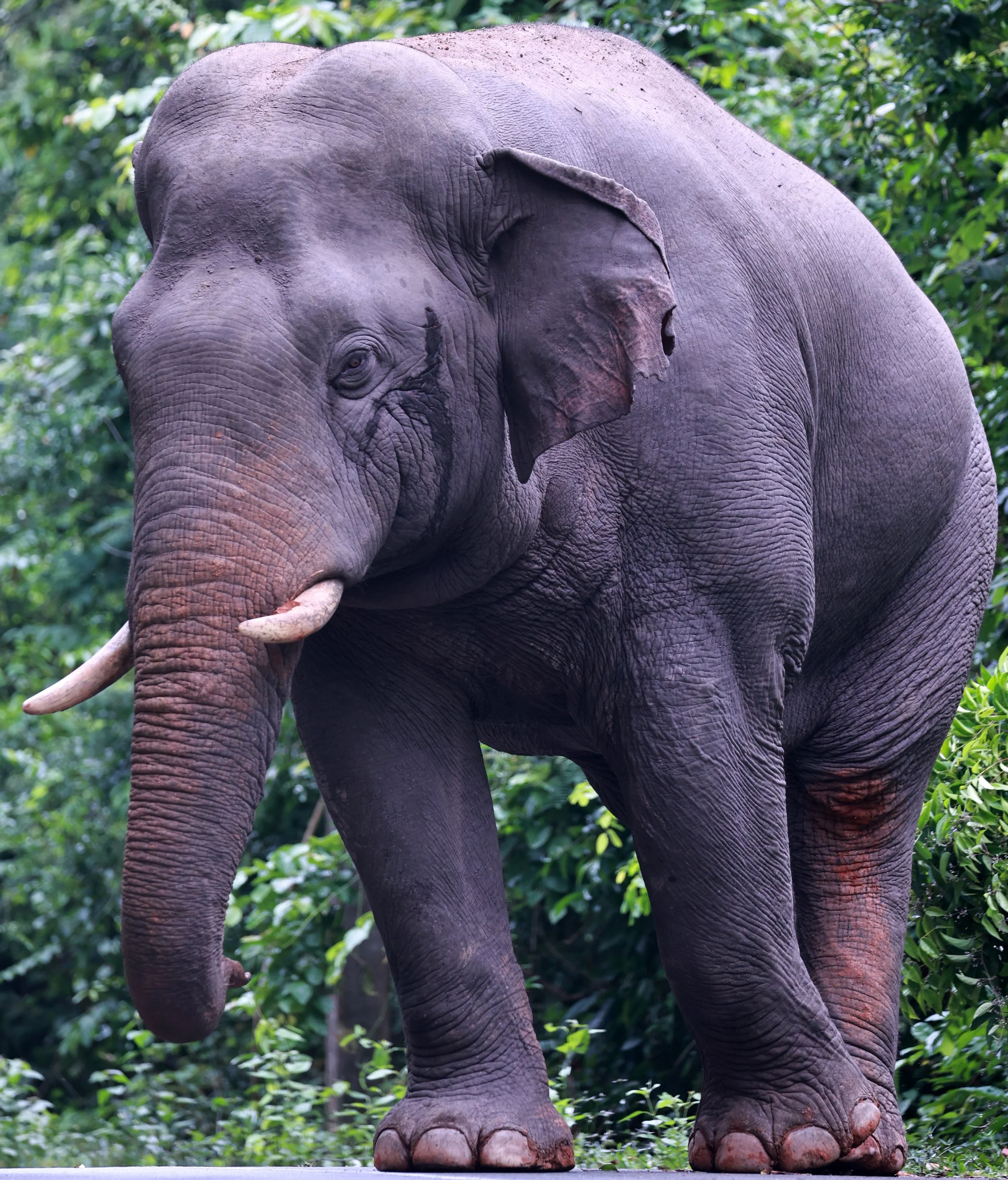
During musth, bull elephants secrete a thick,, strong-smelling, tar-like substance called temporin from their temporal glands located between the eye and ear. This secretion contains high levels of cholesterol, phenolic compounds, cresols, and sesquiterpenes (like farnesol), and is used to signal dominance and reproductive readiness.

Human-elephant conflict (HEC) in Khao Yai National Park is escalating due to habitat encroachment, with young male elephants frequently leaving the forest to raid crops in surrounding communities.
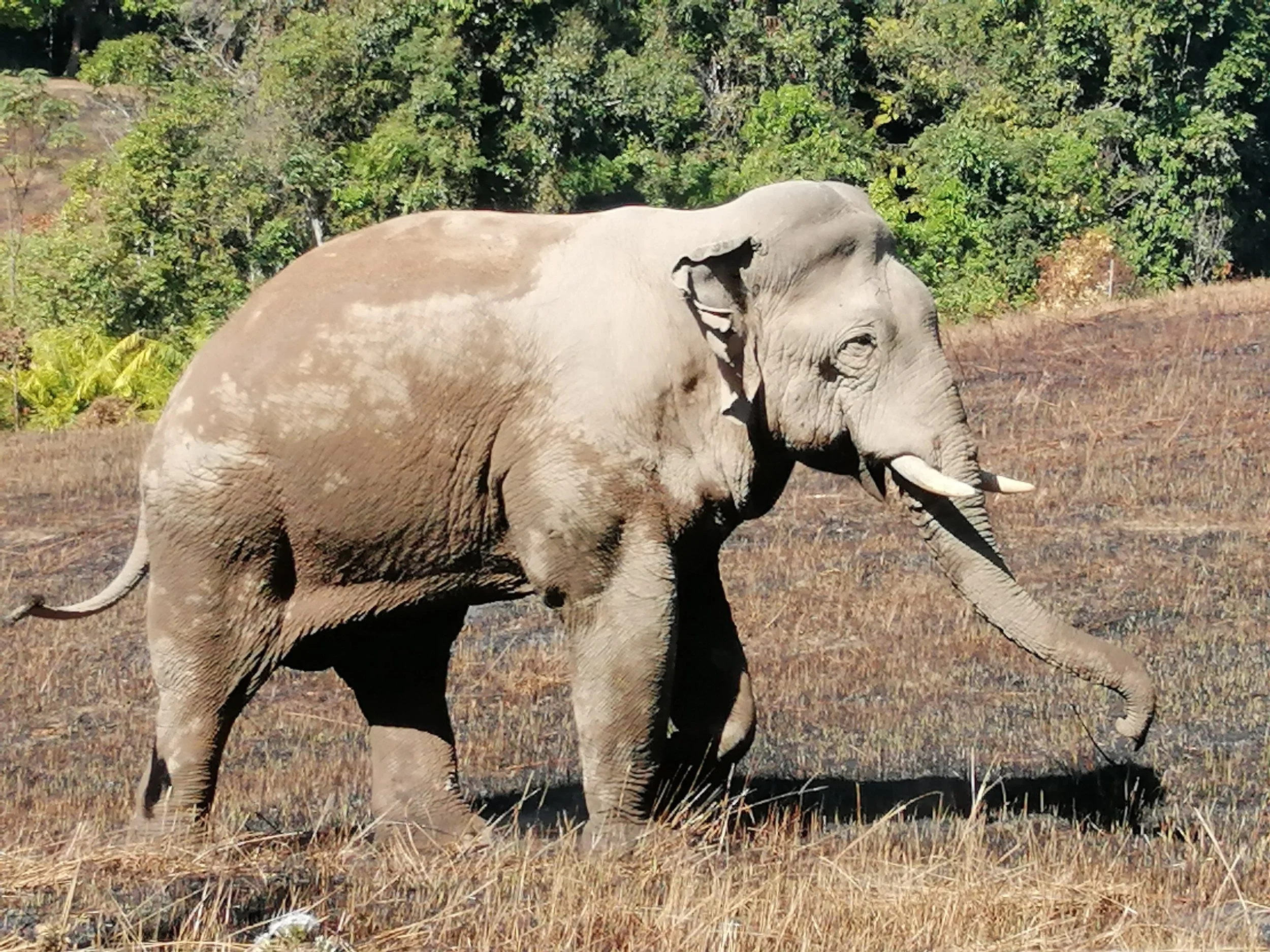
An old bull strolling a freshly burned grassland that is artifically maintained for them and other herbivores
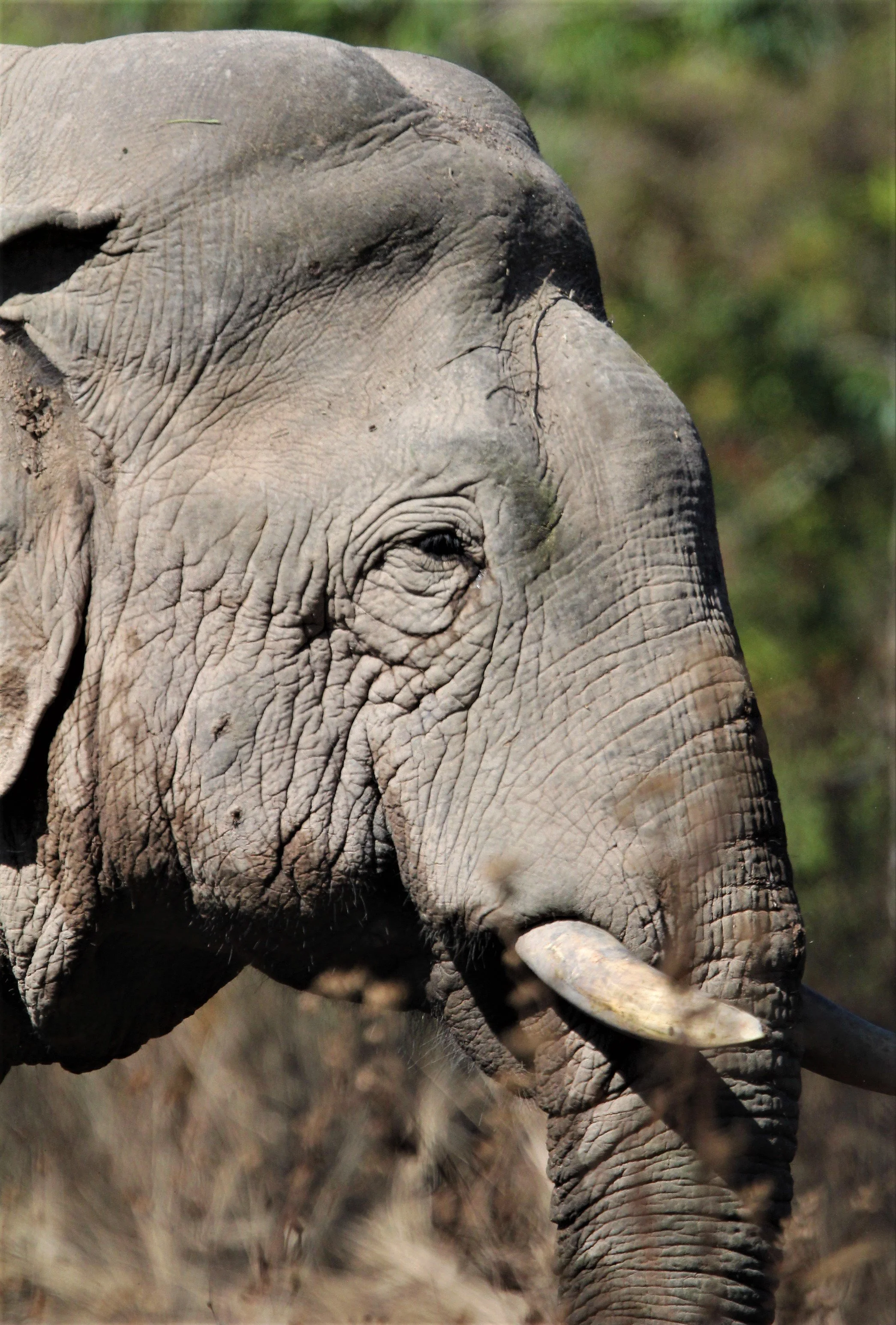
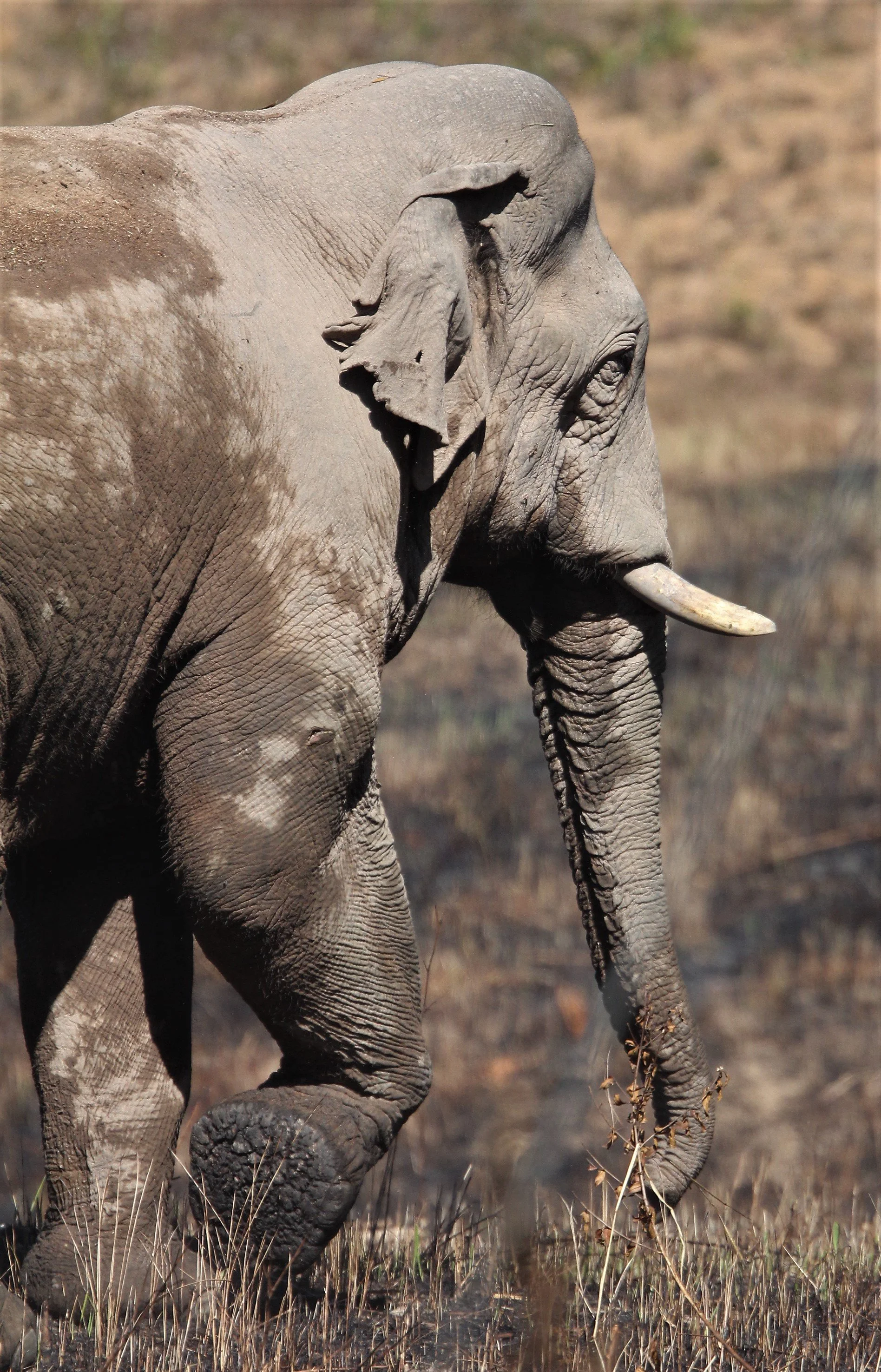
I'm not sure what's the story with the stunted tusks on these elephants.

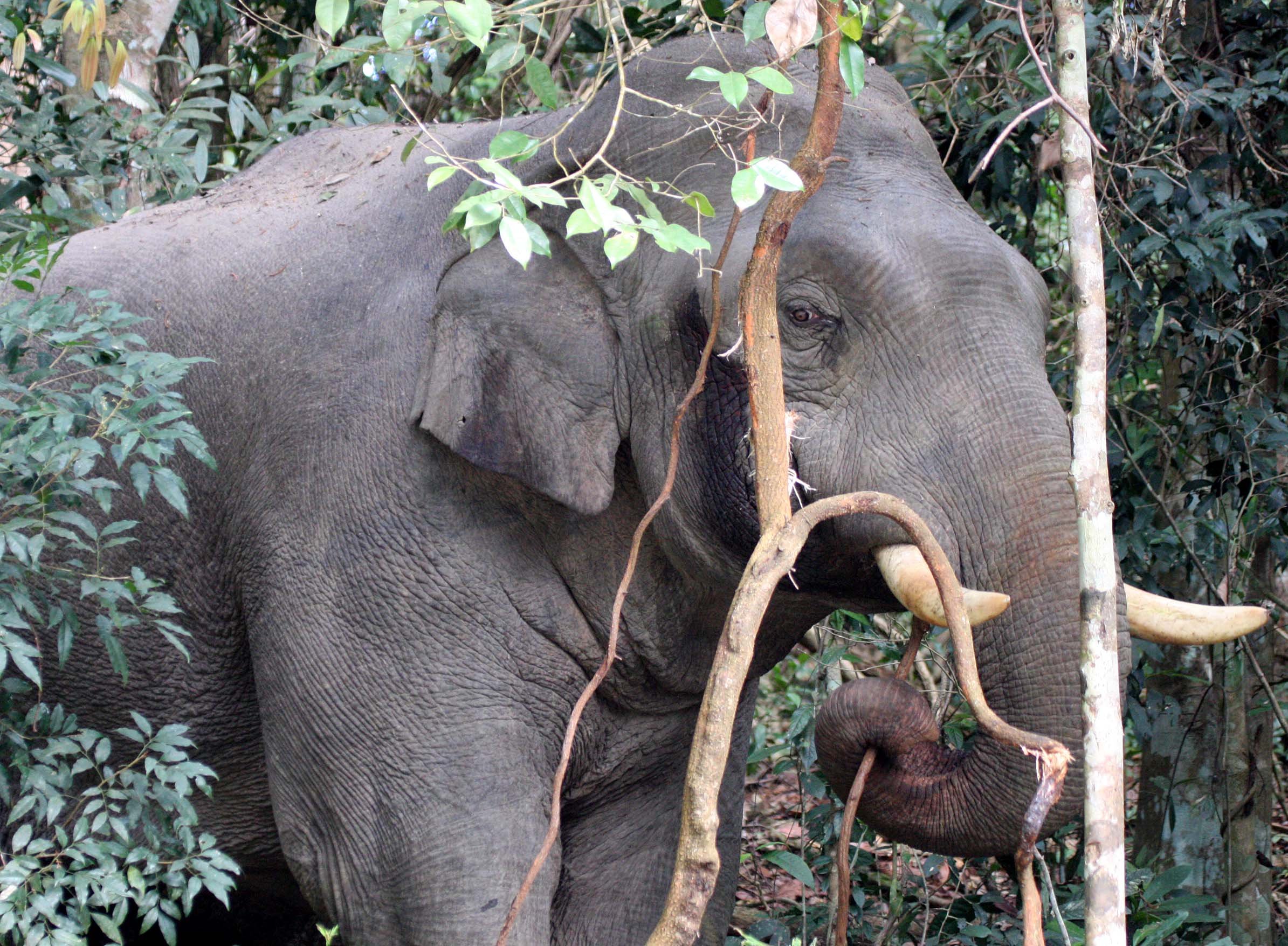
An irritable bull in musth showing aggression with an unfortunate liana.



Bear sign. Not sure which species though.

The gaur (Bos gaurus), locally known as Krating, is the largest extant bovine and is listed as endangered in Thailand. This giant bull makes it easy to believe they are the largest Bovid species on the planet.

They are typically active during the day (diurnal) but may become nocturnal if disturbed by humans.
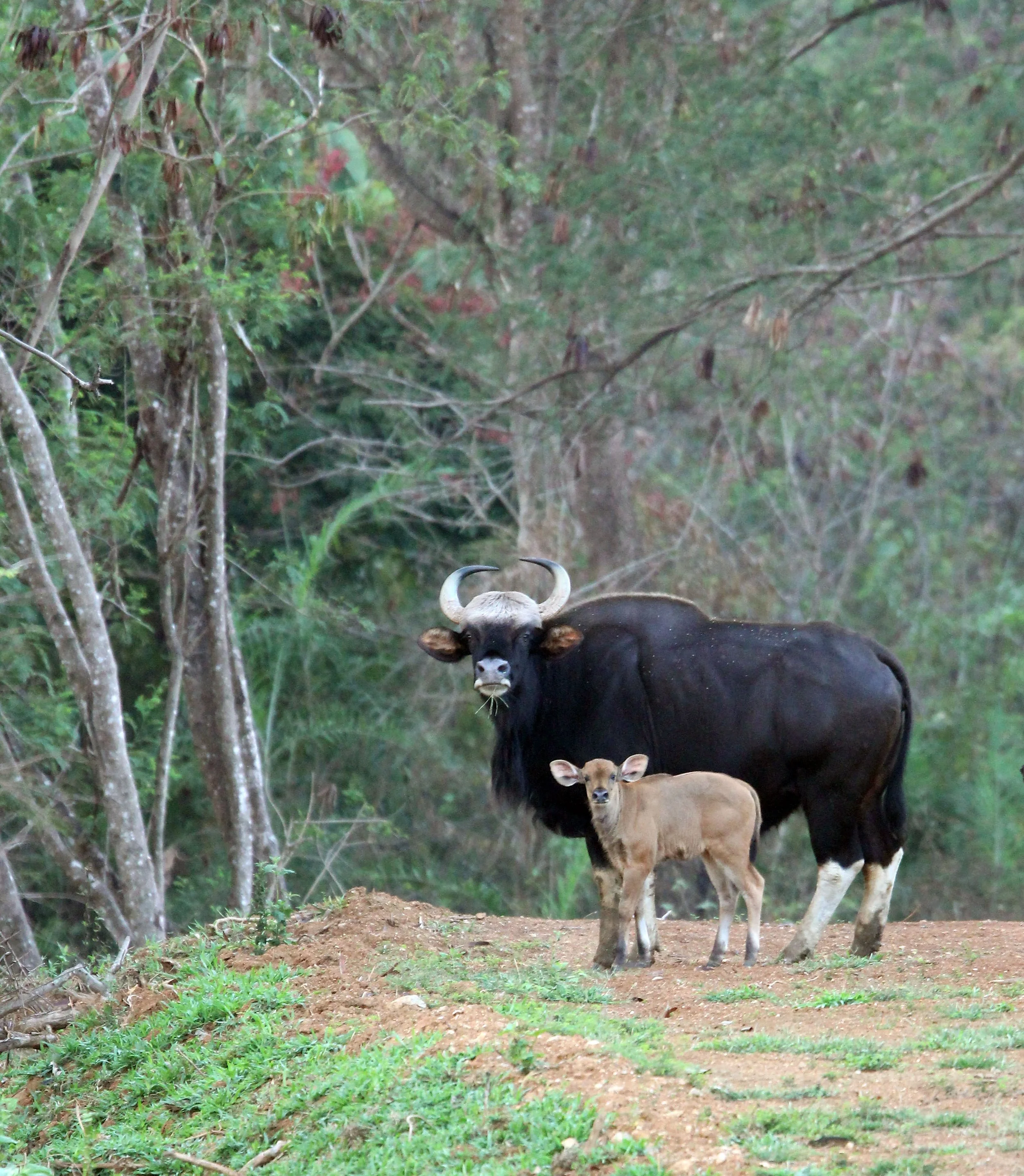
Mom and calf. While population counts are low due to habitat loss and poaching, they are found in protected areas, notably in eastern sections of the complex - Dong Yai is also a good spot for them although entry is limited and is by permit only.

Khao Paeng Ma Non-Hunting Area is adjacent to the DPKY and is a great place to see dozens of Gaur as they finish their night time raids of nearby agricultural fields and re-enter their forest homes.

Gaur in black & white
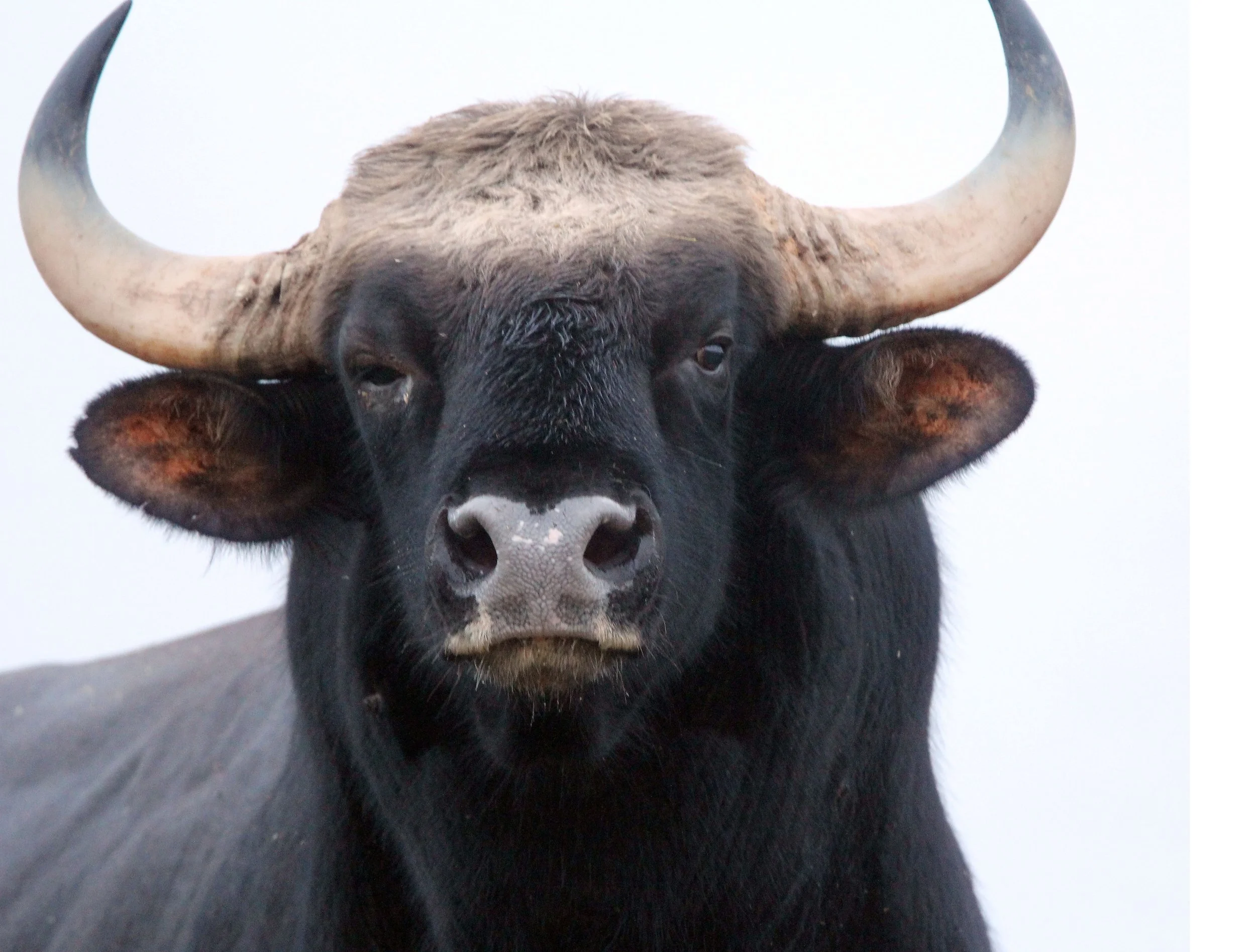
El toro!
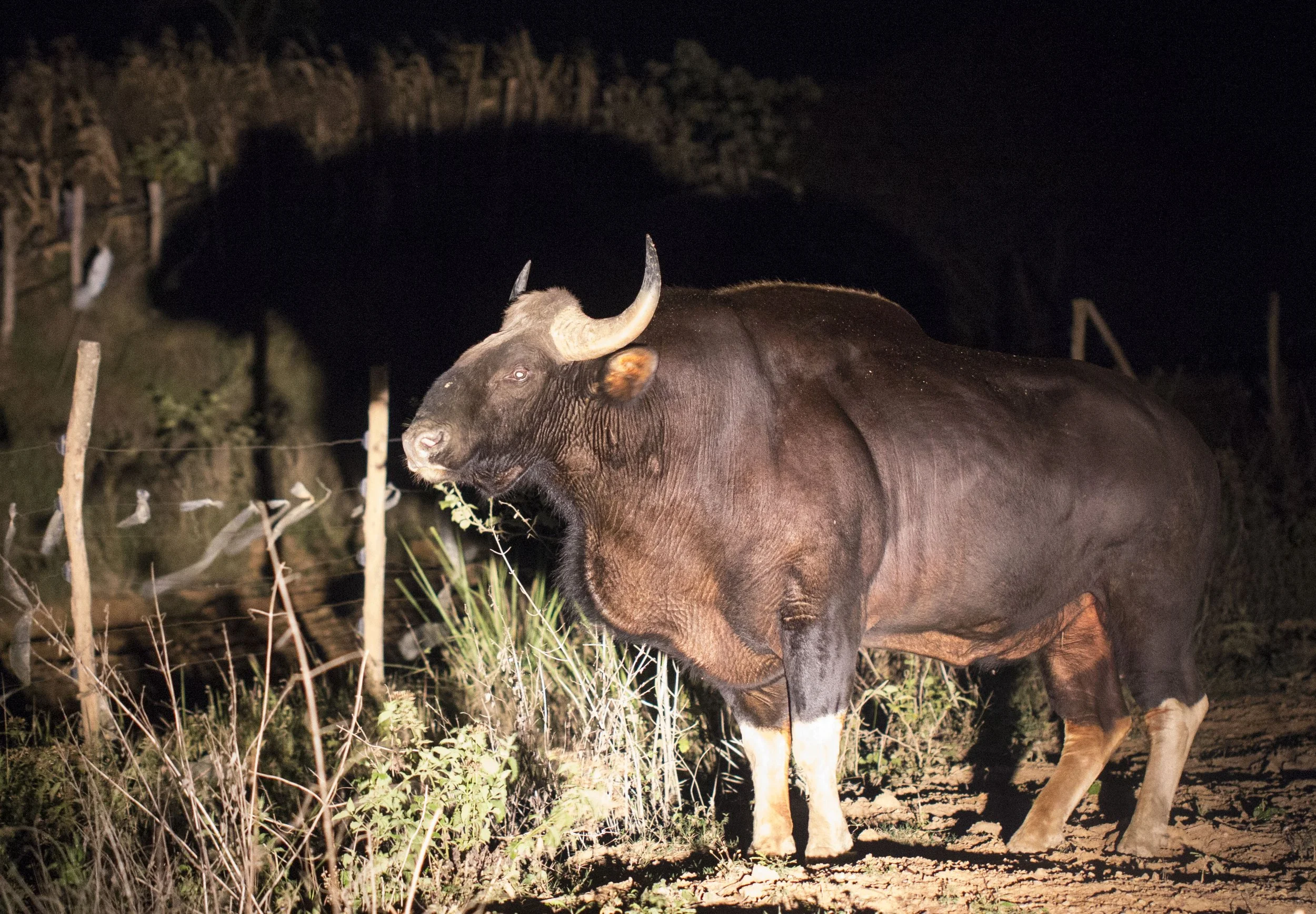
Such a magnificent animal

The Northern Pig-tailed Macaque (Macaca leonina) is a vulnerable species of Old World monkey native to the tropical forests of Southeast Asia. Once considered a subspecies of the Southern Pig-tailed Macaque, it is now recognized as a distinct species based on its unique physical traits and range.

Primarily terrestrial, spending much time on the forest floor, though they are skilled climbers. They live in matriarchal social groups of 9 to 81 individuals led by an alpha male.
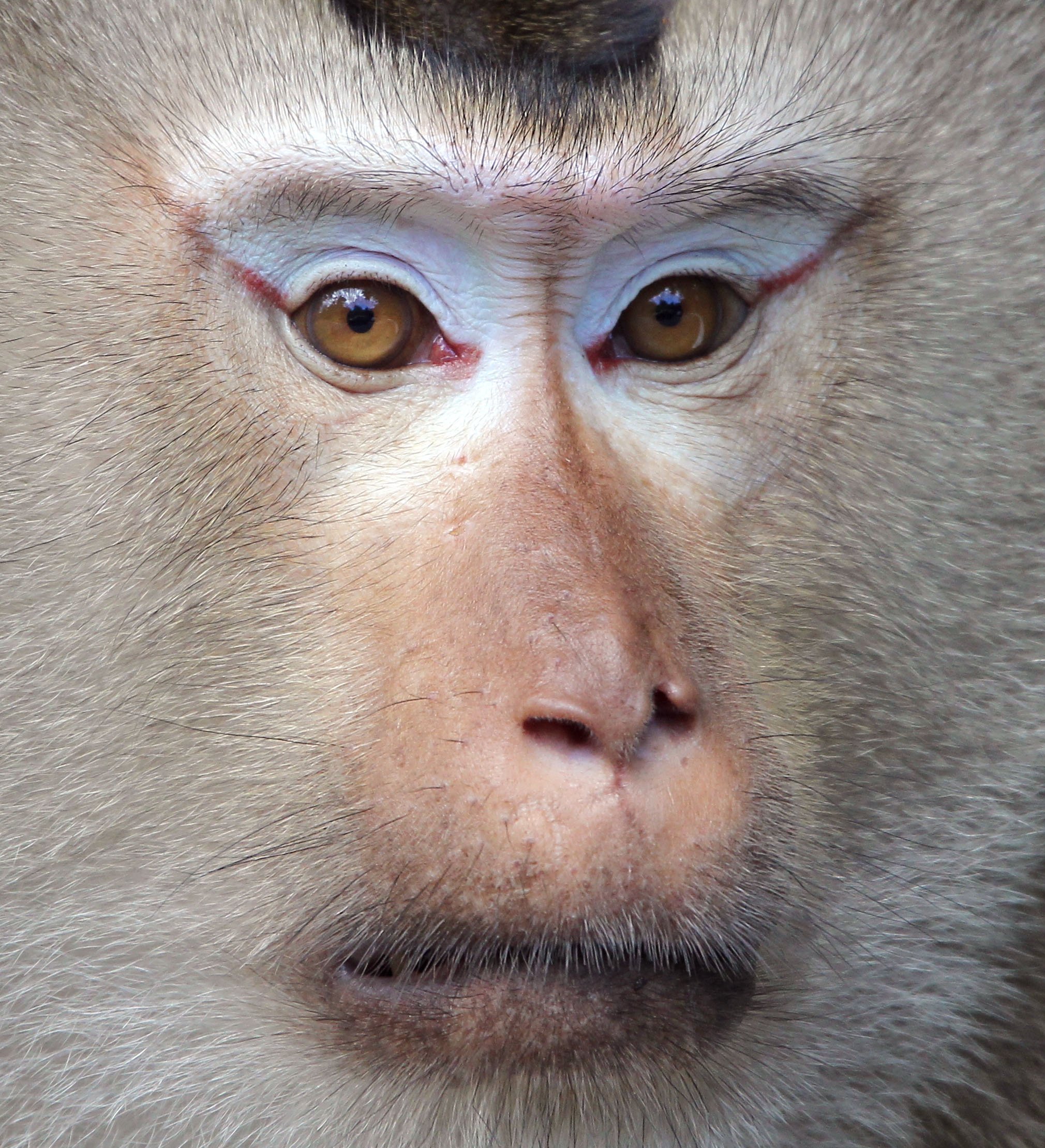
Identified by dark "mascara-like" lines extending diagonally from the outer corners of the eyes.


Inhabits evergreen, deciduous, and bamboo forests at elevations from sea level up to 2,000 meters.


The species is listed as Vulnerable on the IUCN Red List due to a declining population. Habitat loss from logging and agricultural expansion, hunting for food or traditional medicine, and the illegal pet trade are the main reasons for this status.

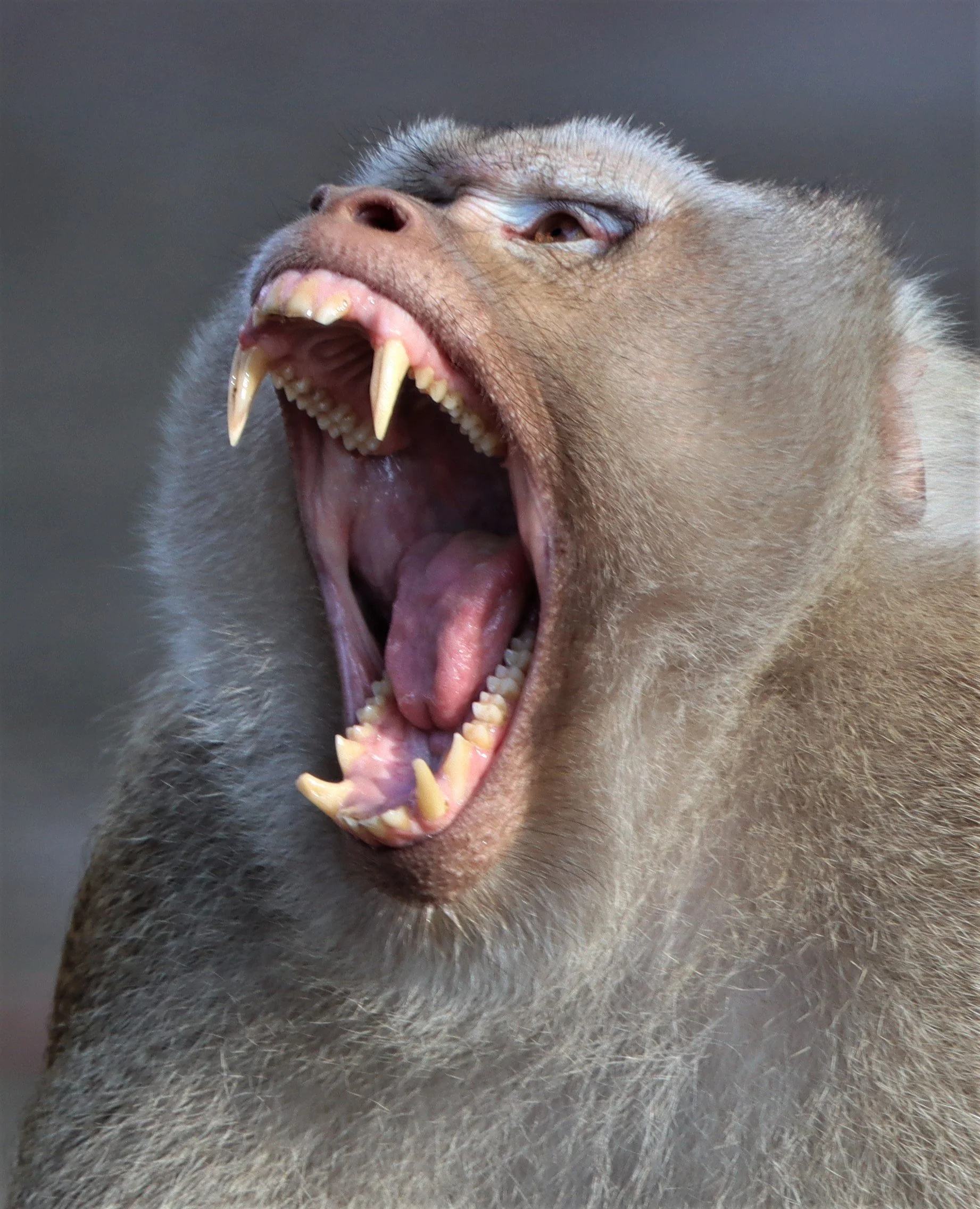
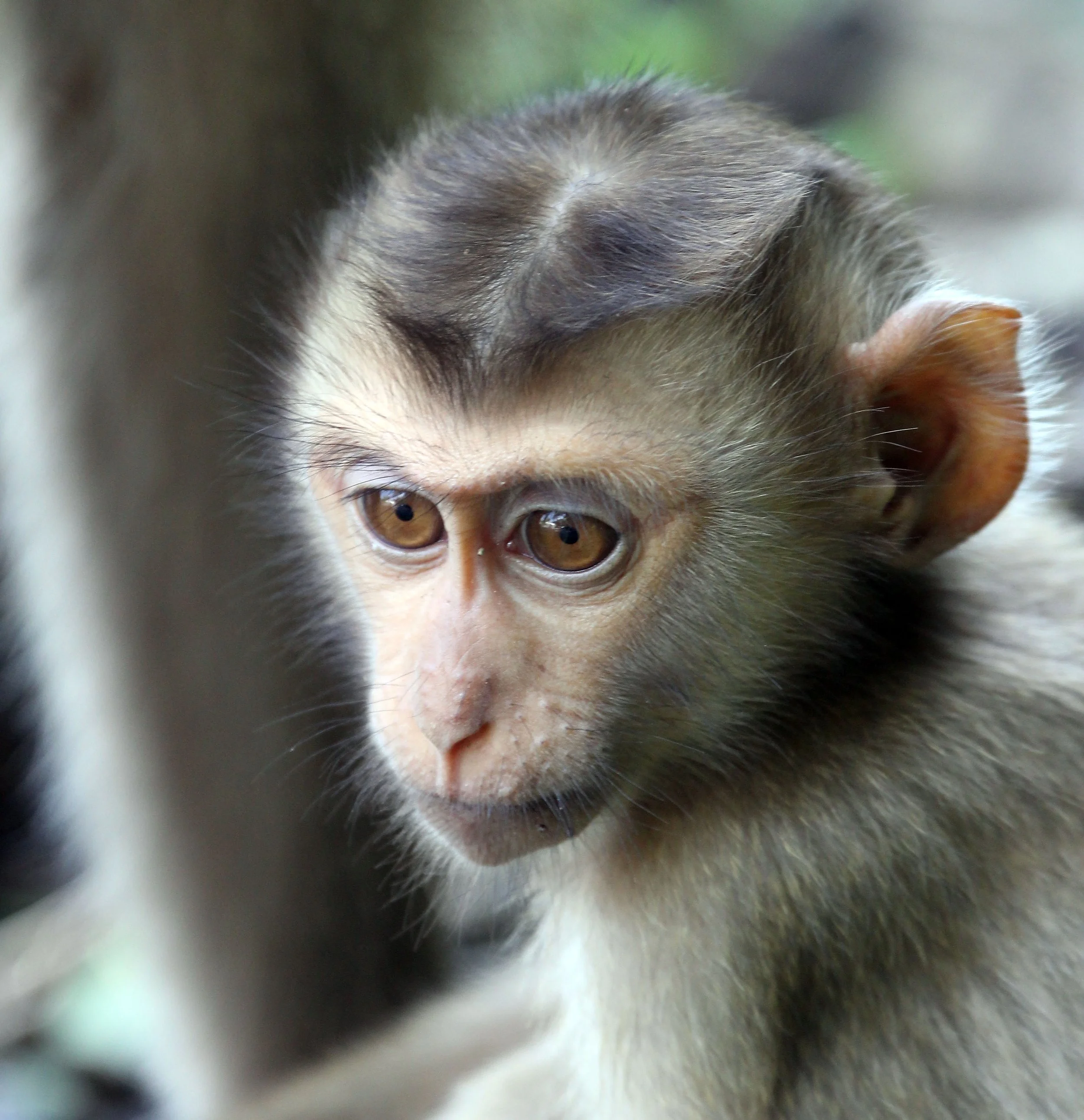


A stocky, olive-gray monkey with a dark brown crown of hair on its head. Males are significantly larger, weighing 6–9 kg, while females typically weigh 4–6 kg.


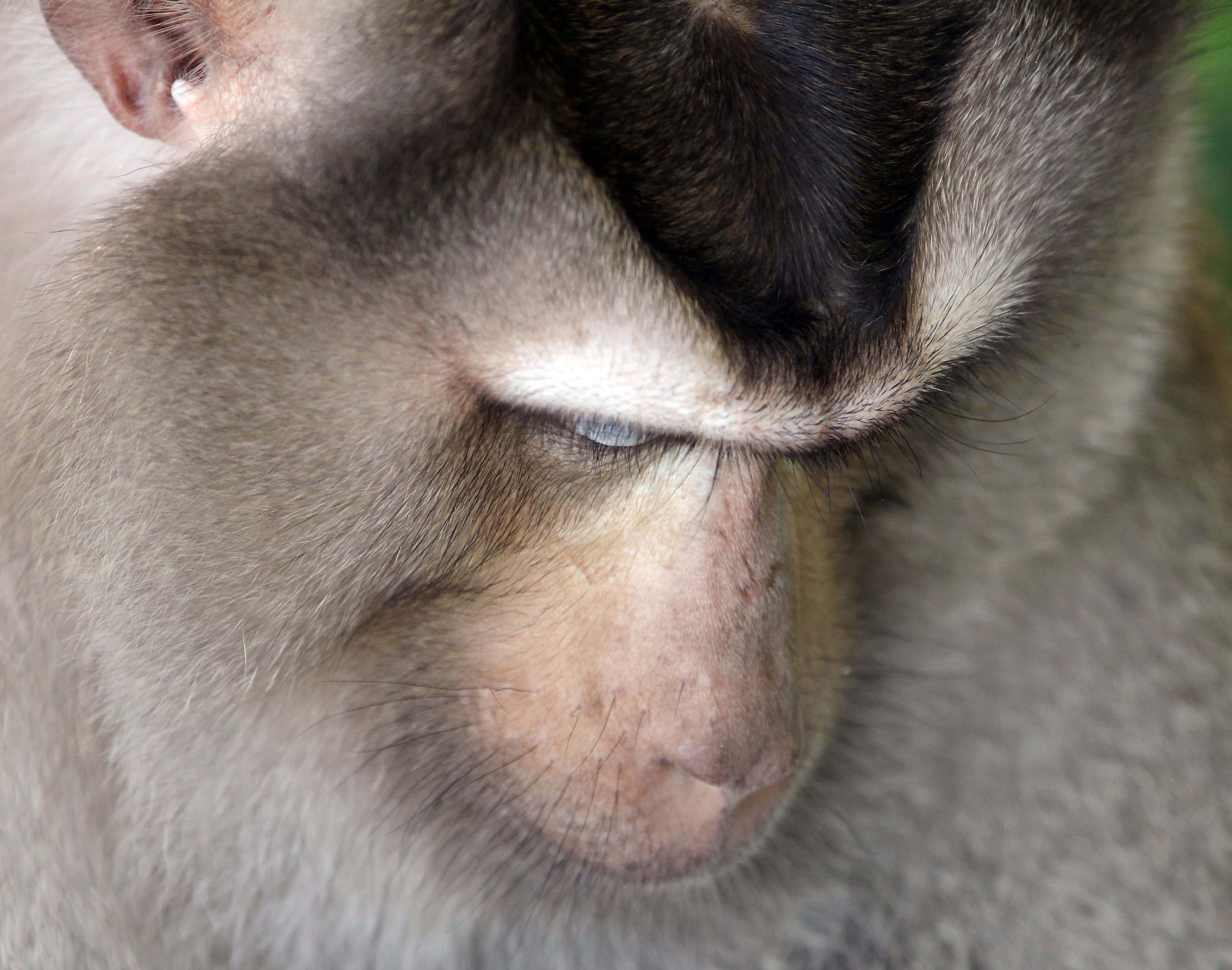

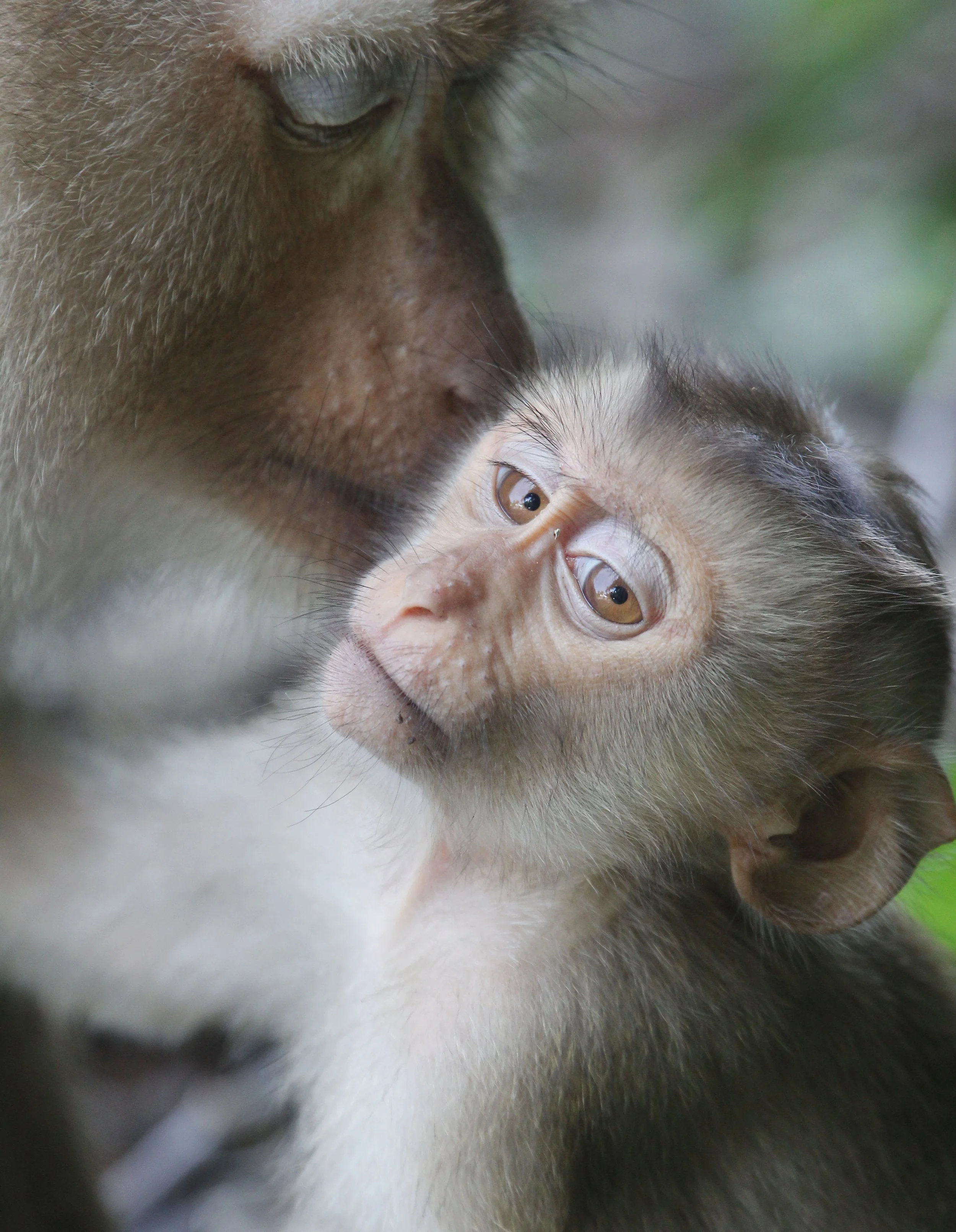
A mother's kiss

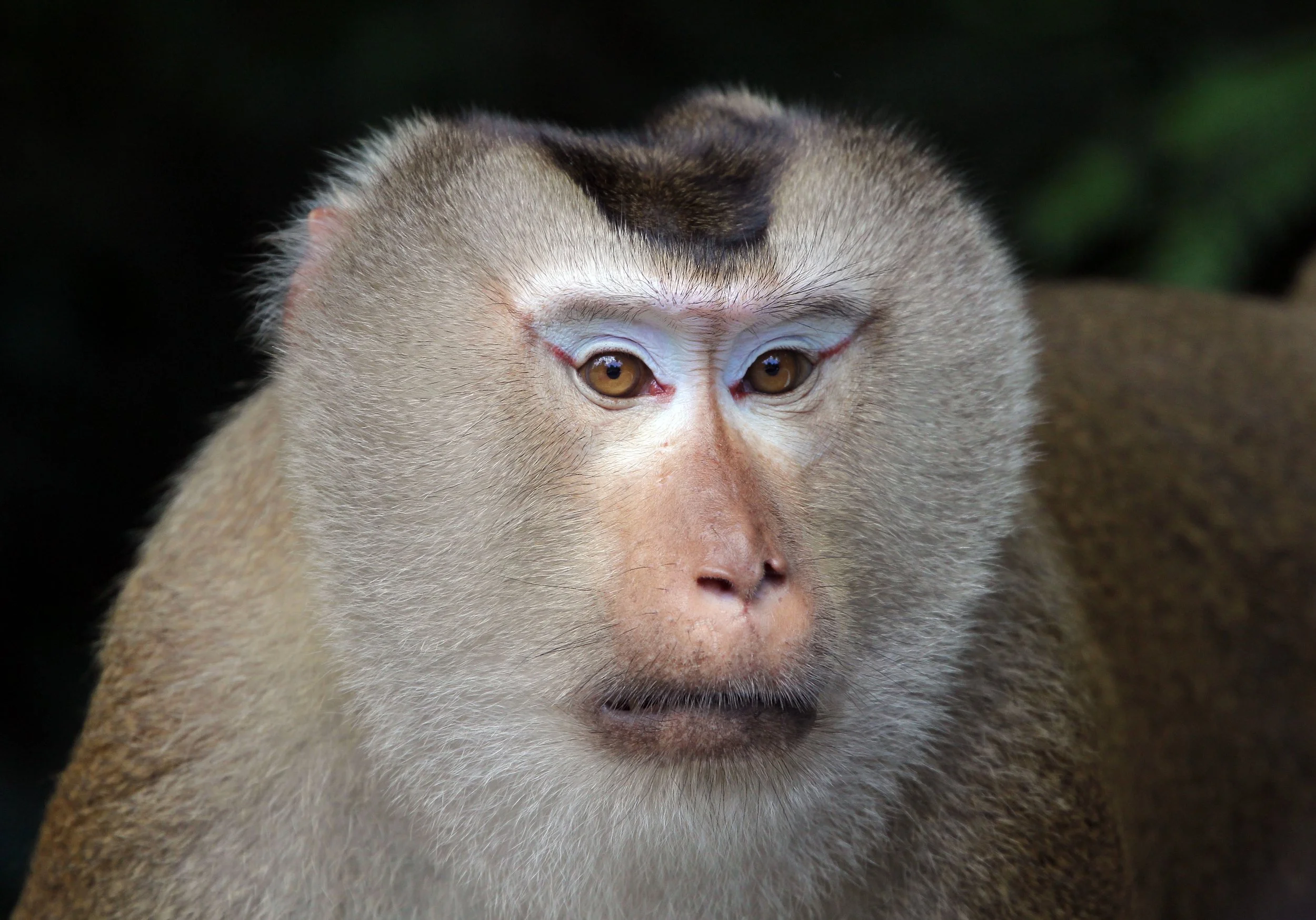

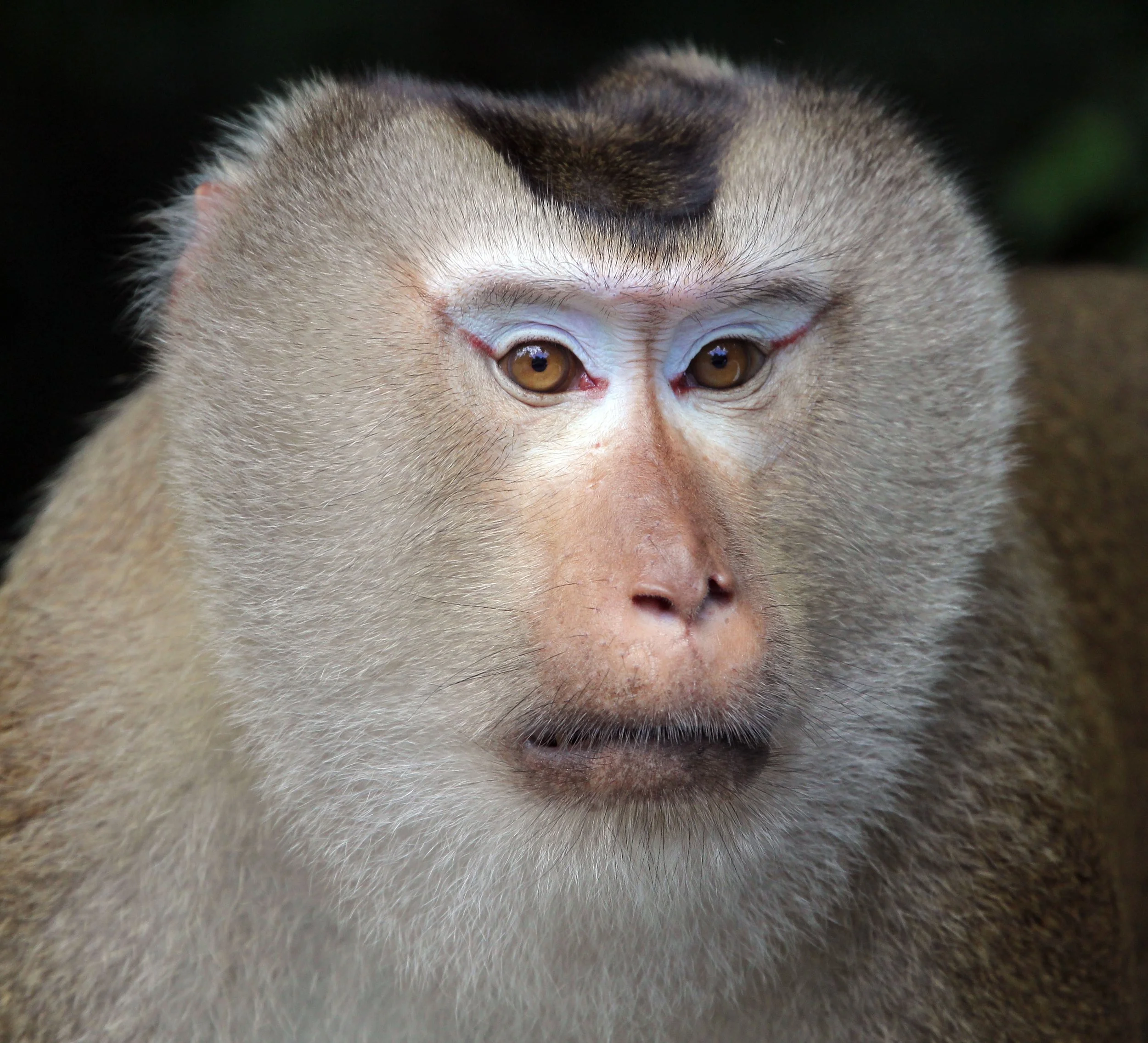


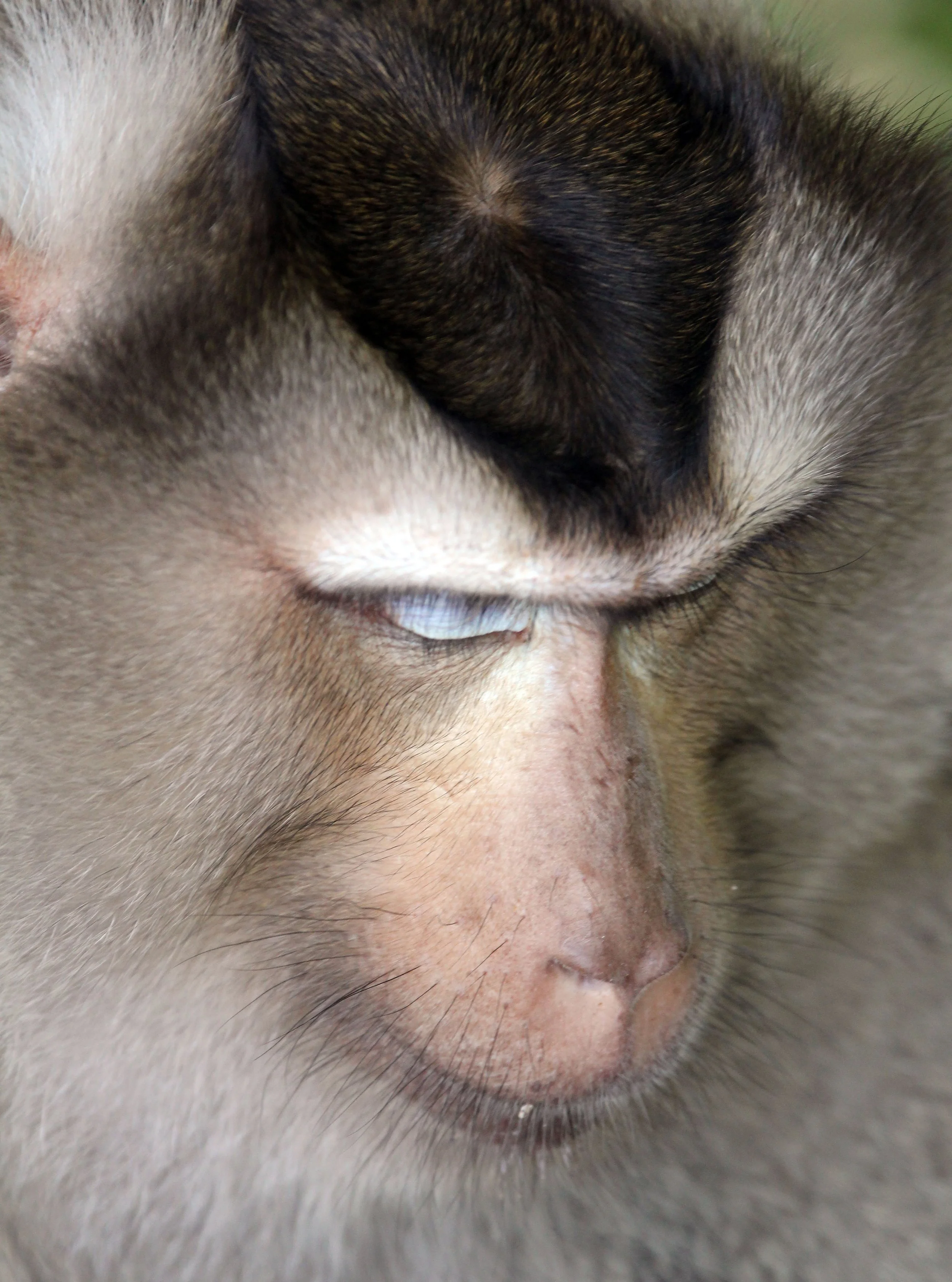


A constant threat, Khao Yai's macaques show no fear of humans and routinely help themselves to whatever they want - food, keys, passports....you name it. This car is fully occupied with screaming tourists!
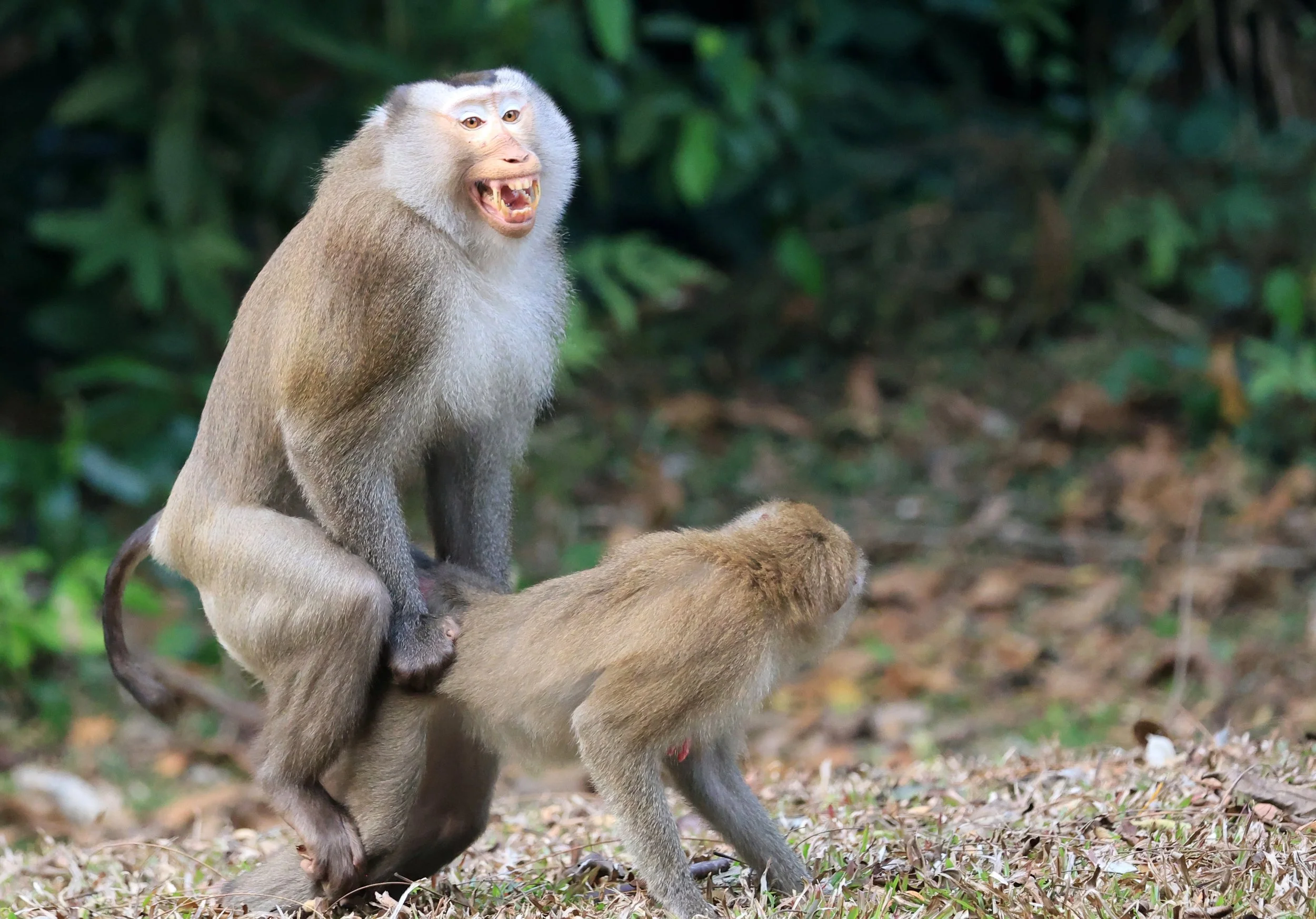
Making more macaques!


World reknown wildlife photographer, Mogens Trolle working on Khao Yai's Northern Pigtailed Macaques during a two week stay with us in July of 2024.
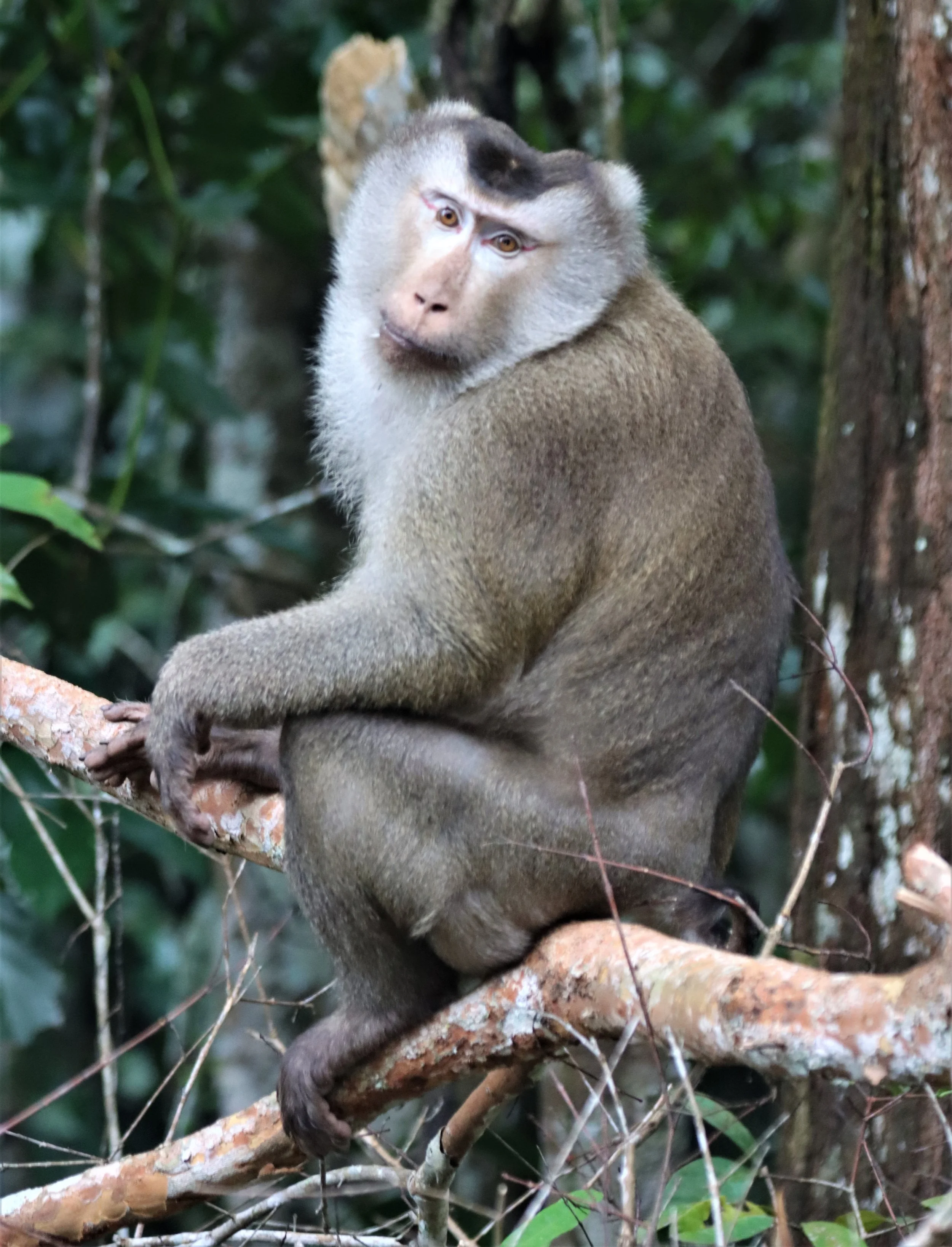

Features a short, stumpy tail (approx. 23 cm) that often curls upward, resembling a pig's tail. This one is showing a short burst of bipedalism.

So handsome


Northern Red Muntjac (also known as the barking deer) (Muntiacus vaginalis) is one of the most common and frequently seen mammals in Khao Yai National Park. Unlike the shyer forms found in other regions, the muntjacs in the center of Khao Yai are often remarkably "un-shy" and are considered semi-tame due to their regular proximity to humans.

They are famous for a loud, high-pitched alarm call that sounds like a dog's bark, which they use to warn others of predators.

Male Northern Red Muntjacs (Muntiacus vaginalis) shed and regrow their antlers annually. Unlike deer species with large branching antlers, muntjacs have short, unbranched antlers used mainly for defense and establishing dominance.


They are omnivorous, feeding on grass, fallen fruits, seeds, and occasionally bird eggs or small animals. I have no idea what this female is munching on.

This one visiting the giant mineral lick.
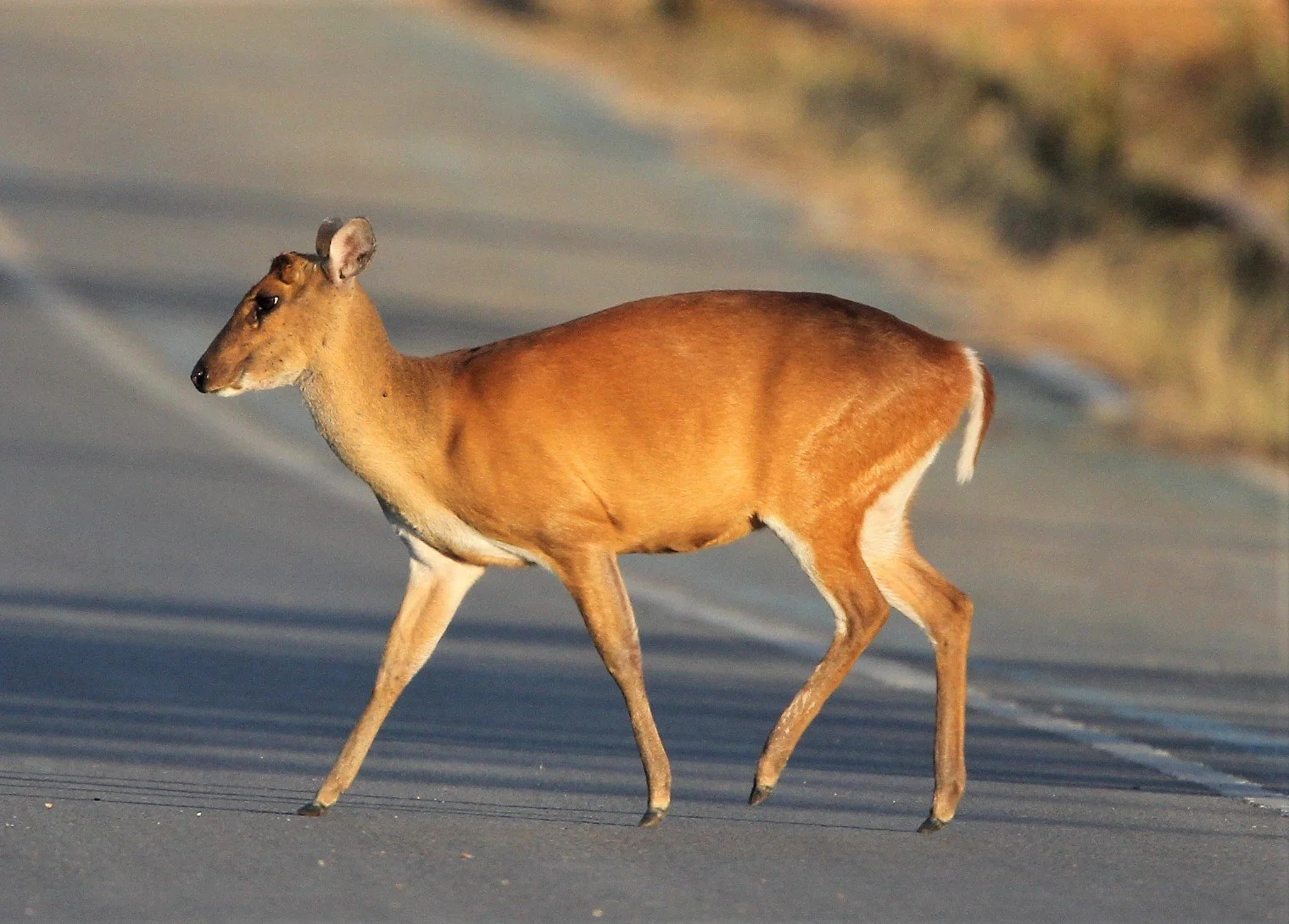
They are commonly seen in the public areas
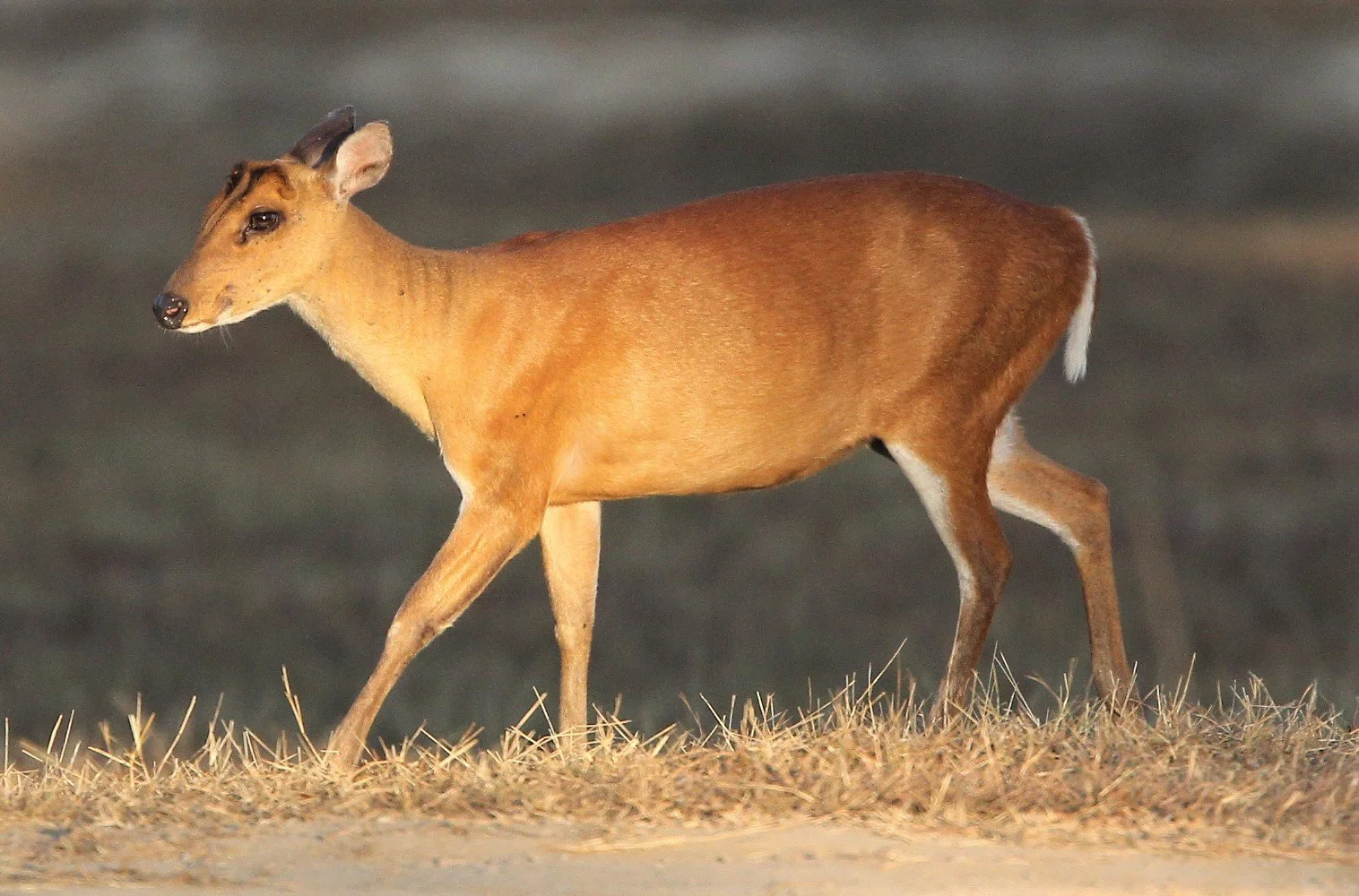
Female Muntiacus vaginalis. They have a reddish-brown coat and are much smaller and thicker than the Sambar deer. Males have small, unbranched antlers and long, tusk-like upper canine teeth used for defending territory. You can see a bulge in the maxilary lip here.

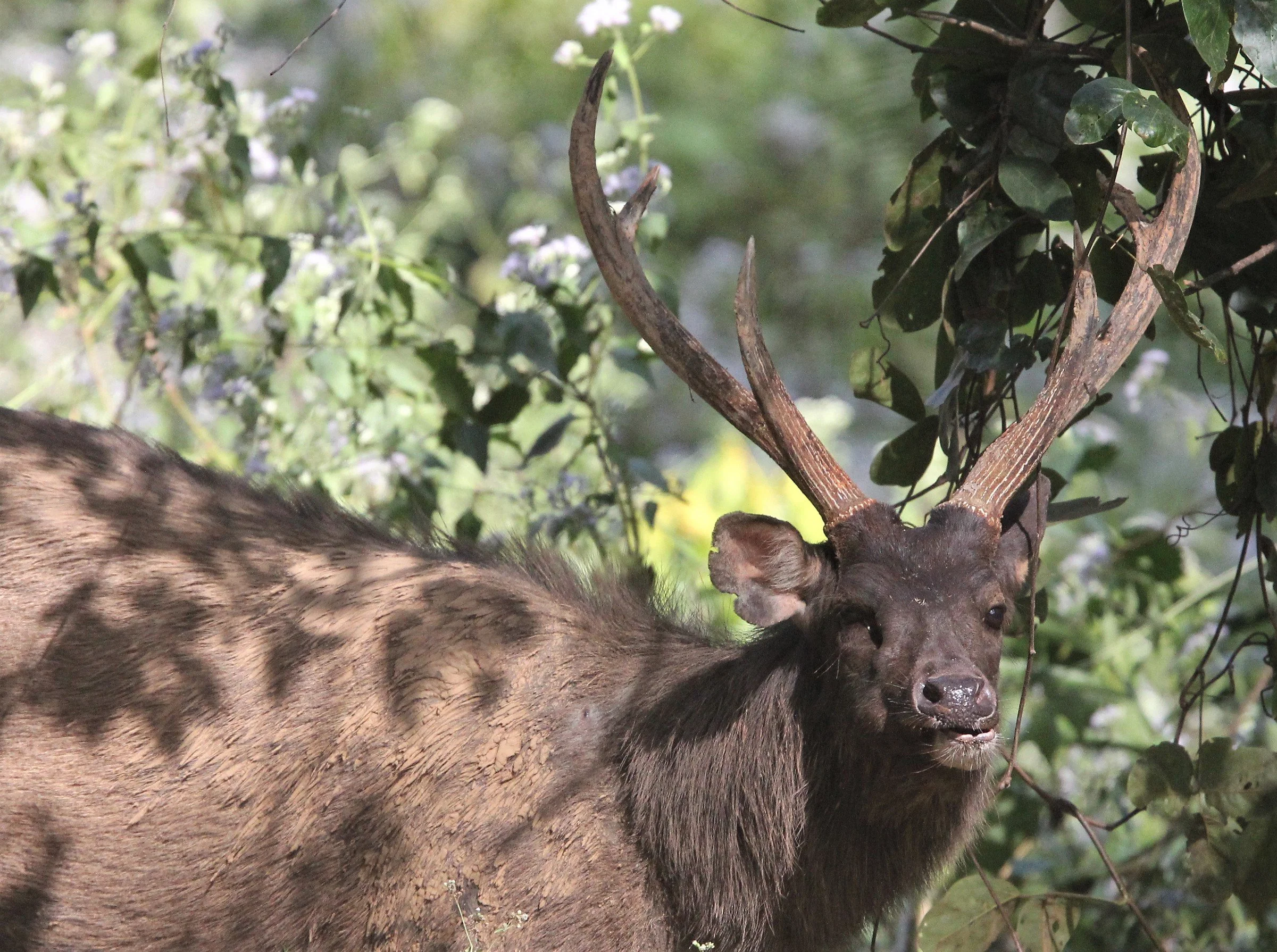
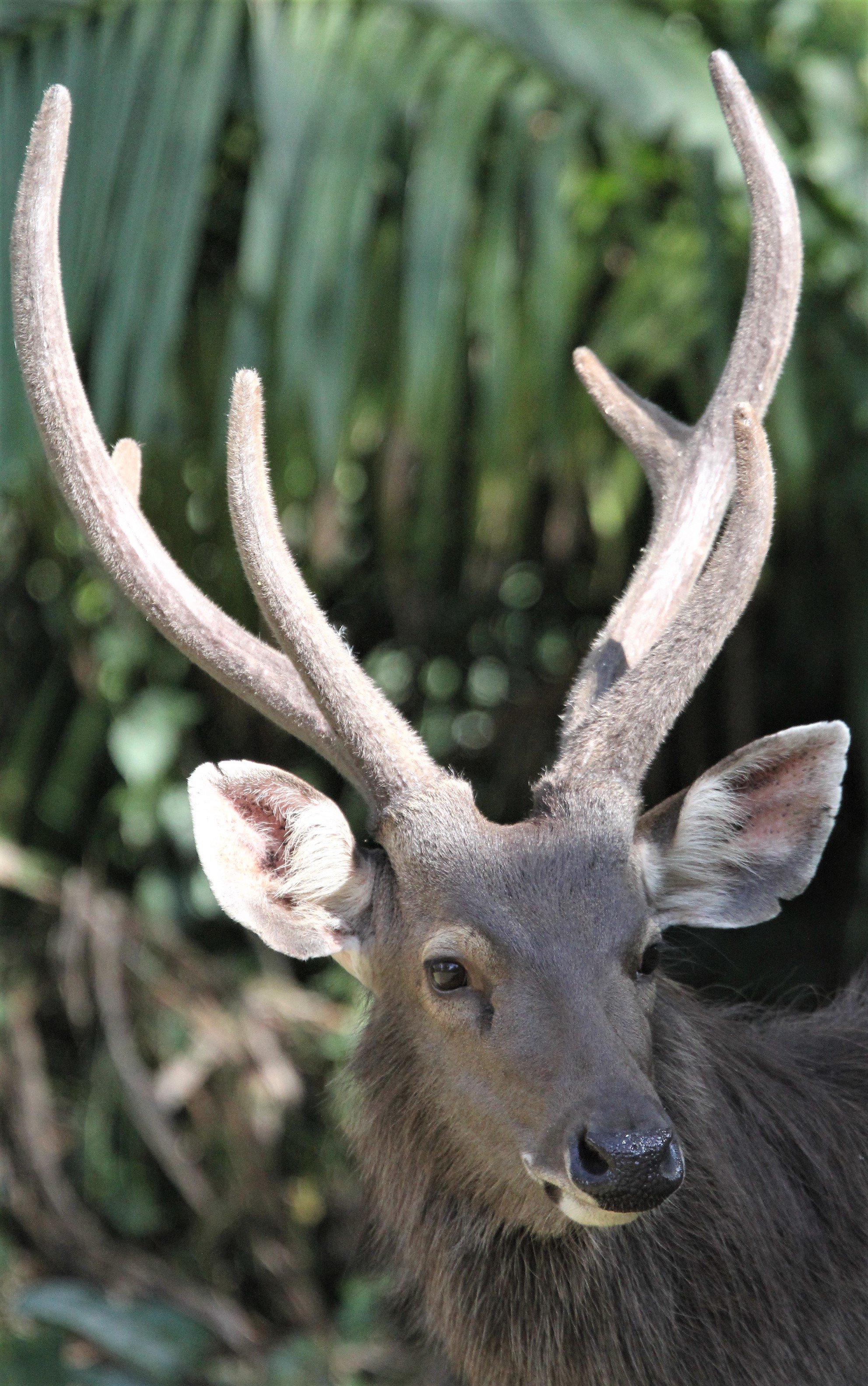
Sambar deer (Rusa unicolor) in Thailand are large, dark-brown, shaggy-coated deer, often seen in Khao Yai National Park. They are considered vulnerable due to poaching and habitat loss.
Sambar deer (Rusa unicolor). As the primary prey for tigers, they are currently the focus of reintroduction and conservation projects to boost their population and restore the ecosystem.


They prefer open areas, grasslands, and areas near water within forests, and are primarily nocturnal or crepuscular. They are often seen in Khao Yai National Park, where they are quite accustomed to people.

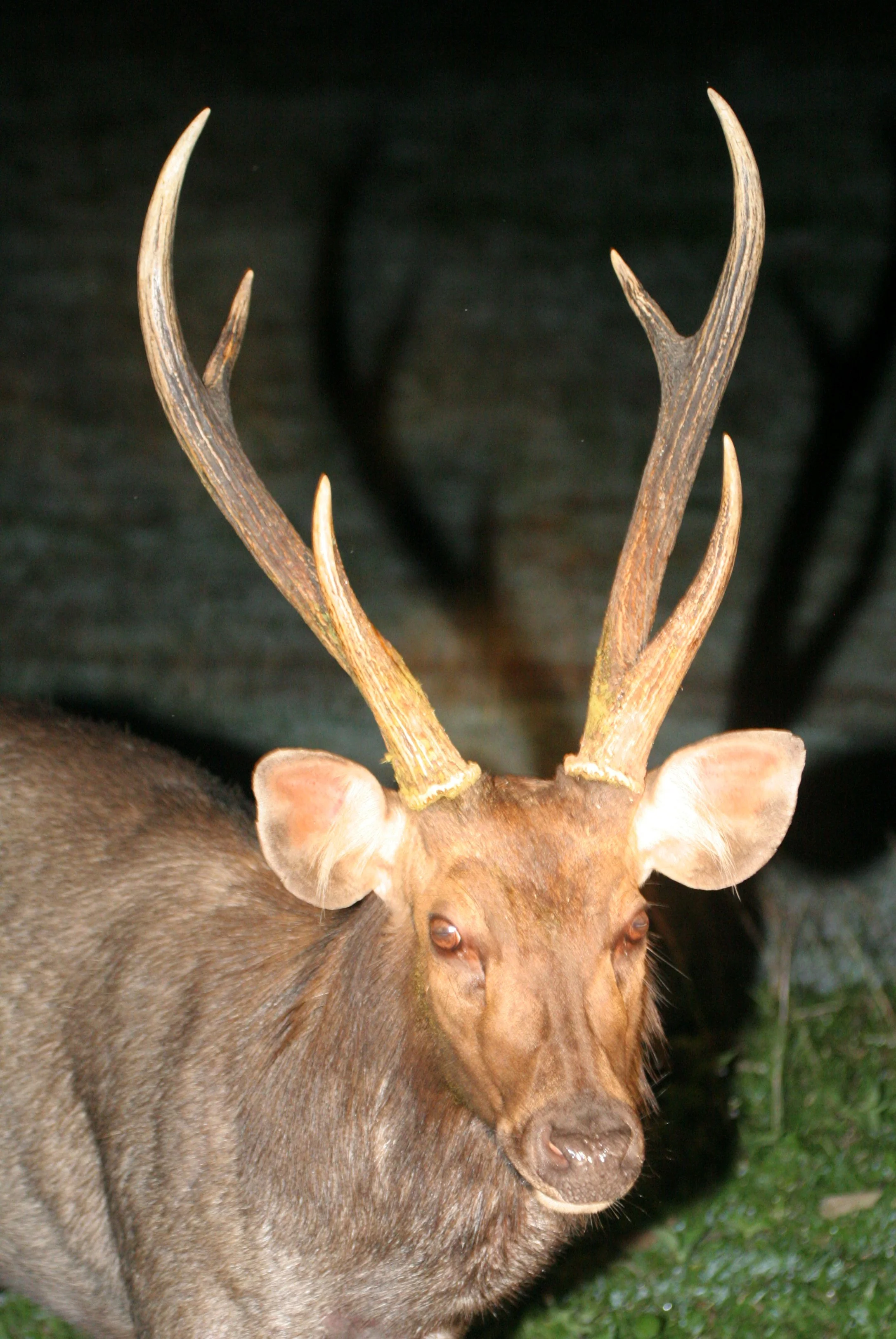
They have coarse, shaggy dark-brown fur. Males (stags) possess rugged antlers that can reach over a meter in length and typically have three tines (points) when mature.
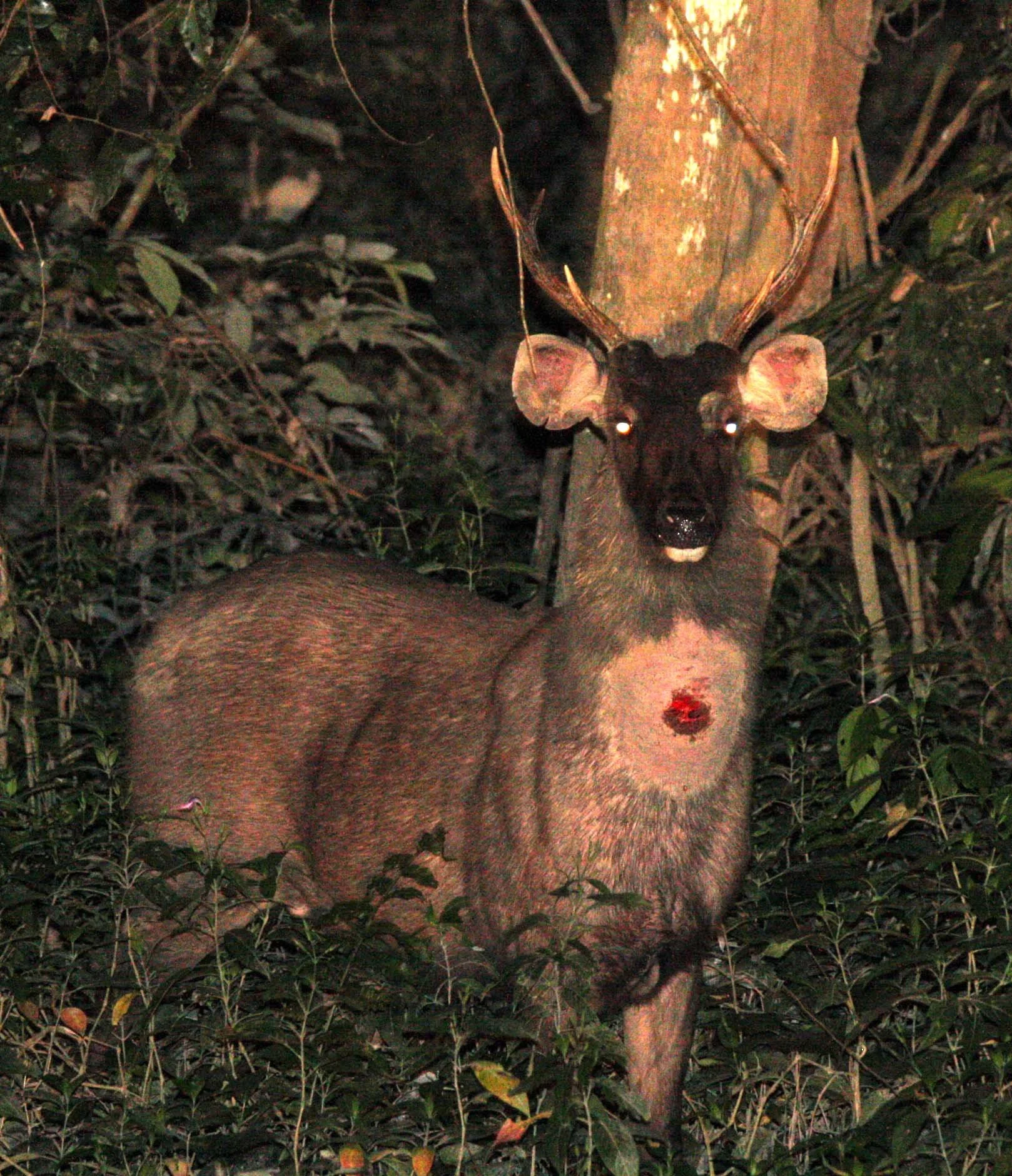
They are large animals, with males weighing around 180kg and possessing 3-tined antlers. A distinct, sometimes bloody-looking "sore spot" or gland is often visible on their throat.
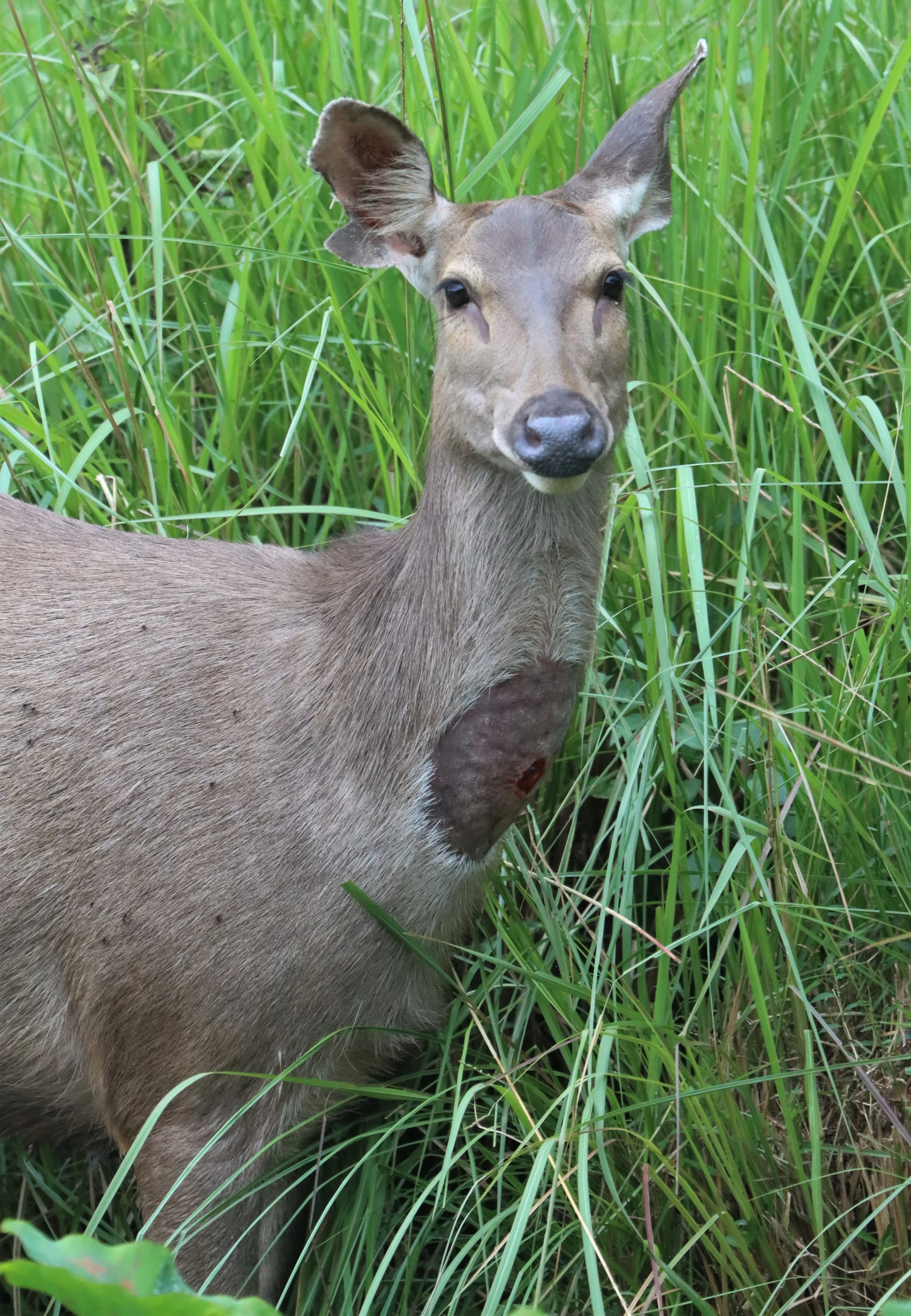
The sambar sore spot is a natural, temporary, and non-pathological phenomenon observed on the neck of Sambar deer (Rusa unicolor). It appears as a 1–3 inch circular, hairless, and bloody-looking patch on the throat, which often secretes a whitish, oily, or watery fluid.

A very interesting variant. This female was seen with her sore spot located on her left "shoulder". The hairless area is far larger than the normal spot. Note the large group of flies attracted to the "sore spot".

It usually appears at the beginning of the rutting (mating) season, generally between November and December, and heals by January. t is believed to be a glandular, hormonal, or scent-related phenomenon.

Sambar on the artificial grasslands of Khao Yai.

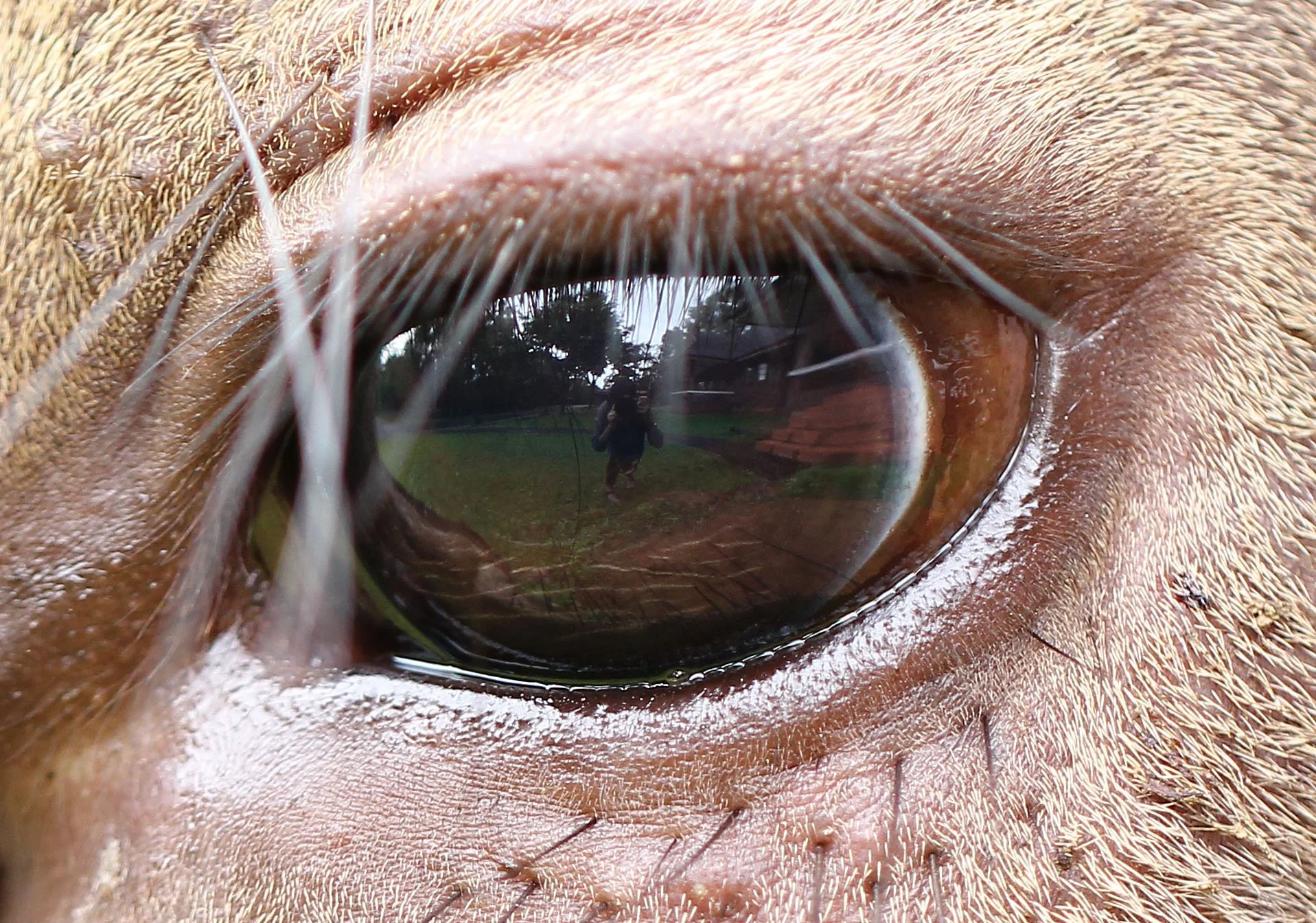
The glandular opening located below the eye of a sambar deer (Rusa unicolor) is known as the preorbital gland or "tear-pit". This gland is a pouch-like, integumentary pocket that sits in the anterior corner of each eye, containing sudoriferous (sweat) and sebaceous (oil) glands.

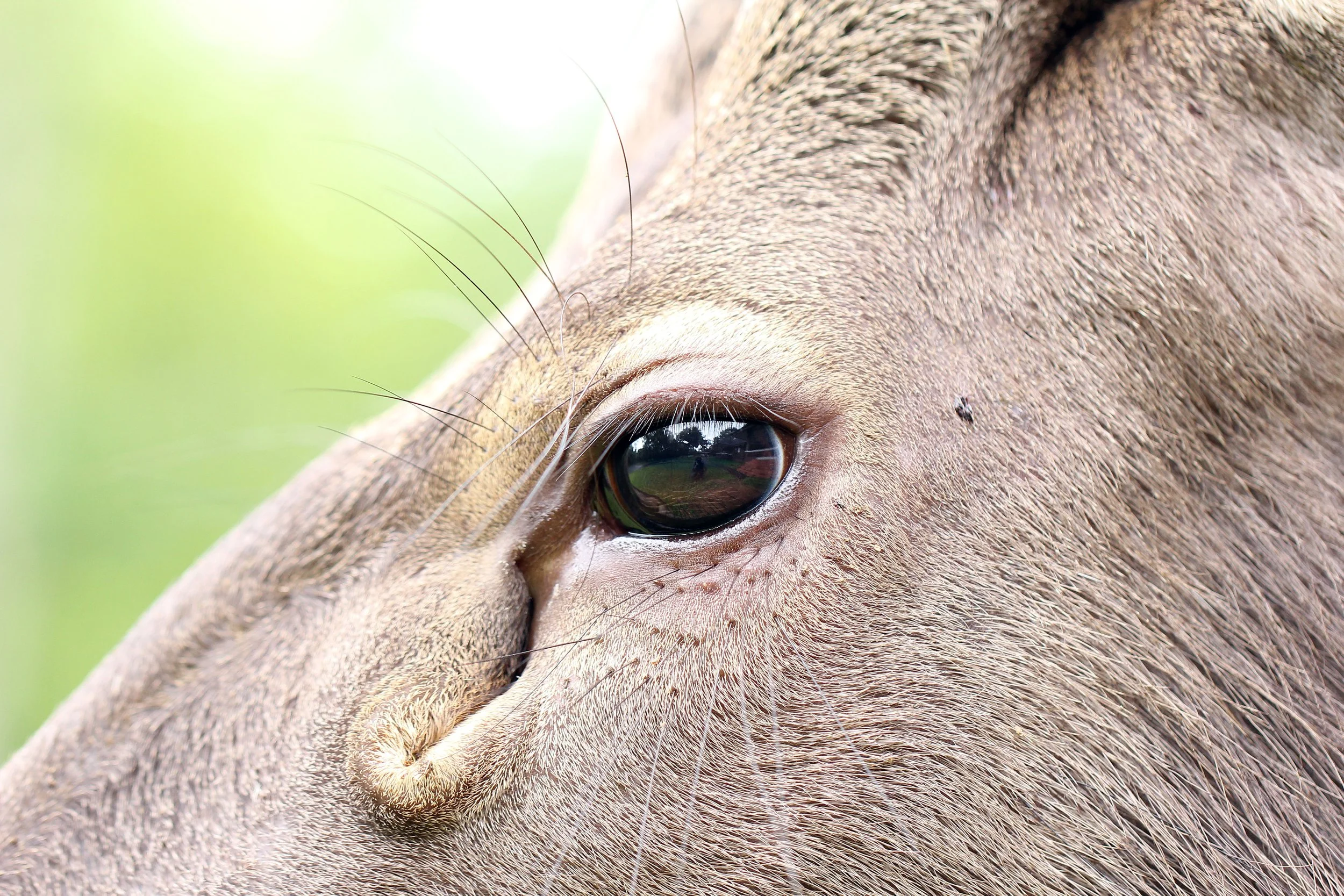
Sambar use these glands to mark their territory, trees, and branches with a strong-smelling, waxy, or fluid secretion. During preorbital marking, the deer rubs its face against objects, often sniffing the spot first, tilting its head, and performing a forward movement to deposit the scent. The glands enlarge and become more active during the mating season (rut) to signal reproductive status. Beyond chemical communication, these glands may serve as a visual signal and are used for individual recognition.
They are social, diurnal, and often hunt in packs. They are known for their distinct howling calls and frequently seek water to soak in after meals.
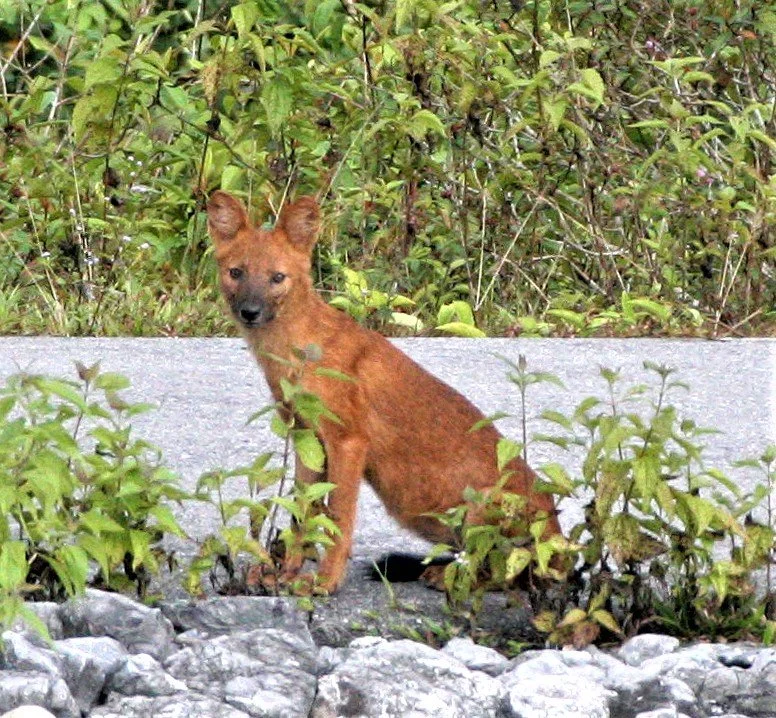
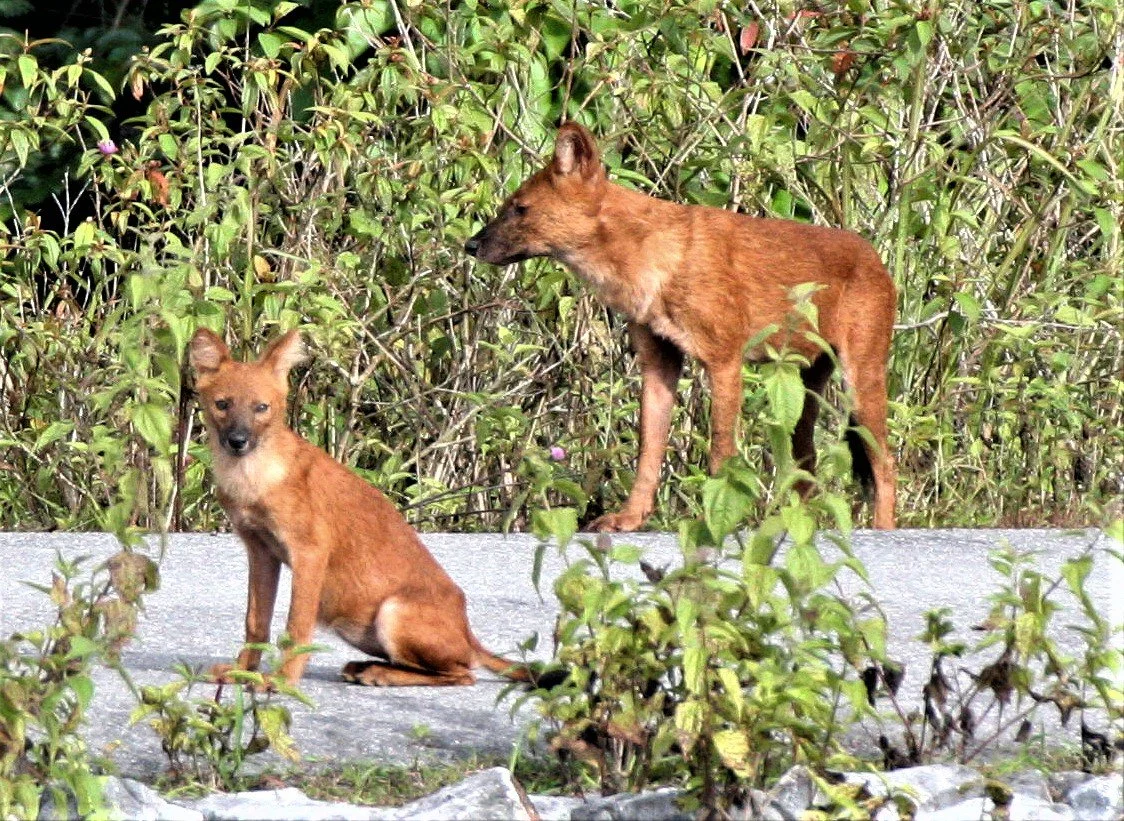
Dhole or Asian Wild Dog (Cuon alpinus)

Dholes (Asiatic wild dogs) are rare, endangered pack hunters found in Khao Yai National Park, often hunting sambar deer in packs of 6-12.

They are highly active during the day, particularly around grasslands and the Mo Sing To reservoir. These reddish-brown, medium-sized carnivores (10-21kg) are elusive but crucial predators.
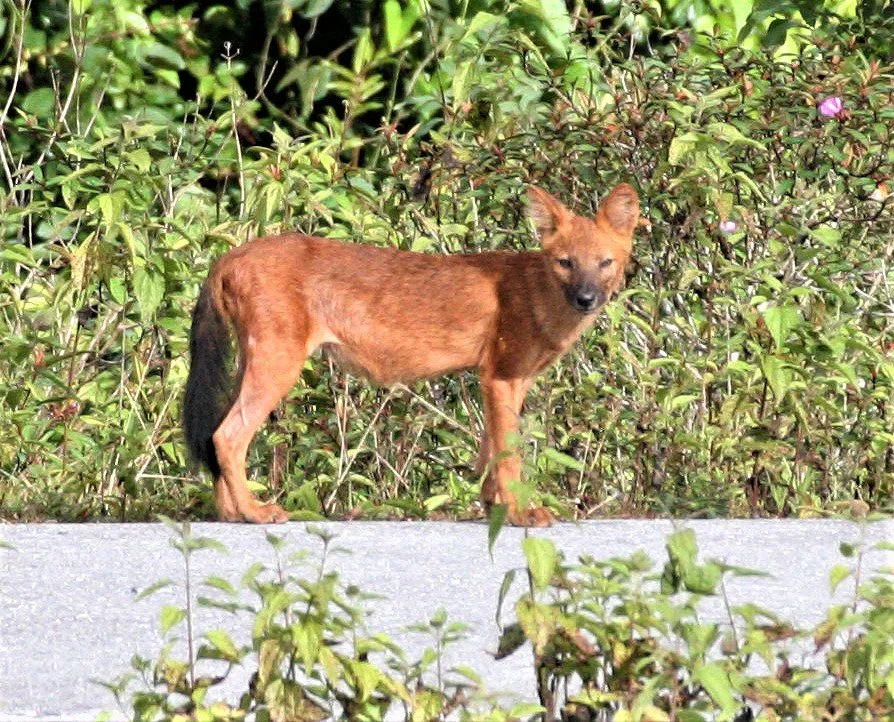


Their diet primarily consists of medium-sized ungulates like muntjac, wild boar, and sambar deer.

This one is sharing a meal with a Water Monitor


White-handed gibbons (Hylobates lar) are endangered, highly vocal primates easily spotted in Khao Yai National Park during early morning (dawn) near trails and campgrounds.

White-handed gibbons (Hylobates lar) possess variable fur colors ranging from black to light brown, and this coloration is not strictly tied to sex. While some males are black, females can also be black, and both can be brown or cream. All individuals have white hands, feet, and a white ring around their face.

They have black faces surrounded by white fur and their bodies are covered in thick hair, sometimes buff or creamy white.


They are known for their extreme agility, brachiation speed of up to 35 km/h, and a, typically buff, coat. Key viewing spots include trails near the park headquarters, where they are sometimes seen in the canopy.

Gibbons are the only mammals with a ball-and-socket joint in the wrist, providing superior flexibility and strength compared to other apes. Their arms are 1.5 times longer than their legs, allowing for massive reach. Long, curved fingers and a thumb that is deeply separated from the palm allow them to hook onto branches securely. A specialized clavicle and shoulder structure allows for a 360-degree range of motion, essential for the hand-over-hand swinging

White-handed Gibbon (Hylobates lar)

White-handed Gibbon (Hylobates lar)

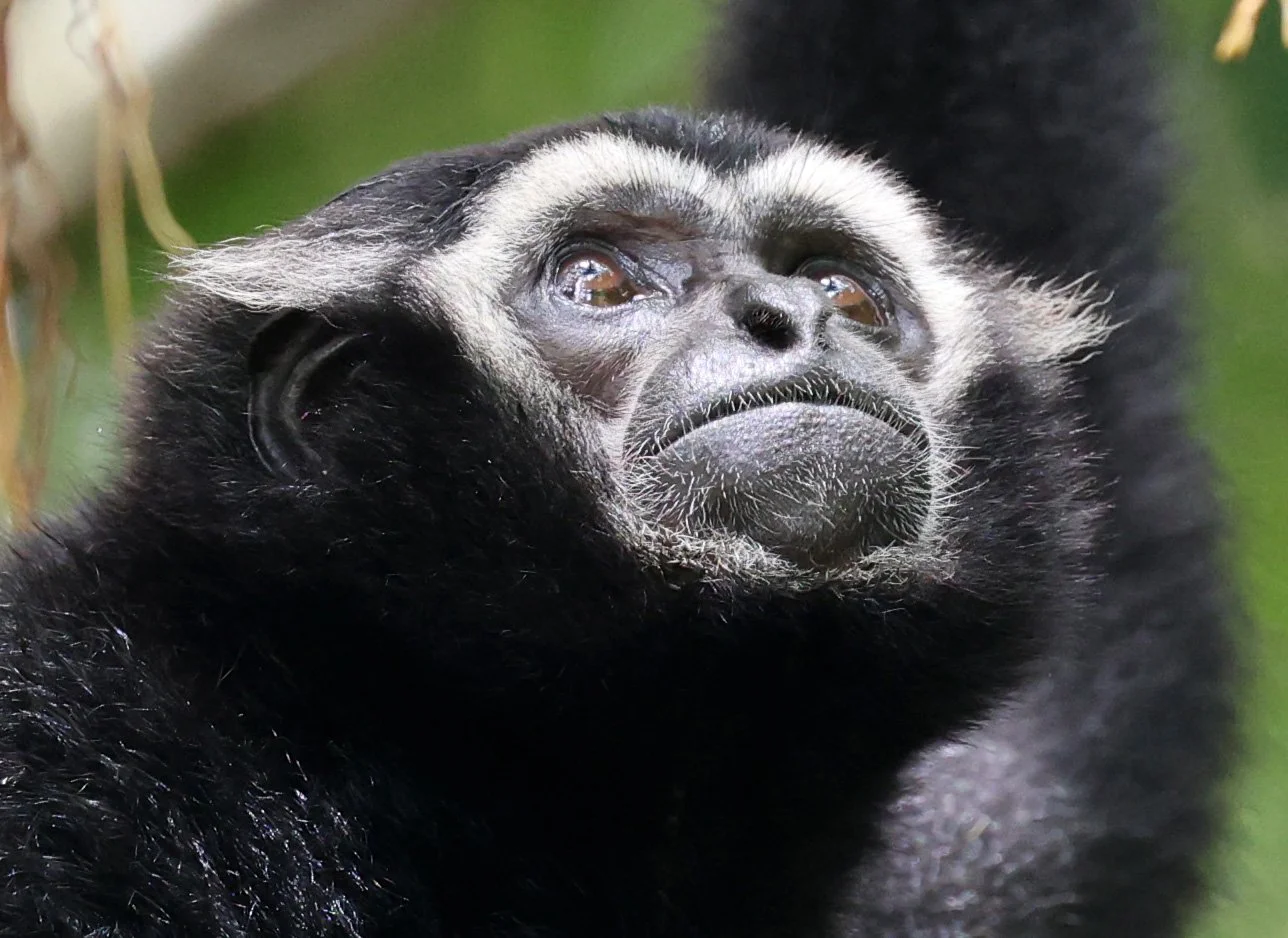
Pileated Gibbon (Hylobates pileatus) male in a tree along the road to Khao Kiew
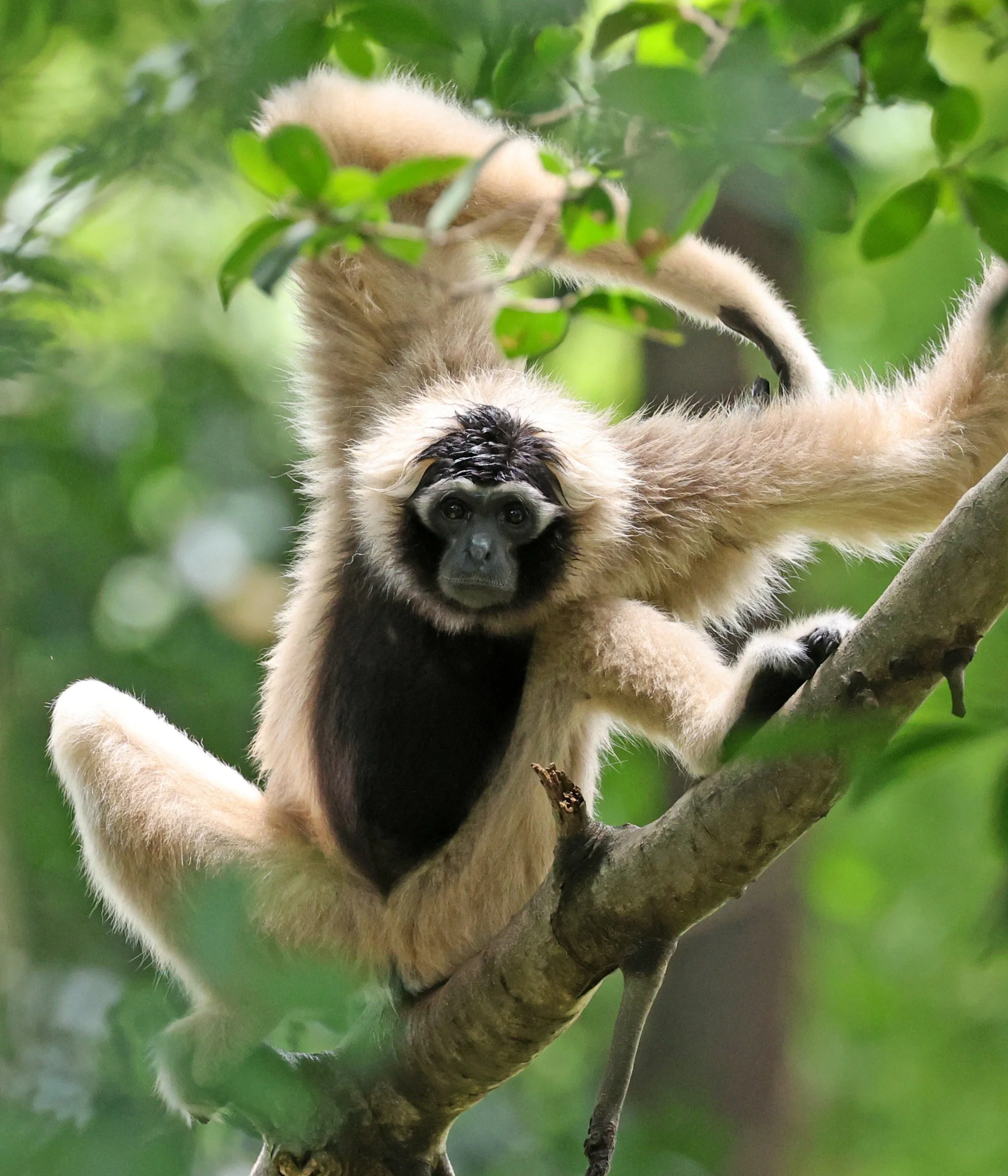
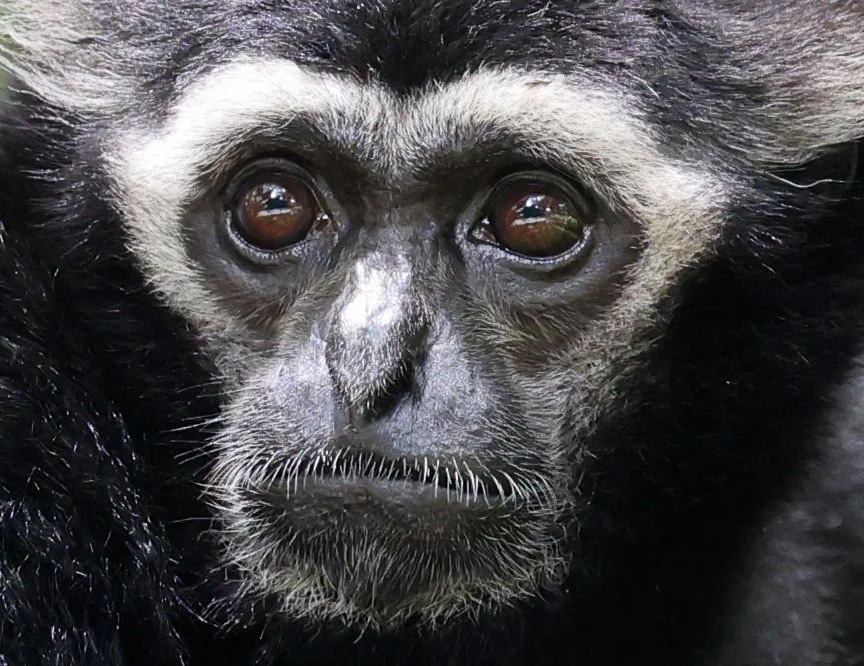
Pileated Gibbon (Hylobates pileatus) Pang Sida National Park

In the Pileated Gibbon (Hylobates pileatus) species, adult males are primarily black, while adult females are predominantly silvery-gray or buff. This distinct color difference is a result of sexual dimorphism
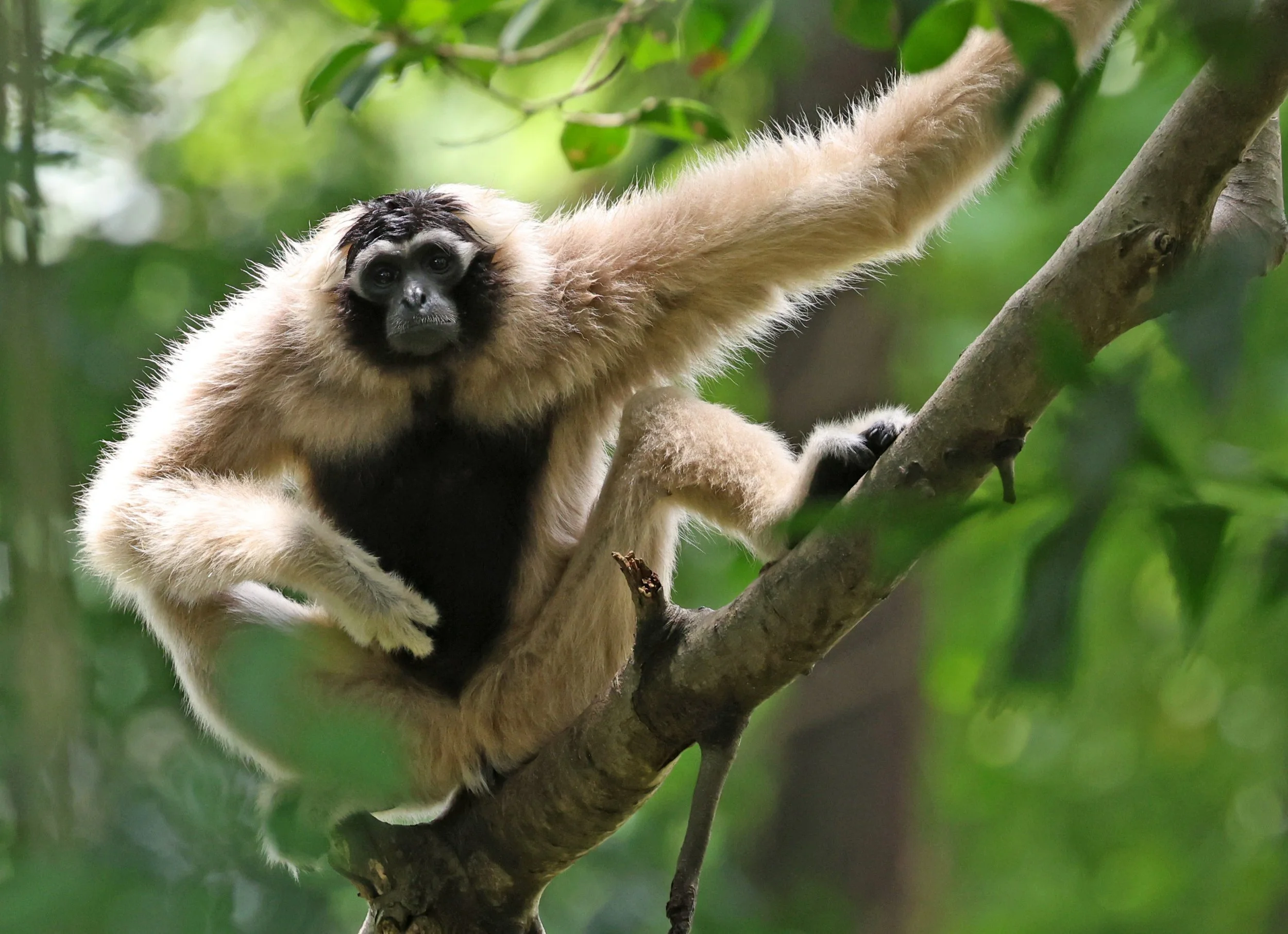
Pileated Gibbon (Hylobates pileatus) Pang Sida National Park
Pileated Gibbon (Hylobates pileatus) Pang Sida National Park
Pileated Gibbon (Hylobates pileatus) Pang Sida National Park
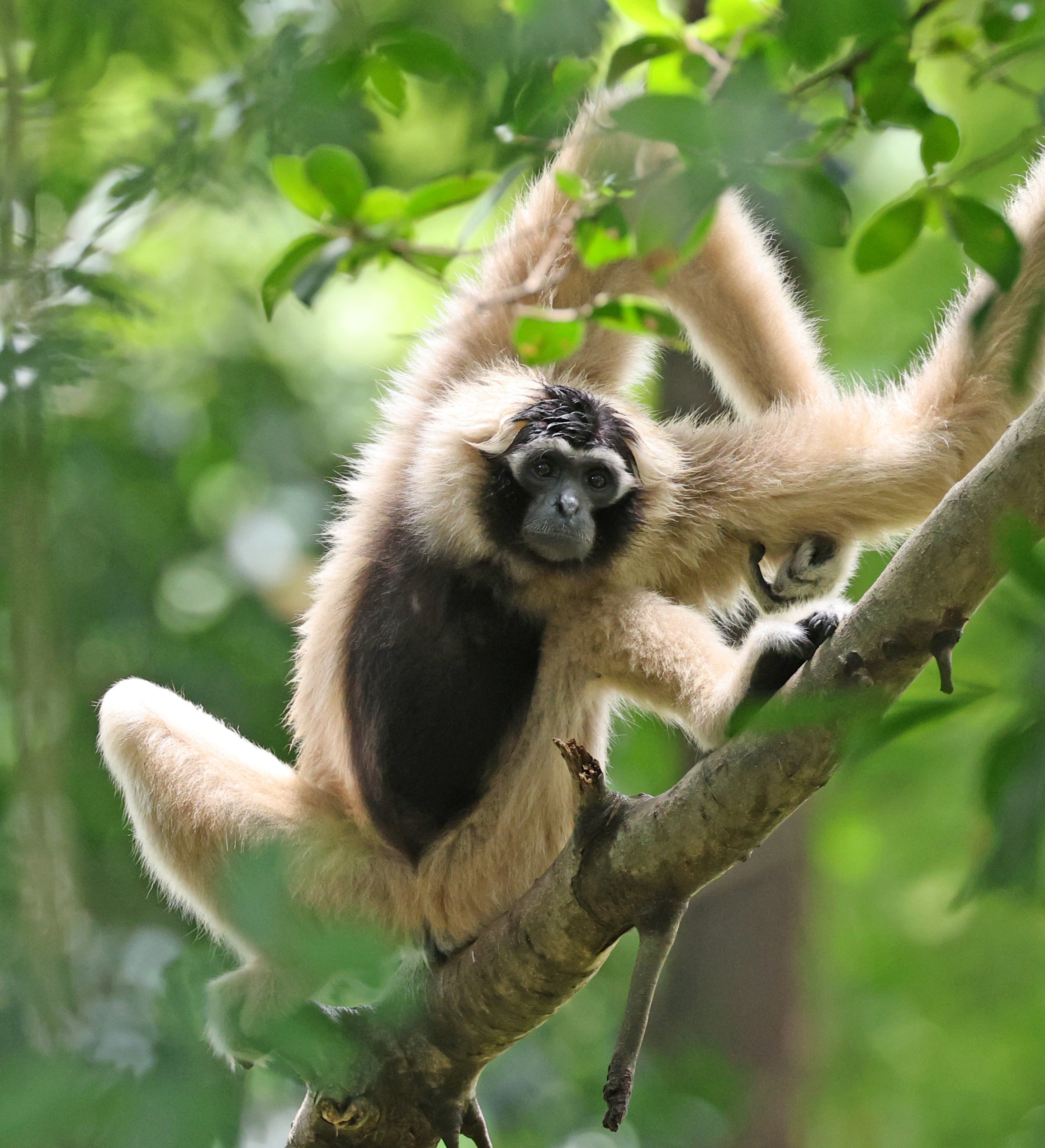
Pileated Gibbon (Hylobates pileatus) Pang Sida National Park

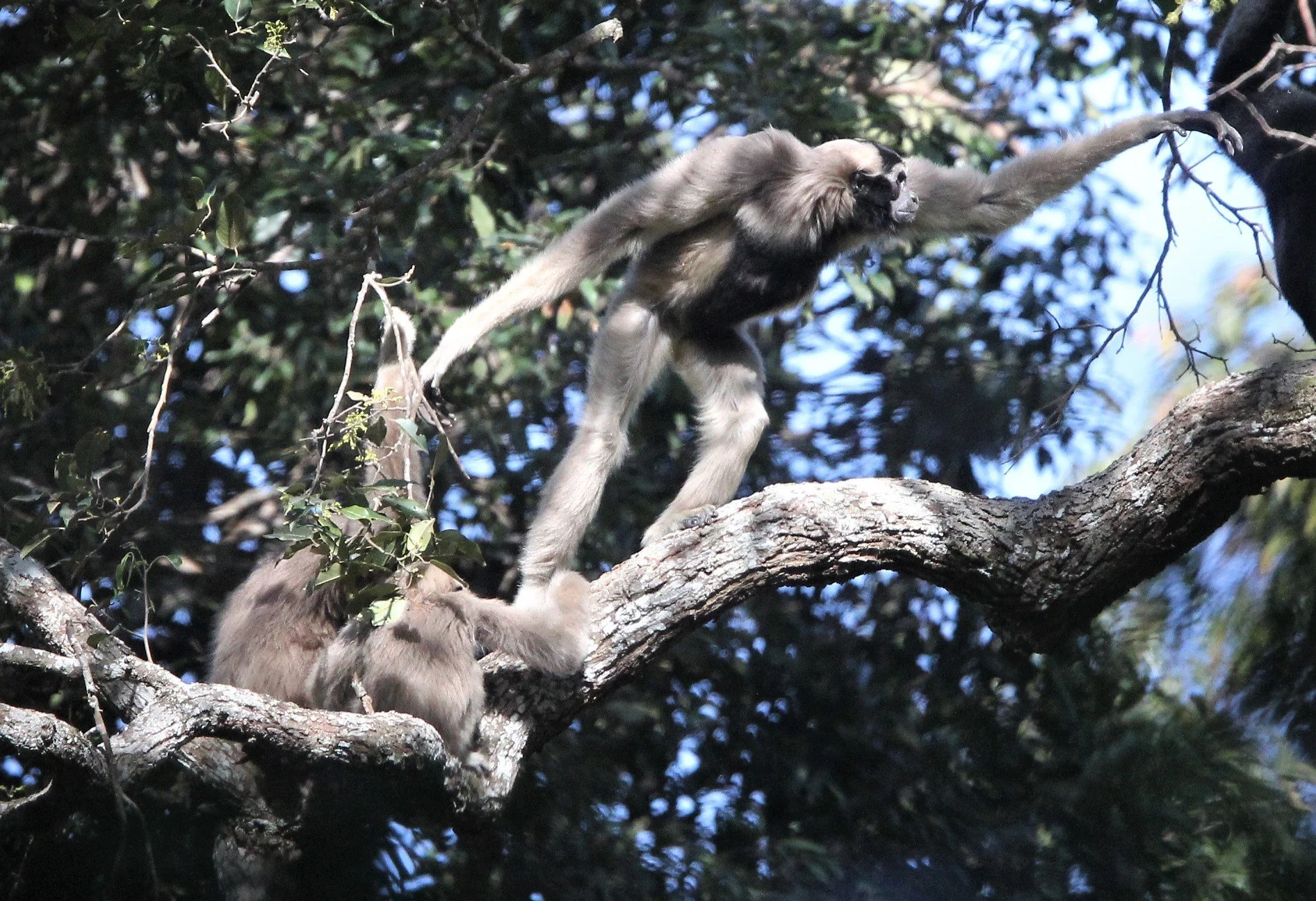
I found this family group early morning a few years back after following their calls. The female tired of me and decided to "walk" off the branch showing arboreal bipedalism!

Mature females have silvery-gray or buff-colored bodies. However, they have a large black patch on their chest and a black "cap" on the top of their head, which gives the species its name ("pileated" means "capped").

In Khao Yai National Park, Thailand, the white-handed gibbon (Hylobates lar) and the pileated gibbon (Hylobates lar) meet in a unique contact zone where they naturally interbreed. This area is one of the few places in the world where two distinct gibbon species hybridize in the wild. The black one in this image is a hybrid of the two species.
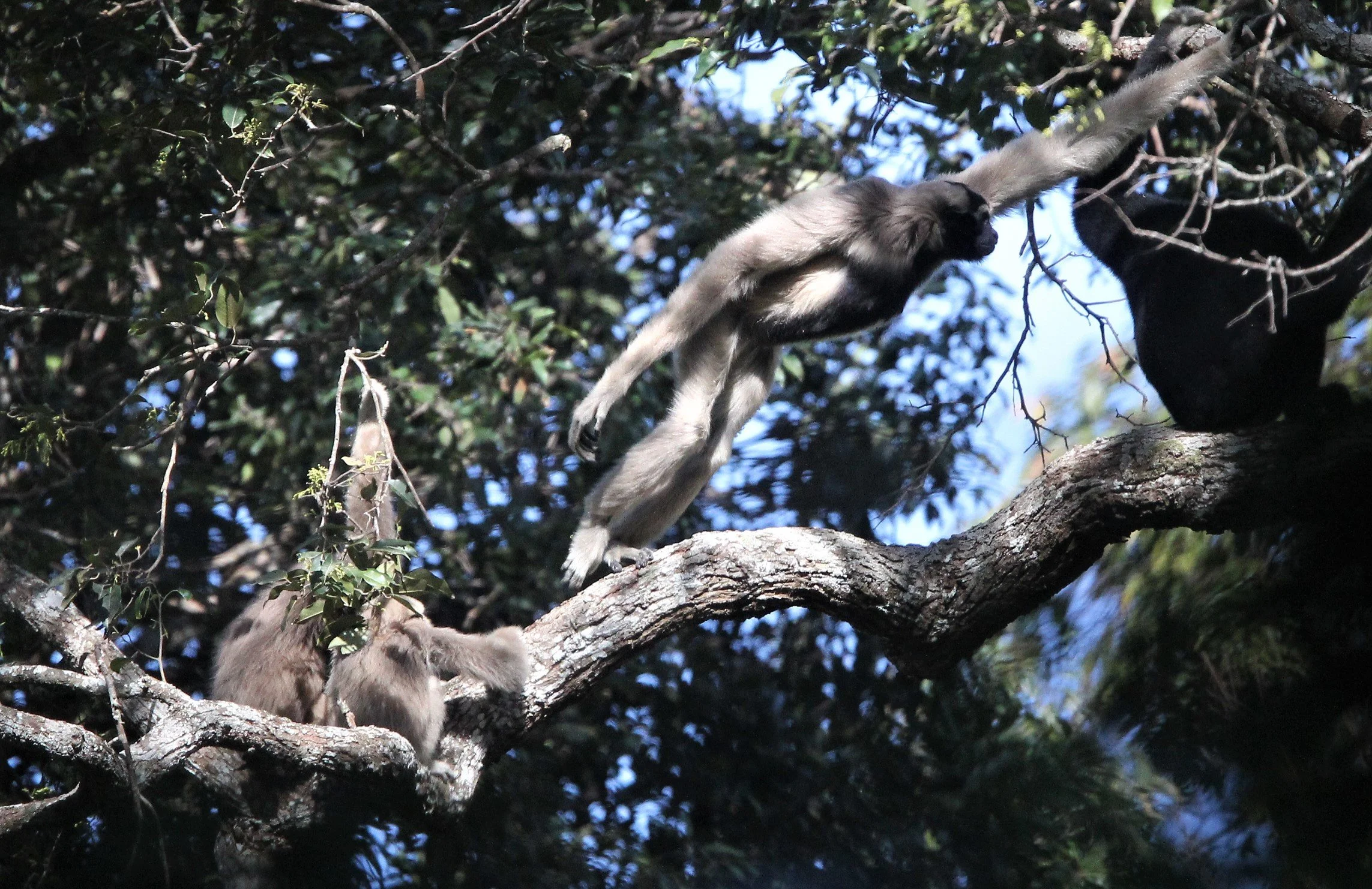


Interestingly, all pileated gibbons are born with light-colored fur. As they age, both sexes develop black patches, but only the males eventually turn completely black upon reaching sexual maturity.


Off she goes!
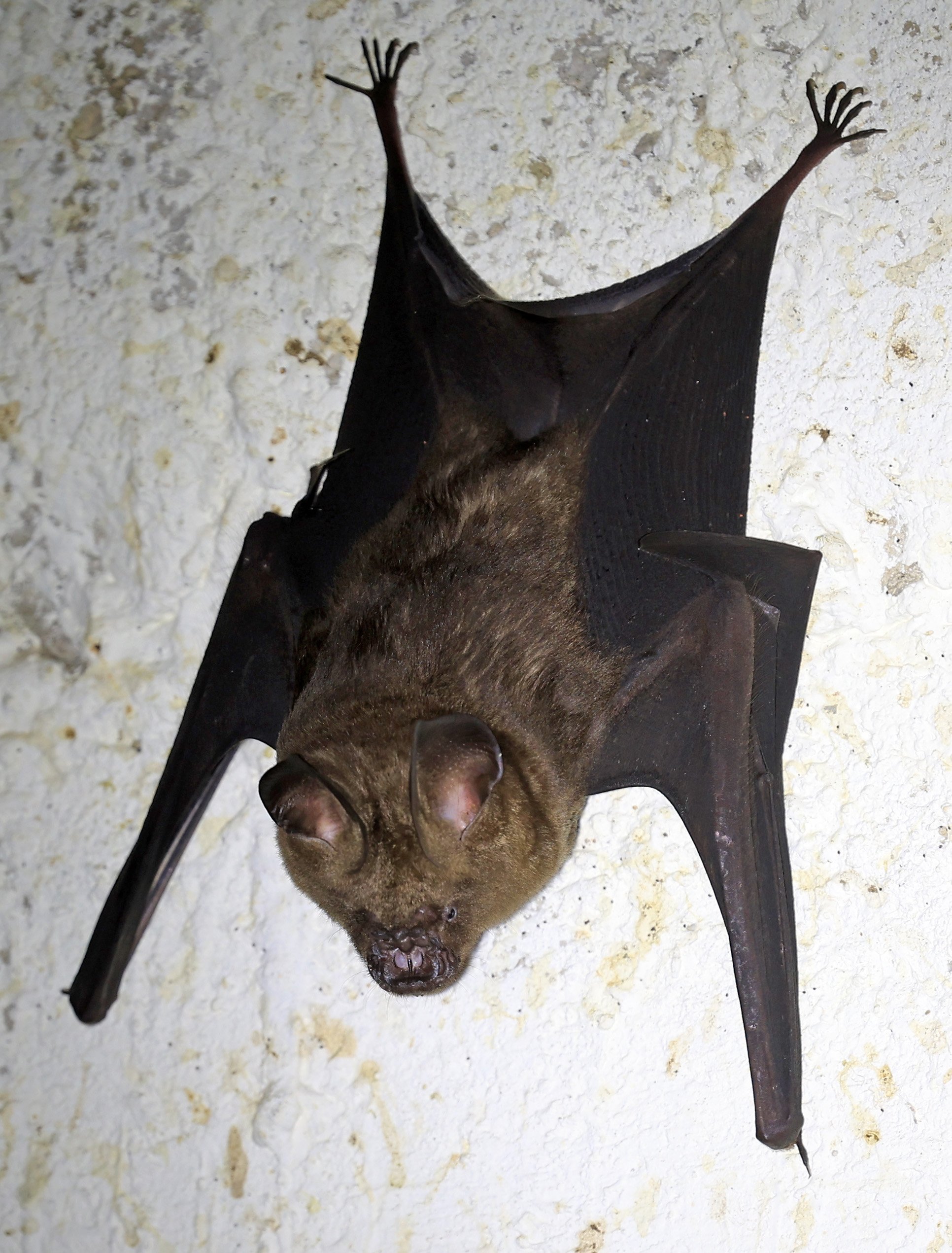
Great Himalayan Leaf-nosed Bat (Hipposideros armiger) Khao Yai National Park. Many of the temples and caves in the greater DPKY region are home to massive numbers of Chiropterans.

Great Himalayan Leaf-nosed Bat (Hipposideros armiger) Wat Sa Nam Sai Temple Pak Chong

Andersen's Leaf-nosed Bat (Hipposideros gentilis) at the Khao Yai HQ. Best kept secret to see this hard to find species!
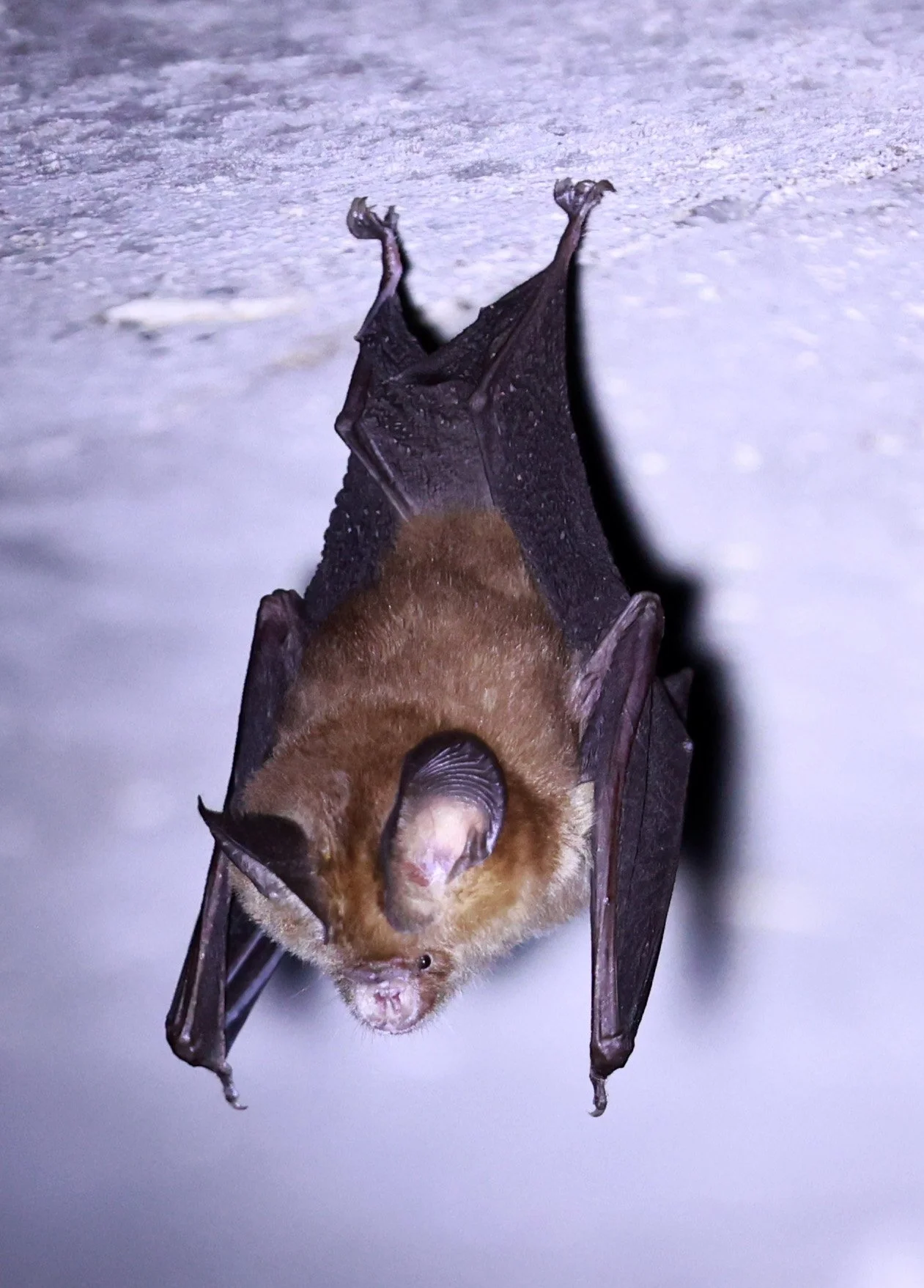
Andersen's Leaf-nosed Bat (Hipposideros gentilis) at the Khao Yai HQ

Horsfield’s Leaf-nosed Bat (Hipposideros larvatus) Wat Sa Nam Sai Temple Pak Chong. I initially learned this species as the Intermediate Roundleaf Bat

Horsfield’s Leaf-nosed Bat (Hipposideros larvatus) Wat Sa Nam Sai Temple Pak Chong

Horsfield’s Leaf-nosed Bat (Hipposideros larvatus) Wat Sa Nam Sai Temple Pak Chong

Horsfield’s Leaf-nosed Bat (Hipposideros larvatus) Wat Sa Nam Sai Temple Pak Chong

Horsfield’s Leaf-nosed Bat (Hipposideros larvatus) Wat Sa Nam Sai Temple Pak Chong

Horsfield’s Leaf-nosed Bat (Hipposideros larvatus) Wat Sa Nam Sai Temple Pak Chong
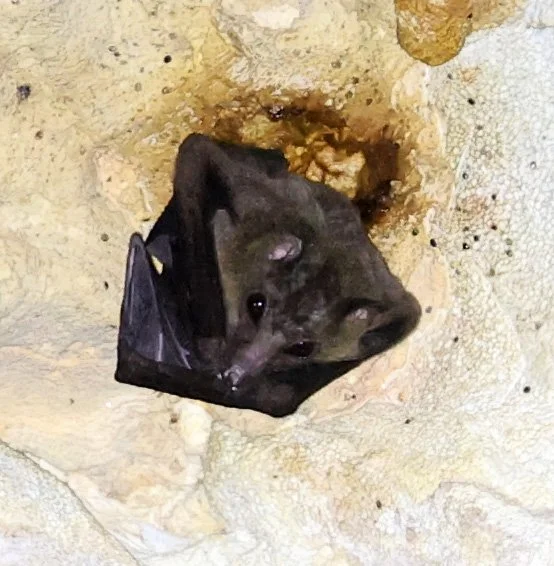
Geoffroy's Rousette (Rousettus amplexicaudatus) Wat Thewarup Songtham Temple Pak Chong (Tentative ID)

Geoffroy's Rousette (Rousettus amplexicaudatus) Wat Thewarup Songtham Temple Pak Chong (Tentative ID)

Shamel’s Horseshoe Bat (Rhinolophus shameli) Wat Tham Sila Thong Temple Pak Chong
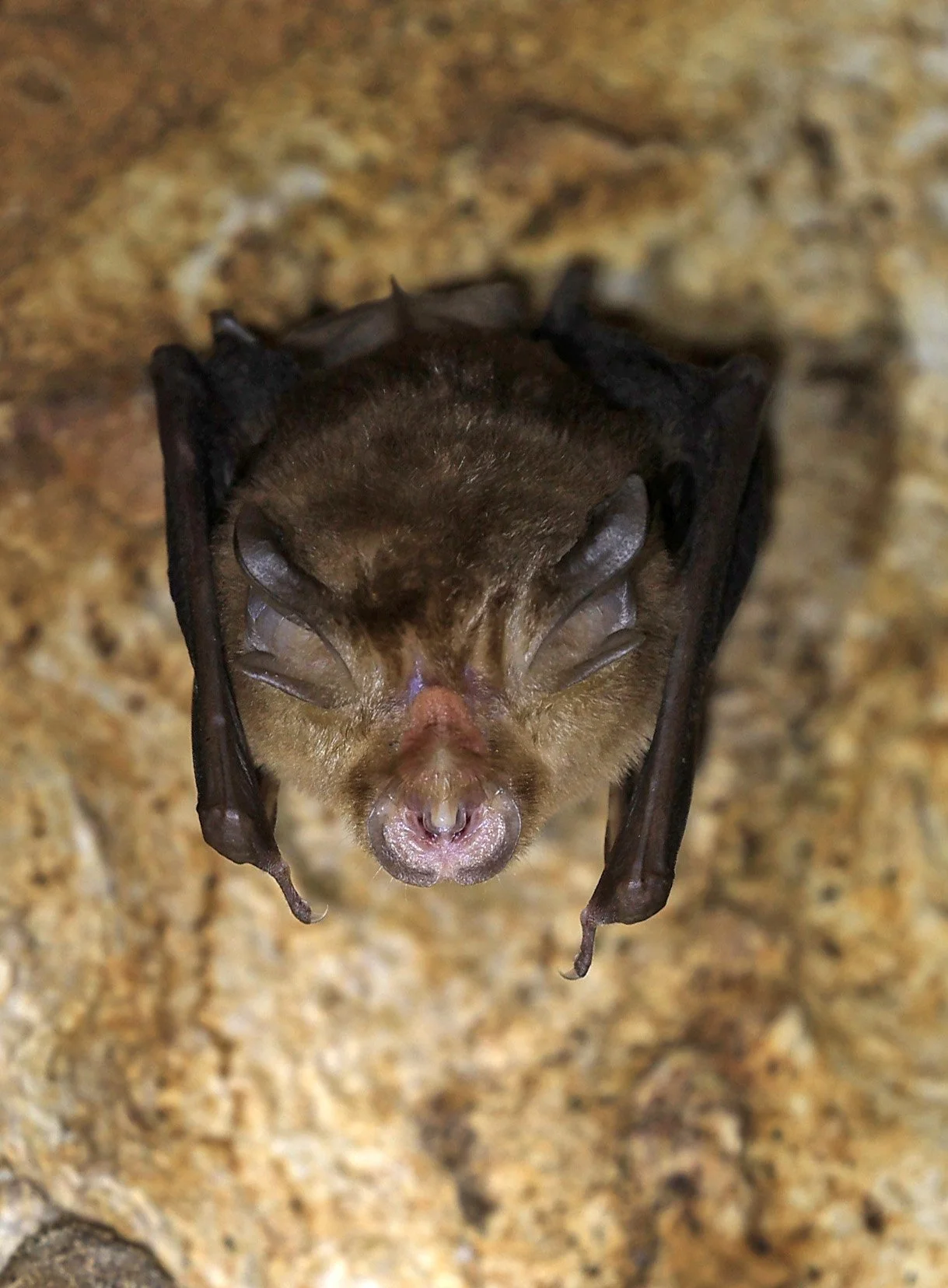
Shamel’s Horseshoe Bat (Rhinolophus shameli) Wat Tham Sila Thong Temple Pak Chong

Shamel’s Horseshoe Bat (Rhinolophus shameli) Wat Tham Sila Thong Temple Pak Chong

Lesser false vampire bat (Megaderma spasma) Khao Yai National Park. These can be easily seen in a secret tree hollow....Info on request for reputable mammalwatchers. But be warned - their roost is tick heaven!

Lesser false vampire bat (Megaderma spasma) Khao Yai National Park
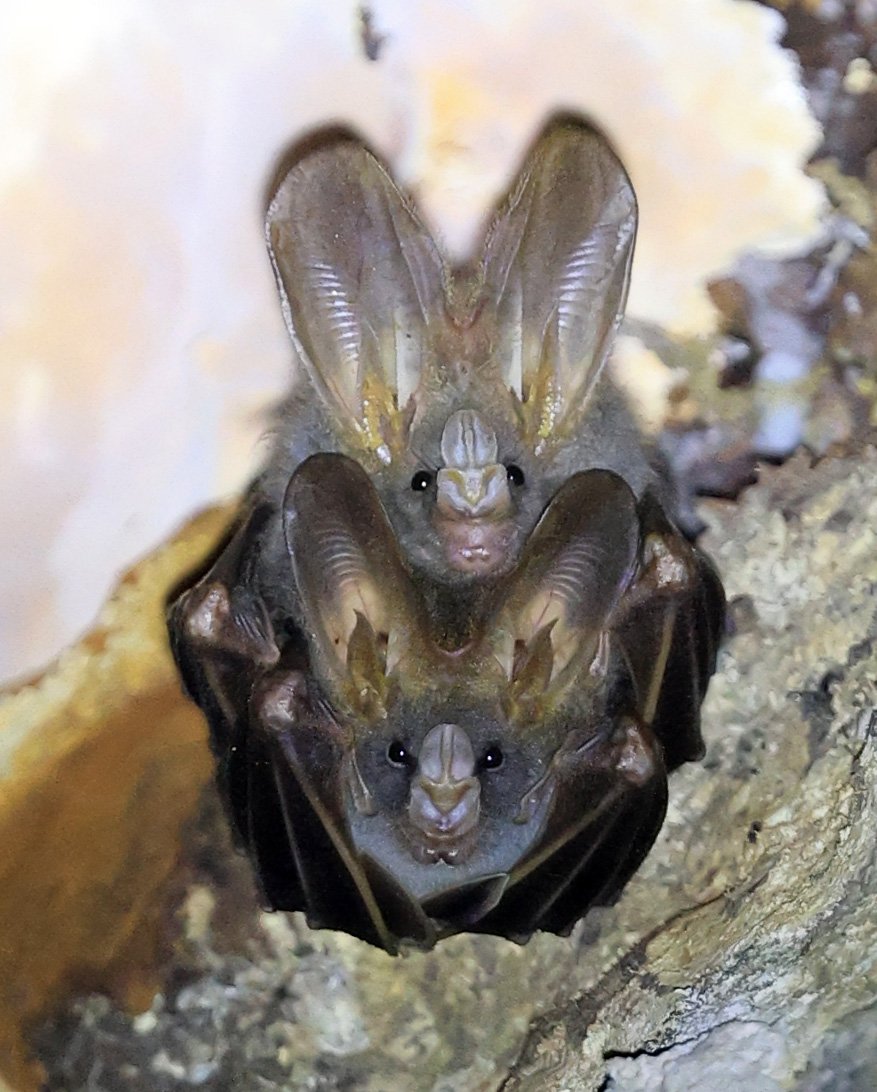
Lesser false vampire bat (Megaderma spasma) Khao Yai National Park

Pearson’s Horseshoe Bat (Rhinolophus pearsonii) Wat Sa Nam Sai Temple Pak Chong

Pearson’s Horseshoe Bat (Rhinolophus pearsonii) Wat Sa Nam Sai Temple Pak Chong

Lyle's Flying Fox (Pteropus lylei). While I know of no roost for these in the DPKY they do visit nightly for fruit in the forests.

Lyle's Flying Fox (Pteropus lylei)

Malayan porcupines (Hystrix brachyura) are commonly spotted, primarily at night, in Khao Yai National Park, Thailand. These large rodents, known for their sharp, black-and-white quills, are often seen foraging along roadsides or near visitor areas during the evening, particularly during organized night safaris.
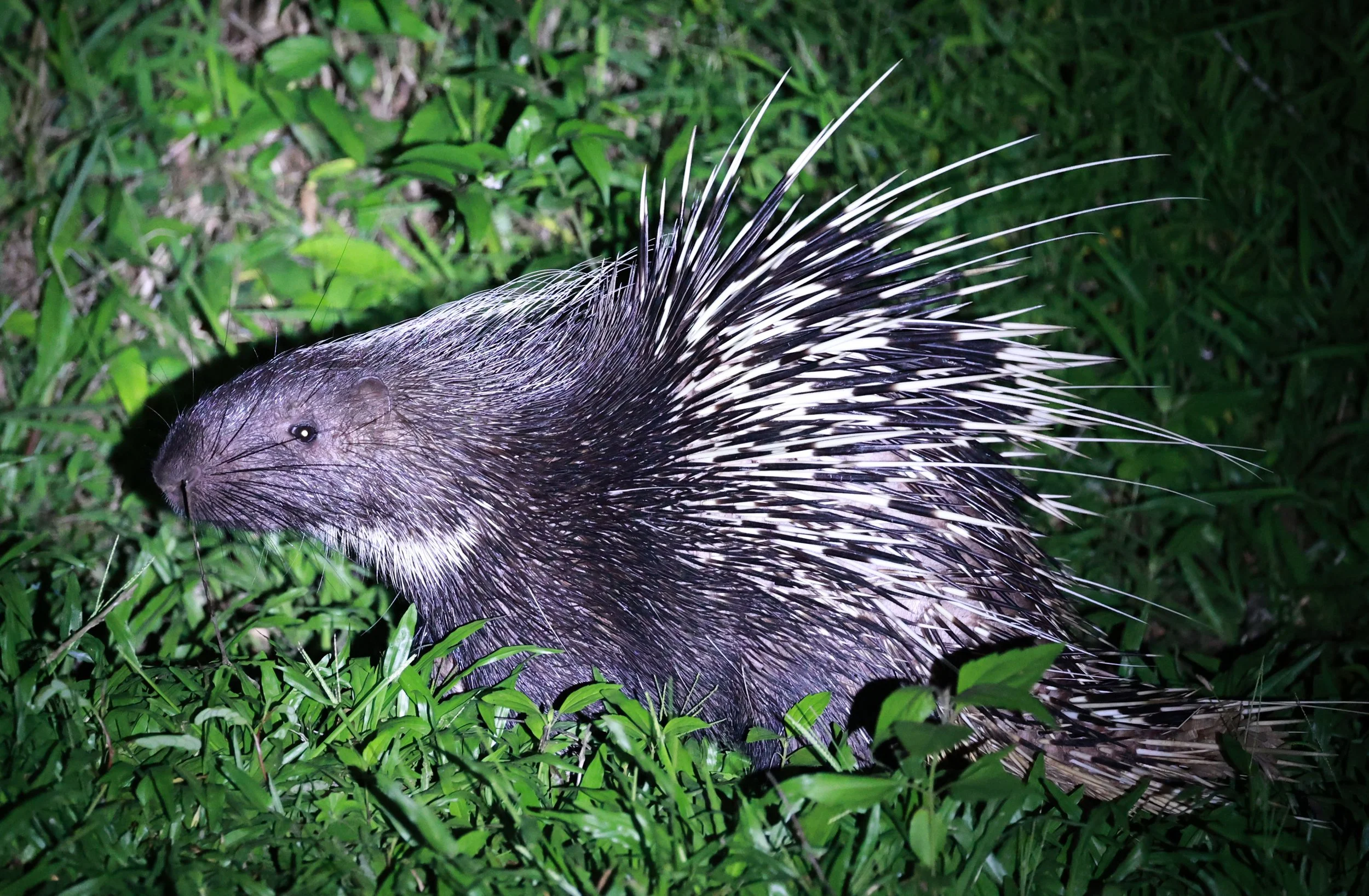
Malayan porcupines (Hystrix brachyura) cannot shoot their quills like arrows, a common myth debunked. Don't be stupid.

A nightly visitor when we stay at our favorite bungalow (206) in Khao Yai.
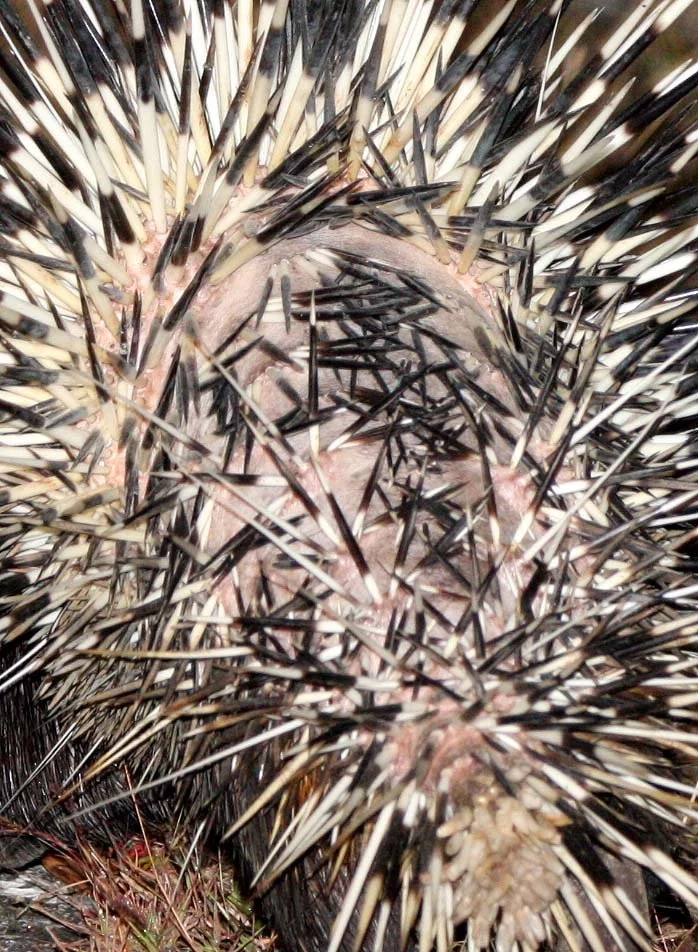
When threatened, they puff up their quills, rattle their tail to make a warning sound, and may charge backwards into an attacker to stab them with their quills.

In Khao Yai National Park, the Masked Palm Civet (Paguma larvata) is one of several civet species inhabiting the park's diverse evergreen forests. Known locally as ehen khruea, it is a fascinating, primarily nocturnal mammal often sought after by wildlife enthusiasts during night safaris. Unlike many other civets, it lacks spots or stripes on its body. It is easily identified by its "mask"—a striking pattern of white and black markings on its face—and a long, unringed tail that can sometimes be as long as its body.

The Black Giant Squirrel (Ratufa bicolor), or "Phaya Kraryok Dam" in Thai, is one of the world's largest squirrels and is frequently spotted in Khao Yai National Park.


Malayan Giant Squirrels can reach a total length of nearly 1 meter, with its bushy tail often longer than its body (body: 33–37.5 cm; tail: 42.5–46 cm). The upper body and tail are jet black or dark brown, contrasting sharply with a cream or orange-yellow belly and cheeks.

Black Giant Squirrel (Ratufa bicolor)

It is a diurnal, tree-dwelling species that rarely descends to the ground, preferring the high canopy of evergreen and mixed deciduous forests. It is known for a loud, "drilling" or rattling call that often alerts hikers to its presence,
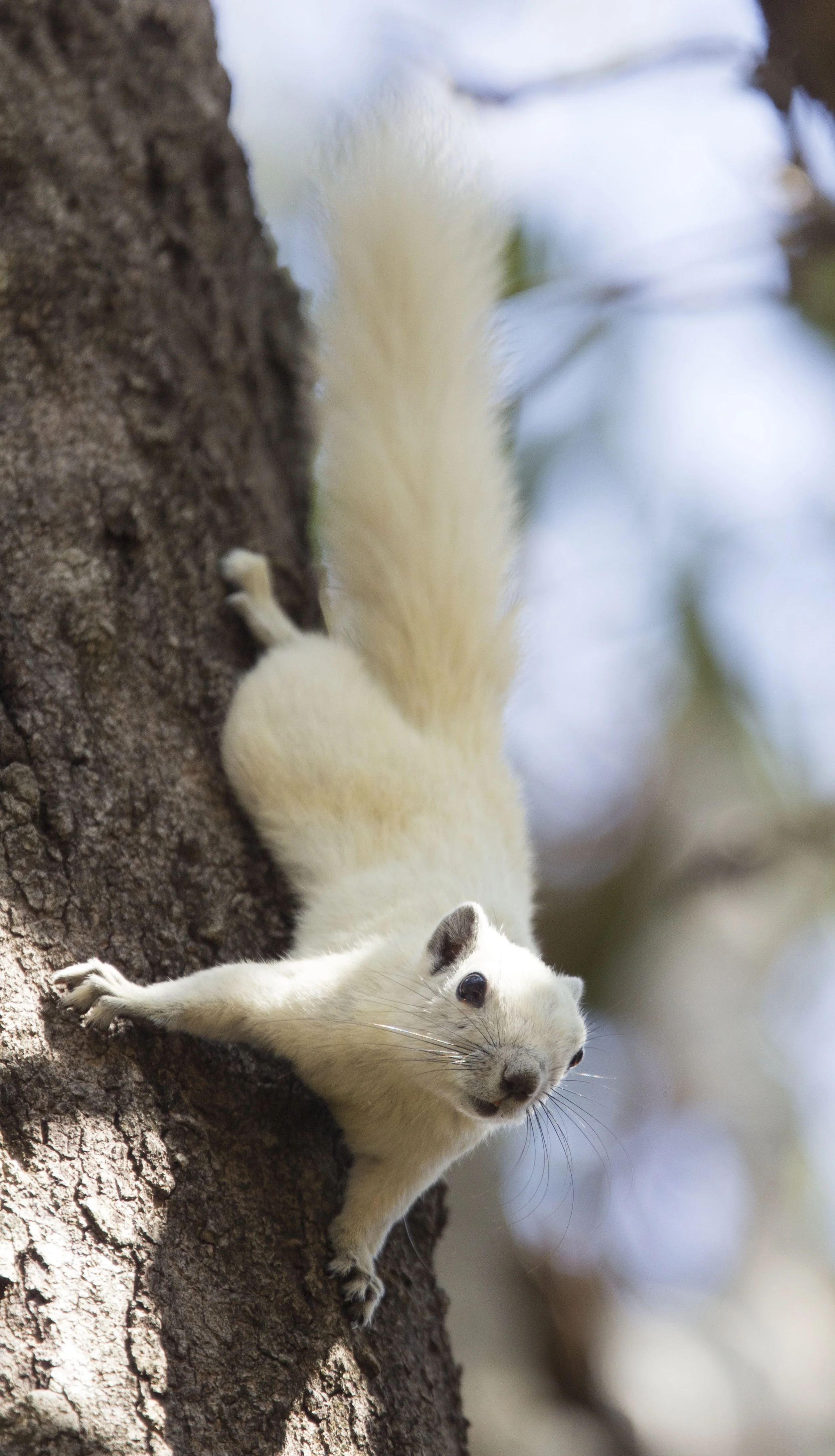
The white Finlayson's squirrel (Callosciurus finlaysonii), also widely known as the Variable Squirrel, is a striking sight in Khao Yai National Park.
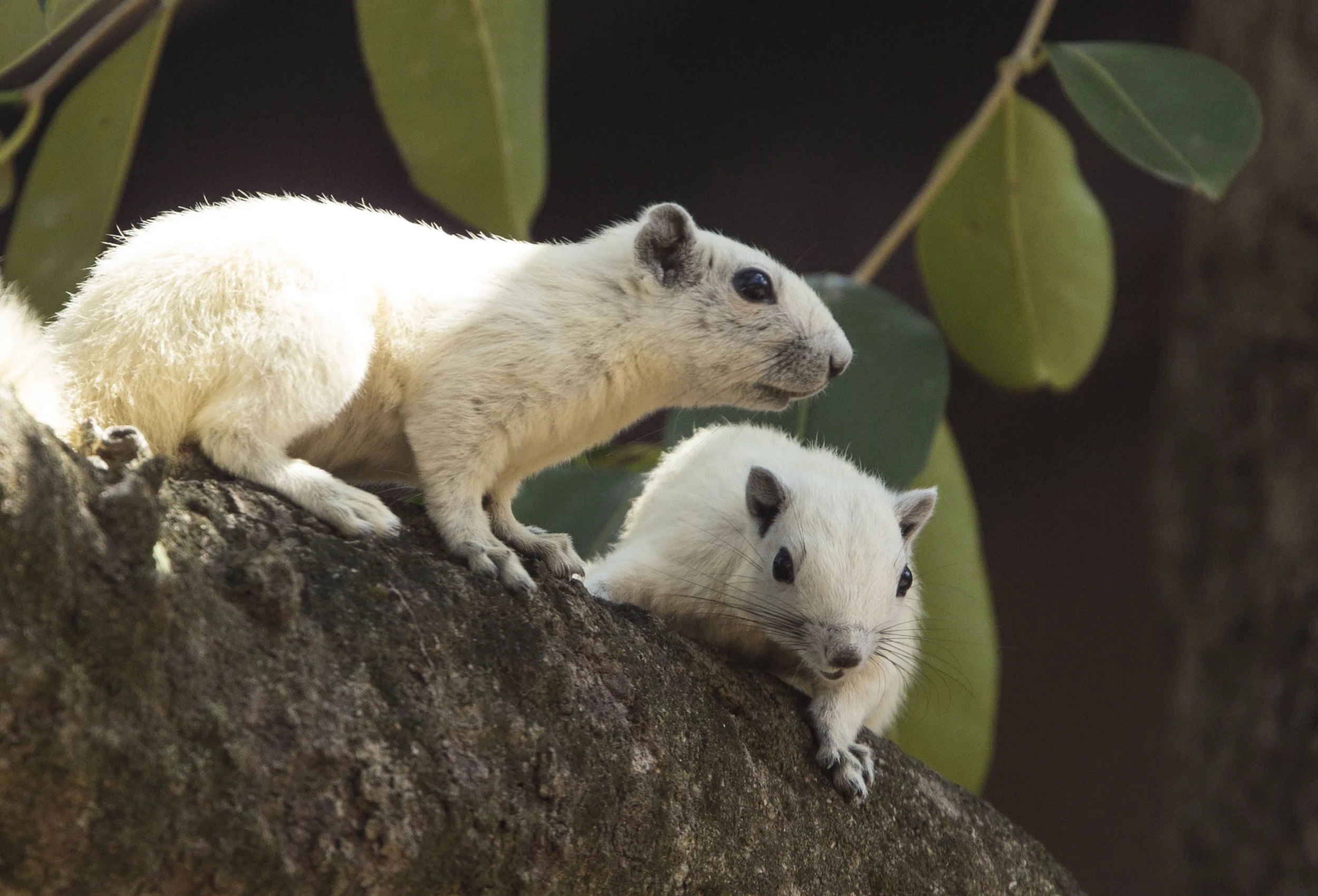
They typically have a head-and-body length of about 21–22 cm and a similarly long, bushy tail. In Khao Yai, you may see individuals with pure white coats or white-tipped tails.
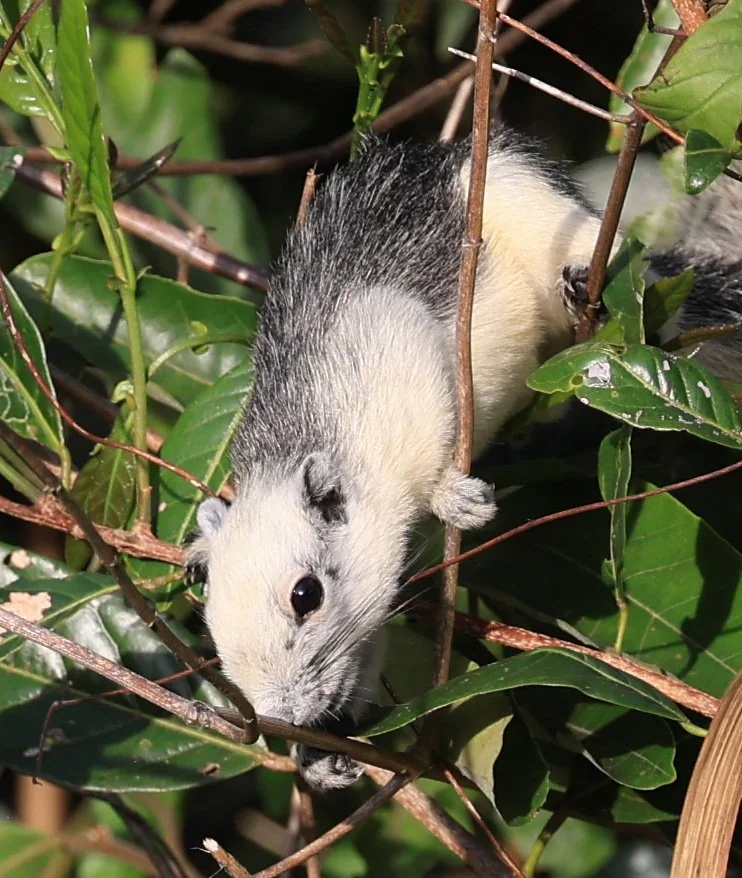
While the species as a whole varies wildly, the bocourti subspecies is often noted for having a white morph (entirely white fur). In other regions, it may appear with a dark back and a white or pale underside.
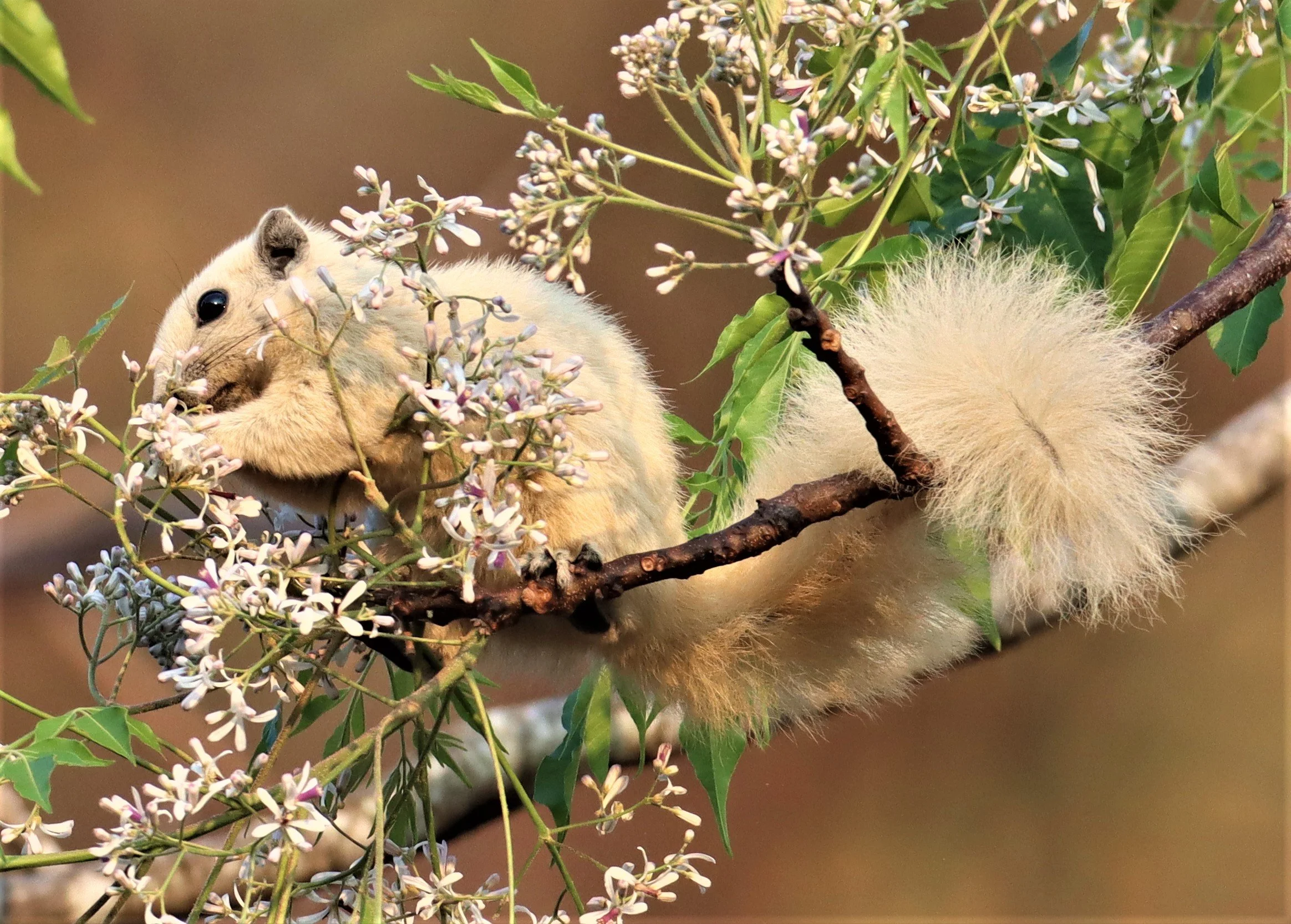
While the species name "variable" comes from its extreme geographic variation in pelage color (ranging from jet black to deep red and many other variations), a distinct all-white or creamy-white morph is common in certain regions of Thailand, especially the DPKY.
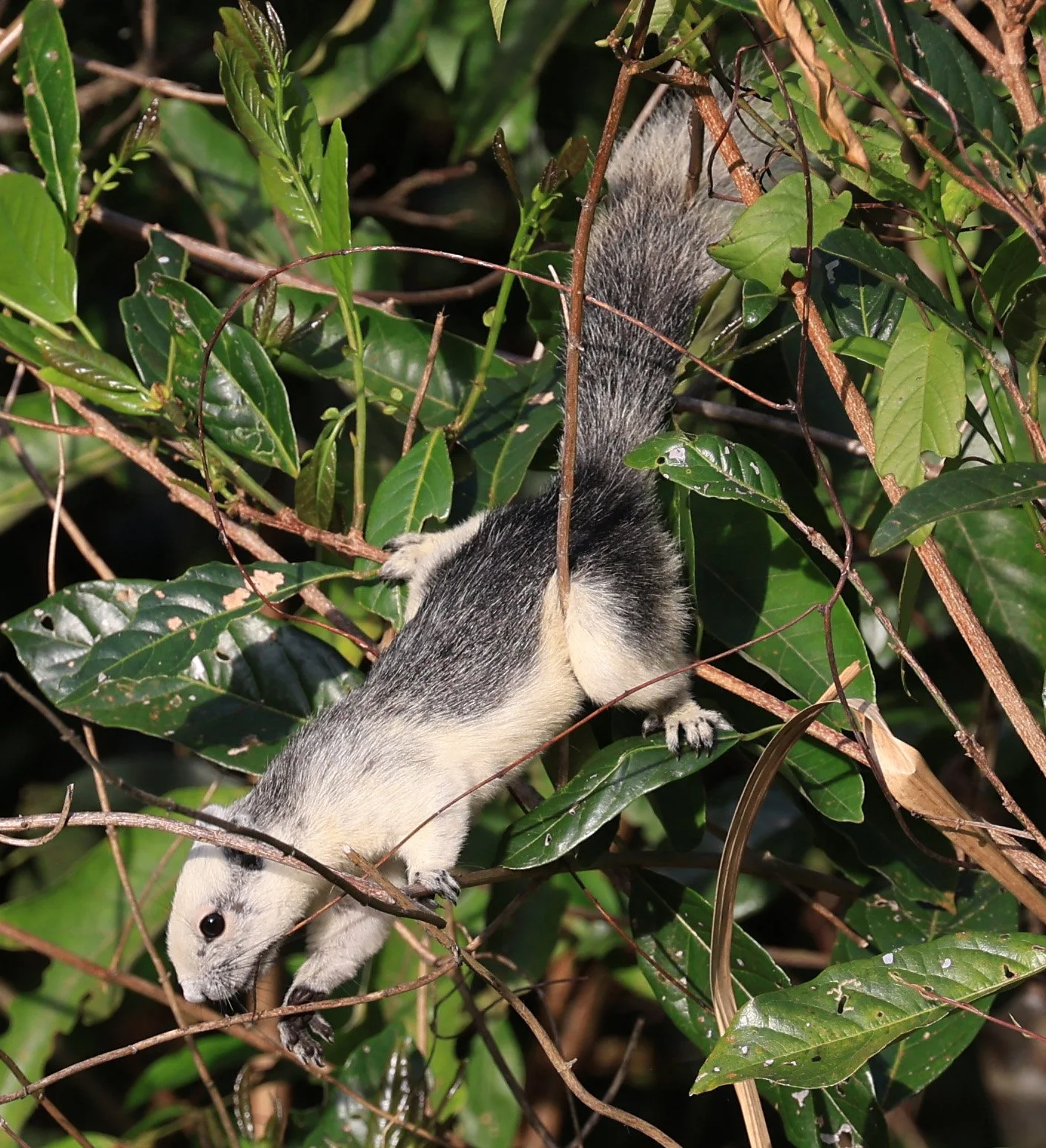
Bocourt's Variable Squirrel (Callosciurus finlaysonii bocourti) is the most common form in DPKY.
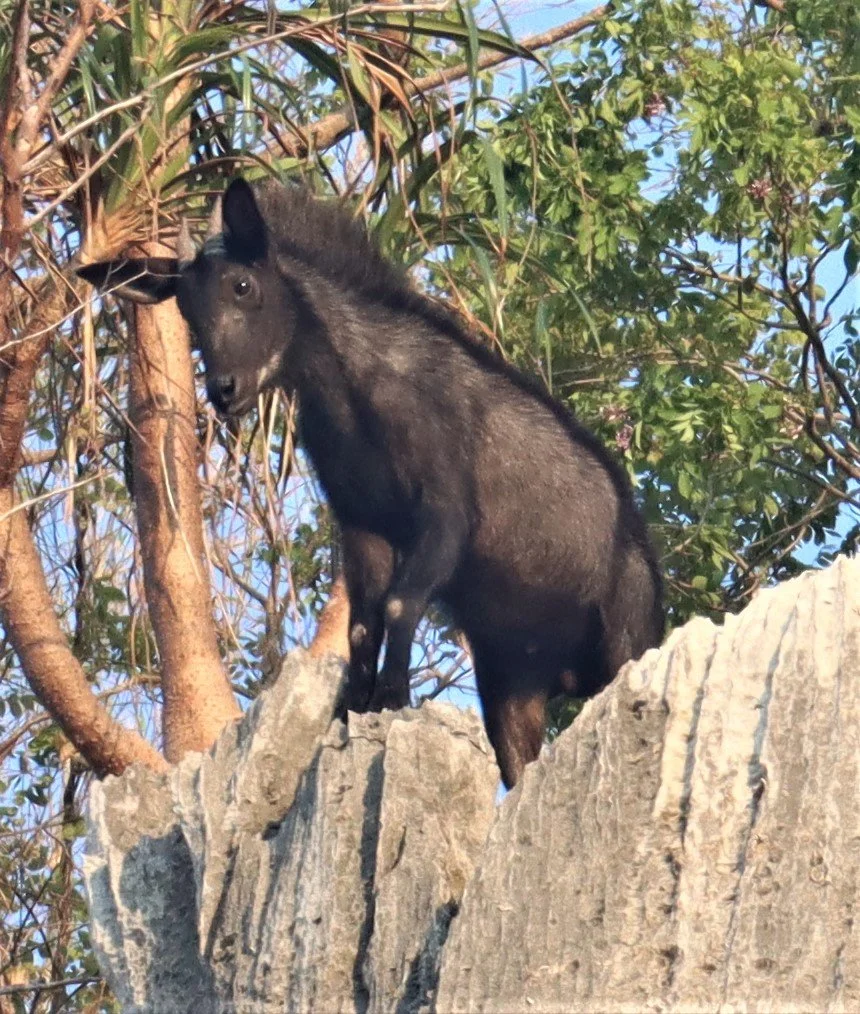
The Mainland Serow (Capricornis sumatraensis), a goat-antelope with a thick black coat, long ears, and short, curved horns. They are most active during the early morning and late evening. They use specialized scent glands below their eyes to mark their territory on rocks and trees. In Khao Yai, they inhabit the more rugged, mountainous sections of the park, often near limestone cliffs or dense forest cover.
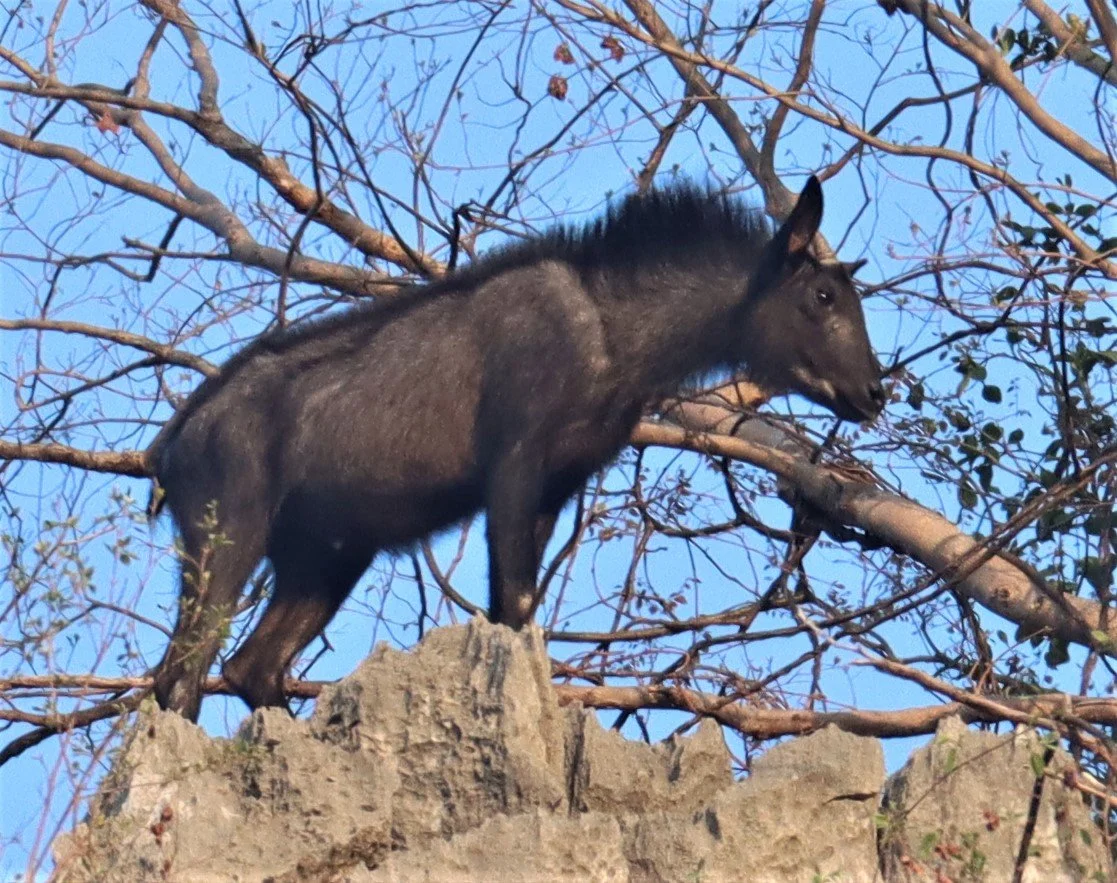
The Mainland Serow (Capricornis sumatraensis), (locally known in Thai as Liang Pha or Khoram) is one of Thailand’s 15 reserved wild animals and a rare find in Khao Yai National Park. While they are typically shy, solitary creatures that stick to steep, rocky cliffs, there have been remarkable recent sightings especially at Pha Diew Dai.
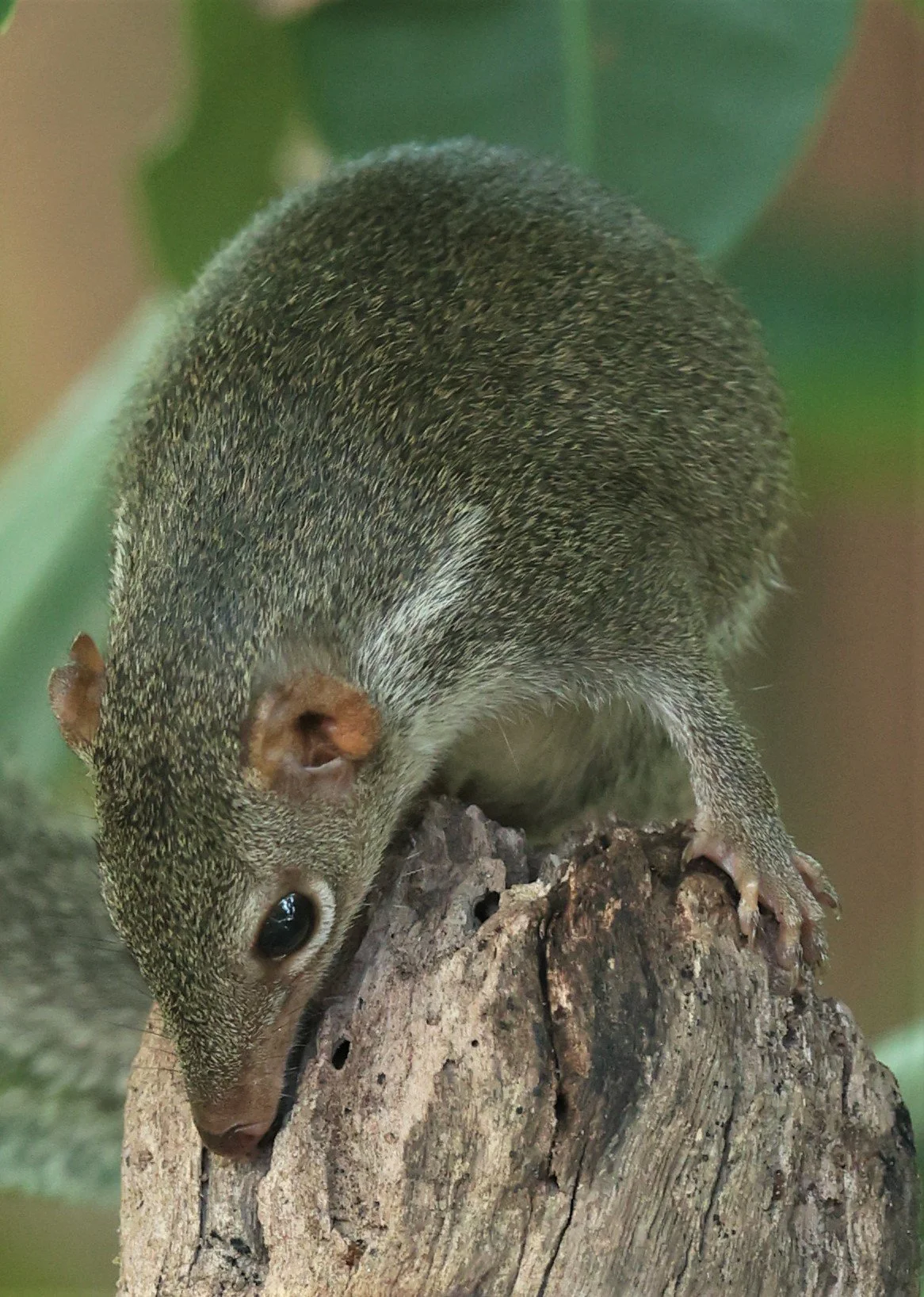
The Northern Treeshrew (Tupaia belangeri) is one of the most common small mammals you'll encounter in Khao Yai National Park. While they look remarkably like squirrels at a glance, they are actually more closely related to primates.

Mainland Serow (Capricornis sumatraensis)
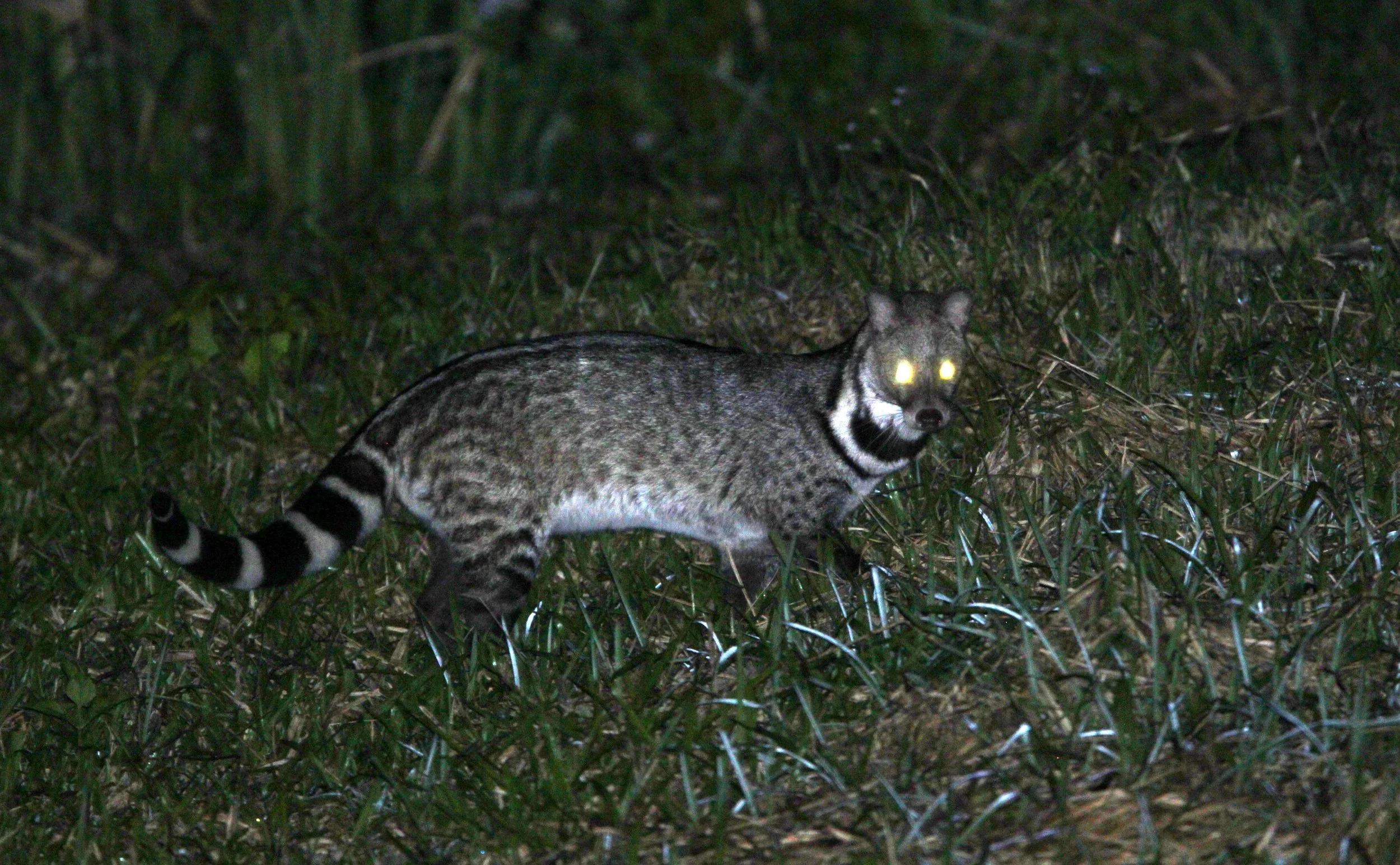
The Large Indian Civet (Viverra zibetha) is one of the most distinctive and sizable Viverrids found in Khao Yai National Park. Known for its striking coat and nocturnal habits, it plays a key role in the park's complex ecosystem.
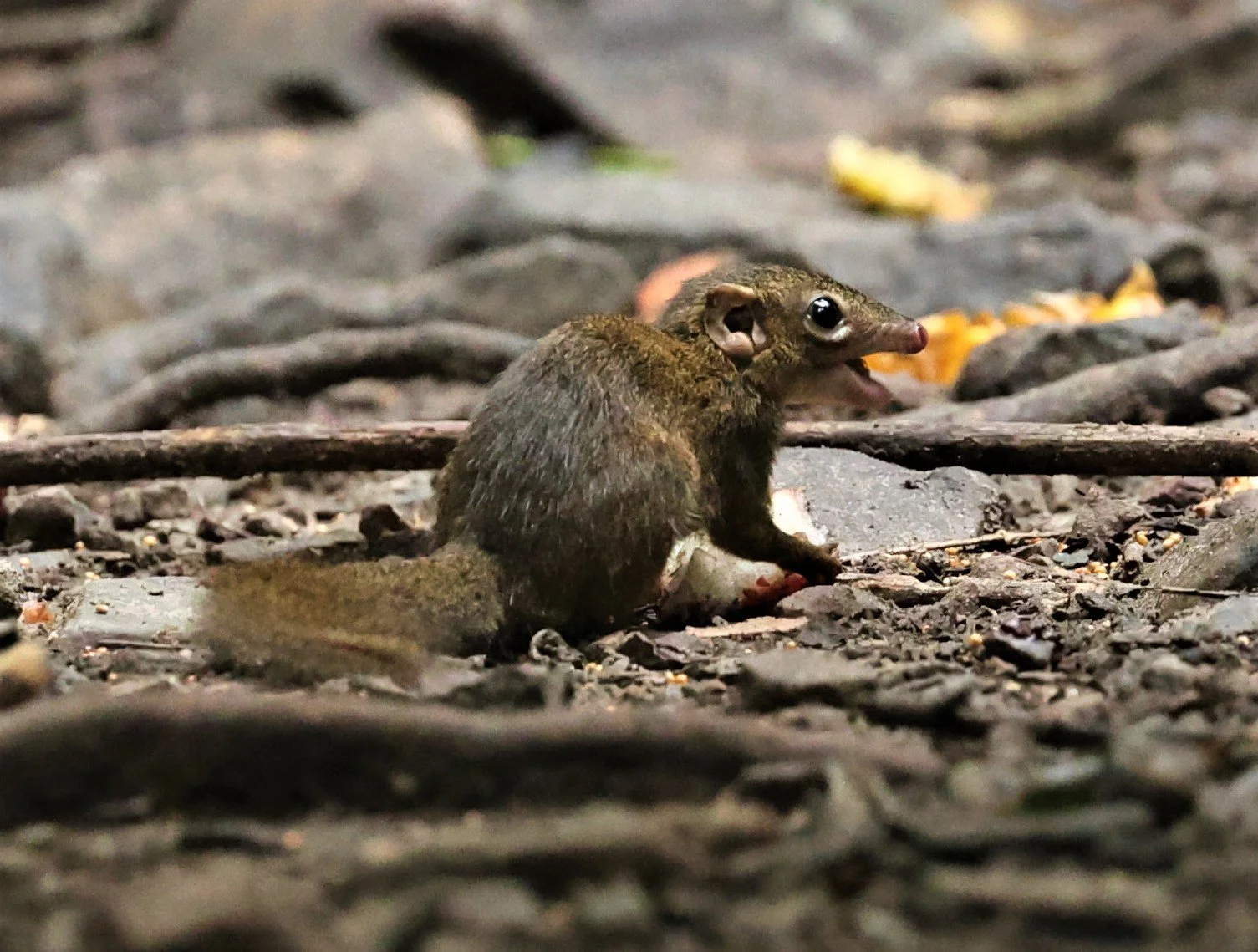
The Northern Treeshrew (Tupaia belangeri) have a long, tapered snout and large eyes, distinguishing them from the more rounded faces of squirrels. Their fur is typically olive-brown or grayish with a bushy tail. They are highly adaptable and thrive in the park's primary dry evergreen forests. Unlike many other small forest mammals, they are diurnal (active during the day), making them relatively easy for visitors to spot. They are opportunistic feeders, consuming insects, fruit, and small vertebrates found on the forest floor.
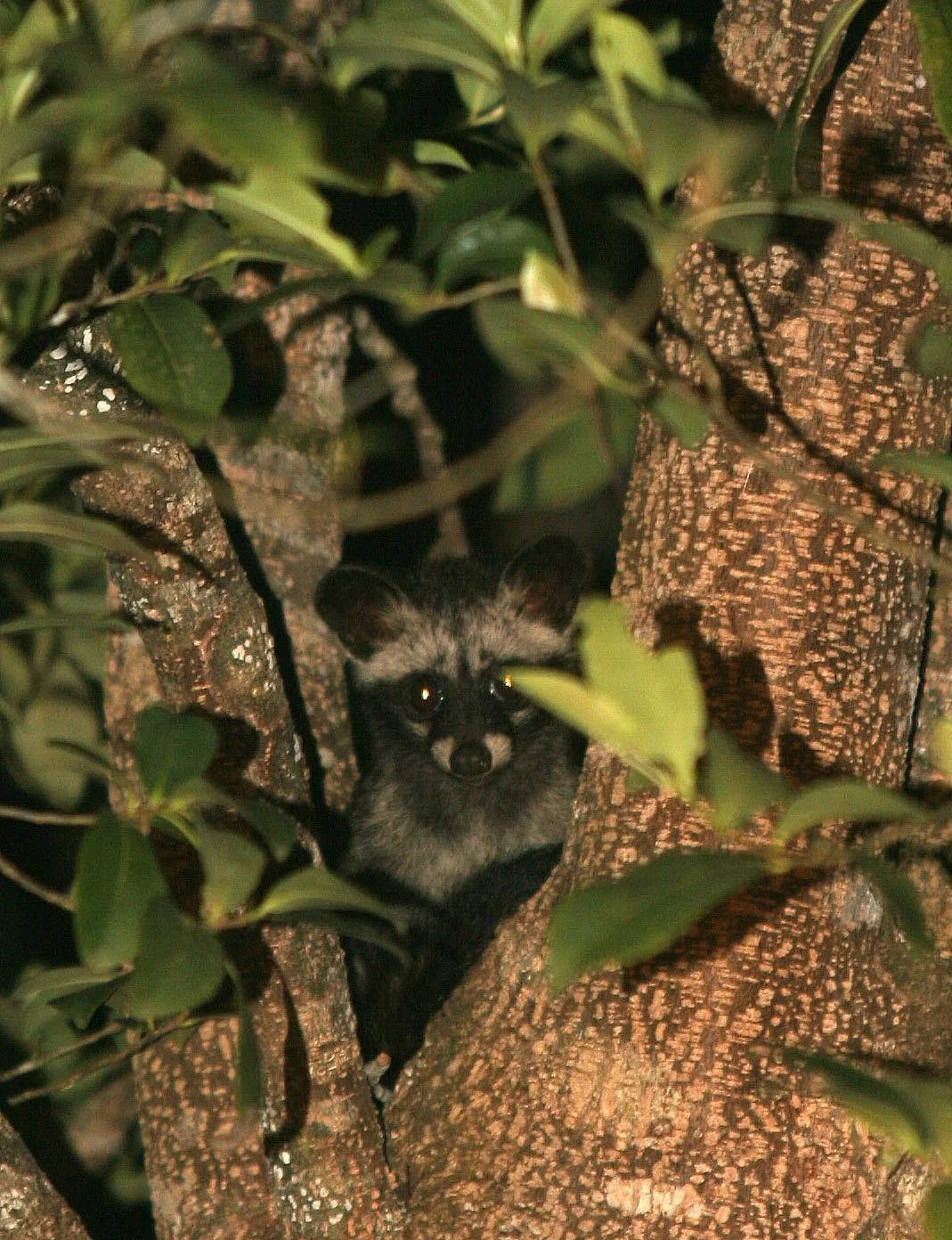
The Asian palm civet (Paradoxurus hermaphroditus), also known locally as Ii Hen, is a common nocturnal mammal found throughout Khao Yai National Park. Known for its arboreal lifestyle and unique role in seed dispersal, it is one of several civet species inhabiting the park's diverse evergreen and deciduous forests. This Asian palm civet (Paradoxurus hermaphroditus) seen in Khao Yai

Asian palm civet (Paradoxurus hermaphroditus) in Pang Sida

In Khao Yai National Park, the Small Indian Civet (Viverricula indica) is a resident species often recorded by researchers and occasionally spotted by visitors. They are smaller than other civet species, featuring light brown fur with five black vertical lines along the back and black spots on the sides. Their tails have 7–9 alternating black and white rings, often ending in a white tip.

They are primarily nocturnal and terrestrial. Unlike many other civets, they do not climb trees frequently and instead live in holes in the ground, under rocks, or in thick brush. Presence in Khao Yai: While they are known to inhabit the park, sightings are most common at night. They have been recorded in various habitats within Khao Yai, including grasslands and forest edges.

Small Indian Civets are commonly seen at night in the grasslands.

In Khao Yai National Park, the Small-toothed Palm Civet (Arctogalidia trivirgata)—also known as the Three-striped Palm Civet or White-faced Palm Civet—is a secretive, arboreal resident.
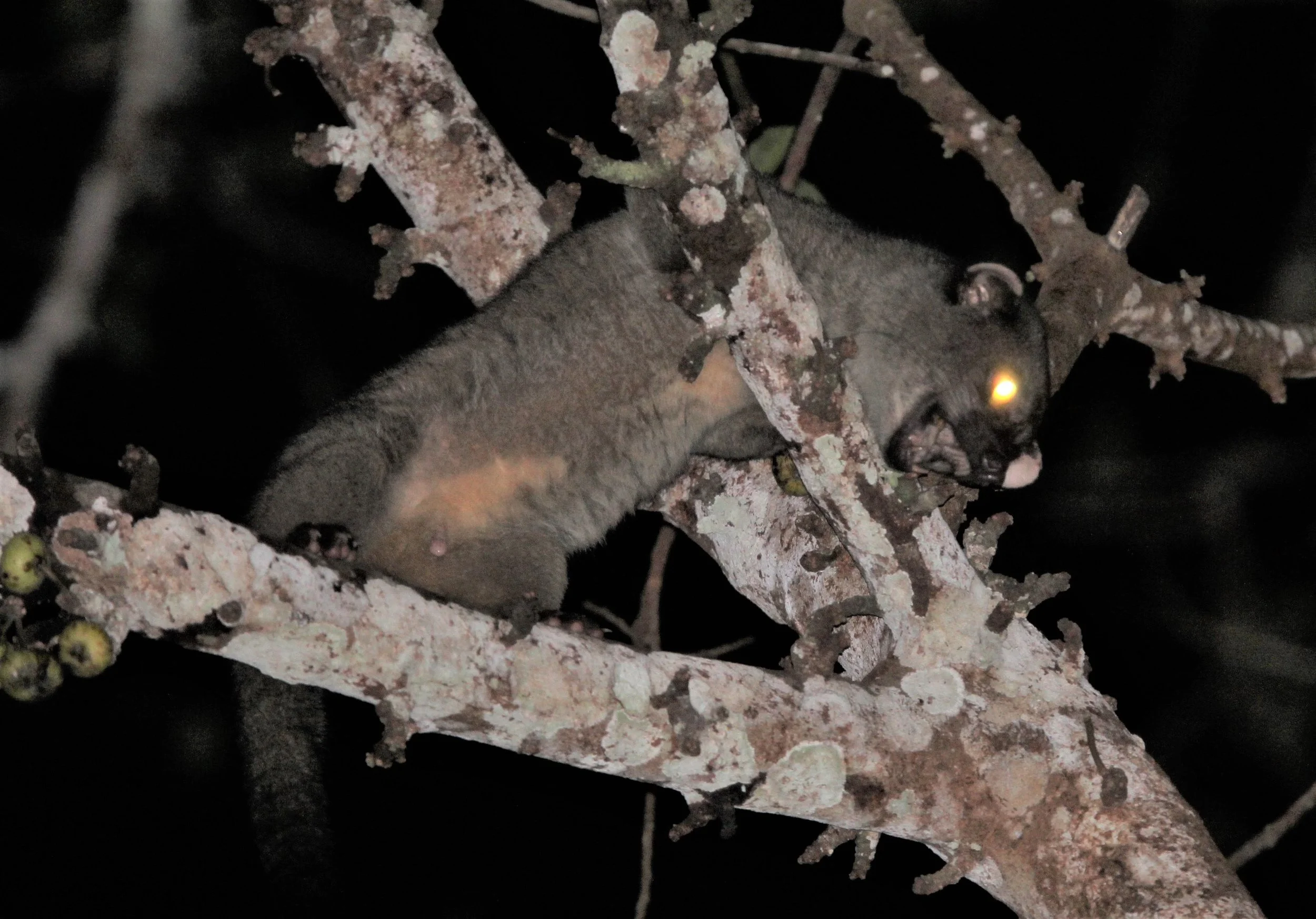
It is distinguished by three dark stripes running down its back and a characteristic white streak extending from its nose to its forehead. In Thai, it is called ee-hen na khao (white-faced civet). Highly arboreal and nocturnal, it rarely descends to the ground, preferring the safety of the canopy. It uses its long tail—which is often longer than its body—for balance while climbing.

While omnivorous, it is frequently spotted in Khao Yai feeding on ripe figs (such as Ficus racemosa), as well as insects, small mammals, and birds.
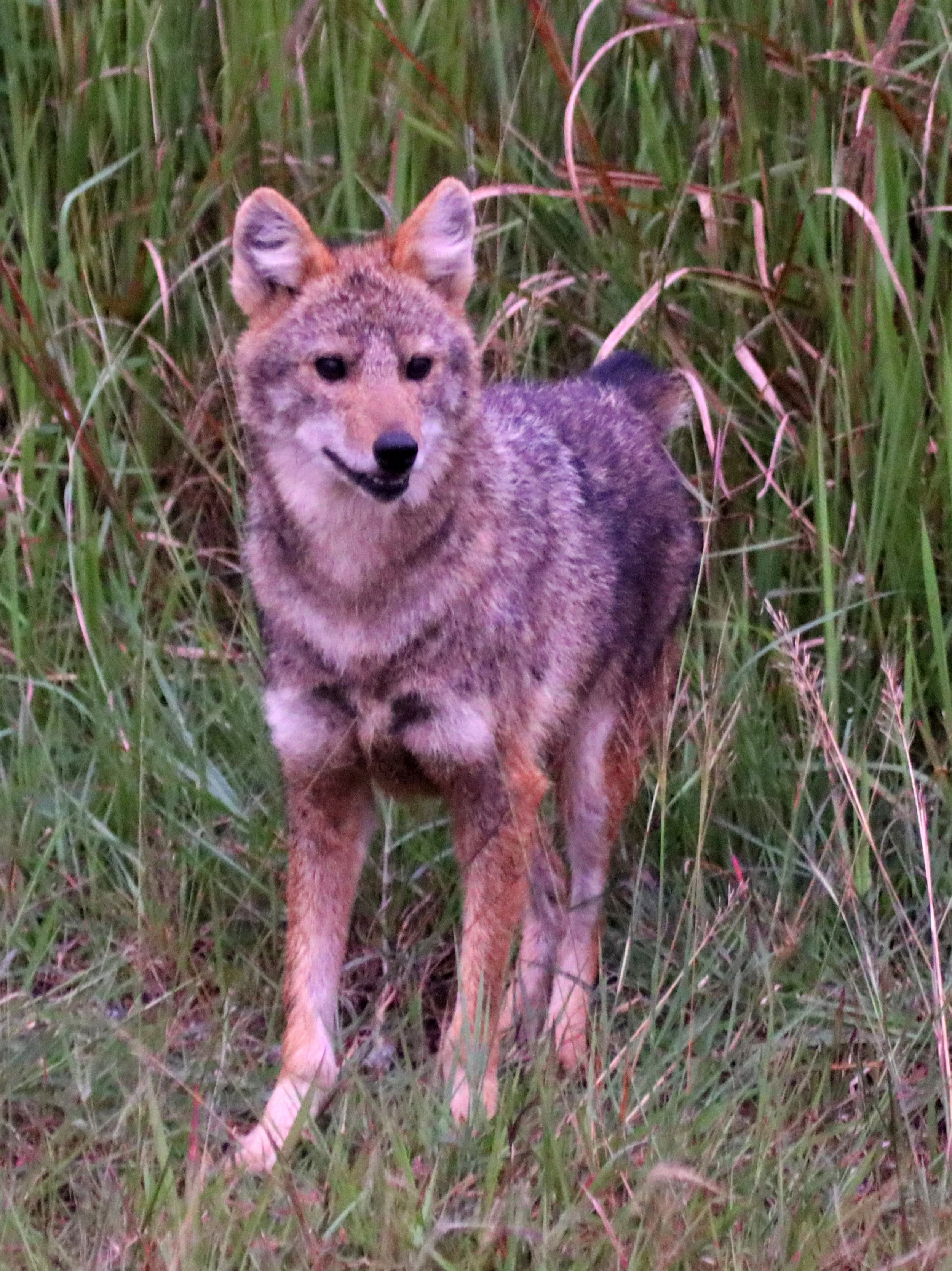
Golden jackals (Canis aureus) in Khao Yai are highly adaptable and can be found in various ecosystems, including mixed deciduous forests, dry evergreen forests, and even near human dwellings or agricultural areas.
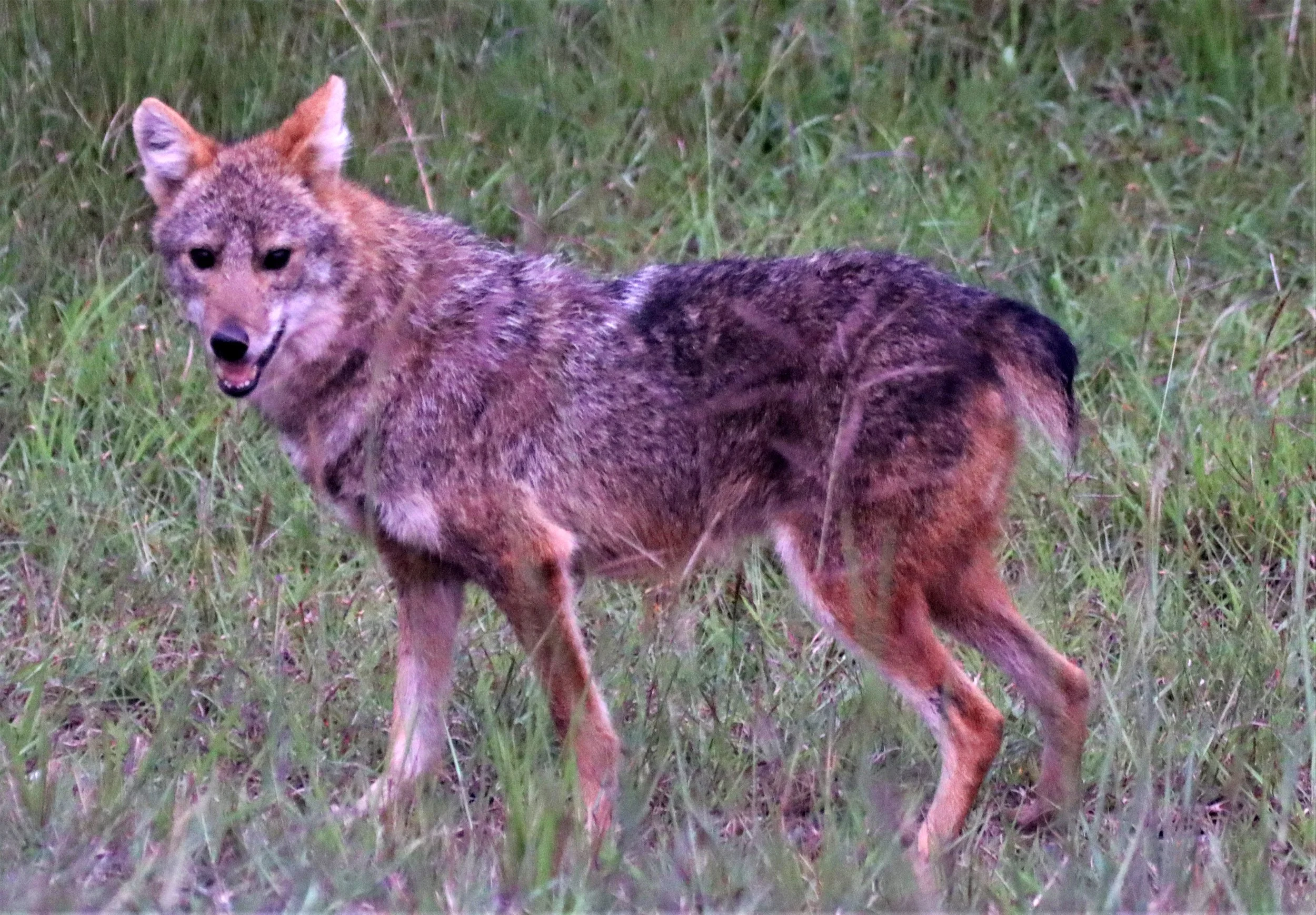
They are distinguished by their slender body, long legs, and a bushy tail that often has a tan or black tip. In Thai, they are known as หมาจิ้งจอก (sòo-nák jîng-jòk). They are primarily social animals, often seen in breeding pairs or small family units. While they are generalist scavengers and predators, they are also known to hunt deer.

Golden jackals (Canis aureus)

Khao Yai National Park is one of the few places in Thailand where you can spot the Smooth-coated Otter (Lutrogale perspicillata), the largest otter species in Southeast Asia.

Smooth-coated Otter (Lutrogale perspicillata) taking a dust bath near the Khao Yai HQ

Sightings are most common along the riverbanks of the Lam Ta Khong, particularly near camping areas and quiet watercourses

Malayan Sun Bear (Helarctos malayanus) are common in the park although they are rarely seen.

The Malayan Sun Bear (Helarctos malayanus), the world's smallest bear species, inhabits the dense, tropical evergreen forests of Khao Yai National Park in Thailand. These vulnerable omnivores are known for their distinct yellow-orange, U-shaped chest mark, short black fur, and exceptional climbing skills, feeding on insects, honey, and fruit.

Exact population counts are not available but it is estimated that approximately 100 or so are residing in Khao Yai.

Himalayan or Asiatic Black Bear (Ursus thibetanus thibetanus). This individual is a captive individual and I am including it to illustrate that they are fairly common in DPKY. (I hope to see one some day in Khao Yai. So far I have seen them in Russia and Viet Nam in the wild)
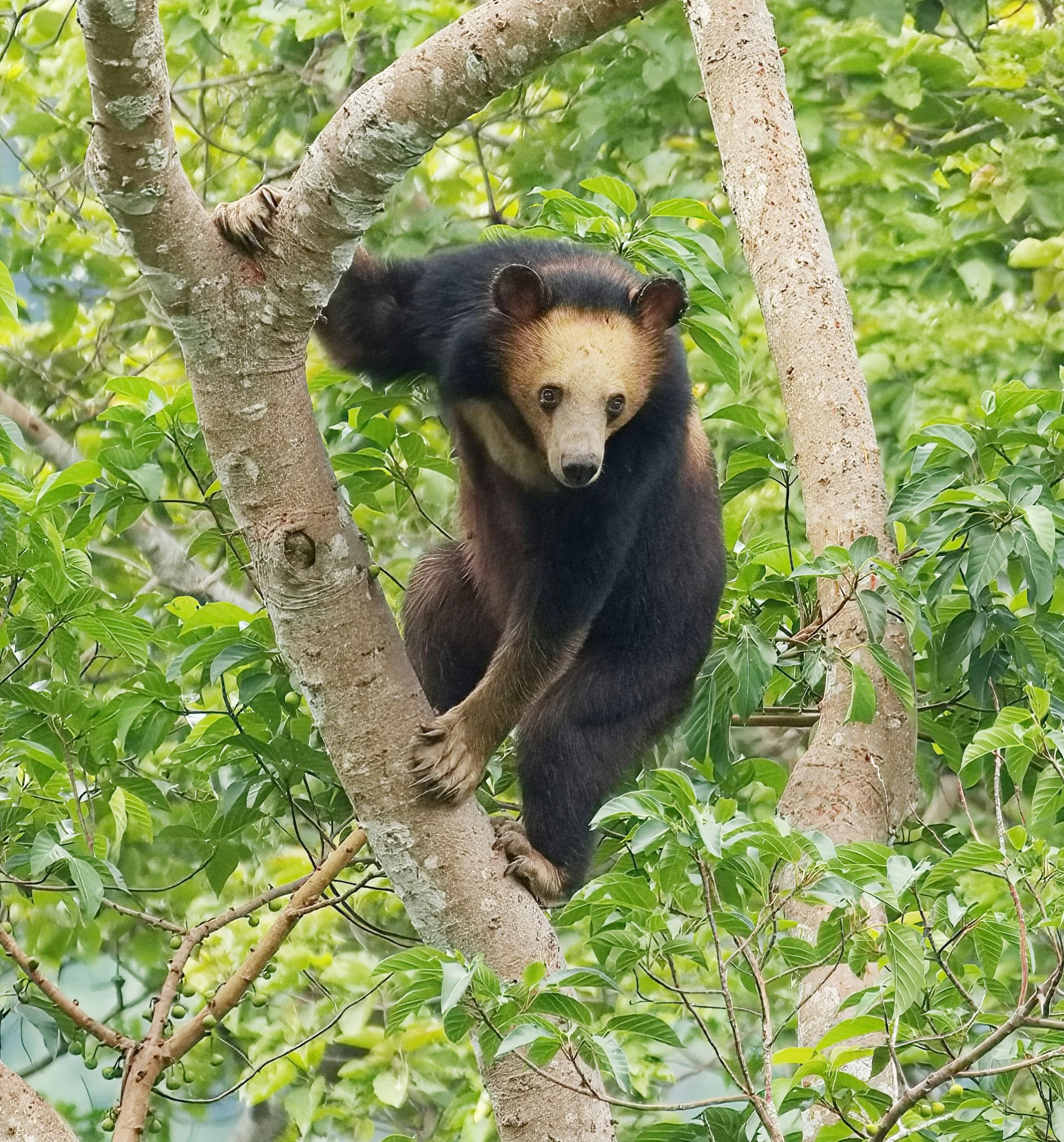
Asiatic Black Bear (Ursus thibetanus) photo by Raymond David Pearce
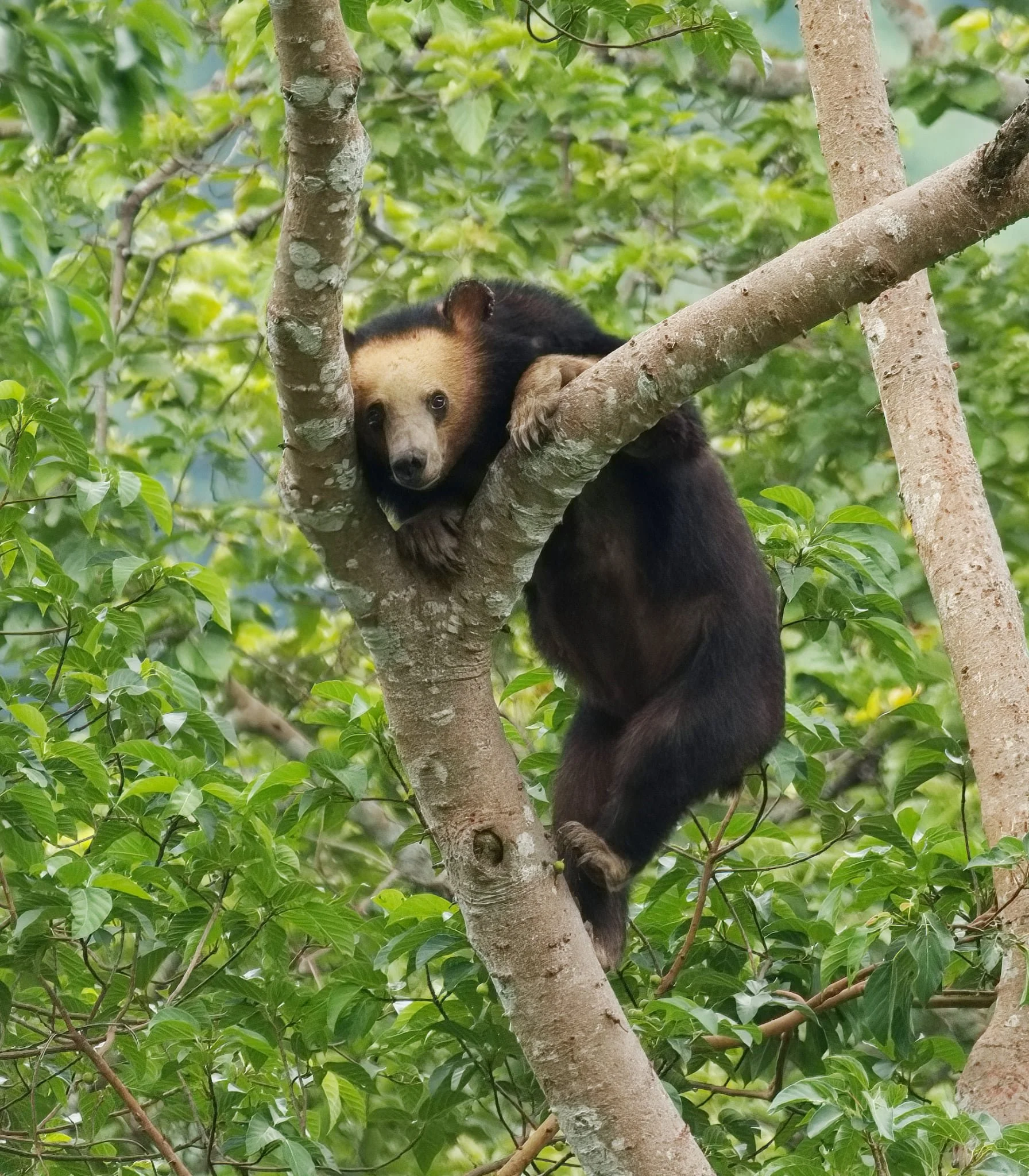
Asiatic Black Bear (Ursus thibetanus) photo by Raymond David Pearce
Avifauna
As one might imagine, the DPKY is a birder’s paradise. Now I am not a birder by any stretch but that has not stopped me from marveling at the incredible diversity of avifauna in the complex. Without a doubt the Great Hornbills are the star of the show and this can be demonstrated by watching the large numbers of tourists who will stop and view them whenever they are spotted, which is commonly. With a bit of time and effort, it would be relatively easy to tick a species list approaching 100 species in a few days. Pro-birders could of course do much better.
Over 300–400 bird species are recorded across the complex, with Khao Yai alone hosting four hornbills—Oriental pied (Anthracoceros albirostris), Great (Buceros bicornis), Wreathed (Rhyticeros undulatus), Austen’s Brown (Anorrhinus austeni)—and ground celebrities such as Siamese Fireback (Lophura diardi) and Silver Pheasant (L. nycthemera). Pang Sida’s mixed lowland–hill forests and old orchards are migration way stations for Boadbills and Pittas, while open Nong Phak Chi‑type grasslands punch above their weight for raptors and edge specialists. [khaoyainat...alpark.com], [thaibirding.com][khaoyainat...alpark.com], [datazone.b...rdlife.org]
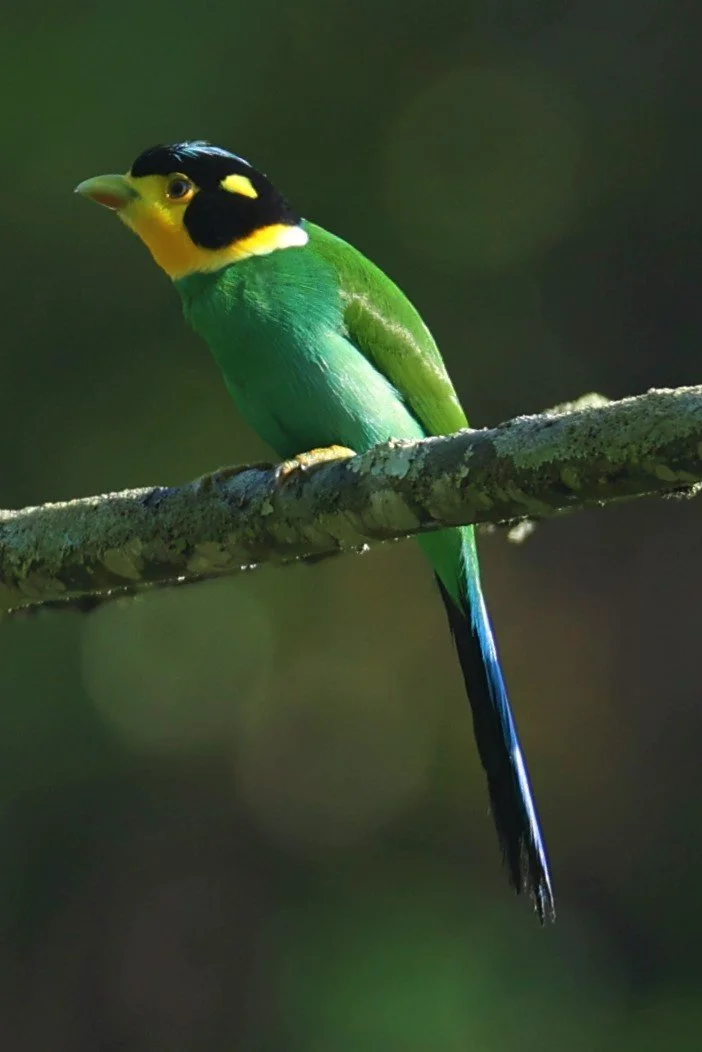
Long-tailed Broadbill (Psarisomus dalhousiae)
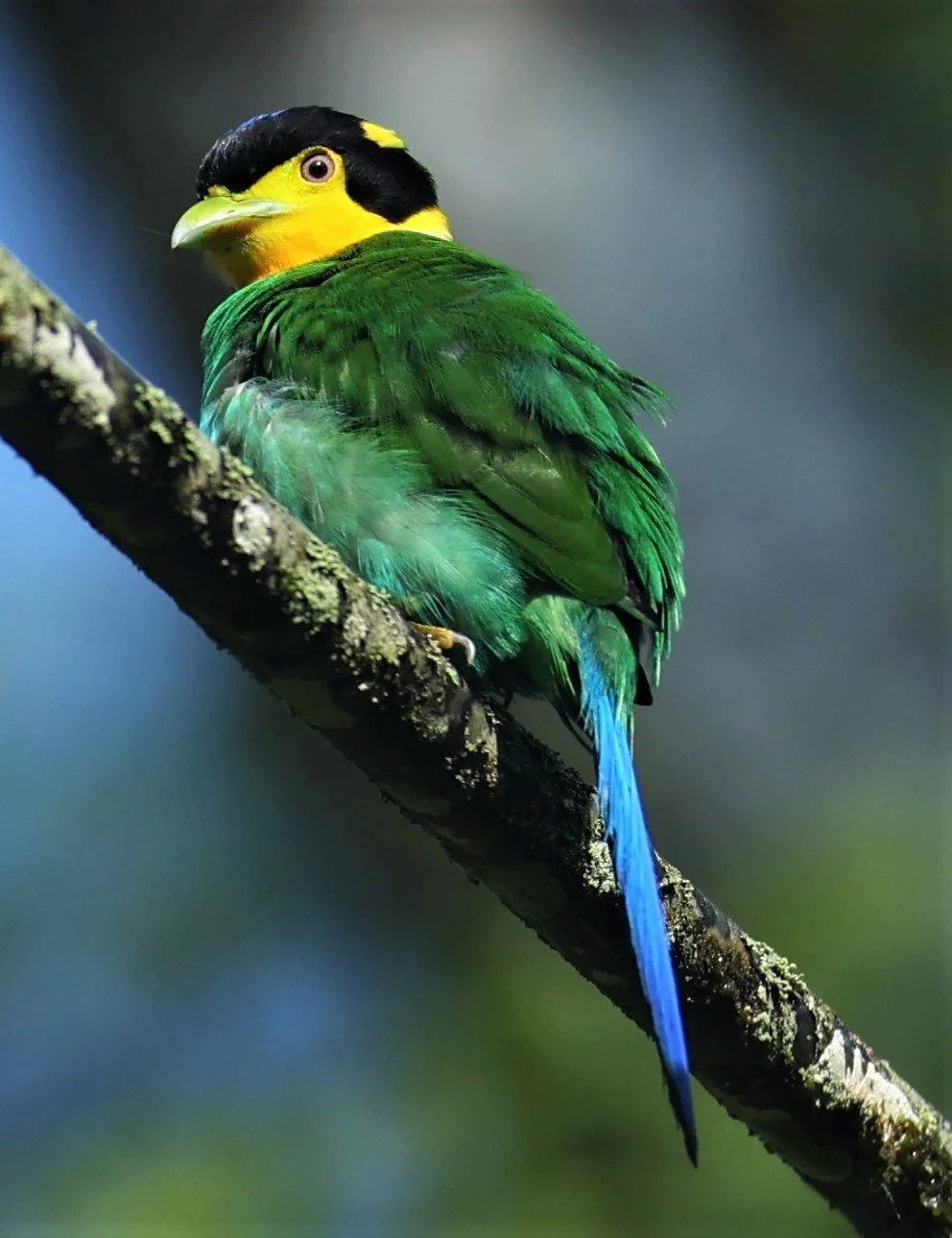
Long-tailed Broadbill (Psarisomus dalhousiae)

Asian Fairy-bluebird (Irena puella)

Asian Fairy-bluebird (Irena puella)
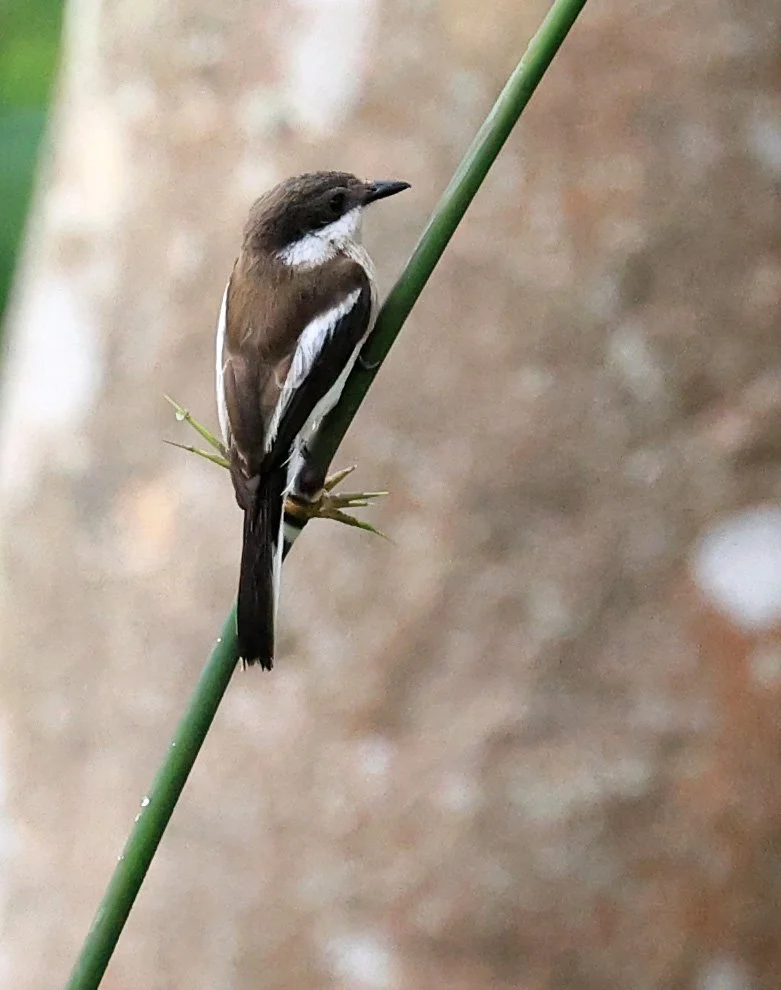
Bar-winged Flycatcher-shrike (Hemipus picatus)

Chestnut-headed Bee-eater (Merops leschenaulti)

Great Hornbill (Buceros bicornis)
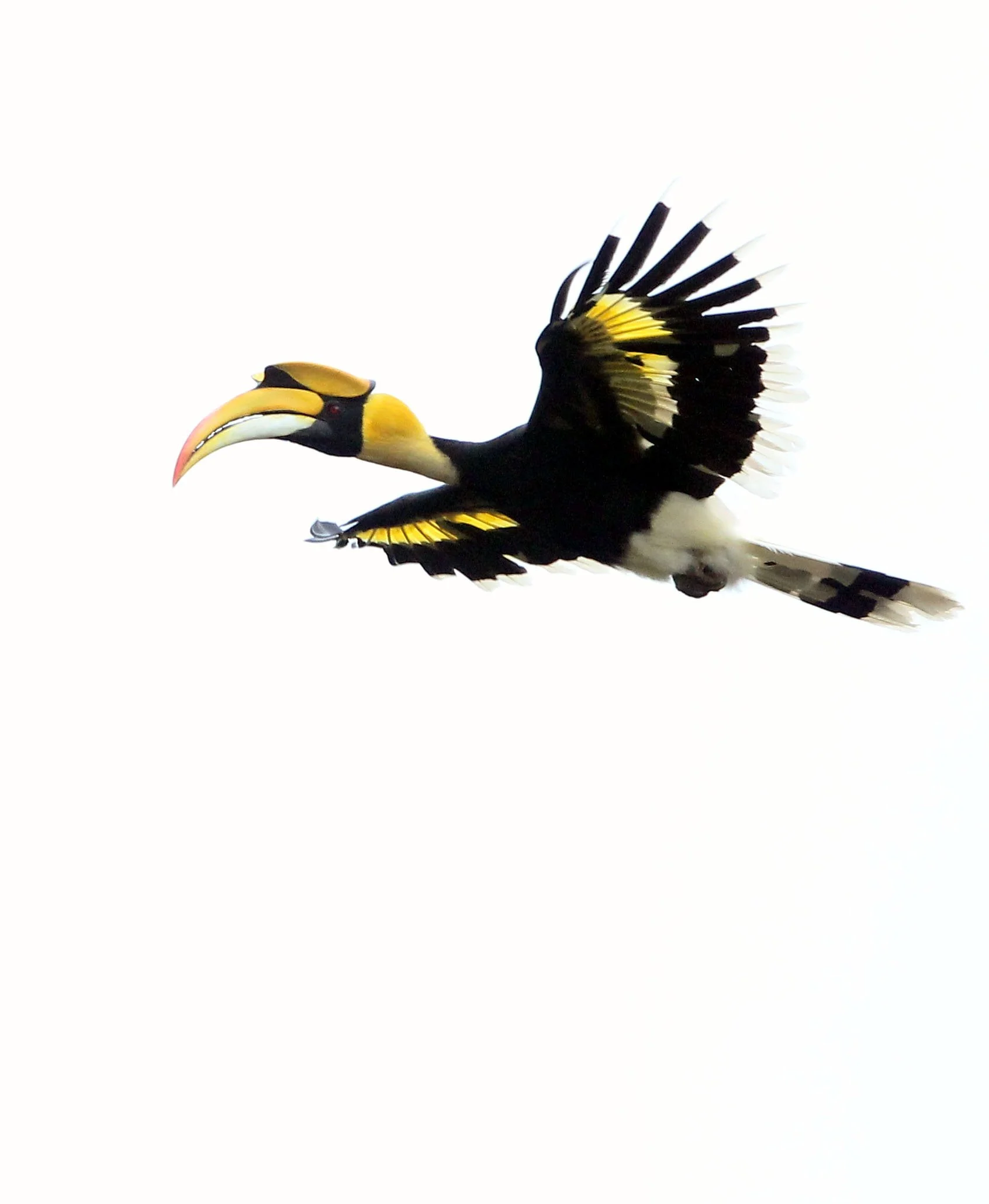
Great Hornbill (Buceros bicornis)

Oriental Pied Hornbill (Anthracoceros albirostris) is by far the most common hornbill in the DPKY.

Oriental Pied Hornbill (Anthracoceros albirostris)
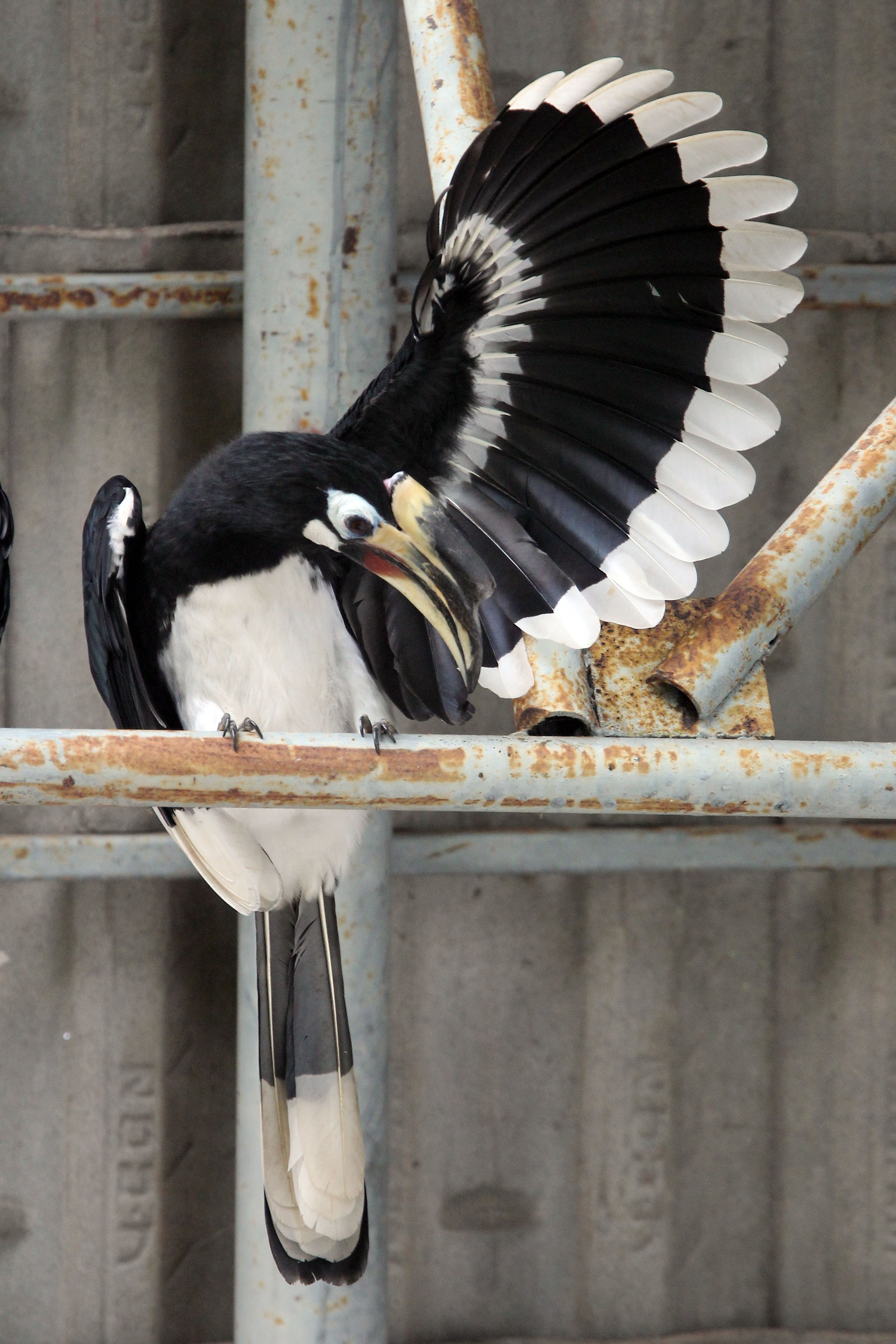
Oriental Pied Hornbill (Anthracoceros albirostris)
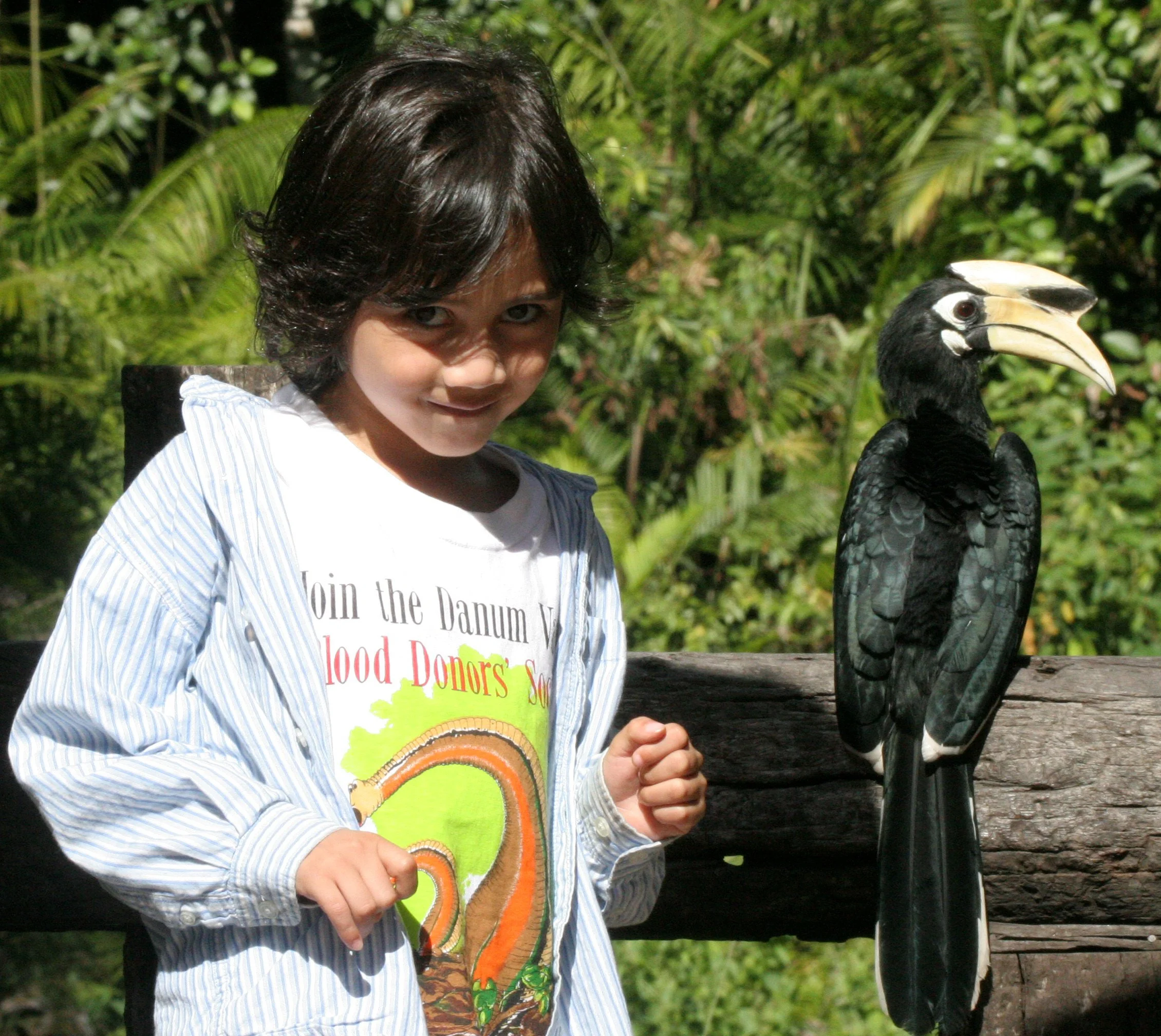
Oriental Pied Hornbill (Anthracoceros albirostris)

Red Junglefowl (Gallus gallus)
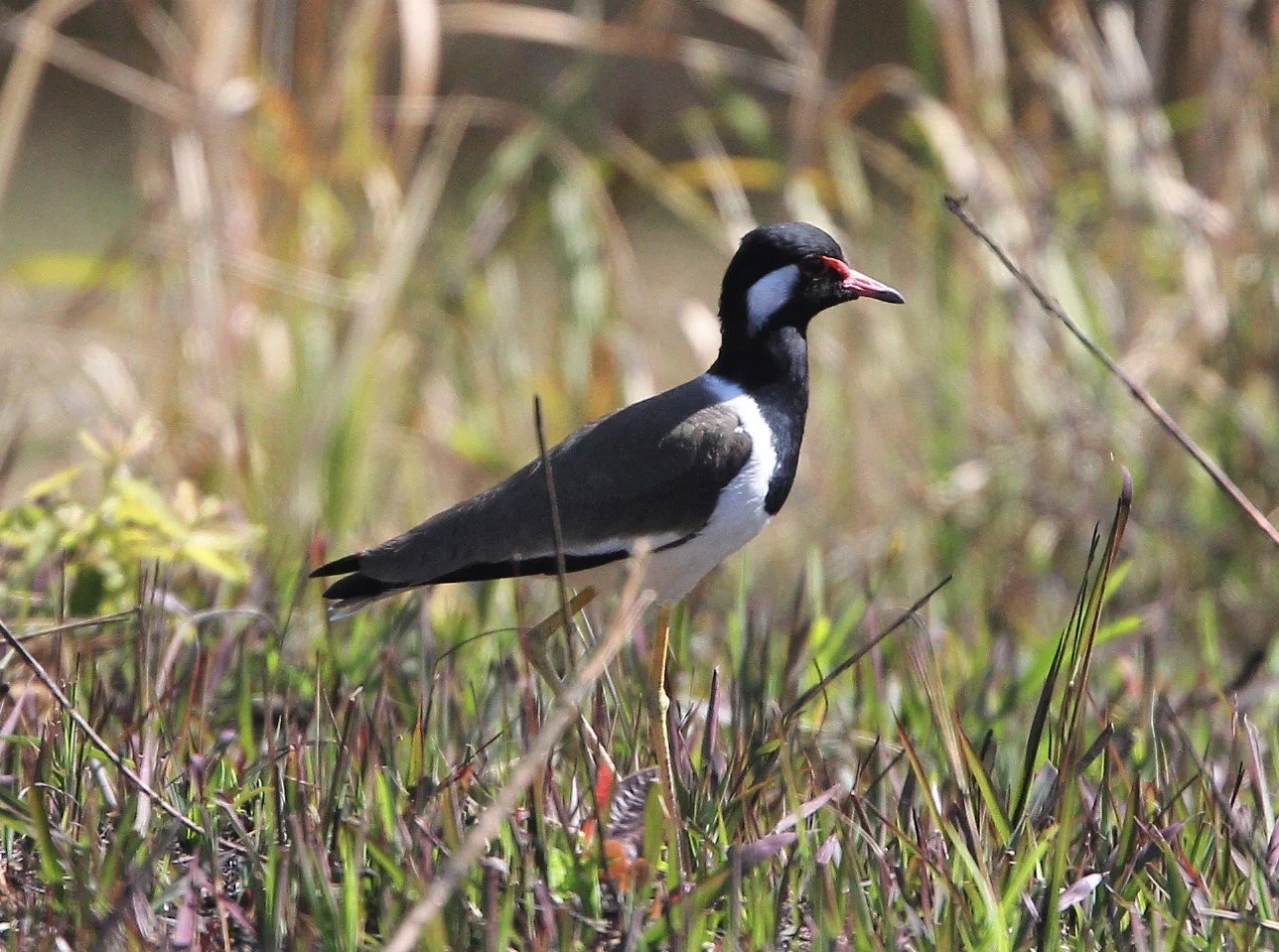
Red-wattled Lapwing (Vanellus indicus)

Blue Rock-Thrush (Monticola solitarius)

Red-headed Trogon (Harpactes erythrocephalus)
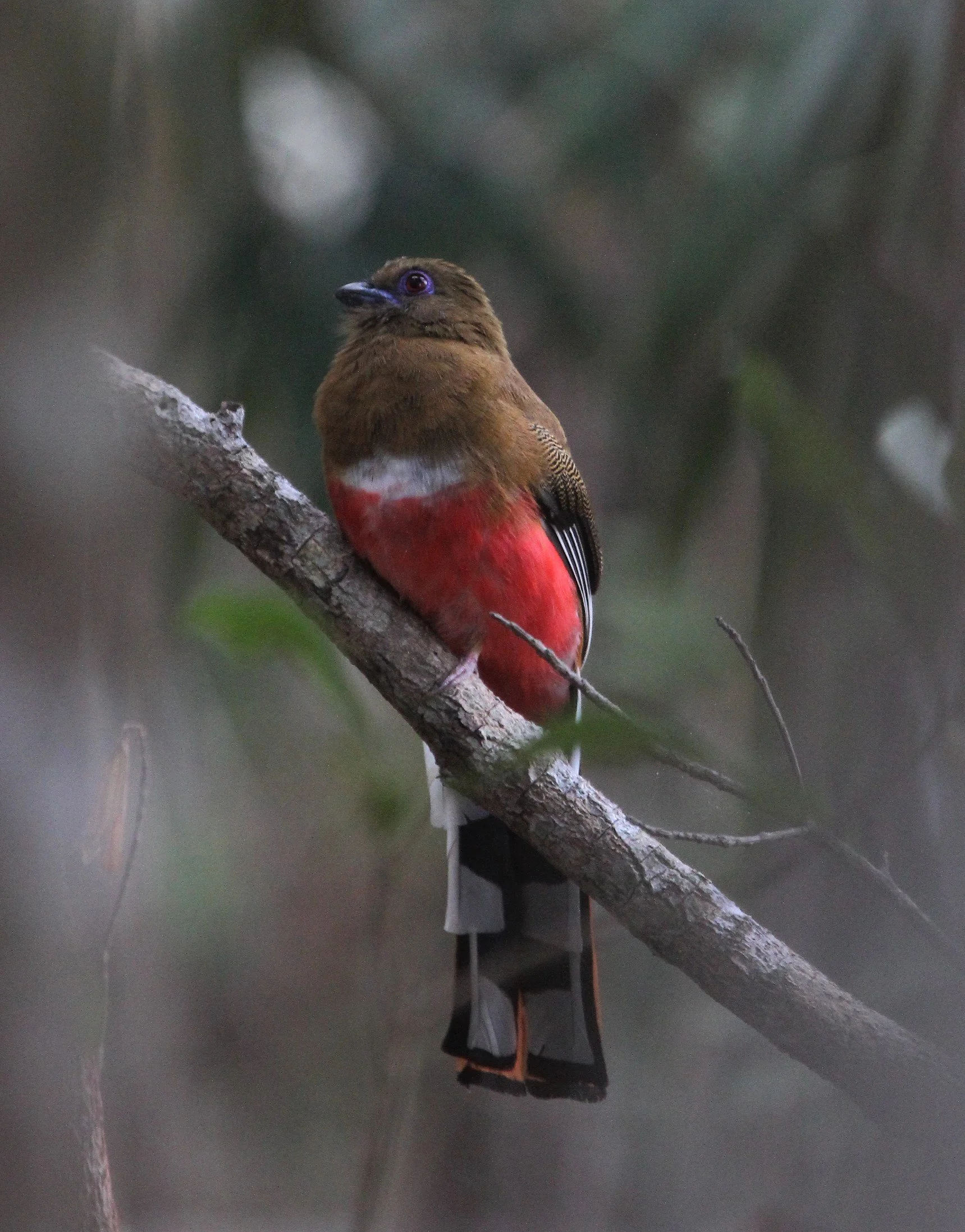
Red-headed Trogon (Harpactes erythrocephalus) female

Red-headed Trogon (Harpactes erythrocephalus) female
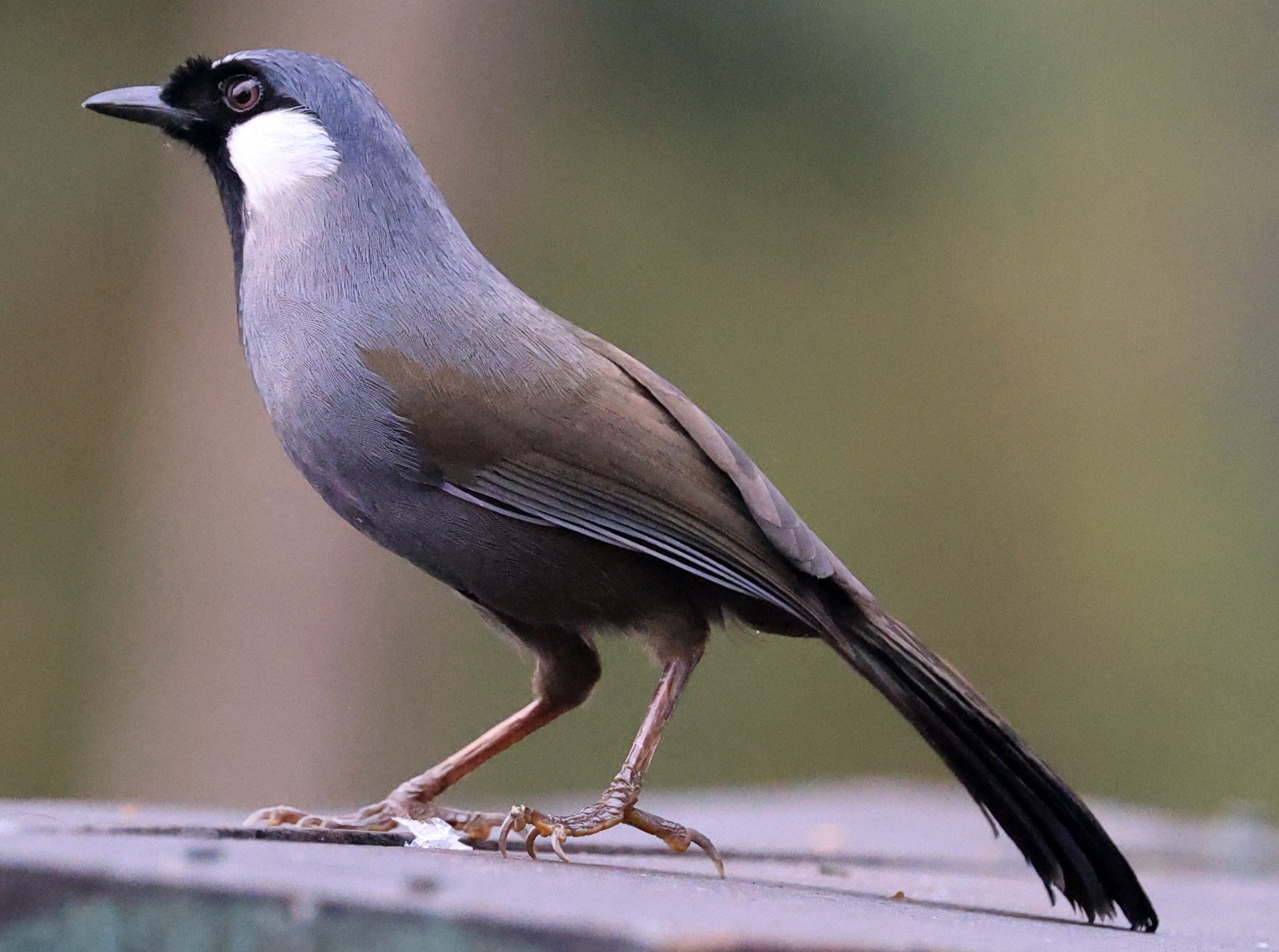
Black-throated Laughingthrush (Pterorhinus chinensis)

Black-throated Laughingthrush (Pterorhinus chinensis)

Brown-rumped Minivet (Pericrocotus cantonensis)

Ashy Bulbul (Hemixos flavala)

Black-crested Bulbul (Rubigula flaviventris)

Black-crested Bulbul (Rubigula flaviventris)

Red-whiskered Bulbul (Pycnonotus jocosus)

Sooty-headed Bulbul (Pycnonotus aurigaster)

Streak-eared Bulbul (Pycnonotus blanfordi)
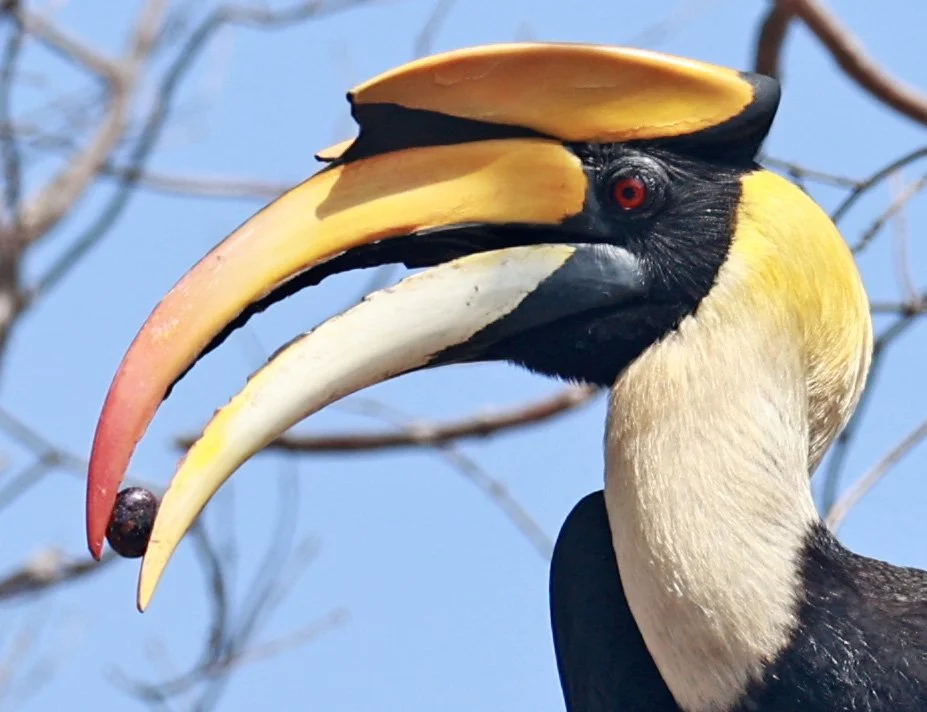
Great Hornbill (Buceros bicornis) A gorgeous male coming in to give his chick some figs.

Great Hornbill (Buceros bicornis)

Note the slit in the hole in the tree where the female and chick are safely stored while the chick develops.
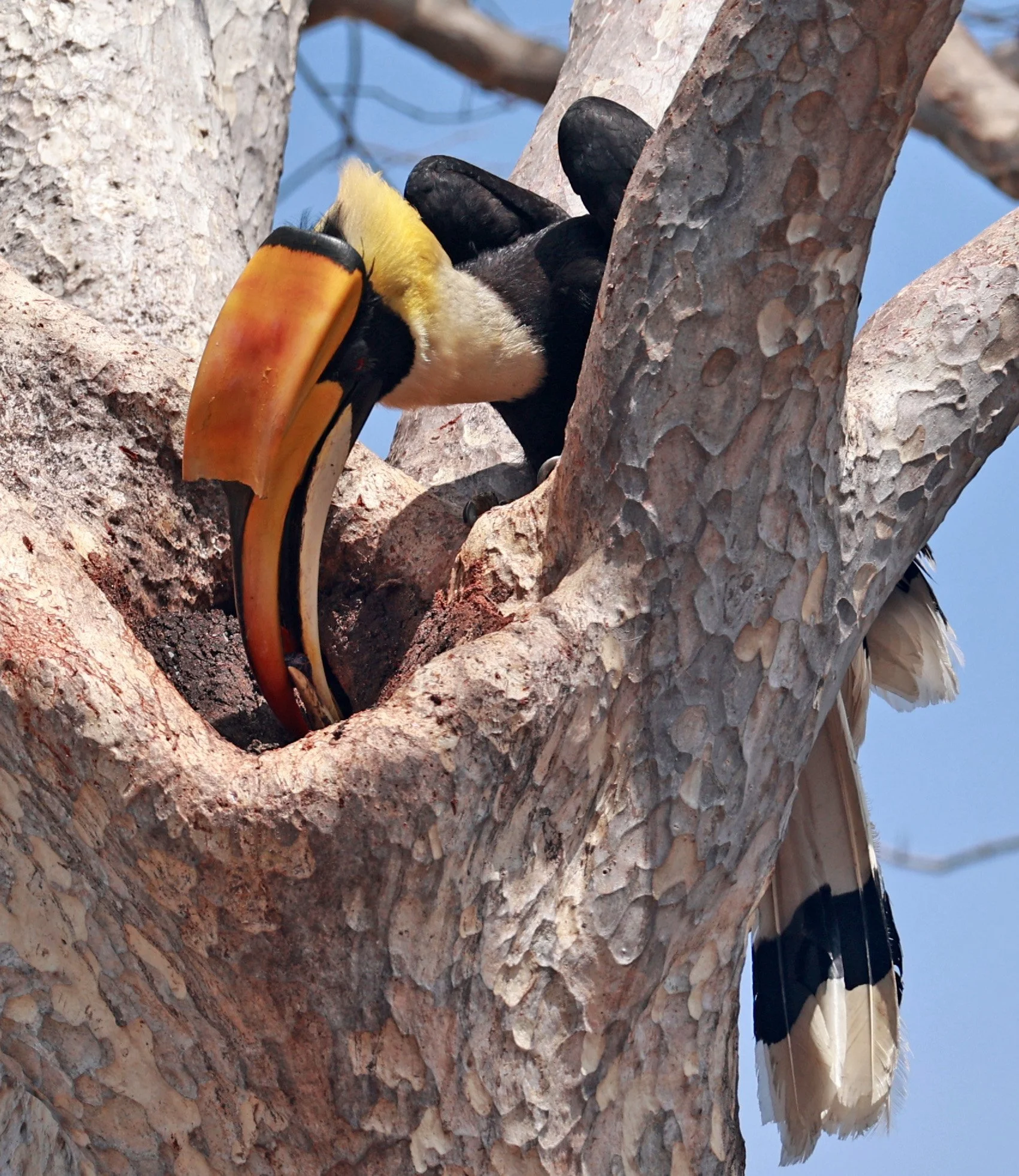
Great Hornbill (Buceros bicornis)
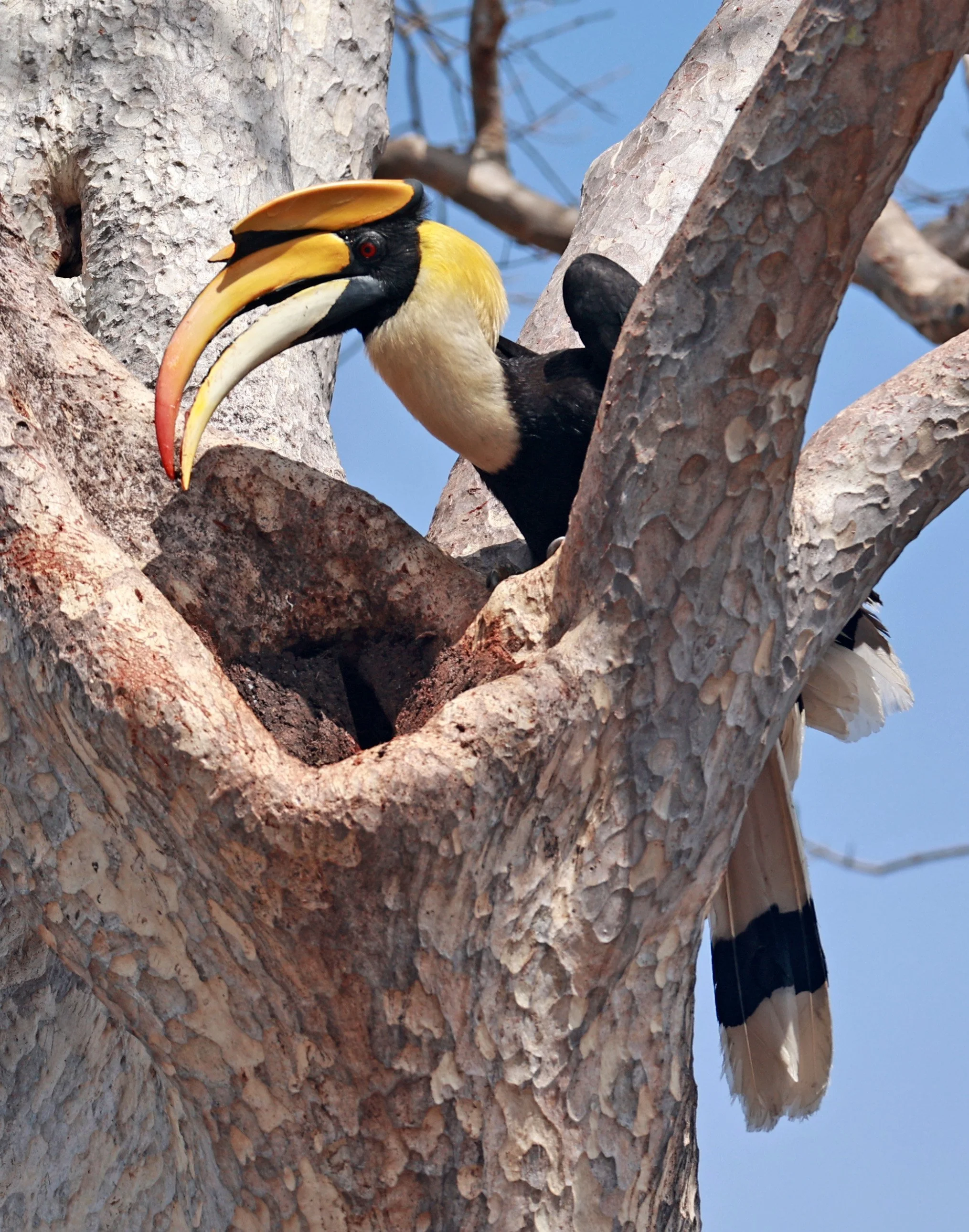
Great Hornbill (Buceros bicornis)
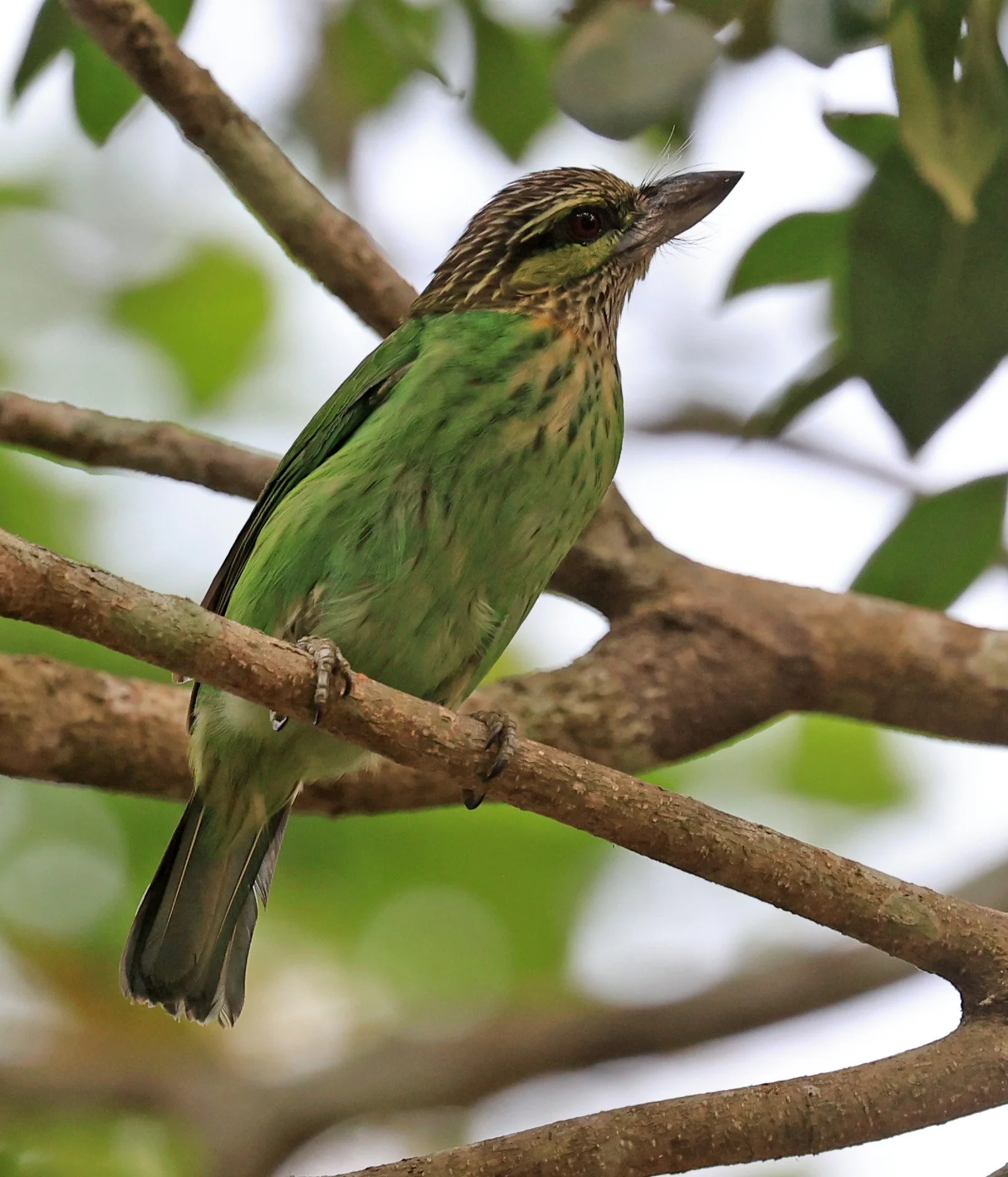
Green-eared Barbet (Psilopogon faiostrictus)

Brown Hornbill (Anorrhinus austeni)

Brown Hornbill (Anorrhinus austeni)

Great Hornbill (Buceros bicornis)
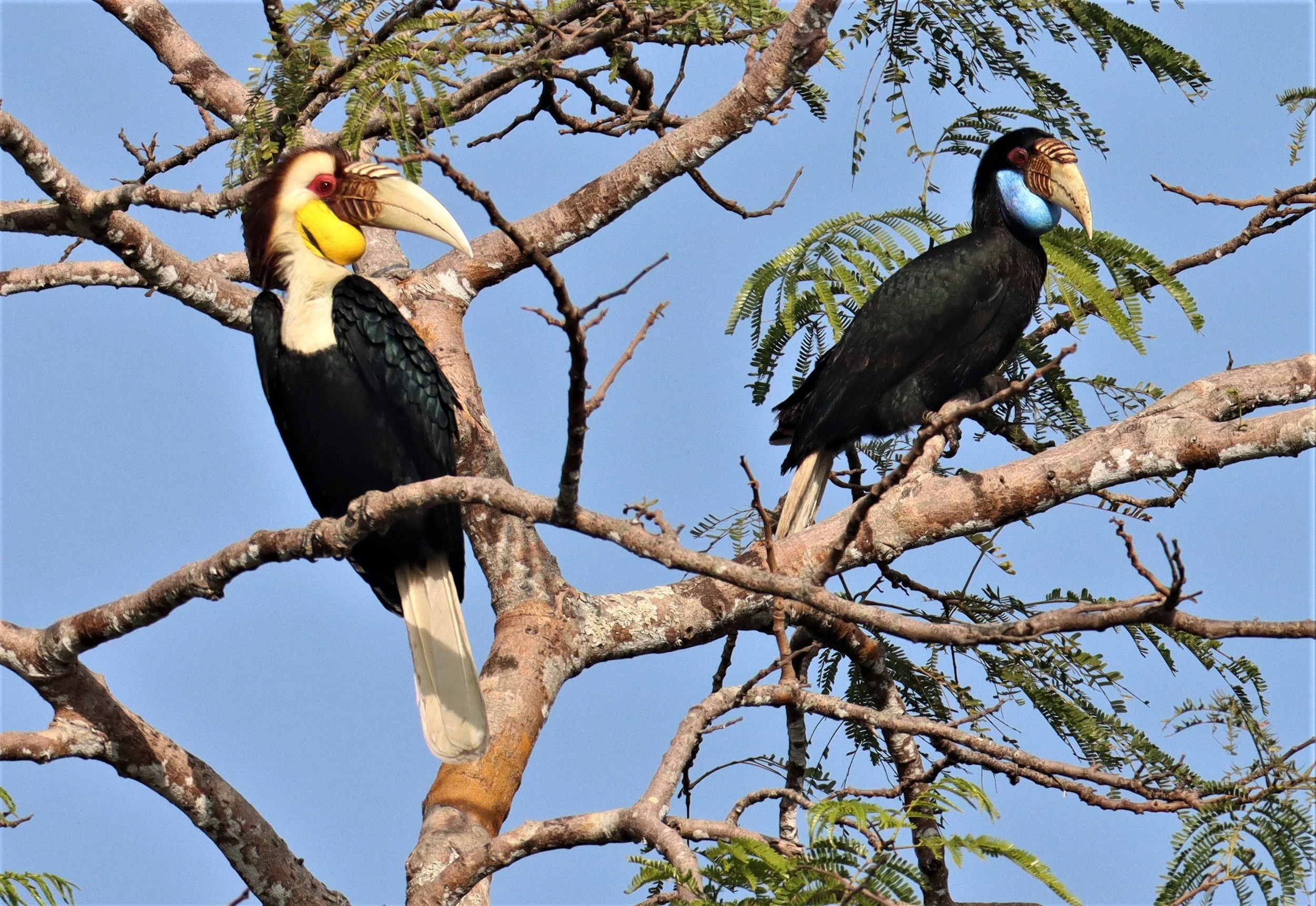
Wreathed Hornbill (Rhyticeros undulatus) male and female
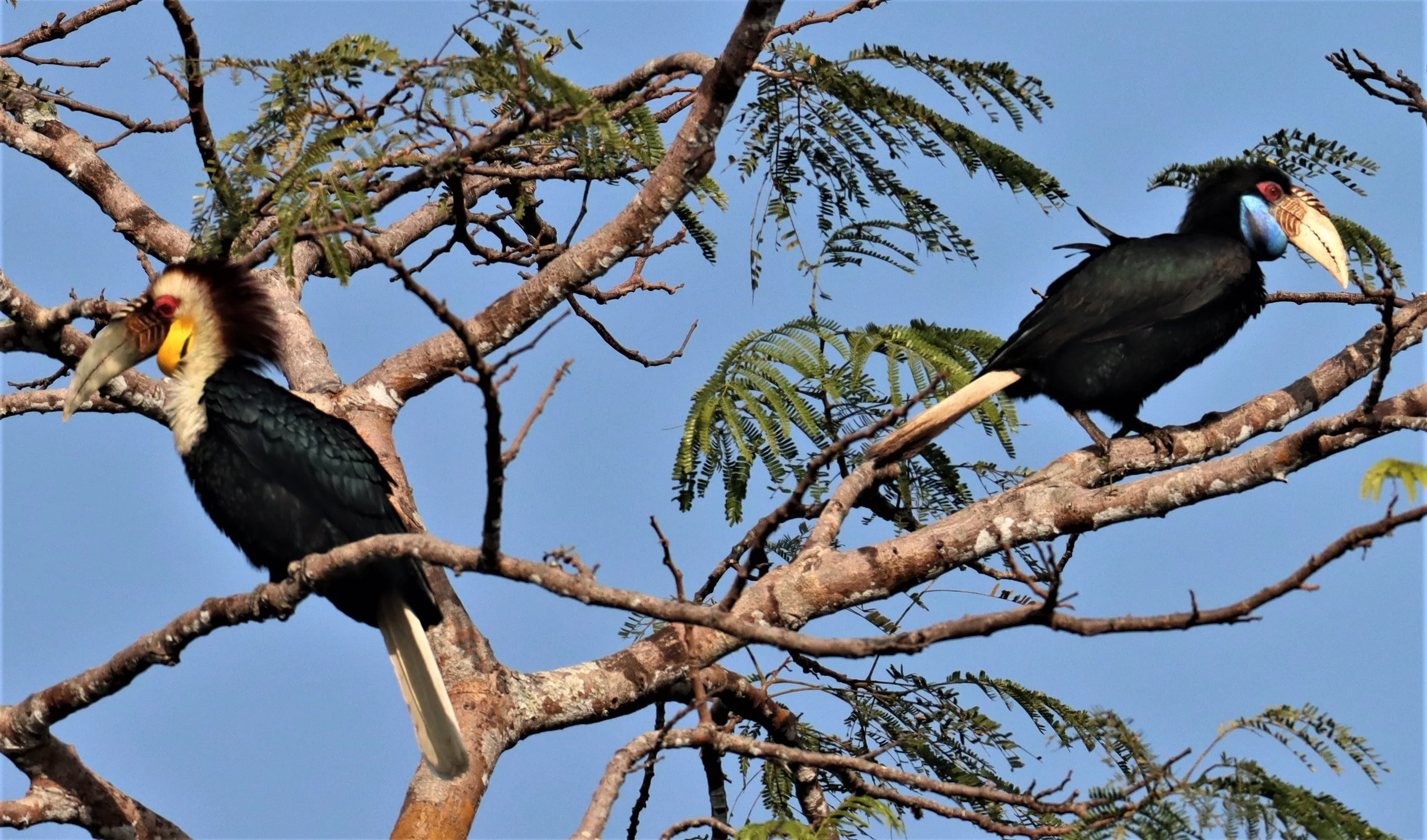
Wreathed Hornbill (Rhyticeros undulatus)

Wreathed Hornbill (Rhyticeros undulatus) male
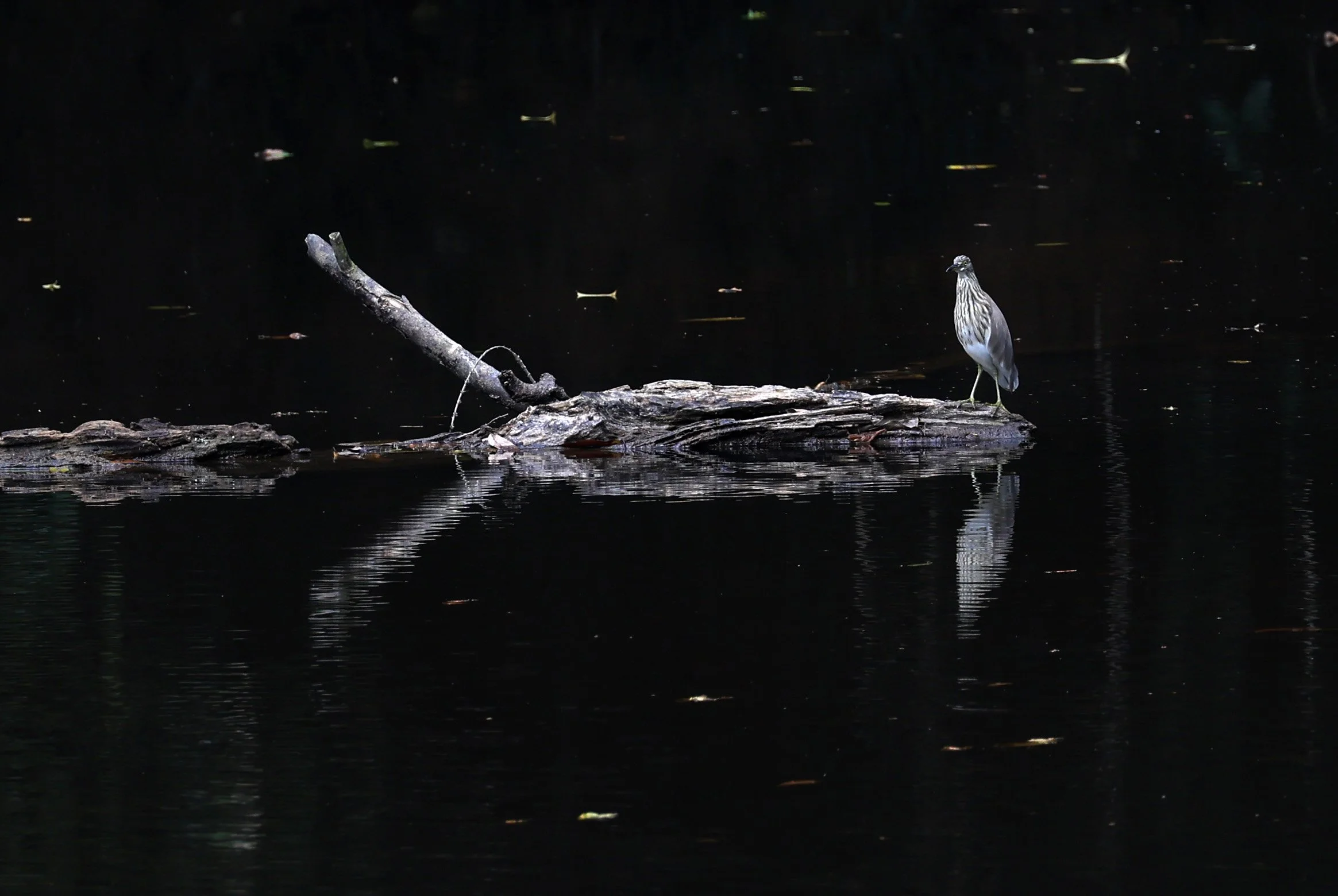
Javan Pond-Heron (Ardeola speciosa) but who really knows...

Red Junglefowl (Gallus gallus)

White-throated Kingfisher (Halcyon smyrnensis)
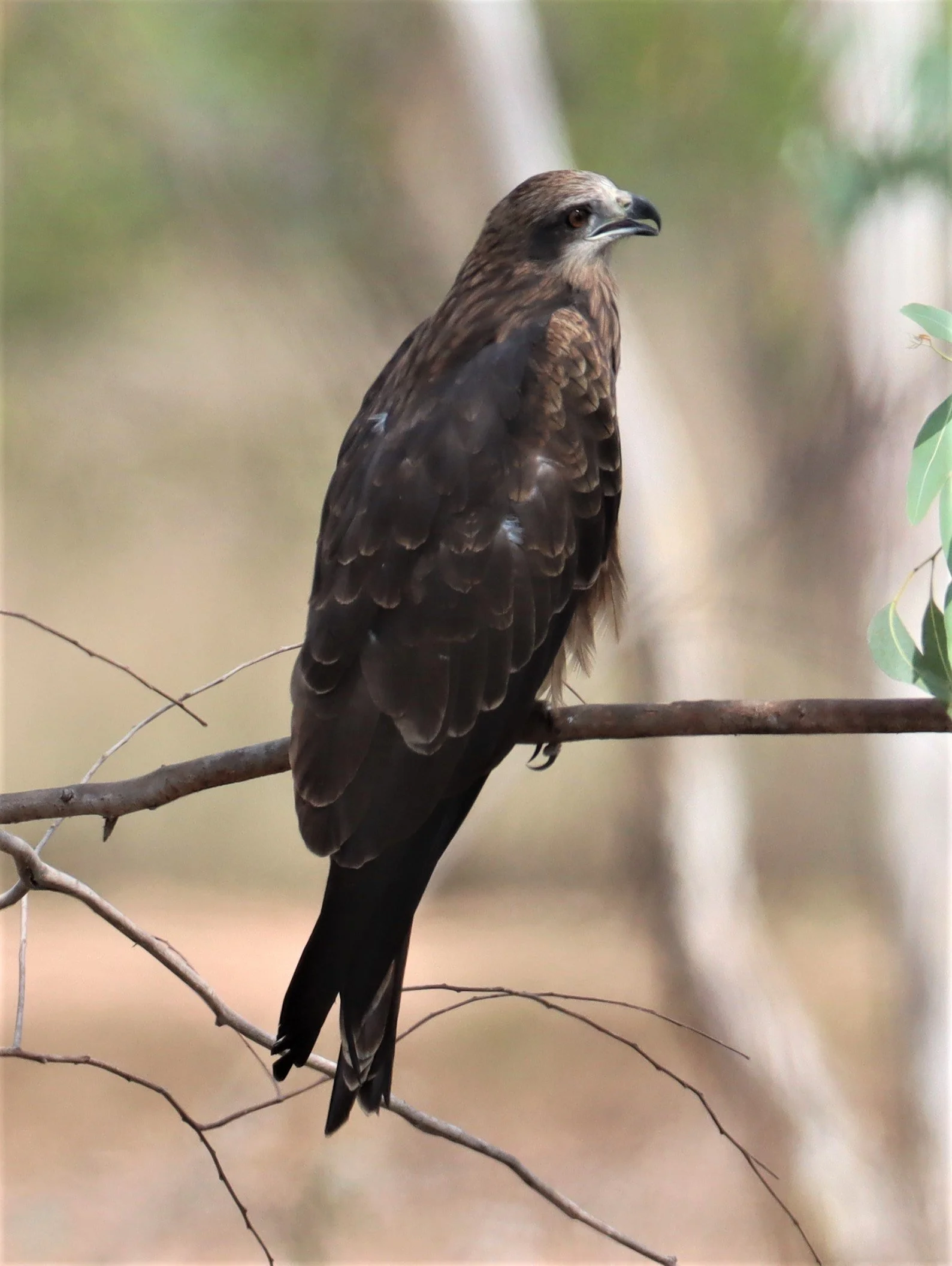
Black Kite (Milvus migrans) are common in Nakhon Nayok nearby the DPKY.
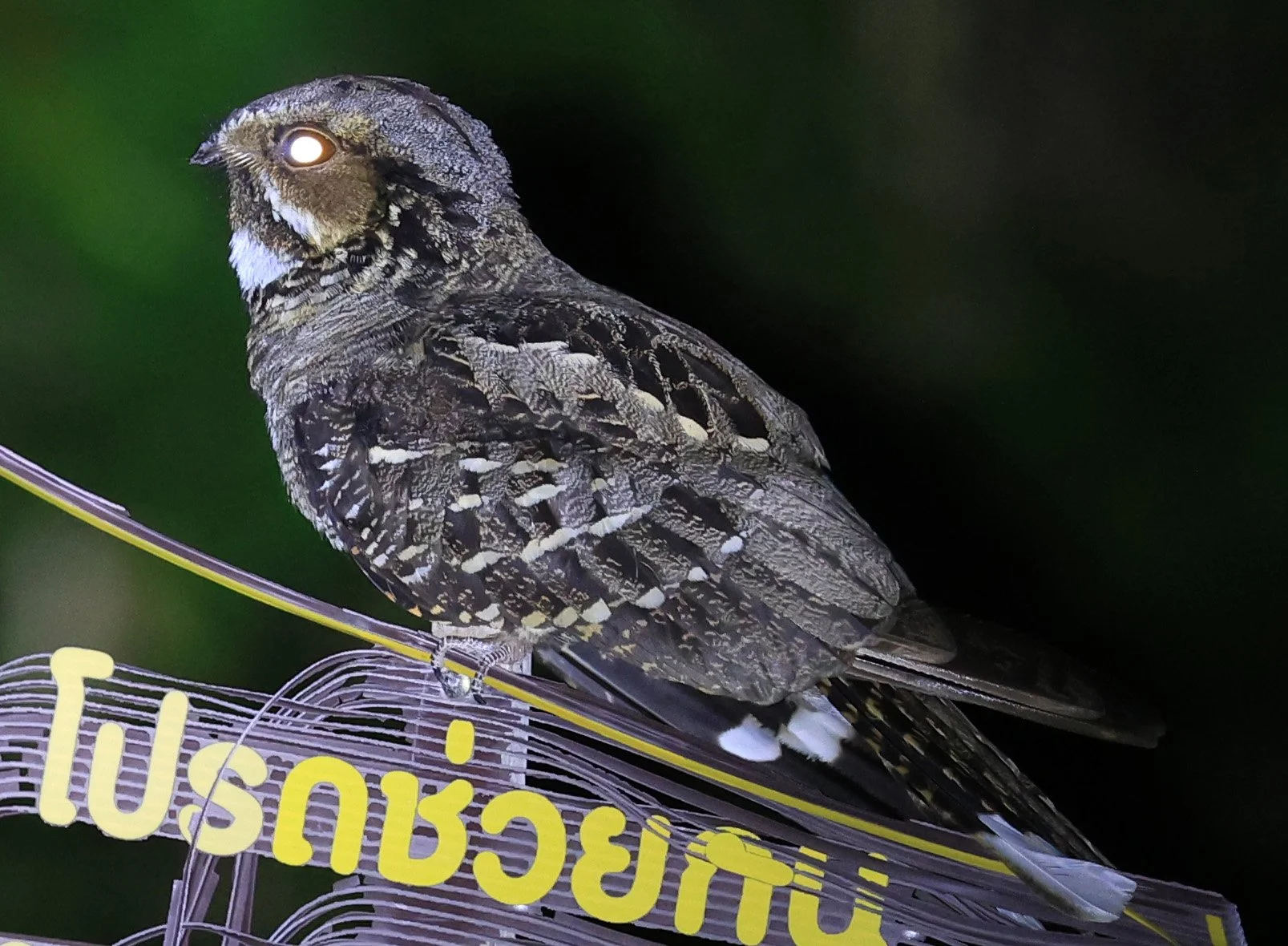
arge-tailed Nightjar (Caprimulgus macrurus)

arge-tailed Nightjar (Caprimulgus macrurus)

Golden-fronted Leafbird (Chloropsis aurifrons)

Golden-fronted Leafbird (Chloropsis aurifrons)

Indochinese Green-Magpie (Cissa hypoleuca)

Indochinese Green-Magpie (Cissa hypoleuca)

Green-billed Malkoha (Phaenicophaeus tristis)

Mountain Imperial Pigeon (Ducula badia)

Moustached Barbet (Psilopogon incognitus)

Moustached Barbet (Psilopogon incognitus)

Siamese Fireback (Lophura diardi)

Siamese Fireback (Lophura diardi)

Siamese Fireback (Lophura diardi)

Small Pratincole (Glareola lactea) from Kabin Buri very near DPKY is without a doubt one of my favorite birds in Thailand

Small Pratincole (Glareola lactea) from Kabin Buri very near DPKY in the courtship walk

Shikra (Accipiter badius)
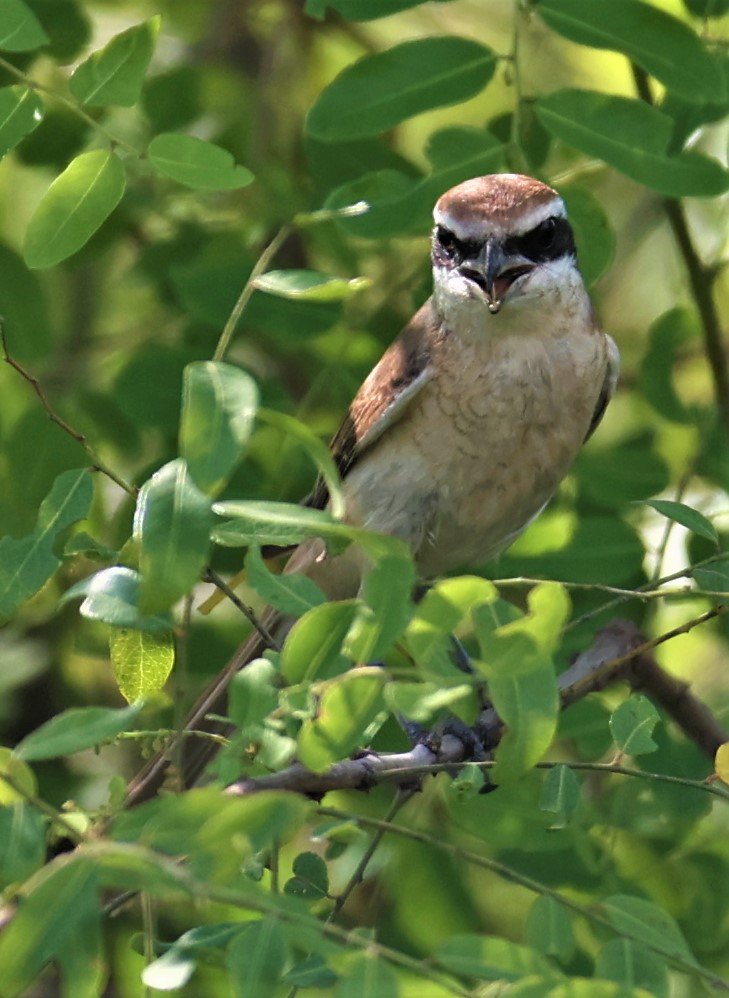
Brown Shrike (Lanius cristatus)
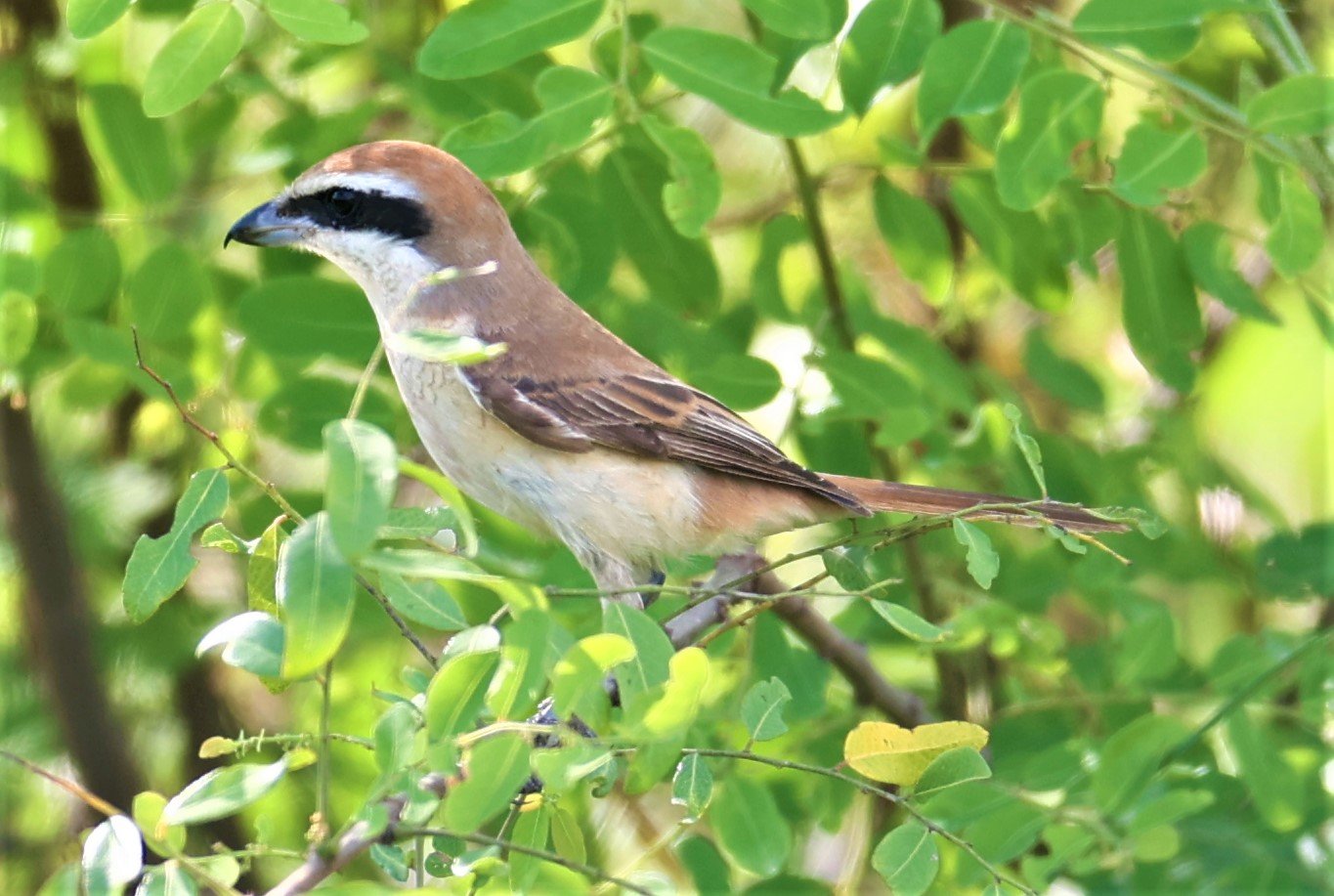
Brown Shrike (Lanius cristatus)
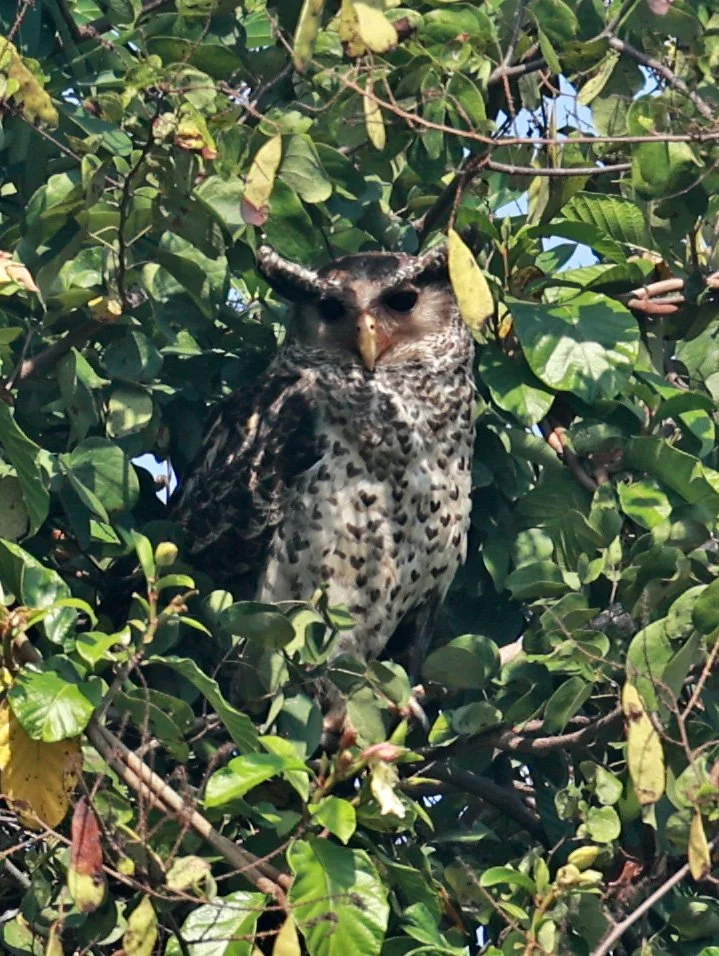
Spot-bellied Eagle-Owl (Bubo nipalensis)

Spot-bellied Eagle-Owl (Bubo nipalensis)

Spot-bellied Eagle-Owl (Bubo nipalensis)
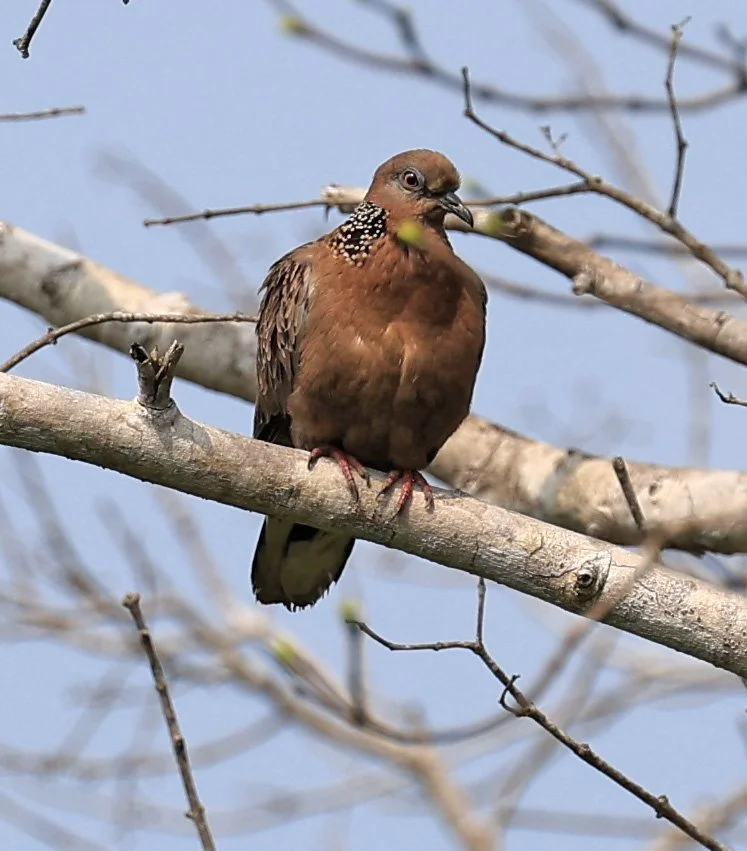
Spotted Dove (Streptopelia chinensis)
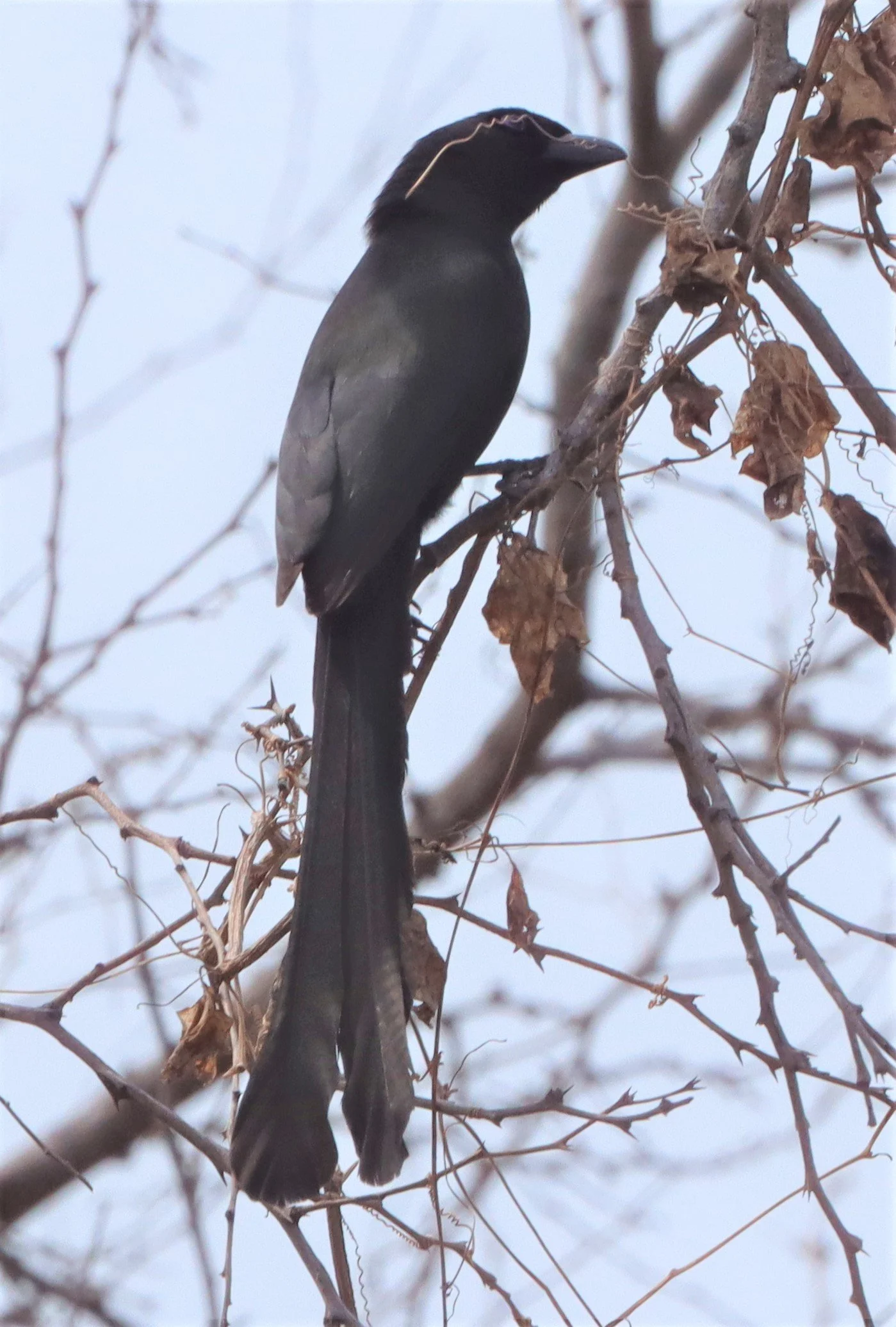
Racquet-tailed Treepie (Crypsirina temia)


Red-headed Trogon (Harpactes erythrocephalus) male

Red-headed Trogon (Harpactes erythrocephalus) male

Yellow Wagtail (Motacilla flava)

Black-and-yellow Broadbill (Eurylaimus ochromalus)

Silver-breasted Broadbill (Serilophus lunatus)
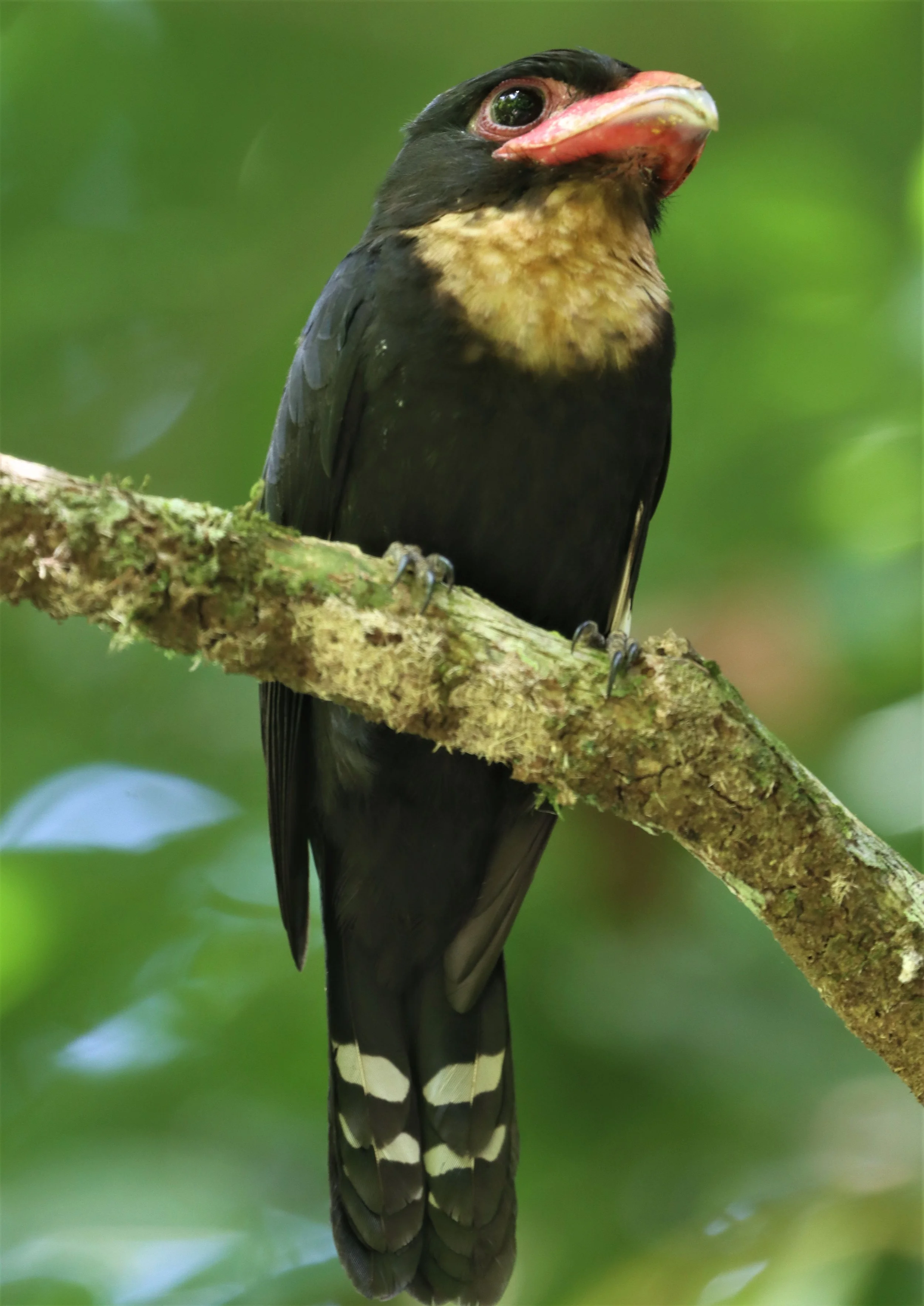
Dusky Broadbill (Corydon sumatranus)

Dusky Broadbill (Corydon sumatranus)

Banded Broadbill (Eurylaimus javanicus)
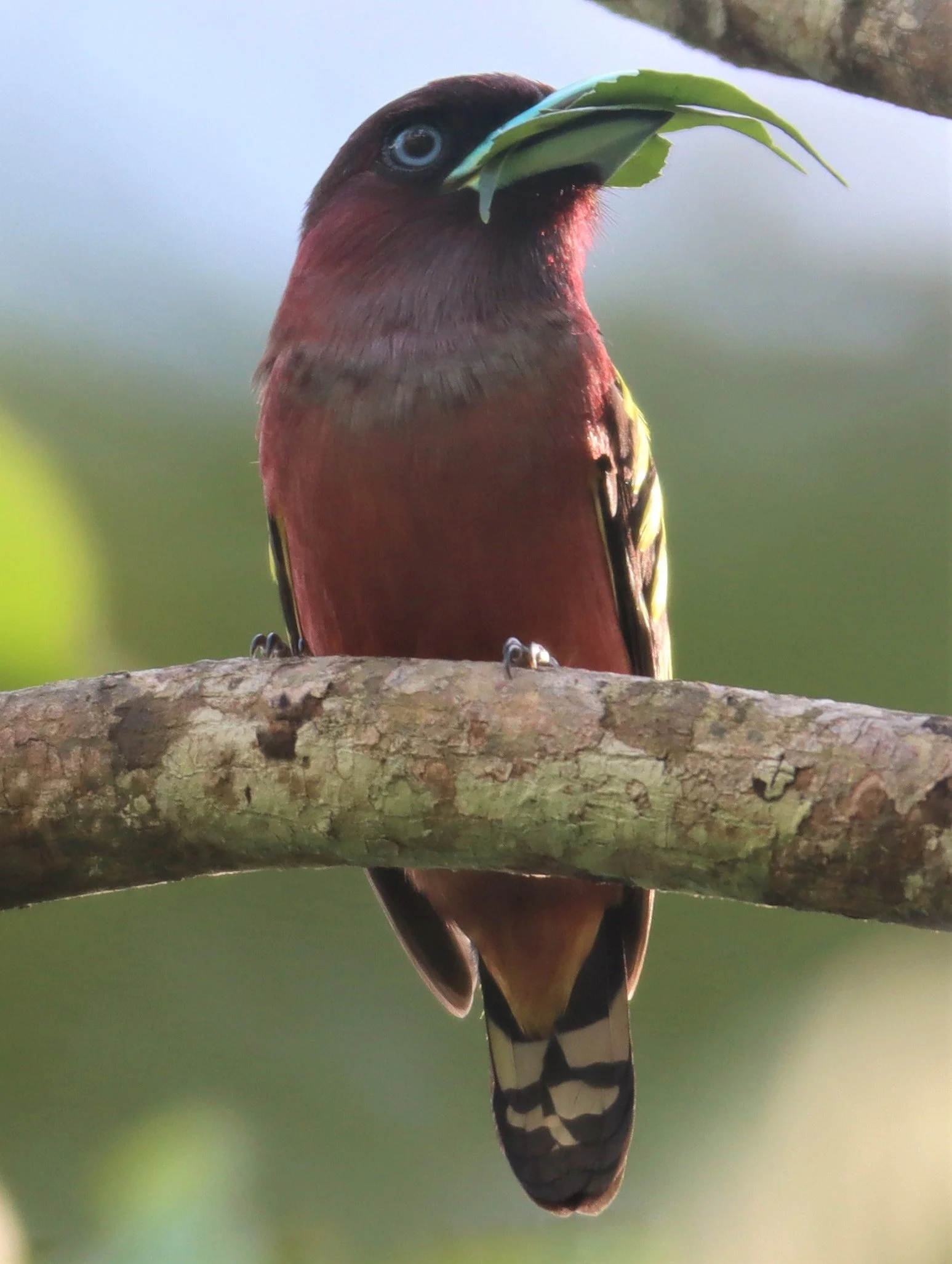
Banded Broadbill (Eurylaimus javanicus)
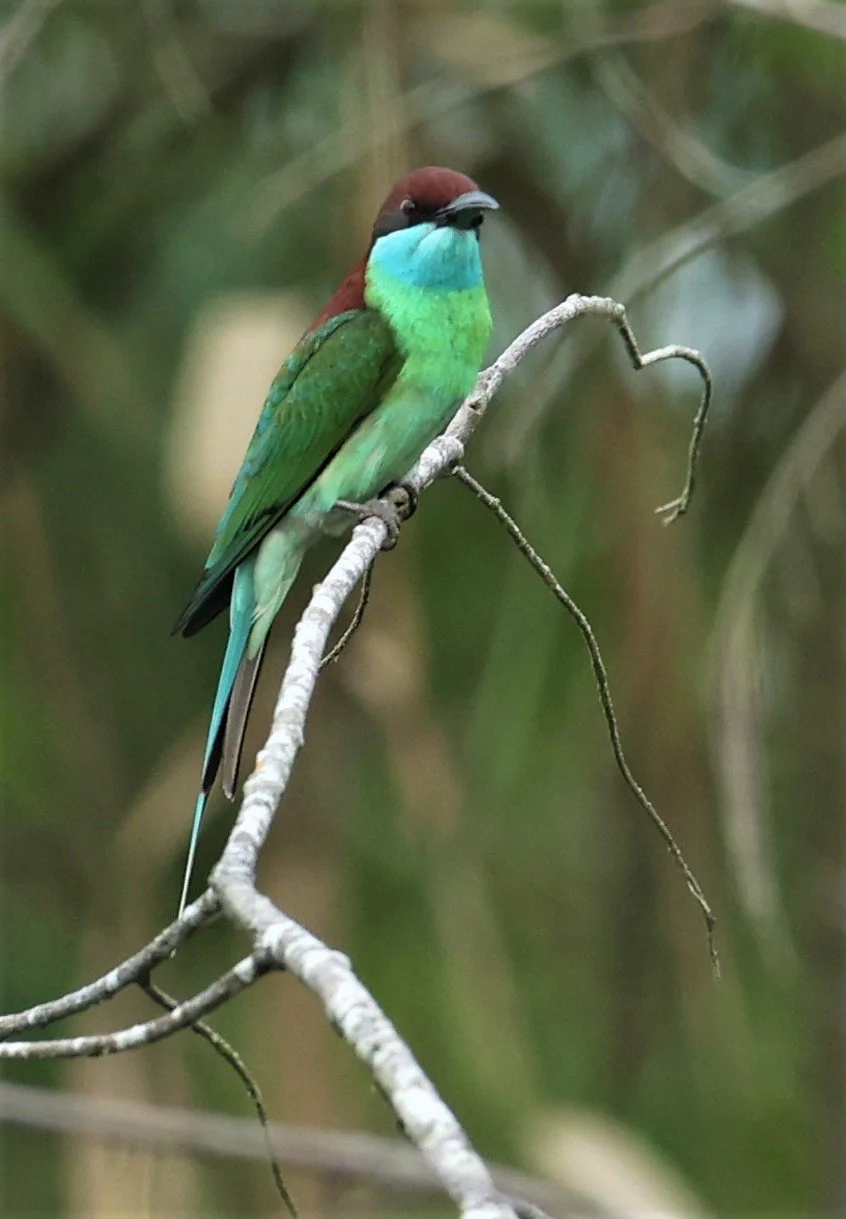
Blue-throated Bee-eater (Merops viridis)

Blue-throated Bee-eater (Merops viridis)
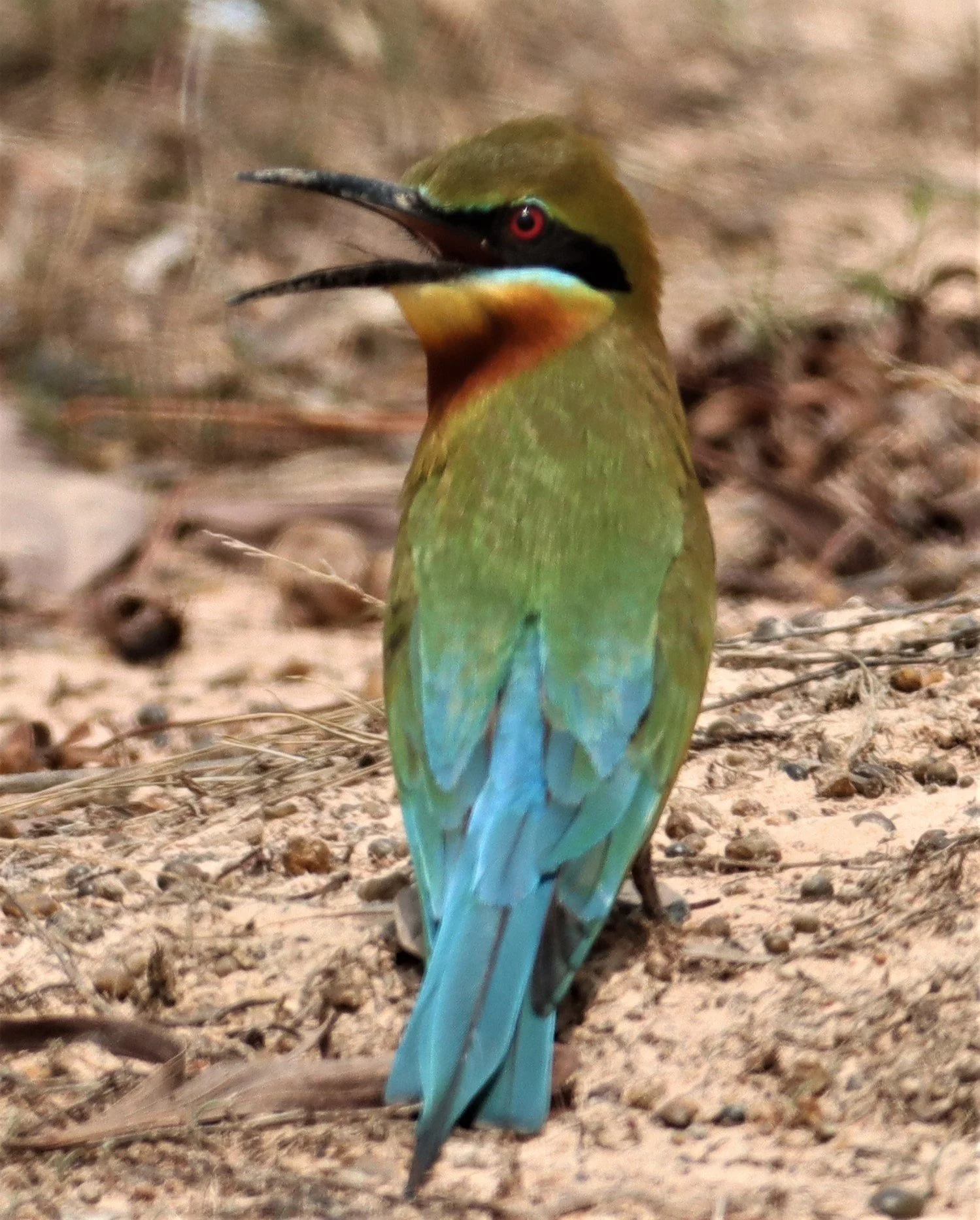
Blue-tailed Bee-eater (Merops philippinus)

Blue-tailed Bee-eater (Merops philippinus)

Silver Pheasant (Lophura nycthemera)

Silver Pheasant (Lophura nycthemera)

Blue-eared Kingfisher (Alcedo meninting)

Orange-breasted Trogon (Harpactes oreskios)

White-crested Laughingthrush (Garrulax leucolophus)

White-crested Laughingthrush (Garrulax leucolophus)
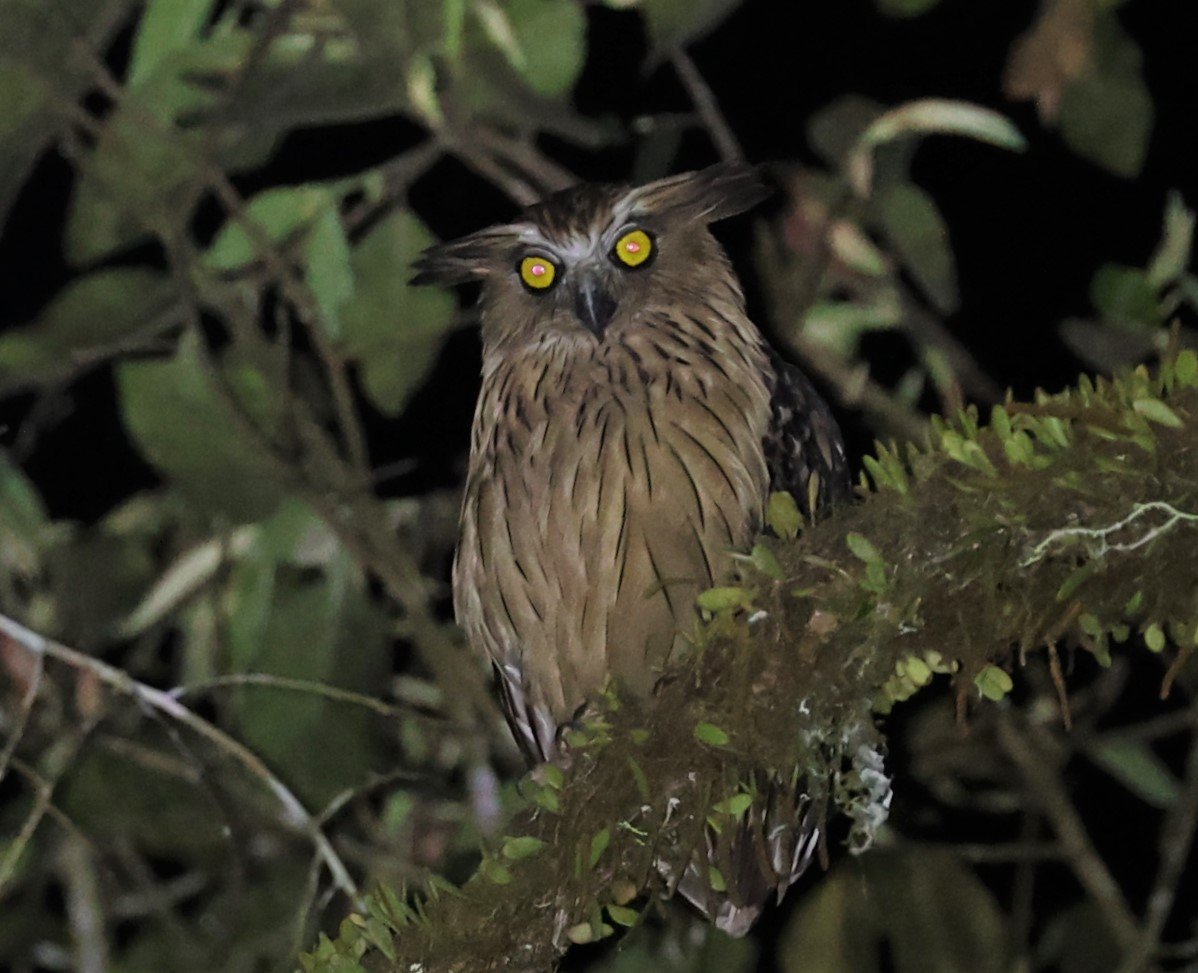
Buffy Fish-Owl (Ketupa ketupu)

White-browed Scimitar Babbler (Pomatorhinus schisticeps) can be seen on Khao Kiew

Wallace's Hawk-Eagle (Nisaetus nanus)

Wallace's Hawk-Eagle (Nisaetus nanus)

Crested Serpent Eagle (Spilornis cheela)
Herpetofauna
From king cobra (Ophiophagus hannah) to water monitors (Varanus salvator), the reptile guild spans apex predators to semi‑aquatic scavengers, while amphibians include the many species of frogs in tropical rain forests and in moist hill forests. Other key reptiles include the Chinese water dragon, diverse vipers, and all three of Thailand's python species. Now I am horrible at identifying herps so do please let me know if you find errors. [thaination...lparks.com], [datazone.b...rdlife.org][datazone.b...rdlife.org]

Common Butterfly Lizard (Leiolepis belliana), also known as a Butterfly Agama.

Hylarana species
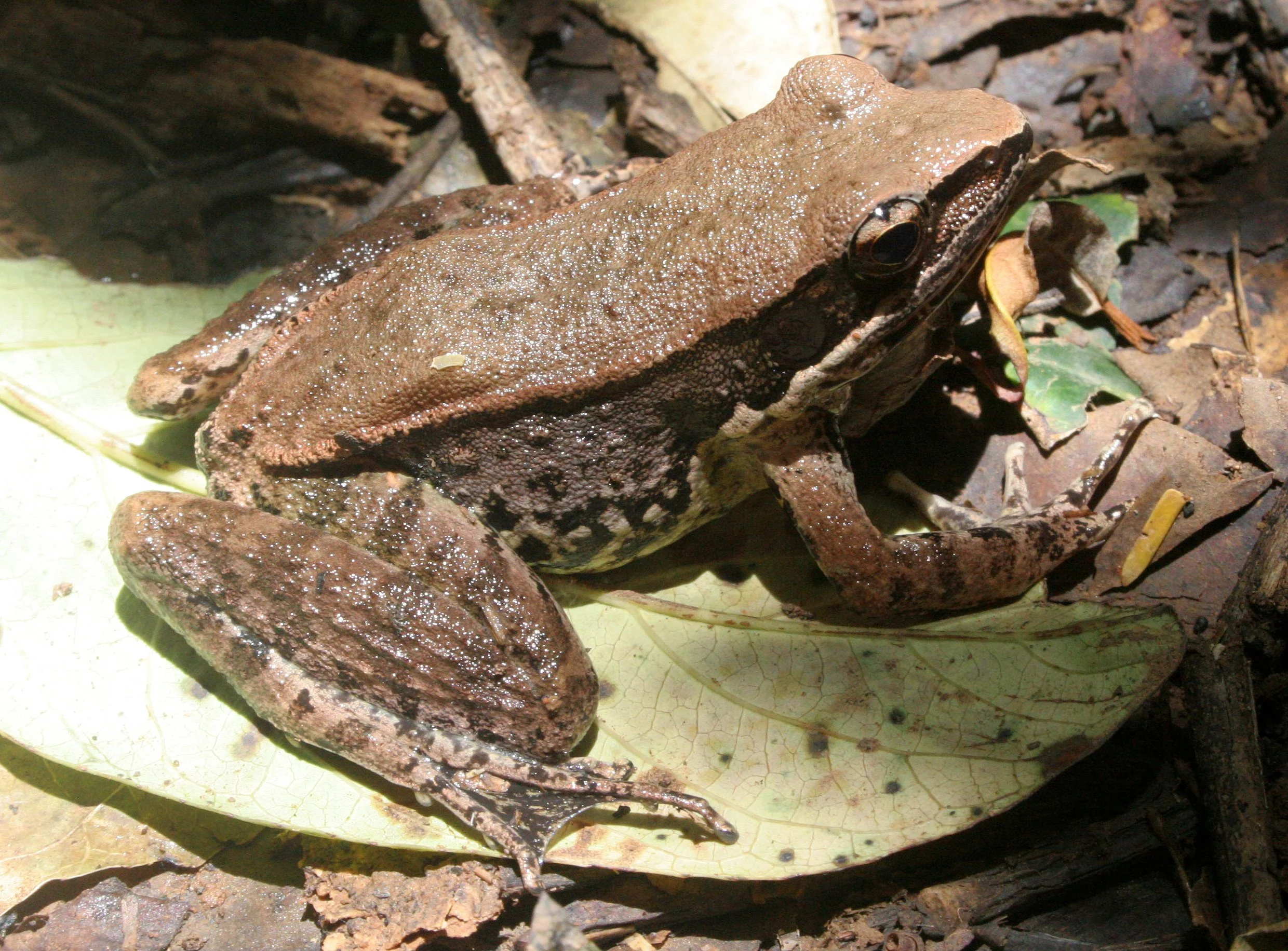
Mortensen's Frog (Hylarana mortenseni)
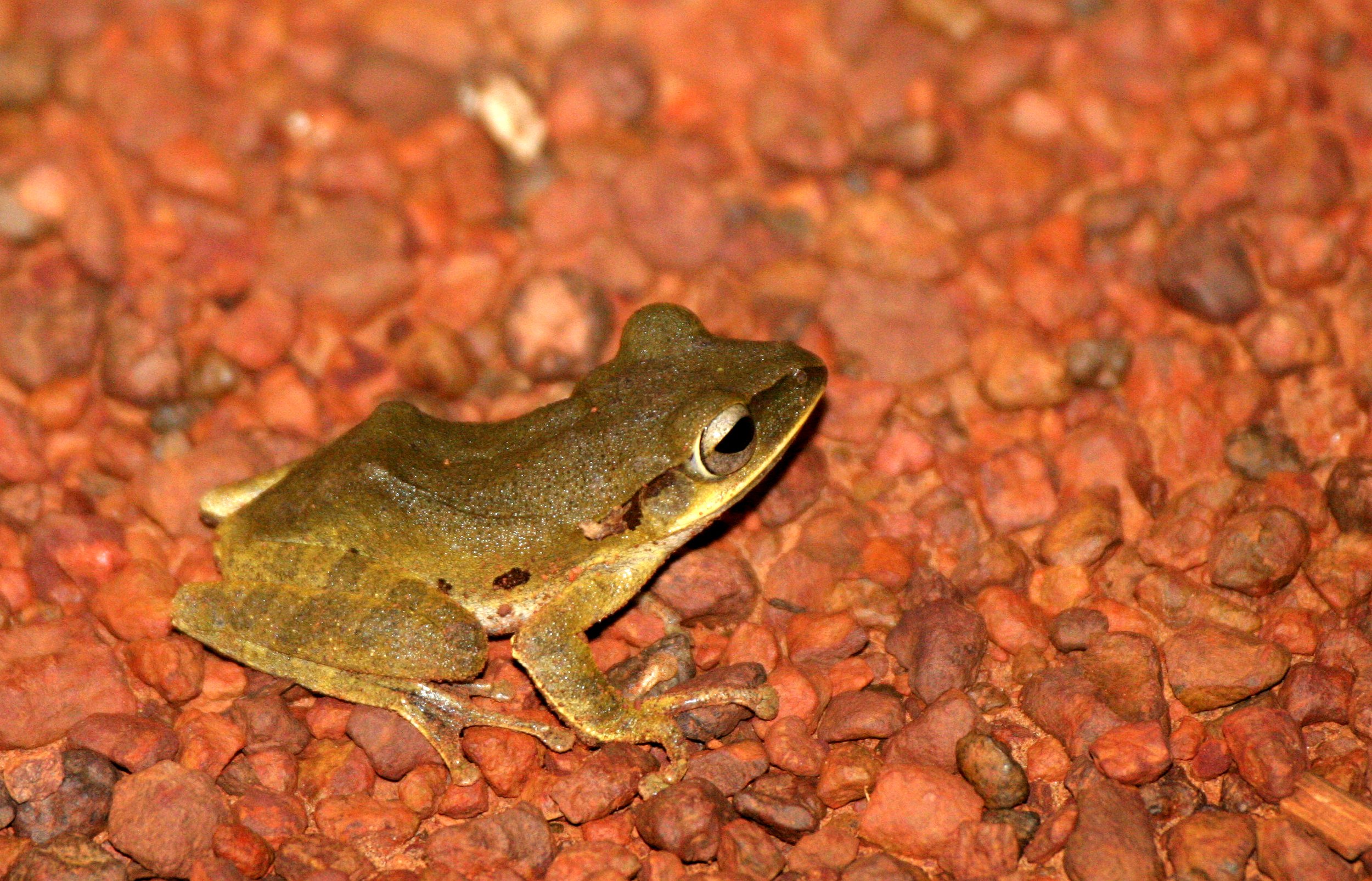
Four-lined tree frog (Polypedates leucomystax)
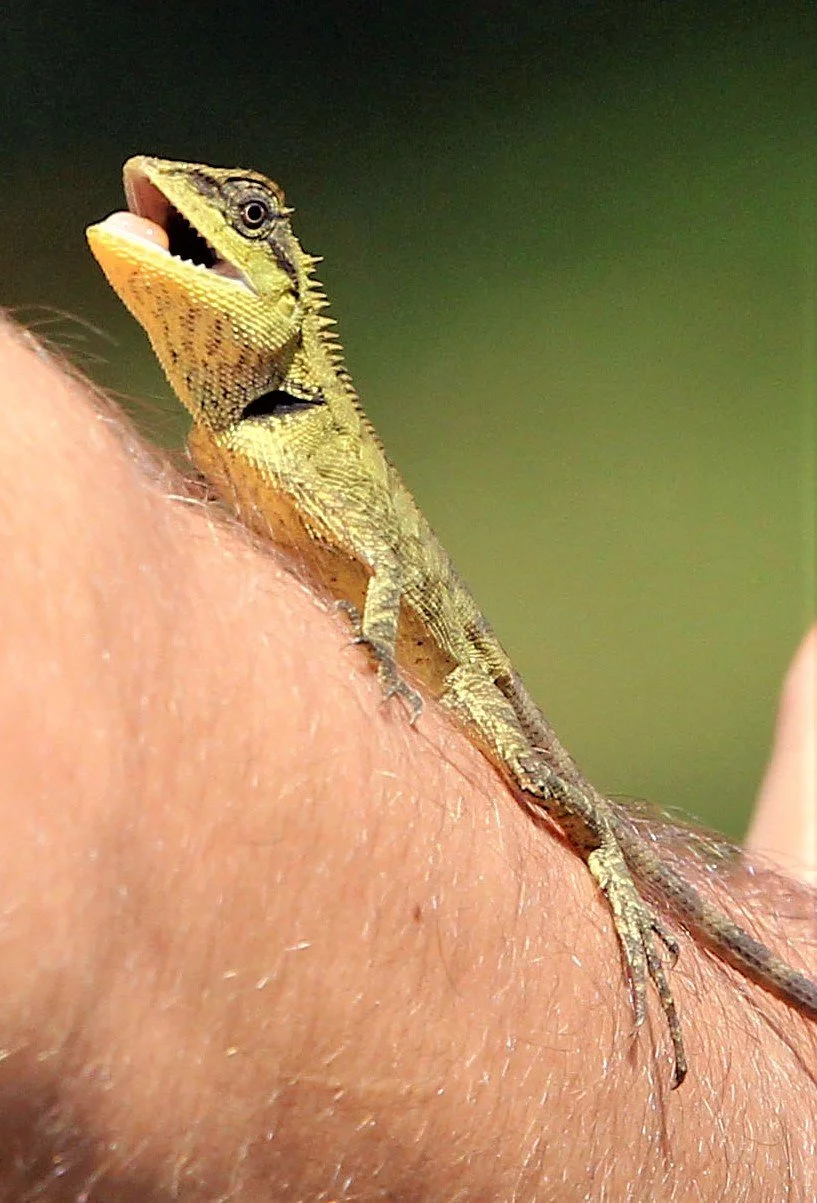
Forest or Emma's Crested Lizard (Calotes emma)

Emma Gray's Forest Lizard (Calotes emma alticristatus)
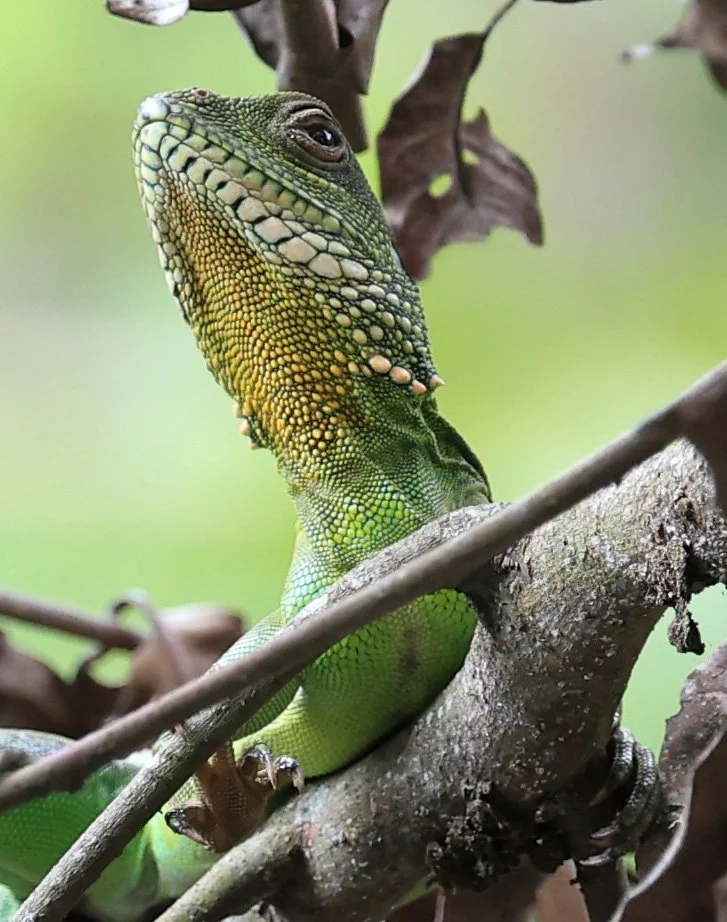
Chinese Water Dragon (Physignathus cocincinus)

Chinese Water Dragon (Physignathus cocincinus)
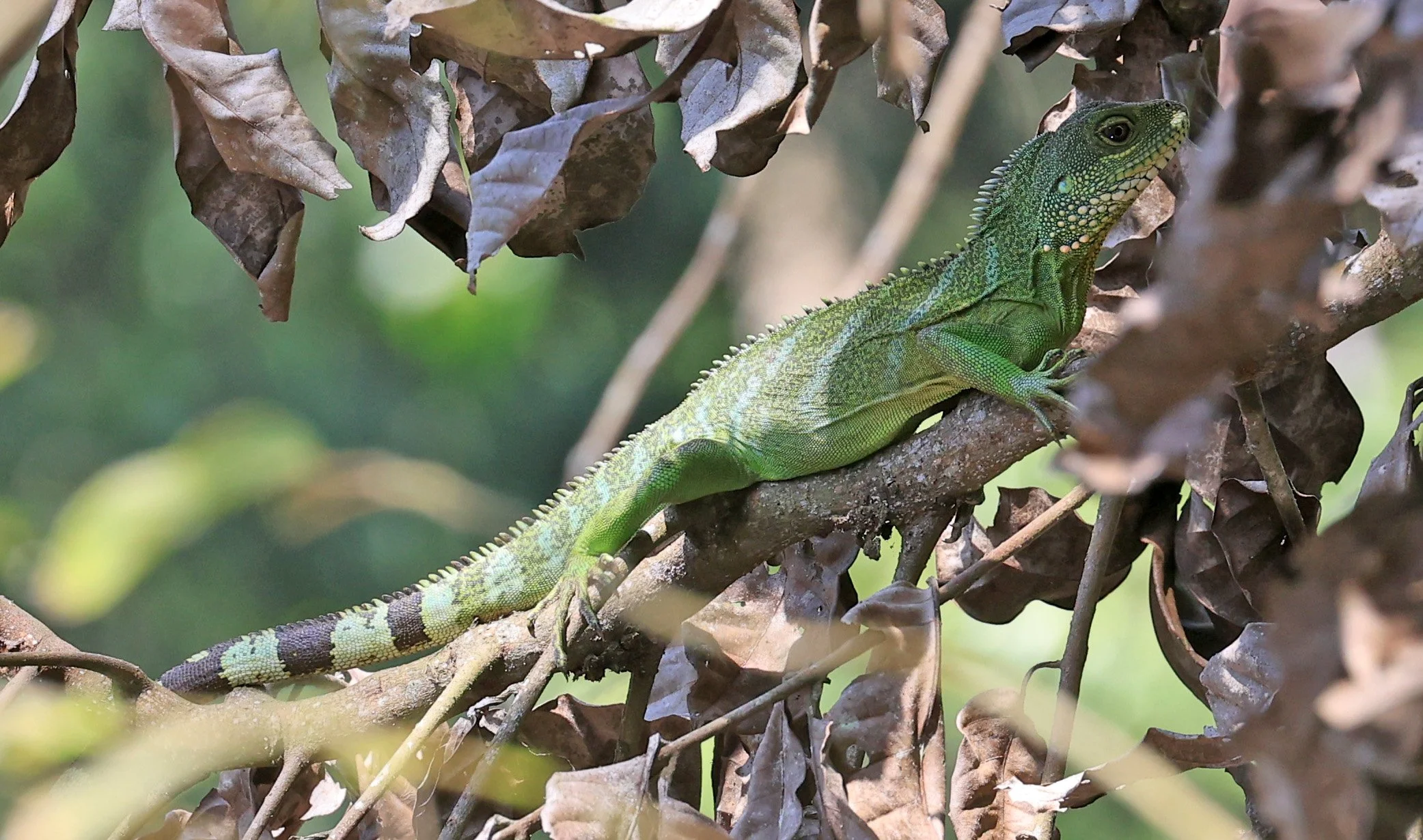
Chinese Water Dragon (Physignathus cocincinus)

Oldham's Leaf Turtle (Cyclemys oldhamii)
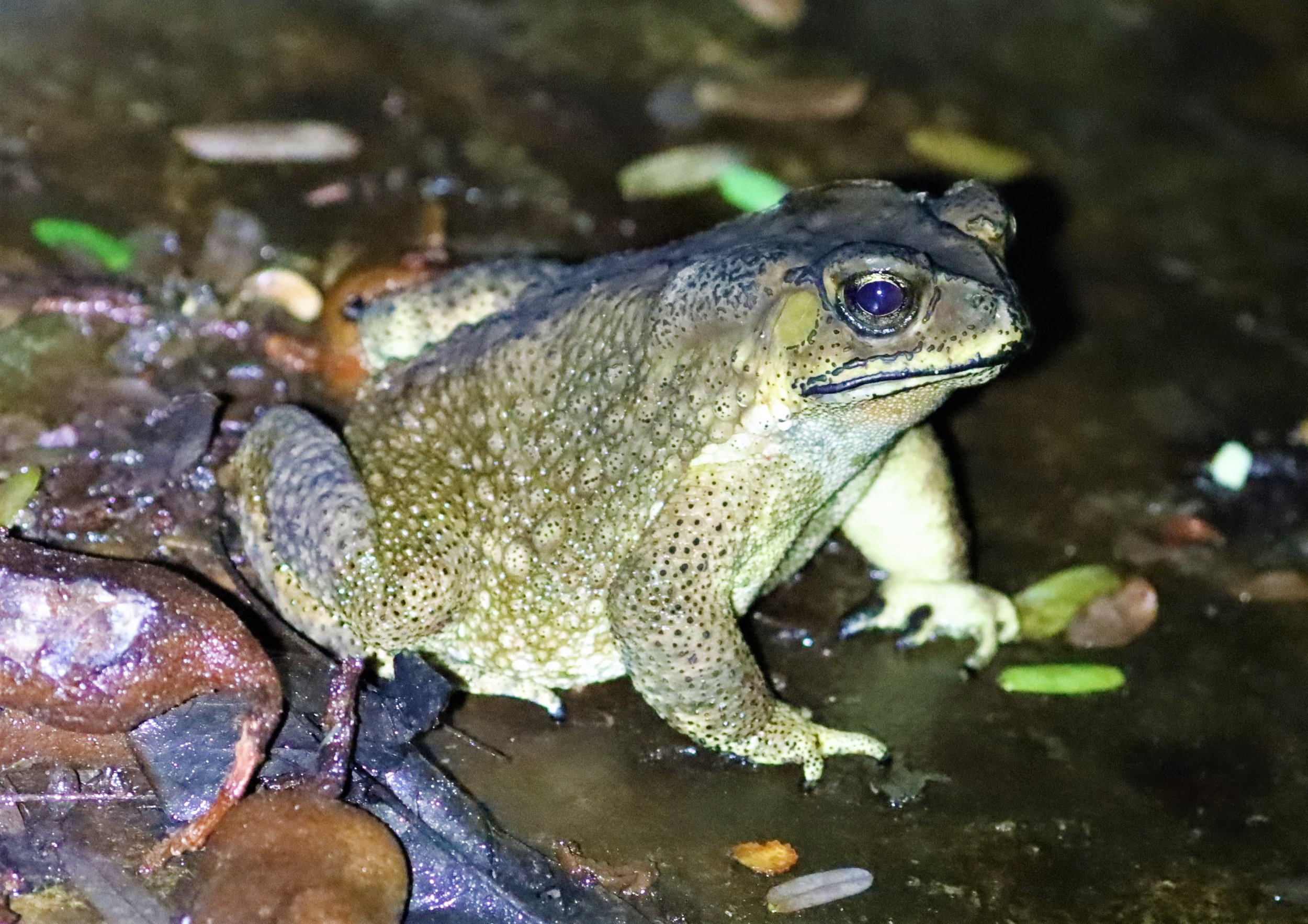
Asian Black-spined Toad (Duttaphrynus melanostictus)
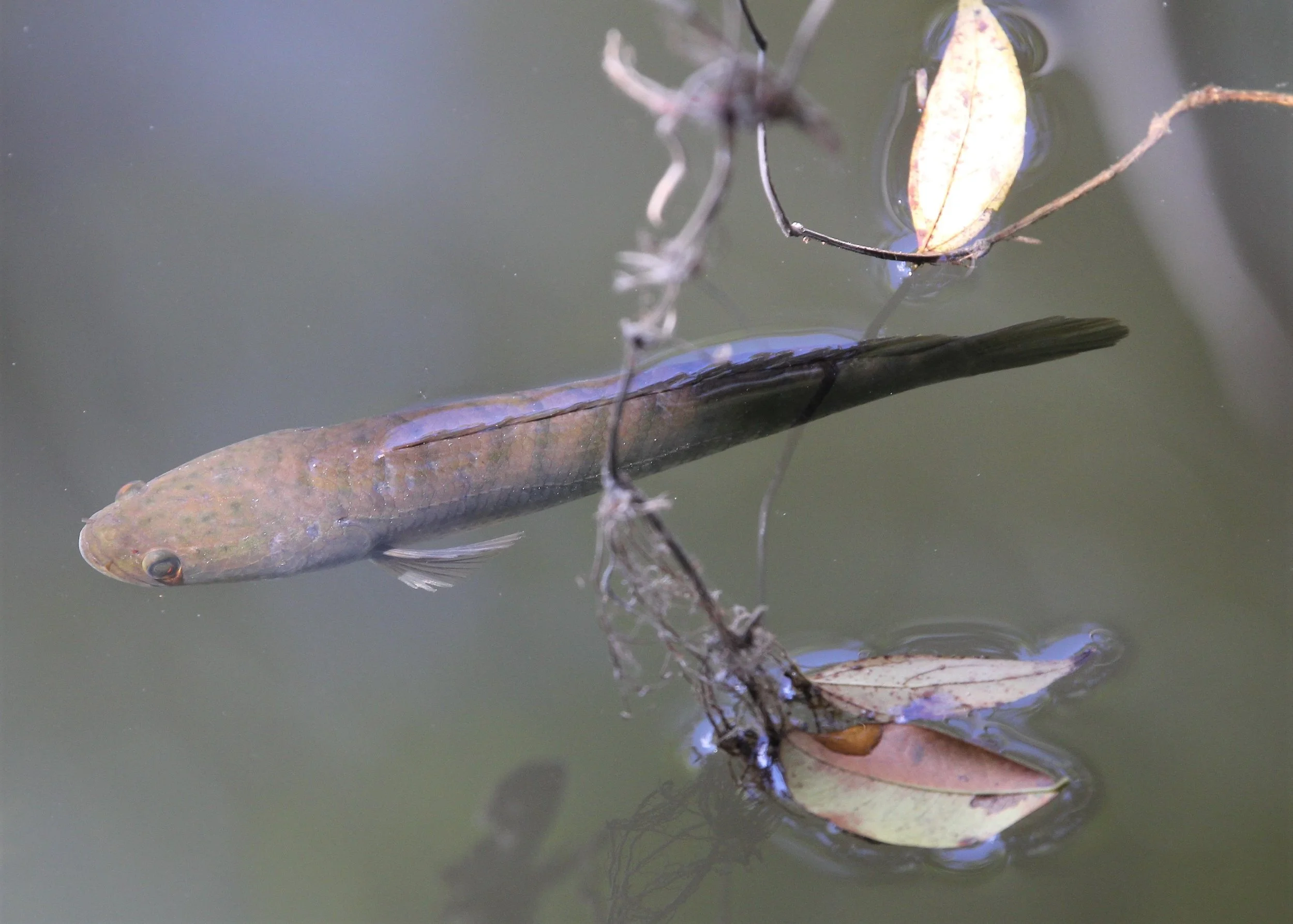
Snakehead species (Channa species) - I think

Oldham's Leaf Turtle (Cyclemys oldhamii)
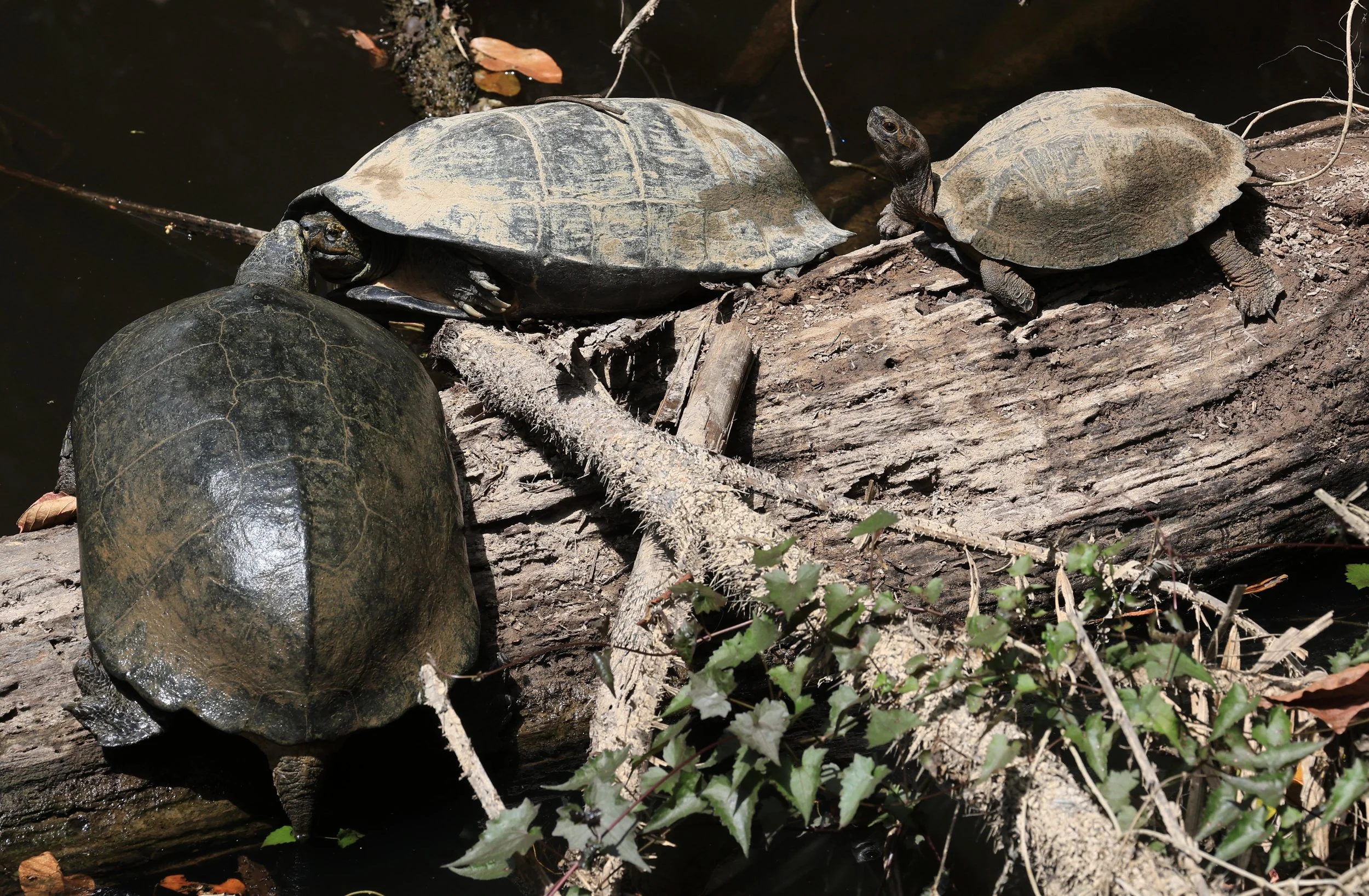
Giant Asian Pond Turtle (Heosemys grandis)

Oldham's Leaf Turtle (Cyclemys oldhamii)
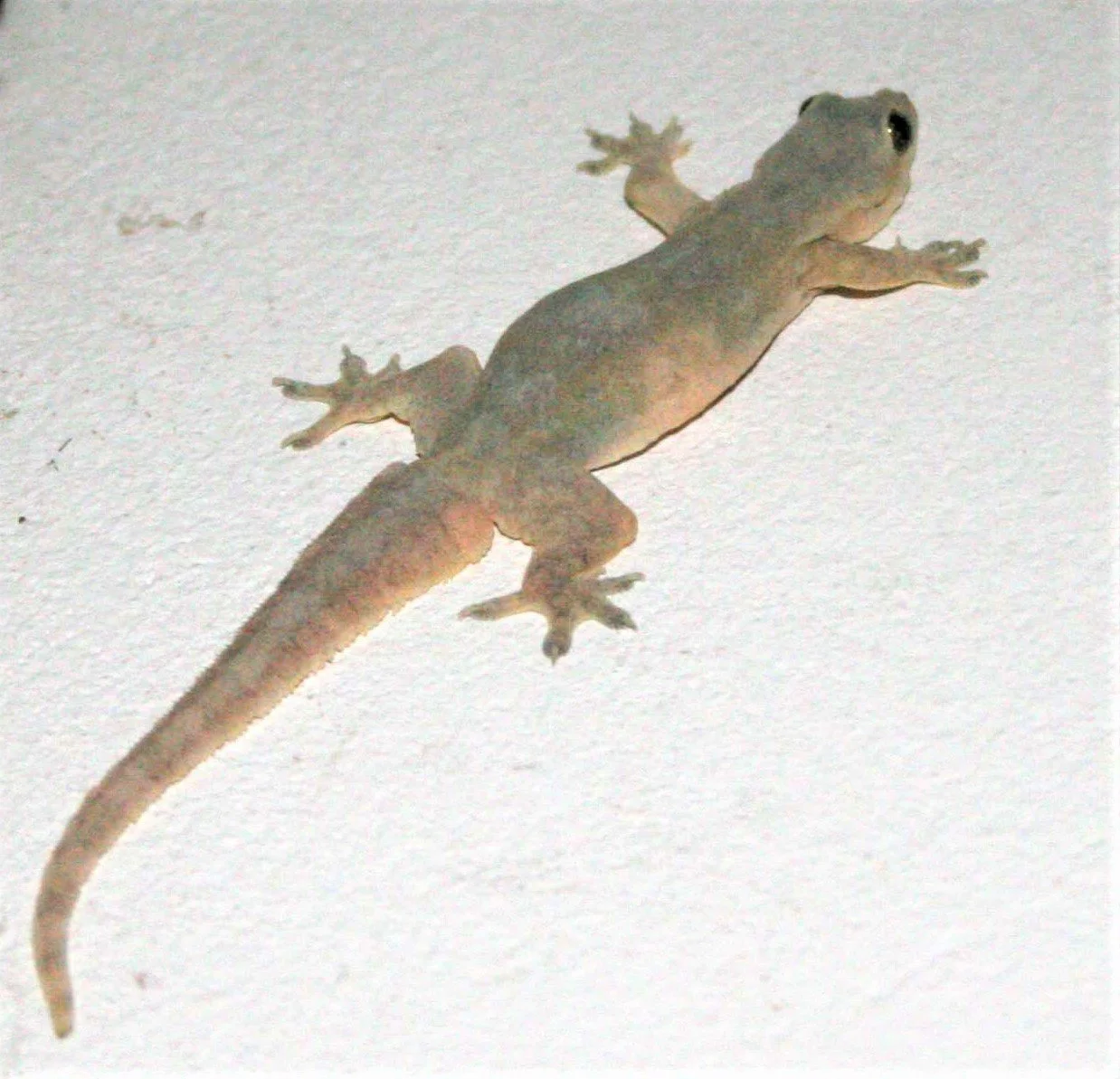
Flat-tailed Gecko (Hemidactylus platyurus)
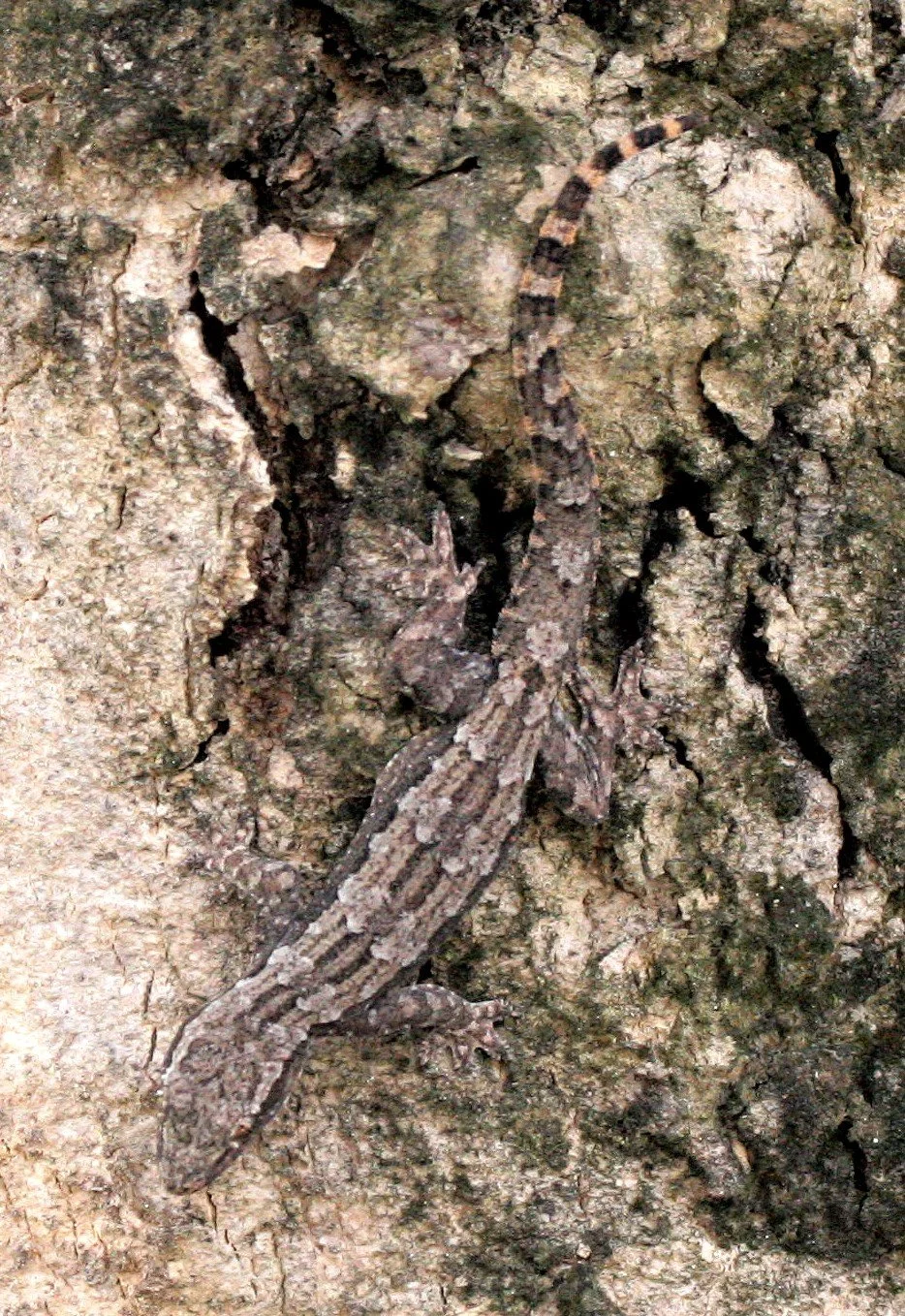
Flat-tailed Gecko (Hemidactylus platyurus)

King Cobra (Ophiophagus hannah)

King Cobra (Ophiophagus hannah)
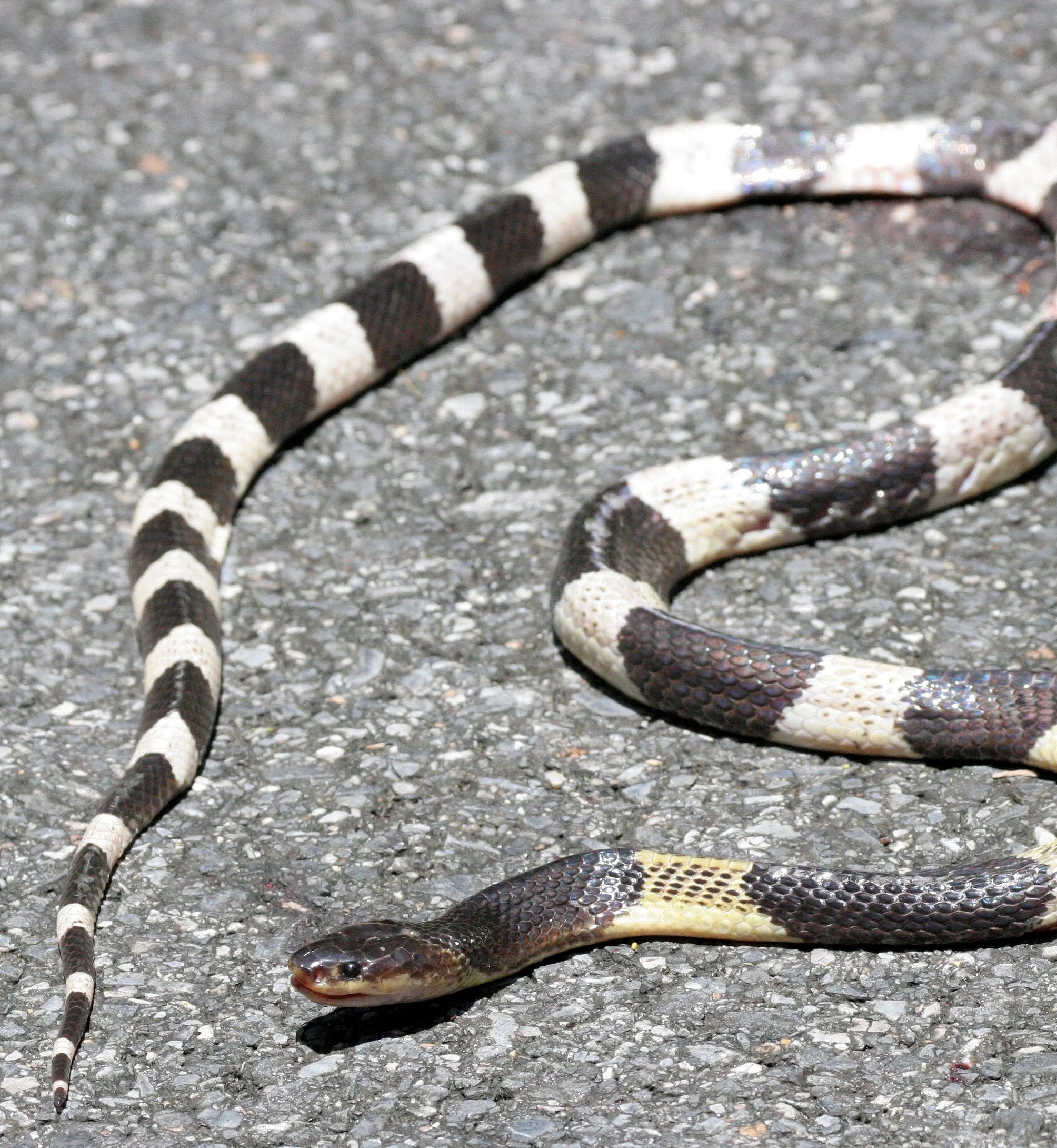
Banded or Blue Krait (Bungarus candidus)

Reticulated Python (Malayopython reticulatus)

Vogel's Pit Viper (Trimeresurus vogeli)

Spotted Flying Dragon (Draco maculatus)

Southeast Asian Water Monitor (Varanus salvator macromaculatus)

Southeast Asian Water Monitor (Varanus salvator macromaculatus)

Southeast Asian Water Monitor (Varanus salvator macromaculatus)
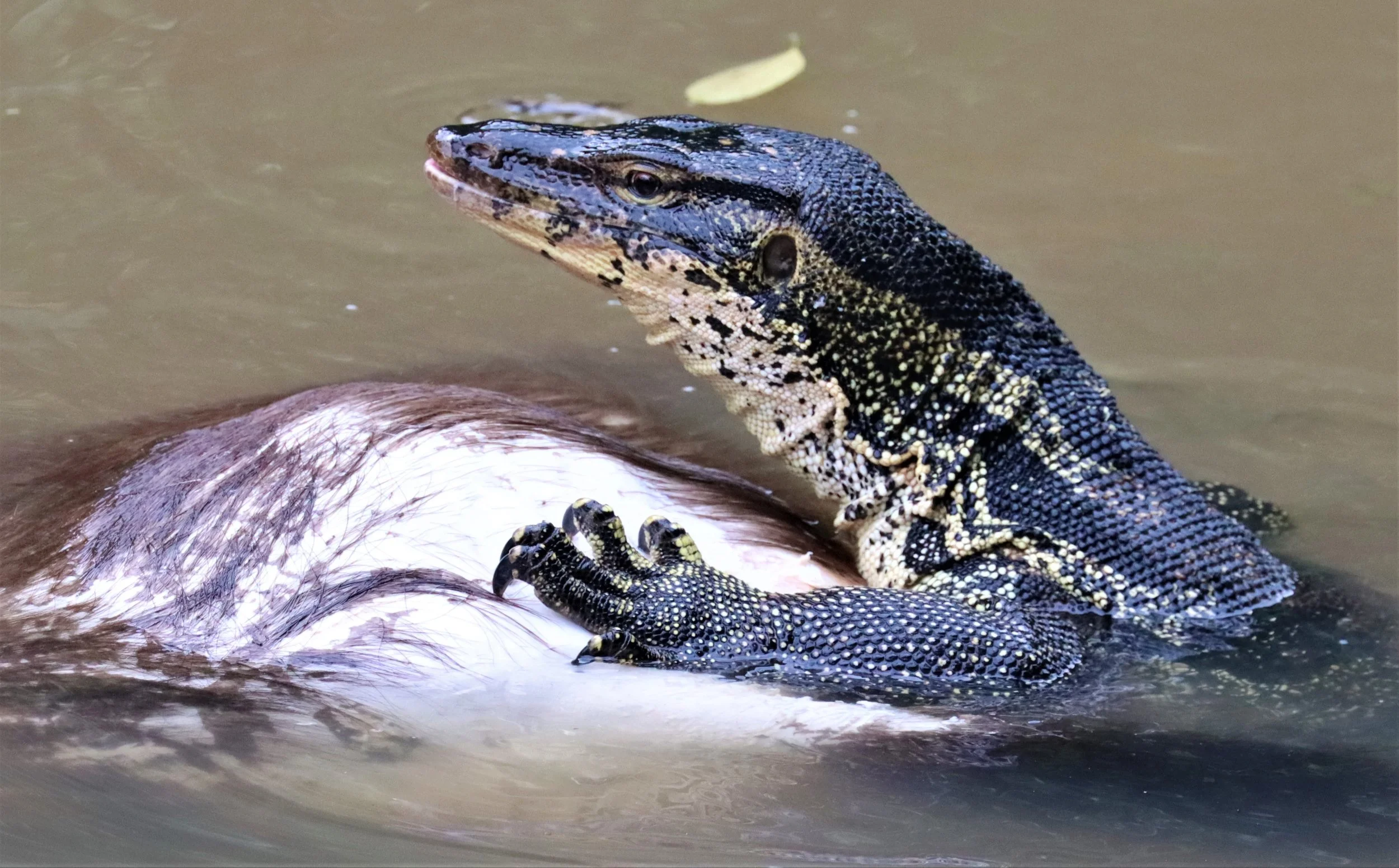
Southeast Asian Water Monitor (Varanus salvator macromaculatus)
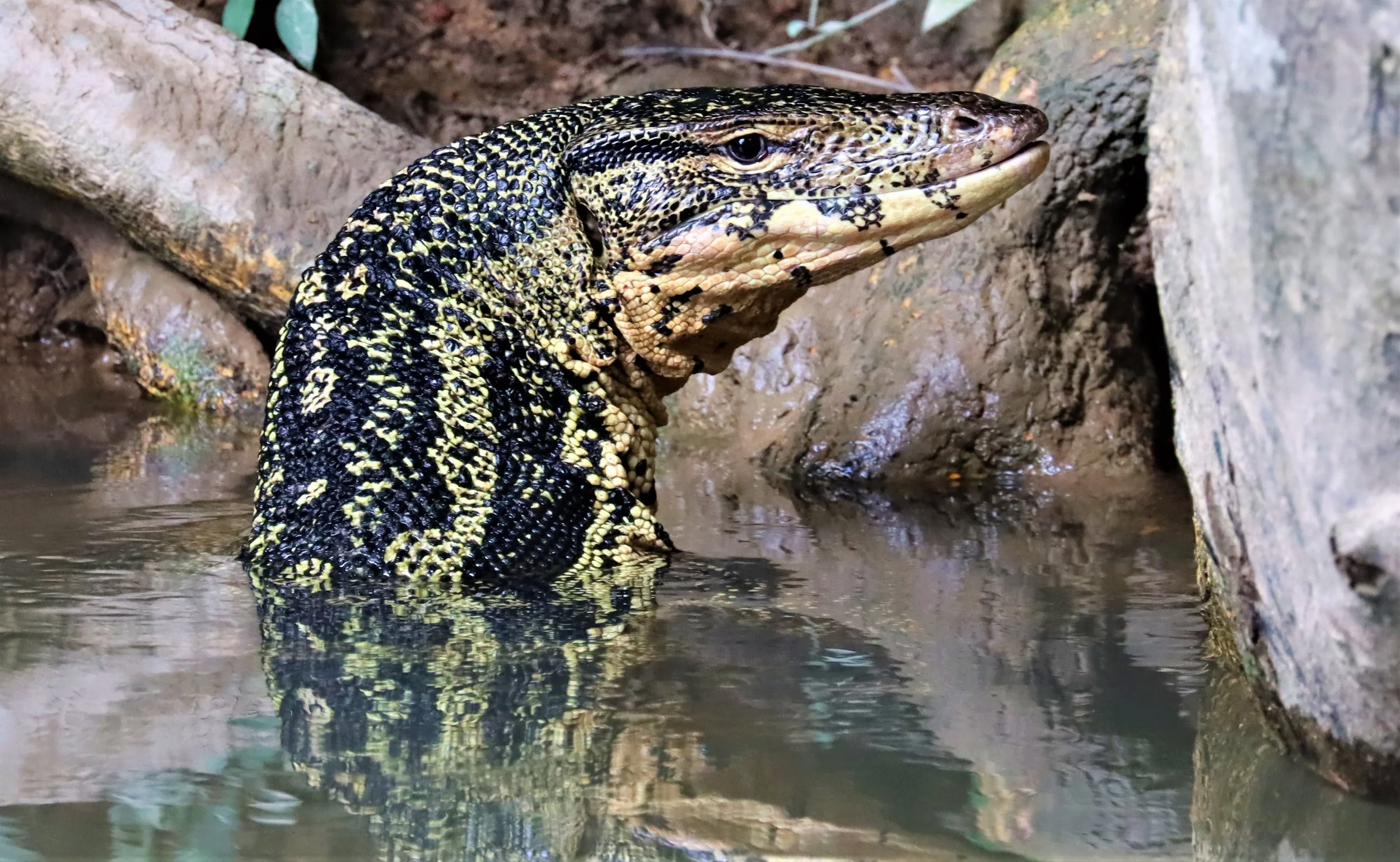
Southeast Asian Water Monitor (Varanus salvator macromaculatus)

Southeast Asian Water Monitor (Varanus salvator macromaculatus)

Tokay Gecko (Gekko gecko)
Invertebrate Fauna
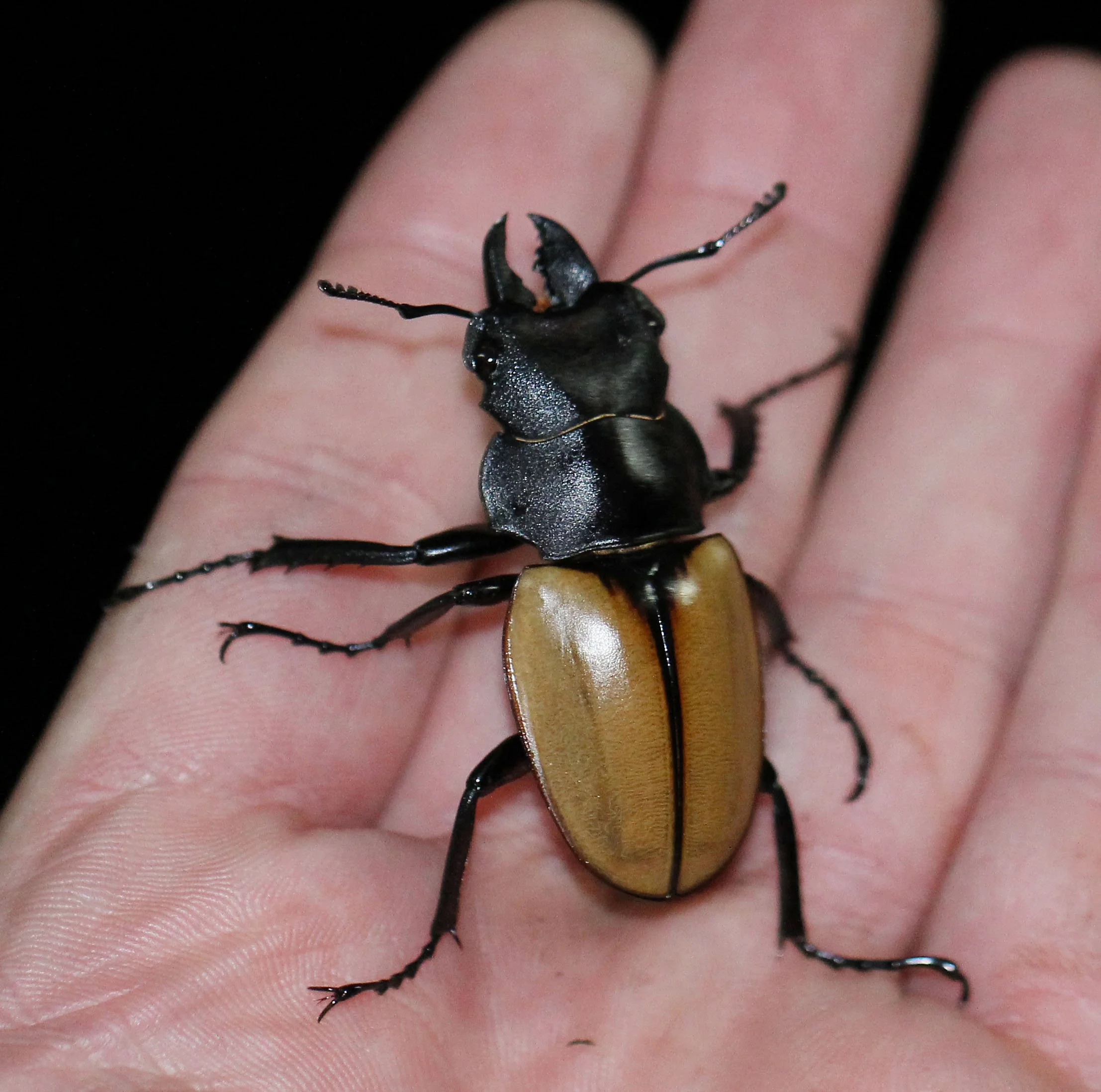
Stag Beetle of the species Odontolabis mouhoti elegans.

Hesperiidae, Hesperiinae: Pseudokerana fulgur. Skipper butterfly

Dark-branded Bushbrown (Mycalesis mineus ssp)

Common Quaker butterfly (Neopithecops zalmora)

Neochera dominia moth, also known as the white-striped black moth.

Common Bluebottle butterfly (Graphium sarpedon).
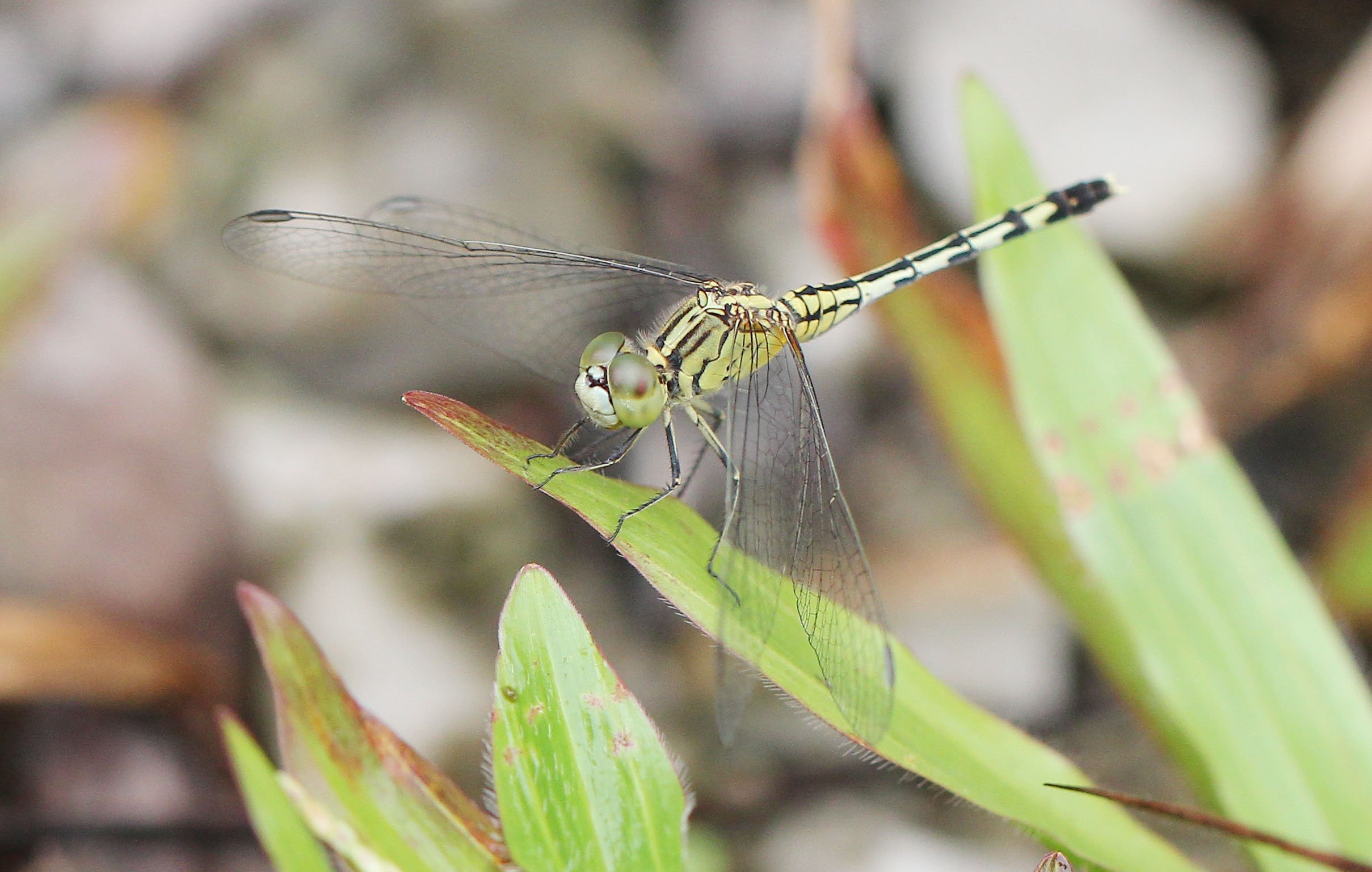
Chalky Percher (Diplacodes trivialis), a common species of dragonfly.
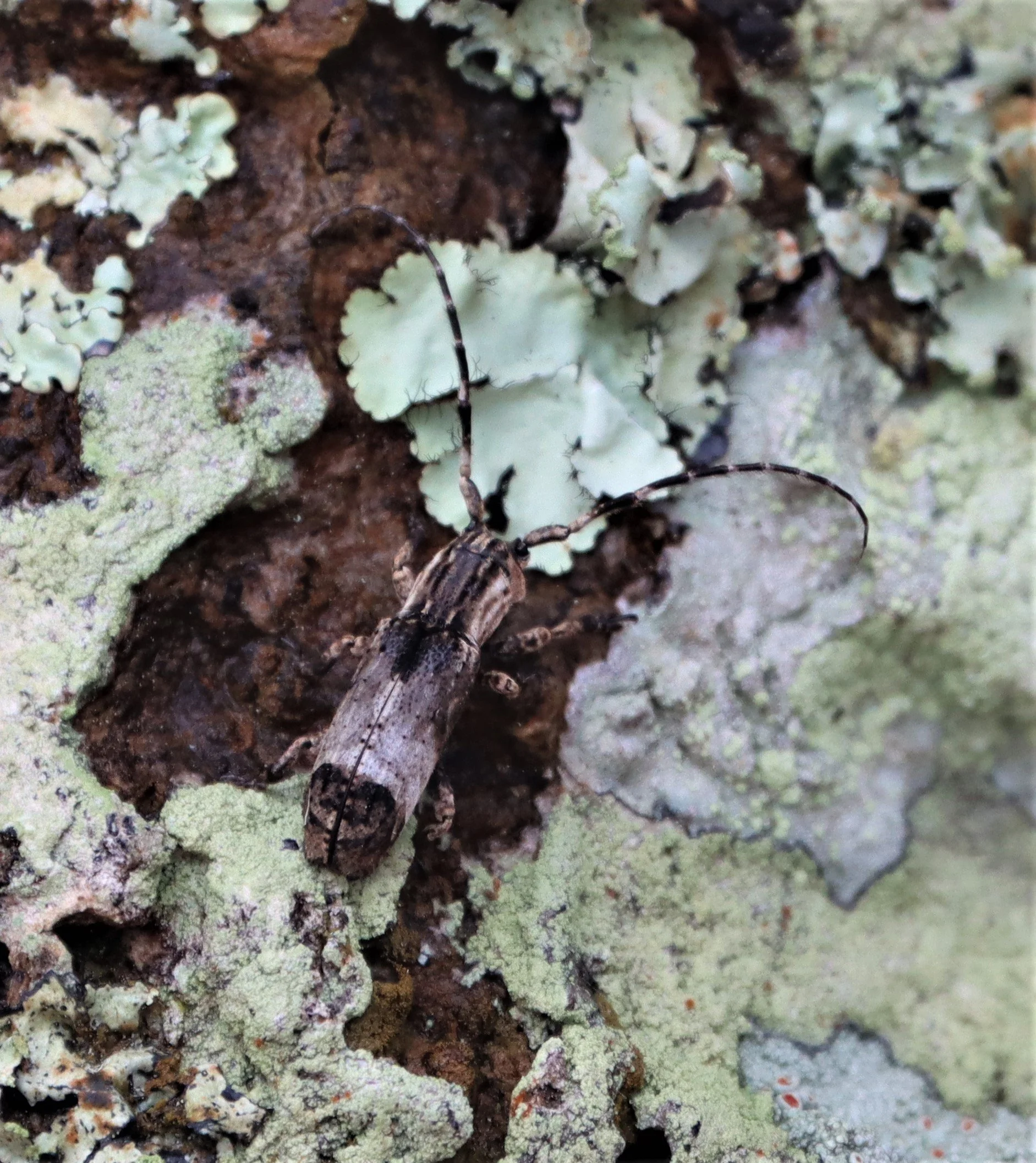
Cerambycid species in subfamily Lamiinae
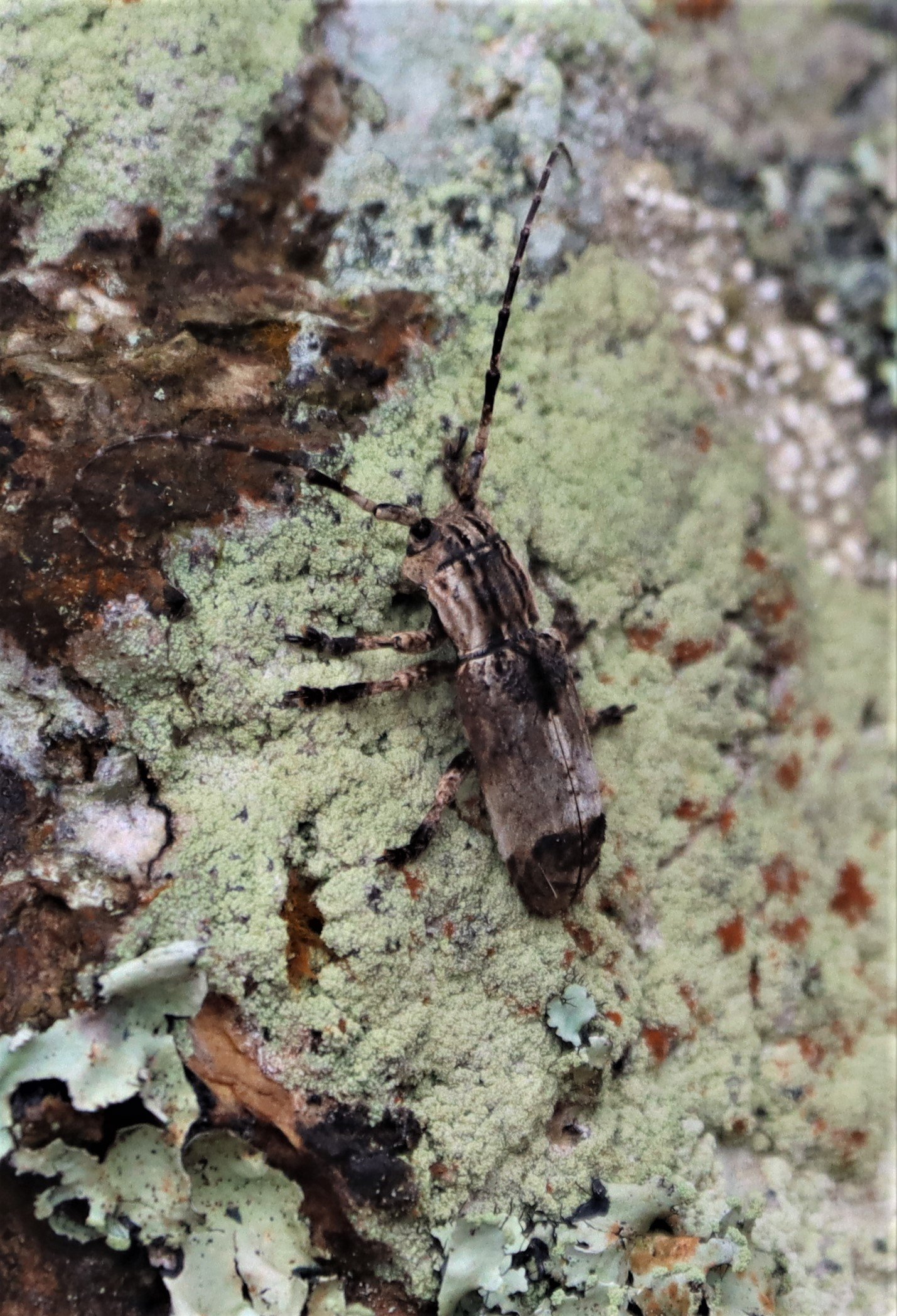
Cerambycid species in subfamily Lamiinae

Eupatorus siamensis (ด้วงกว่างซางสยาม) - Five-horned Rhinoceros Beetle, a very rare scarab I was extremely lucky to see in the wild.

Leech species - Khao Yai is famous for these!

Leech was here!

Giant Forest Scorpion, specifically a member of the Heterometrus genus, which is commonly found in Southeast Asia. Very common in Khao Yai especially in grassy areas
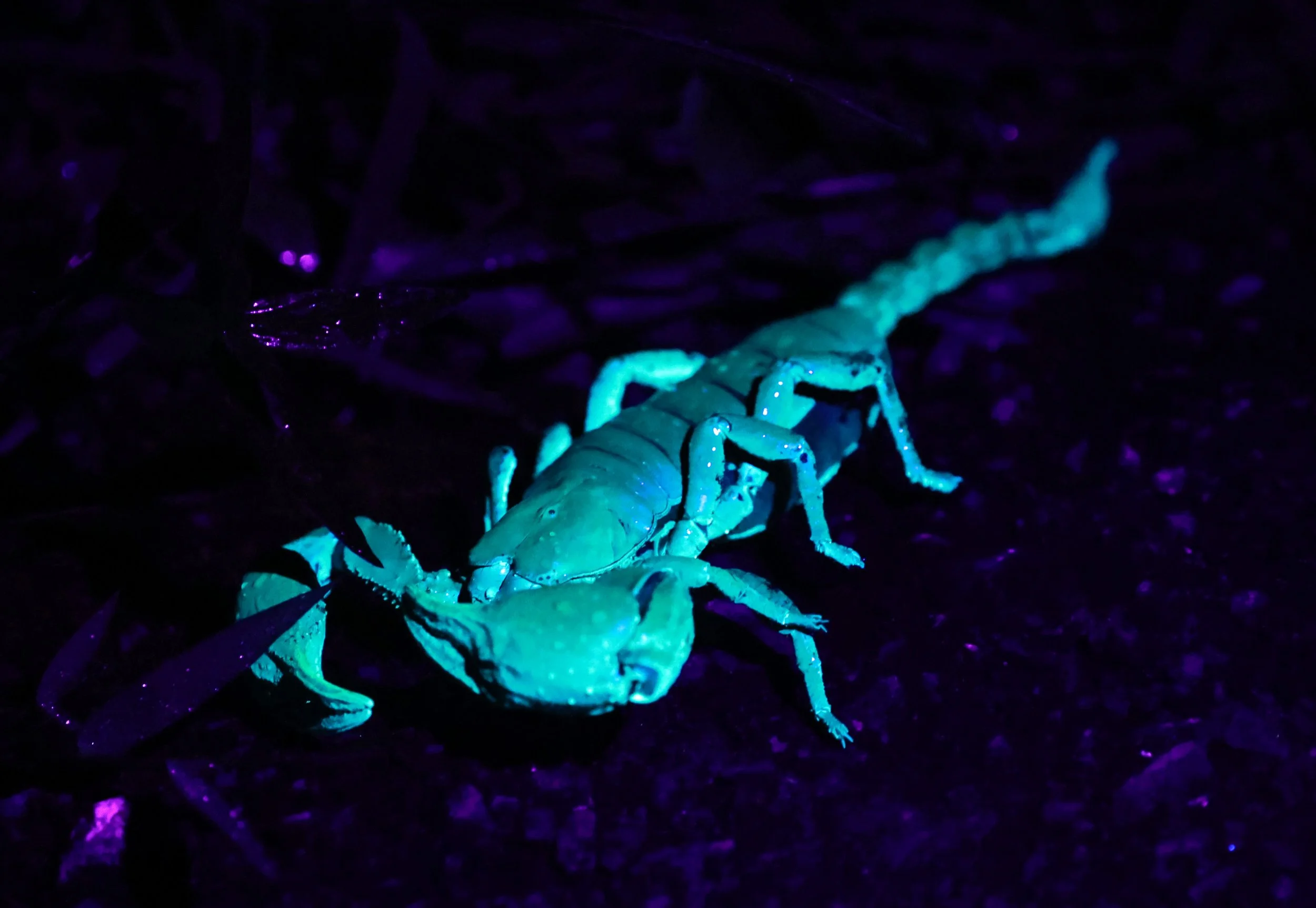
Giant Forest Scorpion in UV light

Long-horned Orb-weaver Spider (Macracantha arcuata).

Terrestrial crab speciers in the road in Khao Yai

Harpagophoridae เป็นวงศ์ของกิ้งกือหลังค่อม (round-backed millipede (Phyllogonostreptus spp)

Red-bordered Ground Beetle (Mouhotia batesi), which is native to Asia, particularly Thailand.

Another unidentified Cerambycid species....ironically Cerambycidae is one of my specialties...

Flatback millipede of the order Polydesmidae

The caterpillar of the Tinolius eburneigutta moth, a species found in Thailand.
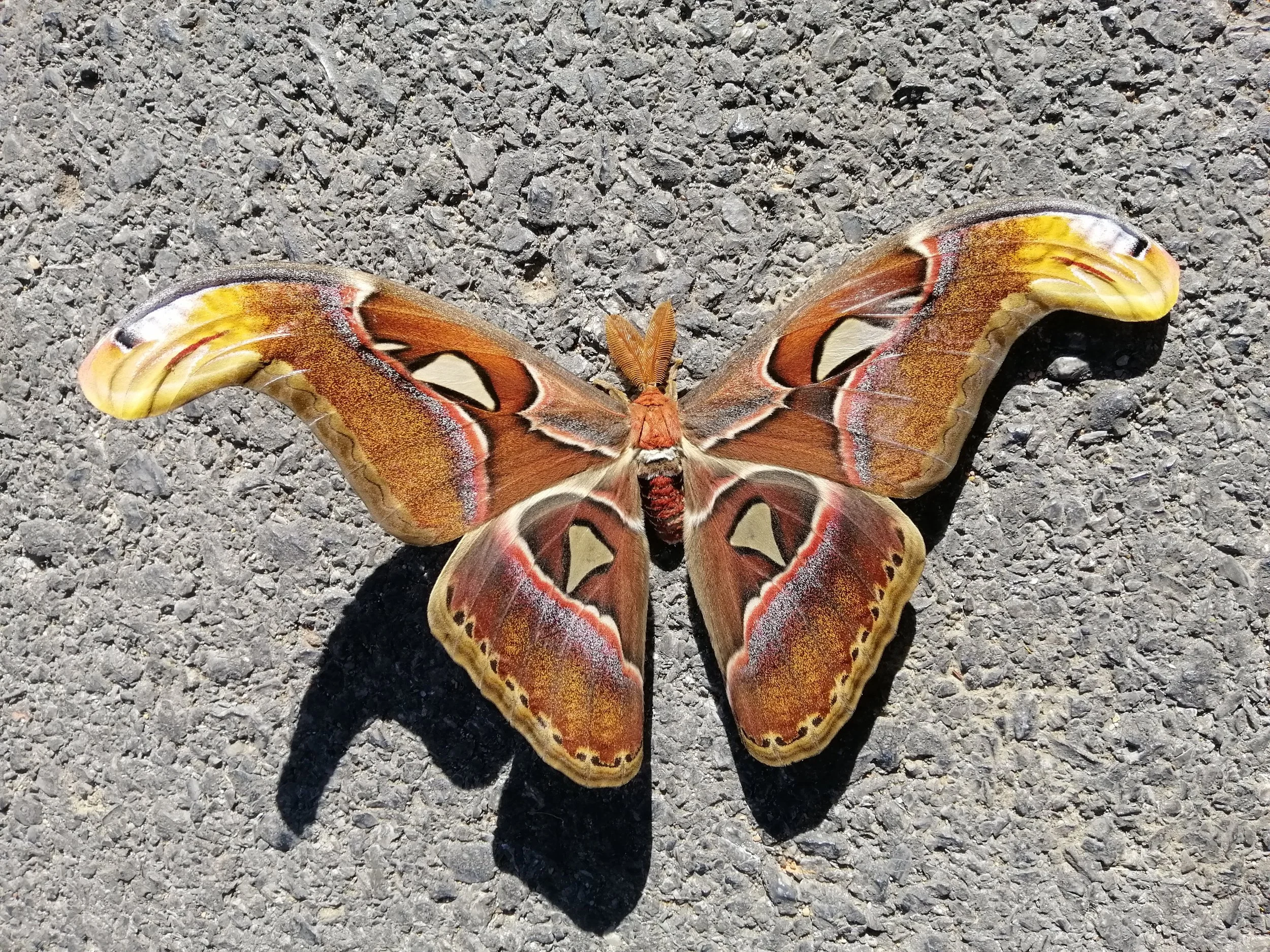
Atlas moth (Attacus atlas)

Atlas moth (Attacus atlas)

Snake! Atlas moth (Attacus atlas)
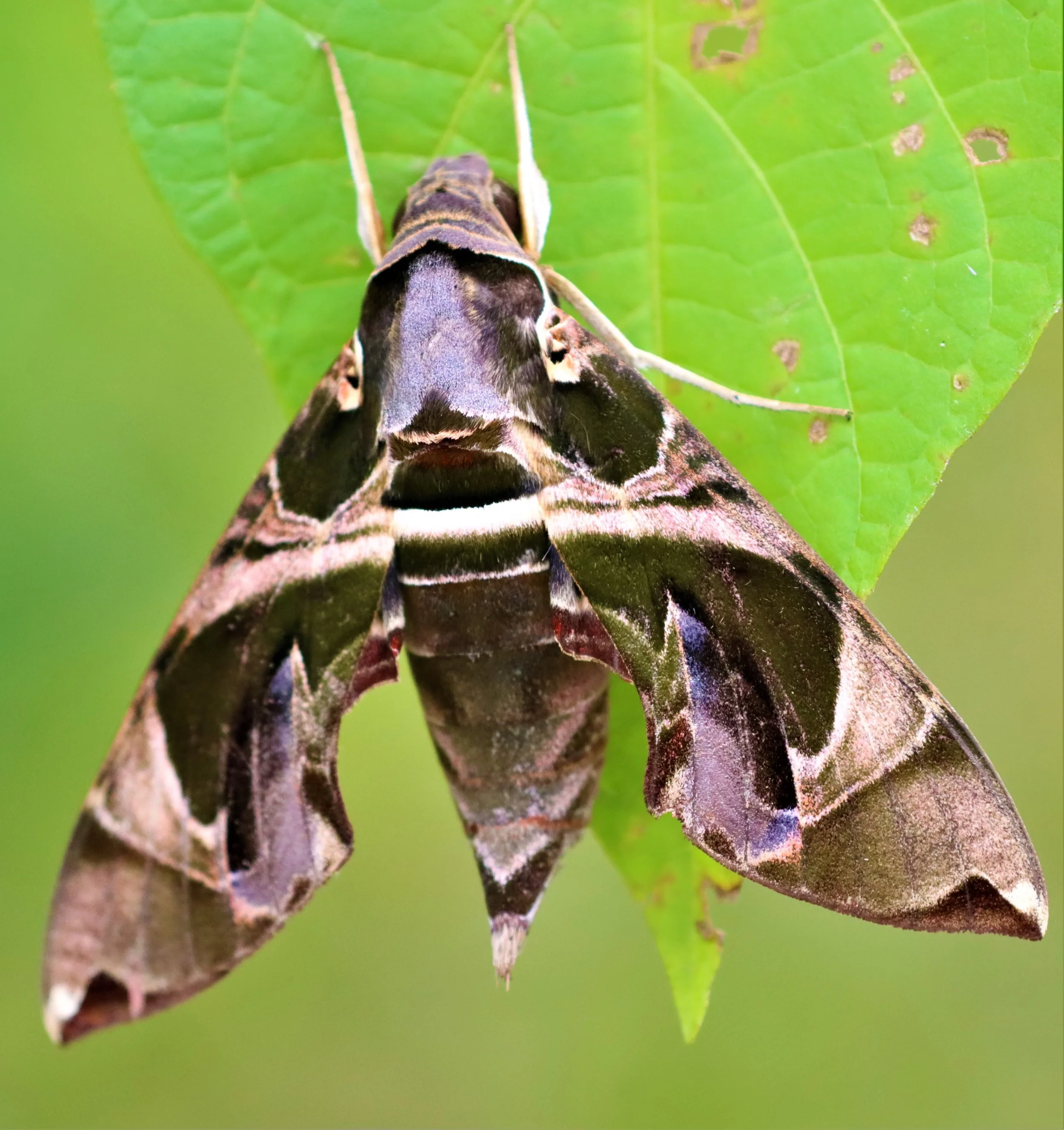
Jade Hawkmoth (Daphnis hypothous)

Possibly Ambulyx canescens moth, a species of hawk moth in the family Sphingidae.

Acosmeryx anceus moths, commonly known as a type of Rosy Forest Hawkmoth, from the family Sphingidae.
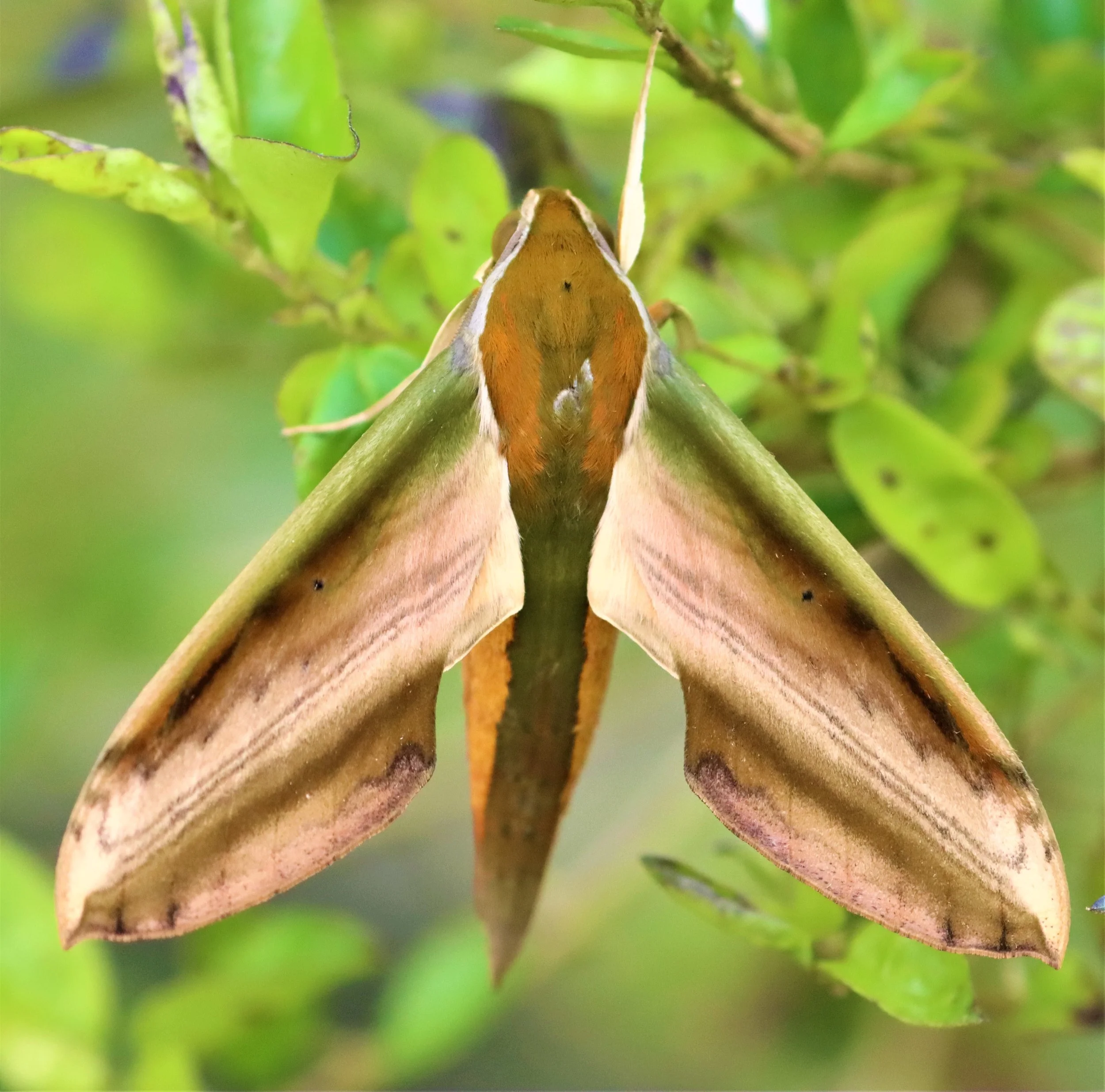
Yam Hawk Moth (Theretra nessus).
Issues Facing the DPKY
Khao Yai (est. 1962) led Thailand’s modern conservation era; the later designation of Thap Lan (1981), Pang Sida (1982), and Ta Phraya (1996), plus Dong Yai Wildlife Sanctuary (1996), stitched a trans‑provincial forest together and earned World Heritage status in 2005. Yet, proximity to Bangkok and arterial highways created classic edge pressures—encroachment, illegal villas, roadkills, and demand for forest products—that still require constant management. [Dong Phaya...Datasheet][en.wikipedia.org], [en.wikipedia.org]
Khao Yai and Thap Lan National Parks, which form part of the UNESCO World Heritage-listed Dong Phayayen–Khao Yai Forest Complex, face severe environmental issues stemming from human encroachment, illegal resource extraction, and tourism pressure. These issues threaten the biodiversity of the park, including endangered species like tigers and elephants.
Key environmental issues facing these parks include:
1. Illegal Encroachment and Land Use
Illegal Resort Development: A major, long-standing issue is the construction of resorts and vacation homes inside the park boundaries, particularly in the area between Khao Yai and Thap Lan.
Agricultural Encroachment: Local villagers have converted parts of the forest into agricultural land, growing crops like tapioca, maize, and eucalyptus.
Land Title Disputes: There are ongoing disputes where agricultural reform land (Sor Por Kor) has overlapped with protected forest areas, leading to illegal land clearing and, in some cases, the transfer of land to ineligible parties.
2. Illegal Logging and Poaching
"Bloodwood" Trade: Thap Lan is the epicenter of the "Rosewood Wars," where illegal loggers cut down valuable Siamese rosewood, which is highly prized and causes significant damage to the ecosystem.
Wildlife Poaching: Poachers hunt endangered wildlife, including tigers and elephants, in both parks.
3. Human-Wildlife Conflict
Habitat Loss & Fragmentation: As the forest is cleared for agriculture and roads, animals lose their natural habitat.
Elephants Leaving the Park: Due to habitat loss, wild elephants frequently roam into surrounding farmlands, causing destruction and danger to local residents.
Dangerous Encounters: Increased tourism and human activity have led to dangerous interactions between tourists and wildlife, with reports of elephants being disturbed near camping grounds.
4. Tourism and Infrastructure Impacts

Coyote dancers rocking Khao Yai NP somehow violates the prime directive of preservation of nature and the peaceful appreciation of it. The superintendent had a bit of explaining to do. (see article here)
Over-tourism and Waste: Khao Yai receives over a million visitors annually, leading to issues with excessive waste, litter, and noise pollution.
Road Mortality: Major roads running through the parks cause significant wildlife fatalities.
Infrastructure Projects: Proposed dam construction and highway expansion threaten to destroy over 10,000 rai of forest and fragment habitats.
5. Other Environmental Threats
Invasive Species: Non-native plant species like Mimosa pigra and Chromolaena odorata have spread, overtaking natural food resources for wildlife.
Toxic Chemical Runoff: Pesticides and fertilizers from agricultural activities around the border flow into the park's water sources.
The Rosewood Wars—and a Pivot to Patrol Tech
Between 2012–2015, the complex endured a violent Siamese rosewood (Dalbergia cochinchinensis) poaching crisis. A 2015 State‑of‑Conservation report documented 701 cases detected since Oct 2013, 473 arrests and 452.602 m³ of seized rosewood, while ranger casualties mounted in eastern parks. From 2016–2021, Thap Lan’s Global Park Defense program with WCS scaled SMART patrols and cellular trailcams, contributing to >600 rosewood‑related arrests and a measurable decline in incursions—evidence that technology, training and prosecution can change trajectories. [whc.unesco.org], [dialogue.earth] [globalcons...vation.org]
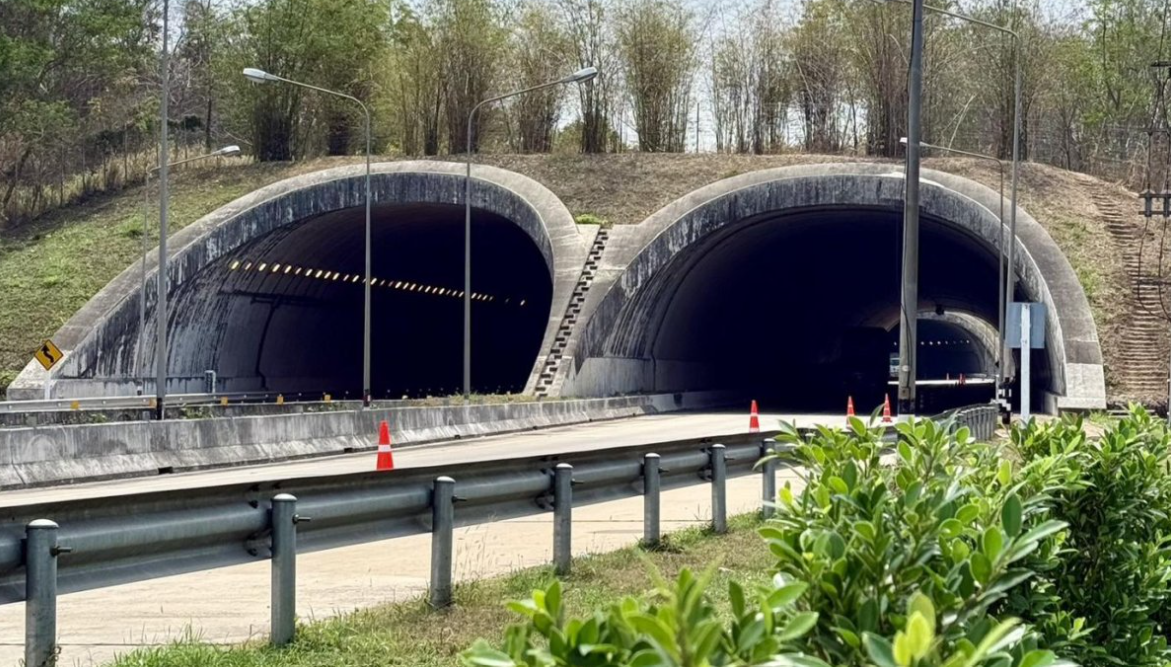
Wildlife Bridge connecting Thaplan and Khao Yai National Parks. Overall this has been considered a success allowing fauna to cross between the units and thereby reducing roadkill.
Corridors and Connectivity—Engineering for Wildlife
To mitigate fragmentation on Highway 304 between Thap Lan and Khao Yai, Thailand built a tunnel‑plus‑overpass “wildlife corridor” opened in 2019. Seven years of monitoring now show regular use by multiple species, biodiversity rising from 156 to 172 recorded species, and reduced wildlife–vehicle collisions—tangible gains for a road once flagged by UNESCO. [bangkokpost.com], [en.wikipedia.org]
Tigers and Prey—Quiet Recovery in a Connected Forest
The DPKY made global news in 2017 when camera traps confirmed the world’s second known breeding population of Indochinese tigers (Panthera tigris tigris) in the complex; authorities reported at least 15 individuals detected by 2022, signaling improving prey and security across connected parks. Continued control of snaring and expansion of patrol coverage remain essential to keep that upward curve. [en.wikipedia.org], [fairplanet.org][fairplanet.org]
Coexisting with Elephants—Keeping Herds Inside the Forest
Park managers are pairing grassland enrichment with supplementary water sources to reduce crop‑raiding and keep elephants within protected zones; camera traps in January 2026 filmed herds bathing at new waterholes on Khao Yai’s plateau—behavior that validates this approach and guides adaptive scaling to Thap Lan’s edge communities. [thethaiger.com], [aseannow.com]
Why this Complex Matters
As a unified landscape, the Eastern Forest Complex demonstrates how geology, monsoon climate, evergreen–deciduous gradients, and connectivity investments interact to sustain elephant herds, gibbon choruses, hornbill flyways and—critically—breeding tigers within a few hours of Bangkok. Its current trajectory—from rosewood crisis to patrol tech, from road barrier to wildlife overpass—offers one of Southeast Asia’s clearest case studies in adaptive conservation on a crowded frontier. [whc.unesco.org], [globalcons...vation.org], [bangkokpost.com], [en.wikipedia.org]
Protecting the Eastern Forest Complex (specifically often referring to the Dong Phayayen-Khao Yai Forest Complex) in Thailand is critical for maintaining biodiversity, supporting endangered species, providing essential ecosystem services, and preserving significant natural heritage. The complex is home to over 800 species of fauna, including 112 mammal species, 392 bird species, and 200 reptile and amphibian species. It provides a vital sanctuary for 19 vulnerable, 4 endangered, and 1 critically endangered species. It supports key populations of Indochinese tigers (confirming the world's second known breeding population in 2017), Asian elephants, leopard cats, and banteng. The area contains over 450 wild elephants, which have an annual population growth of 8.2%, the highest in the country. It is essential to maintain this habitat to reduce human-wildlife conflict and ensure their survival. It hosts the last substantial area of globally important tropical forest ecosystems of the Thailandian Monsoon Forest in the region. It also contains the world's largest remaining stands of Siamese rosewood. The high-rainfall forest acts as a vital watershed, draining into and feeding five of the country's major rivers: the Nakhon Nayok, Prachin Buri, Lamta Khong, Muak Lek, and Mun rivers. It is a UNESCO World Heritage Site (inscribed in 2005) and a WWF Global 200 Ecoregion, with Khao Yai being an ASEAN Heritage Park. The forest serves as a significant carbon sink, absorbing carbon and helping to mitigate climate change.
For me, I don’t need these reasons to protect a place like the DPKY. The peace it gives me when I visit, smell its smells, hear its sounds, see its wildlife and explore its trails is more than enough to convince me that humans cannot exist in any satisfying way without places like the DPKY. When I am unable to physically be there, the mere thought of it existing at all gives me solace. As our world becomes more and more destroyed, it is more important than ever to make sure these places have strong protection. One thing I have noticed in the past 40 years of visiting the DPKY, more and more local Thai have begun to come and experience their own natural heritage. While this presents its own set of problems, like the parks being loved to death, the fact that more and more Thai are loving this place and many others means they will be more likely to advocate for their protection. One can hope.
The below are images that show aspects of the DPKY not shown above. Enjoy.

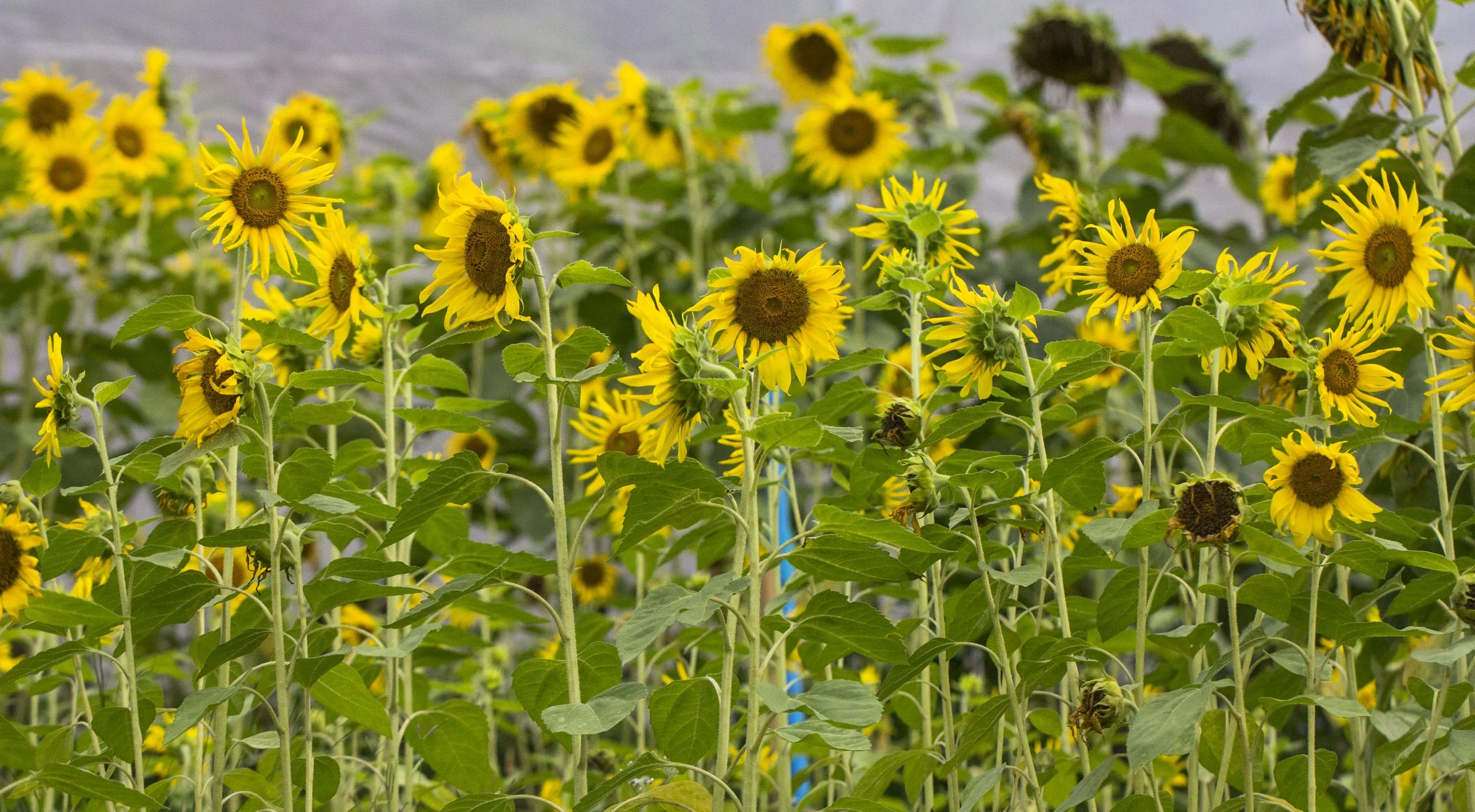
The countryside surrounding the DPKY has many tourist "check-in" points of interest. Fields of sunflowers and strawberries amount other things are popular.

Khao Pang Ma Non-hunting Area is the place to see Gaur. Restored grasslands provide forage for the grazers.
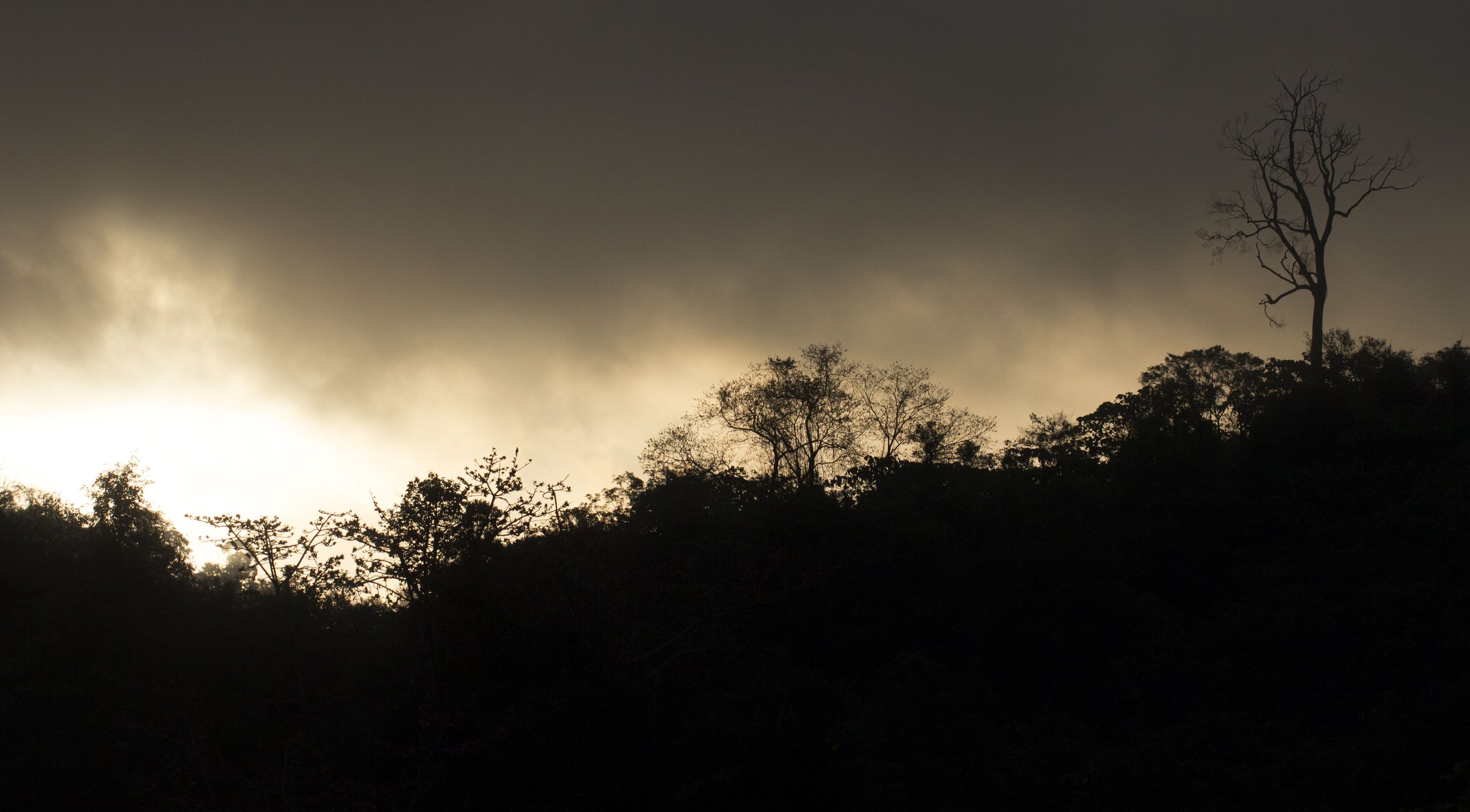
Changing weather and light at Dong Yai
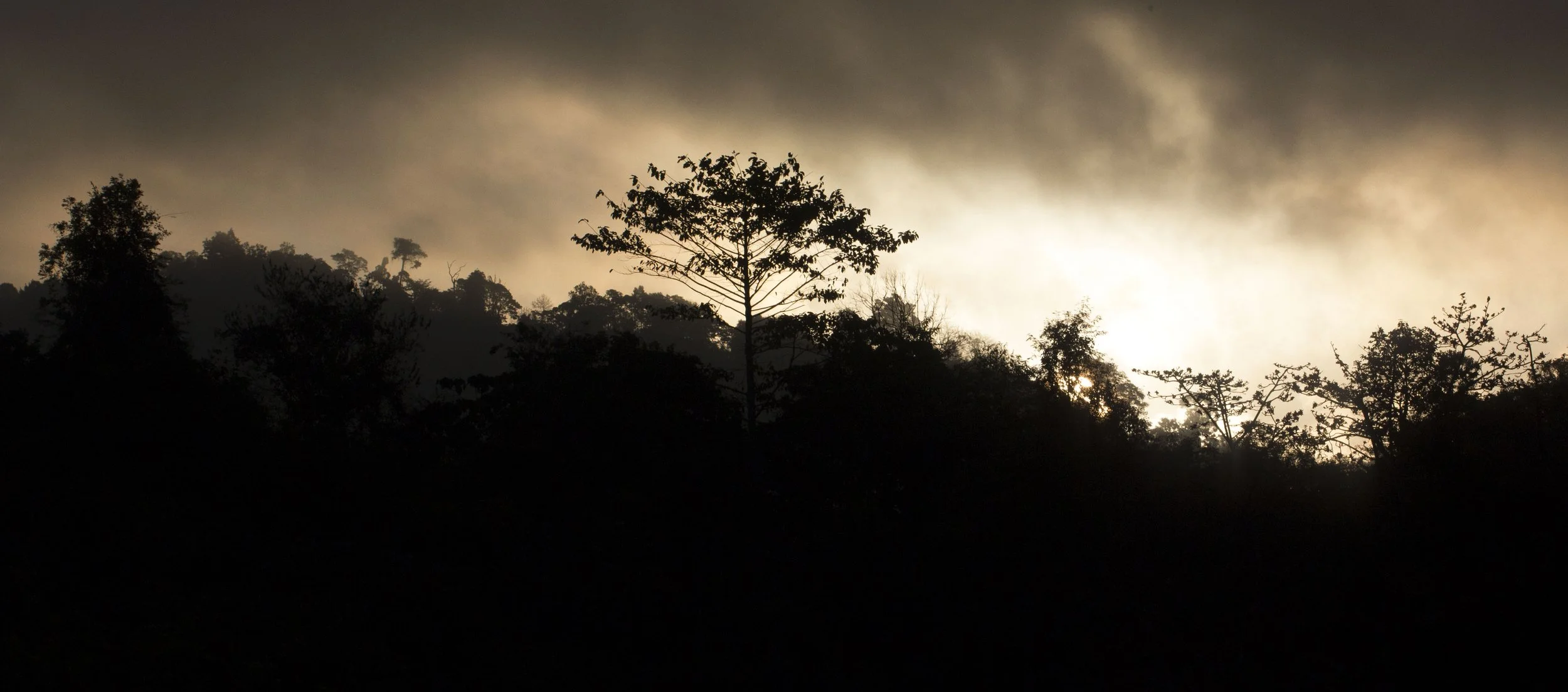
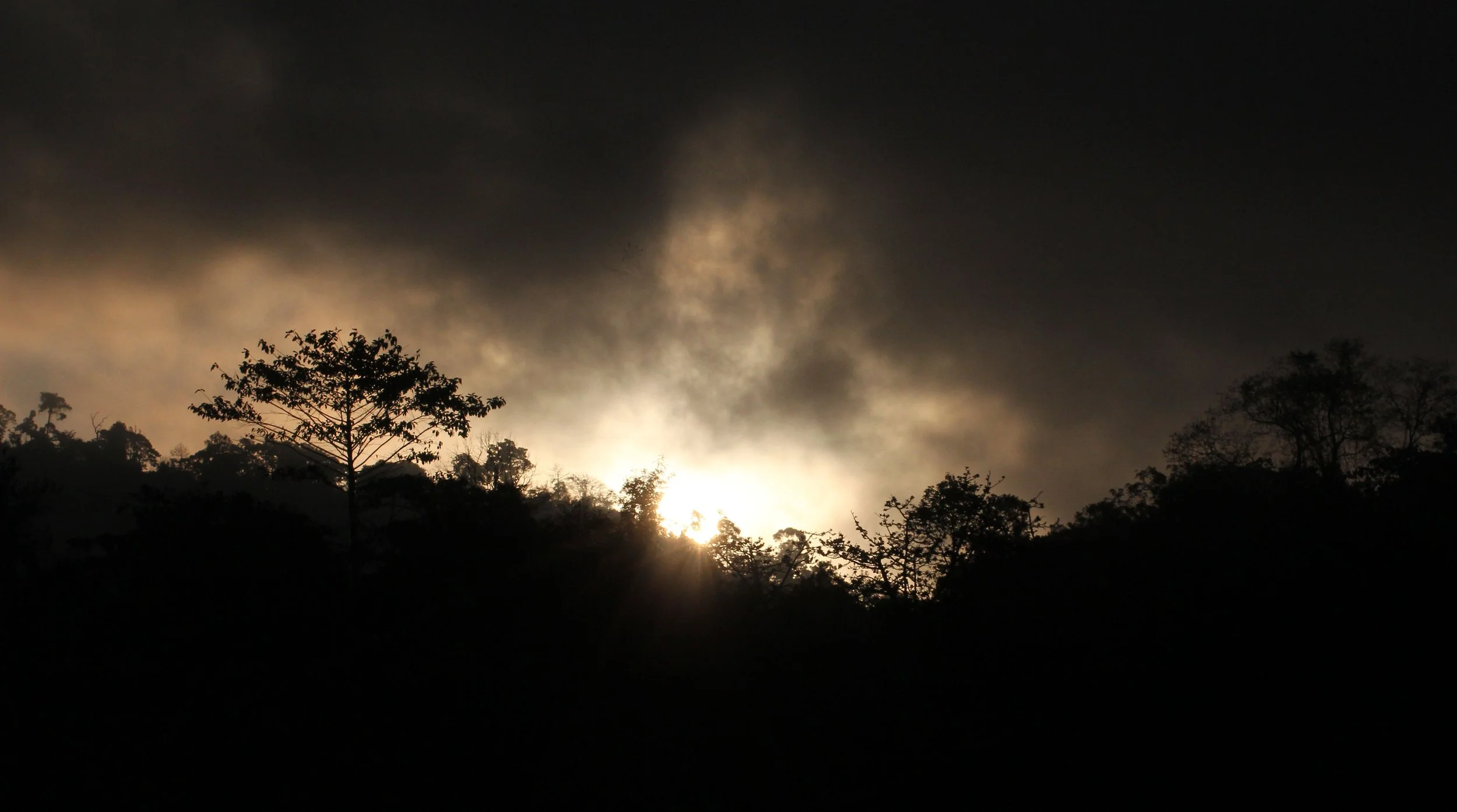

Seeing the monks in their safron robes in Khao Yai was poetic.


Haew Suwat Waterfalls
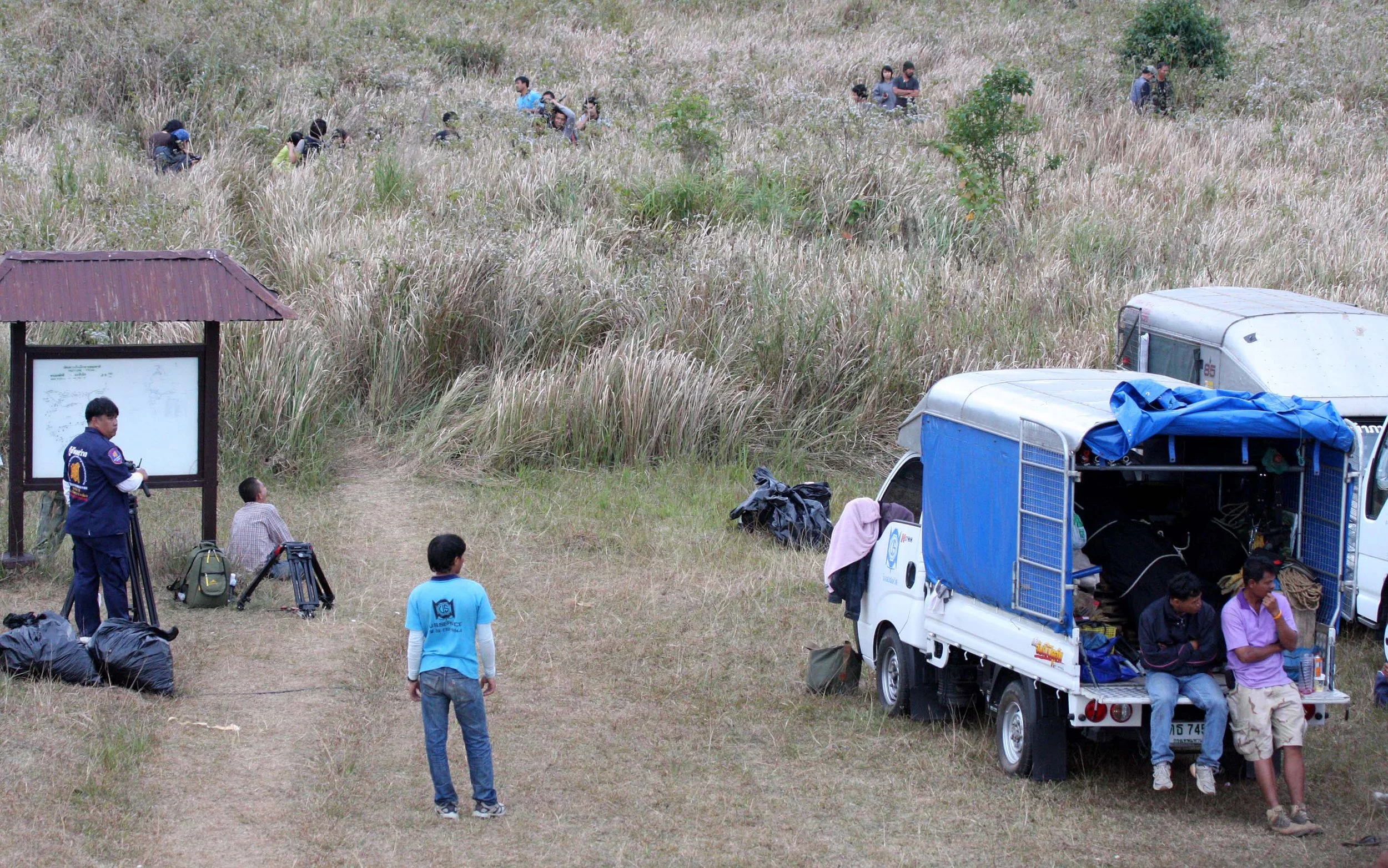
Khao Yai's multi-use policy means that from time to time even movies are filmed on site in the park.

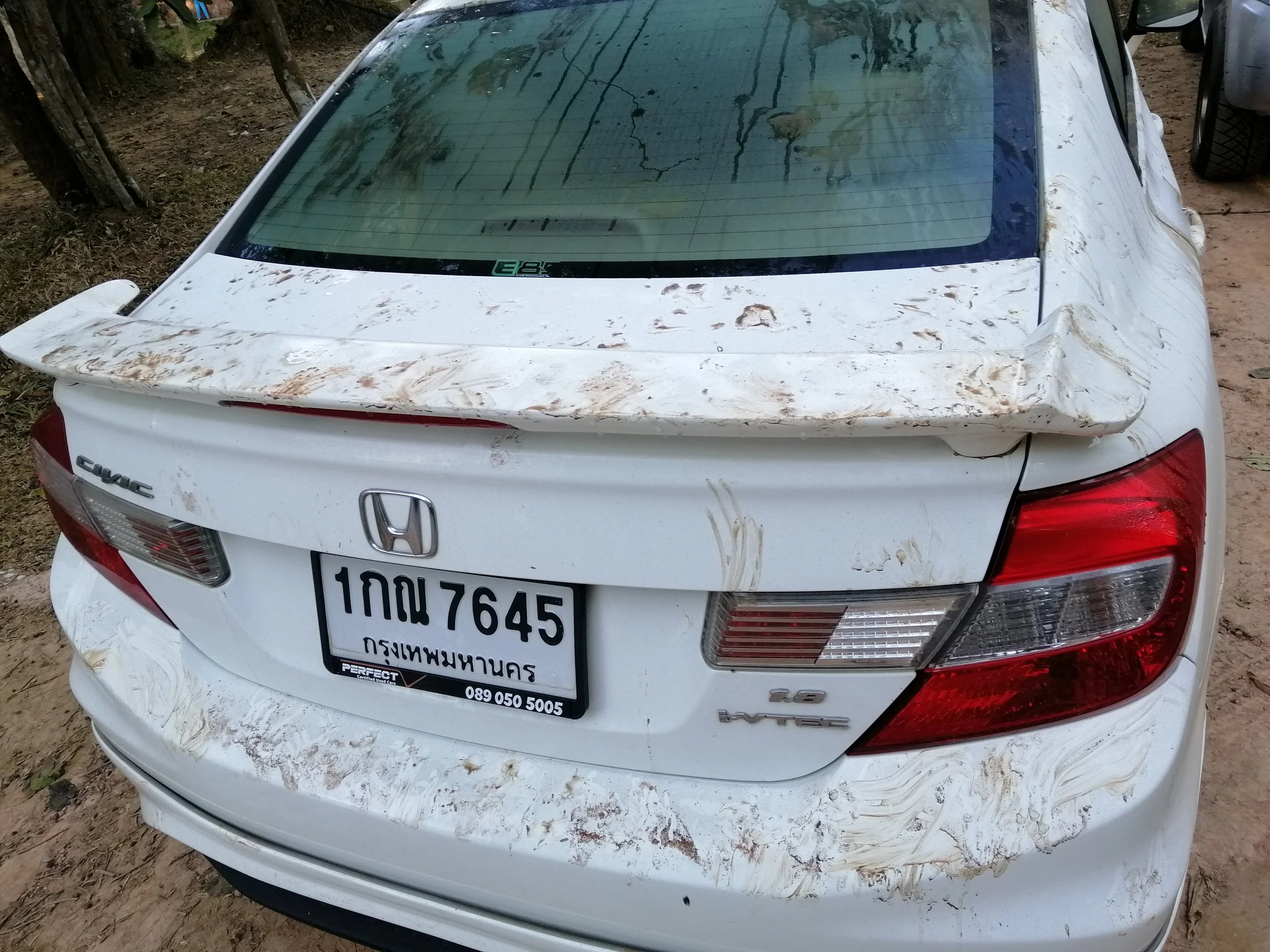
Well, at least the monkeys did not get inside my old Honda!
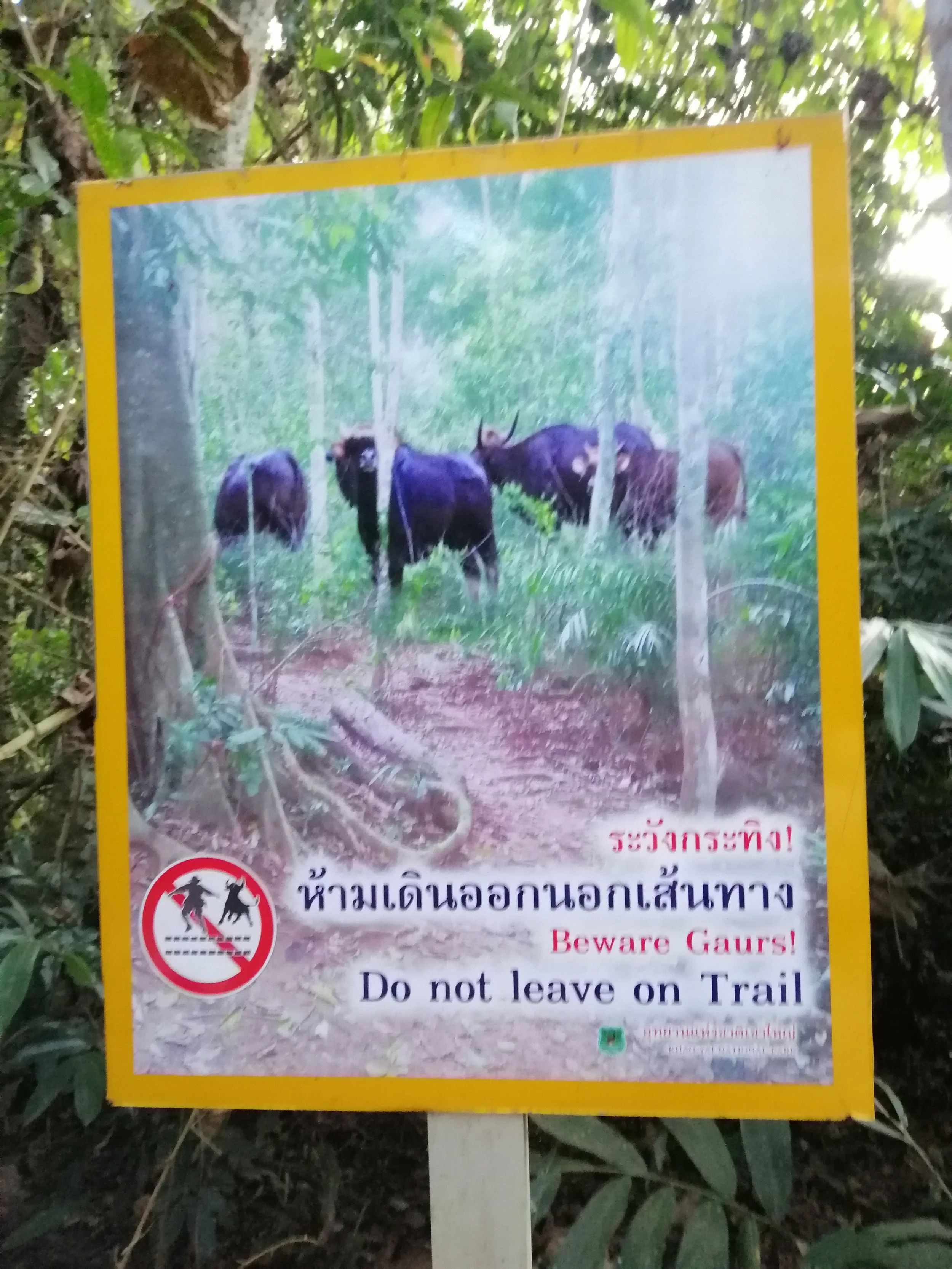
Meeting Gaur, the world's largest cow species, in the dense forest can be very problematic. I've had this experience on a couple occasions. Both times they bolted while I searched for a change of underwear.
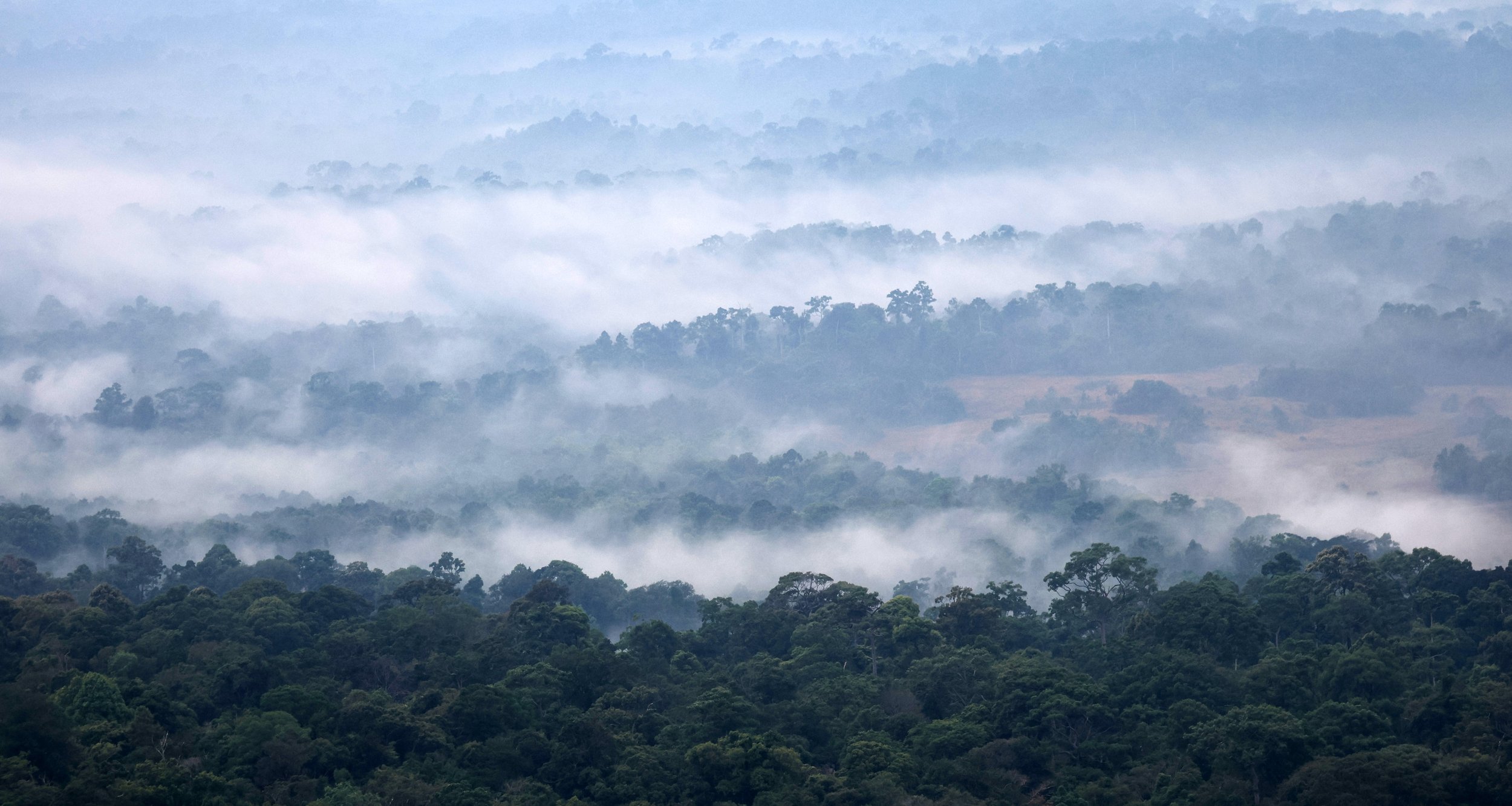
Thale Mog! Sea of Fog is quite a sight from Khao Khieo viewpoint.
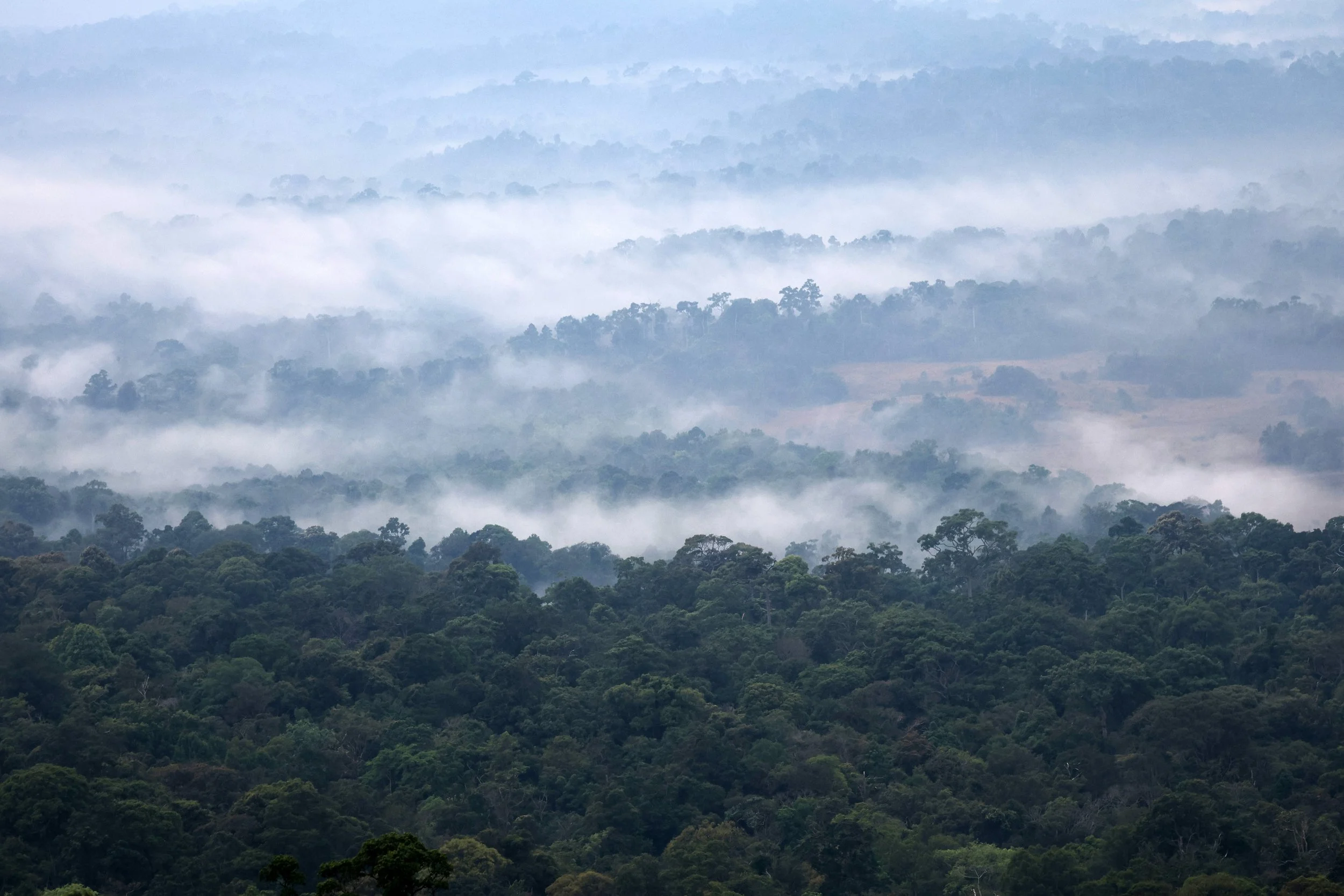
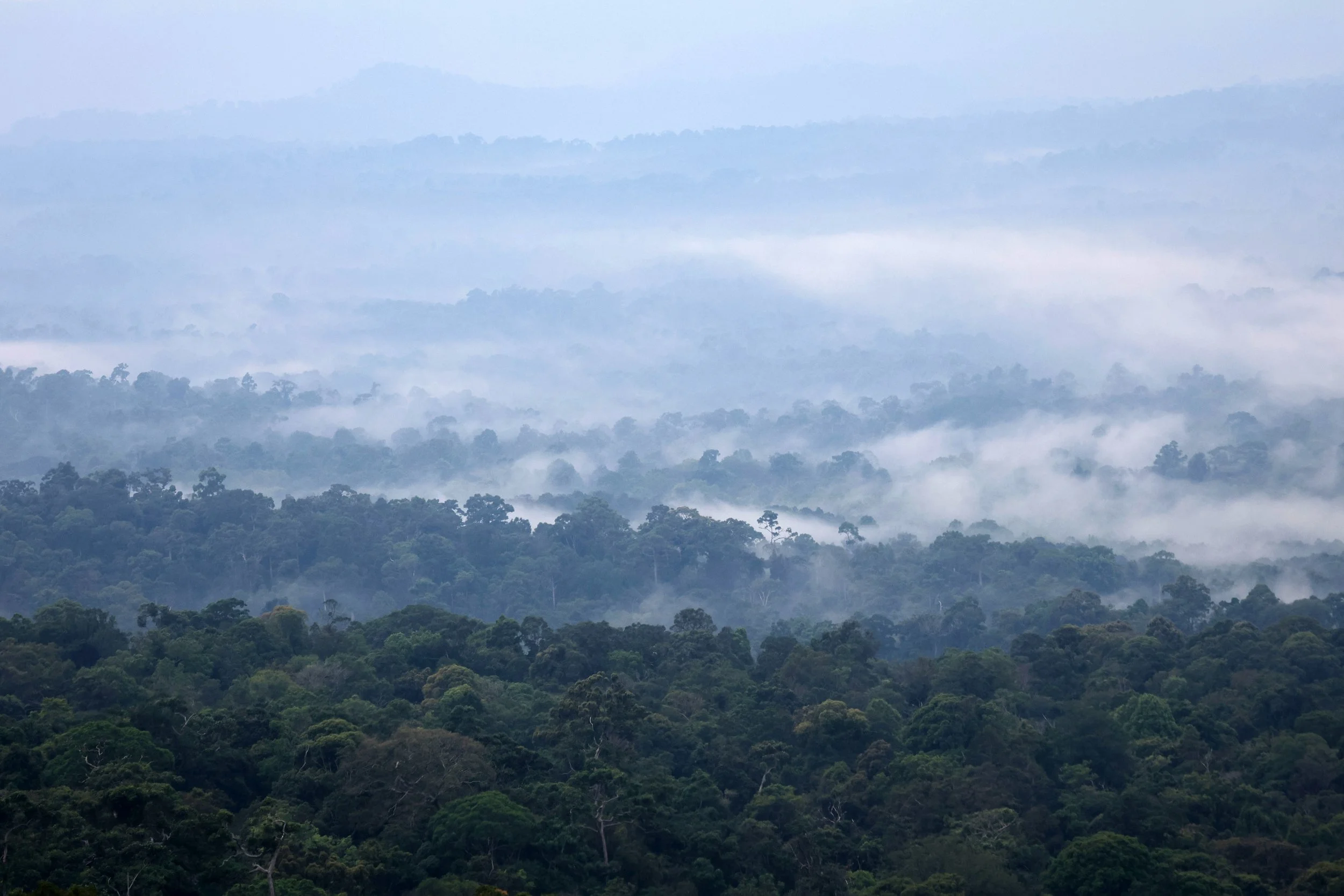
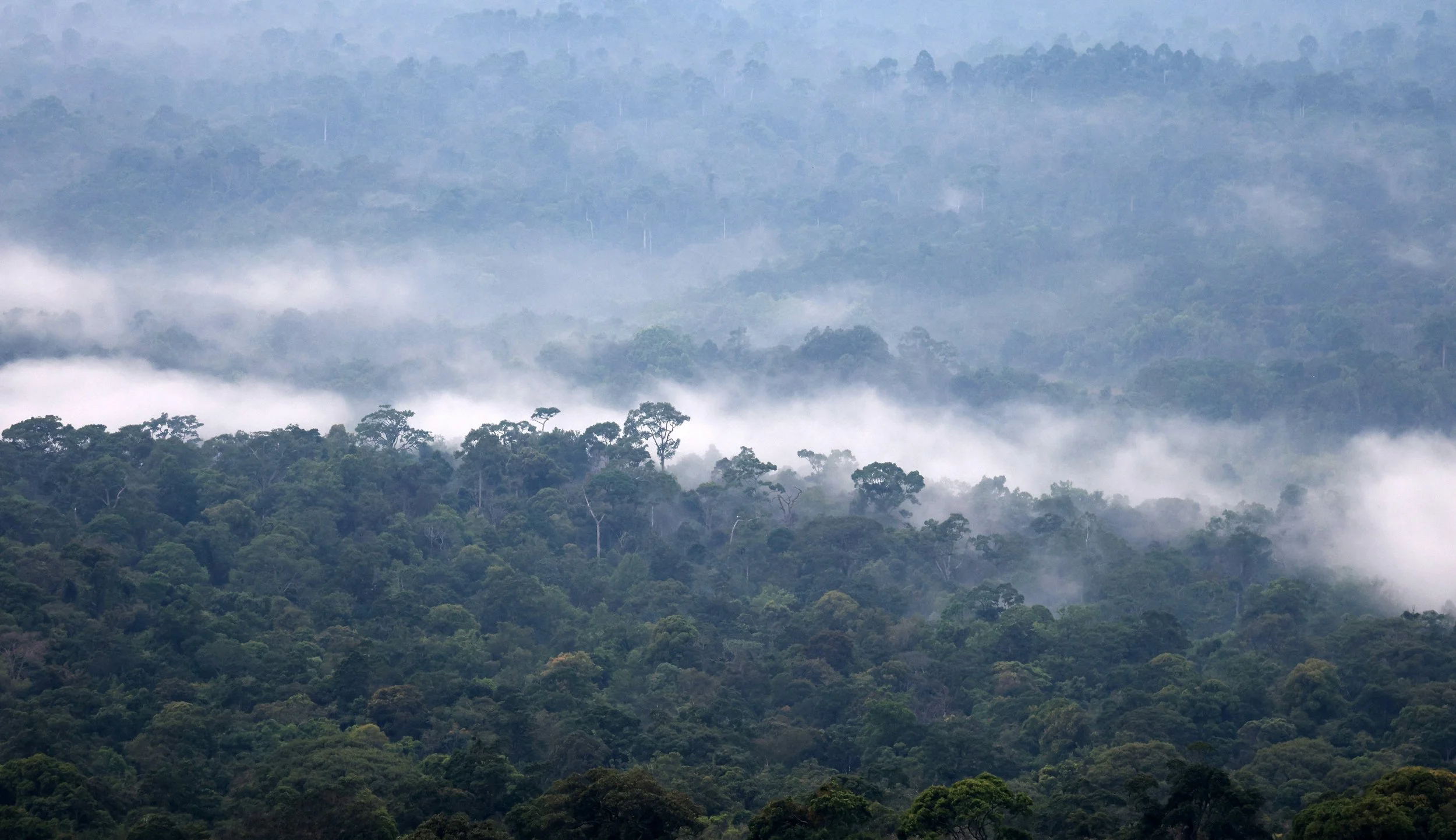
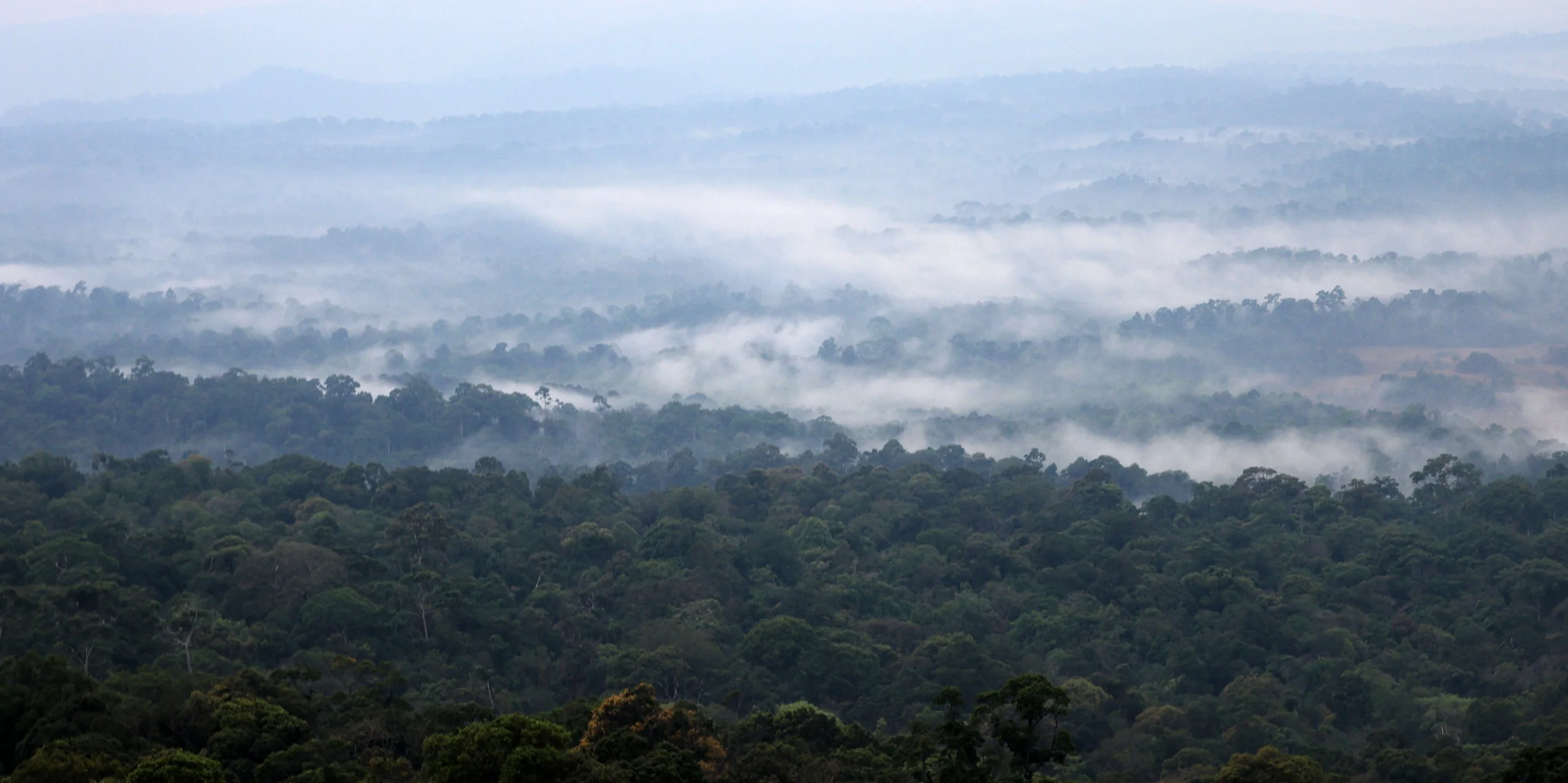
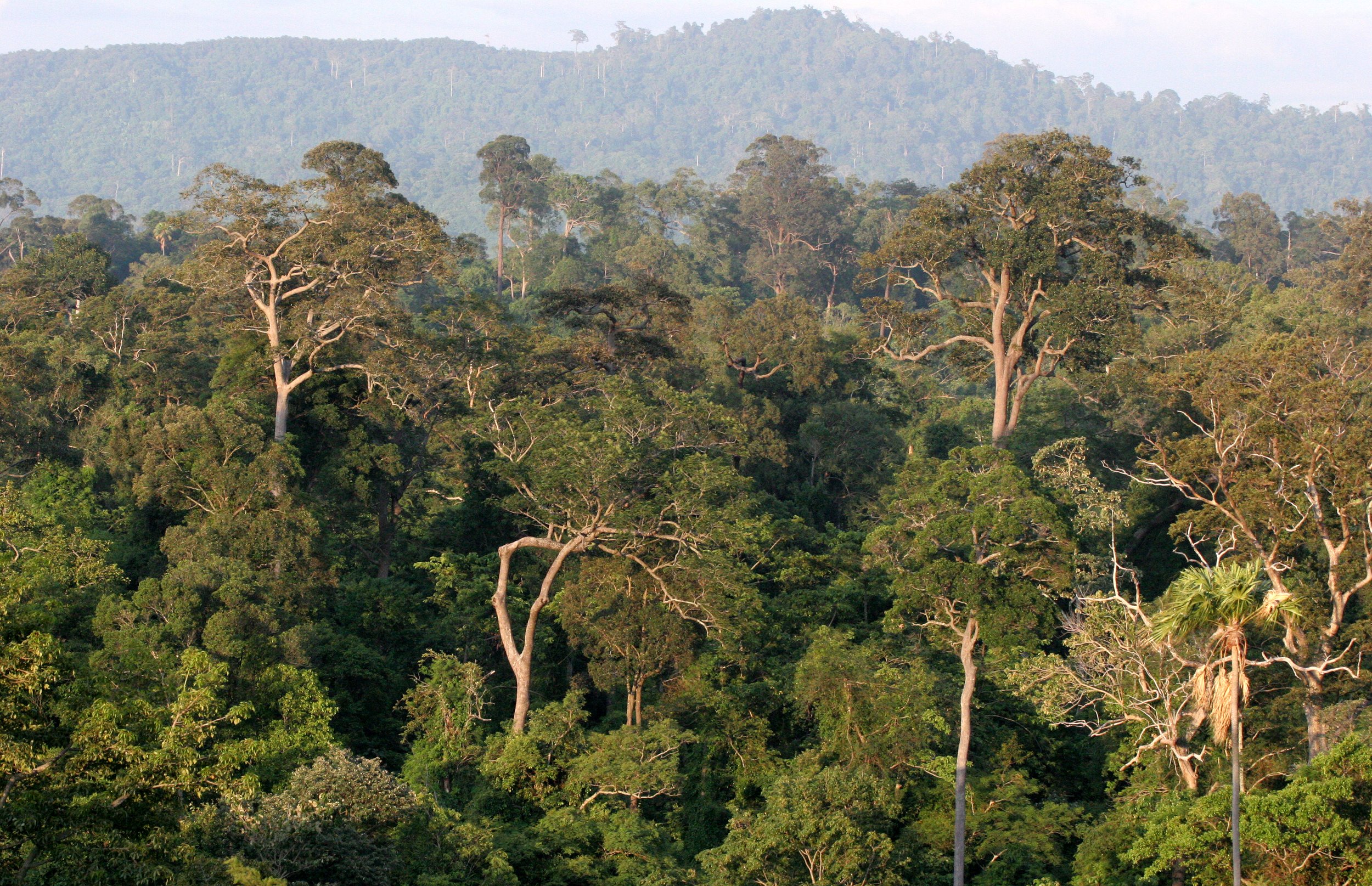
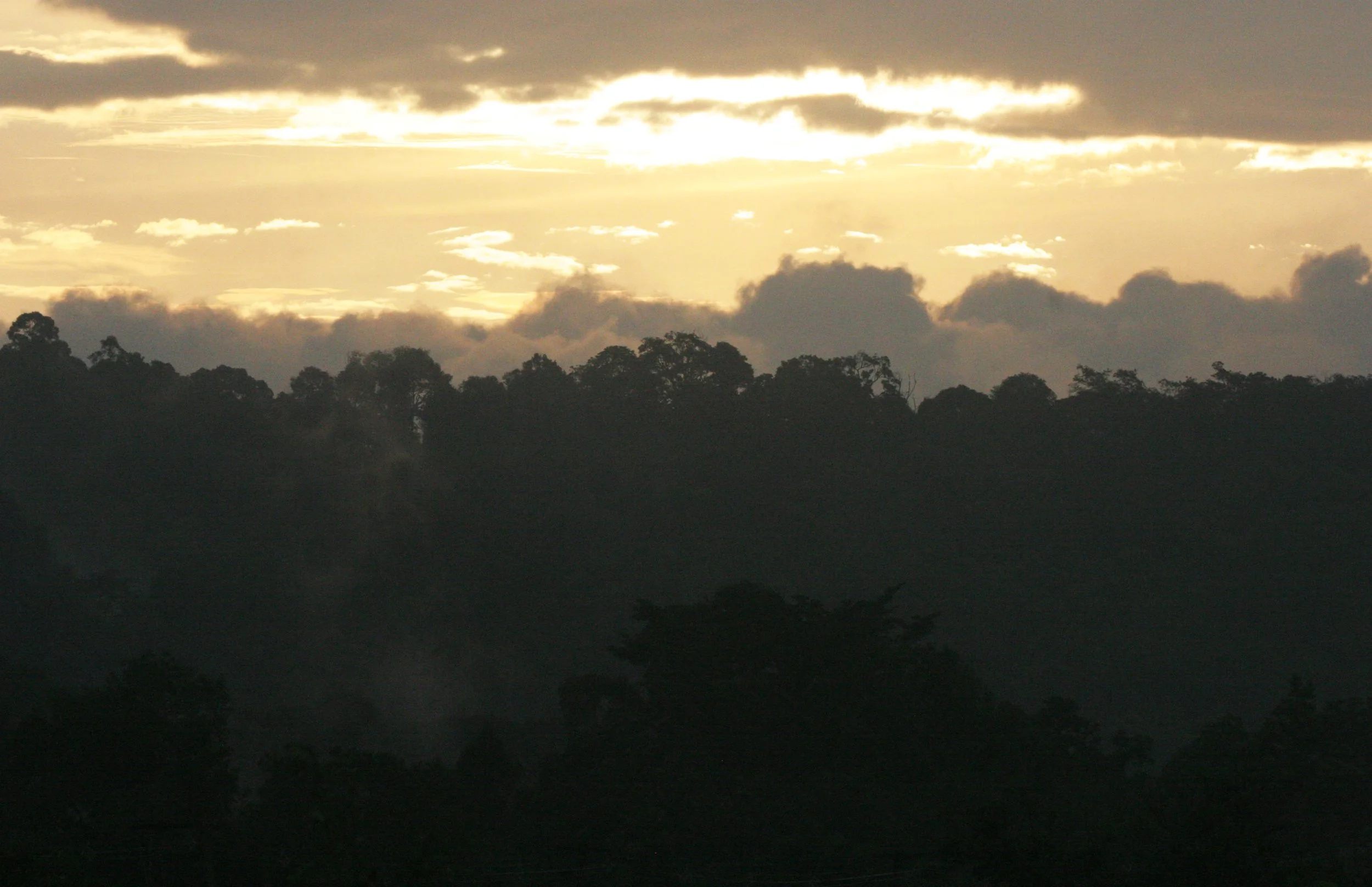
The layers of forest
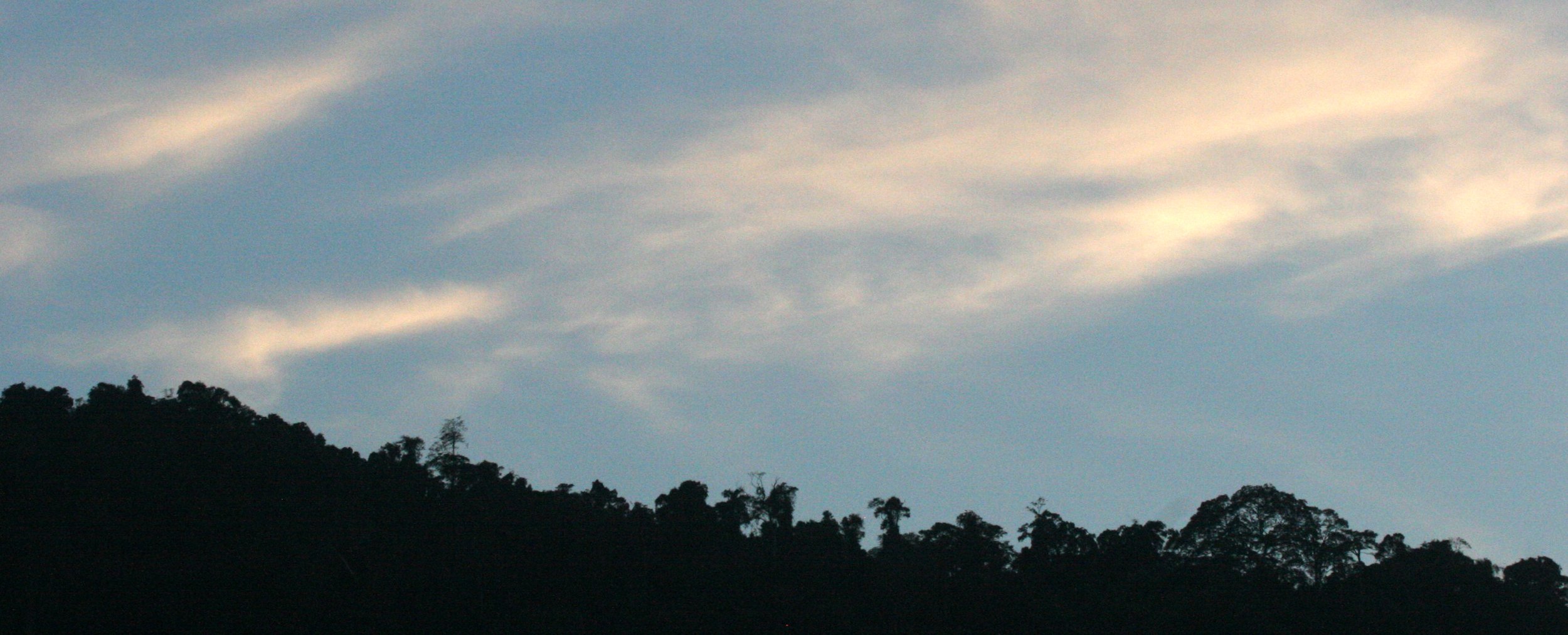
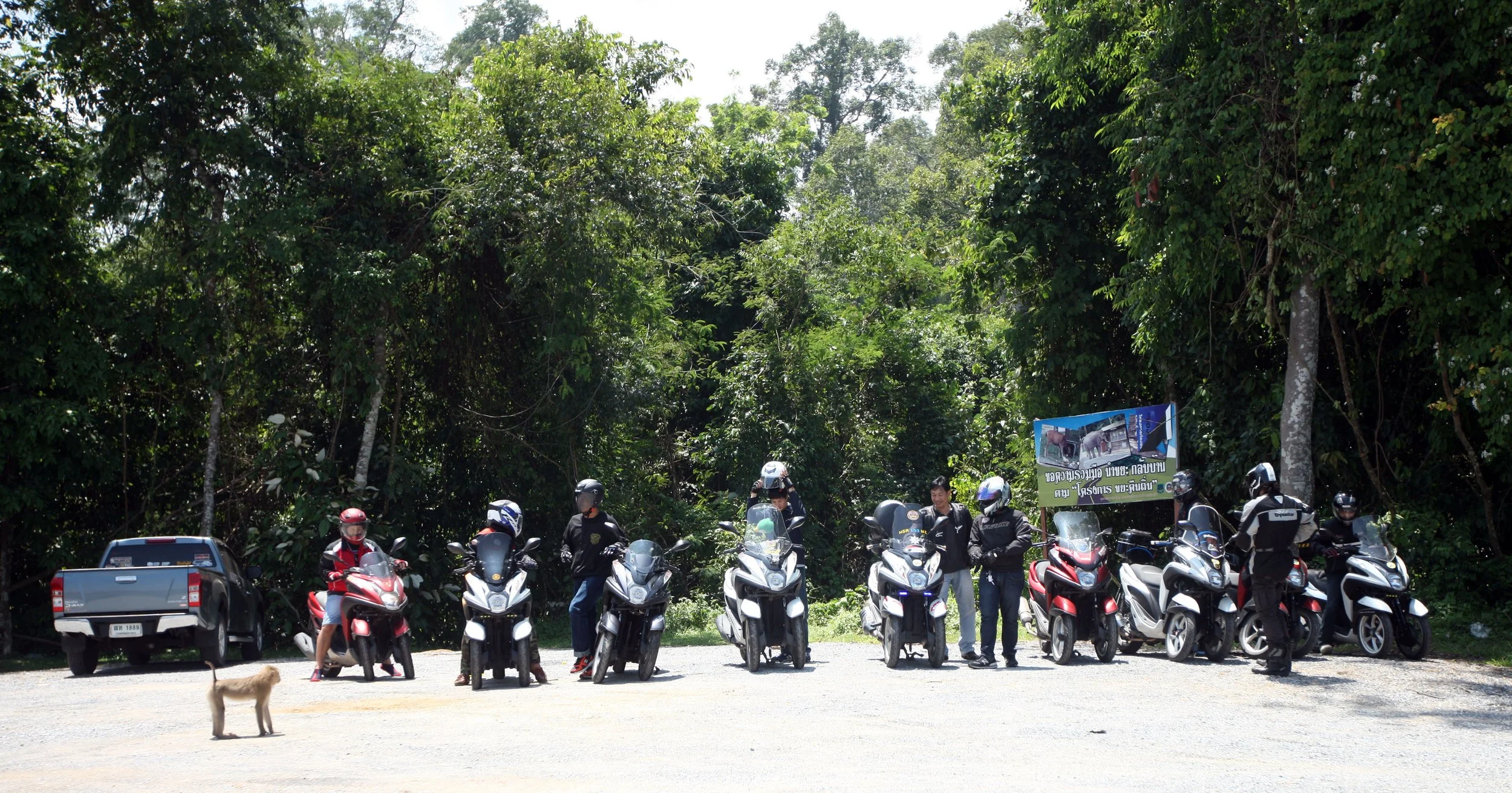
Motocycles are a popular albeit dangerous mode of travel for tourists in the park.
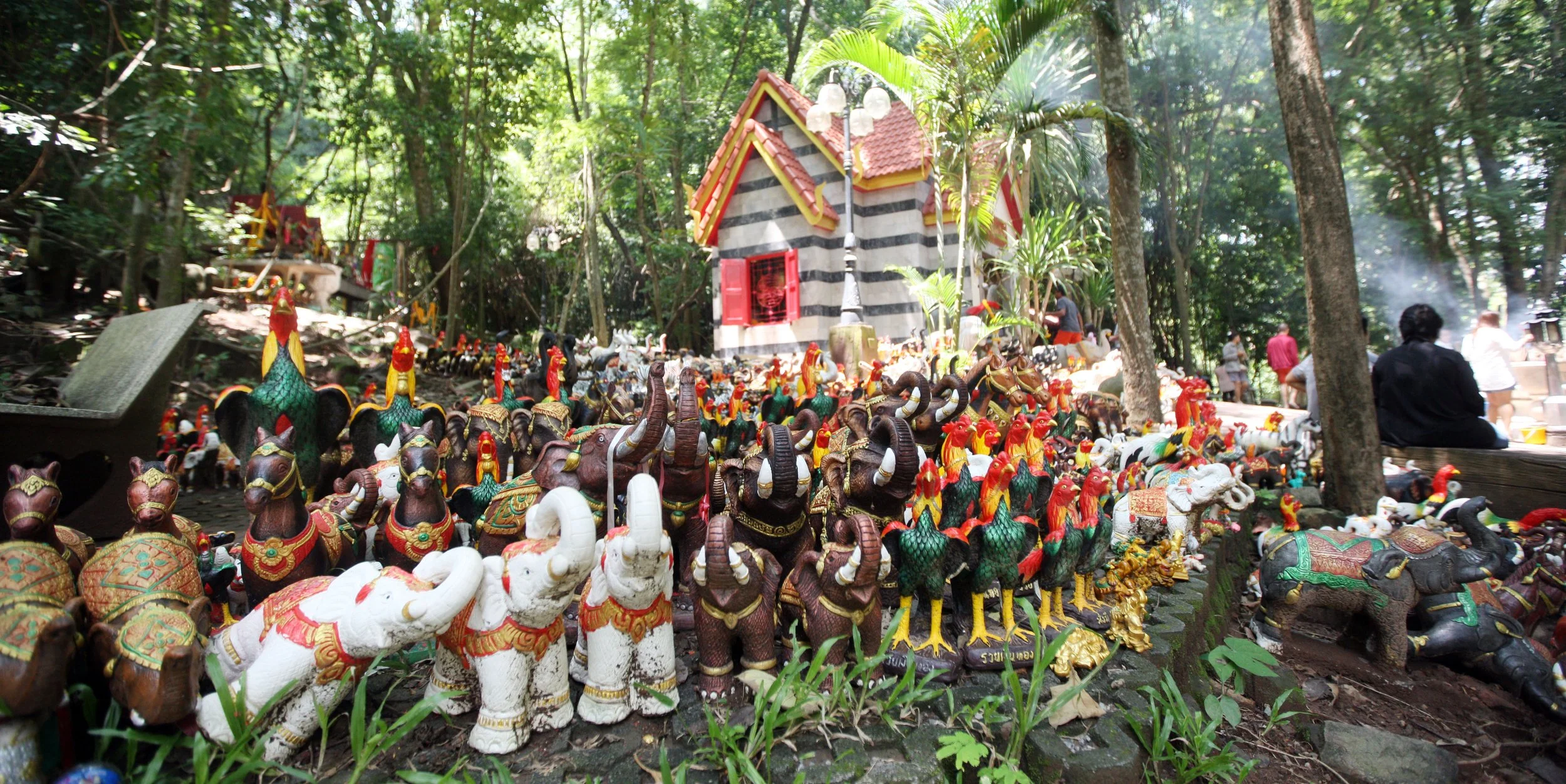
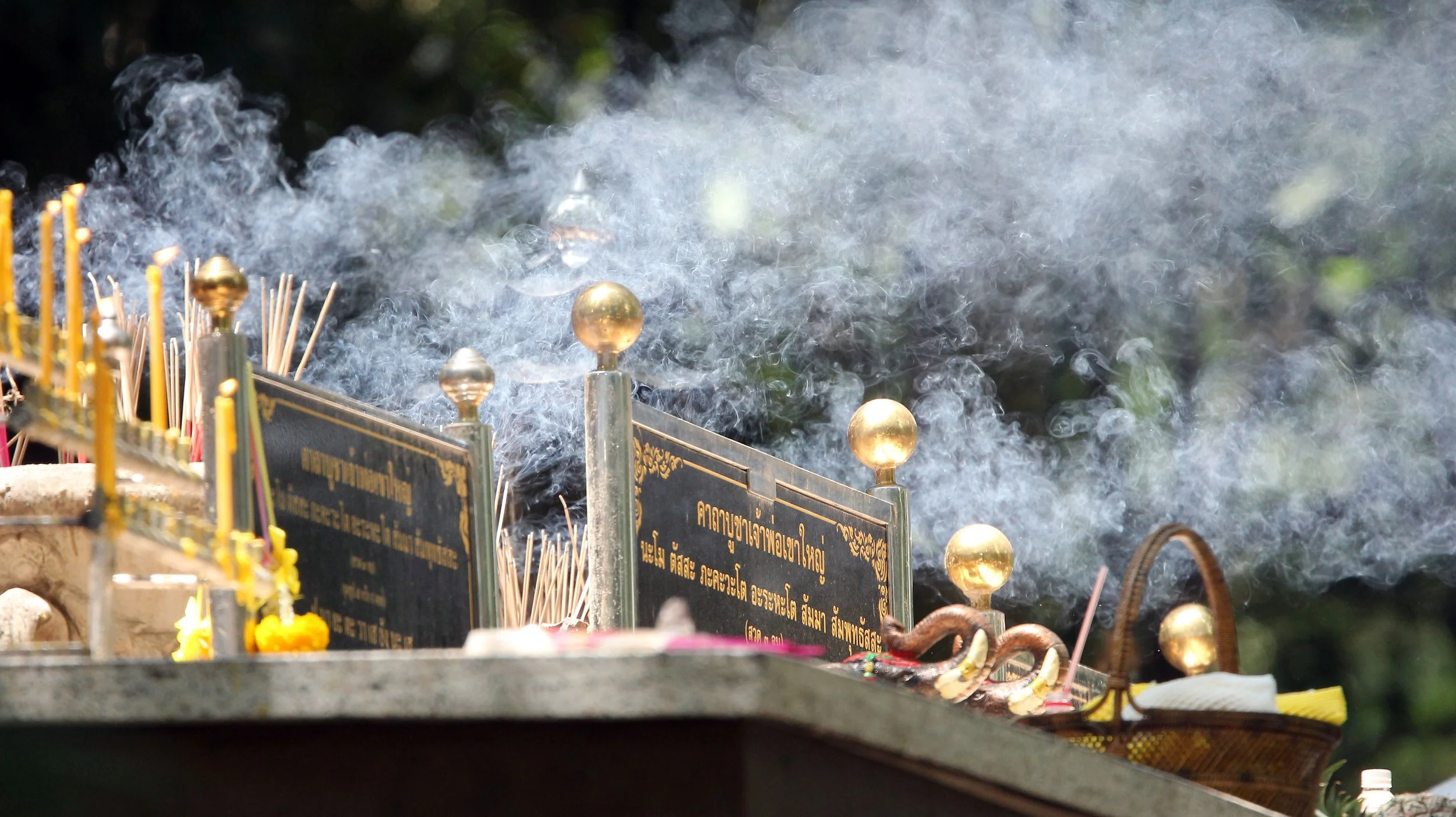
Two locations in the park have shrines, one of which pays respect to the rangers who have died protecting the DPKY over the years.


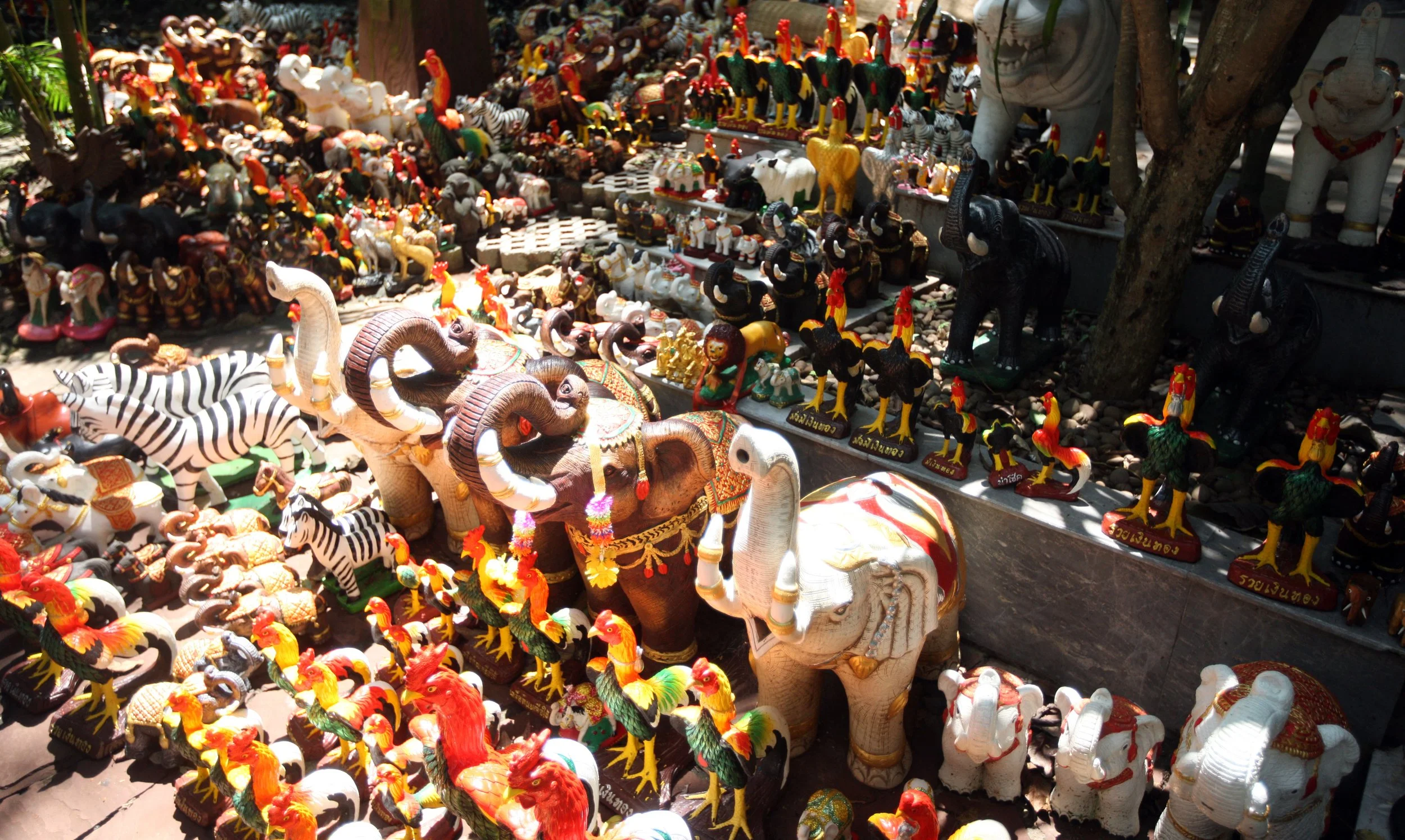

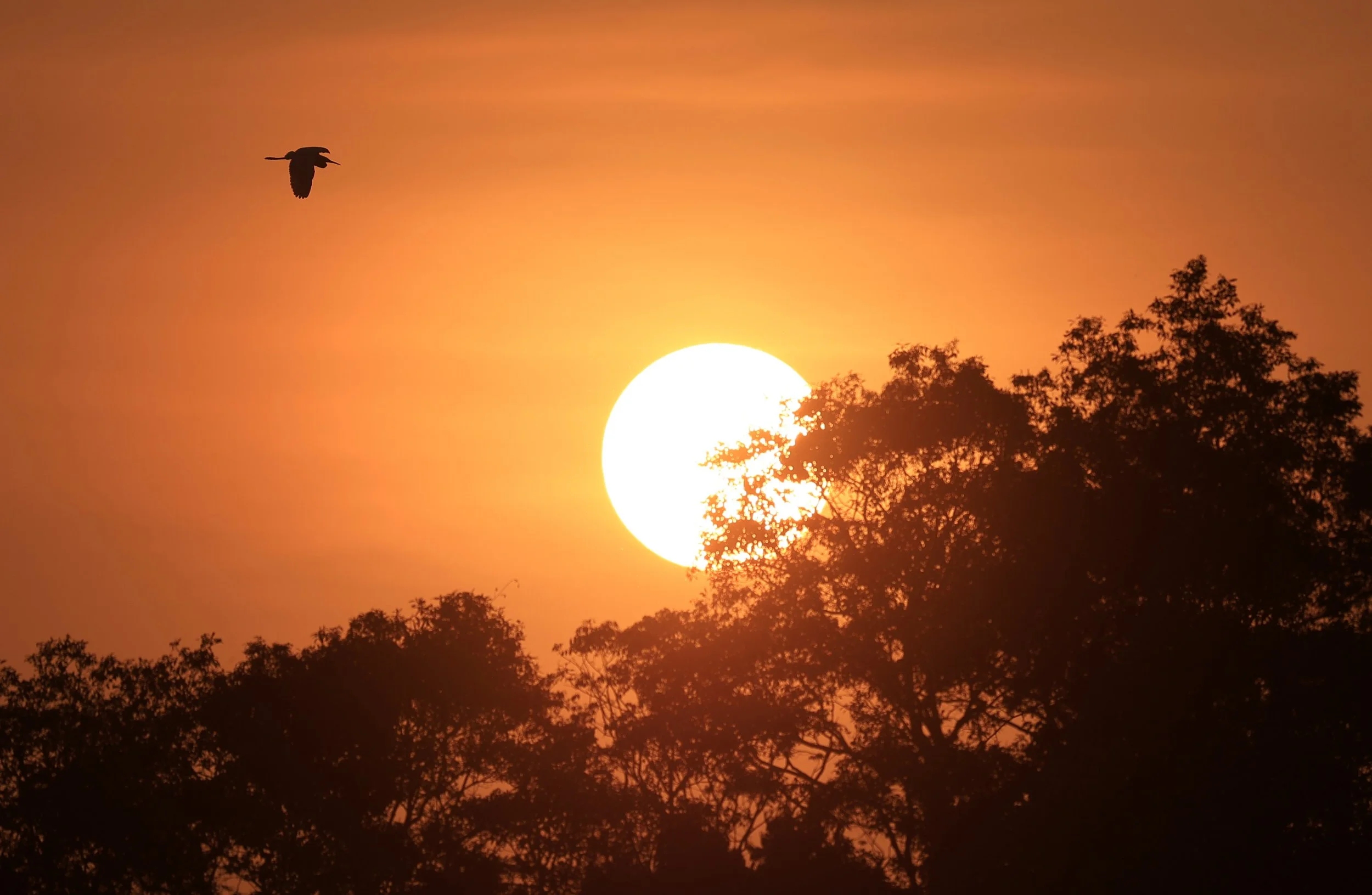
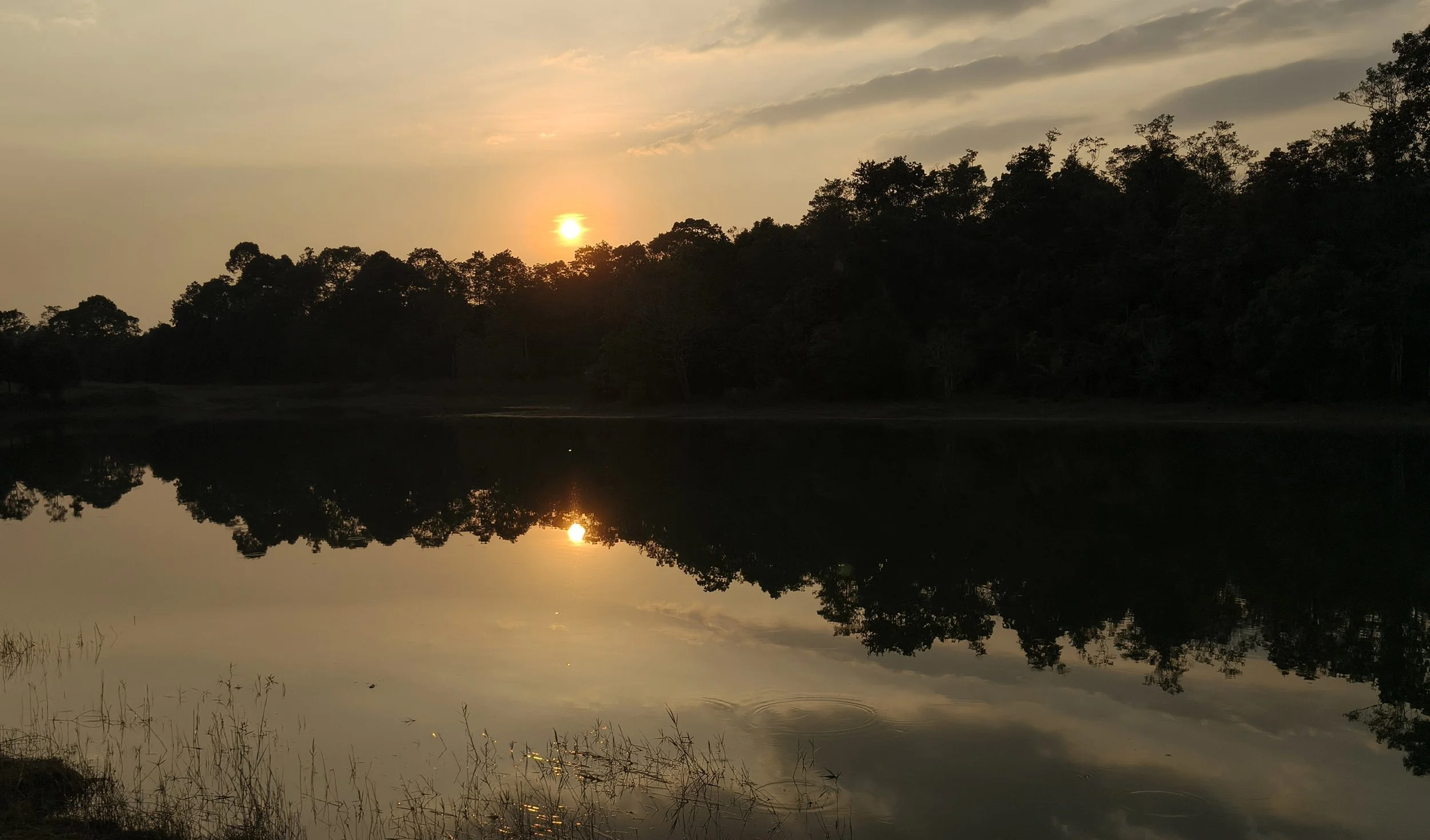
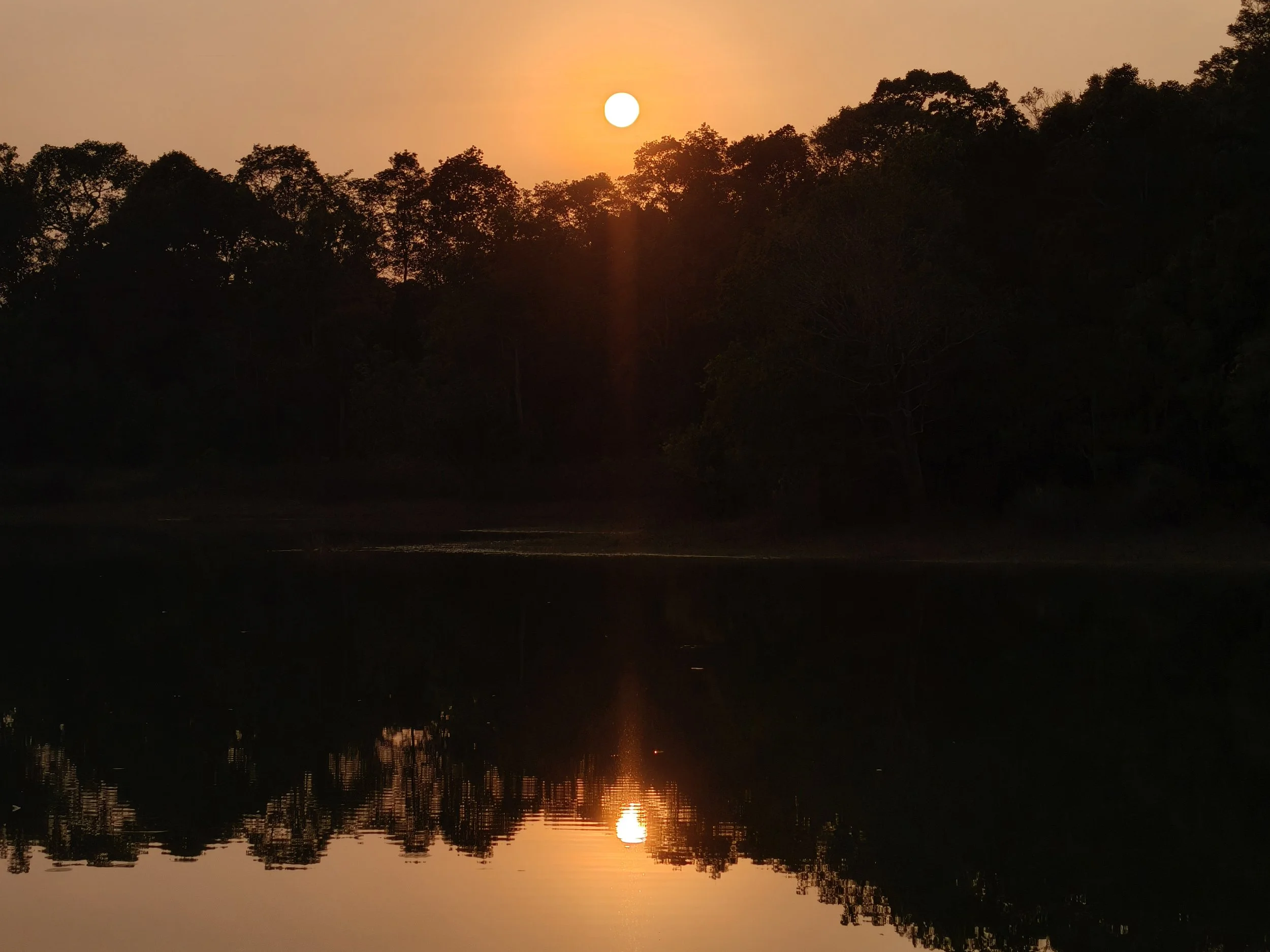
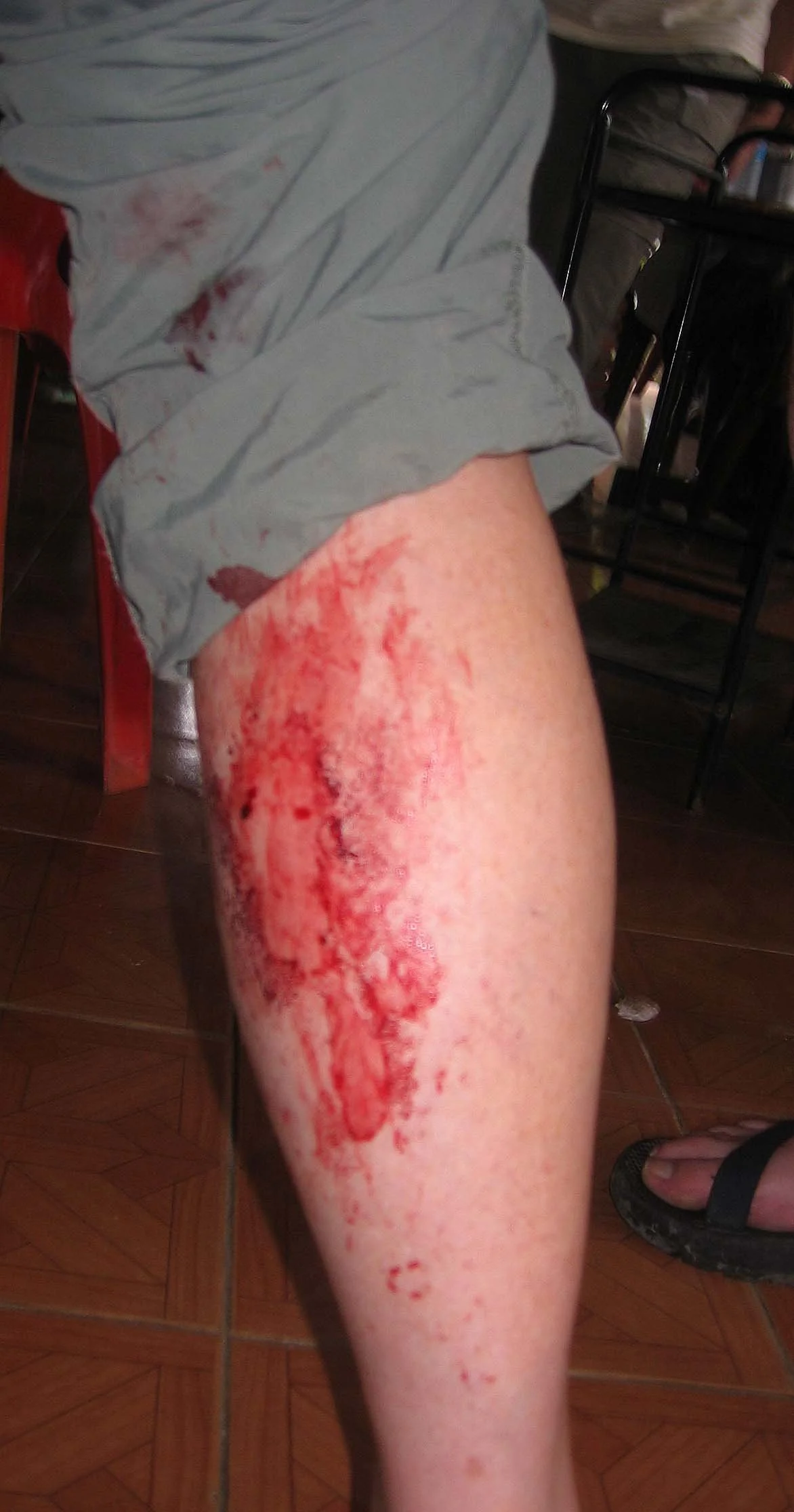
Leeches in the wet season are never fun.
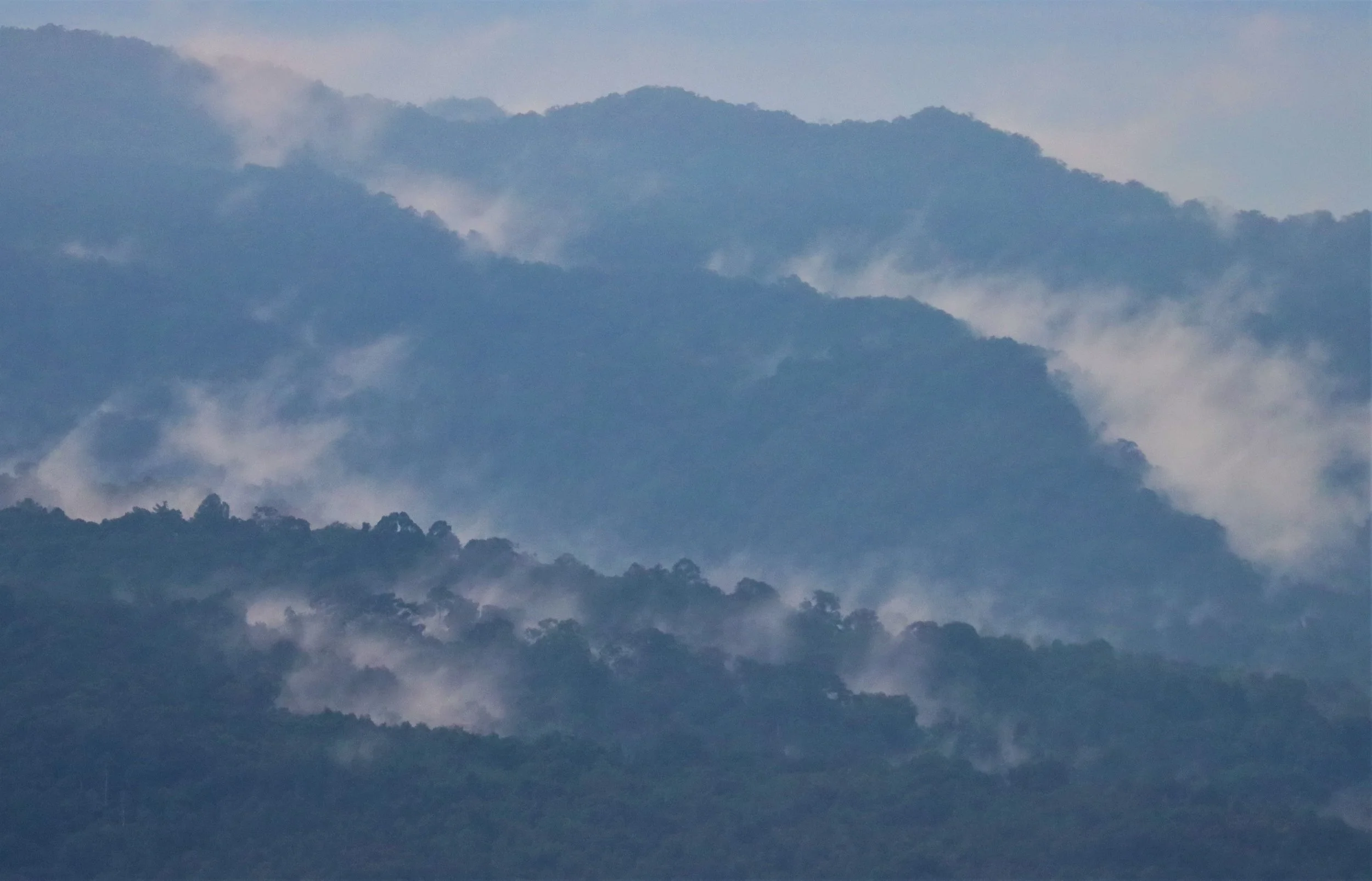
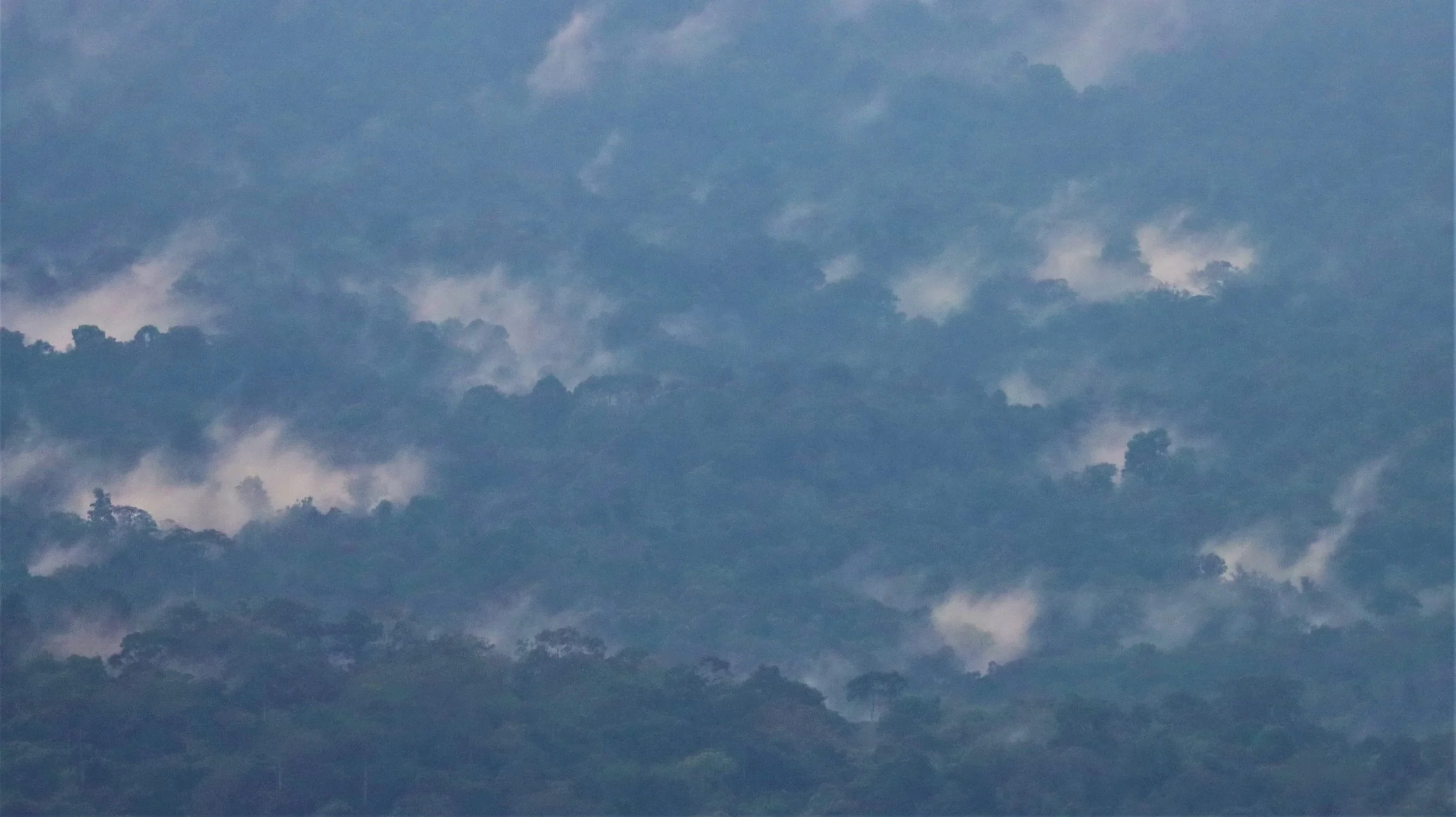

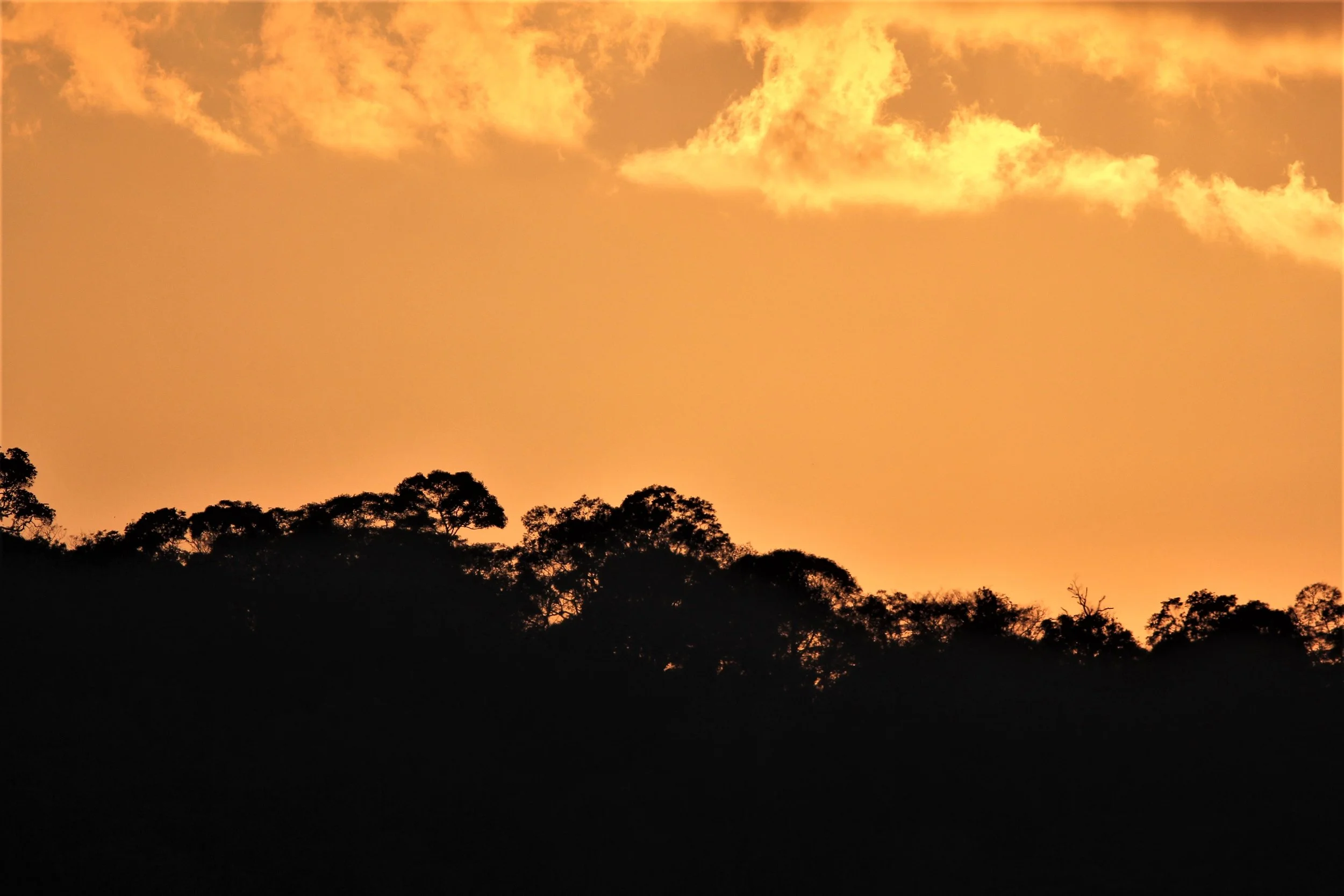

555
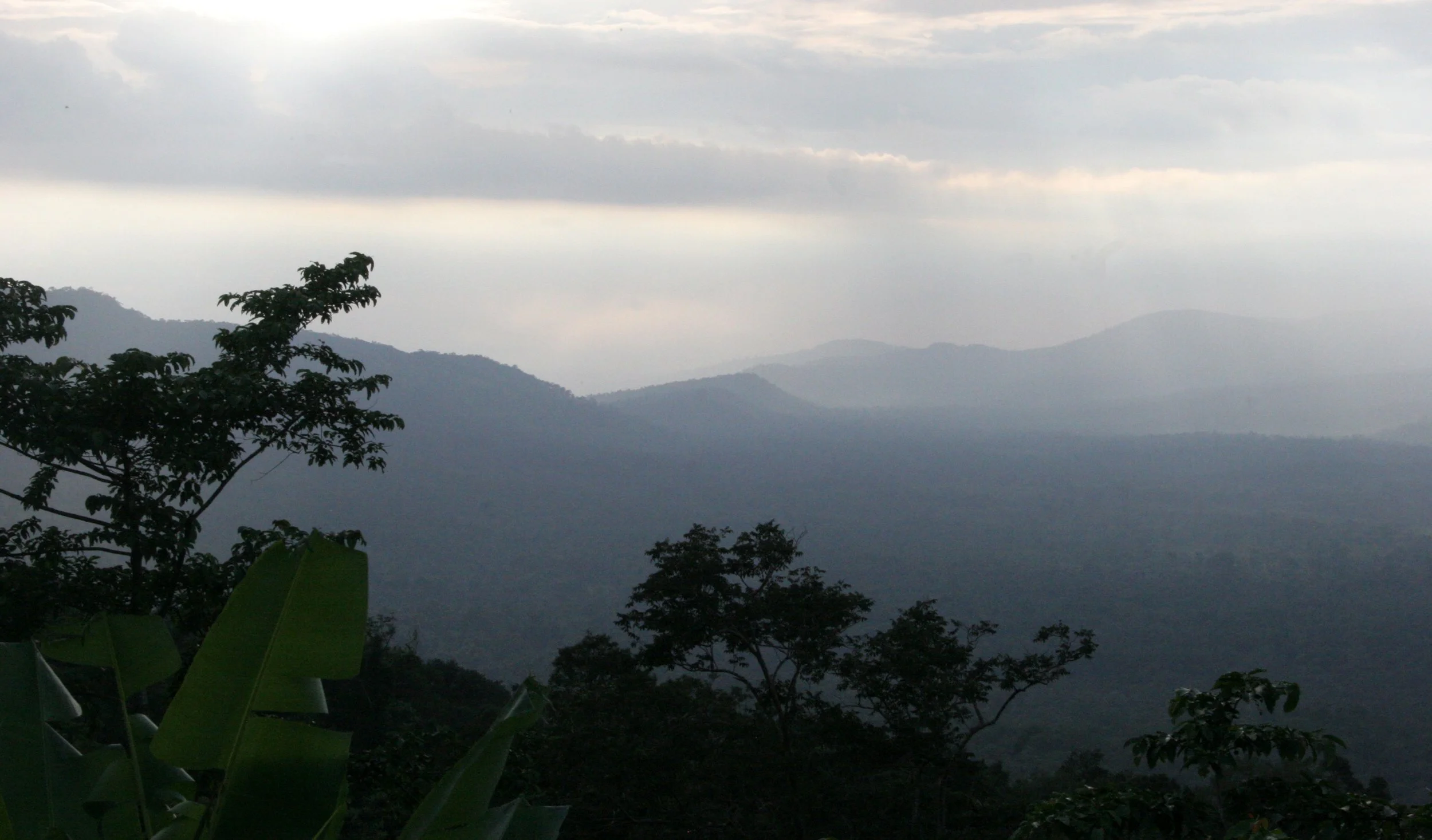

Closed off bat cave on the outskirts of the DPKY.
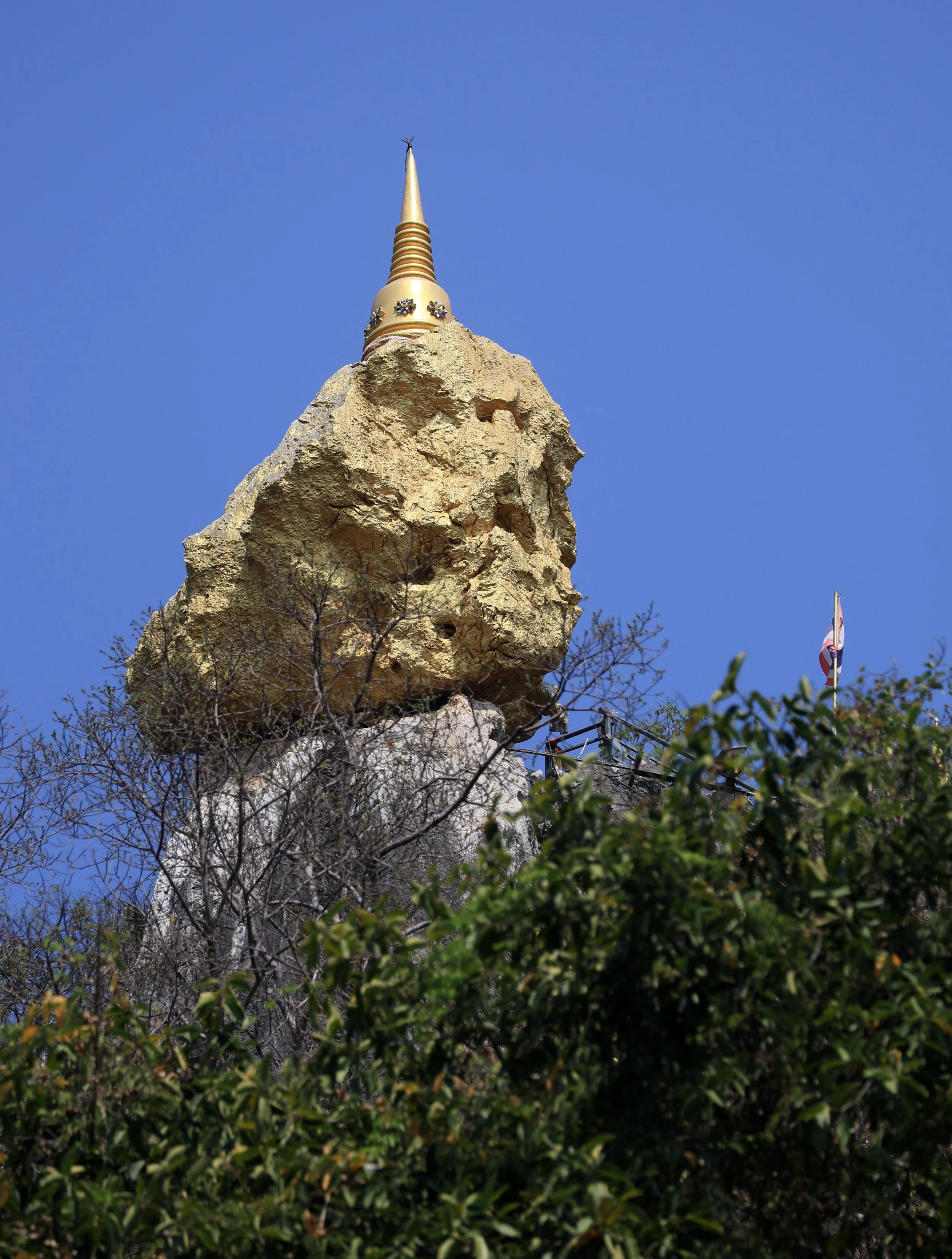
Spectacular chedi at Wat Thewarup Songtham Temple Pak Chong
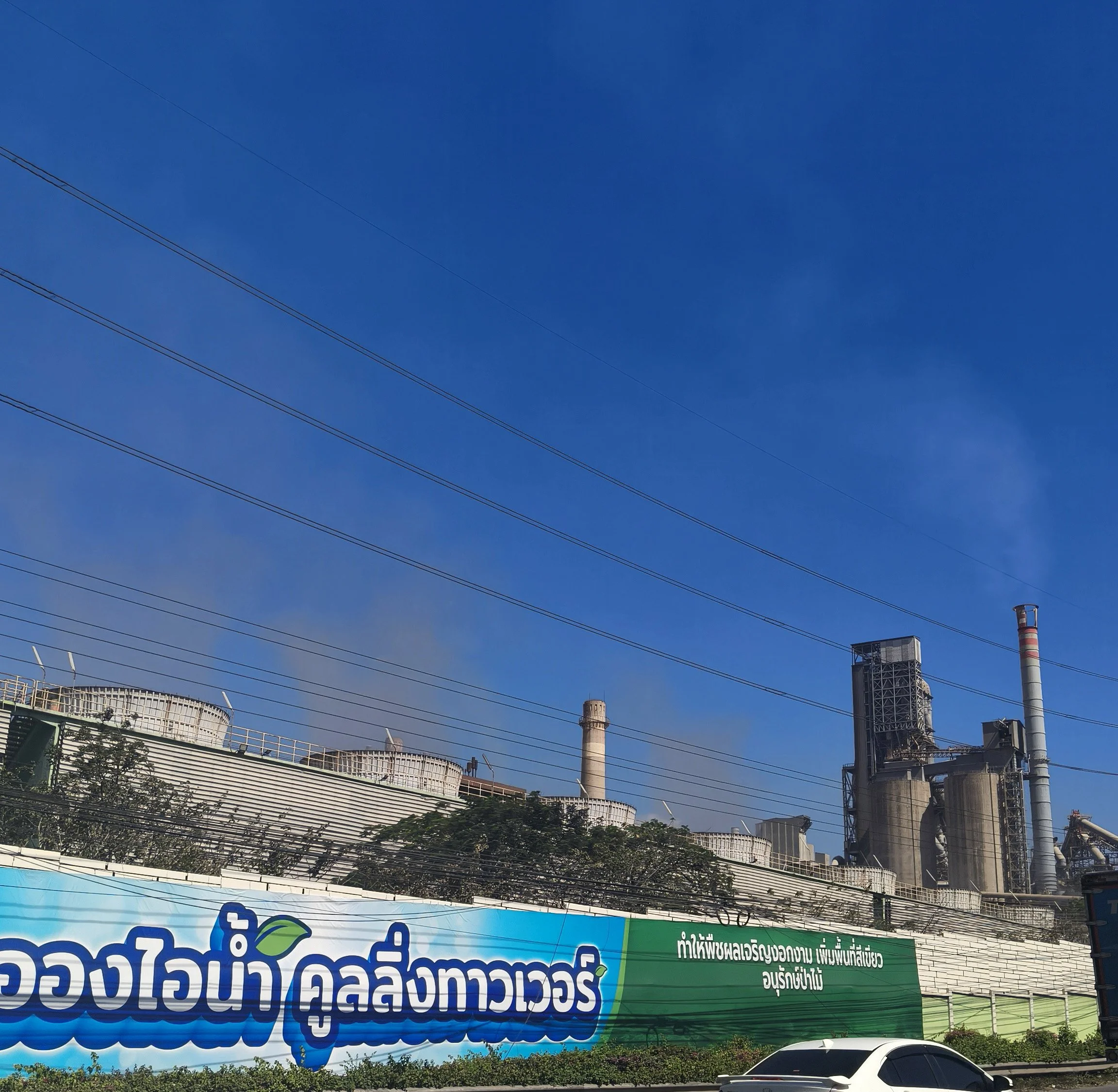

One of the worst polluting places in all of Thailand is on the perimeter of Khao Yai. The massive concrete factory (TPI Cement) and their signage line the road with messages of sustainability while pumping out tons and tons of un-scrubbed particulaar matter.
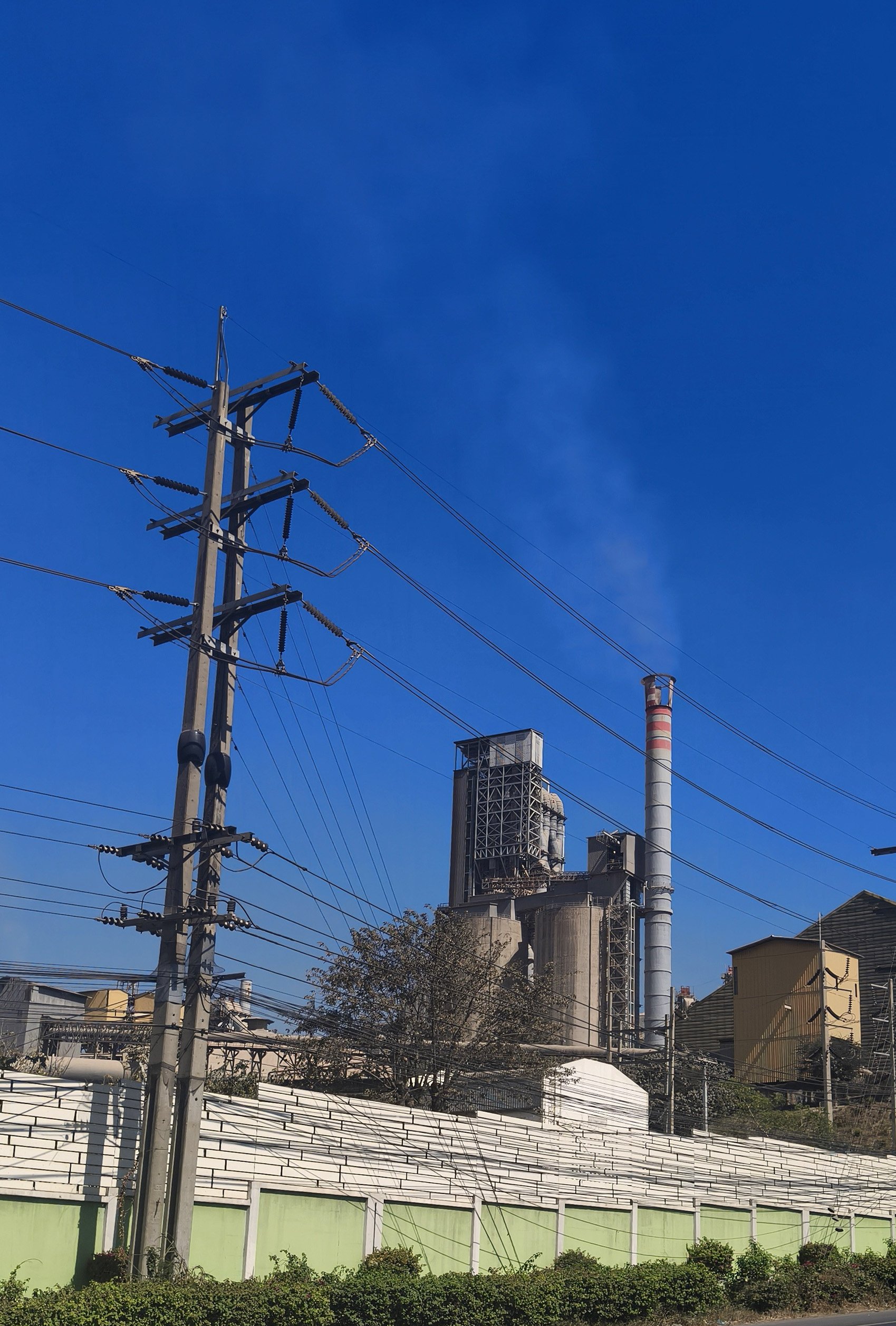
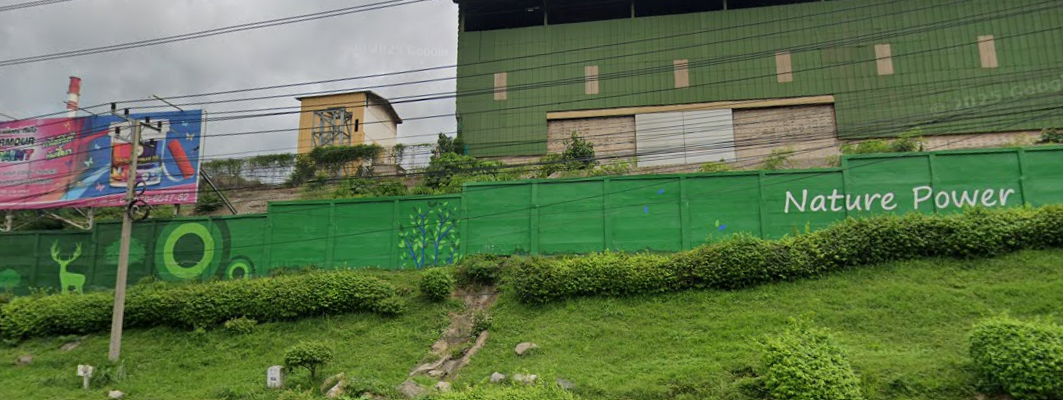
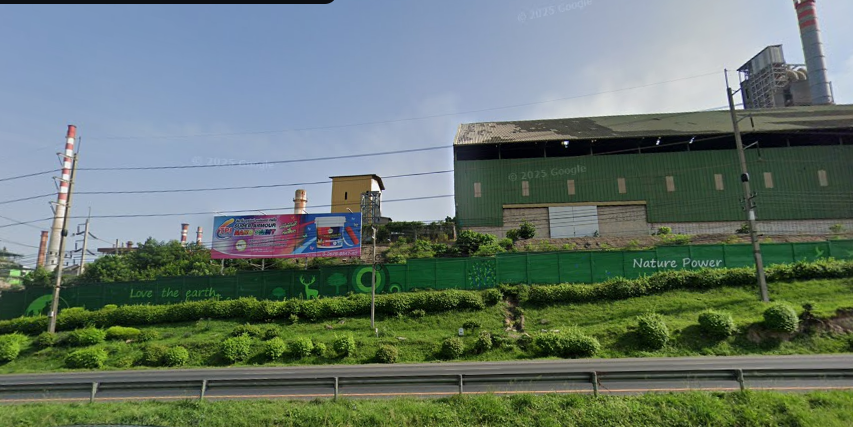

This is not fog. The particulate matter pumped out by this factory can fill the region in mere minutes with a haze you can literally taste.