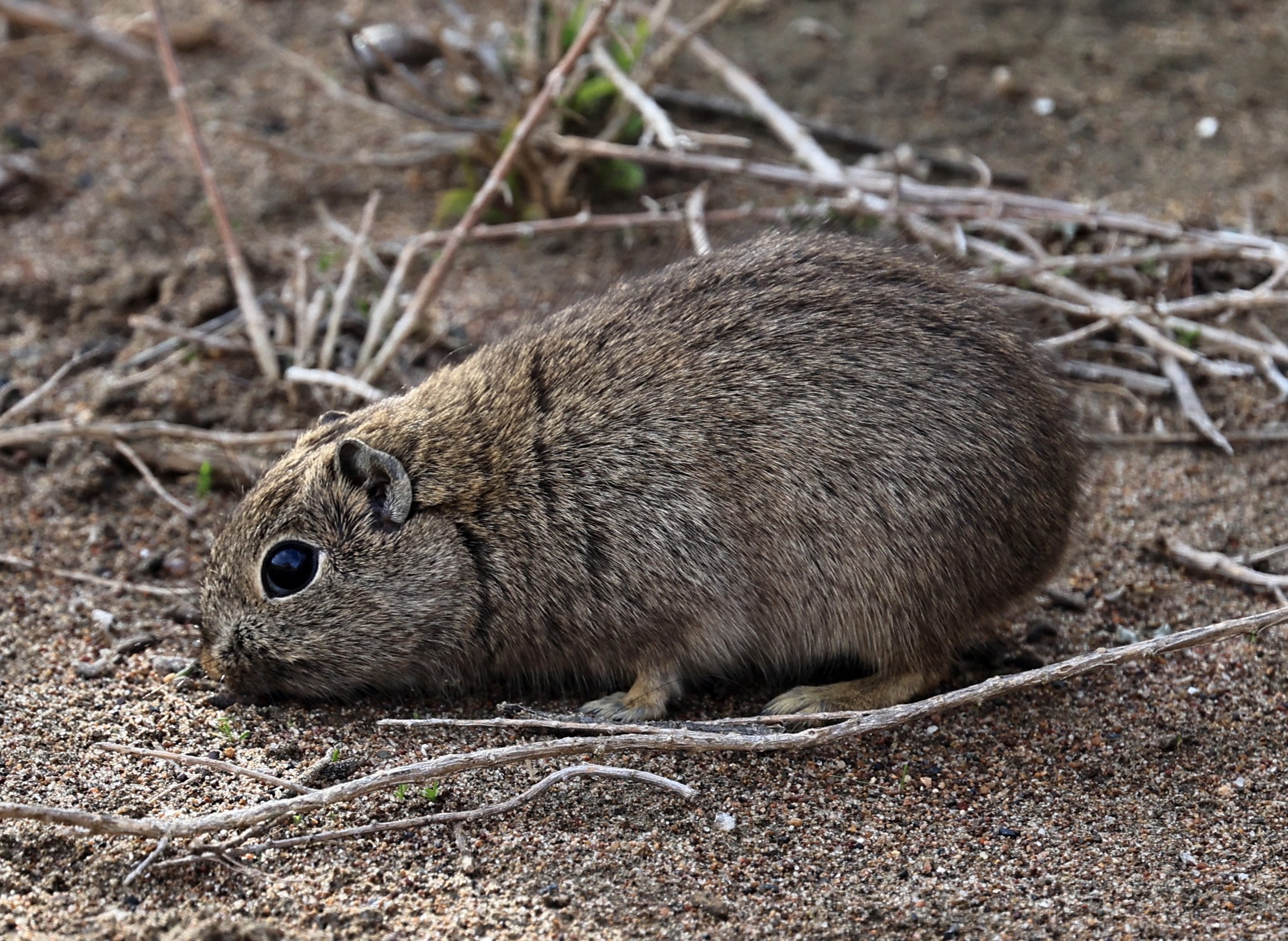
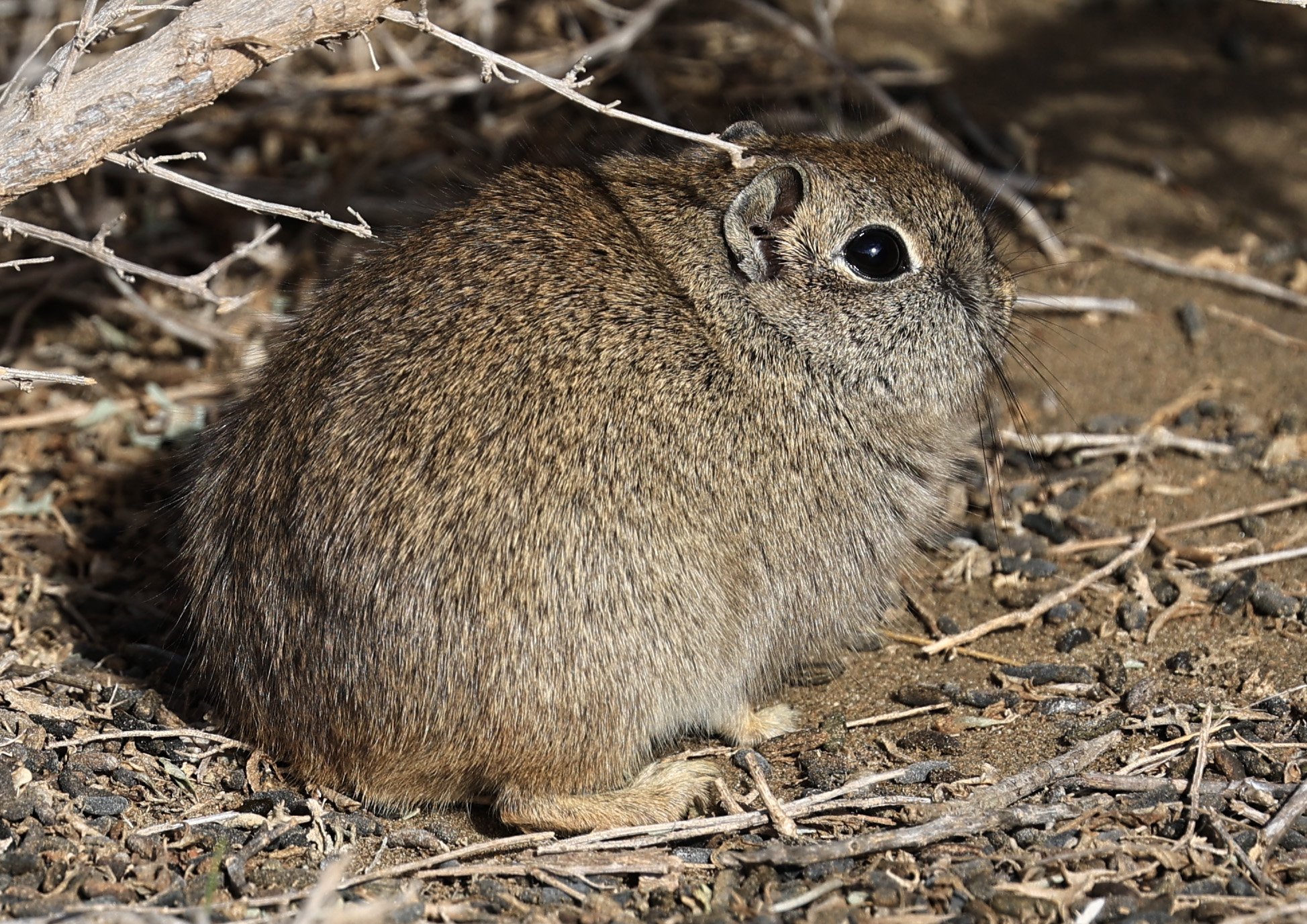
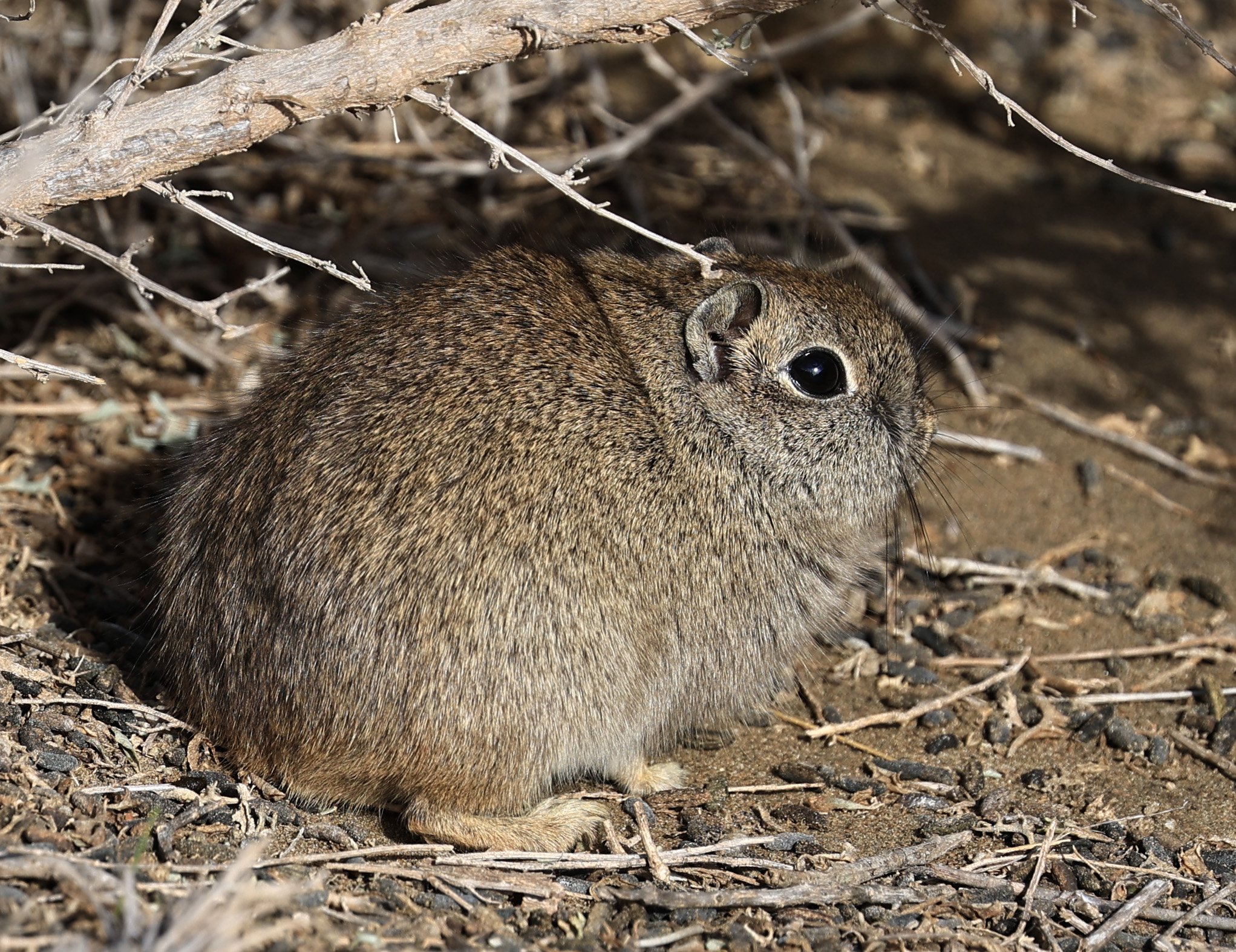
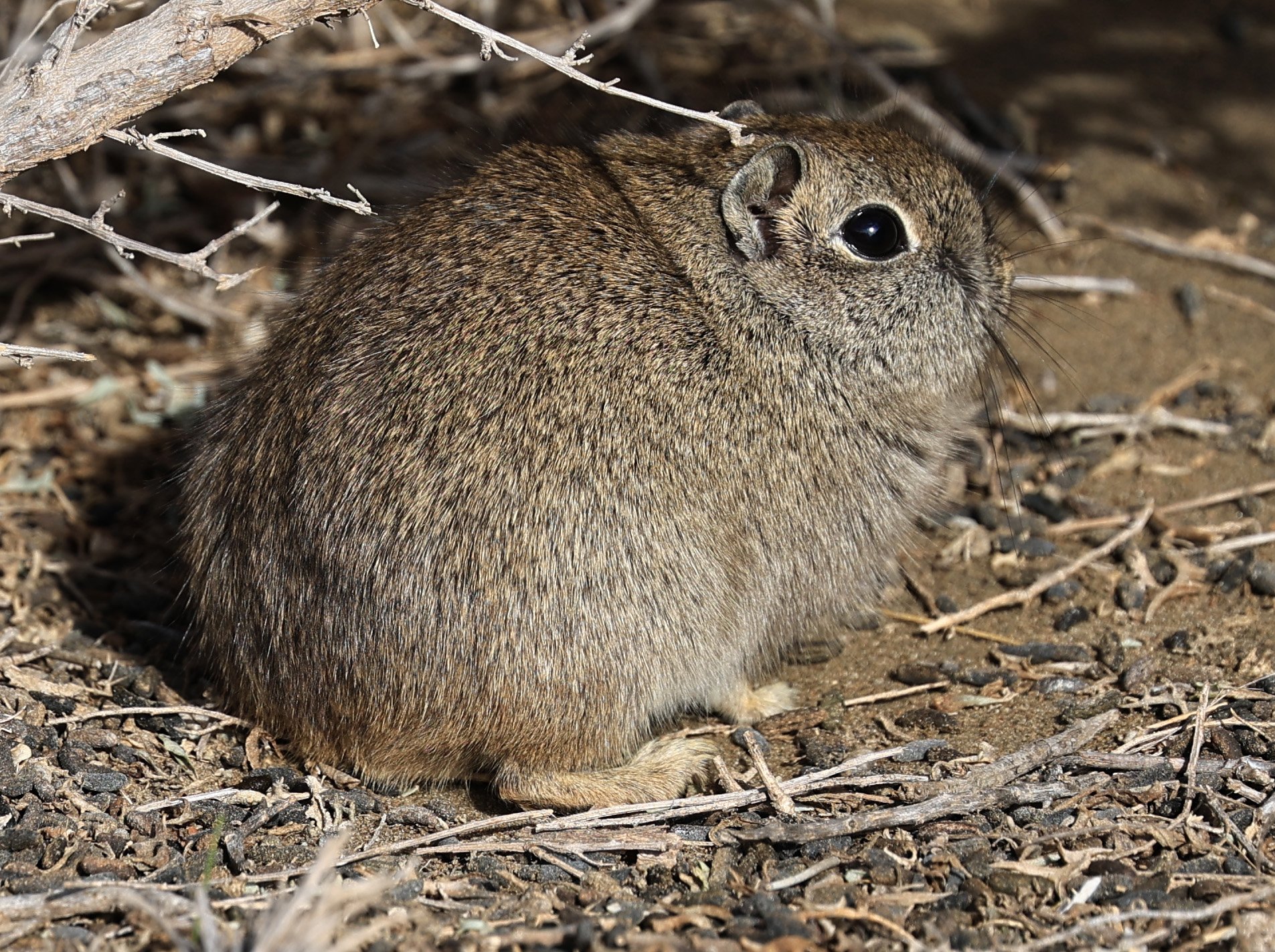
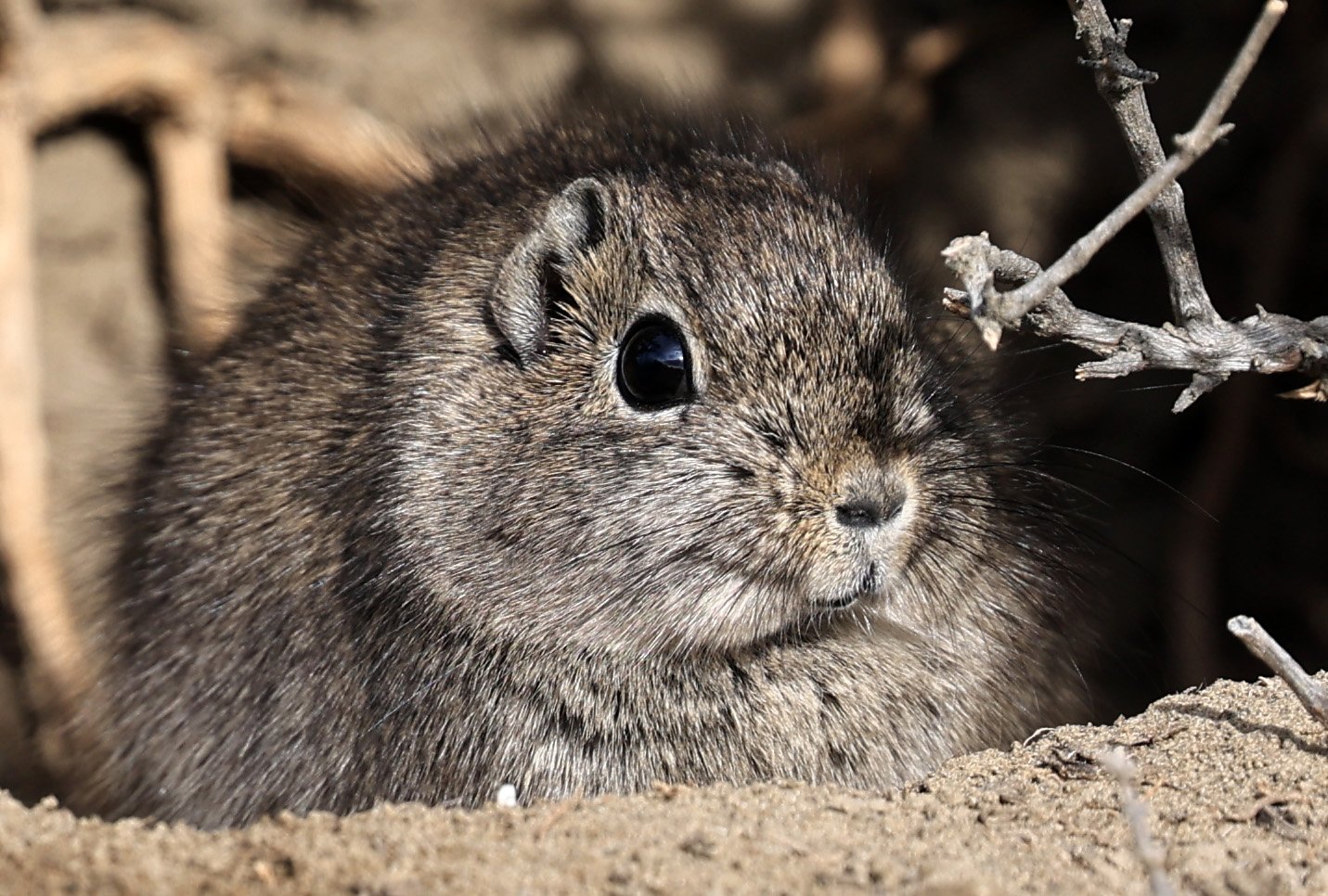
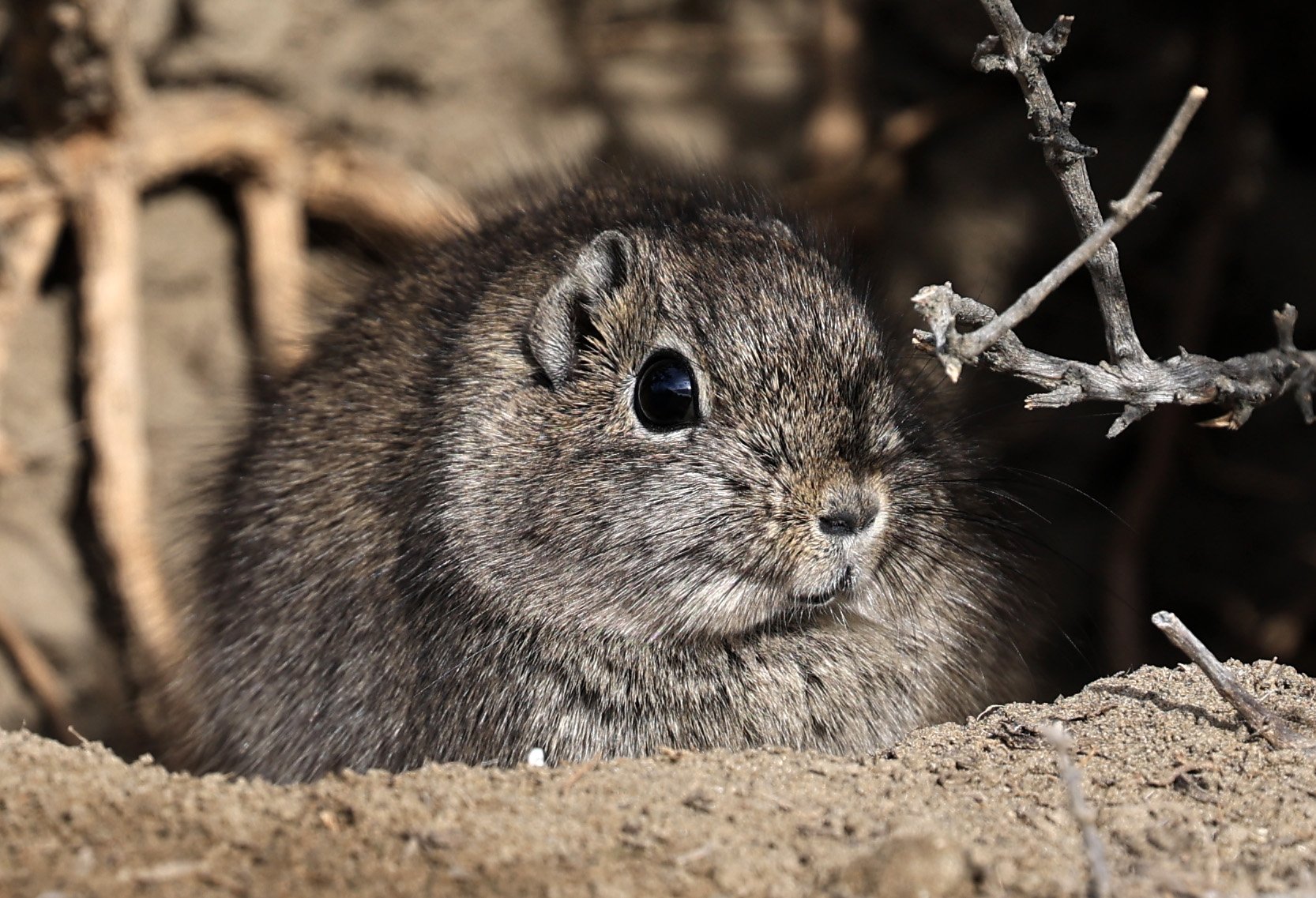
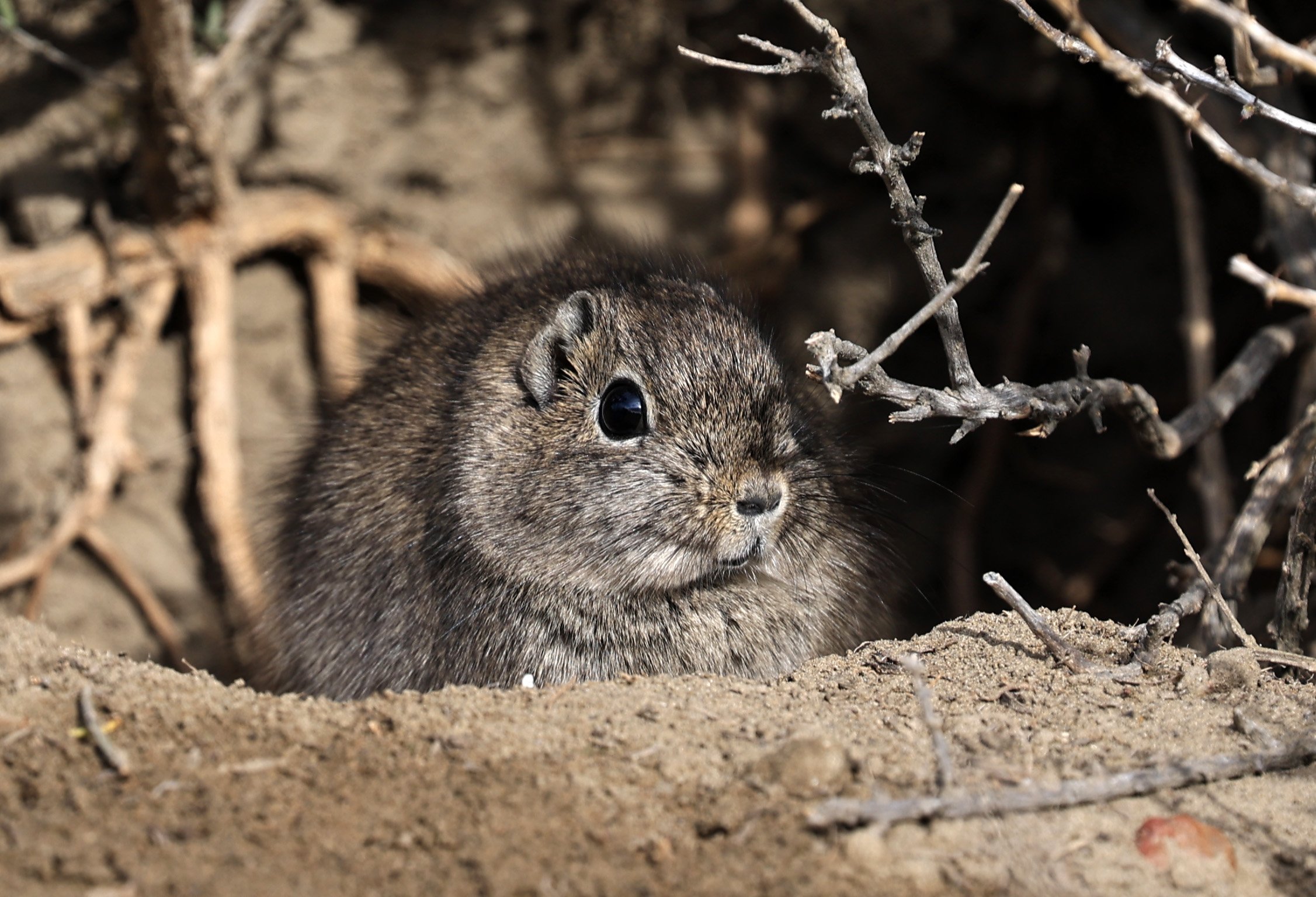
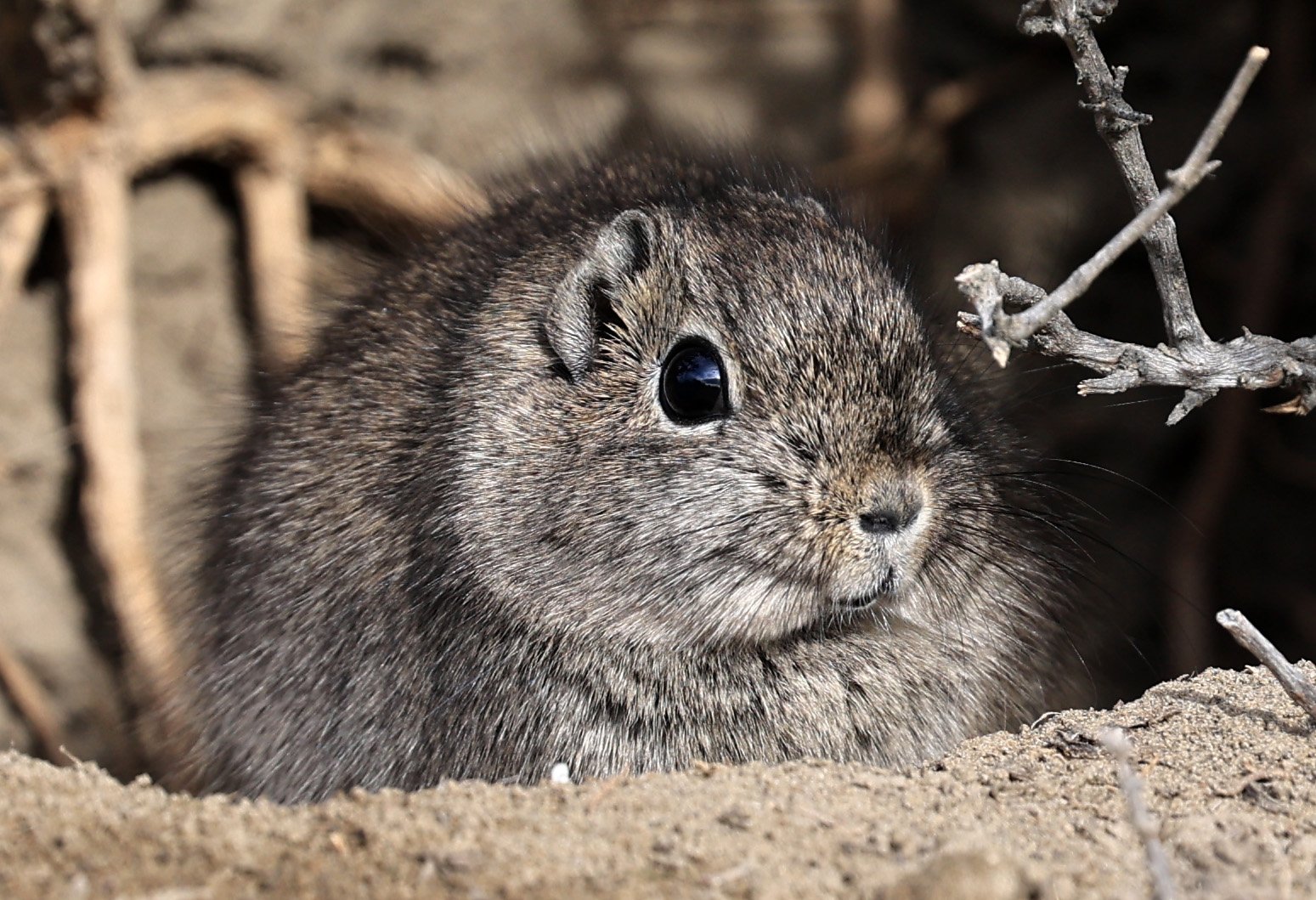
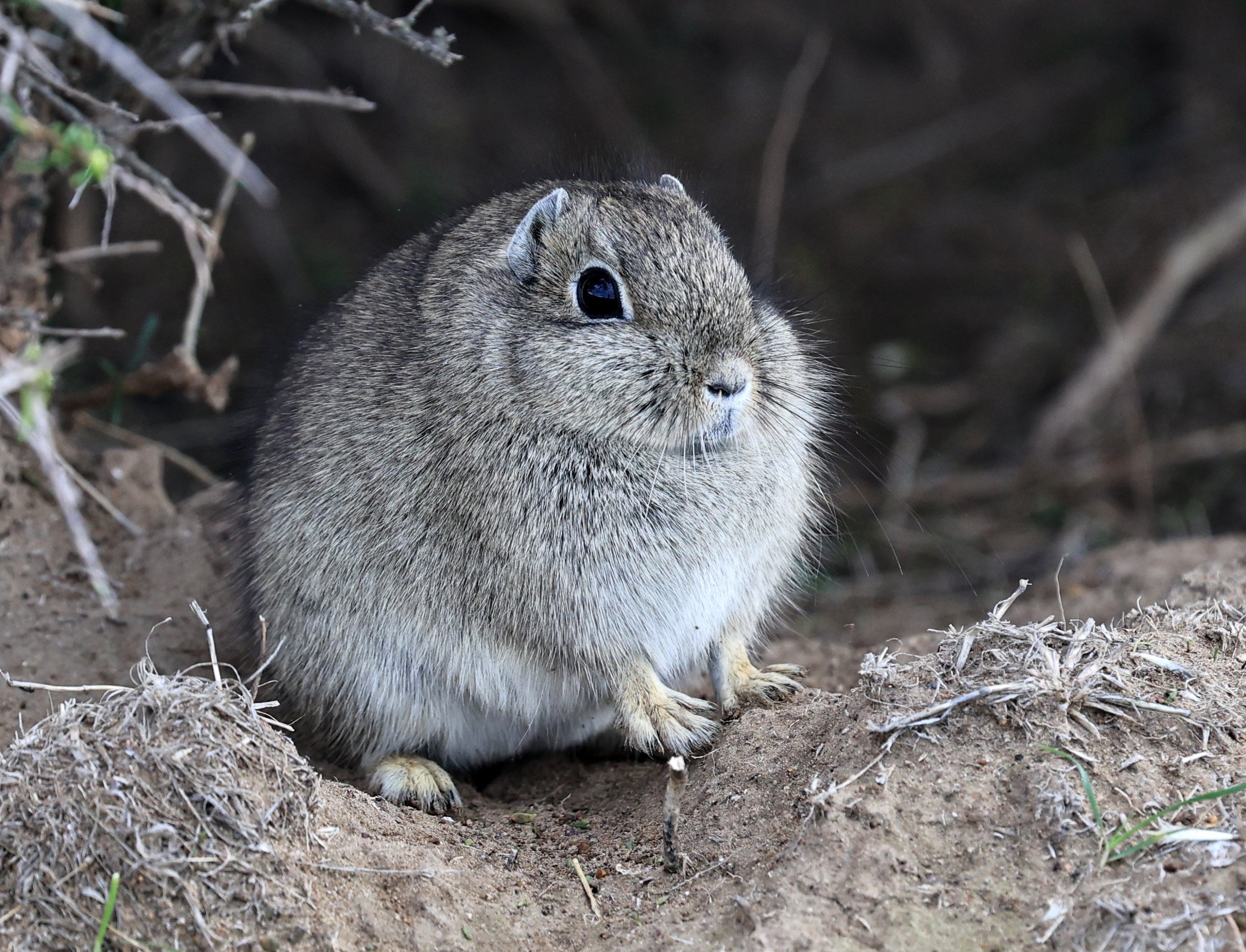
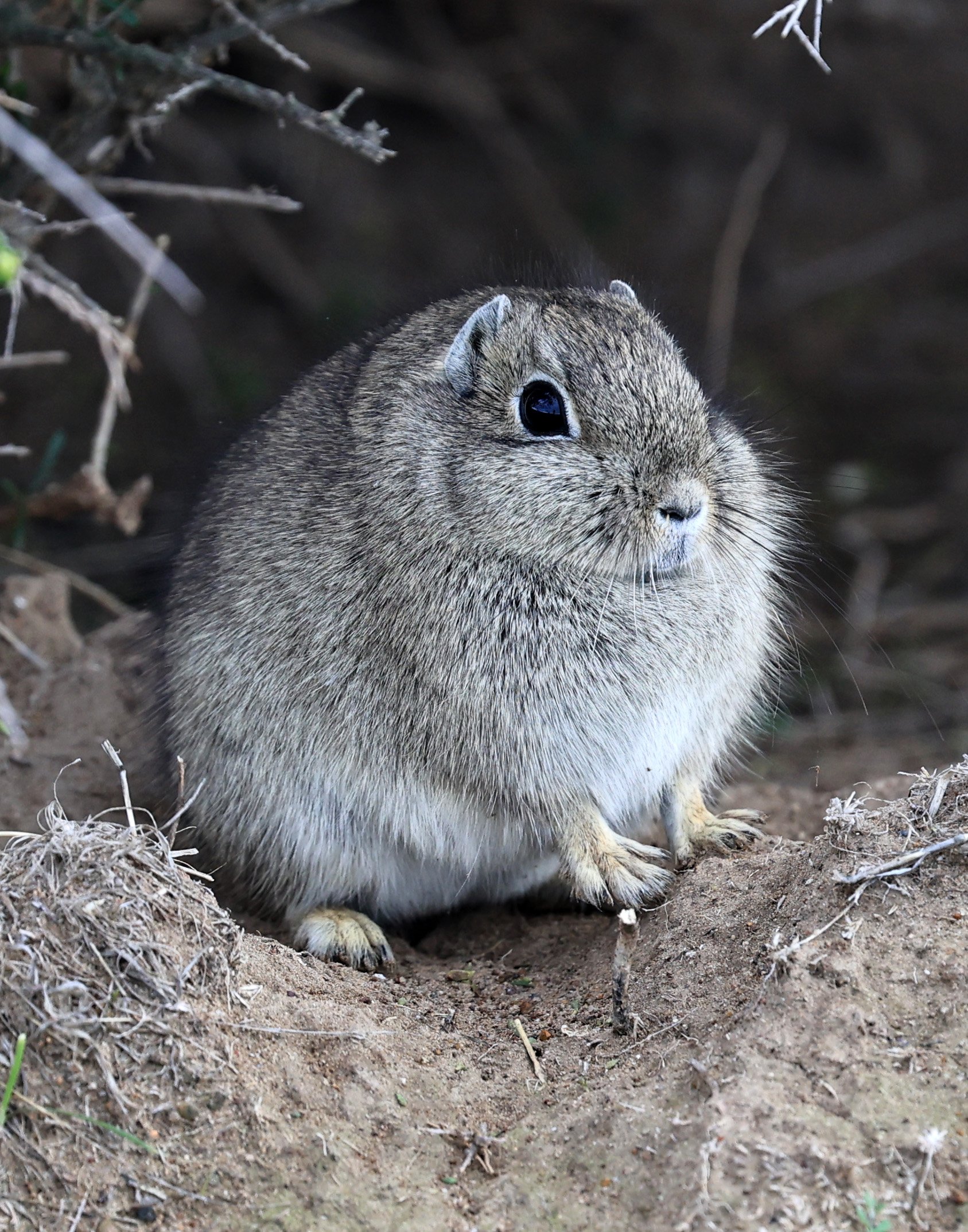
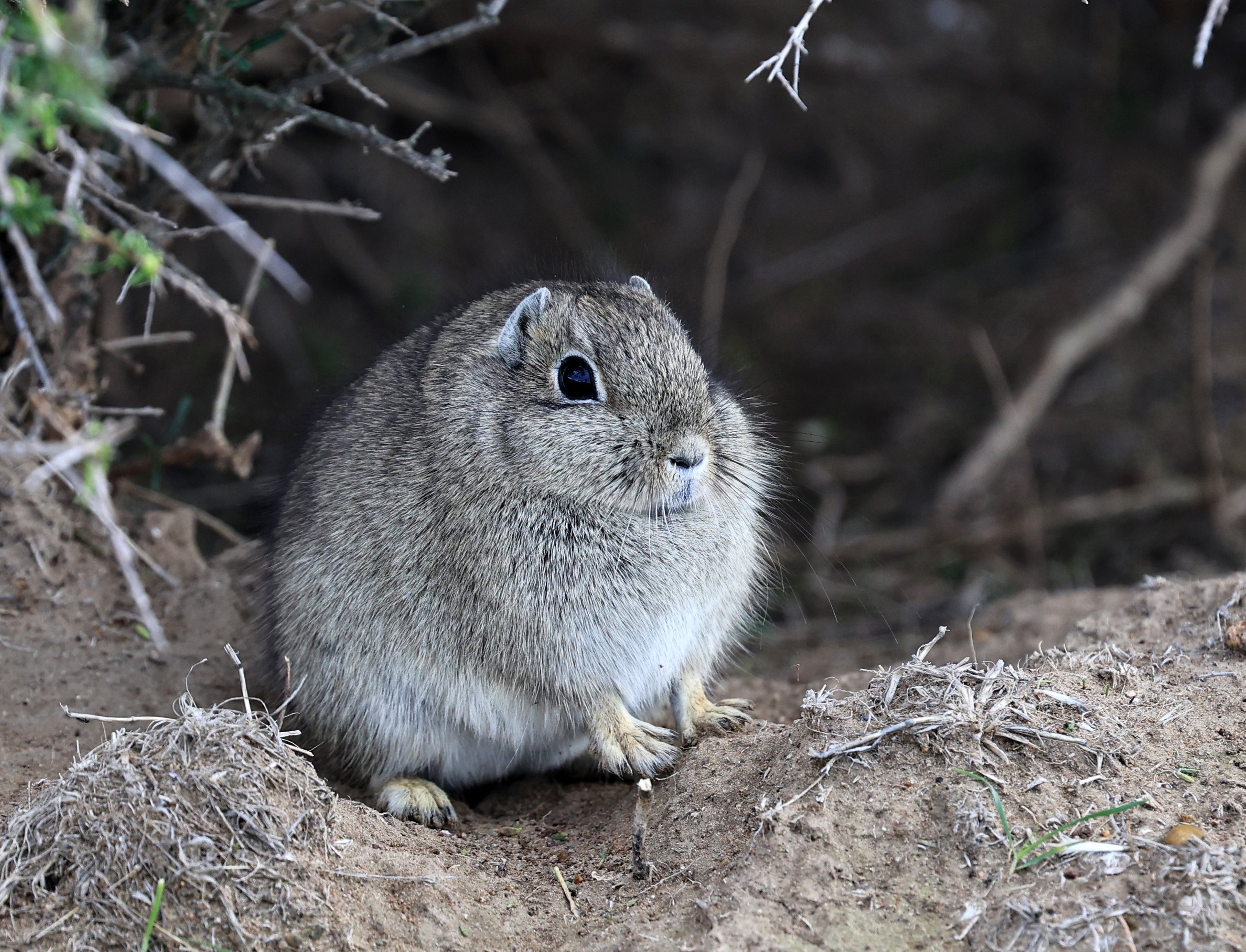
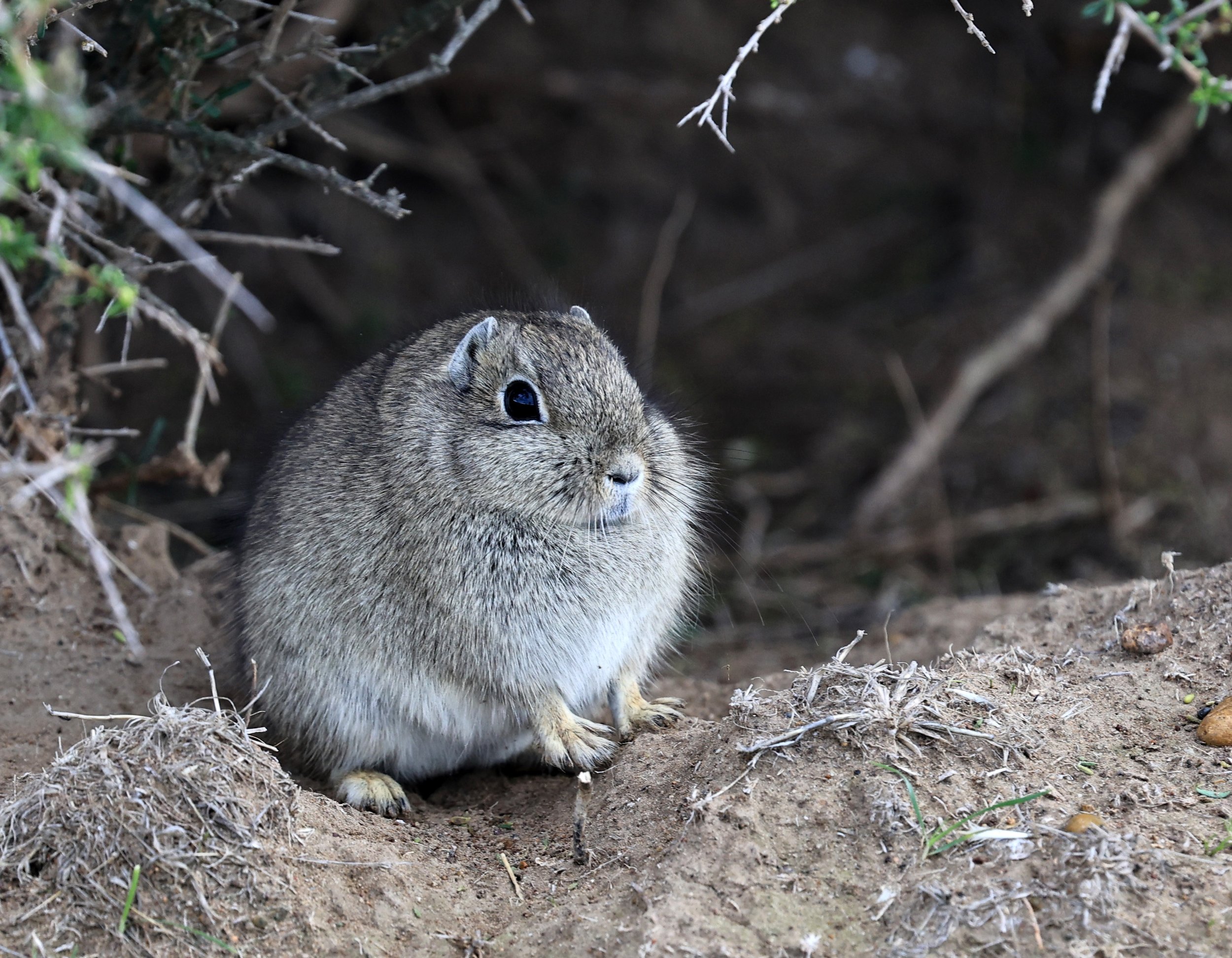
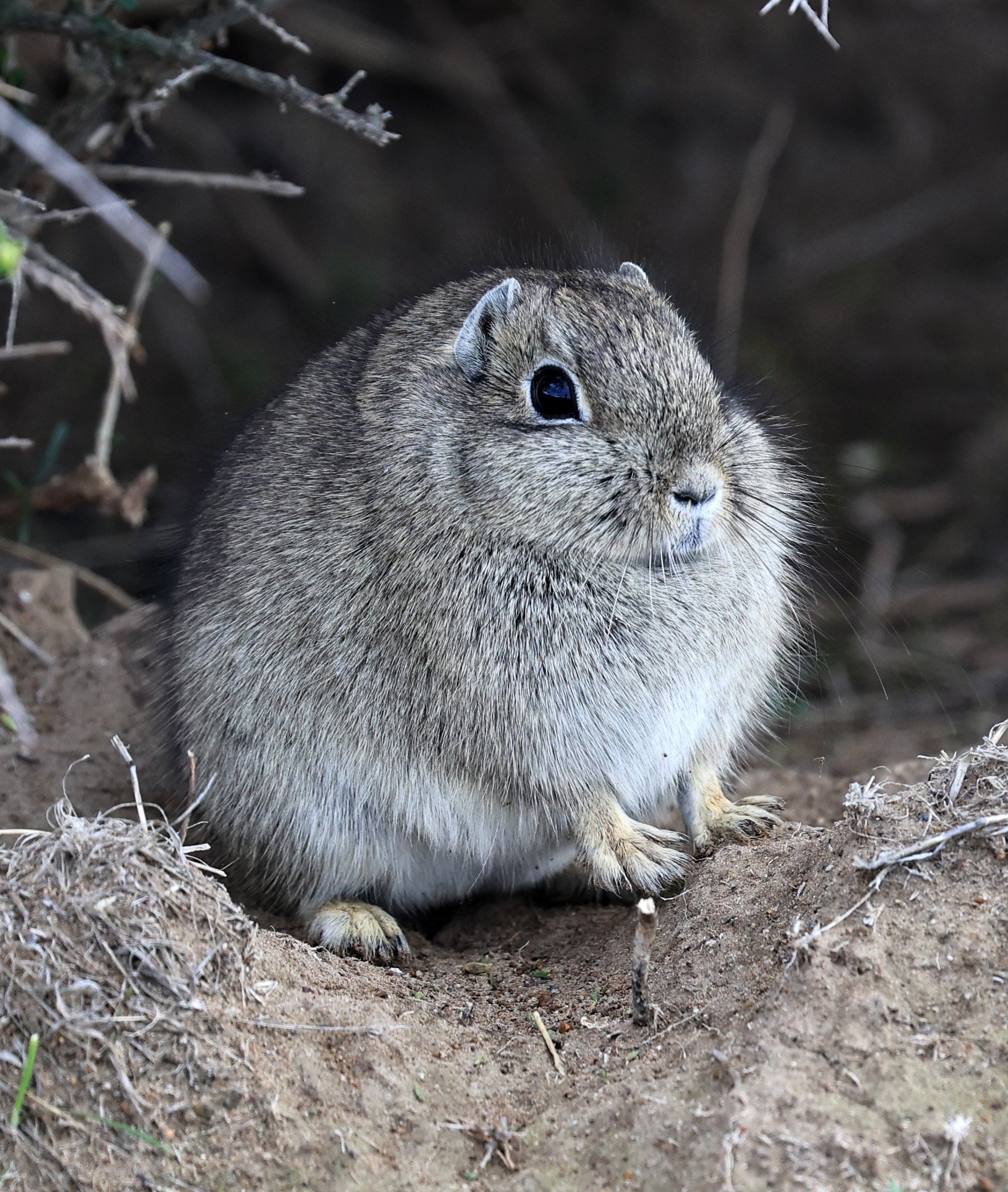
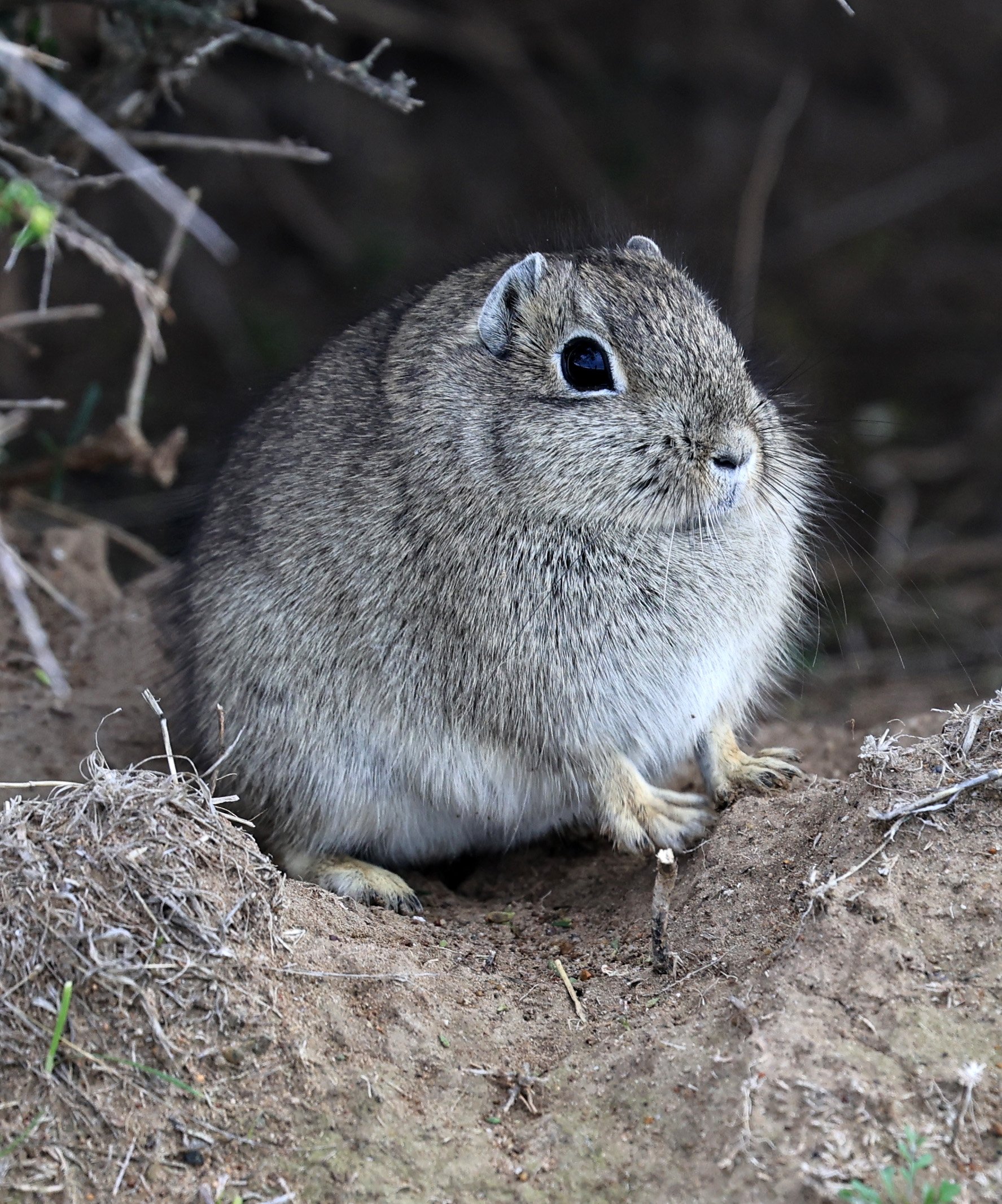
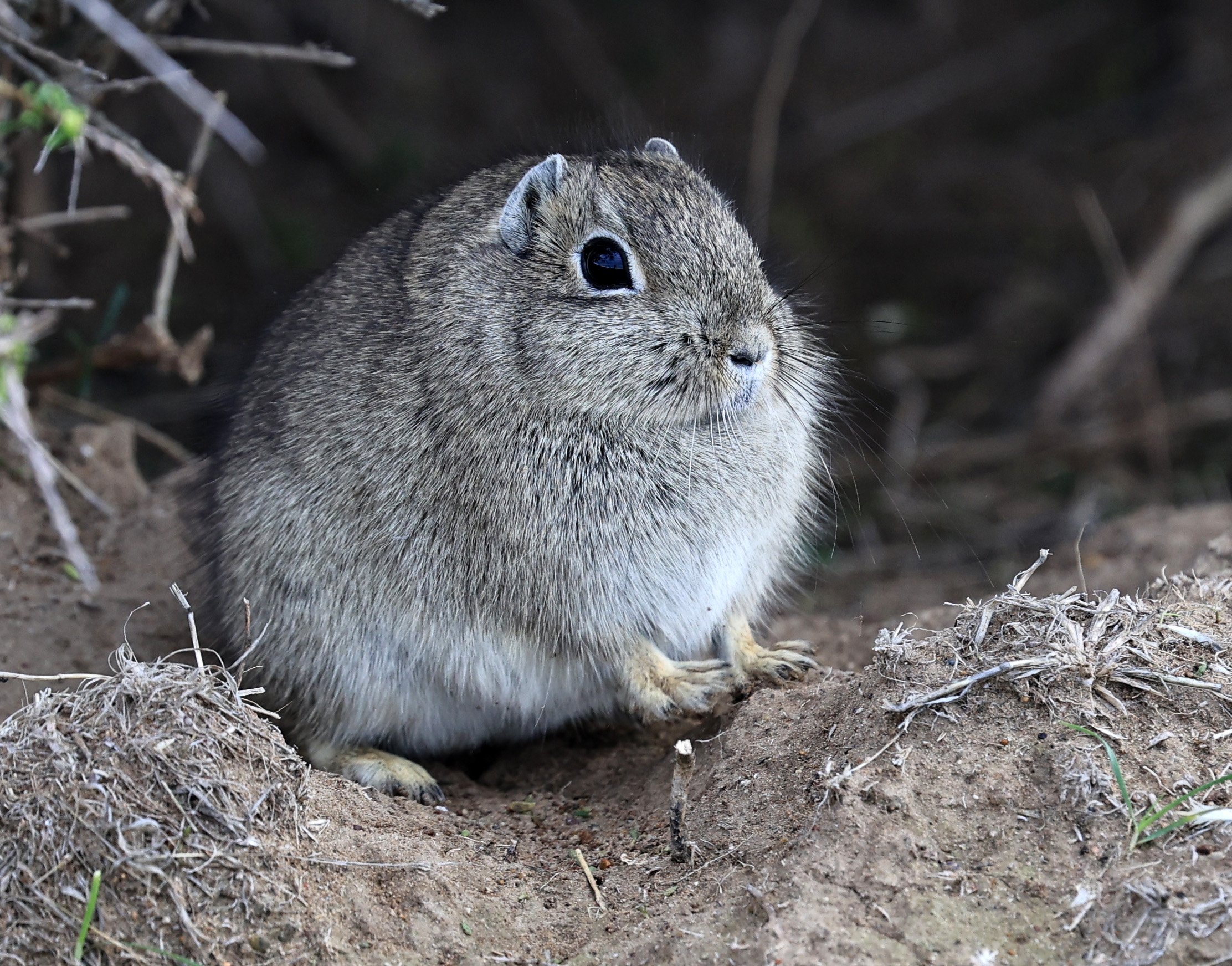
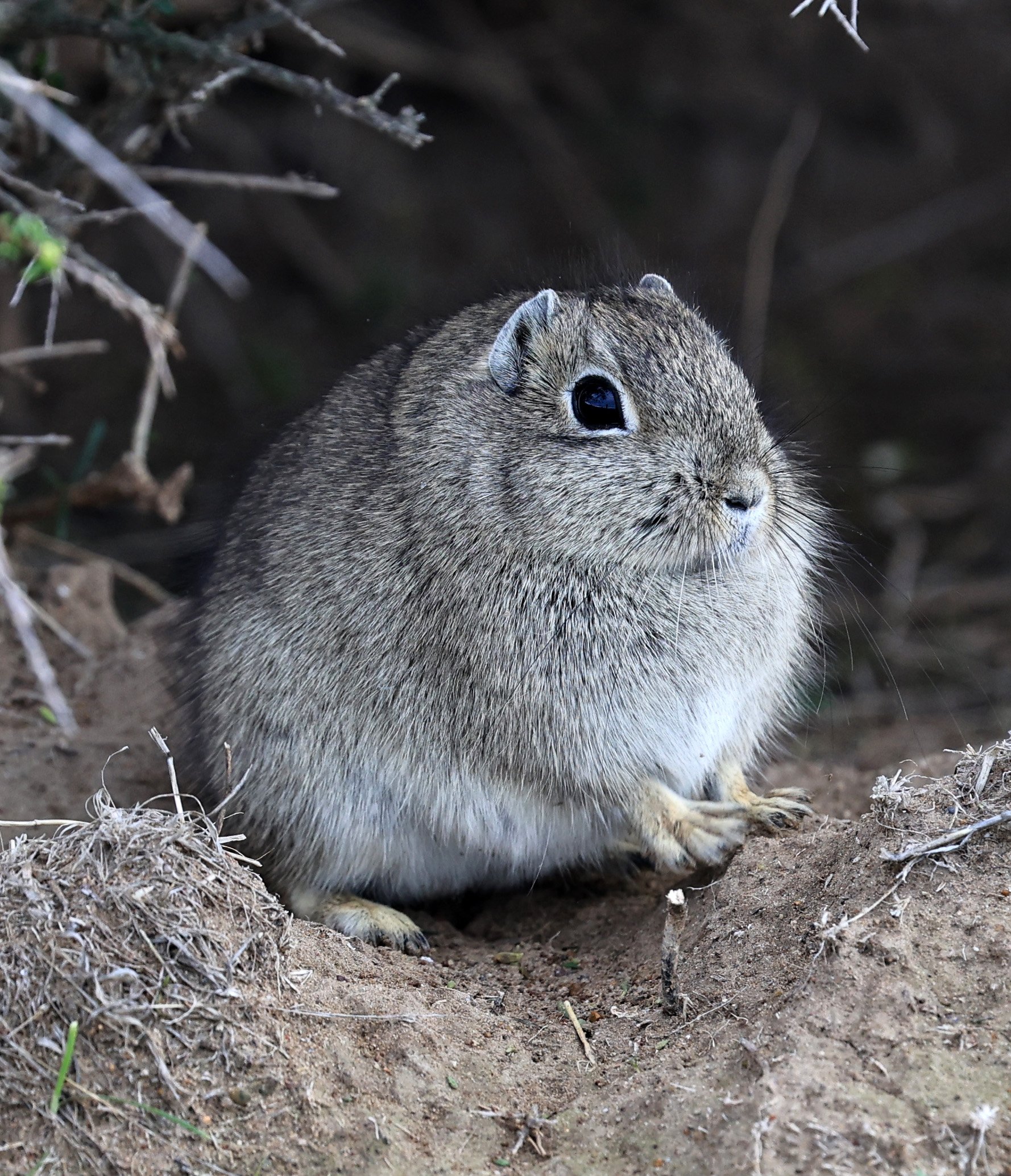
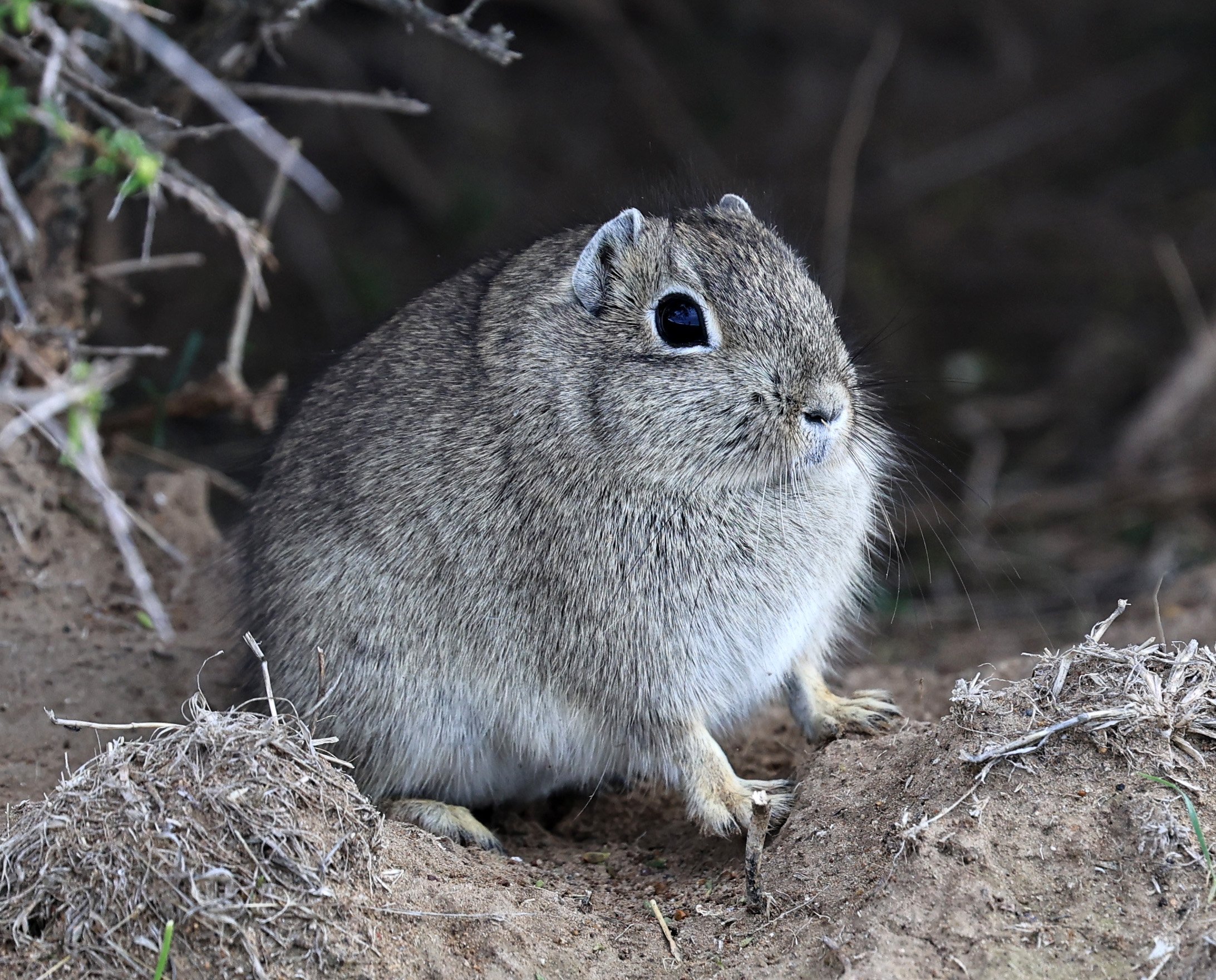
Southern Mountain Cavy (Microcavia australis)
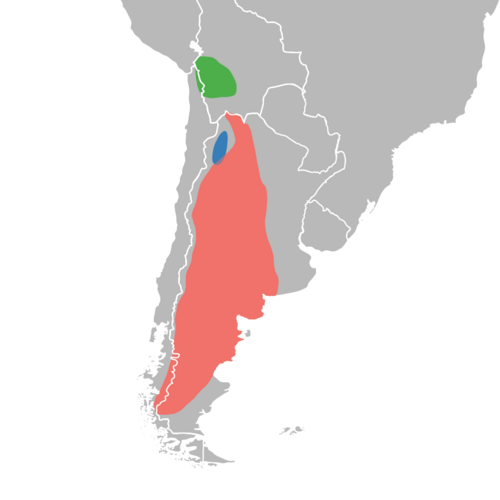
Southern Mountain Cavy (Microcavia australis)
The Southern Mountain Cavy (Microcavia australis) is a small rodent native to South America and a member of the guinea pig family. It belongs to the kingdom Animalia, phylum Chordata, class Mammalia, order Rodentia, and family Caviidae. Within this family, it is classified in the genus Microcavia, a group commonly known as the mountain cavies. Although it resembles a small guinea pig, the Southern Mountain Cavy is a wild species adapted to life in some of South America's driest environments. [en.wikipedia.org], [animaldiversity.org], [fws.gov]
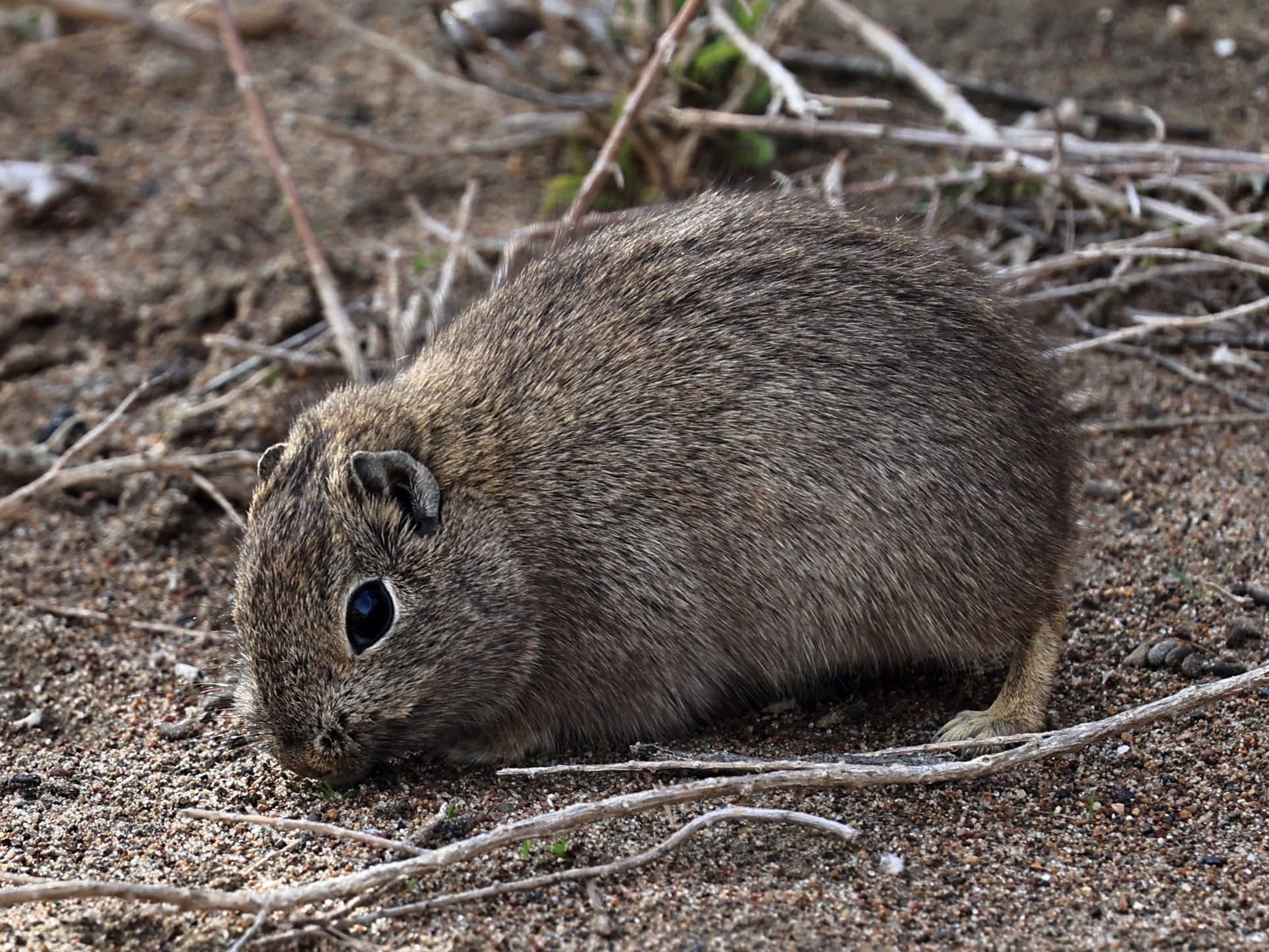
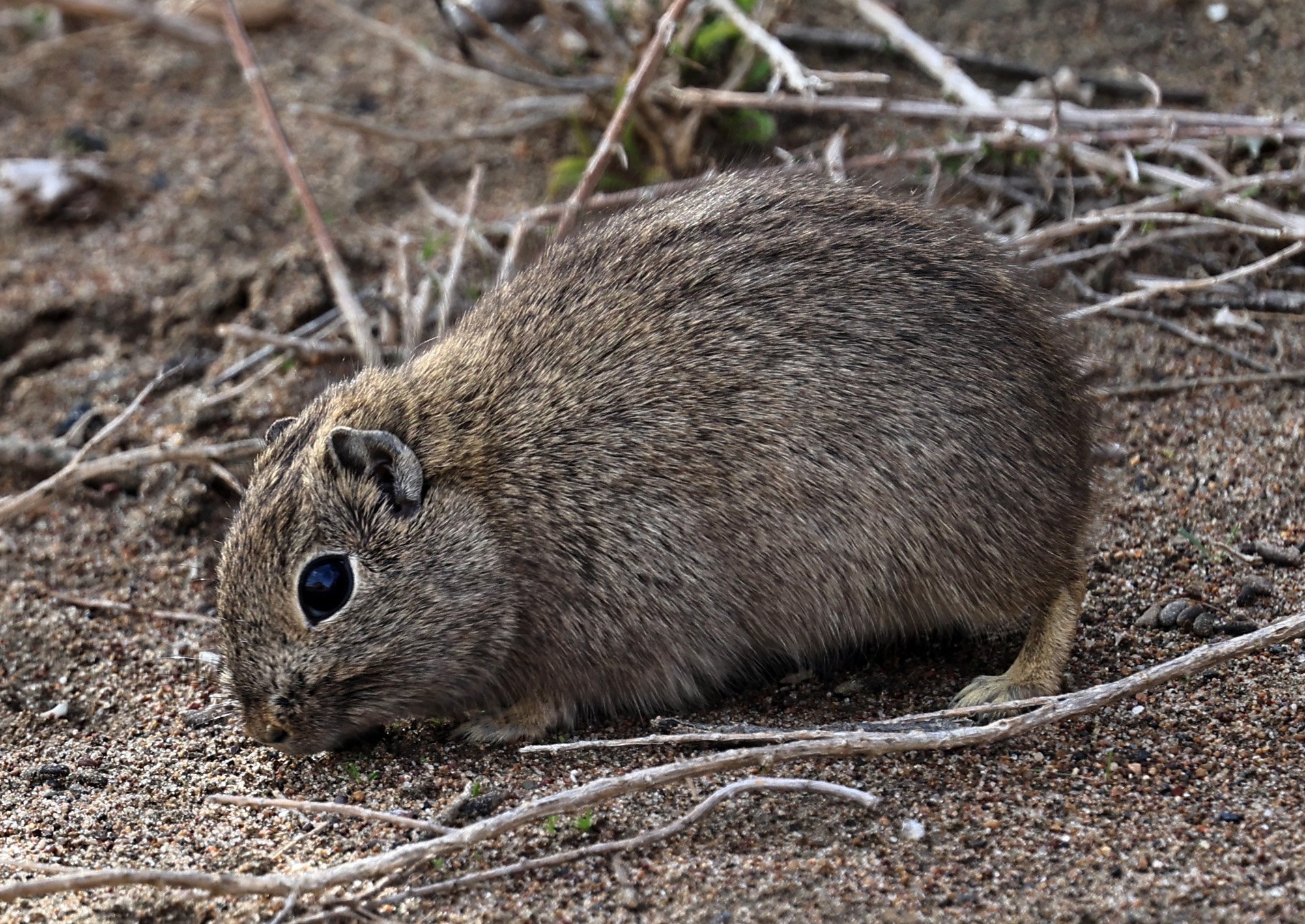
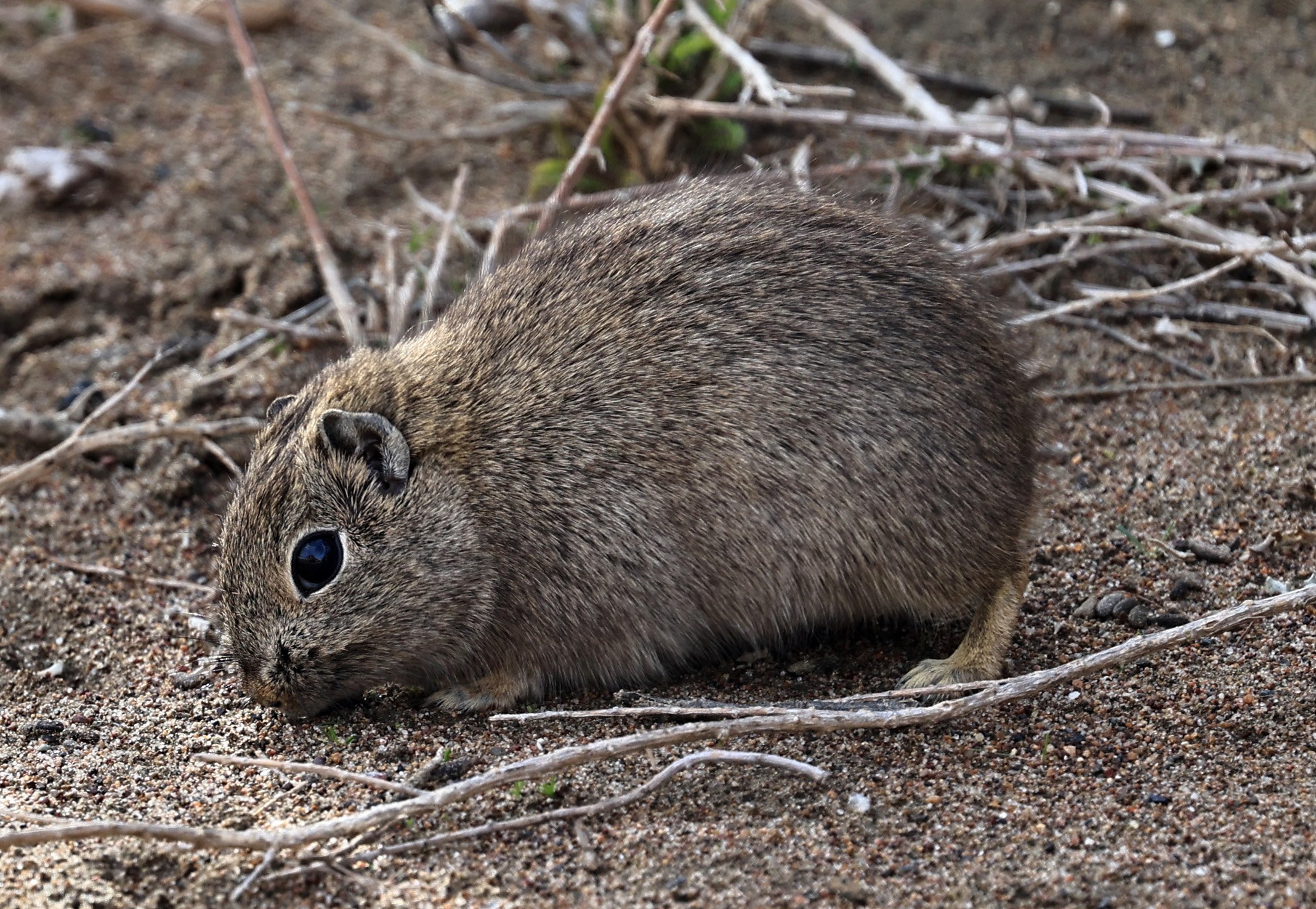
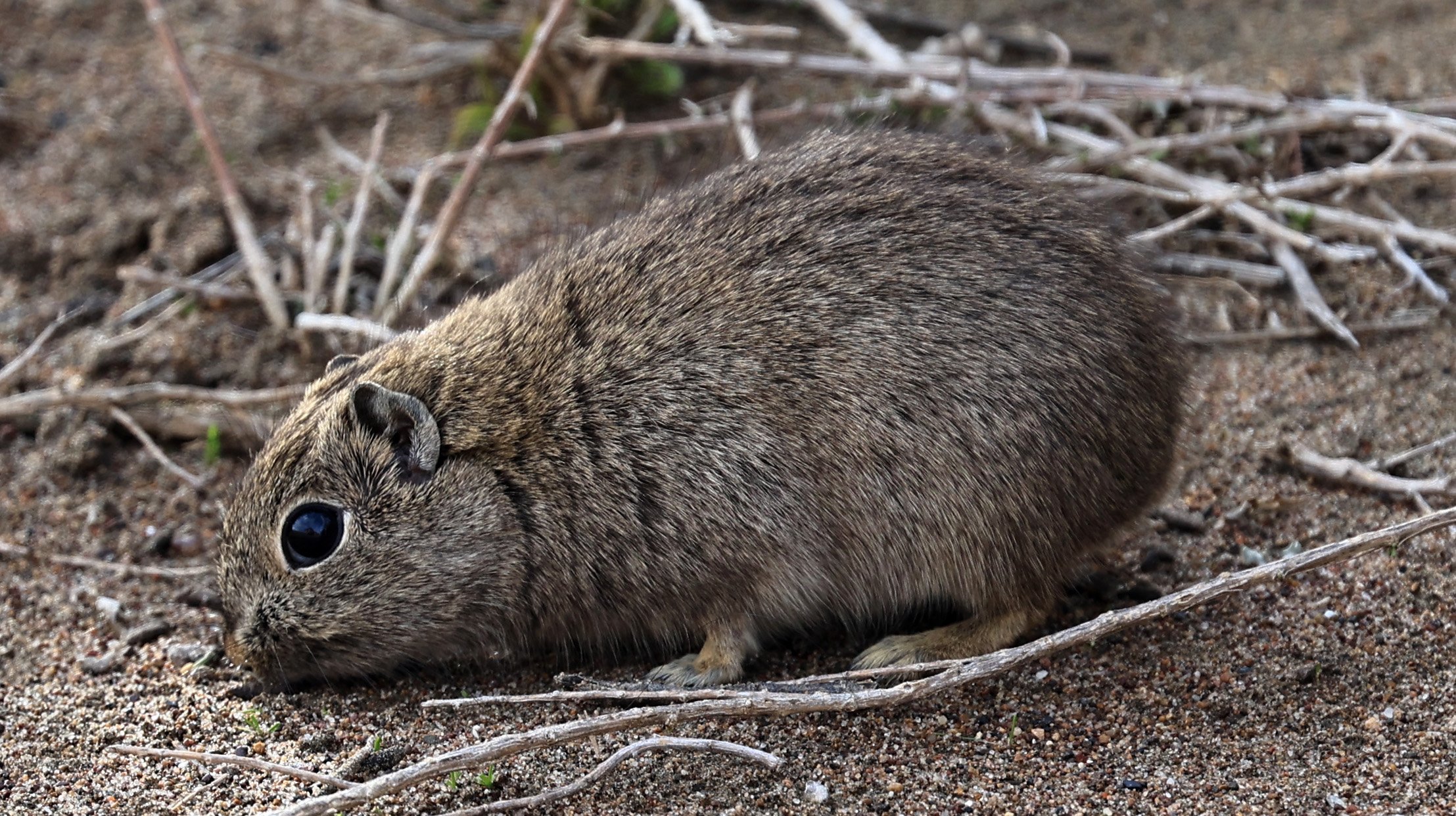
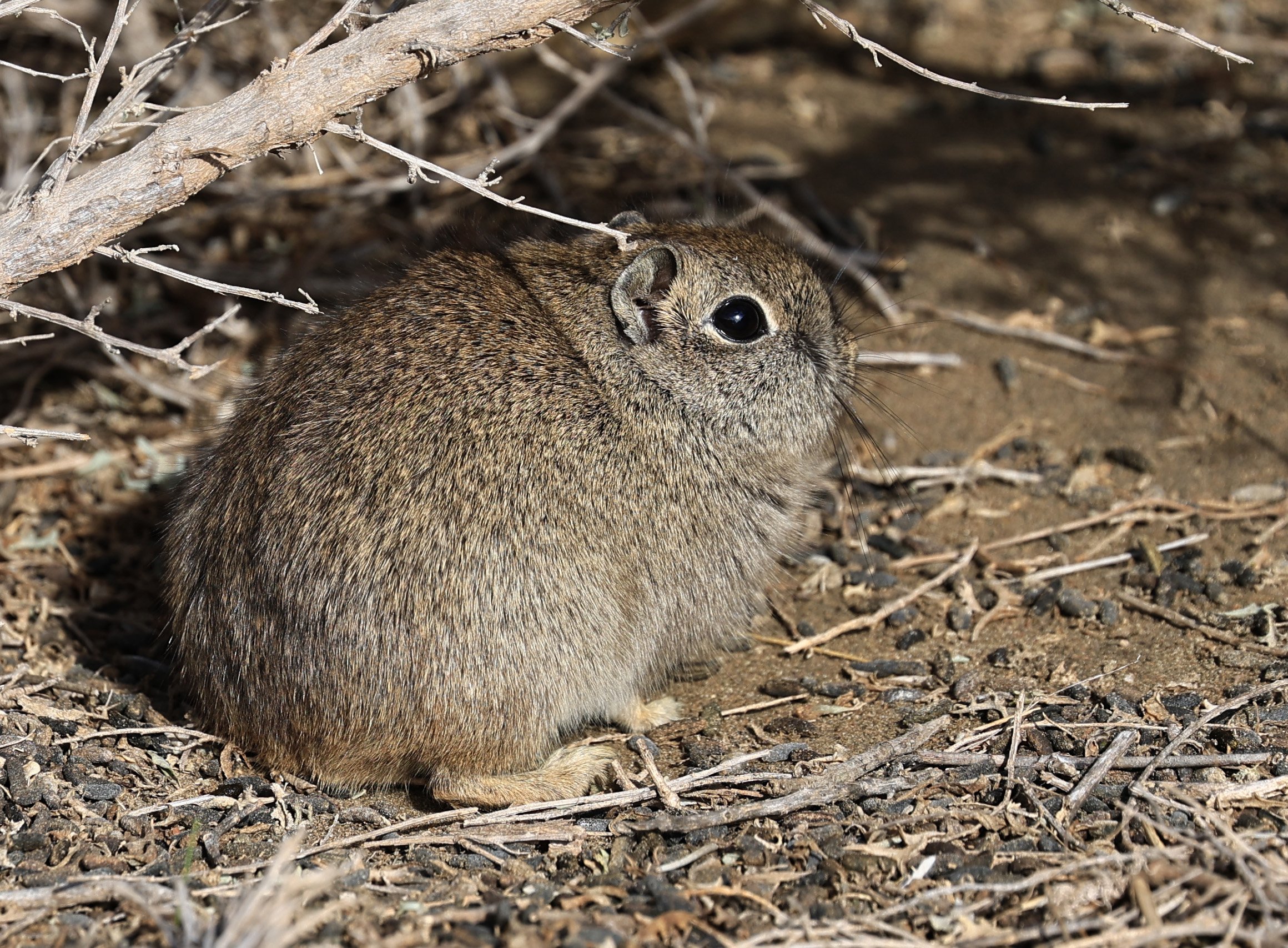
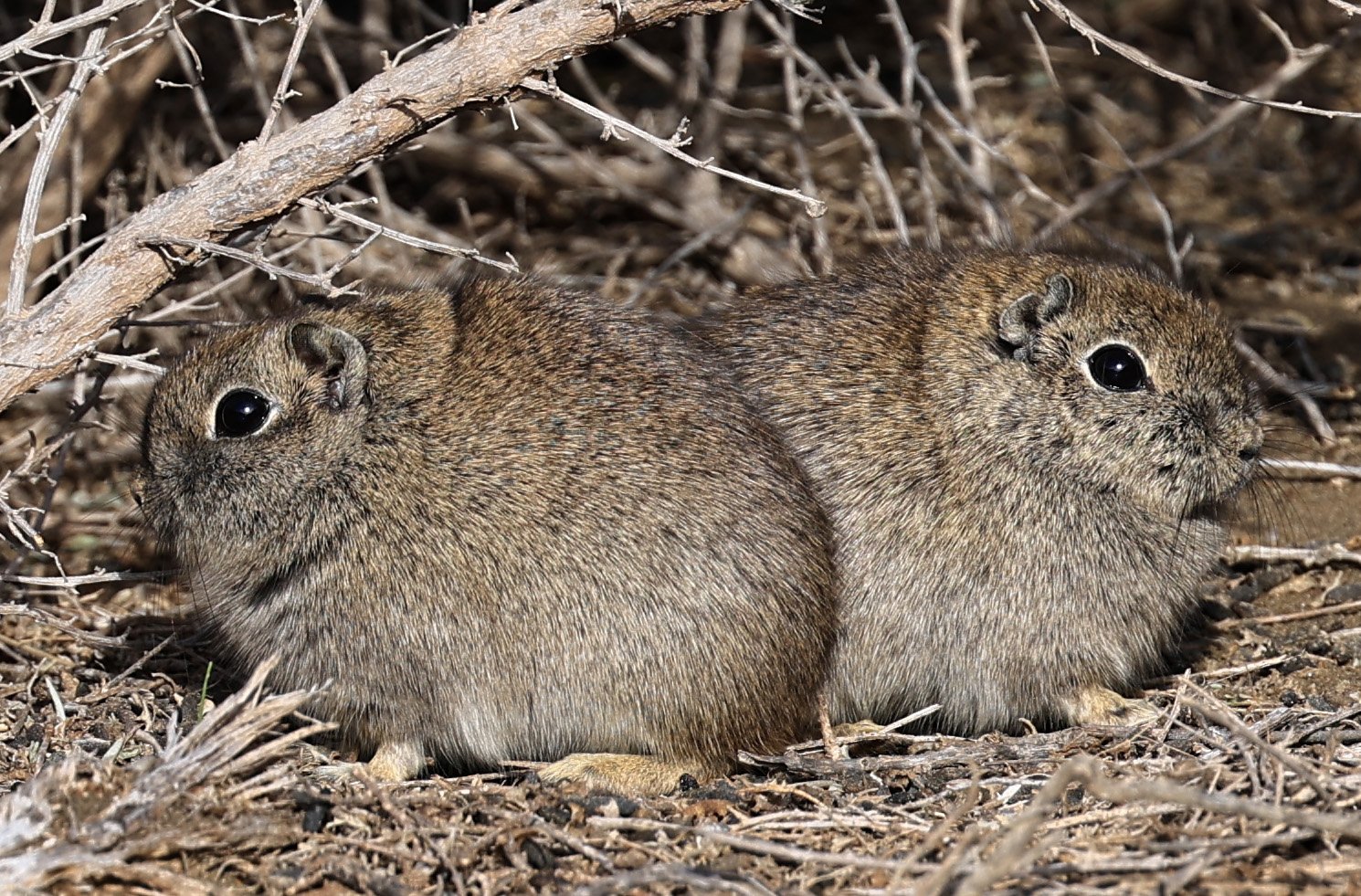
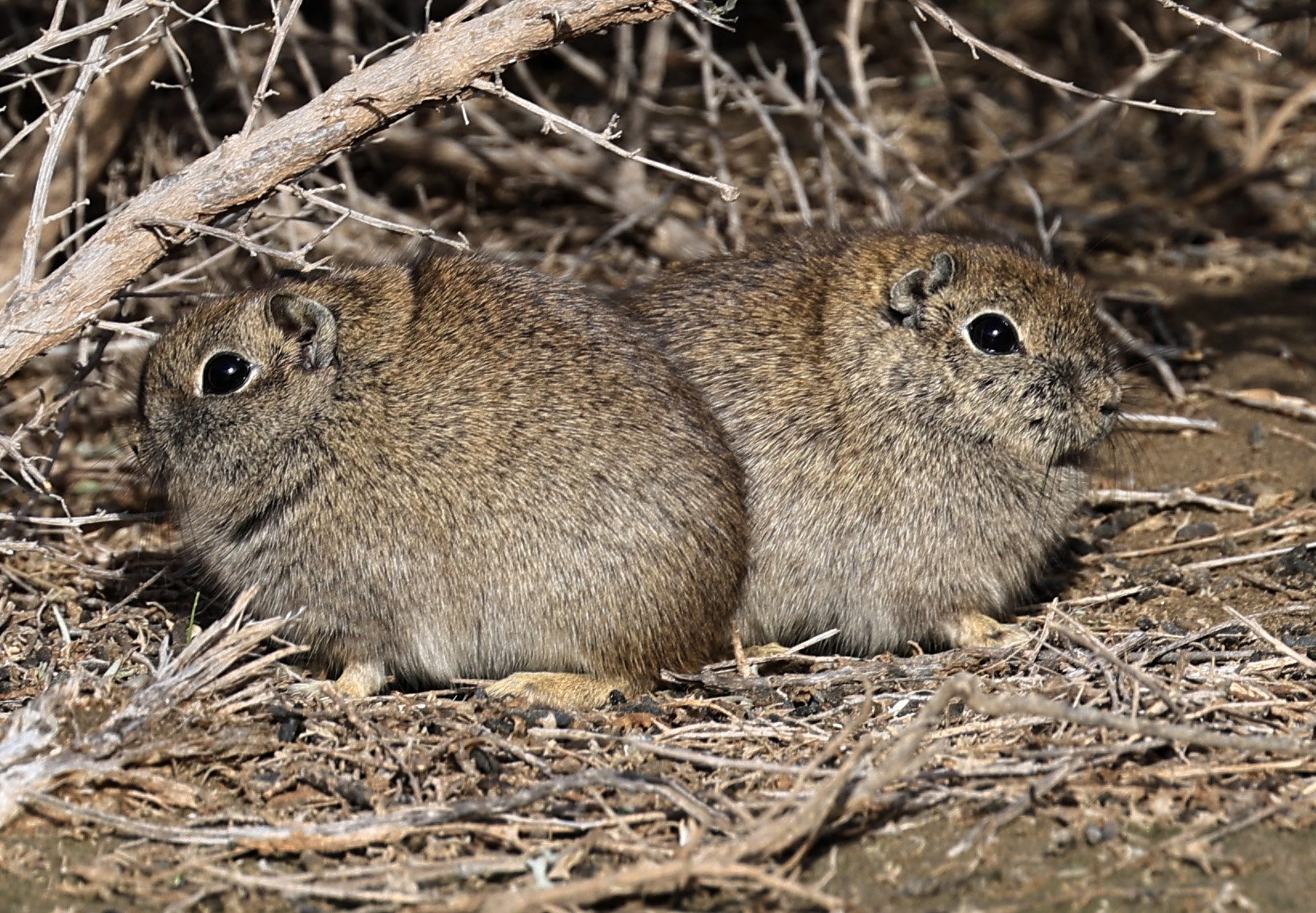
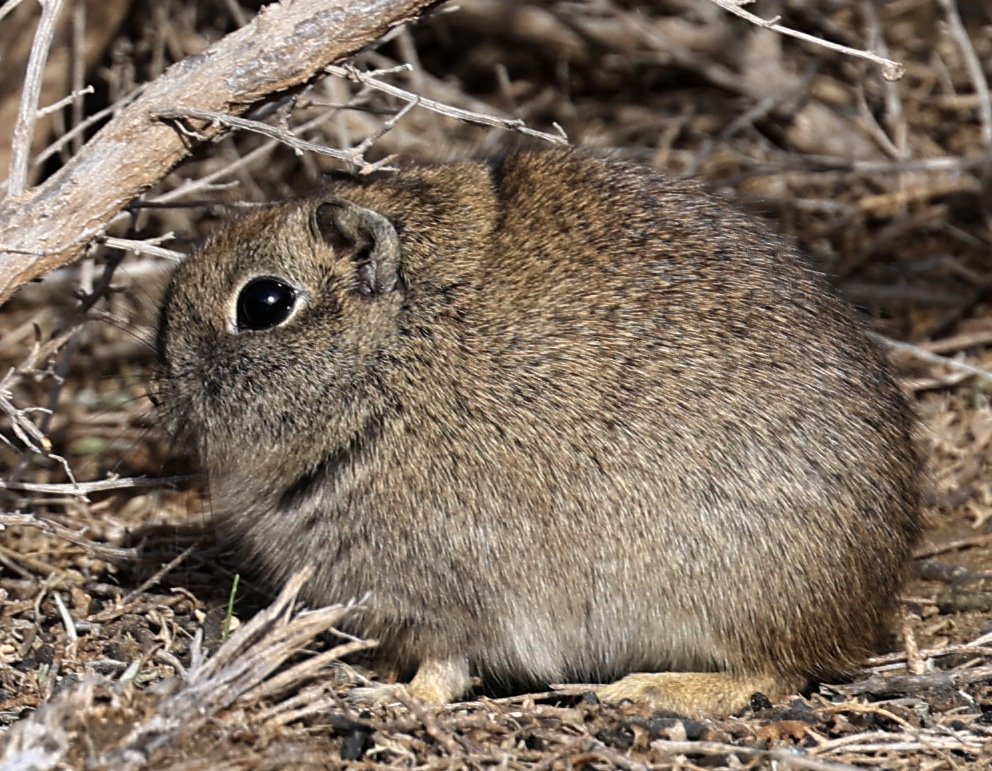
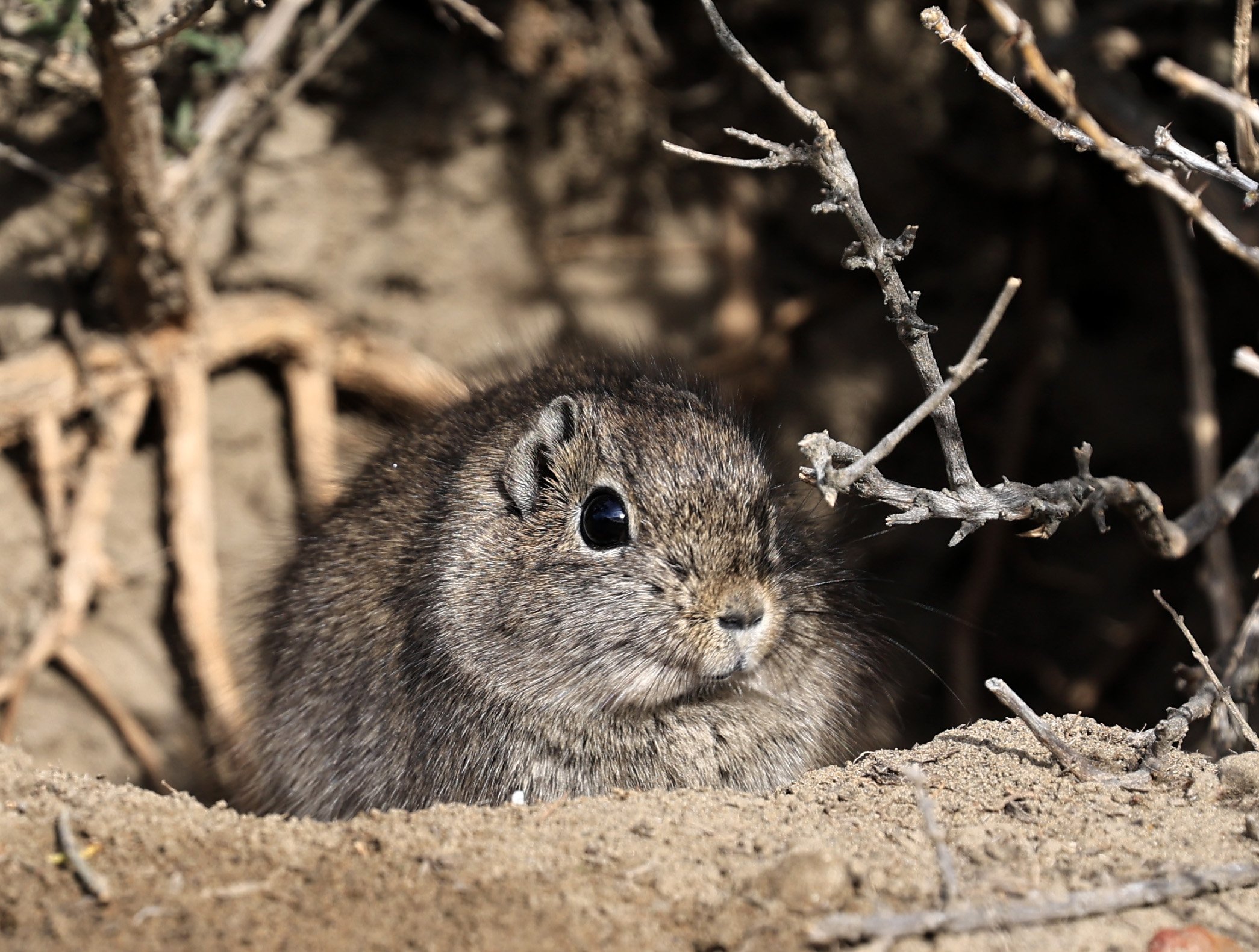
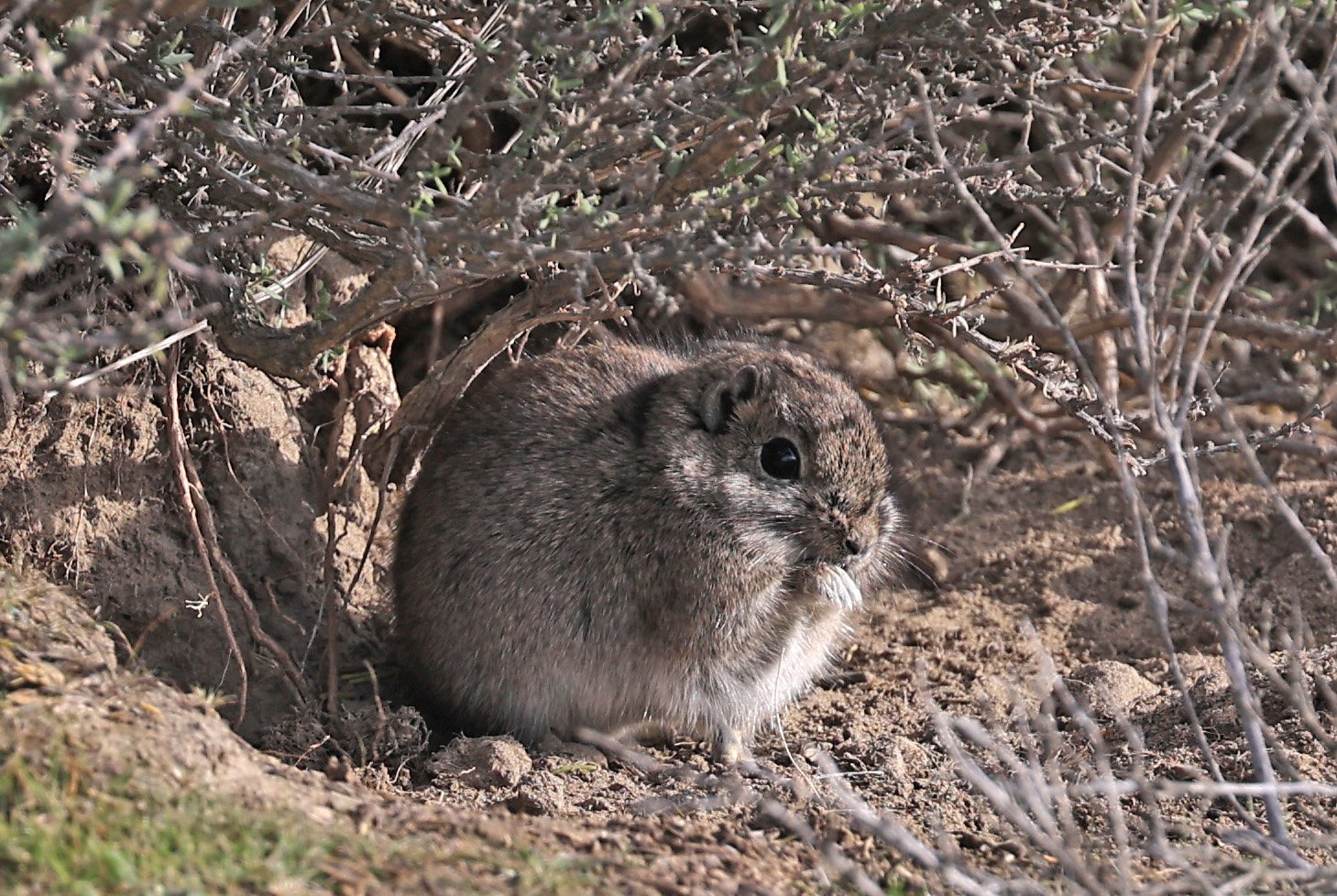
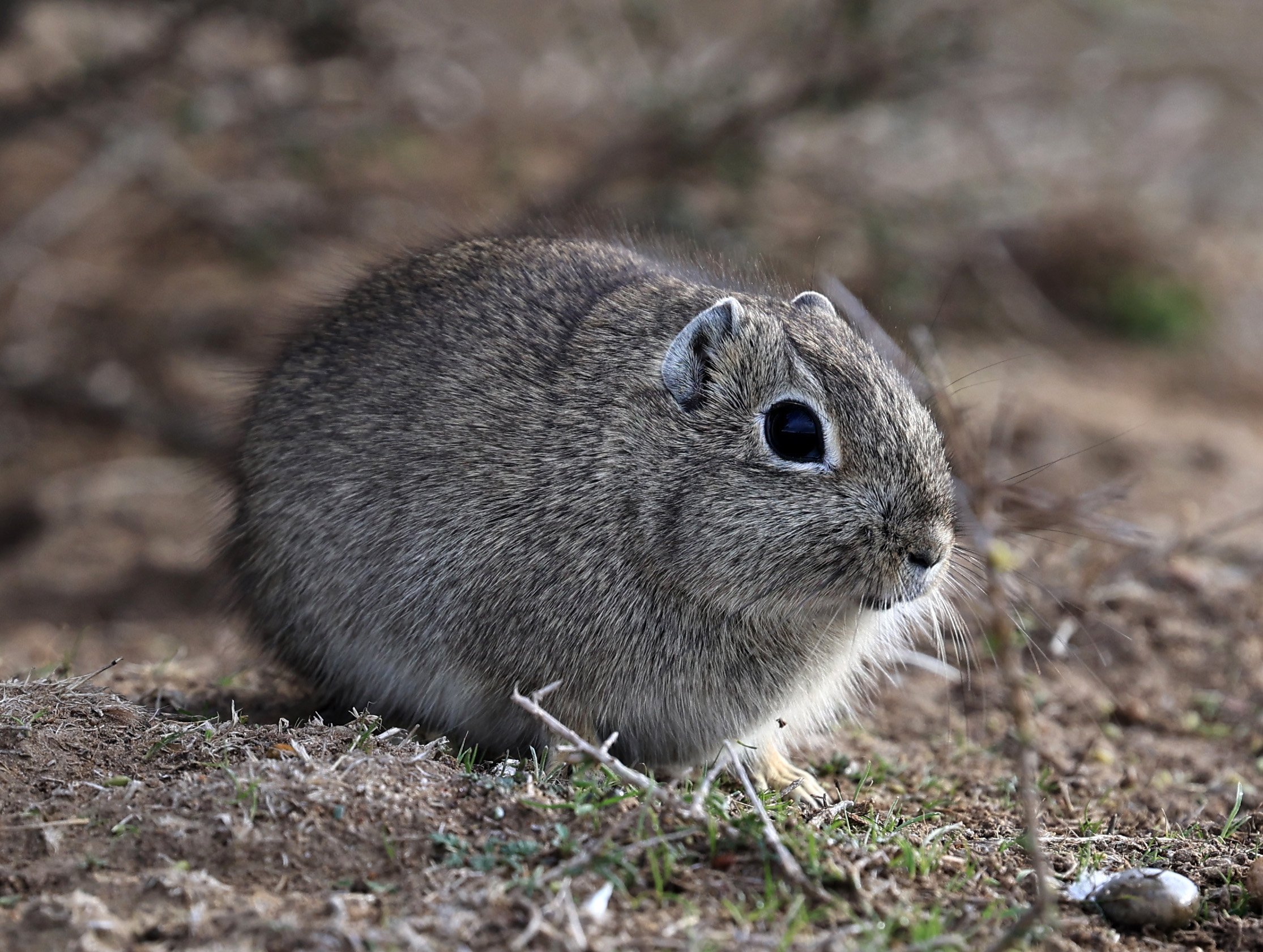
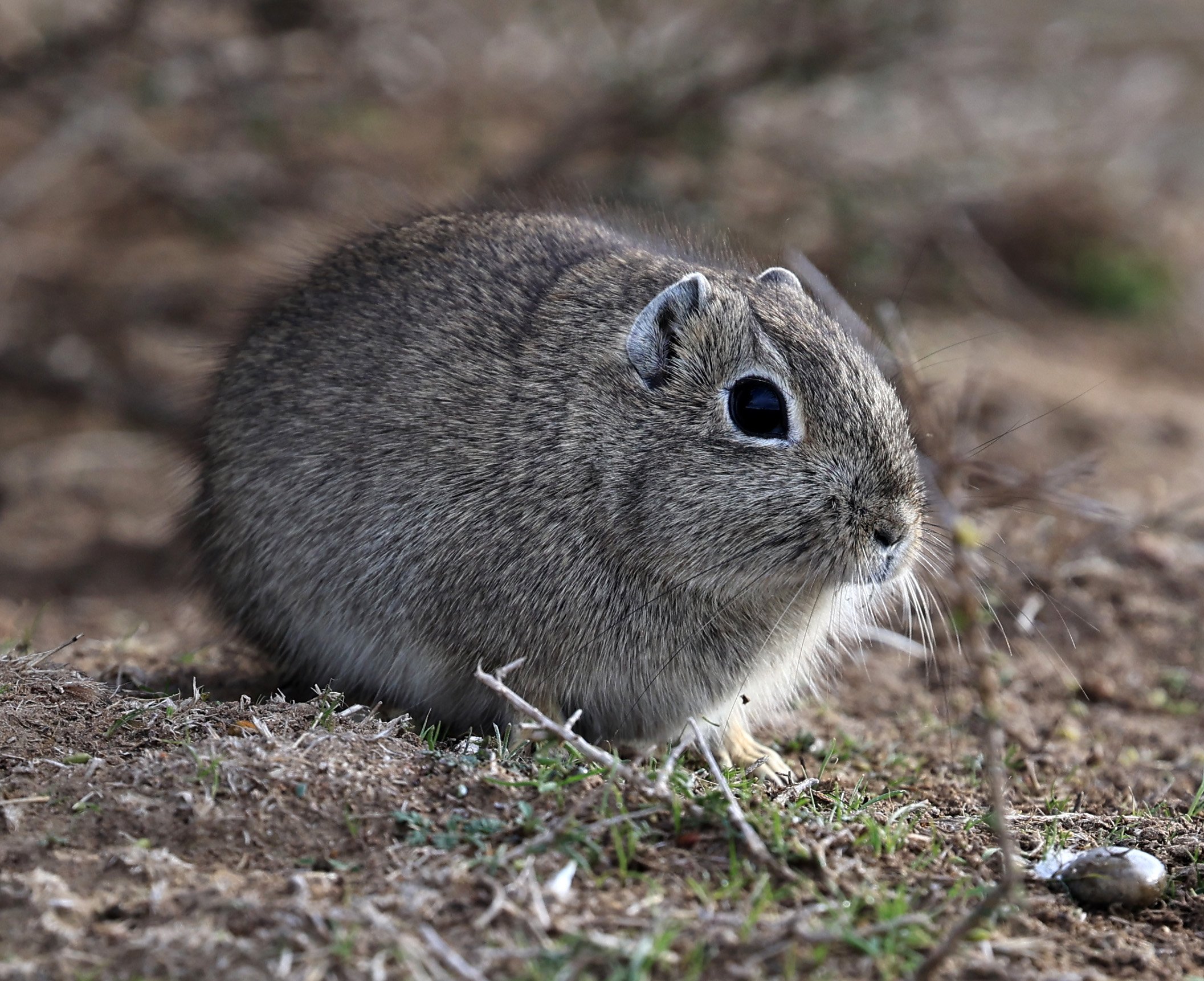
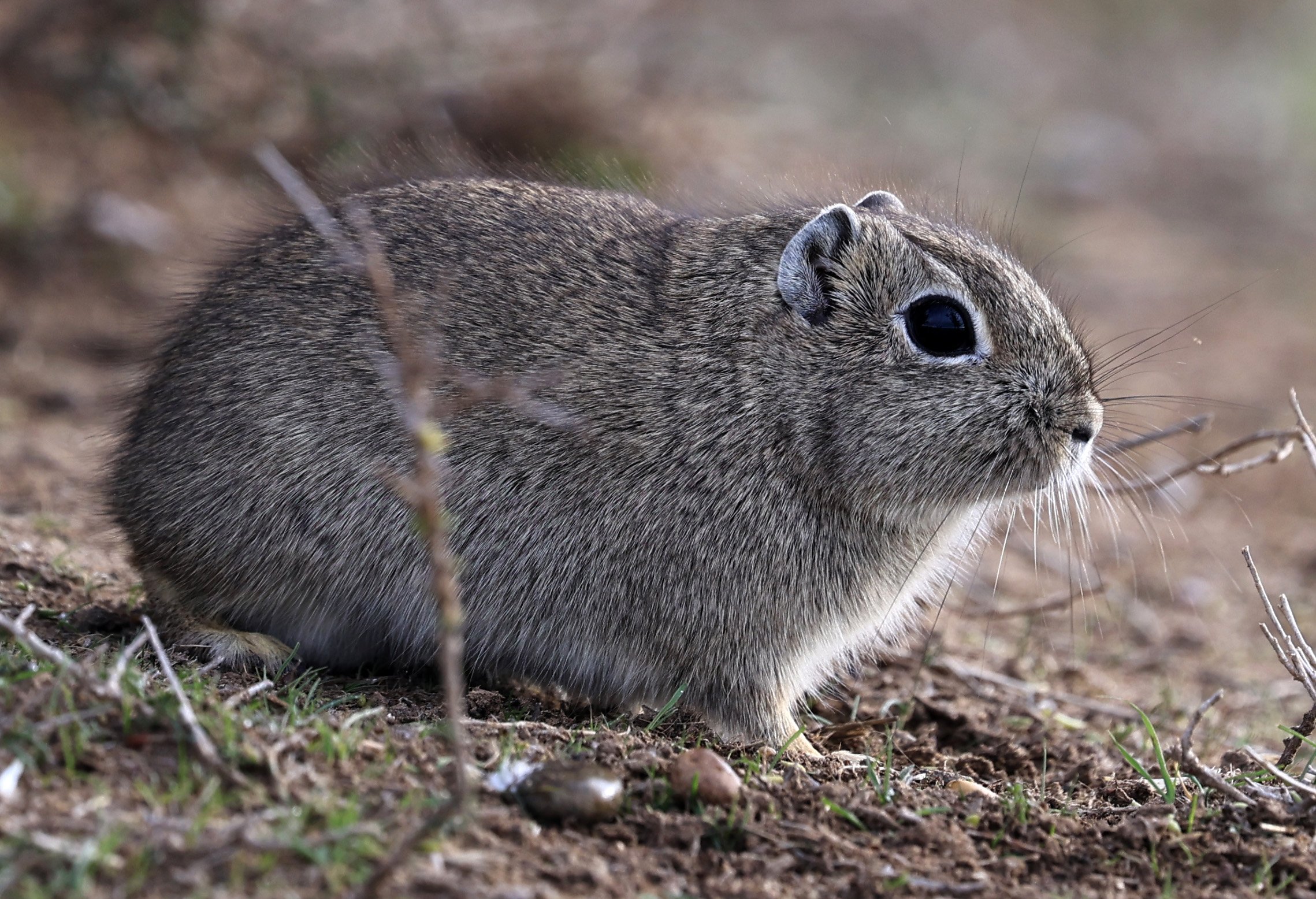
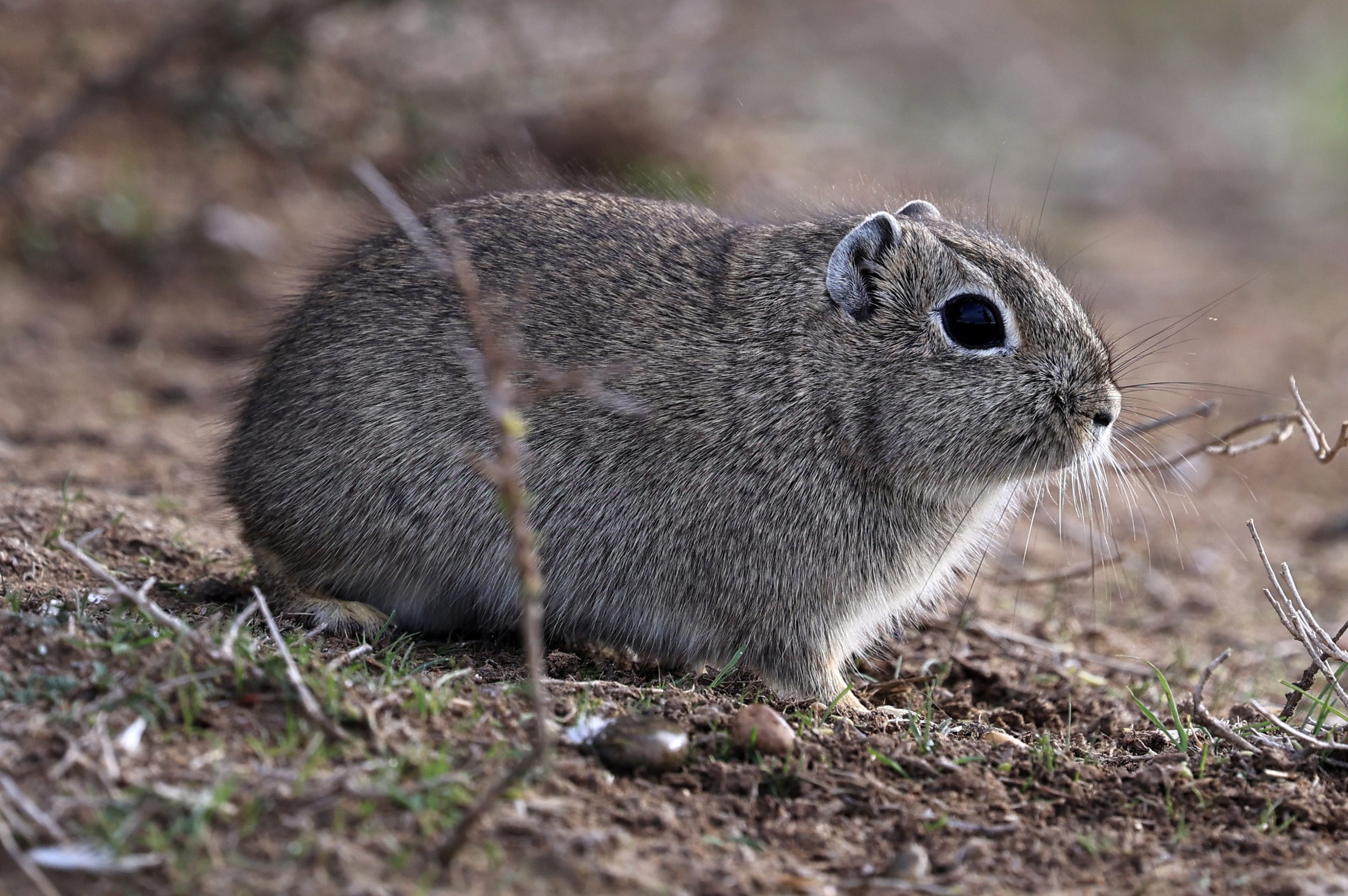
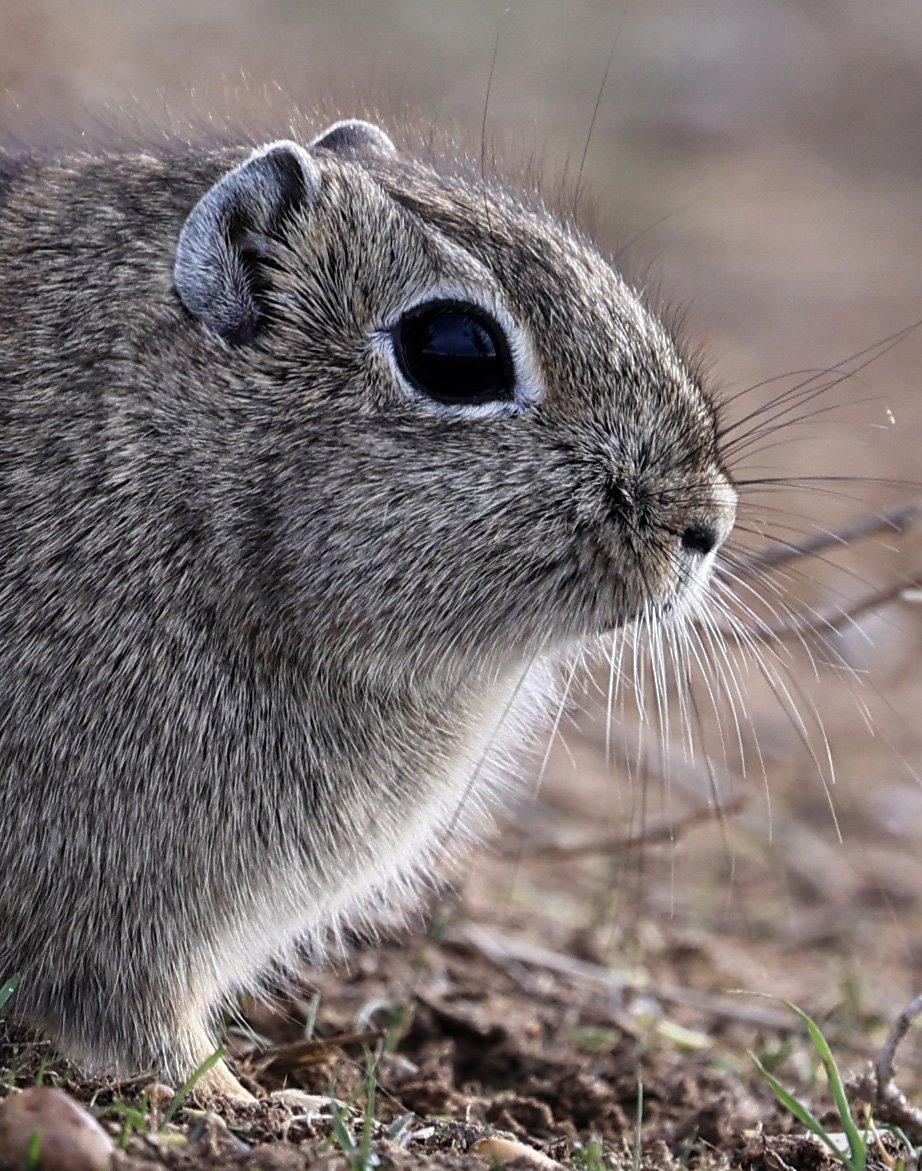
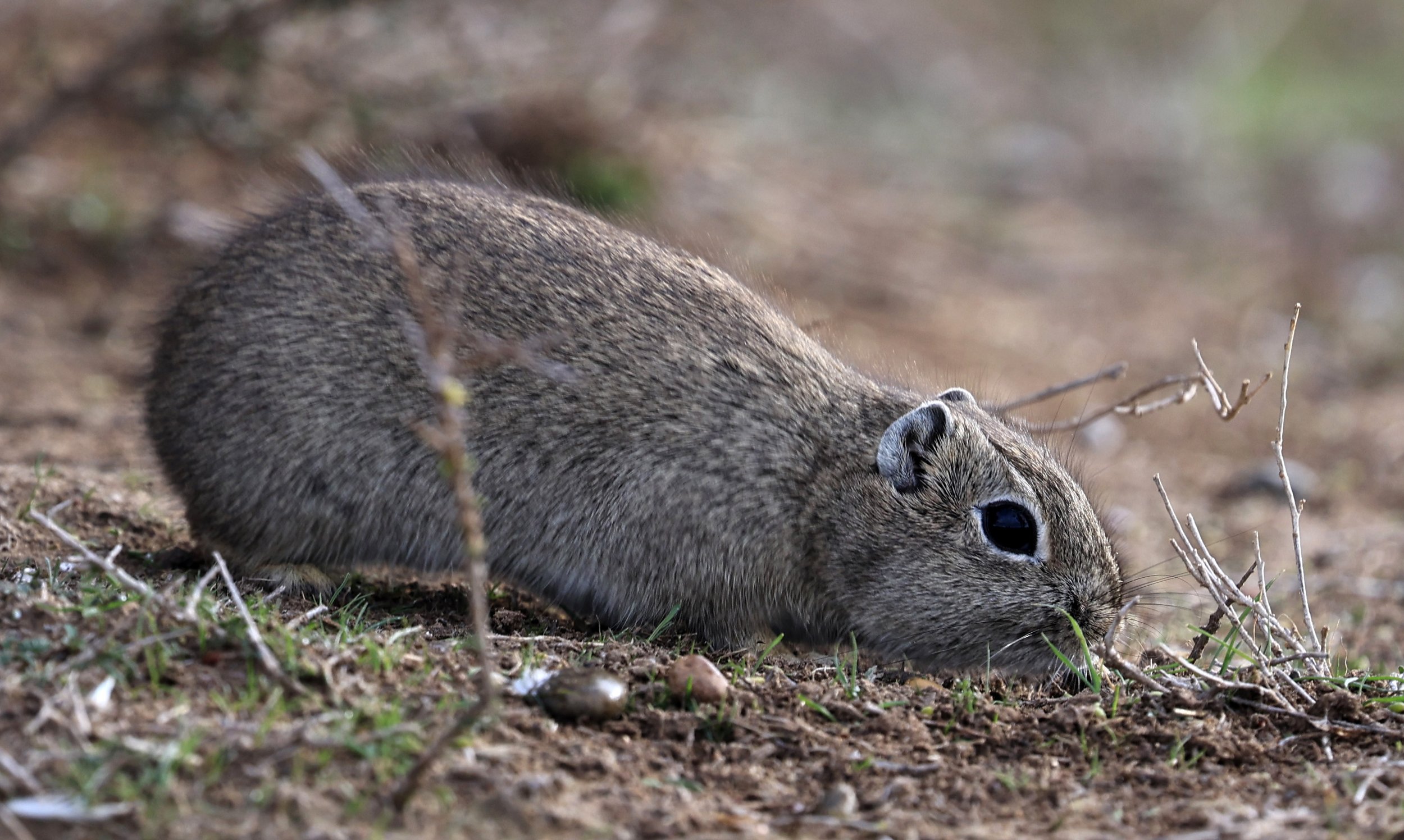
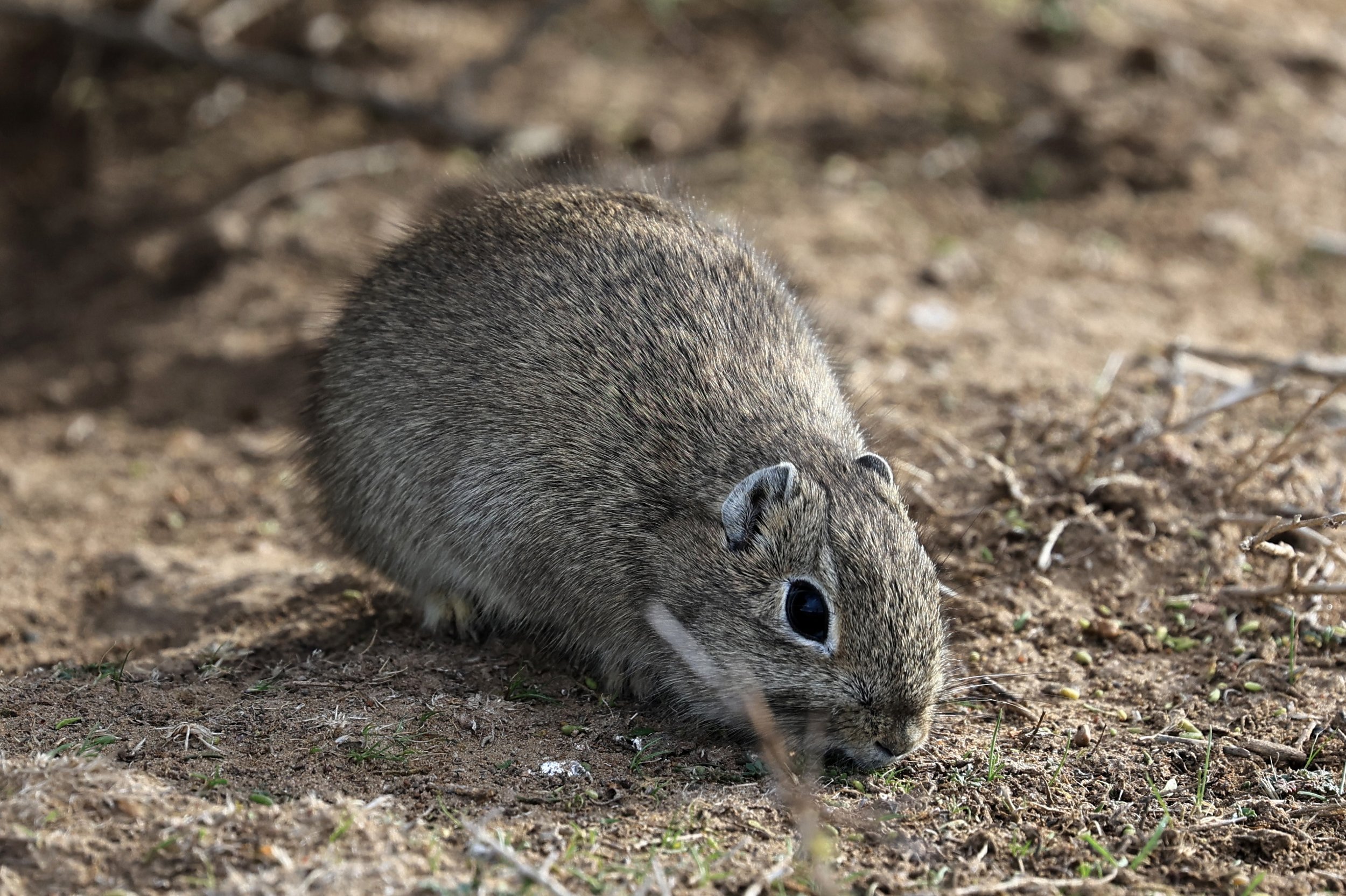
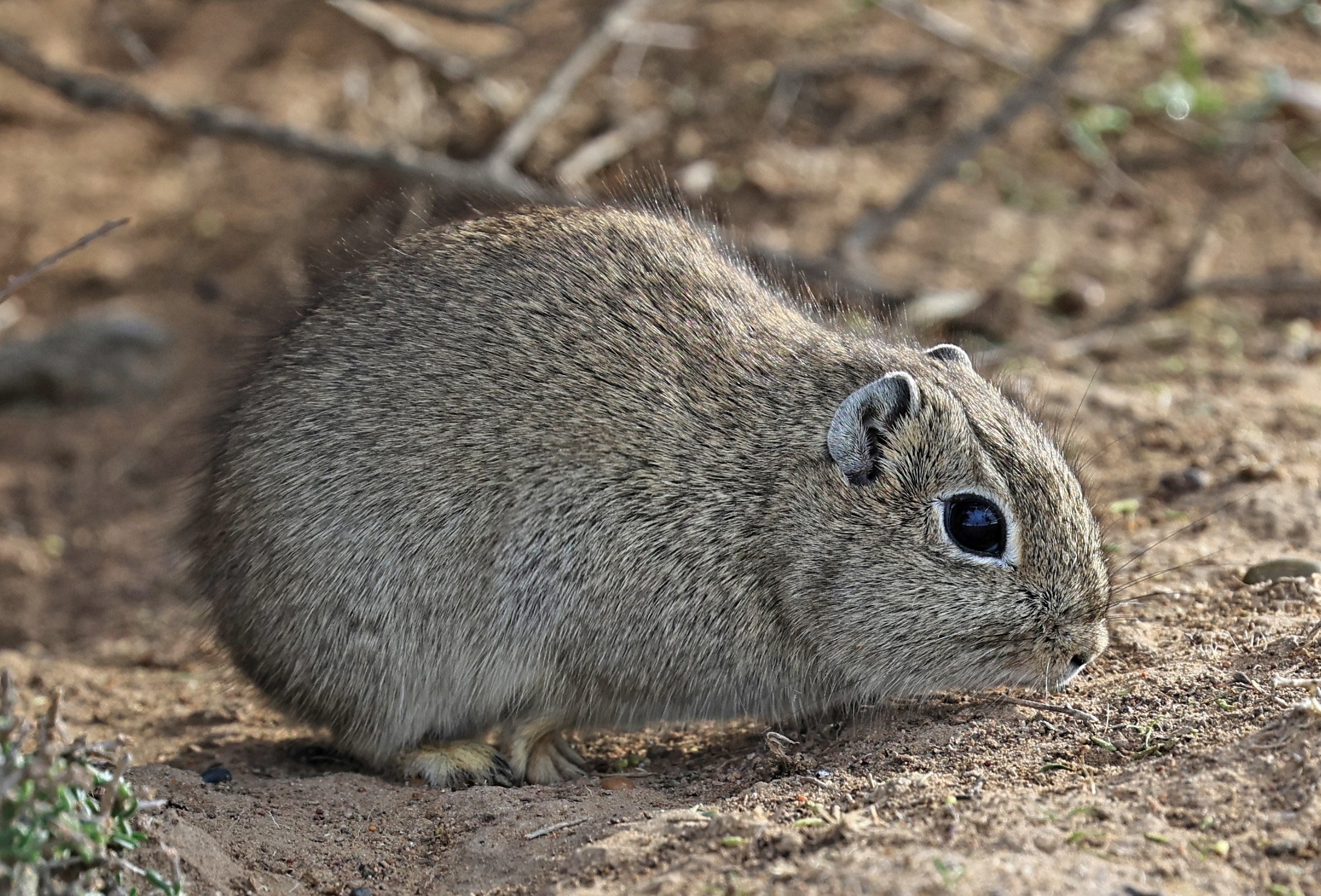
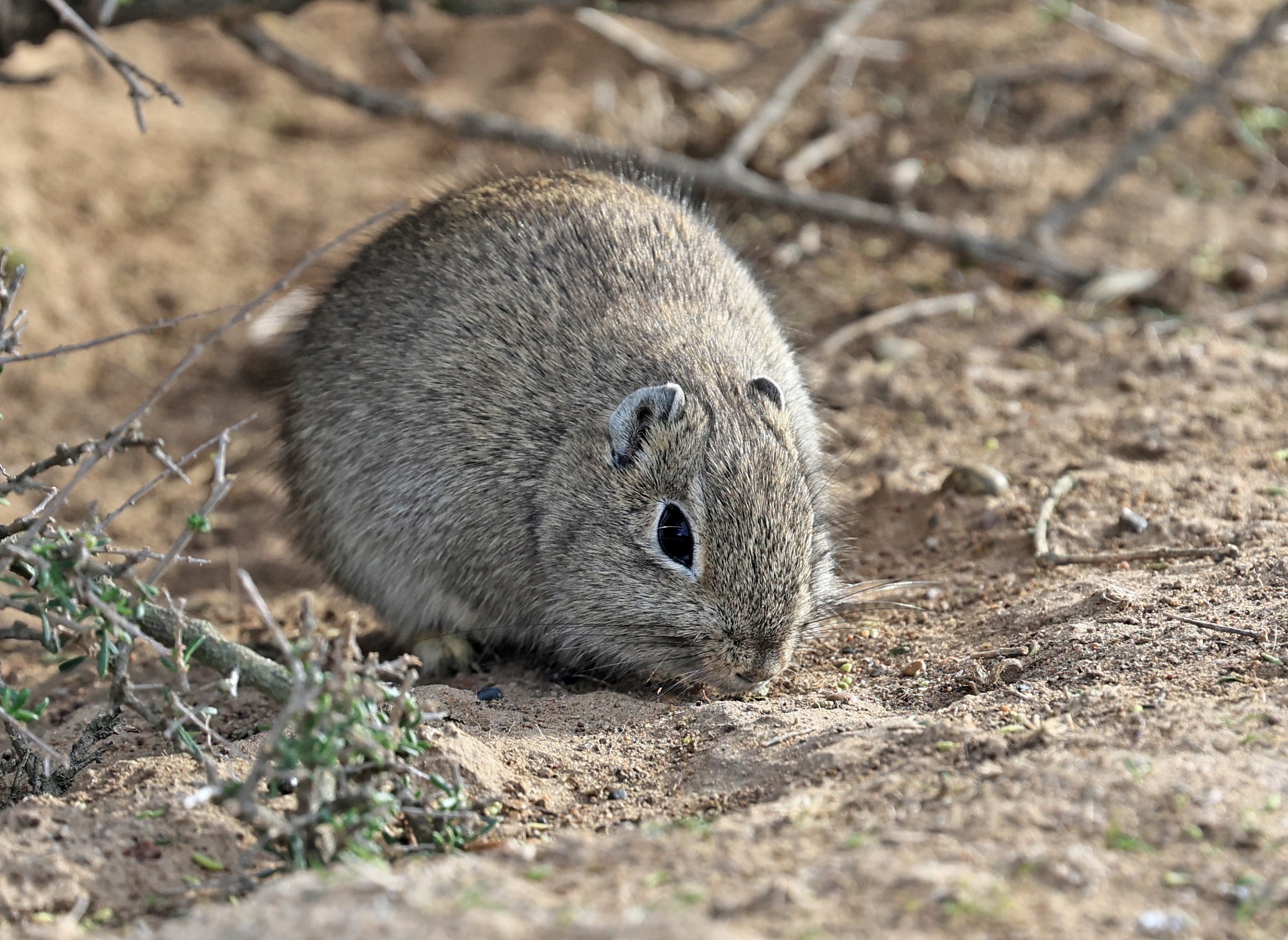
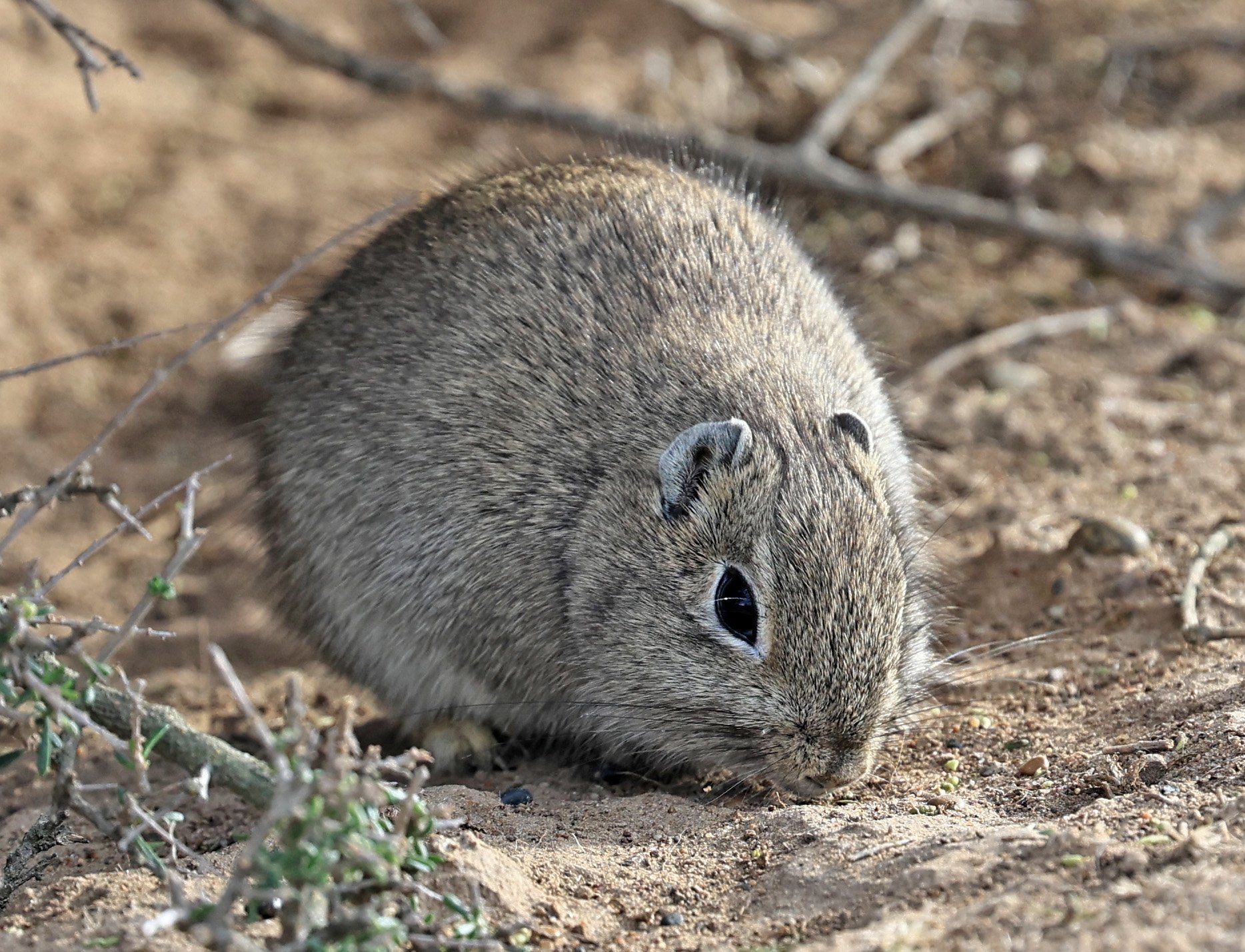
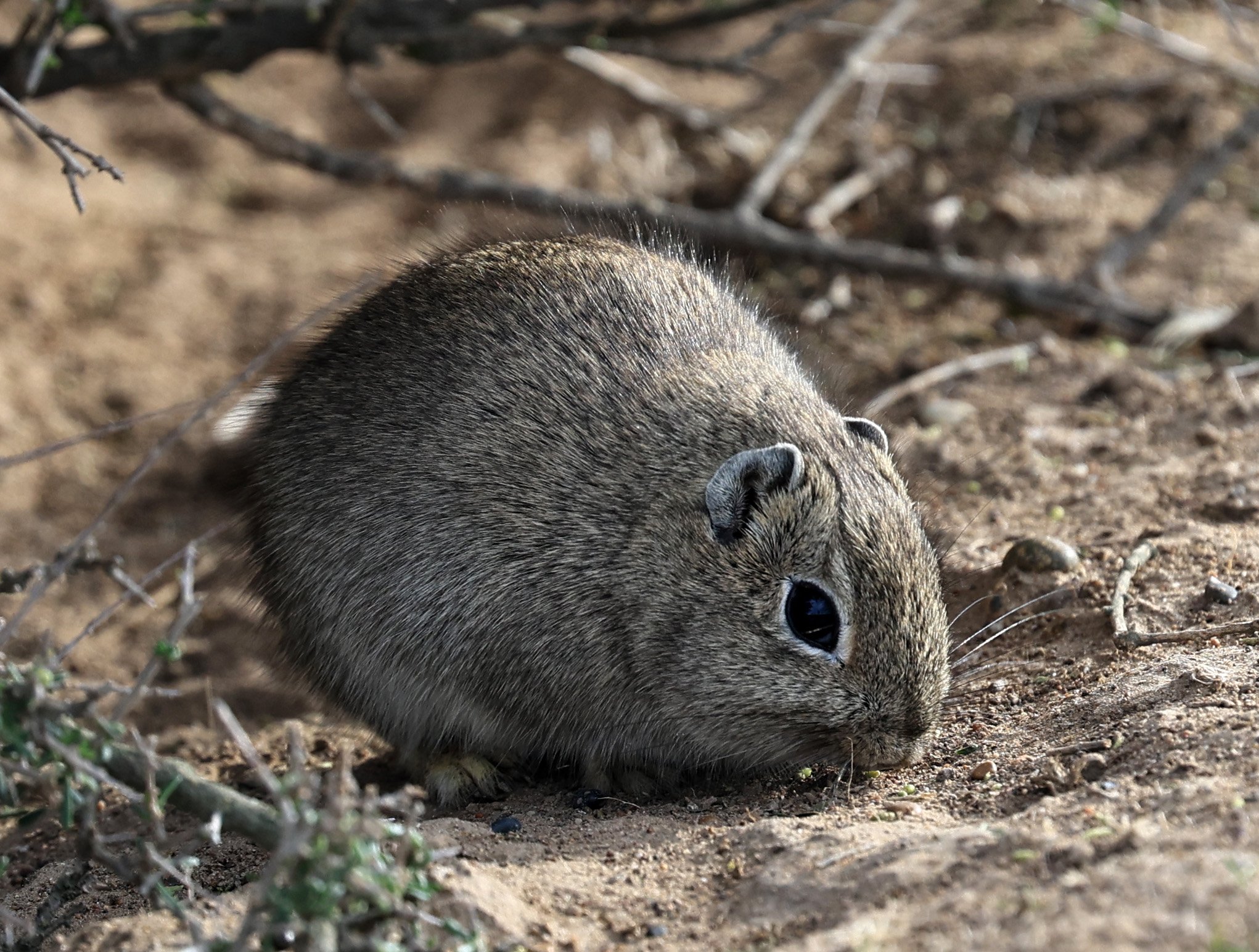
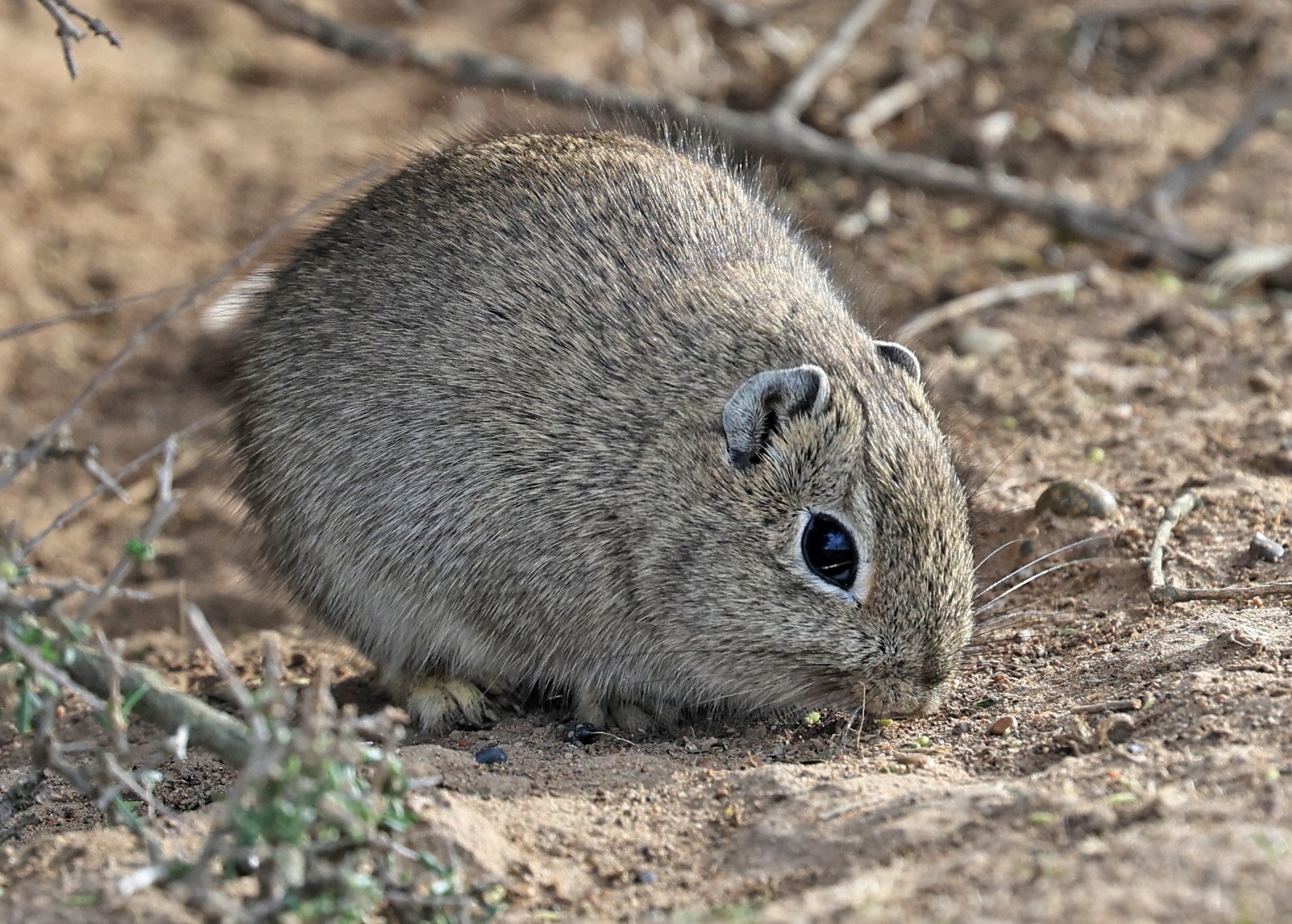
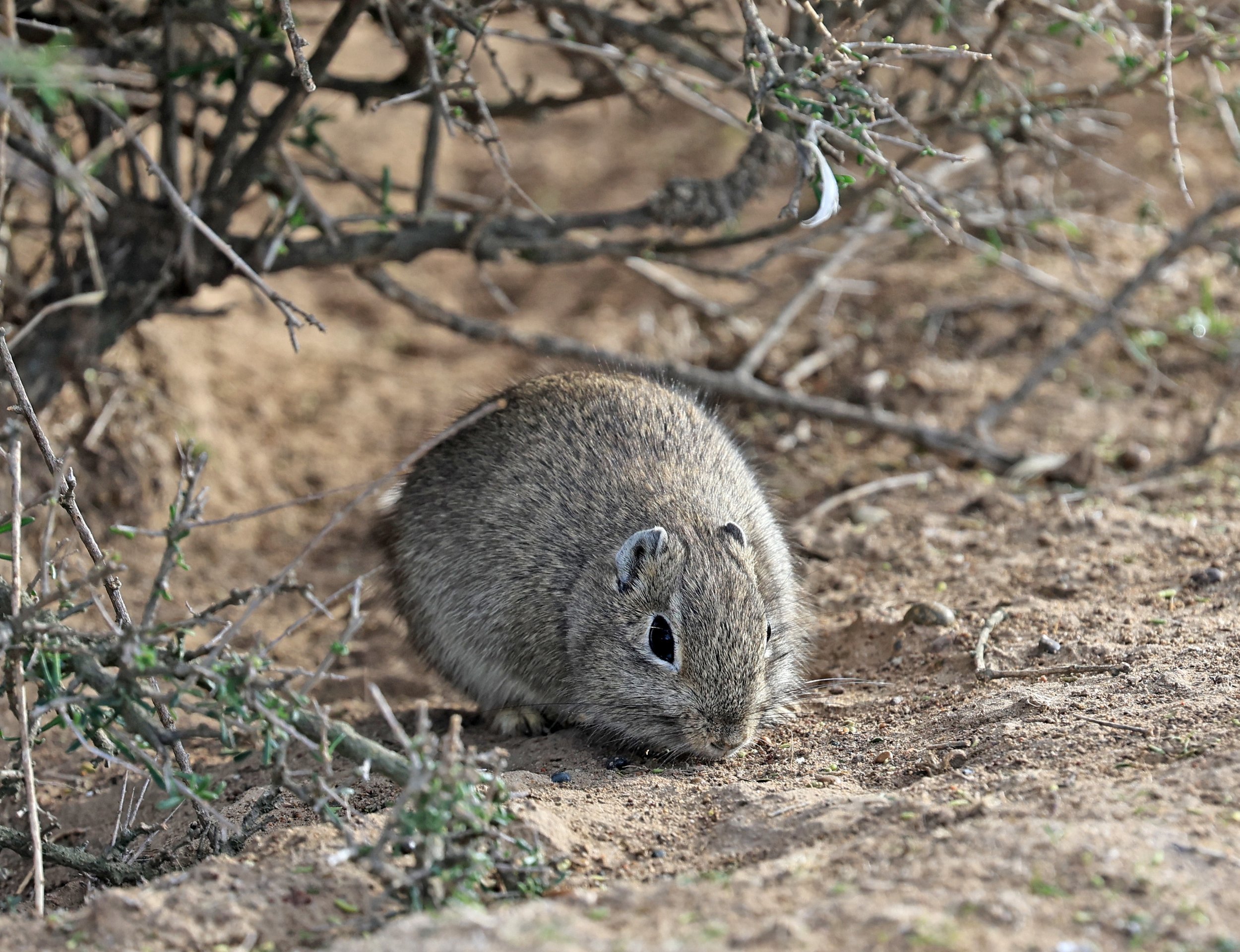
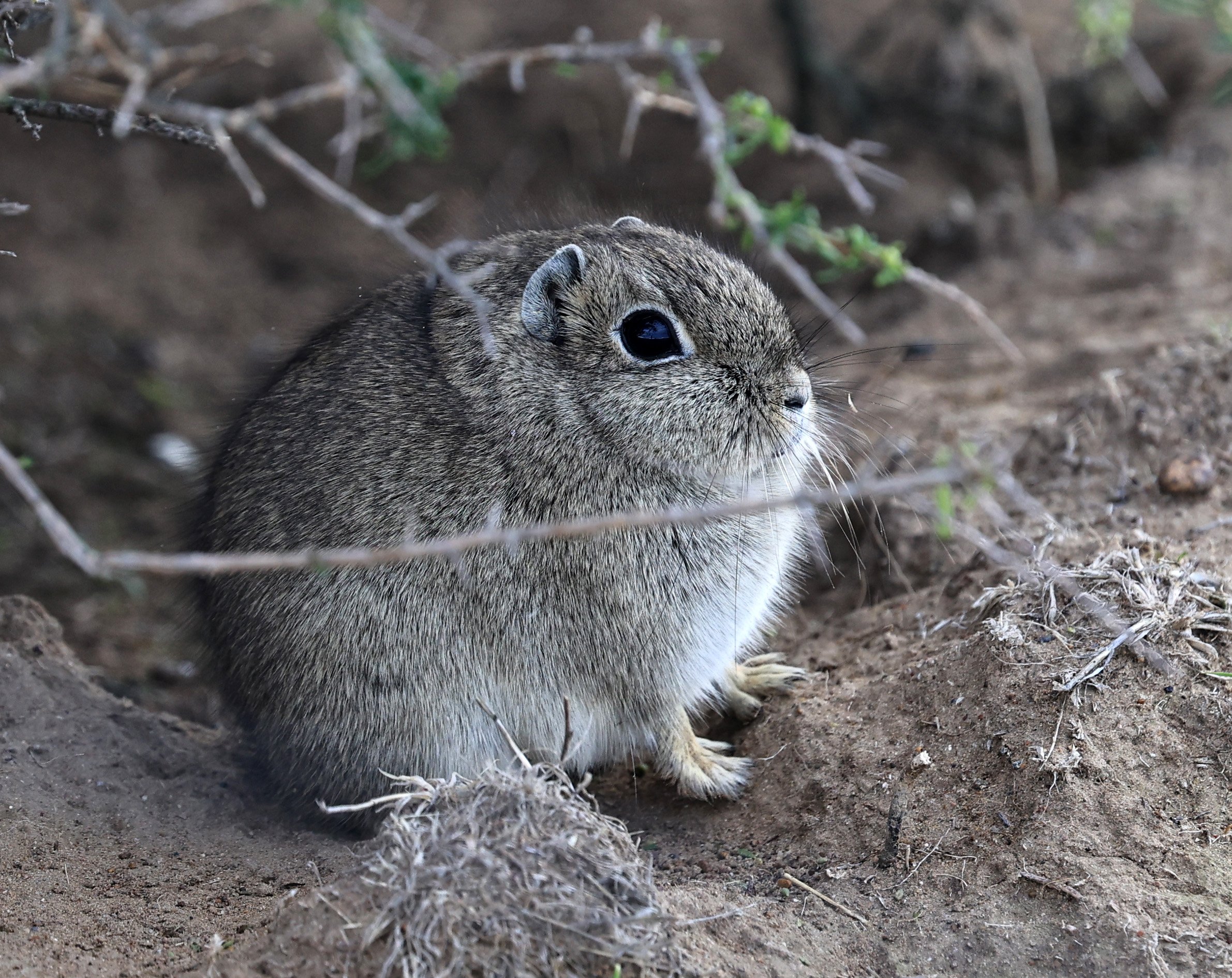
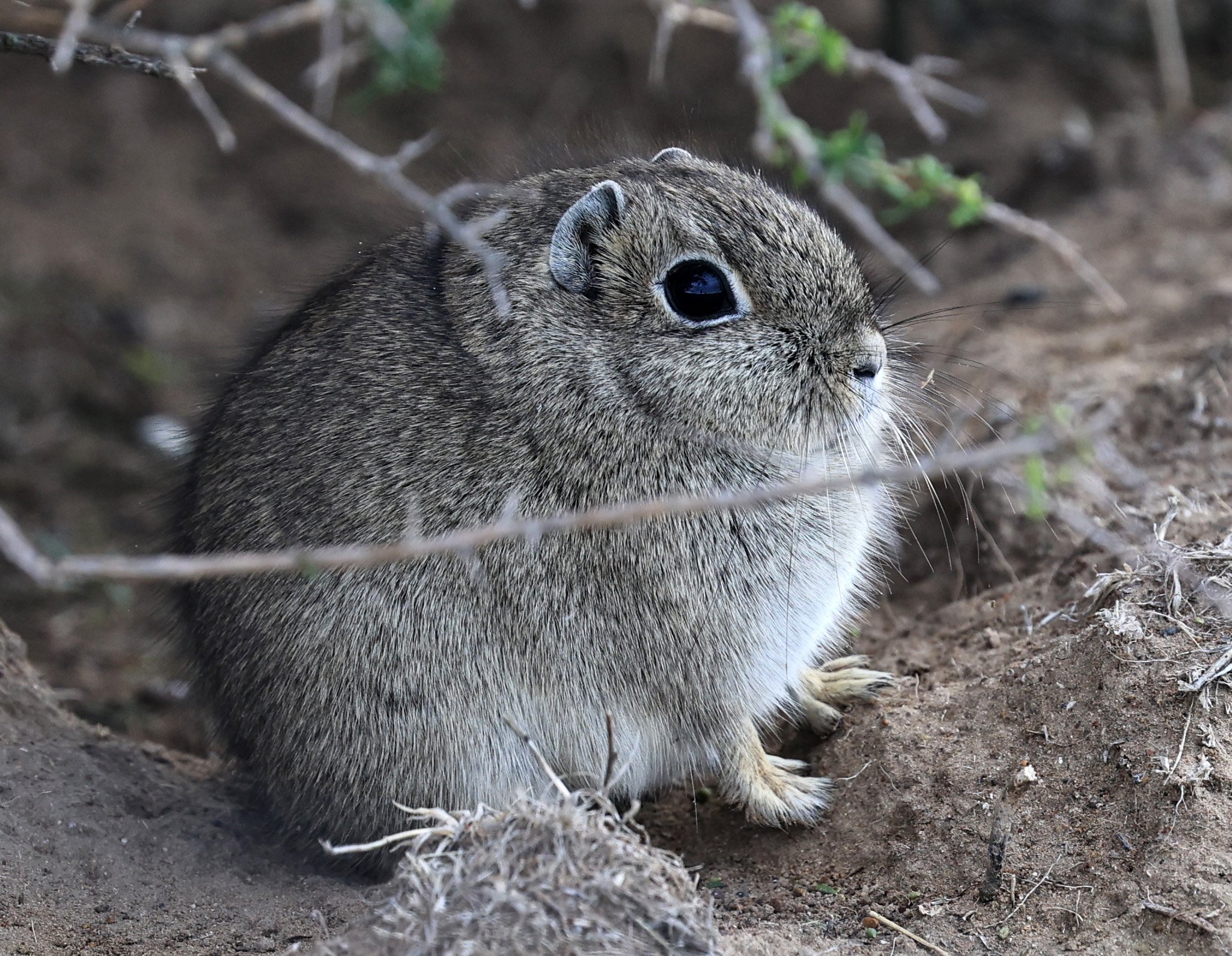
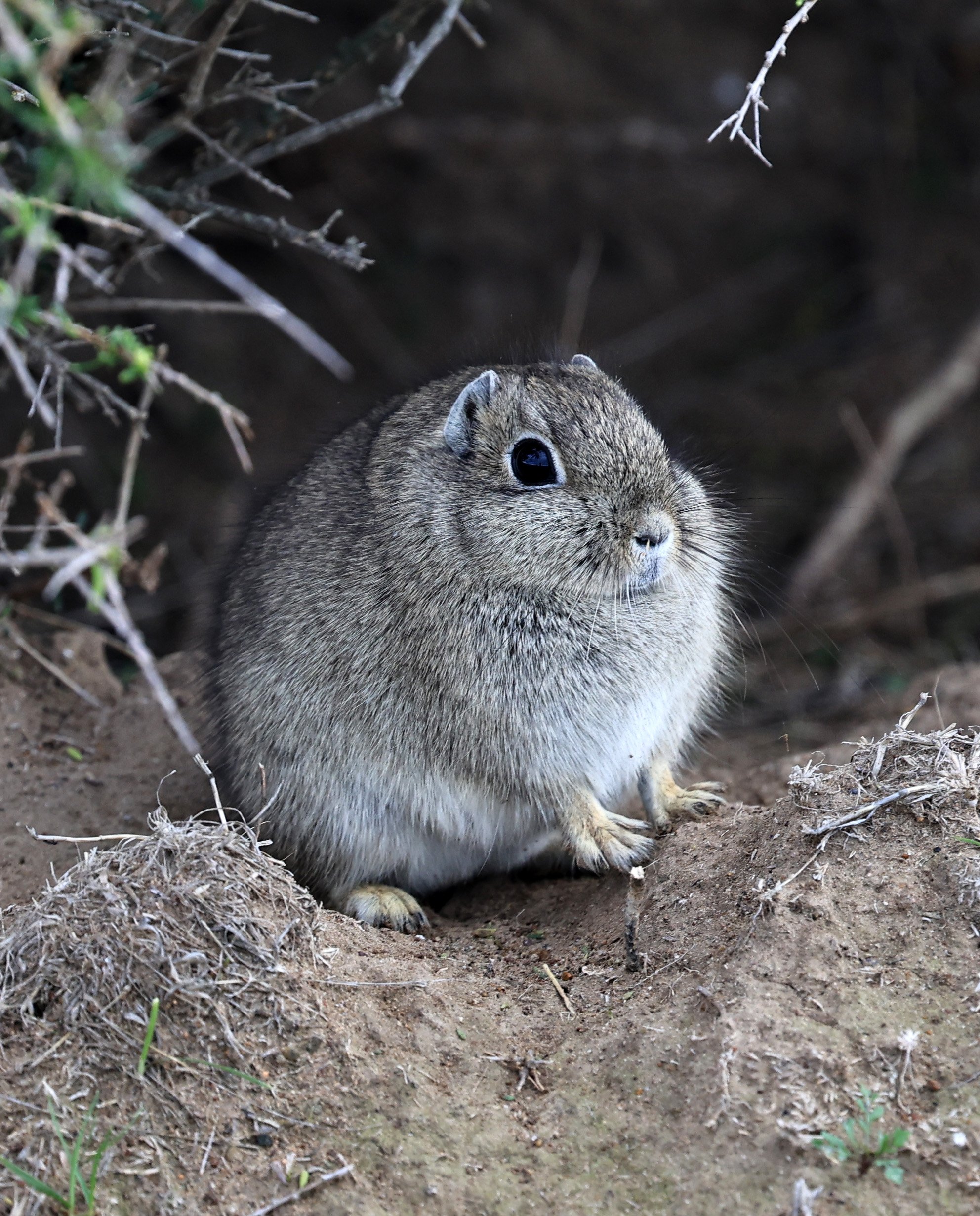
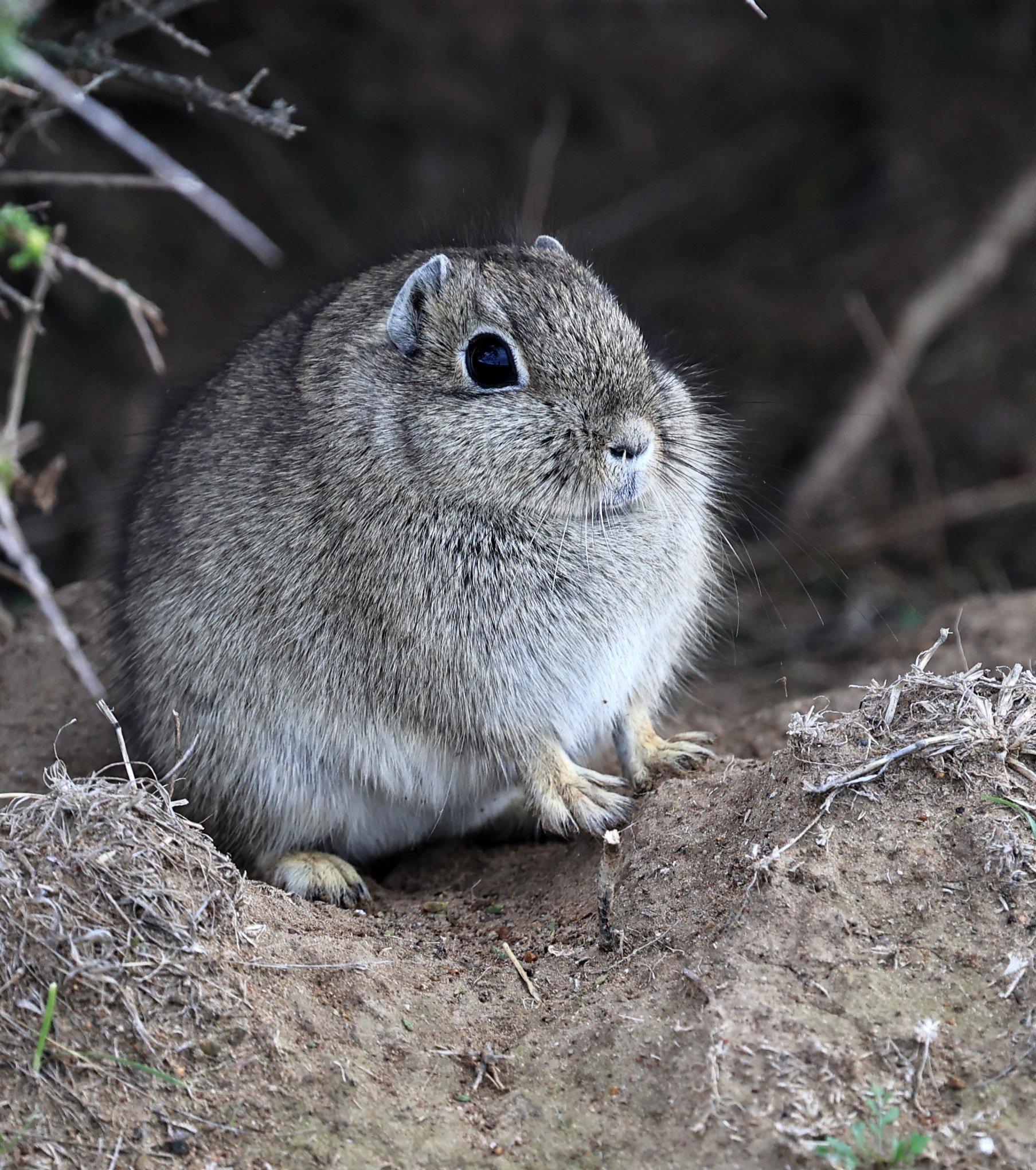
The Southern Mountain Cavy is a compact, tailless rodent with a short, sturdy body and a relatively large head. Adults typically measure around 20 to 22 centimetres in length and weigh between 200 and 326 grams. Their fur is generally greyish-brown or greyish-yellow with lighter underparts, helping them blend into the dry, rocky landscapes they inhabit. One of their most distinctive features is the prominent white ring around each eye. They also have large, alert eyes and small rounded ears positioned close to the head. Their strong forelimbs and sharp claws are well adapted for digging and moving through rugged terrain. [en.wikipedia.org], [animaldiversity.org]
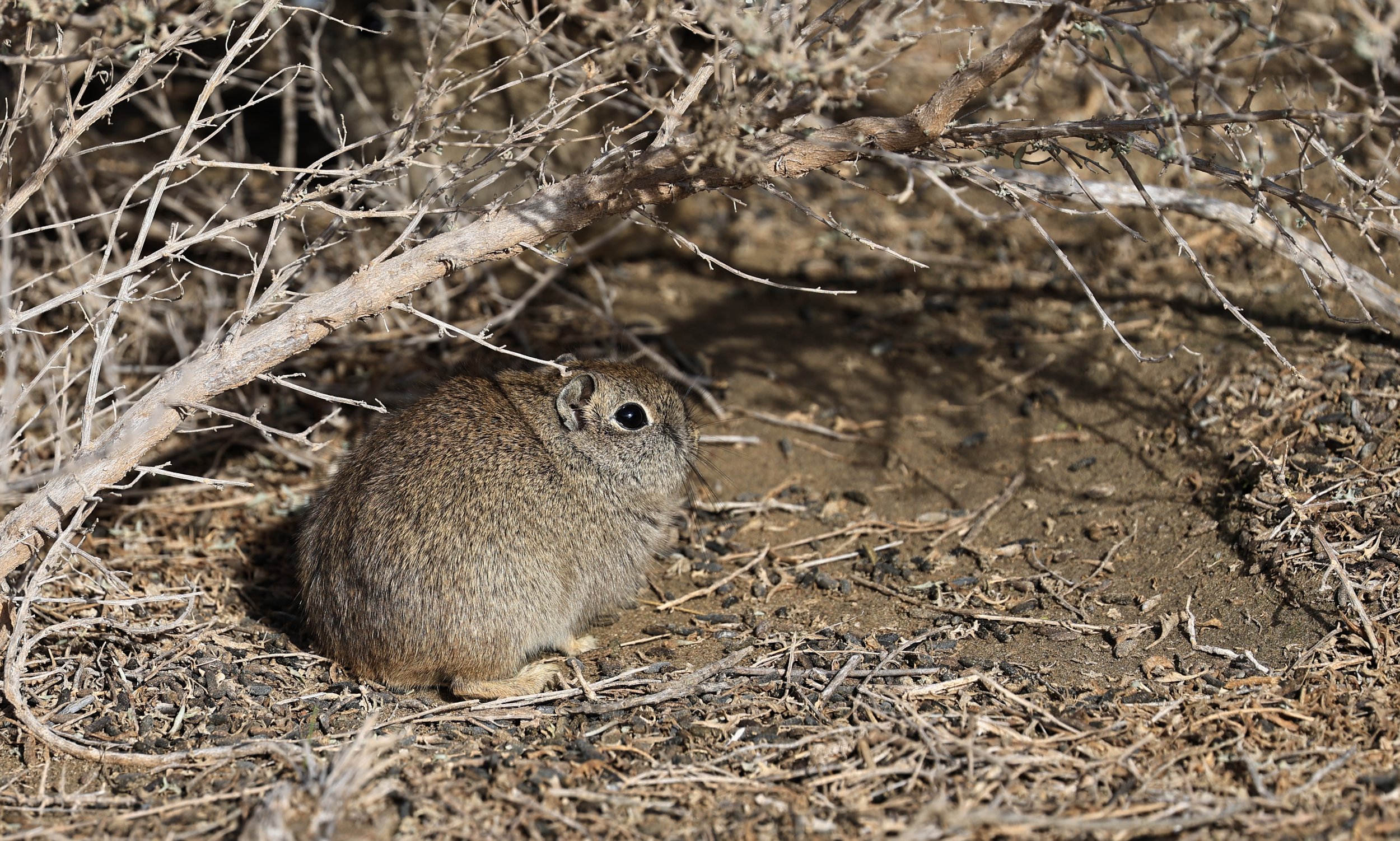
The Southern Mountain Cavy is found primarily in Argentina, although it also occurs in parts of Chile and southern Bolivia. It inhabits arid and semi-arid environments across western and southern Argentina, including the Monte Desert, the Patagonian Desert, shrublands, thornbush habitats, and dry lowland ecosystems. The species is often associated with areas containing thorny vegetation, where it can find both food and protection from predators. It commonly shelters beneath bushes, in shallow depressions, or within complex burrow systems. [en.wikipedia.org], [animaldiversity.org], [mammaldiversity.org]
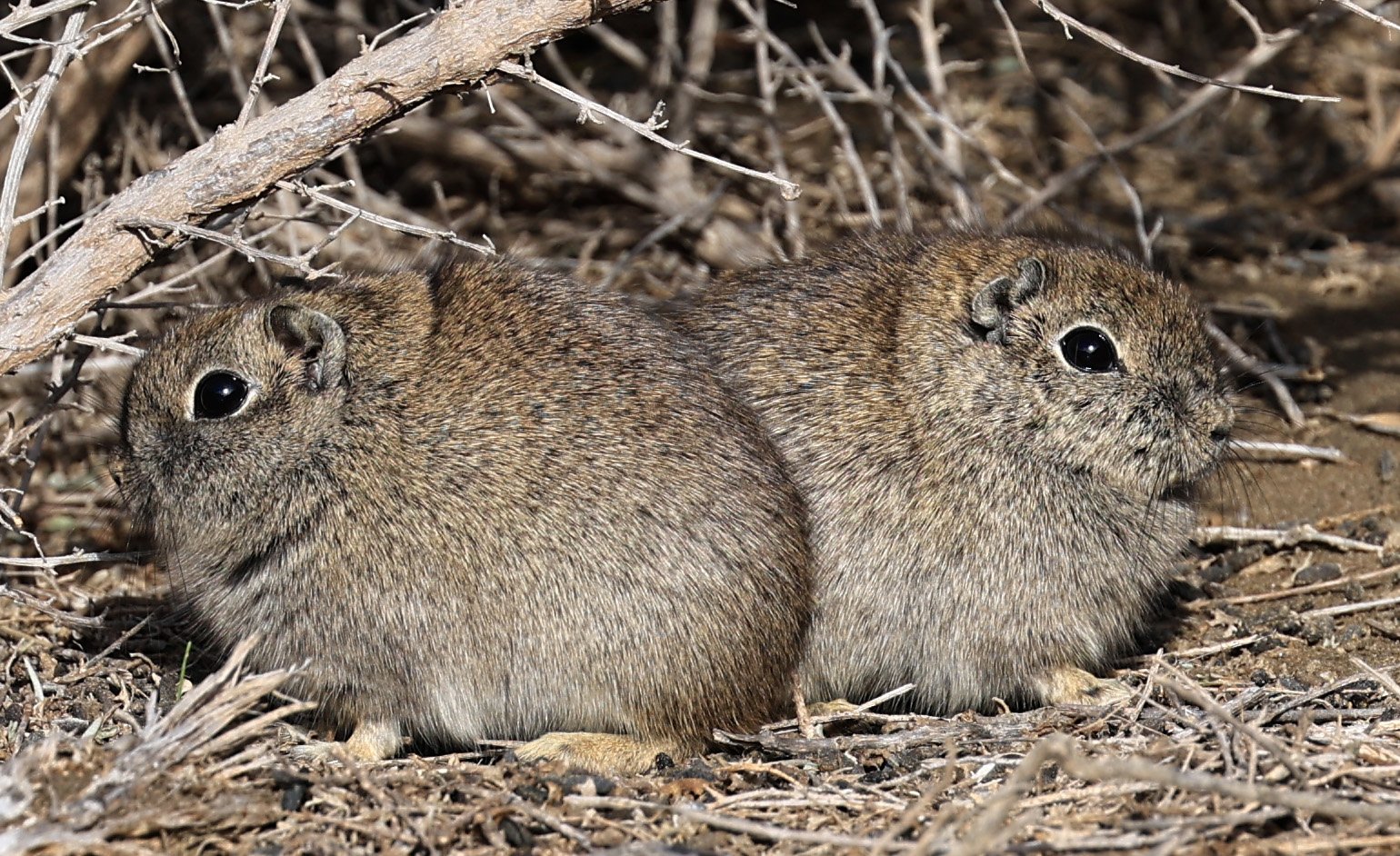
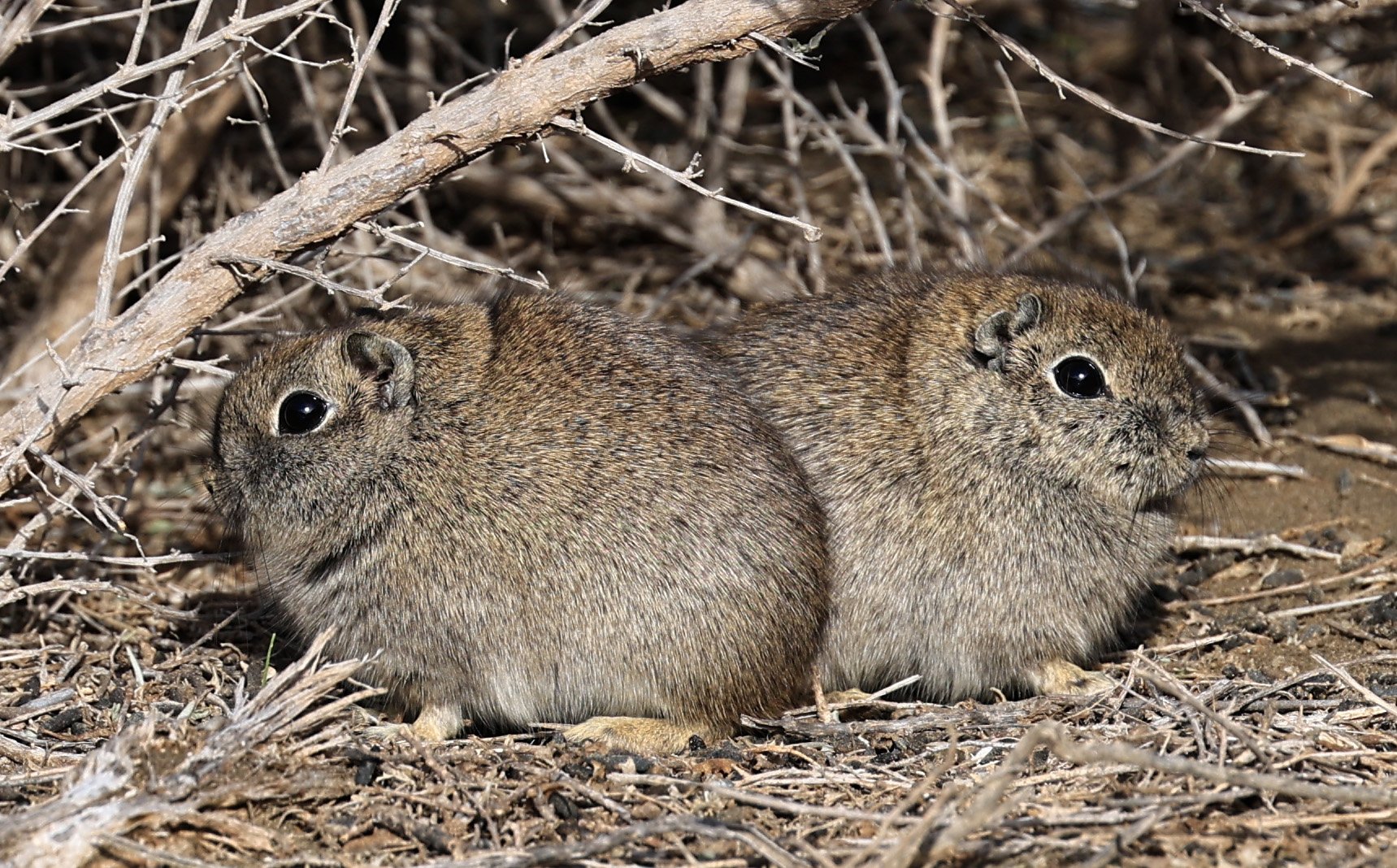
One of the most interesting features of the Southern Mountain Cavy is its social behaviour. These animals live in colonies that may contain anywhere from a few individuals to more than thirty animals. Their burrow systems can be extensive, with multiple entrances and interconnected tunnels. Unlike many small mammals that are active at night, Southern Mountain Cavies are primarily diurnal, meaning they are active during the day. Colony members communicate using a variety of calls, including alarm signals that warn others of approaching predators. During harsh weather conditions, individuals sometimes huddle together for warmth and protection. Females have even been observed cooperating by nursing one another’s young, a behaviour that helps improve the survival of offspring. [en.wikipedia.org], [animaldiversity.org]
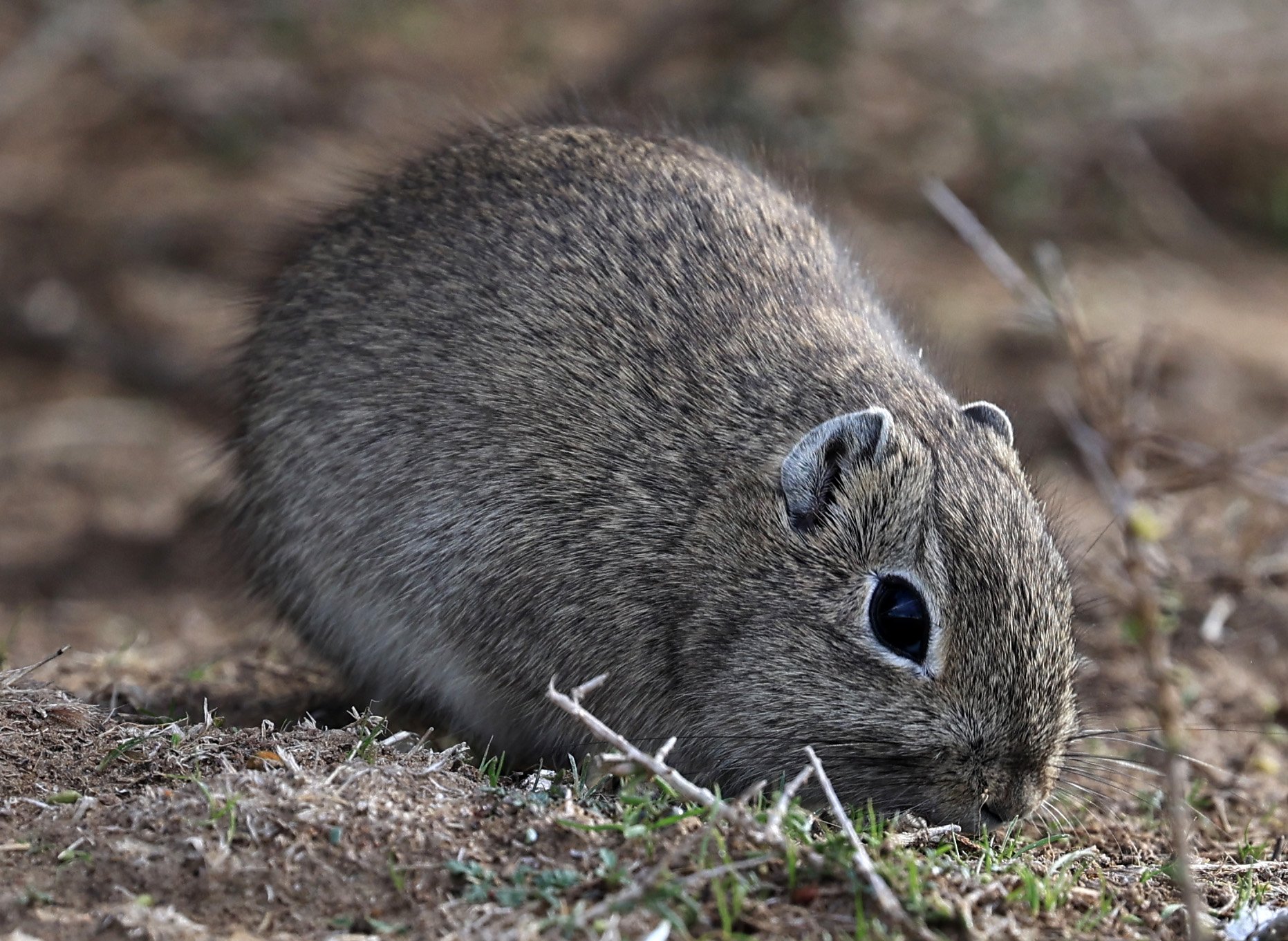
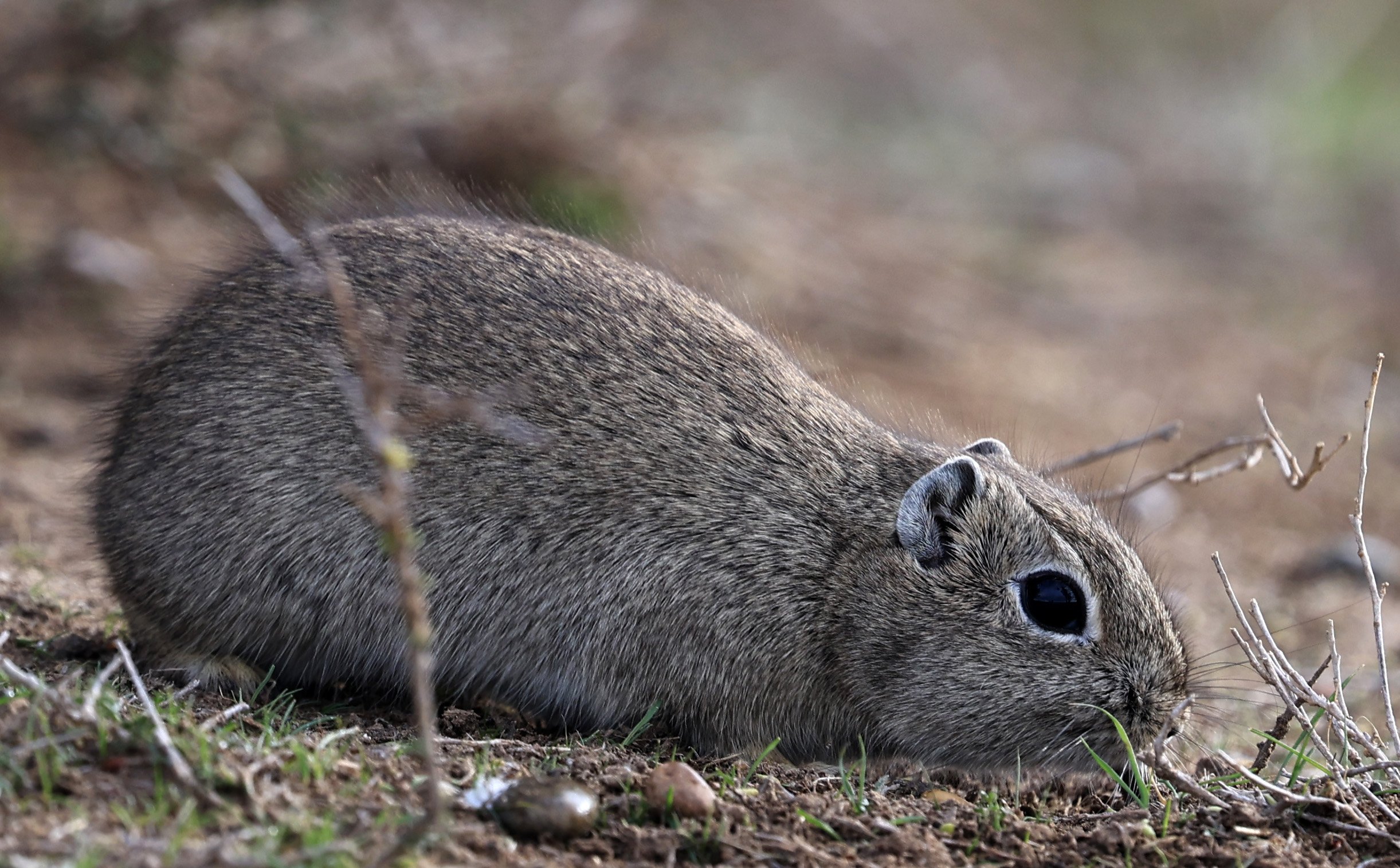
The species is herbivorous and feeds primarily on leaves, shoots, fruits, seeds, and other plant material. It is surprisingly agile for a small rodent and is capable of climbing shrubs and even small trees to reach food. Researchers have observed individuals climbing several metres above the ground to feed on leaves and branches. This ability allows the species to exploit food resources that may not be available to many other small mammals living in similar habitats. During periods of drought or food scarcity, Southern Mountain Cavies are highly adaptable and will consume a wide range of available vegetation. [en.wikipedia.org], [animaldiversity.org]

The International Union for Conservation of Nature (IUCN) currently classifies the Southern Mountain Cavy as Least Concern. This status reflects its wide distribution across much of Argentina and its ability to persist in a variety of dry habitats. The species remains relatively common throughout much of its range and is not currently considered at significant risk of extinction. [en.wikipedia.org], [mammaldiversity.org]
Although the Southern Mountain Cavy is not currently threatened, it still faces certain environmental pressures. Habitat degradation resulting from overgrazing, agricultural expansion, and changes to native vegetation can affect local populations. As a small prey species, it is also vulnerable to a variety of predators, including owls, hawks, foxes, skunks, and other carnivores. Nevertheless, its adaptability, social behaviour, and broad distribution have allowed it to maintain stable populations across much of its range. [en.wikipedia.org], [animaldiversity.org]
The Southern Mountain Cavy is an important component of South America's arid ecosystems. Through its grazing activities, burrow construction, and role as prey for numerous predators, it contributes significantly to ecosystem functioning. Its social lifestyle, climbing abilities, and adaptability to harsh environments make it a fascinating example of how small mammals can thrive in challenging desert and shrubland habitats. Continued conservation of South America's dry ecosystems will help ensure that this unique species remains a familiar part of the region's biodiversity for generations to come. [en.wikipedia.org], [en.wikipedia.org]
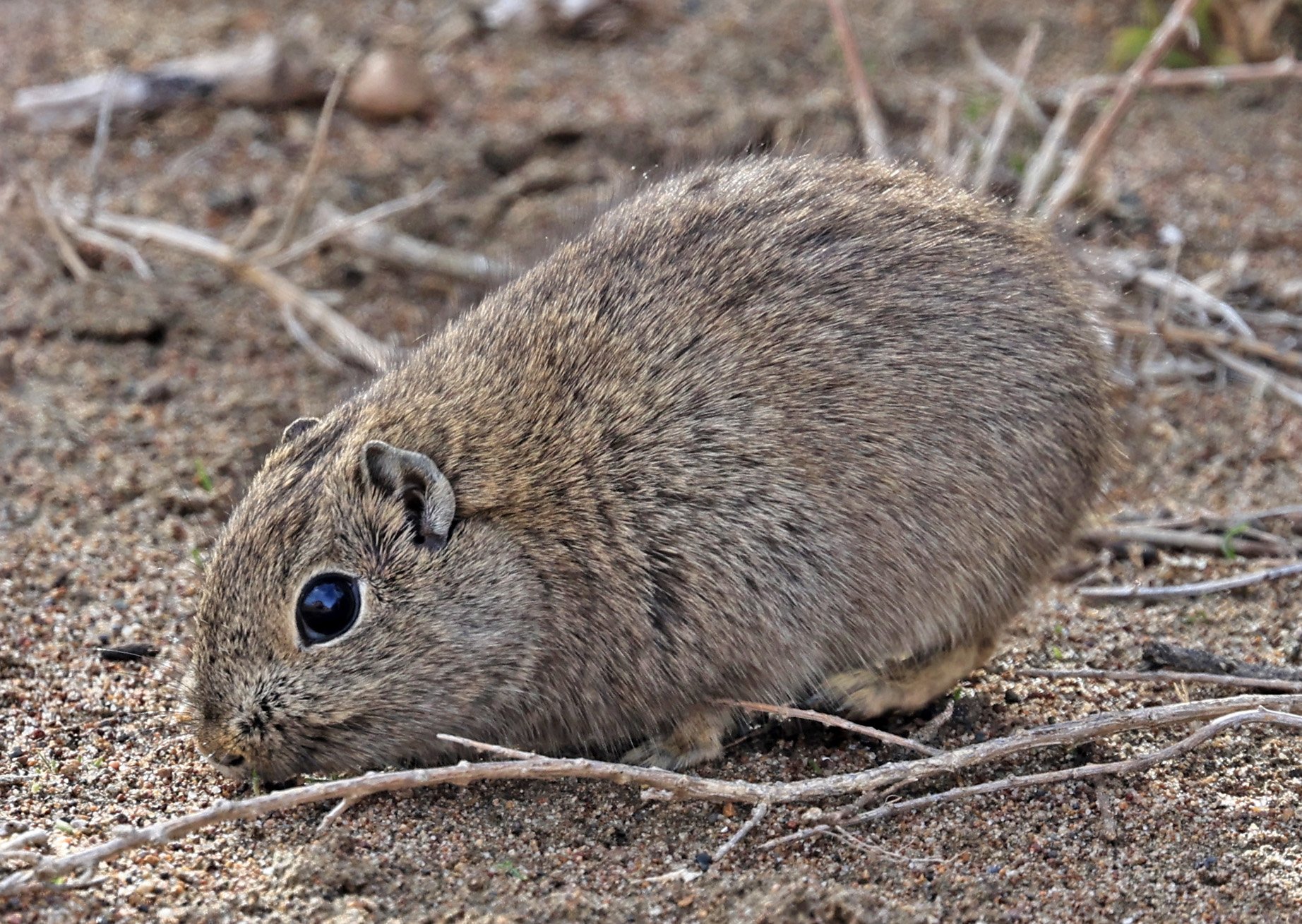
Southern Mountain Cavy (Microcavia australis) Valdes Peninsula, Chubut Province, Argentina