Plains Viscacha (Lagostomus maximus)
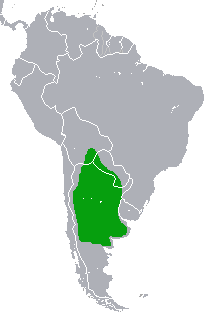
Plains Viscacha (Lagostomus maximus)
The Plains Viscacha (Lagostomus maximus), sometimes spelled plains vizcacha, is a large rodent native to South America and is the only living species in the genus Lagostomus. It belongs to the kingdom Animalia, phylum Chordata, class Mammalia, order Rodentia, and family Chinchillidae, making it closely related to chinchillas and other viscachas. The Plains Viscacha is the largest member of the chinchilla family and is well known for its complex social behaviour and extensive burrow systems. [en.wikipedia.org], [animaldiversity.org]
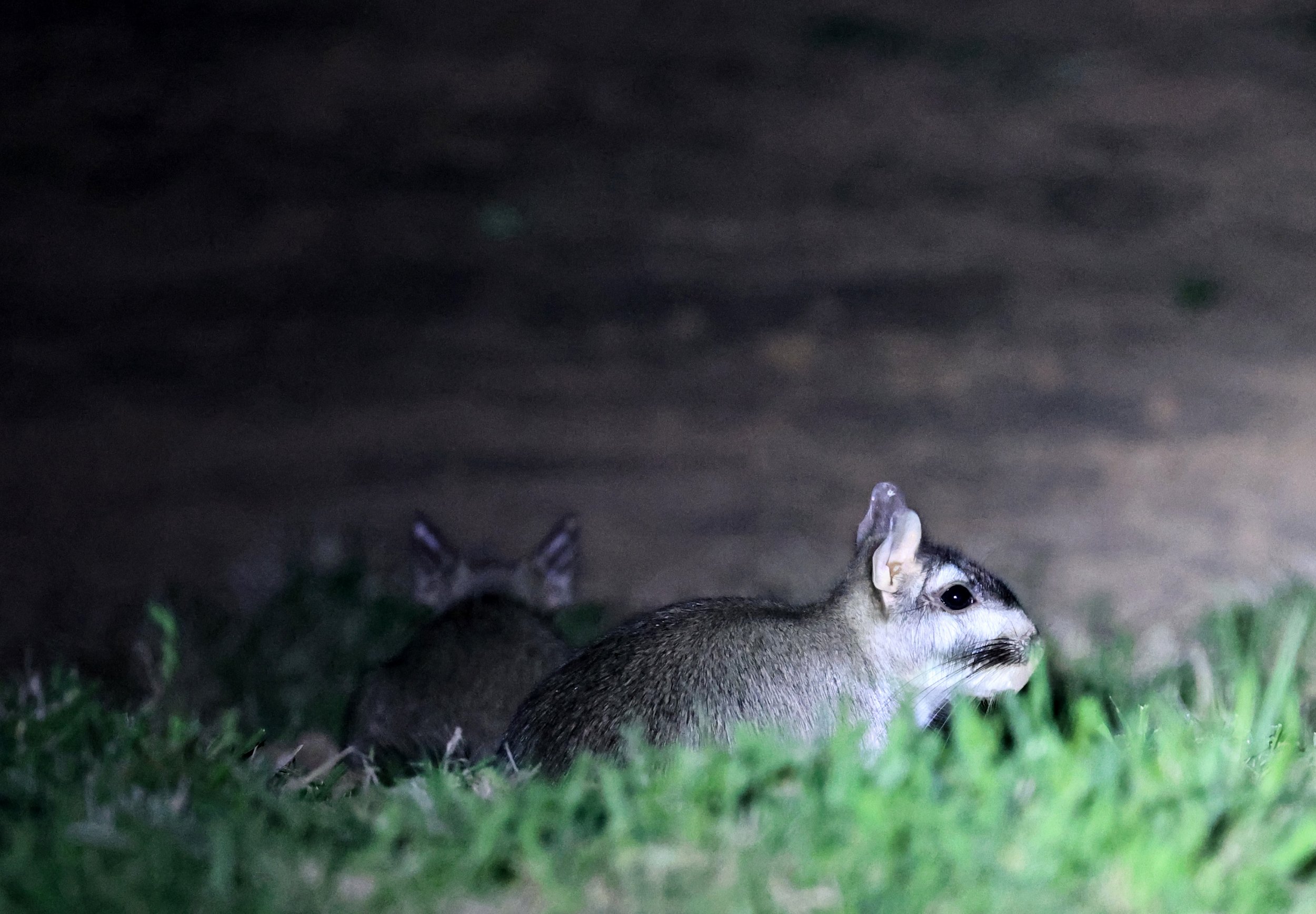
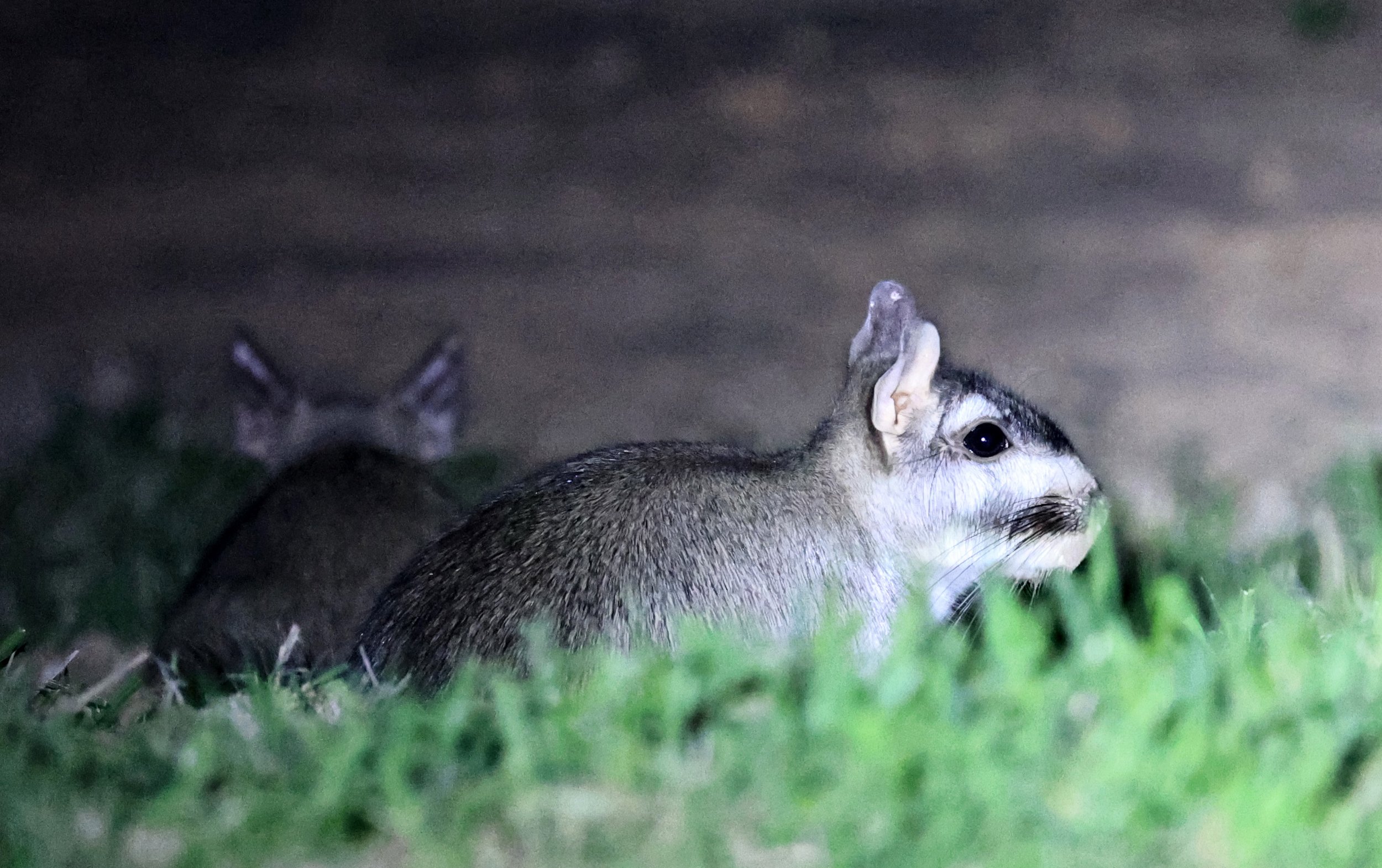
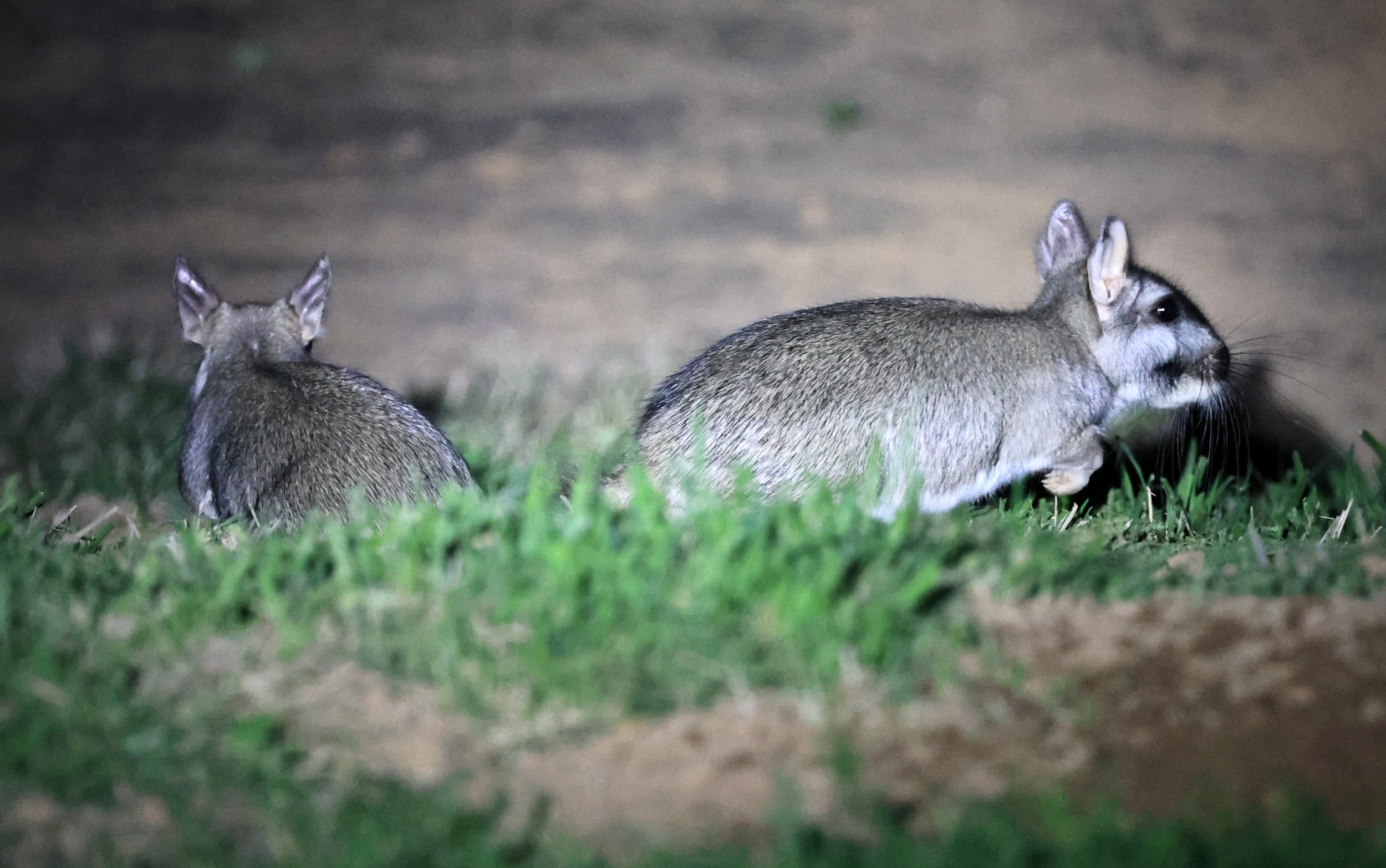
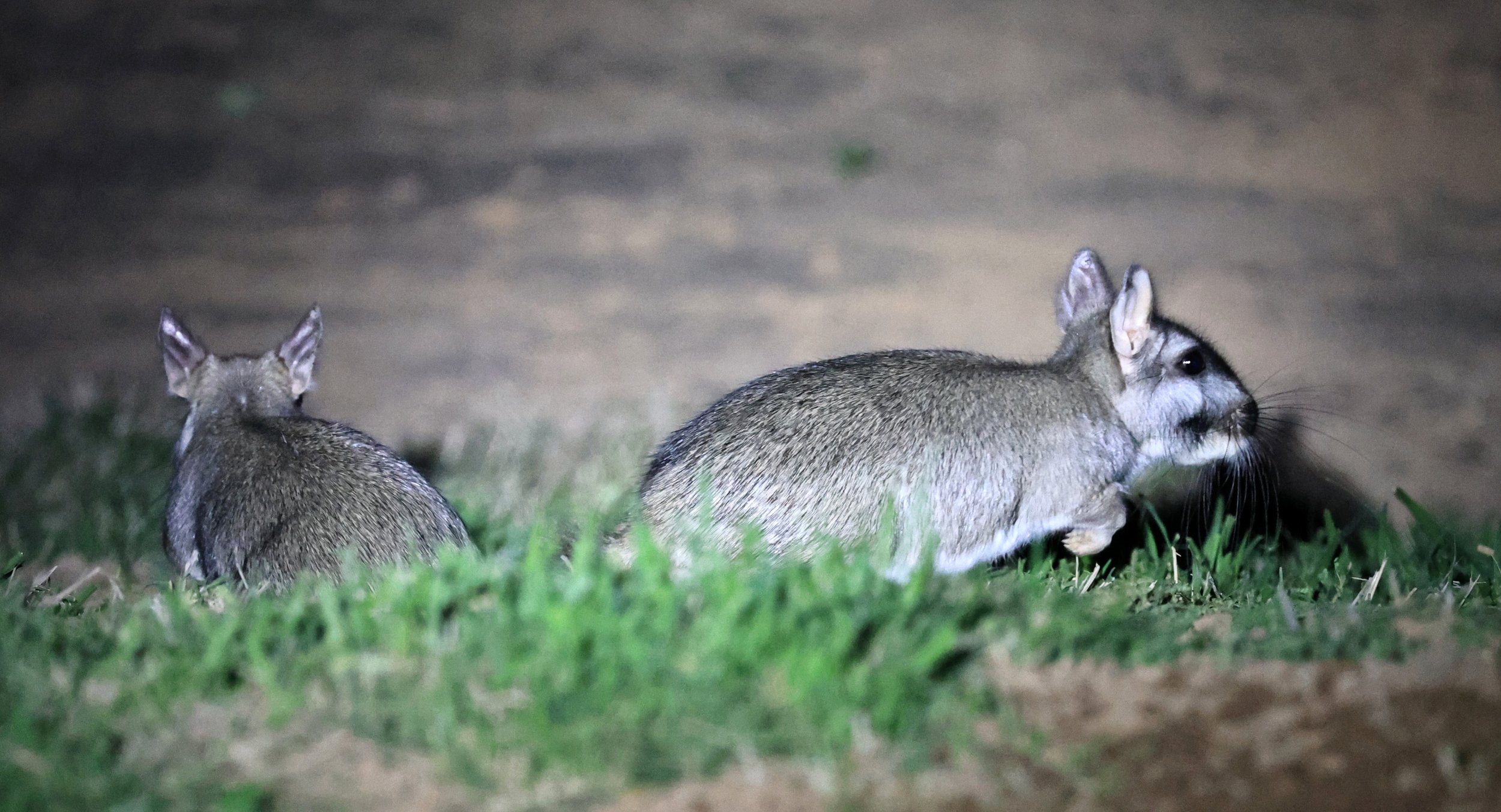
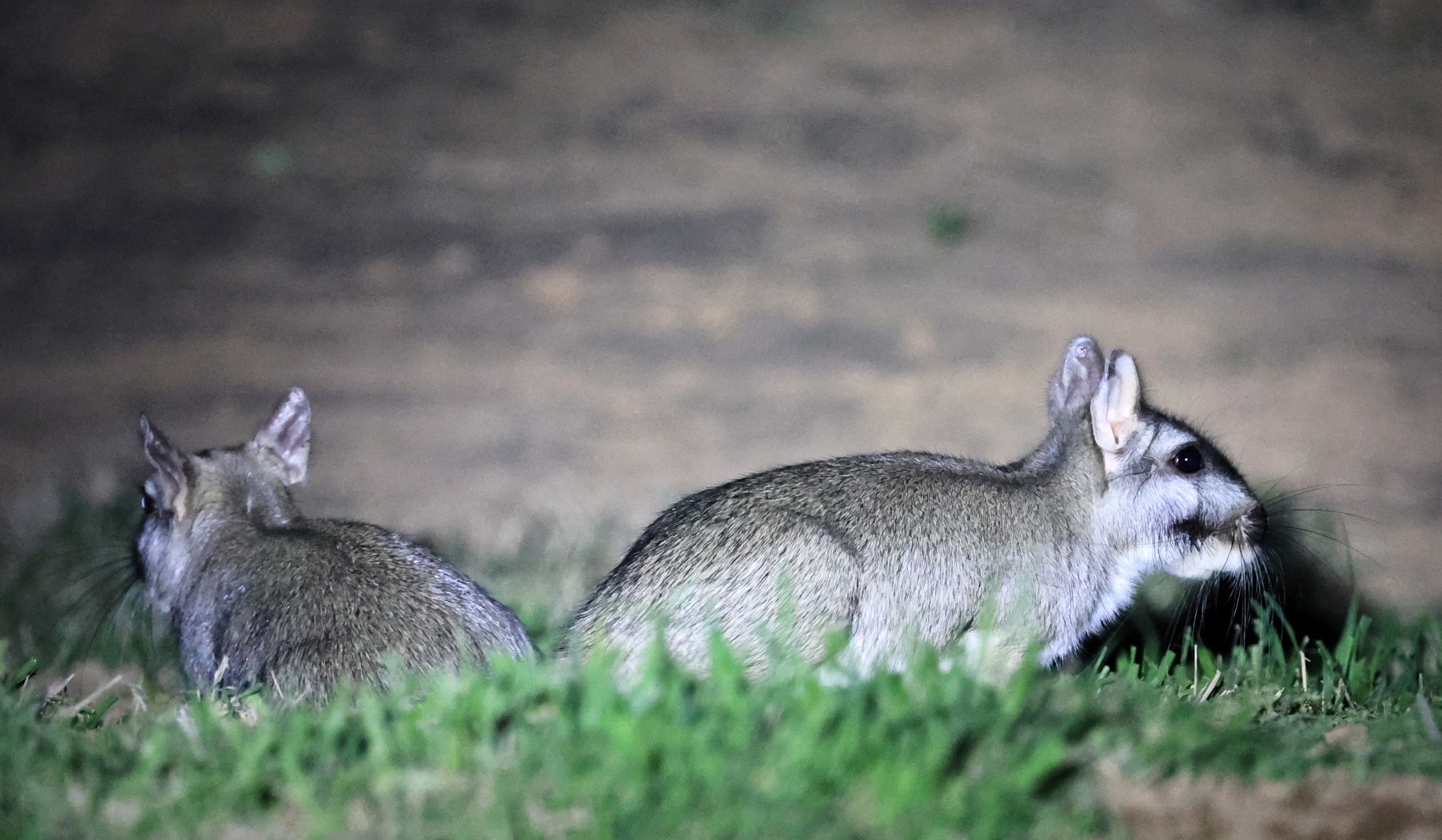
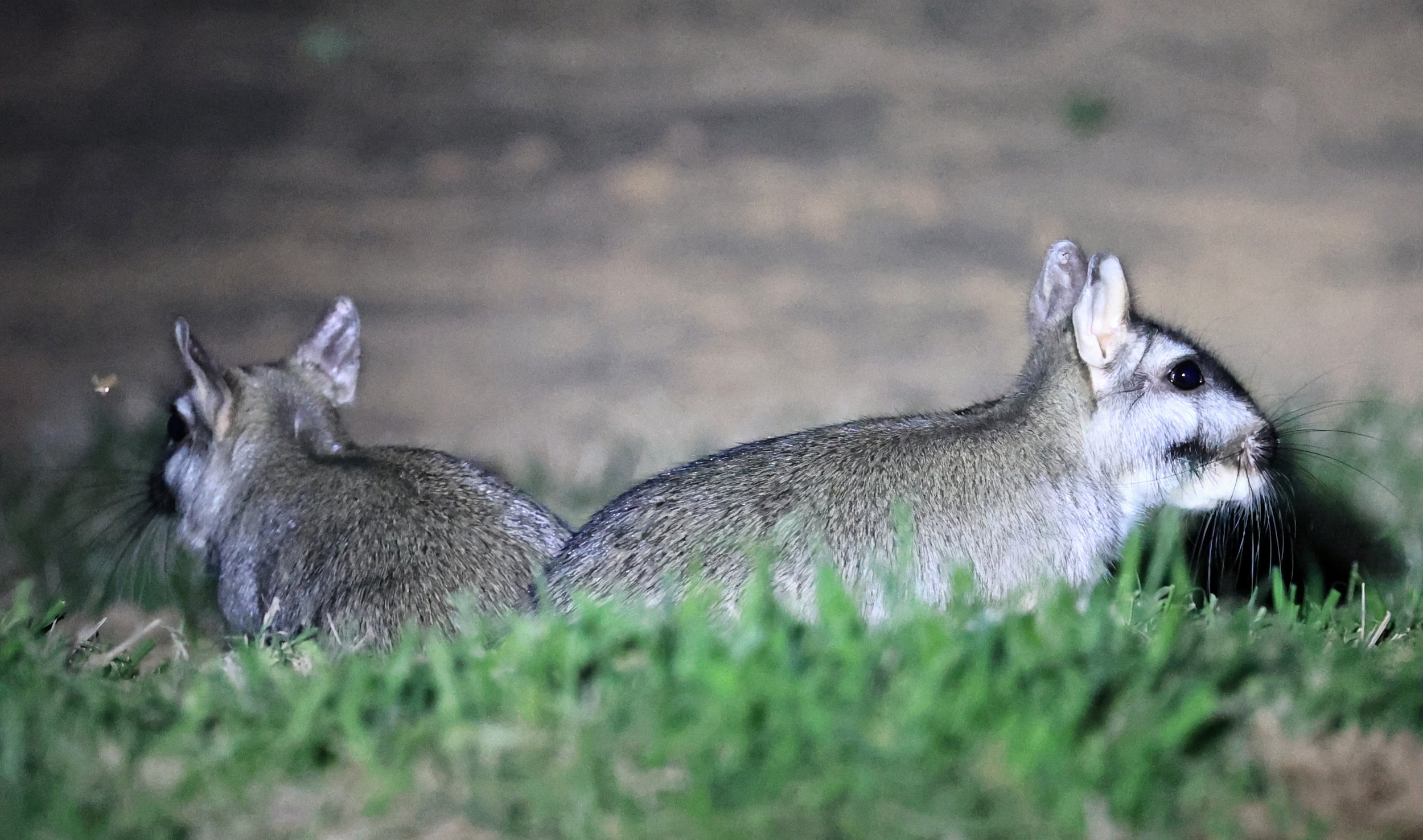
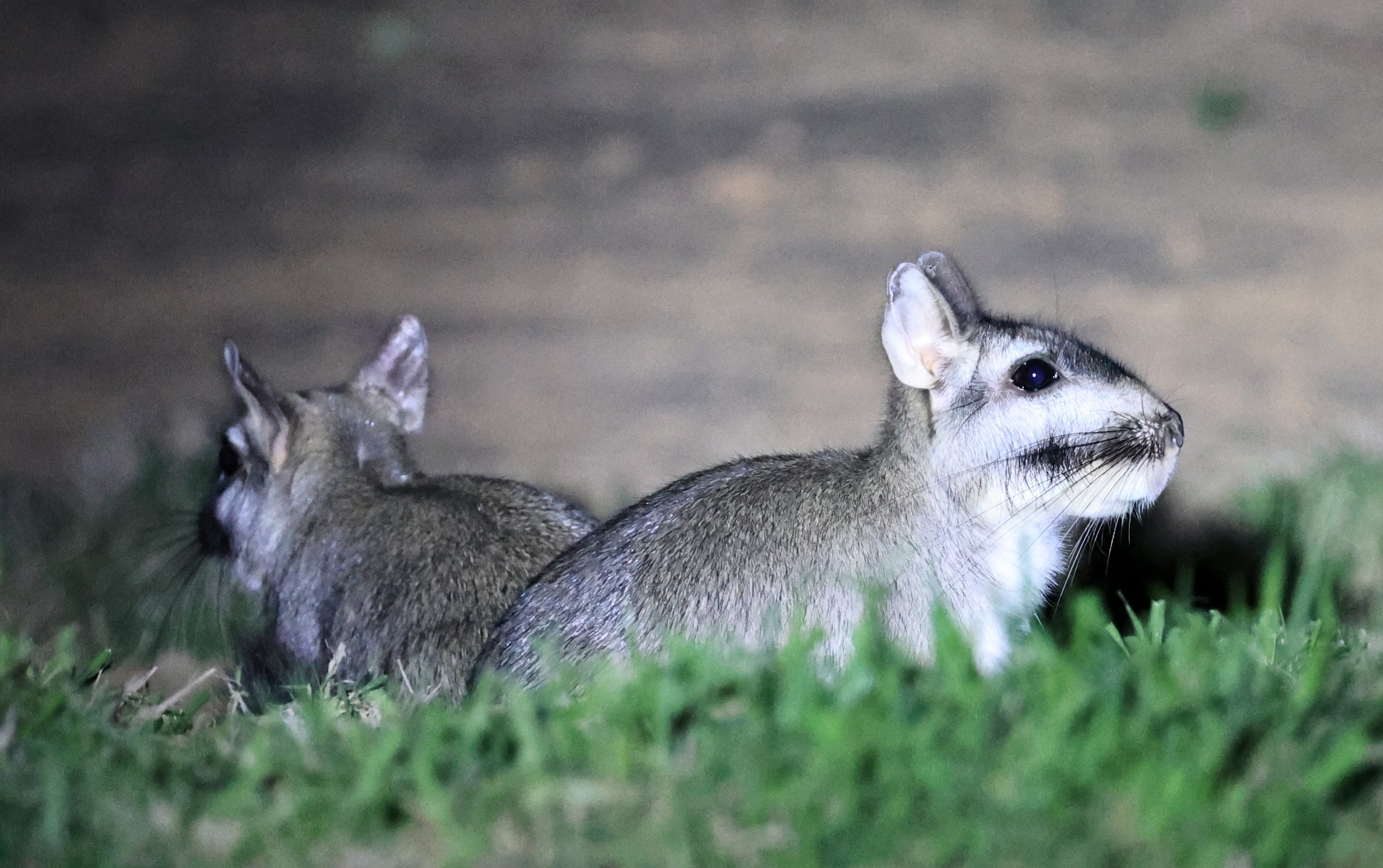
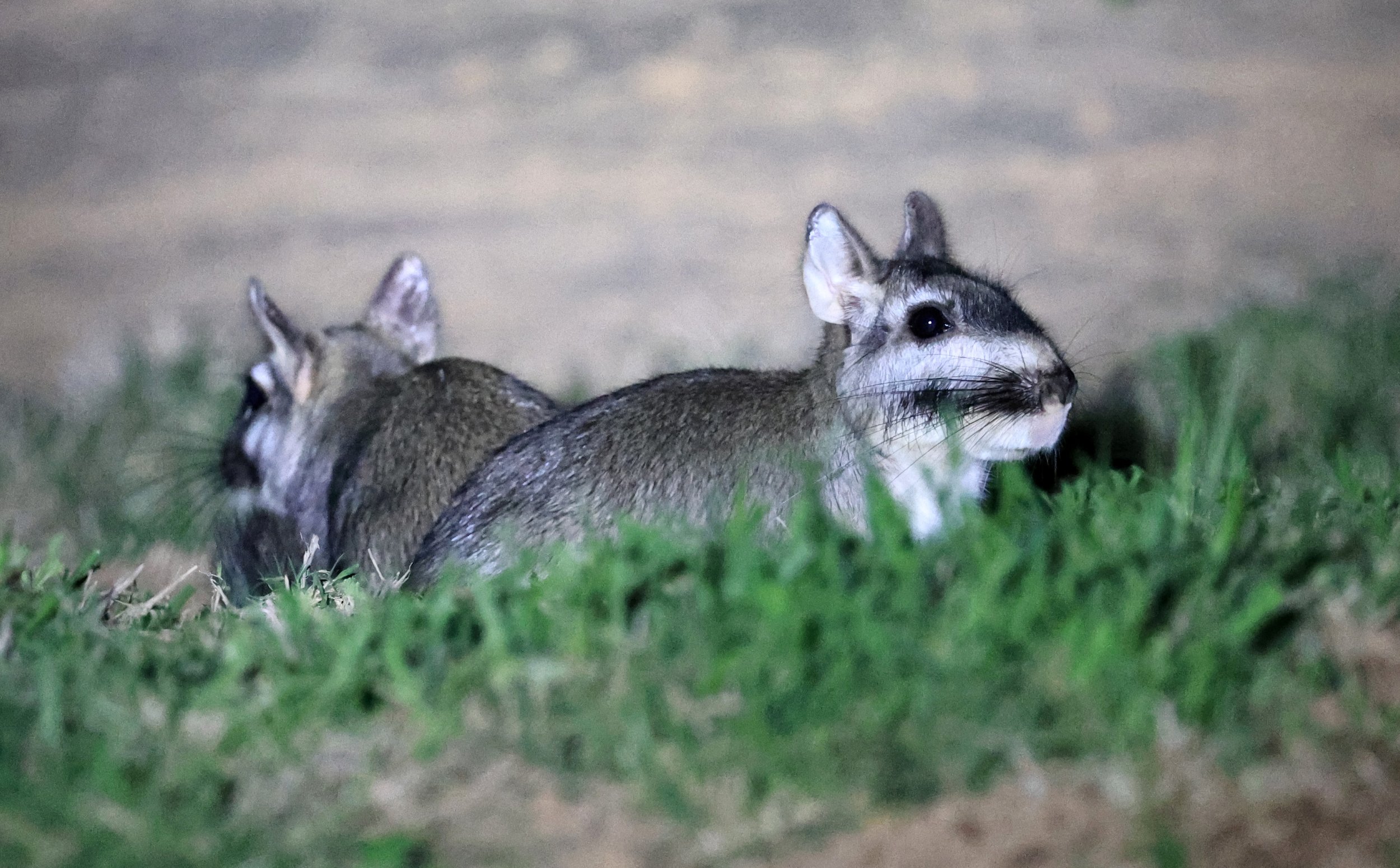
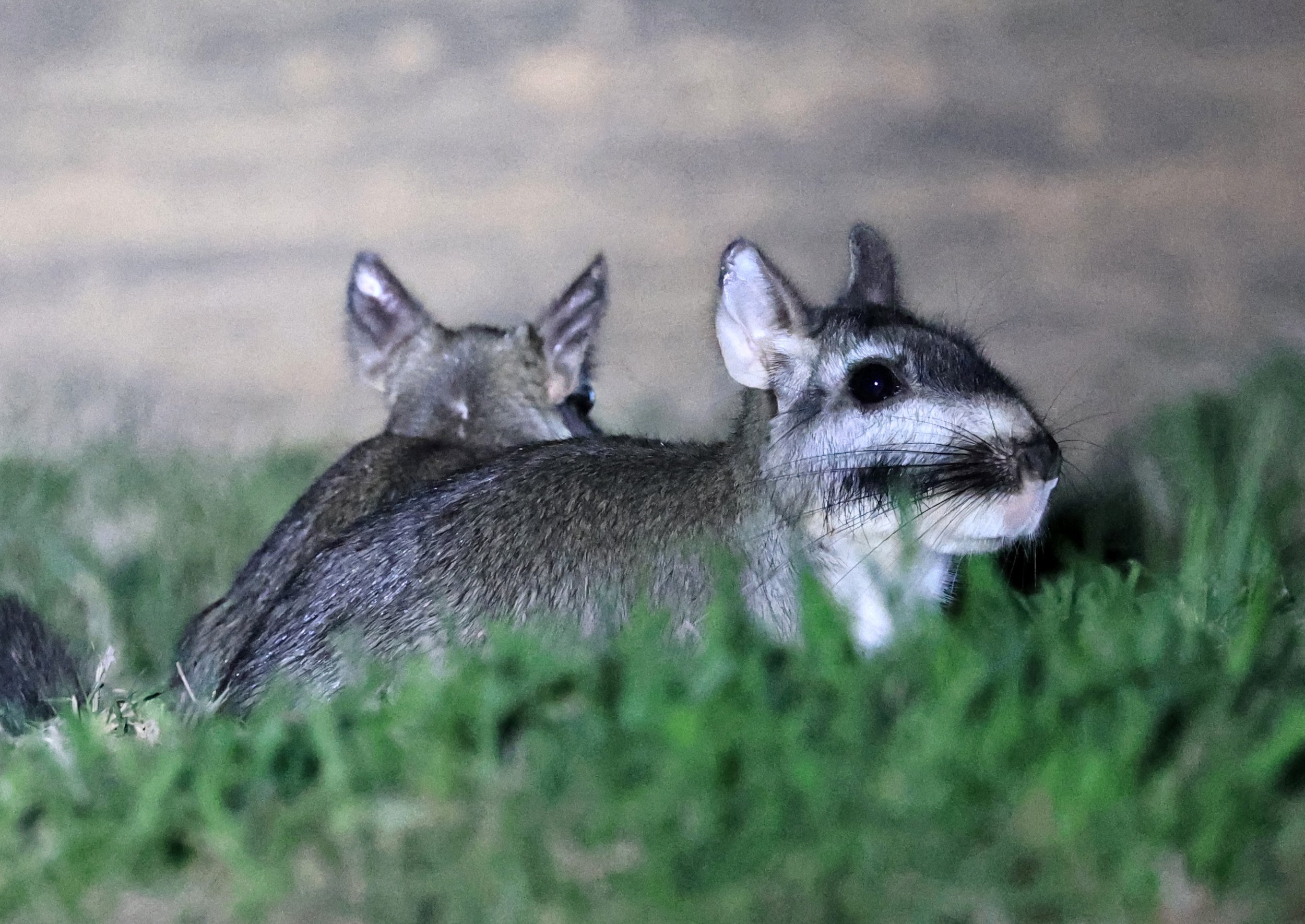
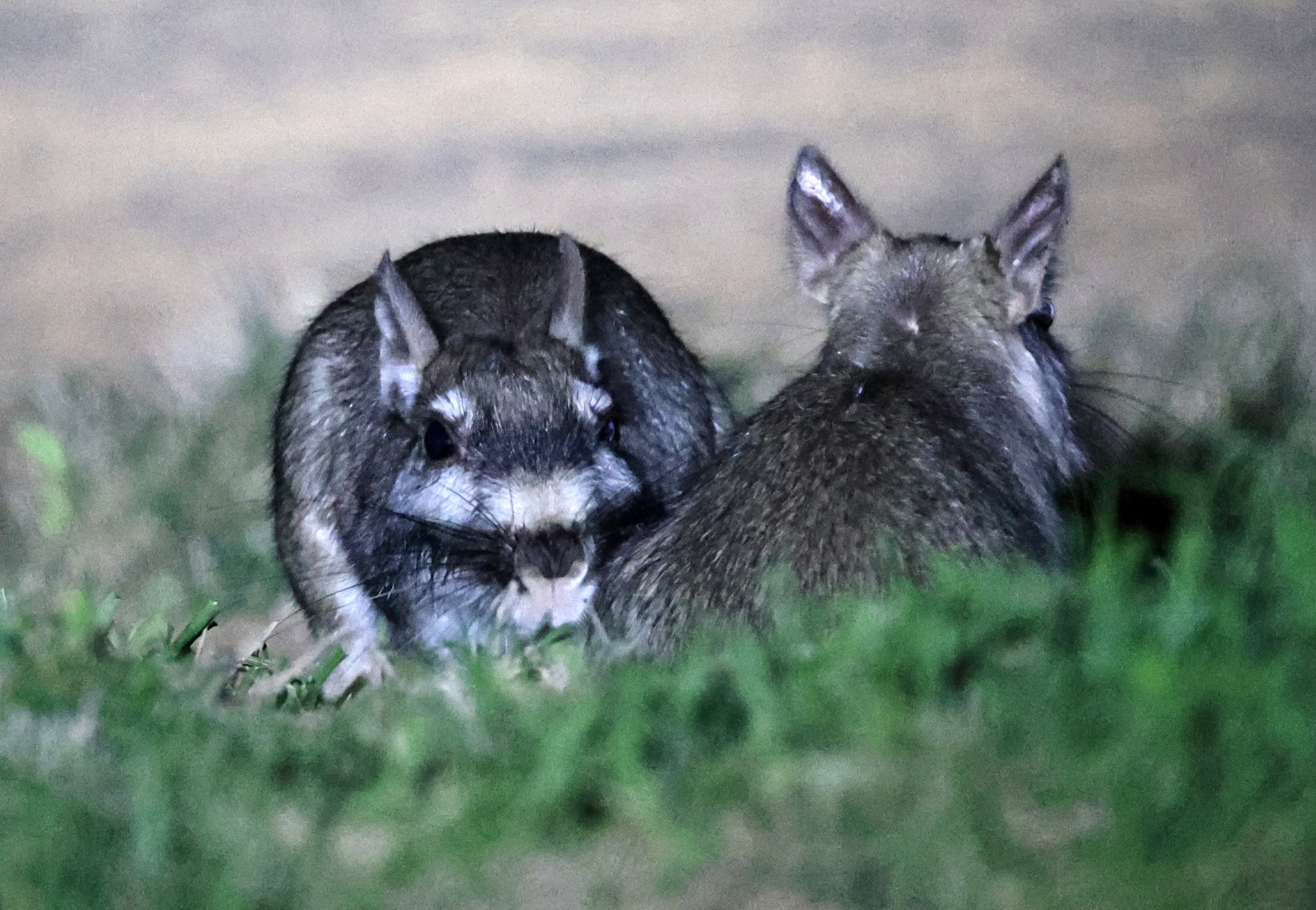
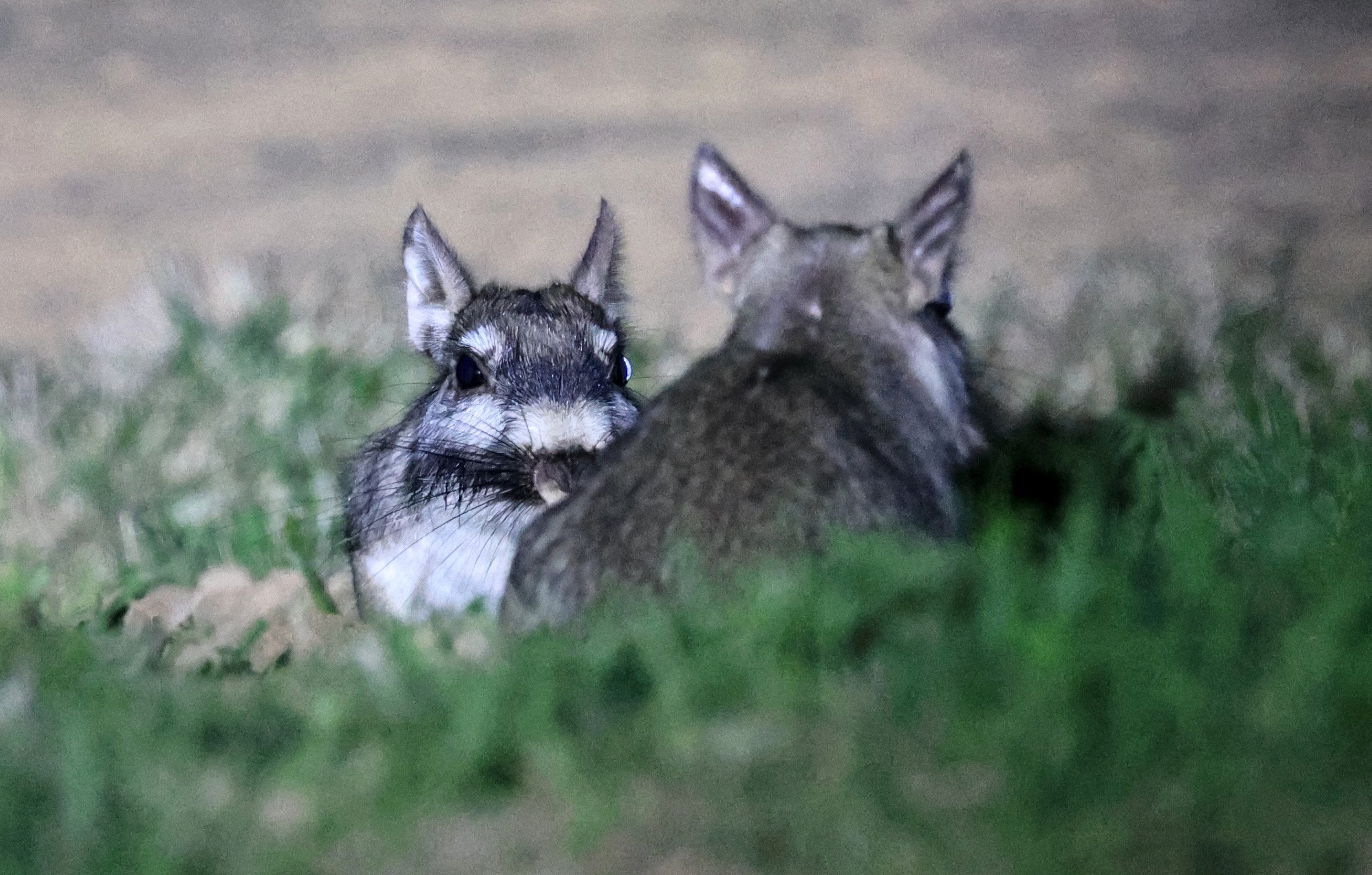
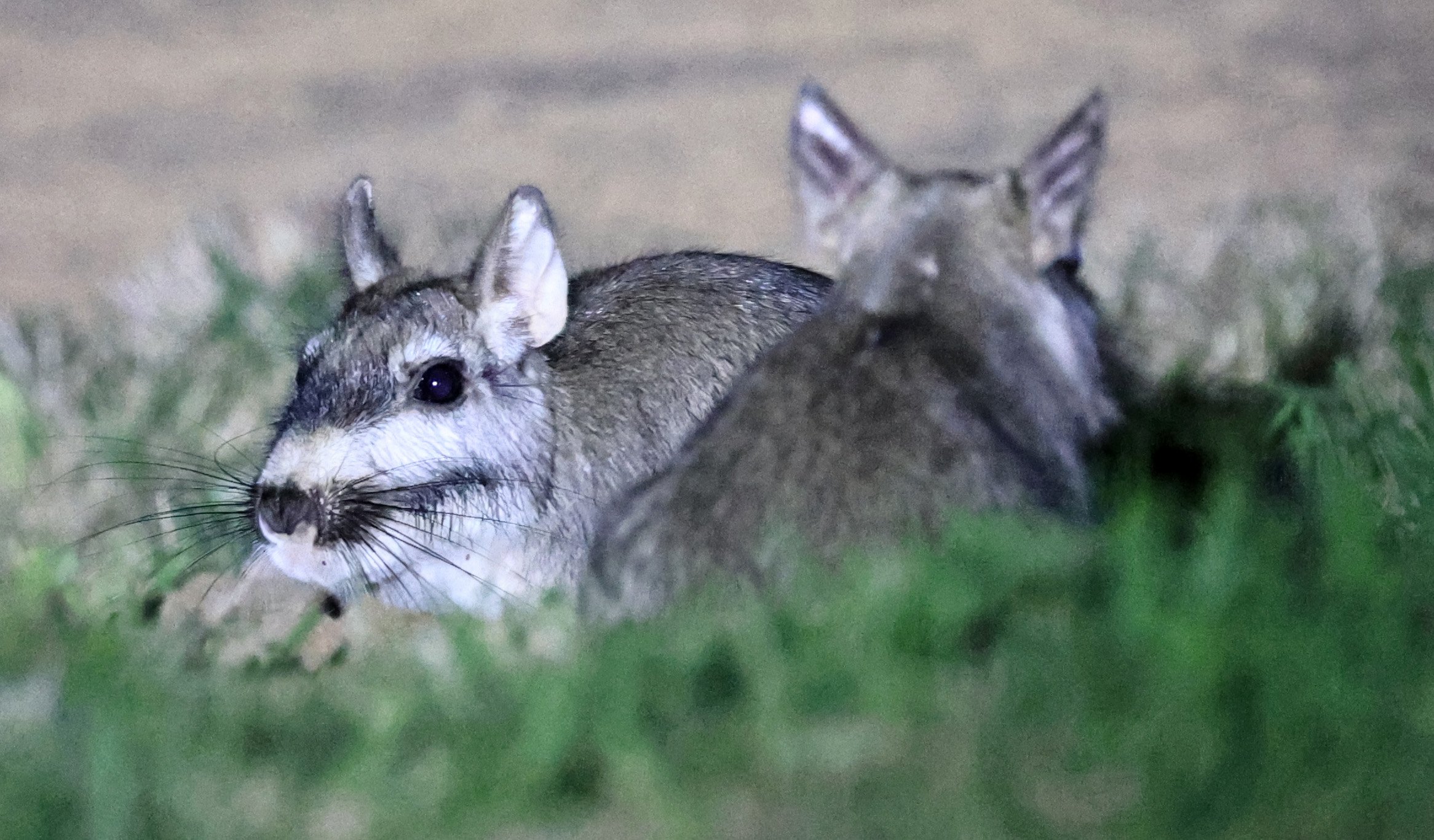
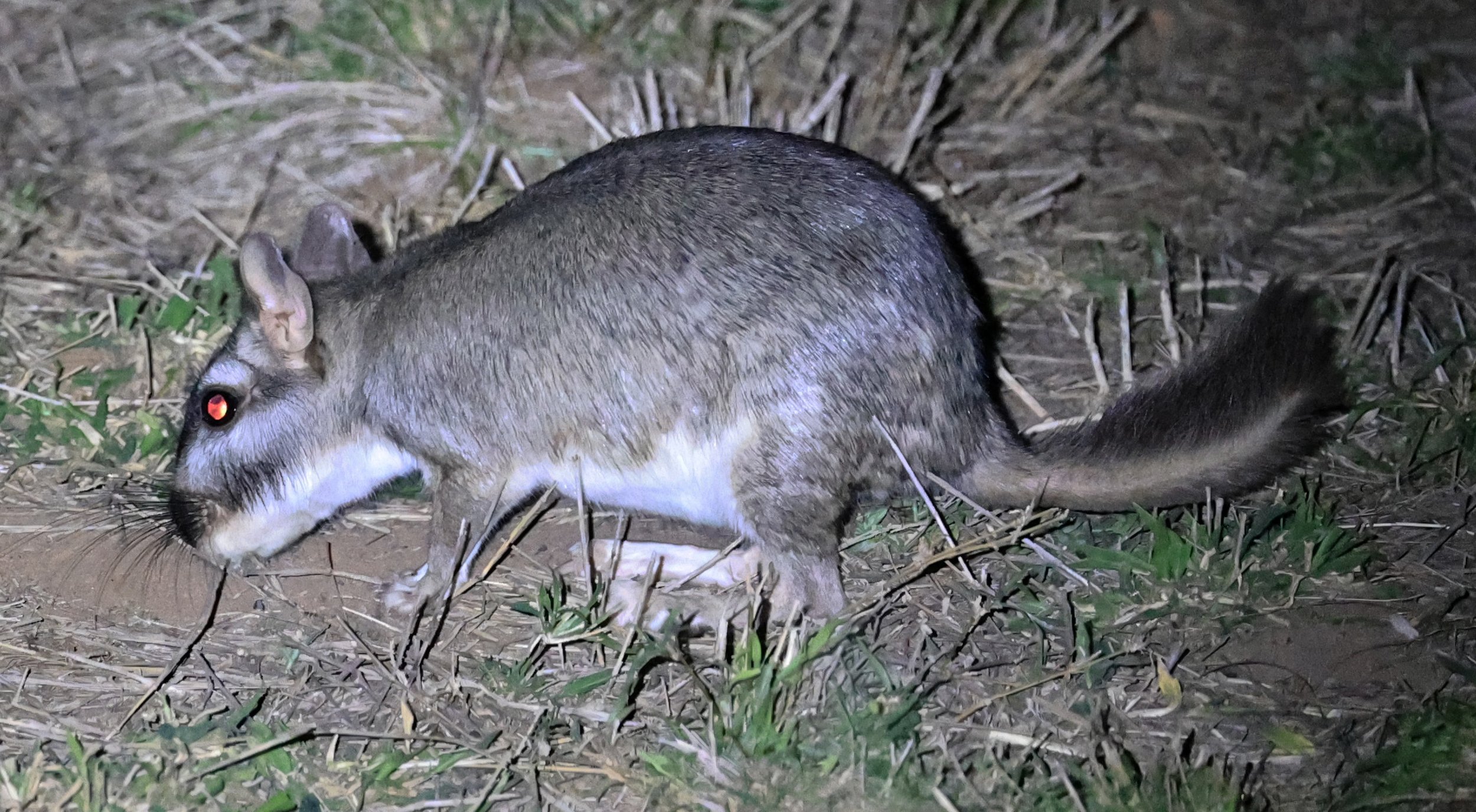
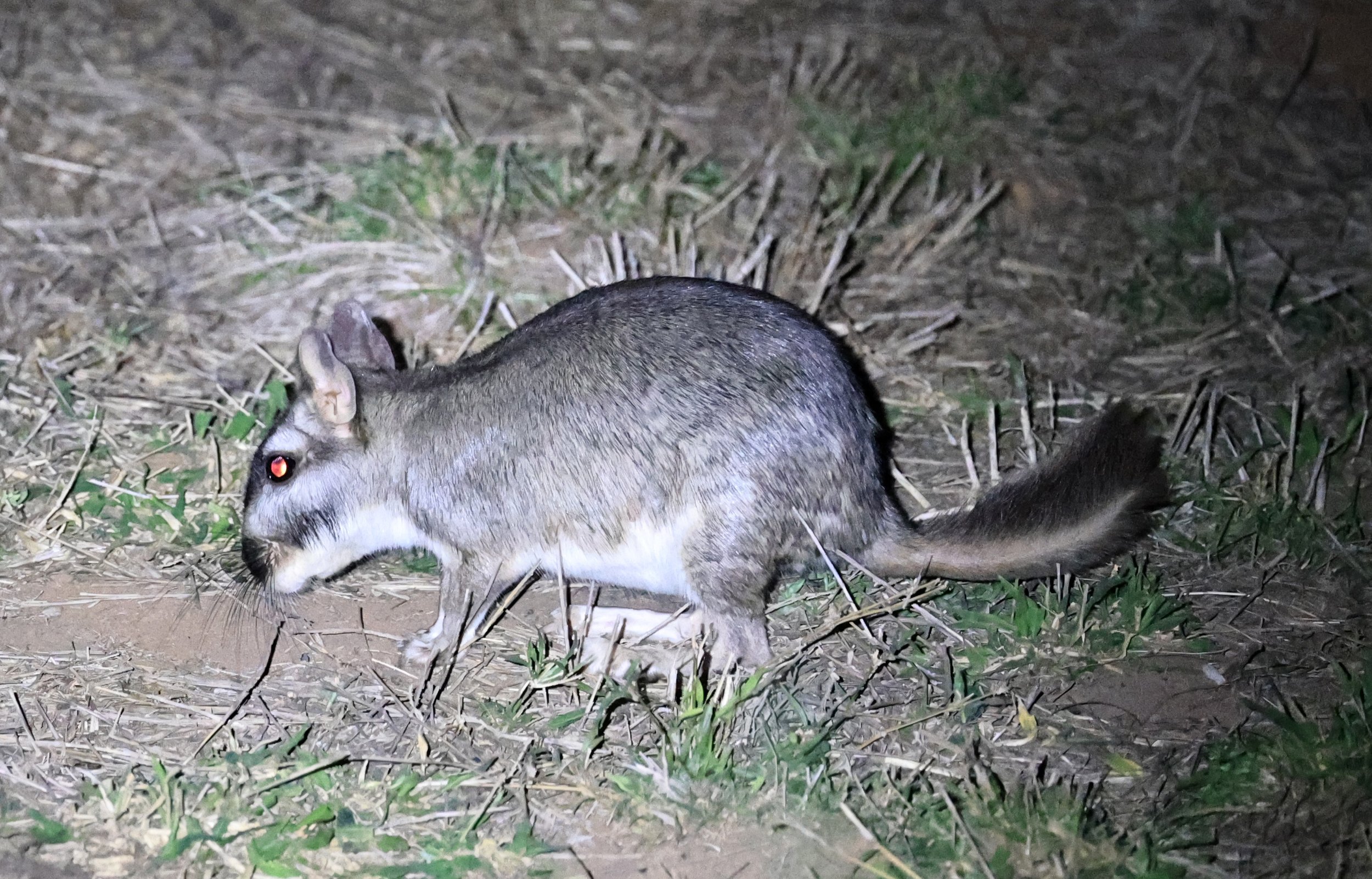
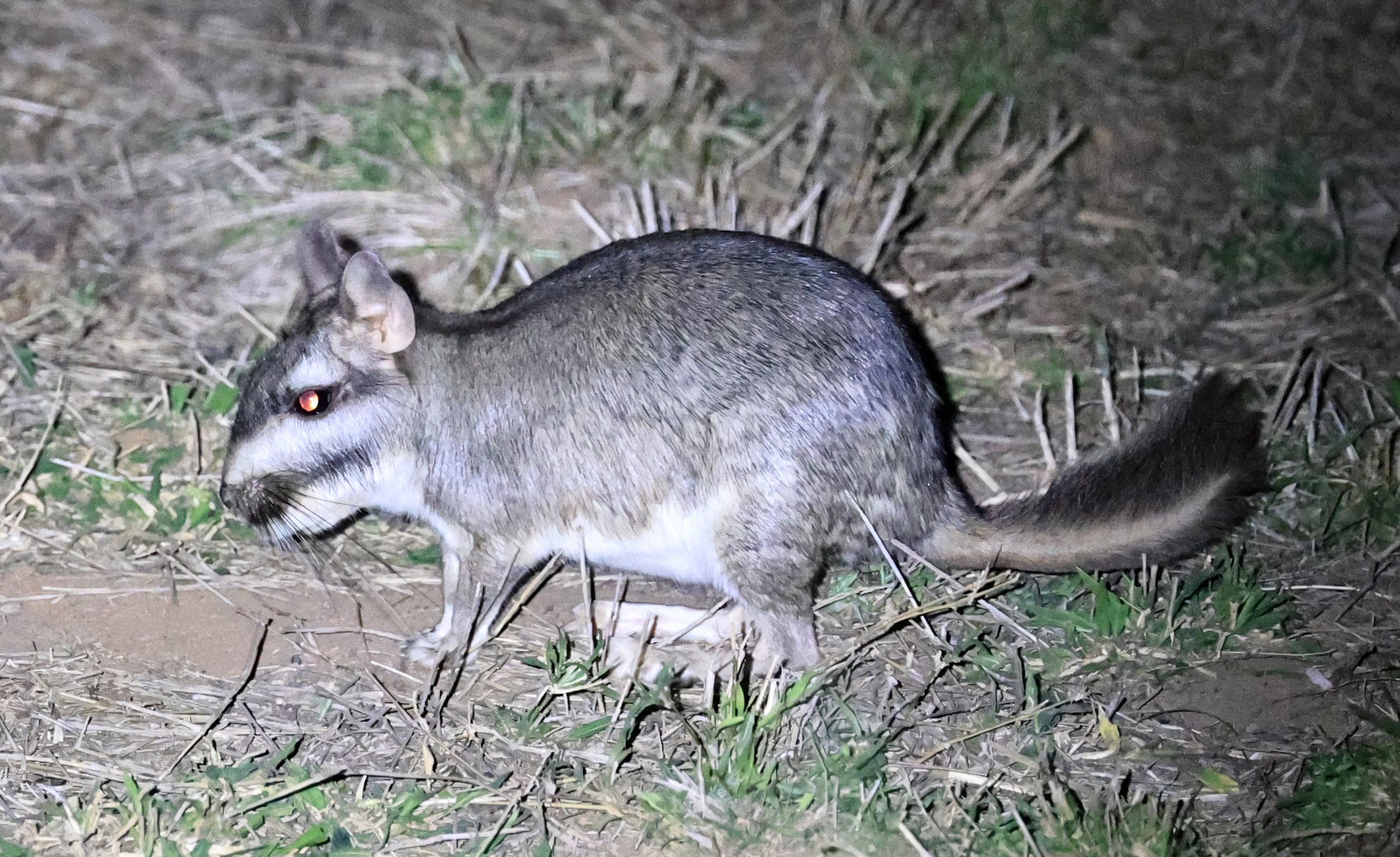
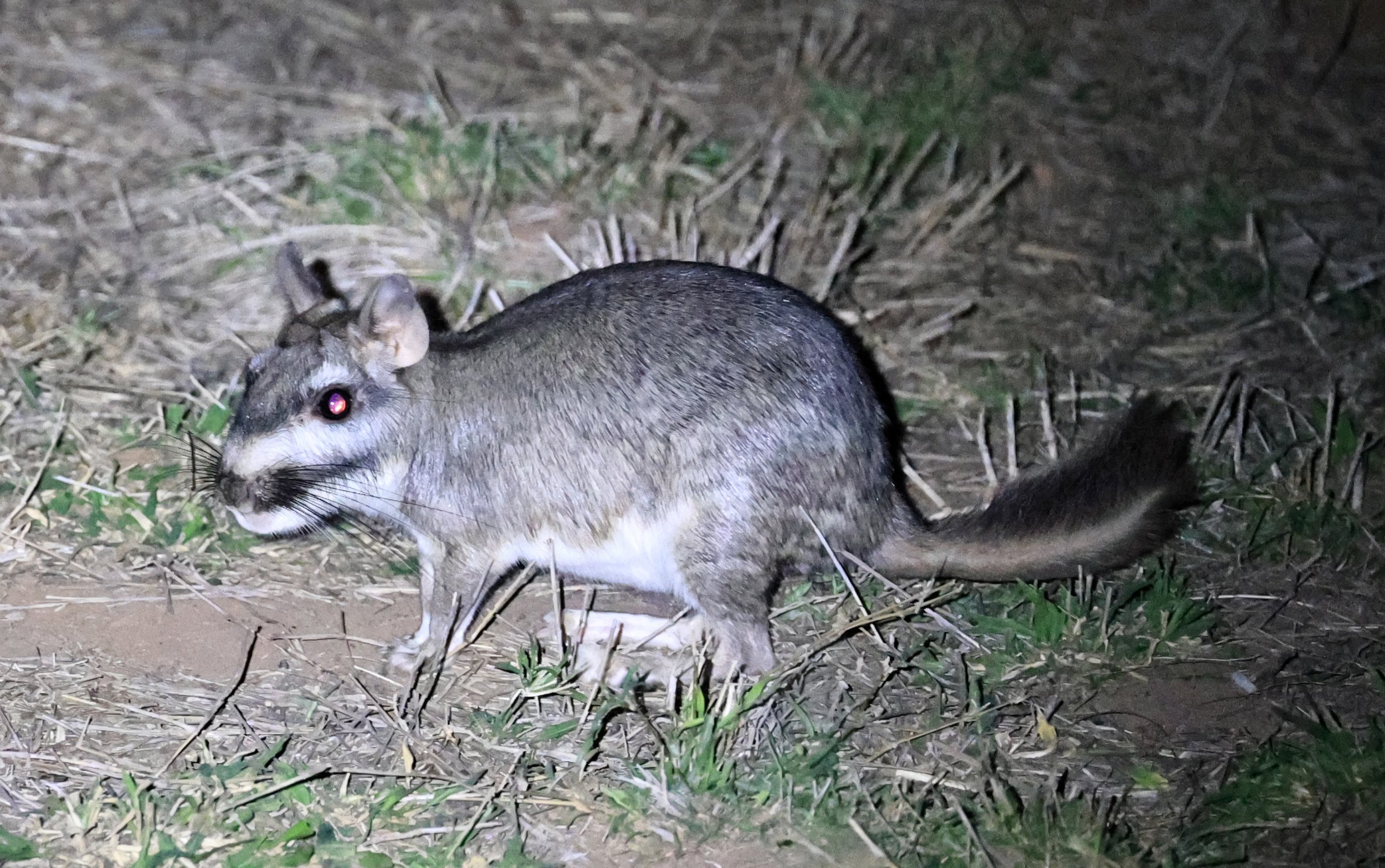
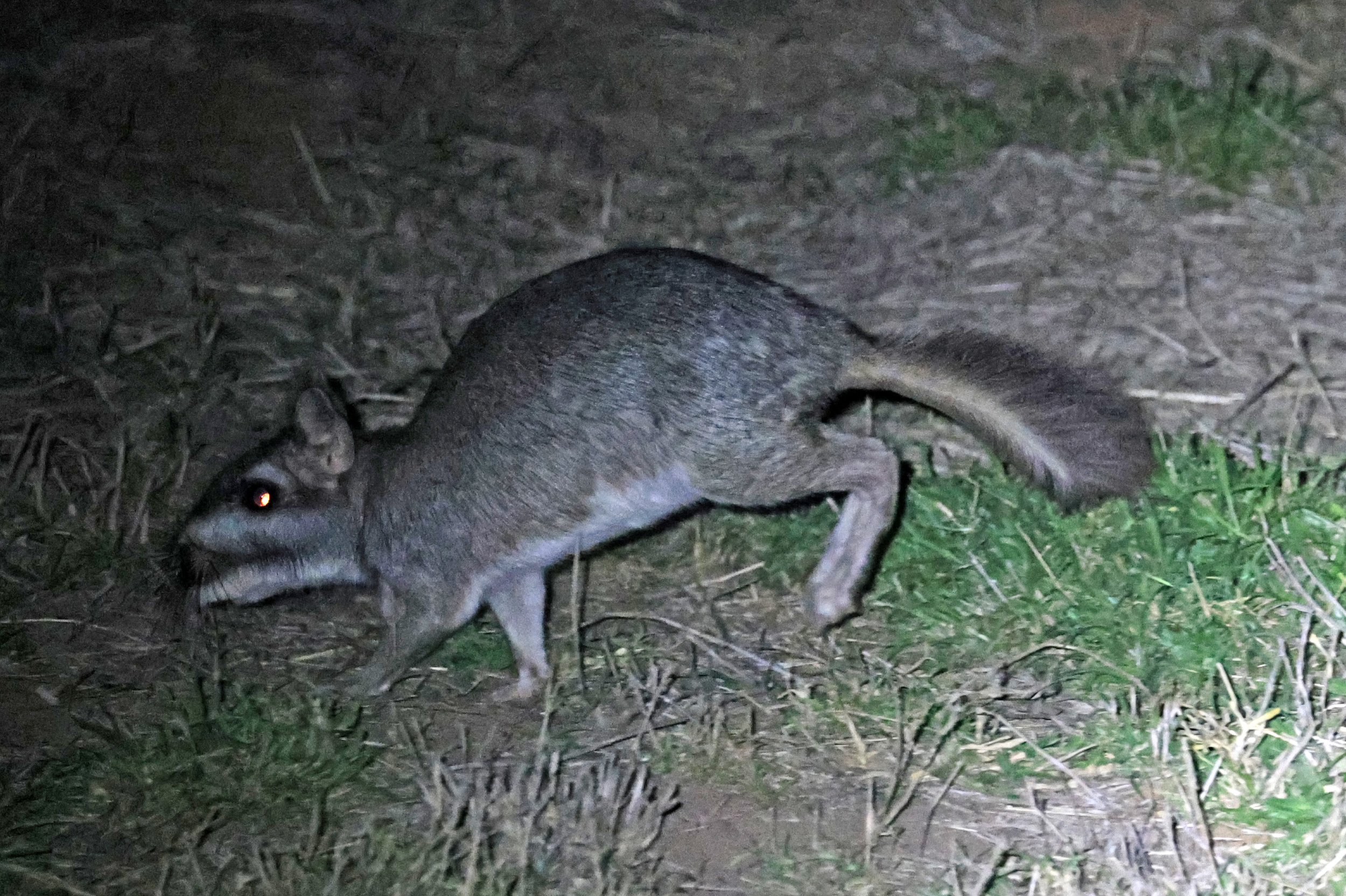
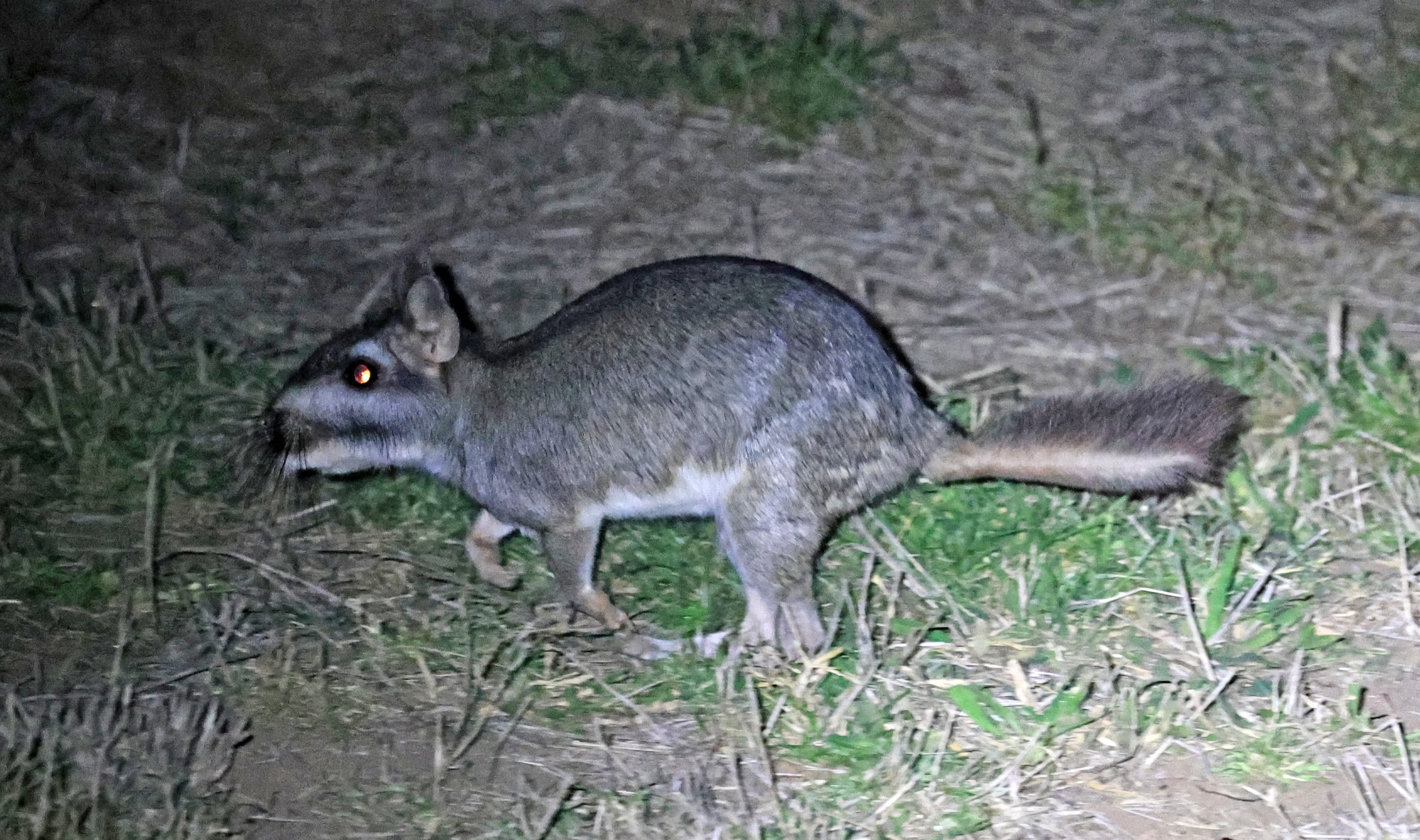
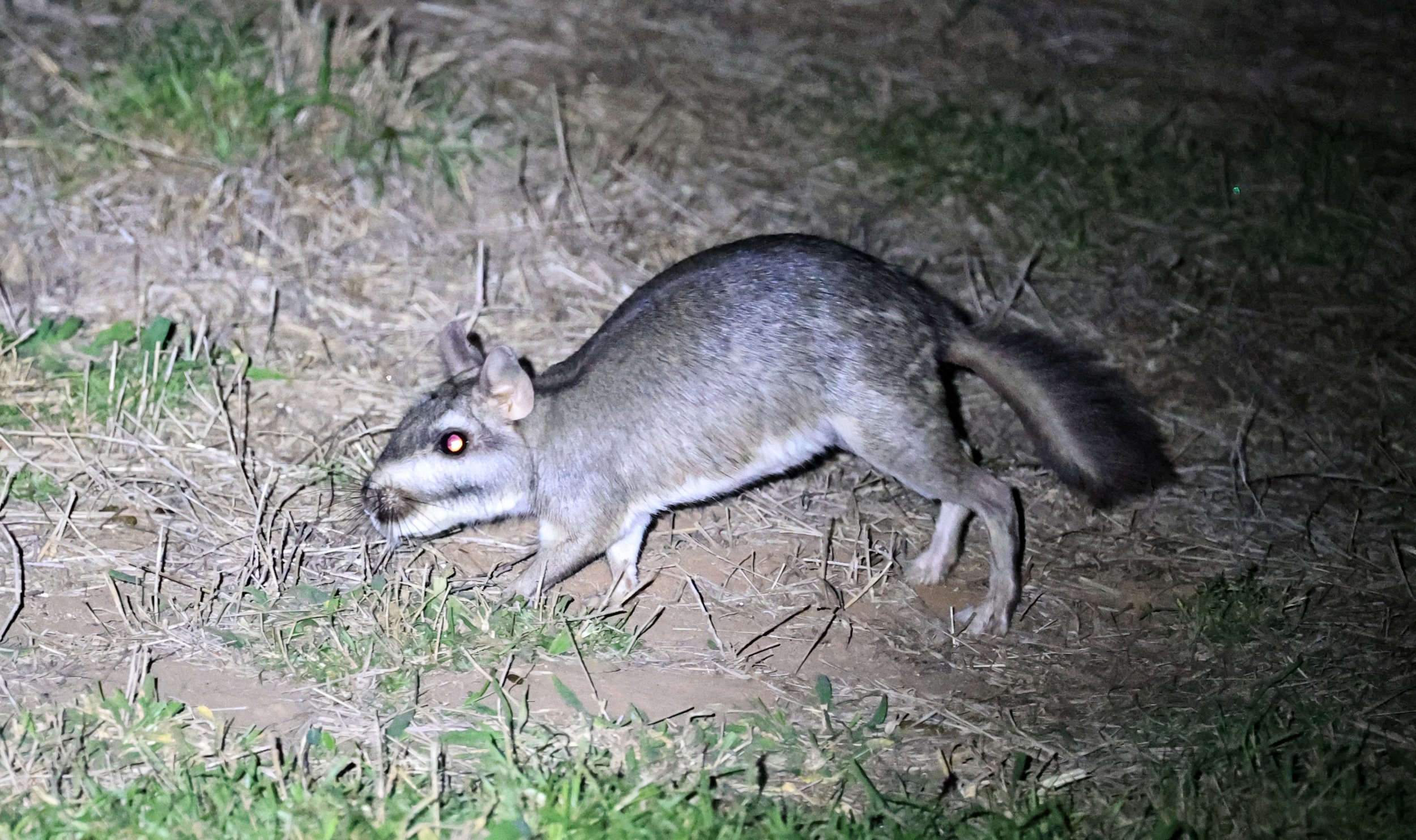
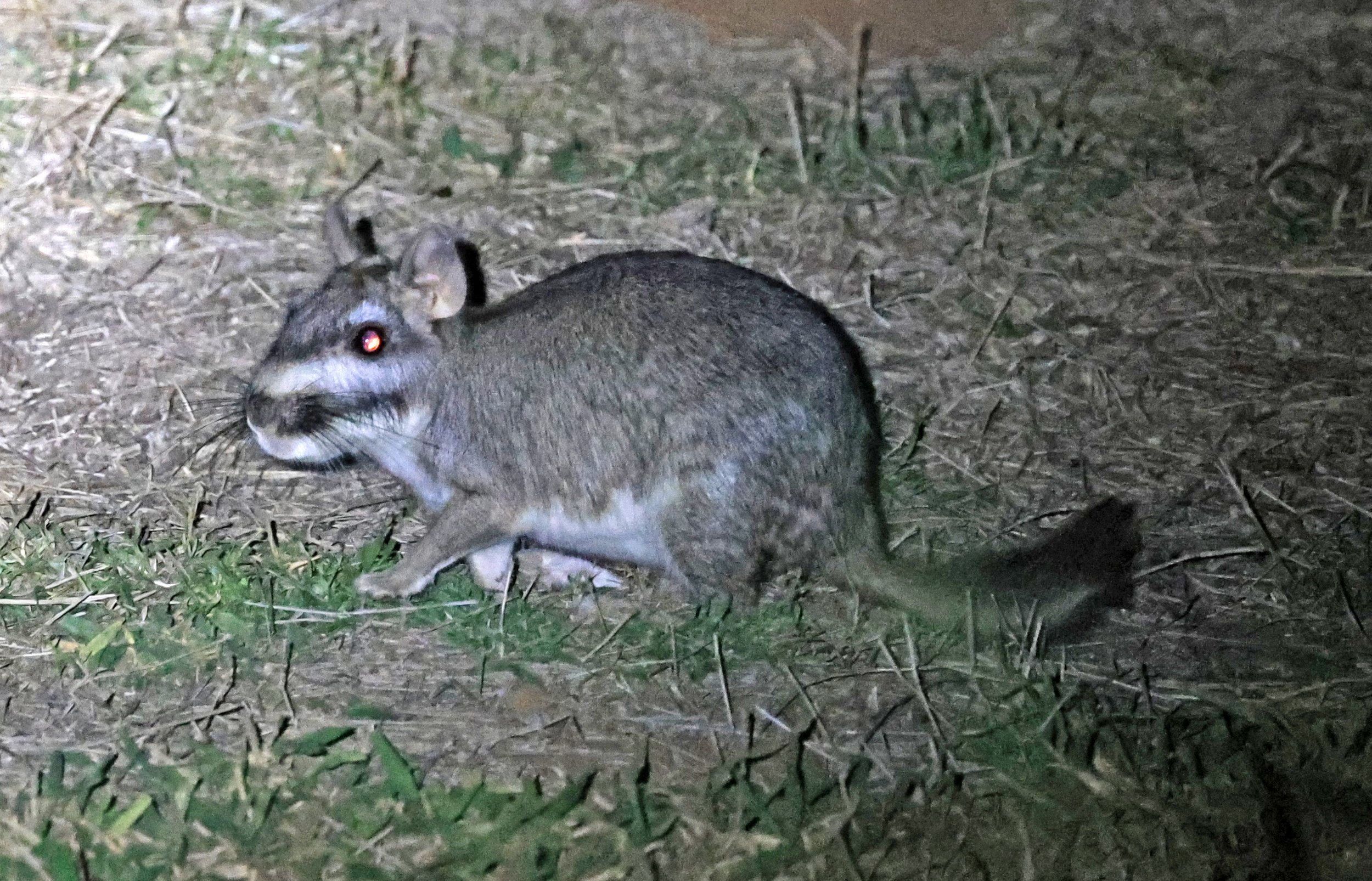
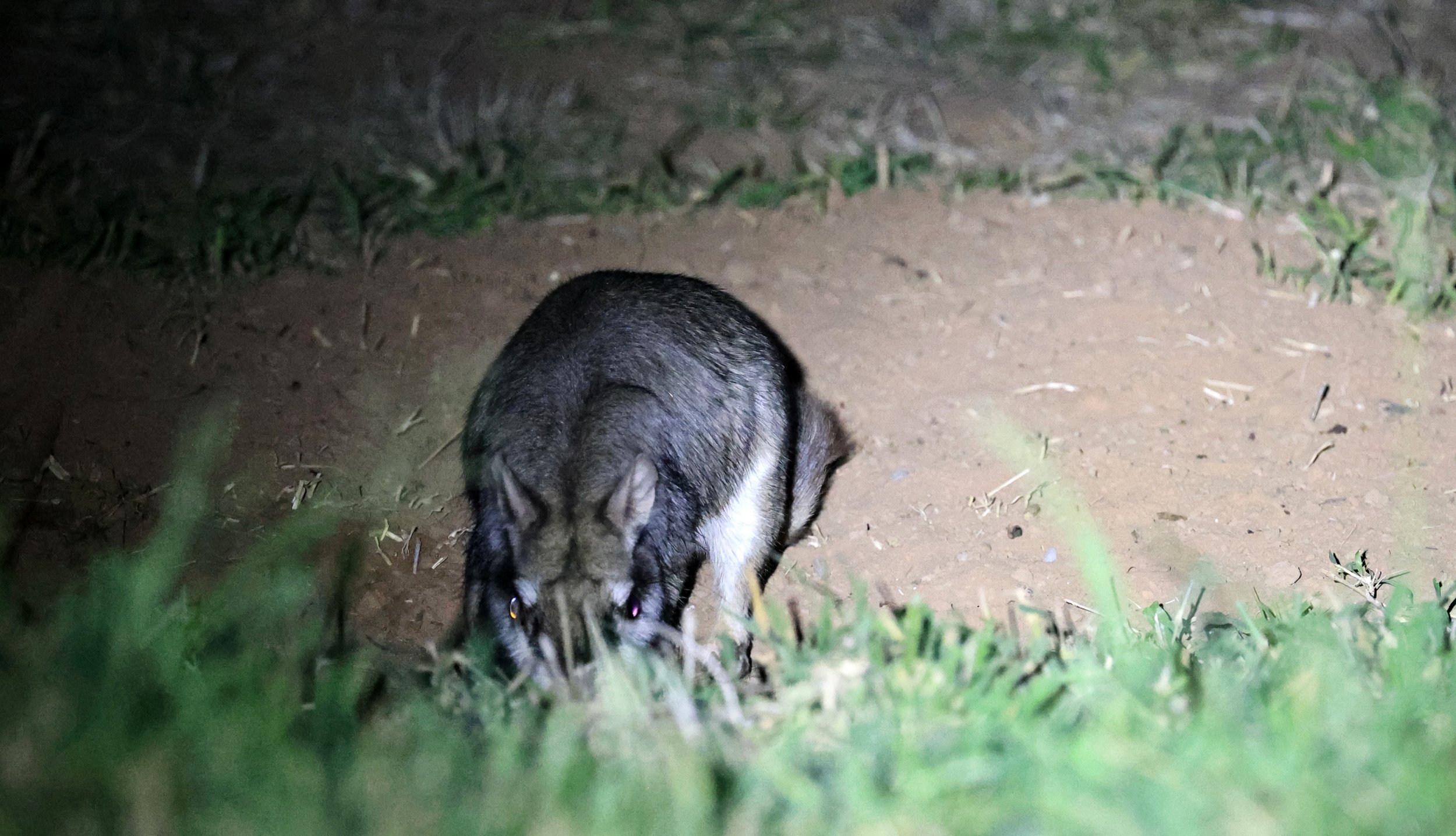
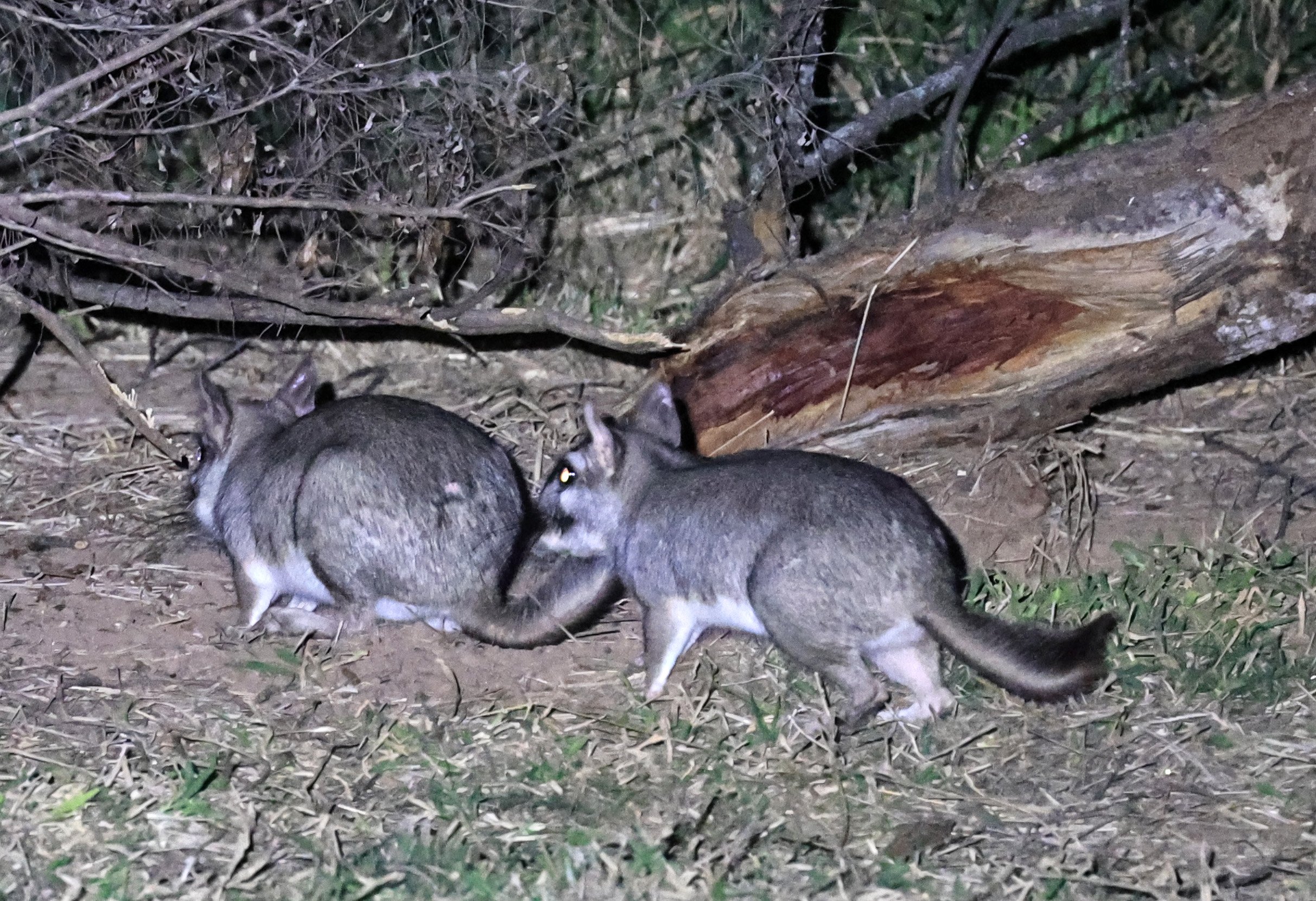
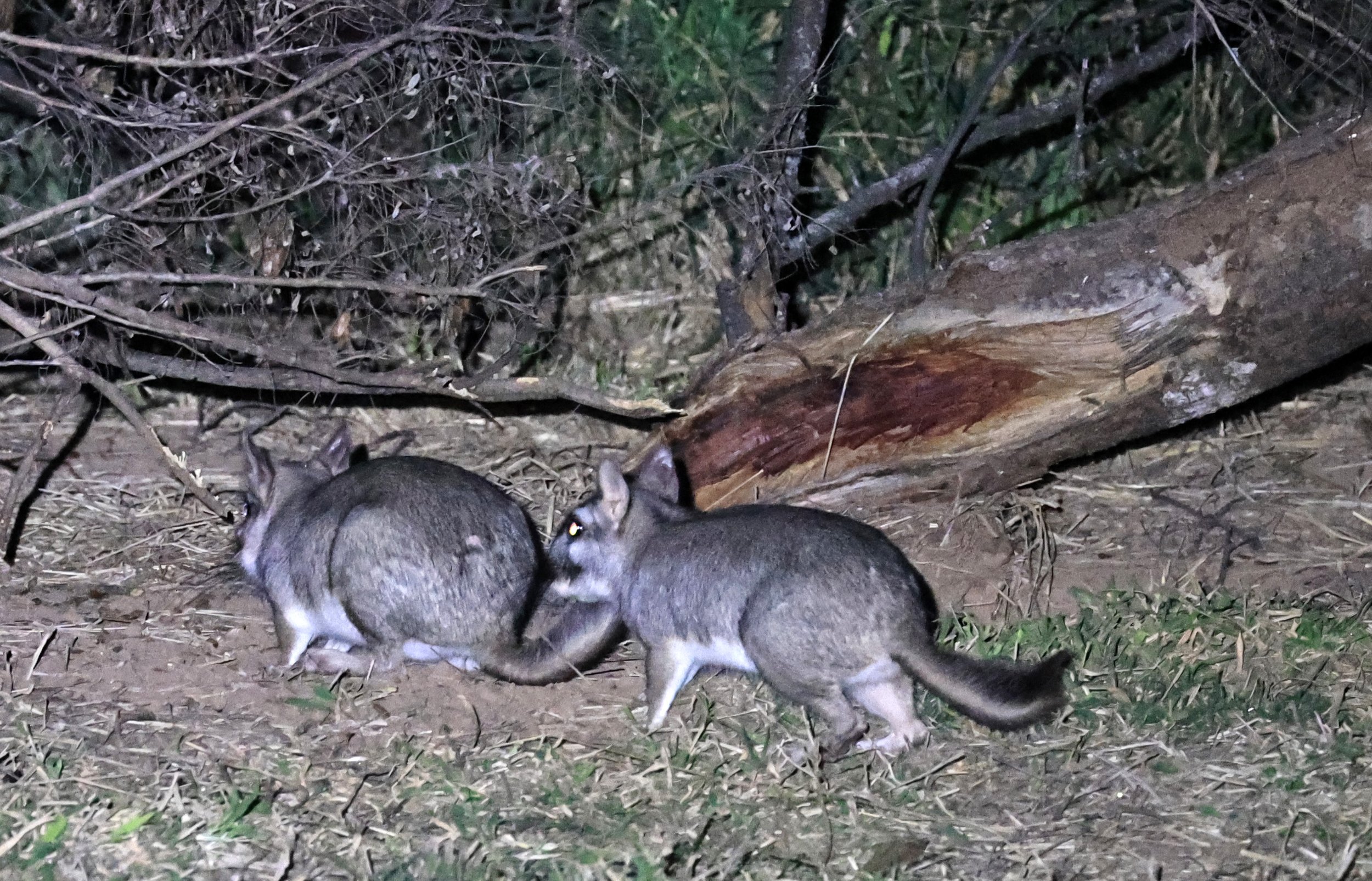
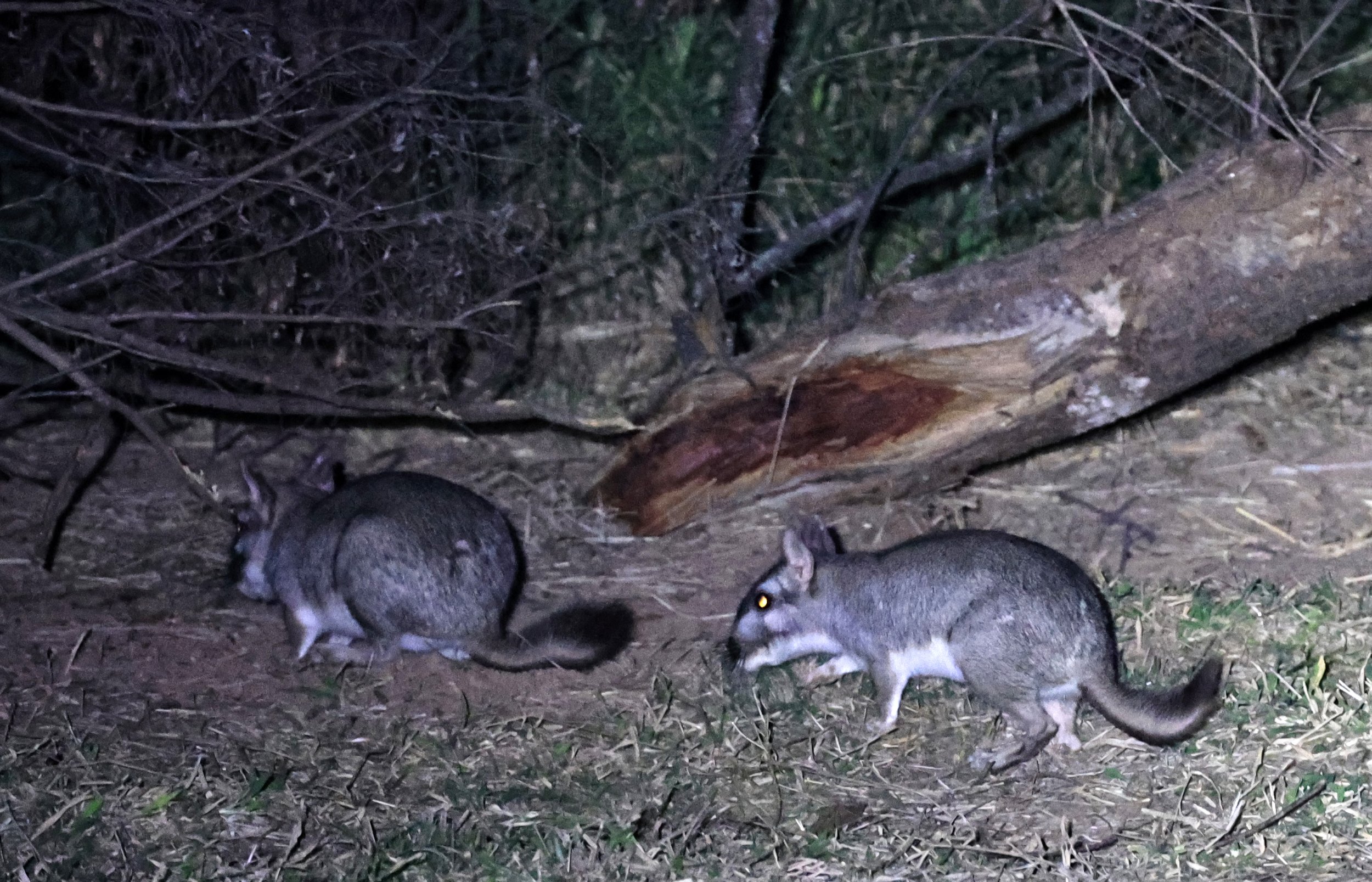
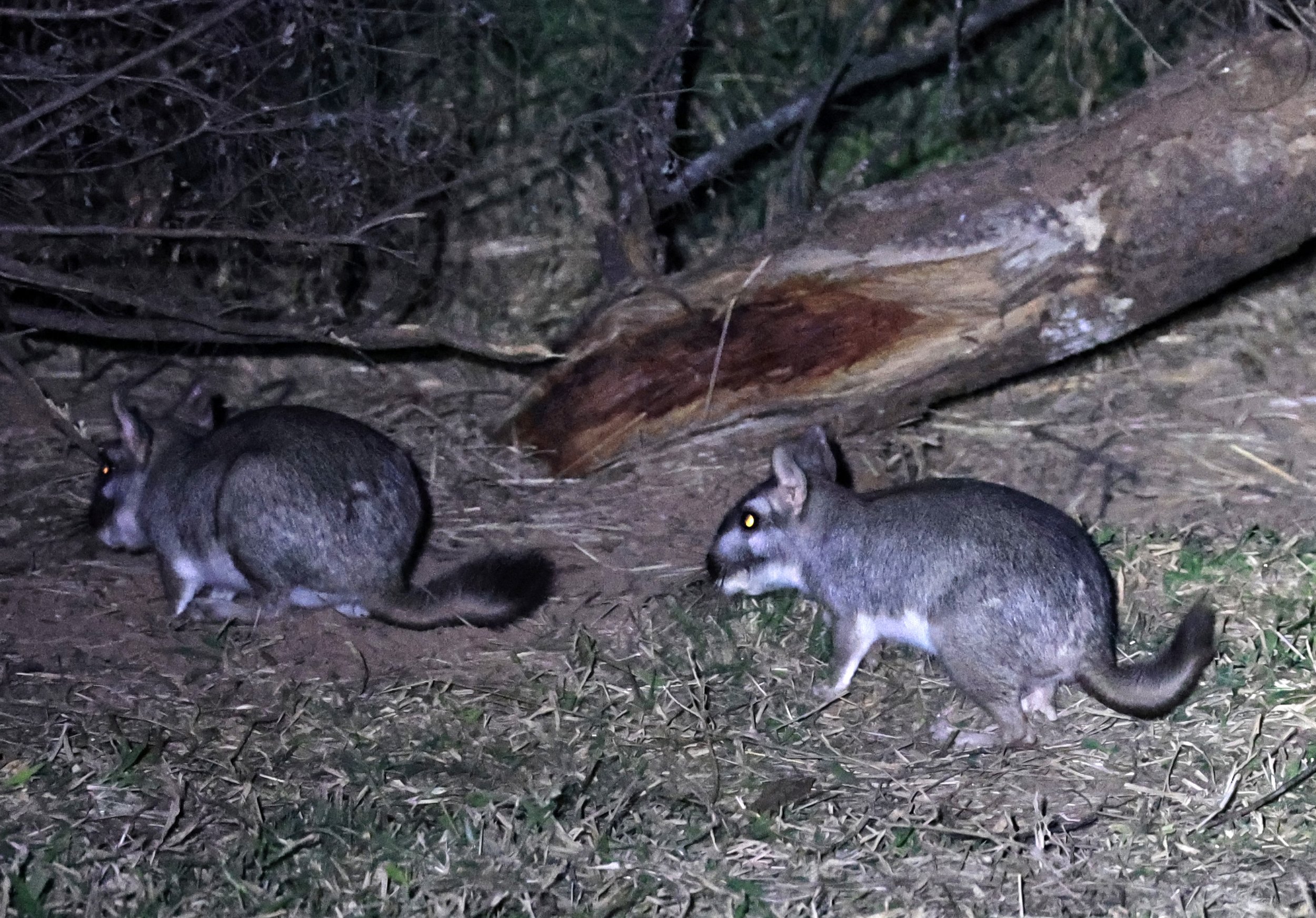
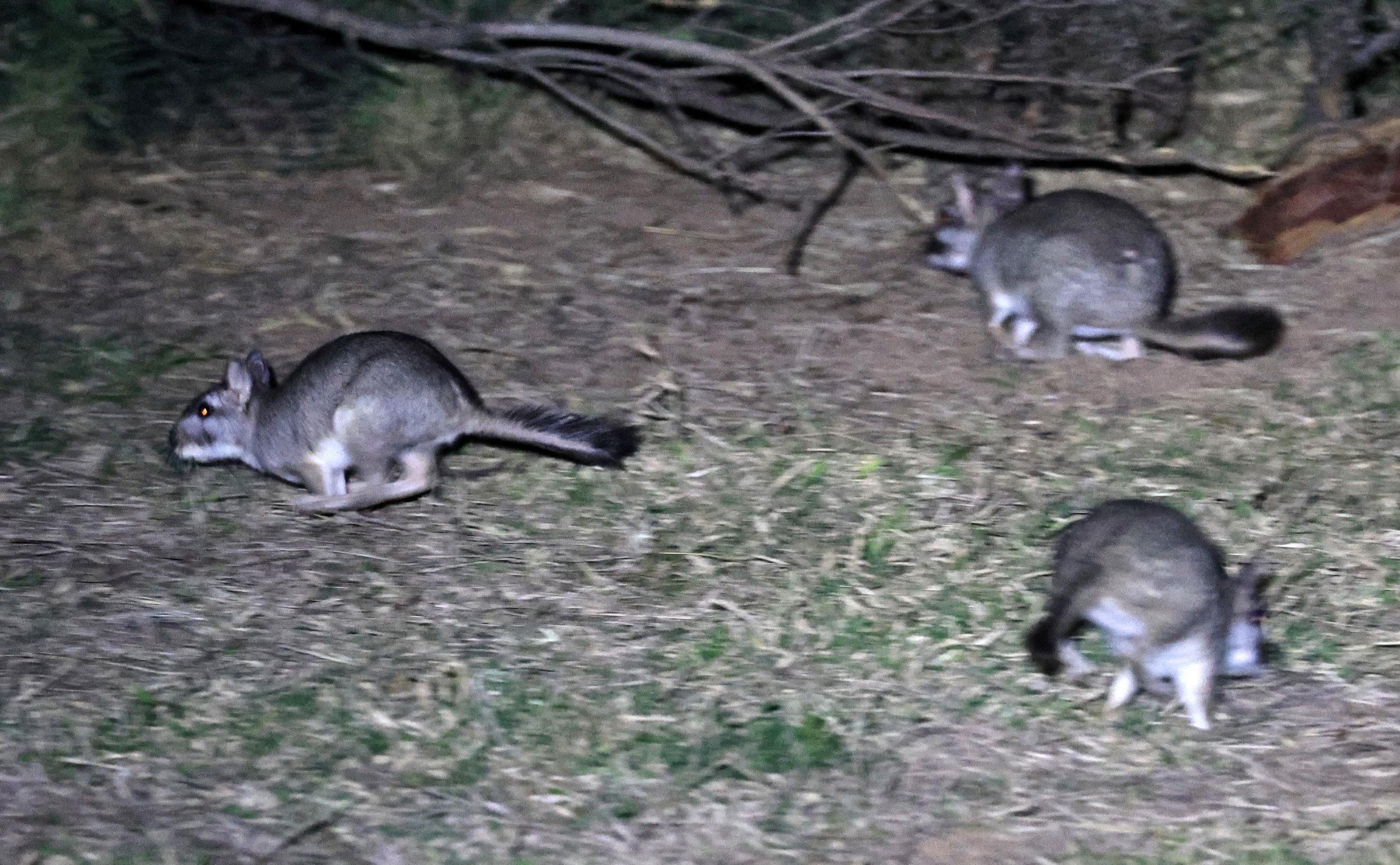
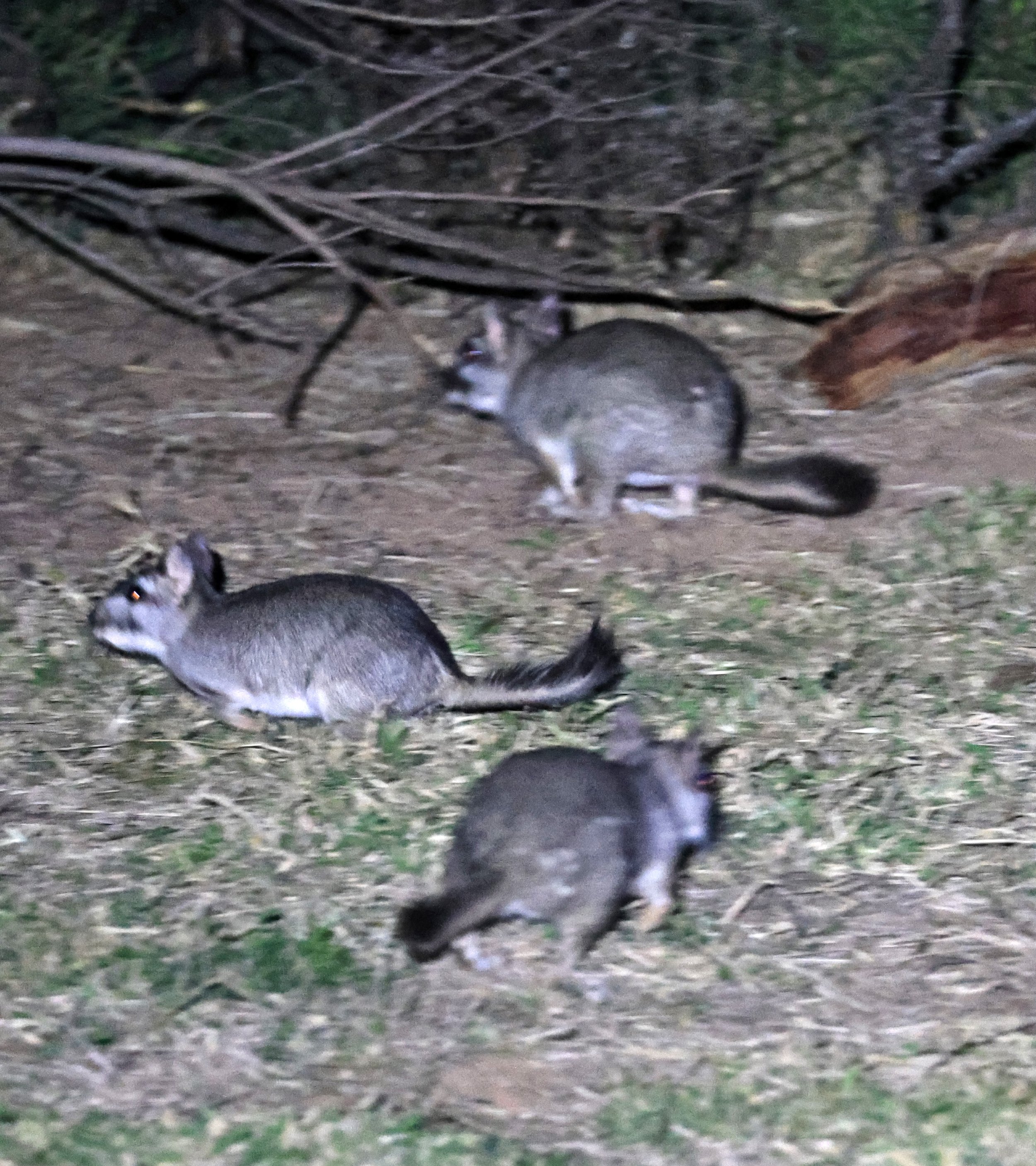
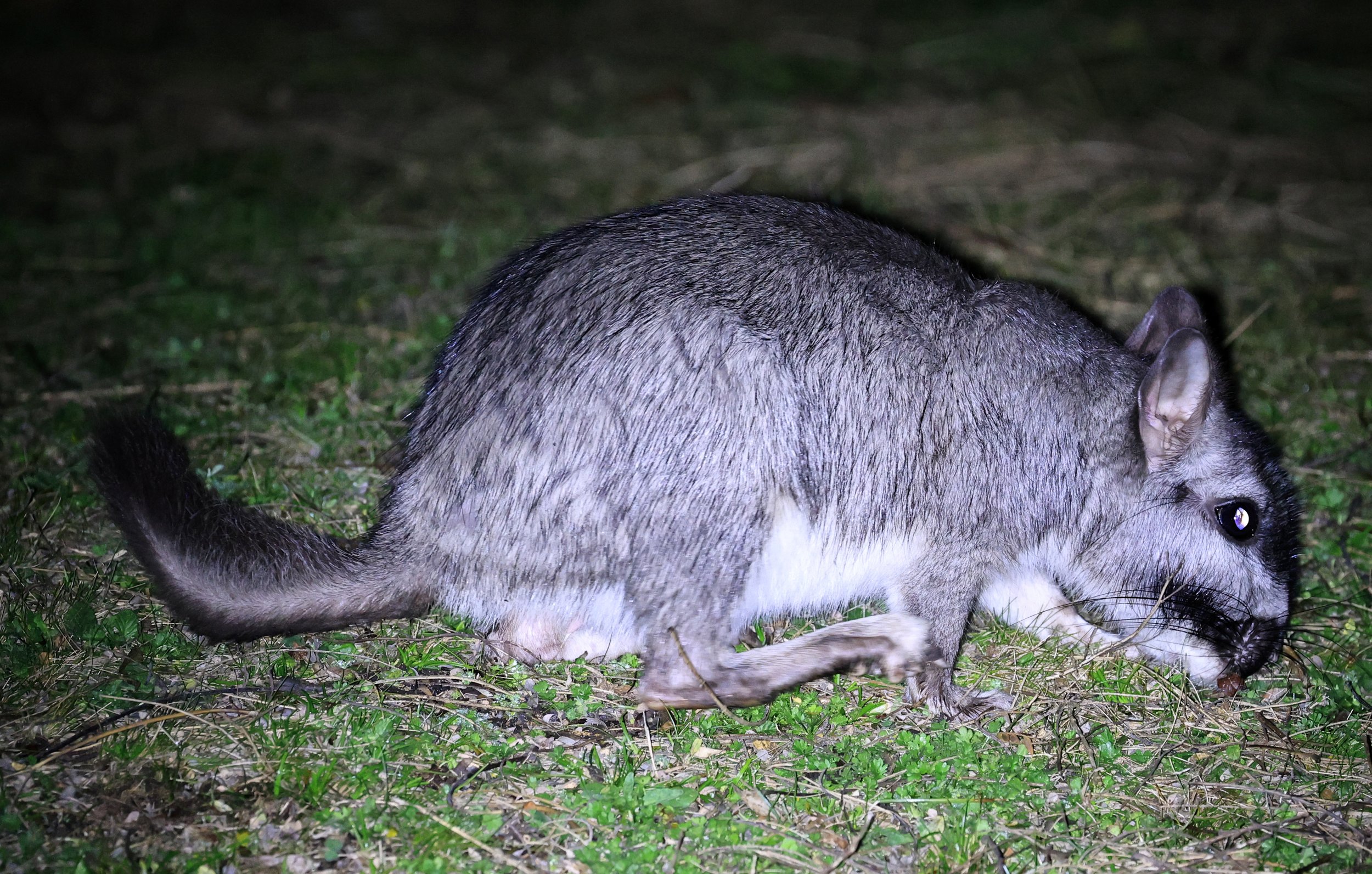
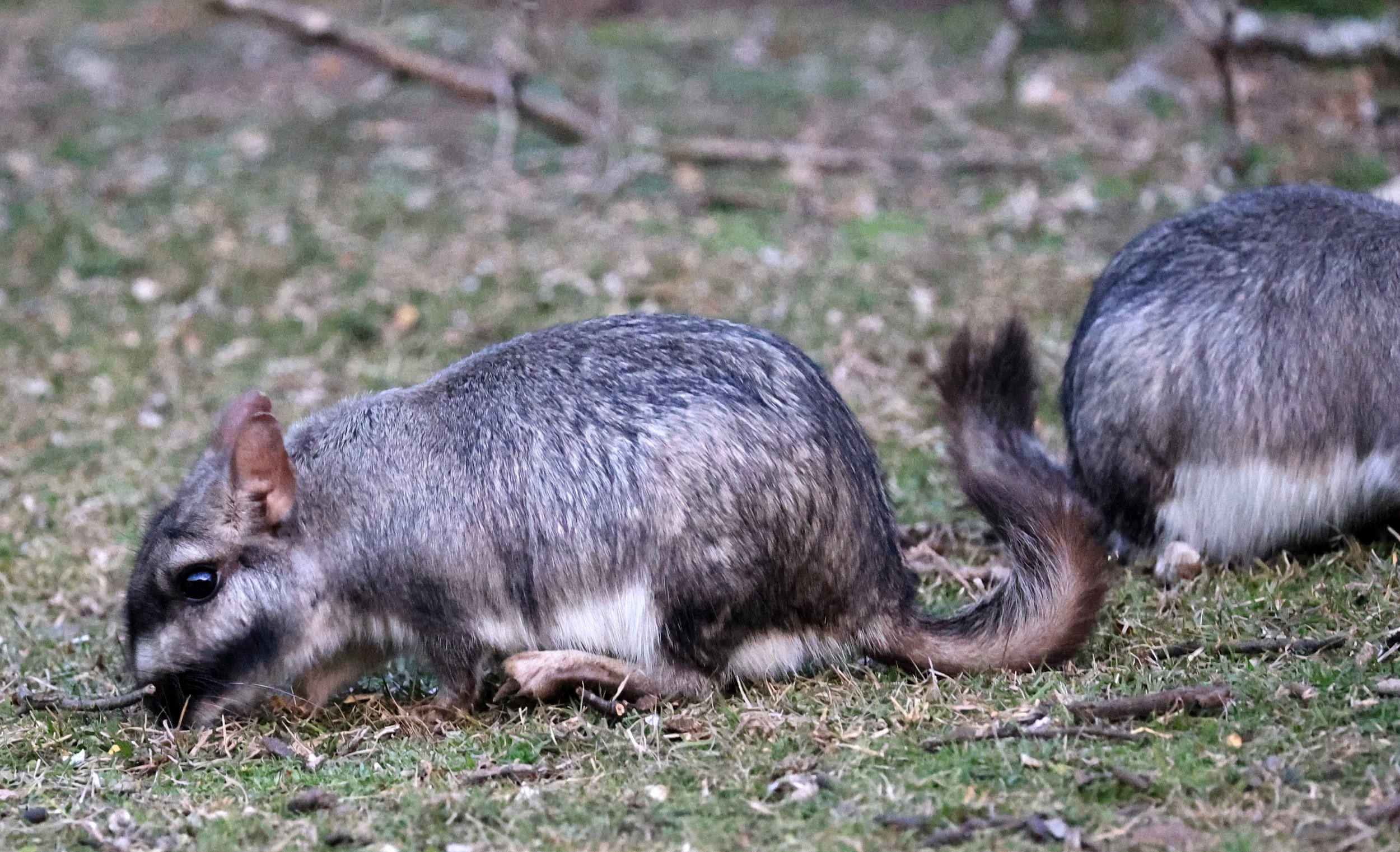
The Plains Viscacha is a sturdy, rabbit-like animal with a large head, strong hind legs, and a long furry tail. Adults typically weigh between 2 and 8 kilograms, although some males can grow even larger. Their fur varies in colour from grey to brown depending on the surrounding environment, while the underparts are generally lighter in colour. One of the species’ most distinctive features is its striking black-and-white facial markings. Males also possess prominent mustache-like whiskers that are much larger and more noticeable than those of females. Their powerful claws are well adapted for digging, allowing them to construct extensive underground burrow systems. [animaldiversity.org], [en.wikipedia.org]
The Plains Viscacha is found throughout central South America, particularly in Argentina, Paraguay, and Bolivia. It inhabits grasslands, pampas, savannas, lowland scrublands, and semi-arid environments. The species is especially common in the open plains of Argentina, where it builds large communal burrow systems known as vizcacheras. These burrow complexes can persist for many years and may house multiple generations of animals. Their preferred habitats are generally open landscapes with loose soils that are suitable for digging and maintaining underground colonies. [en.wikipedia.org], [animaldiversity.org], [gbif.org]

One of the most fascinating aspects of the Plains Viscacha is its highly social lifestyle. Unlike many rodents, viscachas live in large colonies that may contain several males, numerous females, and their offspring. Members of the colony cooperate in maintaining the burrow system and communicate using an impressive range of vocalizations, including whistles, squeaks, grunts, and alarm calls. The species is primarily nocturnal, emerging from its burrows at dusk to feed on grasses, herbs, and other vegetation. Another unusual behaviour is its tendency to collect objects such as sticks, bones, stones, and even human-made items. These materials are often piled around burrow entrances, possibly serving as territorial markers or protective barriers. [en.wikipedia.org], [gbif.org]
The Plains Viscacha also has a remarkable reproductive biology. Females release exceptionally large numbers of eggs compared with most mammals, yet only a small number of embryos survive to birth. This unusual reproductive strategy has made the species of particular interest to scientists studying mammalian reproduction. Strong sexual dimorphism is present, with males often being significantly larger than females and possessing more pronounced facial whiskers. [animaldiversity.org]
The International Union for Conservation of Nature (IUCN) currently classifies the Plains Viscacha as Least Concern, indicating that the species remains widespread and relatively abundant across much of its range. Its large distribution and ability to thrive in a variety of habitats have helped maintain stable populations. [en.wikipedia.org]
Despite its favorable conservation status, the Plains Viscacha faces several threats. In agricultural regions, it is often considered a pest because its extensive burrowing can damage pastureland and crops. As a result, populations are sometimes controlled or persecuted by farmers. Habitat modification due to agricultural expansion may also affect local populations. In addition, hunting occurs in some areas for food and sport. Although these pressures exist, the species' adaptability and broad distribution have enabled it to remain common throughout much of its native range. [en.wikipedia.org], [gbif.org]
The Plains Viscacha is one of South America's most distinctive rodents. Its elaborate burrow systems, complex social organization, unique reproductive biology, and interesting hoarding behaviour make it a fascinating species to study. As an important grazer and ecosystem engineer, it plays a significant role in shaping the grassland ecosystems of South America, and continued conservation of its habitats will help ensure its long-term survival. [en.wikipedia.org], [gbif.org]
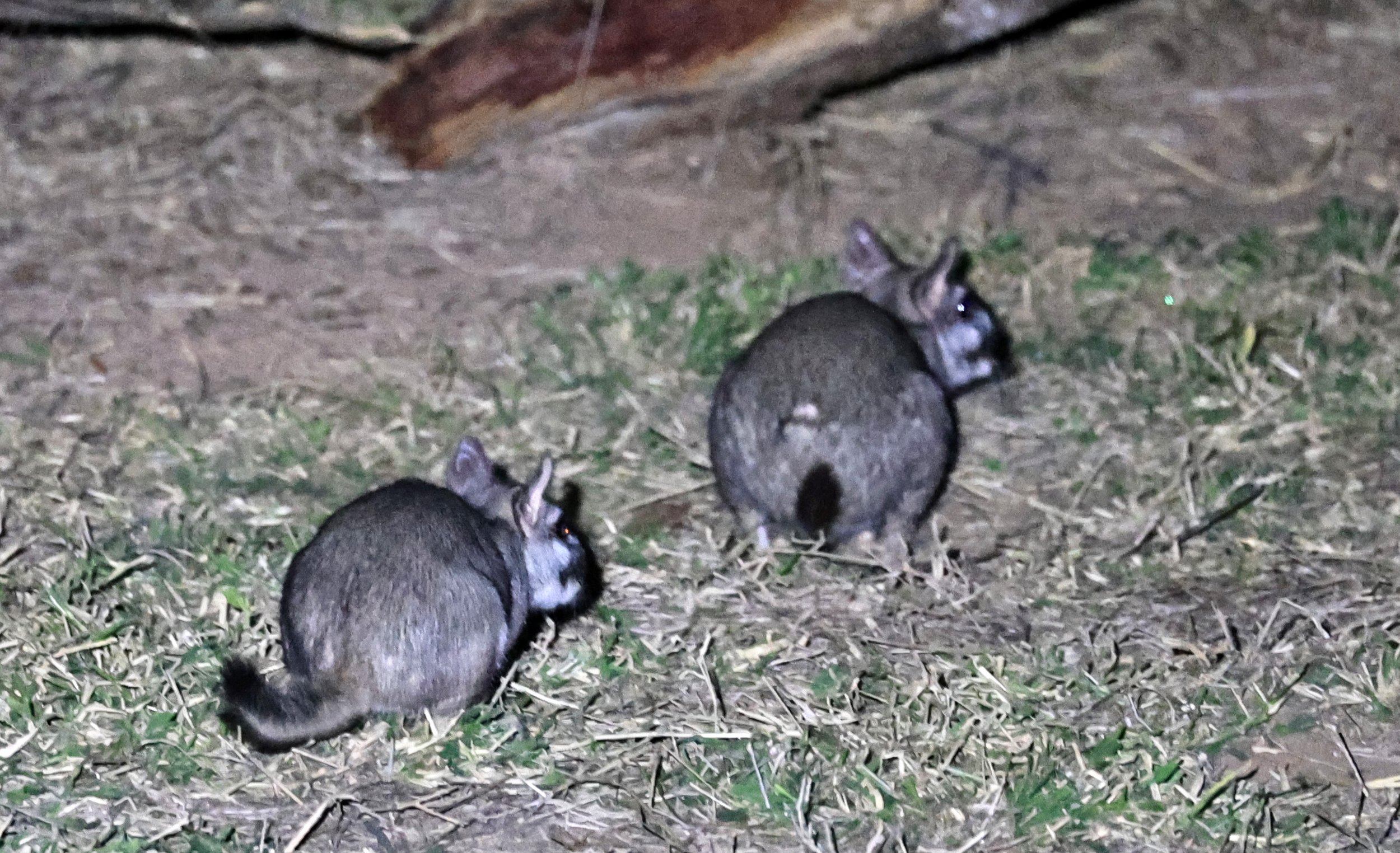
The below images were taken in El Palmar National Park in Argentina and the Chaco region in Paraguay:

Plains Vizcacha (Lagostomus maximus) El Palmar National Park, Entre Rios, Argentina




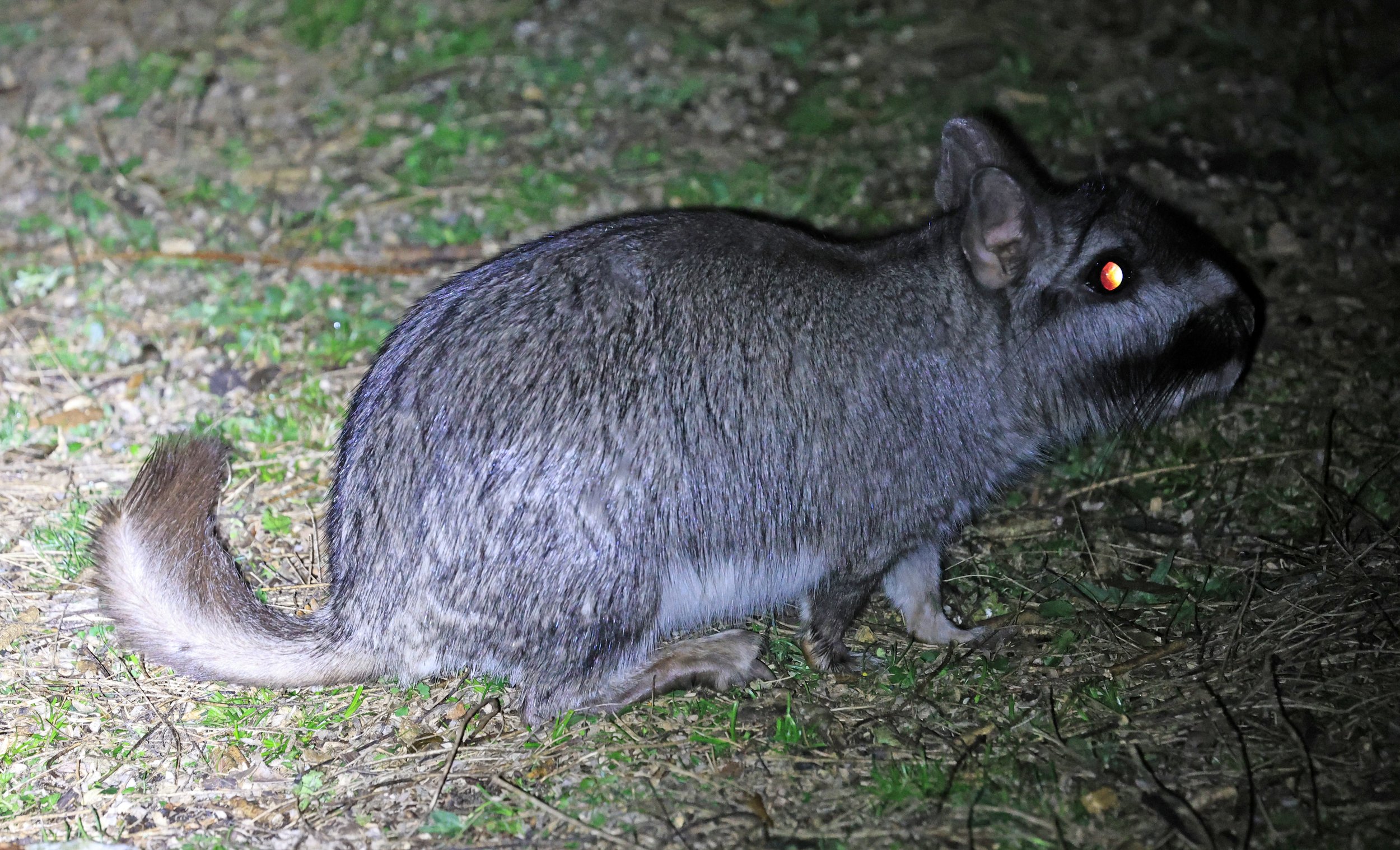

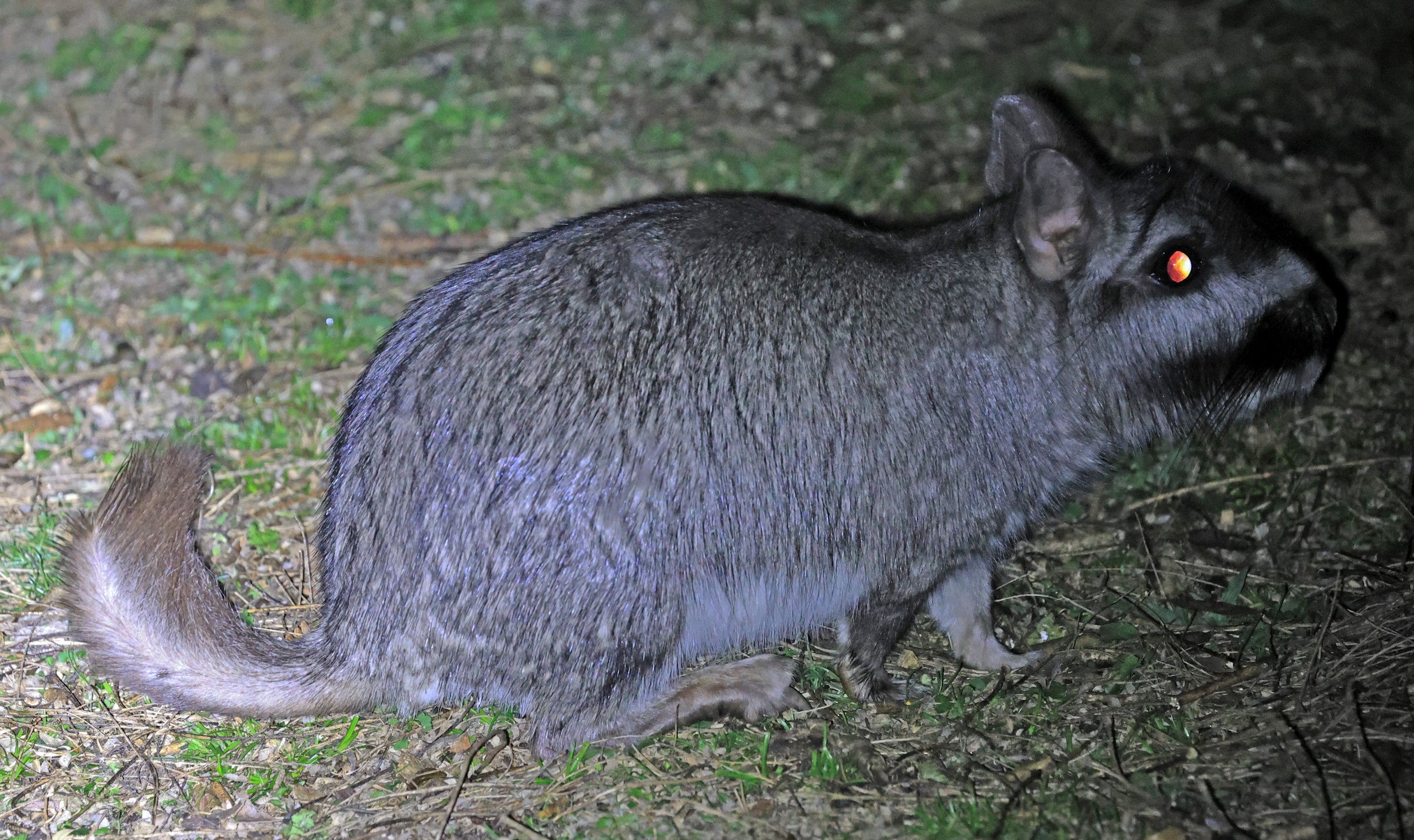




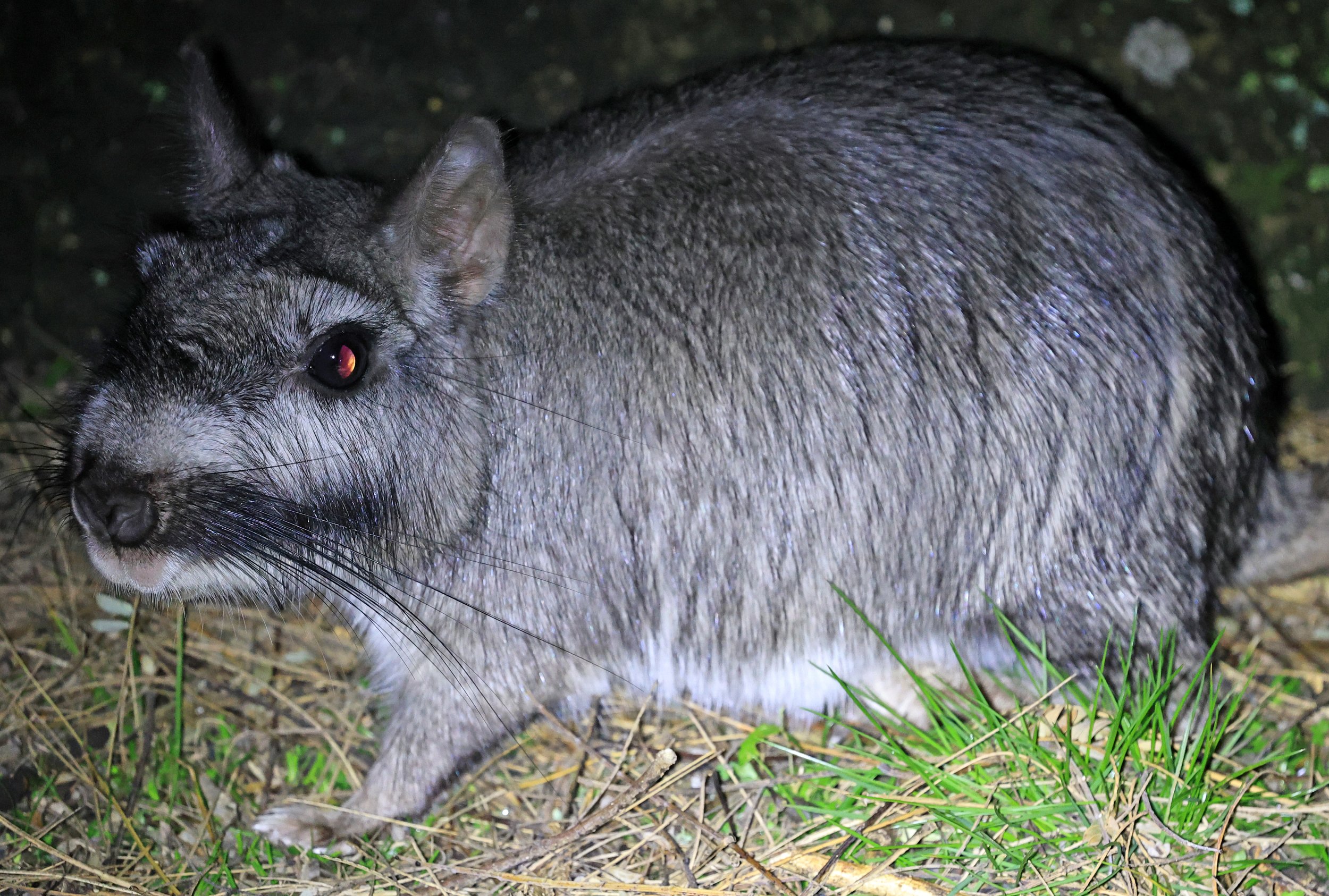


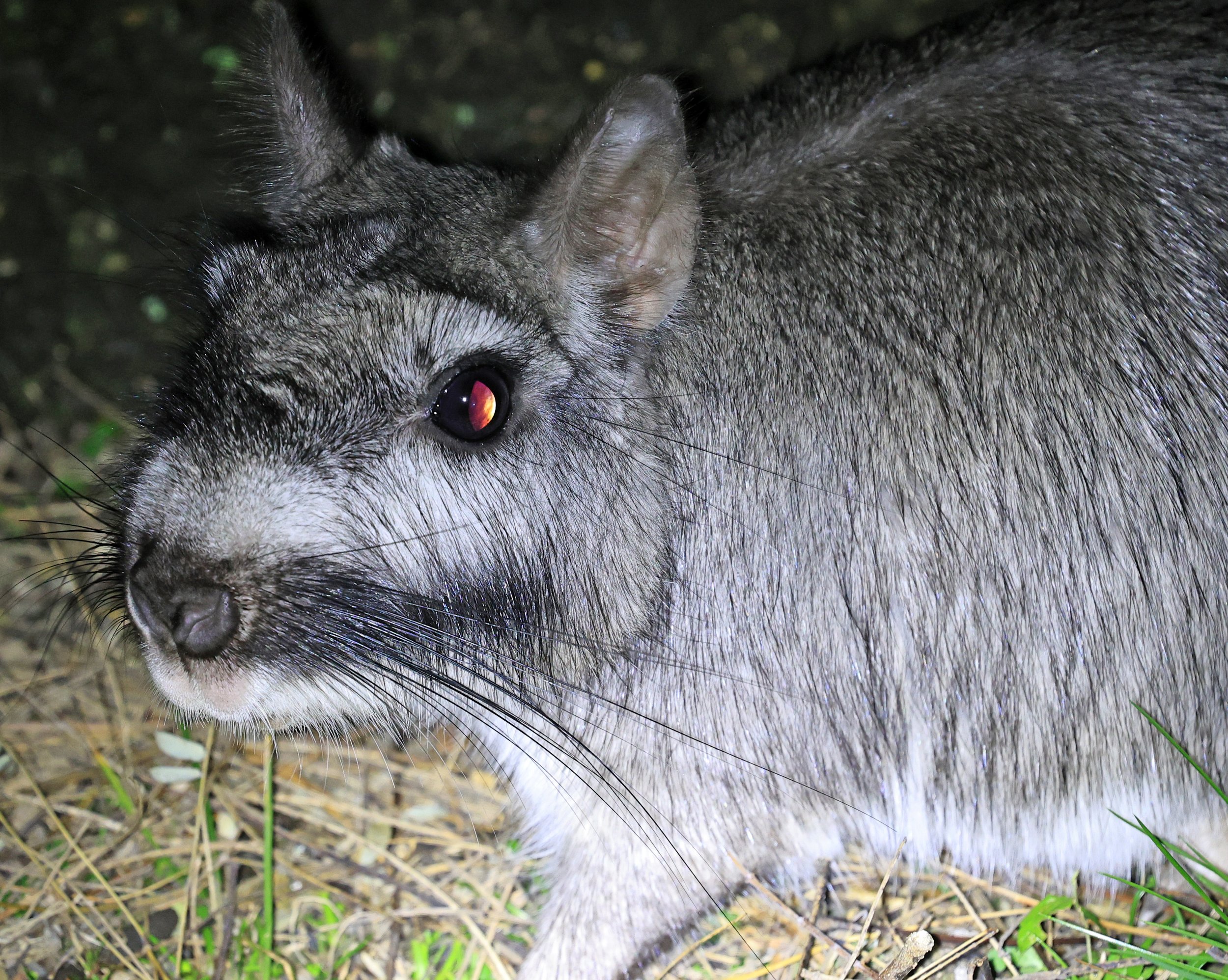


Plains Vizcacha (Lagostomus maximus) Reserva Natural Canada el Carmen, Paraguay