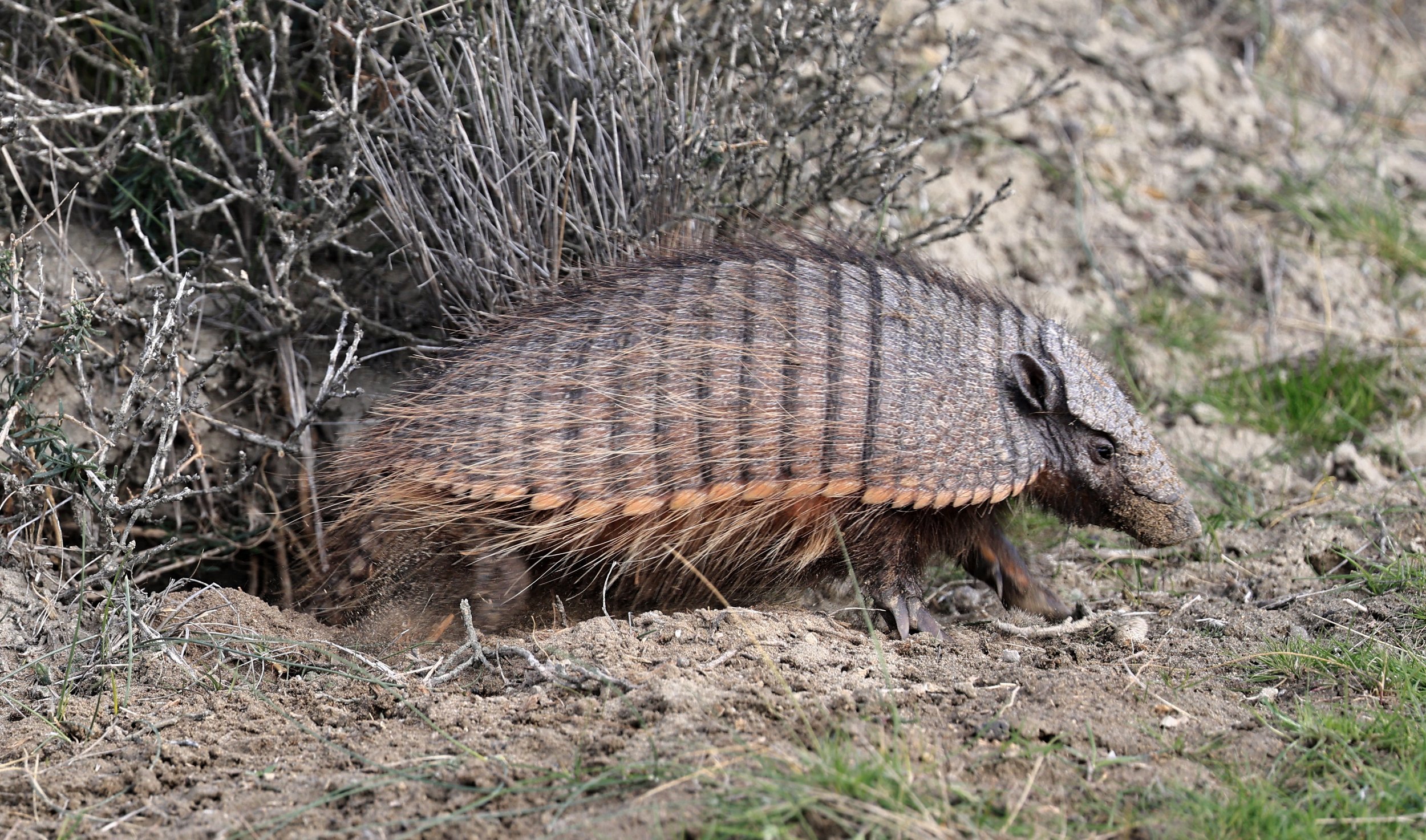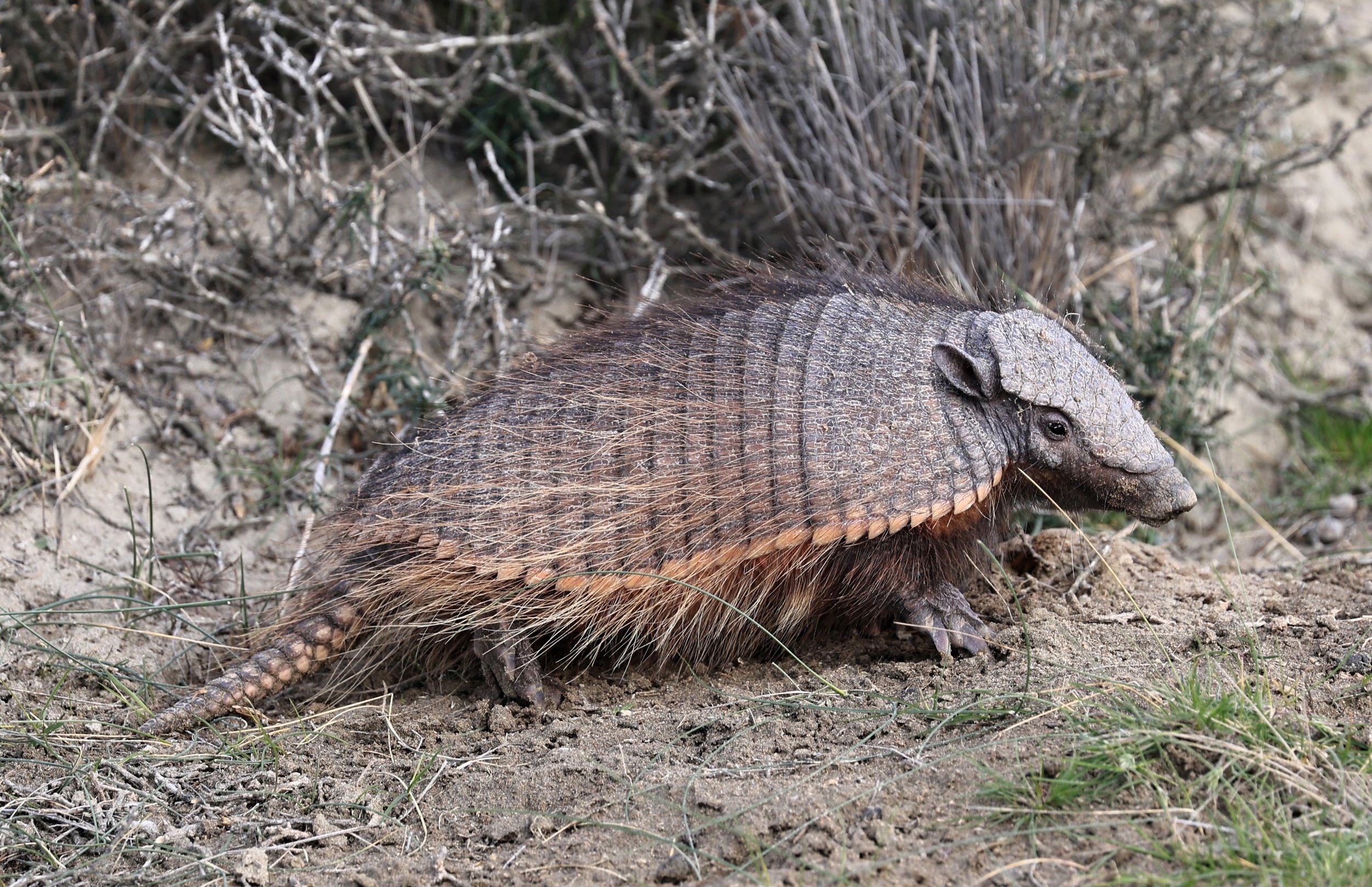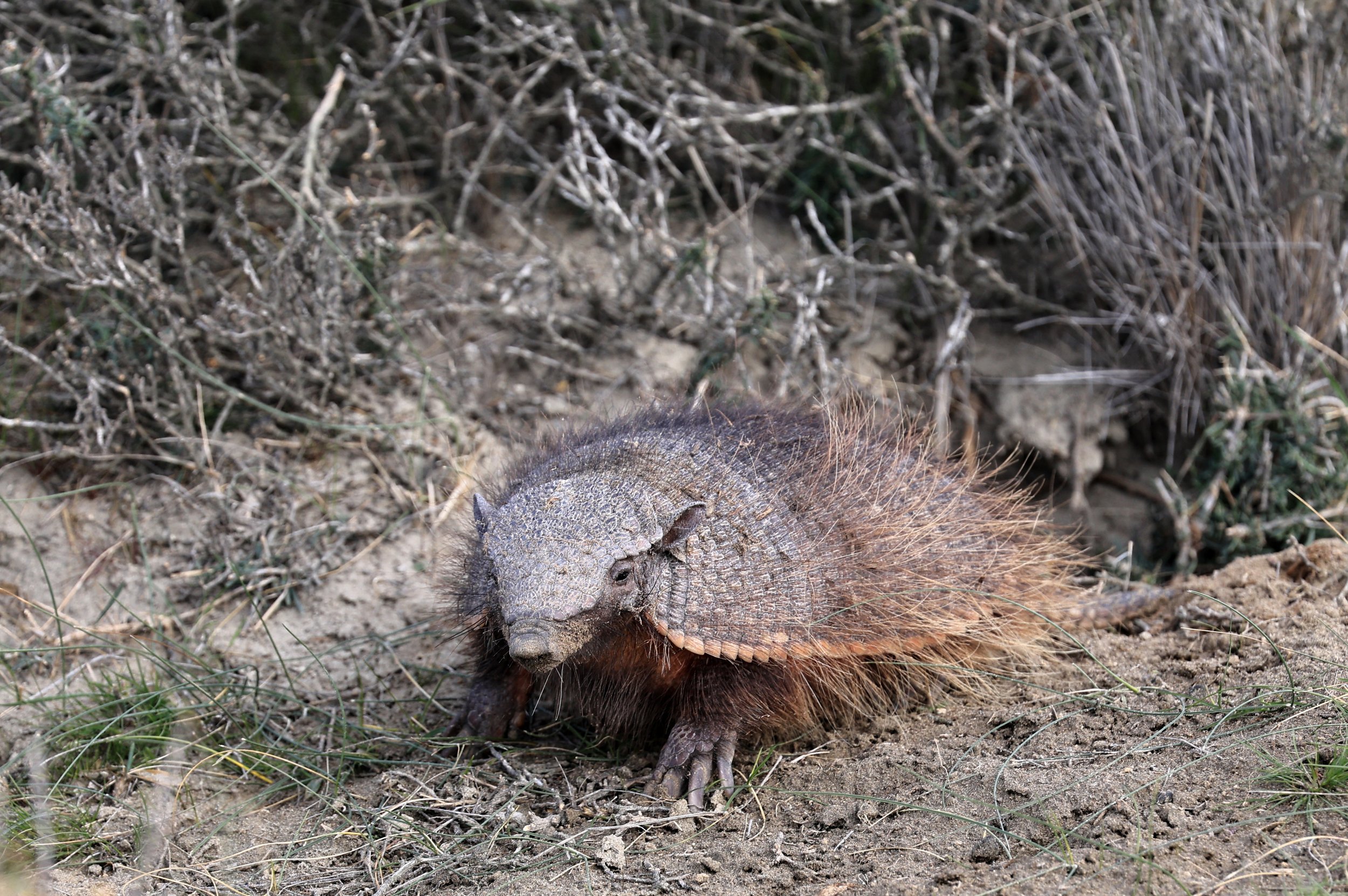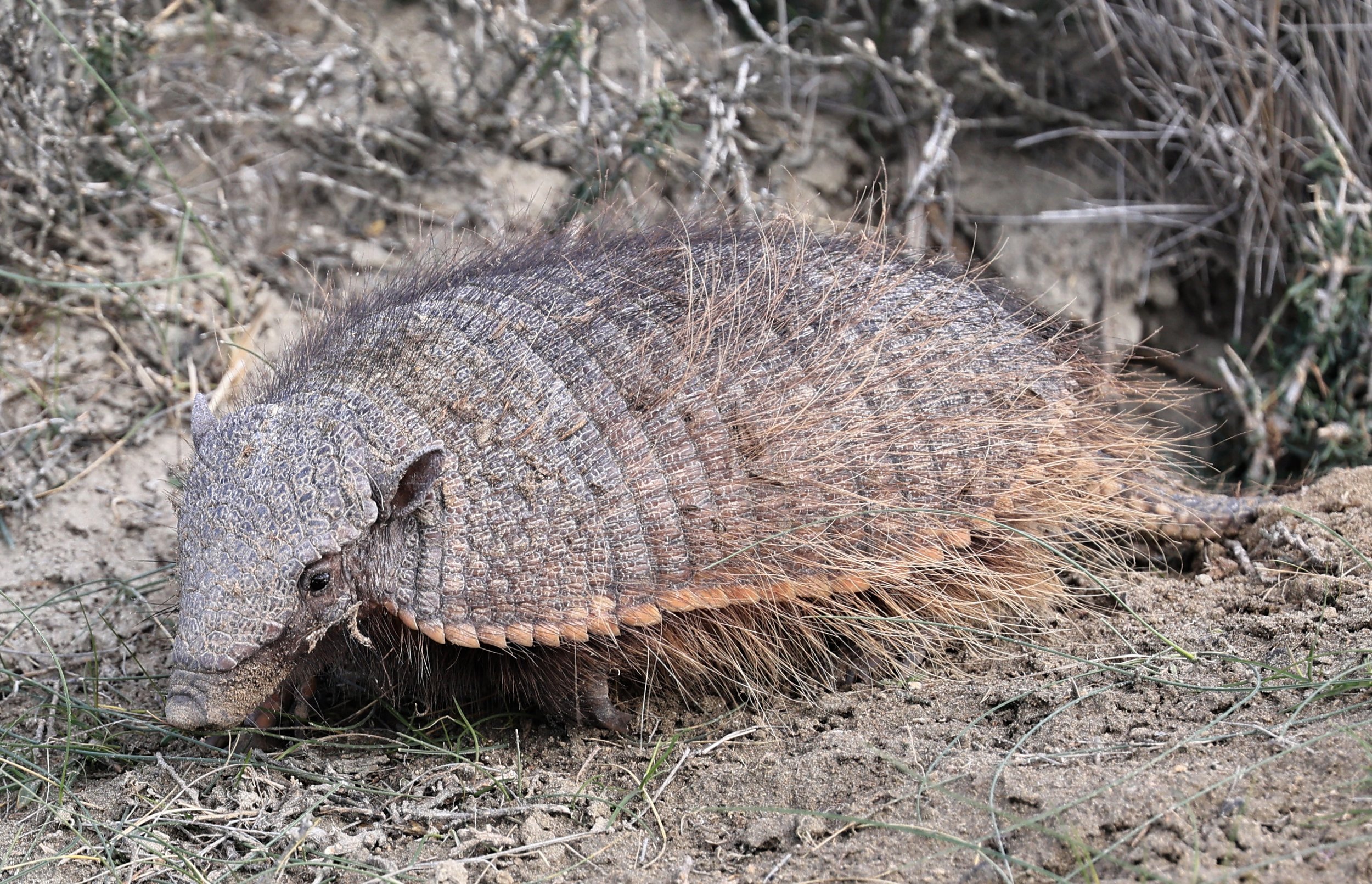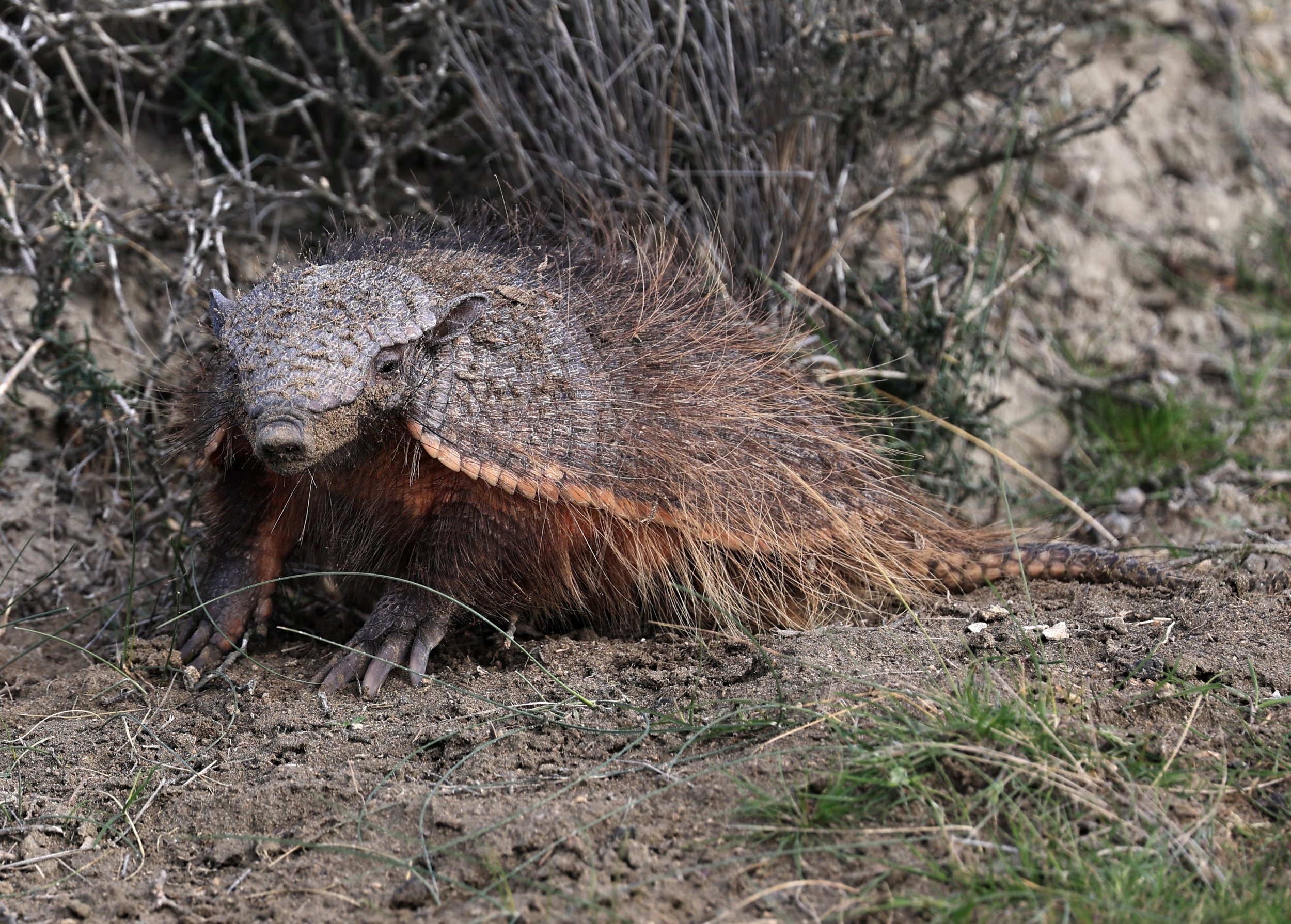
Large Hairy Armadillo (Chaetophractus villosus)
The Large Hairy Armadillo (Chaetophractus villosus), also known as the Big Hairy Armadillo, is one of the largest and most widespread armadillo species found in South America. It belongs to the kingdom Animalia, phylum Chordata, class Mammalia, order Cingulata, and family Chlamyphoridae. Within this family, it is classified in the genus Chaetophractus, which includes the hairy armadillos known for their distinctive coats of hair protruding from between the plates of their armour. [en.wikipedia.org], [xenarthrans.org]
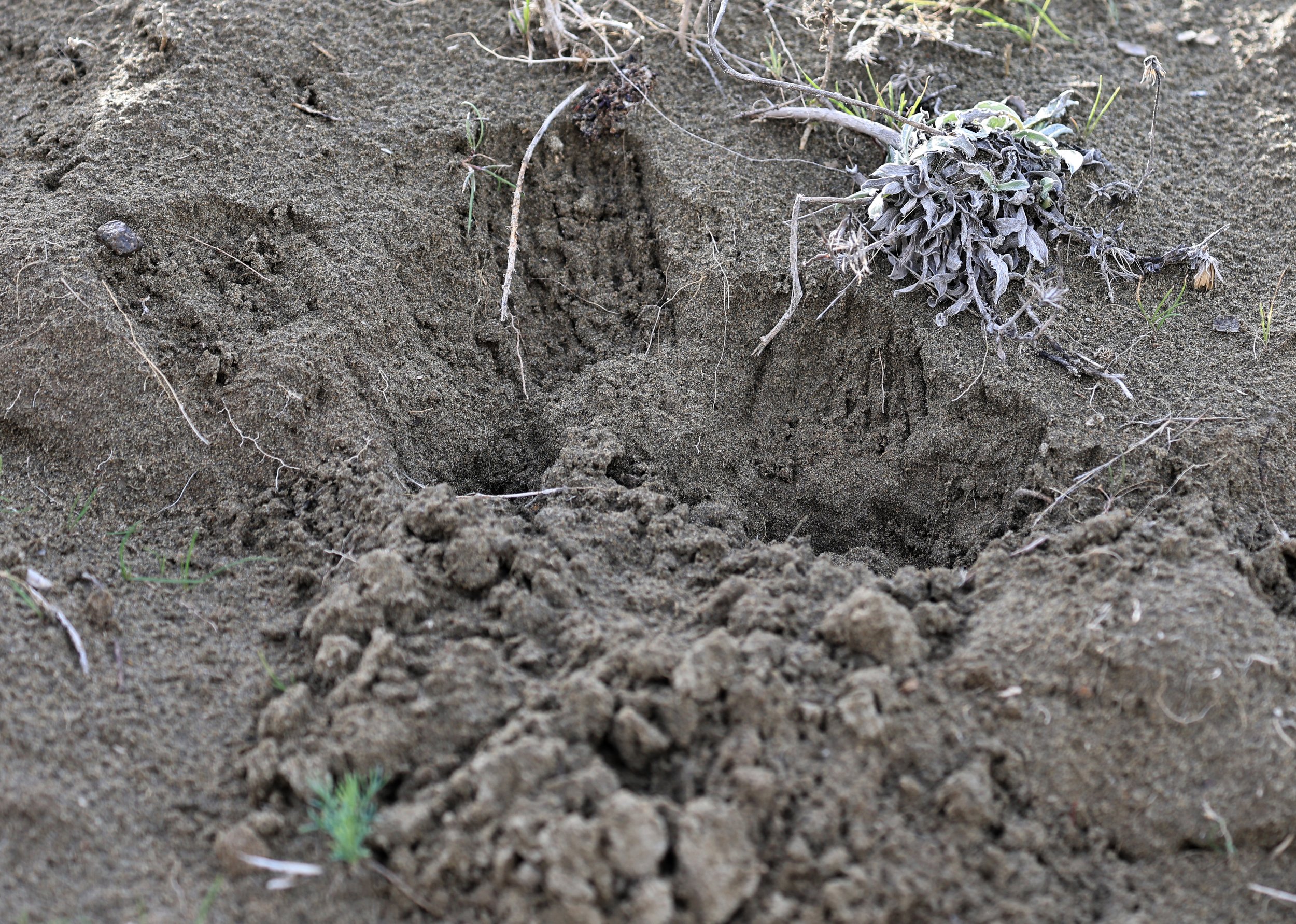
The Large Hairy Armadillo is a robust species that typically measures between 26 and 40 centimetres in body length and weighs between 2 and 5 kilograms. Its body is protected by a flattened carapace composed of bony plates linked by flexible bands that allow movement while still providing defence. Unlike many other armadillos, it has long, coarse hairs growing between the armour plates as well as on its underside, giving it a noticeably hairy appearance. The species possesses powerful front claws that are used for digging burrows and searching for food. It is an accomplished excavator and spends much of its life underground in burrow systems that provide protection from predators and extreme temperatures. [xenarthrans.org], [en.wikipedia.org], [animaldiversity.org]

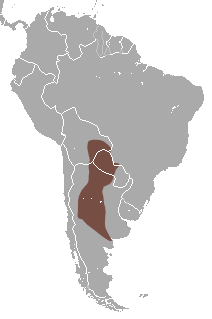
The Large Hairy Armadillo is distributed widely across southern South America. Its range includes most of Argentina as well as parts of Paraguay, Bolivia, and Chile. The species occupies a variety of habitats, including grasslands, savannas, scrublands, forests, and semi-desert environments. It has also adapted well to human-modified landscapes and is frequently found in agricultural areas, particularly in the Argentine Pampas. This adaptability has contributed to its success and widespread distribution. [xenarthrans.org], [animaldiversity.org], [en.wikipedia.org]
Several interesting adaptations make the Large Hairy Armadillo a fascinating species. It is an omnivore with a highly varied diet that includes insects, beetle larvae, fruits, seeds, bird eggs, small vertebrates, carrion, and other plant material. This flexible feeding strategy allows it to survive in a wide range of environments. The species is also known for its remarkable digging abilities and can construct both temporary and permanent burrows depending on food availability and environmental conditions. Another unusual adaptation is its ability to obtain oxygen while underground through specialized structures in its nose, allowing it to dig efficiently without inhaling excessive dust and soil. In favorable conditions, females may produce more than one litter each year, which helps maintain healthy populations. Large Hairy Armadillos have also been known to live for more than 30 years in captivity. [en.wikipedia.org], [xenarthrans.org], [animaldiversity.org]
The International Union for Conservation of Nature (IUCN) currently classifies the Large Hairy Armadillo as Least Concern, reflecting its large population size, extensive distribution, and ability to tolerate habitat modification. The species is present in numerous protected areas and is not currently experiencing population declines severe enough to place it in a threatened category. [iucnredlist.org], [xenarthrans.org]Although the species is considered secure, it still faces a number of threats. In some parts of its range, Large Hairy Armadillos are hunted for food and their shells may be used to make traditional musical instruments such as charangos. Farmers sometimes regard them as agricultural pests because their burrowing activities can disturb crops and pastureland, leading to persecution. Additional threats include road mortality, attacks by domestic dogs, and habitat degradation. In recent years, extensive wildfires in parts of South America, particularly Bolivia, have also affected armadillo populations and their habitats. Despite these pressures, the species has shown considerable resilience due to its adaptability and broad ecological tolerance. [xenarthrans.org], [en.wikipedia.org]The Large Hairy Armadillo is an excellent example of a species that has successfully adapted to a variety of environmental conditions across South America. Its distinctive hairy armour, powerful digging abilities, varied diet, and resilience to habitat change have enabled it to remain one of the continent’s most common armadillo species. Continued monitoring and habitat conservation will help ensure that this remarkable mammal continues to thrive throughout its extensive range. [xenarthrans.org], [iucnredlist.org]
The below images were taken at Valdes Peninsula, Chubut Province, Argentina 2026:

Large Hairy Armadillo Chaetophractus villosus) Valdes Peninsula, Chubut Province, Argentina