Searching for the Elusive Tamarin of the Atlantic Forest: Superagüi
Some wildlife trips are defined by success. Others are defined by the search itself.
My recent journey to Brazil's remote Superagüi National Park was firmly in the second category. The goal was clear from the beginning: to find one of the rarest primates on Earth, the critically endangered Superagüi tamarin, also known as the black-faced lion tamarin (Leontopithecus caissara). A species found only in a tiny corner of Brazil's Atlantic Forest, with a population believed to number only a few hundred individuals. [en.wikipedia.org], [native-nature.org]
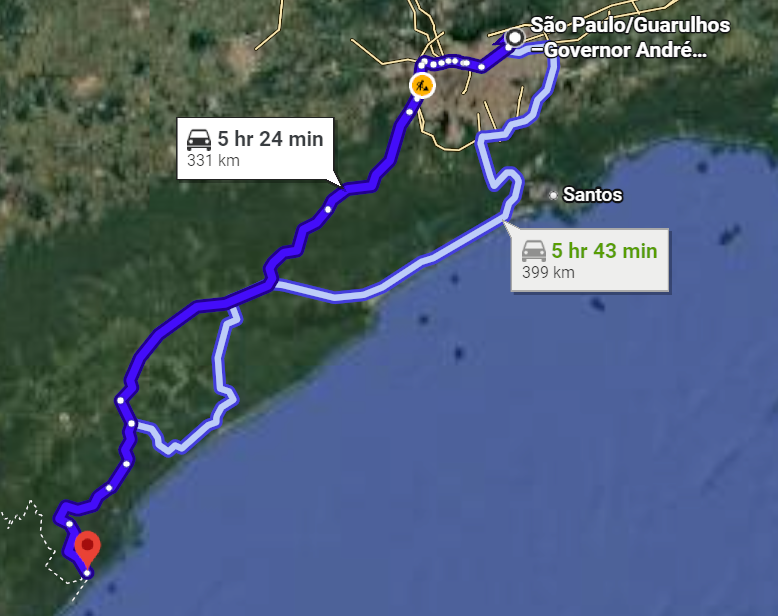
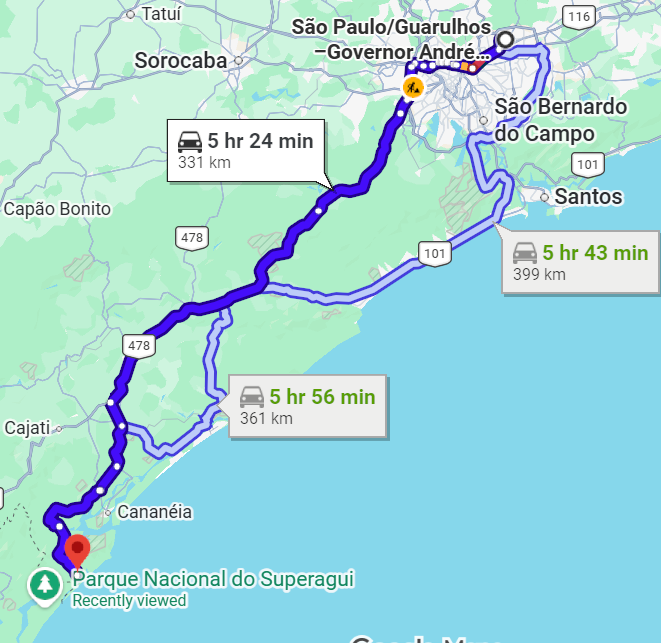
The adventure began in São Paulo where I spent the first night after a nearly 40-hour flight from Bangkok to Istanbul to Sao Paulo. I was beat. Luckily my guide and friend Eduardo met me at the airport and was able to take me to my lodging. Note of caution – The Airport Ibis and the Airport Budget Ibis are two very different places! We found this out the hard way. Anyway I was able to get a few hours of sleep prior to our expedition to one of the most beautiful places in Brazil.
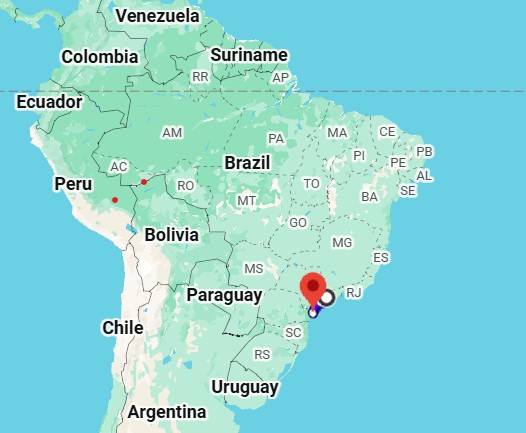
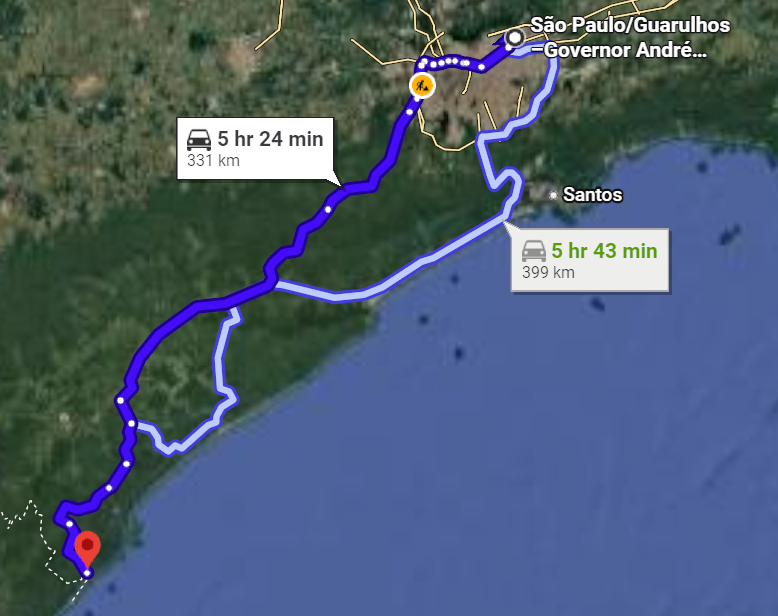
Leaving behind one of the world's largest cities, Eduardo whom I travelled with three years prior on my massive Primate Safari of 2023. We drove south along 4-lane highways before following smaller roads through the lush coastal mountains of Paraná and eventually reaching dirt tracks to the end of the road. I recall the drive being about 7 hours.
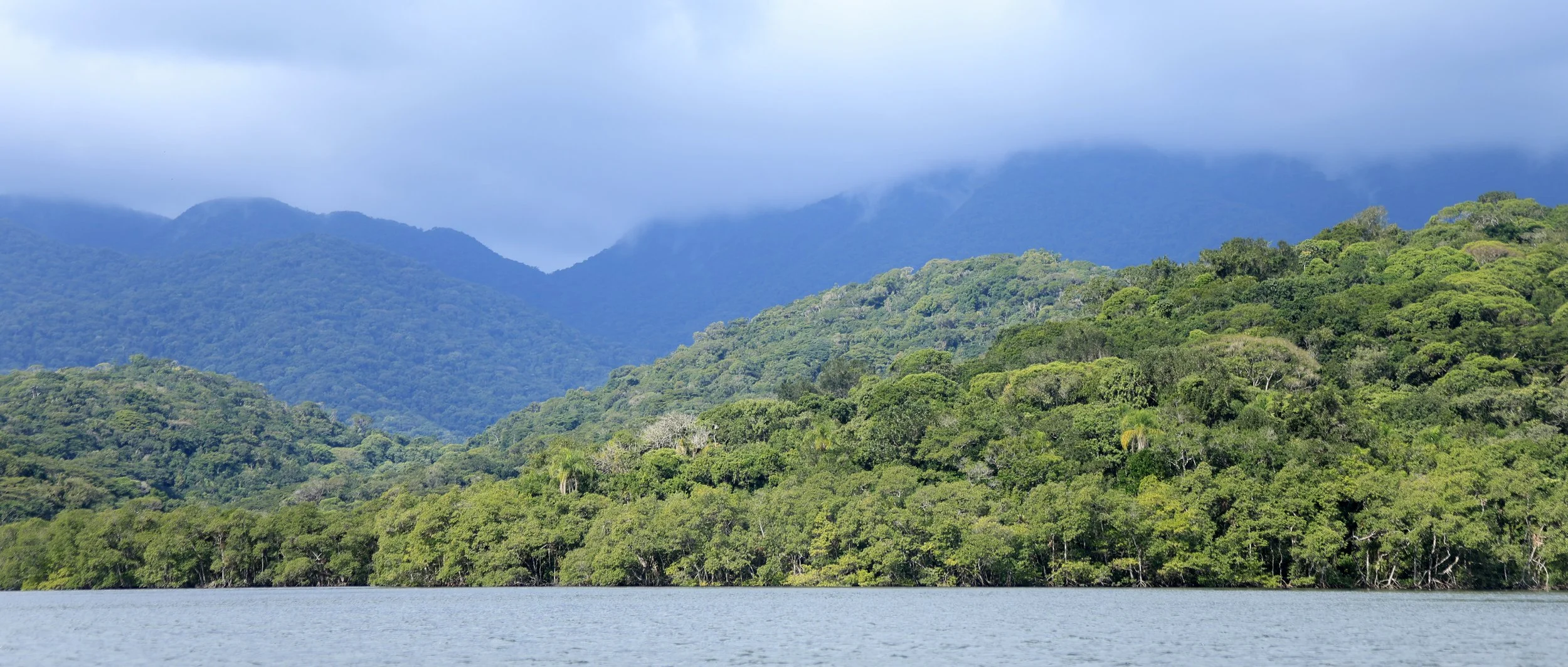
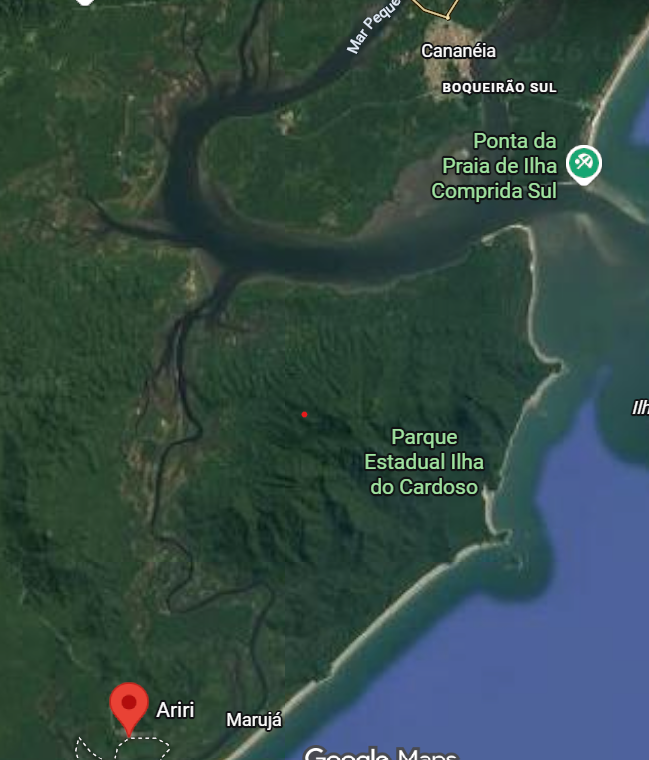
The scenery became increasingly wild as the urban sprawl faded away. Eventually I reached the tiny port of Ariri, a sleepy settlement near the border of São Paulo and Paraná states. Ariri feels like the end of the road, and in many ways it is. Beyond lies a labyrinth of waterways, mangroves, forests and islands that form part of the immense Lagamar estuarine complex.
From Ariri, I boarded a boat bound for Pousada e Camping do Márcio Recanto Ararapira. The journey across the waterways was spectacular. Mangrove-lined channels twisted through an almost untouched wilderness, with forested hills rising beyond the water. It was immediately obvious why this region is one of the most important conservation areas in southern Brazil.
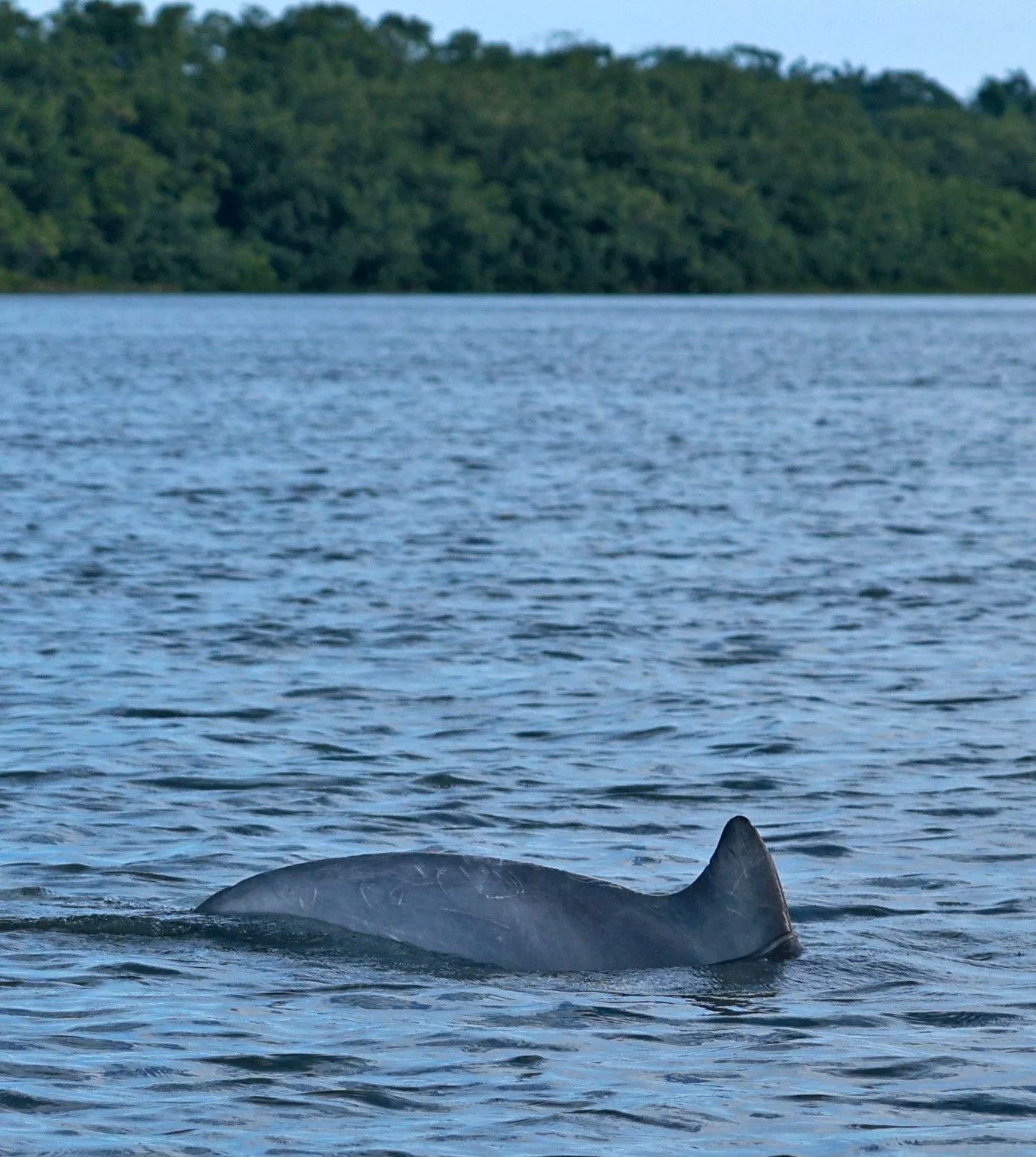
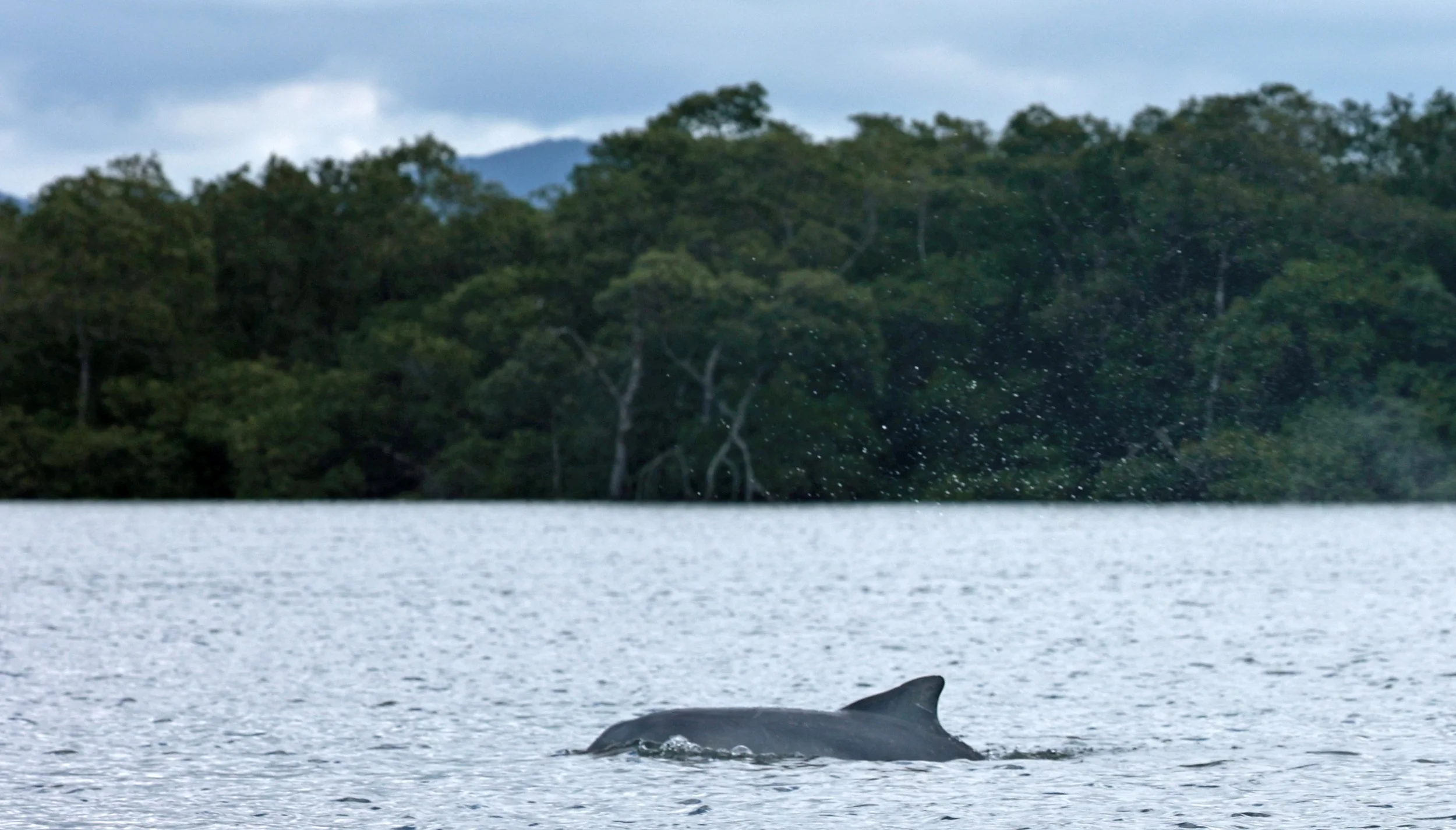
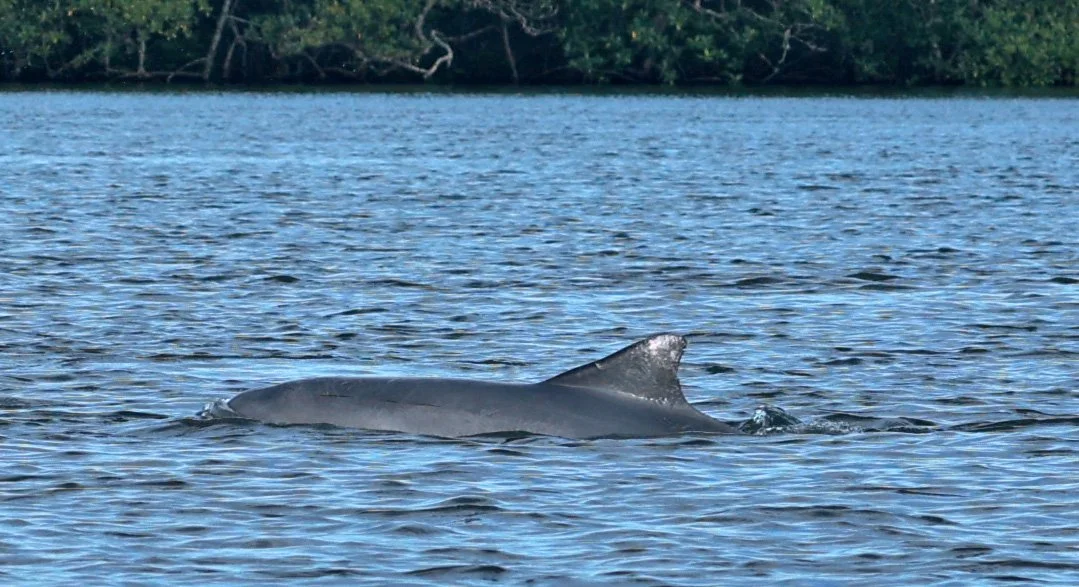
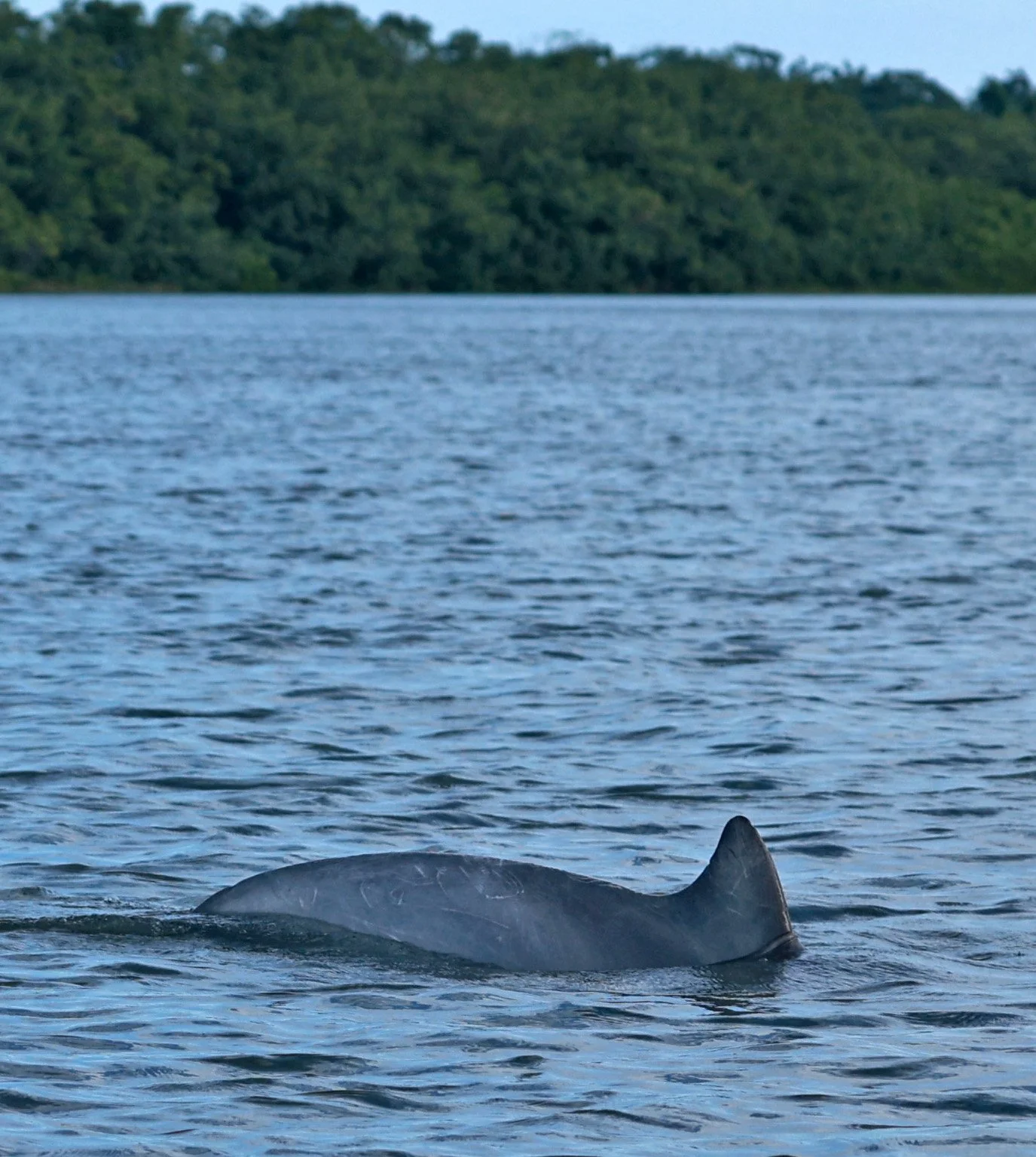
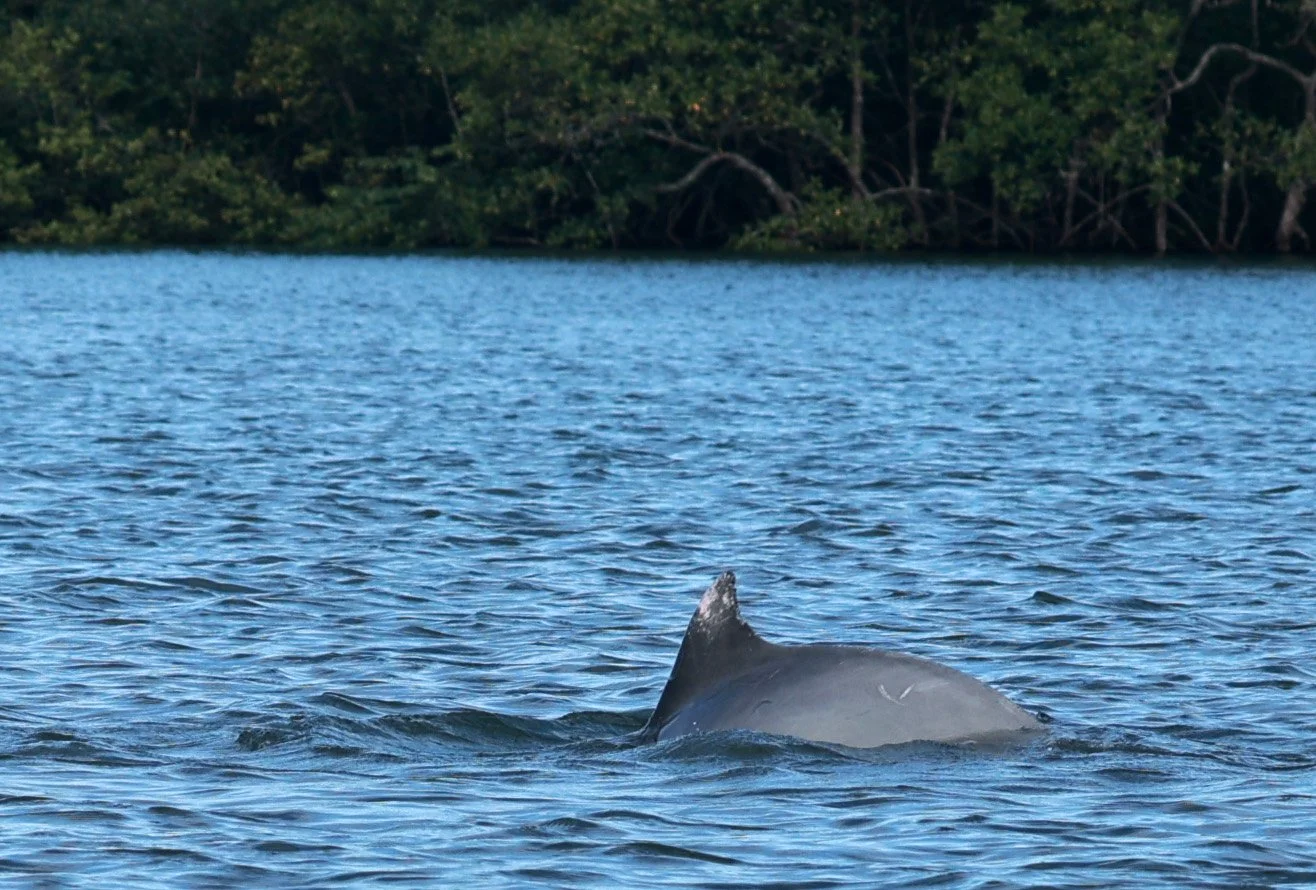
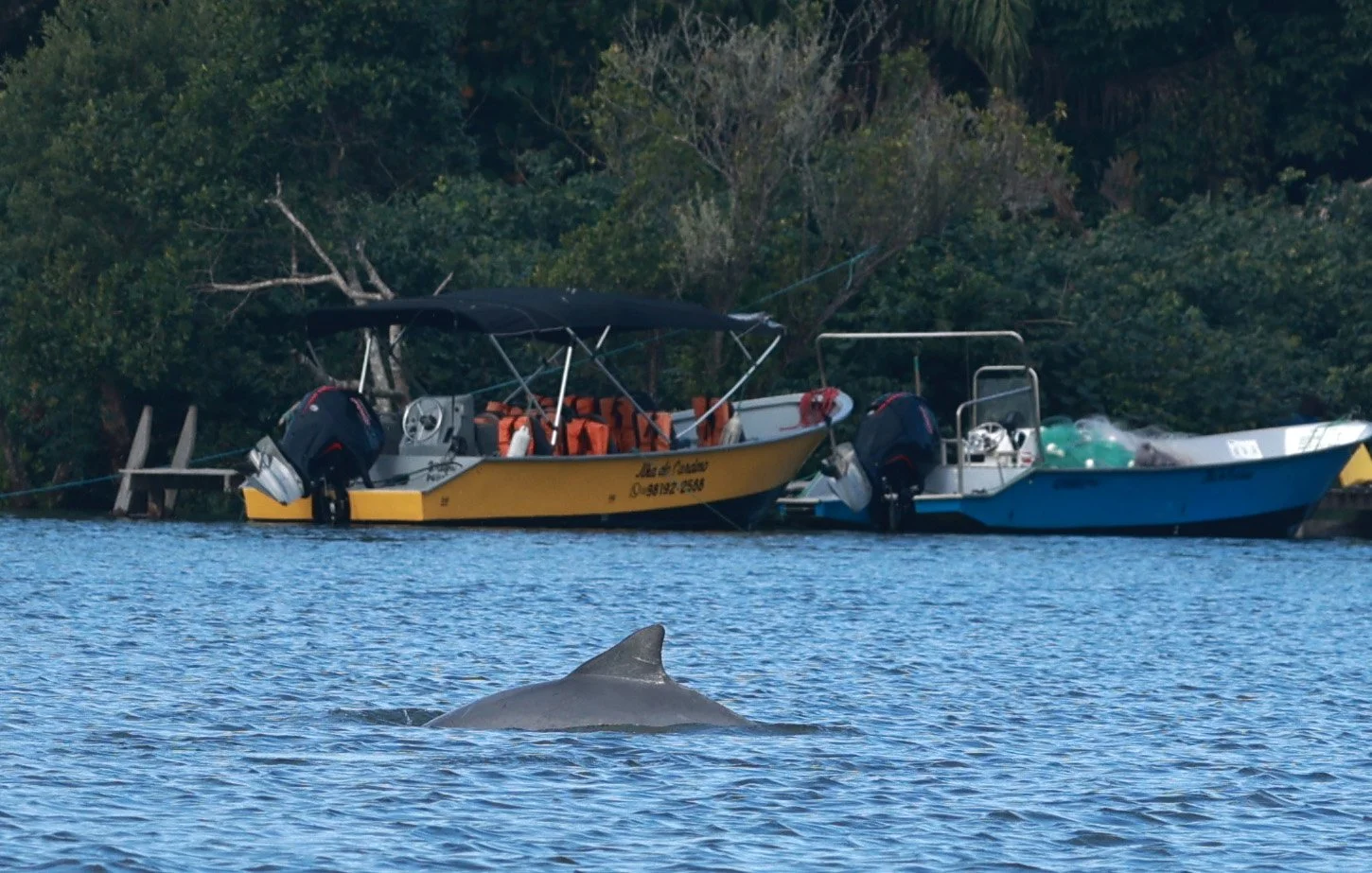
Before we even began searching for the tamarin, there was another wildlife mission. Upon arrival in Ariri, I was met by my local Indigenous guide Márcio. Together we all three set off into the vast waterways searching for Guiana dolphins (Sotalia guianensis). These attractive estuarine dolphins inhabit coastal waters and river mouths along the Atlantic coast of South America and are particularly associated with mangrove systems and sheltered bays. They are smaller than bottlenose dolphins, with a distinctive long beak and typically travel in small groups. [en.wikipedia.org]
The search proved far more difficult than expected. Kilometer after kilometer slipped by as we explored channels, bays and estuaries without success. The dolphins seemed determined to remain hidden. Eventually, after covering a considerable distance, the first dorsal fin broke the surface. Soon more appeared. Watching them surface gracefully amid the mangroves was a magical experience and a wonderful introduction to this remarkable landscape. Happy that I had my second target already nailed, I had a sense of confidence and was making plans for other activities that may be possible after we nailed the tamarins in short order…Boy was I naïve.
Márcio's pousada was exactly the sort of place I love. Simple, comfortable and welcoming, it felt deeply connected to the landscape around it. Rather than luxury, it offered authenticity. Surrounded by rainforest and water, it served as the perfect base for exploring one of Brazil's least-visited national parks. Meals were hearty, the atmosphere relaxed, and evenings were filled with the sounds of frogs, insects and distant birds.
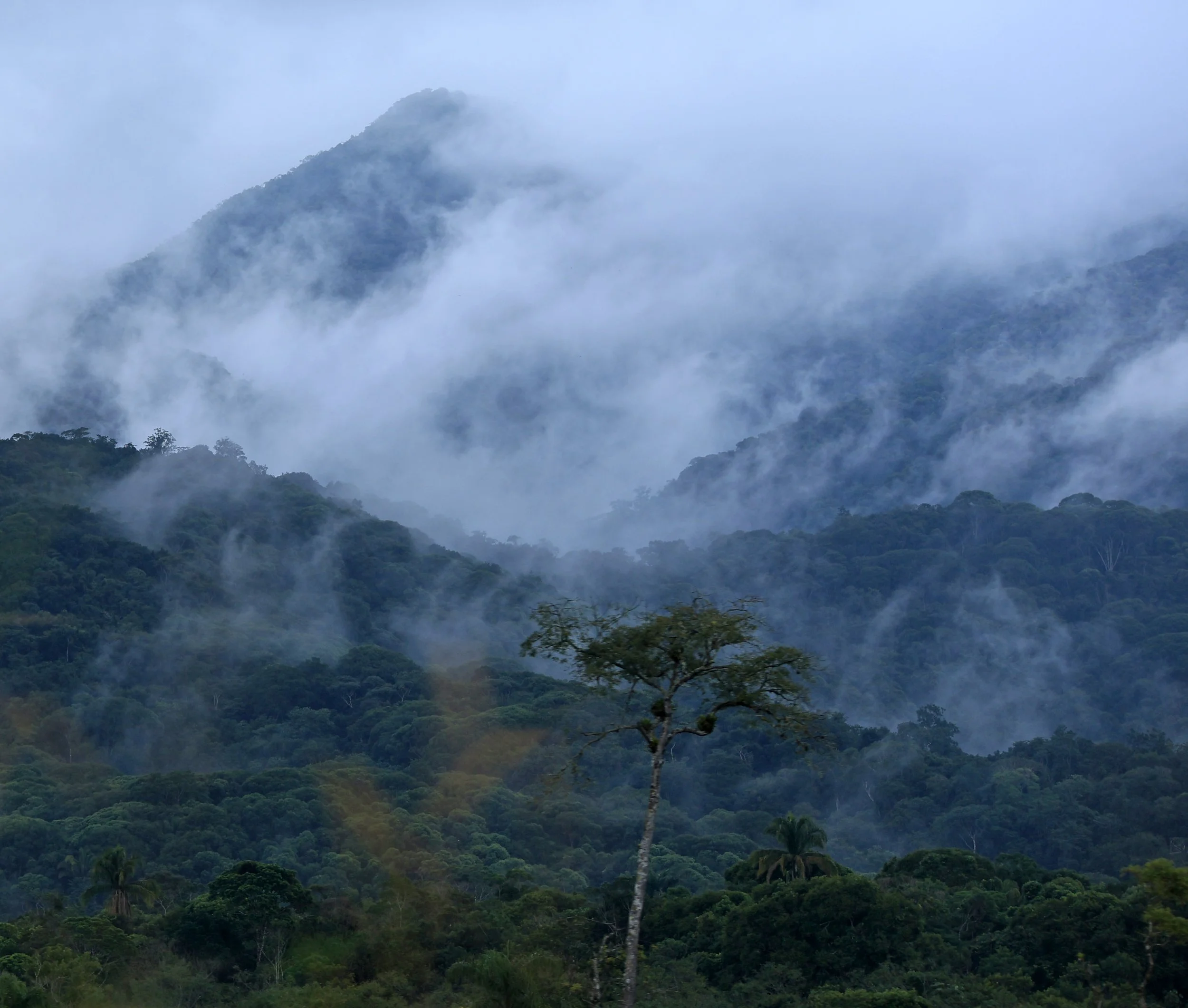
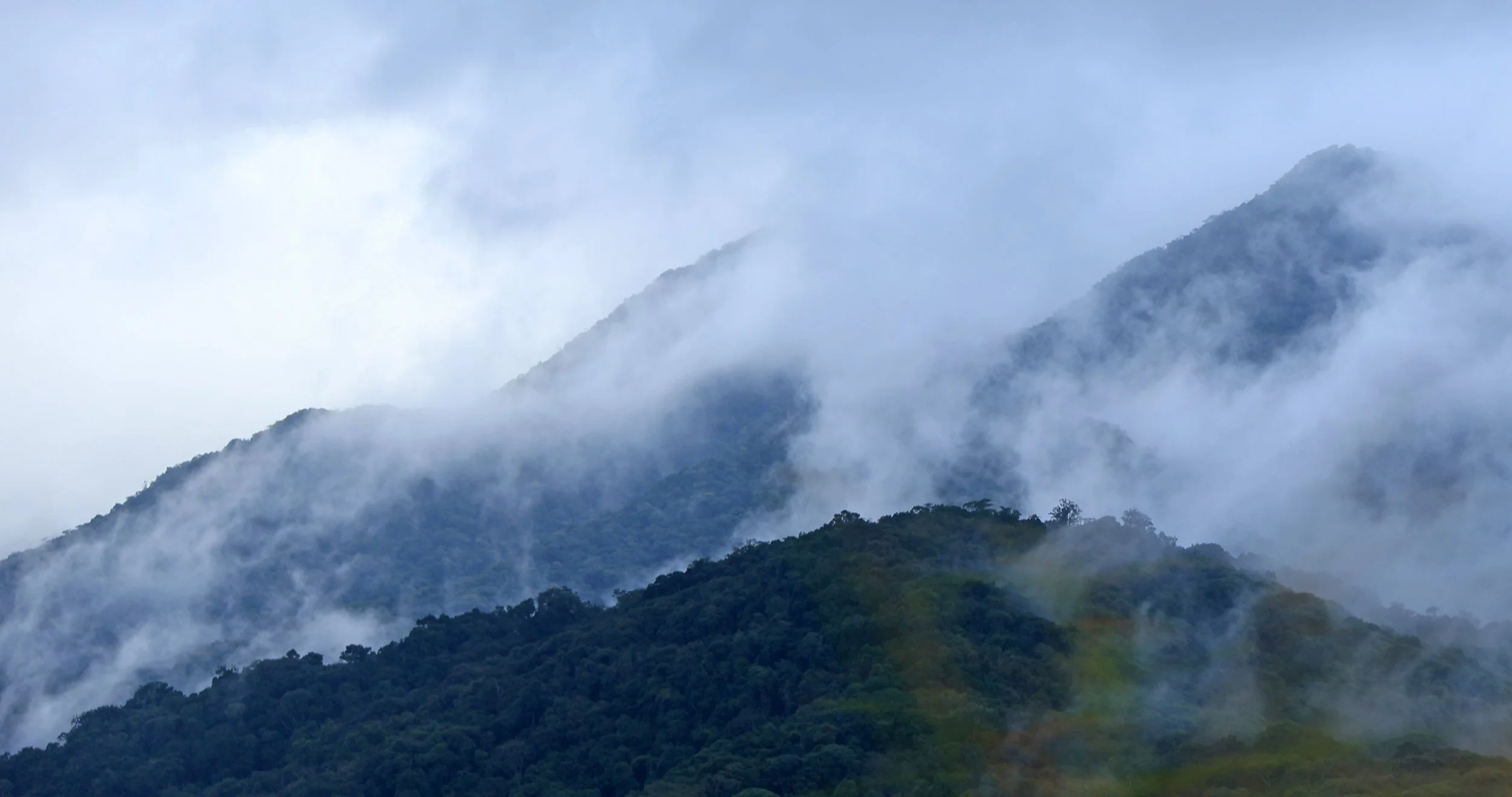
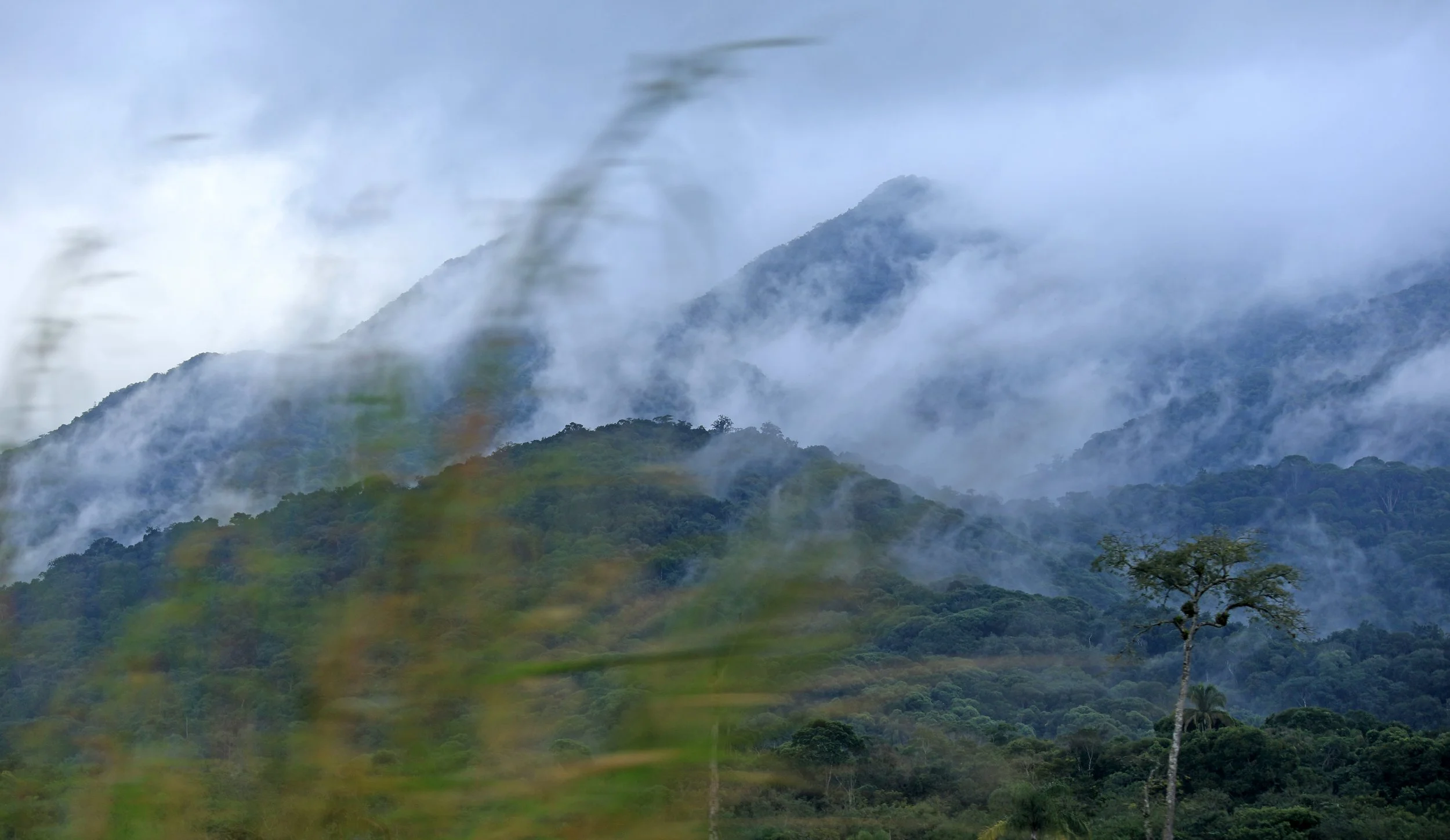
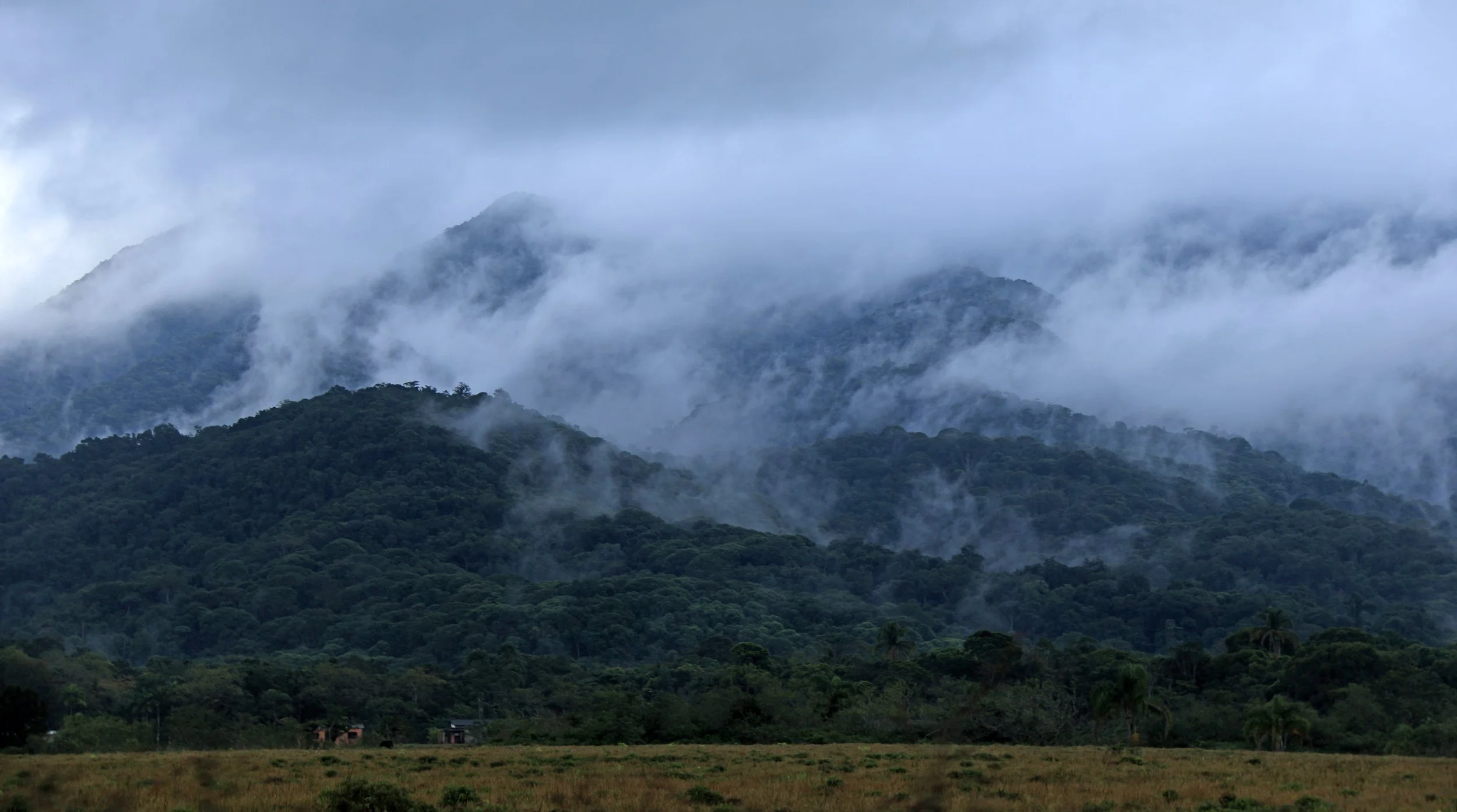
Superagüi National Park itself is an extraordinary protected area. Covering islands, estuaries, beaches, mangroves and extensive tracts of Atlantic Forest, it is part of a UNESCO-recognized conservation region and protects one of the best preserved coastal ecosystems in Brazil. The park is famous for its deserted beaches, vast mangrove forests and exceptional biodiversity. Endangered wildlife includes the Superagüi Tamarin and many species of avifauna, and countless reptiles and mammals thrive in its forests and wetlands. [en.wikipedia.org], [en.wikivoyage.org], [internatio...lparks.org]
Humans have lived here for thousands of years. Long before Europeans arrived, the region was occupied by the Carijós and Tupiniquins peoples. One of the most fascinating reminders of their presence are the ancient shell middens, enormous accumulations of shells and other materials left behind by coastal communities over countless generations. These archaeological sites remain important evidence of the deep human history of the Superagüi region. [en.wikipedia.org], [en.wikivoyage.org]
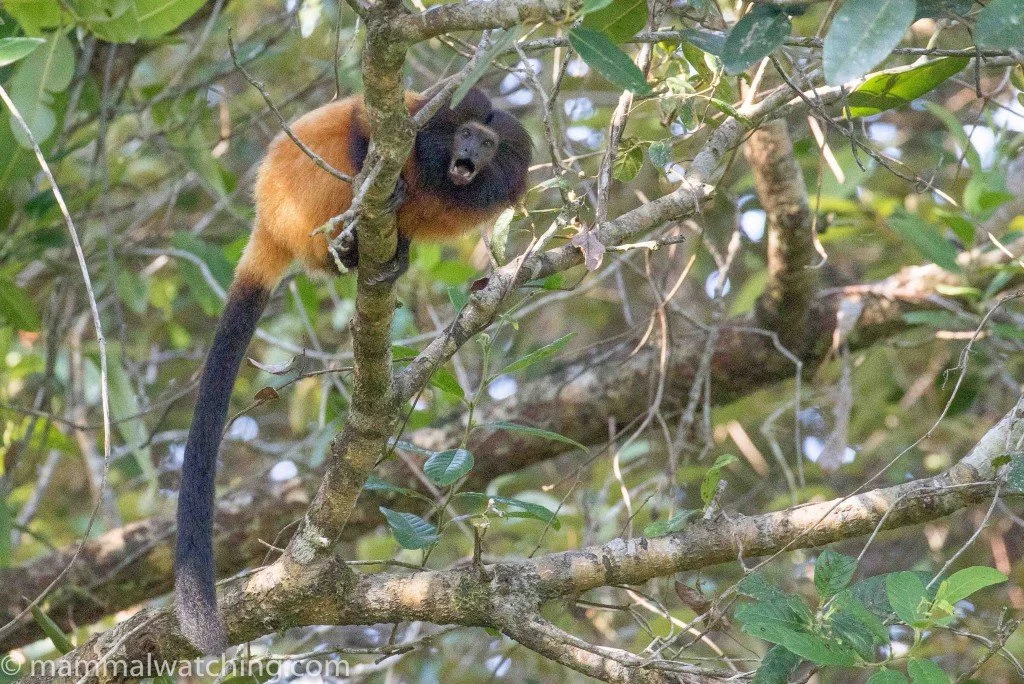
The target that was never realized. The Superagüi Tamarin remains elusive to me. This image was stolen from Jon Hall (link here) with his permission… I post it to show the glorious animal I missed and to torture myself to maybe someday return for a second try?
And then came the reason I had travelled all this way.
The Black-faced Lion Tamarin is arguably one of the world's most difficult primates to observe. Discovered only in 1990, it occurs in a tiny range along the coast of Paraná and southern São Paulo. It inhabits lowland Atlantic Forest and restinga forest (a distinct type of coastal tropical and subtropical moist broadleaf ecosystem found primarily in eastern and northeastern Brazil) near sea level, living in small family groups and feeding on fruits, insects, spiders, nectar and other forest foods. Its beautiful golden-orange fur contrasts sharply with a black face, limbs and tail, making it one of the most striking of all the lion tamarins. Sadly, habitat loss and its incredibly restricted range have left it highly threatened. [en.wikipedia.org], [animalia.bio]
The next three days were devoted entirely to finding this remarkable primate.
Every day, Márcio led us through the gorgeous Atlantic rainforest surrounding his home. His knowledge of the forest was astonishing. Every trail, creek crossing, fruiting tree and wildlife sign seemed familiar to him. Day one was hard work from dawn until dusk. We covered extensive ground through beautiful forest but found no tamarins.
Day two was much the same. More hiking, more searching, more listening. We encountered plenty of other wildlife and absorbed the incredible atmosphere of the Atlantic Forest, yet the tamarins remained elusive.
Then came day three. At last, Márcio located them!
Unfortunately, we were exploring a different trail when the news came through. By the time we hurried back, the opportunity had passed. I heard their vocalizations clearly and perhaps even caught some movement high in the vegetation, but I never achieved what mammal watchers would call a true sighting. It was a crushing moment.
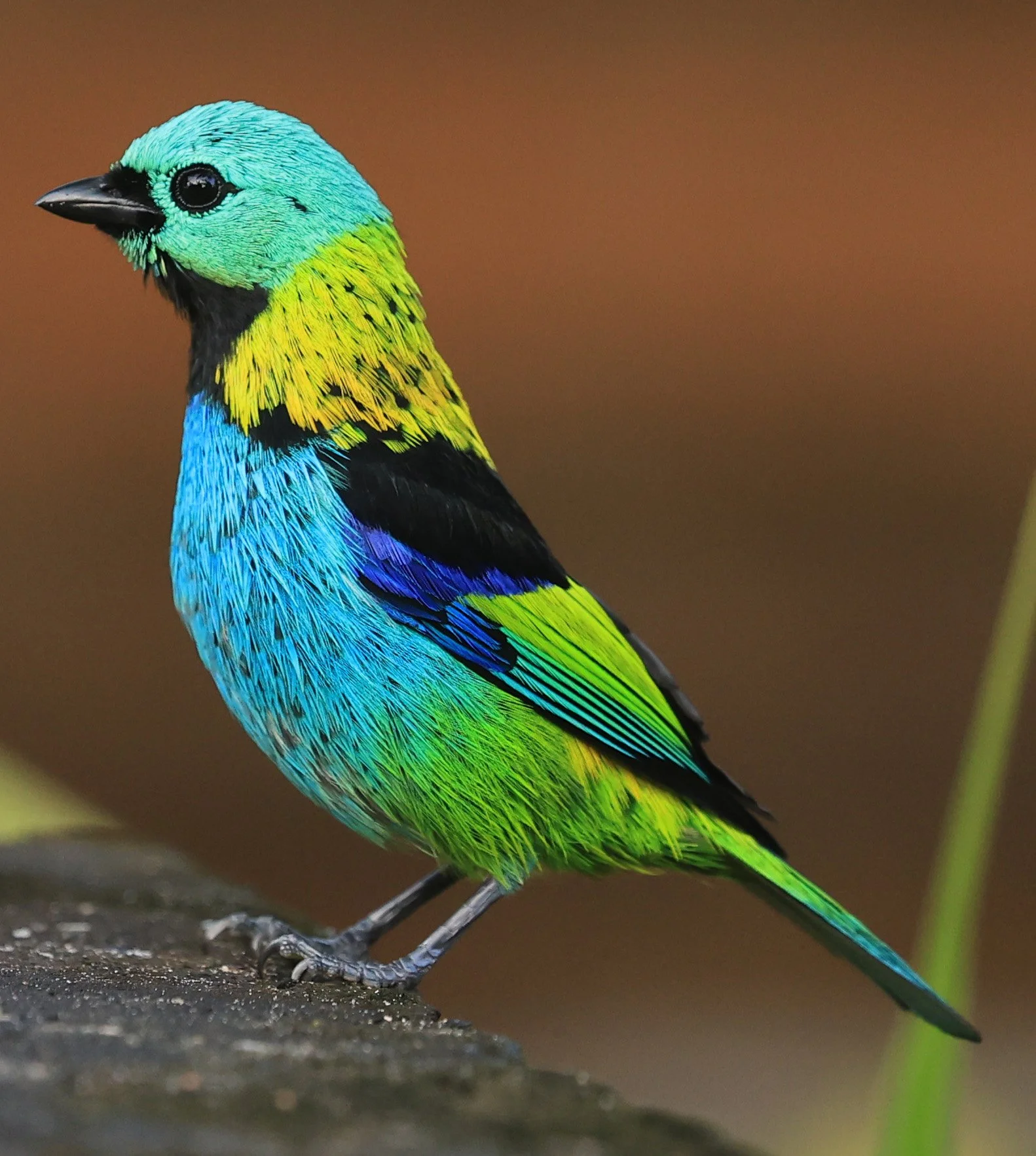
Green-headed Tanager is a hell of a bird!
When you travel halfway around the world for a single species, missing it is undeniably disappointing. The Superagüi Tamarin had been my only real target, and knowing that the animals were there, so close yet unseen, made the miss particularly painful. But that disappointment eventually gave way to perspective.
One of my core wildlife-travel philosophies is not to become too attached to the target species. Of course targets matter. They are the reason we make the journey. Yet if a successful sighting becomes the only measure of a trip, we risk missing everything else that made the experience worthwhile. The search, the effort, the places visited, the people met, and the unexpected wildlife seen often become the most valuable memories. And Superagüi provided plenty of those.
The birdlife alone was phenomenal. More than 70 species were recorded during the trip. One particular highlight was finally seeing Scarlet Ibis in their natural habitat. That was a far more satisfying experience than the lone individual that appeared in Samut Prakan last year, which was almost certainly an escapee. Here, surrounded by mangroves and wild estuaries, seeing these brilliant crimson birds felt exactly as nature intended.
Even without the tamarin, the trip was filled with rewards. The forests were magnificent. The waterways were beautiful. The dolphins were memorable. The hospitality from Eduardo and Márcio was unforgettable. In the end, I dipped on the Superagüi tamarin. It was a gallant try, but not a successful one.
Given the remoteness of the region and the rarity of the species, I suspect I may never have another opportunity to search for it. If that proves true, I will have to be content with having seen three of the four Atlantic Forest lion tamarin species. And honestly, that's okay.
Because Superagüi is the kind of place that reminds you why we travel for wildlife in the first place. The scenery, the forests, the people and the sense of adventure are worth the journey on their own. Finding the tamarin would have been the perfect ending. Not finding it simply means the story remains unfinished but will a wonderful story for sure.
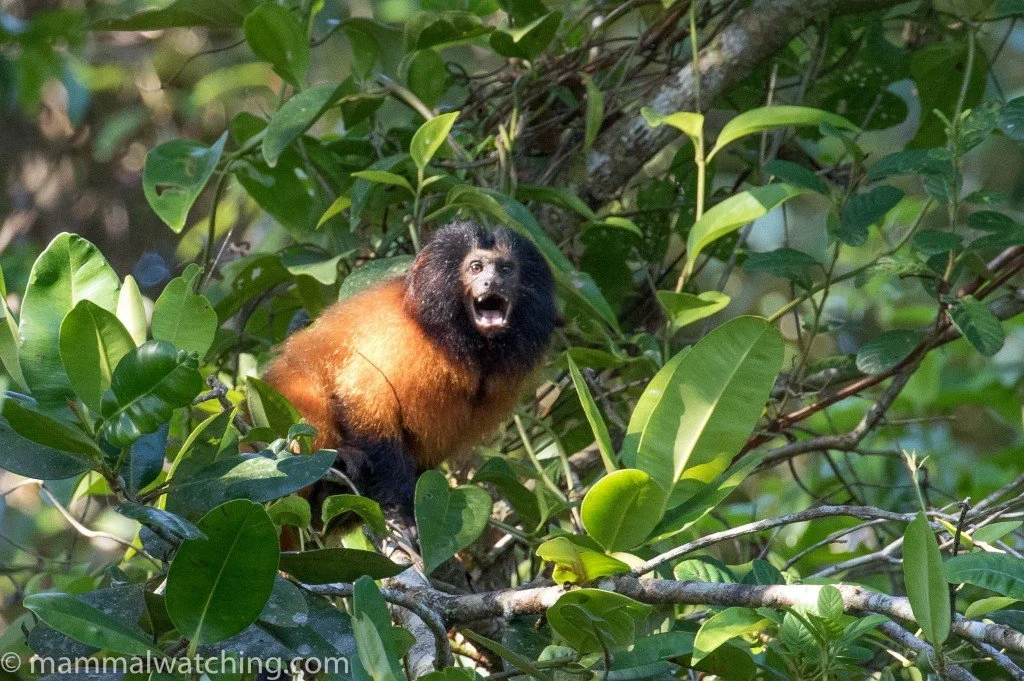
What I heard but did not see! Photo by Jon Hall (Link to Jon’s Report Here)
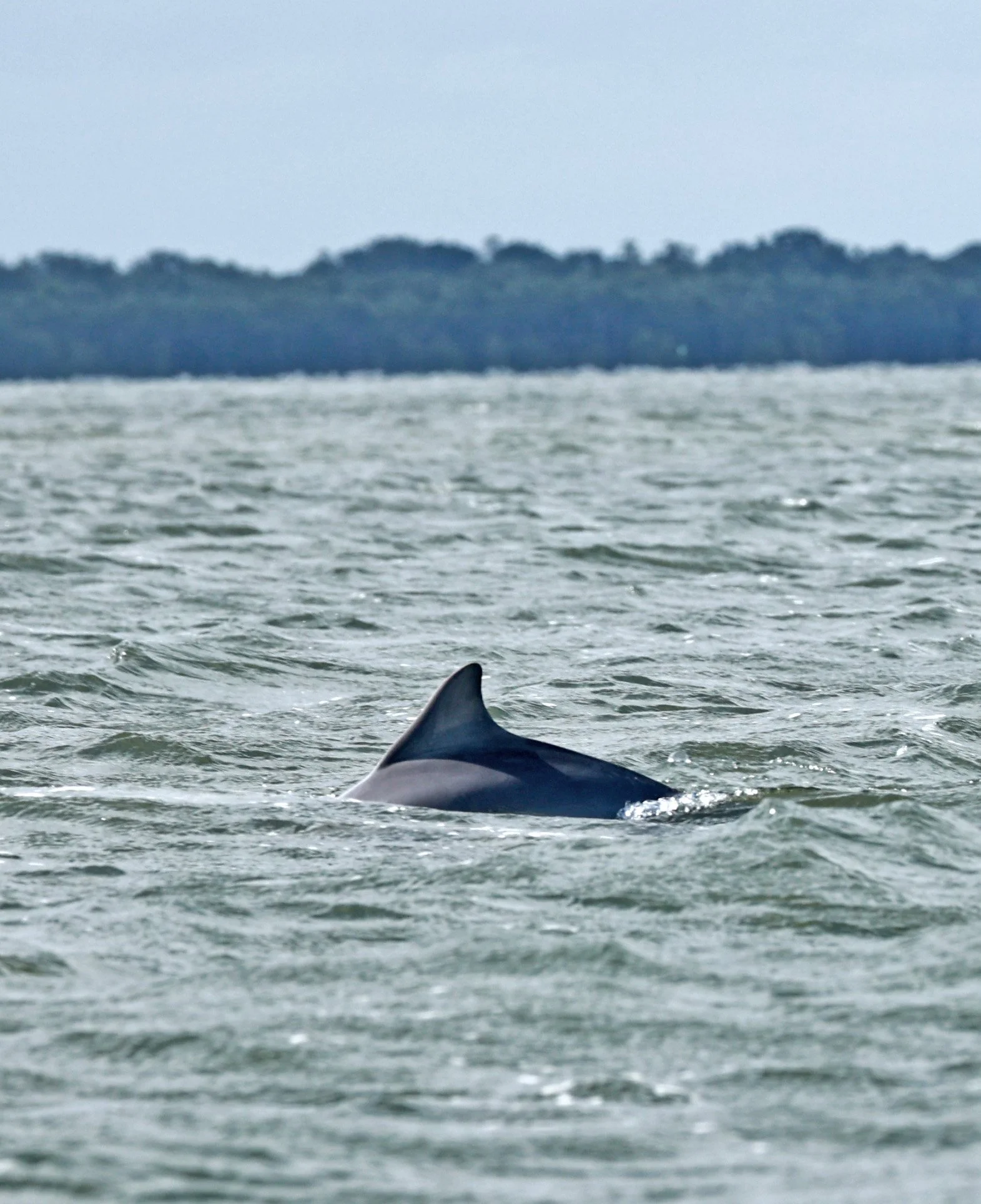
Guiana Dolphin (Sotalia guianensis) Superagüi National Park, Brazil

Southern Black-eared Opossum or Large-eared Opossum (Didelphis aurita) Superagui National Park, Brazil

Some Avifauna at Superagüi National Park
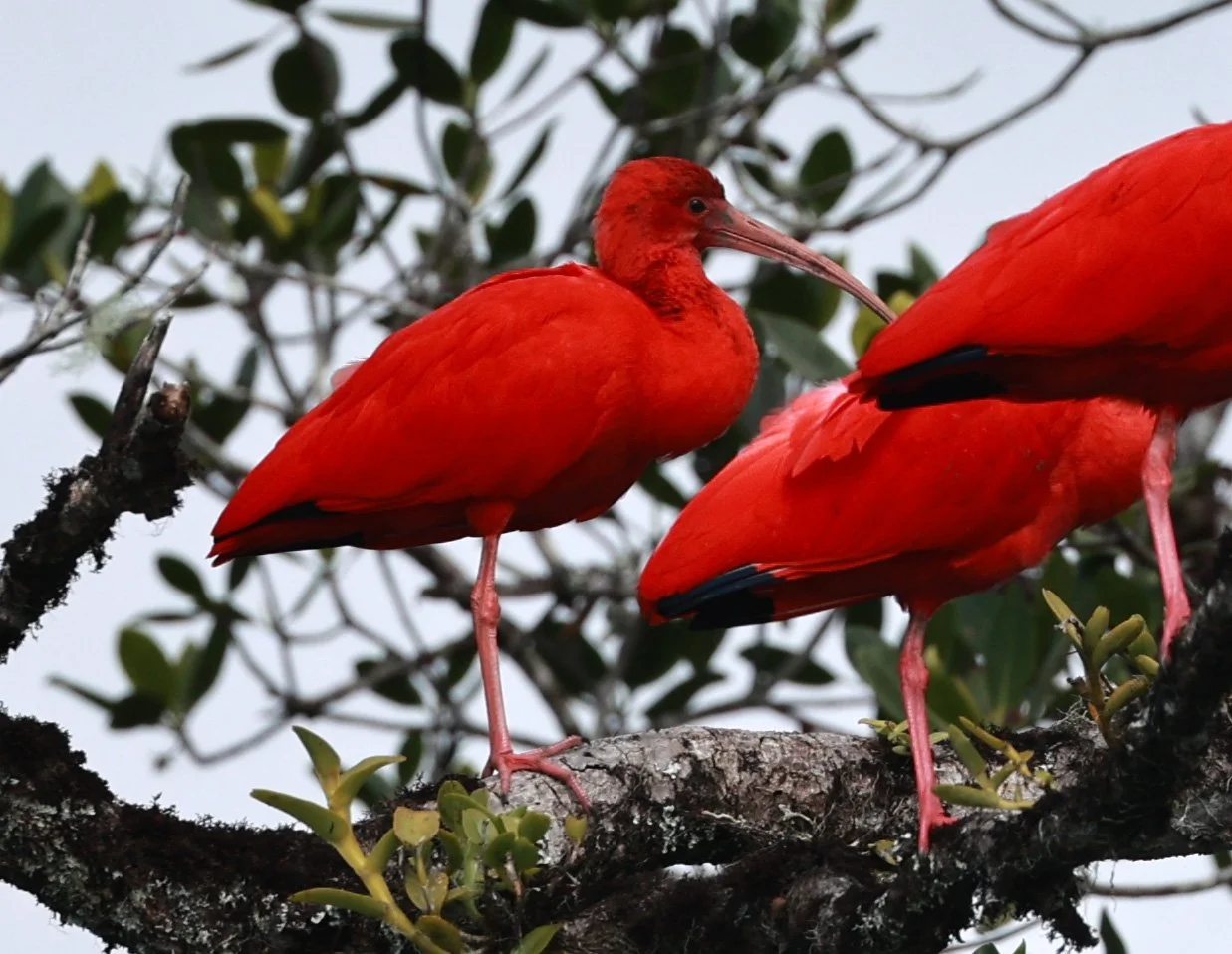
Scarlet Ibis (Eudocimus ruber) Superagüi National Park
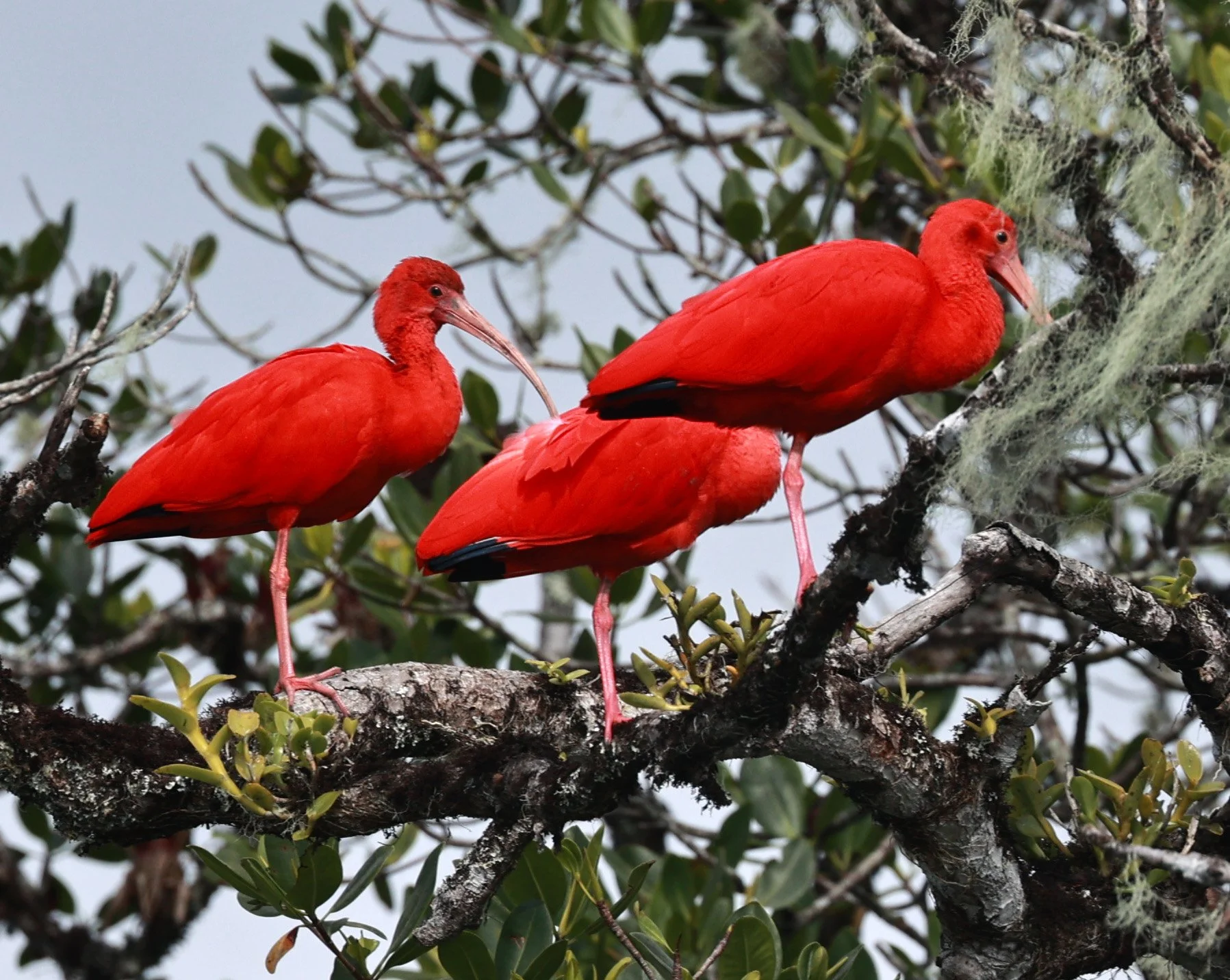
Scarlet Ibis (Eudocimus ruber) Superagüi National Park
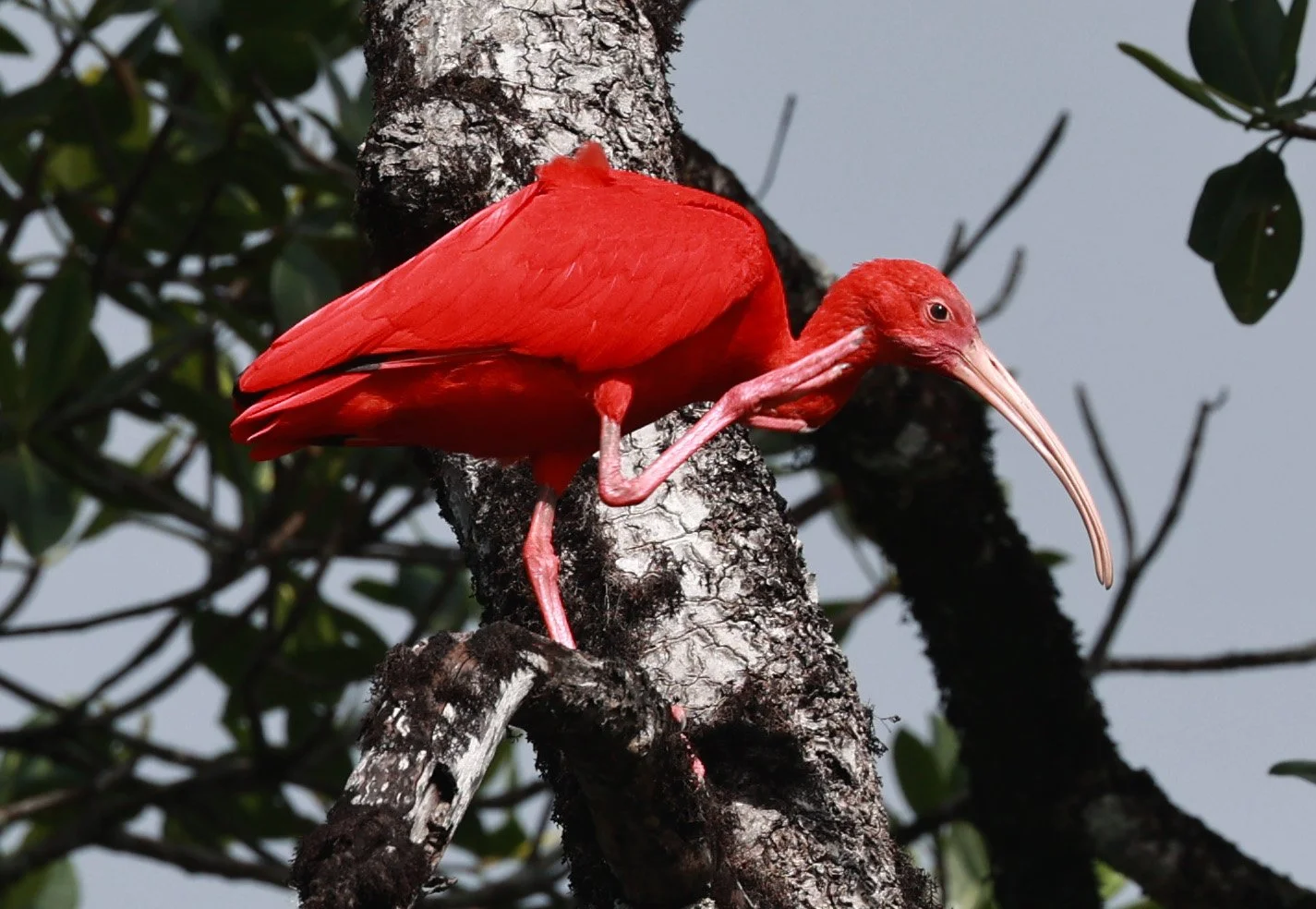
Scarlet Ibis (Eudocimus ruber) Superagüi National Park
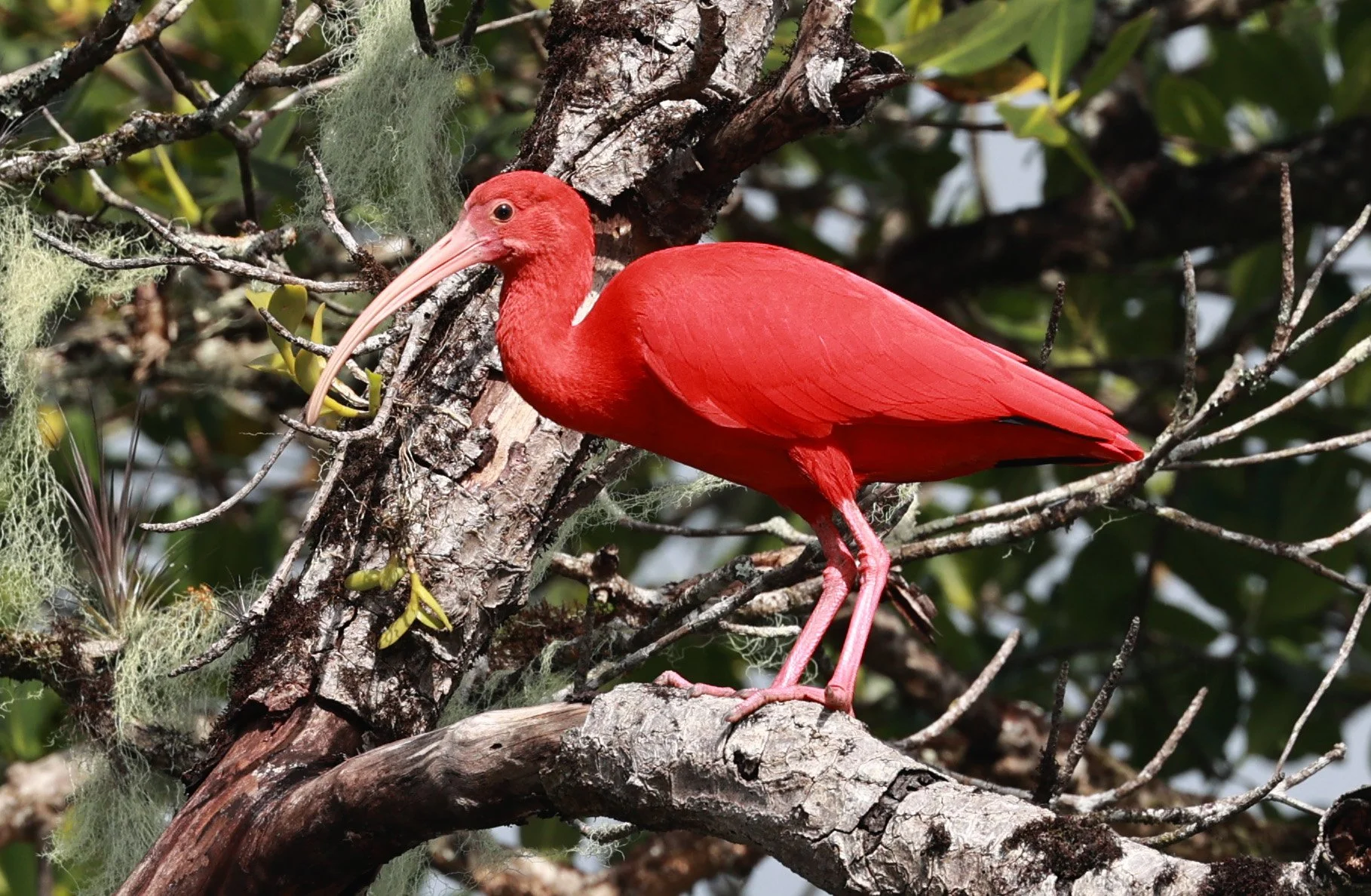
Scarlet Ibis (Eudocimus ruber) Superagüi National Park
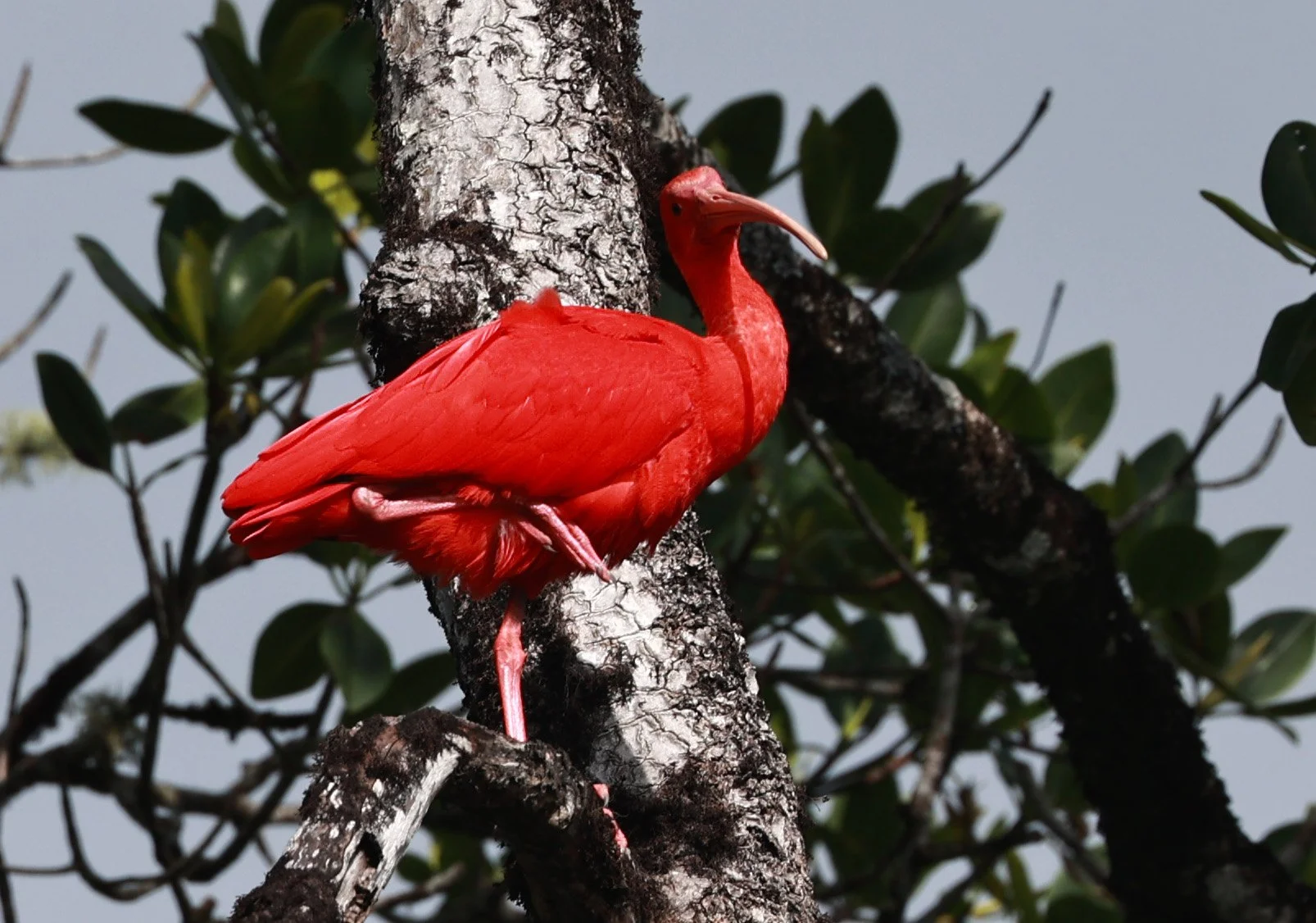
Scarlet Ibis (Eudocimus ruber) Superagüi National Park
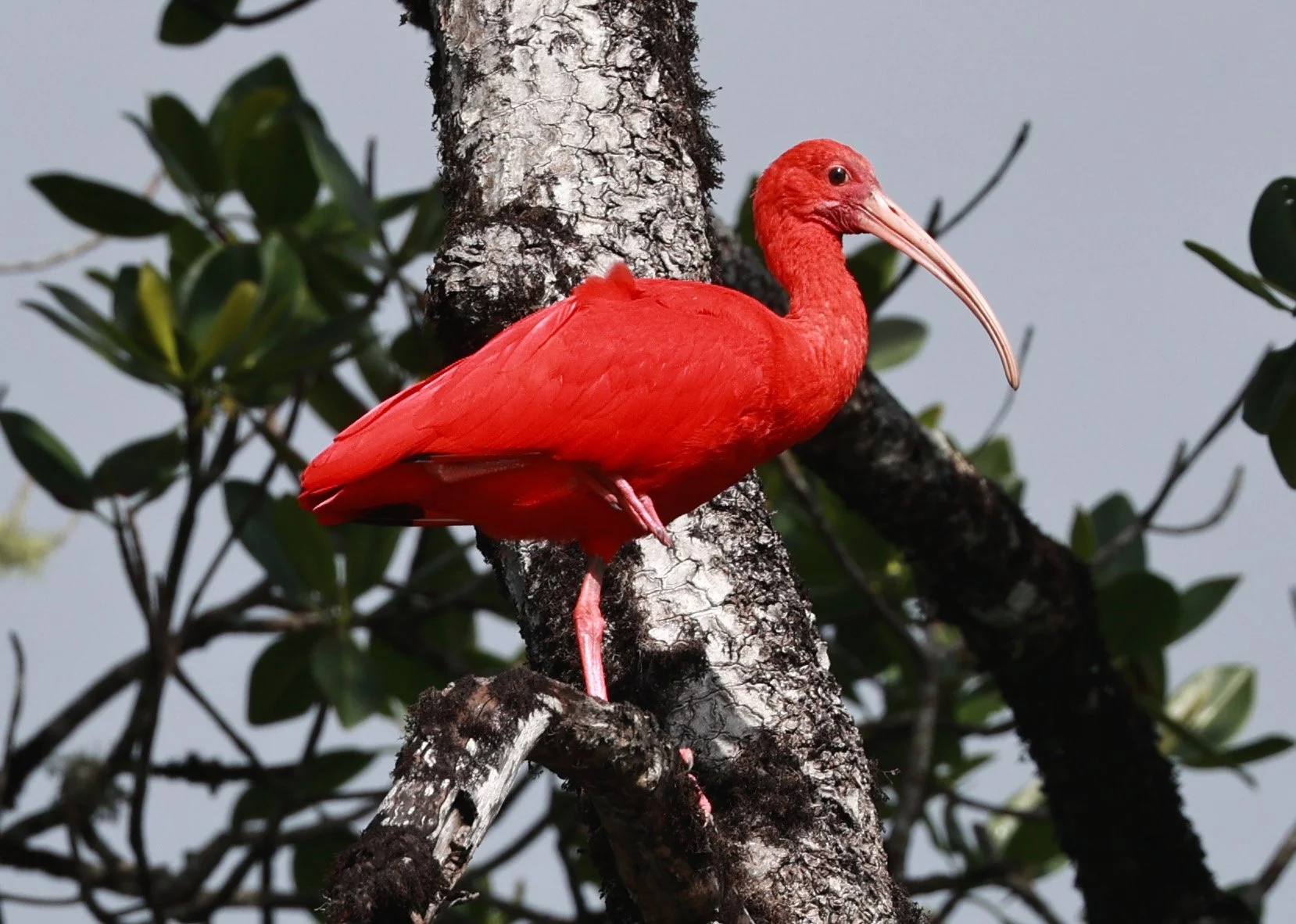
Scarlet Ibis (Eudocimus ruber) Superagüi National Park
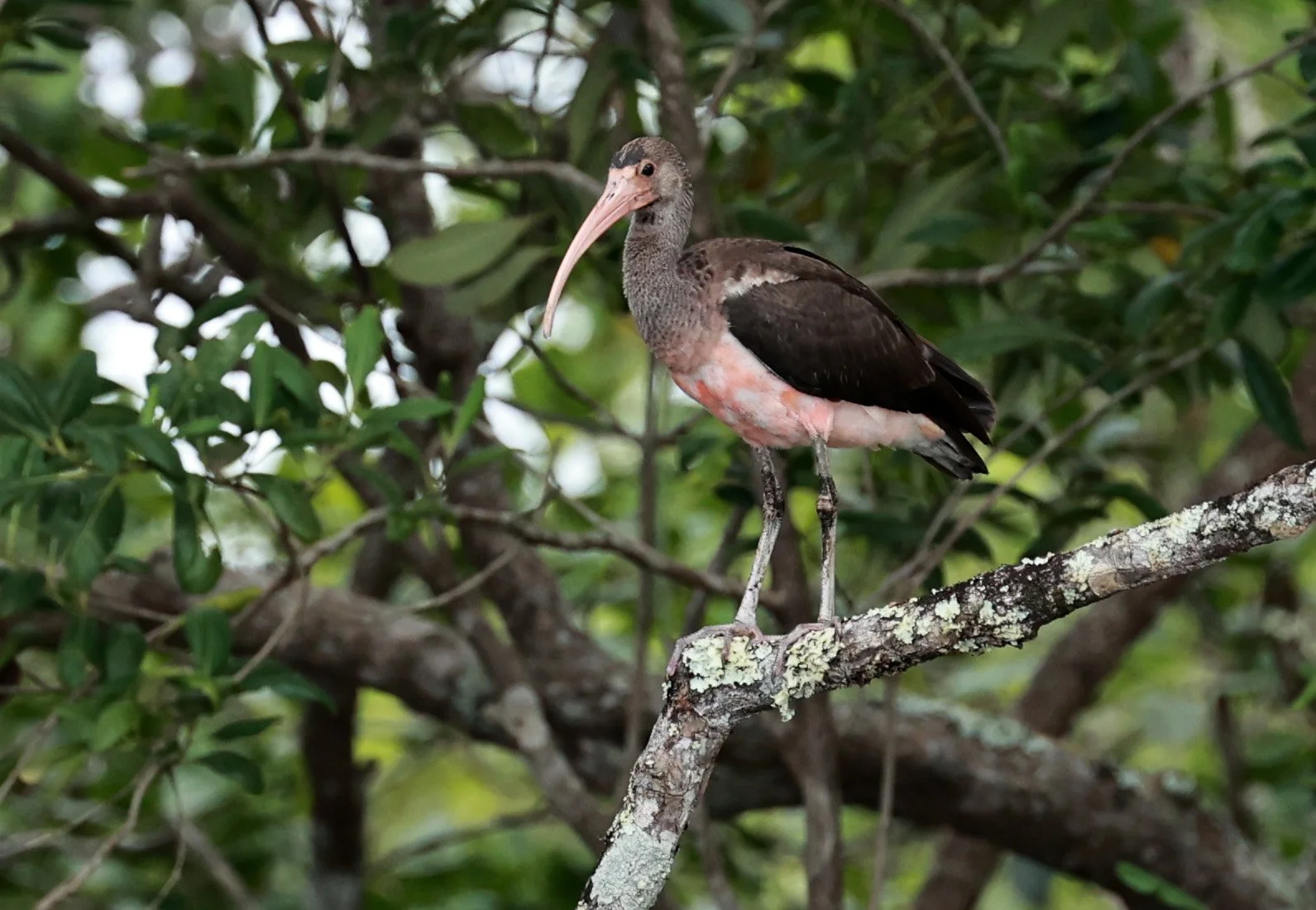
Juvenile Scarlet Ibis (Eudocimus ruber) Superagüi National Park
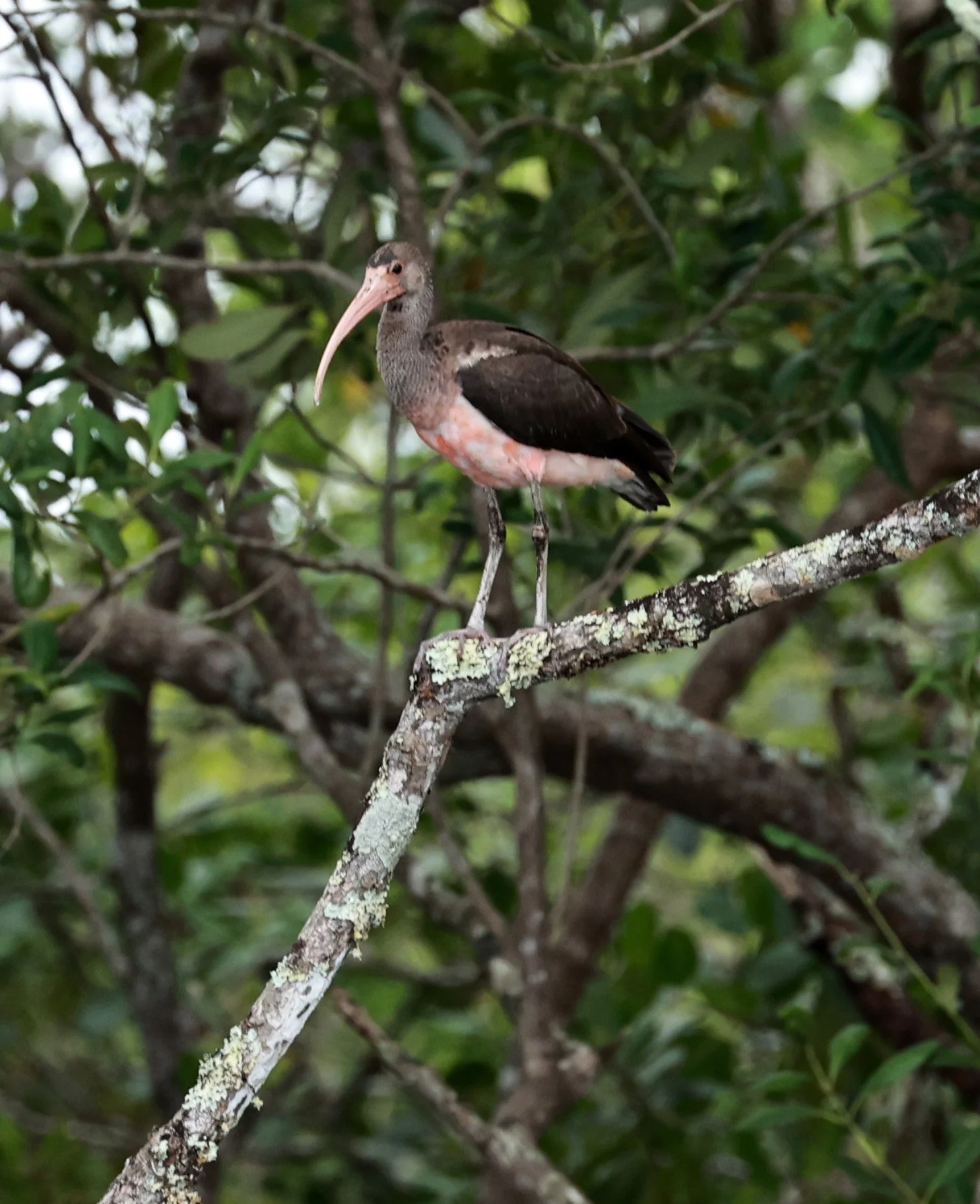
Scarlet Ibis (Eudocimus ruber) Superagüi National Park juvenile
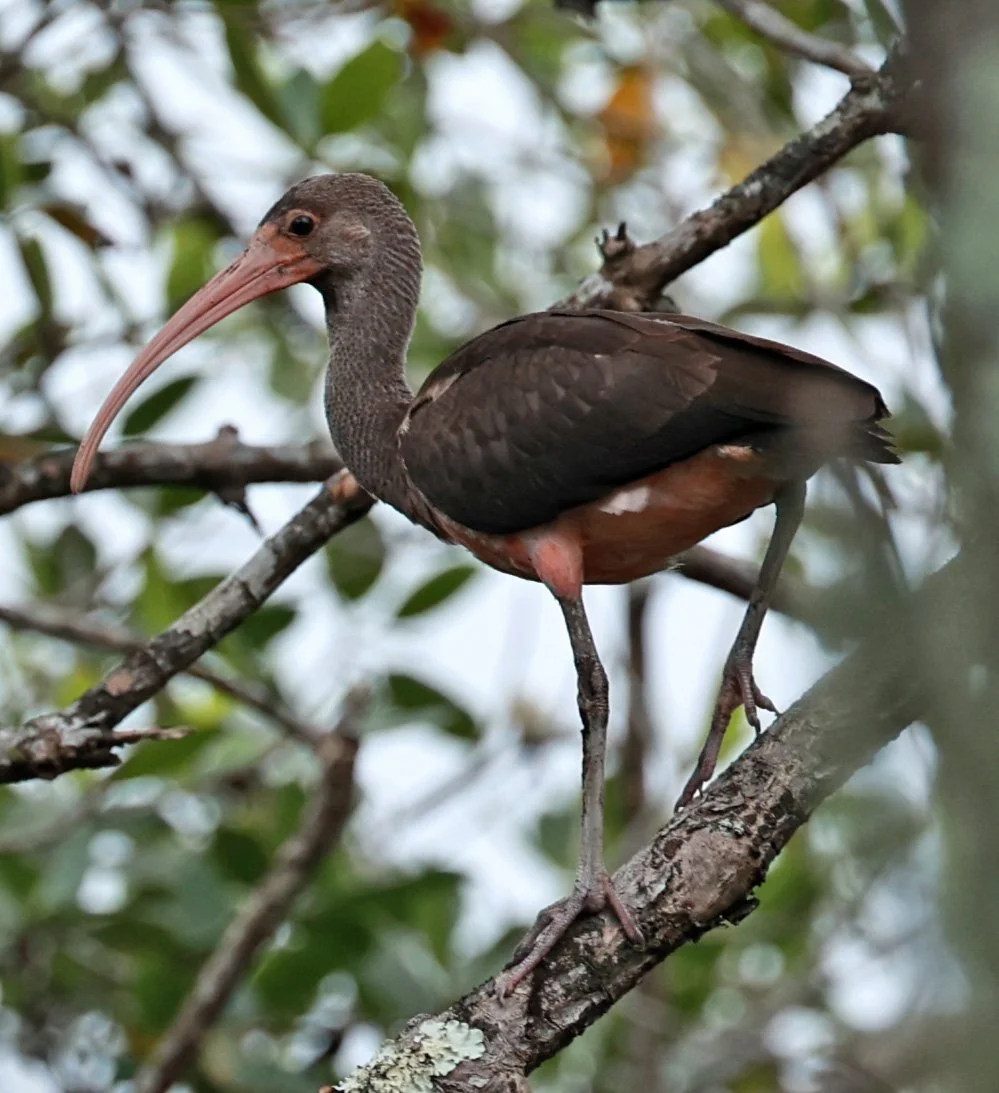
Scarlet Ibis (Eudocimus ruber) Superagüi National Park
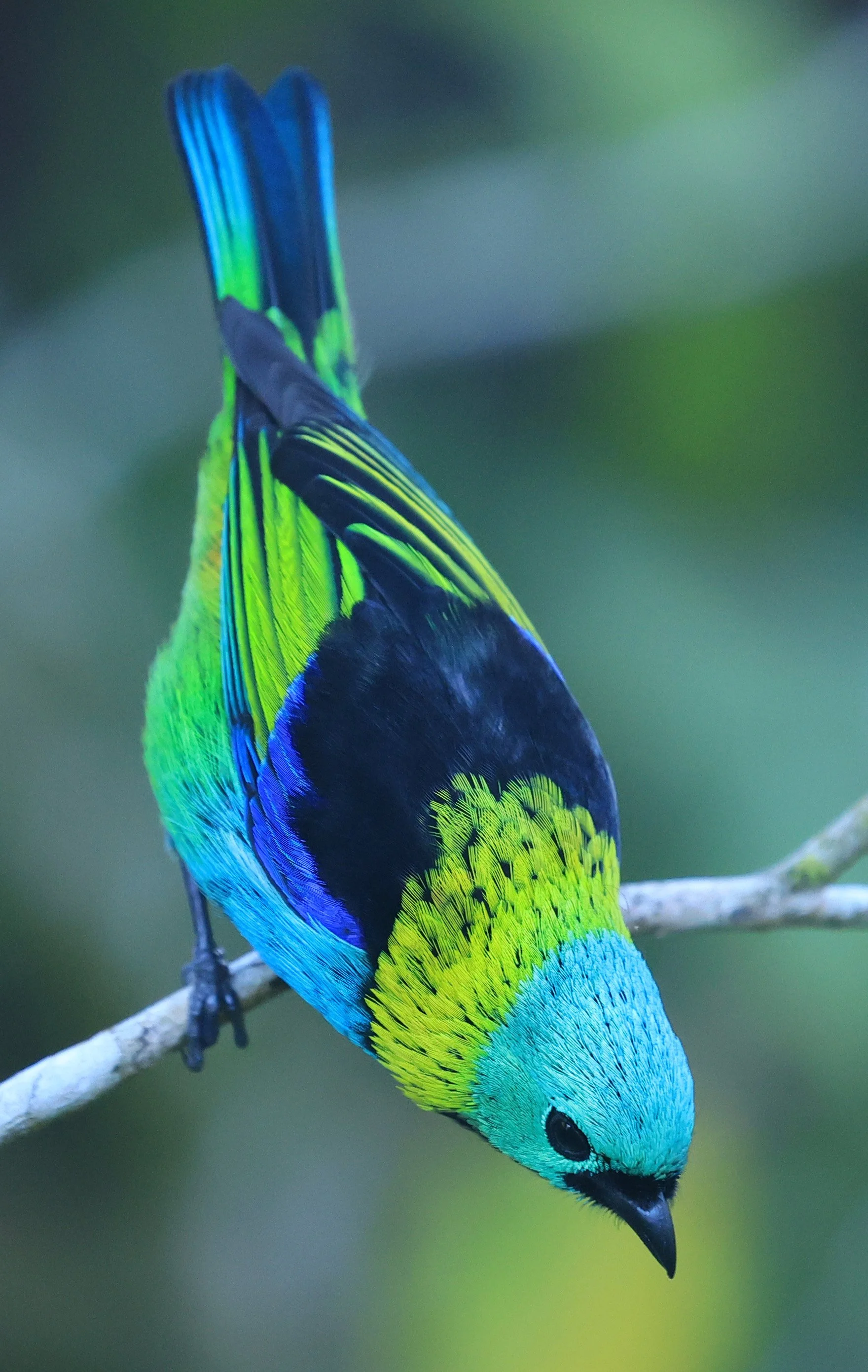
Green-headed Tanager (Tangara seledon) Superagui National Park
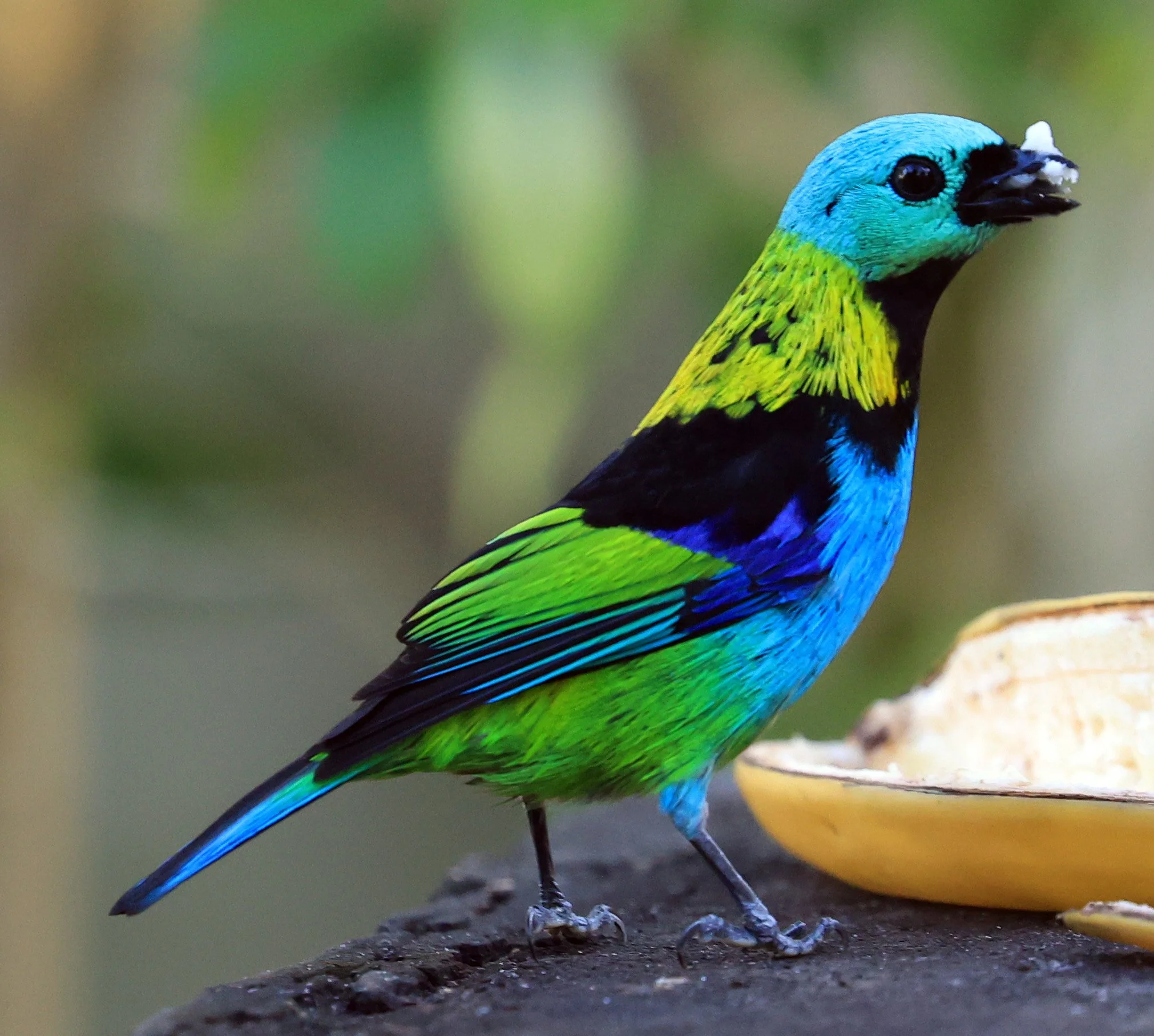
Green-headed Tanager (Tangara seledon) Superagui National Park
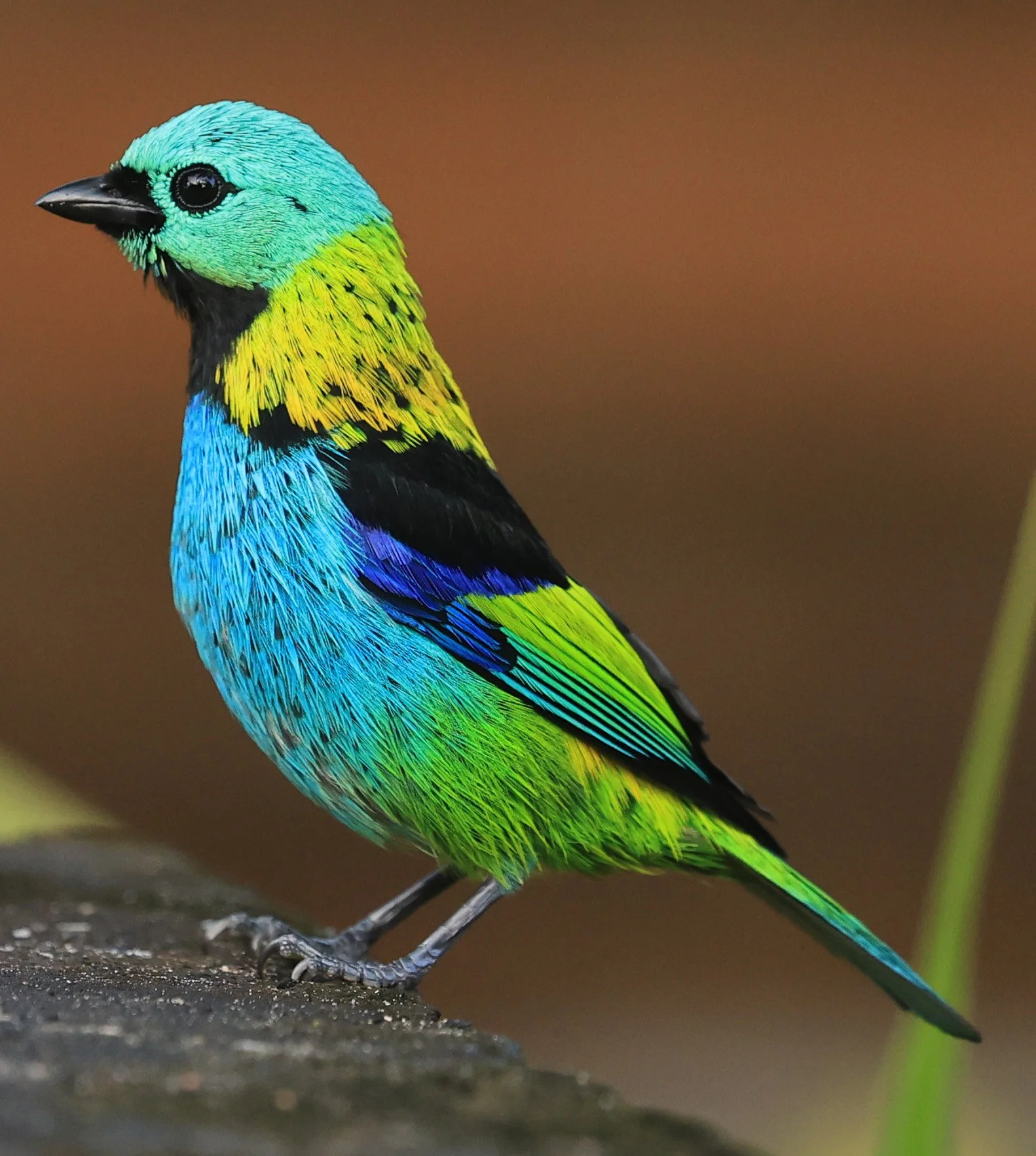
Green-headed Tanager (Tangara seledon) Superagui National Park
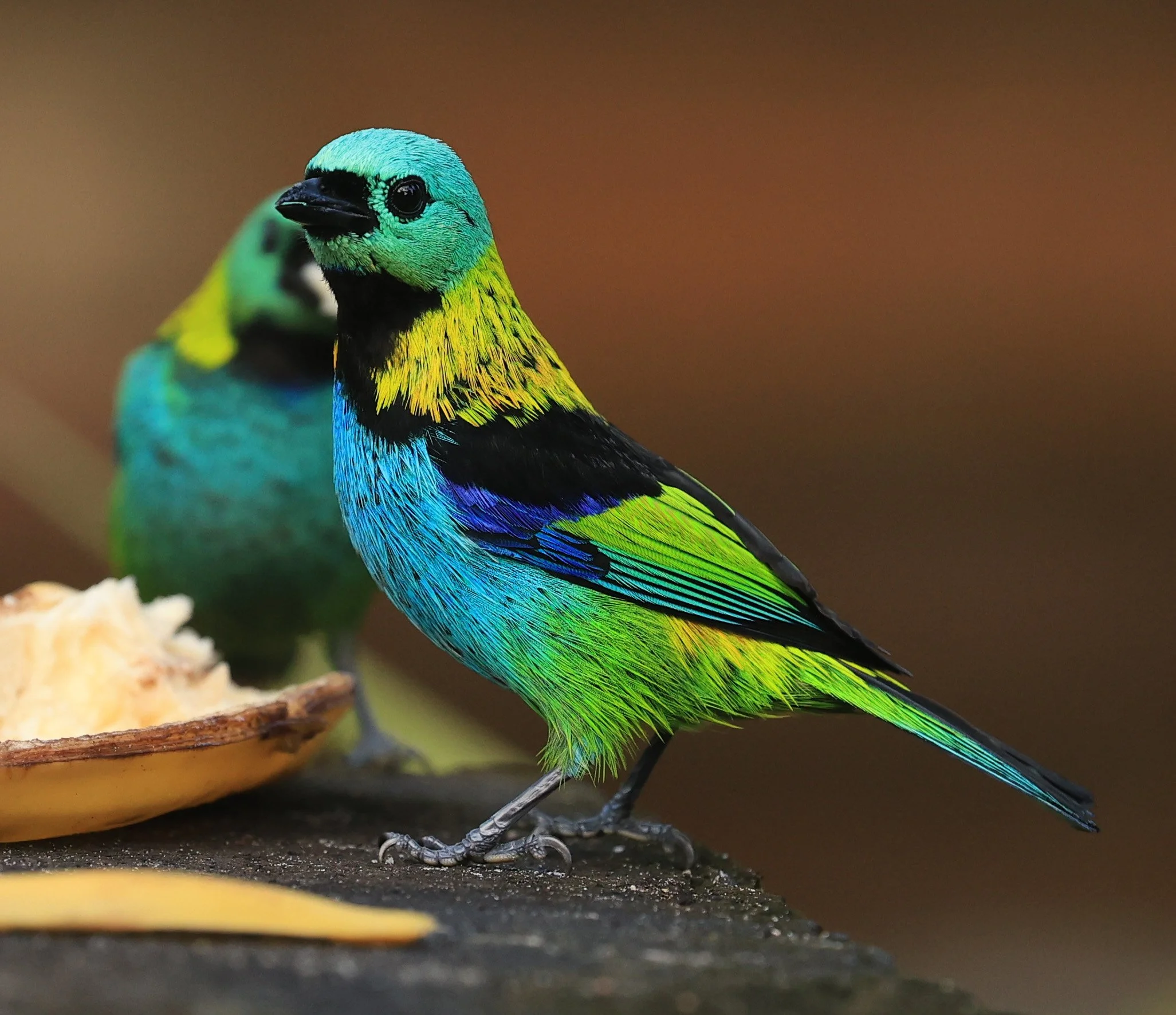
Green-headed Tanager (Tangara seledon) Superagui National Park
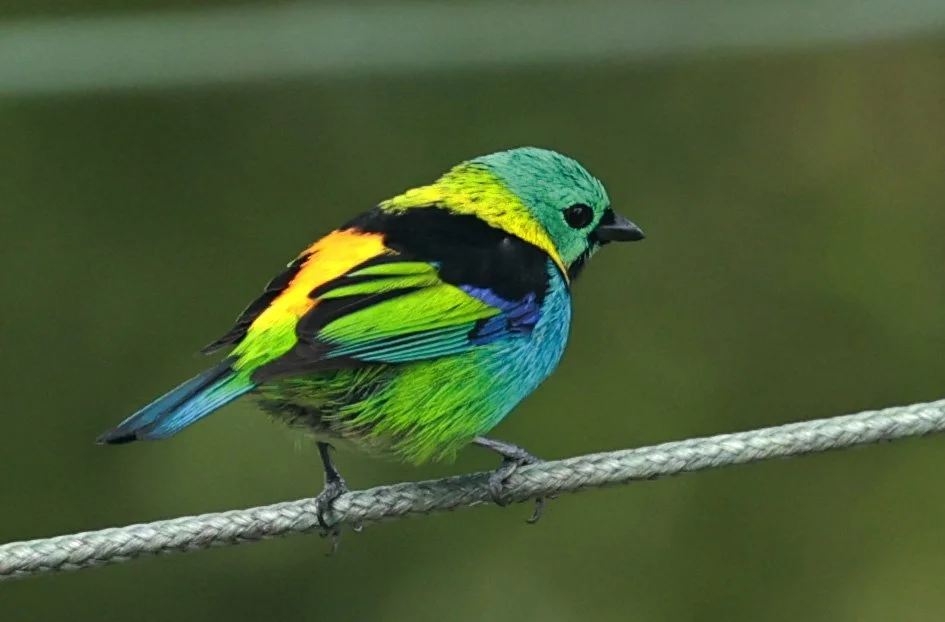
Green-headed Tanager (Tangara seledon) Superagui National Park - a constant at the pousada.
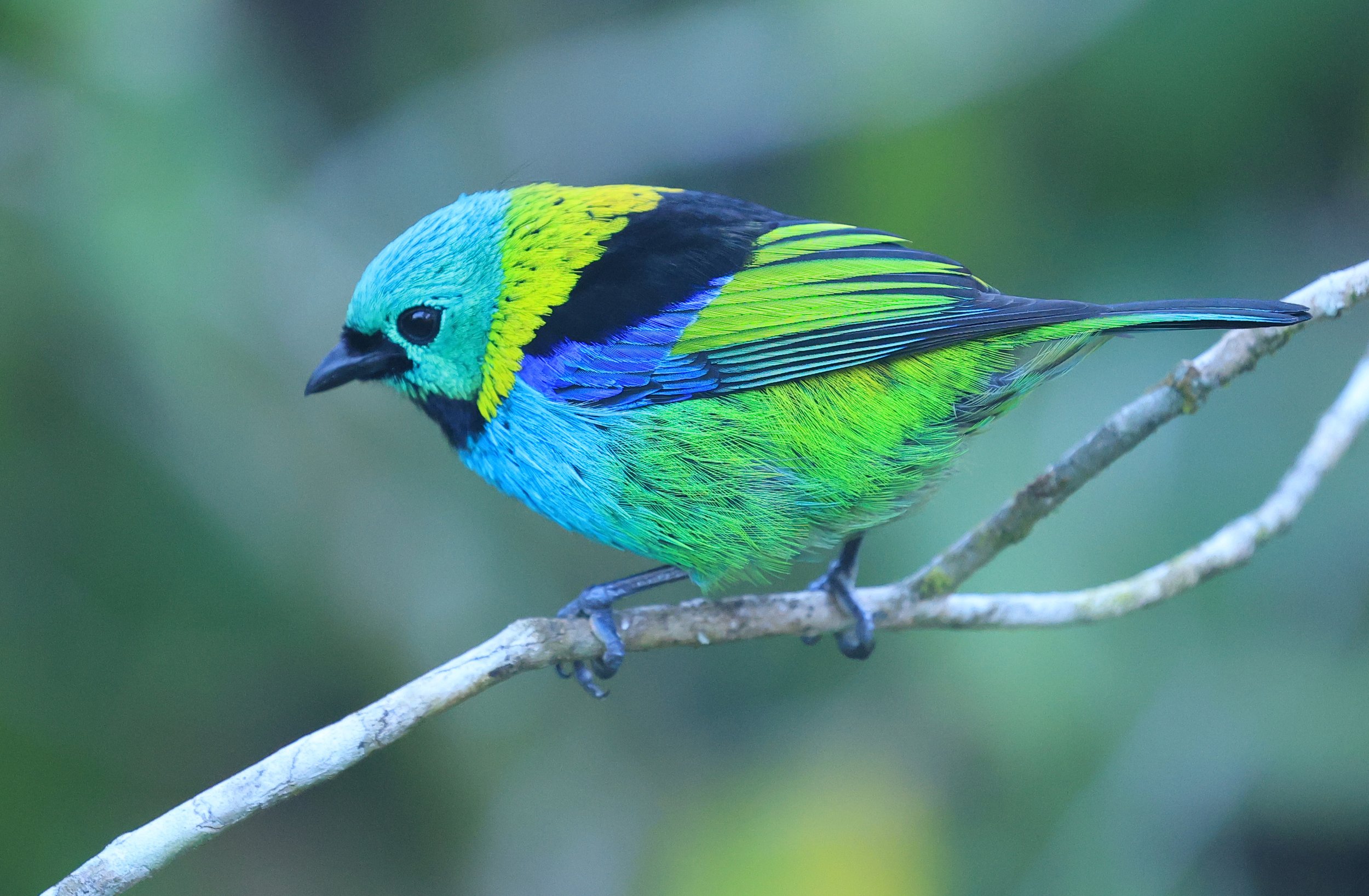
Green-headed Tanager (Tangara seledon) Superagui National Park
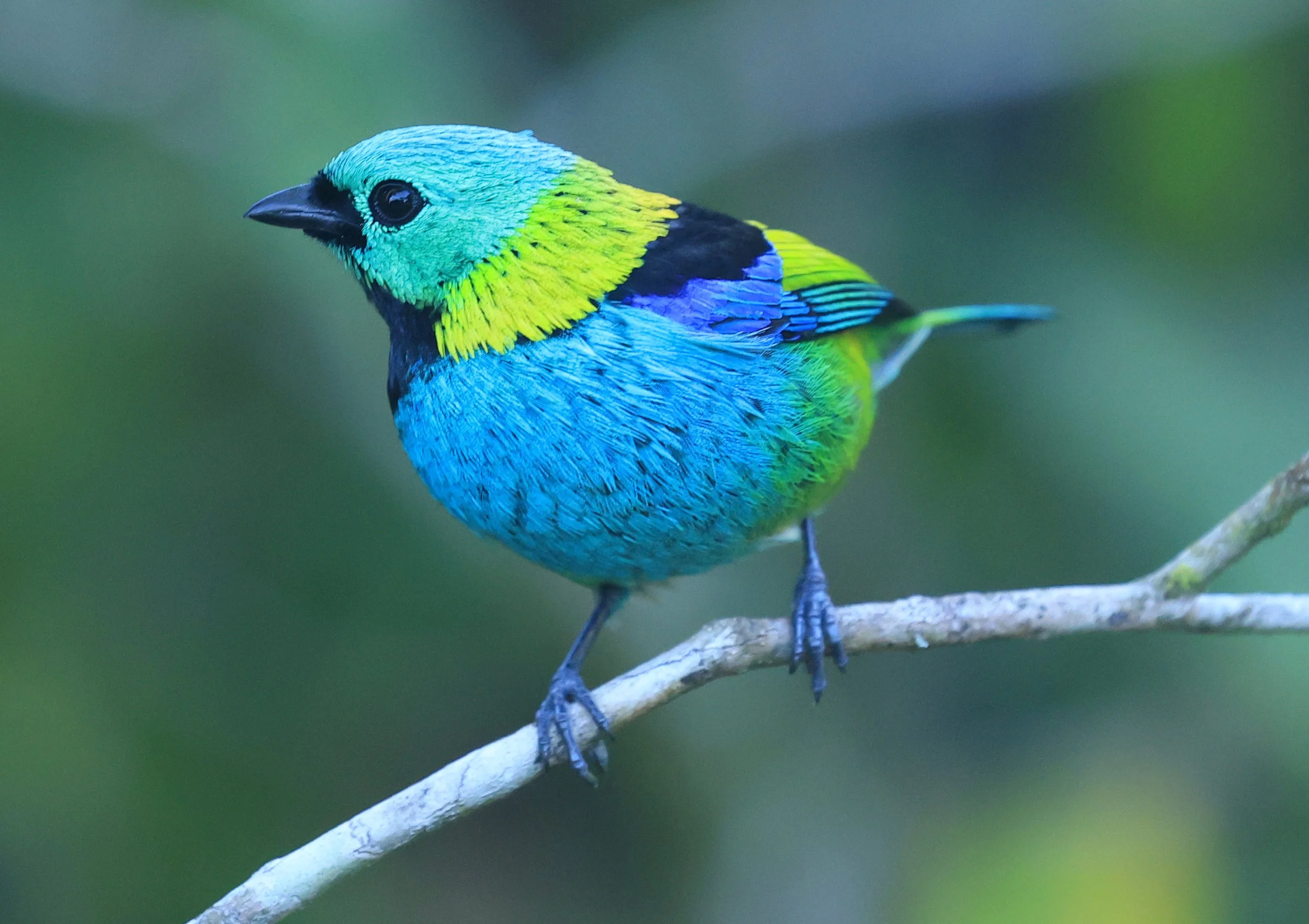
Green-headed Tanager (Tangara seledon) Superagui National Park
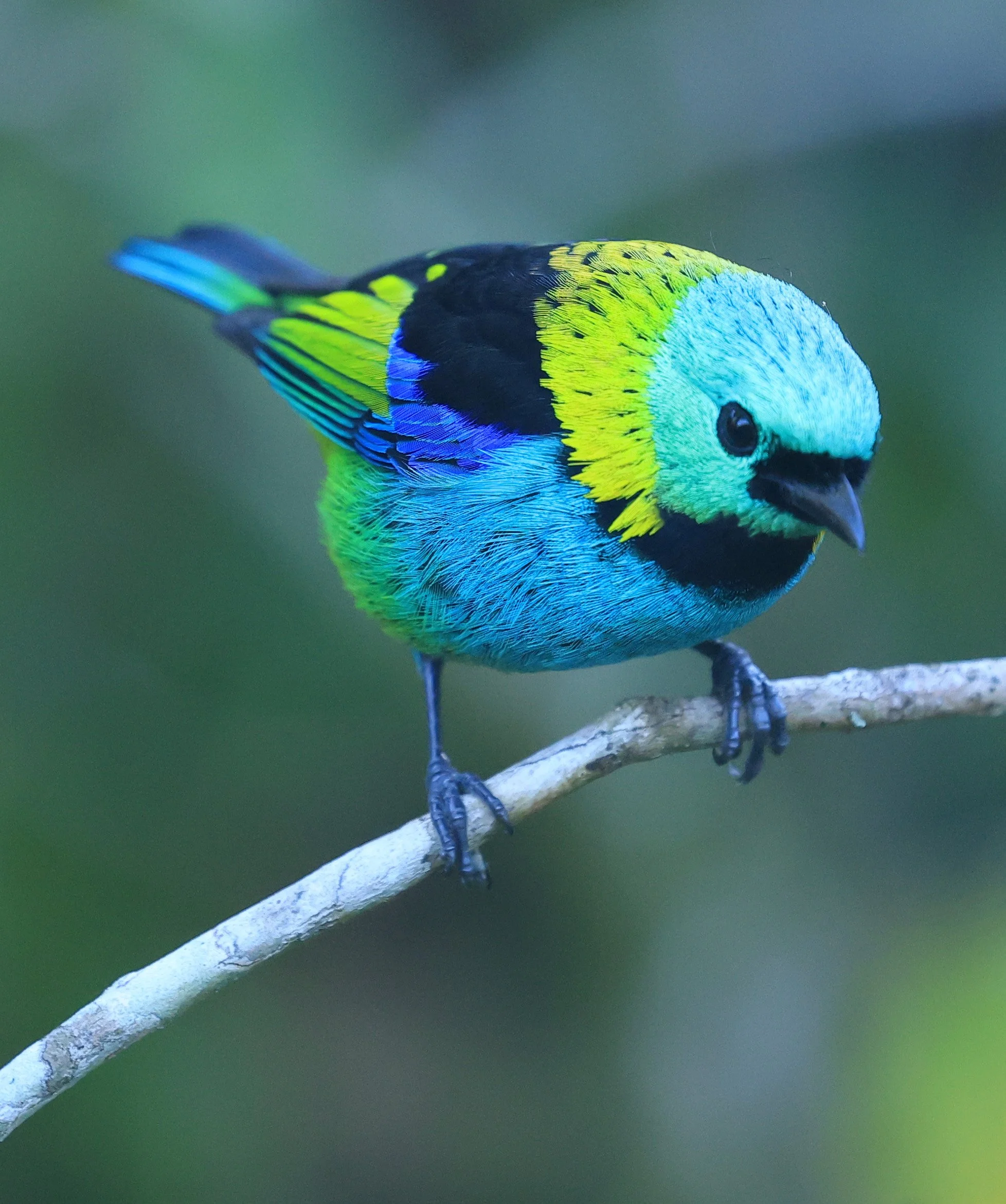
Green-headed Tanager (Tangara seledon) Superagui National Park
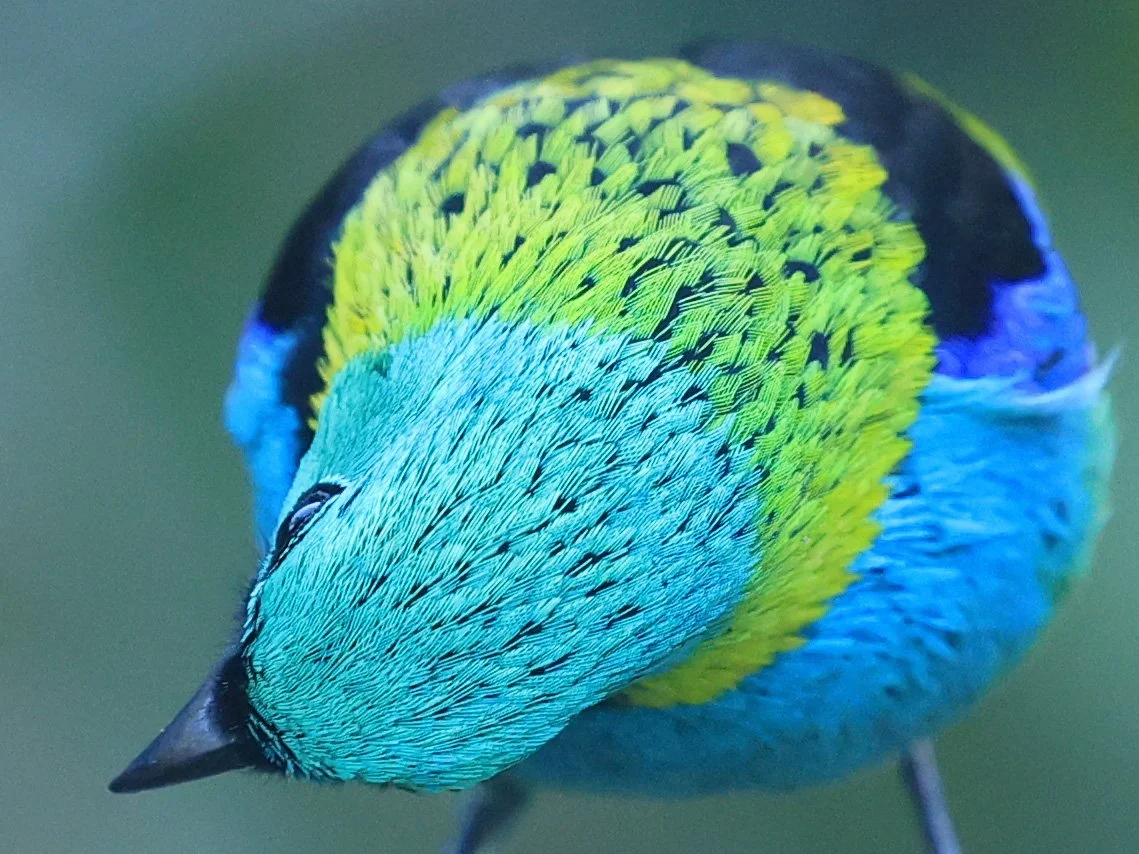
Green-headed Tanager (Tangara seledon) Superagui National Park
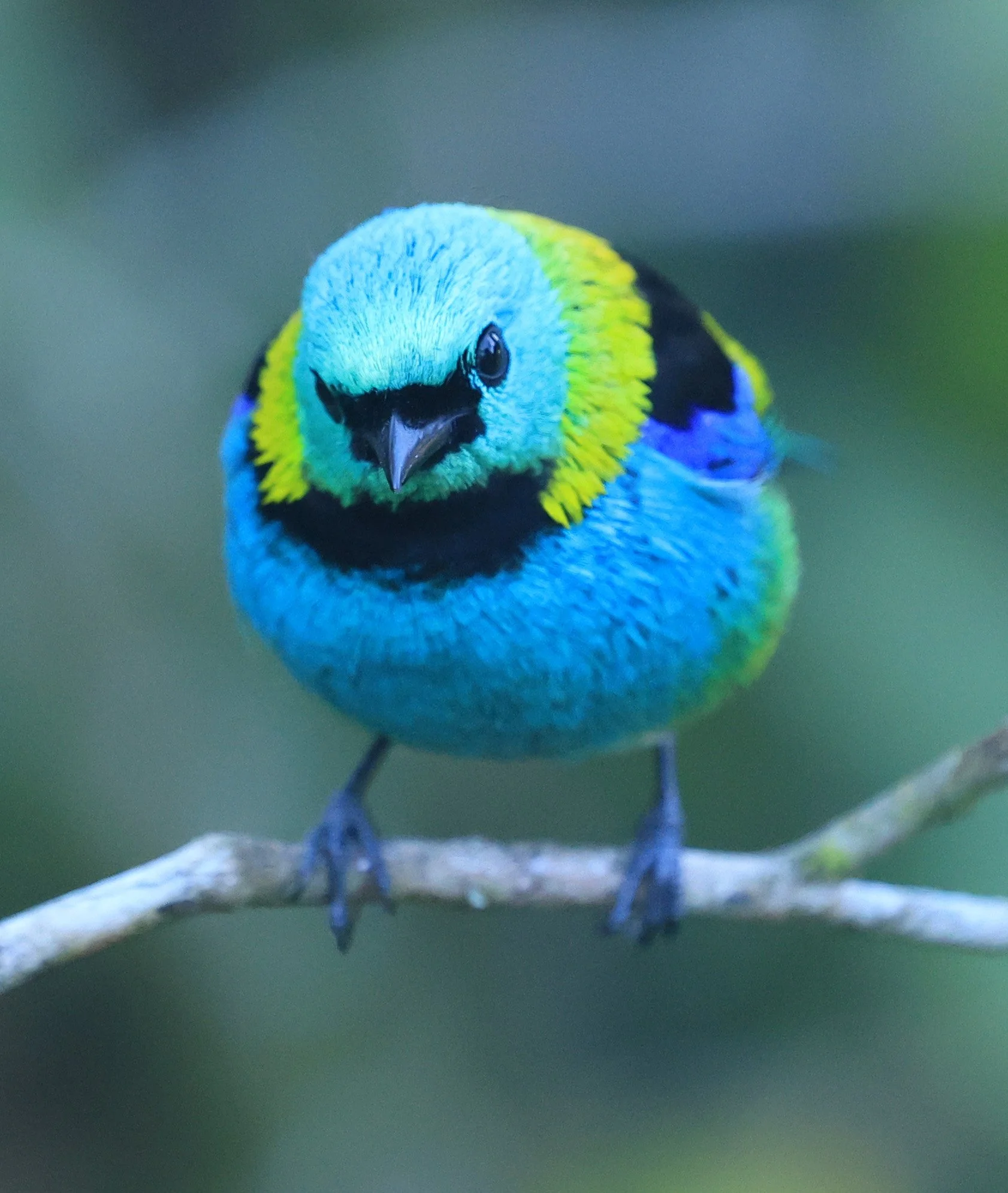
Green-headed Tanager (Tangara seledon) Superagui National Park
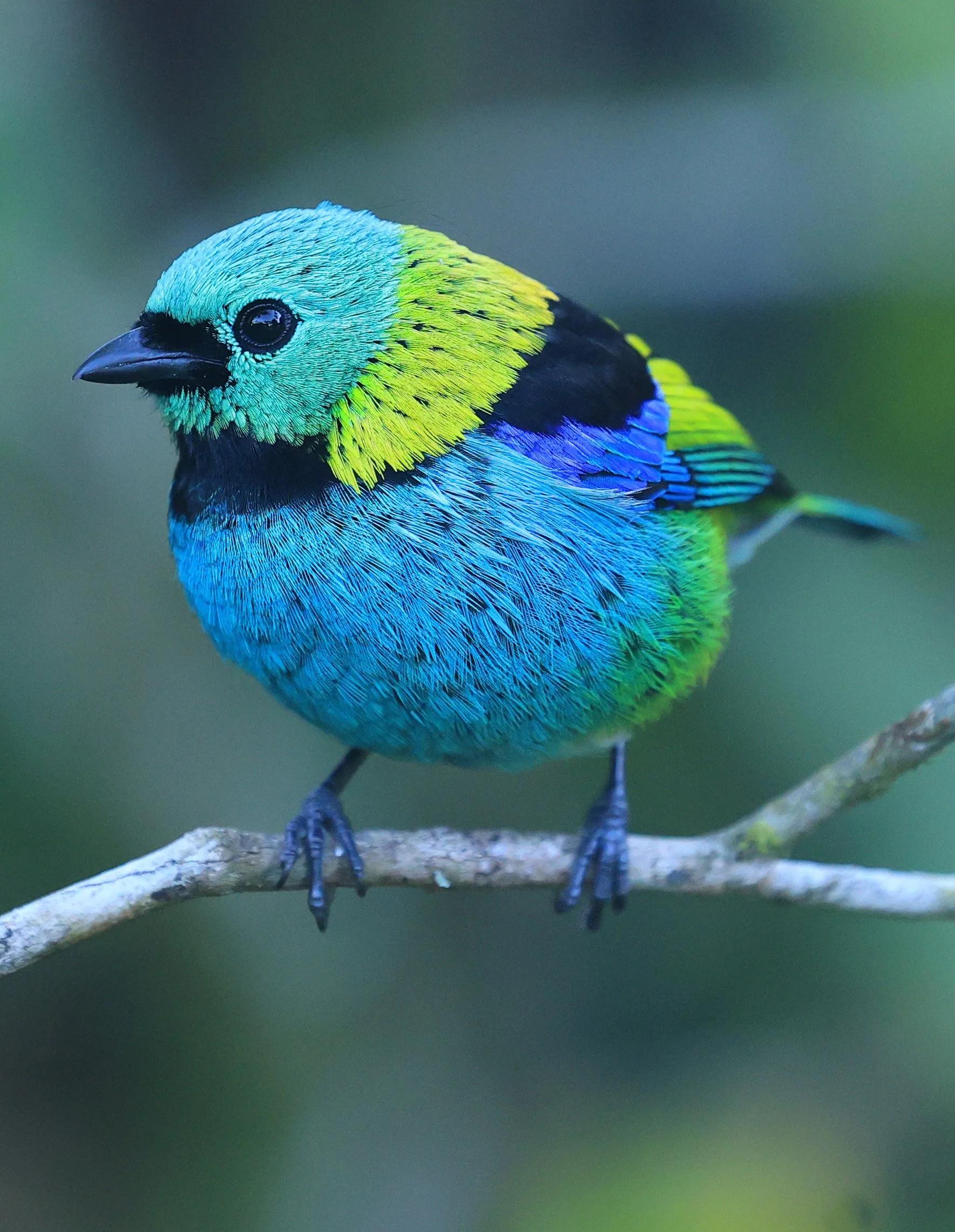
Green-headed Tanager (Tangara seledon) Superagui National Park
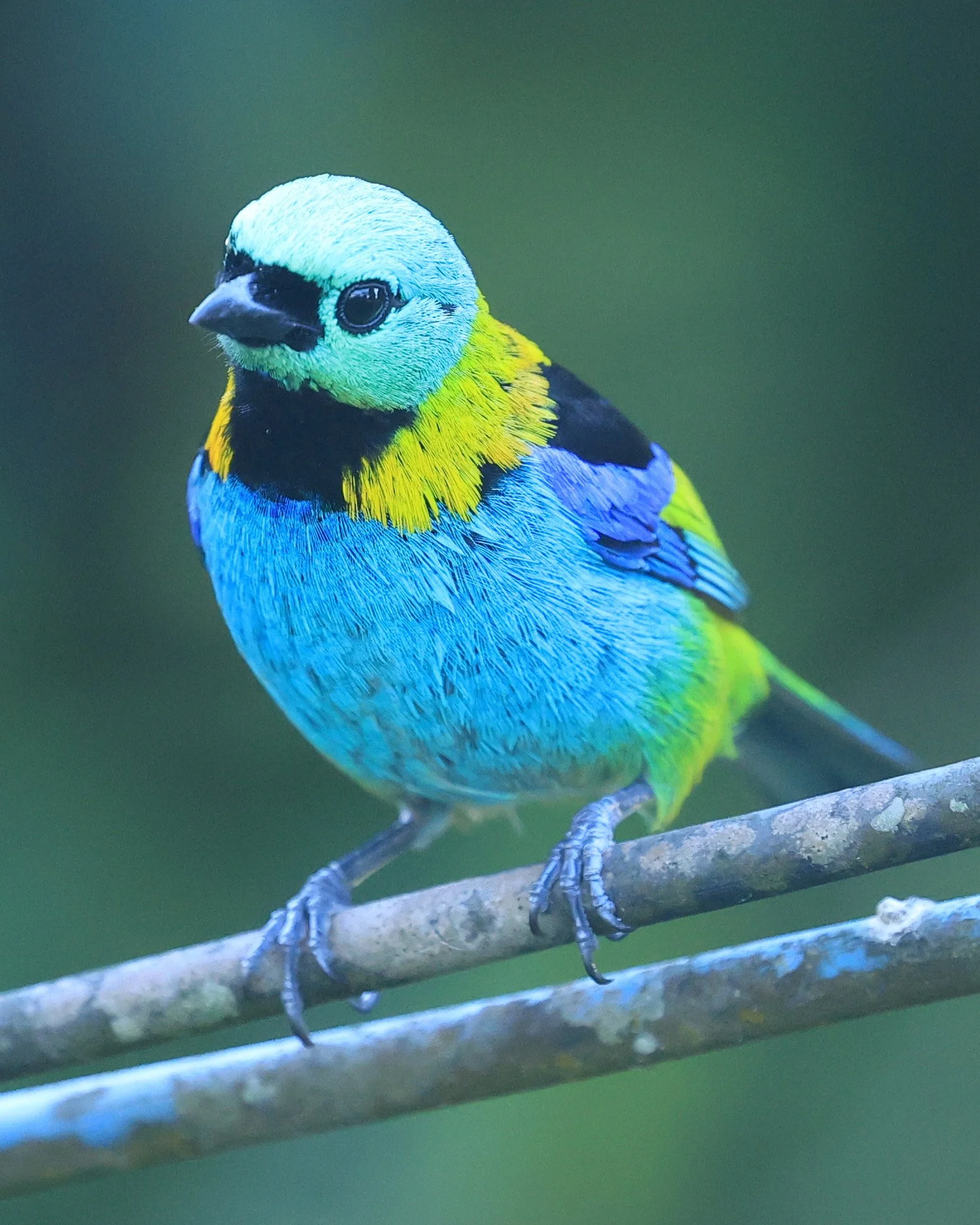
Green-headed Tanager (Tangara seledon) Superagui National Park
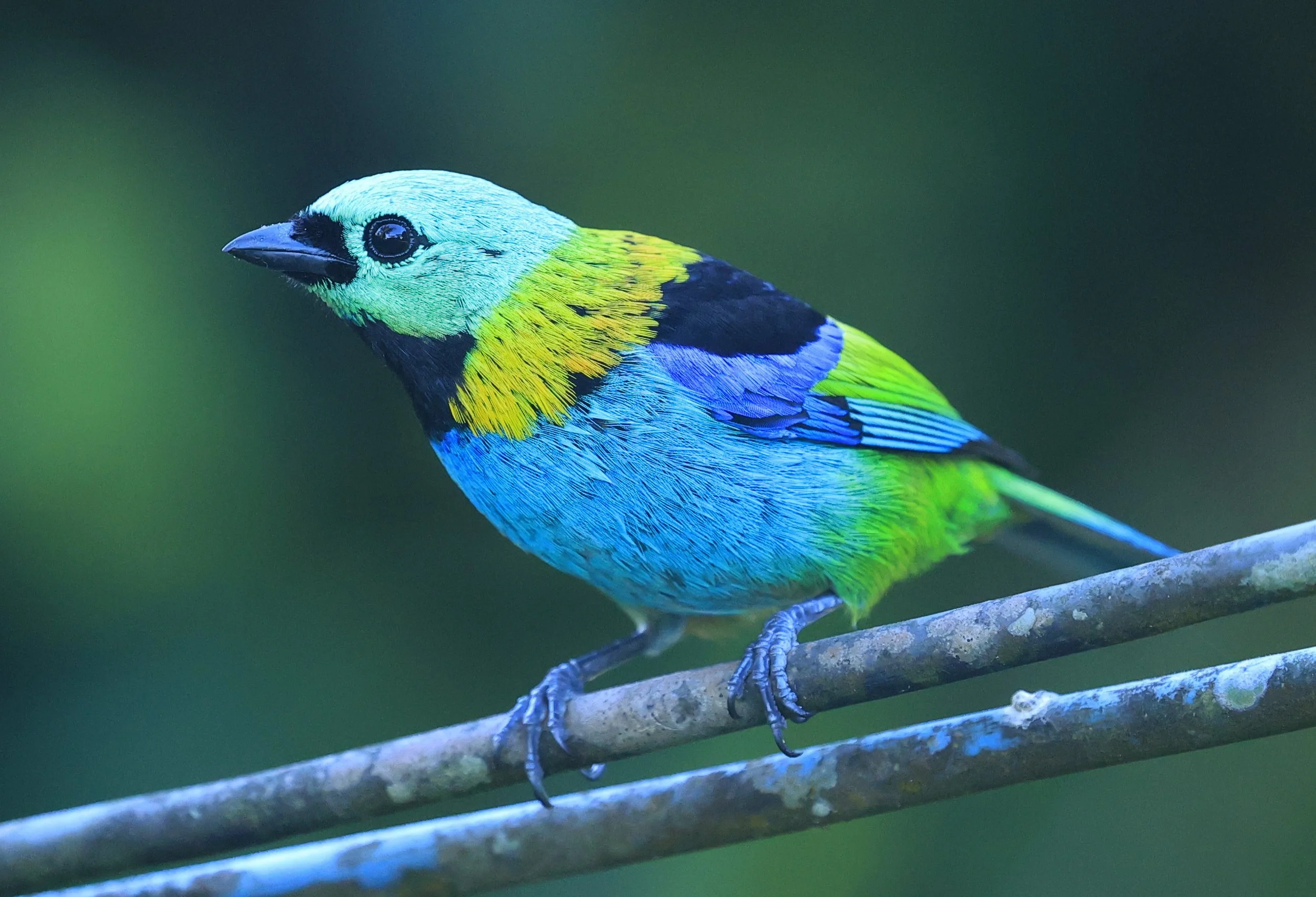
Green-headed Tanager (Tangara seledon) Superagui National Park
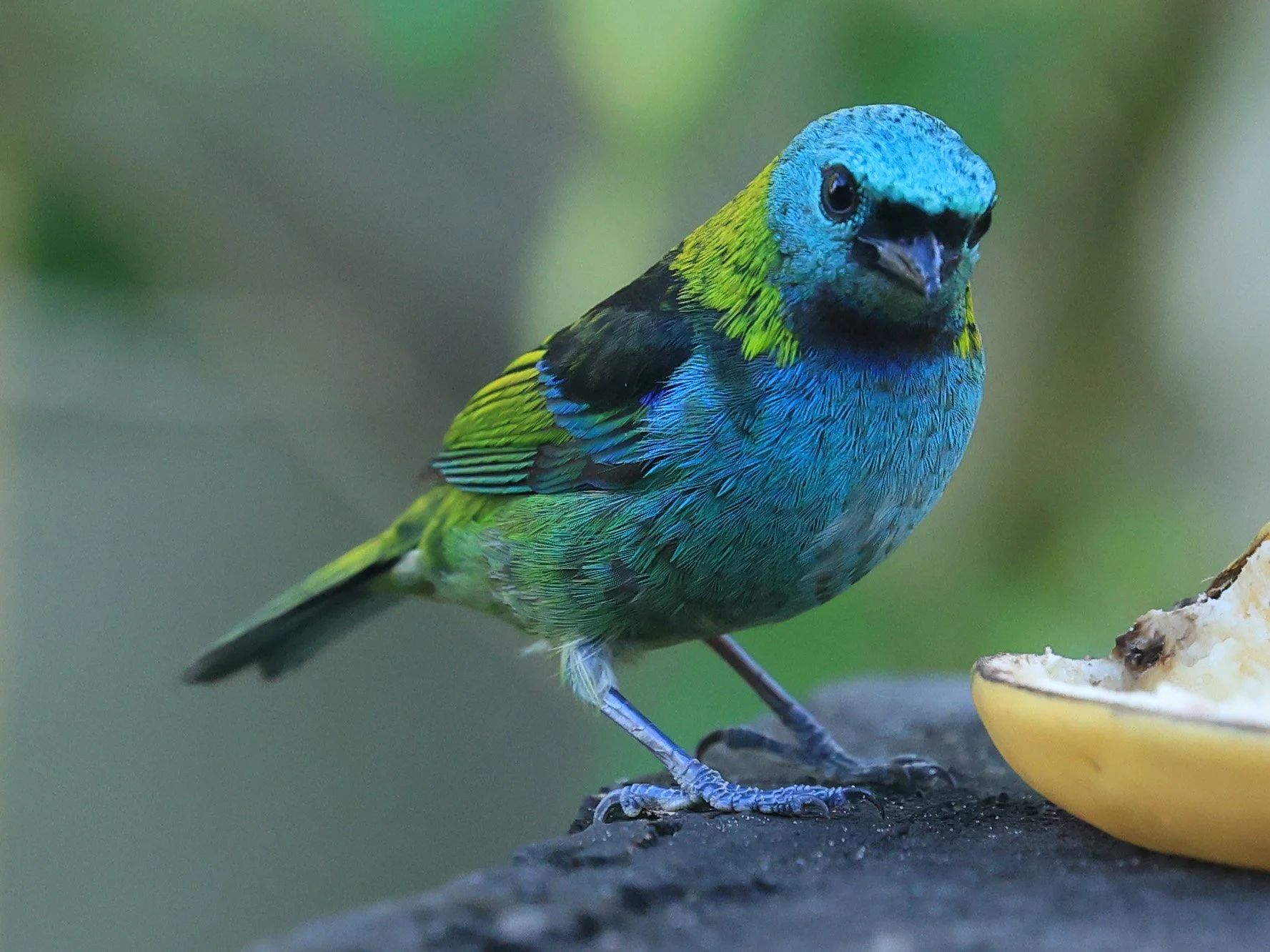
Green-headed Tanager (Tangara seledon) Superagui National Park

American Black Vulture (Coragyps atratus) were a constant in Superagui National Park,


Azure Jay (Cyanocorax caeruleus) Superagui National Park - a regional endemic if I am not mistaken.


Azure Jay (Cyanocorax caeruleus) Superagui National Park
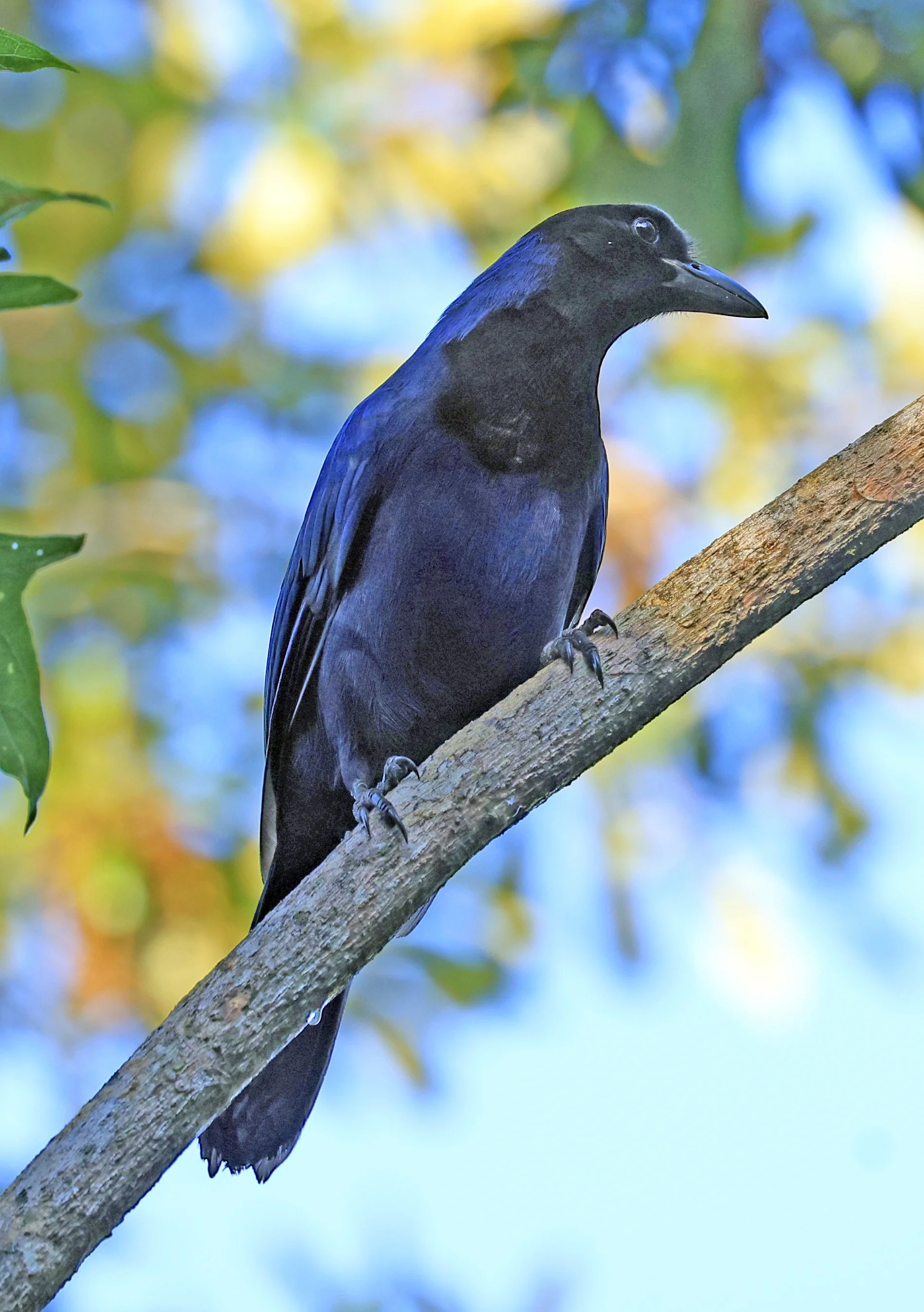
Azure Jay (Cyanocorax caeruleus) Superagui National Park
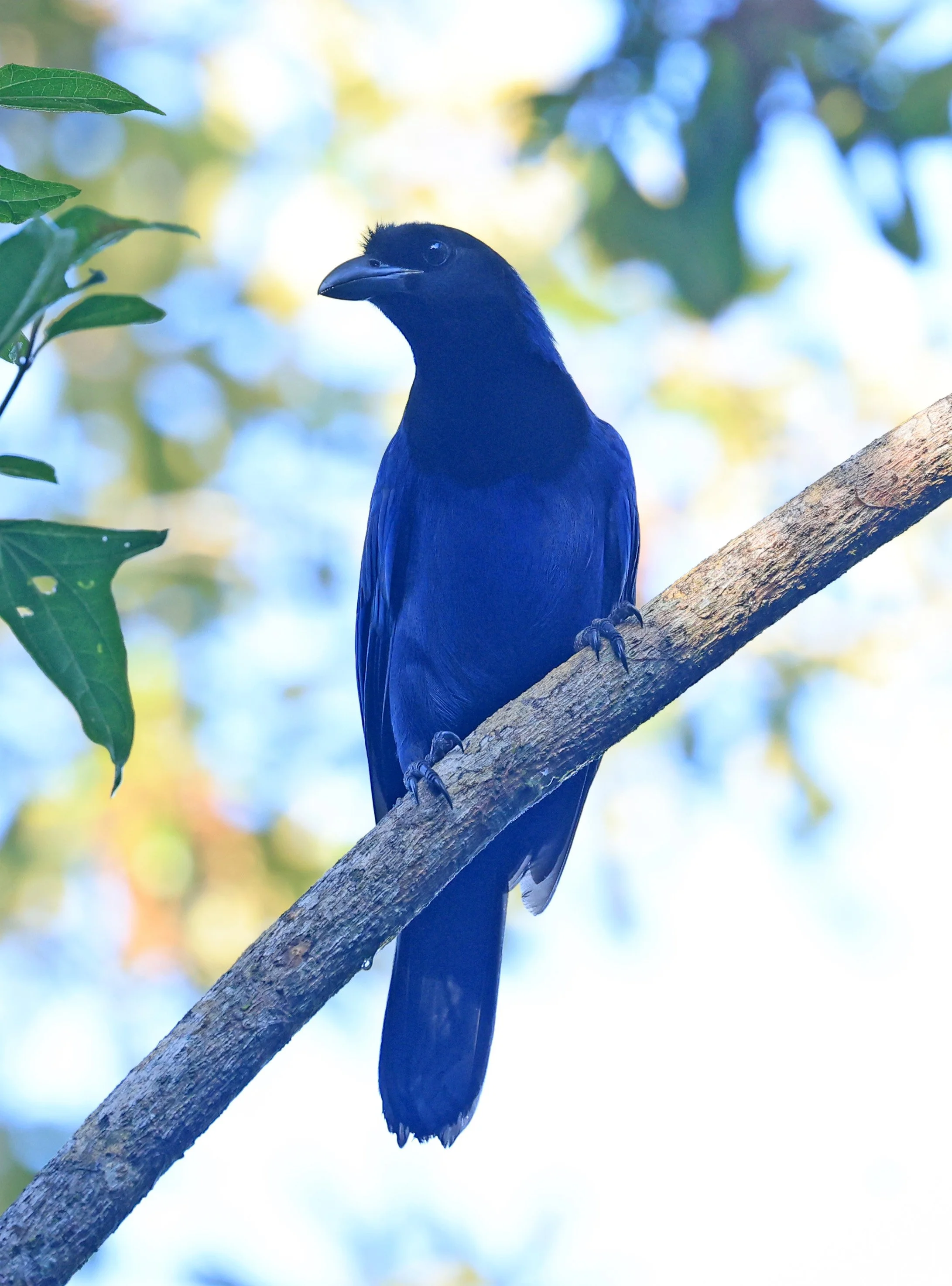
Azure Jay (Cyanocorax caeruleus) Superagui National Park
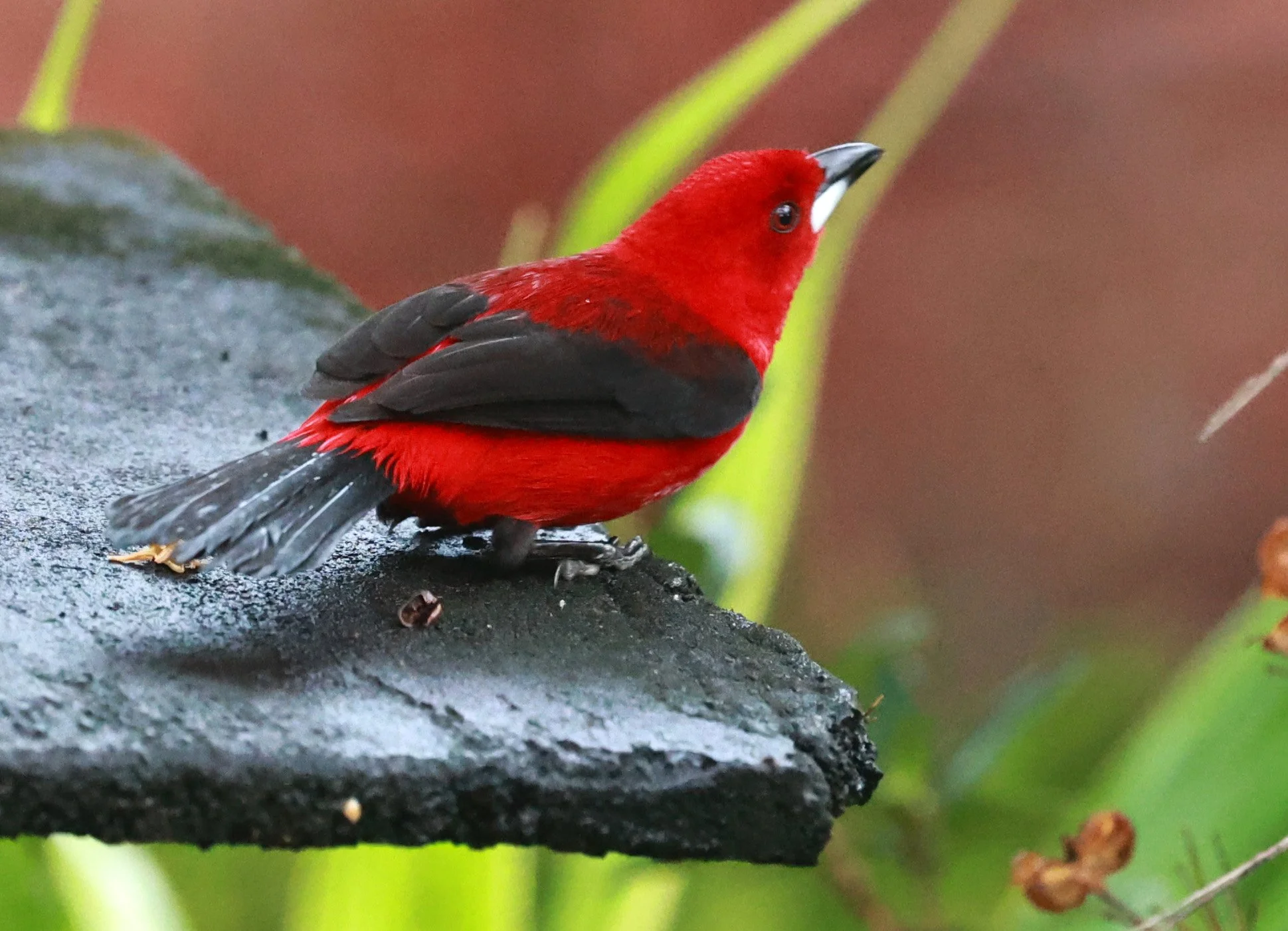
Brazilian Tanager (Ramphocelus bresilia) were a common visitor to the feeder at the pousada.
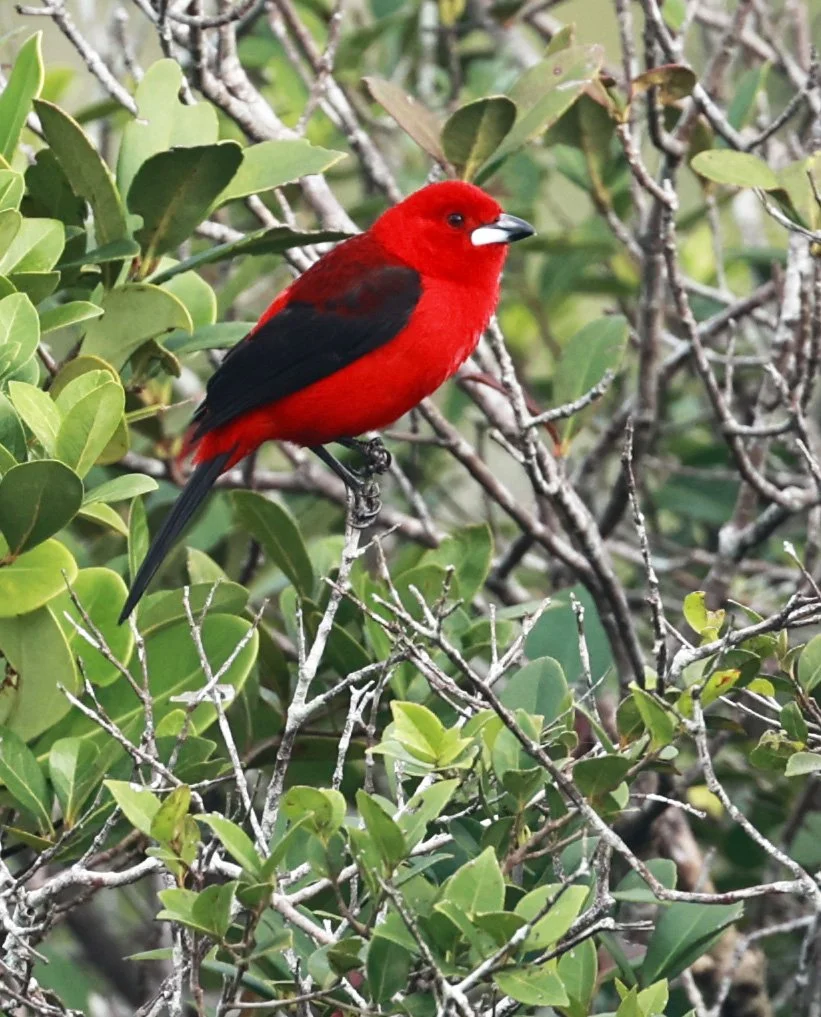
Brazilian Tanager (Ramphocelus bresilia) Superagui National Park
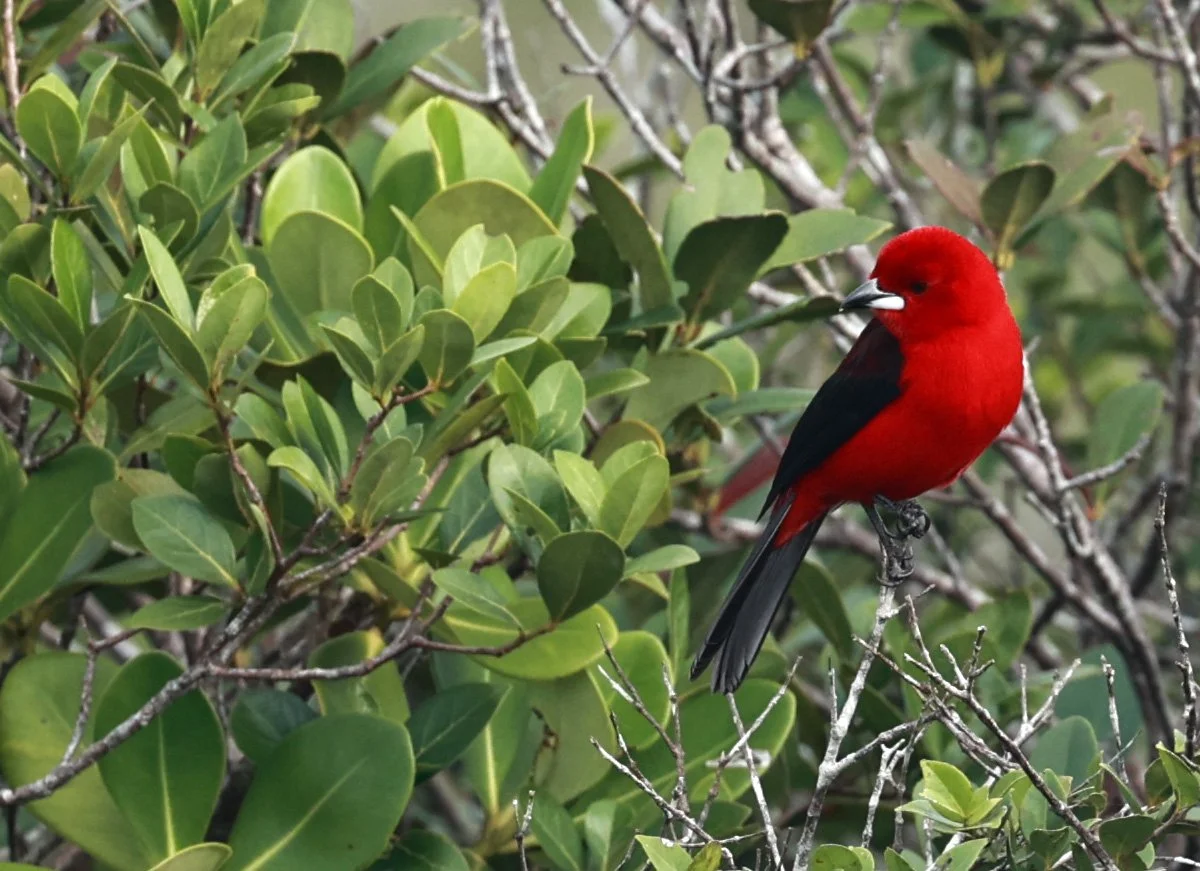
Brazilian Tanager (Ramphocelus bresilia) Superagui National Park
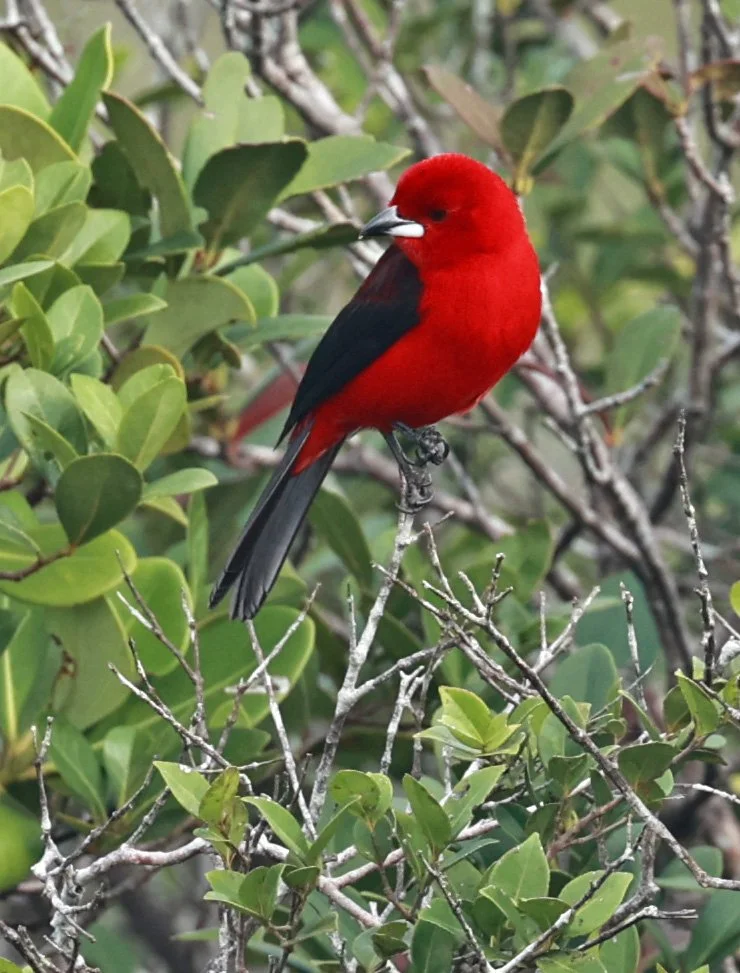
Brazilian Tanager (Ramphocelus bresilia) Superagui National Park
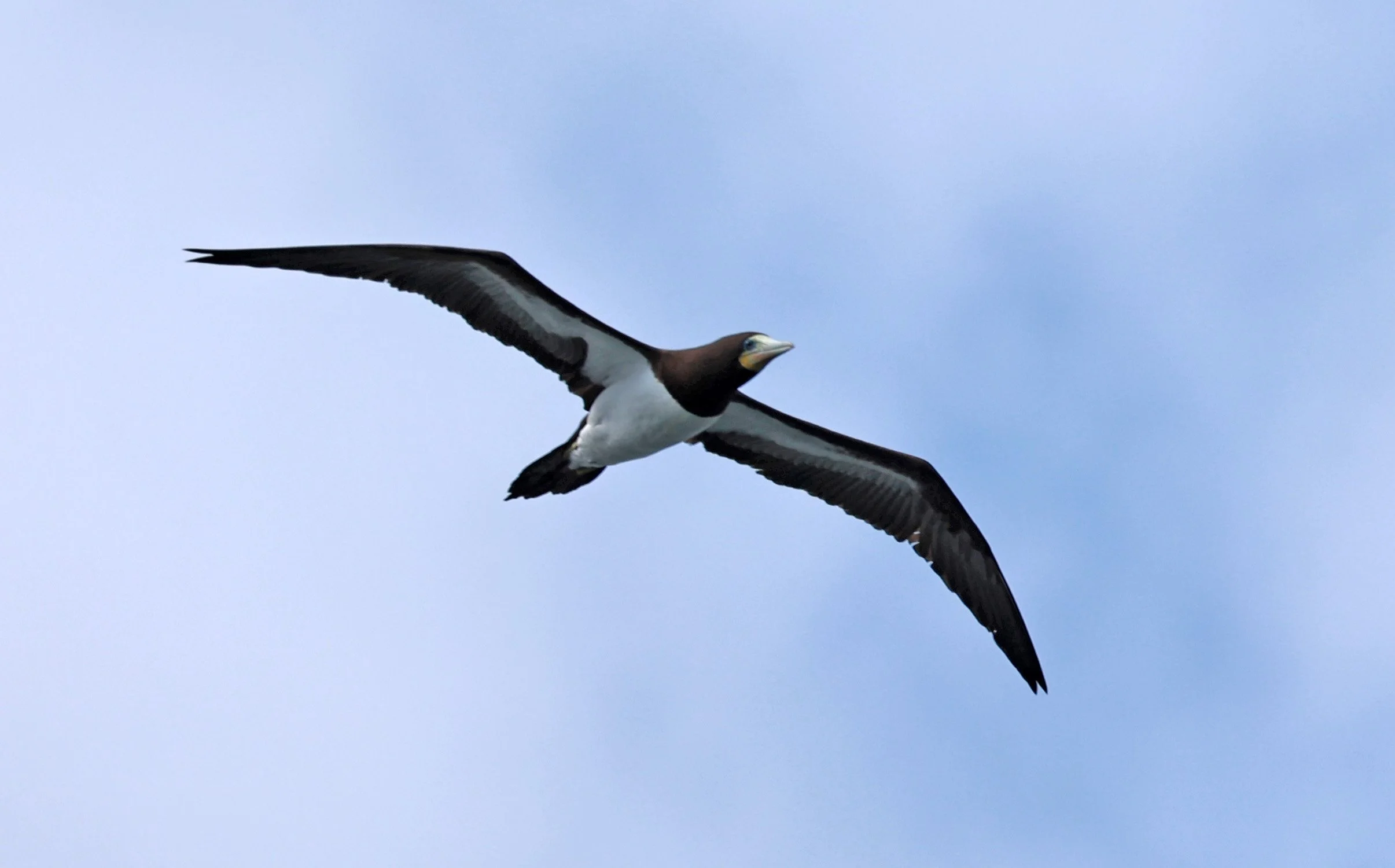
Brown Booby (Sula leucogaster) Superagüi National Park
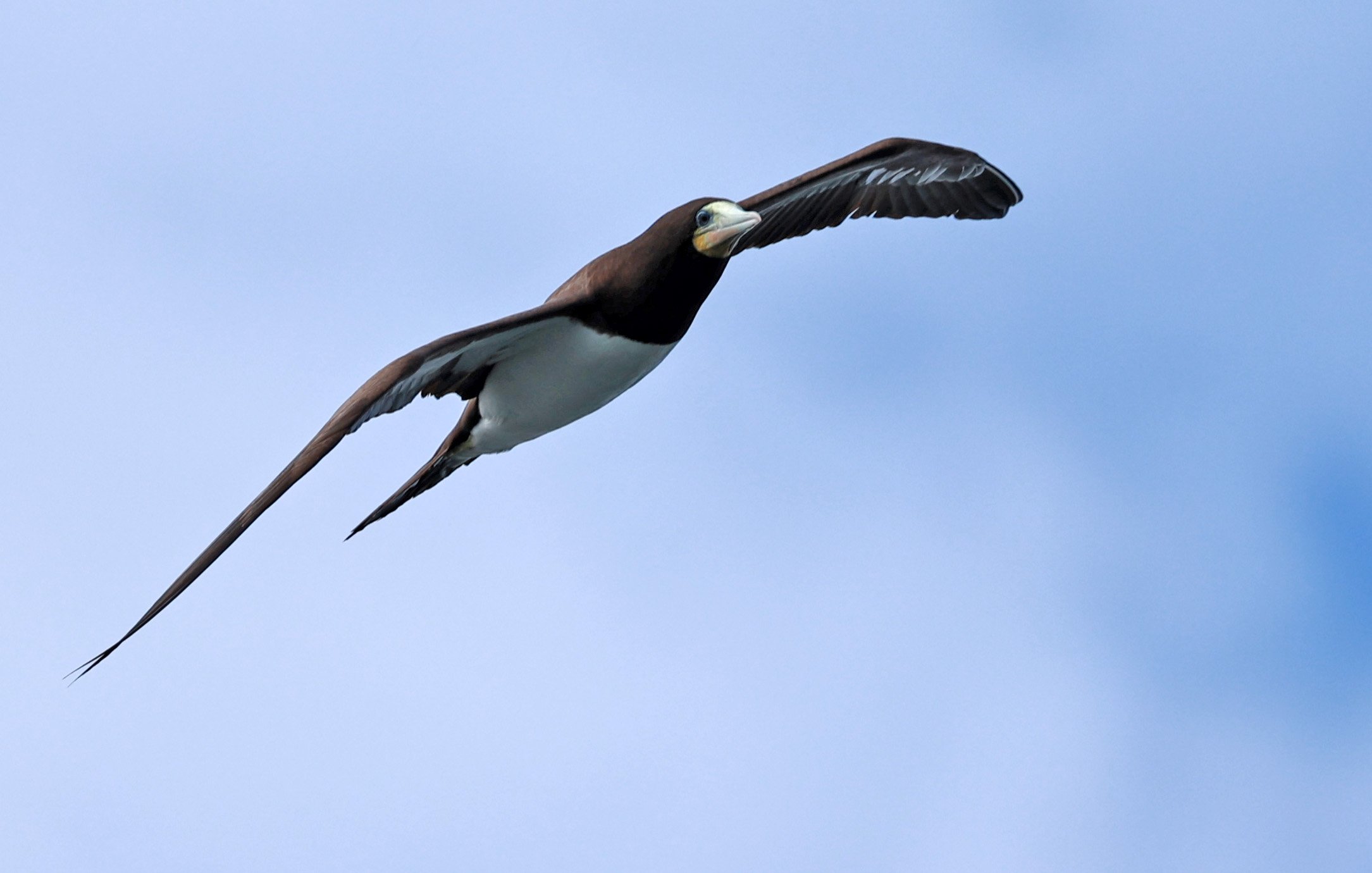
Brown Booby (Sula leucogaster) Superagüi National Park,
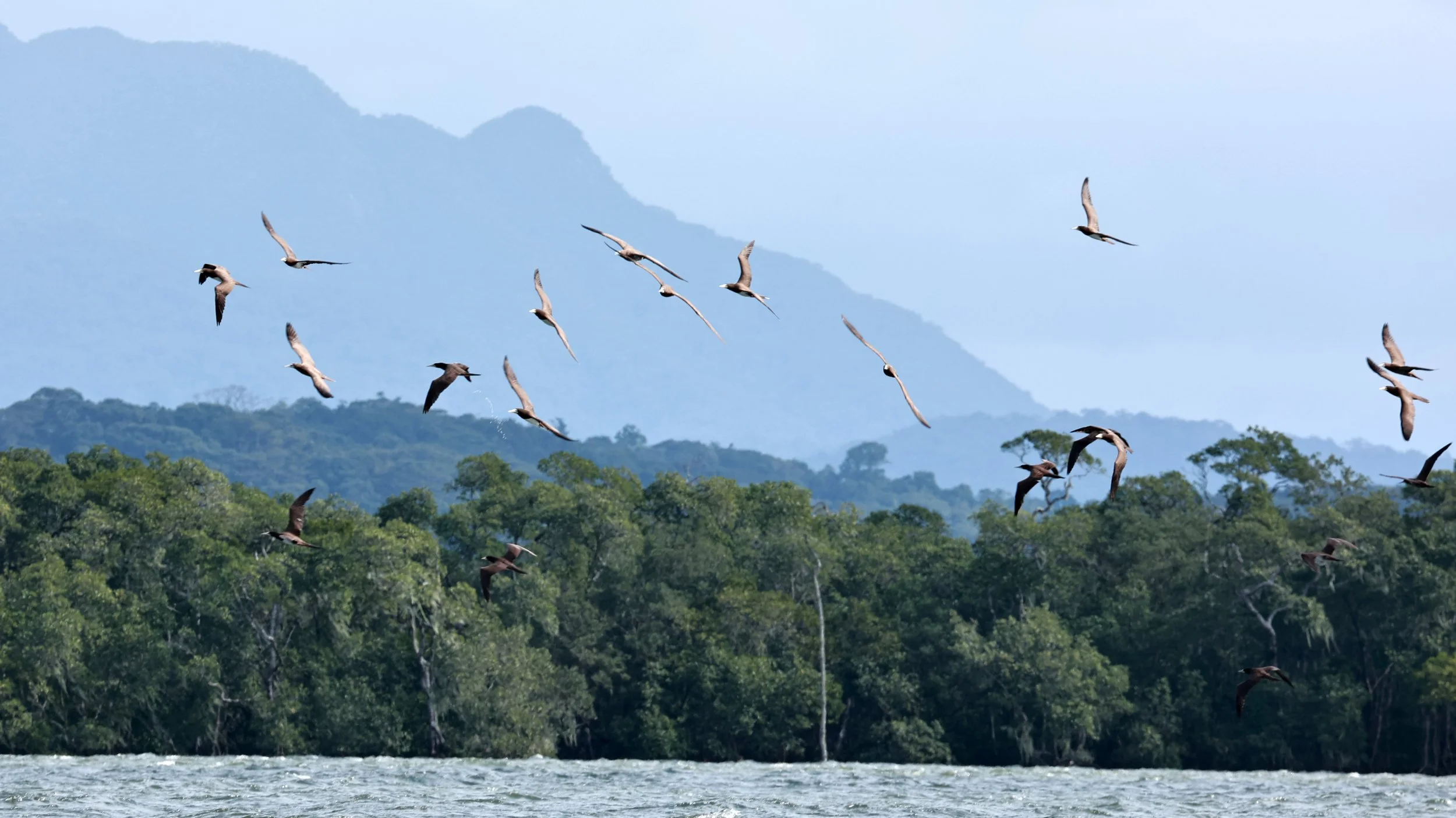
Brown Booby (Sula leucogaster) Superagüi National Park
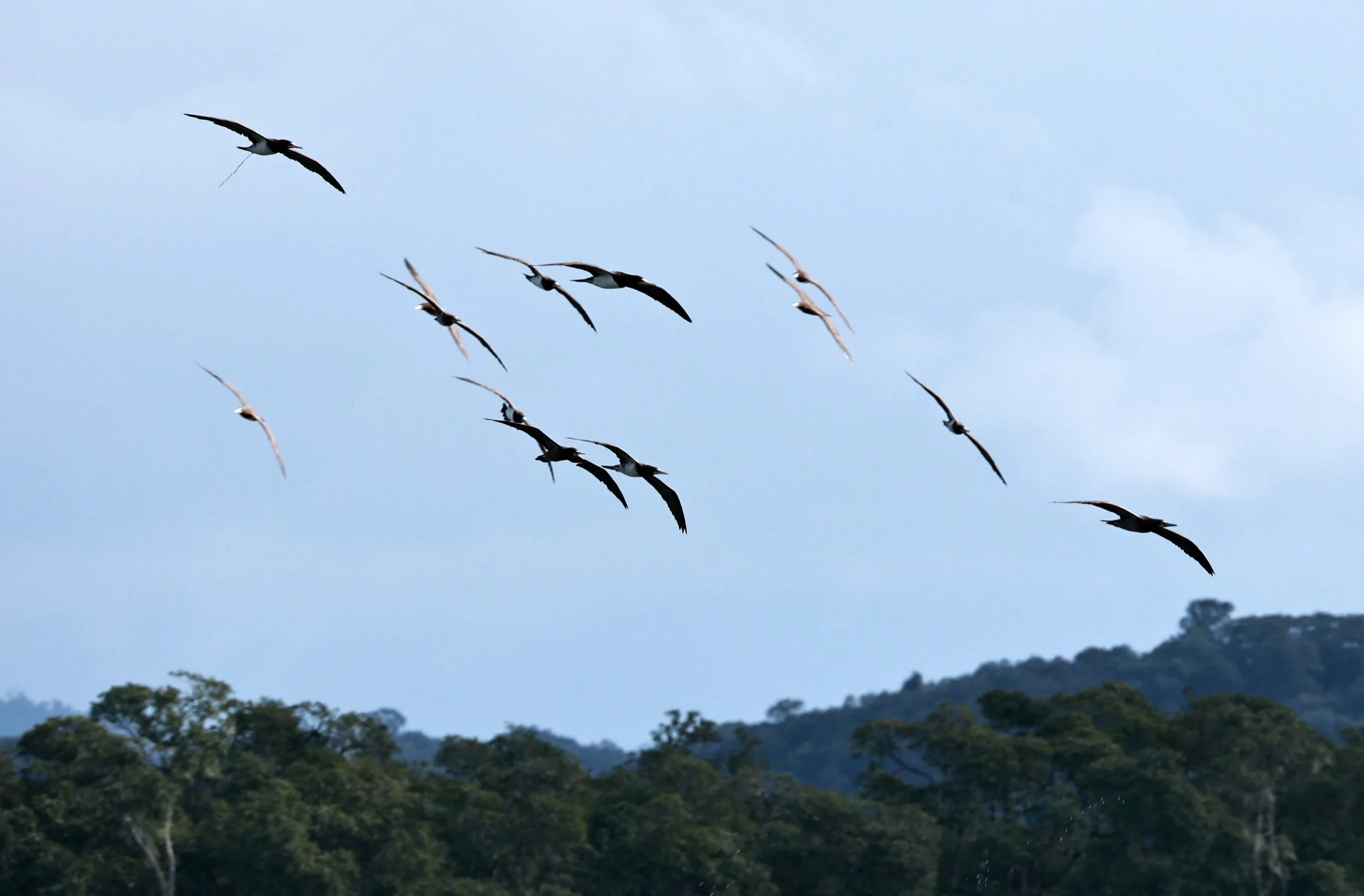
Brown Booby (Sula leucogaster) Superagüi National Park
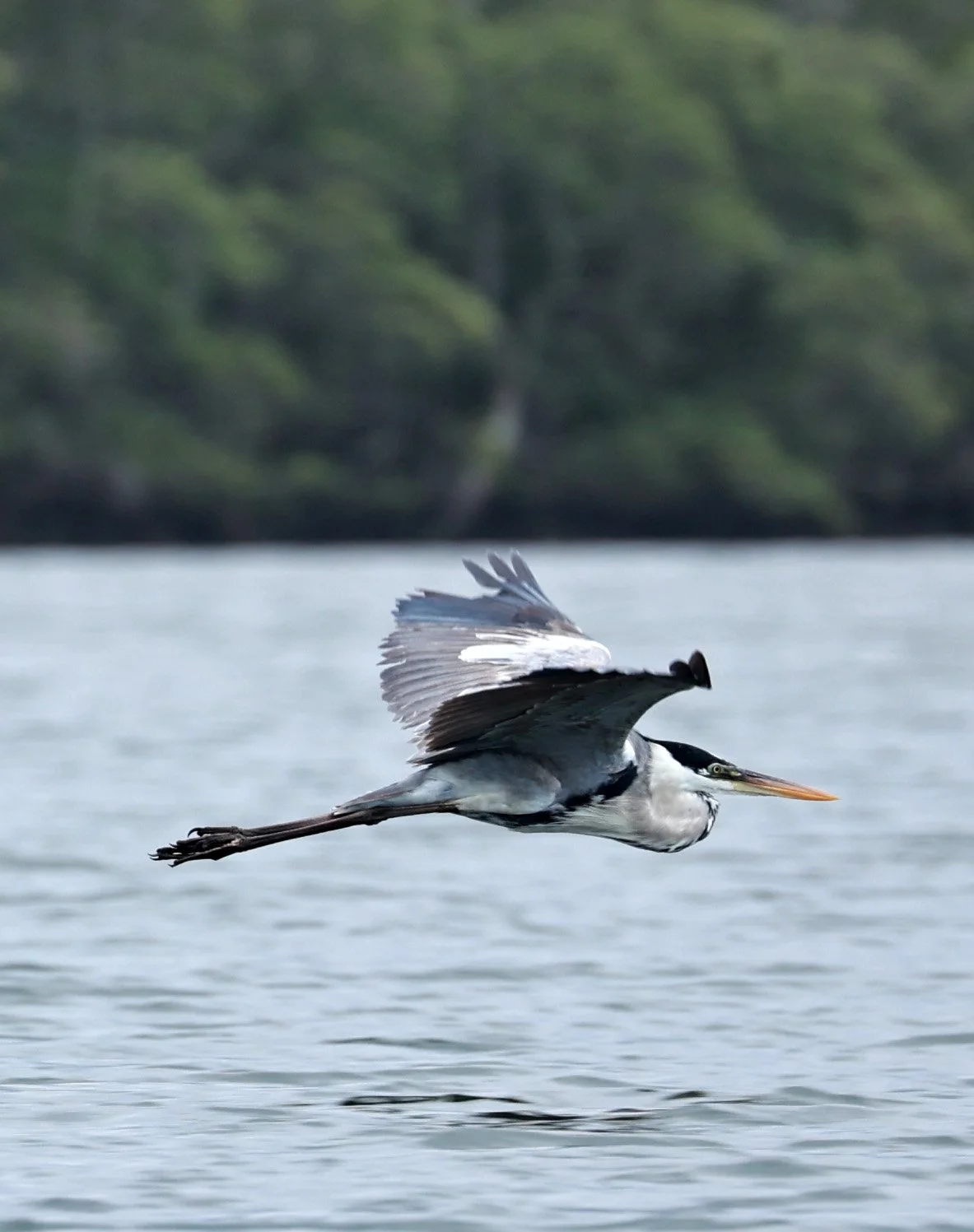
Cocoi Heron (Ardea cocoi) Superagüi National Park
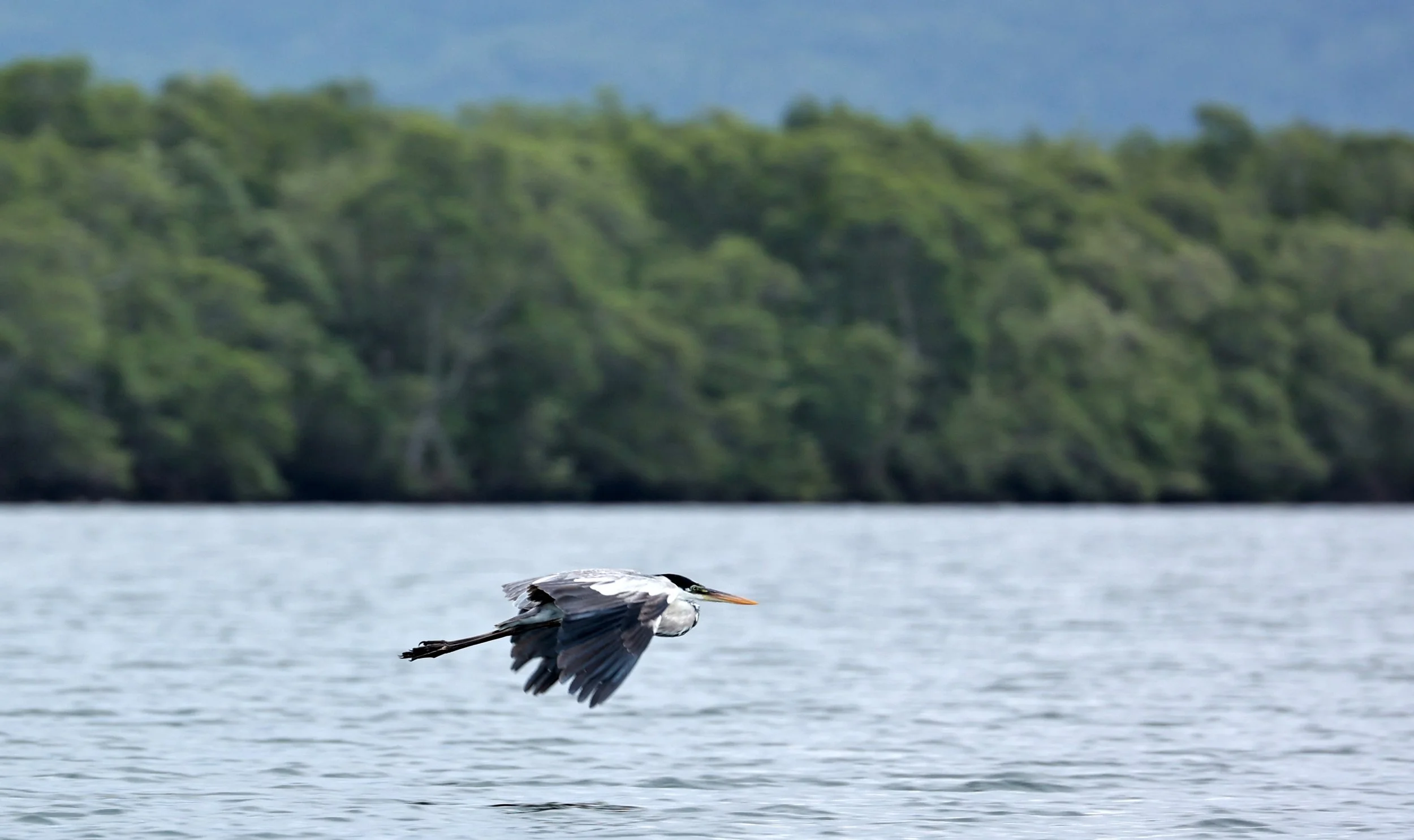
Cocoi Heron (Ardea cocoi) Superagüi National Park
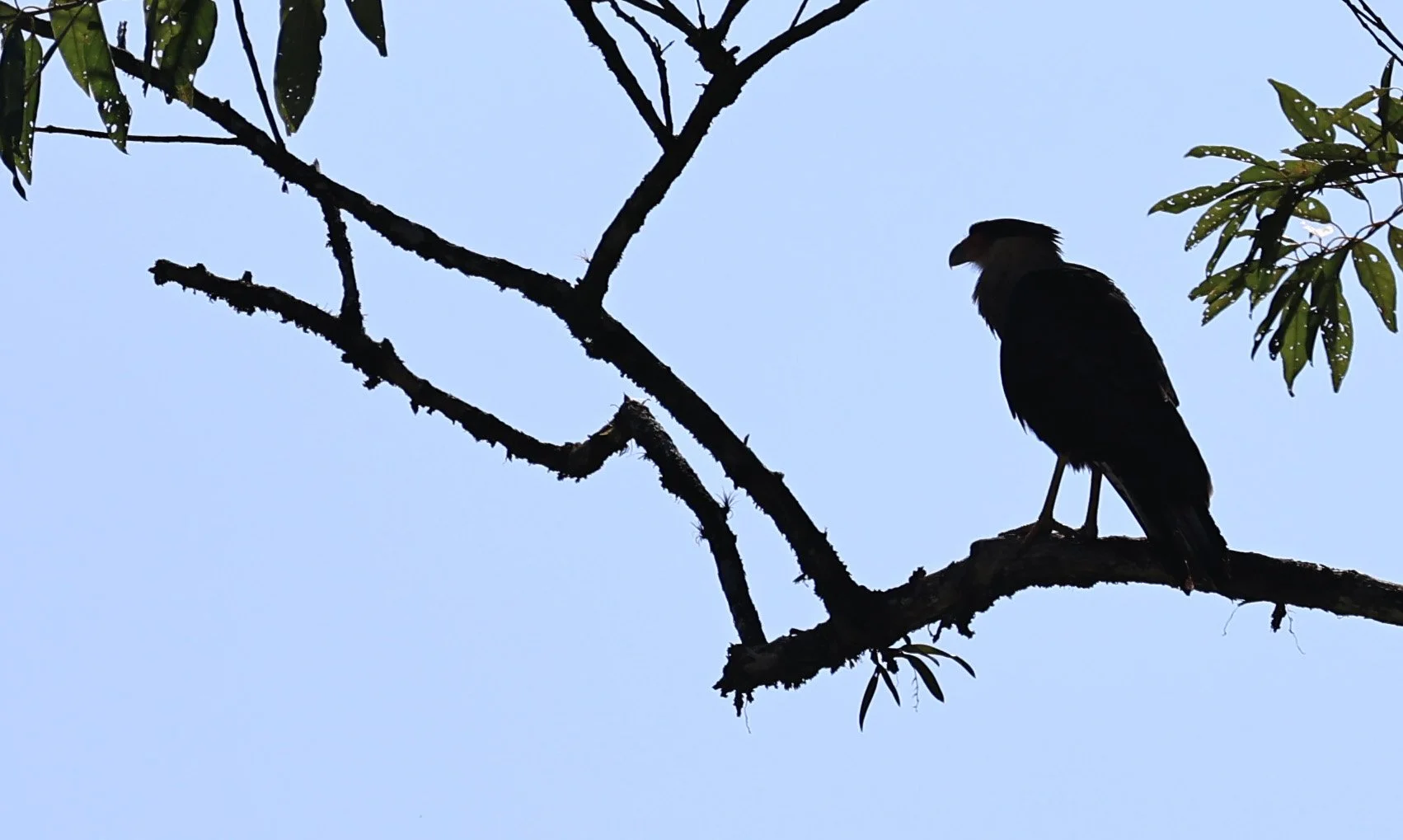
Crested Caracara (Caracara plancus) Superagui National Park
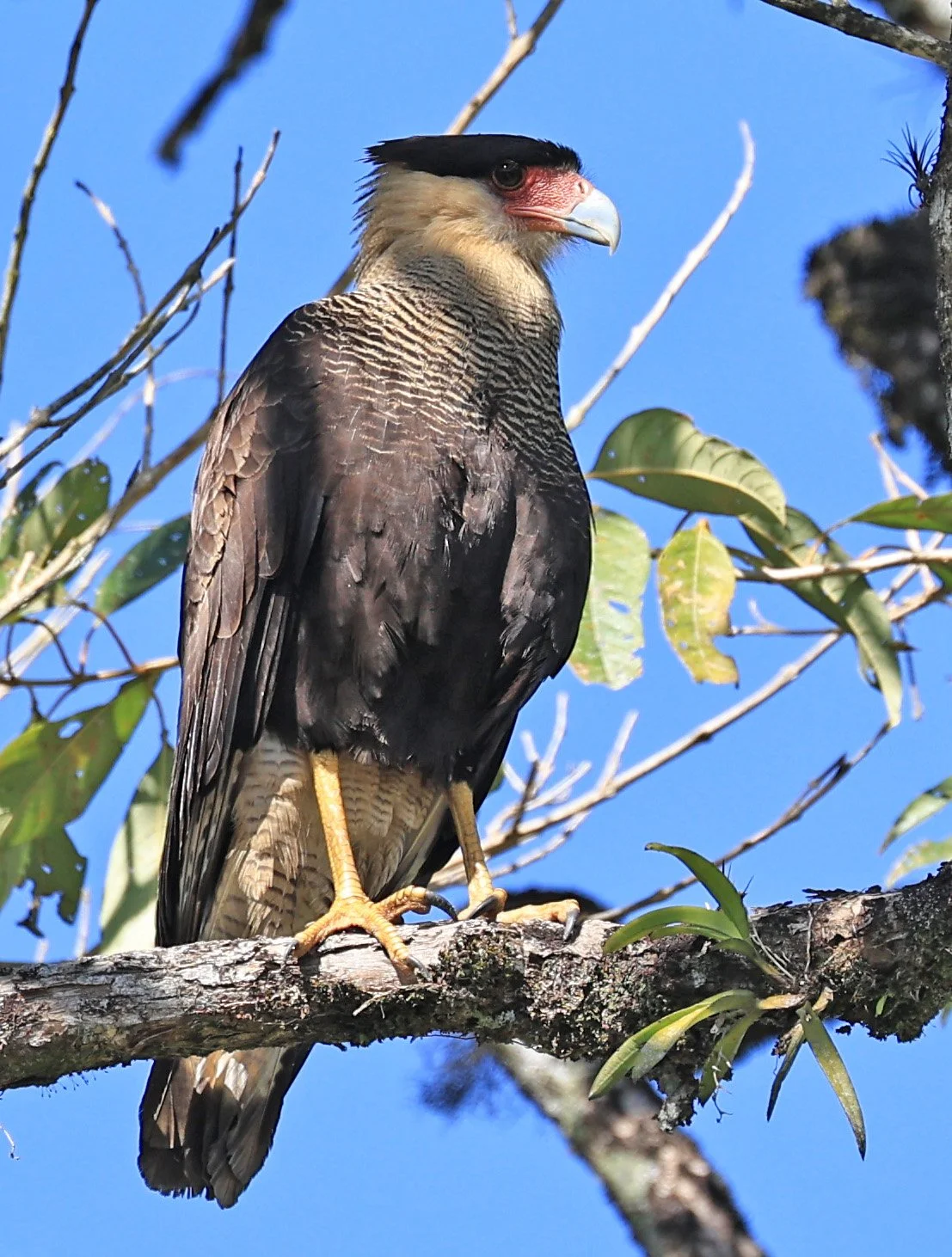
Crested Caracara (Caracara plancus) Superagui National Park
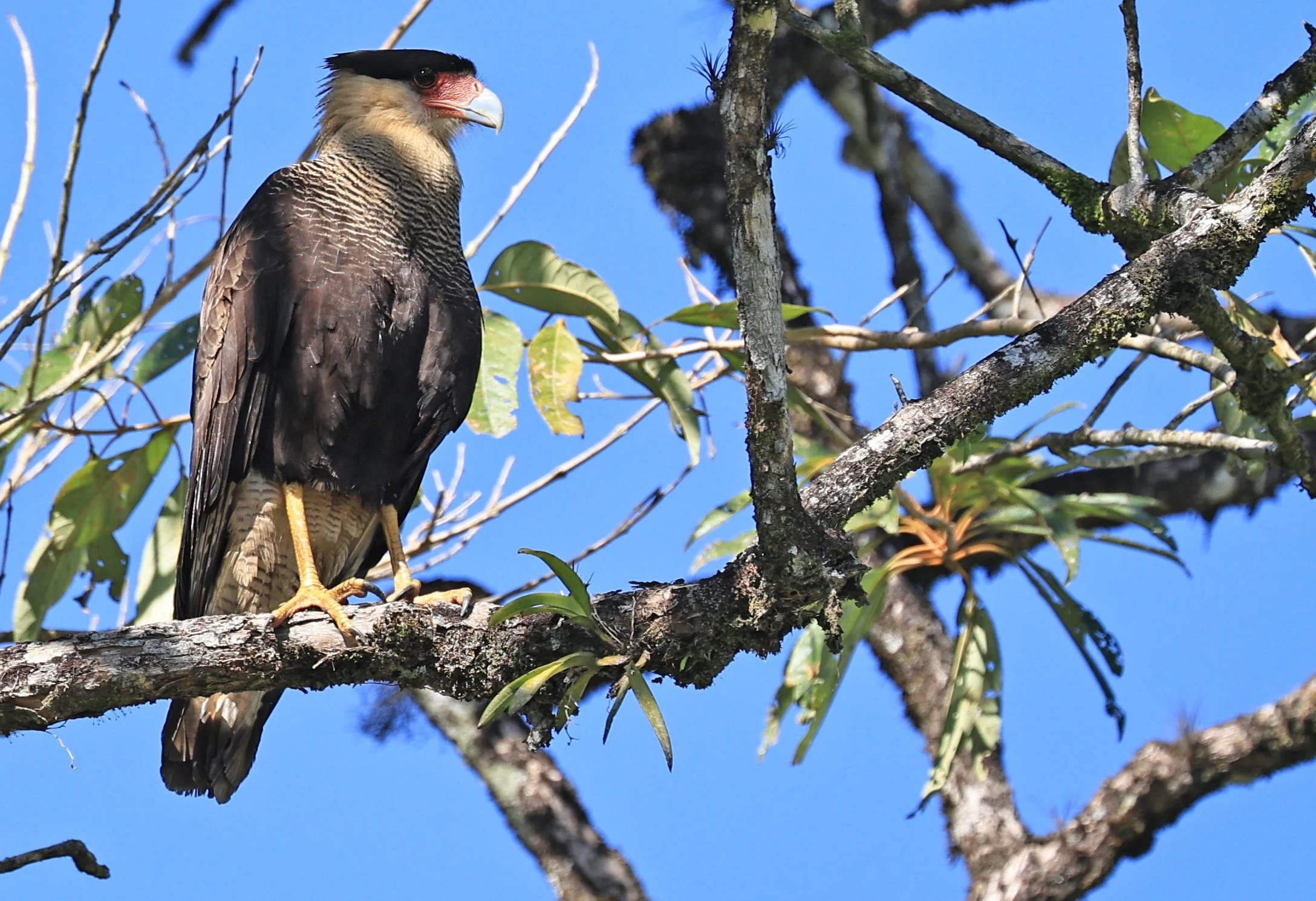
Crested Caracara (Caracara plancus) Superagui National Park
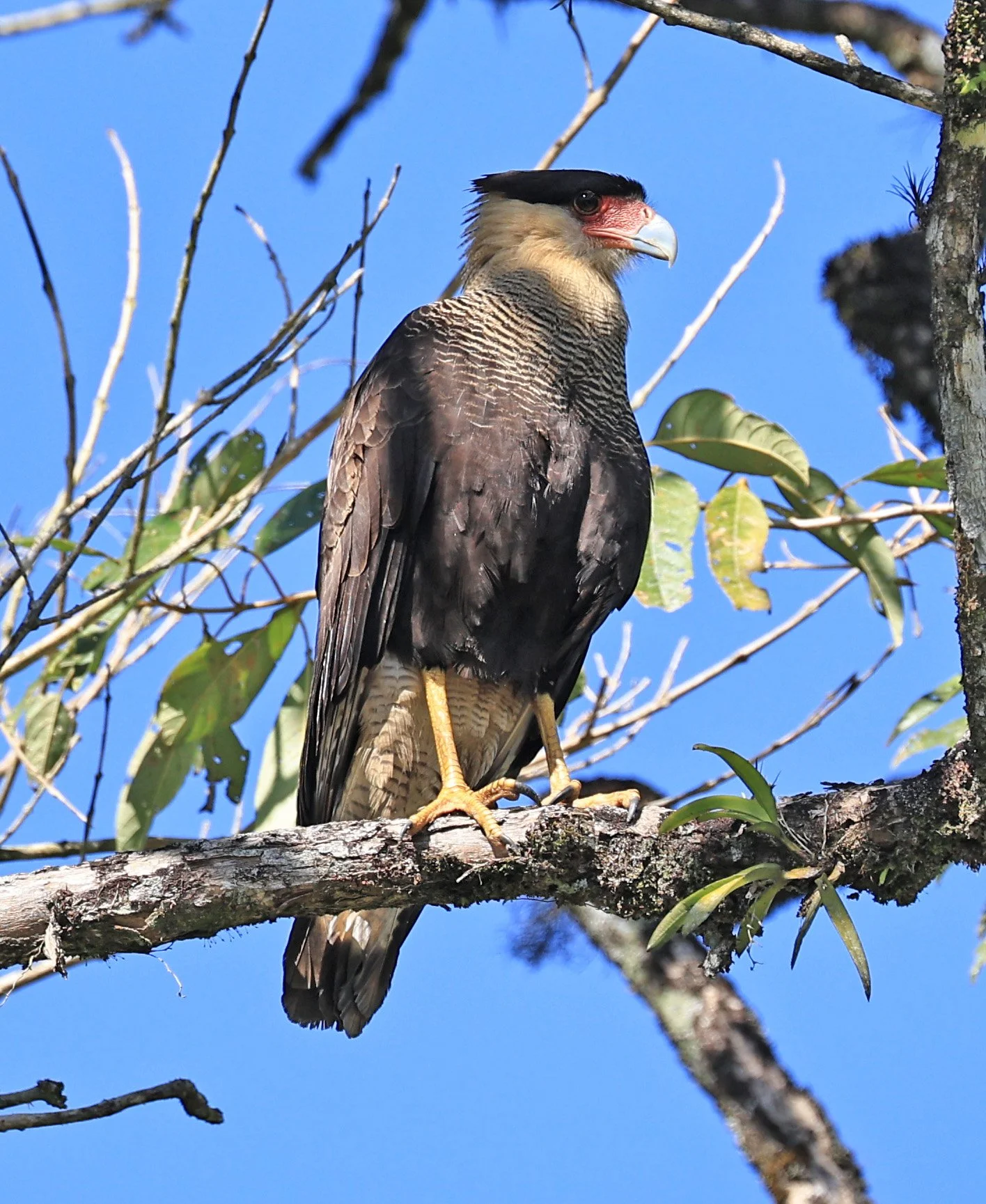
Crested Caracara (Caracara plancus) Superagui National Park
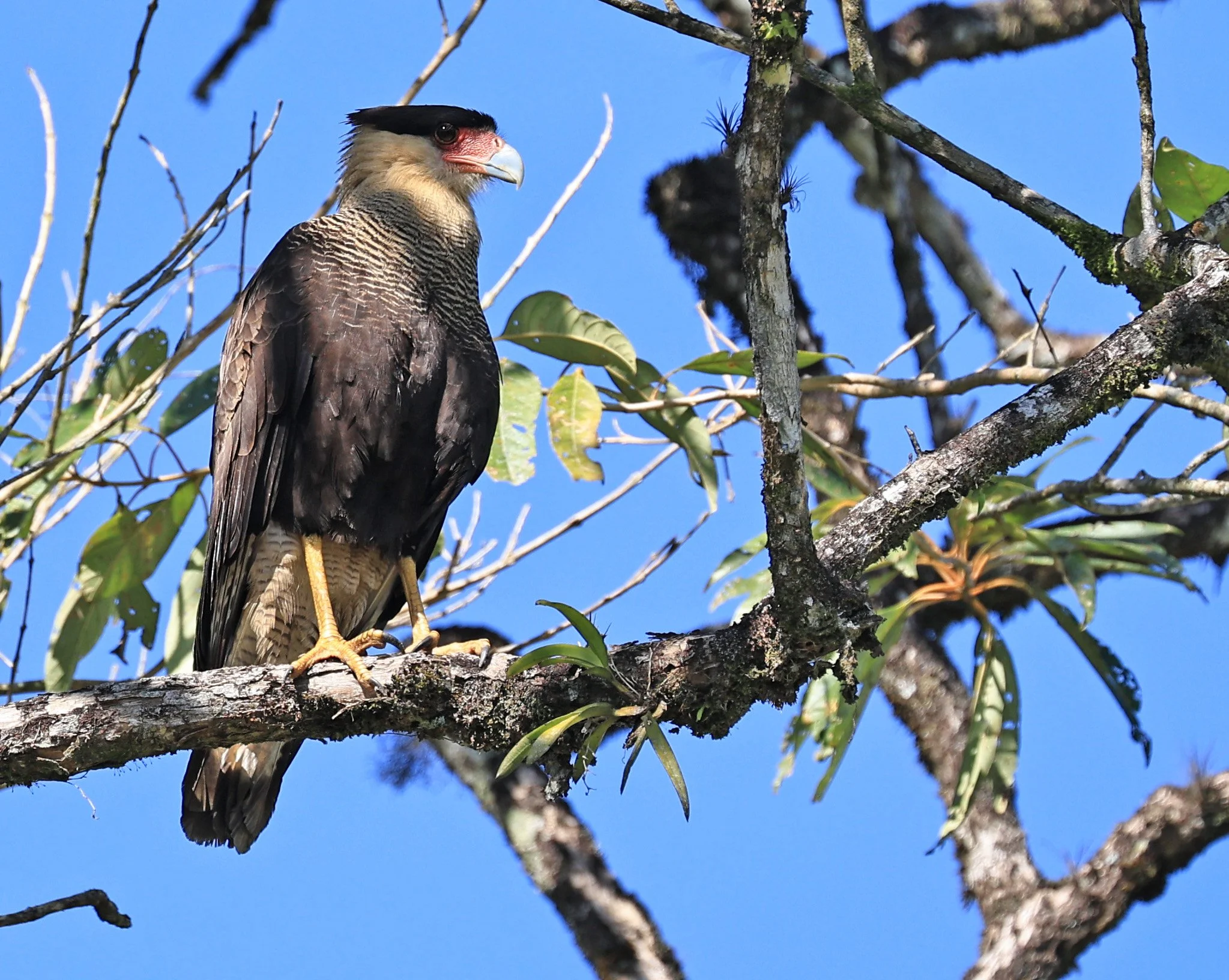
Crested Caracara (Caracara plancus) Superagui National Park

Greenish Schiffornis (Schiffornis virescens) Superagui National Park

Greenish Schiffornis (Schiffornis virescens) Superagui National Park

Greenish Schiffornis (Schiffornis virescens) Superagui National Park

Greenish Schiffornis (Schiffornis virescens) Superagui National Park

Little Blue Heron (Egretta caerulea) juvenile - Superagui National Park

Little Blue Heron (Egretta caerulea) juvenile - Superagui National Park
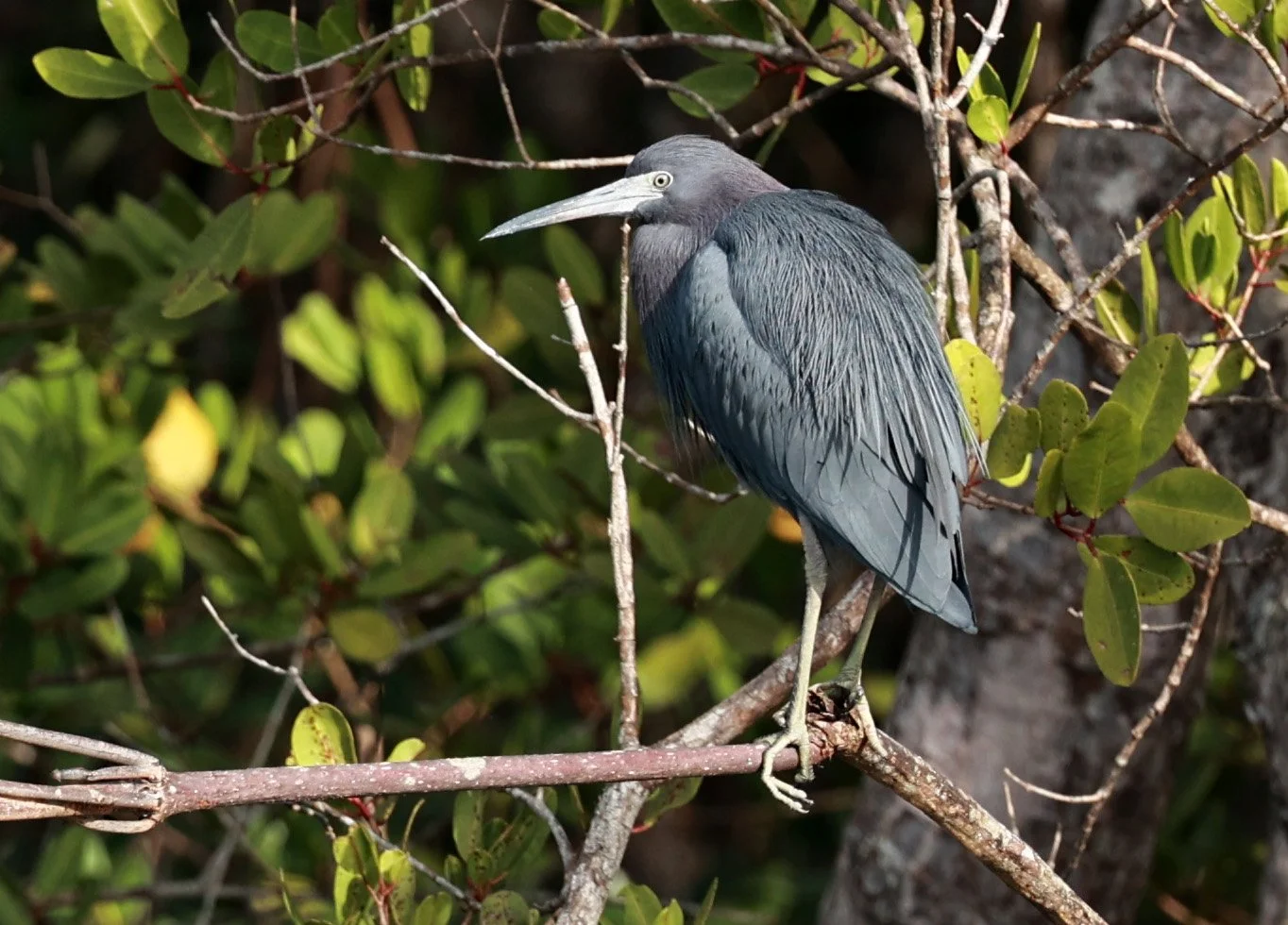
Little Blue Heron (Egretta caerulea) juvenile - Superagui National Park
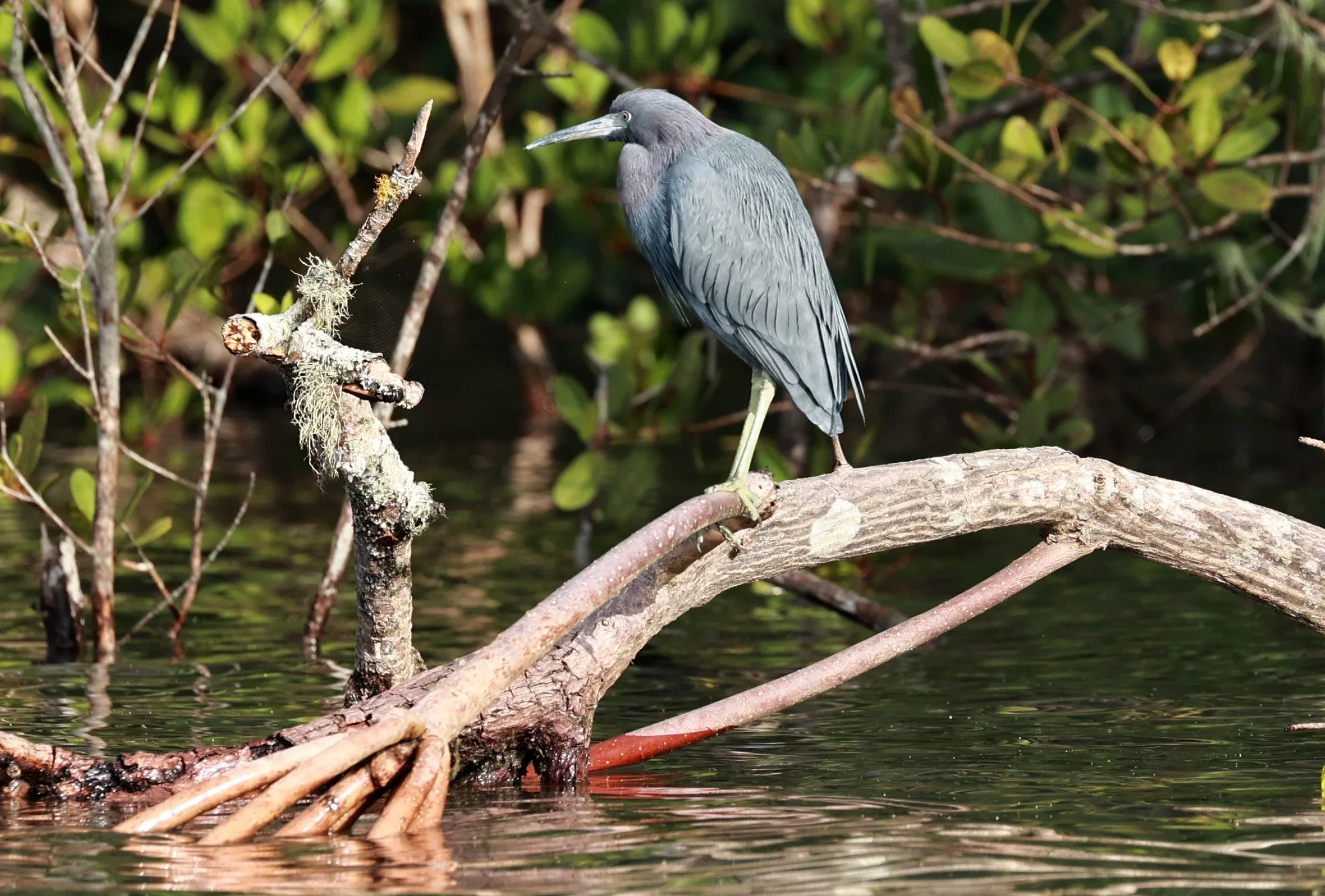
Little Blue Heron (Egretta caerulea) juvenile - Superagui National Park
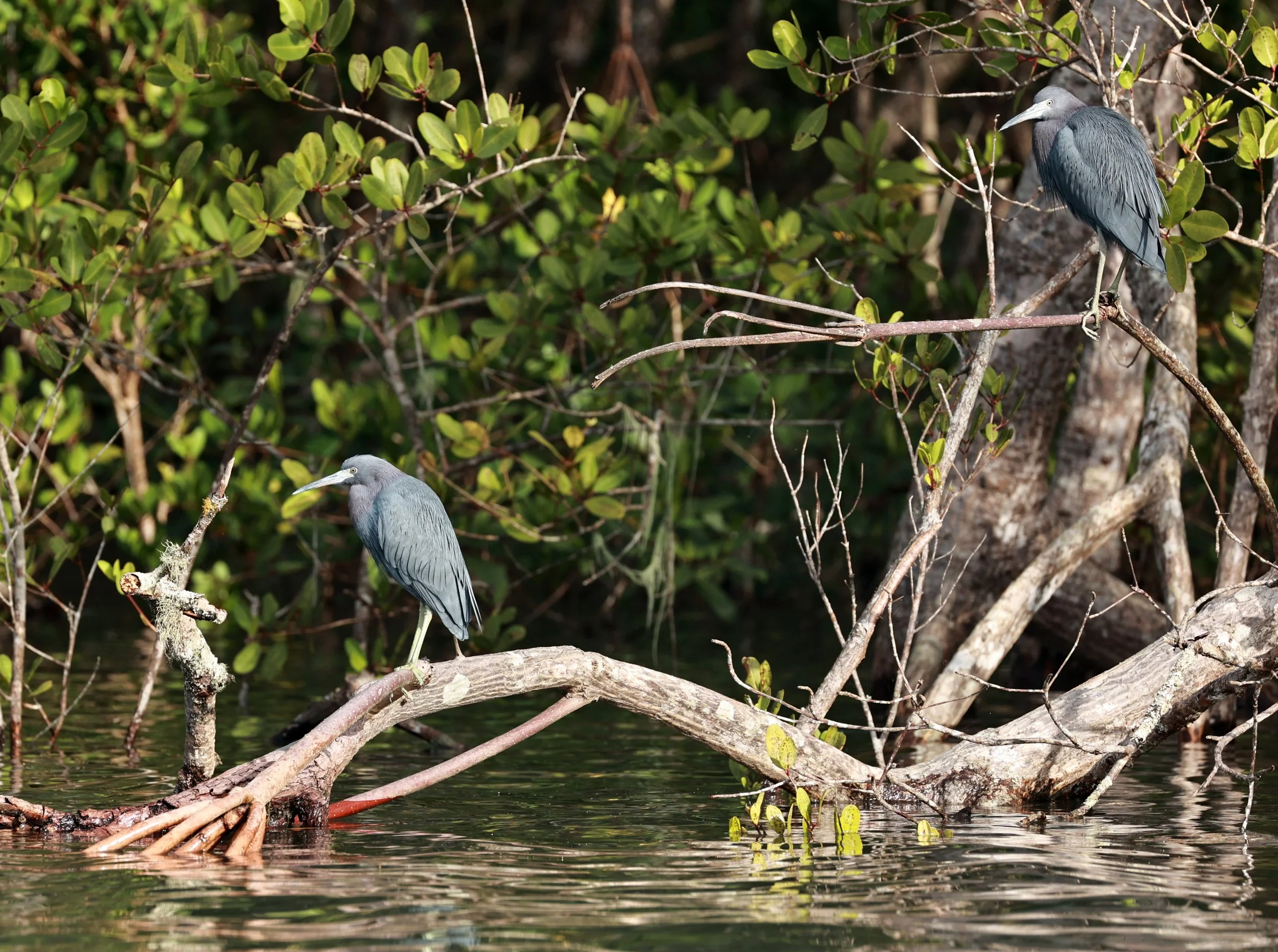
Little Blue Heron (Egretta caerulea) juvenile - Superagui National Park
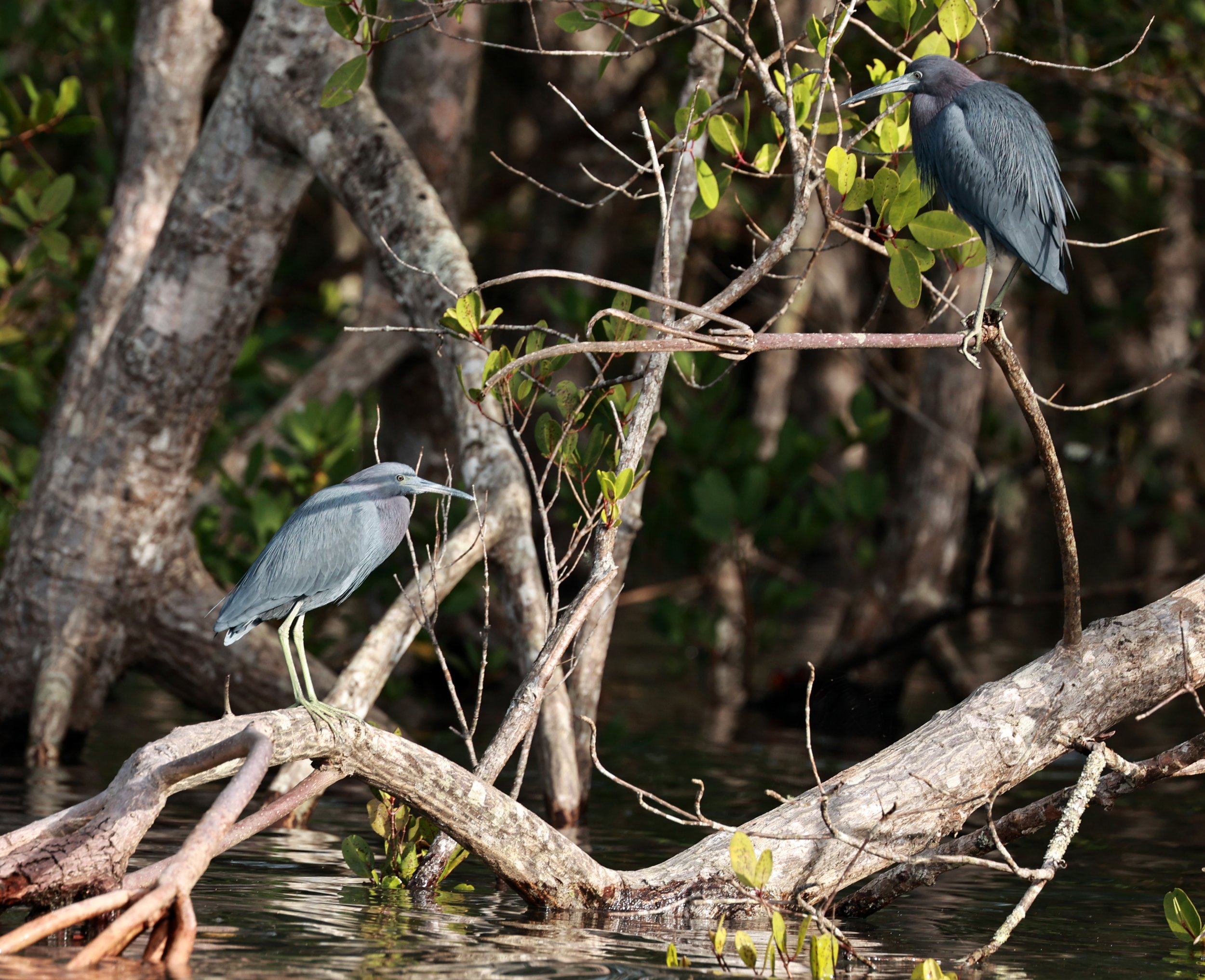
Little Blue Heron (Egretta caerulea) juvenile - Superagui National Park
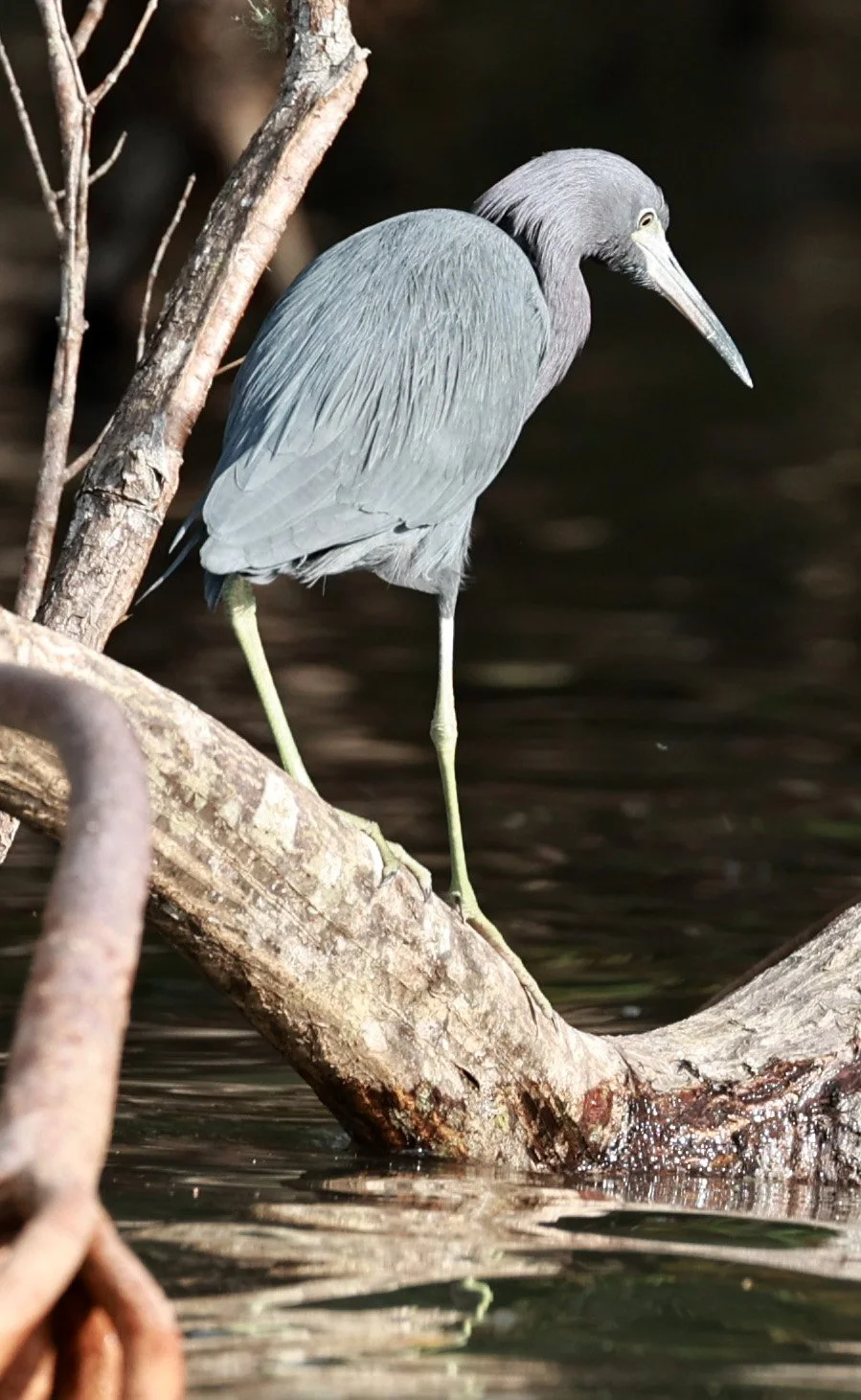
Little Blue Heron (Egretta caerulea) juvenile - Superagui National Park
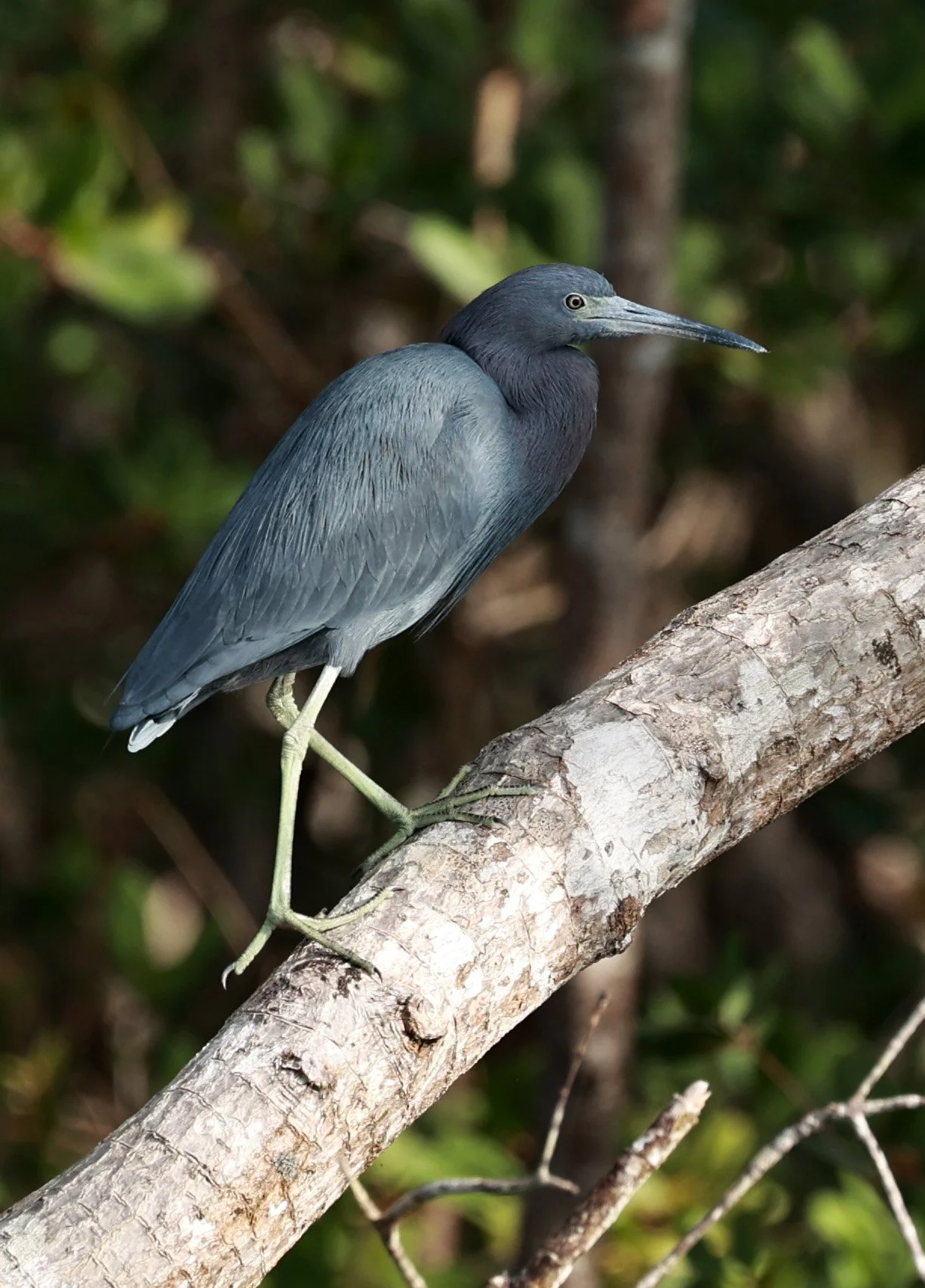
Little Blue Heron (Egretta caerulea) juvenile - Superagui National Park
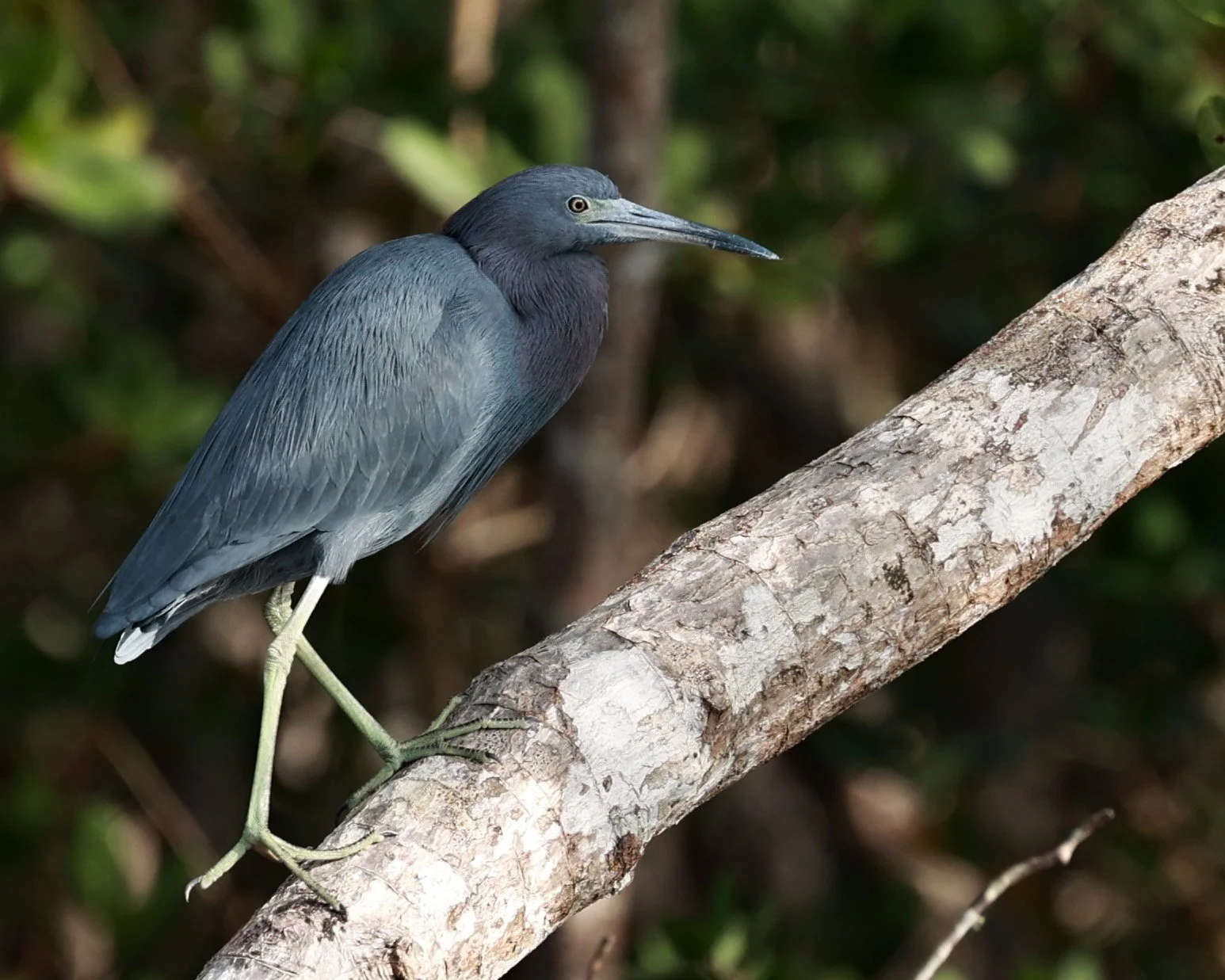
Little Blue Heron (Egretta caerulea) juvenile - Superagui National Park
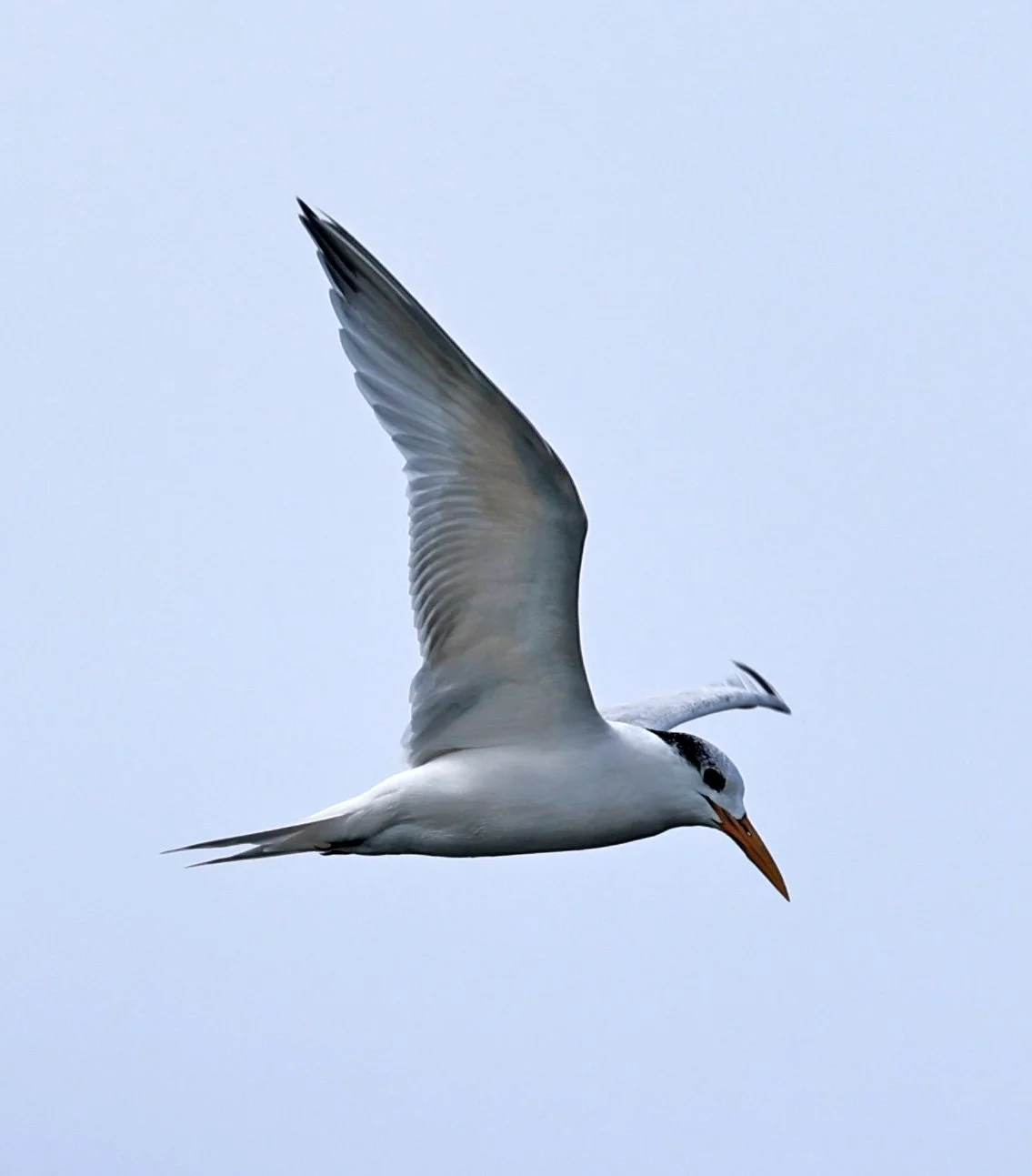
Little Tern (Sternula albifrons) Superagüi National Park
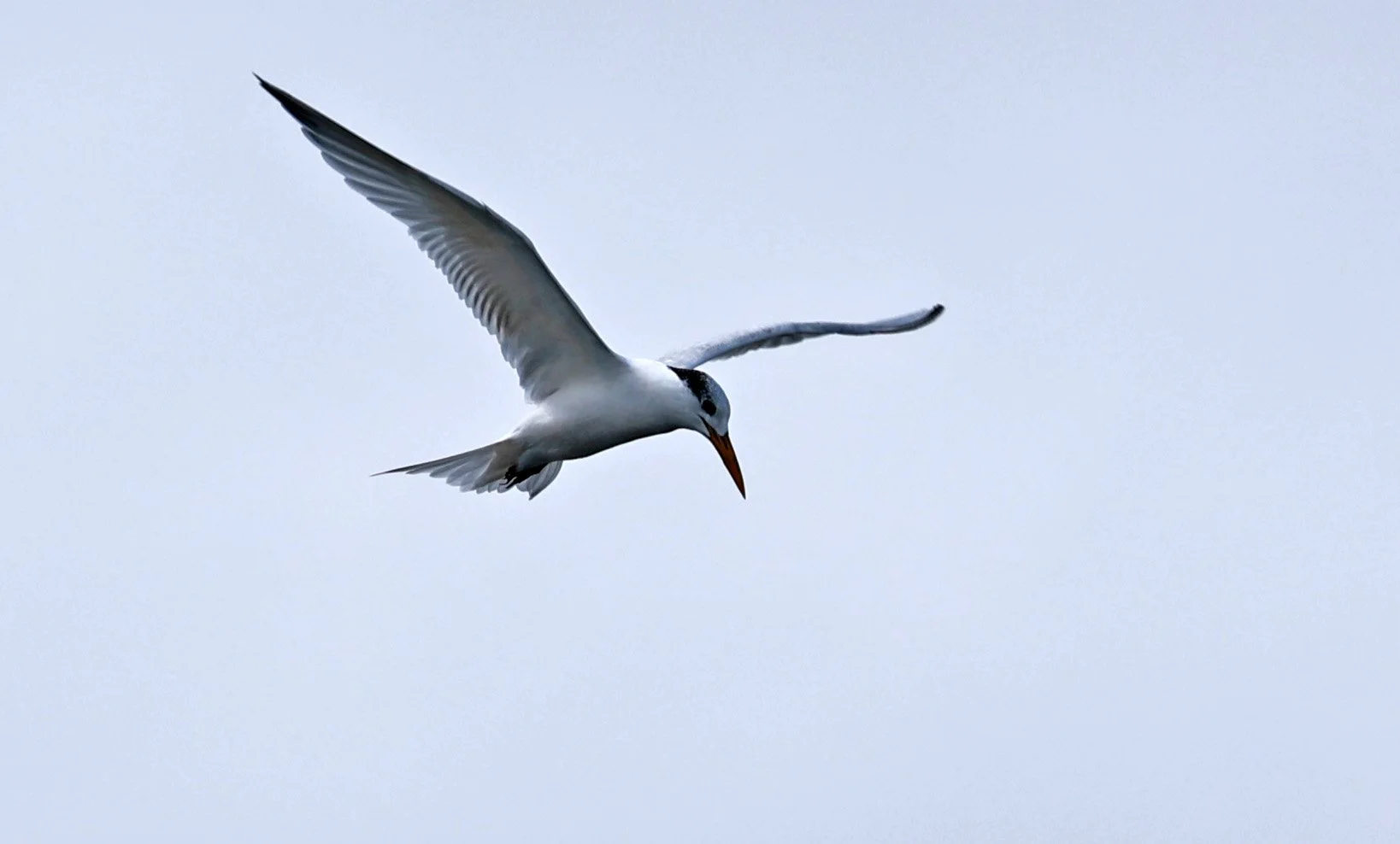
Little Tern (Sternula albifrons) Superagüi National Park
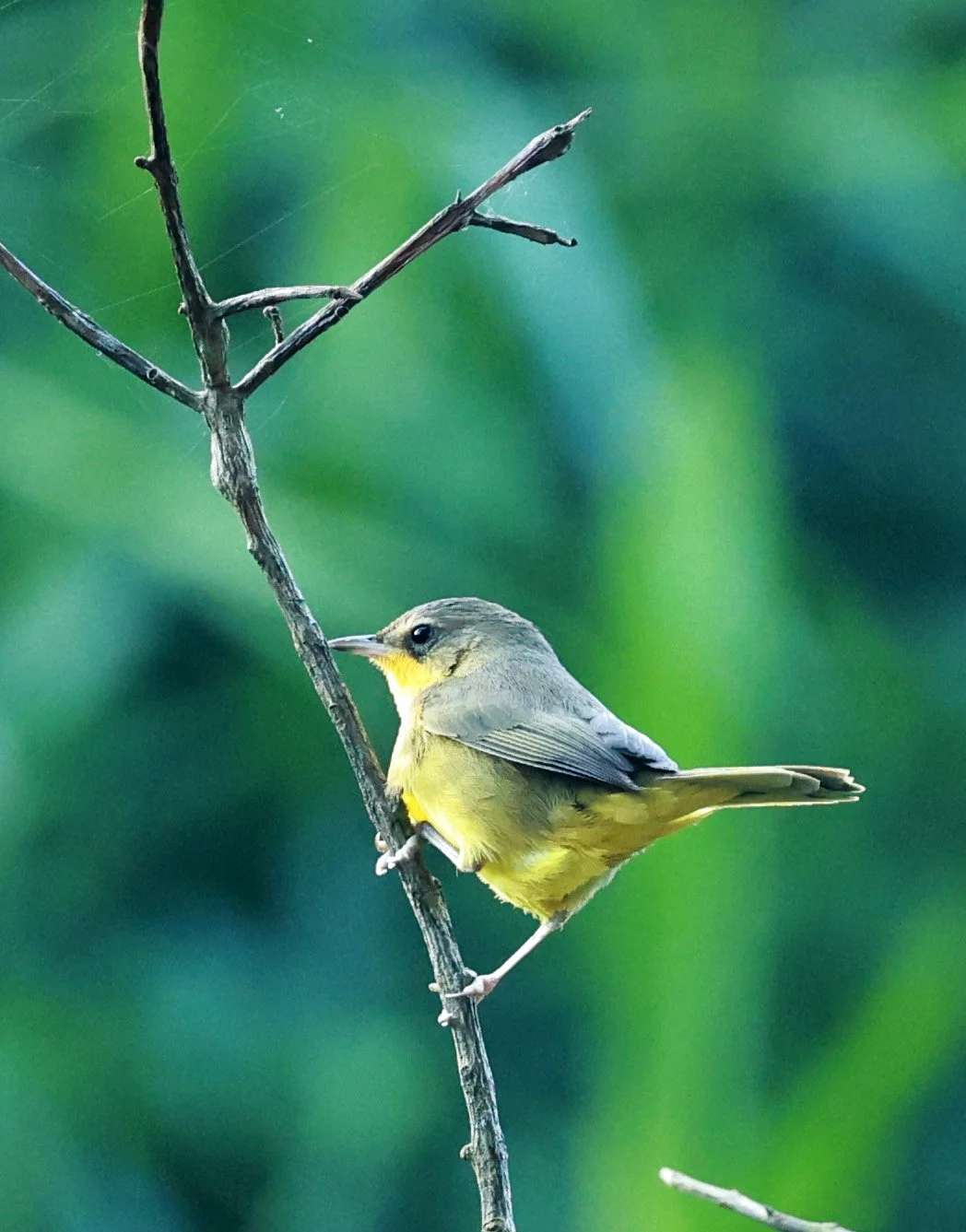
Masked Yellowthroat (Geothlypis aequinoctialis) Superagui National Park, Brazil

Neotropic Cormorant (Nannopterum brasilianum) Superagüi National Park

Neotropic Cormorant (Nannopterum brasilianum) Superagüi National Park
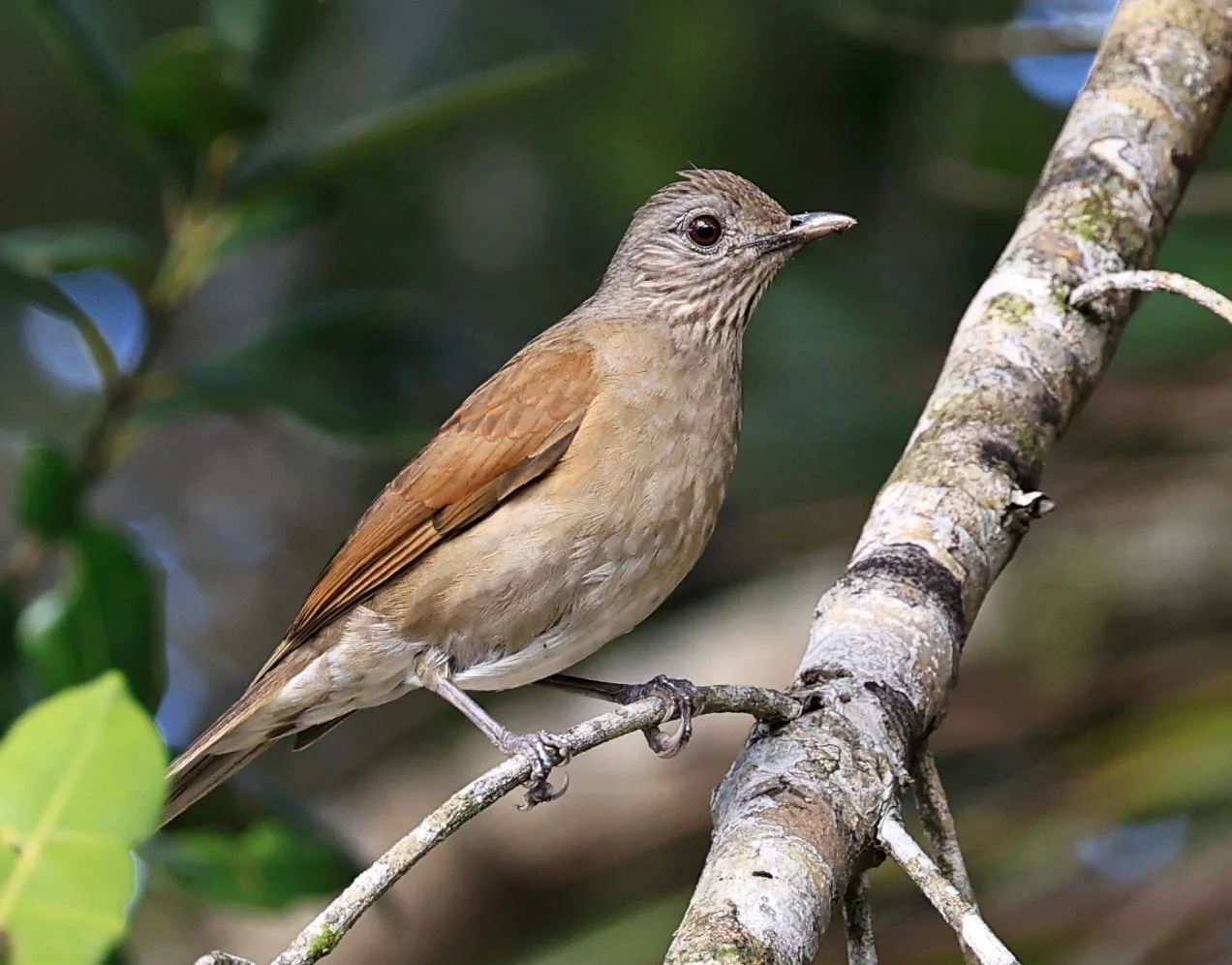
Pale-breasted Thrush (Turdus leucomelas) Superagui National Park
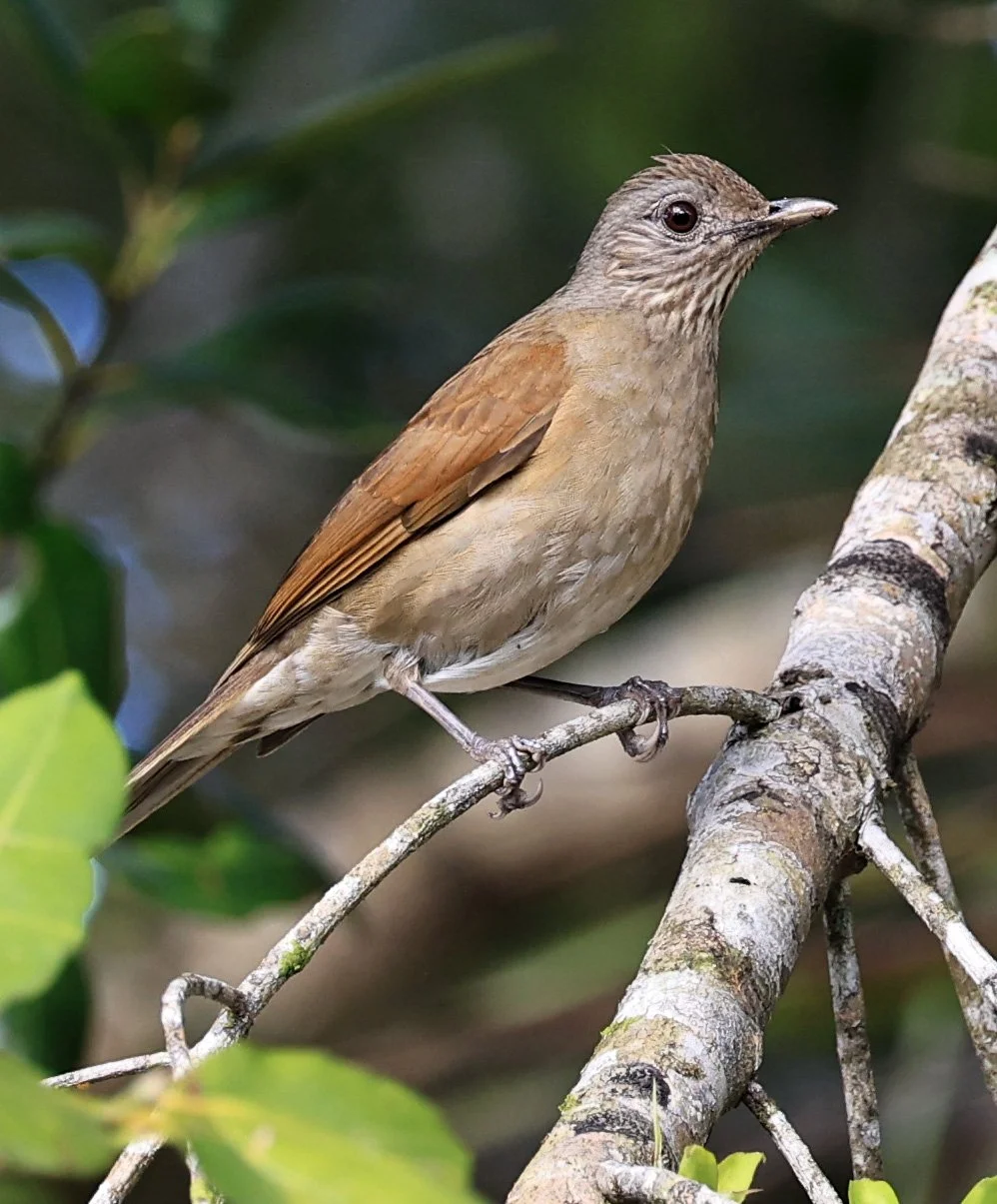
Pale-breasted Thrush (Turdus leucomelas) Superagui National Park
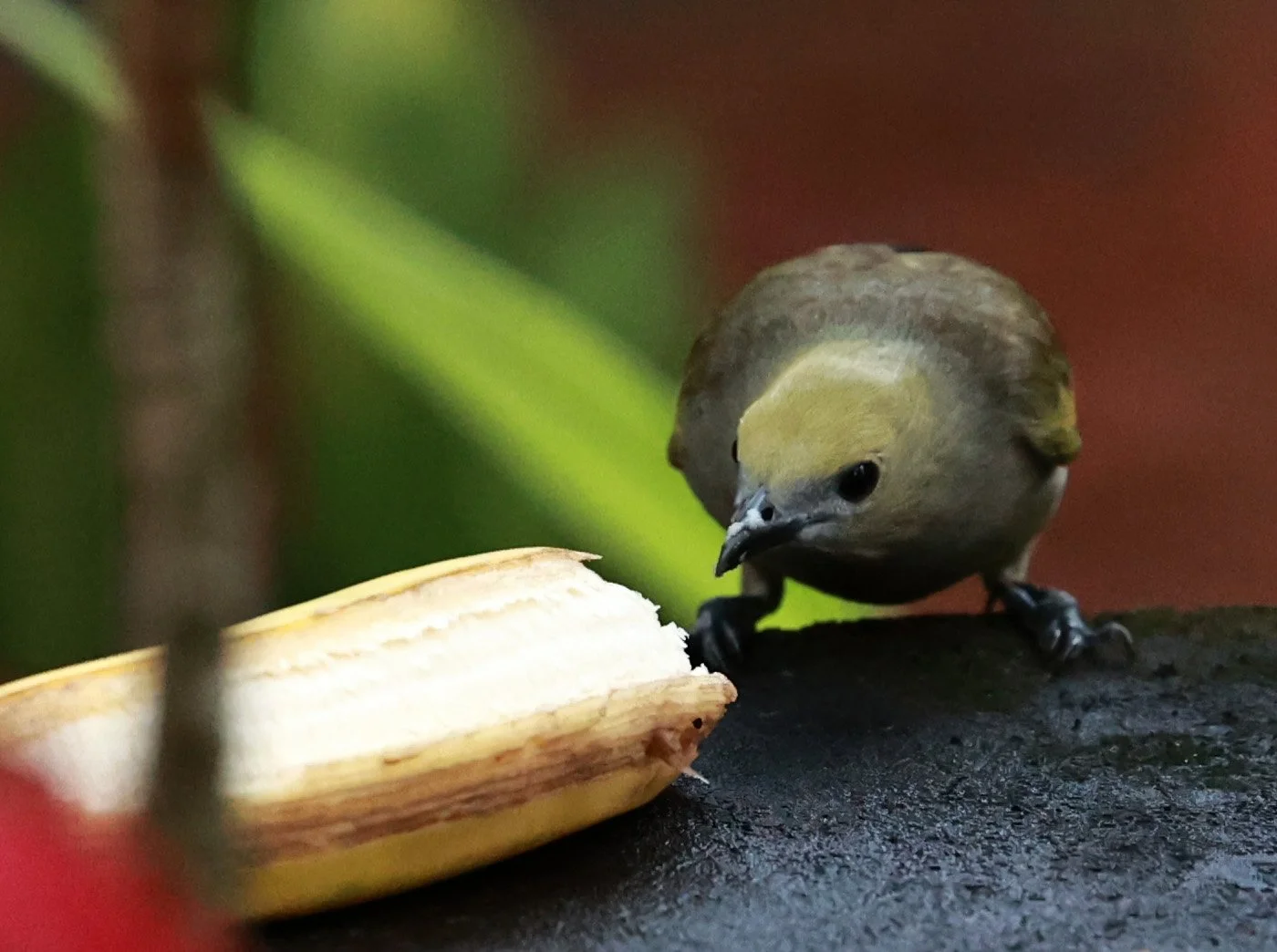
Palm Tanager (Thraupis palmarum) Superagui National Park
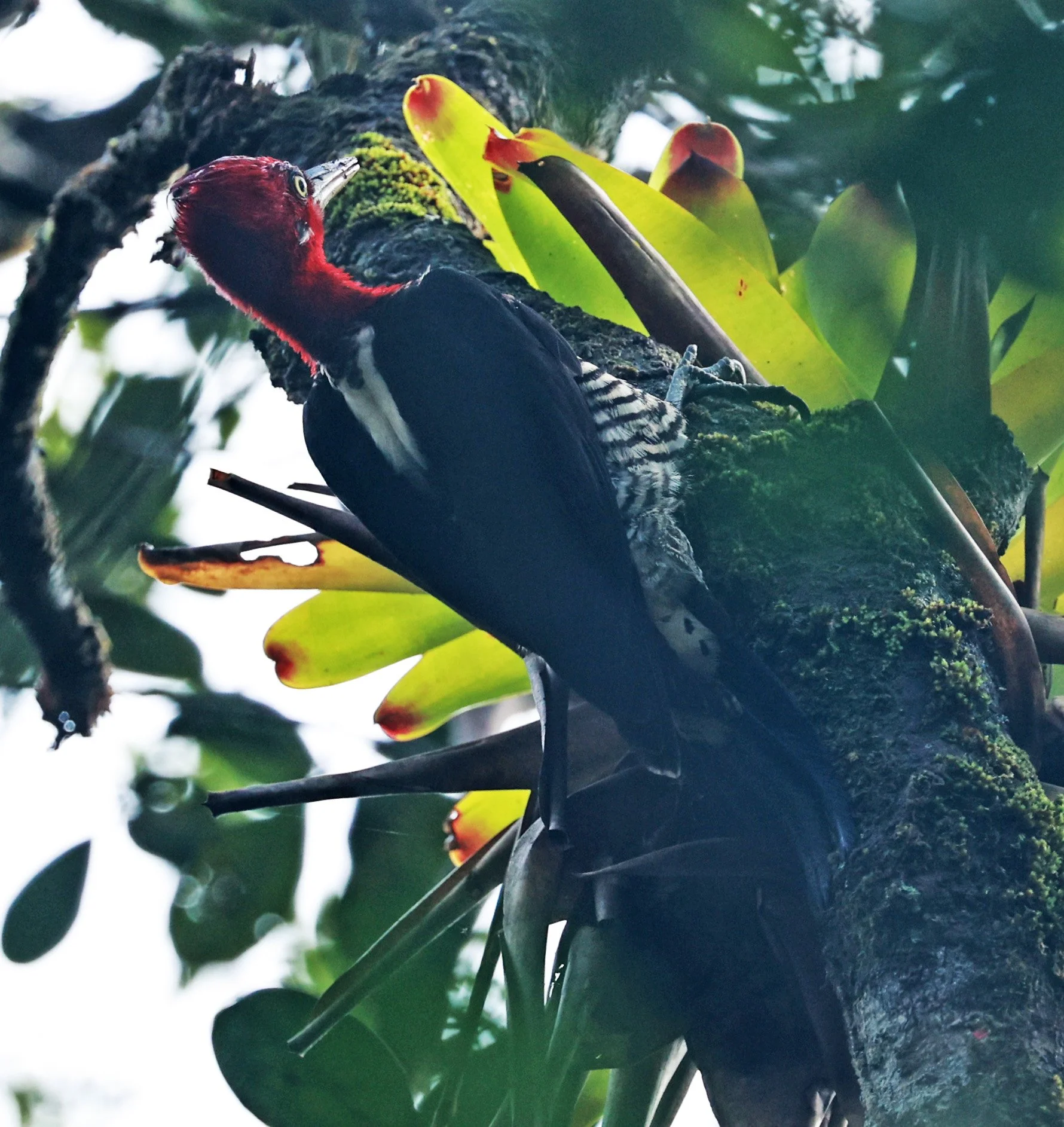
Robust Woodpecker (Campephilus robustus) Superagui National Park
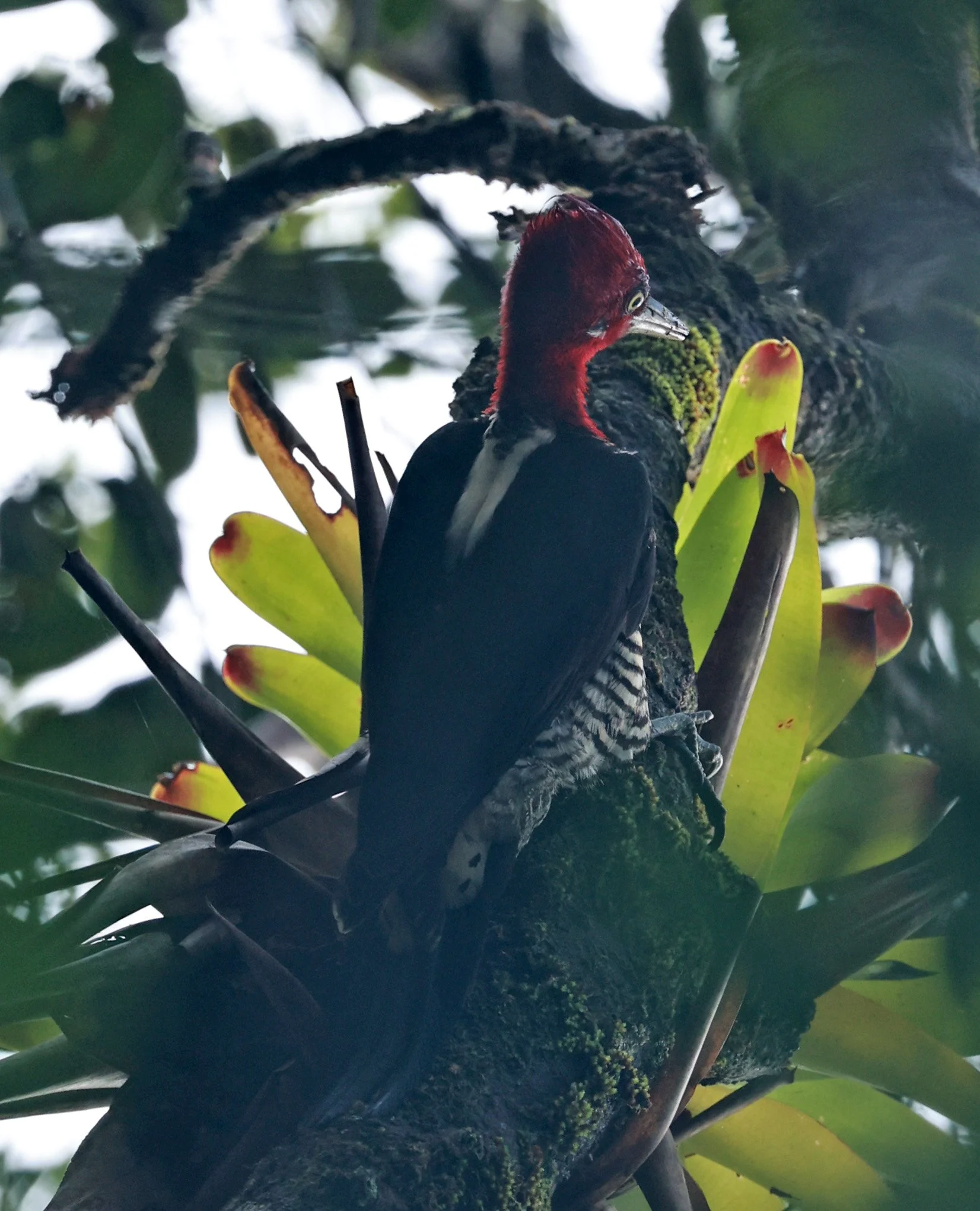
Robust Woodpecker (Campephilus robustus) Superagui National Park
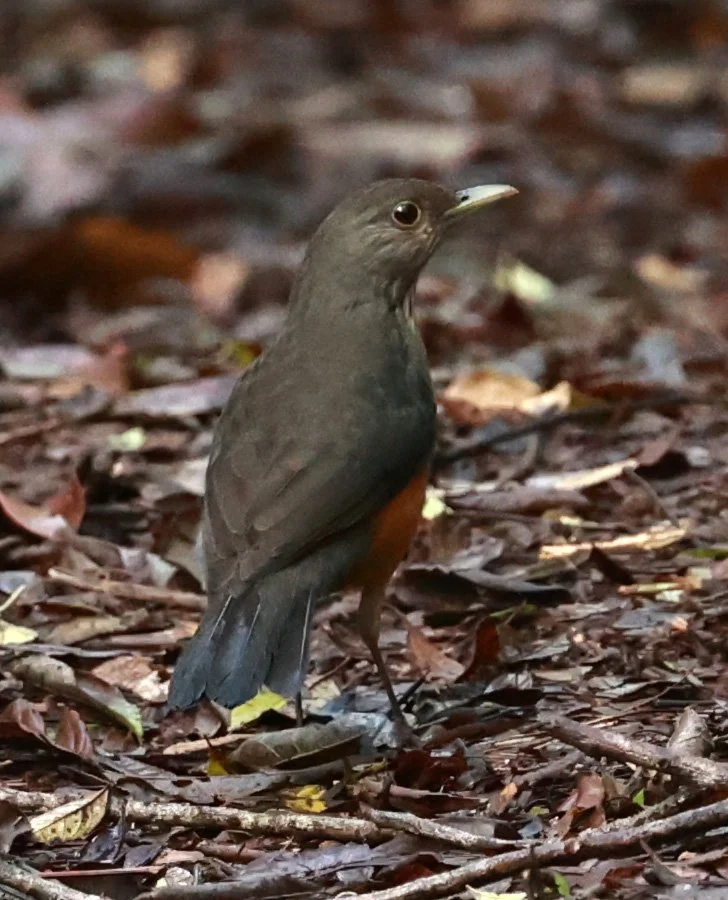
Rufous-bellied Thrush (Turdus rufiventris) Superagui
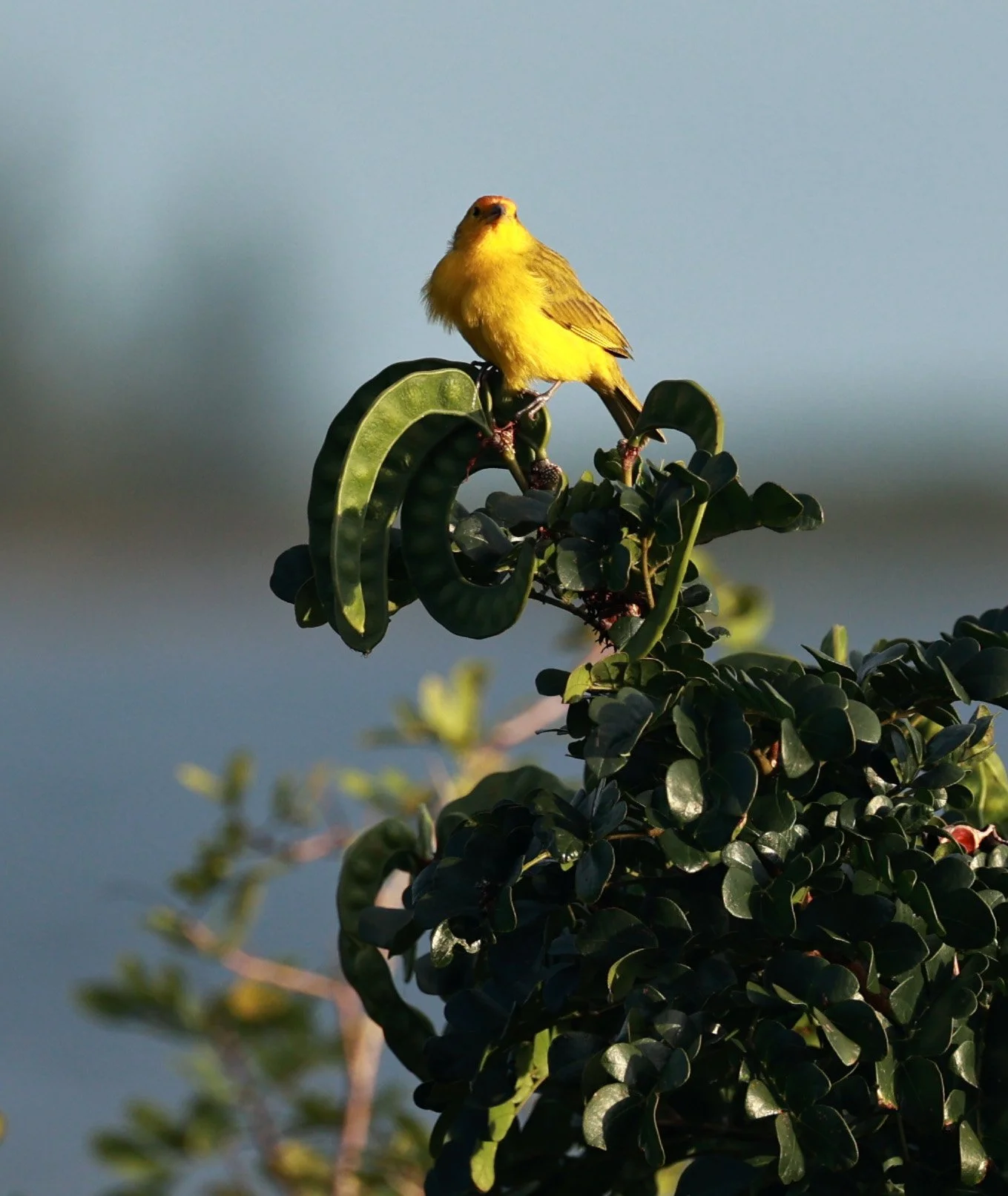
Saffron Finch (Sicalis flaveola) Superagui National Park
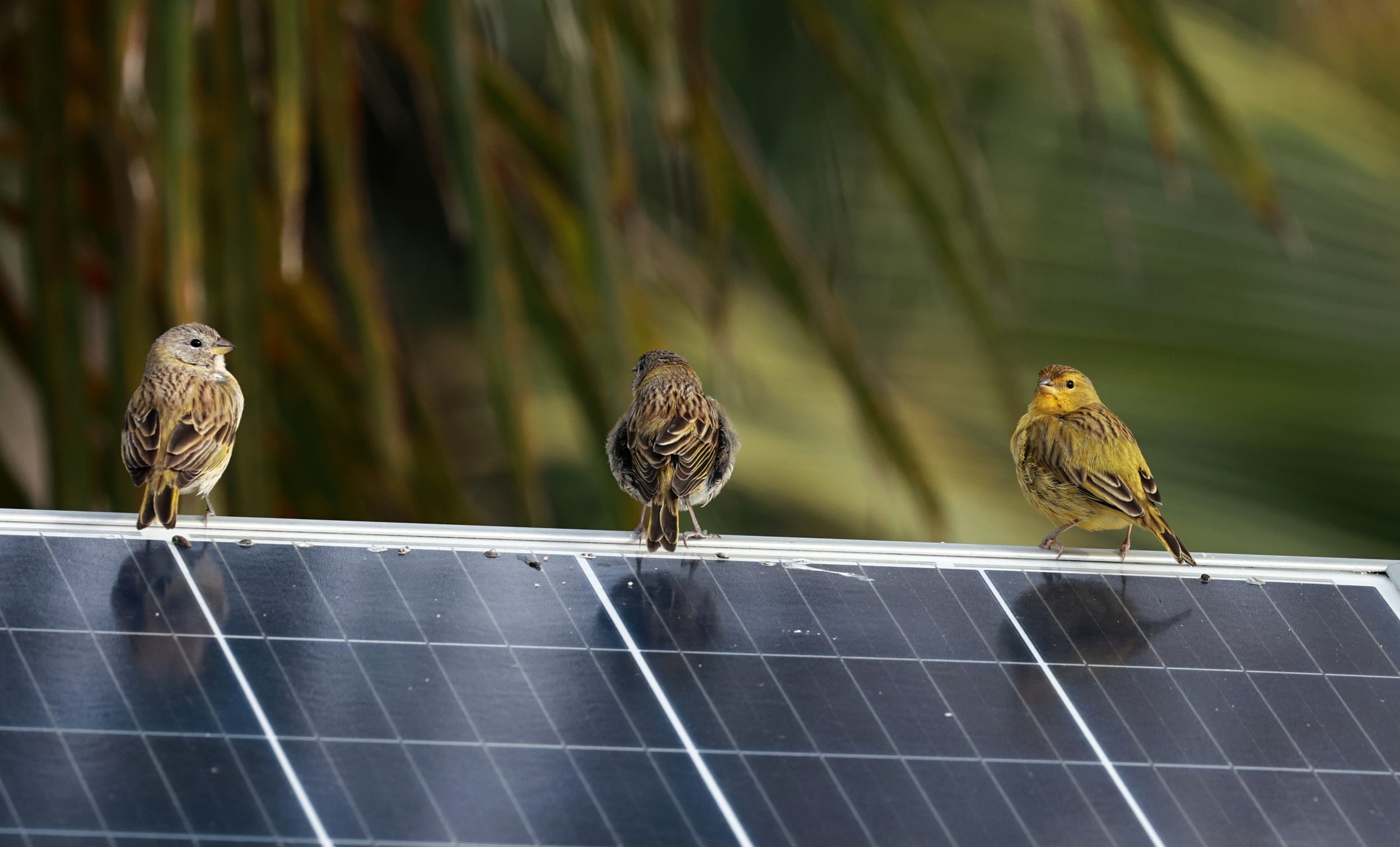
Saffron Finch (Sicalis flaveola) Superagui National Park
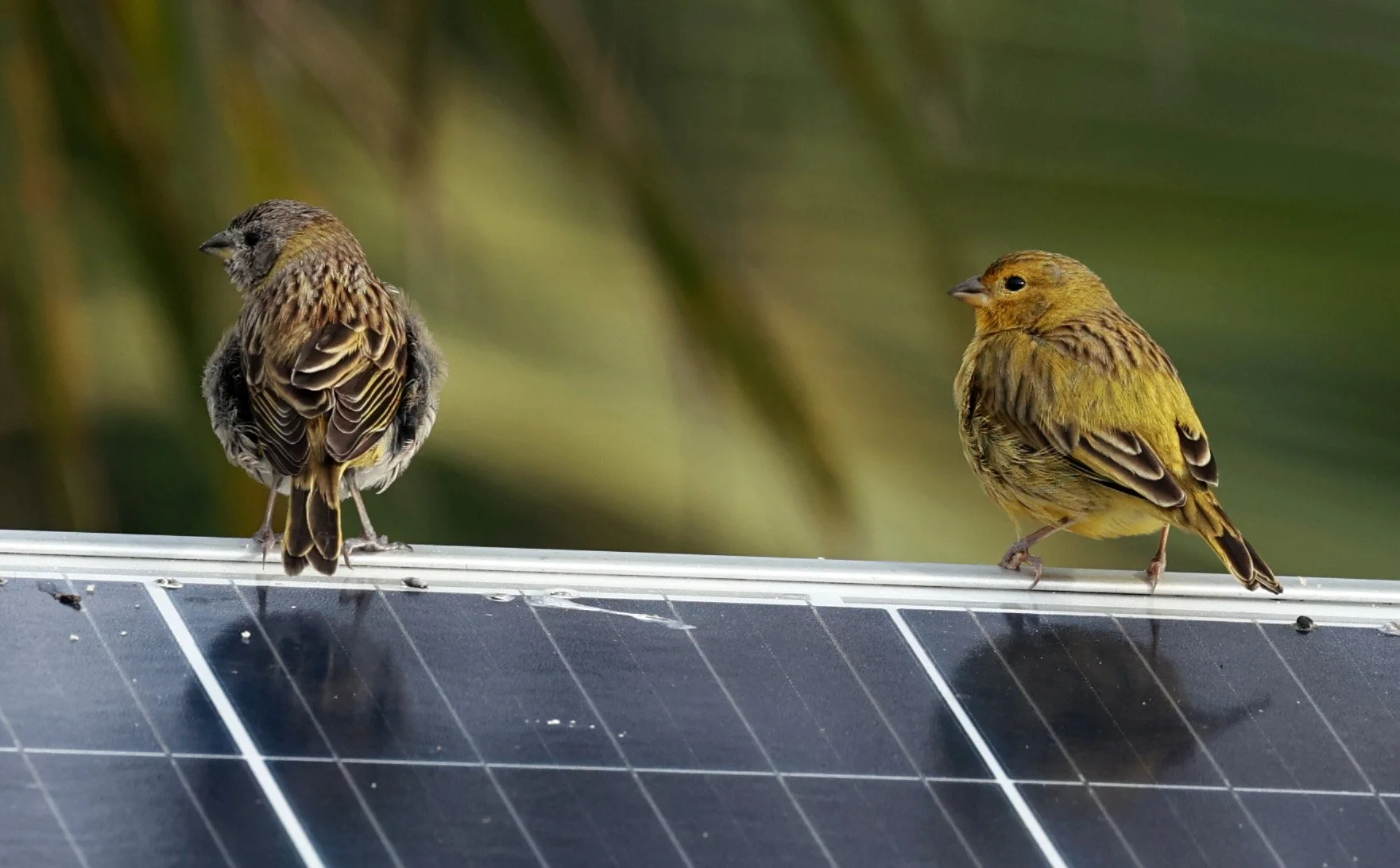
Saffron Finch (Sicalis flaveola) Superagui National Park
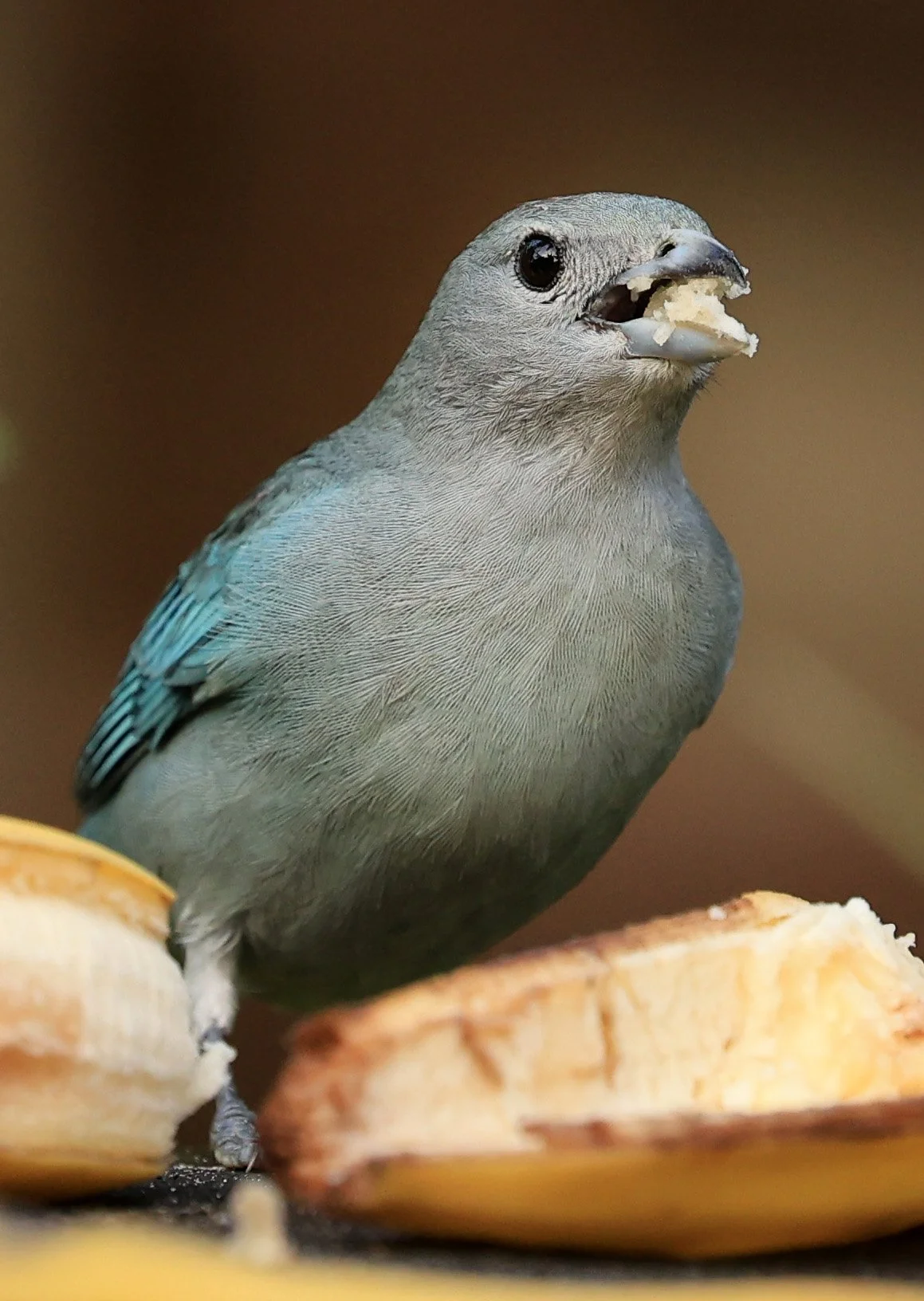
Sayaca tanager (Thraupis sayaca) Superagui National Park
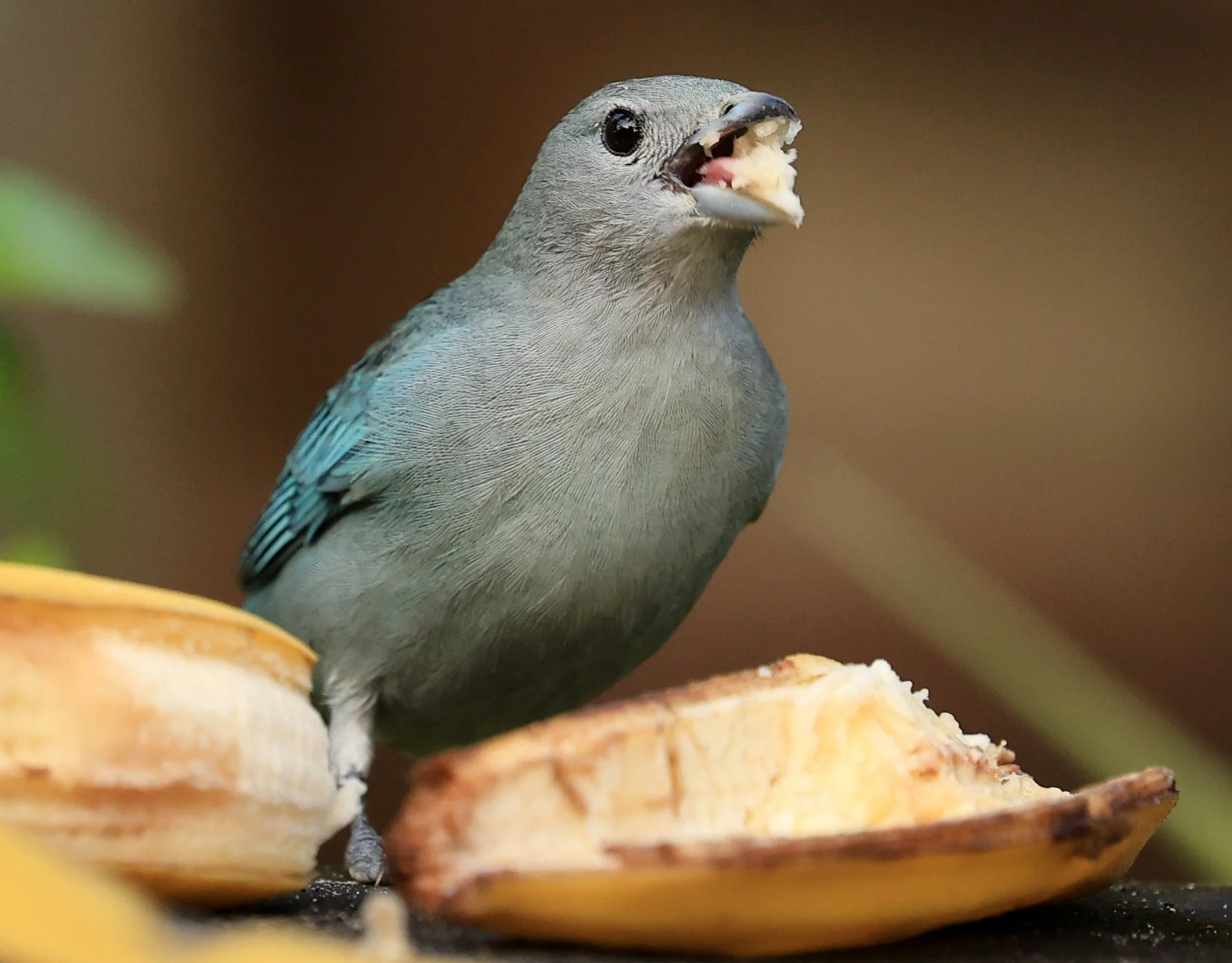
Sayaca tanager (Thraupis sayaca) Superagui National Park
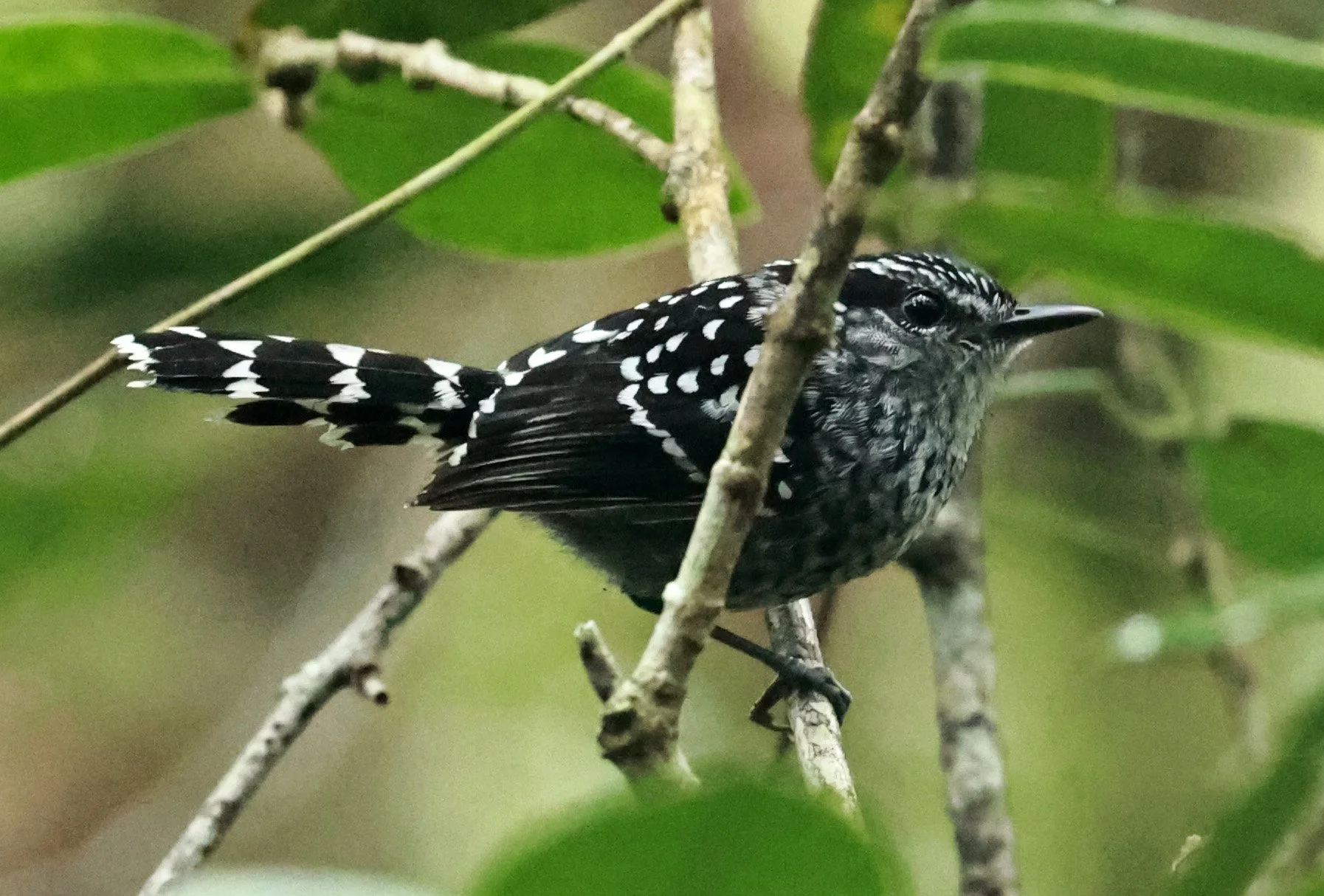
Scaled Antbird (Drymophila squamata) Superagui National Park
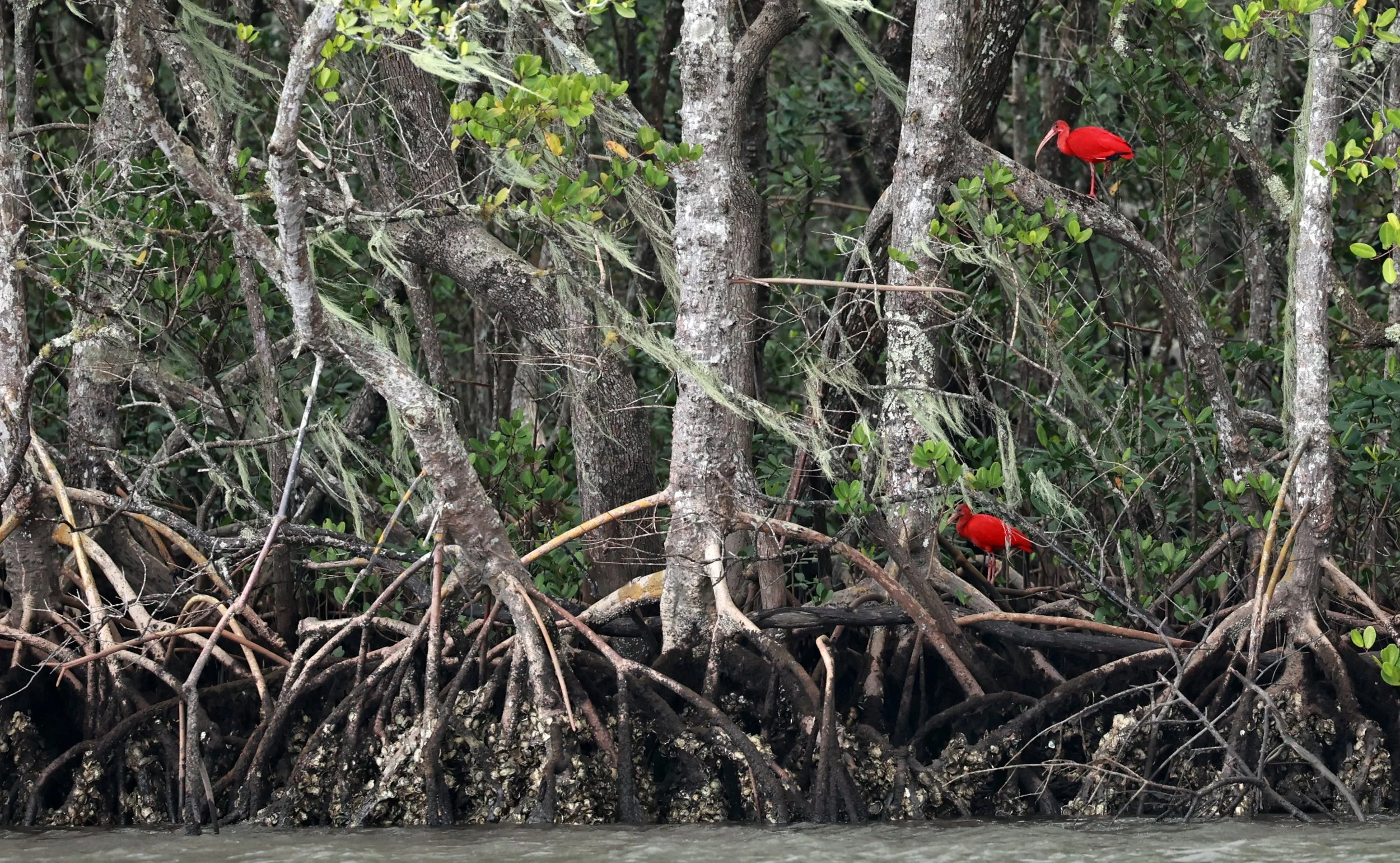
Scarlet Ibis (Eudocimus ruber) Superagüi National Park
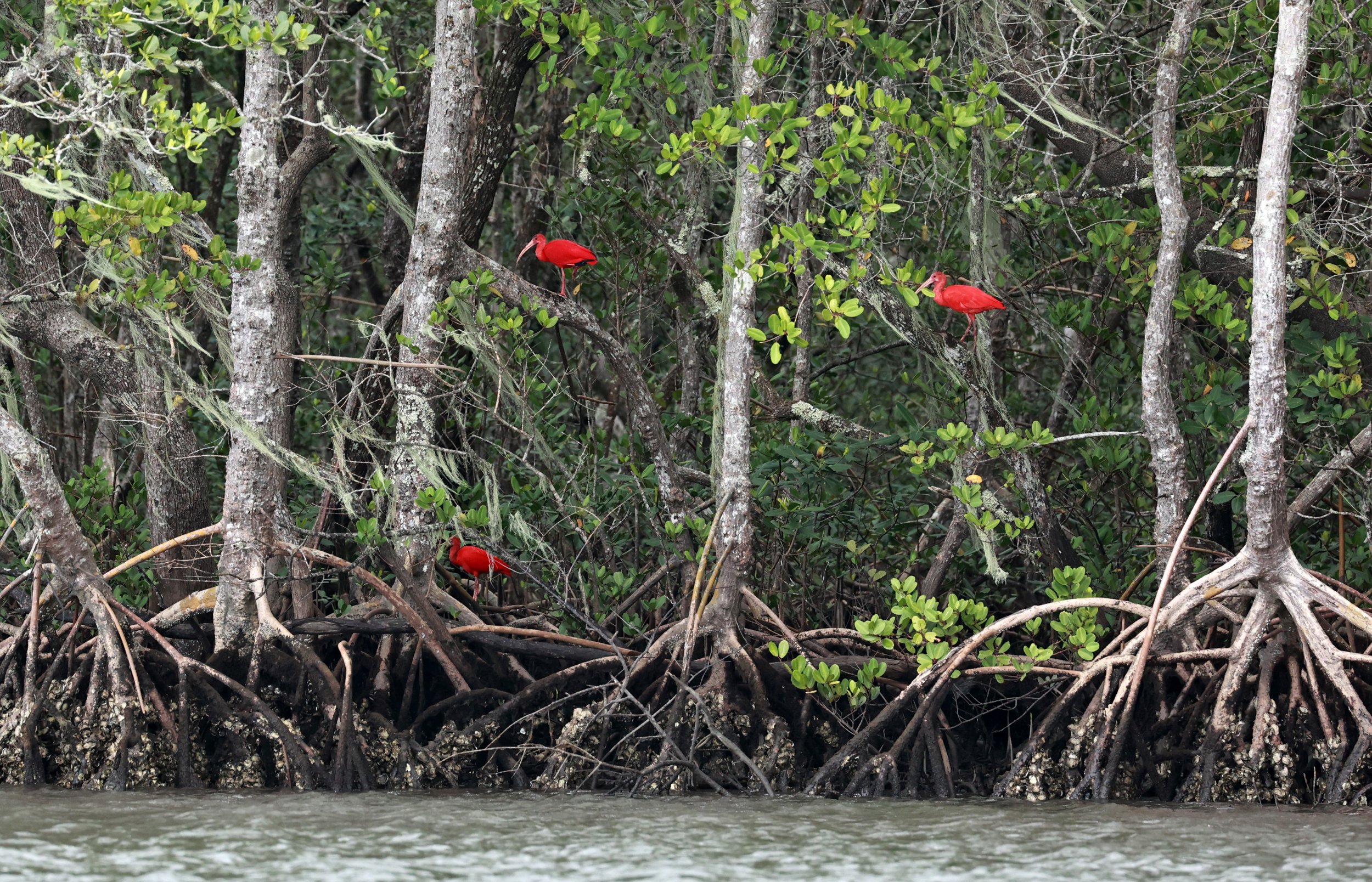
Scarlet Ibis (Eudocimus ruber) Superagüi National Park
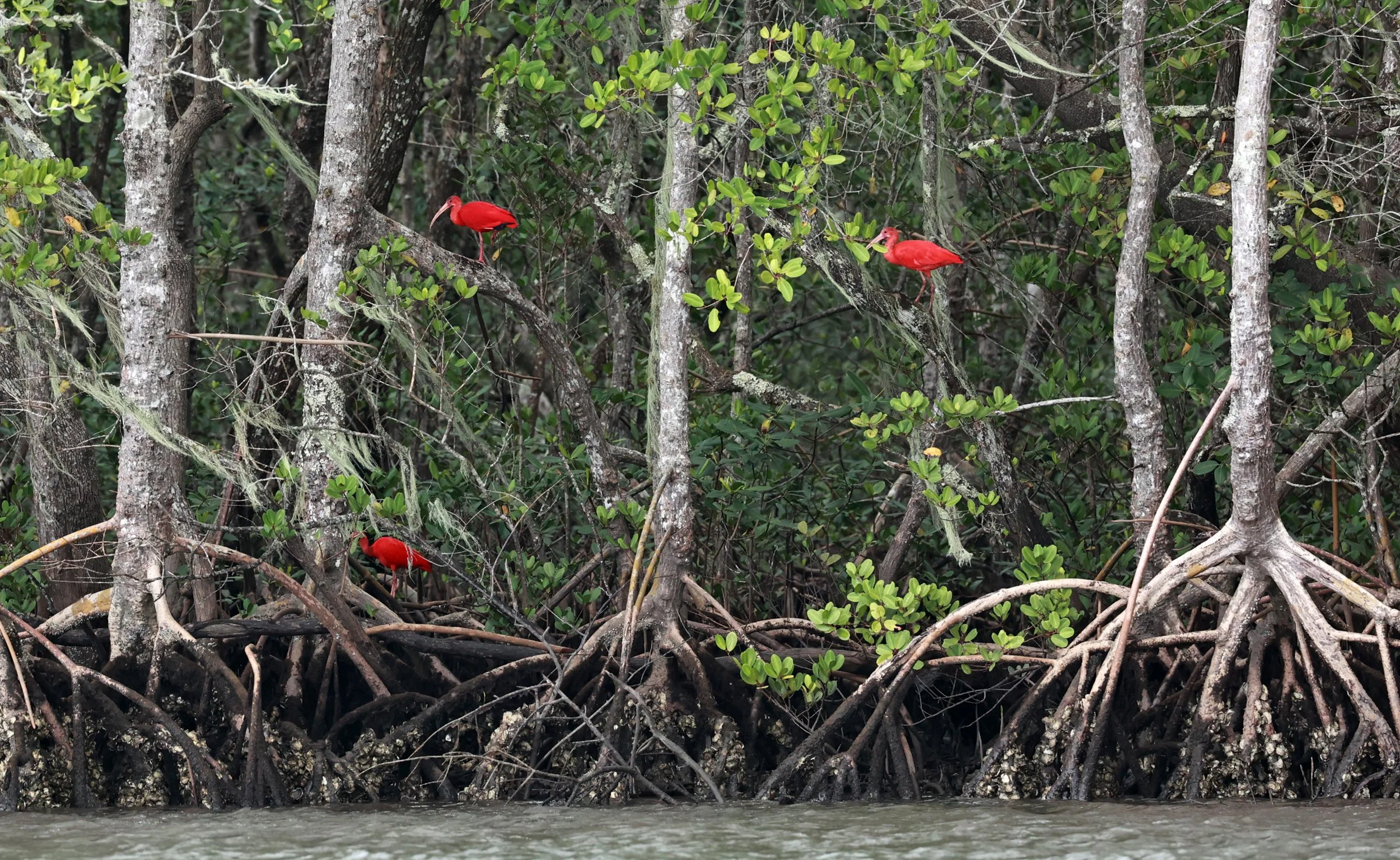
Scarlet Ibis (Eudocimus ruber) Superagüi National Park
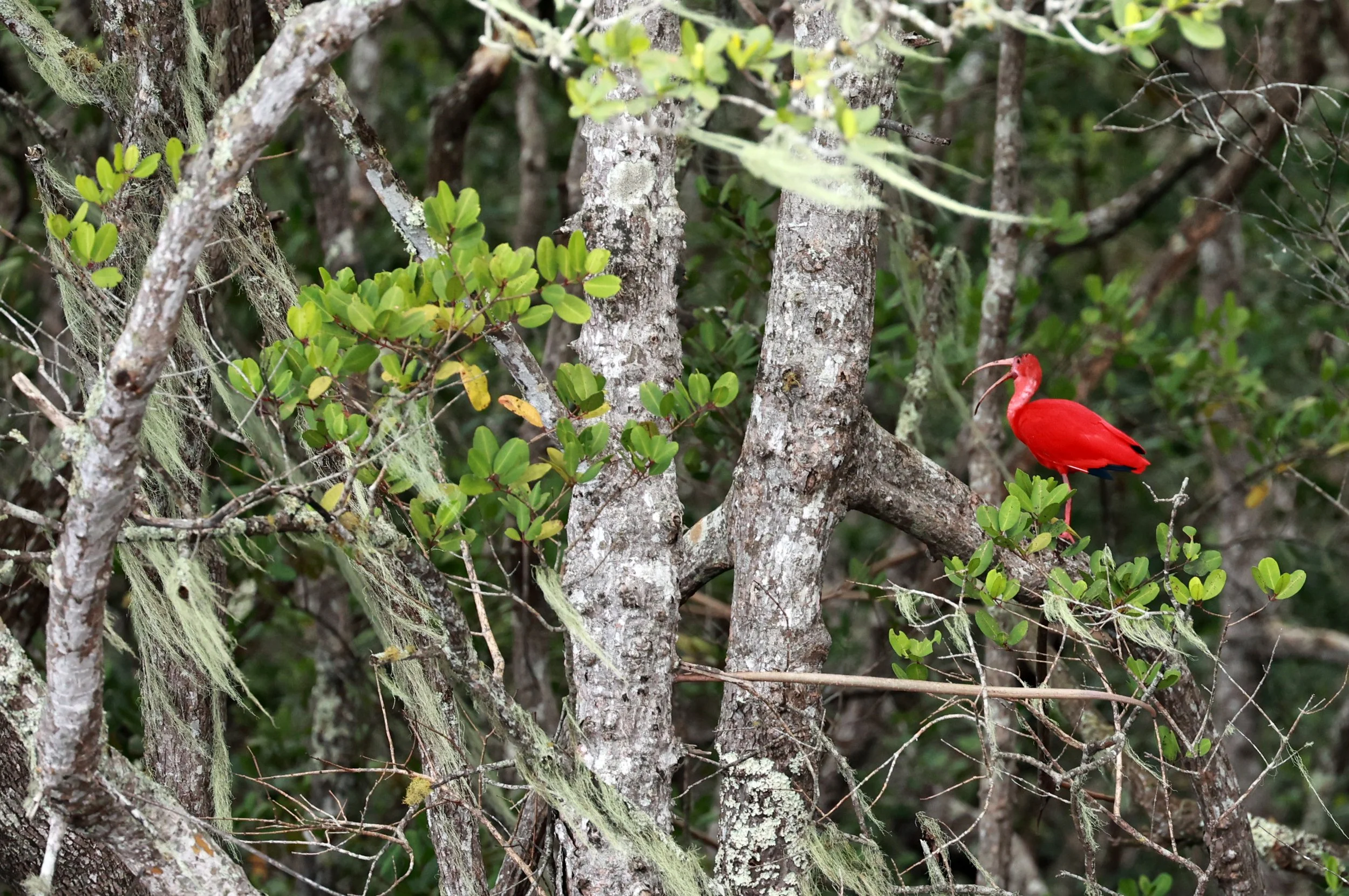
Scarlet Ibis (Eudocimus ruber) Superagüi National Park
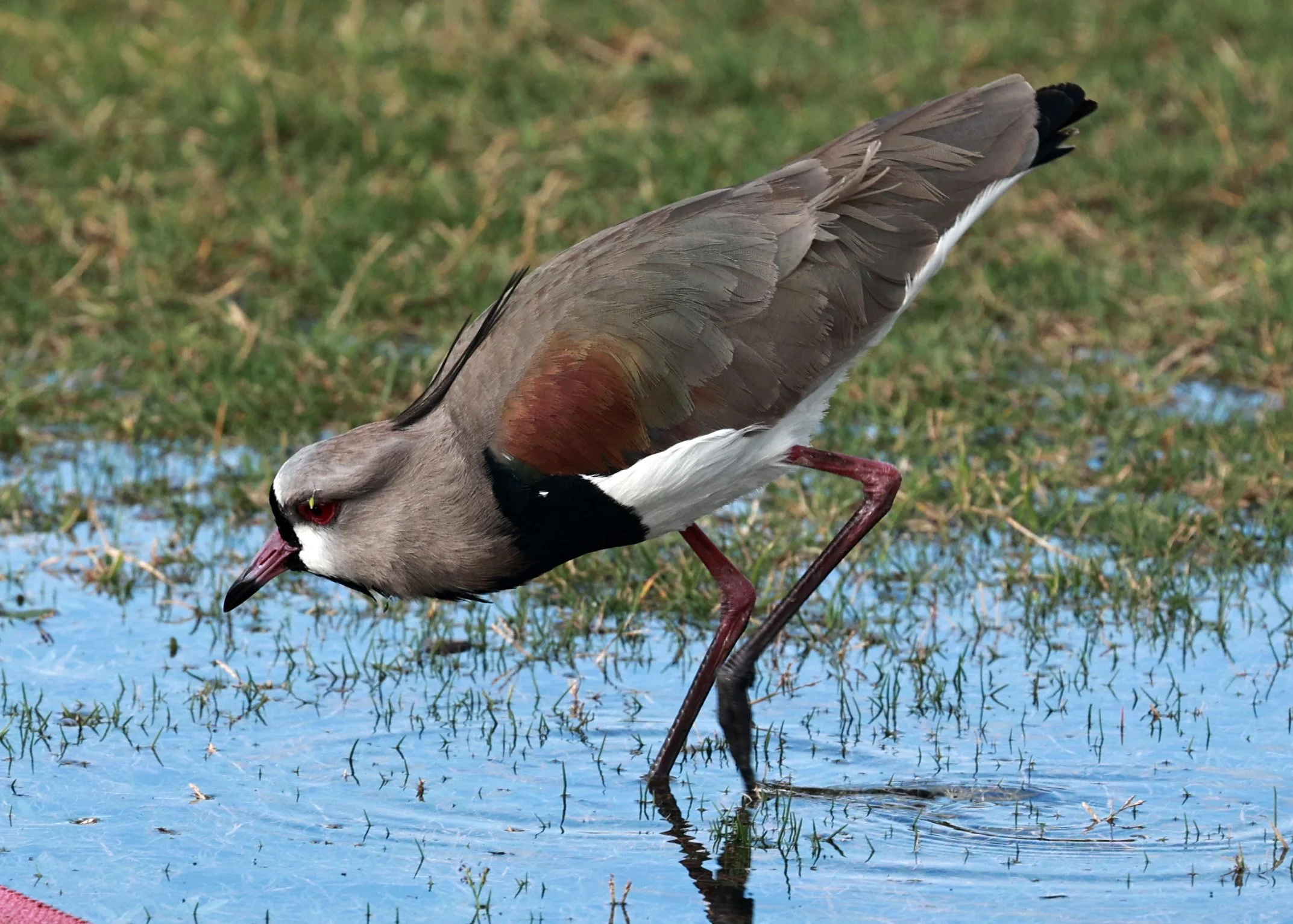
Southern lapwing (Vanellus chilensis) Superagüi National Park
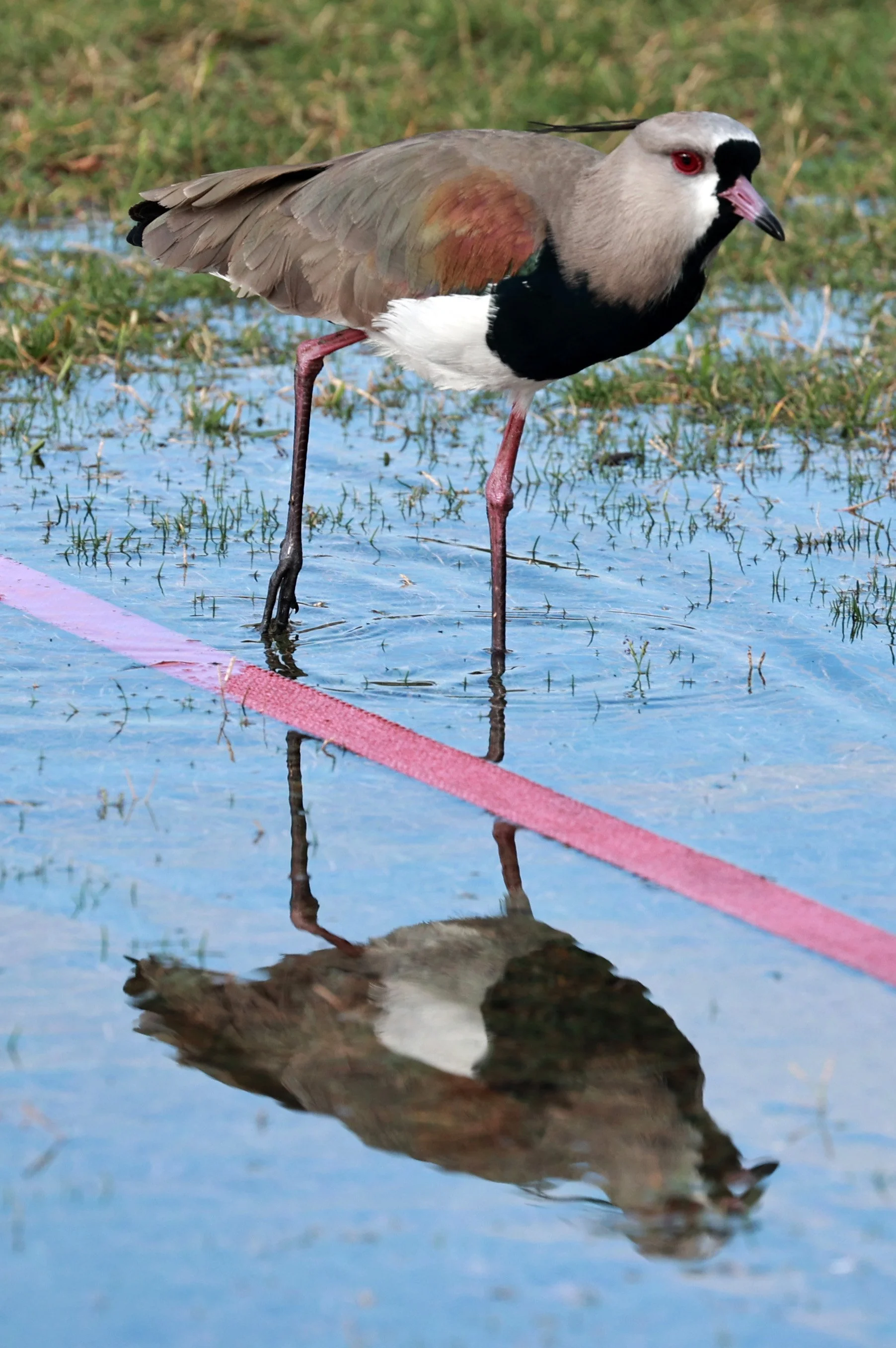
Southern lapwing (Vanellus chilensis) Superagüi National Park
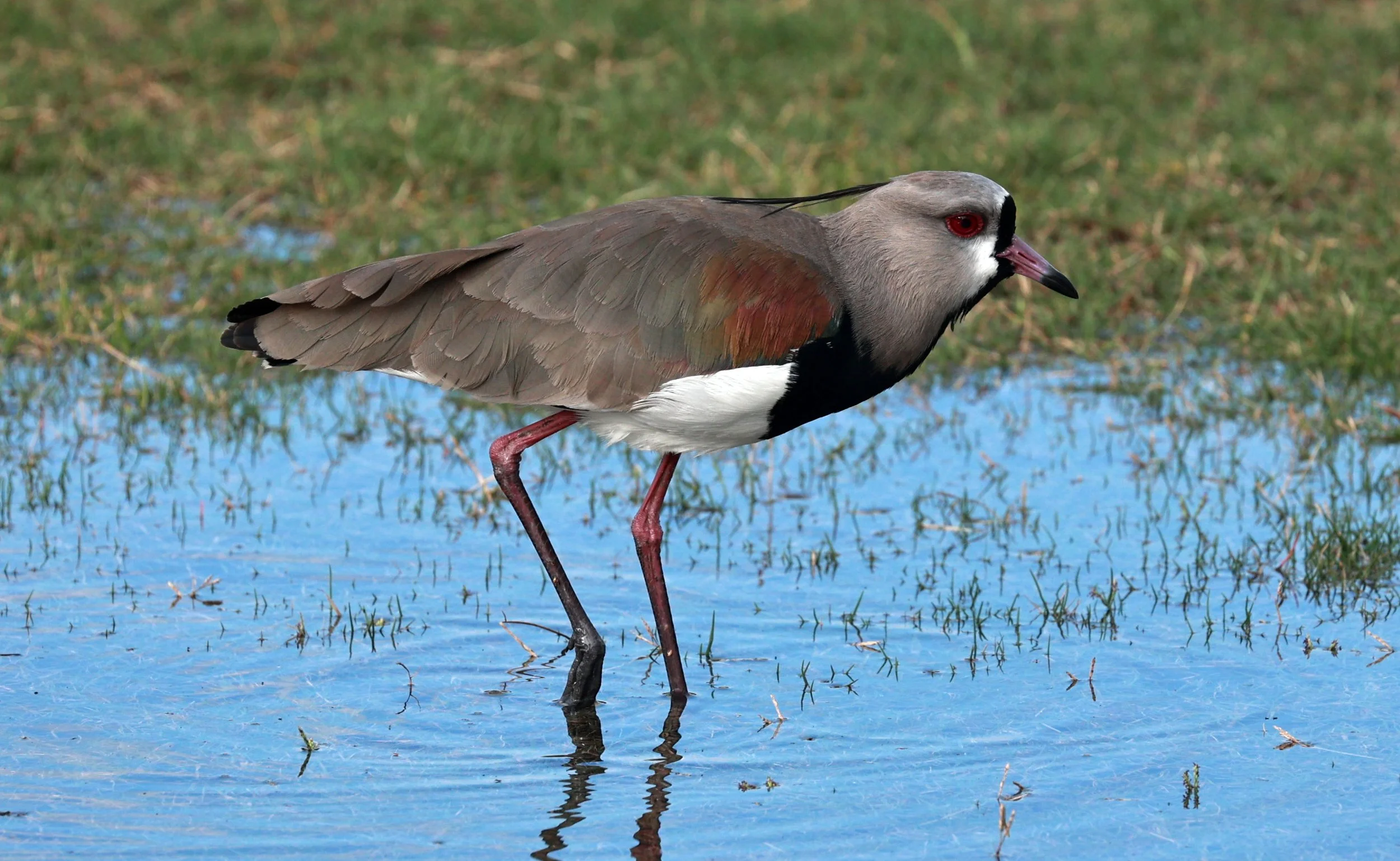
Southern lapwing (Vanellus chilensis) Superagüi National Park
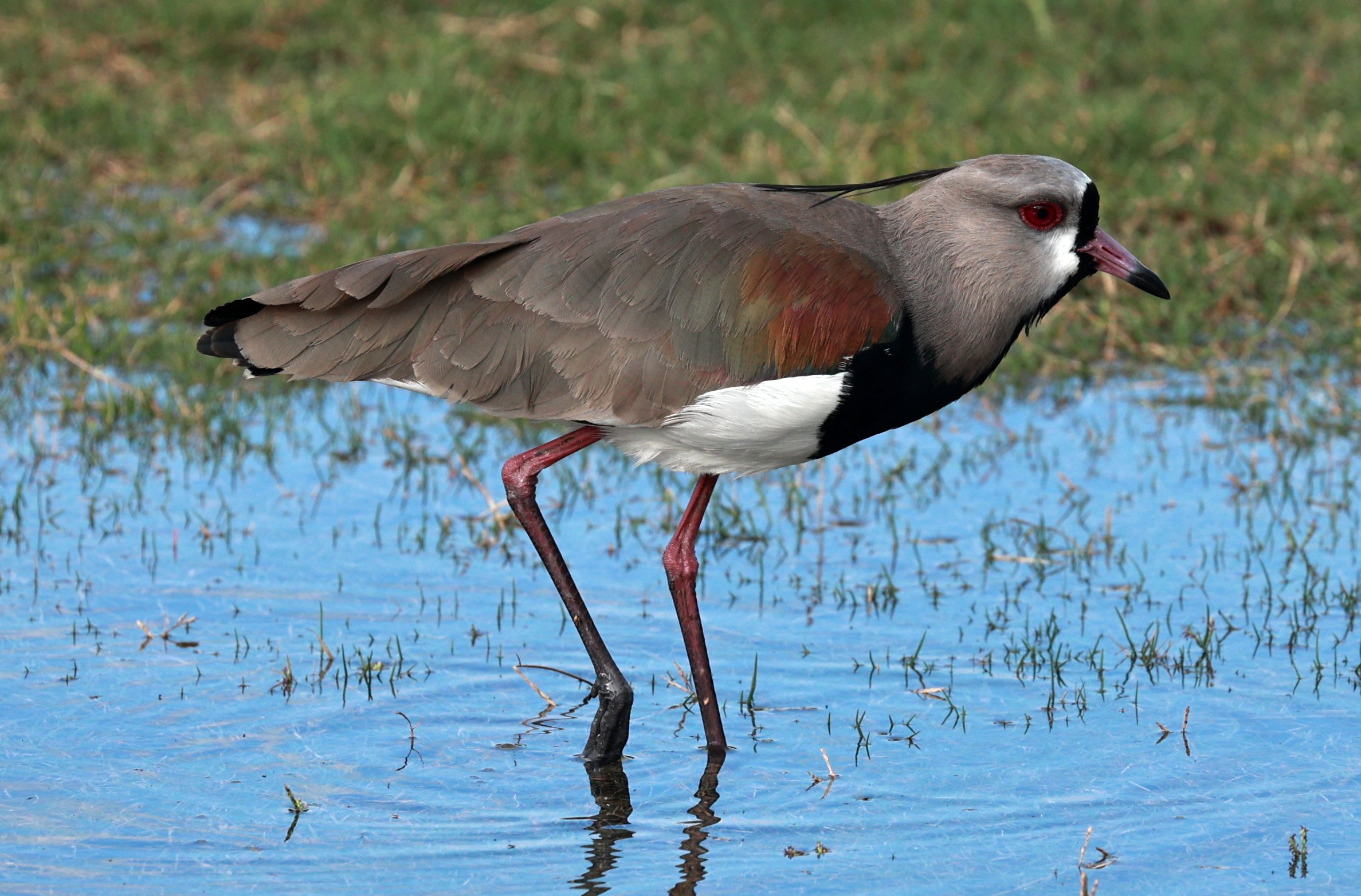
Southern lapwing (Vanellus chilensis) Superagüi National Park
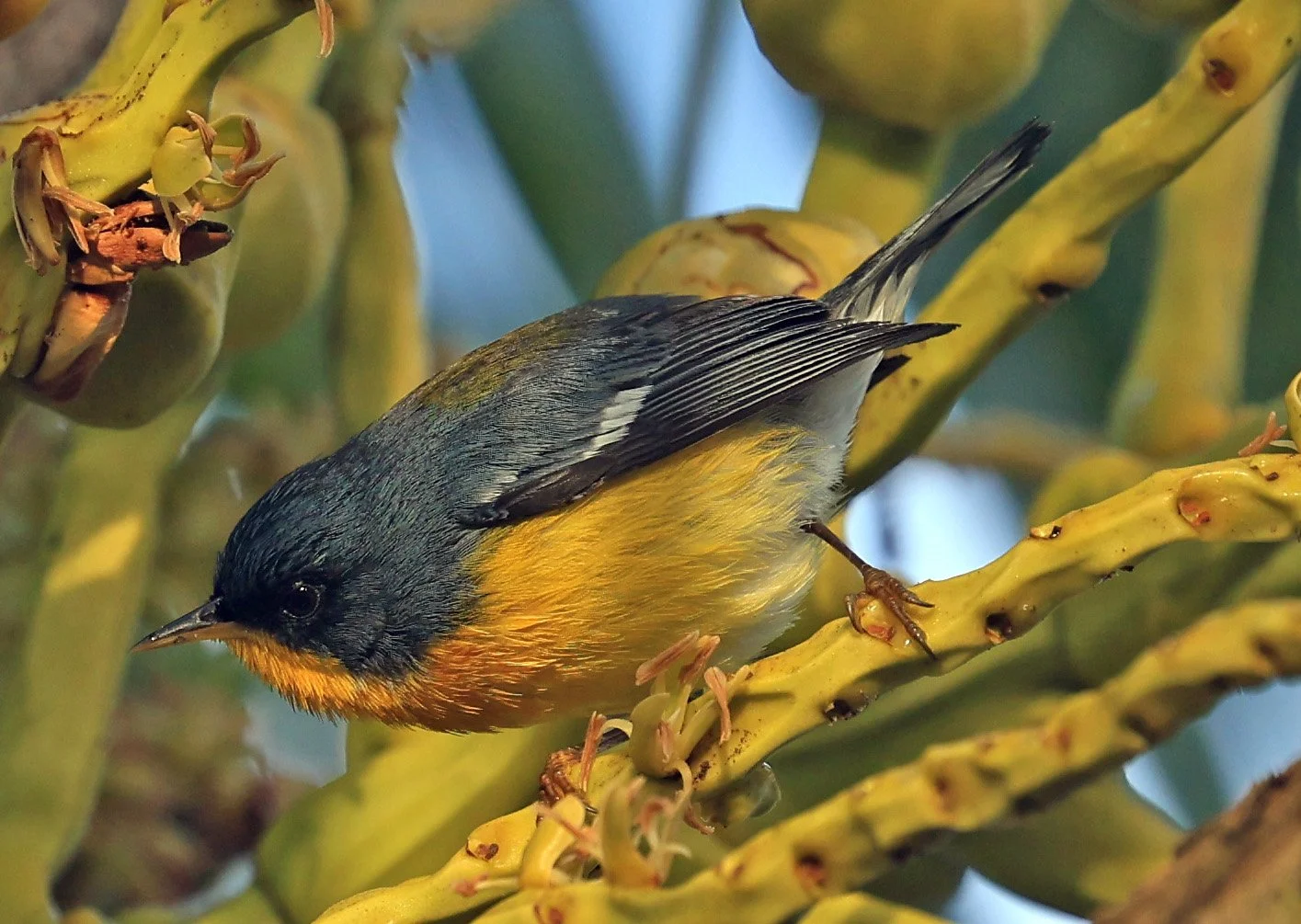
Tropical Parula (Setophaga pitiayumi) Superagui National Park
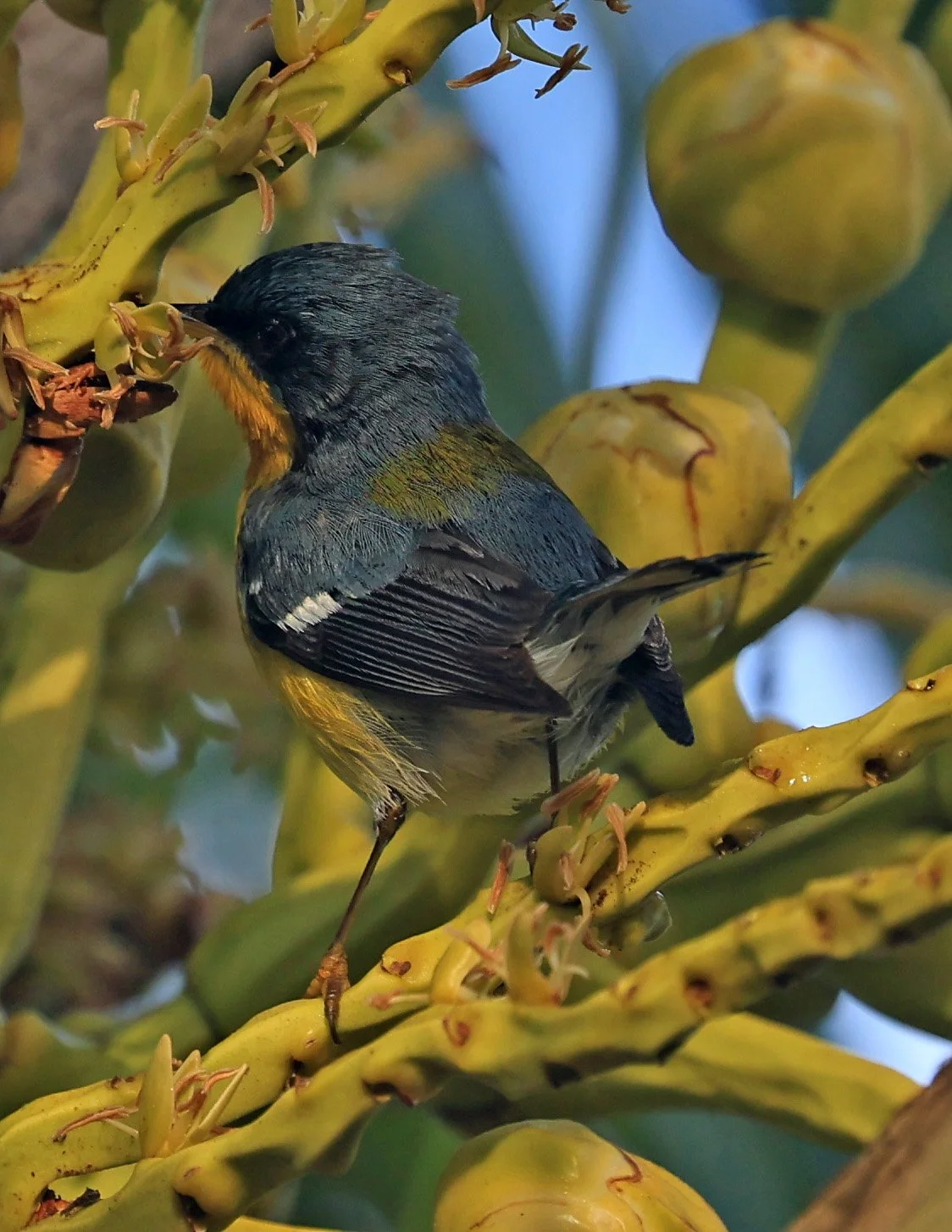
Tropical Parula (Setophaga pitiayumi) Superagui National Park
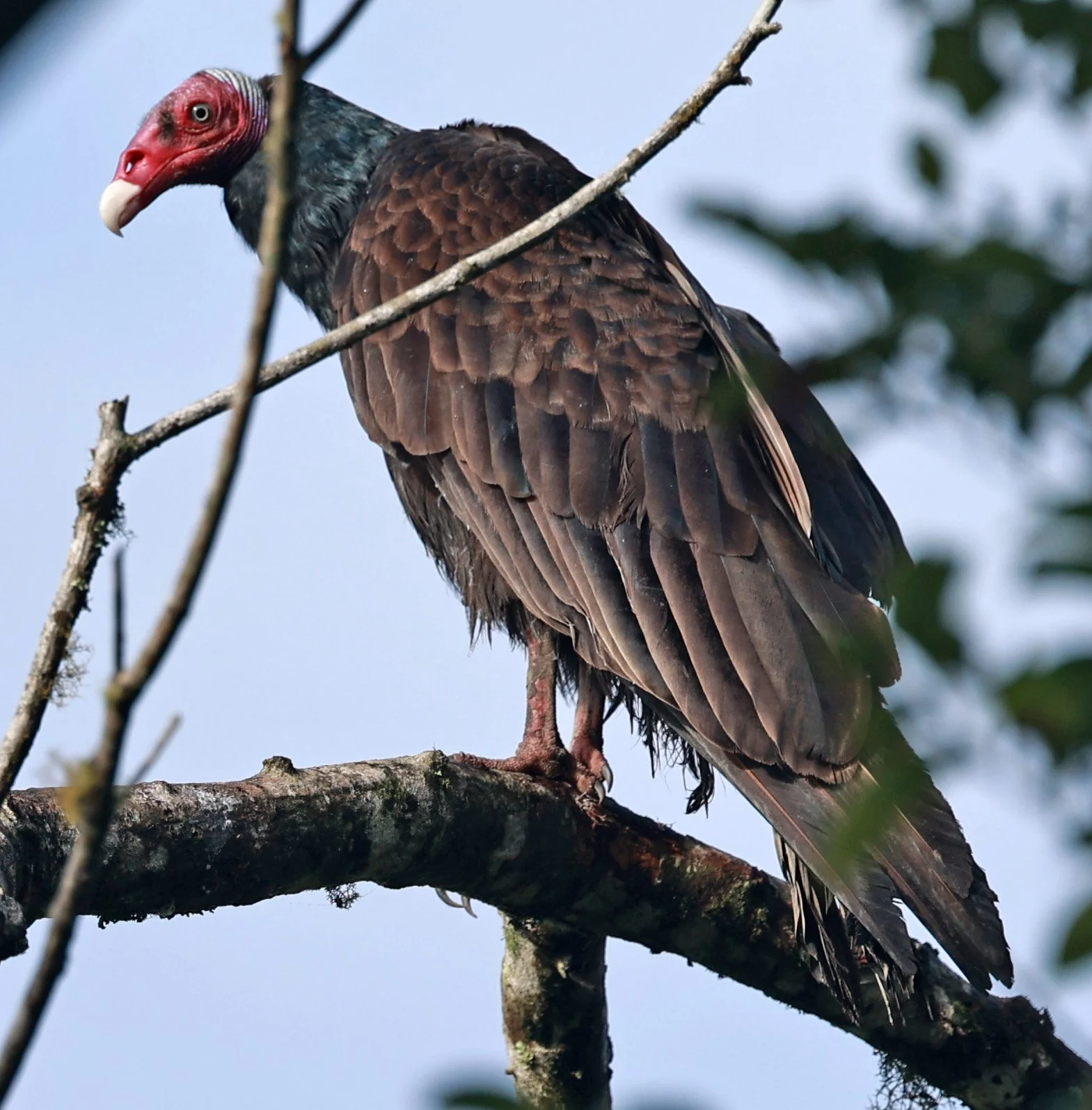
Turkey Vulture (Cathartes aura) Superagui
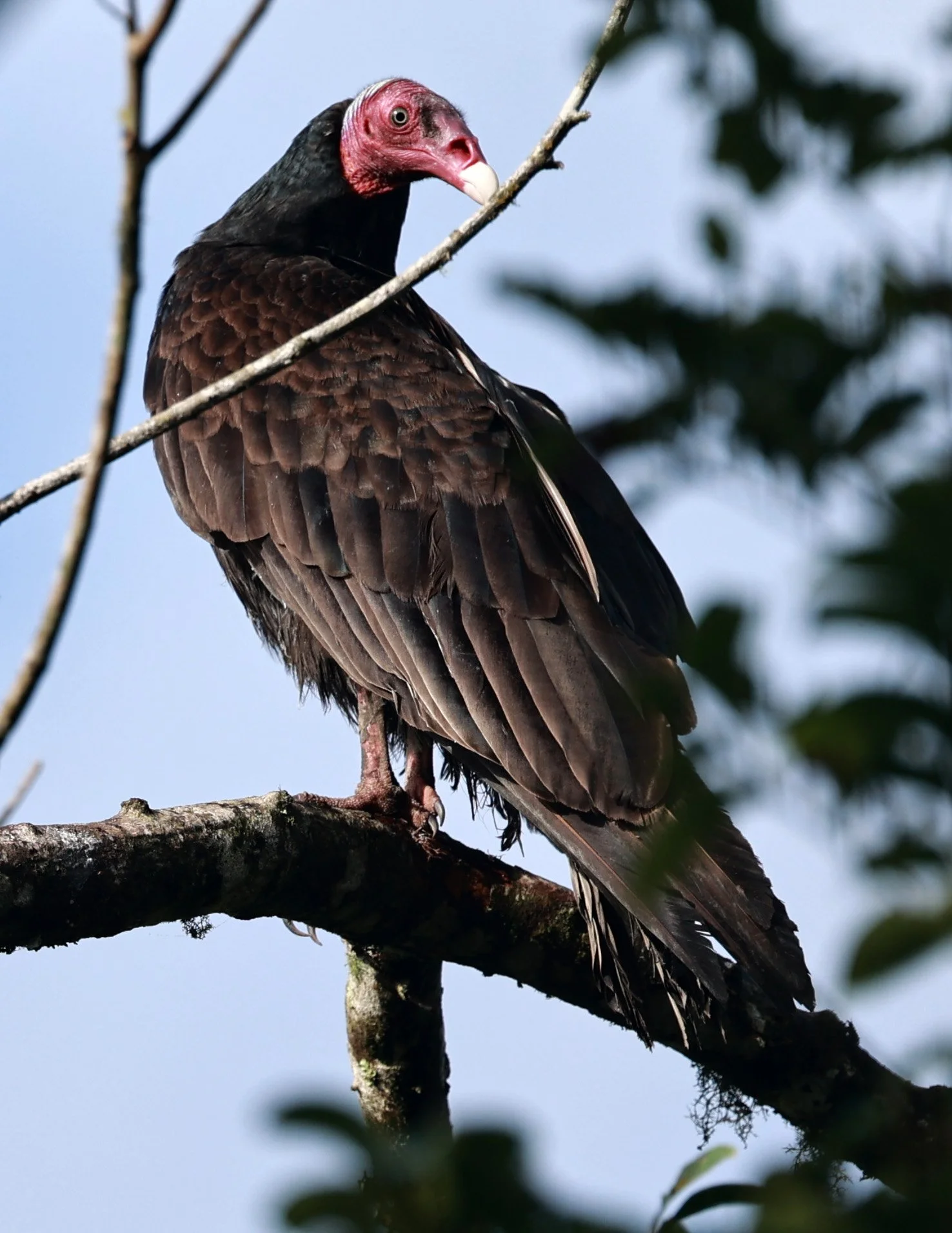
Turkey Vulture (Cathartes aura) Superagui

Unicolored Blackbird (Agelasticus cyanopus) Superagui National Park
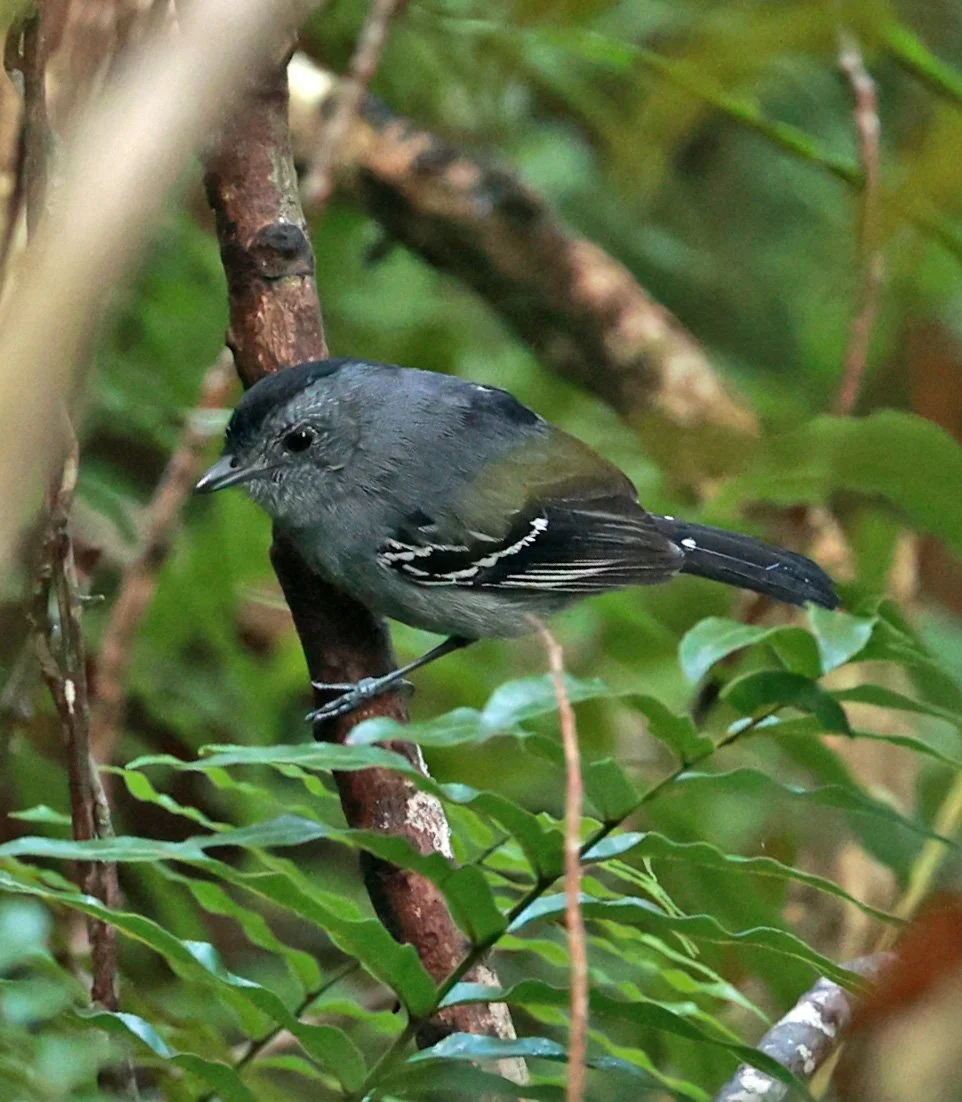
Variable Antshrike (Thamnophilus caerulescens) Superagui National Park
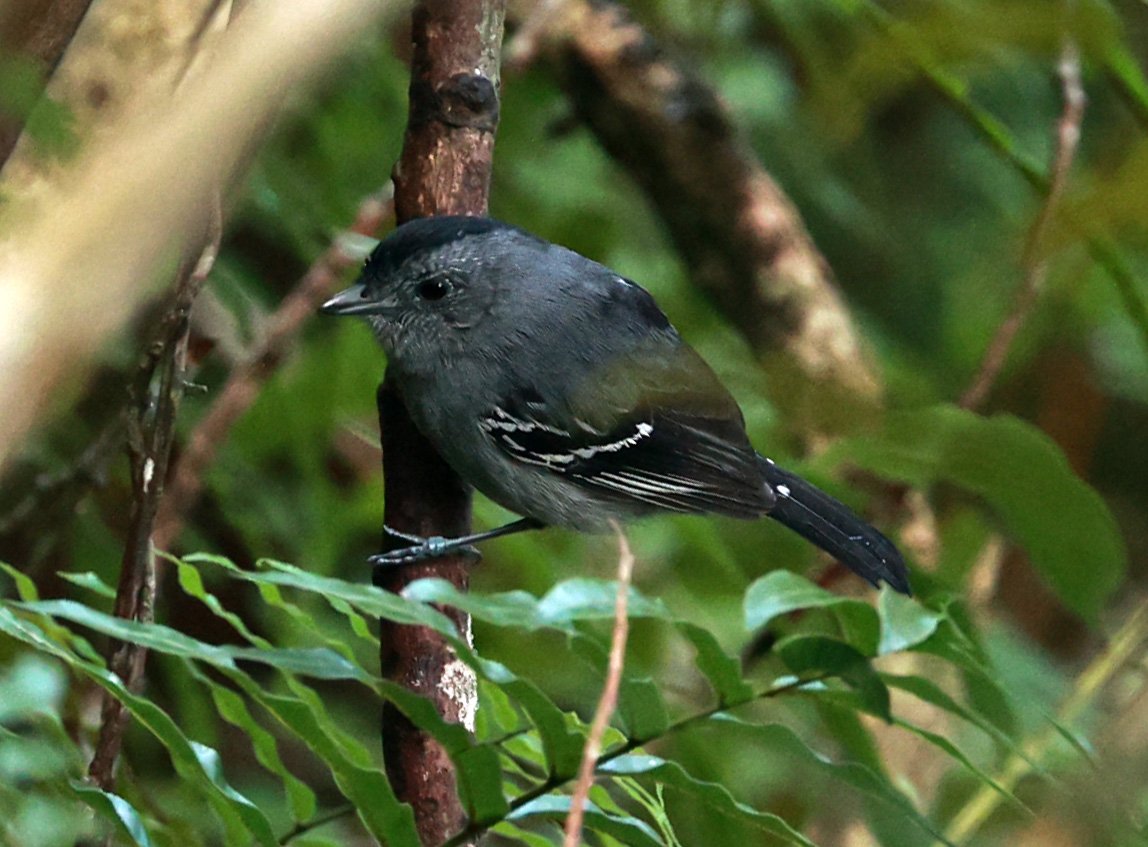
Variable Antshrike (Thamnophilus caerulescens) Superagui National Park
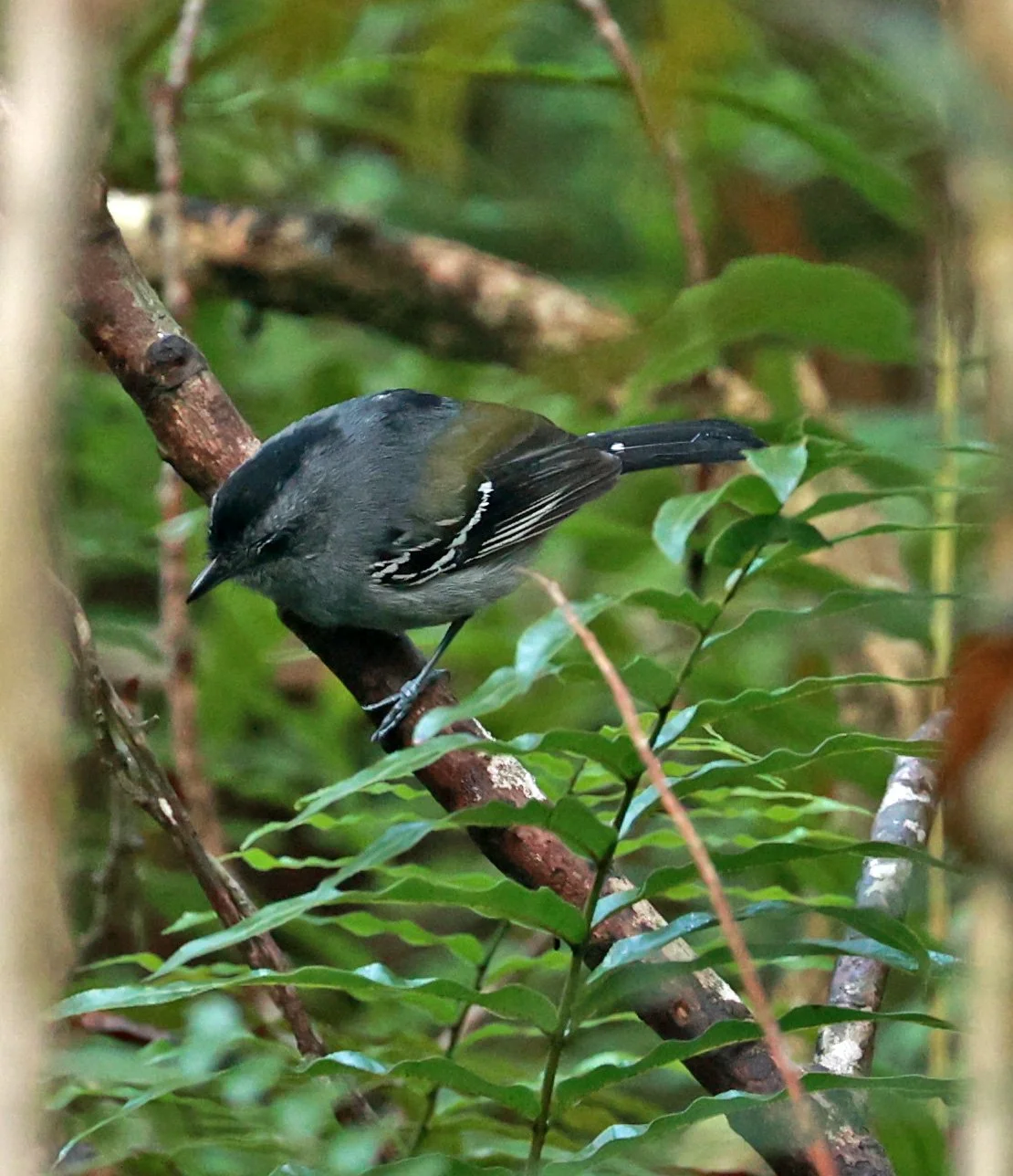
Variable Antshrike (Thamnophilus caerulescens) Superagui National Park
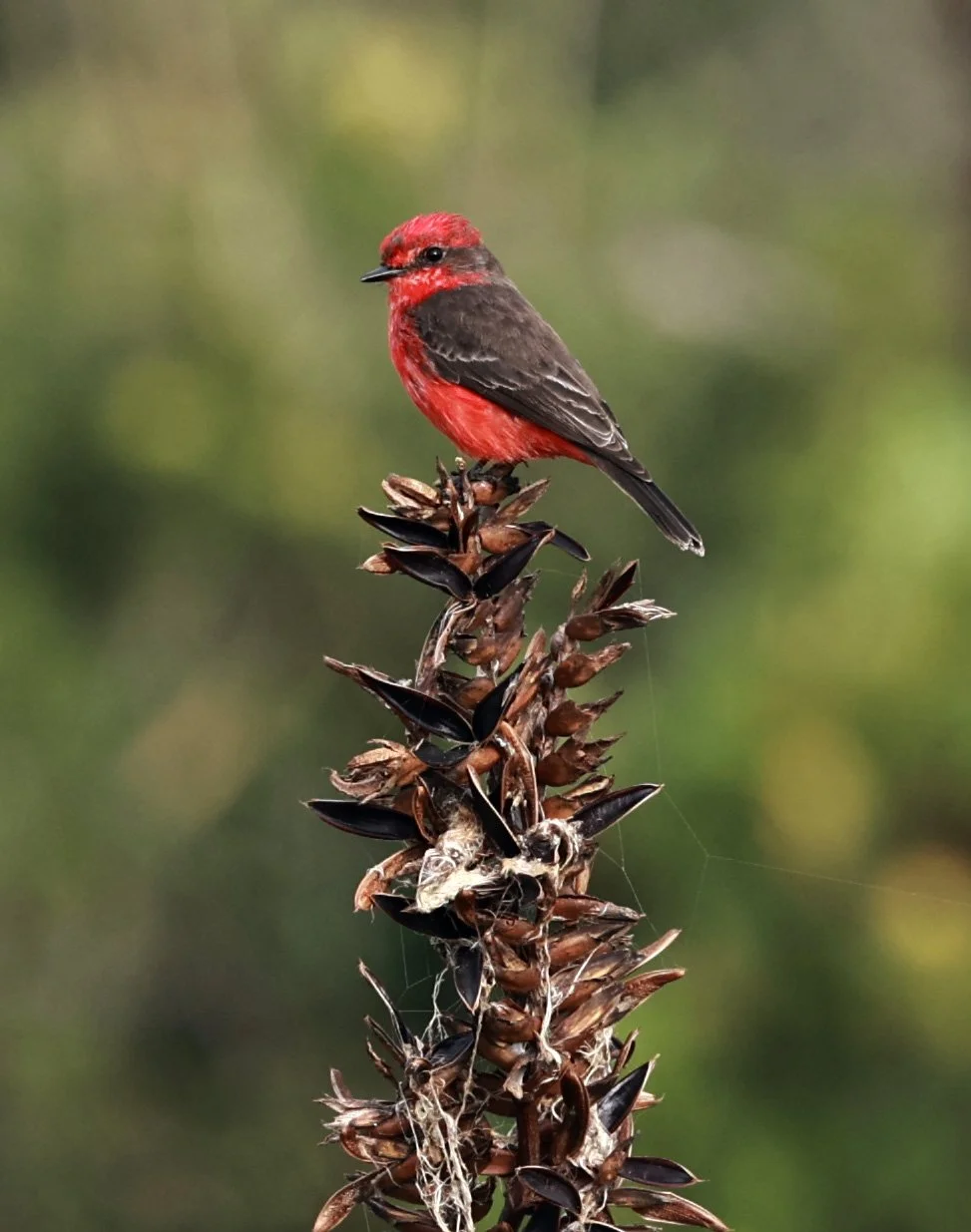
Vermilion Flycatcher (Pyrocephalus rubinus) Superagüi National Park
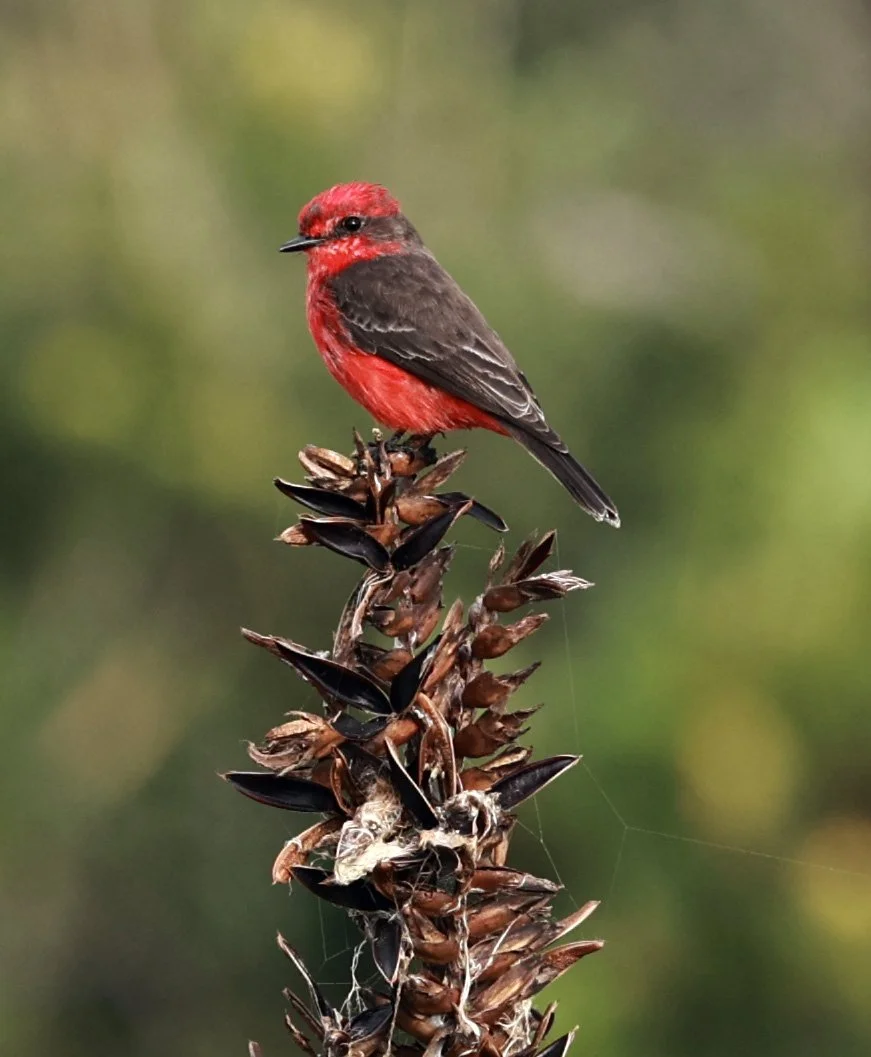
Vermilion Flycatcher (Pyrocephalus rubinus) Superagüi National Park
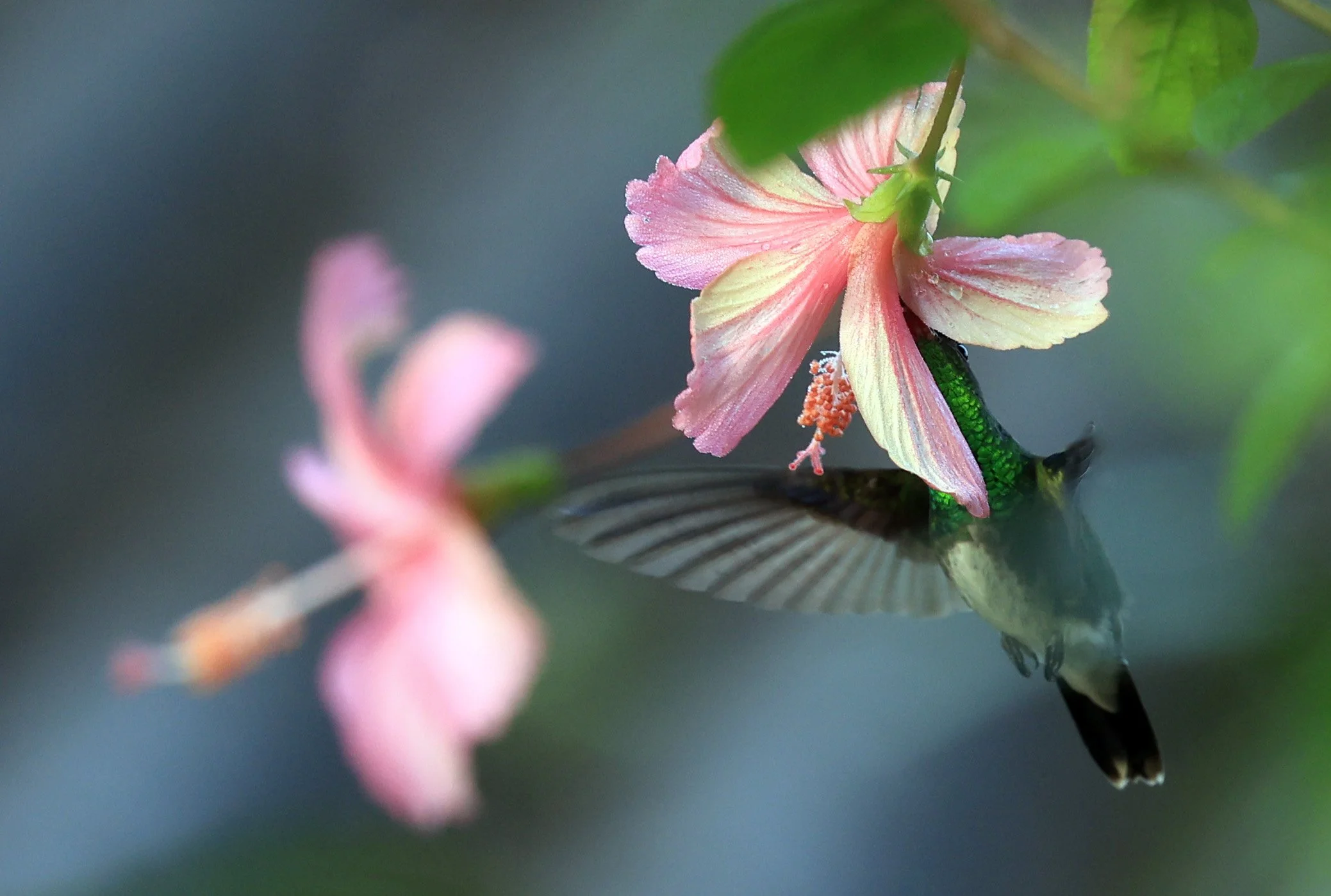
Violet-capped Woodnymph (Thalurania glaucopis) Superagui National Park
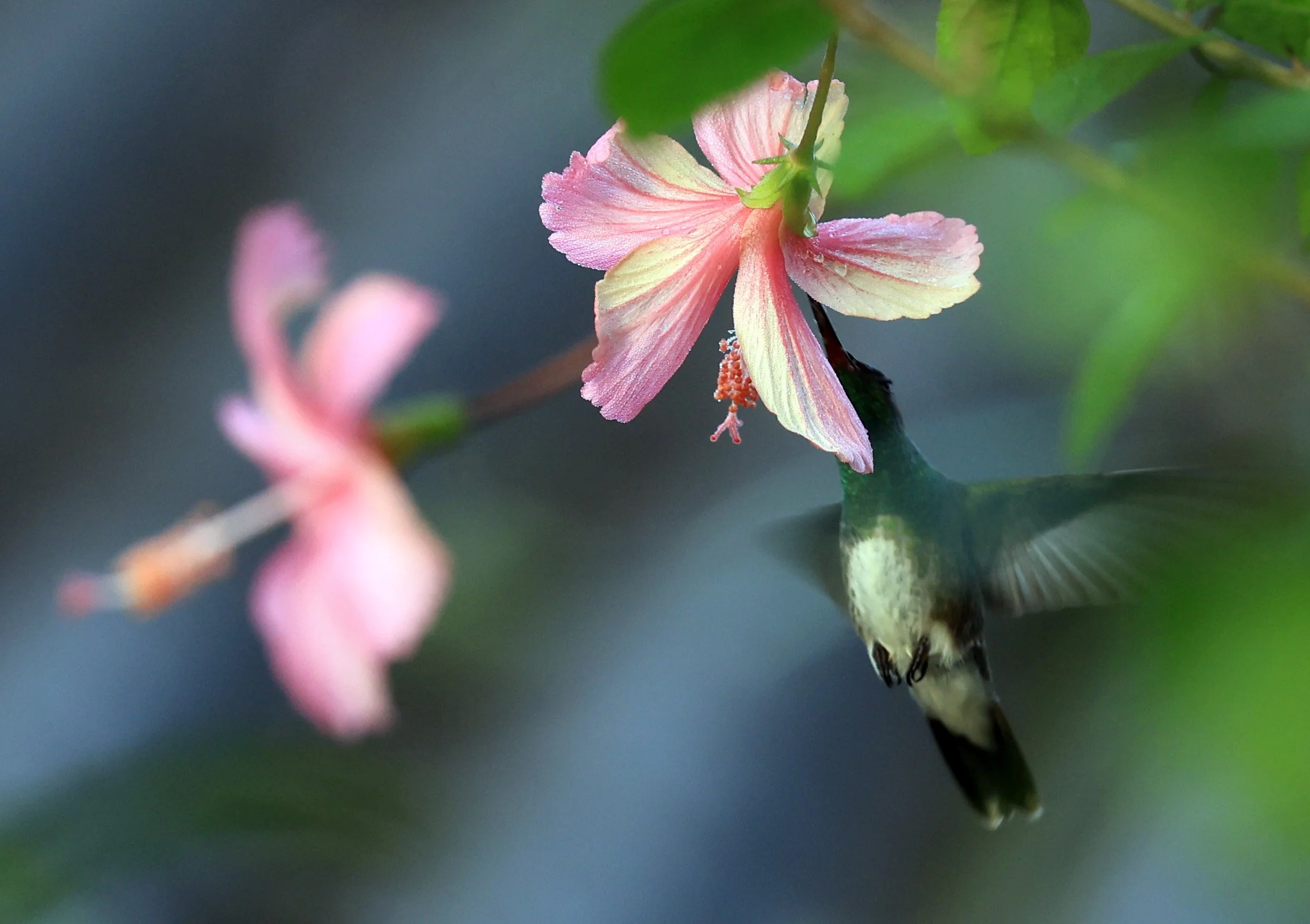
Violet-capped Woodnymph (Thalurania glaucopis) Superagui National Park
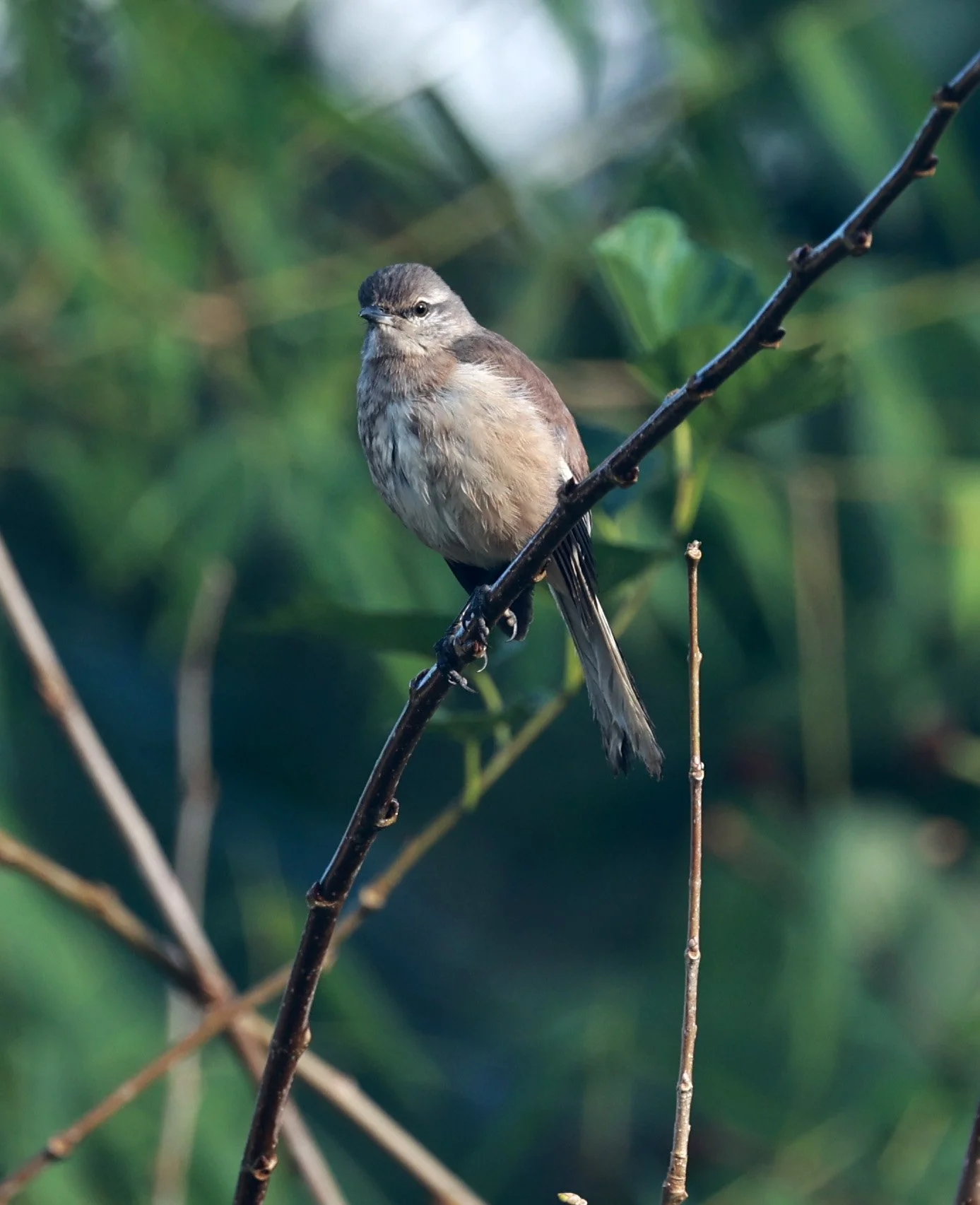
White-banded Mockingbird (Mimus triurus) Superagui National Park
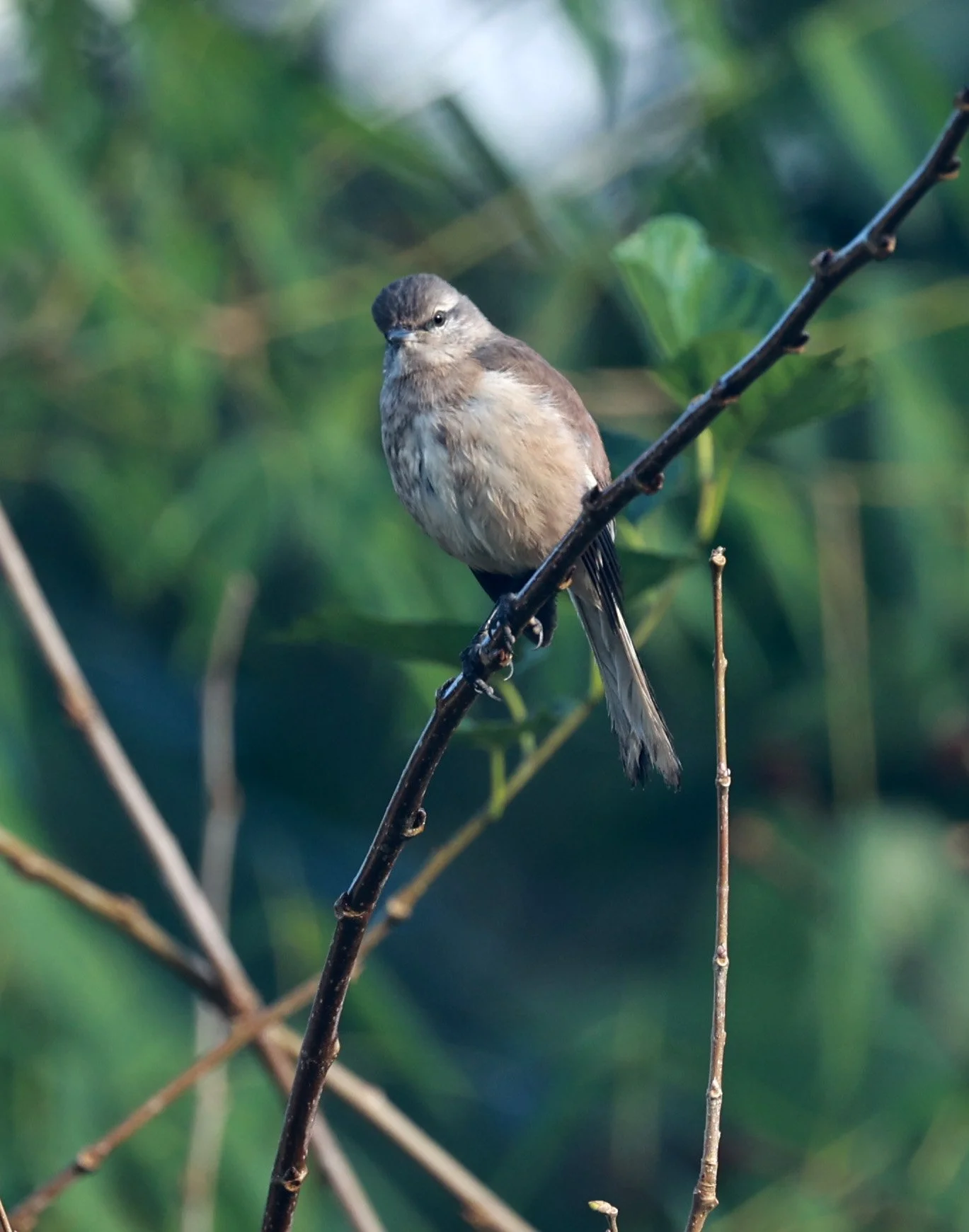
White-banded Mockingbird (Mimus triurus) Superagui National Park
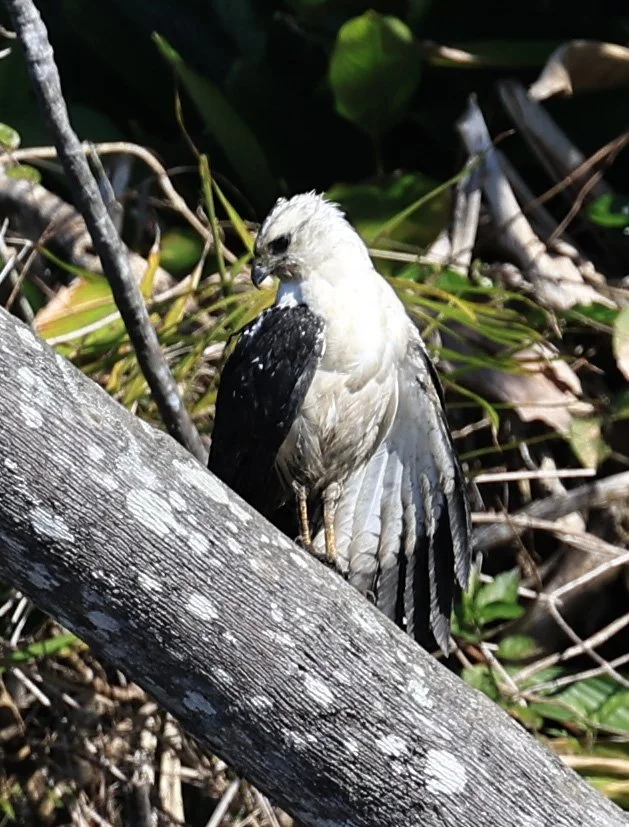
White-necked Hawk (Amadonastur lacernulatus, formerly Buteogallus lacernulatus or Leucopternis lacernulatus) Superagui National Park
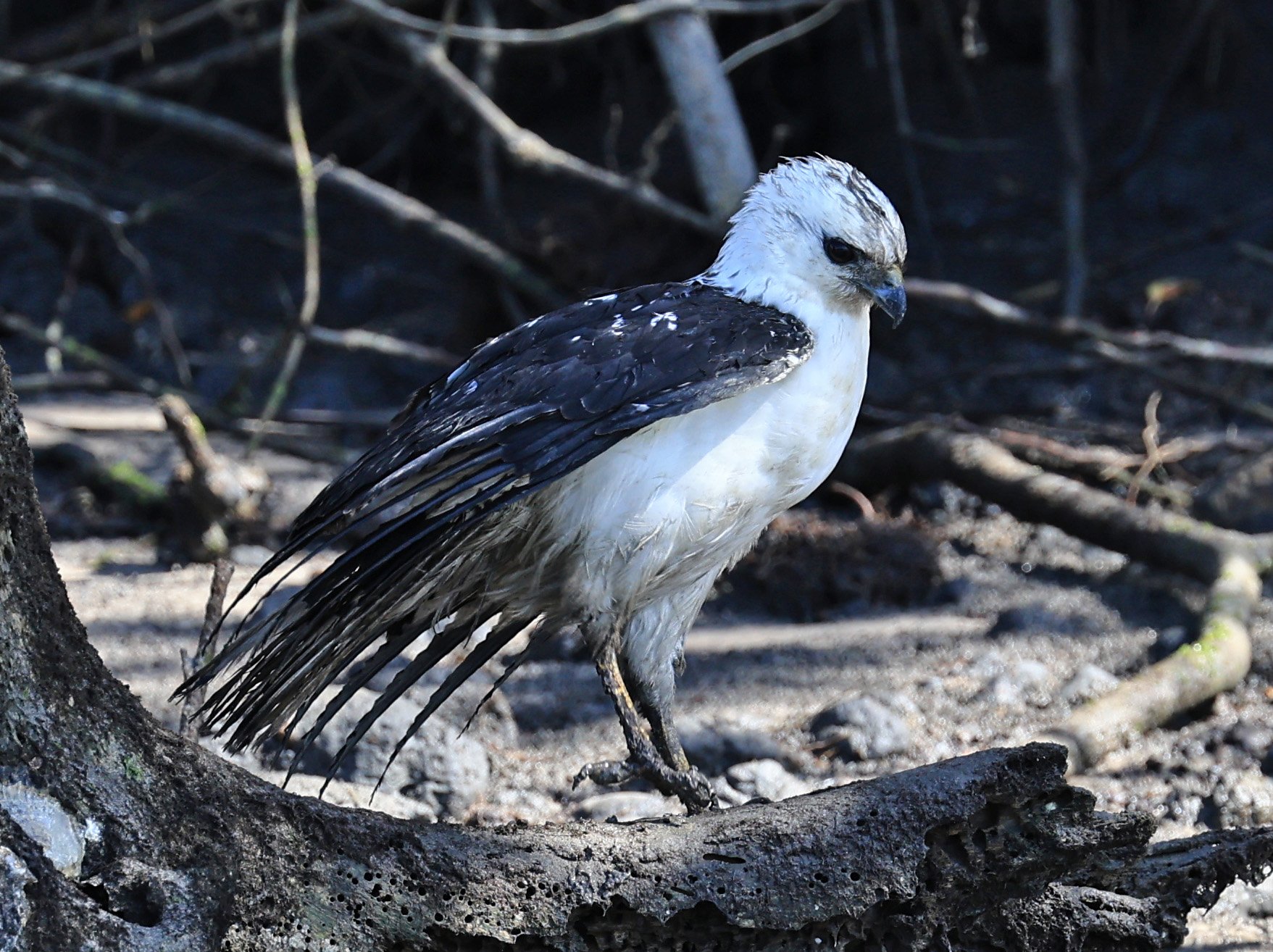
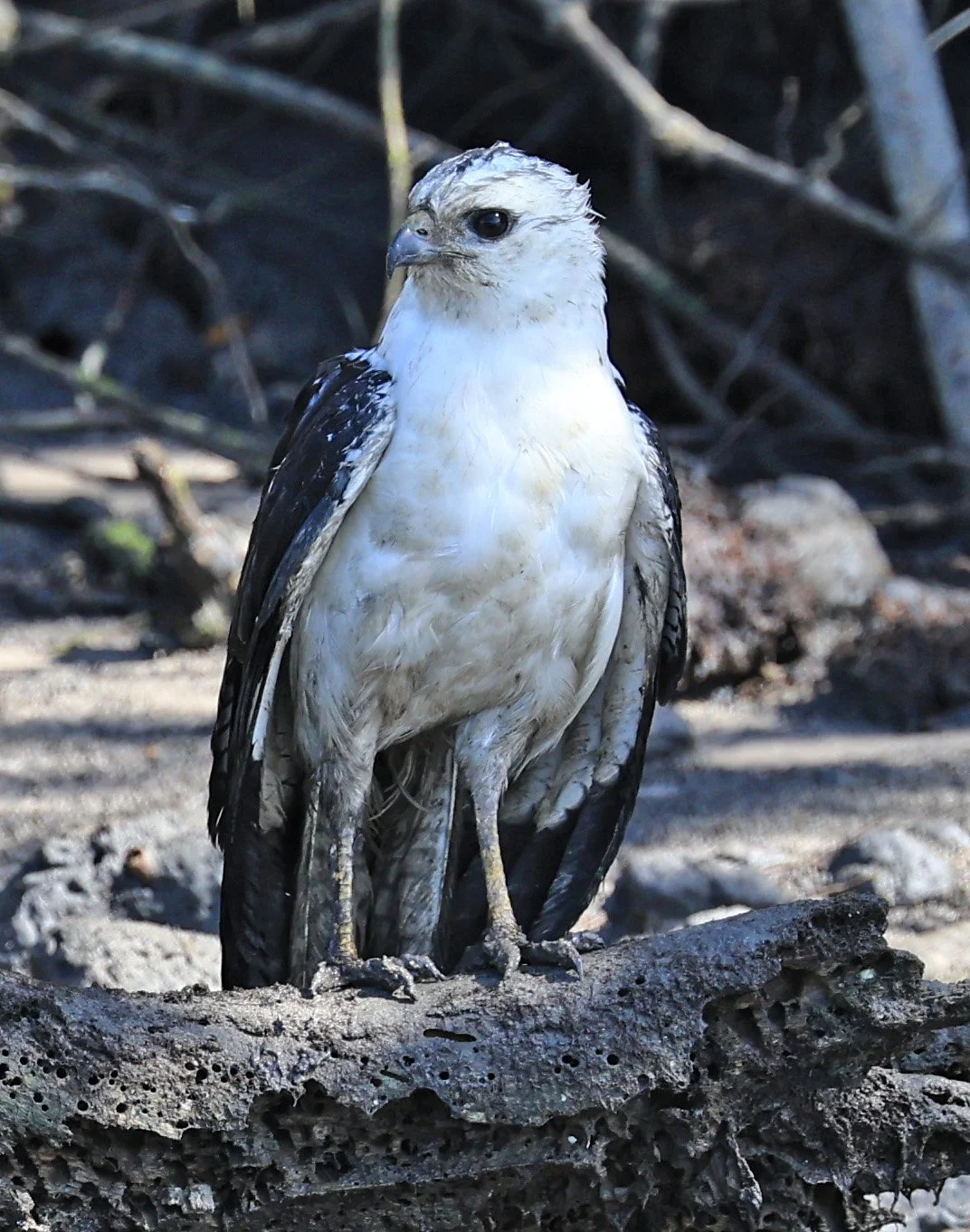
White-necked Hawk (Amadonastur lacernulatus) Superagui National Park
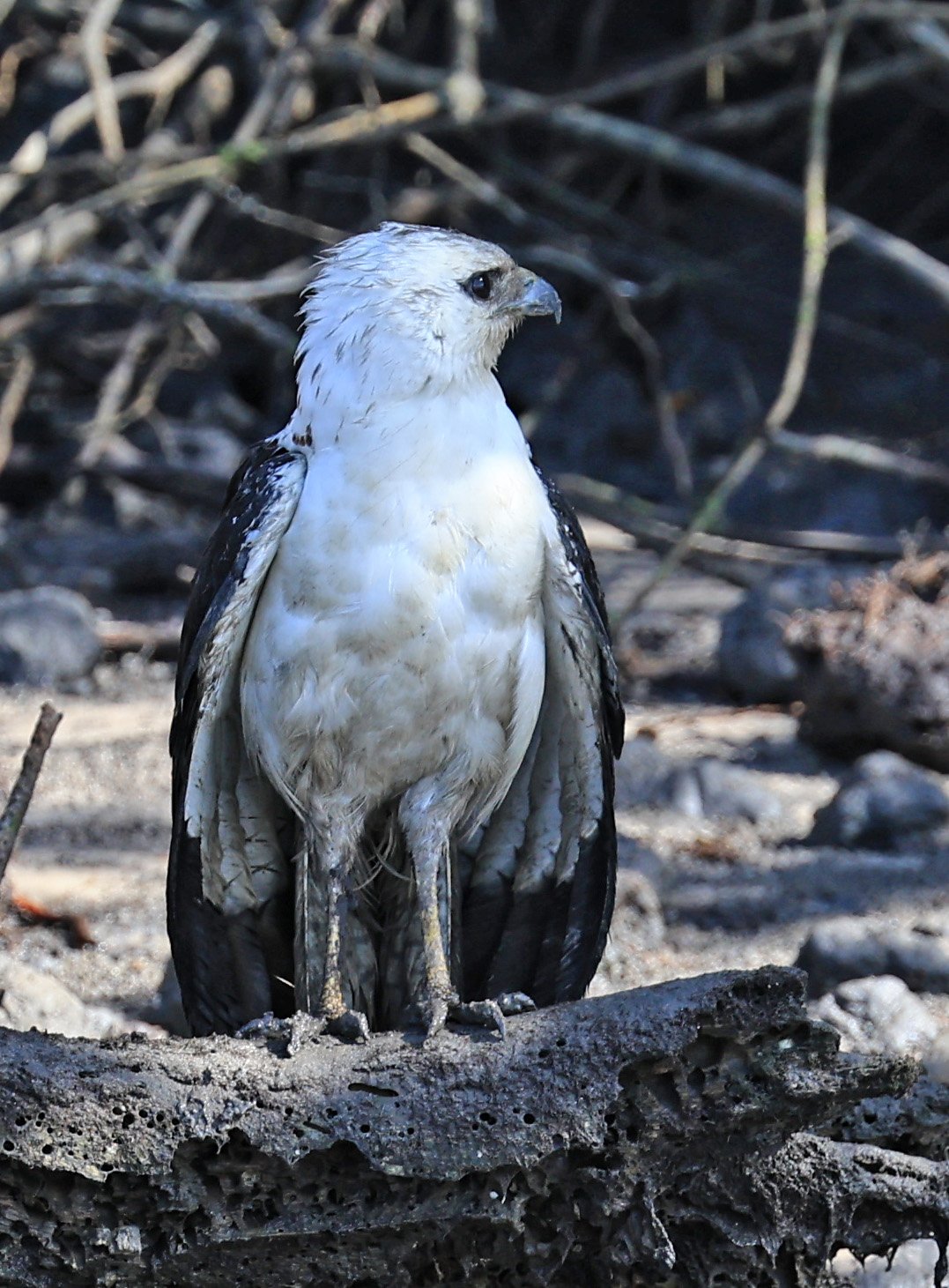
White-necked Hawk (Amadonastur lacernulatus) Superagui National Park
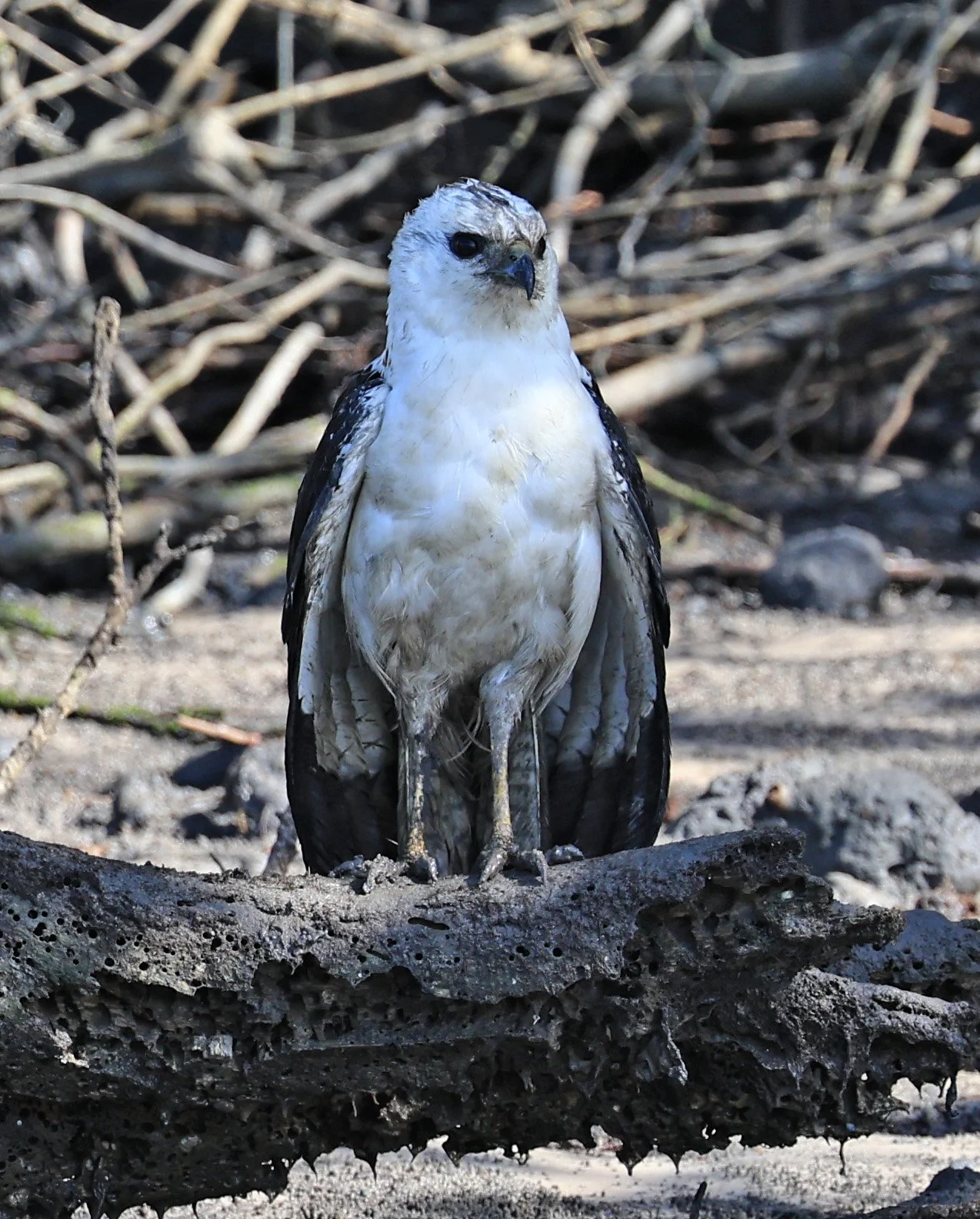
White-necked Hawk (Amadonastur lacernulatus) Superagui National Park
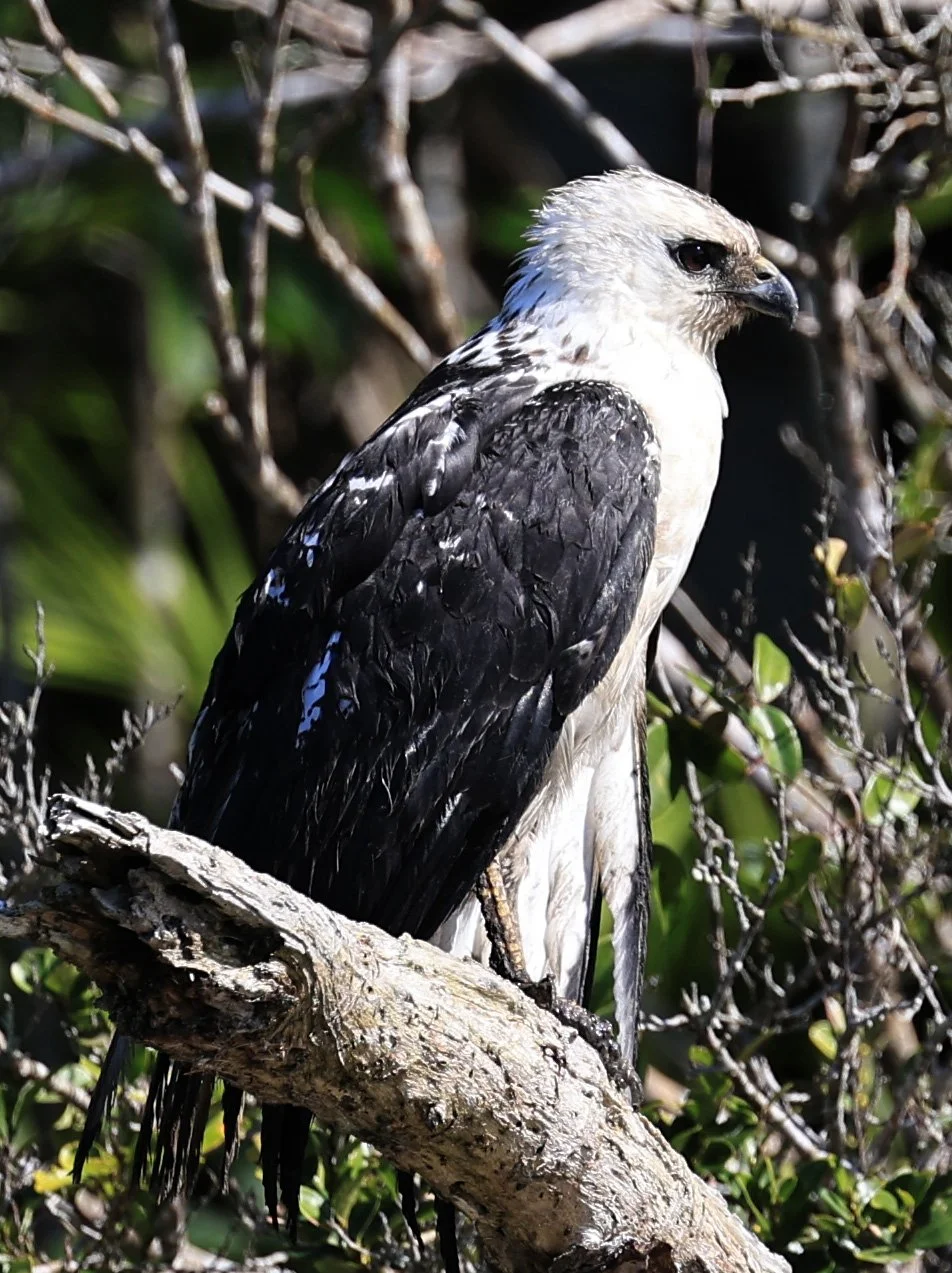
White-necked Hawk (Amadonastur lacernulatus) Superagui National Park
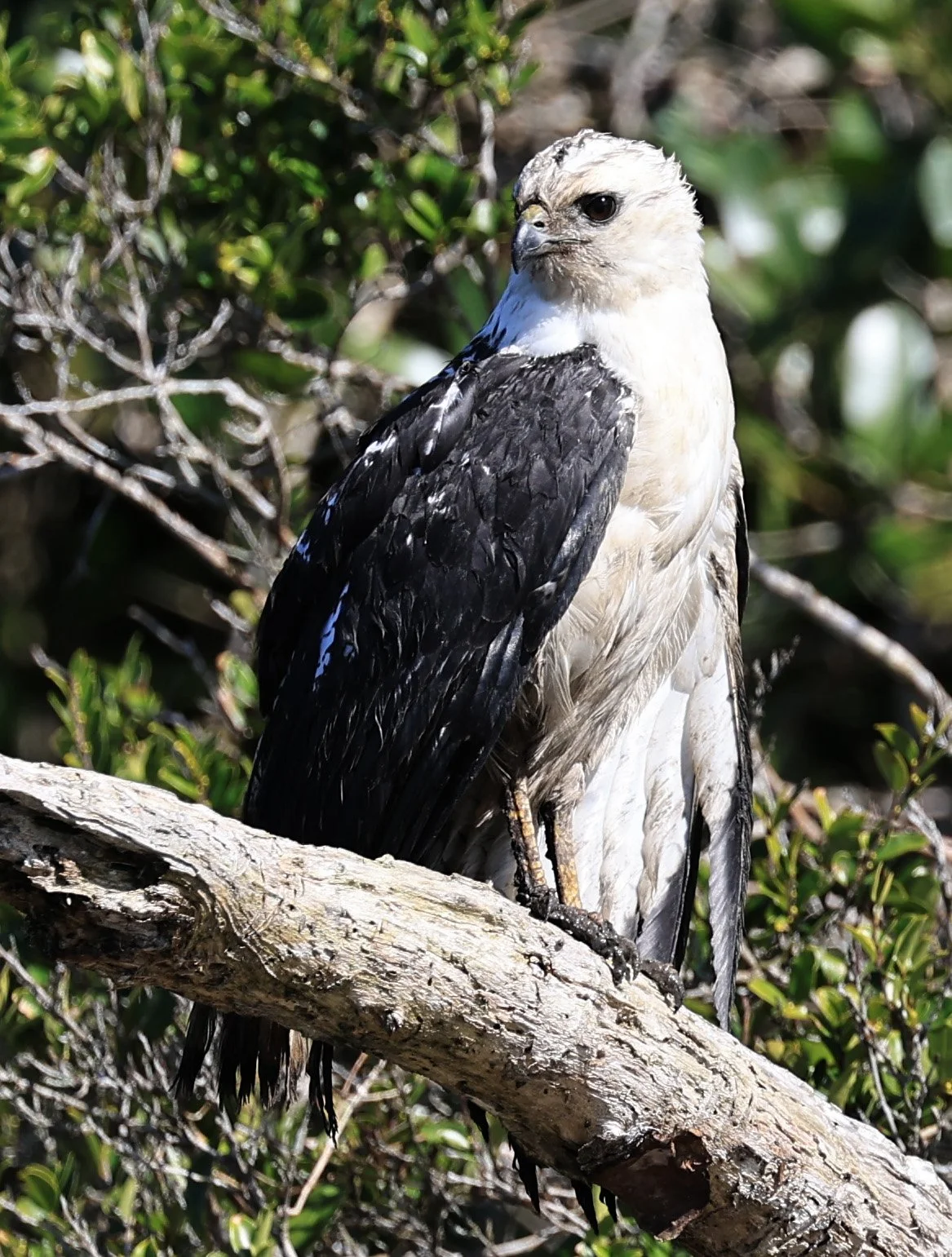
White-necked Hawk (Amadonastur lacernulatus) Superagui National Park
Flora, Scenery and History of Superagüi National Park
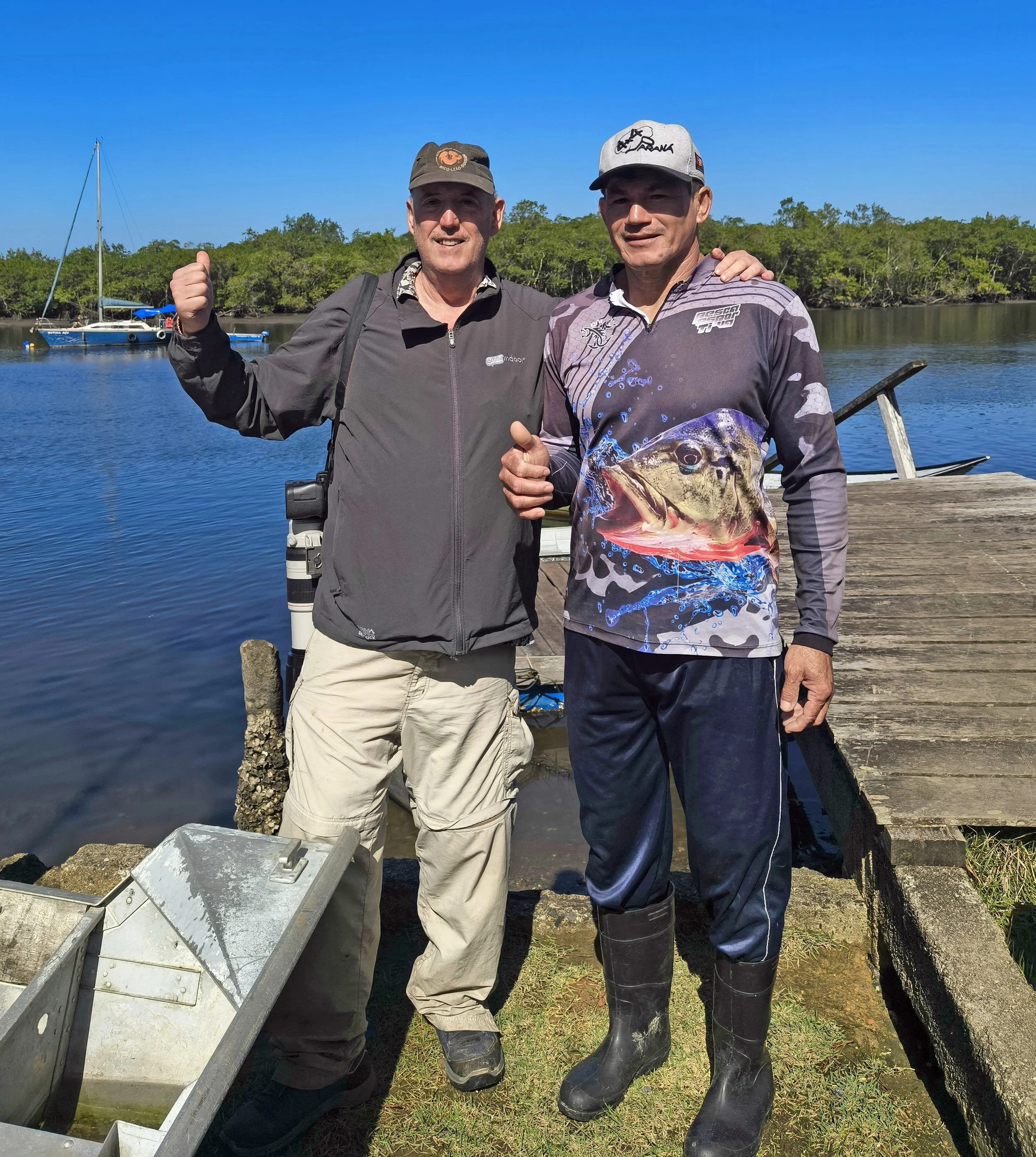
Marcio & Me - Superagui
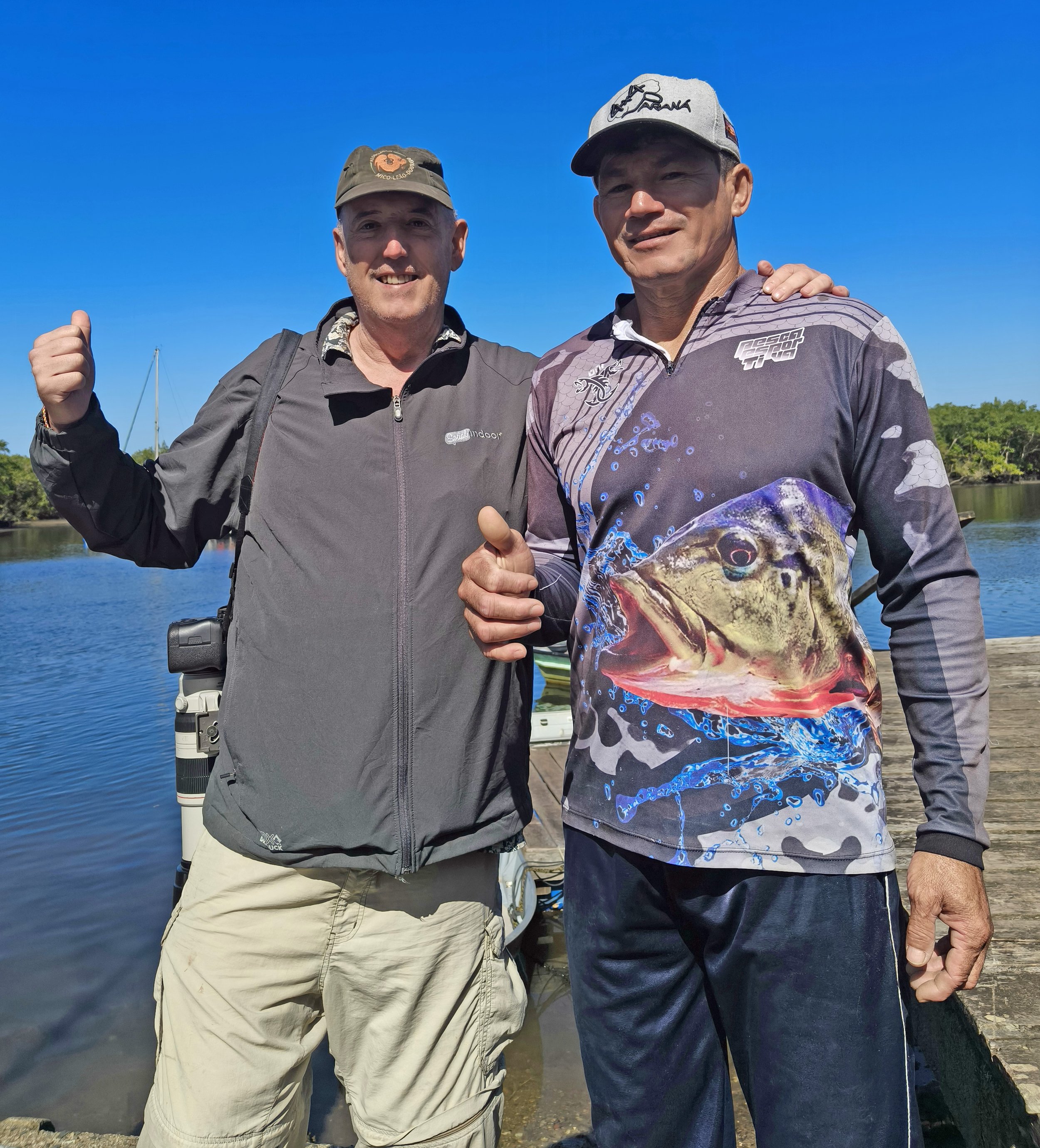
Marcio & Me - Superagui

Pousada e Camping do Márcio Recanto Ararapira - Superagüi National Park
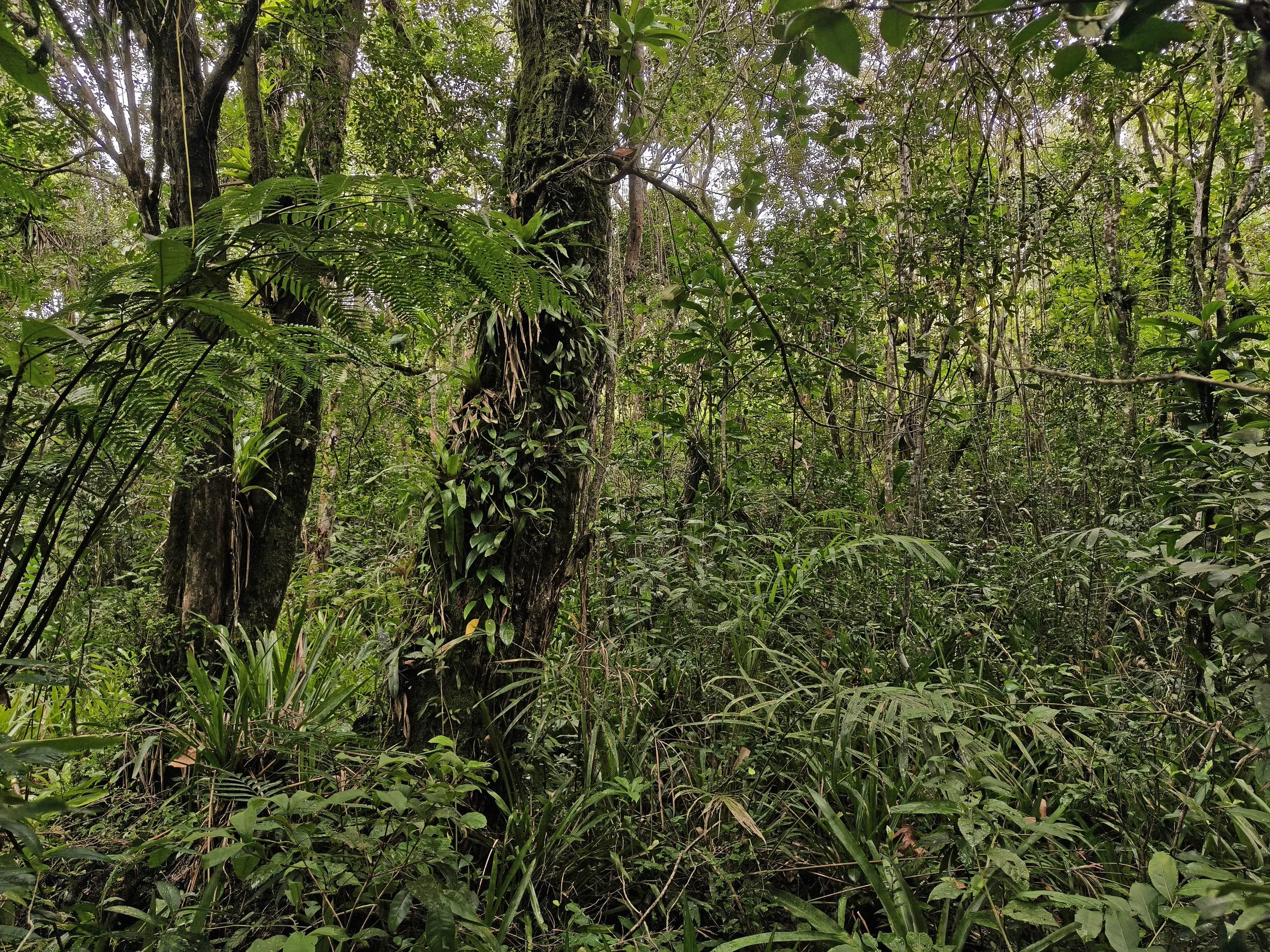
Superagüi National Park
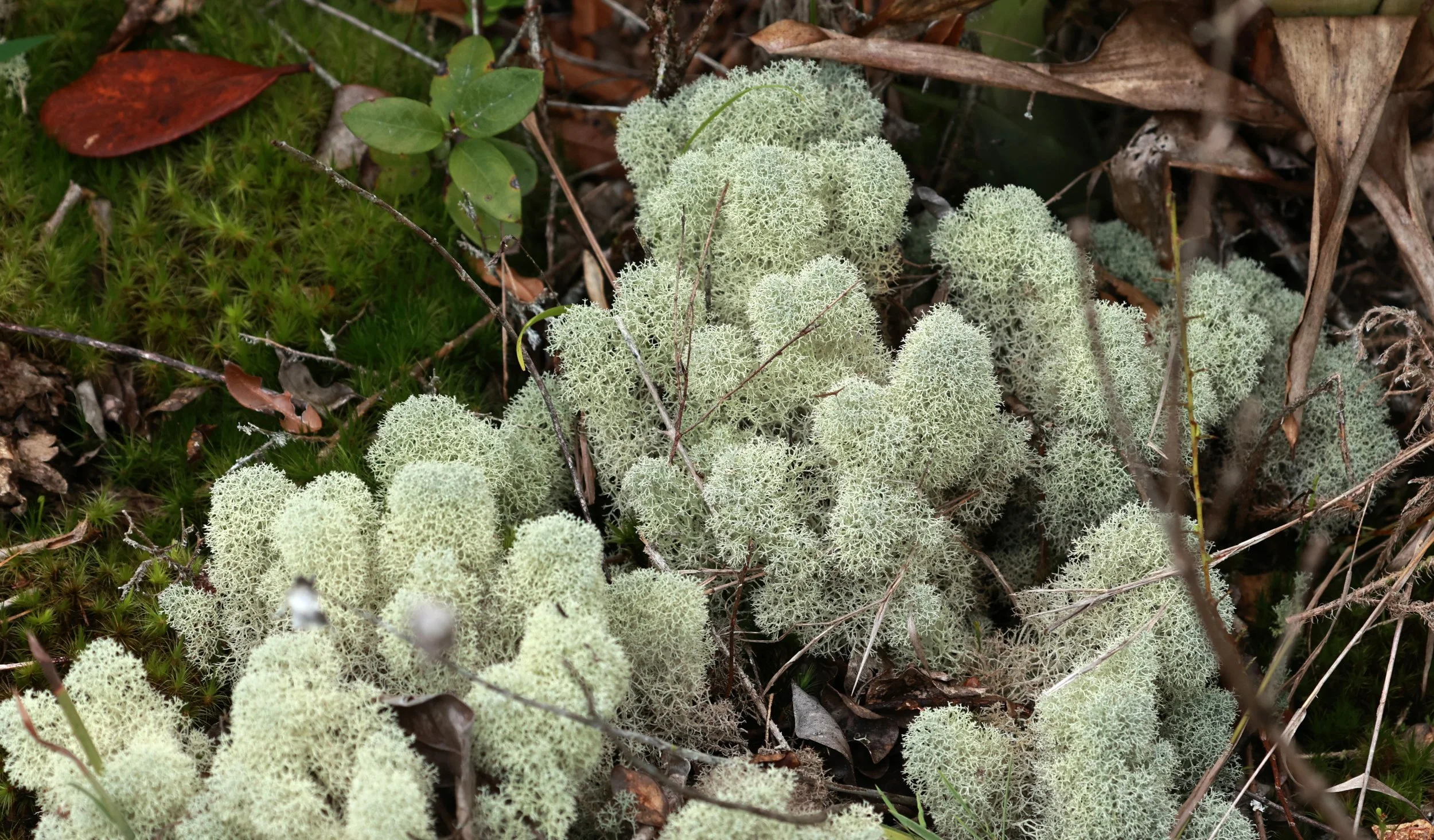
Cladonia species - type of Reindeer Lichen - Superagüi National Park, Brazil


Drosera Sundew Carnivorous Plant - Superagui National Park, Brazil

Ochagavia species - False Agave - Superagüi National Park, Brazil
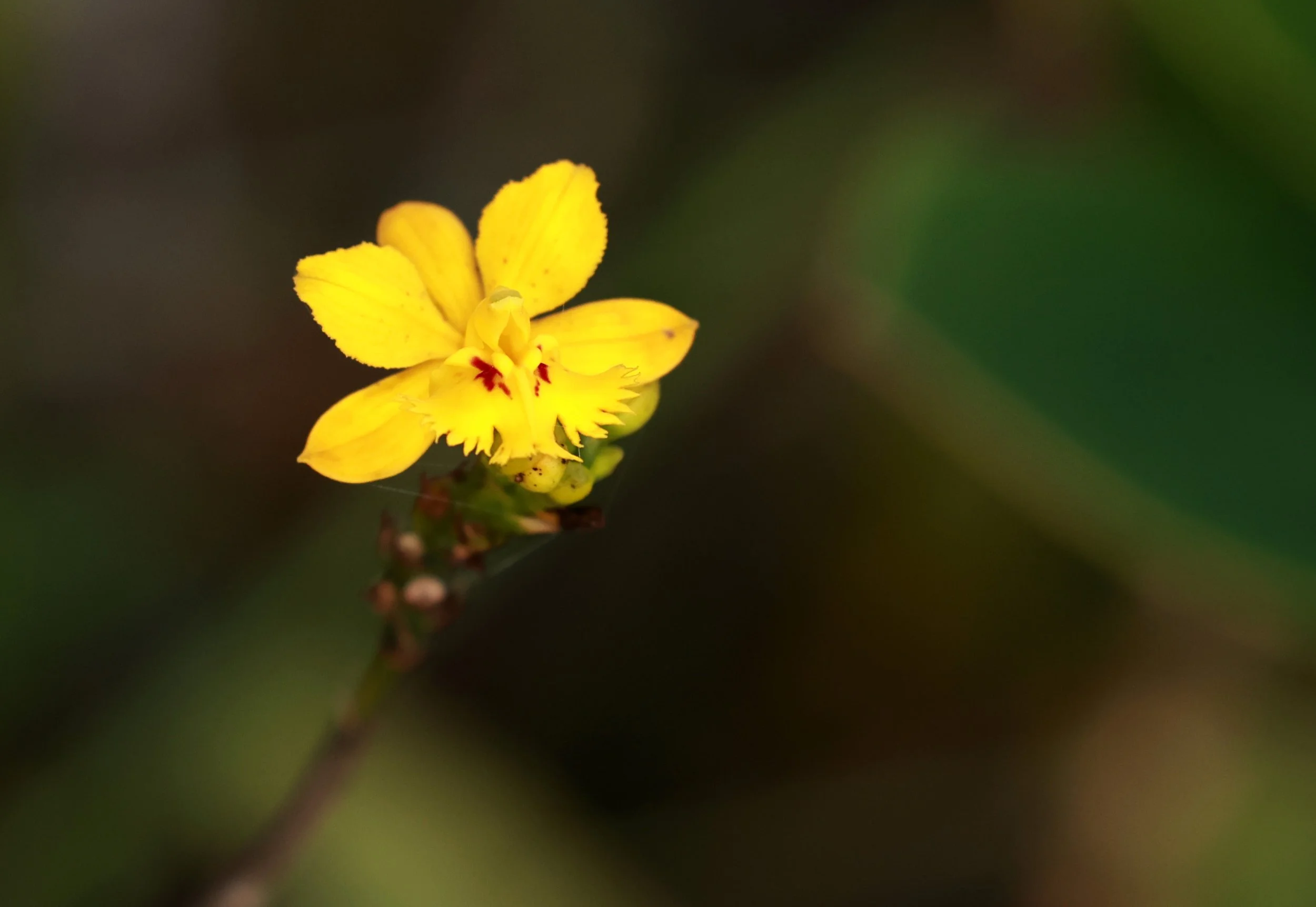
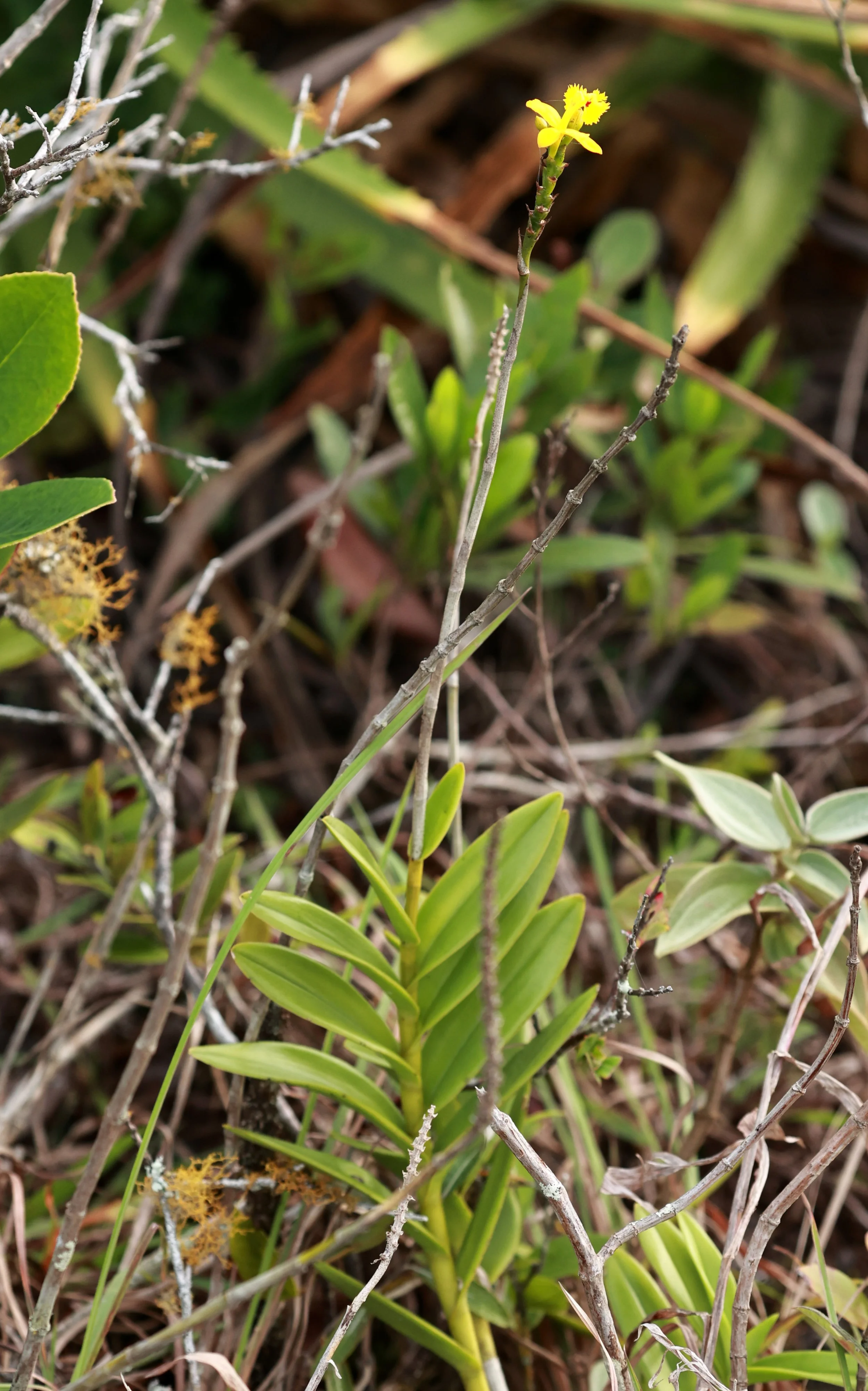
Orchidaceae species - Superagüi National Park, Brazil

Palhinhaea cernua (Lycopodium cernuum) Staghorn Clubmoss, or paku kawat) - Superagüi National Park

Cladonia species - type of Reindeer Lichen - Superagüi National Park, Brazil

Parrot's Beak flower (Heliconia psittacorum) - Superagui National Park
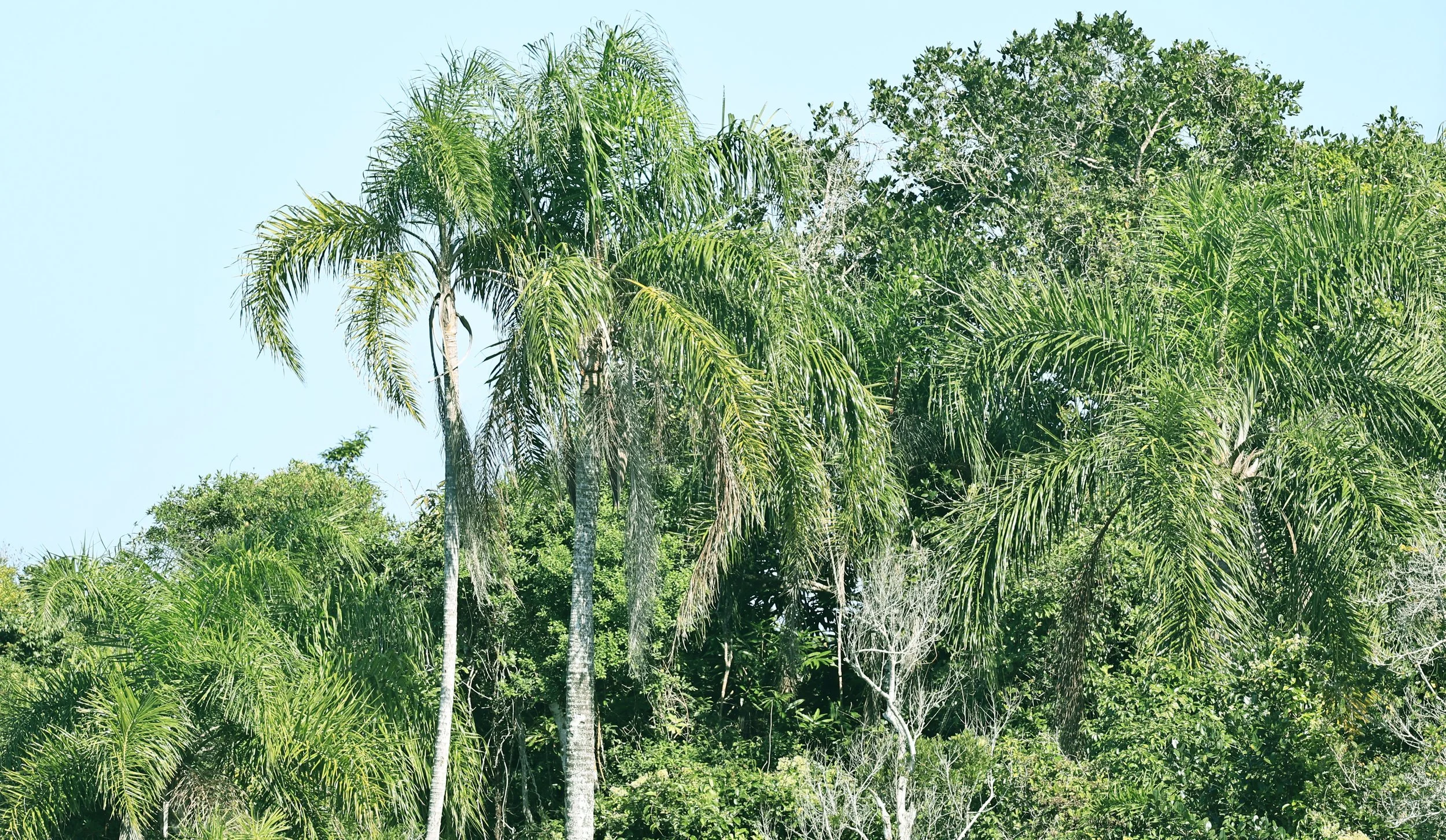
Queen palms (Syagrus romanzoffiana) Superagui National Park, Brazil
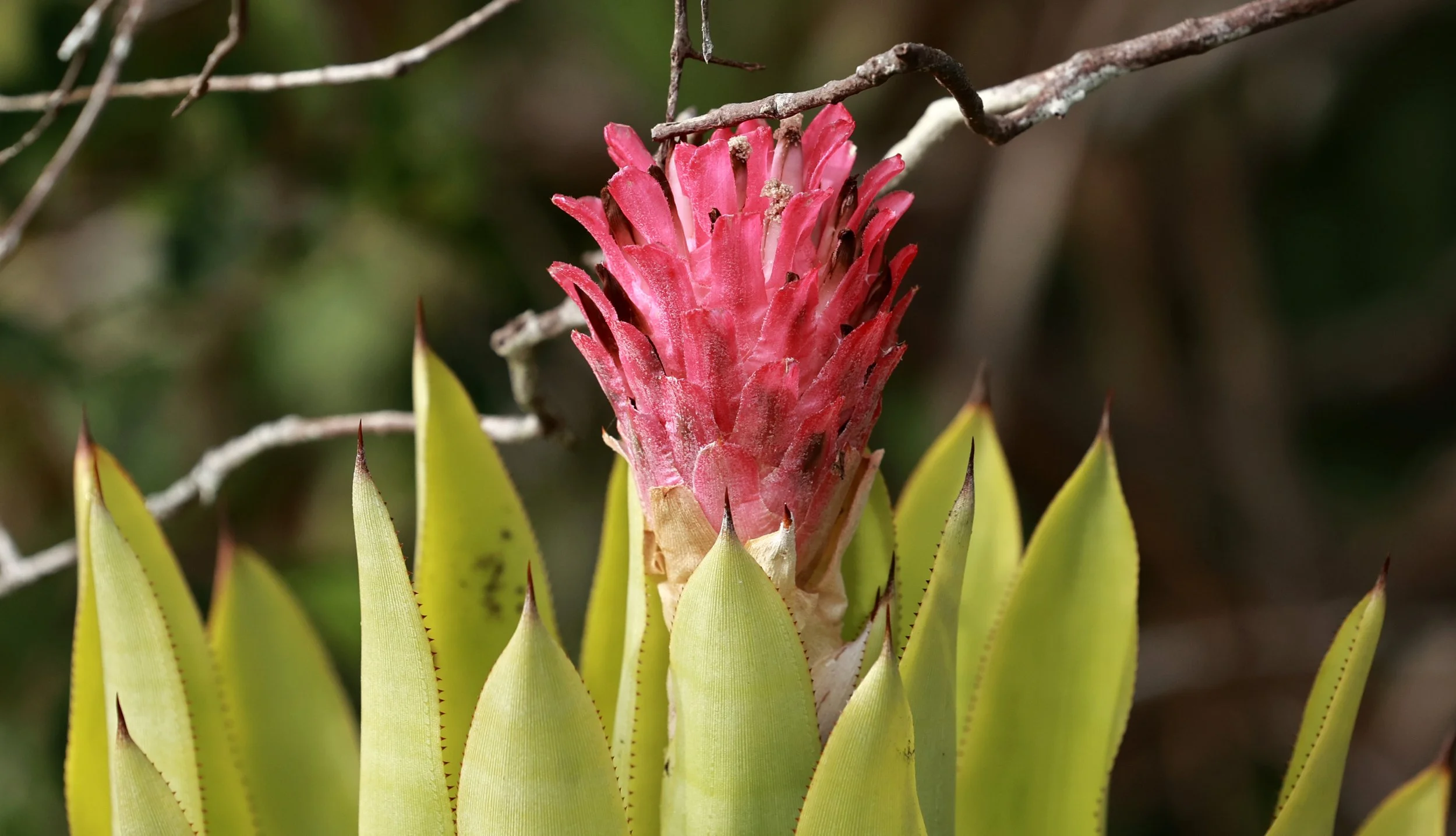
Quesnelia quesneliana Bromeliad - Superagüi National Park
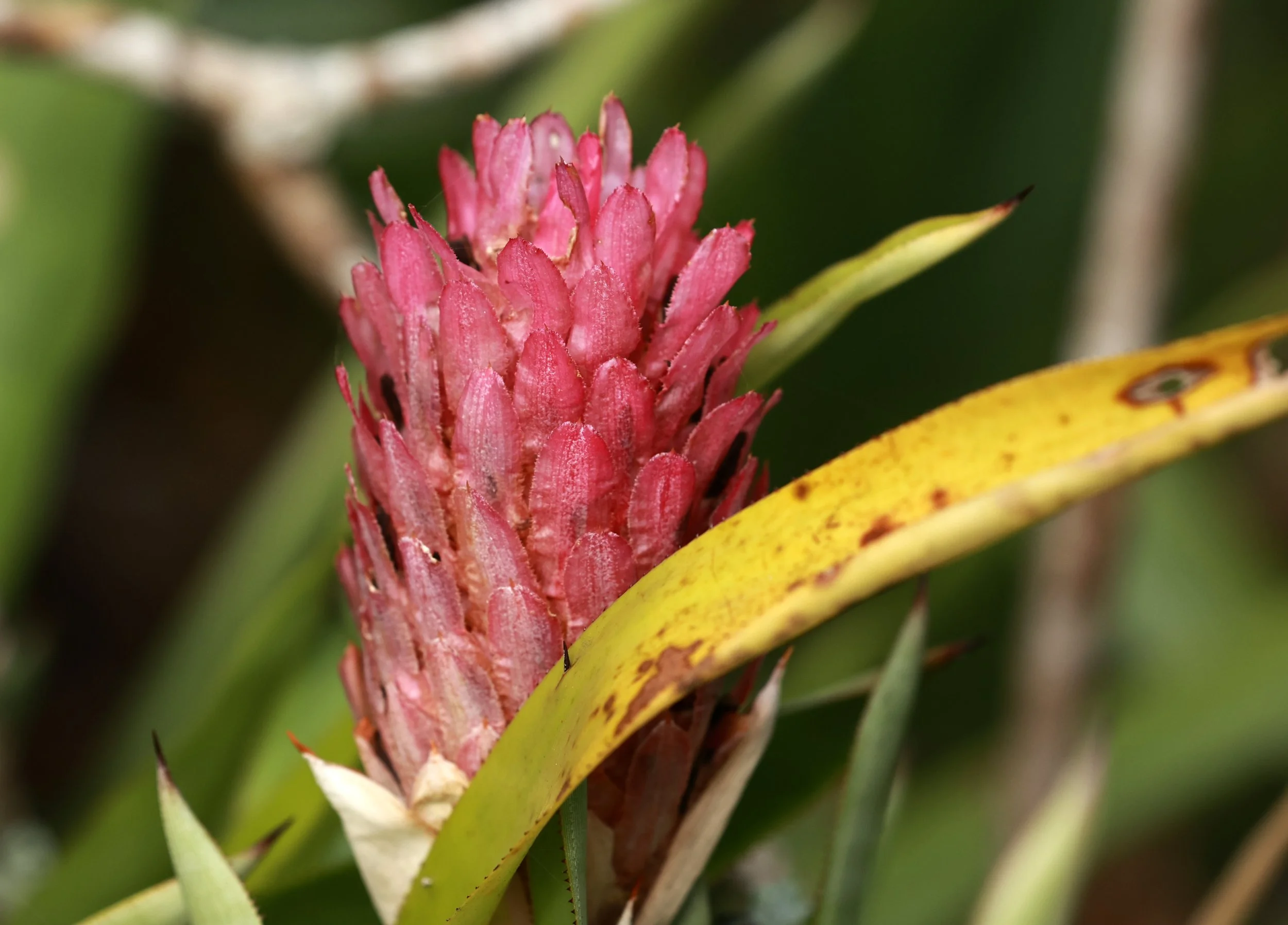
Quesnelia quesneliana Bromeliad - Superagüi National Park
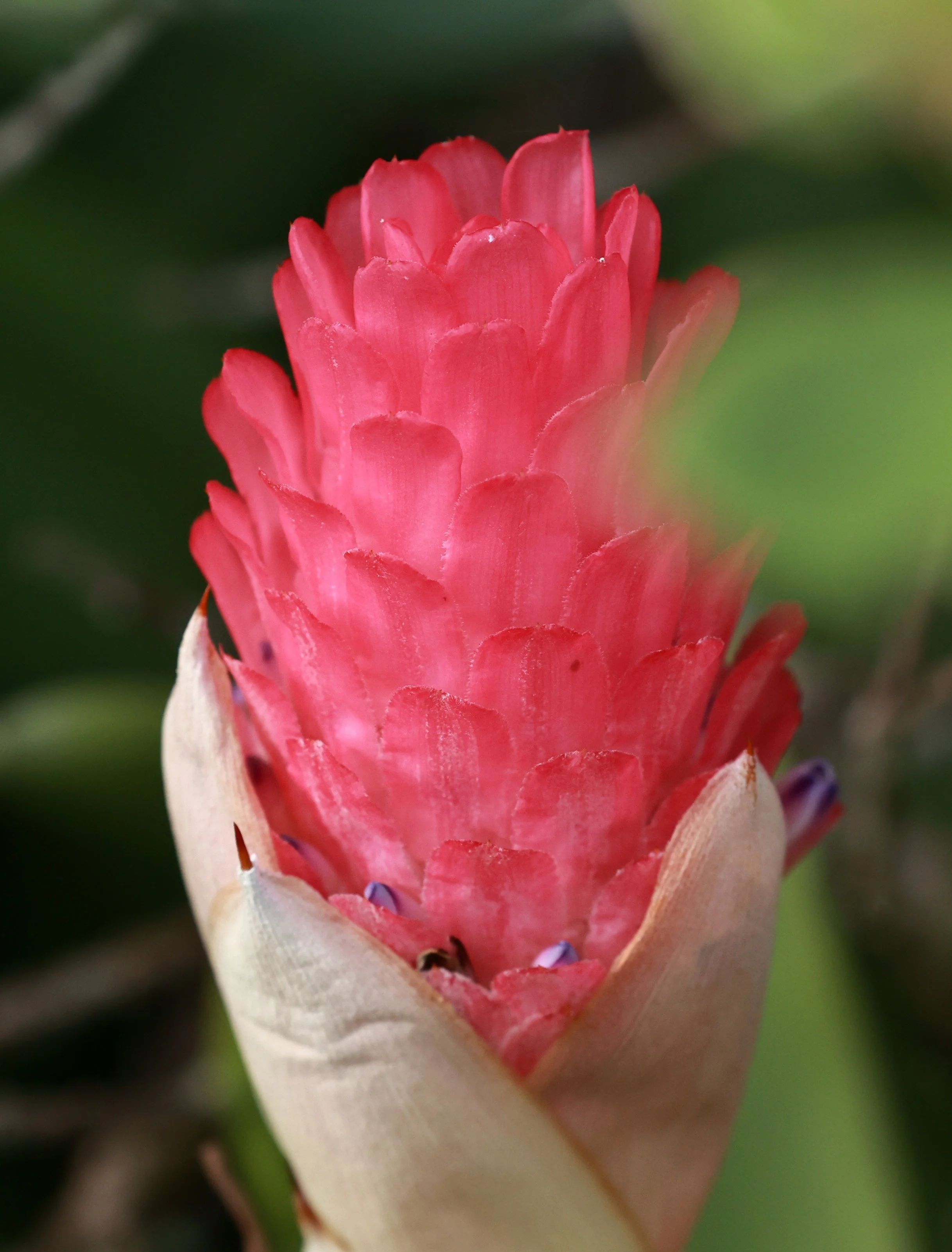
Quesnelia quesneliana Bromeliad - Superagüi National Park
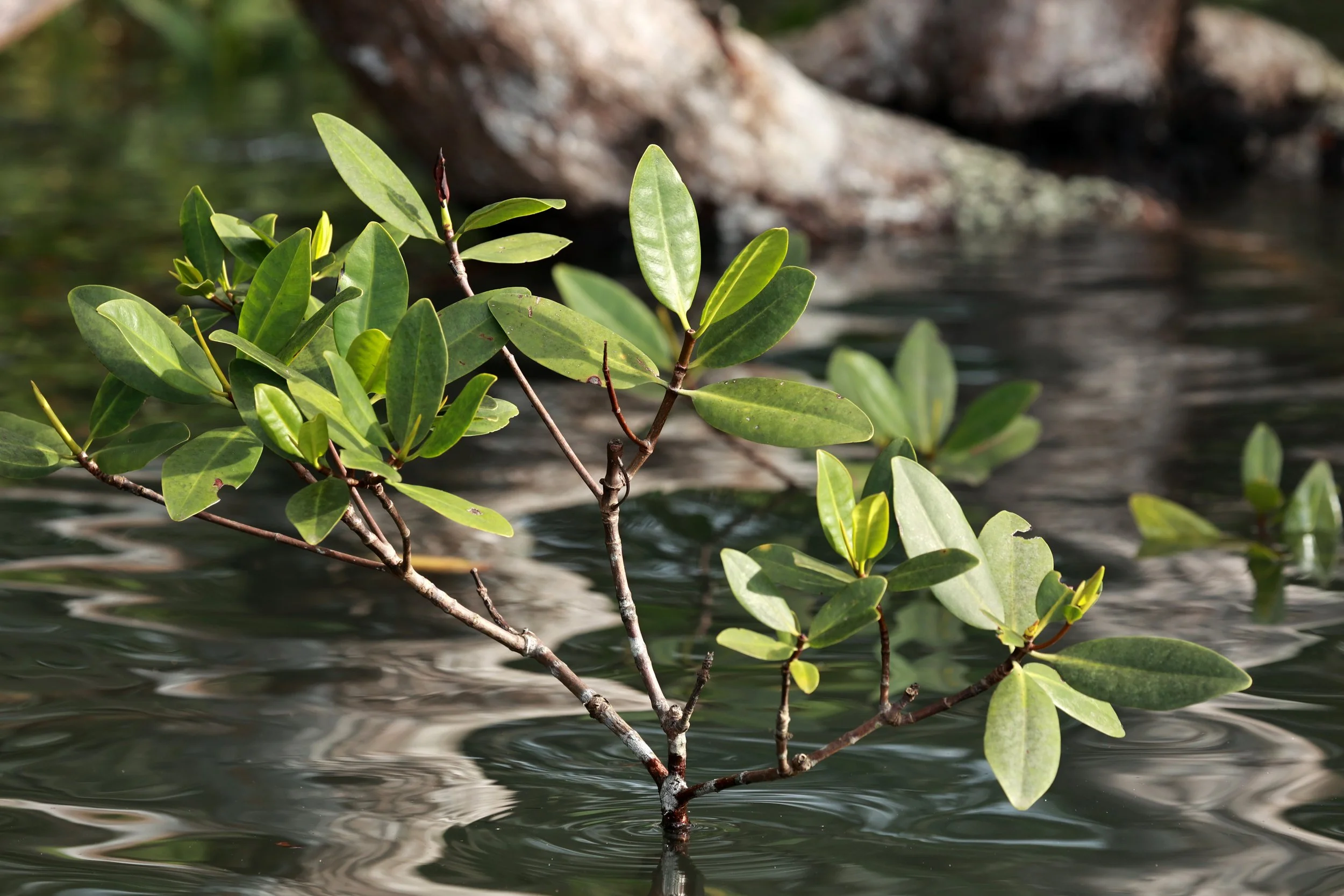
Red Mangrove sapling (Rhizophora mangle) Superagüi National Park, Brazil
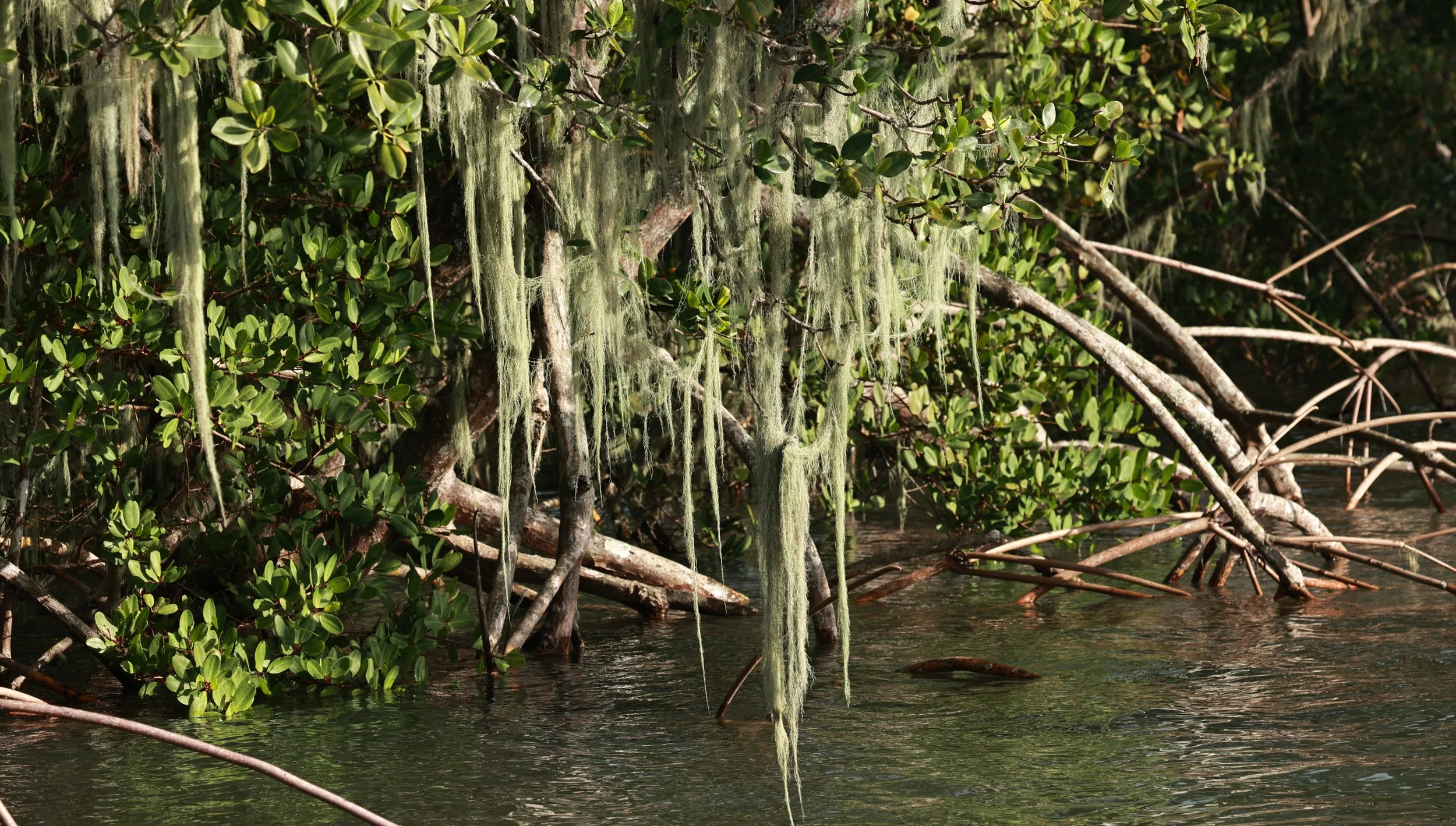
Spanish moss (Tillandsia usneoides) Superagüi National Park, Brazil
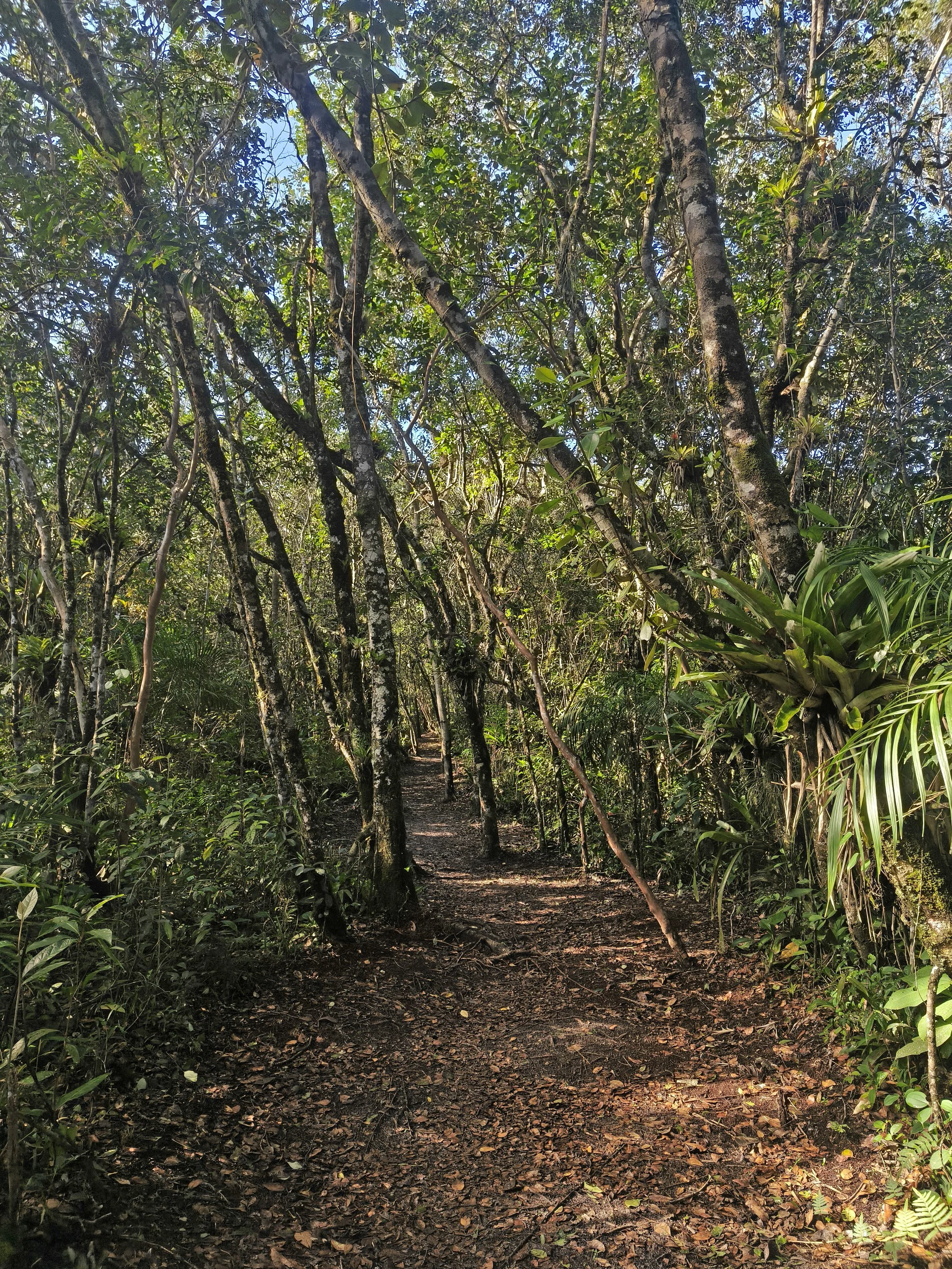
Superagüi National Park, Brazil
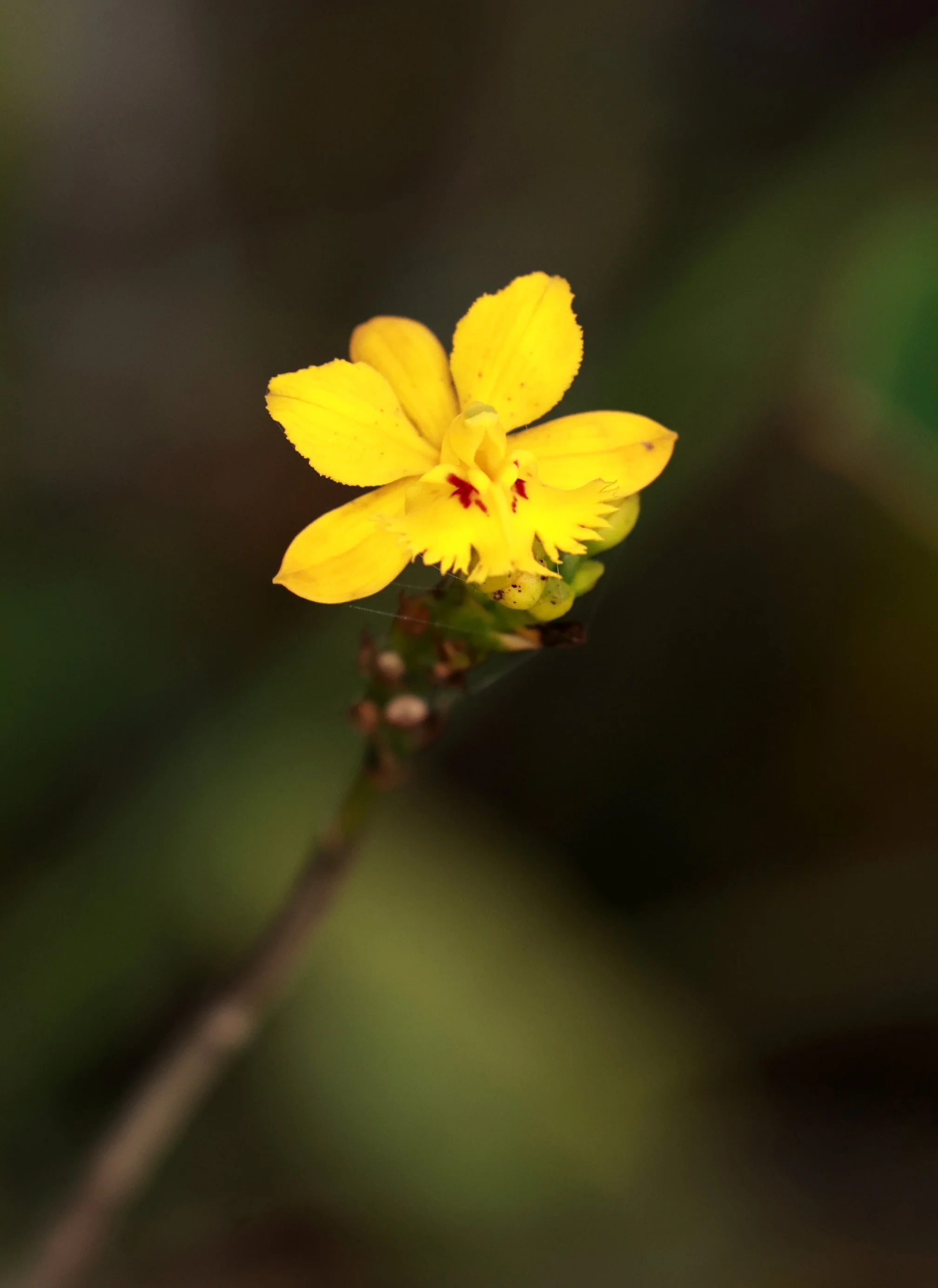
Orchidaceae species - Superagüi National Park, Brazil
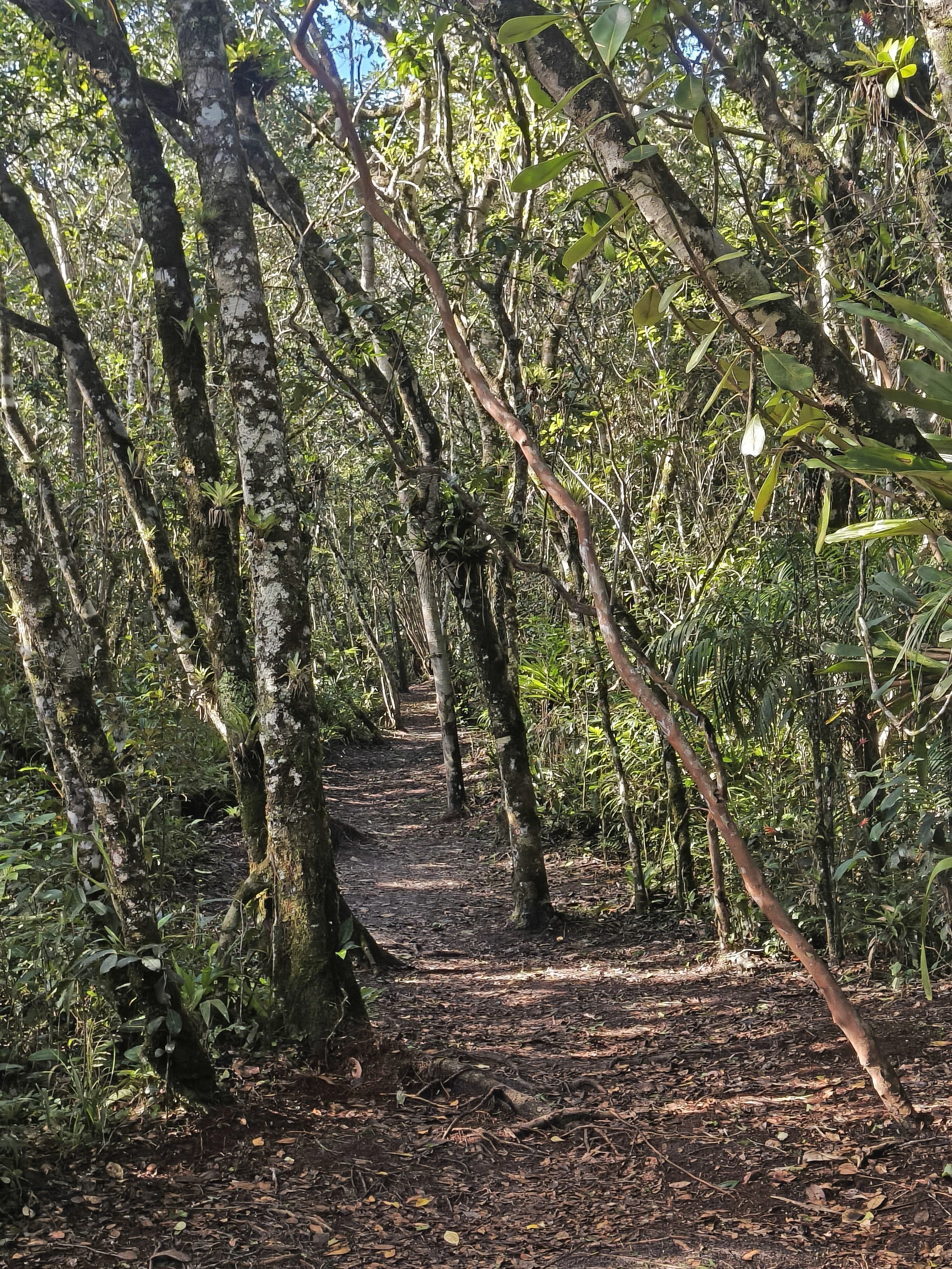
Superagüi National Park, Brazil

Vriesea carinata (flaming sword or lobster-claw bromeliad) - Superagui National Park, Brazil
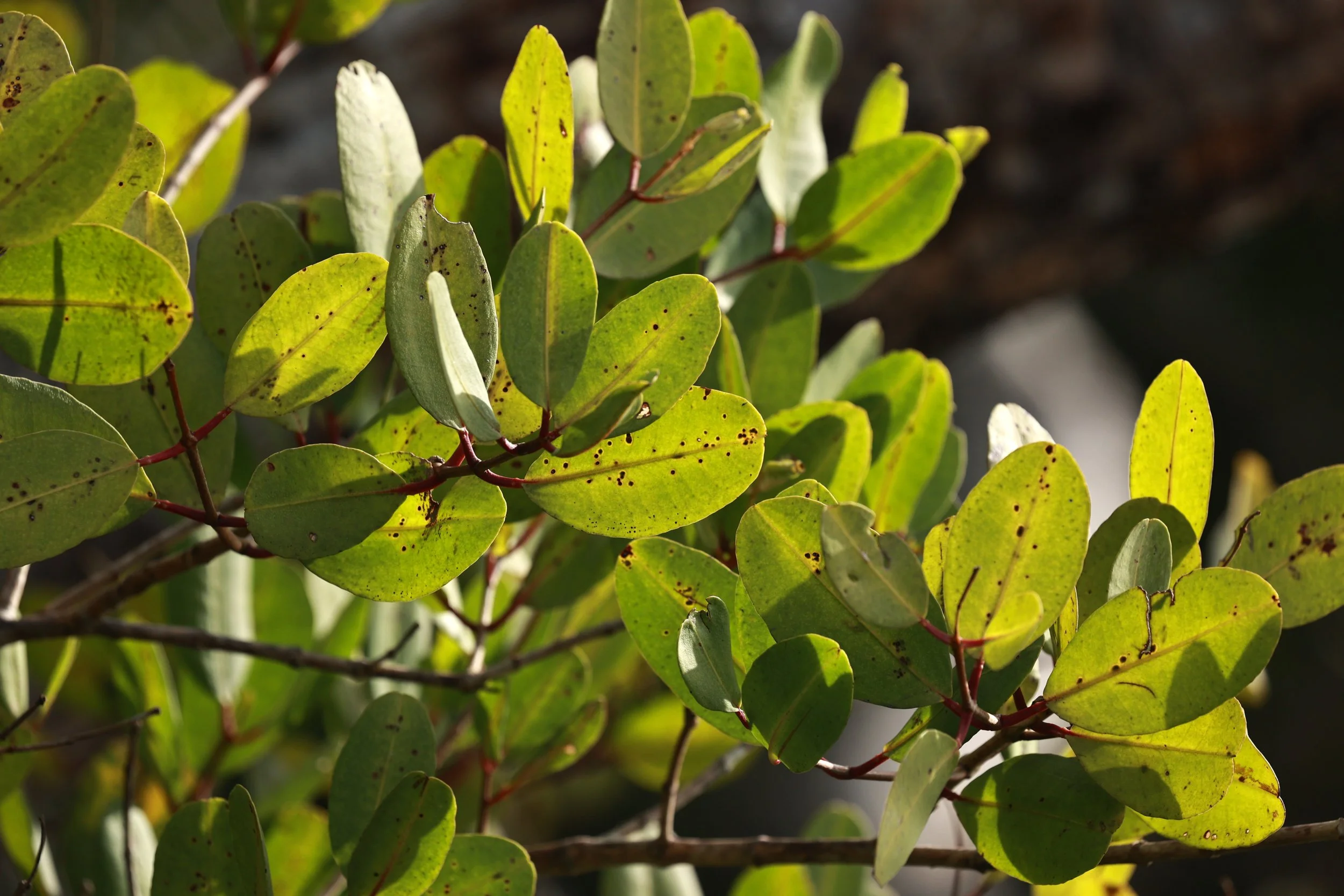
White Mangrove (Laguncularia racemosa) Superagüi National Park, Brazil

Canoa Caiçara (specifically a canoa de bordadura) Superagüi National Park, Brazil

Canoa Caiçara (specifically a canoa de bordadura) Superagüi National Park, Brazil

Medicinal decanter from Carijós and Tupiniquins Indians Superagüi National Park, Brazil

Medicinal decanter from Carijós and Tupiniquins Indians - not the small pouring channel

Medicinal decanter from Carijós and Tupiniquins Indians Superagüi National Park, Brazil

Carijós and Tupiniquins Indians Midden - Superagüi National Park, Brazil

Carijós and Tupiniquins Indians Midden - Superagüi National Park, Brazil

Carijós and Tupiniquins Indians Midden - Superagüi National Park, Brazil

Carijós and Tupiniquins Indians Midden - Superagüi National Park, Brazil

Carijós and Tupiniquins Indians Midden - Superagüi National Park, Brazil
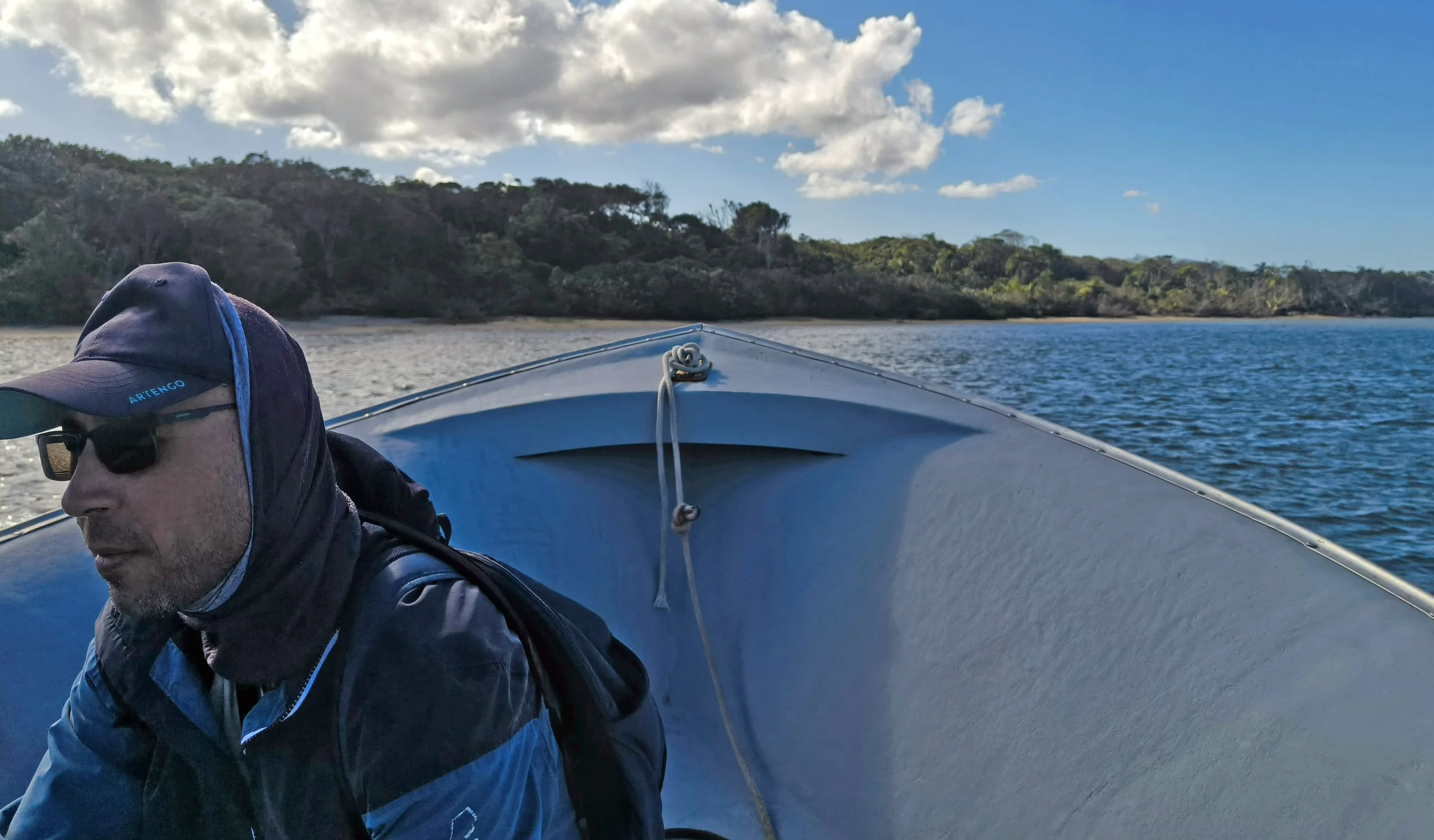
Eduardo!

Igreja São José de Ararapira - Superagüi National Park

Igreja São José de Ararapira - Superagüi National Park
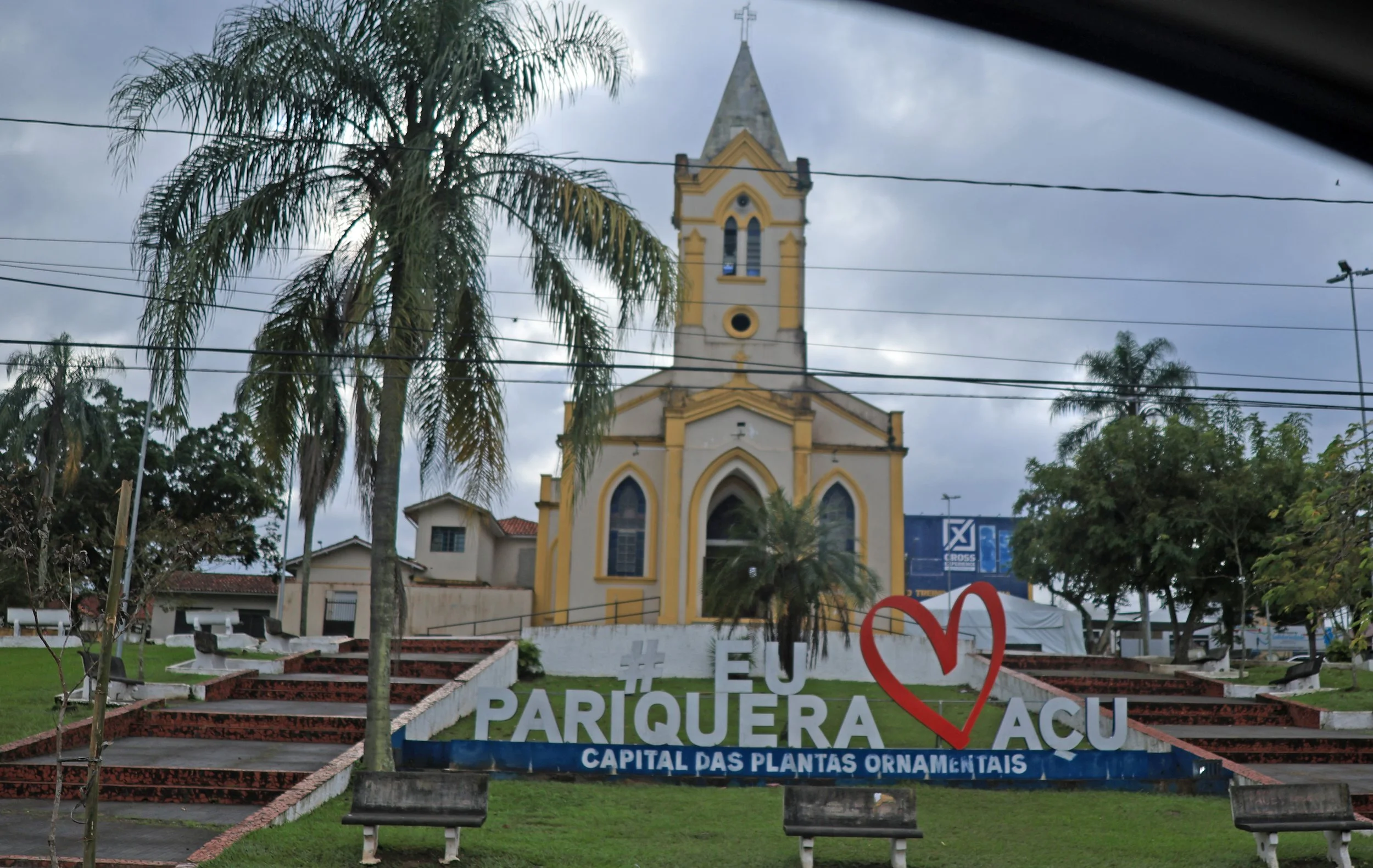
Paróquia São Paulo Apóstolo (Igreja Matriz)
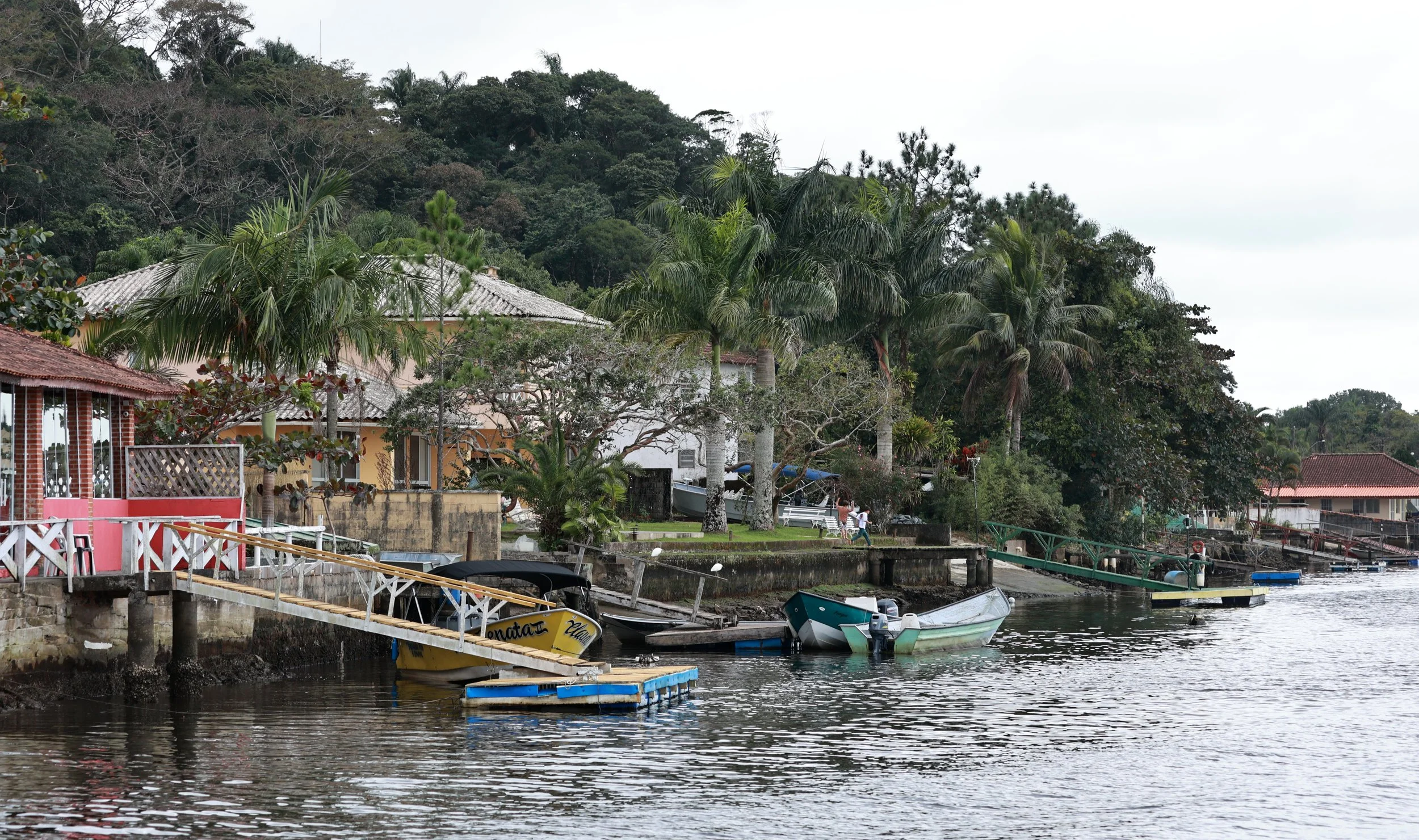
Porto Ariri
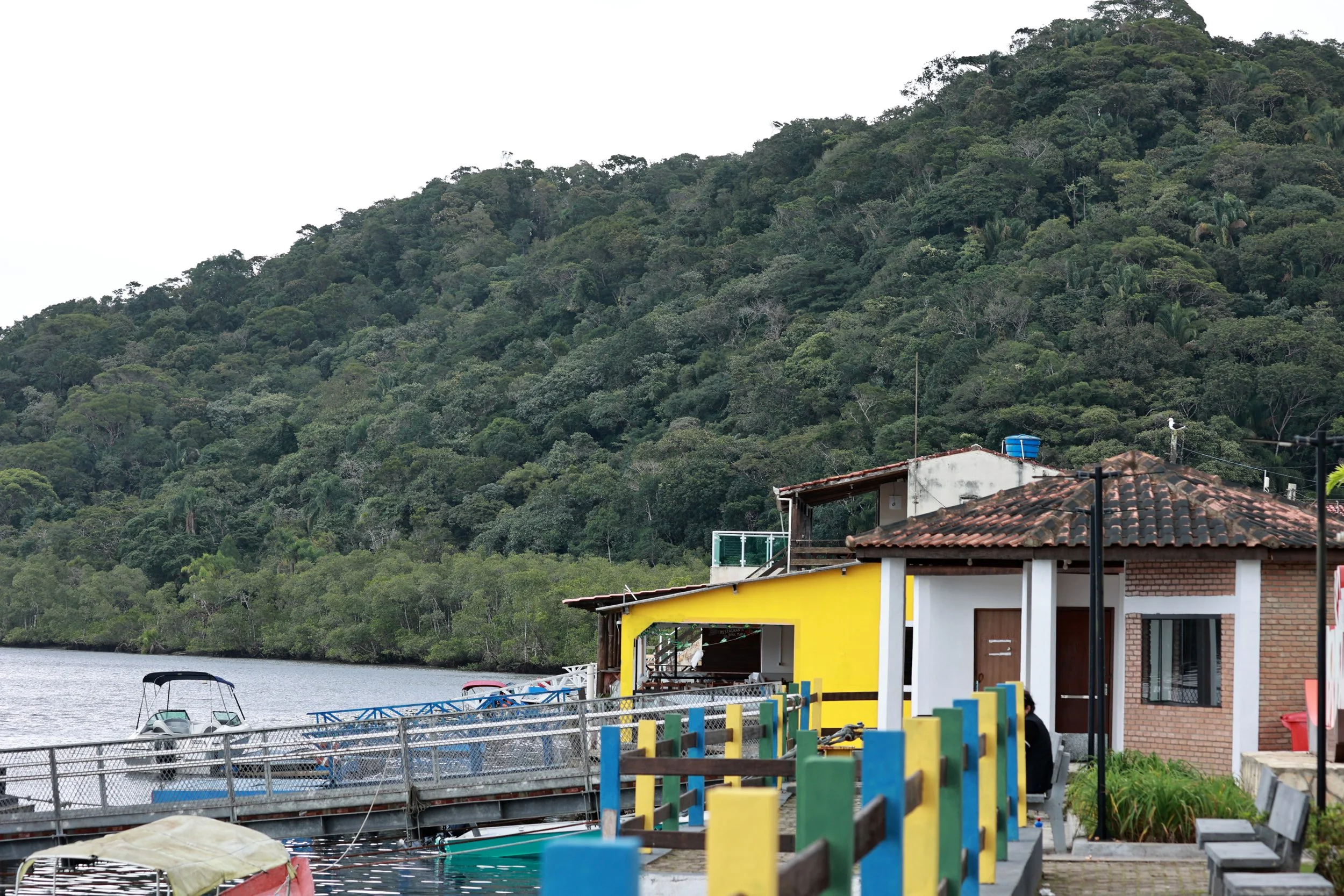
Porto Ariri
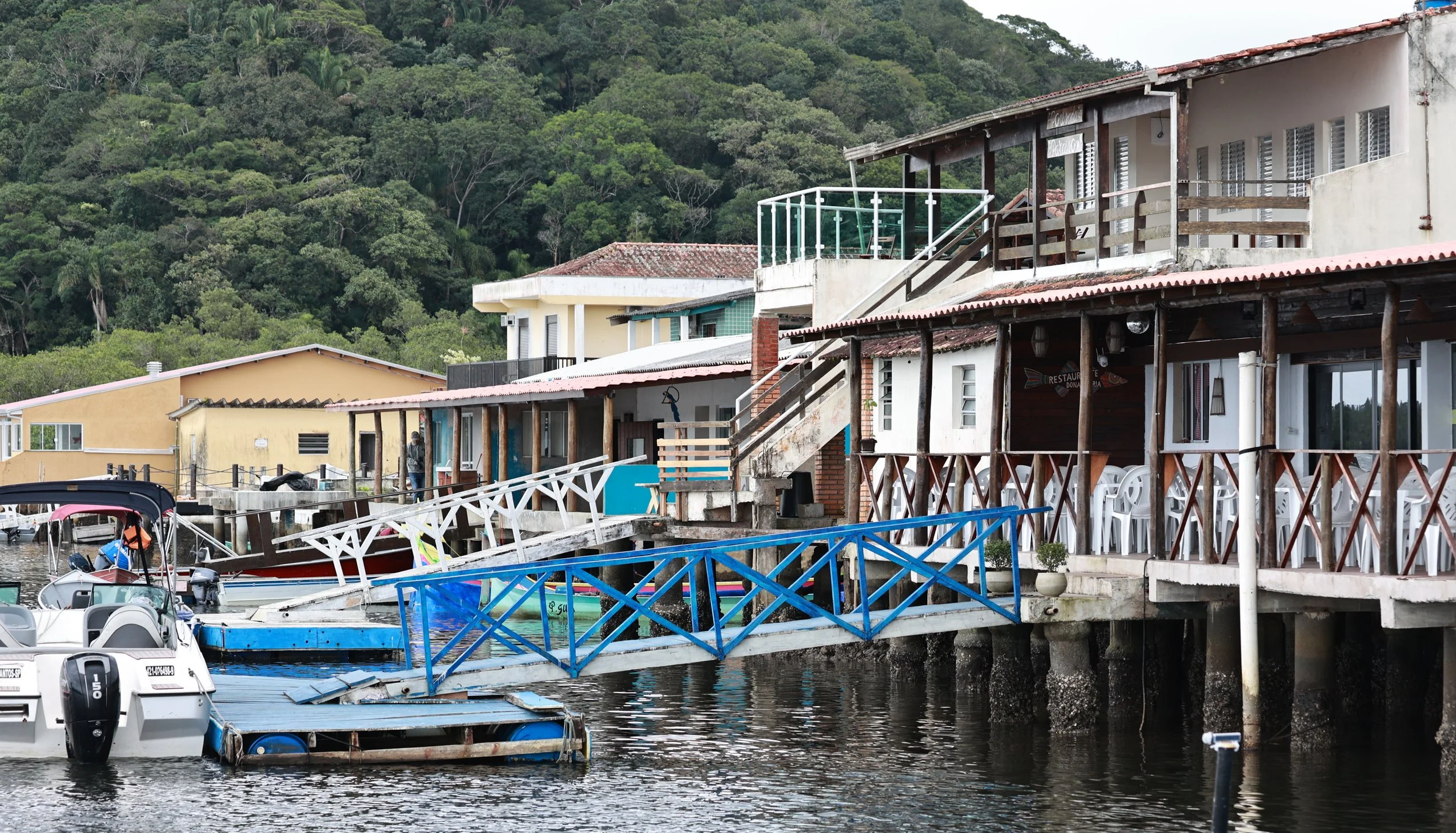
Porto Ariri
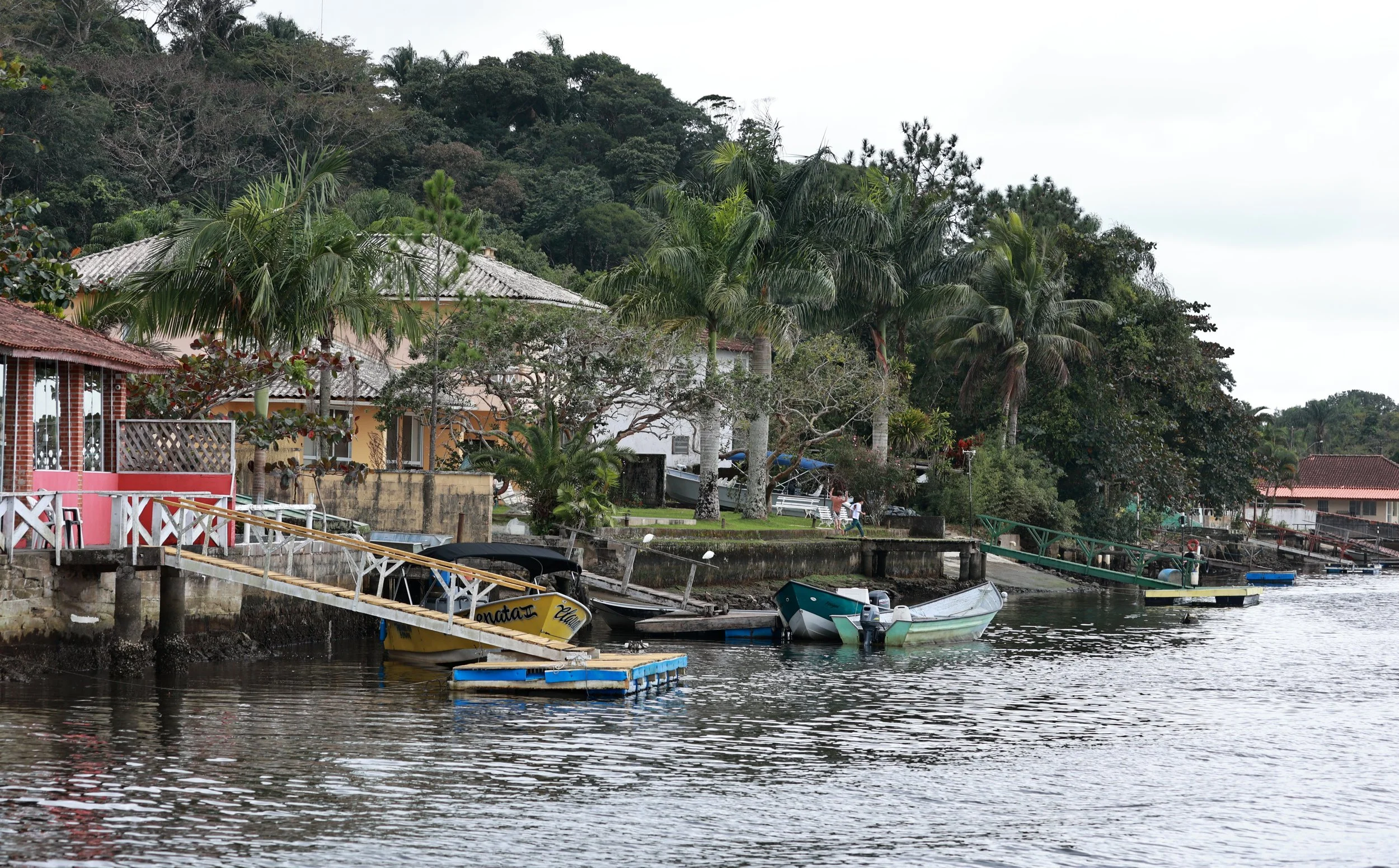
Porto Ariri
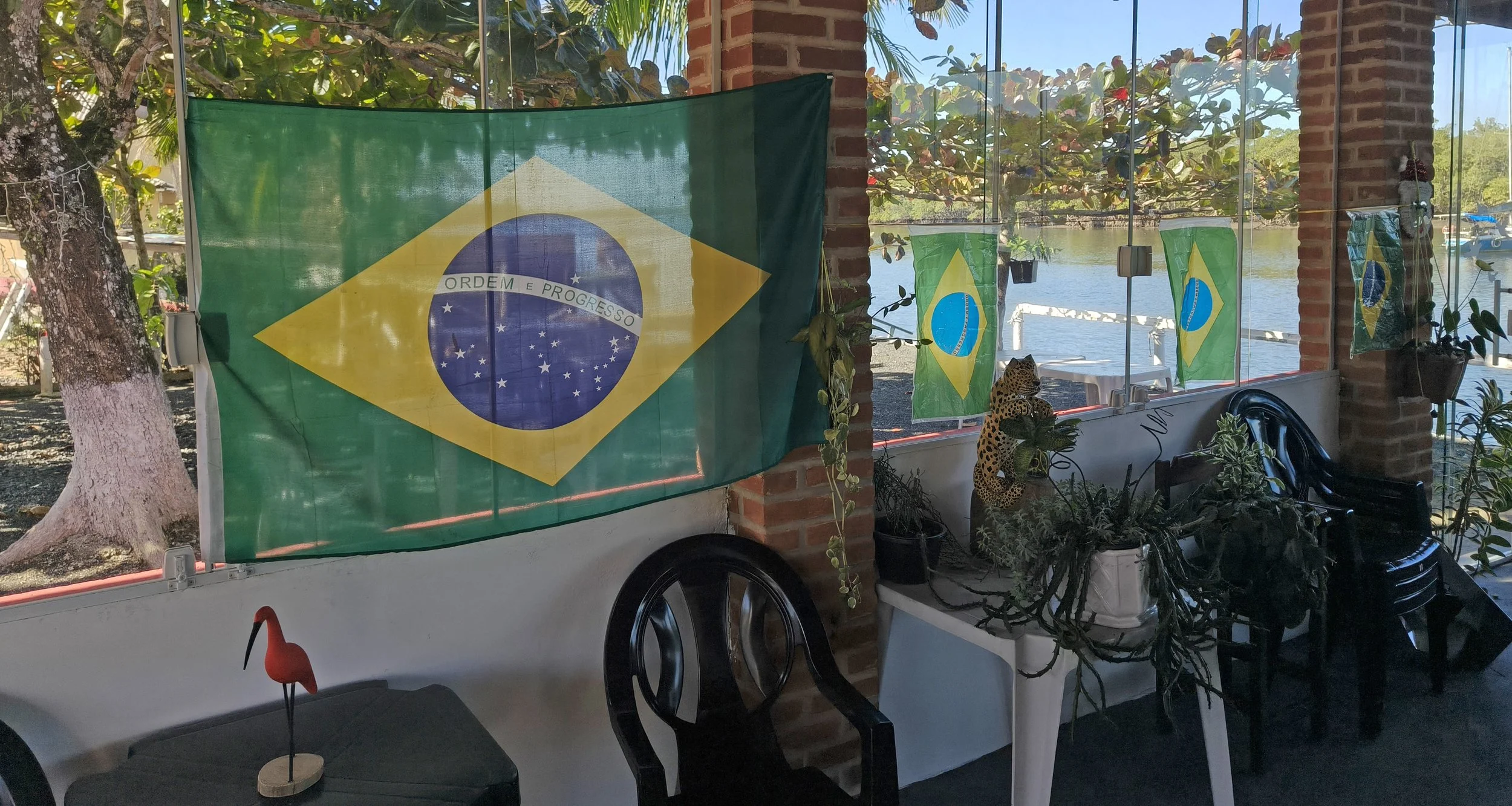
Porto Ariri

Pousada e Camping do Márcio Recanto Ararapira - Superagüi National Park
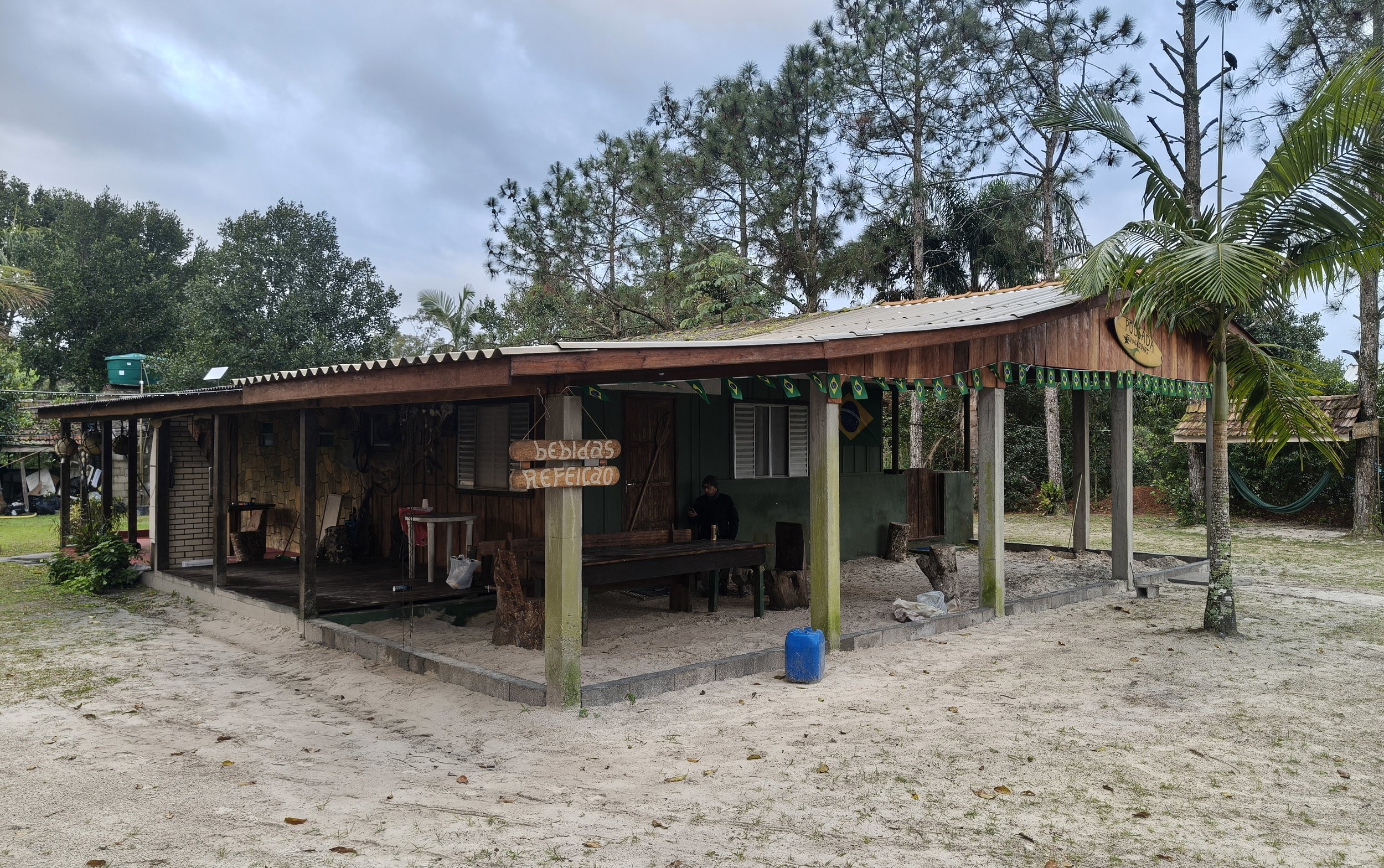
My room at Pousada e Camping do Márcio Recanto Ararapira - Superagüi National Park

Interesting graffiti


Pousada e Camping do Márcio Recanto Ararapira - Superagüi National Park

Comfort food!

Pousada e Camping do Márcio Recanto Ararapira - Superagüi National Park

Pousada e Camping do Márcio Recanto Ararapira - Superagüi National Park

Pousada e Camping do Márcio Recanto Ararapira - Superagüi National Park

Pousada e Camping do Márcio Recanto Ararapira - Superagüi National Park

Pousada e Camping do Márcio Recanto Ararapira - Superagüi National Park

Pousada e Camping do Márcio Recanto Ararapira - Superagüi National Park

Pousada e Camping do Márcio Recanto Ararapira - Superagüi National Park

Pousada e Camping do Márcio Recanto Ararapira - Superagüi National Park

Pousada e Camping do Márcio Recanto Ararapira - Superagüi National Park
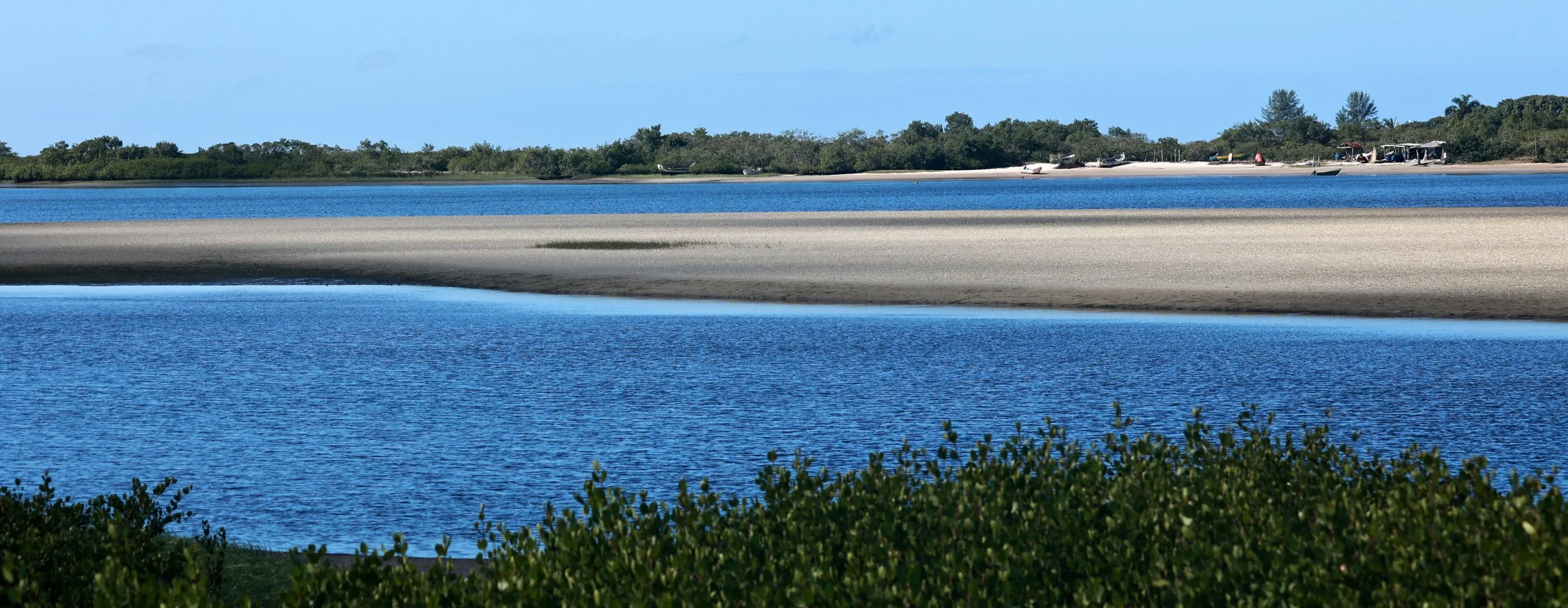
Superagüi National Park
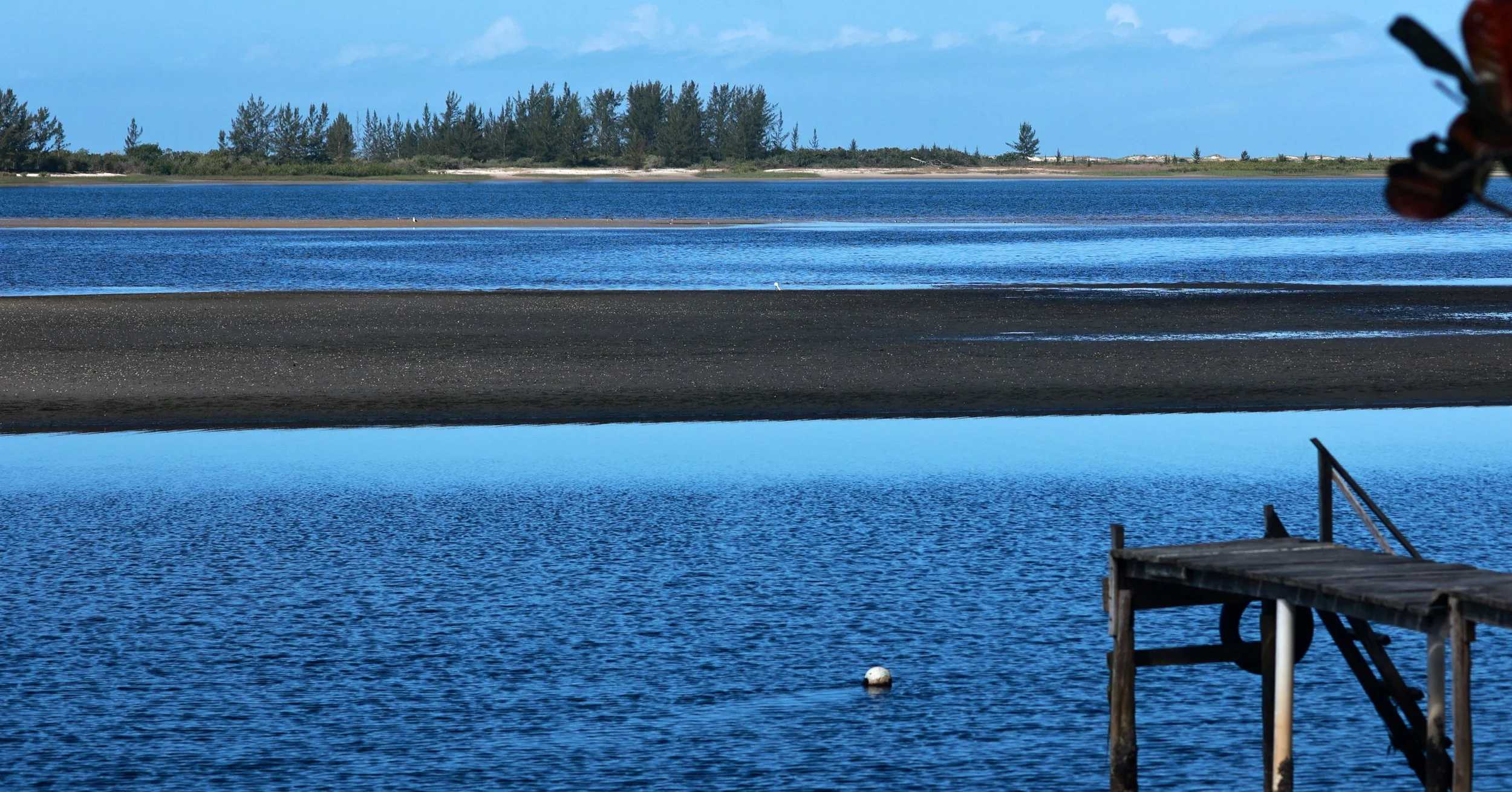
Superagüi National Park
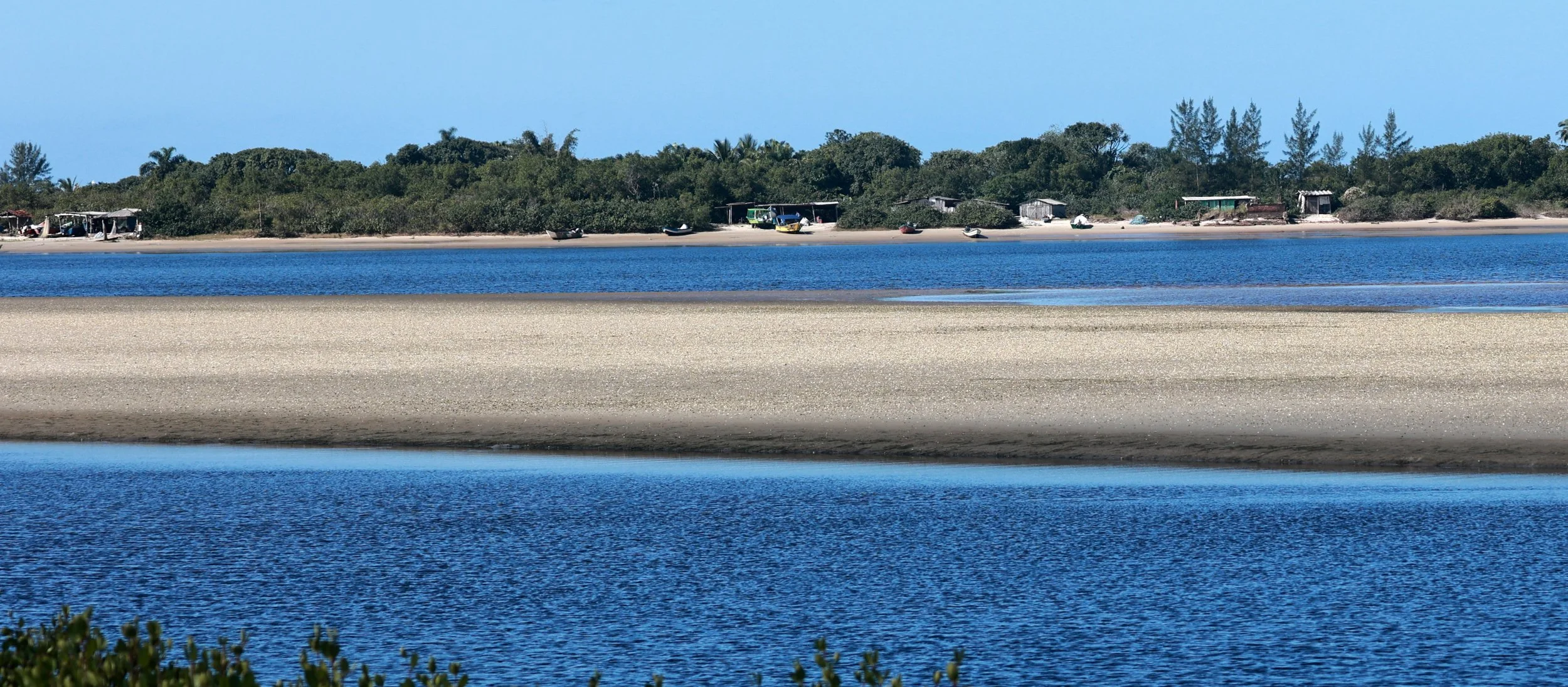
Superagüi National Park
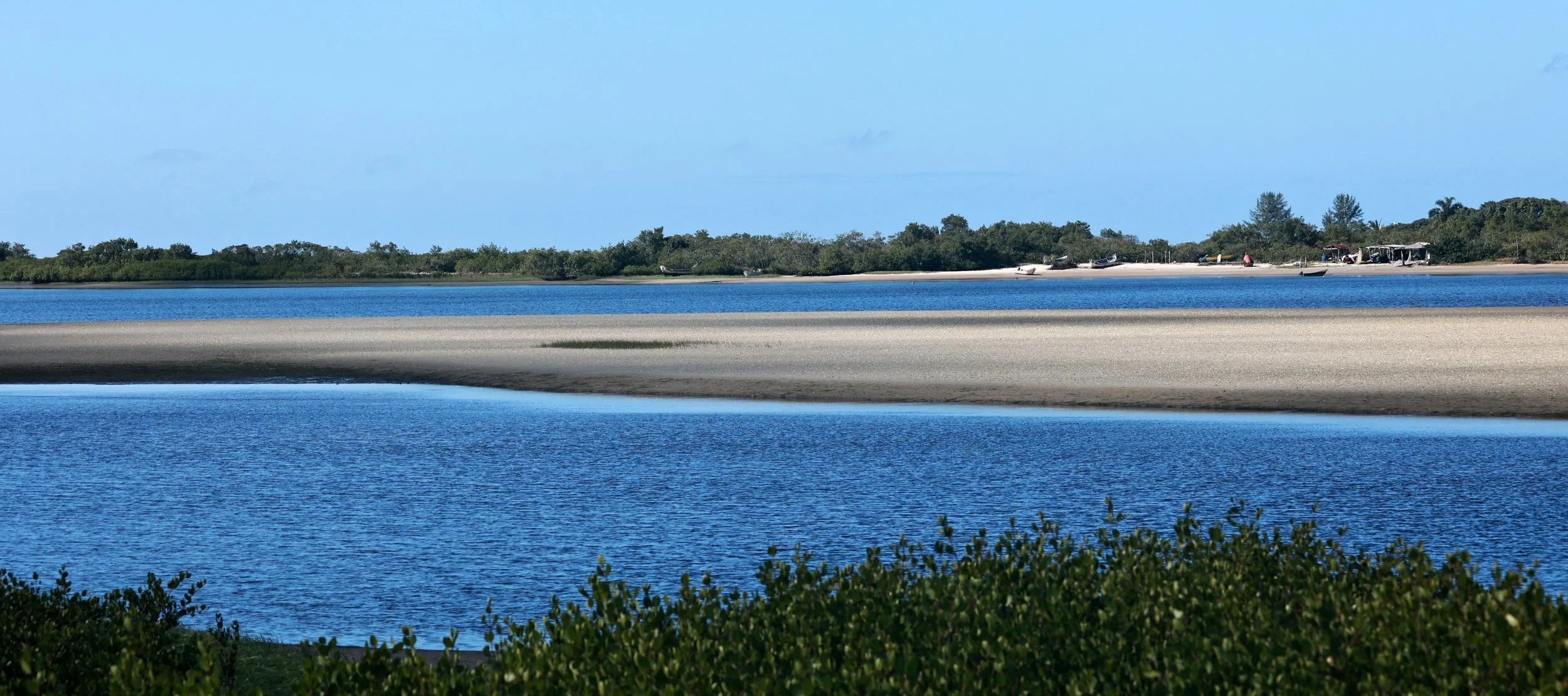
Superagüi National Park
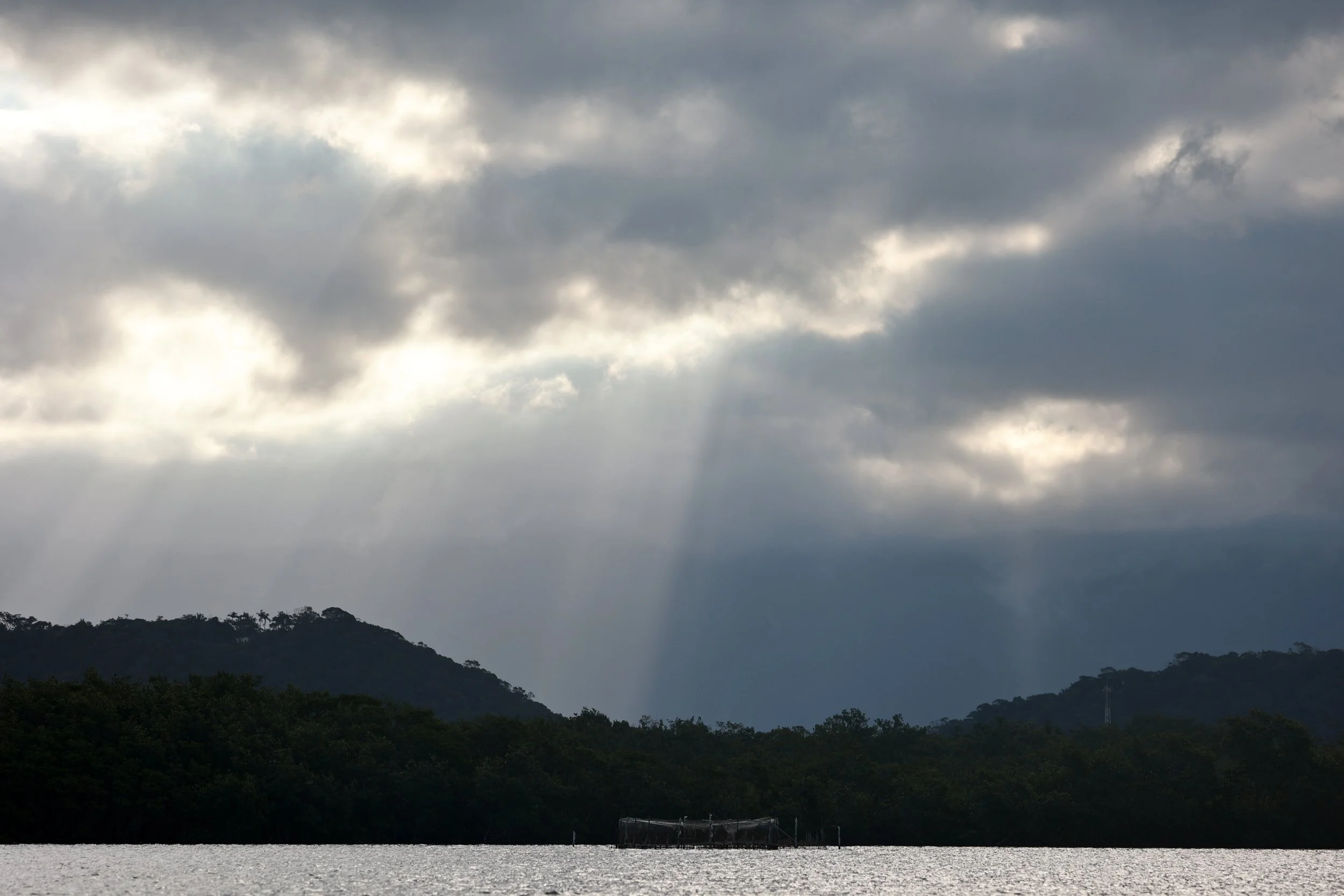
Superagüi National Park
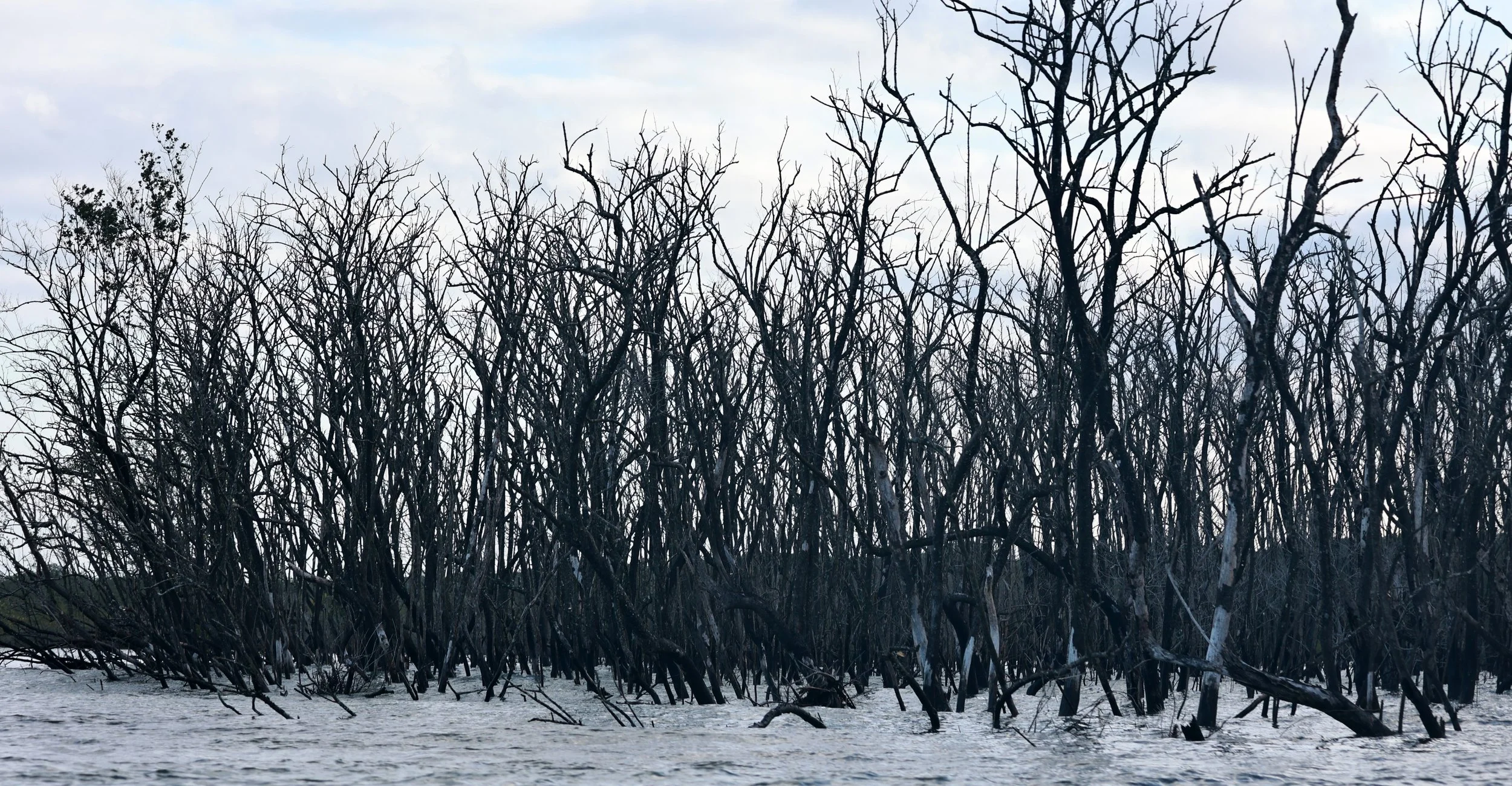
Superagüi National Park
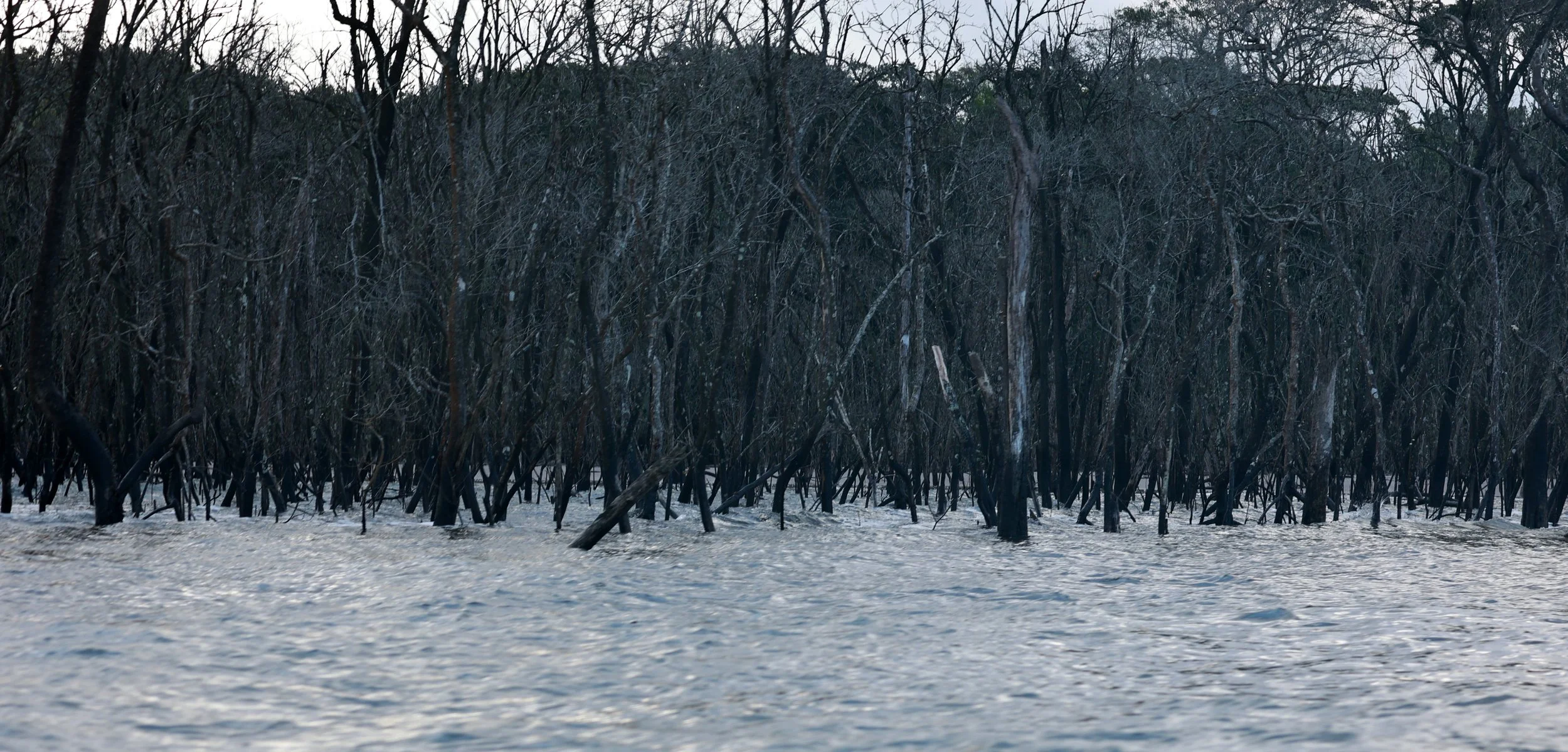
Superagüi National Park
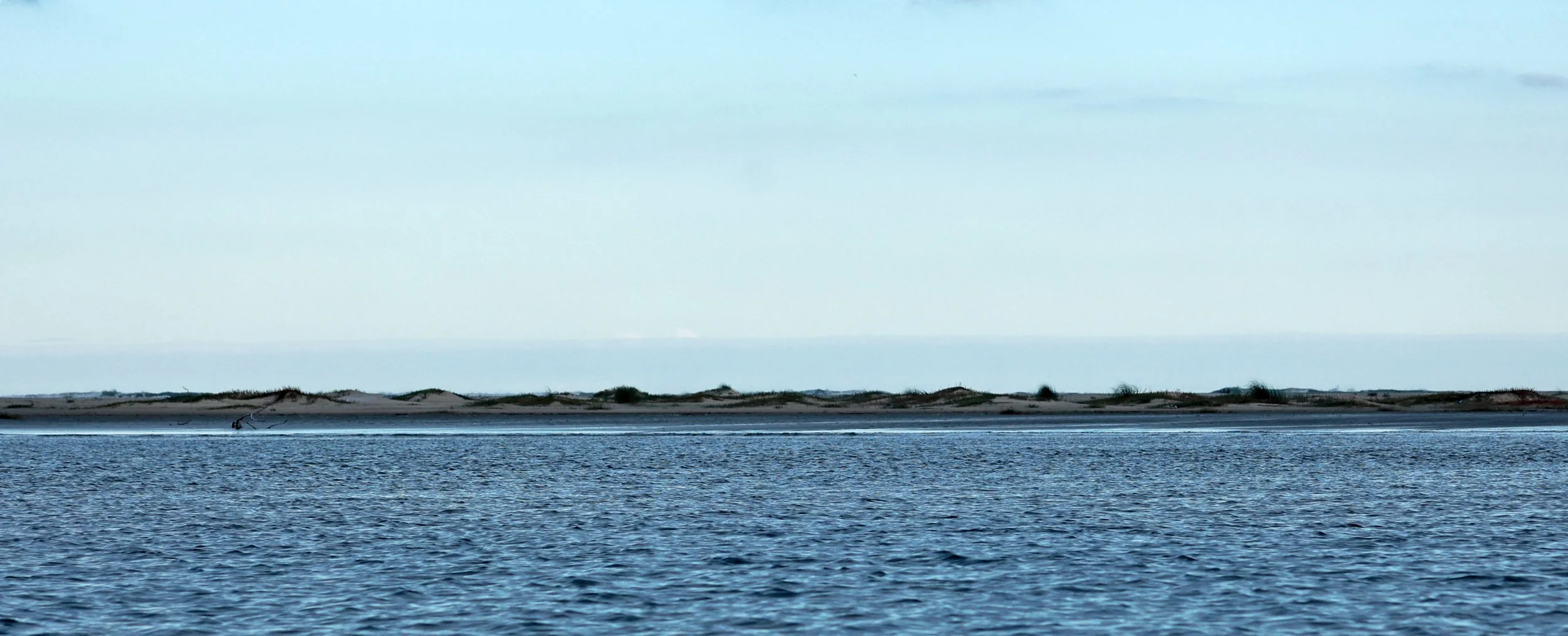
Superagüi National Park
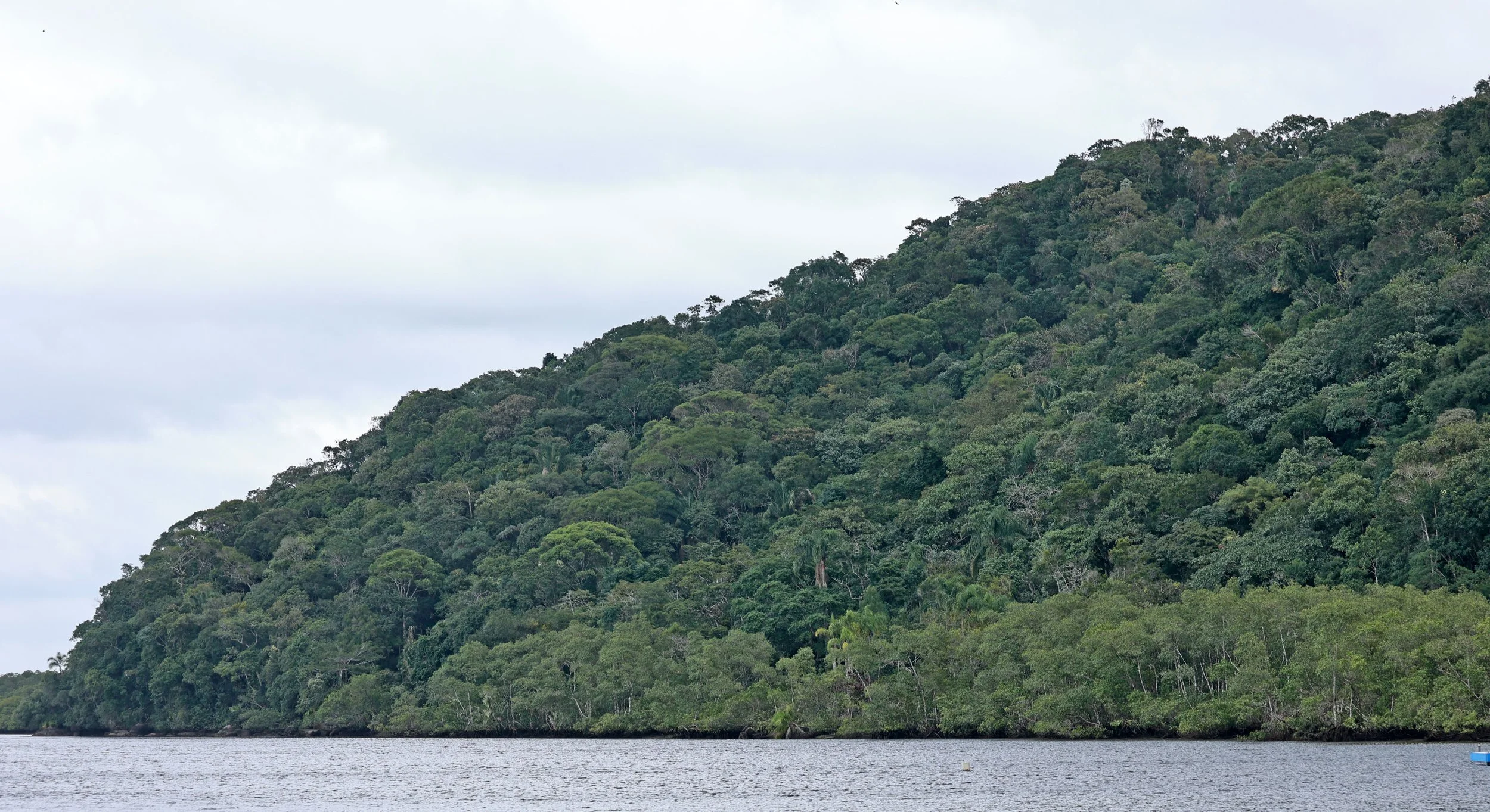
Superagüi National Park
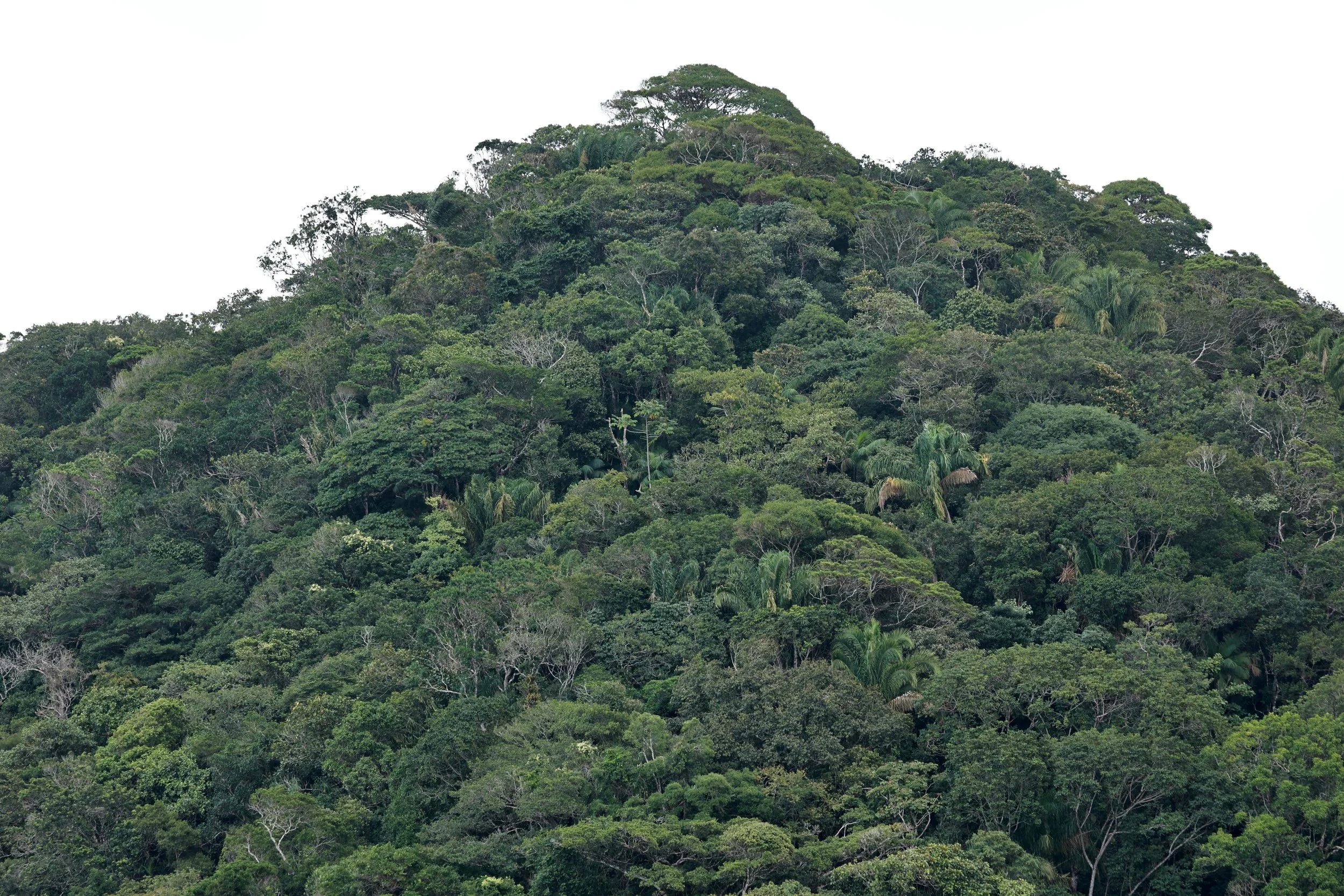
Superagüi National Park
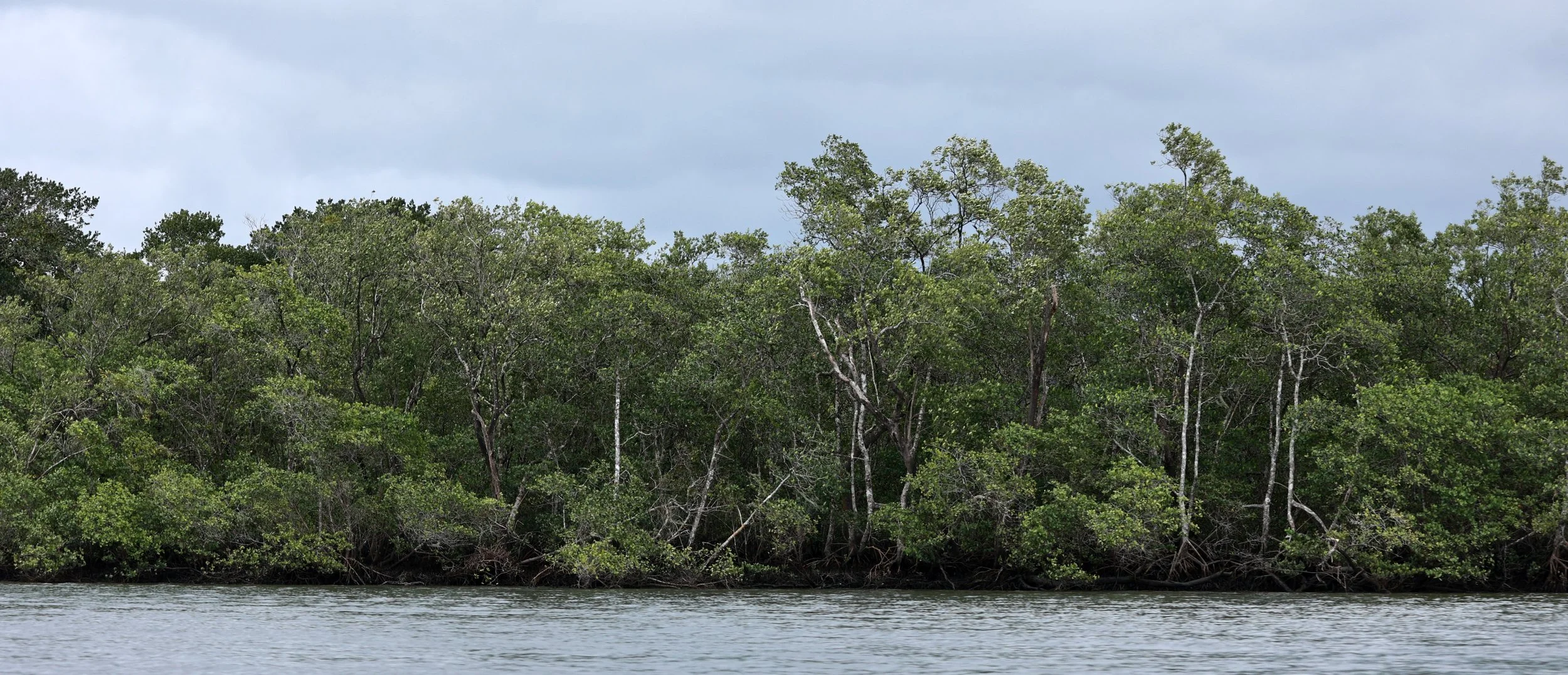
Superagüi National Park
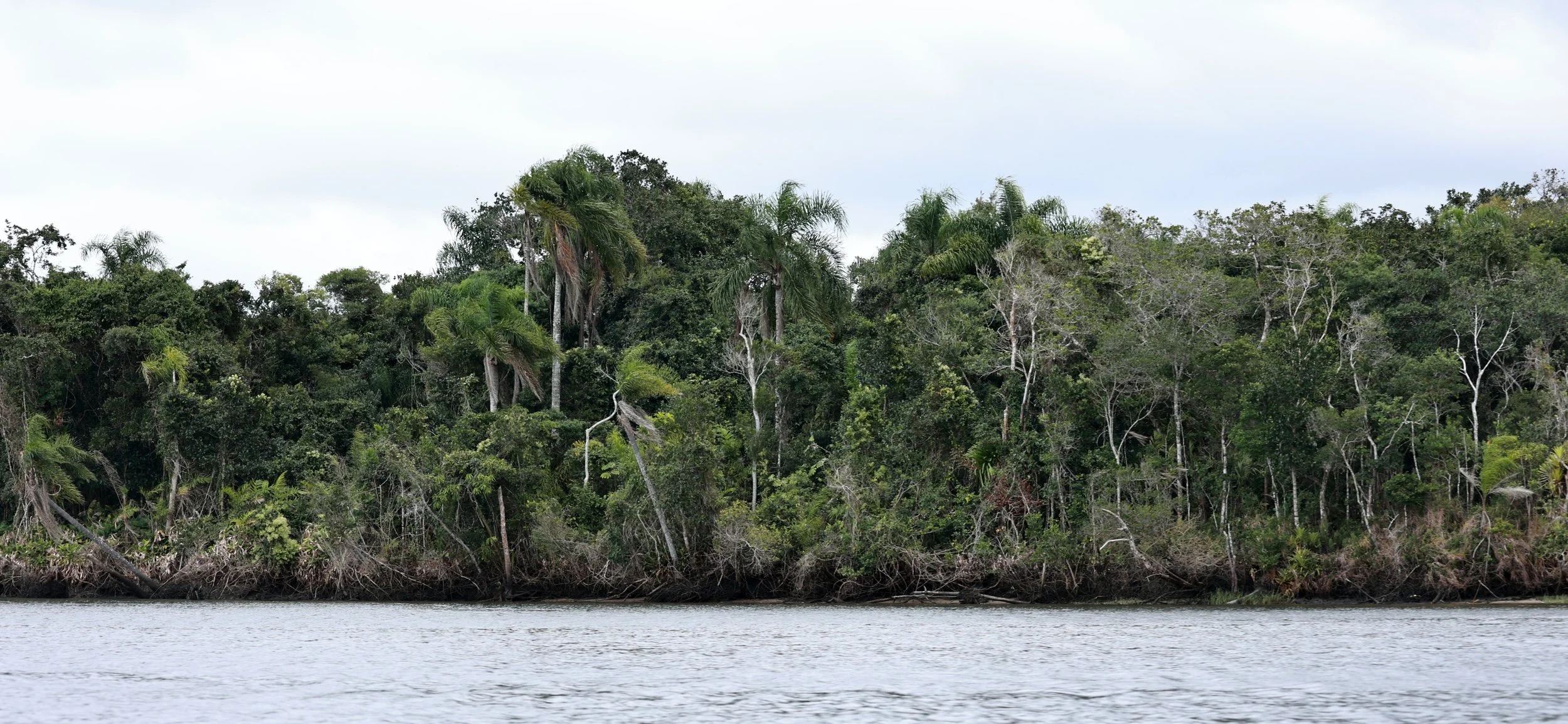
Superagüi National Park
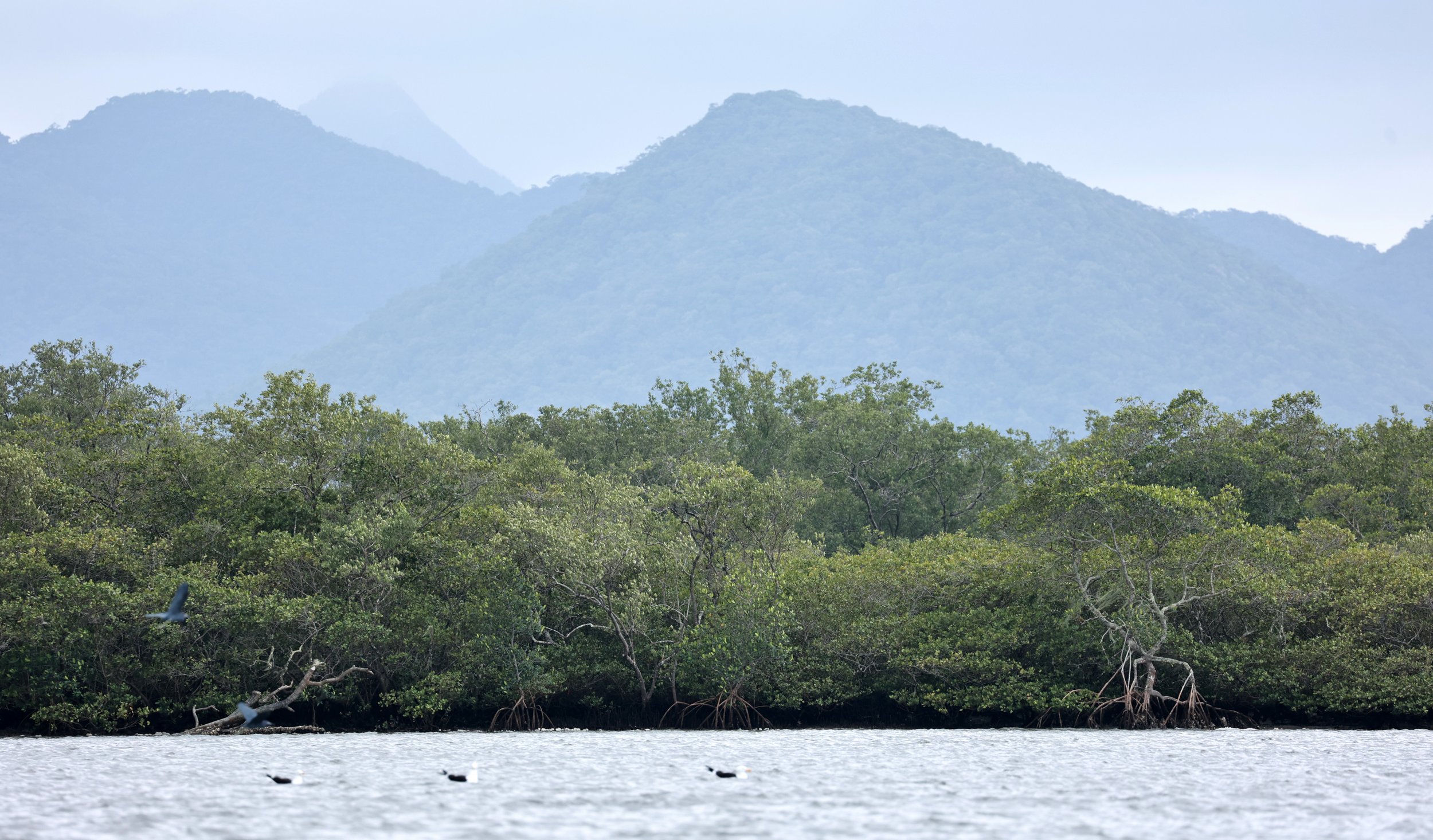
Superagüi National Park
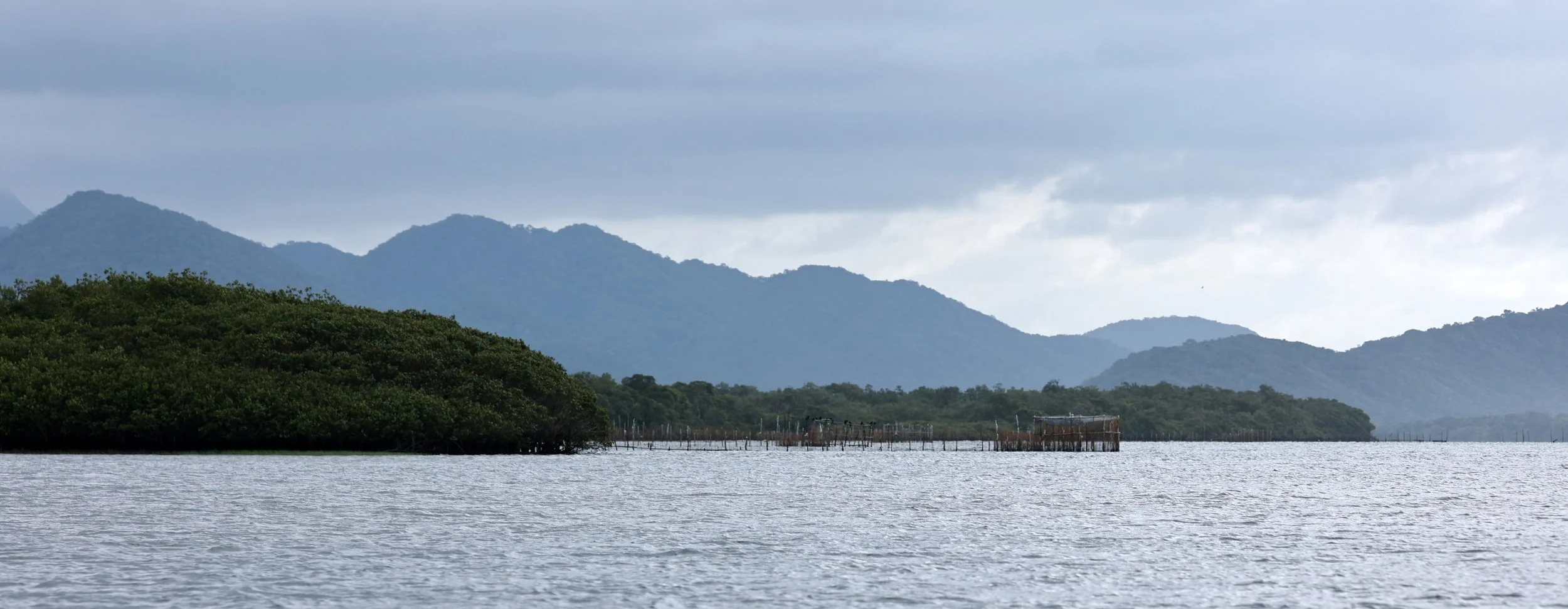
Superagüi National Park
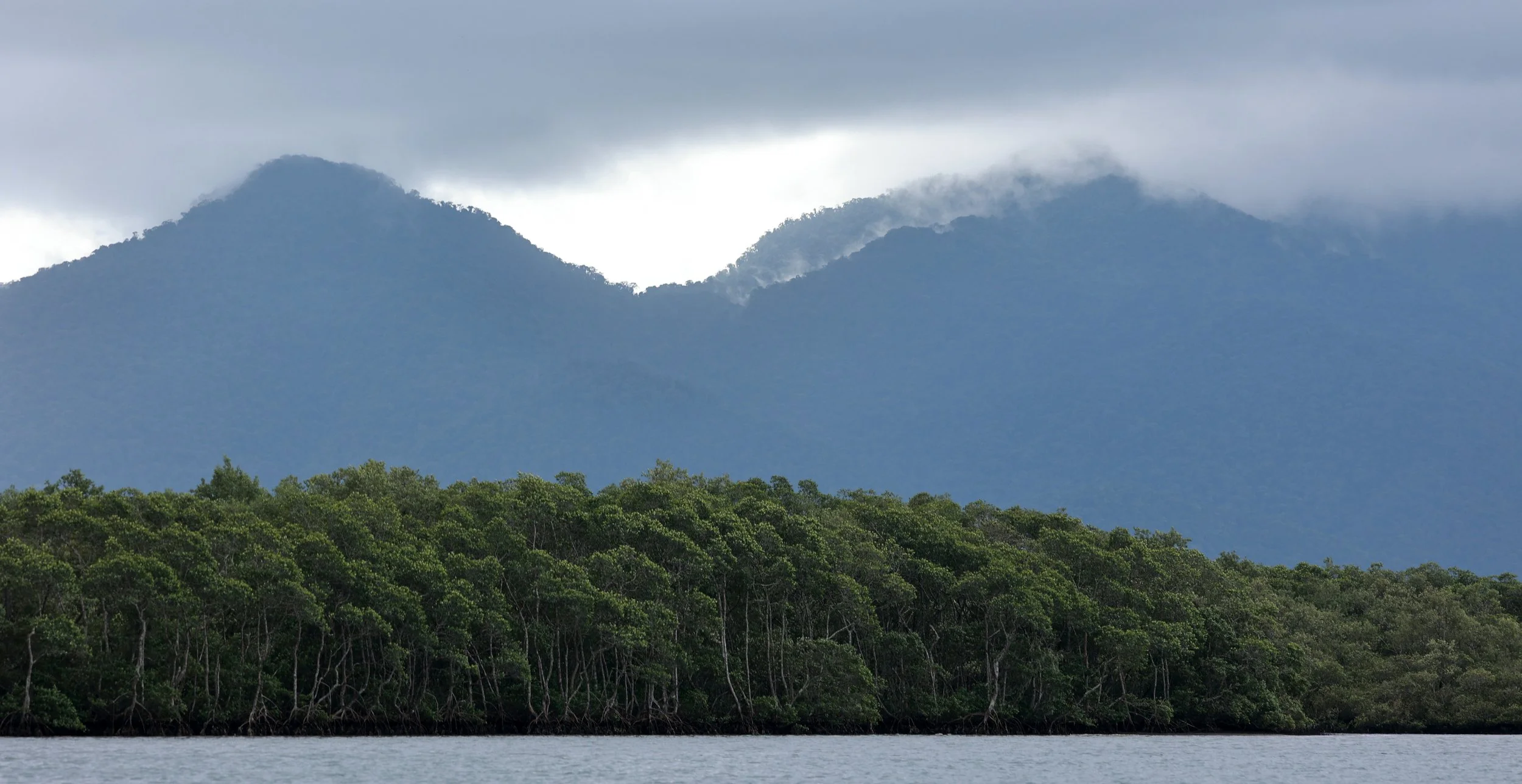
Superagüi National Park
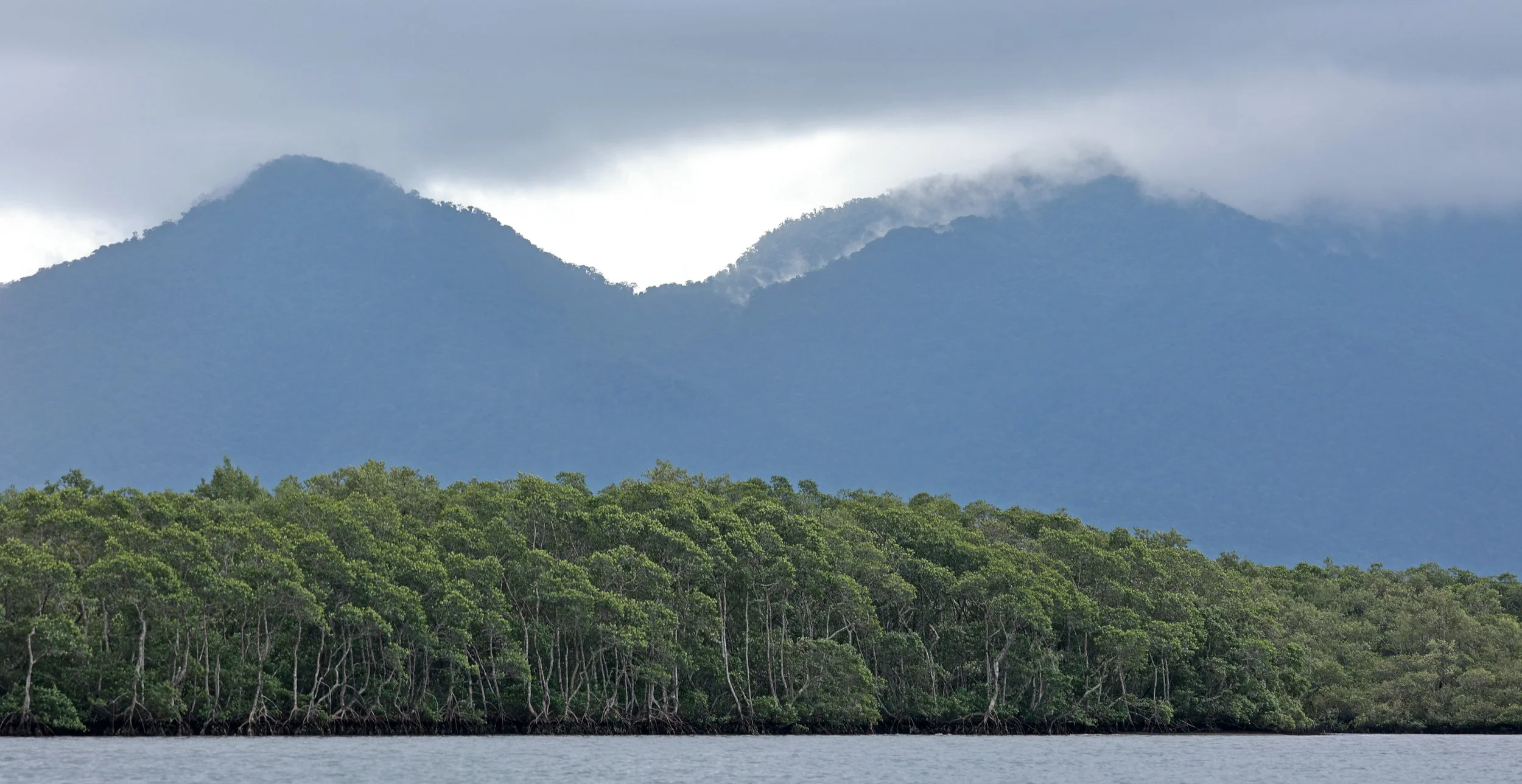
Superagüi National Park
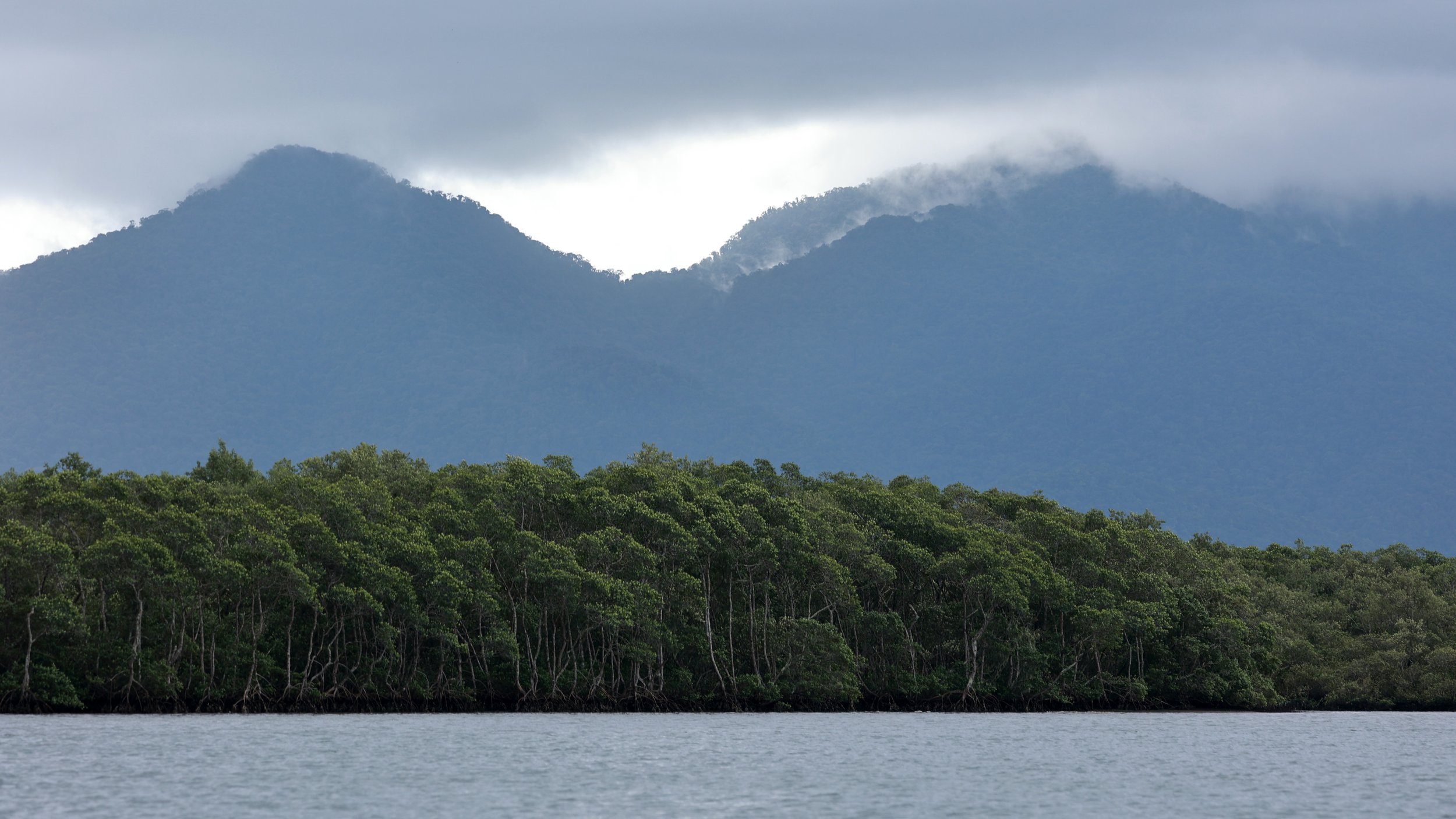
Superagüi National Park
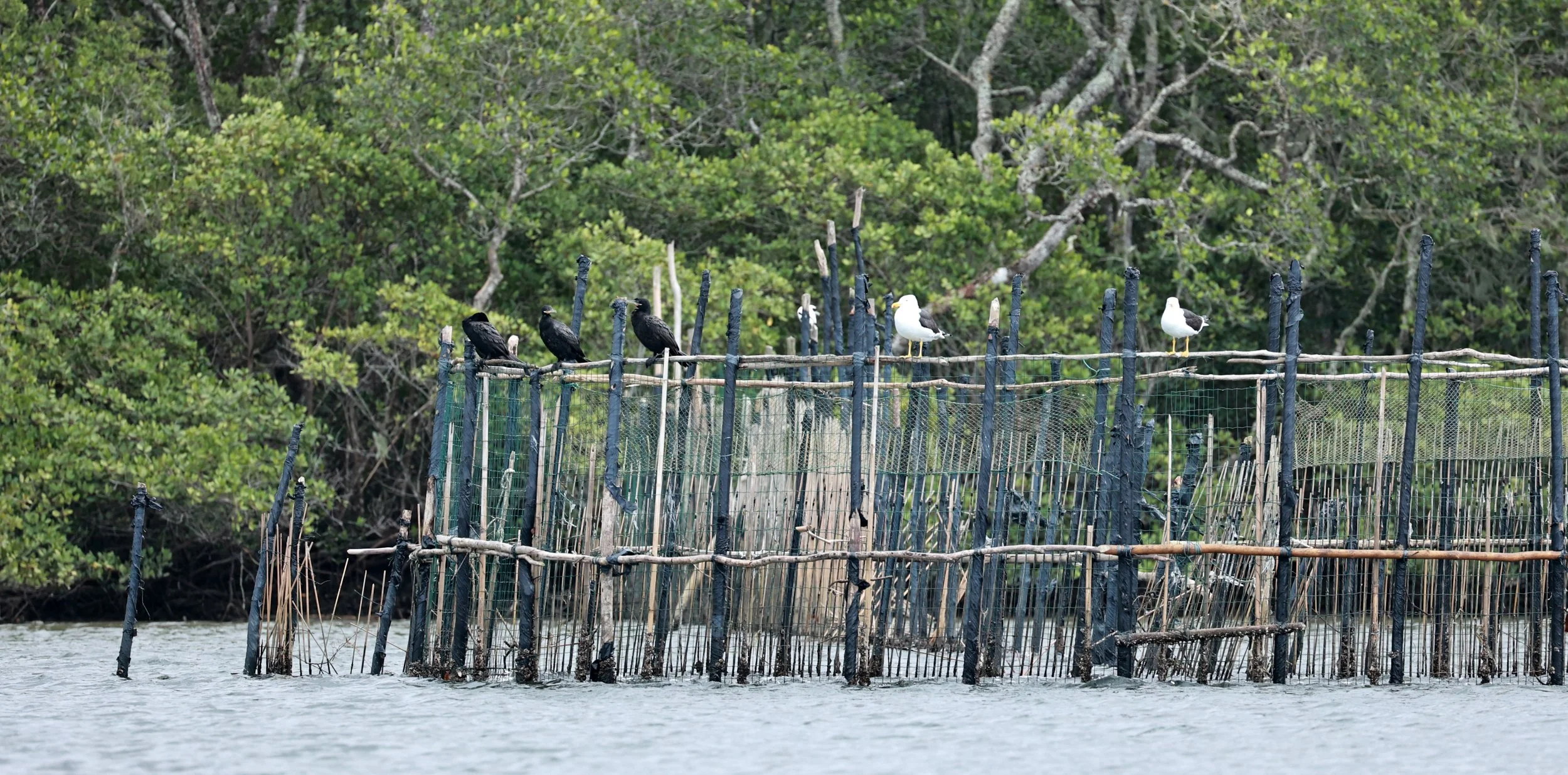
Superagüi National Park
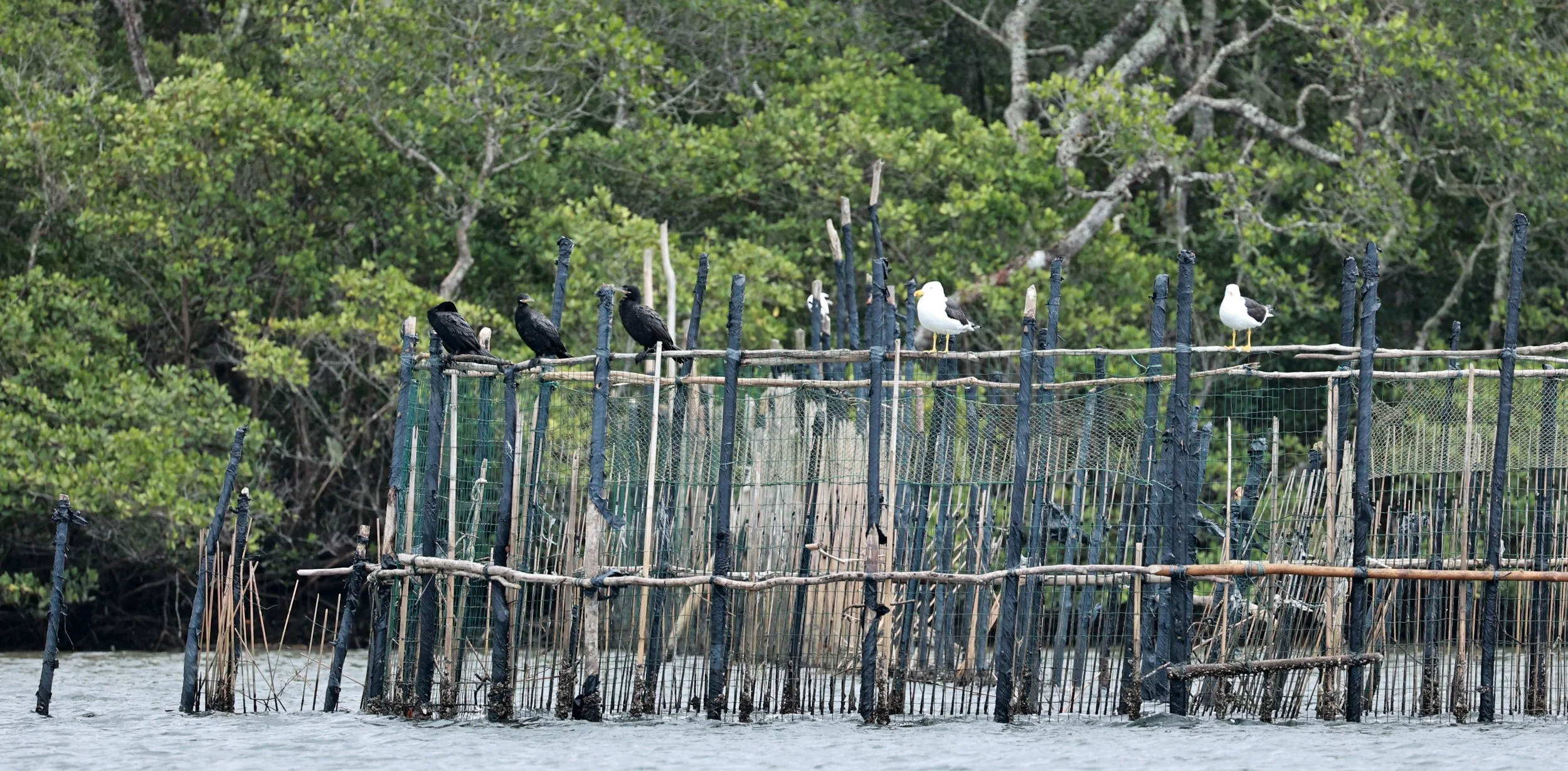
Superagüi National Park
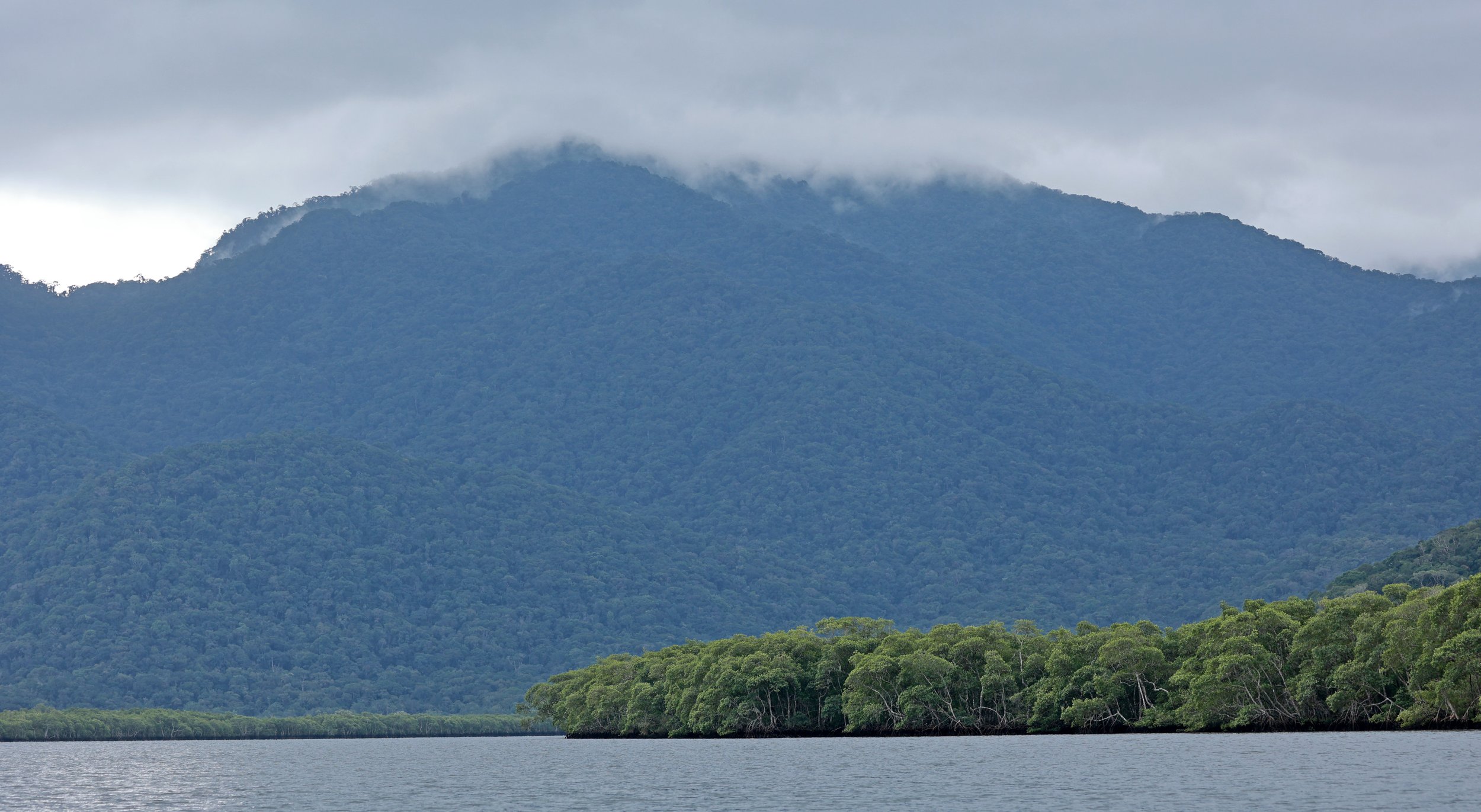
Superagüi National Park
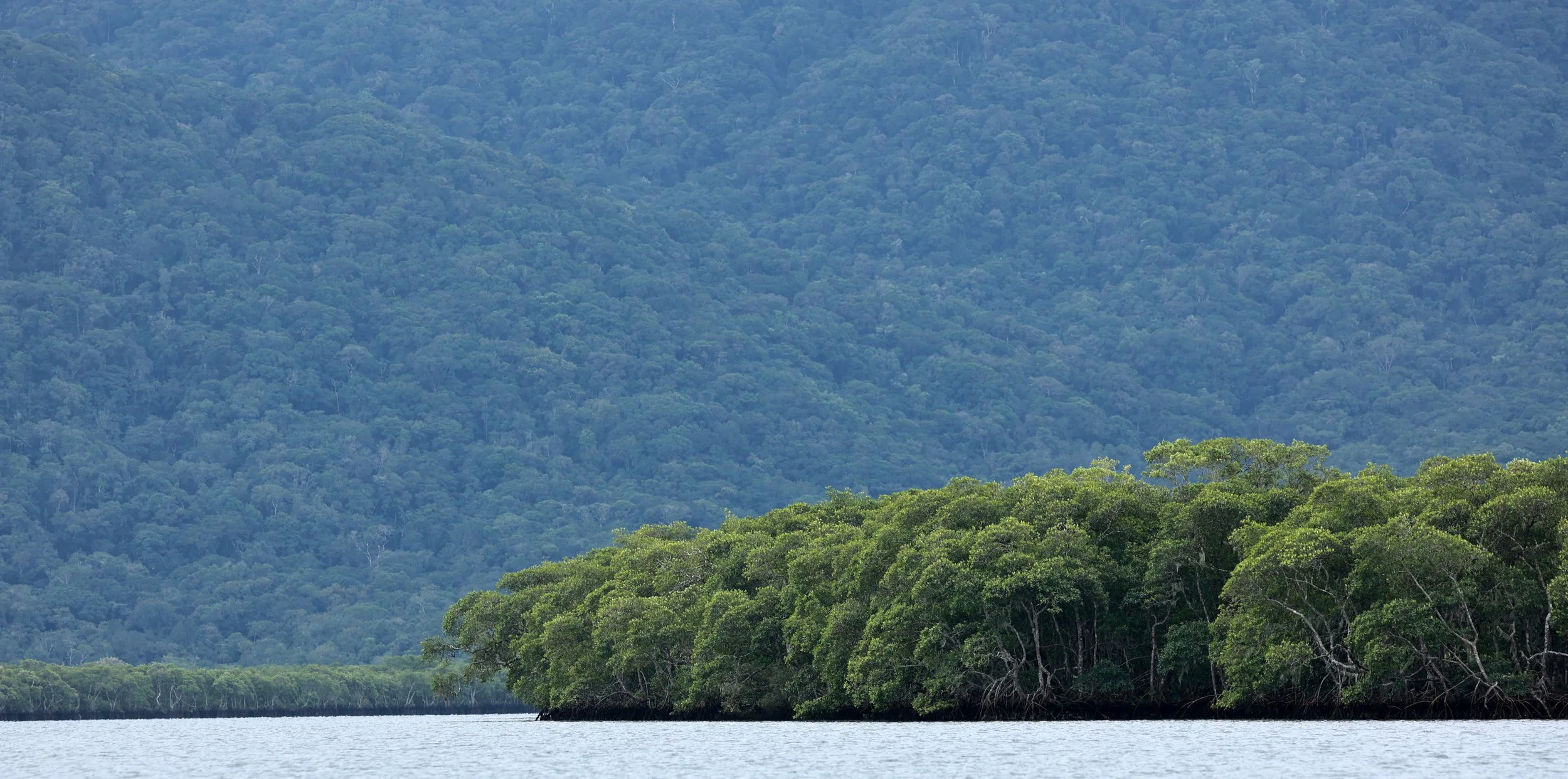
Superagüi National Park
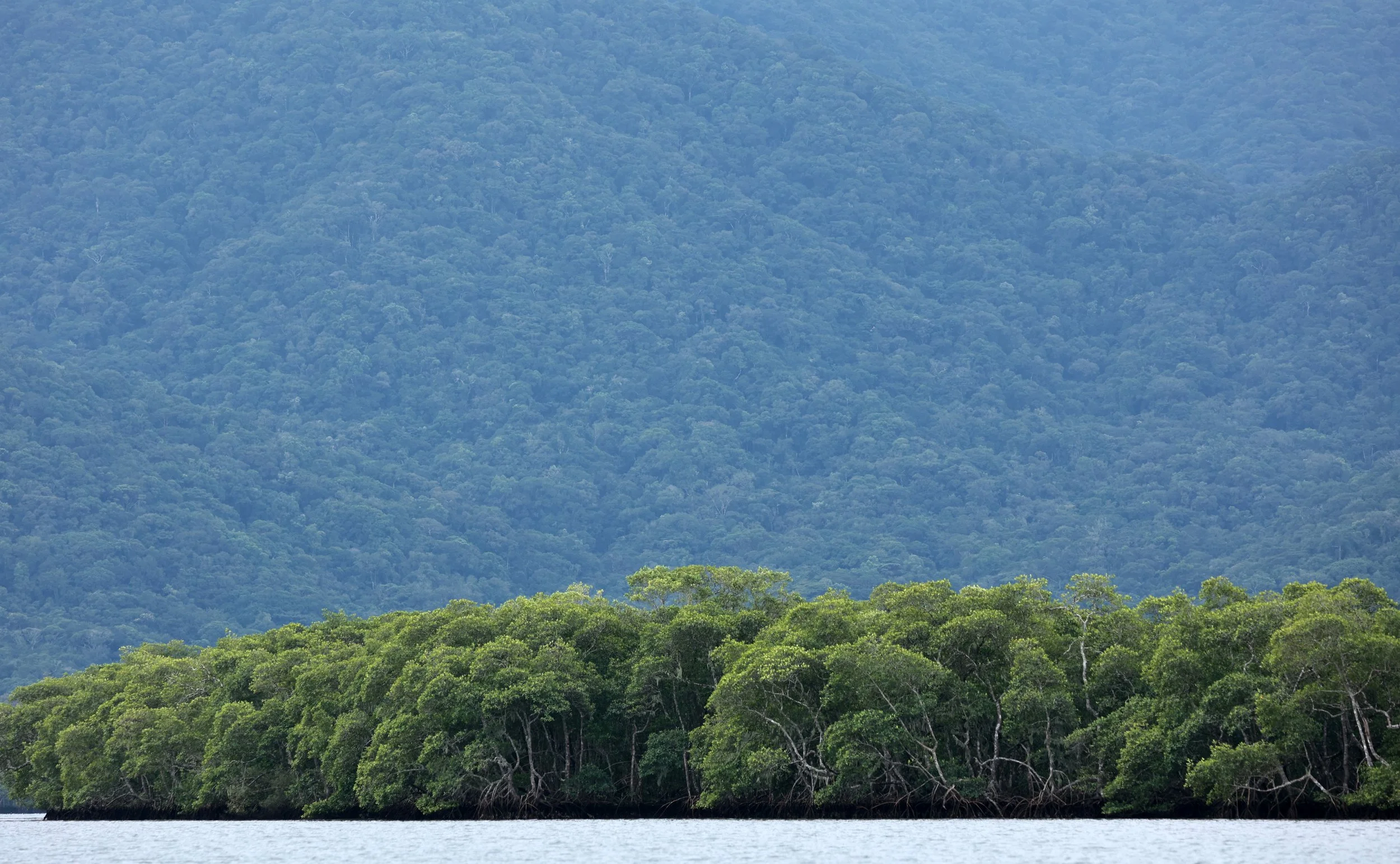
Superagüi National Park
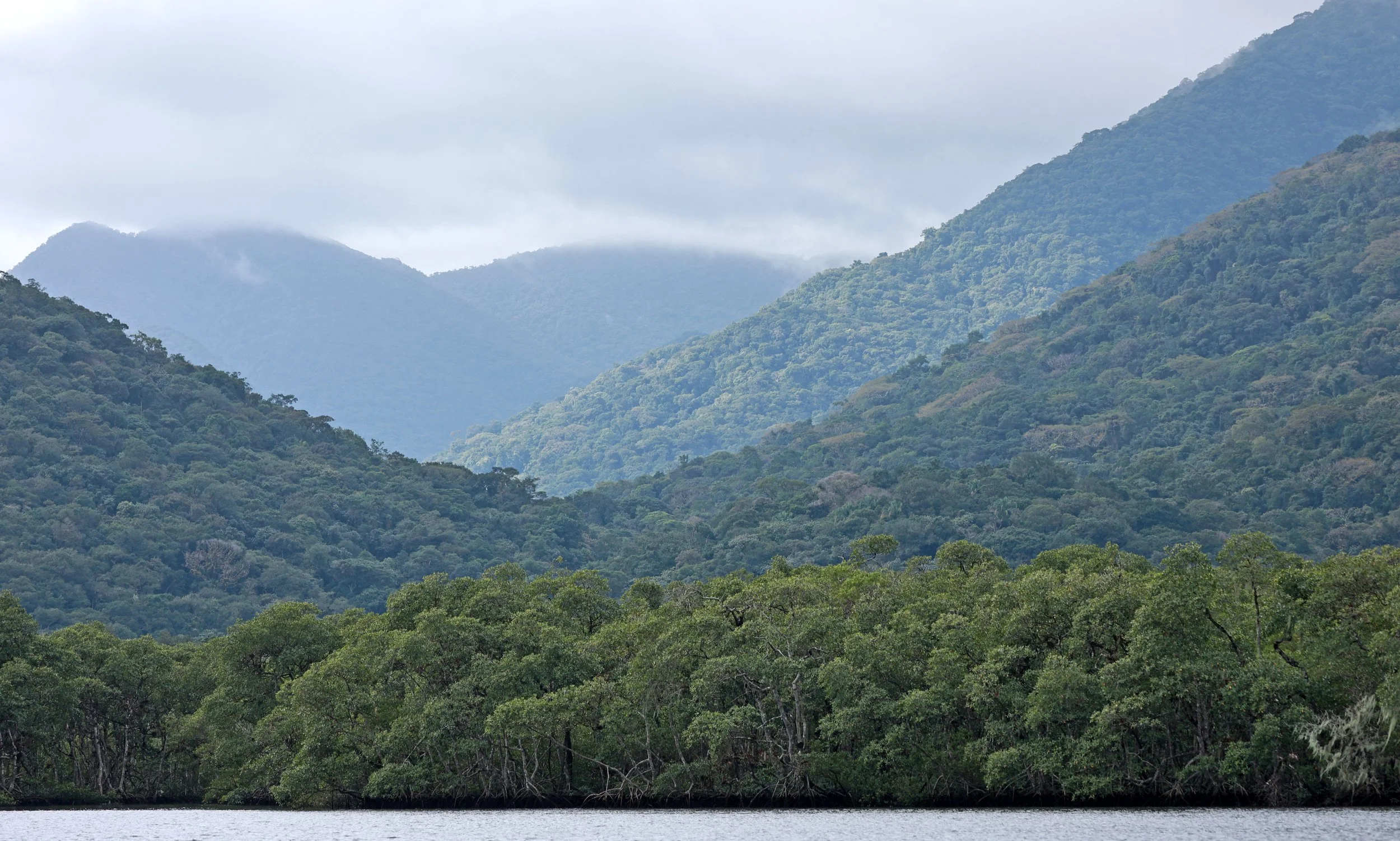
Superagüi National Park
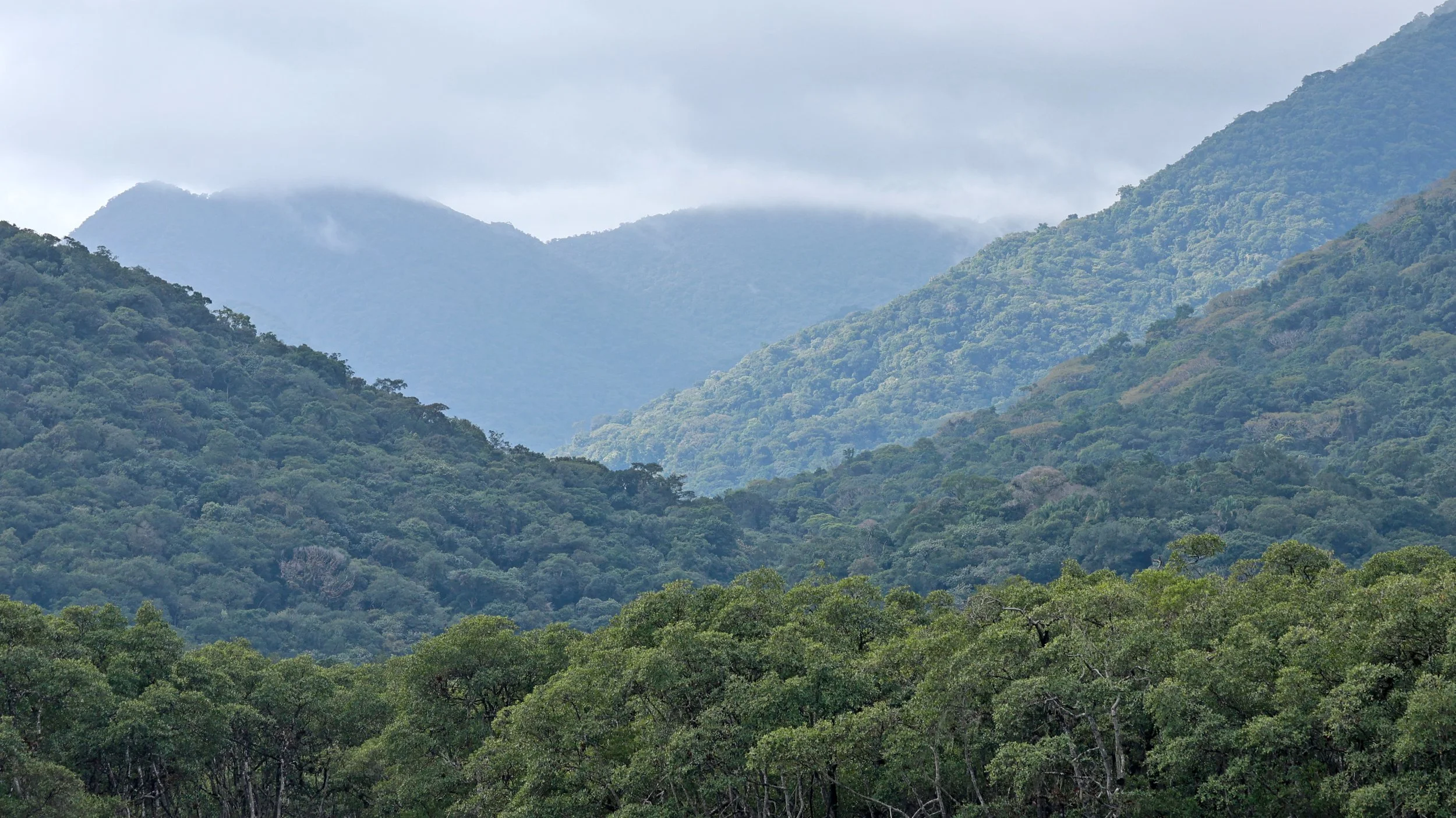
Superagüi National Park
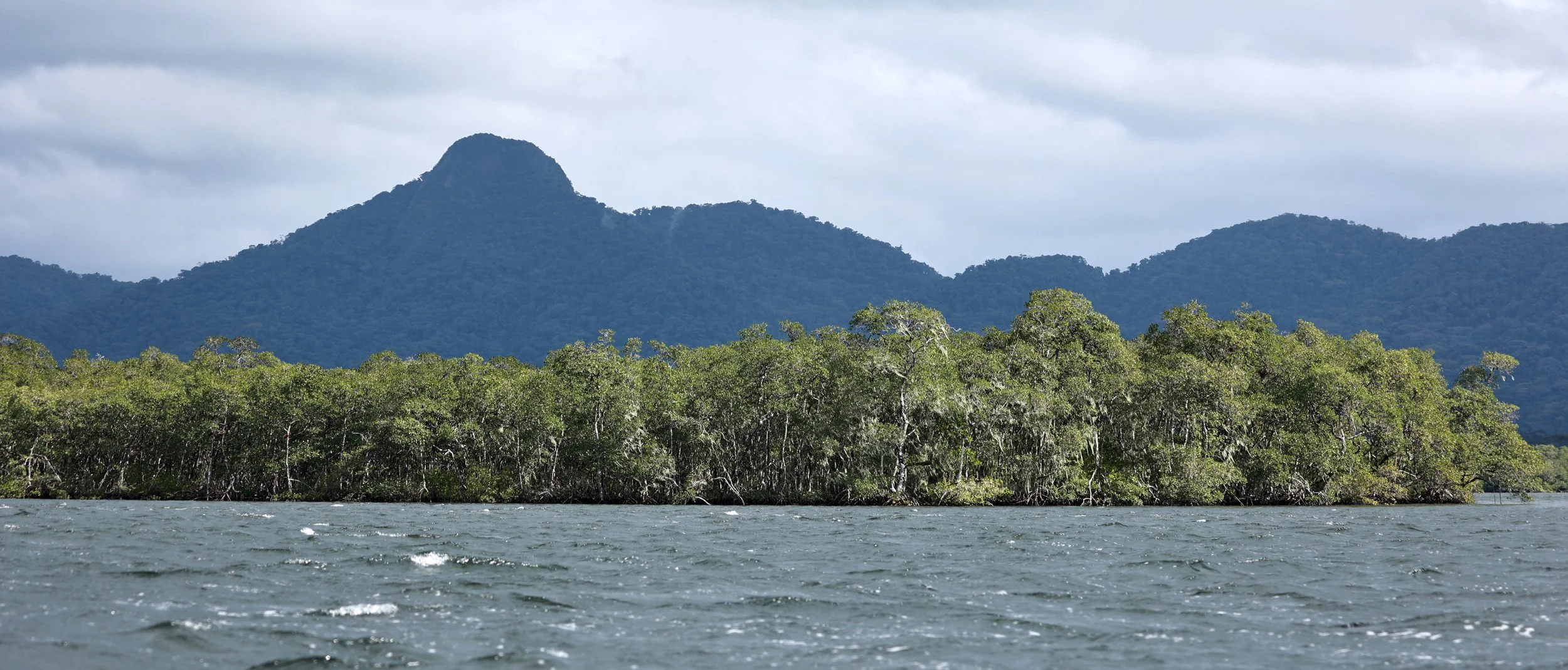
Superagüi National Park
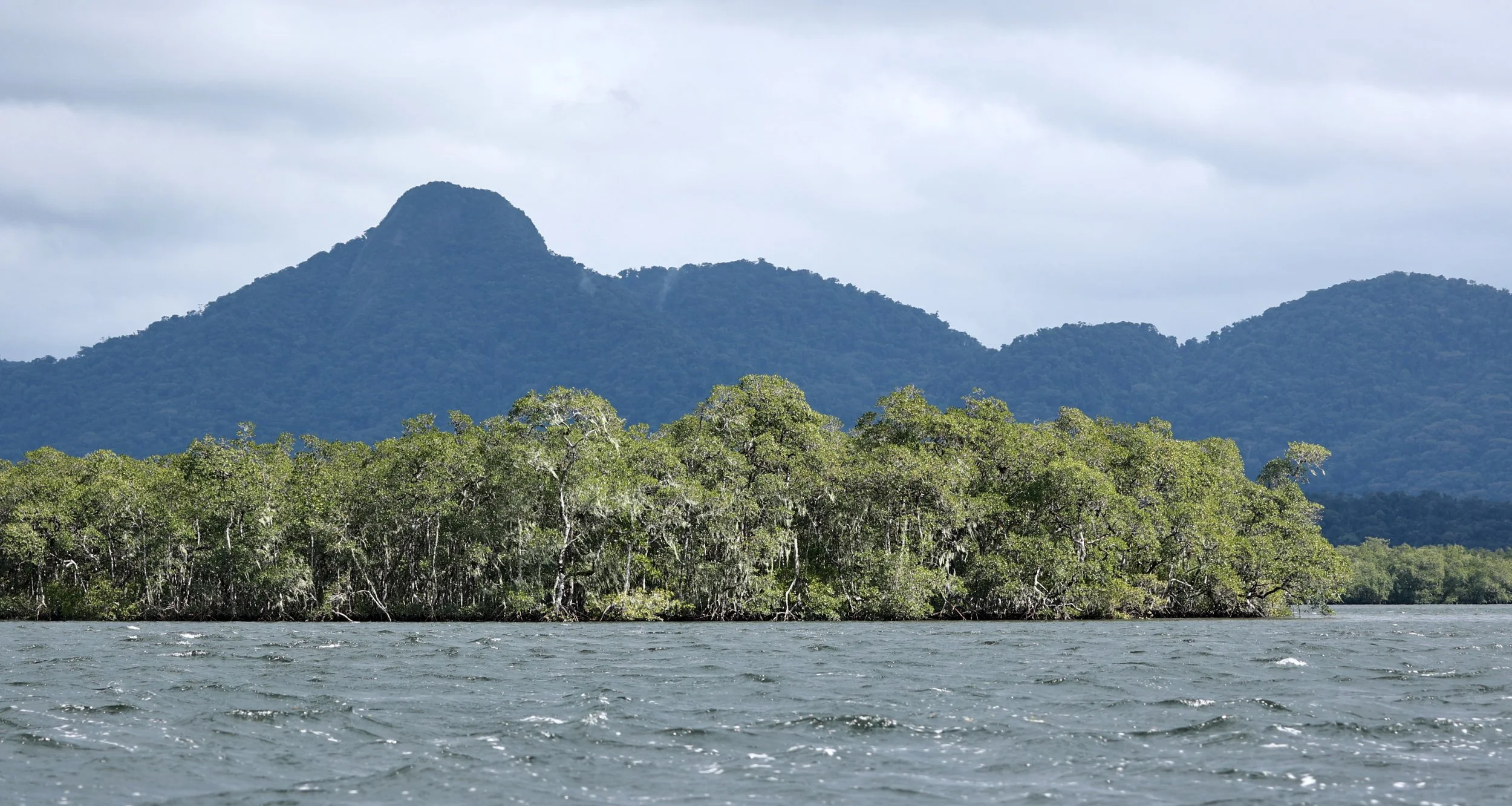
Superagüi National Park
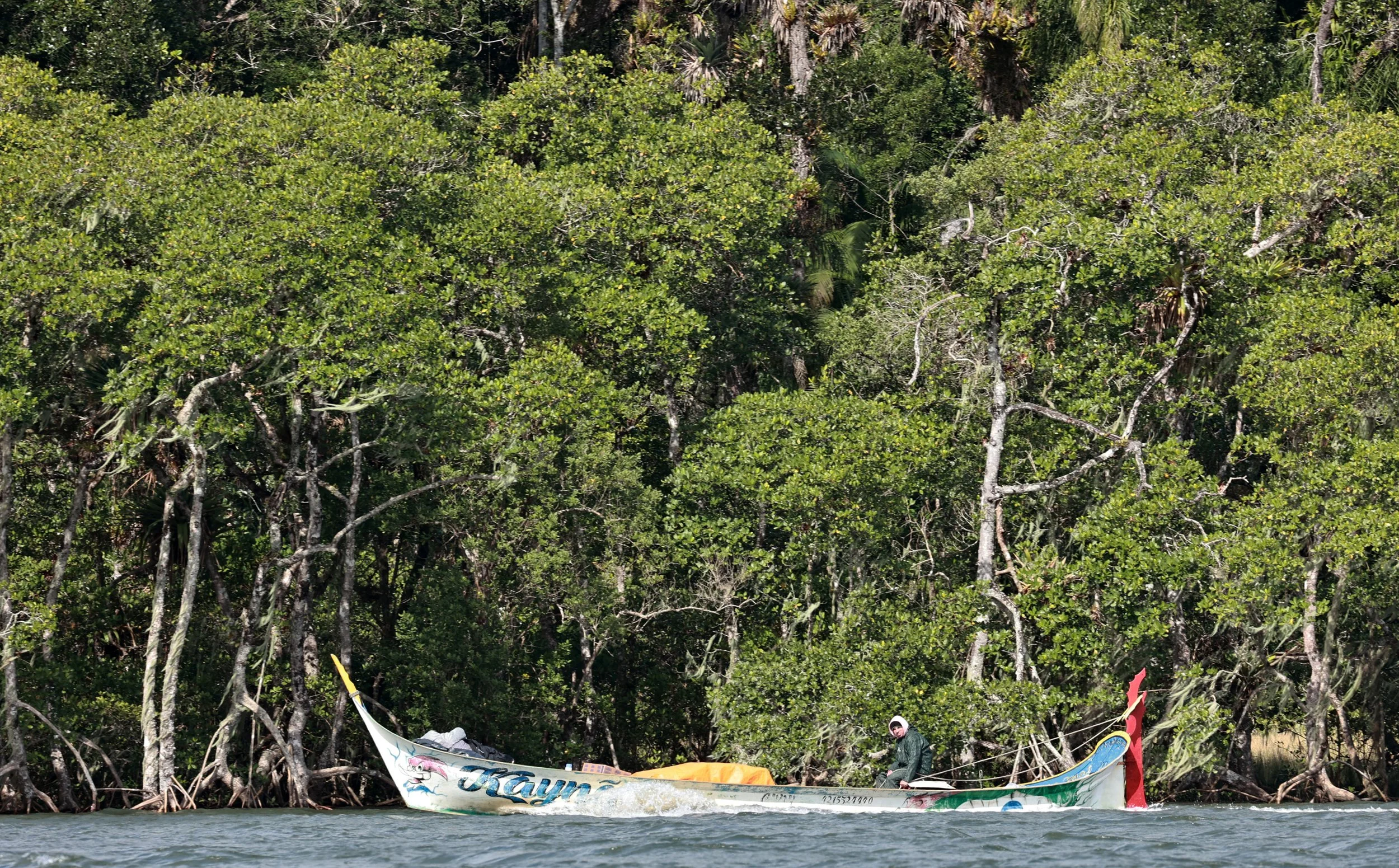
Superagüi National Park
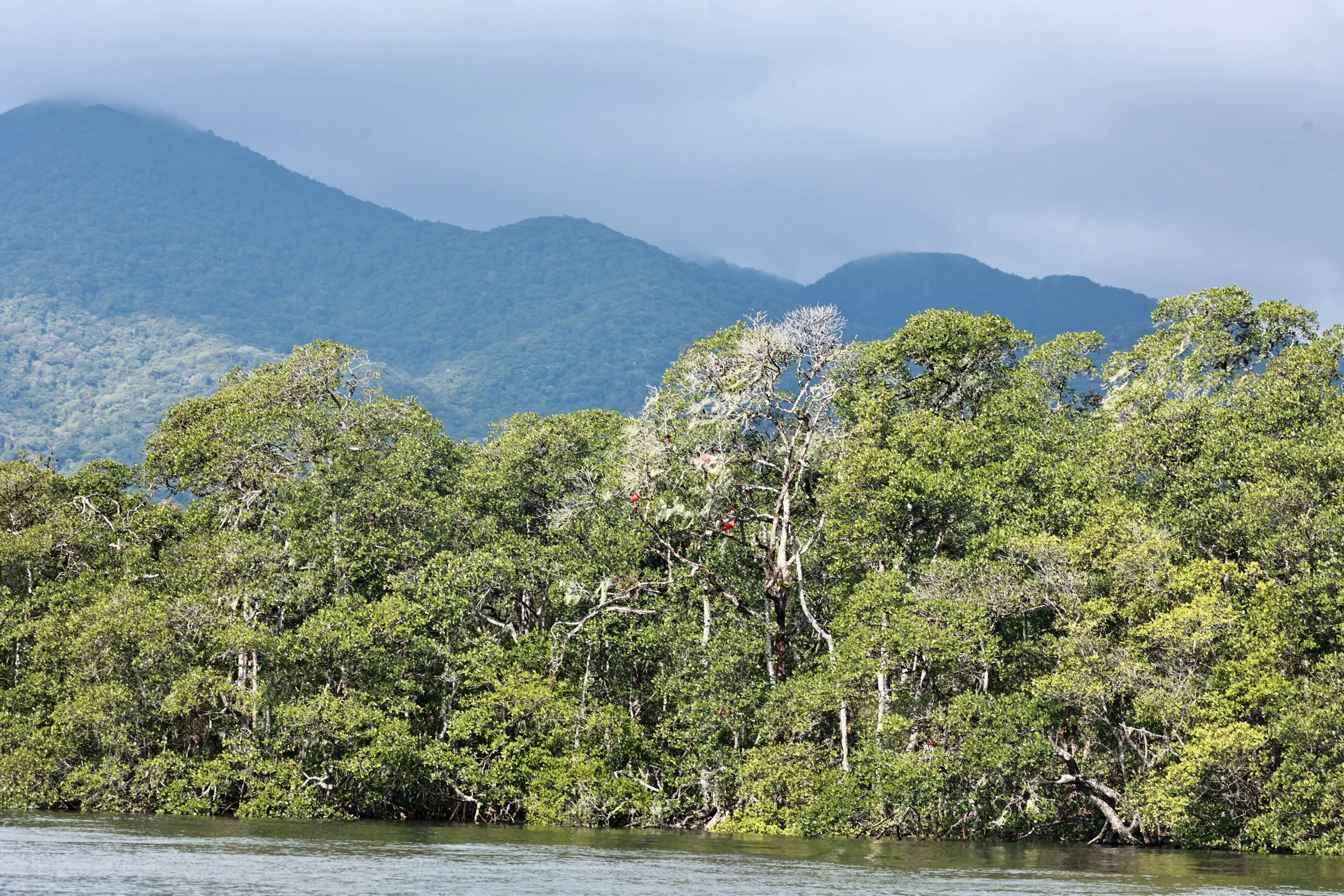
Superagüi National Park
Superagüi National Park
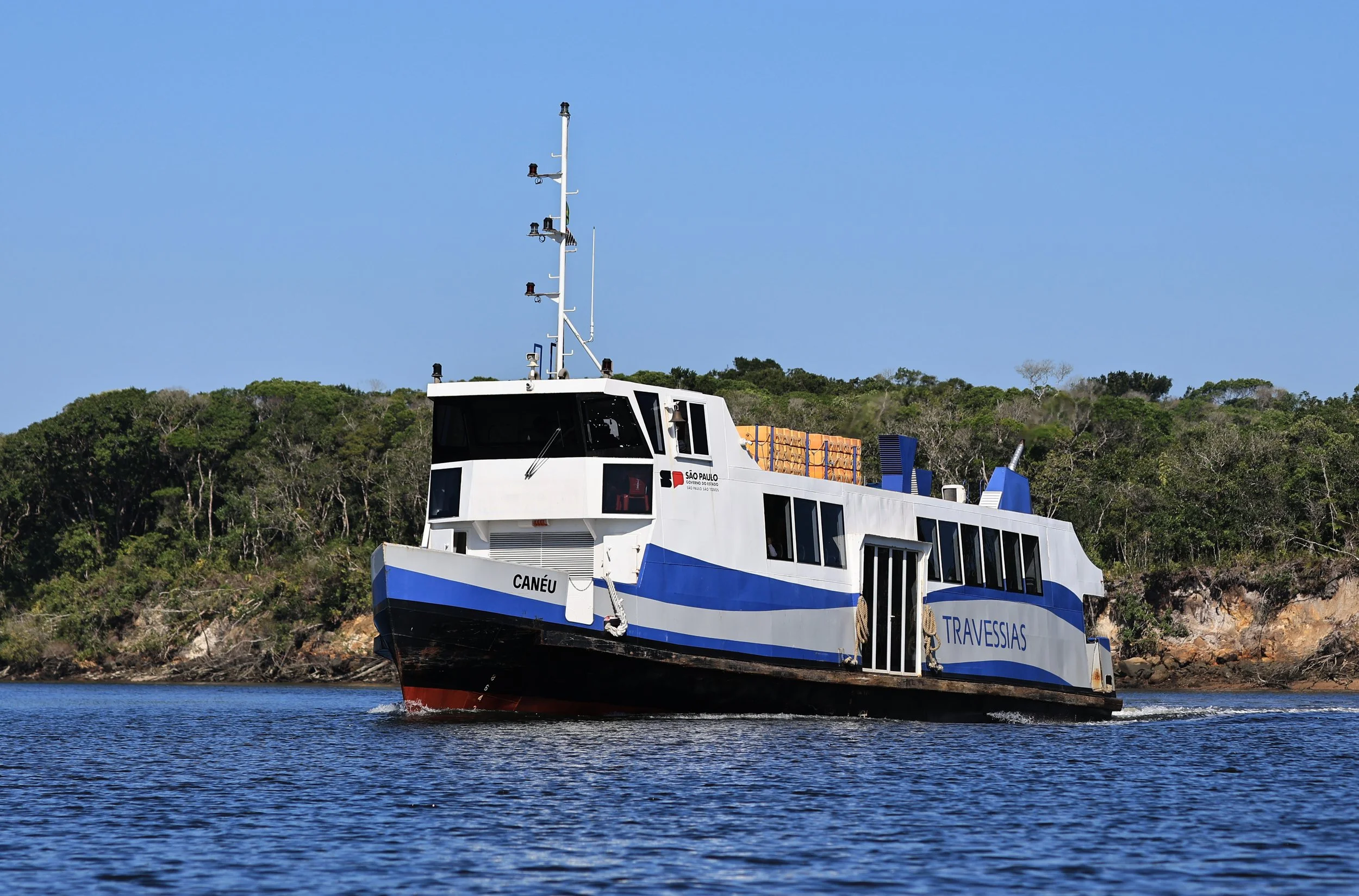
Superagüi National Park
Superagüi National Park
Superagüi National Park
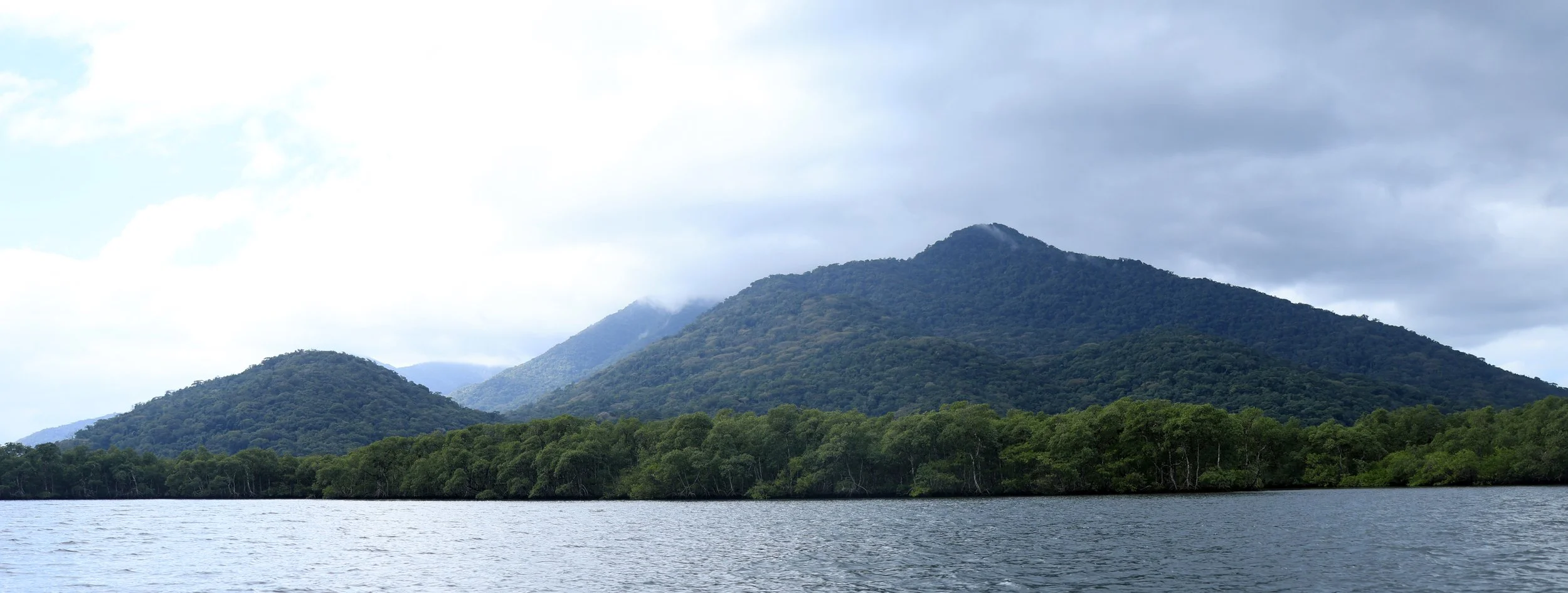
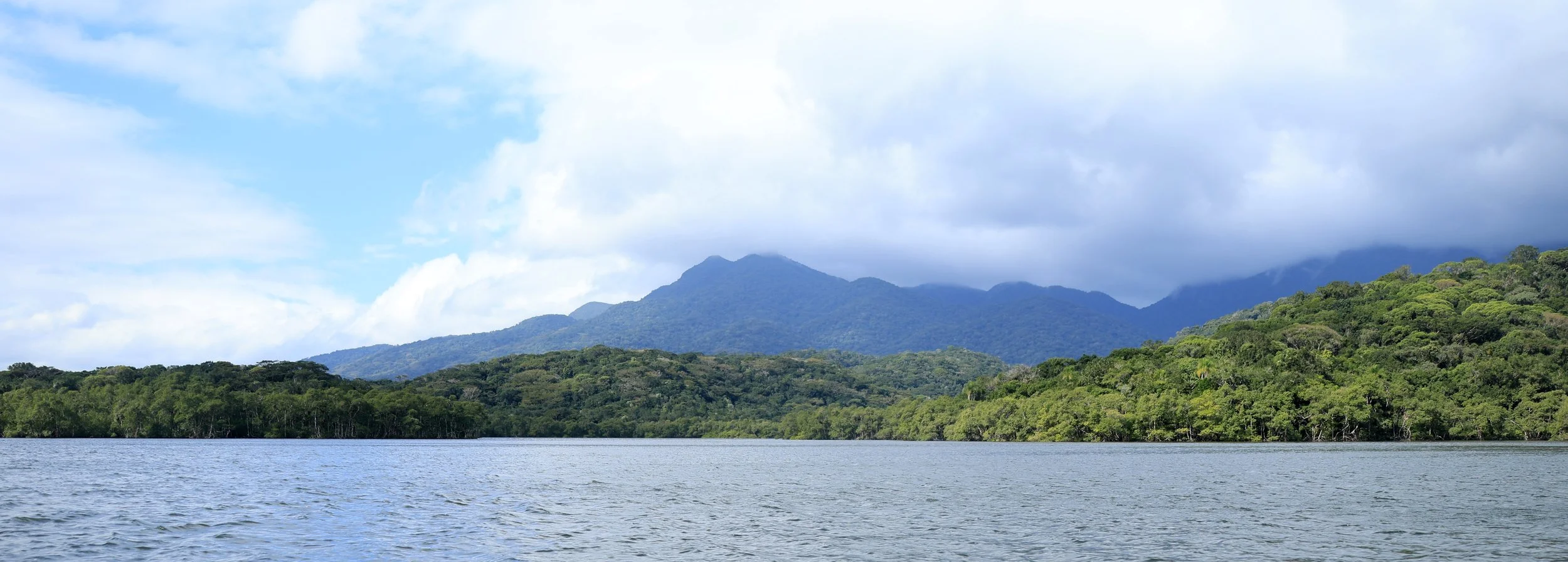
Superagüi National Park
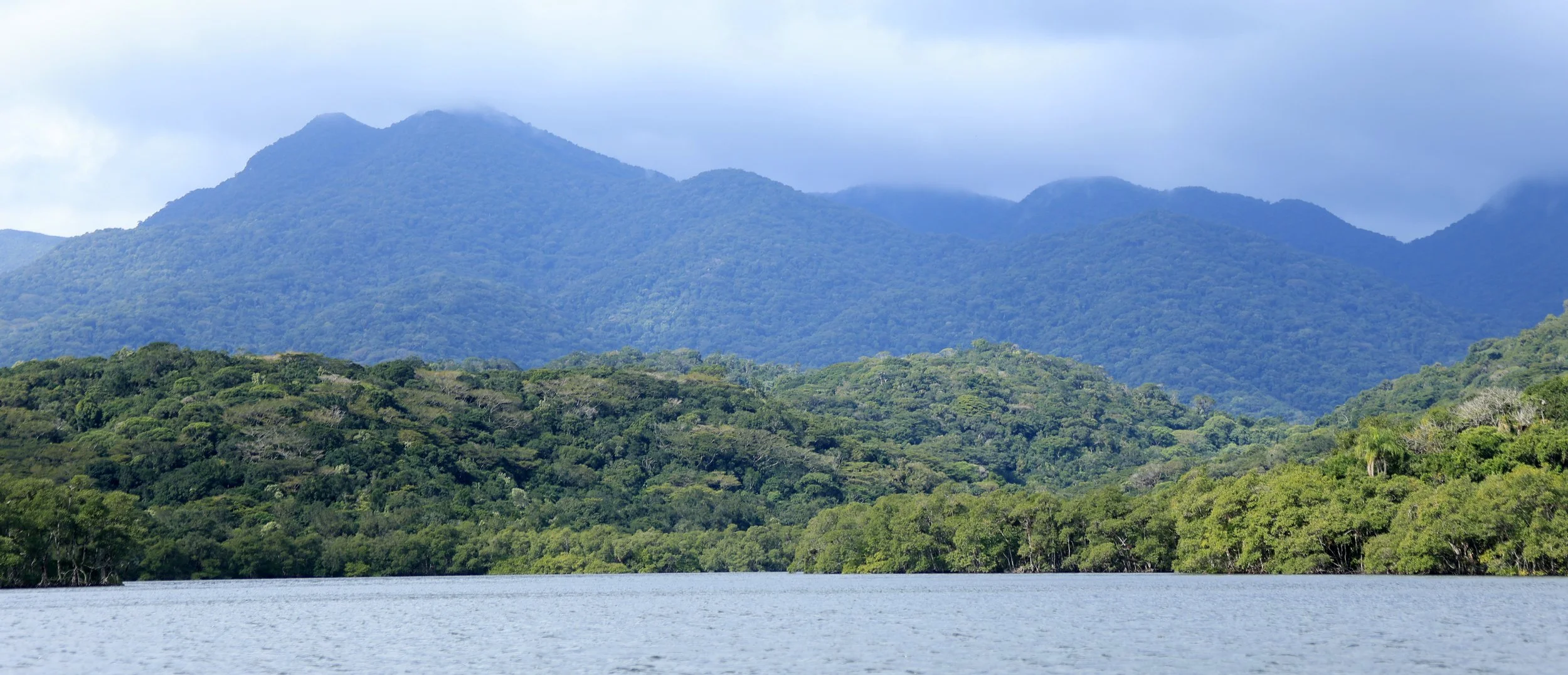
Superagüi National Park
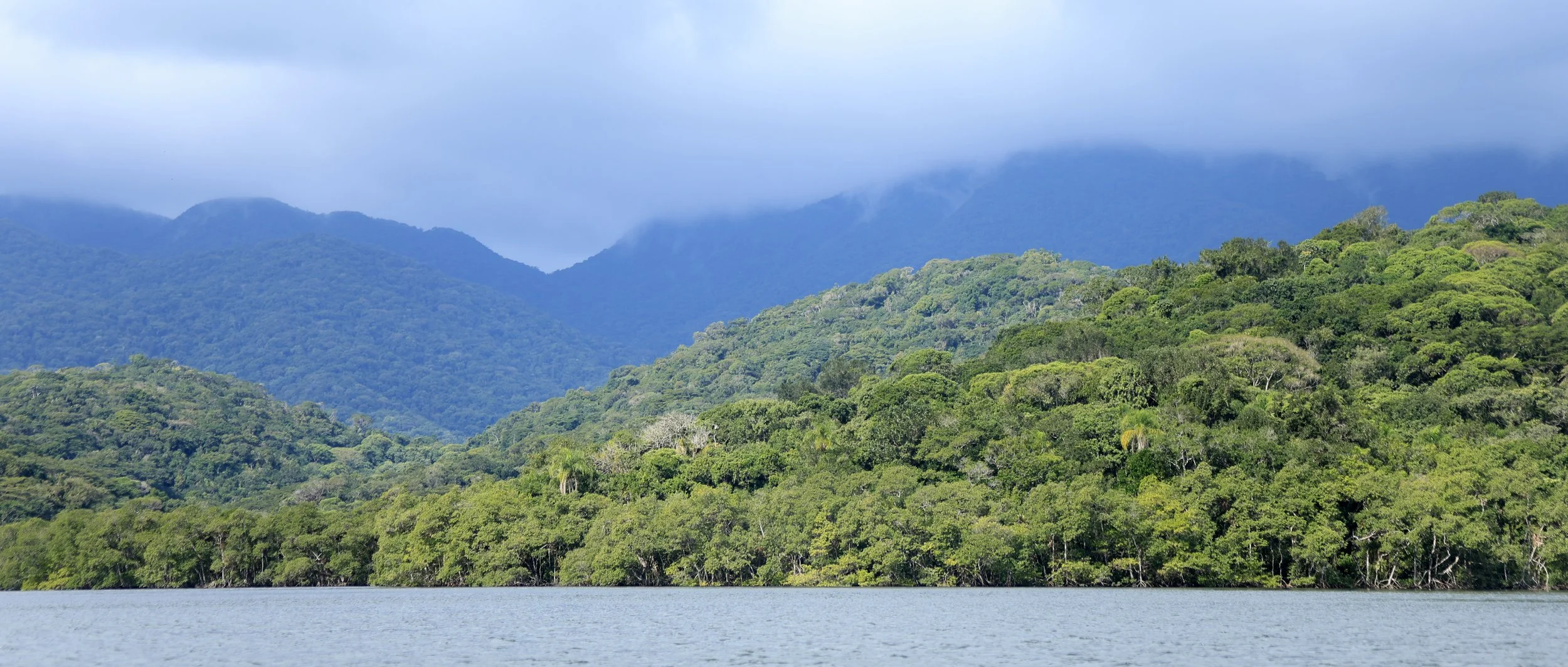
Superagüi National Park
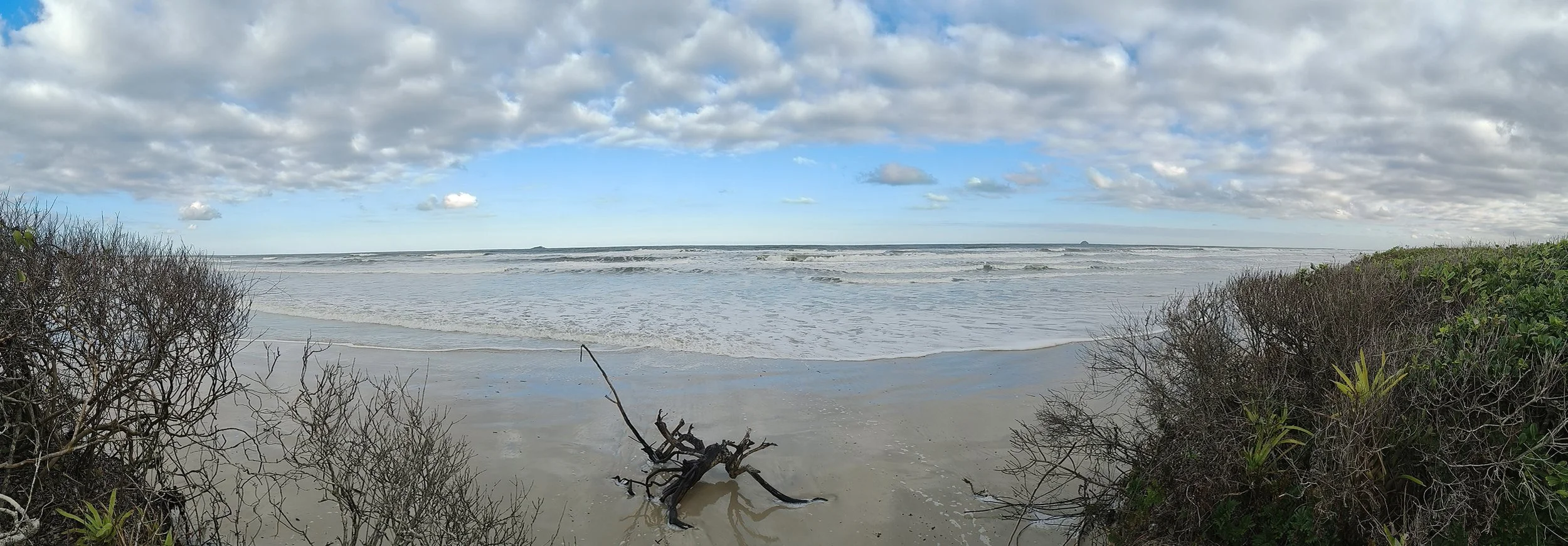
Superagüi National Park
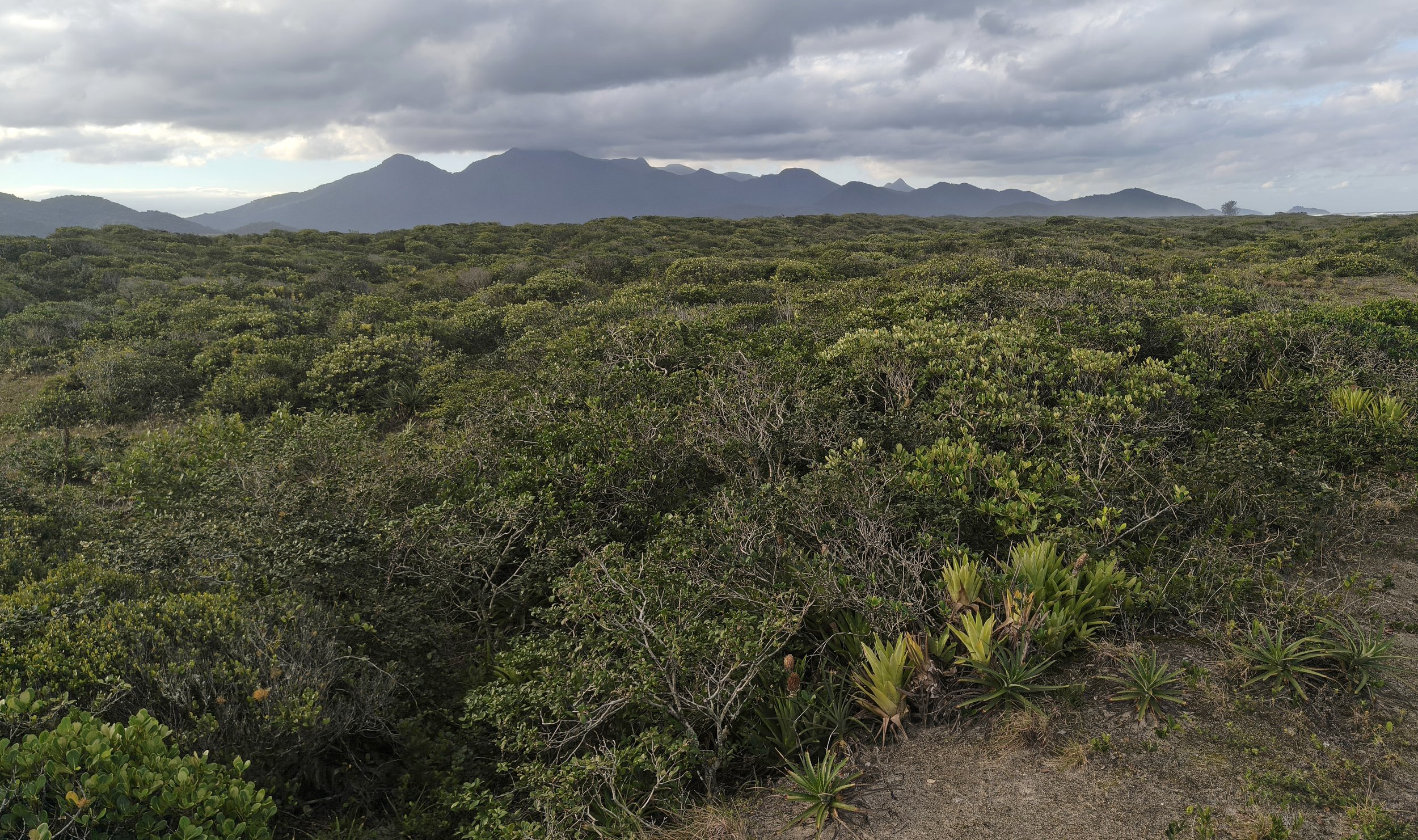
Superagüi National Park
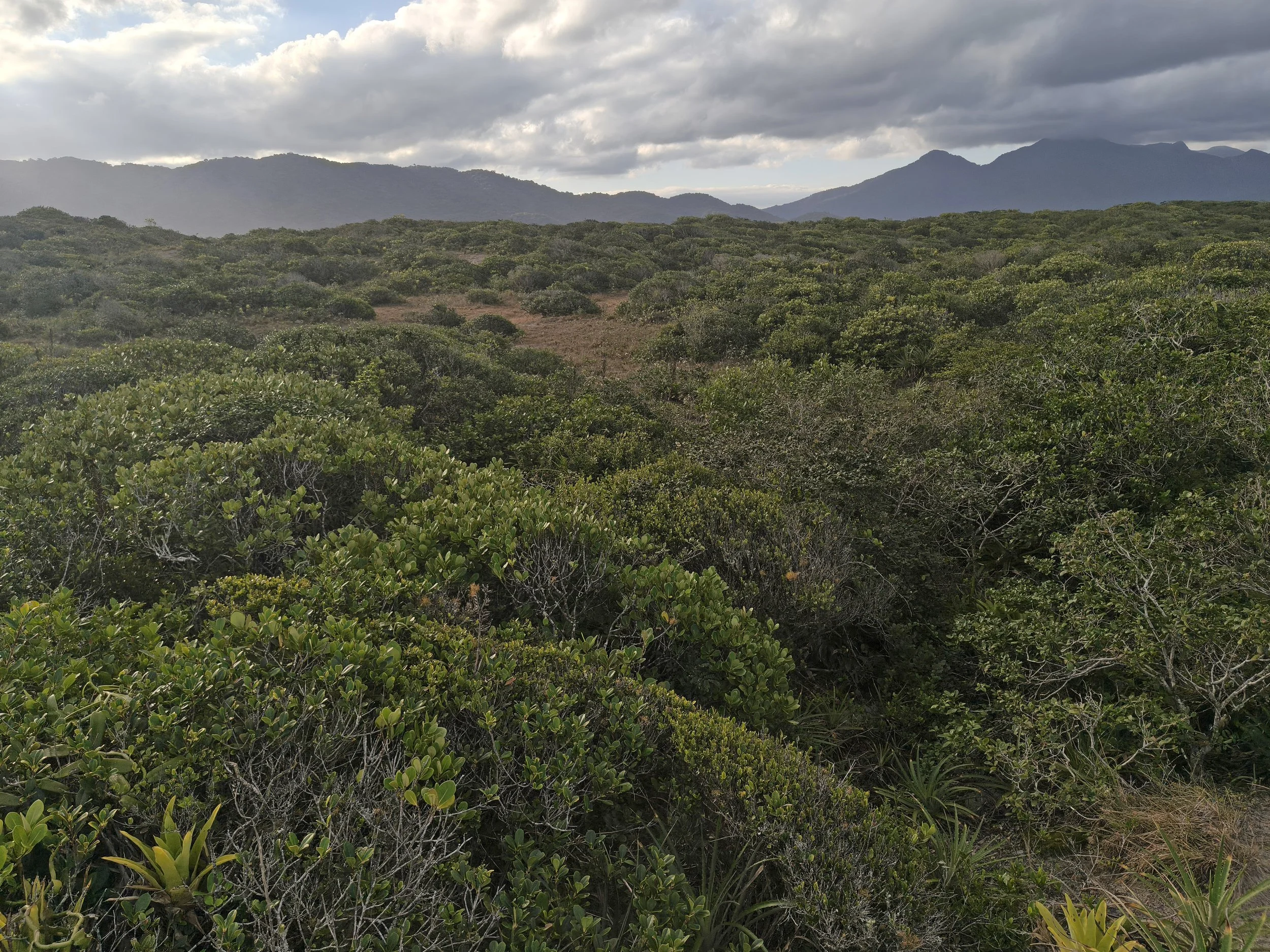
Superagüi National Park
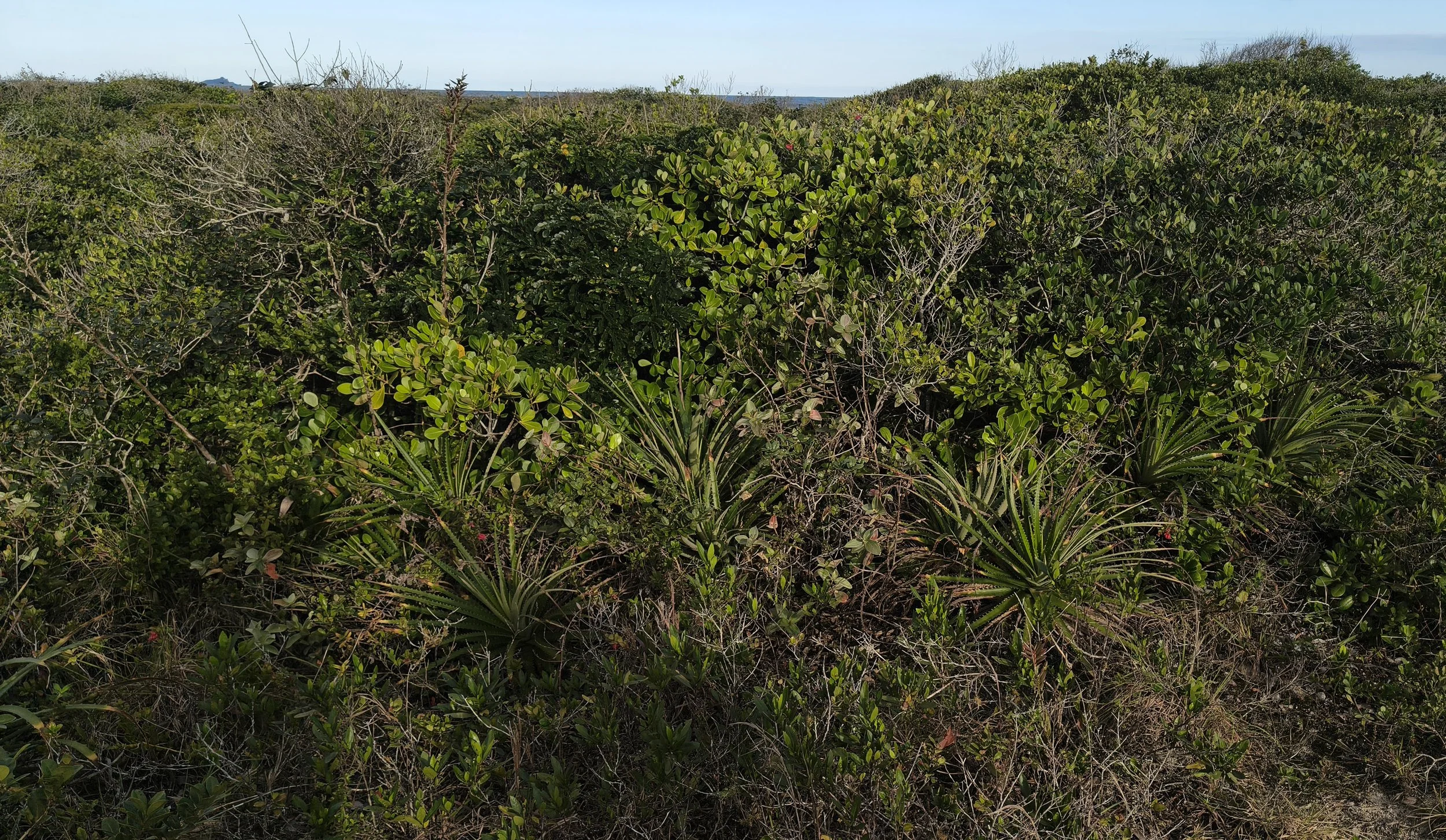
Superagüi National Park
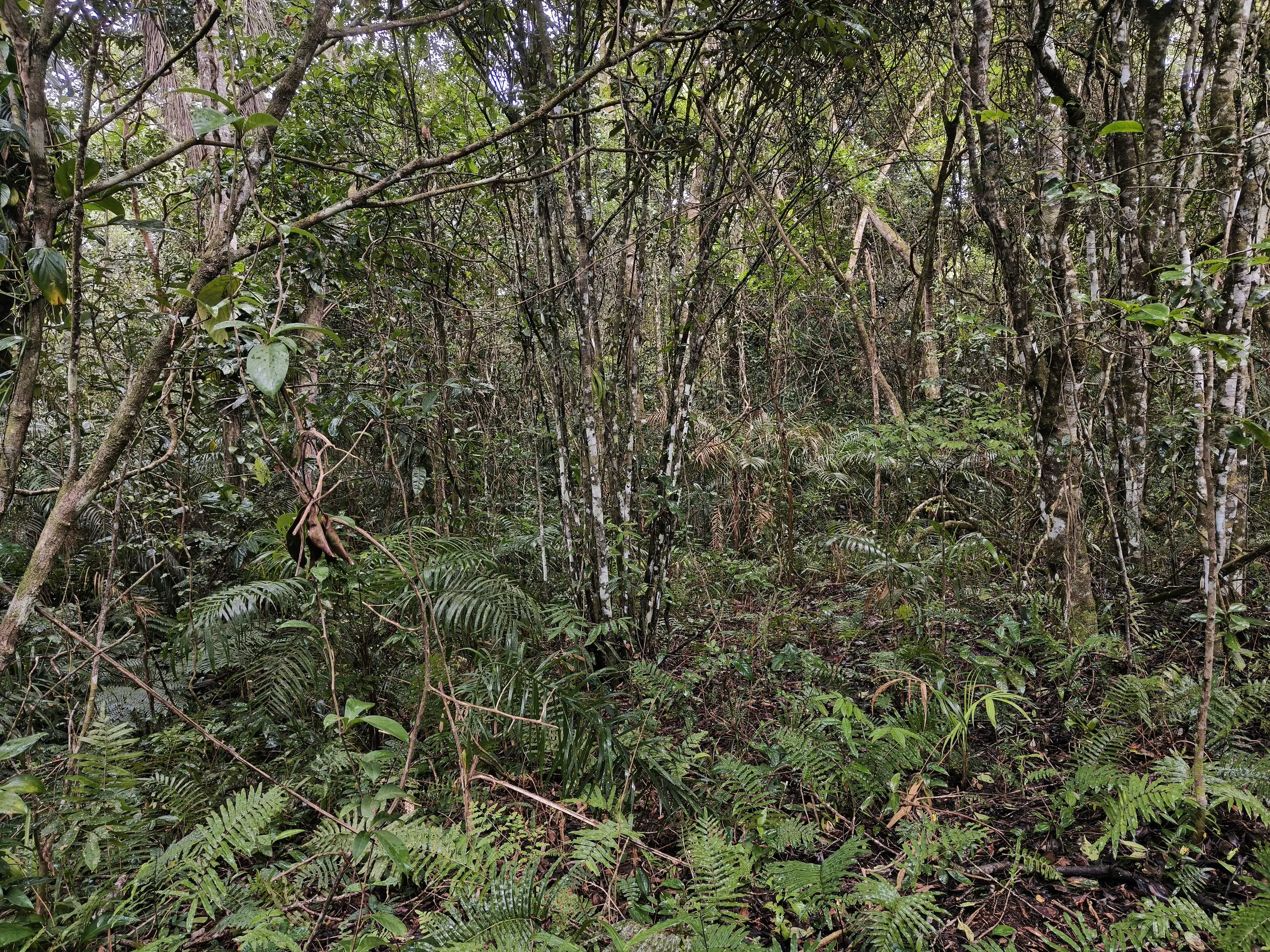
Superagüi National Park
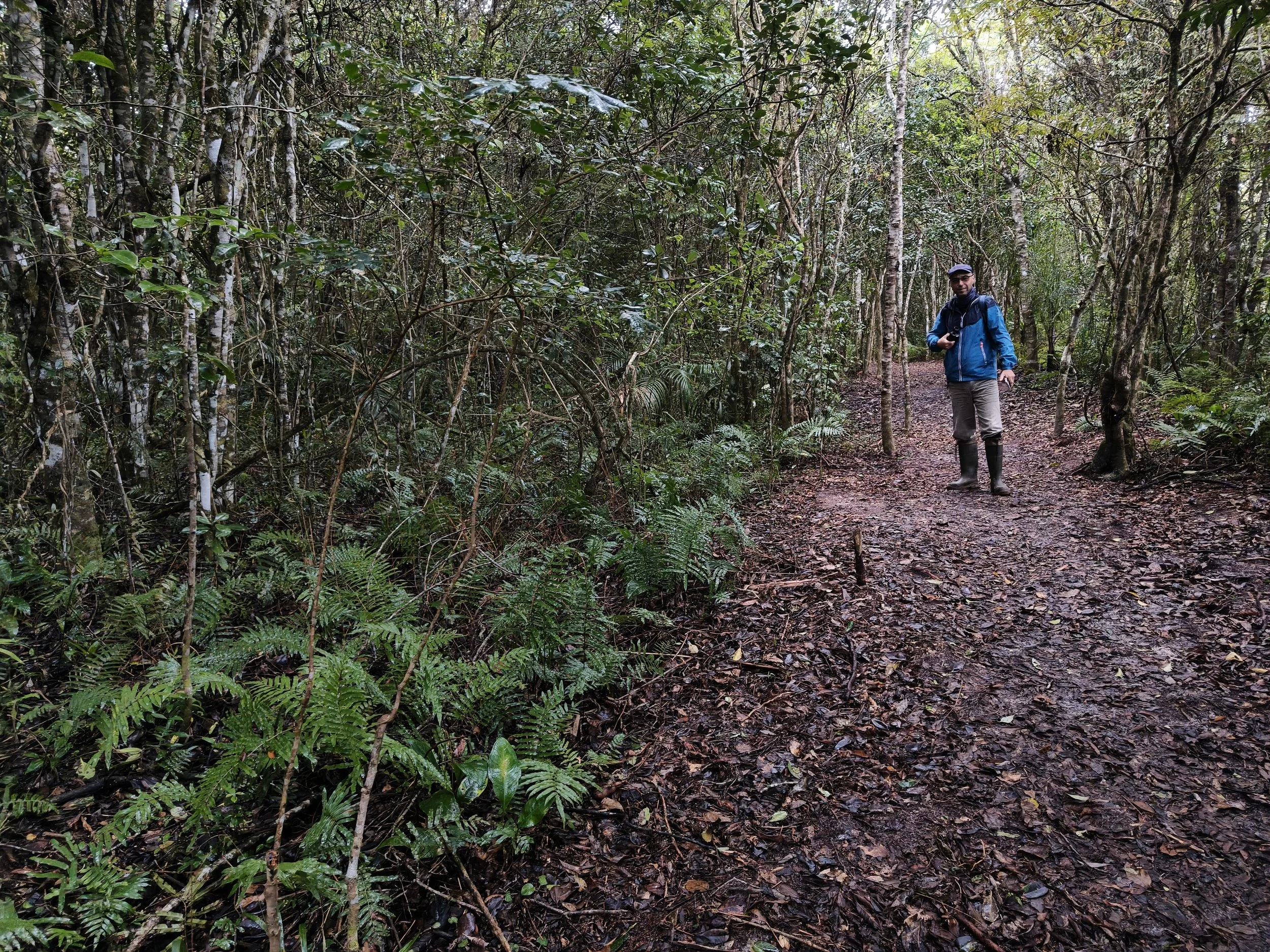
Superagüi National Park
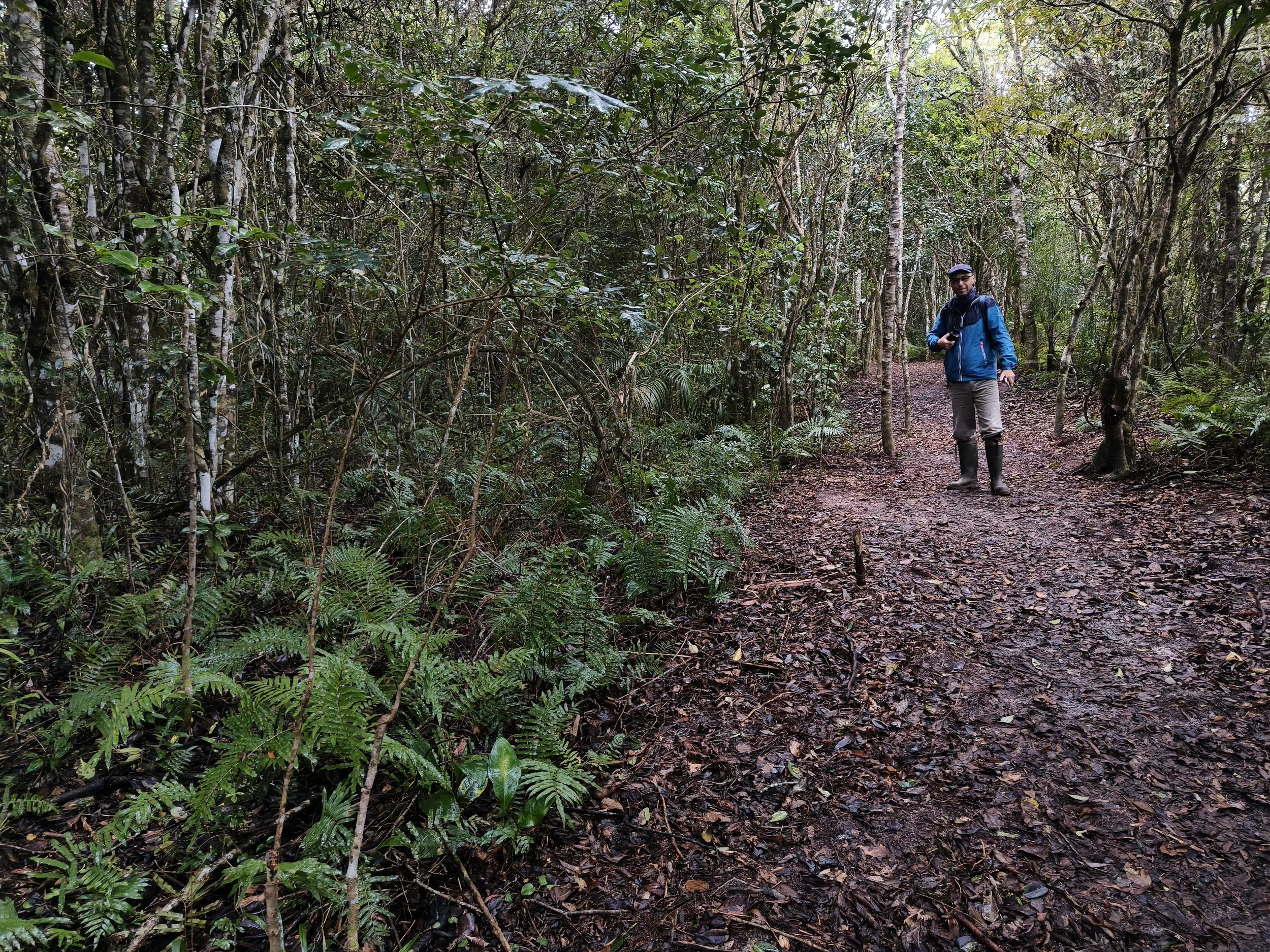
Superagüi National Park
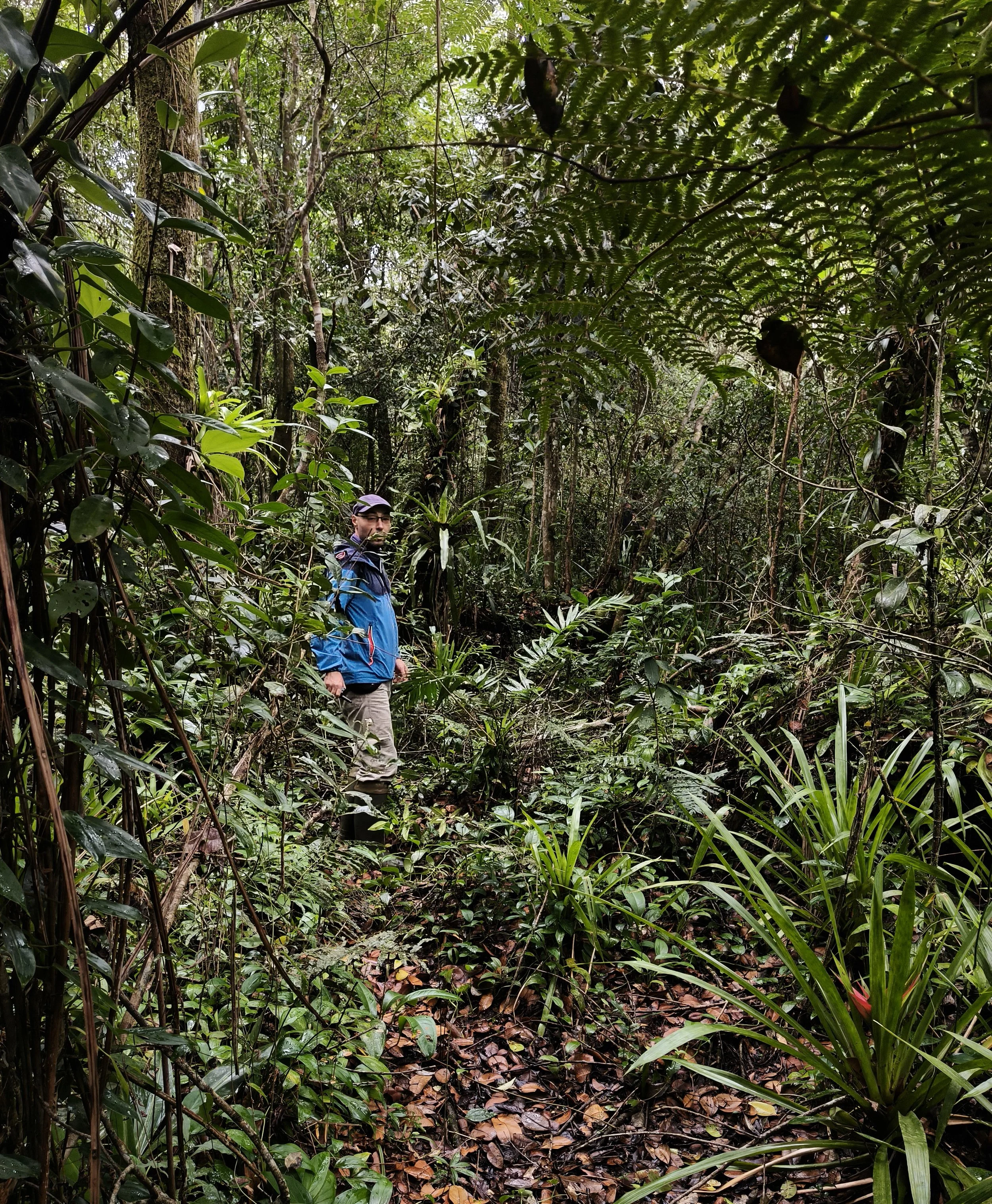
Superagüi National Park
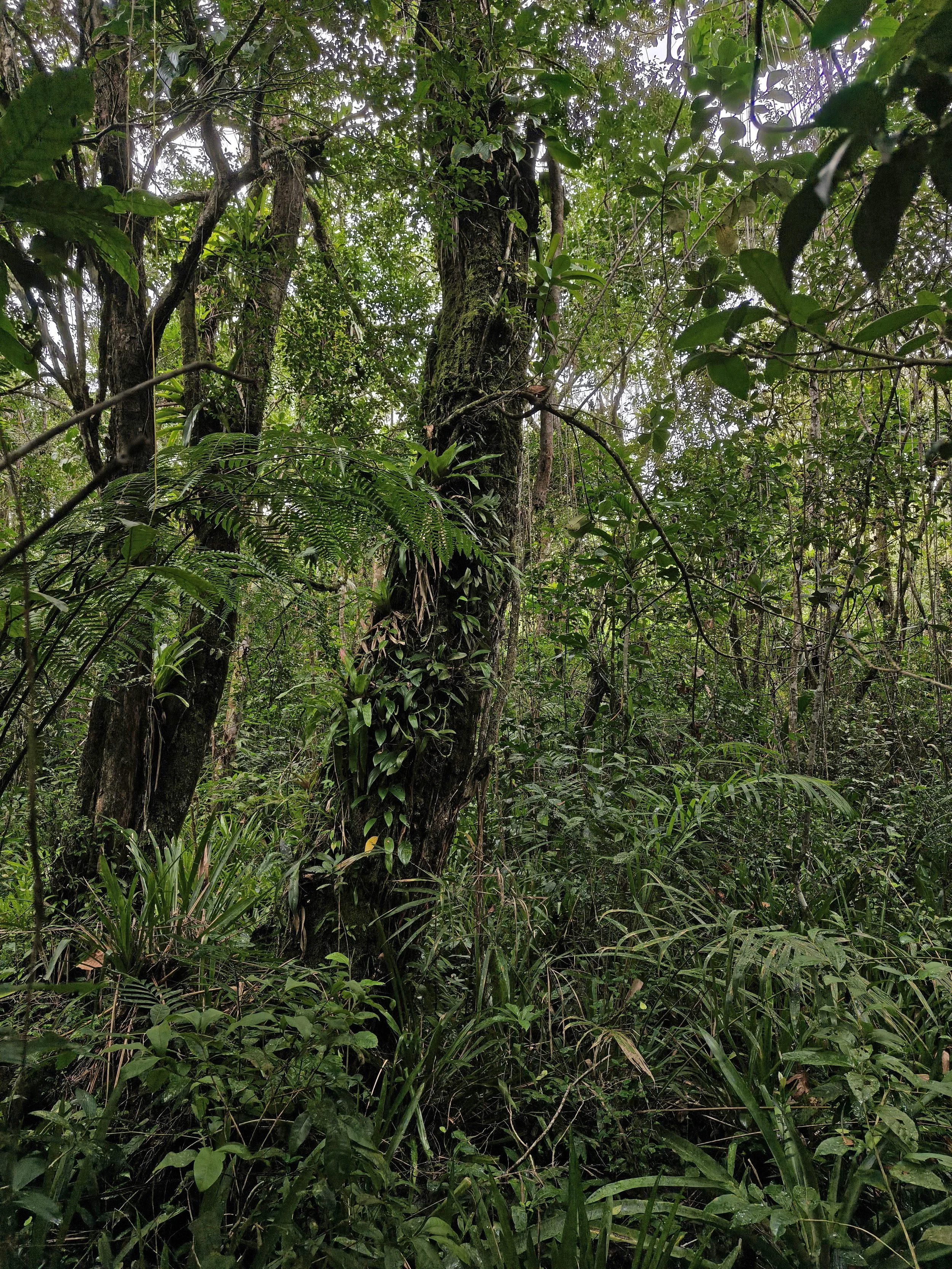
Superagüi National Park
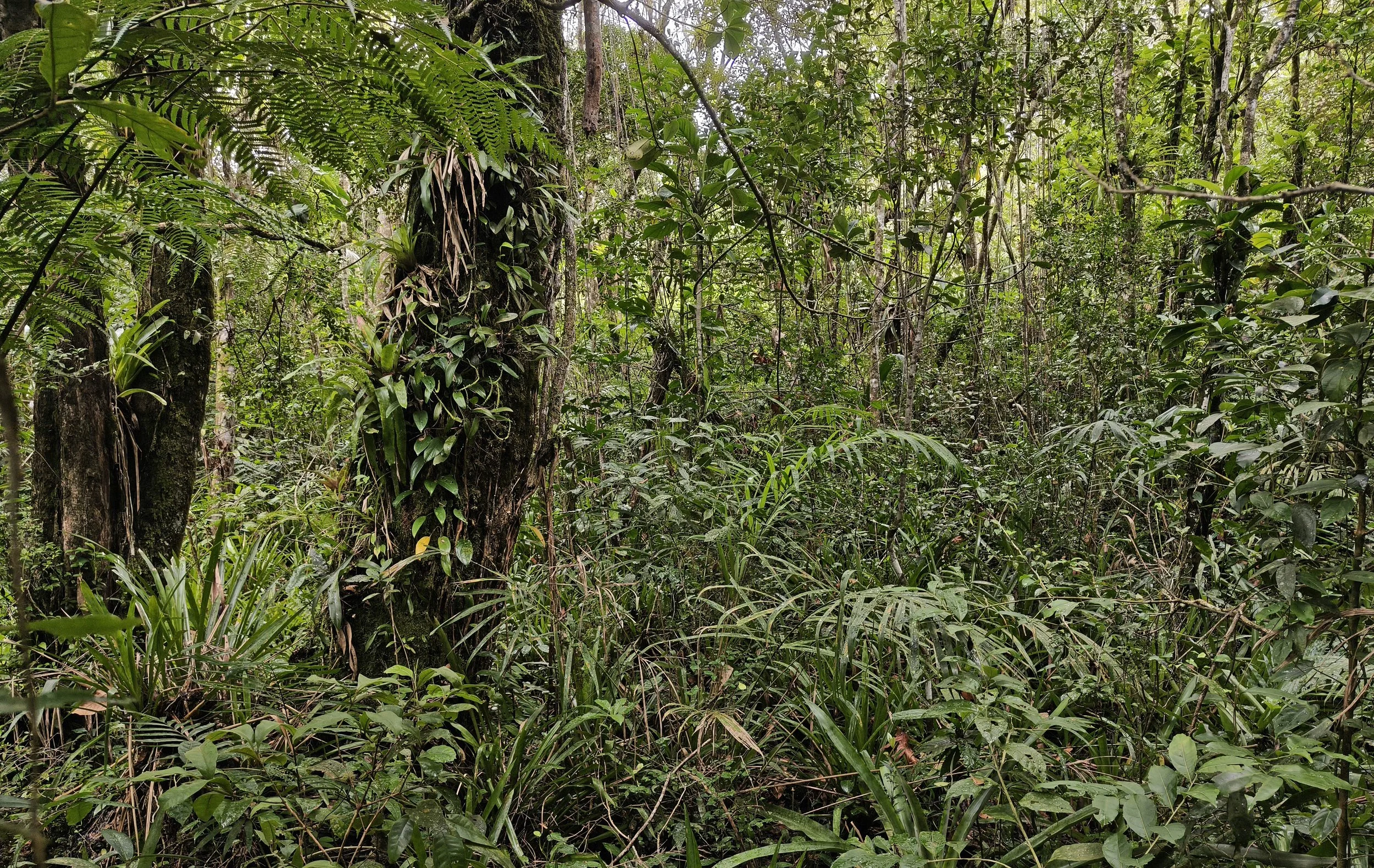
Superagüi National Park
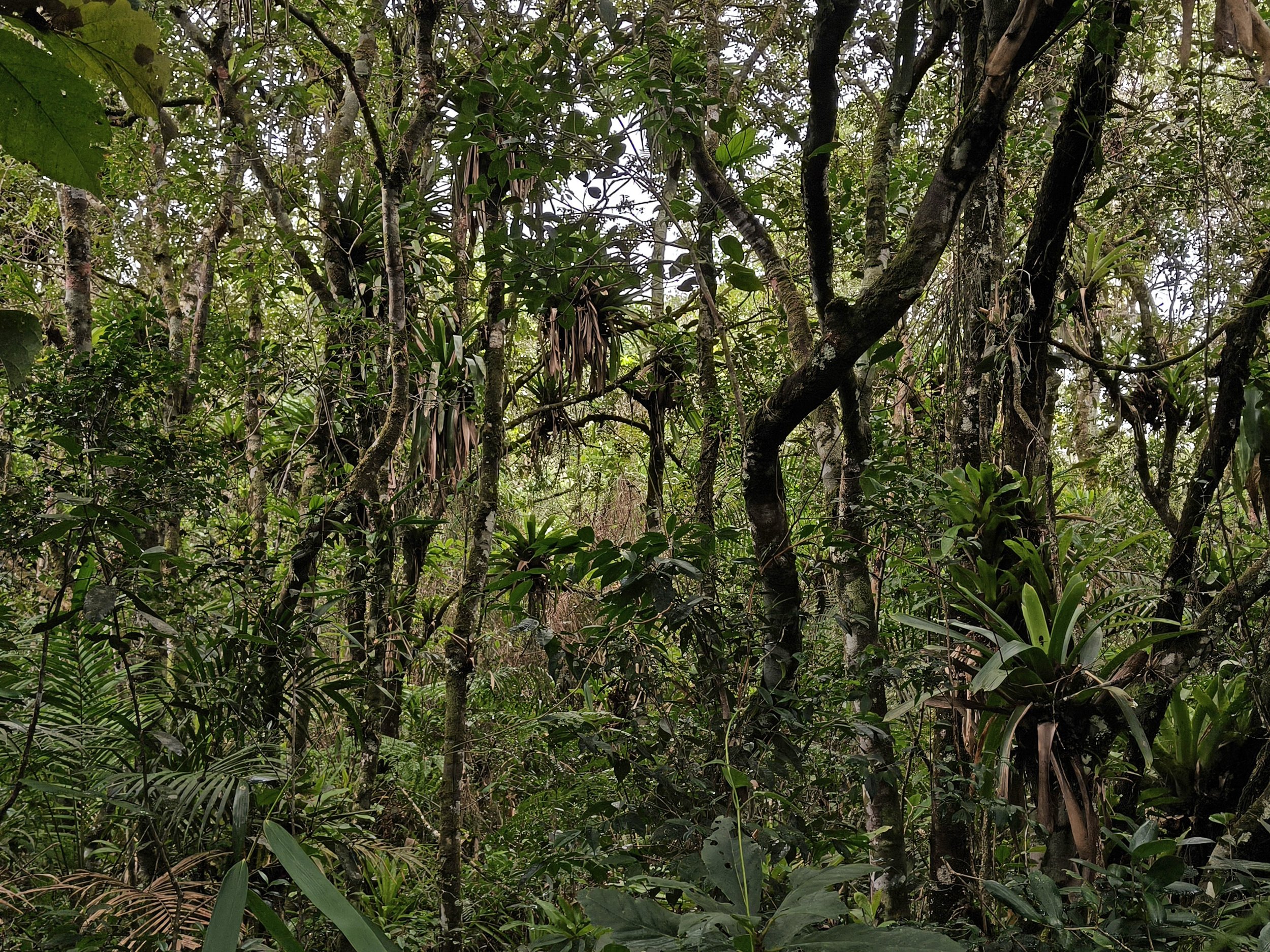
Superagüi National Park
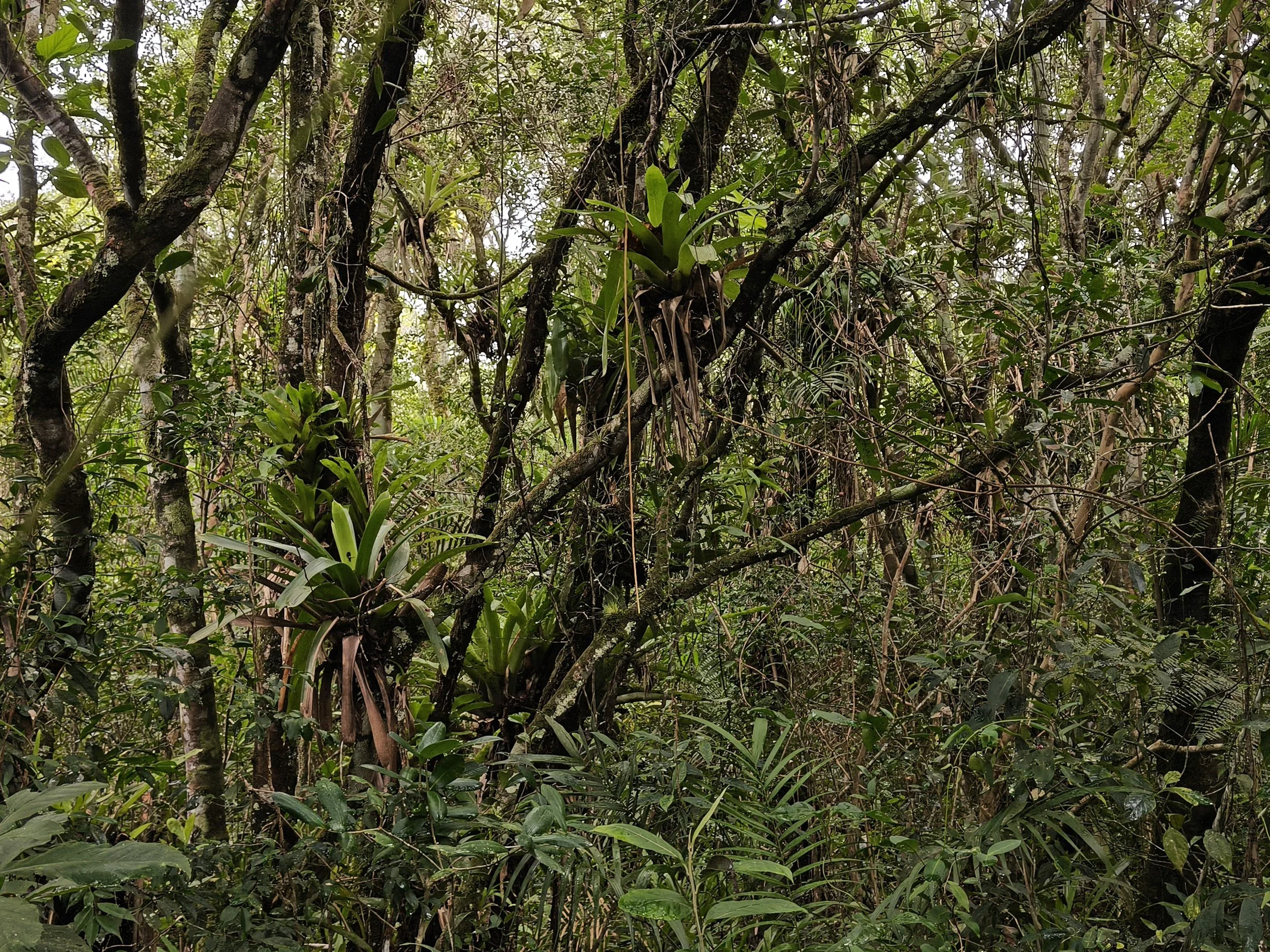
Superagüi National Park