Cranes of Izumi
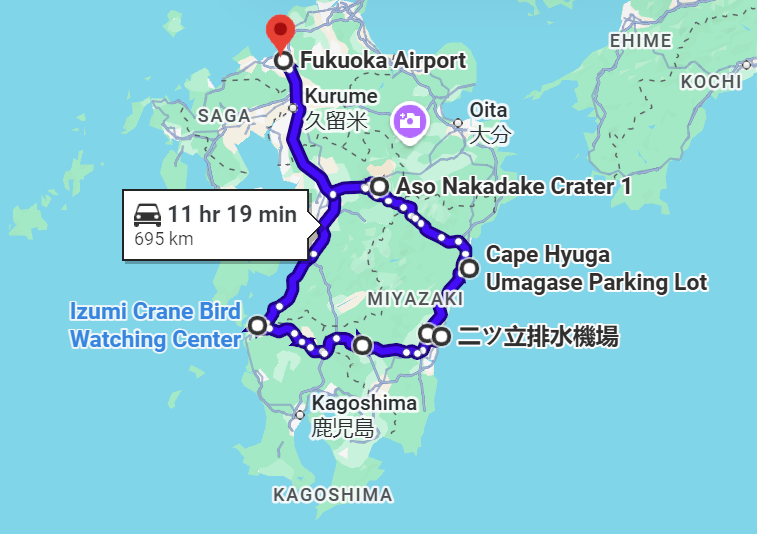
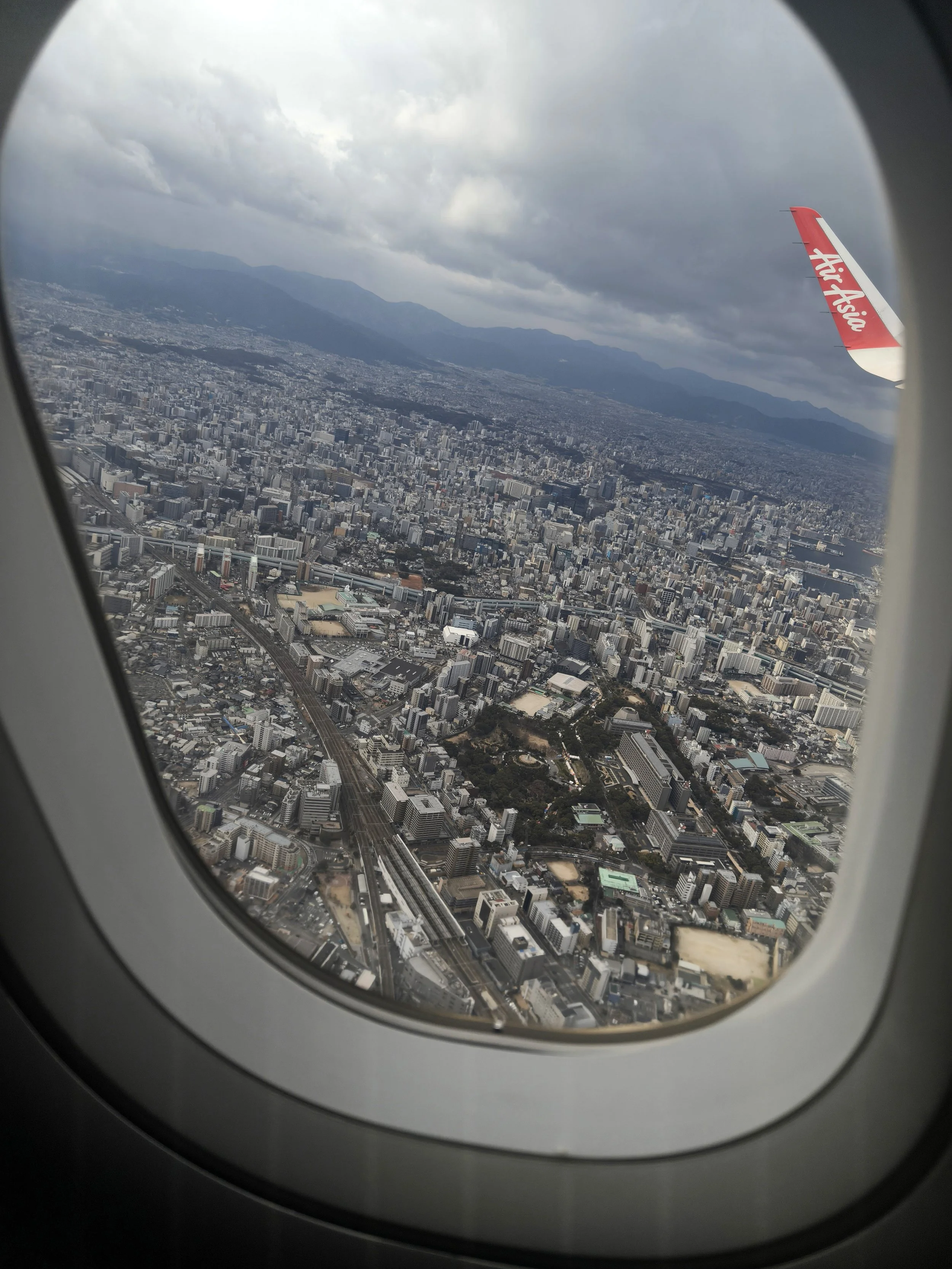
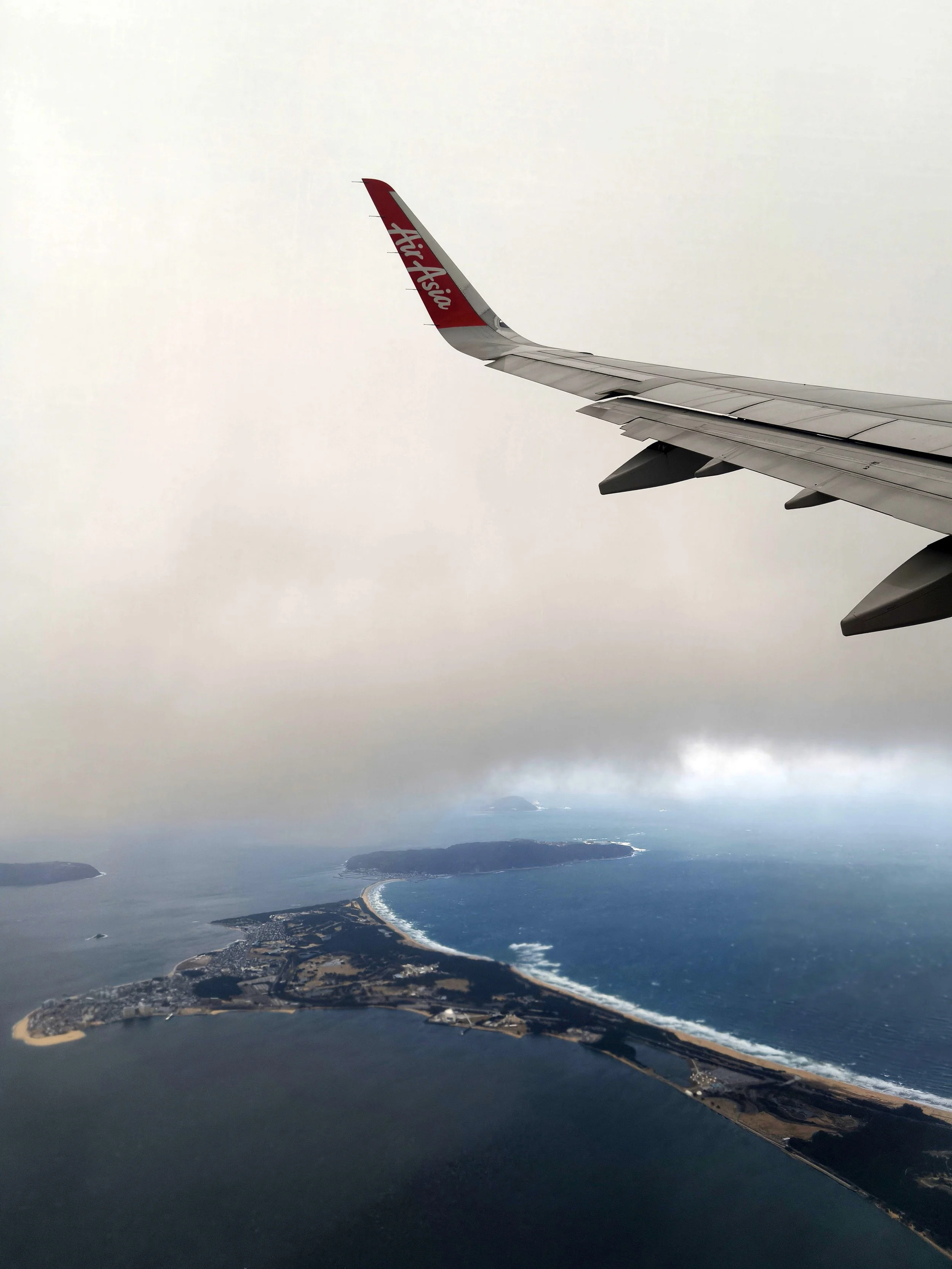
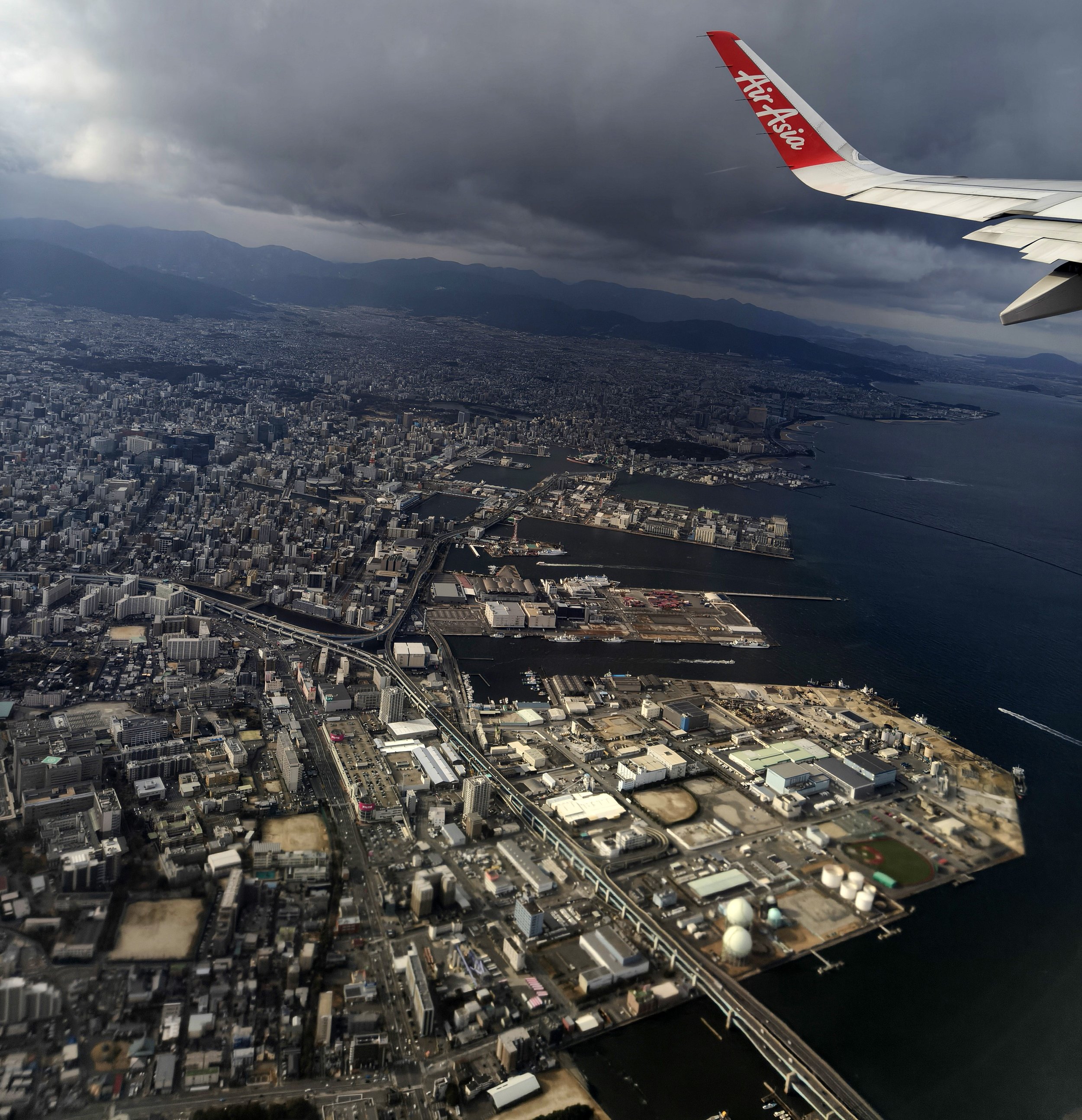
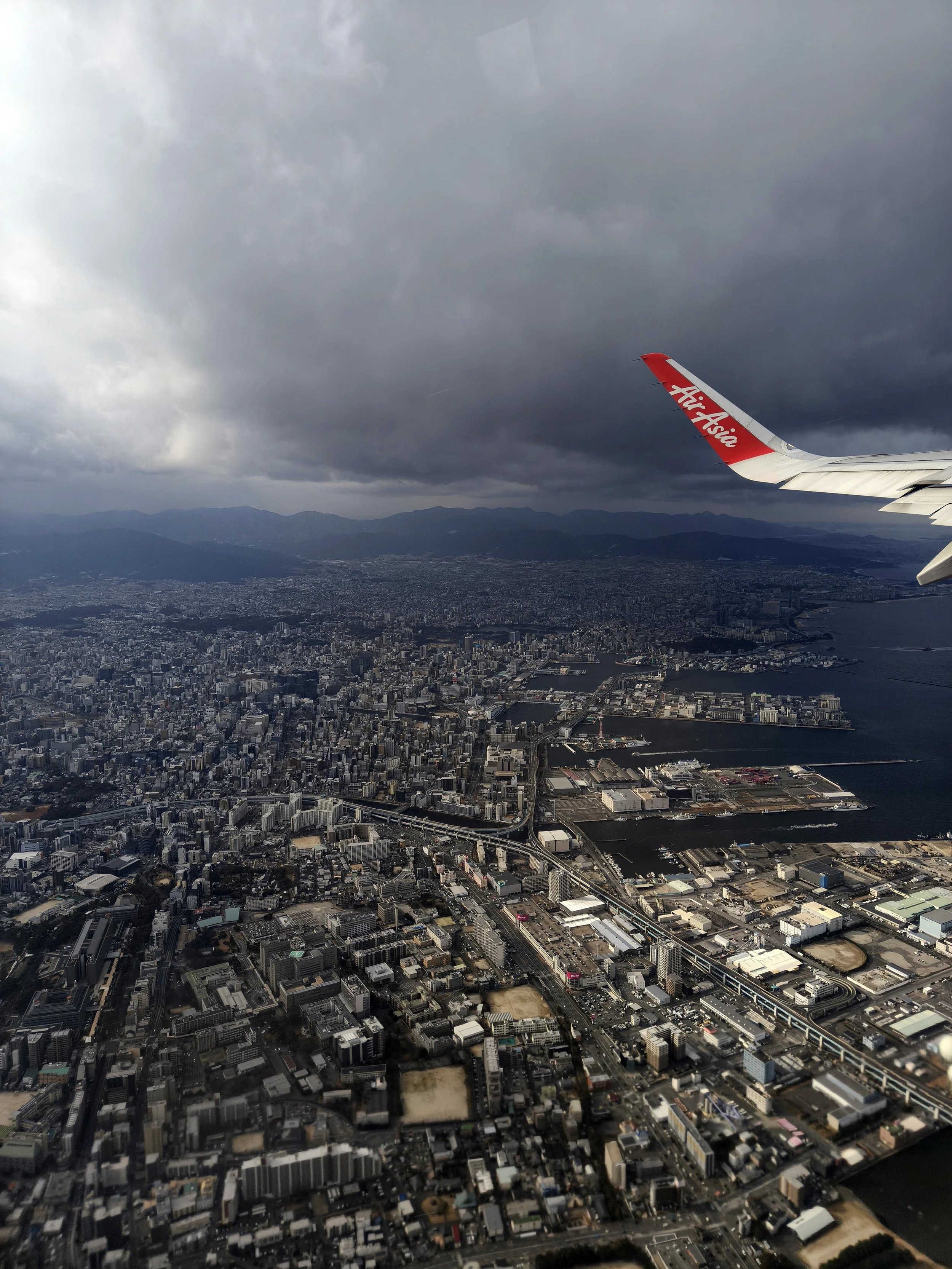
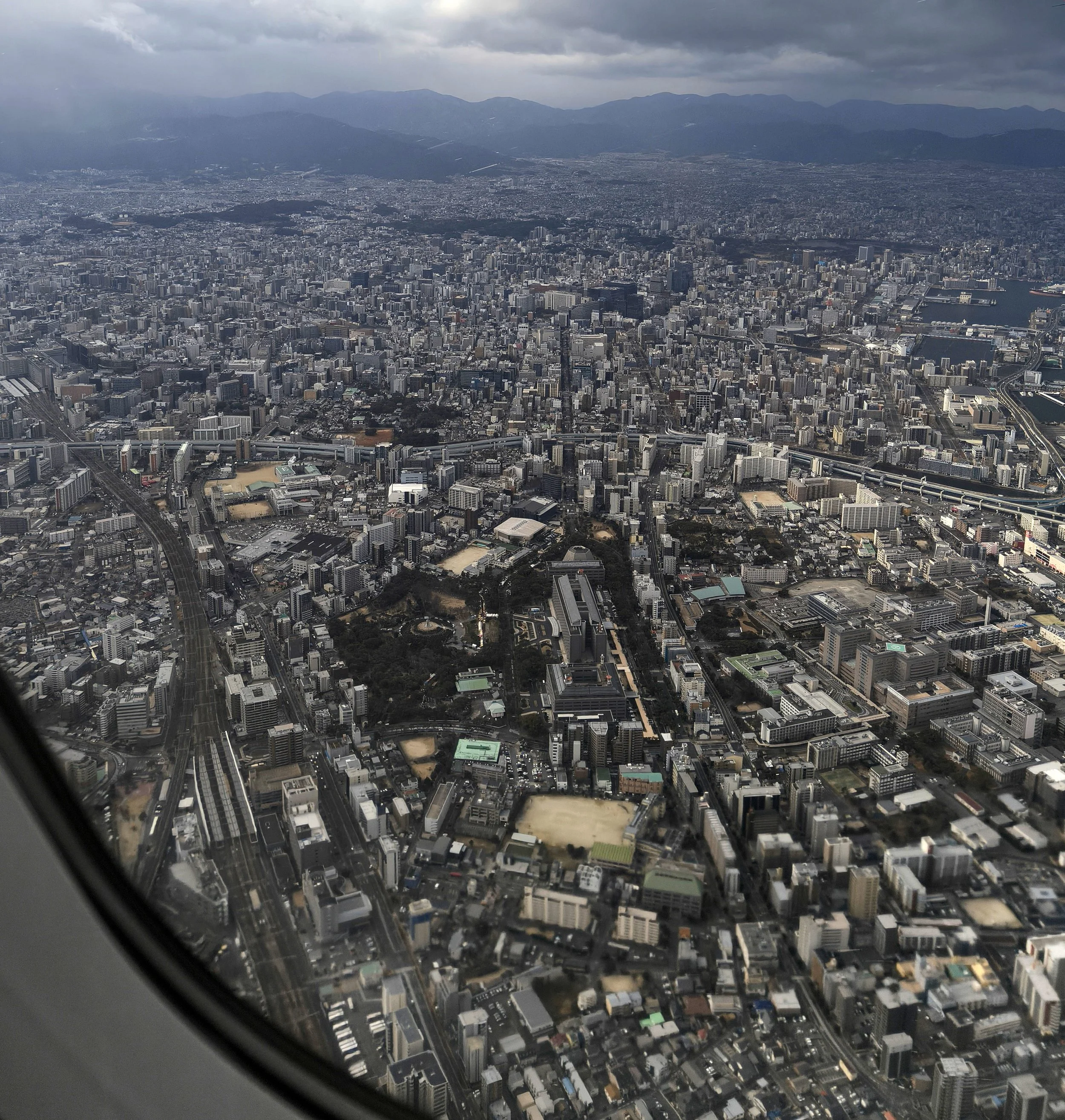
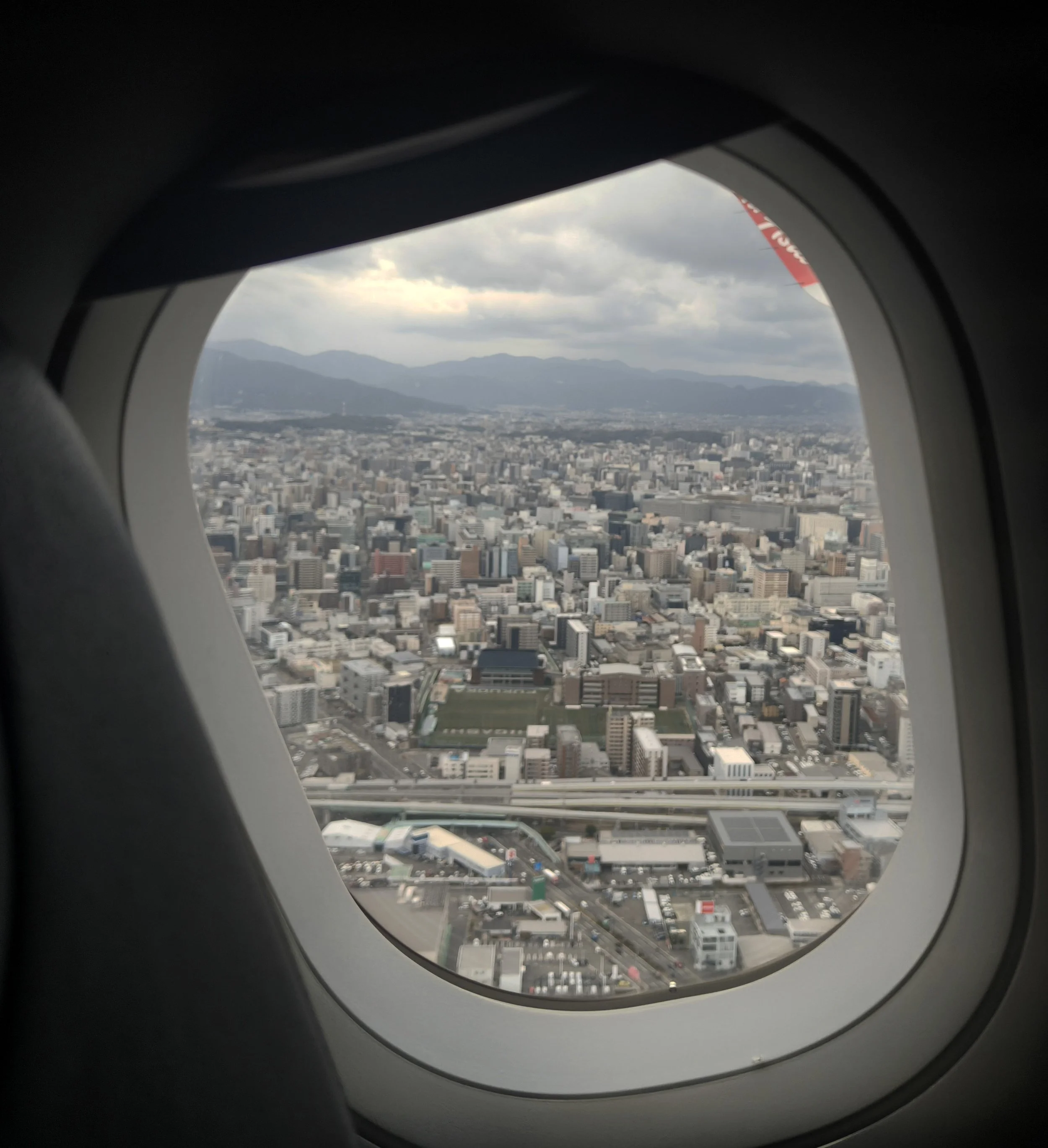
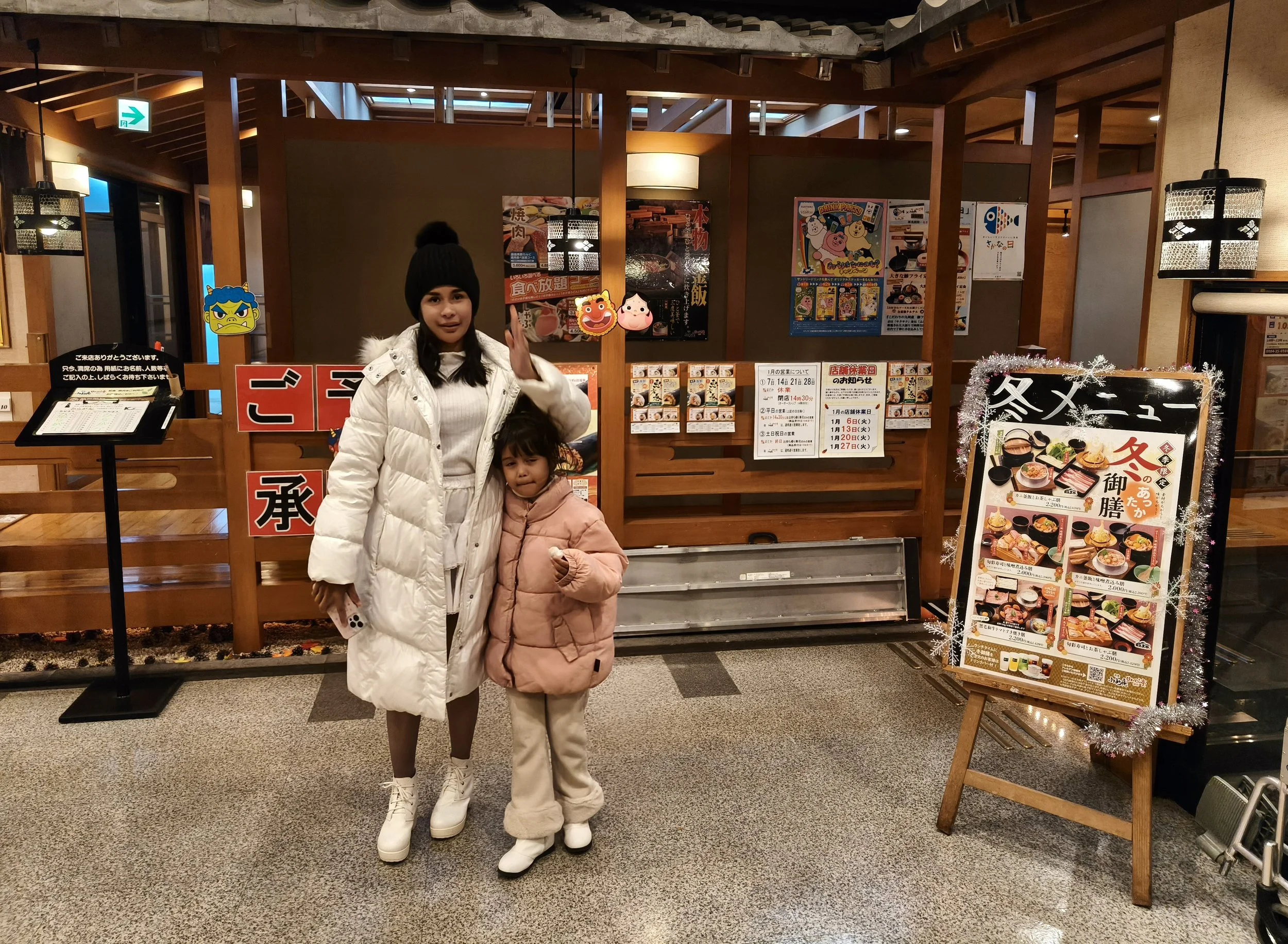
We self-drove the road trip in Kyushu starting in Fukuoka. Driving in Japan is easy as can be.
For five short days in January 2026, my family and I traveled to Kyushu, Japan to explore Japan’s southern island and to witness the amazing wildlife spectacle that happens annually in Izumi. Ever since I knew of this spectacle I have made it a bucket list item to go and see the assemblage for myself. Finally I made it! While it was not a mammal watching expedition at all, seeing the White-naped and Hooded Cranes in such large numbers was a worthy goal that I am very happy to have experienced. What follows is a Chat-generated description of the area and the cranes that visit every winter.
The Izumi crane fields in Kagoshima Prefecture are an internationally important wintering habitat for over 10,000 cranes, designated a Special National Monument of Japan and a Ramsar Convention Wetland. The area is vital for global crane conservation efforts.
The Birds
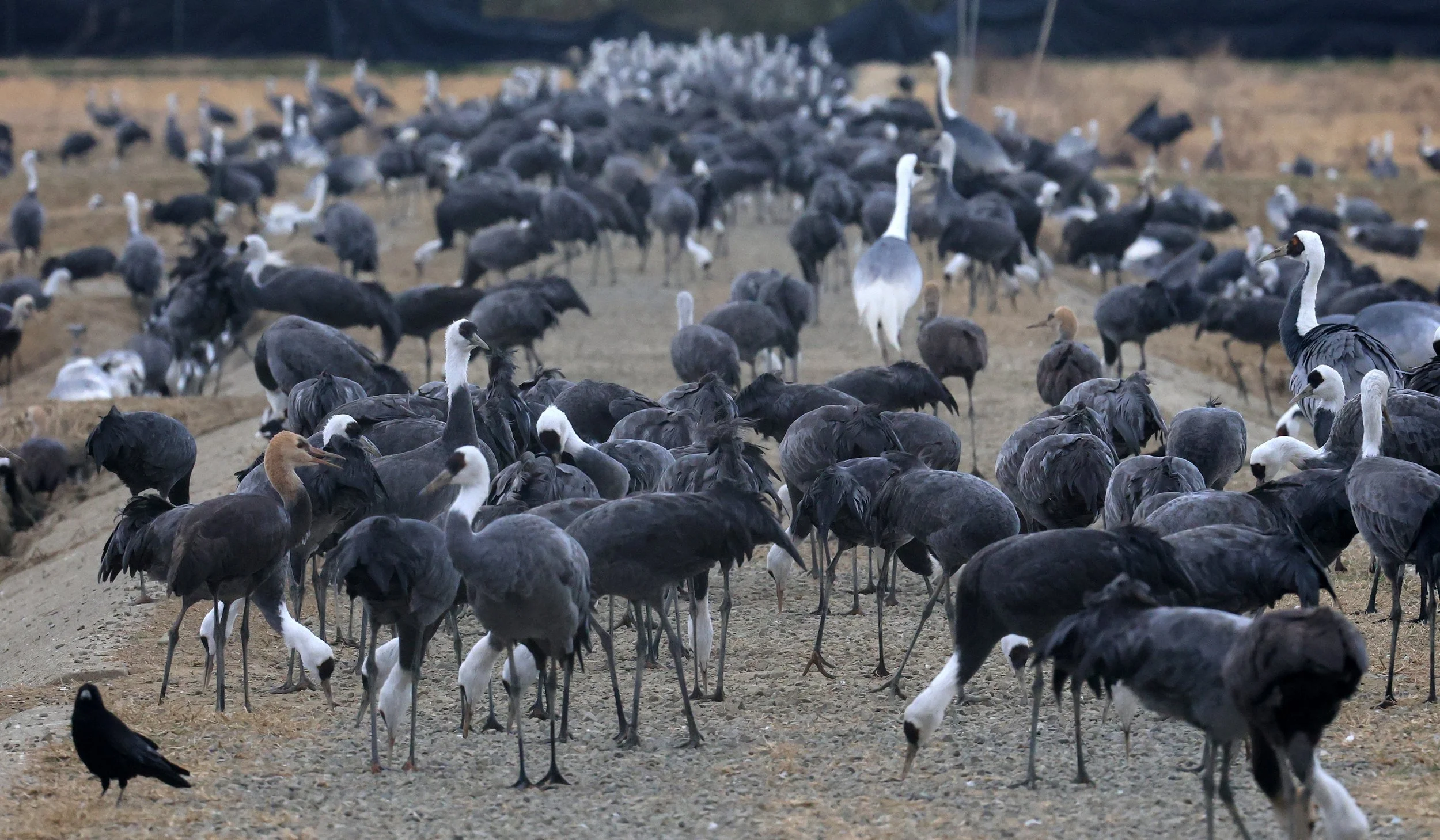
Primary Species: The vast majority of the visiting population (around 97% of the world's population) are the hooded crane (Grus monacha), with sooty gray bodies and white heads. The next most common species is the taller white-naped crane (Grus vipio), with a white neck and red face.
Other Species: Up to seven of the world's fifteen crane species have been spotted in Izumi, including the Sandhill crane, Common crane, Siberian crane, Demoiselle crane, and Red-crowned crane.
Migration: The cranes make an annual journey of thousands of miles from their breeding grounds in Siberia and northeastern China to winter in Izumi from around mid-October to March.
Behavior: Cranes are known for their monogamous pairing for life and strong family units. They perform elaborate courtship dances involving leaping and calling, a spectacle often observed as winter wanes. They sleep standing in shallow water, which helps protect them from predators as the ripples alert them to movement.

White-naped Cranes in courtship
History
Edo Period Origins: Cranes began to winter in Izumi in the 1700s following a land reclamation project ordered by the local feudal lord. The ruling Satsuma domain instructed residents to protect the birds, which were considered an auspicious symbol of longevity and good fortune in Japanese culture.
Conservation Efforts: After a sharp decline in the population due to hunting after samurai rule ended and the building of a naval airfield during WWII, local conservation efforts began.
Designations: The area was designated a National Natural Monument in 1952, and the Kagoshima Crane Conservancy was established in 1962. In 2021, the habitat was officially added to the Ramsar Convention's List of Wetlands of International Importance.
Community Involvement: Local residents and government work together to ensure the cranes' survival. This includes compensating farmers for setting aside rice paddies as roosting grounds and conducting daily feeding programs, where up to a ton of grain is scattered each morning. Local junior high students also participate by conducting annual crane count surveys.
Interesting Facts
Global Significance: Izumi hosts 80-90% of the entire world population of hooded cranes and about half the global population of white-naped cranes.
Iconic Symbol: The crane (tsuru in Japanese) is a powerful cultural symbol of longevity, good fortune, and fidelity, often depicted in art, kimonos, and the famous origami paper cranes.
Observation Centers: The best place to witness this spectacle is the Izumi City Crane Observation Center, open seasonally from November to March. There is also the Crane Park Izumi museum, dedicated to the scientific study and cultural significance of cranes.
Spectacular Sight: Visitors can witness the breathtaking sight of thousands of cranes taking flight at dawn against the morning sun, an experience unique to Izumi.
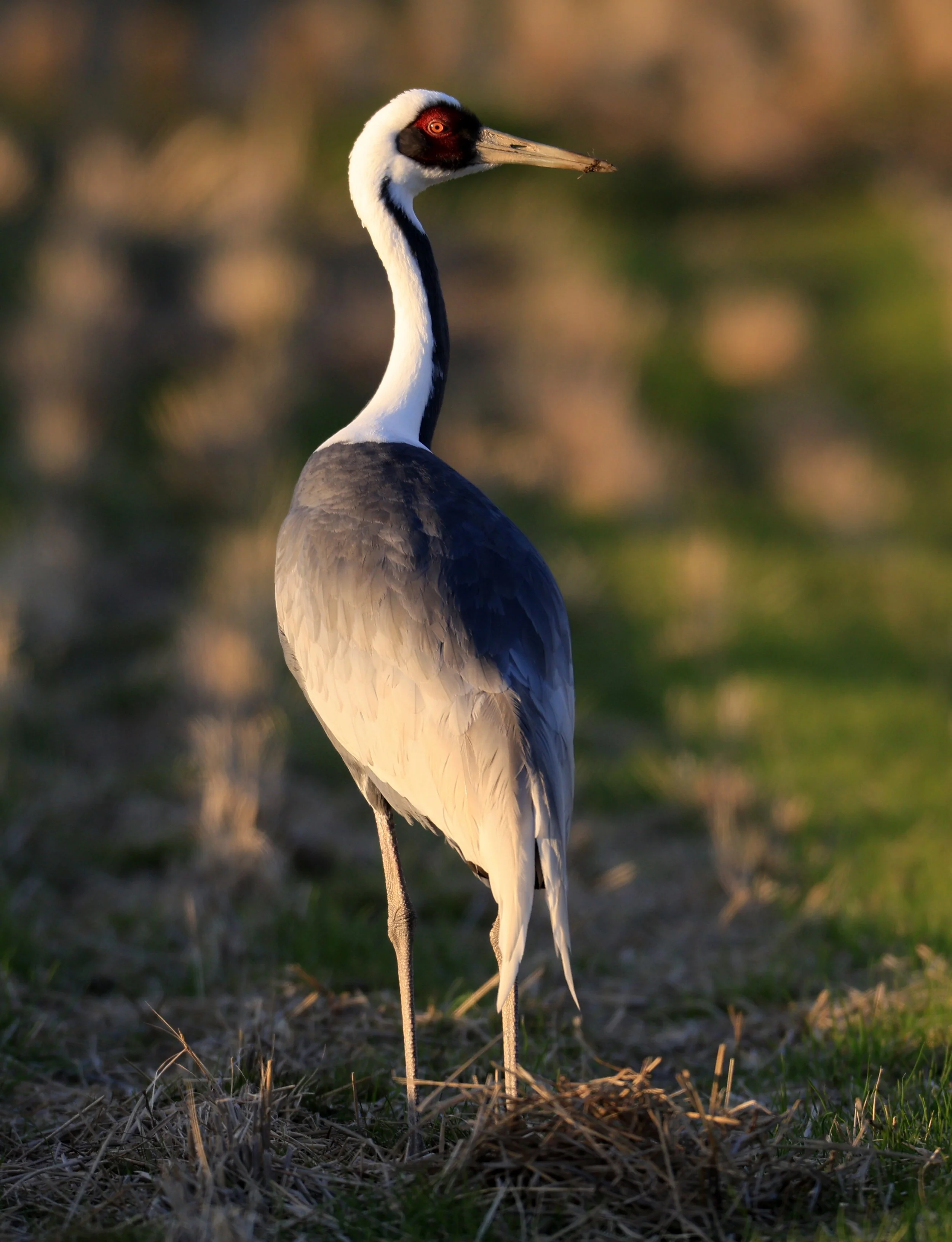
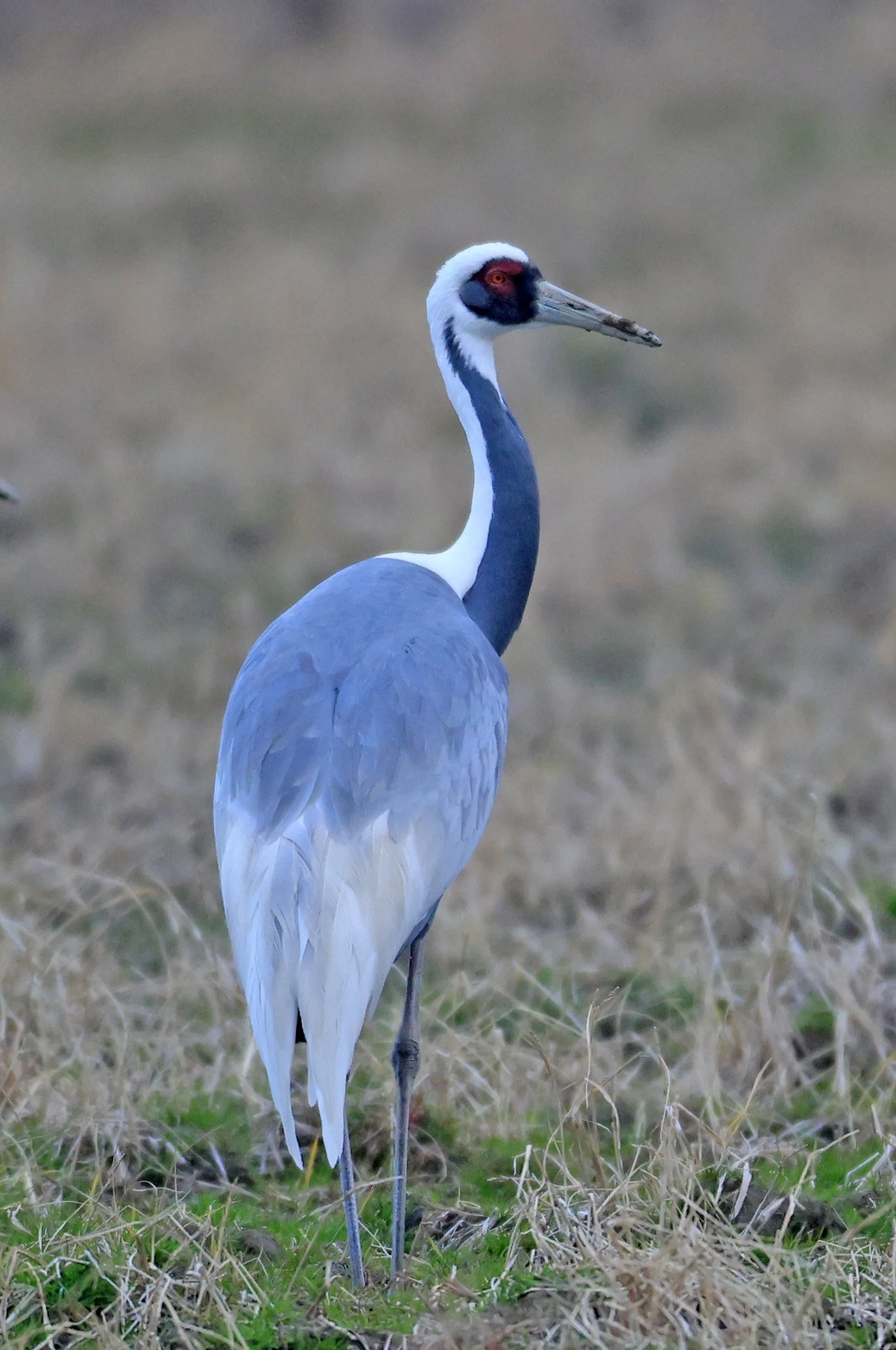
White-naped Crane (Antigone vipio)
Below are galleries of the wildlife and scenery we saw during this awesome short trip. I’ve included the cultural and historical highpoints of the trip as well. The most common species seen was the gorgeous White-naped Crane. The White-naped Crane (Antigone vipio), native to East Asian wetlands, is a large, grey crane with a distinctive white stripe on its neck, breeding in Mongolia, Russia, and China, and migrating to winter in Japan, China, and the Korean DMZ, feeding on plants, insects, and small vertebrates in grassy marshes and farmlands, facing threats from habitat loss, and known for its loud, unifying calls with mates.






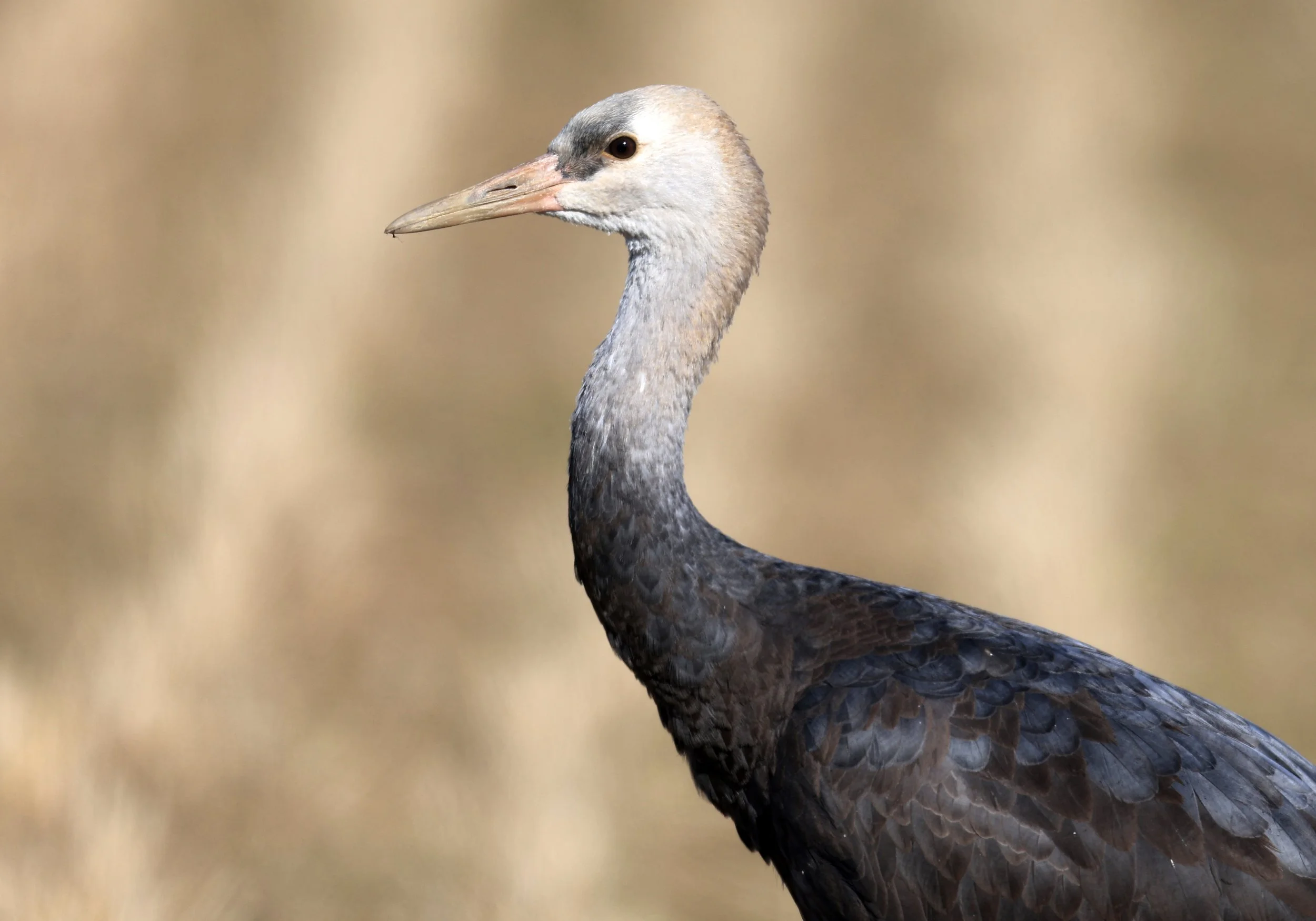
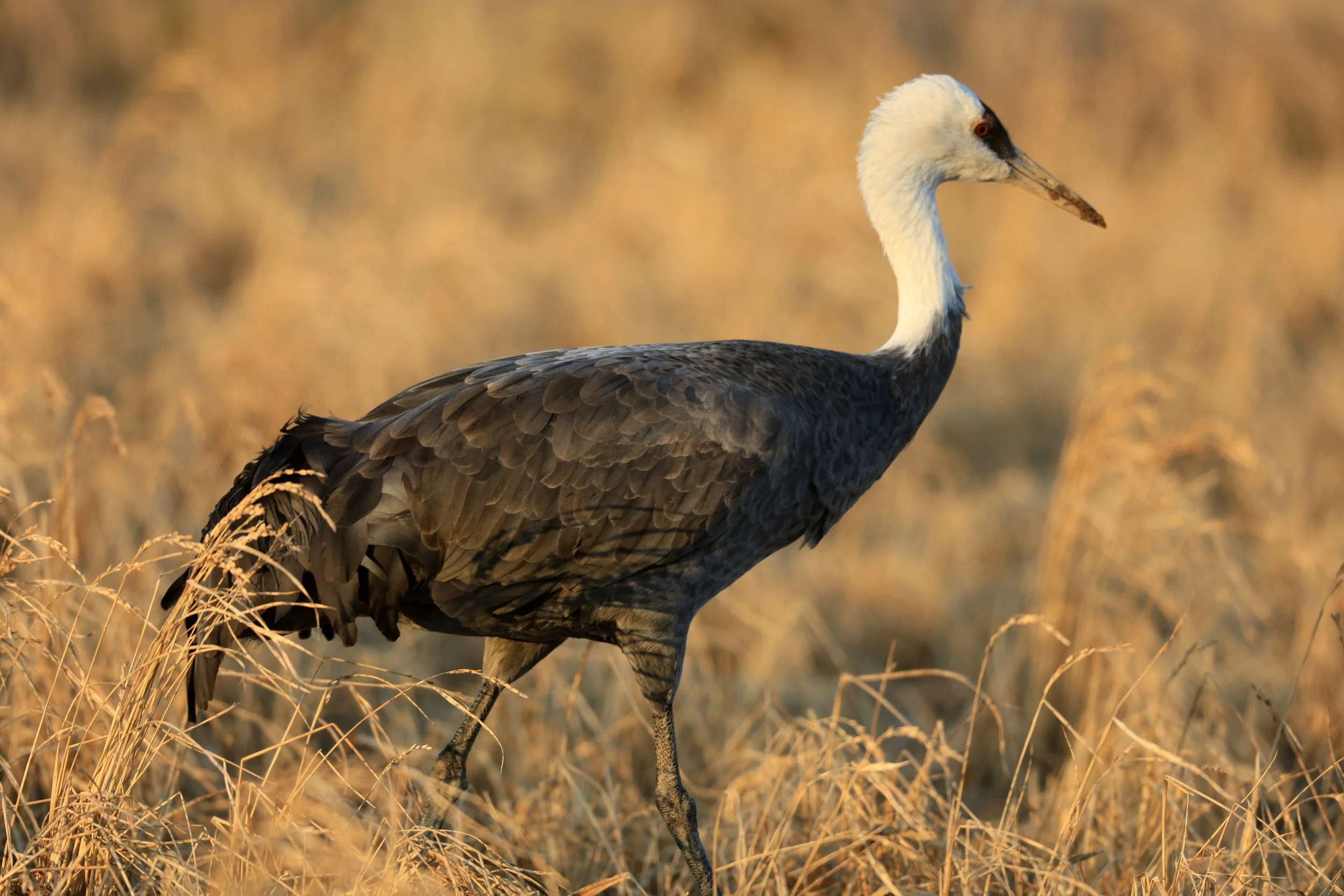
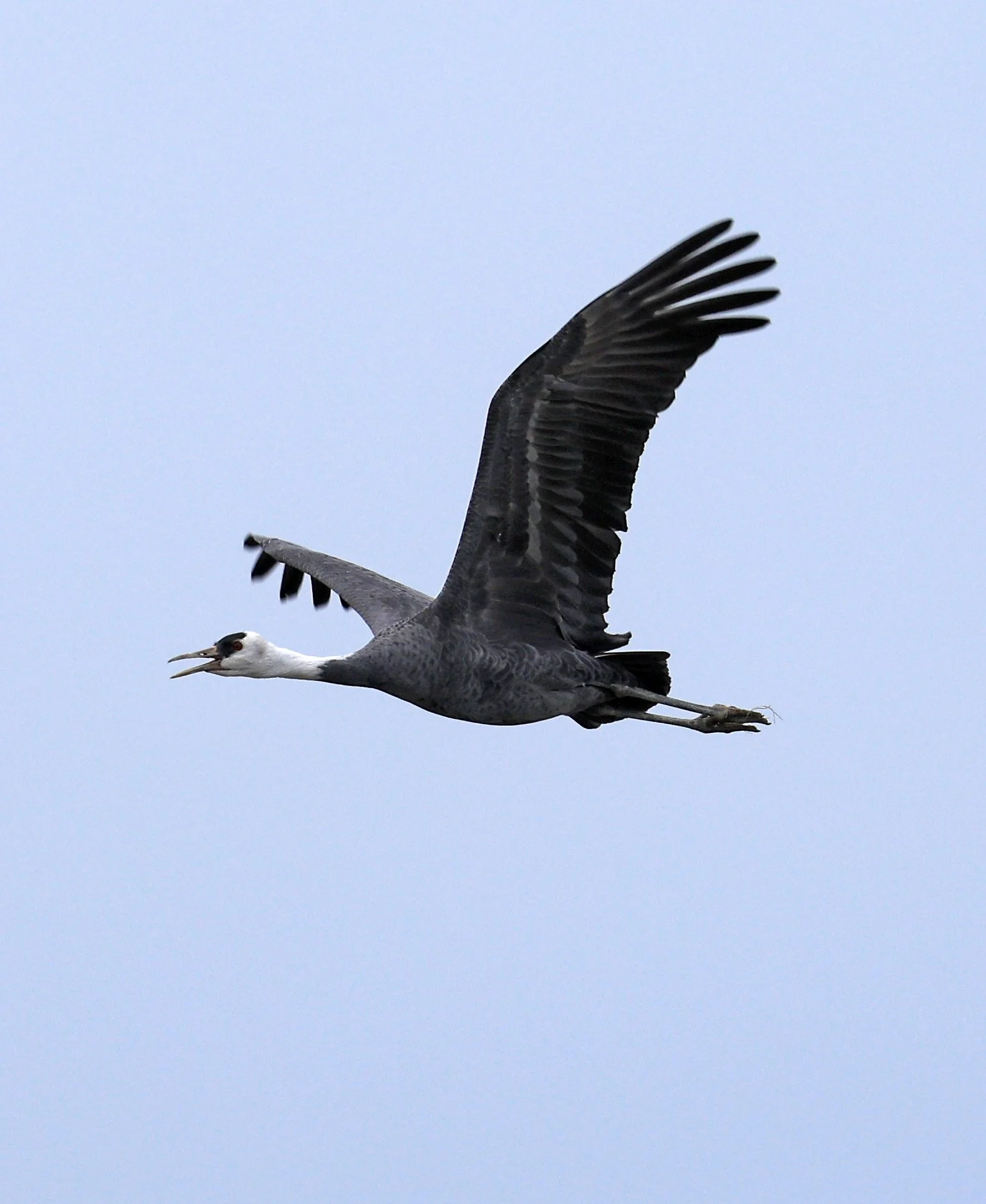
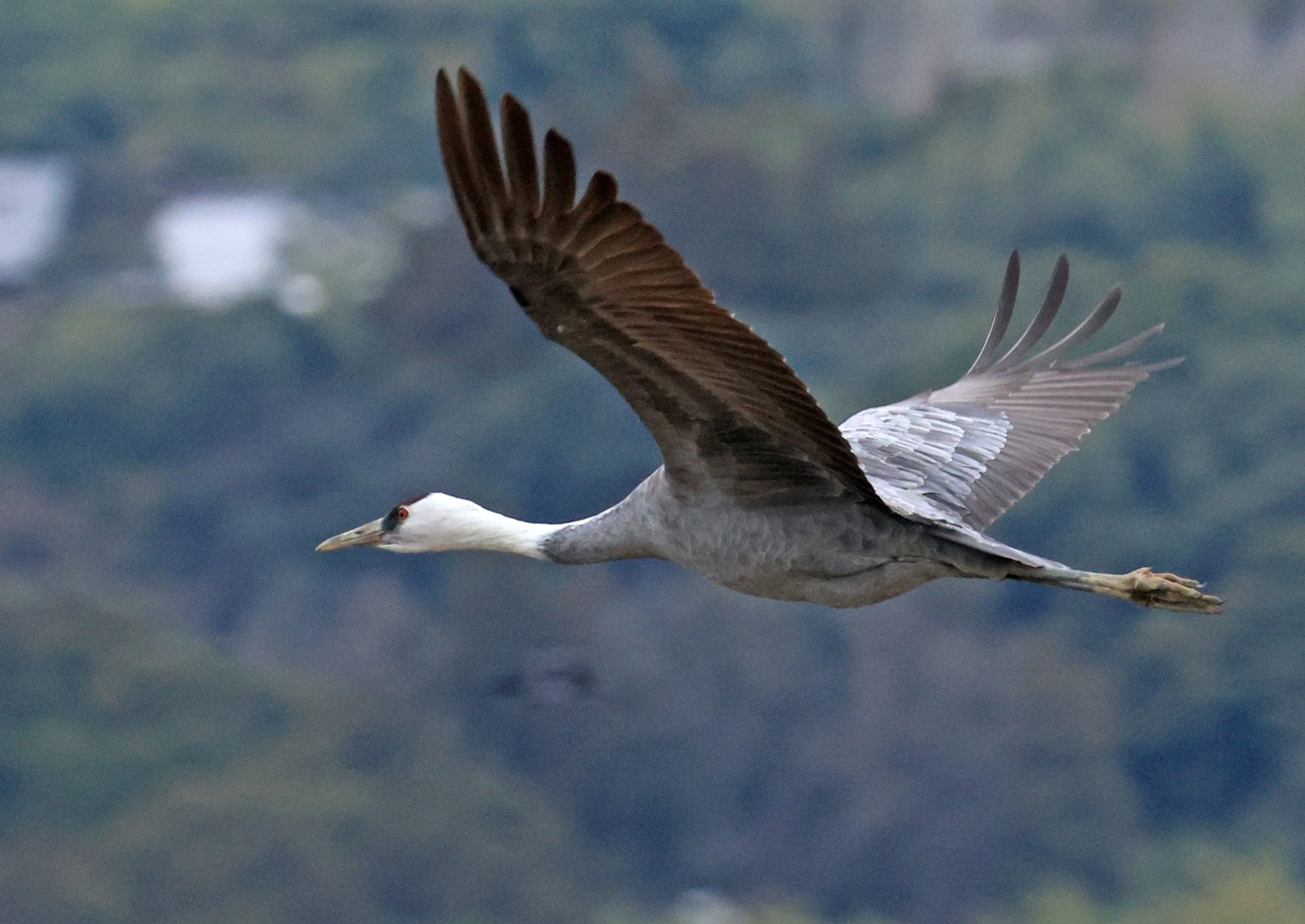
Hooded Crane (Grus monacha)
The Hooded Crane (Grus monacha) is a small, dark crane with a white head/neck, breeding in Siberian/Mongolian boreal forest bogs and wintering mostly in Japan (Kyushu) and parts of China/Korea, facing decline due to wetland loss, known for specific bog nesting and rice paddy use, using river sandbanks for roosting, and exhibiting typical crane courtship behaviors like unison calls, but remains one of the least studied large birds due to remote habitats.









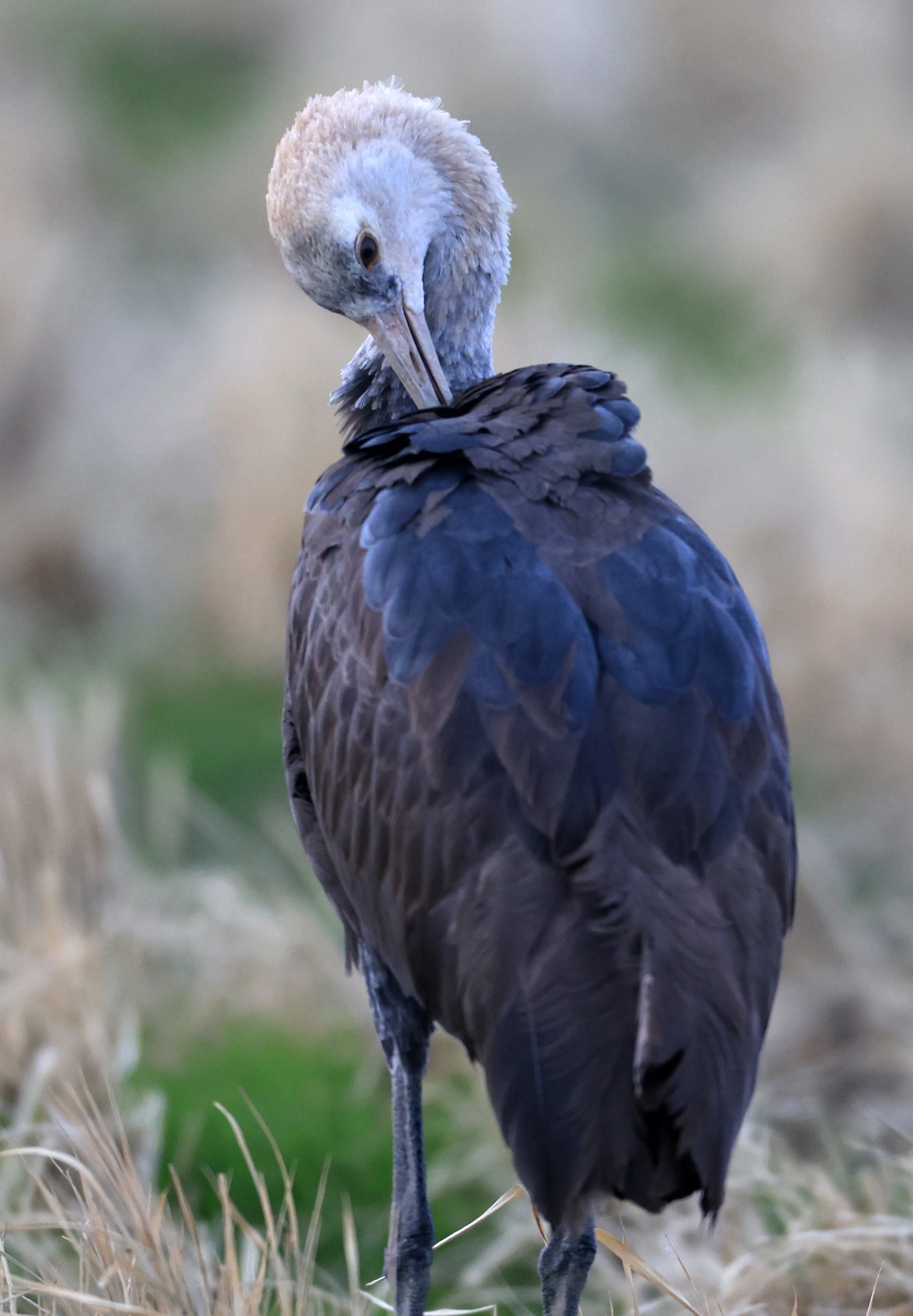


Other species seen in Izumi and the surrounding areas

Eurasian or Common Kestrel (Falco tinnunculus) Izumi Crane Center and Fields Izumi Kagoshima Japan

Sandhill Crane (Antigone canadensis) Izumi Crane Park & Center, Izumi Kagoshima Kyushu Japan
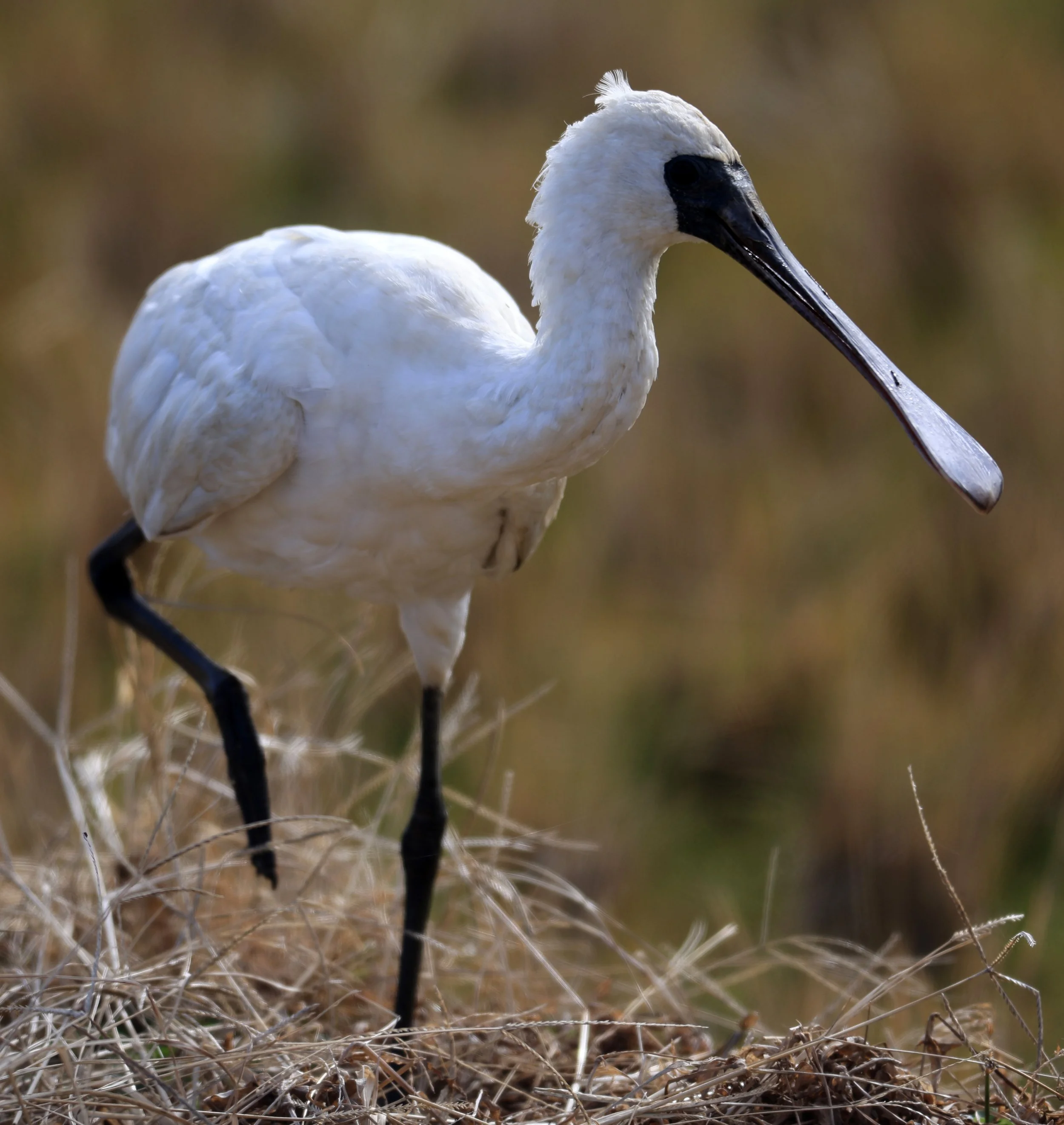
Black-faced Spoonbill (Platalea minor) Izumi Crane Center and Fields Izumi Kagoshima Japan

Baikal teal (Sibirionetta formosa) Takagawa Dam Lake, Kagoshima Japan

Western osprey (Pandion haliaetus) Shimotonda Sadowaracho Birding Ponds Miyazaki Kyushu Japan

Carrion Crow (Corvus corone) Shimotonda Sadowaracho Birding Ponds Miyazaki Kyushu Japan

Barn swallows (Hirundo rustica gutturalis) Shimotonda Sadowaracho Birding Ponds Miyazaki Kyushu Japan

Black Kite (Milvus migrans lineatus) Izumi Crane Park & Center, Izumi Kagoshima Kyushu Japan

Black-faced Spoonbill (Platalea minor) Izumi Crane Center and Fields Izumi Kagoshima Japan

Black-faced Spoonbill (Platalea minor) Izumi Crane Center and Fields Izumi Kagoshima Japan

Eastern Great Egret (Subspecies Ardea alba modesta) Izumi Crane Center and Fields Izumi Kagoshima Japan
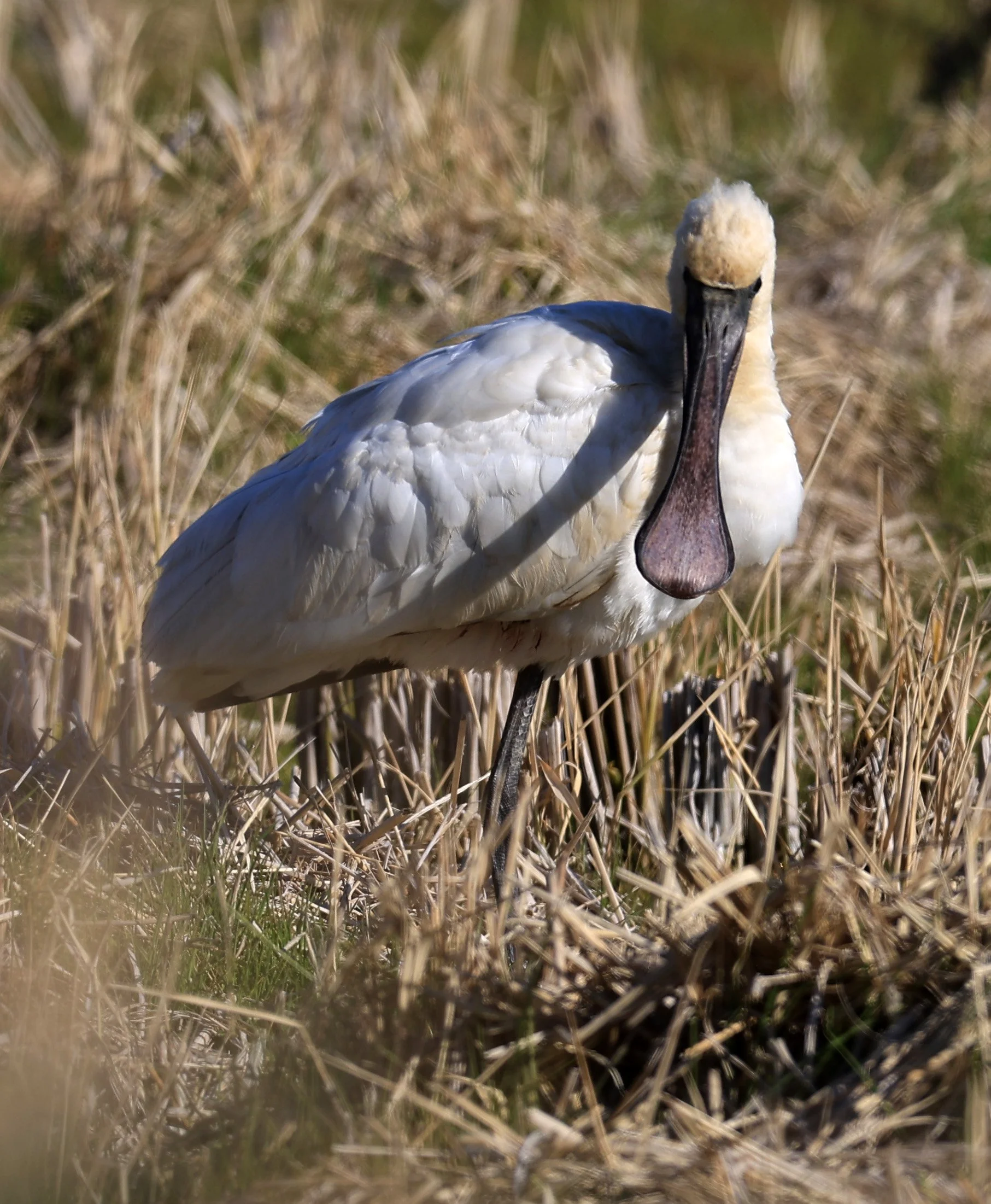
Black-faced Spoonbill (Platalea minor) Izumi Crane Center and Fields Izumi Kagoshima Japan

Baikal teal (Sibirionetta formosa) Takagawa Dam Lake, Kagoshima Japan

Black-faced Spoonbill (Platalea minor) Izumi Crane Center and Fields Izumi Kagoshima Japan

Baikal teal (Sibirionetta formosa) Takagawa Dam Lake, Kagoshima Japan

Black-faced Spoonbill (Platalea minor) Izumi Crane Center and Fields Izumi Kagoshima Japan

Black-faced Spoonbill (Platalea minor) Izumi Crane Center and Fields Izumi Kagoshima Japan

Eastern Rook (Corvus frugilegus pastinator) Izumi Crane Park & Center, Izumi Kagoshima Kyushu Japan

Eastern Spot-billed Duck (Anas zonorhyncha) Izumi Crane Park & Center, Izumi Kagoshima Kyushu Japan

Common Shelduck (Tadorna tadorna) Shimotonda Sadowaracho Birding Ponds Miyazaki Kyushu Japan

Daurian Jackdaw (Coloeus dauuricus) & Eastern Rook - Izumi Crane Center and Fields Izumi Kagoshima Japan
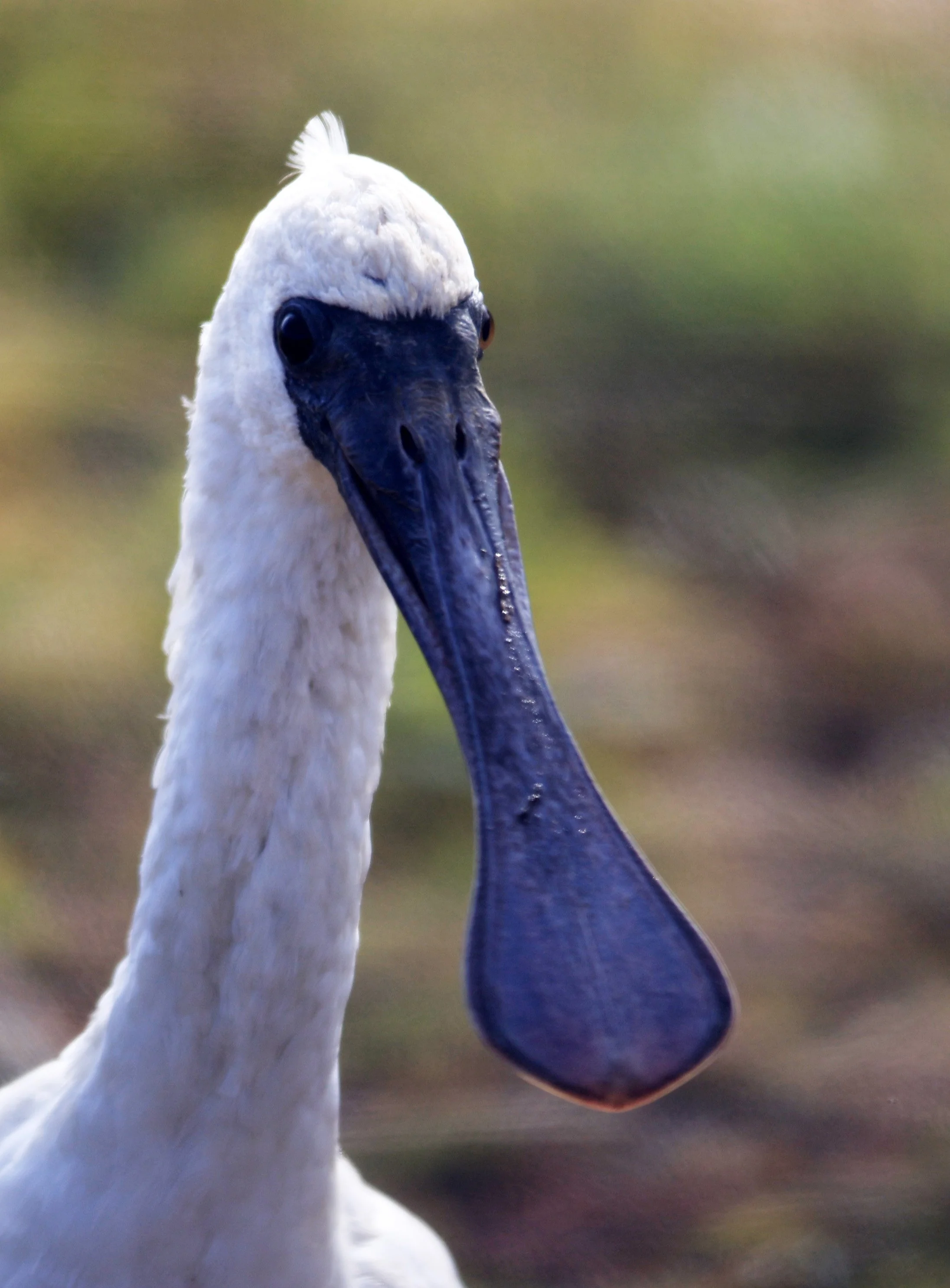

Eastern Rook (Corvus frugilegus pastinator) Izumi Crane Park & Center, Izumi Kagoshima Kyushu Japan

Western osprey (Pandion haliaetus) Shimotonda Sadowaracho Birding Ponds Miyazaki Kyushu Japan

Eastern Spot-billed Duck (Anas zonorhyncha) Izumi Crane Park & Center, Izumi Kagoshima Kyushu Japan
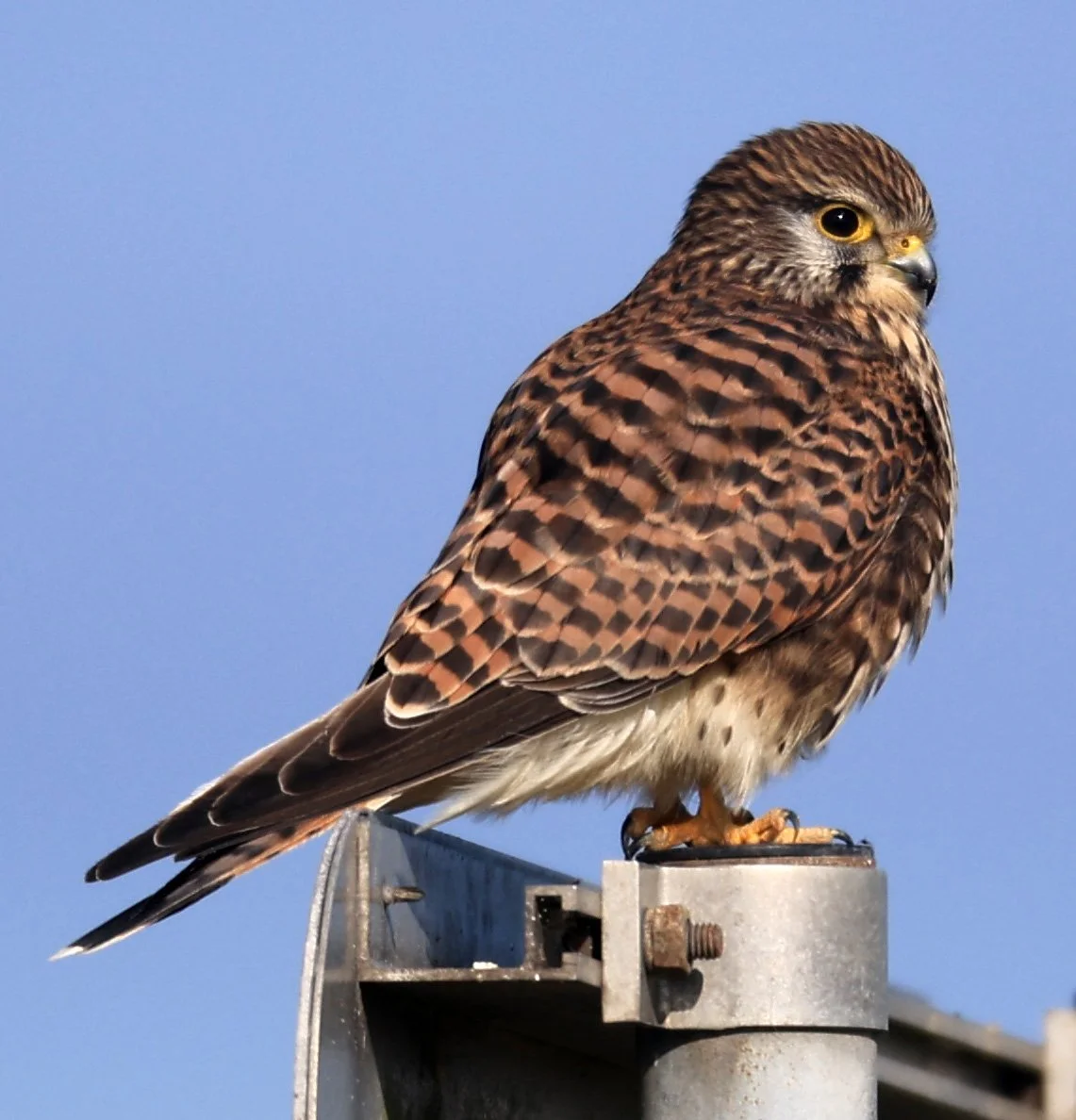
Eurasian or Common Kestrel (Falco tinnunculus) Izumi Crane Center and Fields Izumi Kagoshima Japan

Eurasian or Common Kestrel (Falco tinnunculus) Izumi Crane Center and Fields Izumi Kagoshima Japan

Baikal teal (Sibirionetta formosa) Takagawa Dam Lake, Kagoshima Japan

Black Kite (Milvus migrans lineatus) Izumi Crane Park & Center, Izumi Kagoshima Kyushu Japan
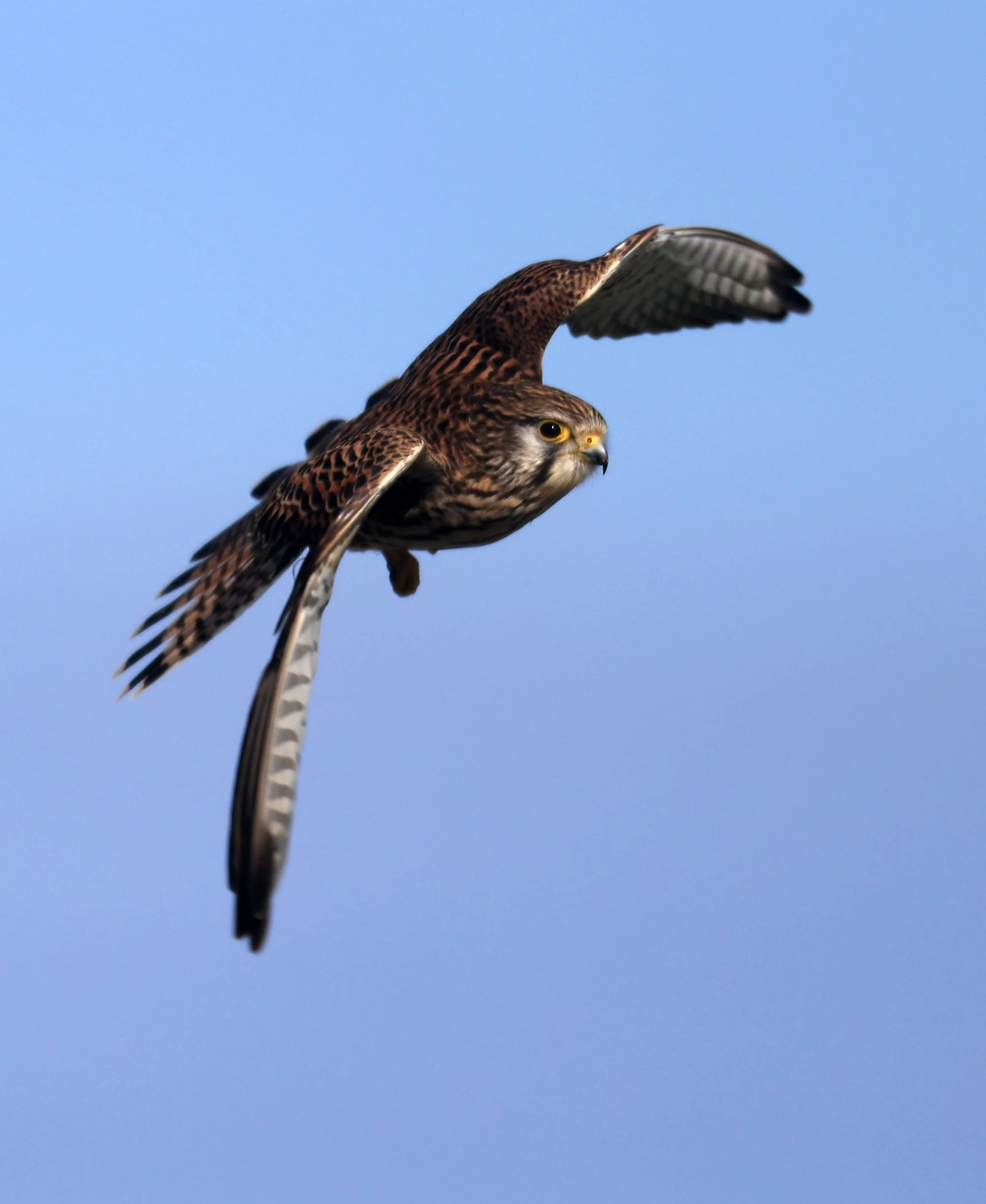
Eurasian or Common Kestrel (Falco tinnunculus) Izumi Crane Center and Fields Izumi Kagoshima Japan

Eurasian wigeon (Mareca penelope) Izumi Crane Park & Center, Izumi Kagoshima Kyushu Japan

European wigeon (Mareca penelope) Shimotonda Sadowaracho Birding Ponds Miyazaki Kyushu Japan

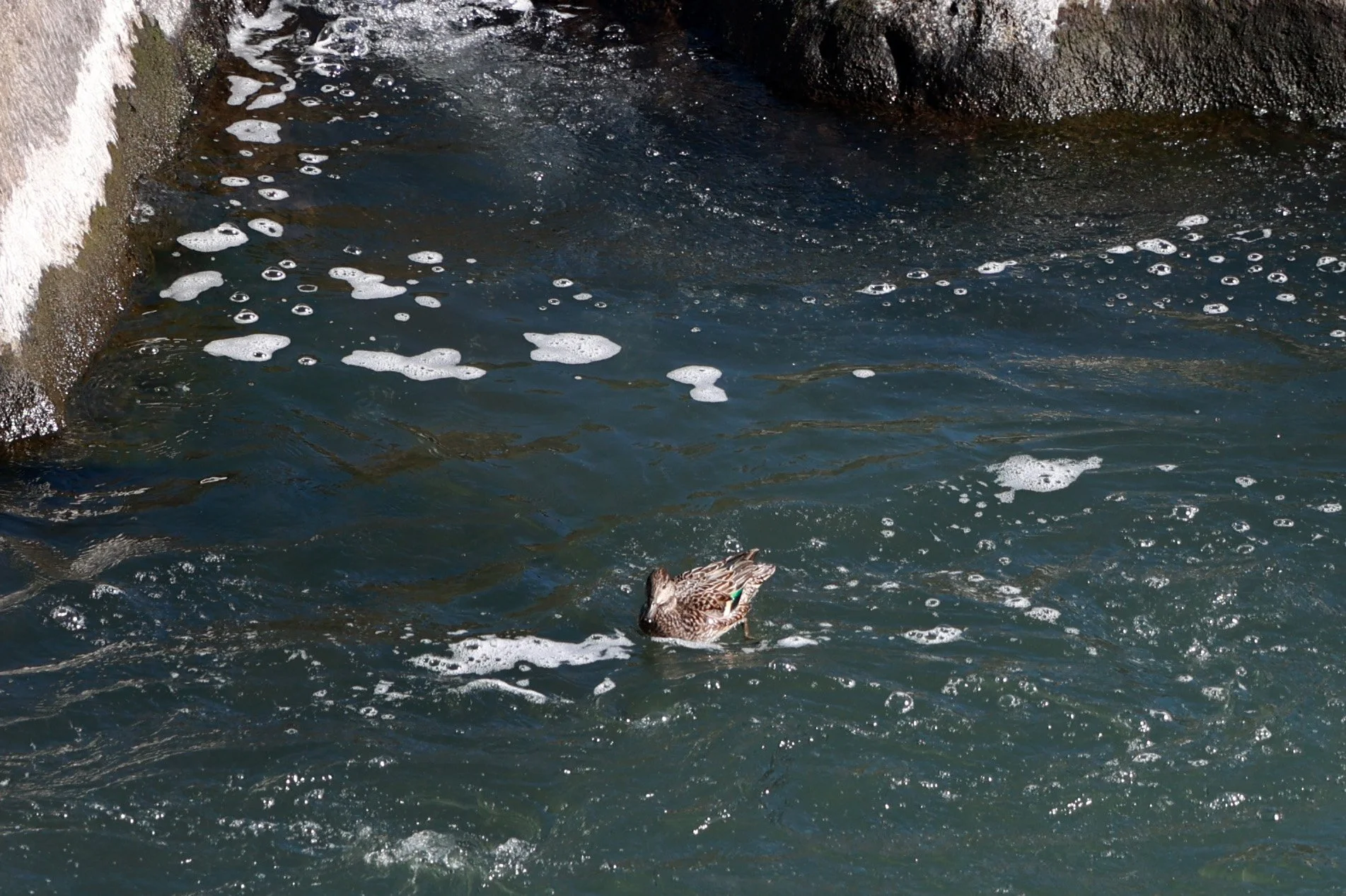
Great Cormorant (Phalacrocorax carbo) Sogi Waterfalls & Canyon, Kagoshima Japan

Great Crested Grebe (Podiceps cristatus) Shimotonda Sadowaracho Birding Ponds Miyazaki Kyushu Japan

European wigeon (Mareca penelope) Shimotonda Sadowaracho Birding Ponds Miyazaki Kyushu Japan
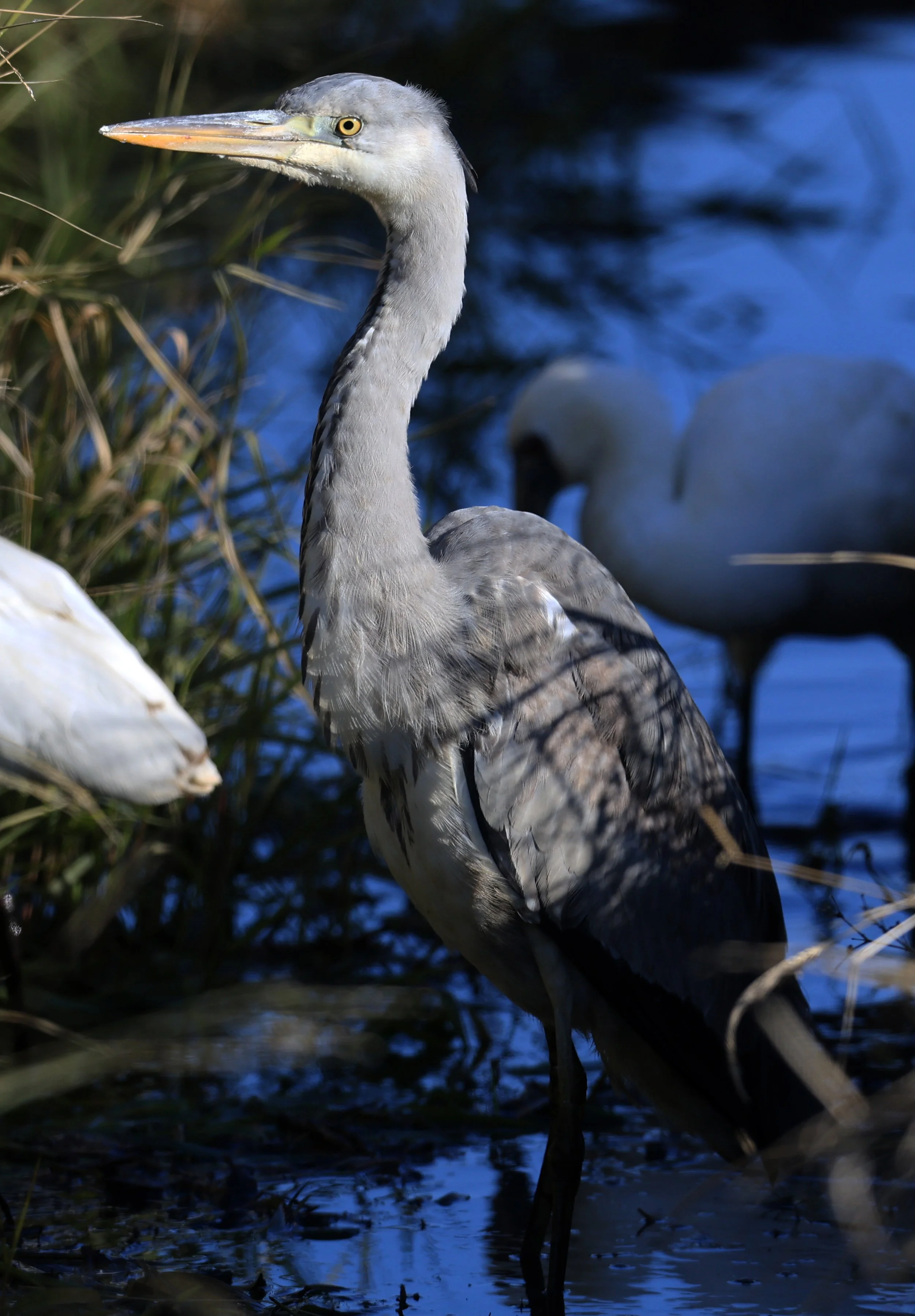
Grey Heron (Ardea cinerea) Izumi Crane Center and Fields Izumi Kagoshima Japan

Greylag Goose (Anser anser) & Bean Goose - Shimotonda Sadowaracho Birding Ponds Miyazaki Kyushu Japan

Mallard (Anas platyrhynchos) Mi'ike Crater Lake - Miyazaki Japan, Kyushu

Sandhill Crane (Antigone canadensis) Izumi Crane Park & Center, Izumi Kagoshima Kyushu Japan

Northern lapwing (Vanellus vanellus) Izumi Crane Park & Center, Izumi Kagoshima Kyushu Japan

Tufted Duck (Aythya fuligula) Sogi Waterfalls & Canyon, Kagoshima Japan

Northern Pintail (Anas acuta) Izumi Crane Park & Center, Izumi Kagoshima Kyushu Japan
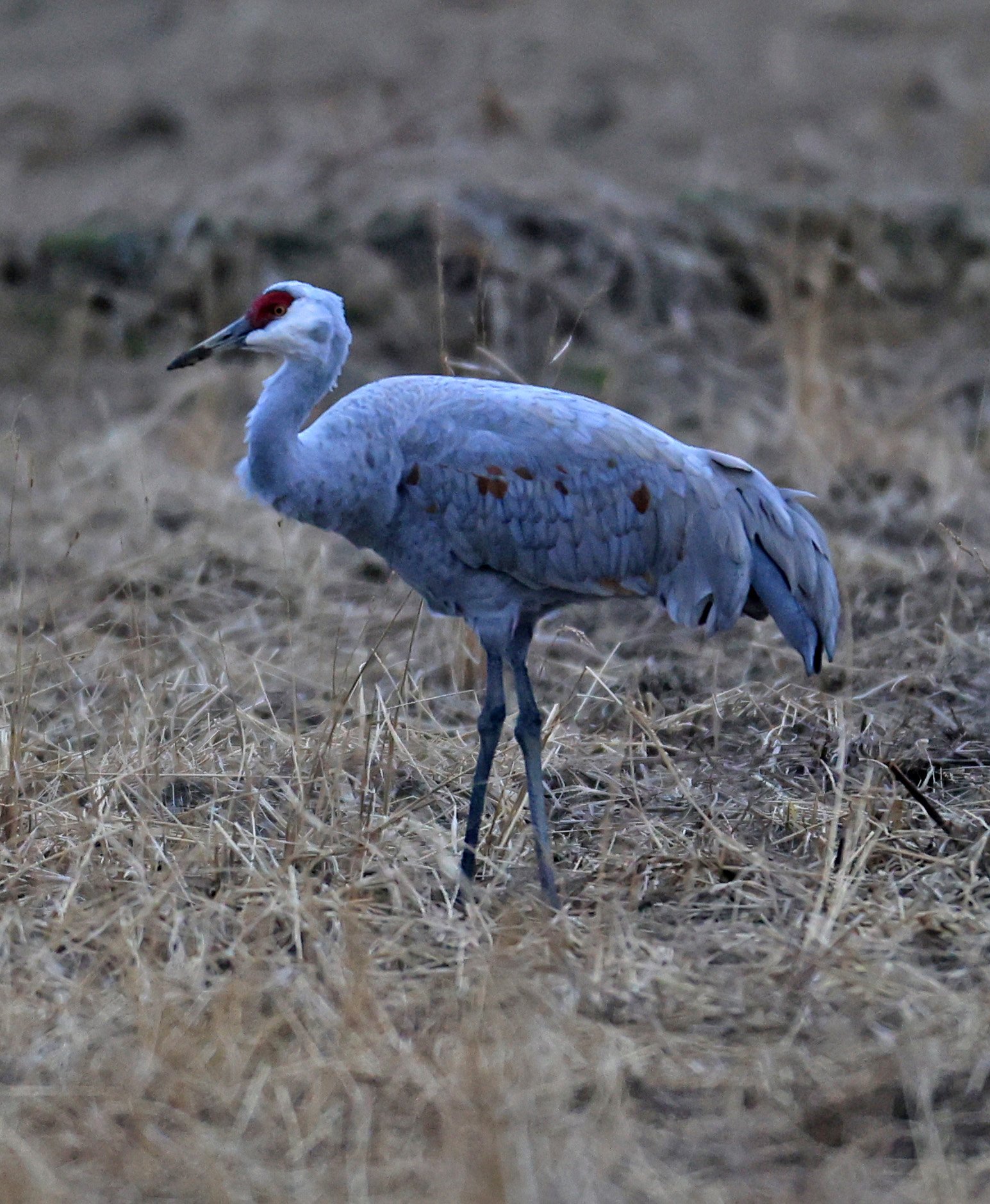
Sandhill Crane (Antigone canadensis) Izumi Crane Park & Center, Izumi Kagoshima Kyushu Japan

Eurasian or Common Kestrel (Falco tinnunculus) Izumi Crane Center and Fields Izumi Kagoshima Japan

Greylag Goose (Anser anser) & Bean Goose - Shimotonda Sadowaracho Birding Ponds Miyazaki Kyushu Japan

Sandhill Crane (Antigone canadensis) Izumi Crane Park & Center, Izumi Kagoshima Kyushu Japan

Northern Pintail (Anas acuta) Izumi Crane Park & Center, Izumi Kagoshima Kyushu Japan

Sandhill Crane (Antigone canadensis) Izumi Crane Park & Center, Izumi Kagoshima Kyushu Japan

Tufted Duck (Aythya fuligula) Sogi Waterfalls & Canyon, Kagoshima Japan

Western osprey (Pandion haliaetus) Shimotonda Sadowaracho Birding Ponds Miyazaki Kyushu Japan

Sandhill Crane (Antigone canadensis) Izumi Crane Park & Center, Izumi Kagoshima Kyushu Japan
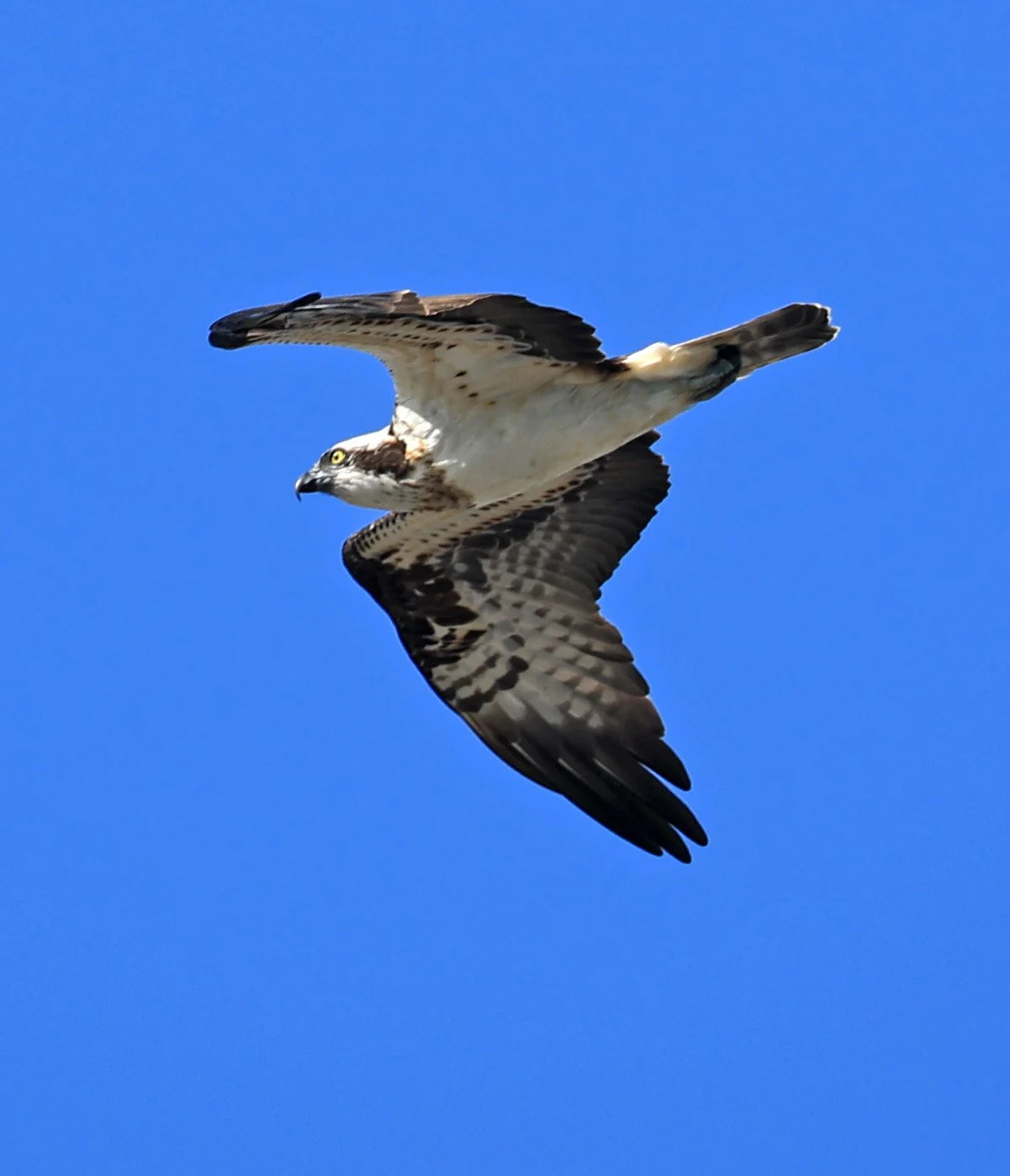
Western osprey (Pandion haliaetus) Shimotonda Sadowaracho Birding Ponds Miyazaki Kyushu Japan

White Wagtail (Motacilla alba) Sogi Waterfalls & Canyon, Kagoshima Japan
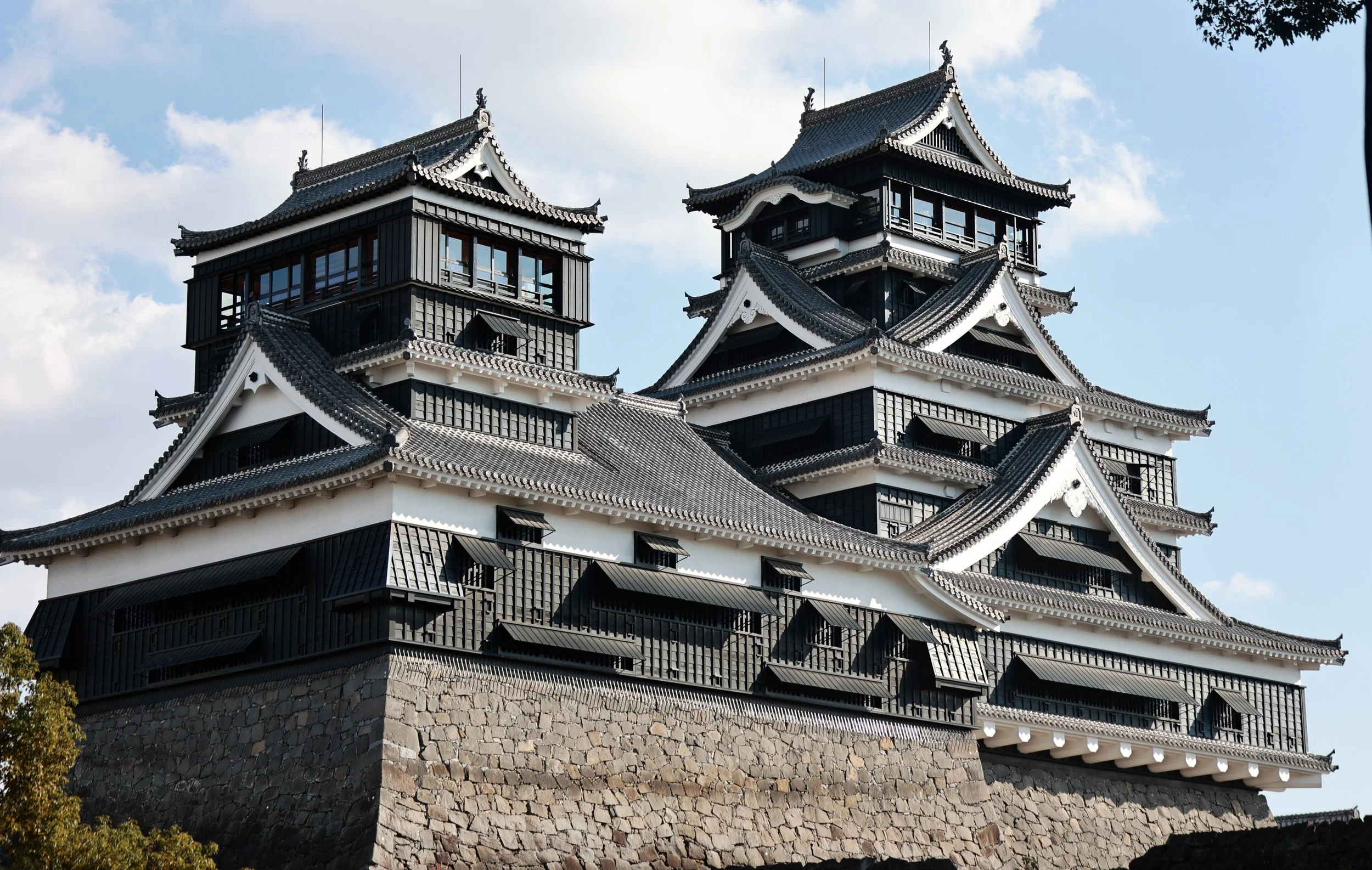
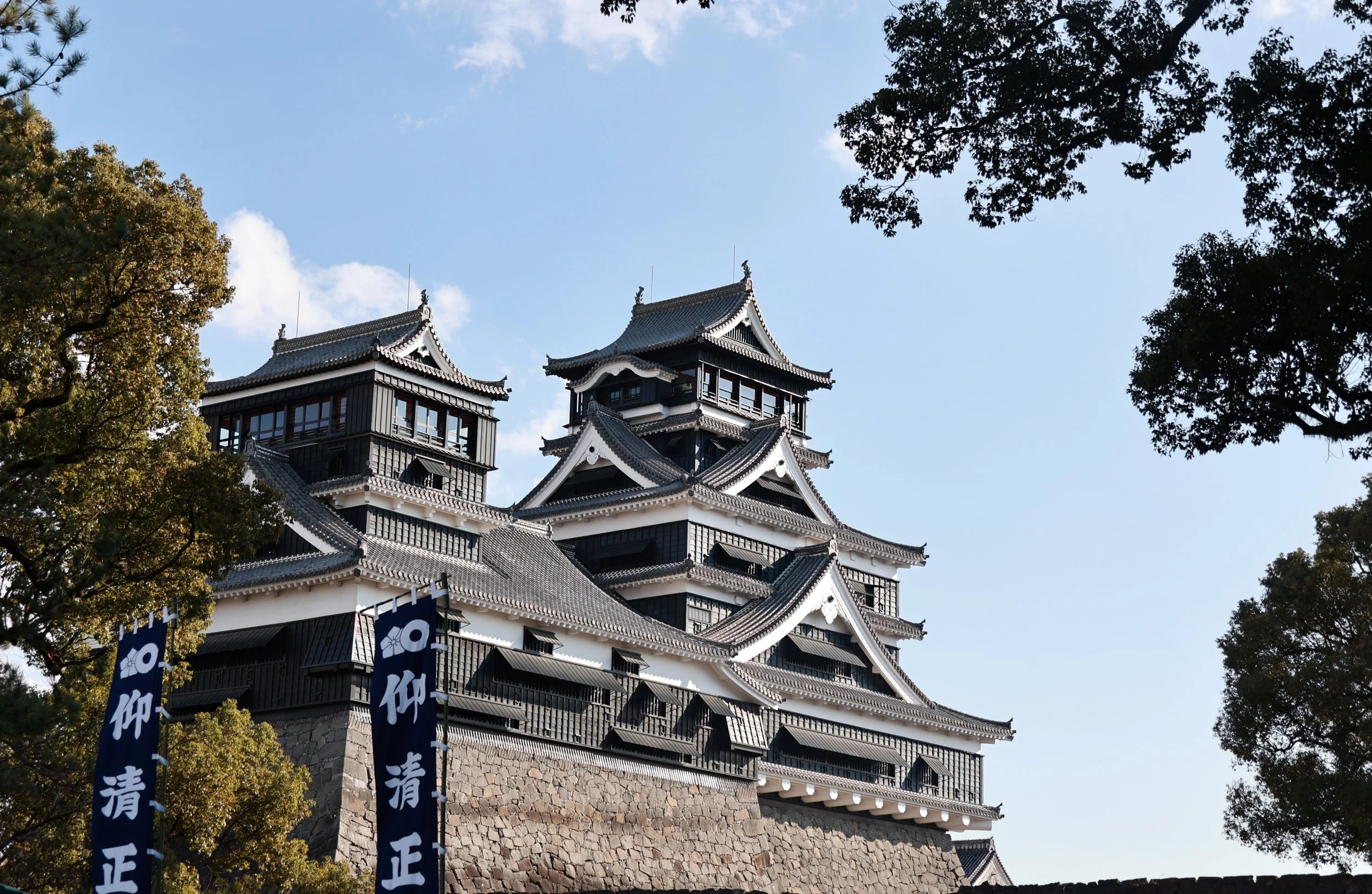
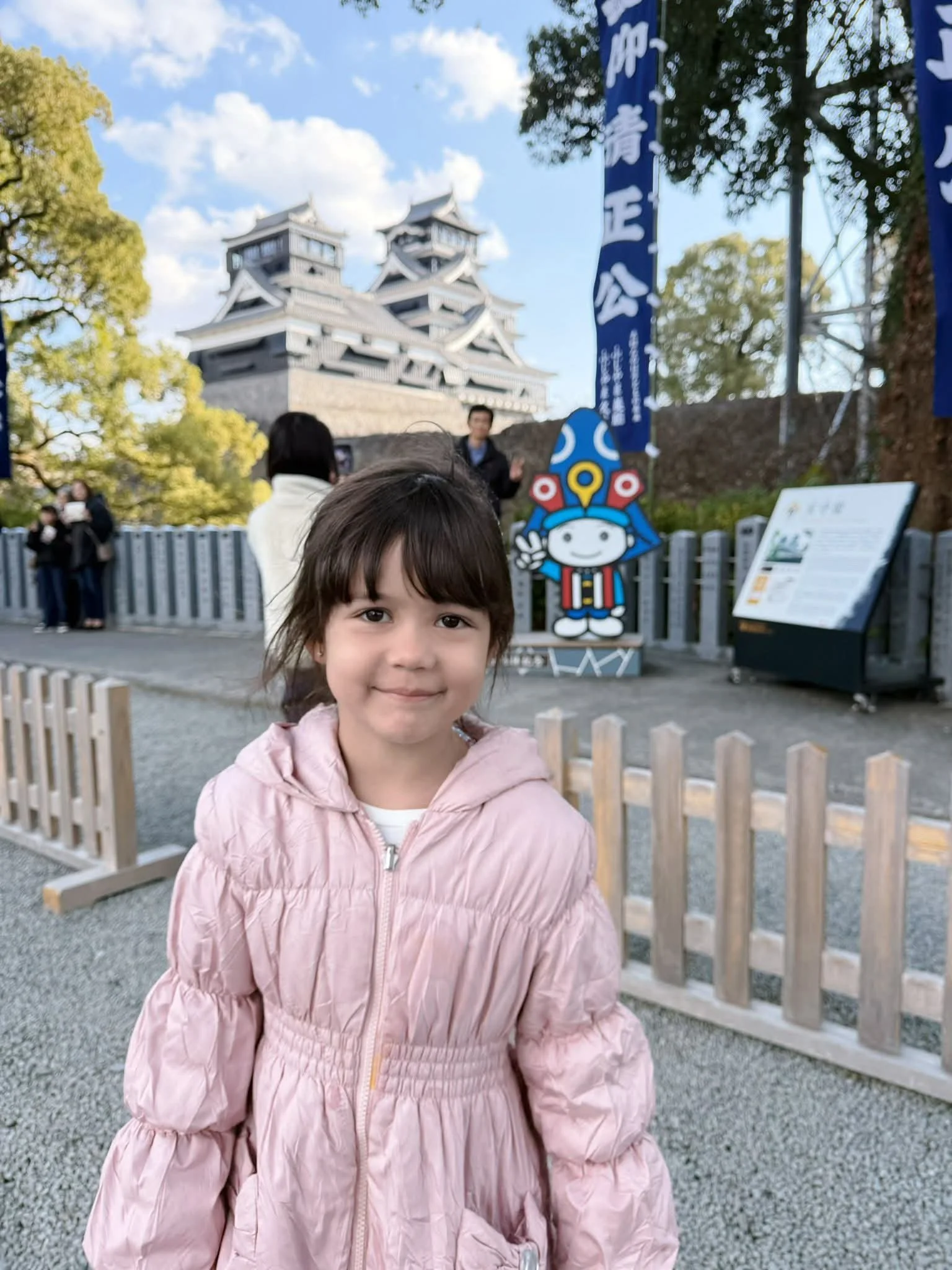
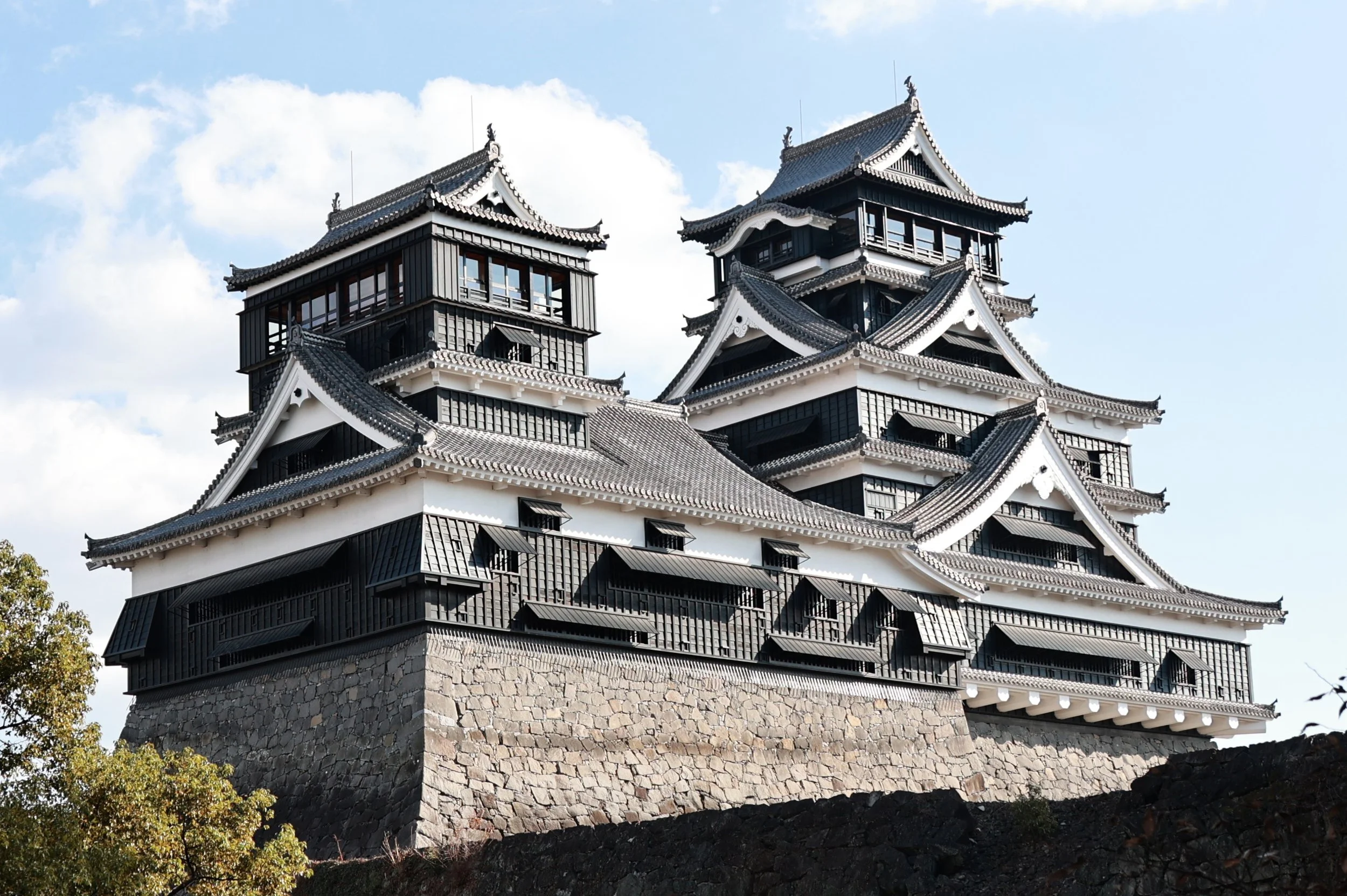
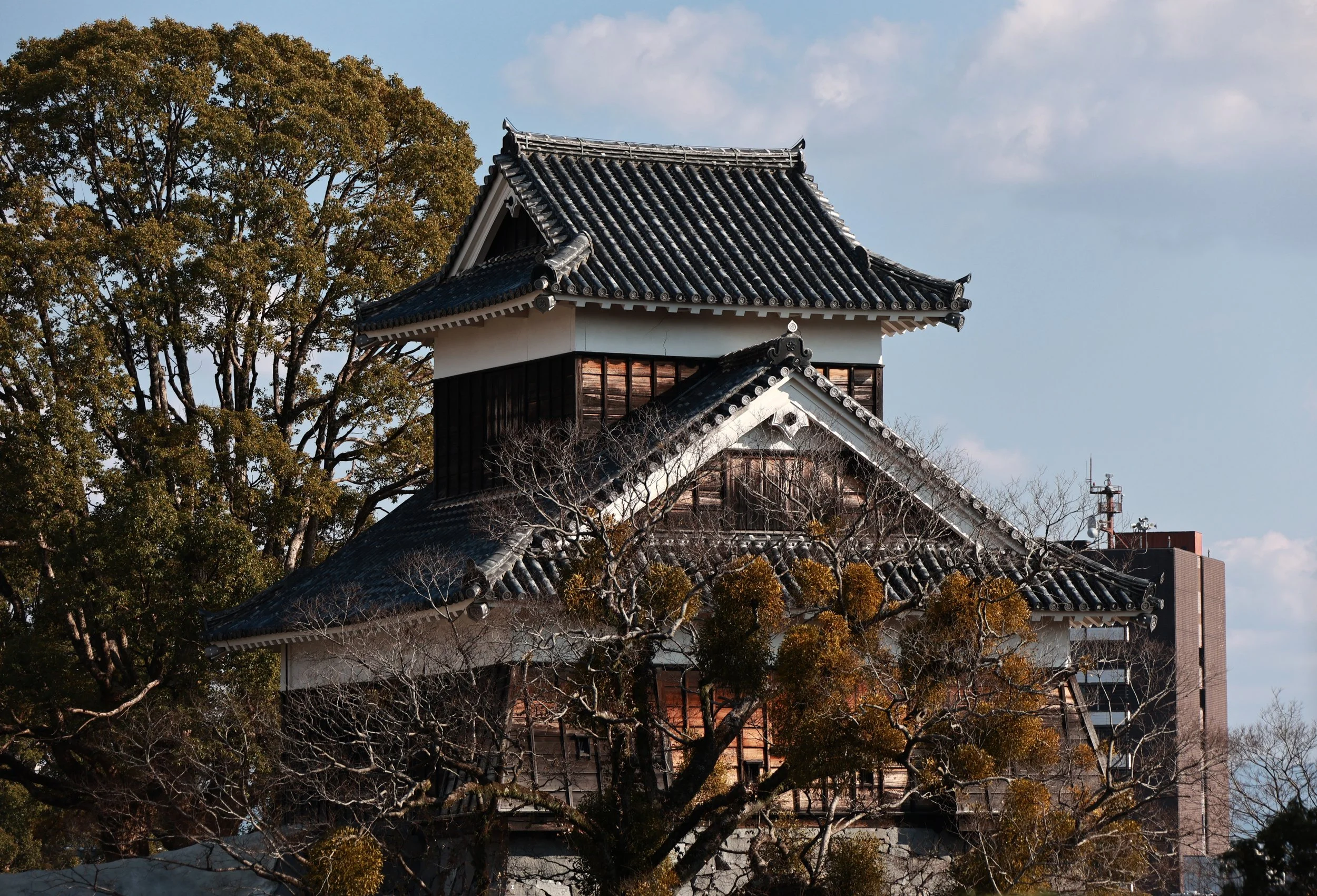
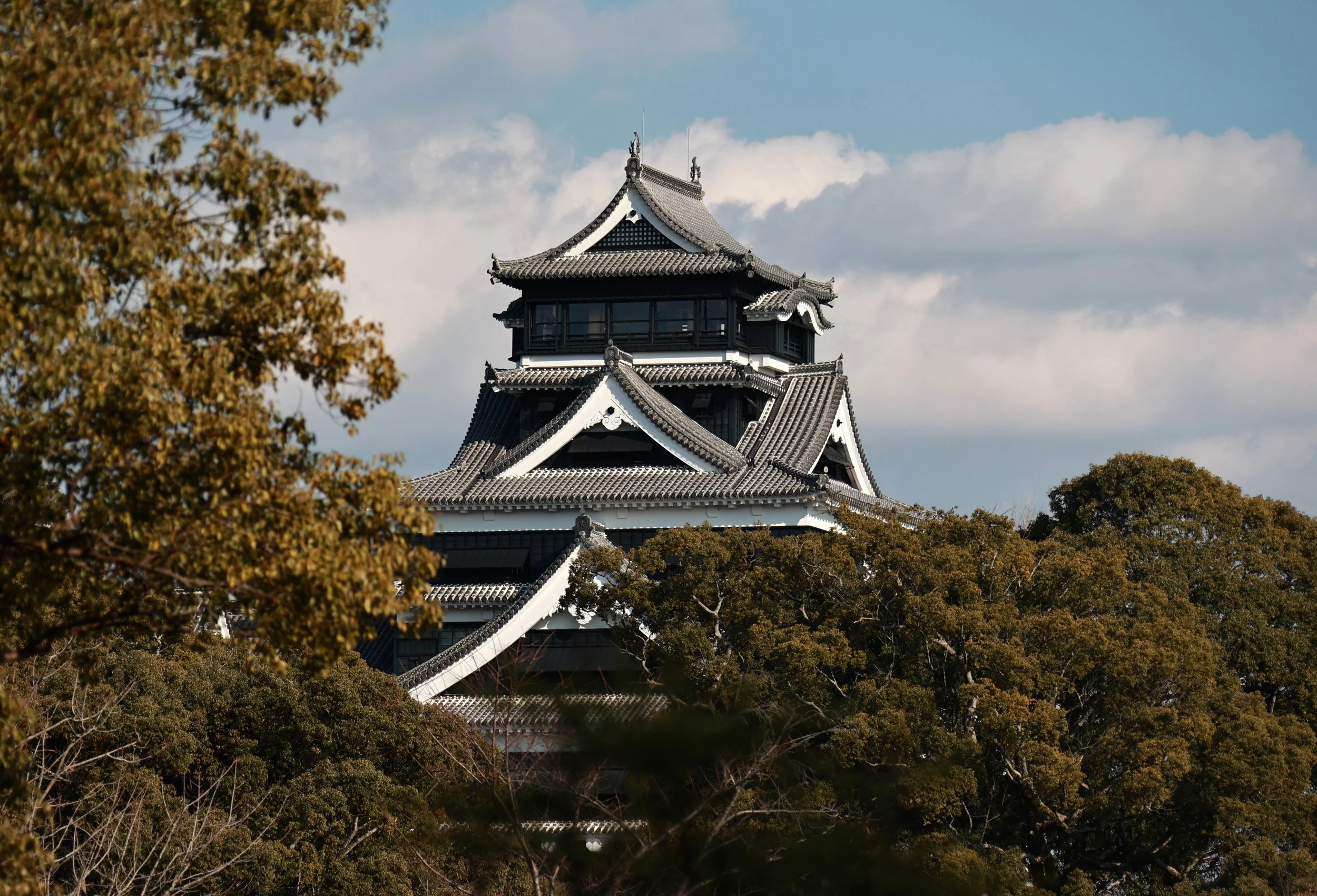
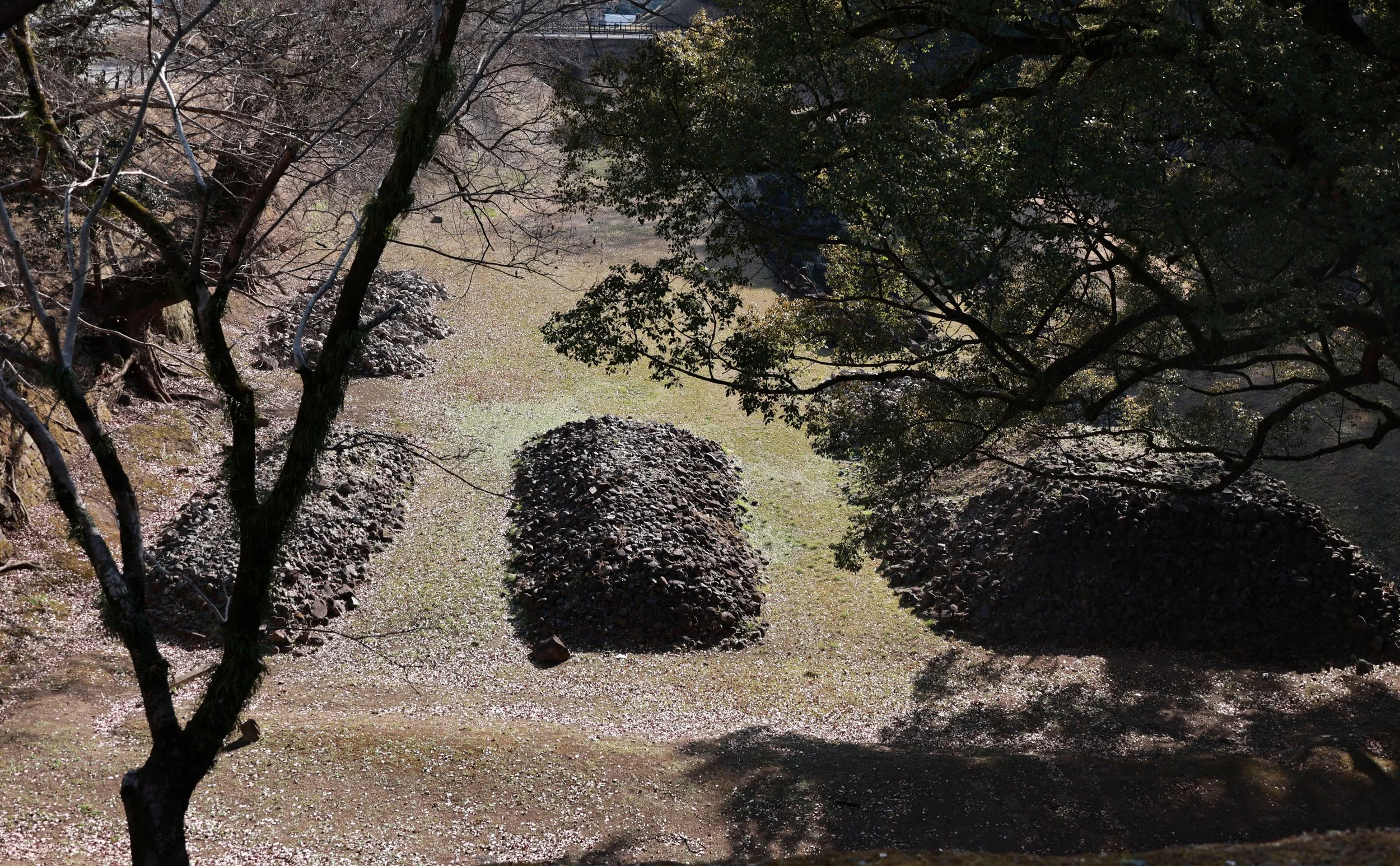
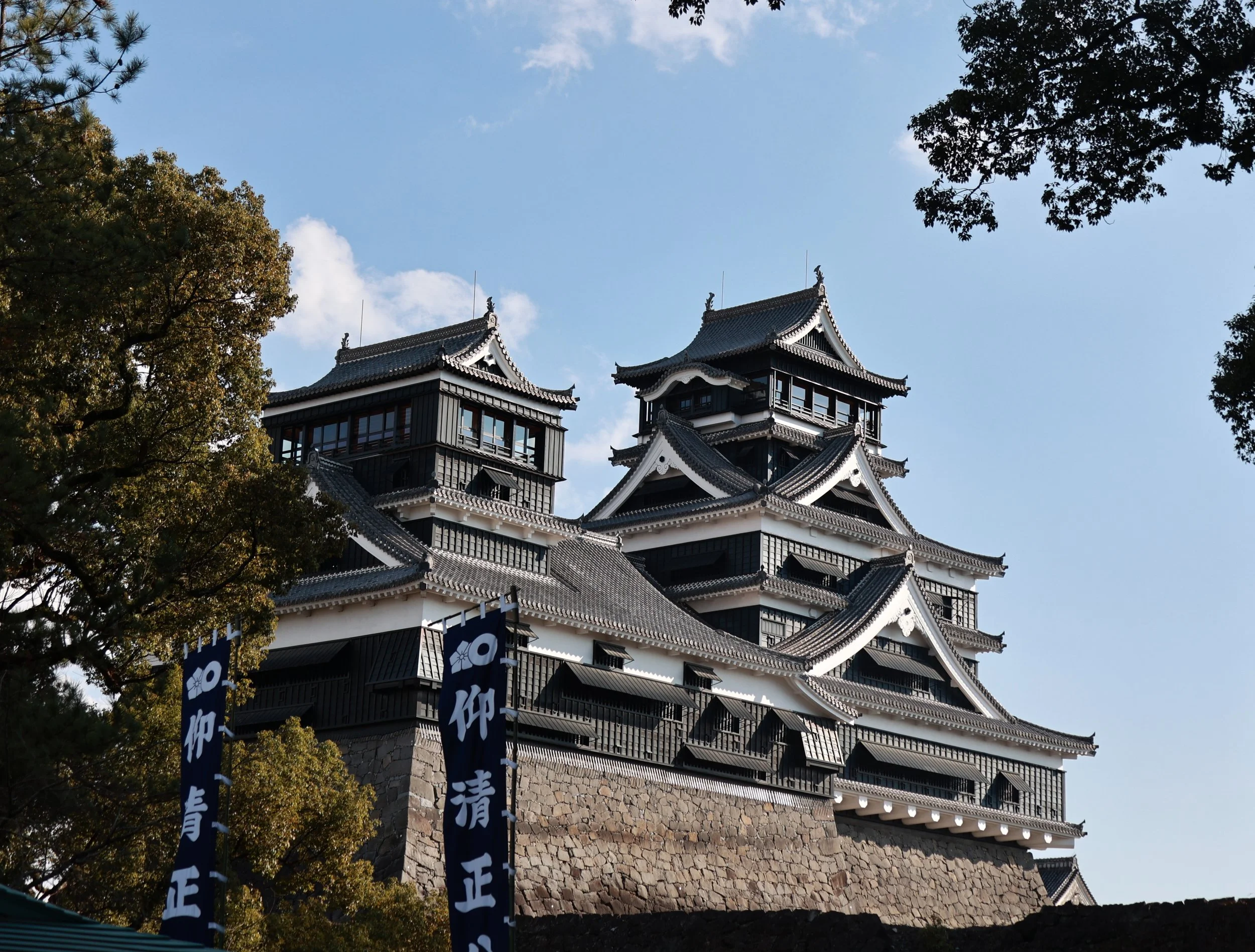
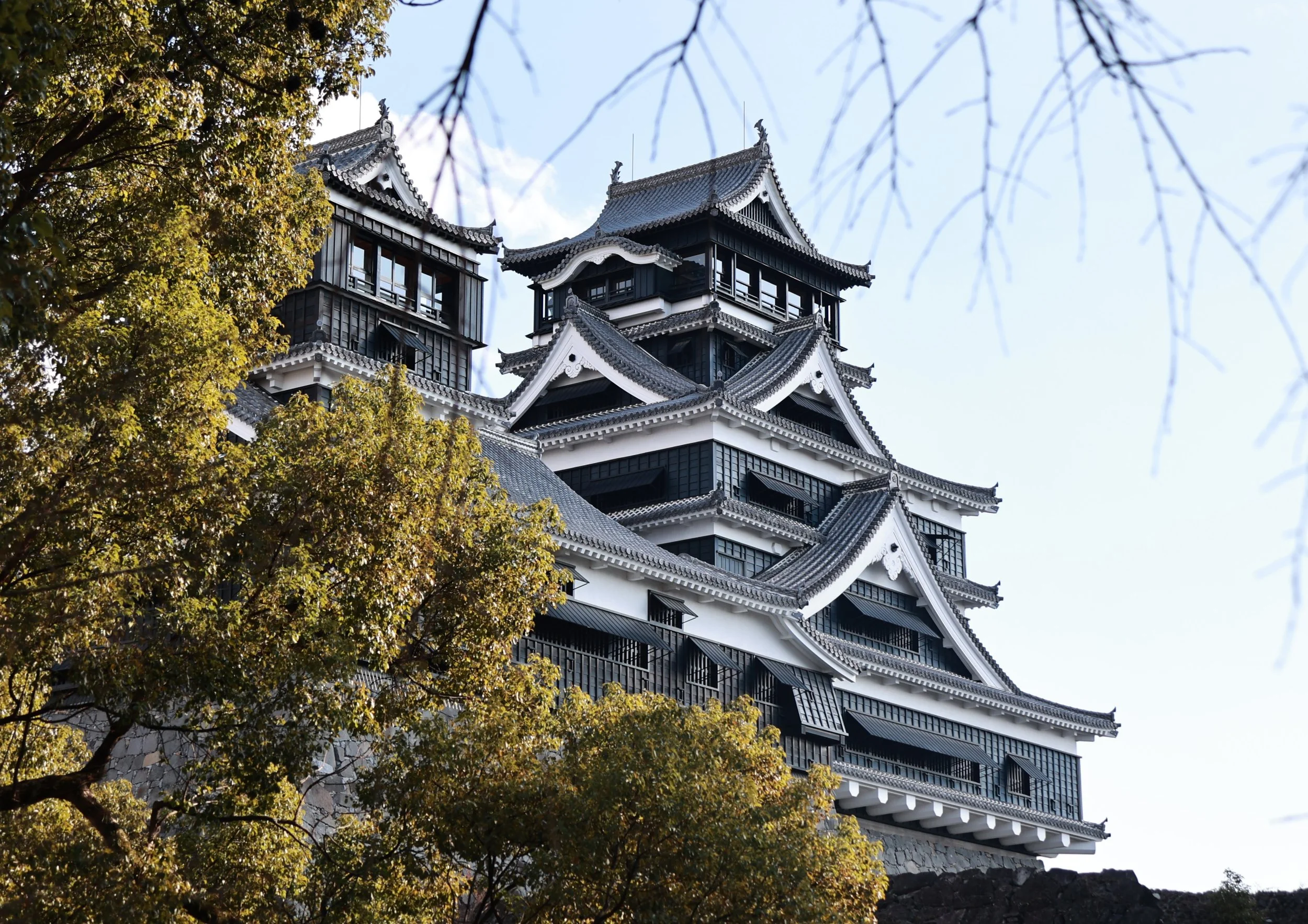
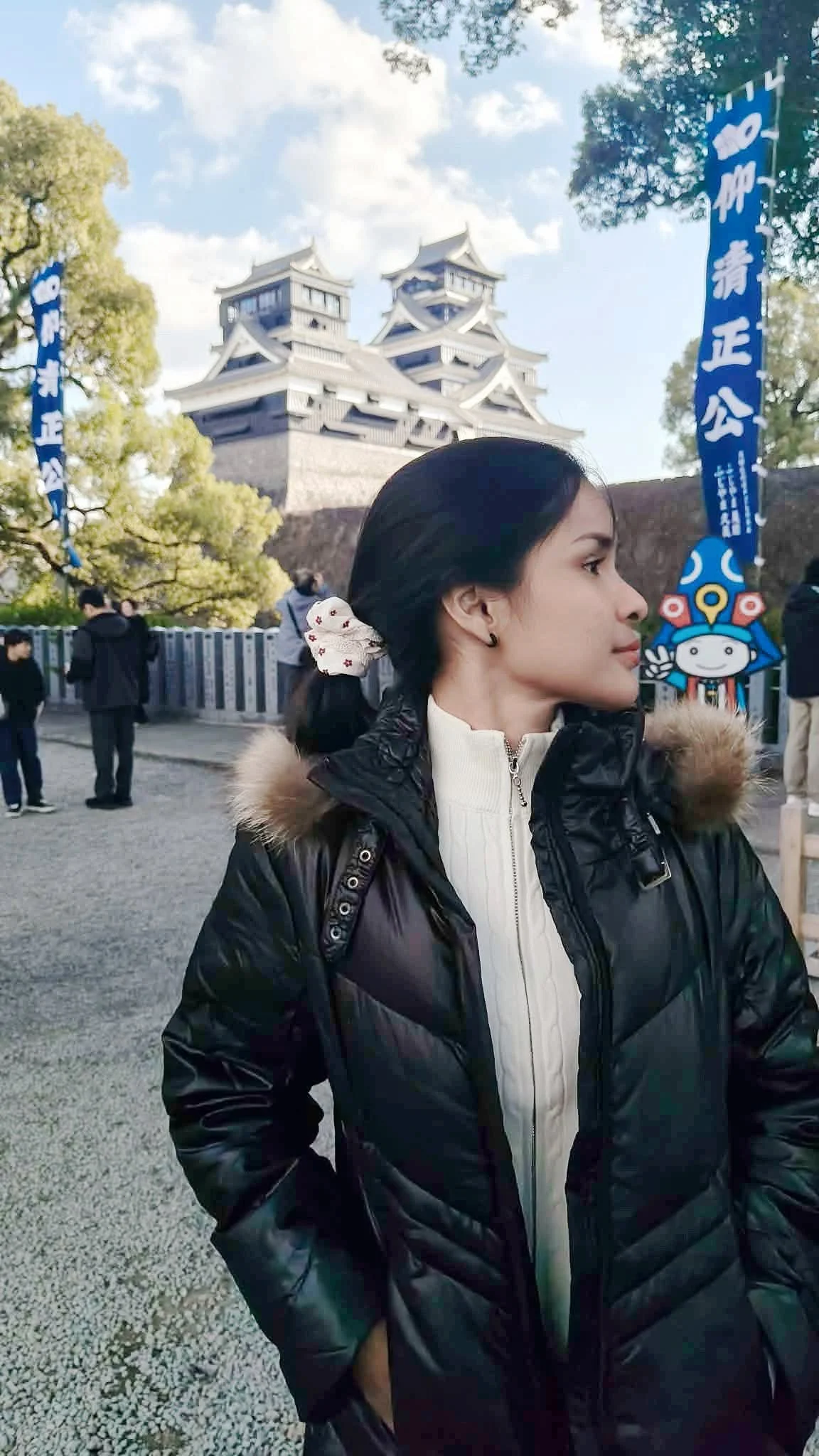
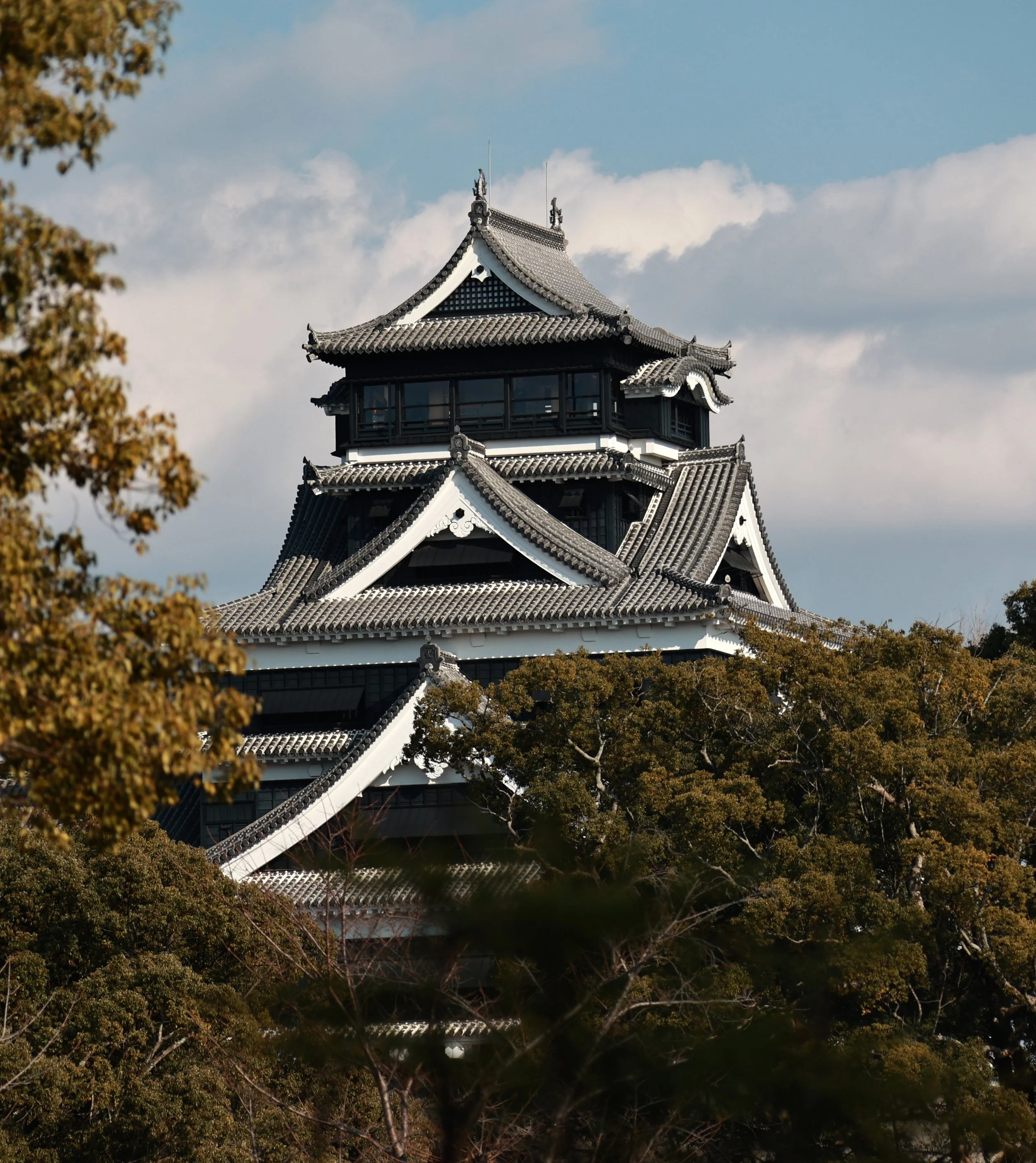
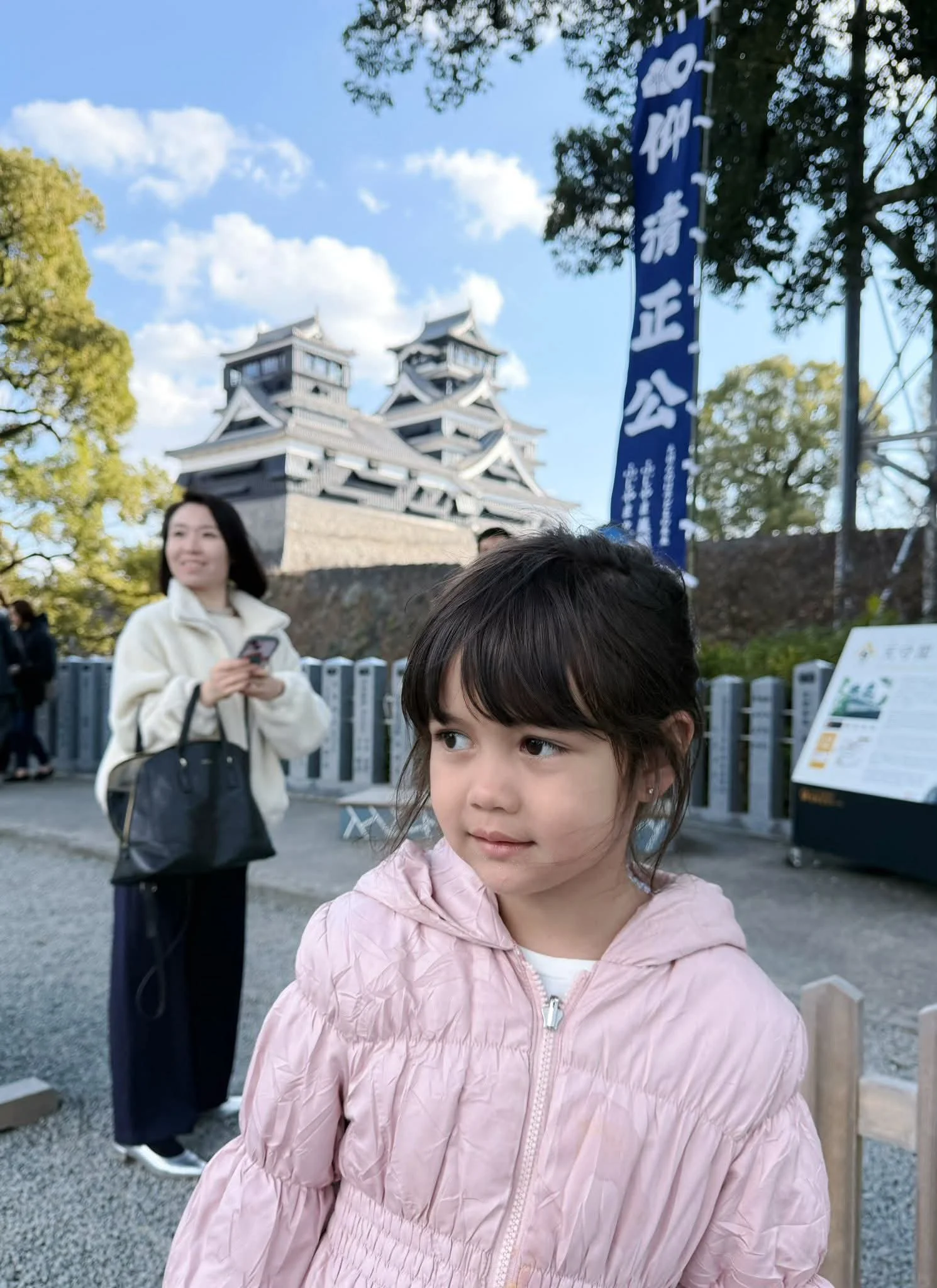
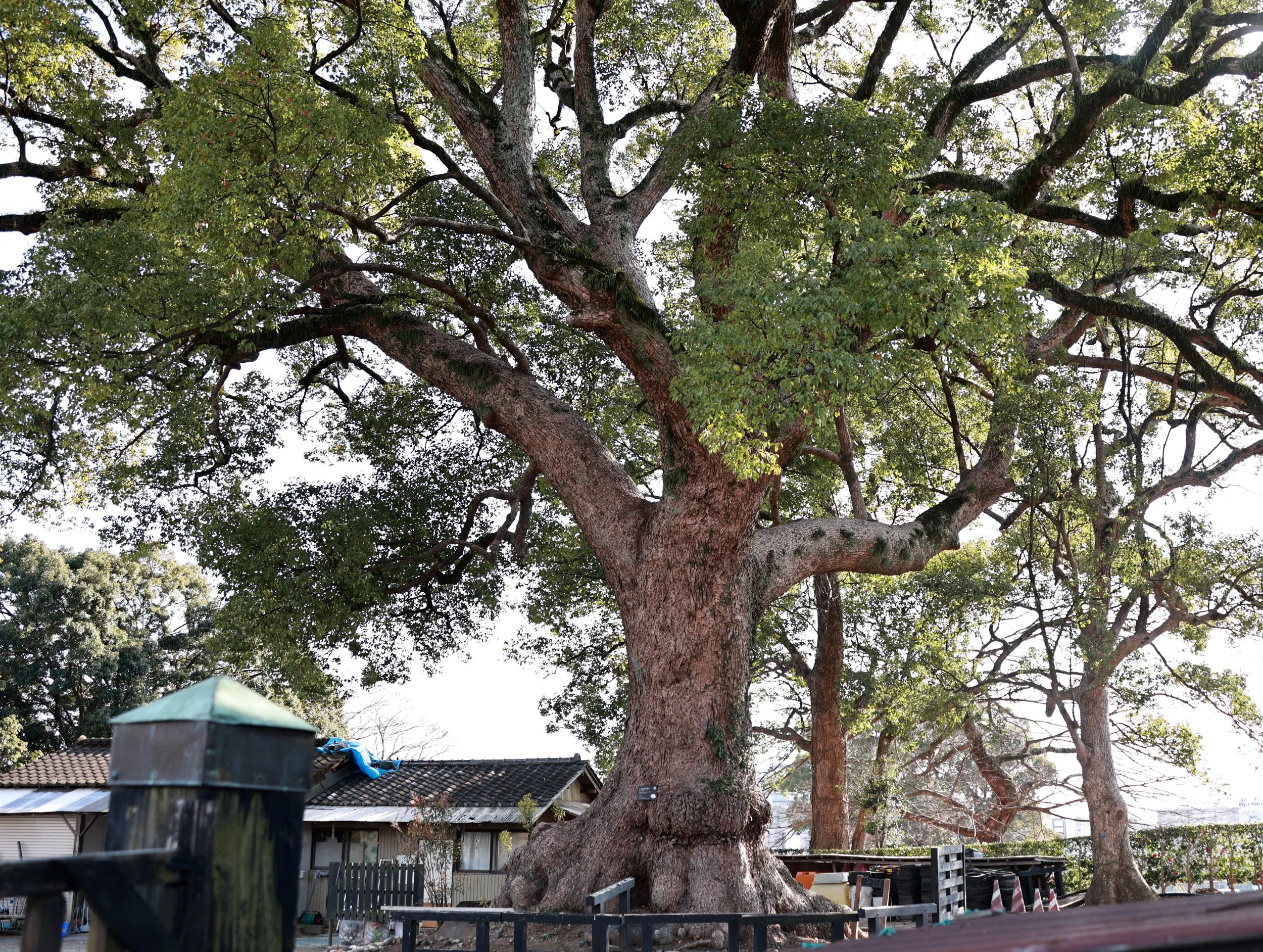
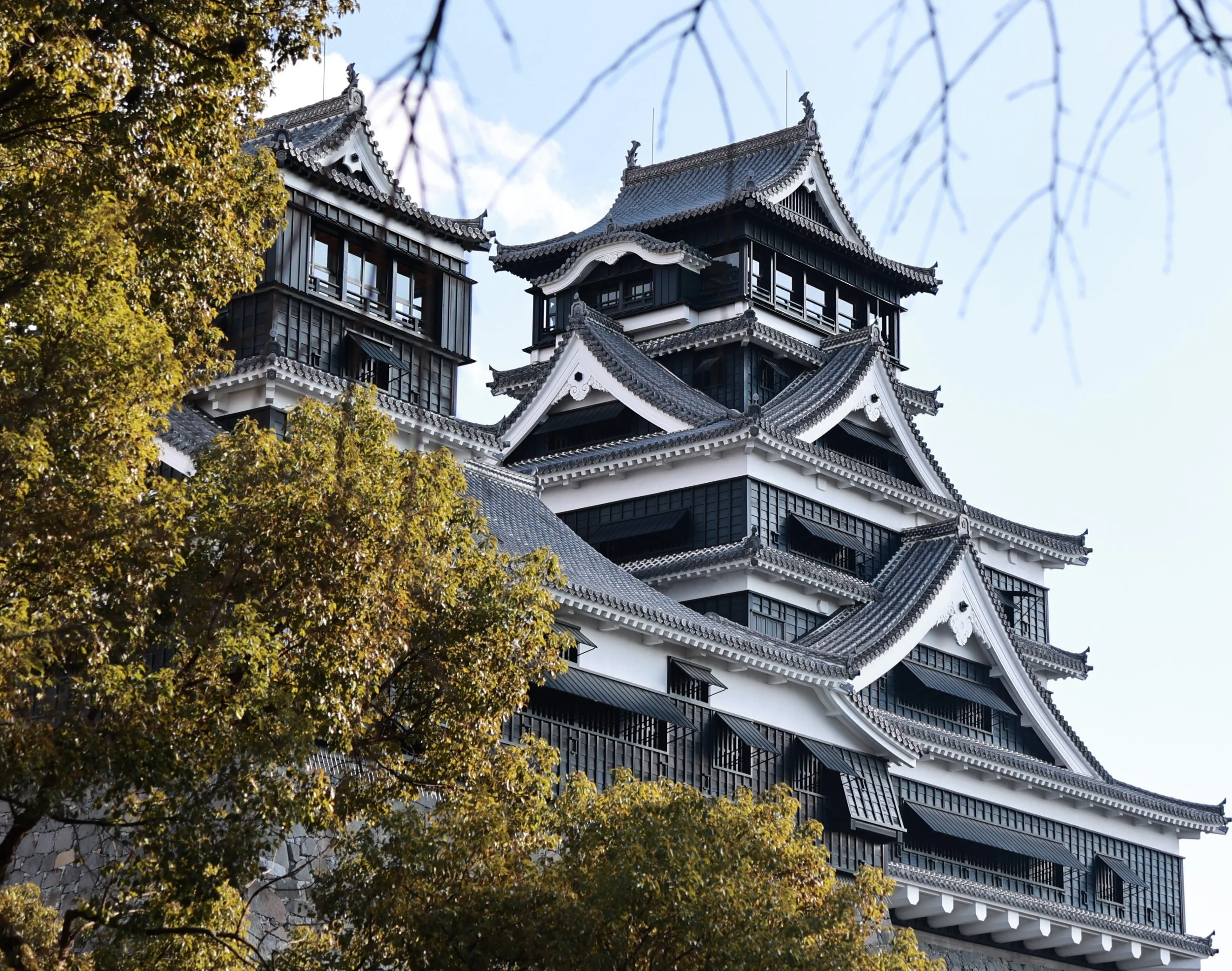
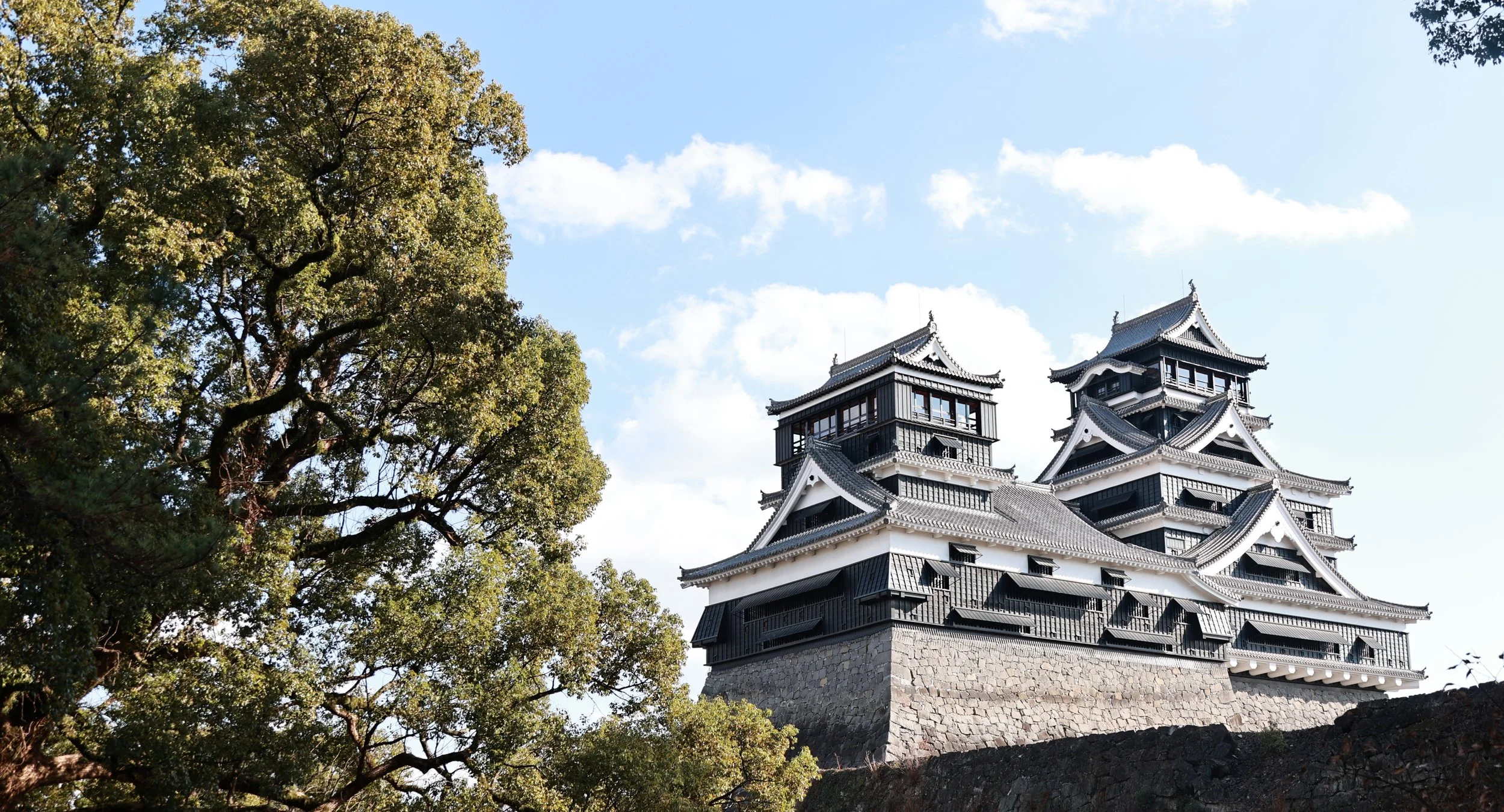
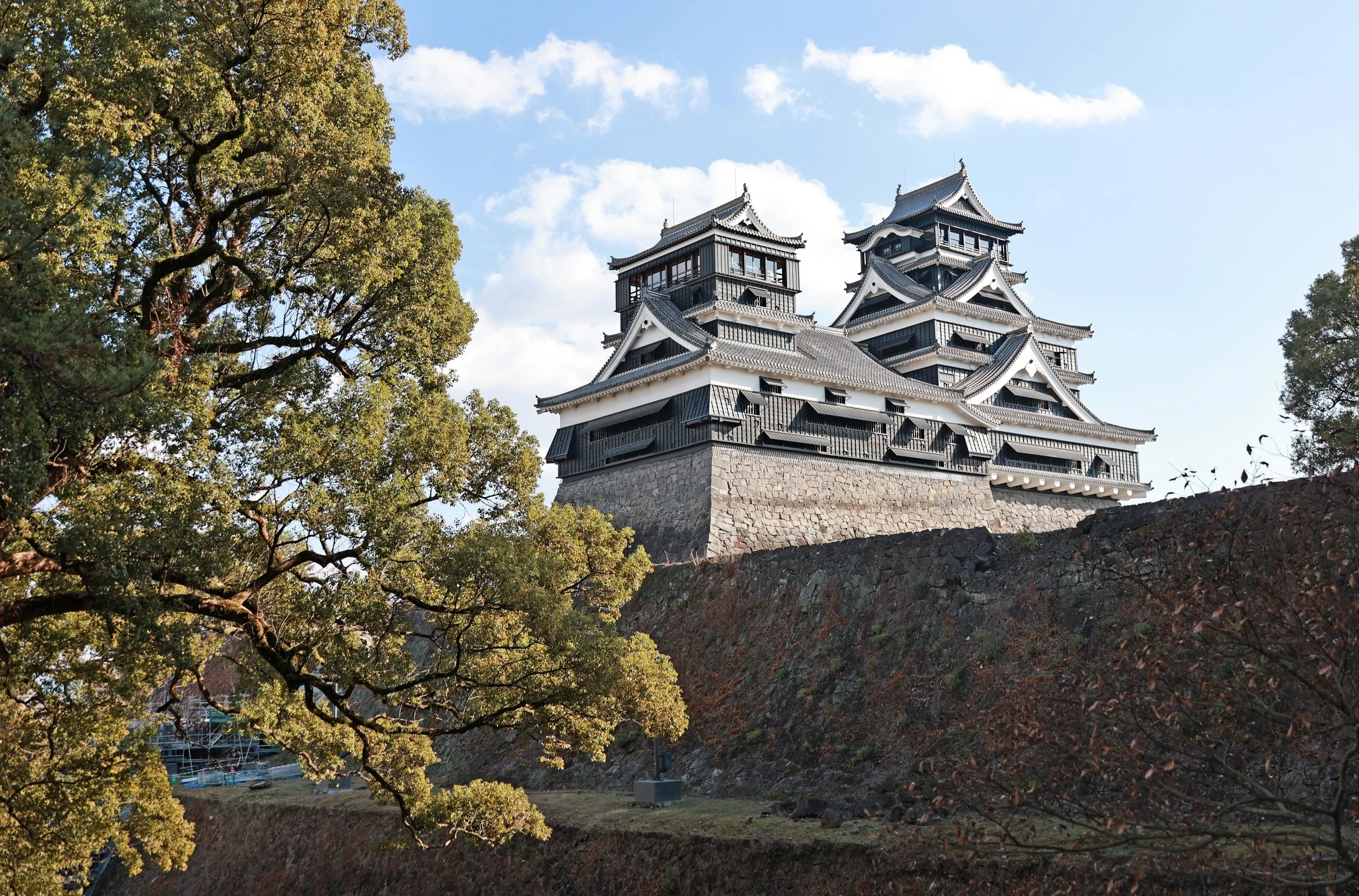
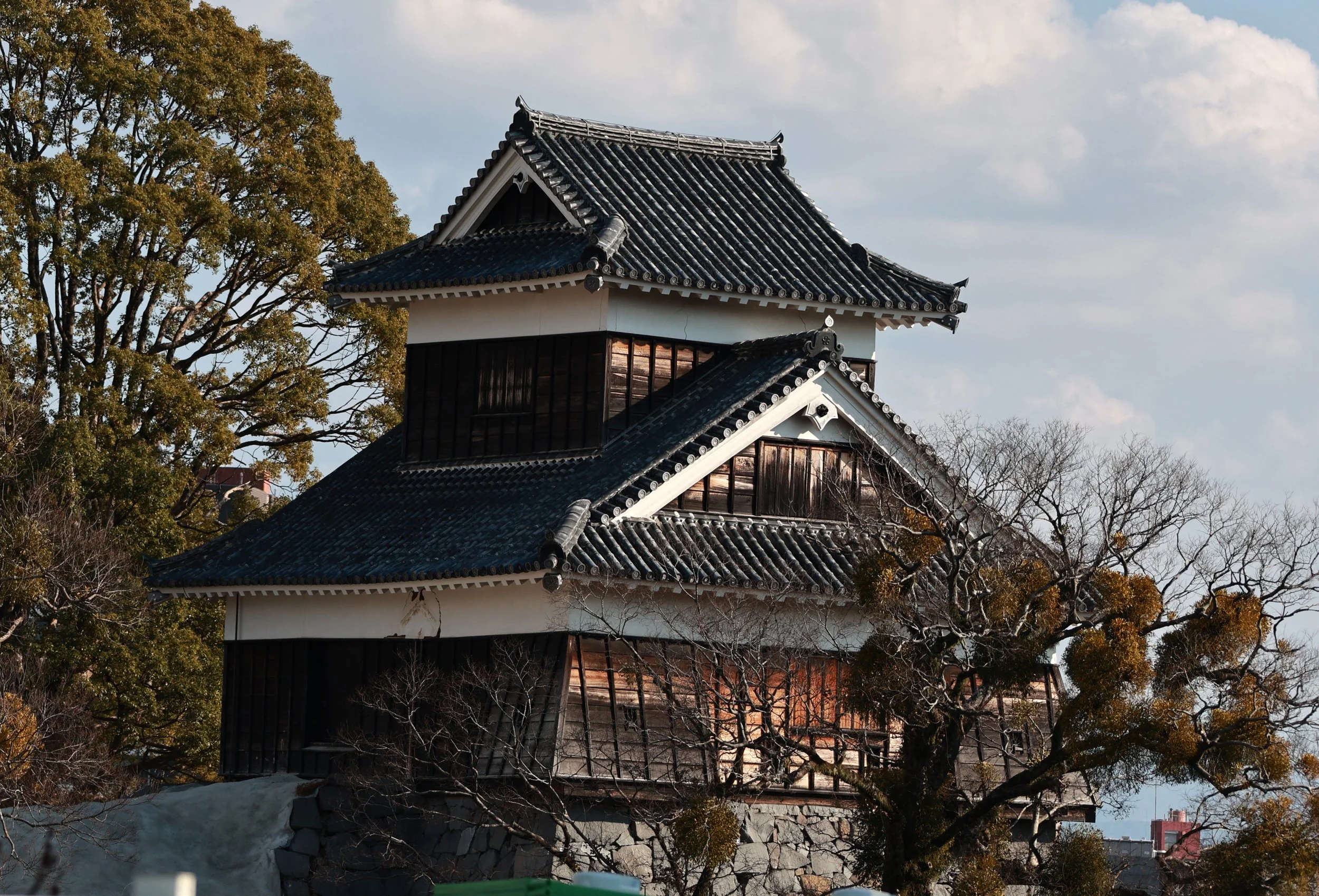
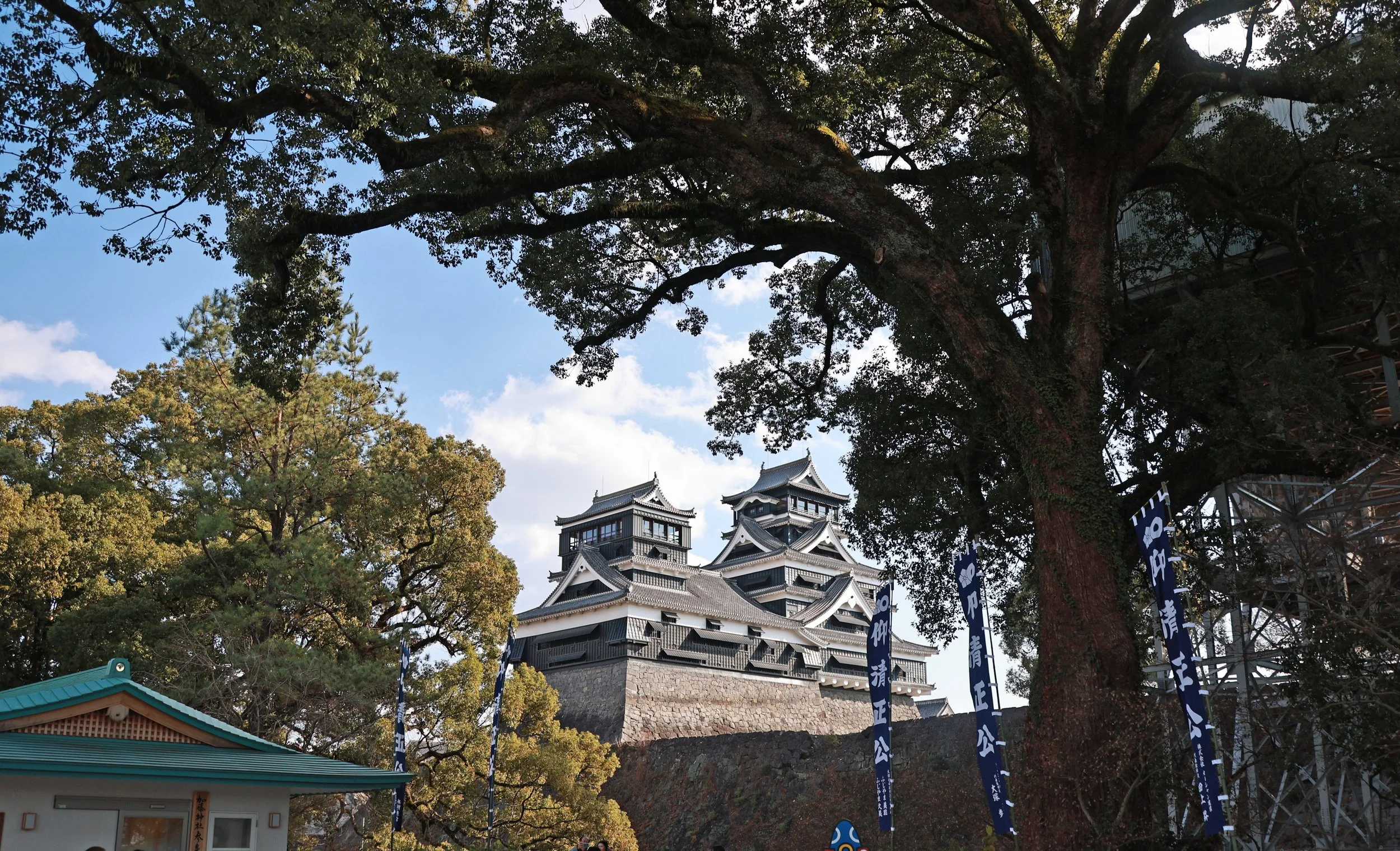
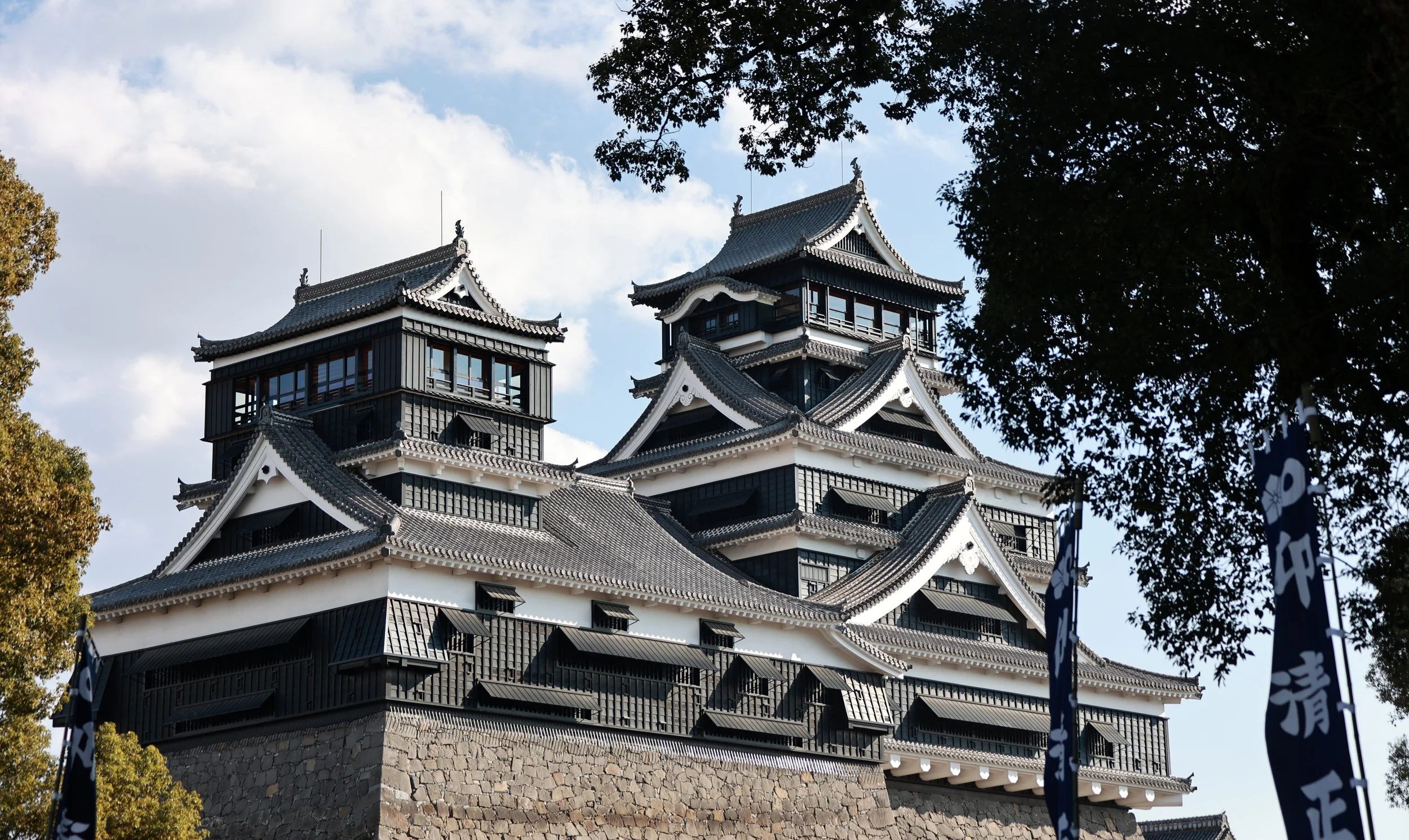
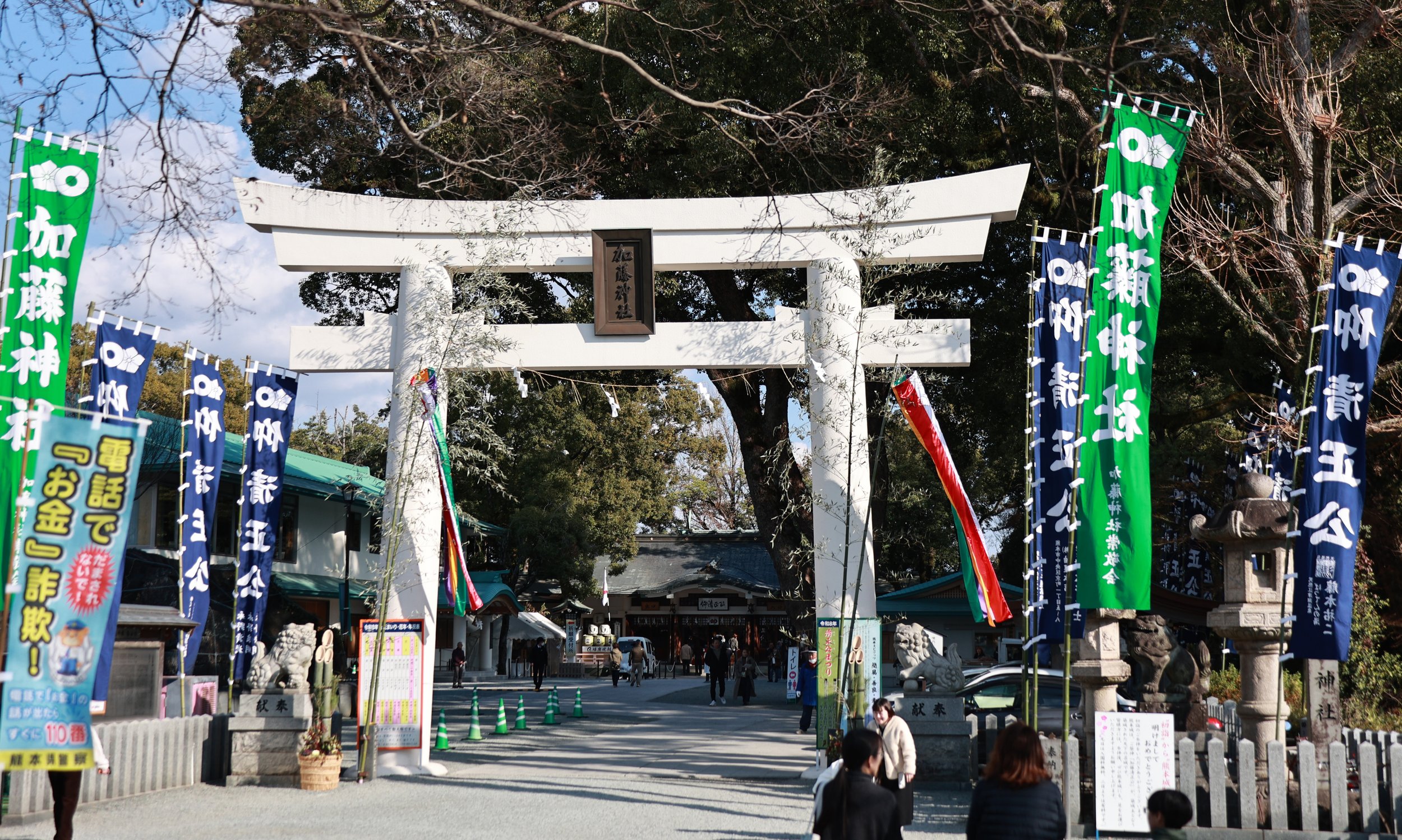
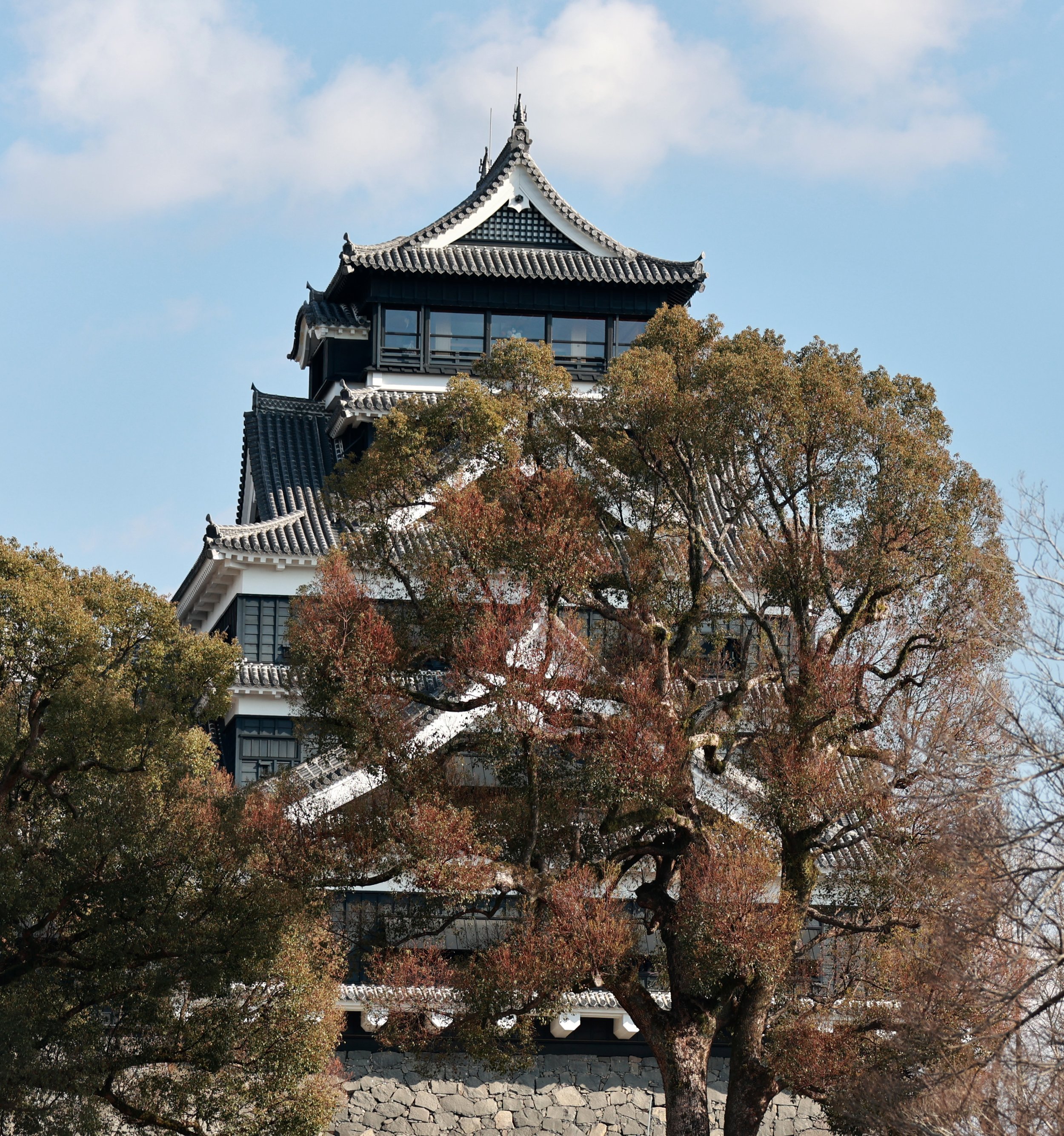
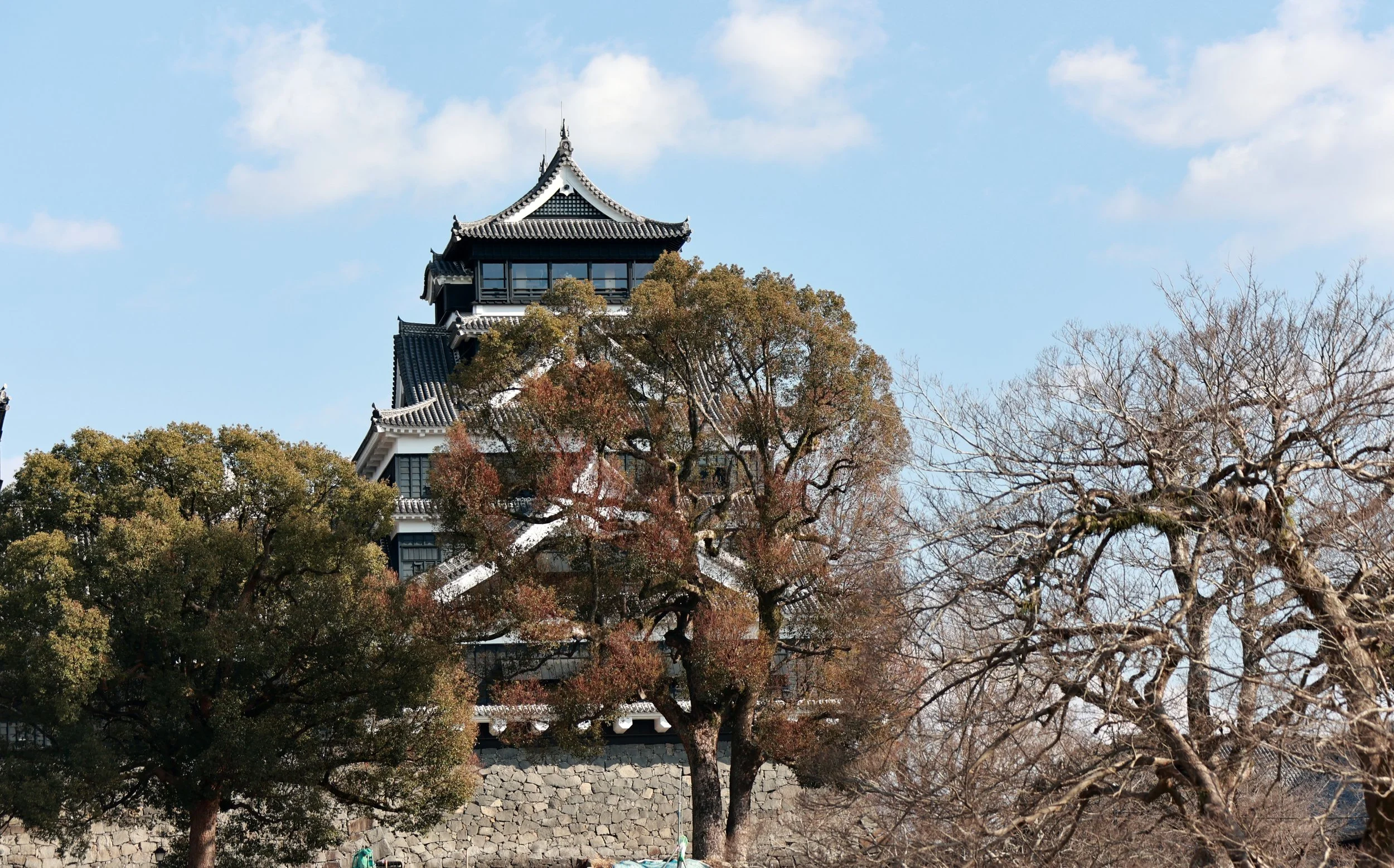
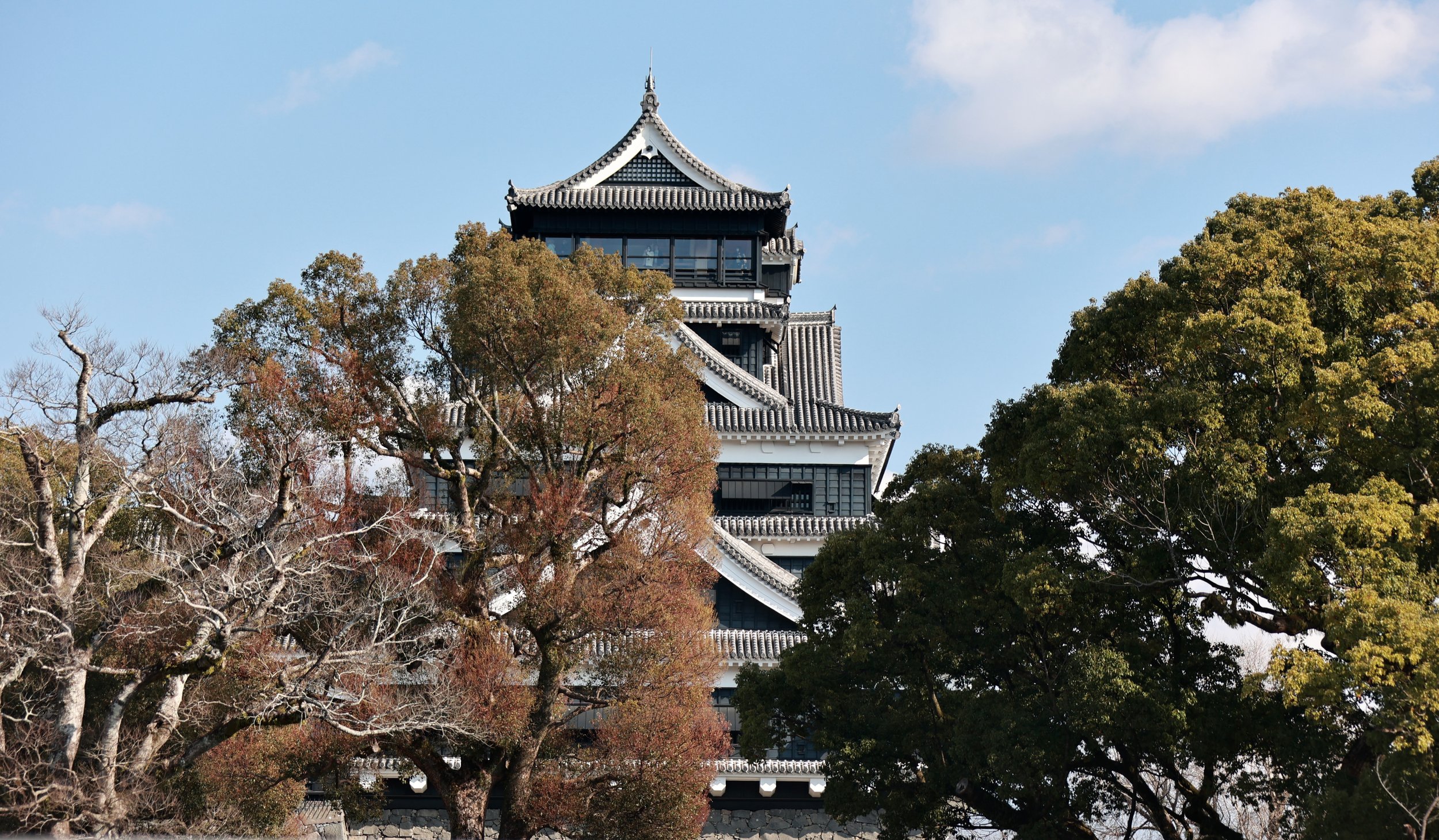
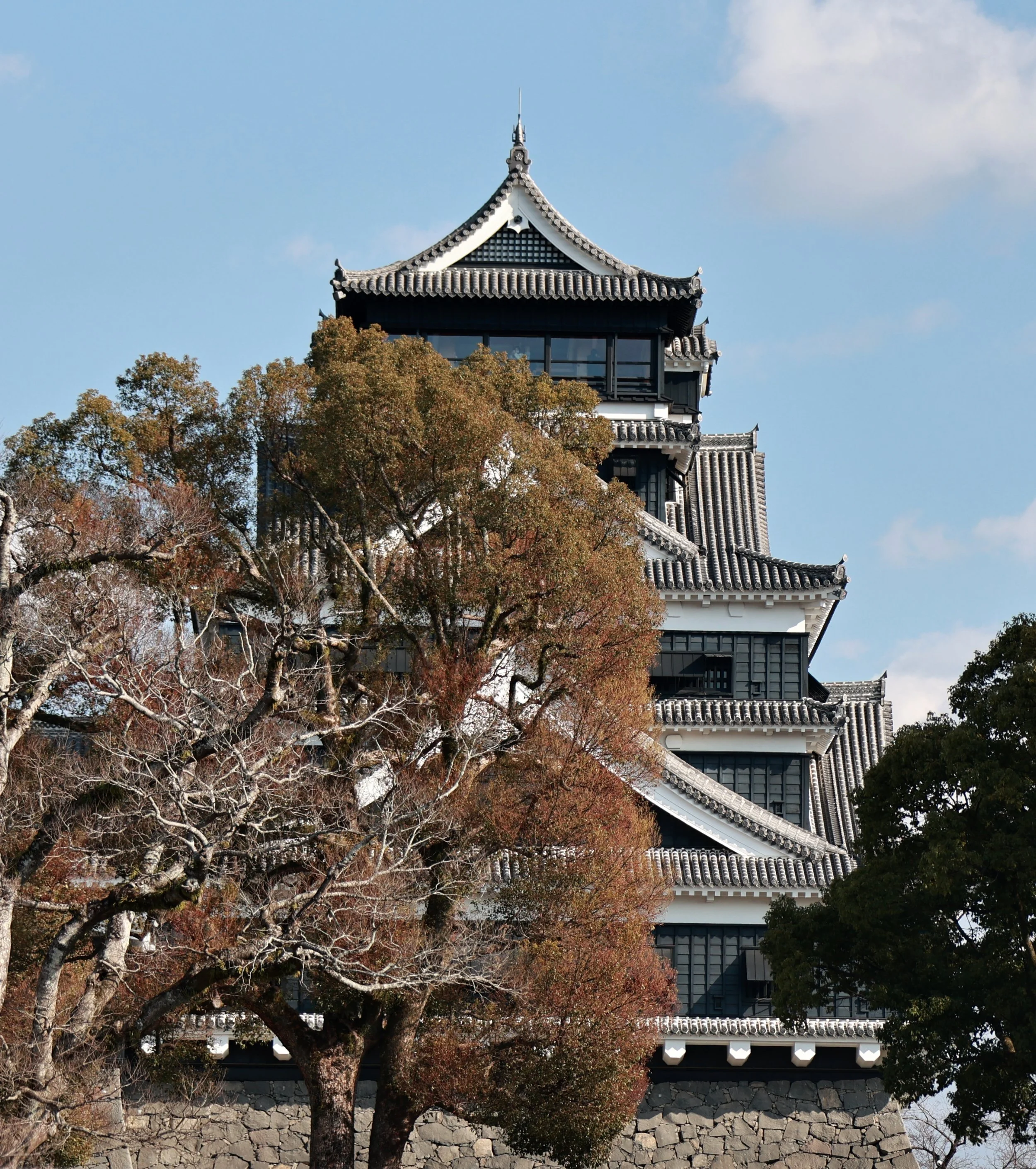
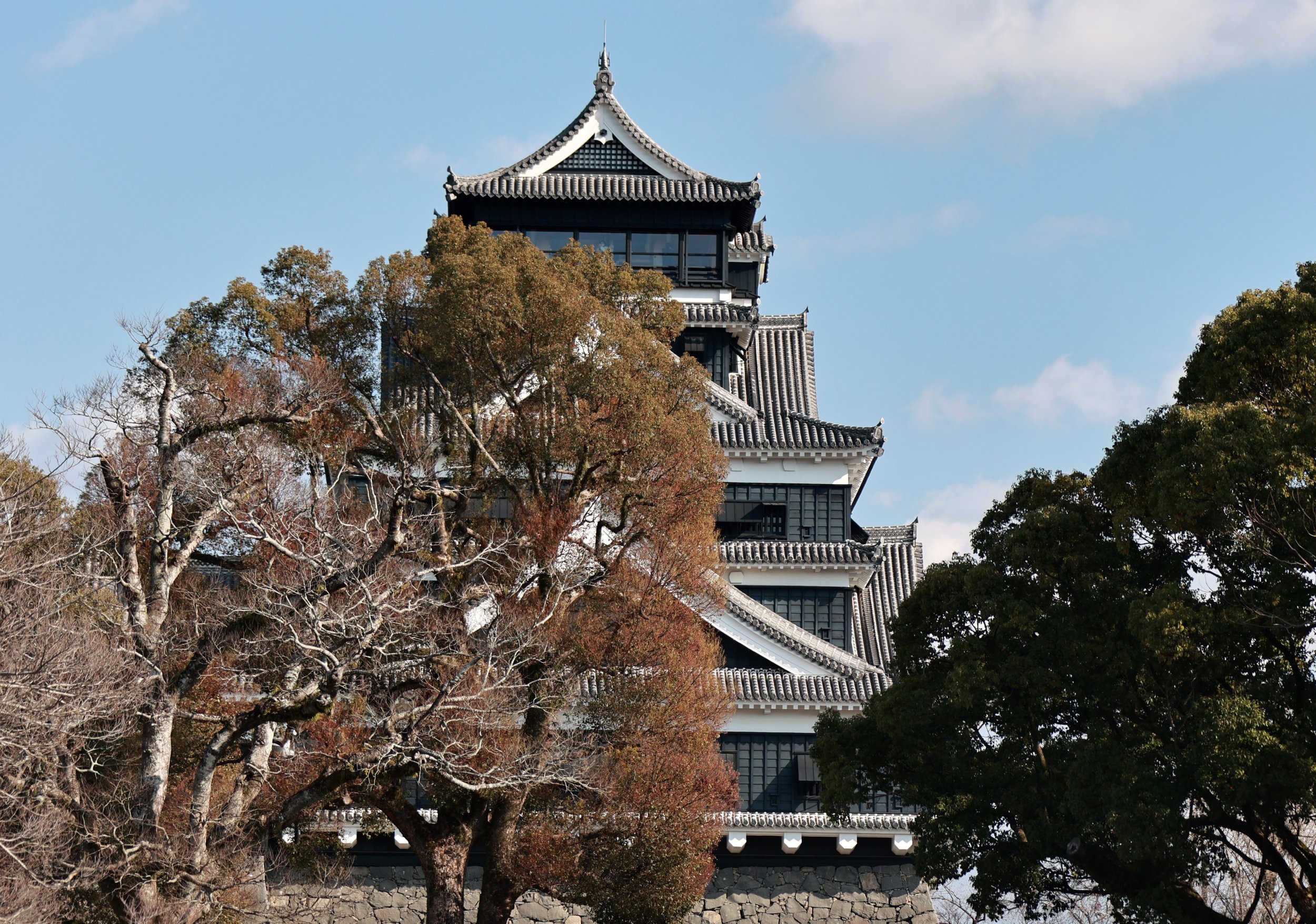
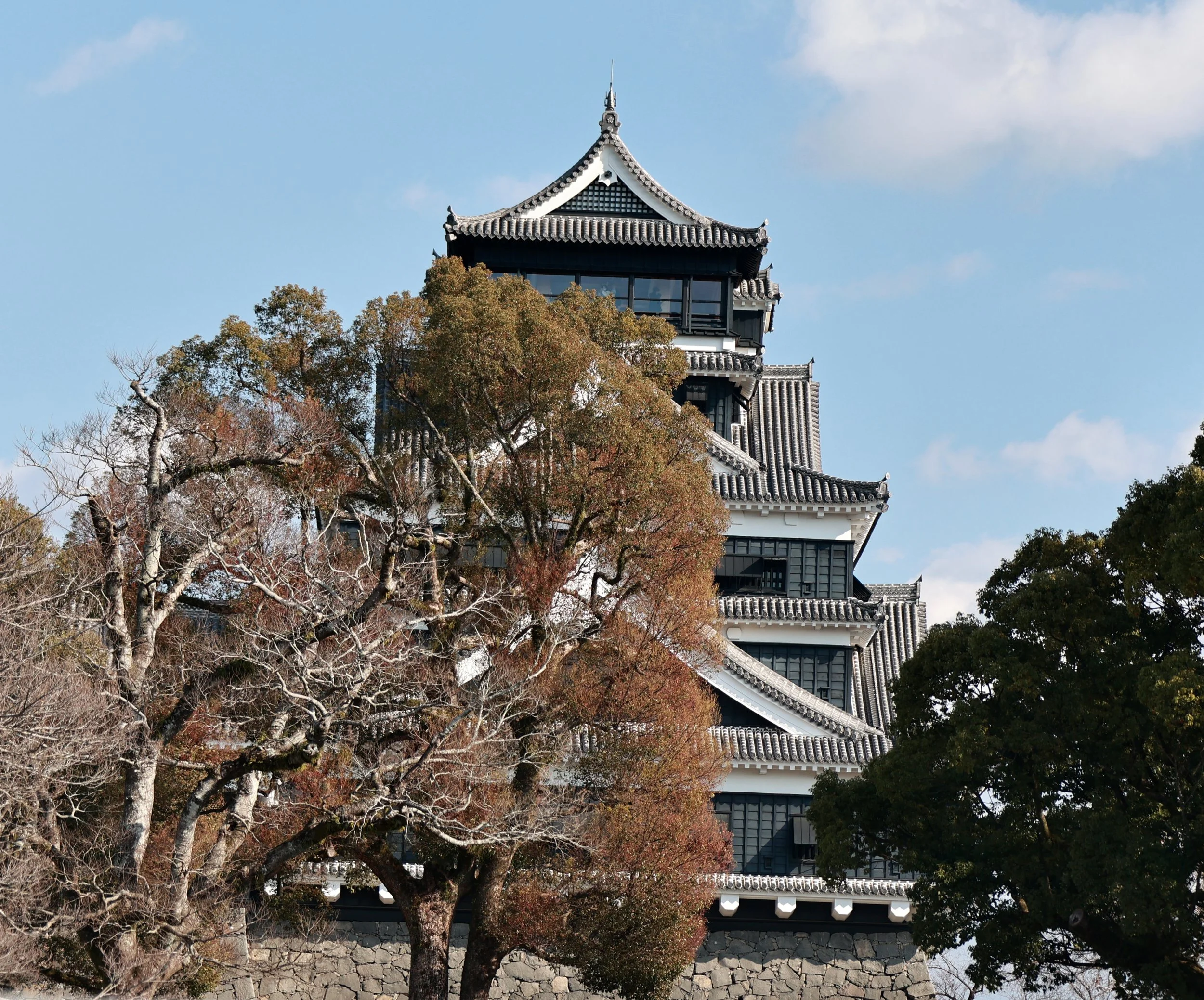
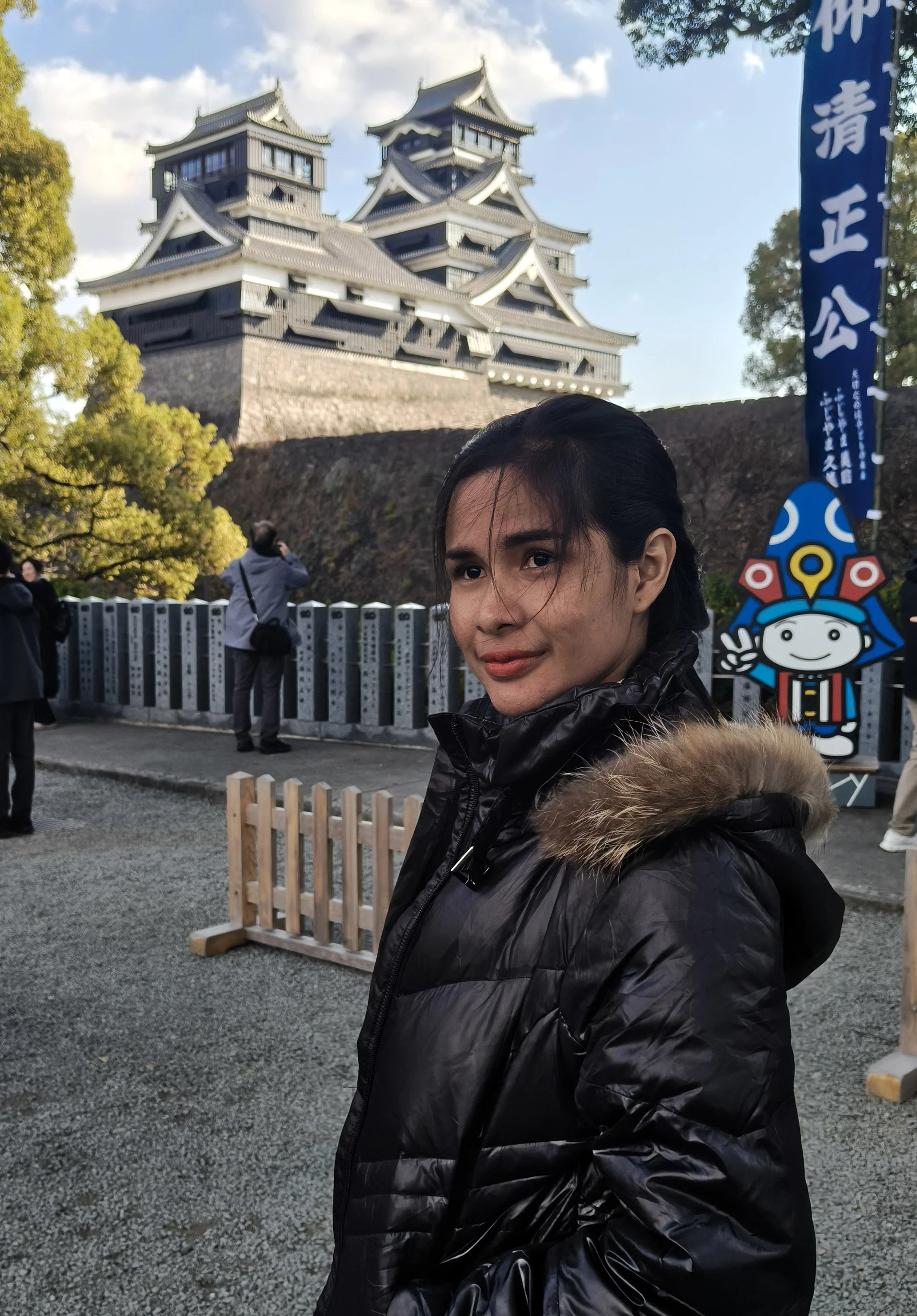
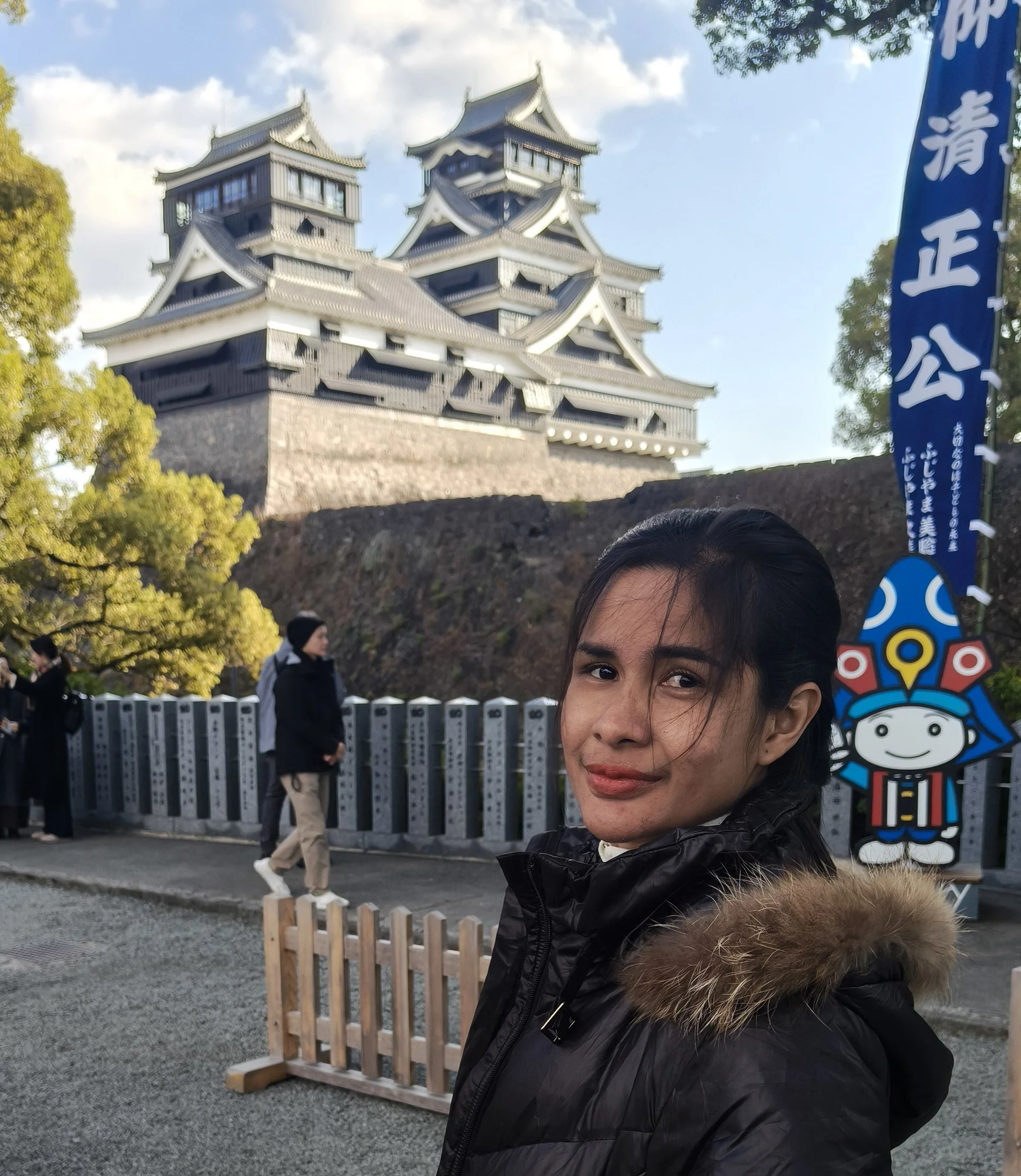
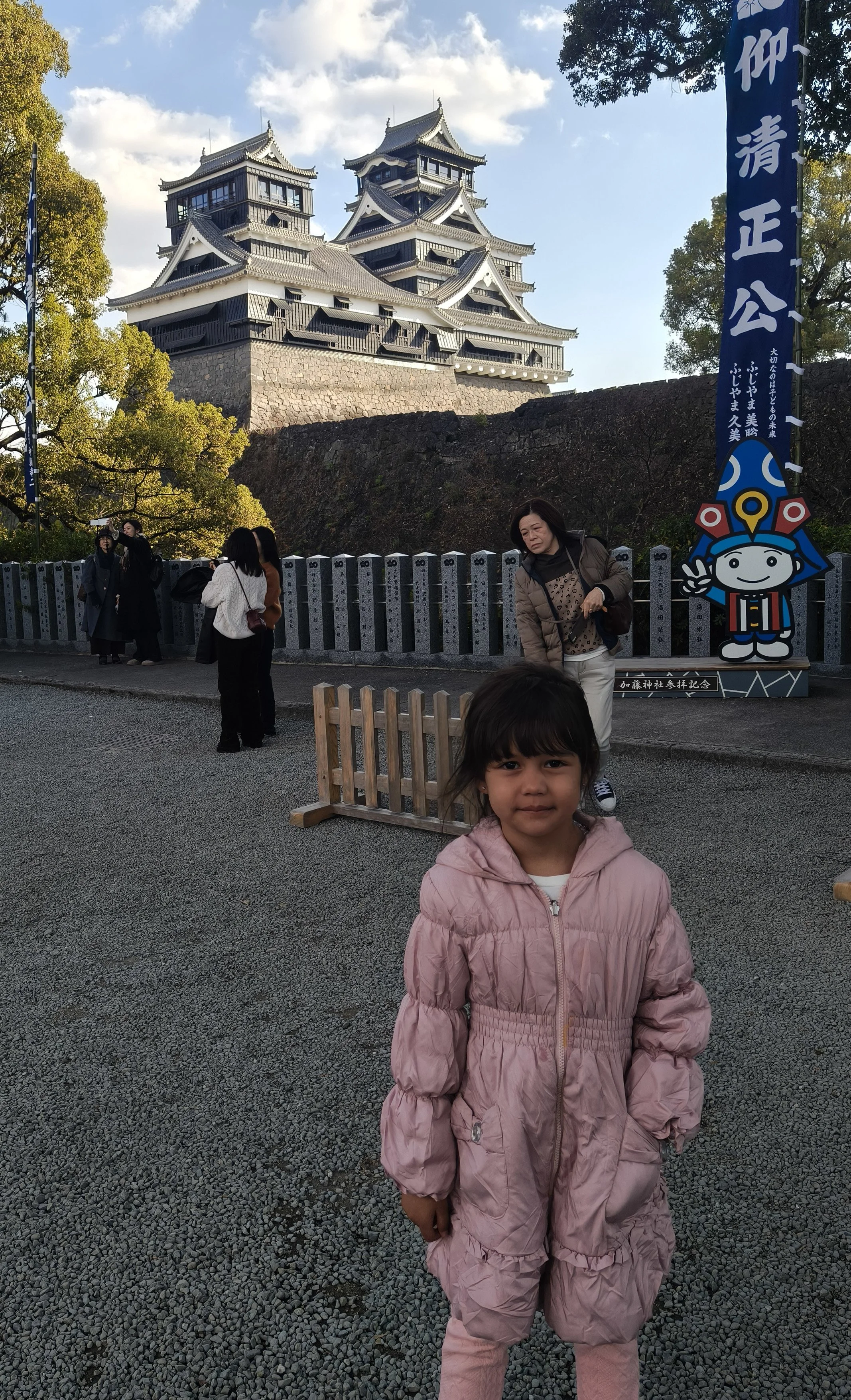
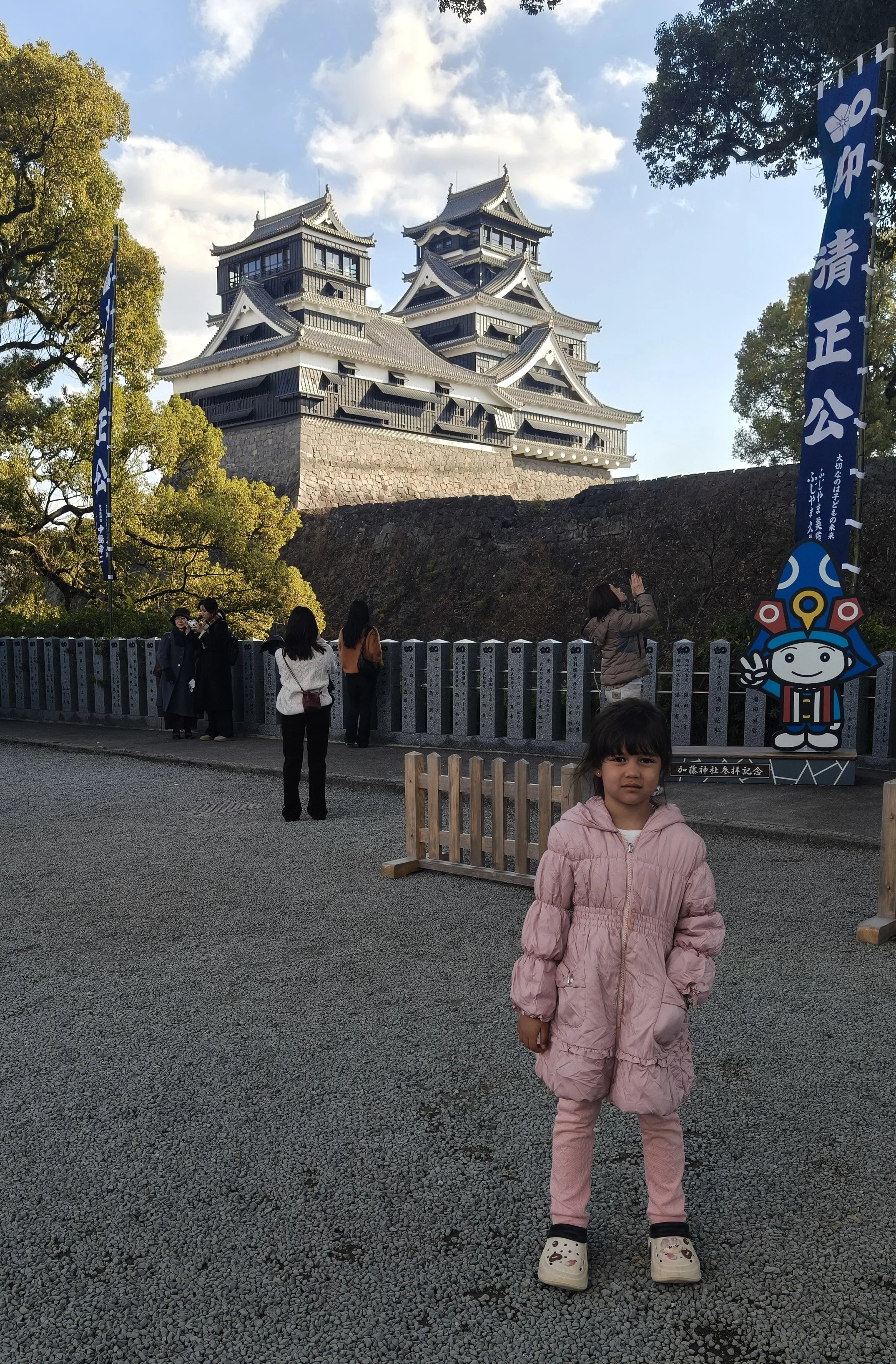
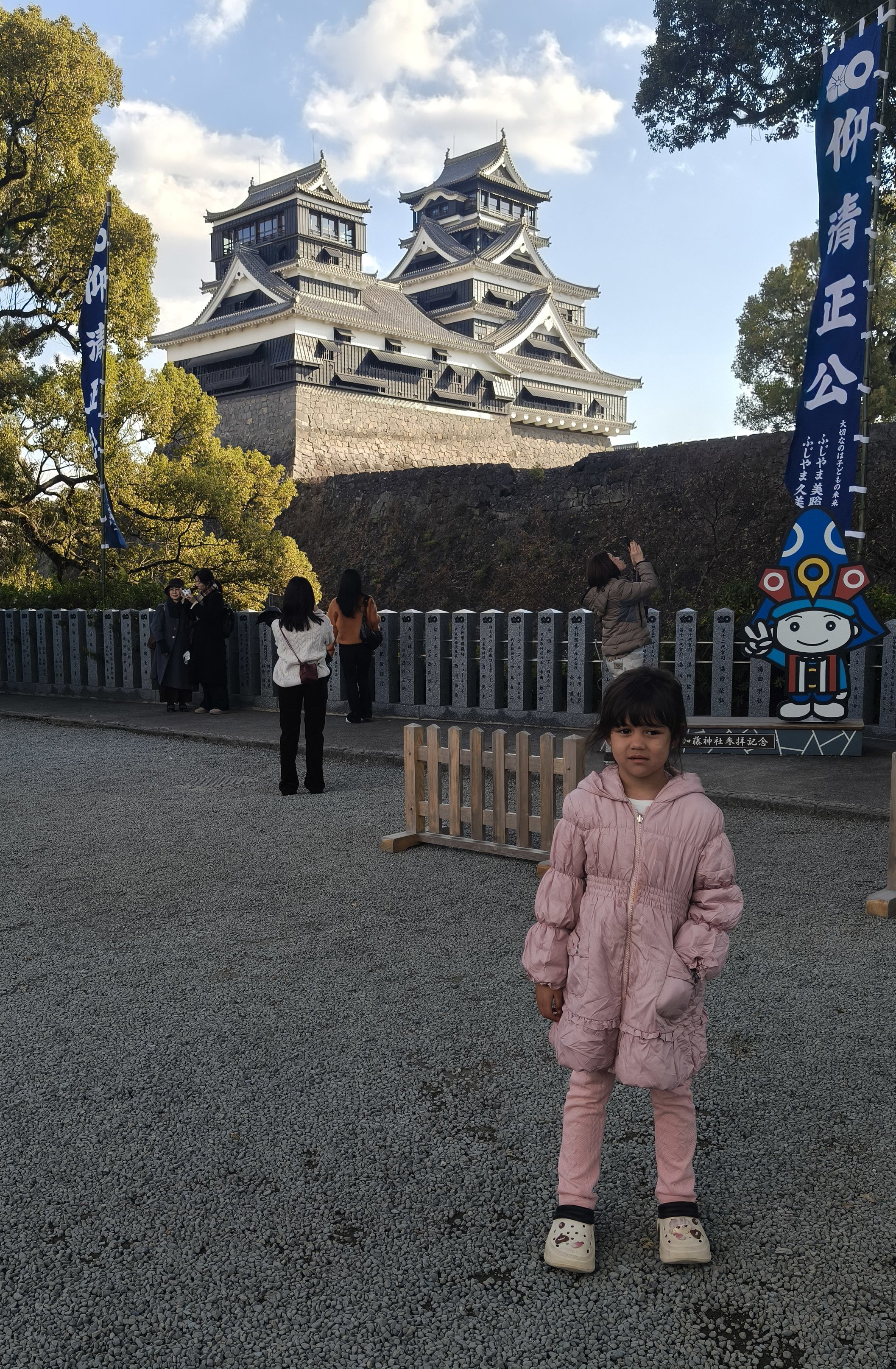
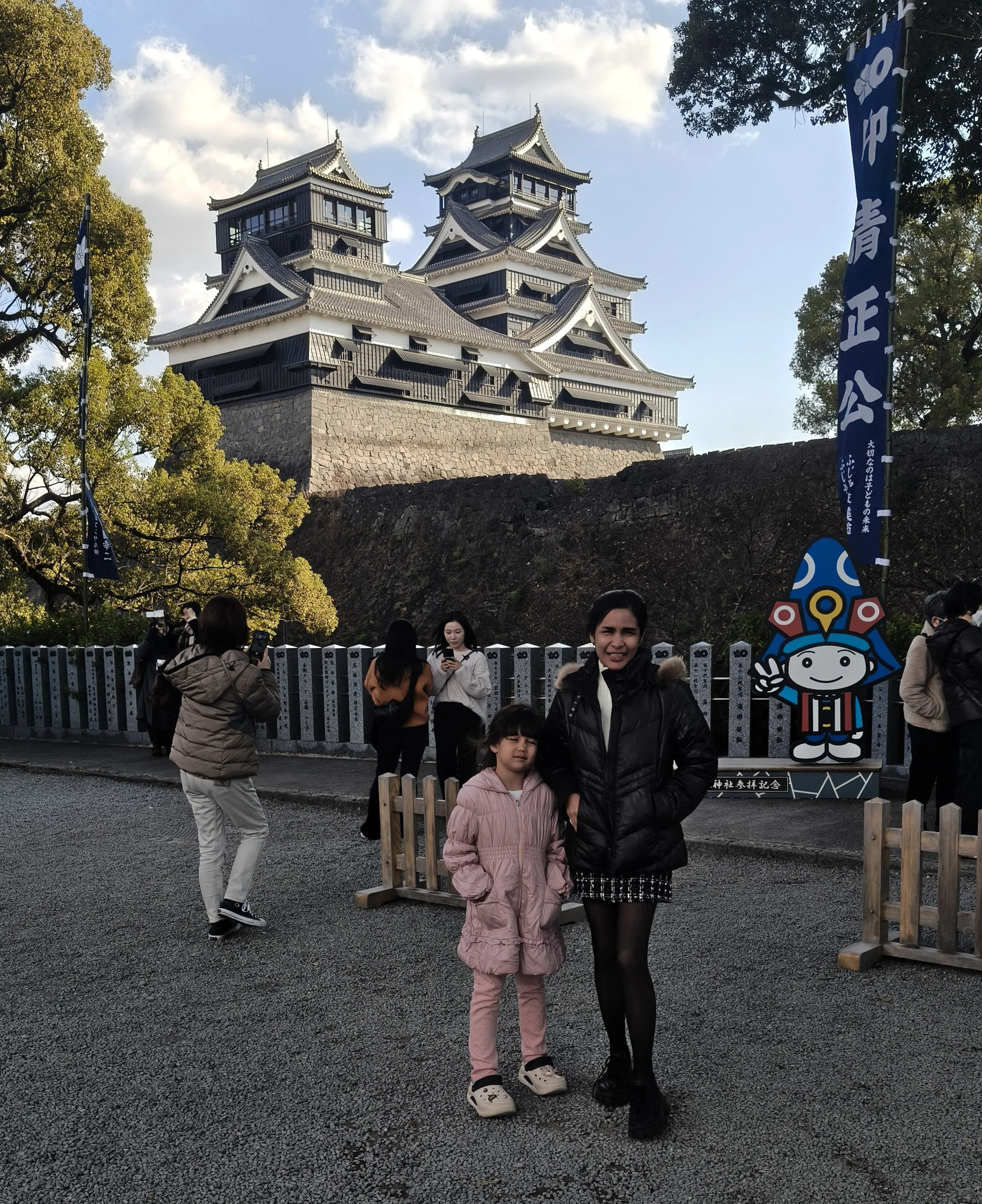
Kumamoto Castle
Kumamoto Castle, one of Japan's most significant castles, boasts impressive stone walls and a reconstructed main keep, rebuilt after fires and the 2016 earthquake, now a symbol of recovery with modern seismic features. Built by Kato Kiyomasa starting in 1601, it features a towering main keep (Daitenshu) and a smaller keep (Shotenshu) with museums and observation decks, surrounded by extensive grounds famous for cherry blossoms and iconic musha-gaeshi (warrior-repelling) stone walls. Visitors can explore rebuilt structures like the Honmaru Goten Palace and enjoy panoramic city views, though restoration continues, with some areas still undergoing repair.
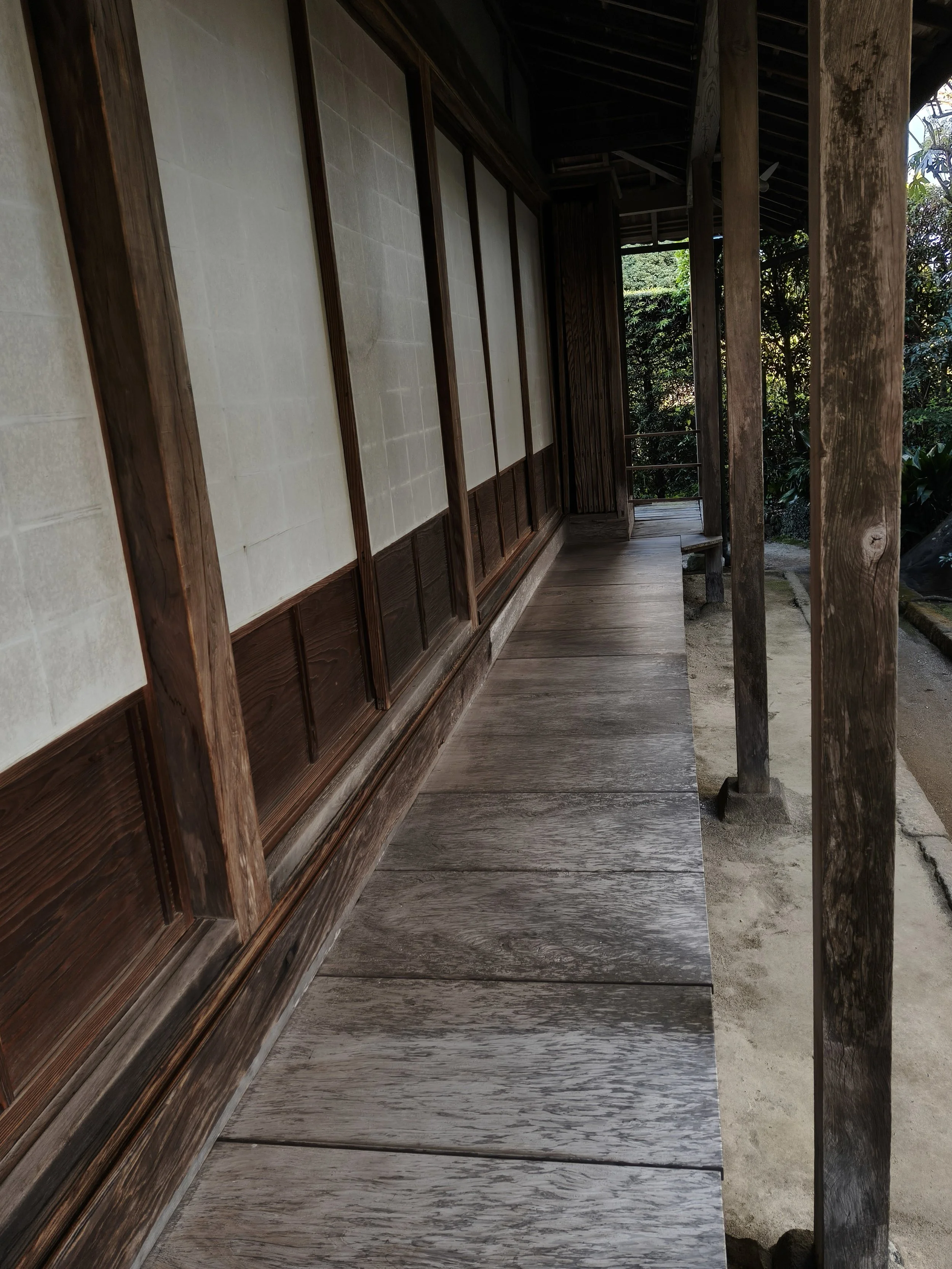
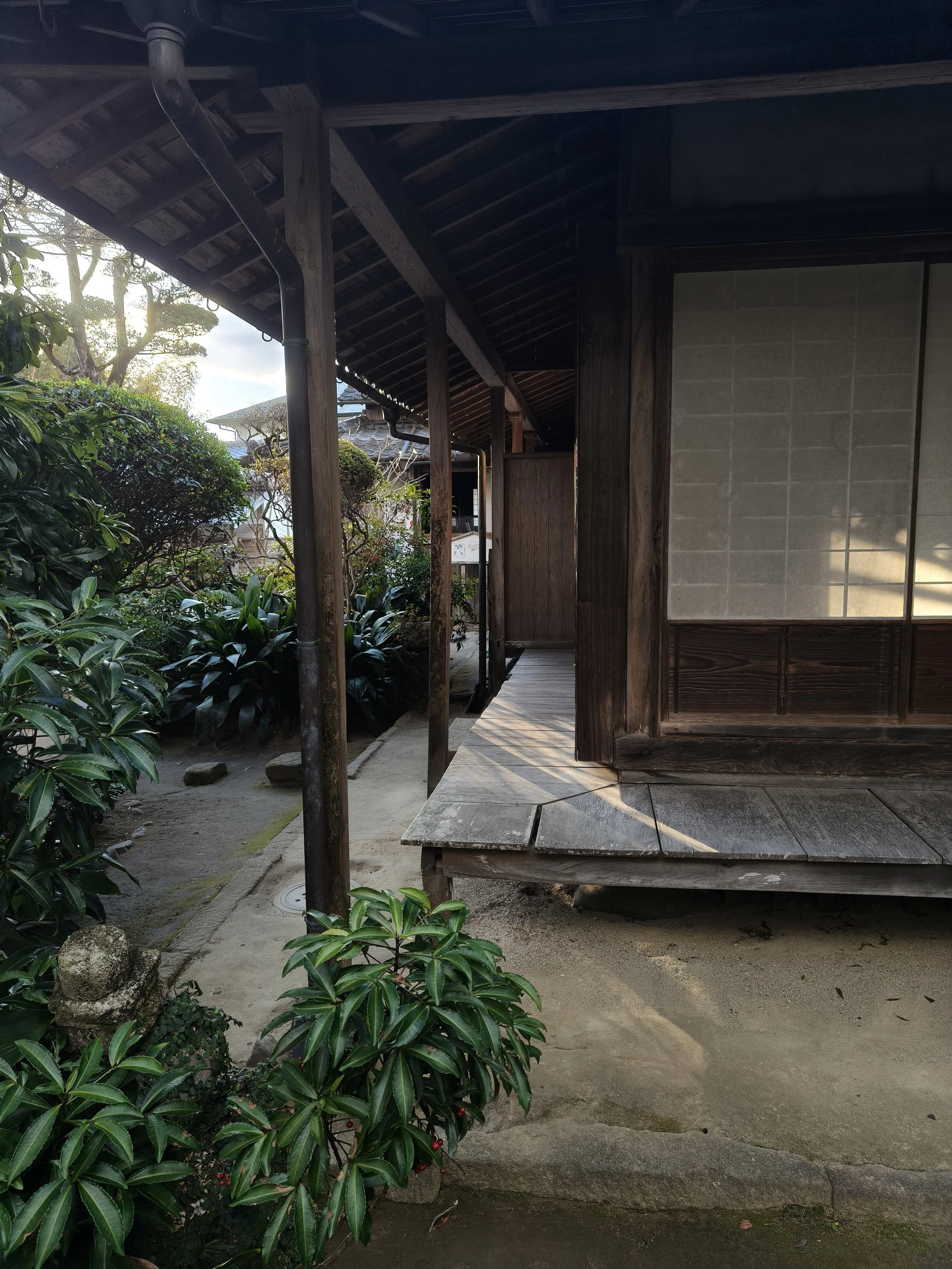
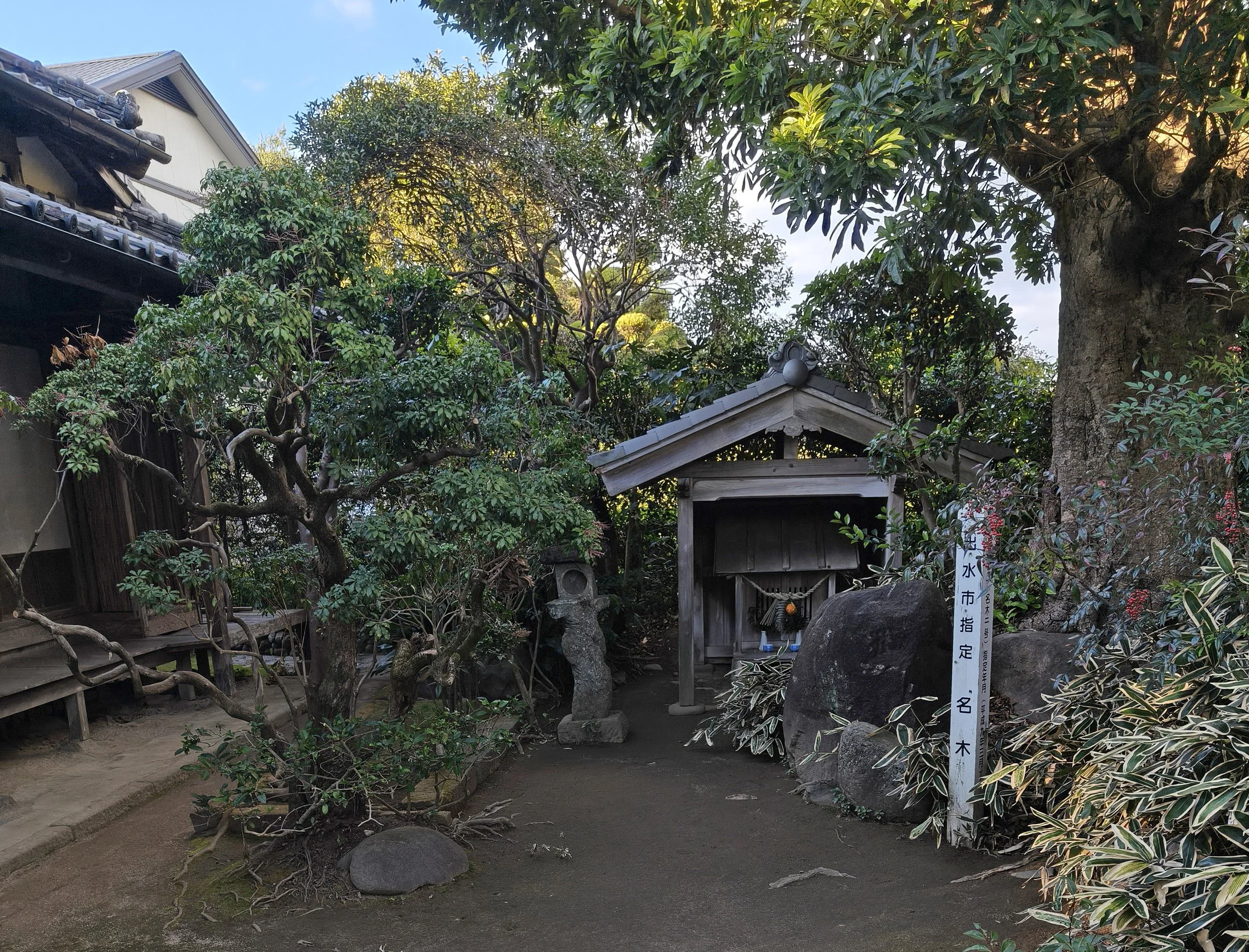
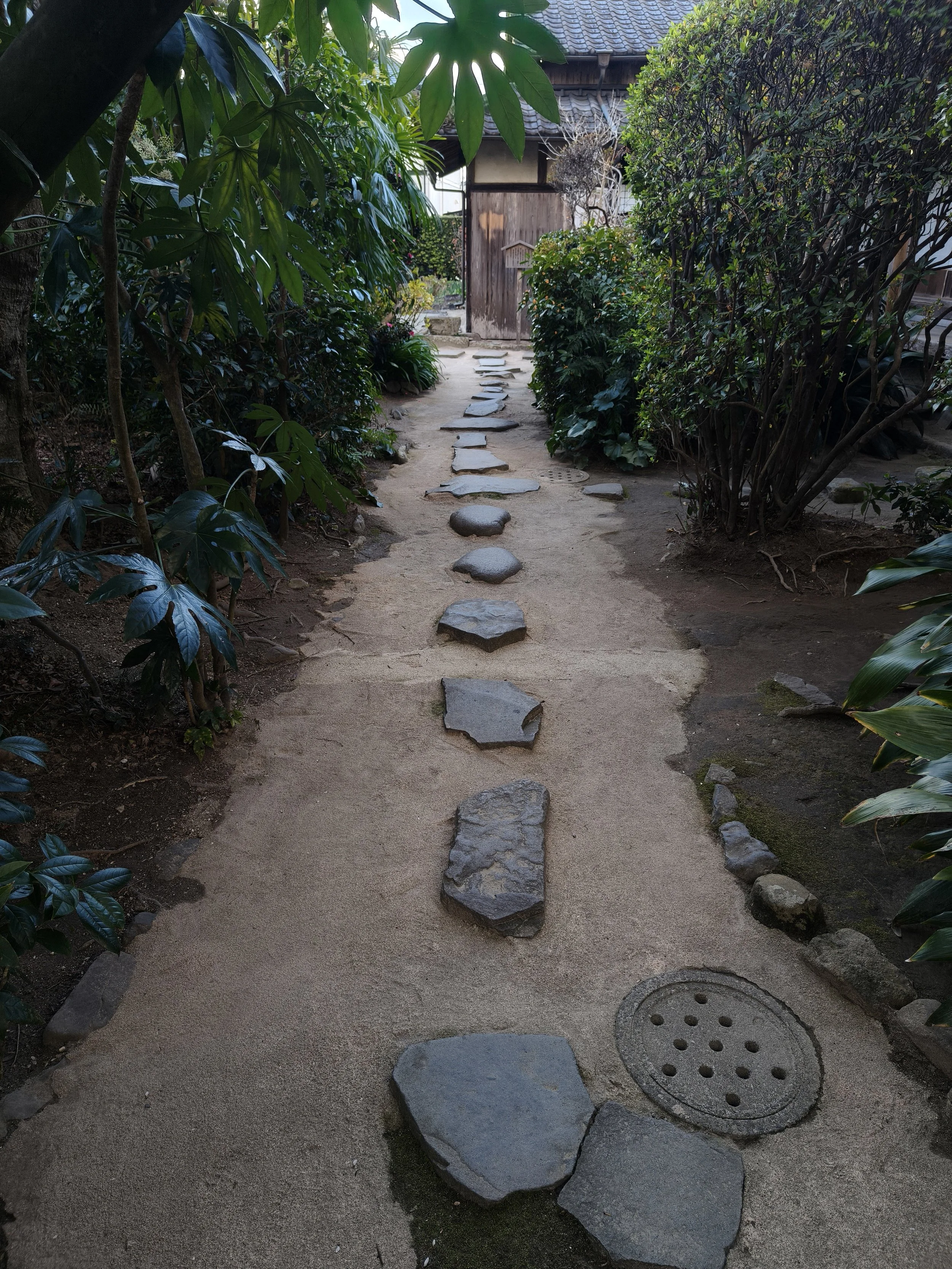
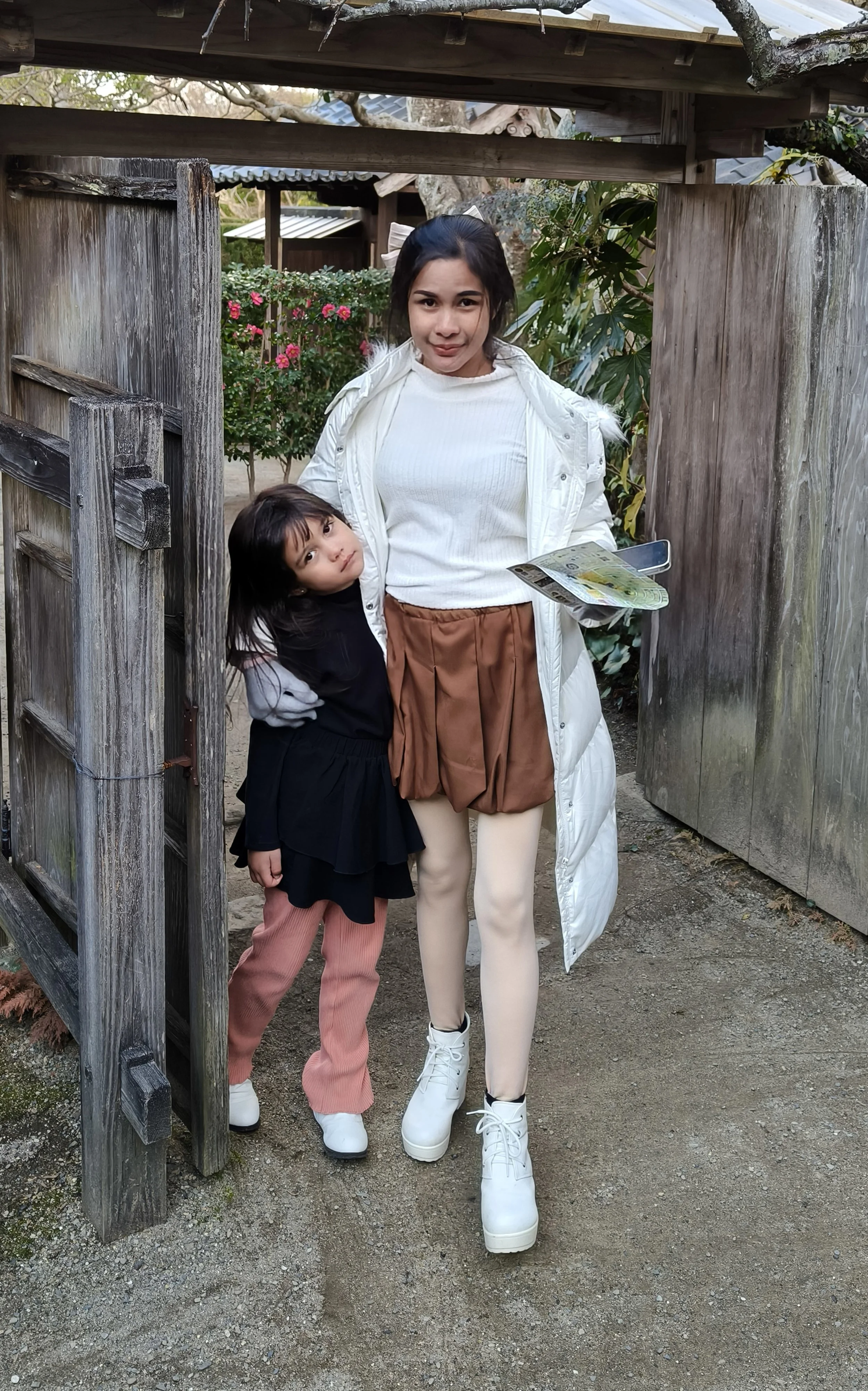
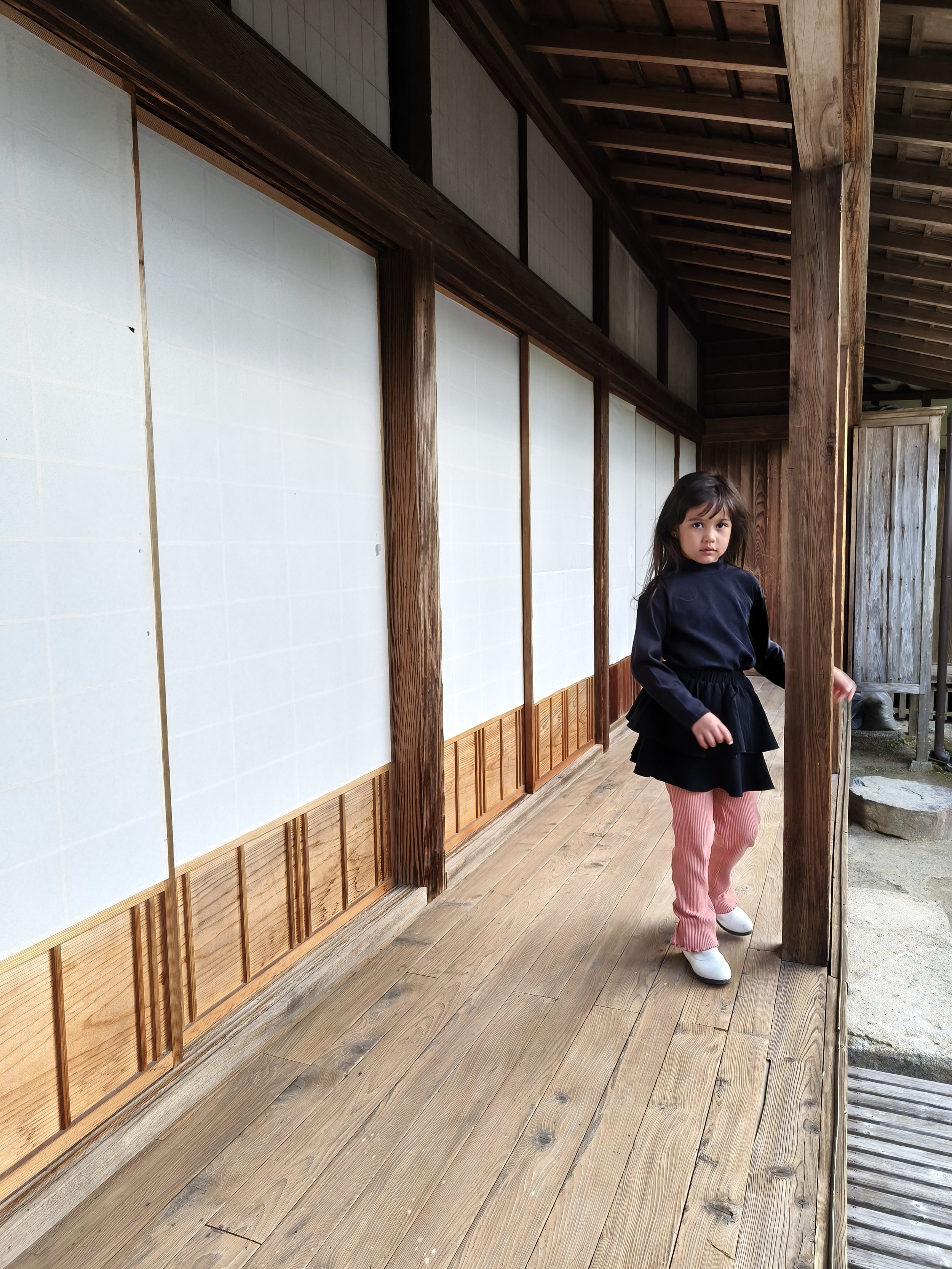
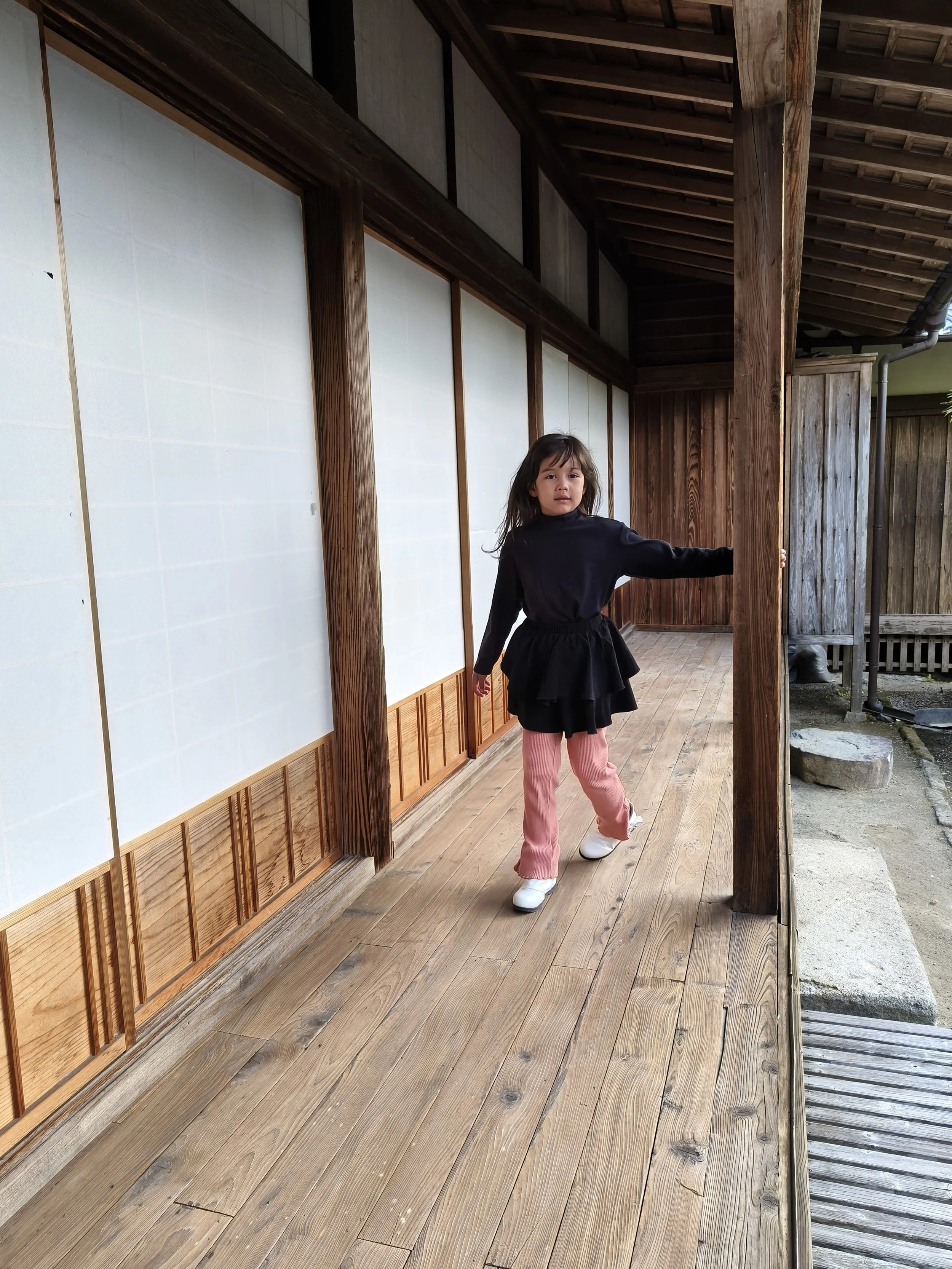
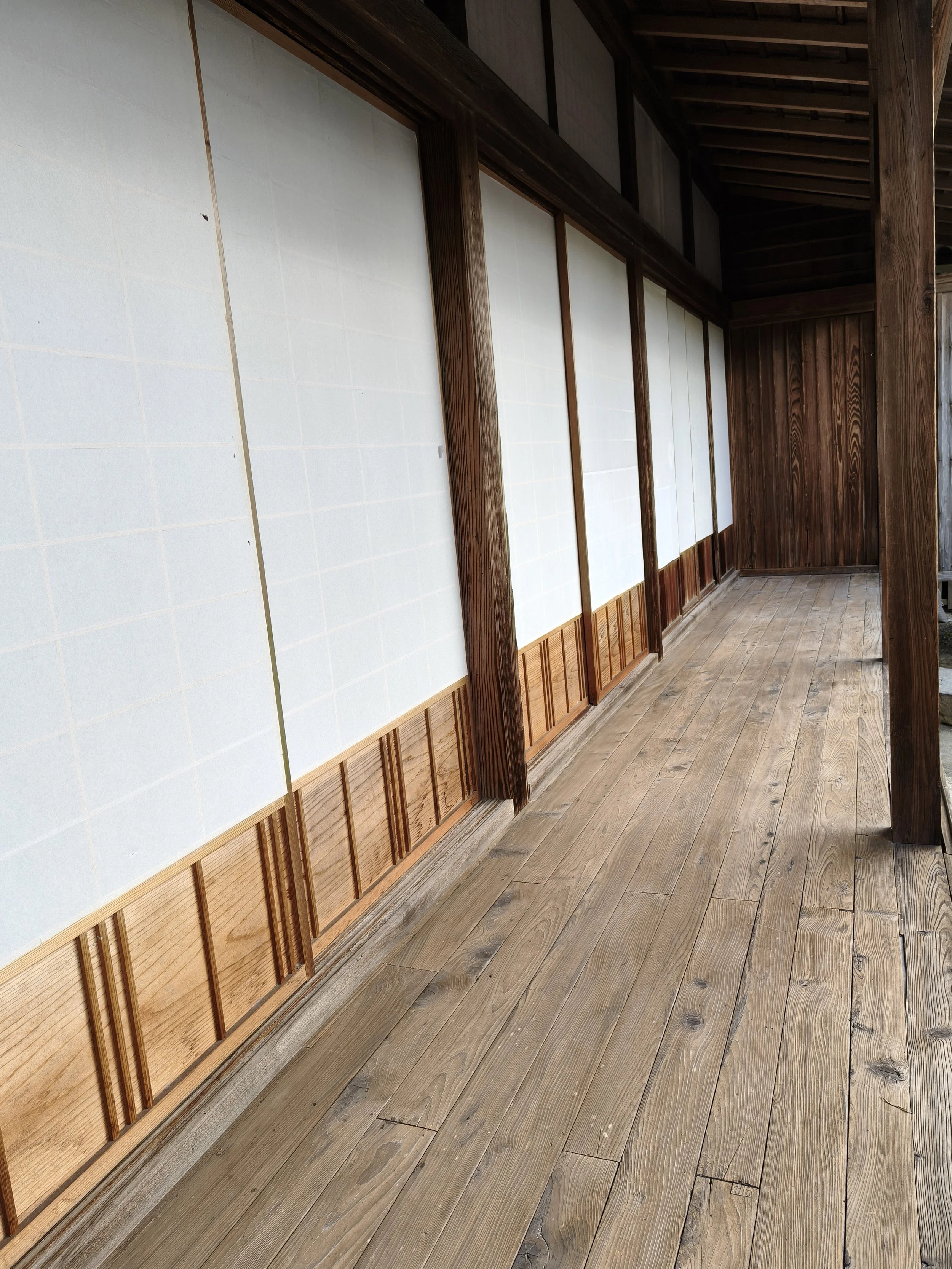
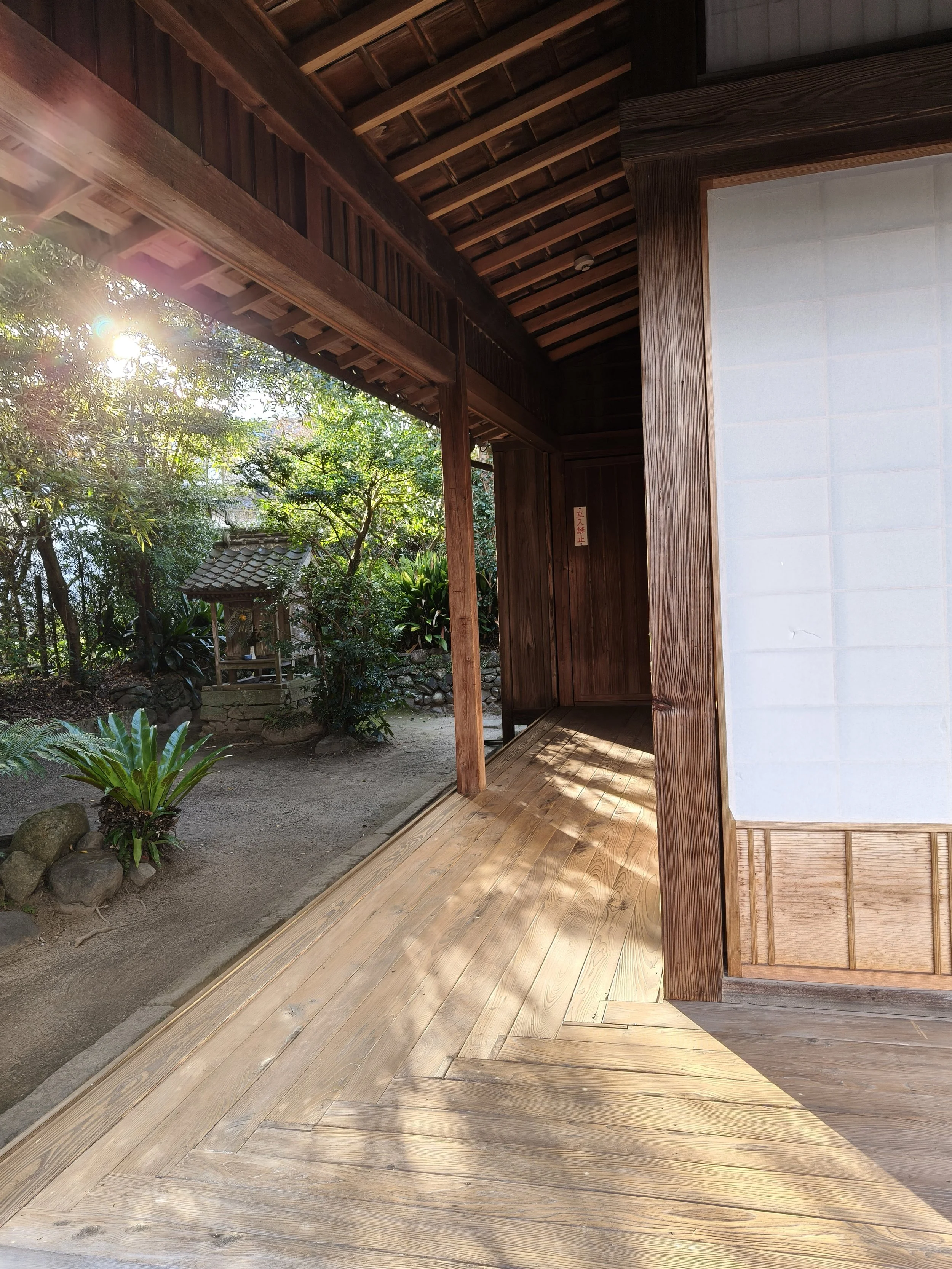
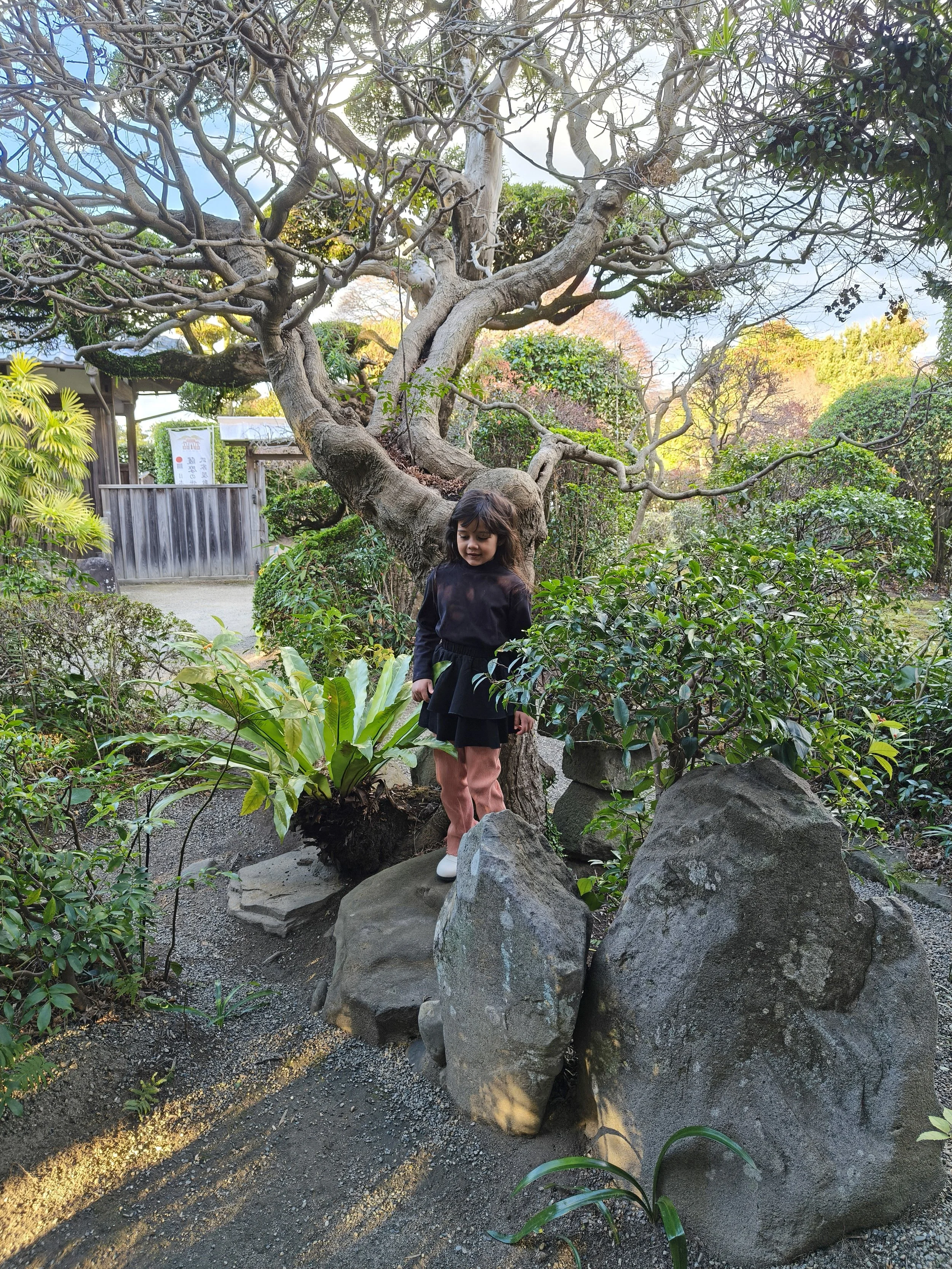
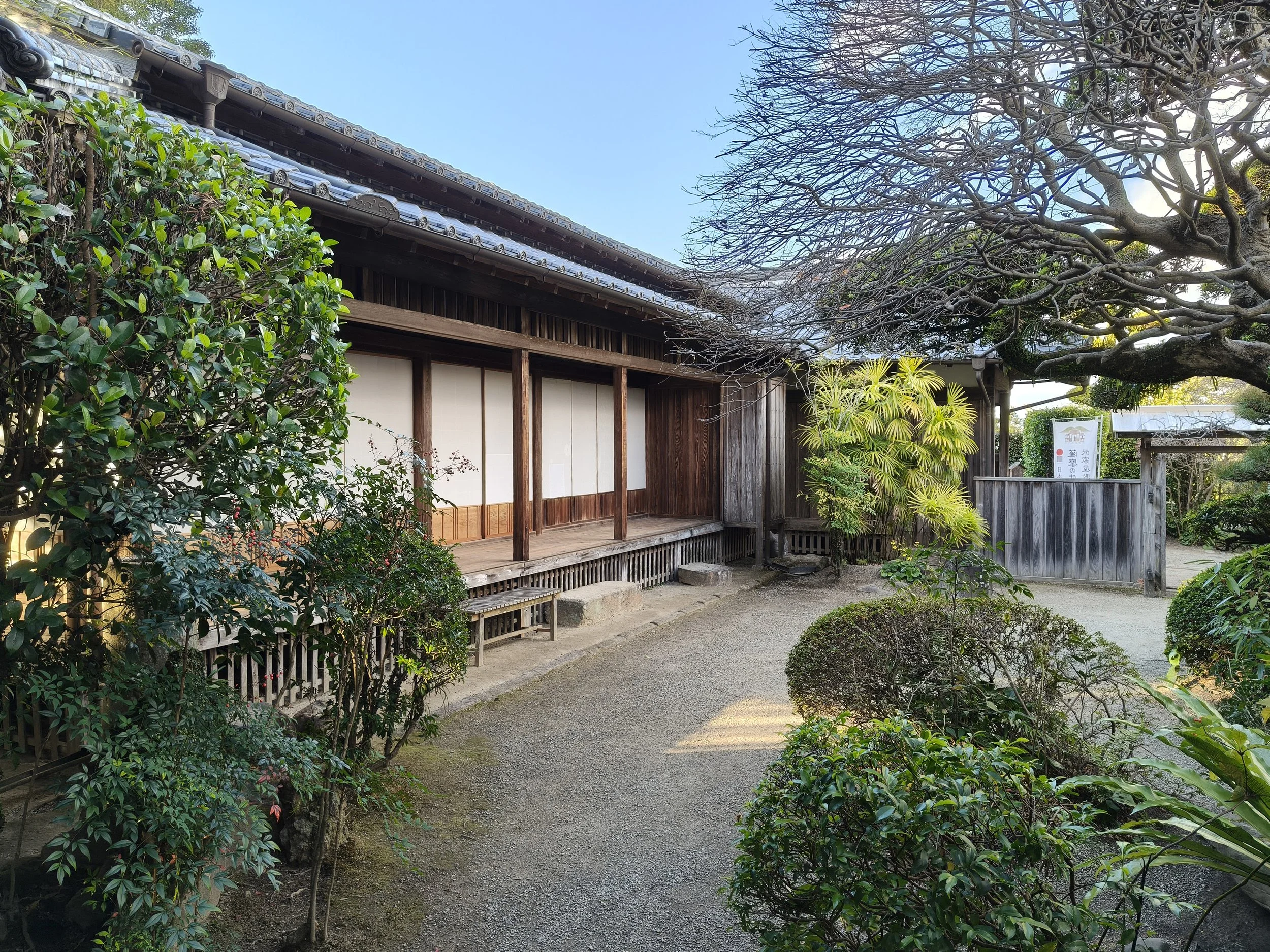
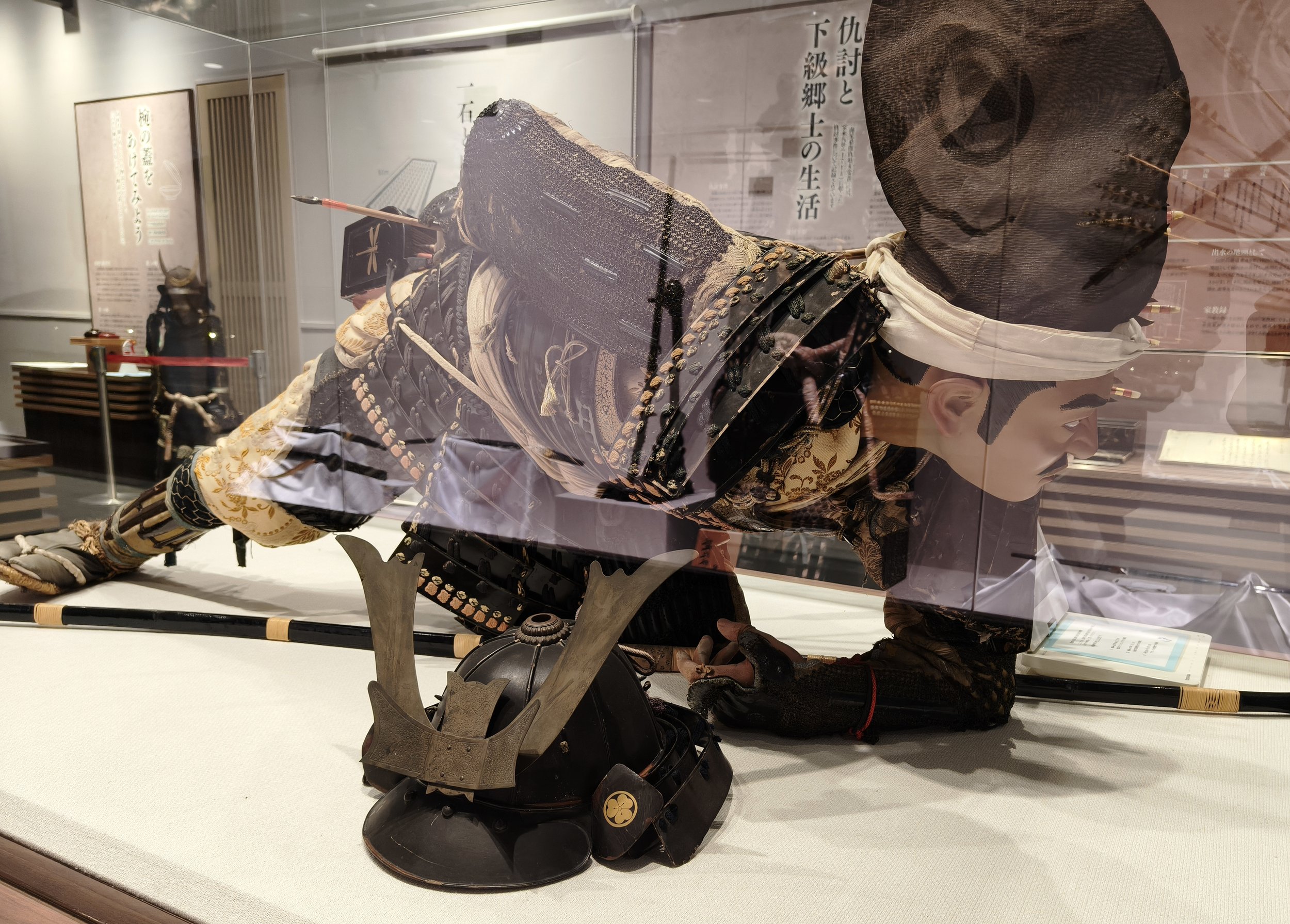
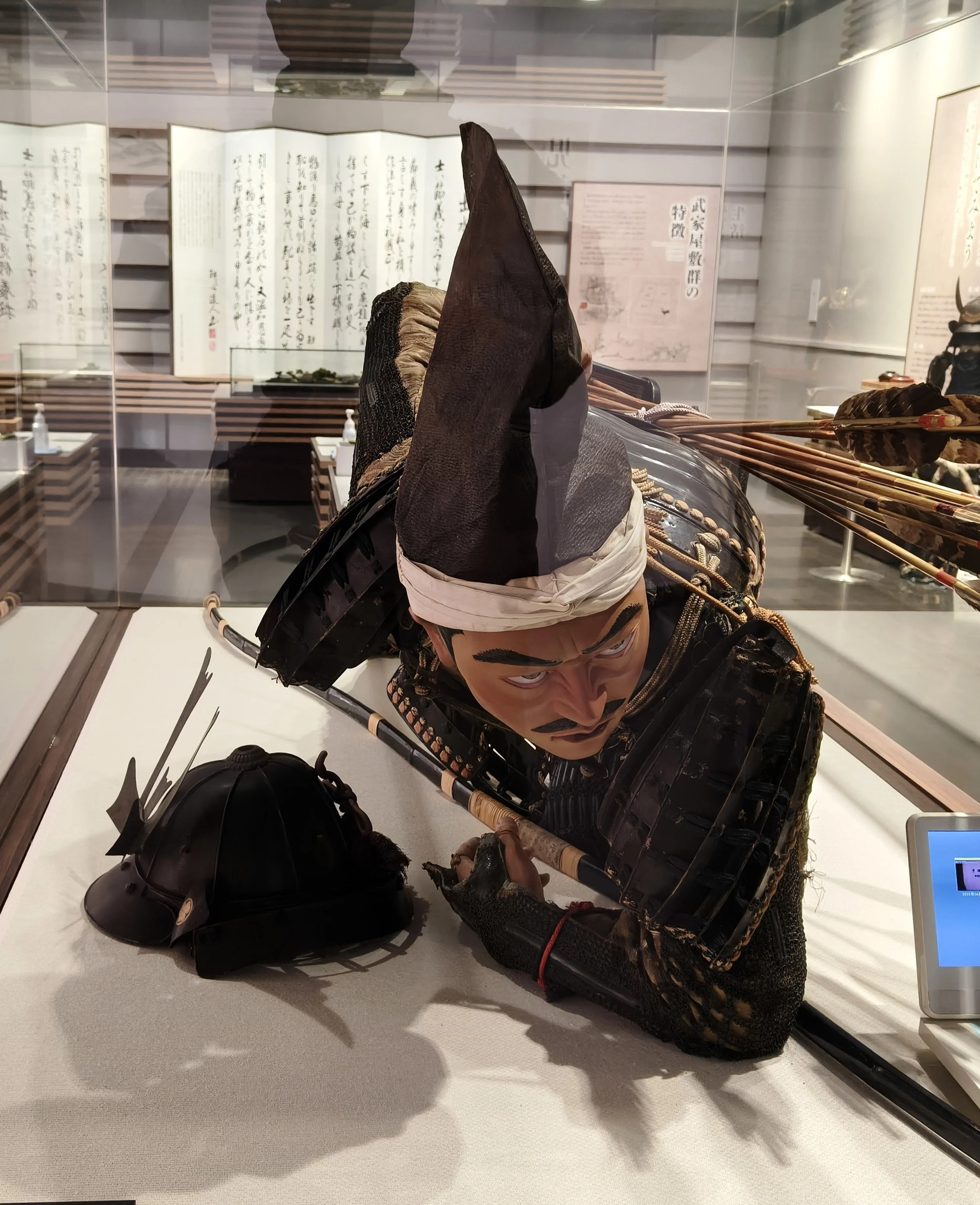
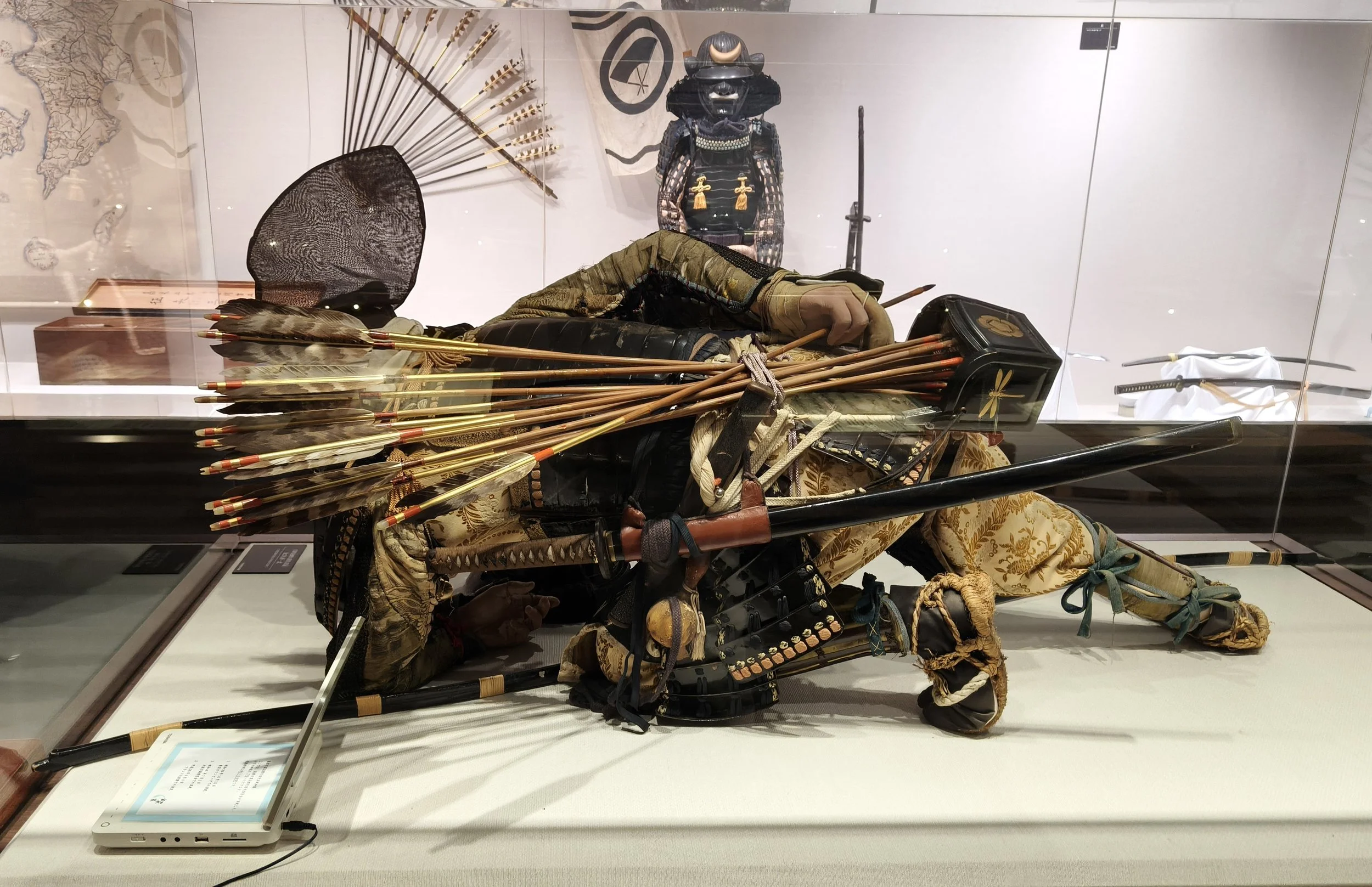
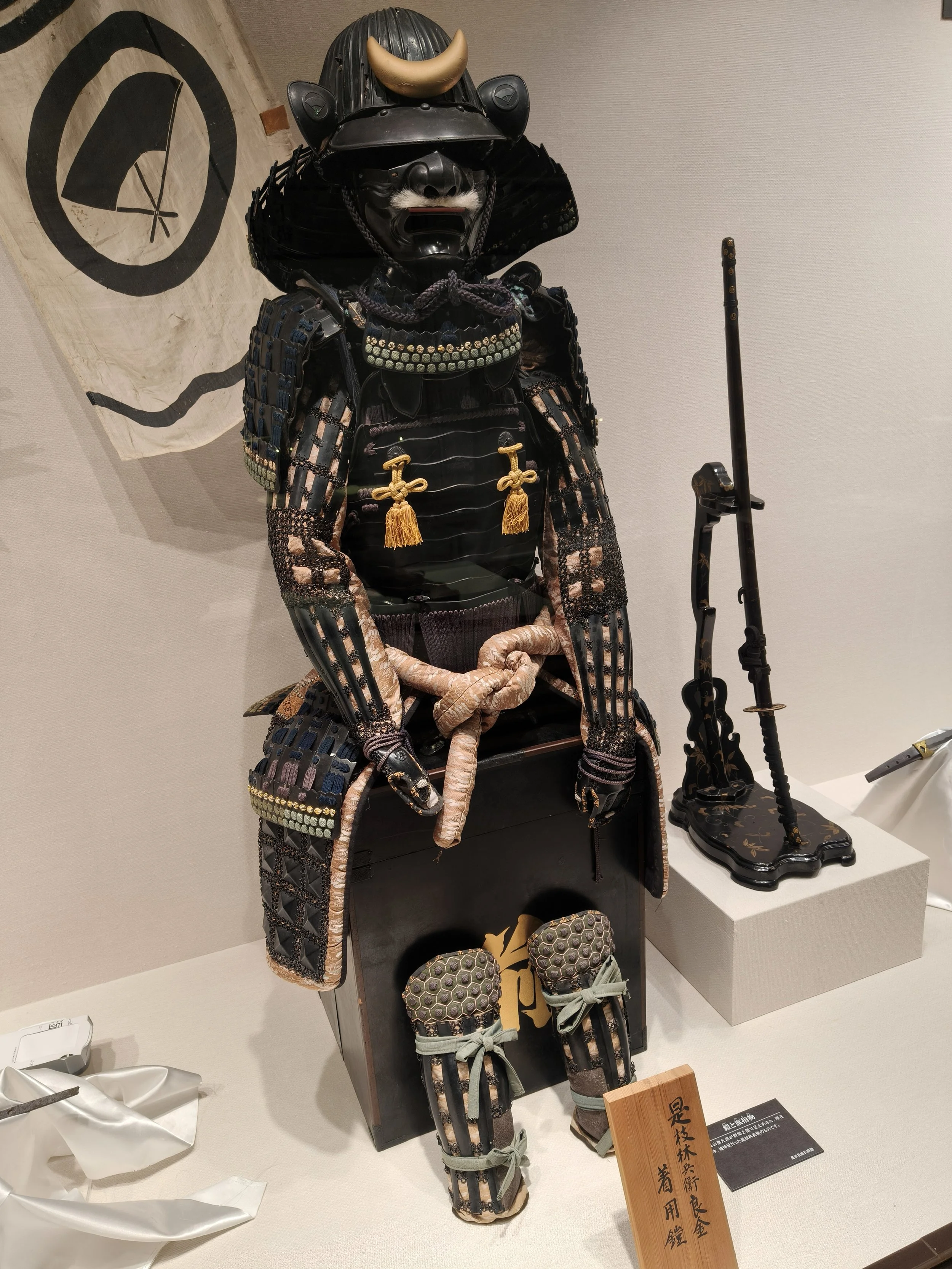
Izumi Fumoto Samurai Residences
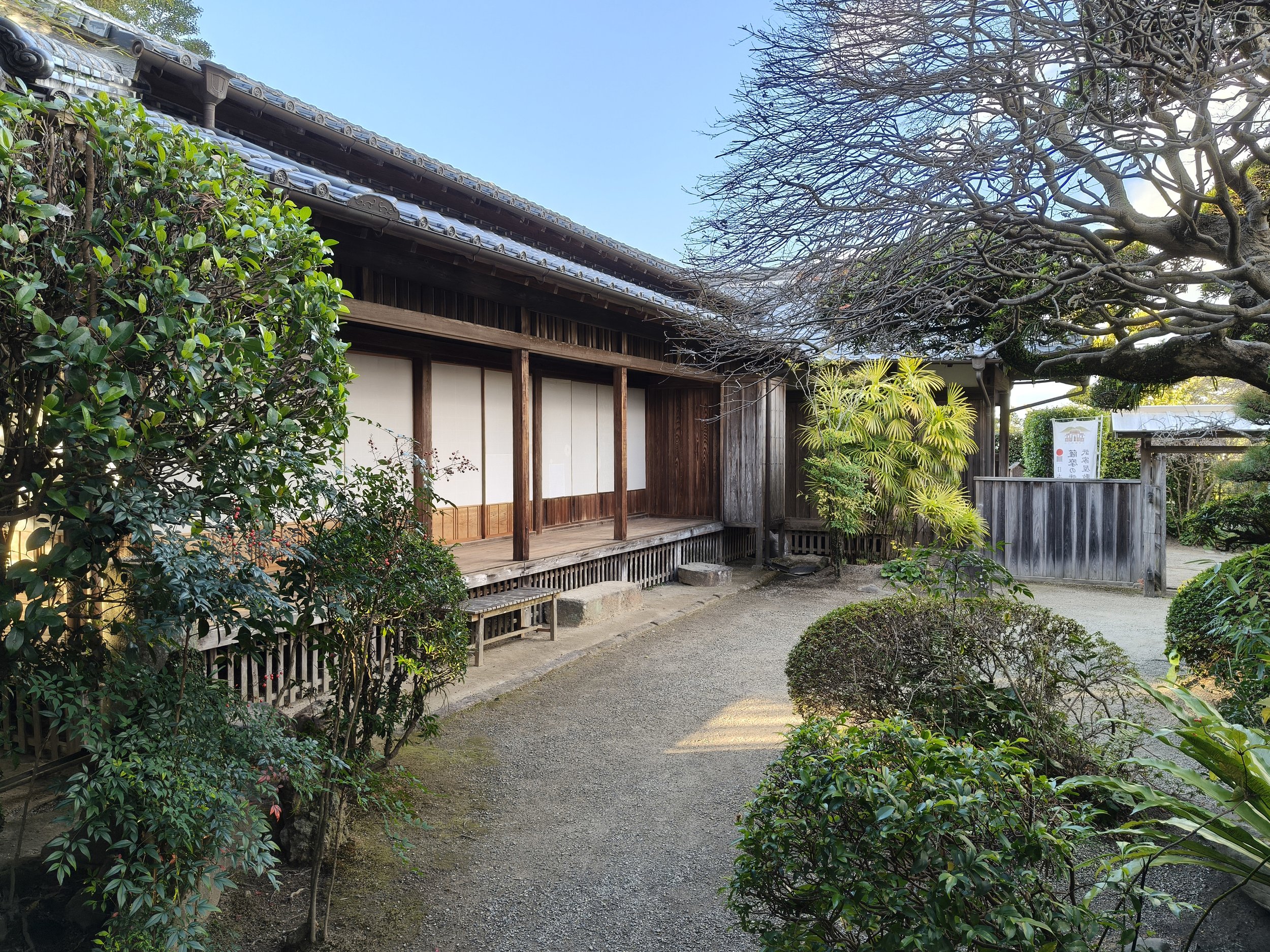
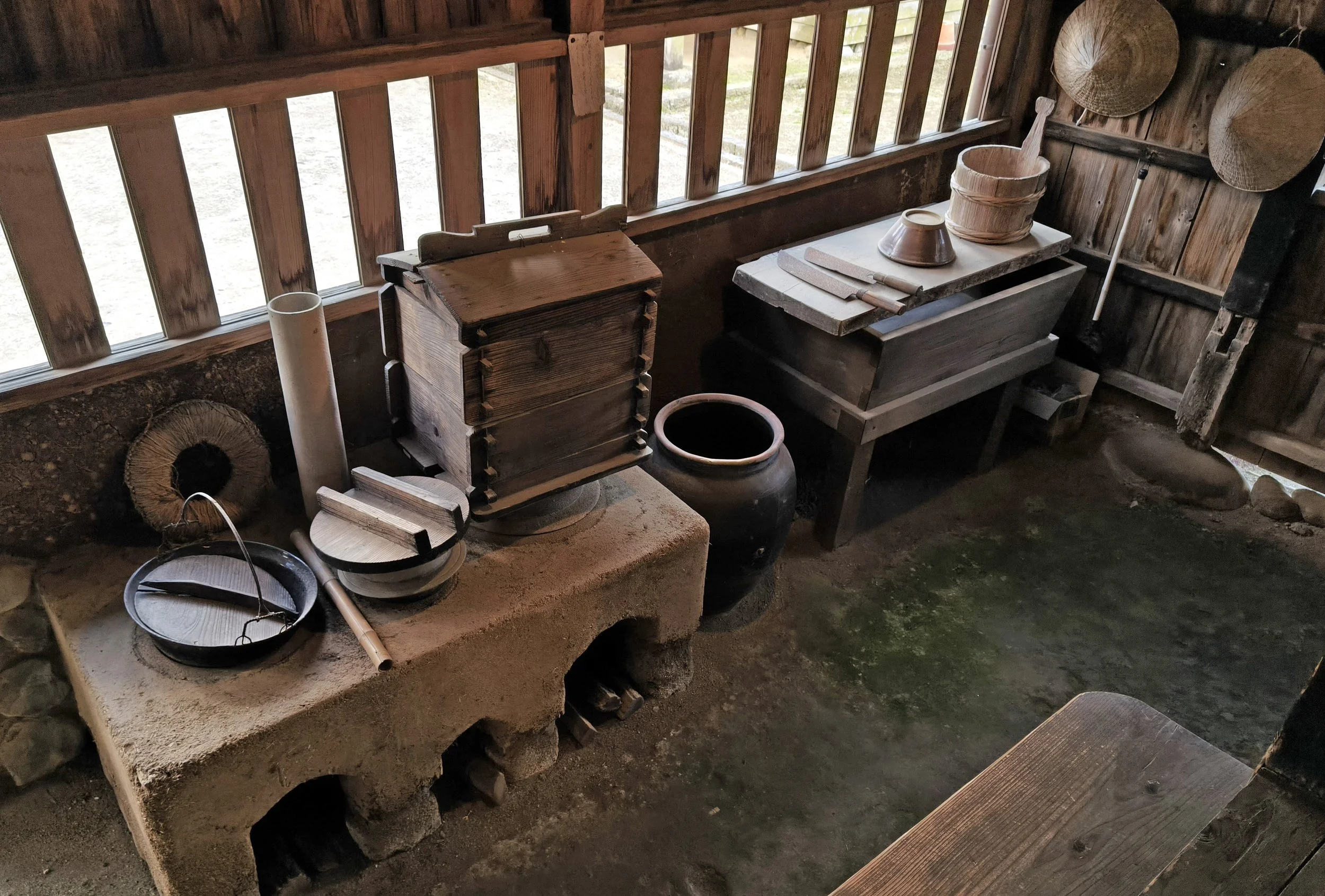
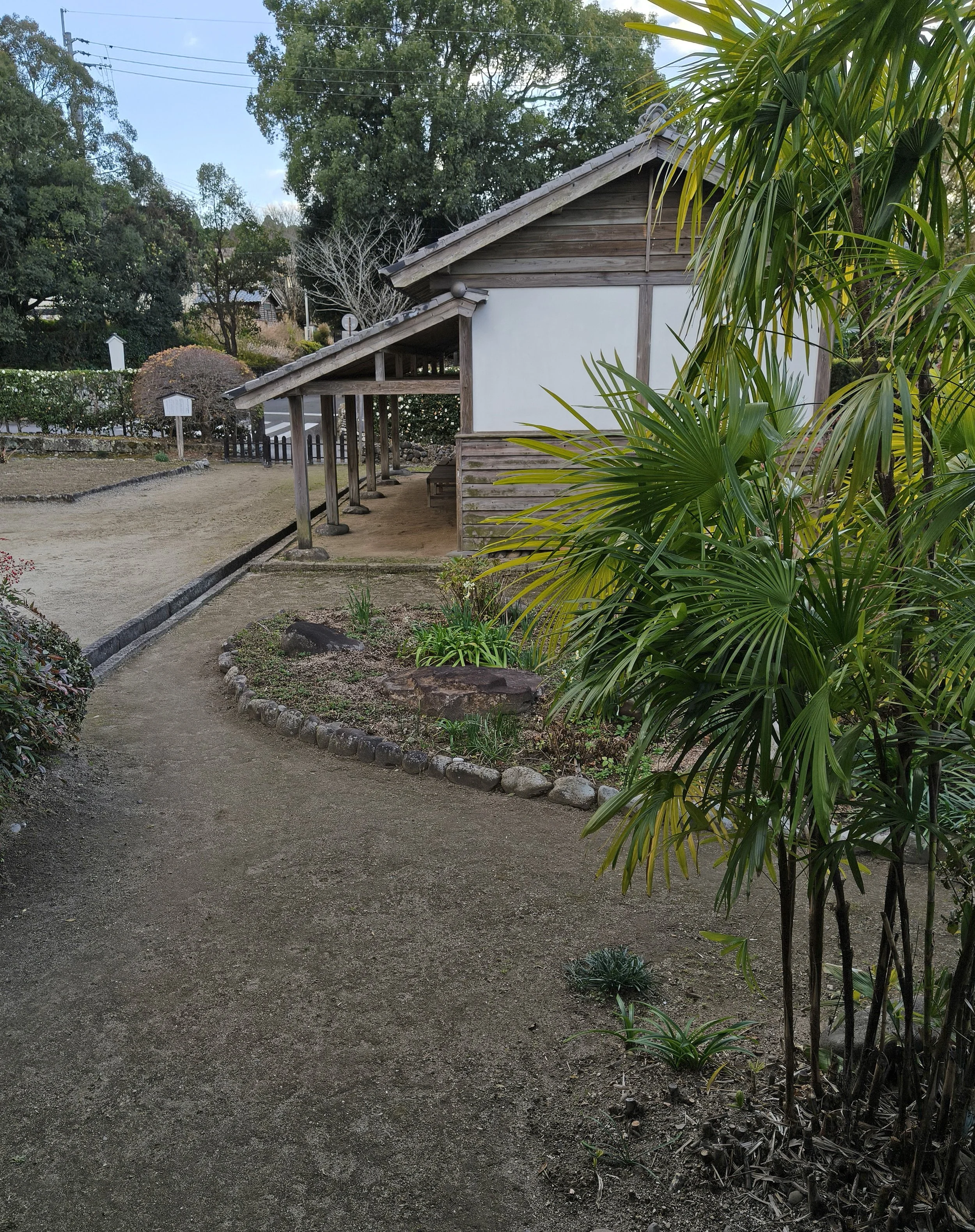
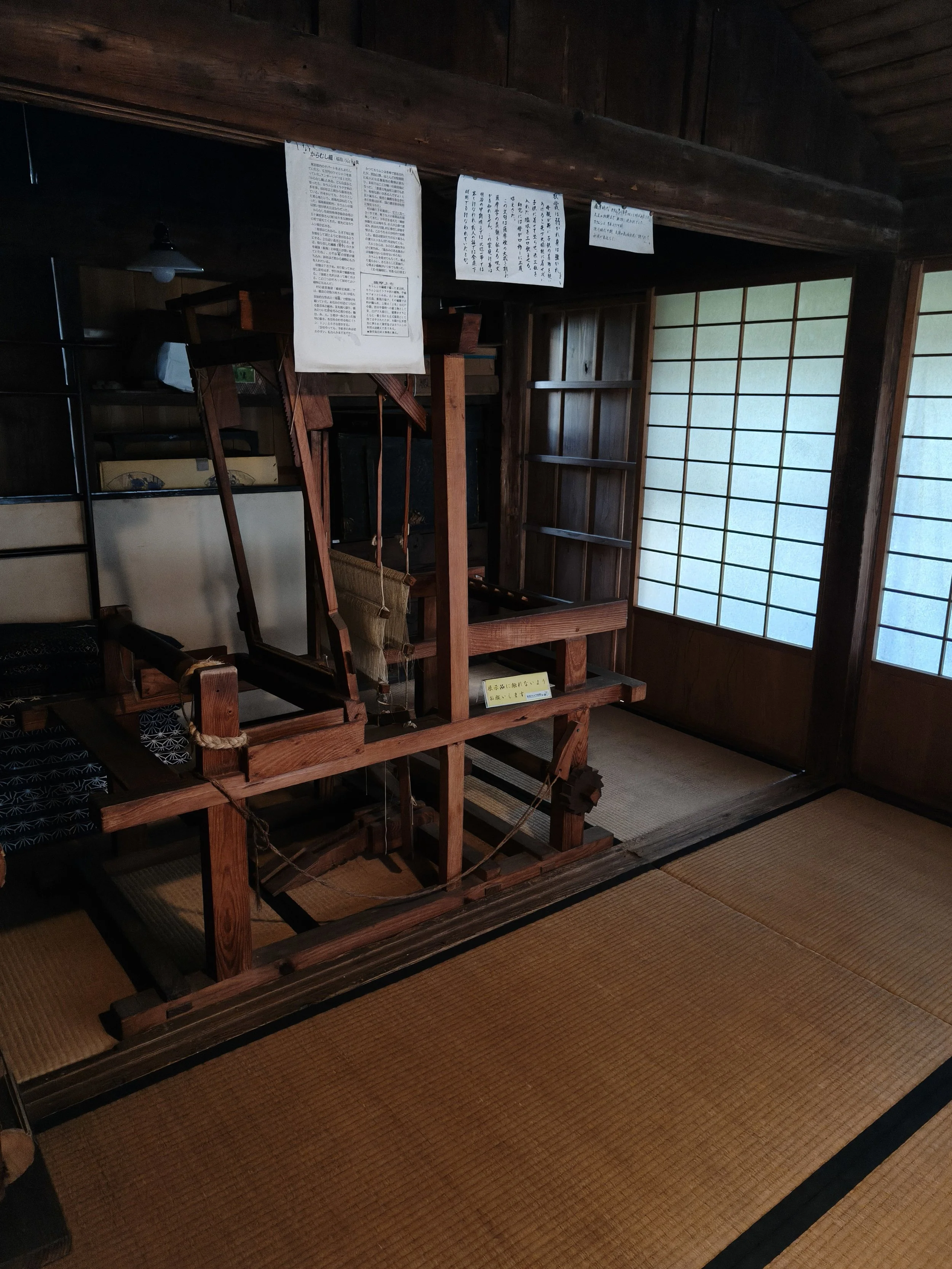
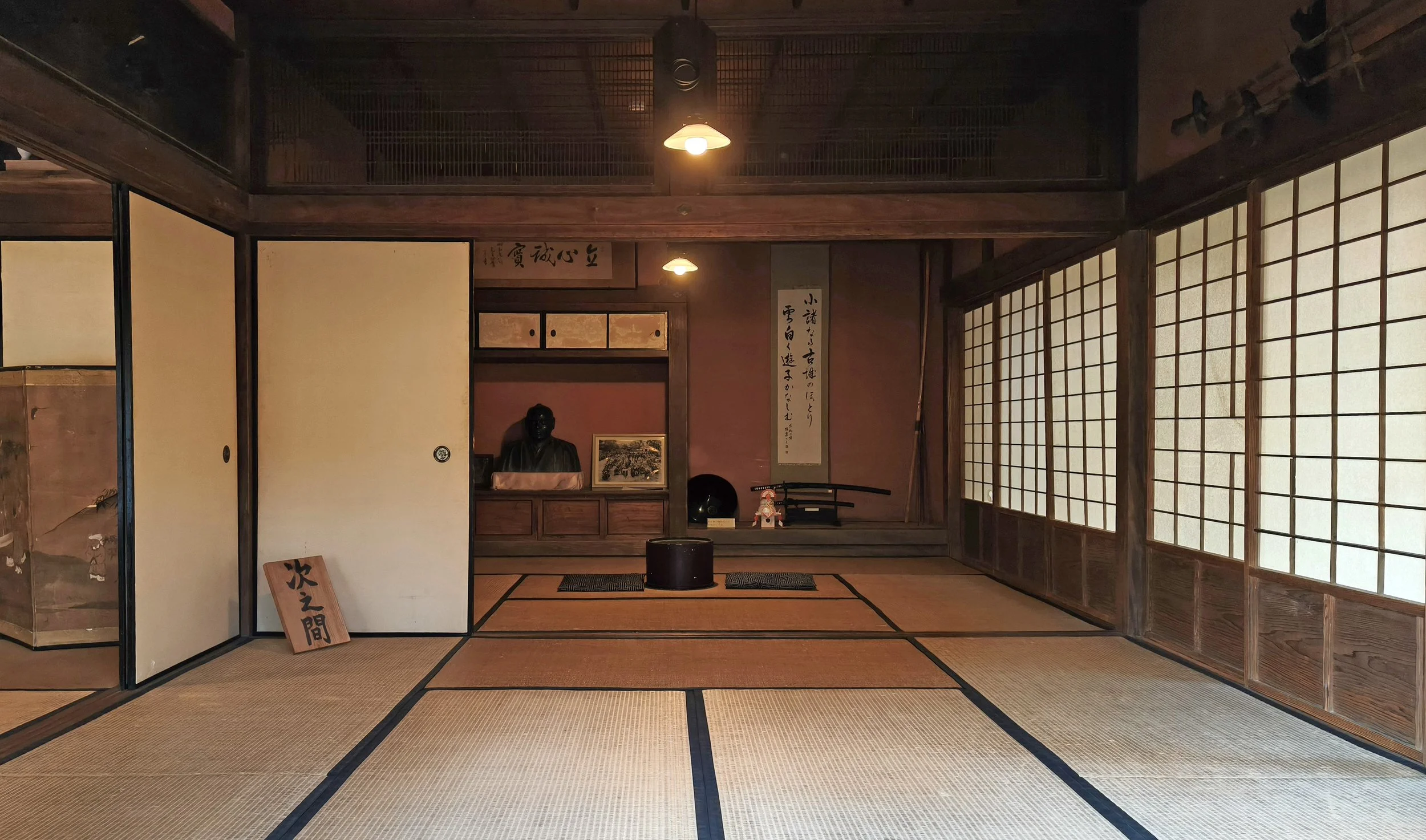
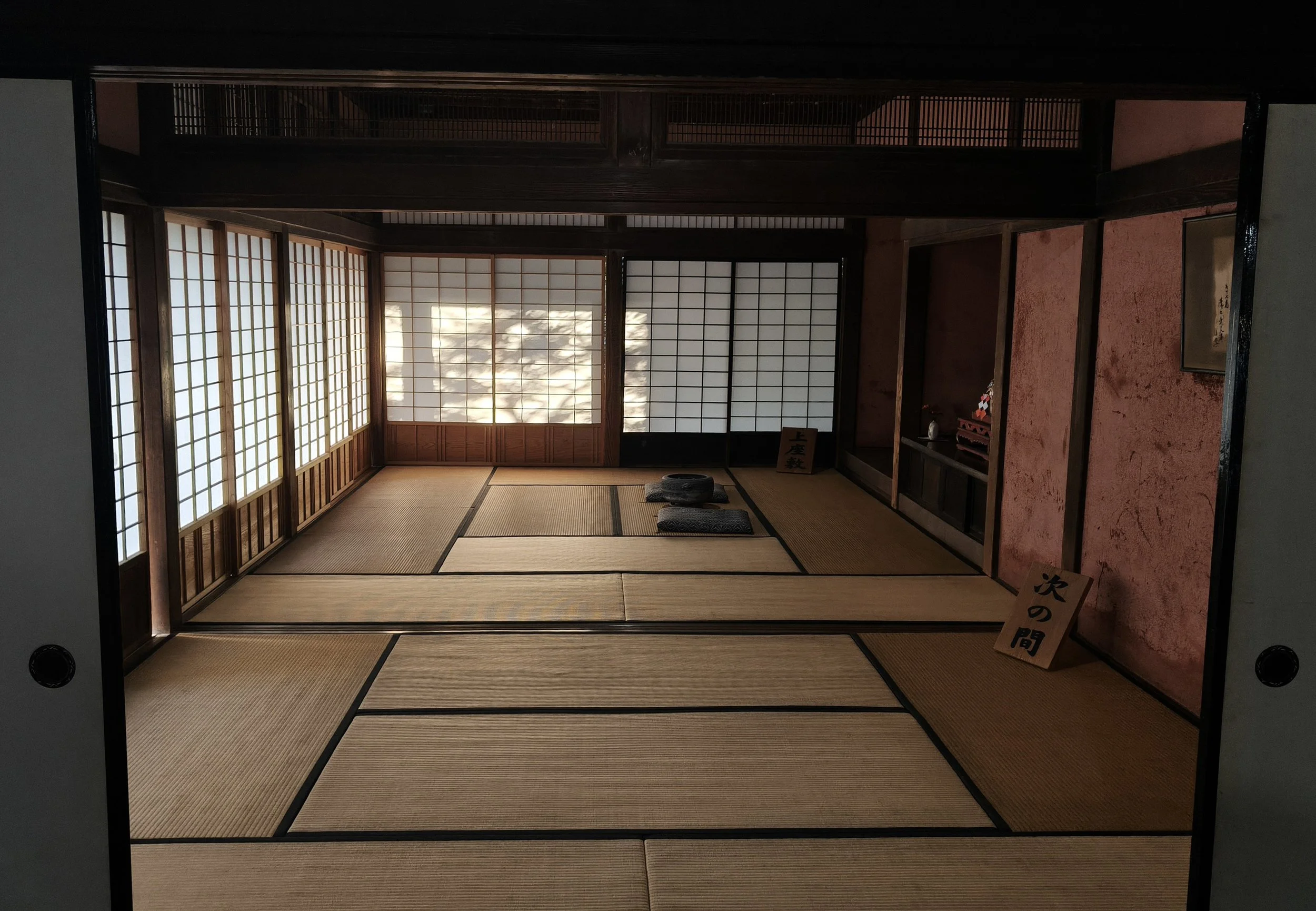
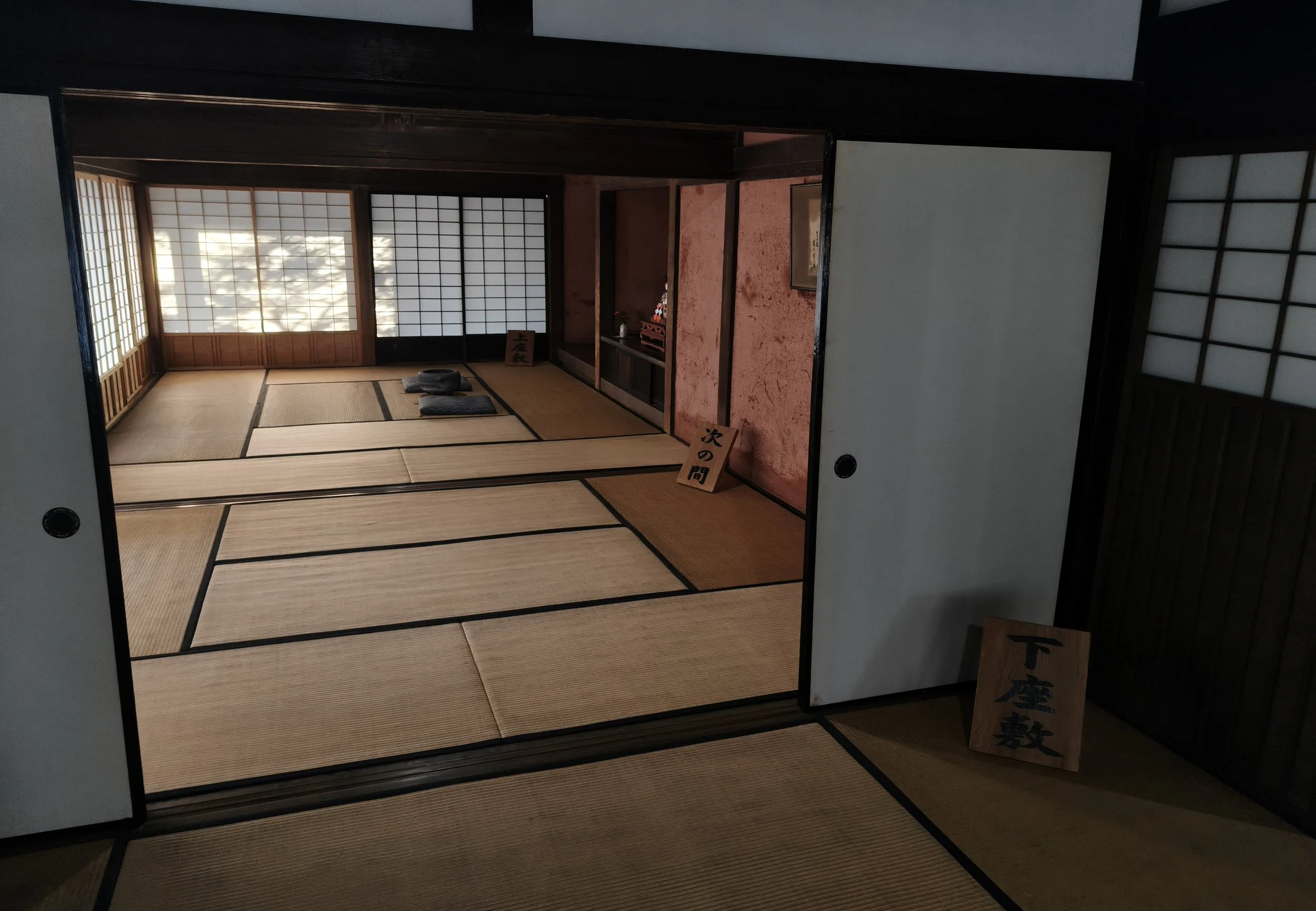
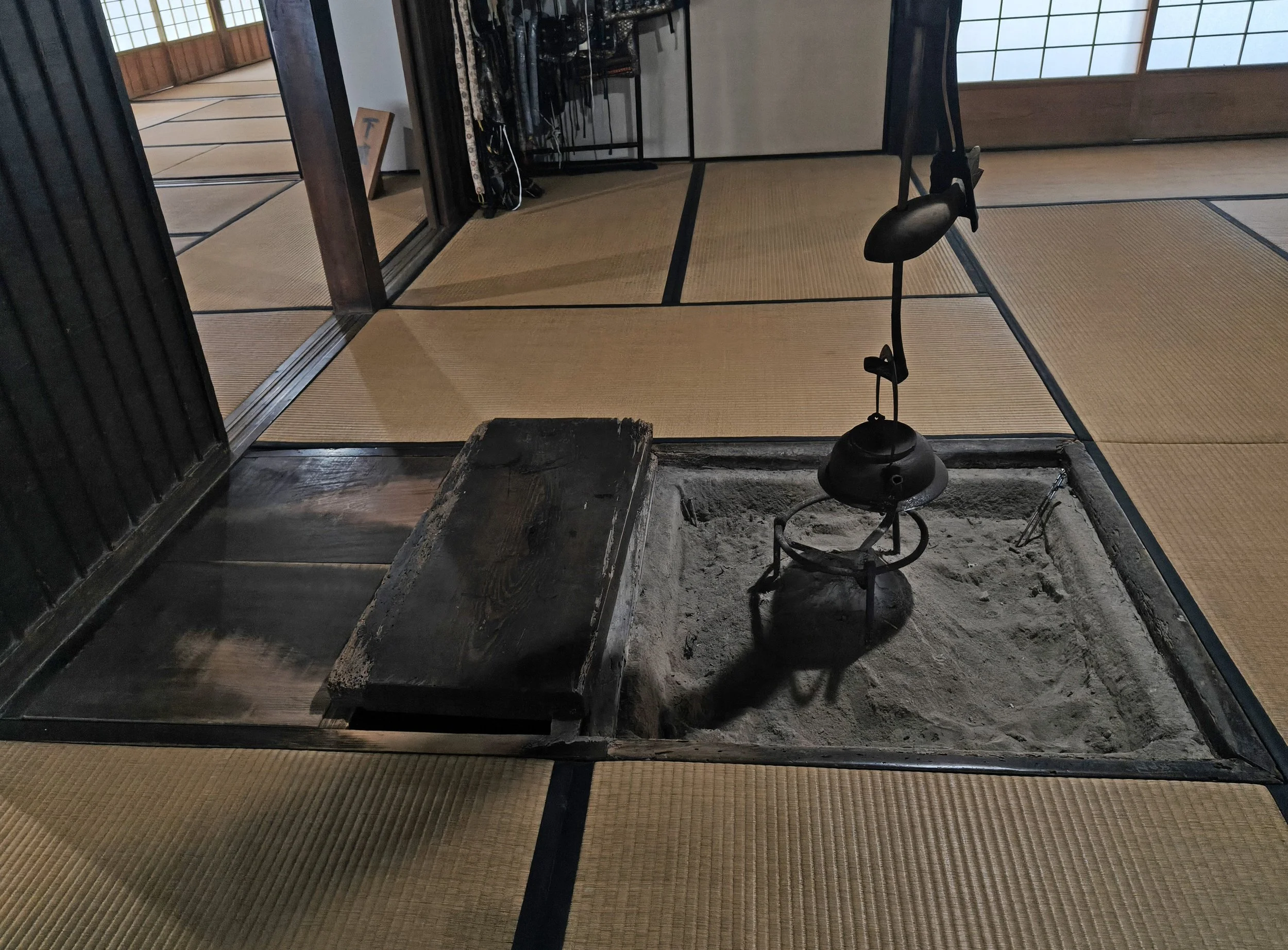
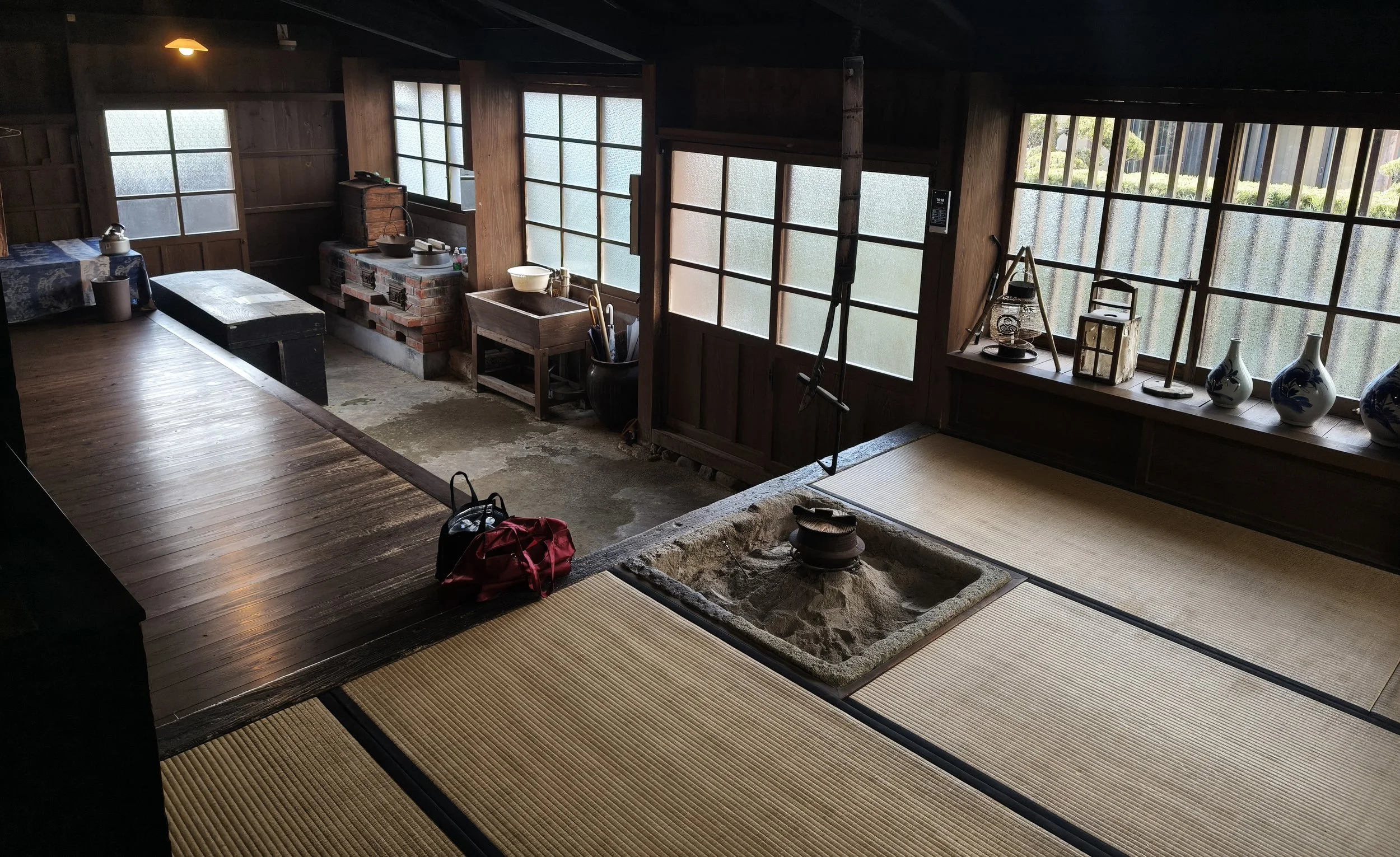
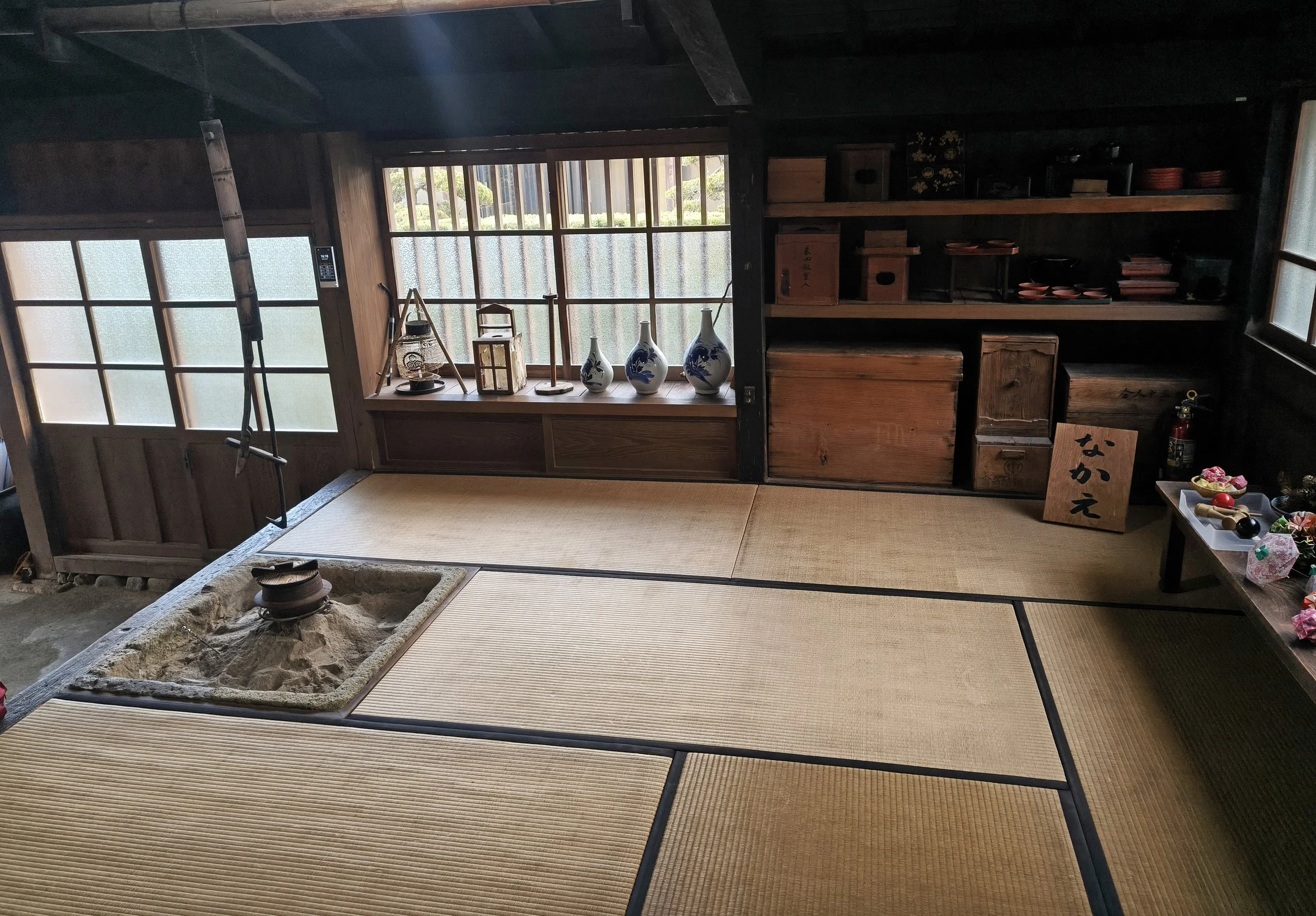
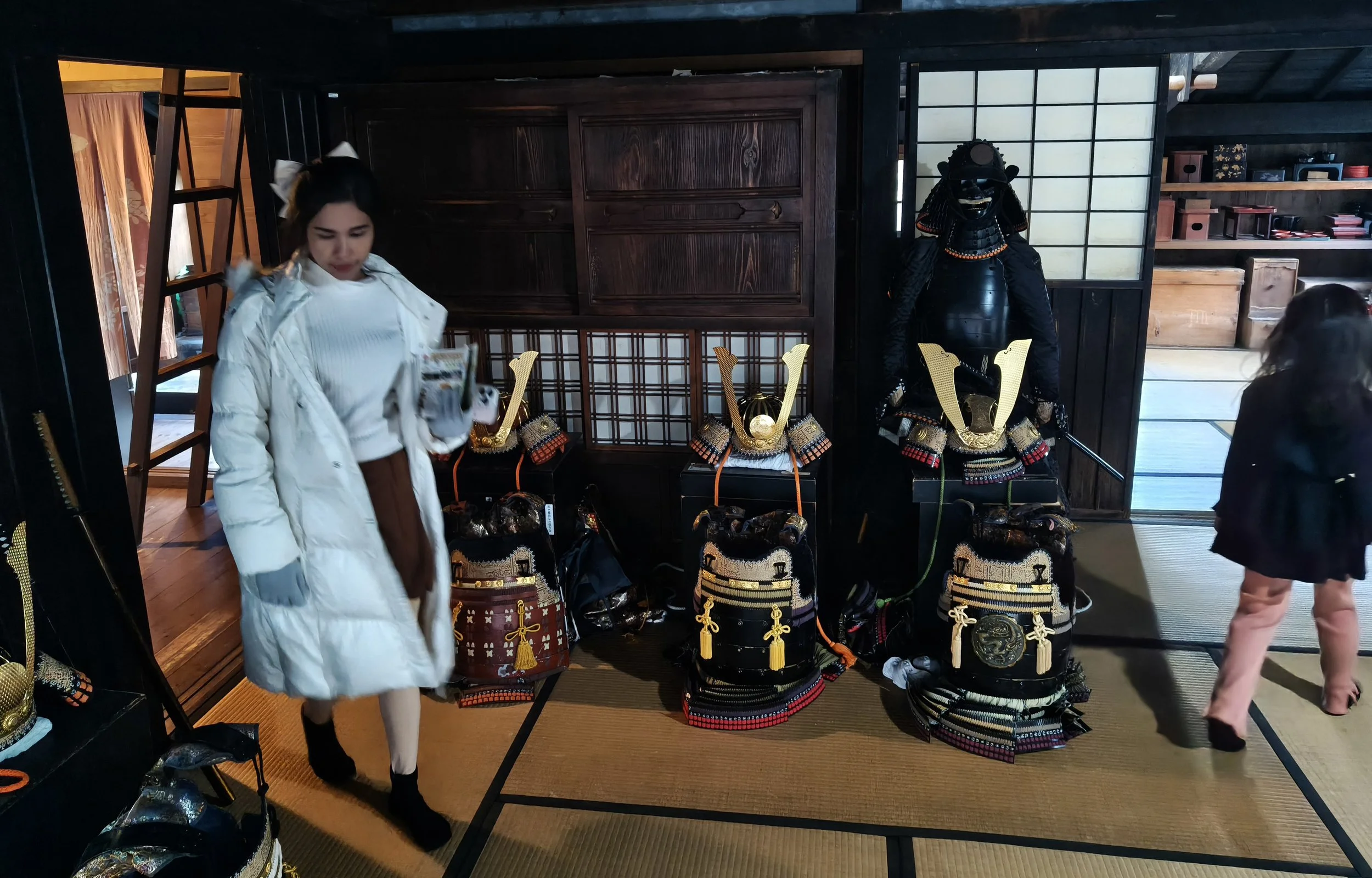
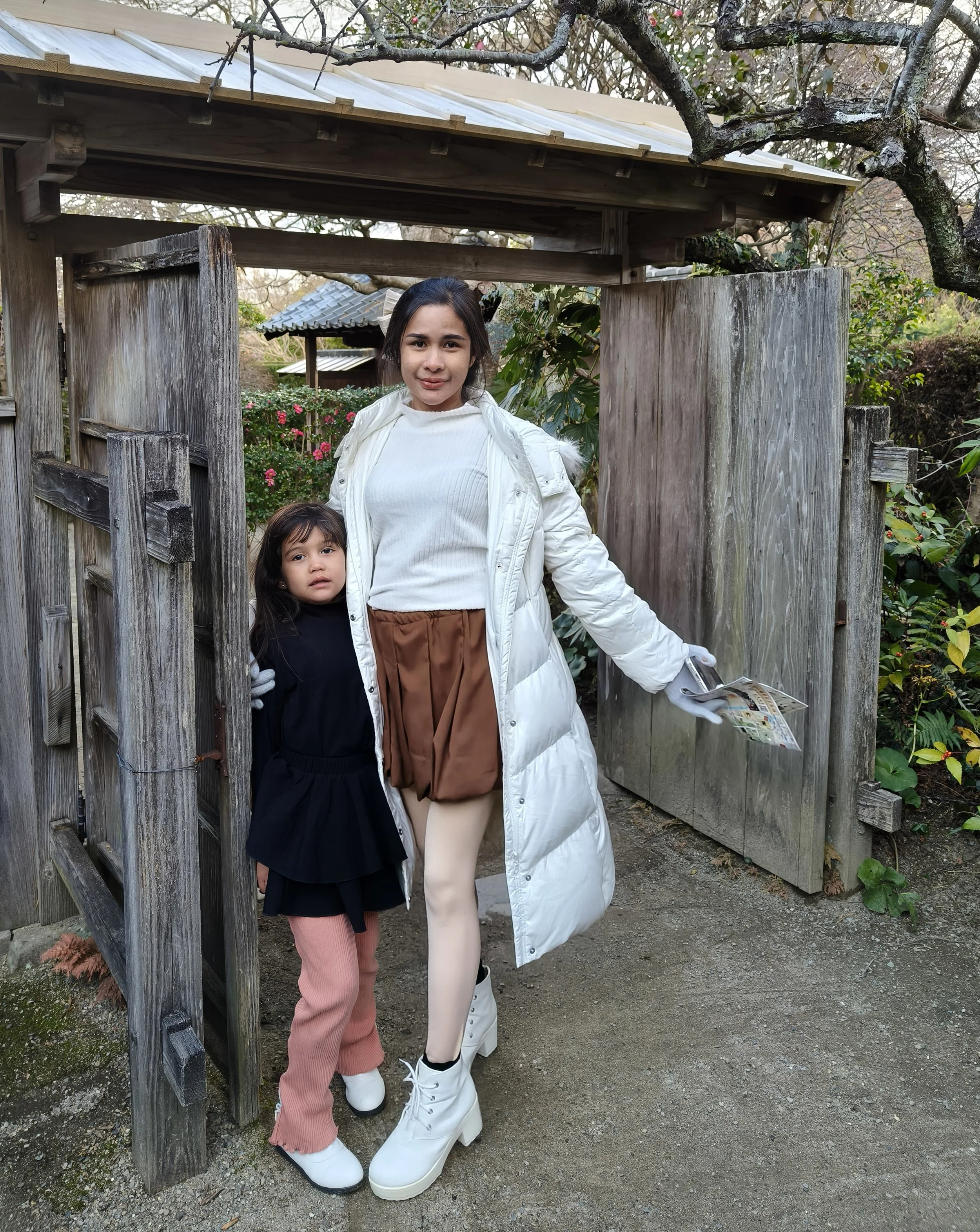
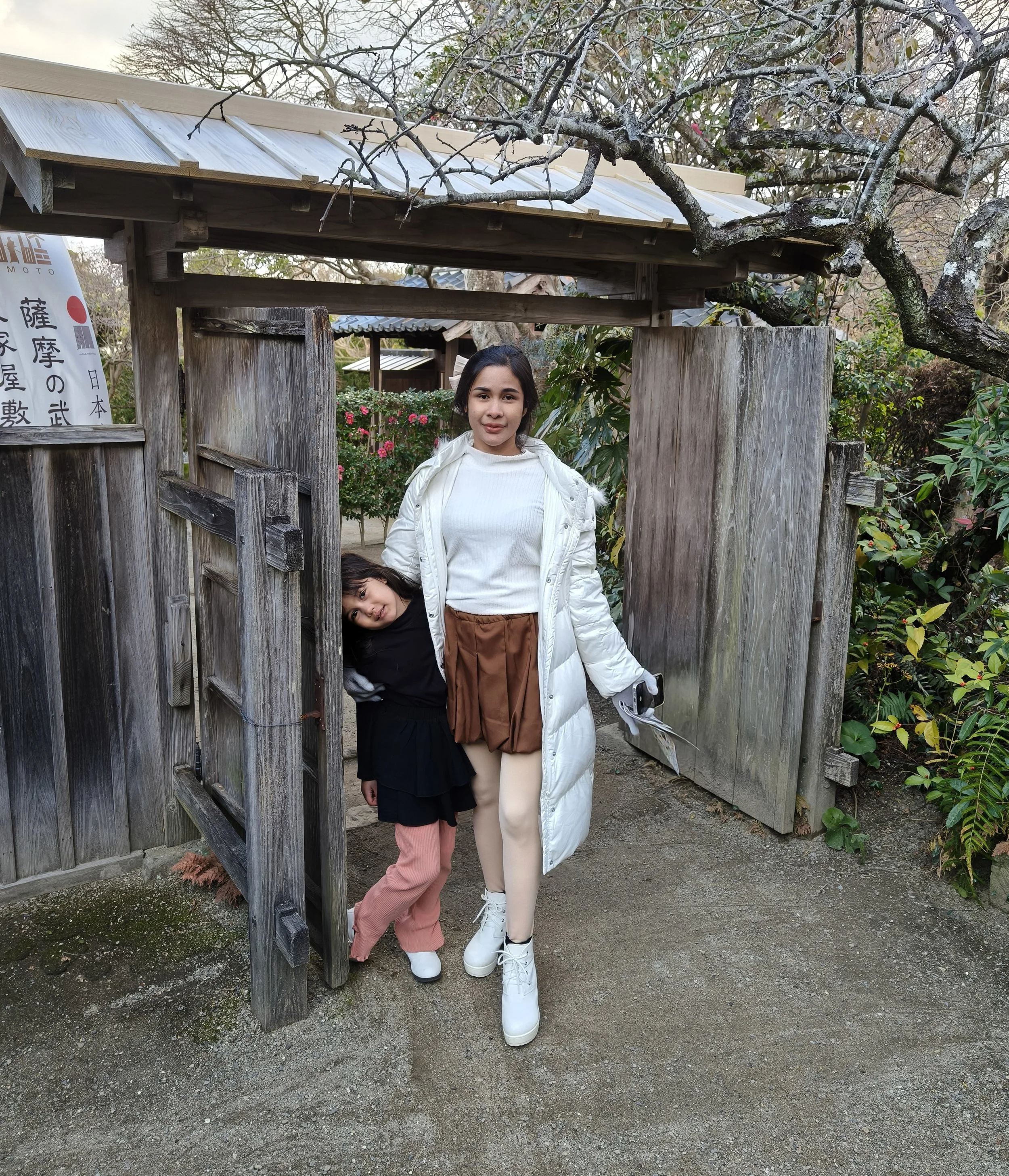
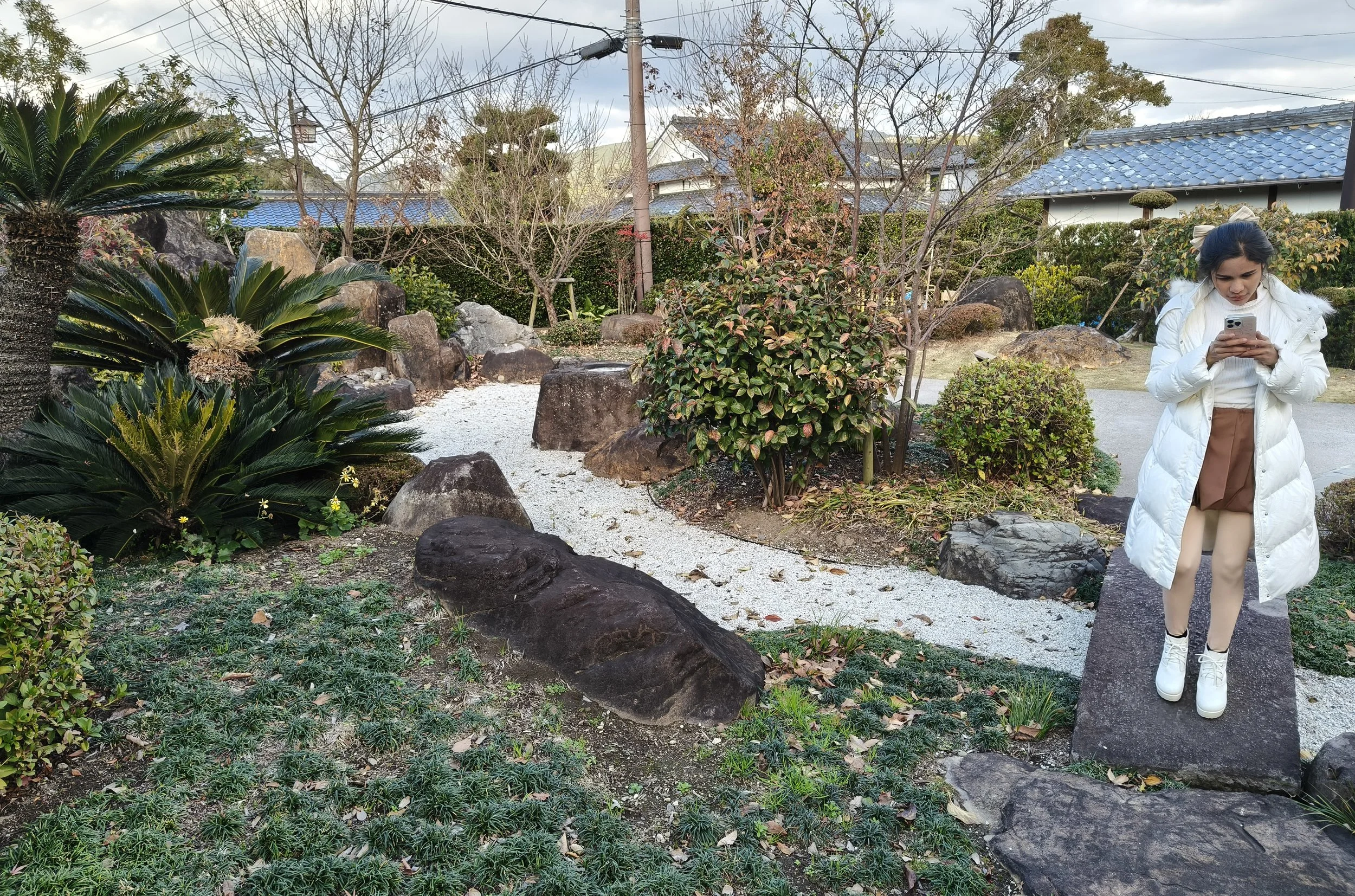
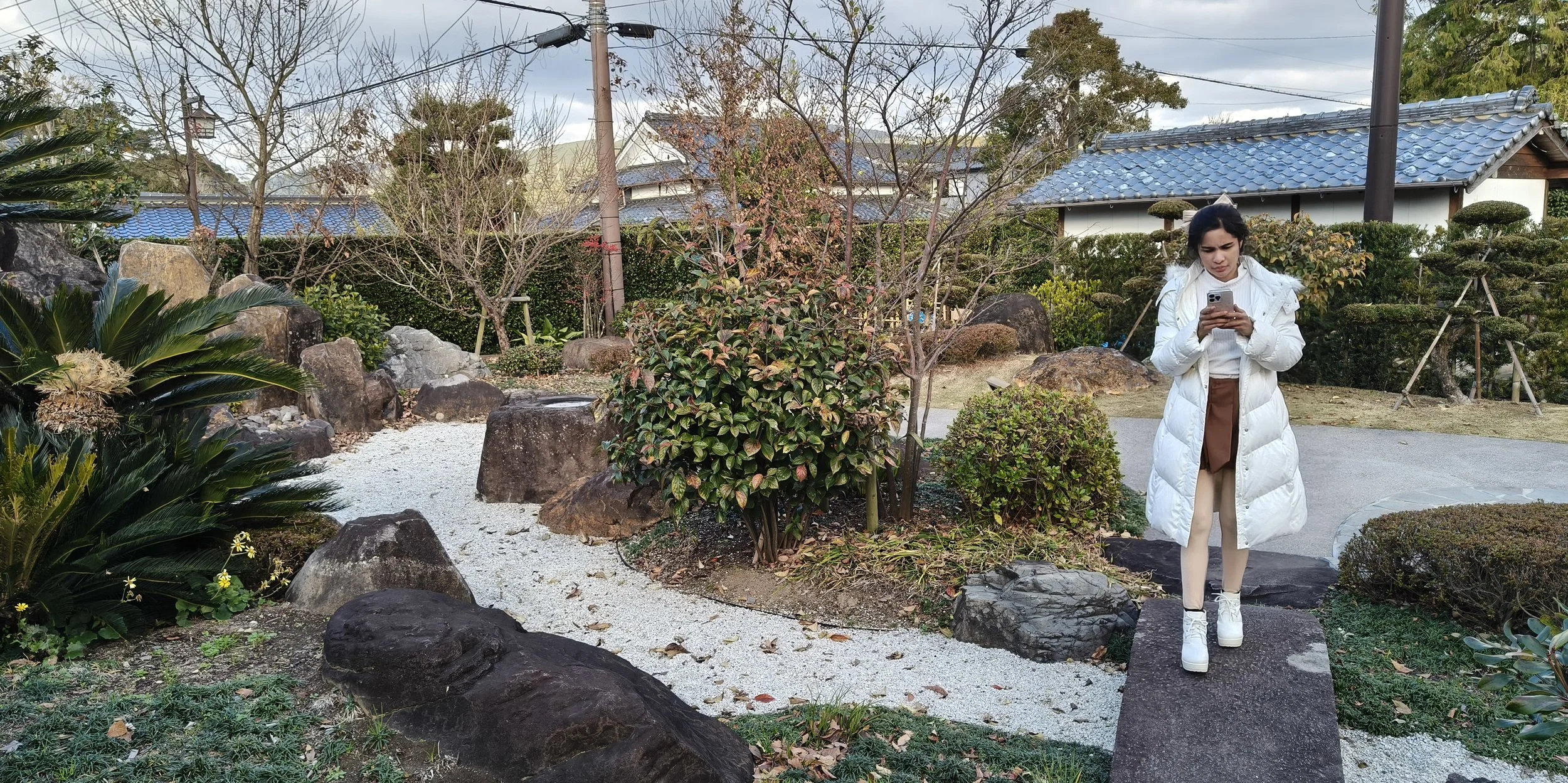
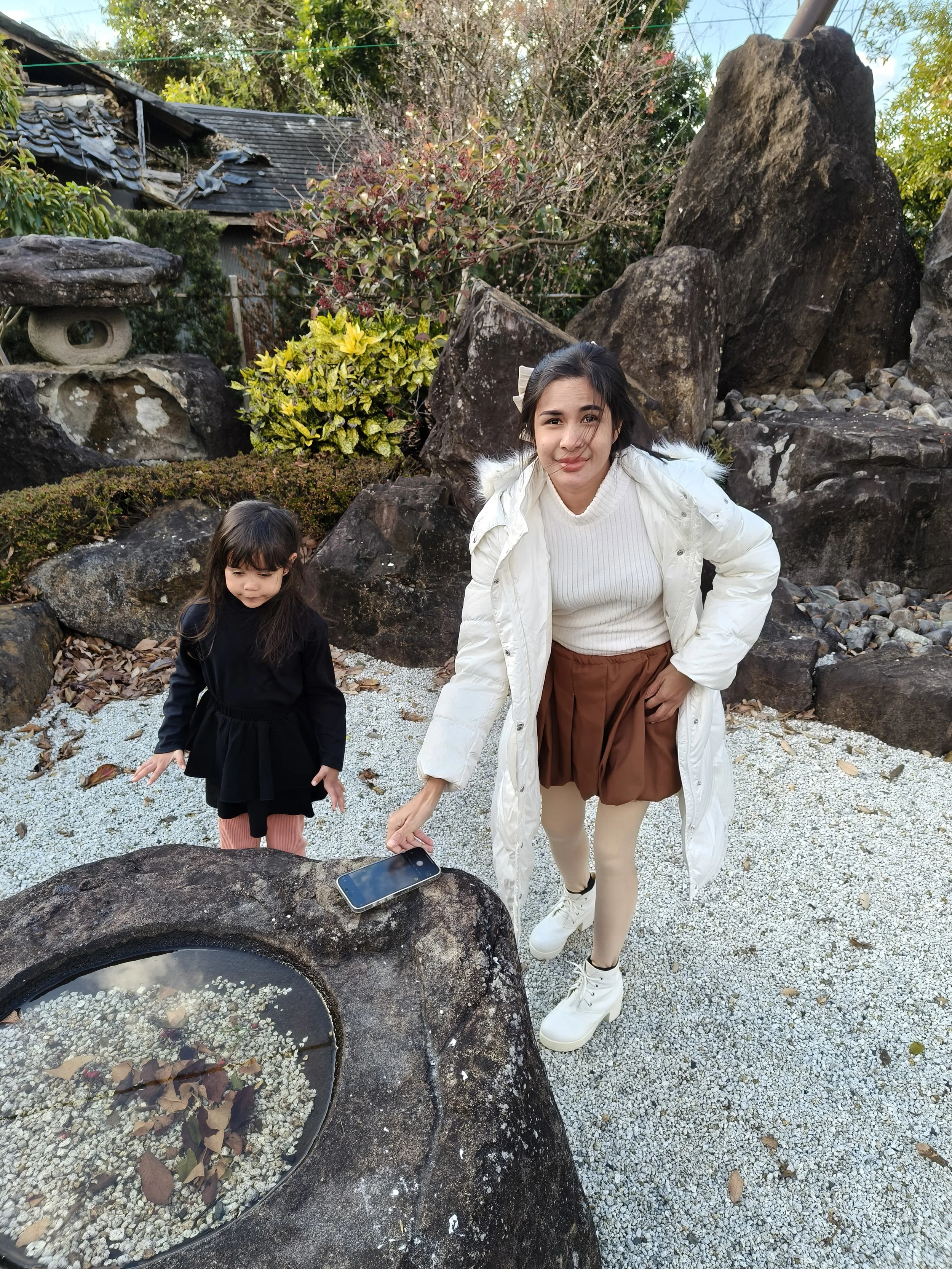
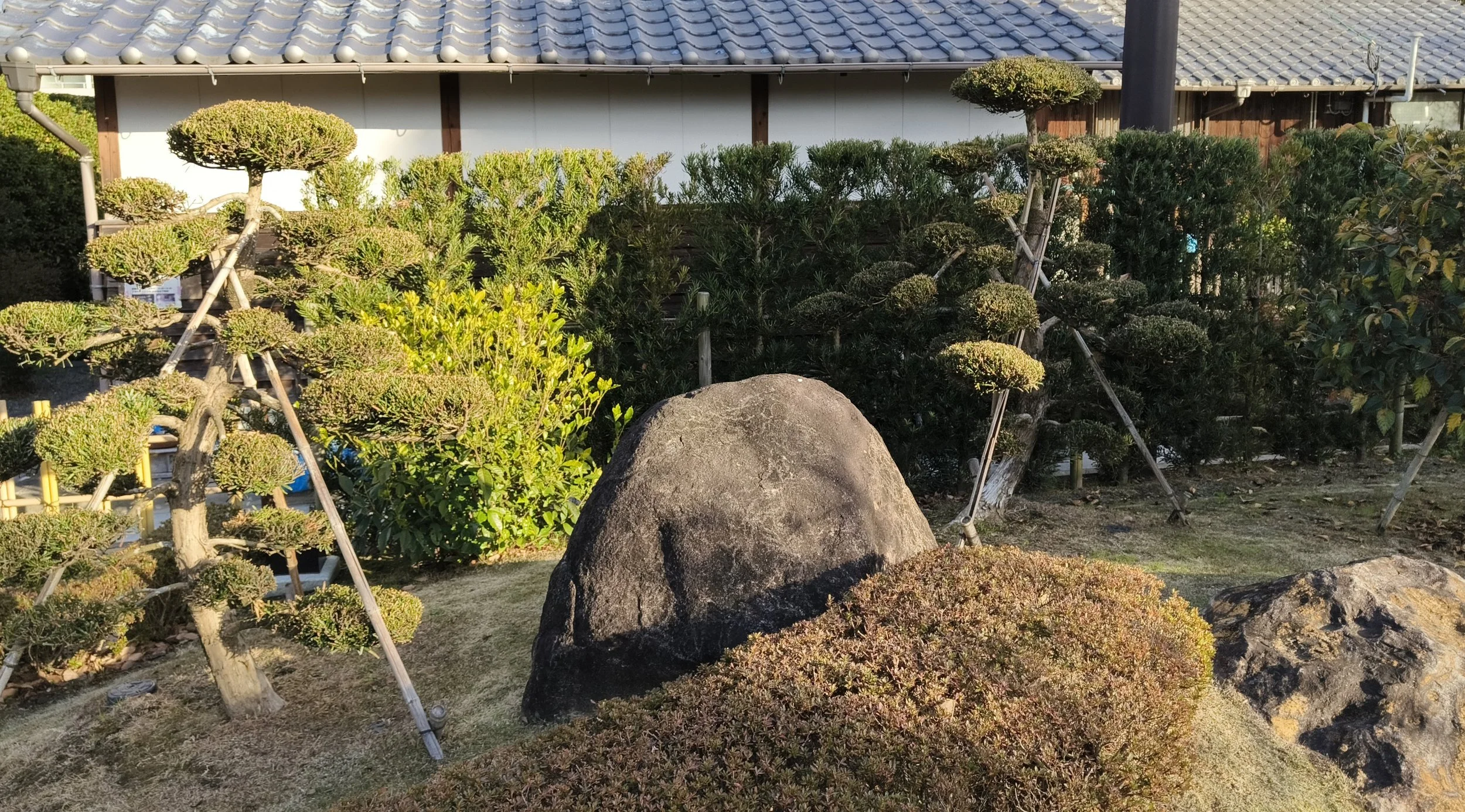
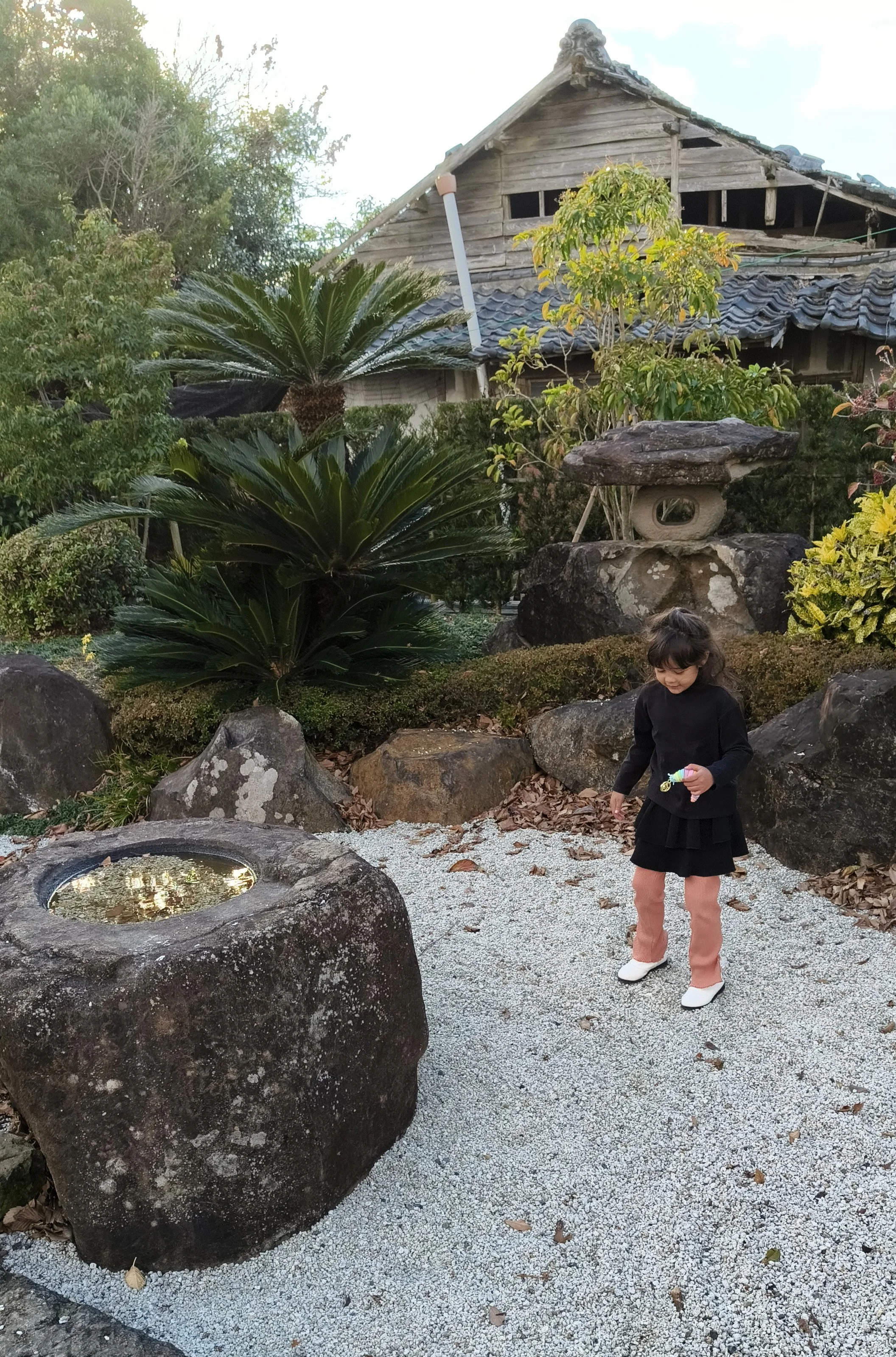
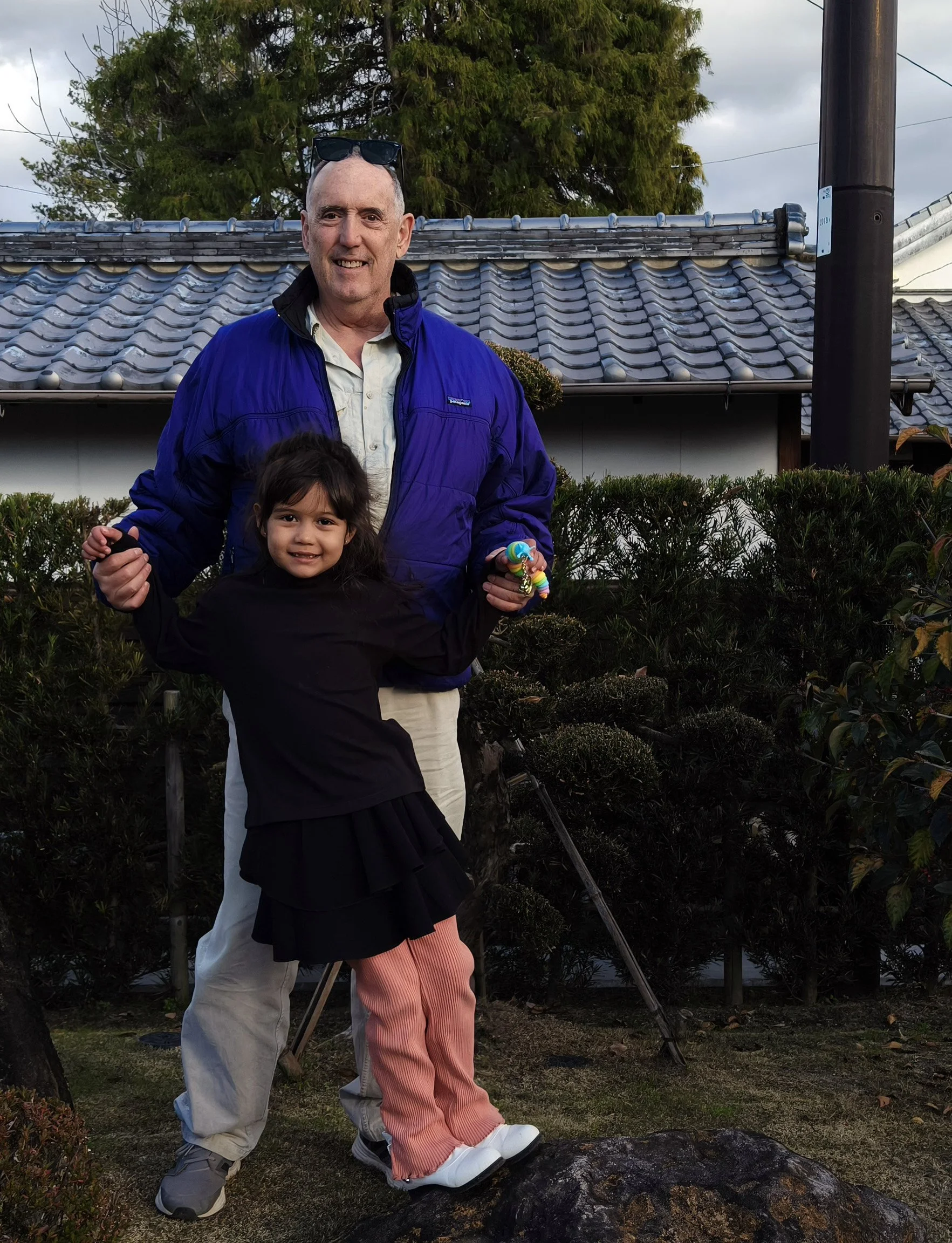
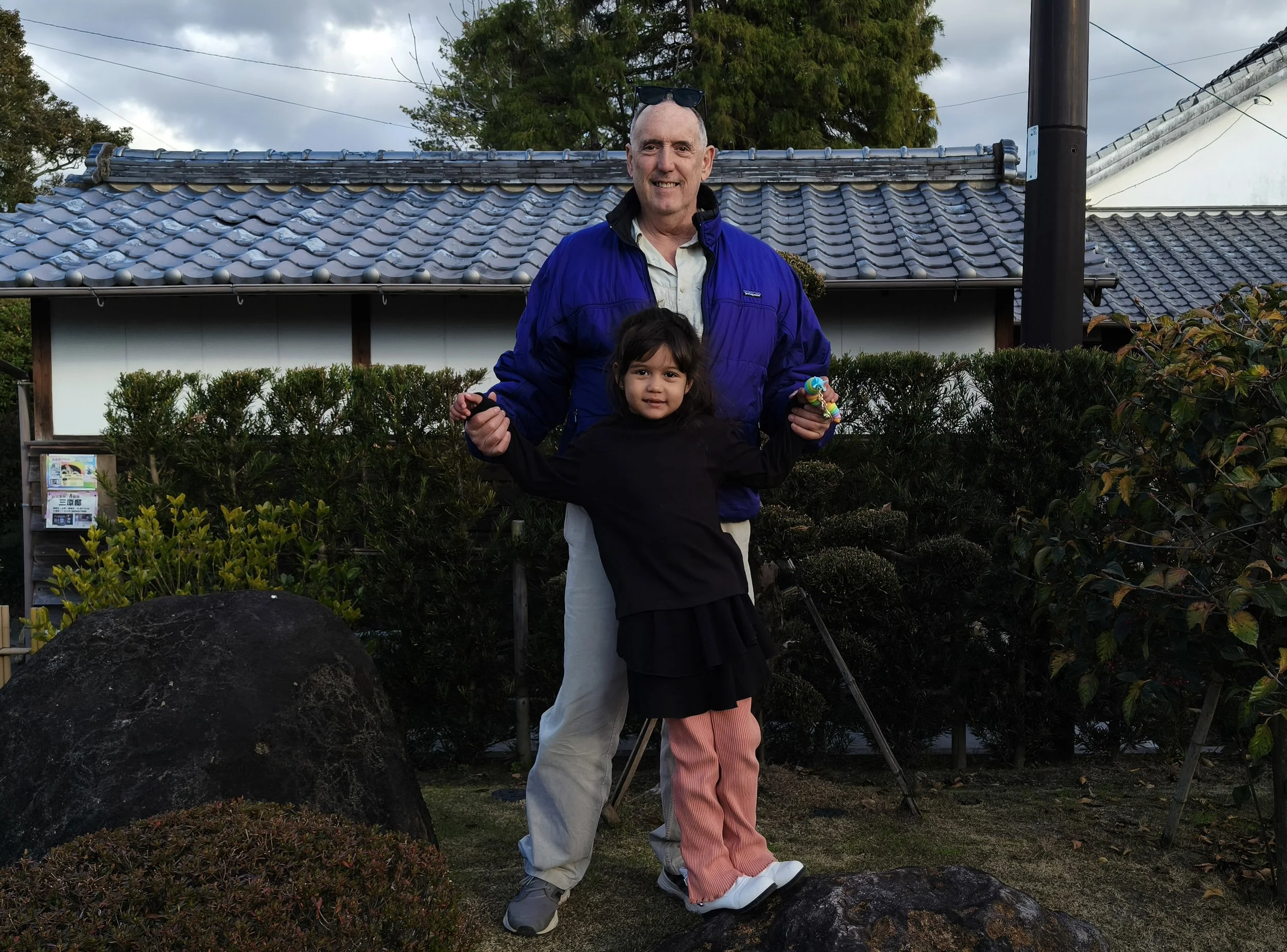
The Izumi Fumoto Samurai Residences in Kagoshima is Japan's largest Edo-period samurai district, featuring about 150 preserved homes, stone walls, hedges, and escape routes, with two open as museums (Takezoe-tei & Saisho-tei) showcasing feudal life, architecture, hidden passages, and even archery ranges, offering a glimpse into the "half farmer, half warrior" Satsuma samurai lifestyle through preserved details, gardens, and cultural experiences like tea ceremonies.
Key Details of the Residences:
Scale & Preservation: A large, well-preserved area (46 hectares) with about 150 buildings, reflecting the layout from 400 years ago, with many still privately owned.
Architecture & Layout: Features traditional bukeyashiki (samurai residence) style, with stone walls, hedges, and strategically planned layouts for defense, like secret passages and escape routes from hearths.
Publicly Accessible Homes:
Takezoe-tei: A home of an upper-class samurai, offering insights into high-ranking life.
Saisho-tei: The oldest building, notable for its indoor archery range (kyudo) and defensive features.
Unique Features: Hidden rooms, secret passages, indoor archery ranges (Saisho-tei), and elaborate gardens with Japanese maple trees.
Lifestyle Depicted: Shows the frugal yet sophisticated life, including farming (half farmer, half warrior) and martial arts practice.
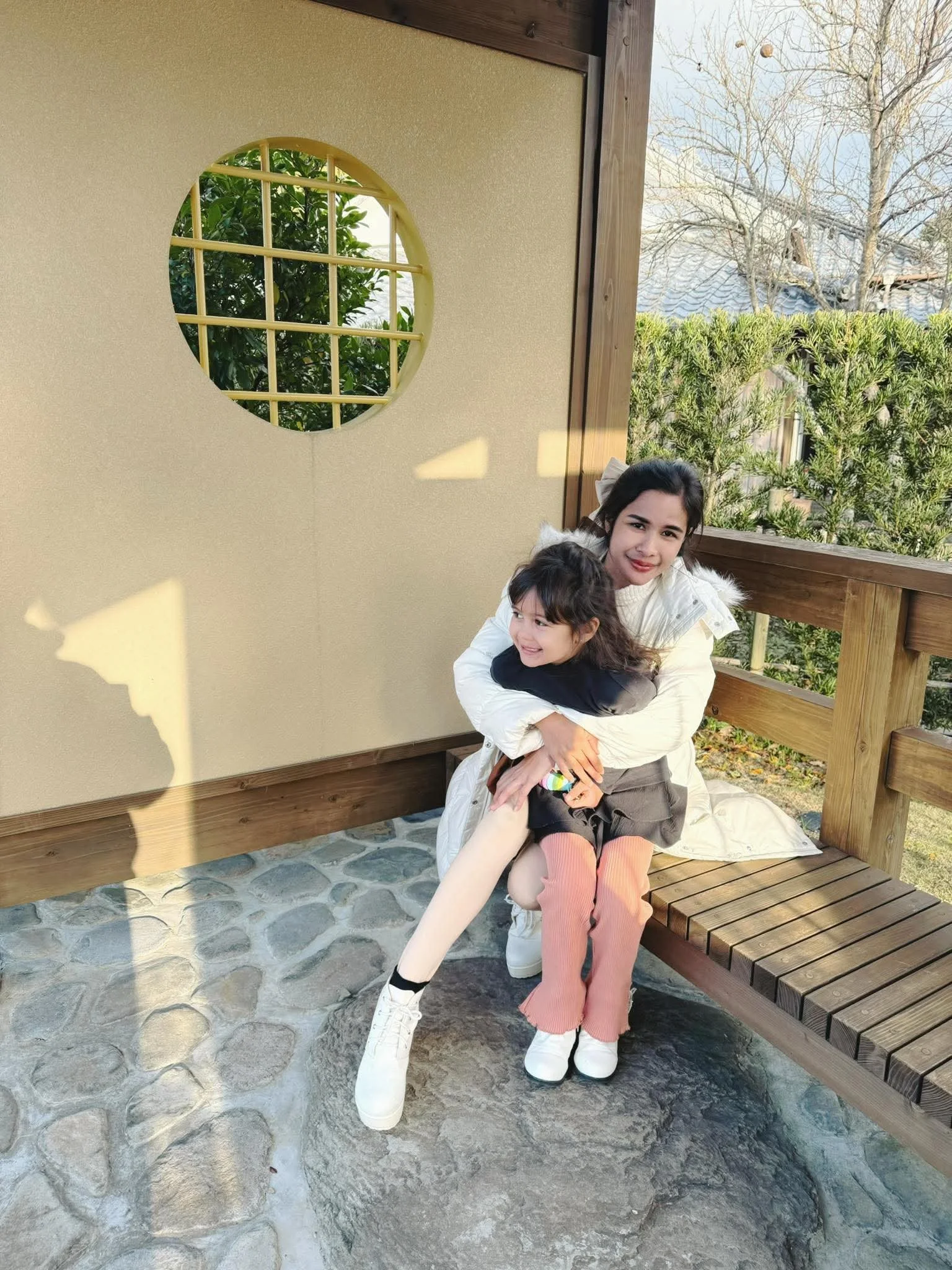

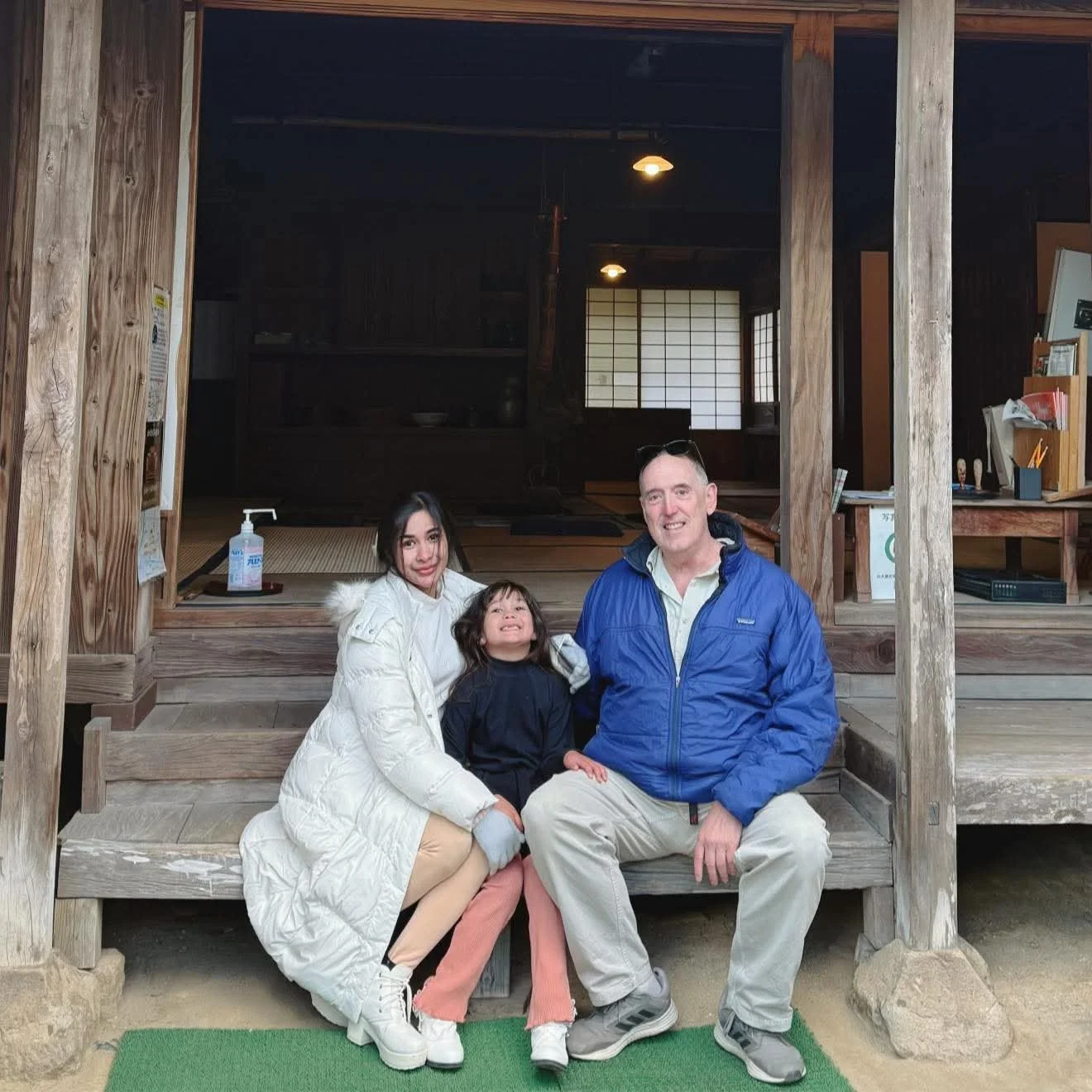

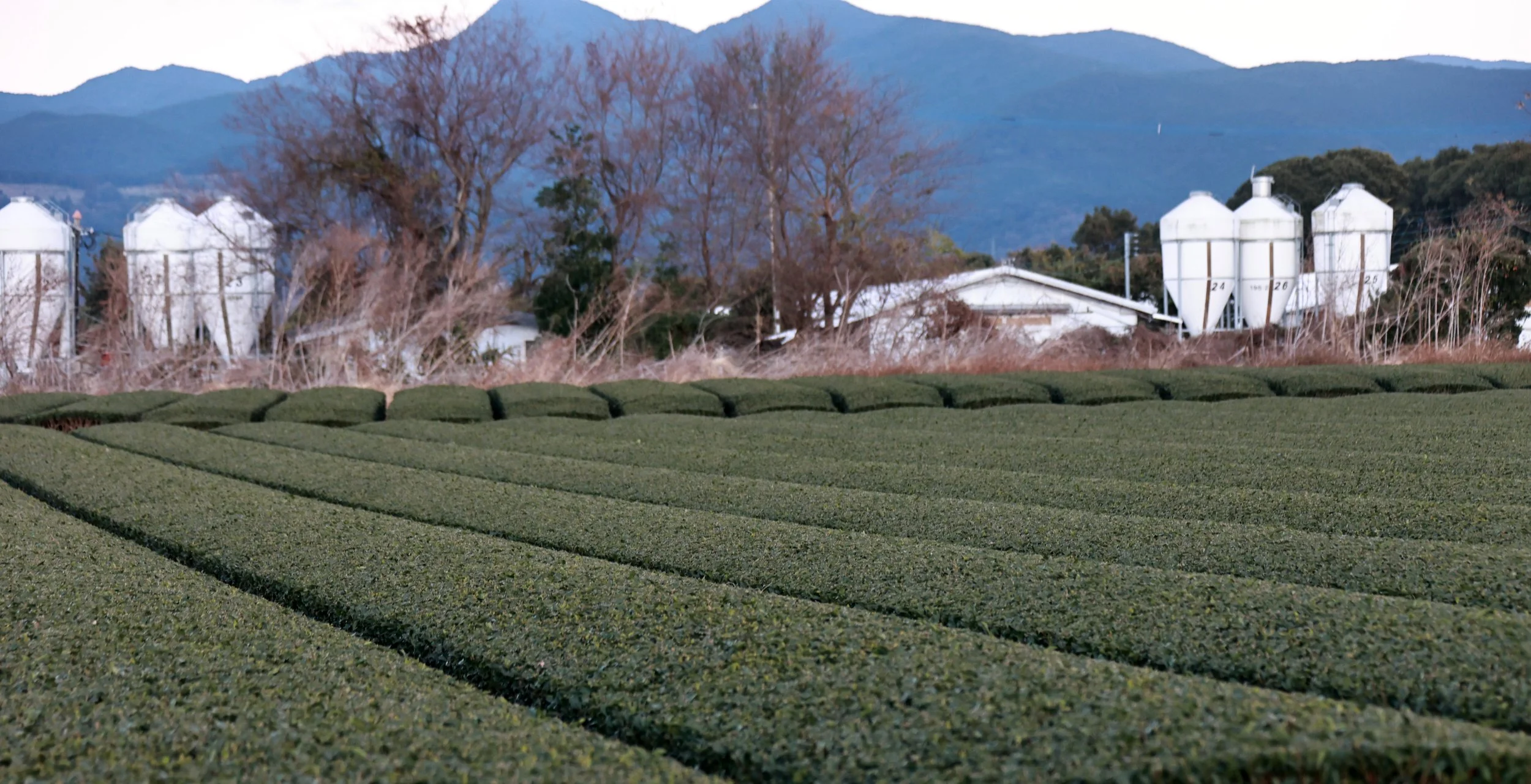
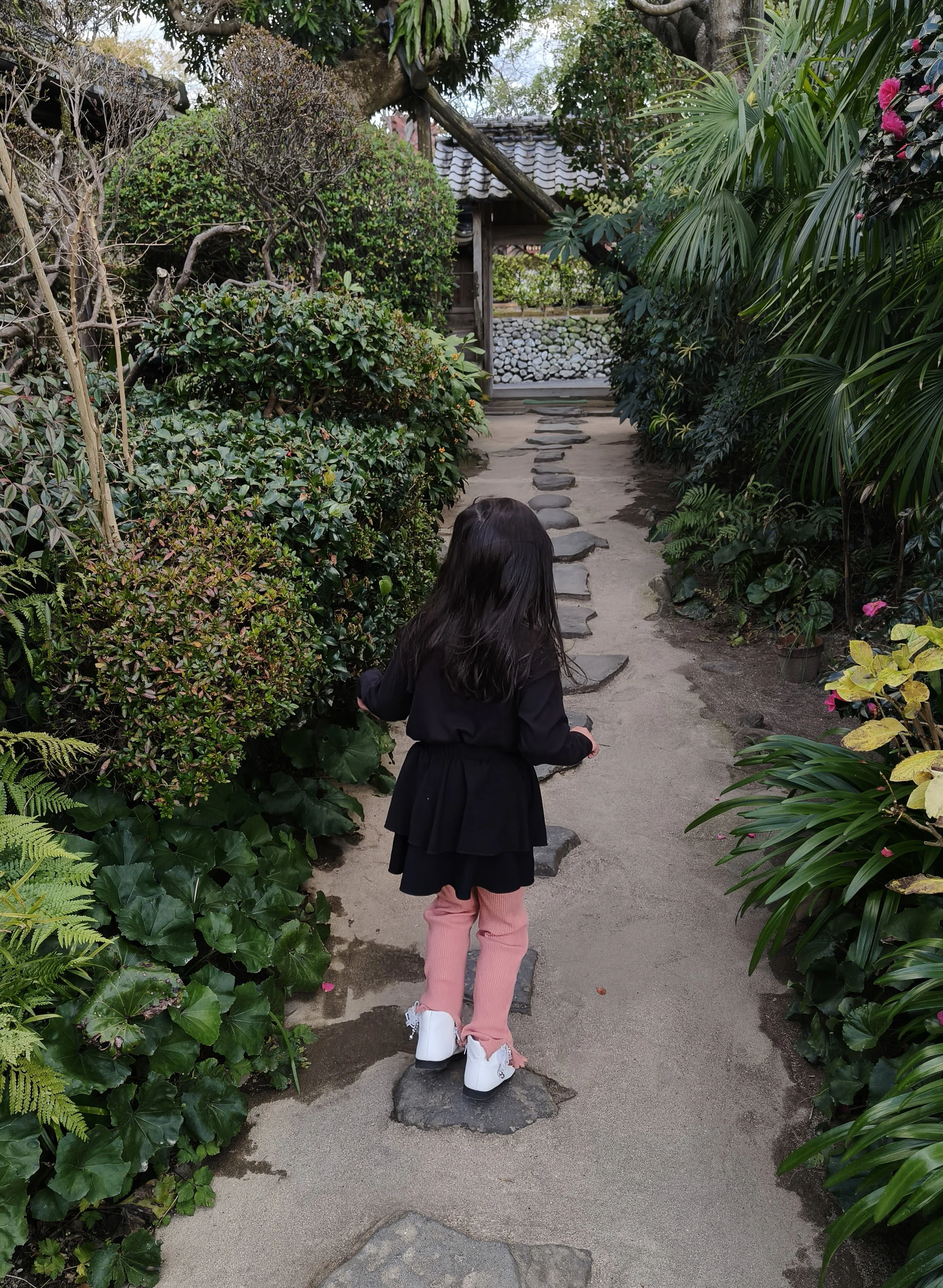

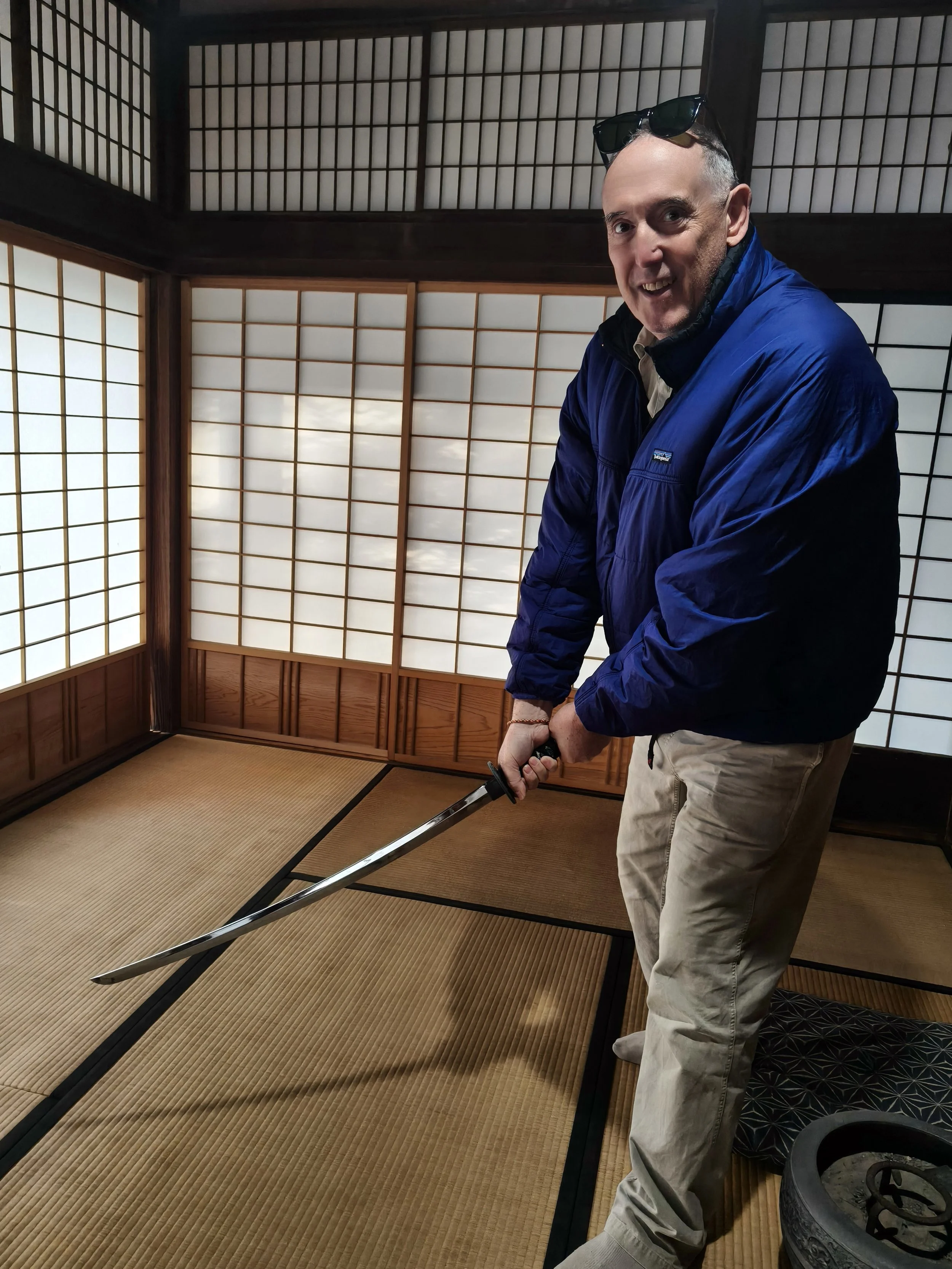


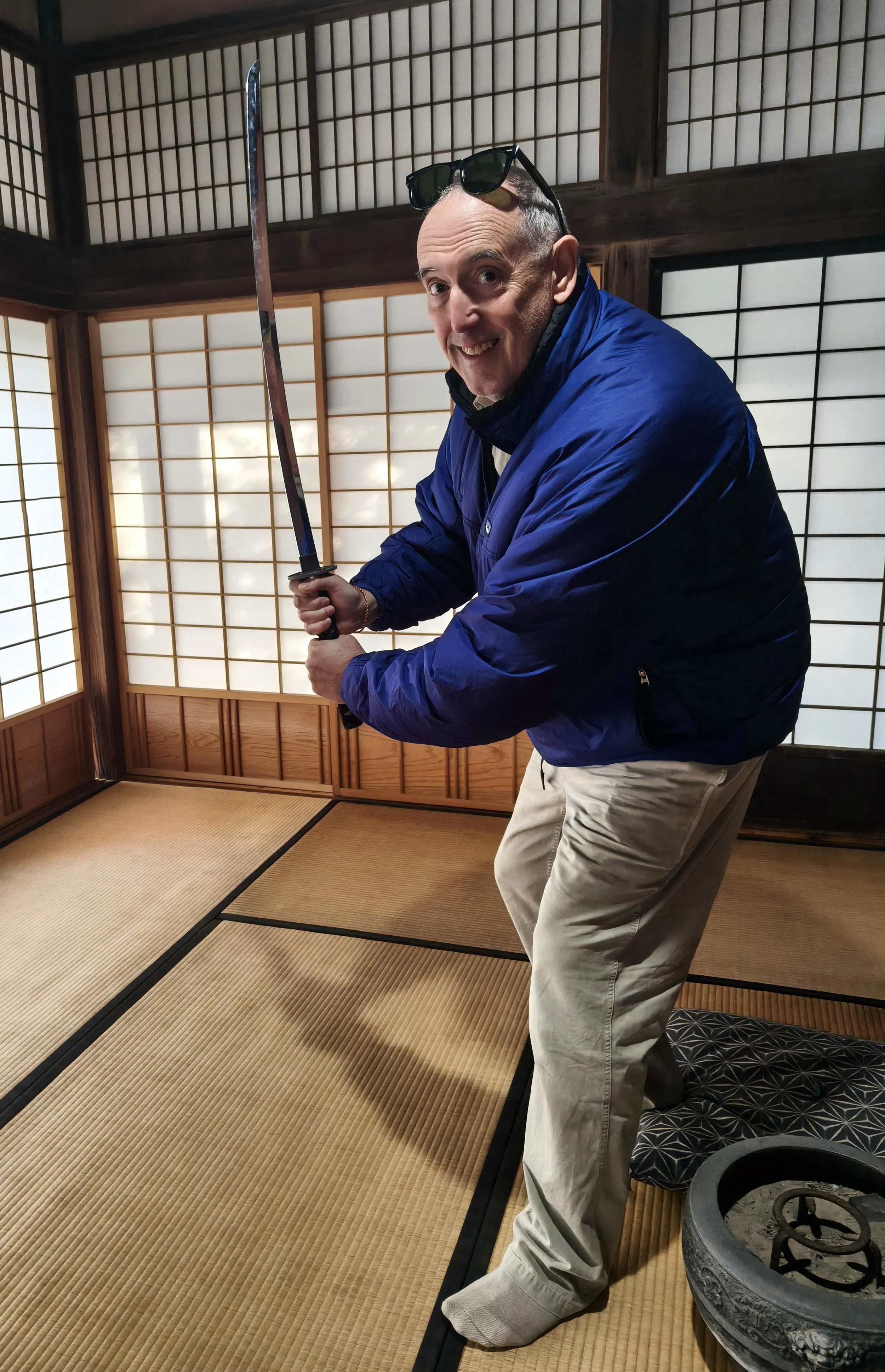


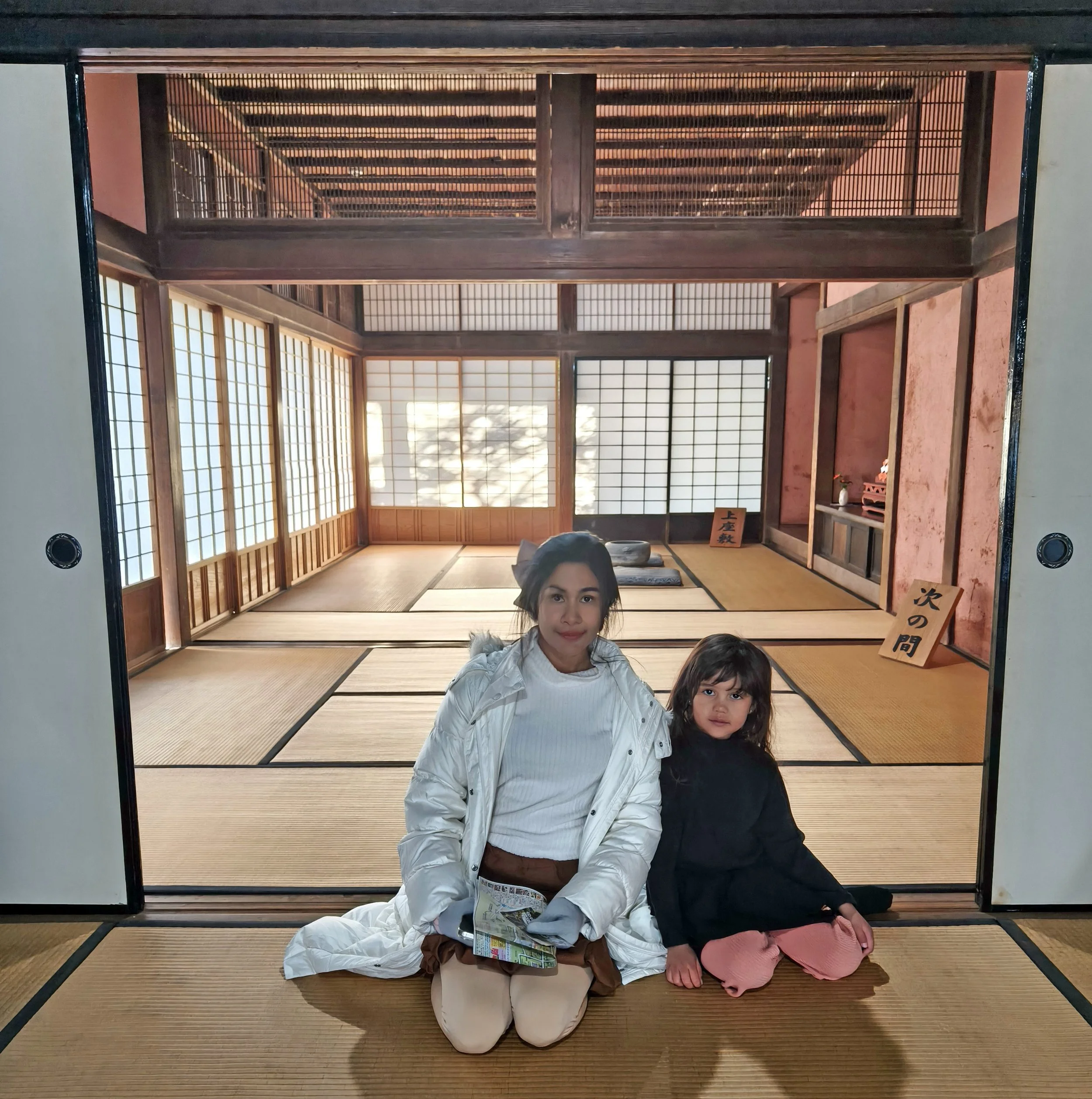
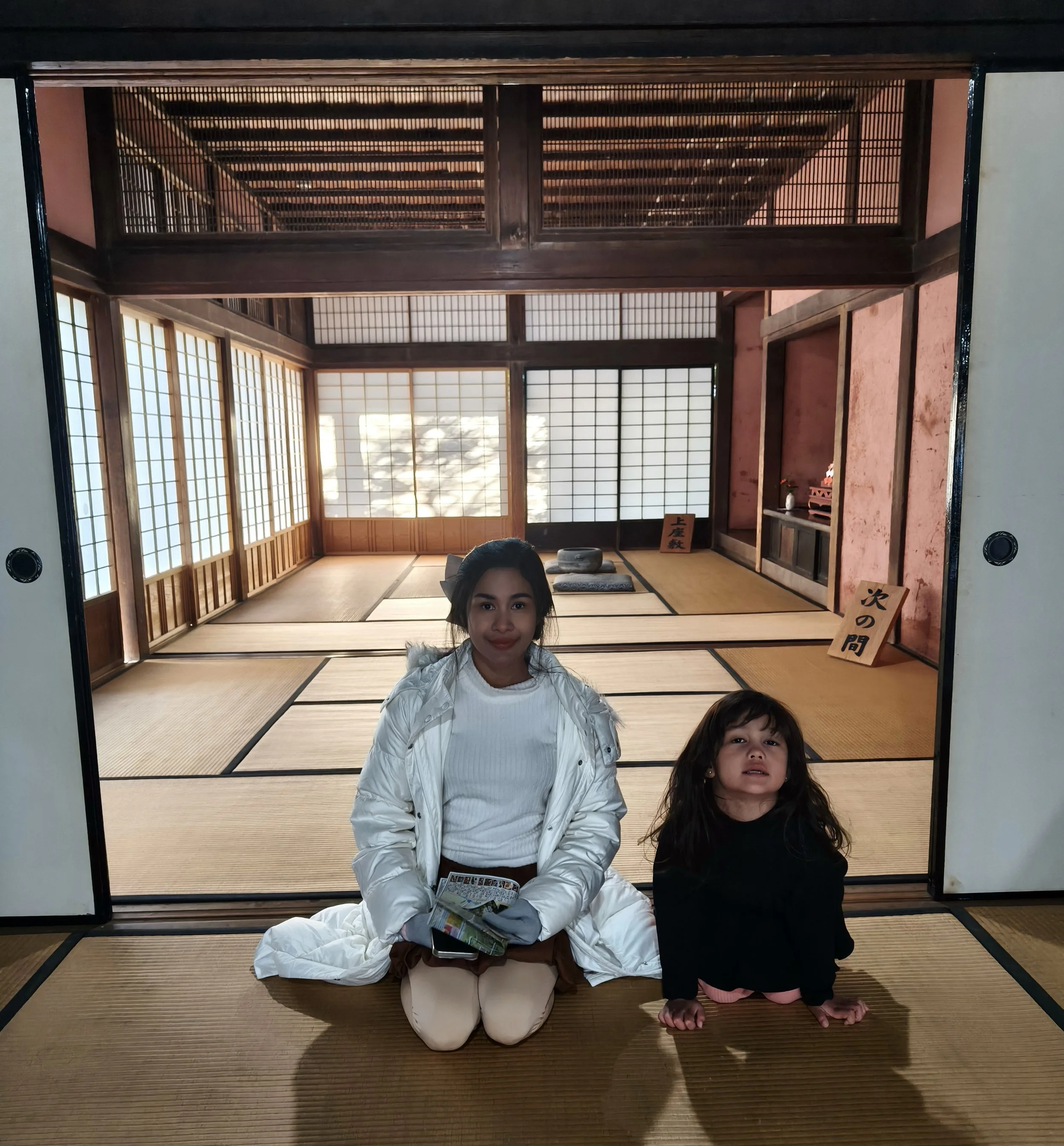
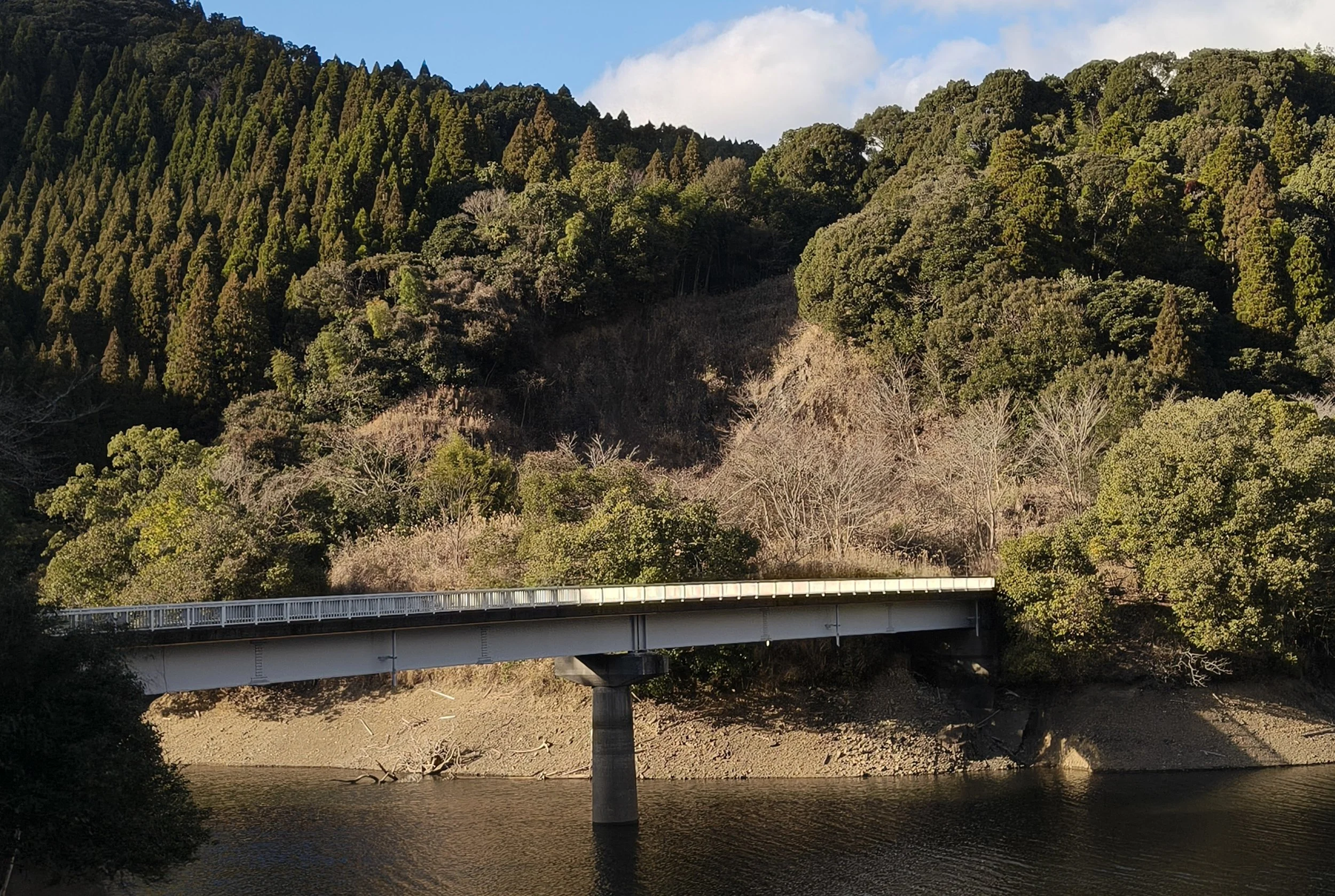
Takagawa Dam Lake
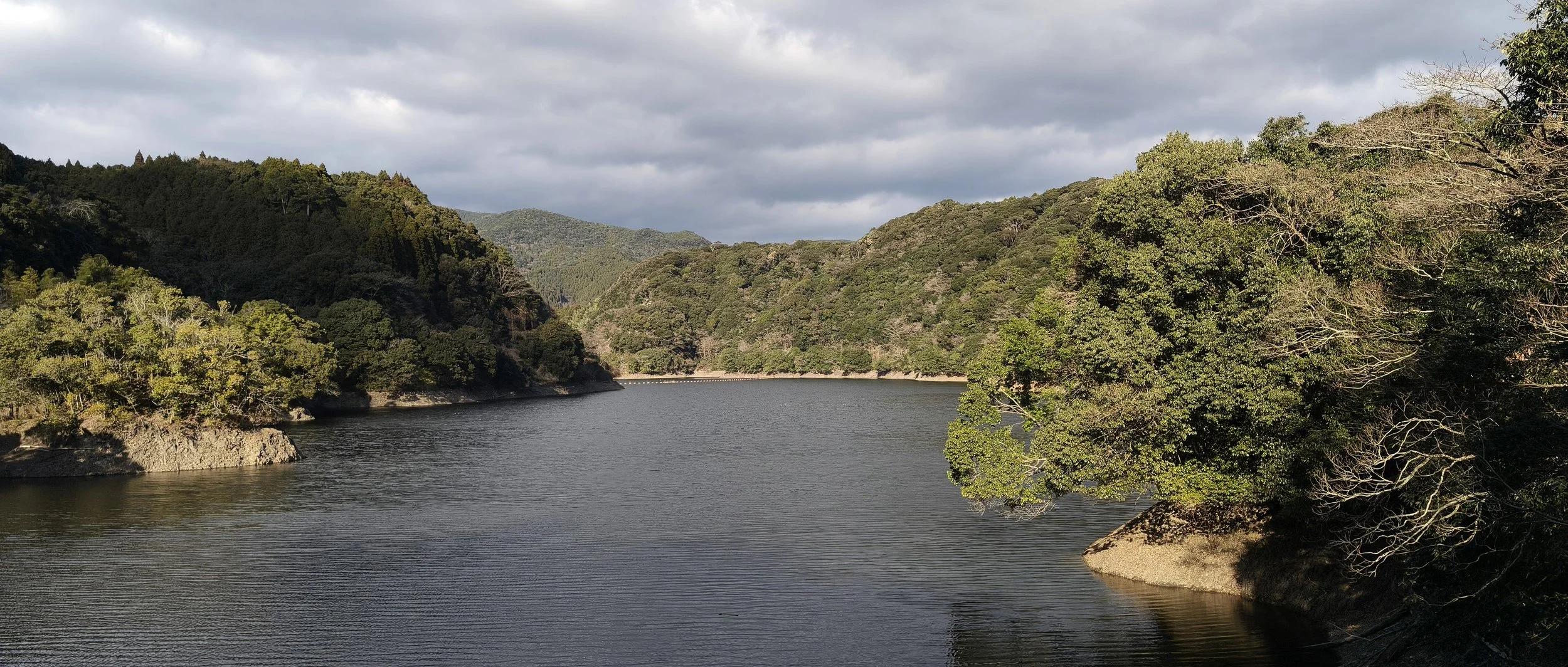
Takagawa Dam Lake
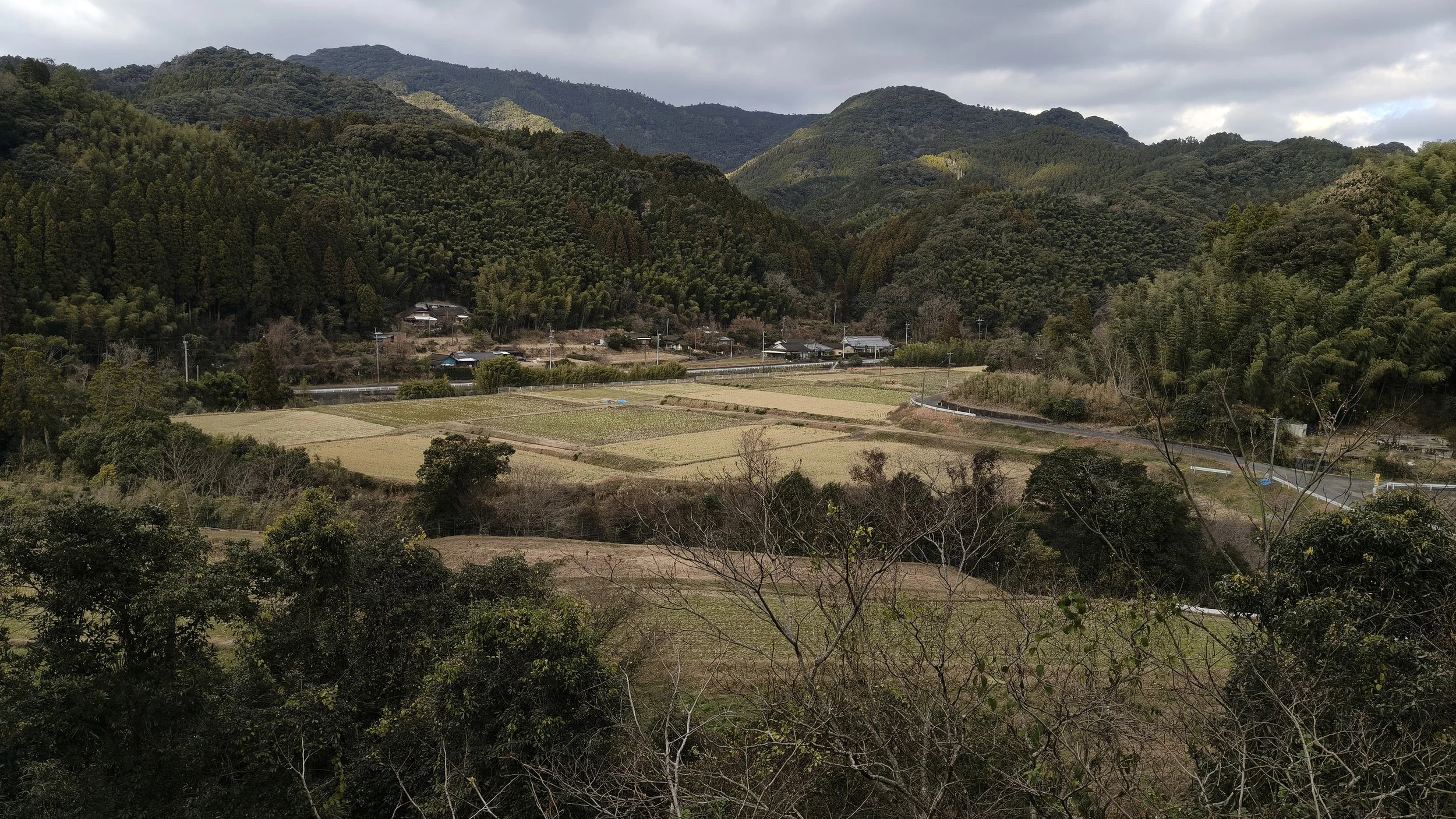
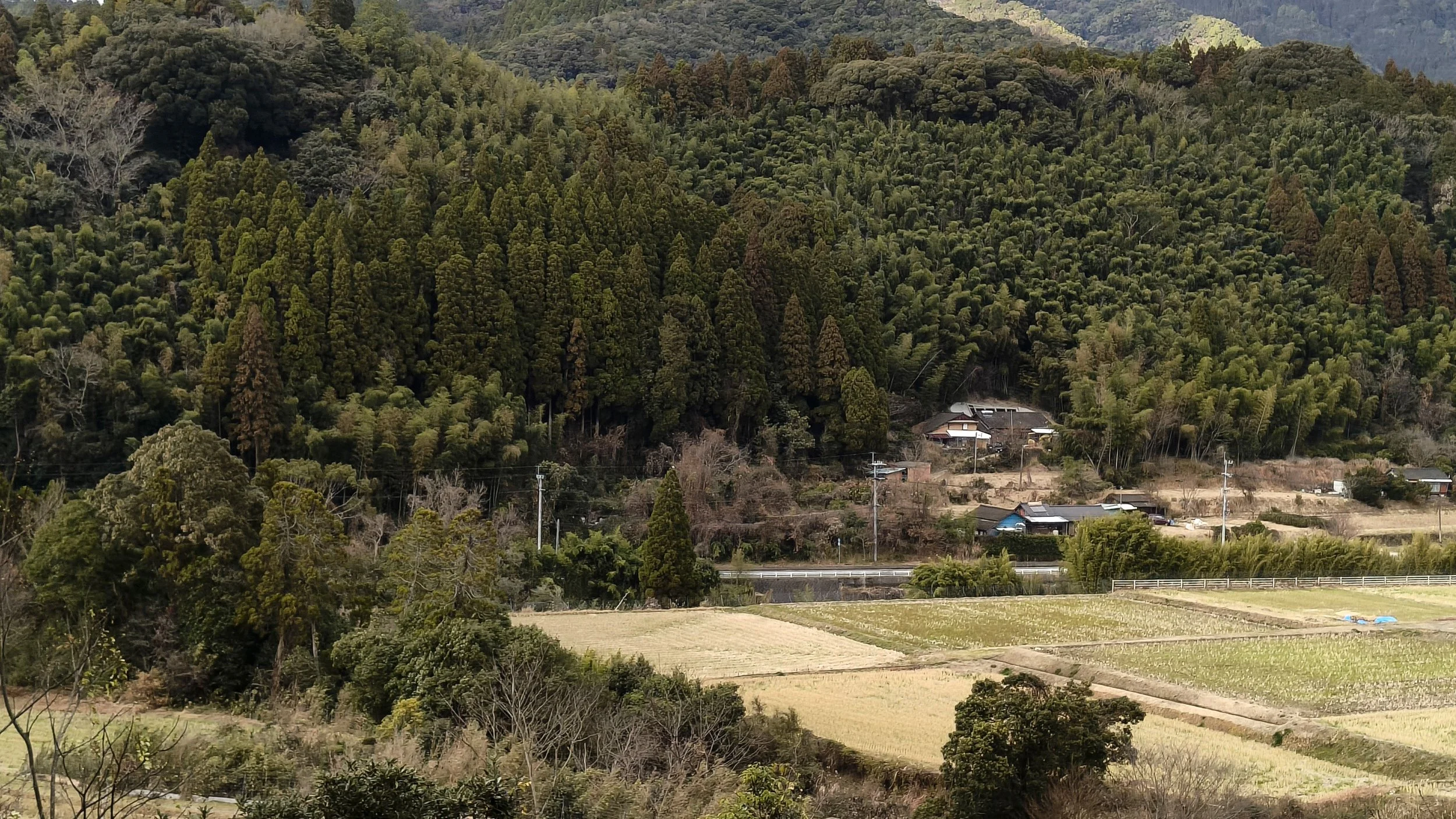
Countryside near Izumi
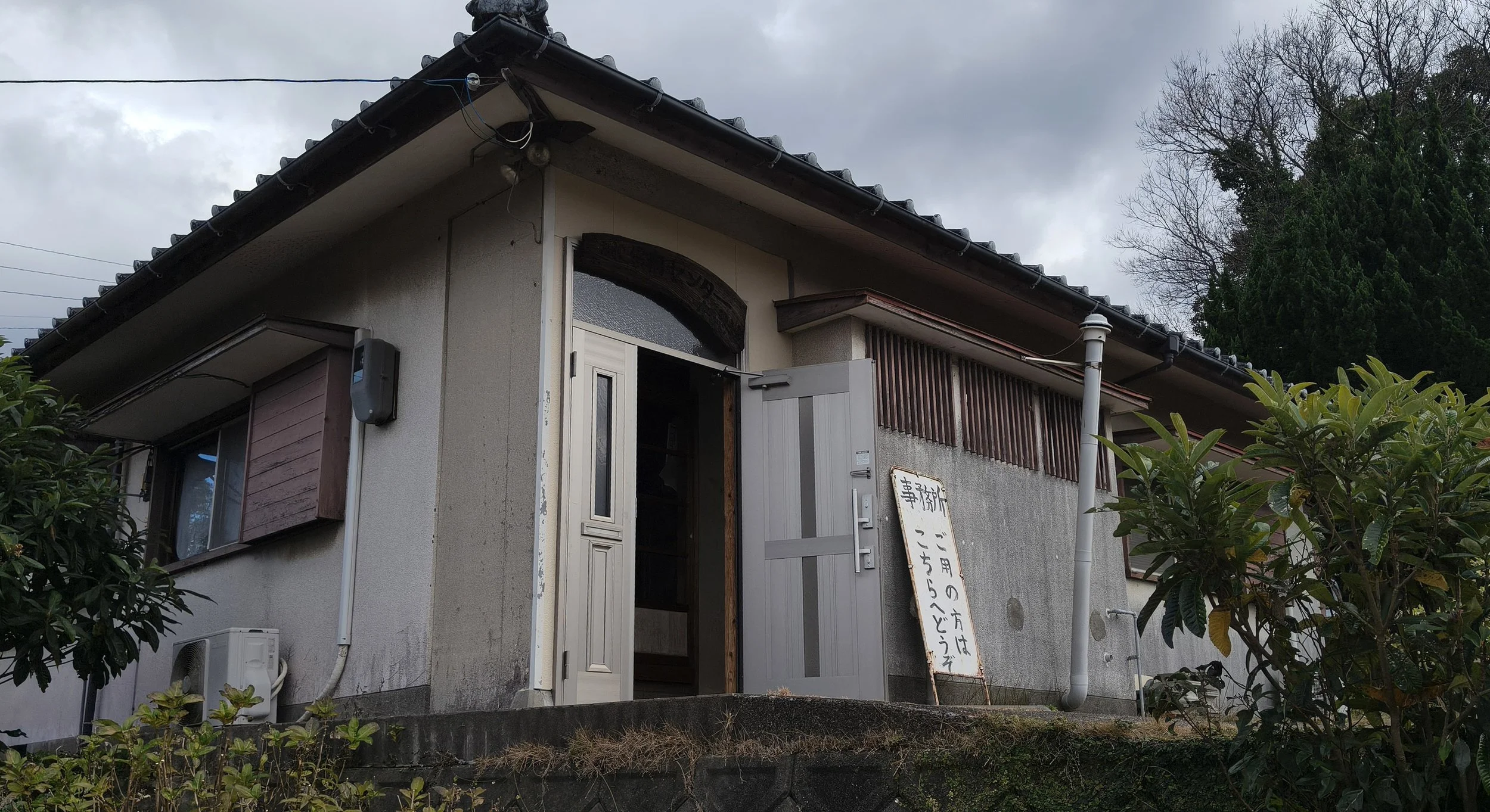
Minamata Disease Museum
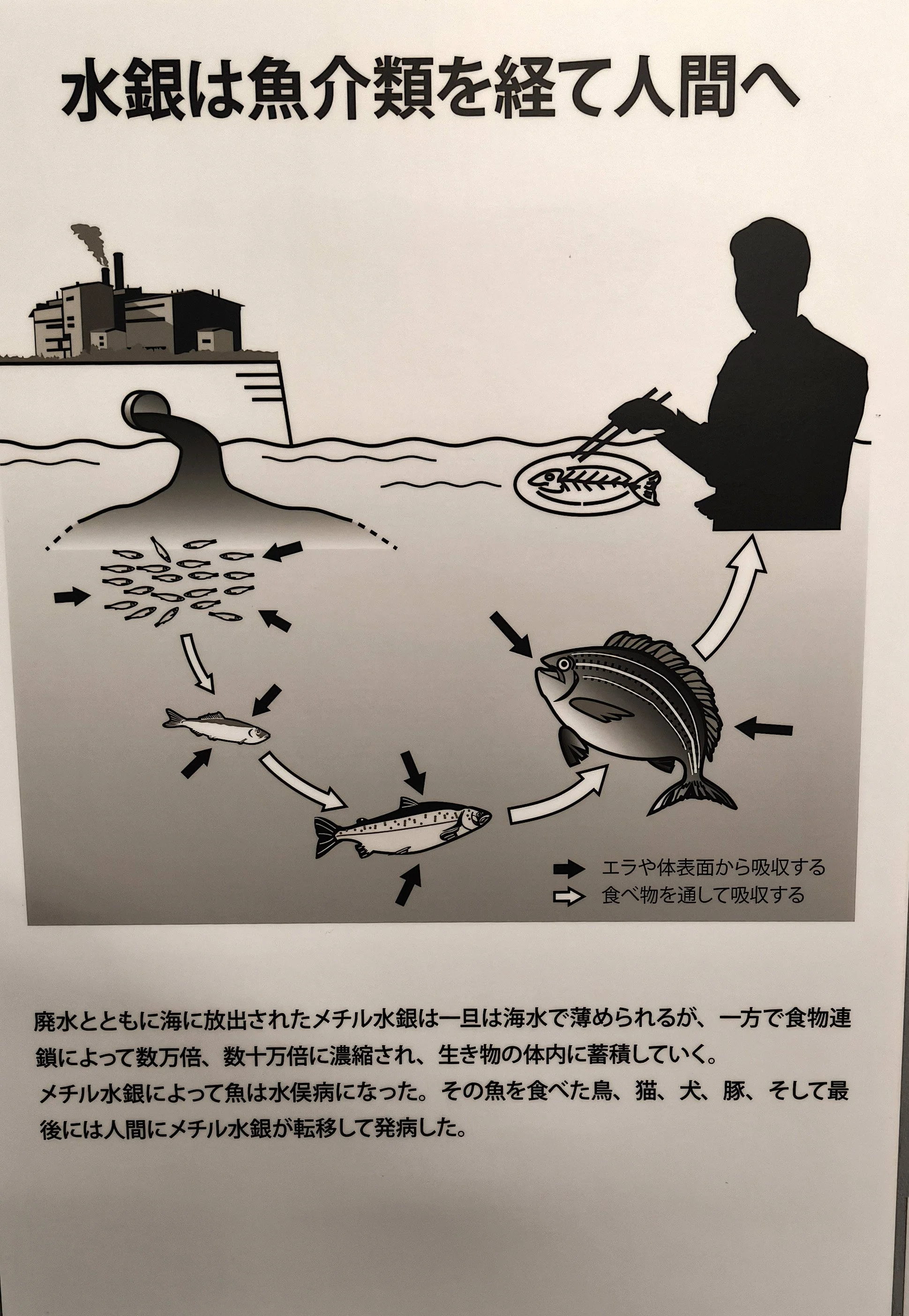
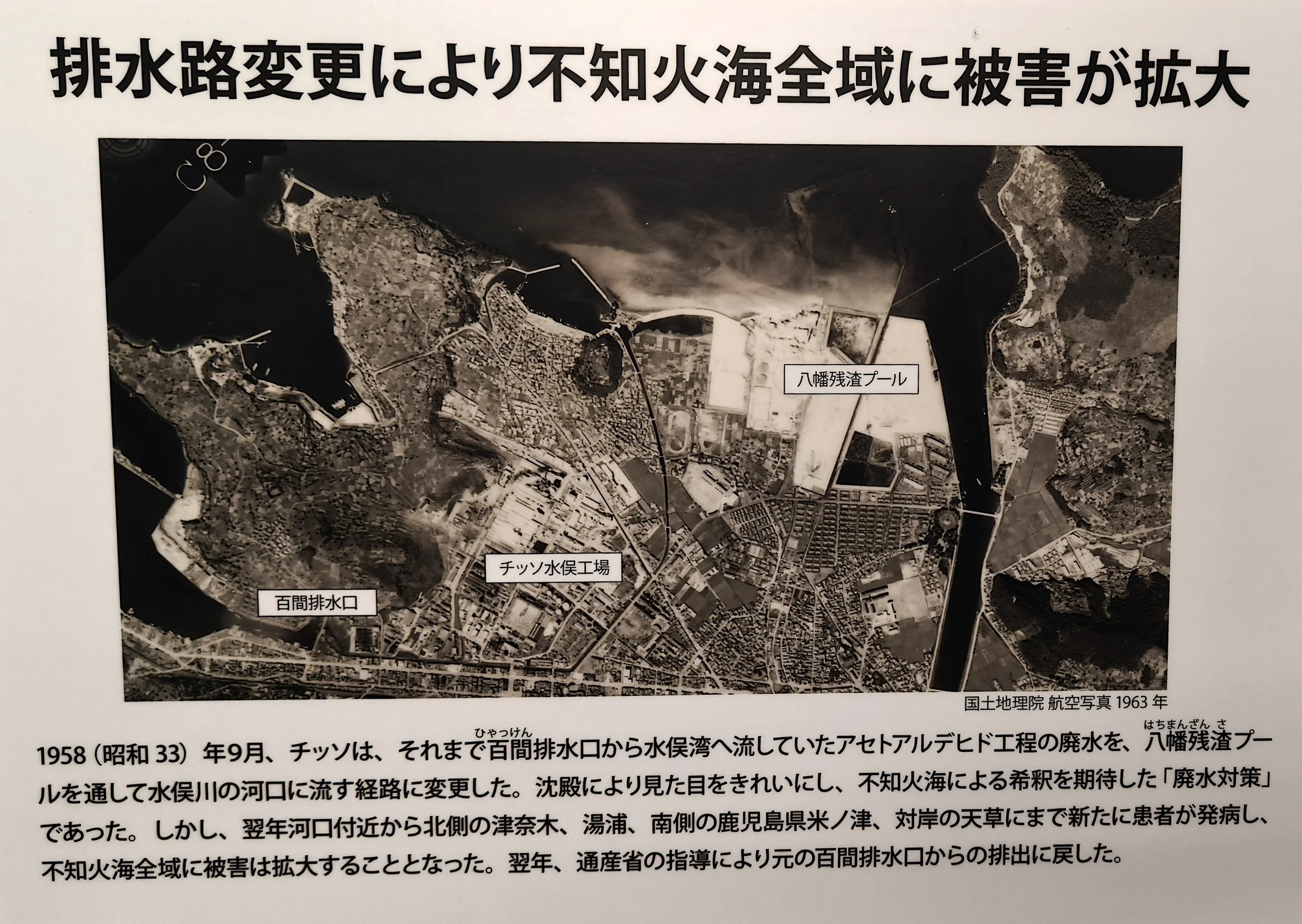
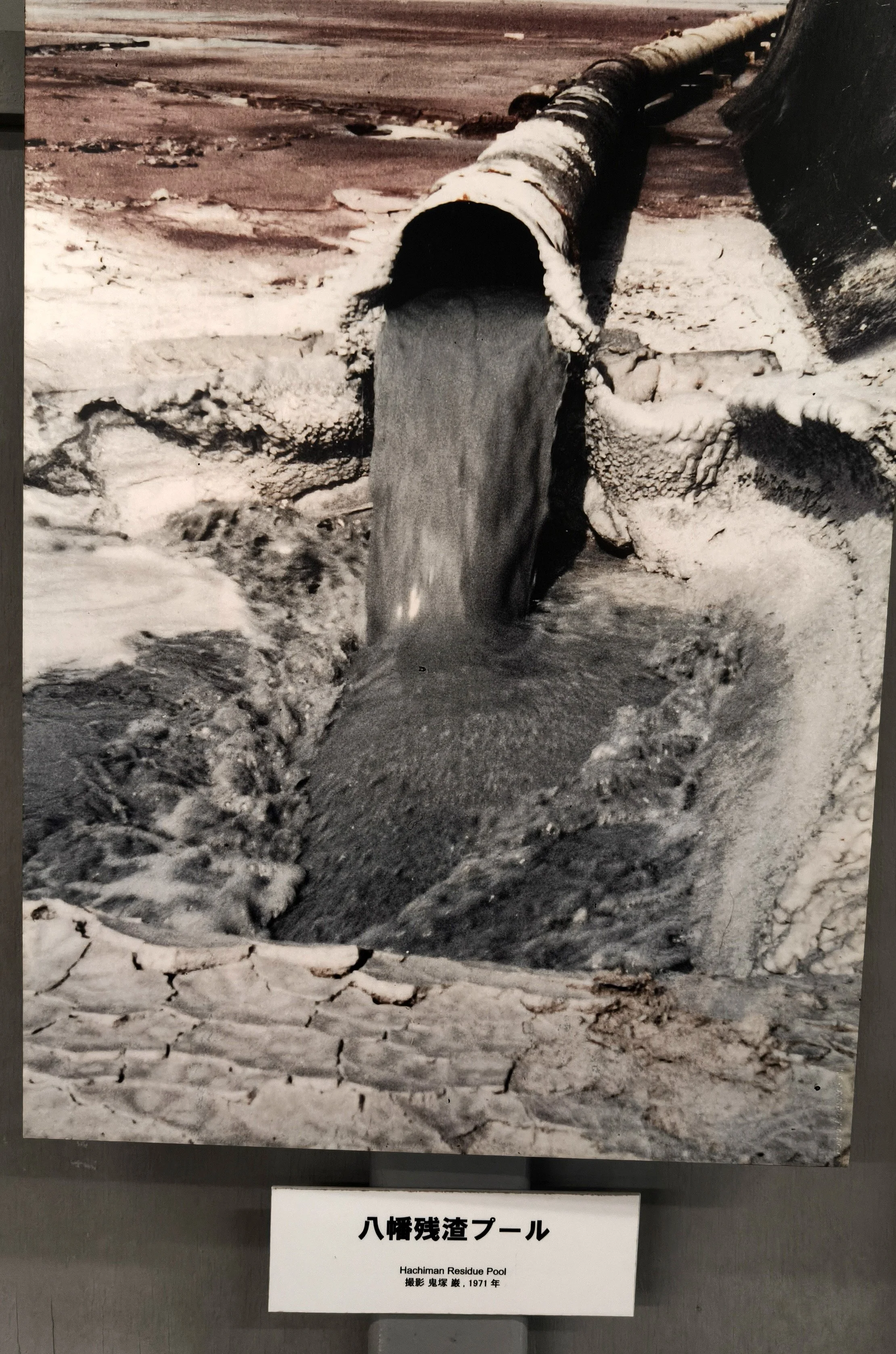
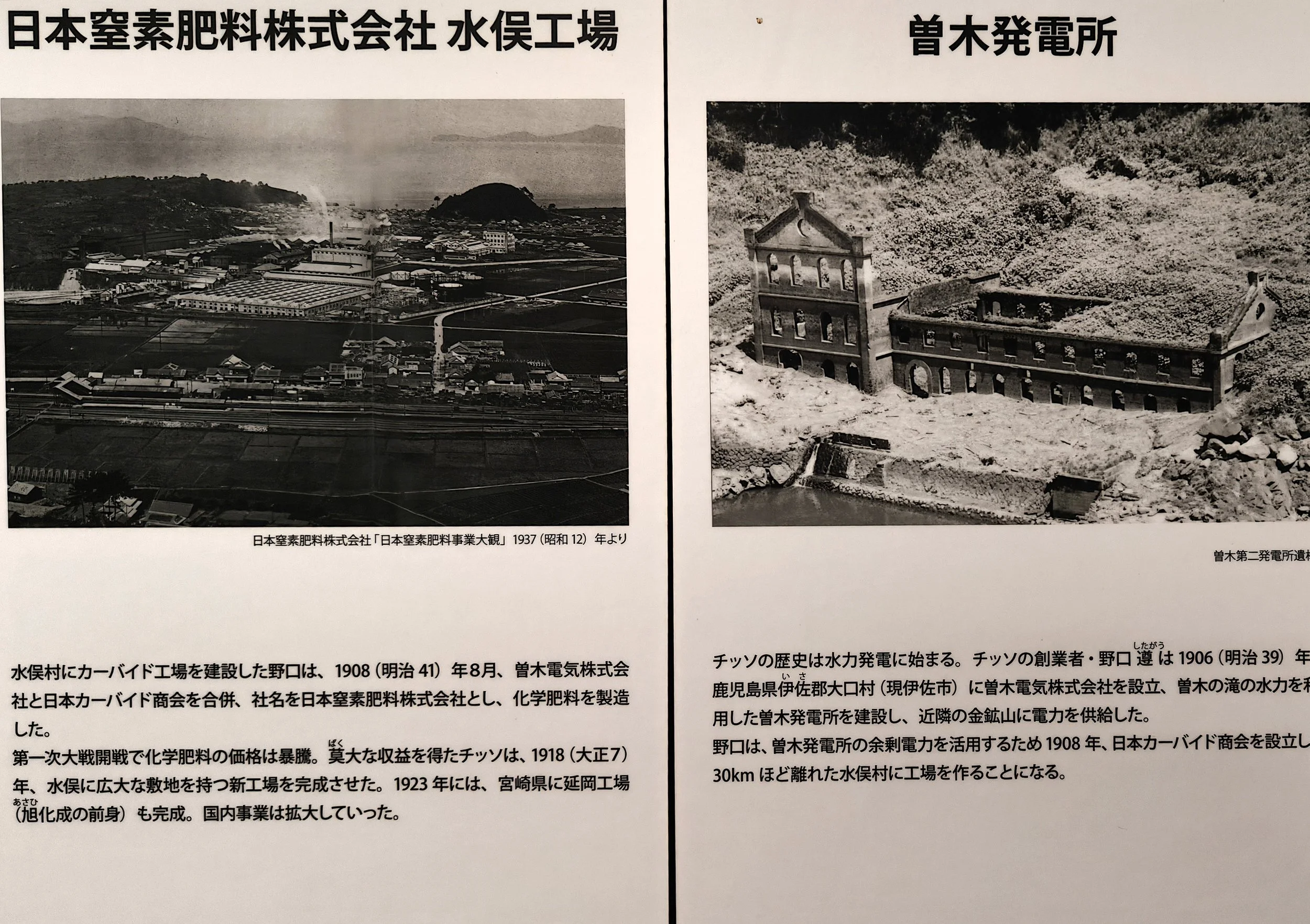
The Minamata Disease Museum offers extensive information on the methylmercury poisoning tragedy, showcasing artifacts like fishing boats, cat experiment cages, sludge, and patient testimonies, detailing the victims' suffering, the long fight for justice against Chisso Corp, and lessons for global environmental policy, emphasizing human rights and prevention through survivor-led narratives and historical documentation.
What You'll Find at the Museum (Minamata Disease Museum, run by Soshisha):
Survivor Stories & Struggle: Exhibits focus heavily on the lives, suffering, and advocacy of the victims and their families, featuring personal items and documents from their decades-long fight for recognition and compensation.
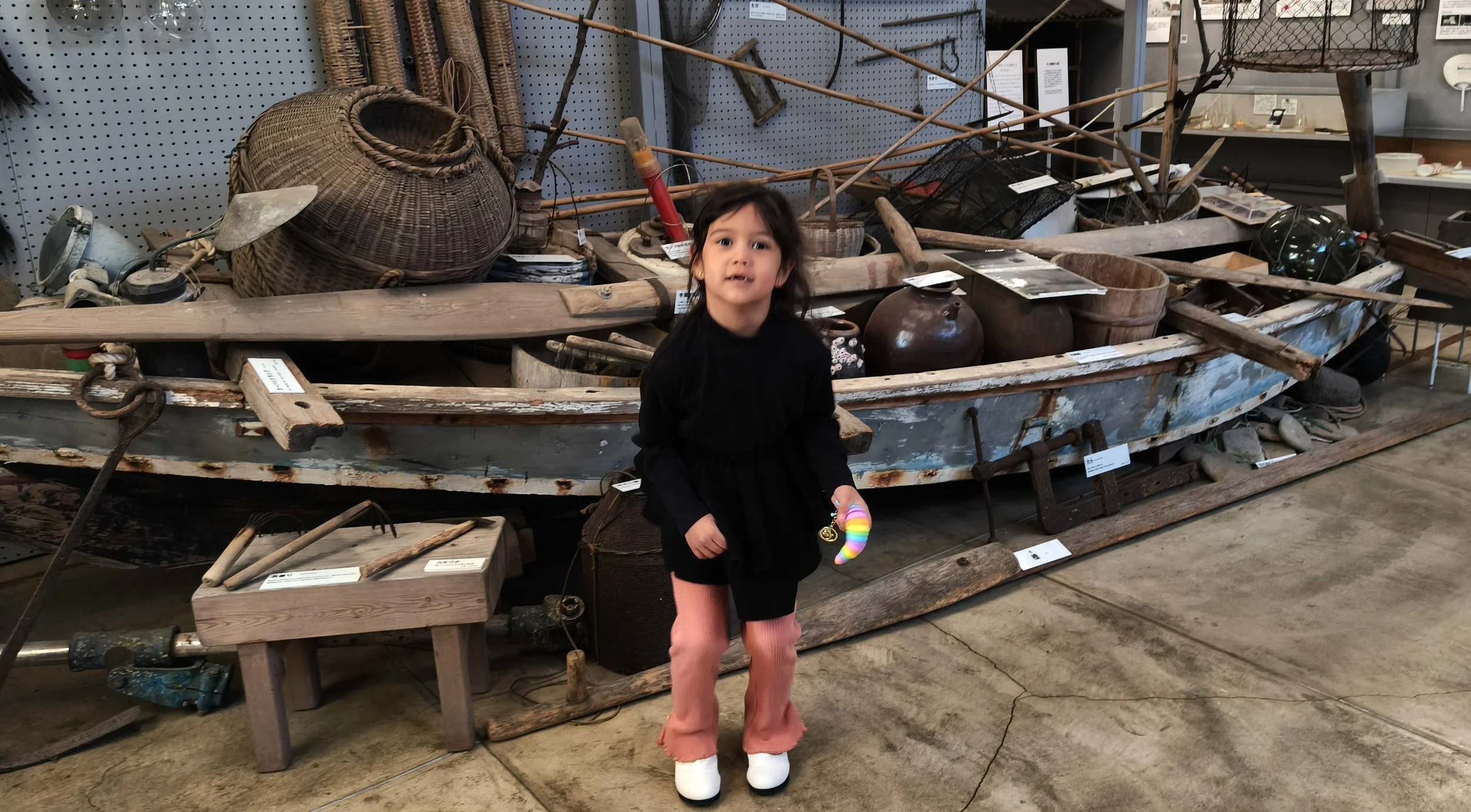
Artifacts of the Disaster: See the actual wooden fishing boats, fishing gear, and cages used in the infamous cat experiments that proved the cause.
Evidence of Pollution: Displays include mercury-contaminated sludge from Minamata Bay.
The Fight for Justice: See leaflets, documents, and photos illustrating the conflict with the government and the Chisso Corporation, the polluter.
Modern Context: A VR corner offers 360° views of modern Minamata, highlighting environmental recovery and ongoing life.
Key Themes & Purpose:
Memory & Education: To ensure the tragedy is never forgotten and to teach lessons about human rights and environmental responsibility.
Prevention: To inspire action against future pollution-related disasters, with a focus on building a better society.
The "wall of cat pictures" you are referring to is likely an exhibit about the "dancing cat disease," a local term used by residents in the 1950s to describe cats convulsing, going mad, and dying from severe mercury poisoning. This strange behavior in cats served as an early warning sign of the environmental catastrophe that would later affect humans in Minamata, Japan.
The Story Behind the Cats
Early Warning Signs: Before human symptoms were widely reported, residents noticed hundreds of local cats suffering from uncoordinated movements, seizures, and howling, often falling into the sea and dying. Locals referred to this phenomenon as the "cat dancing disease" due to their erratic movements.
The Cause: The cats, like the local residents, were consuming fish and shellfish from Minamata Bay, which was contaminated with methylmercury discharged in the wastewater from the Chisso Corporation's chemical plant. The mercury accumulated in the food chain, poisoning the animals at the top.
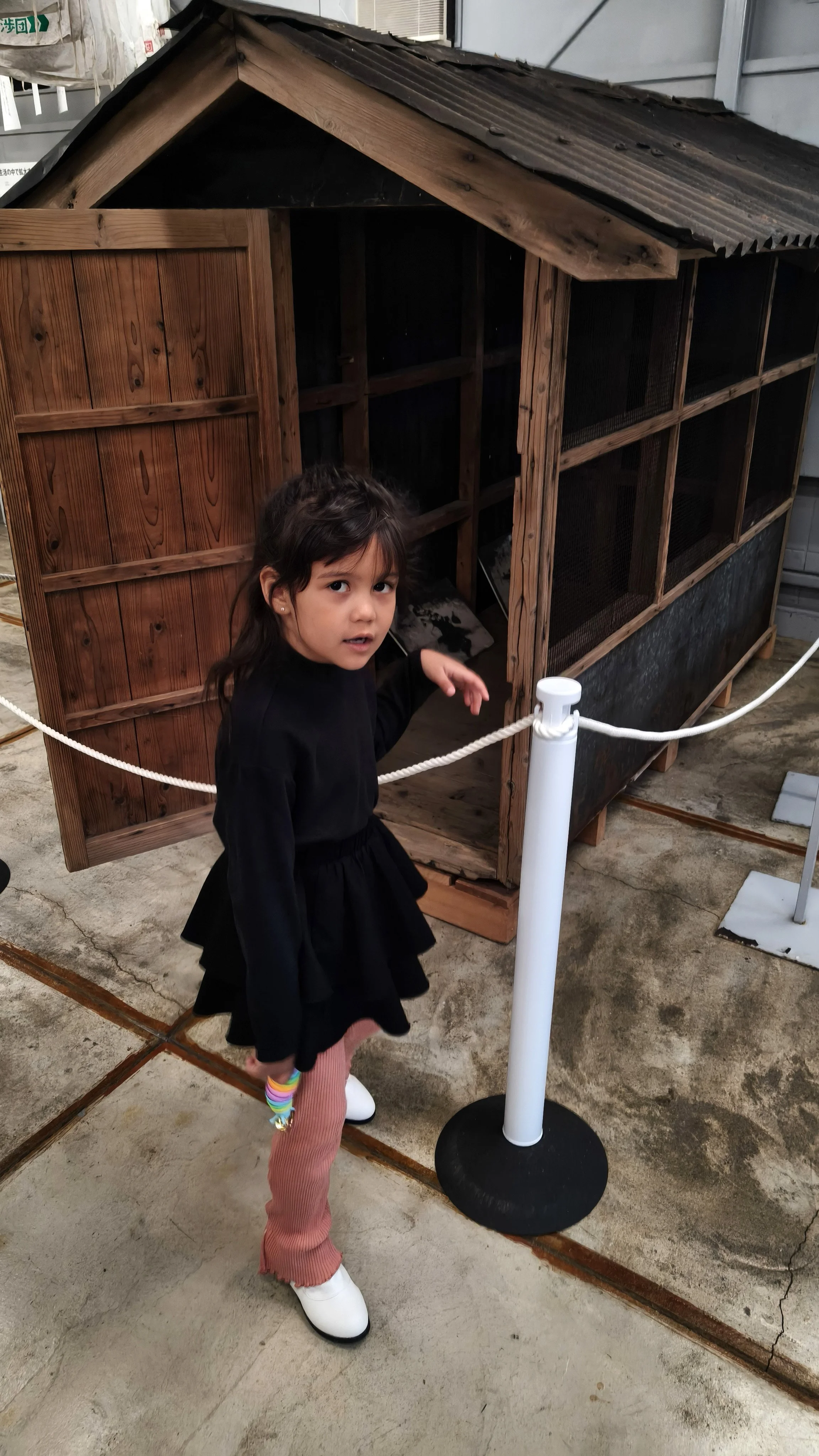
The Experiment: In 1959, Dr. Hajime Hosokawa, the director of the Chisso factory hospital, conducted a secret experiment in a dedicated shed. He fed factory wastewater to cats to confirm the cause of the disease. Cat 400 developed the same neurological symptoms of Minamata disease after 78 days, confirming the link to the factory's waste. Chisso management ordered the research stopped and the results were not revealed to the public at the time.
The museum is a powerful place to understand the human cost of industrial pollution, with survivors often present to share their experiences, creating a moving and vital connection to history.
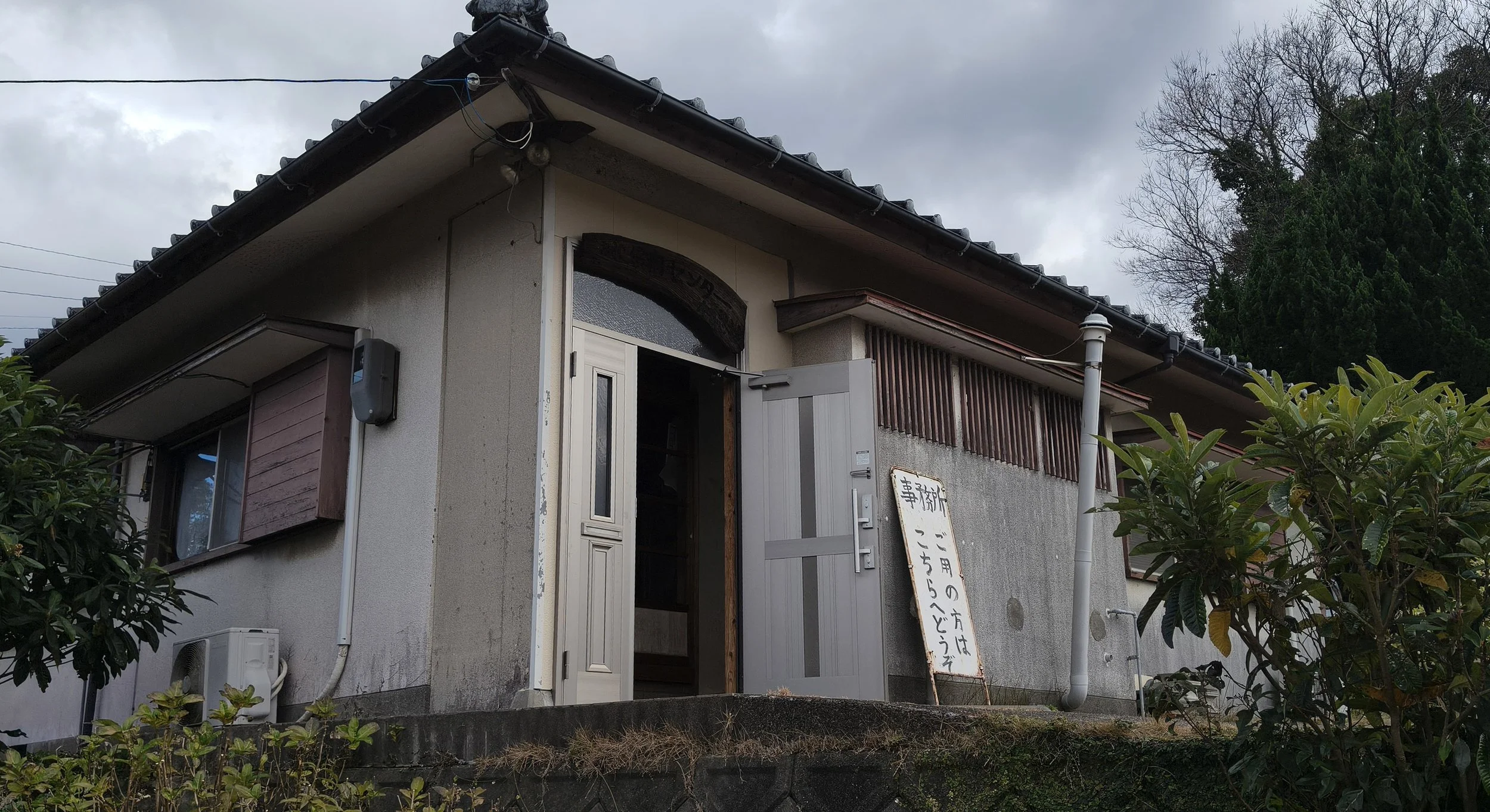
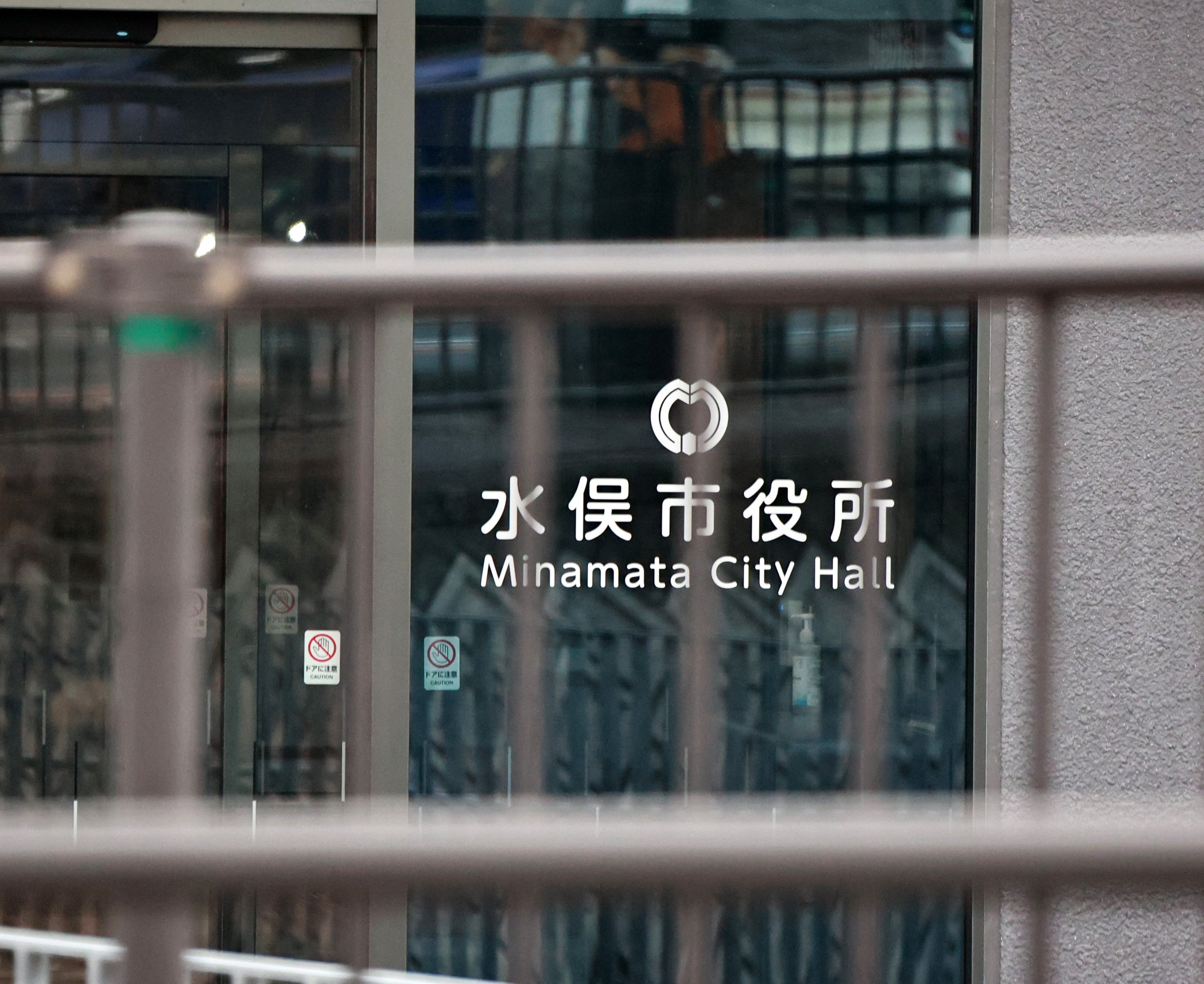
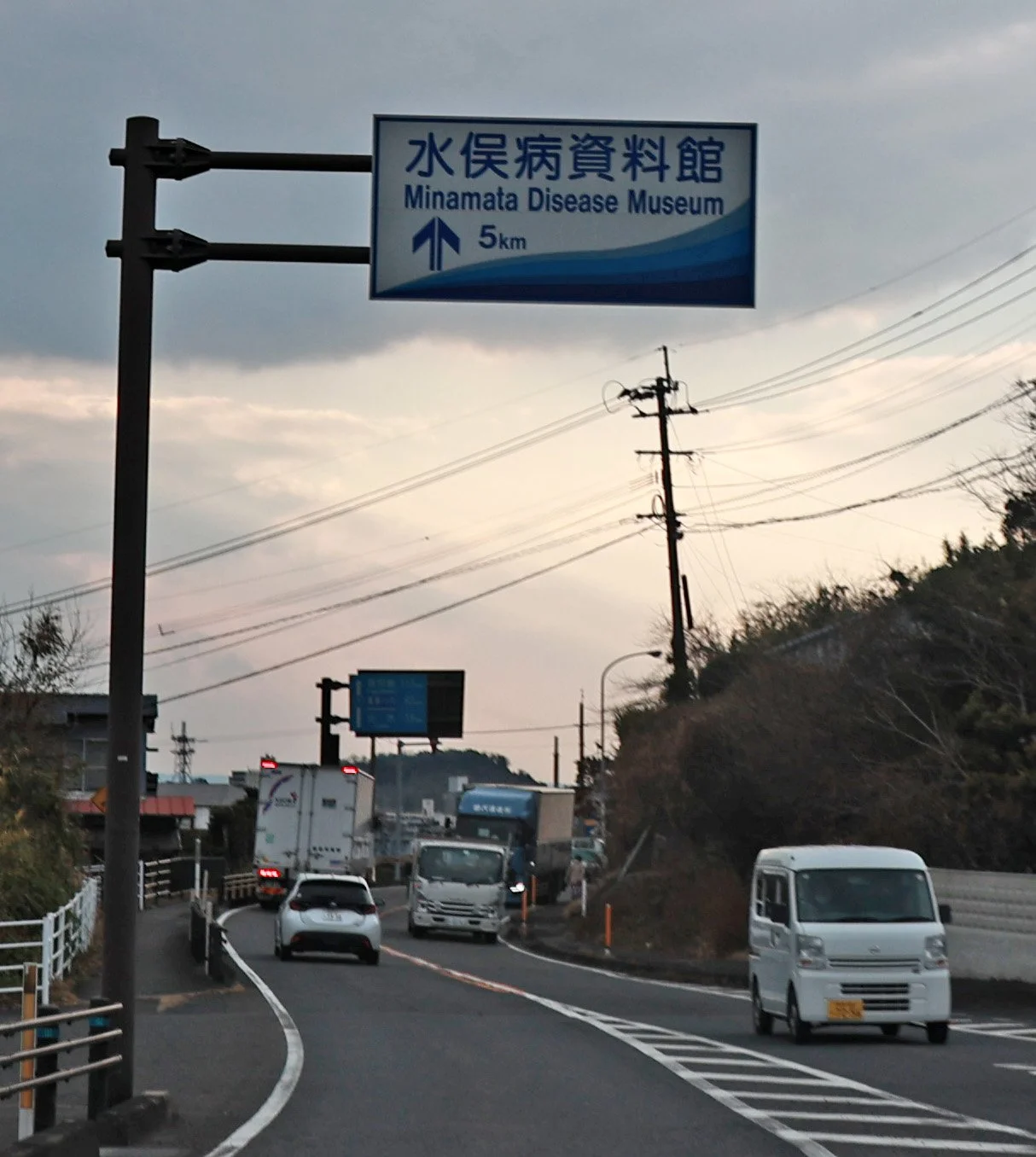
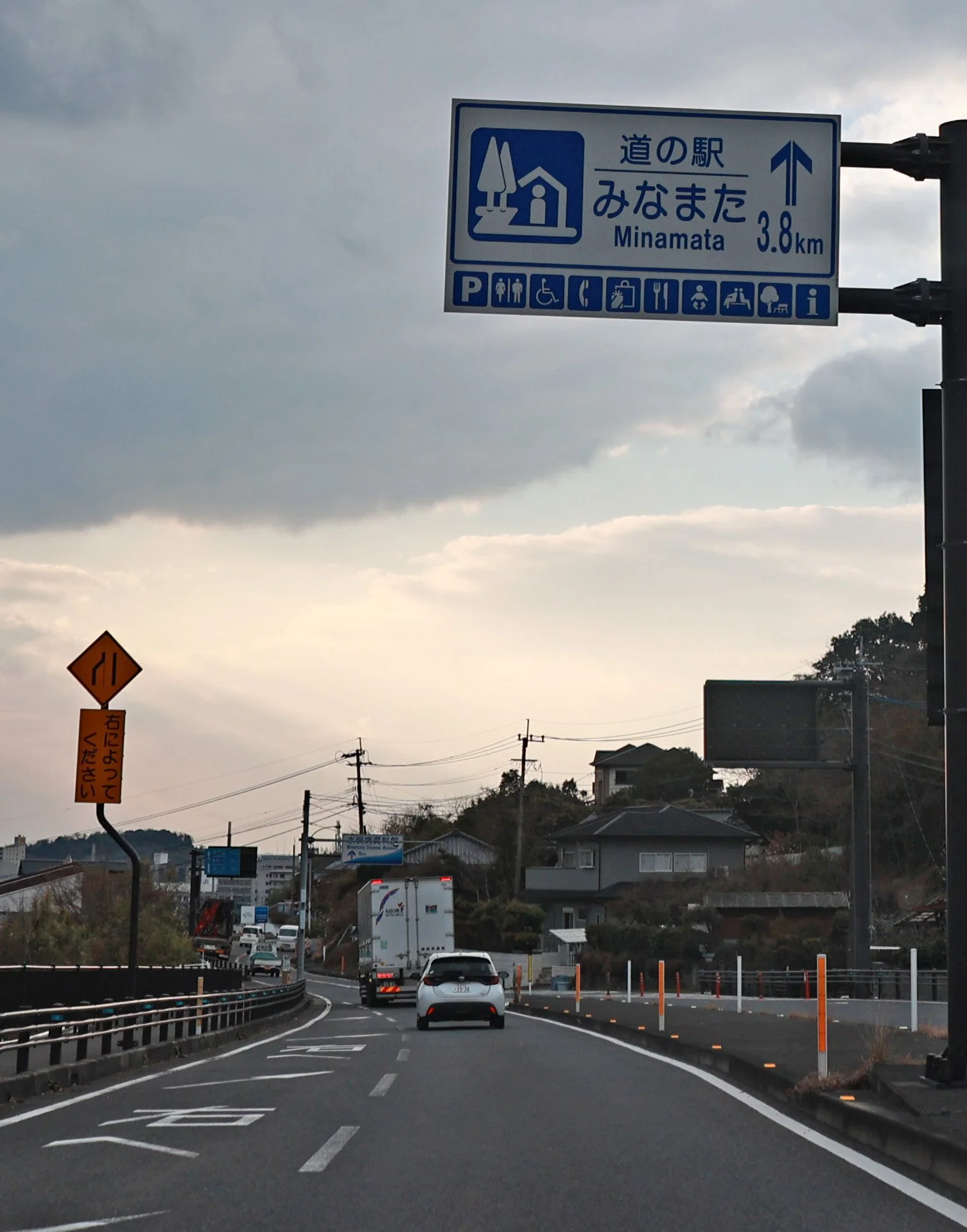
The museum is in this non-assuming compound. We almost missed it!


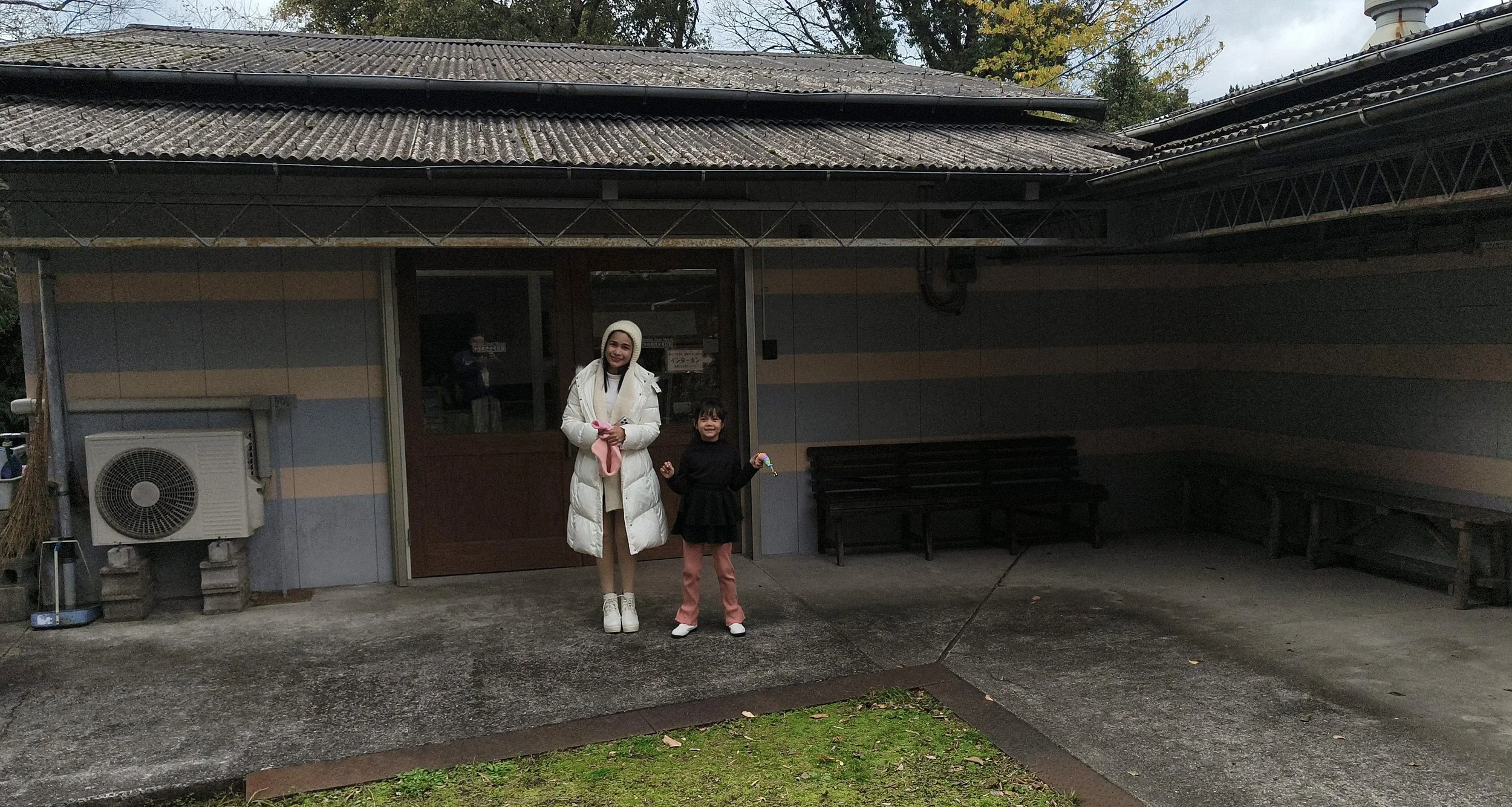
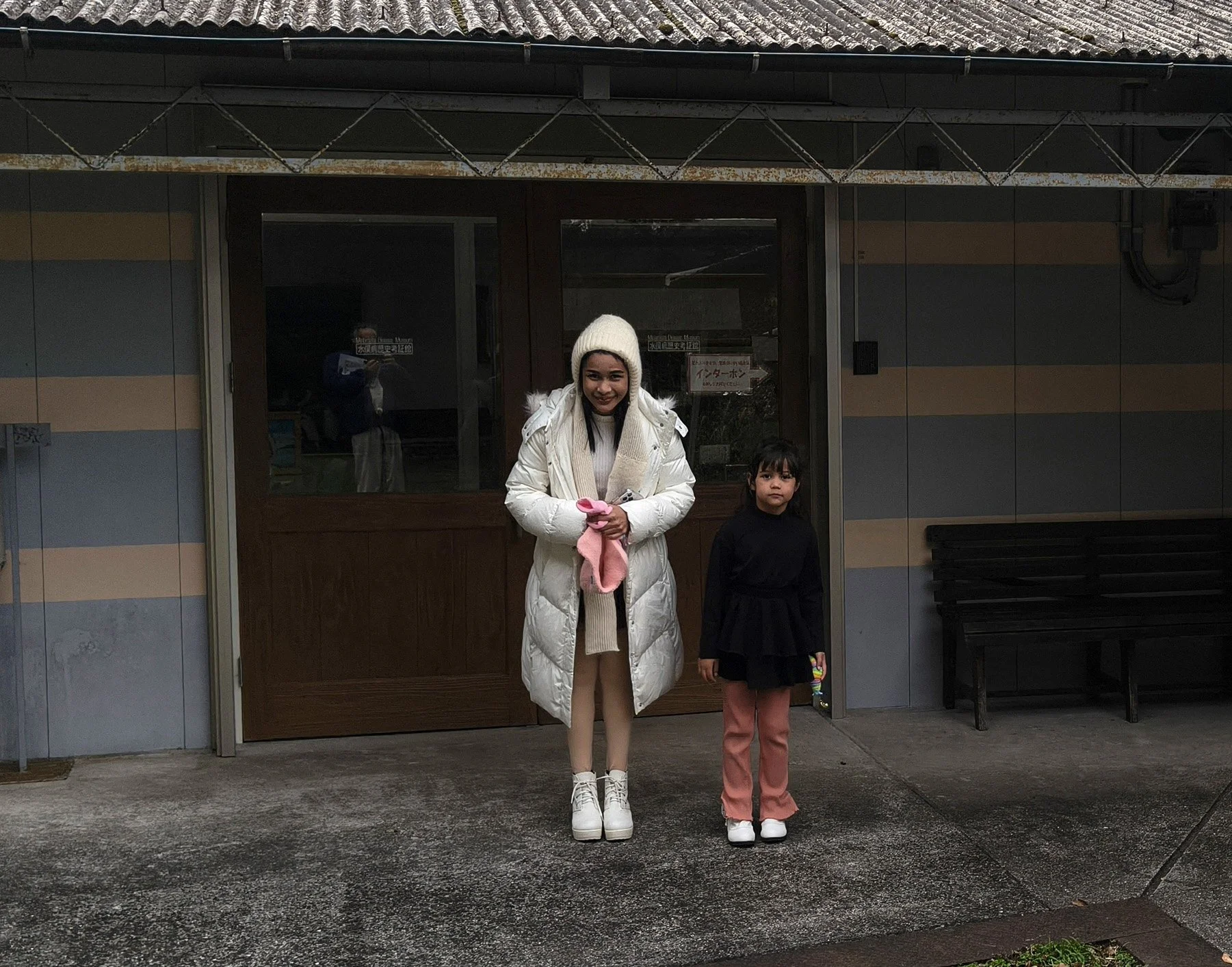
Gift and Banana were definitely moved by the powerful displays and message of the museum

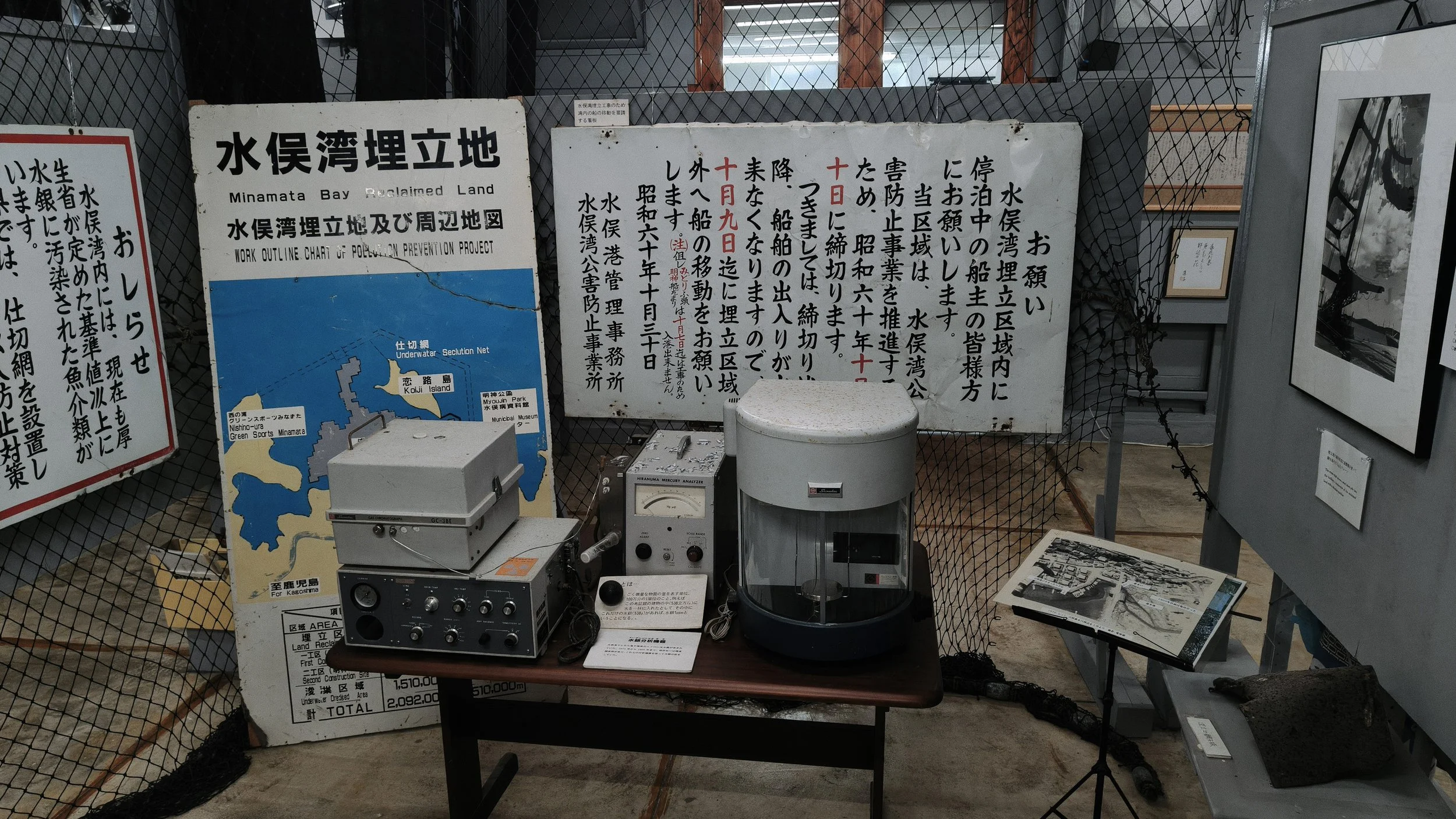
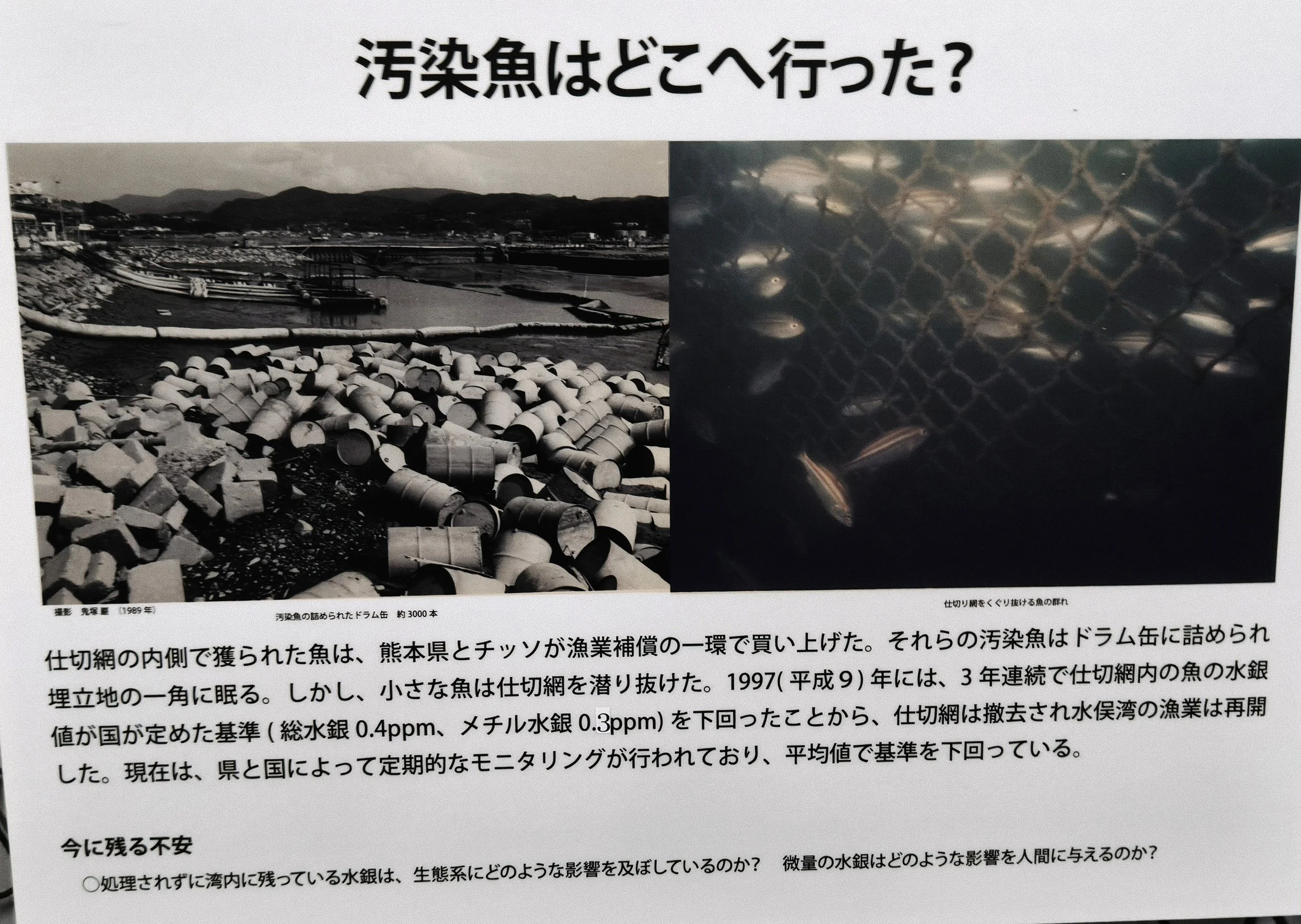
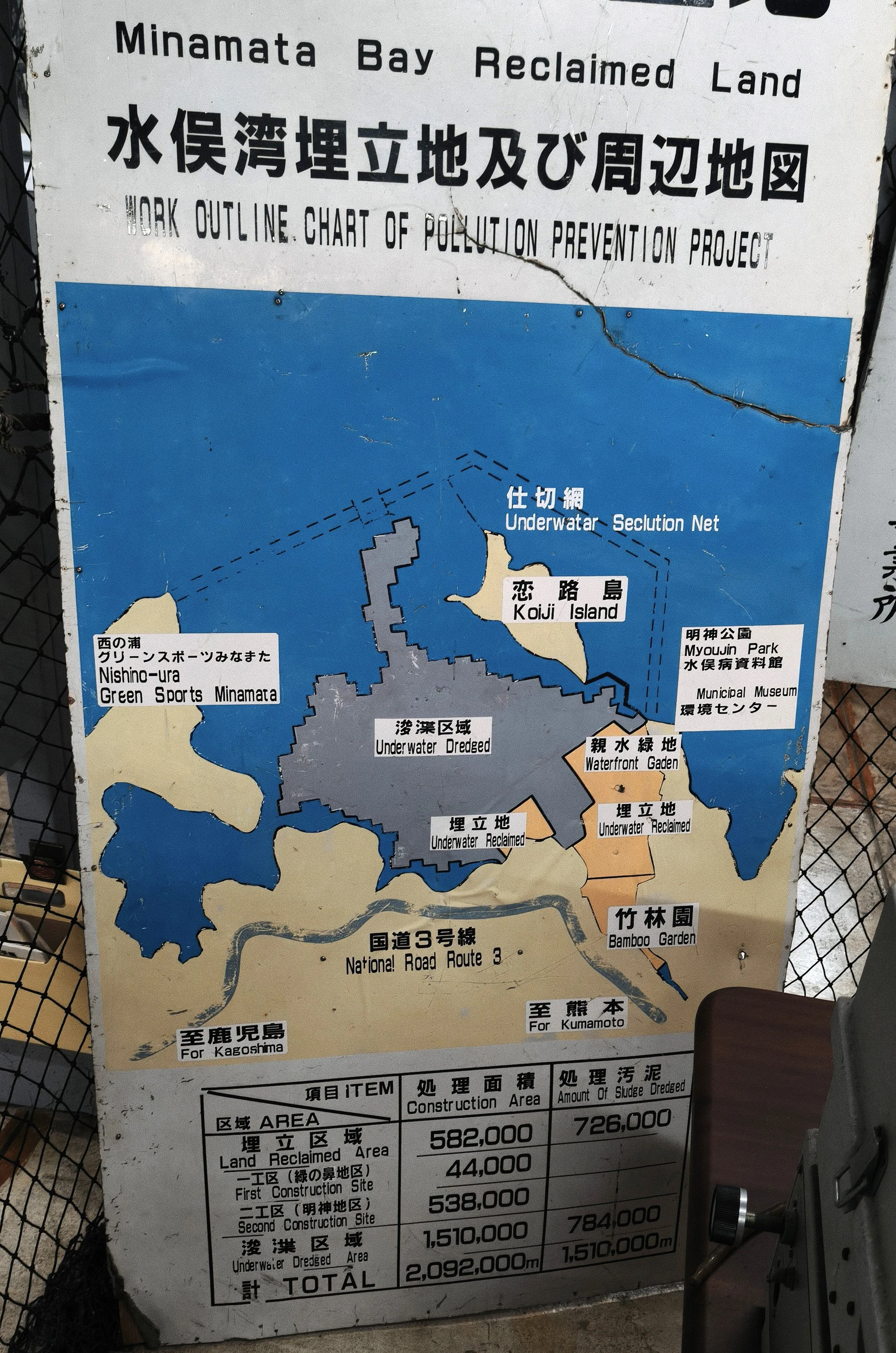
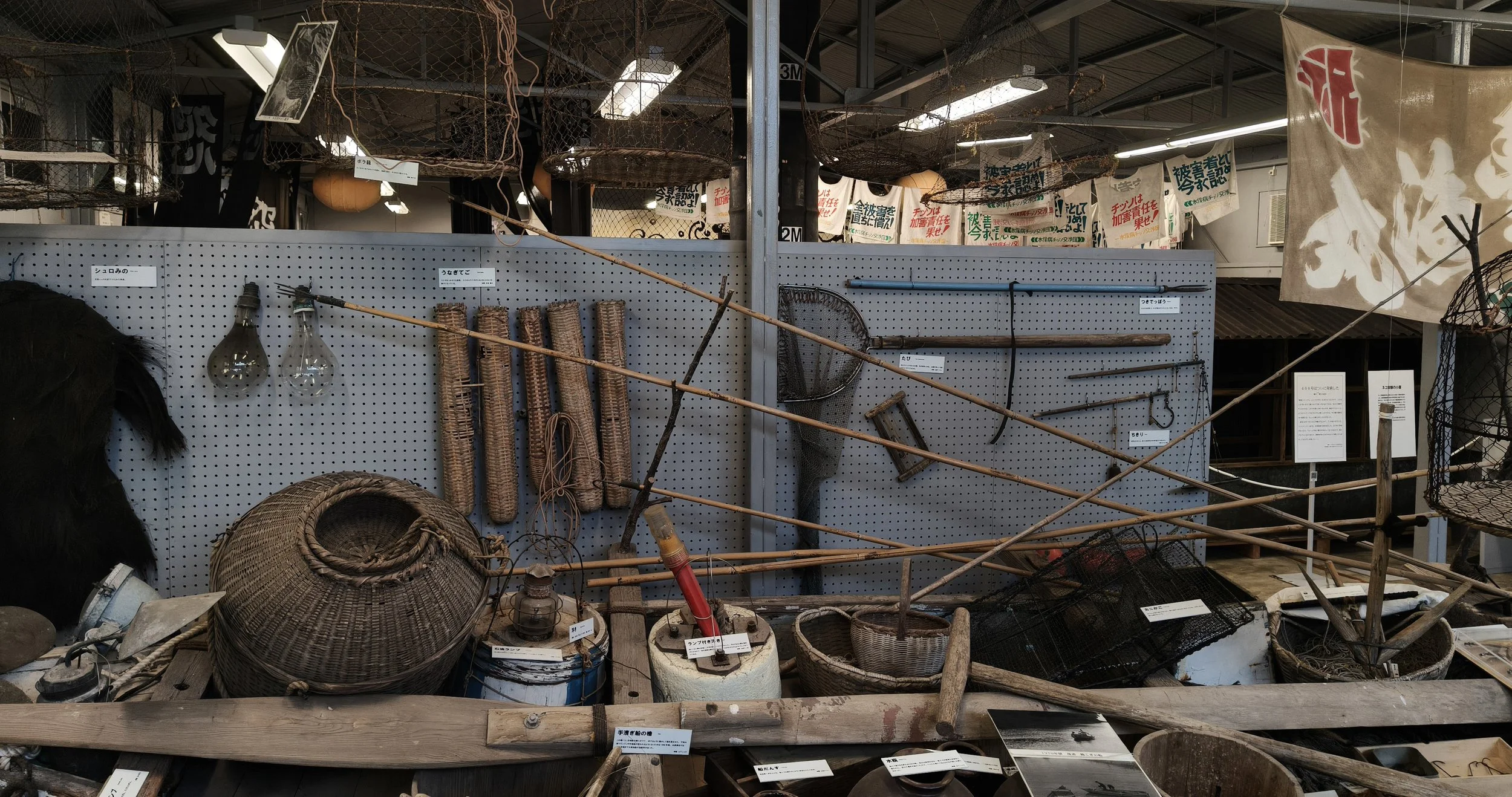

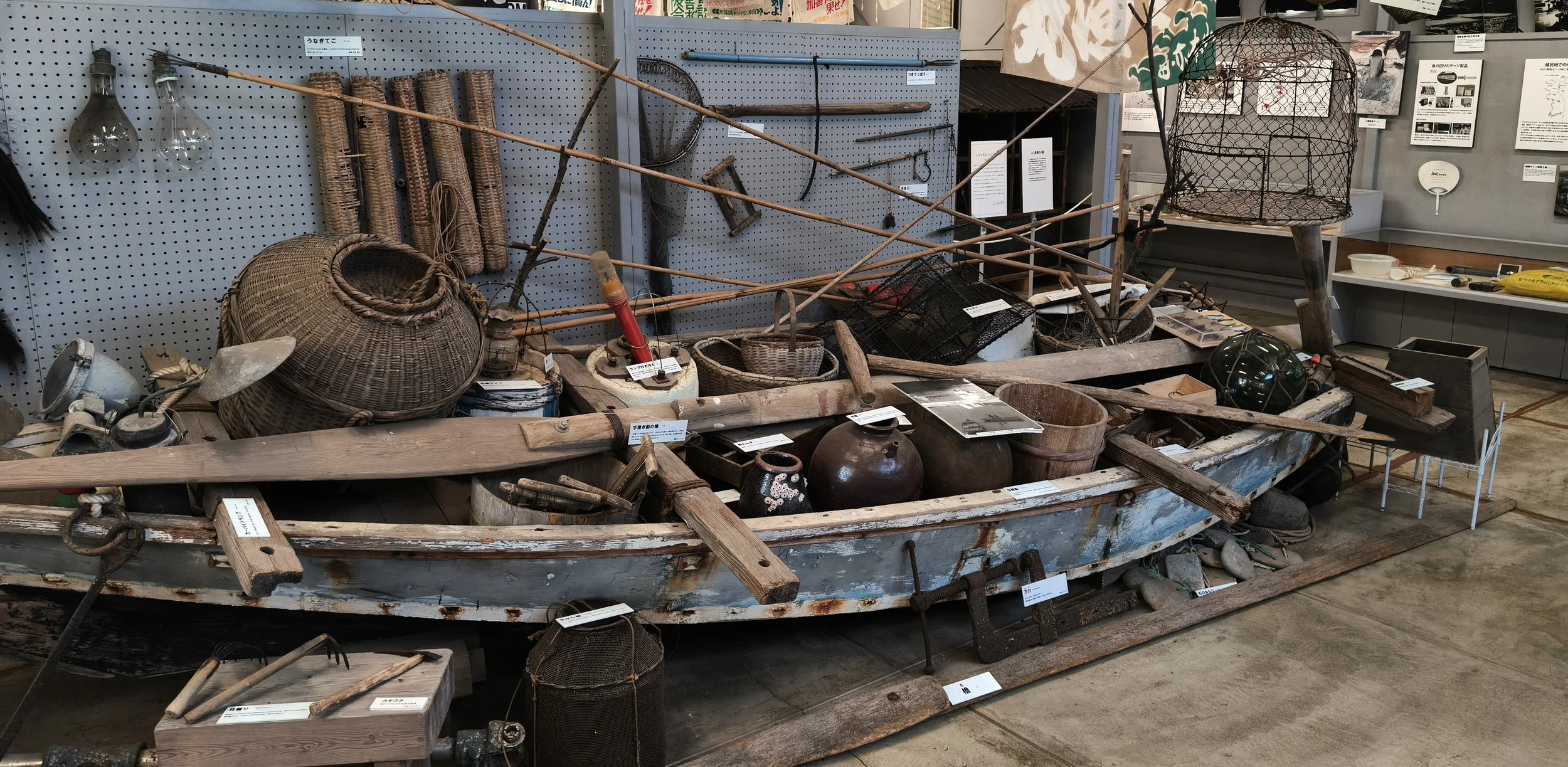
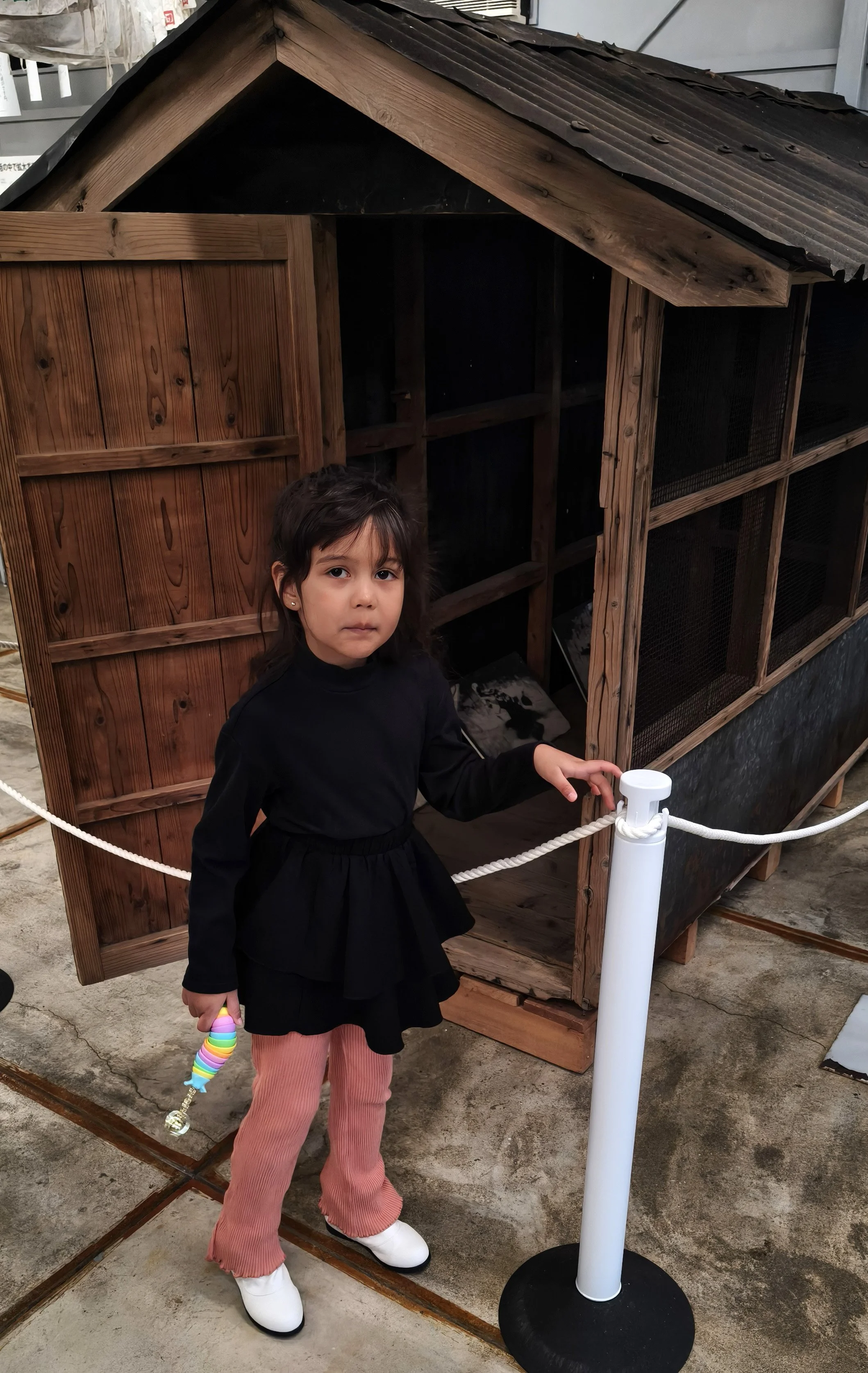
The actual "Cat Experiment Shed" as a tangible piece of evidence of the factory's early knowledge of the pollution and its cover-up.
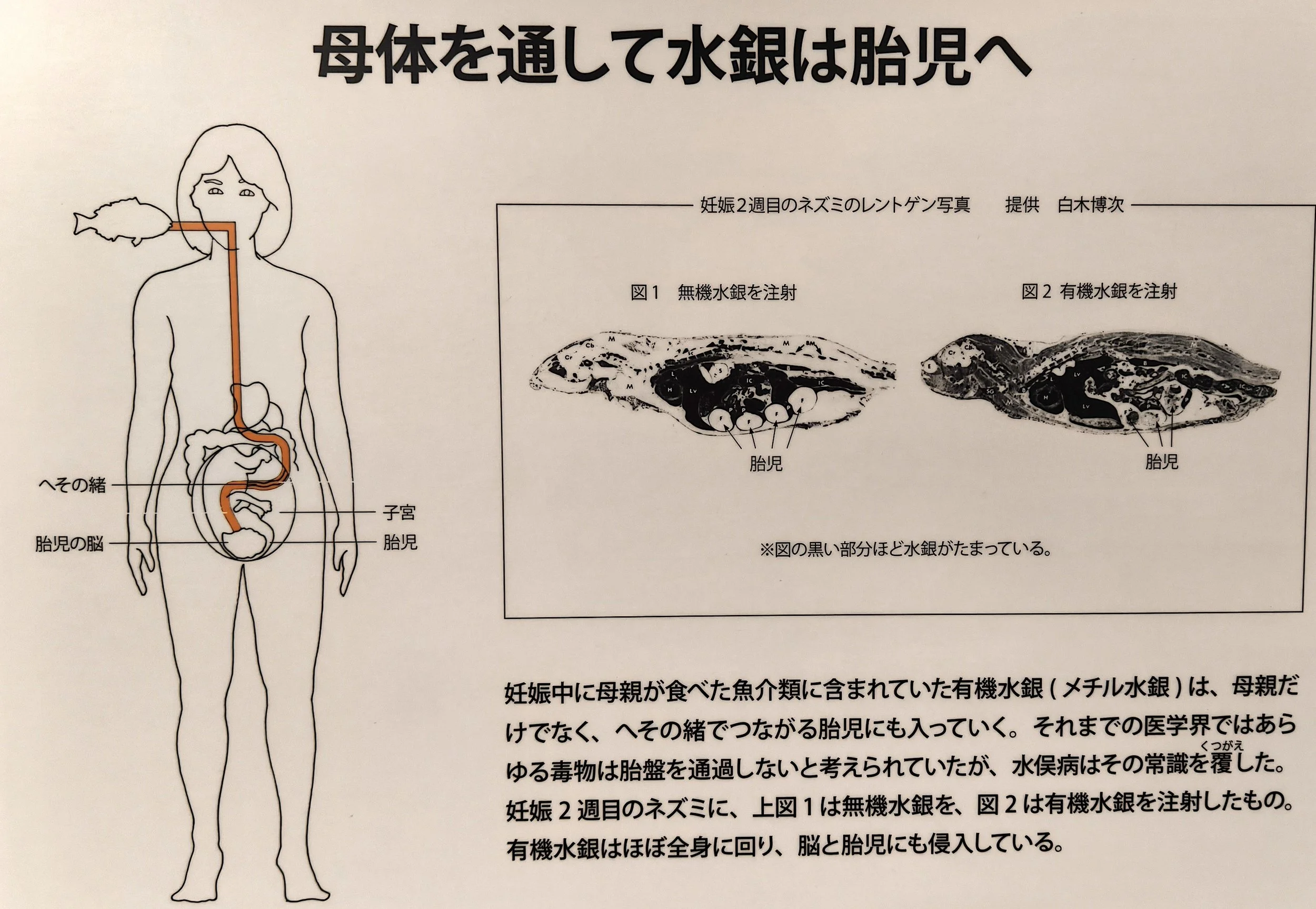
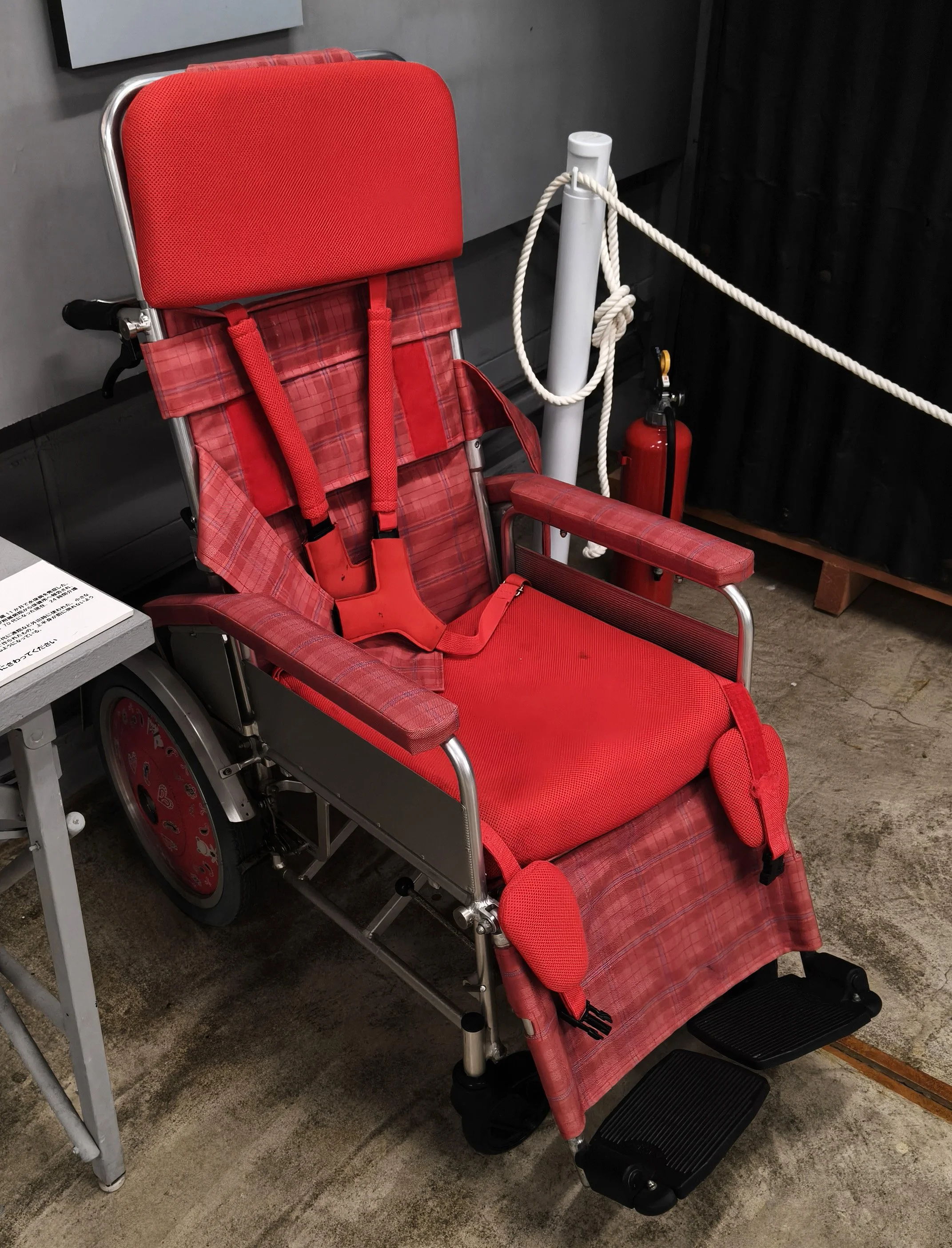


The Wall of Cats - paying homage to the "Dancing Cats" of Minamata. I was a bit puzzled by this display of modern pet cats but I am assuming they are a way to pay respect to the hundreds of cats who died horrible deaths due to the disease and the experimentation.

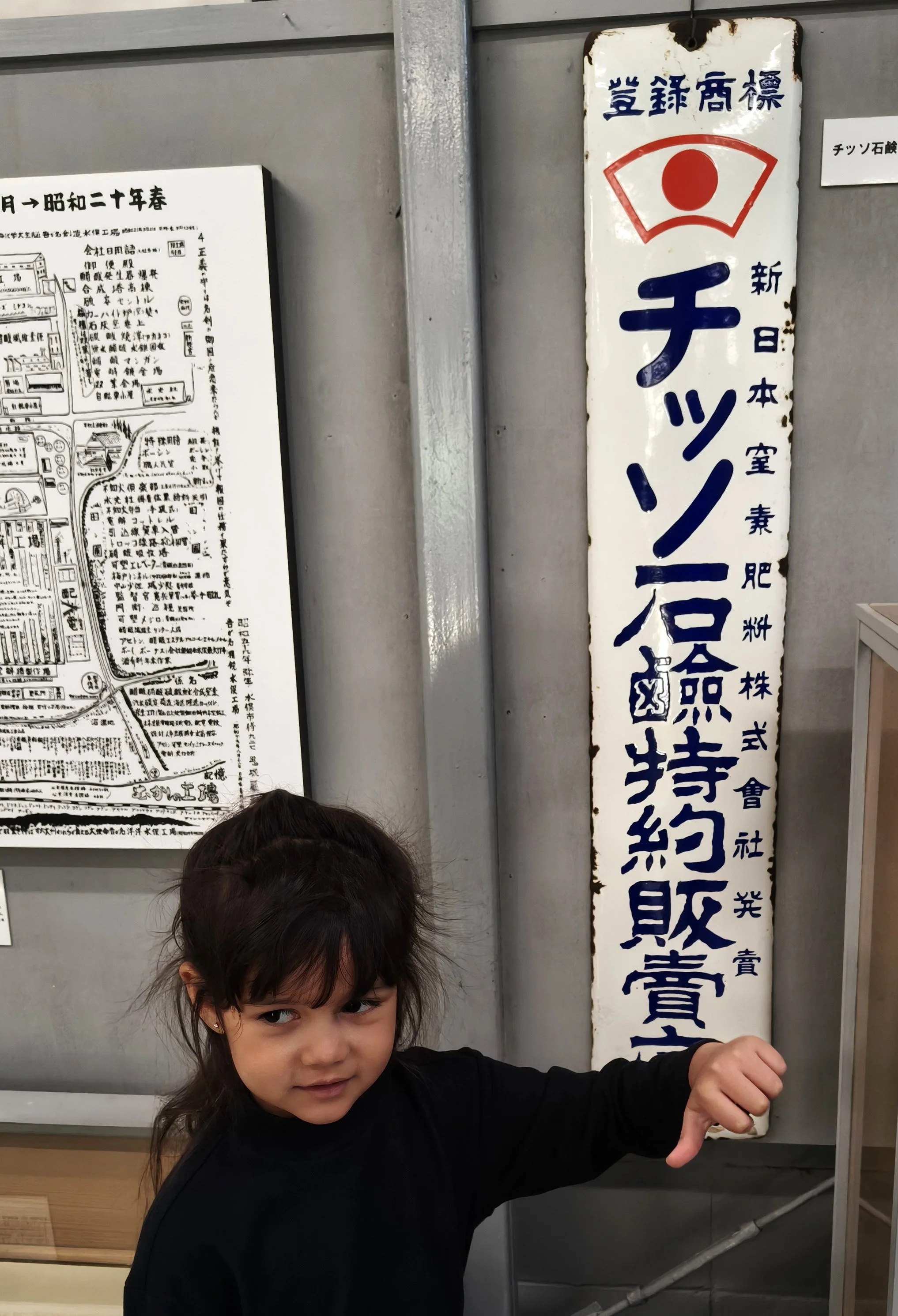
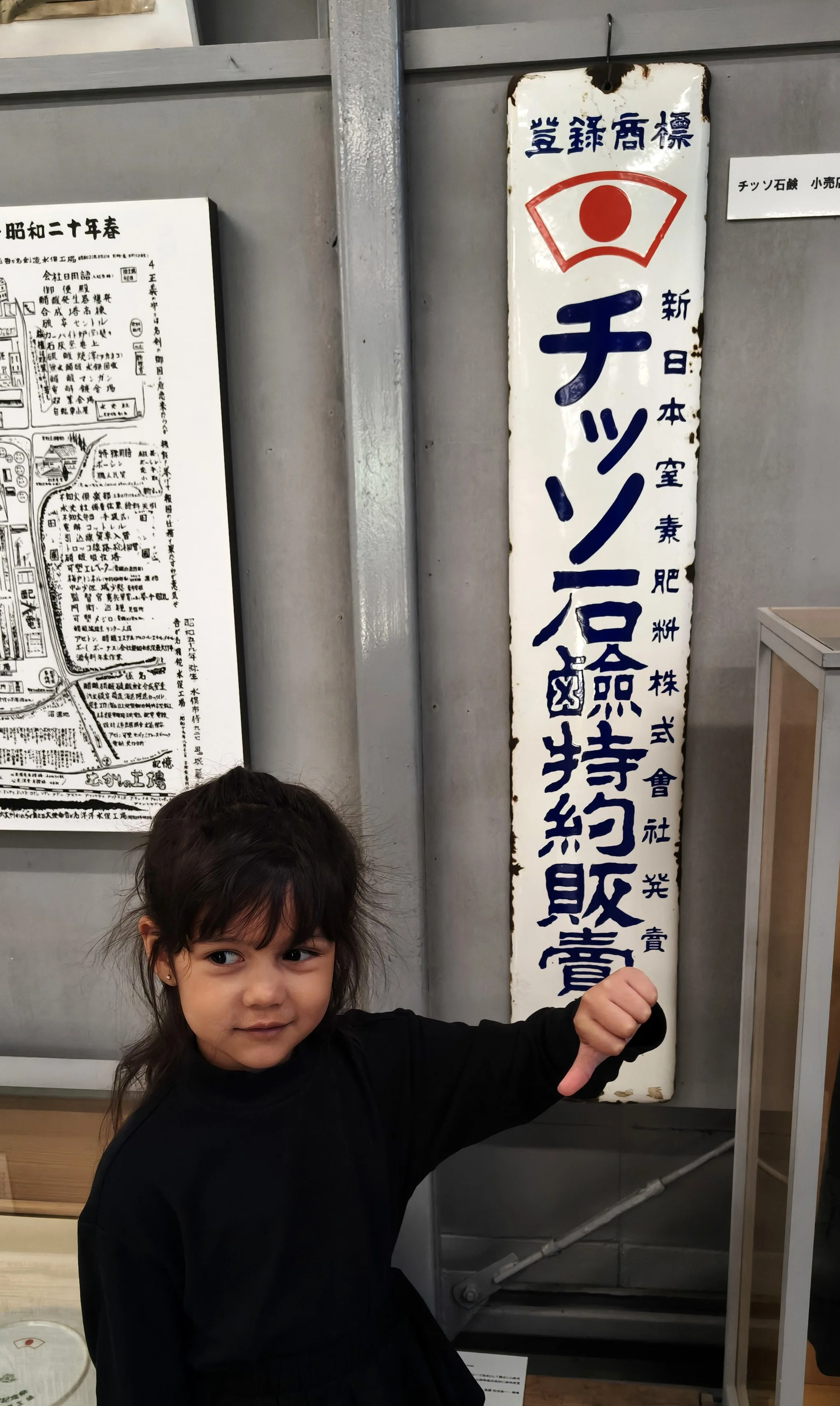
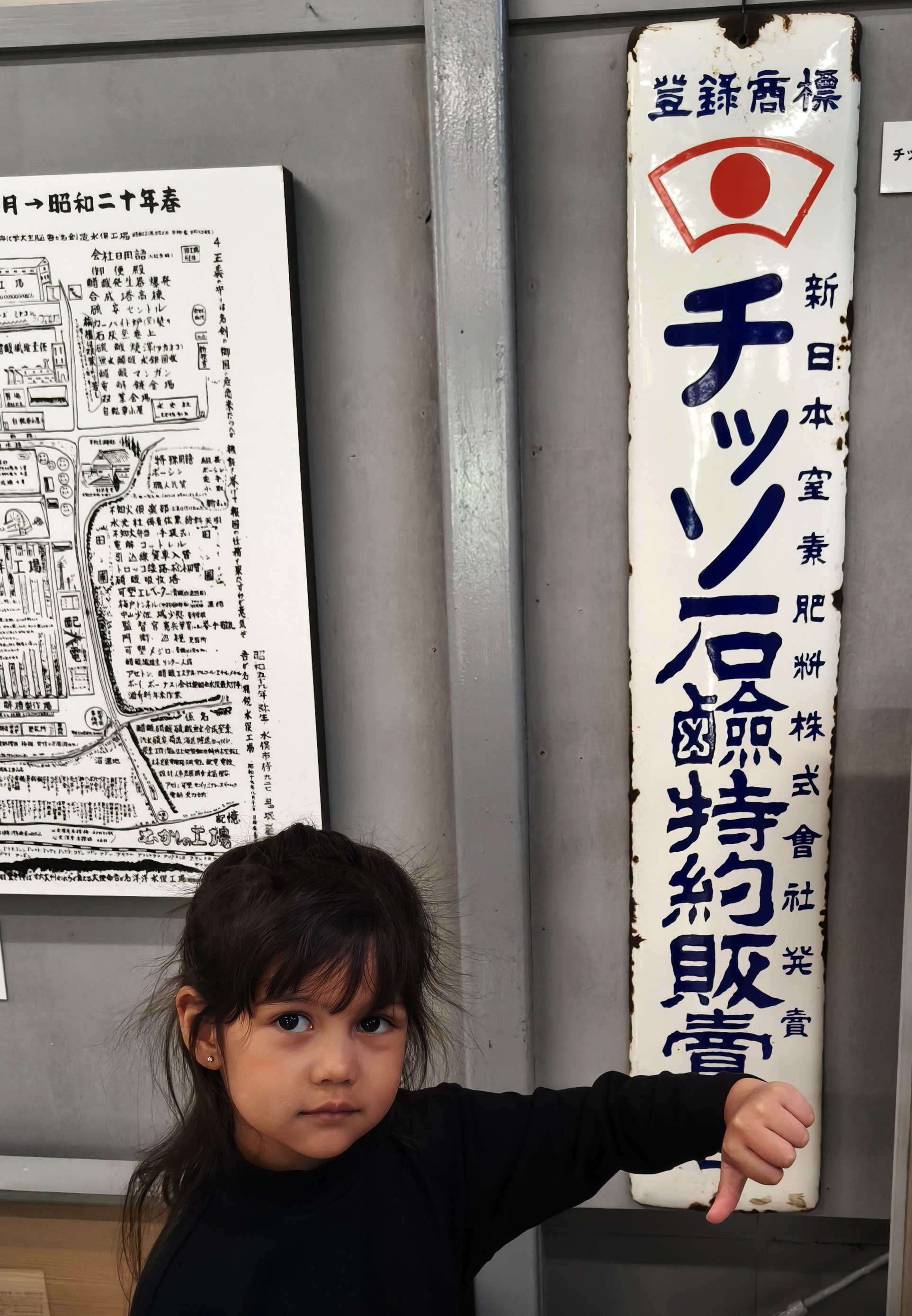
Liana showing her disdain for Chisso!
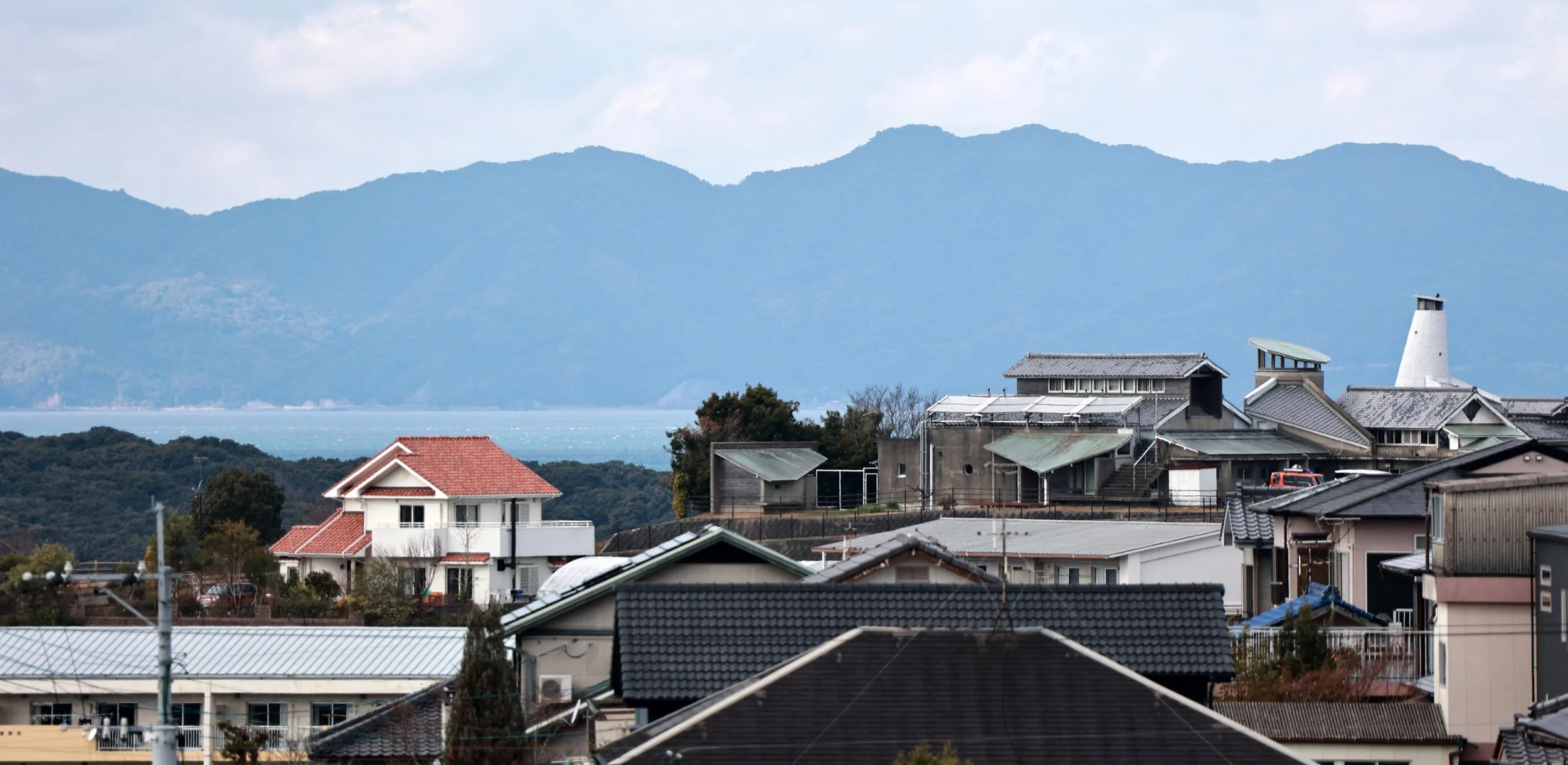
View of Minamata from the museum gardens
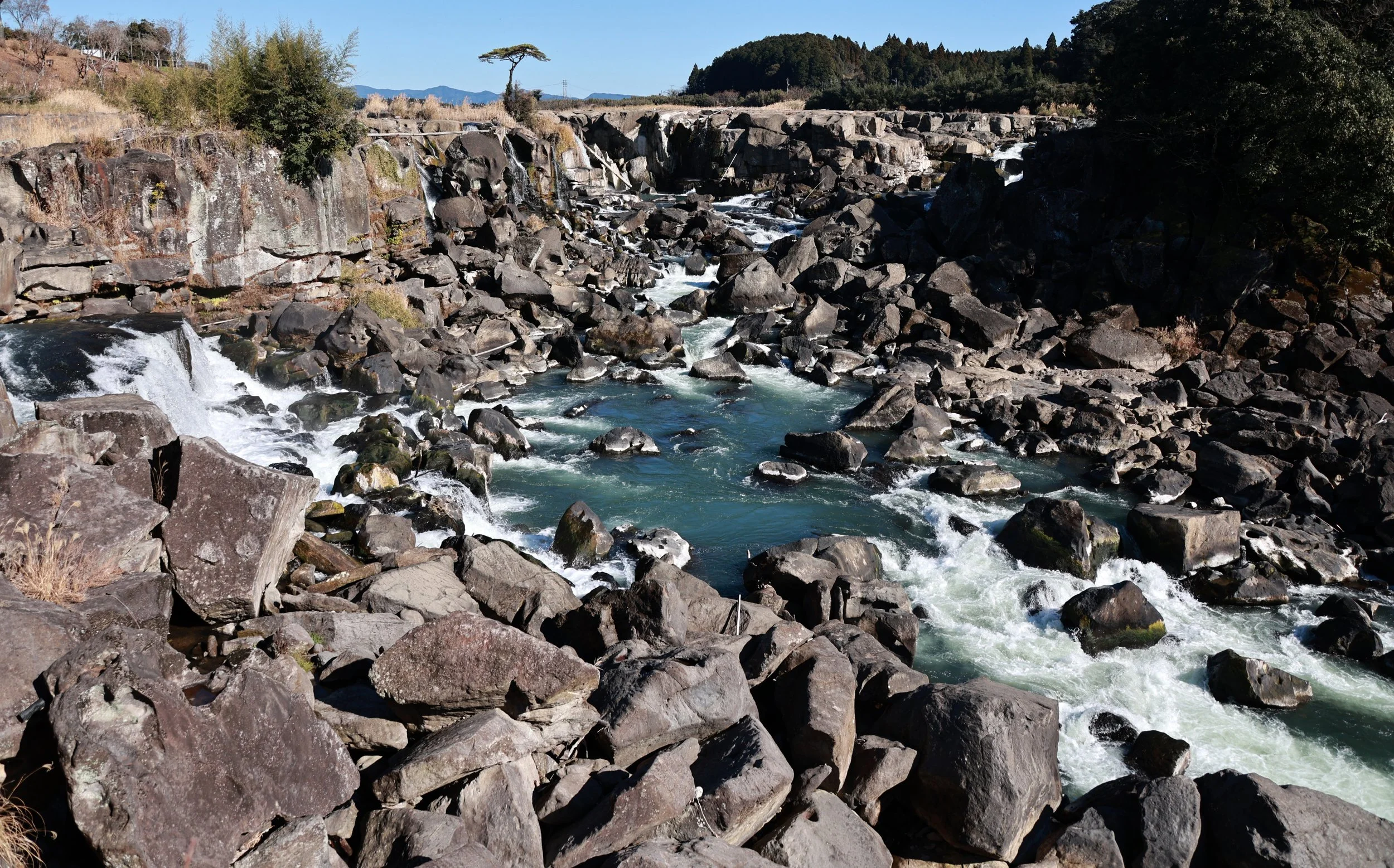
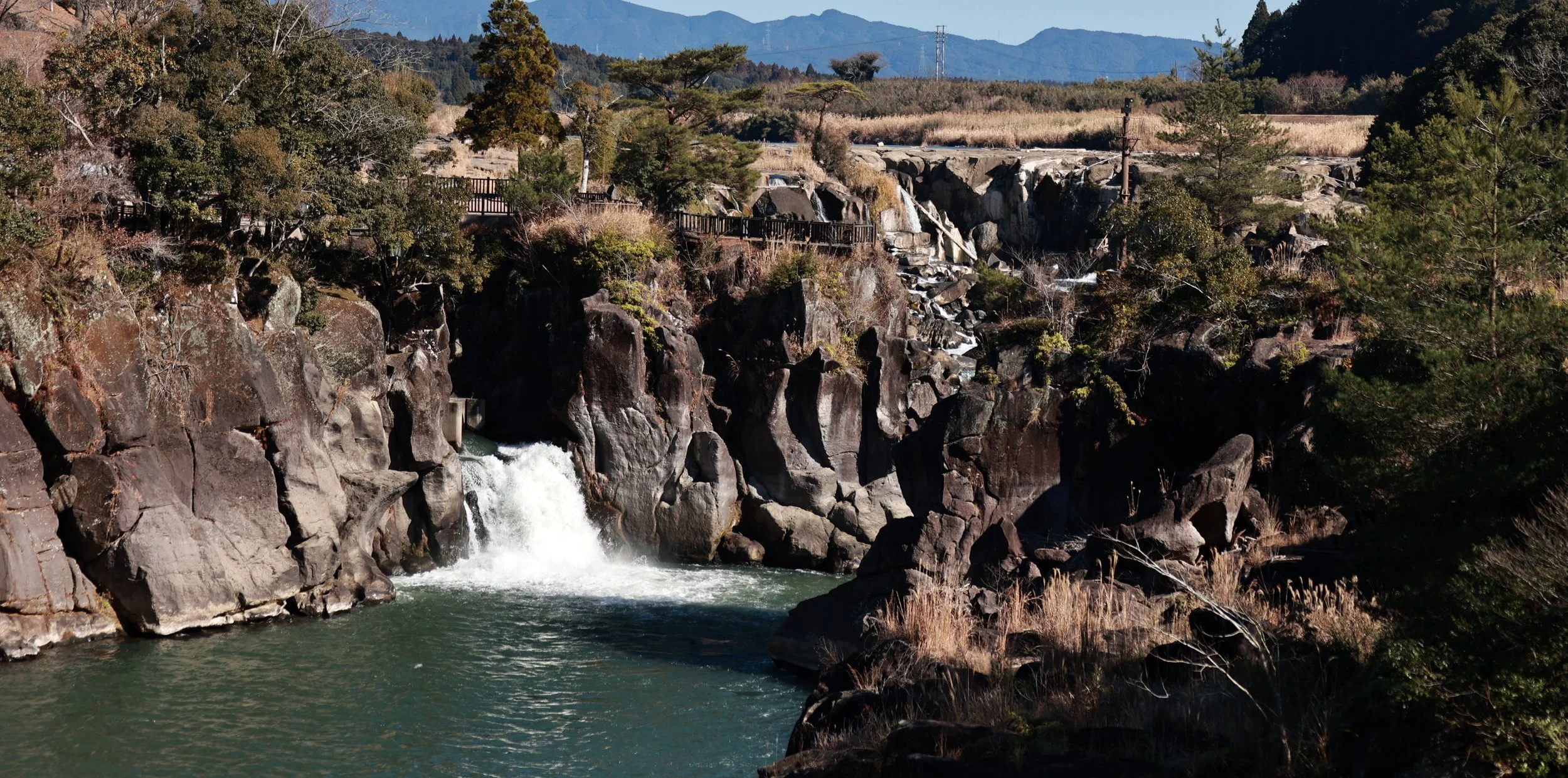
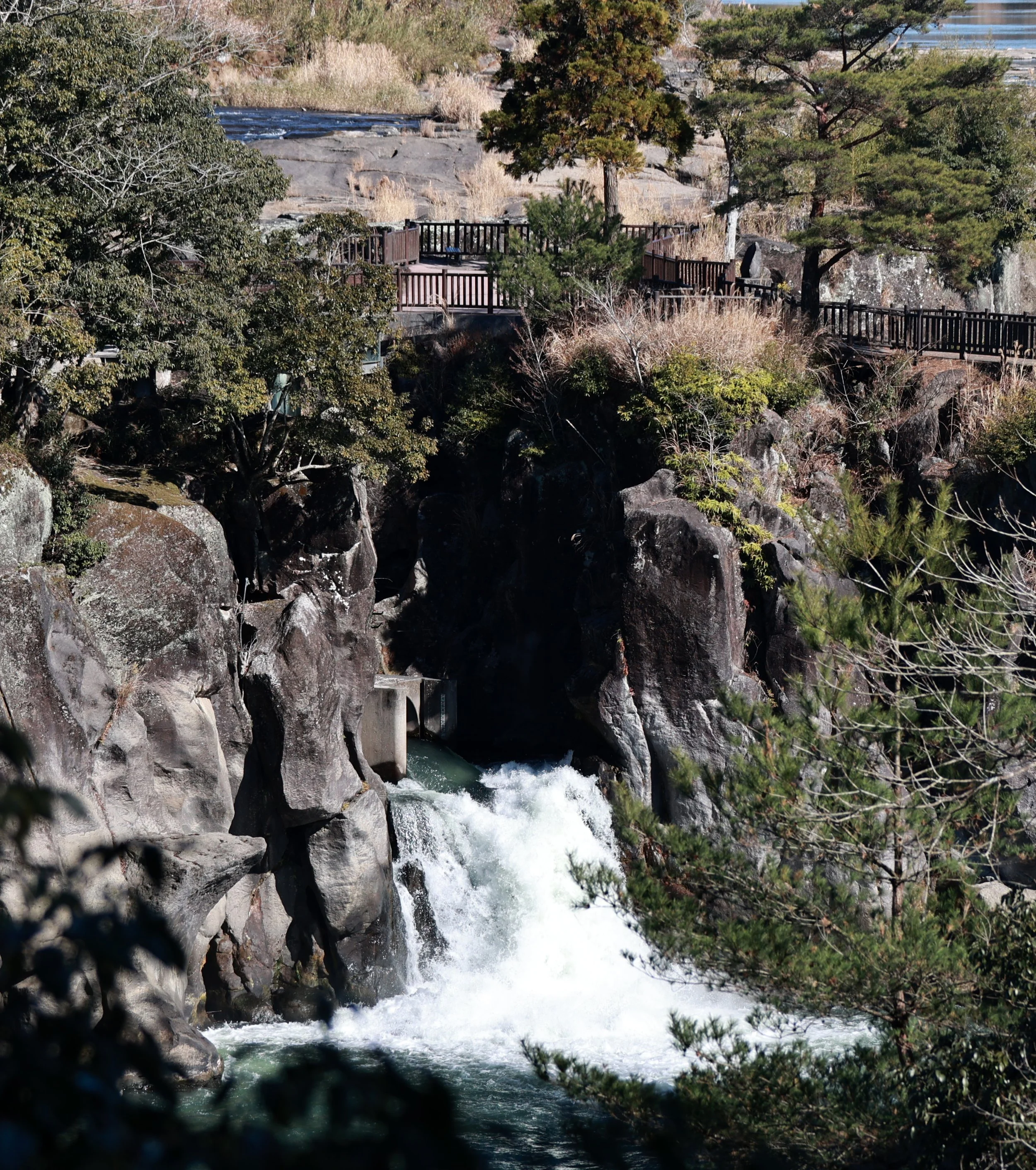
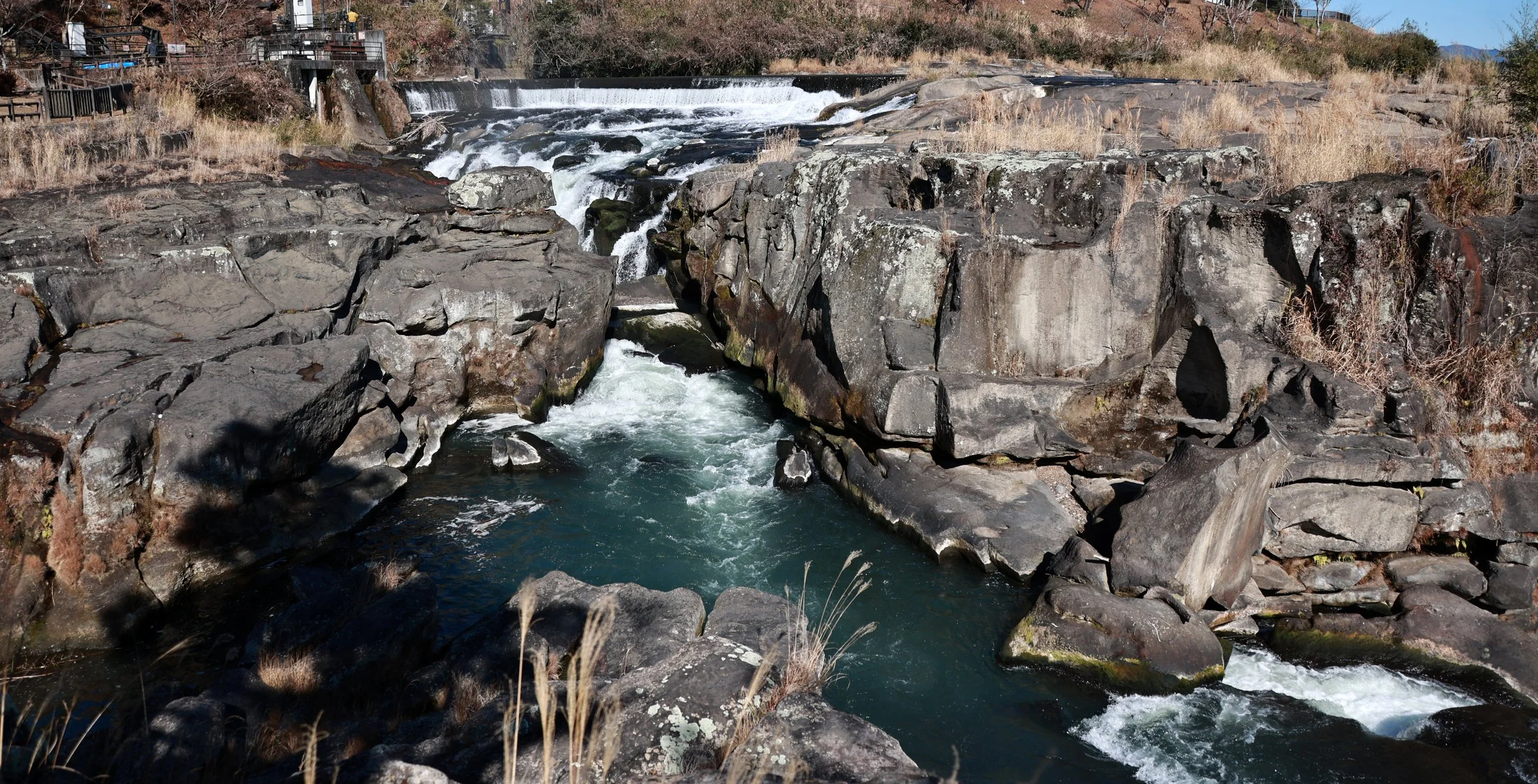
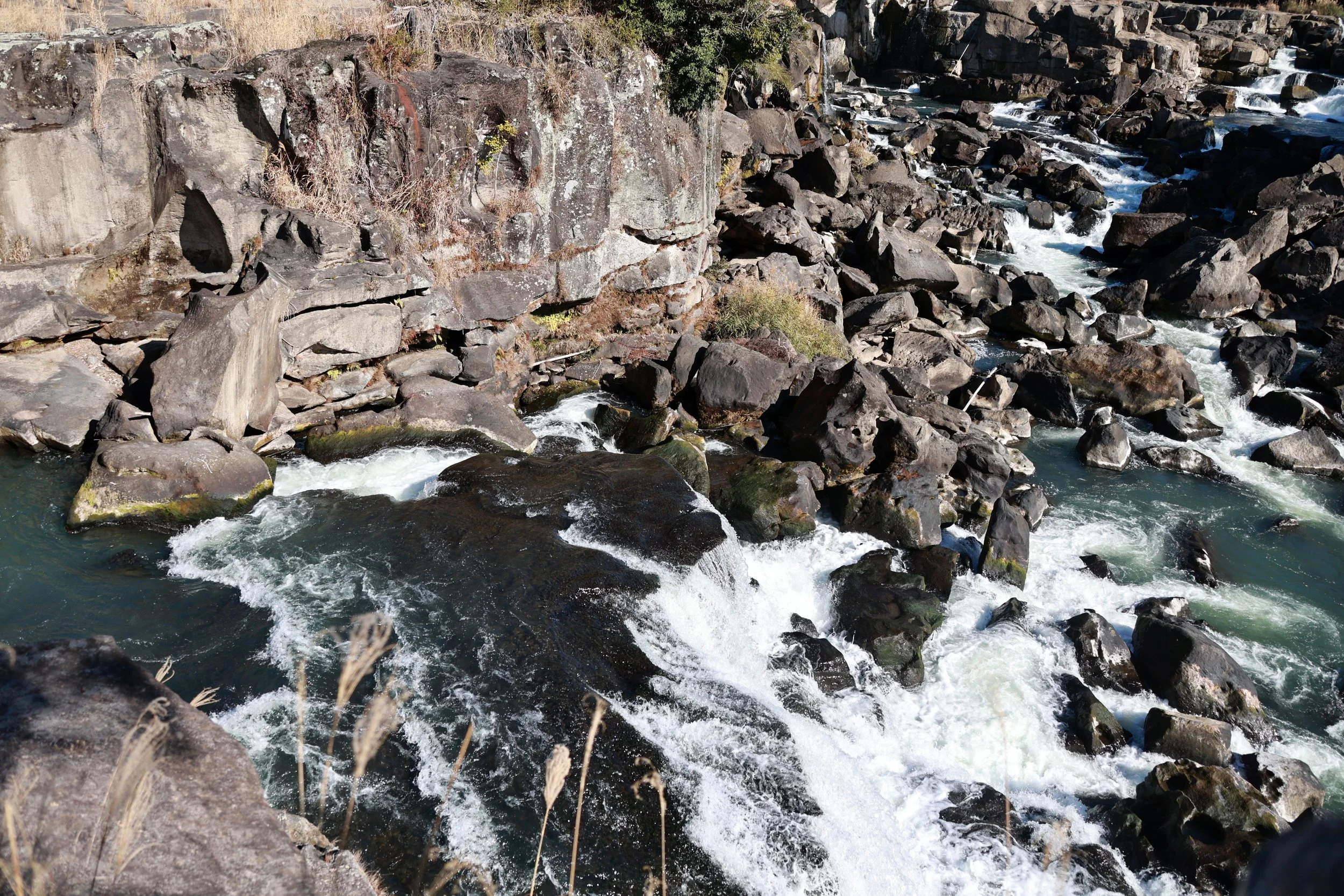
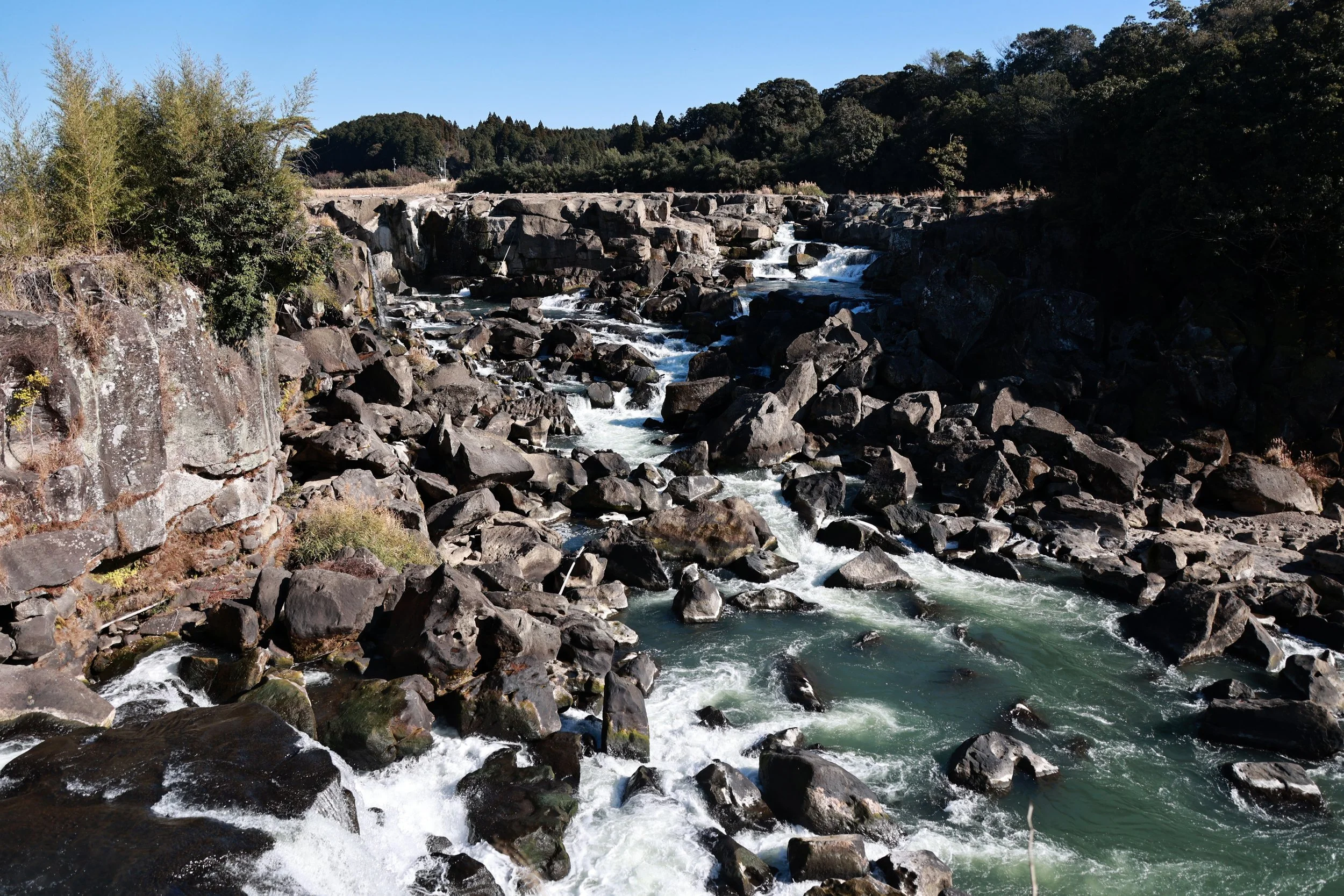
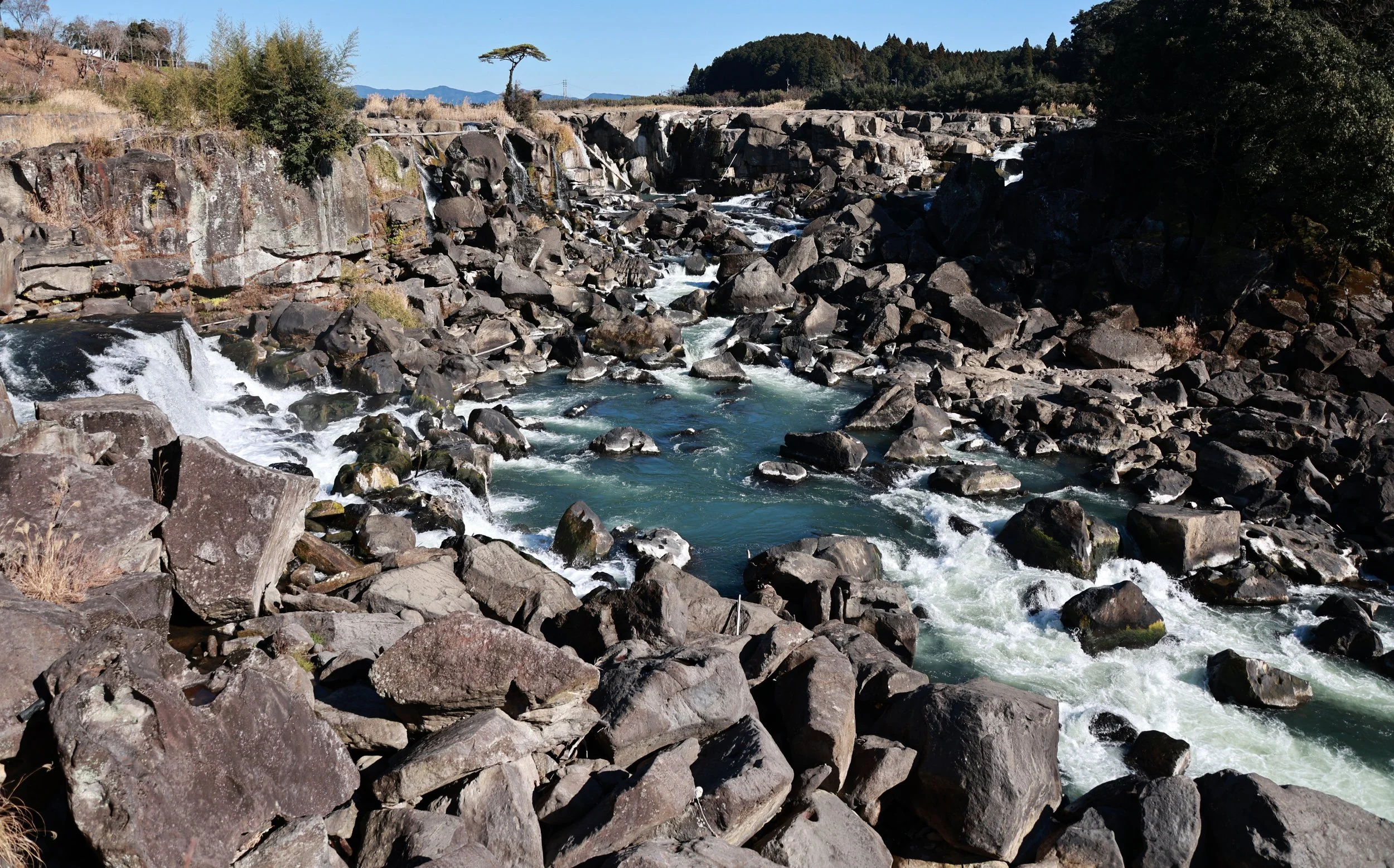
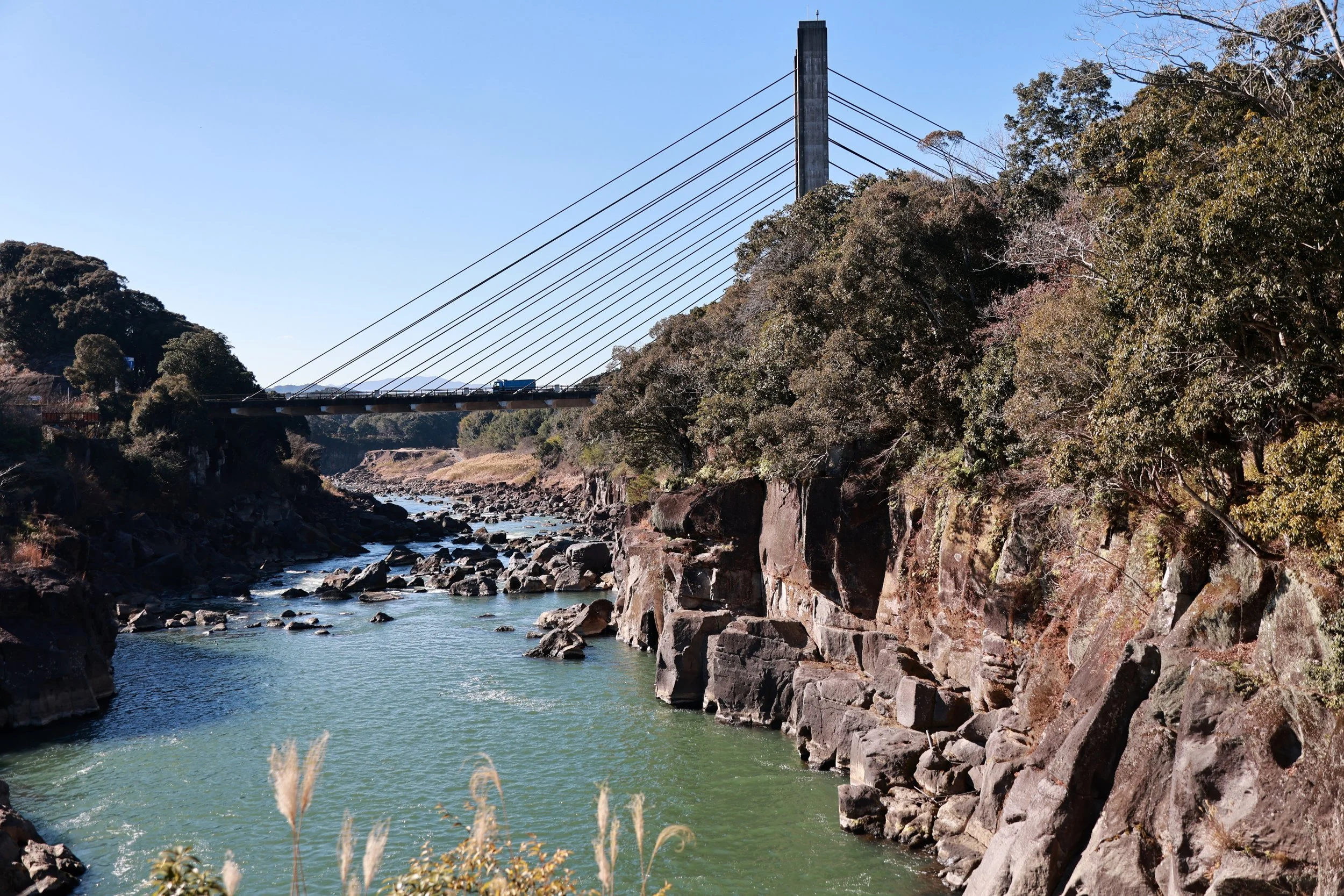
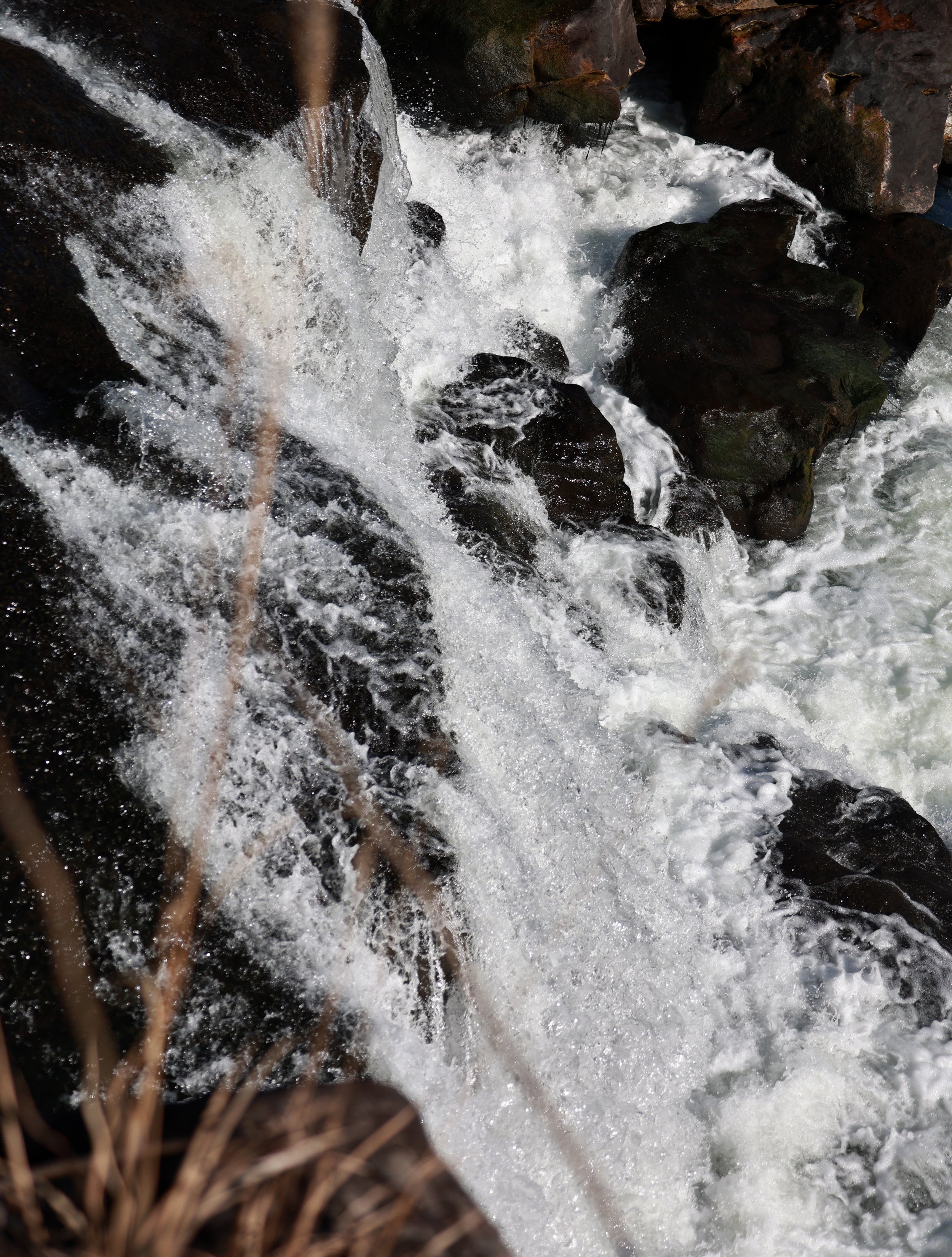
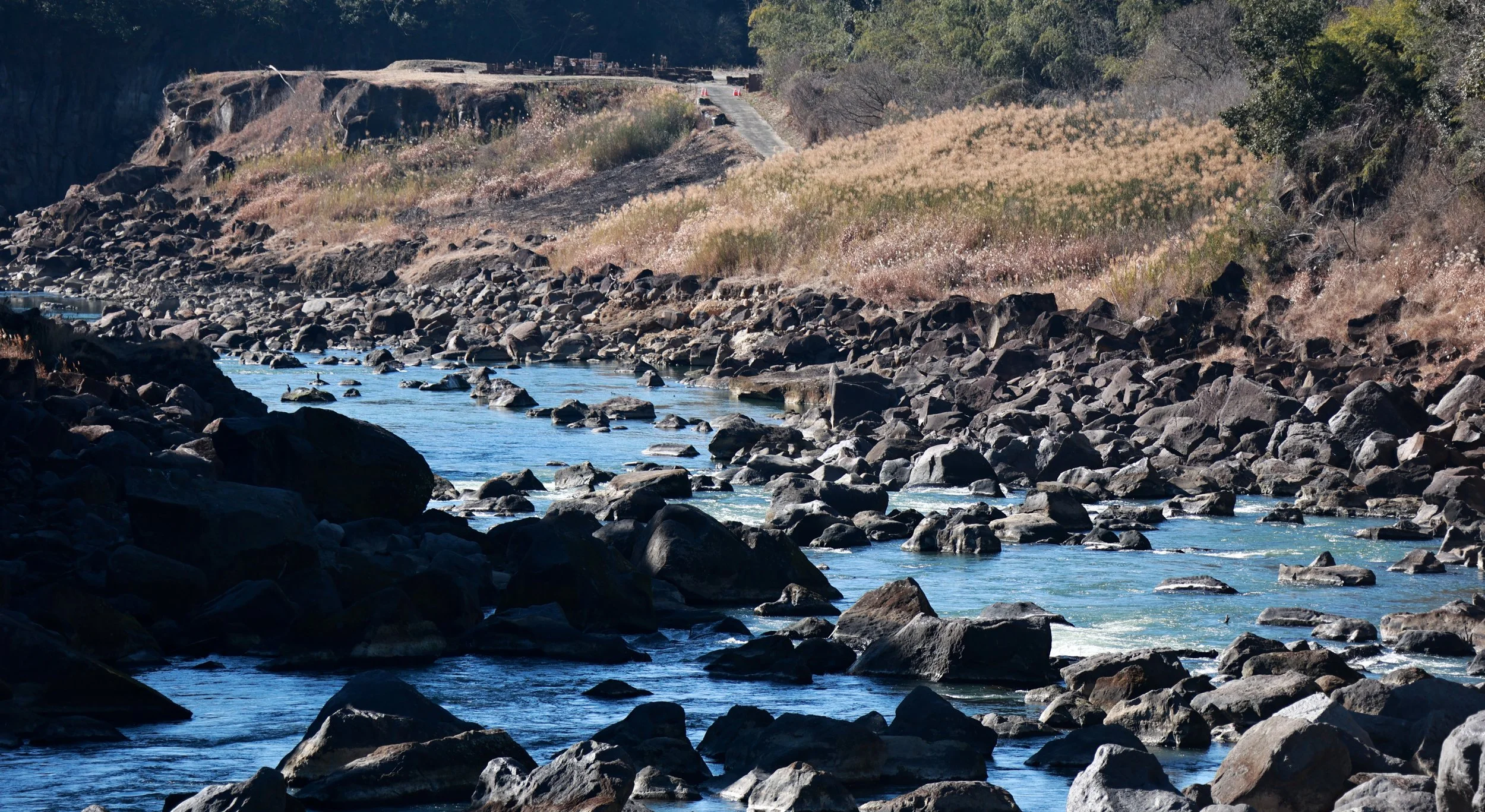
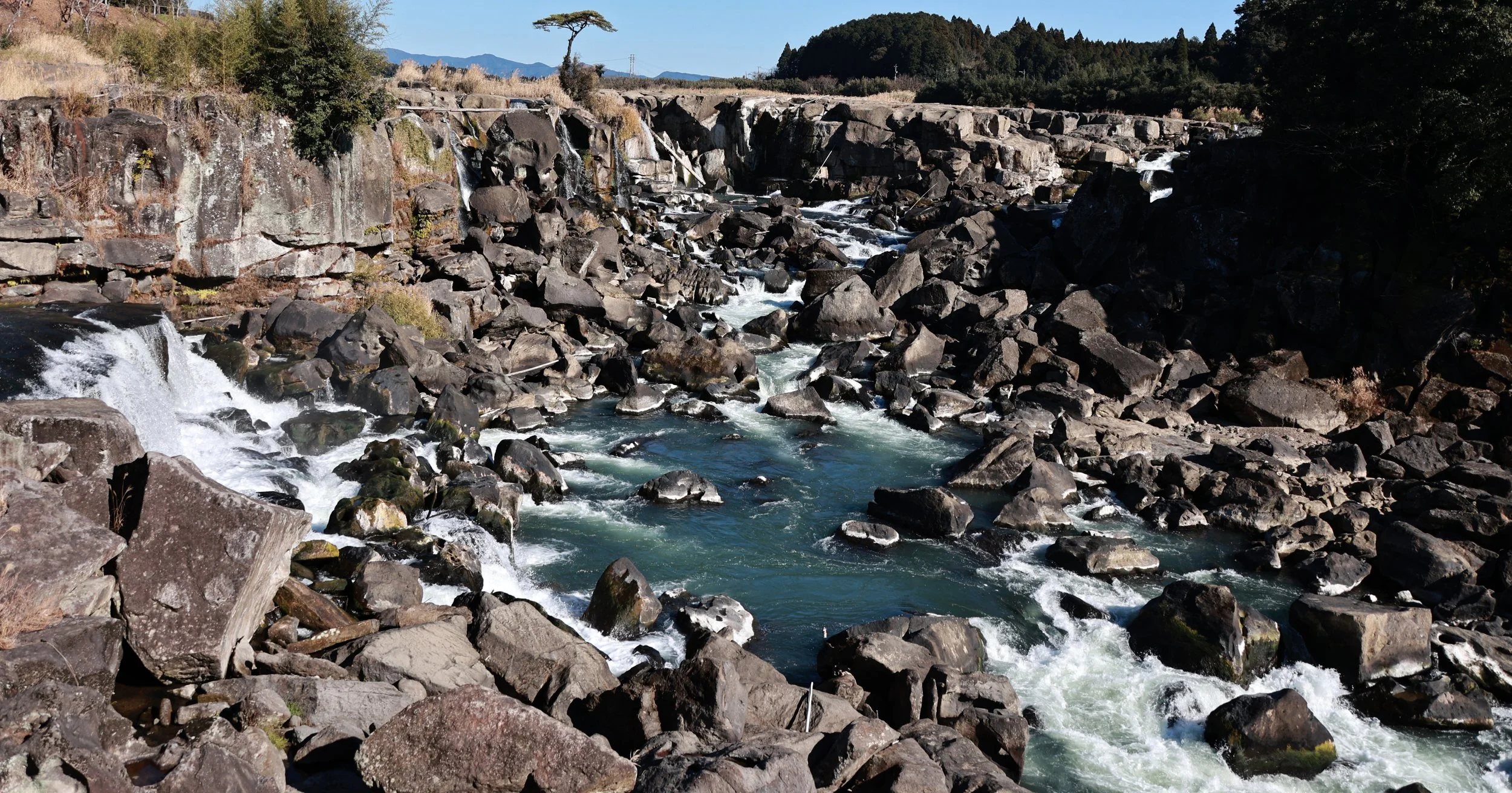
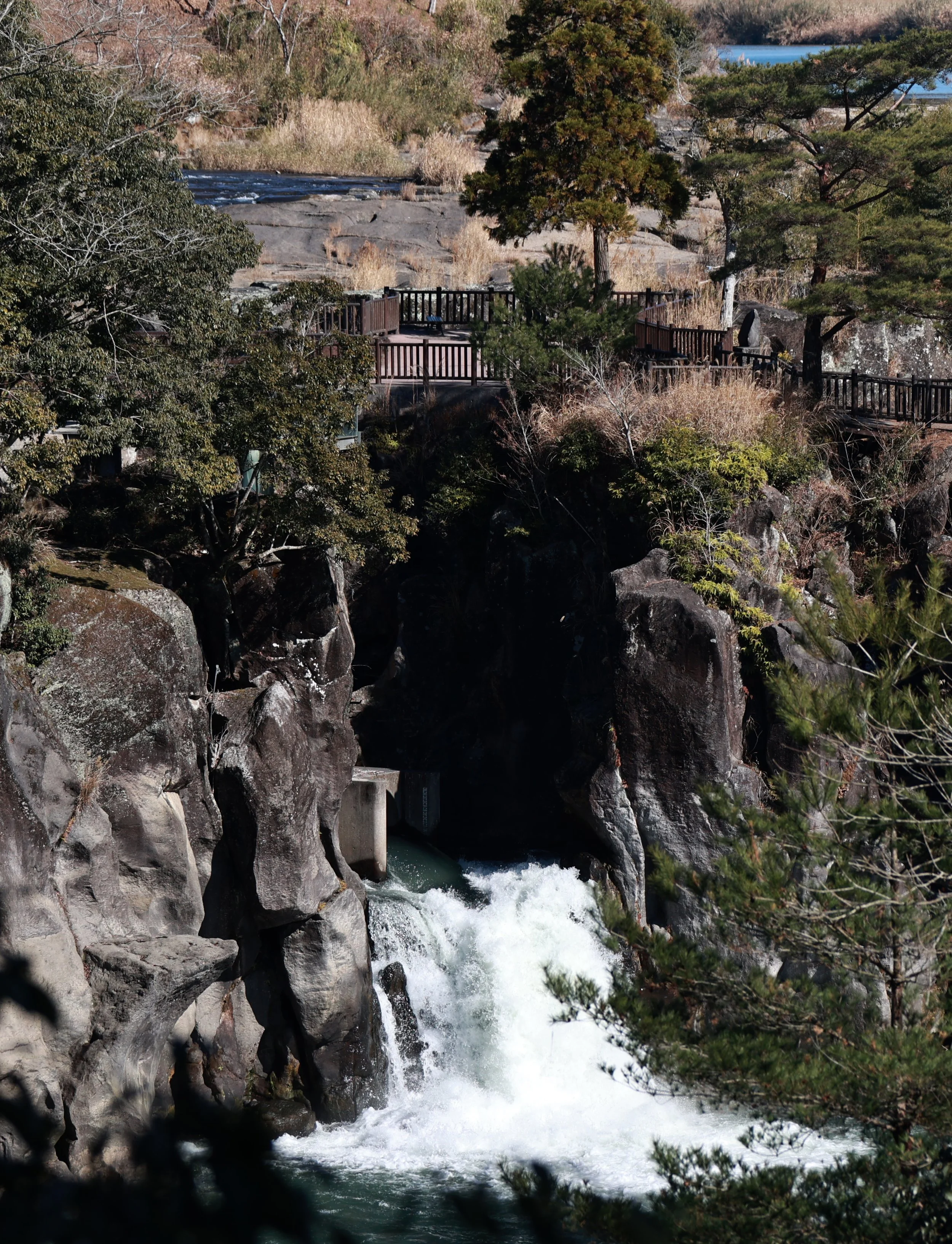
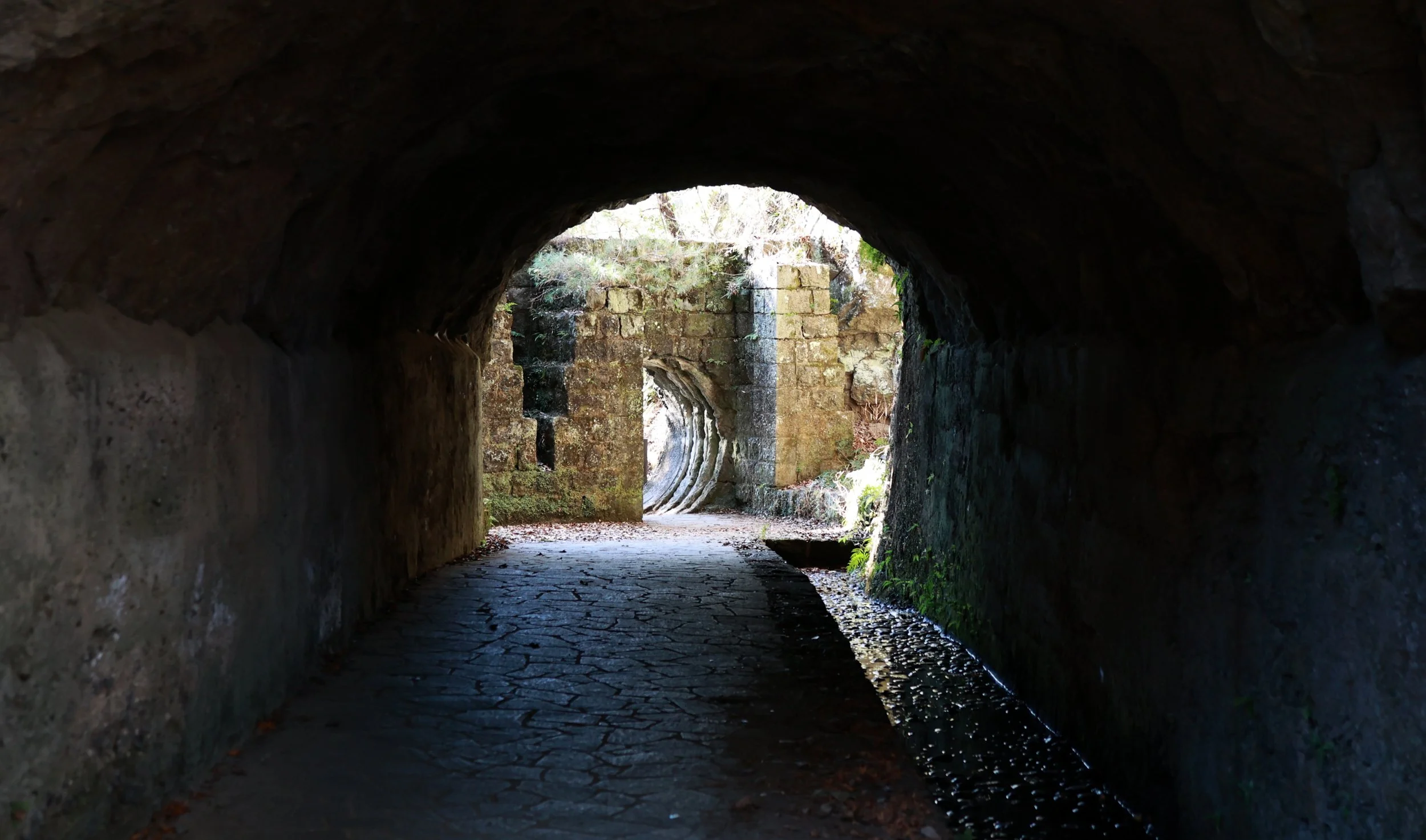
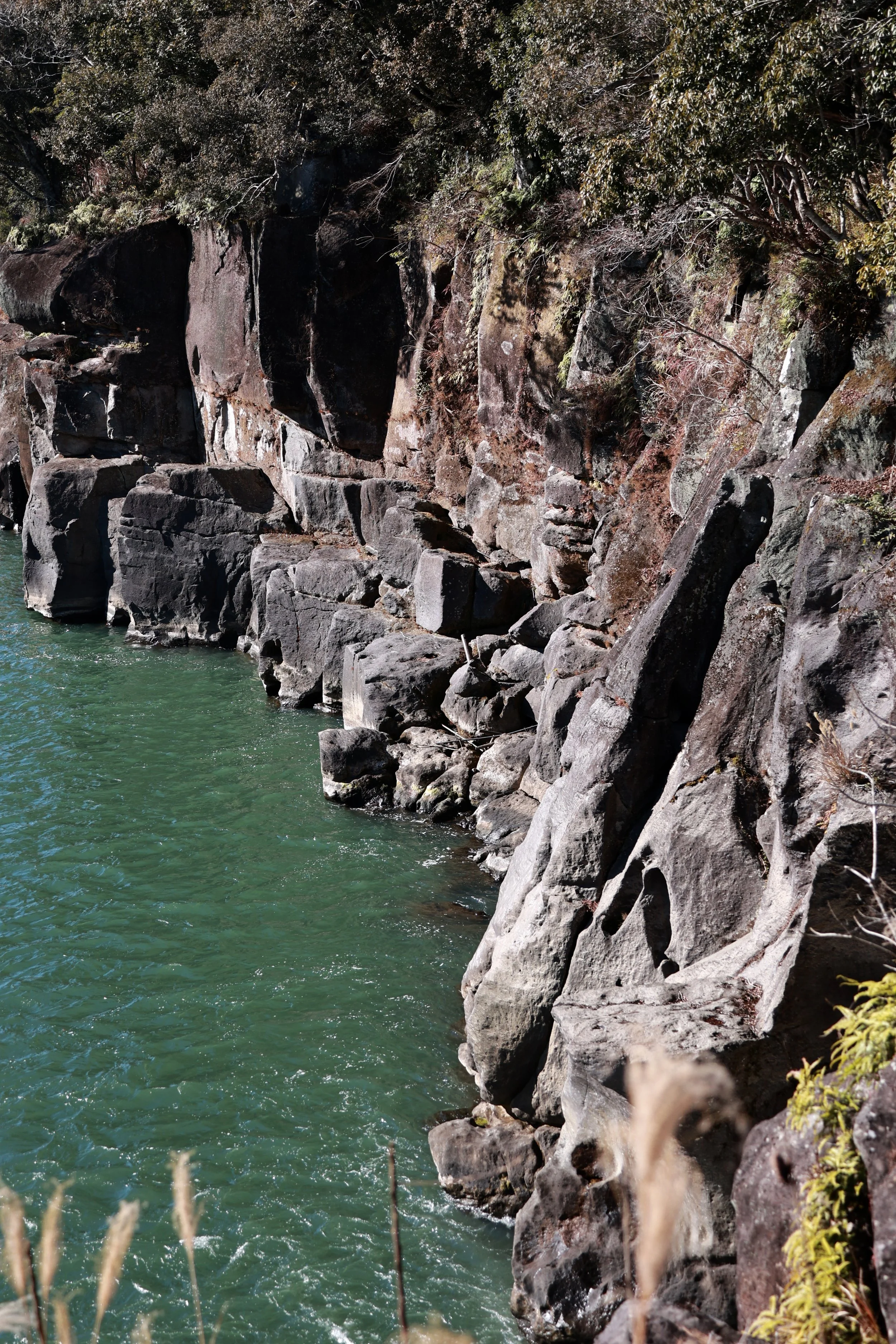
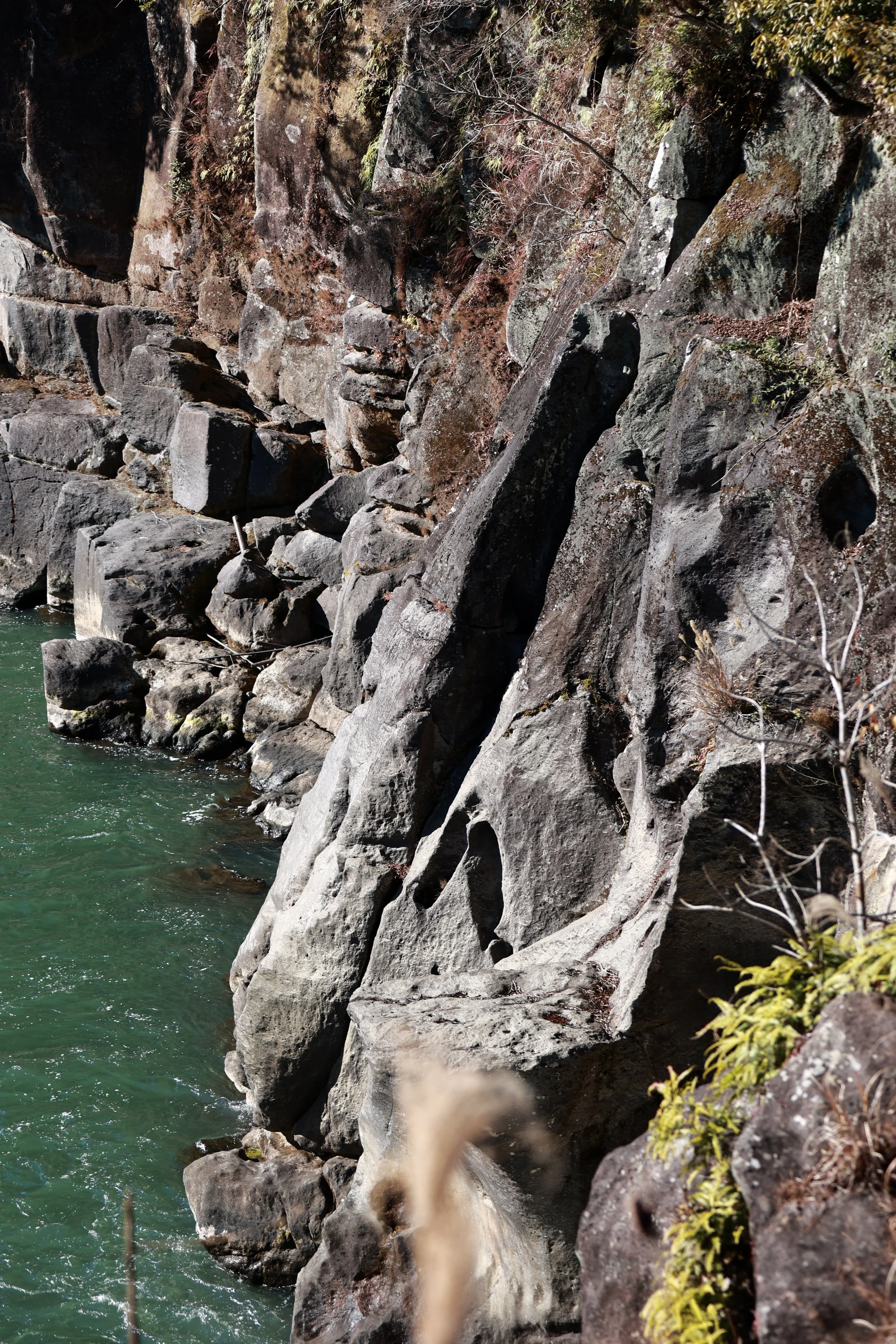
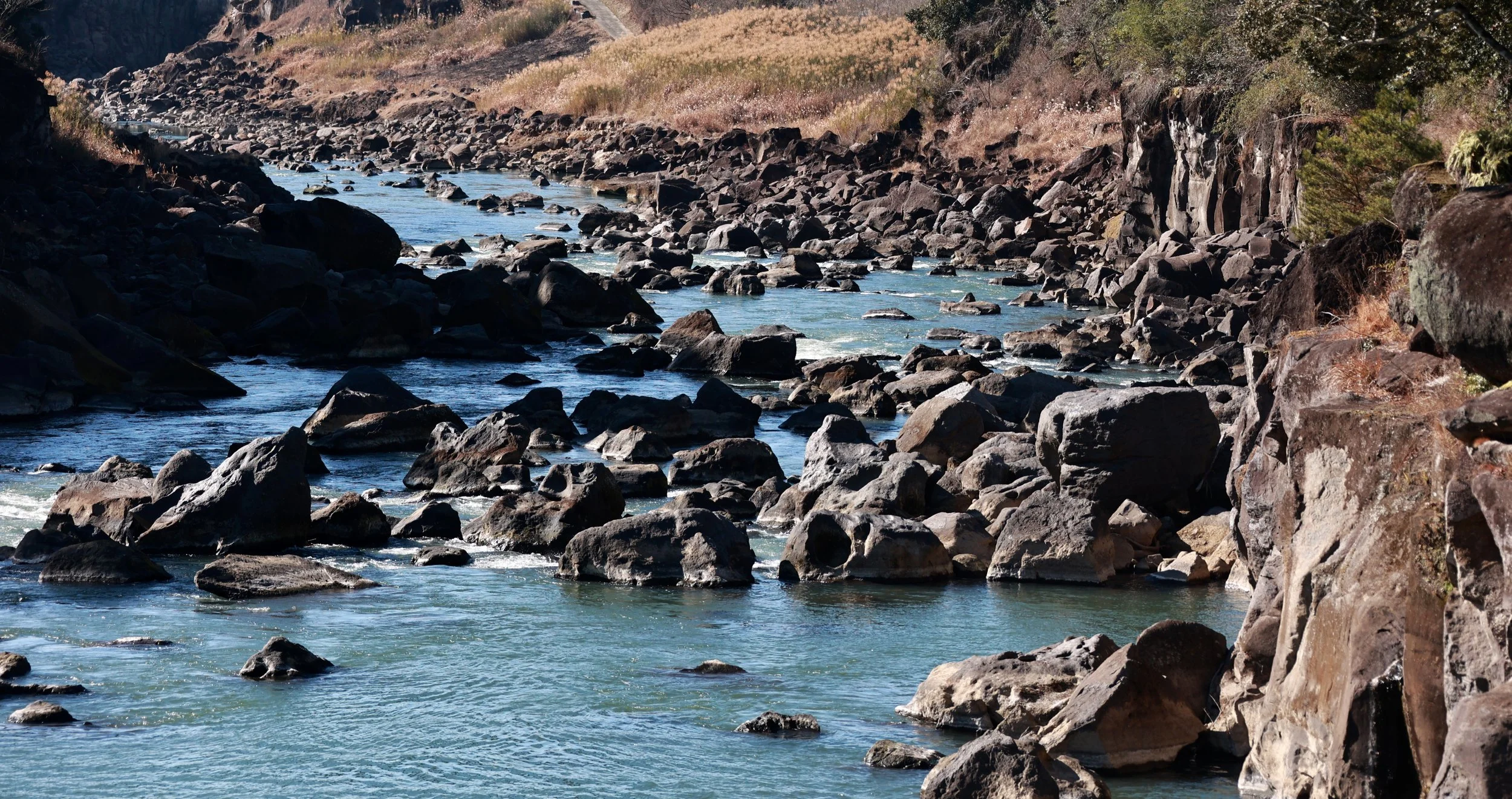
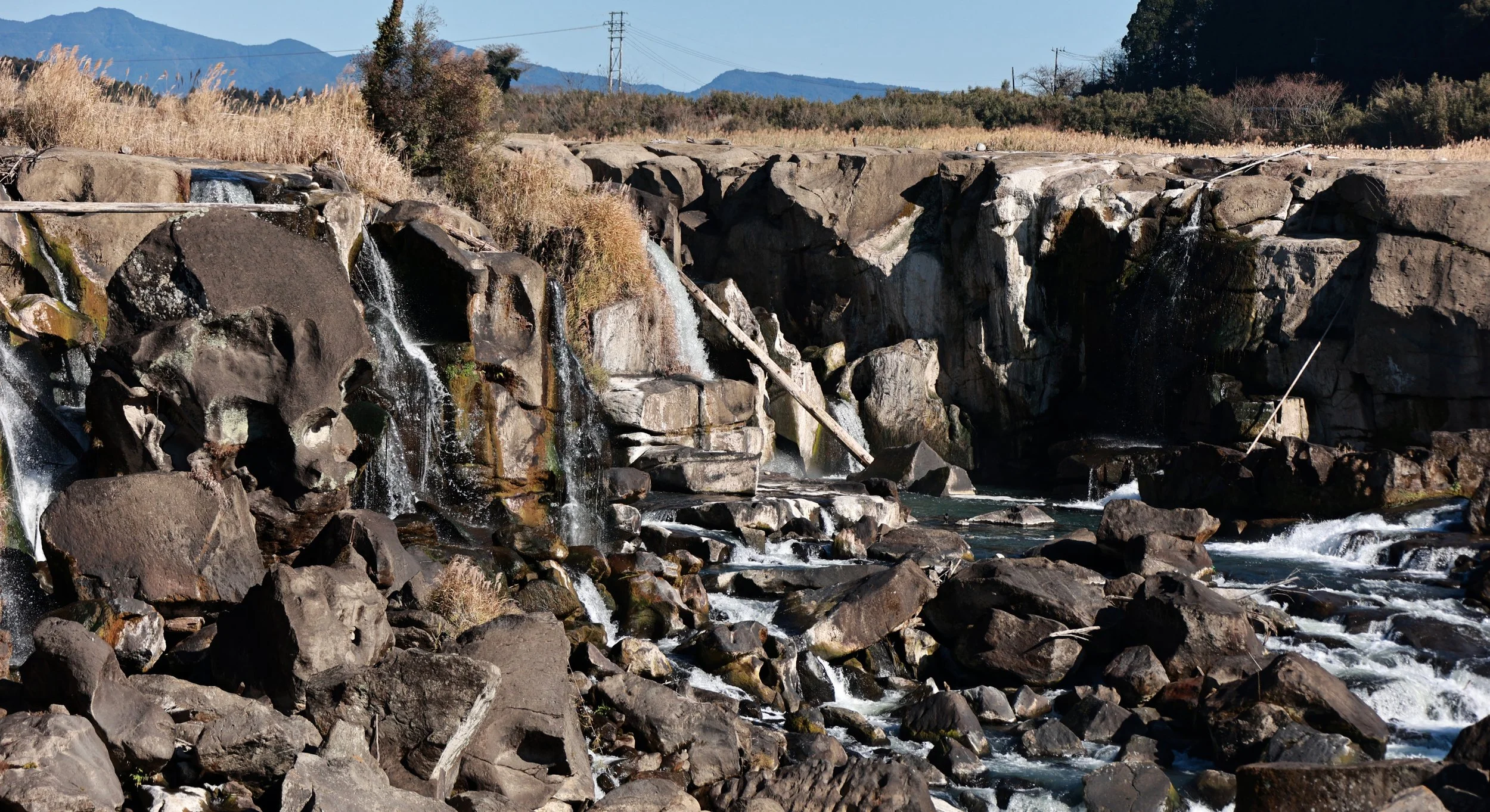
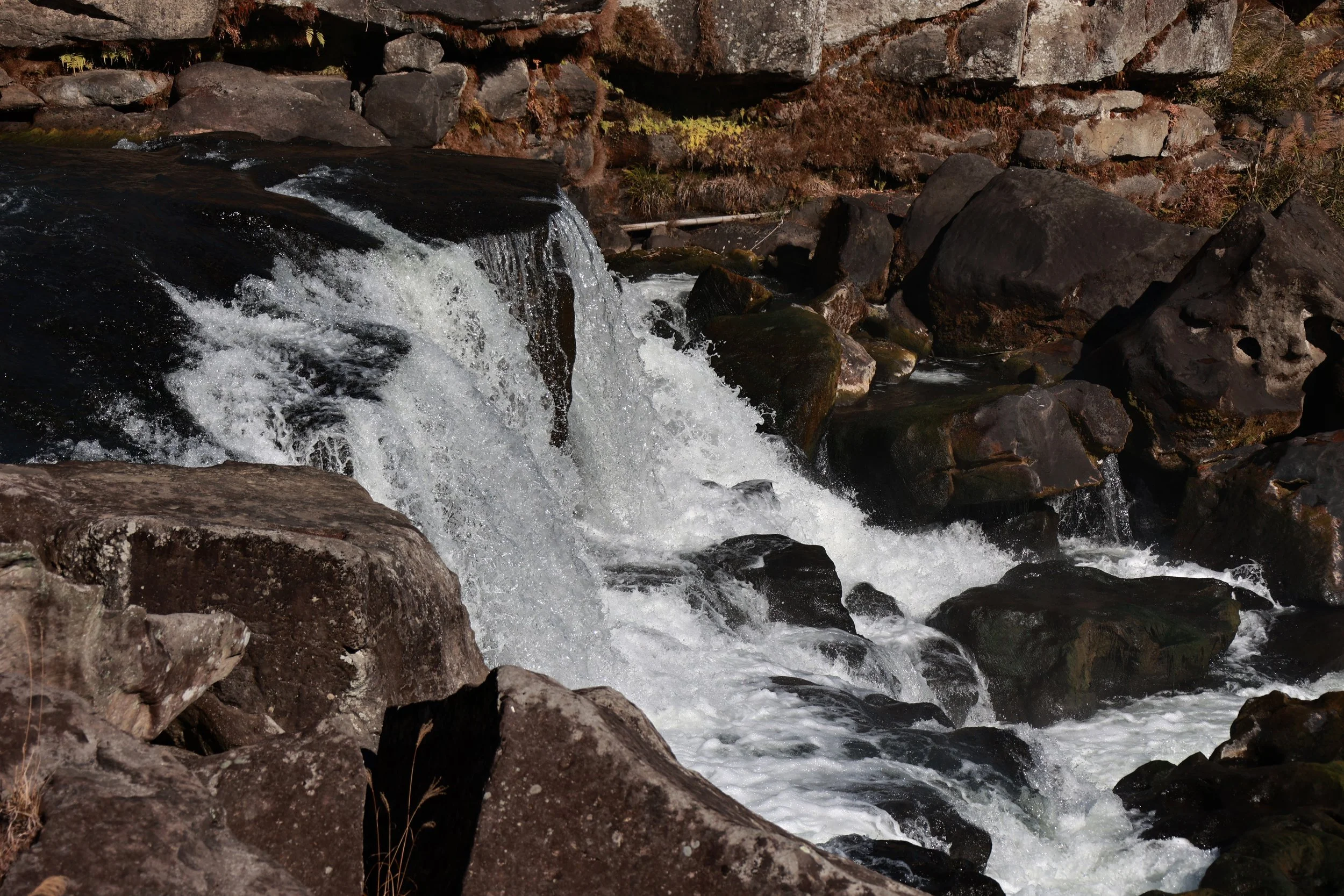
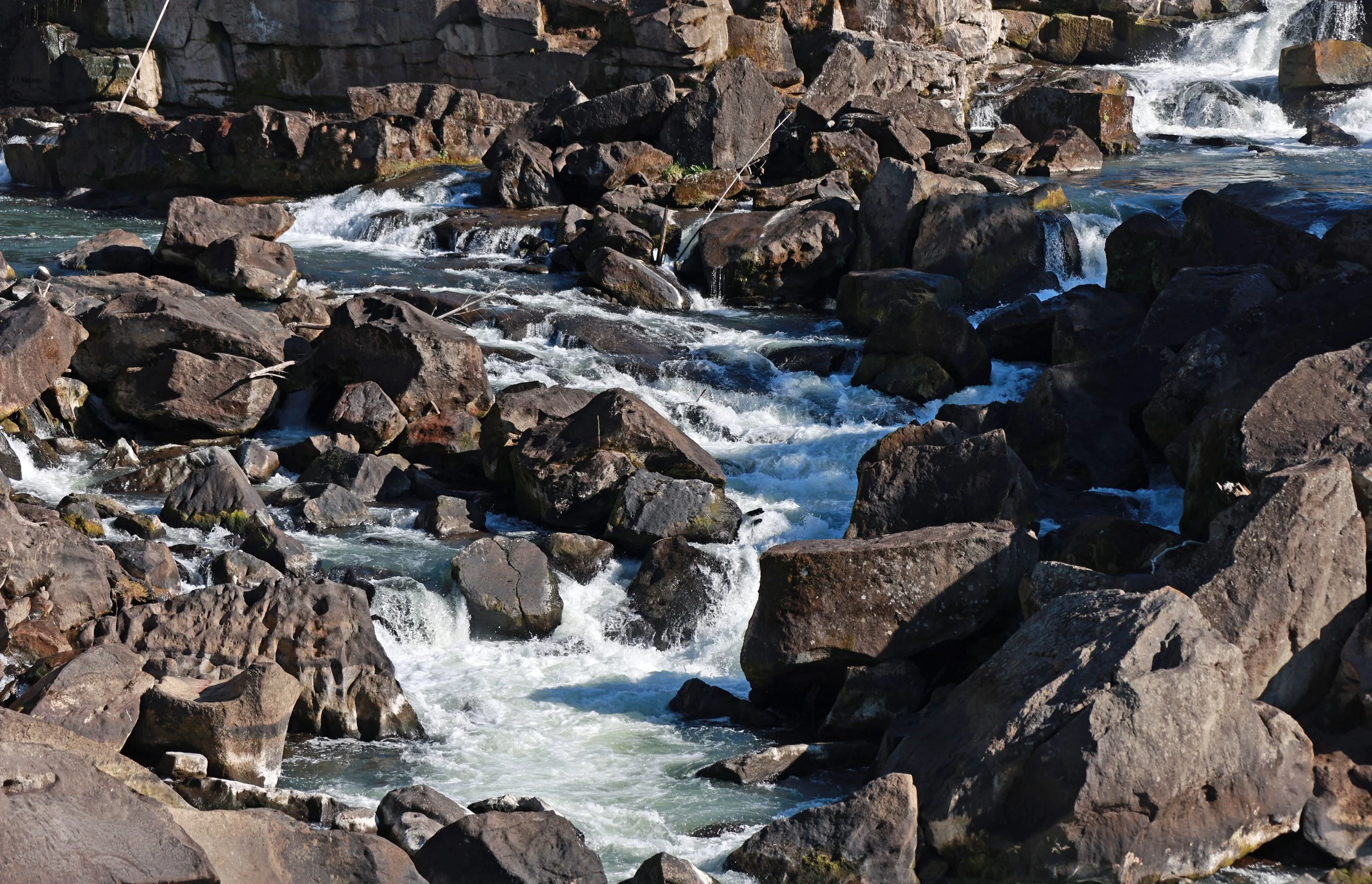
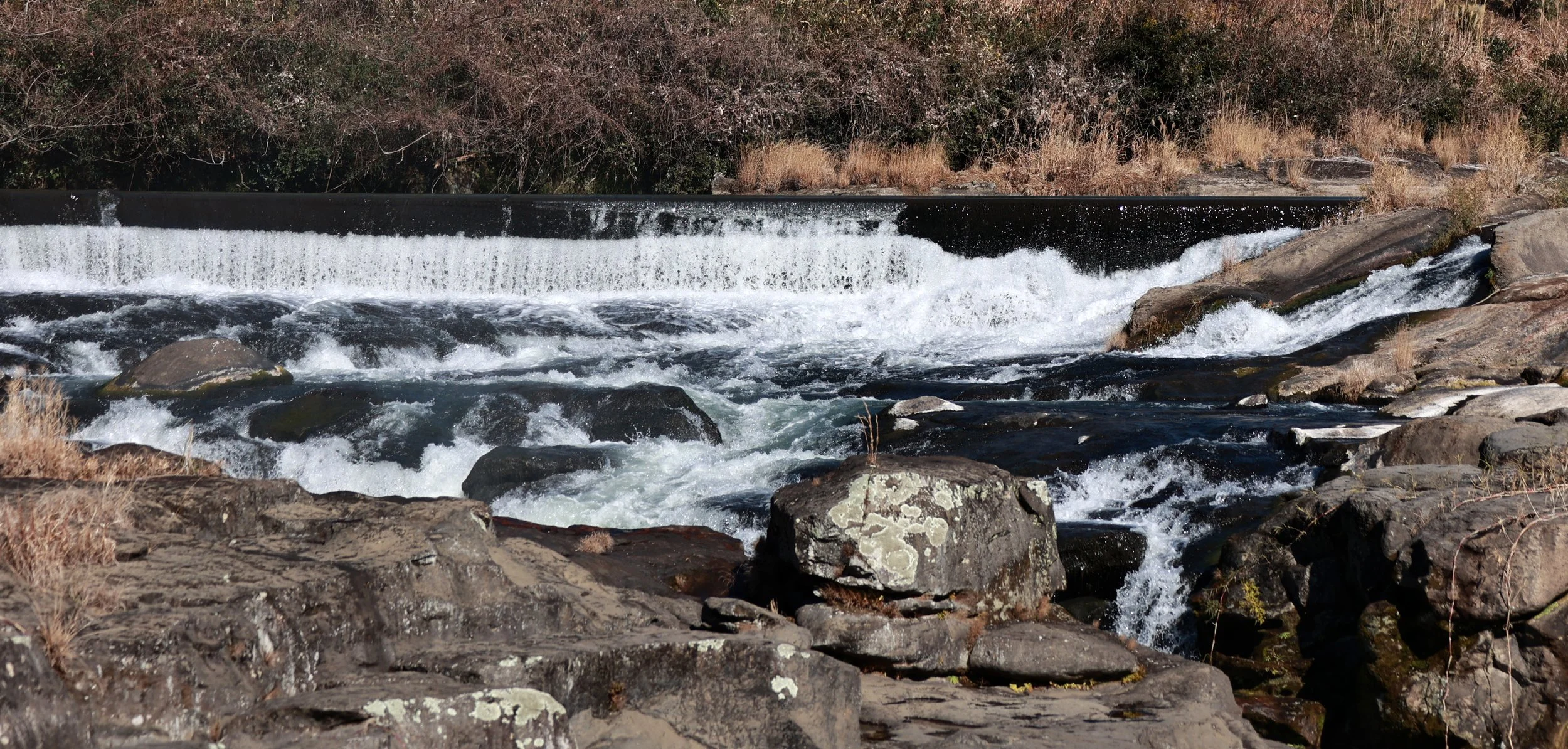
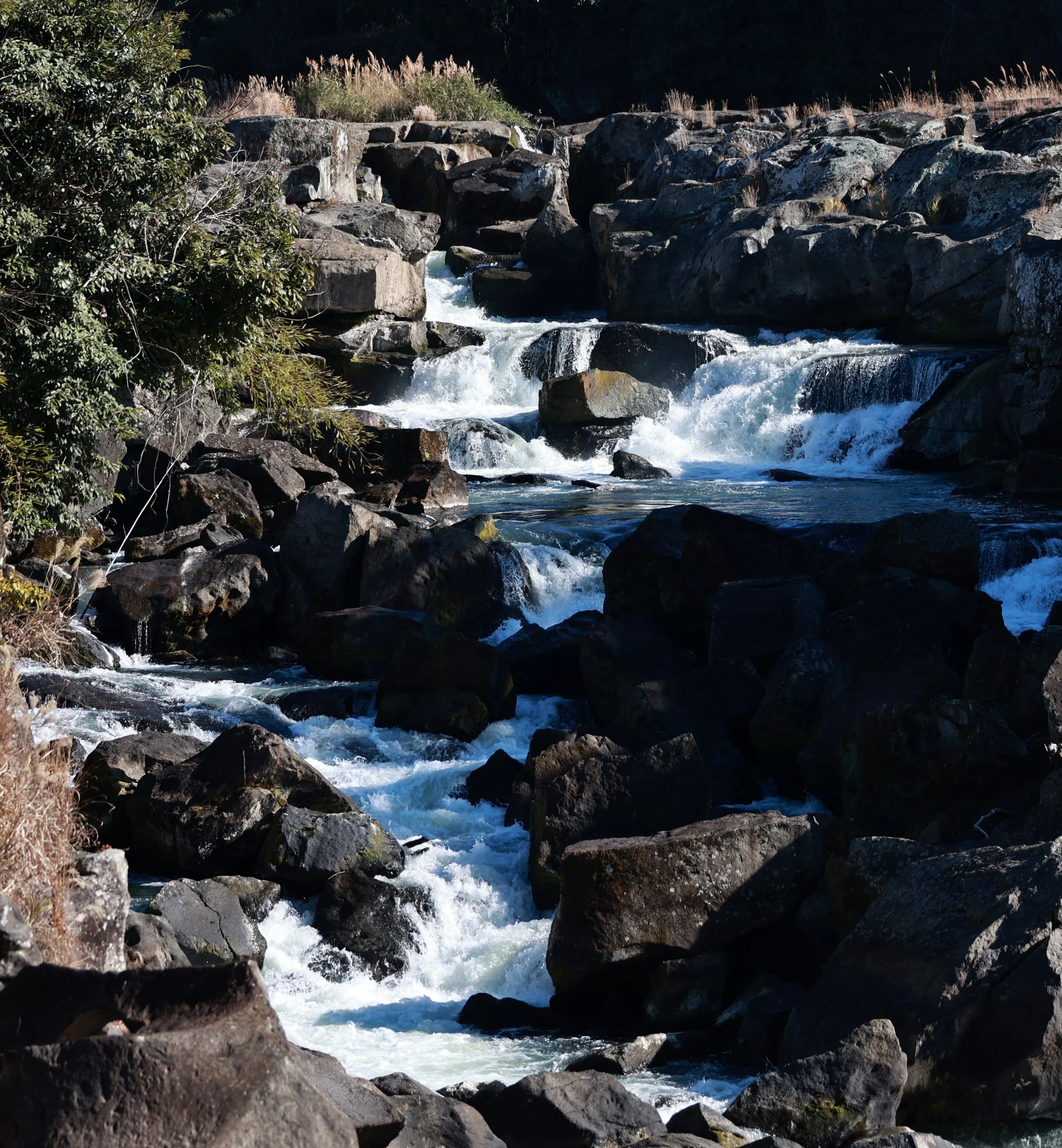
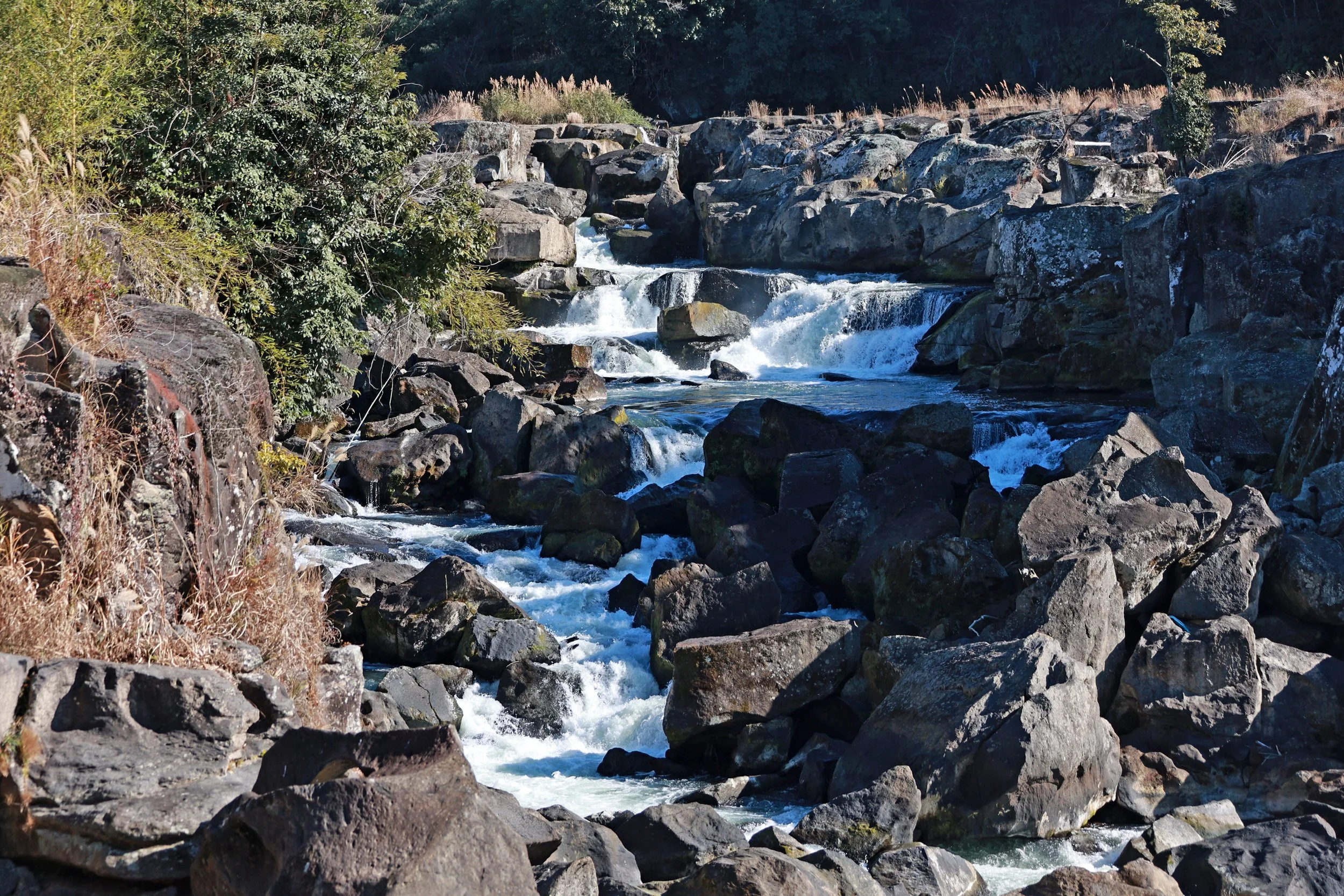
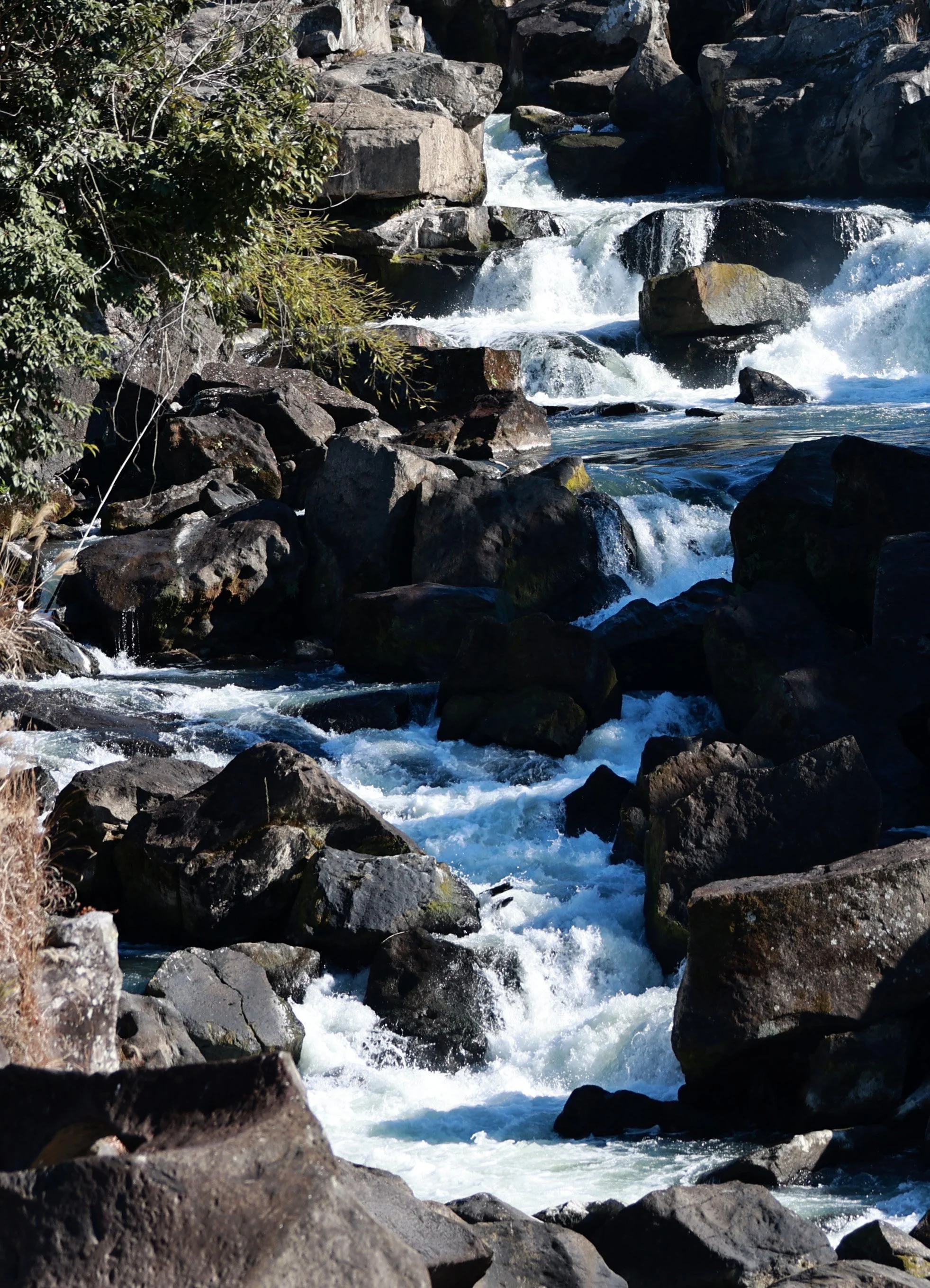
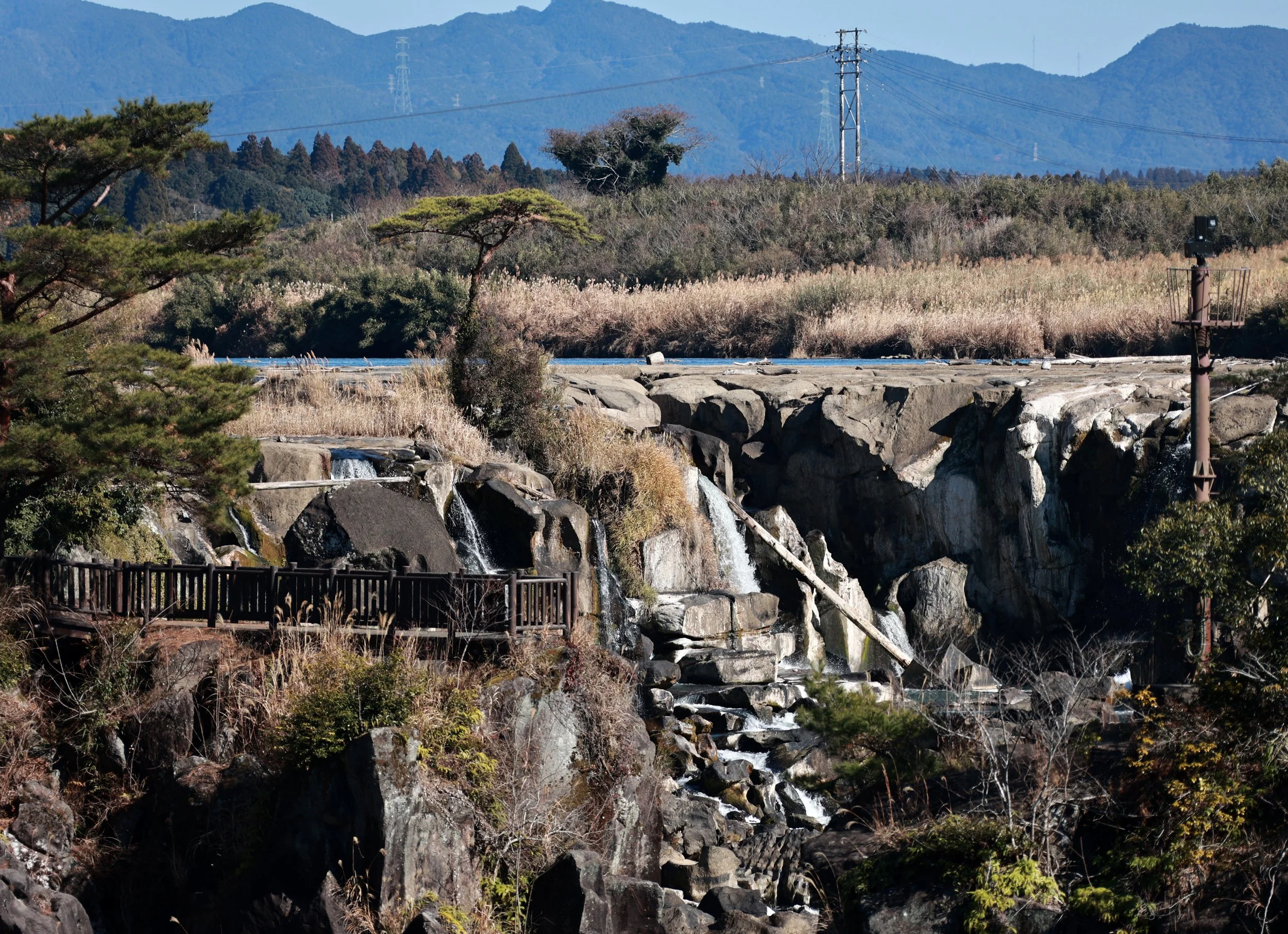
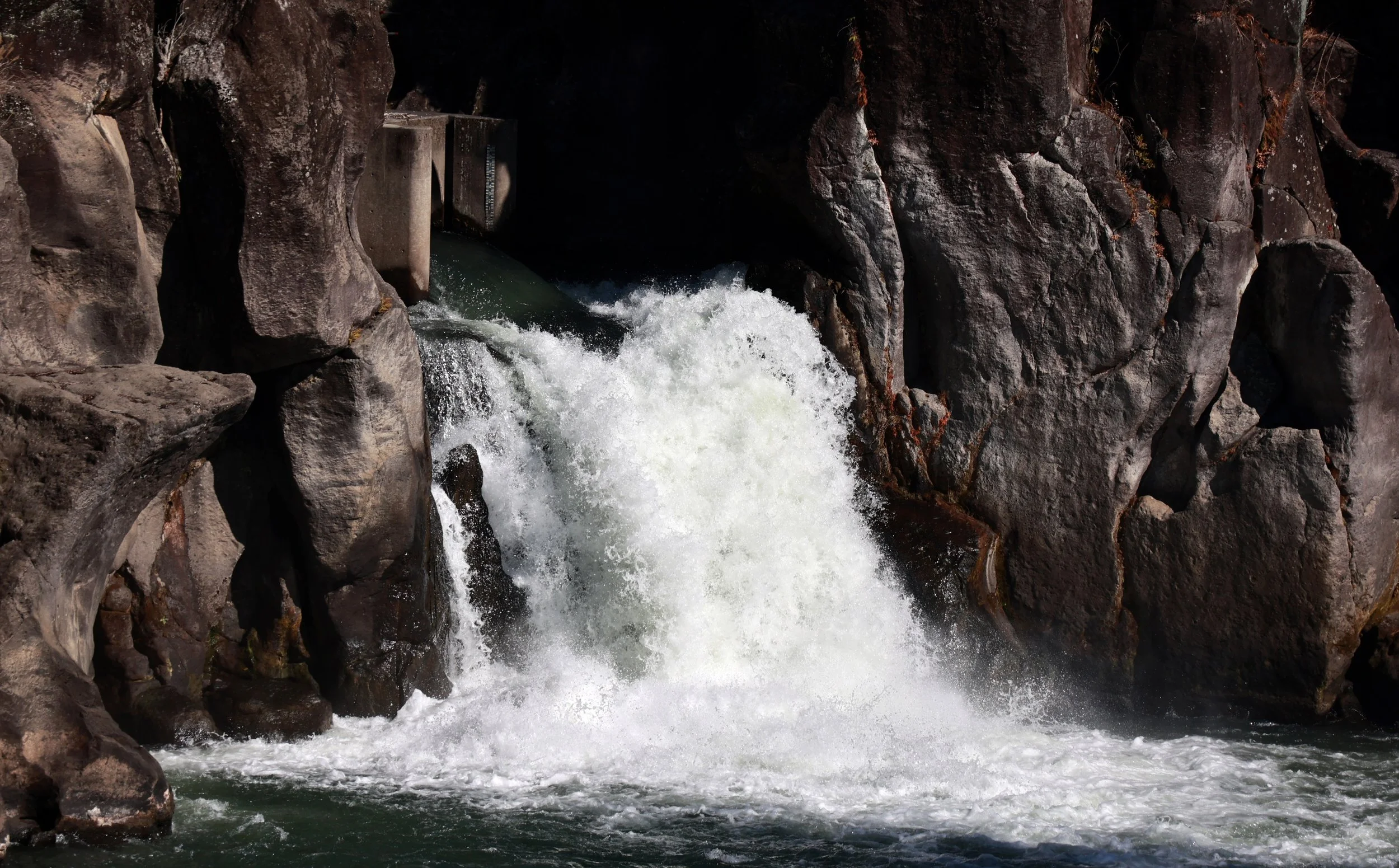
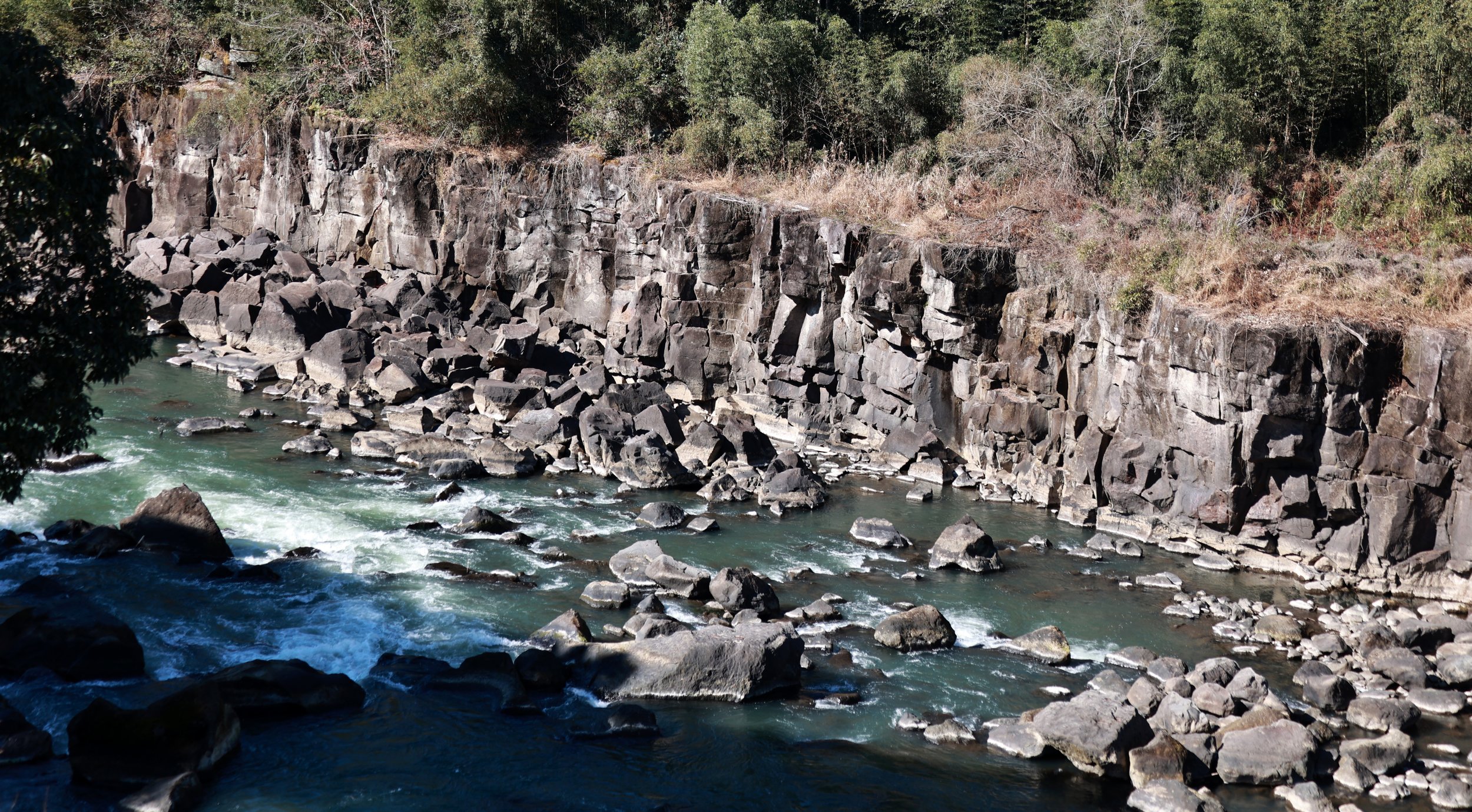
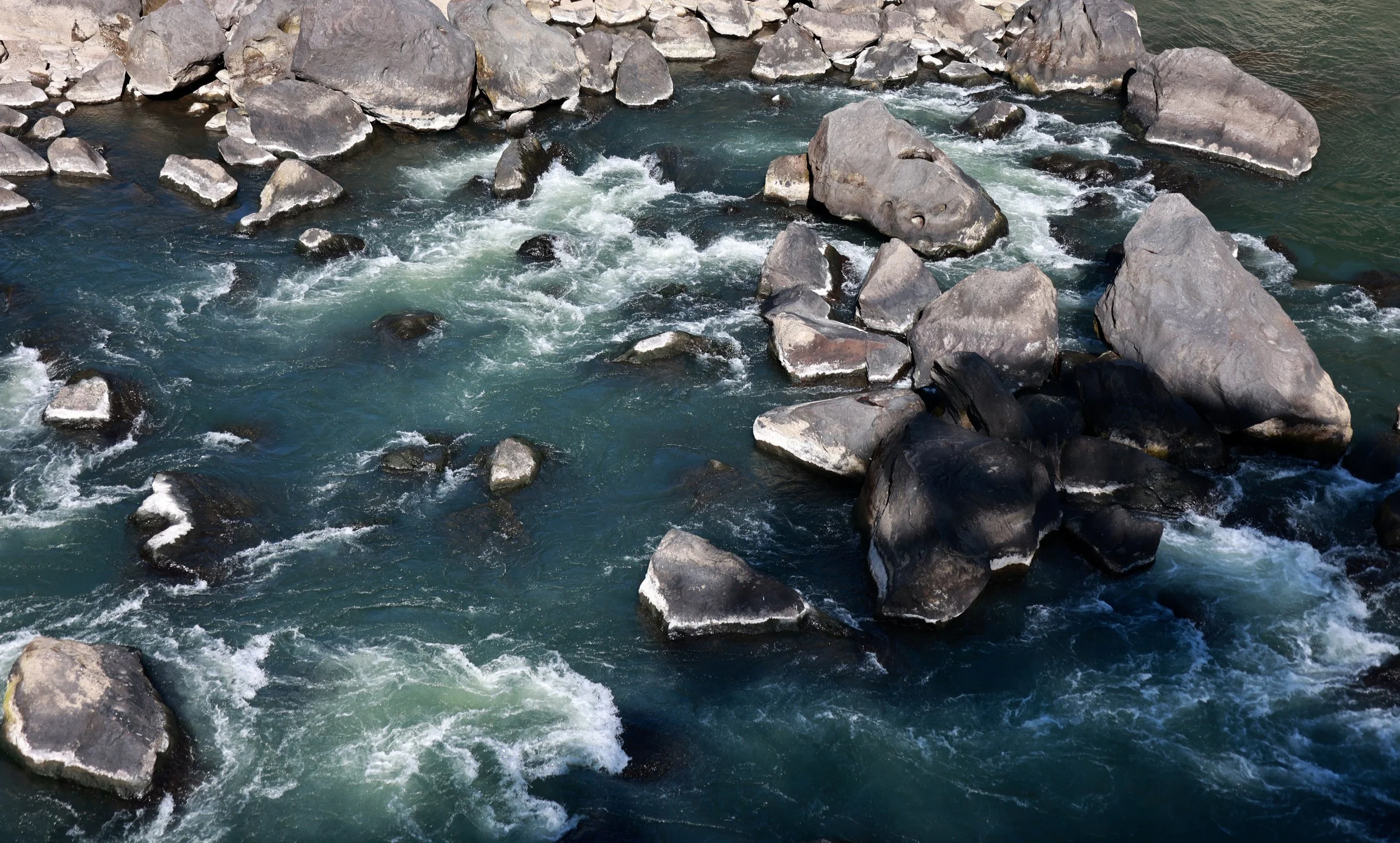
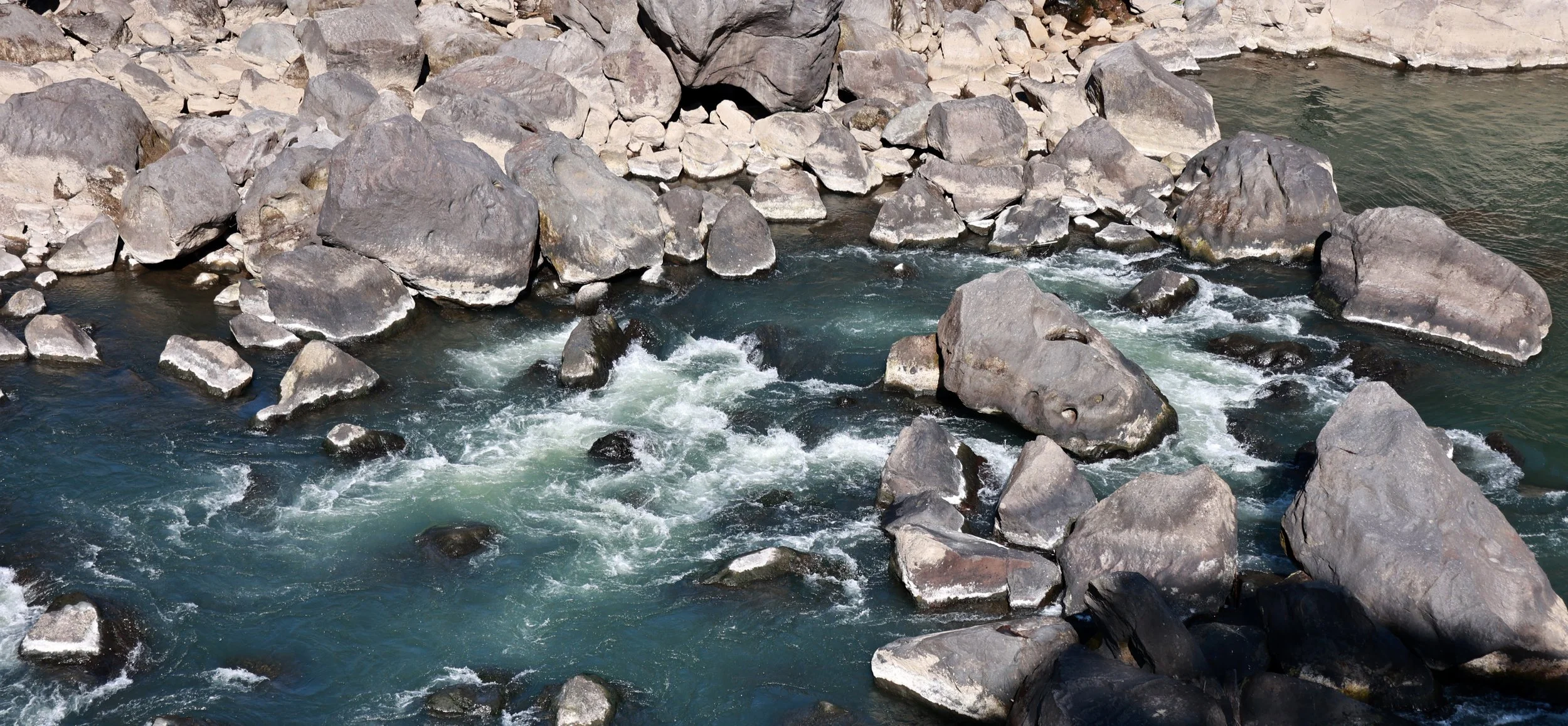
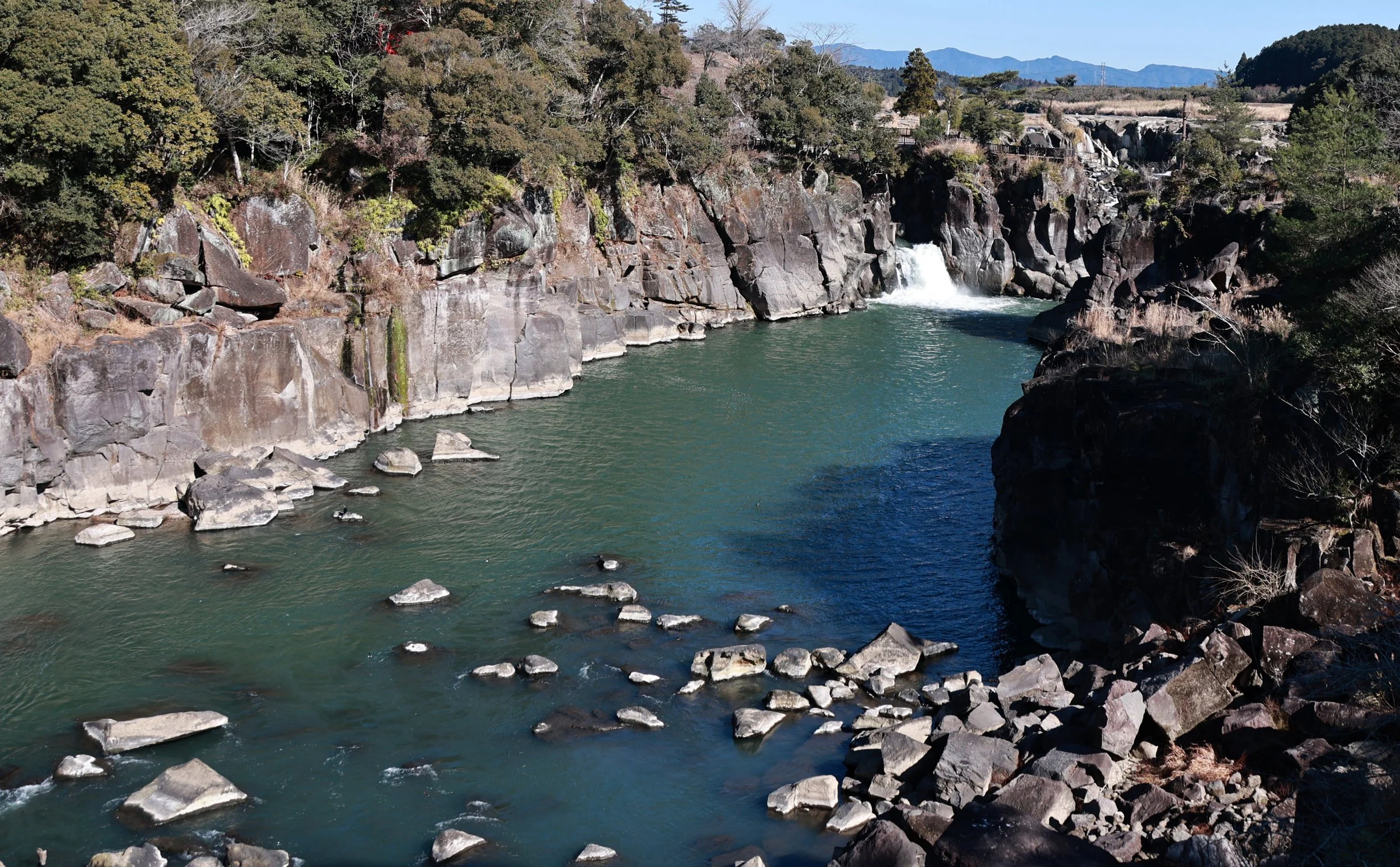
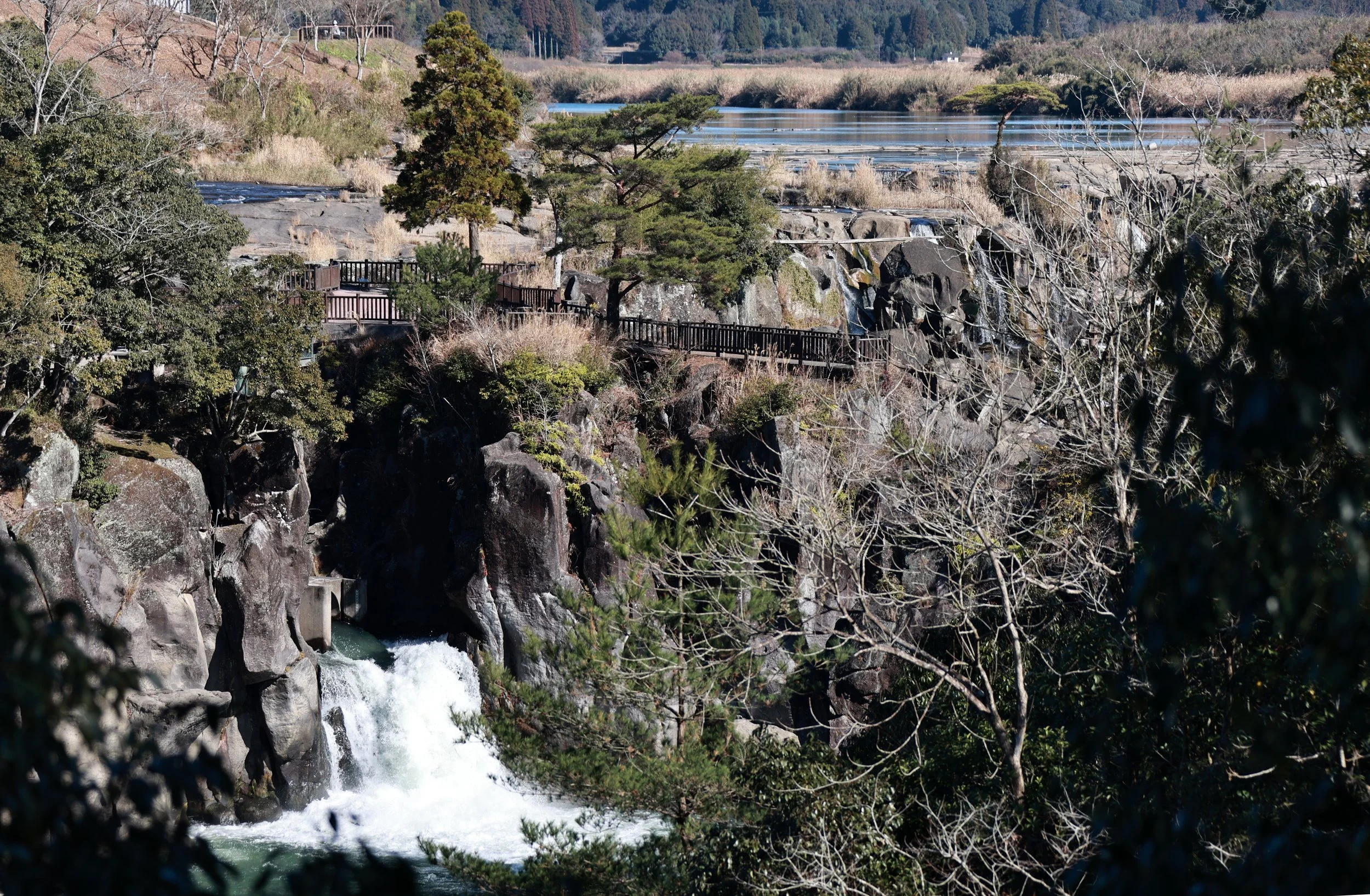
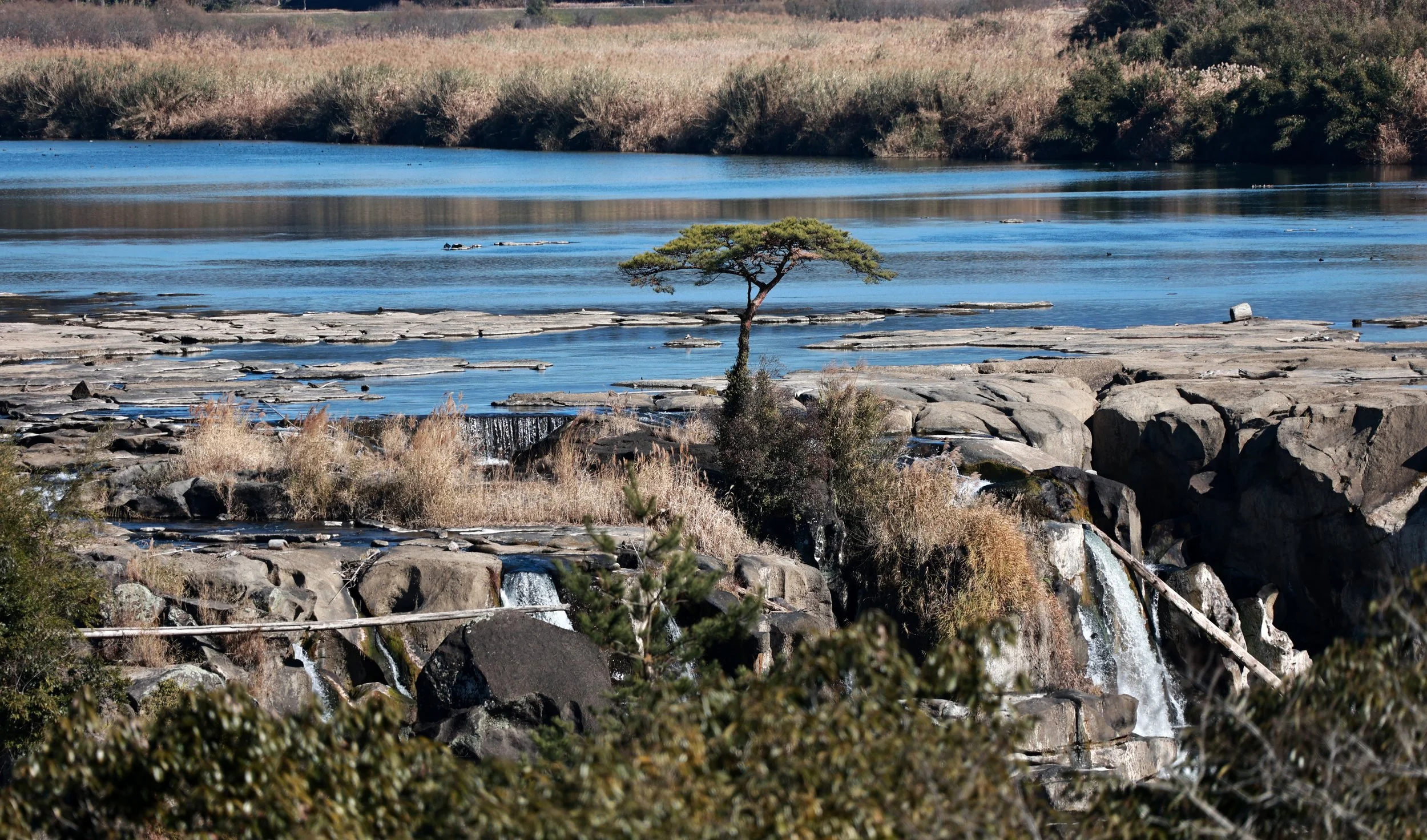
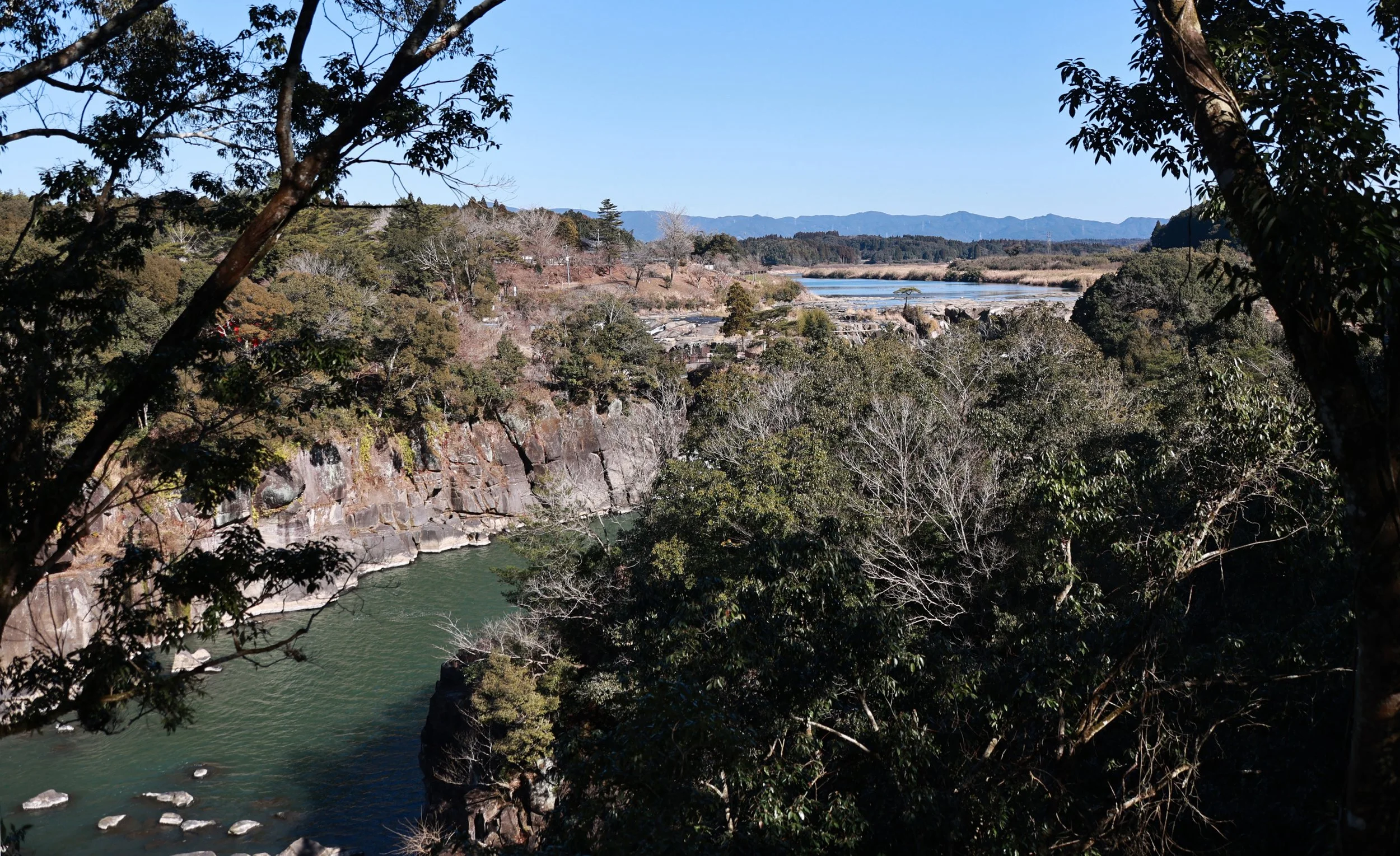
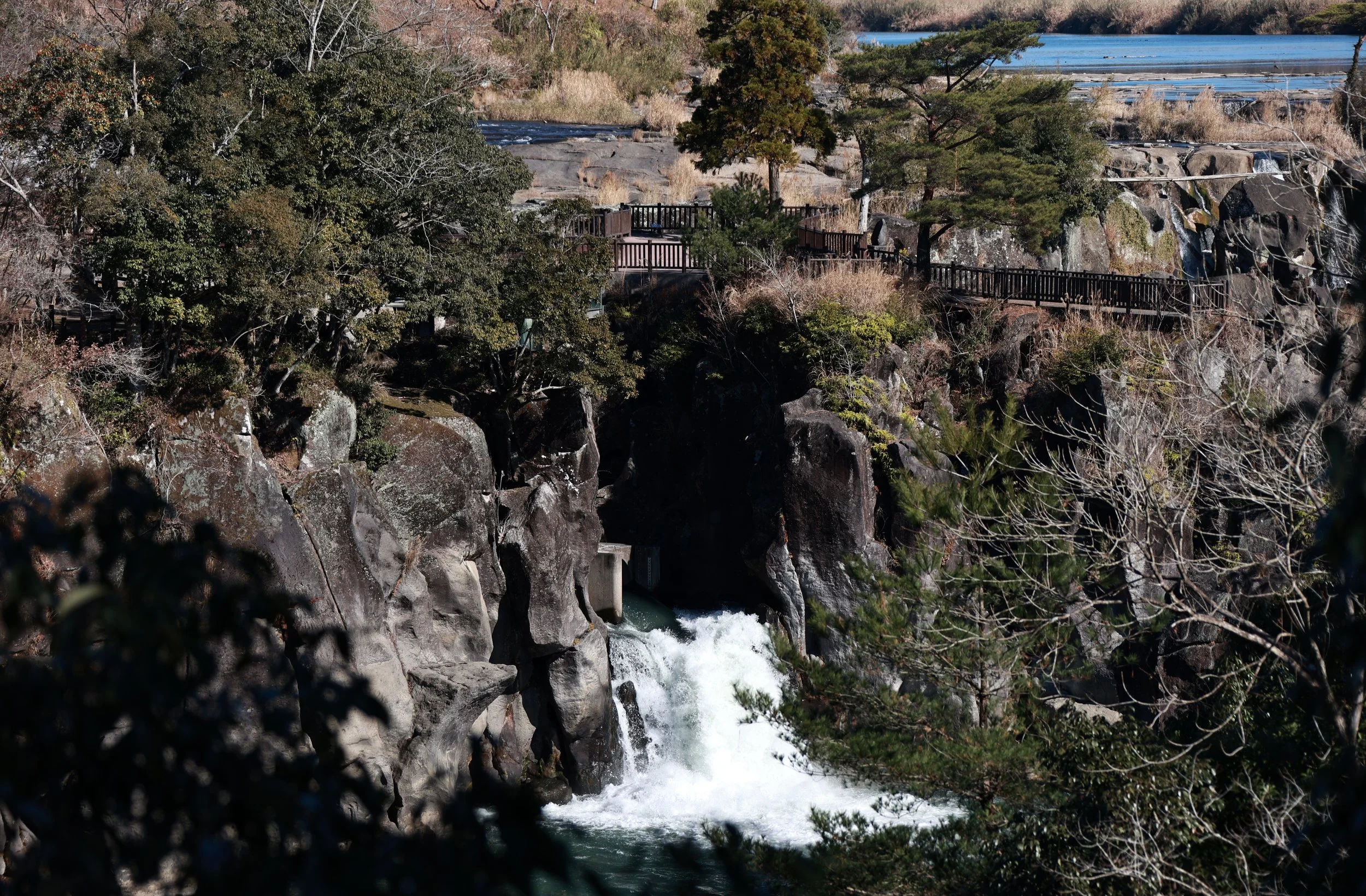
Sogi Falls
Sogi Falls (Sogi-no-Taki) in Kagoshima, Japan, plunges over ancient volcanic rock, specifically from the Senjoiwa formation, a massive 300,000-year-old basaltic or andesitic rock feature, part of the region's extensive volcanic history (likely associated with Mt. Aira or similar caldera activity, though specific rock type needs more digging). The falls are renowned for their immense width (210m) and powerful flow over this volcanic bedrock, earning it the nickname "Niagara of the East," with geological significance tied to Japan's active volcanism, shaping the surrounding Kawauchi River valley.
Specific Geological Details:
The falls cascade over "Senjoiwa" (Thousand-Layer Rock), a large, 300,000-year-old volcanic rock formation.
Volcanic Origin: This rock is a product of volcanic eruptions, likely ancient lava flows or pyroclastic deposits from the extensive volcanic systems in Kyushu.
Erosion & Formation: The sheer volume of water from the Kawauchi River has carved the wide, powerful falls into this resistant volcanic bedrock over millennia, creating the unique broad curtain of water.
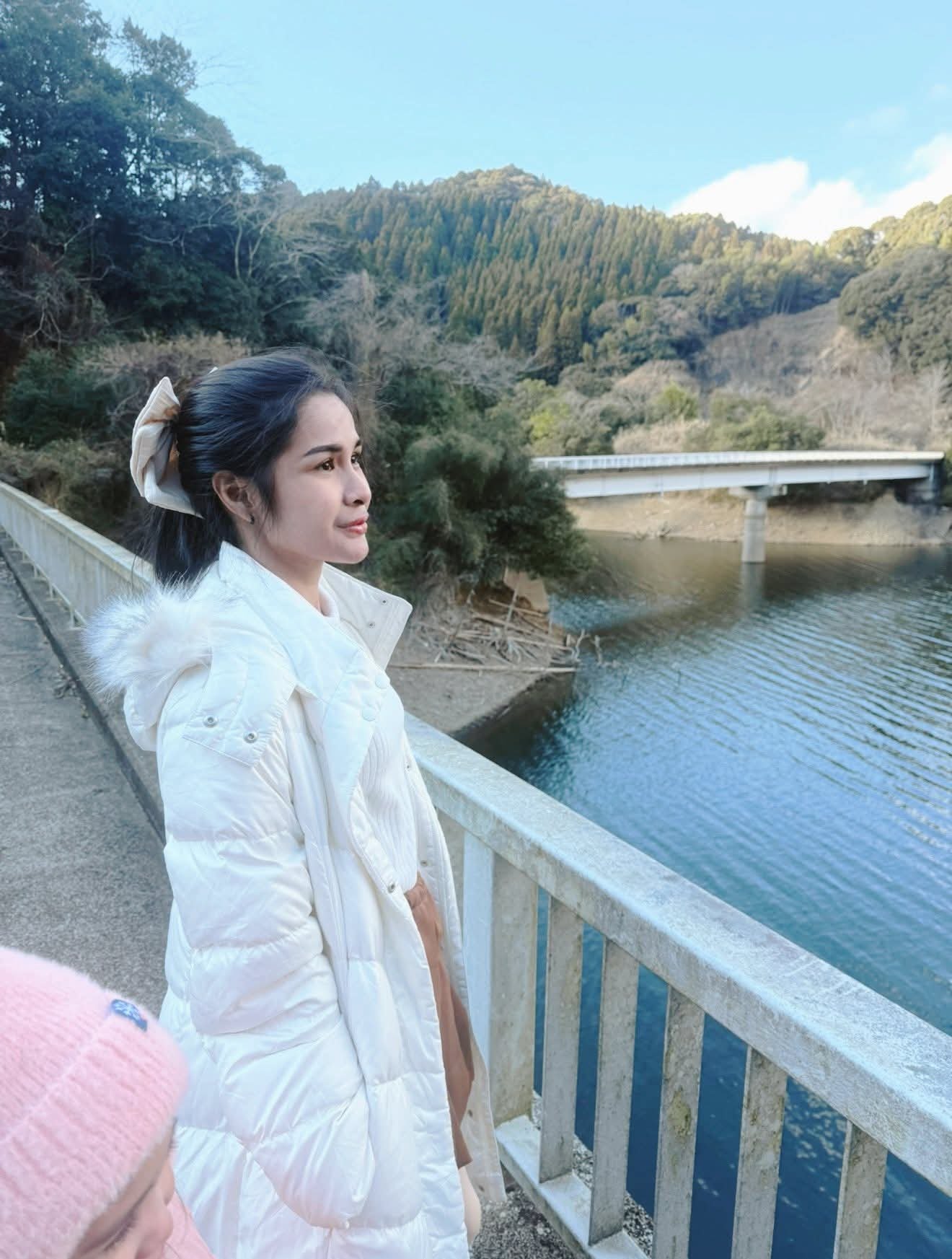

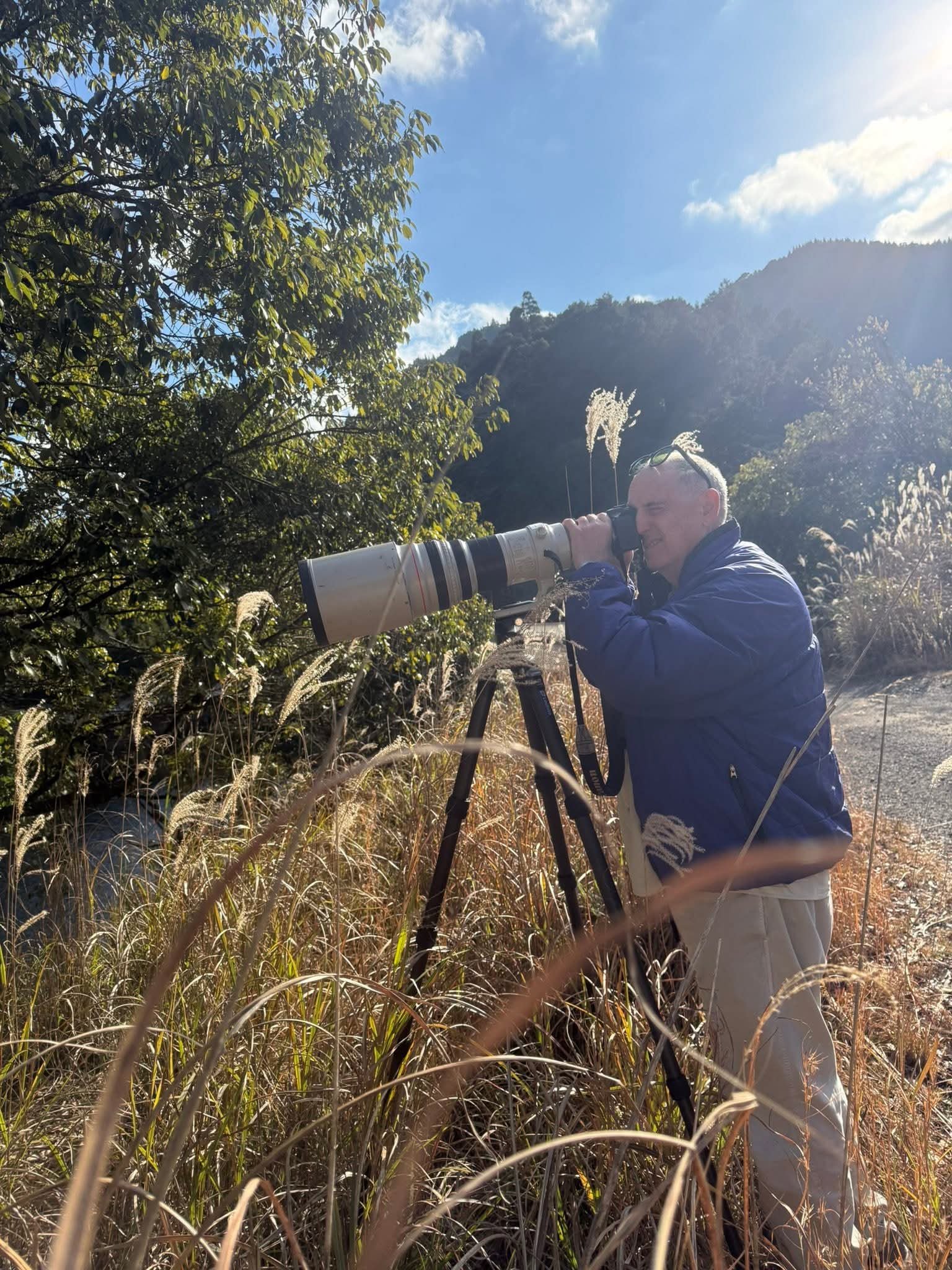





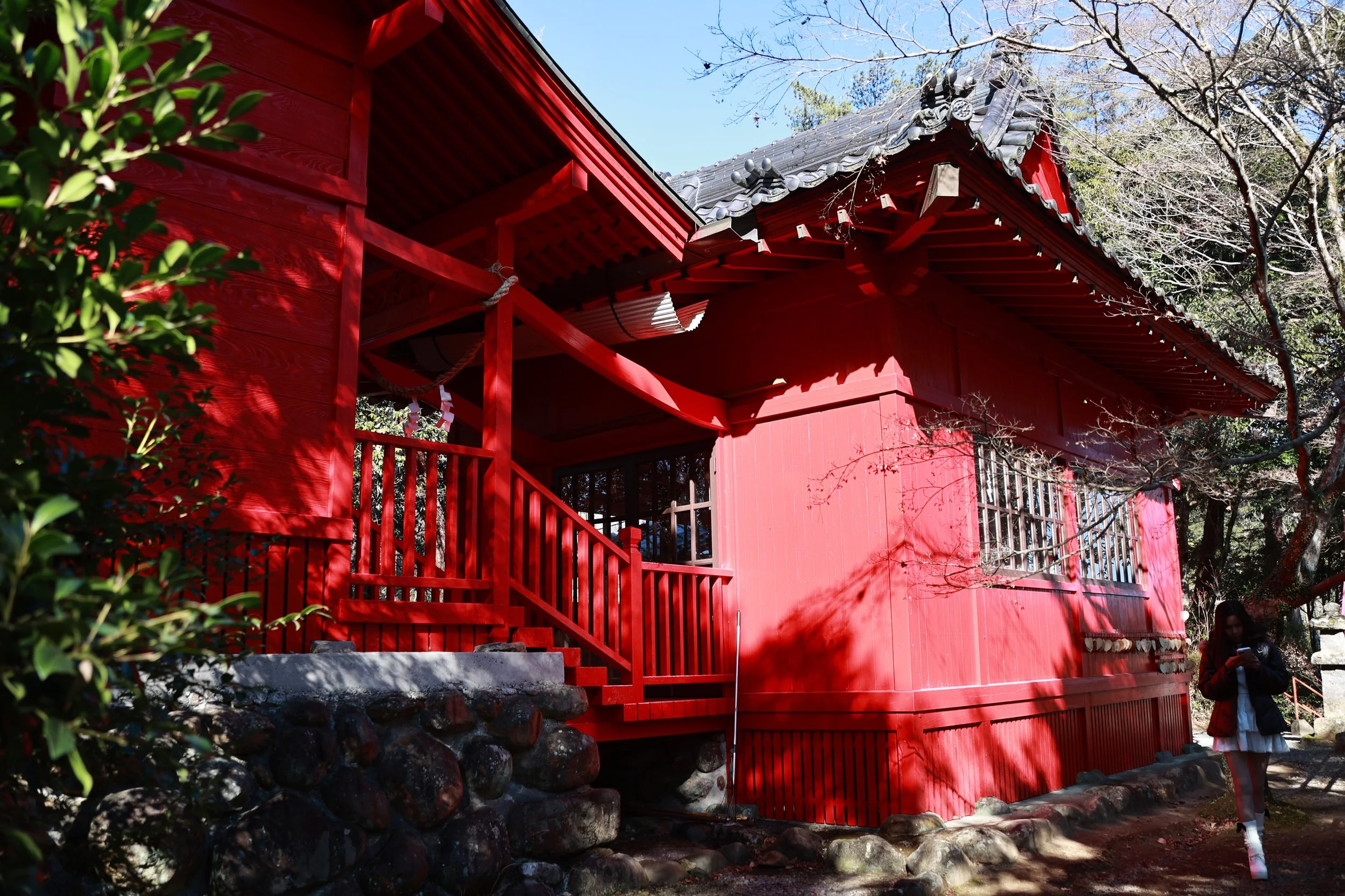
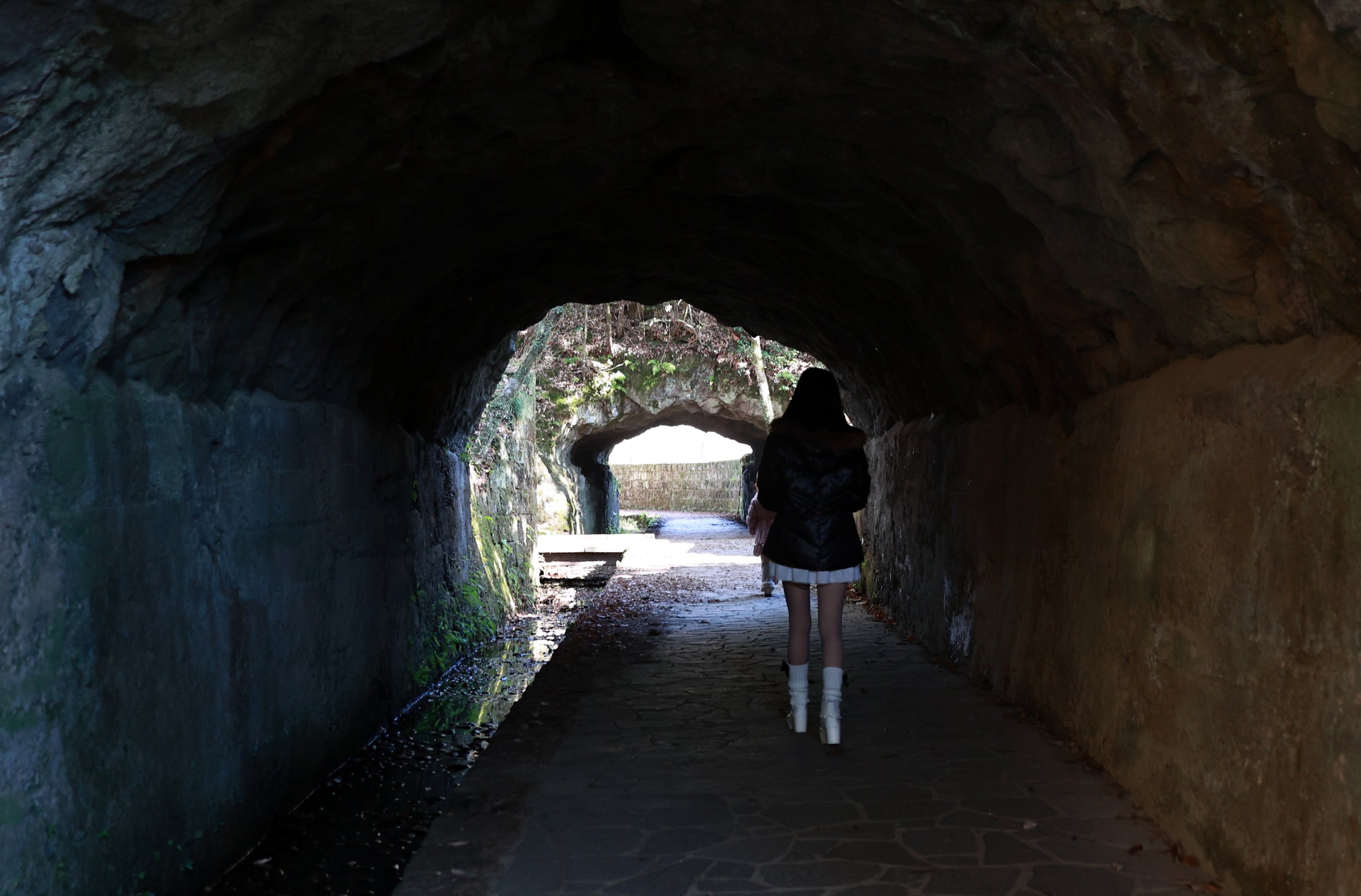
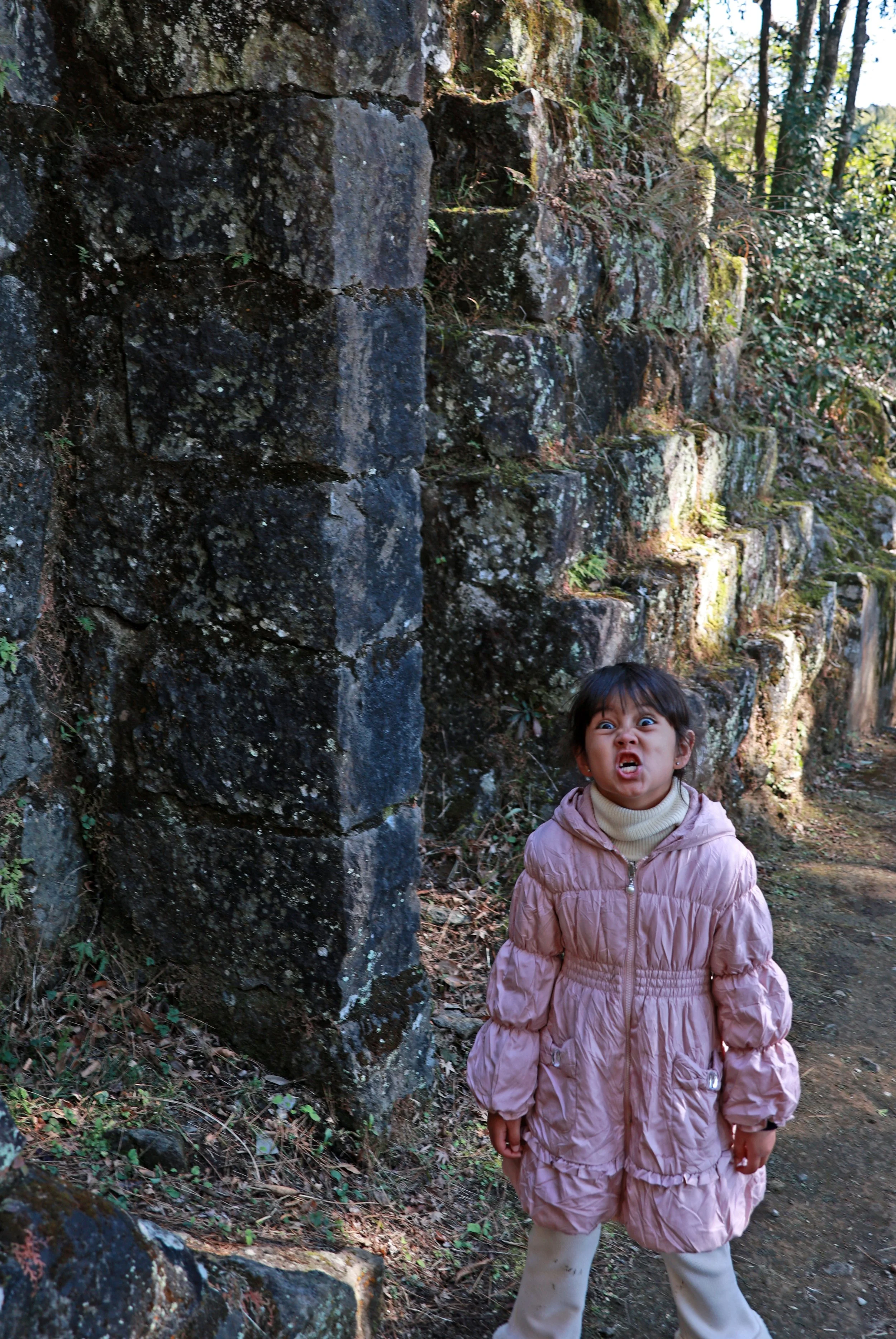
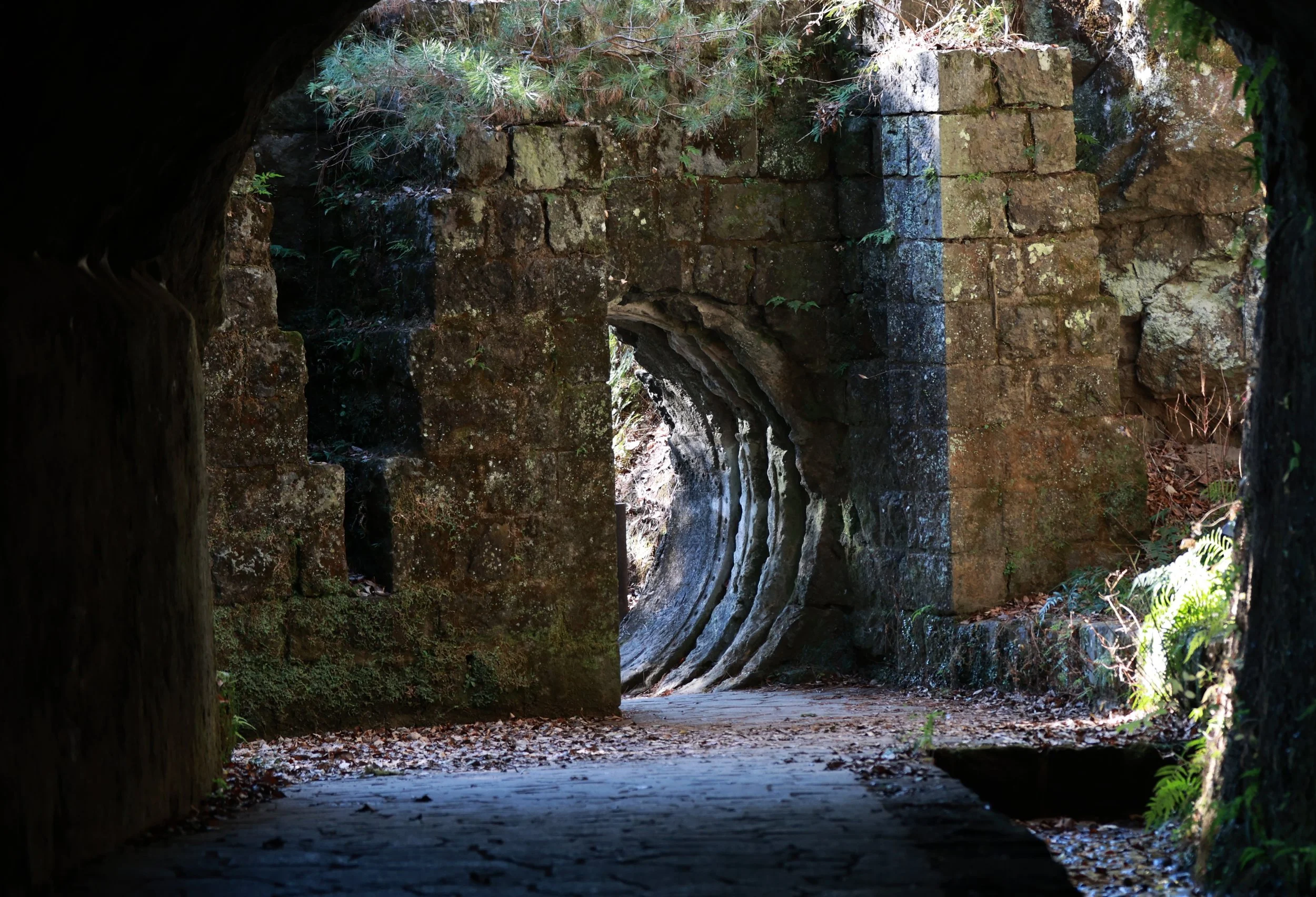
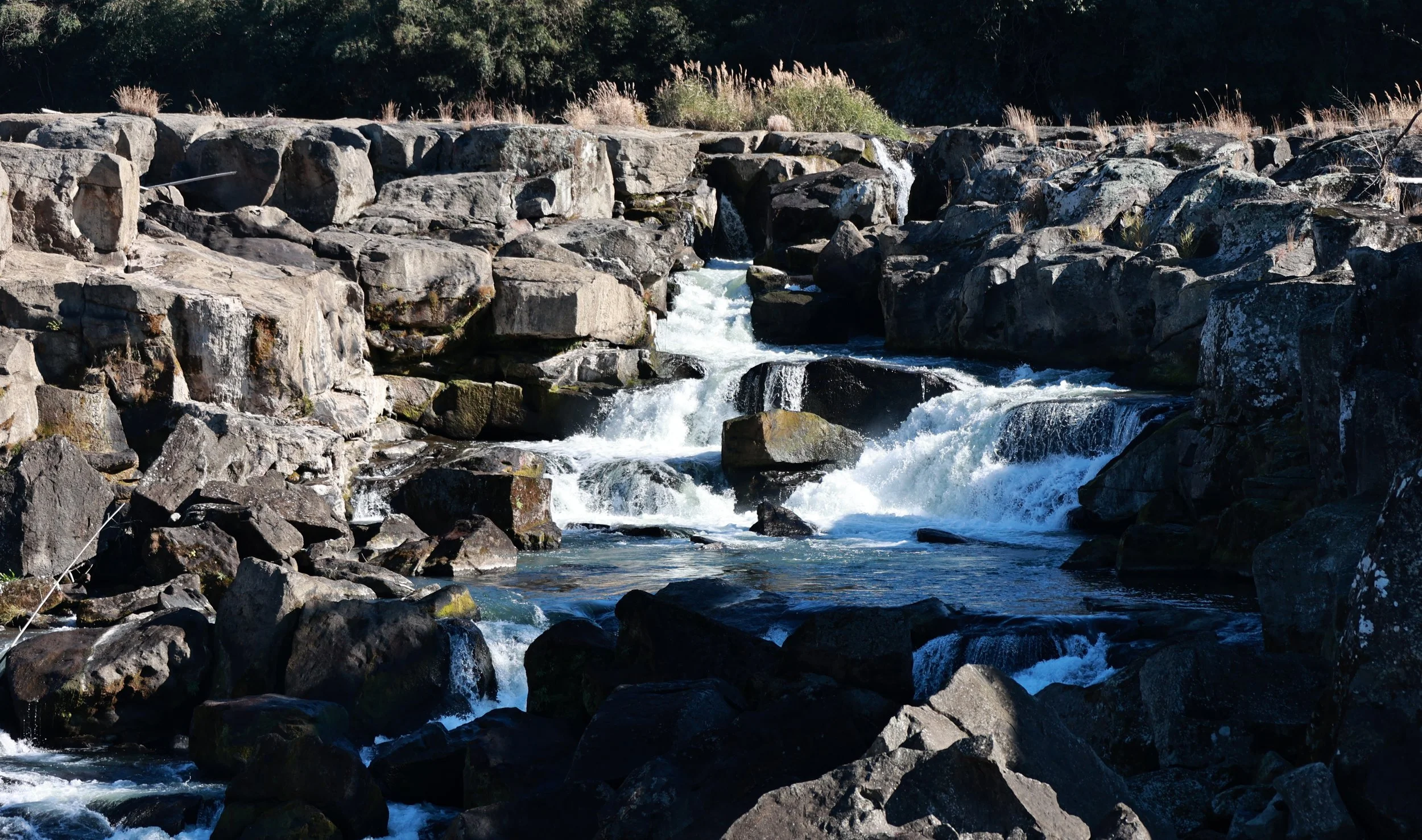
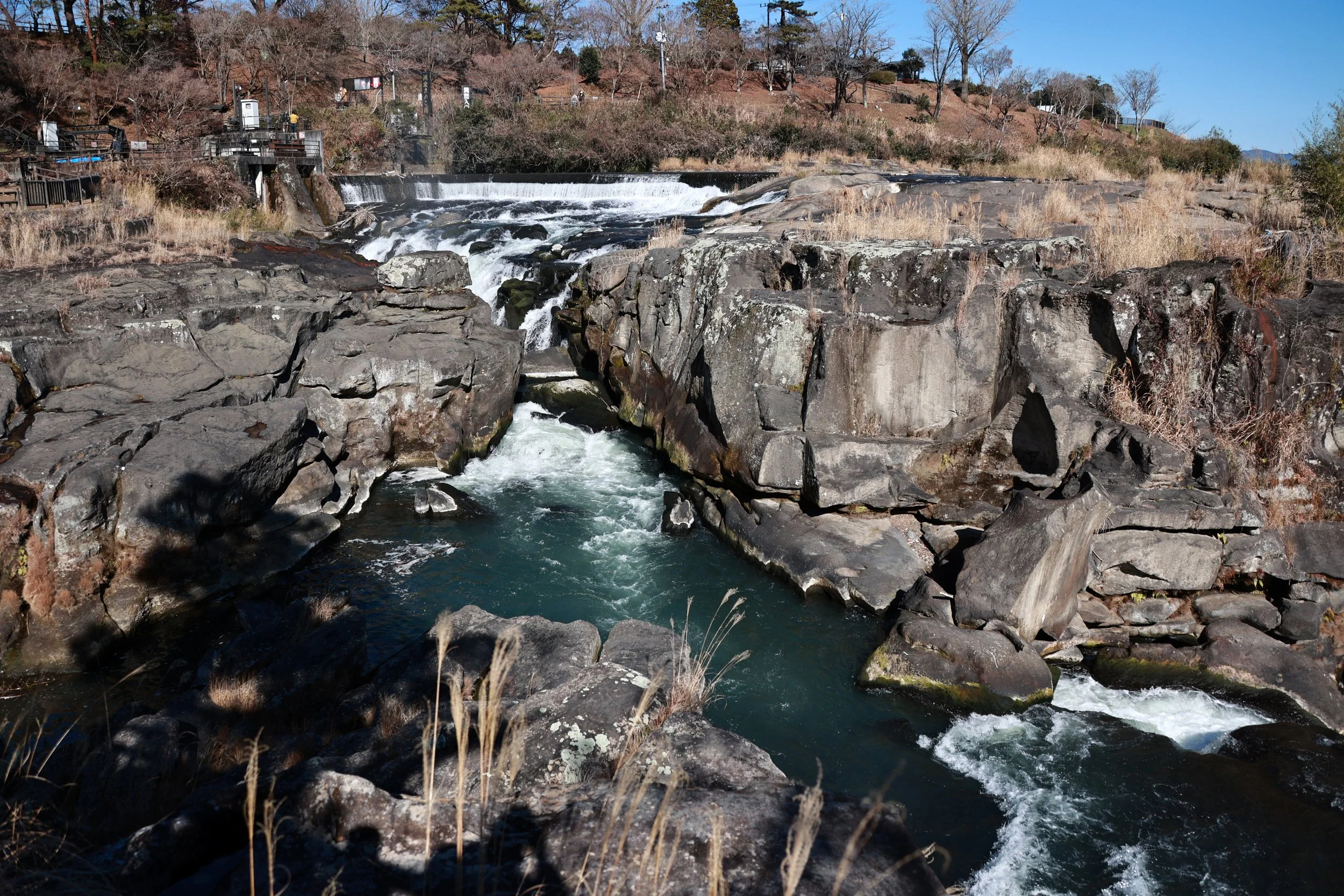
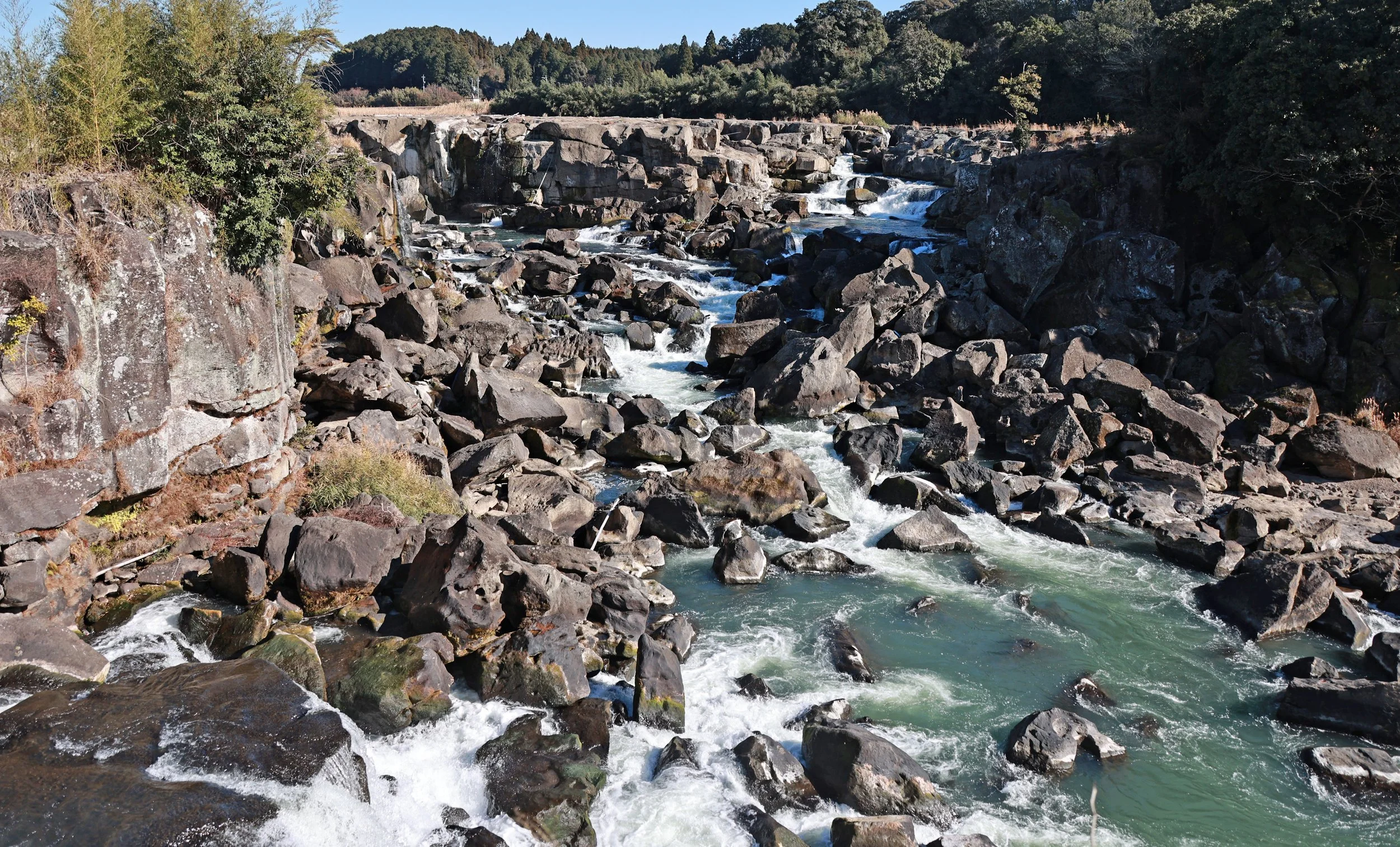
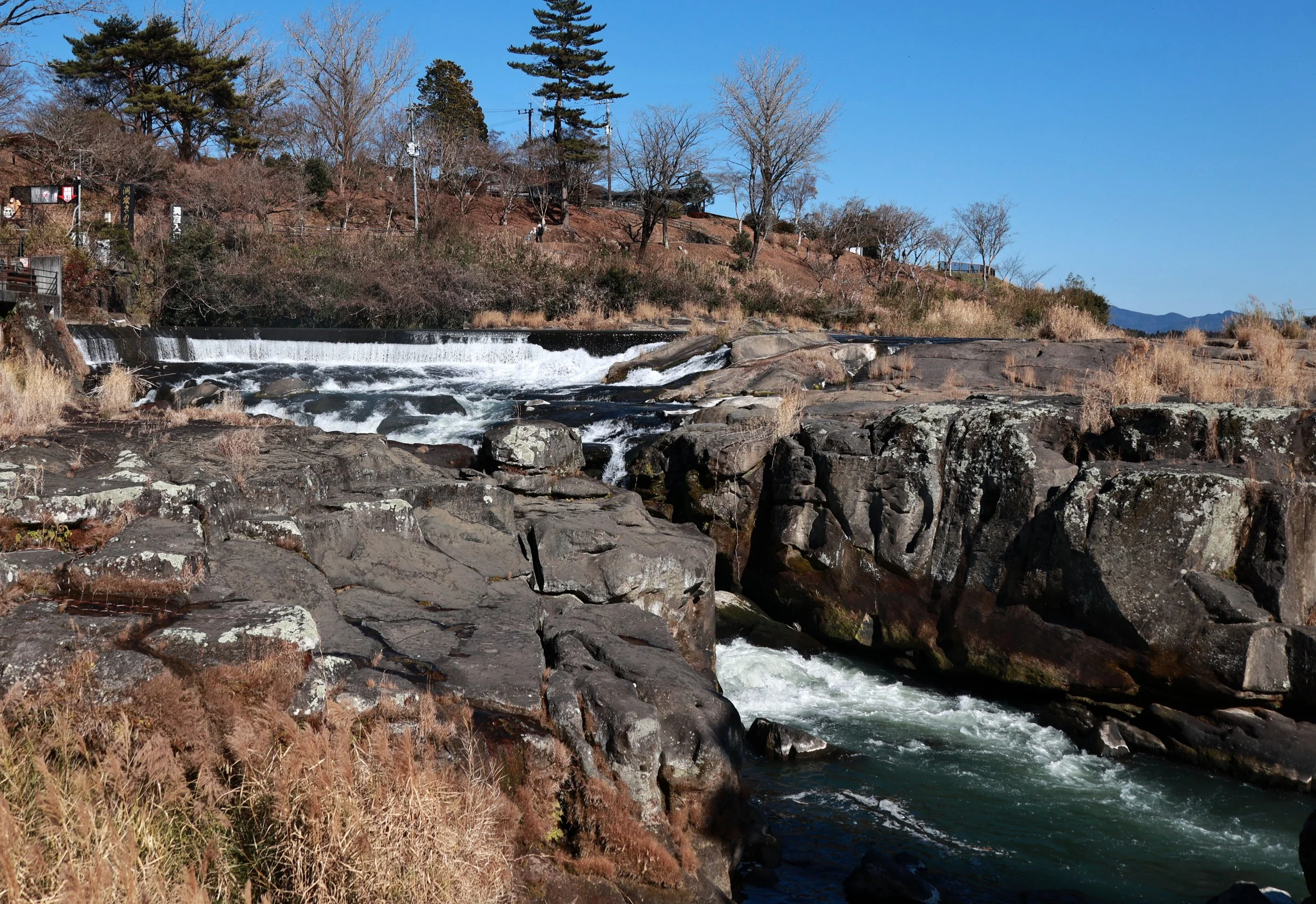
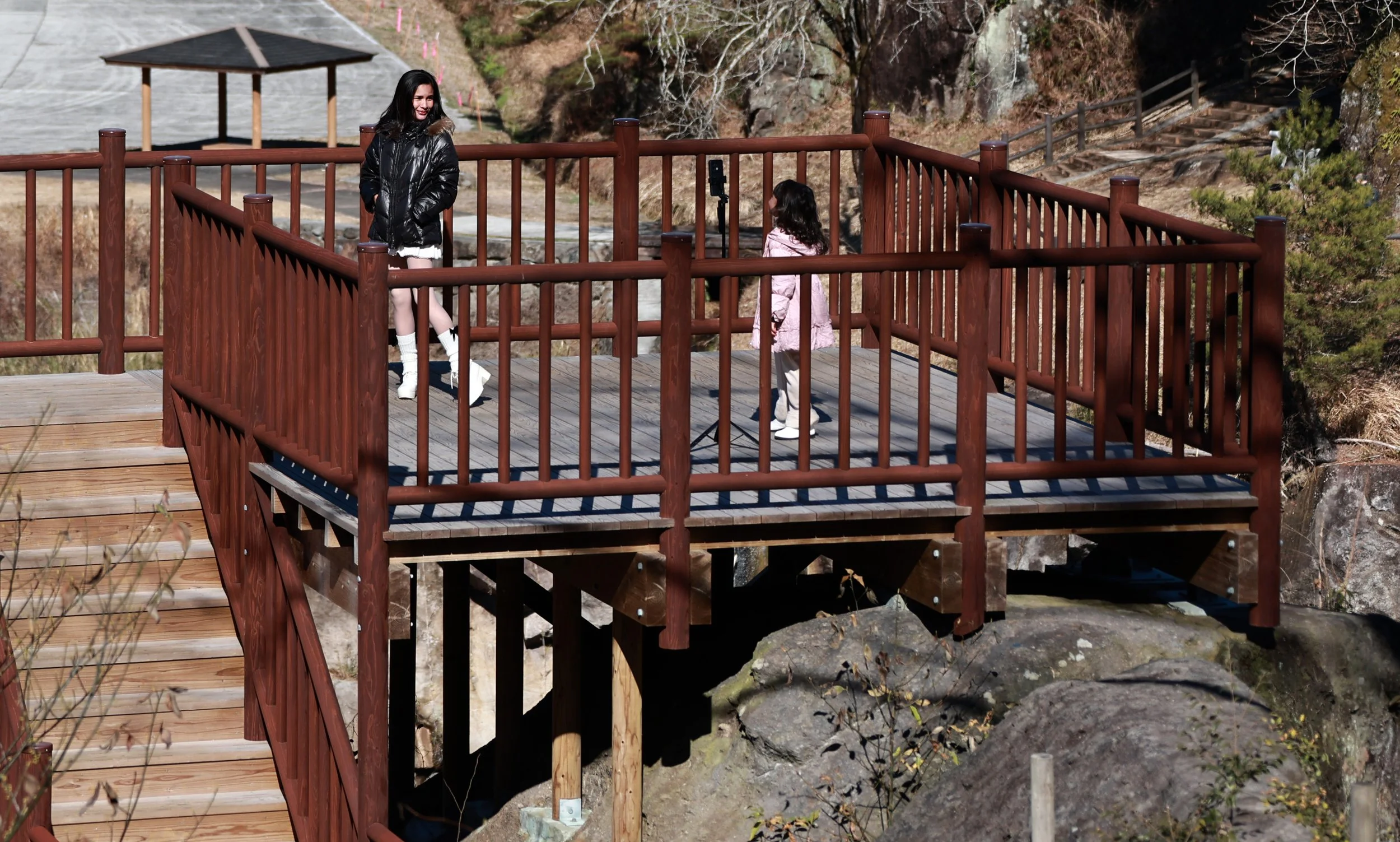
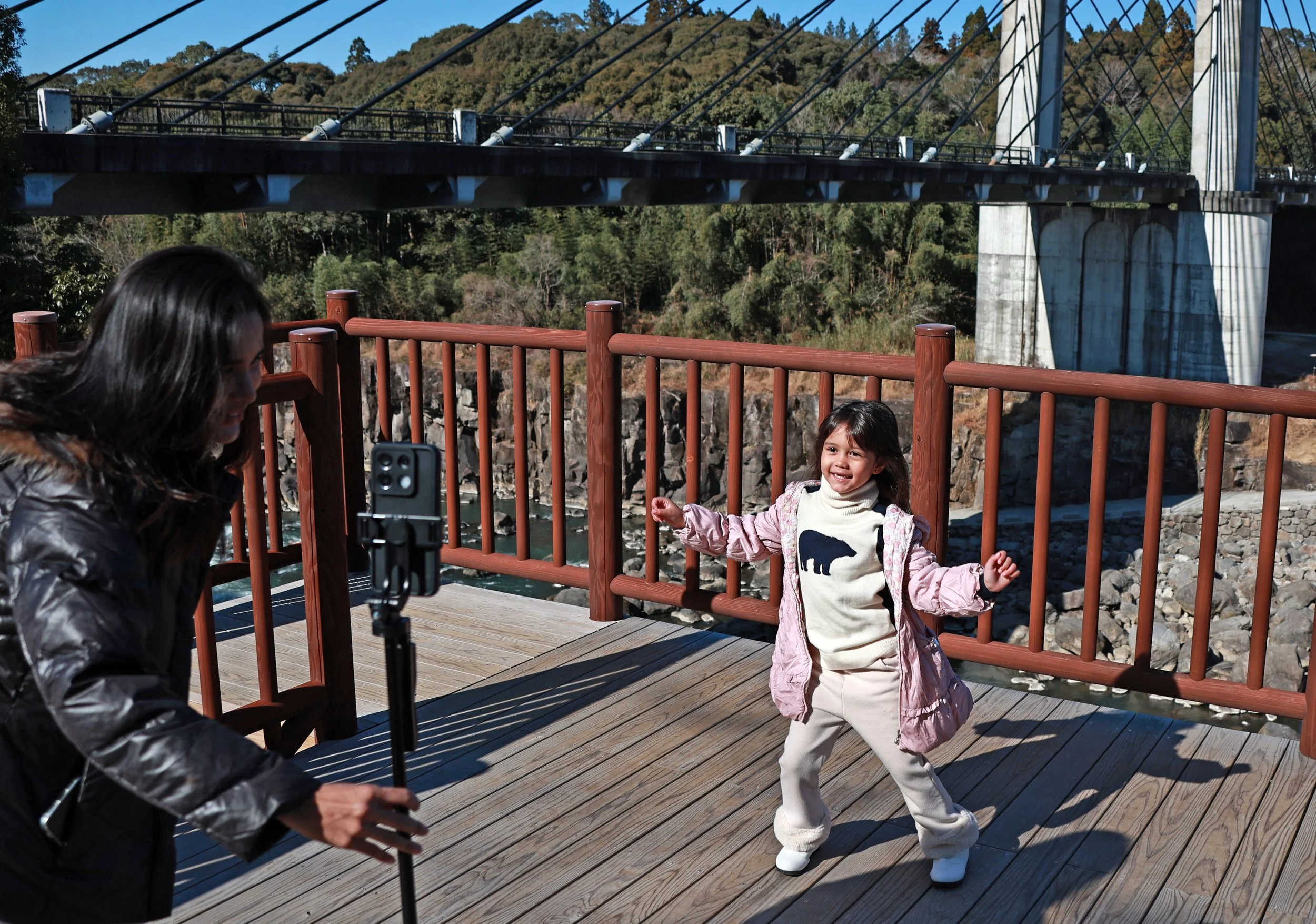
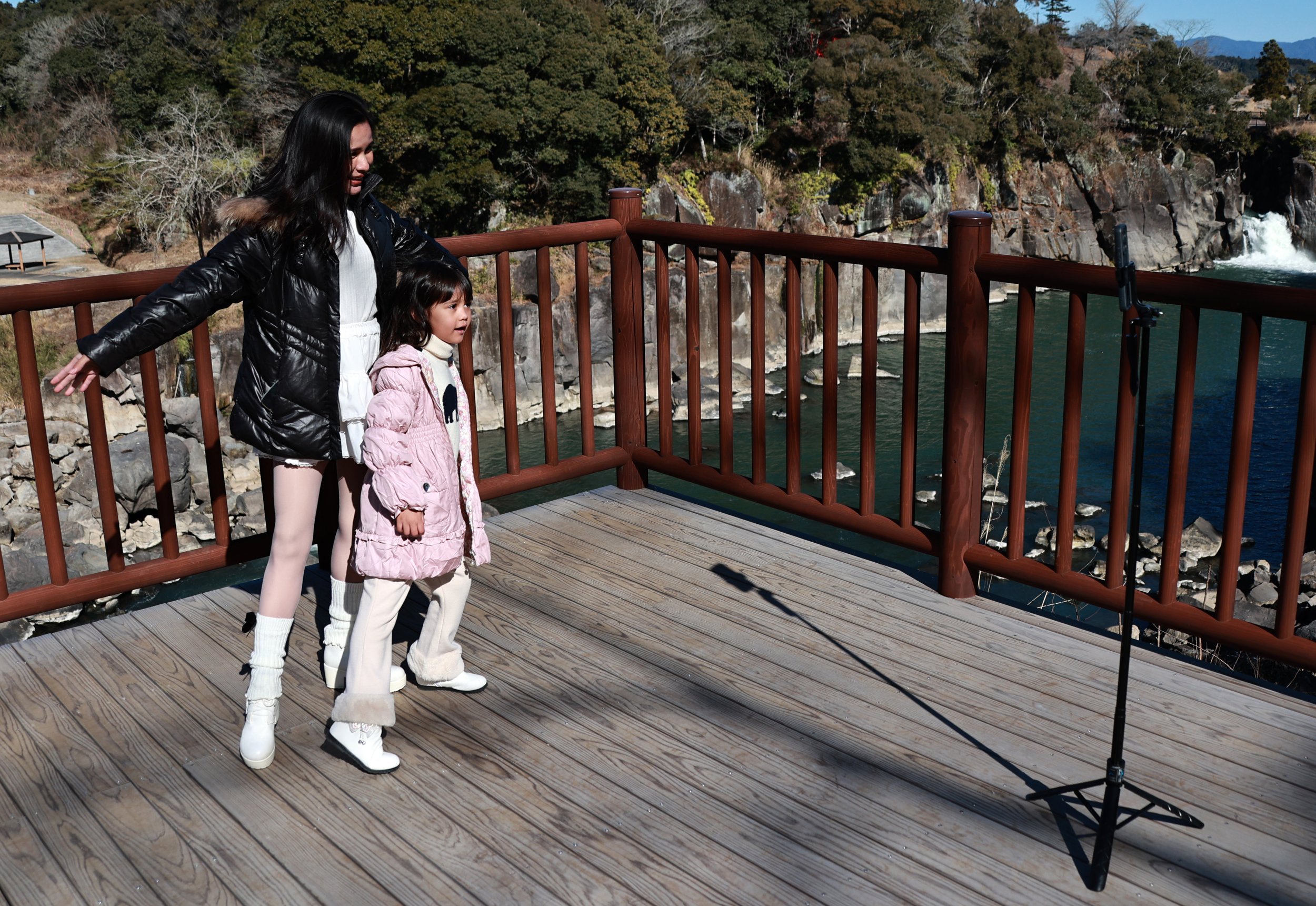
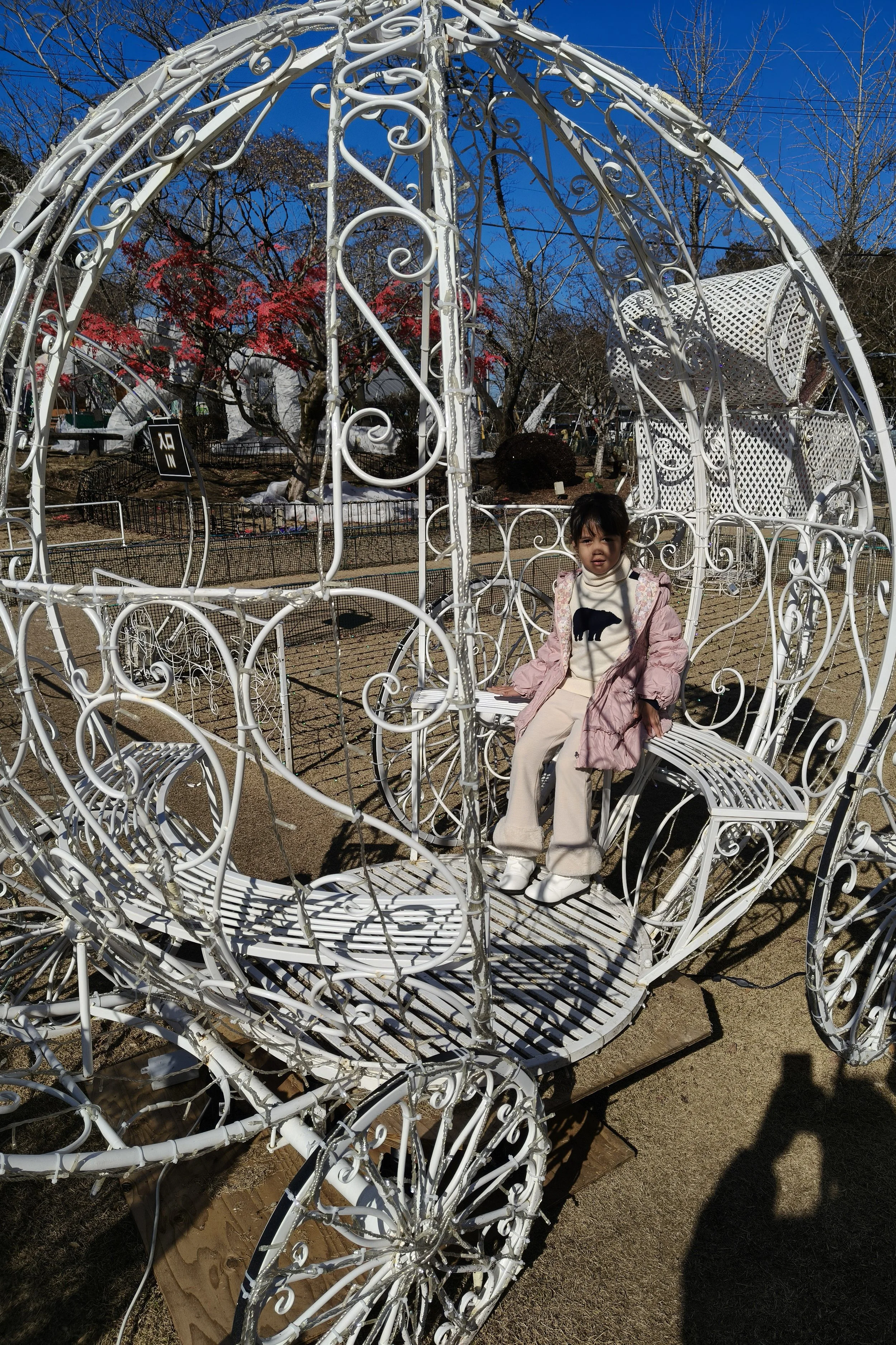
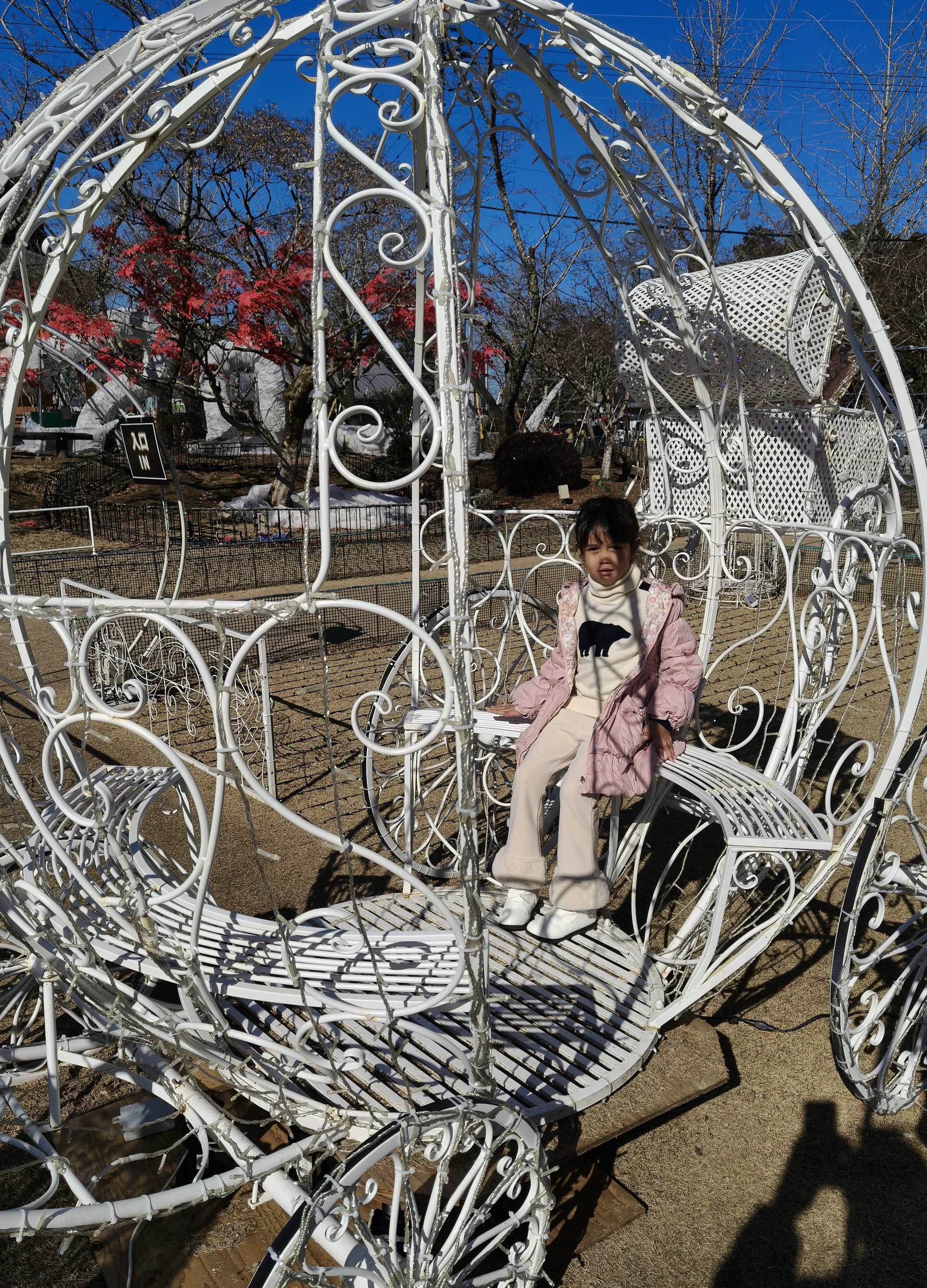
Gift and Liana working on "content"!
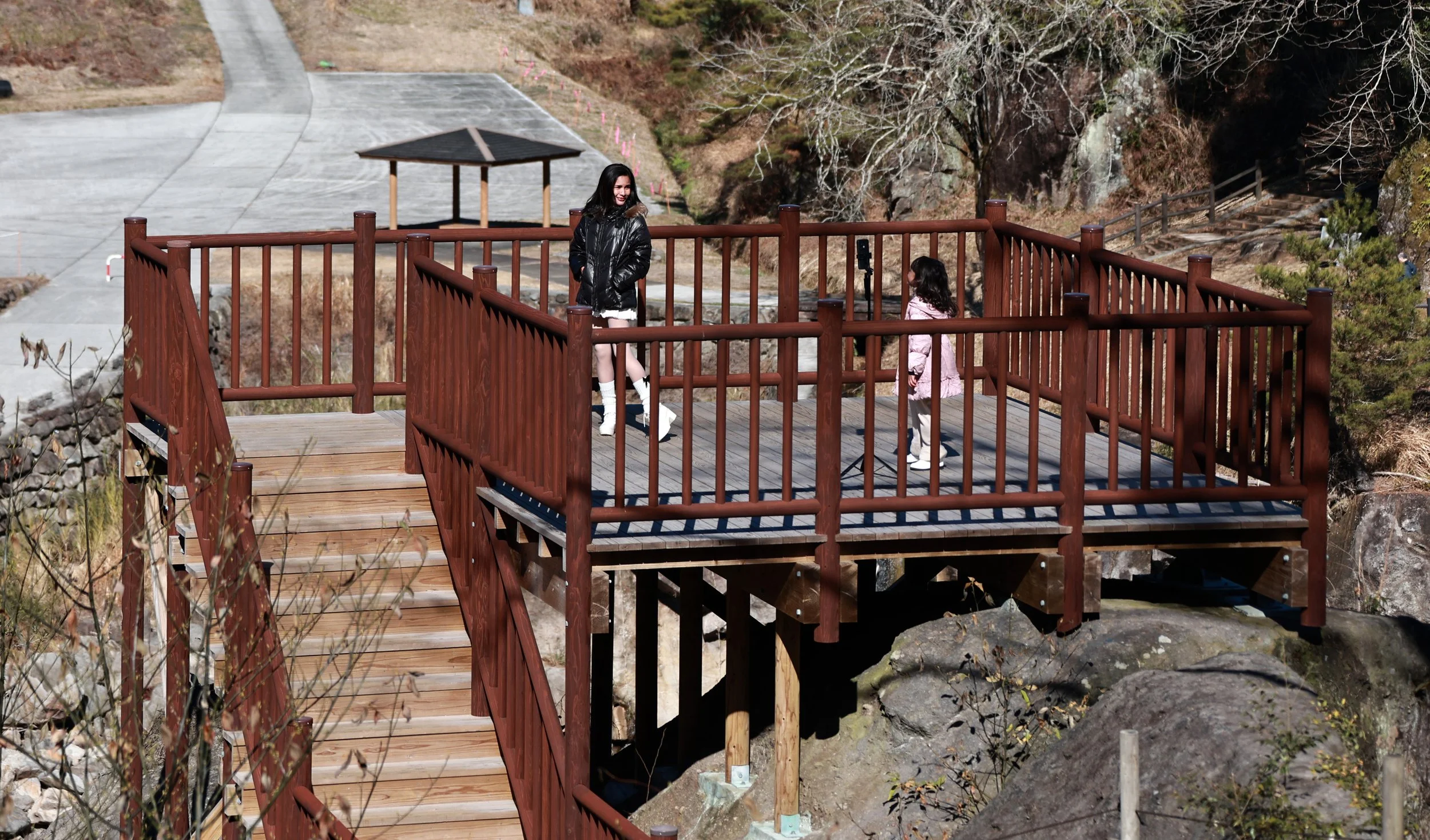
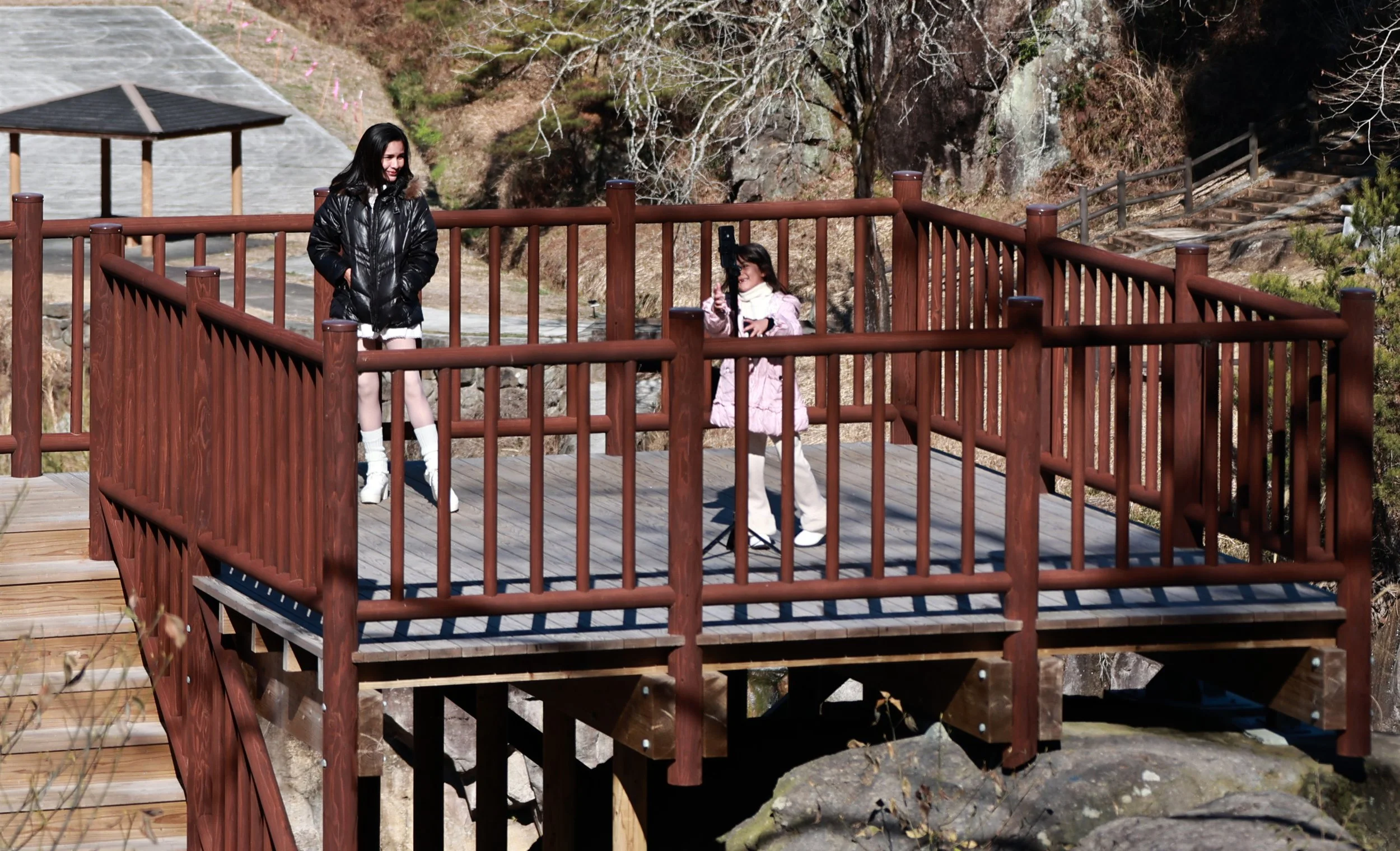
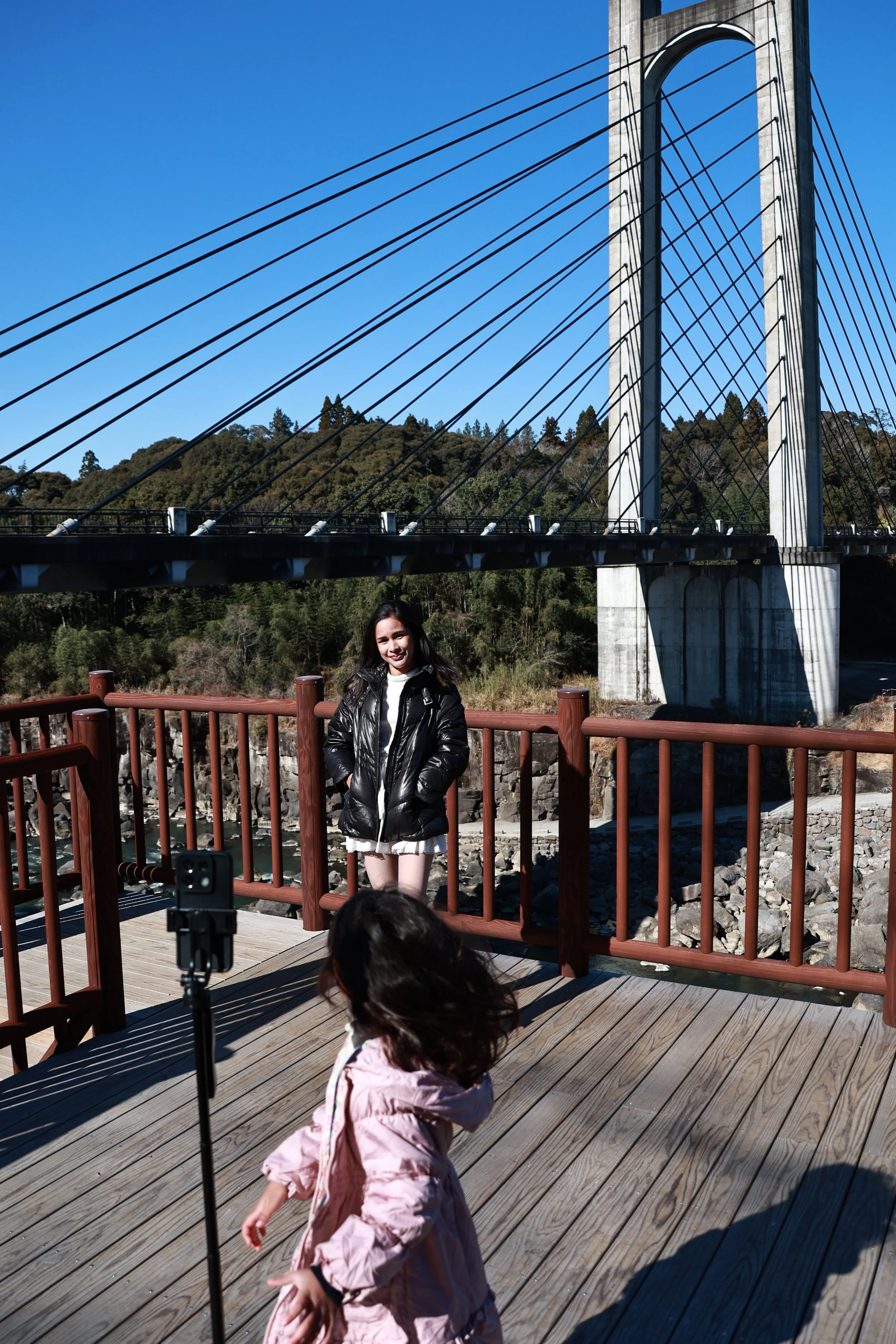

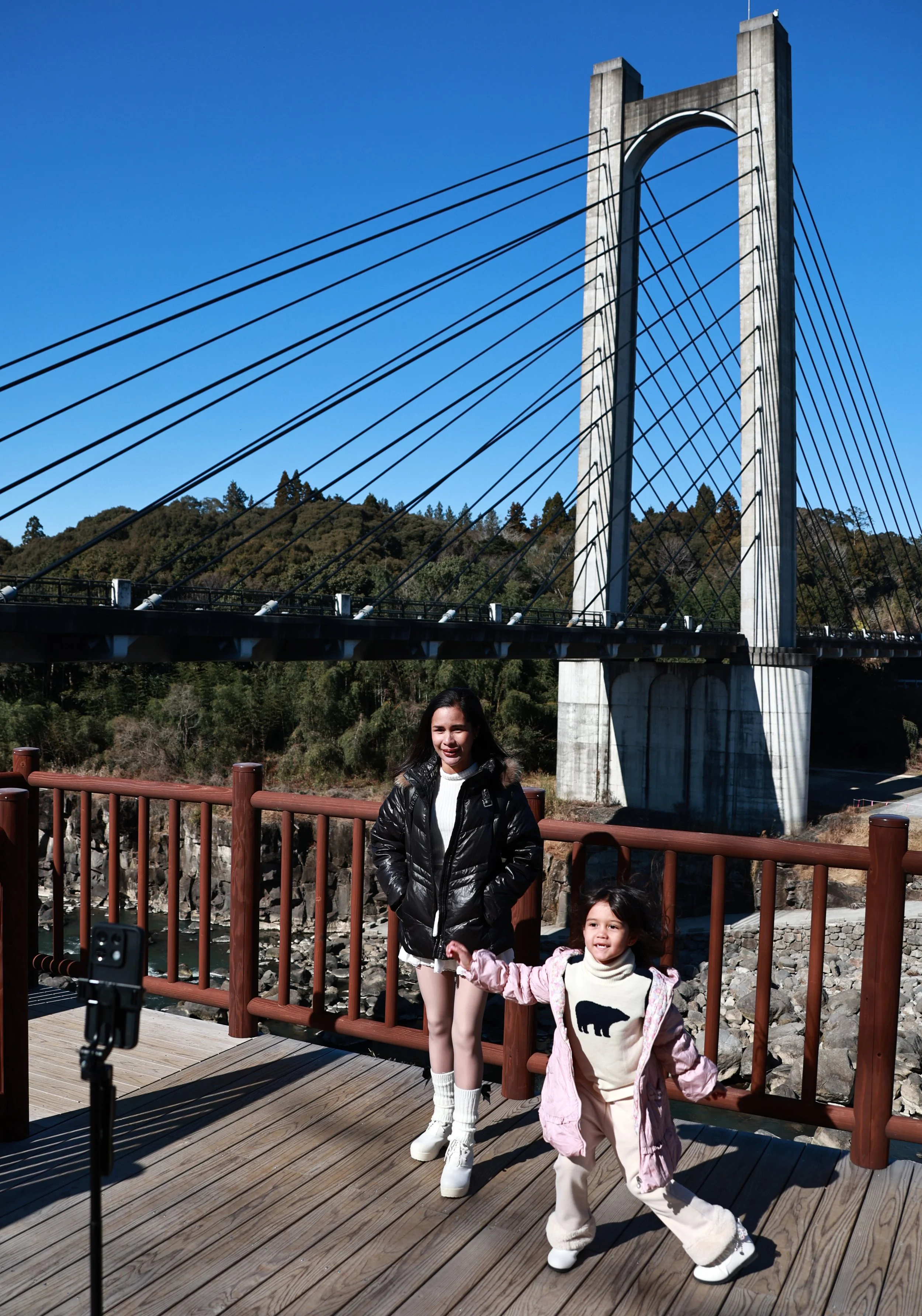
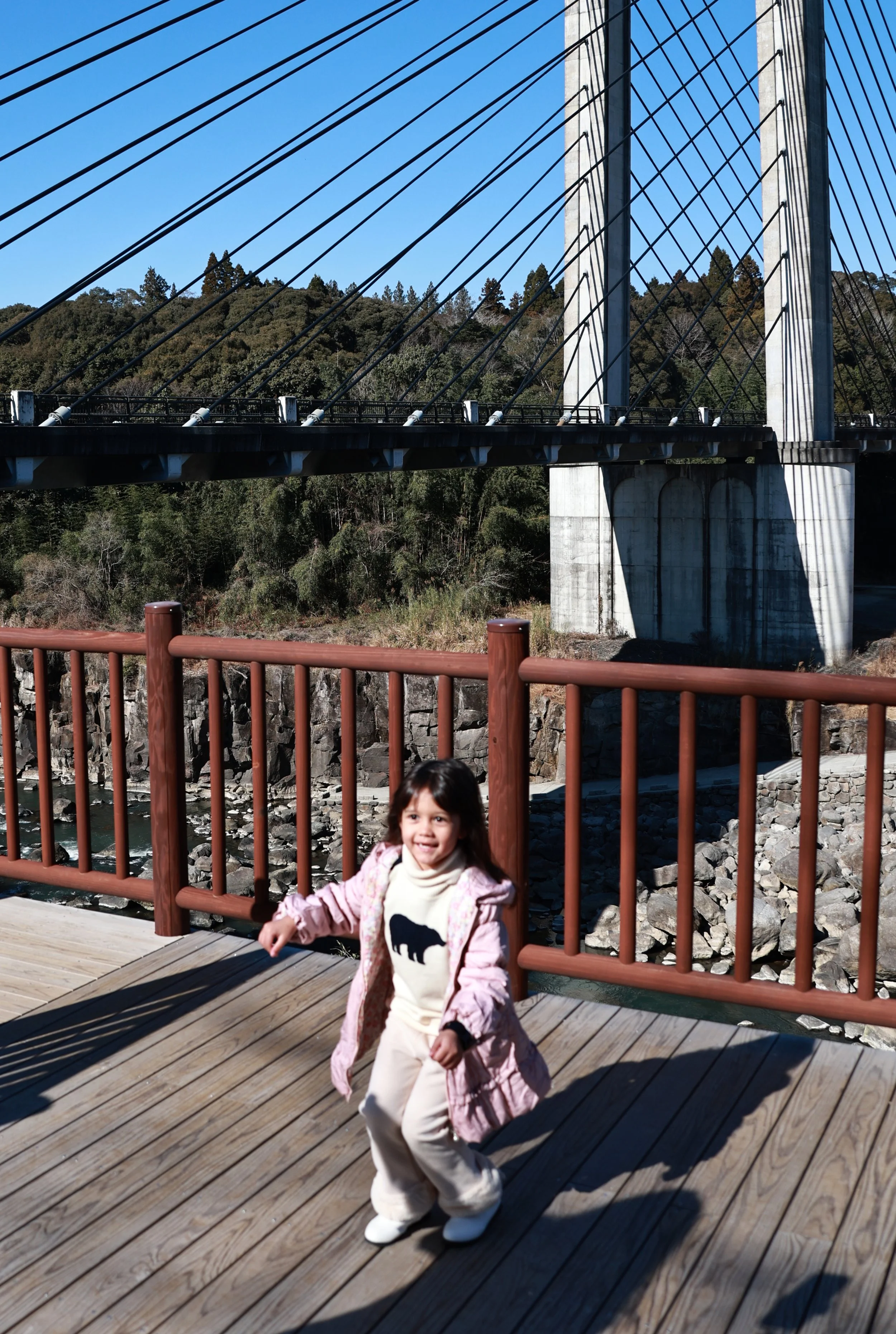
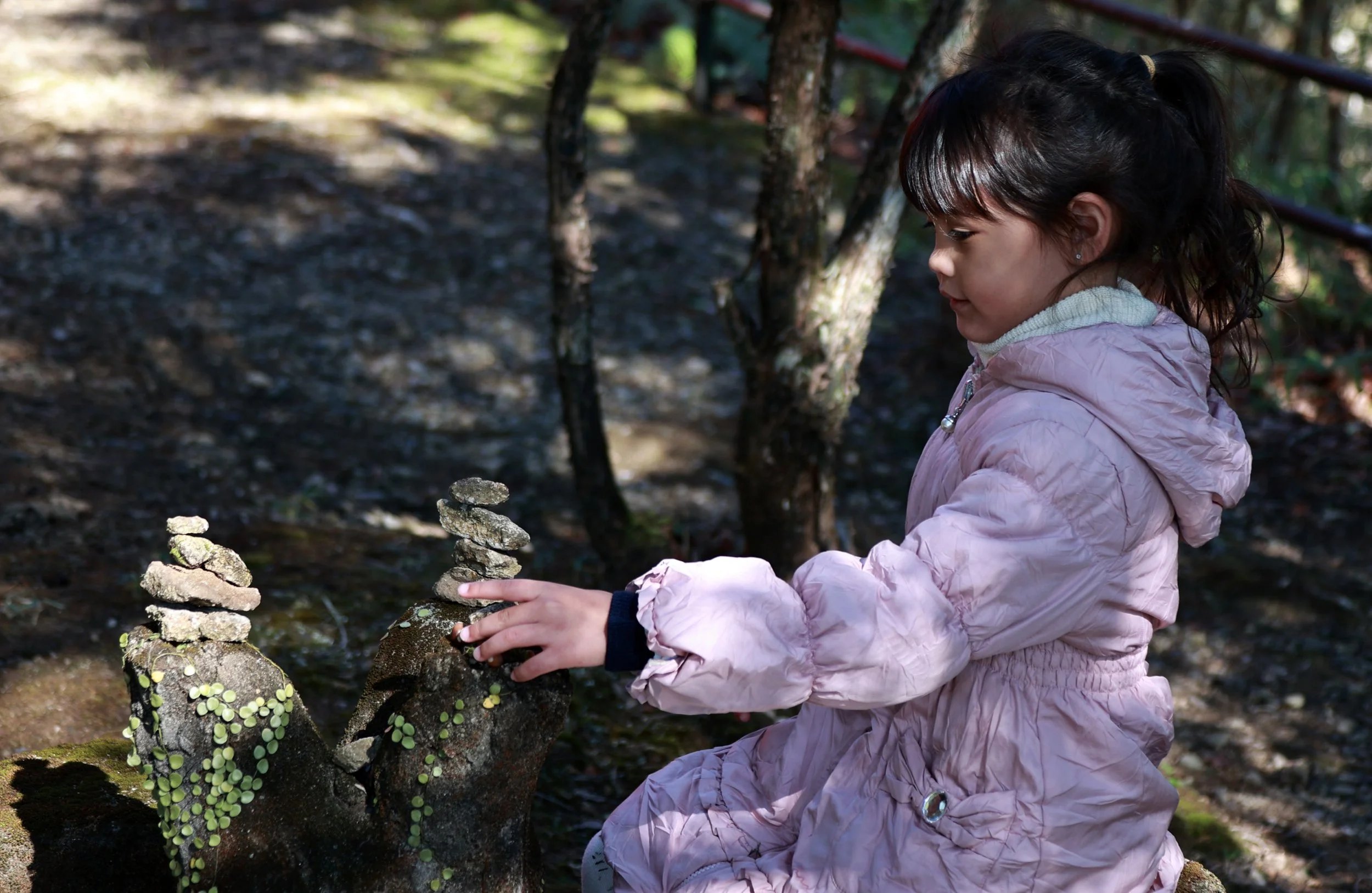
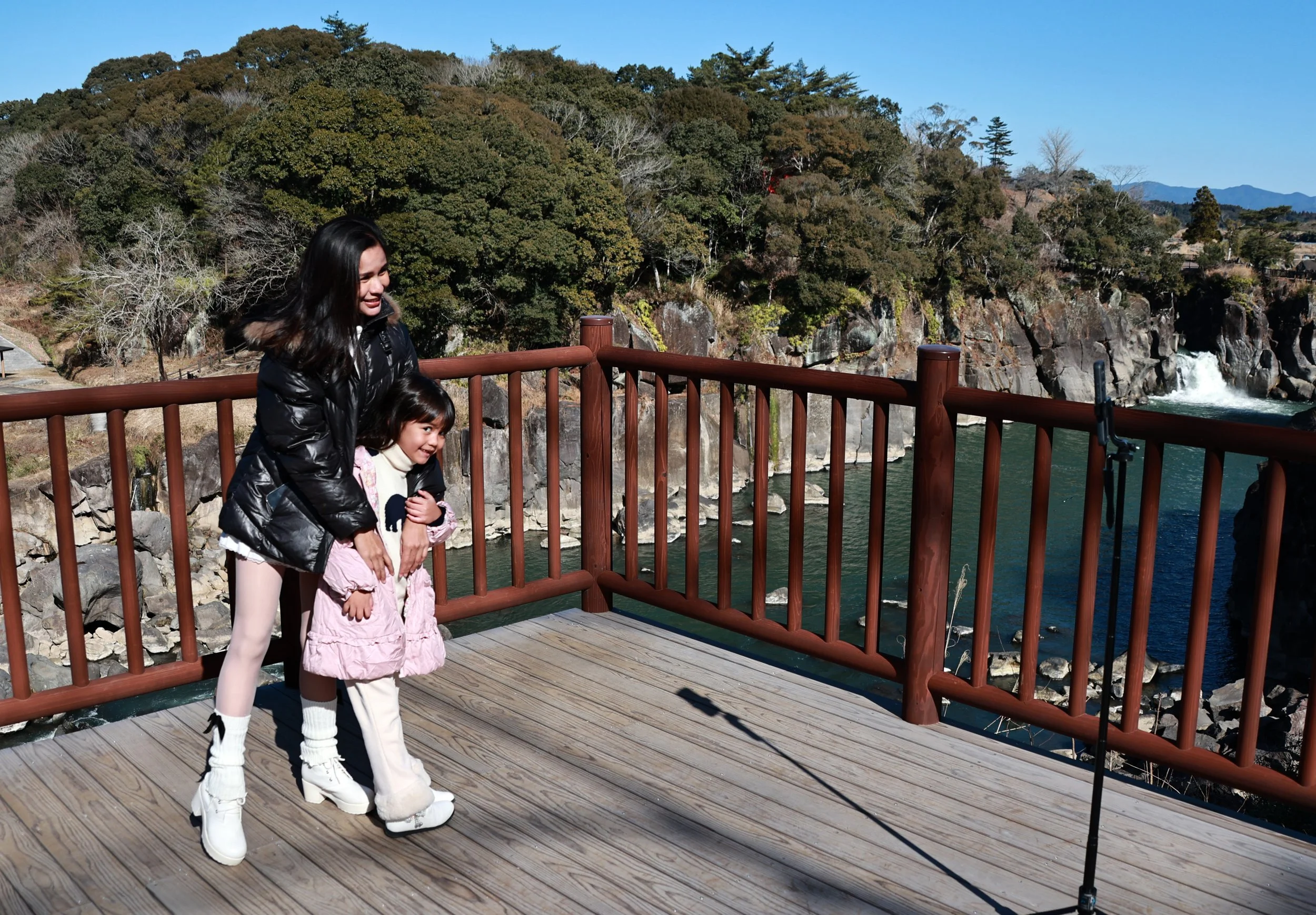
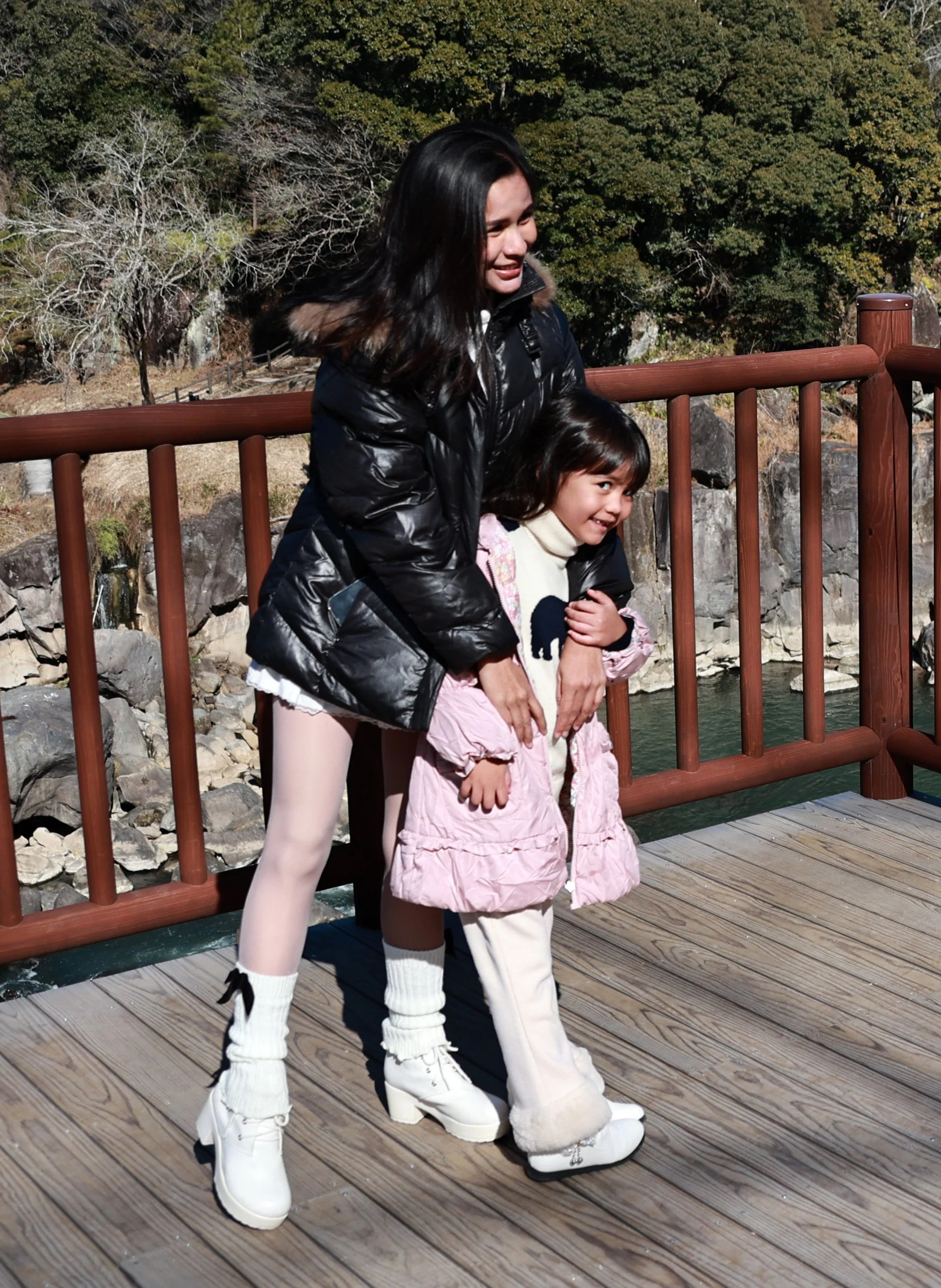
Liana is such a ham
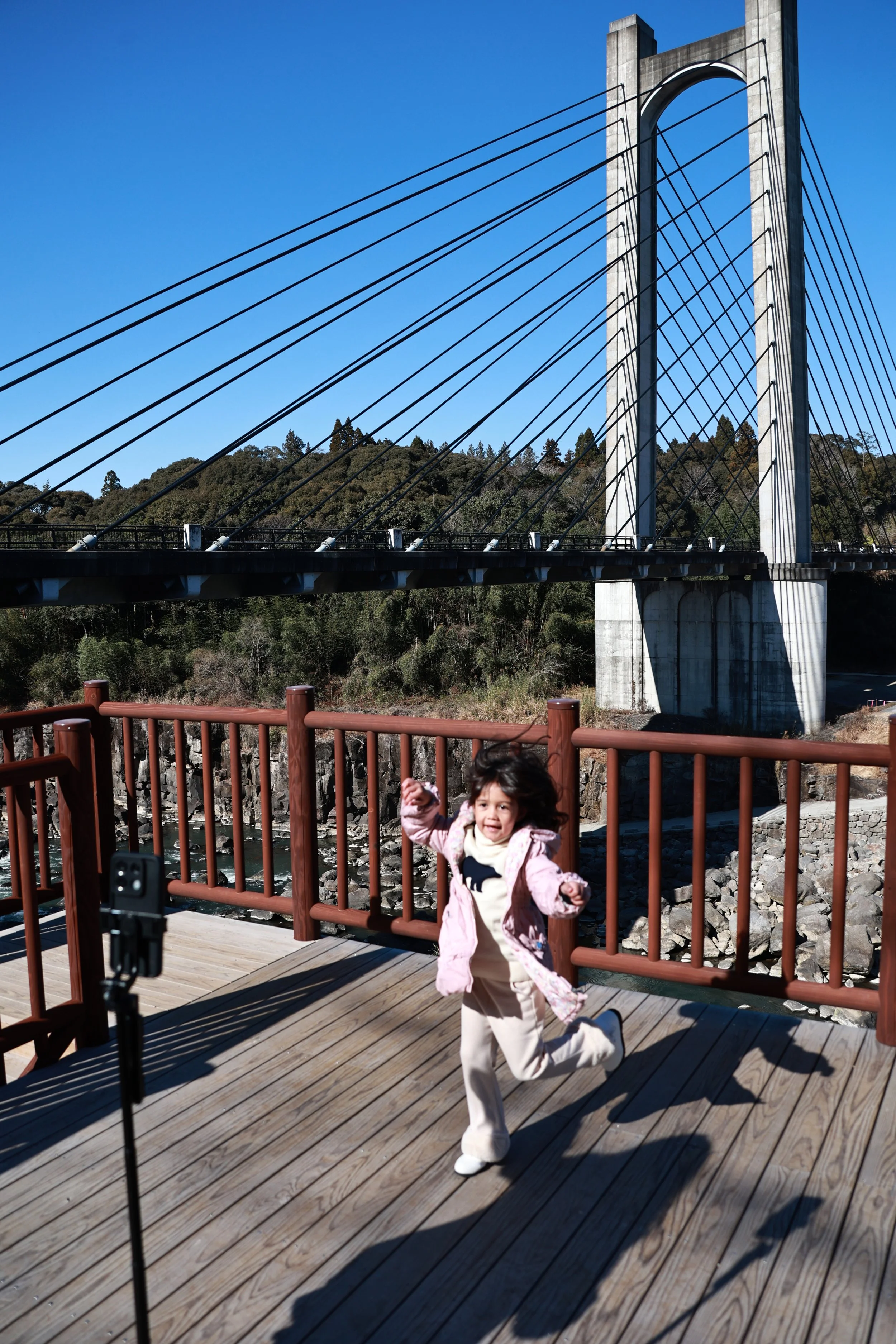
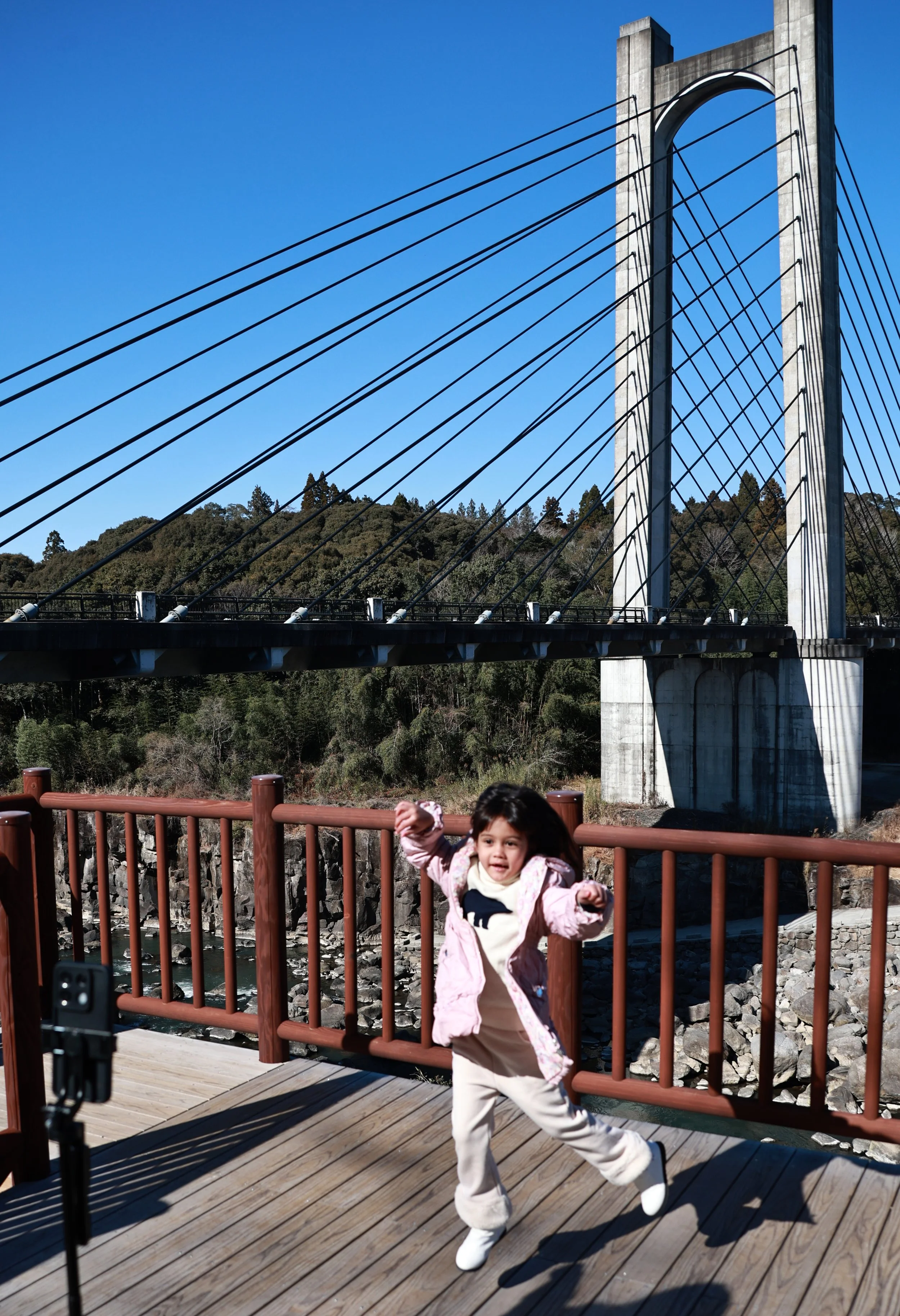
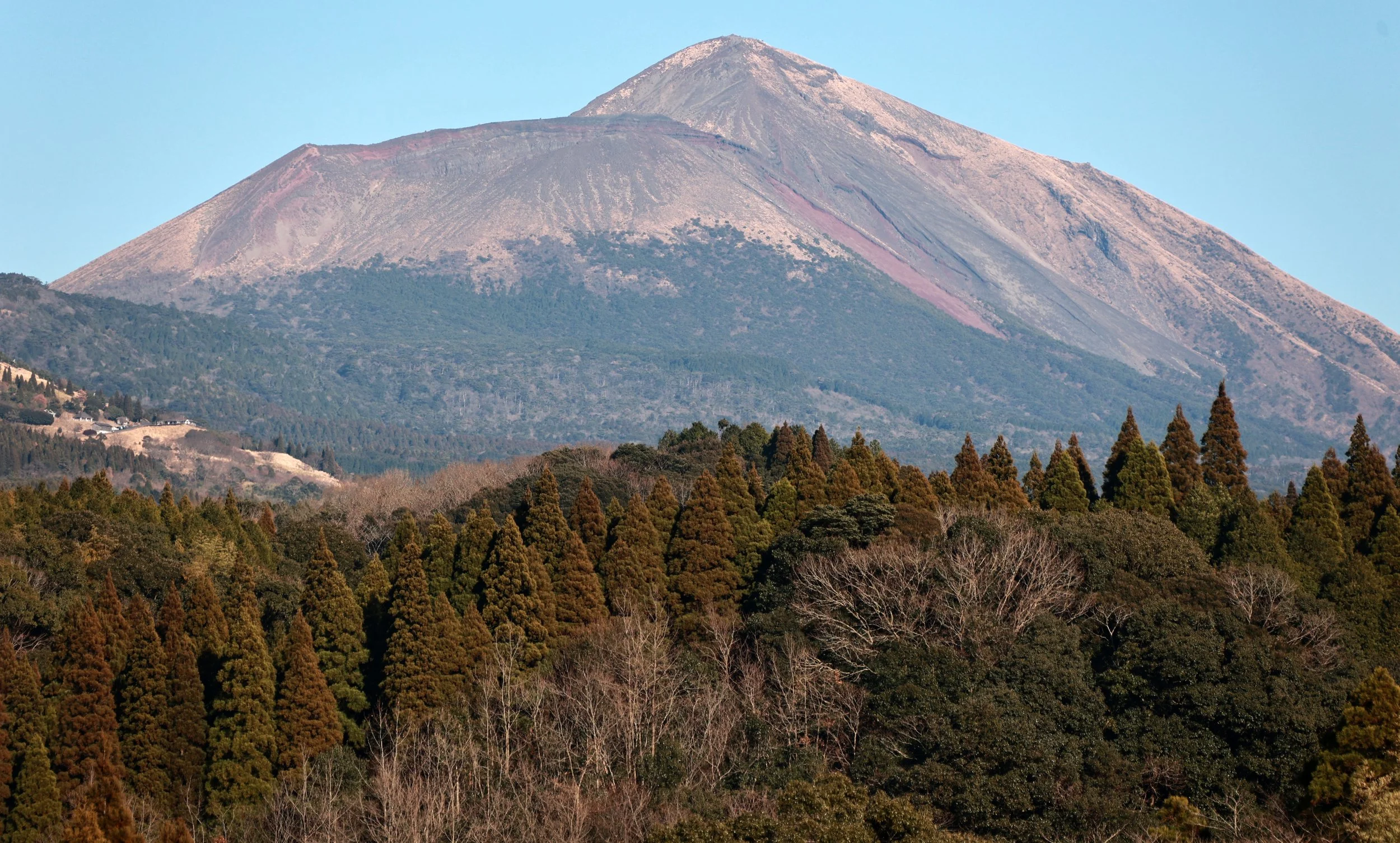
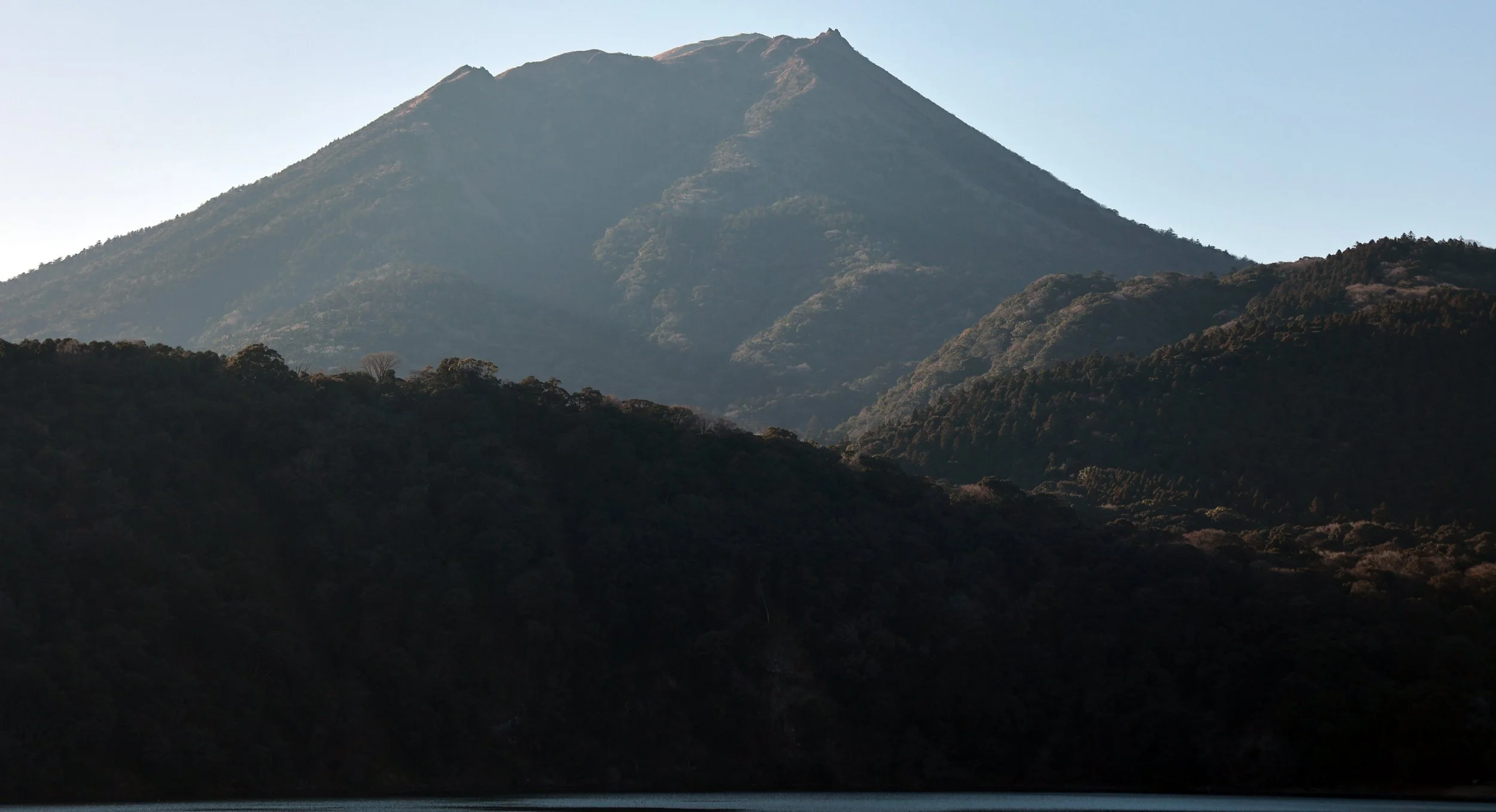
Mi-ike Crater Lake & Mount Takachiho
Mi-ike Crater Lake (or Miike-ike) in Japan's Kirishima volcanic area is a small, explosive caldera lake formed by a powerful eruption from Mount Mi-ike, featuring steep walls, distinct mineral deposits like greigite (iron sulfide), and unique microbial life, often studied for its distinct volcanic chemistry, clear blue water, and biosignatures from microbial activity within its lacustrine sediments, differing from the larger Crater Lake in Oregon but sharing the caldera origin story.
Mount Takachiho's geological fame stems from Takachiho Gorge, a dramatic V-shaped canyon formed by ancient, rapid-cooling lava flows from the nearby Mount Aso volcano, creating stunning, towering basalt columns (columnar jointing) that are now eroded by the Gokase River, featuring the iconic Manai Falls and designated a National Natural Monument for its geological beauty. The cliffs, up to 100 meters high, show layers of dark volcanic rock resembling dragon scales, a testament to powerful eruptions occurring over 100,000 years ago, with the river carving the gorge through this solidified flow.
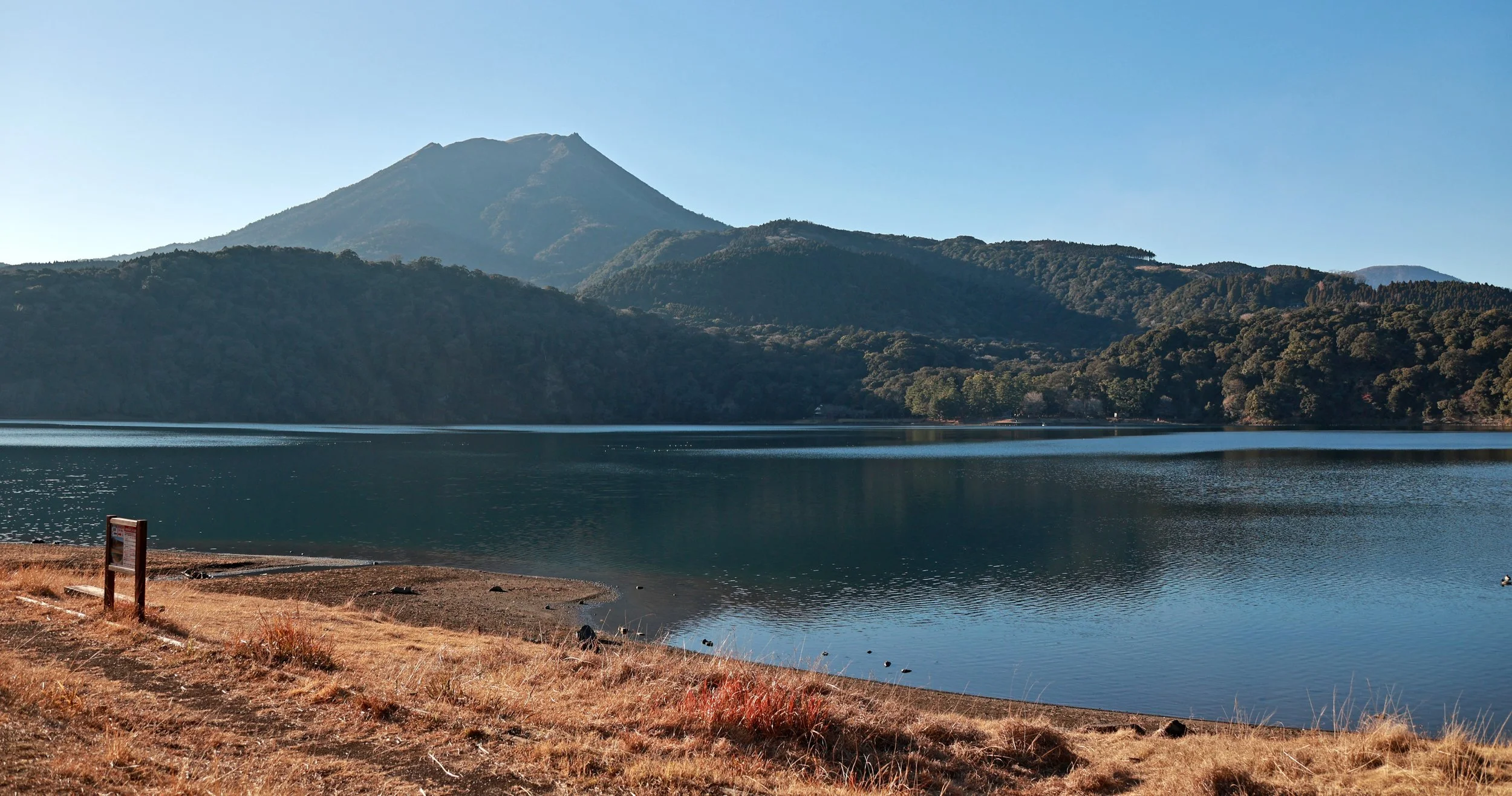
Mi'ike Crater Lake

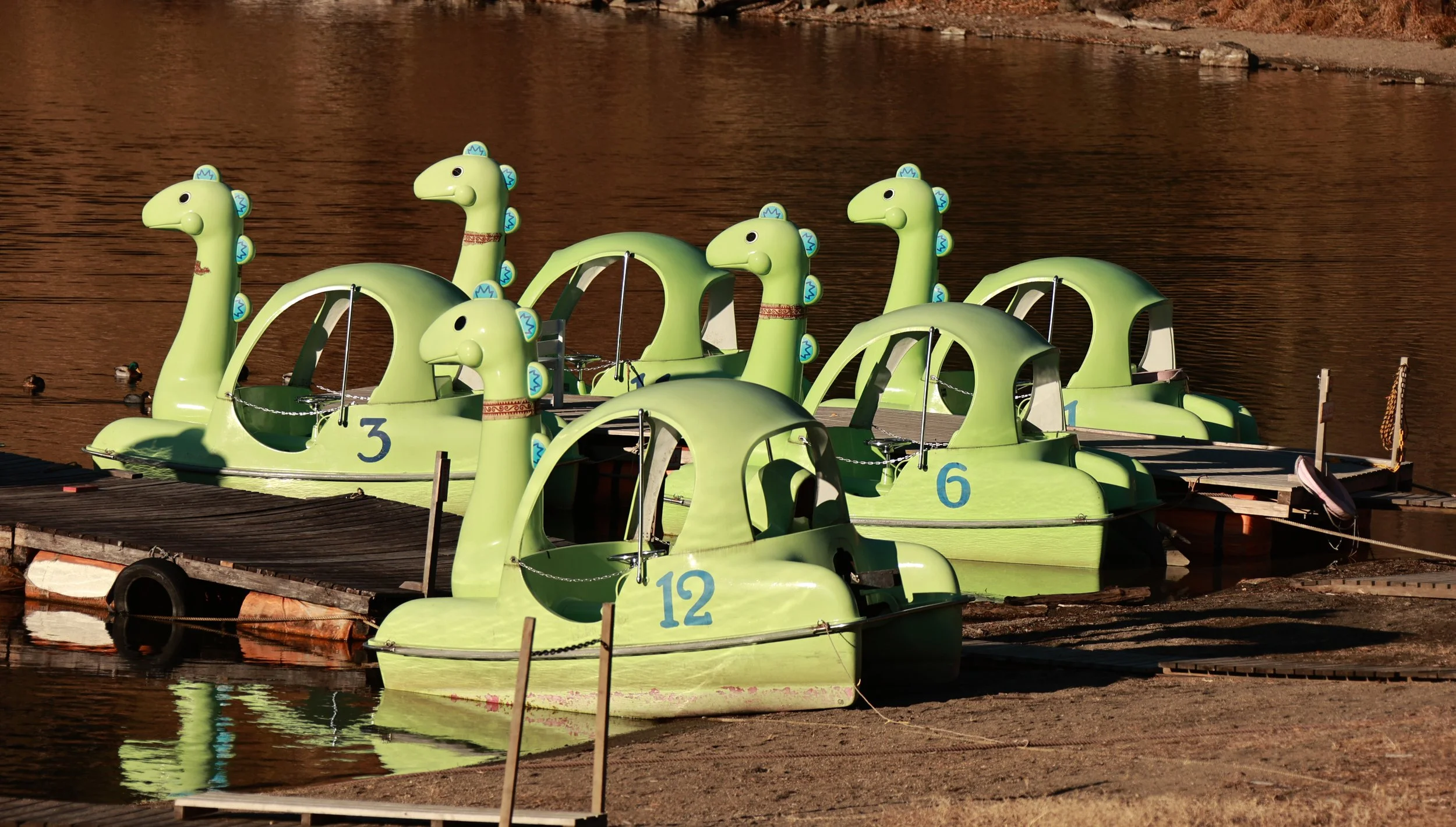
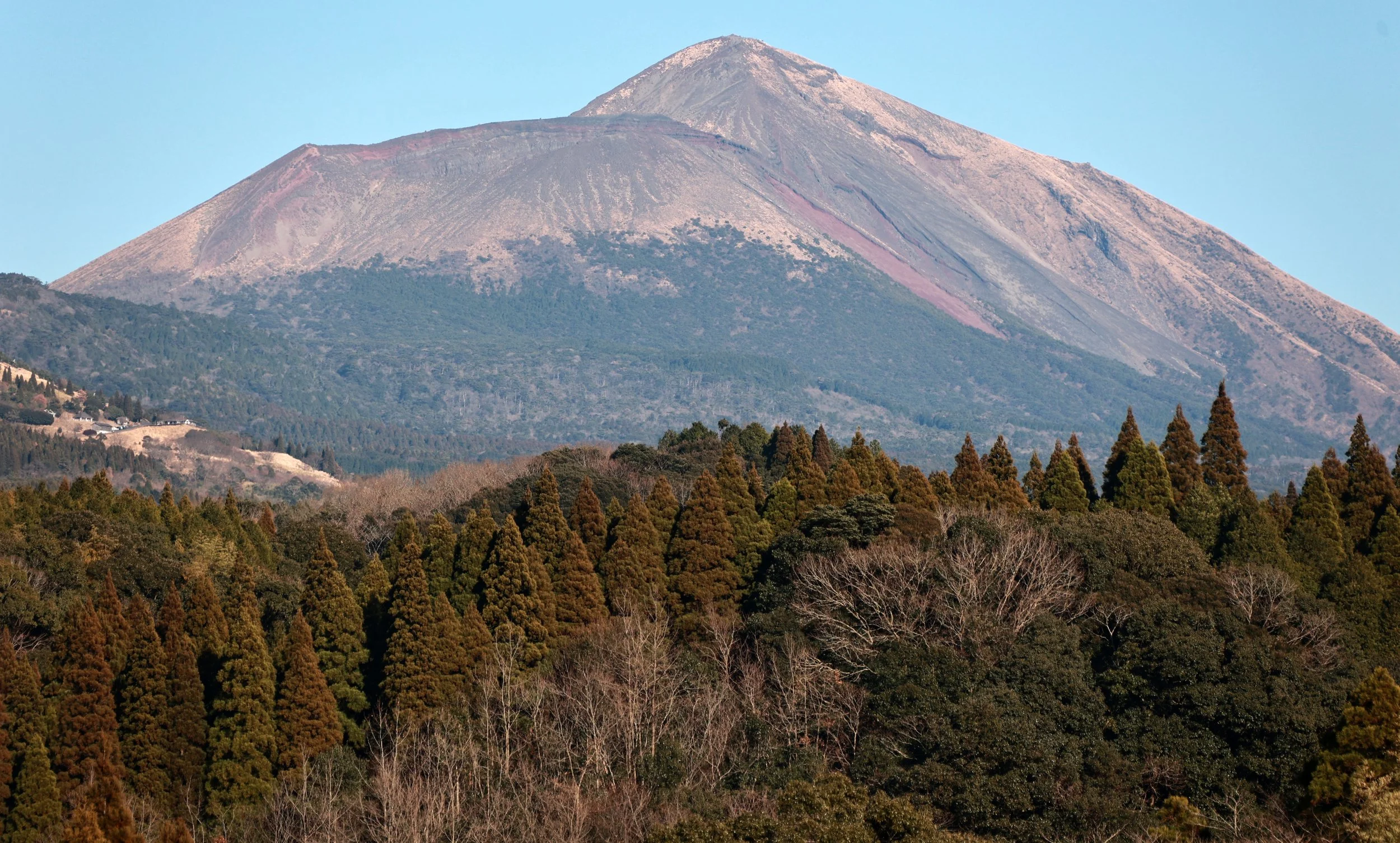
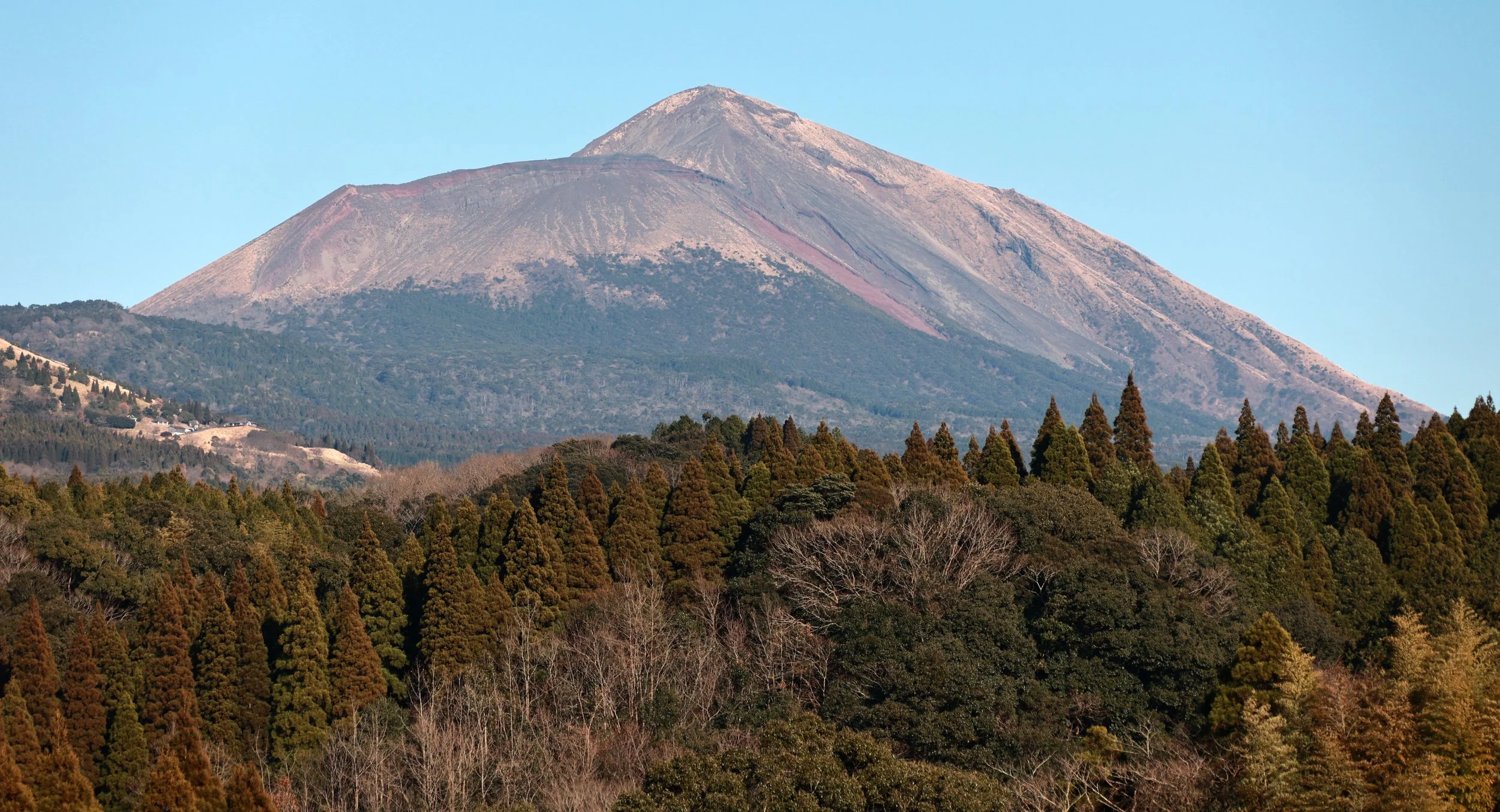
Mount Takachiho, Mi'ike Crater Lake - Miyazaki Japan, Kyushu (5)
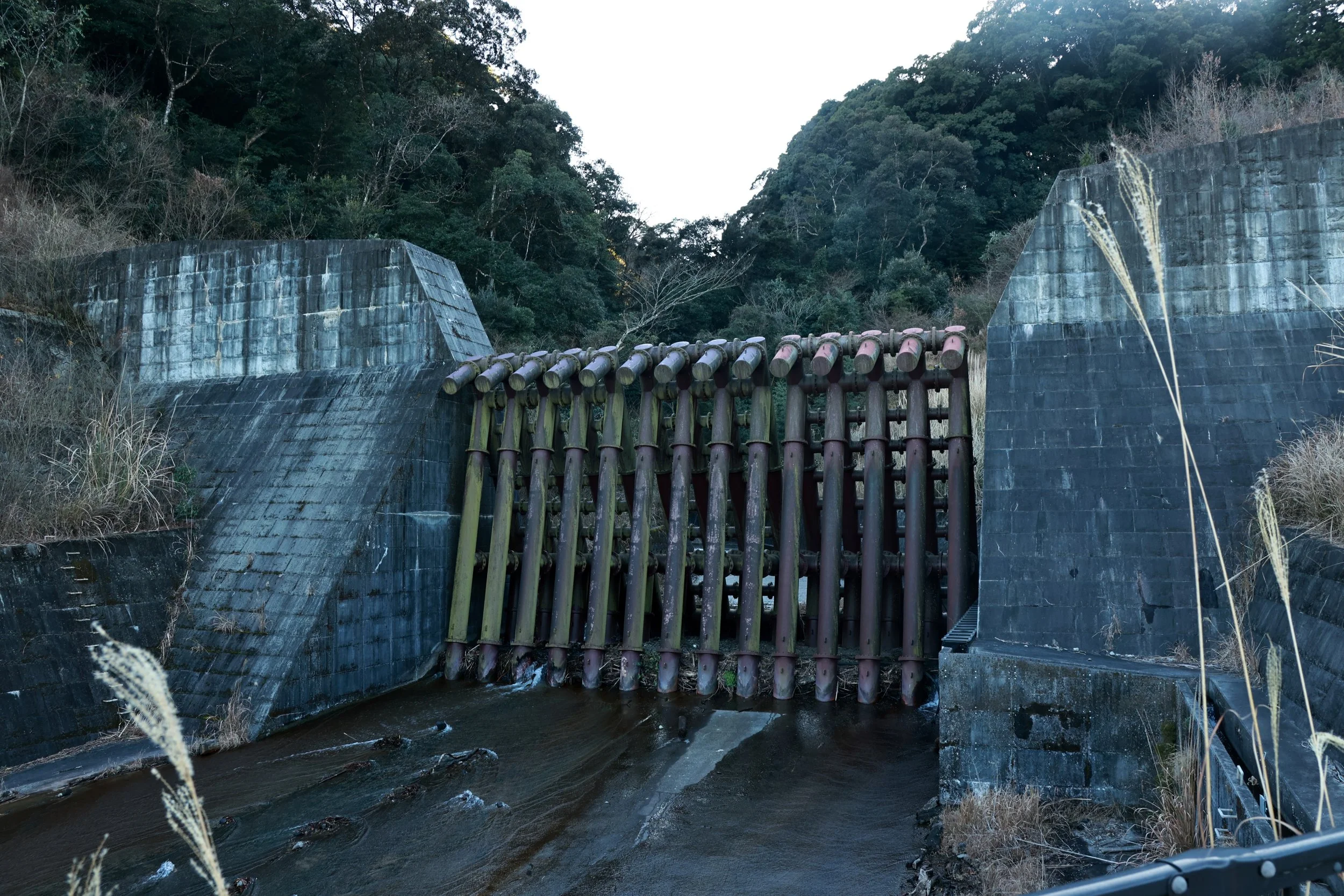
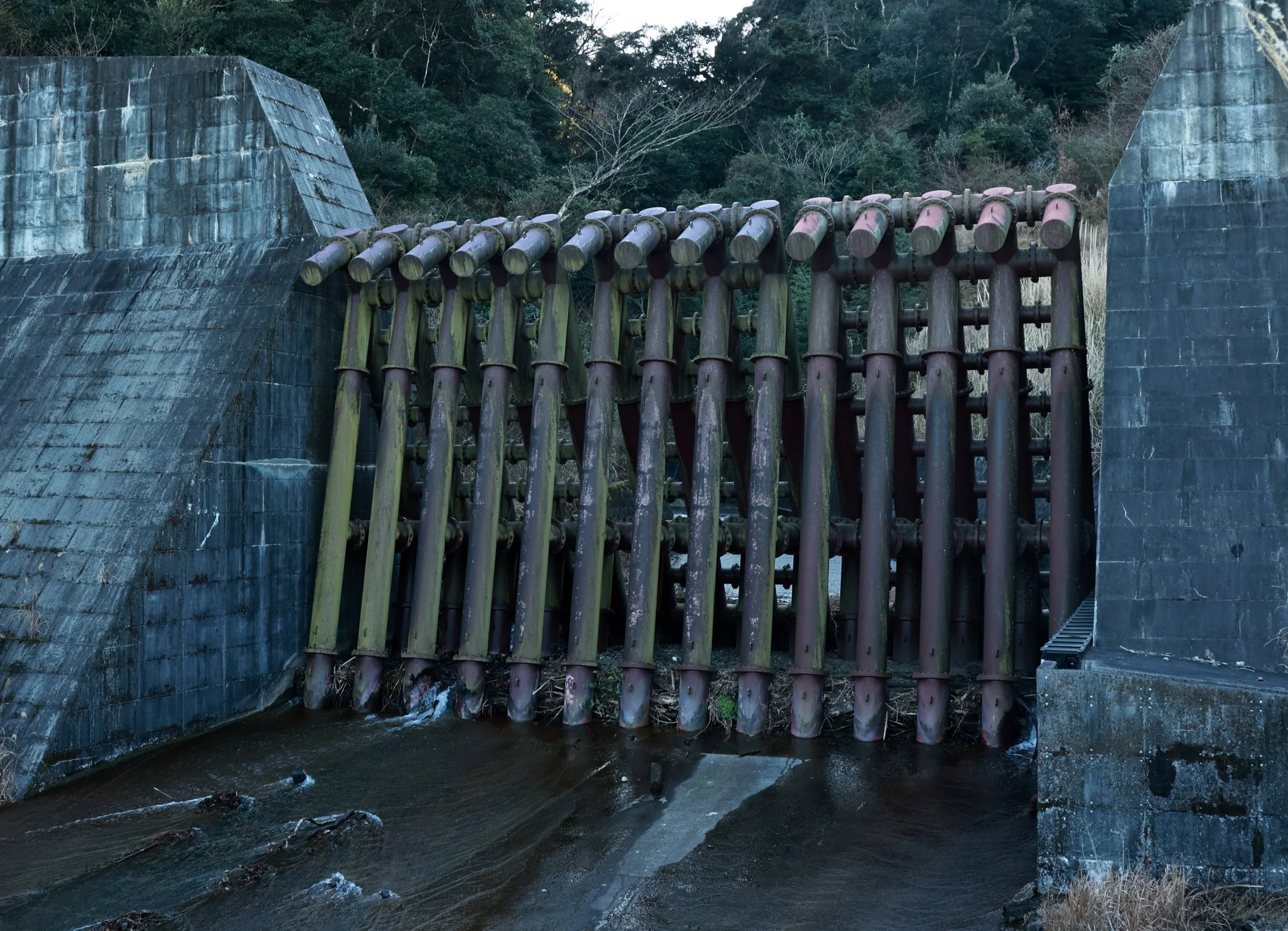
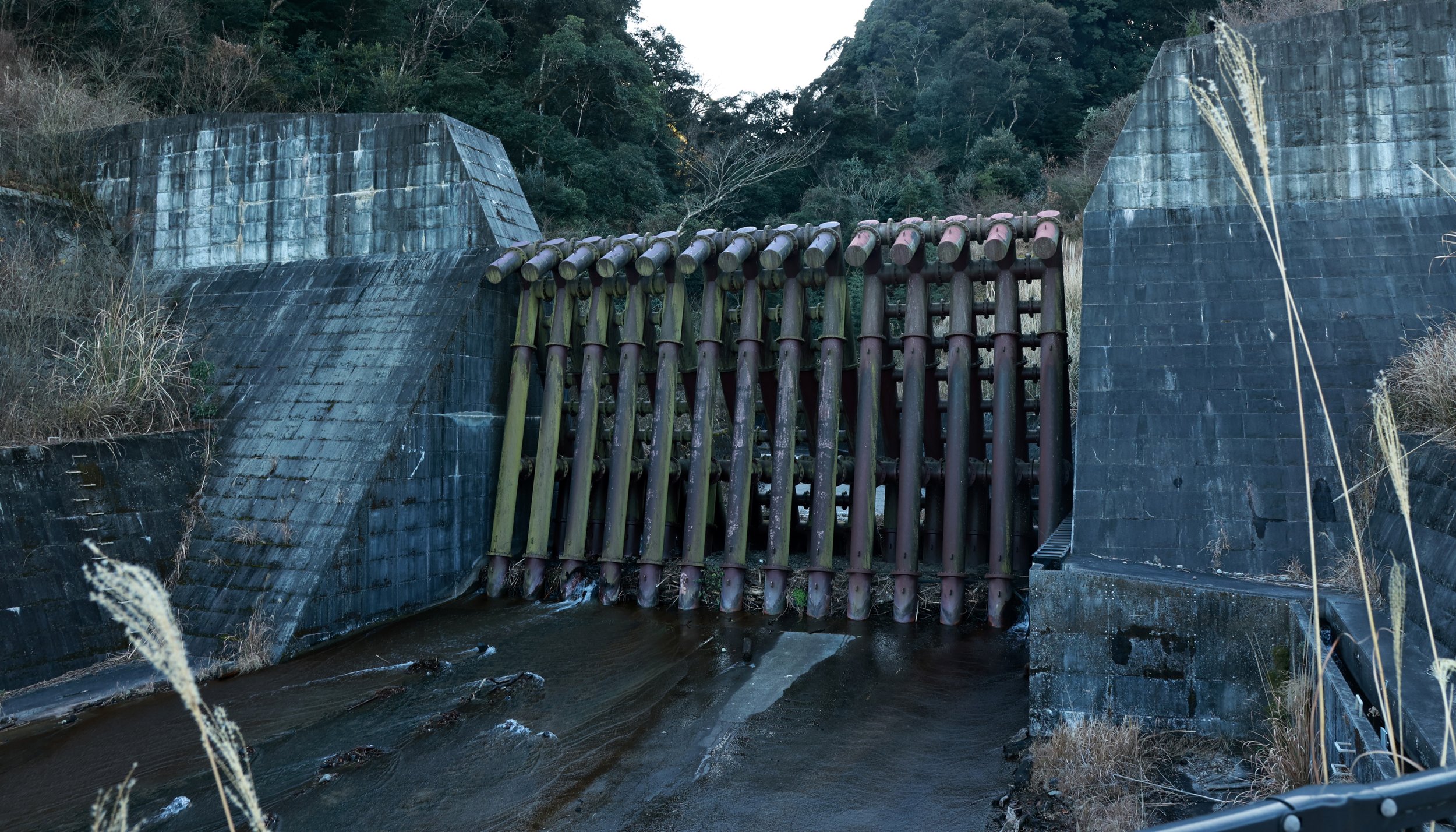
Avalanche gate on Mount Takachiho
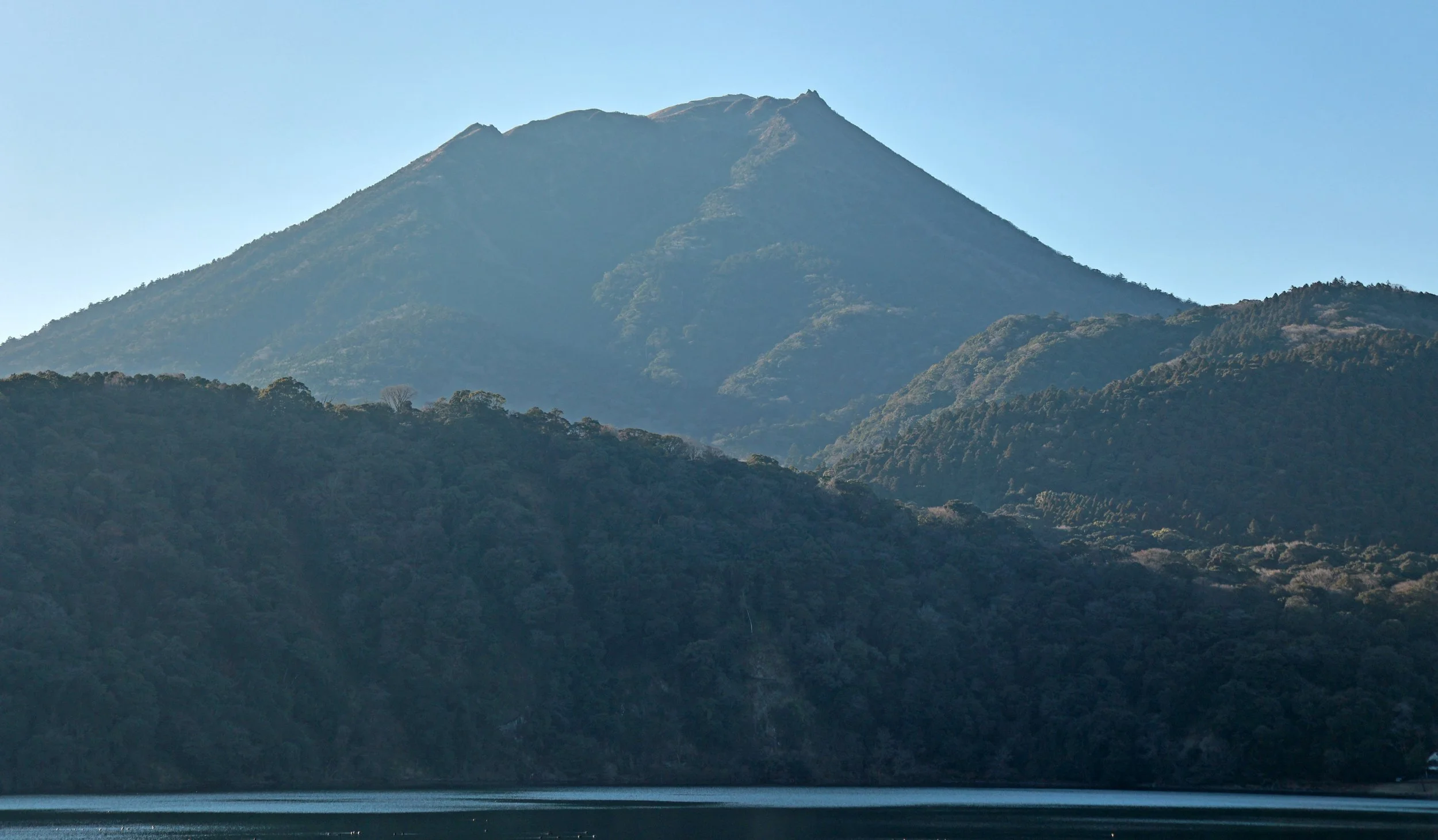
Mount Takachiho, Mi'ike Crater Lake - Miyazaki Japan, Kyushu
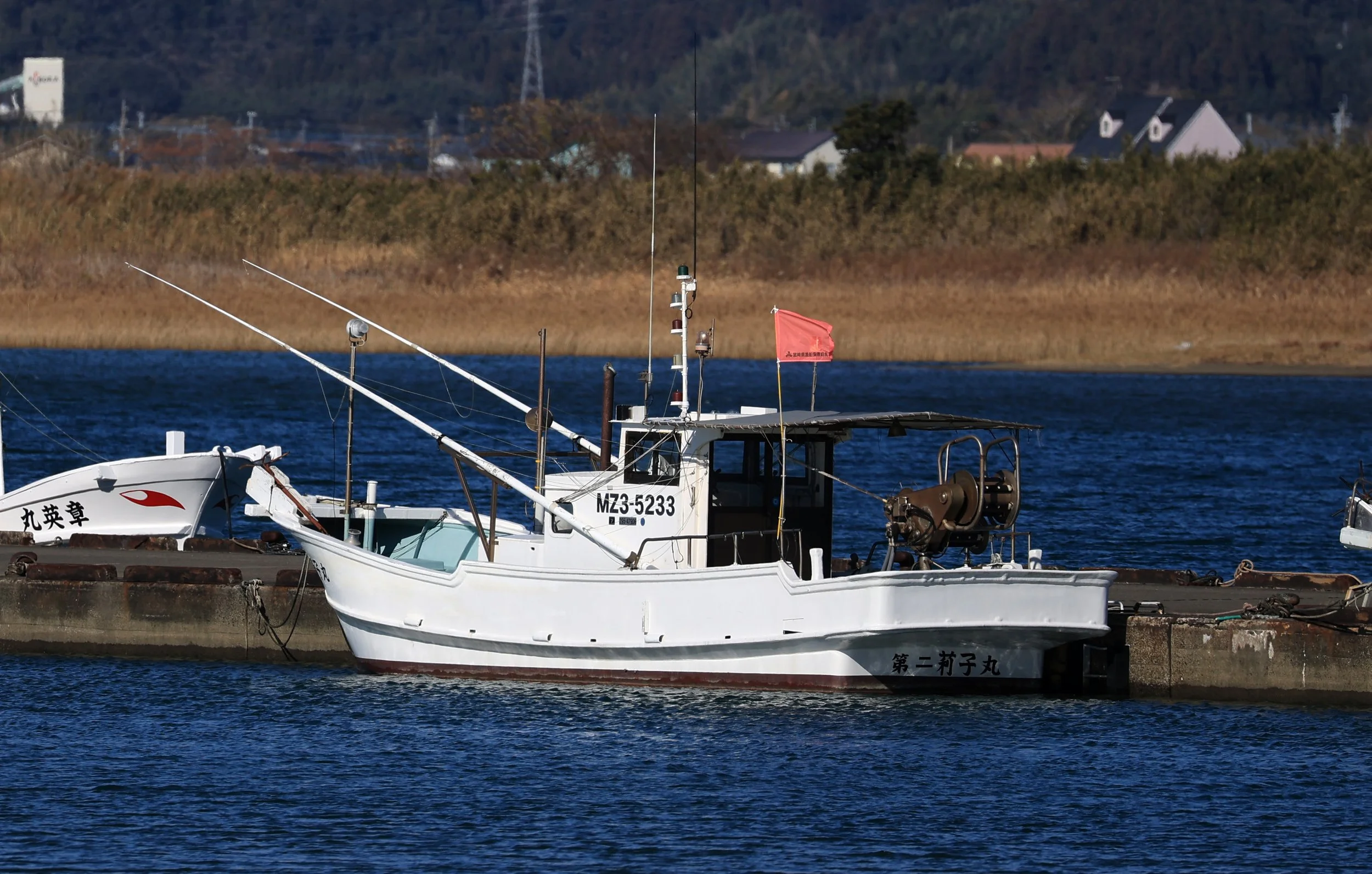
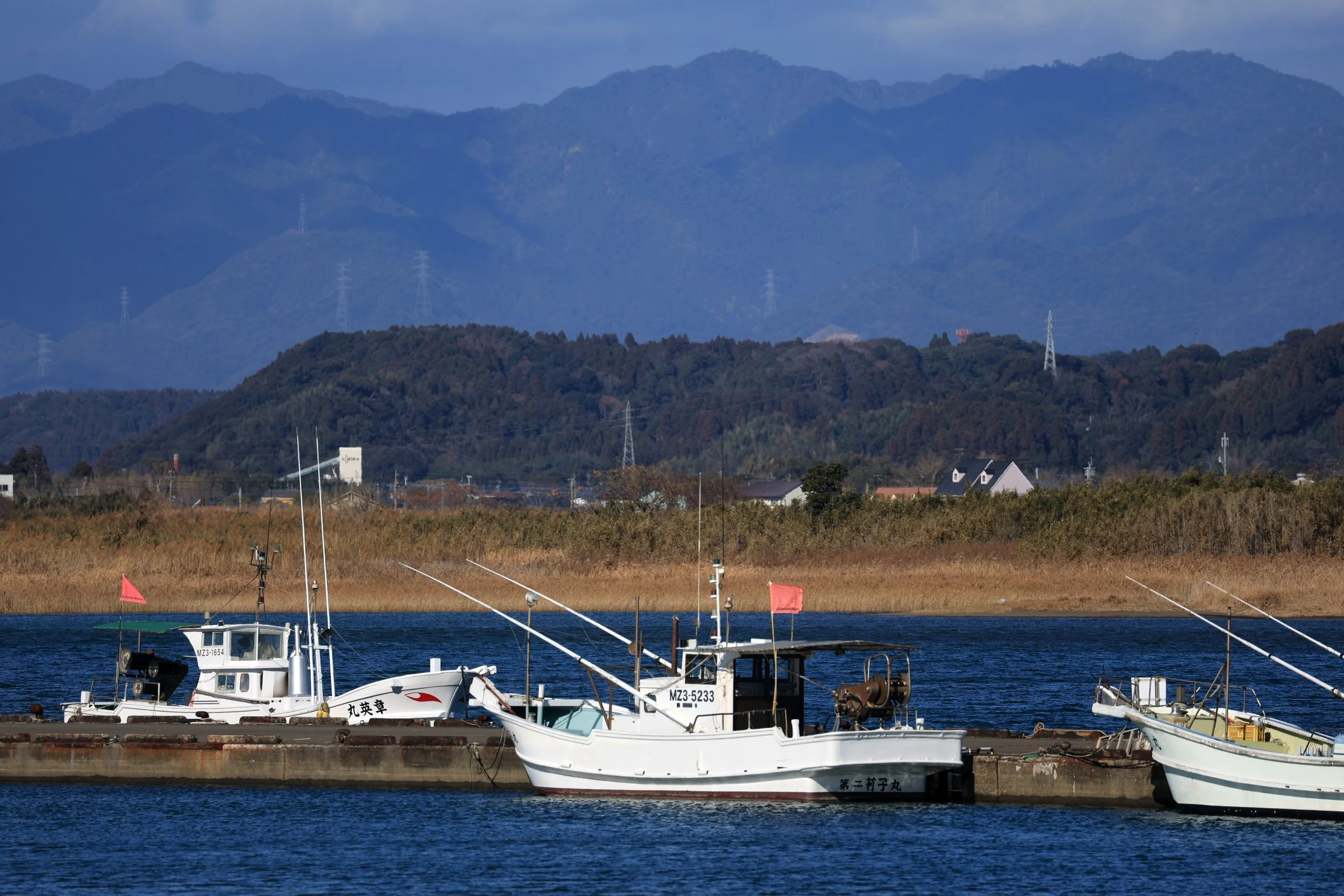
Gokase River Mouth
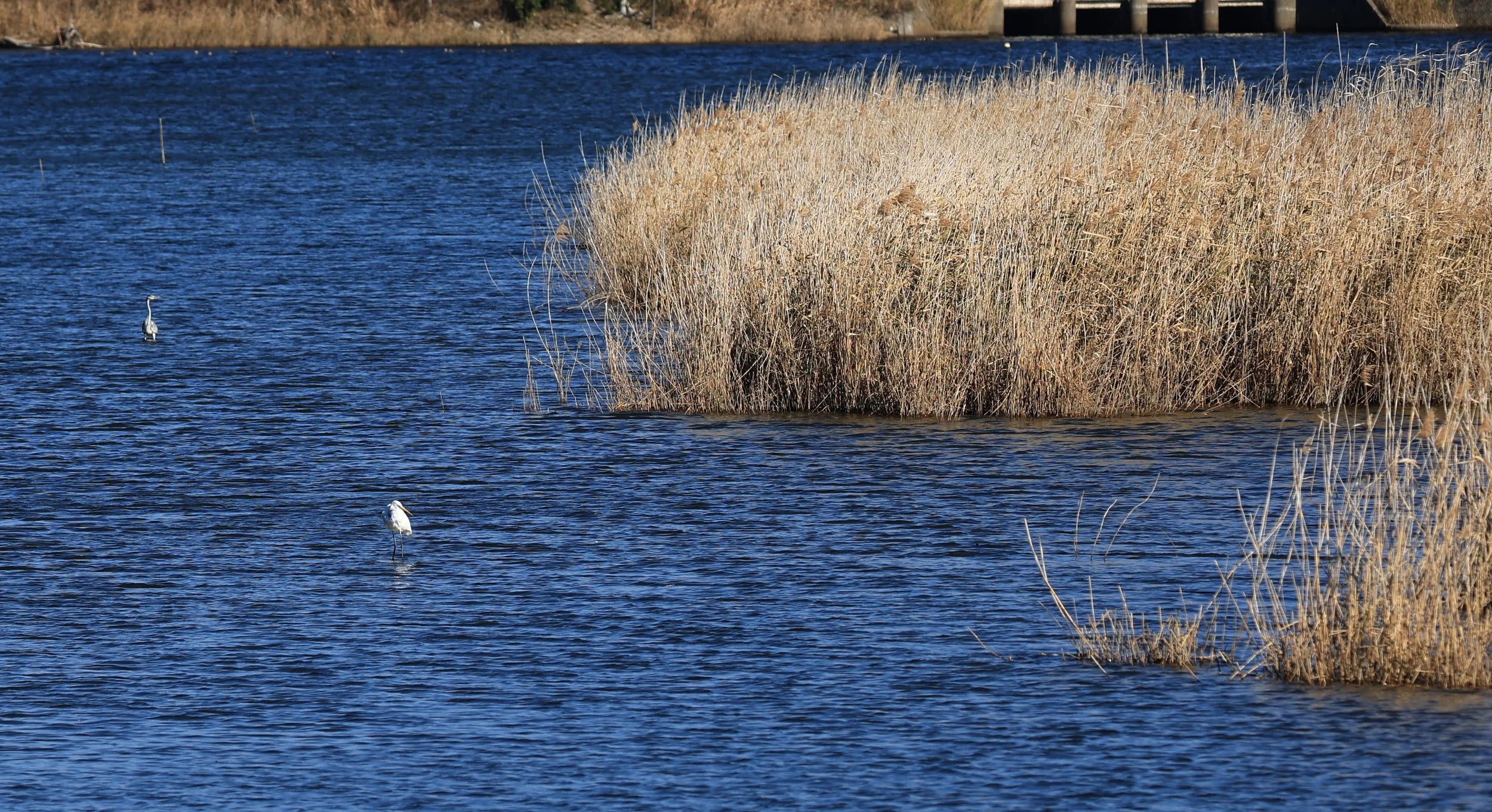
Shimotonda Sadowaracho Birding Ponds Miyazaki Kyushu Japan
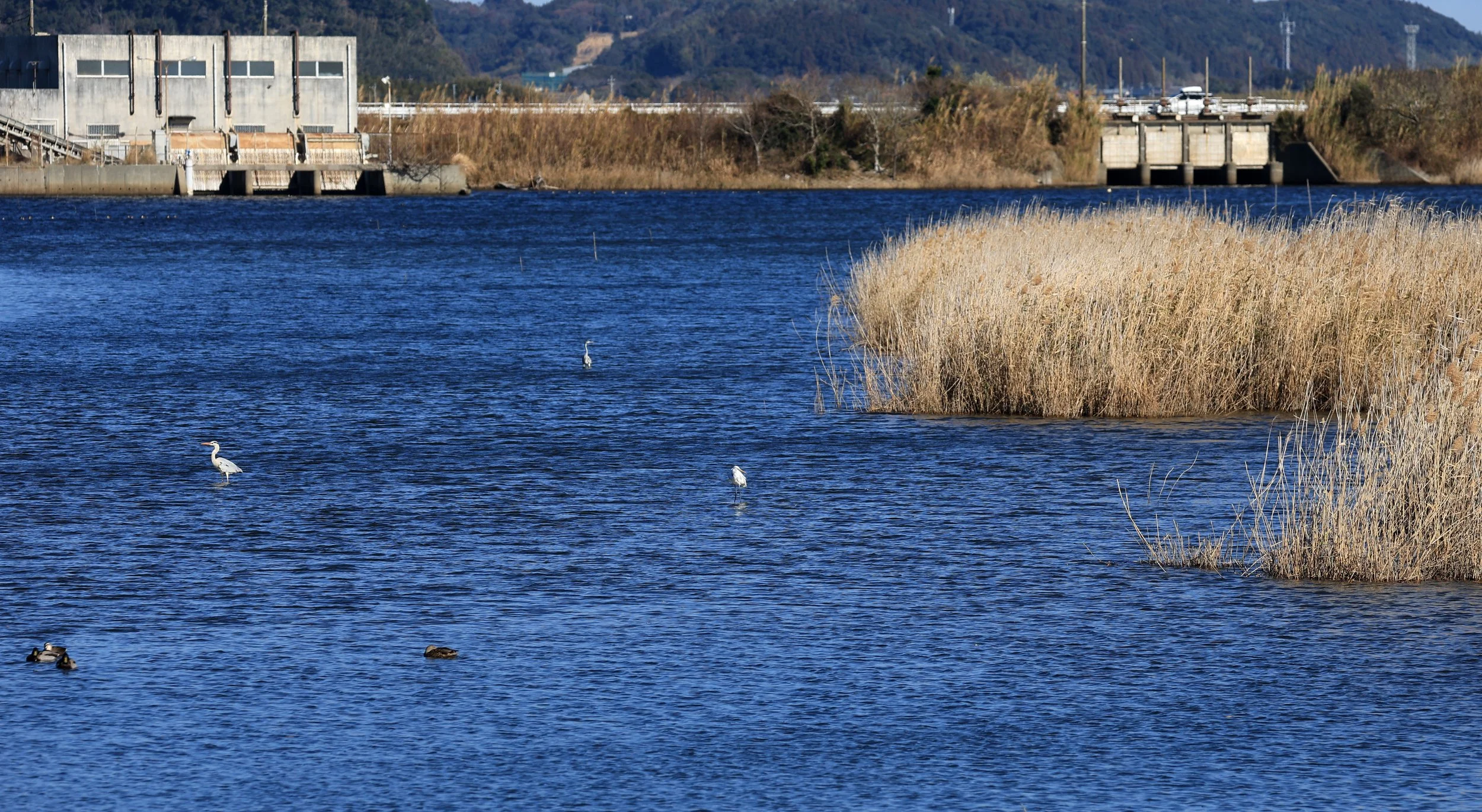
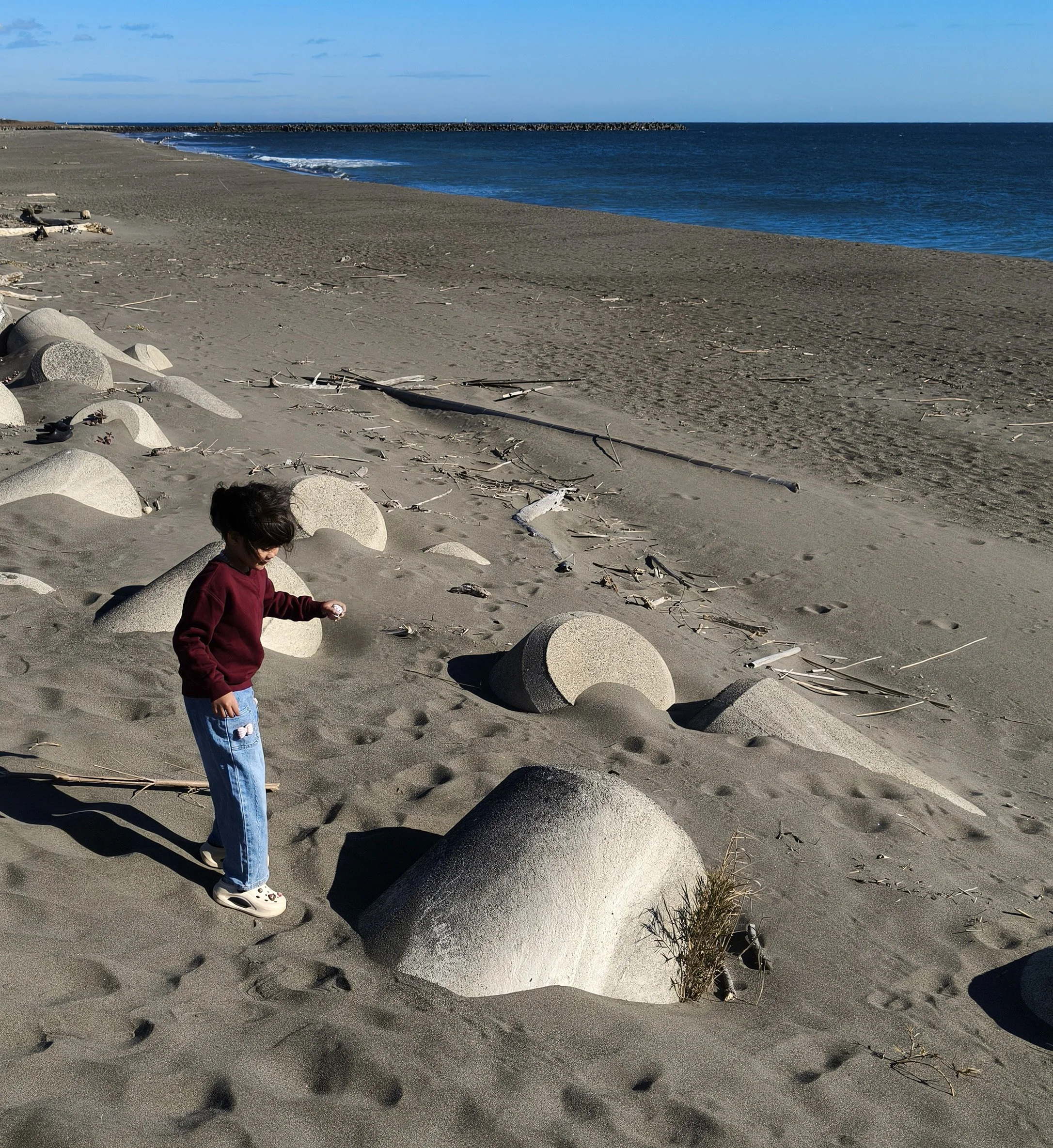
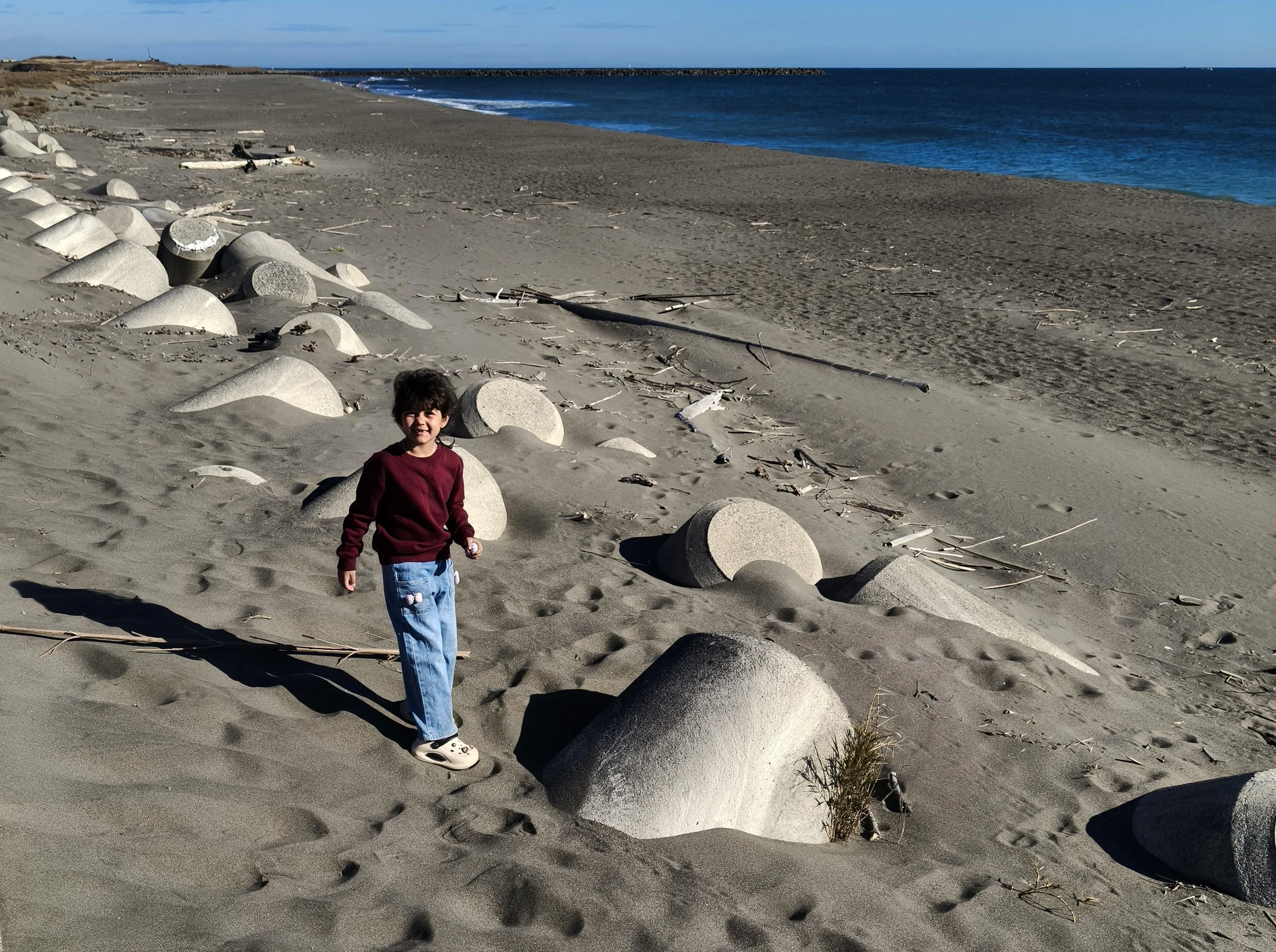


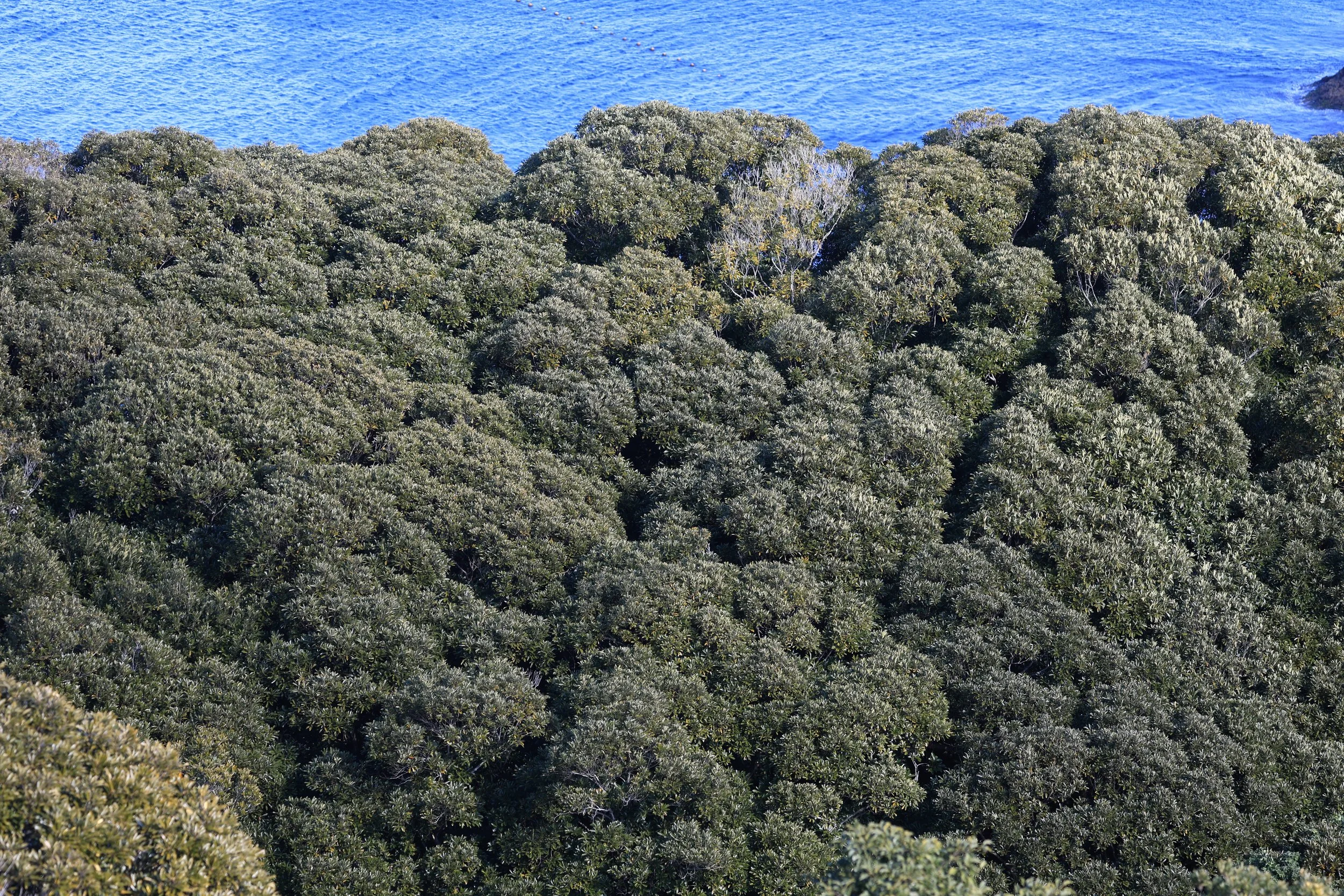
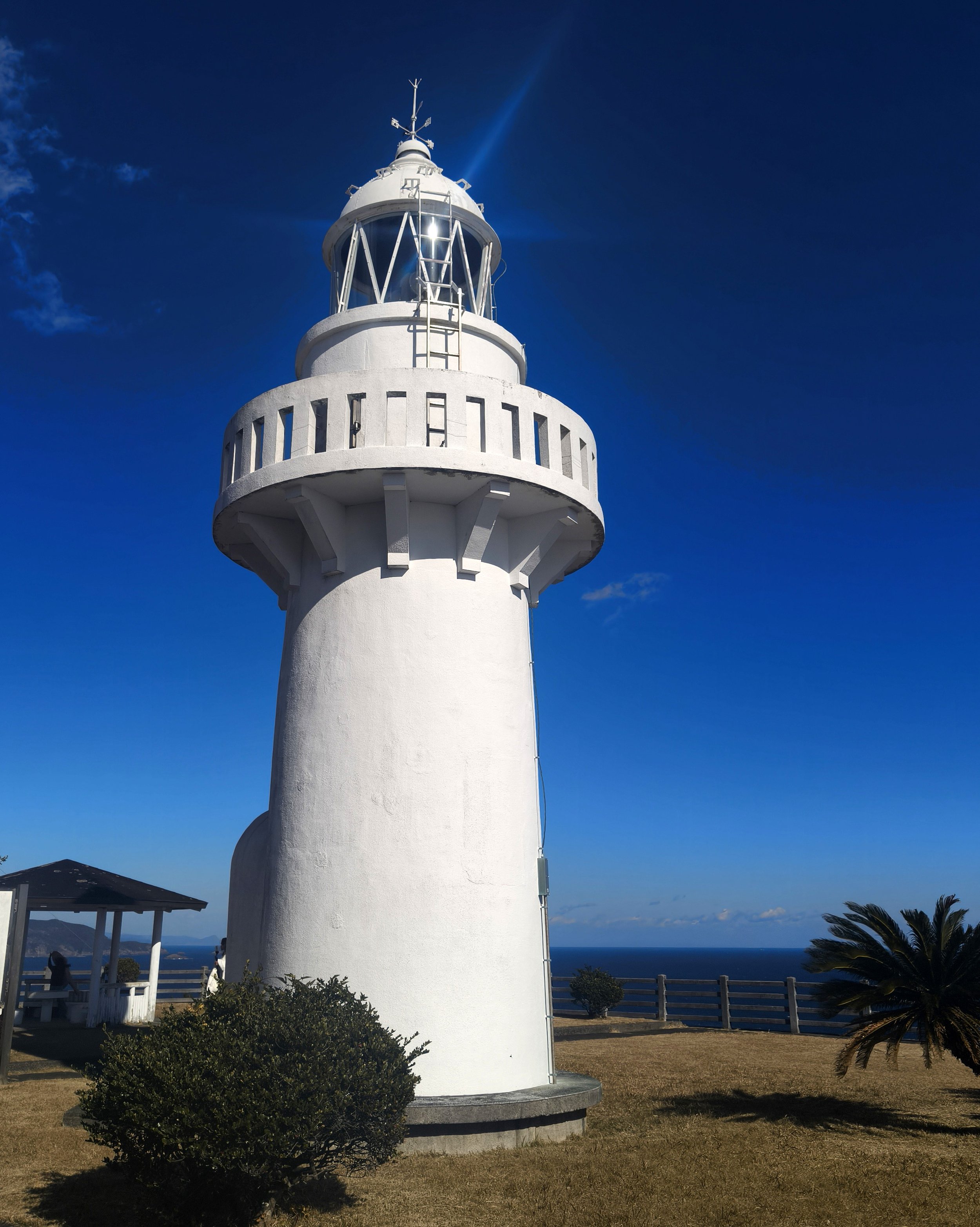
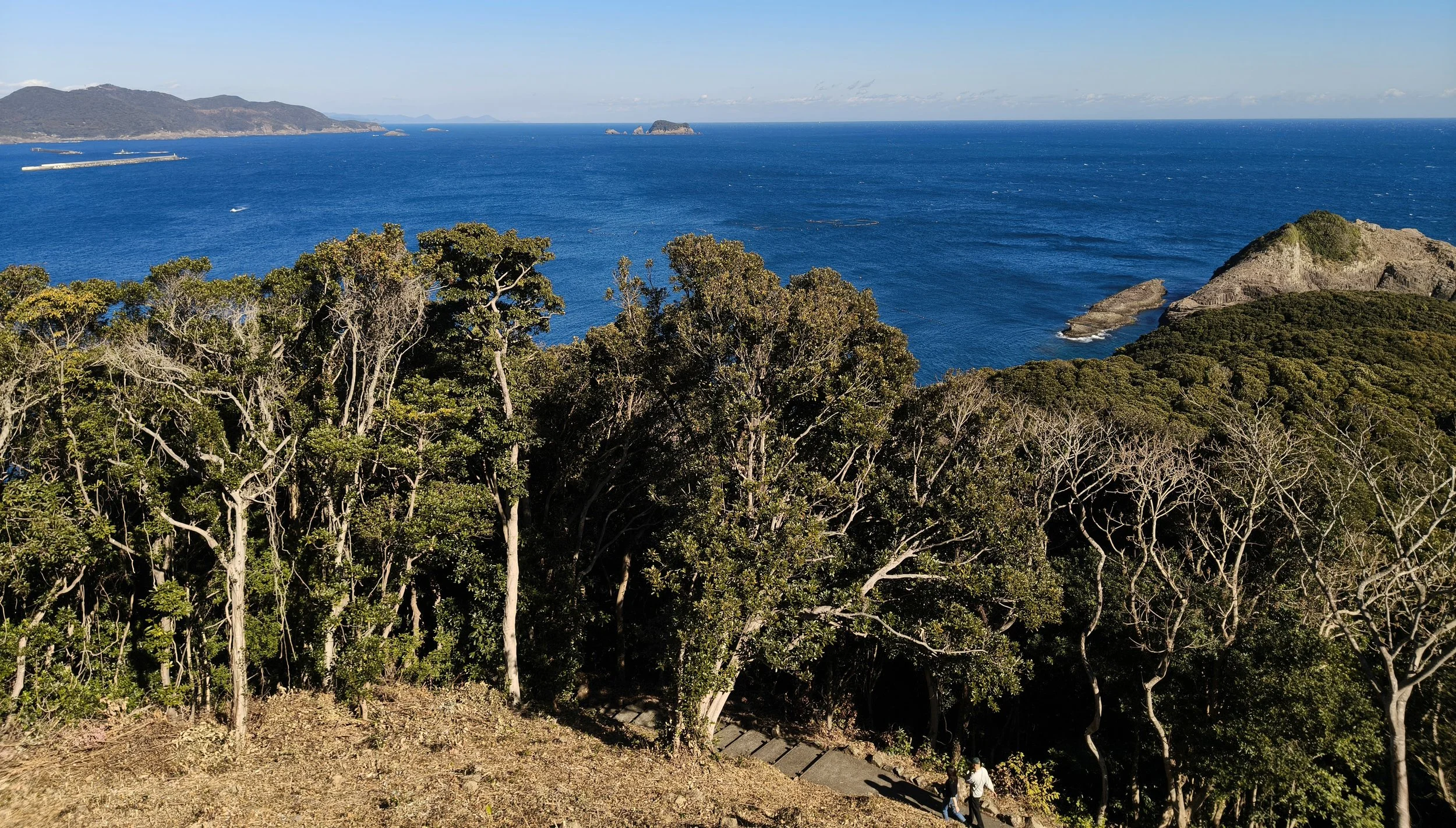
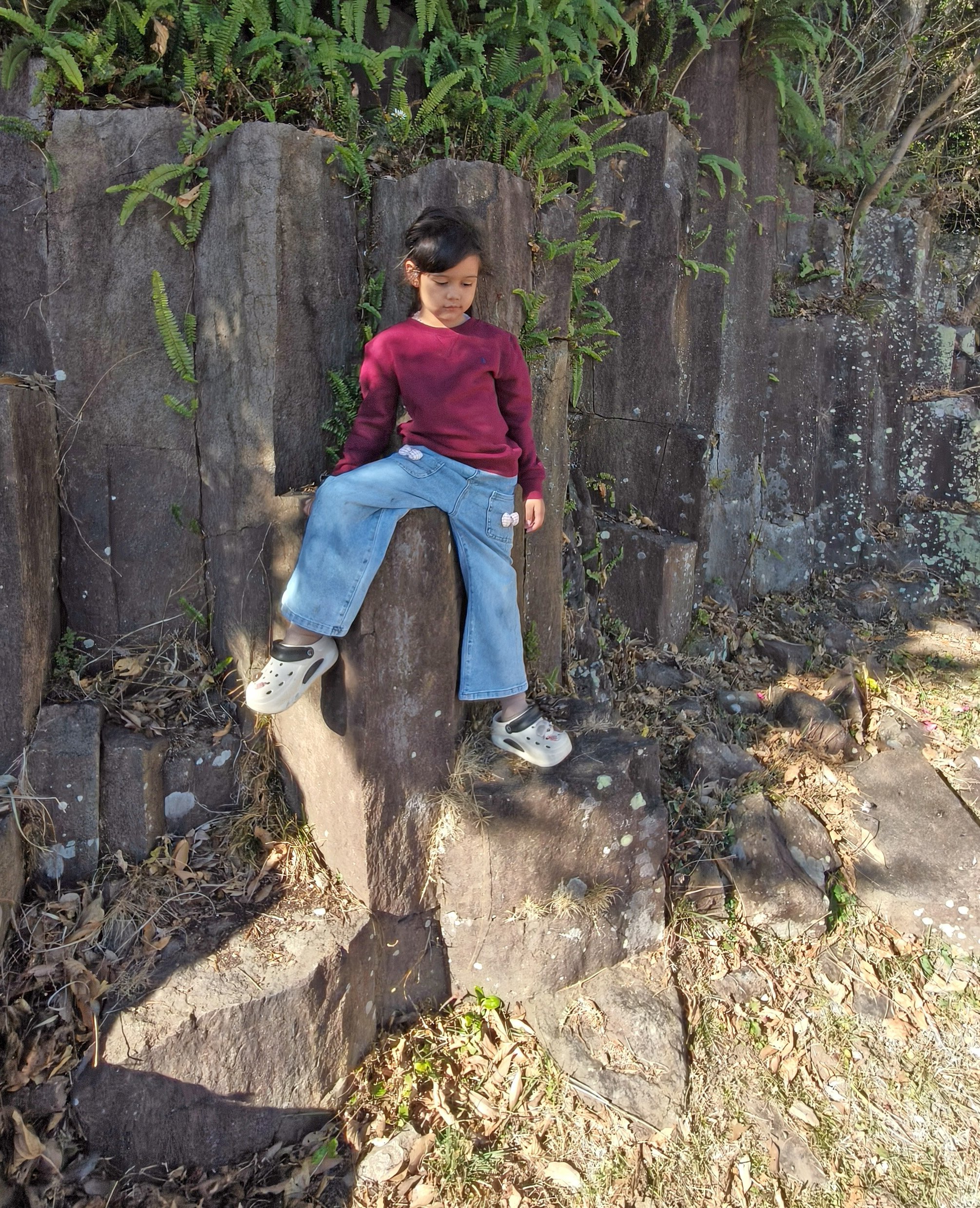
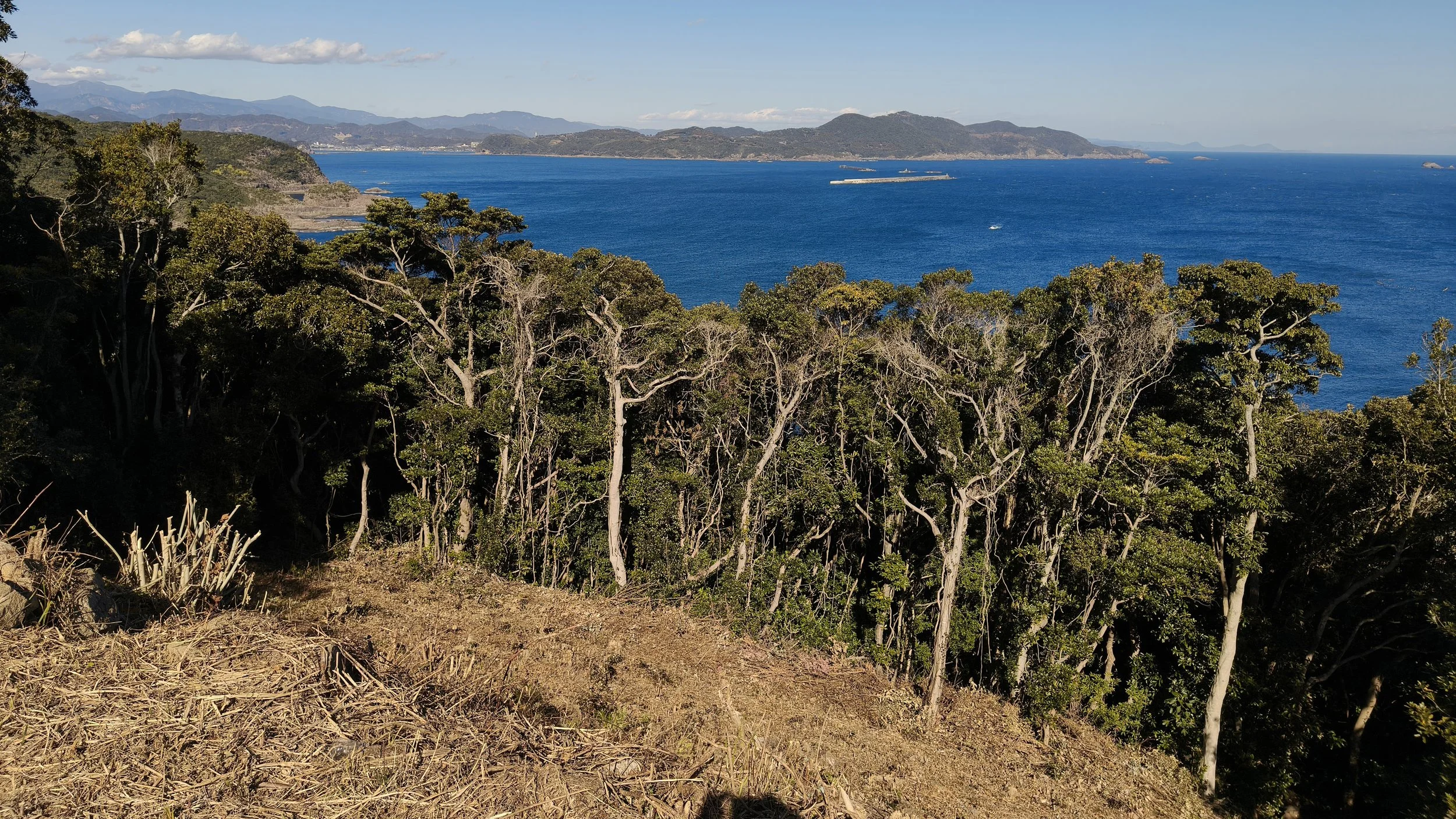
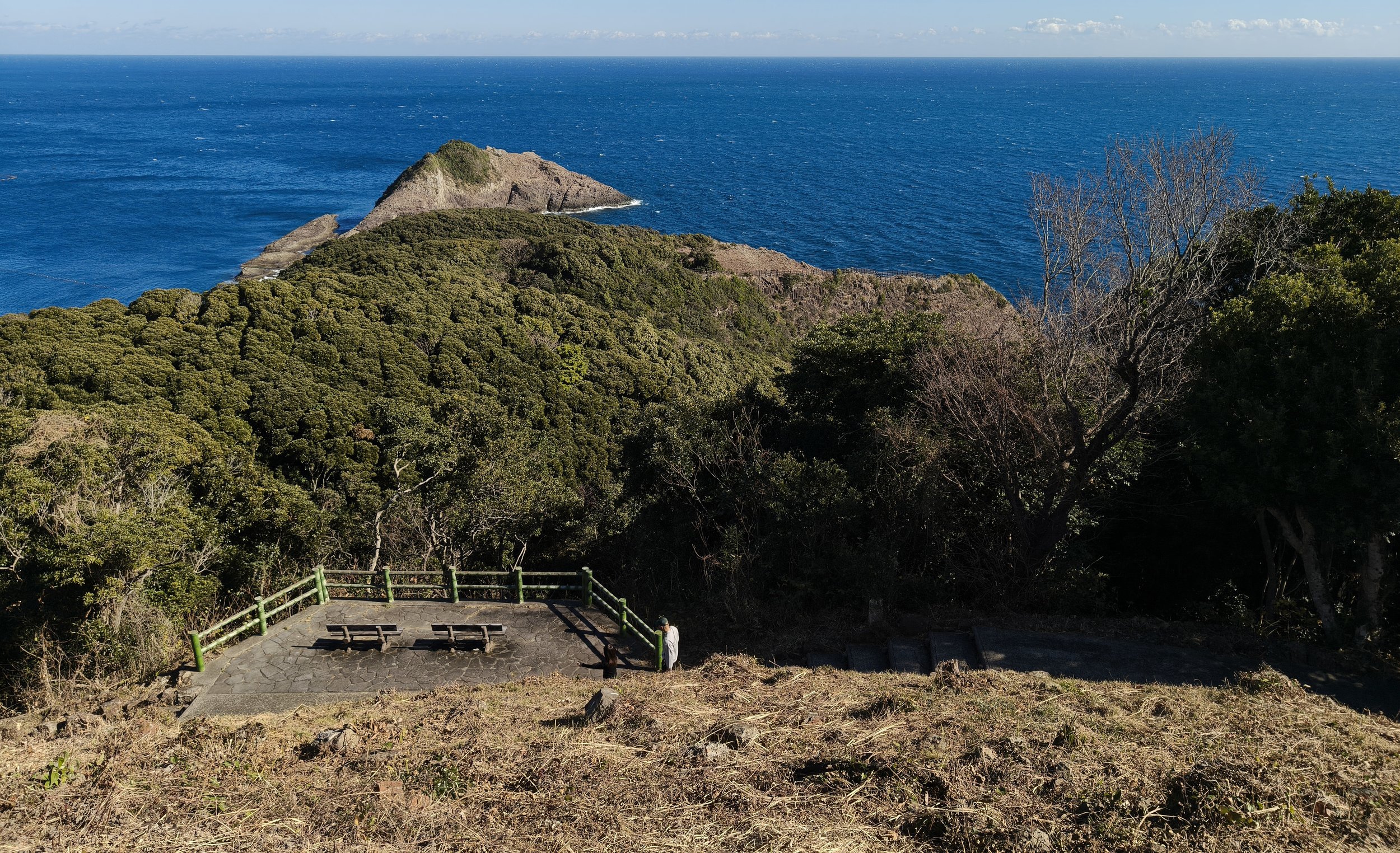
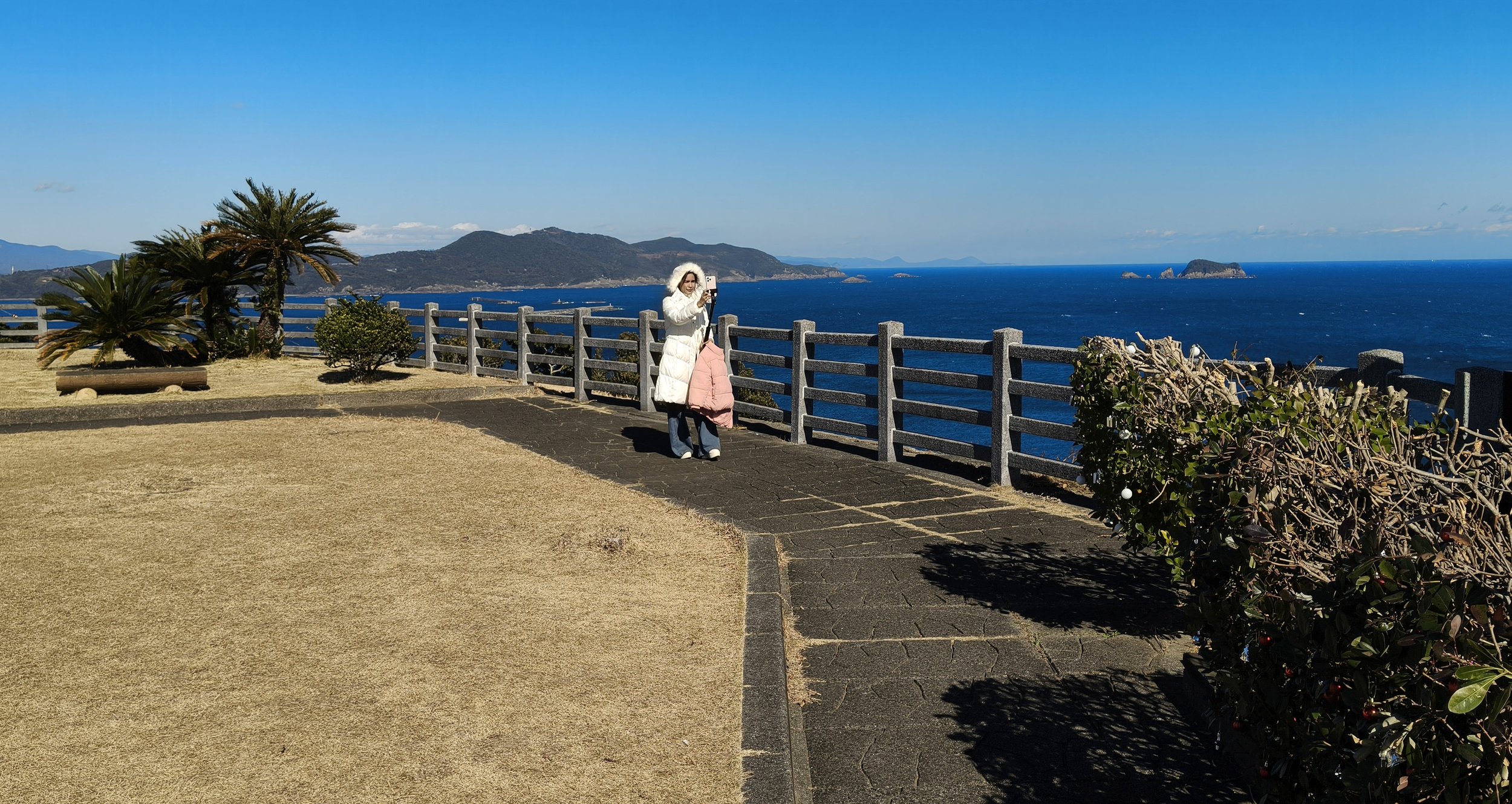
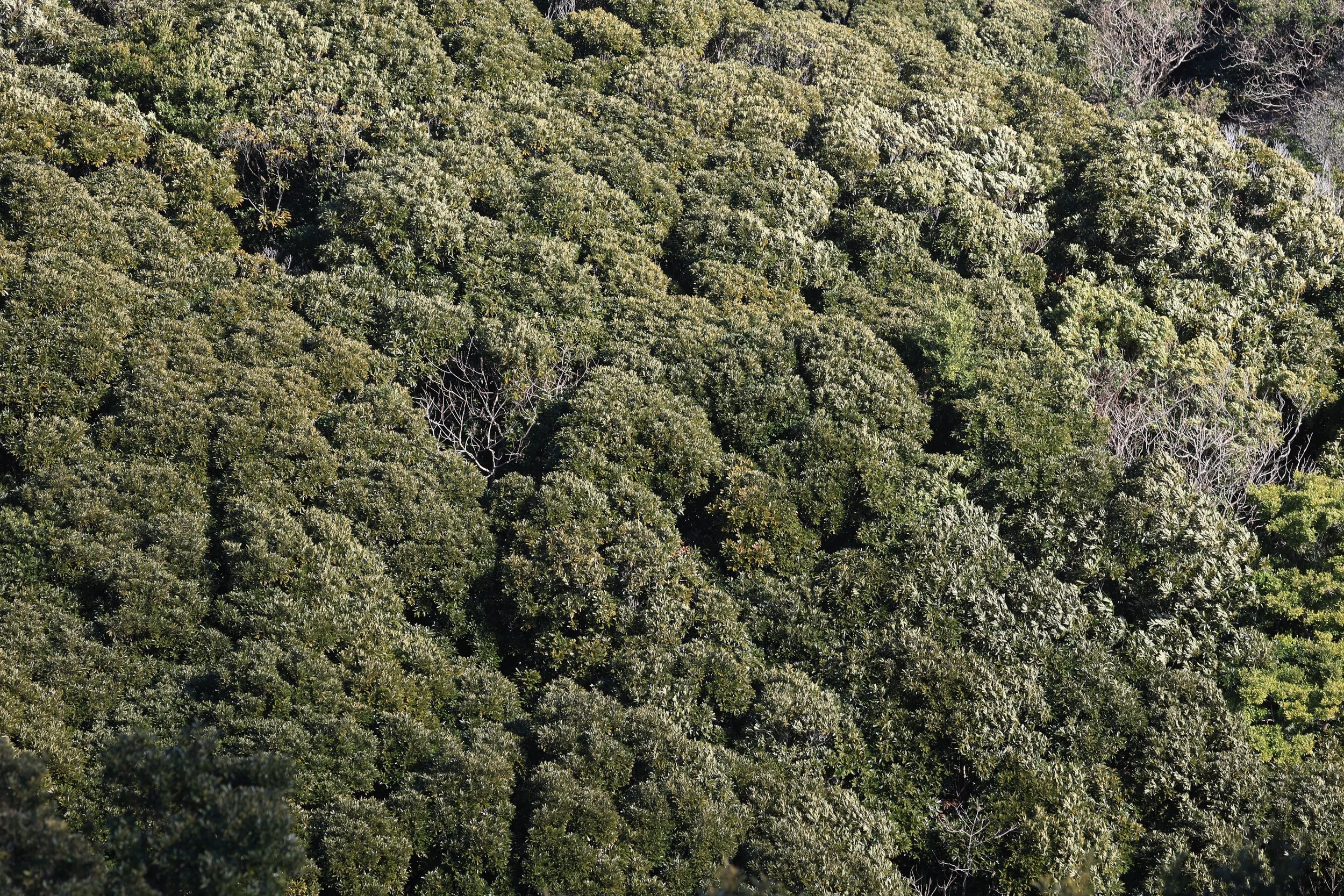
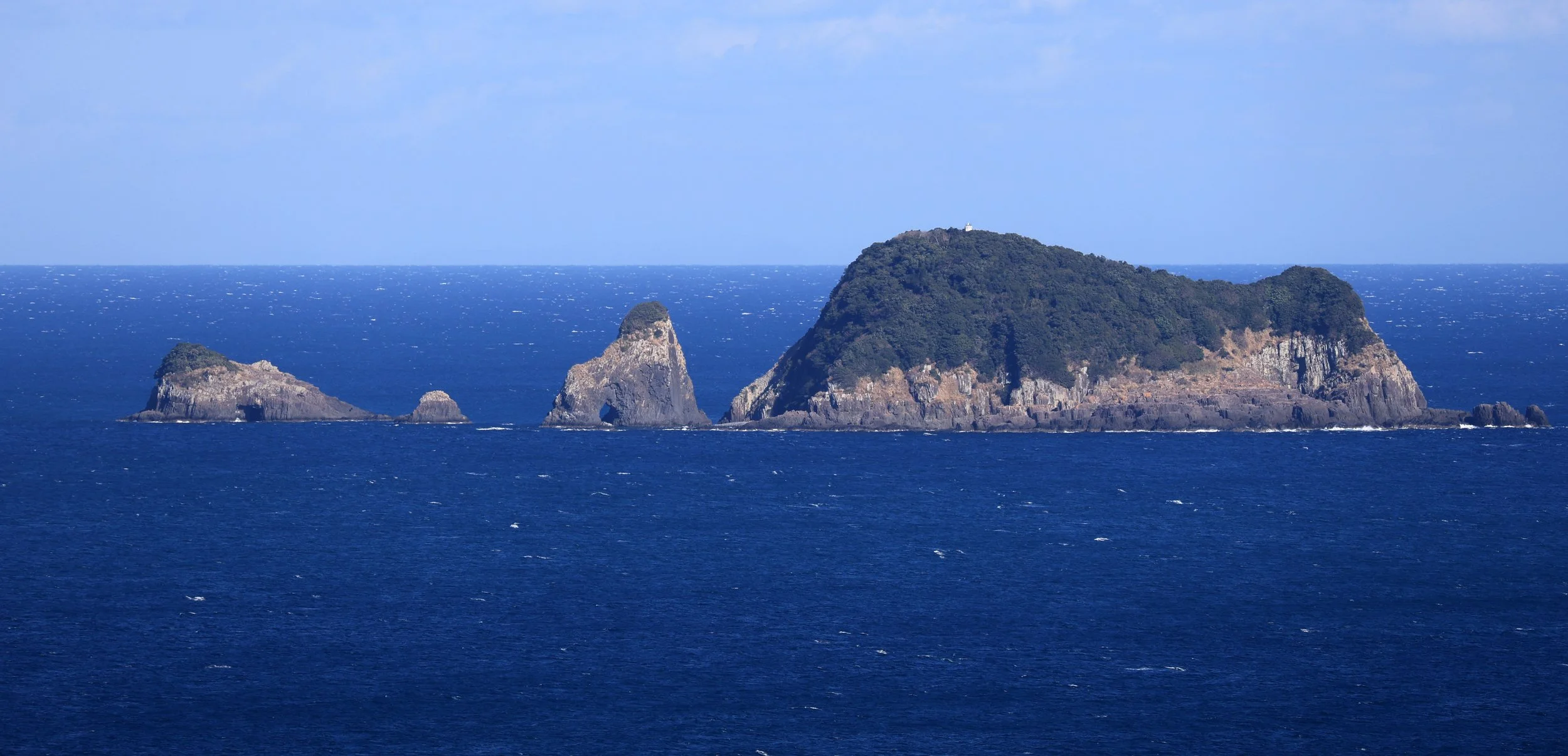
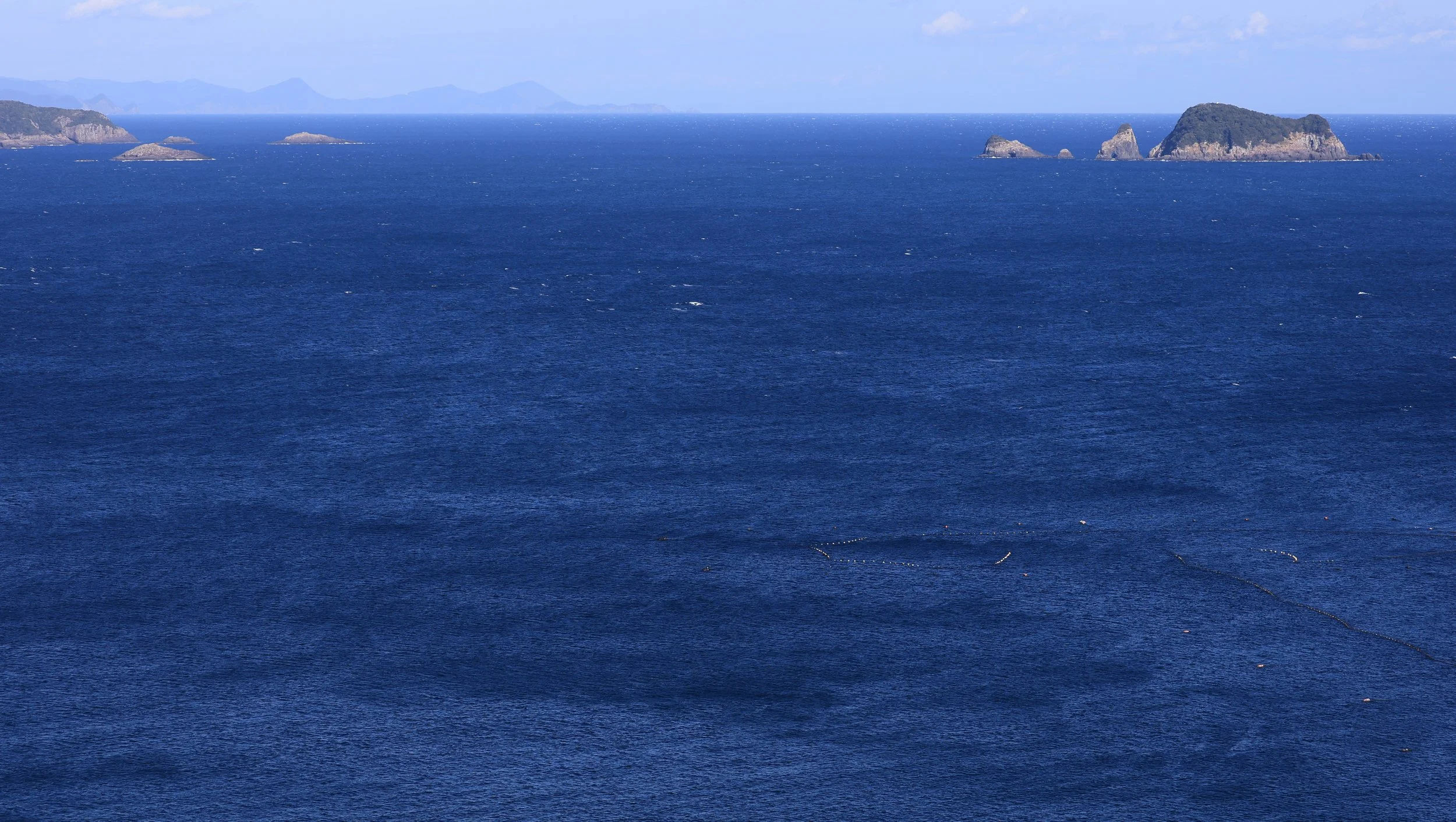
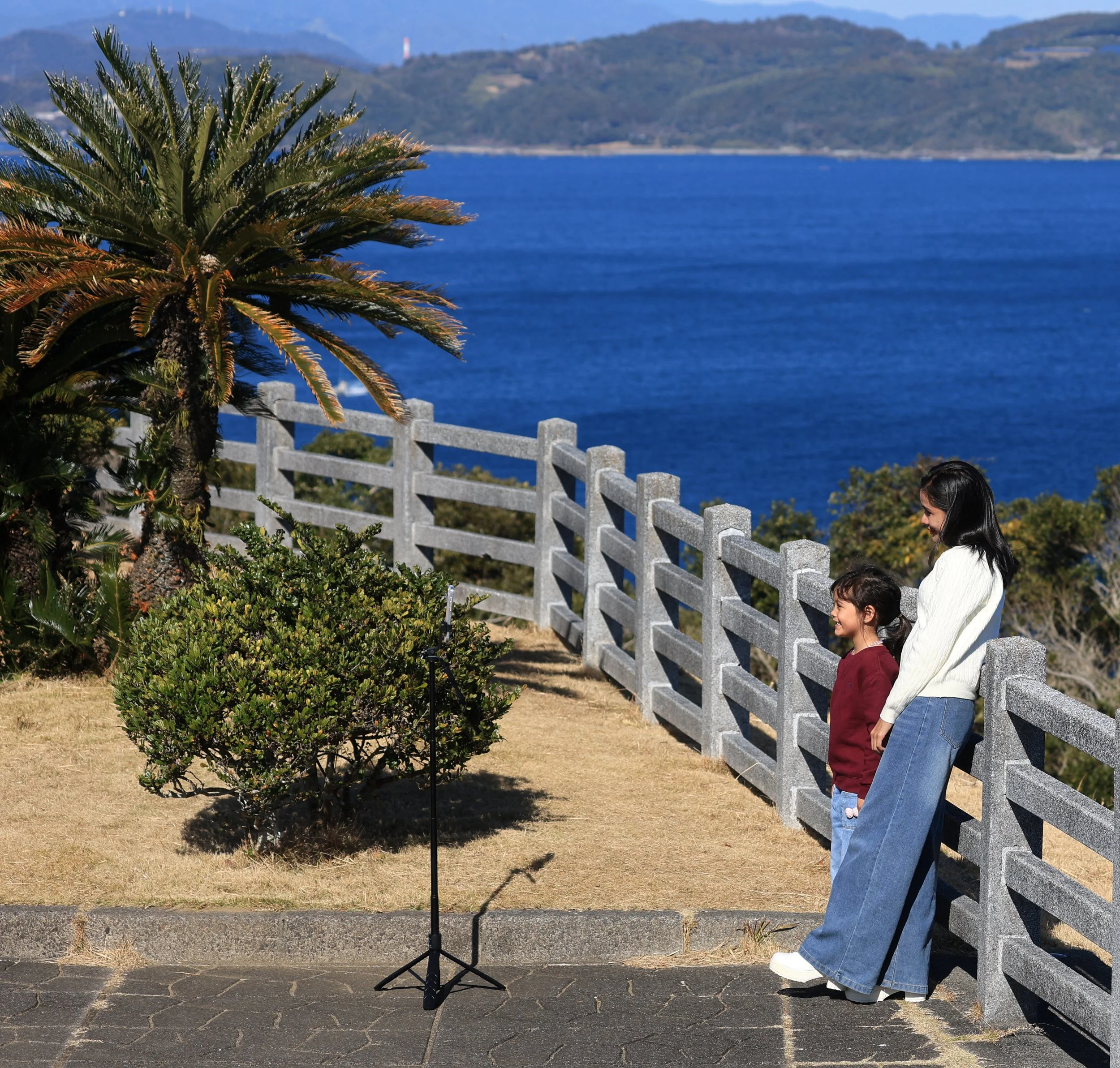
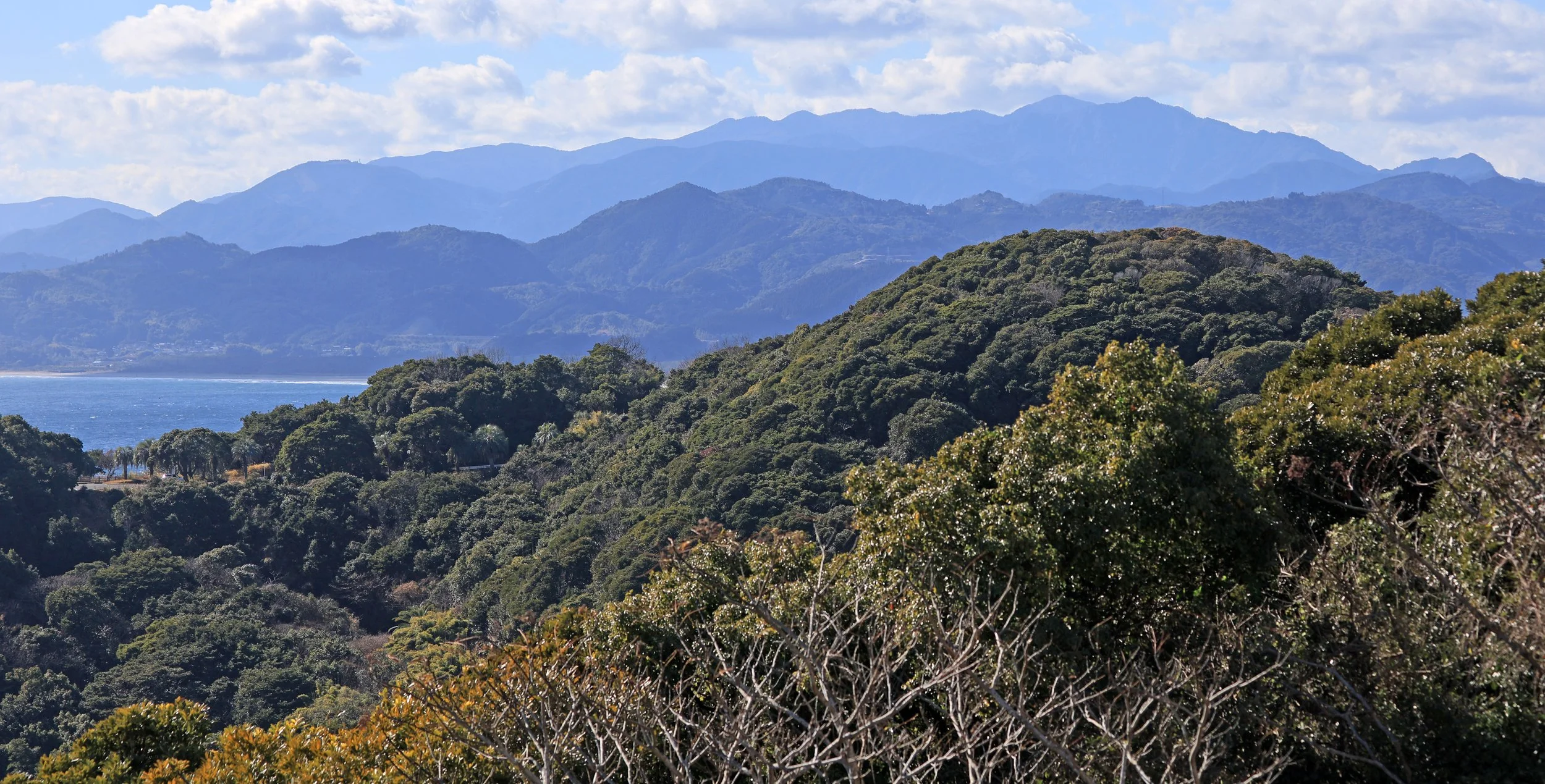
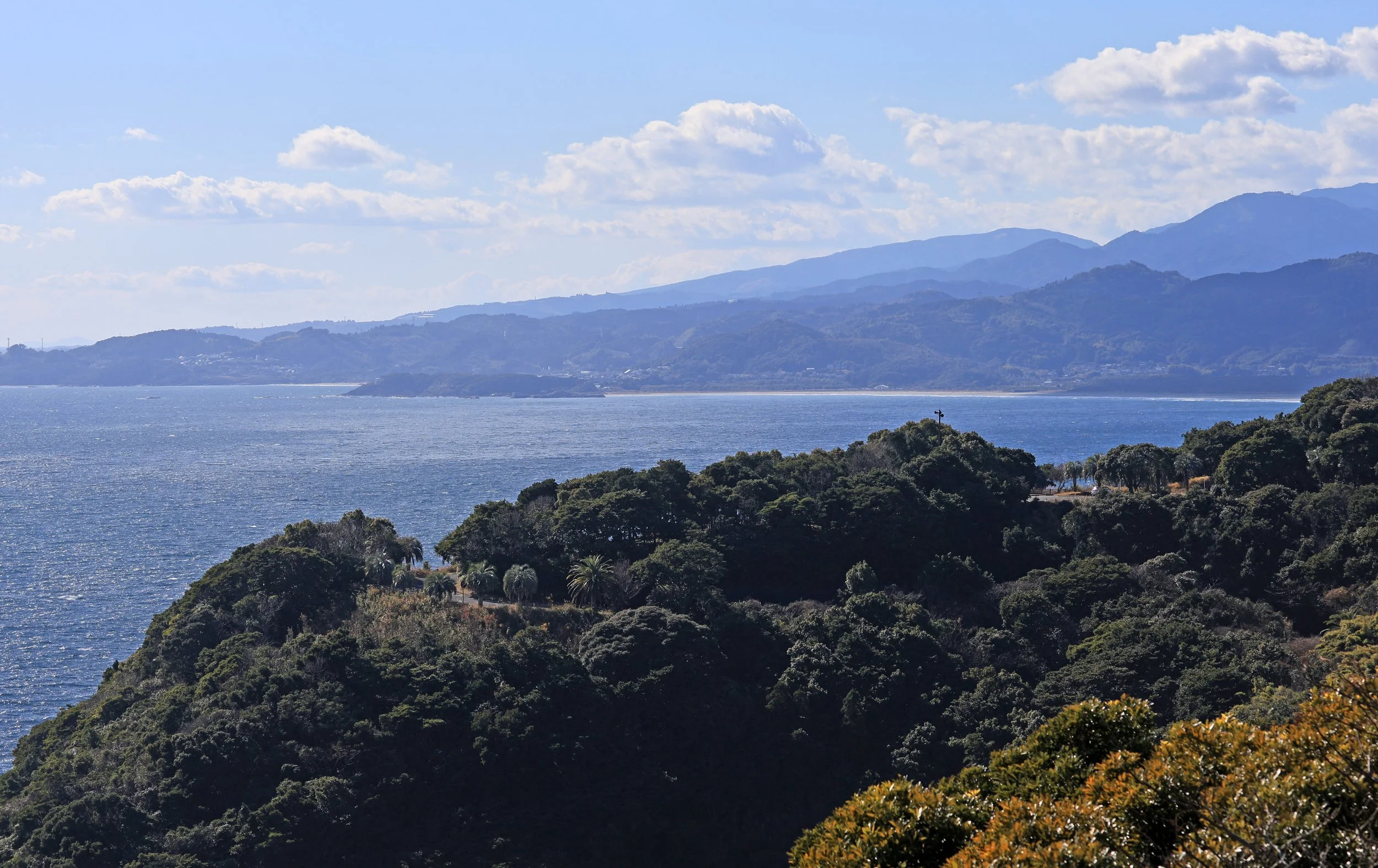
Cape Hyuga
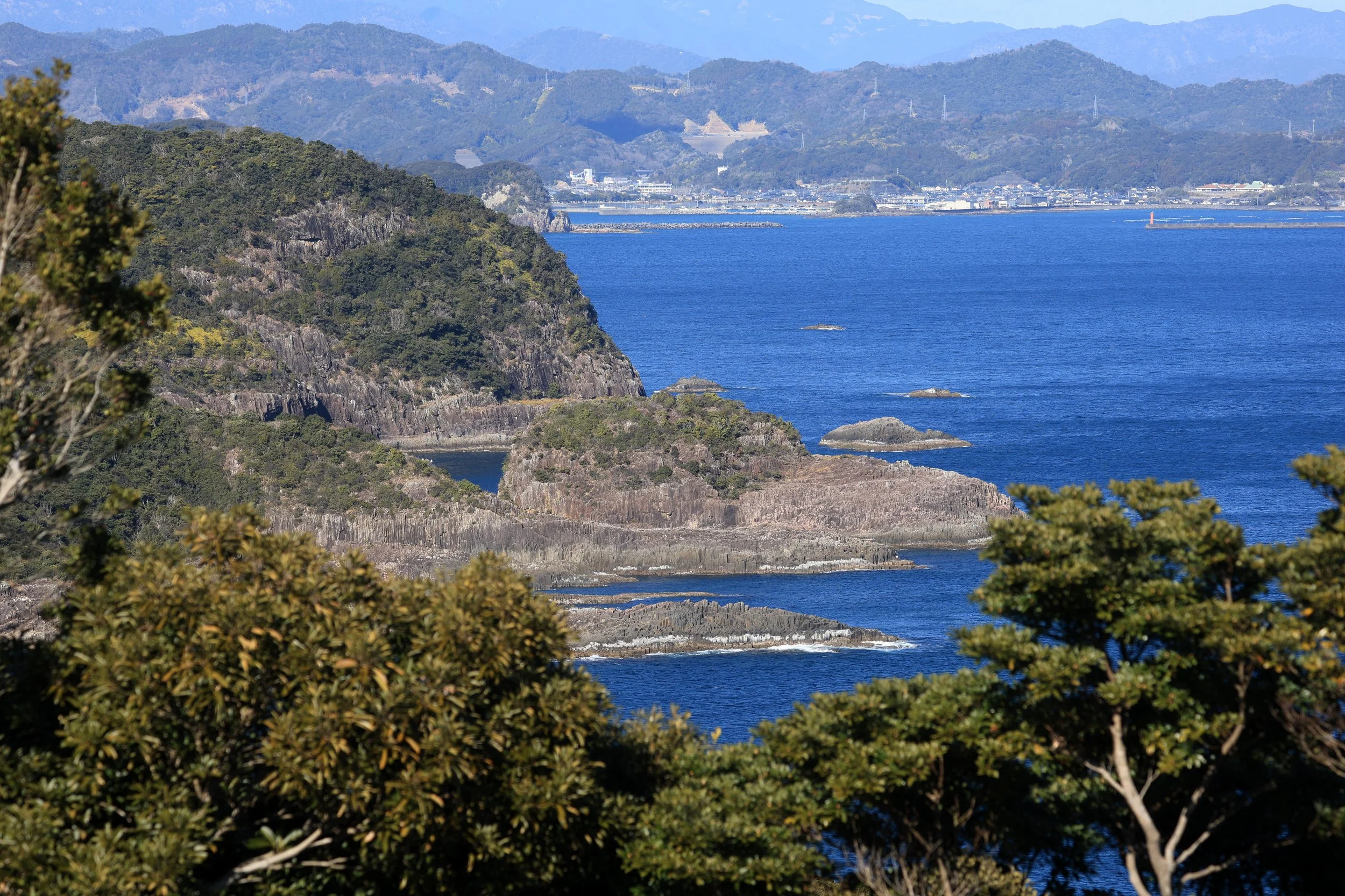
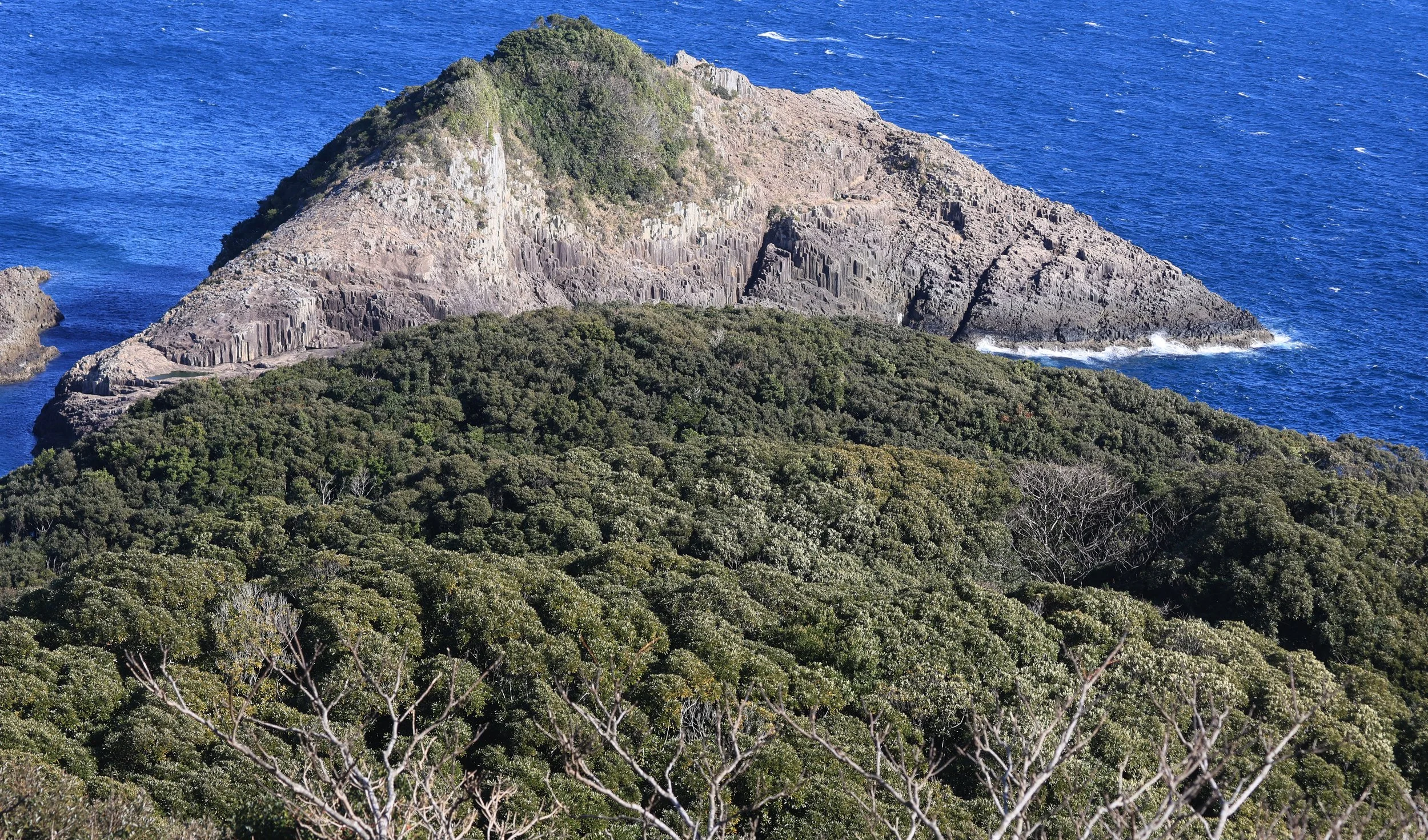
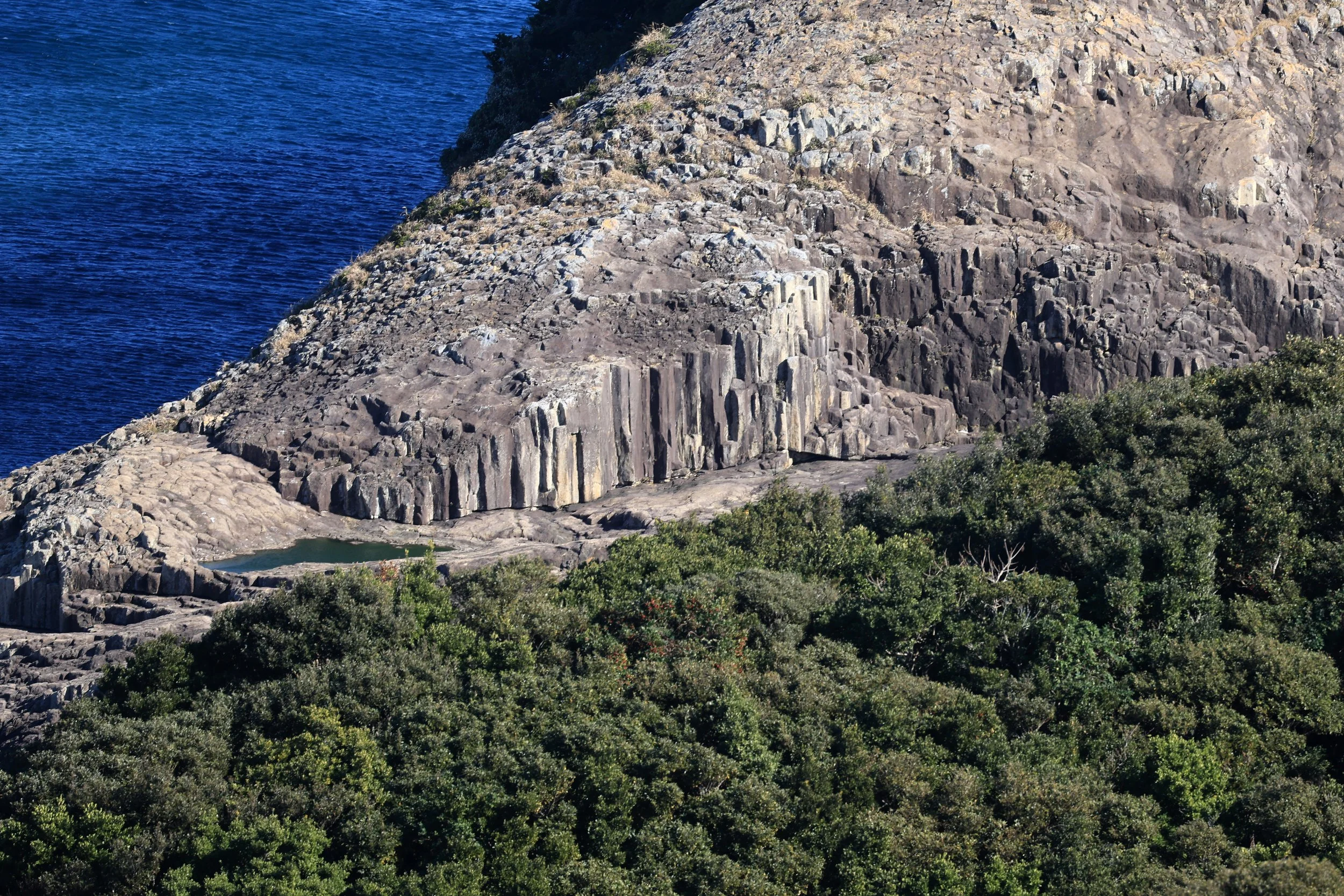
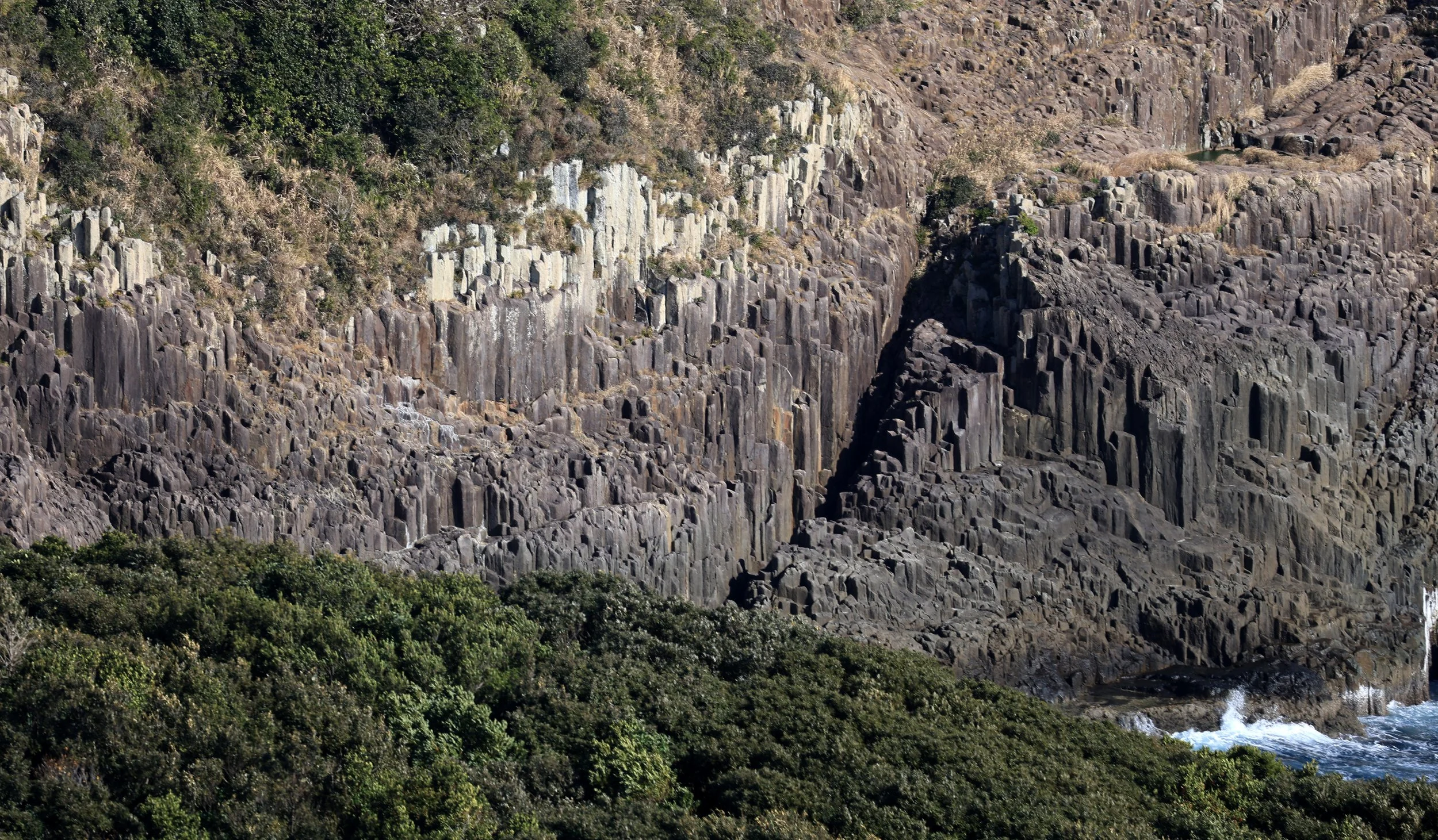
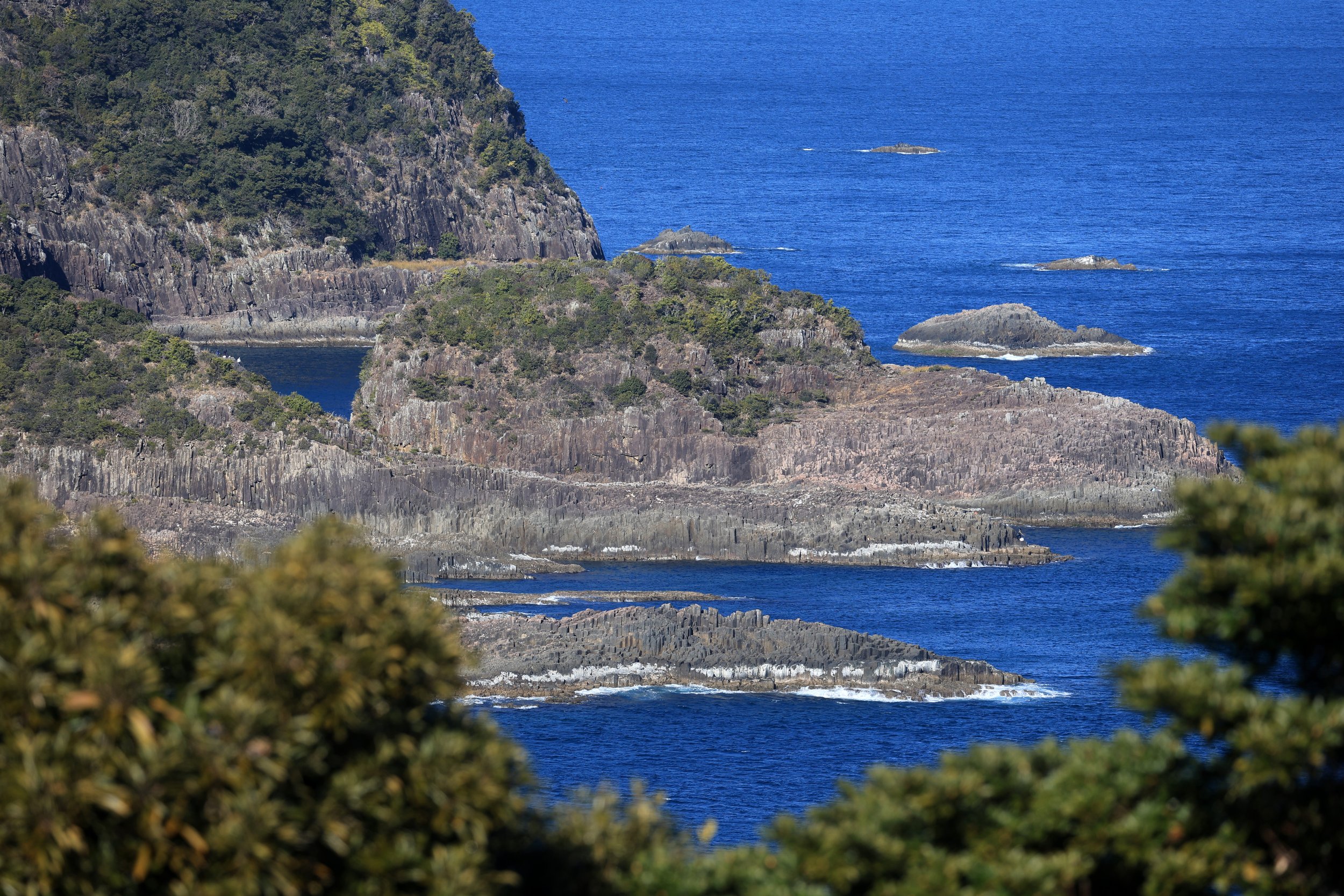
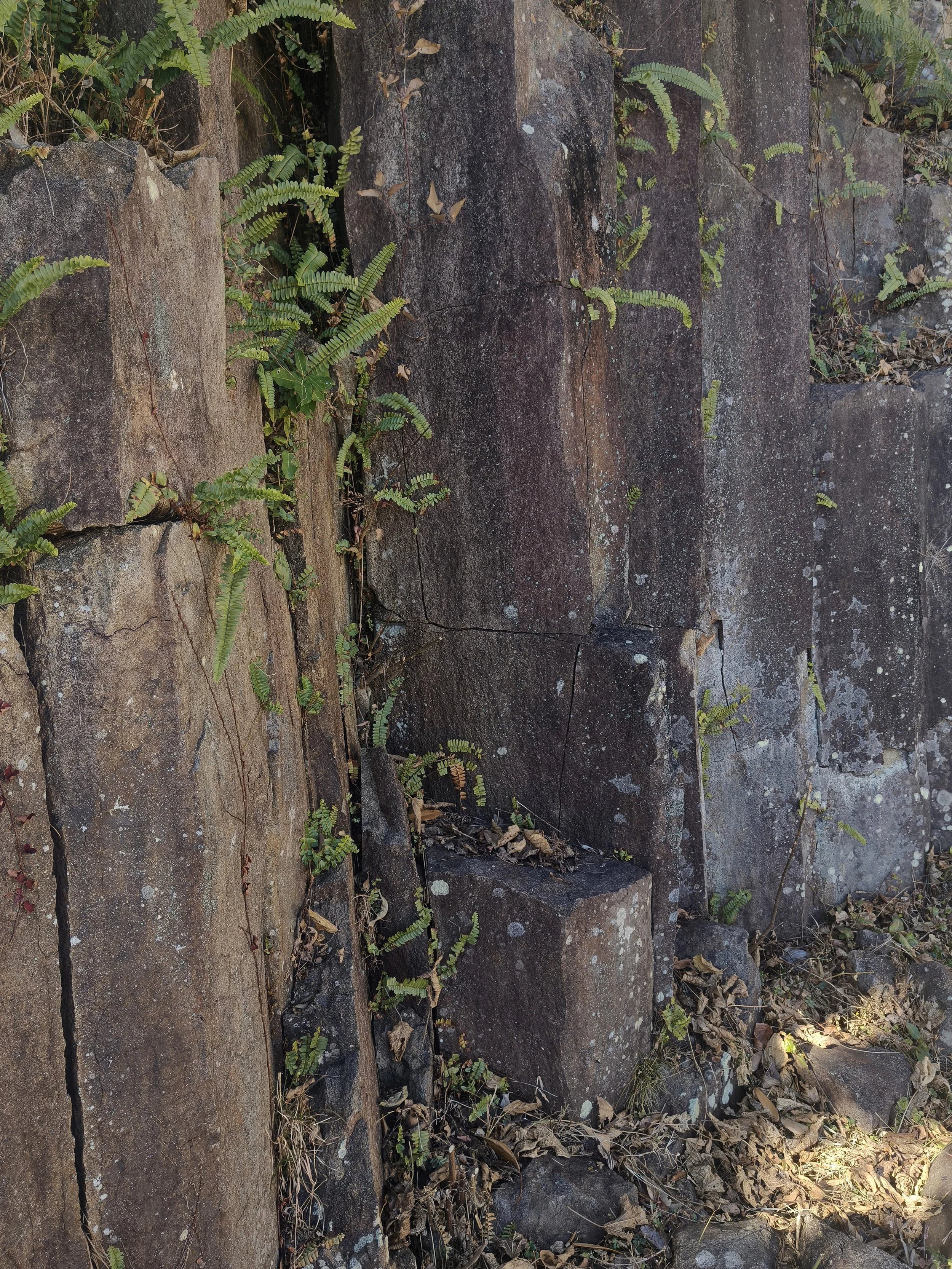
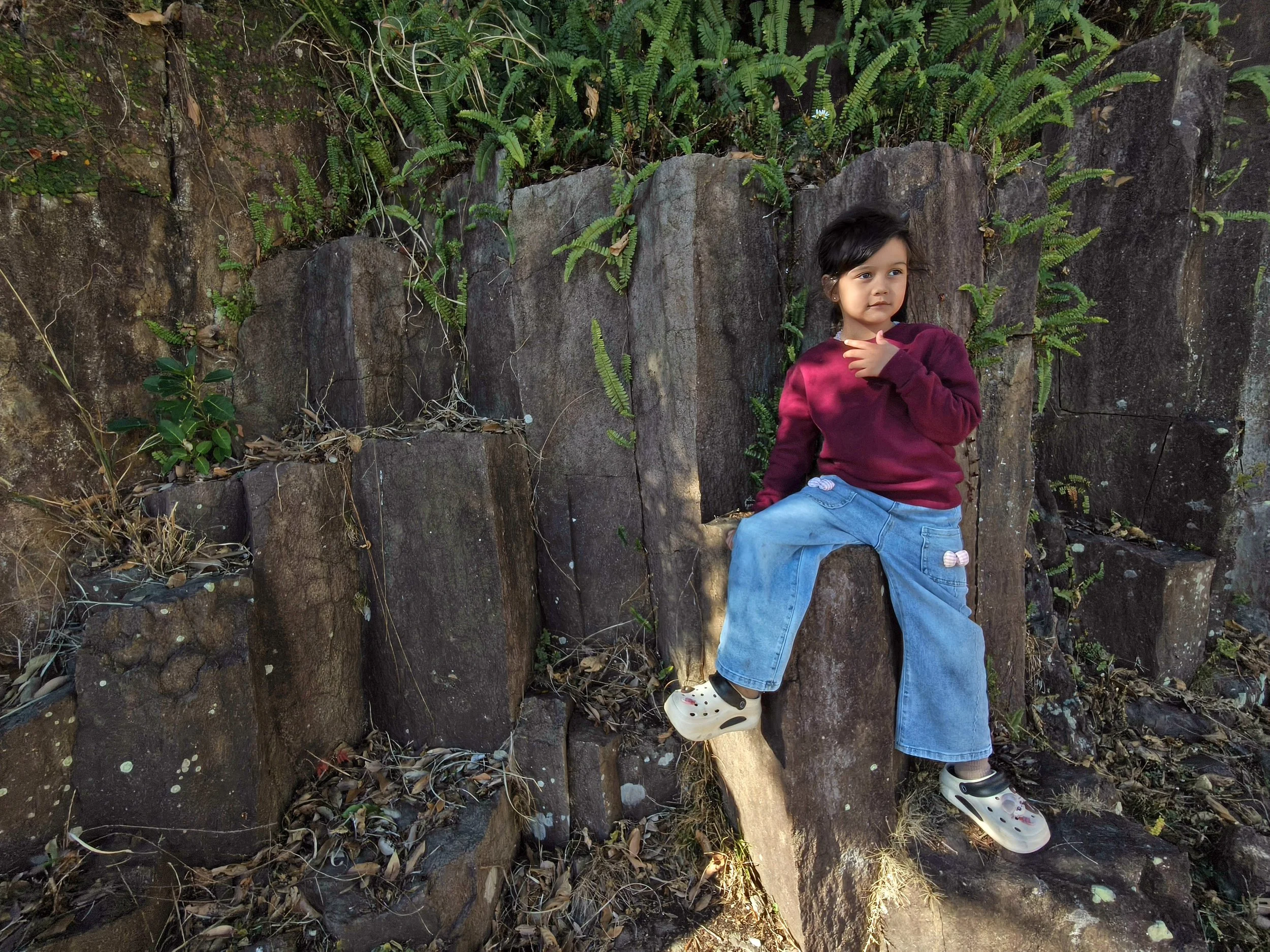
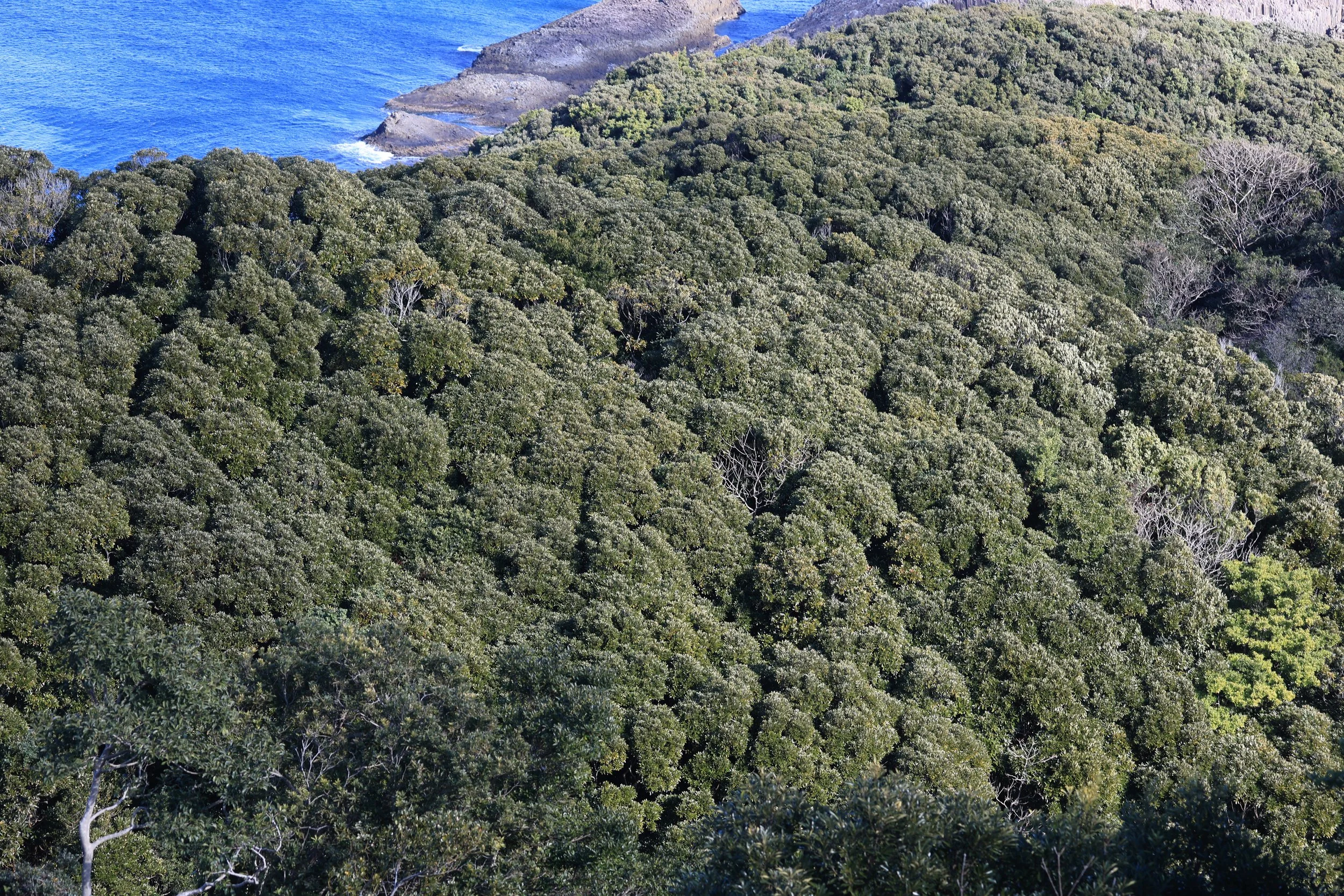
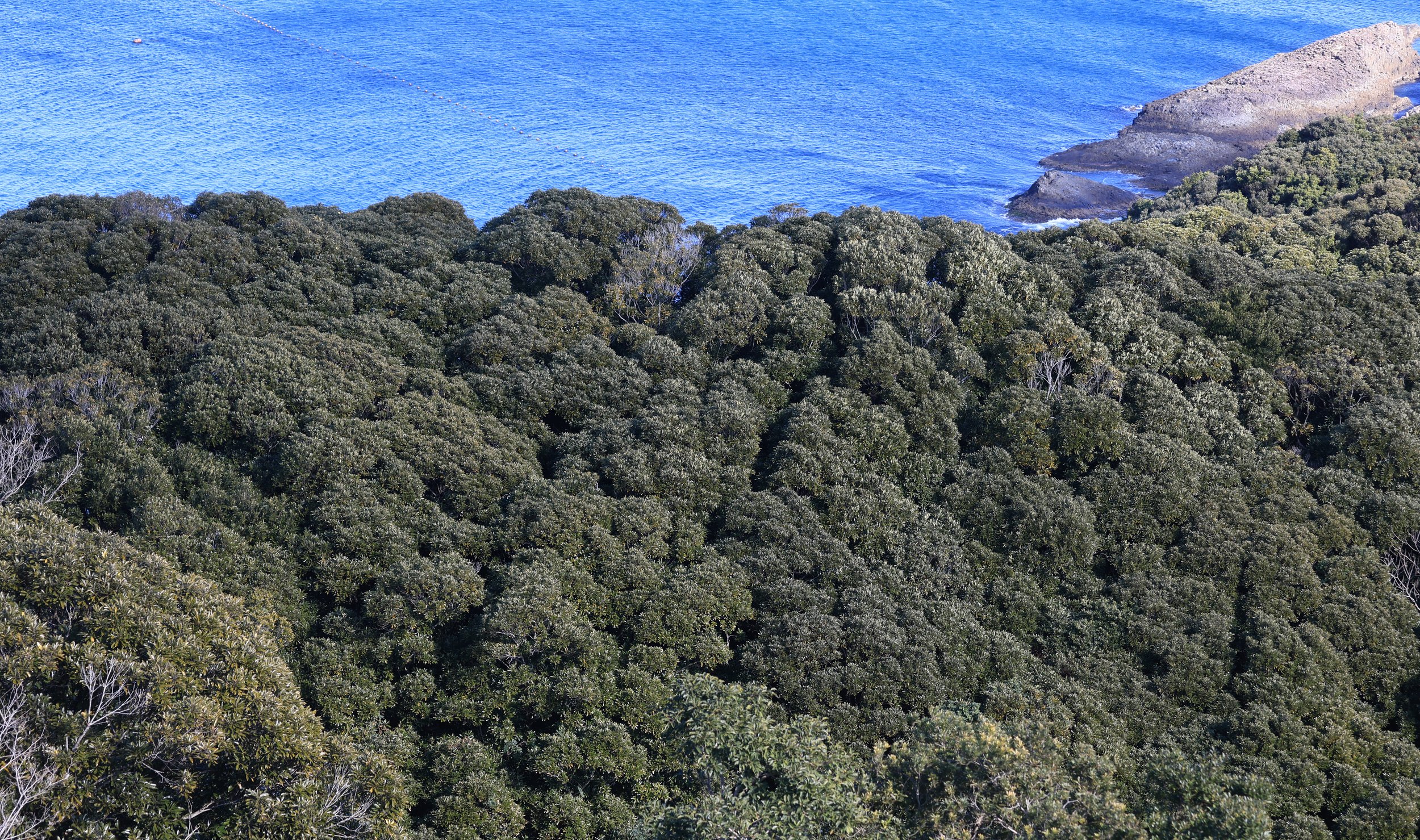
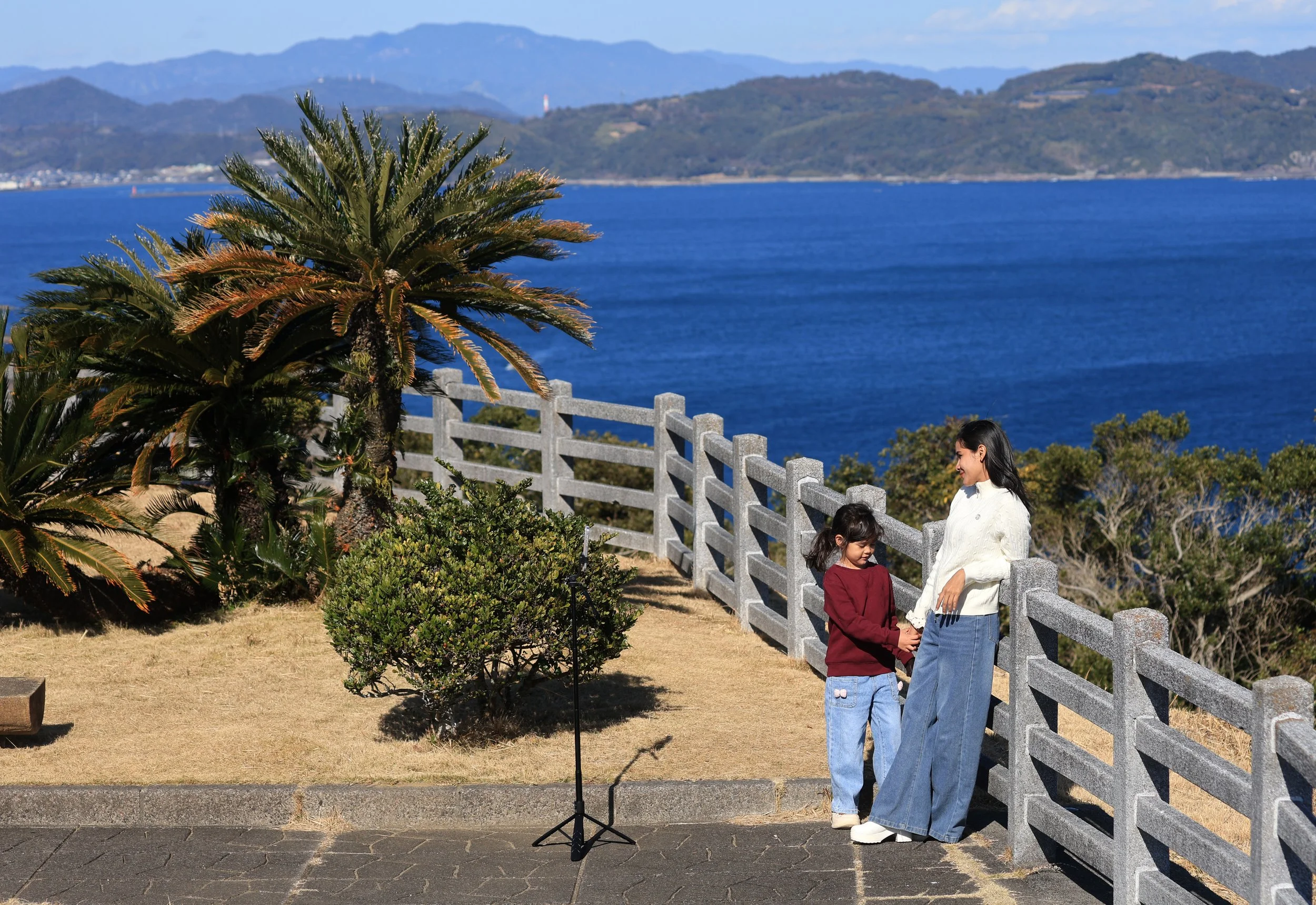
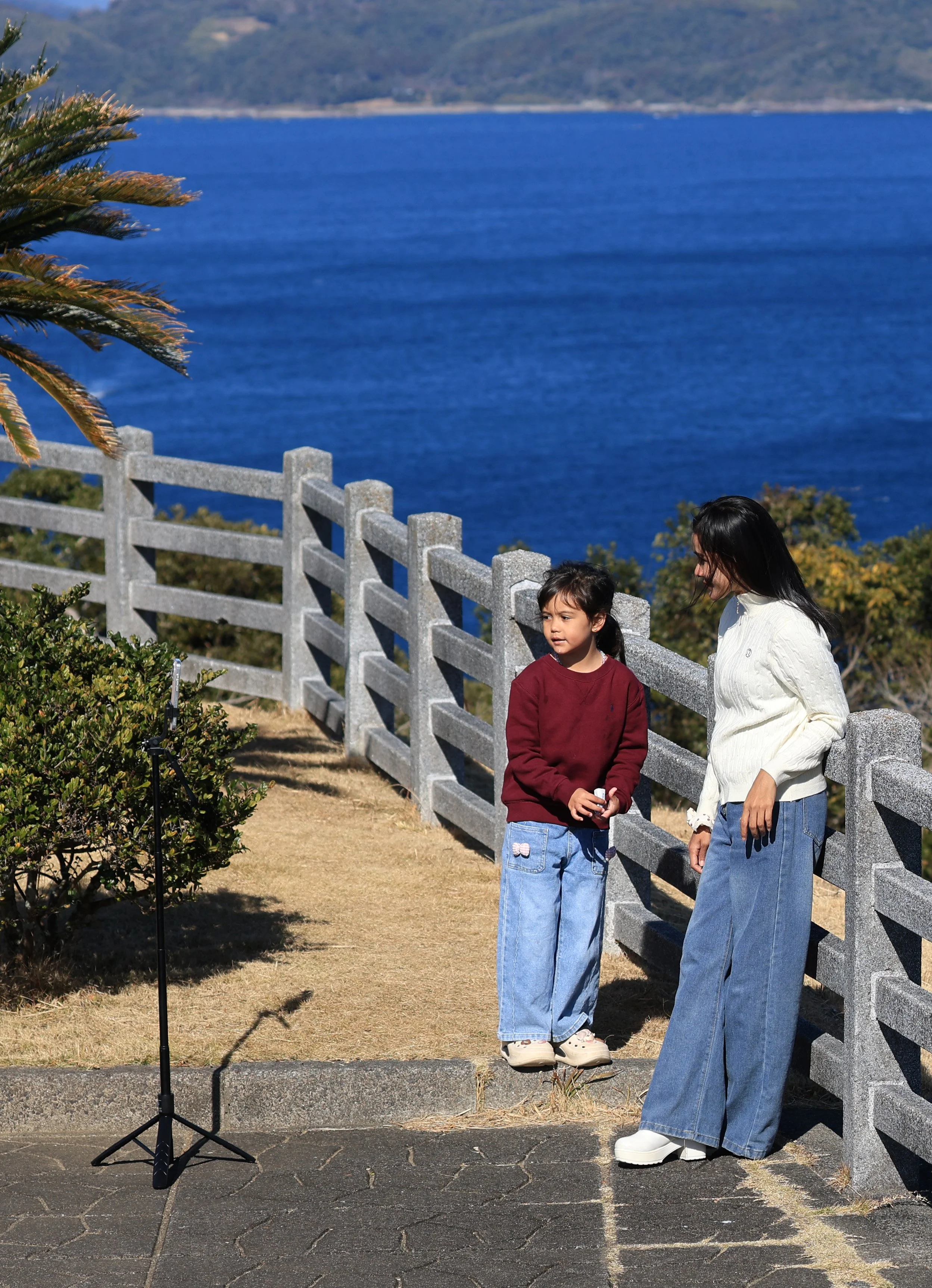
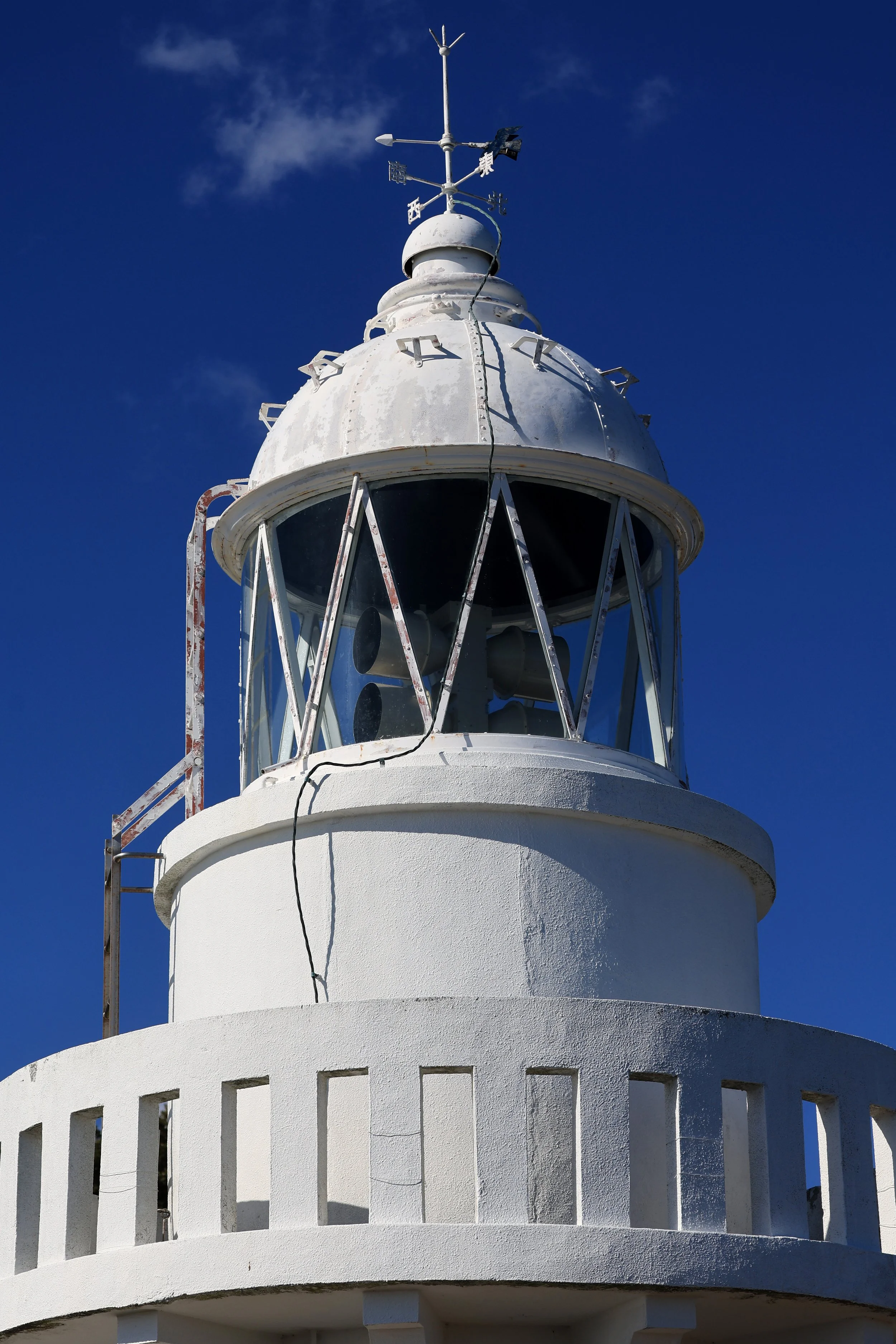
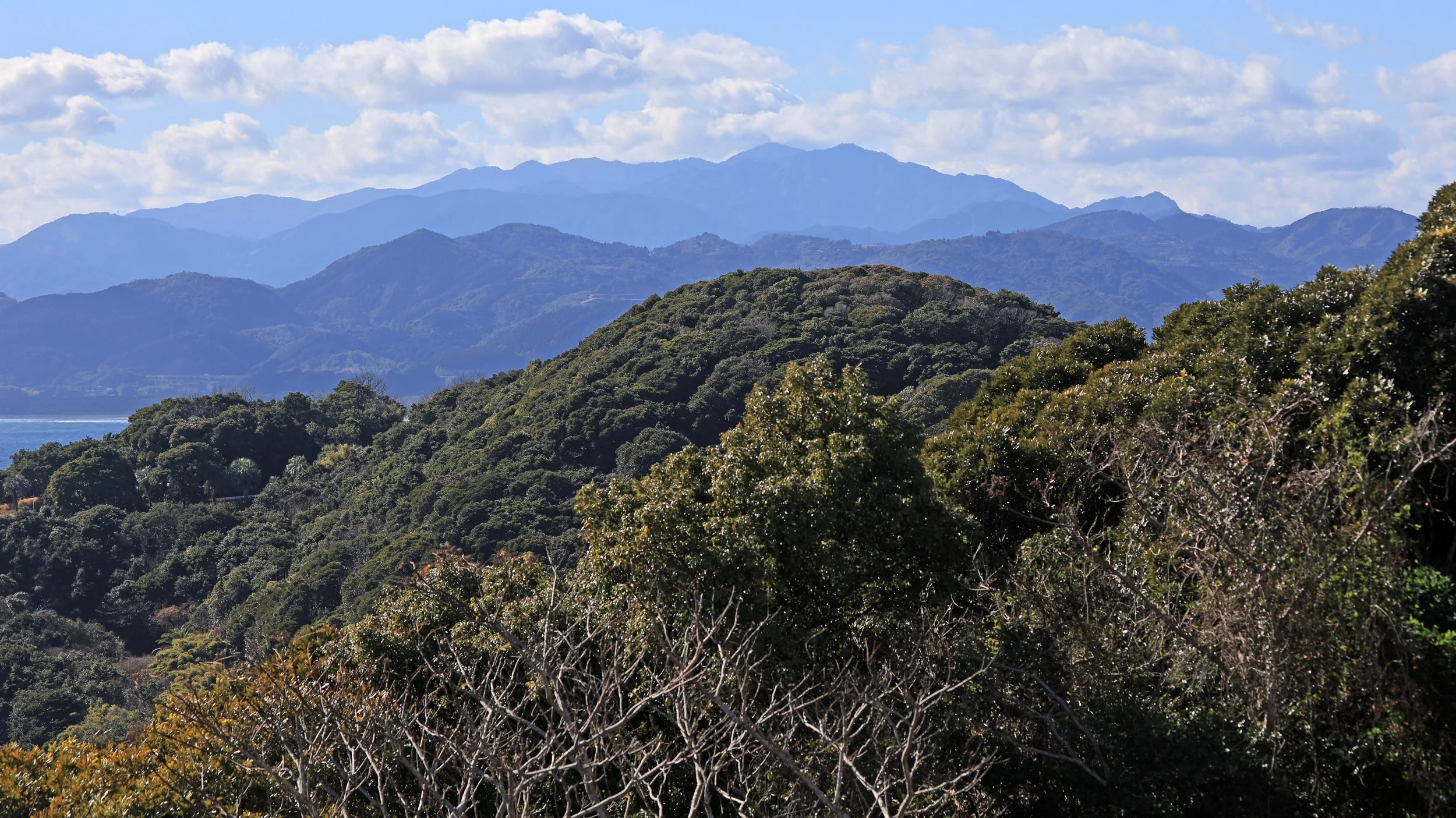
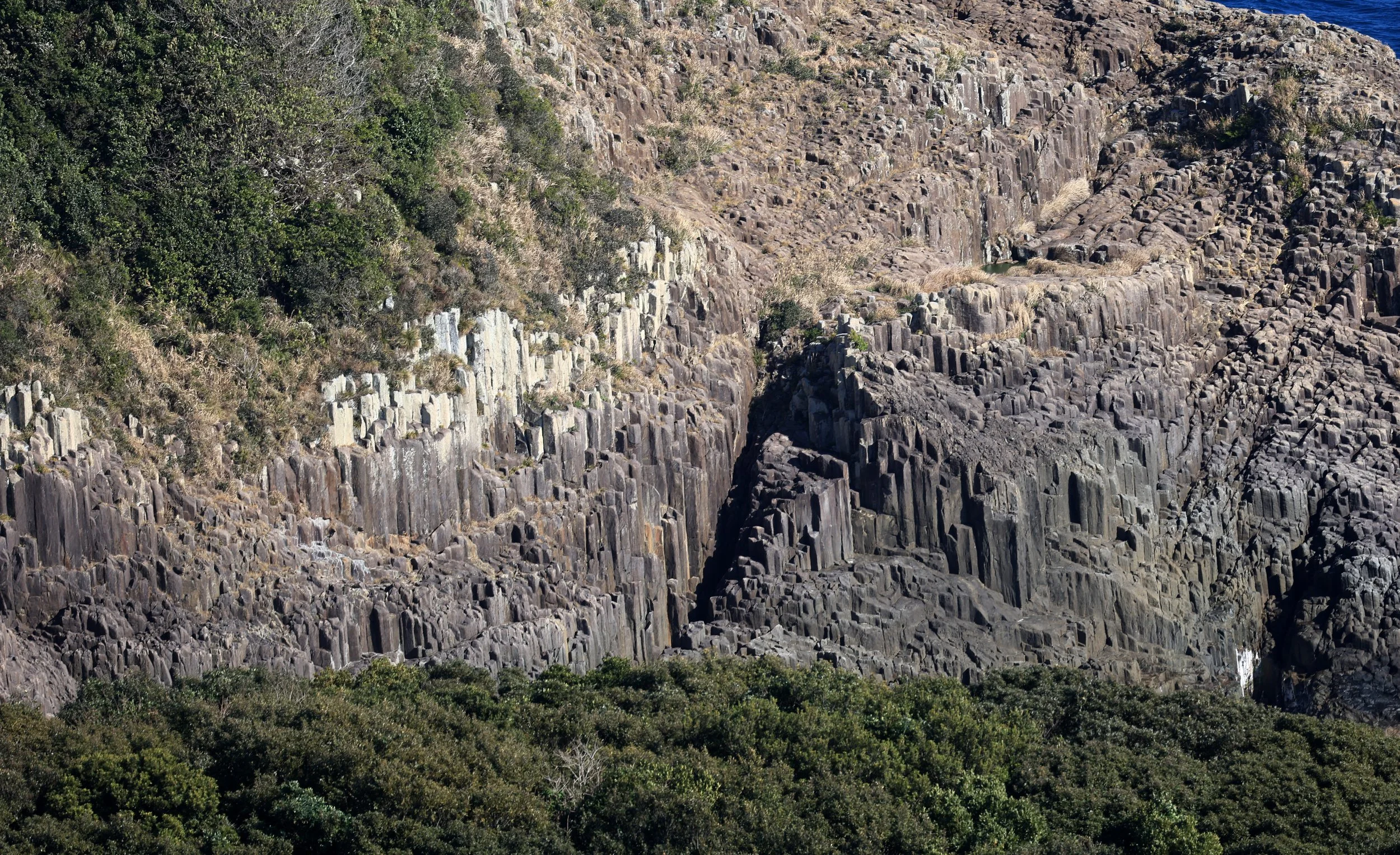
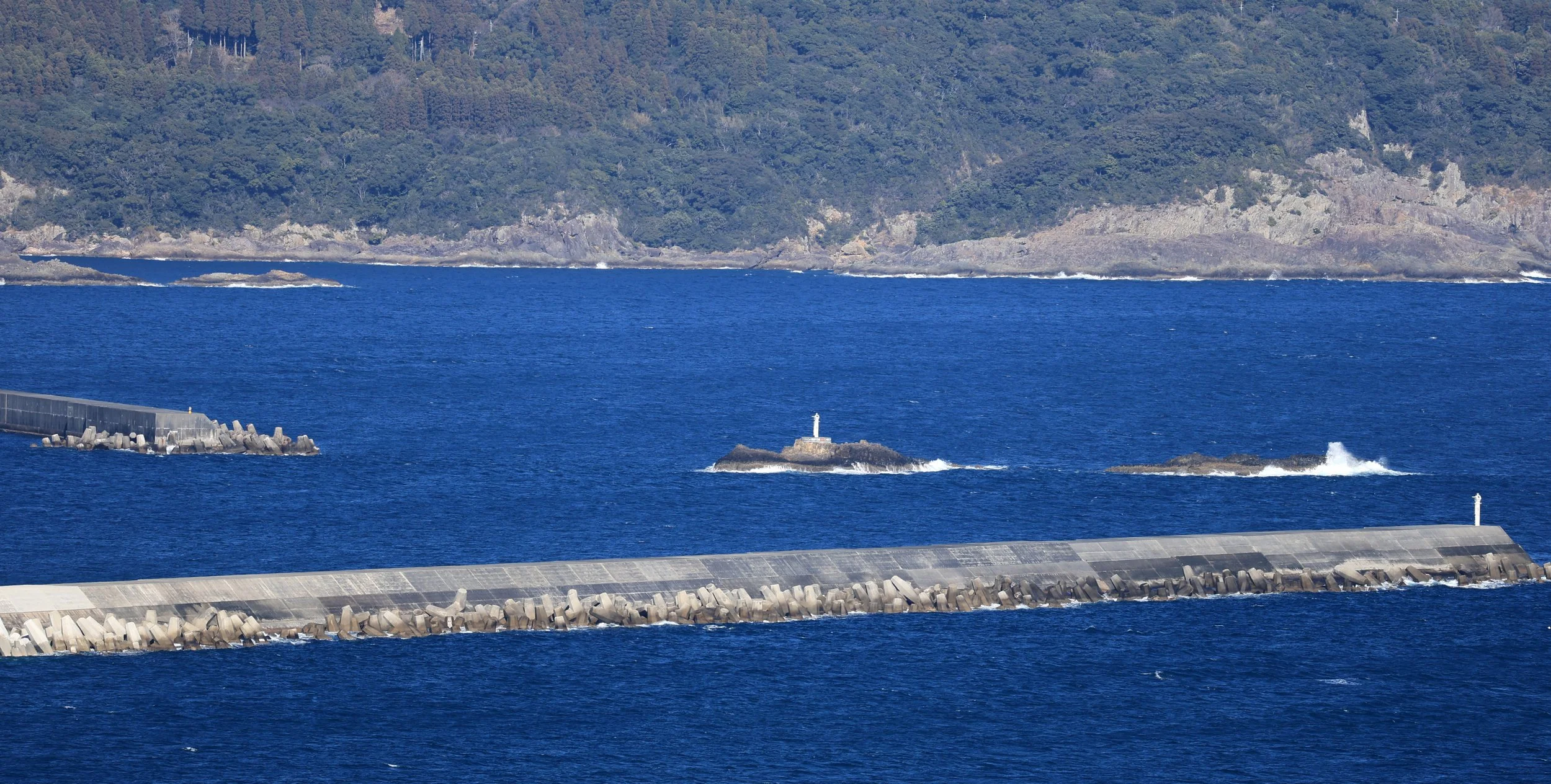
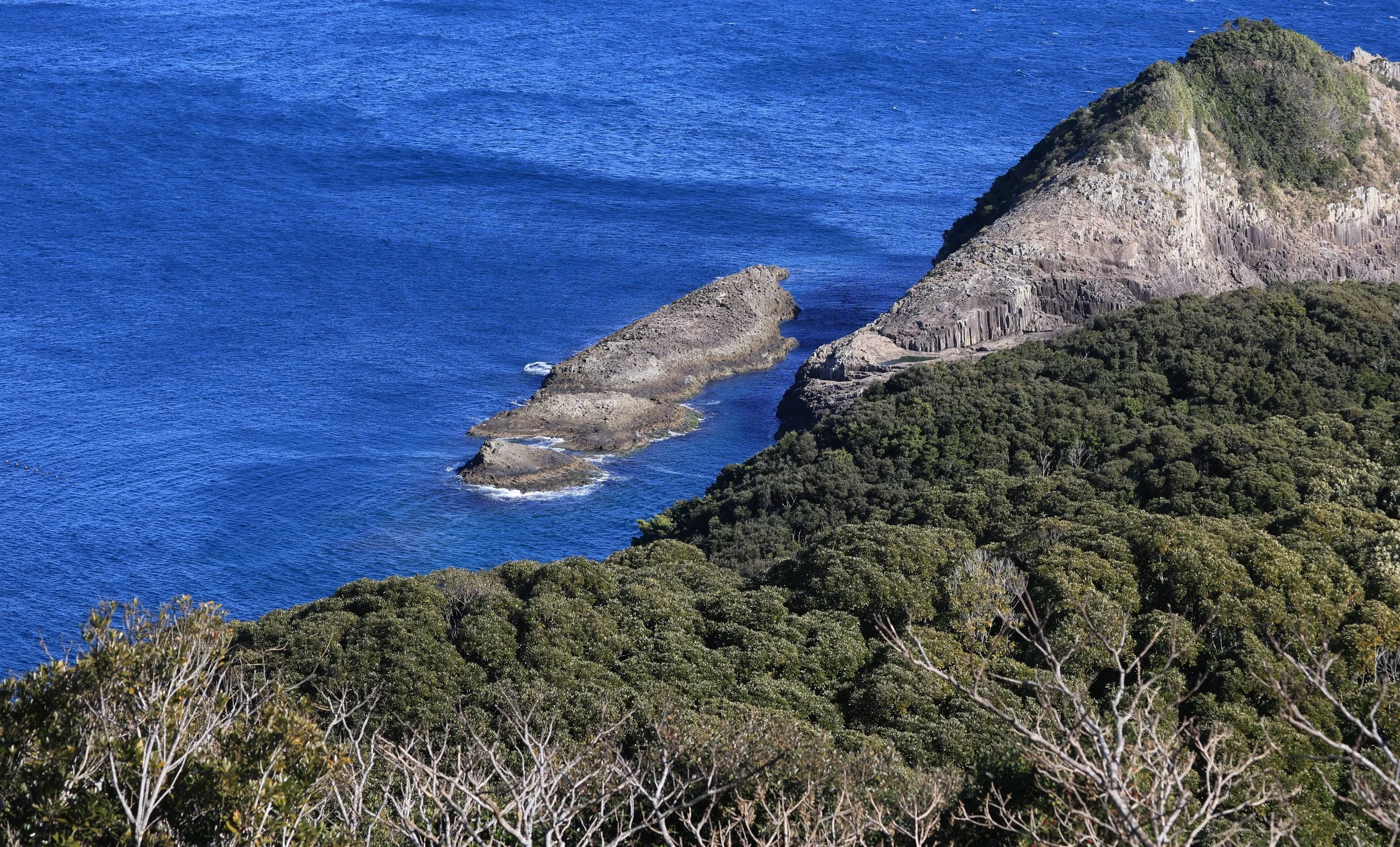
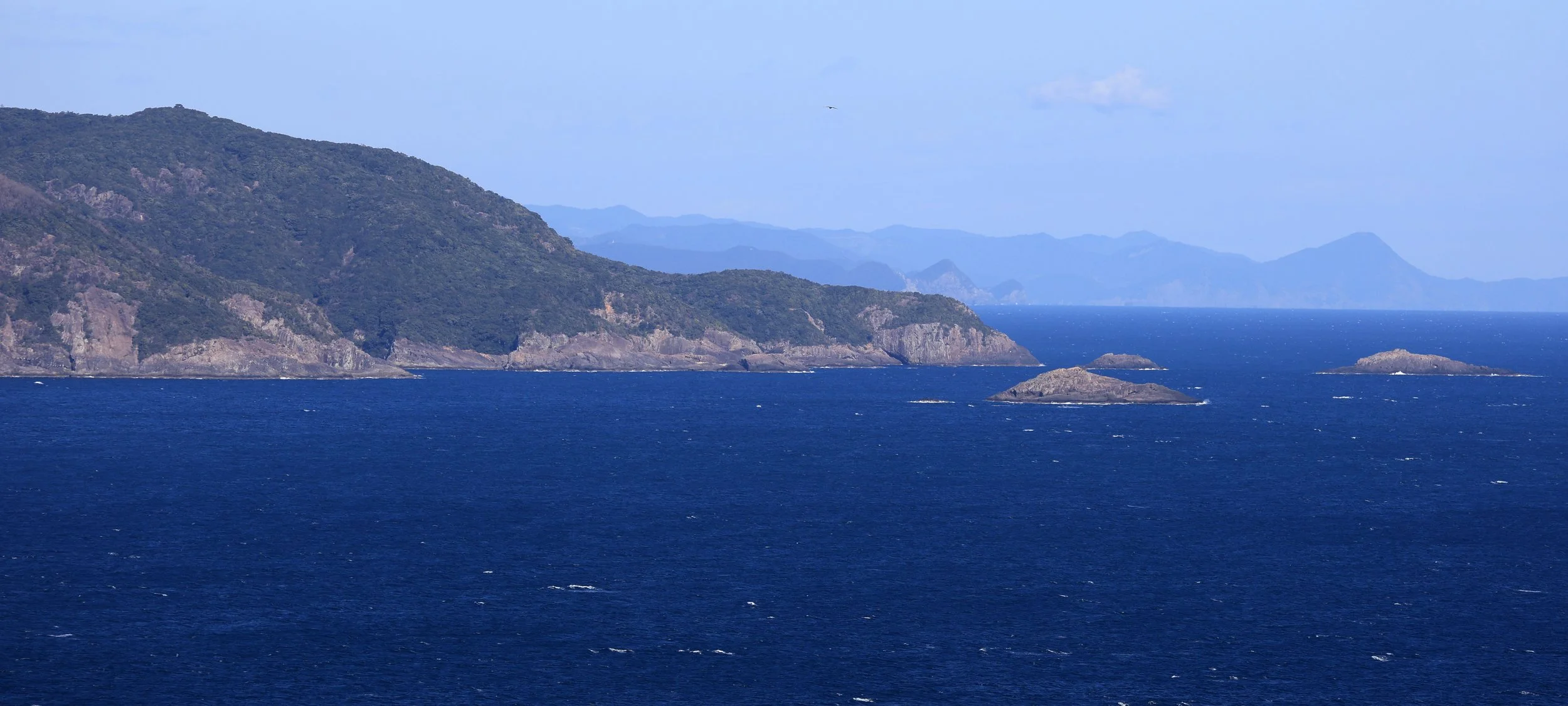
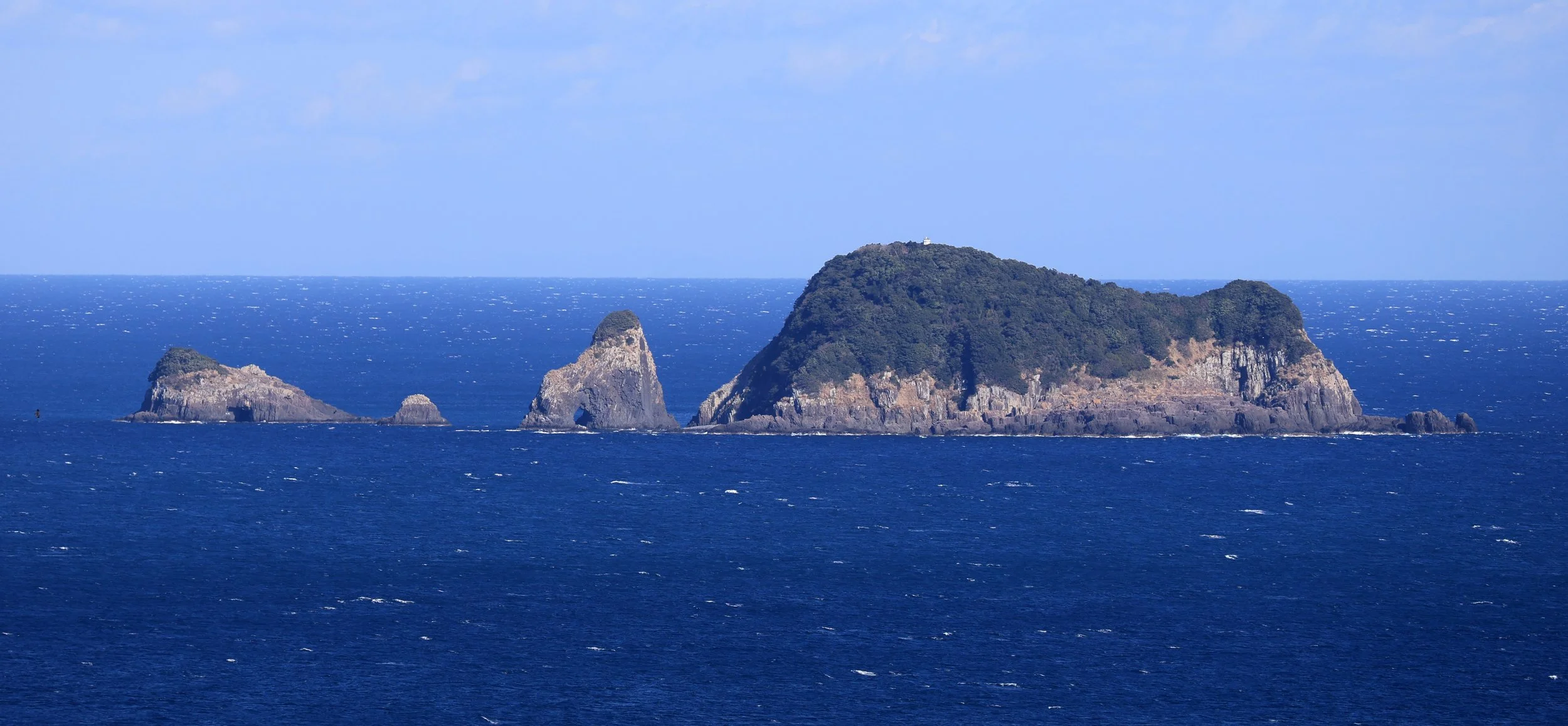
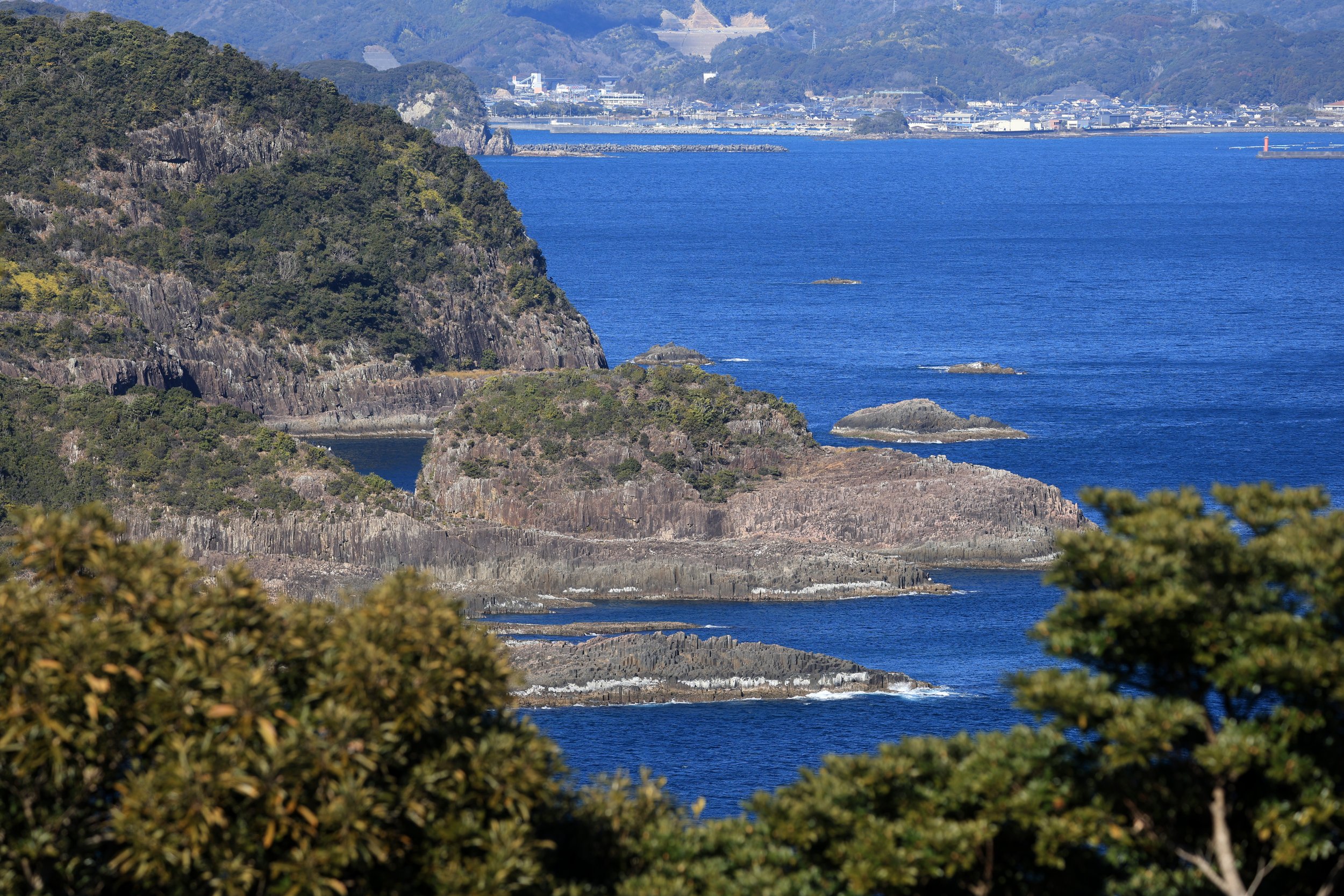
Cape Hyuga's geology features stunning columnar jointing, formed 15 million years ago from rapidly cooling volcanic lava from an ancient eruption, creating towering, pillar-like cliffs up to 70 meters high, particularly at Umagase. This rugged, jagged ria coast within the Nippo Coast Quasi-National Park showcases dramatic formations like Umagase (resembling a horse's back) and the cross-shaped Sea-Cruz, designated a National Natural Monument for its unique geological features.
Key Geological Features:
Columnar Joints: The defining feature, these hexagonal or pillar-shaped rock formations occur when thick lava flows cool and contract, creating vertical cracks, with Cape Hyuga hosting some of Japan's tallest examples.
Volcanic Origin: The rocks are a result of volcanic activity around 15 million years ago, with lava flowing onto the coast and hardening into these distinctive structures.
Rias Coast: The coastline is a "rias" type, characterized by drowned river valleys, resulting in its jagged, rocky, and deeply indented shape.
Umagase: A prominent cliff at the cape's tip, featuring massive columnar joints and a rock formation resembling a horse's back, making it a popular viewing spot.

Banana on columnar basalt
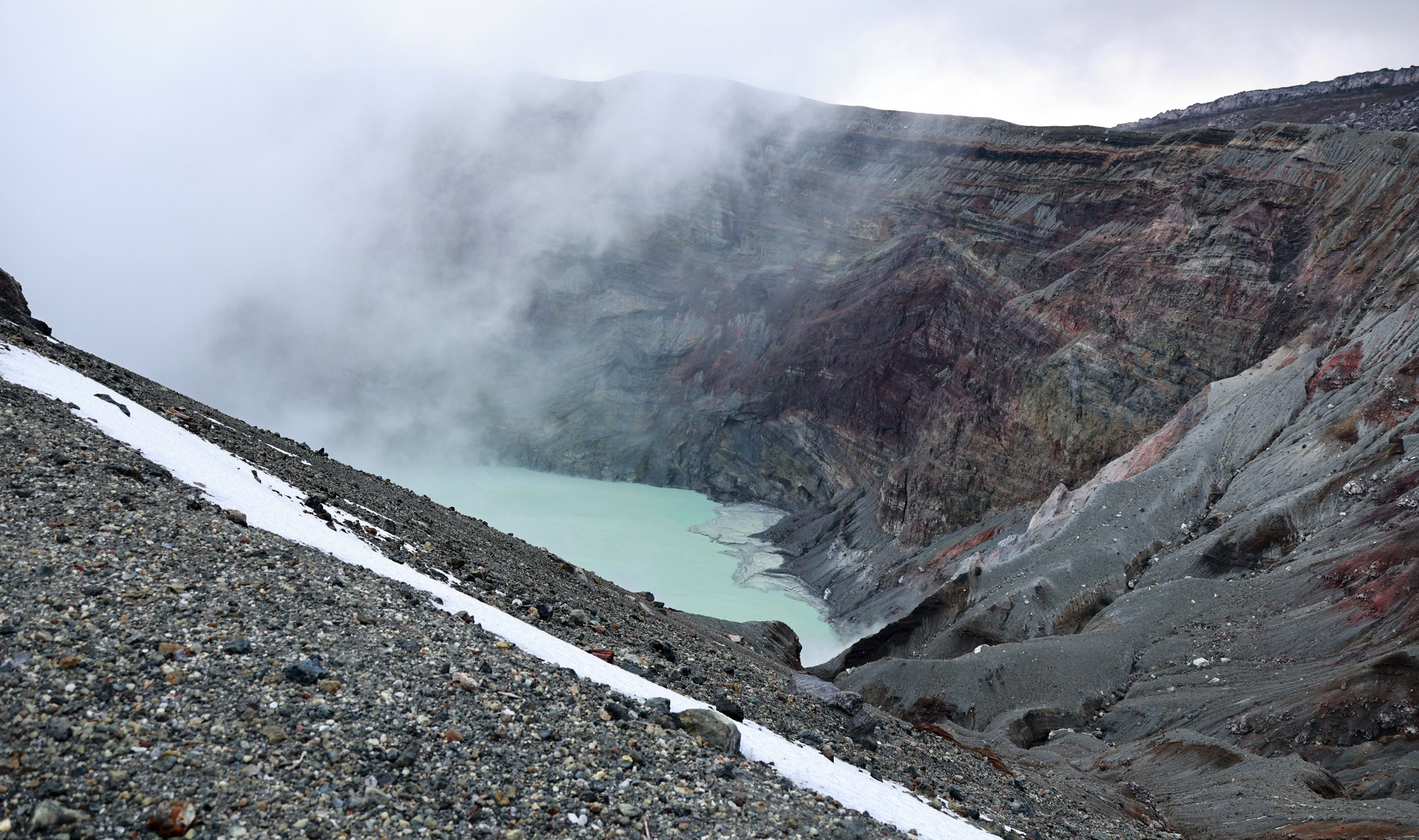
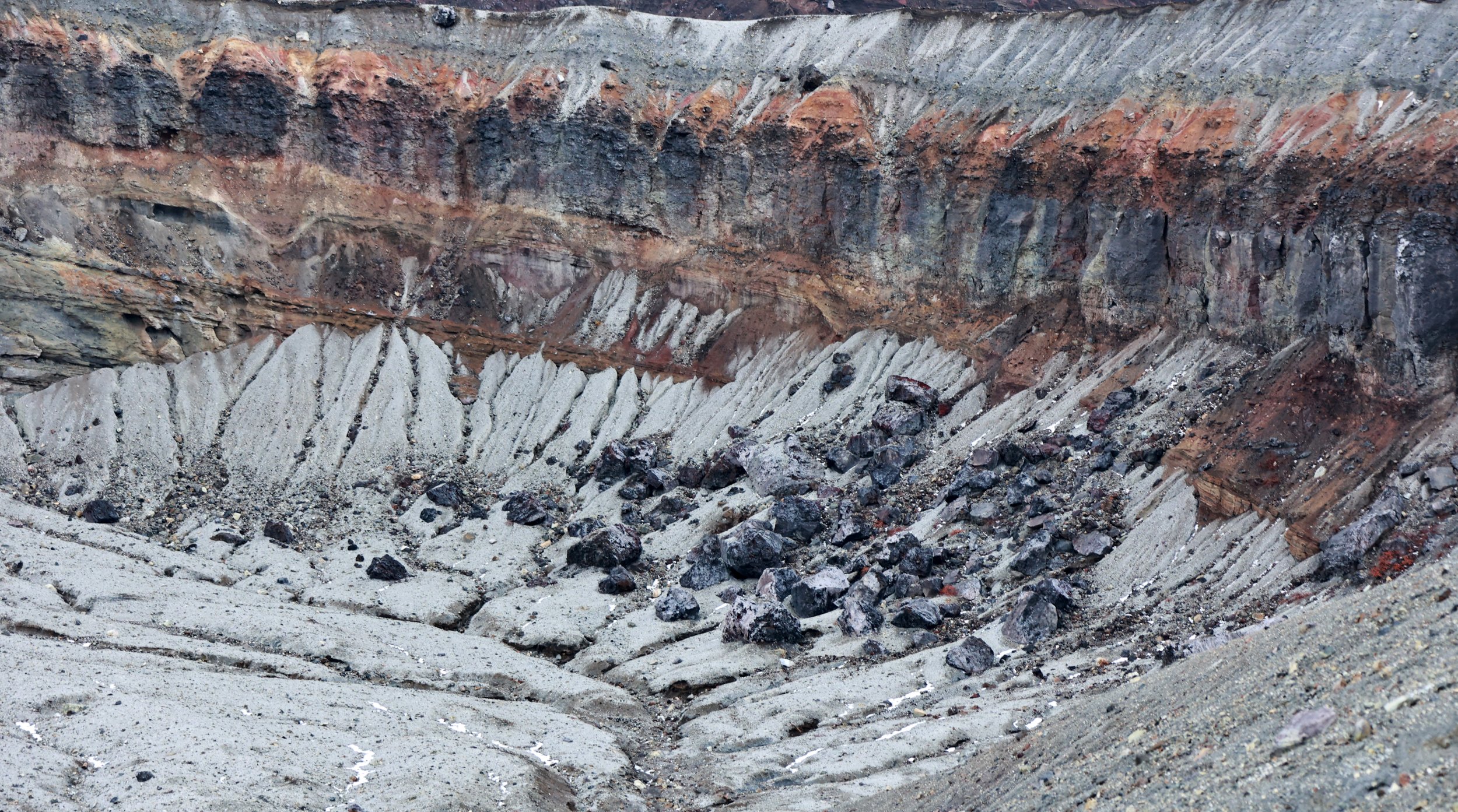
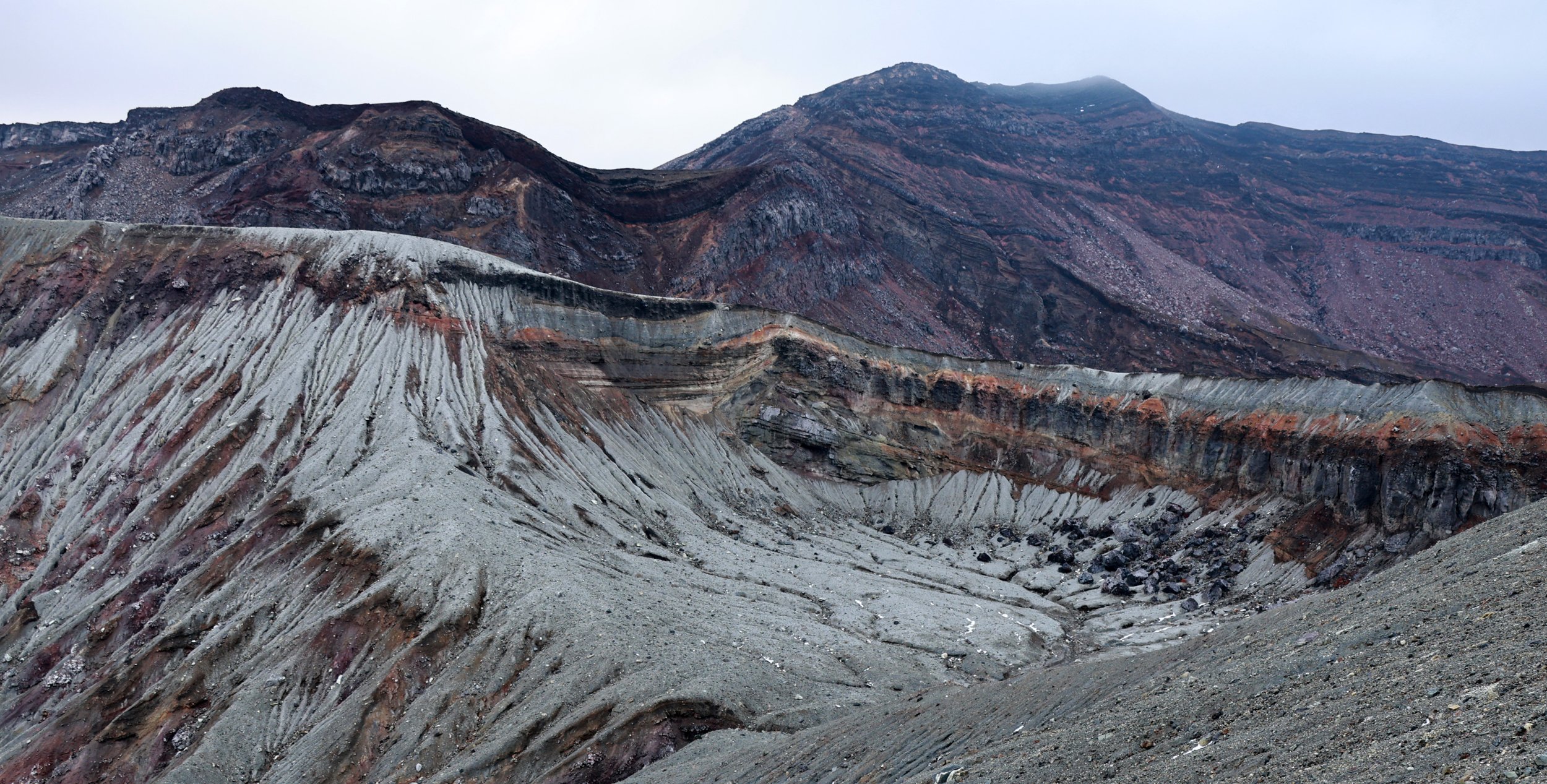
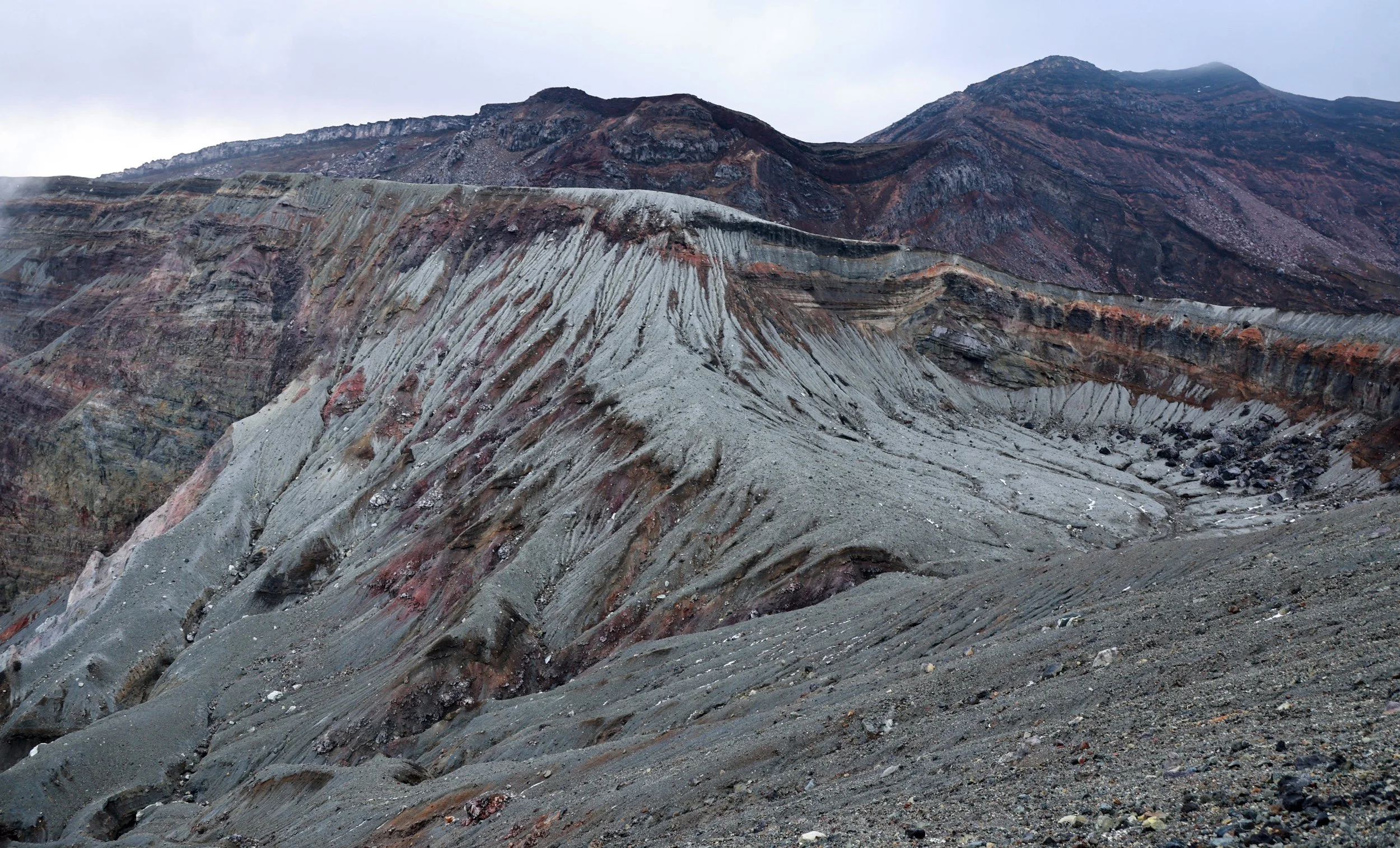
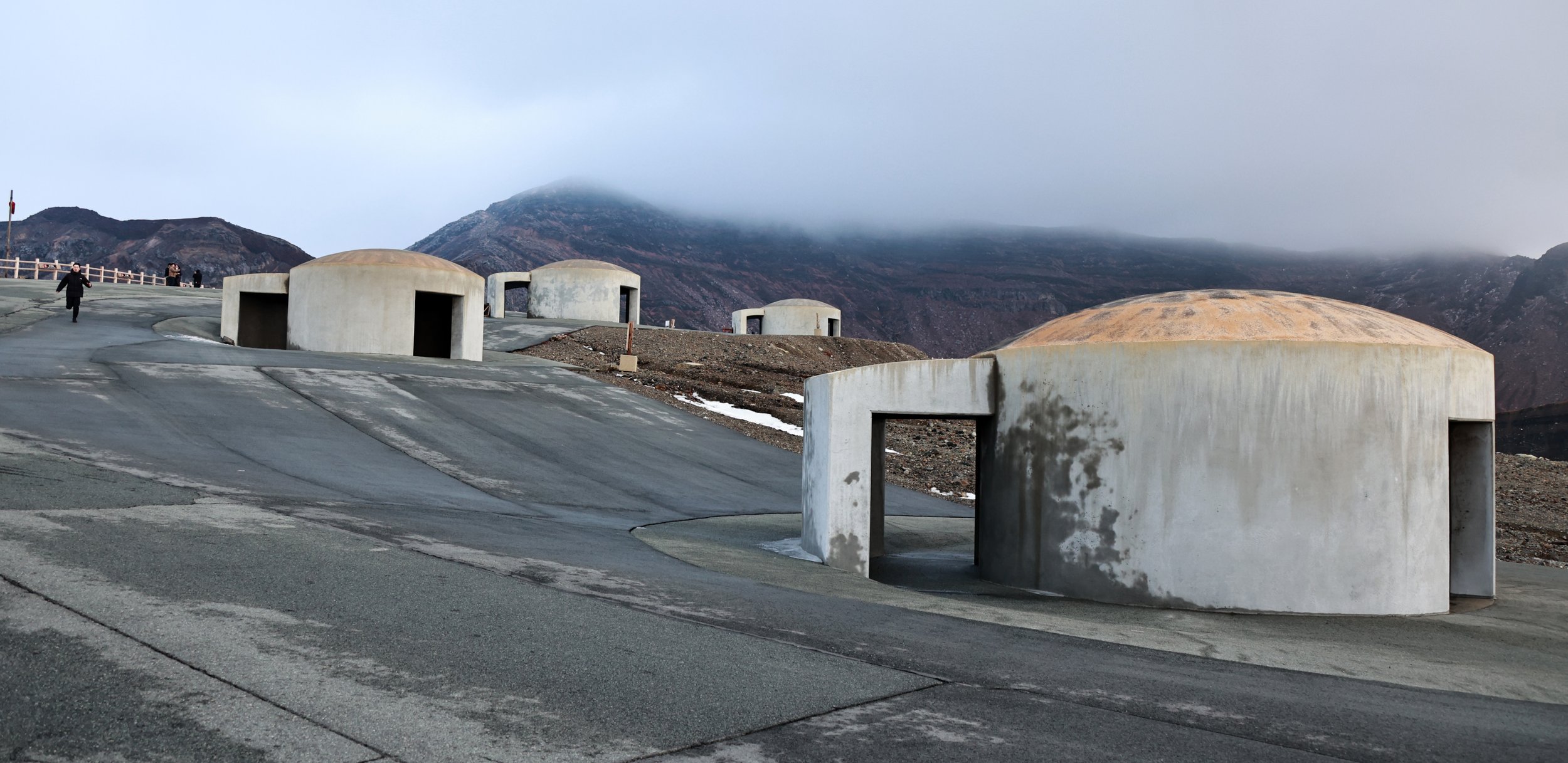
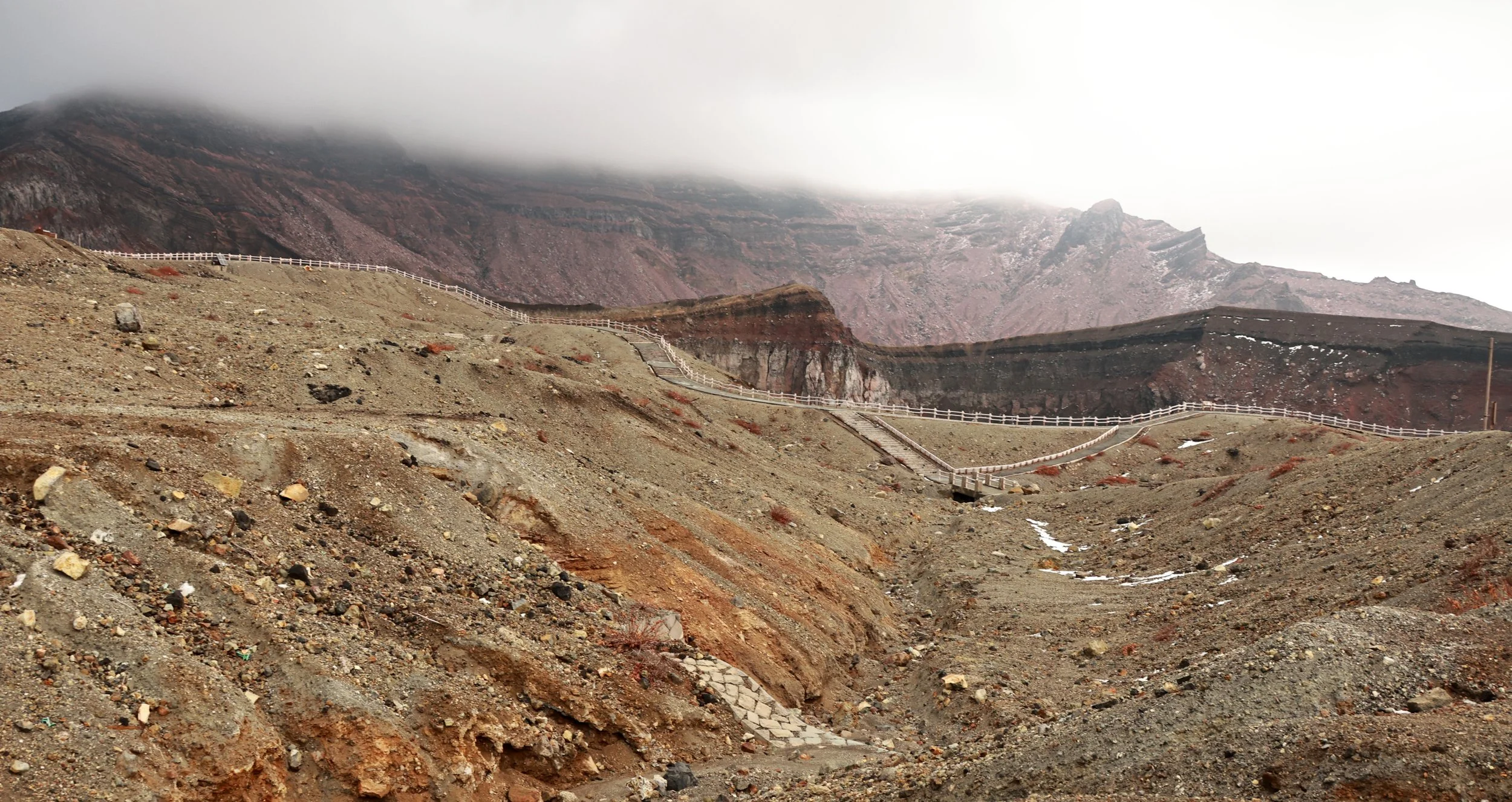
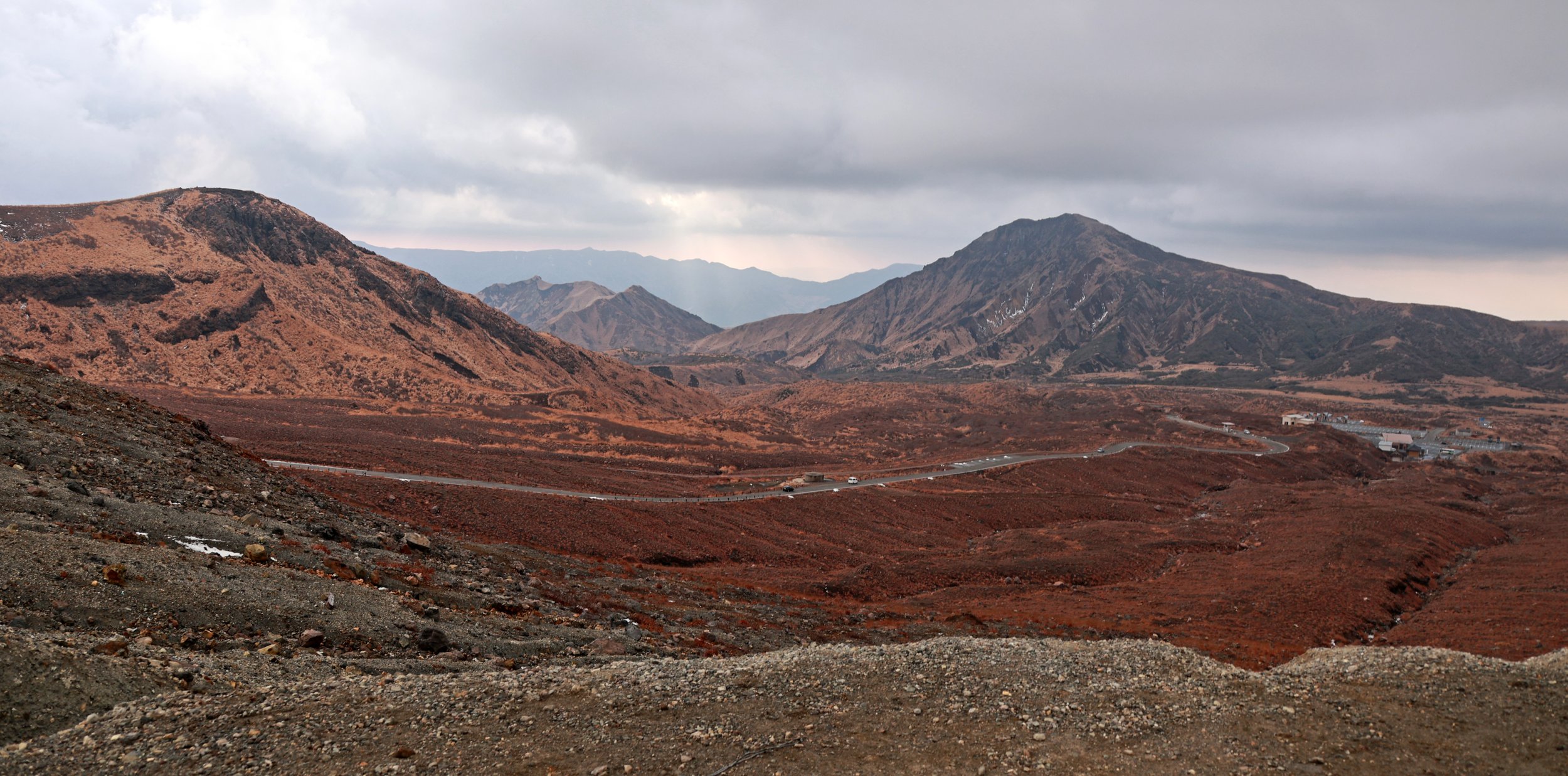
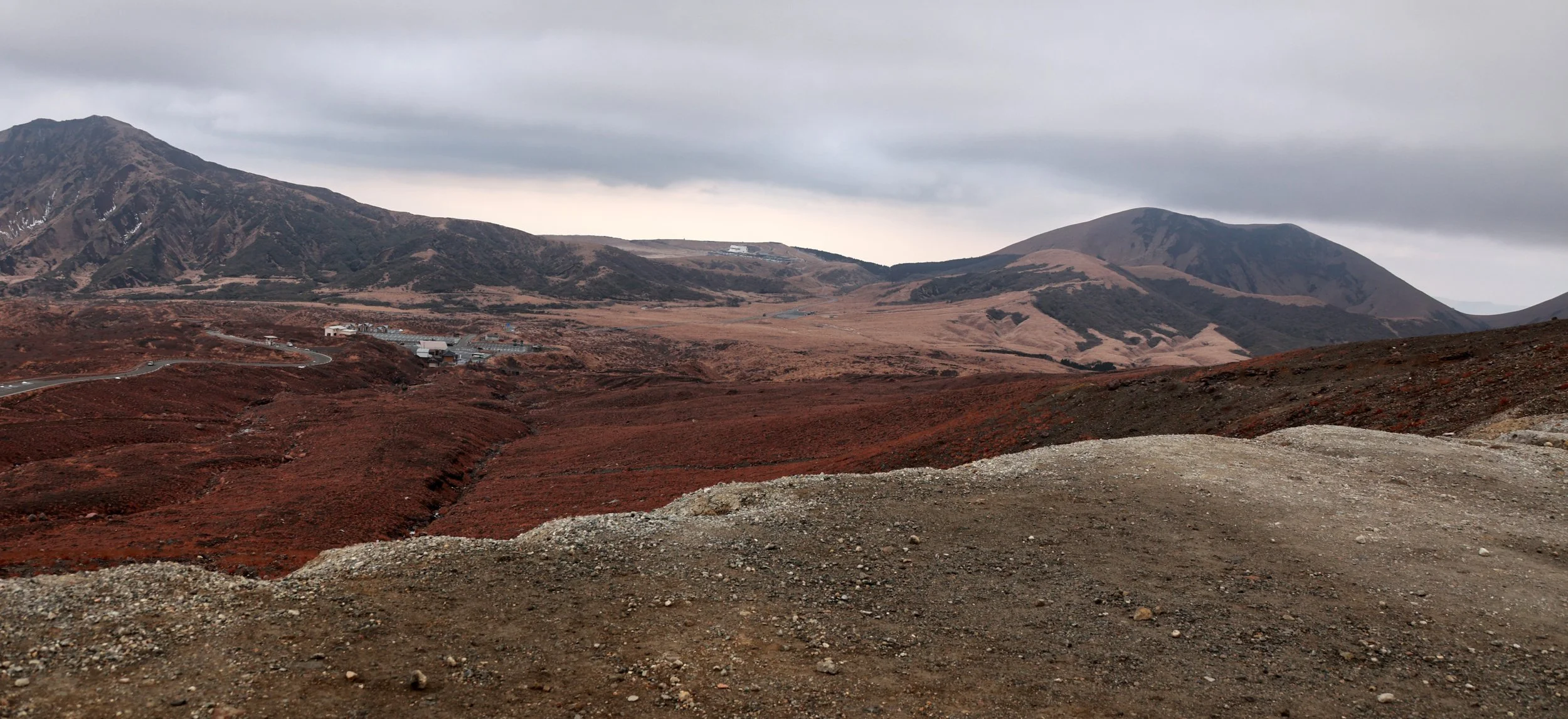
Mount Aso & Nakadake Crater
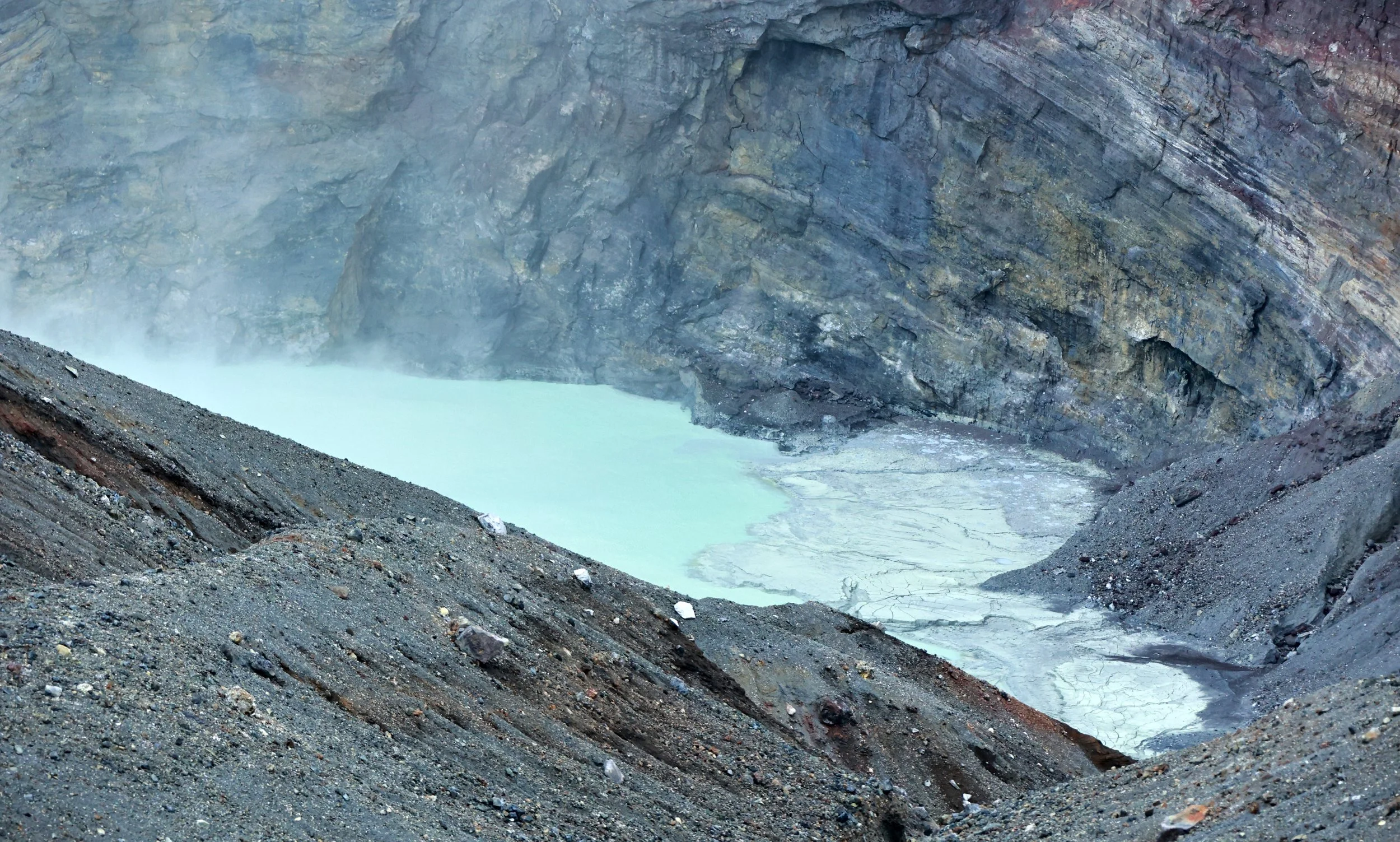
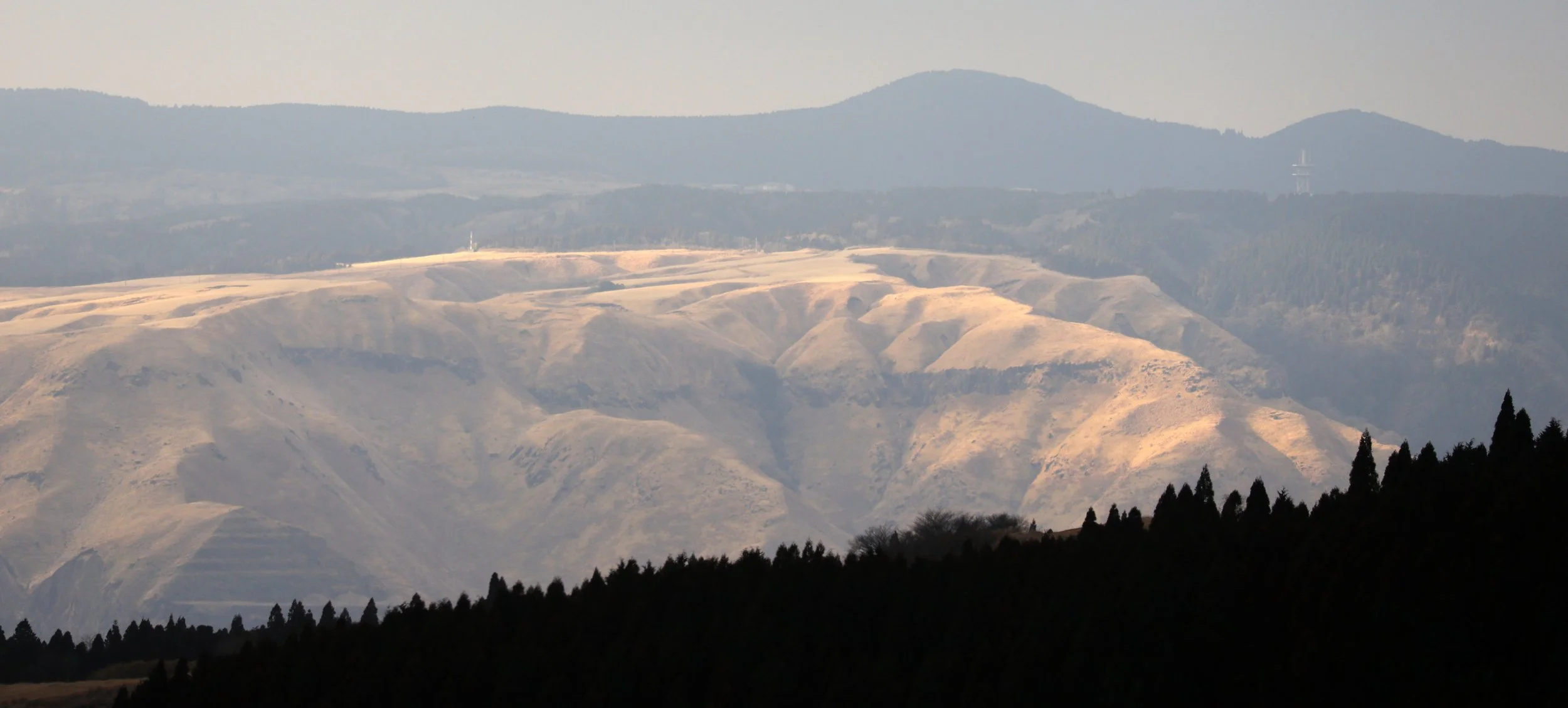
Mount Aso is an active super volcano featuring one of the world's largest calderas, with complex geology shaped by a series of massive eruptions and the subsequent growth of central cones.
Geological Formation and Structure
Tectonic Setting: Mount Aso is located in the circum-Pacific orogenic belt on the island of Kyushu, a geologically active area formed by the subduction of oceanic plates under the Eurasian plate, which creates rising magma.
Caldera Formation: The defining feature is a massive caldera, measuring approximately 25 km north-south and 18 km east-west, with a circumference of around 120 km. It was formed by four colossal pyroclastic flow eruptions that occurred between approximately 270,000 and 90,000 years ago. The final and largest eruption (Aso 4) ejected an enormous volume of material, leading to the collapse of the magma chamber and the formation of the present depression.
Basement Rocks: The underlying geology consists of a mix of Quaternary pre-Aso volcanic rocks, Cretaceous granites and sedimentary rocks, and Paleozoic metamorphic rocks.
Features of the Mountain and Crater
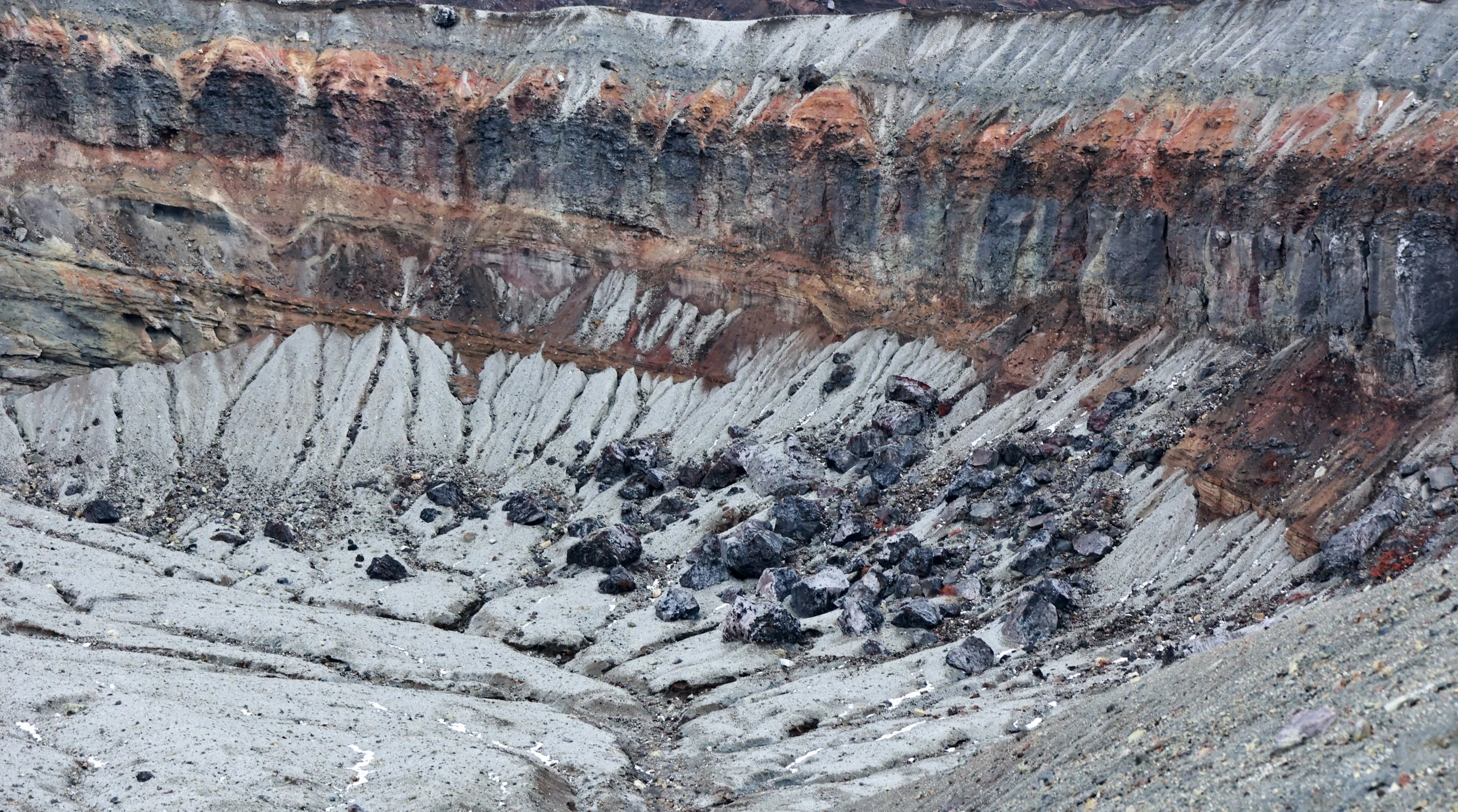
The Aso system is broadly divided into three zones: the outer rim, the caldera plains, and the central cone group, which is often referred to as "Mount Aso" in common use.
Central Cones (Aso Gogaku): A group of five main peaks, including Mt. Takadake (the highest at 1,592 m), Mt. Nekodake, Mt. Nakadake, Mt. Kishimadake, and Mt. Eboshidake, formed after the last caldera eruption.
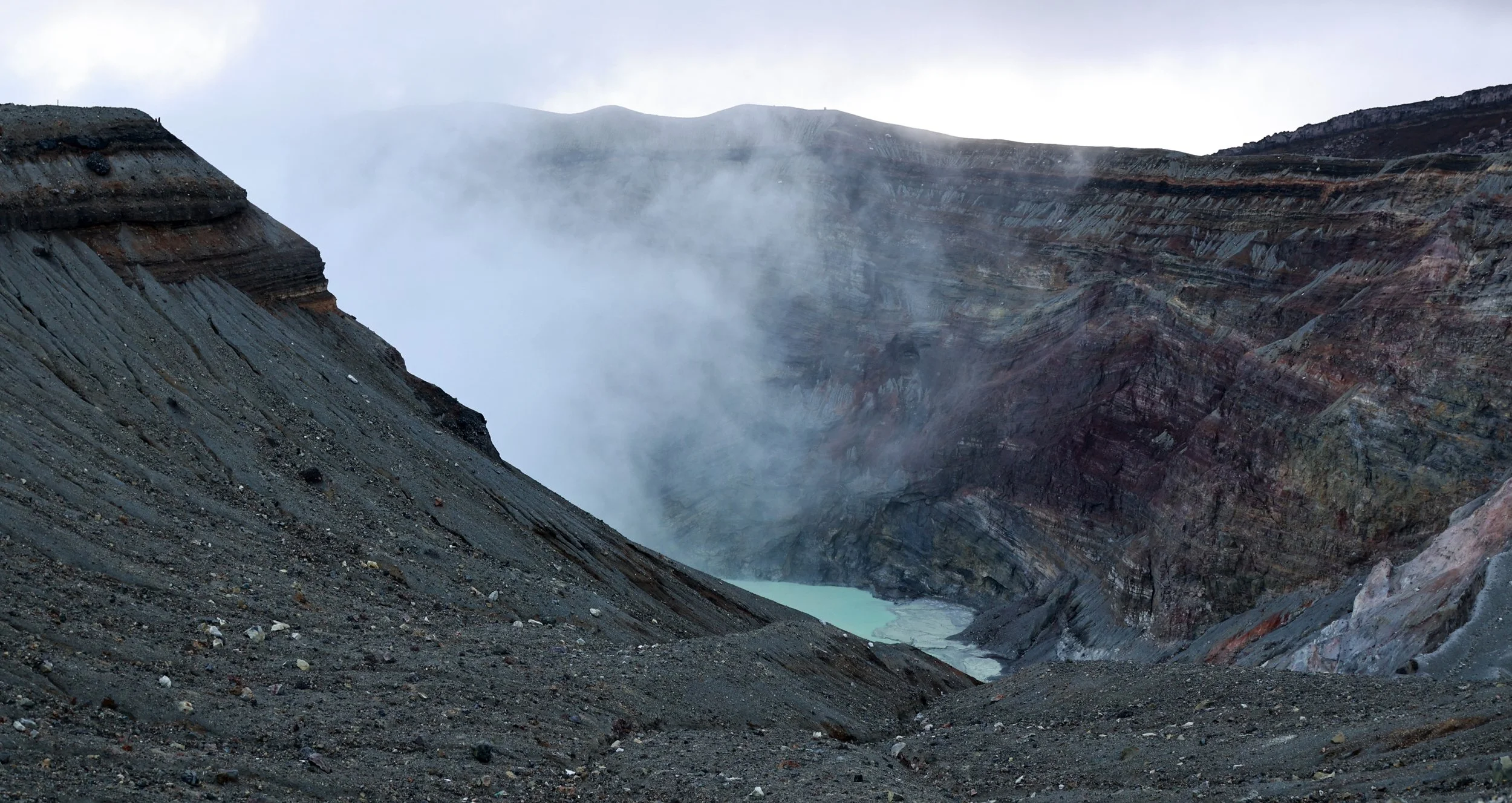
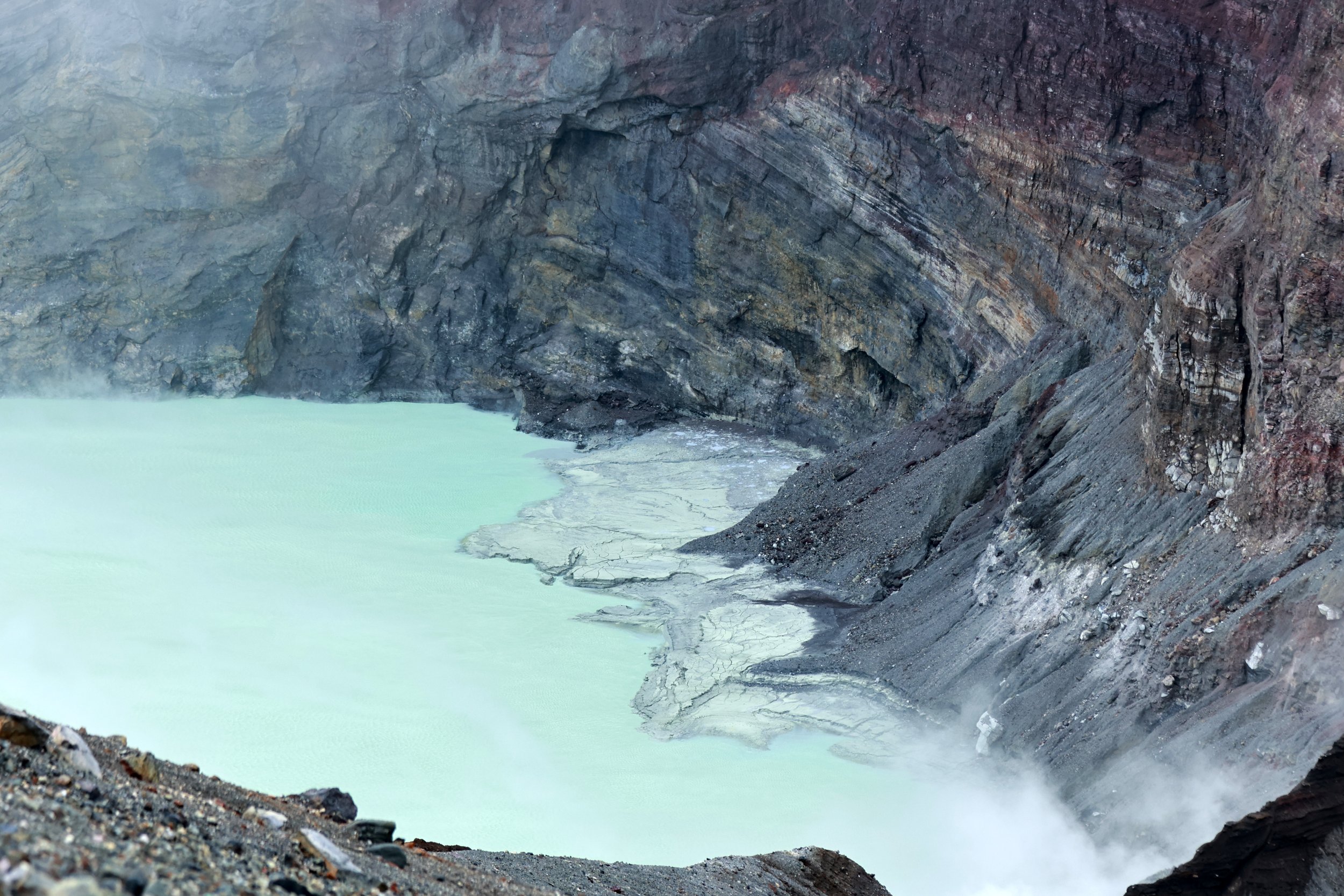
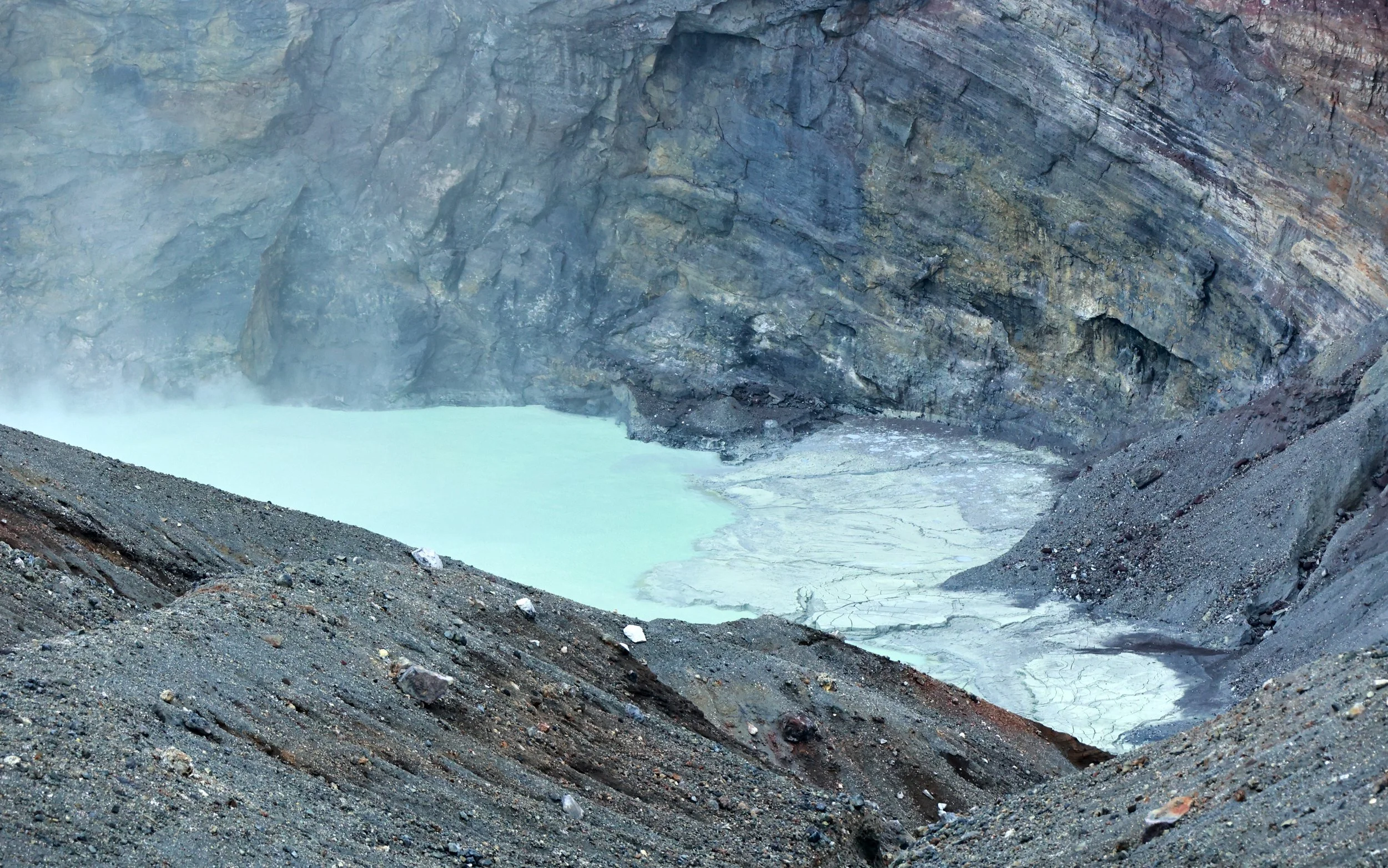
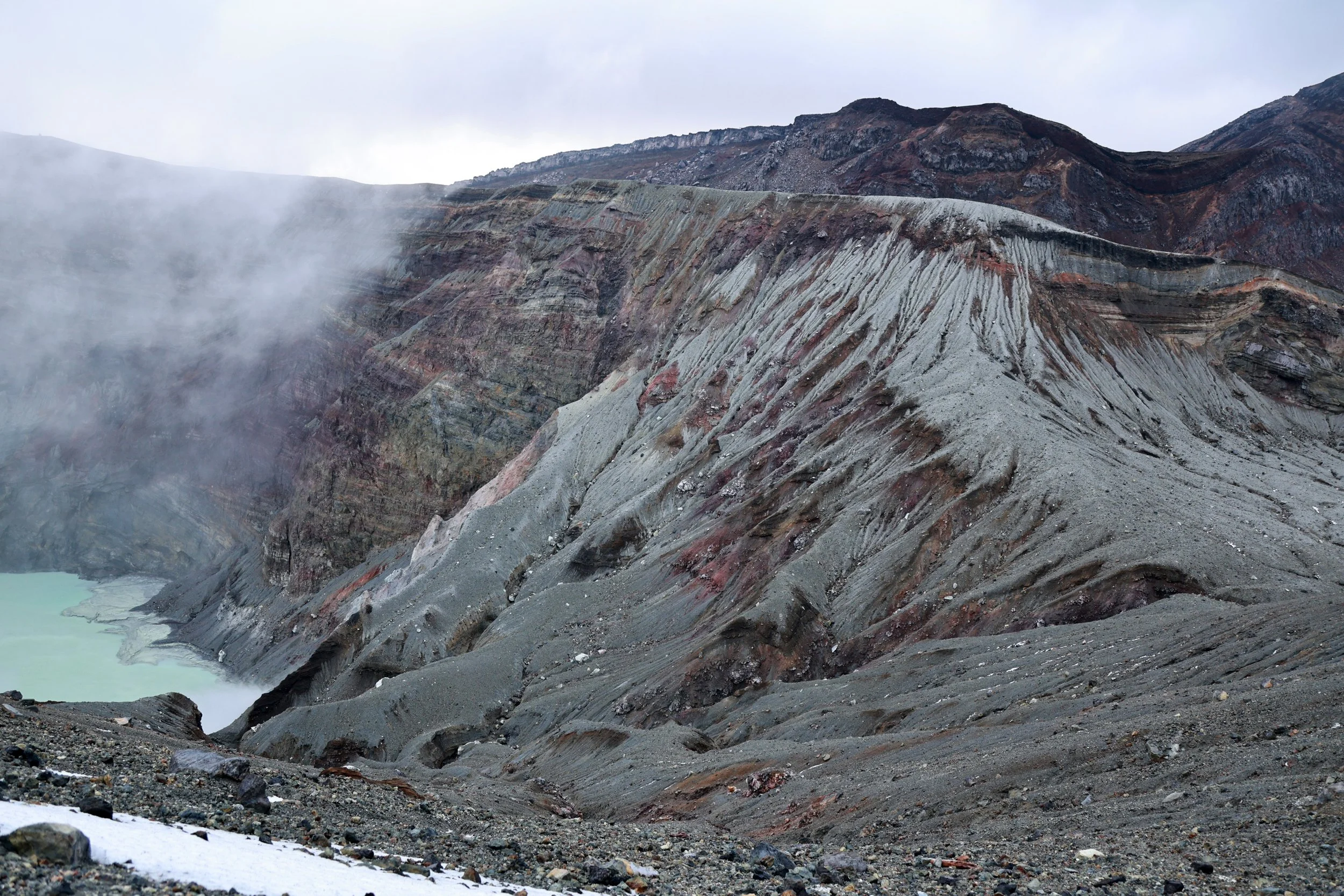
Mt. Nakadake: This is the only currently active central cone and is one of Japan's most active volcanoes. Its activity is characterized by ash and strombolian eruptions, as well as phreatic explosions (steam-driven explosions).
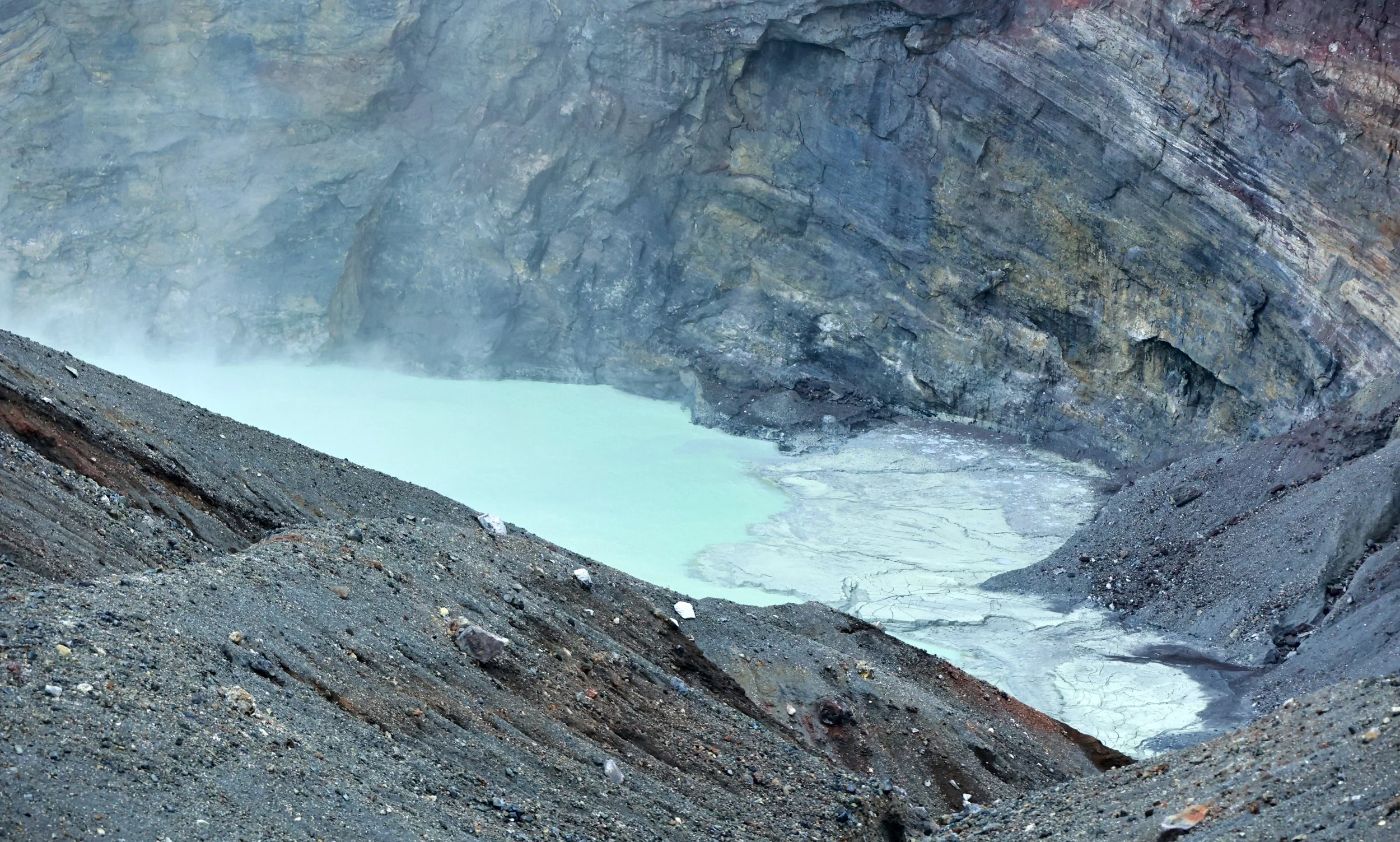
Active Crater: The active crater (No. 1 crater) often contains a hyperacidic, milky pale blue-green crater lake, the color resulting from fine aqueous colloidal sulfur particles and dissolved ferrous ions. Fumarolic activity is constant, emitting volcanic gases.
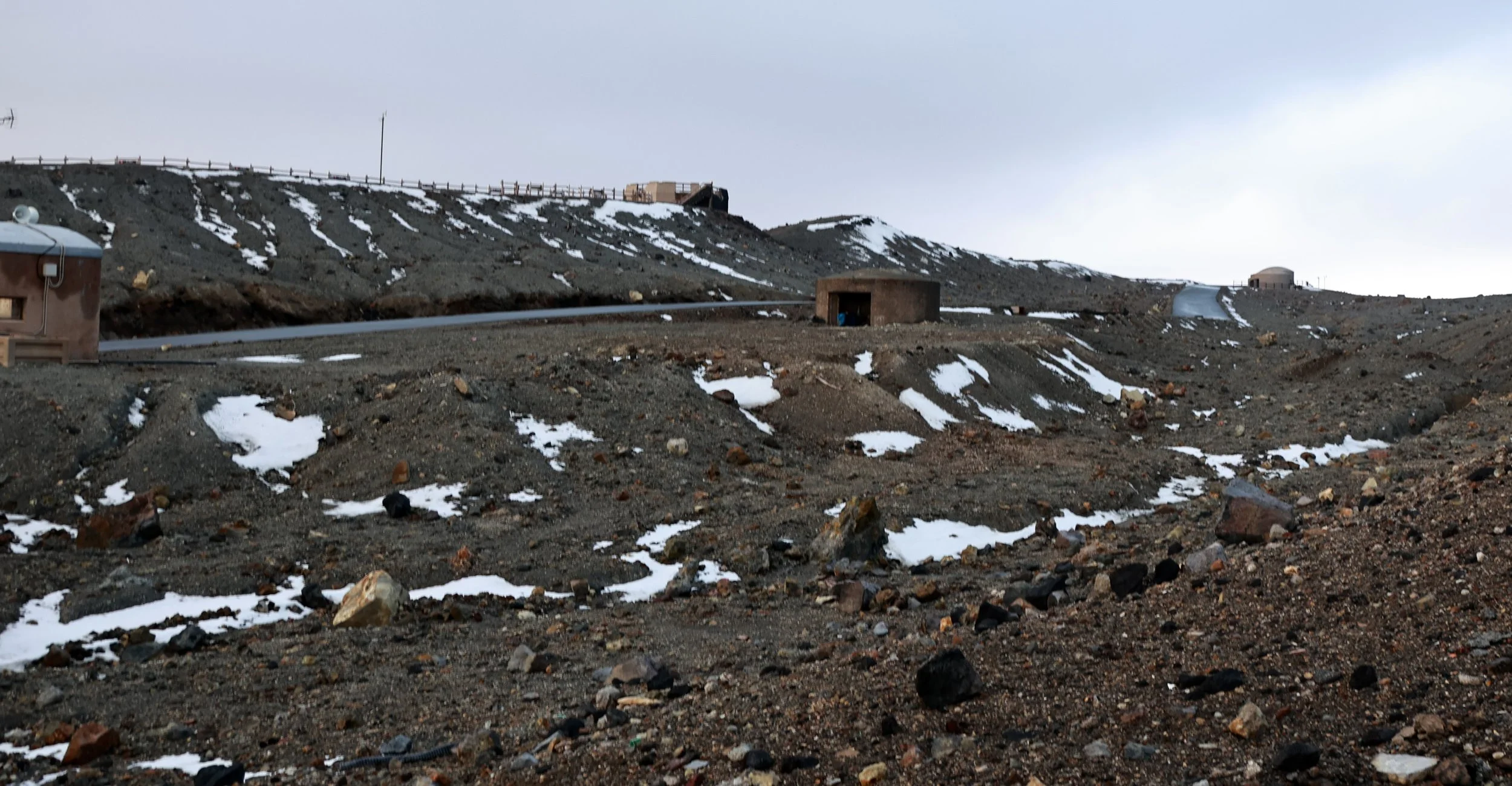
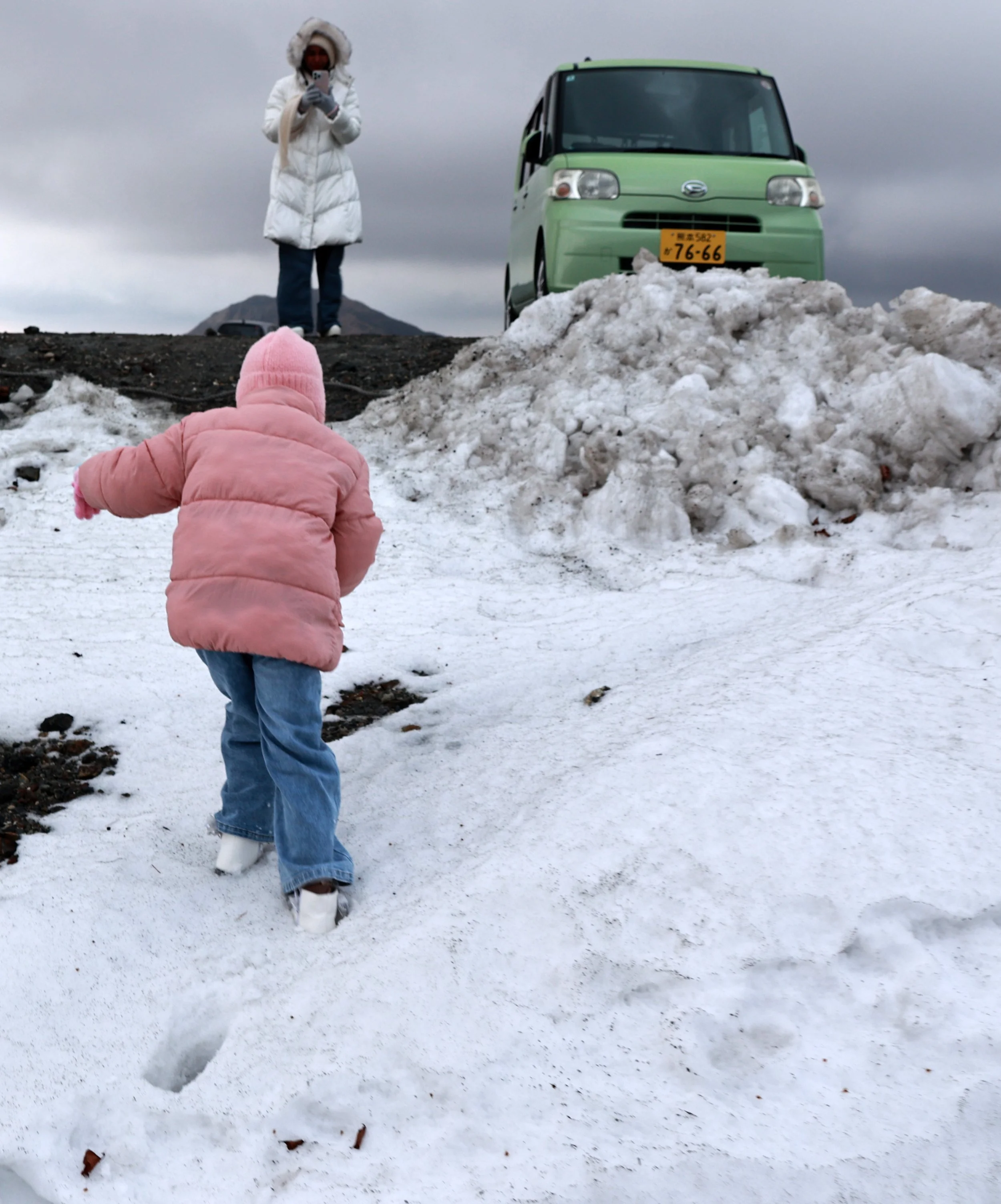
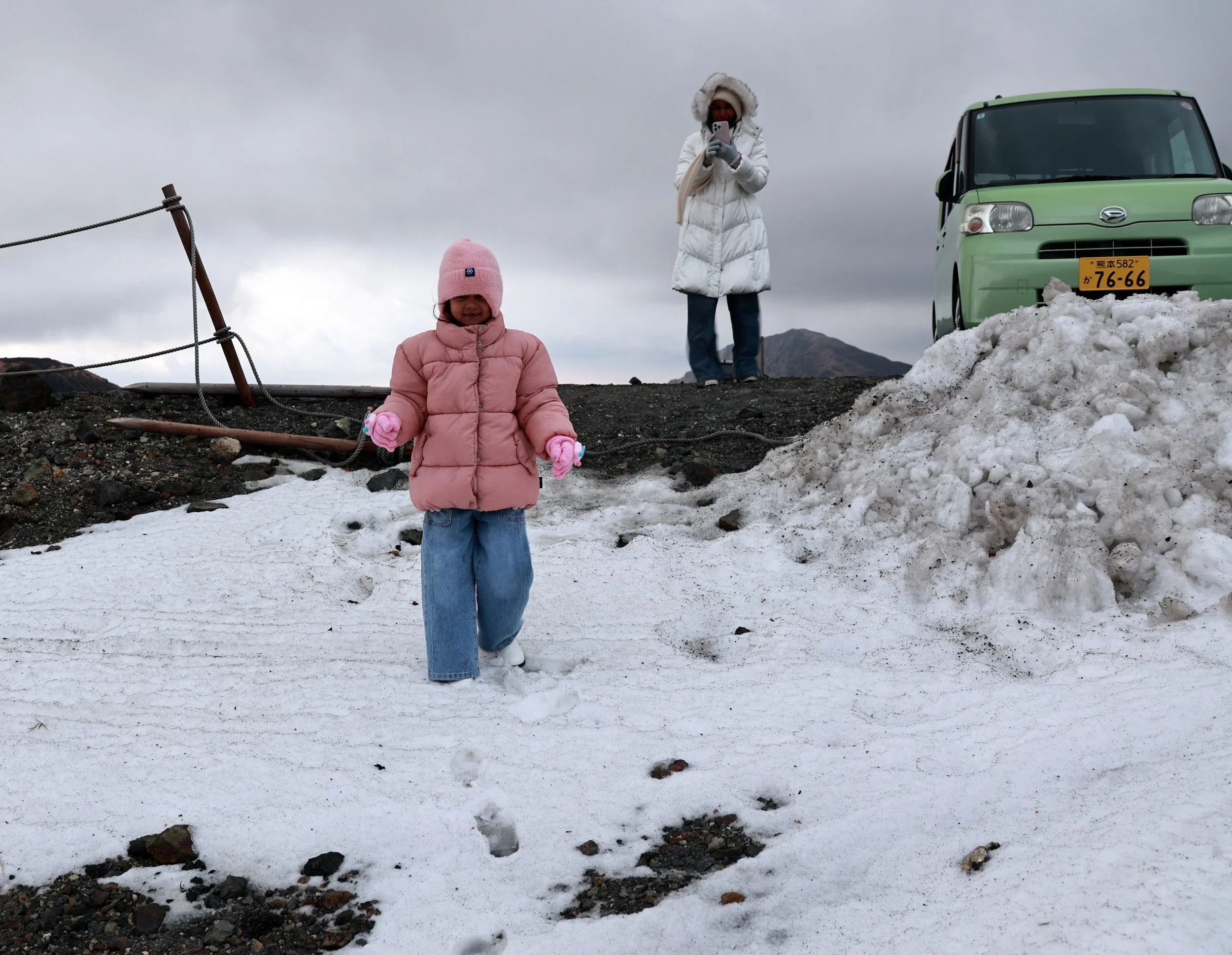
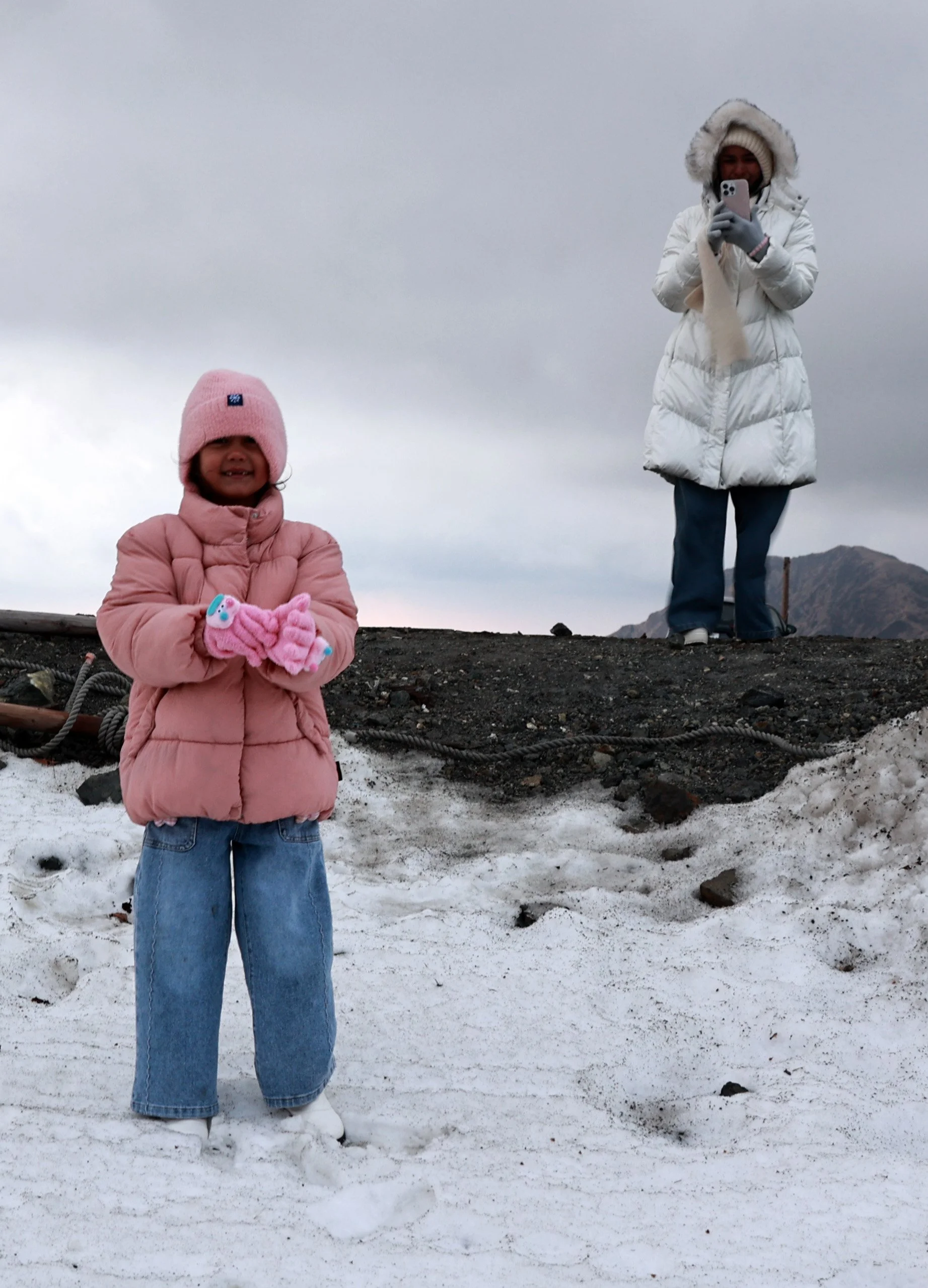
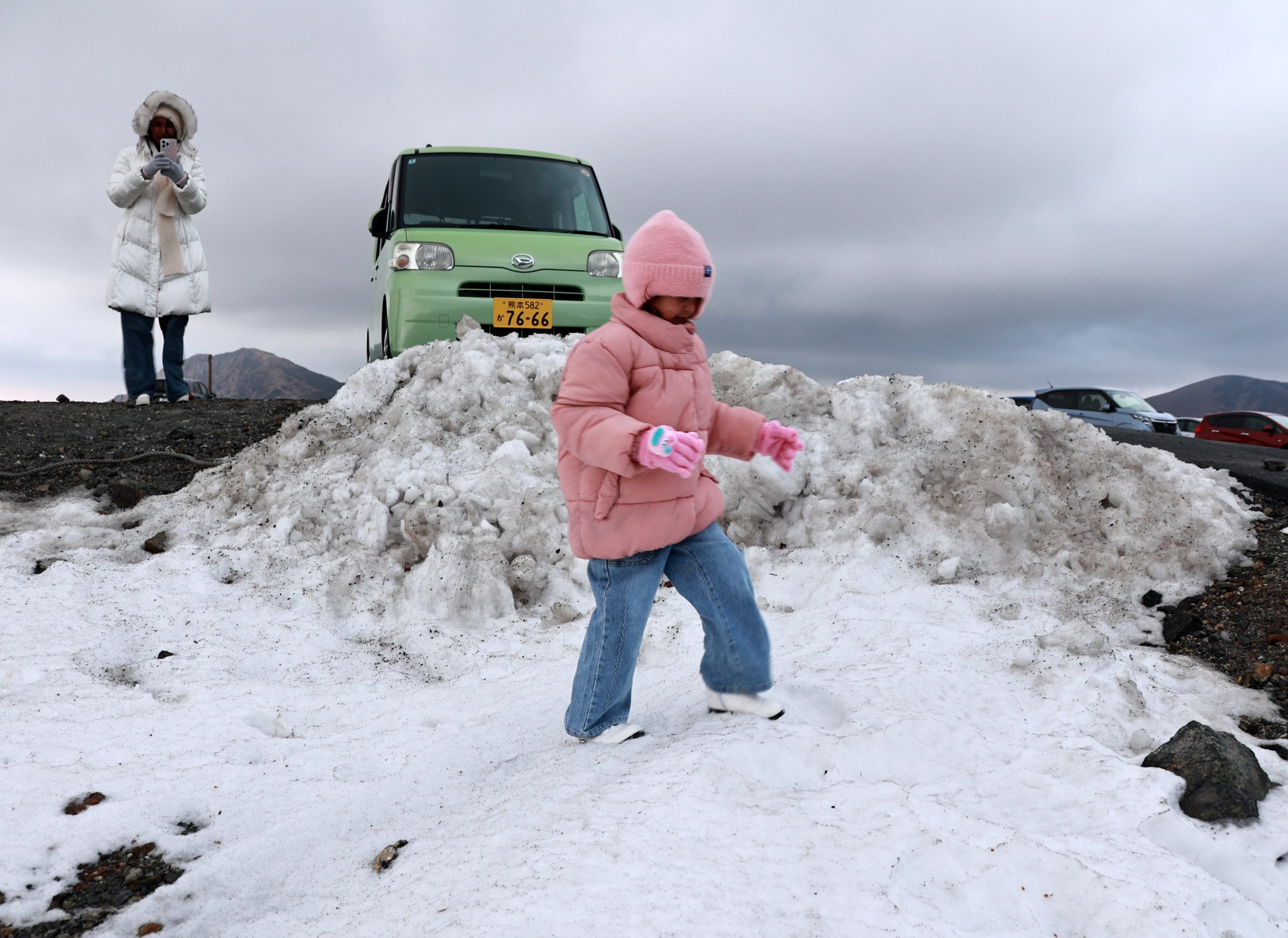
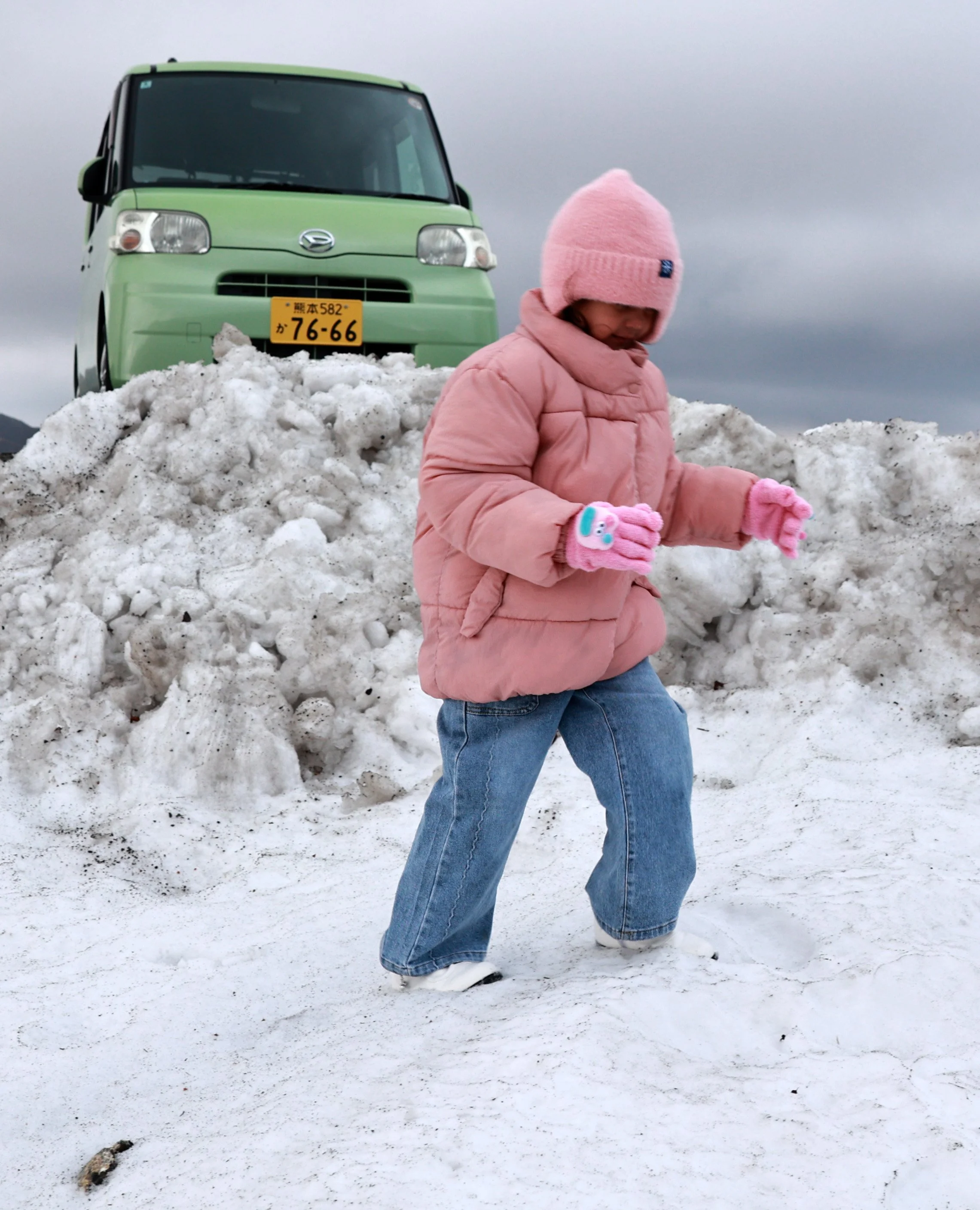
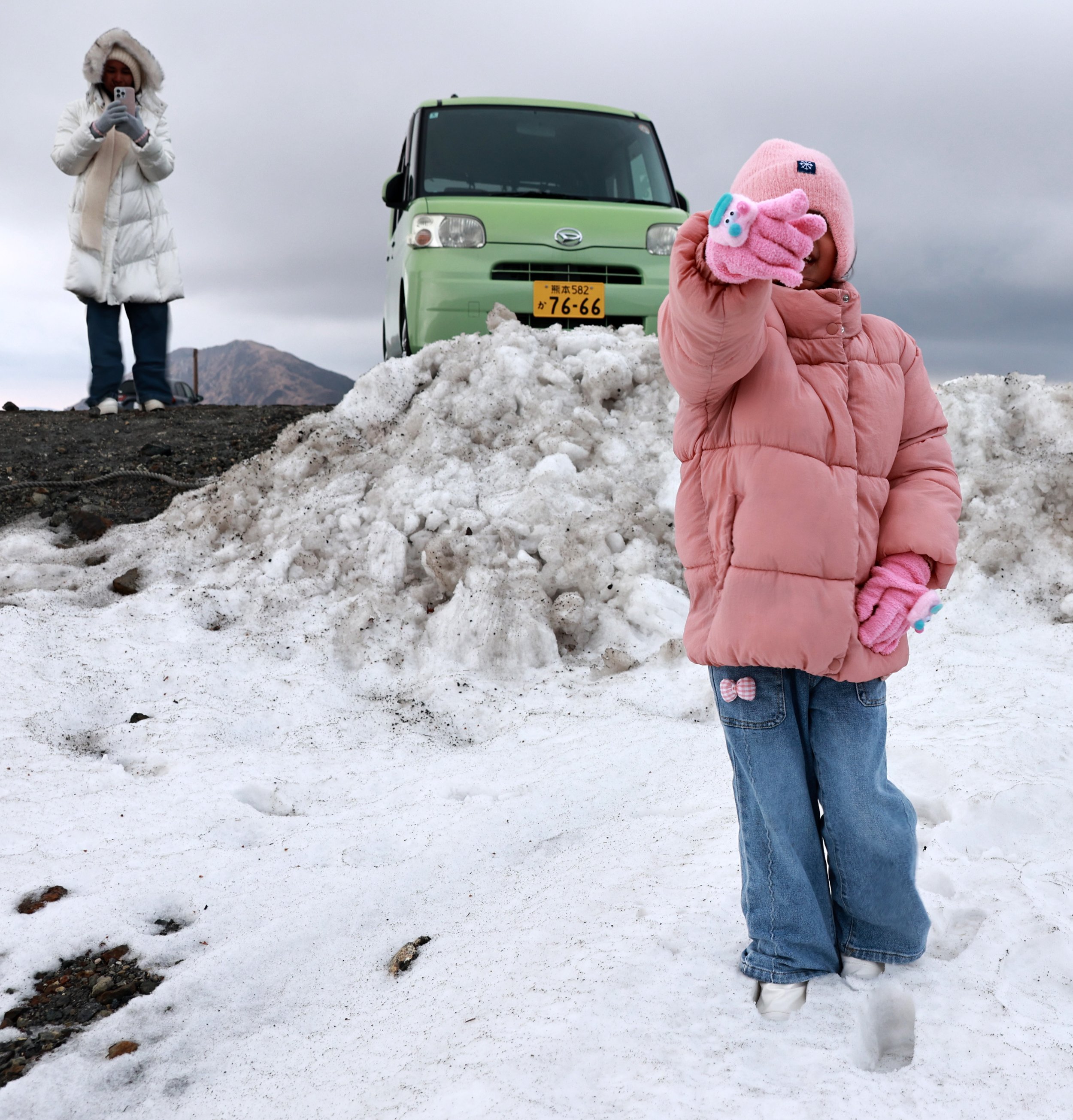
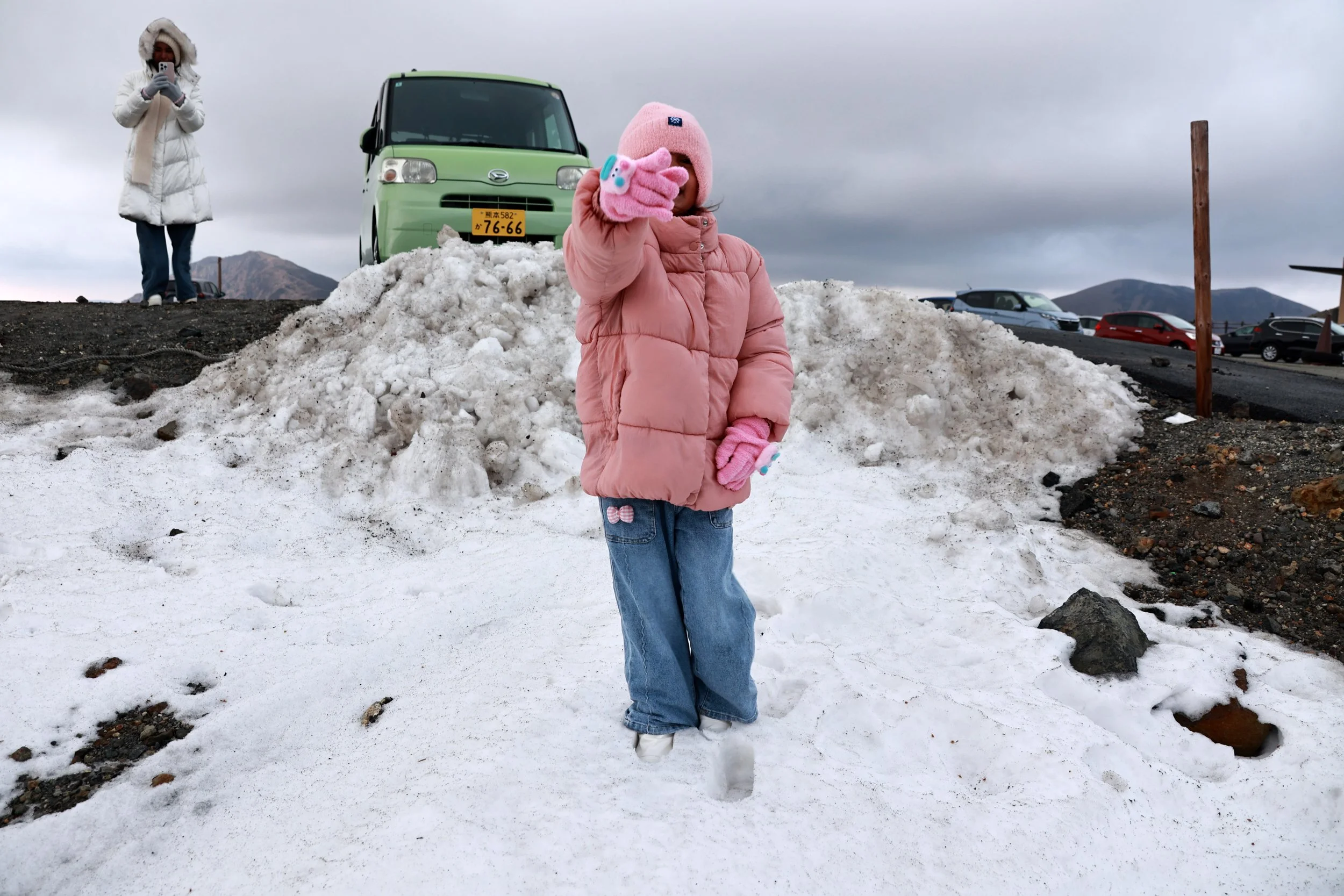
Gift & Liana's FIRST time seeing snow!!!