The Crab-eating Raccoon (Procyon cancrivorus), also known as the South American Raccoon, is a medium-sized carnivorous mammal belonging to the family Procyonidae, which also includes coatis, kinkajous, and the familiar North American raccoon. Its scientific classification is: Kingdom Animalia, Phylum Chordata, Class Mammalia, Order Carnivora, Family Procyonidae, Genus Procyon, and Species P. cancrivorus. The species was first described in the late eighteenth century and is closely related to the Common Raccoon (Procyon lotor) of North America. [en.wikipedia.org], [animaldiversity.org]
Although its name suggests a diet focused entirely on crabs, the Crab-eating Raccoon is actually an opportunistic omnivore with a highly varied diet. Its adaptability has allowed it to occupy a wide range of habitats throughout Central and South America. [en.wikipedia.org], [animalia.bio]
General Description
The Crab-eating Raccoon resembles its North American relative, sharing the characteristic black facial "mask" and ringed tail that are associated with raccoons. Adults typically weigh between 3 and 7 kilograms, although larger individuals may reach 12 kilograms. Body length ranges from approximately 54 to 65 centimetres, with the tail adding another 25 to 38 centimetres. Males are generally larger than females. [animaldiversity.org], [en.wikipedia.org]
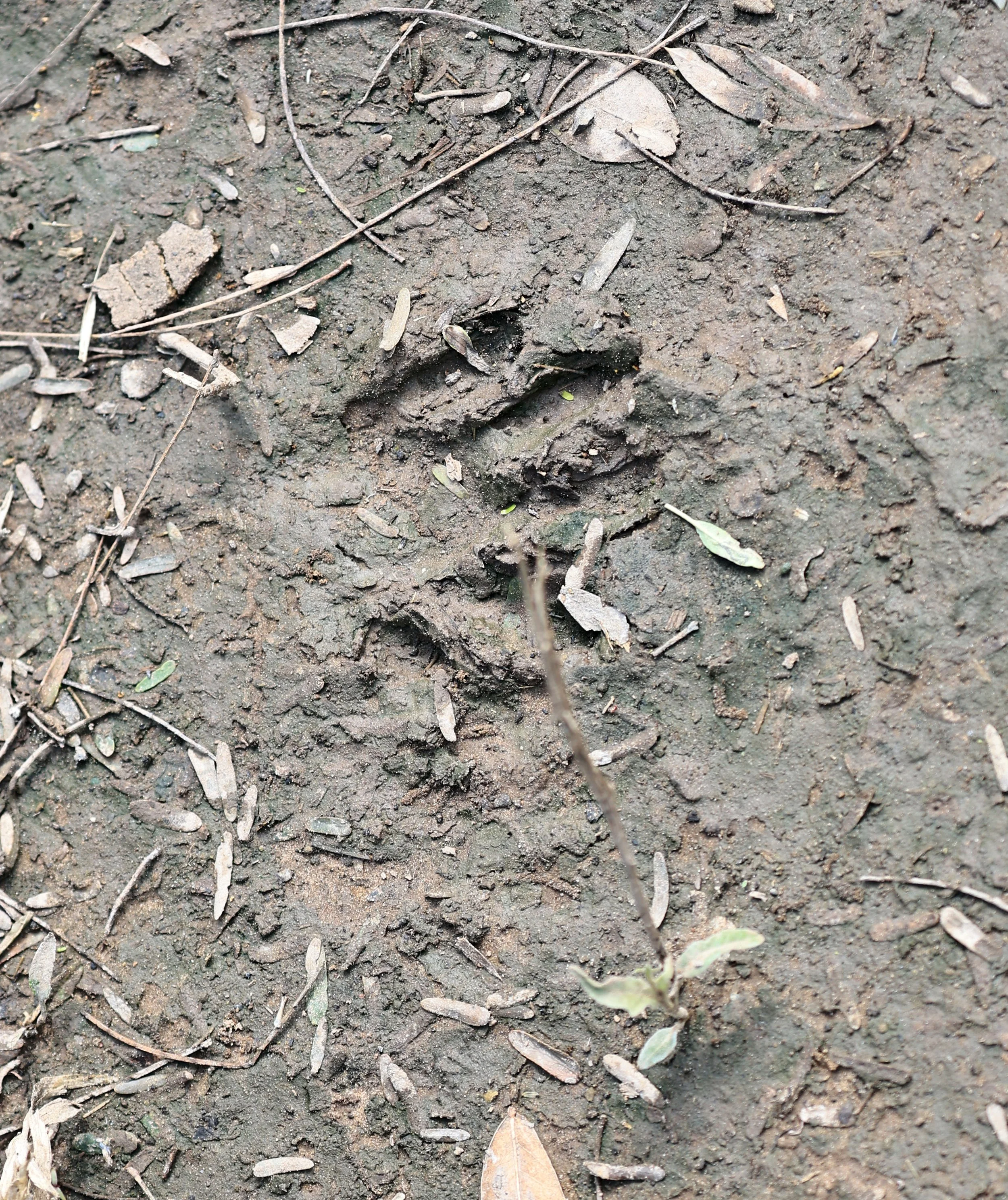
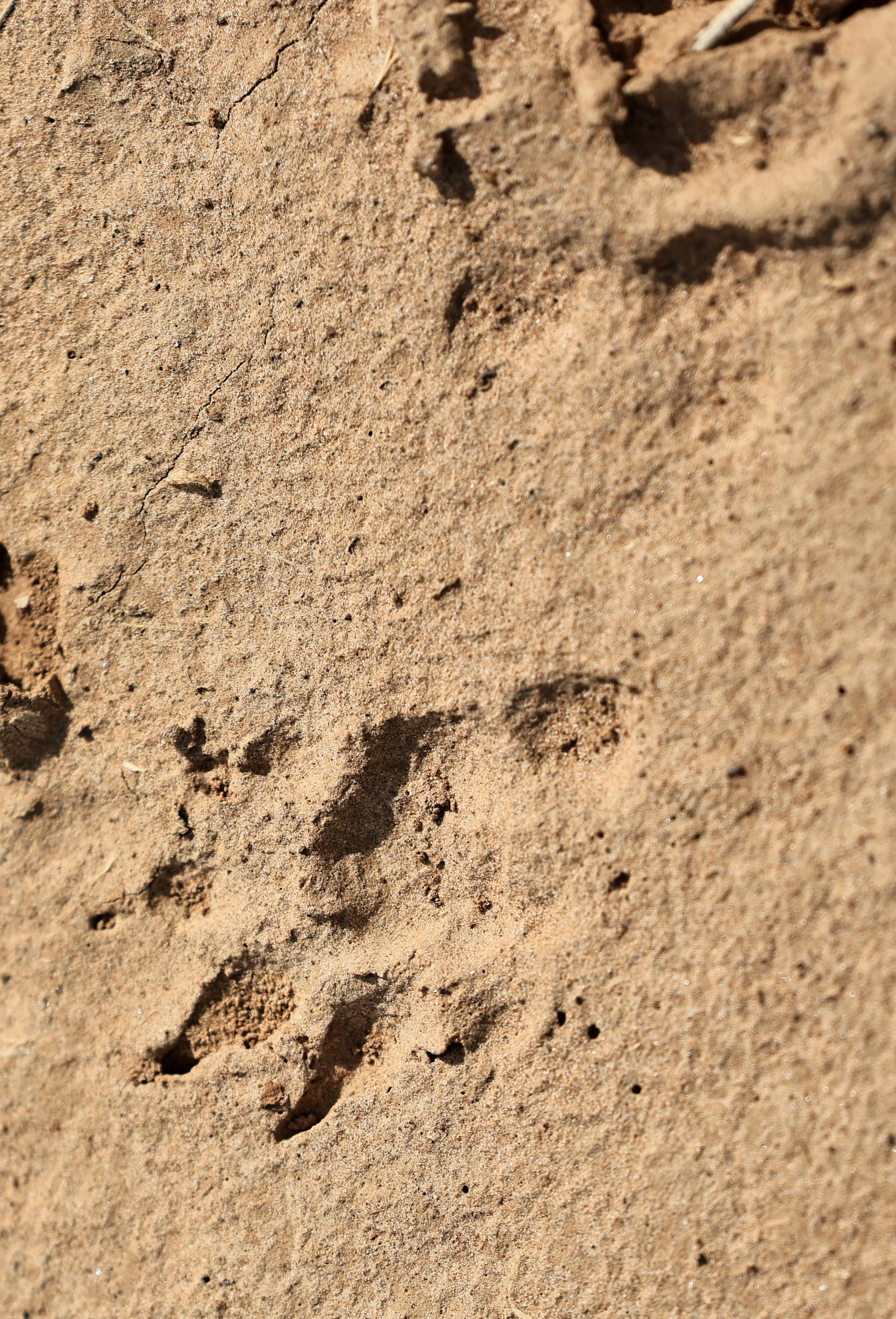
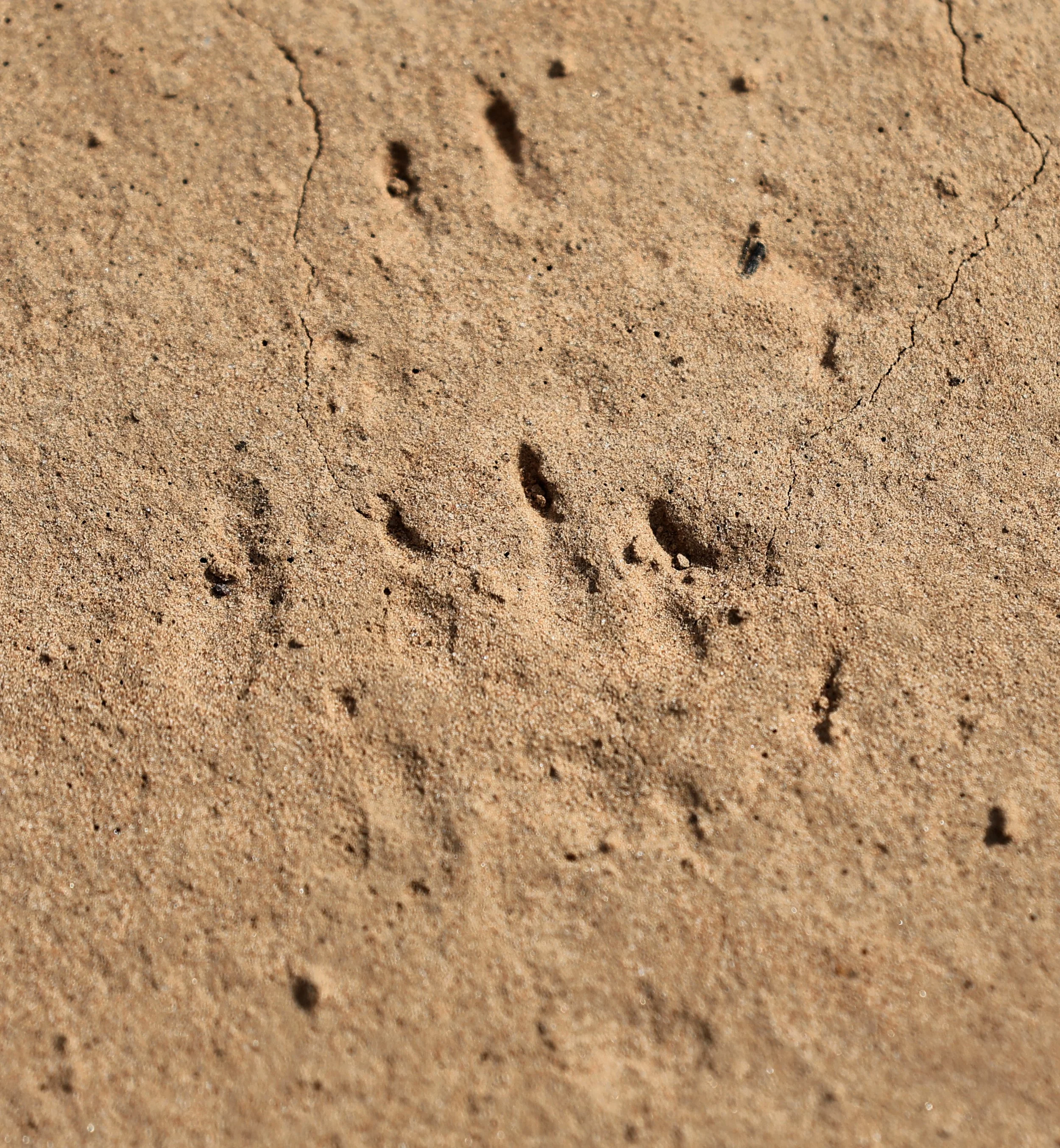
Its fur is usually brownish-grey to reddish-brown and is less dense than that of the Common Raccoon, an adaptation to the warmer climates of Central and South America. One distinctive feature is the direction of the fur on the back of the neck, which points forward toward the head rather than backward. The species also has relatively narrow claws and large cheek teeth adapted for crushing hard-shelled prey such as crabs, crayfish, shellfish, and other aquatic animals. [animaldiversity.org], [en.wikipedia.org], [animalia.bio]
Primarily nocturnal, the Crab-eating Raccoon spends much of the night foraging along waterways and forest edges. Its diet includes crustaceans, fish, amphibians, insects, eggs, fruits, nuts, and other plant material. This flexible feeding behaviour allows it to exploit a wide variety of food sources depending on local conditions and seasonal availability. [en.wikipedia.org], [animaldiversity.org]
Distribution
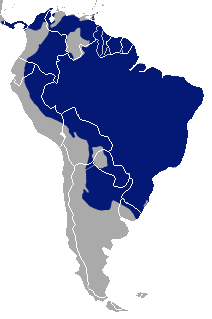
The Crab-eating Raccoon is widely distributed across Central and South America, ranging from Costa Rica and Panama south through much of South America east of the Andes, including Colombia, Venezuela, Ecuador, Peru, Bolivia, Brazil, Paraguay, Uruguay, northern Argentina, and Trinidad and Tobago. Its distribution overlaps with that of the Common Raccoon in parts of Central America. [en.wikipedia.org], [mammaldiversity.org], [animaldiversity.org]
The species is strongly associated with water and is most commonly found in wetlands, mangroves, swamps, riverbanks, lagoons, marshes, and coastal habitats. It also inhabits tropical forests, woodland areas, and some agricultural landscapes, provided there is access to water, food, and shelter. Compared with the Common Raccoon, it tends to be more restricted to riparian and wetland environments. [animaldiversity.org], [animalia.bio]
Interesting Facts
Despite its name, the Crab-eating Raccoon does not rely exclusively on crabs for food. Crabs and other crustaceans are important components of its diet in many areas, but it readily consumes fish, insects, fruits, eggs, and small vertebrates when available. This dietary flexibility has helped the species thrive across a large geographical range. [en.wikipedia.org], [animalia.bio]
The species is an excellent climber and swimmer. Its sharp claws and agile movements allow it to forage both on the ground and in trees, while its strong swimming ability helps it exploit aquatic food sources. Like other raccoons, it possesses highly sensitive forepaws that it uses to investigate objects and locate prey. [en.wikipedia.org], [animalia.bio]
Crab-eating Raccoons are generally solitary animals, coming together mainly during the breeding season. They are most active at night and spend daylight hours resting in tree hollows, dense vegetation, or other sheltered locations. Their adaptability and intelligence make them successful predators and foragers in a wide variety of environments. [animalia.bio], [animaldiversity.org]
Conservation Status and Threats
The International Union for Conservation of Nature (IUCN) classifies the Crab-eating Raccoon as Least Concern due to its extensive distribution, adaptability, and apparently stable populations across much of its range. The species remains relatively common in many regions and is capable of surviving in some human-modified habitats. [en.wikipedia.org], [mammaldiversity.org], [native-nature.org]
Nevertheless, local populations may be affected by habitat destruction, wetland drainage, deforestation, and increasing urbanisation. Hunting and road mortality can also impact populations in certain areas. Because the species is strongly associated with water sources and wetland habitats, degradation of rivers, mangroves, marshes, and floodplain ecosystems may pose growing challenges in the future. [encyclopedia.pub], [animaldiversity.org]
Despite these threats, the Crab-eating Raccoon remains one of the most widespread members of the raccoon family in South America. Continued protection of wetlands, riparian forests, and mangrove ecosystems will help ensure the long-term survival of this adaptable and ecologically important species. [en.wikipedia.org], [encyclopedia.pub]