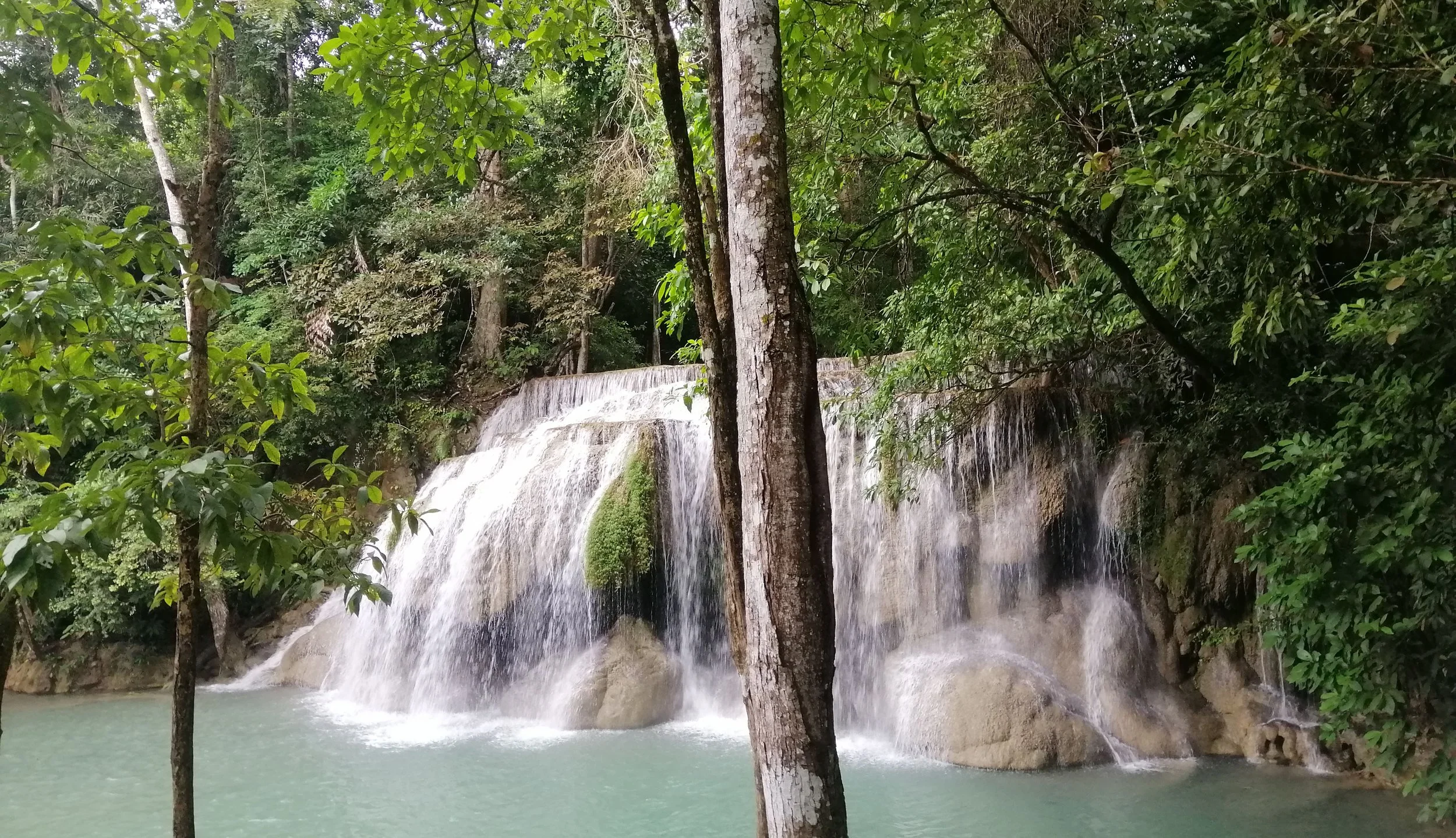
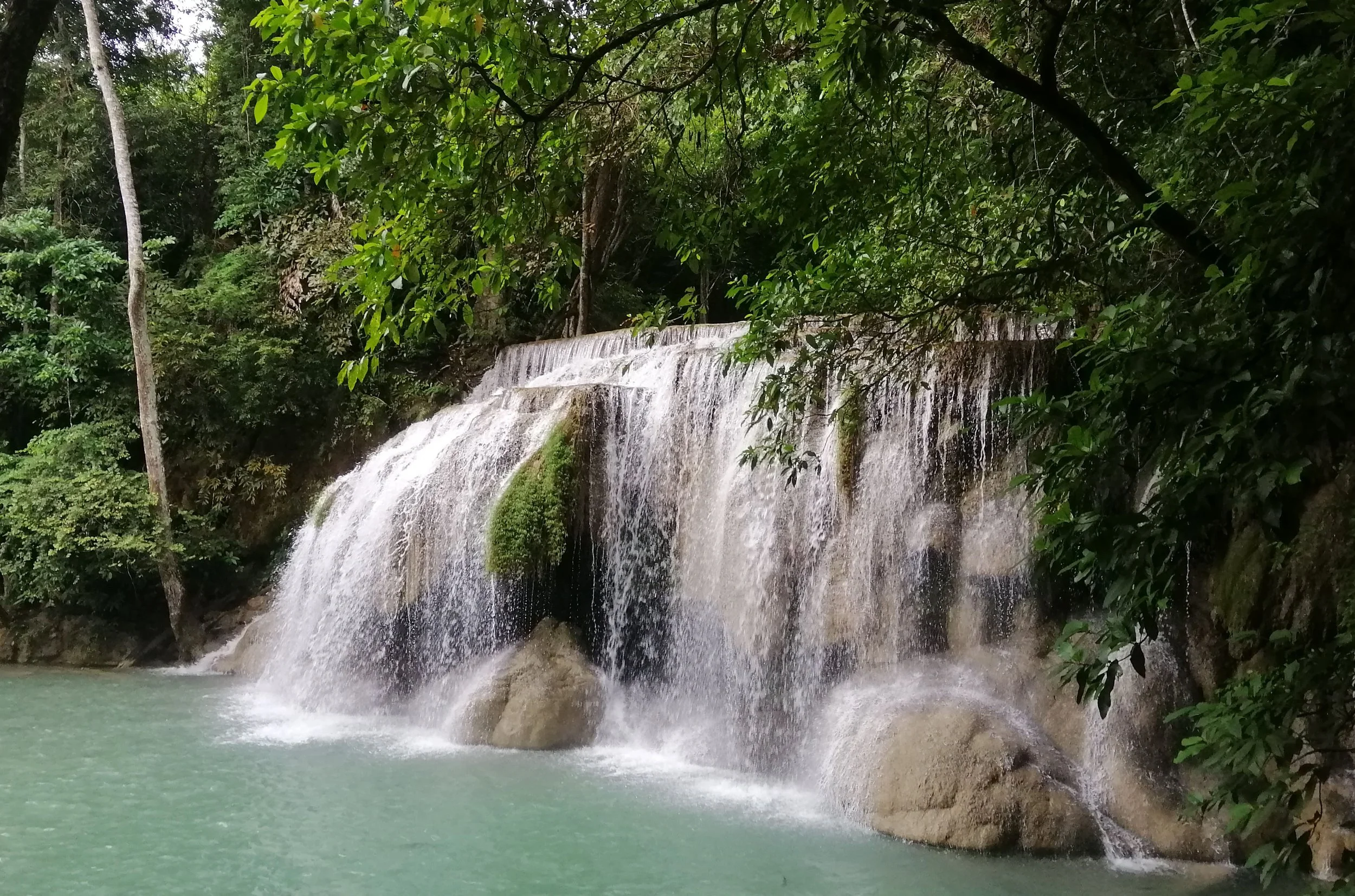
Thailand’s Western Forest Complex
Thailand’s Western Forest Complex: A Vast Stronghold of Biodiversity
Thailand’s Western Forest Complex (WEFCOM) is one of Southeast Asia’s largest and most ecologically significant protected landscapes. Encompassing roughly 18,730 km², the complex forms a continuous conservation corridor along Thailand’s mountainous western frontier with Myanmar. It spans a mosaic of 12 national parks and 7 wildlife sanctuaries, making it a keystone ecosystem for regional biodiversity. Its terrain ranges from lowland forests to rugged highlands within the Dawna–Tenasserim Hills, creating habitats for 153 mammal species, 490 bird species, and countless reptiles, amphibians, and fish. Notably, it shelters apex predators like the Indochinese tiger, clouded leopard, and dhole, alongside elephants, gaur, banteng, and four of Thailand’s five deer species. [en.wikipedia.org]
WEFCOM exists as a conservation response to the steady loss and fragmentation of forest habitats across mainland Southeast Asia. By preserving a vast, contiguous forest block, it maintains viable populations of wide‑ranging species and safeguards ecological processes—watersheds, nutrient cycles, forest regeneration—that sustain surrounding human communities. Conservationists consider the adjoining Huai Kha Khaeng and Thung Yai Naresuan sanctuaries the beating heart of the complex; together they form the largest protected area in mainland Southeast Asia and are recognized as a UNESCO World Heritage Site for their ecological value. The complex also provides a refuge for species whose ranges span multiple biogeographic zones, resulting in exceptional faunal diversity unique within the region. [thailand.wcs.org]
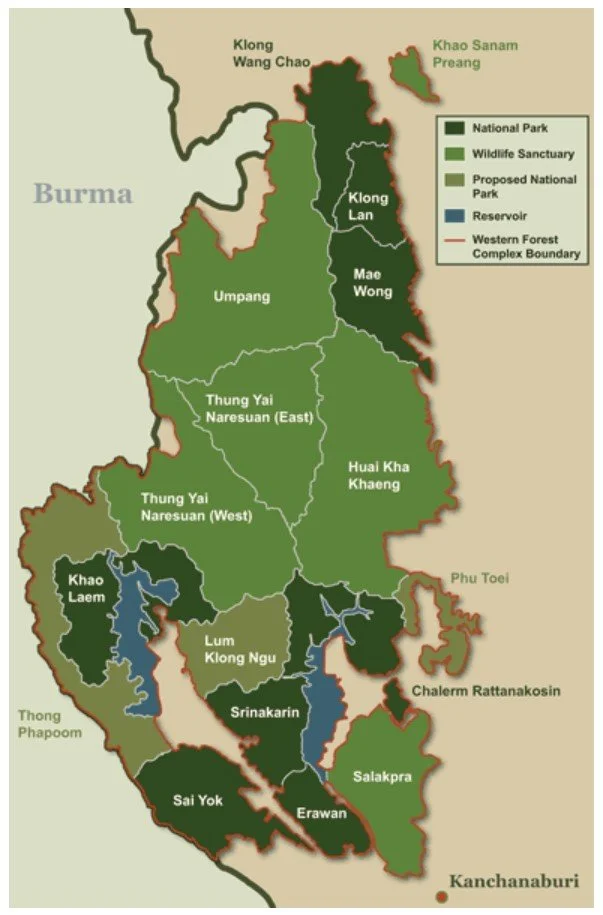
Situated in western Thailand, the Western Forest Complex stretches across the provinces of Kanchanaburi, Tak, Uthai Thani, Suphanburi, and Kamphaeng Phet, hugging the Myanmar border along the Tenasserim Range. This strategic location links Thai forests with Myanmar’s intact wilderness areas, allowing genetic exchange and large‑scale species movements. The region’s mountainous topography, river systems, and limestone formations contribute to diverse microhabitats that support everything from hornbills to tapirs. [ecn-thailand.org]
Below is a list of all the parks and wildlife sanctuaries:
Wildlife Sanctuaries (7):
Salakphra Wildlife Sanctuary
Huai Kha Khaeng Wildlife Sanctuary
Thung Yai Naresuan Wildlife Sanctuary (West & East)
Khao Sanampriang Wildlife Sanctuary
Um Phang Wildlife Sanctuary
Mae Nam Phachi Wildlife Sanctuary [everything...ined.today]
National Parks (12):
Erawan National Park
Chaloem Rattanakosin National Park
Sai Yok National Park
Si Nakharin (Sri Nakarin) National Park
Khlong Lan National Park
Mae Wong National Park
Phu Toei National Park
Khlong Wang Chao National Park
Khao Laem National Park
Thong Pha Phum National Park
Lam Khlong Ngu National Park
Kaeng Krachan National Park [everything...ined.today]
A Brief History of the Western Forest Complex
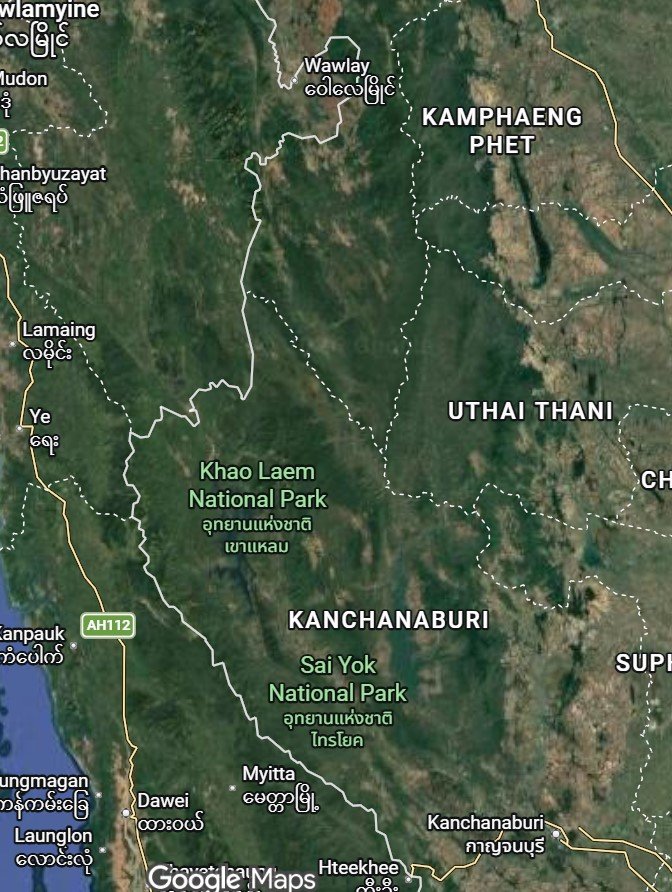
The Western Forest Complex did not emerge as a single protected unit all at once; instead, it gradually took shape over more than four decades as Thailand expanded its conservation estate across the western frontier. The first major step came in 1965, when Salakpra Wildlife Sanctuary was proclaimed—the earliest protected area within what would later become the complex. Over the following decades, a patchwork of additional national parks and wildlife sanctuaries was established across the region, eventually forming a cohesive network of 19 protected areas. [westernforest.org]
As conservation awareness deepened nationally, Thailand’s Department of National Parks, Wildlife and Plant Conservation (DNP) worked to unify the management vision for these fragmented forests. This period saw the recognition of the extraordinary biodiversity in the adjoining Huai Kha Khaeng and Thung Yai Naresuan sanctuaries—lands so ecologically valuable that they were collectively inscribed as a UNESCO World Heritage Site in 1991. These sanctuaries now function as the ecological core of the Western Forest Complex. [thailand.wcs.org]
In the early 2000s, a formal ecosystem‑based management approach was introduced to the region under the WEFCOM Project (2001–2003). Led by DNP managers and researchers, the initiative consolidated ecological data, mapped wildlife populations, strengthened ranger capacity, and emphasized the principle—championed by Thai conservationist Seub Nakhasathien—that Thung Yai–Huai Kha Khaeng can only be sustainably protected if the entire Western Forest Complex is treated as one interconnected ecological system. [thailand.wcs.org]
Today, the Western Forest Complex stands as one of mainland Southeast Asia’s last expansive and intact forest landscapes. Its evolution from isolated sanctuaries into a coordinated conservation corridor reflects Thailand’s long‑term efforts to safeguard wildlife, watersheds, and cultural heritage amid increasing human pressures.
Natural History of the Western Forest Complex

Melanistic Indochinese Leopard is an iconic carnivore seen in Huai Kha Khaeng Wildlife Sanctuary. Aside from a wild Tiger, there are few sights more spectacular than a leopard in its natural habitat.
The Western Forest Complex stands today as one of the last truly vast, interconnected forest ecosystems in mainland Southeast Asia—a living remnant of the once‑continuous wilderness that stretched across the Thai‑Myanmar borderlands. Its landscape is defined by the rugged spine of the Dawna–Tenasserim range, where steep mountains, deeply carved valleys, and Paleozoic limestone formations have shaped ecological processes for millions of years. These ancient geological features form a dynamic natural stage, with overhanging cliffs, sinkholes, caverns, and broad river systems feeding six of Thailand’s major watersheds. Seasonal rainfall patterns, variable elevations, and diverse soil types—from red‑brown earths to red‑yellow podzols—create a gradation of habitats that support some of the richest biodiversity in the region. [westernforest.org]
One of the defining ecological qualities of WEFCOM is its position as a biogeographic crossroads. Species from four major zoogeographic regions overlap here: the Indian subregion brings animals like the rufous‑necked hornbill, the Sundaic realm contributes species such as the Malayan tapir, the Indo‑Chinese zone provides a suite of carnivores and ungulates, and the Himalayan foothills lend montane specialists to the upper elevations. The result is a living tapestry of wildlife unmatched elsewhere in Thailand. Surveys confirm the presence of at least 153 mammals, 490 birds, 41 reptile species, and 108 species of fish, with several species—such as the Indochinese tiger, the clouded leopard, the Asiatic black bear, and the gaur—maintaining some of their most viable remaining populations here. [en.wikipedia.org]

Banteng are the easiest species of mega fauna that can be seen in Huai Kha Khaeng.
The plant communities of WEFCOM are equally diverse, forming layered forests that shift with altitude, topography, and microclimate. In the lowlands, evergreen forests provide dense canopy cover, giving way to mixed deciduous forests rich in bamboo and broad‑leaf species. Higher slopes host montane evergreen forests, moss‑laden and cool even during the hot season, while exposed plains support dry dipterocarp forests—fire‑adapted ecosystems that add further ecological contrast. Limestone karst zones support rare and endemic plants found nowhere else in Thailand. These varied forest types support a complex food web in which large herbivores depend on mineral licks, carnivores depend on intact forest connectivity, and seed‑dispersing birds and primates maintain long‑term forest regeneration. [westernforest.org]
Crucially, the Western Forest Complex remains one of the few places in Thailand where ecological processes continue at landscape scale. Predator–prey dynamics still unfold across vast expanses of habitat, and apex predators such as the Indochinese tiger continue to shape ecosystem structure. As recently as 2024, camera traps recorded a female tiger with cubs in Salakphra—an encouraging sign of ongoing population resilience. Large mammals move seasonally through the forest corridor, following fruiting cycles, water availability, and mineral sources, while birds such as hornbills disperse seeds across mountain ridges and river valleys. This complex interplay of organisms has been maintained for millennia and continues today largely because WEFCOM has retained an exceptional degree of habitat connectivity. [en.wikipedia.org]
Beyond its biological richness, the natural history of WEFCOM is also shaped by its role as a biodiversity refuge in a rapidly changing landscape. Surrounded by regions heavily altered by agriculture, development, and infrastructure, the complex acts as a sanctuary for species that have disappeared from much of their former range. Its intactness is not merely a relic of the past—it is an active, functioning system in which ecological integrity still drives evolution, survival, and regeneration. The forests, rivers, cliffs, and valleys work in continuous concert, preserving an ancient ecological harmony that is now rare across the region.
Flora of the Western Forest Complex
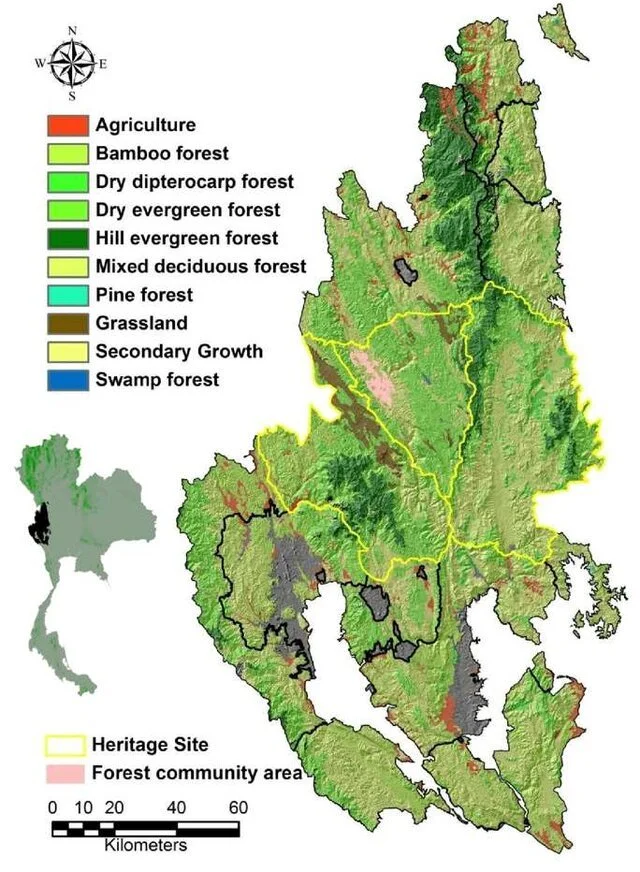
The flora of the Western Forest Complex reflects the extraordinary environmental diversity created by its rugged topography, varied soils, and transitional climatic influences. The region supports a broad spectrum of forest types, including evergreen forests, mixed deciduous forests, dry dipterocarp forests, and montane evergreen forests, each occupying distinct elevational and geological niches across the Dawna–Tenasserim range. This diversity is shaped in part by the area's highly dissected landscape of limestone hills, cliffs, sinkholes, and caverns, which foster numerous microhabitats and create conditions for rich plant assemblages to flourish.
Mixed deciduous forests dominate lower and mid‑elevation valleys, where bamboo thickets interweave with broad‑leaf tree species. Higher up, evergreen and montane forests take over, cooled by altitude and blanketed with mosses, epiphytes, and ferns. These upper‑elevation communities play a vital role in watershed protection, capturing moisture and releasing it slowly into the river systems that run throughout the complex. Meanwhile, the dry dipterocarp forests of exposed plateaus and uplands host fire‑adapted species capable of withstanding long dry seasons, contributing to a patchwork of ecological conditions within the broader landscape.
Limestone ecosystems, formed from ancient Paleozoic formations, are among the most botanically unique components of WEFCOM. These karst landscapes support endemic species adapted to life on harsh, rocky substrates. Their soils—ranging from red‑brown earths derived from limestone to the red‑yellow podzols of valleys—shape plant distribution and nutrient cycles. The presence of mineral licks, another key geological feature, influences not only wildlife but also local plant communities, as mineral‑rich soils promote specialized vegetation. Altogether, the varied flora of WEFCOM forms the foundation of one of Thailand’s most ecologically intact forests, driving the productivity and resilience of the region’s complex food webs.
Huai Kha Khaeng Wildlife Sanctuary supports an exceptional mosaic of forest biomes, each defined by distinctive tree assemblages that underpin the area’s biodiversity. In the mixed deciduous forests, some of the most characteristic species include valuable teak (Tectona grandis), Burmese ironwood (Xylia xylocarpa), and flame of the forest (Butea monosperma). These forests experience a pronounced dry season, and their trees are typically drought-tolerant and deciduous, shedding leaves to conserve water. Teak and ironwood play an especially important structural role, forming an open canopy that allows light to reach a rich grass and bamboo understory, which in turn supports large herbivores such as banteng and sambar deer.
The dry evergreen forests, occurring in more sheltered valleys and moister sites, are dominated by tall dipterocarps, including Hopea, Shorea, and Dipterocarpus species. These trees form dense, multi-layered canopies and produce mast fruiting events that are ecologically critical, providing periodic surges of food for birds, rodents, and primates. Along streams and permanently wet areas, riverine forests feature species such as Tetrameles nudiflora and figs (Ficus spp.), the latter acting as keystone resources by fruiting asynchronously throughout the year. Together, these tree communities create a structurally complex and productive landscape, helping explain why Huai Kha Khaeng remains one of mainland Southeast Asia’s most intact and ecologically significant forest systems.
Link to Primary Paper on the Plant Communities & Distribution Patterns of Tigers in the Western Forest Complex
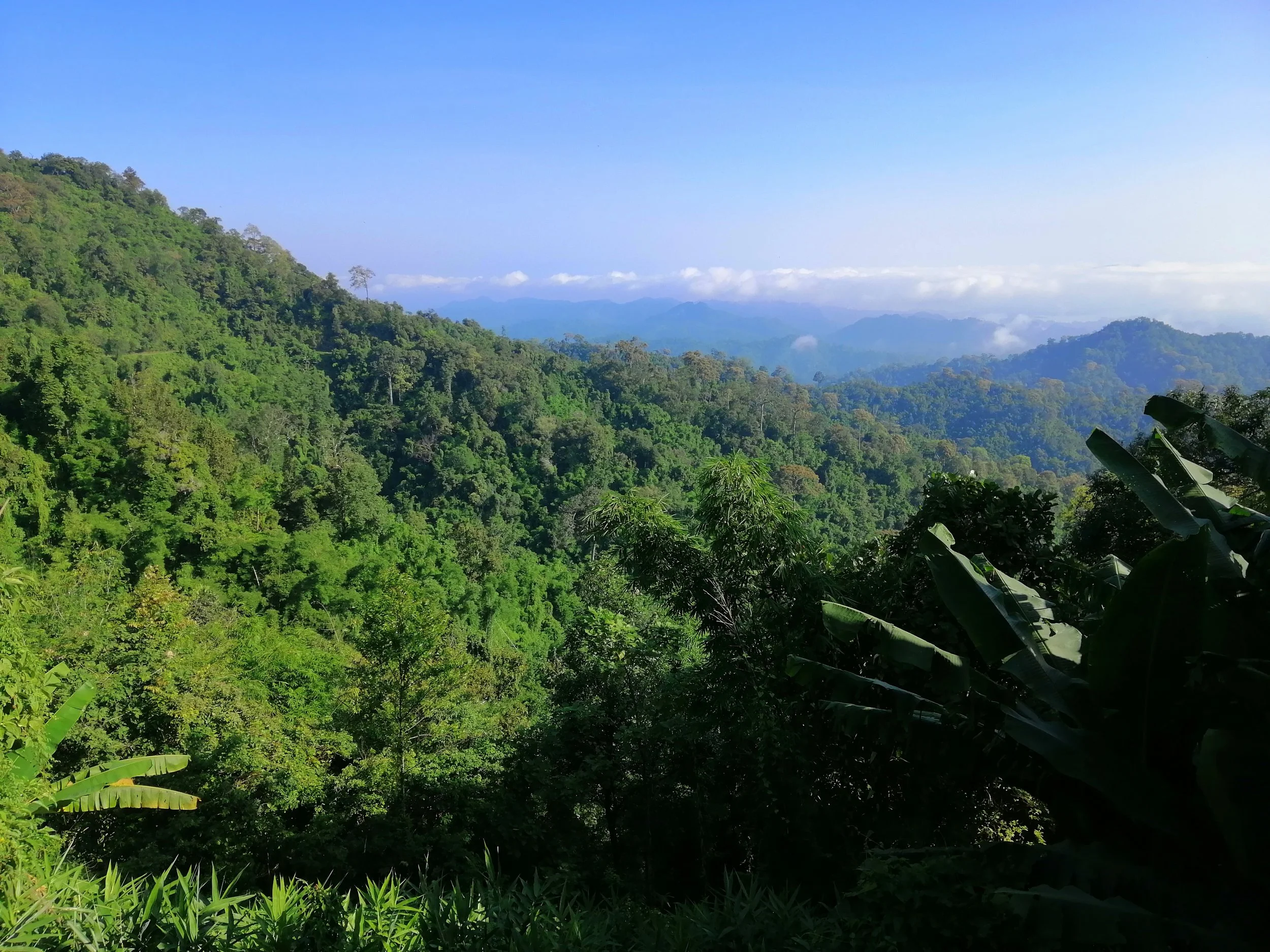
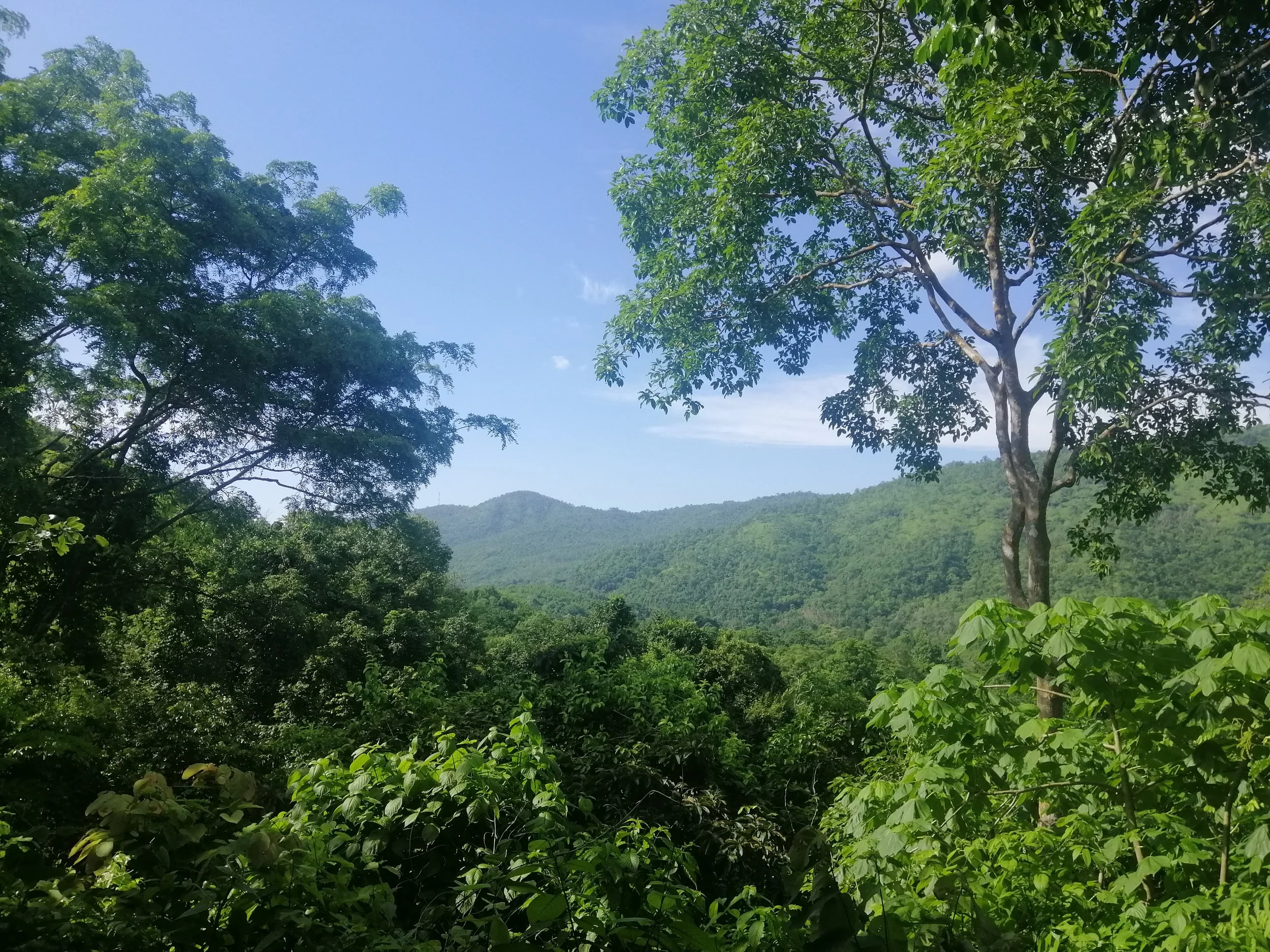
The forest type at the Chong Yen campsite (located at km 93 in Mae Wong National Park) is primarily Hill Evergreen Forest. Here we see the view to the west from the campsite.
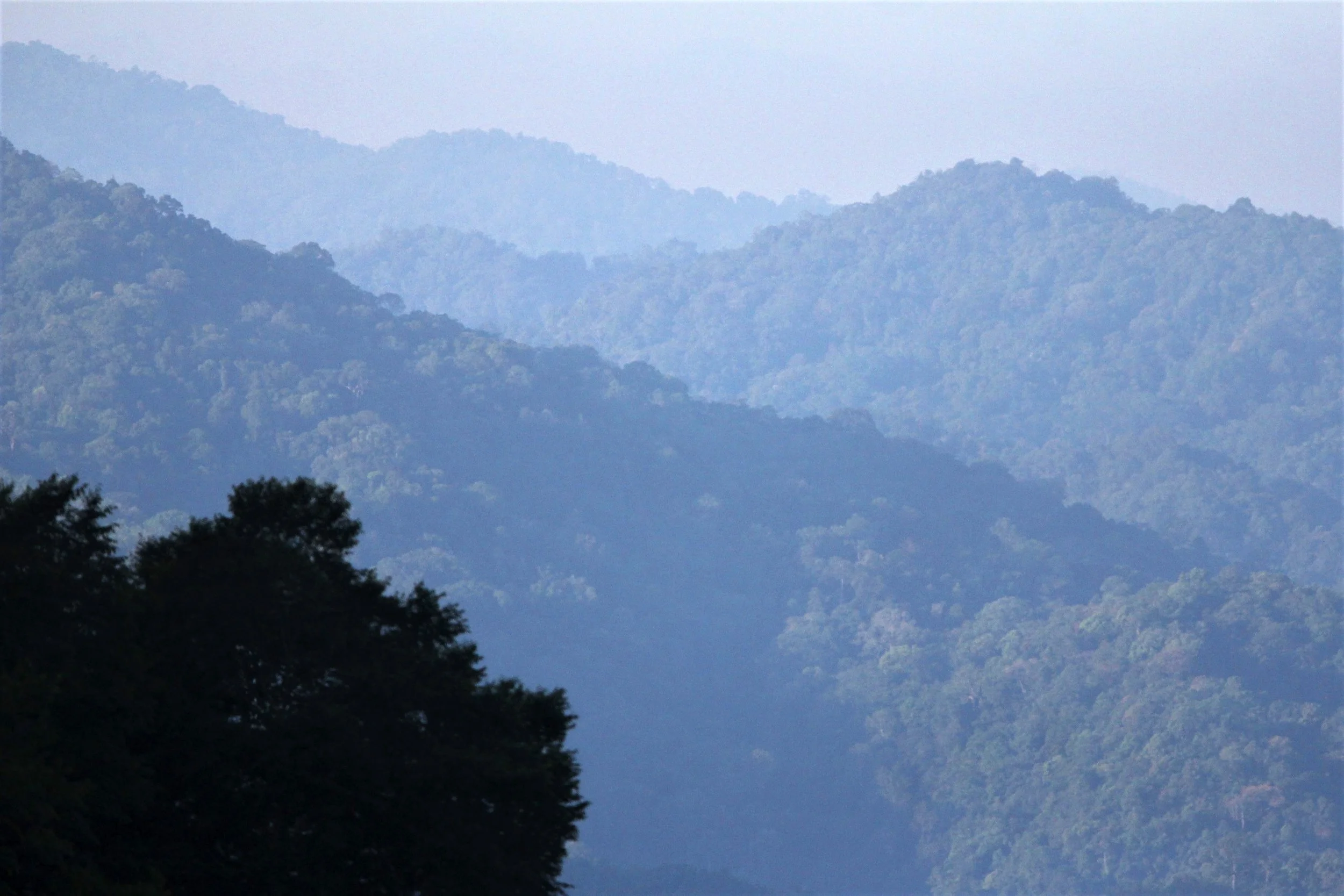
View from Chong Yen Campsite to the west over the Western Forest Complex.
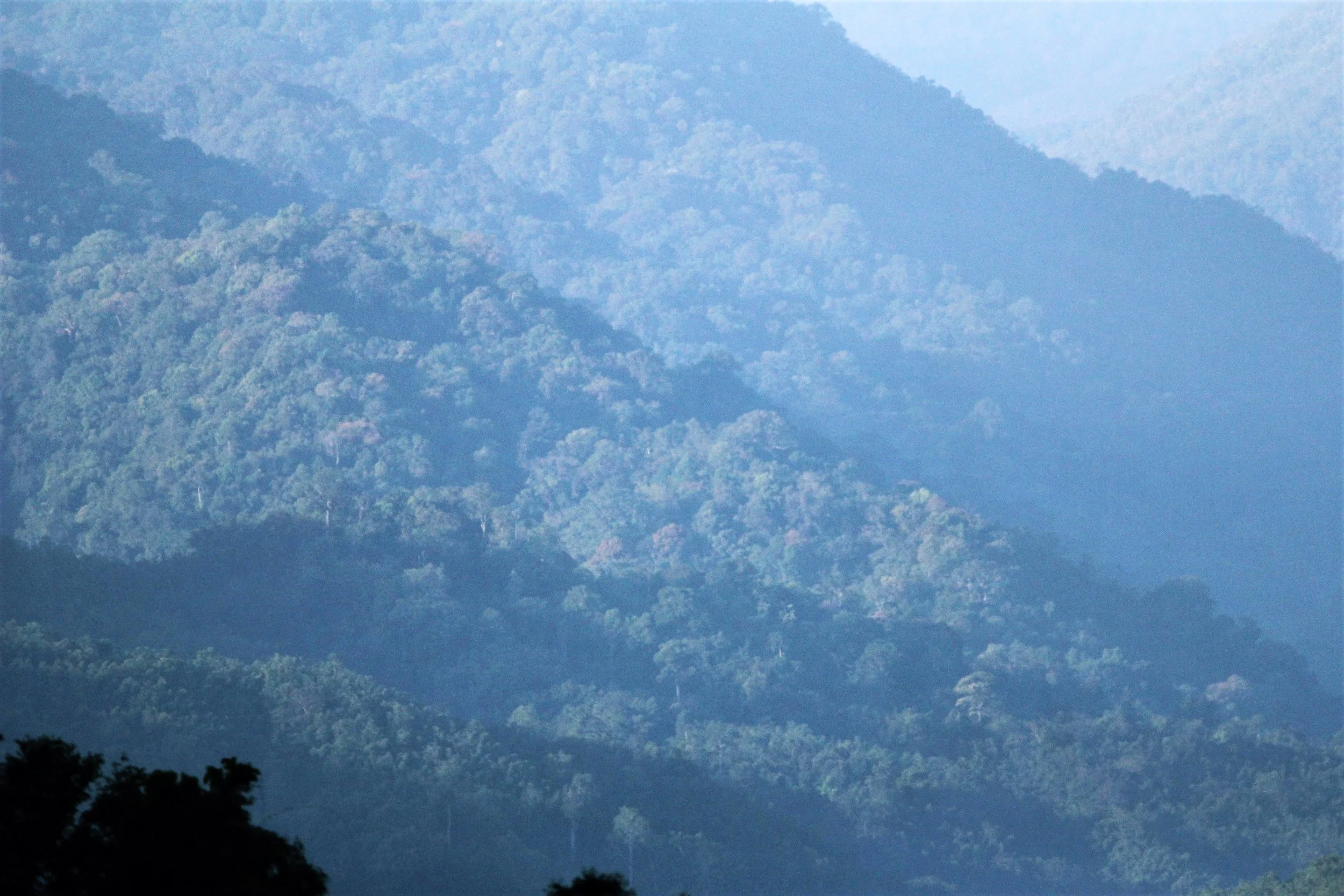
View of the Dry Evergreen Forests of the Western Forest Complex
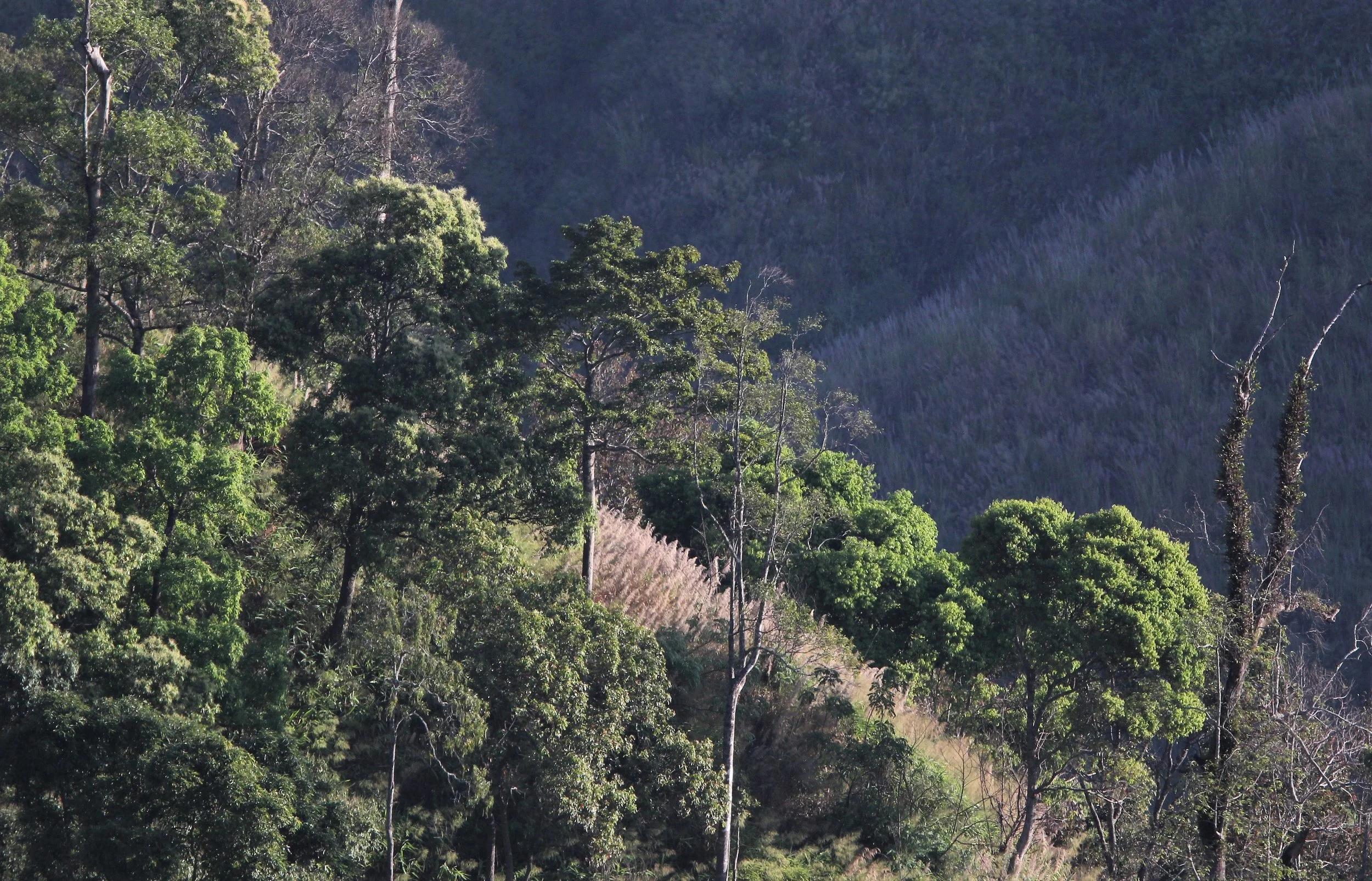
Previous logged area of Hill Evergreen Forest near Chong Yen Campsite.
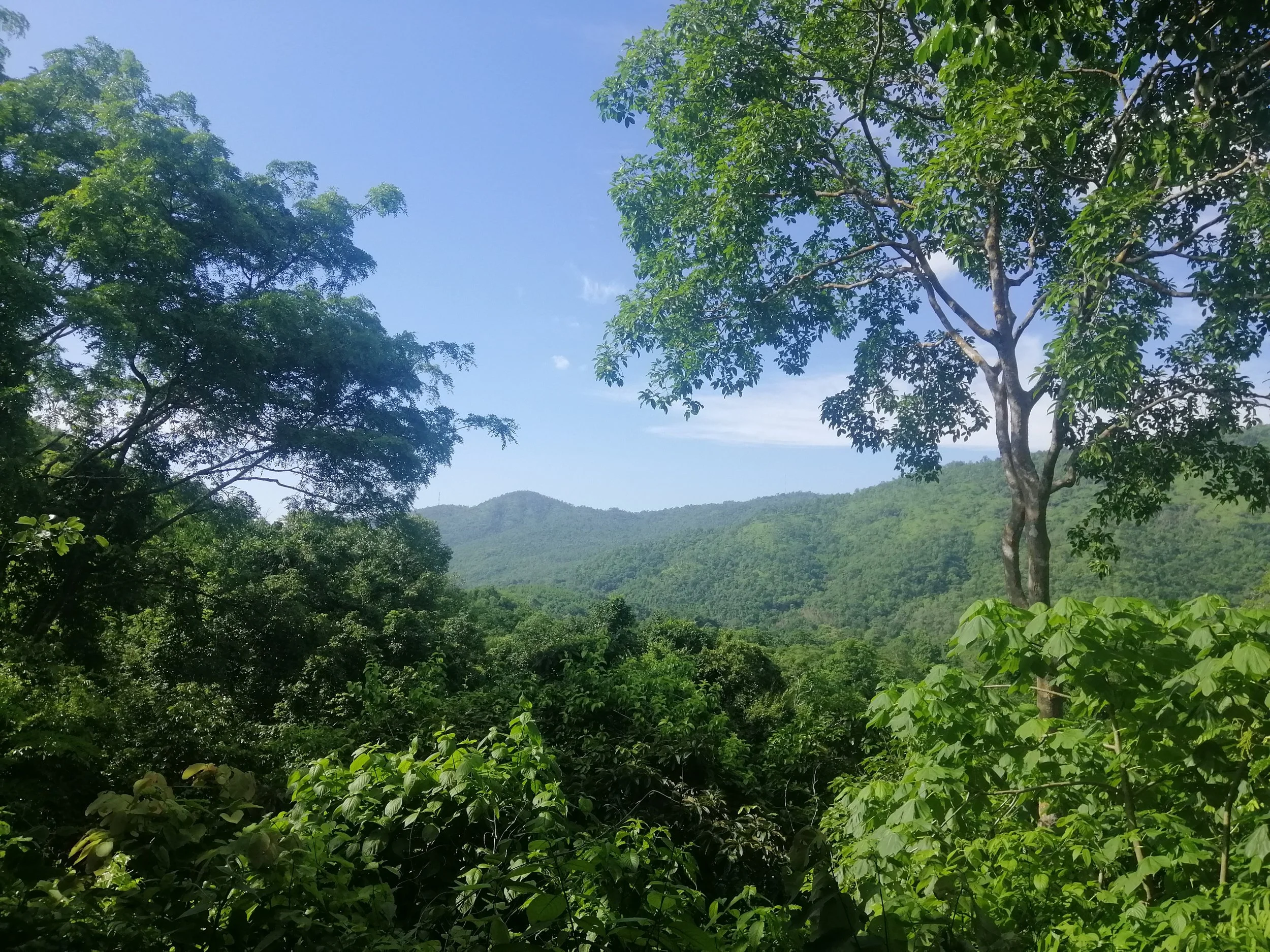
More views from Chong Yen Campsite.
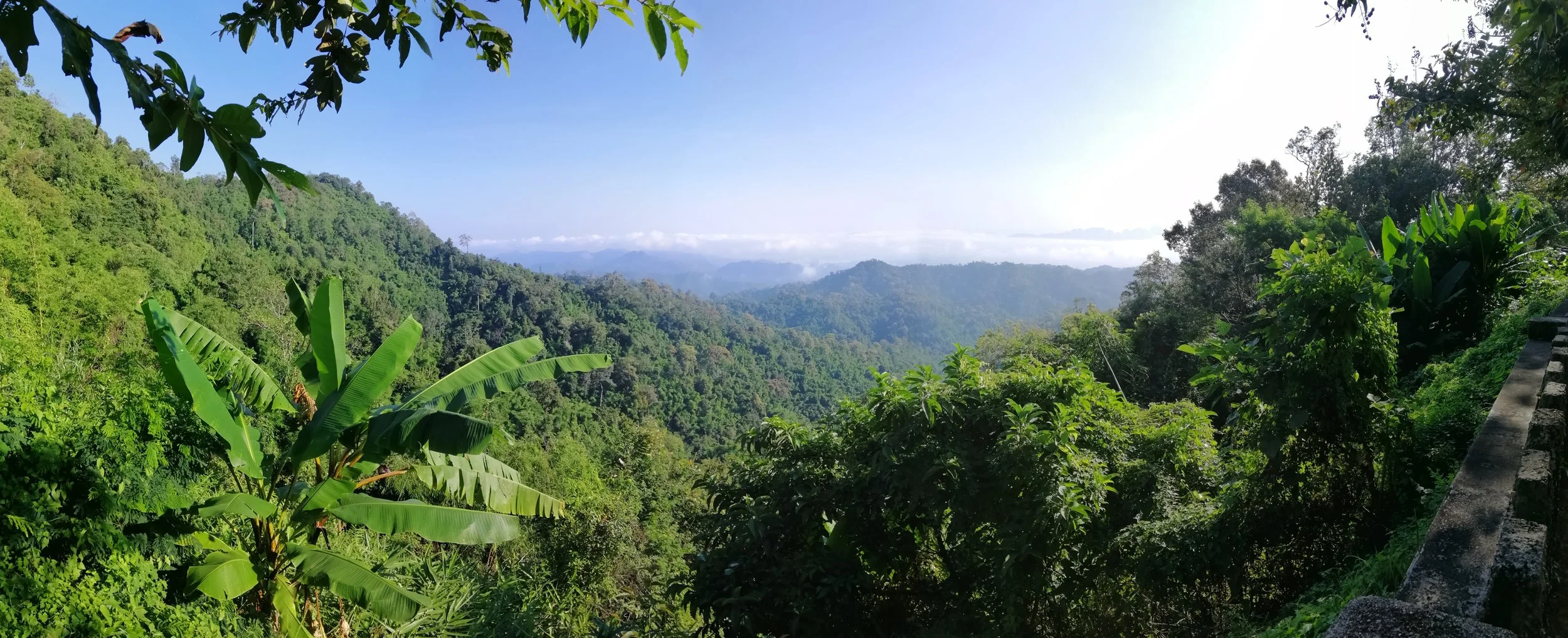
At the Chong Yen campsite you will find dense stands of hill evergreen forest, interspersed with significant amounts of bamboo, grasses, and wild banana. The area is particularly famous for its diversity of orchids, ferns, and rare tree ferns.
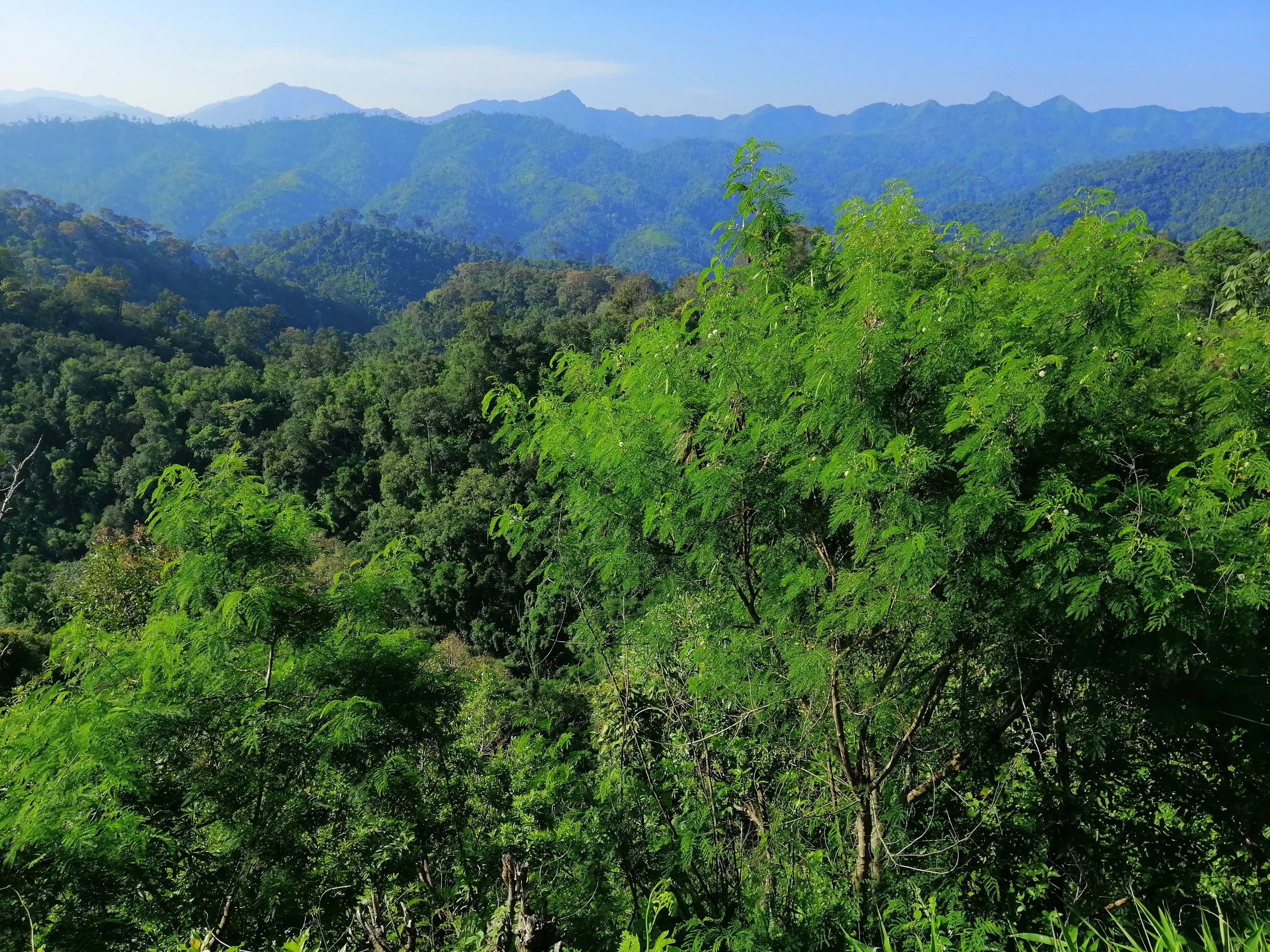
Spectacular views from the Chong Yen Campsite, Mae Wong National Park. Most likely the distant mountains are in Khuen Srinagarindra National Park
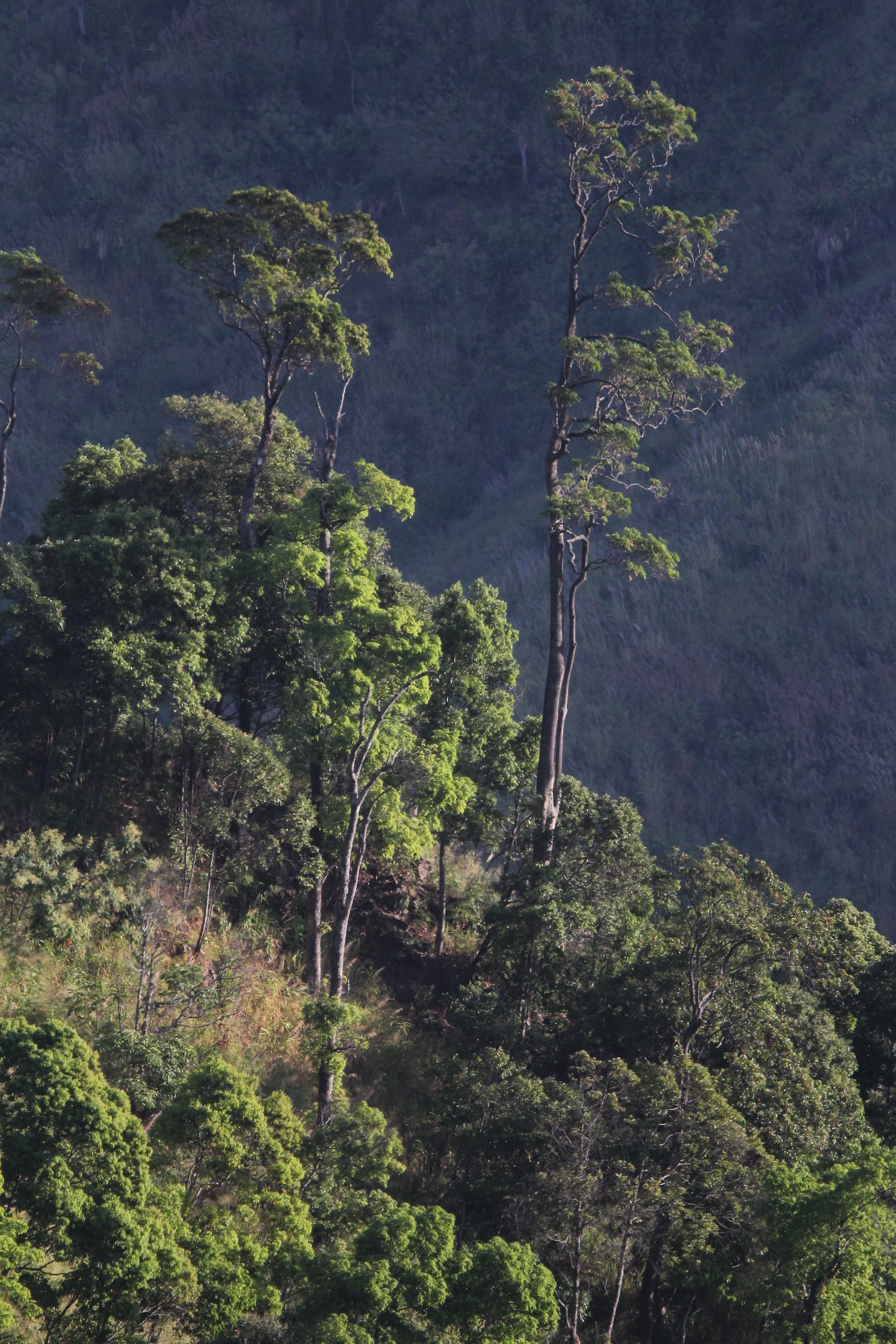
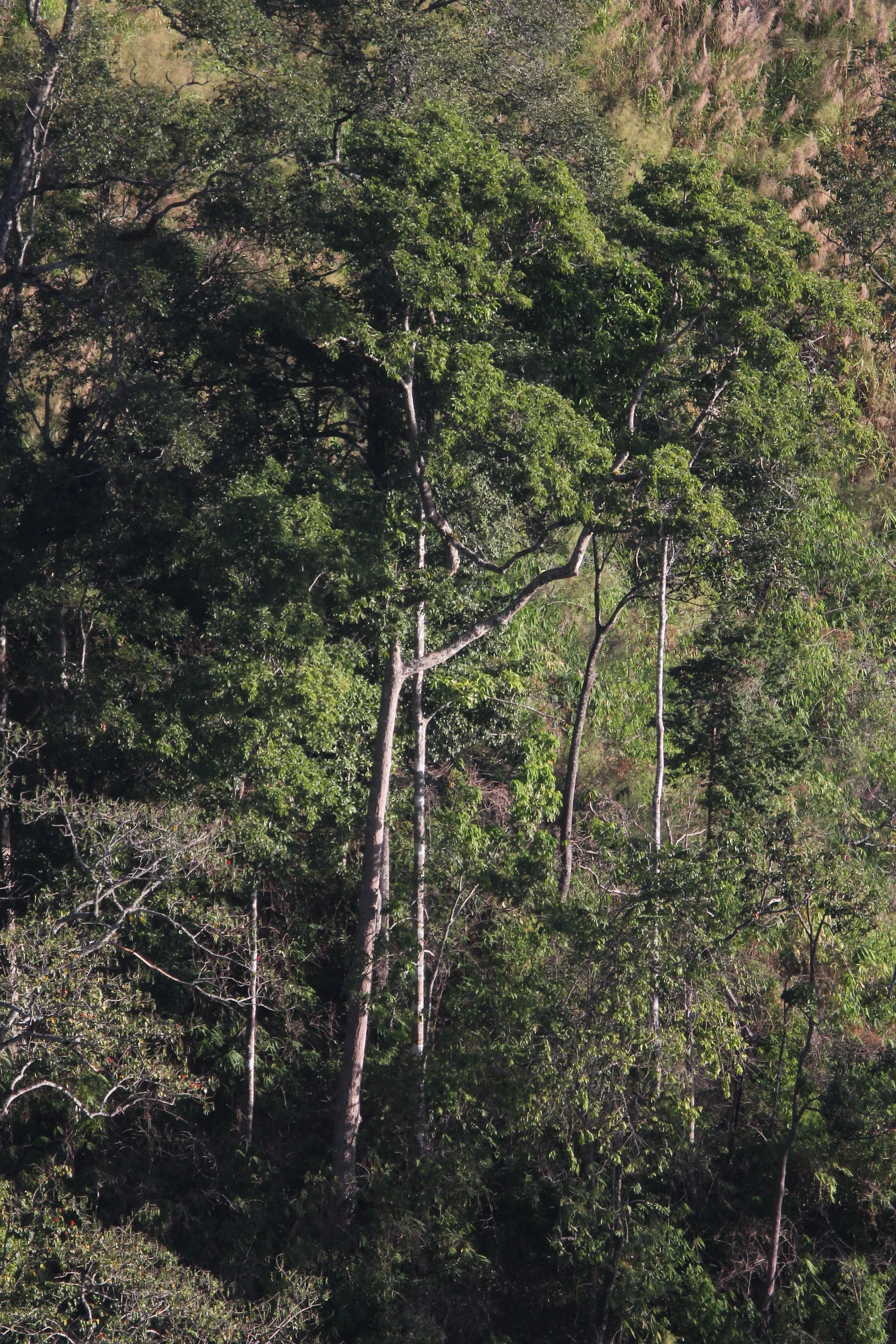
Hill Evergreen Forest emergents at Mae Wong's Chong Yen Campsite area
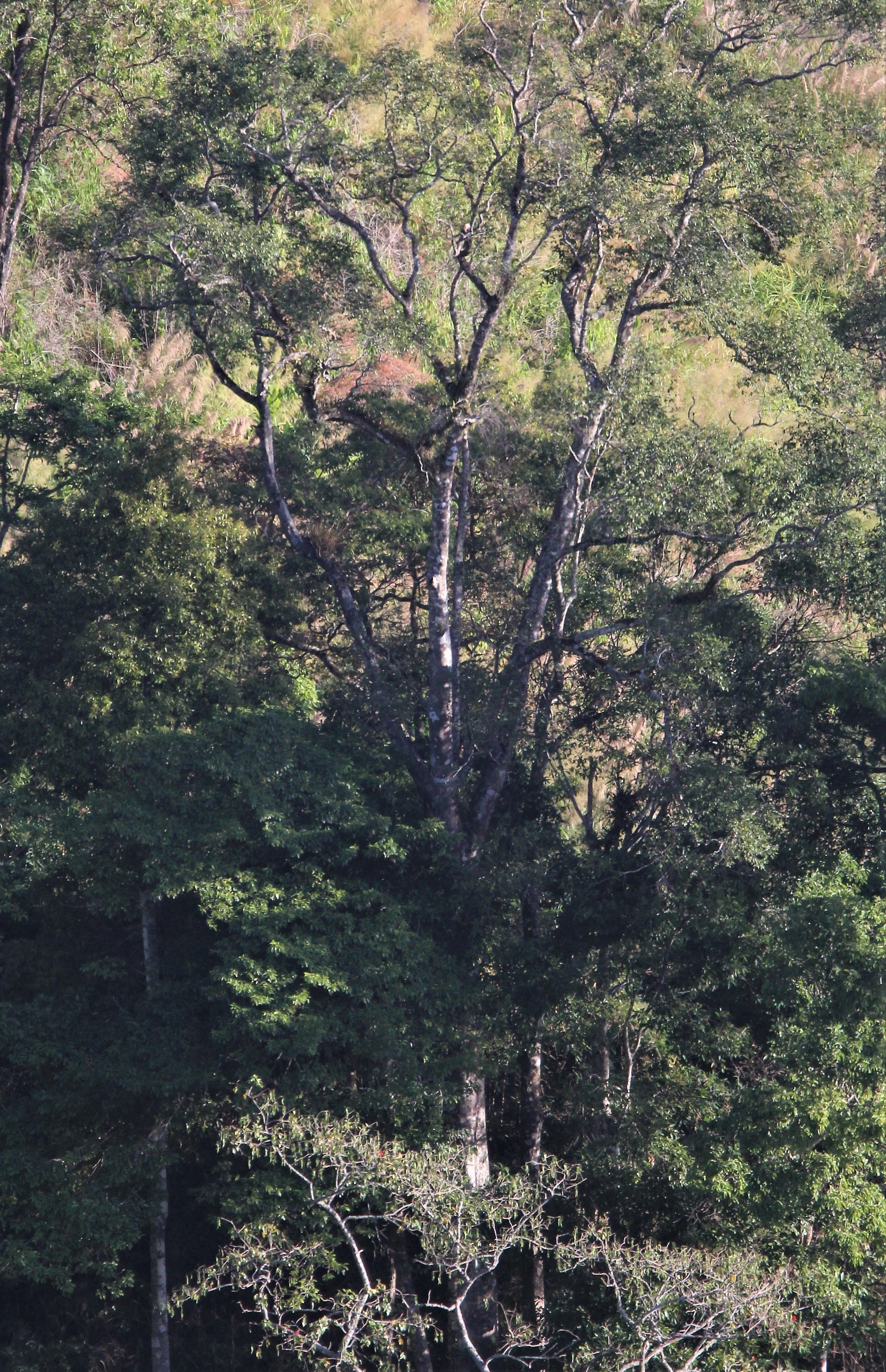
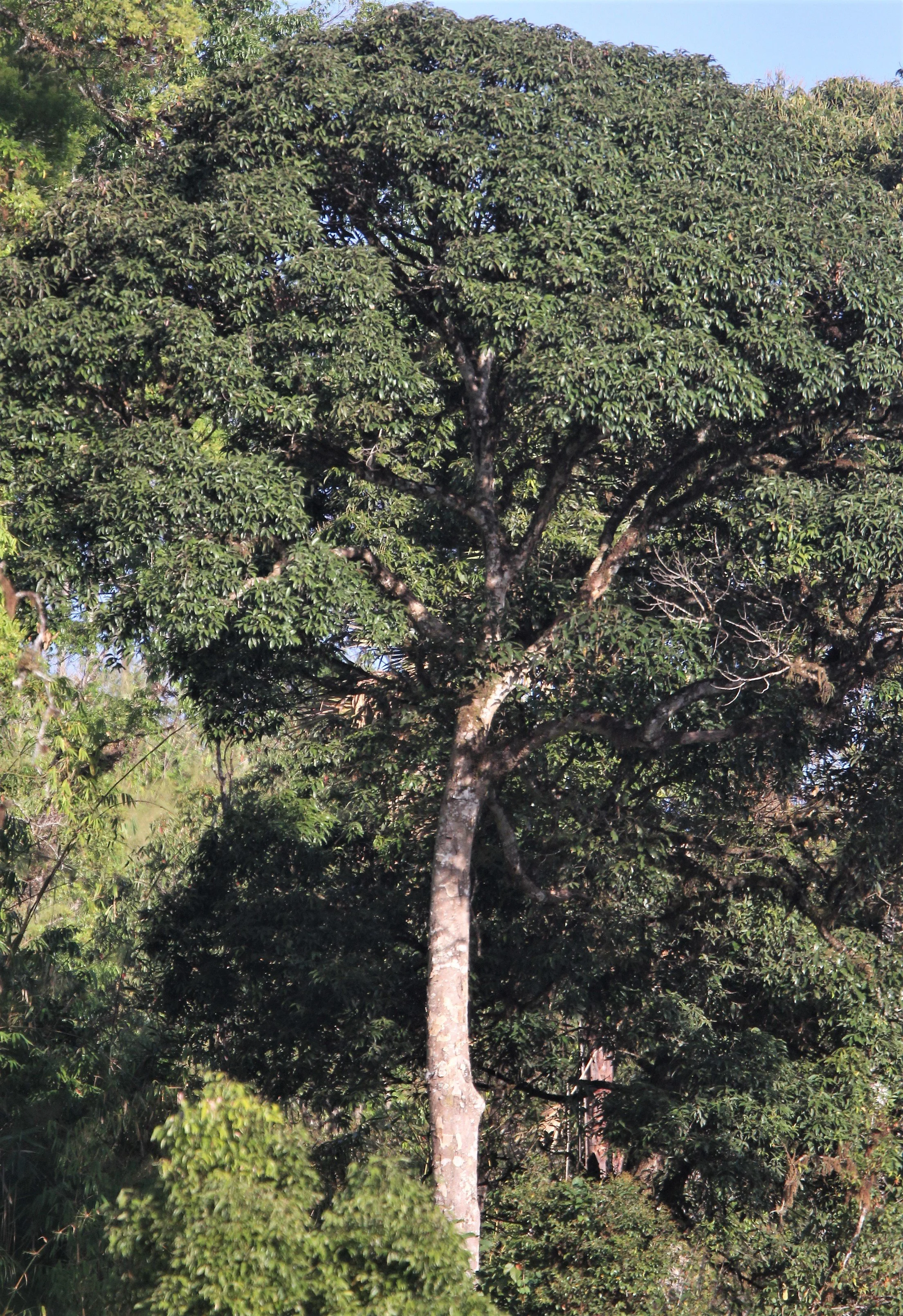
Hill Evergreen Forest emergents at Mae Wong's Chong Yen Campsite area
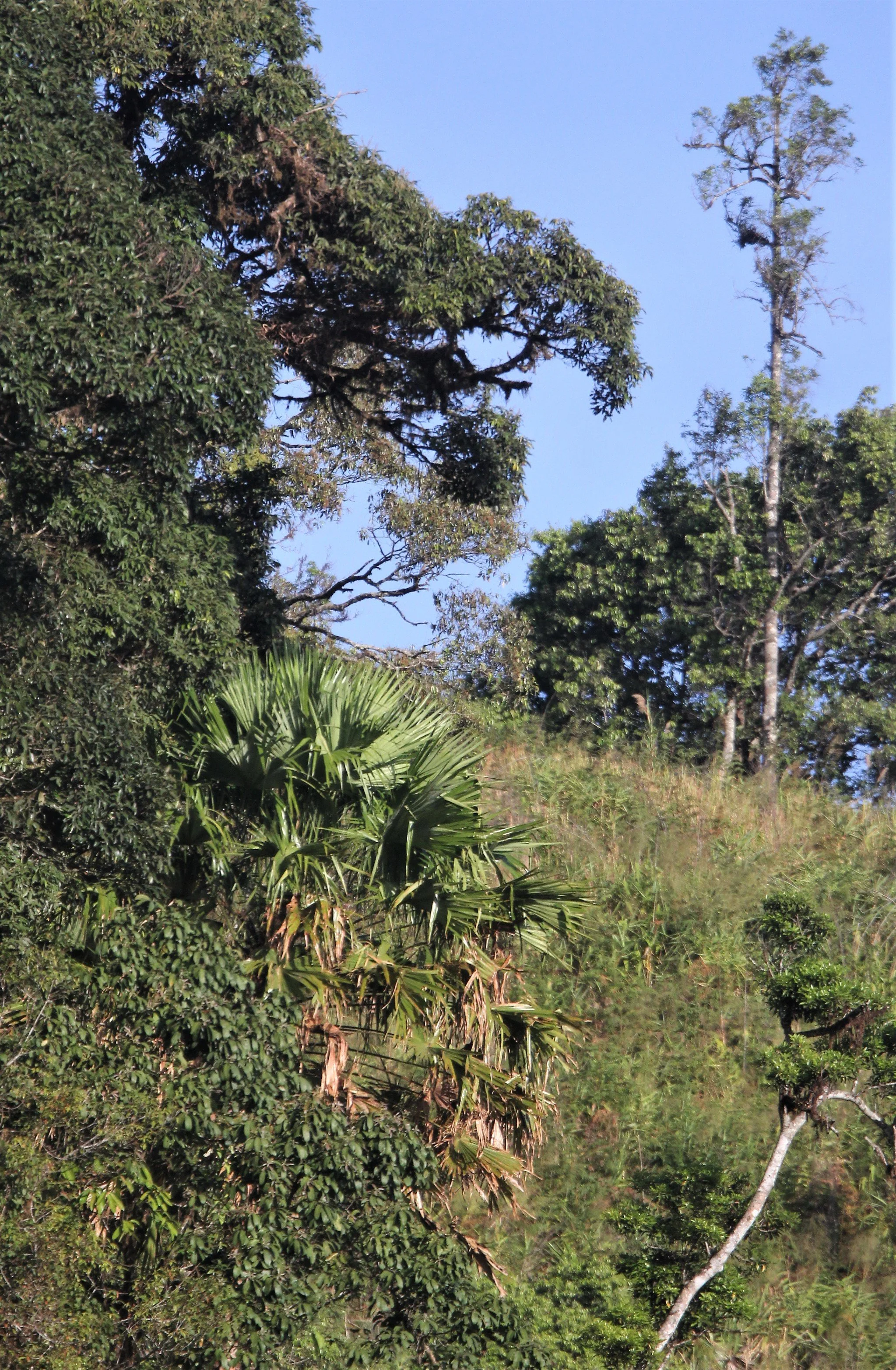
Fan palm tree situated on a hillside, identified as a Livistona species, likely the Livistona australis or a closely related species from the Arecaceae family. Habitat: These palms are commonly found in moist forest margins, swampy sites, and along stream banks.
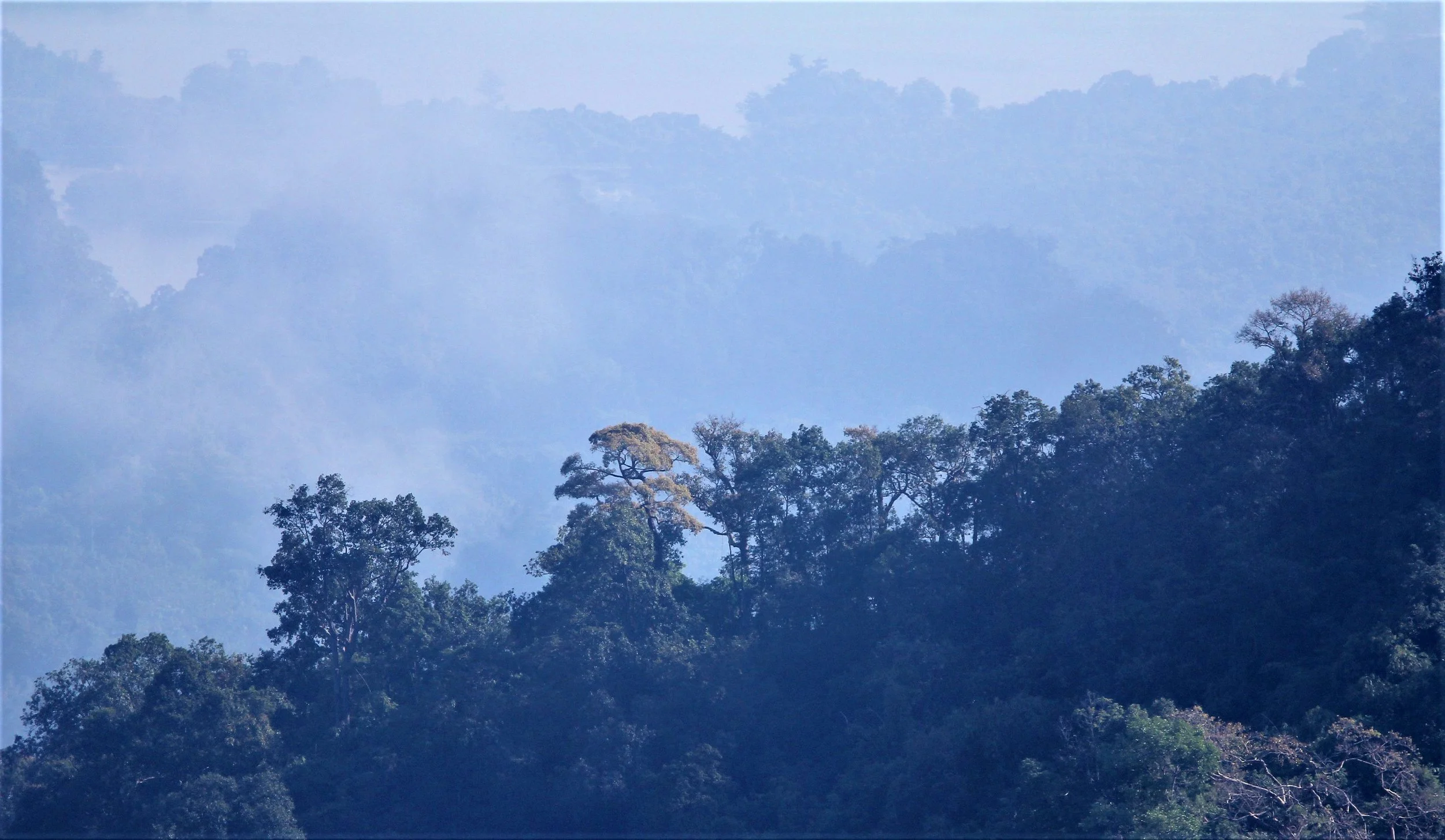
Views of Thung Yai National Wildlife Area as seen from the Chong Yen Campsite.
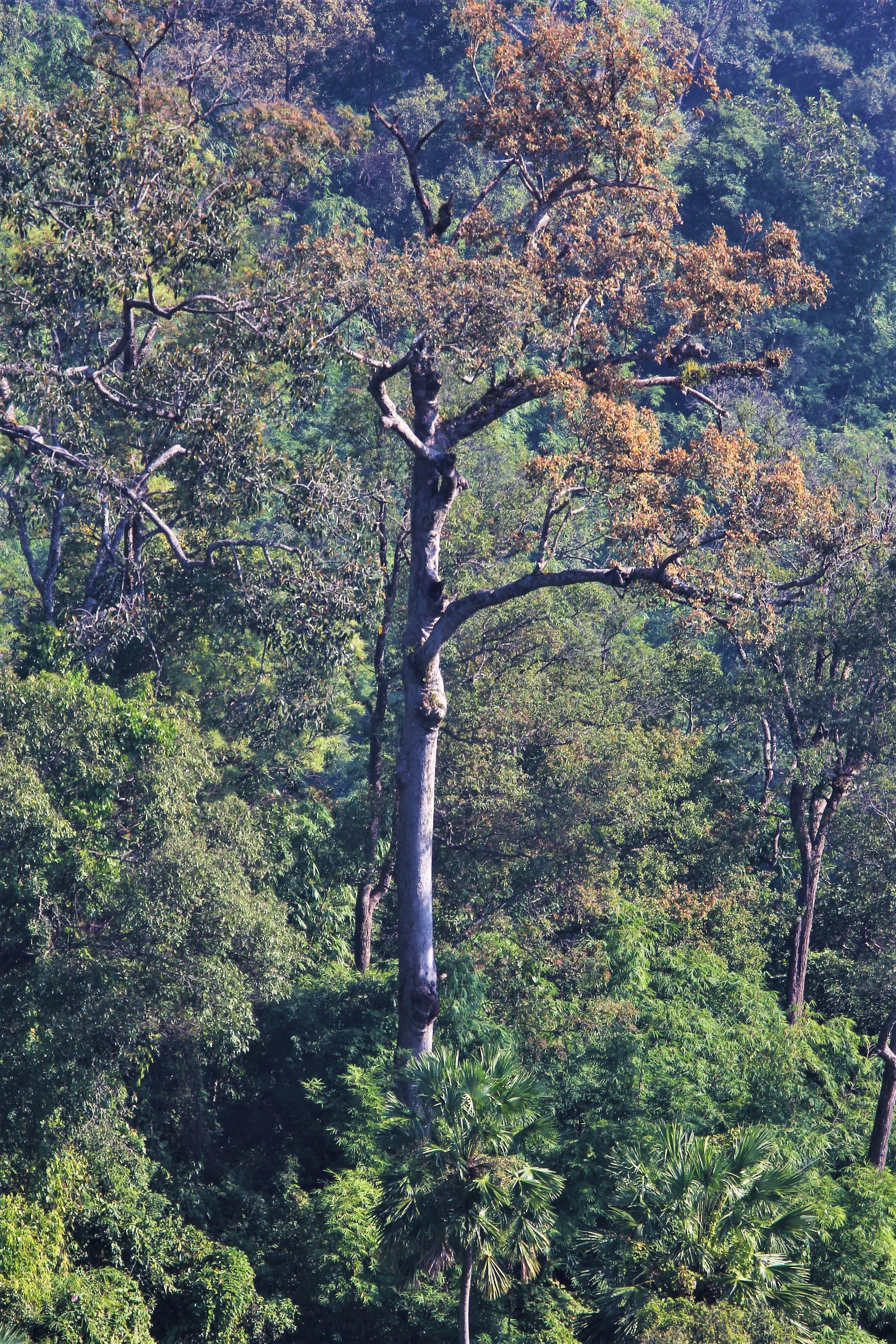
Deciduous emergent in Mae Wong National Park's Mixed Deciduous Forest.
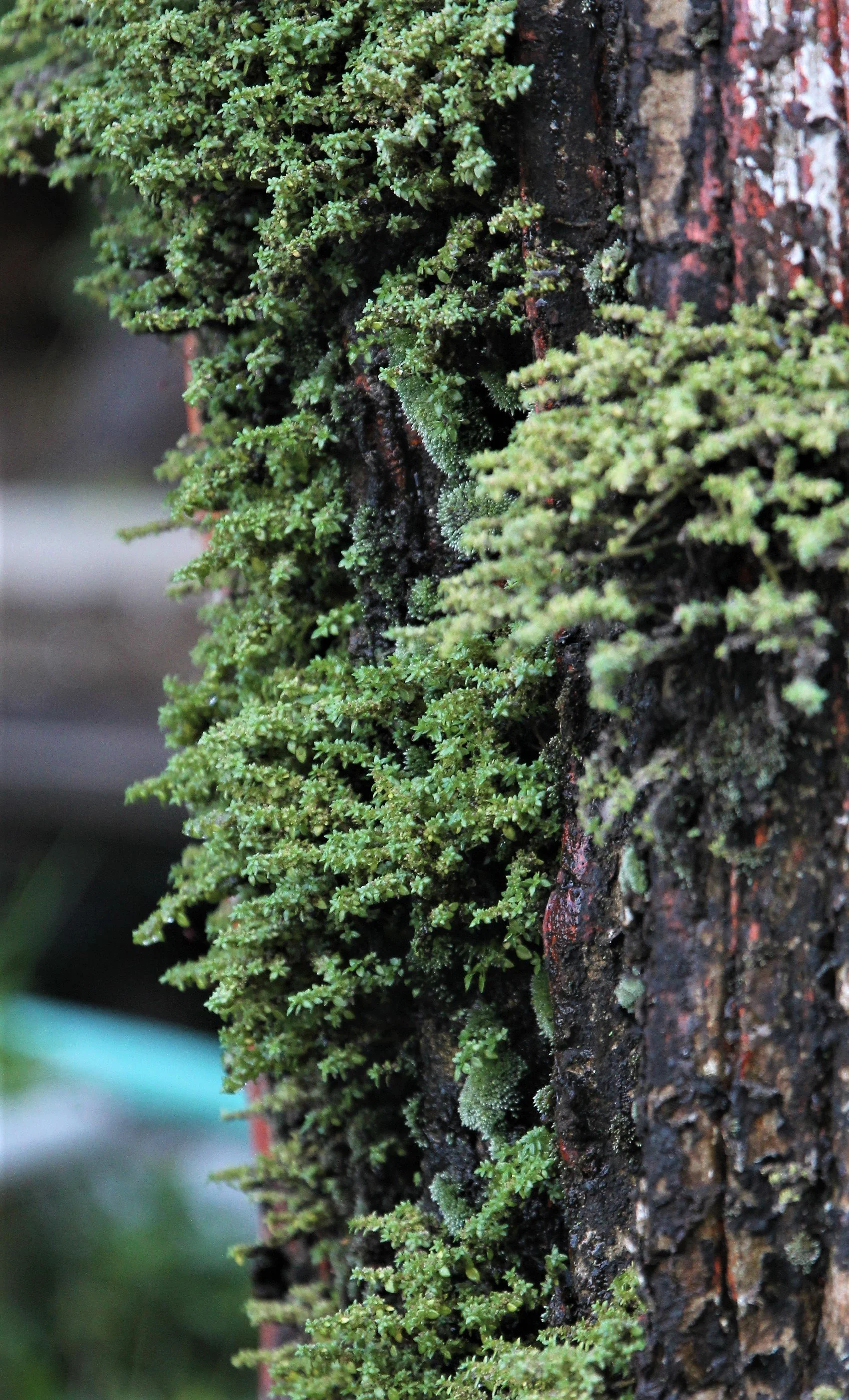
Dozens of species of Bryophytes can be found in the Hill Evergreen Forests of Thailand.
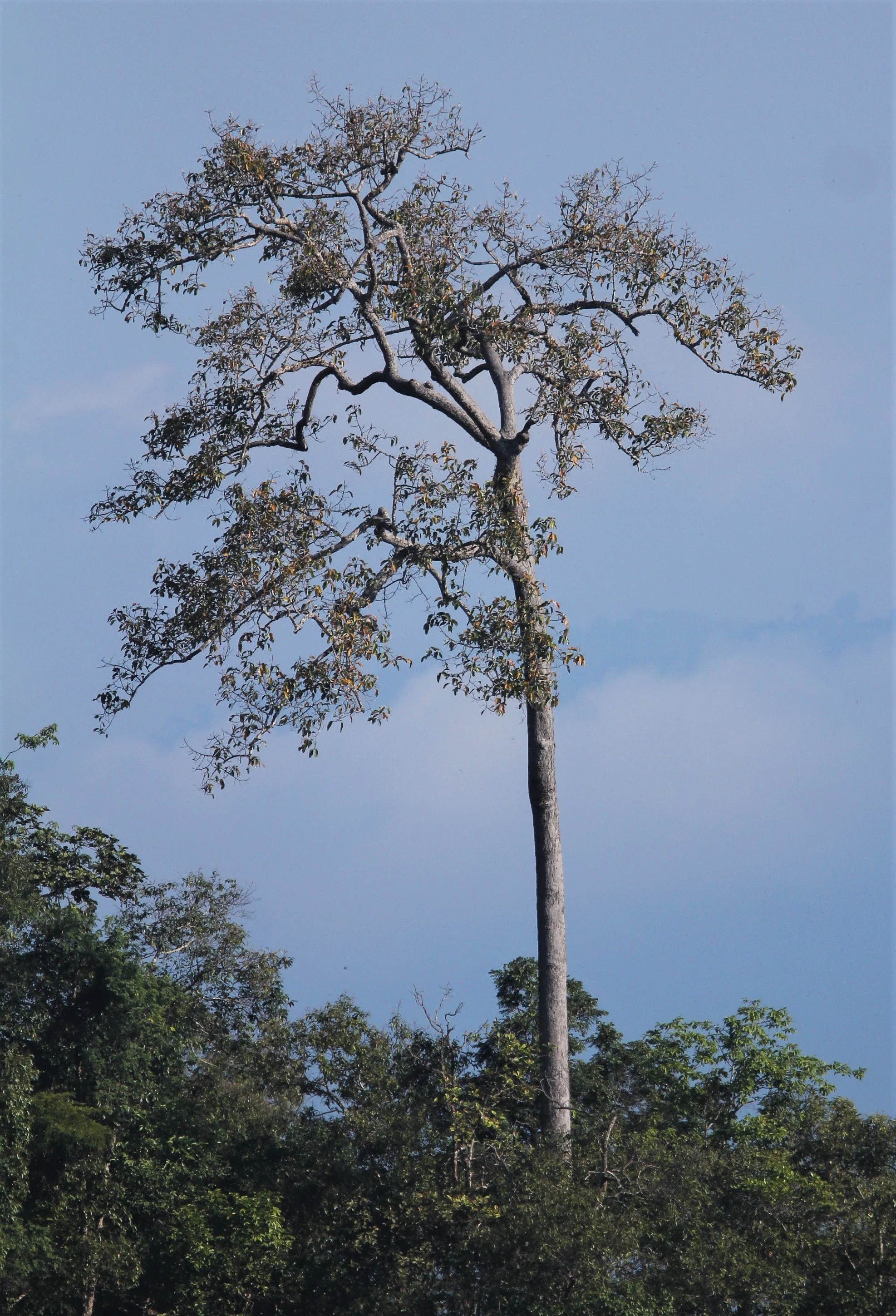
Emergent in the Dry Deciduous Forest of the Western Forest Complex
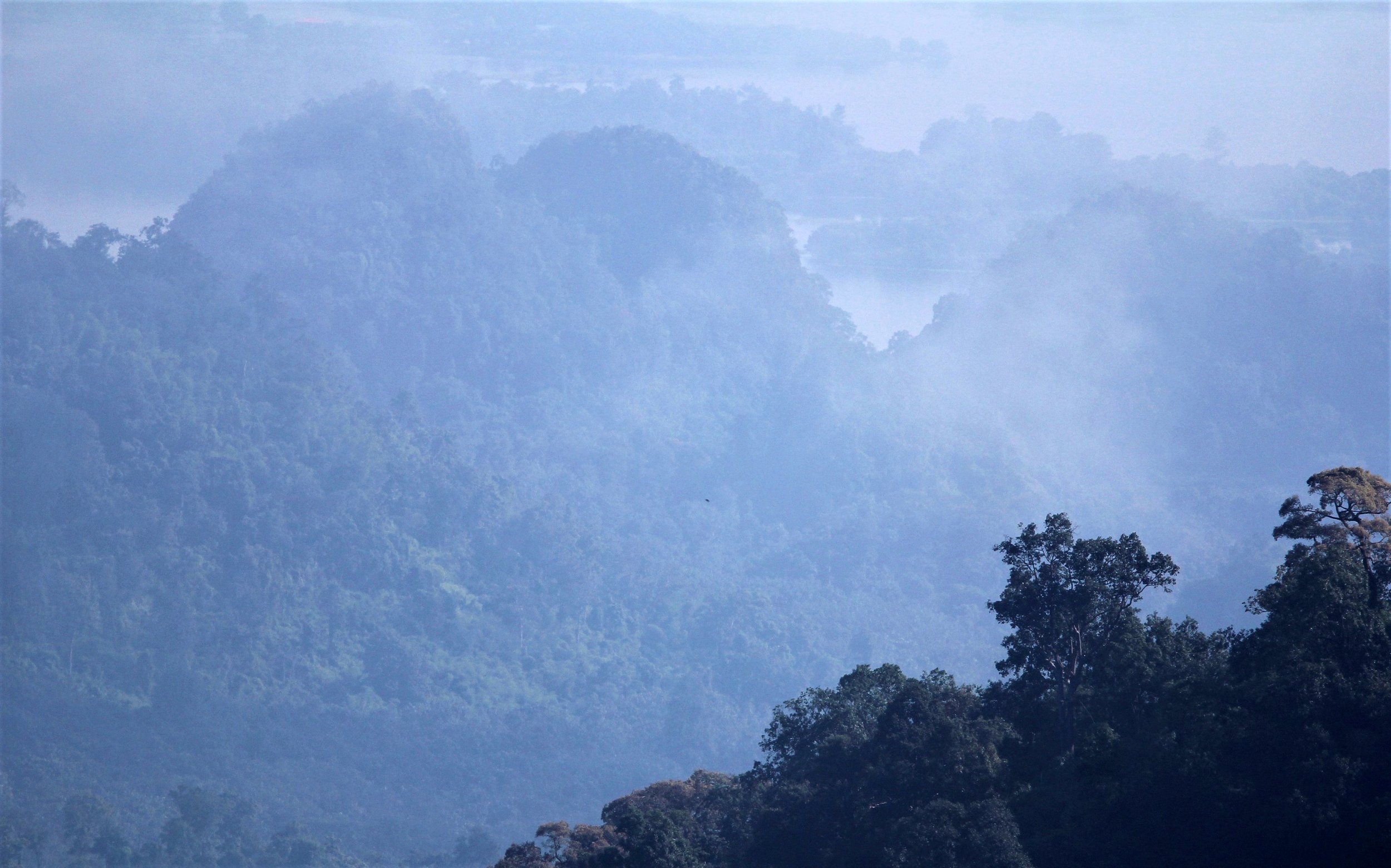
Thale Mog in the Western Forest Complex
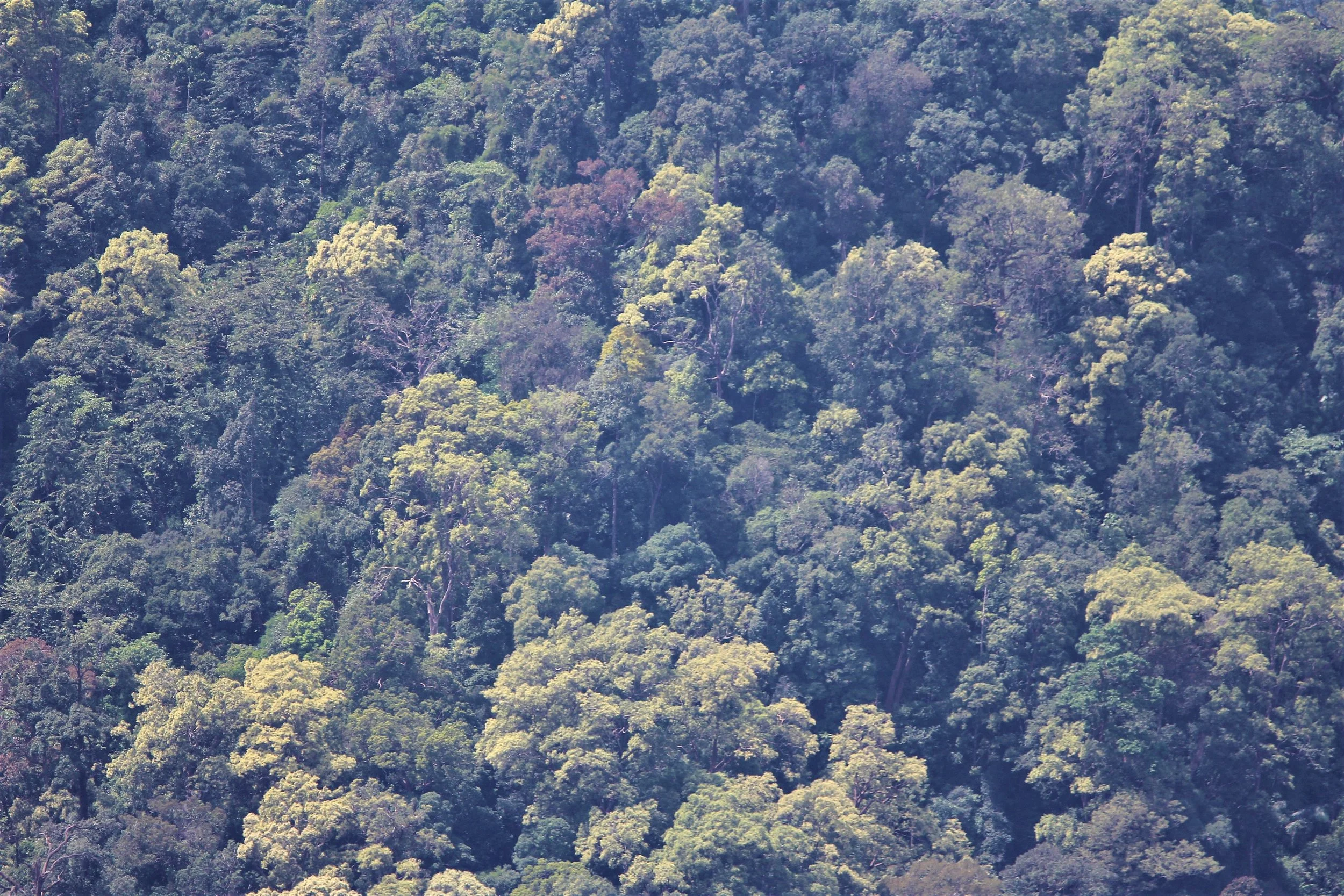
Dry Everygreen Forest of Mae Wong NP
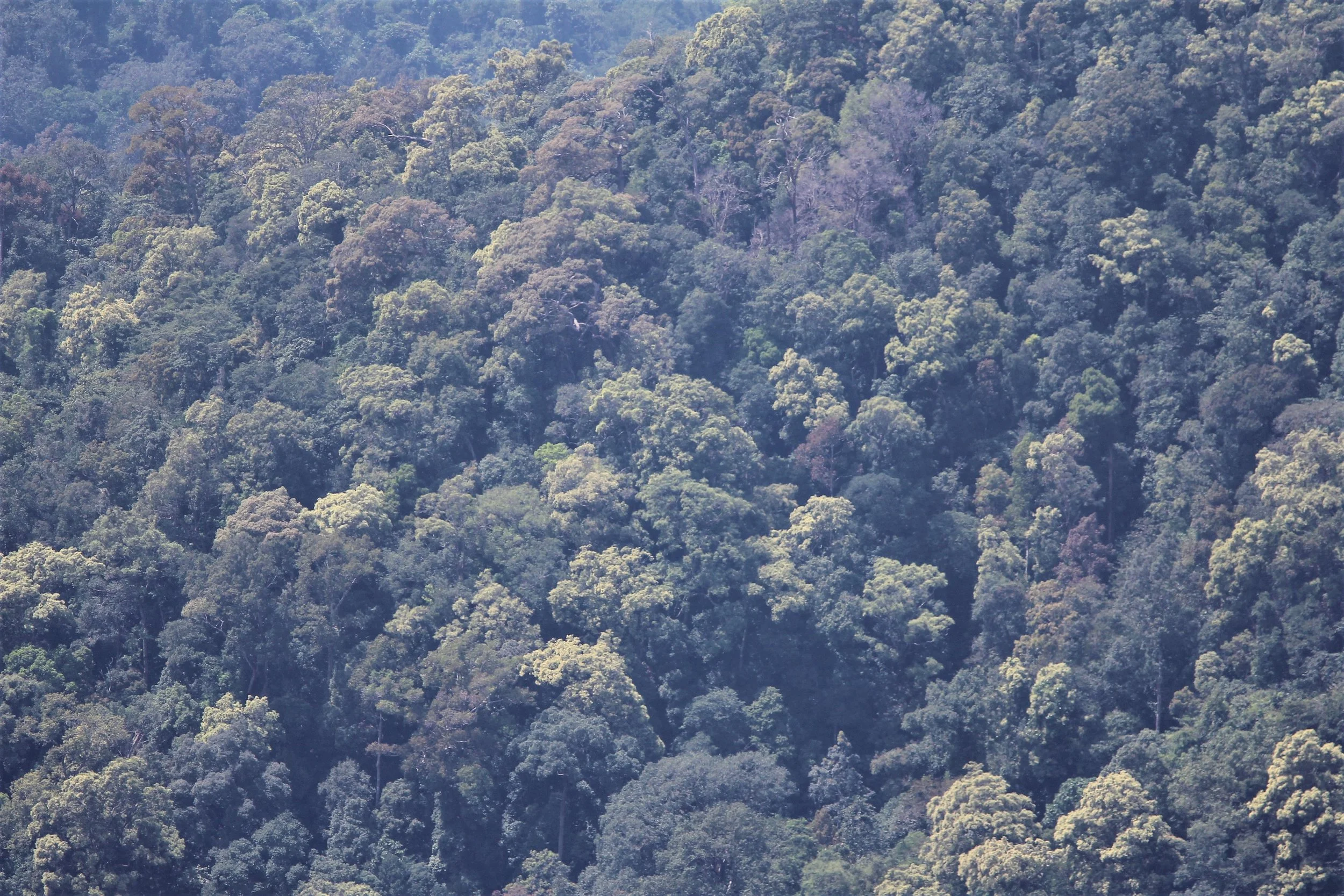
Dry Everygreen Forest or Dry Deciduous Forest of Mae Wong NP
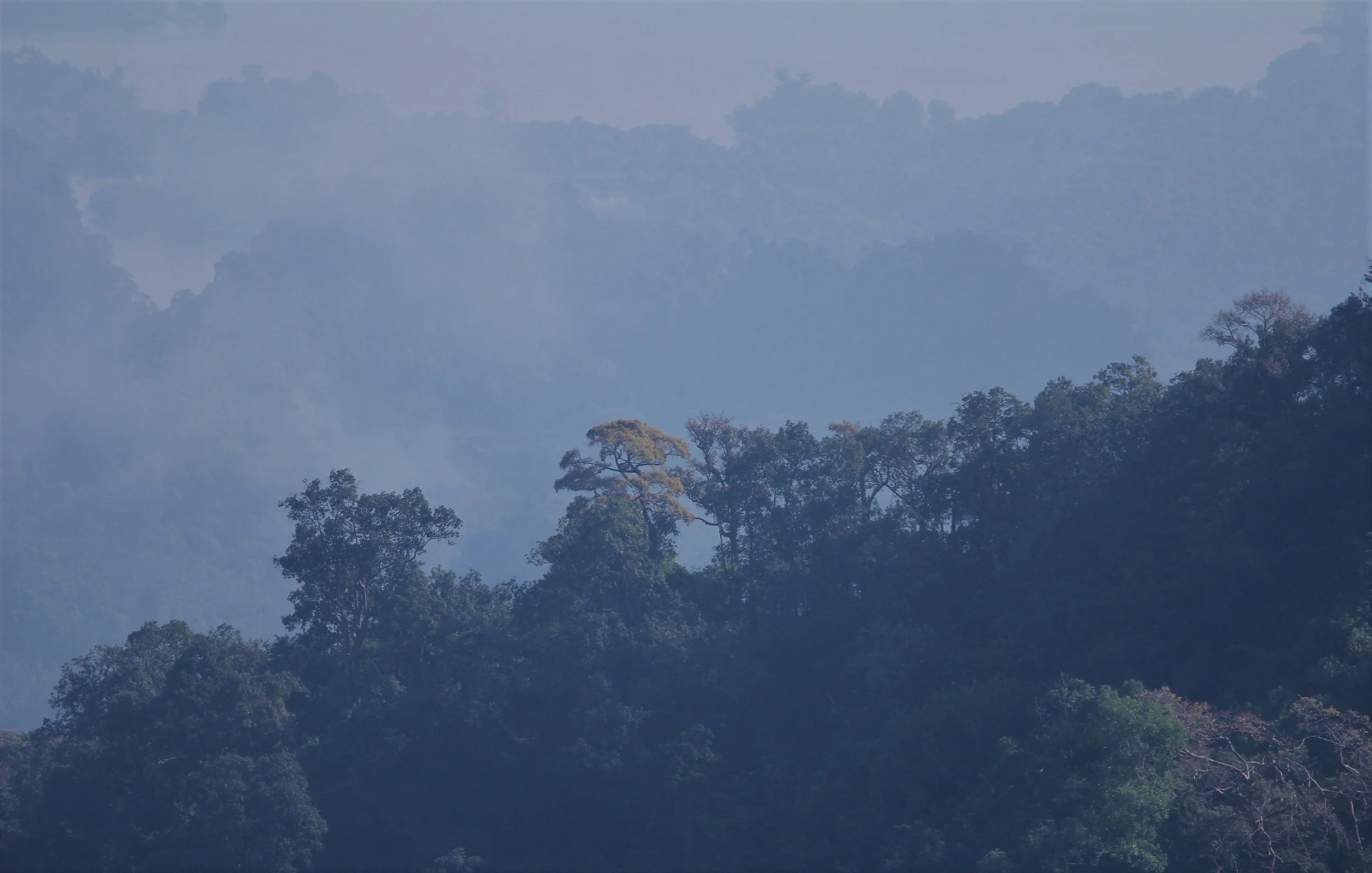
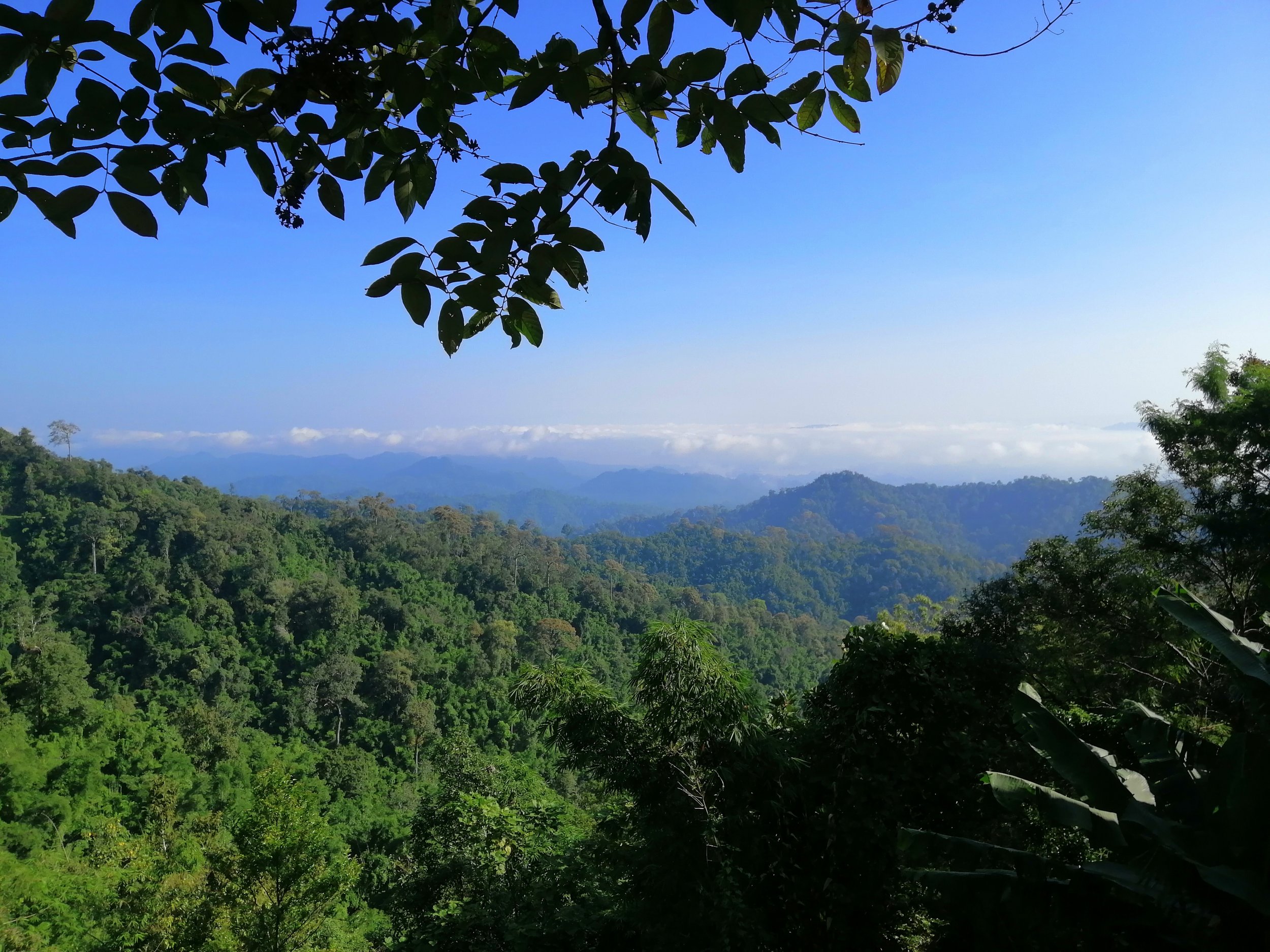
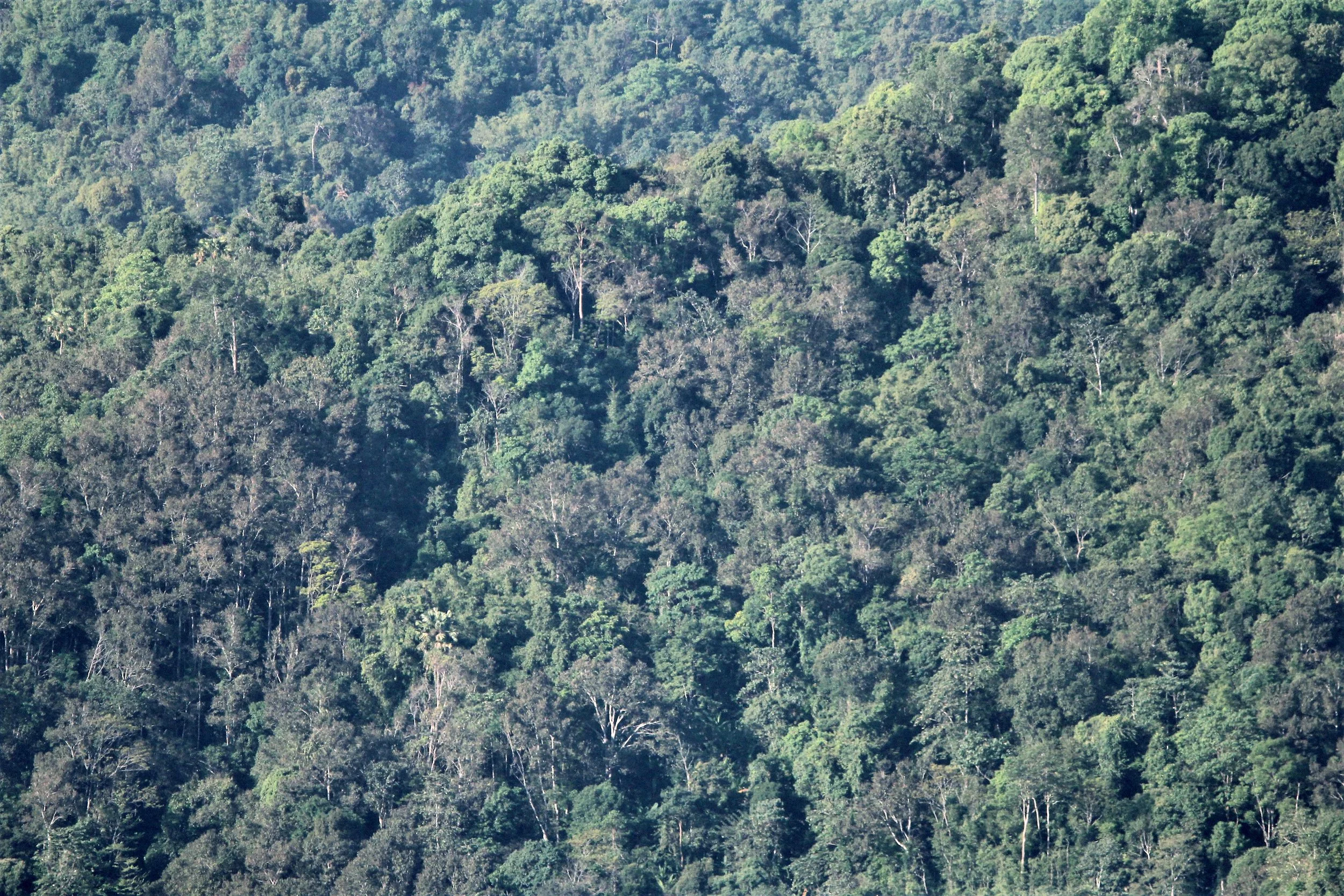
Dry Everygreen Forest of Mae Wong NP
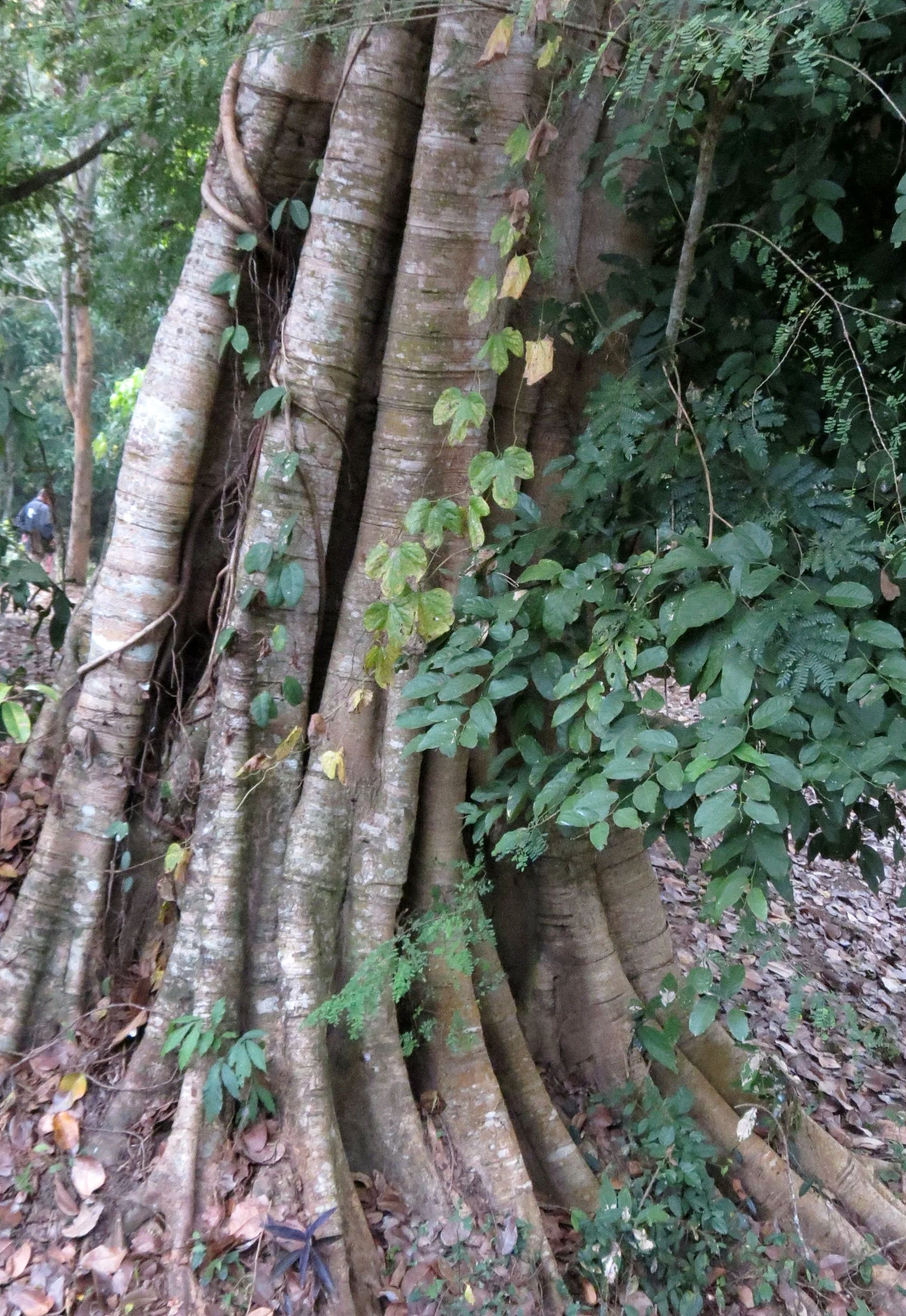
Ficus species in Huai Kha Khaeng
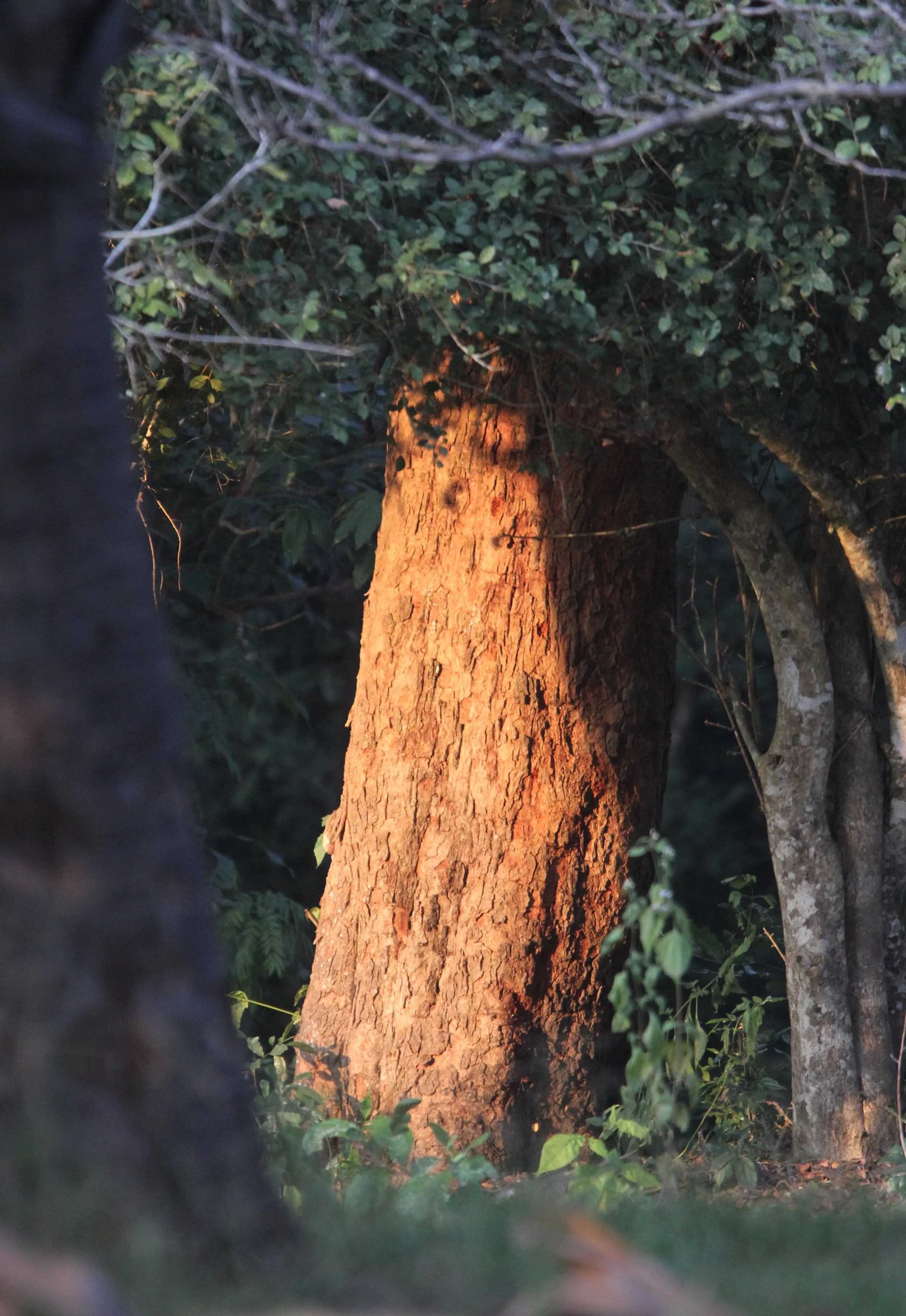
Reddish-brown bark of a Neem tree (Azadirachta indica) illuminated by the sun. The bark is deeply fissured and brown or reddish in color. Neem trees are widely grown in Thailand and throughout the tropics.
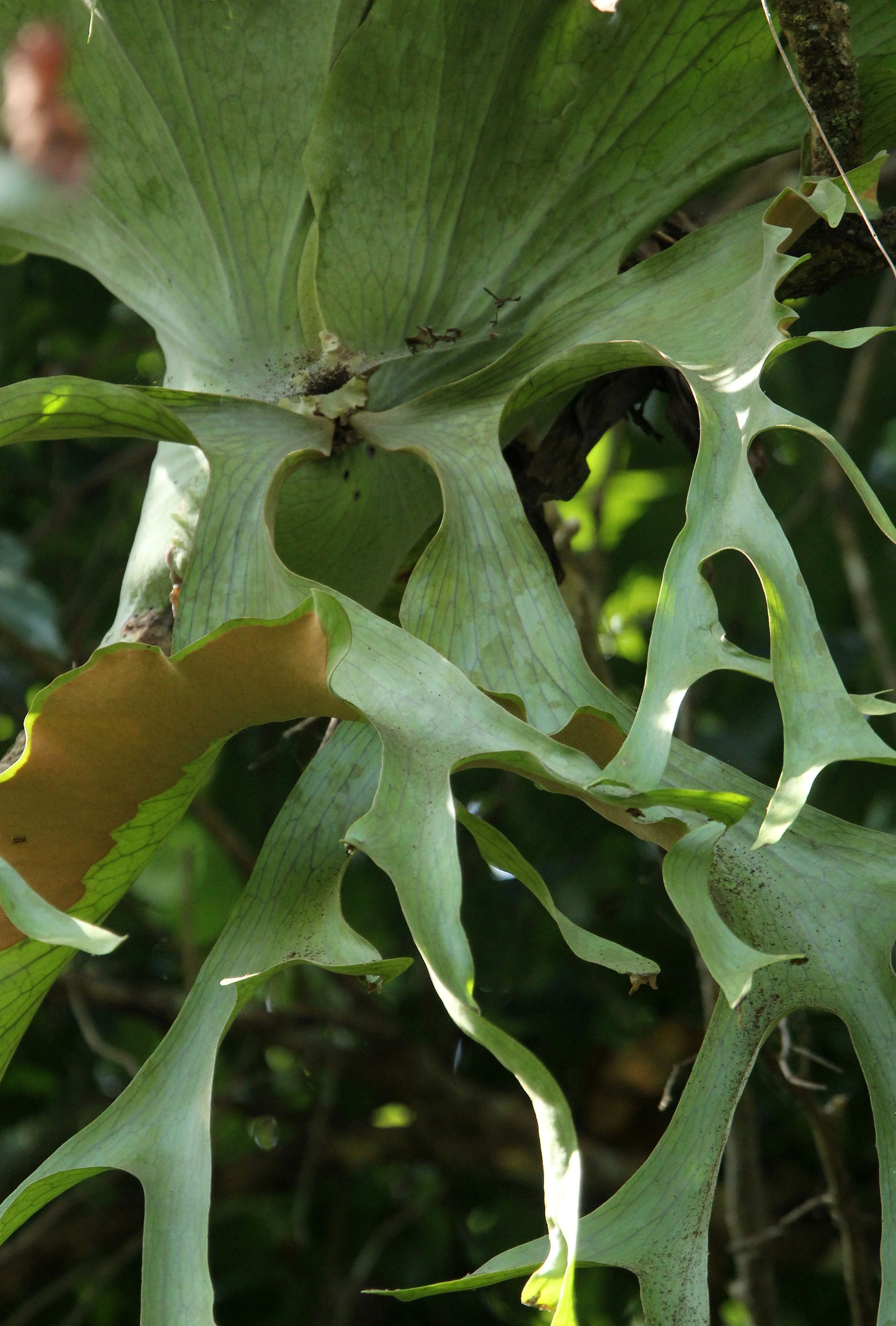
This Staghorn Fern could be Platycerium ridleyi or Platycerium holttumii, both native to the Western Forest Complex.
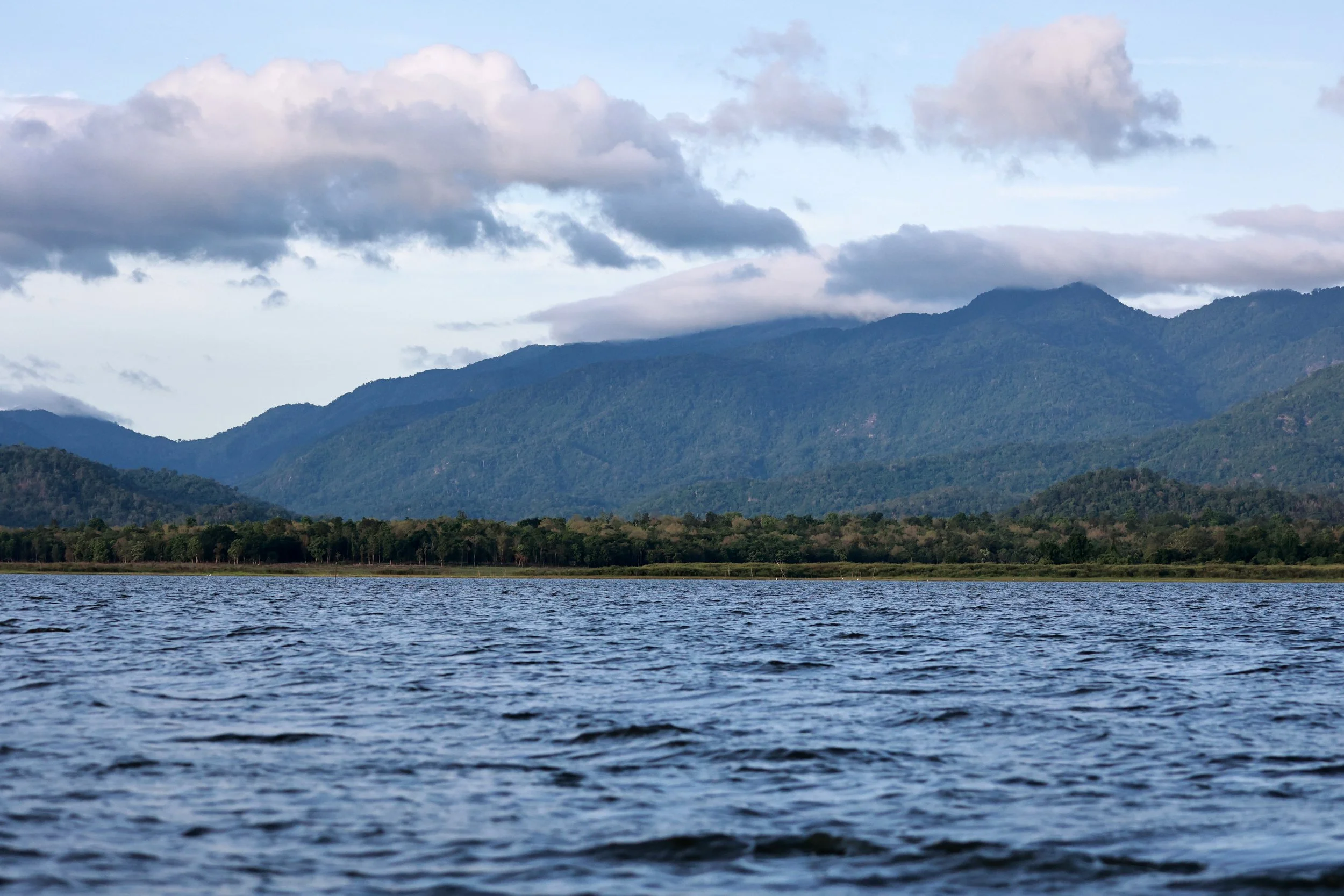
Thap Salao Reservoir is located just outside the sanctuary's northeastern boundary (about 6 km south of the headquarters), this lake is a popular spot for visitors to camp and view the sanctuary from across the water.
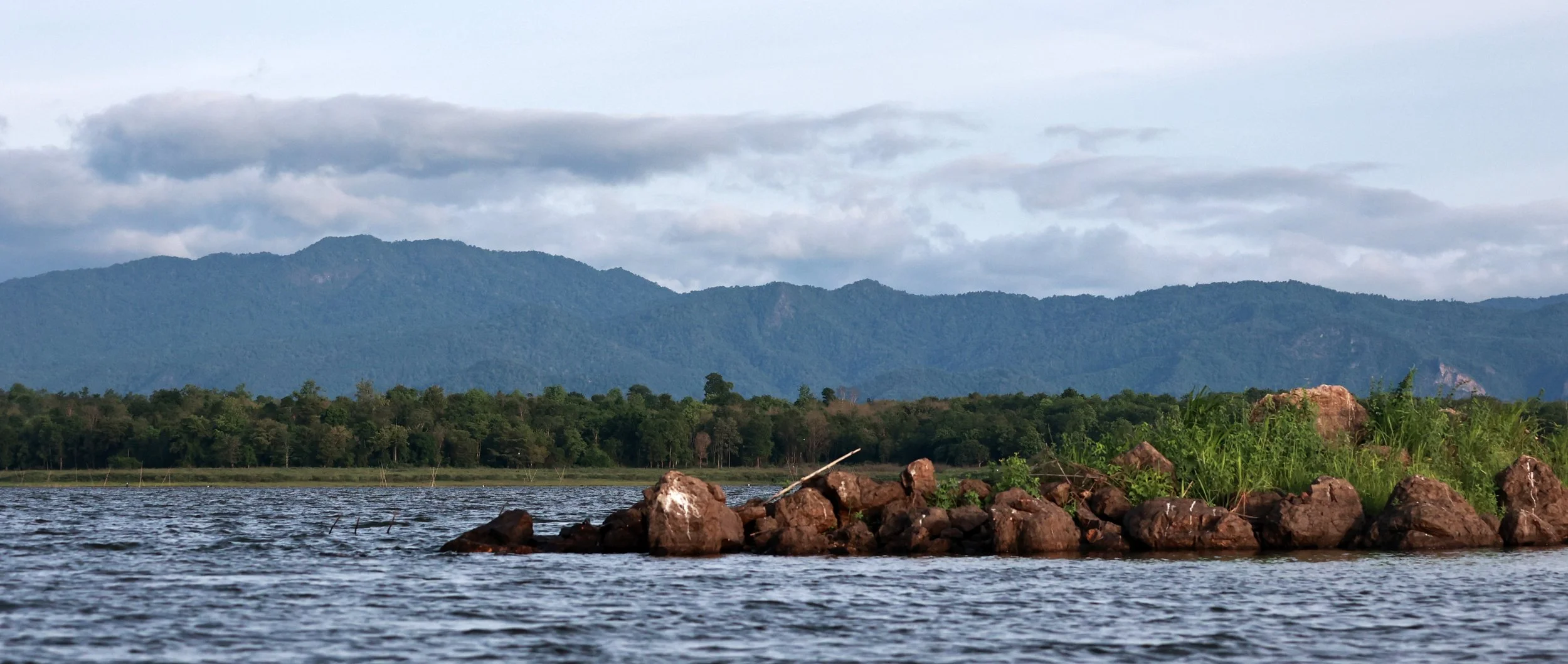
Thap Salao Reservoir now is a great spot for boat-based wildlife safaris.
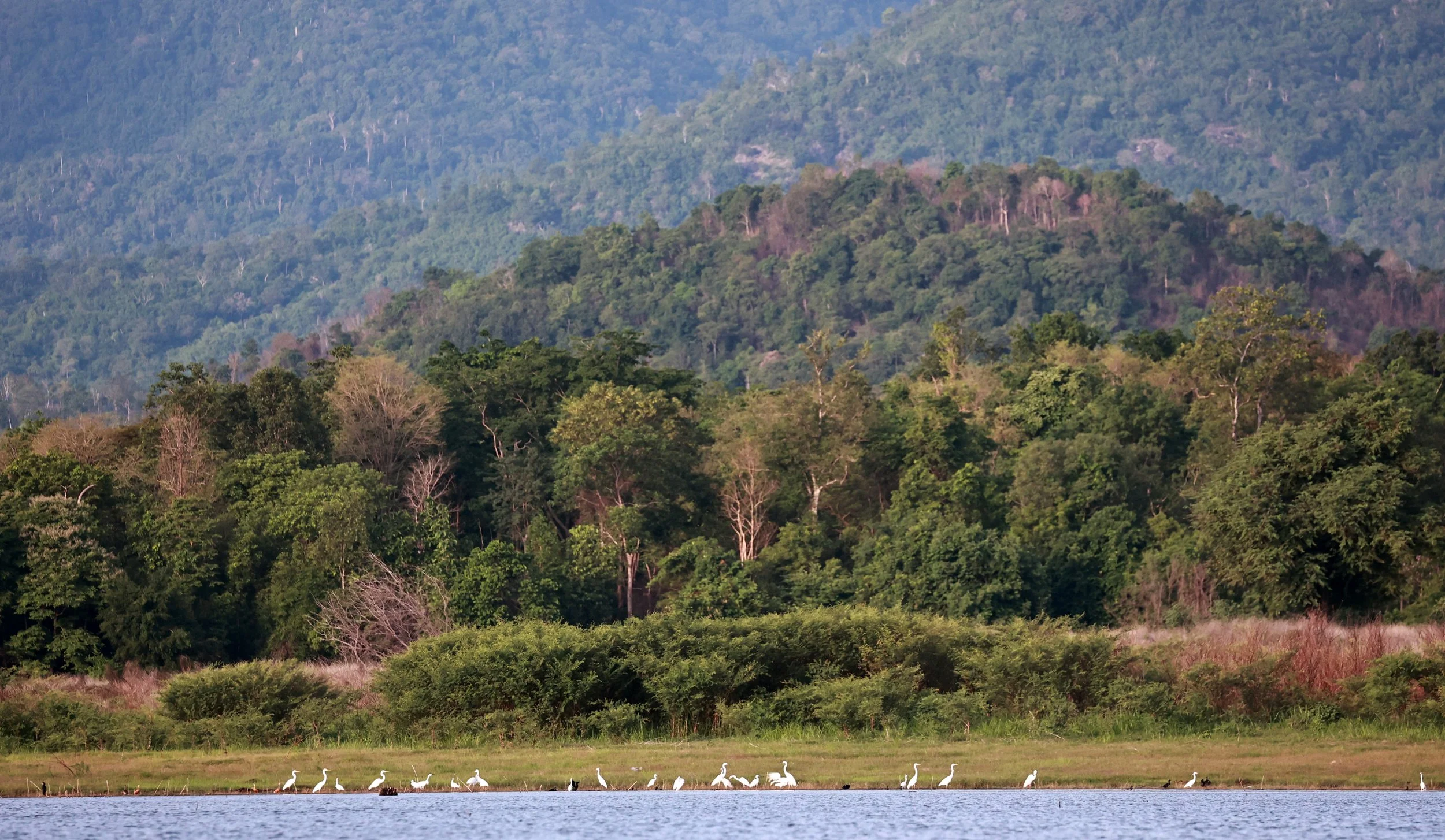
Views of the Dry Deciduous Forests of Huai Kha Khaeng from Thap Salao Reservoir.
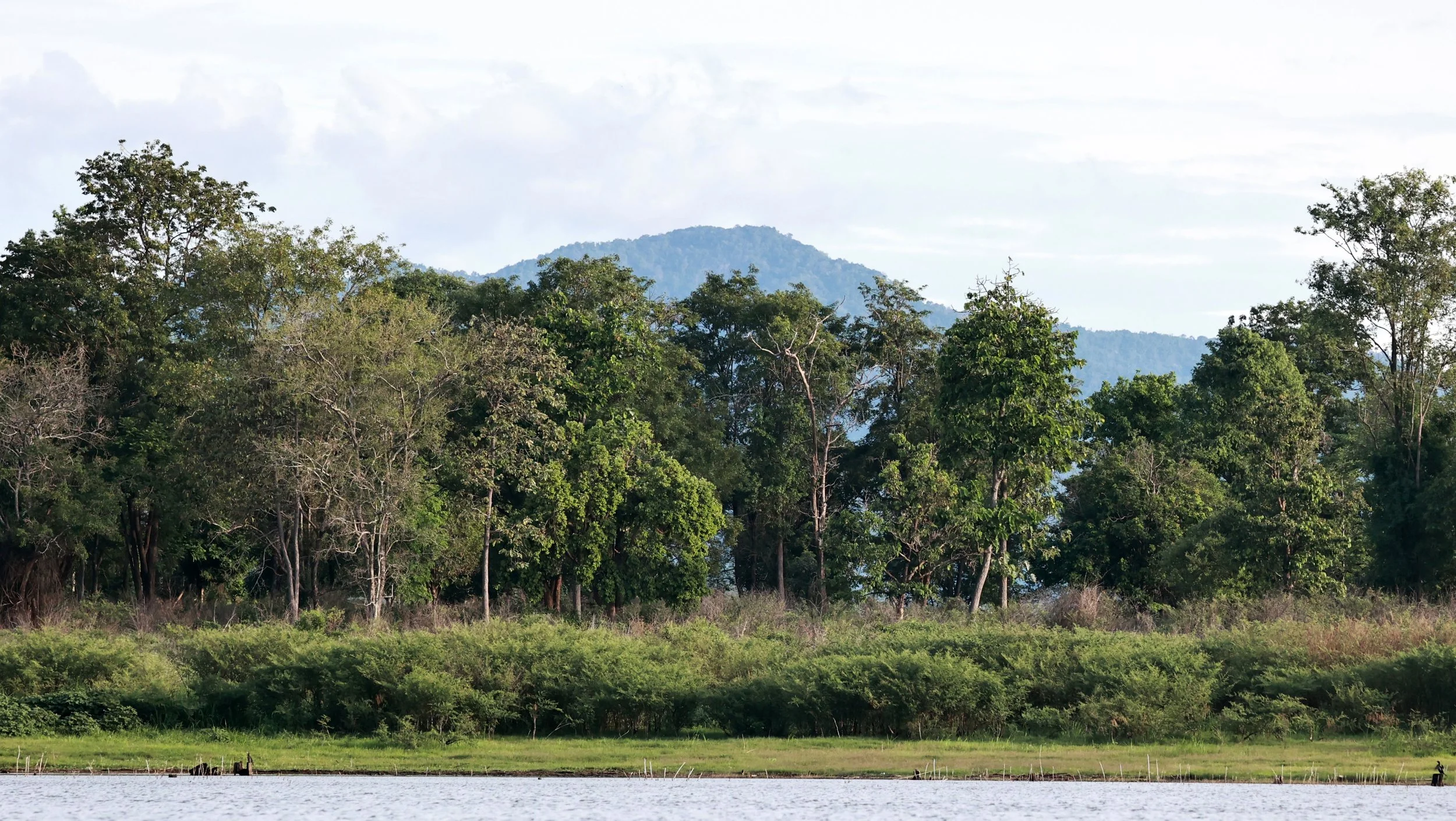
The beginning of the Huai Kha Khaeng portion of the Western Forest Complex.
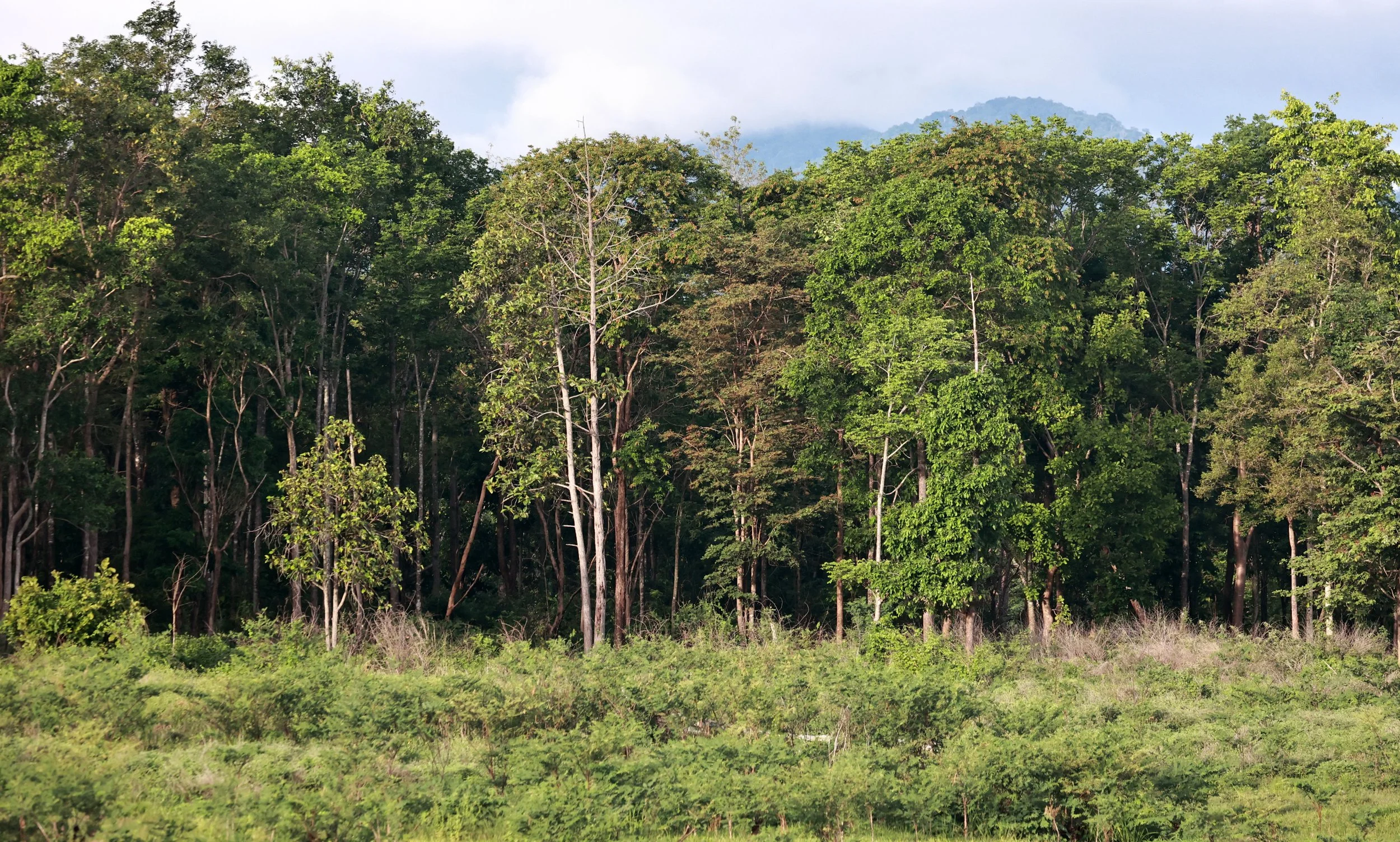
In the very early morning and late afternoon, these grasslands along Thap Salao Reservoir are a great place to see Banteng, Elephants and Deer...
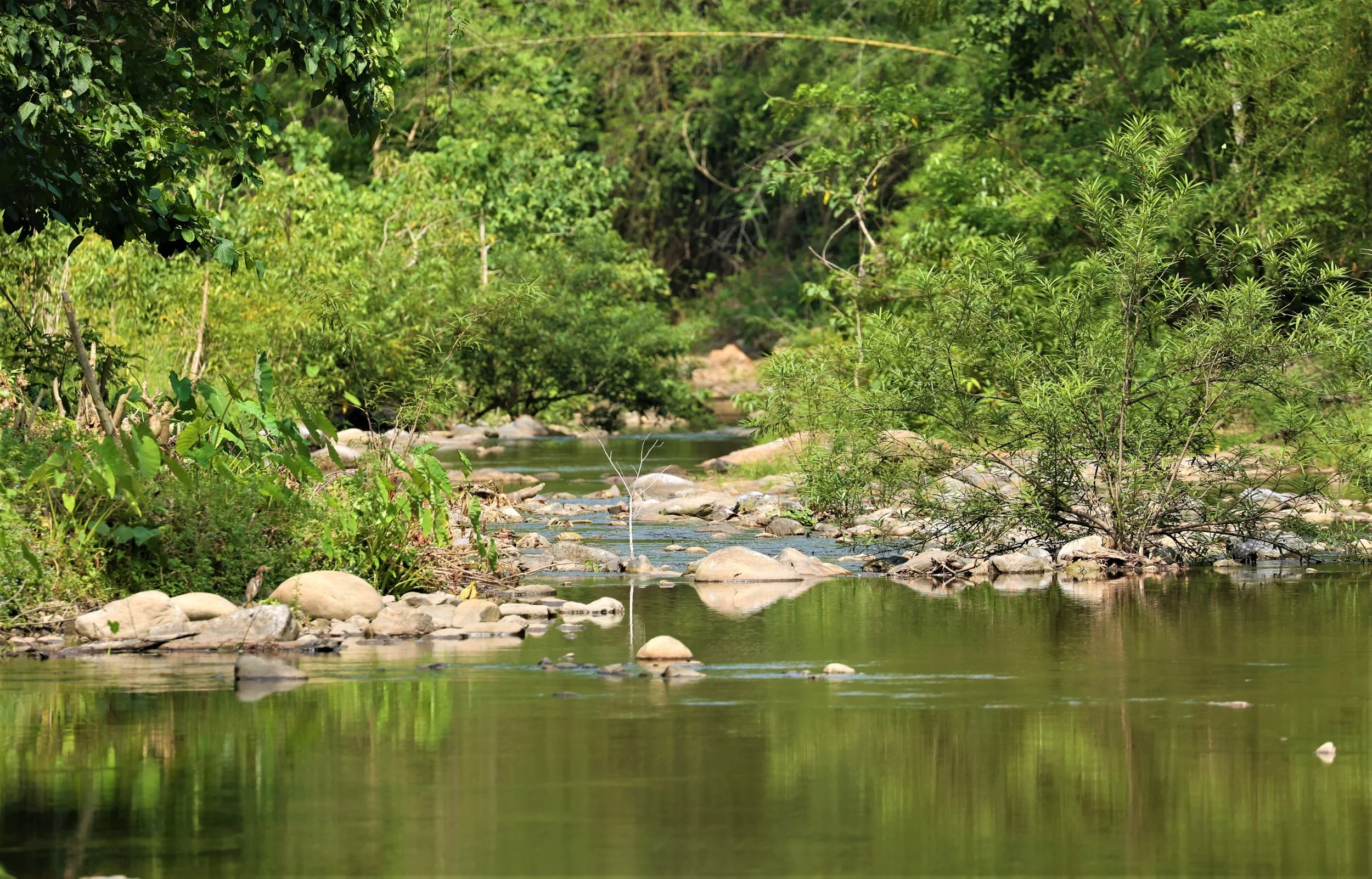
Thap Salao River: This river flows through the main administrative area, which includes the visitor center and the Sueb Nakhasathien Memorial. It is a primary water source that attracts various wildlife, particularly during the dry season.

This Ficus Strangler Fig is showing how the roots slowly work their way around the host tree eventually enveloping it.
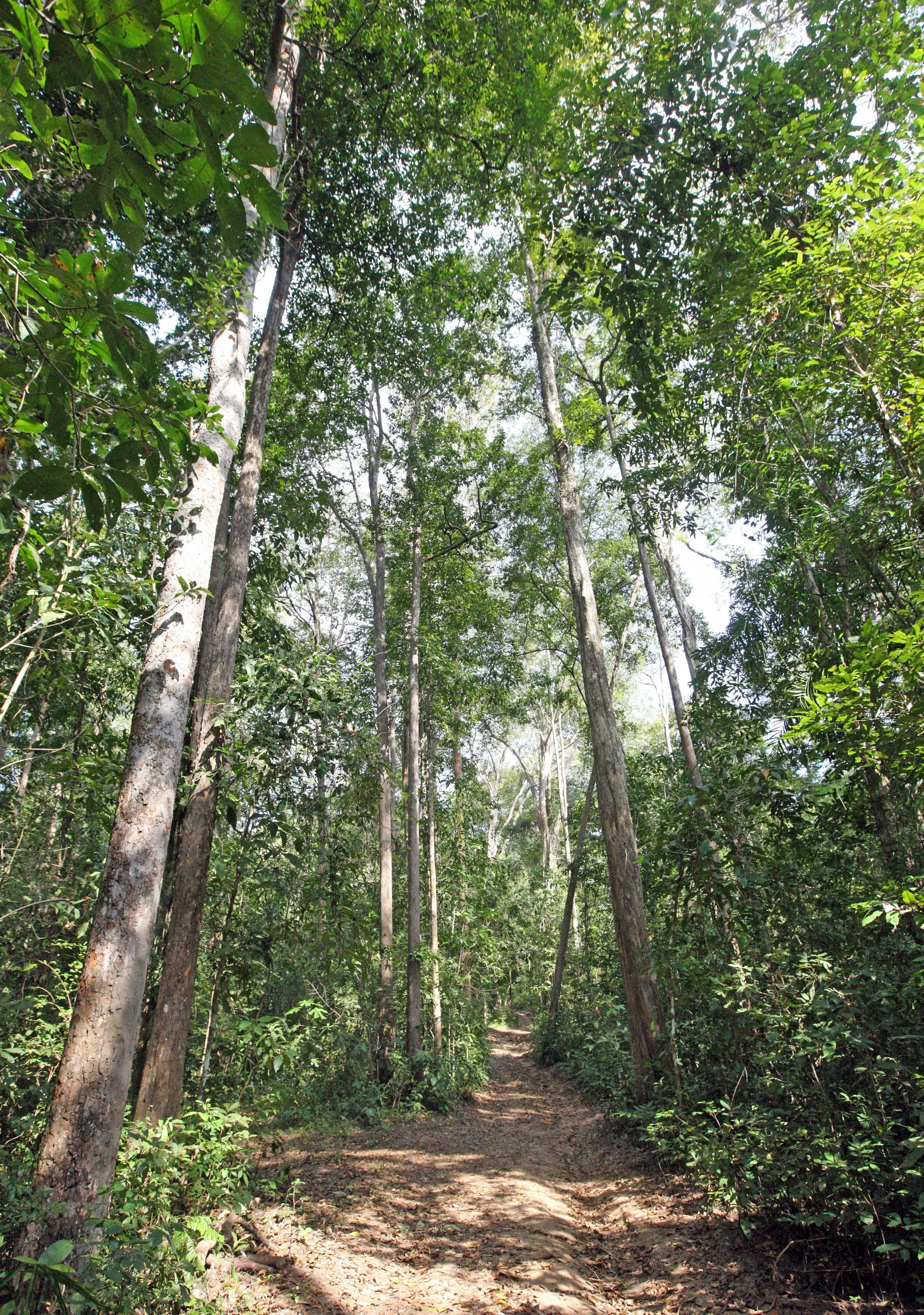
Although it is difficult to get permission to visit the core area of the Western forest Complex, once in you get a true feel for what authentic wild Thailand used to be long before human intervention.

The "roads" to the core area of the Western Forest Complex are 4X4-only and are pretty difficult to navigate, especially in the rainy season. This track is heading to Kha Bandai Ranger Station, deep inside HKK's core area.
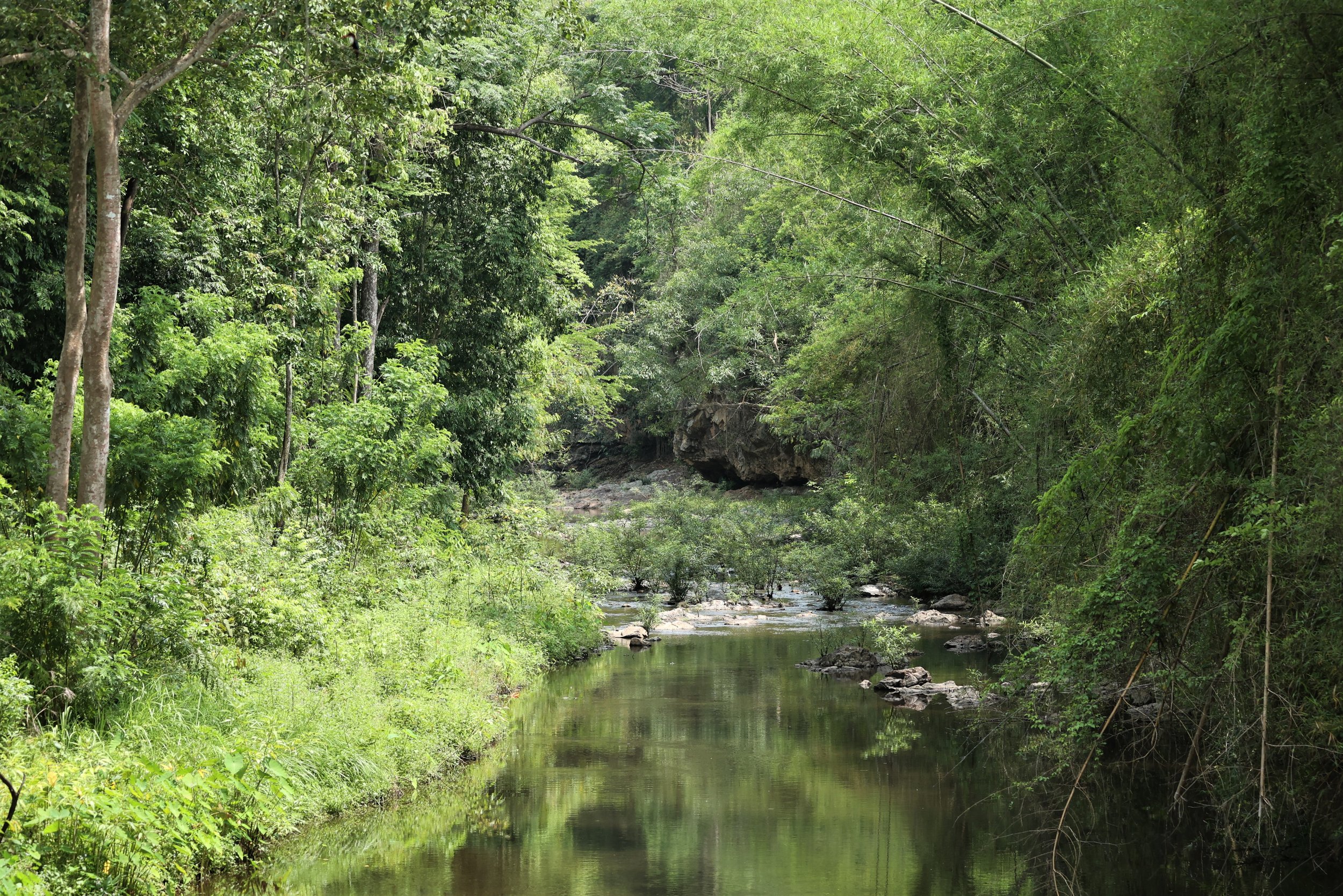
Thap Salao River
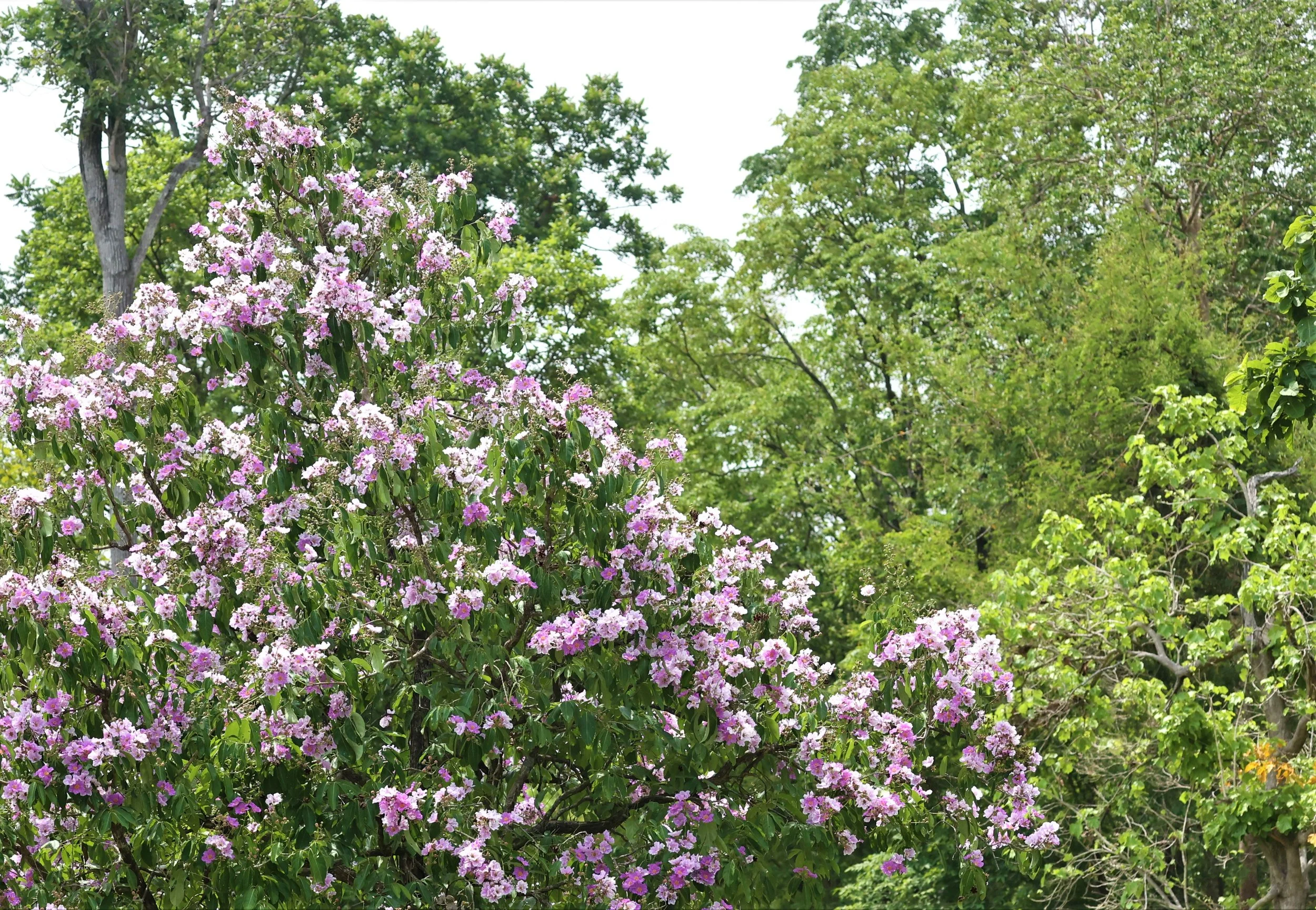
Queen's Crape Myrtle tree (Lagerstroemia speciosa), also known locally in Southeast Asia as Bang Lang.
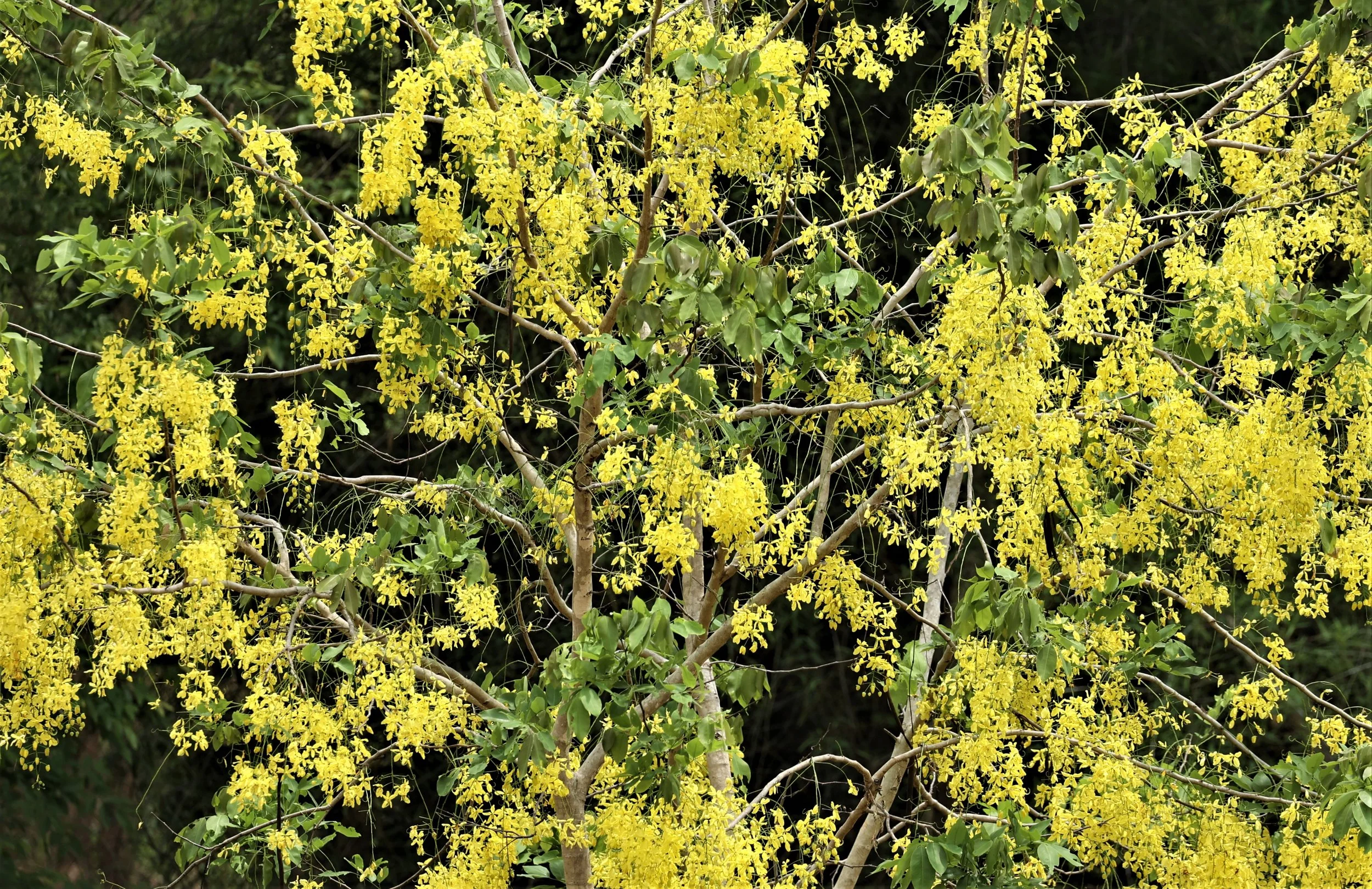
Golden Shower Tree (Cassia fistula), a flowering plant native to the Indian subcontinent and Southeast Asia.
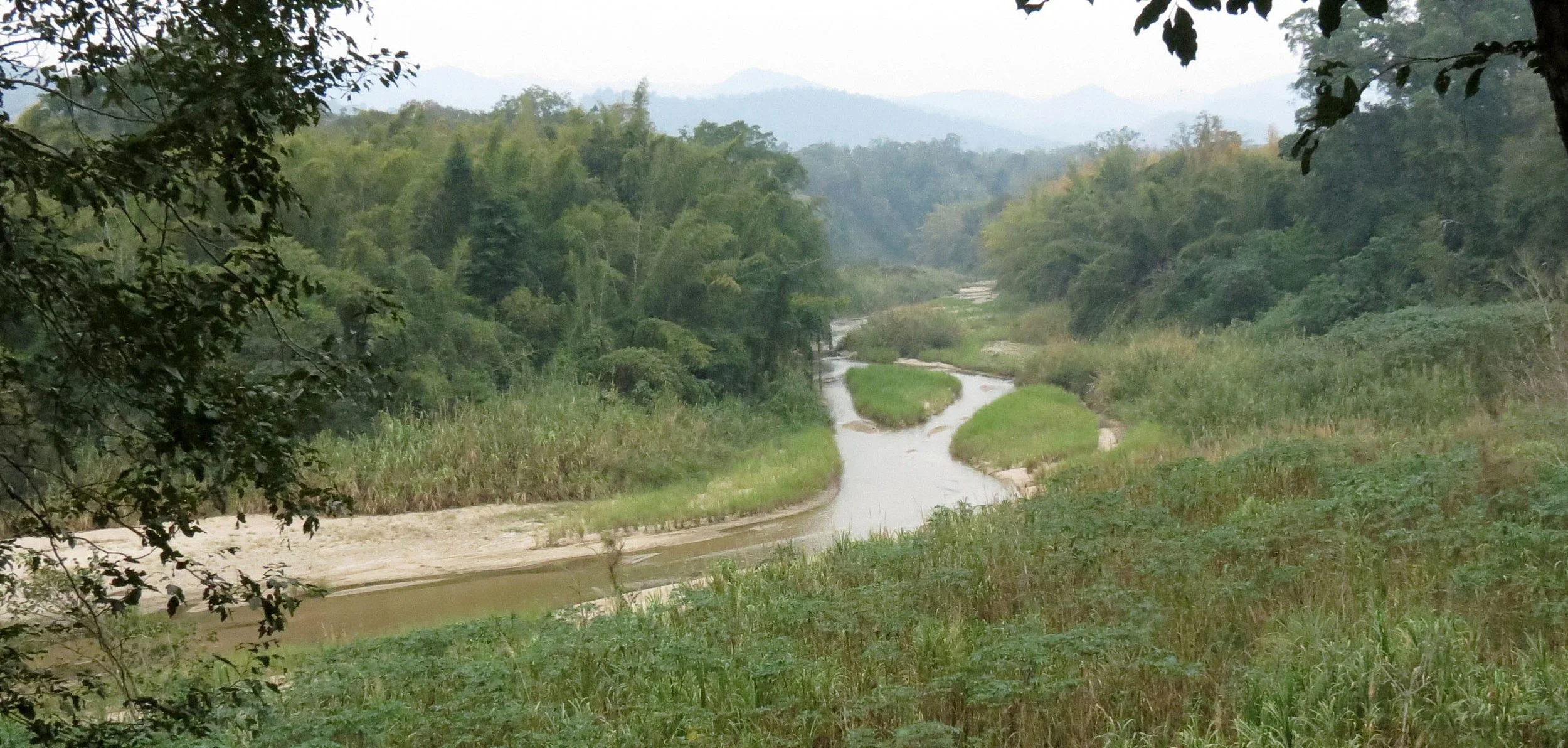
Huai Kha Khaeng River viewed from Khao Bandai Ranger Station where we spent several days a few years back

Huai Kha Khaeng River viewed from Khao Bandai Ranger Station

Bamboo Forest Riparian Zone along the Huai Kha Khaeng River viewed from Khao Bandai Ranger Station
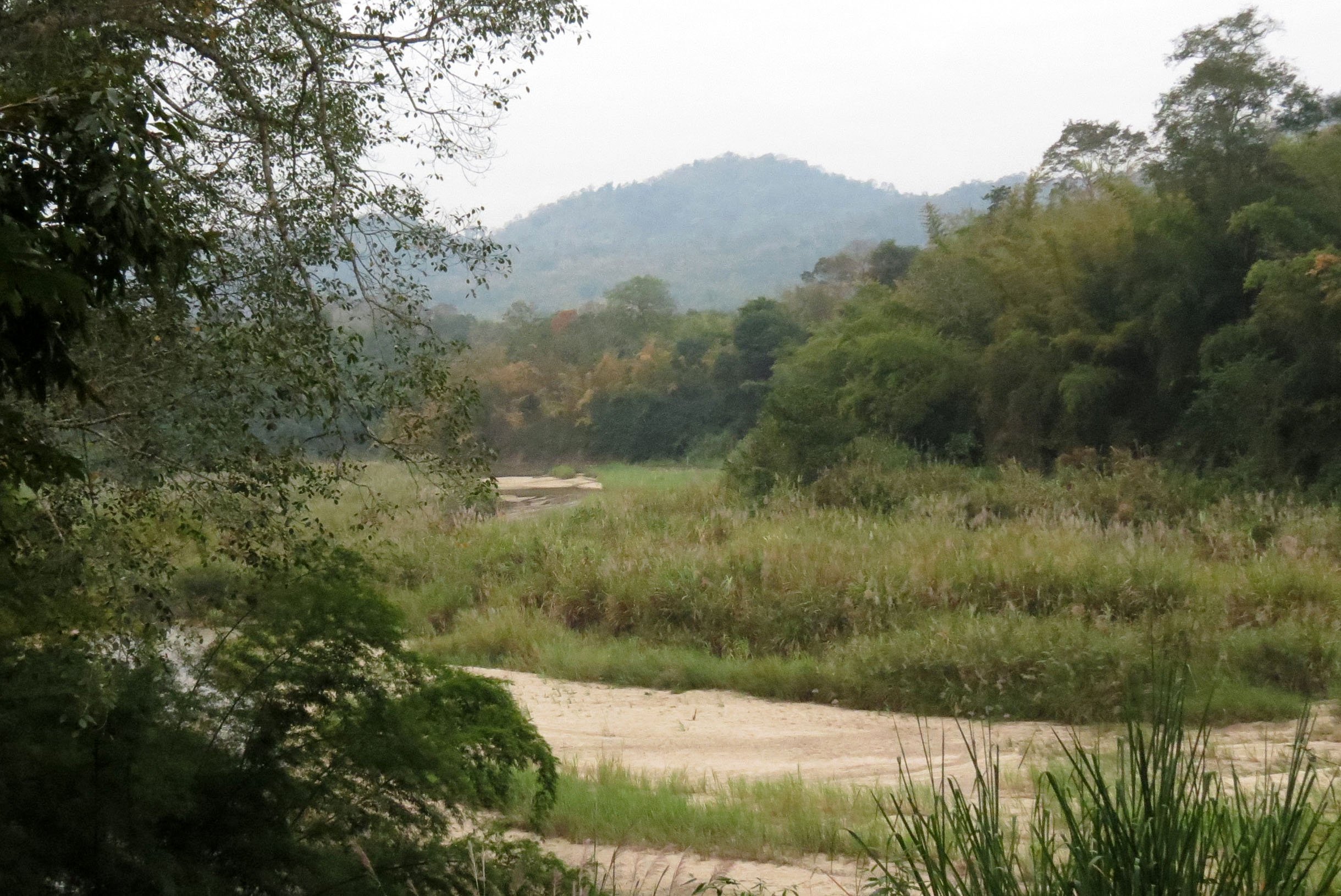
Green Peafowl Stream near Huai Kha Khaeng Headquarters.

Transition zone between the Bamboo Forest and Dry Deciduous Forests of Huai Kha Khaeng.
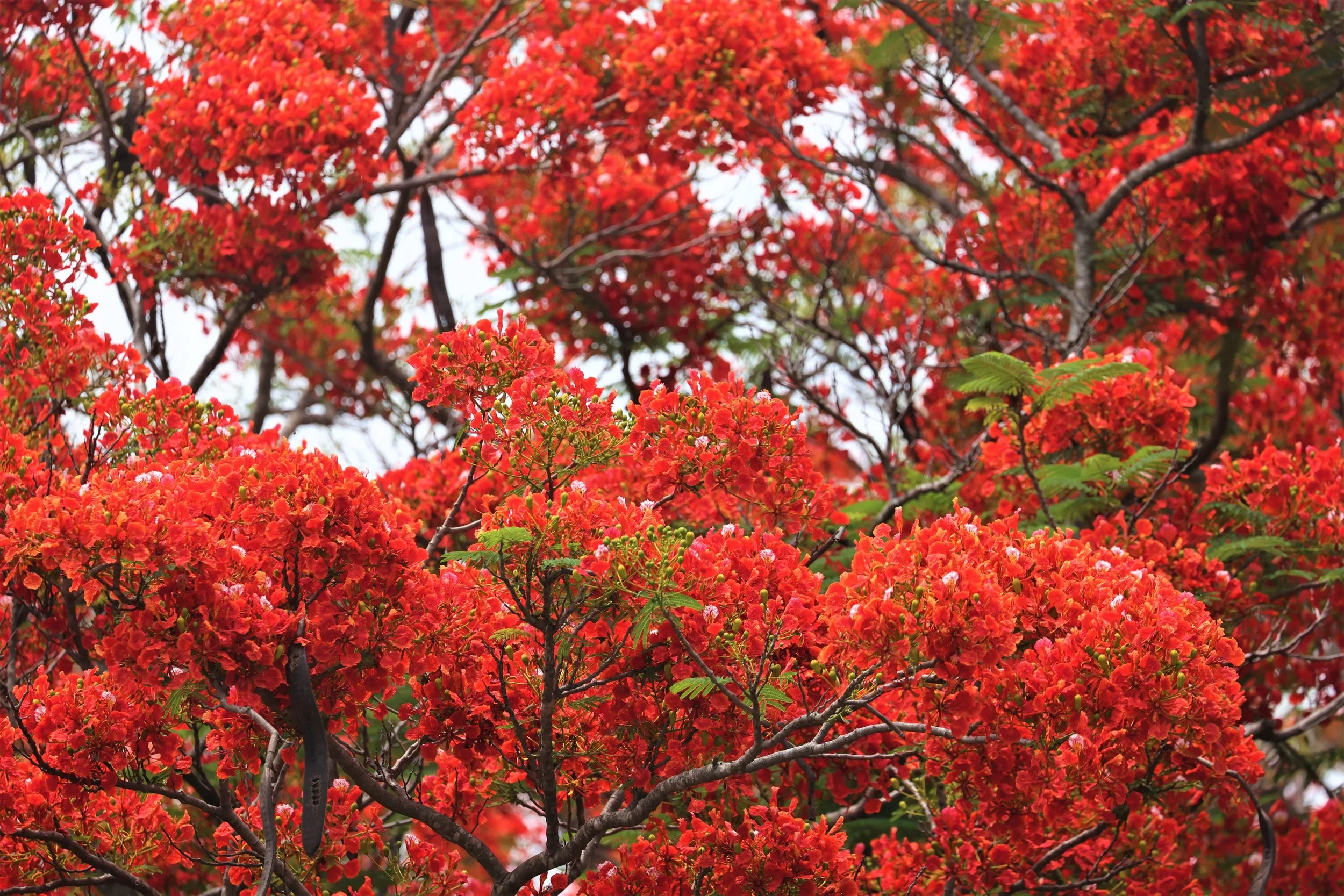
Flame of the Forest (Butea monosperma) in the Mixed Deciduous Forest of Huai Khai Khaeng
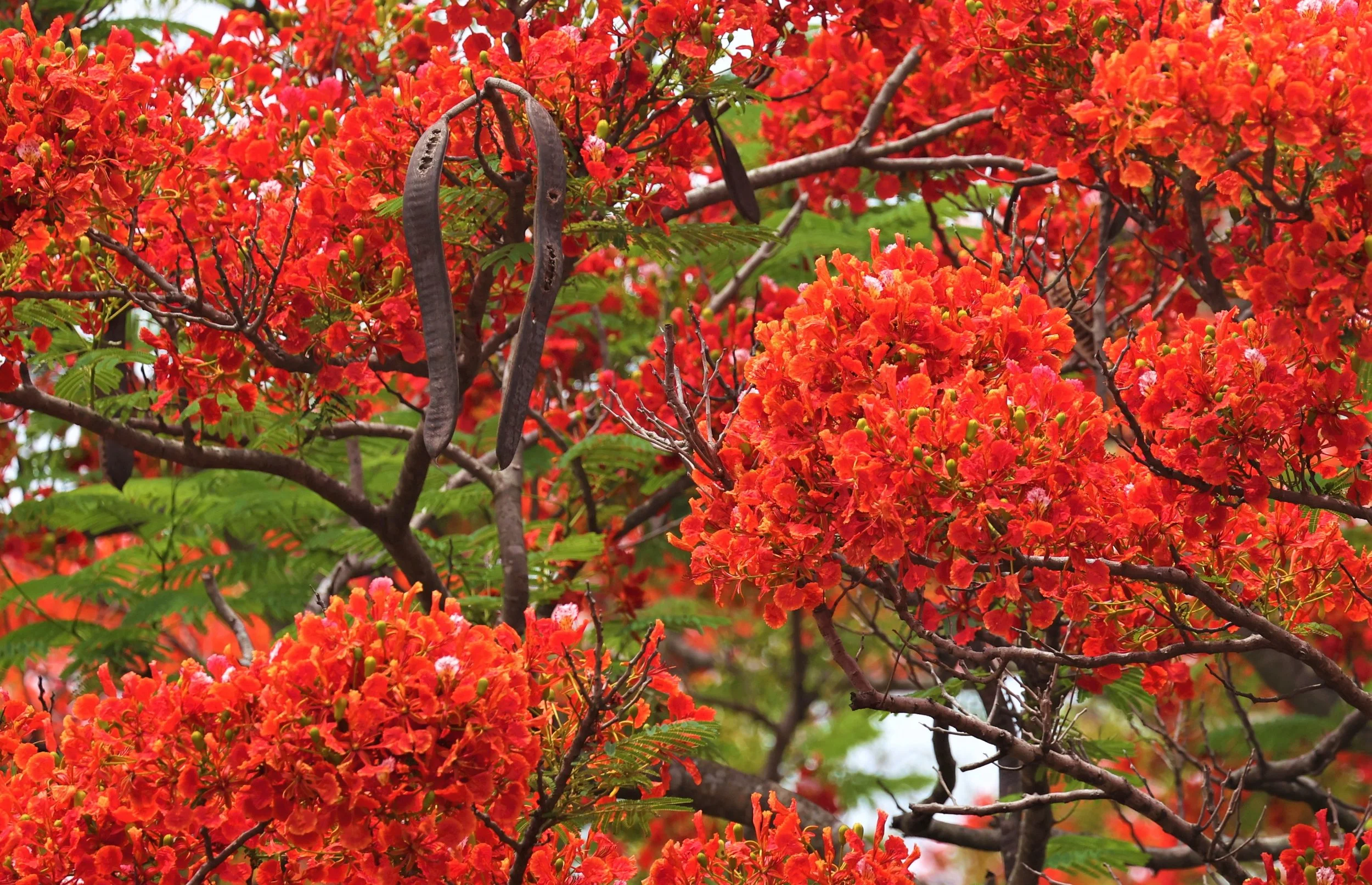
Flame of the Forest (Butea monosperma) in the Mixed Deciduous Forest of Huai Khai Khaeng
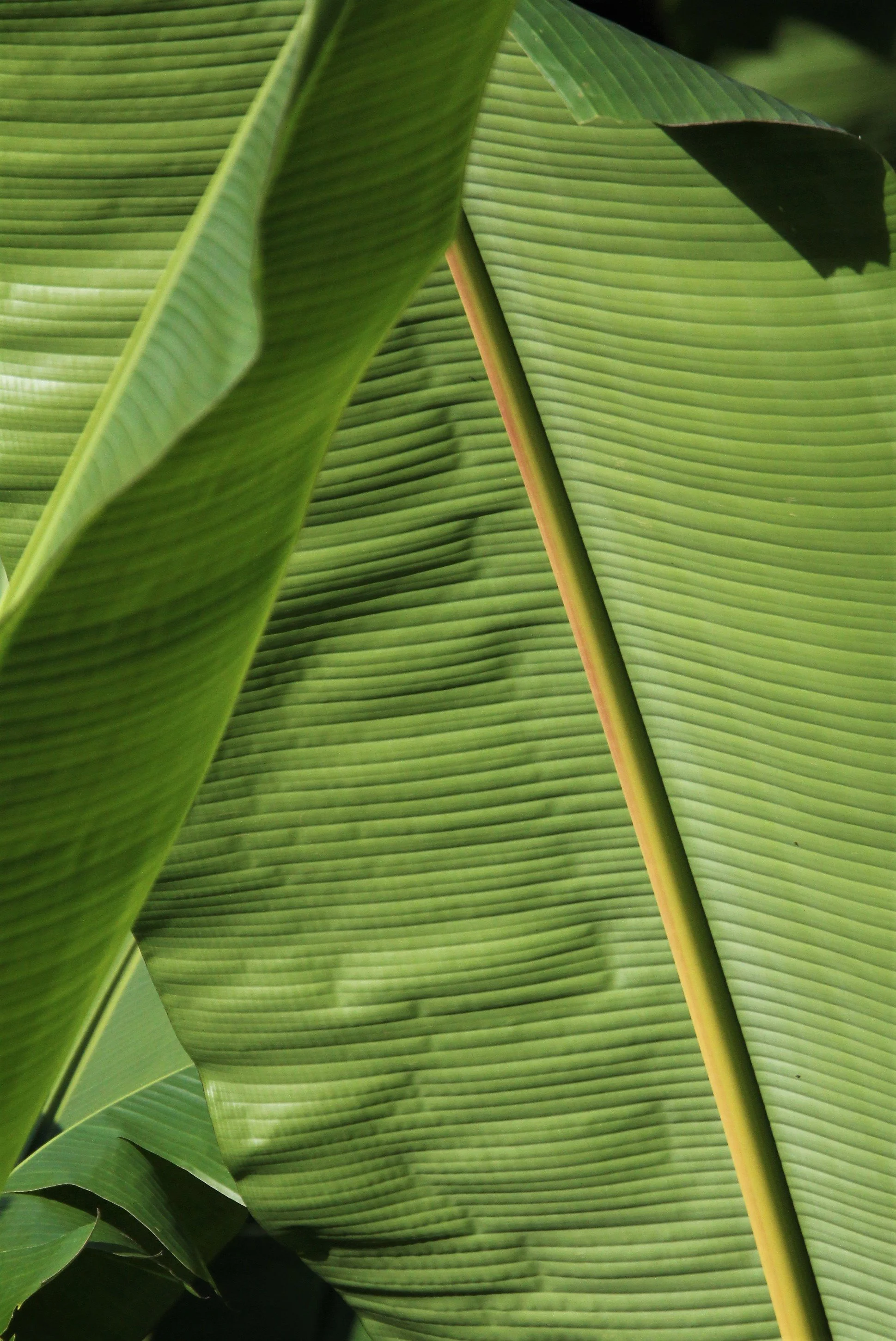
Wild Banana
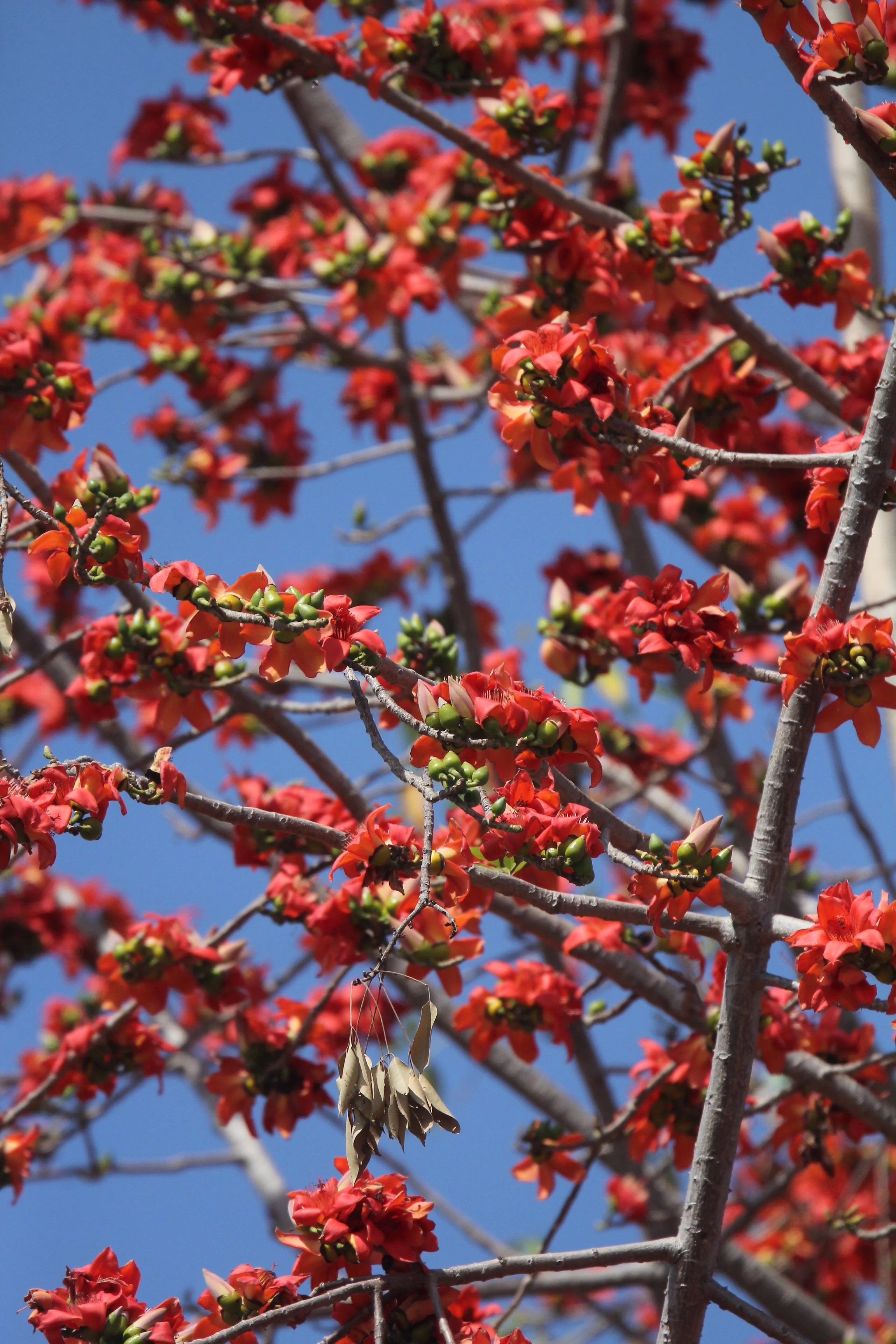
Flame of the Forest (Butea monosperma) in the Mixed Deciduous Forest of Huai Khai Khaeng
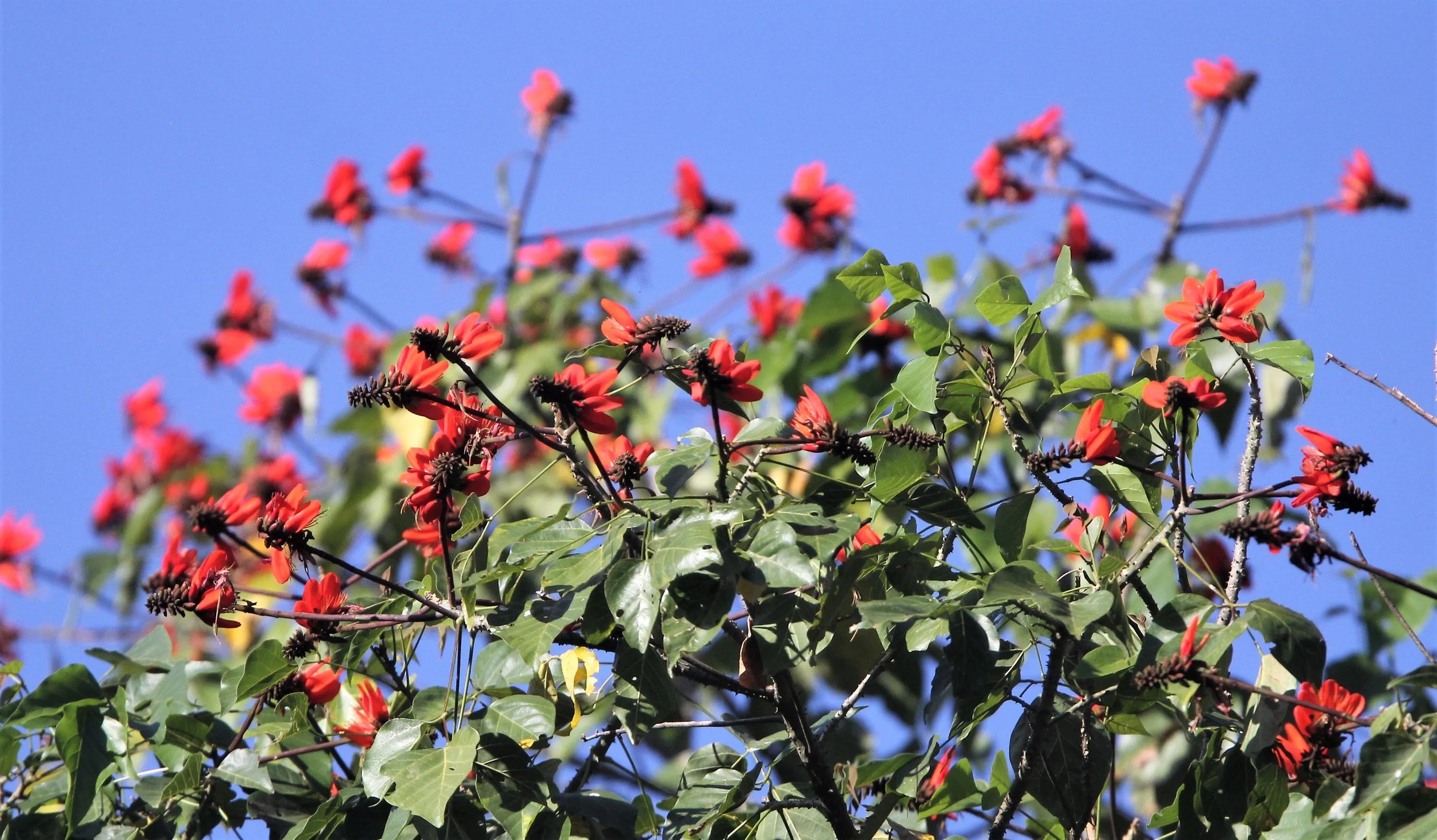
Flame of the Forest (Butea monosperma) in the Mixed Deciduous Forest of Huai Khai Khaeng
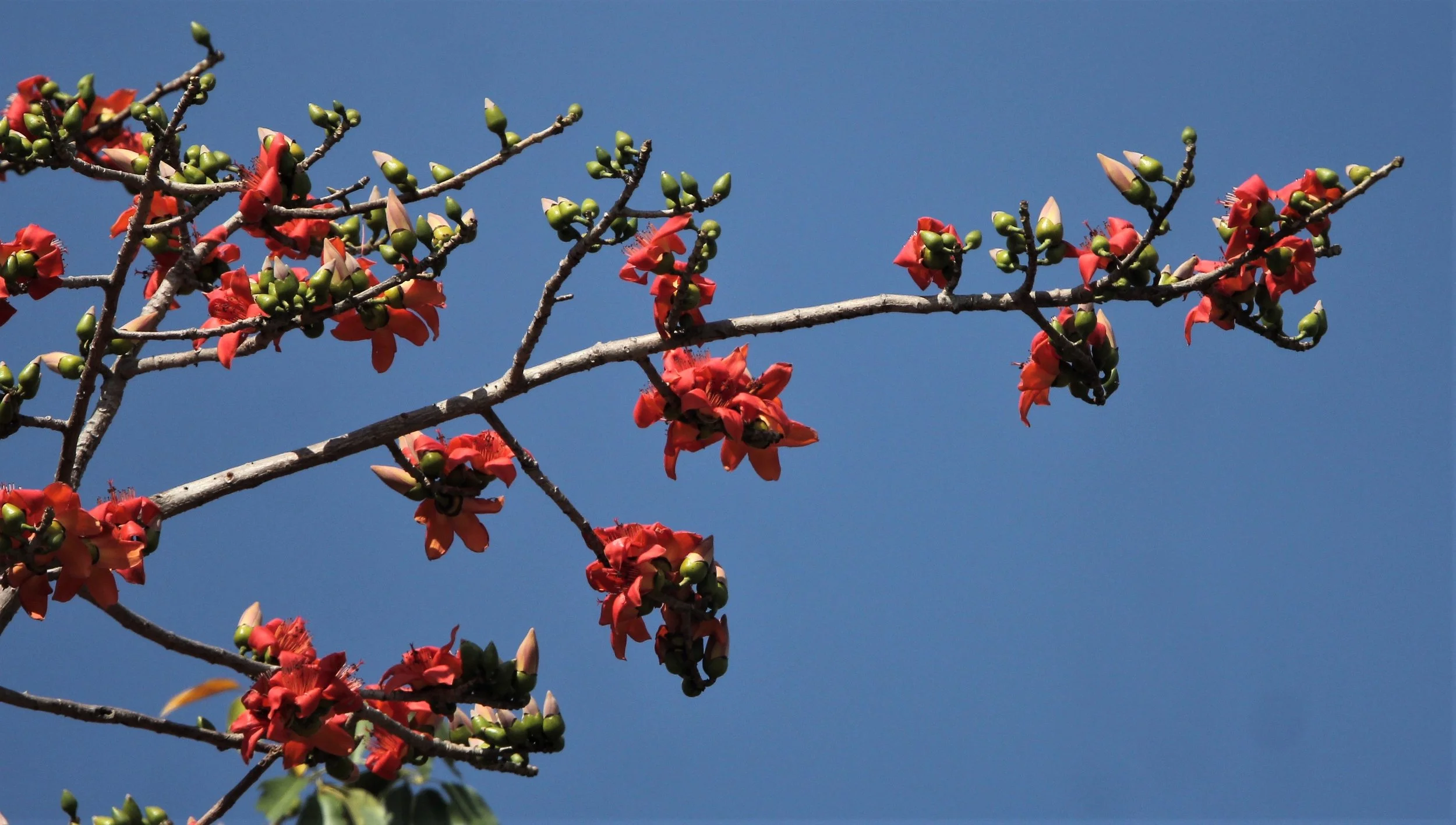
Flame of the Forest (Butea monosperma)
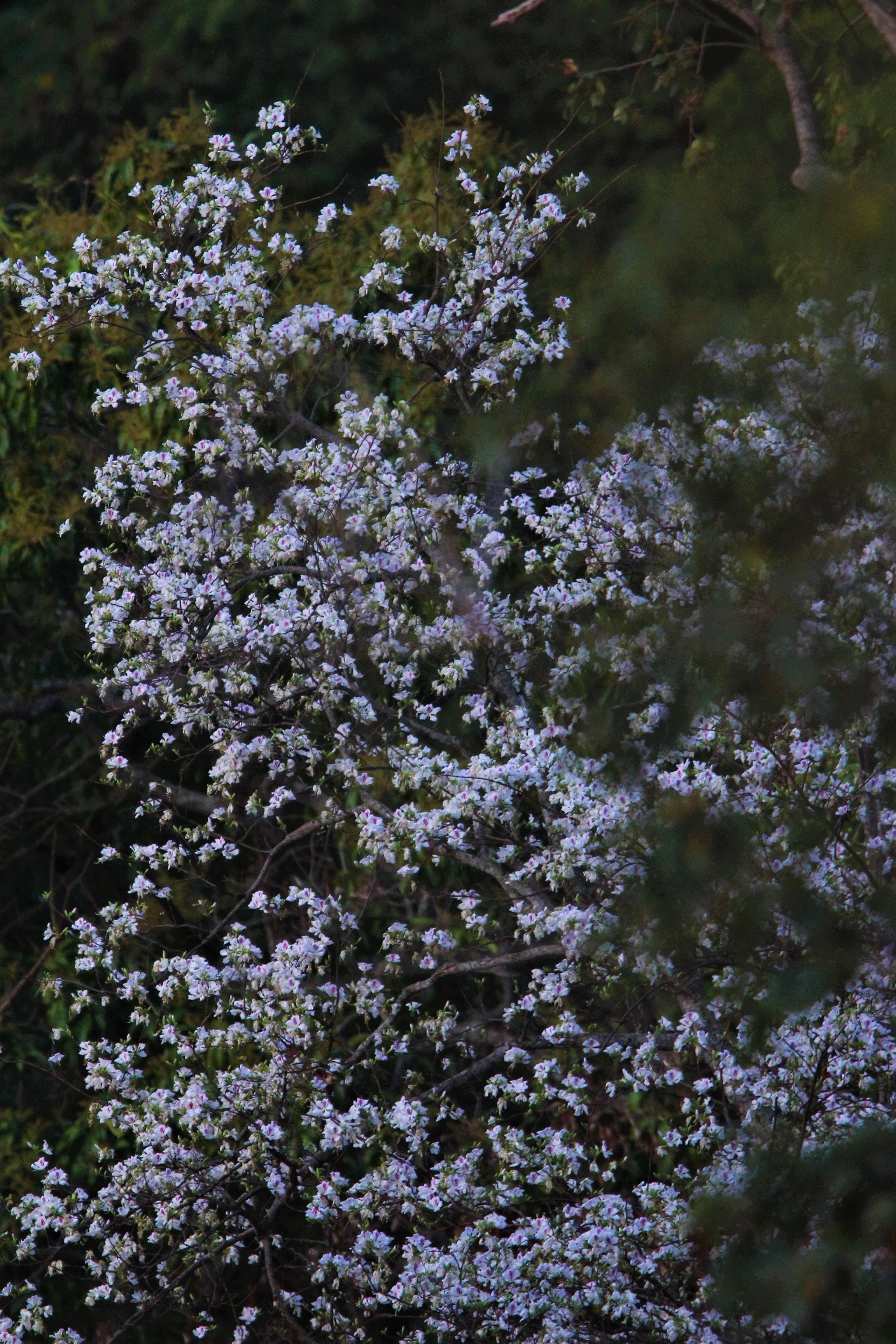
Possible Bauhinia sirindhorniae ก้ามปูหลวงสิรินธร
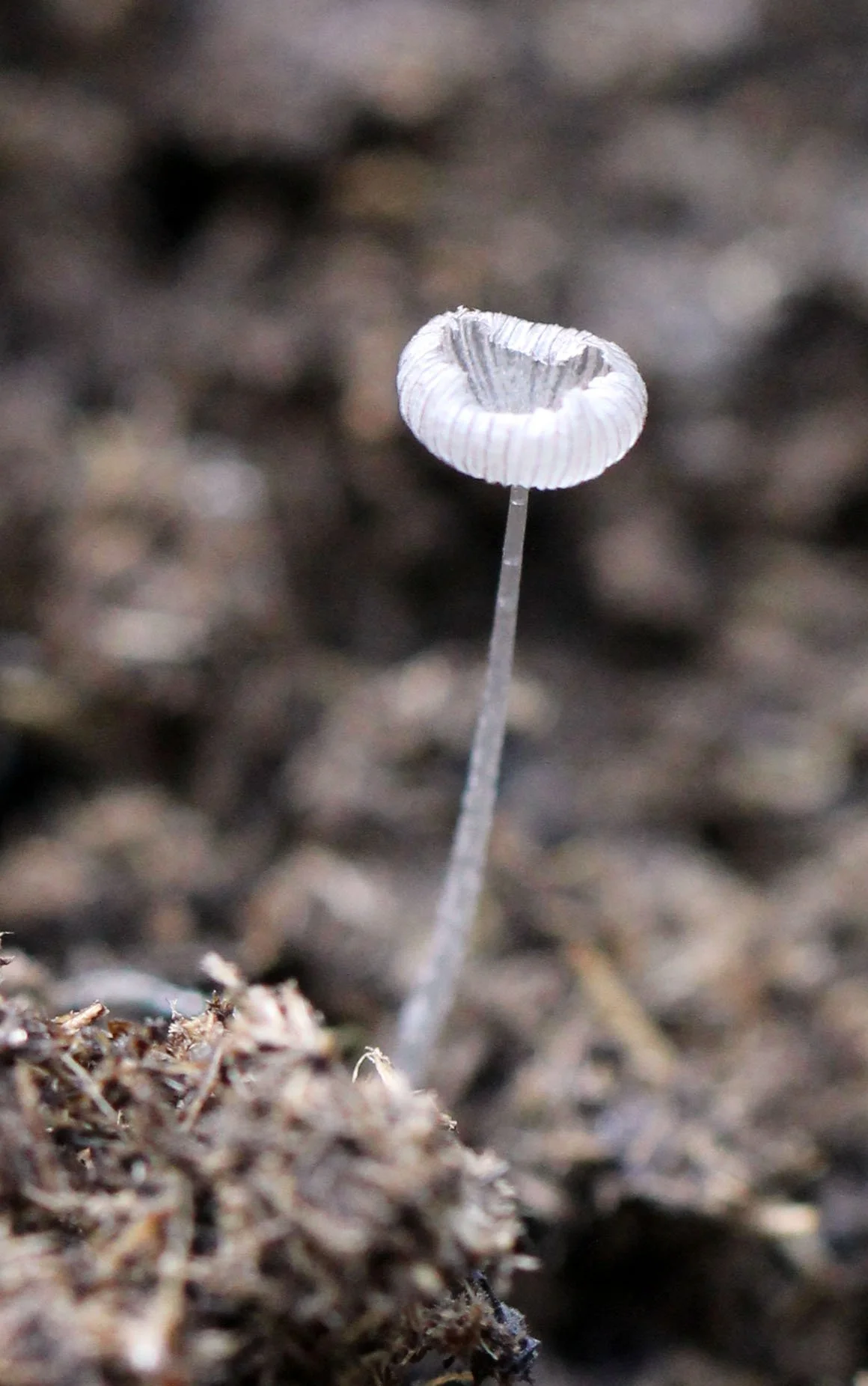
Pleated Inkcap Fungi
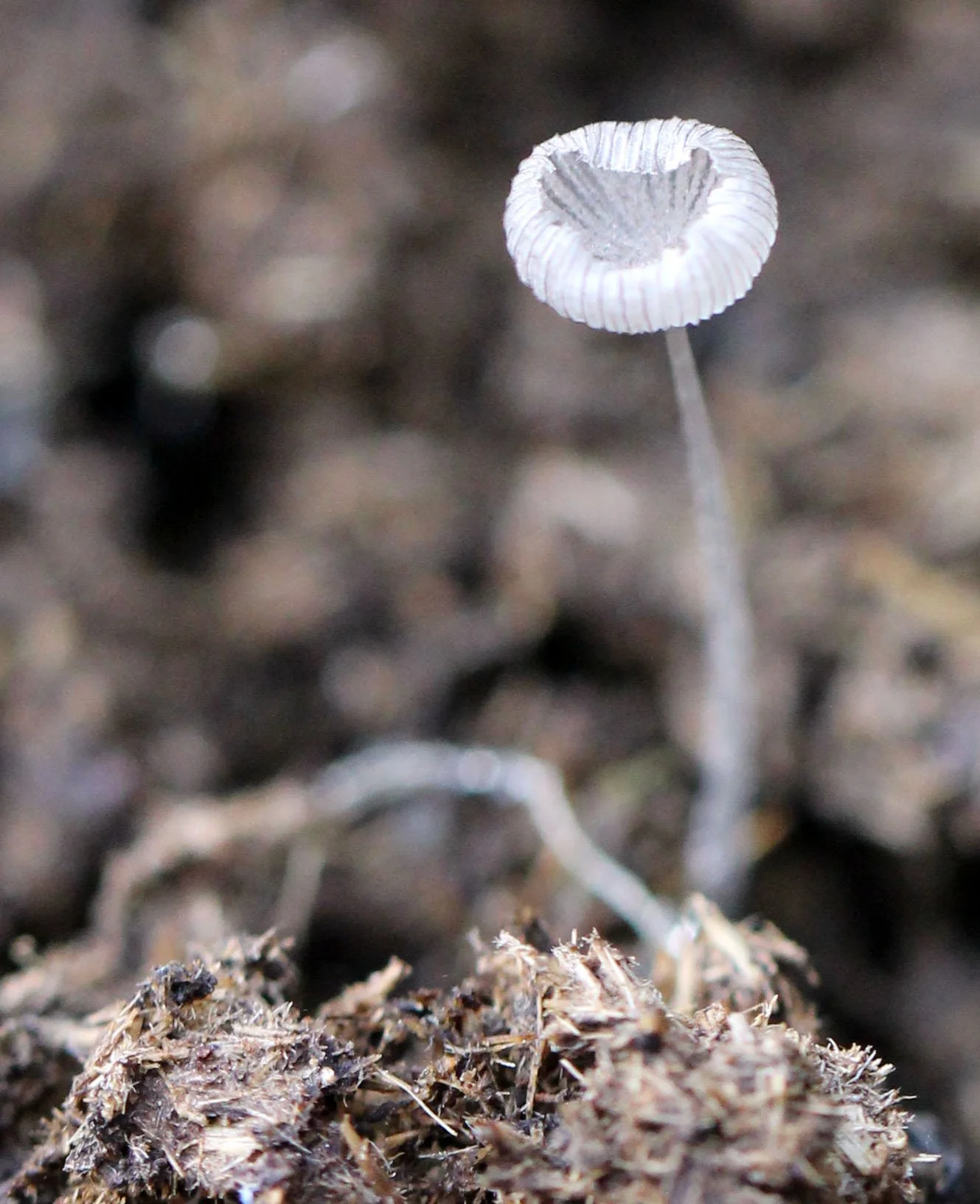
Pleated Inkcap Fungi
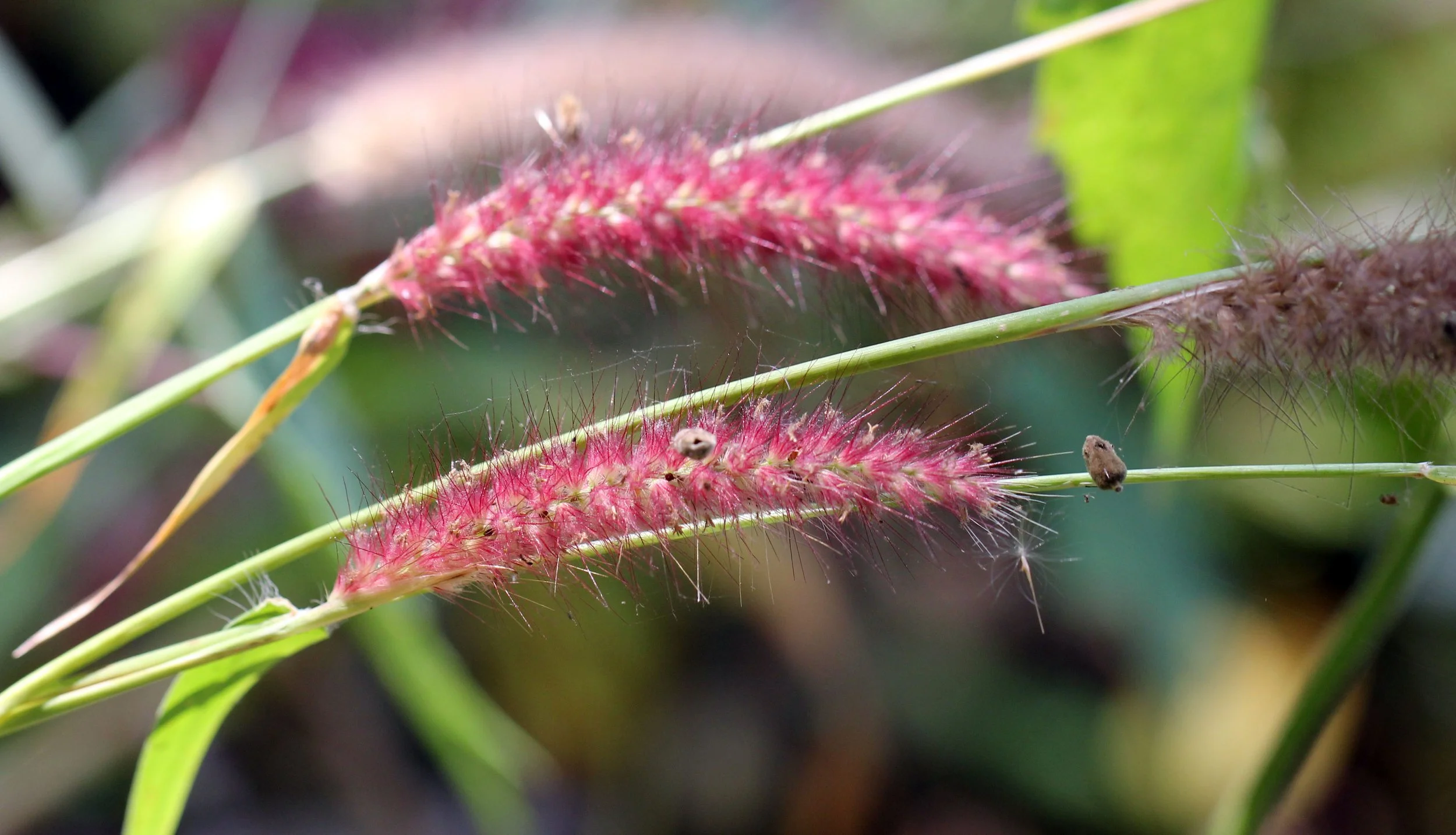
Invasive or introduced species - Deenanath grass (Cenchrus pedicellatus, formerly Pennisetum pedicellatum) is a rapid-growing, nutritious annual or perennial fodder grass native to Africa and cultivated in India. Highly regarded for high green herbage yields, it is widely used as livestock feed, hay, and silage. It also plays a key role in controlling soil erosion and rehabilitating degraded land. My question is, has it been purposefully planted on deforested slopes in the Western Forest Complex in areas ravaged over time?
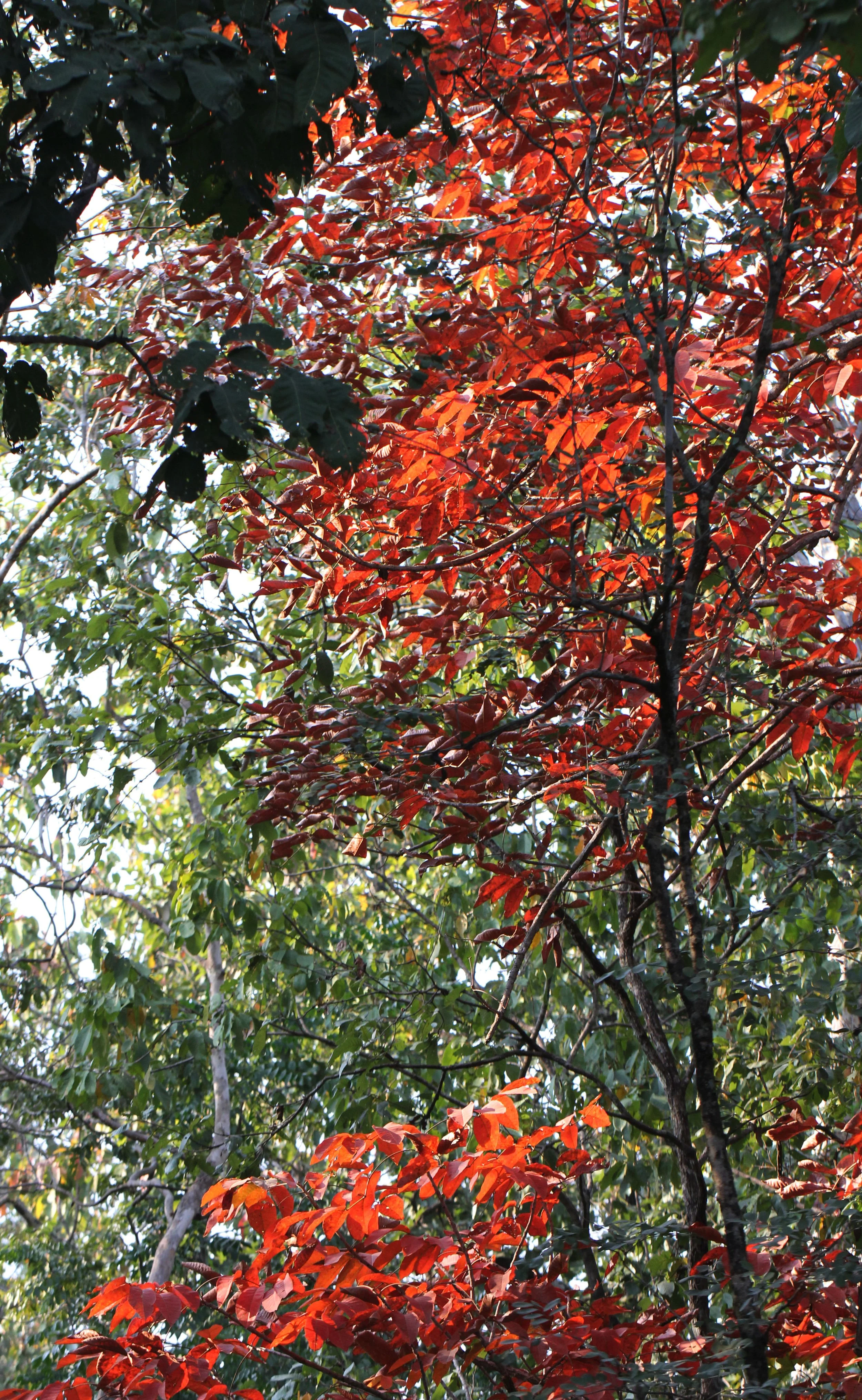
This colorful tree is possibly Burmese ironwood (Xylia xylocarpa) in the Mixed Deciduous Forests of the Western Forest Complex
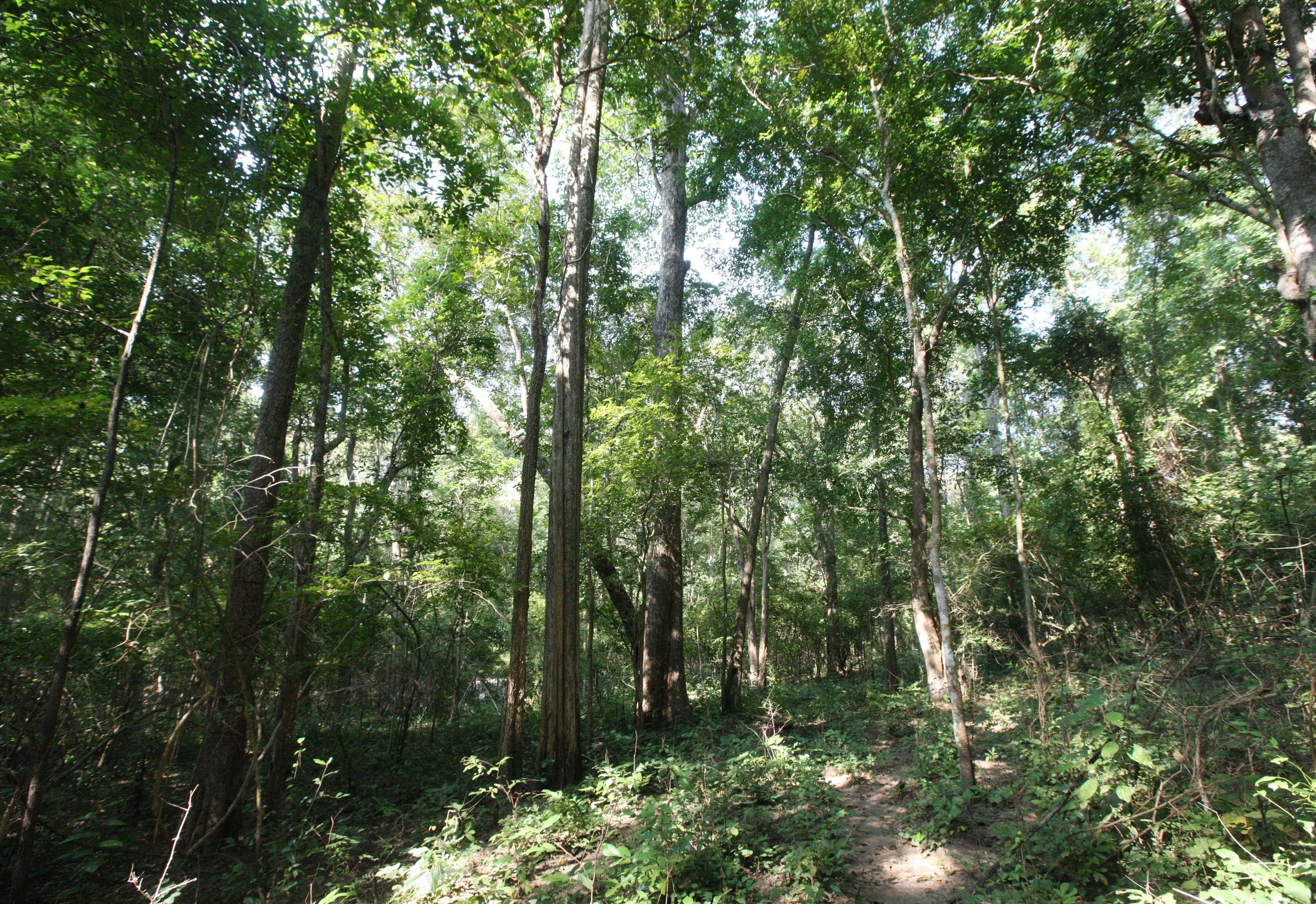
Mixed Deciduous Forest of the Western Forest Complex
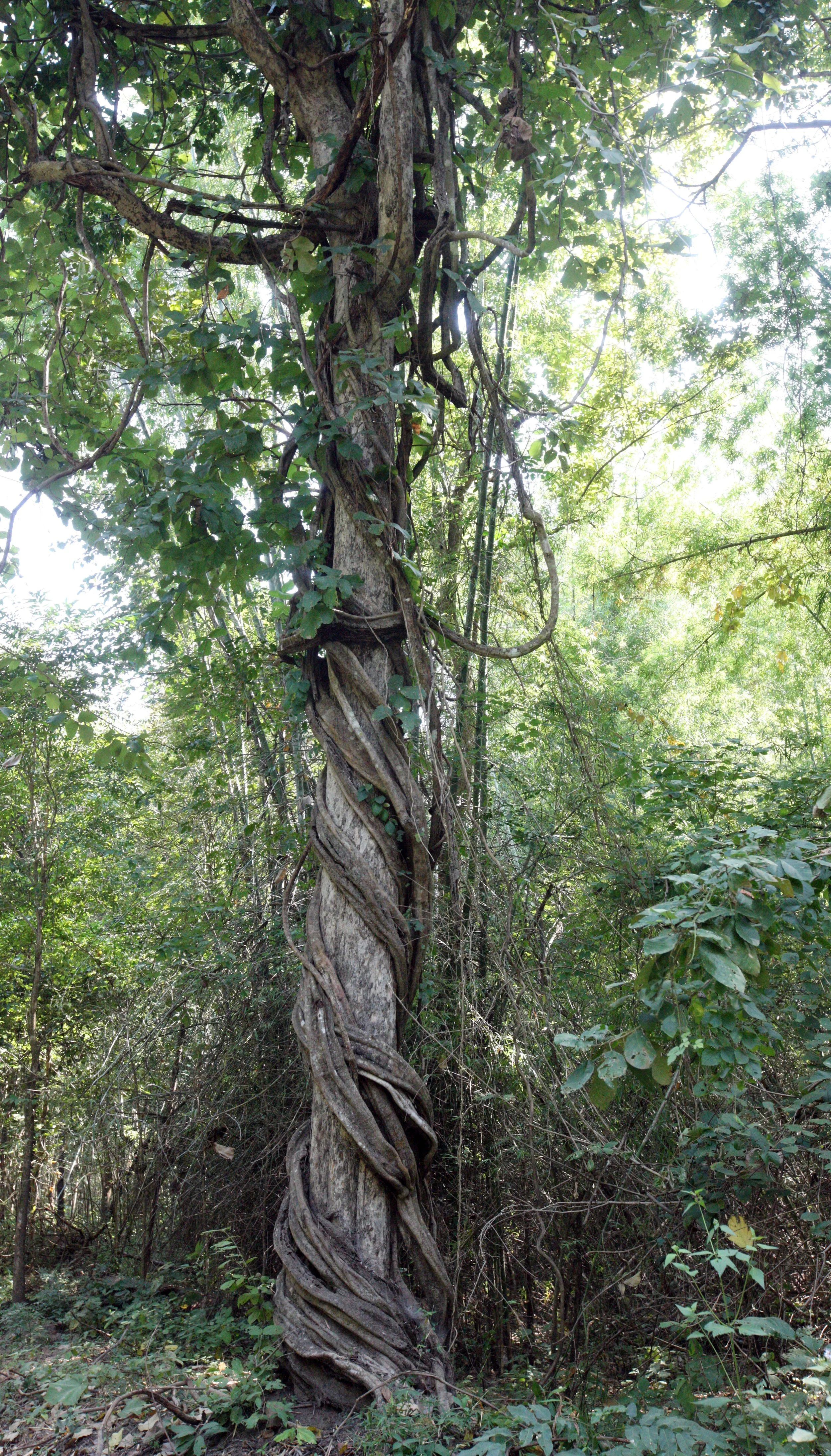
Old Liana
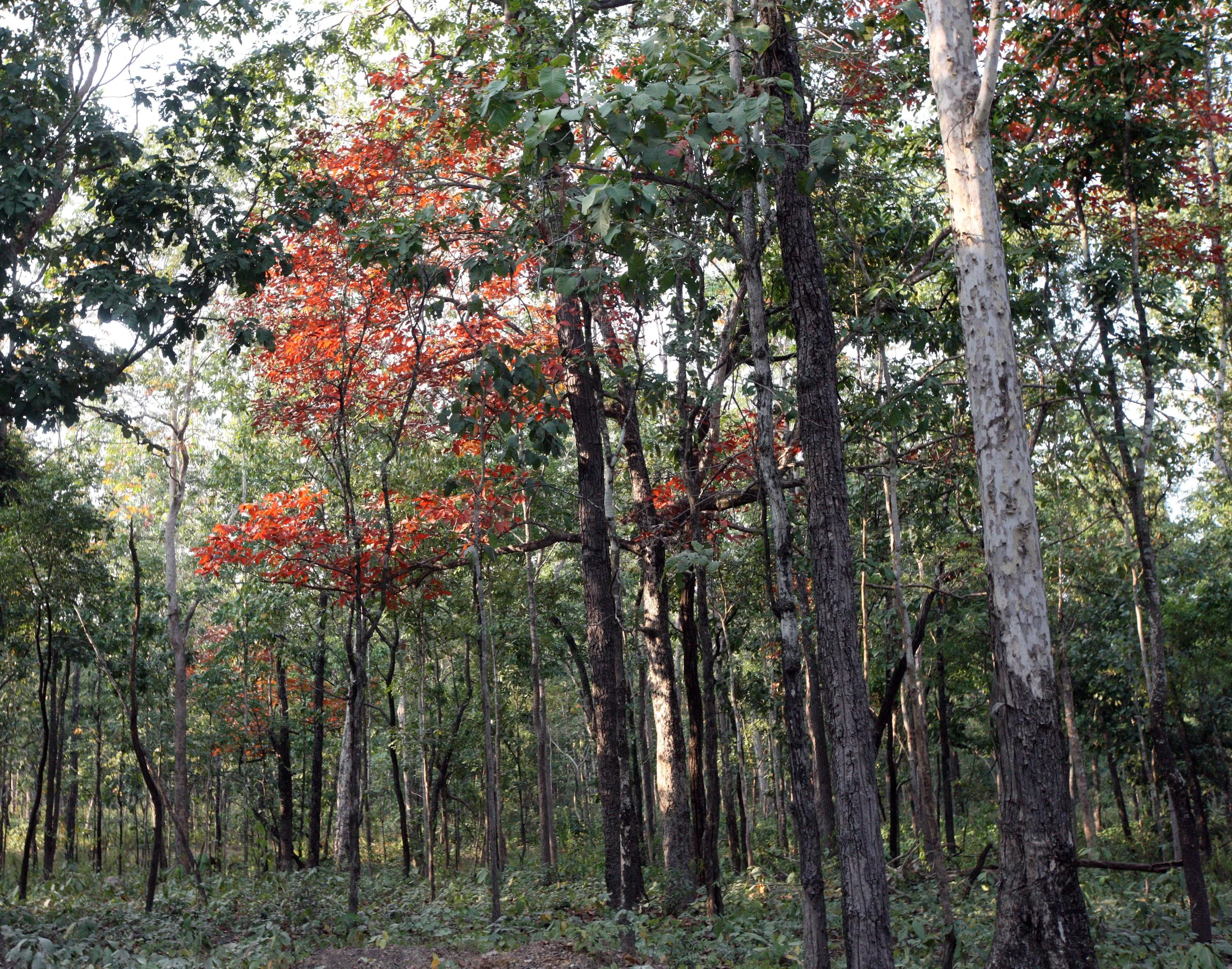
The colorful tree in this image is possibly Burmese ironwood (Xylia xylocarpa) in the Mixed Deciduous Forests of the Western Forest Complex
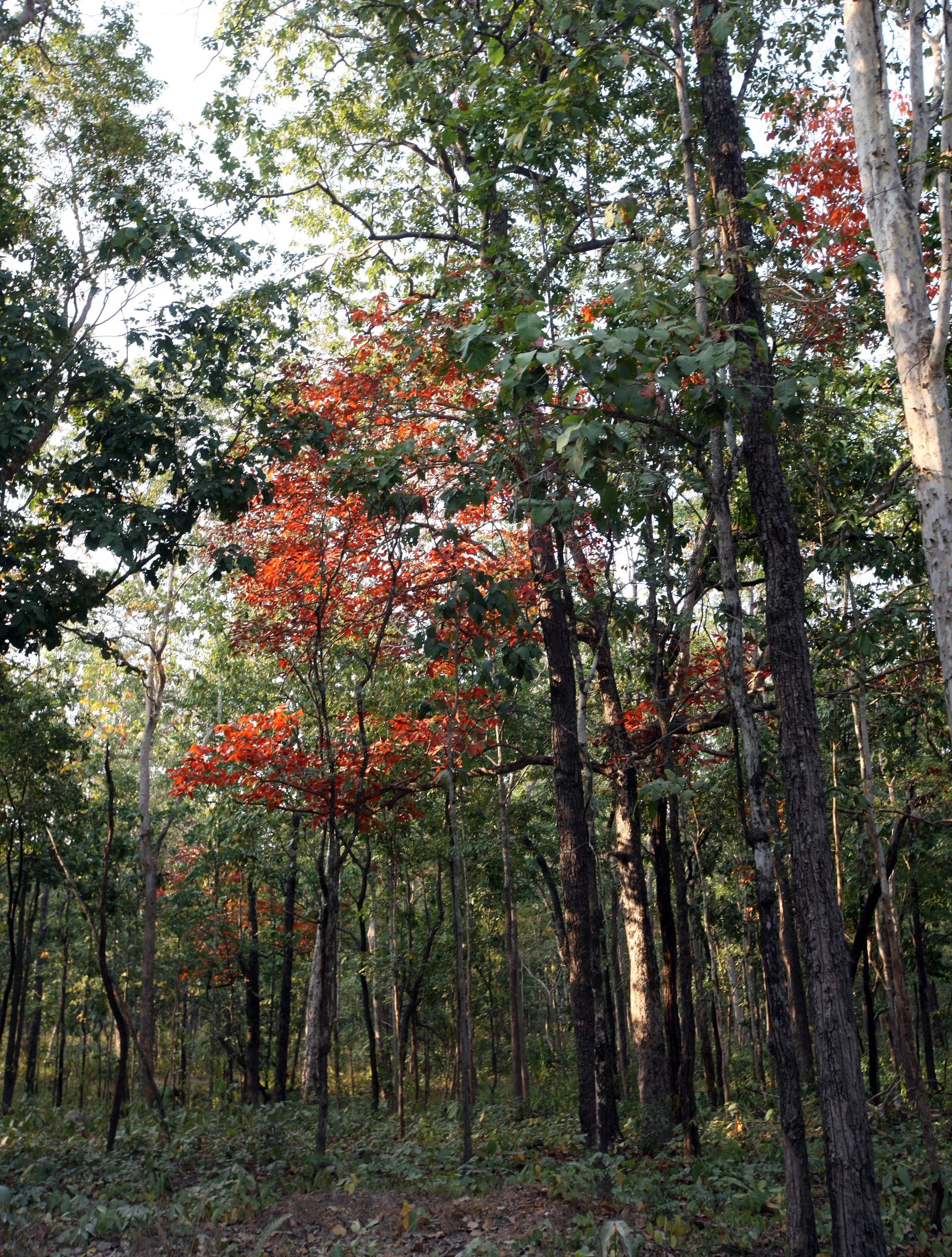
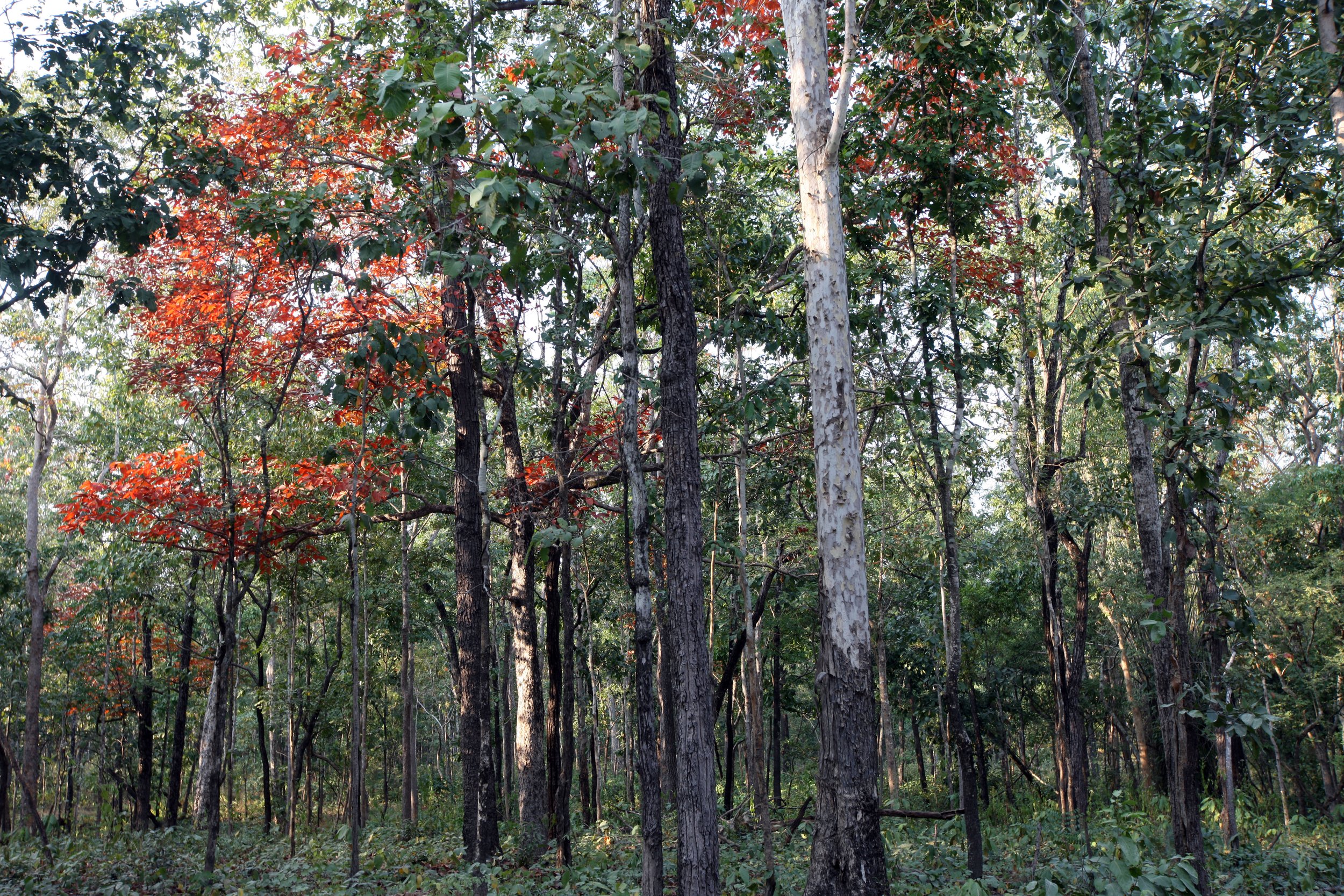
A splash of color in the Mixed Deciduous forest of Huai Kha Khaeng

Another invasive or introduced species, Cenchrus purpureus (formerly Pennisetum purpureum), commonly known as Napier grass or elephant grass (Thai: หญ้าเนเปียร์), is a robust, perennial, high-protein forage crop widely cultivated in Thailand for livestock and used in elephant sanctuaries. It is a tall C4 grass adapted to tropical climates, and naturalized in Thailand as a noxious weed.

Sida cordifolia, commonly known as Country Mallow, Flannel Weed, or Bala (in Ayurveda), is a perennial subshrub from the Malvaceae family found in tropical and subtropical regions, including Thailand. It is recognized for its soft, hairy leaves (giving it the "flannel" name) and small yellow flowers. Wikipedia Wikipedia +4 In Thailand and throughout Southeast Asia, it is used in traditional medicine, although it is often considered a weed in disturbed lands and roadsides.
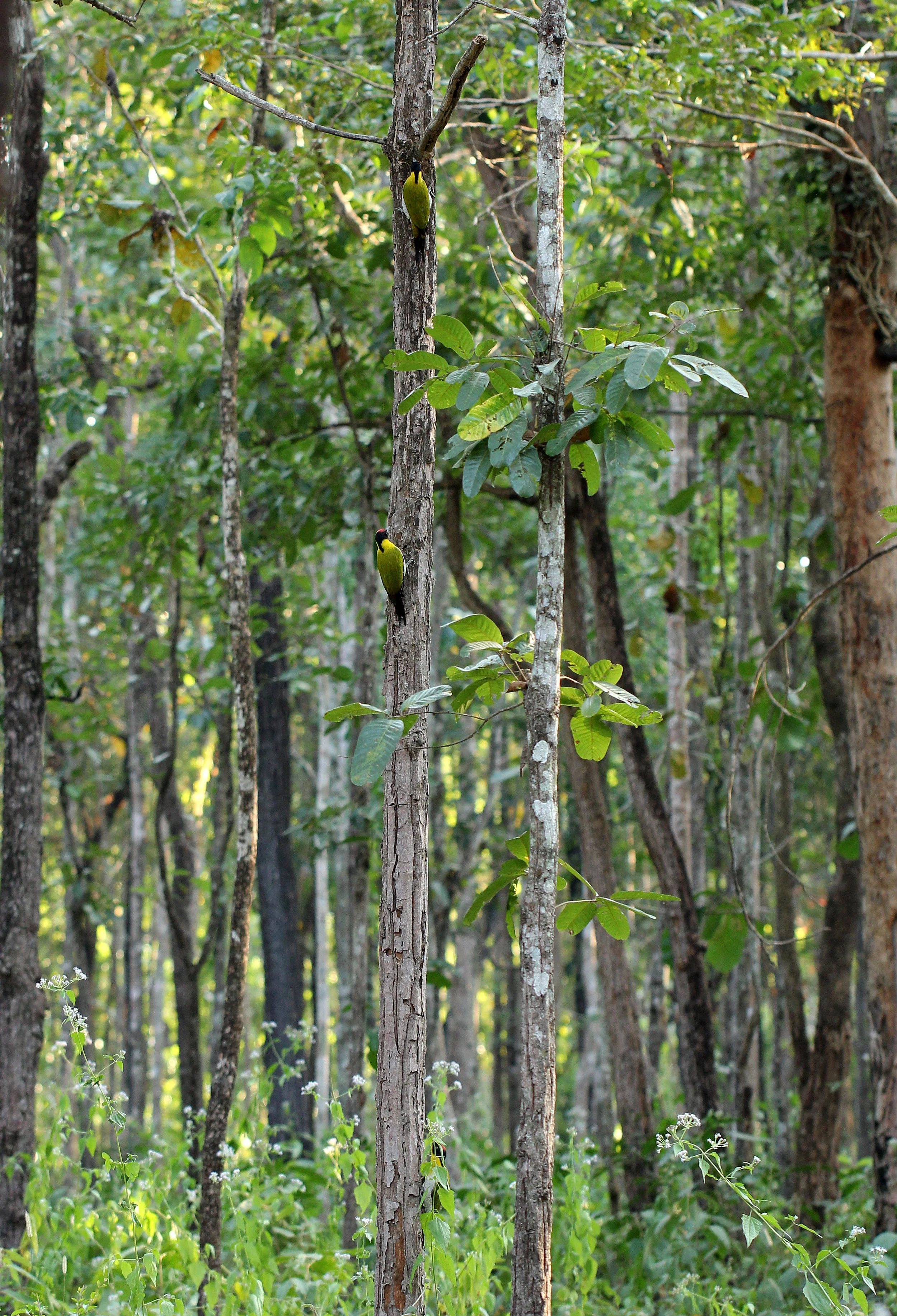
Compare this Dry Deciduous Forest during the rainy season with the baron dry season appearance.
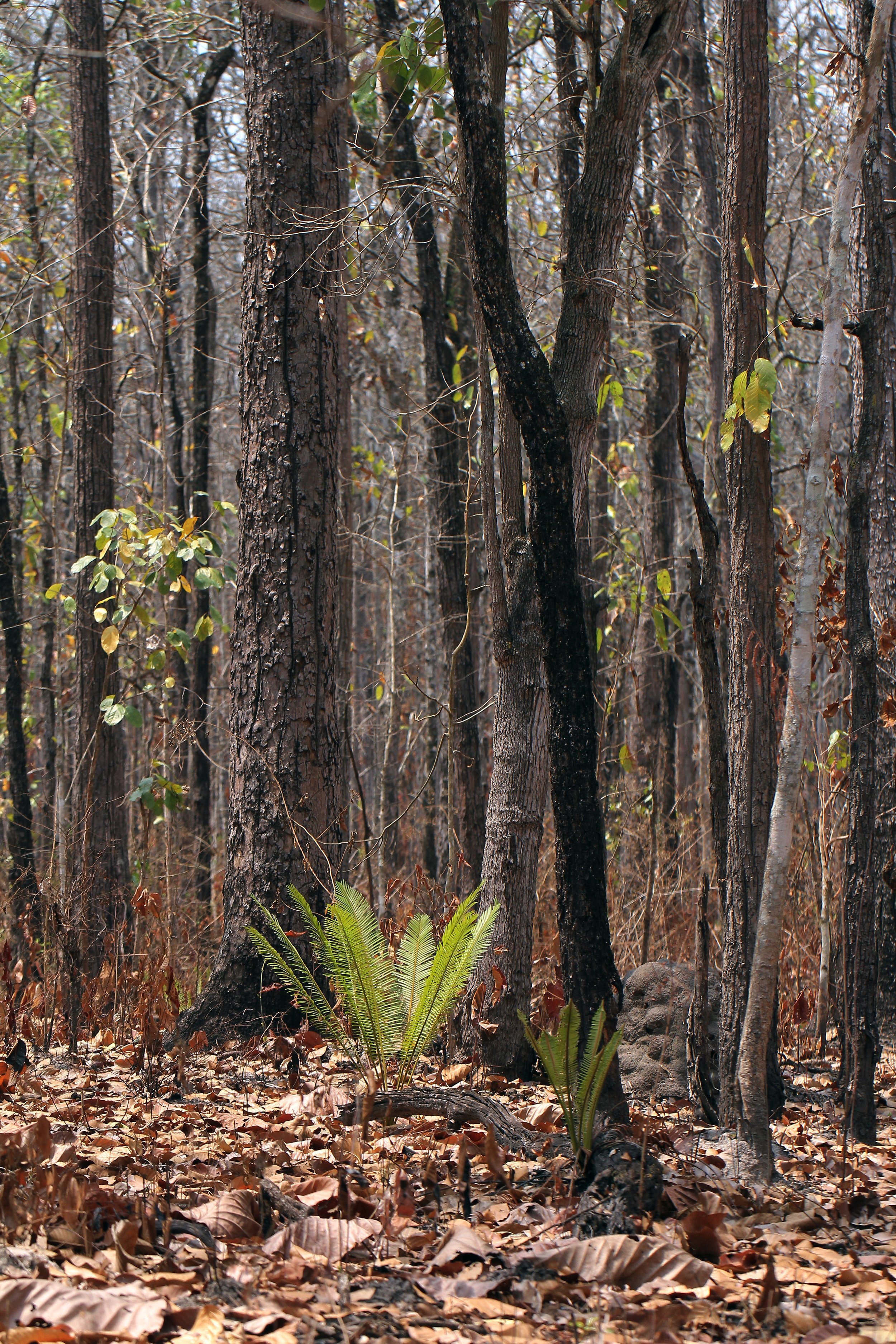
Green after the fire. Cycas siamensis, a species of cycad native to seasonally dry forests in Southeast Asia.
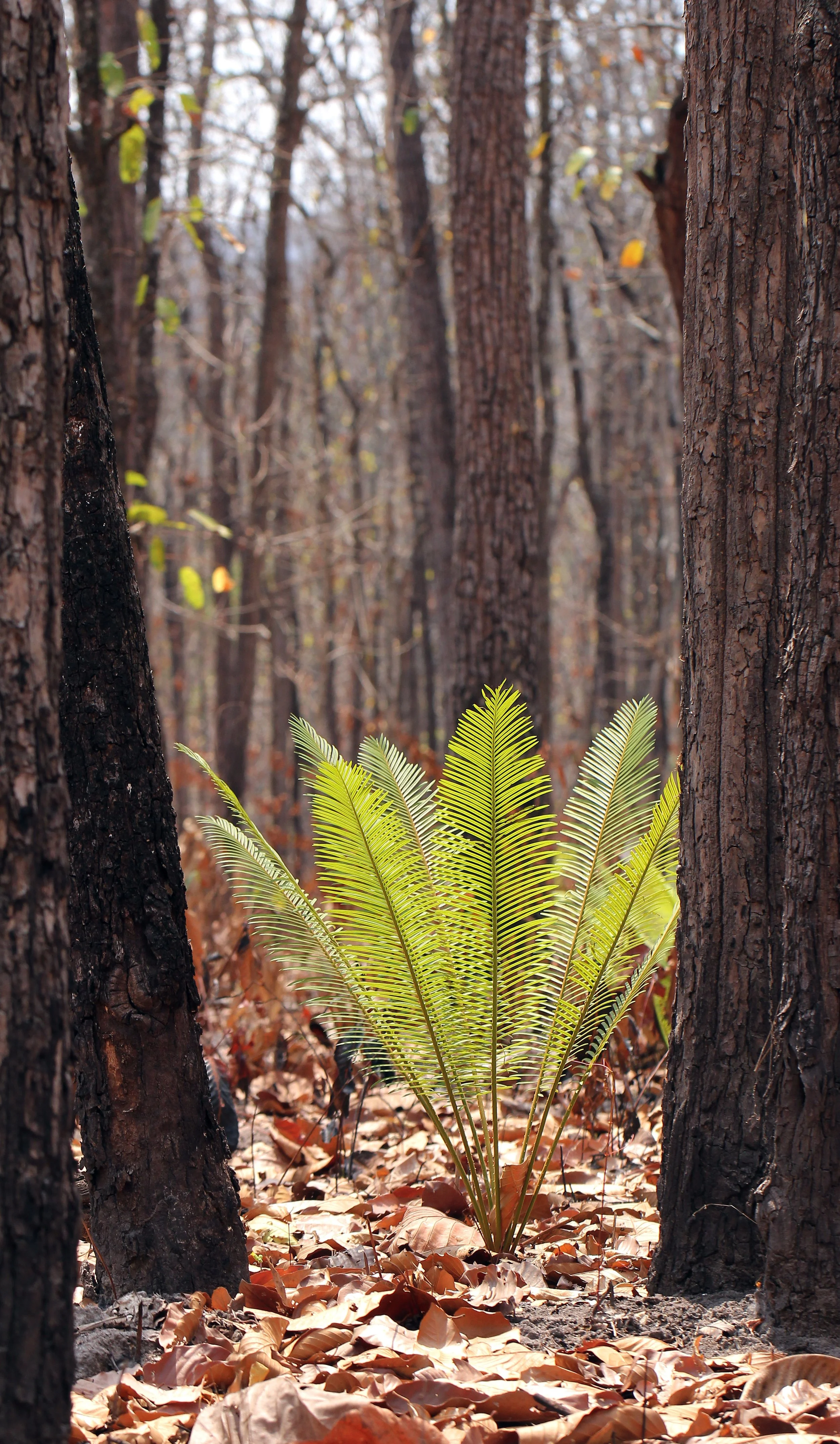
Cycas siamensis, a species of cycad native to seasonally dry forests in Southeast Asia.
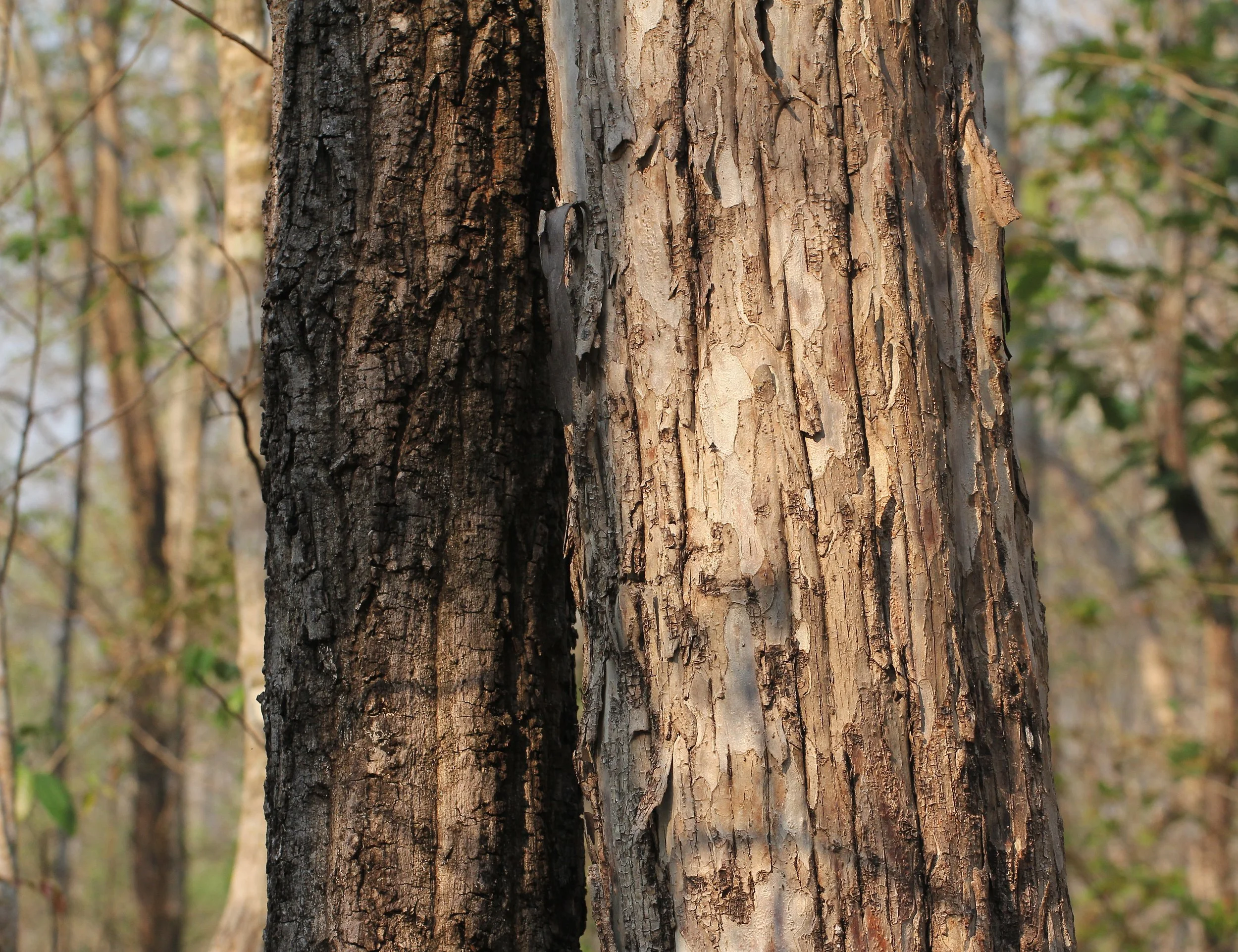
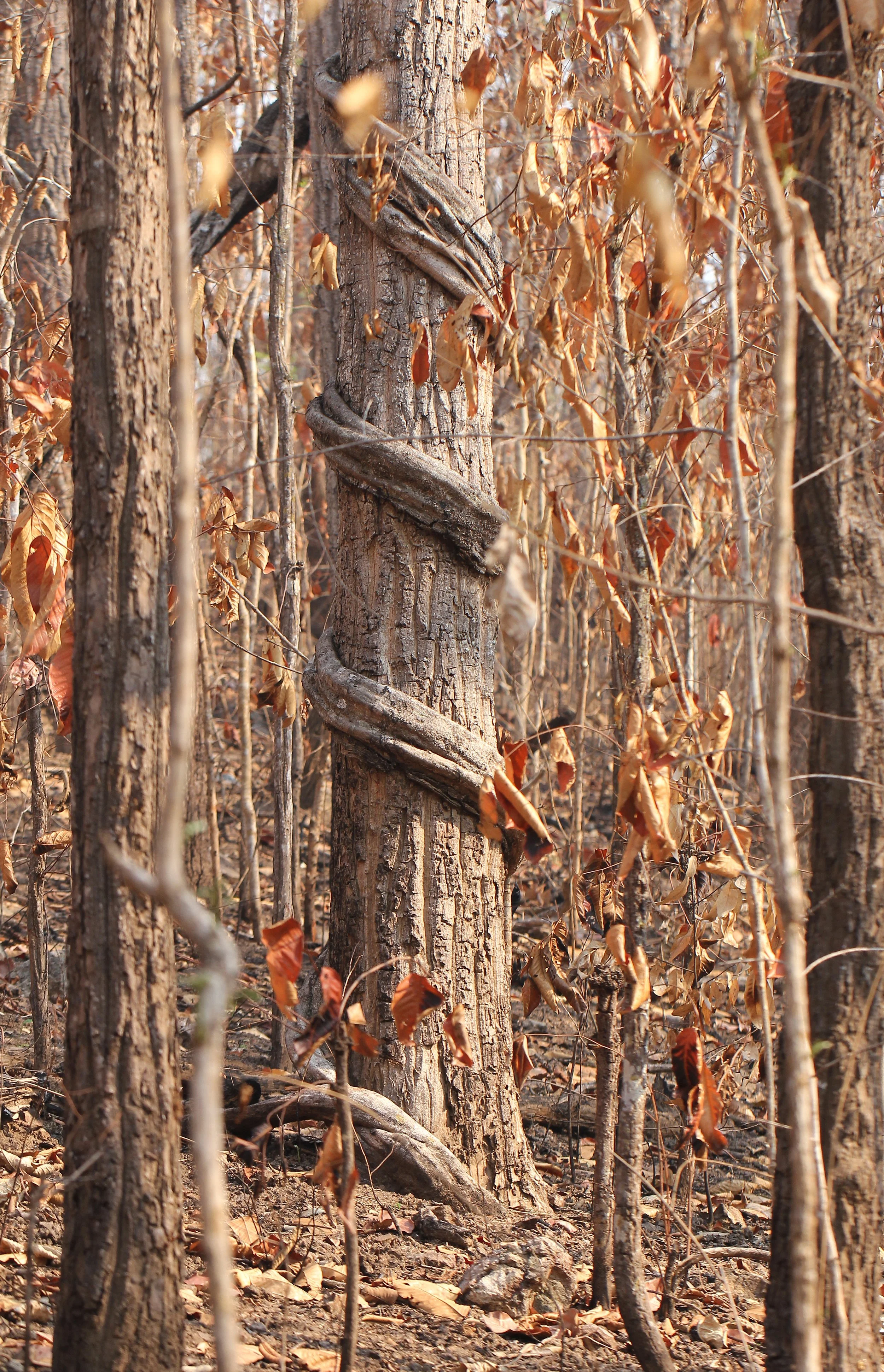
Liana wrapping around a tree in the Dry Deciduous Forest of HKK
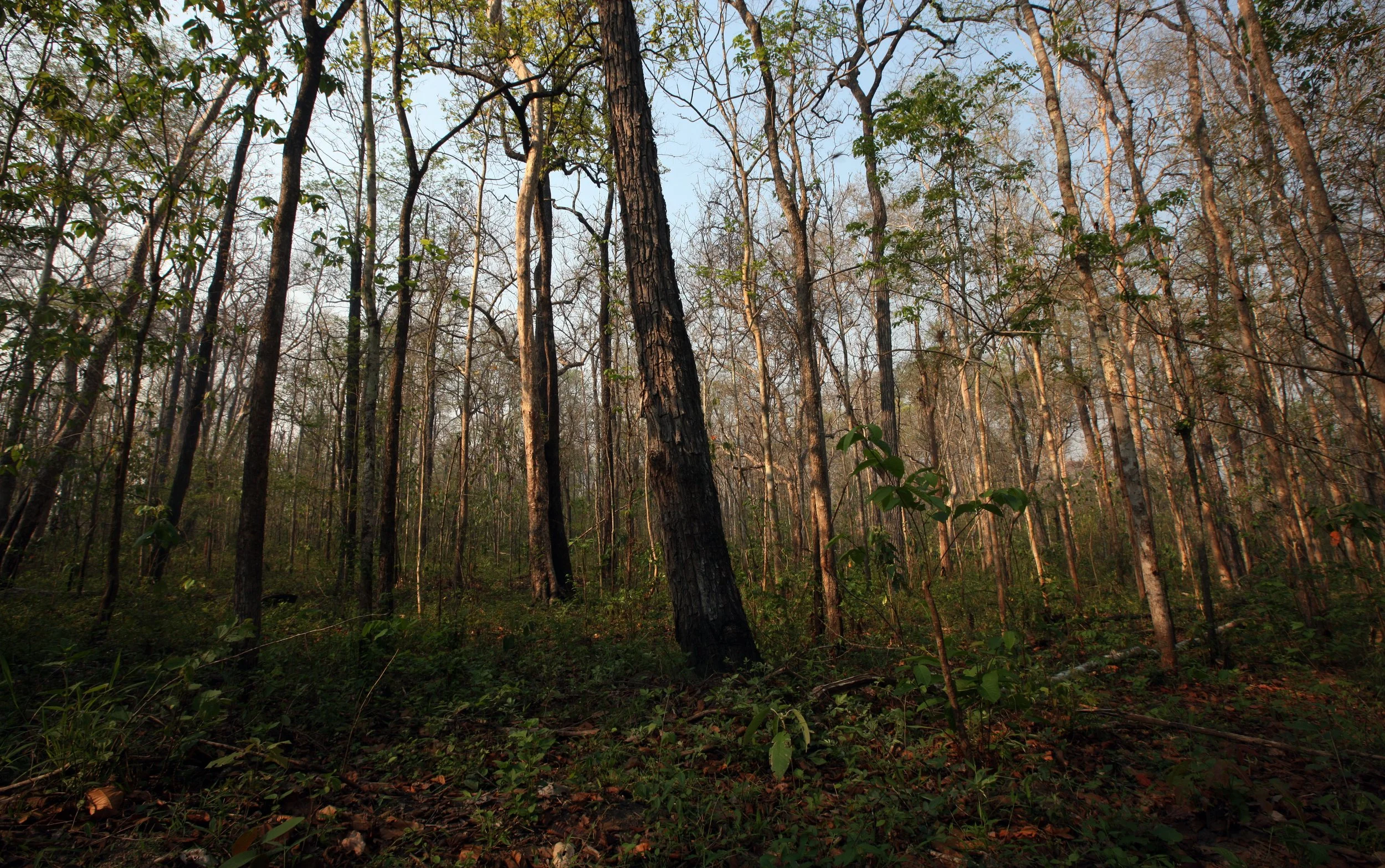
Dry Deciduous Forest of HKK - remnants of a recent fire.
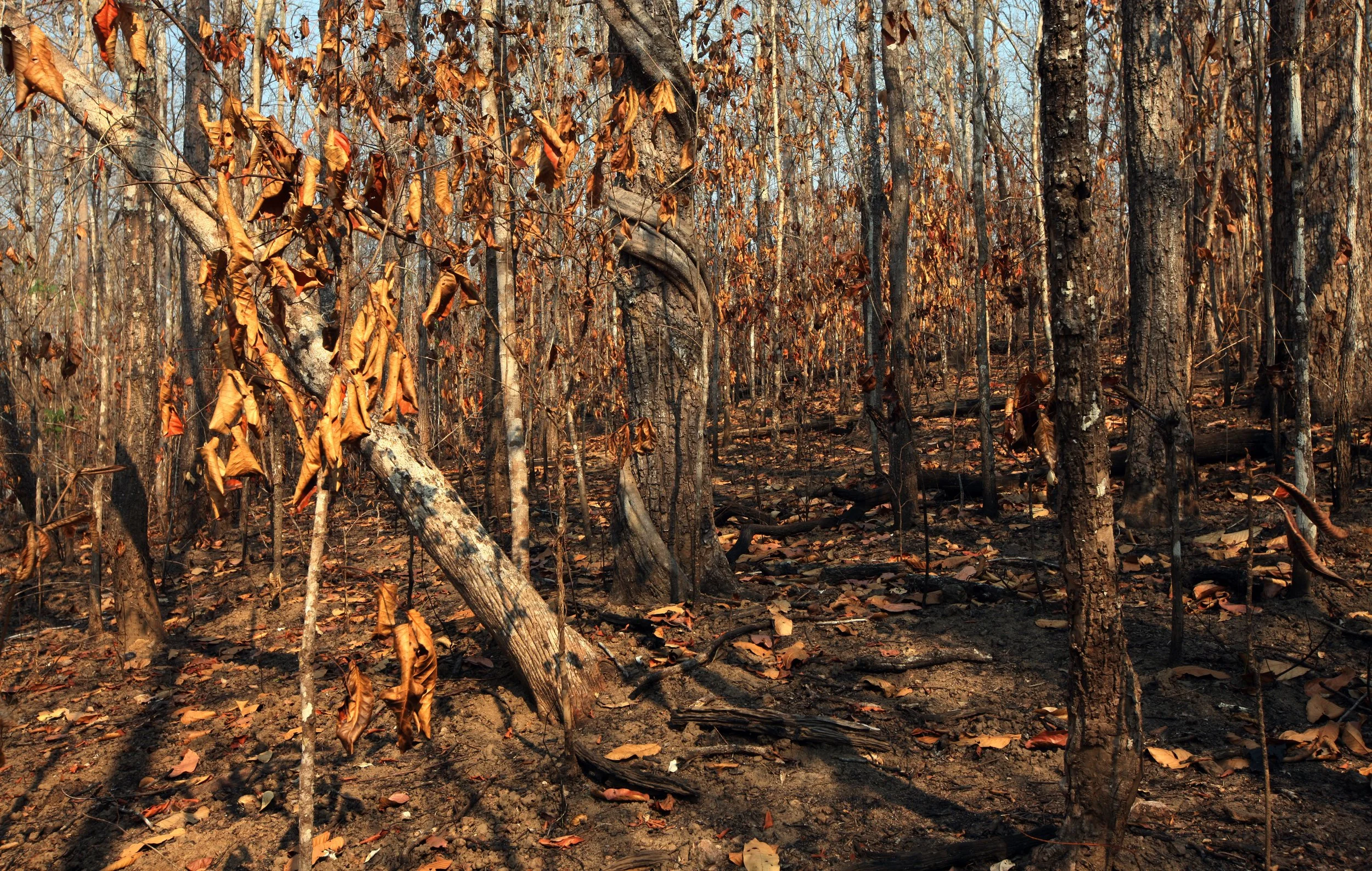
Forest fires in this region frequently turn lush forests into blackened landscapes covered in ash, causing significant loss of flora and fauna.

The fires destroy vegetation communities, though ash can eventually add nutrients back into the soil for future regeneration.

This image captures the aftermath of a forest fire, specifically highlighting the devastation left in dry deciduous forests in Huai Kha Khaeng.

While hot, dry seasons contribute to fire risk, human activities such as agricultural slash-and-burn practices or deliberate burning for wildlife poaching are common causes.


Dry Deciduous Forest of HKK

Dry Deciduous Forest of HKK

Dry Deciduous Forest of HKK

Vanda lilacina orchid, also known as the Lilac Vanda.


This Staghorn Fern could be Platycerium ridleyi or Platycerium holttumii, both native to the Western Forest Complex.
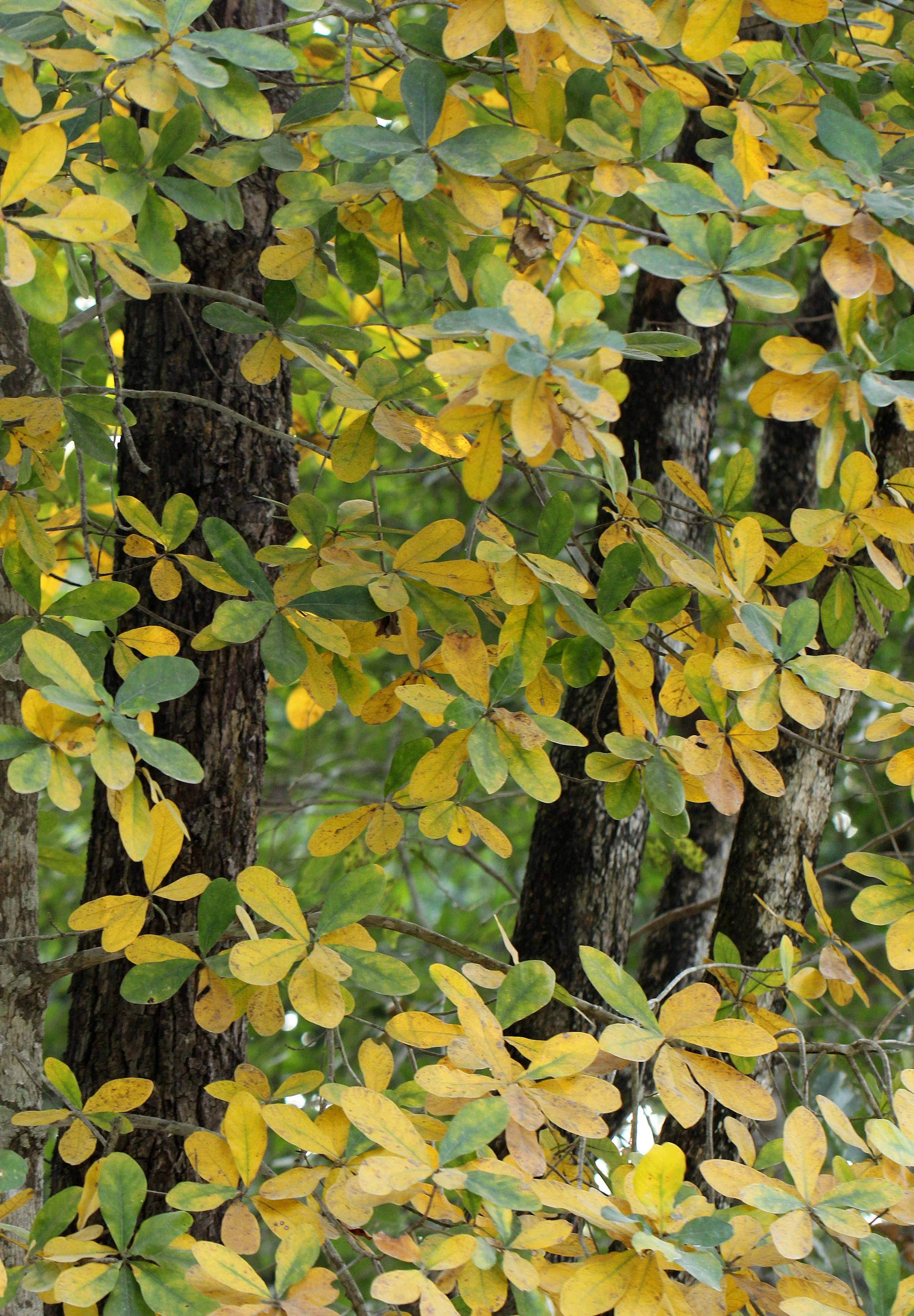
Golden Shower Tree (Cassia fistula)
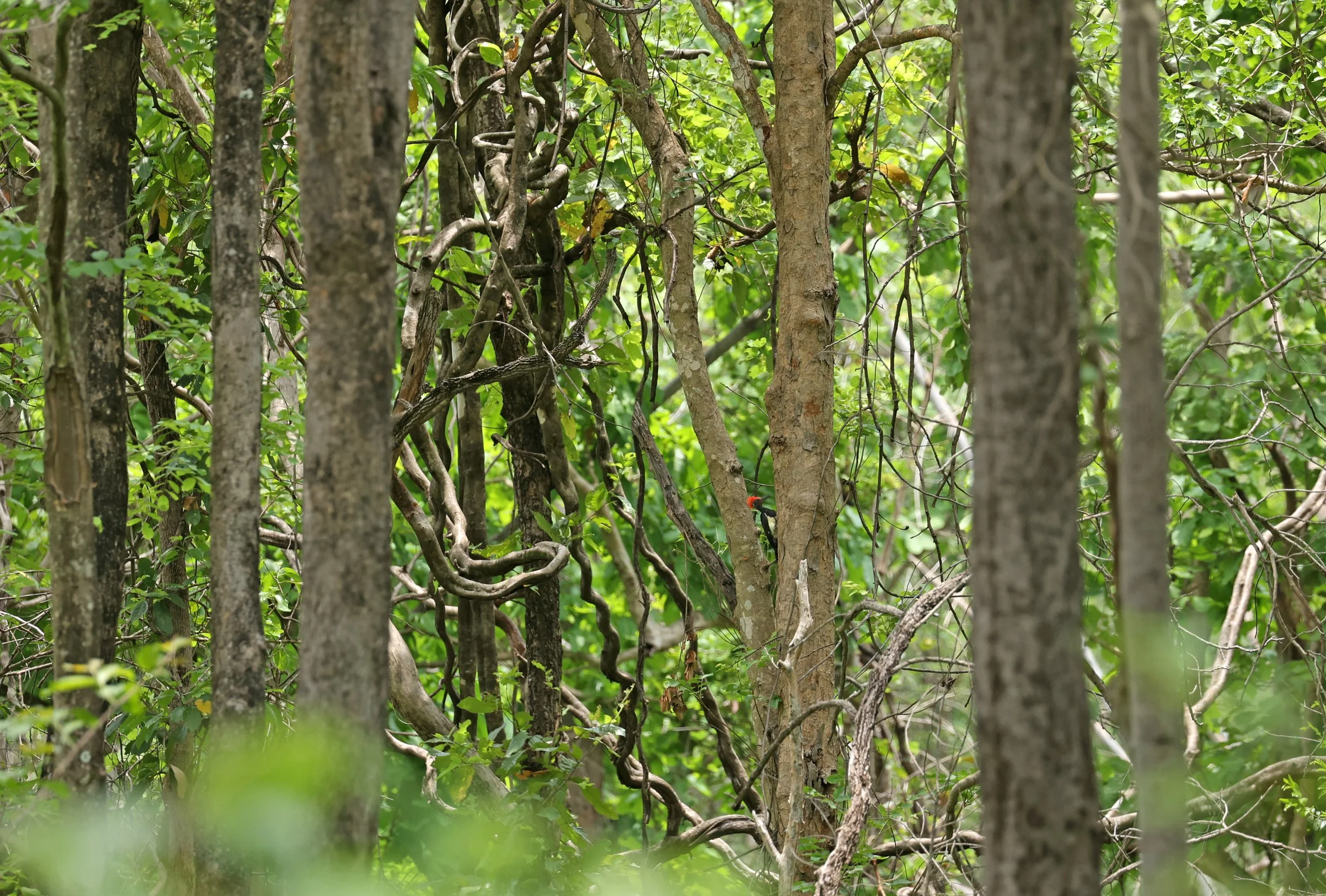
Monkey Ladder Vine (Bauhinia glabra), known for its woody, S-shaped growth pattern. They rely on host trees to reach sunny locations in the canopy, often putting their leaves above the host. While they enhance habitat complexity for animals, they can compete with trees for resources, sometimes reducing tree growth. A liana is a long-stemmed woody vine that is rooted in the soil at ground level and uses trees, as well as other means of vertical growth. Lianas (woody vines) invest more biomass in leaves.
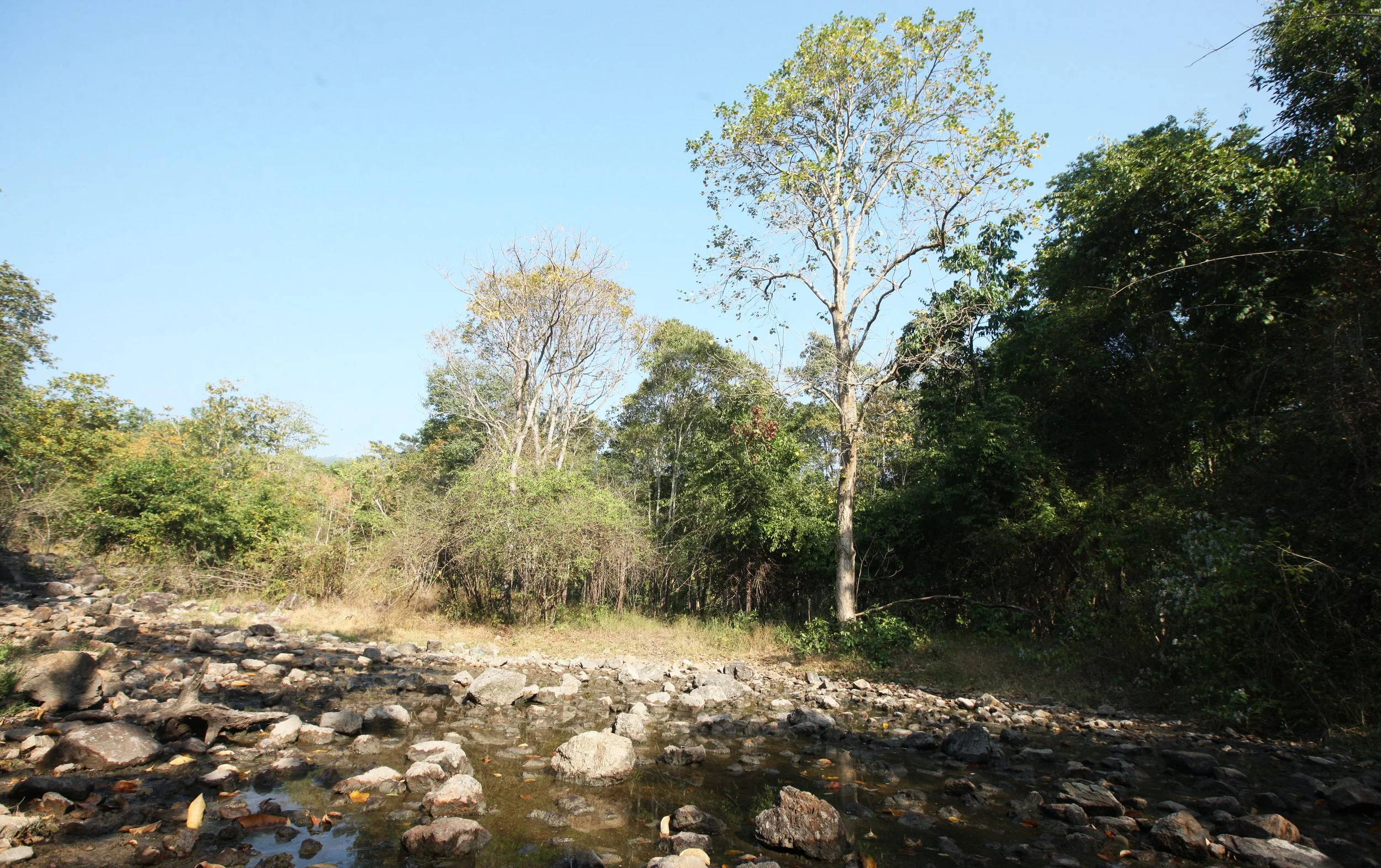
Open area where a natural spring seeps producing a water source and mineral like deep in the core area of Huai Kha Khaeng. We've seen many Banteng here.
![Entada rheedei, commonly known as African dream herb or snuff box sea bean,[3] and as the cacoon vine in Jamaica, is a large woody liana or climber of the Mimosa clade Mimosoideae. The vine can grow as long as 120 m (390 ft).[4] Their seeds have a th](https://images.squarespace-cdn.com/content/v1/6321260b6fee0034161f44da/888f3e91-1b2d-4a2d-a23f-a4aaee5642b9/HUAI+KHA+KHAENG+WILDLIFE+RESERVE+-+HAUY+MAE+DEE+STATION+-+THAILAND+%281%29.JPG)
Entada rheedei, commonly known as African dream herb or snuff box sea bean,[3] and as the cacoon vine in Jamaica, is a large woody liana or climber of the Mimosa clade Mimosoideae. The vine can grow as long as 120 m (390 ft).[4] Their seeds have a thick and durable seed coat which allows them to survive lengthy periods of immersion in seawater. These seeds come in a pod which can be up to 6.5 feet (two meters) in length. Its seeds are found on east and southern African beaches, having grown on river and estuary banks and in swamp forest. As a result of its ready dispersal by sea, Entada rheedei is widely distributed in tropical and subtropical areas (excluding the Americas): tropical Africa, South Africa, tropical Asia and Queensland.
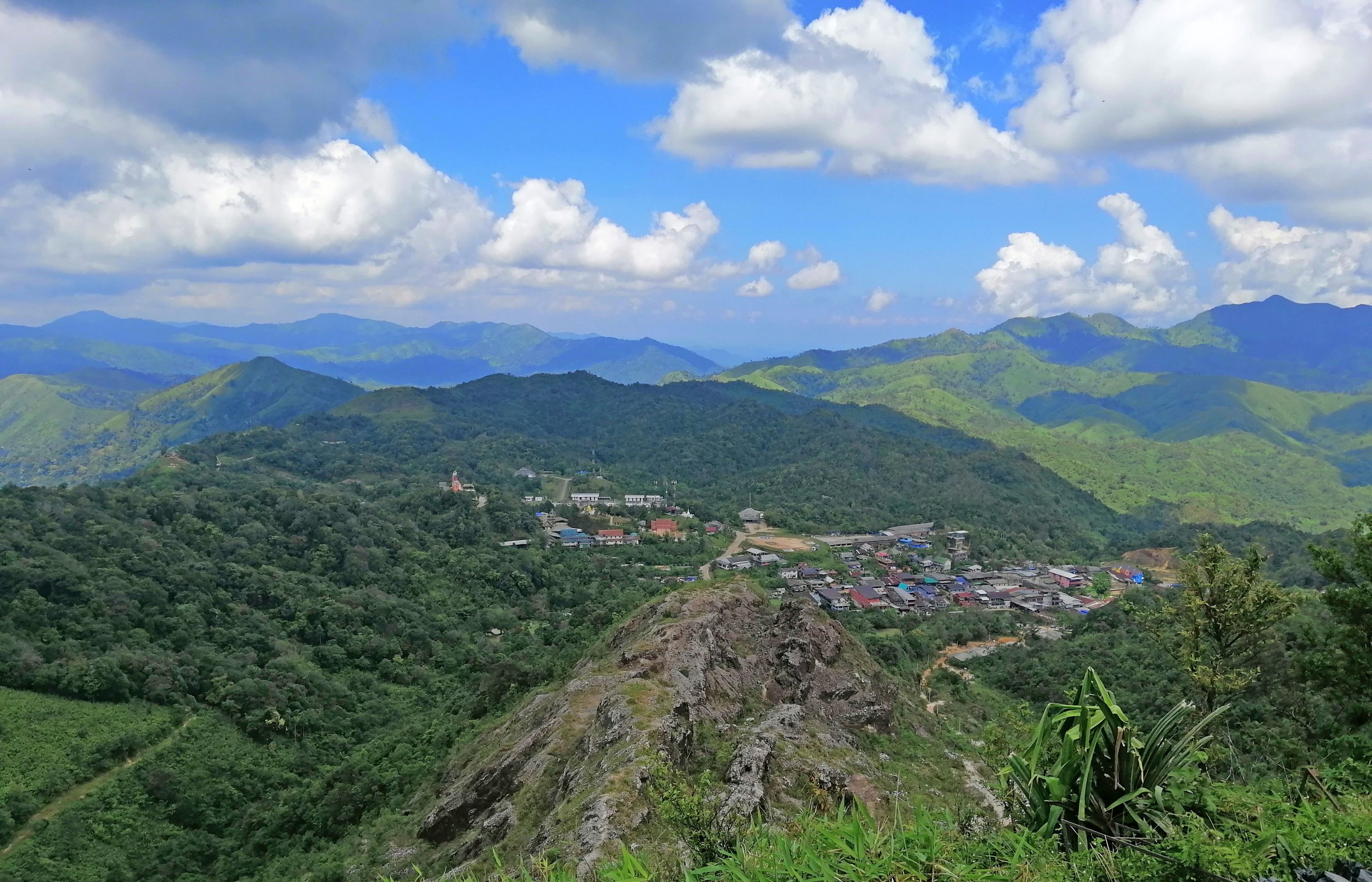
Pilok Village is a popular tourist hotspot for local Thai travelers and is located right on the Thailand-Burma border.
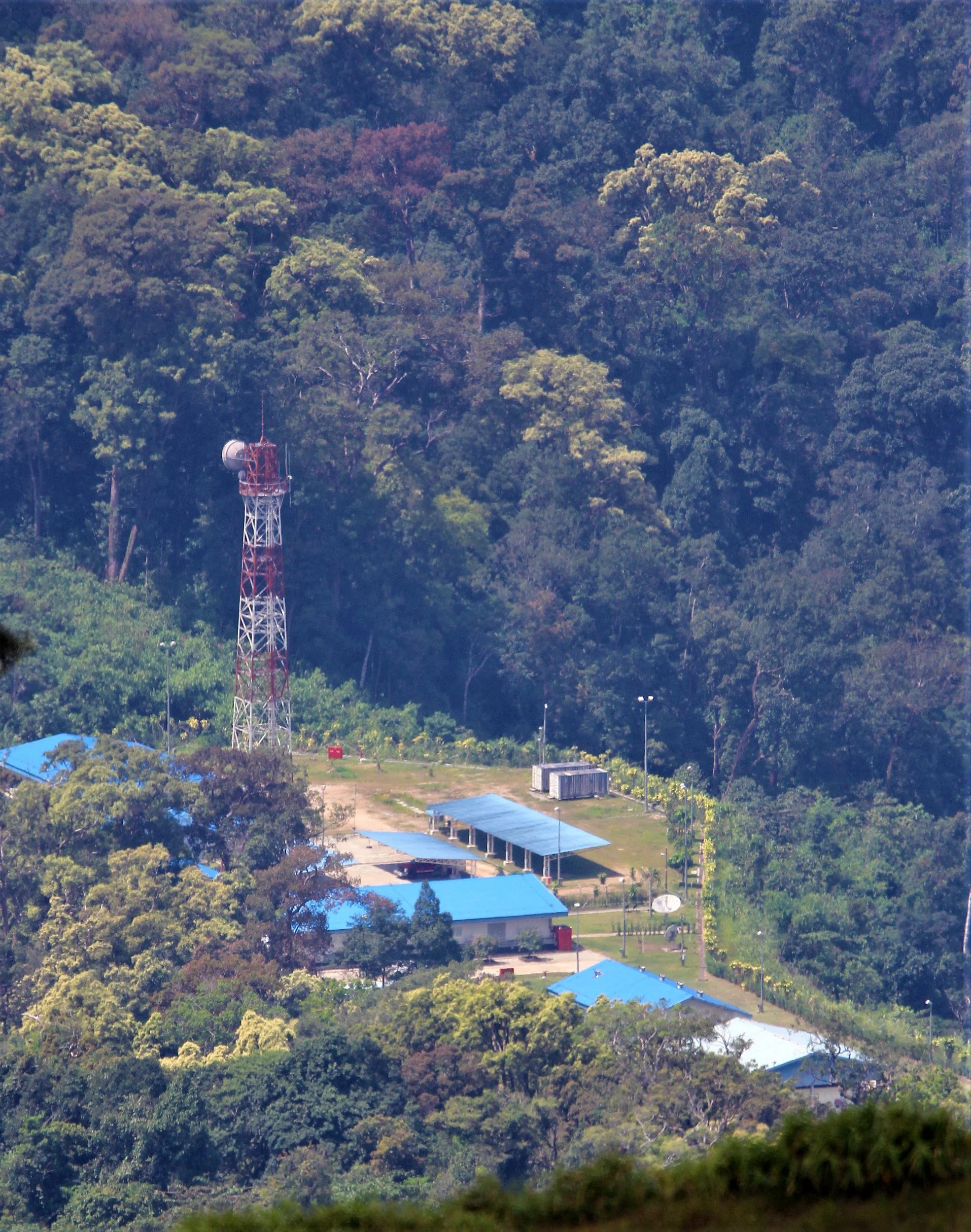
View of the border between Thailand and Myanmar.
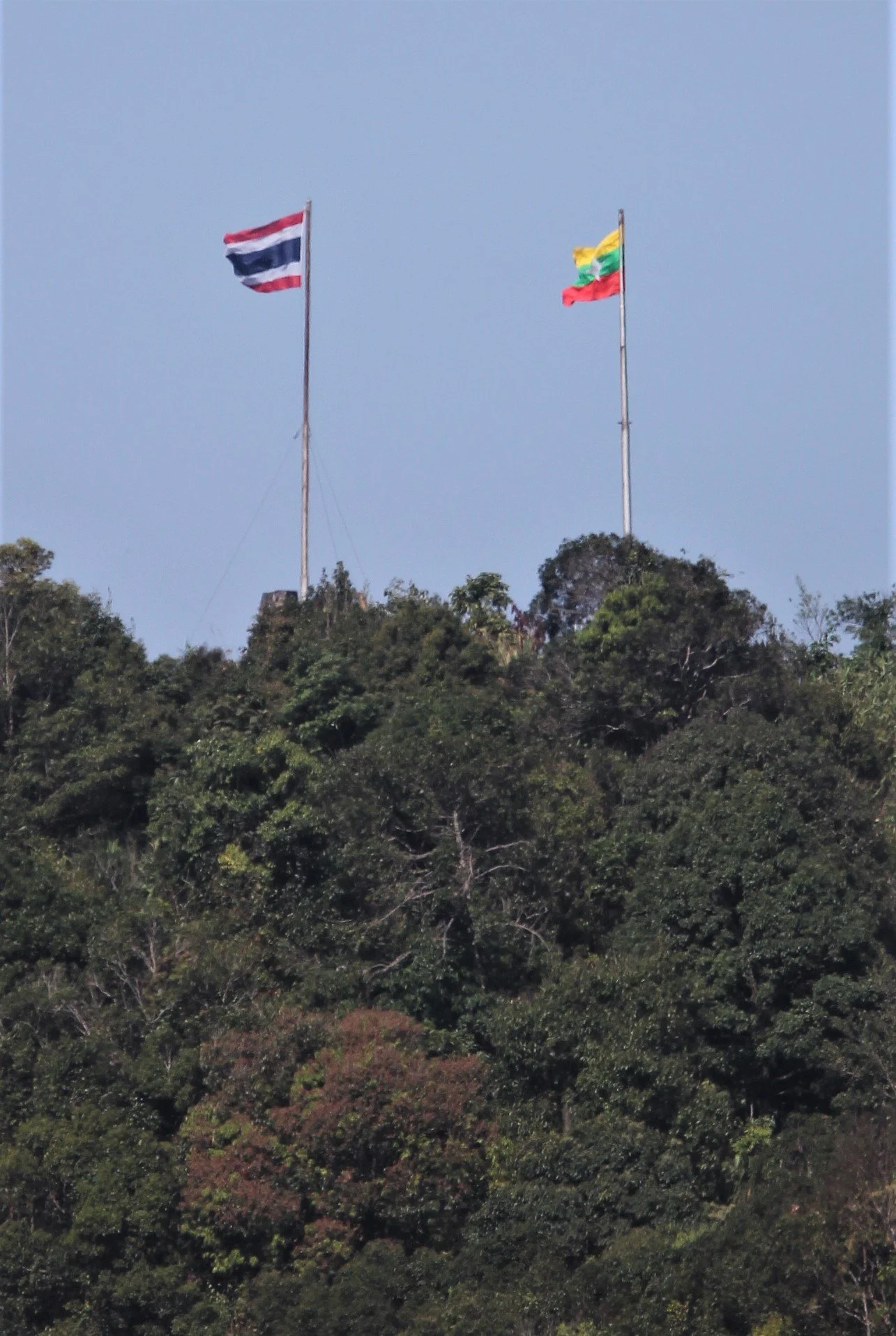
Border of Thailand & Burma
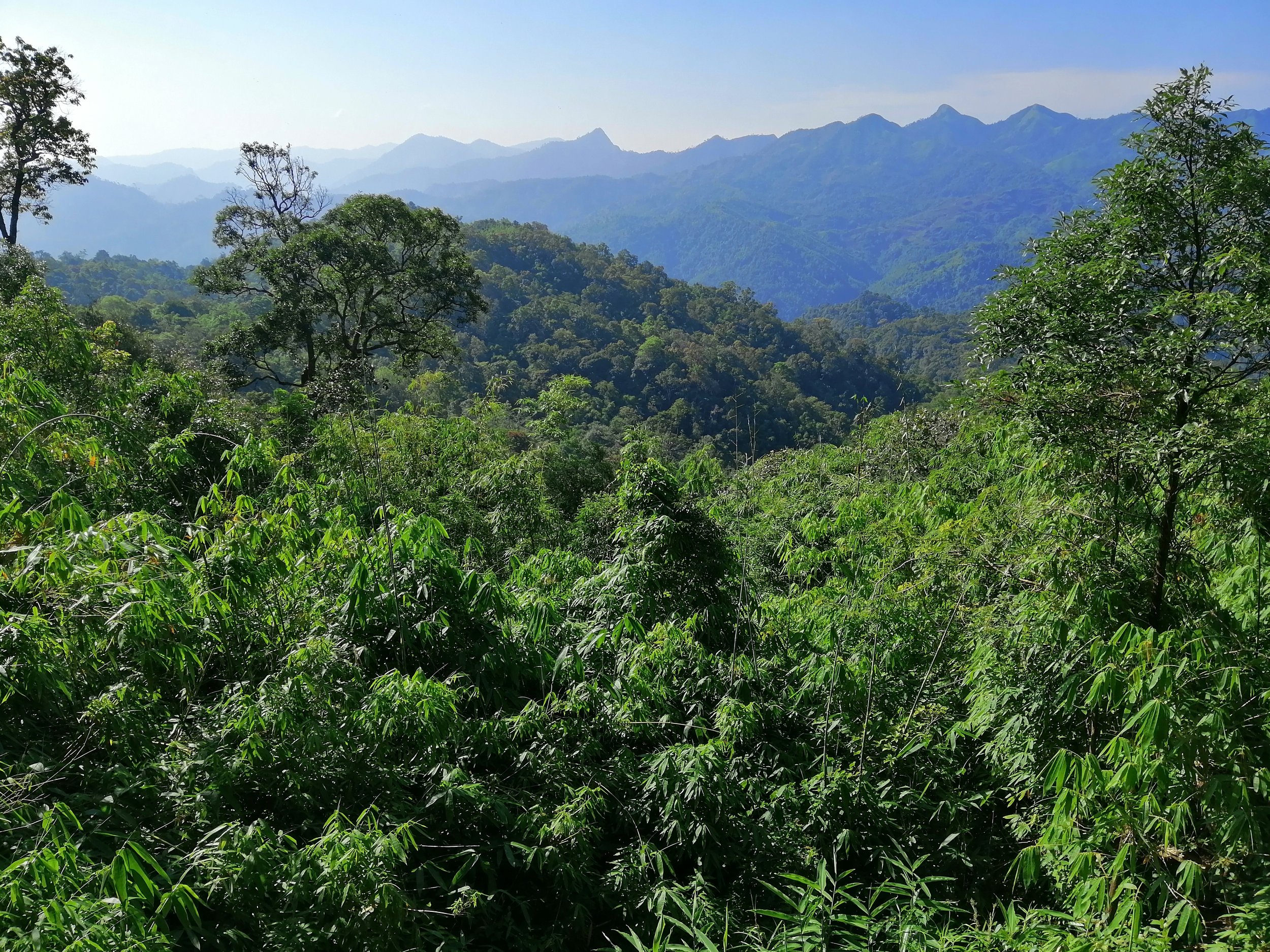
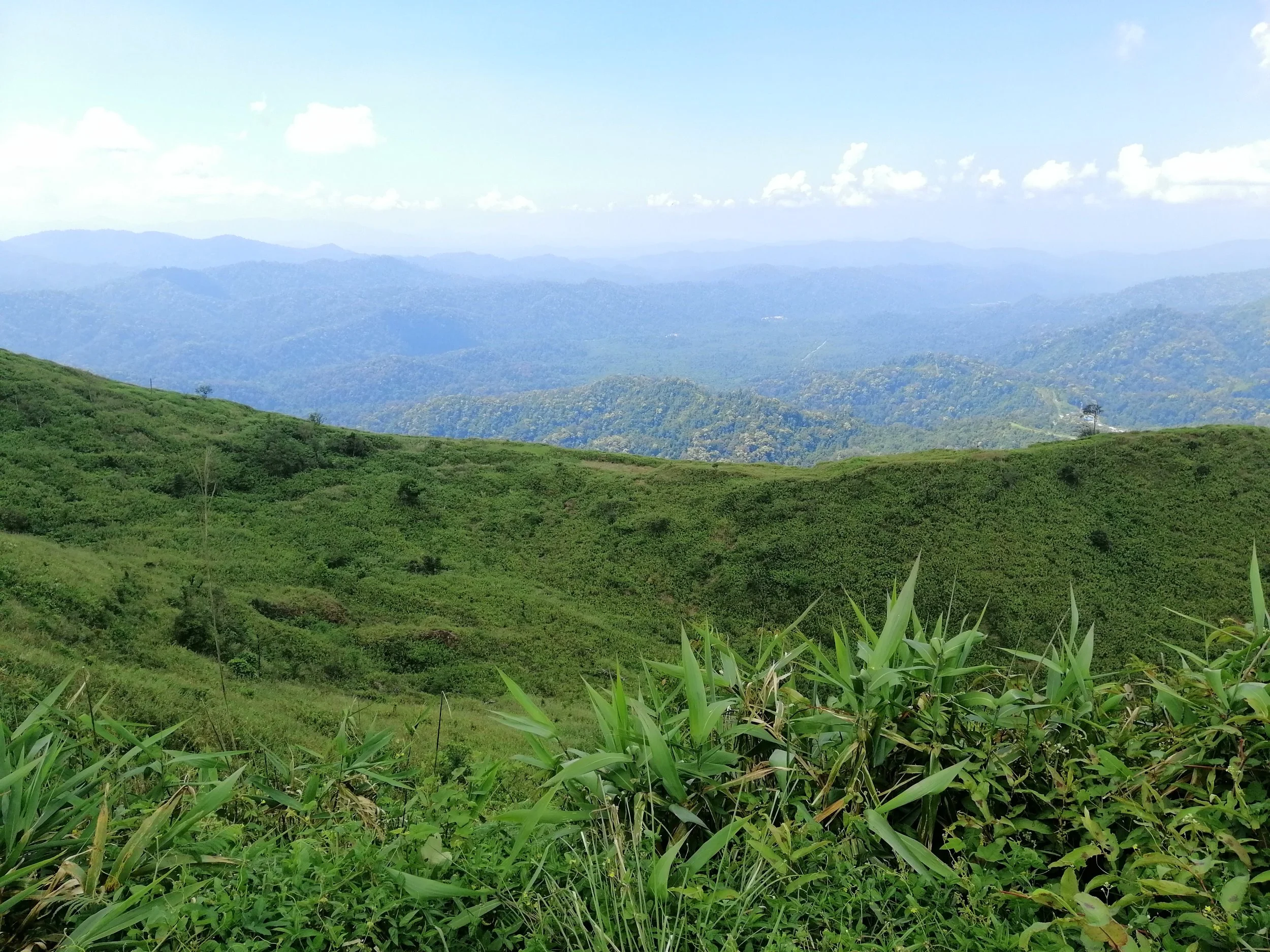
Historical Mining Boom: Starting in the 1940s, Pilok was a major hub for tin and tungsten mining. Extensive areas of the original montane forest were cleared to provide access to ore veins and to build infrastructure for thousands of workers, including an airfield and residential settlements. Open-Cast Mining Methods: Much of the mining involved stripping away the topsoil and vegetation (open-cast or surface mining) to reach the minerals beneath. This process destroyed the complex root systems and organic matter required for forest ecosystems to thrive.
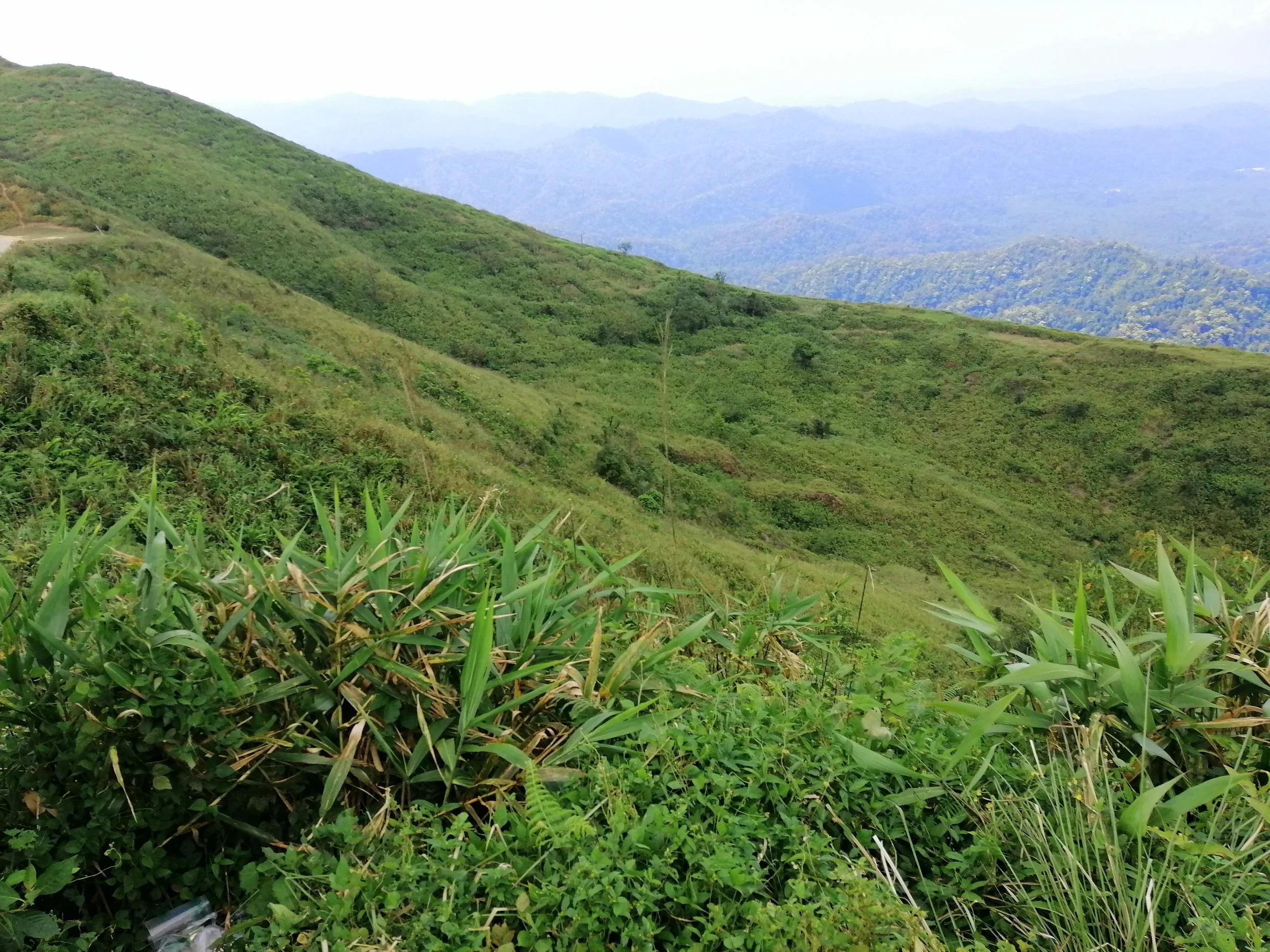
The grassy, treeless hills surrounding Pilok (specifically the Ban I-Tong area in Kanchanaburi) are primarily the result of intensive historical mining operations and subsequent soil degradation that has hindered natural forest regrowth.
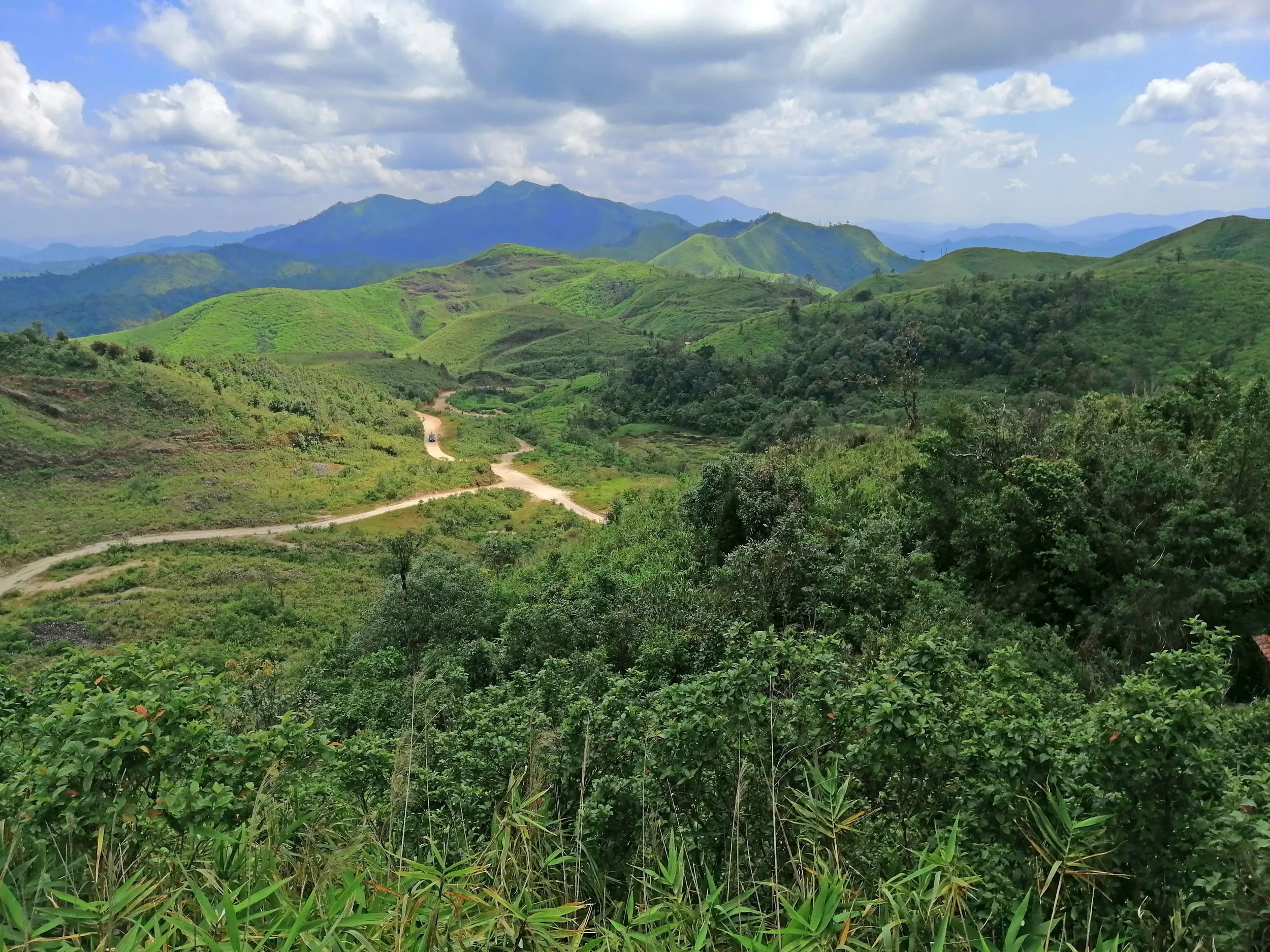
The removal of forest cover on steep mountain slopes led to severe soil erosion. Without the protective canopy and leaf litter, the nutrient-rich topsoil was washed away by heavy monsoon rains, leaving behind "degraded" land where only hardy grasses can easily take hold. While the mines closed following a global tin market crash in 1985, the environmental damage was so extensive that natural reforestation has been extremely slow. The area is now part of Thong Pha Phum National Park (established 2009), where conservation efforts are ongoing to protect the remaining forest patches.
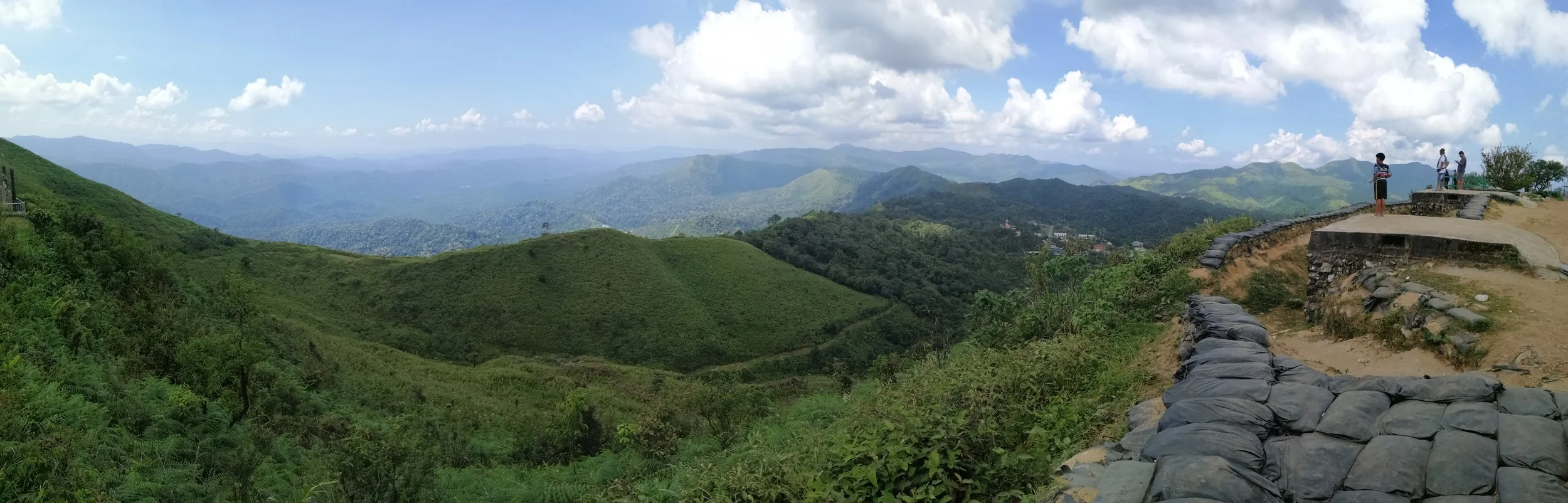
"Bald" mountains offer the sweeping, misty vistas that have made Pilok a popular tourist destination. The most famous viewpoint for this unique grassy landscape is Noen Chang Suek, located on the border between Thailand and Myanmar
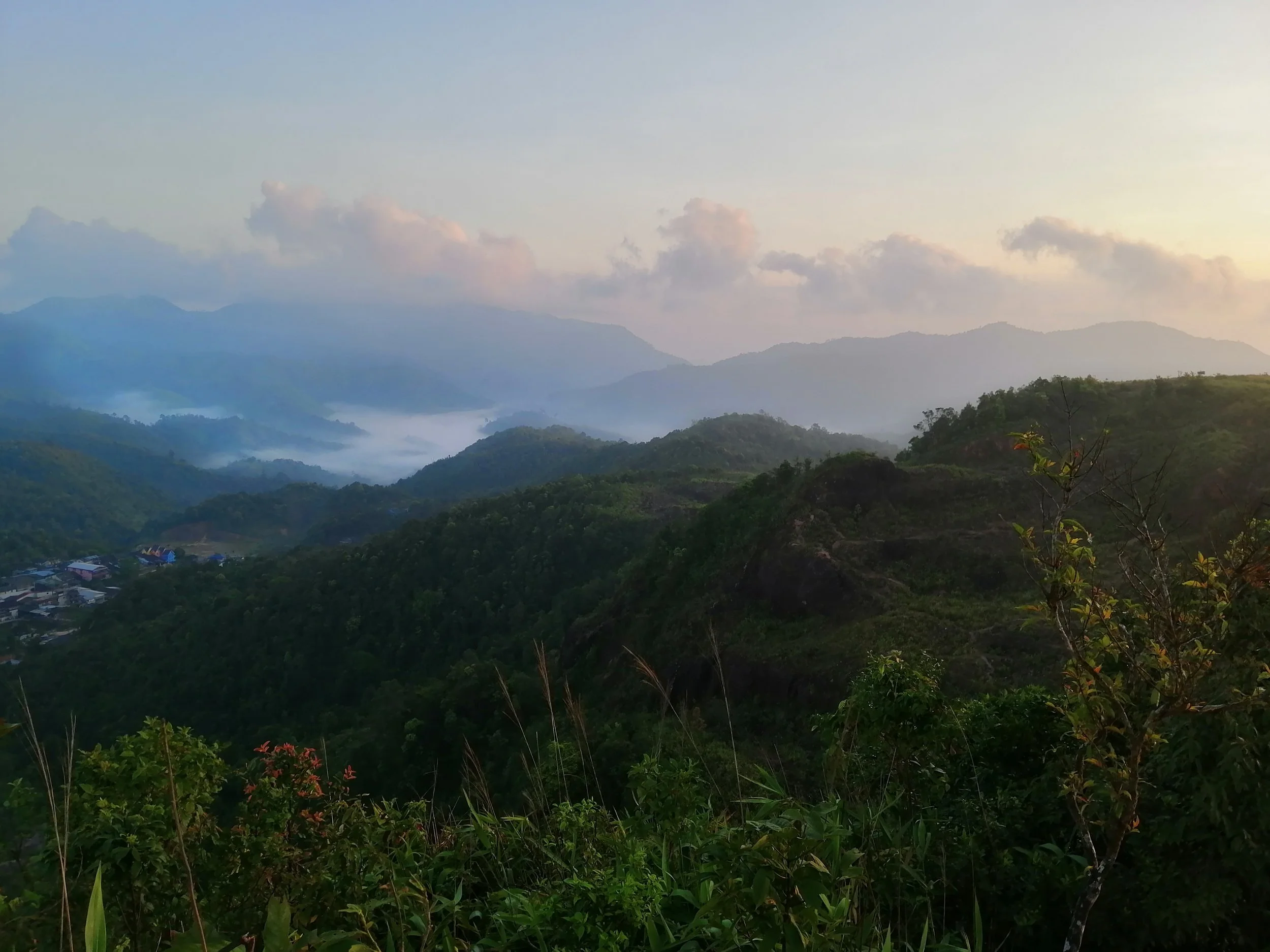
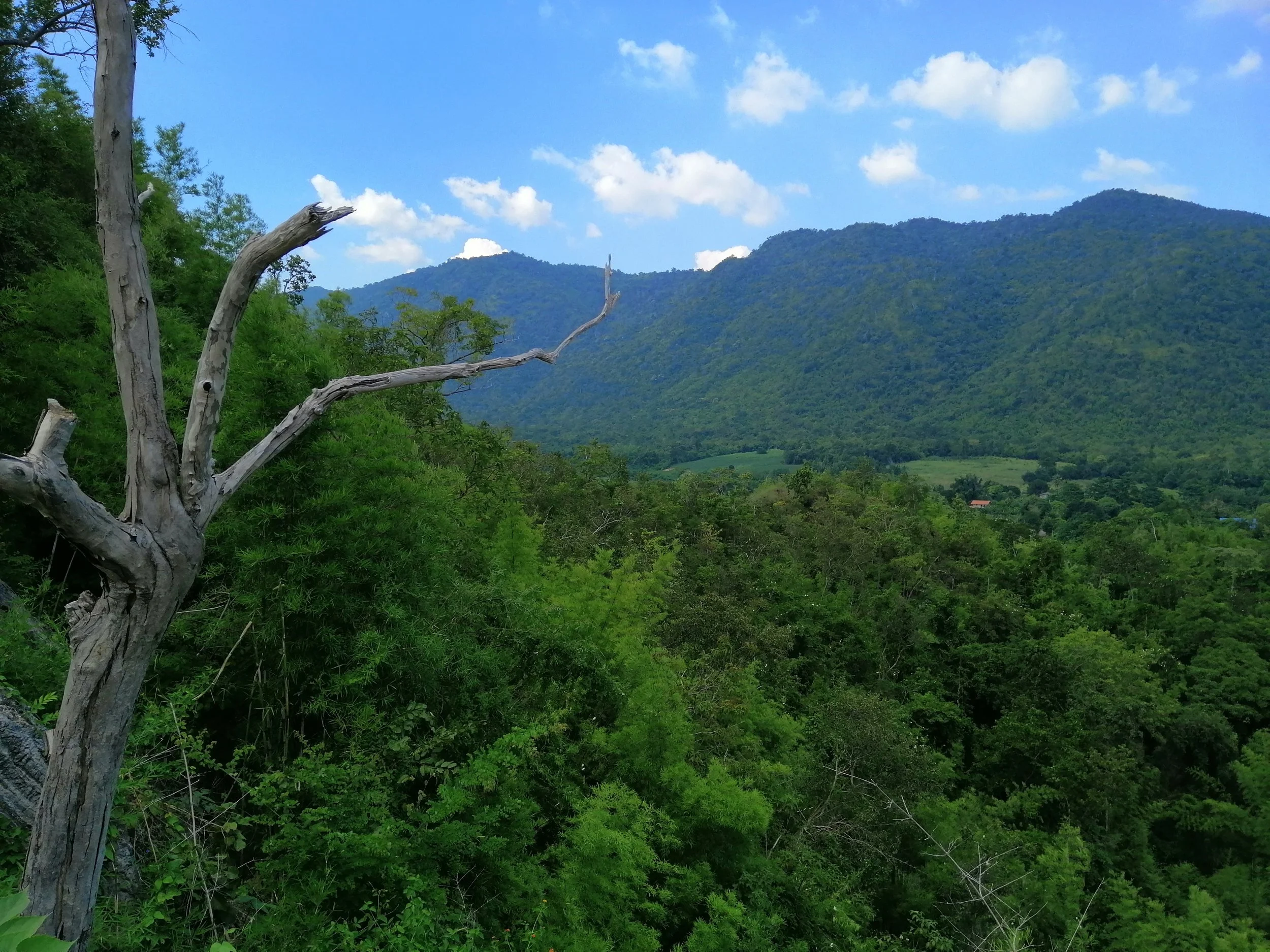
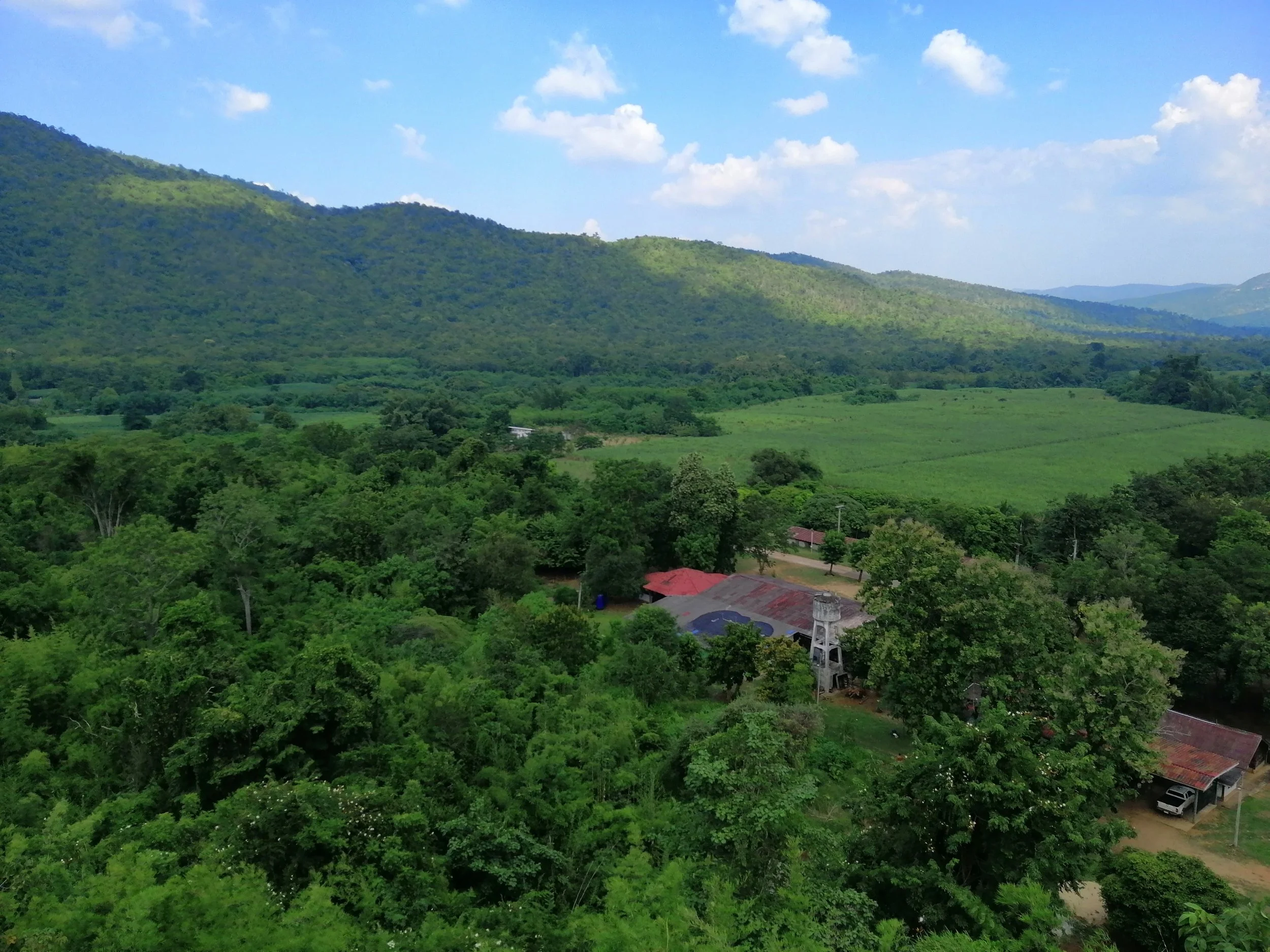
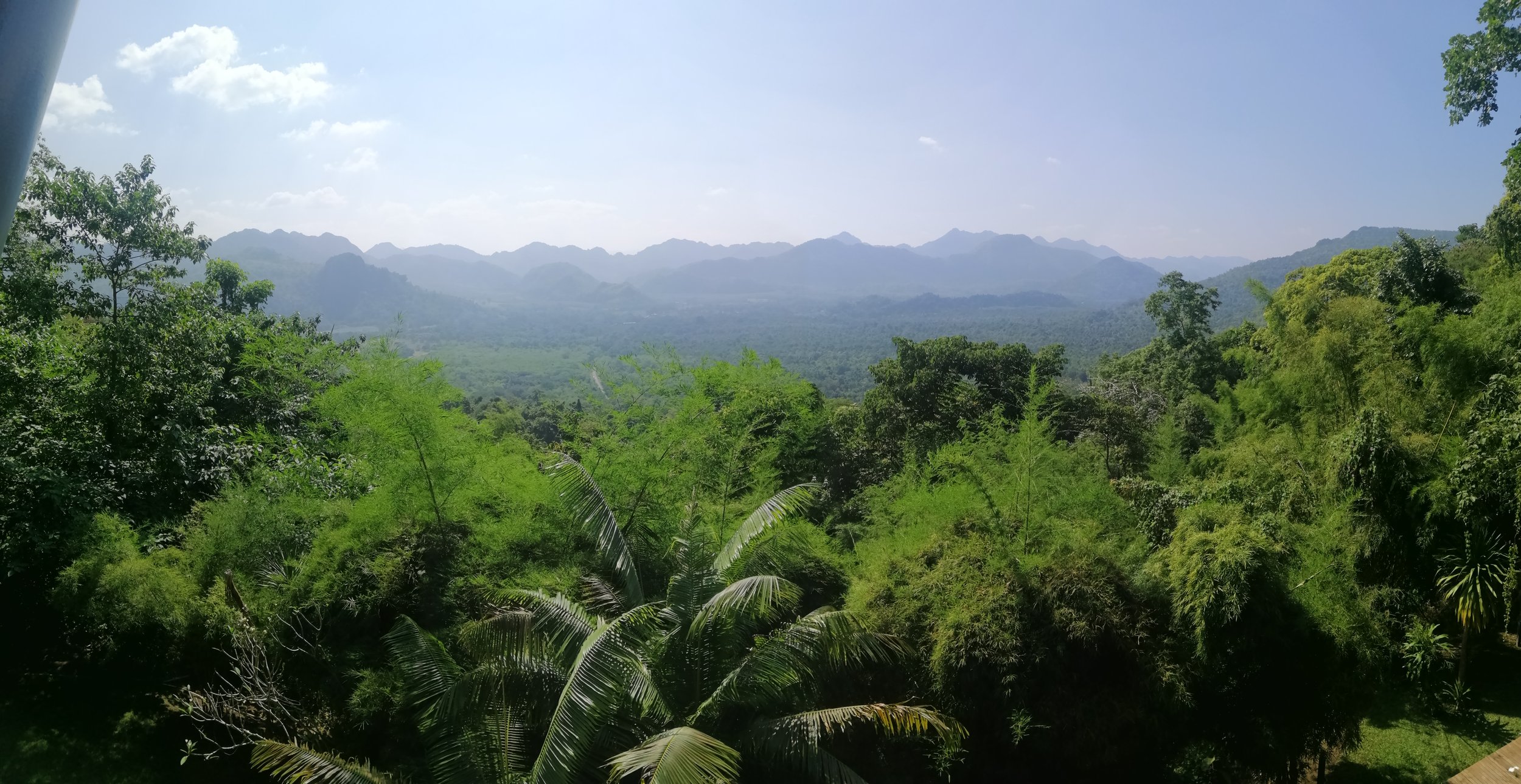
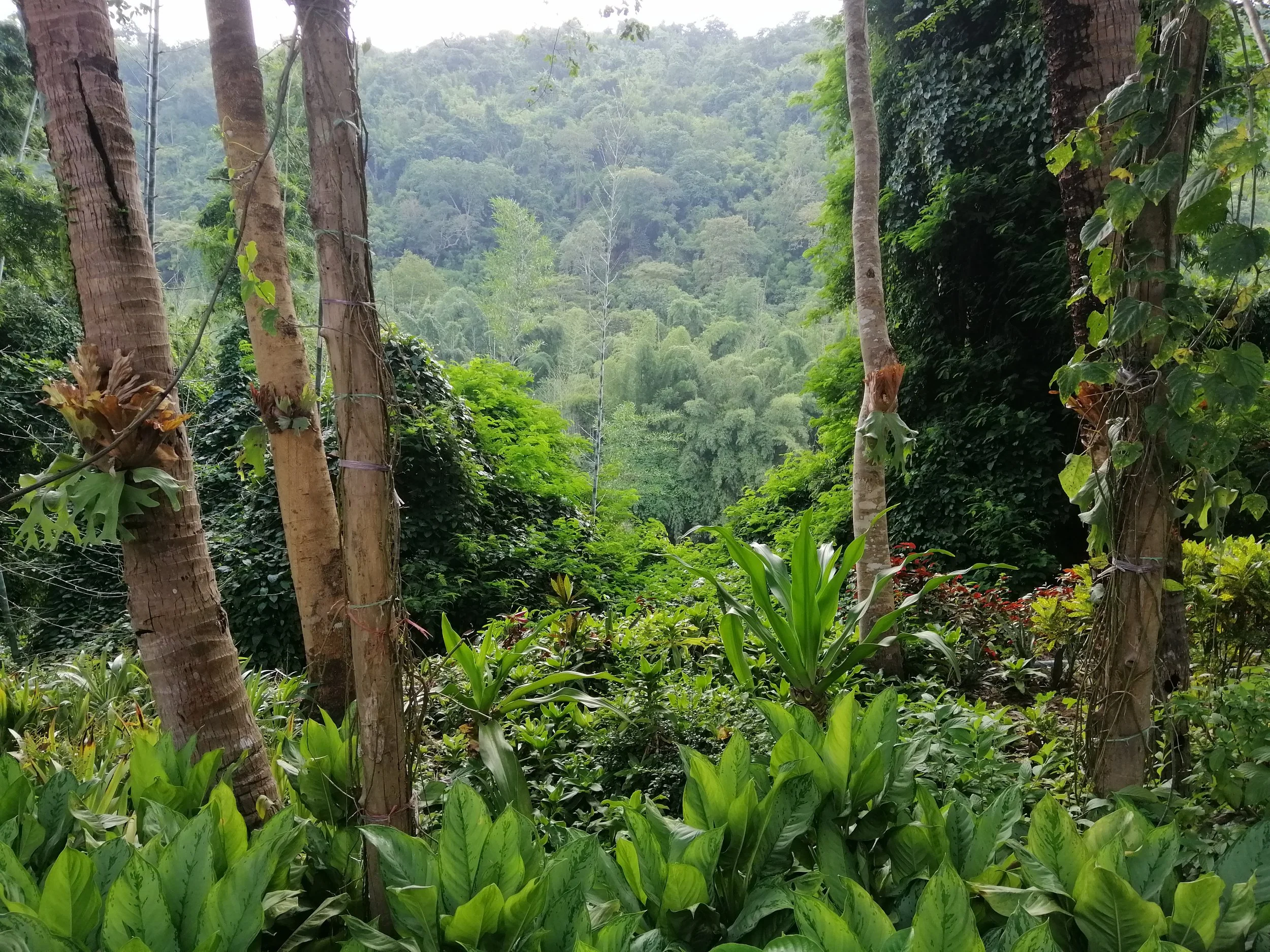
Lush forests of the Western Forest Complex as seen in HKK
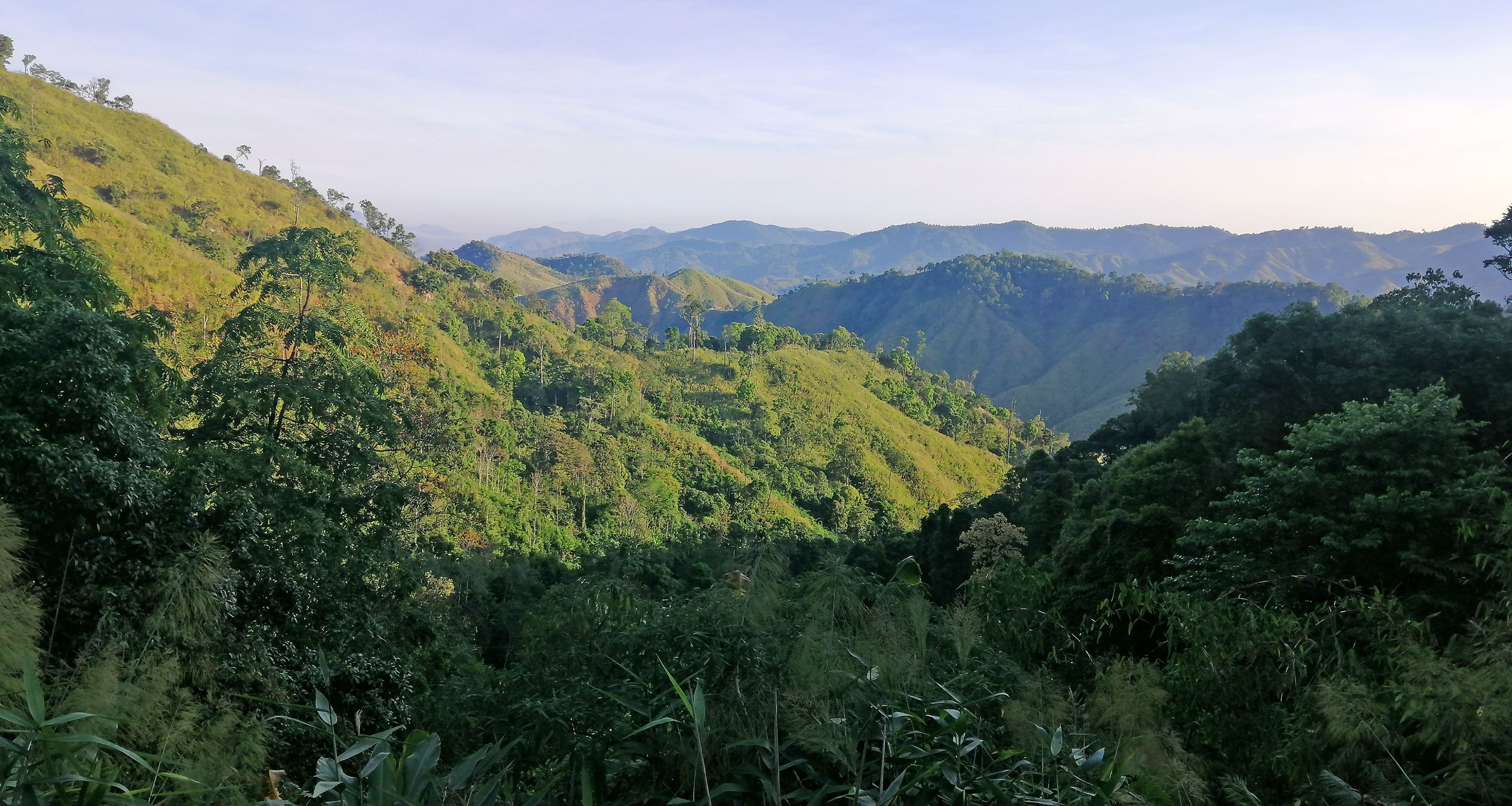
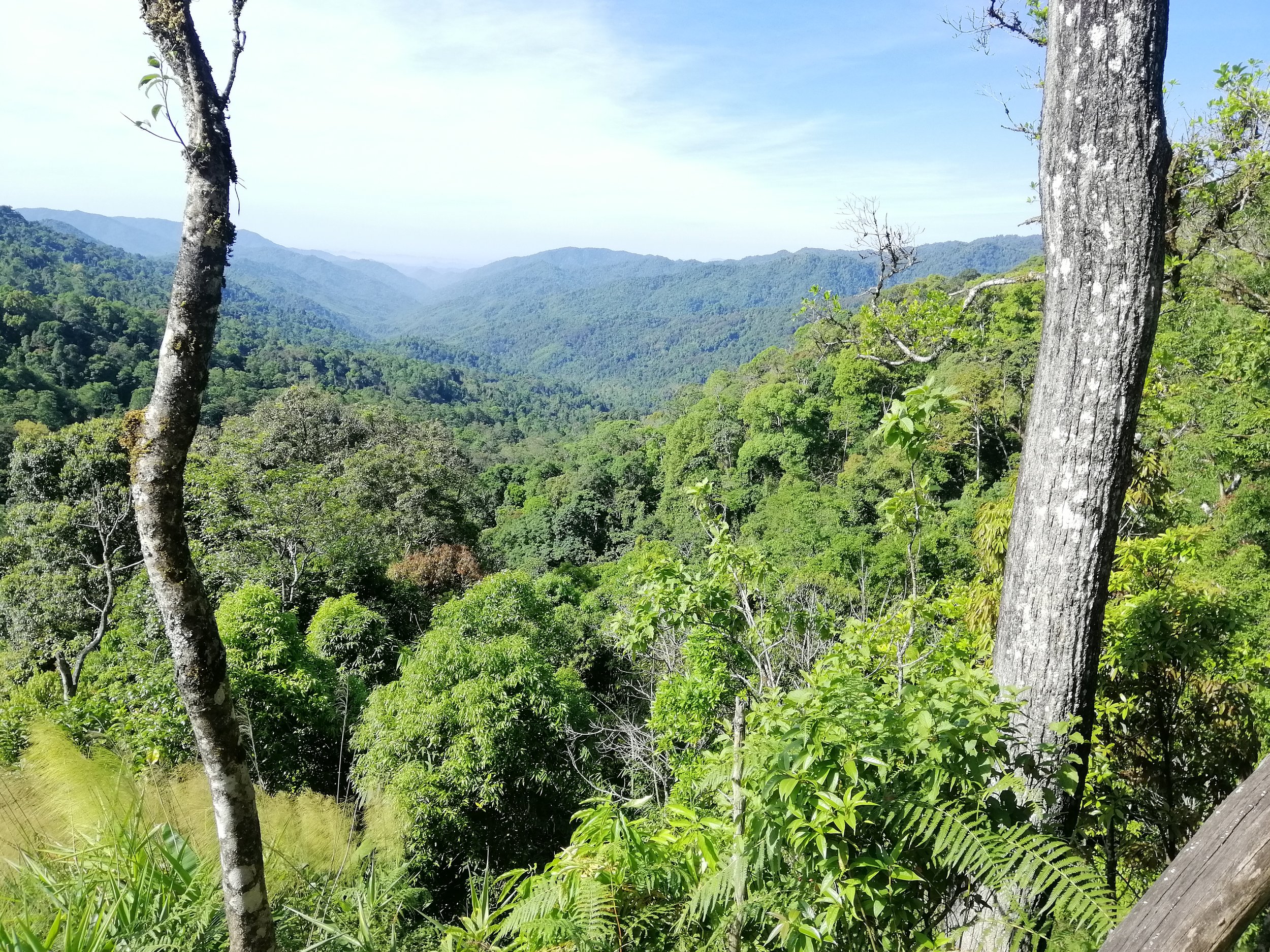
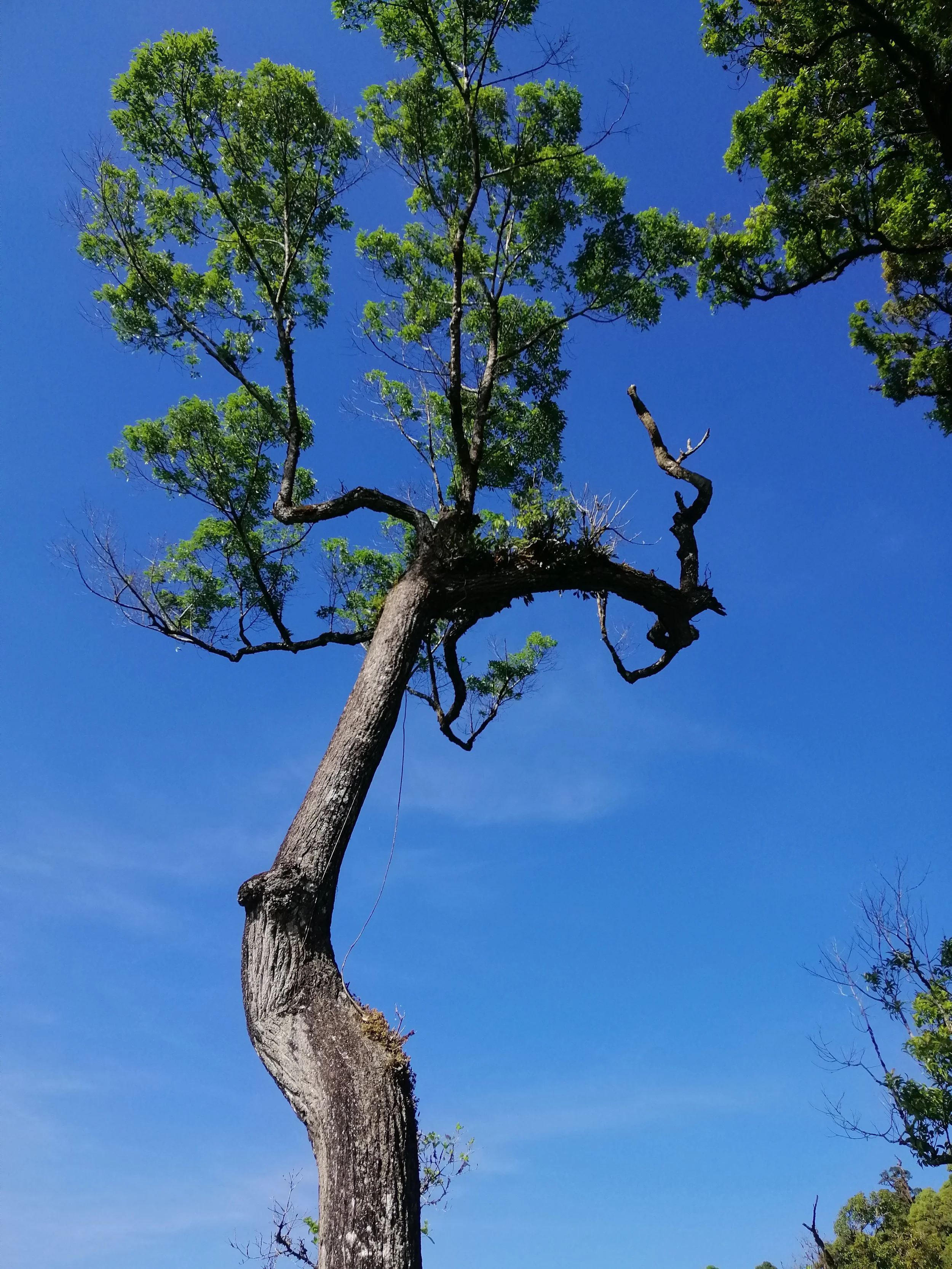
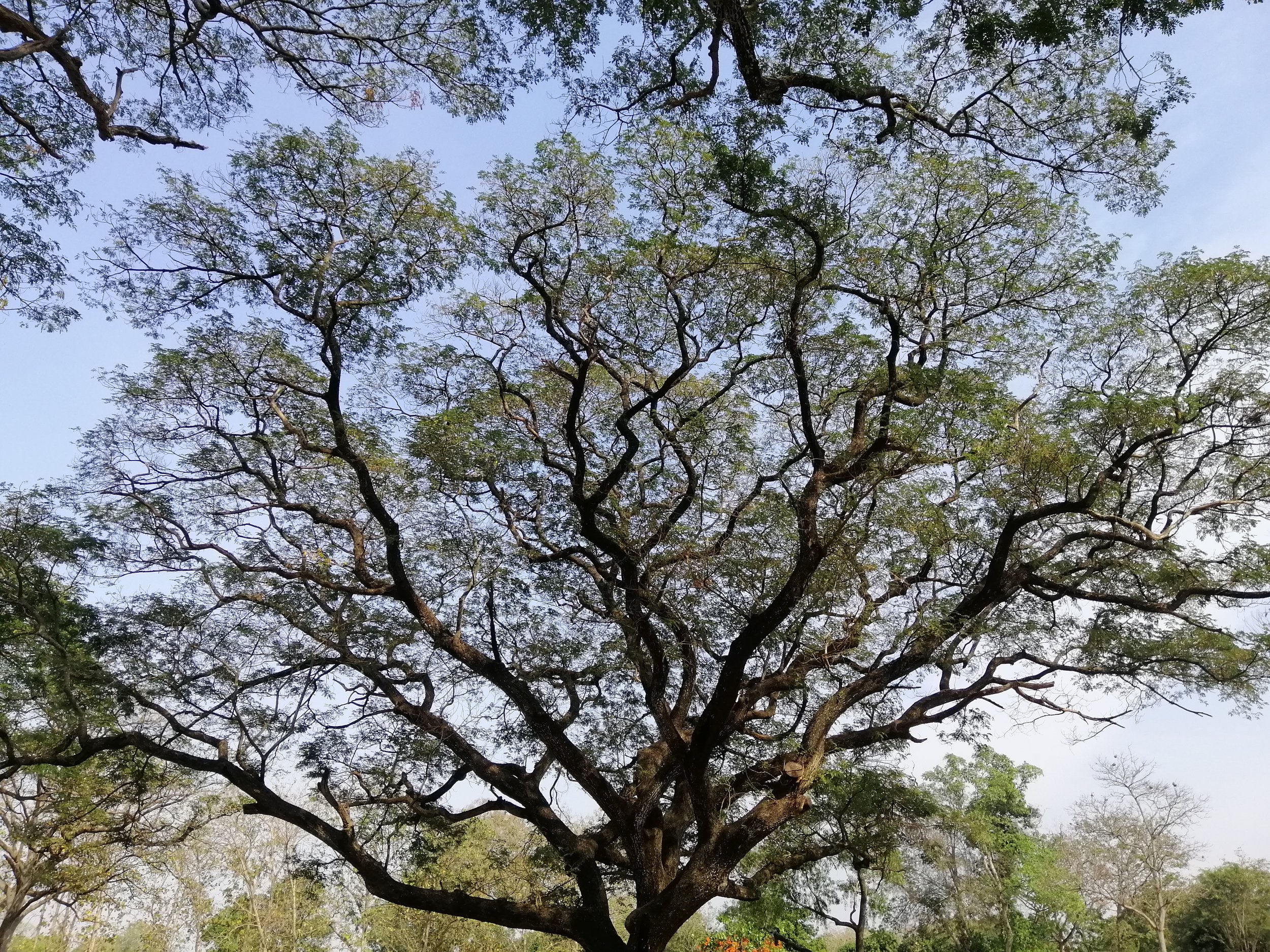
Samanea saman, commonly known as a Monkey Pod or Rain Tree. This specific tree is a well-known giant monkey pod tree located in Kanchanaburi, Thailand.
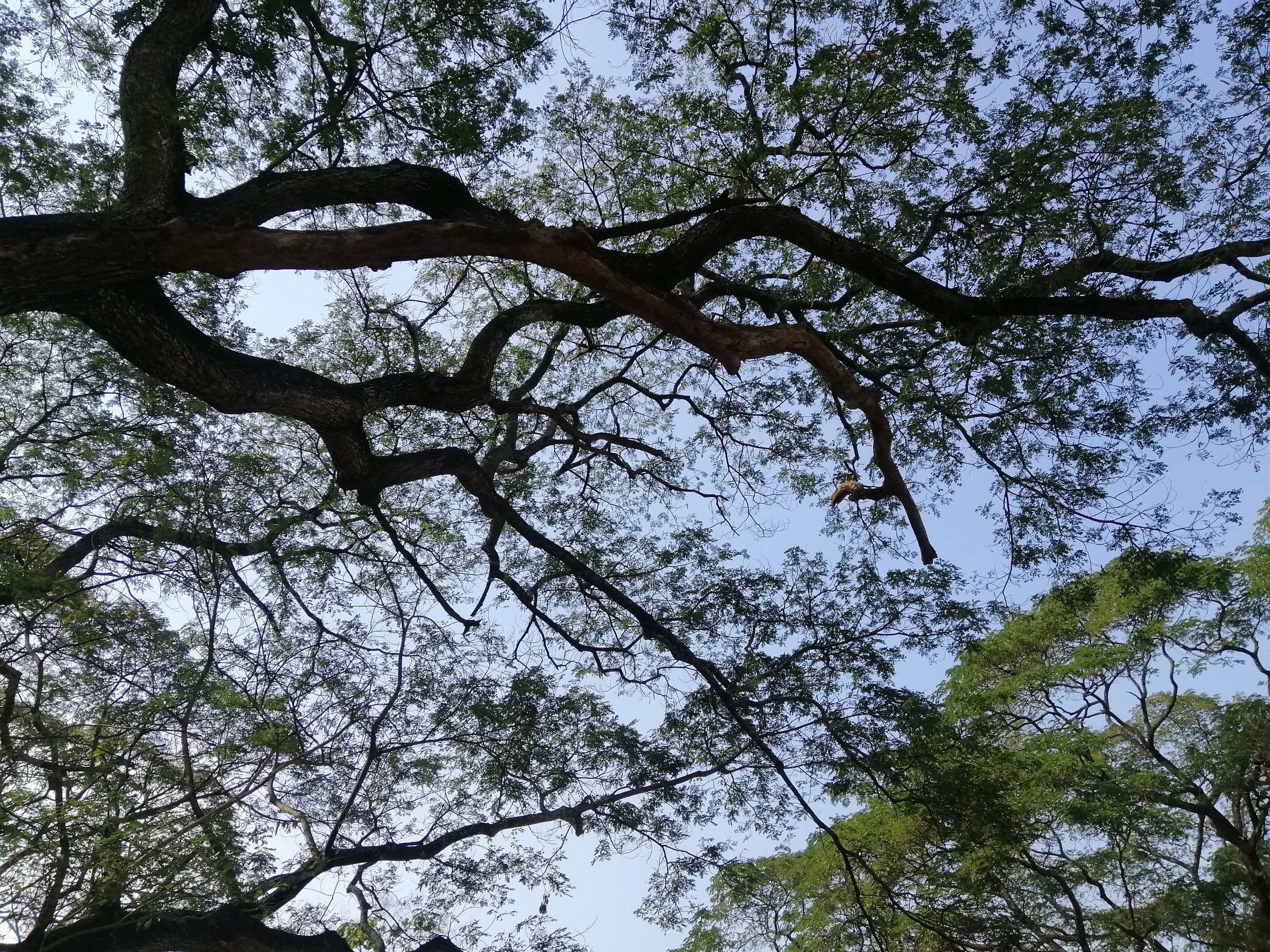
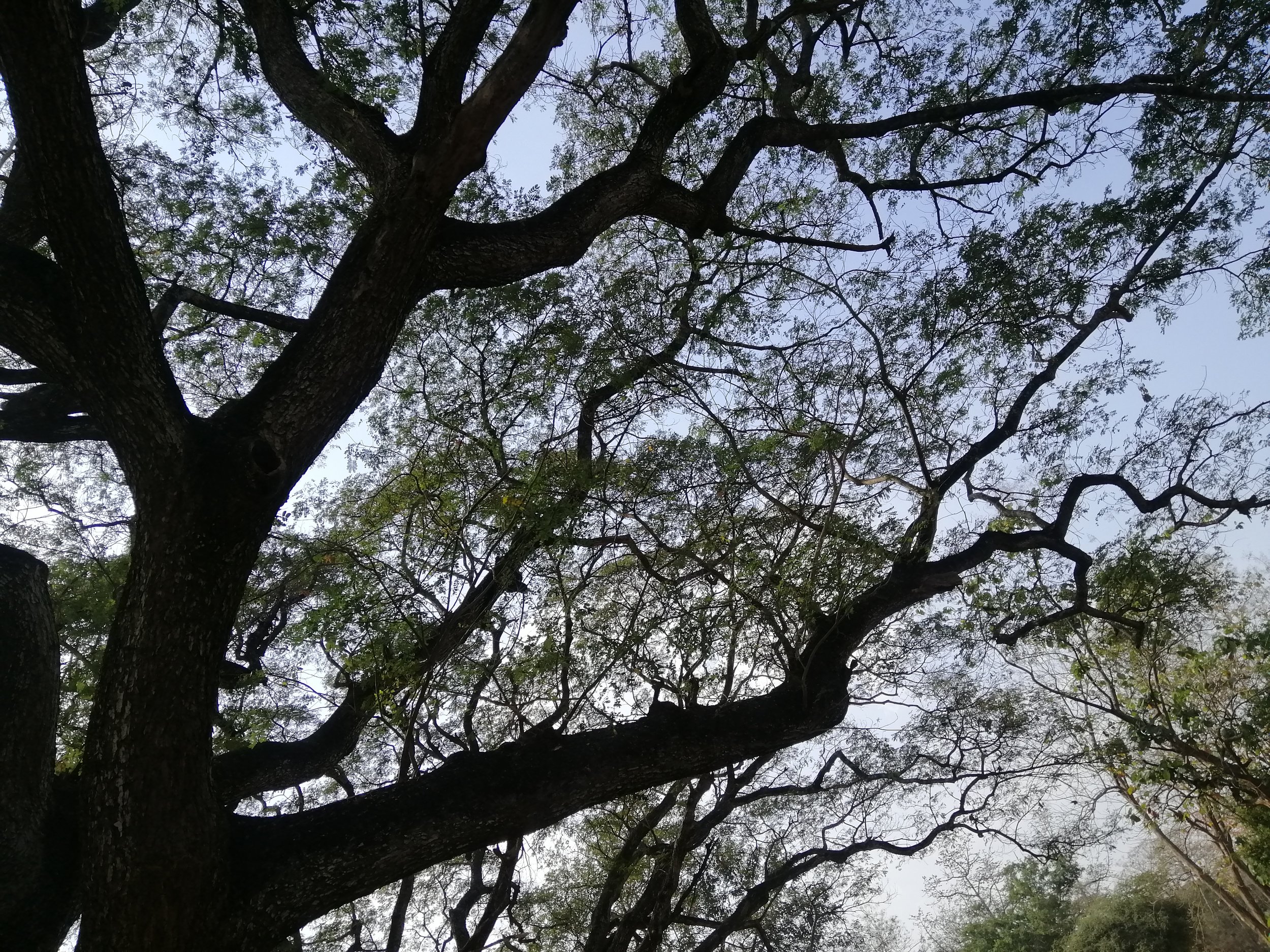
Samanea saman, commonly known as a Monkey Pod or Rain Tree.: It is famous for its massive canopy, which provides extensive shade, reaching up to 50 meters in diameter.
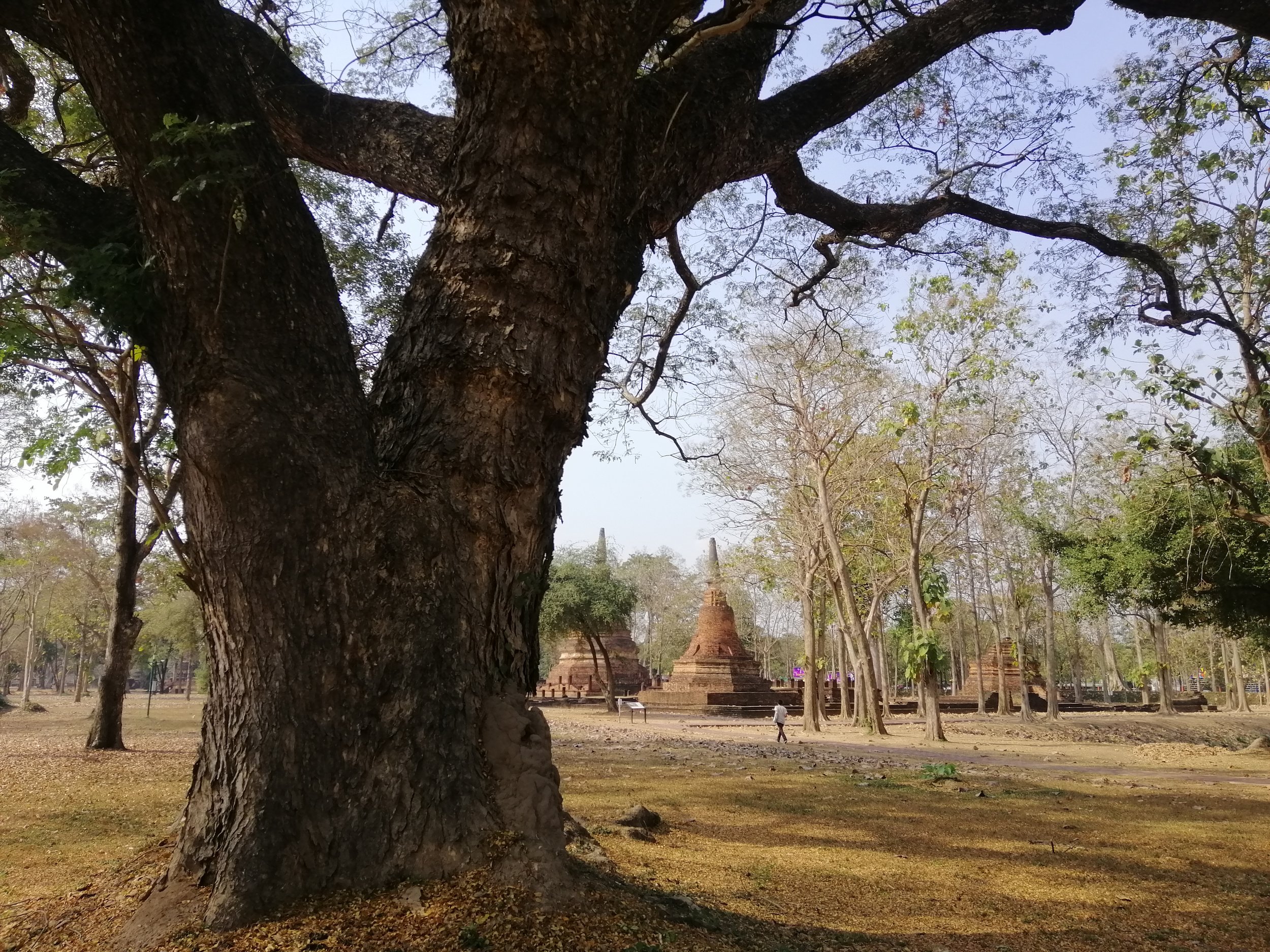
Samanea saman, commonly known as a Monkey Pod or Rain Tree in Ancient City of Kanchanaburi.
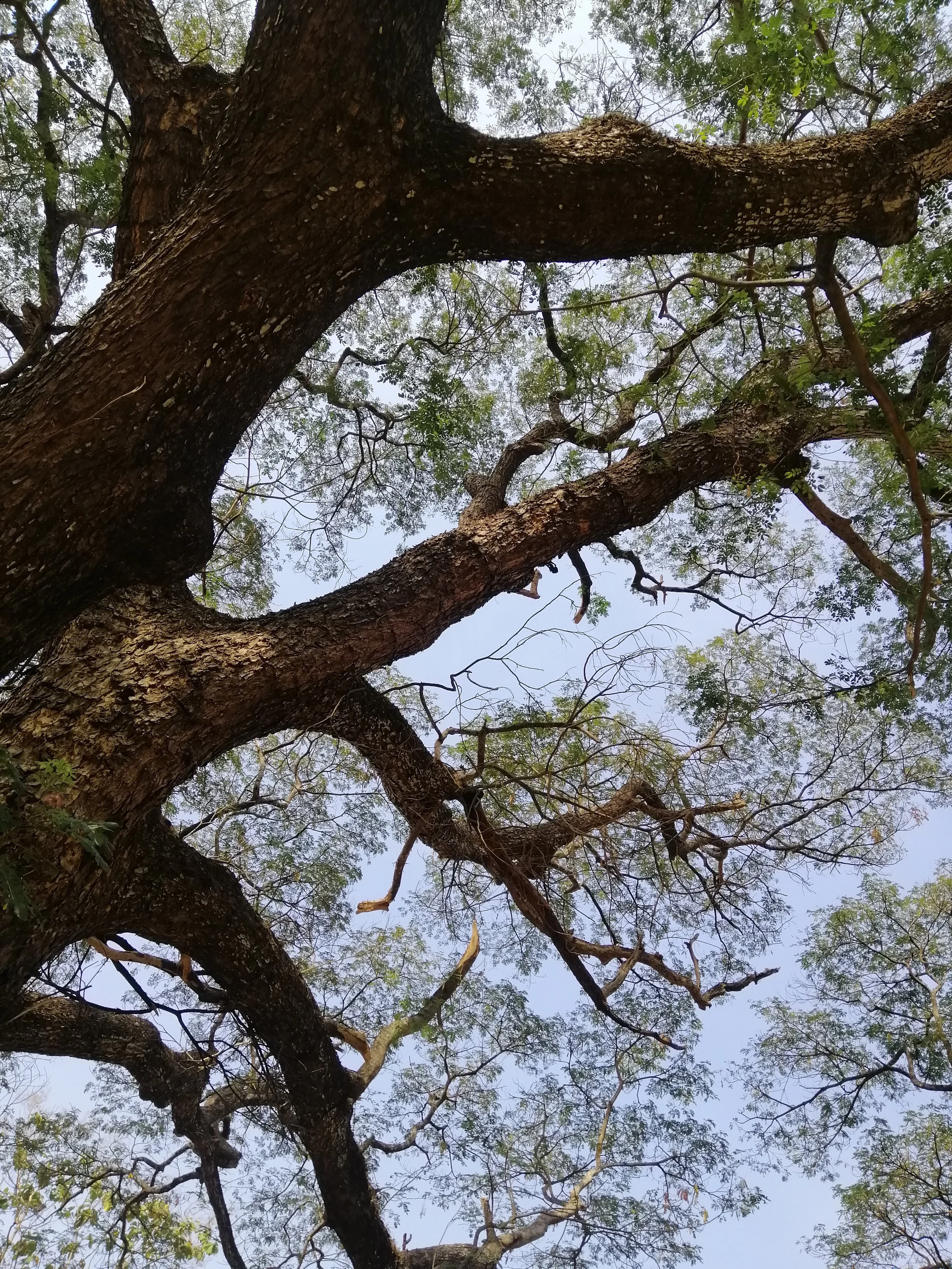
Samanea saman, commonly known as a Monkey Pod or Rain Tree. It is estimated to be over 100 years old.
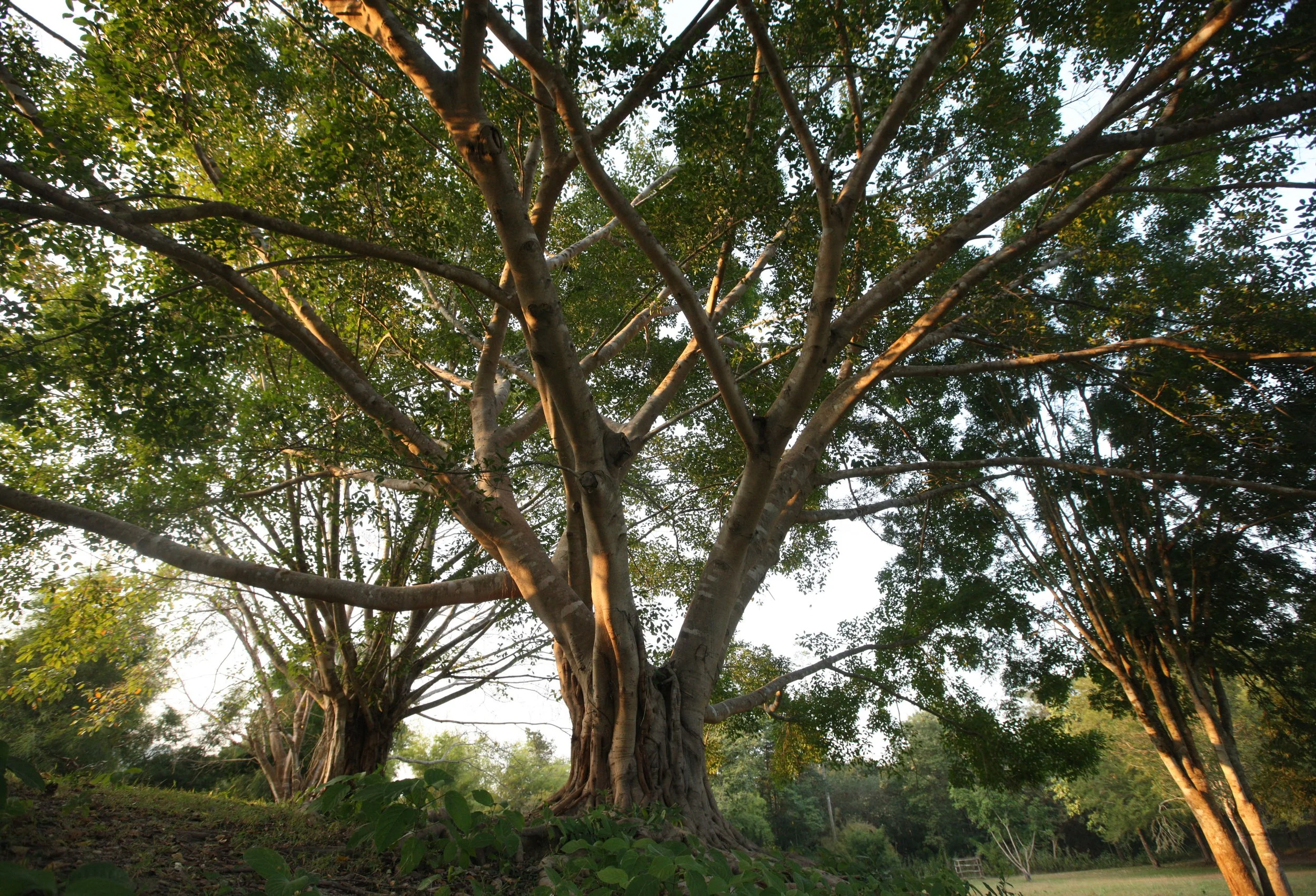
Ficus species in the Ancient Town of Kanchanaburi
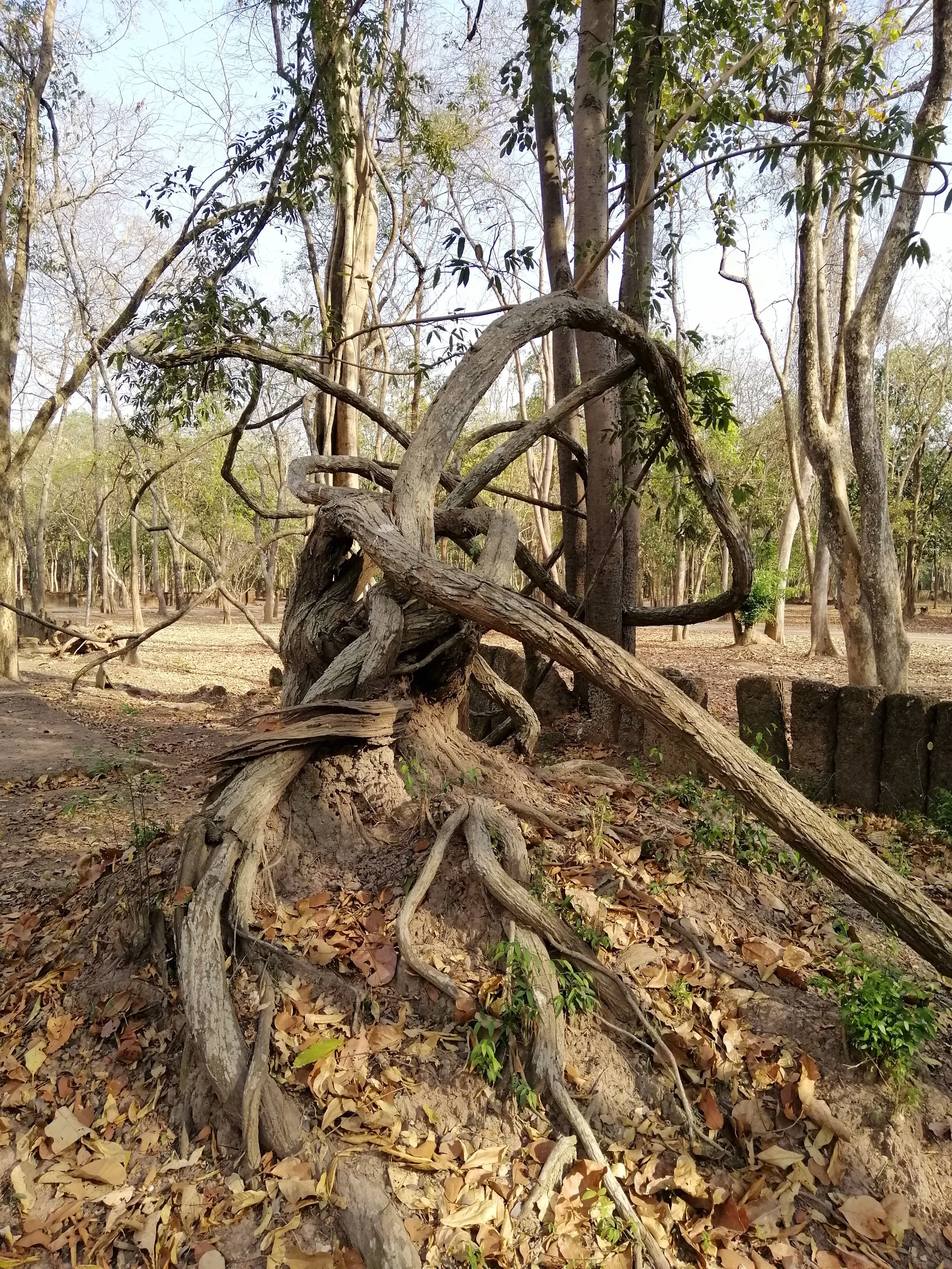
Old Liana in the Ancient Town of Kanchanaburi
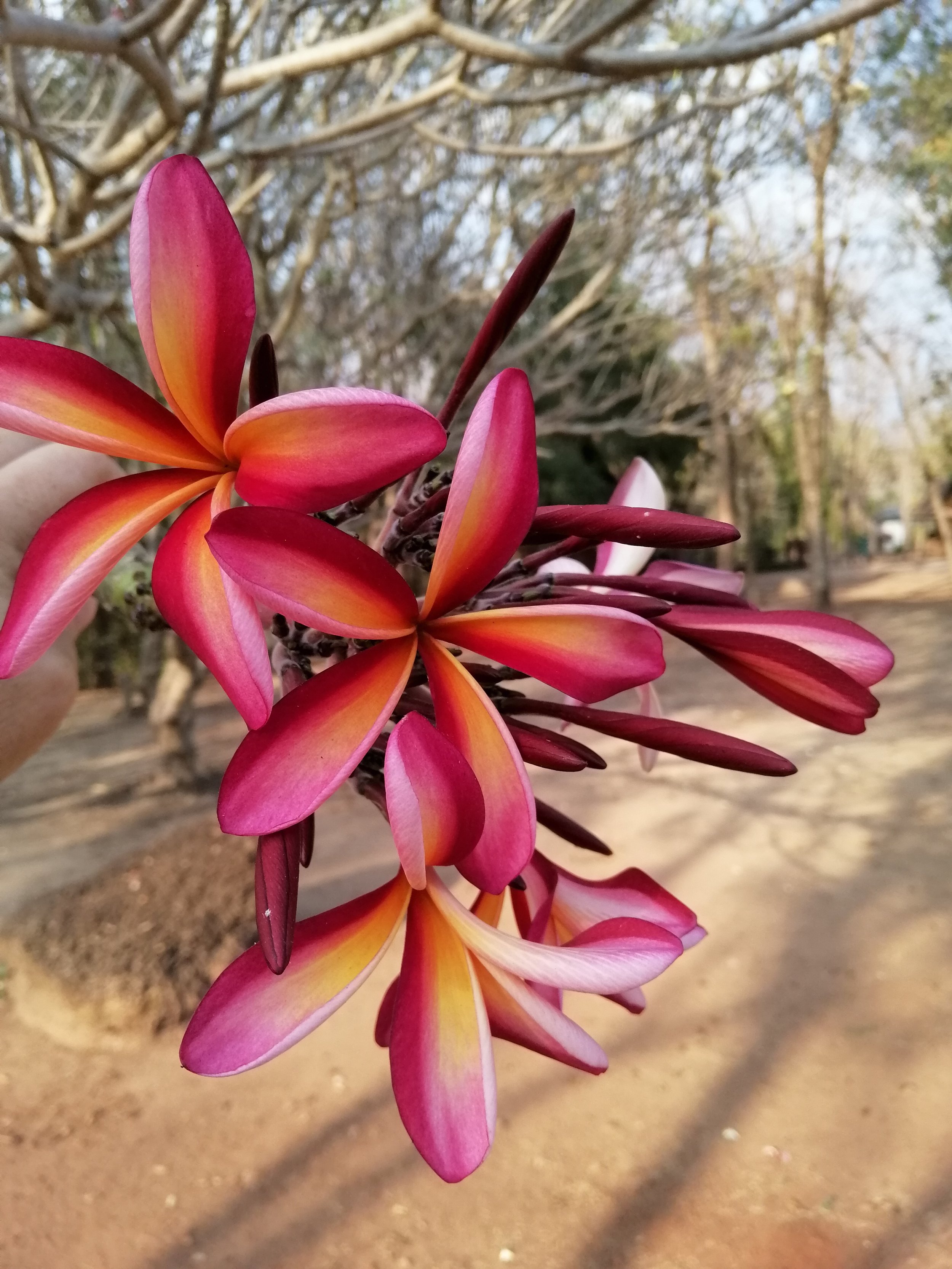
Red Frangipani (Plumeria rubra) is a deciduous plant species belonging to the genus Plumeria. Originally native to Mexico, Central America, Colombia and Venezuela, it has been widely cultivated in subtropical and tropical climates worldwide and is a popular garden and park plant, as well as being used in temples and cemeteries.
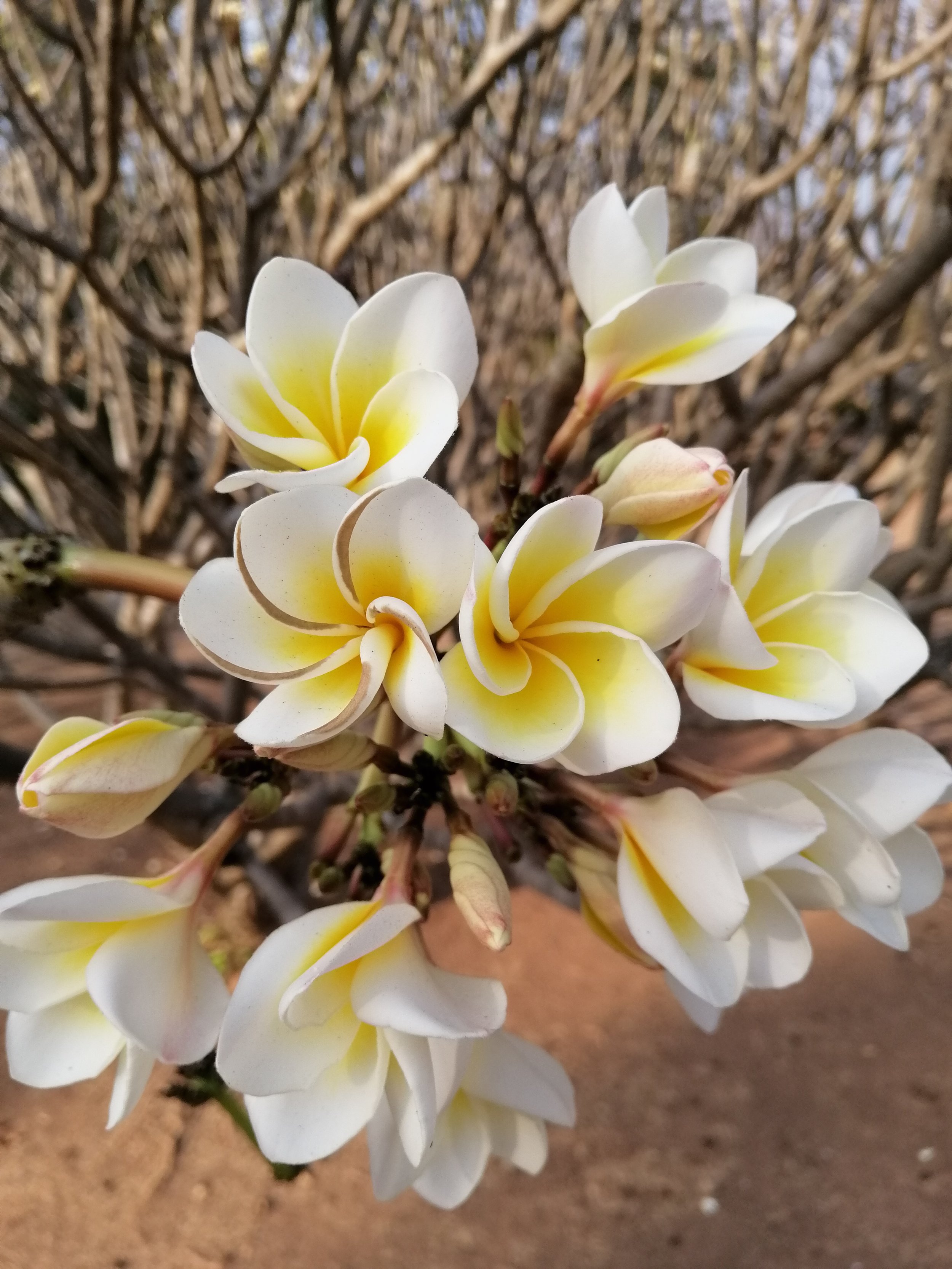
Red Frangipani (Plumeria rubra) and ornamental invasive planted purposefully? All too often invasives are purposefully planted in Thai national parks because they are pretty?

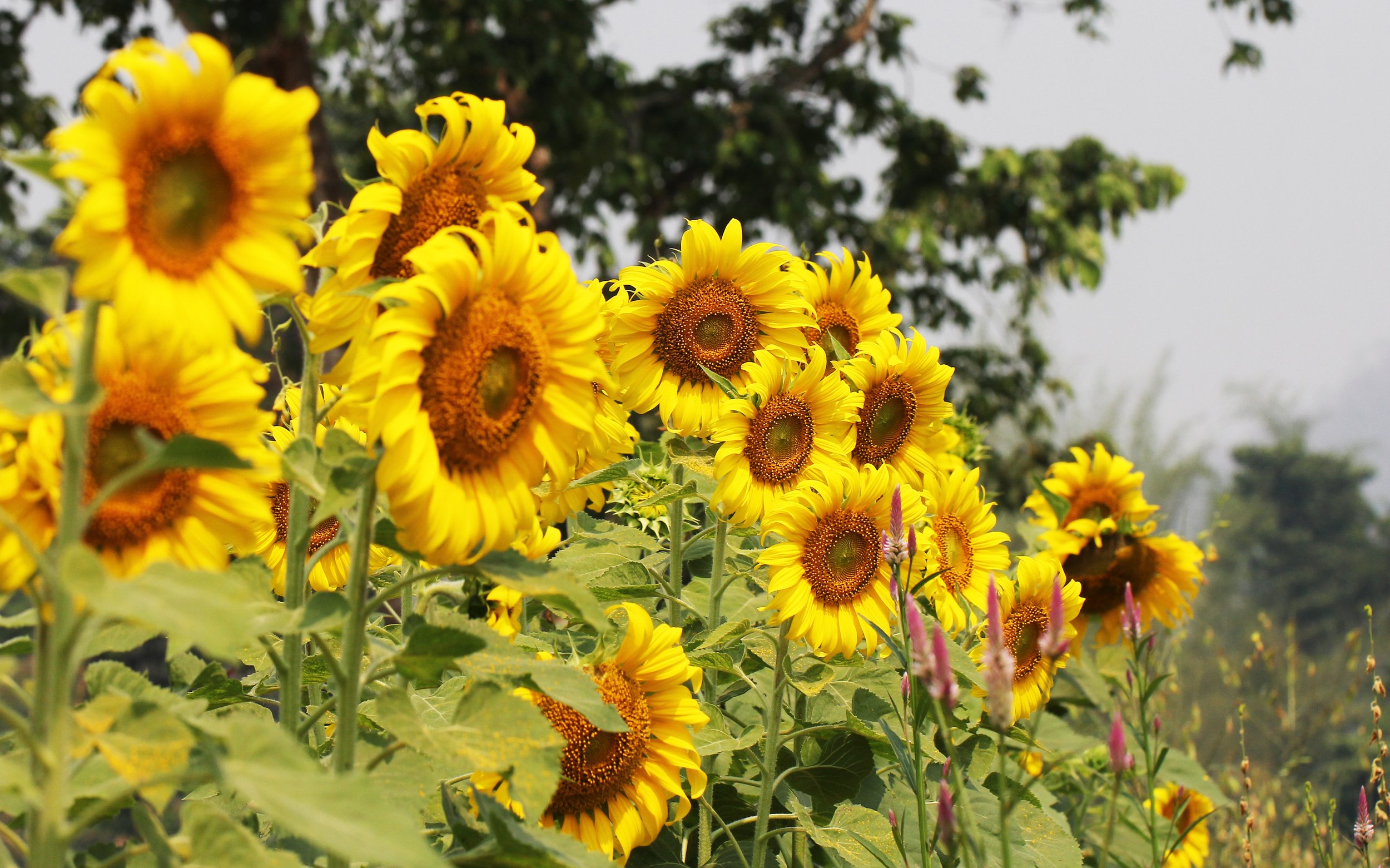
Blooming Common sunflowers (Helianthus annuus) are a popular tourist attraction in villages surrounding many locations around the Western Forest Complex.

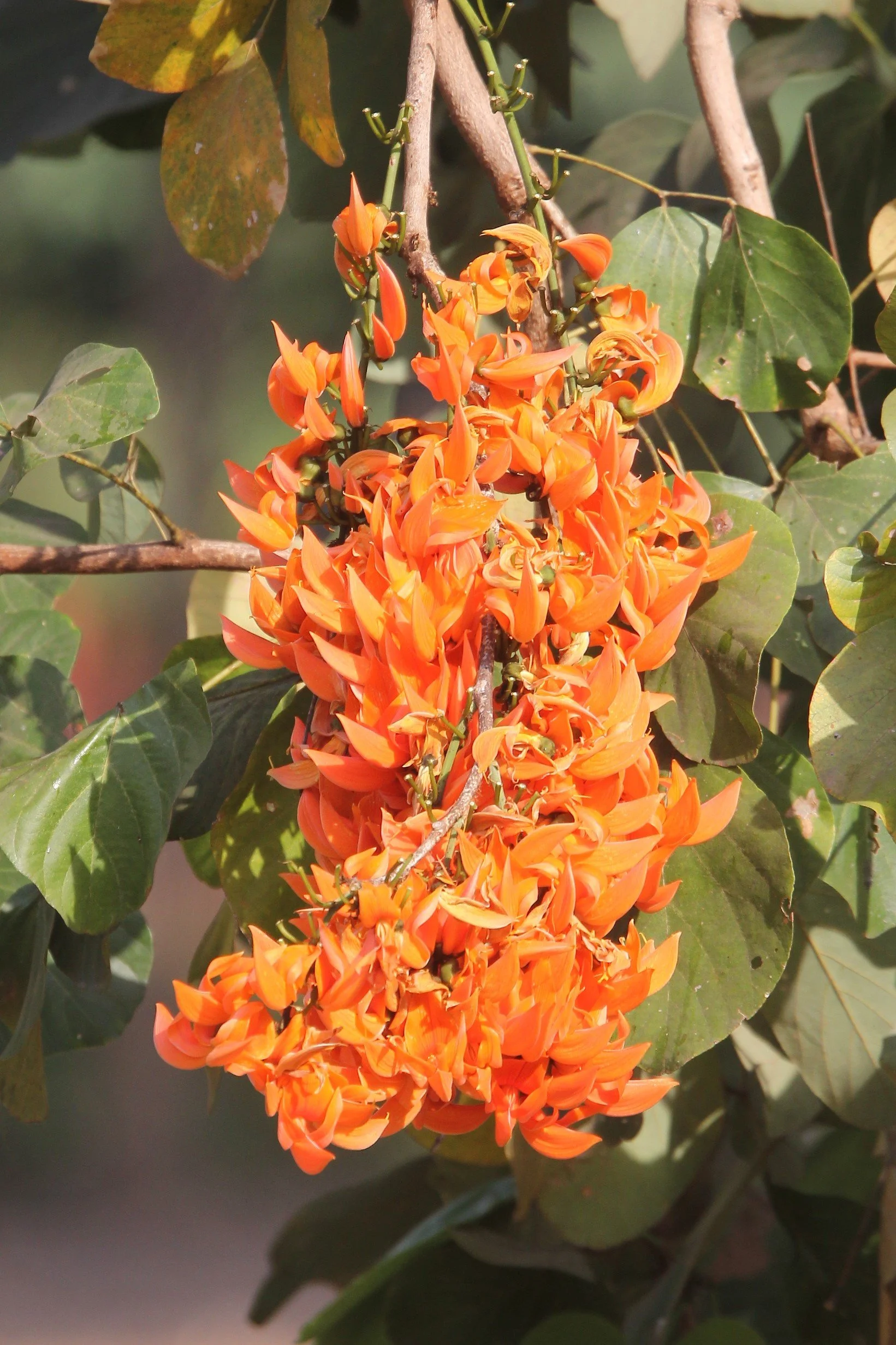
Flame of the Forest (Butea monosperma)

Sunset on the Western Forest Complex
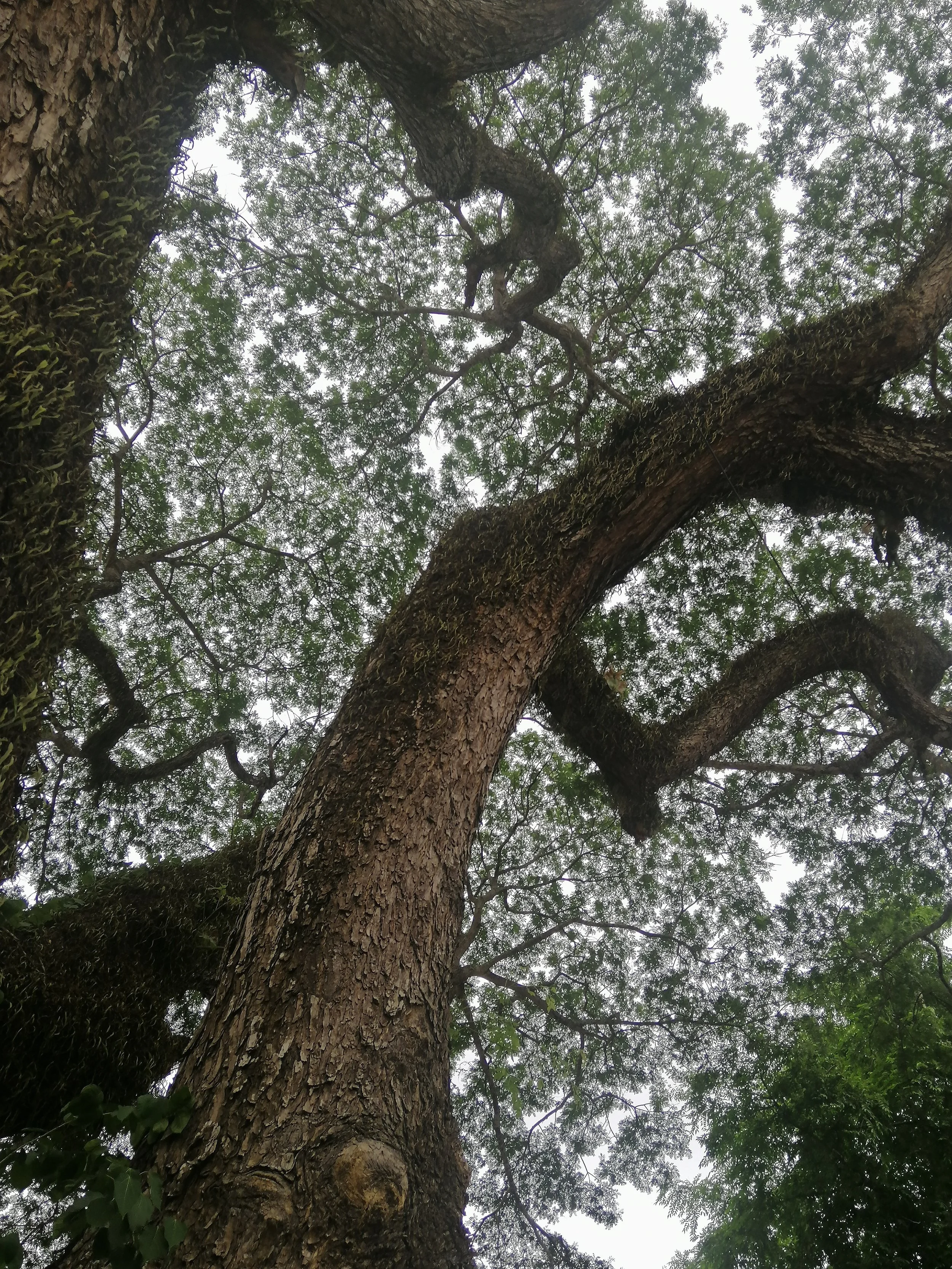
Spectacular canopy of the Rain Tree

The Bamboo Forests in the Western Forest Complex are riparian in nature.
Fauna of the Western Forest Complex
The Western Forest Complex harbors one of the richest assemblages of wildlife in Southeast Asia, owing to its vast size, intact forest cover, and position at the intersection of multiple biogeographic zones. The complex supports at least 153 species of mammals, 490 species of birds, 41 reptiles, and 108 freshwater fish, making it a biodiversity stronghold of continental importance. Large predators such as the Indochinese tiger, Indochinese leopard, clouded leopard, and dhole still persist here—species that have vanished from much of their former range due to habitat loss and fragmentation. Their continued survival in WEFCOM speaks to the region’s ecological integrity and the value of maintaining vast, interconnected habitats. [en.wikipedia.org]
Among the herbivores and megafauna, the complex sustains populations of Asian elephants, gaur, banteng, tapir, and sambar, along with four of Thailand’s five native deer species. Elephants, which range widely through the forest corridor, rely heavily on the mineral licks and river systems embedded throughout the landscape. The region also supports 10 species of primates, including all five macaque species found in the region—an indicator of both habitat diversity and high forest productivity. In addition, the presence of globally significant species such as the plain‑pouched hornbill and others add to the importance of the Western Forest Complex. [westernforest.org]
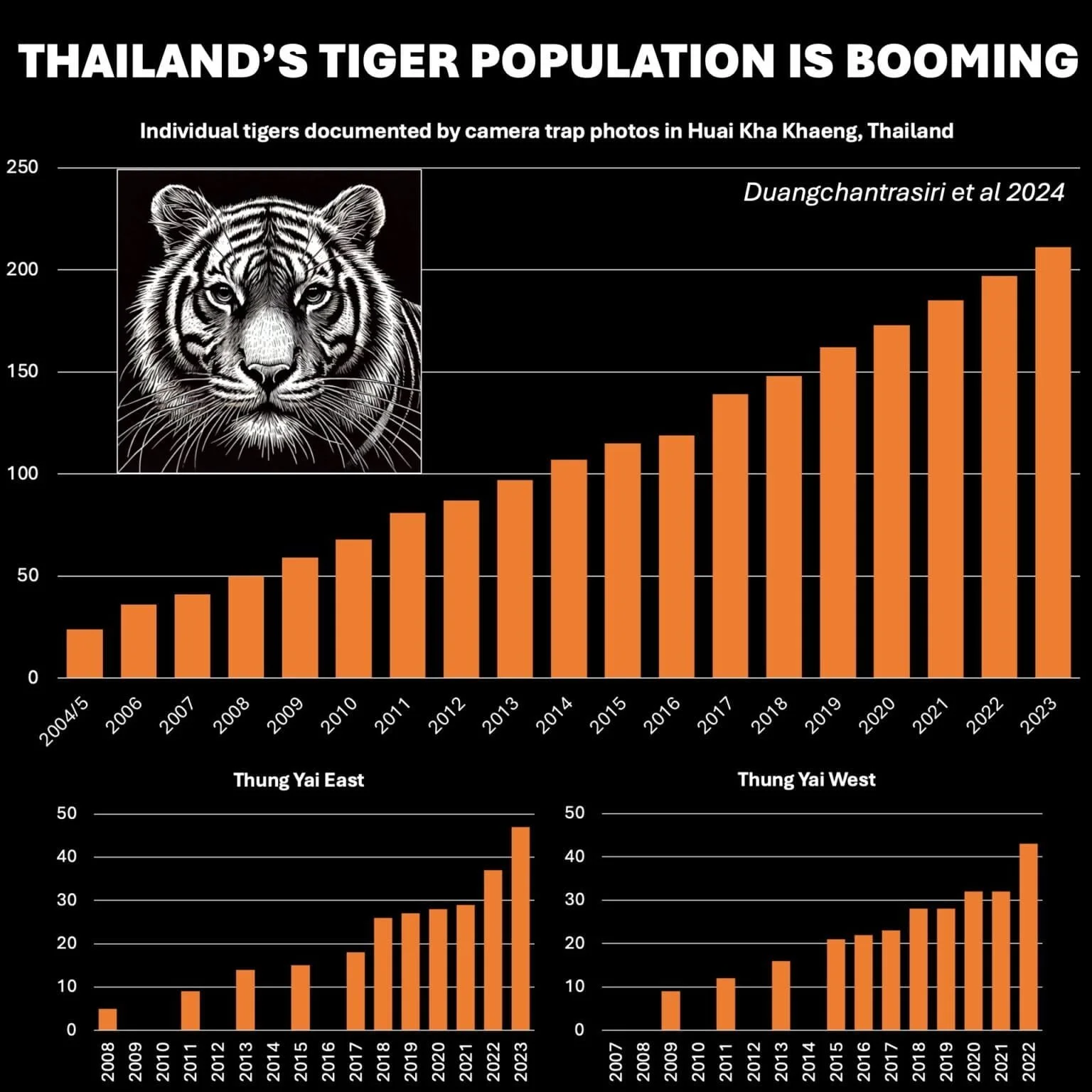
The Western Forest Complex is also recognized for maintaining one of the largest remaining populations of Indochinese tigers. Conservationists estimate that the region may hold the second‑largest single population worldwide—a remarkable fact given the species’ decline across mainland Asia. Recent camera‑trap footage, including the 2024 documentation of a female tiger with cubs in Salakphra Wildlife Sanctuary, offers hopeful signs that breeding still occurs within the complex. Such sightings underscore the importance of uninterrupted forest cover, large prey bases, and strict protection across core areas like Thung Yai Naresuan and Huai Kha Khaeng. [westernforest.org], [en.wikipedia.org]
Equally impressive is the region’s diversity of smaller vertebrates and invertebrates. Karst forests host cave specialists such as bats—including the tiny Kitti’s hog‑nosed bat, the world’s smallest mammal—while river systems support numerous fish and amphibian species adapted to fast‑flowing mountain streams. Reptile diversity is also notable, with species ranging from forest cobras to arboreal lizards, thriving in habitats shaped by microclimates and rugged terrain. Together, these species form complex ecological networks that drive nutrient cycles, seed dispersal, predation, and pollination—key processes that keep the Western Forest Complex functioning as one of Asia’s last great wildlife refuges.
Primary Source for Ungulate Populations,
Primary Source for Fauna of the Western Forest Complex,
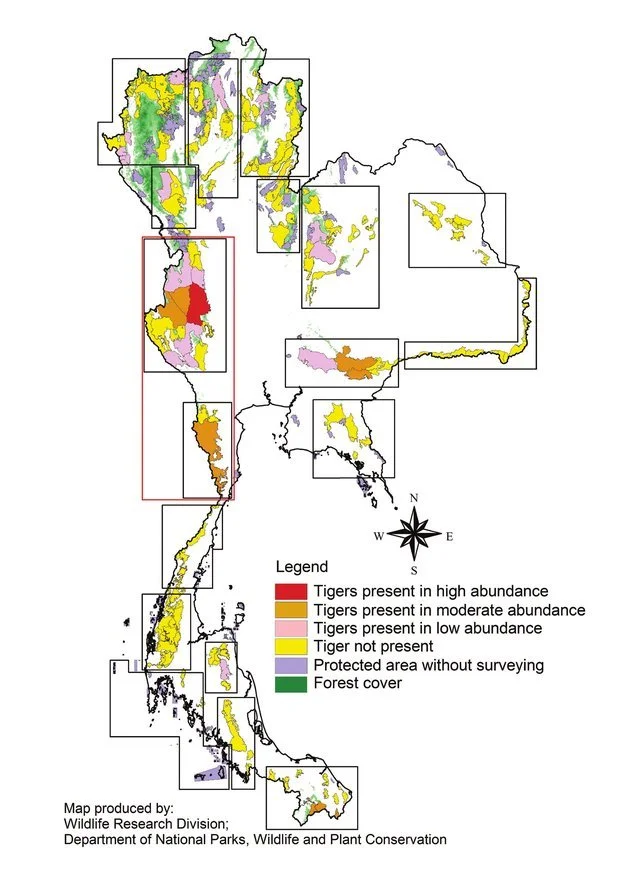
Primary Source for Tiger Action Plan
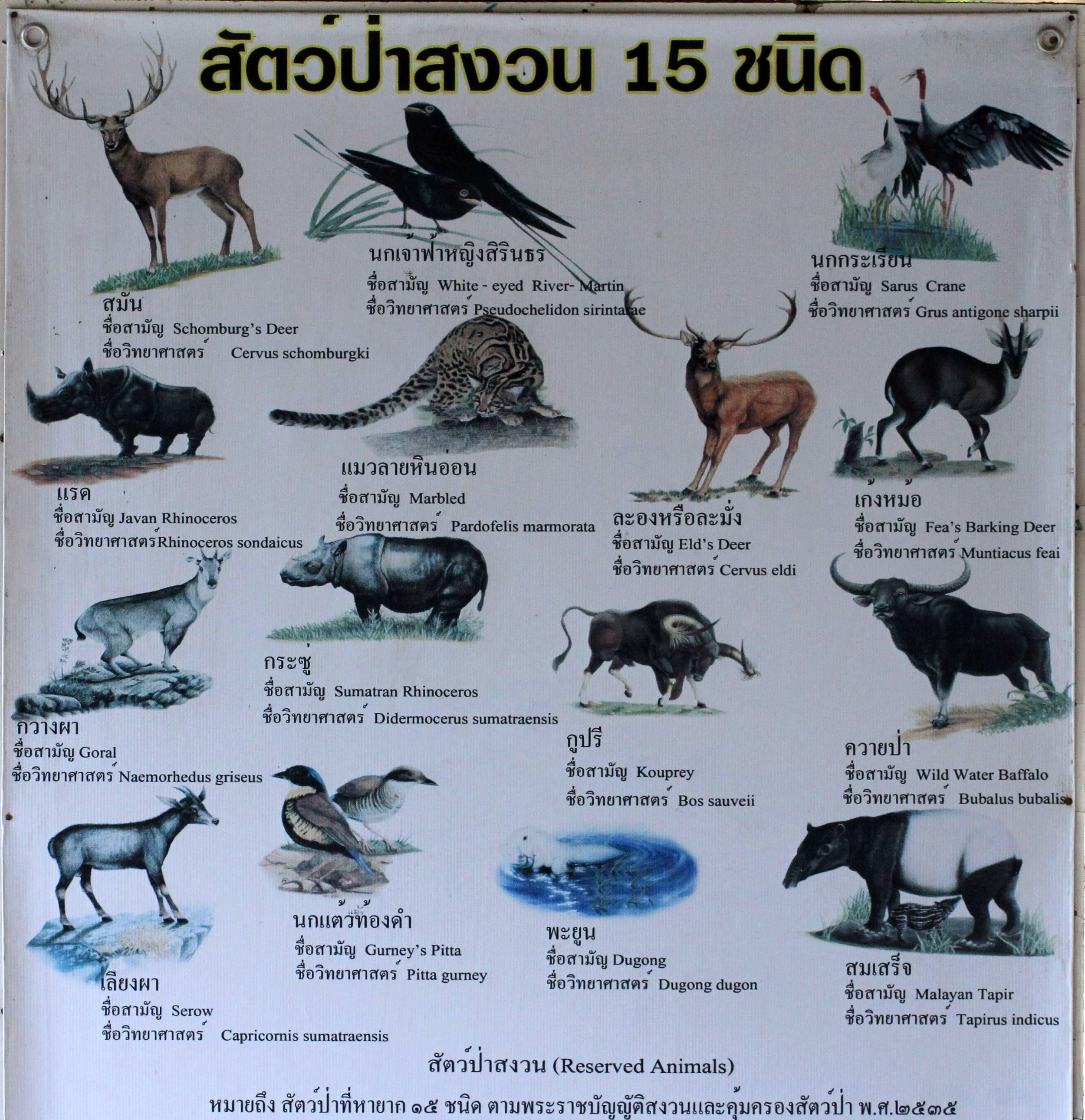
An old sign I snapped somewhere I cannot recall of the 15 protected species of wildlife. Interesting though that at least 5 are already extinct and one is not found in Thailand!

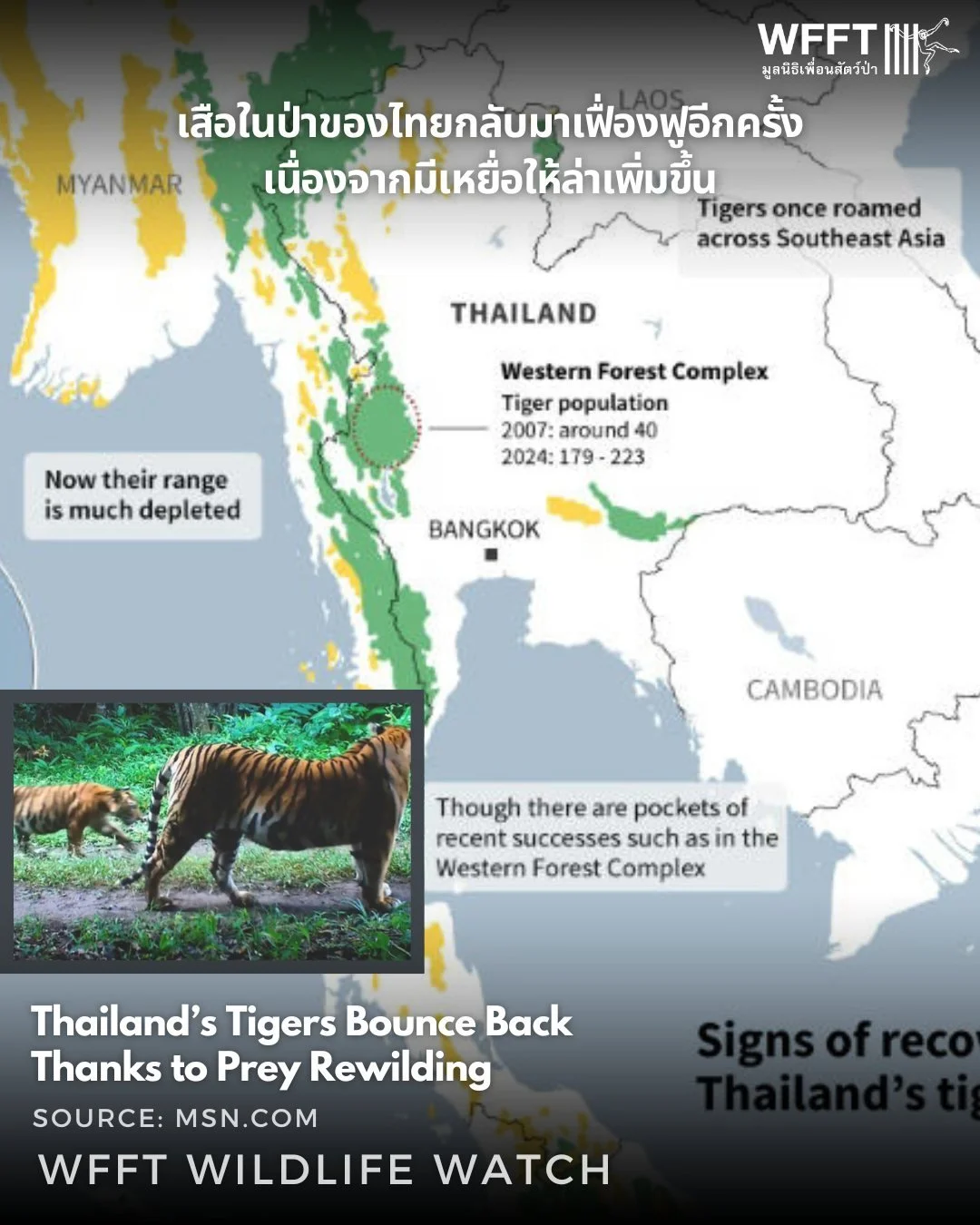
My first and only wild image of an Indochinese or Corbett's Tiger! The Western Forest Complex (WEFCOM) is the last major stronghold for wild Indochinese tigers in Southeast Asia. Spanning approximately 18,000 to 19,000 square kilometers along the Thai-Myanmar border, it consists of 17 contiguous protected areas. As of 2024, Thailand's total wild tiger population is estimated at 179 to 223 individuals, with the vast majority residing in WEFCOM
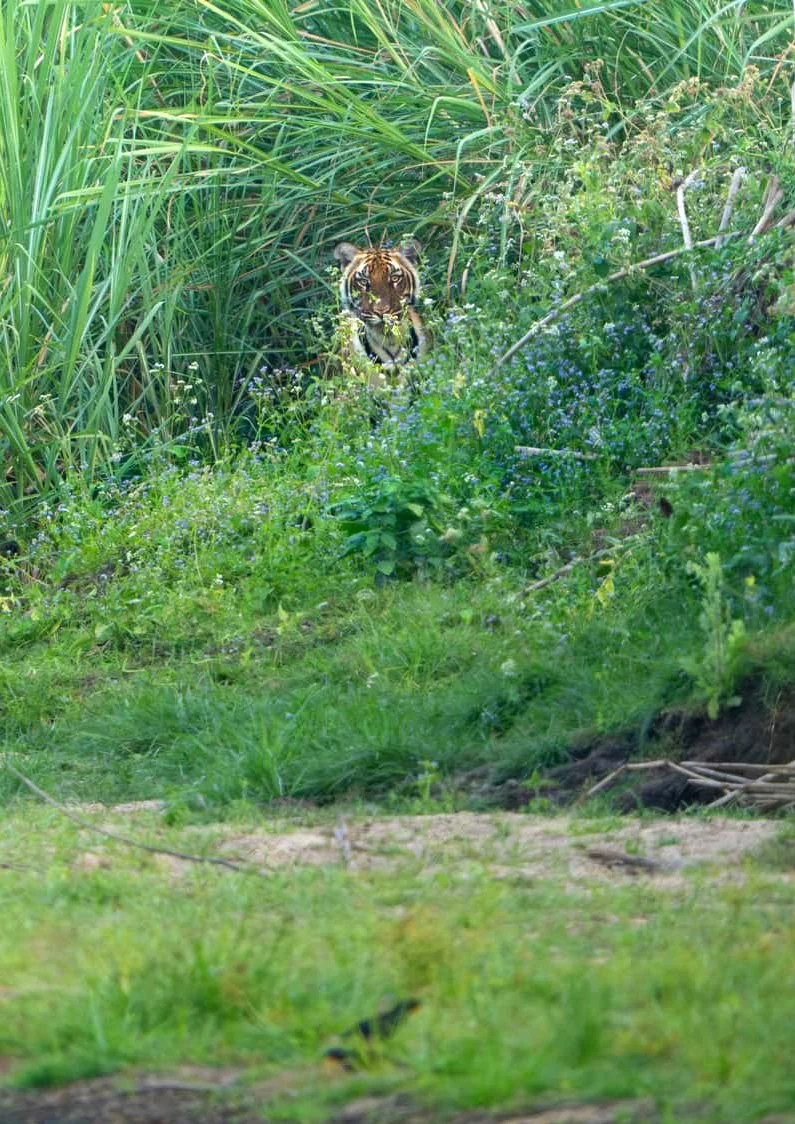
Huai Kha Khaeng Wildlife Sanctuary (HKK): This UNESCO World Heritage site is the core of the complex and has seen a dramatic recovery, with tiger numbers rising from 41 in 2010 to 66 individuals in 2019. Mae Wong and Khlong Lan National Parks: These northern areas have successfully seen tigers "recolonize" naturally from HKK. Recent surveys detected 20 adults and 5 cubs across these parks and adjacent sanctuaries. Khao Laem National Park: Once thought to have lost its tigers due to dam construction in the 1980s, camera traps confirmed a resident breeding population adapted to the rugged highlands. Salakpra Wildlife Sanctuary: Located in the southern part of WEFCOM, this area recently recorded its first images of a mother tiger with two cubs, signaling population growth in the southern reaches.

Despite successes, tigers in WEFCOM face ongoing challenges: Poaching: While reduced, the illegal wildlife trade remains a constant threat. Human-Wildlife Conflict: Issues include livestock grazing inside protected areas and tigers crossing into Myanmar where they are less protected. Disease: Outbreaks like Lumpy Skin Disease can impact prey populations, indirectly threatening tiger survival.

Tiger Sign in HKK!
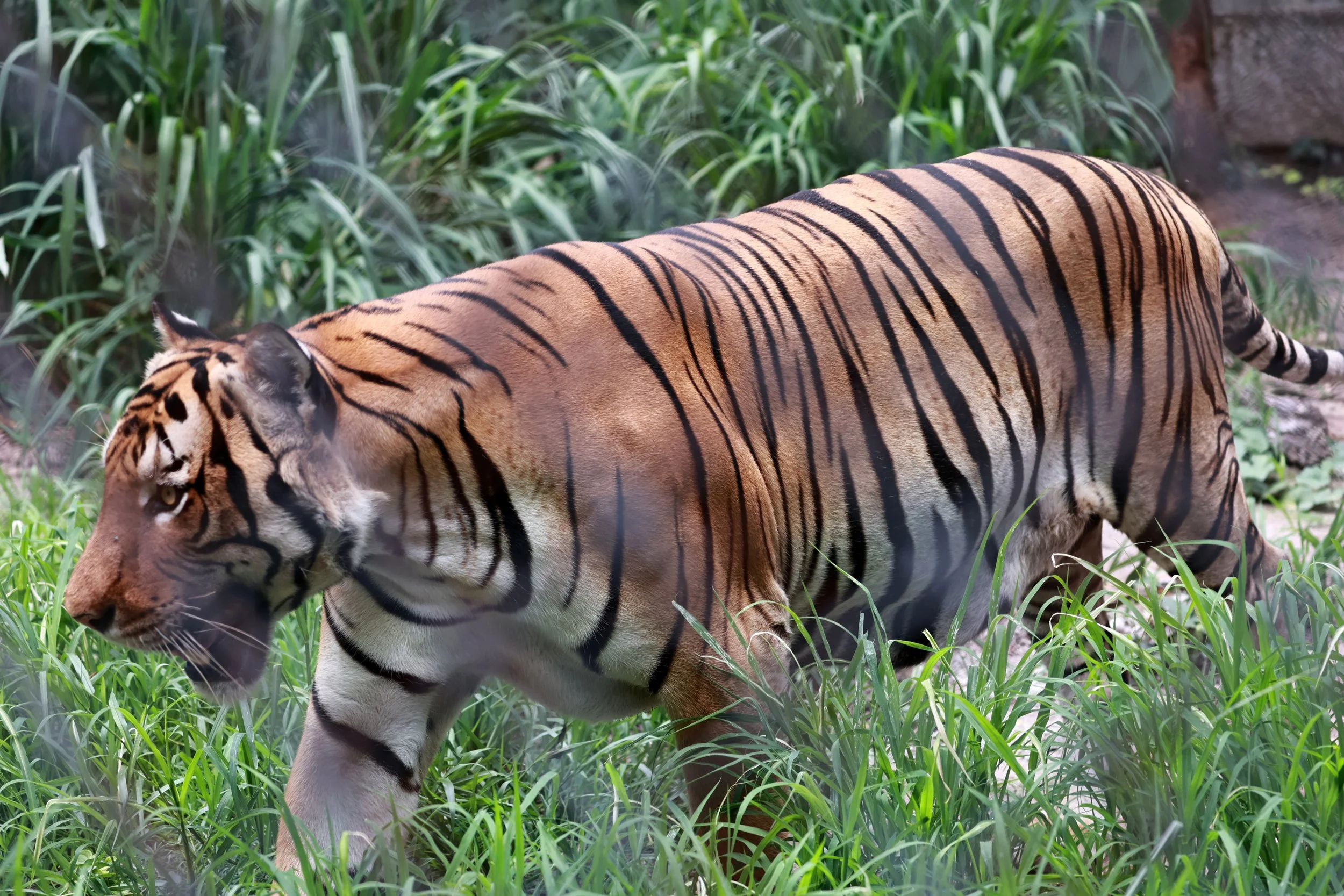
Captive breeding centers like the Huai Kha Khaeng Wildlife Breeding Station have helped with tiger recovery. The recovery of tigers in this region is attributed to several key initiatives such as SMART Patrol System: Intensified, technology-driven patrolling has significantly reduced poaching of both tigers and their prey. Prey Restoration: Efforts to increase populations of gaur, banteng, and sambar deer—the tiger's primary food sources—are vital, as tigers require high prey density to thrive. Wildlife Corridors: Maintaining connectivity between the 17 protected areas allows tigers to roam and breed across a massive, unbroken landscape.

The Indochinese tiger (Panthera tigris corbetti) Also known as Corbett's tiger, this subspecies is named in honor of British naturalist and conservationist Jim Corbett. They are native to Southeast Asia, specifically Myanmar, Thailand, Laos, Vietnam, and Cambodia.

Tiger sign
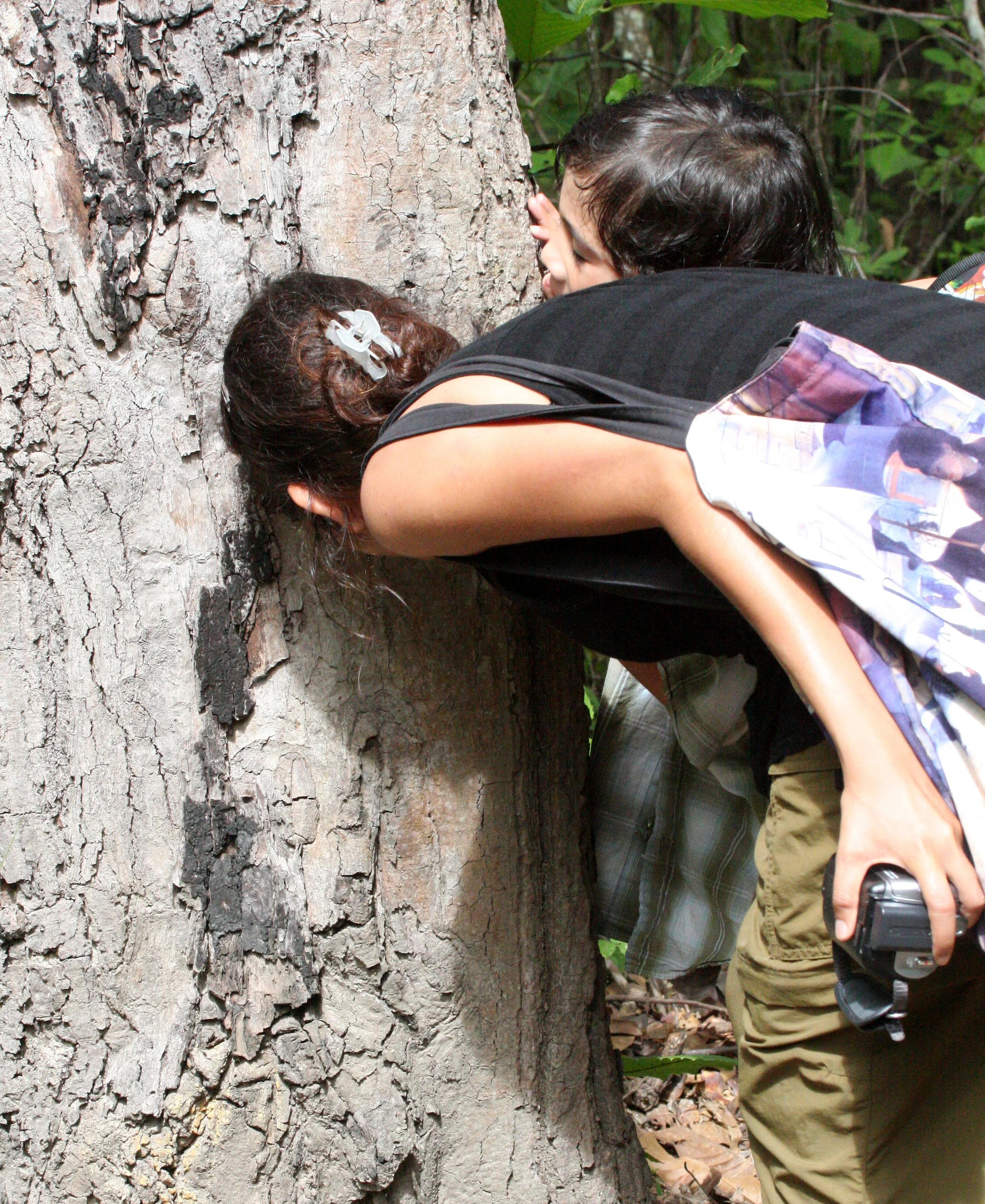
Tiger sign - and yes it does smell strong!

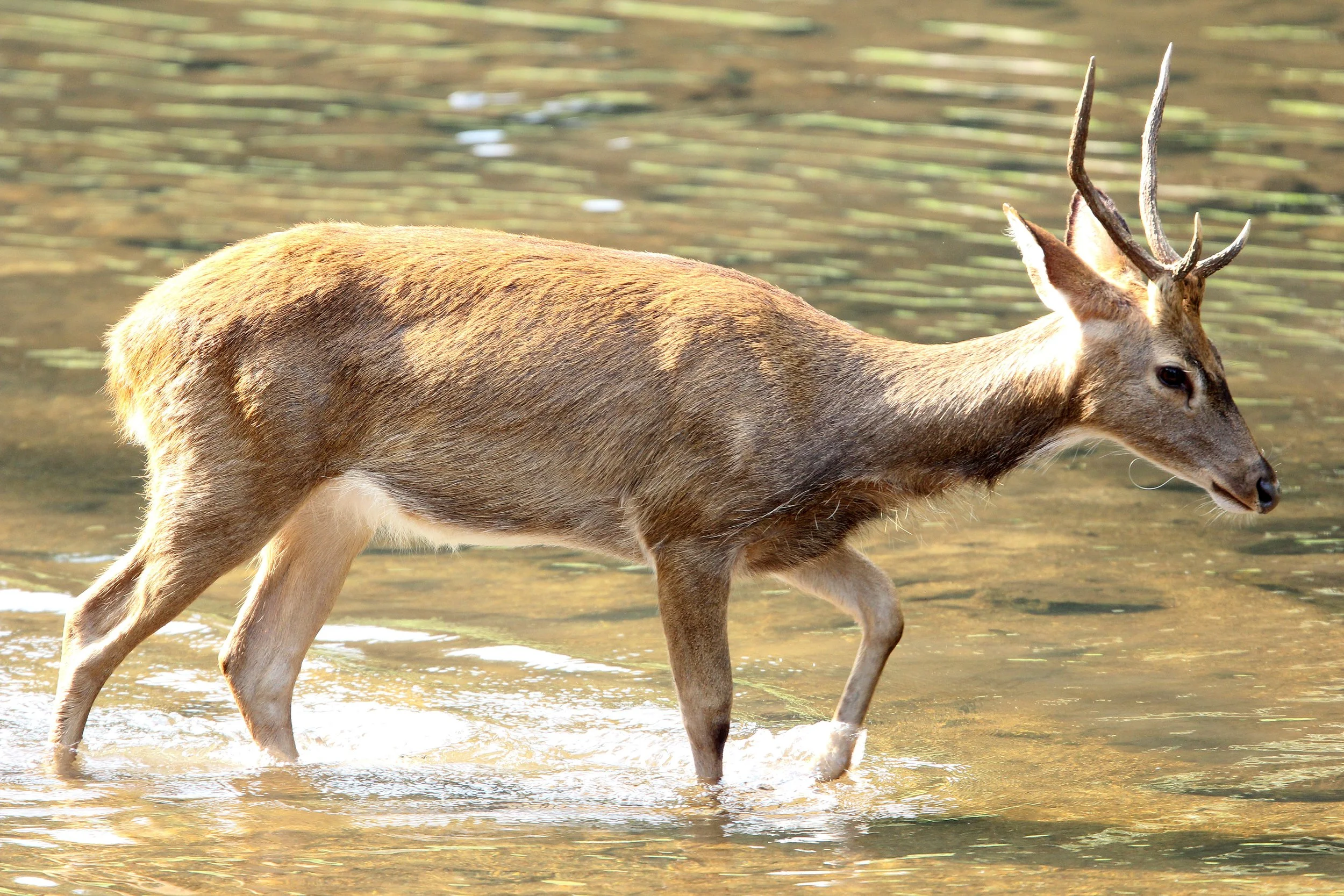
The hog deer (Hyelaphus porcinus) has been a key focus of reintroduction efforts in the Huai Kha Khaeng Wildlife Sanctuary, a UNESCO World Heritage site in Thailand. Historically, these deer were common across Thailand's alluvial plains but faced near-extinction in the wild by the mid-20th century due to habitat loss and hunting.

Female Indochinese Hog Deer (Hyelaphus porcinus annamiticus)

Indochinese Hog Deer (Hyelaphus porcinus annamiticus)

The reintroduction programs aim to restore the species to its natural habitat using animals from captive breeding centers. While hog deer were once thought to be extinct in the wild in Thailand, reintroduction efforts have established a population in Huai Kha Khaeng estimated to contain over 50 individuals.

Reintroducing these ungulates is vital for maintaining the sanctuary's biodiversity. They serve as a primary prey source for large carnivores like Indochinese tigers and leopards, which are also protected within the sanctuary.

Indochinese Hog Deer (Hyelaphus porcinus annamiticus) tend to congregate around areas of human habitation. They sense safety in these areas away from predators.

Conservation Strategy: Management now focuses on maintaining stable population levels rather than just releasing high numbers. This includes protecting the specific alluvial grasslands and riverine habitats they require.

Indochinese Hog Deer (Hyelaphus porcinus annamiticus)

Indochinese Hog Deer (Hyelaphus porcinus annamiticus) in velvet.

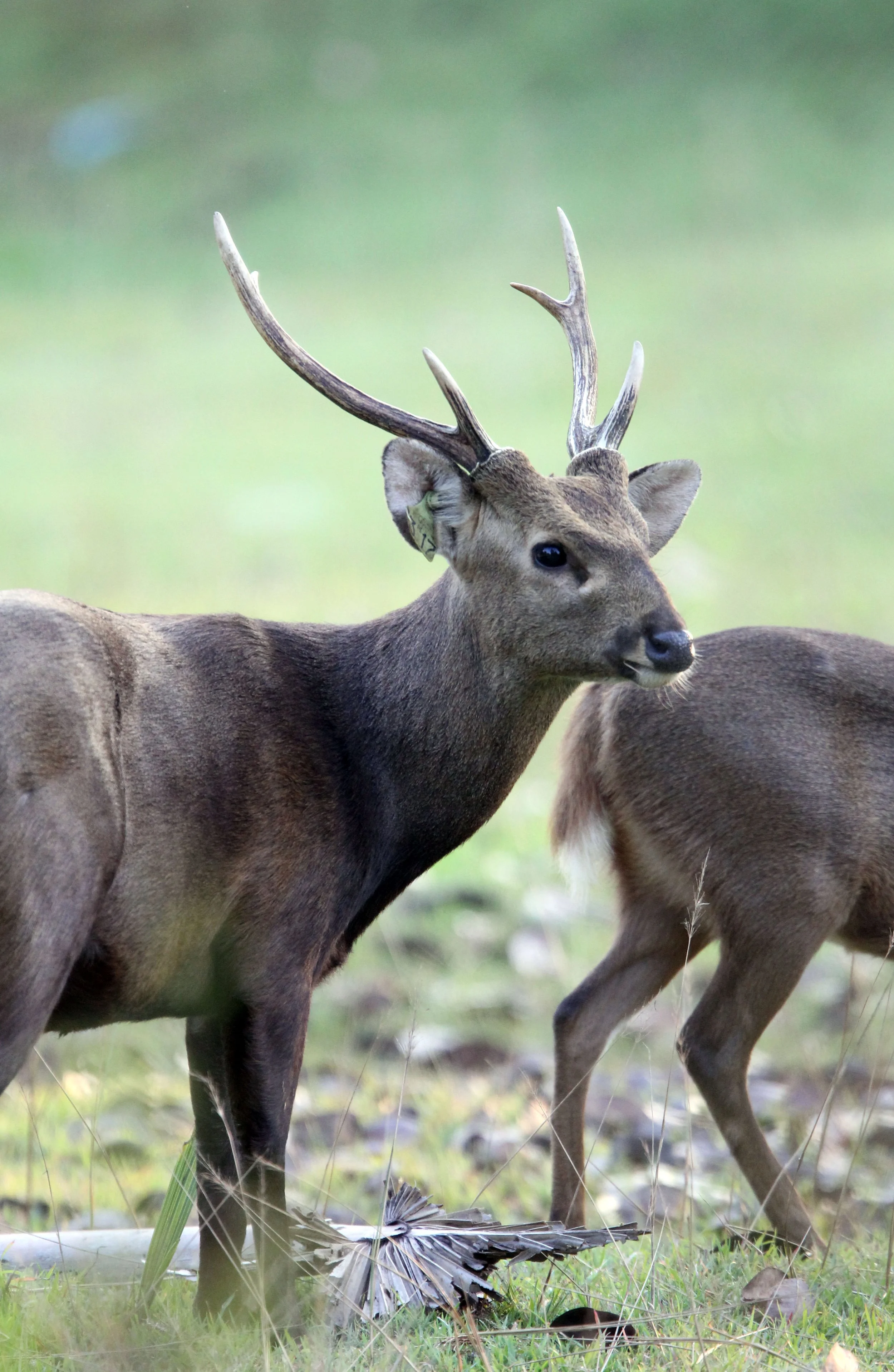
Indochinese Hog Deer (Hyelaphus porcinus annamiticus)

Indochinese Hog Deer (Hyelaphus porcinus annamiticus)

Indochinese Hog Deer (Hyelaphus porcinus annamiticus)
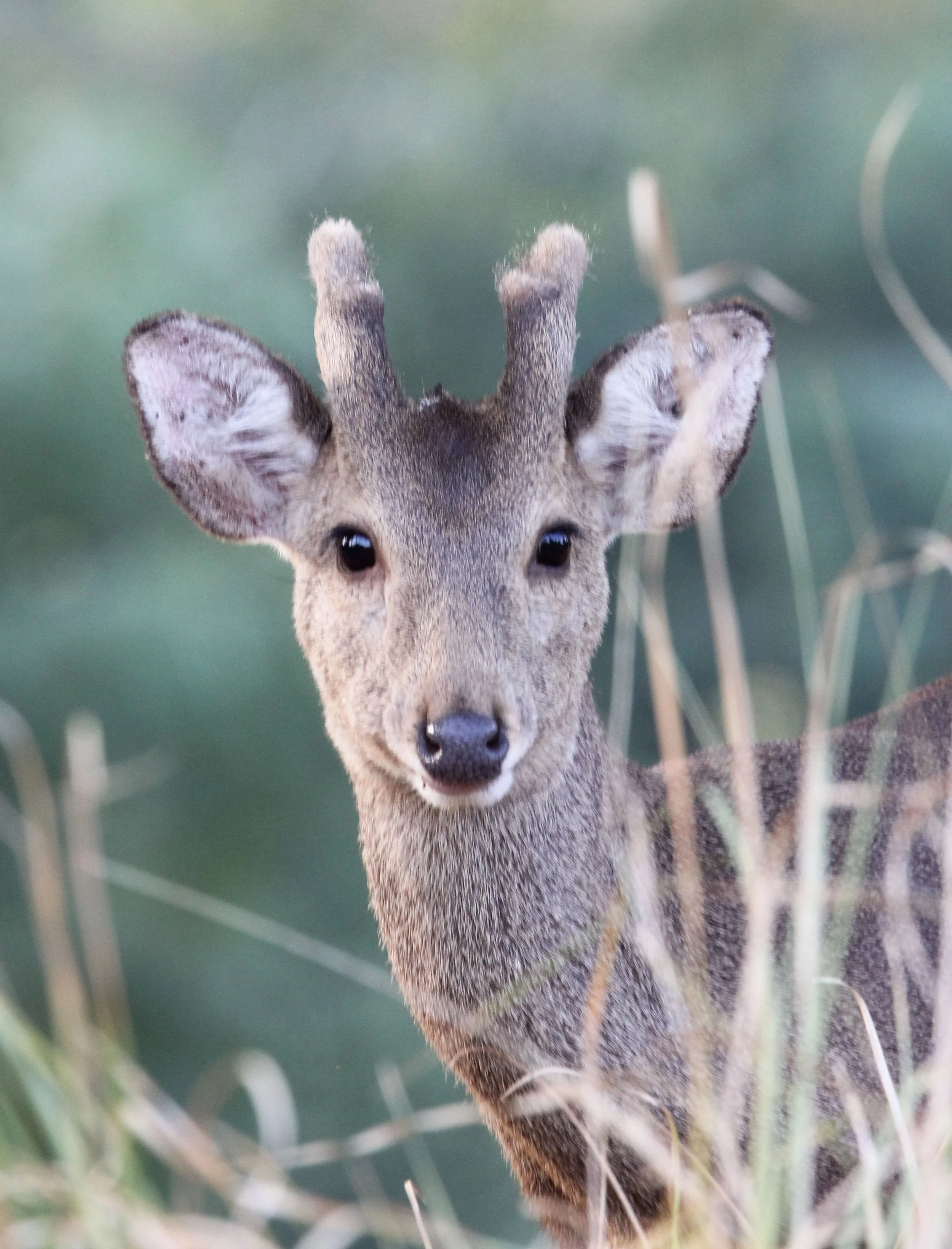
Indochinese Hog Deer (Hyelaphus porcinus annamiticus)
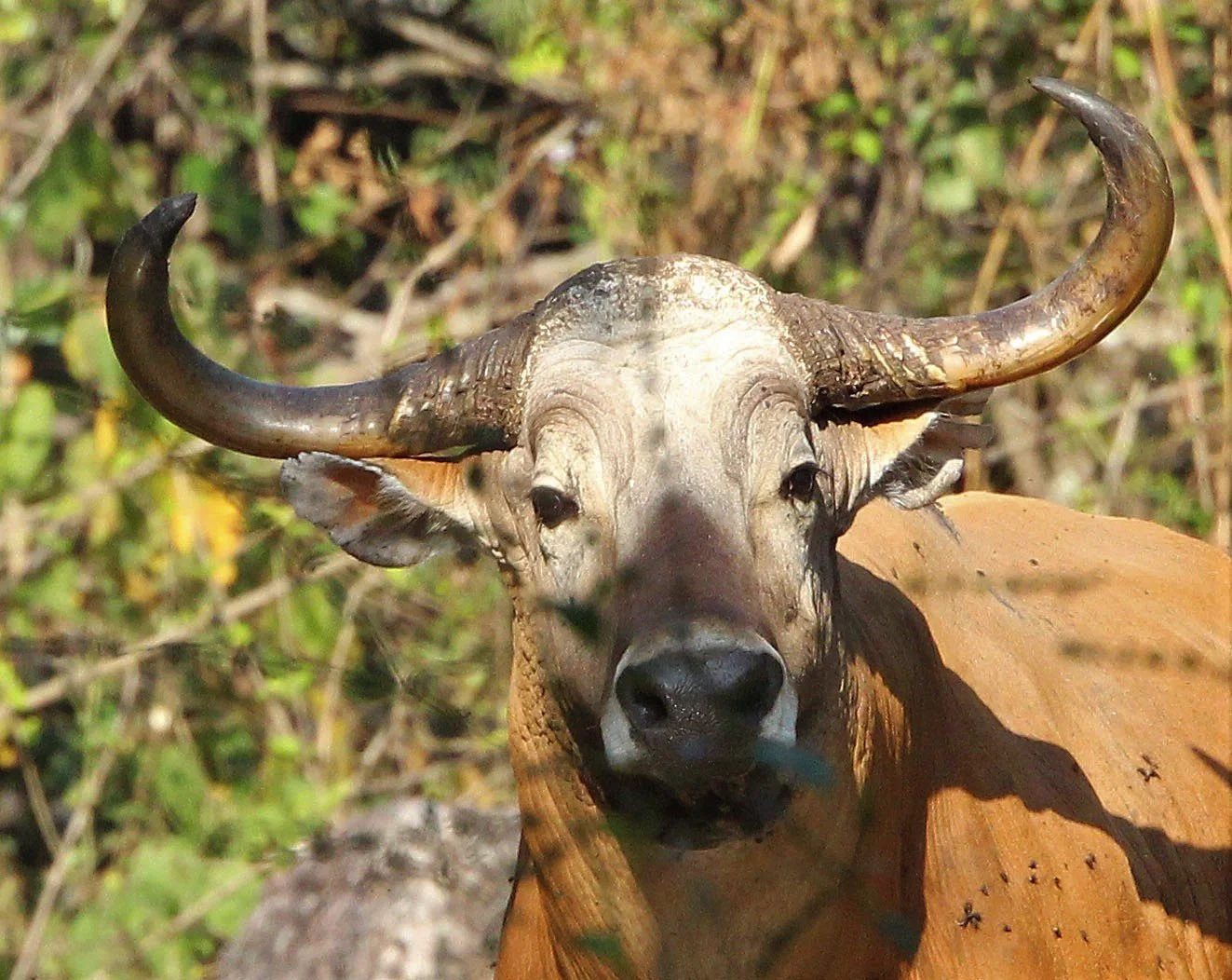
Burma Banteng (Bos javanicus birmanicus) The Banteng is a species of wild cattle native to Southeast Asia that currently holds a Critically Endangered status globally. The Western Forest Complex (WEFCOM) in Thailand is its most vital stronghold, containing the largest remaining population on the Asian mainland.
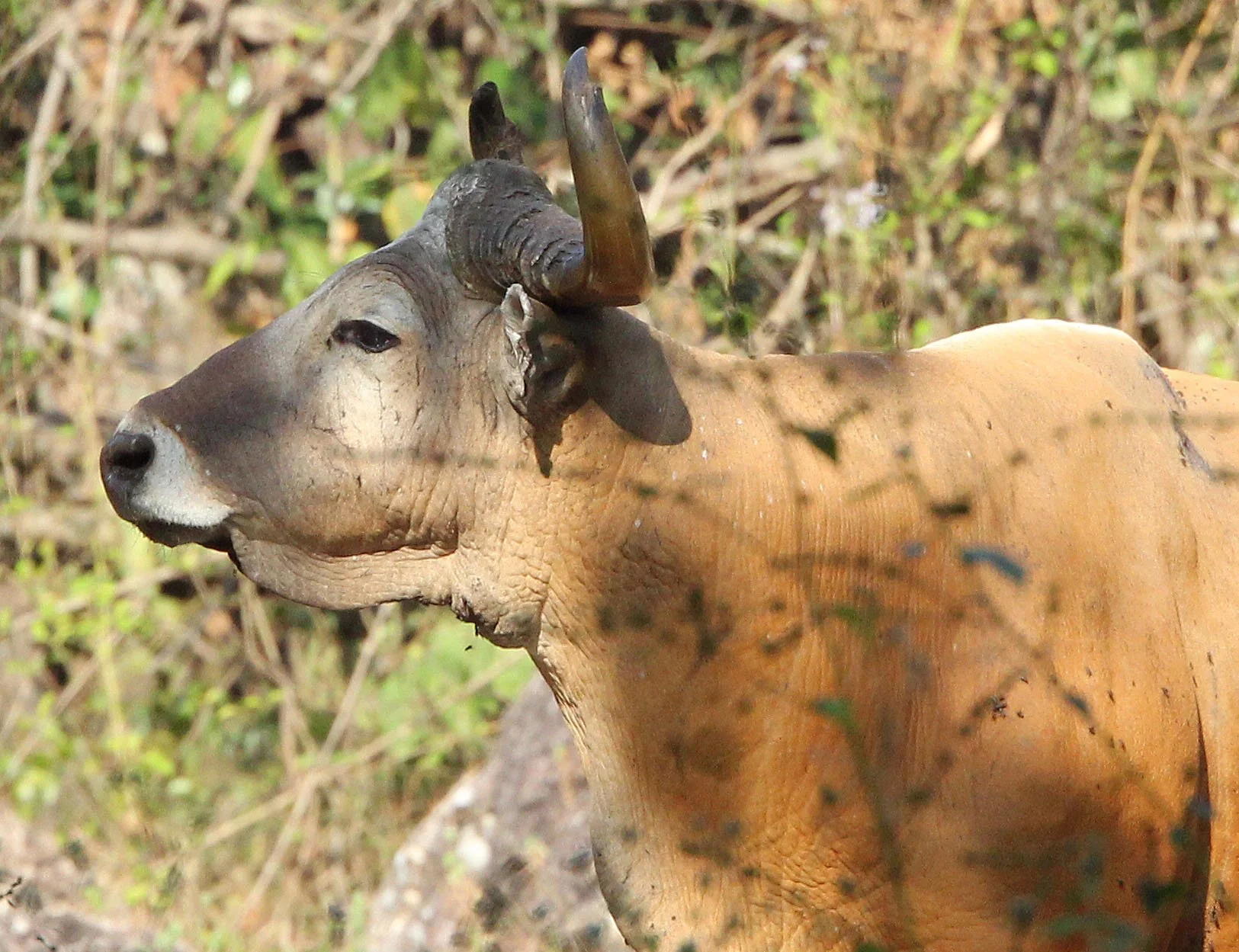
Massive bull Banteng (Bos javanicus) in Huai Kha Khaeng

Population Trend: After decades of decline—dropping by roughly 80% across Thailand by the late 1990s—banteng populations in WEFCOM are now showing significant signs of recovery due to intensive anti-poaching patrols. Huai Kha Khaeng (HKK) Wildlife Sanctuary is the primary source population. Estimates suggest the population in HKK has recovered to nearly 3,000 individuals. A 2021 study estimated that the banteng population in HKK had recovered to approximately 2,736 ± 1,264 individuals based on camera-trap surveys in suitable habitat (1,600 km²).

Range Expansion: Recent evidence indicates successful dispersal from HKK into neighboring protected areas: Thung Yai Naresuan West (TYW): Camera traps in 2022 confirmed the first recorded dispersal and breeding population in this sanctuary. Mae Wong National Park: Banteng have recolonized this area to the north, establishing a small but breeding population. Salakphra Wildlife Sanctuary: Reintroduction programs in 2015–2016 have successfully established a new population in this southern part of WEFCOM.

Burma Banteng (Bos javanicus birmanicus) is the subspecies in Thailand. Both sexes have horns although they are shaped differently.

Burma Banteng (Bos javanicus birmanicus)

They are mixed feeders (grazers and browsers) that consume a variety of grasses, herbs, shrubs, and bamboo. In WEFCOM, their foraging habits help maintain forest health by cycling nutrients and reducing fuel loads for forest fires.

Burma Banteng (Bos javanicus birmanicus)

Burma Banteng (Bos javanicus birmanicus) sign!
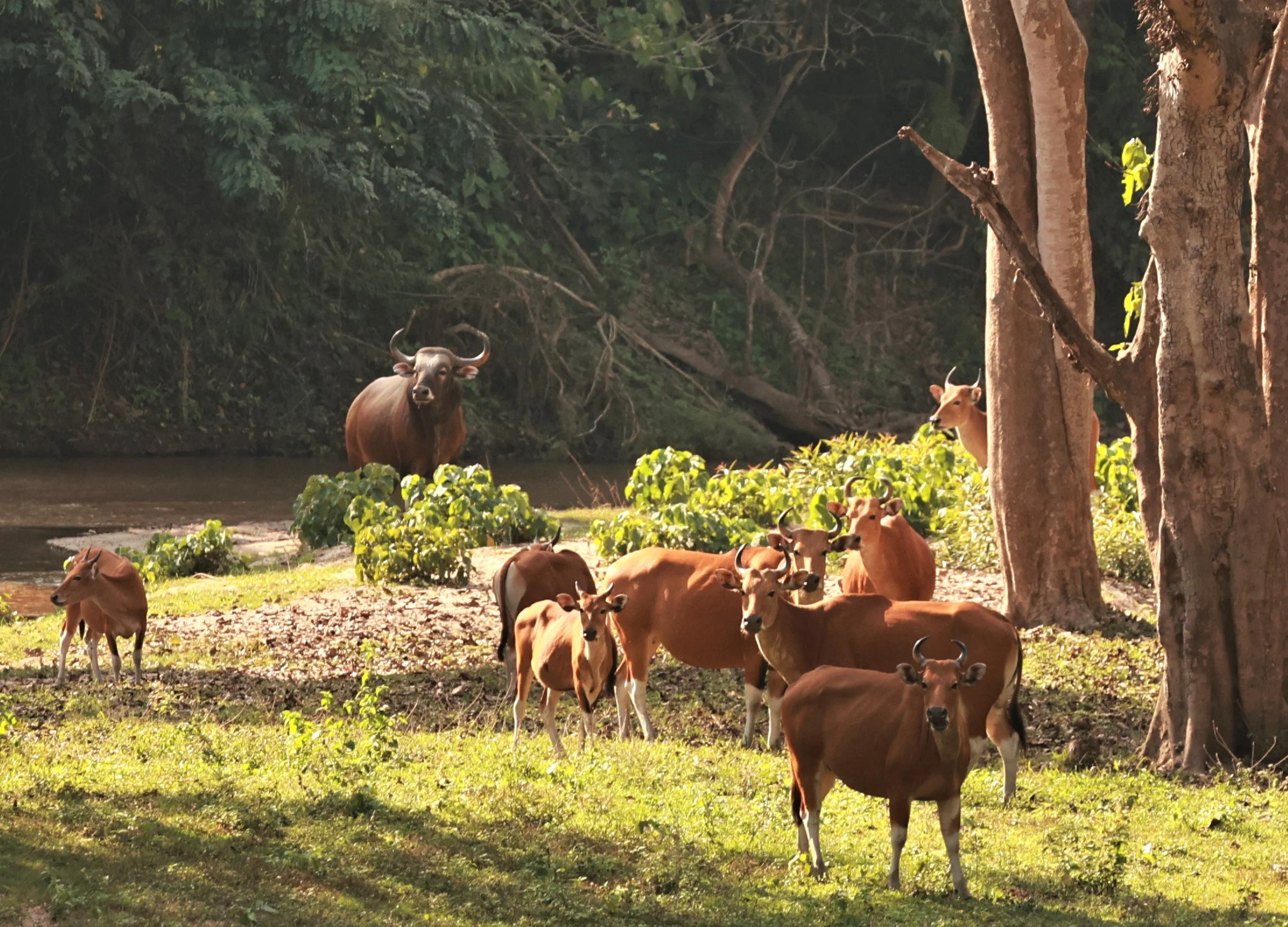
Burma Banteng (Bos javanicus birmanicus) herd in Huai Kha Khaeng.

Burma Banteng (Bos javanicus birmanicus)

Banteng are social animals, often forming herds of 2 to 40 individuals consisting of a single dominant bull, several cows, and their young. Older males may also form small bachelor groups.

Ecological Role: As a large ungulate, they are the preferred prey for Indochinese tigers in WEFCOM. Their recovery is considered a critical prerequisite for the recovery of the region's tiger population.

Key Threats Poaching: Historically the primary cause of decline, targeted for meat and trophy horns. Disease: Potential transmission of diseases from domestic cattle, such as foot-and-mouth disease, remains a threat. Genetic Hybridization: Risks of interbreeding with domestic cattle, which can dilute the wild gene pool.
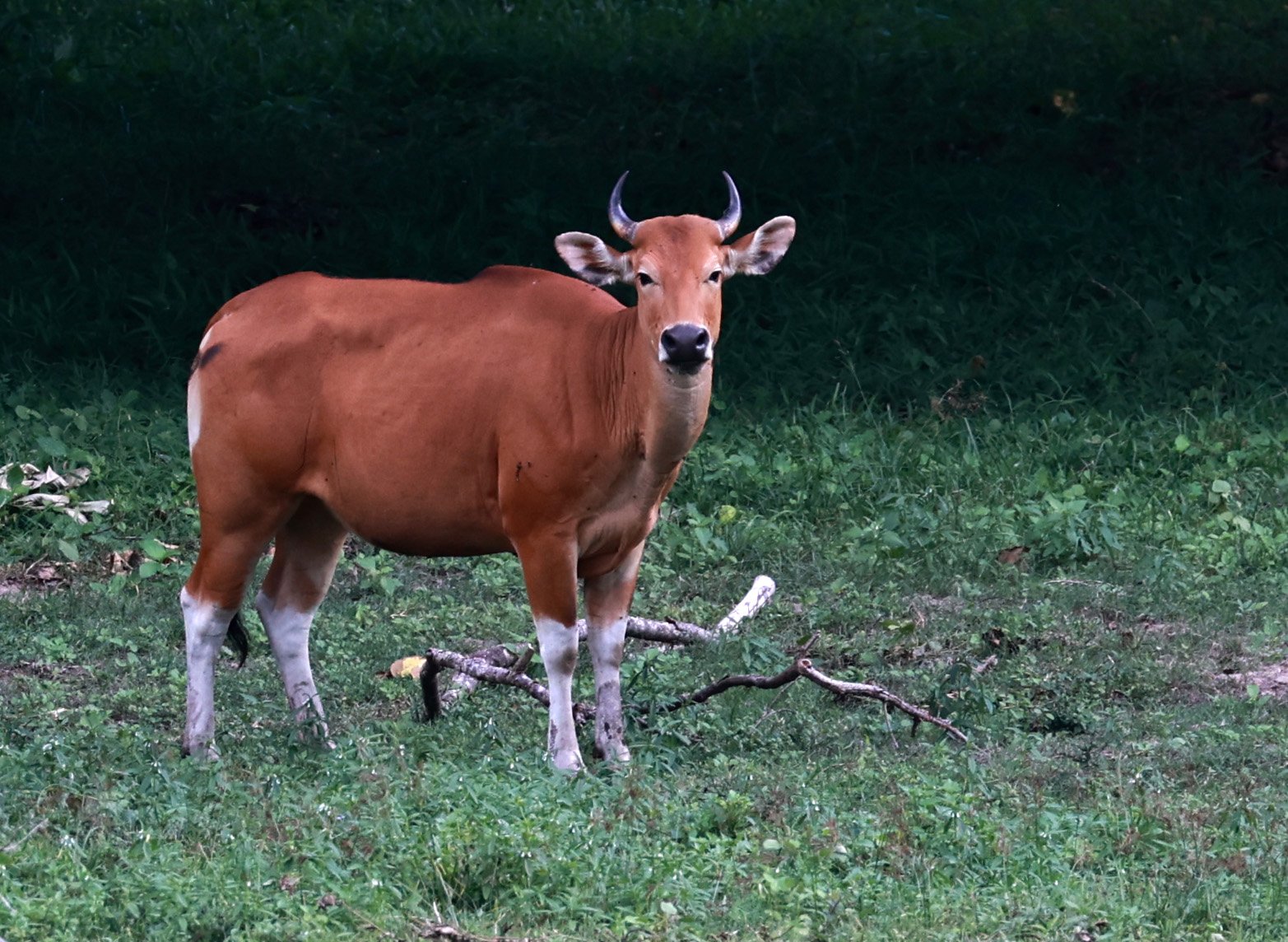
Banteng typically favor open, dry deciduous and dry dipterocarp forests with grassy glades. They prefer low-slope areas at elevations between 600–700 meters, especially those near natural saltlicks and water sources.

Both sexes possess characteristic white "stockings" on their lower legs and a white patch on their rump. Males are typically larger and darker (often becoming black with age), while females and juveniles are reddish-brown.

In the Huai Kha Khaeng Wildlife Sanctuary, the Rhesus macaque (Macaca mulatta) is one of the rarest of all macaque species to locate in Thailand. While once prevalent across the north, human expansion has limited its wild population to just three primary areas in the country: Huai Kha Khaeng, Phu Khieo, and Thung Yai Naresuan.

Historically, Rhesus macaques were noted as the second most abundant macaque in the sanctuary after Assamese macaques. However, later studies have suggested they may be less common than both pig-tailed and Assamese macaques in certain habitat types. They are typically found in the dry evergreen forests of the sanctuary. Unlike their more urban counterparts in other parts of Asia, these "forest dwellers" are much more shy and elusive. They are recognizable by their pendulous mid-length tail and the specific direction of hair growth on their cheeks. Juveniles often display a striking two-fold yellow-to-grey coloring as they mature.
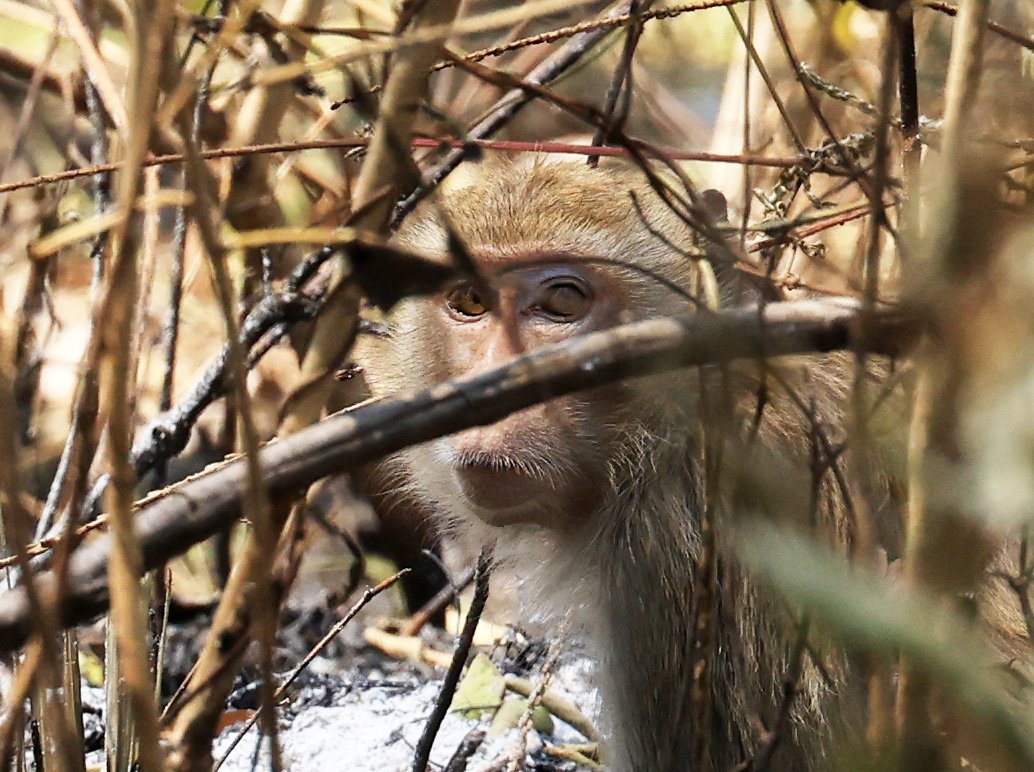
Long-tailed Macaque (Macaca fascicularis) is a more common Macaque species in the complex

The Indochinese grey langur (Trachypithecus crepusculus) is a rare and endangered primate species found within the Huai Kha Khaeng Wildlife Sanctuary in western Thailand. While they are present in the sanctuary, they are considered a "tough target" to spot because they are typically very shy and inhabit the more remote, central wilderness areas of the reserve.
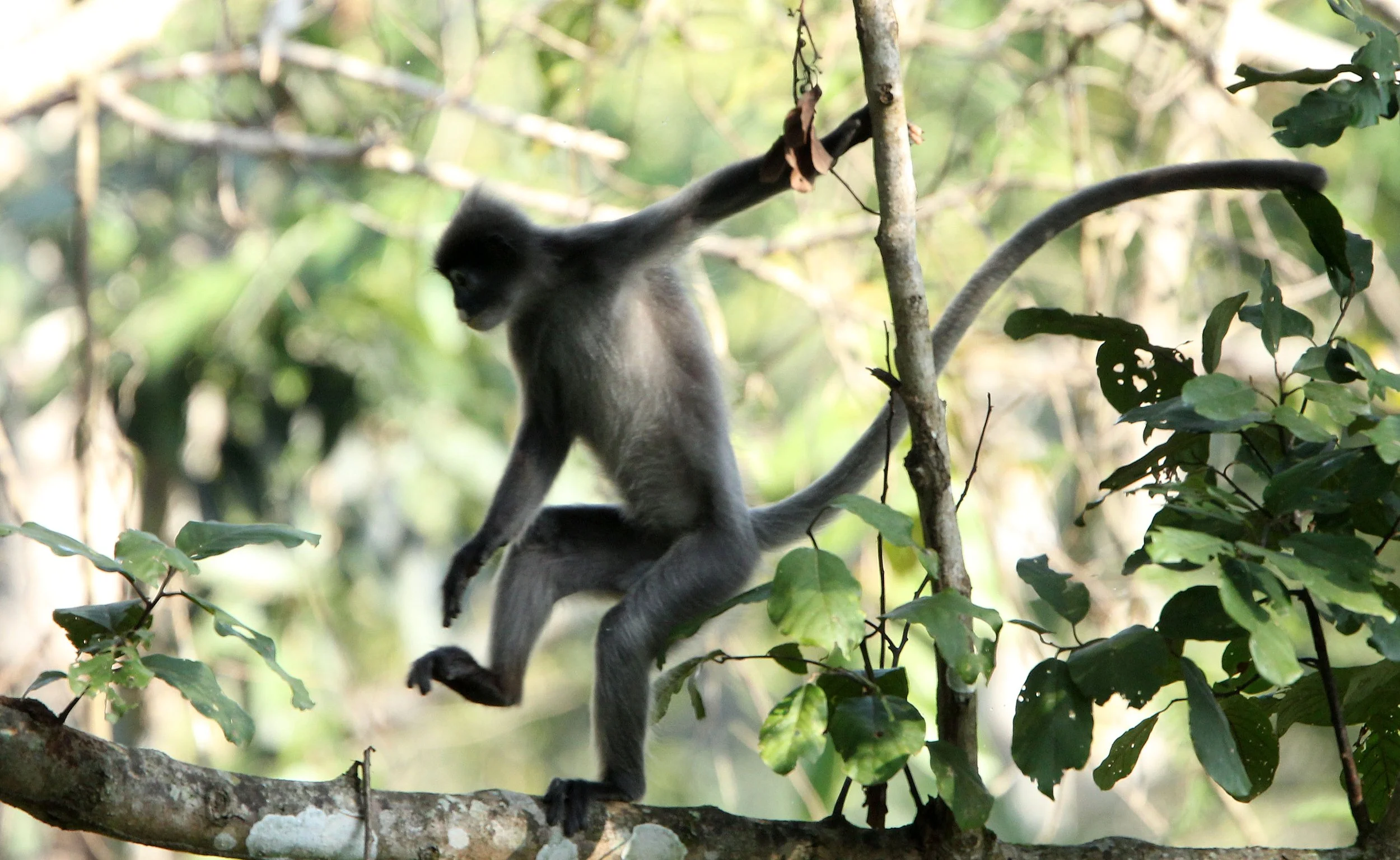
Indochinese Grey Langurs are primarily seen in the central wilderness and along specific forest trails where the vegetation transitions, though they often remain high in the canopy. Listed as Endangered, these langurs are part of a declining global population of only about 2,400 to 2,500 mature individuals. Unlike some other langur species that may be more terrestrial, the Indochinese grey langur is largely arboreal, preferring old-growth evergreen and semi-evergreen forests.

Indochinese Grey Langurs have a light blue-grey body and tail with a lighter silver-grey to white belly. Their faces are dark grey with distinct white rings around the eyes and un-pigmented patches on their lips.They are primarily folivorous (leaf-eating) but also consume bamboo shoots, seeds, flowers, and fruits.They typically live in groups of up to 20 individuals, often led by one or more males with multiple females and their offspring.

Indochinese Grey Langur (Trachypithecus crepusculus) are more easily seen in other forests in Thailand so it is all the more special to spot them in the Western Forest Complex.

The Sambar deer (Rusa unicolor) is the largest deer species in Thailand and a key resident of the Huai Kha Khaeng Wildlife Sanctuary. It plays a critical role in the ecosystem as a primary prey source for the sanctuary's population of Indochinese tigers and leopards.

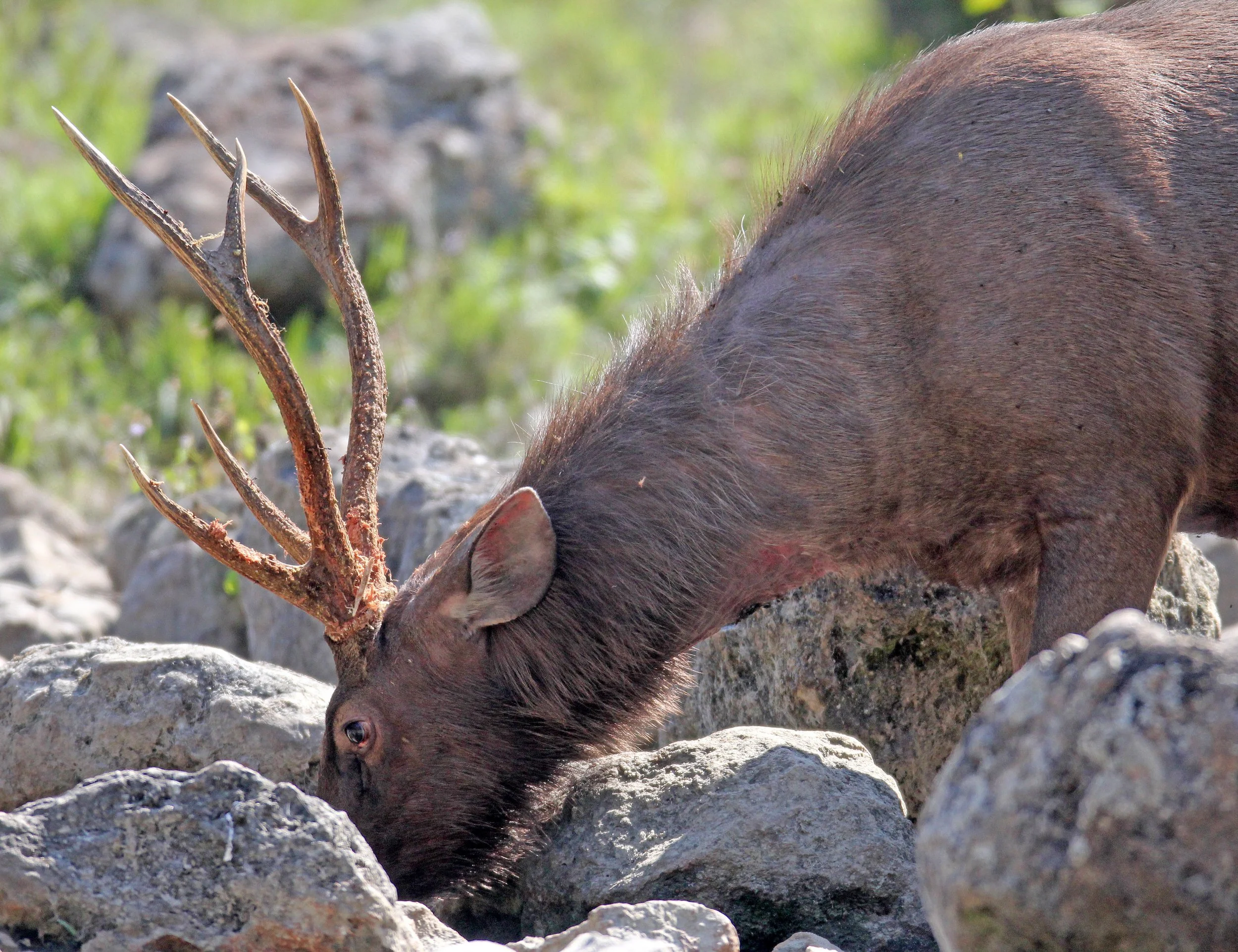
Recent studies estimate a population of approximately 9,855 (± 25%) individuals within their suitable habitat.Their density has nearly doubled over the last 15 years, increasing from roughly 2 to 4 individuals per km² as of 2021. Suitable habitat for sambar covers about 86% of the sanctuary.

Sambar are most commonly found near water sources like the Huai Kha Khaeng River

Stag Sambar relaxing in the Huai Kha Khaeng River.
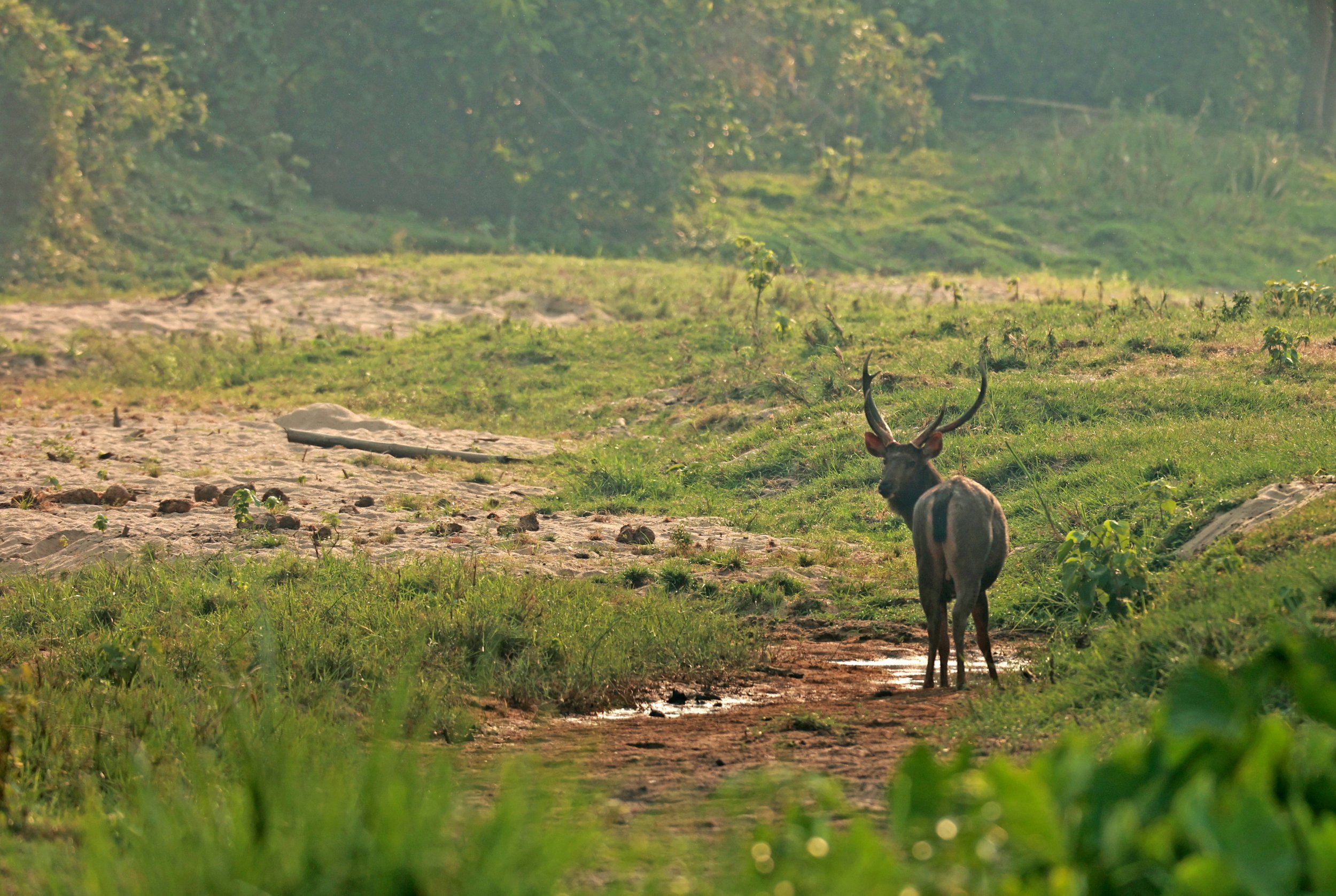
The Sambar deer (Rusa unicolor)
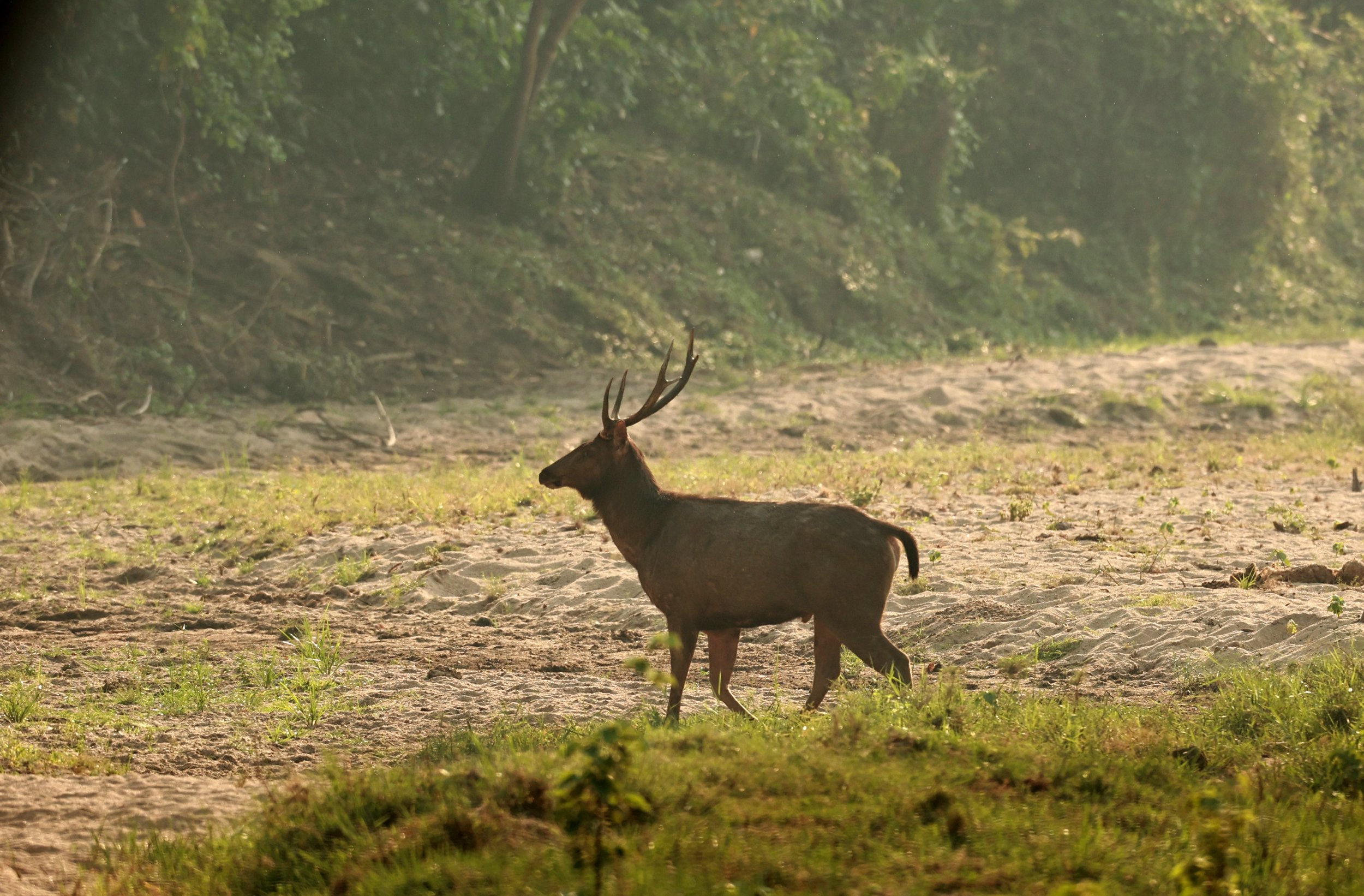
The Sambar deer (Rusa unicolor)
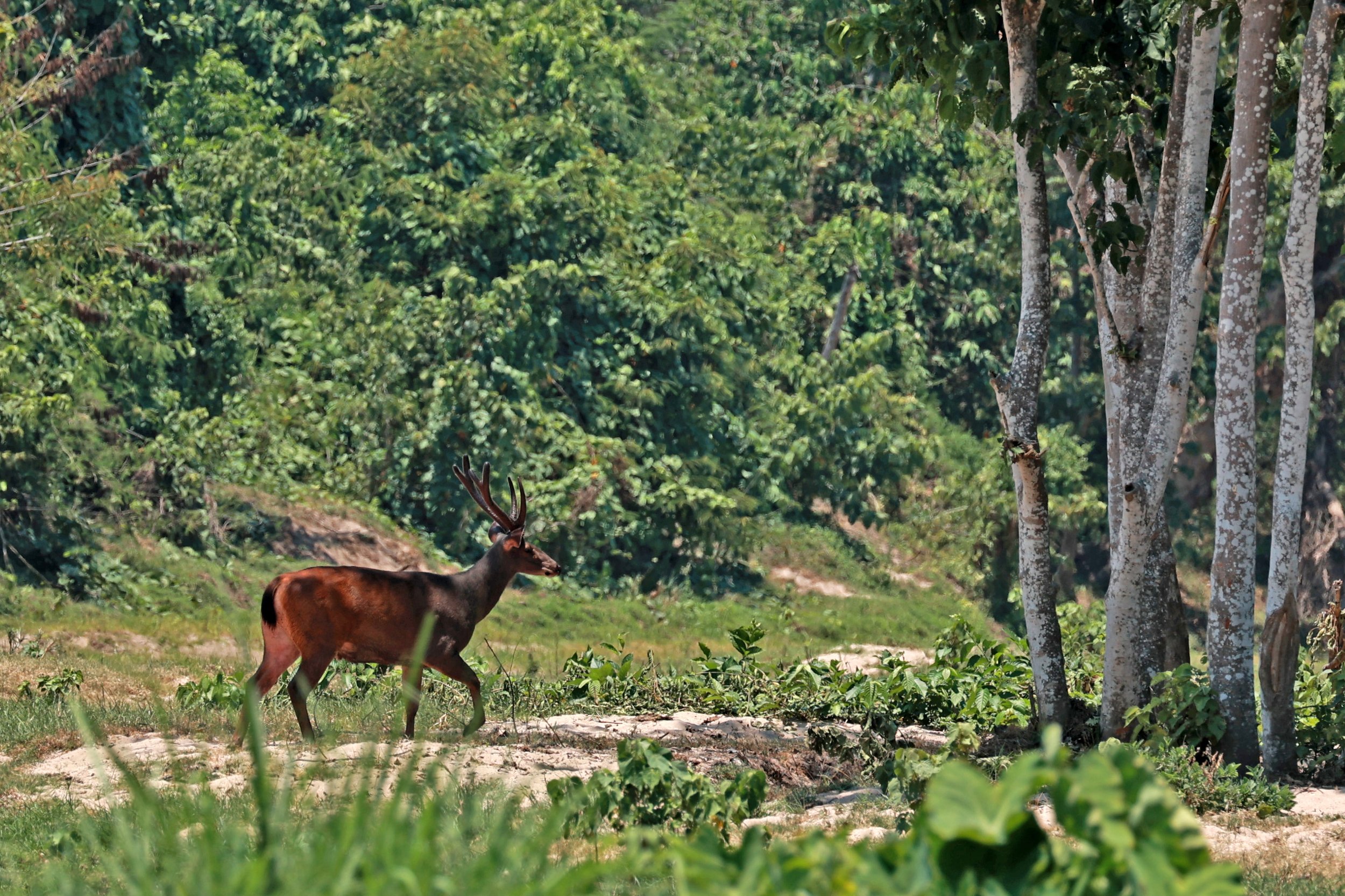

Yes, Eld’s deer (Panolia eldii) are considered indigenous to Southeast Asia, including Thailand, and Huai Kha Khaeng Wildlife Sanctuary is part of their historical range. However, their presence in the sanctuary today is the result of intensive reintroduction efforts, as the species was previously declared extinct in the wild in Thailand.
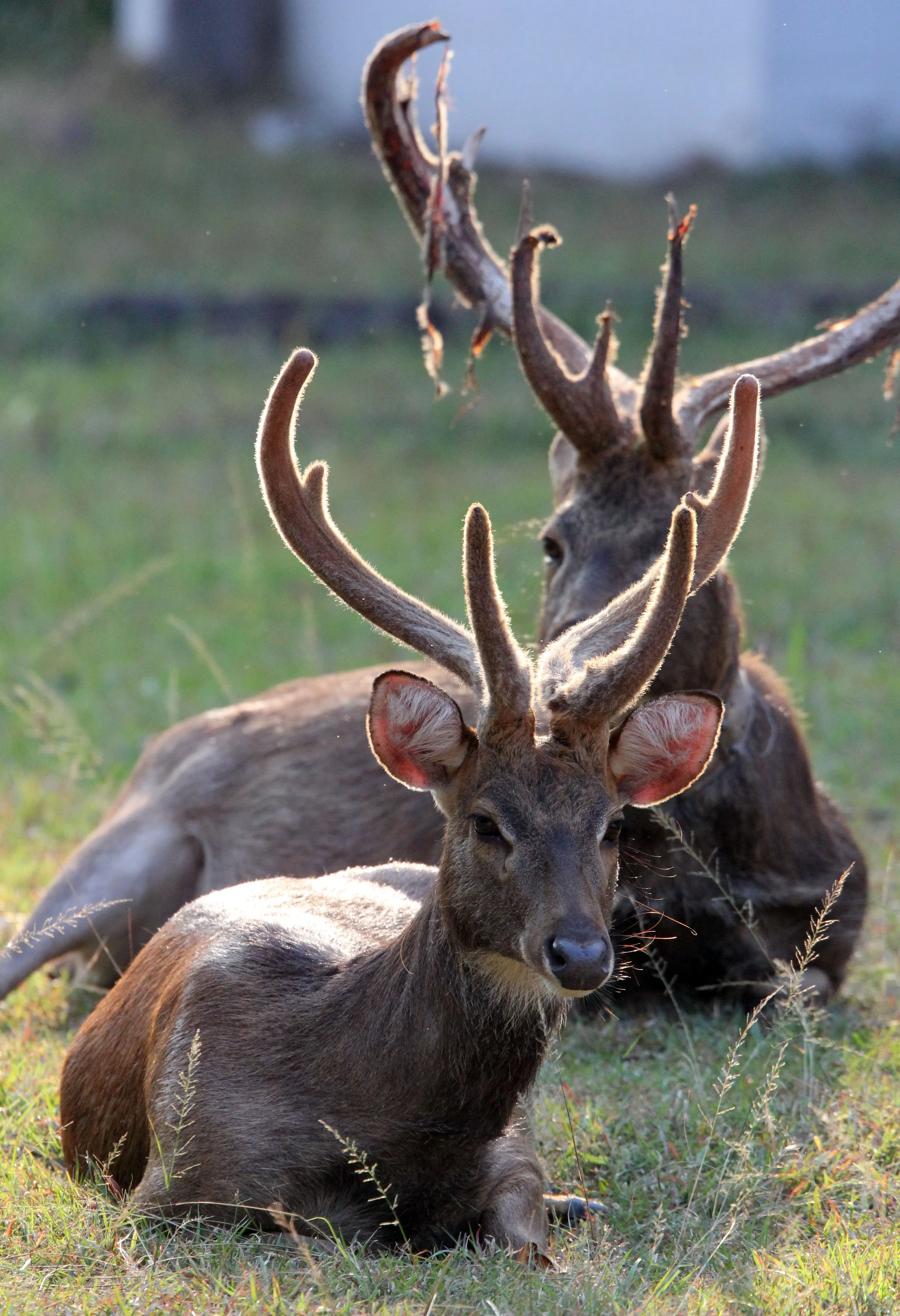
Historically, two subspecies were native to Thailand: Burmese Eld's deer (R. e. thamin): Found in western Thailand near the Myanmar border, including areas around the Dawna Range. Siamese Eld's deer (R. e. siamensis): Historically found in the North, Central, Northeast, and Southeast parts of the country. The subspecies reintroduced to Huai Kha Khaeng and Phu Kieo are from Burmese herds and some conservationists are critical of the reintroduction using this Thamin subspecies.

Eld's deer (Rucervus eldii siamensis or Panolia eldii siamensis) I am seeing both genera used these days.

Eld's deer (Rucervus eldii siamensis or Panolia eldii siamensis) fawn
Eld's deer (Rucervus eldii siamensis or Panolia eldii siamensis)
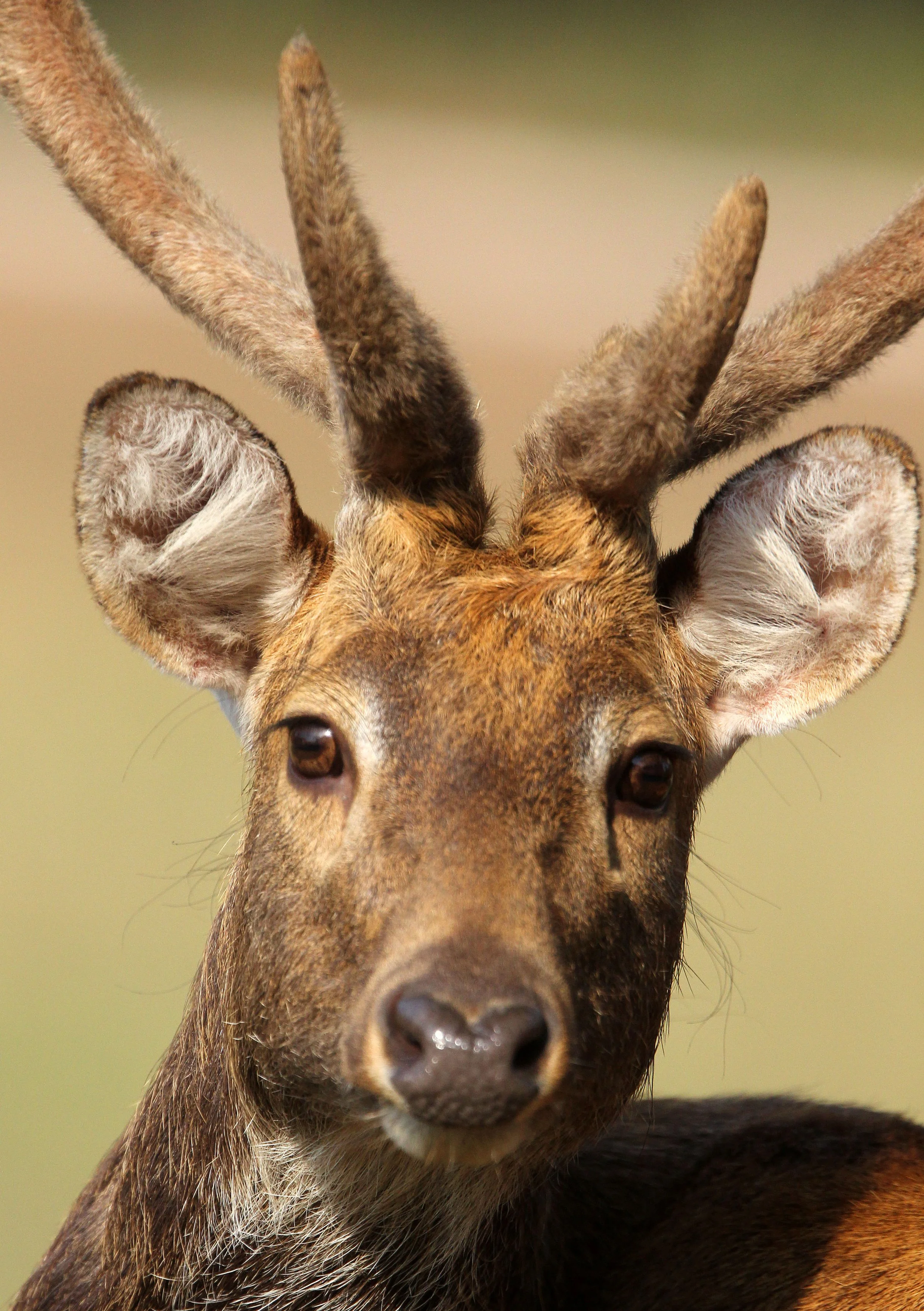
Because Huai Kha Khaeng is part of their former habitat, it was selected as a key site for restoring the species. Reintroduction of zoo-born Eld's deer began in 2007 at Huai Kha Khaeng Wildlife Sanctuary. The deer released were typically born and raised in breeding centers, such as the one in Si Sa Ket province or the Zoological Park Organization.
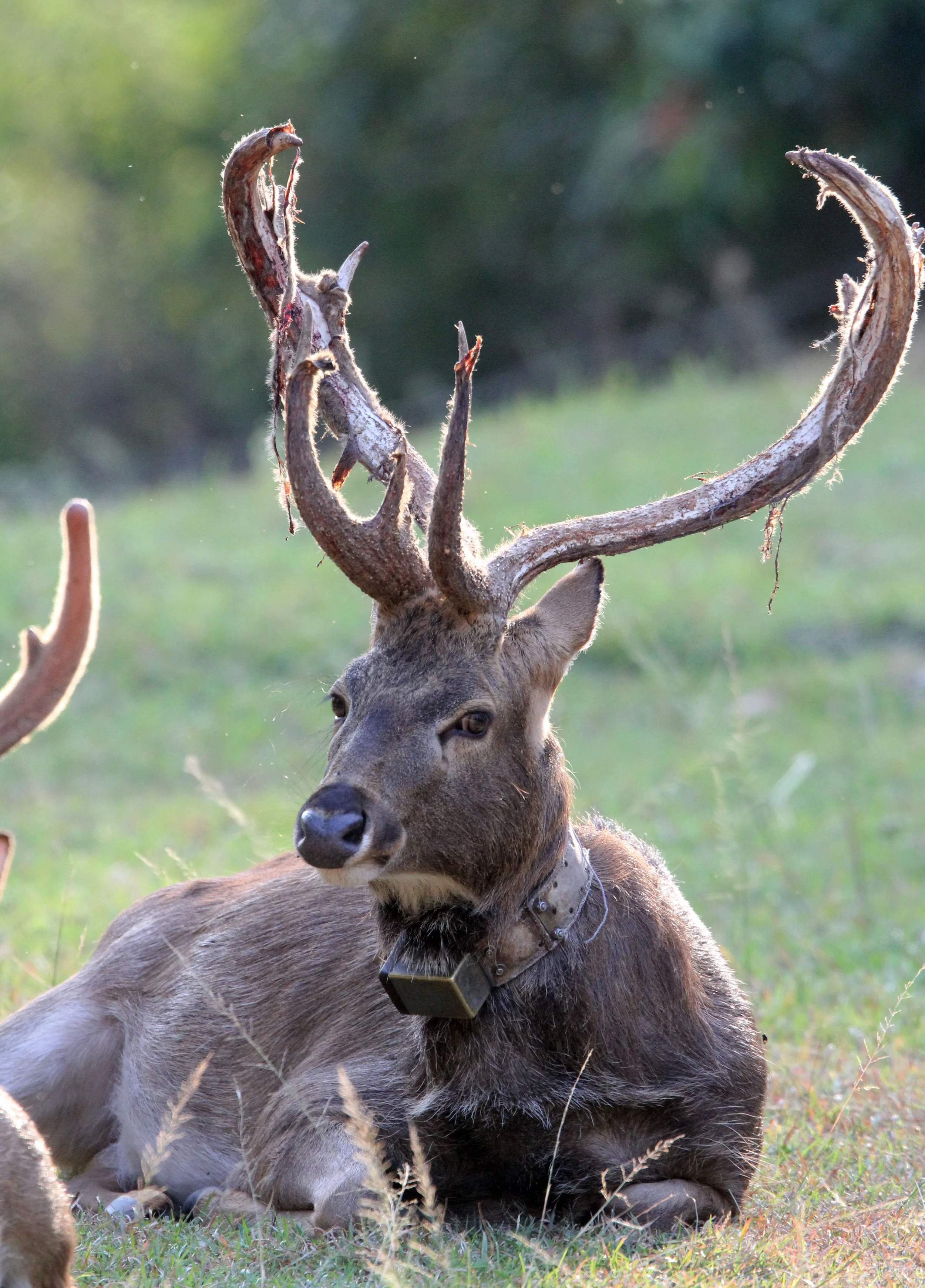
Eld's deer (Rucervus eldii siamensis or Panolia eldii siamensis). Note the tracking collar - this one was one of the original reintroductees to HKK.

You can now see Eld's deer in the sanctuary, particularly around the headquarters trails and grasslands where they have been observed "sharpening antlers" and interacting with other species like Hog deer.
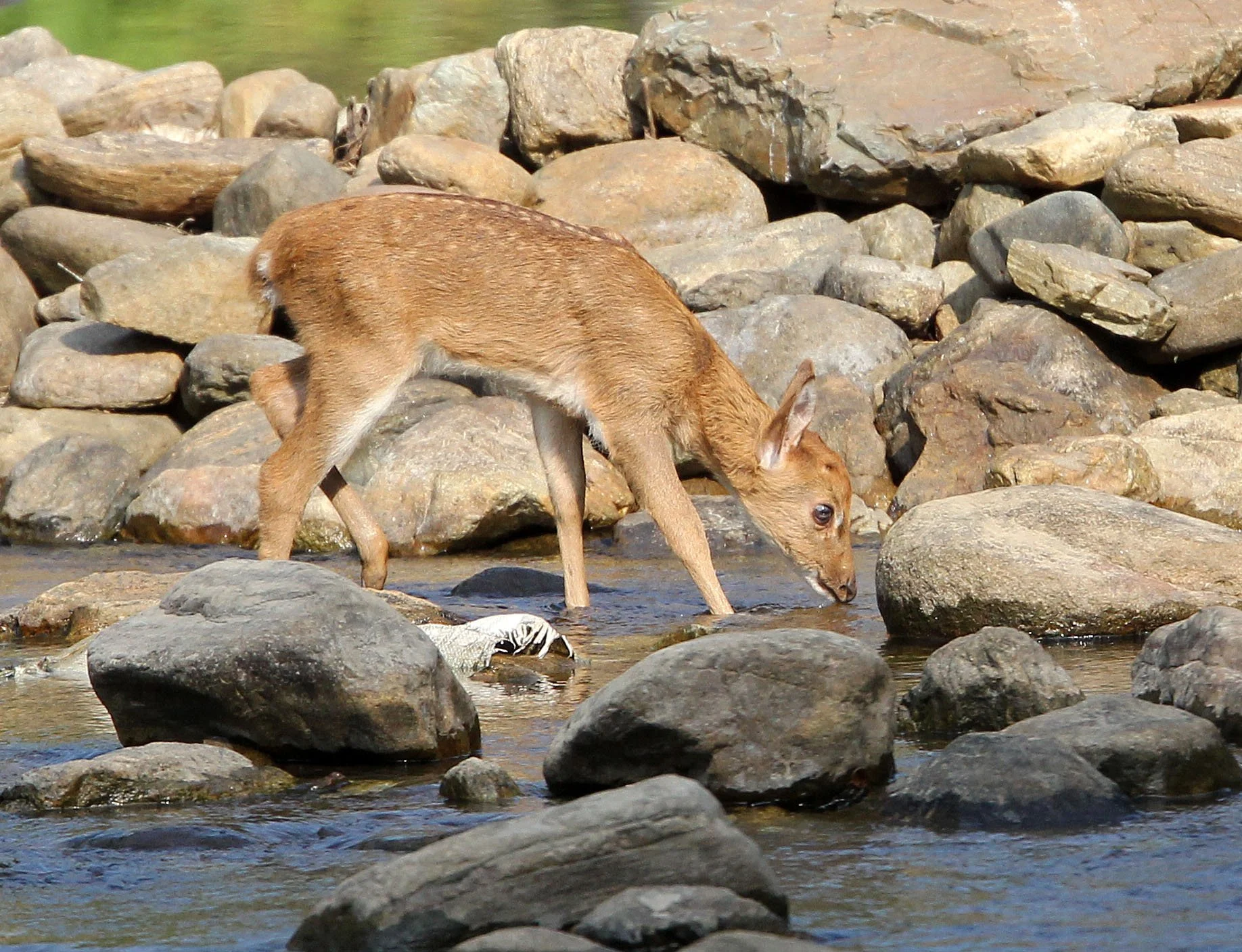
Eld's deer (Rucervus eldii siamensis or Panolia eldii siamensis) fawn

Eld's deer (Rucervus eldii siamensis or Panolia eldii siamensis) in velvet
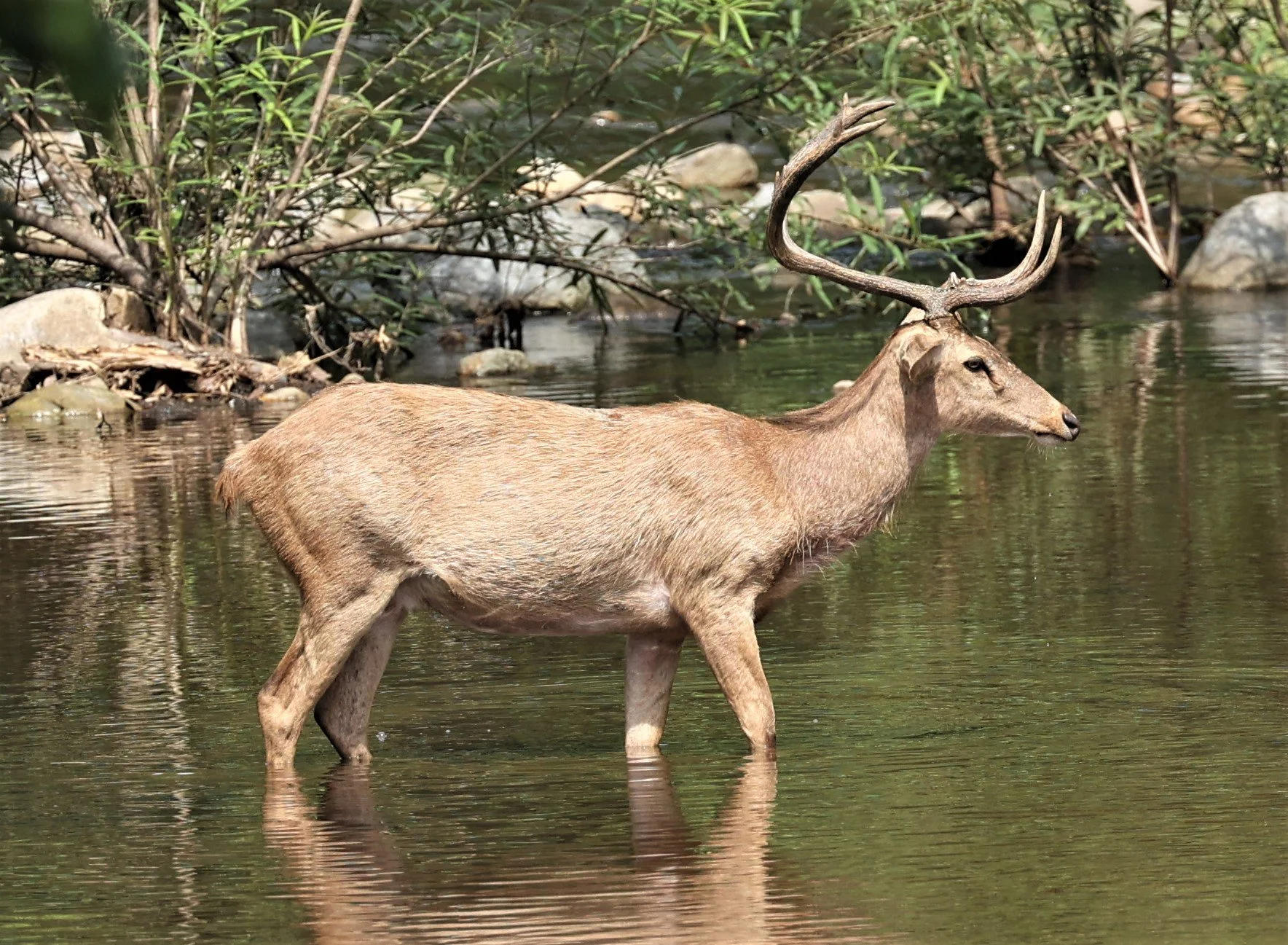
Eld's deer (Rucervus eldii siamensis or Panolia eldii siamensis) with its very unique rack.

Eld's deer (Rucervus eldii siamensis or Panolia eldii siamensis)
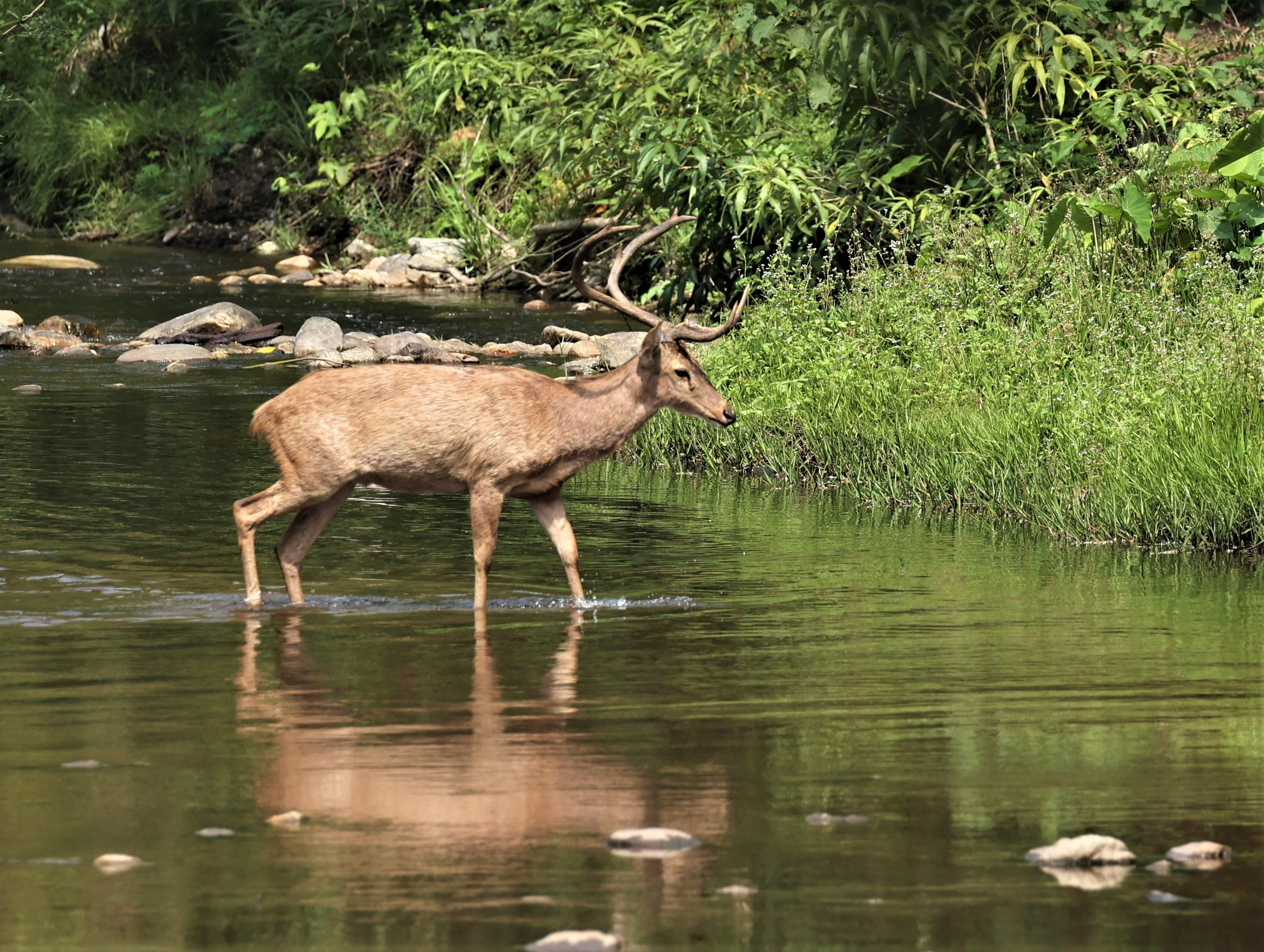
Eld's deer (Rucervus eldii siamensis or Panolia eldii siamensis)
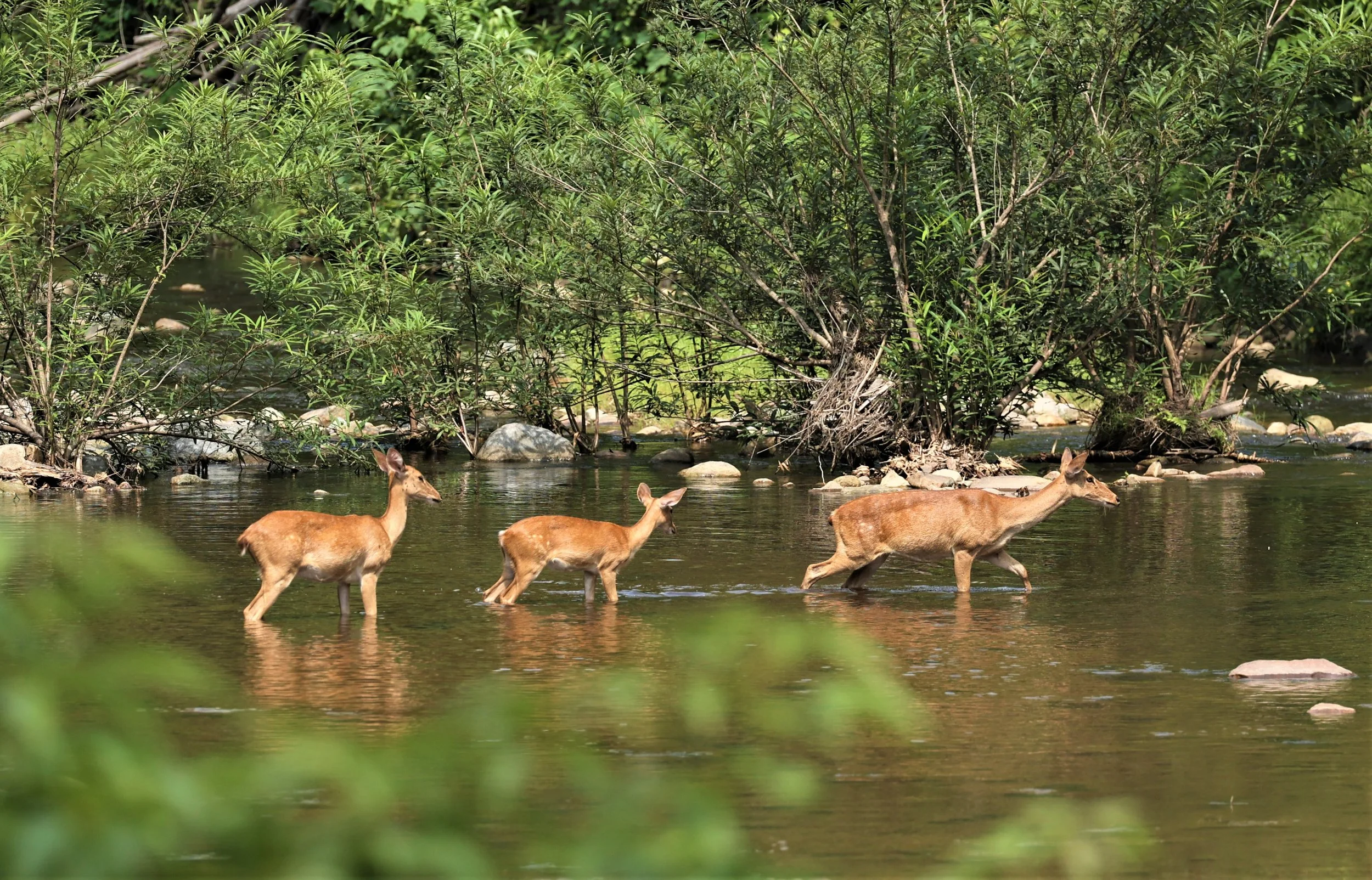
Eld's deer (Rucervus eldii siamensis or Panolia eldii siamensis). Regardless of the taxonomic controversy, seeing these spectacular cervids in the Western Forest Complex is awesome.

Eld's deer (Rucervus eldii siamensis or Panolia eldii siamensis)

Bachelor herd of Eld's deer (Rucervus eldii siamensis or Panolia eldii siamensis)
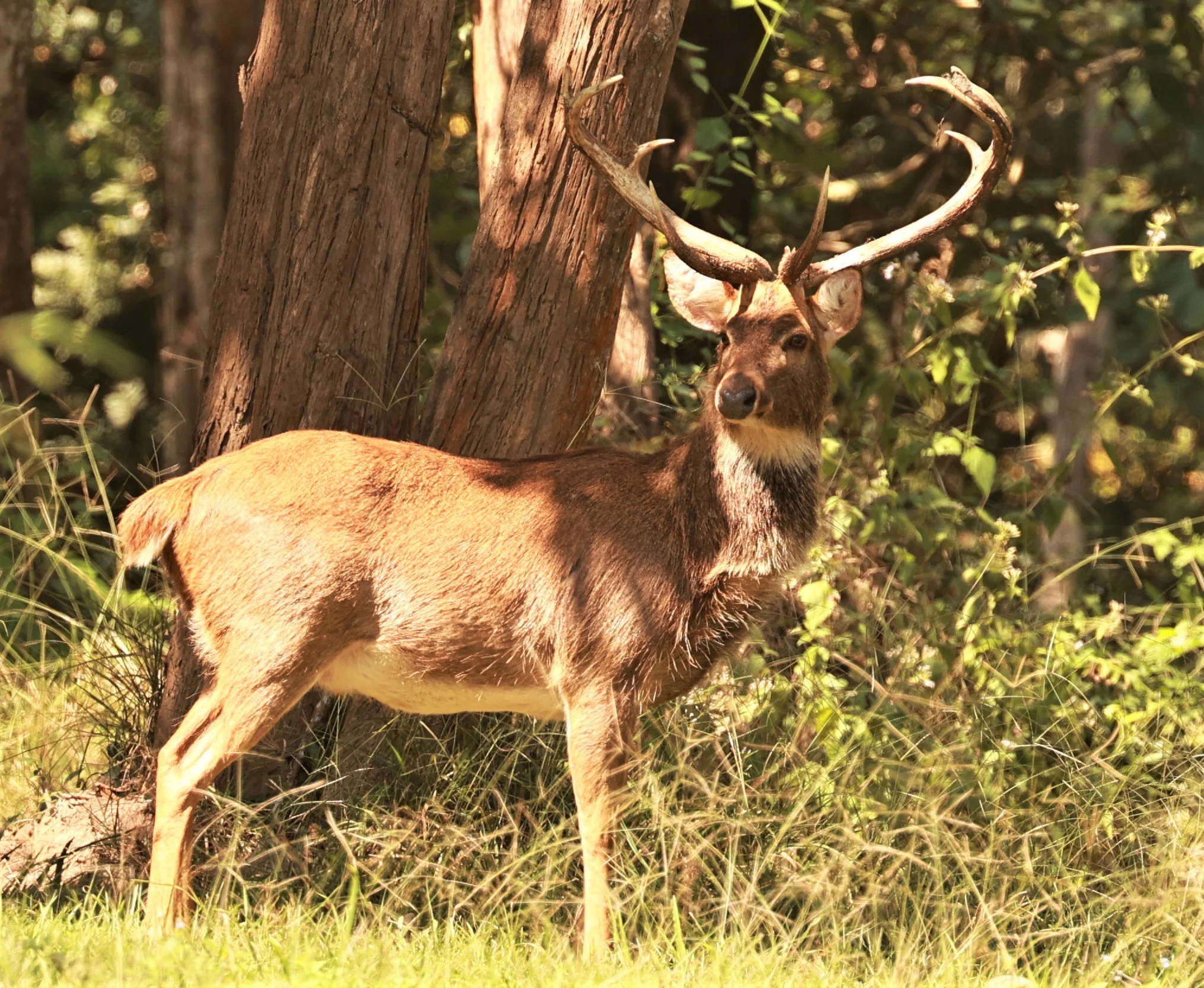
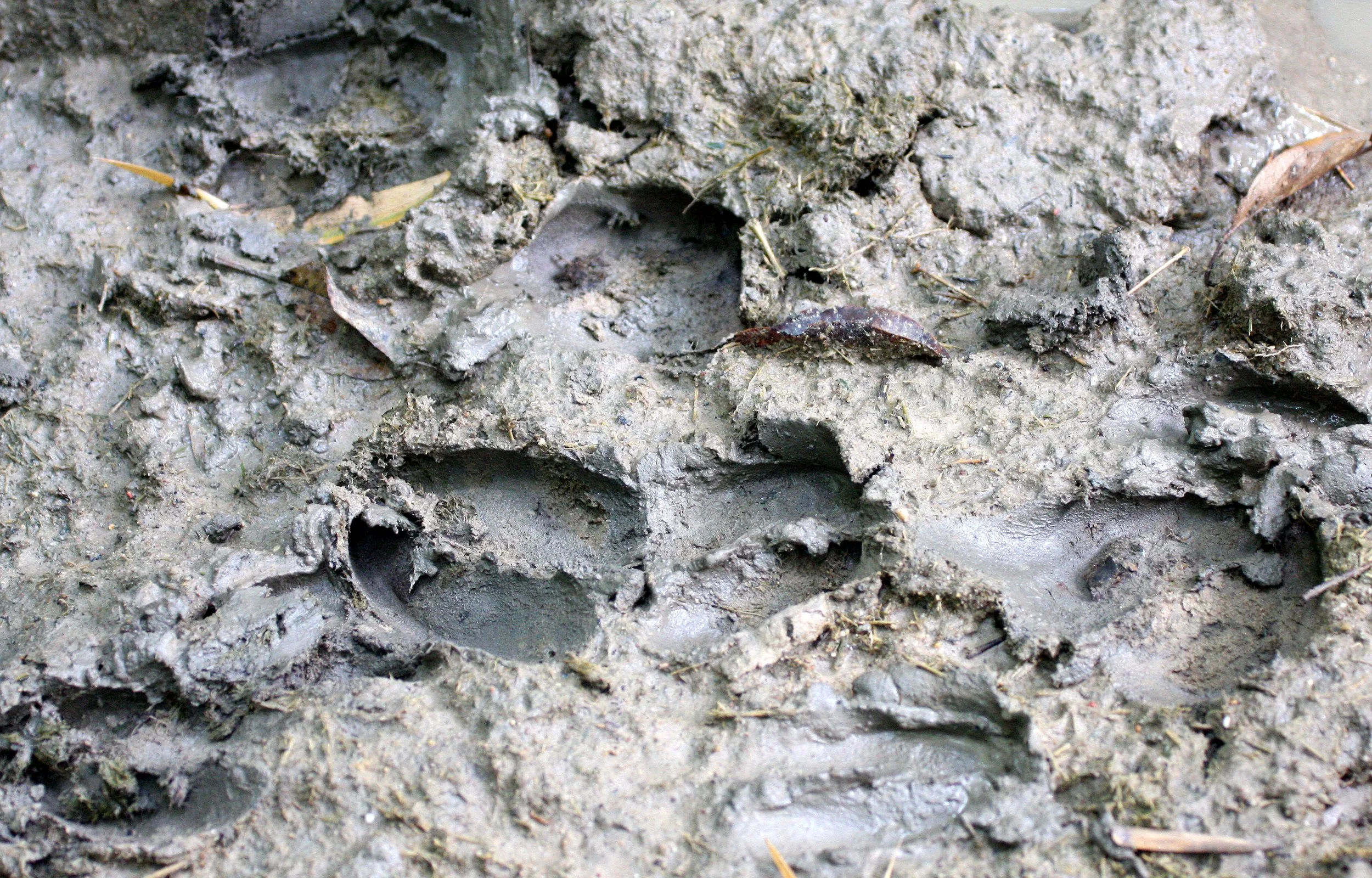
Eld's deer (Rucervus eldii siamensis or Panolia eldii siamensis) sign. Could be Hog Deer as well.
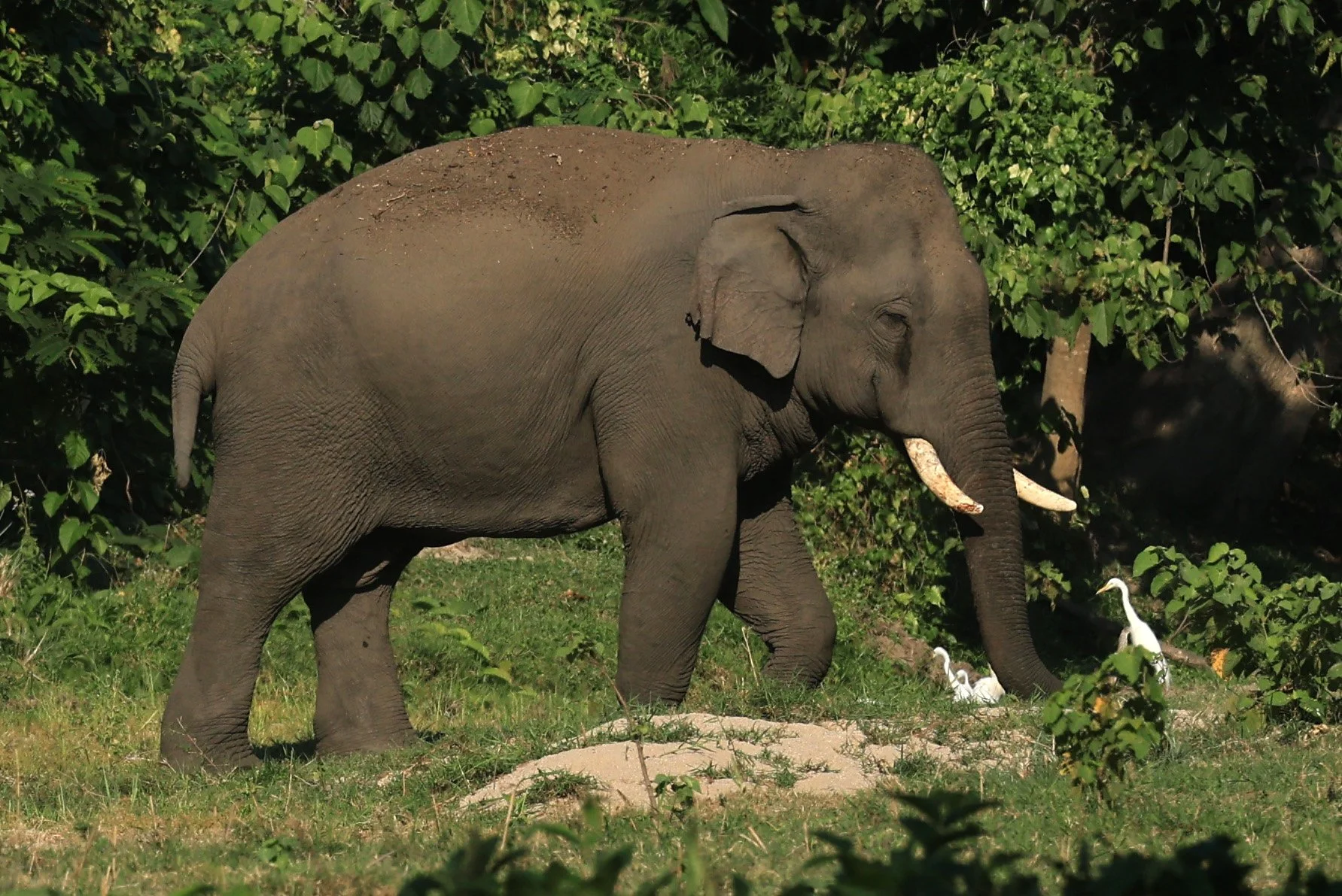
Asian Elephants (Elephas maximus indicus)
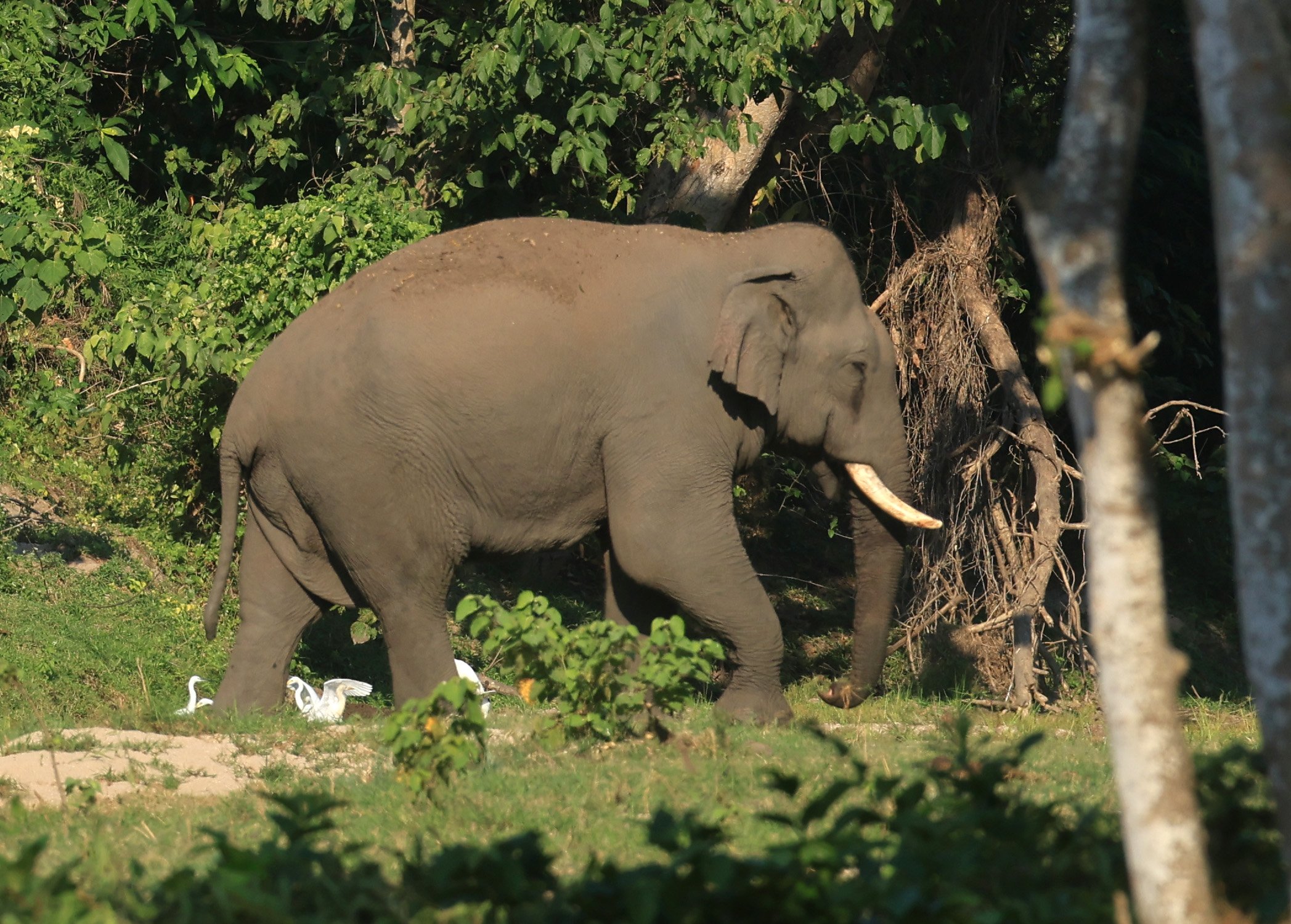
Asian Elephants (Elephas maximus indicus)

Asian Elephants (Elephas maximus indicus) are the Western Forest Complexes largest mammal by far. Note the giant collar on this elder.

In the Western Forest Complex (WEFCOM) of Thailand, the Asian elephant (Elephas maximus) serves as both a keystone and umbrella species, maintaining the ecosystem's health through seed dispersal and forest opening. WEFCOM is the most significant conservation landscape for the species, containing the largest concentration of wild elephants in Thailand.
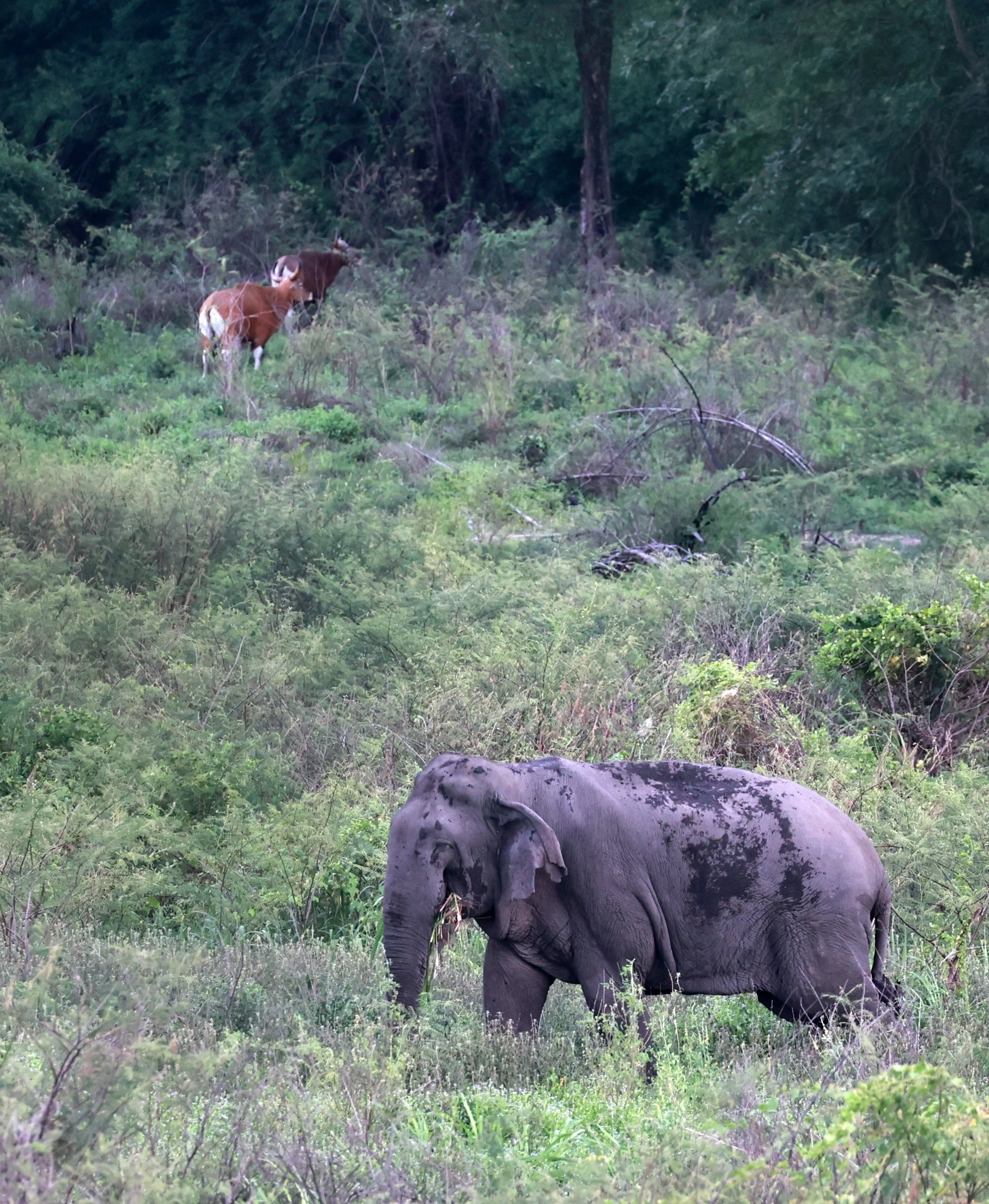
Population: WEFCOM holds a vital metapopulation of approximately 642 individuals (as of 2017 estimates). While global populations are in decline, the wild elephant population across Thailand has shown an increasing trend over the last 14 years.
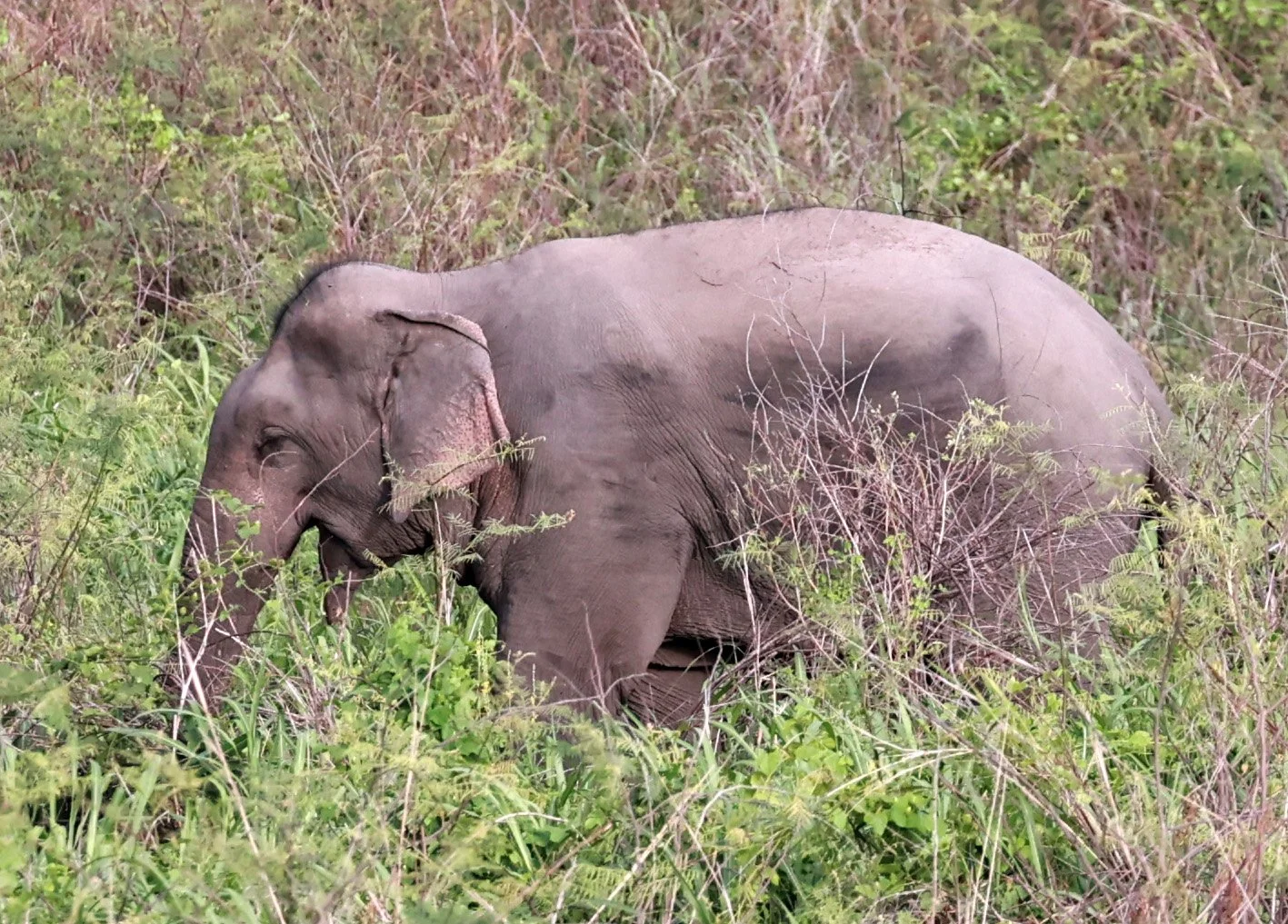
Asian Elephants (Elephas maximus indicus) Legal Status: Globally listed as Endangered on the IUCN Red List and protected under CITES Appendix I. In Thailand, they are classified as Preserved Animals under the Wildlife Conservation and Protection Act B.E. 2562 (2019).

Asian Elephants (Elephas maximus indicus)

Asian Elephants (Elephas maximus indicus) sign
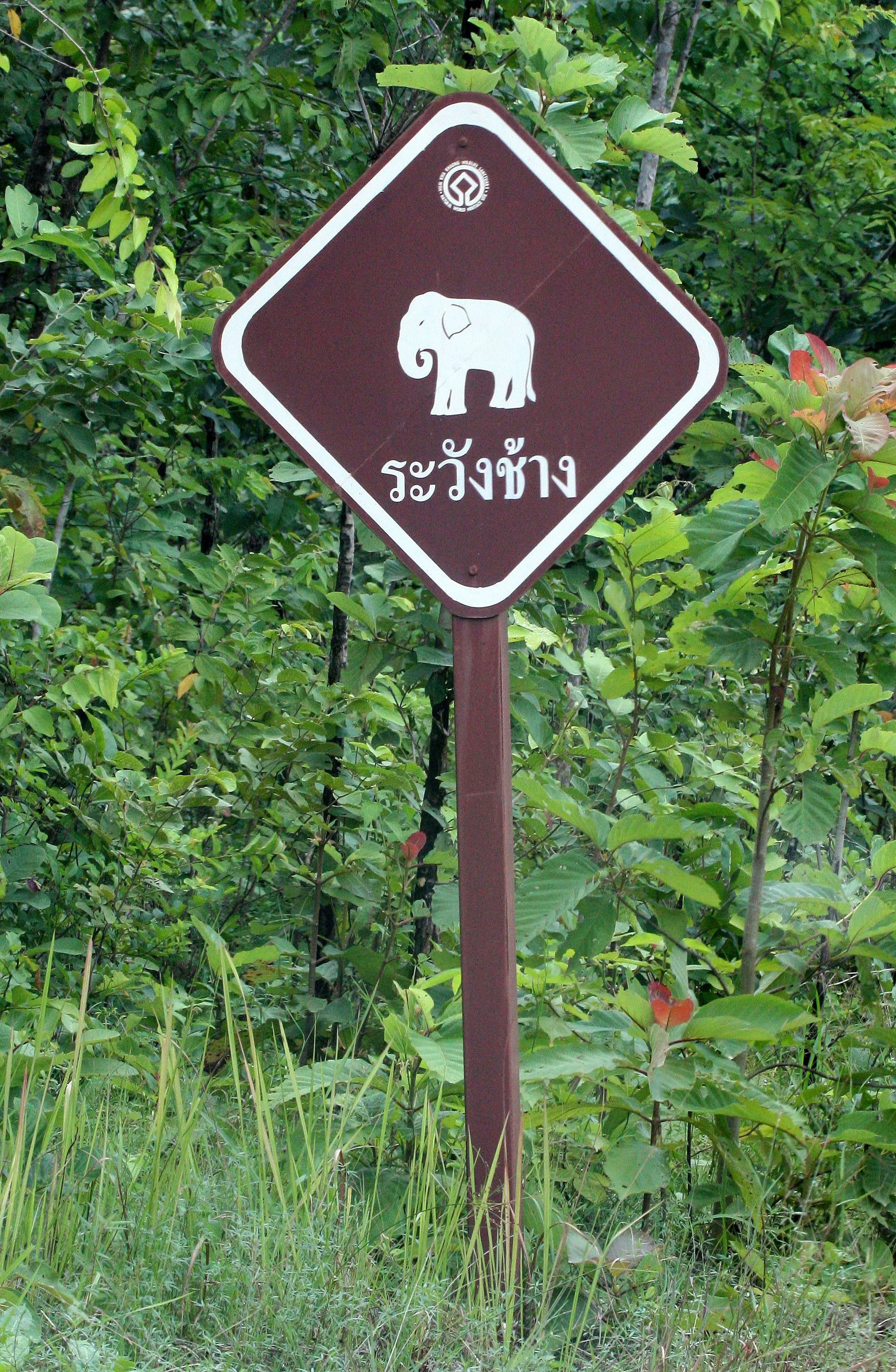
Asian Elephants (Elephas maximus indicus). And they are not kidding!

Intermediate Horseshoe Bat (Rhinolophus affinis) in Wa Dung Cave Sai Yok NP, Kanchanaburi

Carpenter's lar gibbon (Hylobates lar carpenteri) primarily inhabit dry evergreen and moist mixed deciduous forests. In the WEFCOM, they are often found in mature forests with intact canopies that allow them to move easily through the trees. As true brachiators, they spend nearly all their lives in the forest canopy, rarely descending to the ground to avoid predators. They prefer taller canopy trees and higher elevations, often choosing ridgetops as calling locations. About 50% of their diet consists of fruit, supplemented by leaves, flowers, and insects. By consuming fruit and traveling long distances, they act as critical seed dispersers for the forest.

The White-handed gibbon (Hylobates lar), also known as the Lar gibbon, is a keystone species found throughout the Western Forest Complex (WEFCOM) in Thailand. This massive conservation area provides one of the last substantial habitats for these endangered primates, which are known for their spectacular agility and loud, melodic territorial calls. The subspecies of Lar seen in HKK is Carpenter's lar gibbon (Hylobates lar carpenteri)

Carpenter's lar gibbon (Hylobates lar carpenteri) are classified as Endangered on the IUCN Red List, their numbers are threatened by hunting and the illegal pet trade. The most serious future threats to WEFCOM populations are increased forest dryness and degradation caused by rising global temperatures. They are highly susceptible to changes in forest health; their presence is a reliable indicator of a healthy, diverse ecosystem

Carpenter's lar gibbon (Hylobates lar carpenteri)

The golden jackal (Canis aureus) is a common and highly adaptable mesopredator found throughout Thailand's Western Forest Complex (WEFCOM). Within this massive 18,000 conservation landscape, they are particularly abundant in the Huai Kha Khaeng Wildlife Sanctuary, where they have been recorded with the highest relative abundance of all carnivore species.

In the Western Forest Complex, golden jackals show a strong preference for dry dipterocarp forests over other habitat types. Behavioral Patterns: They are primarily nocturnal and crepuscular, with peak activity often recorded around midnight. They function as both predators and scavengers, frequently feeding on hares, small rodents, and the remains of kills made by larger predators like tigers or leopards. While they are generally fearful of humans in the wild, jackals near the boundaries of the complex may venture into rural areas or near settlements to scavenge.

Scruffy Golden Jackal (Canis aureus)
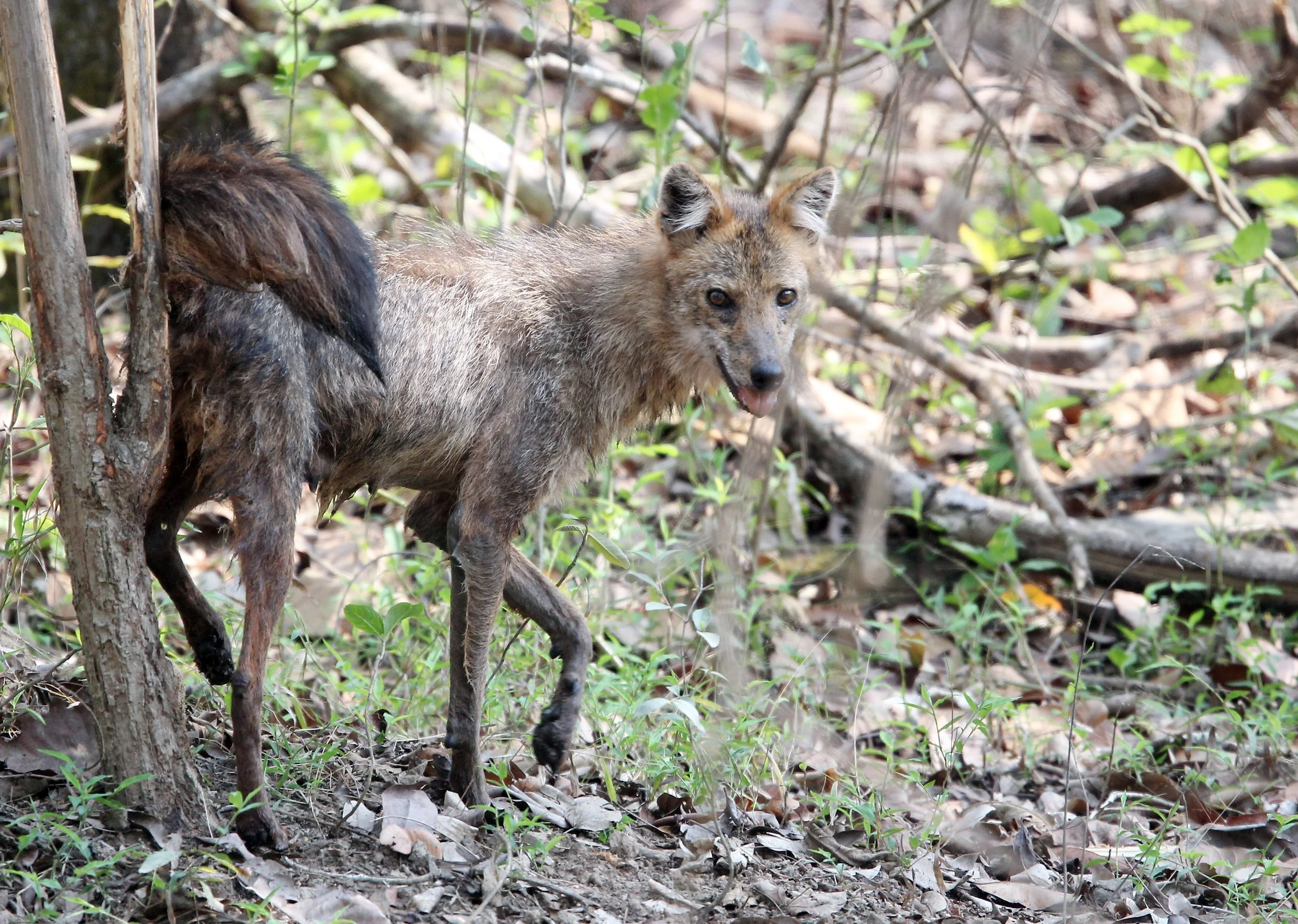
Scruffy Golden Jackal (Canis aureus)

Lesser False Vampire Bat (Megaderma spasma) in Dao Wa Dung Cave Sai Yok NP, Kanchanaburi

Lesser False Vampire Bat (Megaderma spasma) in Dao Wa Dung Cave Sai Yok NP, Kanchanaburi
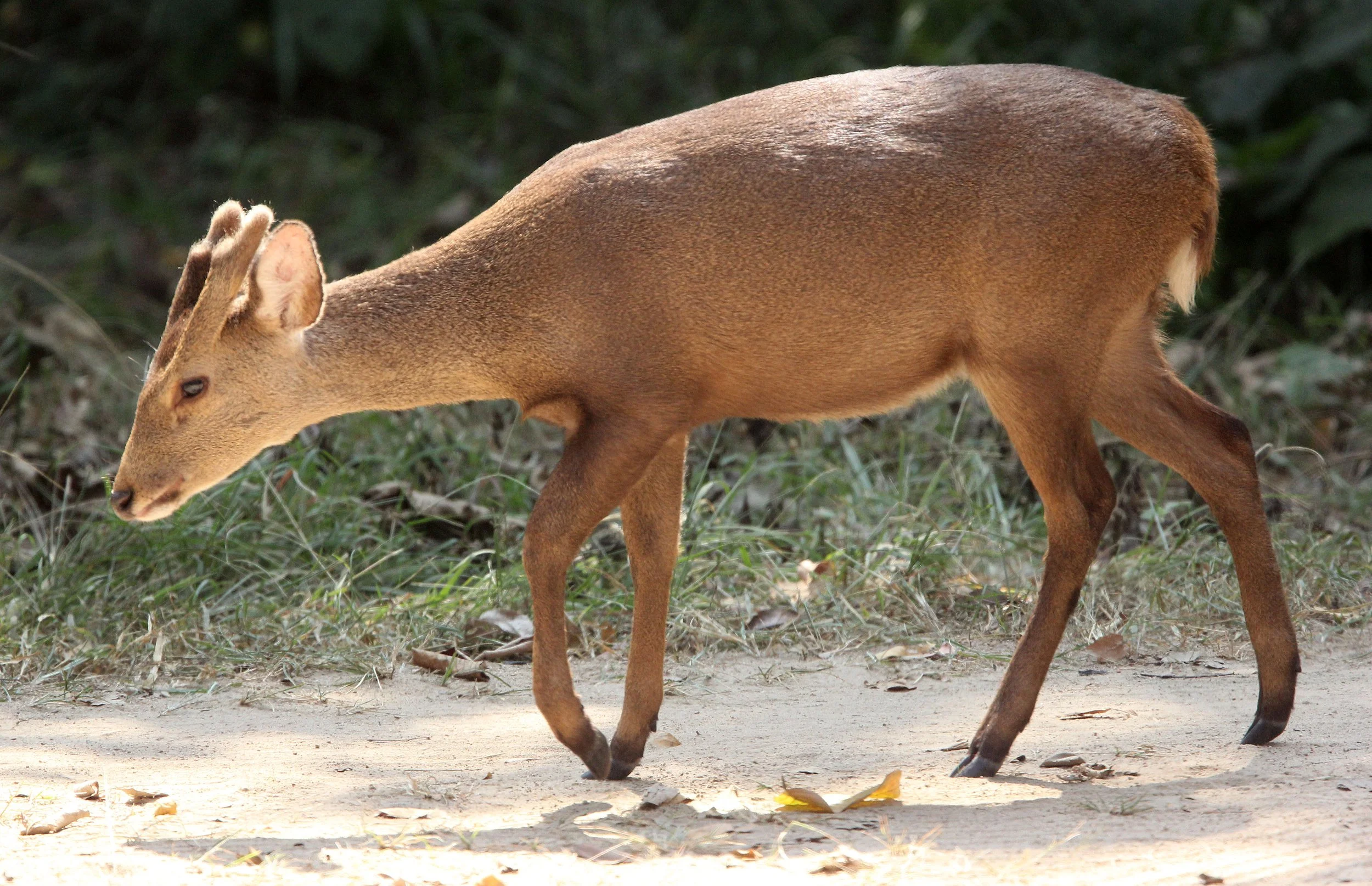
In the Western Forest Complex (WEFCOM) of Thailand, the Red Muntjac (Muntiacus muntjak)—also commonly known as the Barking Deer—is a vital and widely distributed herbivore. It serves as a primary prey species for the region's top carnivores, including the Indochinese tiger and leopard.
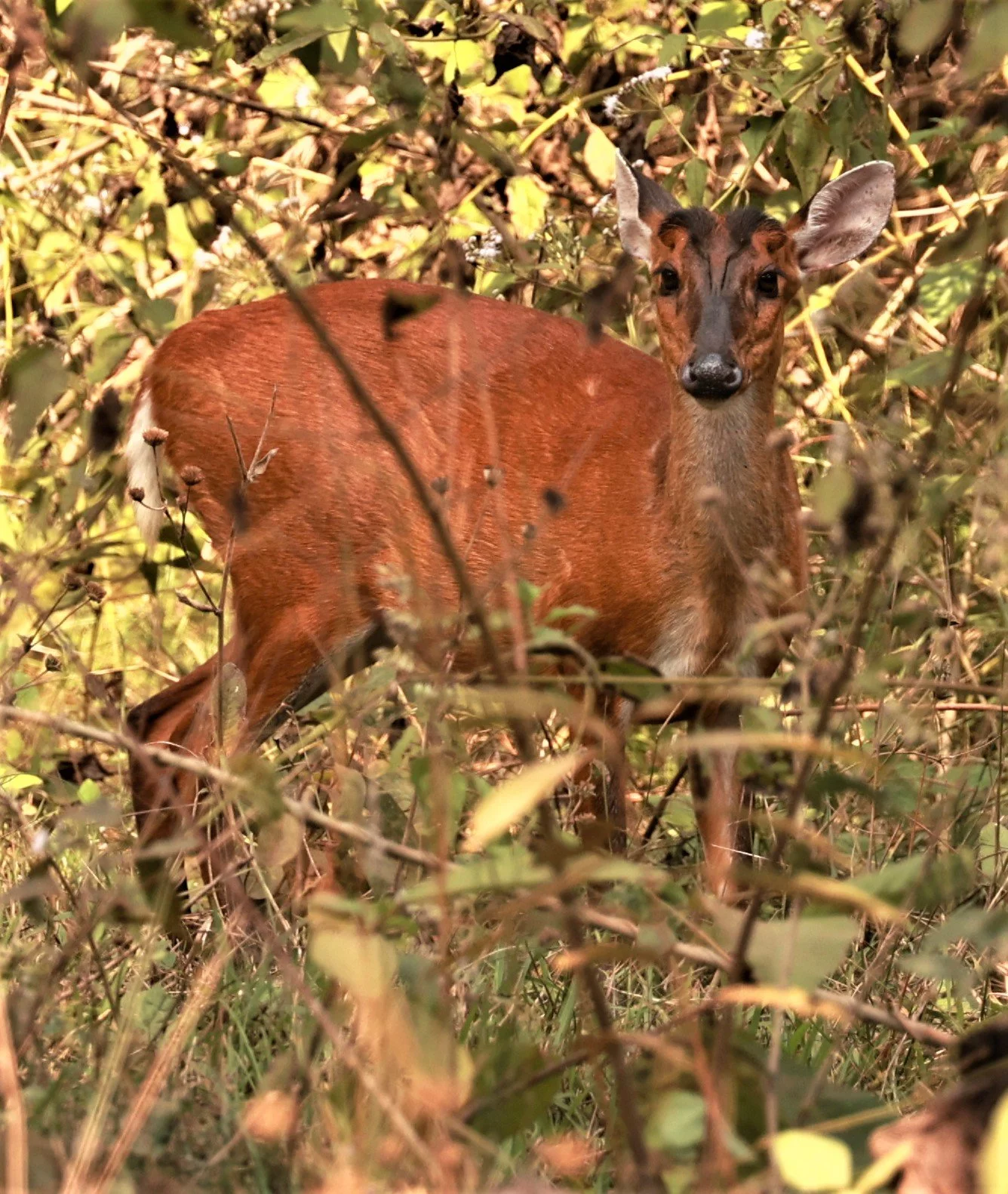
Red Muntjac are one of the most abundant medium-sized ungulates in the complex, with densities reaching approximately 5 individuals per km² in well-protected areas like Huai Kha Khaeng. These deer are highly adaptable generalists found across various forest types, including evergreen and deciduous forests. In the Western Forest Complex, the Red Muntjac often shares its habitat with the much rarer Fea's Muntjac (Muntiacus feae), which is specifically noted for thriving in this western region. Behavior: They are typically solitary and known for their distinctive, loud barking calls used to warn of predators or signal territory.

As they are the main prey item of many carnivores, Red Muntjac are necessarily skiddish!

The Western Forest Complex (WEFCOM) in Thailand is a critical stronghold for the melanistic Indochinese leopard (Panthera pardus delacouri), often referred to as a "black panther". These elusive cats carry a recessive genetic trait causing an overproduction of dark pigment, though their distinctive rosette patterns are often still visible under specific lighting.

Indochinese leopard (Panthera pardus delacouri) A premier location for researchers and photographers. Notable sightings have occurred at the Kabook Kabieng (Kapuk Kapien) hot springs, a vital mineral deposit for the region's wildlife.

Note the spots on this Indochinese leopard (Panthera pardus delacouri)

Indochinese leopard (Panthera pardus delacouri)

Indochinese leopard (Panthera pardus delacouri) In Southeast Asia, the frequency of melanism is notably high, particularly south of the Isthmus of Kra, where almost all leopards are melanistic. In WEFCOM, both color phases coexist, providing a rare opportunity for scientists to study these variations.

Indochinese leopard (Panthera pardus delacouri). While approximately 11% of all leopards worldwide are black (melanistic), the percentage for Indochinese leopards (Panthera pardus delacouri) varies dramatically by location. The frequency of black Indochinese leopards is heavily influenced by geography and habitat type: Malay Peninsula (South of the Isthmus of Kra): In this region, which includes Peninsular Malaysia and southern Thailand, the population is nearly 100% black. Camera trap studies in these dense tropical rainforests have recorded almost exclusively melanistic individuals, a phenomenon known as "near fixation".

Indochinese leopard (Panthera pardus delacouri) Scientists suggest several reasons for the high rate of melanism in this subspecies: The dark coat provides a selective advantage for ambush hunting in the low-light conditions of dense, multi-layered rainforest canopies. Genetic Drift: A historical population crash (a "bottleneck") may have led to a small group of surviving leopards where the black trait was common, eventually spreading through the entire subpopulation over thousands of years. Competition: It is also hypothesized that the dark coat may help leopards avoid detection by larger predators like tigers.
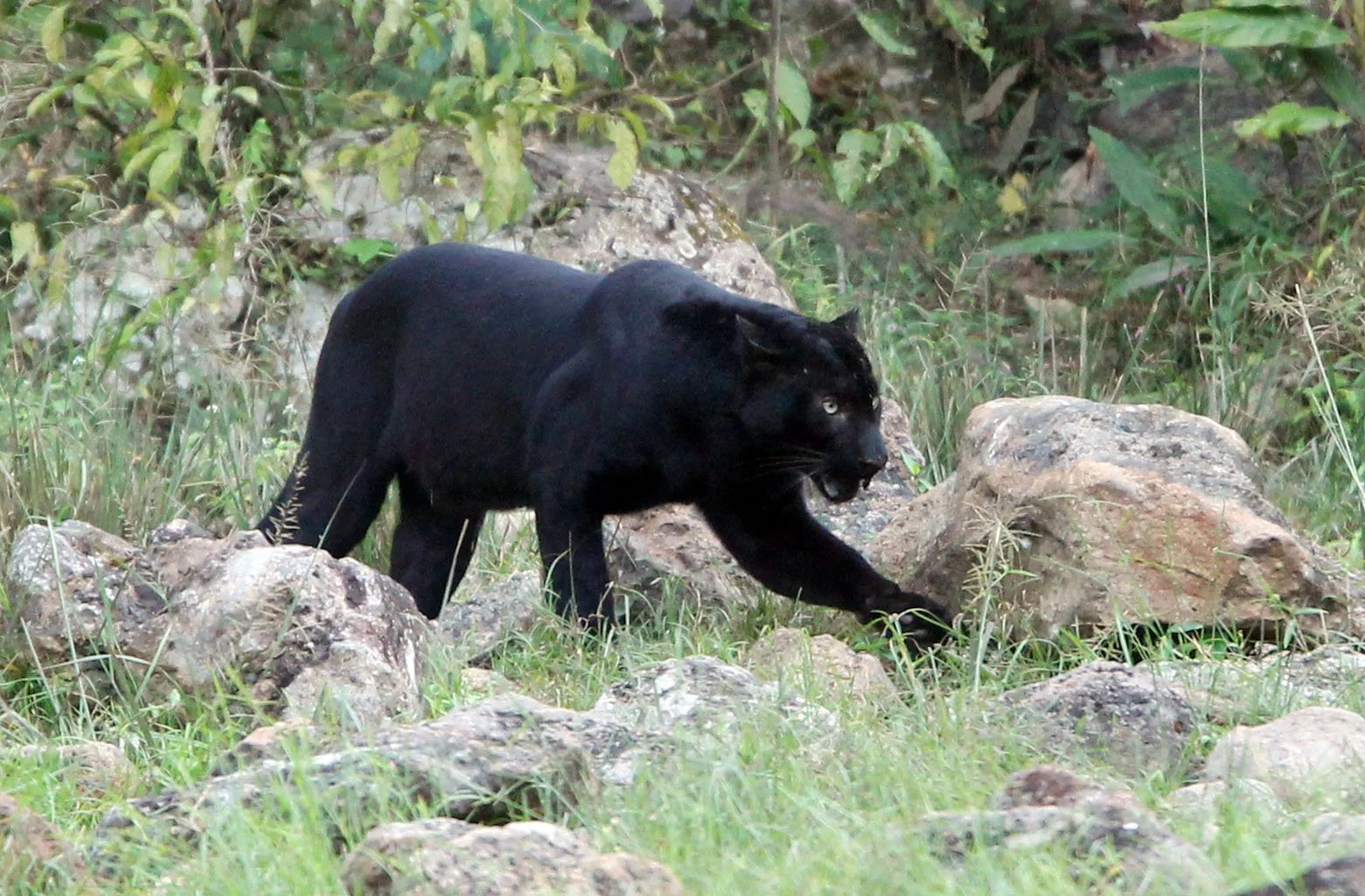
Indochinese leopard (Panthera pardus delacouri)

Indochinese leopard (Panthera pardus delacouri)

Indochinese leopard (Panthera pardus delacouri)

Indochinese leopard (Panthera pardus delacouri)

Indochinese leopard (Panthera pardus delacouri)
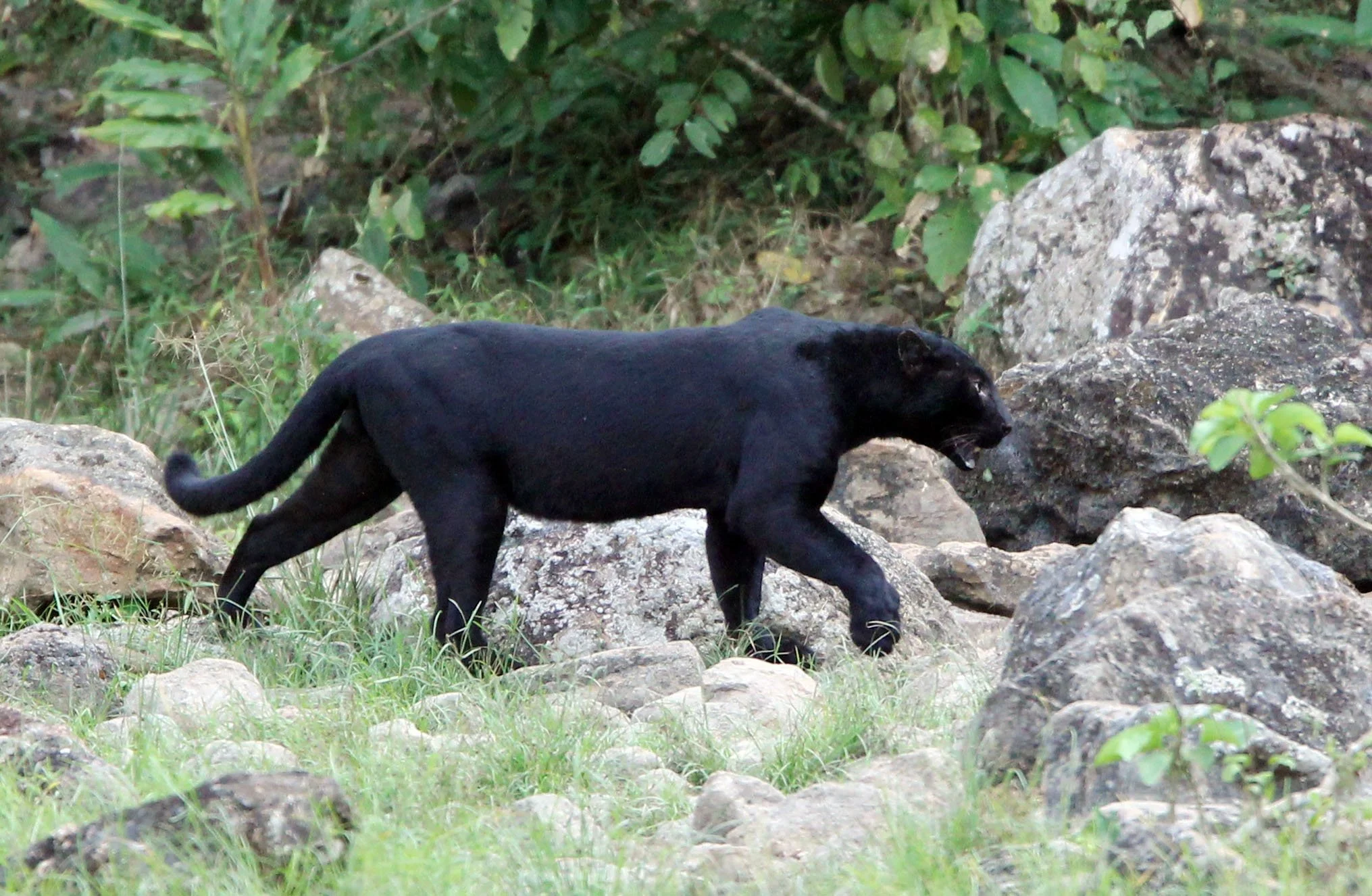
Indochinese leopard (Panthera pardus delacouri)

Indochinese leopard (Panthera pardus delacouri)

Indochinese leopard (Panthera pardus delacouri)

Indochinese leopard (Panthera pardus delacouri)

Indochinese leopard (Panthera pardus delacouri)

Indochinese leopard (Panthera pardus delacouri)

Leopard pugmarks. Notice how the pug is directly on top of my tire track meaning while I was at the blind, I had a visitor inspecting my truck.

The Common Palm Civet (Paradoxurus hermaphroditus) is widely considered a common and stable species within the Western Forest Complex (WEFCOM) of Thailand. Unlike its more specialized relatives, it is highly adaptable to various forest types and even human-modified landscapes. In Huai Kha Khaeng Wildlife Sanctuary (a core part of WEFCOM), they are frequently recorded in mixed deciduous and dry evergreen forests.

The Large Indian Civet (Viverra zibetha) is currently present and relatively well-established within Thailand's Western Forest Complex (WEFCOM). IUCN Red List: Globally listed as Least Concern. While it remains widespread across South and Southeast Asia, its populations are generally decreasing due to habitat loss, hunting, and trapping for the bushmeat trade.
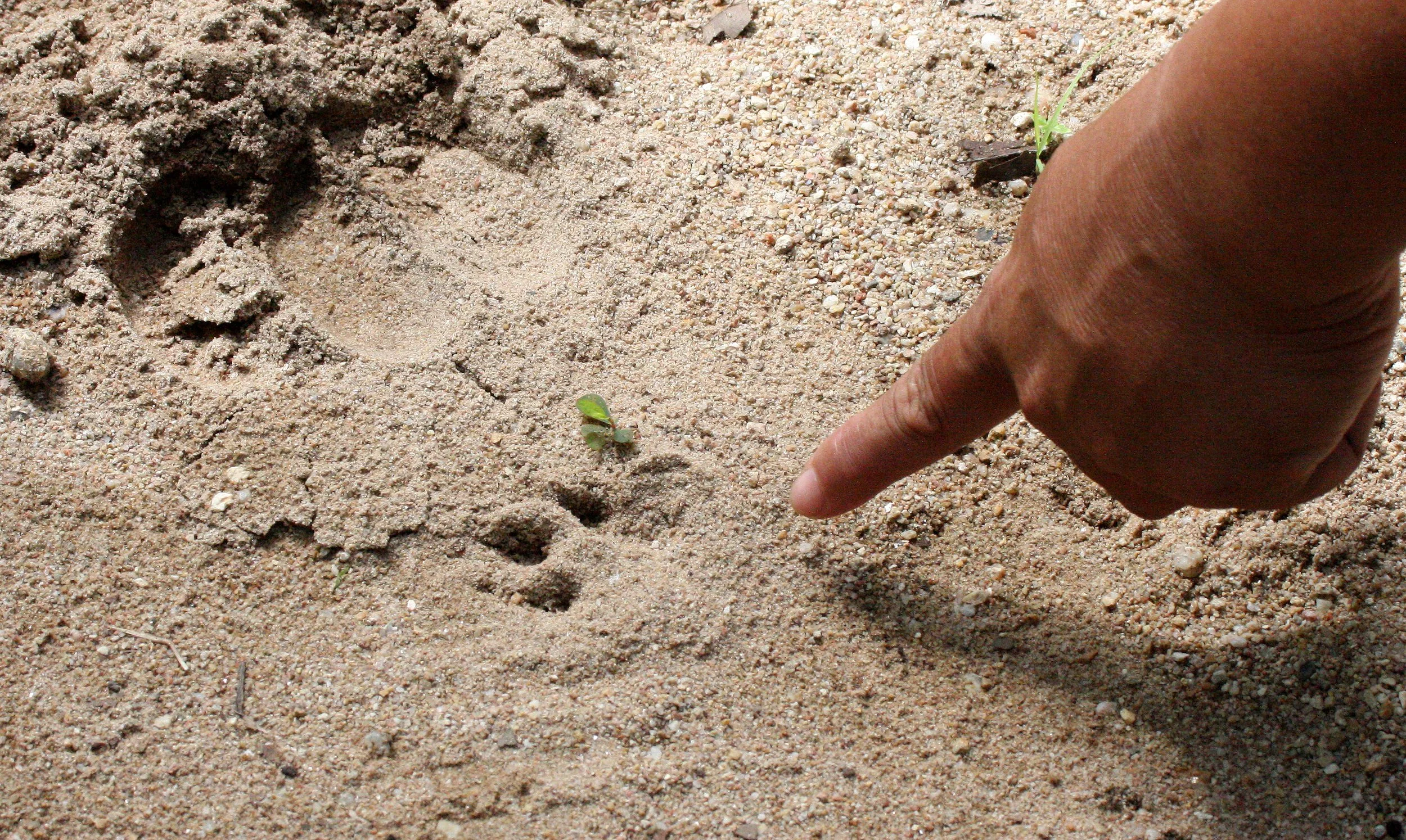
Civet sign
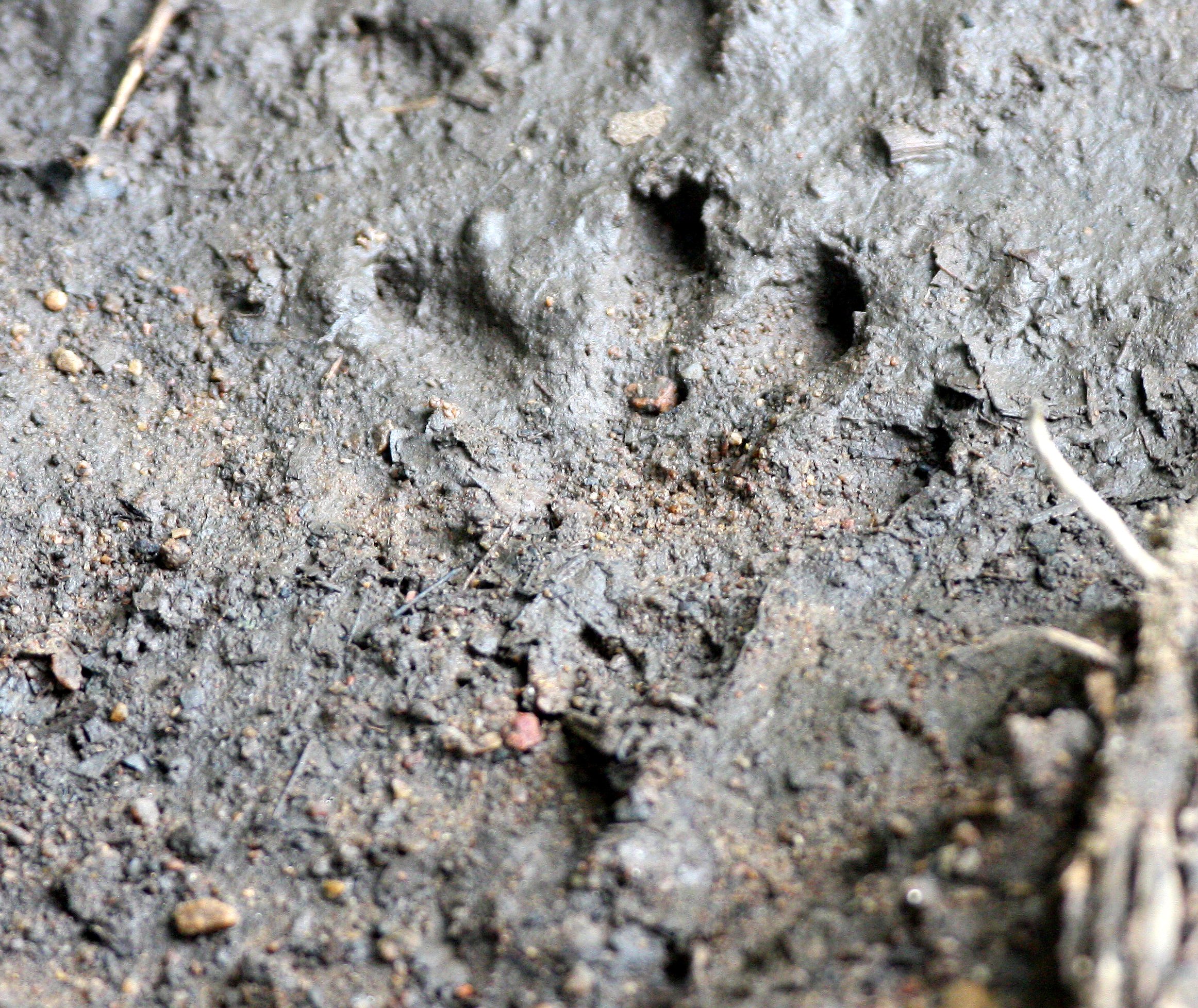
Most likely civet pugmarks in Huai Kha Khaeng
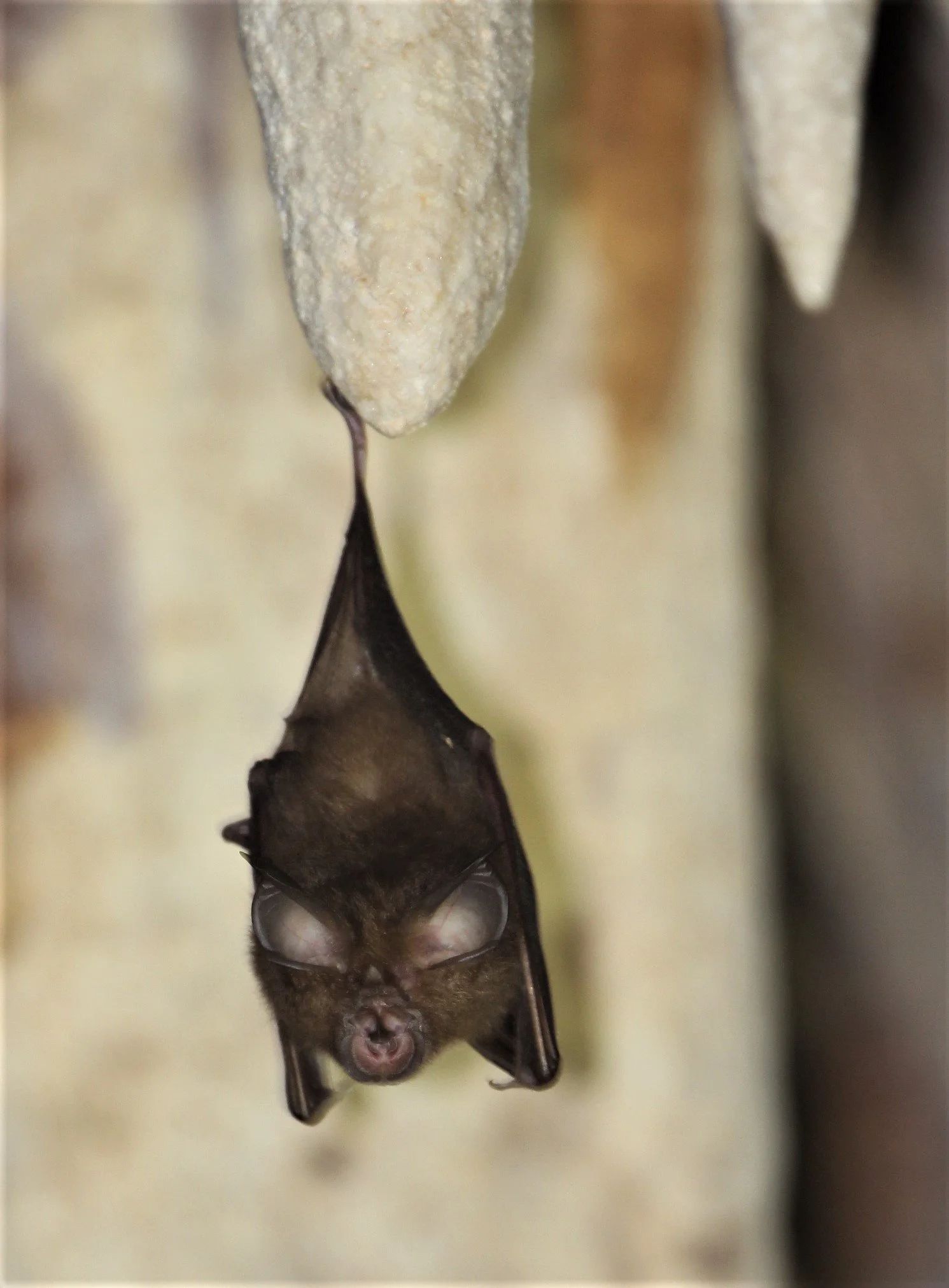
Malaysian Horseshoe Bat (Rhinolophus malayanus) Dao Wa Dung Cave Sai Yok NP, Kanchanaburi

In the Western Forest Complex (WEFCOM) of Thailand, Bamboo Rats are generally considered abundant but are rarely seen due to their subterranean and nocturnal habits. While they are officially protected by Thai law, they face ongoing pressure from hunting as they are a traditional food source
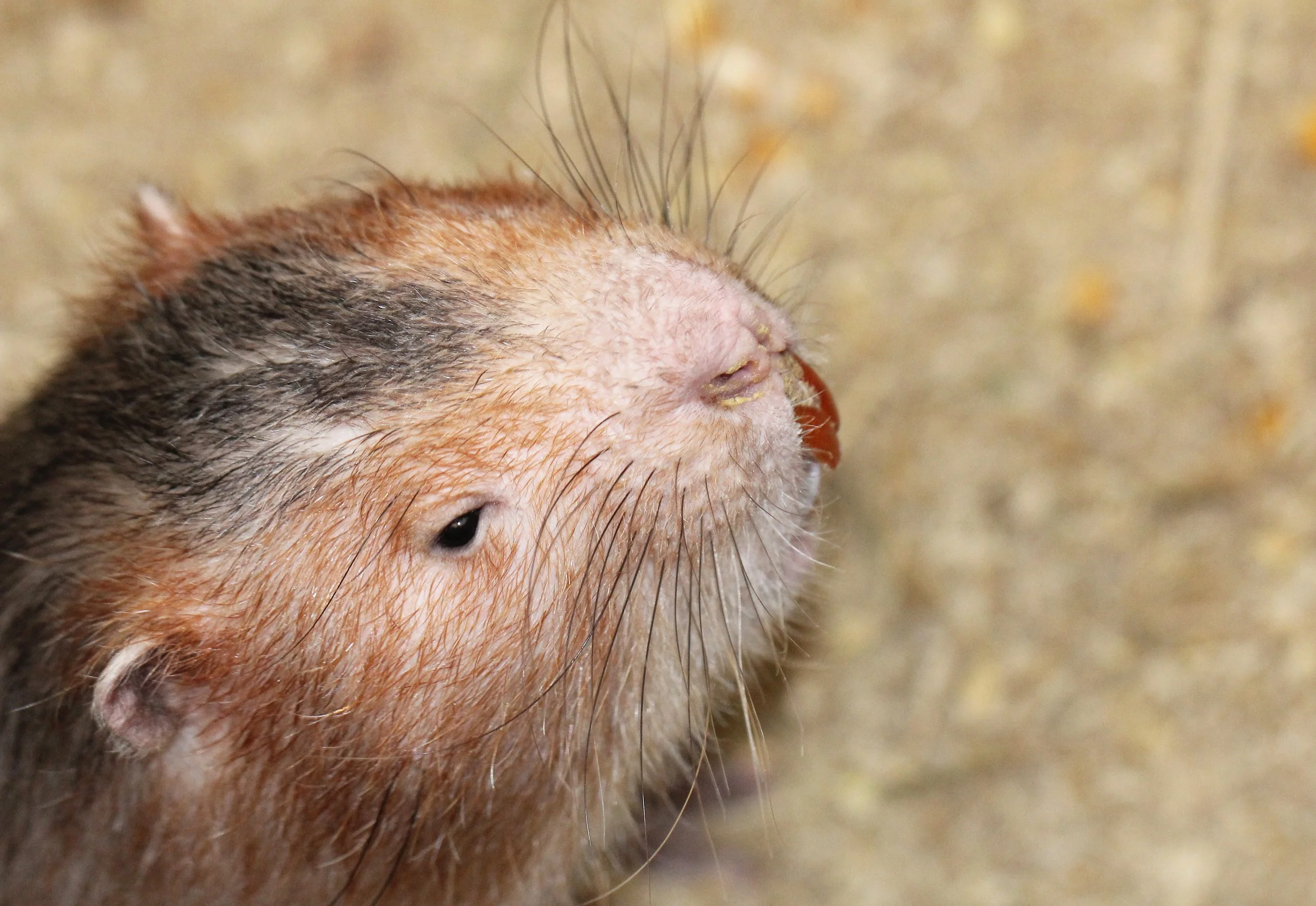
All species of bamboo rat are protected under the Wild Animals Preservation and Protection Act. They maintain stable populations in protected areas like Huai Kha Khaeng Wildlife Sanctuary and Thung Yai Naresuan.

Bamboo Rates play a vital role in aerating soil through their extensive burrowing, which can reach depths of 60cm and lengths of nearly 60m. Despite their protected status, they are extensively hunted by local communities for meat. Outside of strictly protected areas, they are often viewed as pests because they consume the roots of crops like tapioca, sugarcane, and rubber trees. Bamboo rats are natural hosts for the fungus Talaromyces marneffei, which can cause serious infections in immunocompromised humans.

Intermediate Roundleaf Bat (Hipposideros larvatus) in Dao Wa Dung Cave Sai Yok NP, Kanchanaburi

Intermediate Roundleaf Bat (Hipposideros larvatus) in Dao Wa Dung Cave Sai Yok NP, Kanchanaburi

Intermediate Roundleaf Bat (Hipposideros larvatus) in Dao Wa Dung Cave Sai Yok NP, Kanchanaburi

Kitti's hog-nosed bat (Craseonycteris thonglongyai), famously known as the bumblebee bat, holds the title of the world’s smallest mammal by body length. It is roughly the size of a large bumblebee, weighing approximately 2 grams (about the weight of a penny or two Skittles)!
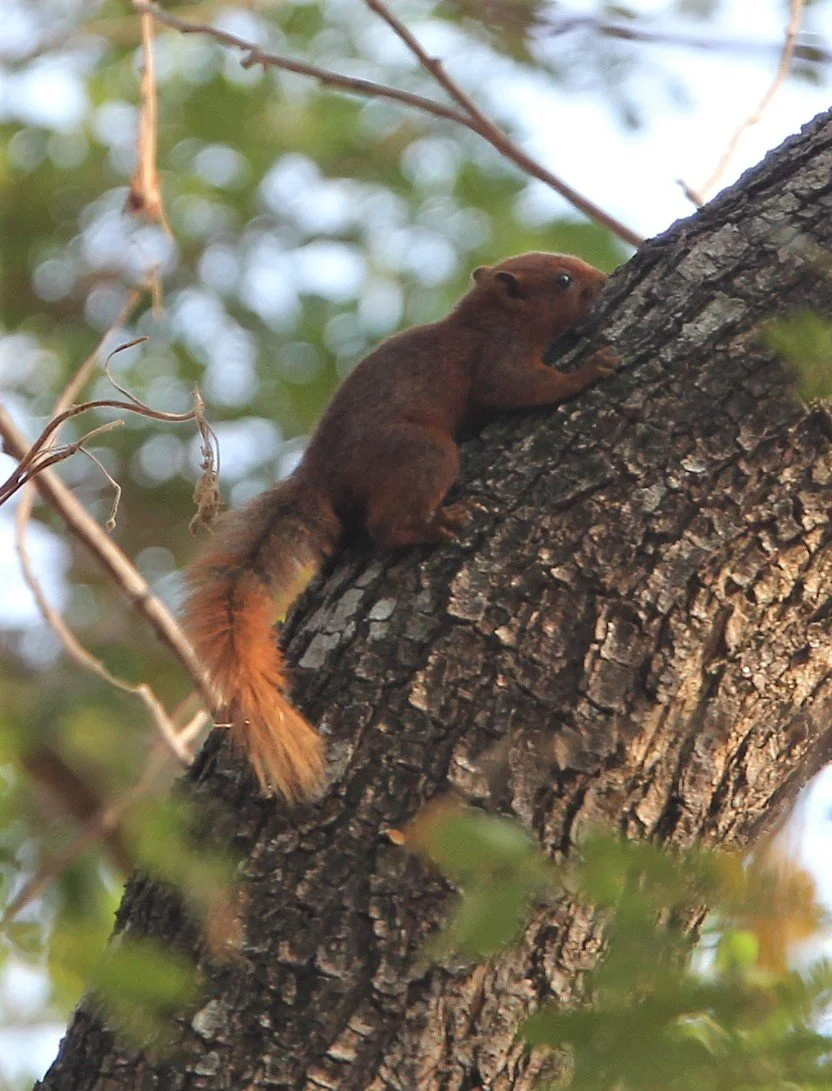
The Finlayson’s Squirrel (Callosciurus finlaysonii), often called the Variable Squirrel due to its diverse color forms (including cinnamon), is currently classified as Least Concern by the IUCN Red List. In the Western Forest Complex (WFC) of Thailand—a massive conservation network that includes parks like Huai Kha Khaeng and Thungyai Naresuan—the species is considered a common native resident.
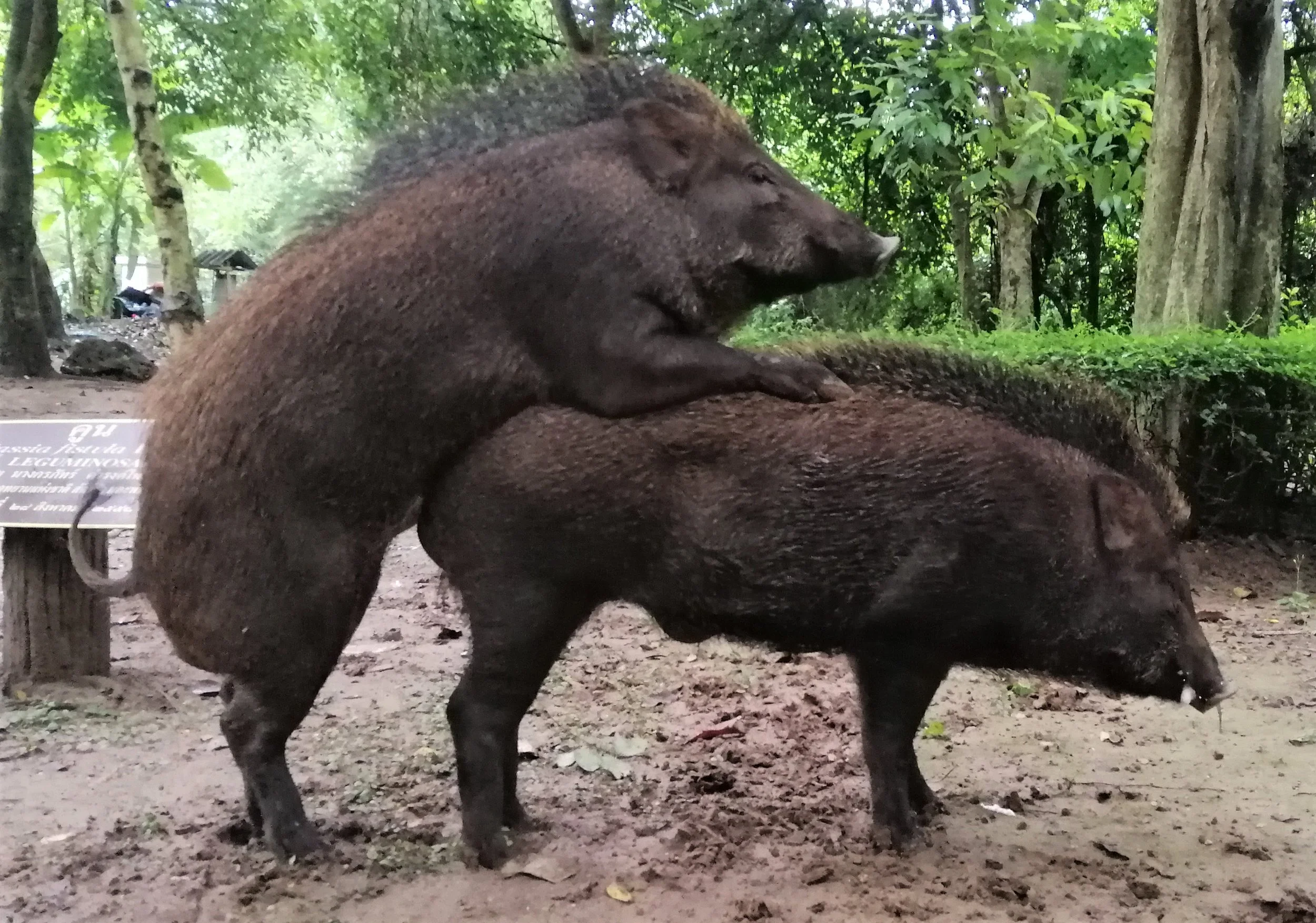
The wild boar (Sus scrofa) population in Thailand's Western Forest Complex (WEFCOM) is currently in a state of recovery following a significant decline caused by an outbreak of African Swine Fever (ASF). Recovery Trend: After a sharp drop during the 2022–2024 ASF outbreak, recent data from early 2025 indicates a "dramatic turnaround".

Wild Boar mating in the parking lot of Erawan National Park Water Falls.

Wild Boar (Sus scrofa)
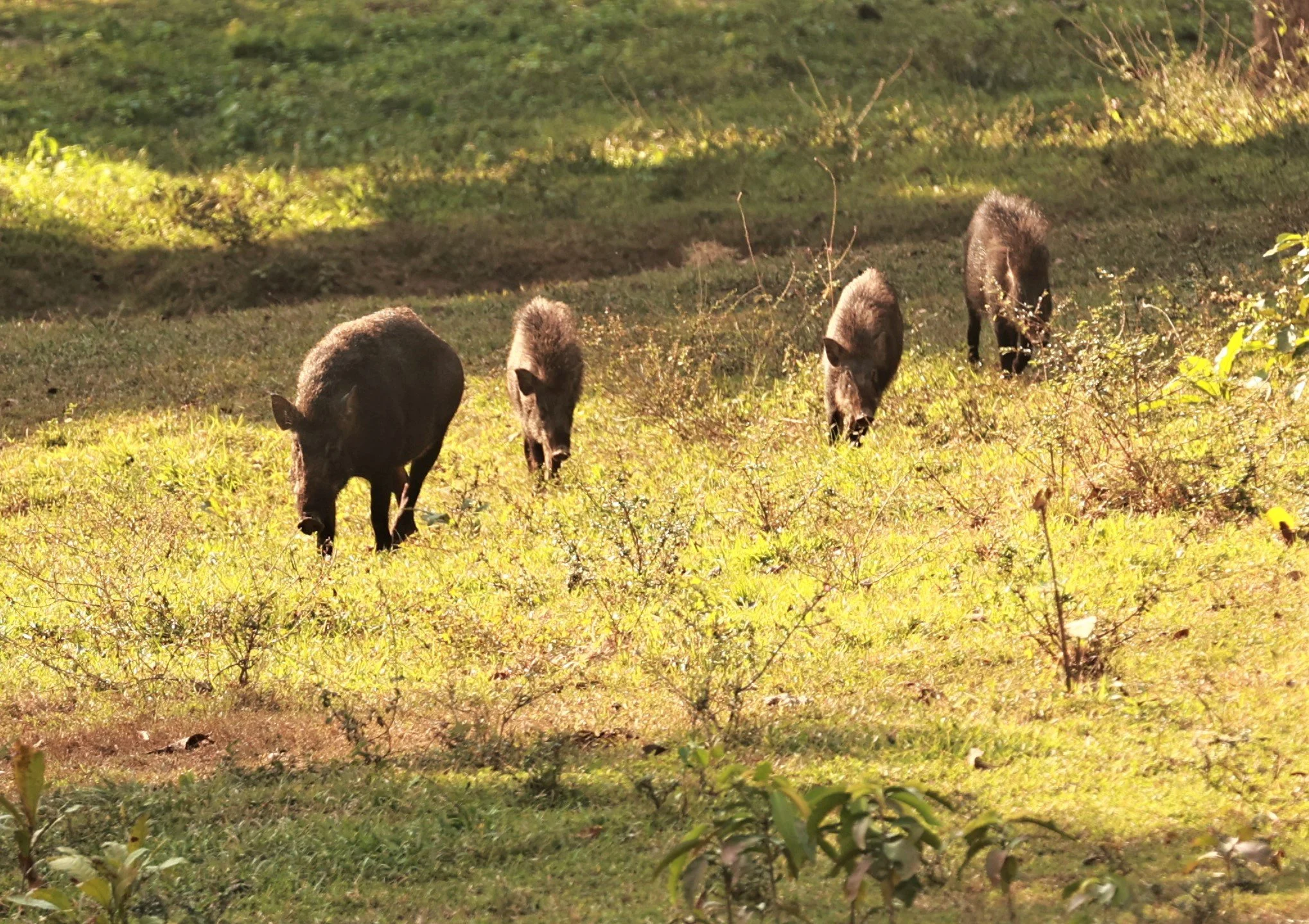
In areas like Eastern Khao Laem, camera trap captures of wild boar rose from just 41 independent captures in 2022 to 343 in the first half of 2025. Predictive maps from 2025 show higher concentrations of wild boar in Thailand's western and northern regions, particularly along border areas.

The Western Striped Squirrel (Tamiops mcclellandii), also known as the Himalayan striped squirrel, is currently classified as Least Concern on the IUCN Red List. In Thailand's Western Forest Complex (WEFCOM), specifically within the Huai Kha Khaeng Wildlife Sanctuary, it is recognized for playing a unique ecological role as a "non-avian sentinel". Research in the Huai Kha Khaeng Wildlife Sanctuary highlights that this squirrel often leads "bird waves" (mixed-species foraging flocks). It acts as a primary alarm-caller, alerting birds to predators more frequently than any bird species in the flock.

The Northern Treeshrew (Tupaia belangeri) is currently classified as a species of Least Concern on the IUCN Red List. Within the Western Forest Complex (WEFCOM) of Thailand, it is considered a common and stable inhabitant of the region's diverse forest ecosystems.
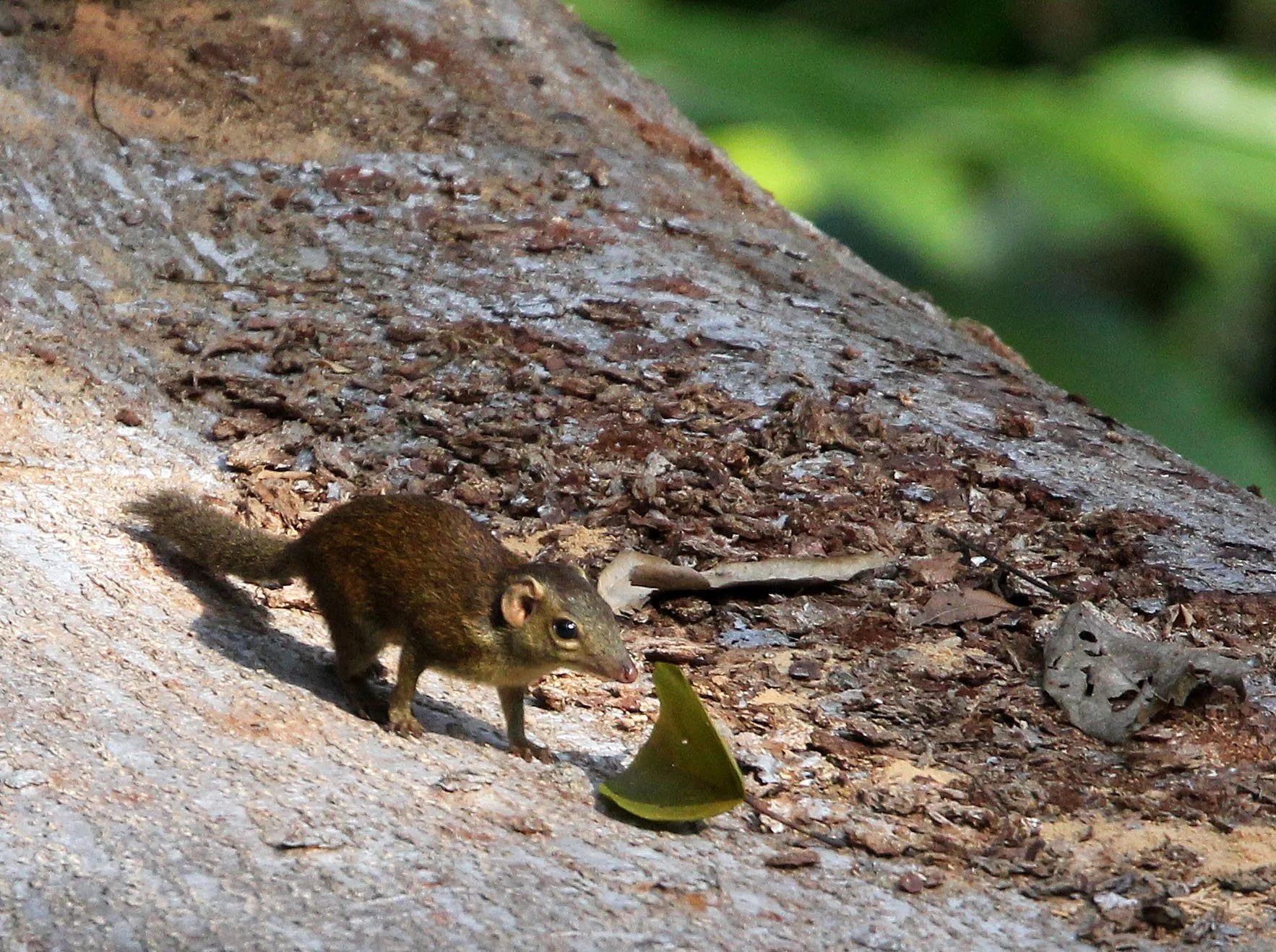
In the WEFCOM, they inhabit various environments, including deciduous, dry evergreen, and hill evergreen forests. They are highly adaptable and are even found in secondary forests and natural scrub vegetation. Northern treeshrews serve as key seed dispersers for fruit-bearing trees within the complex. They form a vital part of the small mammal prey base for larger carnivores in the WEFCOM, such as the Indochinese leopard and Clouded leopard.

The Asiatic black bear (Ursus thibetanus) is listed as Vulnerable on the IUCN Red List. The species is experiencing a sharp decline in population across Southeast Asia and its westernmost range in Iran, Pakistan, and India due to poaching, habitat loss, and human-bear conflict. This individual was photographed in captive conditions at the HKK Breeding Center.
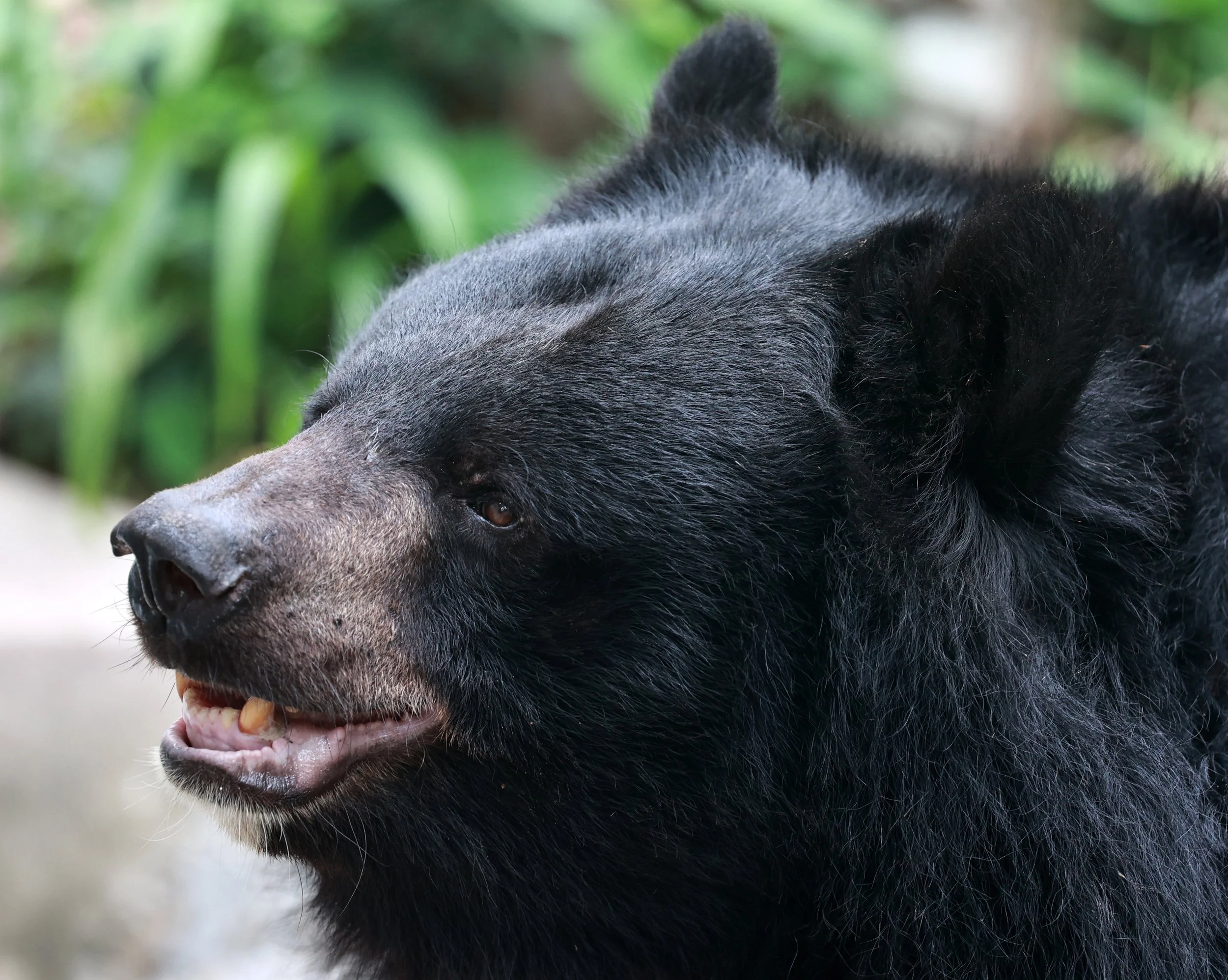
Driven by high demand for gallbladder (bile) and paws in traditional medicine, as well as trade in hides. Deforestation, expansion of agriculture, and infrastructure projects reduce available habitat. Retaliatory killings are common when bears raid crops or attack livestock, which increases when natural food sources are scarce.

The Grey-bellied Squirrel (Callosciurus caniceps) is currently considered Common within the Western Forest Complex (WEFCOM) in Thailand.

In the Western Forest Complex (WEFCOM) of Thailand, Pallas's squirrel (Callosciurus erythraeus) is considered a stable and common native species. Callosciurus erythraeus atrodorsalis is the subspecies seen in Khao Bandai Station Huai Kha Khaeng Wildlife Sanctuary.

Pallas's squirrel (Callosciurus erythraeus)
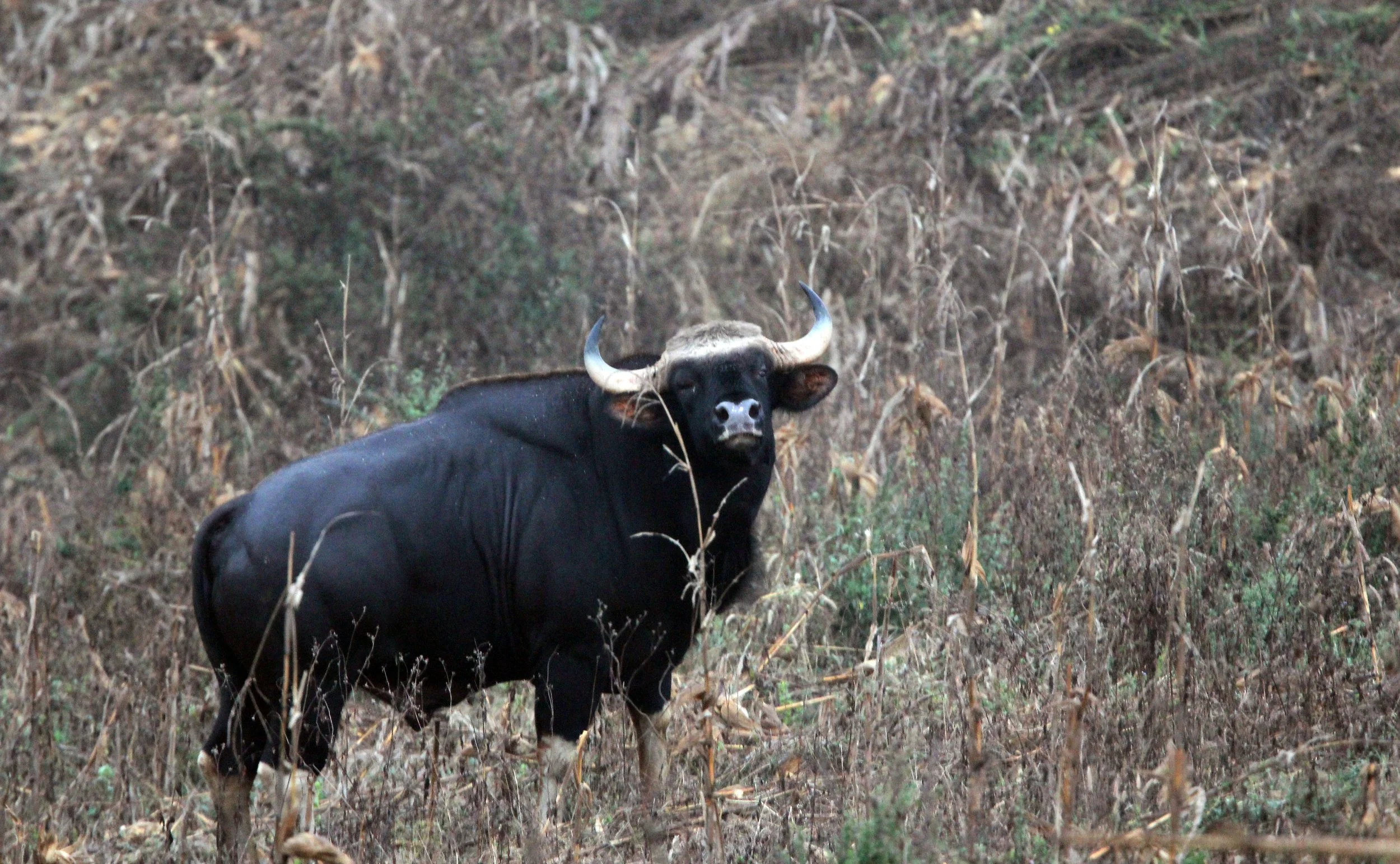
In the Western Forest Complex (WEFCOM) of Thailand, the Gaur (Bos gaurus laosensis) is currently maintained in a stable but vulnerable status within a few key protected areas.

The most functional and significant populations are concentrated in the Huai Kha Khaeng and Thung Yai Naresuan Wildlife Sanctuaries.

Gaur in this complex show a preference for steeper slopes and higher elevations, often to avoid human settlements. They frequently utilize mixed deciduous forests.

Indochinese Gaur (Bos gaurus laosensis) bull in Huai Kha Khaeng
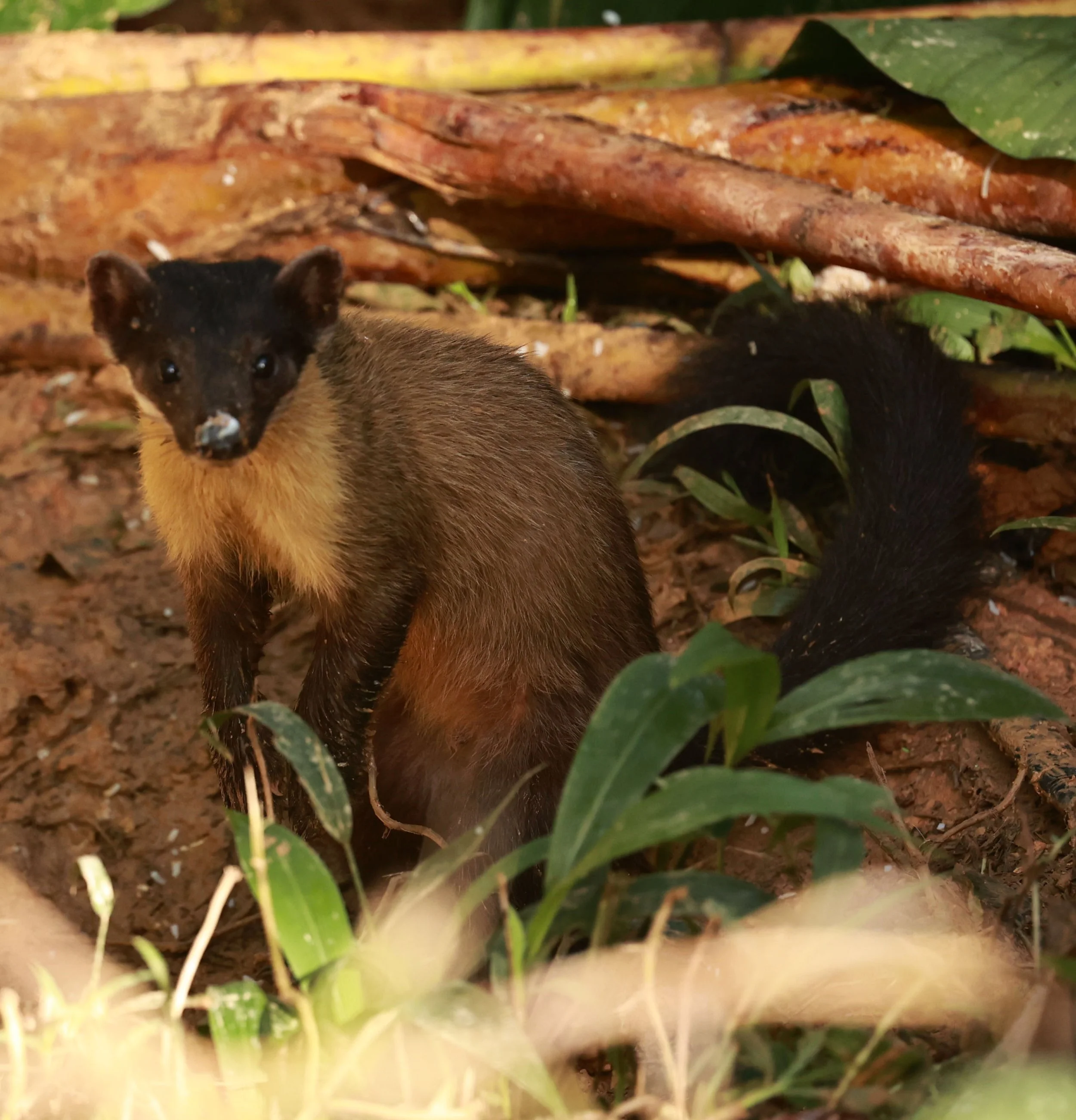
Yellow-throated Marten (Martes flavigula) are fairly common in the Western Forest Complex especially at Chong Yen Campsite

Yellow-throated Marten (Martes flavigula)

Yellow-throated Marten (Martes flavigula)

Yellow-throated Marten (Martes flavigula)
Avifauna
The Western Forest Complex is a stronghold for bird diversity in Thailand with 490 species, supporting more than half of the country’s recorded bird species thanks to its vast, connected tracts of forest. Hornbills are among the most iconic residents—great, wreathed, and oriental pied hornbills act as crucial seed dispersers, linking bird life directly to forest regeneration. Raptors such as crested serpent eagles, changeable hawk-eagles, and critically endangered vultures patrol the skies, while forest specialists like pittas, broadbills, and trogons inhabit the shadowed understory. Seasonal wetlands and rivers attract storks, herons, and kingfishers, adding to the region’s ecological complexity. Together, these birds form intricate food webs and serve as sensitive indicators of habitat quality, making their continued presence a powerful measure of the health and conservation value of the Western Forest Complex.

Coppersmith Barbet (Megalaima haemacephala)
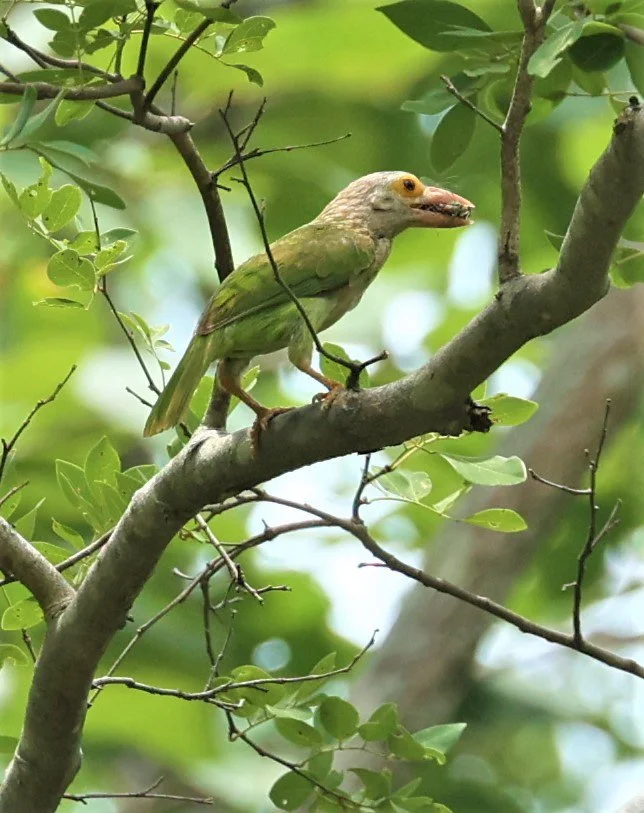
Lineated Barbet (Megalaima lineata)
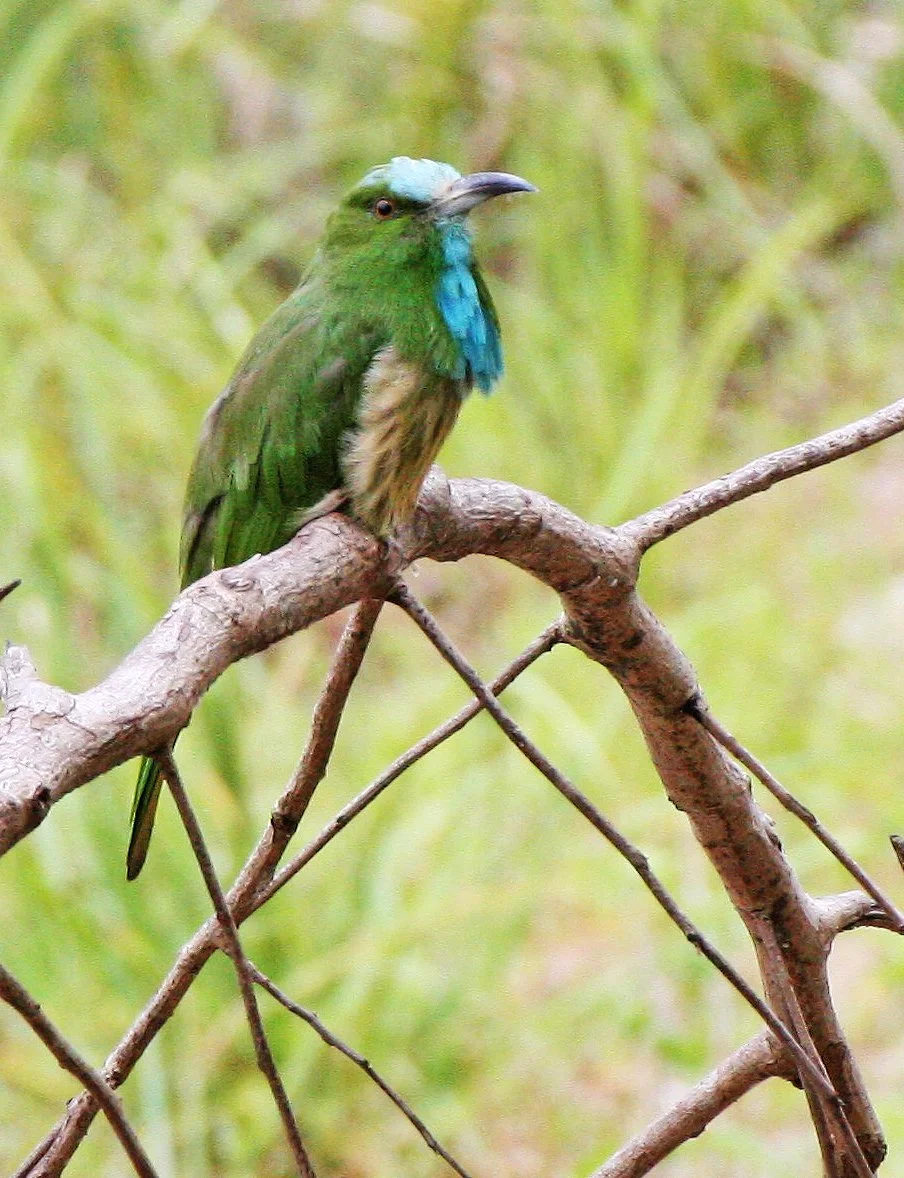
Blue-bearded Bee-eater (Nyctyornis amictus) Huai Kha Khaeng

Hill Blue Flycatcher (Cyornis banyumas)
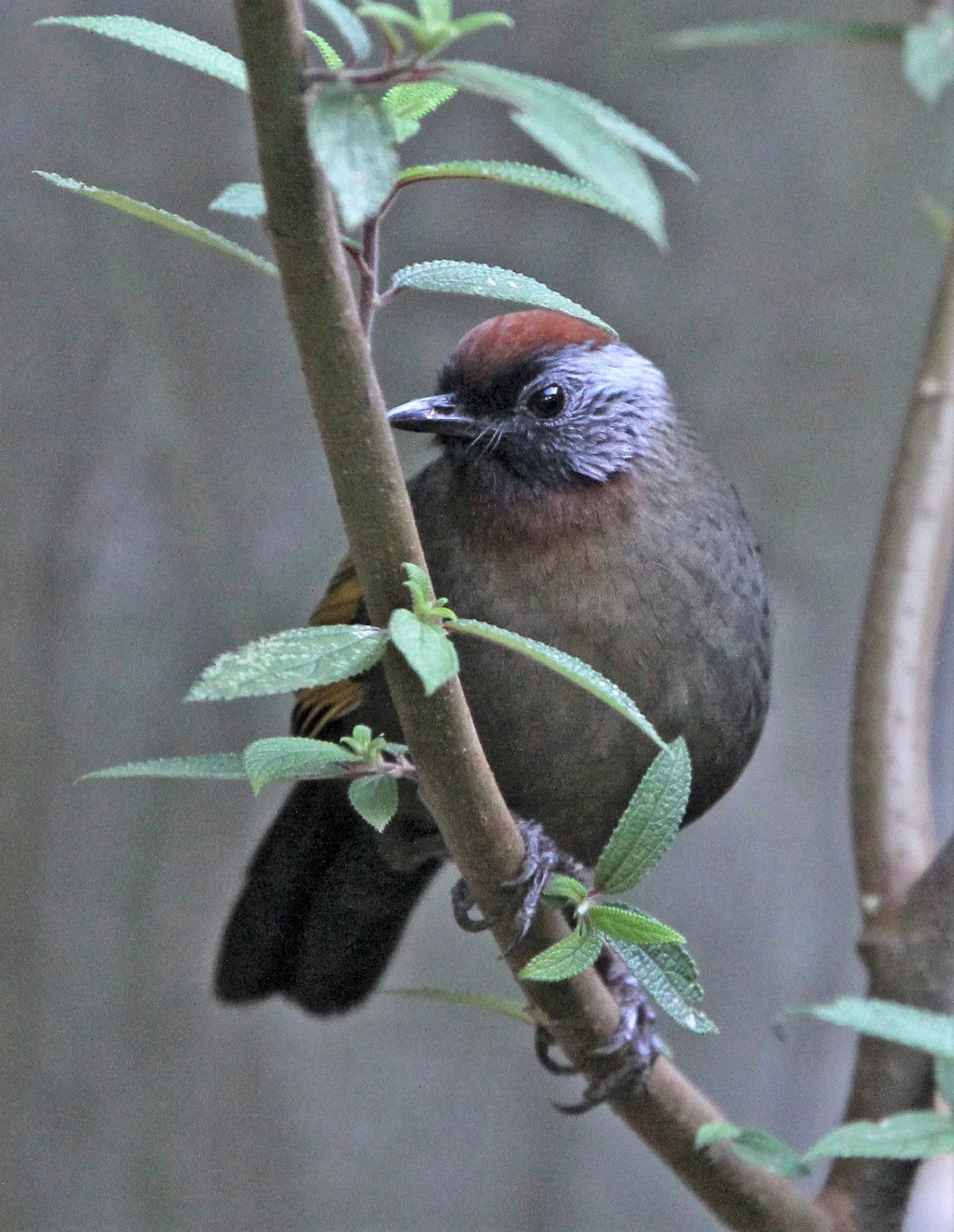
Silver-eared Laughingthrush (Trochalopteron melanostigma)

Silver-eared Laughingthrush (Trochalopteron melanostigma)

White-necked Laughingthrush (Garrulax strepitans) Chong Yen Campsite
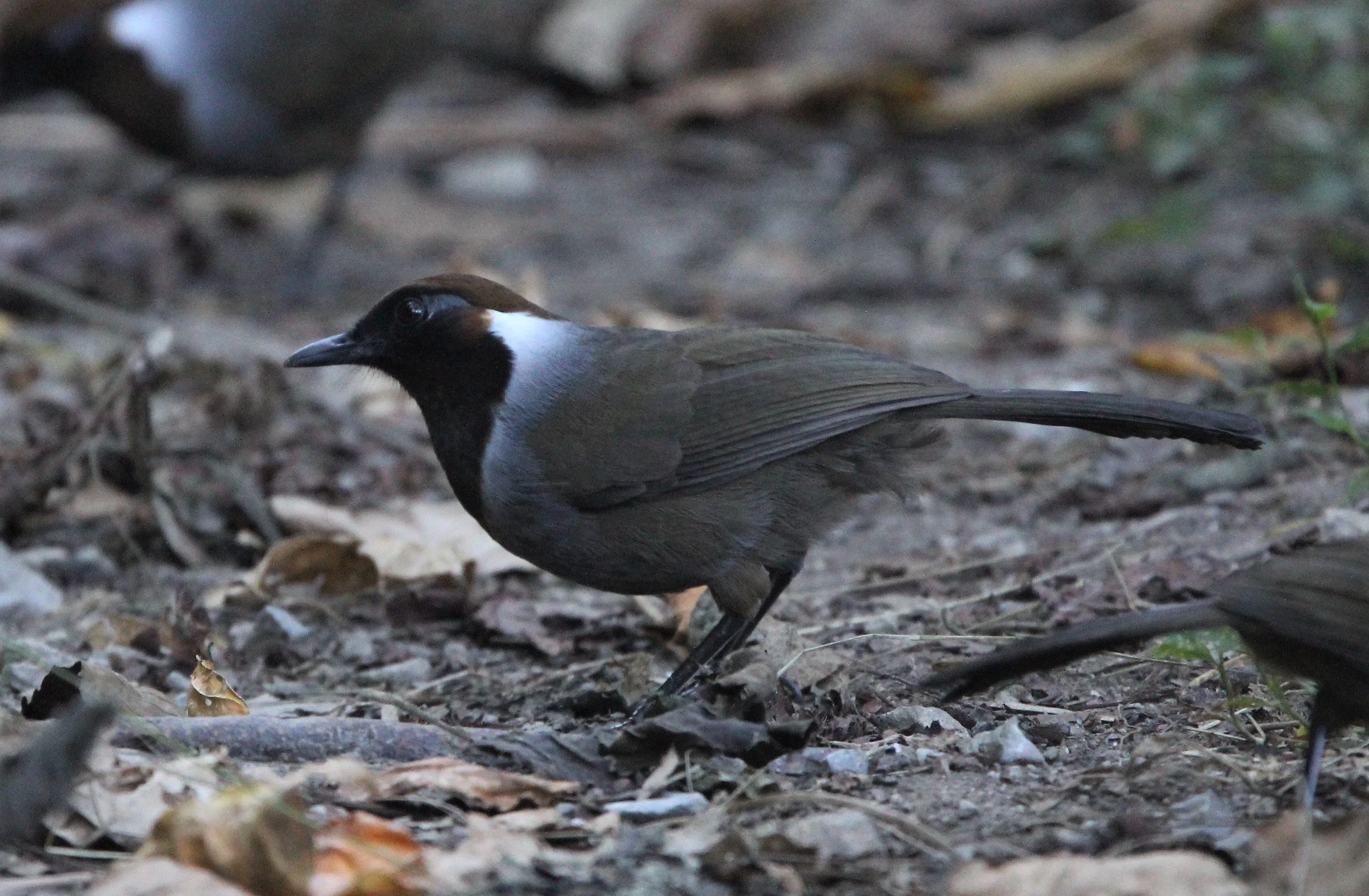
White-necked Laughingthrush (Garrulax strepitans)

Rufous-throated Partridge (Arborophila rufogularis) Chong Yen Campsite

Green Peafowl (Pavo muticus) Khao Bandai HKK

Green Peafowl (Pavo muticus) Khao Bandai HKK
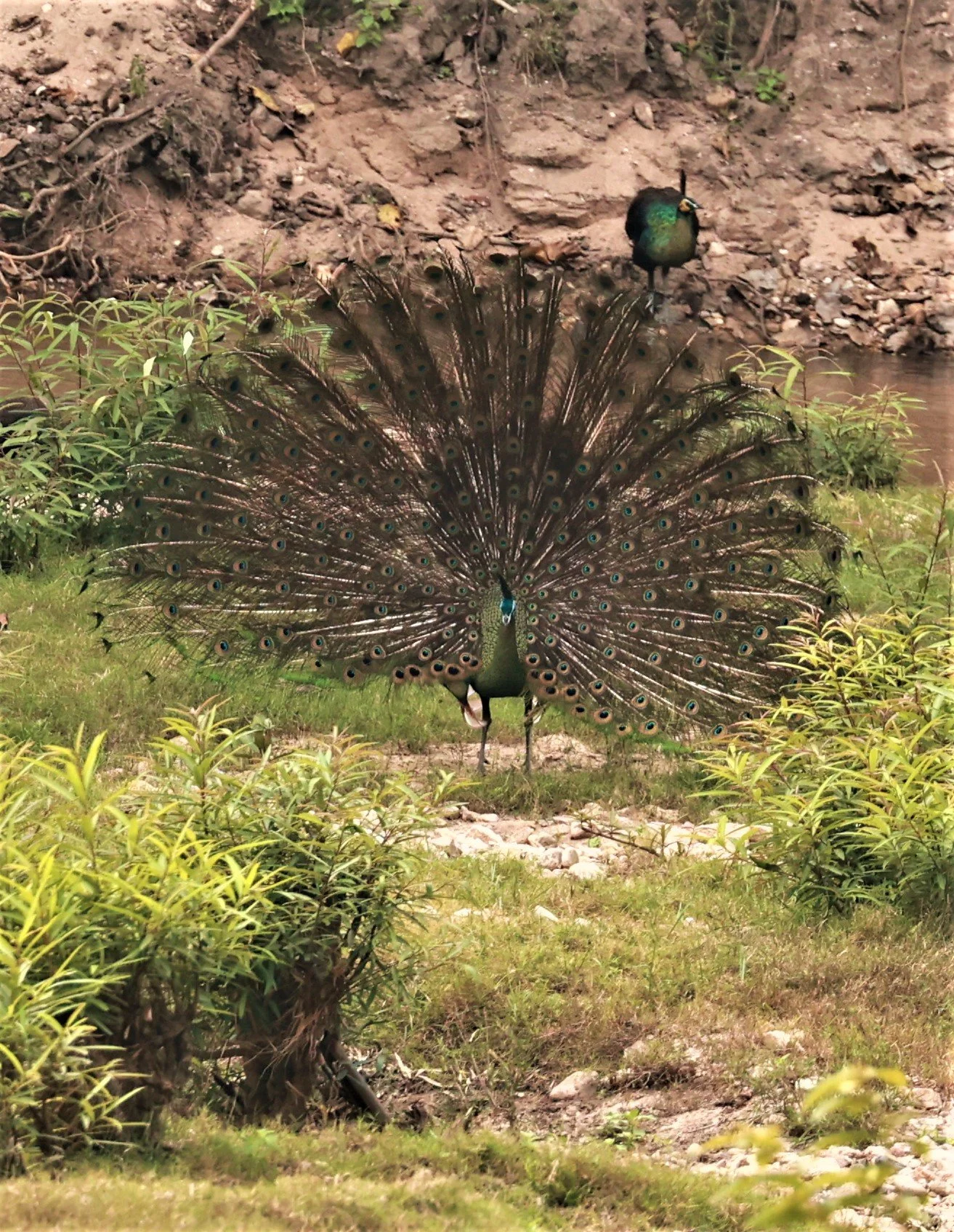
Green Peafowl (Pavo muticus) Khao Bandai HKK

White-tailed Robin (Myiomela leucura) Chong Yen Campsite

Blue Whistling Thrush (Myophonus caeruleus)

Blue Whistling Thrush (Myophonus caeruleus)

Black-crested Bulbul (Rubigula flaviventris)

Flavescent Bulbul (Pycnonotus flavescens) Chong Yen Campsiste

Sooty-headed Bulbul (Pycnonotus aurigaster) HKK

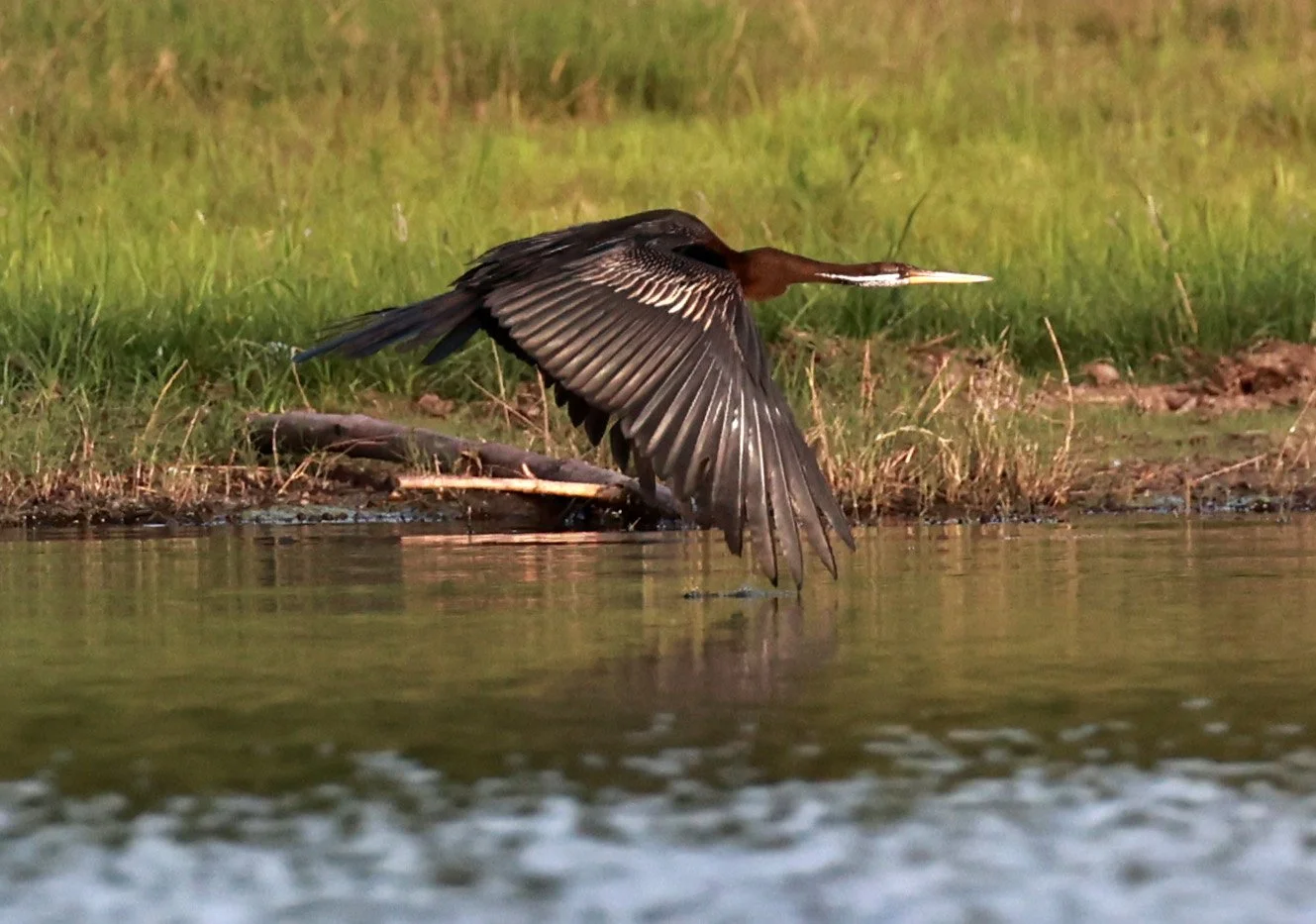
Anhinga melanogaster - Huai Kha Khaeng Wildlife Sanctuary

Anhinga melanogaster - Huai Kha Khaeng Wildlife Sanctuary

Greater Racket-tailed Drongo (Dicrurus paradiseus) HKK
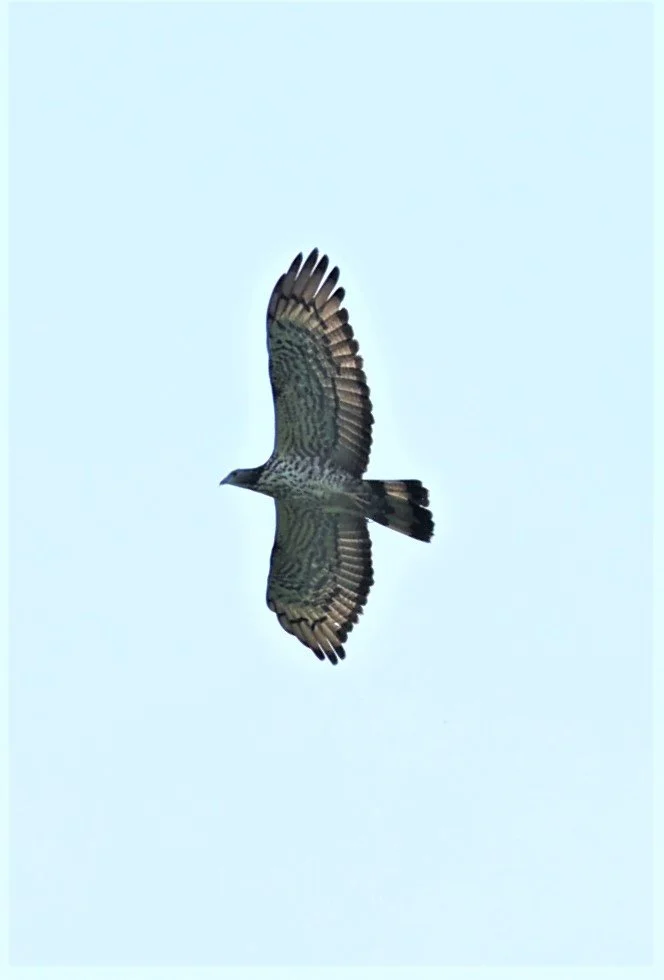
Oriental Honey Buzzard ( Pernis ptilorhynchus) HKK
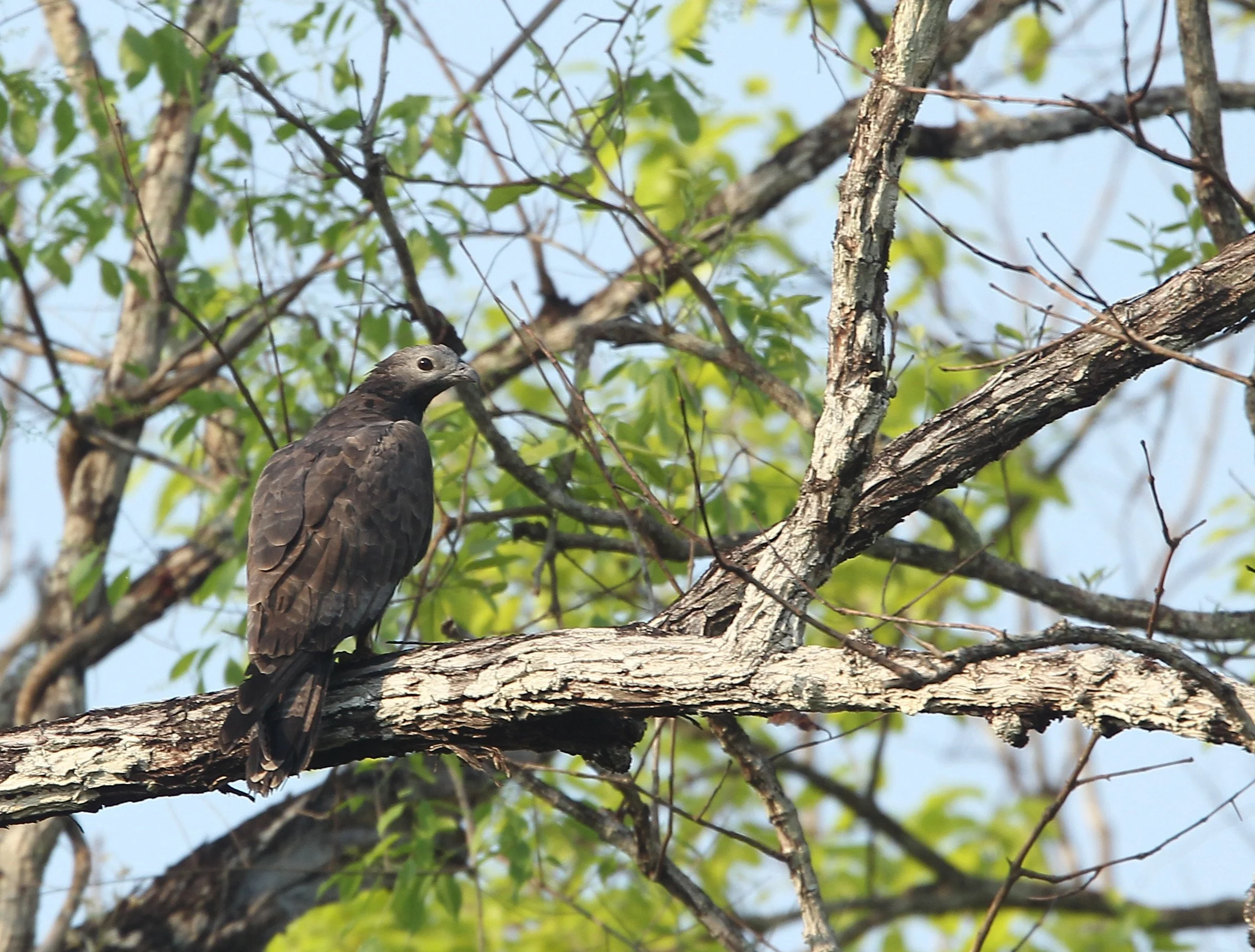
Oriental honey buzzard (Pernis ptilorhynchus) in HKK

Oriental honey buzzard (Pernis ptilorhynchus) in HKK

Changeable Hawk-eagle (Nisaetus cirrhatus) Huai Kha Khaeng

Changeable Hawk-eagle (Nisaetus cirrhatus) Huai Kha Khaeng with Berdmore's or Indochinese Ground Squirrel prey

Changeable Hawk-eagle (Nisaetus cirrhatus) Huai Kha Khaeng

Changeable Hawk-eagle (Nisaetus cirrhatus) Huai Kha Khaeng

The most common raptor in the Western Forest Complex is certainly the Crested Serpent-Eagle (Spilornis cheela).

Crested Serpent-Eagle (Spilornis cheela).

Crested Serpent-Eagle (Spilornis cheela).

Eastern Cattle-Egret (Ardea coromandus) in the wetlands near the headquarters of HKK

Collared Falconet (Microhierax caerulescens) Huai Kha Khaeng Wildlife Sanctuary

Collared Falconet (Microhierax caerulescens) Huai Kha Khaeng Wildlife Sanctuary

Asian Barred Owlet (Glaucidium cuculoides).

Asian Barred Owlet (Glaucidium cuculoides).

Asian Barred Owlet (Glaucidium cuculoides).

Asian Barred Owlet (Glaucidium cuculoides).
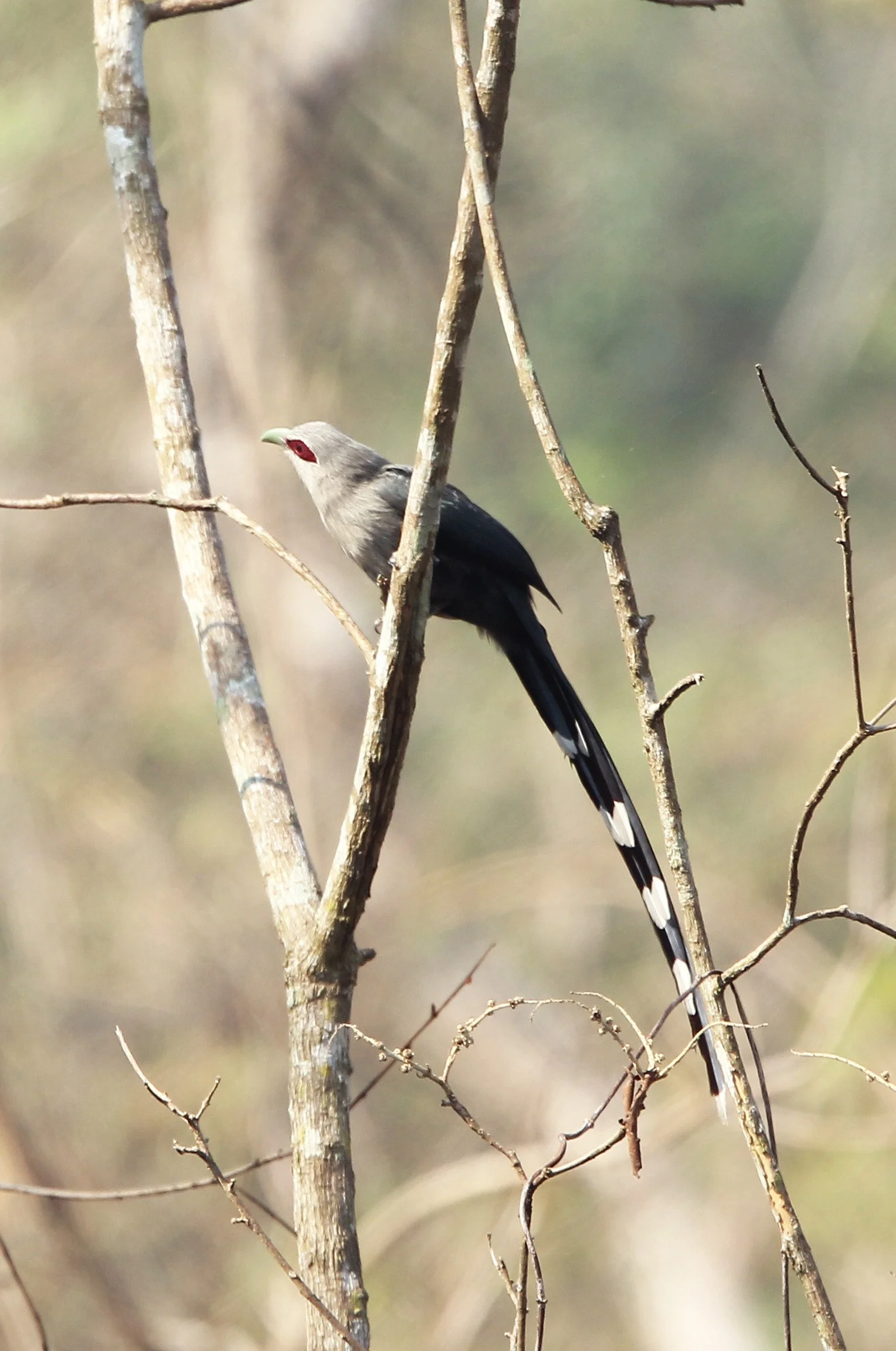
Green-billed Malkoha (Phaenicophaeus tristis)

Green-billed Malkoha (Phaenicophaeus tristis)

Hodgson's Hawk-Cuckoo (Hierococcyx nisicolor) seen in Huai Kha Khaeng
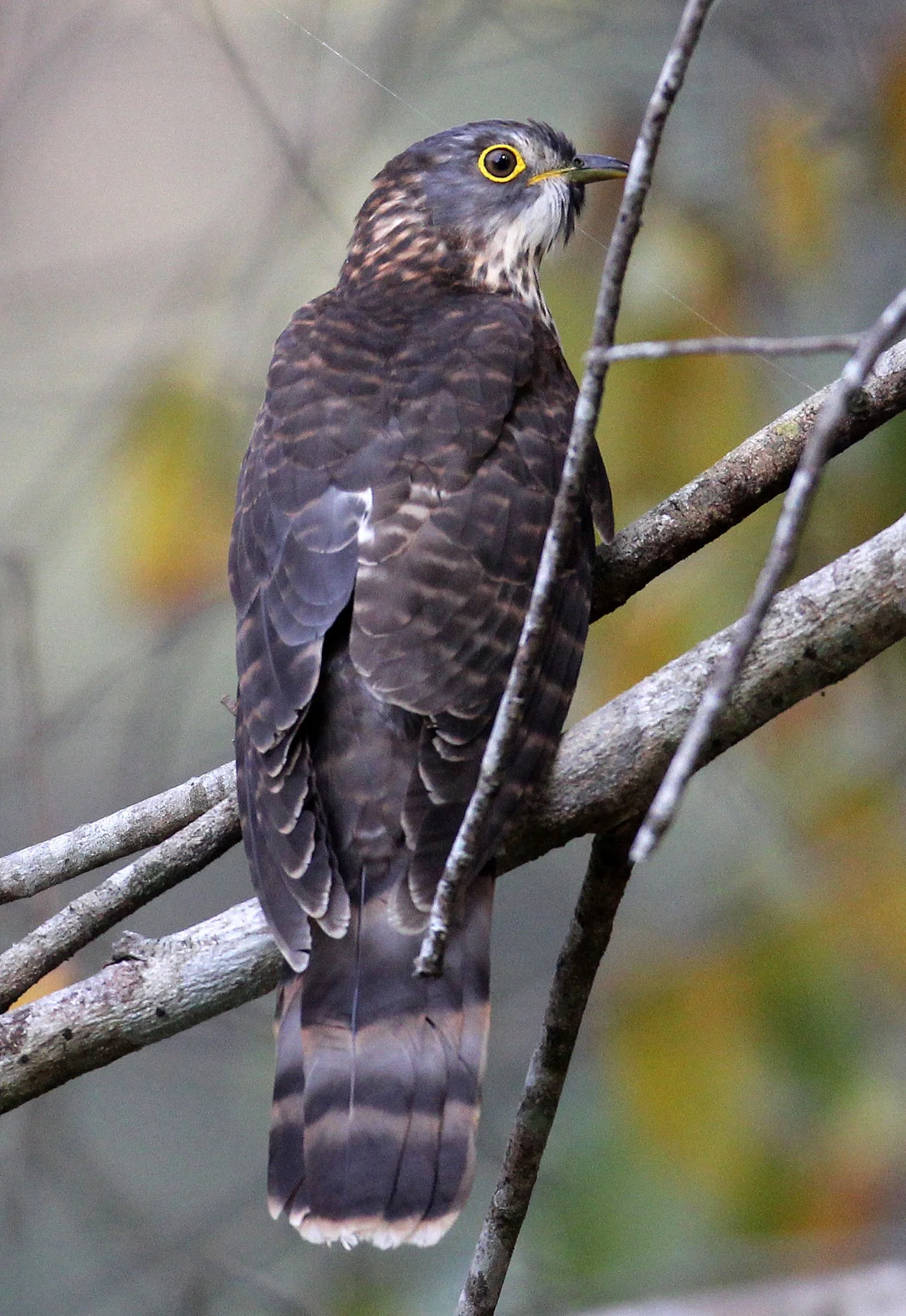
Hodgson's Hawk-Cuckoo (Hierococcyx nisicolor) seen in Huai Kha Khaeng

Hodgson's Hawk-Cuckoo (Hierococcyx nisicolor) seen in Huai Kha Khaeng
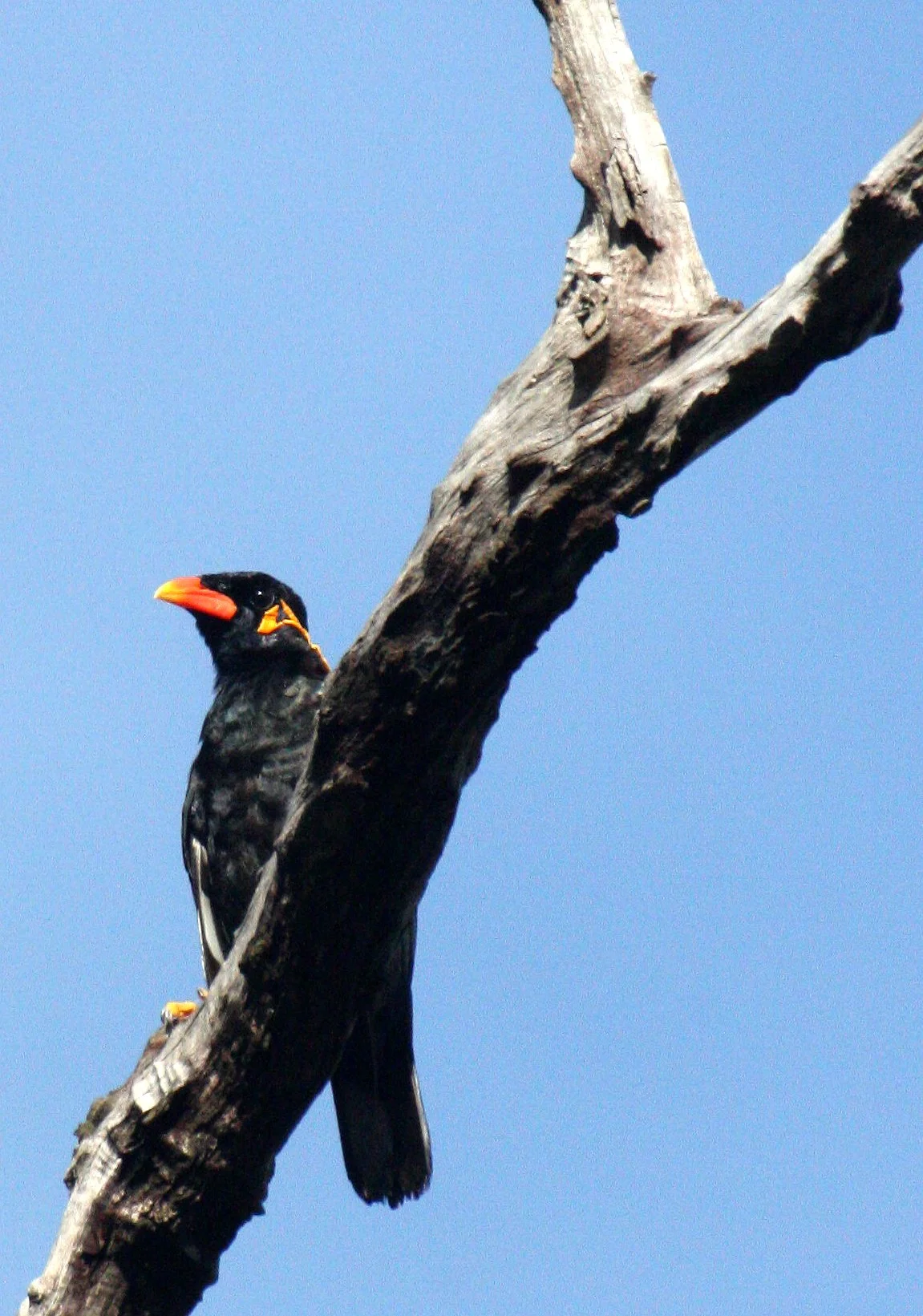
Common Hill Myna (Gracula religiosa)

Eurasian Hoopoe (Upupa epops)

Eurasian Hoopoe (Upupa epops)

Plain-pouched Hornbill (Rhyticeros subruficollis)

White-throated Kingfisher (Halcyon smyrnensis) on the Huai Kha Khaeng River

White-throated Kingfisher (Halcyon smyrnensis) on the Huai Kha Khaeng River

White-throated Kingfisher (Halcyon smyrnensis) on the Huai Kha Khaeng River
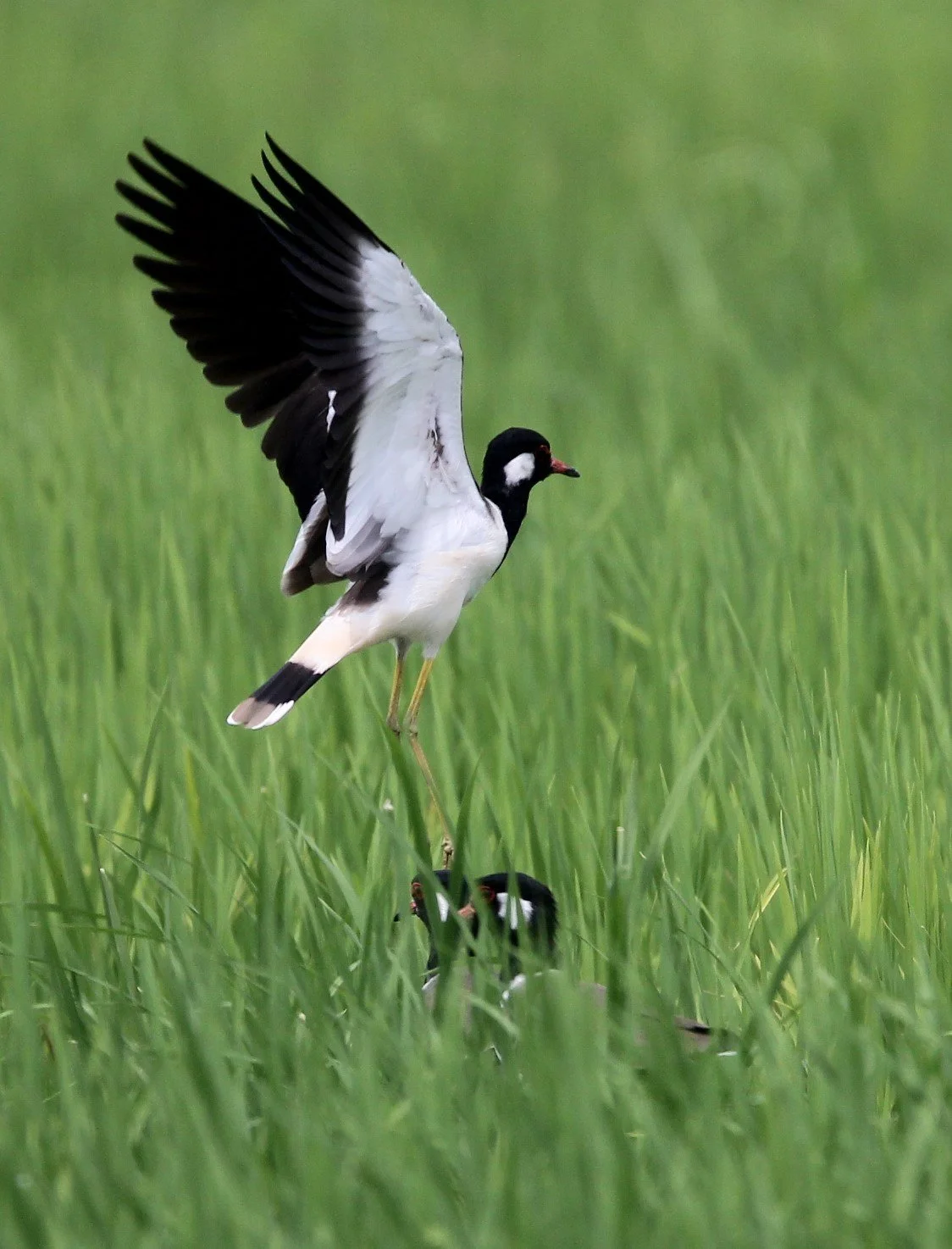
Red-Wattled Lapwing (Vanellus indicus)

River Lapwing (Vanellus duvaucelii) HKK

Large Cuckooshrike (Coracina macei) Huai Kha Khaeng WS Thailand
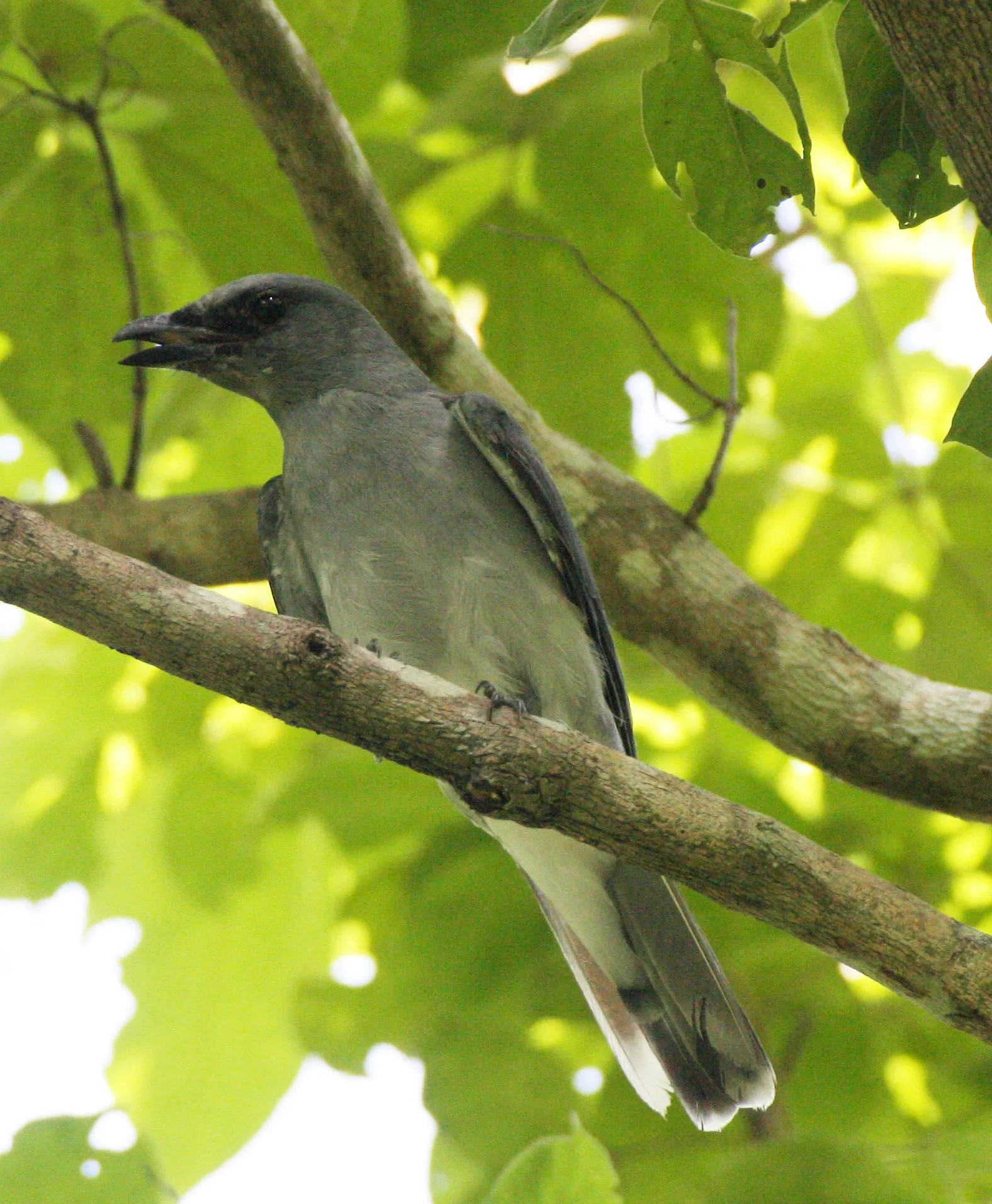
Oirental Cuckooshrike (Coracina javensis) Huai Kha Khaeng WS Thailand

Black-winged Cuckooshrike (Lalage melaschistos)

Lesser Necklaced Laughingthrush (Garrulax monileger) HKK
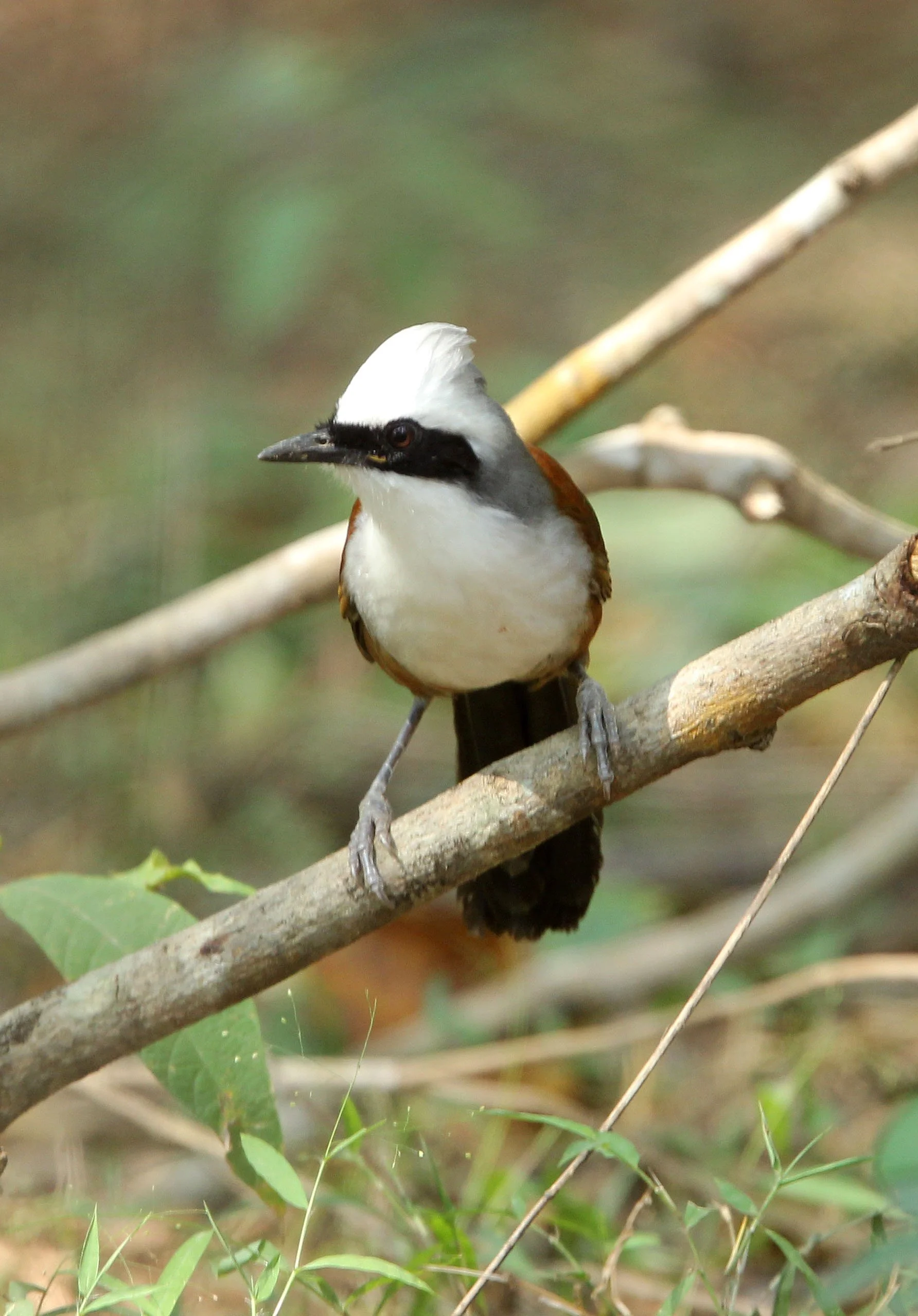
White-crested Laughingthrush (Garrulax leucolophus) are common in the Western Forest Complex


Golden-fronted Leafbird (Chloropsis aurifrons) in HKK

Golden-fronted Leafbird (Chloropsis aurifrons) in HKK
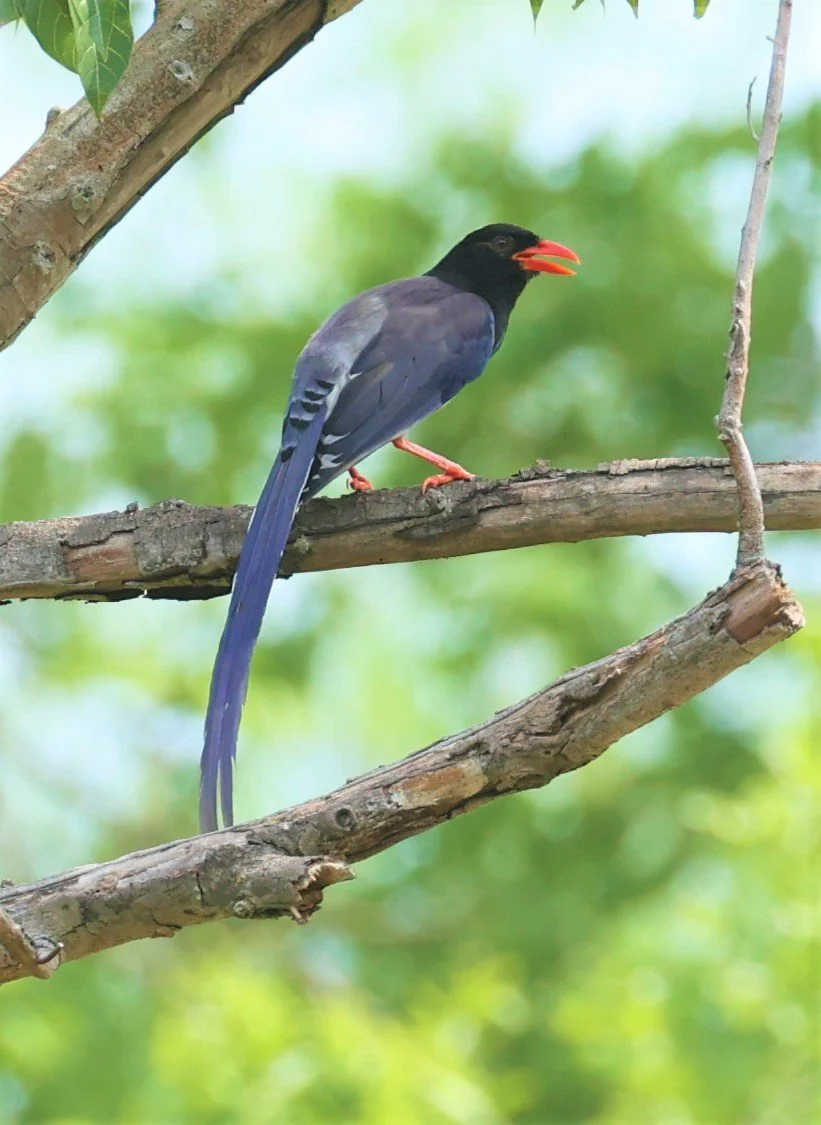
Red-billed Blue-Magpie (Urocissa erythroryncha) are common in the Western Forest Complex
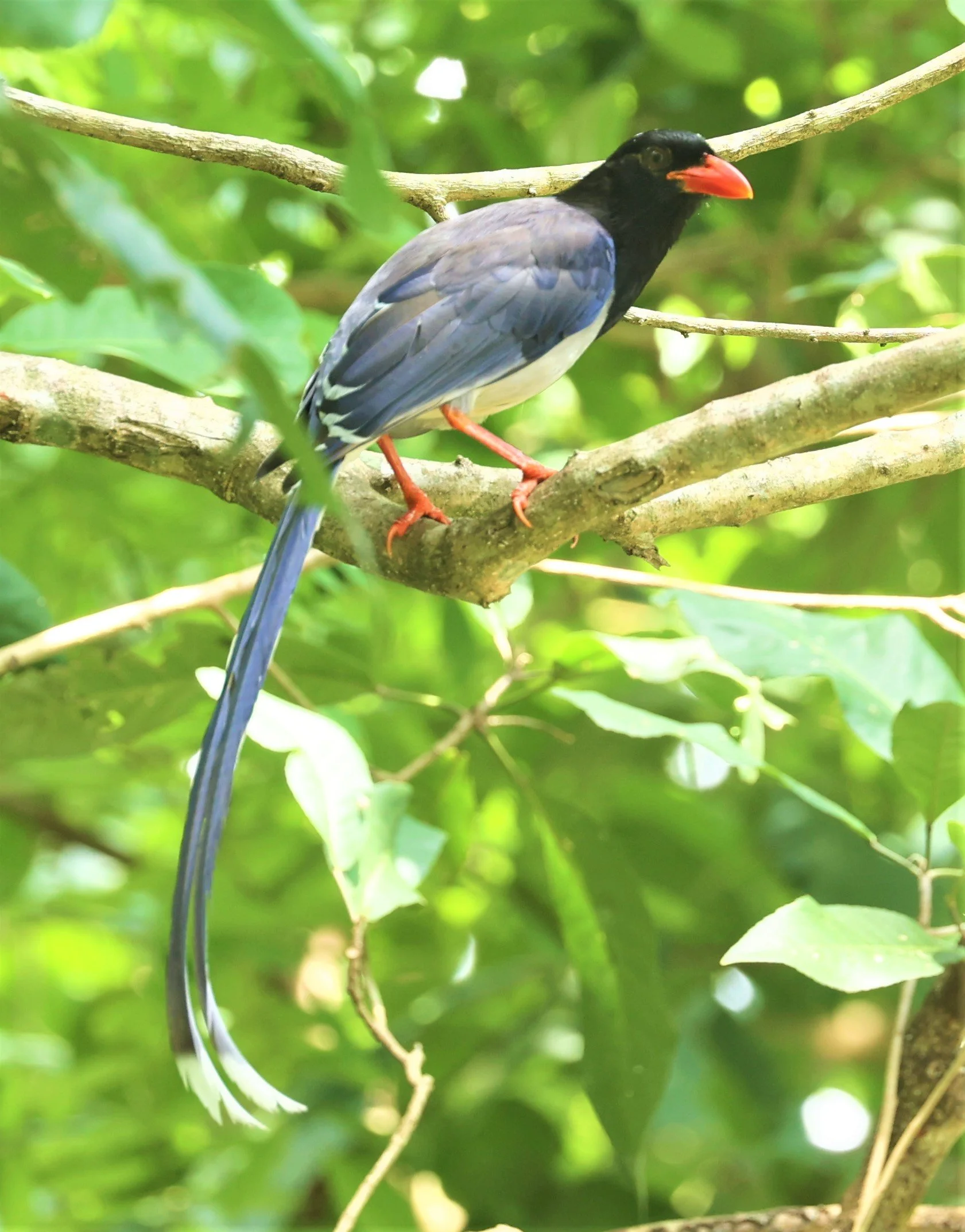
Red-billed Blue-Magpie (Urocissa erythroryncha) are common in the Western Forest Complex

Black-hooded Oriole (Oriolus xanthornus) in the Dry Deciduous Forest of HKK

Black-hooded Oriole (Oriolus xanthornus)

Spotted Owlet (Athene brama)

Spotted Owlet (Athene brama)

Spotted Owlet (Athene brama) in a secret dead snag that only I know about!

Spotted Owlet (Athene brama) in a secret dead snag that only I know about!

Spotted Owlet (Athene brama) in a secret dead snag that only I know about!

Spotted Owlet (Athene brama) in a secret dead snag that only I know about!

Spotted Owlet (Athene brama) in a secret dead snag that only I know about!

Spotted Owlet (Athene brama) in a secret dead snag that only I know about!

Spotted Owlet (Athene brama) in a secret dead snag that only I know about!

Spotted Owlet (Athene brama) in a secret dead snag that only I know about!

Spotted Owlet (Athene brama) in a secret dead snag that only I know about!
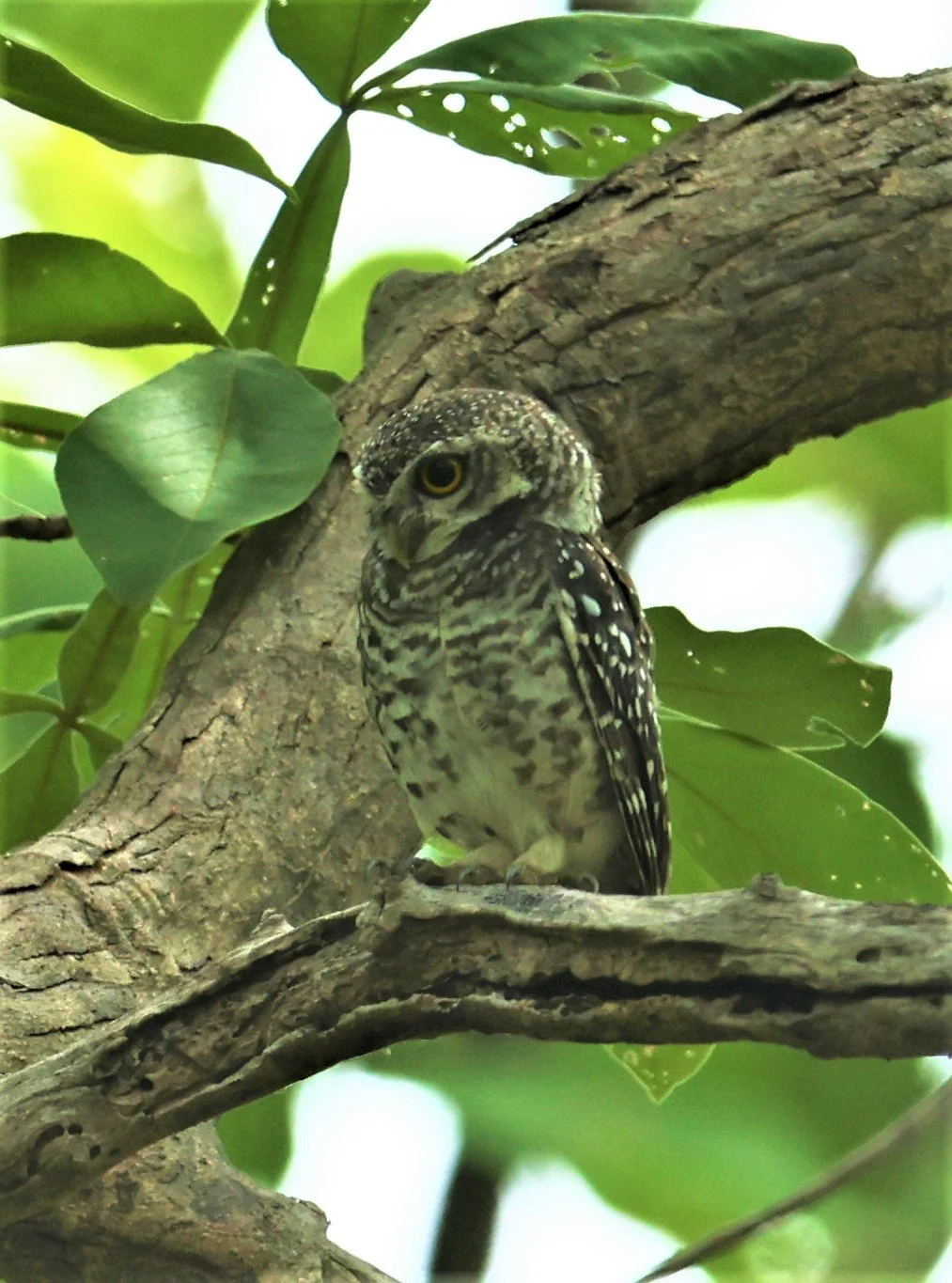
Spotted Owlet (Athene brama) in a secret dead snag that only I know about!

Spotted Owlet (Athene brama) in a secret dead snag that only I know about!

Slaty-headed parakeet (Psittacula himalayana) at a mineral lick at Khao Bandai, HKK
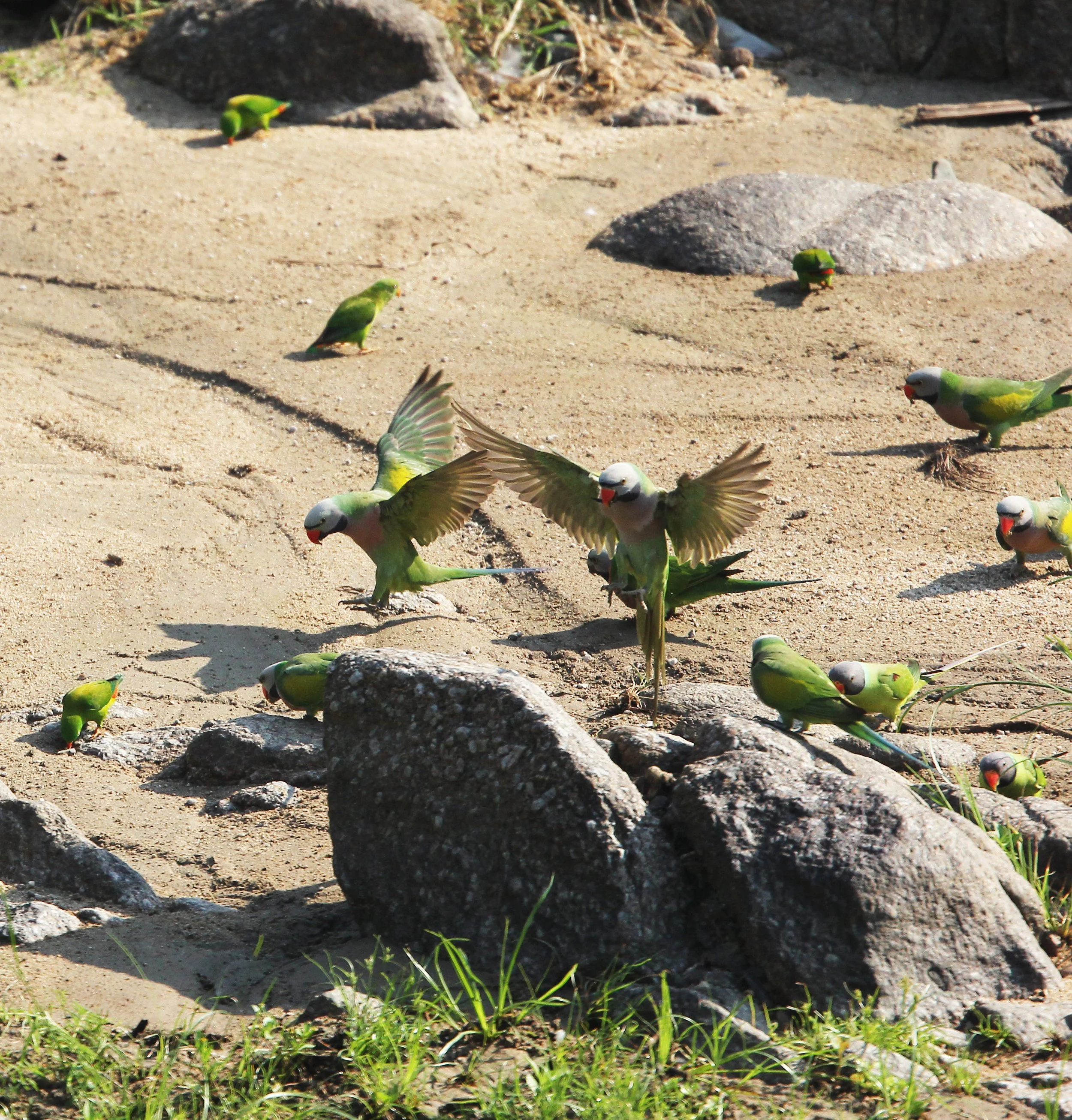
Red-breasted Parakeets (Psittacula alexandri) at a mineral lick at Khao Bandai

Vernal Hanging Parrot (Loriculus vernalis)

Grey-headed parakeet (Psittacula finschii) at a mineral lick at Khao Bandai, HKK

Red-breasted Parakeets (Psittacula alexandri) in the core area of Huai Kha Khaeng at Khao Bandai Camp

Vernal Hanging Parrot (Loriculus vernalis) were numbering in the hundreds at this Khao Bandai mineral lick

Vernal Hanging Parrot (Loriculus vernalis)

Vernal Hanging Parrot (Loriculus vernalis)

Thick-billed Green Pigeons (Treron curvirostra) at a mineral lick at Kapok Kapien Camp, HKK

Thick-billed Green Pigeons (Treron curvirostra) at a mineral lick at Kapok Kapien Camp, HKK

Thick-billed Green Pigeons (Treron curvirostra) at a mineral lick at Kapok Kapien Camp, HKK

Little Ringed Plover (Charadrius dubius)

Little Ringed Plover (Charadrius dubius)

Red Junglefowl (Gallus gallus), the progenitor of all domestic chickens!

Red Junglefowl (Gallus gallus)

Red Junglefowl (Gallus gallus)

Indochinese Roller (Coracias affinis)

Indochinese Roller (Coracias affinis) is always a welcome splash of color in the forest!

Indochinese Roller (Coracias affinis)

Indochinese Roller (Coracias affinis)

Shikra (Tachyspiza badia)

Shikra (Tachyspiza badia) in HKK
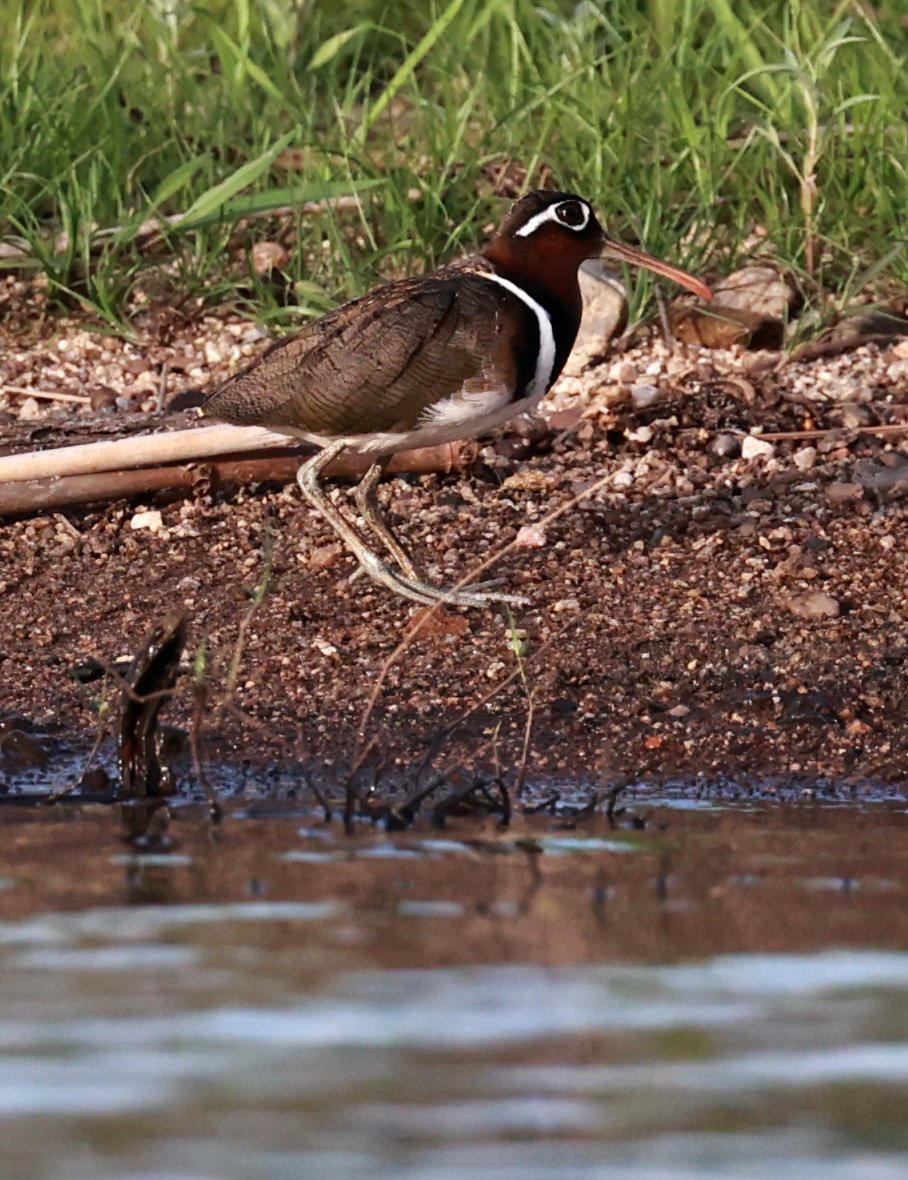
Greater Painted-Snipe (Rostratula benghalensis) seen along the Thap Salao Dam lakeshore at HKK

Asian Openbill (Anastomus oscitans) are common in Thap Salao Dam Lake

Asian Openbill (Anastomus oscitans) are common in Thap Salao Dam Lake

Oriental Magpie-Robin (Copsychus saularis) may be very common in urban Thailand but seeing them in the forest is always special.
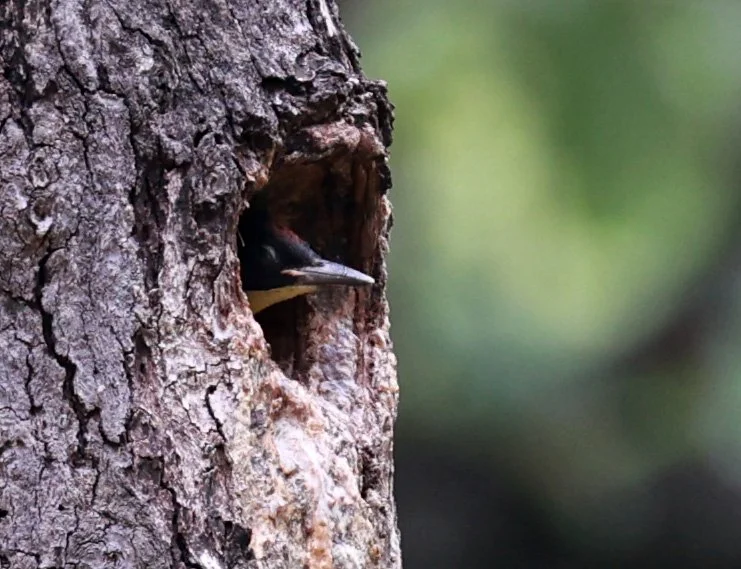
The Dry Deciduous Forests of Huai Kha Khaeng are great for Black-headed Woodpecker (Picus erythropygius)
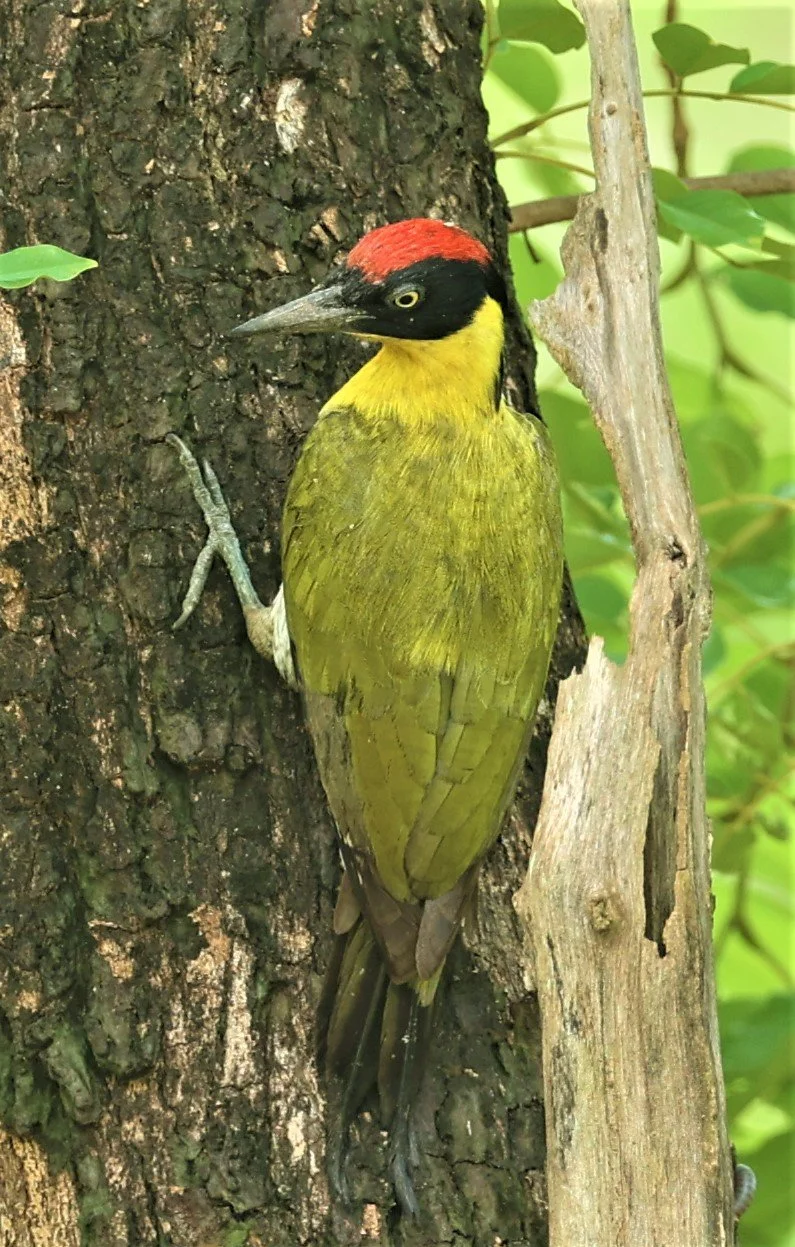
The Dry Deciduous Forests of Huai Kha Khaeng are great for Black-headed Woodpecker (Picus erythropygius)

Seeing a flash of yellow through the trees in the Dry Deciduous Forest of the Western Forest Complex, odds are it is a Black-headed Woodpecker (Picus erythropygius)....or maybe an Oriole?

Black-headed Woodpecker (Picus erythropygius)

Greater Flameback (Chrysocolaptes lucidus) is another common woodpecker in the Dry Deciduous Forests and are very easy to see during the dry season when the trees are leafless.


A Great Slaty Woodpecker (Mulleripicus pulverulentus) chick in Huai Kha Khaeng's Dry Deciduous Forests.

White-bellied Woodpeckers (Dryocopus javensis) are the largest woodpecker species in the forests of the Western Forest Complex

White-bellied Woodpeckers (Dryocopus javensis)
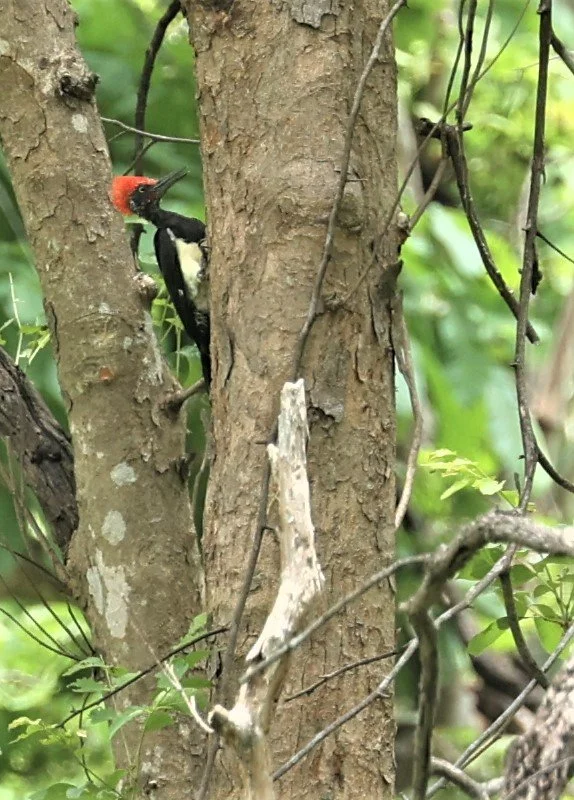
White-bellied Woodpeckers (Dryocopus javensis)
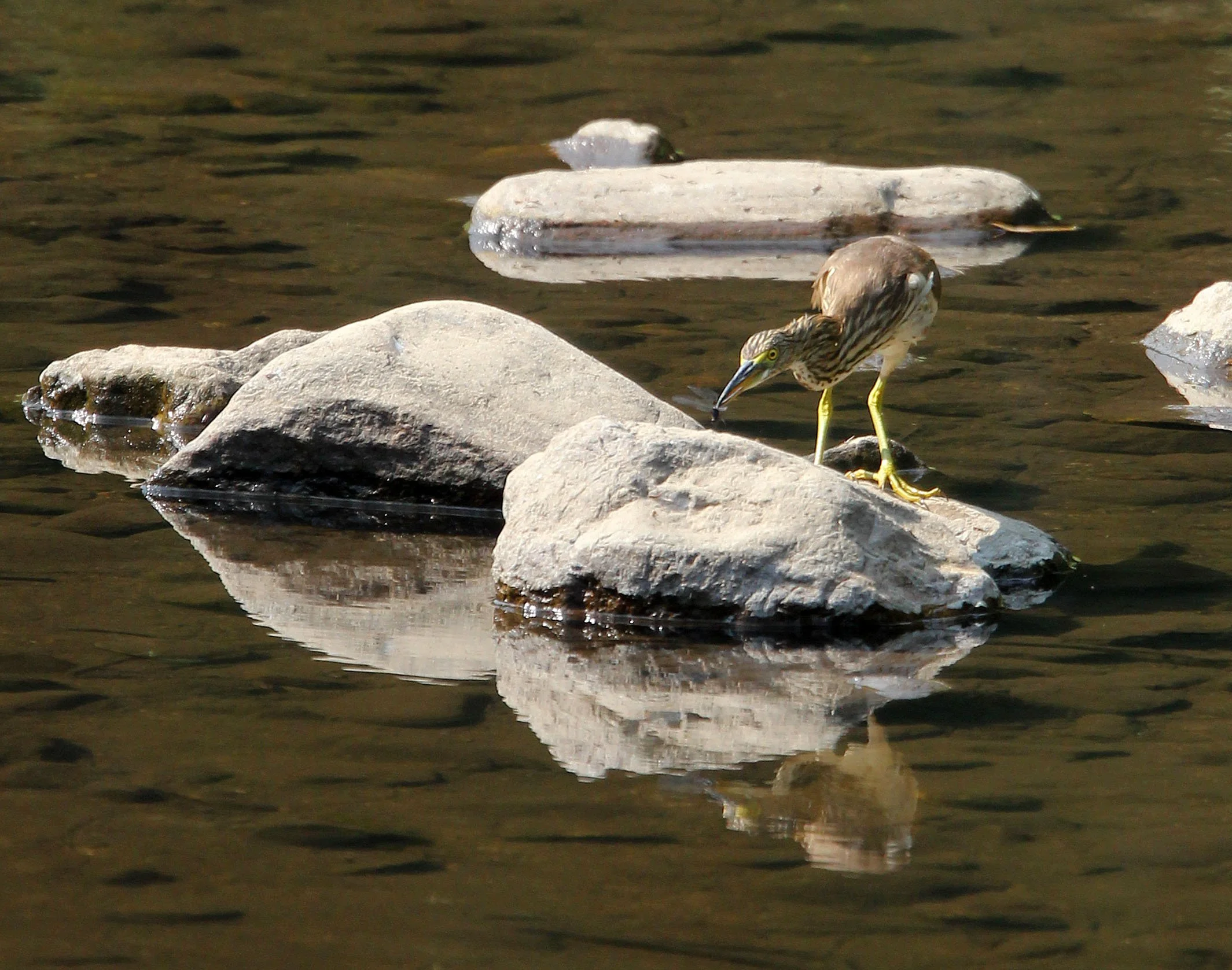
Chinese Pond Heron

Taiga flycatcher, also known as the red-throated flycatcher (Ficedula albicilla).
Herps
The Western Forest Complex supports one of mainland Southeast Asia’s richest reptile assemblages, reflecting the diversity and continuity of its forest habitats. Towering reticulated pythons and Asian water monitors dominate river margins and wetlands, while arboreal species such as flying lizards and green pit vipers thrive in the forest canopy and understory. The region is particularly significant for its snakes, including the king cobra—an apex predator that depends on large, undisturbed landscapes—and several species of kraits and vipers that play key roles in regulating small vertebrate populations. Freshwater systems provide refuge for turtles and, in some protected areas, the critically endangered Siamese crocodile, a powerful symbol of successful habitat protection. Together, these reptiles contribute to the ecological balance of the Western Forest Complex, acting as both predators and prey and serving as sensitive indicators of forest health.
Sadly my documentation of the reptiles and amphibians of the Western Forest Complex is lacking to say the least. I need to get there more often in the rainy season to try to change this fact!

Butterfly Lizard (Leiolepis belliana) are very common in the grasslands of the Western Forest Complex.
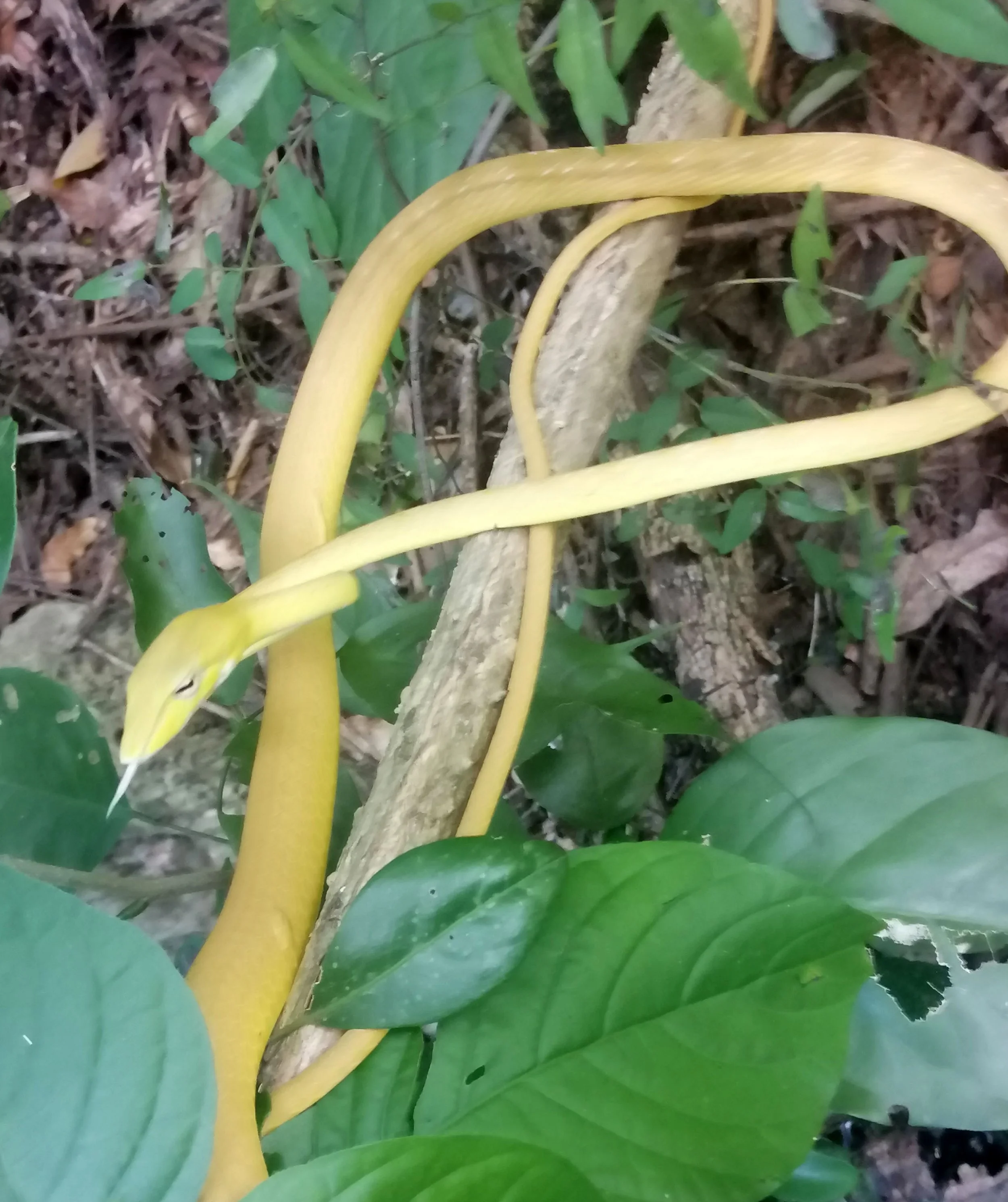
Asian Vine Snake (Ahaetulla prasina), also known as an Oriental Whip Snake at Erawan Falls NP

Common House Gecko (Hemidactylus frenatus) can be found in virtually every dwelling throughout Southeast Asia

I have this labeled as Garnot's Gecko (Hemidactylus garnotii) but it also looks to be Common House Gecko

I have this labeled as Garnot's Gecko (Hemidactylus garnotii) but it also looks to be Common House Gecko

House Gecko (Hemidactylus frenatus)

House Gecko (Hemidactylus frenatus)

Indopacific Tree Gecko (Hemiphyllodactylus typus) or perhaps once again Common House Gecko.
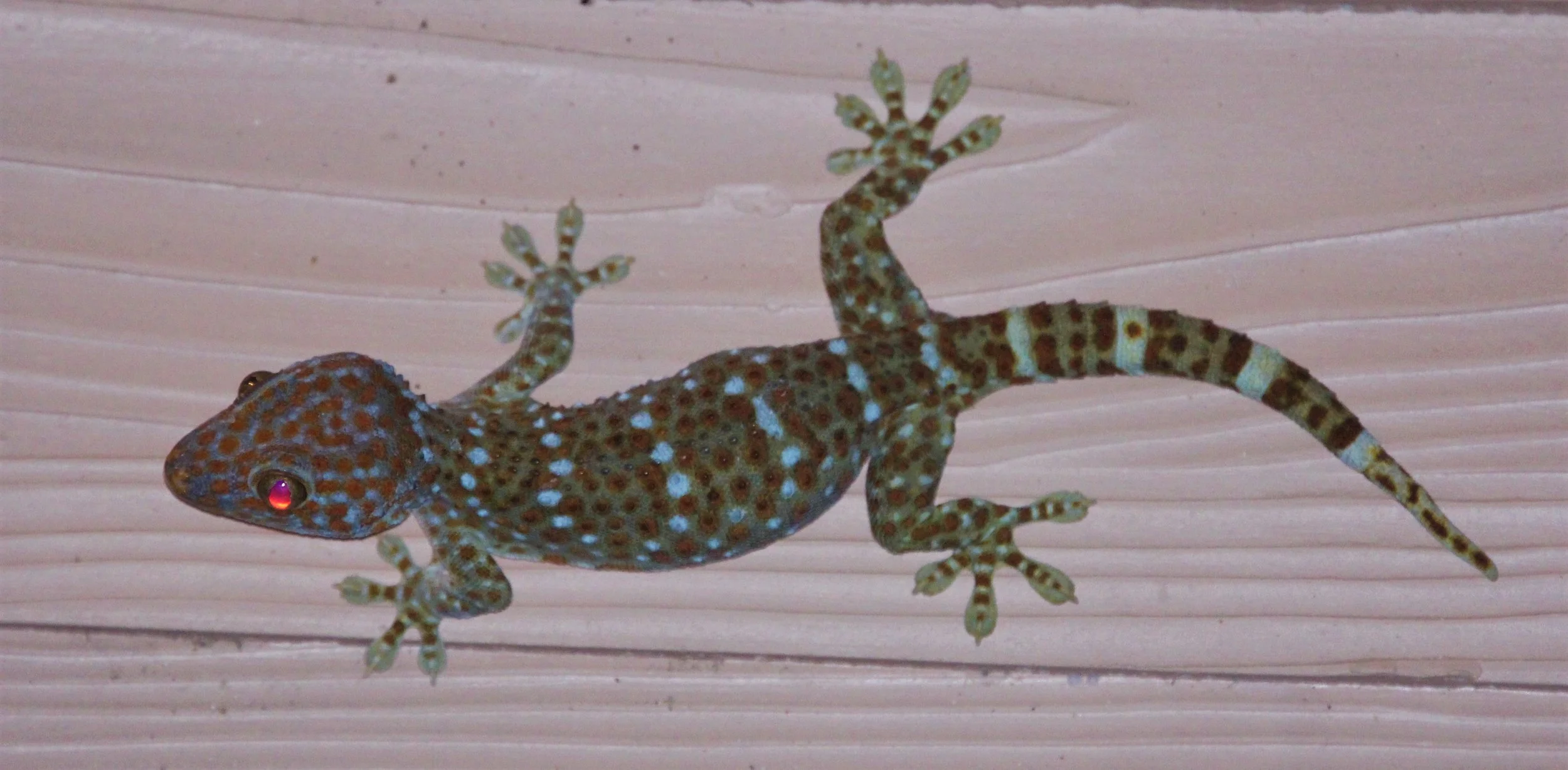
Tokay (Gekko gecko) are common in most human establishments in the Complex as well

Clouded Monitor (Varanus nebulosus) is always a welcome sight
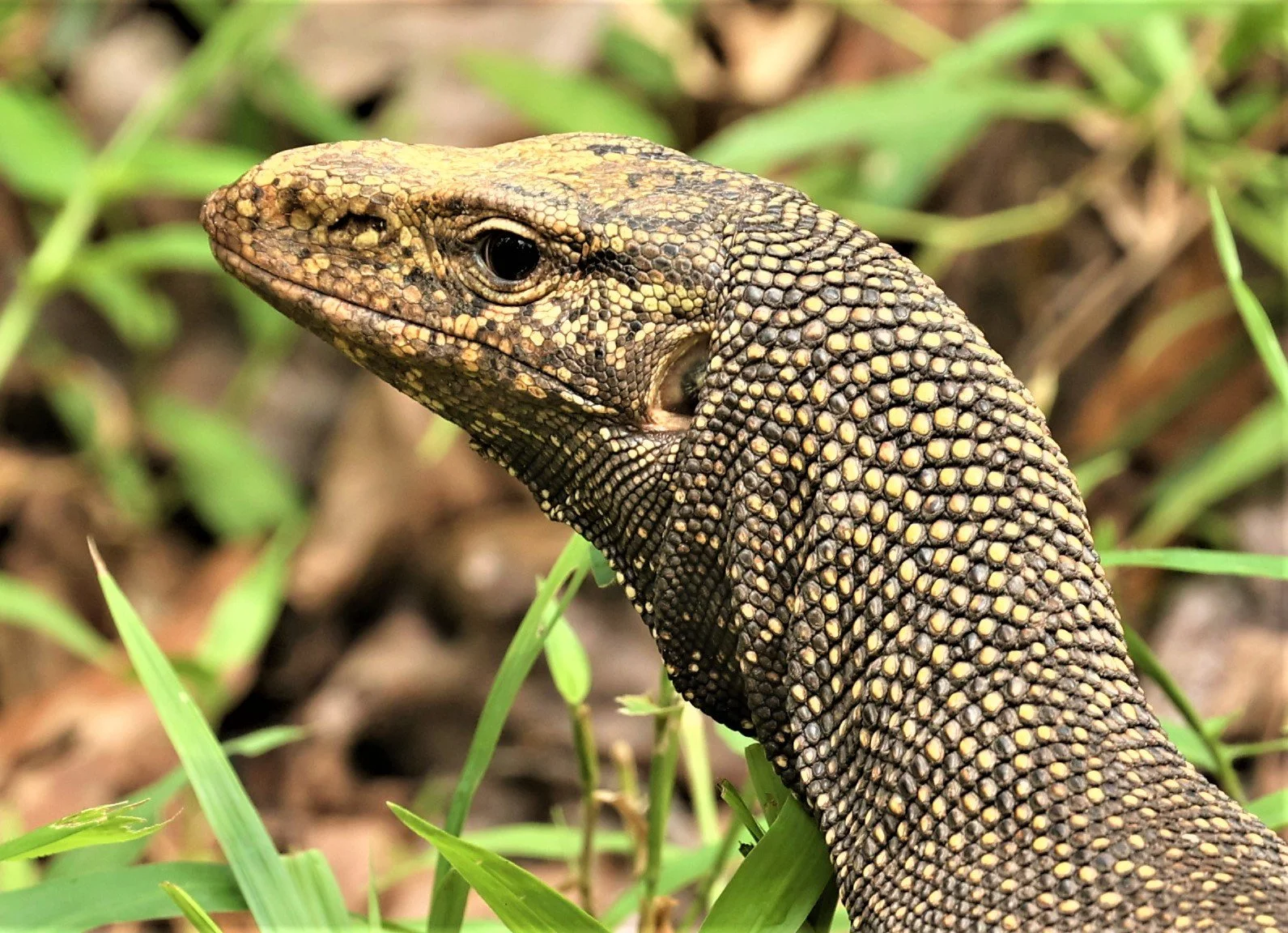
Clouded Monitor (Varanus nebulosus)
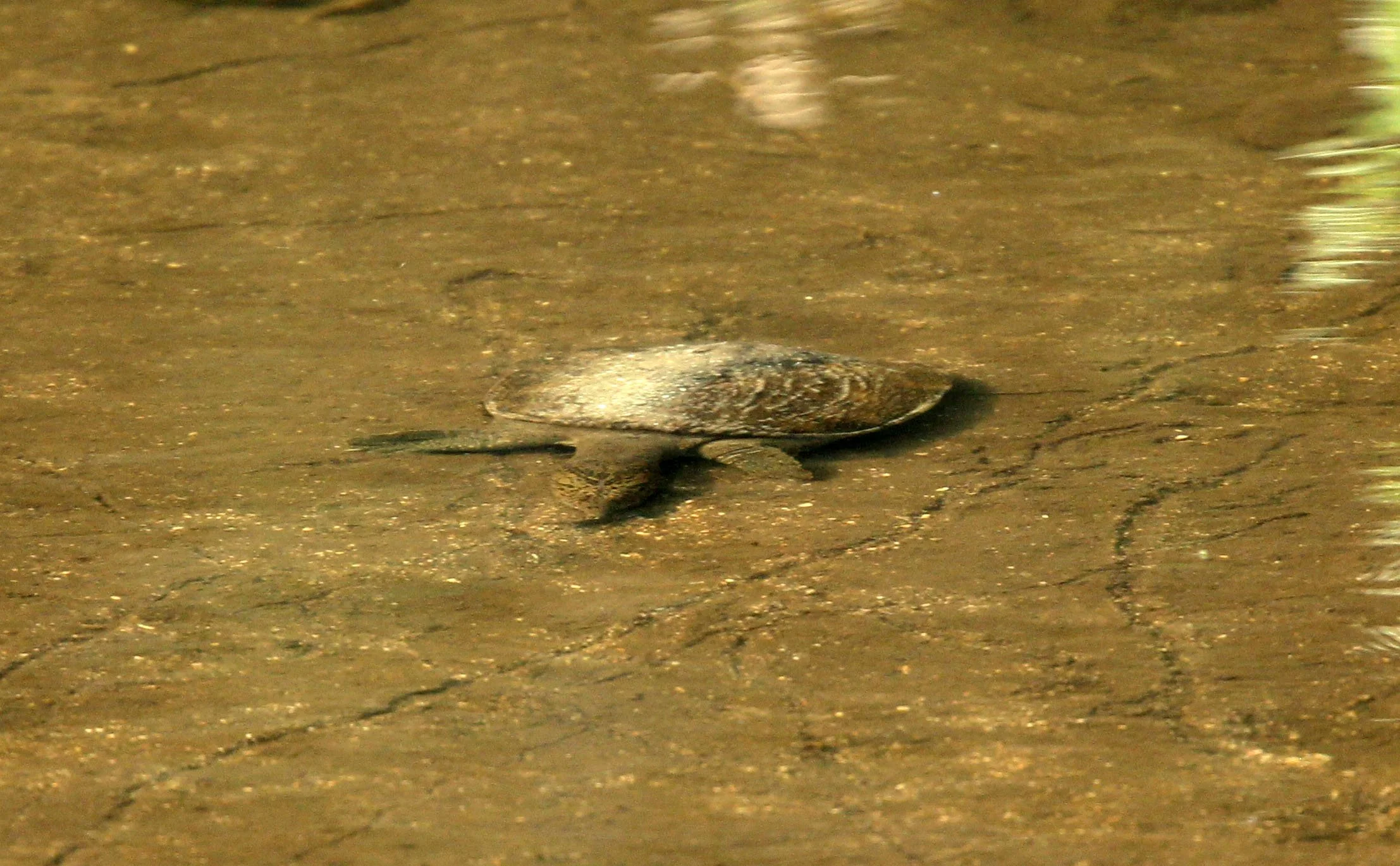
Asian Giant softshell turtle (Pelochelys cantorii) in HKK
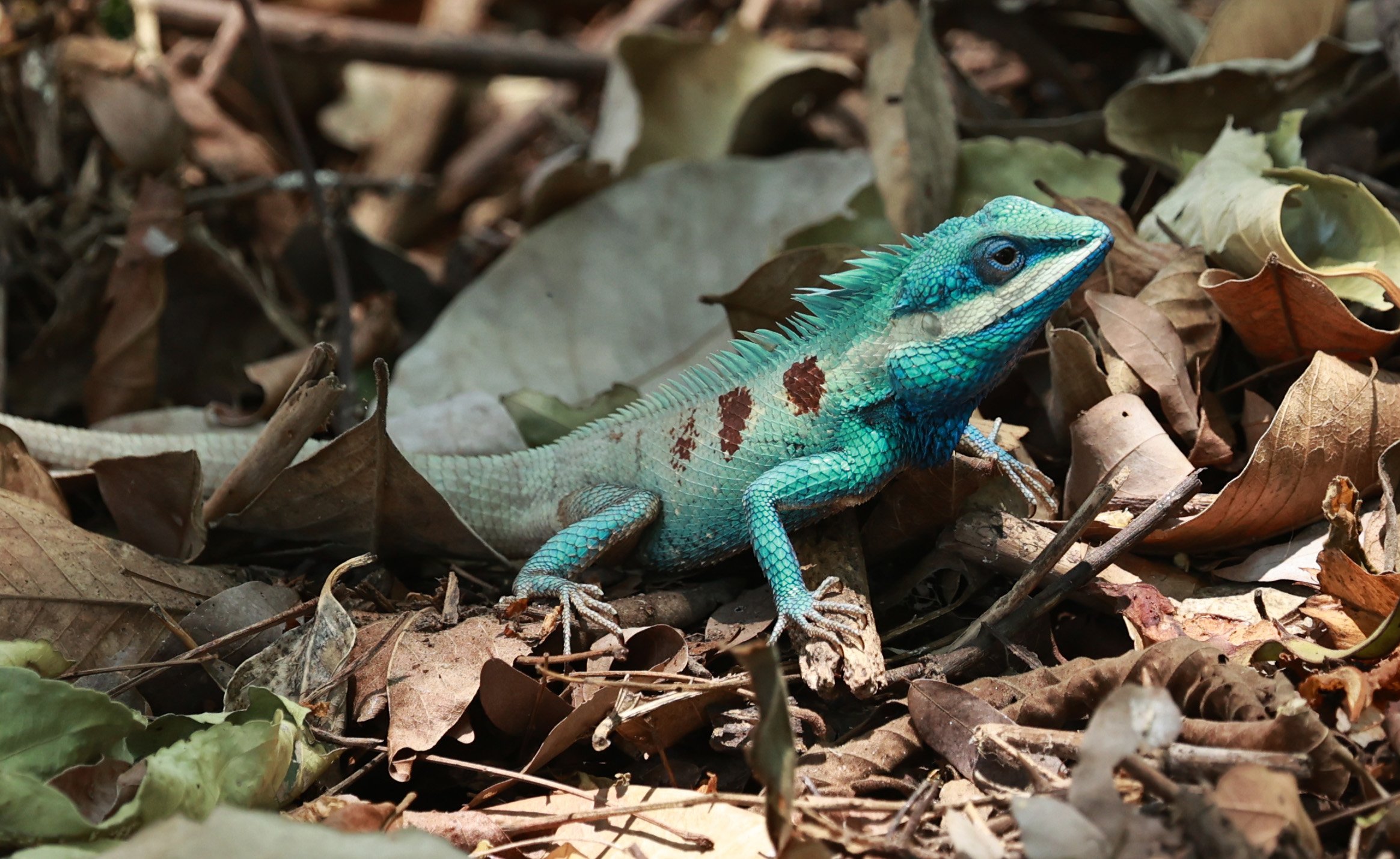
Siamese Blue-crested Lizard (Calotes mystaceus) Huai Kha Khaeng Wildlife Sanctuary April 2026

Siamese Blue-crested Lizard (Calotes mystaceus) Huai Kha Khaeng Wildlife Sanctuary showing breeding colors.
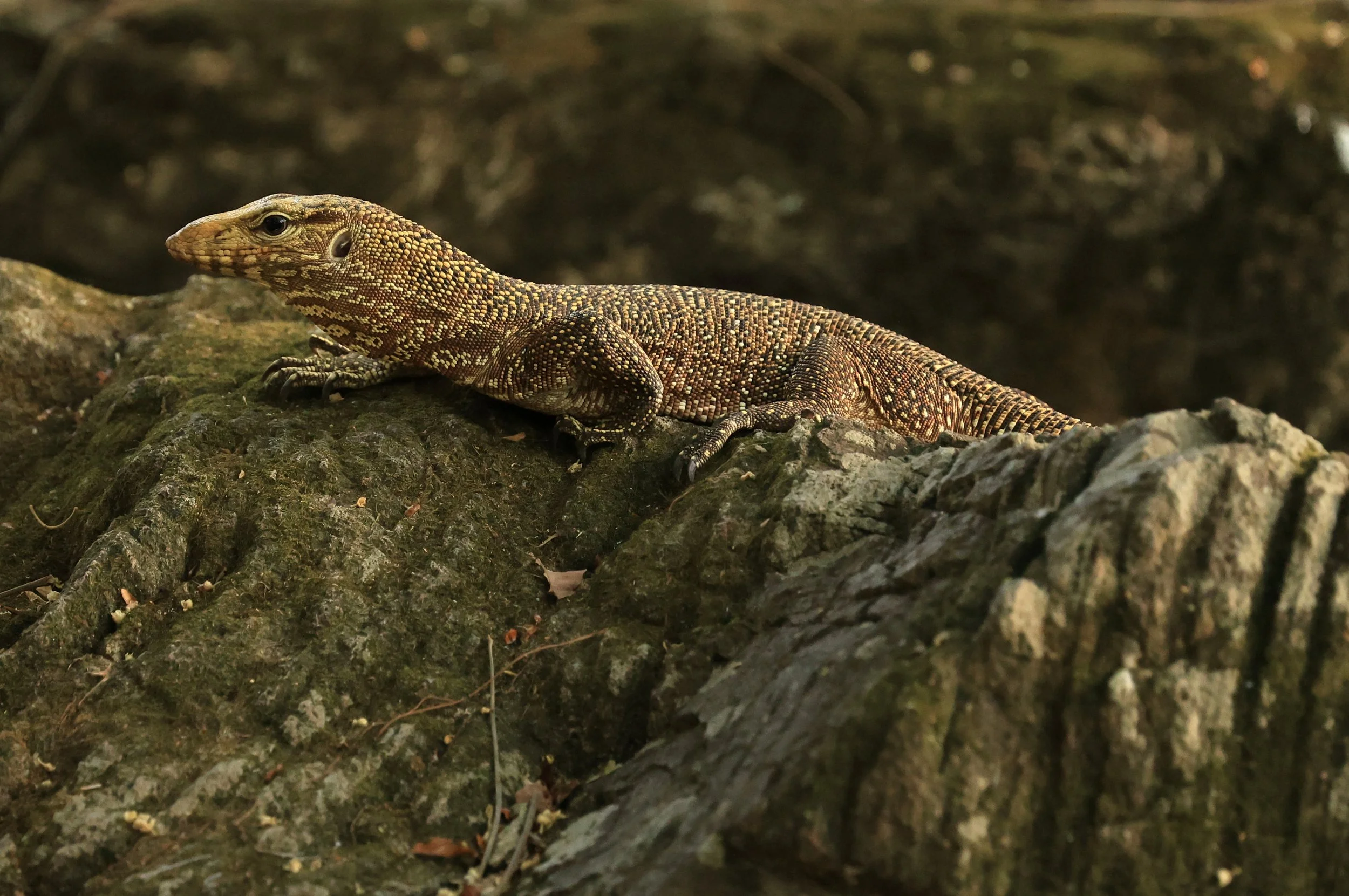
Indochinese Water Monitor from Huai Kha Khaeng. Subadult
Invertebrates

Possible Caelifera sp. nymph in HKK

Yellow Crazy Ants (Anoplolepis gracilipes) working together to move a bit of food from our table.

Syrphid fly.

Hemiptera-Heteroptera-Pentatomidae

Snow Flat (Tagiades genus).

Heortia vitessoides moth, also known as a Crambid Snout moth.

Heortia vitessoides moth, also known as a Crambid Snout moth.

Common Tit (Hypolycaena erylus)
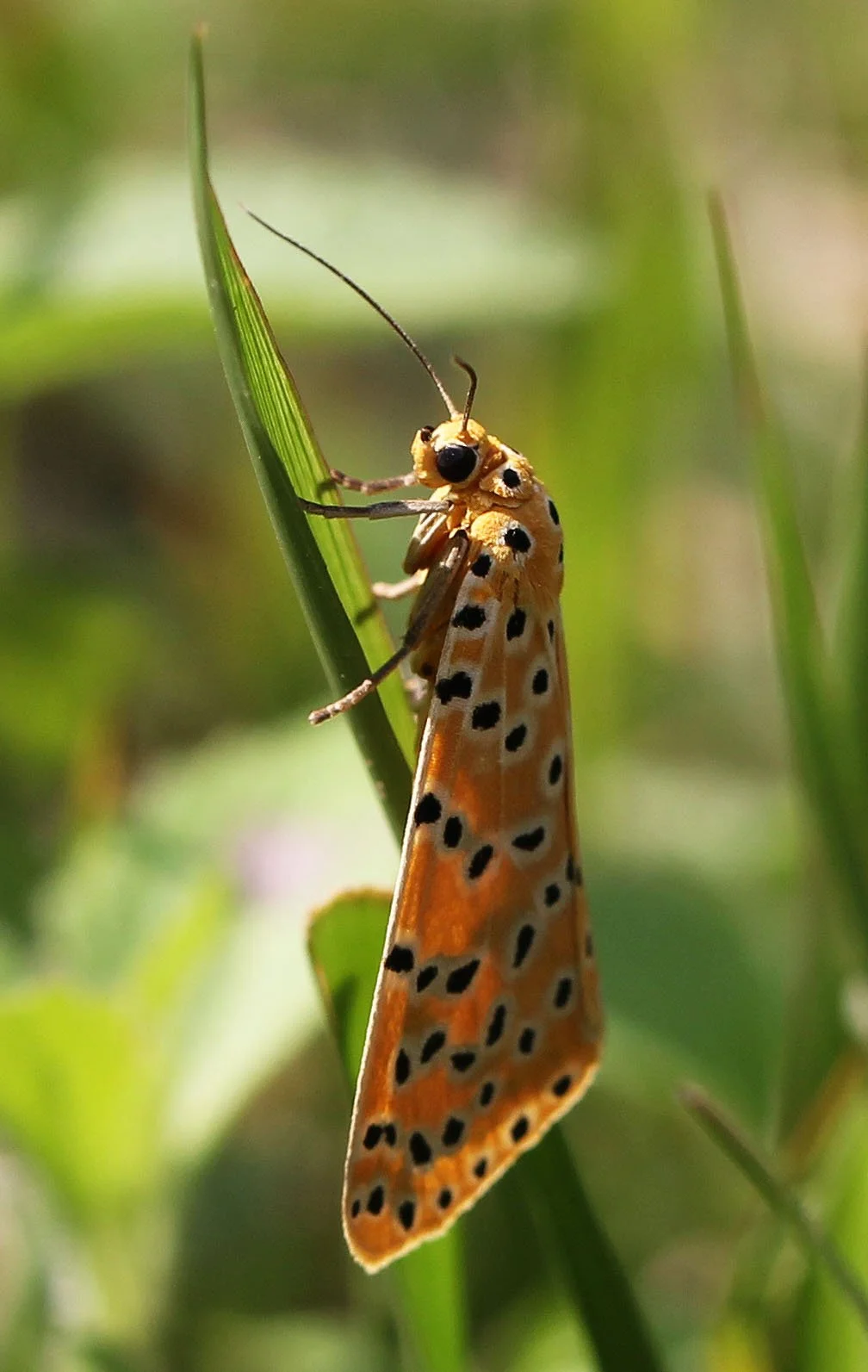
Argina astrea moth, also known as the Crotalaria Podborer.

Common Five-ring (Ypthima baldus)

Common Pierrot butterfly (Castalius rosimon)
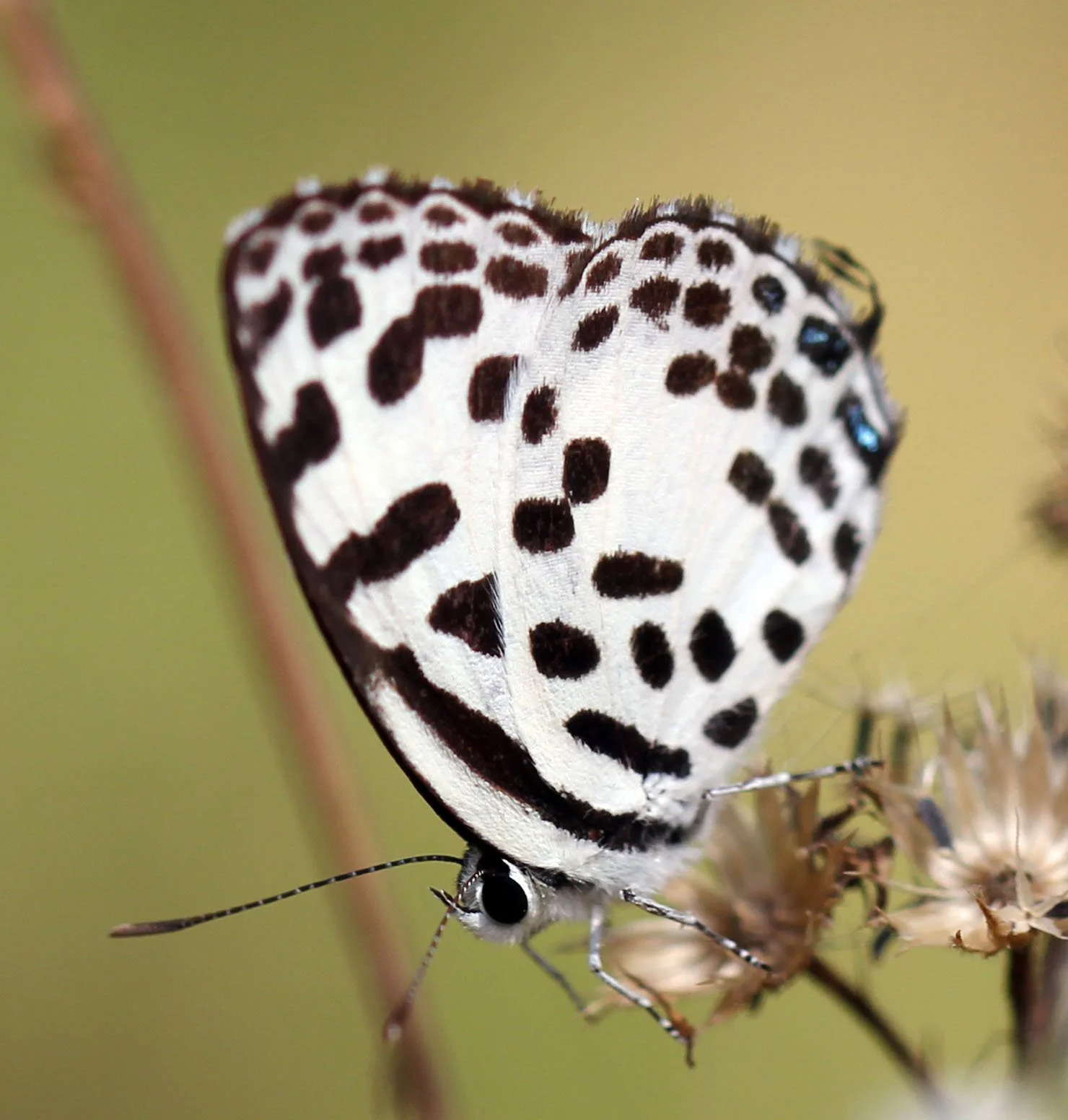
Common Pierrot butterfly (Castalius rosimon)

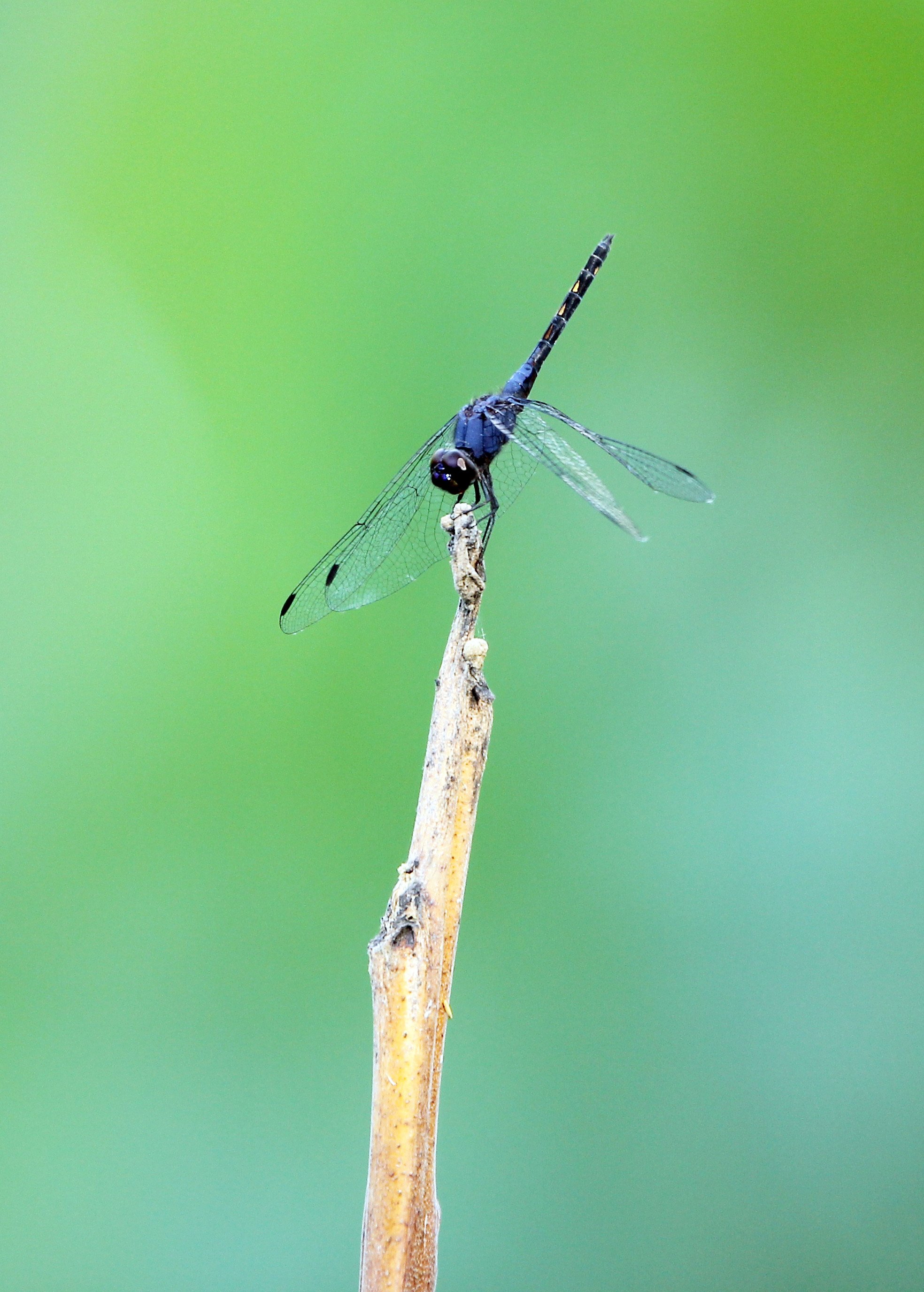
Chalky Perchere (Diplacodes trivialis) I think

Chalky Perchere (Diplacodes trivialis) I think

Pygmy Grasshopper (family Tetrigidae)
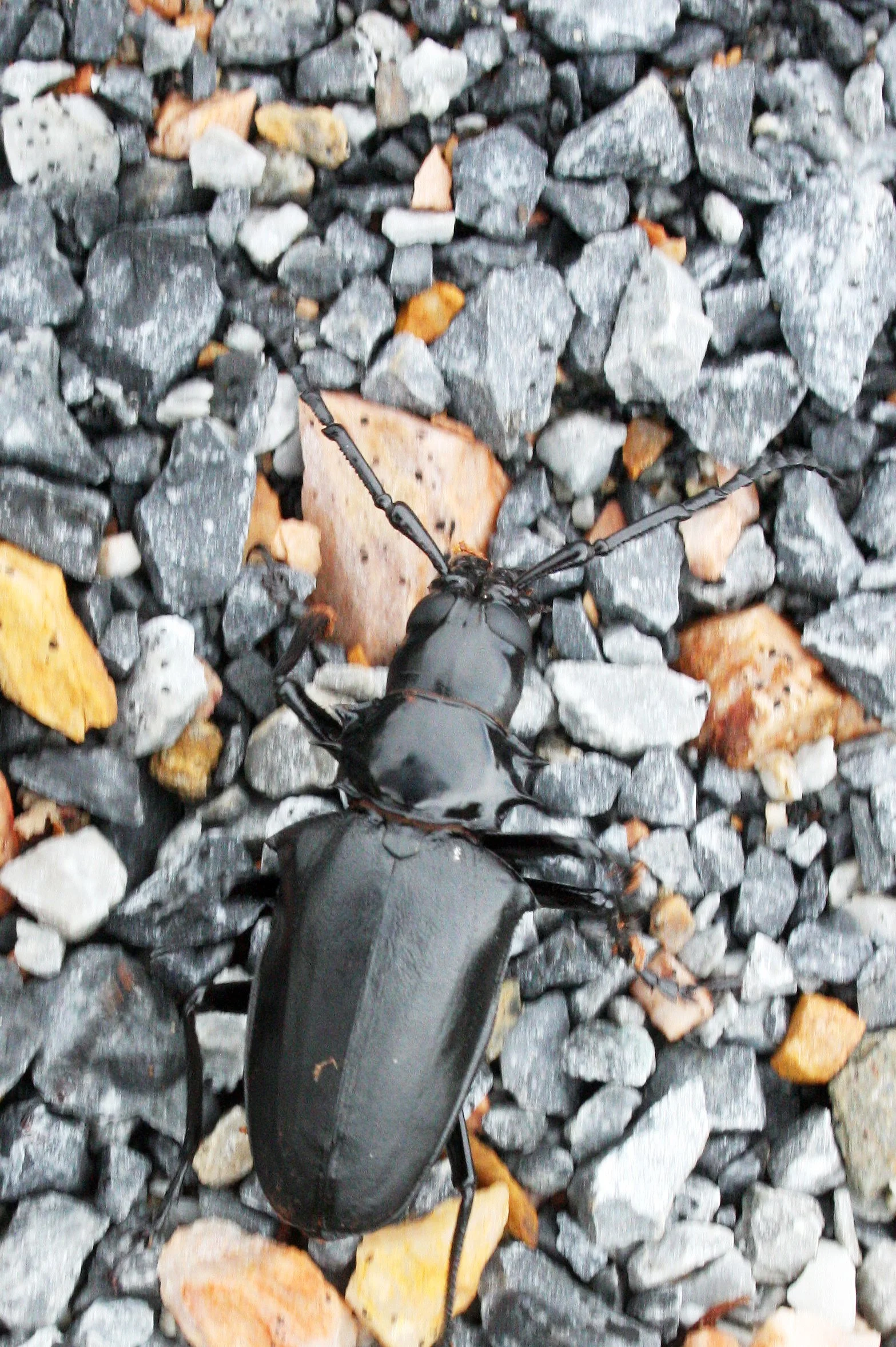
Walrus Tusk Beetle (Dorysthenes walkeri)
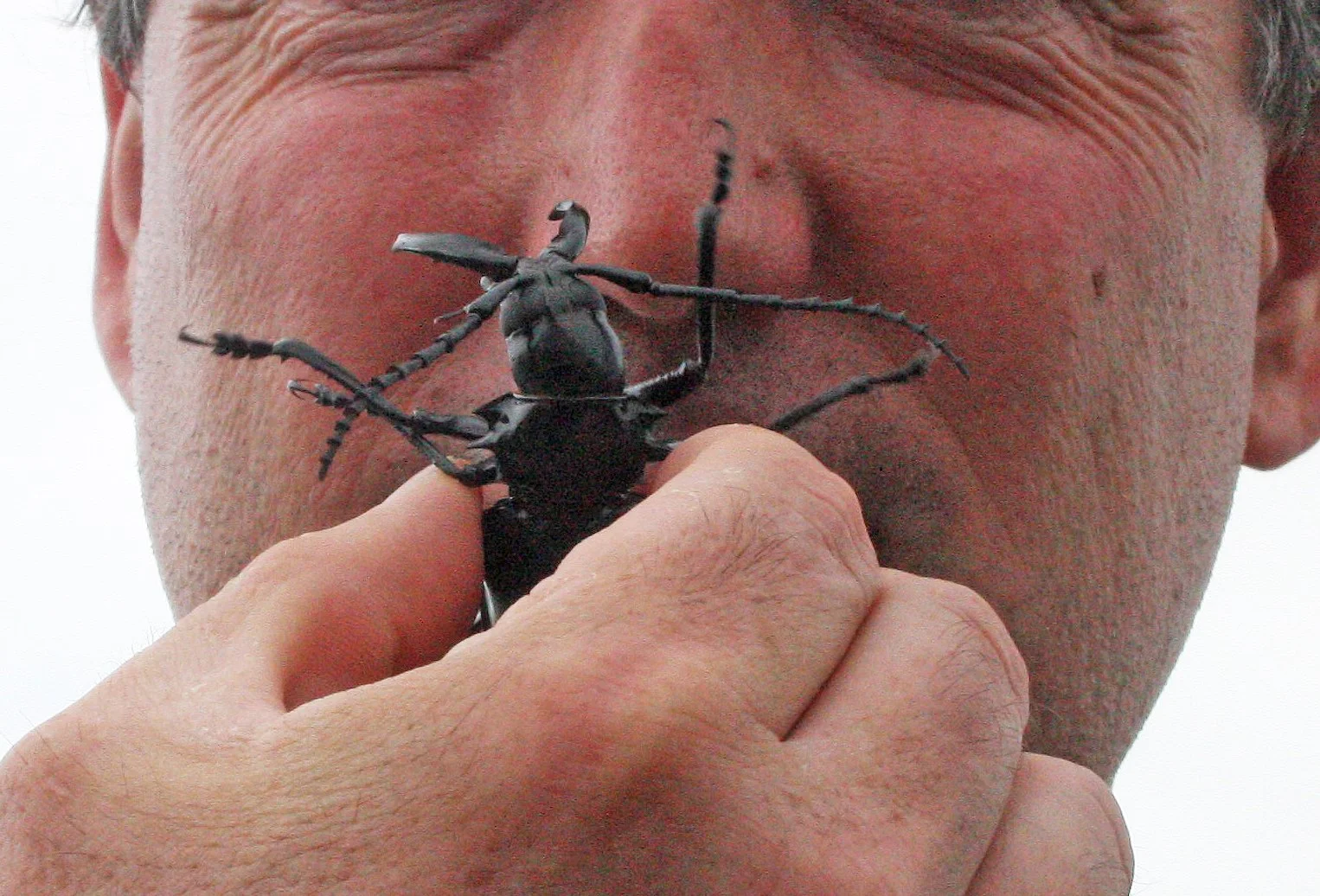
Walrus Tusk Beetle (Dorysthenes walkeri)
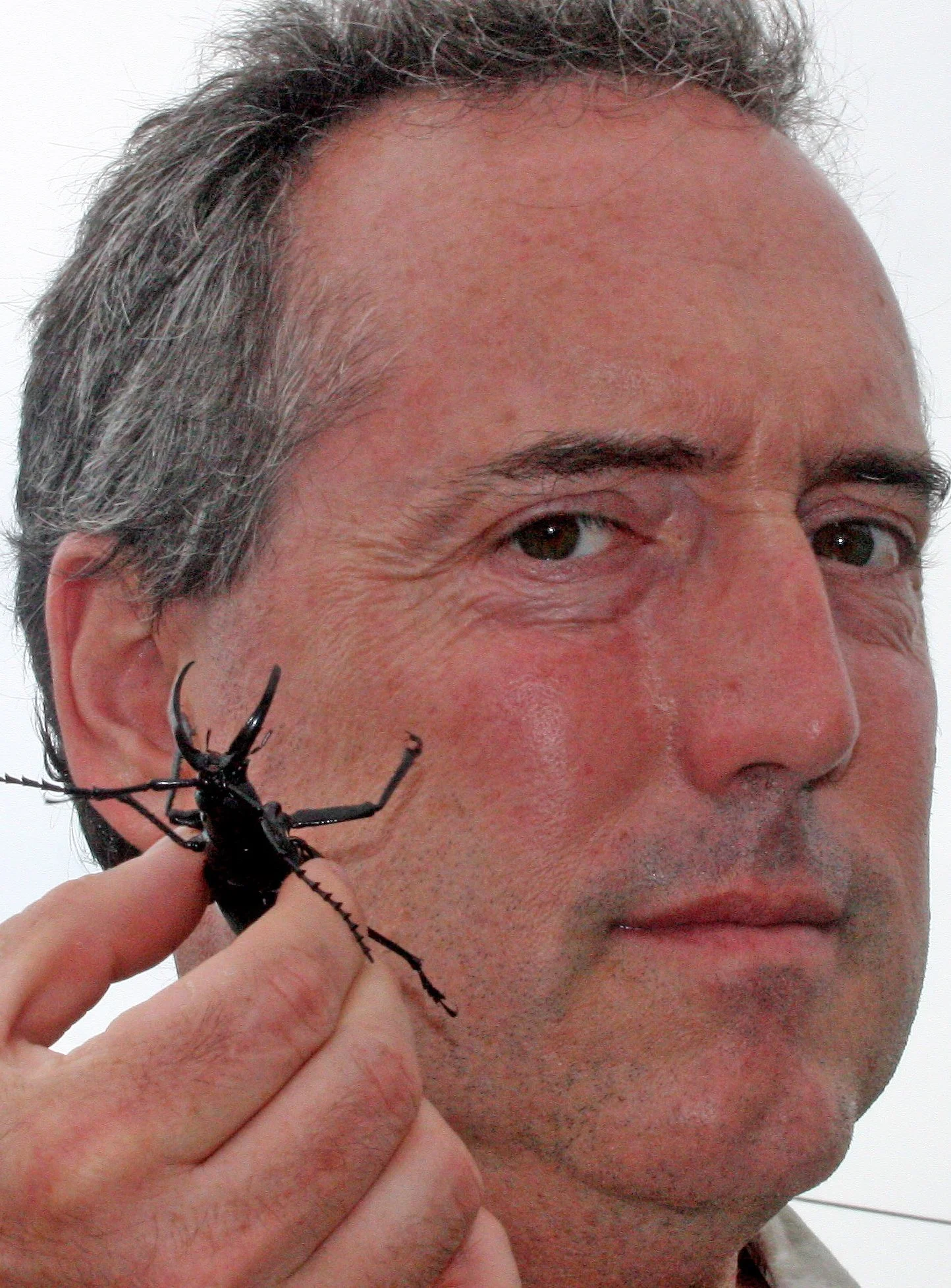
Walrus Tusk Beetle (Dorysthenes walkeri)
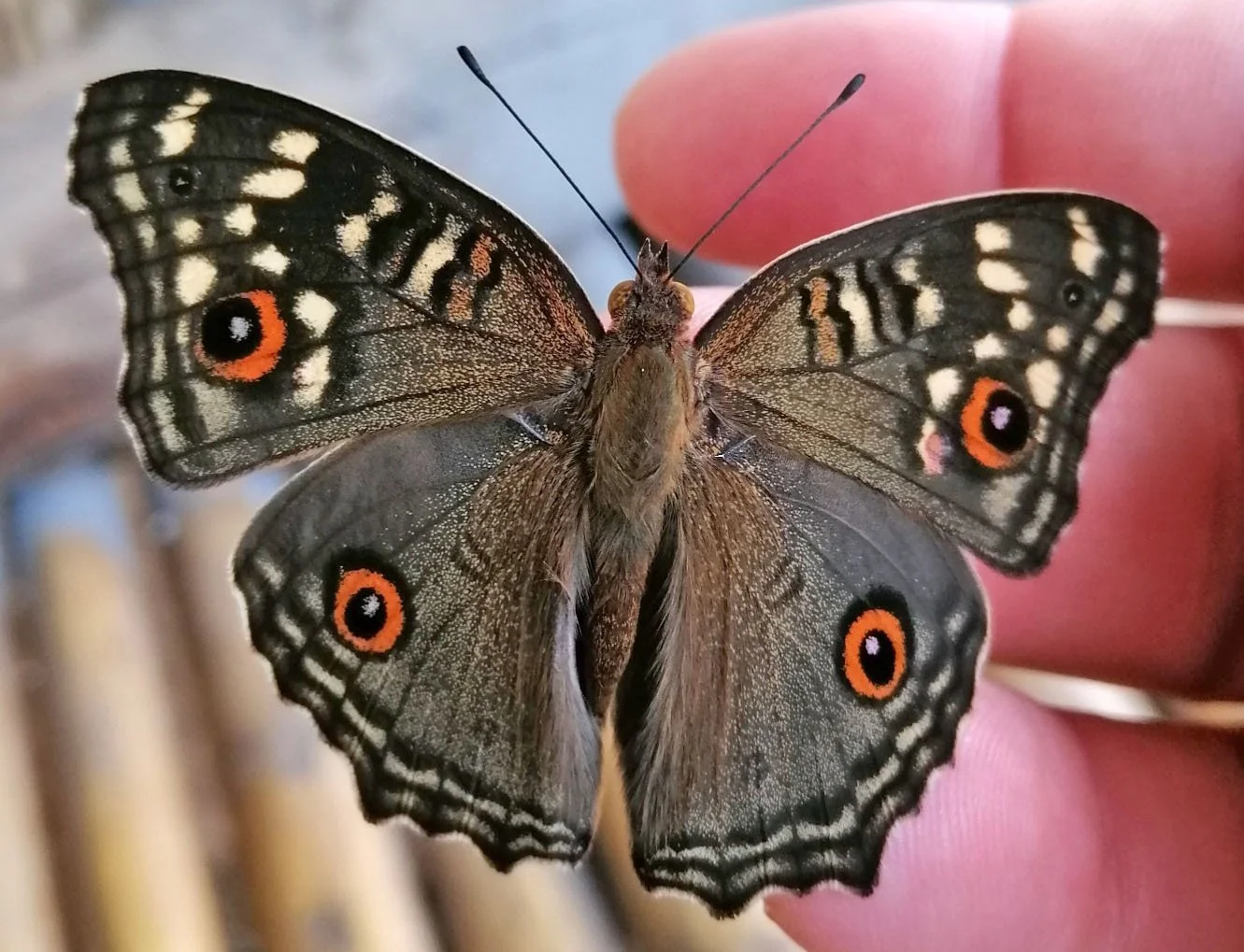
Lemon Pansy butterfly (scientific name: Junonia lemonias).
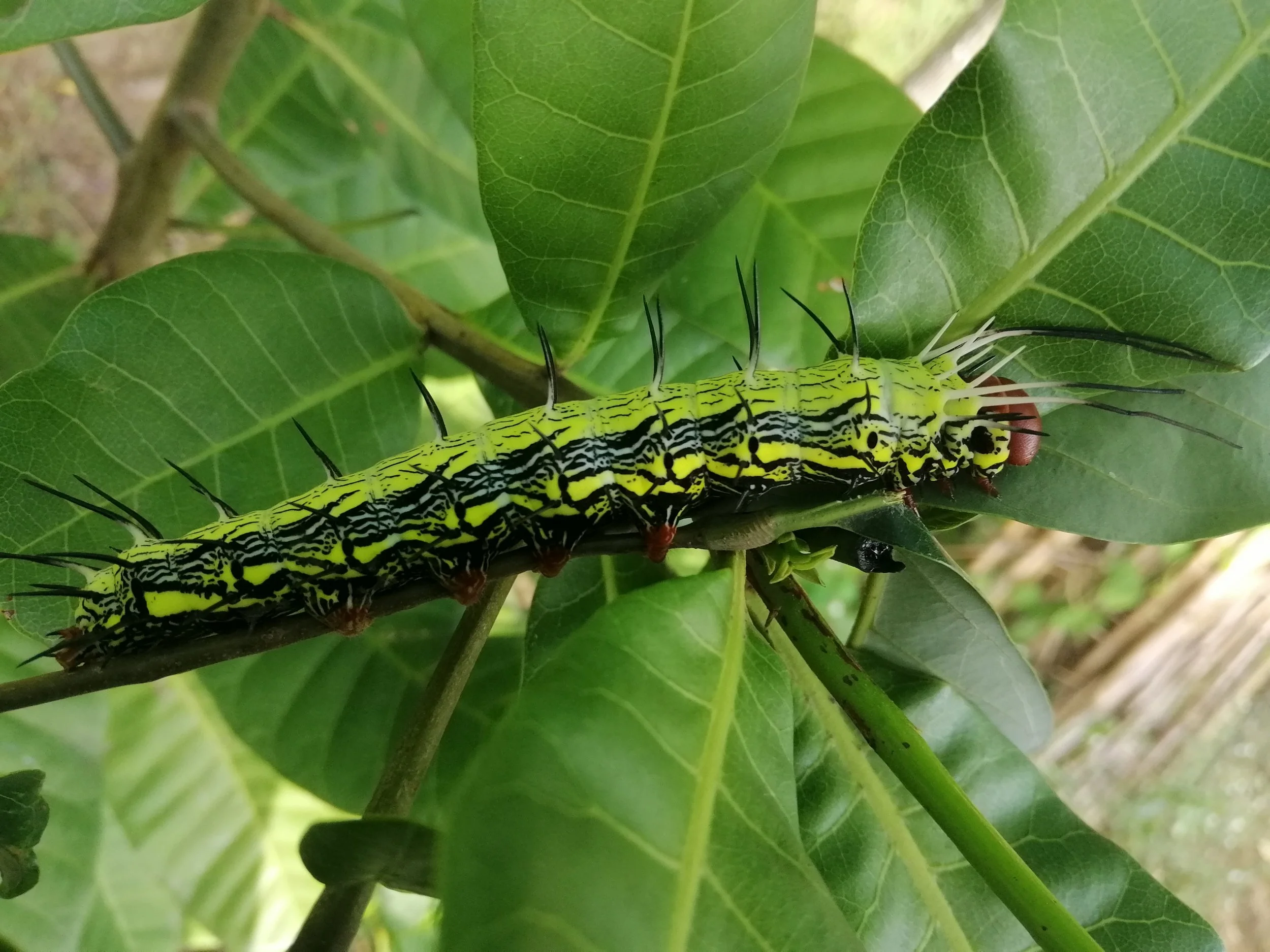
Large Dragon-tailed Caterpillar (Dudusa synopla)
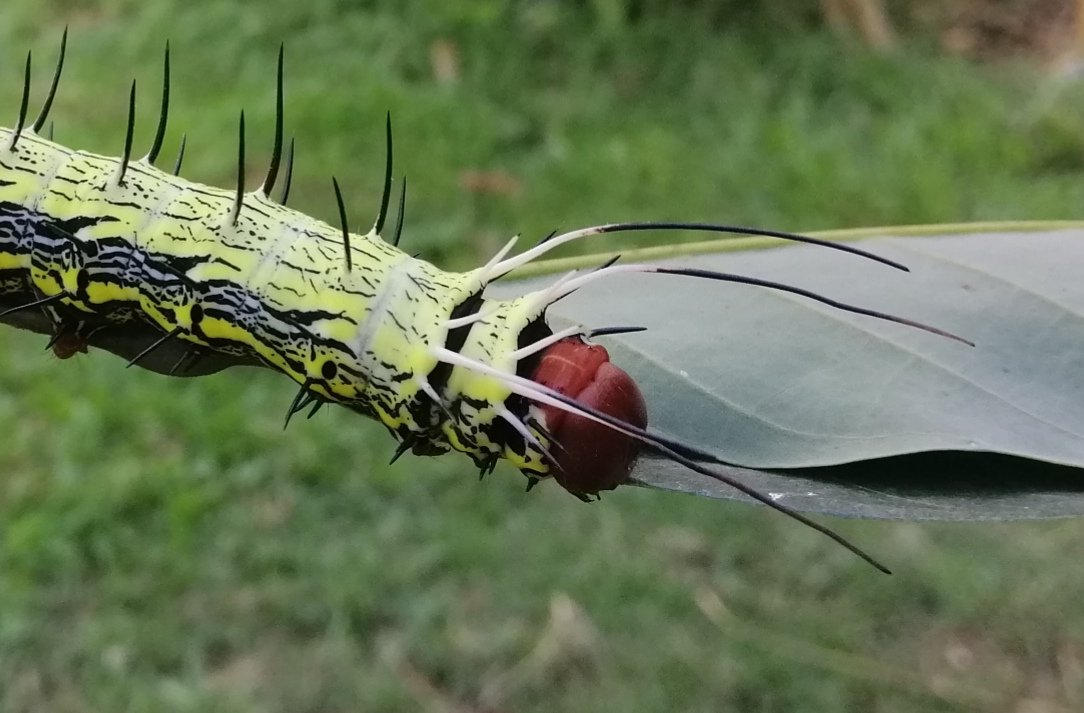
Large Dragon-tailed Caterpillar (Dudusa synopla)
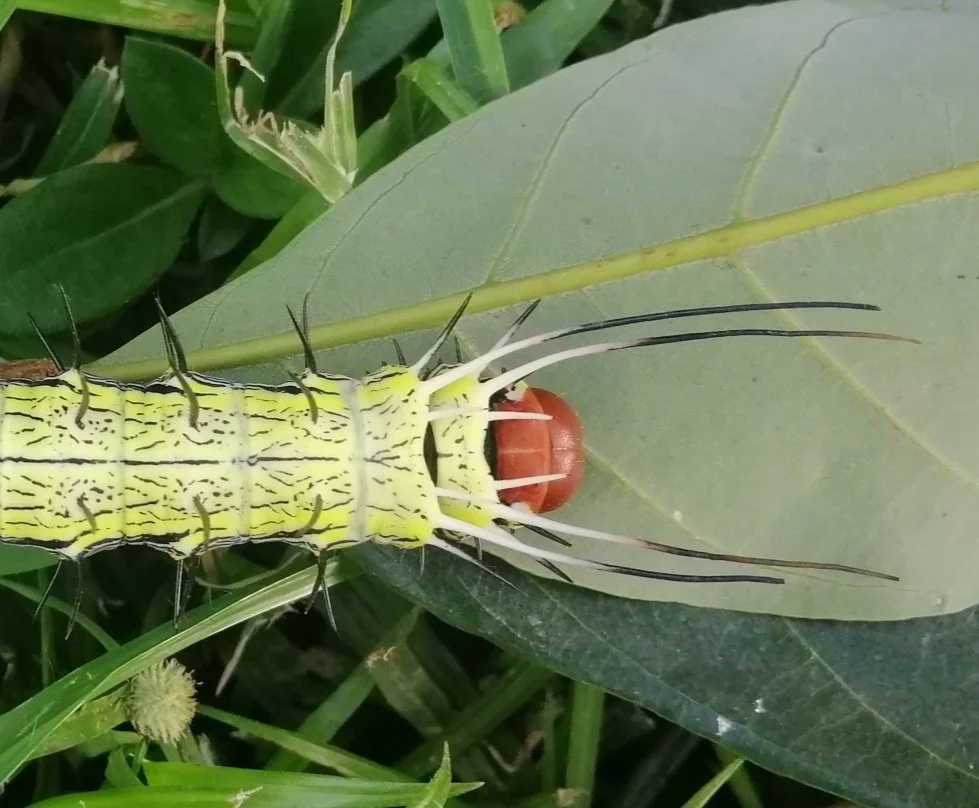
Large Dragon-tailed Caterpillar (Dudusa synopla)
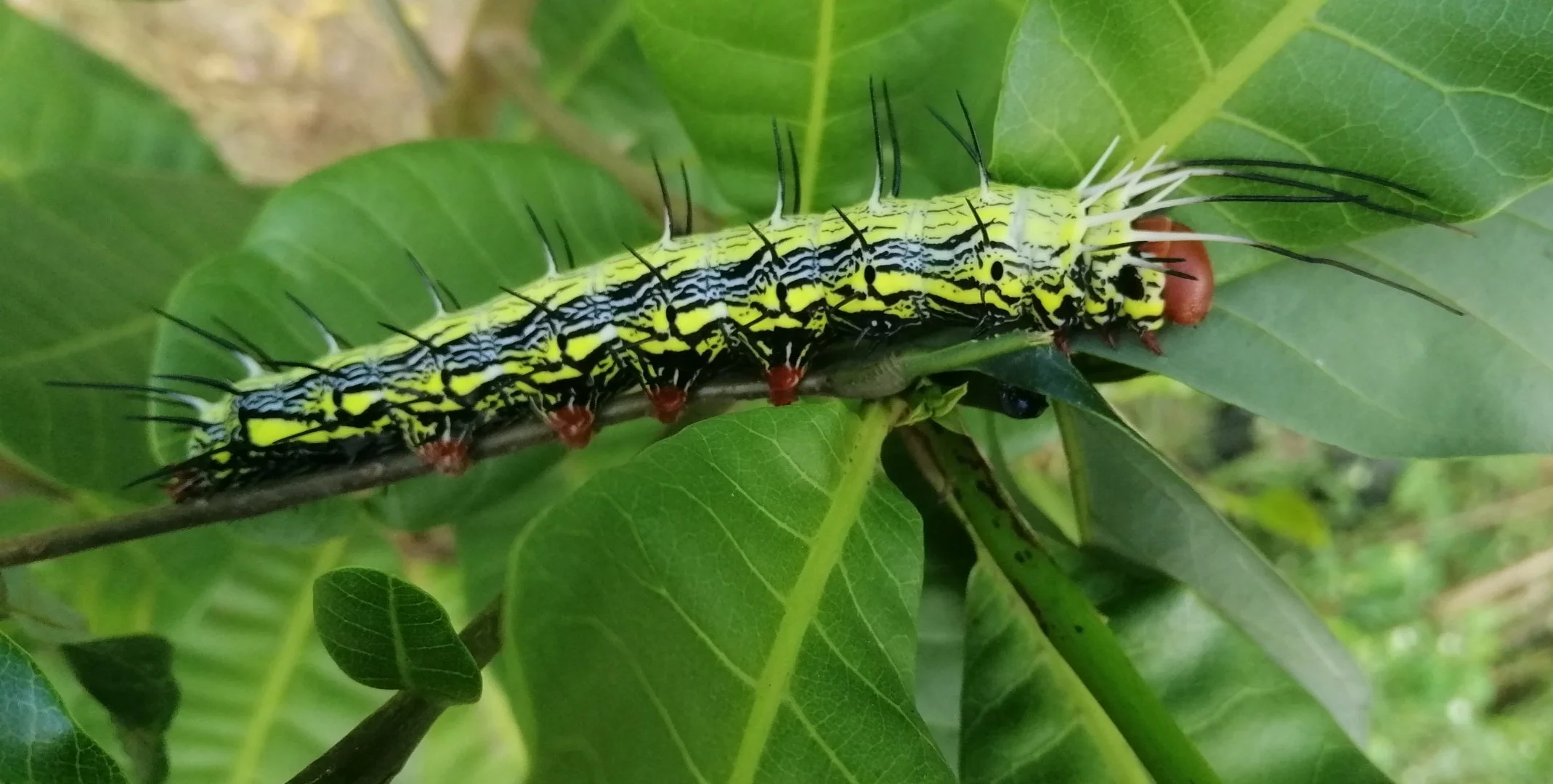
Large Dragon-tailed Caterpillar (Dudusa synopla)

Most likely a female of Odontolabis mouhoti.

Giant Golden Orb-weaver spider (Nephila pilipes)

Epepeotes species, possibly E. luscus

Sugarcane Spittlebug (Callitettix versicolor) a type of froghopper
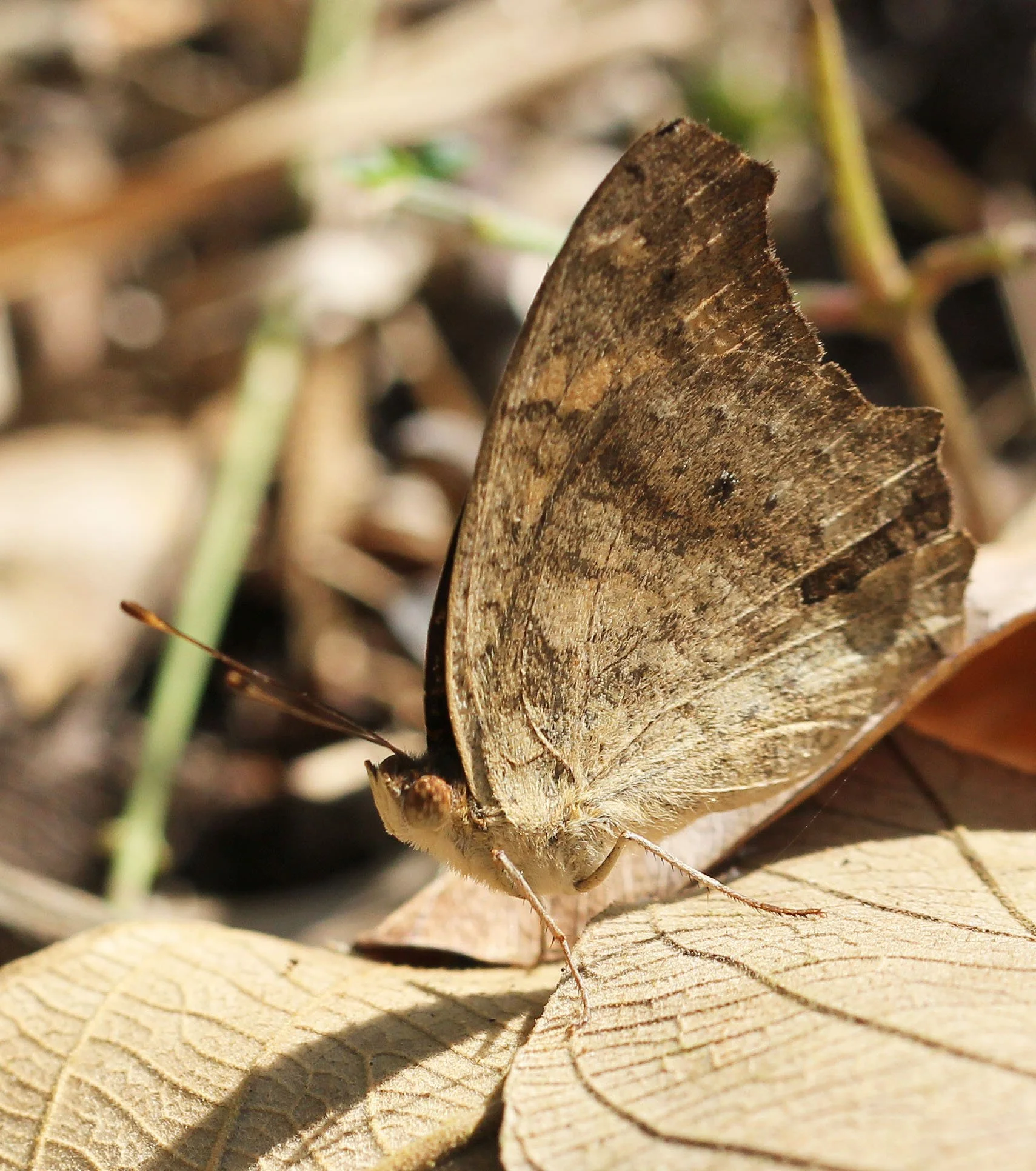
Common Evening Brown butterfly (Melanitis leda)
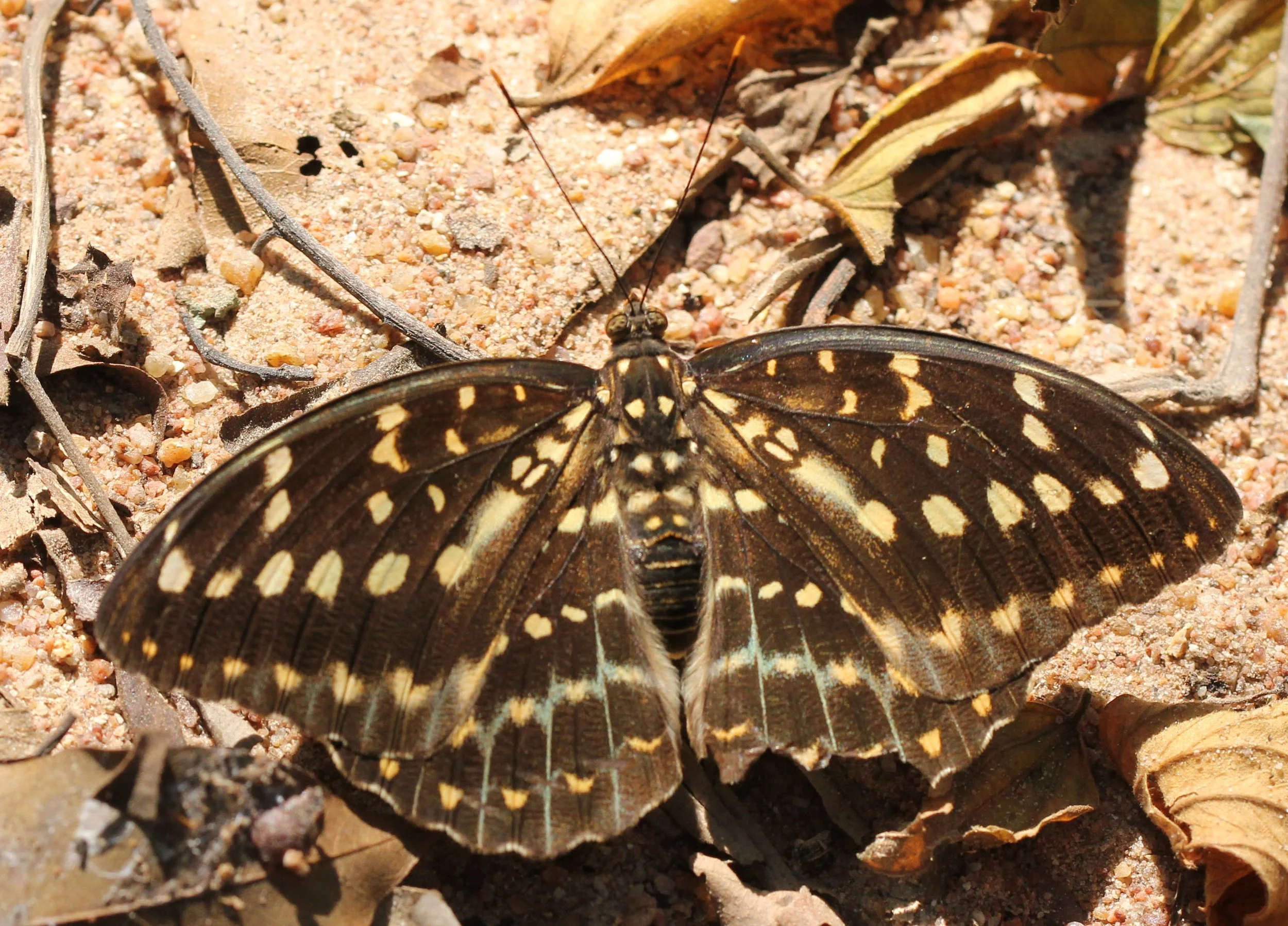
Common Archduke butterfly (female), specifically identified as a member of the Lexias genus.

Hemiptera-Heteroptera-Pentatomidae

Eurema brigitta, the small grass yellow or broad-bordered grass yellow

Family Uraniidae, and is identified in similar images as a species of Dysaethria.
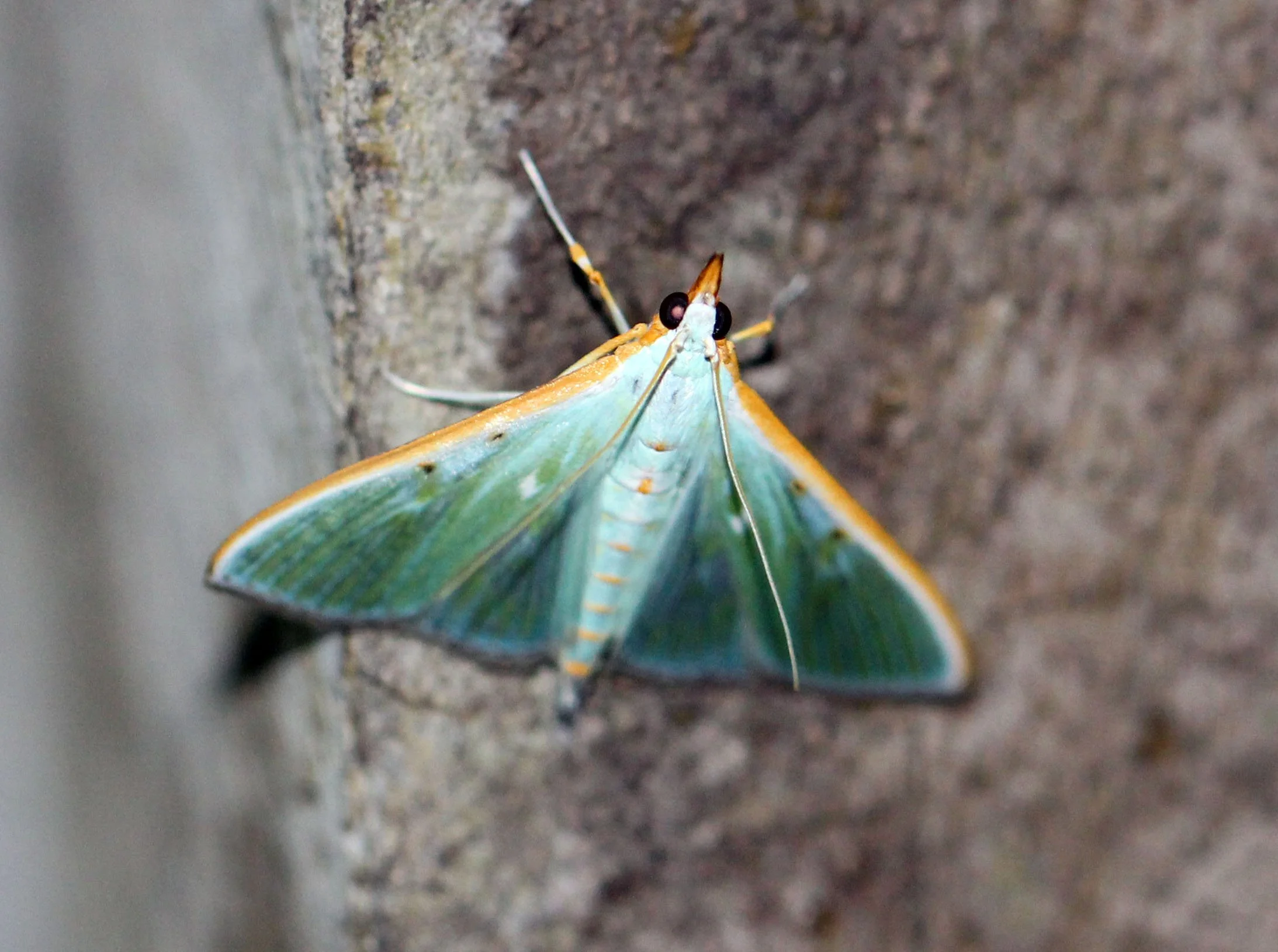
Arthroschista hilaralis, commonly referred to as the Kadam Defoliator.
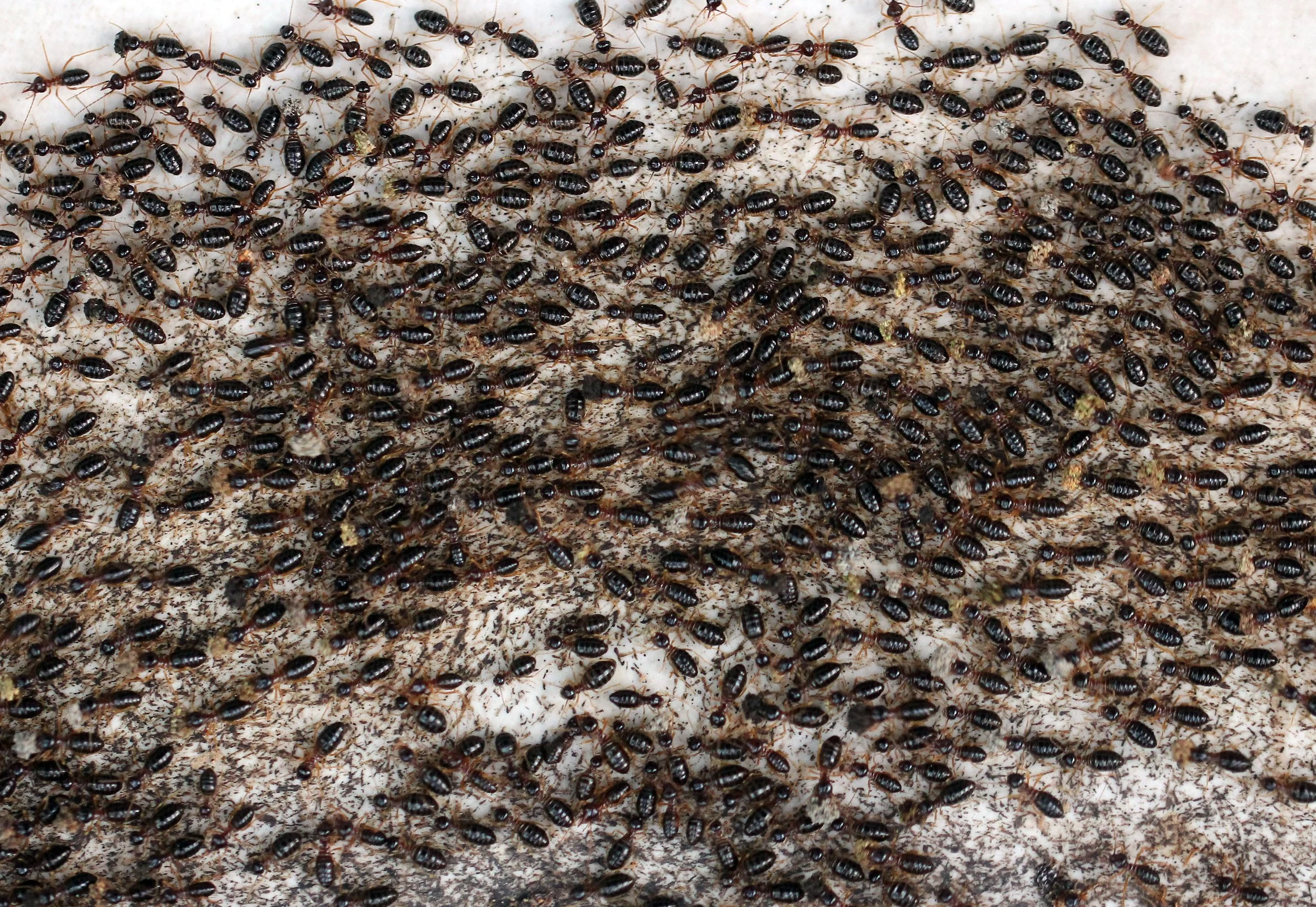
Termites (Macrotermes annandalei)
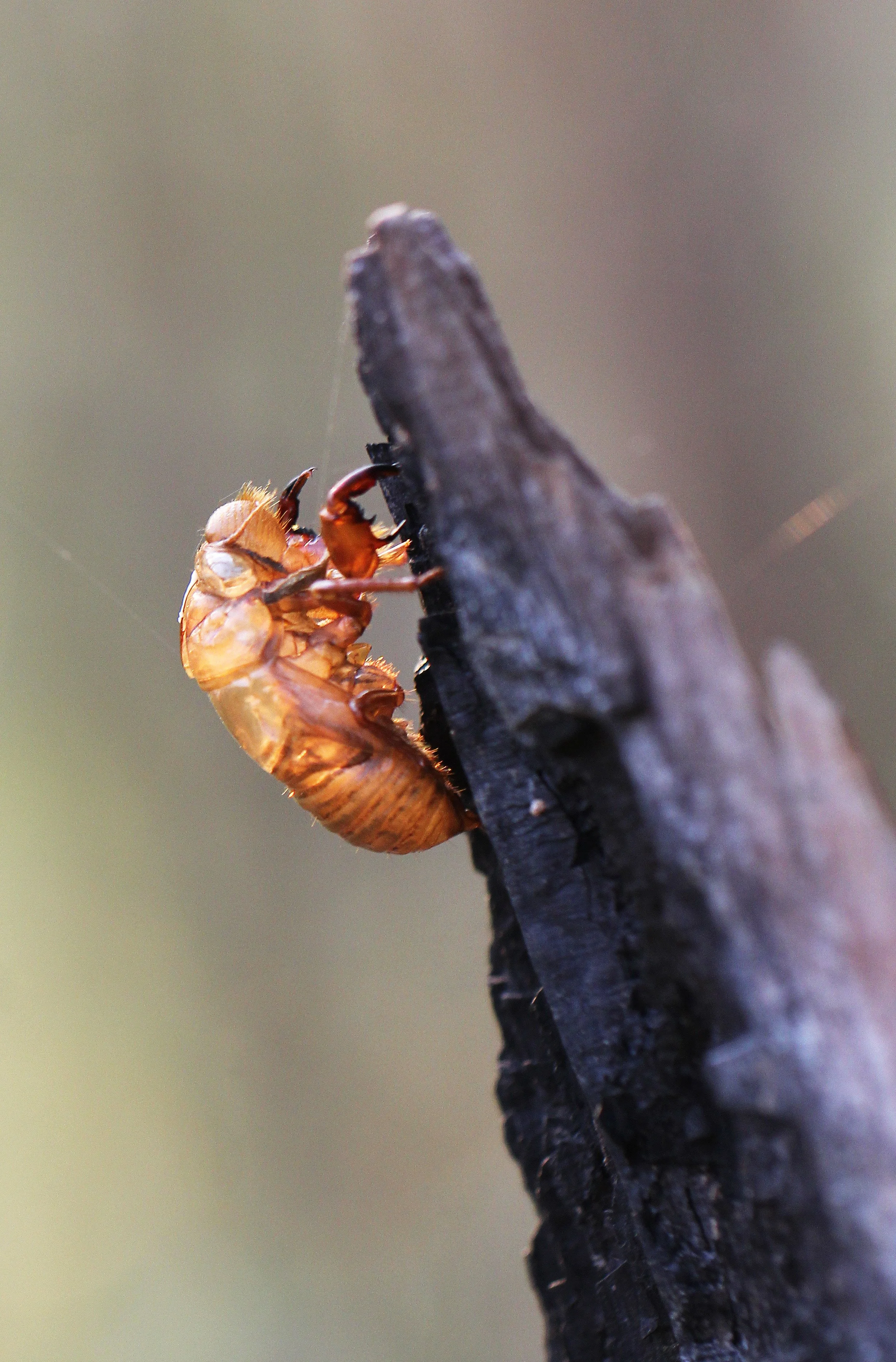
Cicada exuvium
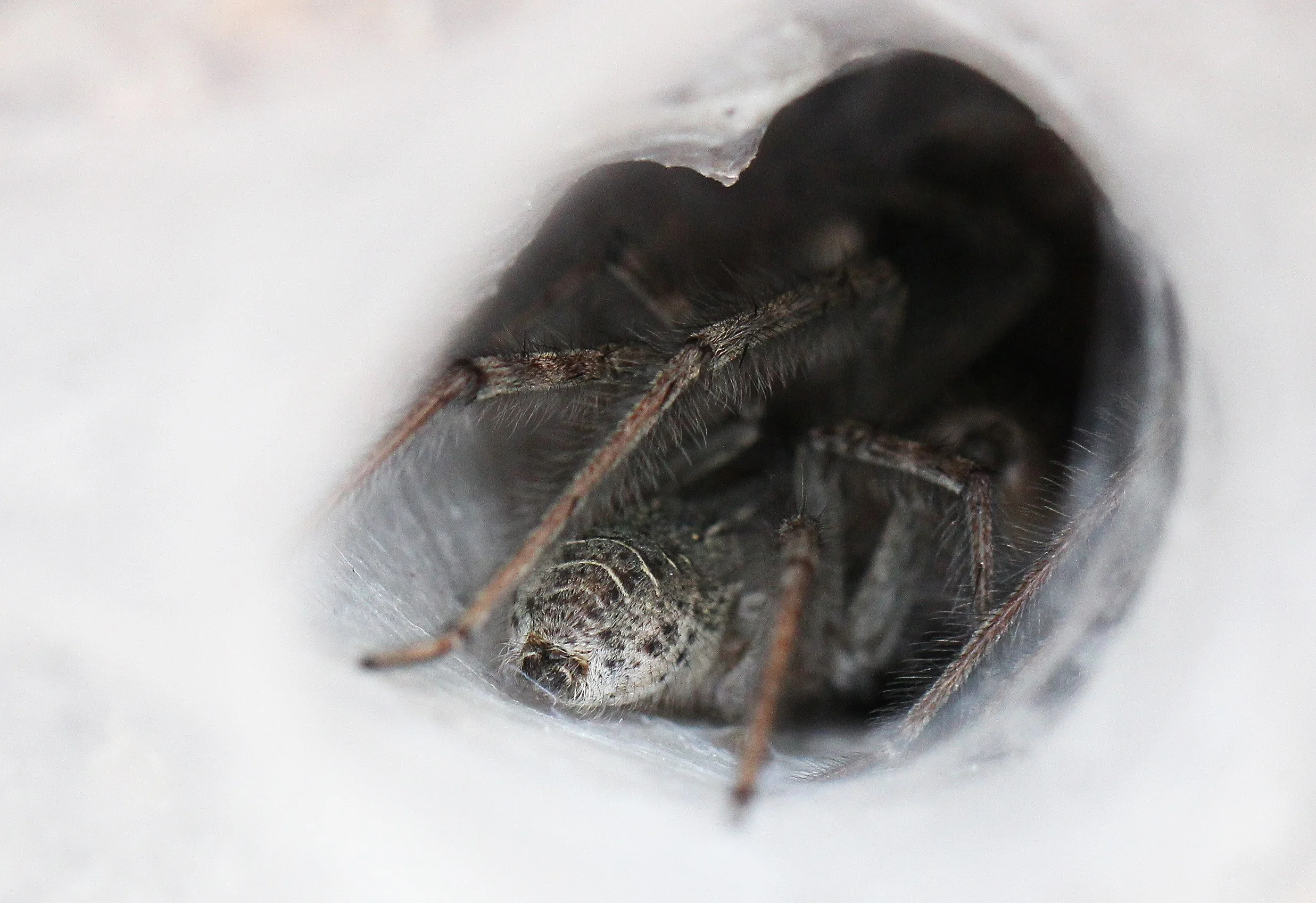
Unknown arachnid species.
Geology of the Western Forest Complex
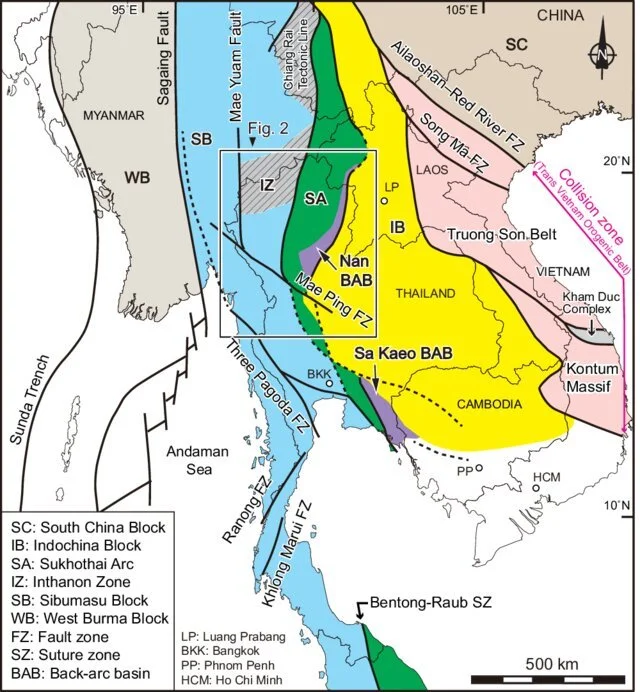
Tectonic Activity: The region is shaped by major faults like the Three Pagodas Fault and the Ranong Fault, which define the peninsula's northern limits and structural orientation. Link to Source Paper for the Above on Image
The Western Forest Complex sits atop a rugged and geologically diverse landscape shaped primarily by the Tranao Sri / Tenasserim Mountain Range, a long north–south system marking the boundary between Thailand and Myanmar. This region is characterized by highly dissected topography, with steep mountains and deeply incised valleys that influence both climate patterns and ecological processes. The mountainous terrain divides the forest into isolated basins and river valleys, giving rise to the extraordinary habitat diversity for which WEFCOM is known. [nps.gov]
Much of the area is underlain by Paleozoic limestone, which forms dramatic geological features such as overhanging cliffs, karst towers, sinkholes, and extensive cave systems. These karst landscapes are particularly prominent in places like Tham Thanlod Yai and Tham Thanlod Lek, where limestone erosion has produced spectacular caverns and natural bridges. The porous nature of limestone plays a crucial role in water capture and underground drainage, feeding springs and streams that support both wildlife and human communities downstream. [nps.gov]
The geology also influences the region’s soils, which vary widely across the complex. Red‑brown earths—derived from limestone—are found on uplands and level terraces such as the Mae Chan Valley, while red‑yellow podzols dominate other areas like the Huai Kha Khaeng Valley. These differing soil types affect nutrient availability and help determine the distribution of the forest’s diverse plant communities. The presence of mineral licks, formed through geological and hydrological processes, further underscores the importance of geology in shaping ecological dynamics. These licks attract elephants, deer, and other herbivores, making them critical hotspots of animal activity. [nps.gov]
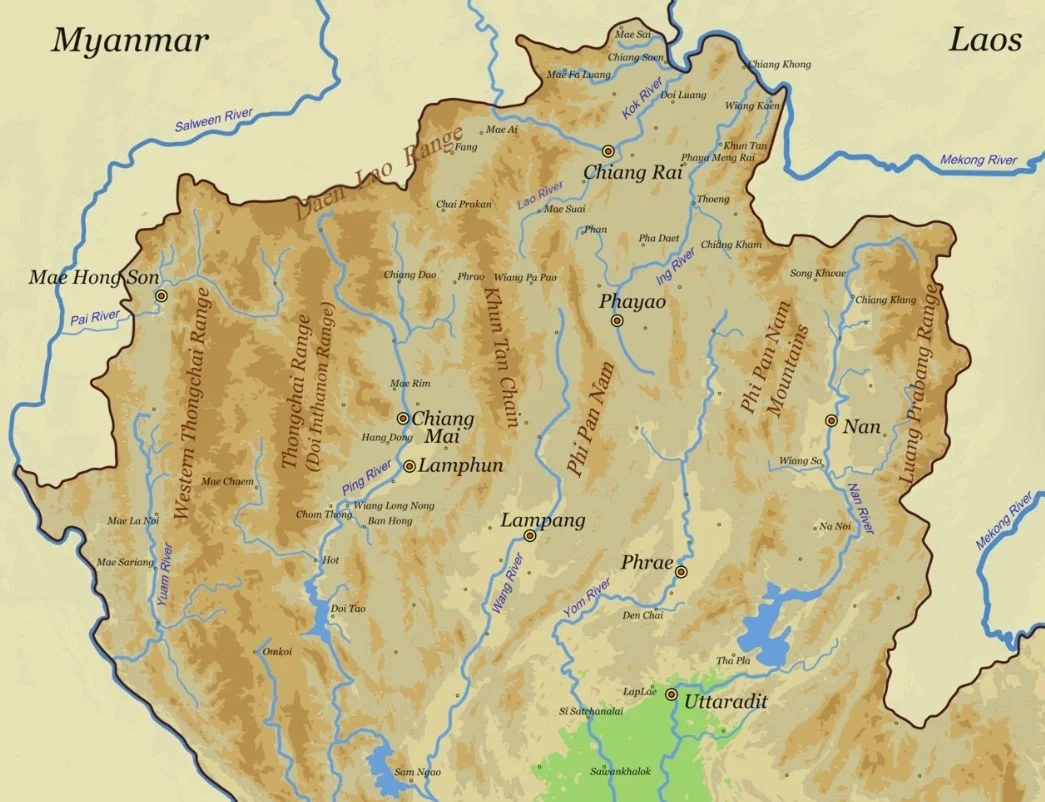
The crumpled ranges of northern Thailand Highlands resulting from the tectonic activity of India subducting under the Asian Plate. Link on Image Above
Hydrologically, WEFCOM sits at the headwaters of several major river systems. The limestone and metamorphic formations help channel water into four important rivers: the Mae Khlong, Kwae Noi, Mae Kasart, and Mae Suriat, which flow toward both Thai and Myanmar watersheds. This interplay between geology and hydrology not only sustains the region’s forests but also supplies drinking water to thousands of people. The rugged terrain, coupled with the complex patterns of erosion and deposition, continues to shape the landscape today, making geology one of the fundamental forces driving the ecological richness of the Western Forest Complex. [nps.gov]
I am often asked if the mountains of the Western Forest Complex and Northern Thailand are geologically considered the southeastern continuation or "foothills" of the Himalayas. These ranges were formed by the same massive tectonic uplift process that created the Himalayan mountain system. Northern Highlands: The mountain ranges in Northern Thailand—including peaks like Doi Inthanon (Thailand's highest point)—link to the Himalayas through a system of hills extending through China, Burma (Myanmar), and Laos. Western Forest Complex: This area lies along the Tenasserim Range (Tanaosi Range), which acts as a rugged spine along the Thai-Myanmar border. These folded mountains are part of the same granitic ridges that formed as a result of the Indian tectonic plate colliding with Eurasia. Geological Origin: While the main Himalayas are much younger and higher, the Thai mountains are the result of the same orogenic (mountain-building) forces that forced molten rock upward through older sedimentary layers, extending as far south as northern Malaysia.
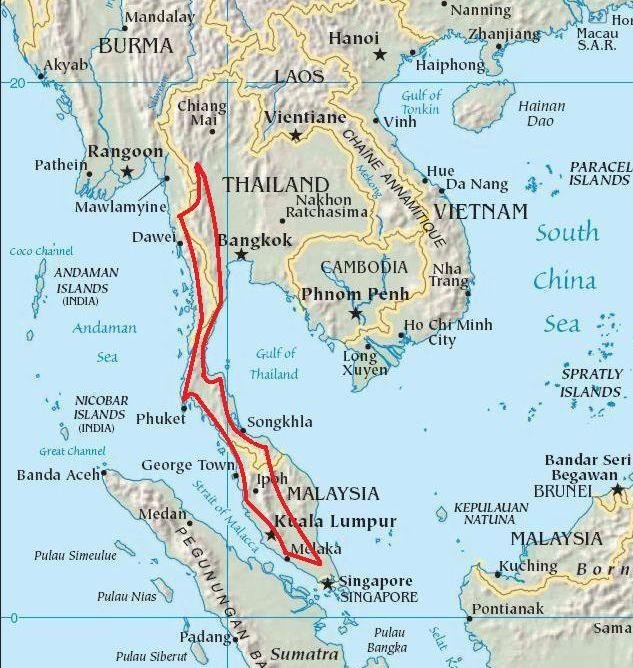
The Tenasserim Mountains (also known as the Tenasserim Hills) are a massive granitic mountain system that serves as the "geological spine" of the Malay Peninsula, extending from the Shan Hills in the north, through the narrow Isthmus of Kra, and down into Malaysia.
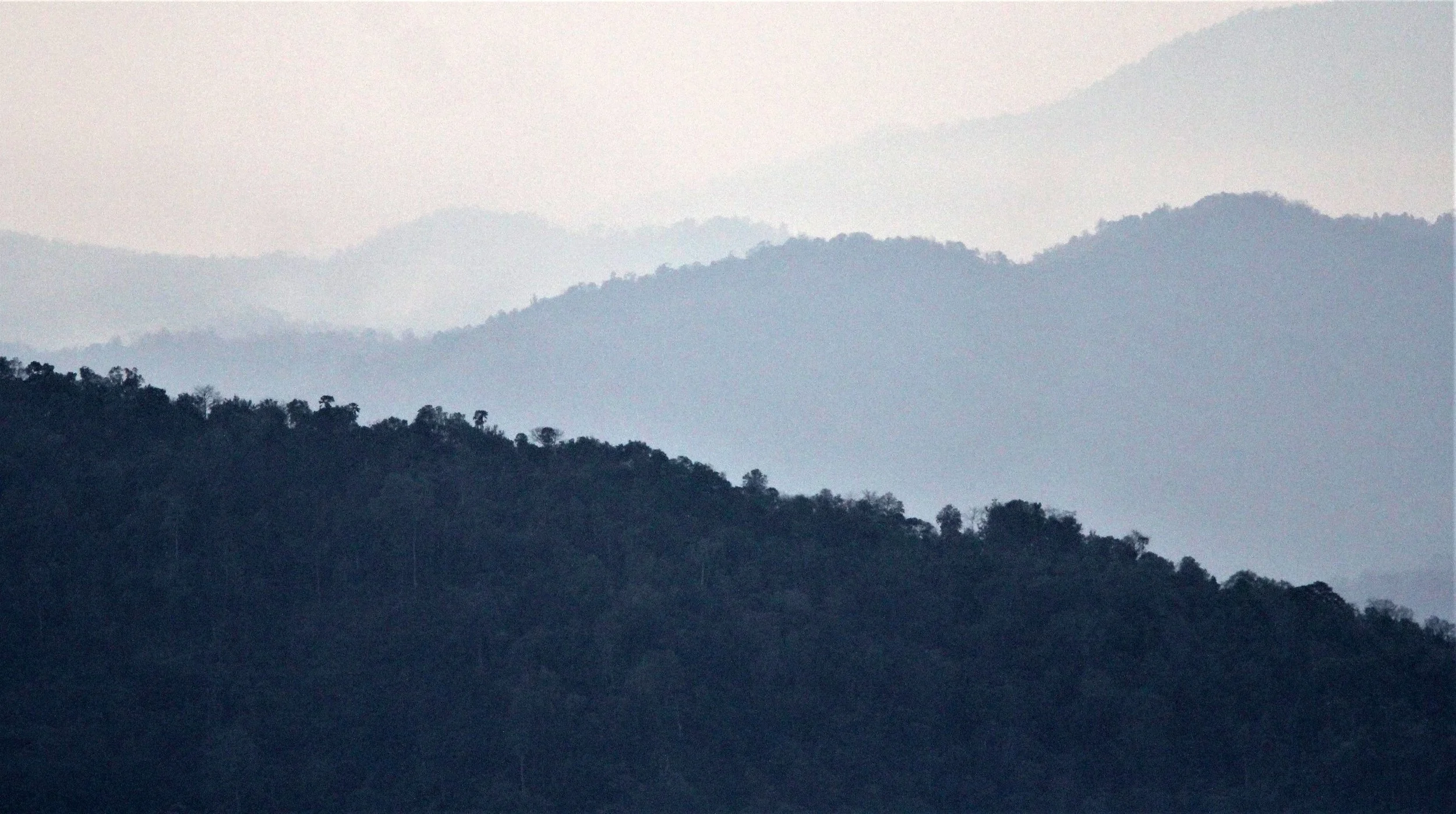
View of the Tenasserim Mountains in the Western Forest Complex
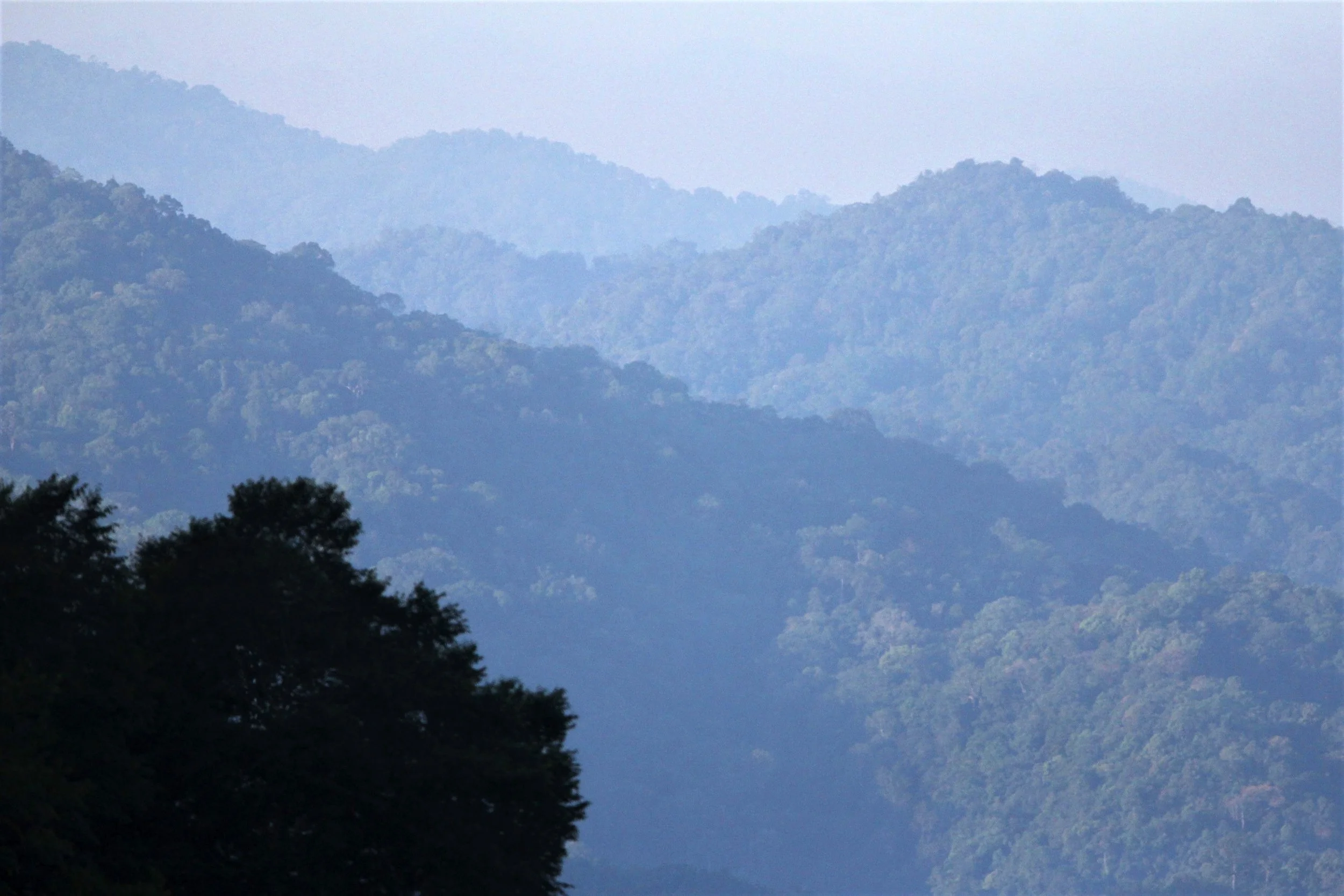
The Tenasserim Hills formed as a long granite mountain ridge, older than the Himalayas, acting as the backbone of the Malay Peninsula. Part of the Indomalayan mountain system, these mountains formed through tectonic activity, creating a natural boundary between Myanmar and Thailand, and often featuring steeply sided terrain
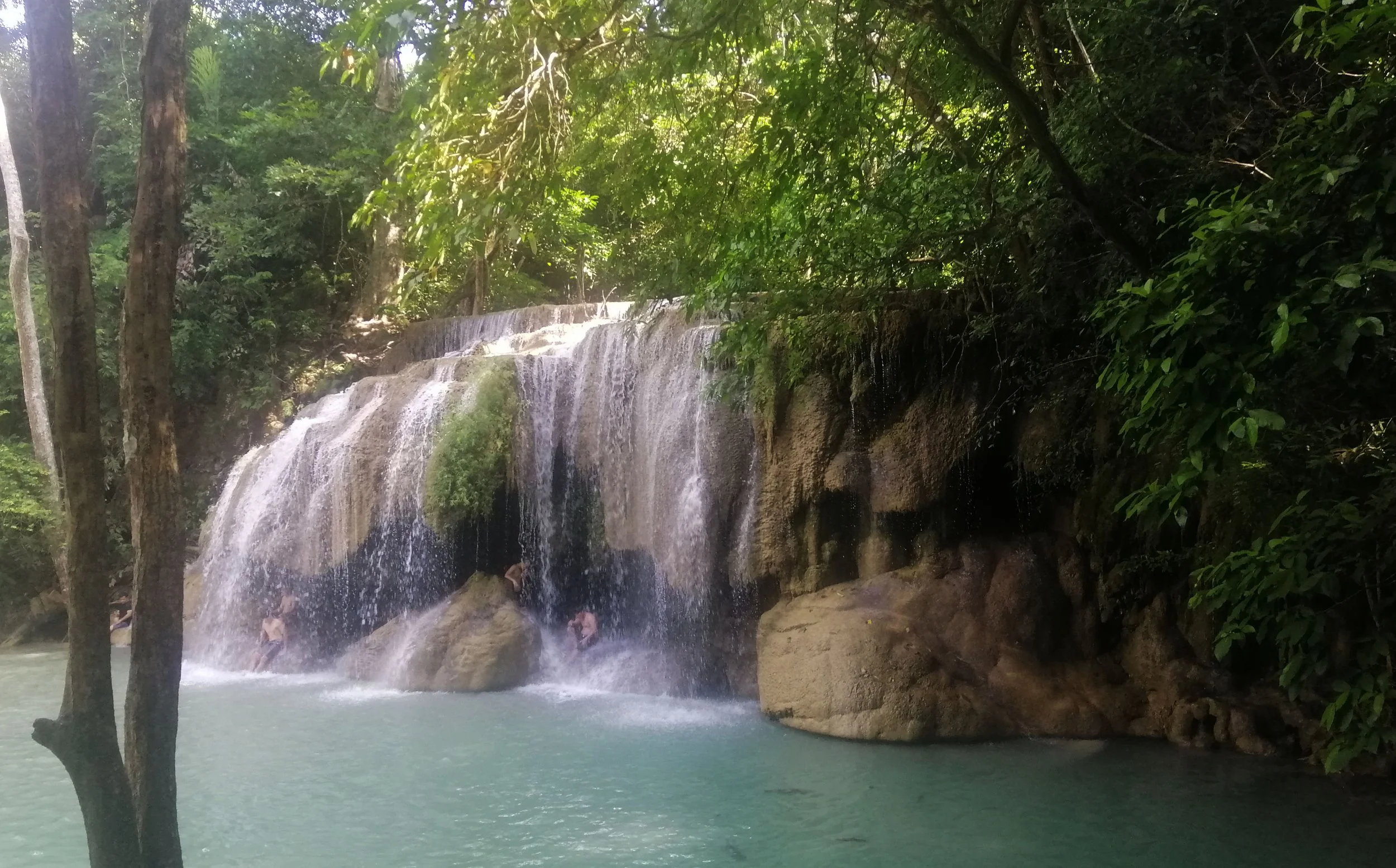
The image shows the famous Erawan Waterfall located in Erawan National Park in the Kanchanaburi Province of western Thailand. The turquoise color of the water is caused by the high mineral content, specifically calcium carbonate, depositing on the rocks to form dams.
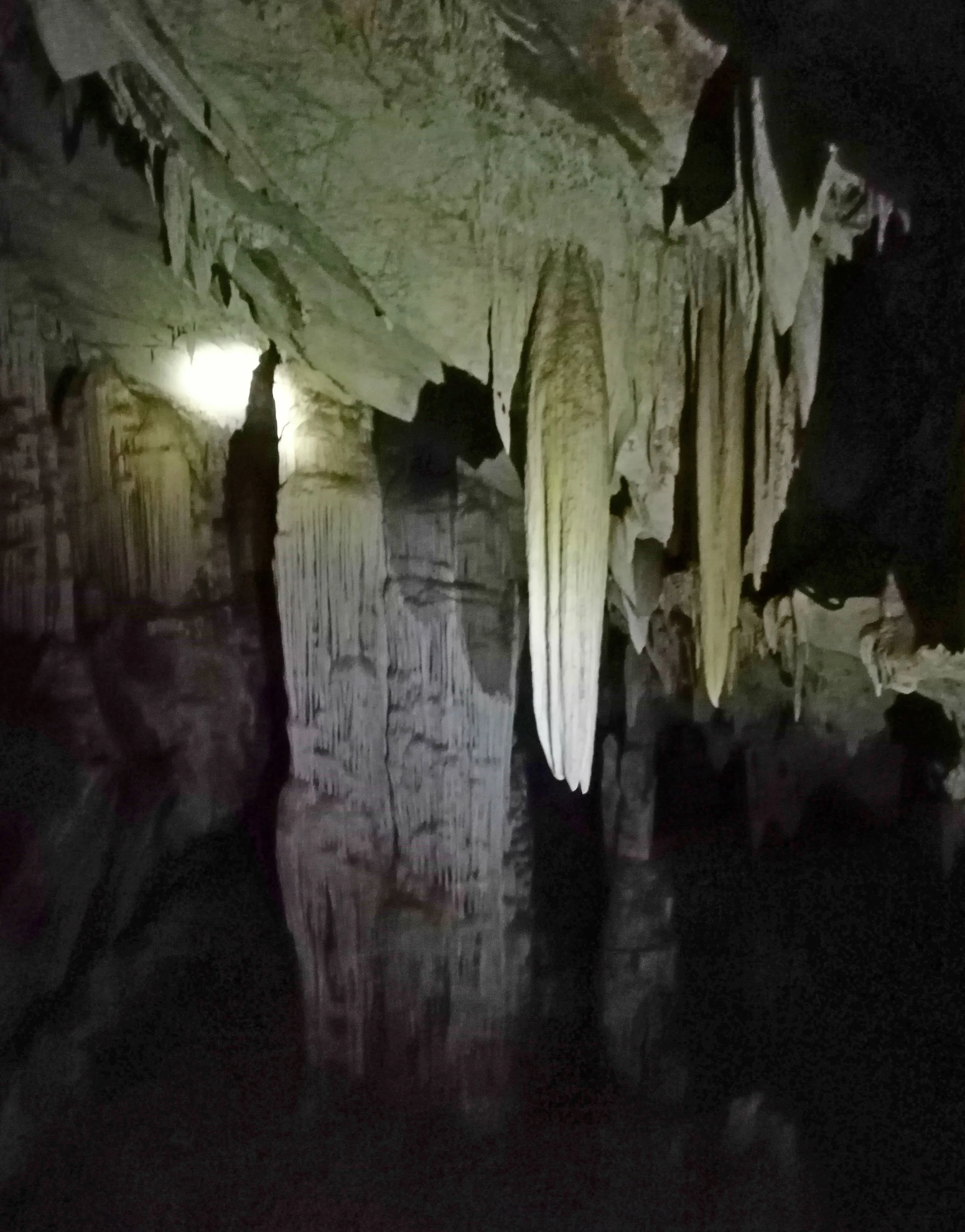
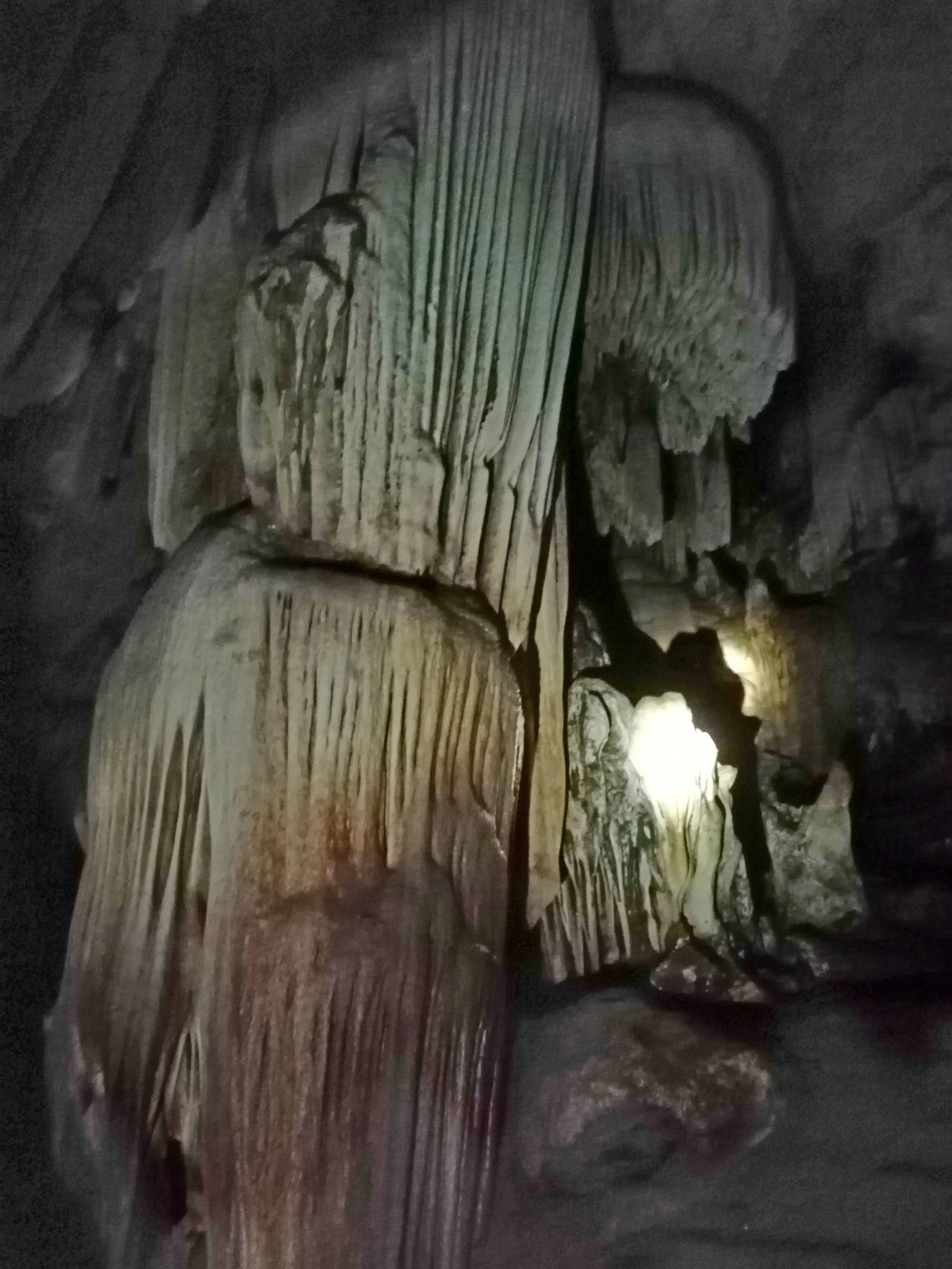
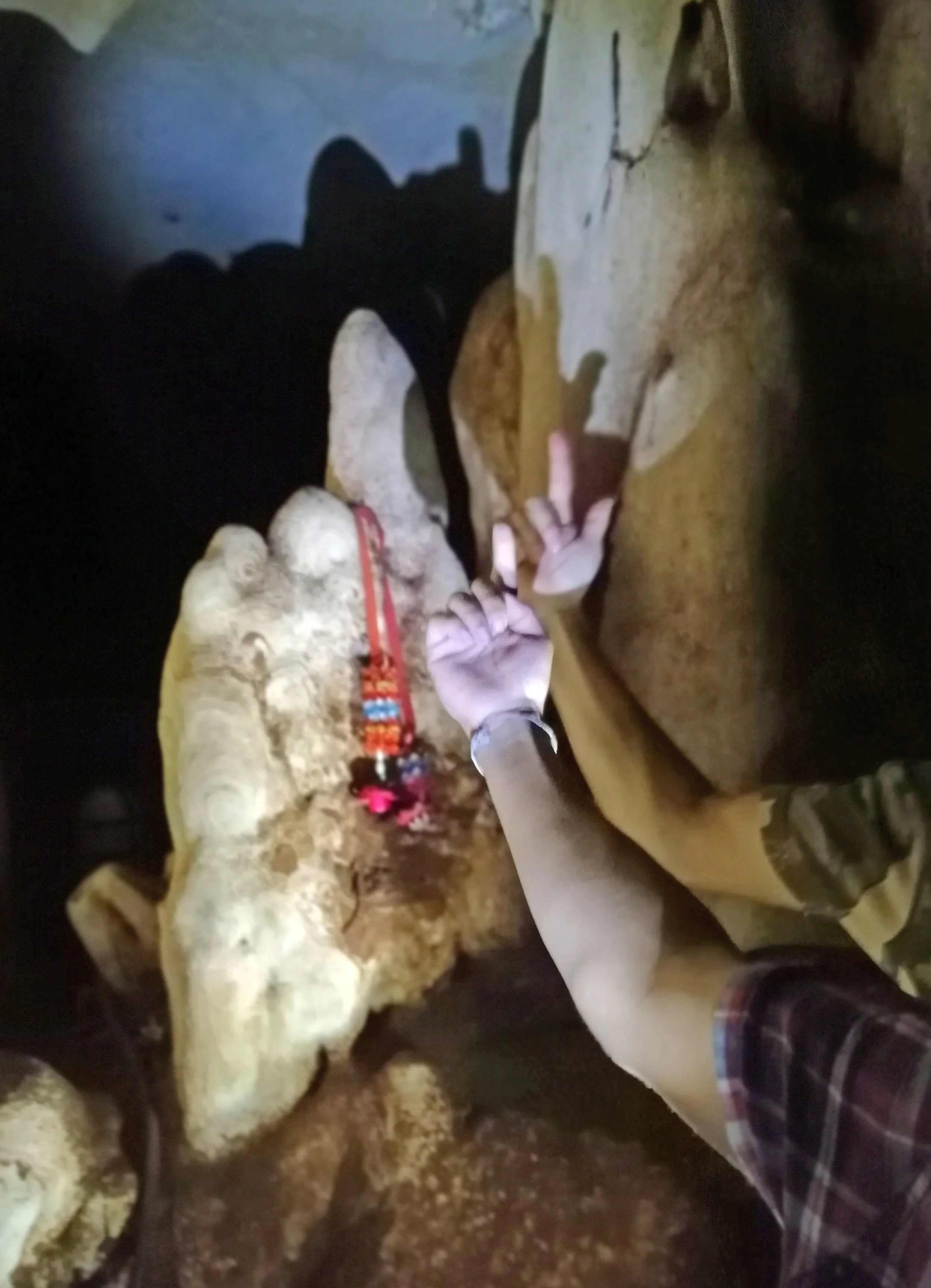
Dao Wa Dung Cave (also spelled Tham Dao Wadueng) is a classic limestone solution cave located within the rugged karst landscape of Sai Yok National Park in Kanchanaburi.
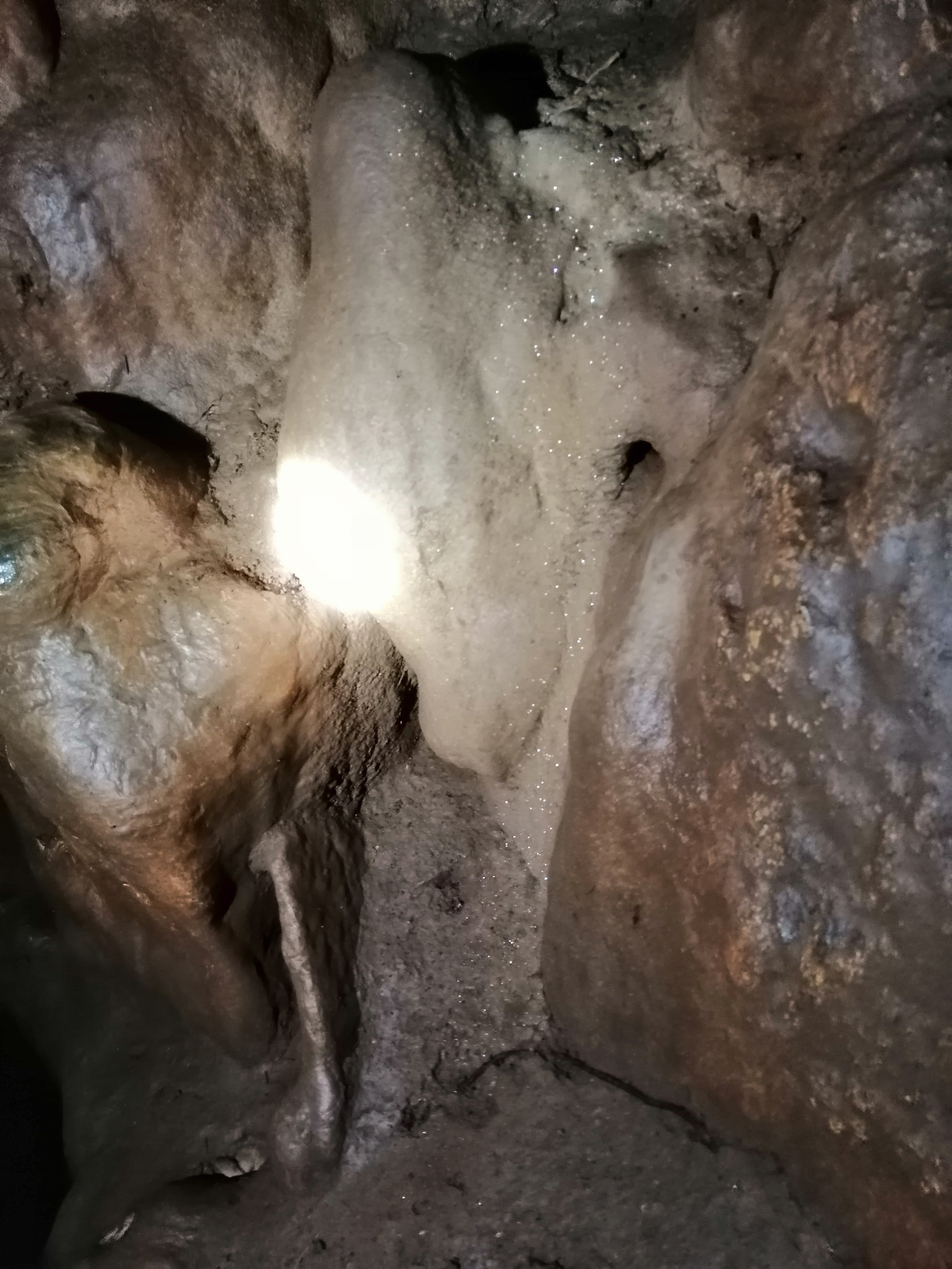
Dao Wa Dung Cave (also spelled Tham Dao Wadueng) is a classic limestone solution cave located within the rugged karst landscape of Sai Yok National Park in Kanchanaburi.
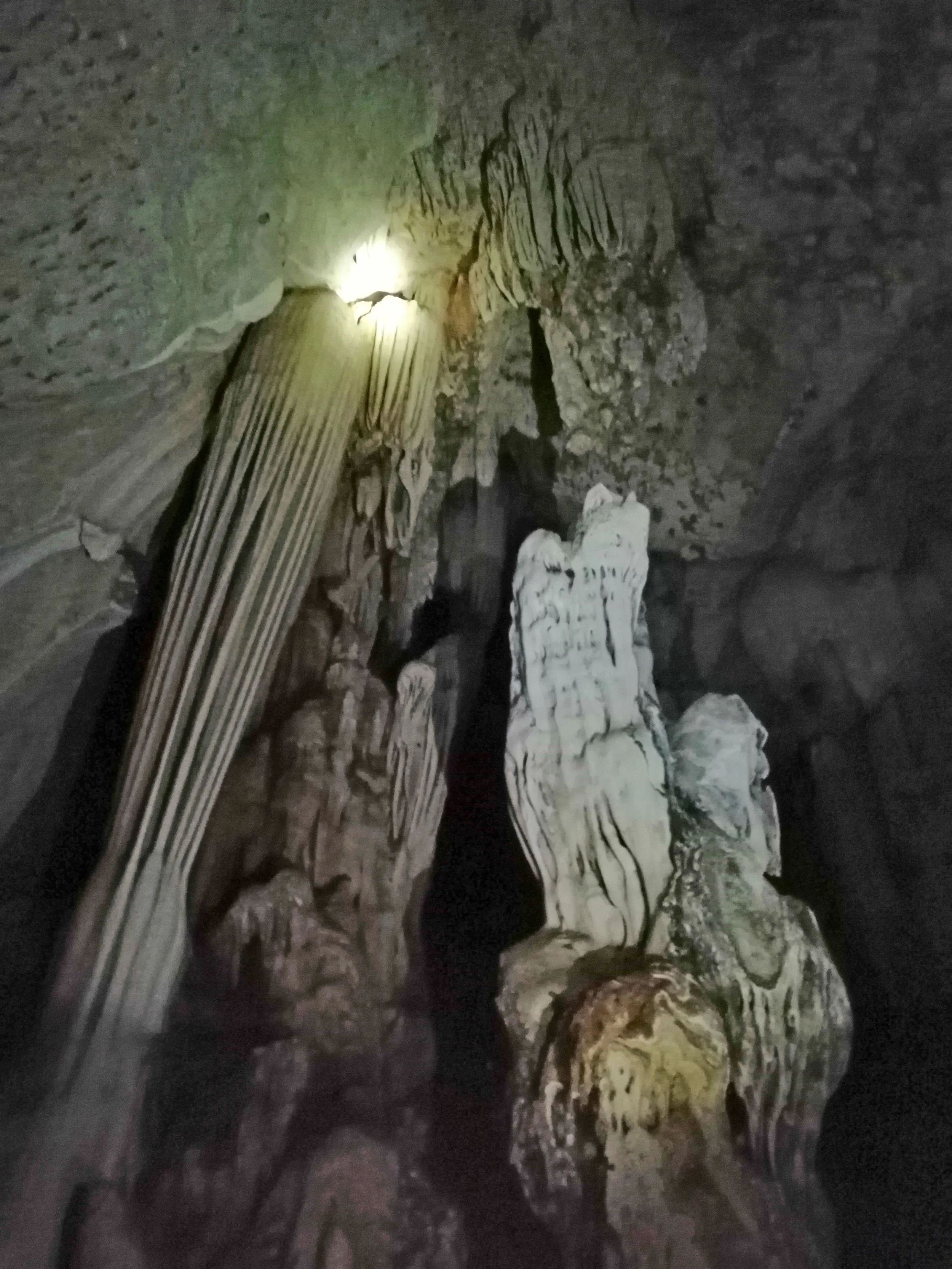
Dao Wa Dung Cave (also spelled Tham Dao Wadueng) is renowned for its intricate calcite formations and its role as a habitat for rare wildlife, including the world’s smallest mammal, the Kitti's hog-nosed bat (Bumblebee bat).
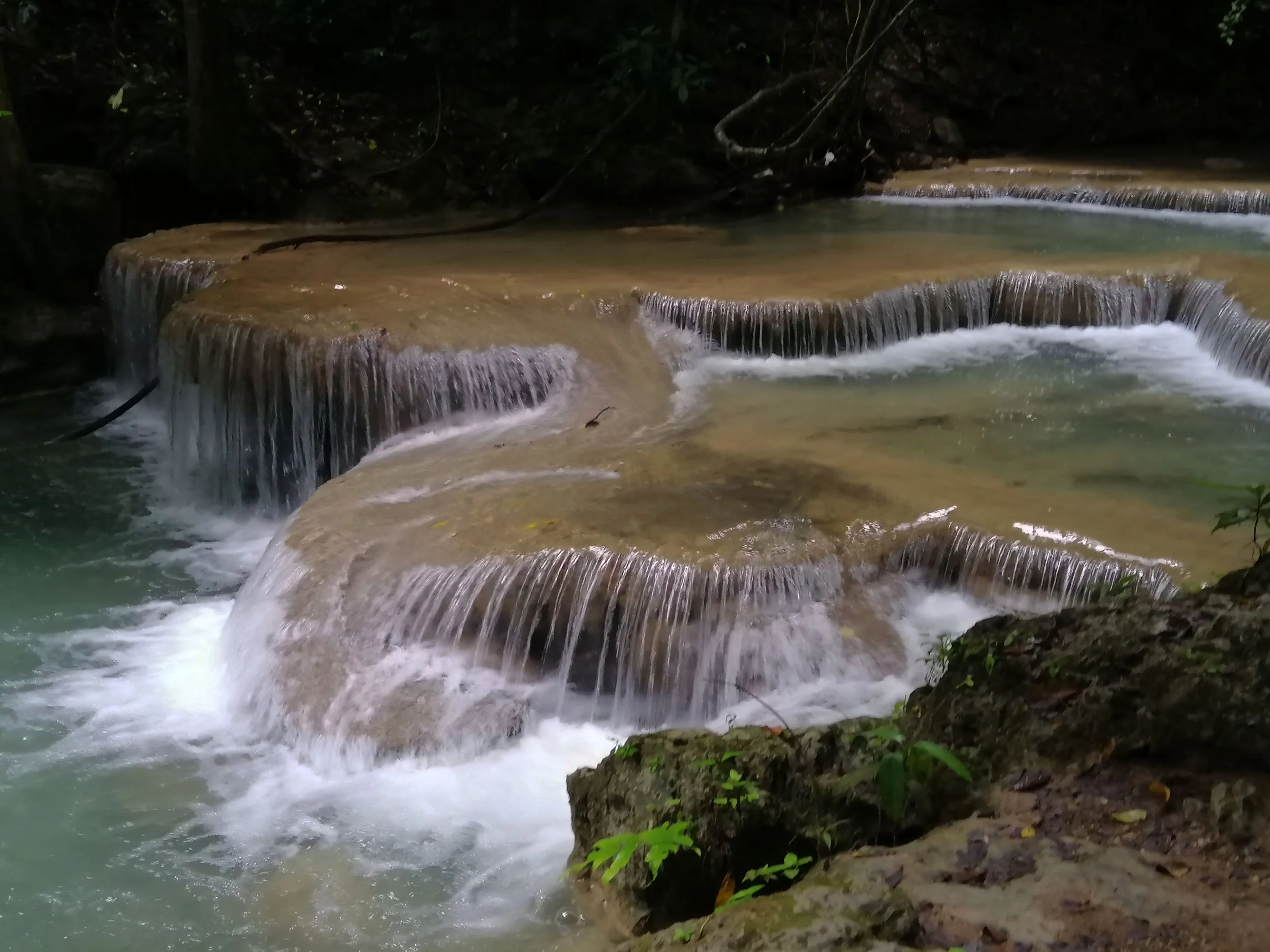
Erawan waterfall is renowned for its seven distinct levels, stretching over 1,500 meters. Emerald Pools: Each tier features a beautiful turquoise or emerald-green pool that is popular for swimming. This image is of some of the lower tier pools.
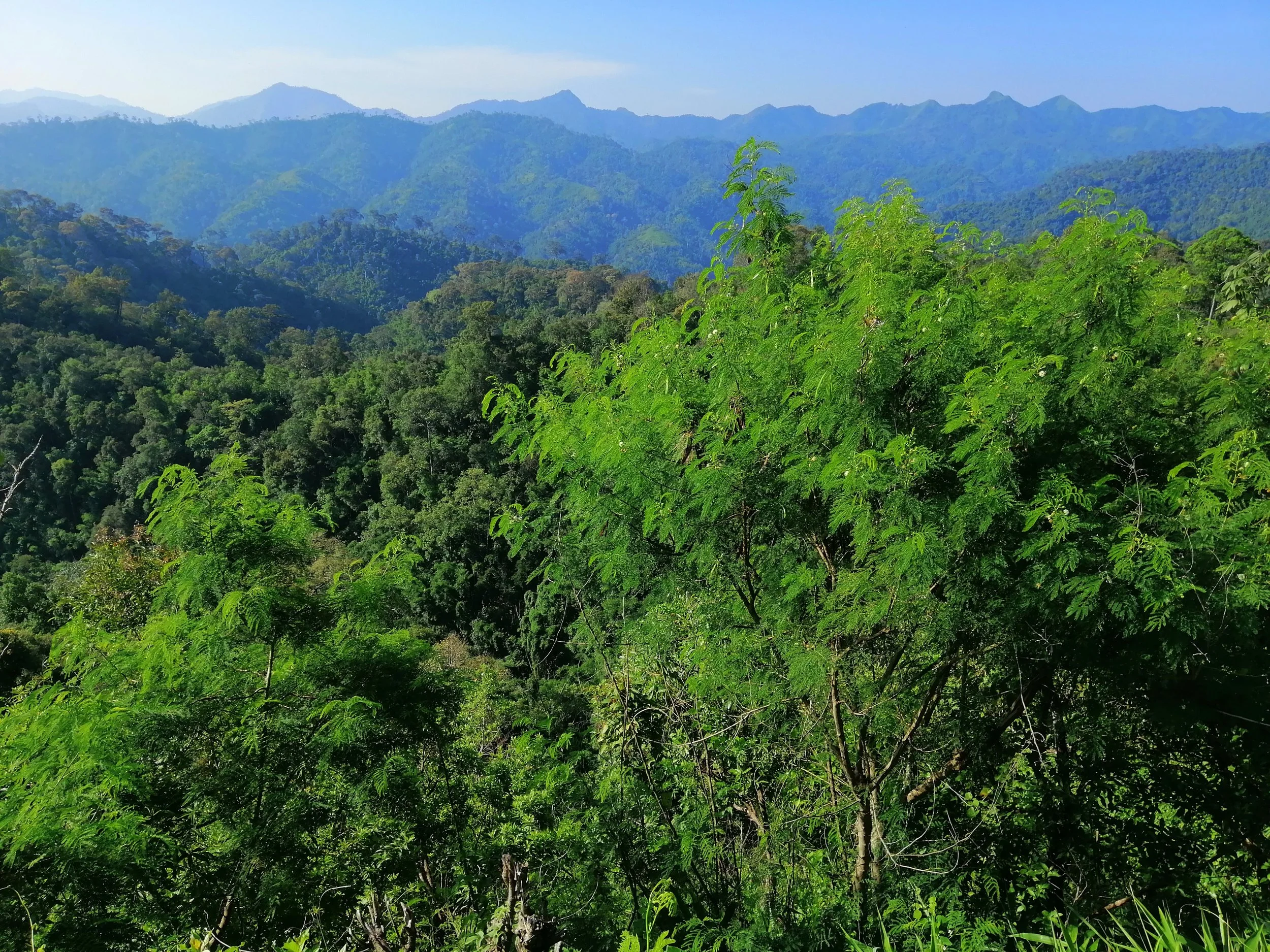
The Tenasserim Hills formed as a long granite mountain ridge, older than the Himalayas, acting as the backbone of the Malay Peninsula. Part of the Indomalayan mountain system, these mountains formed through tectonic activity, creating a natural boundary between Myanmar and Thailand, and often featuring steeply sided terrain
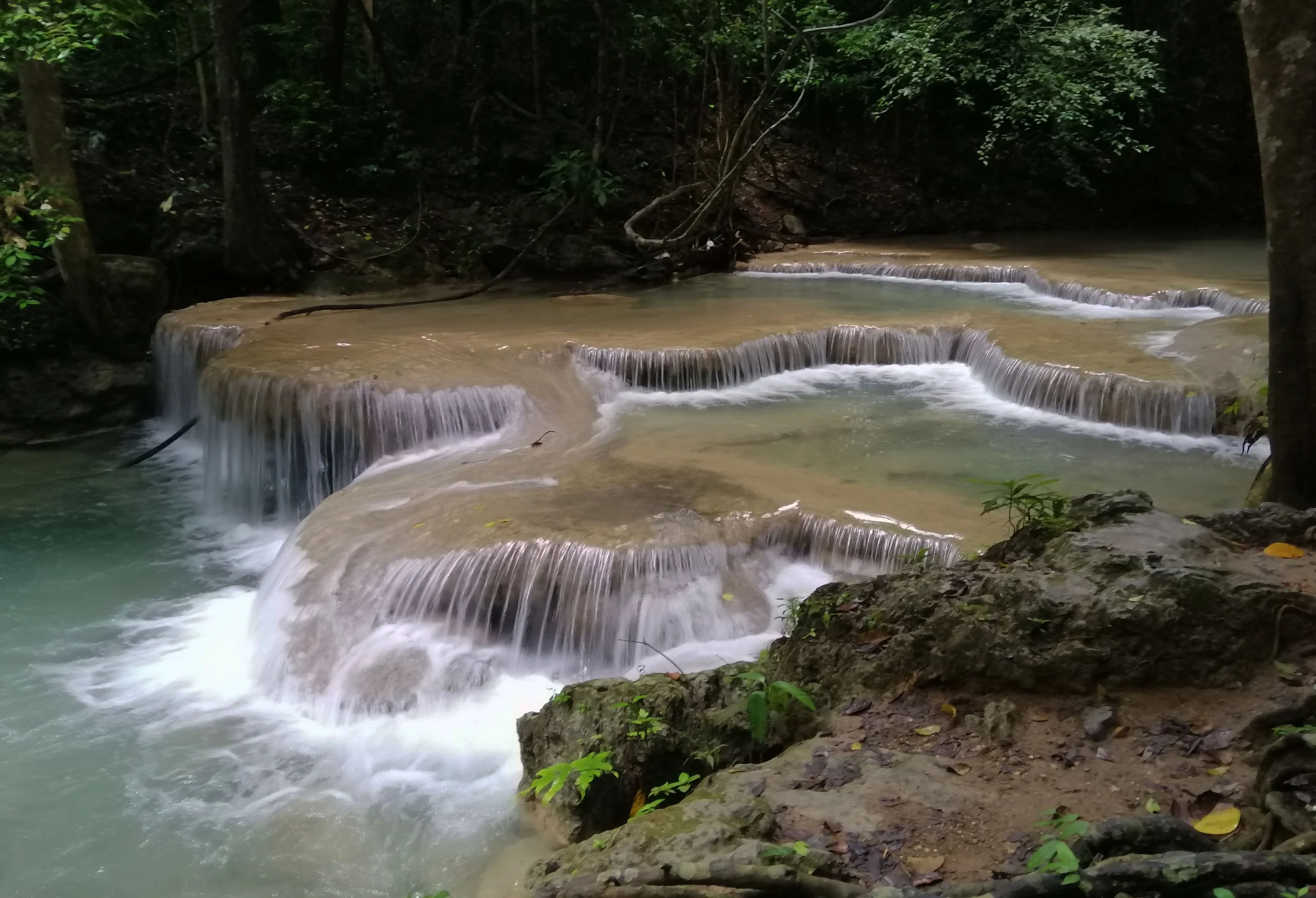
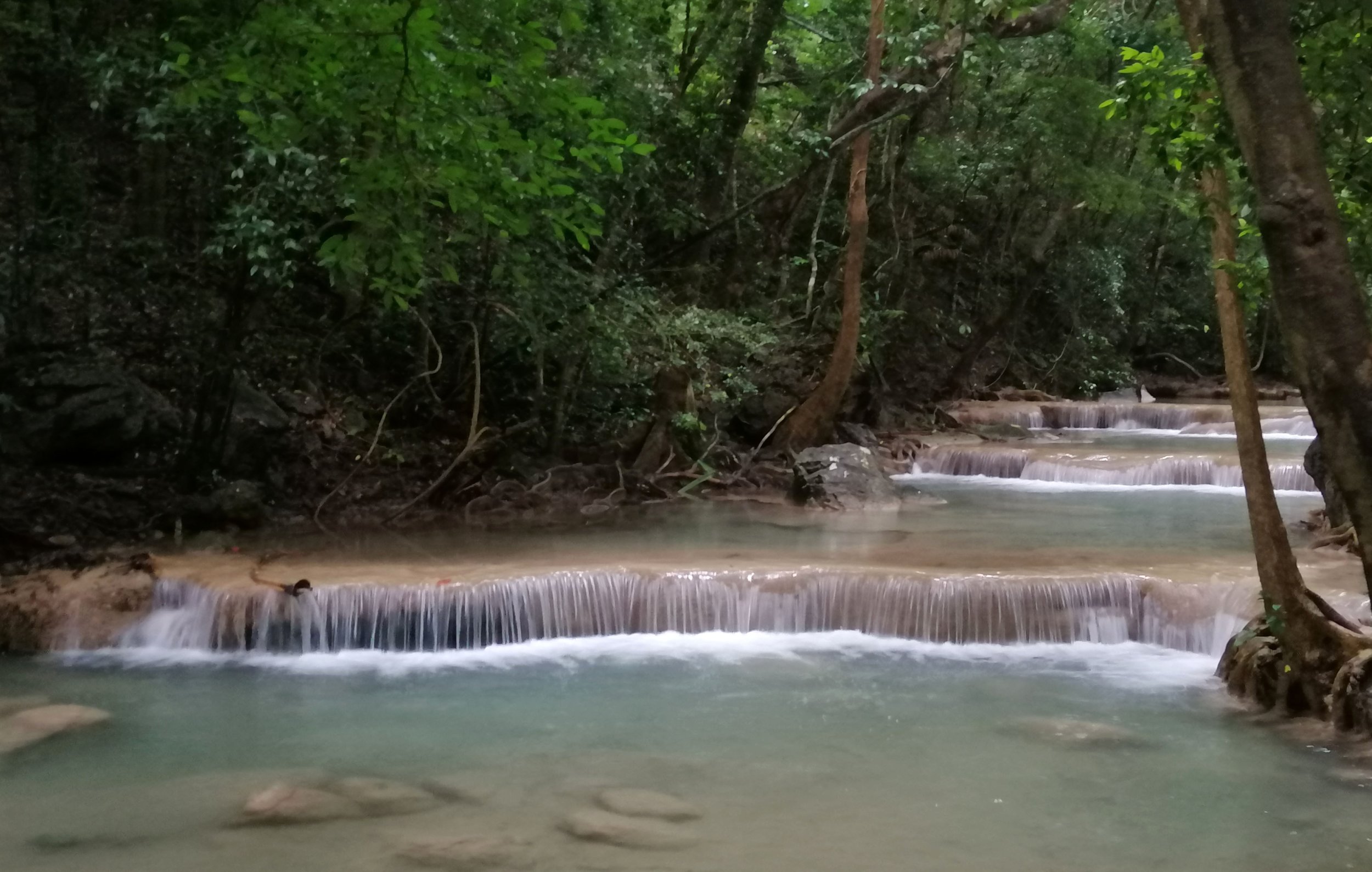
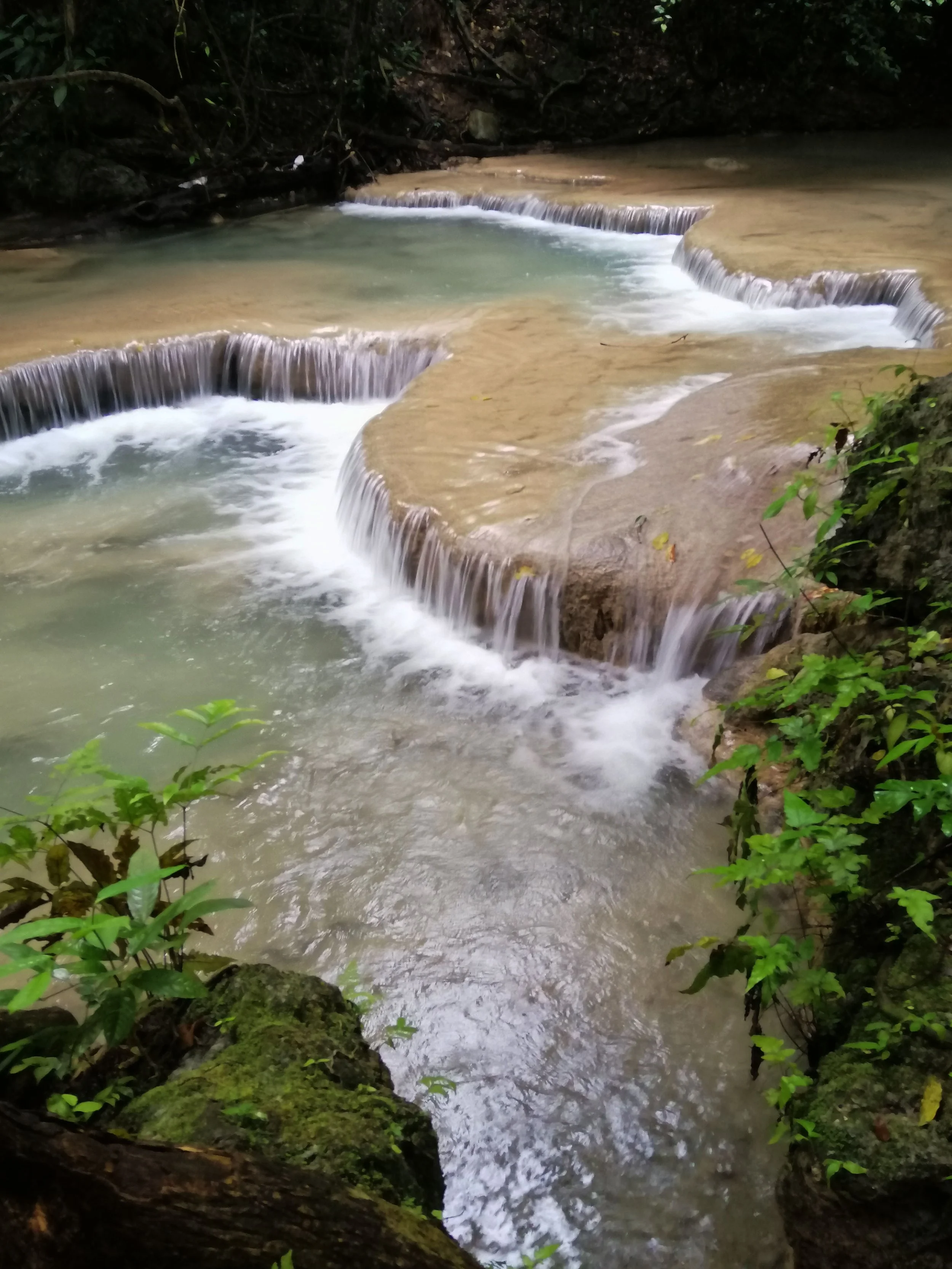
The main types of rocks found in the streams and forming the waterfalls of Erawan National Park are Permian limestone. The area is heavily karstified, meaning the water flows over, erodes, and deposits sediment on these limestone structures.
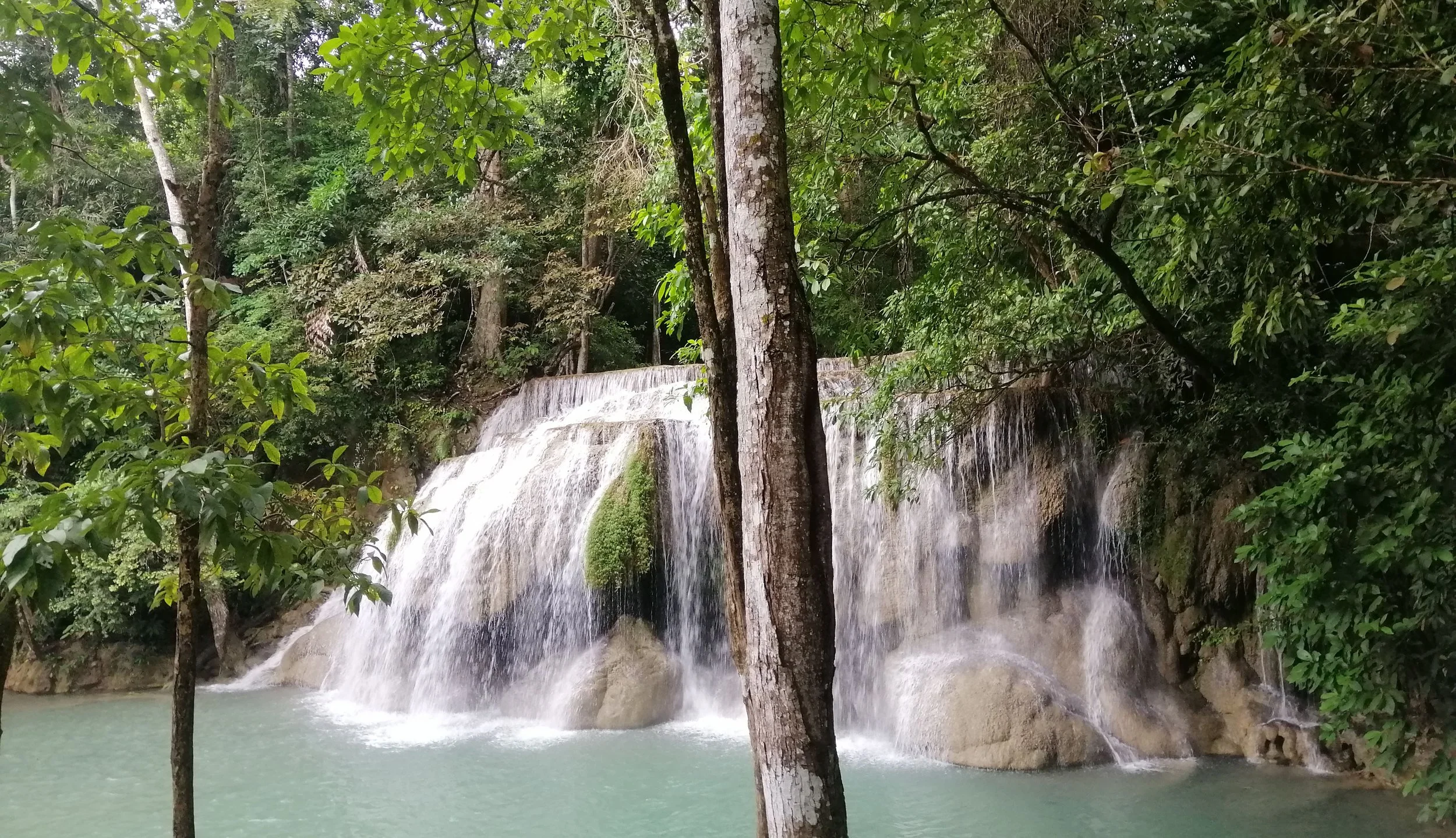
The image shows the famous Erawan Waterfall located in Erawan National Park in the Kanchanaburi Province of western Thailand. The falls are composed of massive limestone and dolomitic limestone, which often feature chert nodules and marine fossils. Rounded Limestone Boulders: The water cascades over smooth, rounded, and sometimes slippery limestone boulders.
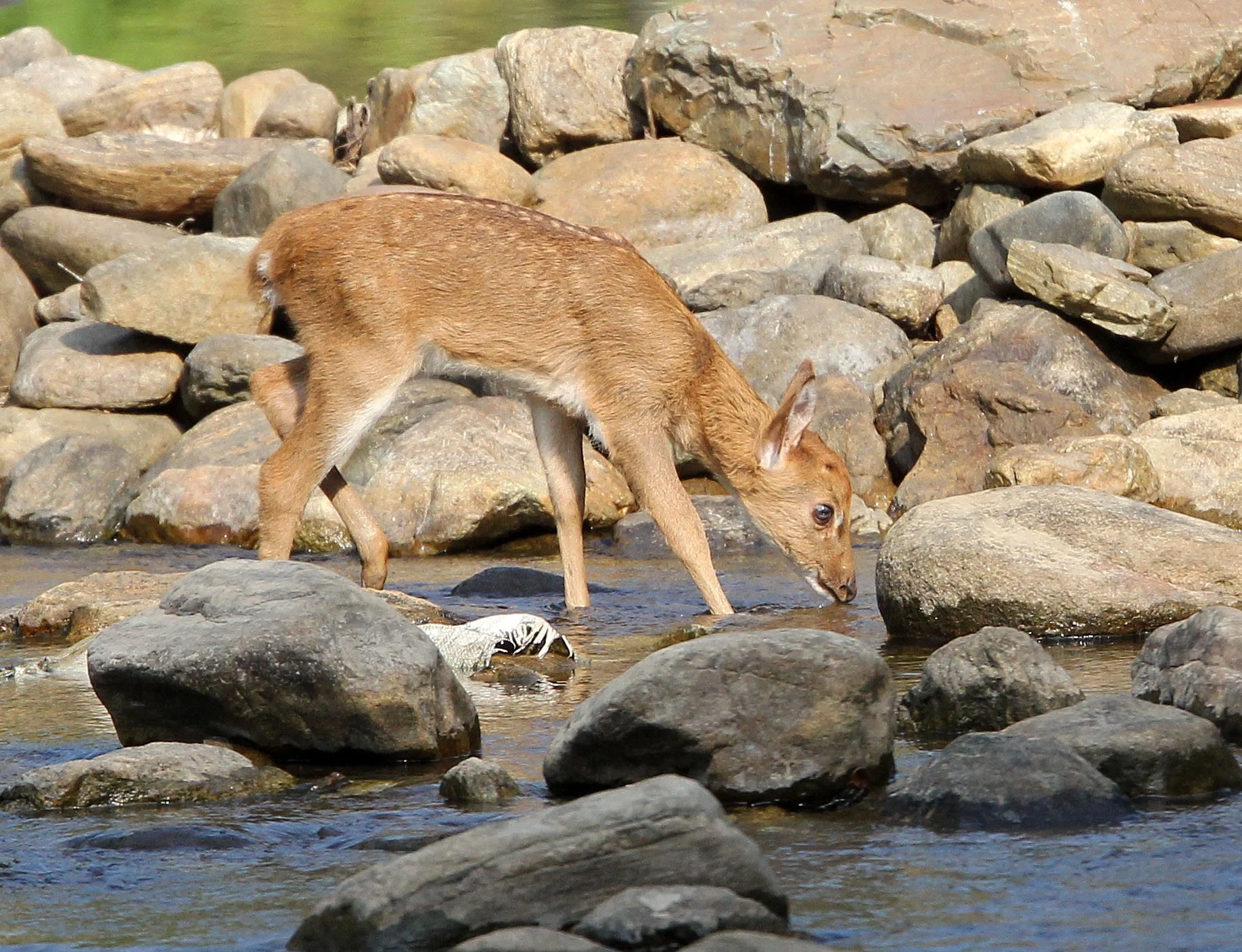
Rivers and stream cut through the granitic regions of the Tenasserim Mountains leaving exposed boulders
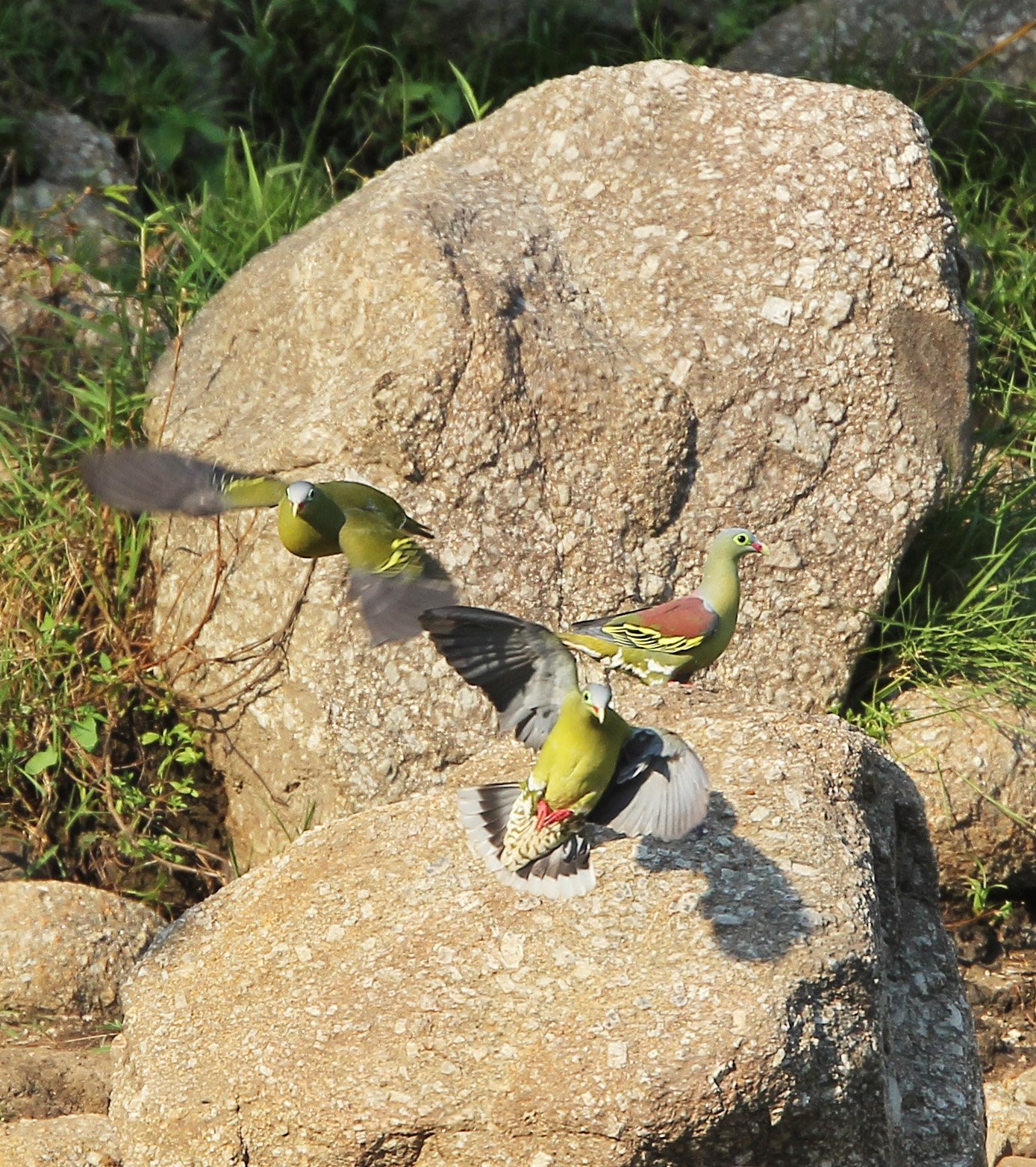
Porphyritic rock or a type of aggregate stone. This rock displays a distinct texture with lighter-colored, angular crystals embedded within a finer-grained, brownish-tan matrix. Rocks with this porphyritic texture indicate a two-stage cooling process during their formation

Most likely an assemblage limestone boulders in HKK
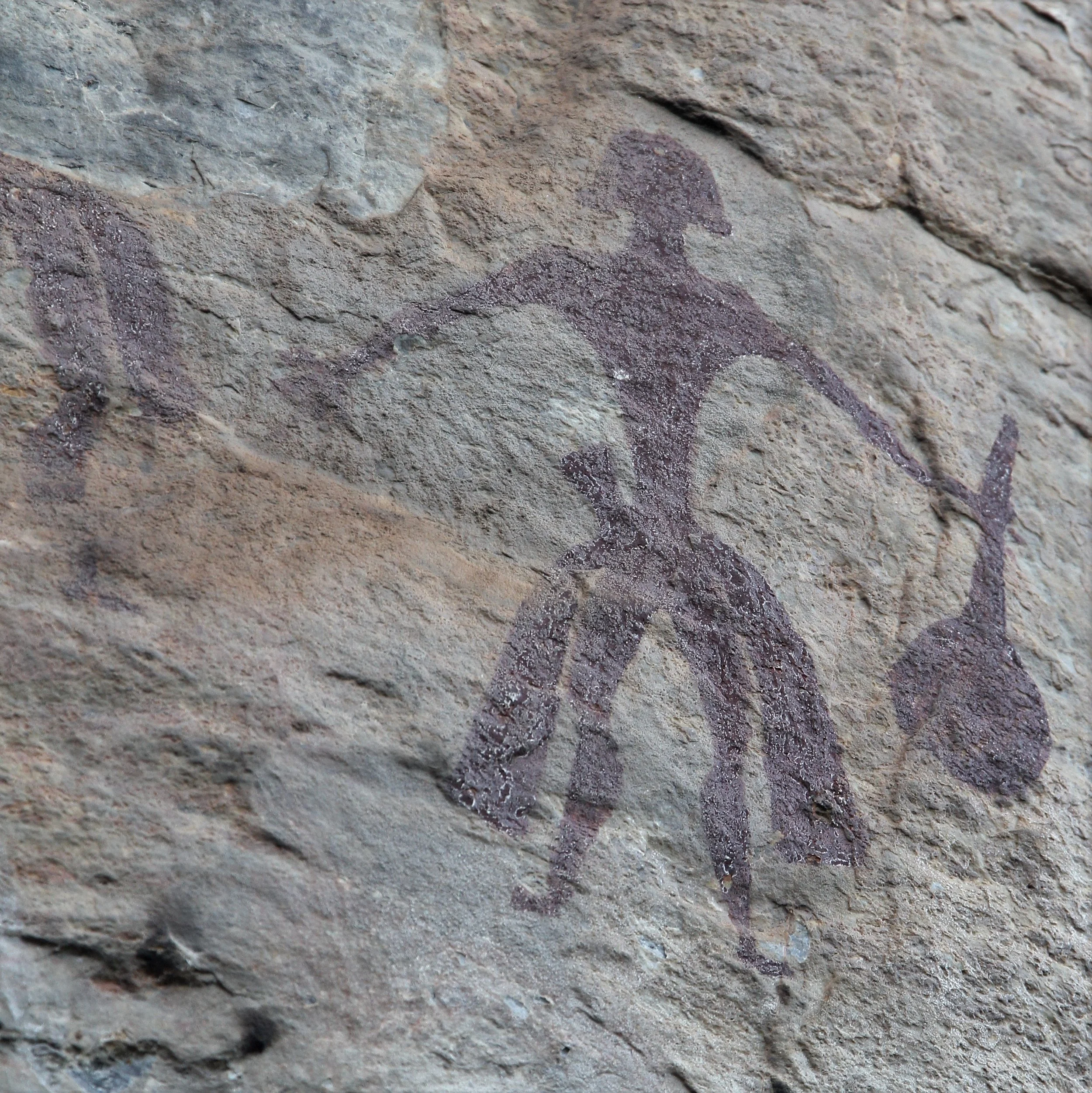
This rock appears to be limestone, known for its textured and sometimes fossiliferous surface.
Threats to the Western Forest Complex
The Western Forest Complex faces mounting pressures from habitat loss and fragmentation, a major threat across elephant landscapes globally. Expanding agriculture, unplanned infrastructure, and encroachment reduce and subdivide forest cover, forcing wildlife—especially wide‑ranging species like elephants and tigers—into ever‑smaller pockets of suitable habitat. These changes mirror broader patterns seen across Asia, where agricultural expansion, road building, and settlement growth disrupt traditional migratory routes and isolate wildlife populations, making them less viable over time. [biologyinsights.com], [wwfindia.org]
One of the most acute symptoms of habitat fragmentation in WEFCOM is the escalating human–elephant conflict. As elephants lose access to historical foraging grounds and water sources, they increasingly enter villages and agricultural areas, leading to crop destruction, property damage, and sometimes injury or death on both sides. Globally, such conflict is driven by overlapping resource needs, changing rainfall patterns, and expanding human populations—conditions that apply strongly to the landscapes surrounding the Western Forest Complex. These interactions heighten tensions and increase the risk of retaliatory killings, further endangering elephant populations. [ifaw.org], [biologyinsights.com]
Wildlife populations in the complex are also under pressure from poaching and illegal wildlife trade, especially targeting tigers and elephants. Poaching remains a significant conservation issue across Asian forest ecosystems, often exacerbated by reduced habitat availability that makes animals more vulnerable. As habitats shrink or become fragmented, access routes multiply, and wildlife is more easily intercepted by poachers. Combined with the economic value of ivory, tiger parts, and other wildlife products, this pressure contributes directly to population decline. [wwfindia.org]
Finally, ongoing forest degradation caused by activities such as timber extraction, fuelwood gathering, invasive species spread, and forest fires threatens the long‑term ecological function of WEFCOM. Timber felling and unsustainable resource use, particularly around forest edges, degrade habitat quality and weaken natural regeneration cycles. Fire—both accidental and intentional—can permanently alter forest structure, reducing biodiversity and enabling invasive species to flourish. These degradative processes, layered atop broader climate‑driven changes, compromise the resilience of the Western Forest Complex and its ability to sustain the rich biodiversity for which it is renowned.
*********
Road Development Threats to the Western Forest Complex
One of the most significant modern threats to the Western Forest Complex comes from large‑scale road projects planned through the Dawna–Tenasserim Hills, the mountainous region forming the ecological backbone of WEFCOM. The most prominent of these is the Dawei Road, a proposed highway connecting Dawei (Myanmar) to Bangkok via Kanchanaburi, designed to serve the Dawei Special Economic Zone. Conservation groups warn that the road will cut across a critical transboundary wildlife corridor linking the Western Forest Complex with the Kaeng Krachan Forest Complex, fragmenting one of Southeast Asia’s most biodiverse forest landscapes. [wwf.org.mm], [wwf.panda.org]
WWF‑Myanmar and WWF‑Thailand have engaged extensively with developers and government agencies, pressing for Strategic Environmental Assessments (SEA) and Environmental Impact Assessments (EIA) to mitigate the worst ecological impacts. Field studies along the proposed alignment have already identified areas where wildlife crossings, bridges, and culverts are essential to maintain connectivity. Because these forests house tigers, elephants, and other migratory species, interruption of movement corridors poses a direct threat to long‑term population viability. [wwf.panda.org]
In addition to the Dawei project, an older proposal to reopen a military road in Tak Province, connecting Umphang to the wider region, has resurfaced periodically. Conservationists have strongly opposed the plan, warning that the road would “devastate” the eastern portion of the Western Forest Complex by bisecting intact habitat and increasing access for poachers, loggers, and land‑grabbers. The proposed route, previously dismantled due to ecological concerns, is often promoted under the guise of economic development—but critics argue that Umphang’s greatest asset is its isolation, which protects wildlife and supports sustainable ecotourism. [nationthailand.com]
More broadly, WWF identifies WEFCOM and the broader Dawna–Tenasserim Landscape as one of the most threatened ecological regions in Southeast Asia, with infrastructure expansion—roads in particular—posing an immediate risk of large‑scale forest fragmentation. The Dawei Road forms part of a wider set of regional development corridors that, if built without strict safeguards, would break the remaining forest into disconnected fragments, undermining the survival of elephants, tigers, and other keystone species. [origin-mek...-sites.org]
******
The Planned Mae Wong Dam: Overview and Conservation Concerns
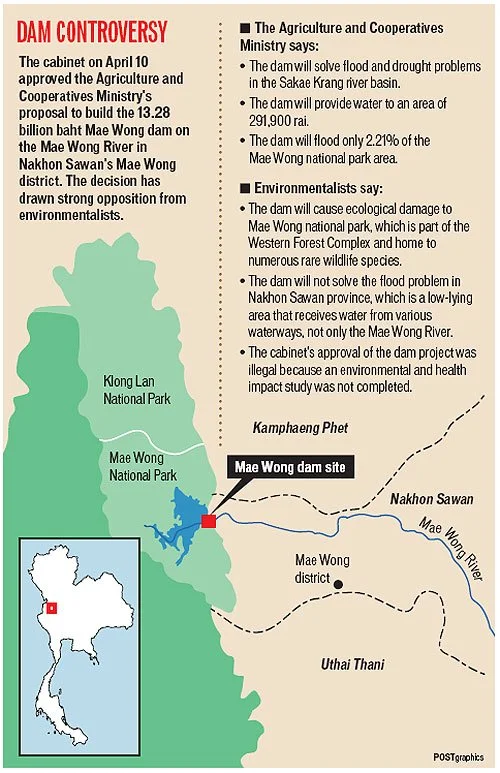
The Mae Wong Dam is a proposed embankment dam to be built on the Mae Wong River, a tributary of the Sakae Krang River, in Nakhon Sawan Province. Approved in principle by the Thai cabinet in April 2012, the 13.2‑billion‑baht project is intended to provide flood control and dry‑season irrigation for nearby agricultural areas. The dam would stand 56 meters high and create a reservoir covering roughly 12.3 km², located inside Mae Wong National Park, which is part of the Western Forest Complex. [en.wikipedia.org]
From the start, the project has triggered strong environmental opposition, largely because the reservoir would inundate 1,760 hectares (17.6 km²) of lowland forest within the park—one of Thailand’s most important remaining habitats for endangered wildlife, especially tigers. Conservationists fear that the dam would fragment habitat, open the area to further encroachment, and undermine ecological connectivity across the Western Forest Complex. Major protests occurred in 2013, including a widely publicized 388‑km march led by environmental campaigner Sasin Chalermlap, which drew thousands of supporters upon arrival in Bangkok. This pressure led the government to briefly consider alternatives, though official statements later indicated construction could still proceed. [en.wikipedia.org]
Organizations such as WWF‑Thailand argue that Mae Wong National Park is a critical stronghold for Thailand’s recovering tiger population, and any large‑scale flooding in the valley would degrade essential habitat, increase access for poachers and illegal loggers, and diminish vital water and forest resources used by local communities. The park is one of the few places in Southeast Asia where tiger numbers are showing signs of recovery, with multiple cubs documented in recent years—making the potential ecological loss disproportionately severe. WWF maintains that the dam is not an effective solution to regional water shortages and that alternative, lower‑impact water‑management approaches should be pursued. [wwf.panda.org]
Further evidence of the park’s ecological value comes from camera‑trap studies showing healthy populations of tiger prey species and regular tiger movement between Mae Wong and neighboring Huai Kha Khaeng Wildlife Sanctuary. Conservationists warn that flooding and increased human access from dam‑related infrastructure would jeopardize decades of progress in restoring the Western Forest Complex’s predator‑prey balance. As a result, the Mae Wong Dam remains one of Thailand’s most contested development projects, representing a pivotal decision point for the future of the country’s forest and wildlife conservation efforts. [vietnam.panda.org]
The Black Panther Poaching Case
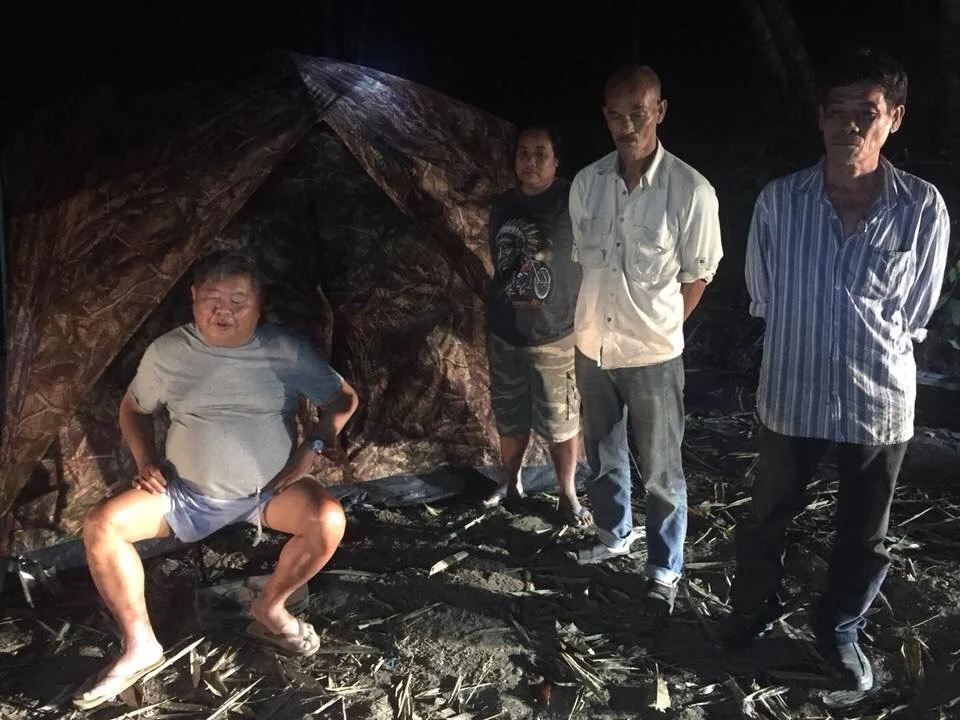
Premchai Karnasuta being confronted for poaching many animals in Thung Yai NP
In February 2018, one of Thailand’s most notorious wildlife crimes came to light when Premchai Karnasuta, the president of Italian‑Thai Development—one of the country’s largest construction conglomerates—was arrested inside Thung Yai Naresuan Wildlife Sanctuary, part of the Western Forest Complex. Rangers discovered Premchai and three associates at a remote campsite with firearms, hunting equipment, and the carcasses of several protected species, including a black leopard (commonly referred to as a black panther), a Kalij pheasant, and a barking deer. [en.wikipedia.org]
The case rapidly became a national flashpoint, symbolizing public frustration over wealthy offenders historically evading prosecution. The black panther had been skinned, butchered, and cooked, according to investigative and court records, intensifying public outrage and sparking widespread calls for accountability. The crime also took place within a UNESCO World Heritage Site, further elevating its severity and highlighting ongoing threats to Thailand’s protected wildlife. [newsweek.com]
After years of legal proceedings and appeals, Thailand’s Supreme Court delivered its final ruling in December 2021, finding Premchai and two accomplices guilty of hunting protected wildlife, possessing carcasses, and illegal firearm use. The court sentenced him to three years and two months in prison, and ordered compensation of 2 million baht for environmental damages. His accomplices received similar custodial sentences. [en.wikipedia.org]
The case set an important legal and social precedent. It was widely regarded as a rare example of a powerful, well‑connected individual being held accountable for wildlife crimes—an important milestone in Thai conservation enforcement. In 2023, the Thai monarchy officially stripped Premchai of all royal decorations, citing the severity of his crimes and the Supreme Court ruling. [toutelathailande.fr]
By late 2023, Premchai was granted early release due to health complications, though the conviction and prison term remain significant markers of progress for wildlife justice in Thailand. The case continues to be cited by conservation groups as a landmark demonstration of the need for stricter protection, monitoring, and legal action within sensitive ecosystems like the Western Forest Complex. [laotiantimes.com]
Links to the Premchai Case in Media: Link #1, Link #2, Link #3
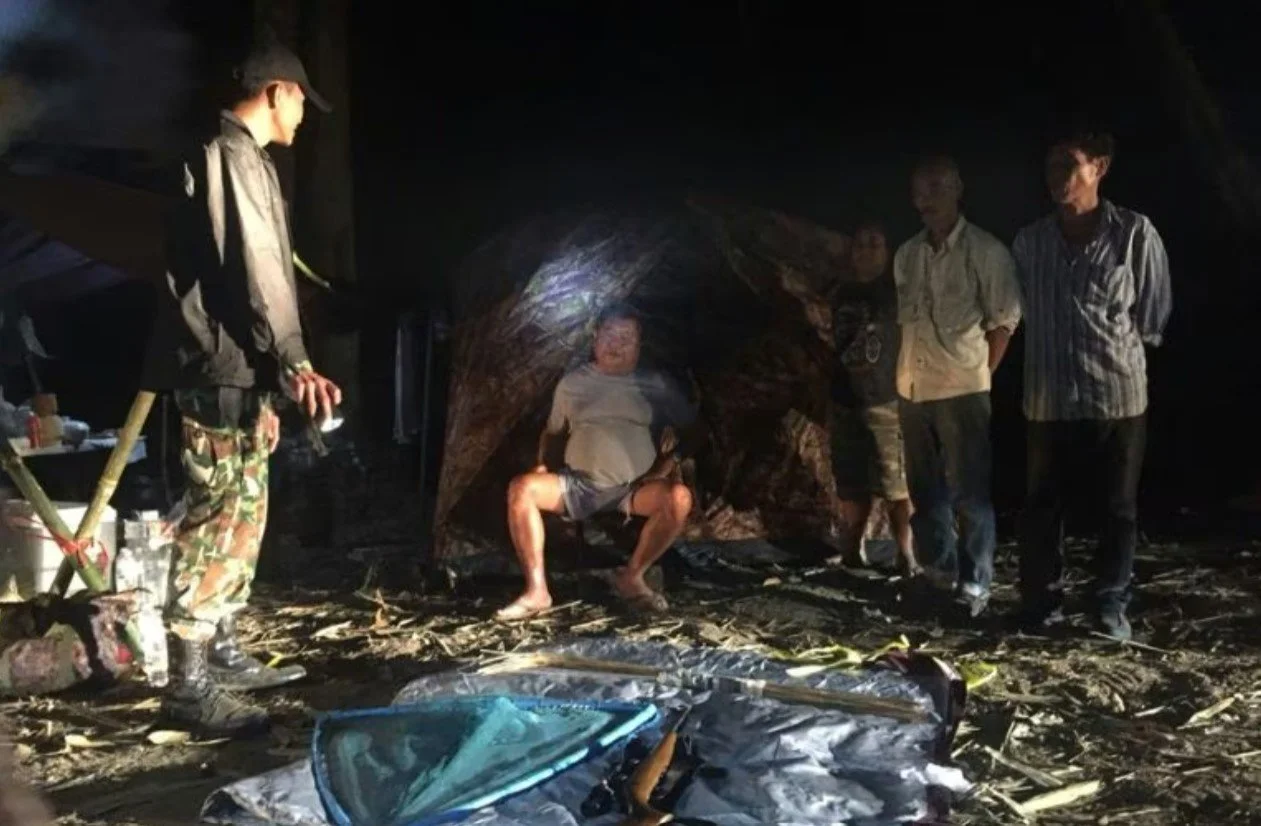
Image of the initial confrontation of Premchai and his workers in Thung Yai basically catching them red-handed. The man to the left is Wichien Chinnawong, the superintendent of Thung Yai NP, who is now considered to be a national hero for his integrety and commitment to conservation by apprehending such a rich and powerful oligarchs and refusing to take bribes or be threatened.
Me and Wichien Chinnawong, a few years after the famous case at a NWA party in Dong Yai Wildlife Sanctuary.
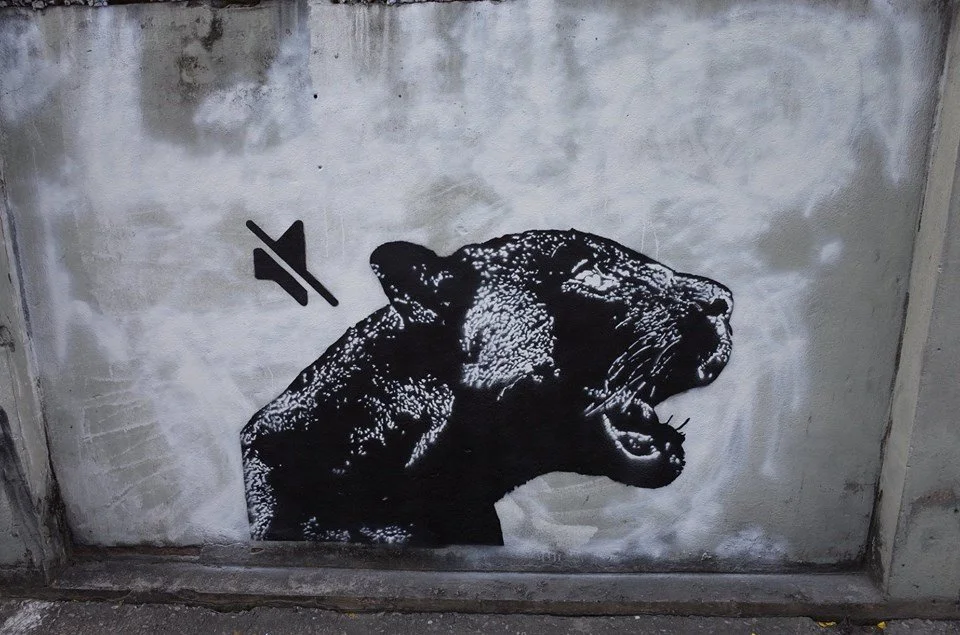
Graffiti symbolizing the case was easy to find throughout Bangkok at that time. This art mysteriously disappeared.

Sentencing time...
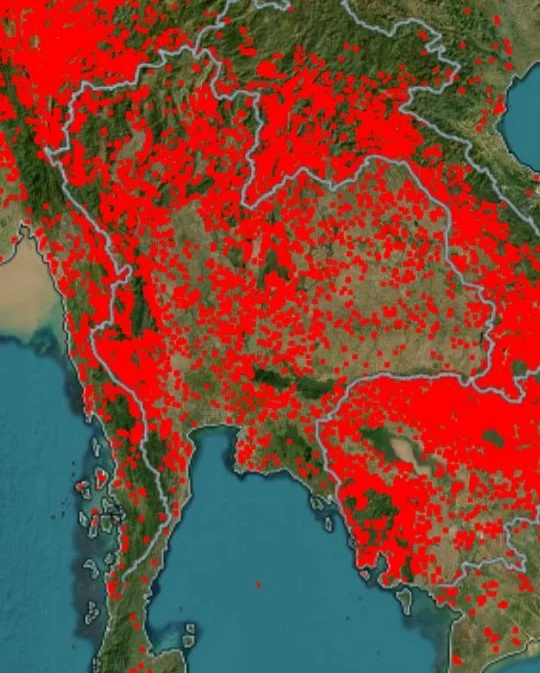
Map of active fires in Southeast Asia in March of 2023
Fires - Natural & Human-caused
Frequent and increasingly early‑season fires have had a substantial ecological and structural impact on Thailand’s Western Forest Complex. In early 2024 alone, more than 1,600 hectares of forest were damaged, with over 200 hotspots detected in areas such as the Salak Phra Wildlife Sanctuary. These fires were driven by prolonged dry conditions, illegal forest product gathering, hunting activity, and agricultural burning practices—factors that allowed flames to spread rapidly through protected habitats. The resulting loss of vegetation not only reduces food availability and shelter for wildlife but also increases long‑term vulnerability to erosion and habitat fragmentation in one of Thailand’s most important biodiversity strongholds. [thailandnews.co], [myanmarint...onaltv.com]
The fires in Thailand during the dry season (typically January to April) are primarily caused by a combination of anthropogenic (human-induced) activities and natural weather patterns that exacerbate fire spread. The burning season is driven by the need to clear land for agricultural purposes, along with illegal forest burning, which peaks in March.
Slash-and-Burn Agriculture (Agricultural Burning): This is a dominant factor, where farmers burn crop residues from rice, corn, and sugarcane to prepare land for the next planting cycle. It is considered a cost-effective and efficient method for clearing land, despite being illegal, with a large number of hotspots often linked to these practices.
Forest Fires and Foraging (Illegal Burning): Many fires are deliberately set in forest areas to facilitate the gathering of non-timber forest products, such as wild mushrooms (Hed Thob) and vegetables. Others are started to clear undergrowth to promote new vegetation growth or for hunting. These often happen in protected areas like Doi Suthep-Pui National Park.
Dry Season Weather Conditions: The "hot-dry" season, particularly from February to April, involves low humidity, high temperatures (sometimes reaching 40°C), and little to no rain, which makes vegetation extremely flammable. Topographical Accumulation (Northern Region): Northern Thailand, especially Chiang Mai and Chiang Rai, is a "bowl" or valley surrounded by mountains. During the dry season, specific meteorological conditions, such as temperature inversions and stagnant winds, trap the smoke from fires, preventing dispersion and intensifying the haze, often causing it to become a severe health hazard. Climate Factors (ENSO): The intensity of the burning season is often exacerbated by El Niño conditions, which bring more severe drought and prolong the dry season, increasing the risk of widespread forest fires.
Transboundary Haze: A significant portion of the smog comes from fires in neighboring countries, including Myanmar, Laos, and Cambodia, which also practice slash-and-burn farming, creating a regional air pollution crisis. Members of ASEAN have come together to battle the transboundary haze issue in with a commitment to reduce the causes of the fires. (ASEAN Agreement on Transboundary Haze Pollution)
Despite the severity of these events, coordinated wildfire‑management efforts have shown some small signs of progress. By mid‑2024, collaborative initiatives involving the Department of National Parks, provincial disaster‑prevention offices, local administrative organizations, and elite “Tiger Firefighting” patrols contributed to a reported 40% decrease in wildfire incidents across the Western Forest Complex. Fire suppression teams—supported by helicopters and real‑time hotspot monitoring from the Geo‑Informatics and Space Technology Development Agency—helped contain active fires and reduce their spread. These efforts highlight both the ongoing threat fire poses to the region and the importance of sustained, multi‑agency cooperation for safeguarding this critical conservation landscape. [aseannow.com], [thaigertalk.com]
Link to Excellent Video on the Haze Issue in Thailand By Marisa Marchitelli
The images below are of a brush fire in Huai Kha Khaeng most likely started by villagers hoping to generate a mushroom crop in the rainy season:
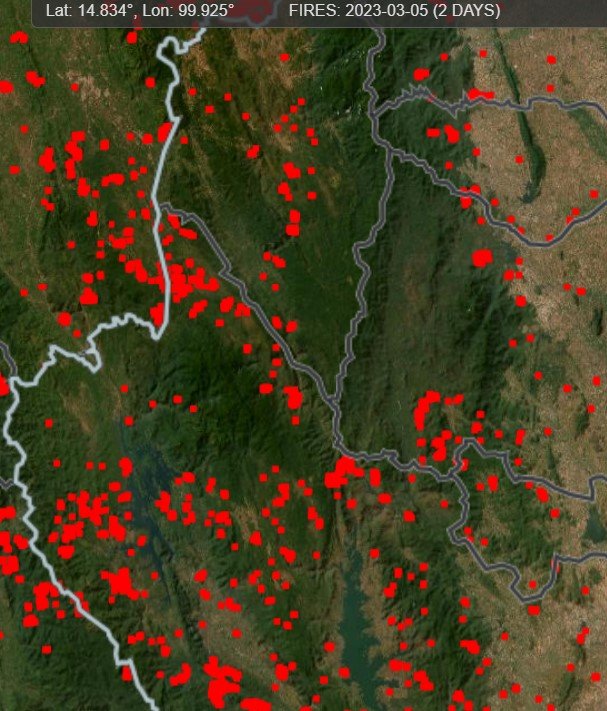
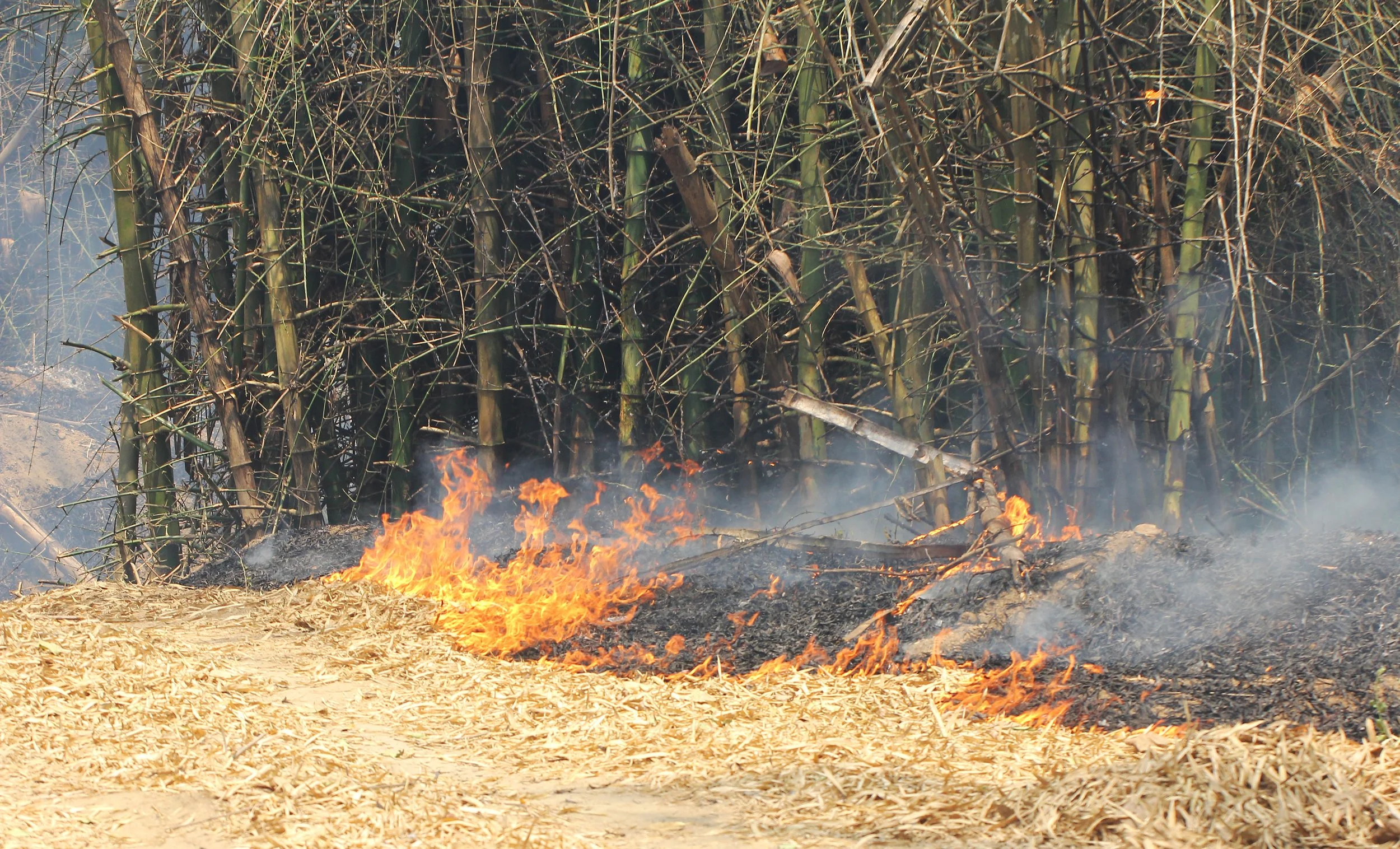
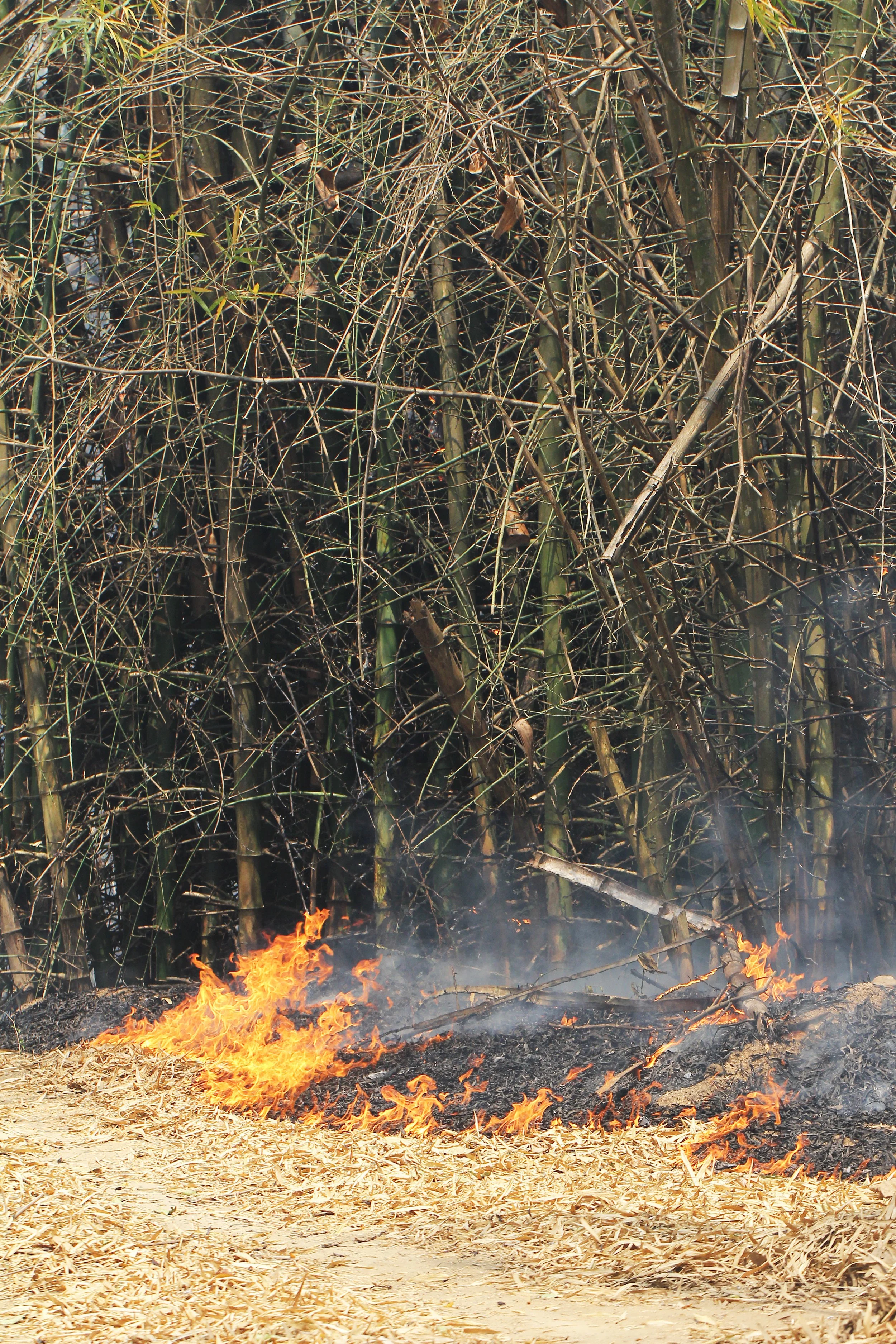
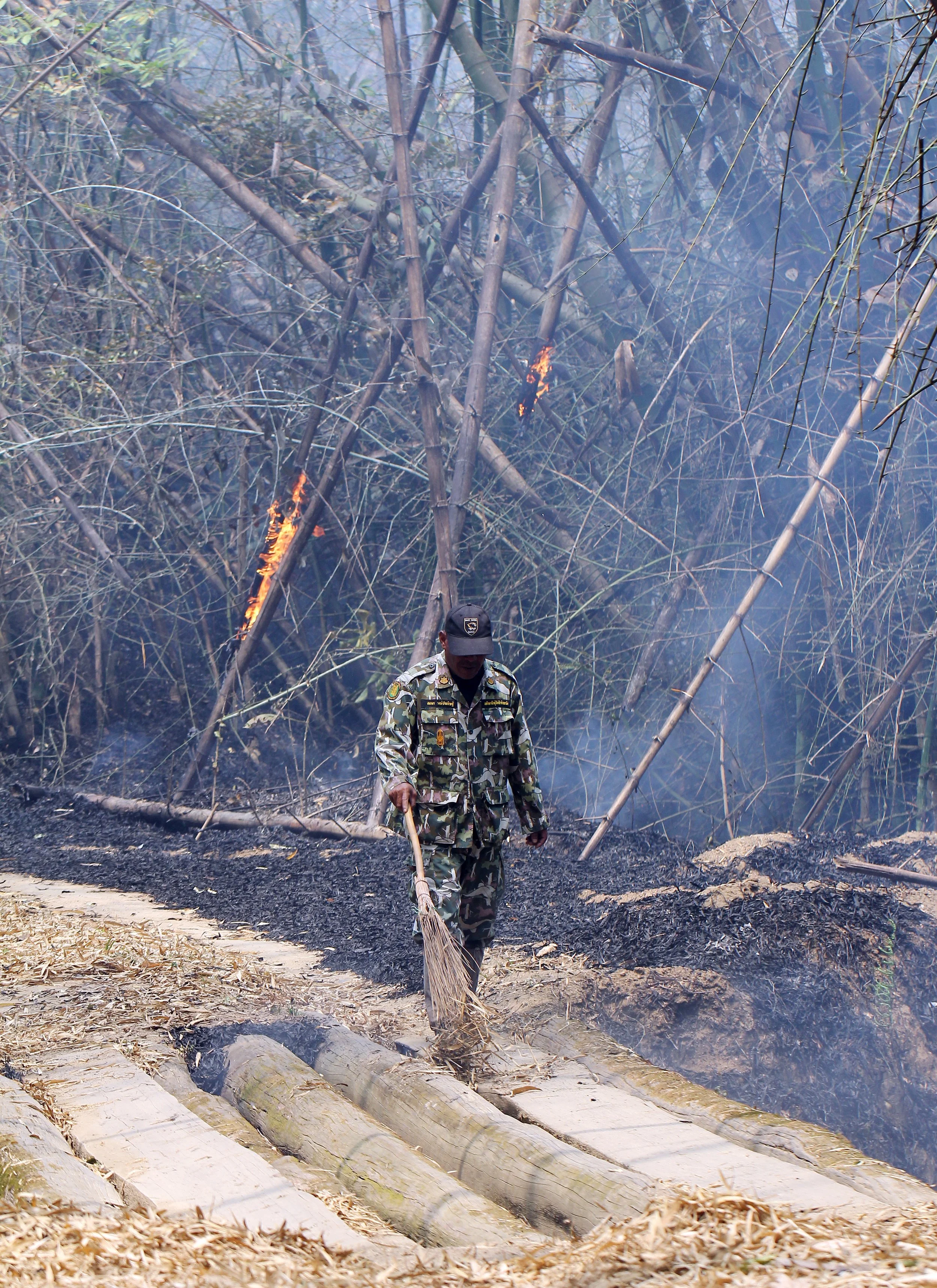
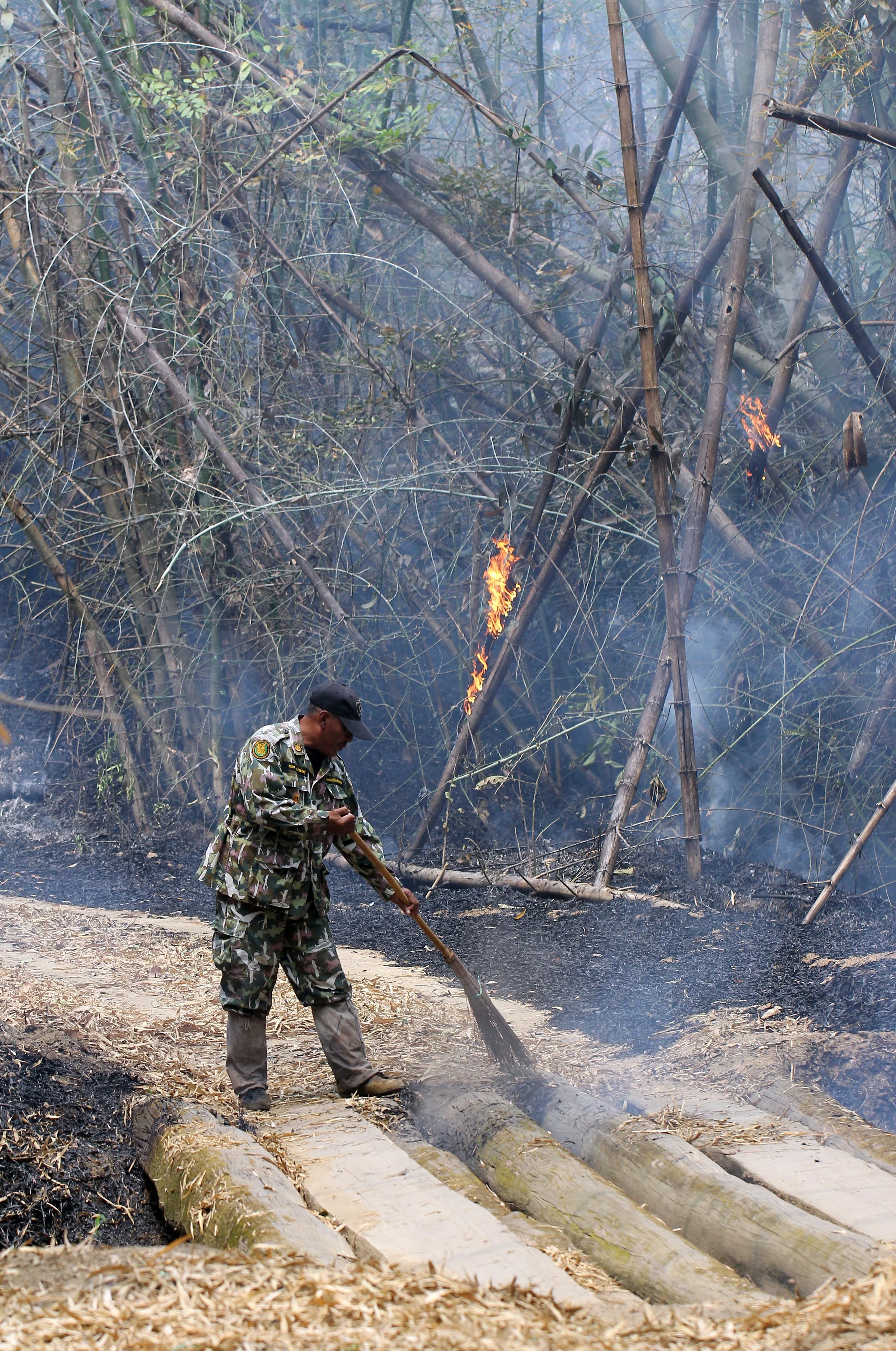
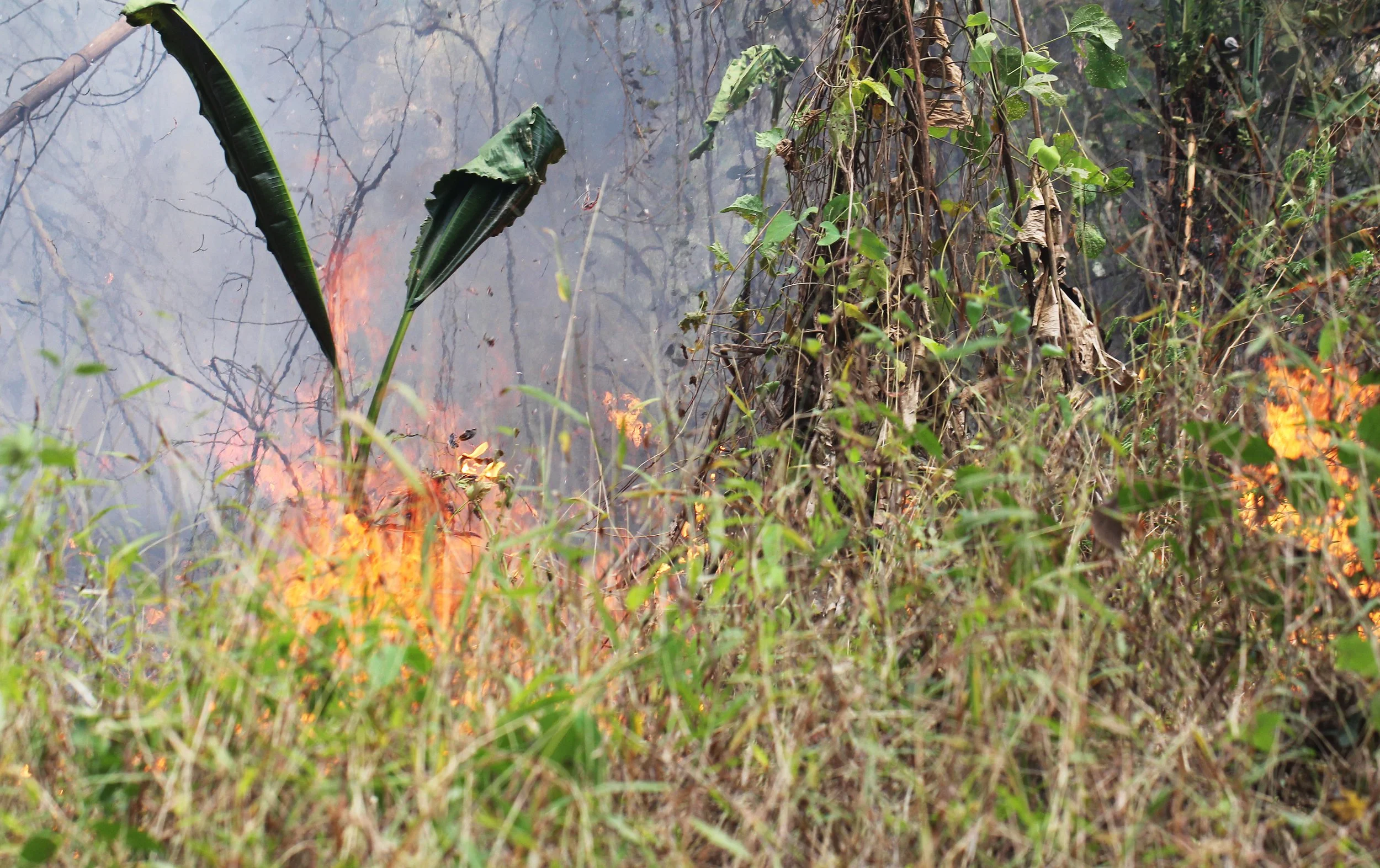
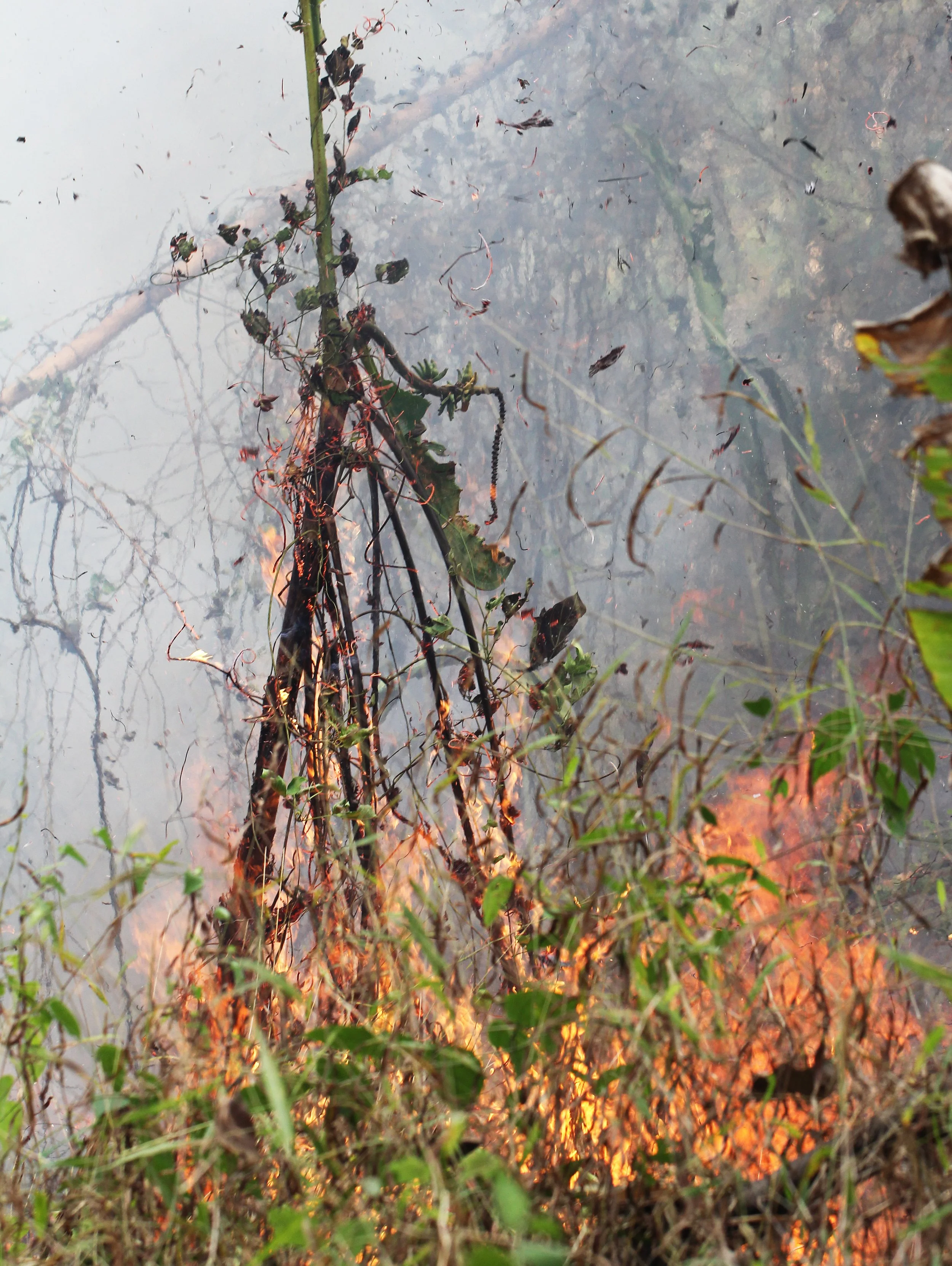
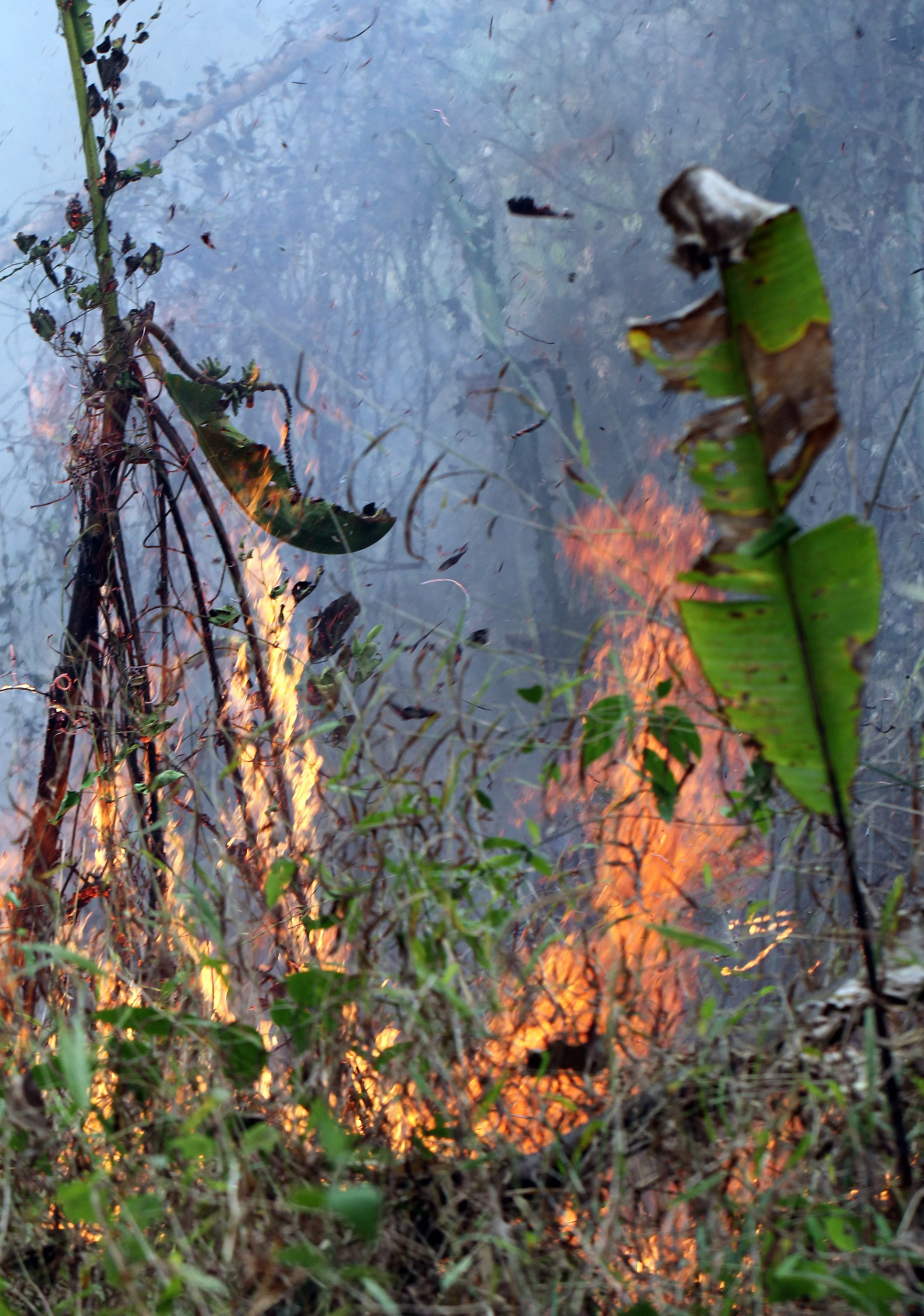
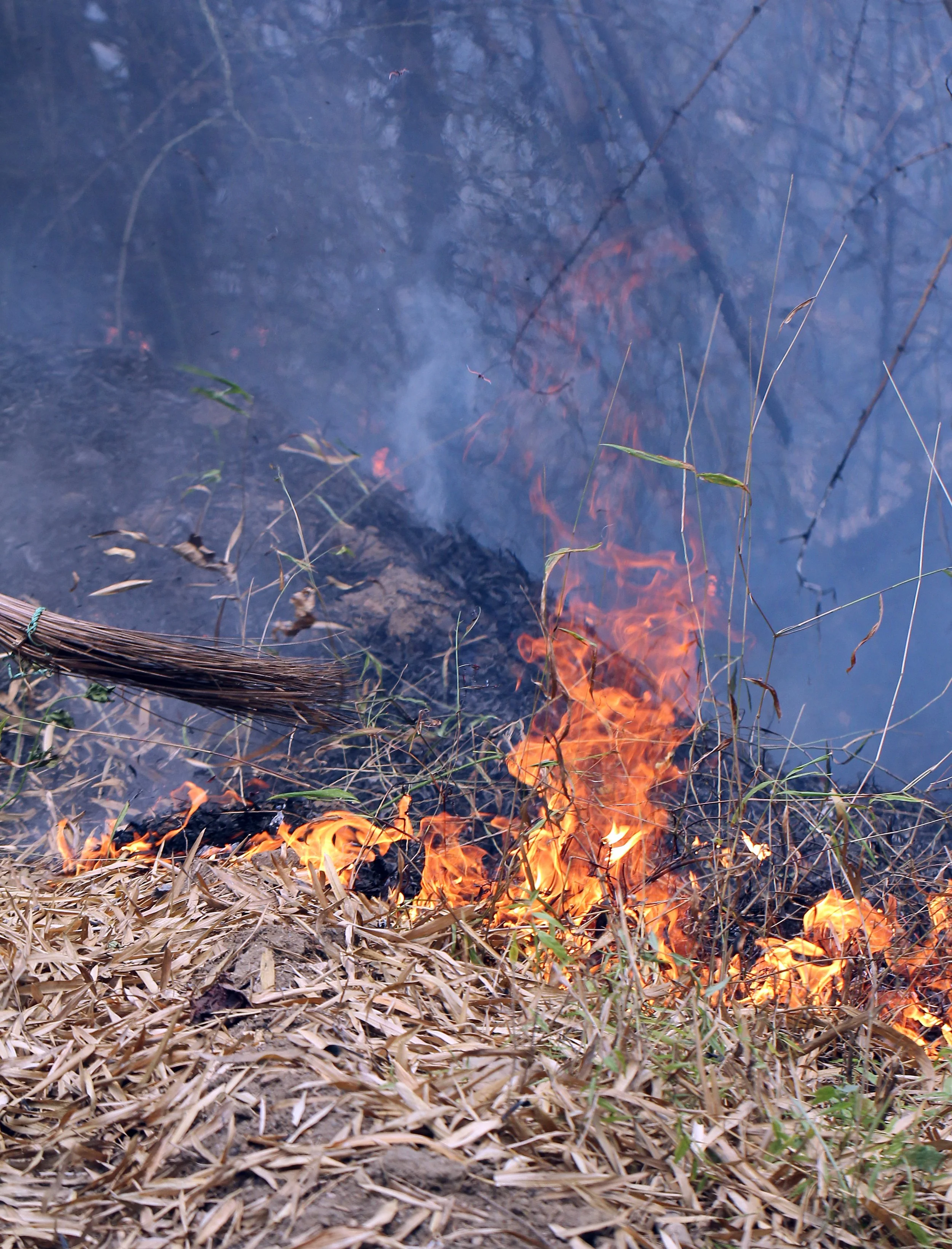


Seub Nakhasathien and His Contribution to the Western Forest Complex

Seub Nakhasathien (1949–1990) is one of Thailand’s most influential conservation figures, remembered for his tireless defense of forests and wildlife and for shaping the national consciousness around environmental protection. As superintendent of Huai Kha Khaeng Wildlife Sanctuary, he directly shaped the management, protection, and eventual UNESCO World Heritage nomination of Thung Yai – Huai Kha Khaeng, which later became the ecological core of the Western Forest Complex. [seub.or.th]
Seub’s conservation philosophy was rooted in the belief that protecting isolated areas was insufficient; instead, the entirety of the Western Forest Complex had to be treated as one interconnected landscape. His work in the 1980s exposed the devastating impacts of logging concessions and dam projects, including the wildlife losses caused during the Cheow Lan (Rajjaprabha) Dam flooding—an experience that galvanized his opposition to further destructive development. He helped halt the proposed Nam Chon Dam in Thung Yai Naresuan and fought illegal logging concessions within Huai Kha Khaeng, actions that strengthened protections across what would become the Western Forest Complex. [seub.or.th]
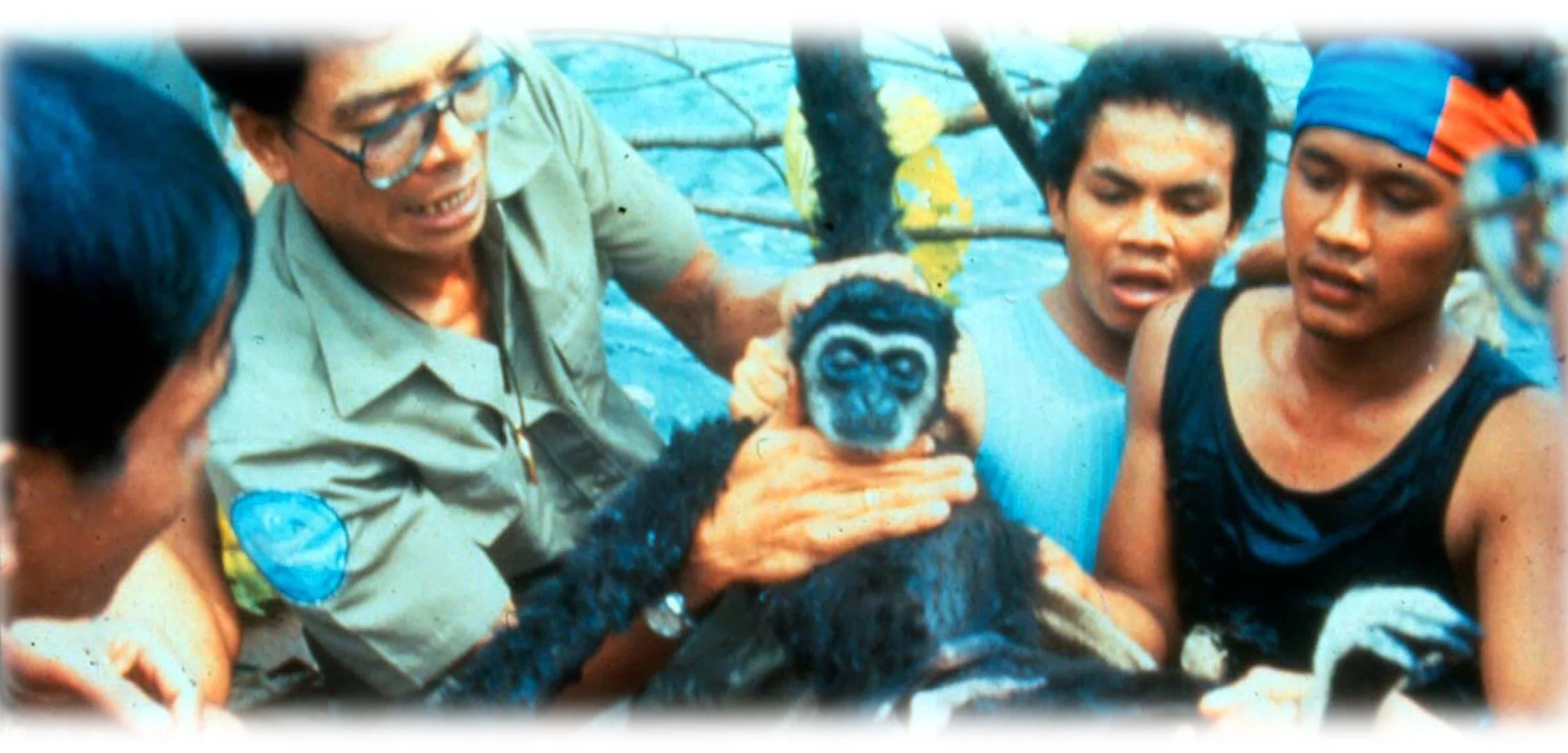
In 1990, as superintendent, Seub was tasked with preparing the UNESCO nomination for Thung Yai – Huai Kha Khaeng, a milestone that laid the foundation for international recognition of the area’s ecological value. His tragically symbolic suicide that same year drew nationwide attention to the urgent need for stronger forest protection. As reported by the Bangkok Post, his death transformed public sentiment and helped elevate the Western Forest Complex to a “sacrosanct site,” sparking widespread civic engagement and inspiring many young Thais to become forest rangers and conservation advocates. [en.wikipedia.org]
Today, the Western Forest Complex is Thailand’s most important continuous forest block, and Seub Nakhasathien’s name is inseparable from its protection. His legacy—embodied in the Seub Nakhasathien Foundation—continues to guide conservation policy, ranger training, and public awareness across the region. He is remembered not only for his scientific expertise and activism but for reshaping the way Thailand values its forests, wildlife, and the interconnected landscapes that form WEFCOM. [nationthailand.com]
The death of Seub Nakhasathien (สืบ นาคะเสถียร) on 1 September 1990 remains one of the most debated moments in modern Thai environmental history. Officially, he took his own life with a firearm while serving as Chief of the Huai Kha Khaeng Wildlife Sanctuary. Yet in public memory, Seub is often described as a martyr for nature, someone who “sacrificed himself” to awaken Thai society to environmental destruction. [en.wikipedia.org], [thailandjo...okpost.com][nationthailand.com], [thailandblog.nl]
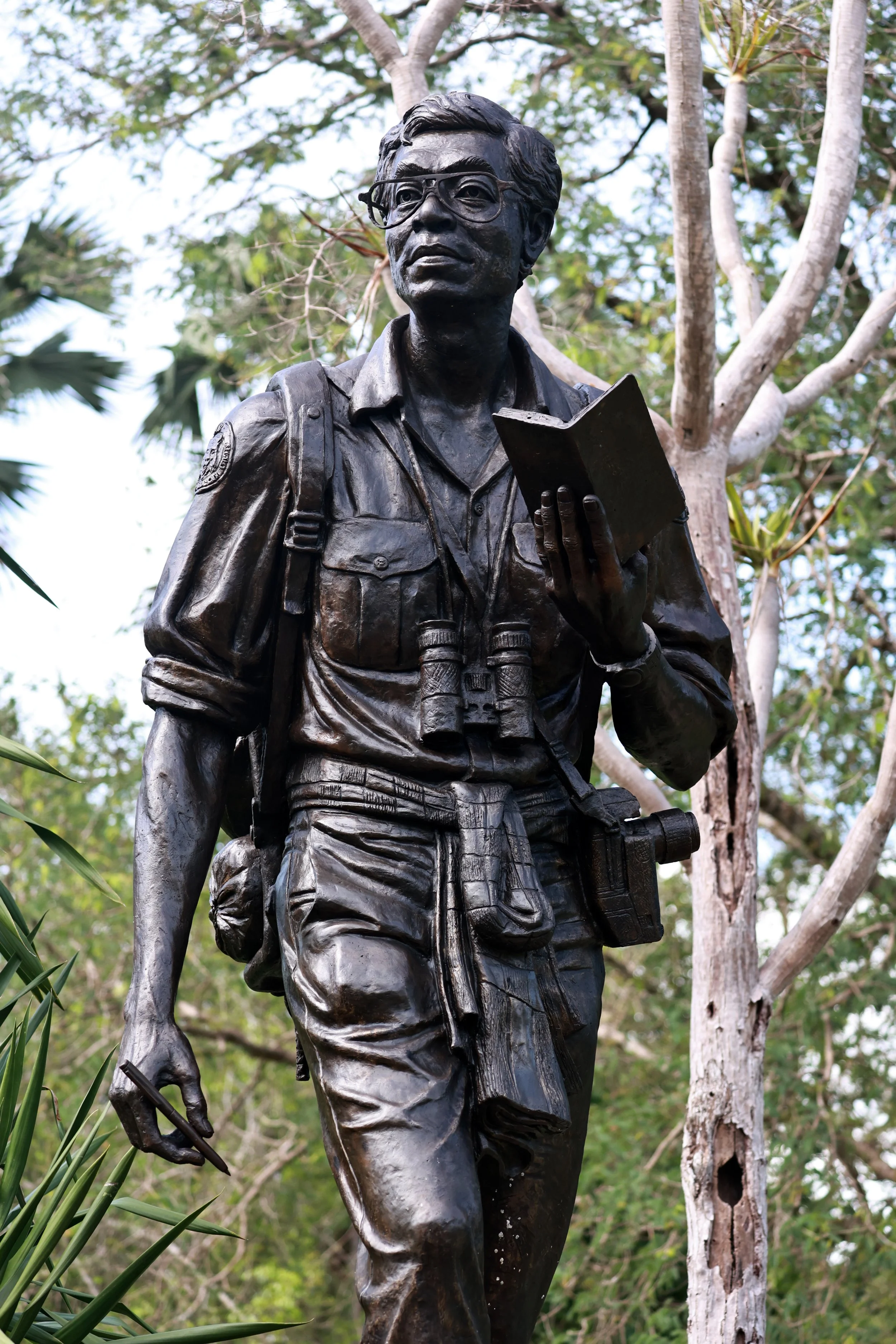
Seub's statue can be seen by the public in the open area near Huai Kha Khaeng's headquarters.
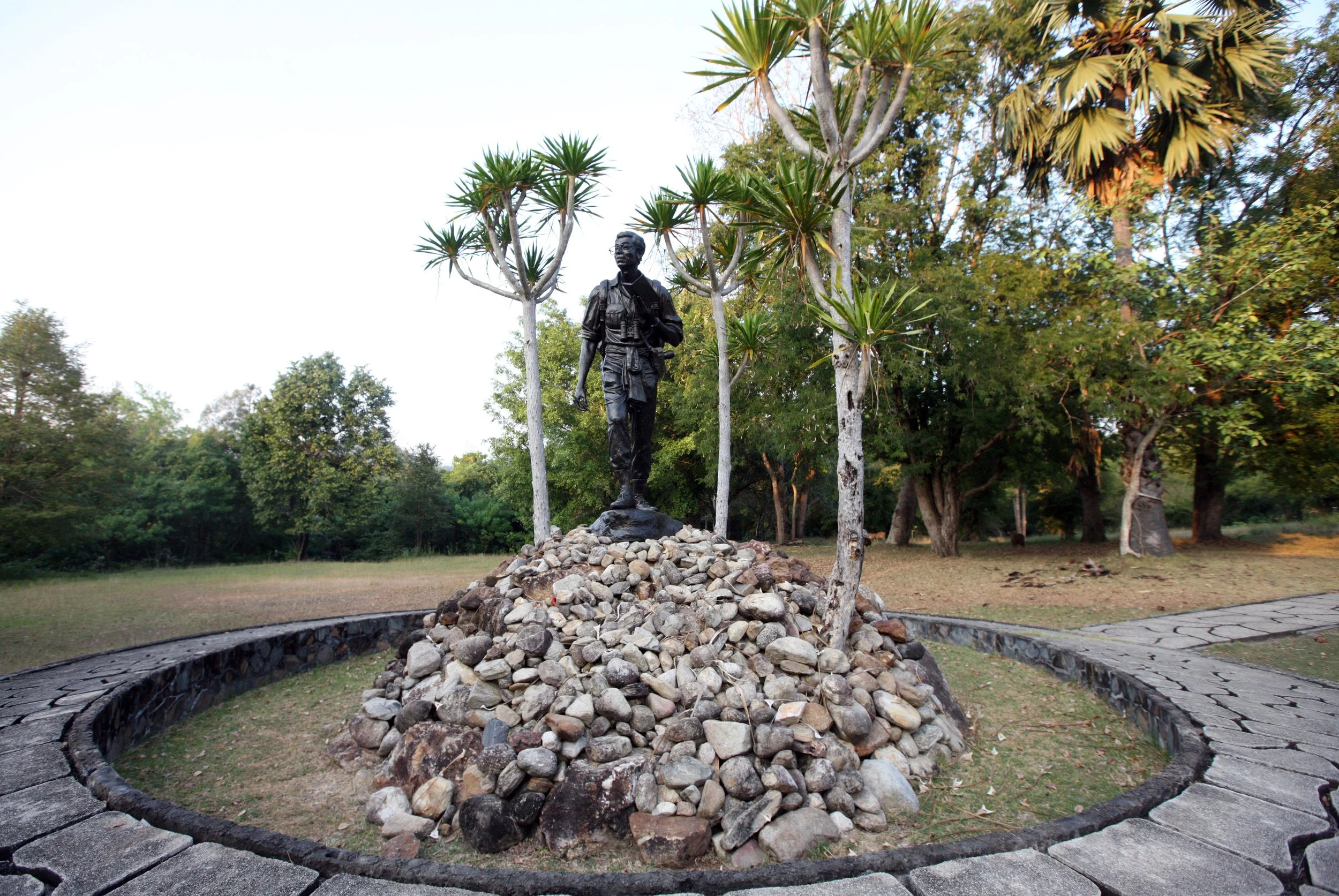
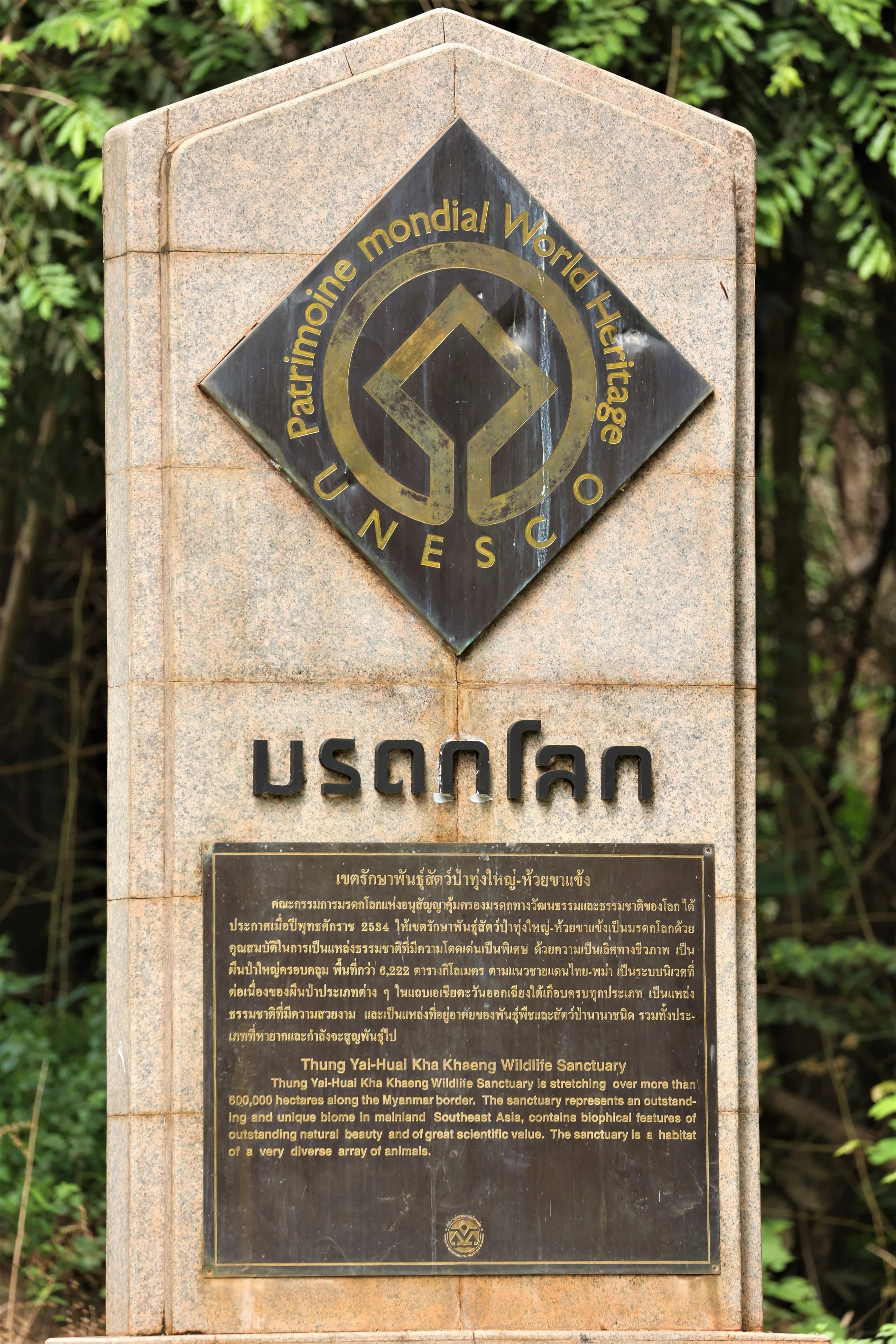
Huai Kha Khaeng became a UNESCO World Heritage Site in December of 1991.
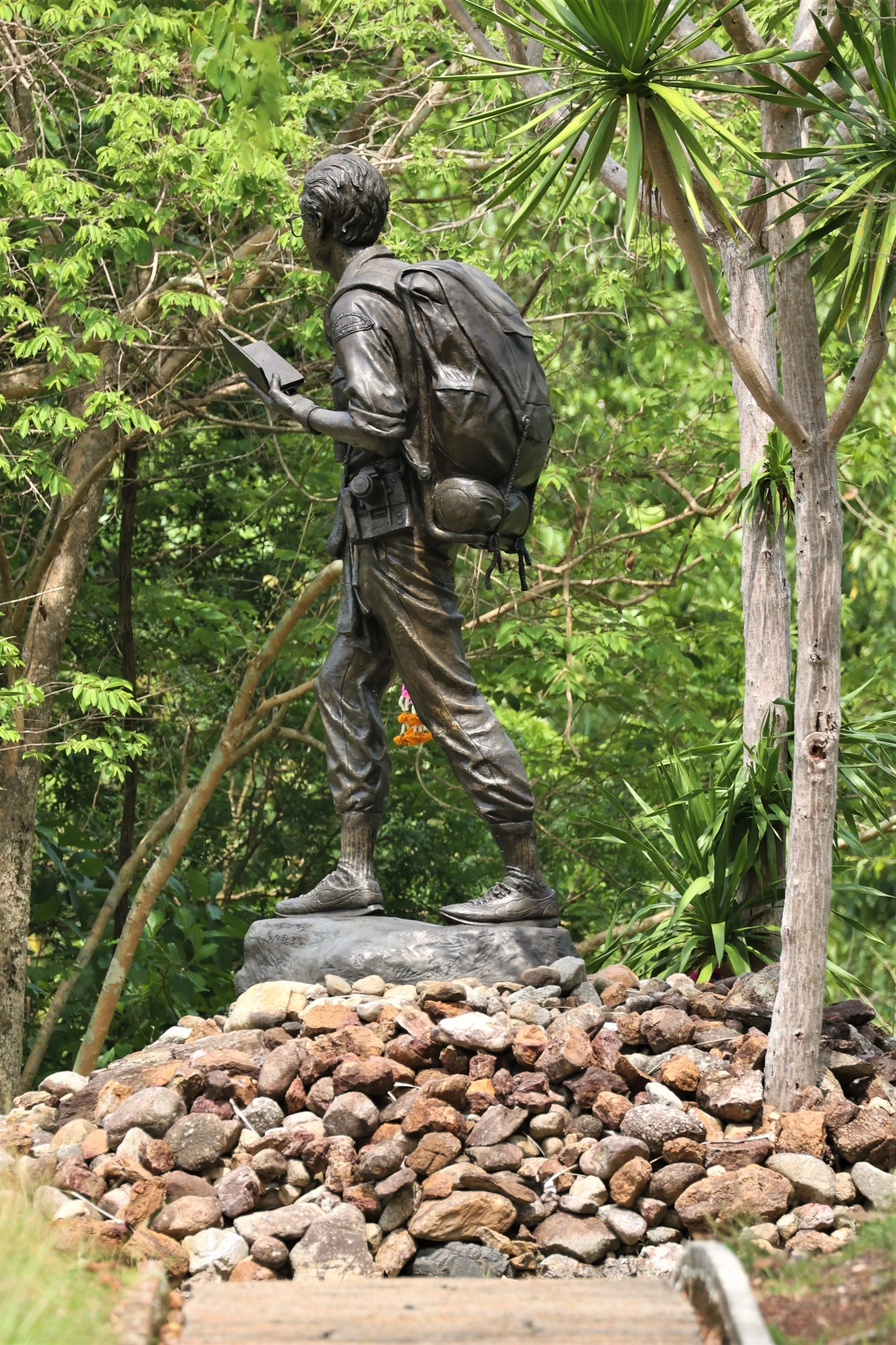
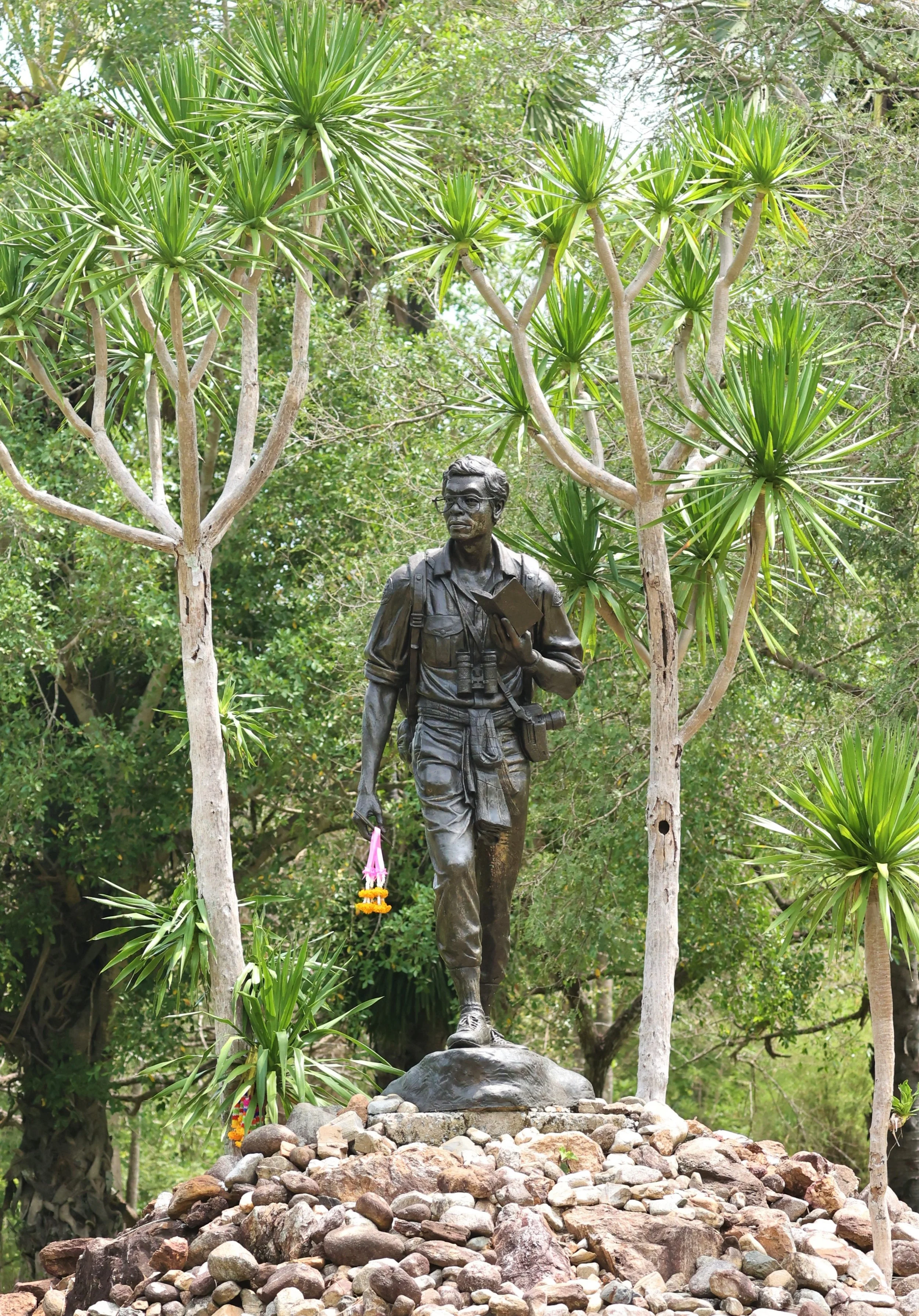
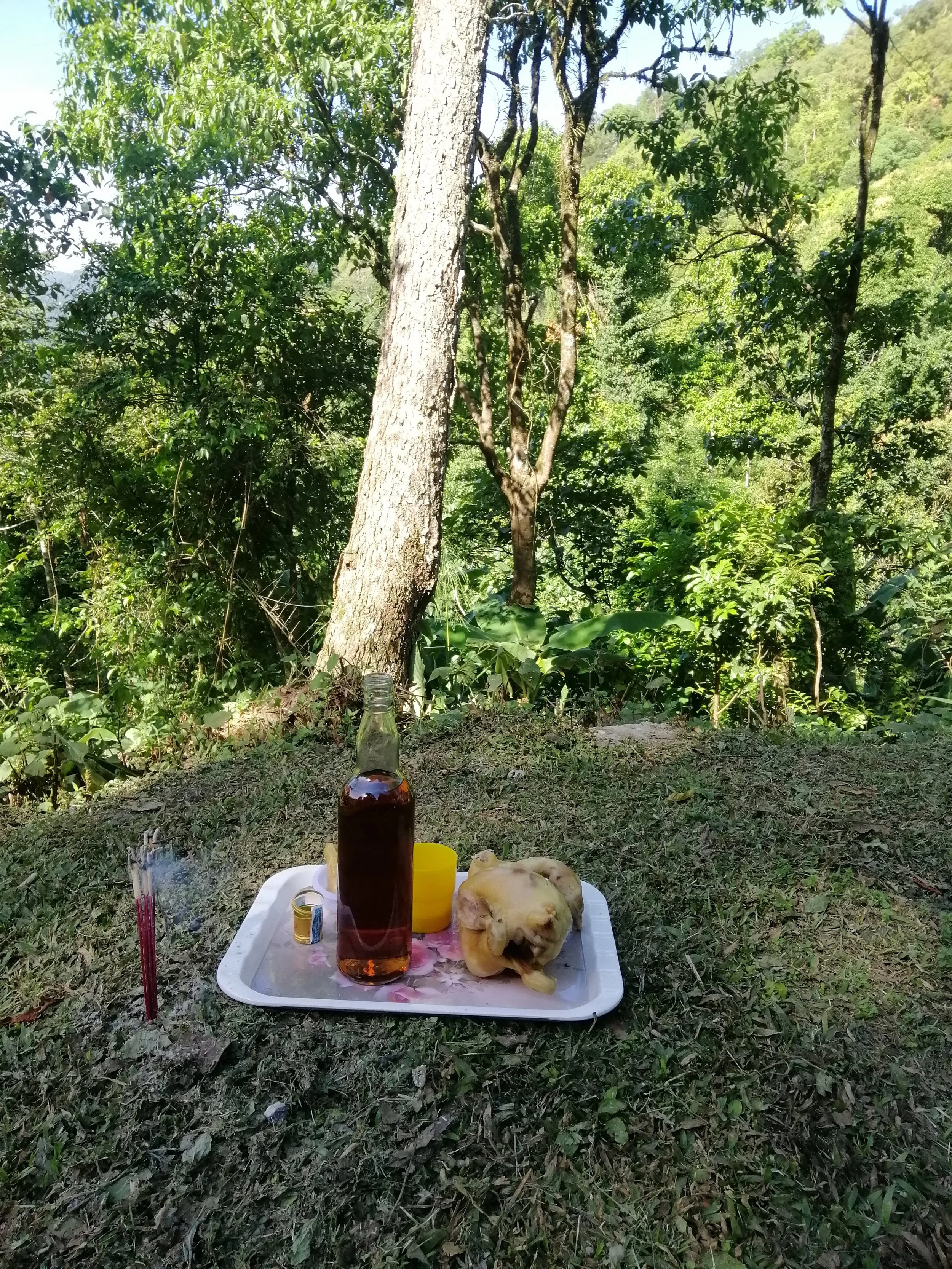
An offering to the memory of Seub

Seub's actual shoes still stored in his house and on display.

Sueb's house in Huai Kha Khaeng.
Alan Rabinowitz’s Contribution to the Western Forest Complex

Alan was a dear friend and I am glad my boy was able to spend time with him. Here we are at the old Dusit Thani Hotel in Bangkok reminiscing over old times in Belize back in the day!
In 1987, the Thai government invited American zoologist Dr. Alan Rabinowitz to conduct the first intensive scientific study of tigers, leopards, and other wild cats in the Huai Kha Khaeng Wildlife Sanctuary, a core protected area within what is now recognized as the Western Forest Complex. At the time, the forest was under immense pressure from poaching, illegal logging, and encroachment, and reliable wildlife population data were almost nonexistent. Rabinowitz’s assignment was to fill this scientific gap and demonstrate the global importance of Thailand’s western forests. [thewildlif...iaries.com]
His fieldwork produced the first systematic documentation of big‑cat behavior, density, prey relationships, and habitat needs in Huai Kha Khaeng. This research provided critical scientific evidence that the region harbored one of Southeast Asia’s most important tiger populations and was therefore deserving of long‑term, large‑scale conservation. [thewildlif...iaries.com]
Rabinowitz’s findings helped demonstrate that Huai Kha Khaeng—and by extension the larger western forest landscape—was not just a national treasure, but an ecosystem of global biological significance. His research exposed:
The extent of poaching and wildlife trade pressures.
The presence of regionally important populations of tigers, leopards, clouded leopards, and other mammals.
The ecological connectivity linking Huai Kha Khaeng with Thung Yai Naresuan and surrounding forests.
Although he was not a policymaker, Rabinowitz’s scientific contributions directly supported Thailand’s later successful effort to secure UNESCO World Heritage status for Thung Yai–Huai Kha Khaeng—an effort led on the Thai side by Seub Nakhasathien, whose conservation leadership complemented Rabinowitz’s research. [labs.plb.ucdavis.edu], [biologyinsights.com]
Today, Huai Kha Khaeng remains the heart of the Western Forest Complex, and Rabinowitz’s ecological baseline data are still used by biologists studying tiger recovery in the region.
Chasing the Dragon’s Tail: Documenting a Crucial Moment in WEFCOM’s History
Rabinowitz’s experiences in Thailand were later published in his widely respected book Chasing the Dragon’s Tail: The Struggle to Save Thailand’s Wild Cats. The book is based on his 1986–1989 field journals, offering an intimate account of life inside the Huai Kha Khaeng forest and the challenges of conserving Thailand’s wildlife. [thewildlif...iaries.com]
In the book, Rabinowitz recounts:
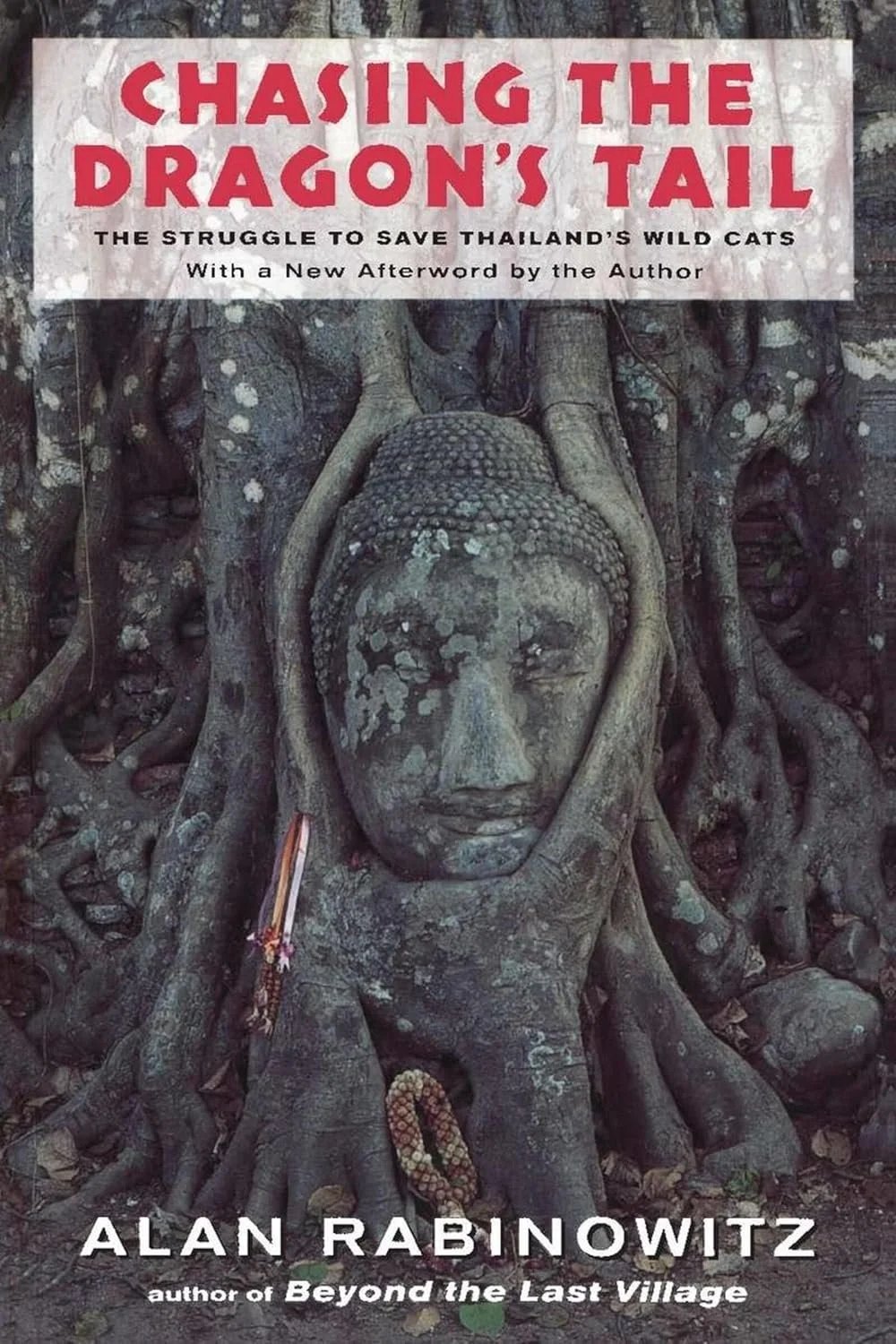
One of Alan’s books that changed my view of conservation.
Encounters with poachers, drug traffickers, and illegal traders.
The difficulties of tracking wild tigers in one of the world’s most remote forests.
The political and cultural complexities of working in Thailand’s protected areas.
Near‑fatal mishaps—from leopard captures to elephant charges.
These stories served to humanize the scientific process, bringing global attention to the threats facing Thailand’s forests and the need for sustained protection.
While the term “Western Forest Complex” was not fully formalized at the time of Rabinowitz’s fieldwork, his book makes clear that the region’s forests constitute one of the largest, richest, and most ecologically intact landscapes in mainland Southeast Asia—precisely the reason they would later be consolidated conceptually as WEFCOM.
The book’s later editions include Rabinowitz’s reflections on how Thailand made “surprising strides” in conservation since his early years in the field, crediting stronger laws, better enforcement, and rising public support. [thewildlif...iaries.com]
Alan Rabinowitz’s contributions:
Created the first robust scientific foundation for understanding and managing Thailand’s western tiger population.
Helped the global scientific community recognize the international importance of Huai Kha Khaeng and neighboring forests.
Produced a landmark narrative—Chasing the Dragon’s Tail—that inspired conservation practitioners in Thailand and around the world.
Worked in the same landscape and period as Seub Nakhasathien, with his research providing the ecological justification for Seub’s policy victories.
Together, Rabinowitz’s science and Seub’s activism helped shape what would become the Western Forest Complex, Thailand’s largest and most significant protected landscape.
Bruce Kekule: A Life Devoted to Thailand’s Wildlife

Bruce and one of his books
Bruce Kekule was an American-born wildlife photographer and conservationist who lived in Thailand from the mid‑1960s onward, dedicating more than four decades to documenting the country’s natural heritage. Settling in Thailand at age 19, he eventually became one of the nation’s most recognized wildlife photographers, renowned for his deep field experience, extensive travels, and unwavering passion for the preservation of wild places. Over the years, Kekule produced several influential books—including Wildlife in the Kingdom of Thailand (1999), Thailand’s Natural Heritage (2004), and Wild Rivers (2008)—each aimed at showcasing the beauty and ecological importance of Thailand’s wilderness to both national and international audiences. [news.mongabay.com], [brucekekule.com]
Among the landscapes that most defined Bruce Kekule’s legacy was the Western Forest Complex (WEFCOM), one of Asia’s last great strongholds for large mammals such as the Indochinese tiger, leopard, gaur, banteng, and tapir. Kekule spent countless weeks in the field, often alone and deep in remote zones, using camera traps and photo‑blinds to capture elusive species in their natural habitats. His work repeatedly demonstrated that tigers and leopards not only persisted but actively thrived in pockets of this vast protected landscape—a message that helped raise national awareness about the ecological value of the region. Through his photography, including rare encounters with both black and yellow‑phase Asian leopards, Kekule provided compelling visual evidence of the Western Forest Complex’s globally significant biodiversity. [brucekekule.com]
Kekule’s fieldwork in the Western Forest Complex was often fraught with danger, both from wildlife and human threats. He frequently trekked into Huai Kha Khaeng and other sanctuaries—areas known for their dense populations of predators and large herbivores—to set up camera traps or capture images from concealed blinds. His accounts described close encounters with animals such as gaur and elephants, as well as repeated theft or destruction of his camera equipment by unknown individuals inside these protected areas. Despite these challenges, he maintained a steadfast commitment to documenting the region’s wildlife, continually adapting his equipment and field methods to overcome security risks and environmental obstacles. [news.mongabay.com], [brucekekule.com]
The Western Forest Complex remained central to Kekule’s mission to promote conservation across Thailand. His writings and photography emphasized the ecological richness of sites like Huai Kha Khaeng Wildlife Sanctuary, a UNESCO World Heritage Site noted for its extraordinary diversity of mammals, birds, and plant life. Kekule’s work highlighted how prey species, dense forest cover, and intact river systems made these sanctuaries vital refuges for tigers and other apex predators. He also used his platform to raise awareness about wildlife in peril, urging stronger conservation action and public engagement. Through his books, articles, and decades of field documentation, Bruce Kekule helped shape global understanding of Thailand’s forest ecosystems and reinforced the importance of safeguarding the Western Forest Complex for future generations. [brucekekule.com], [LAST OF WI...nd and ...]
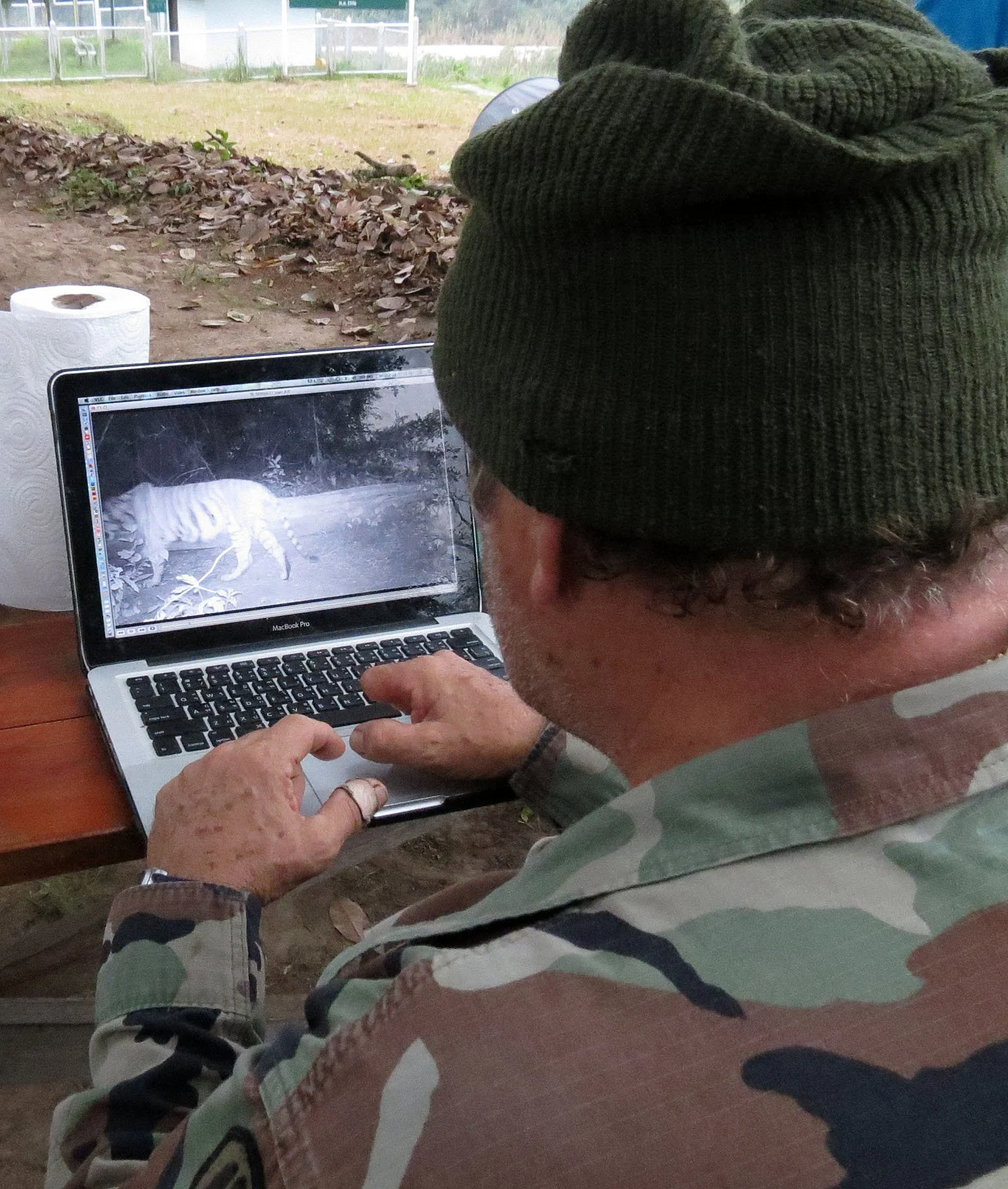
Bruce inspecting a fresh set of images from a camera trap in Huai Kha Khaeng's core area.
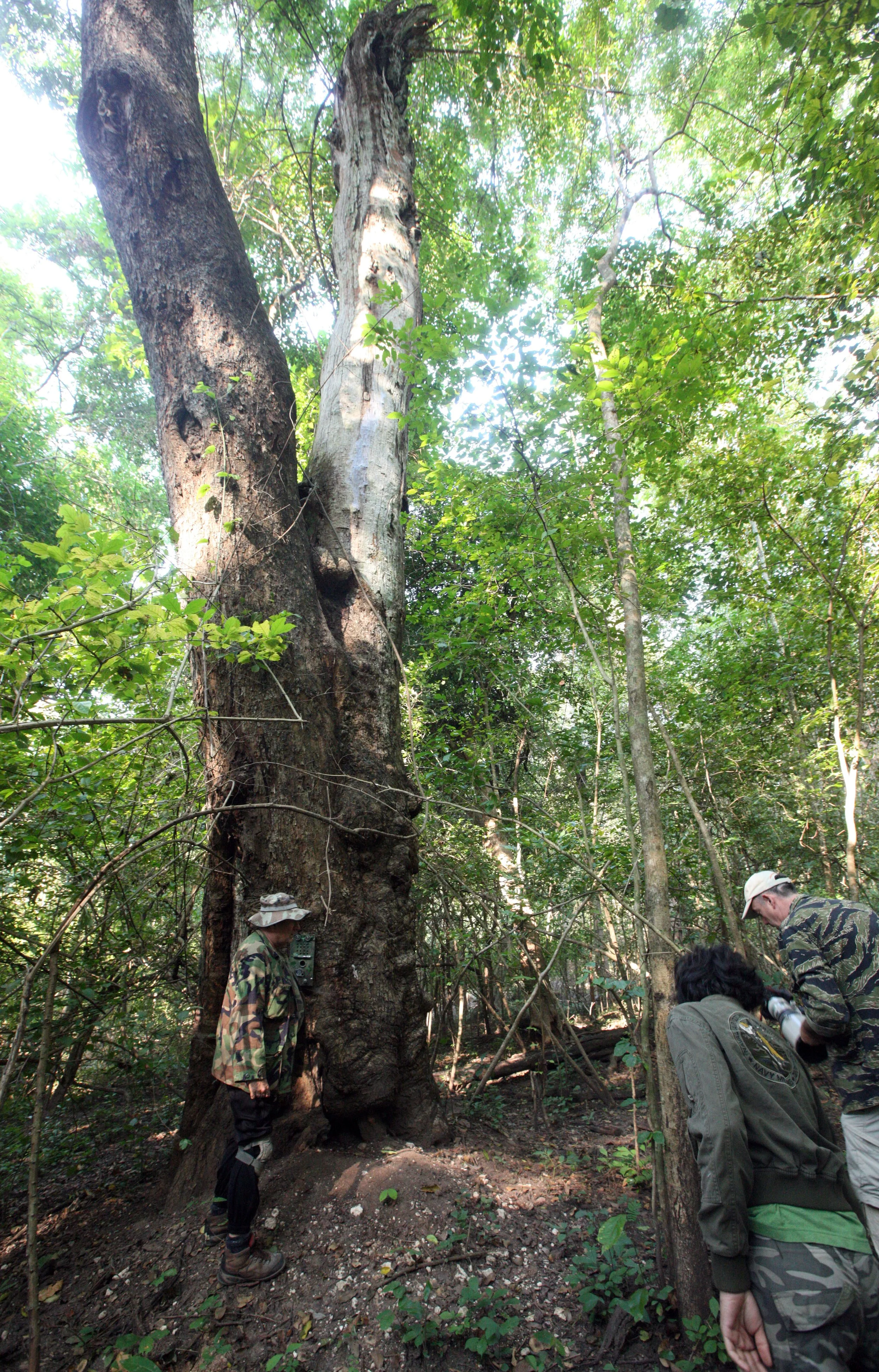
Setting camera traps in HKK
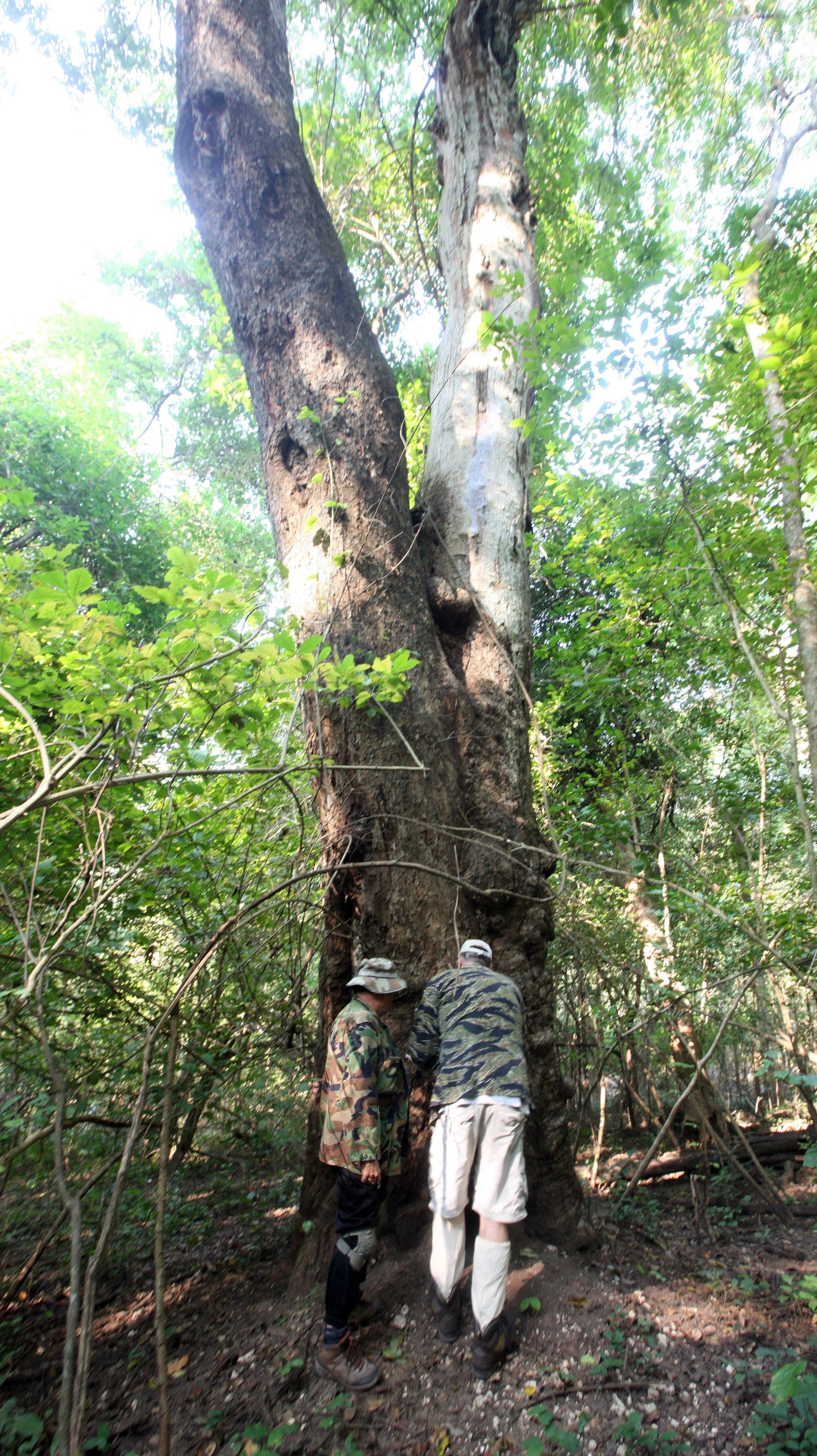
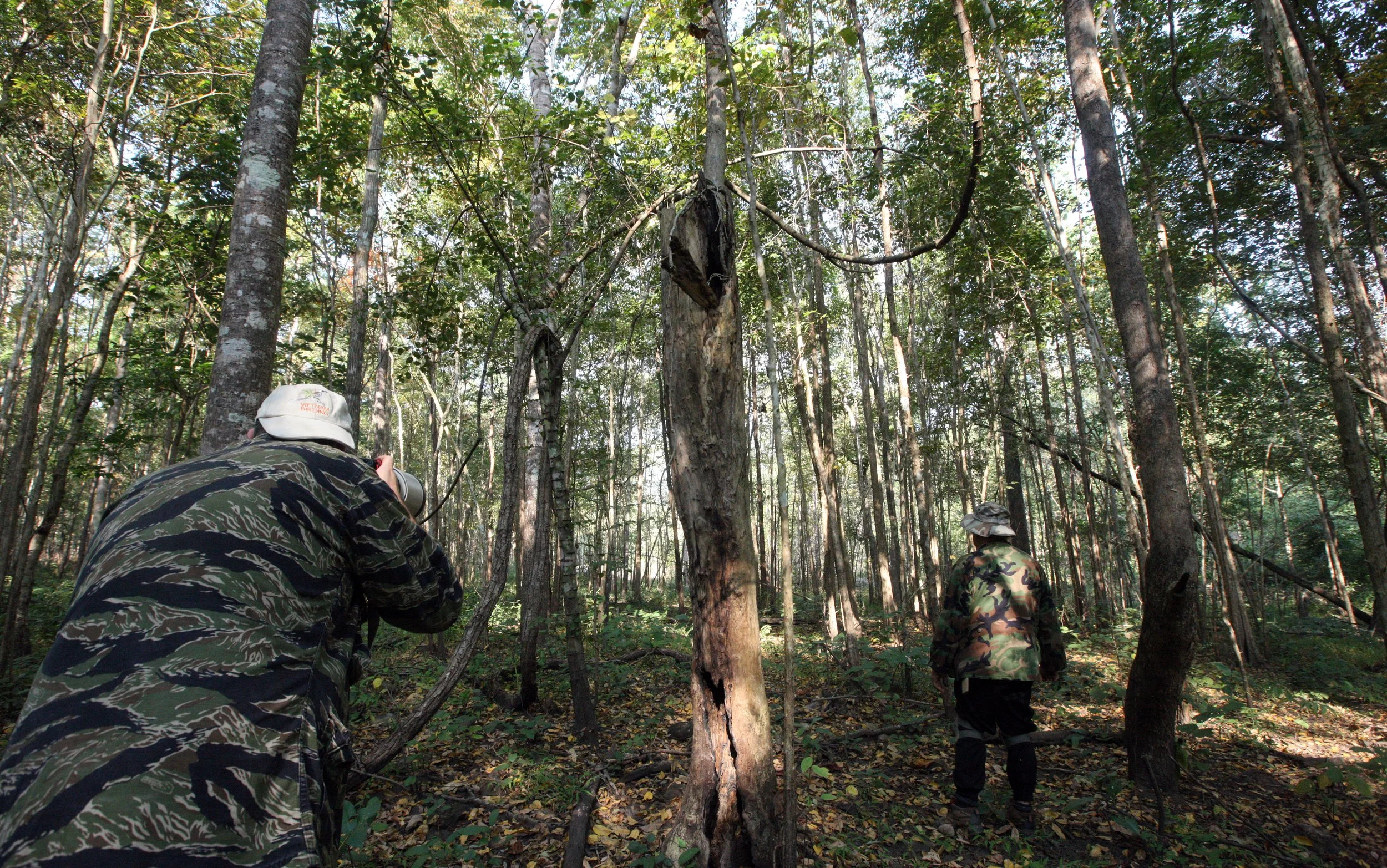
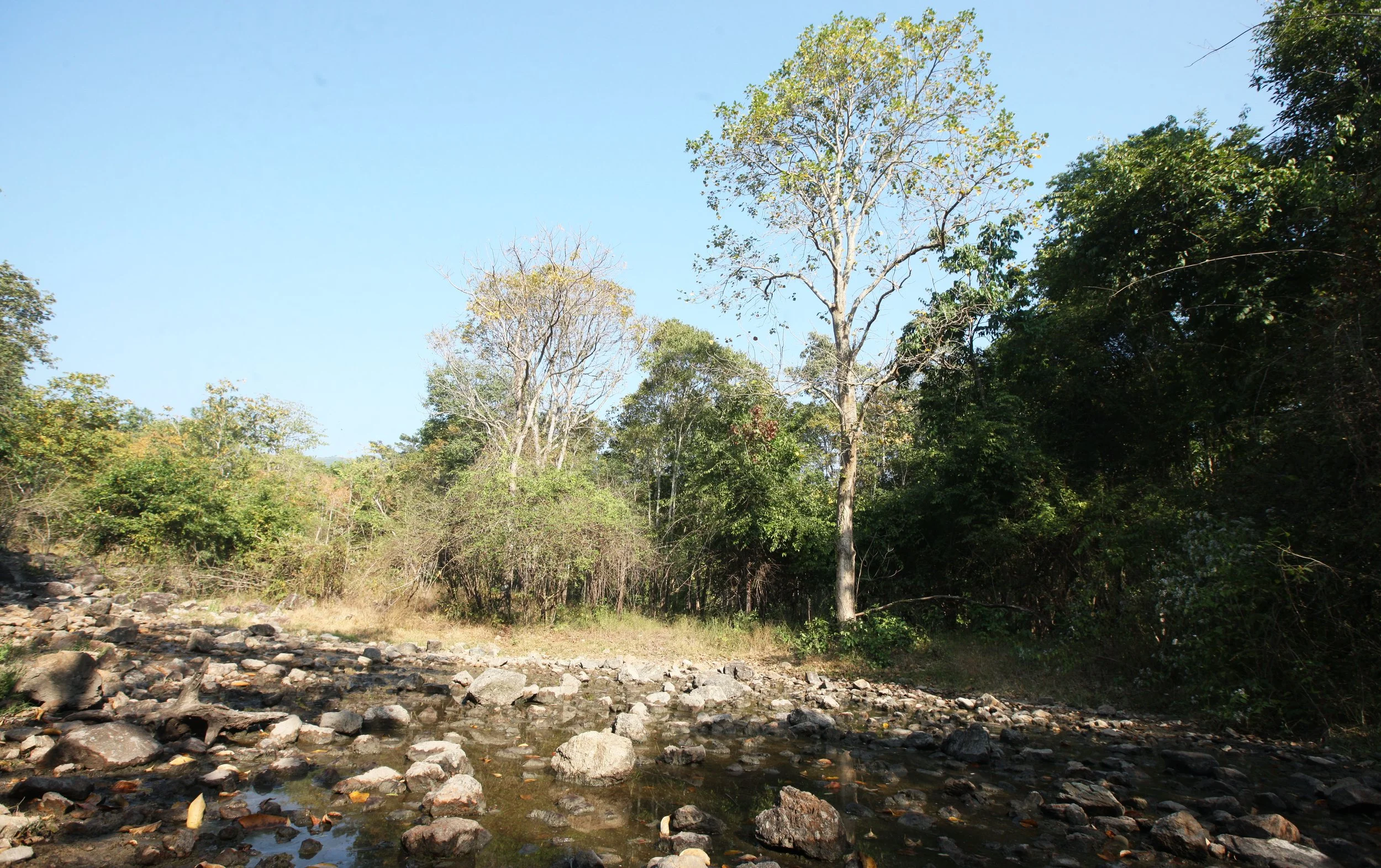
This wide open mineral lick is a favorite place for Bruce to put his camera traps.
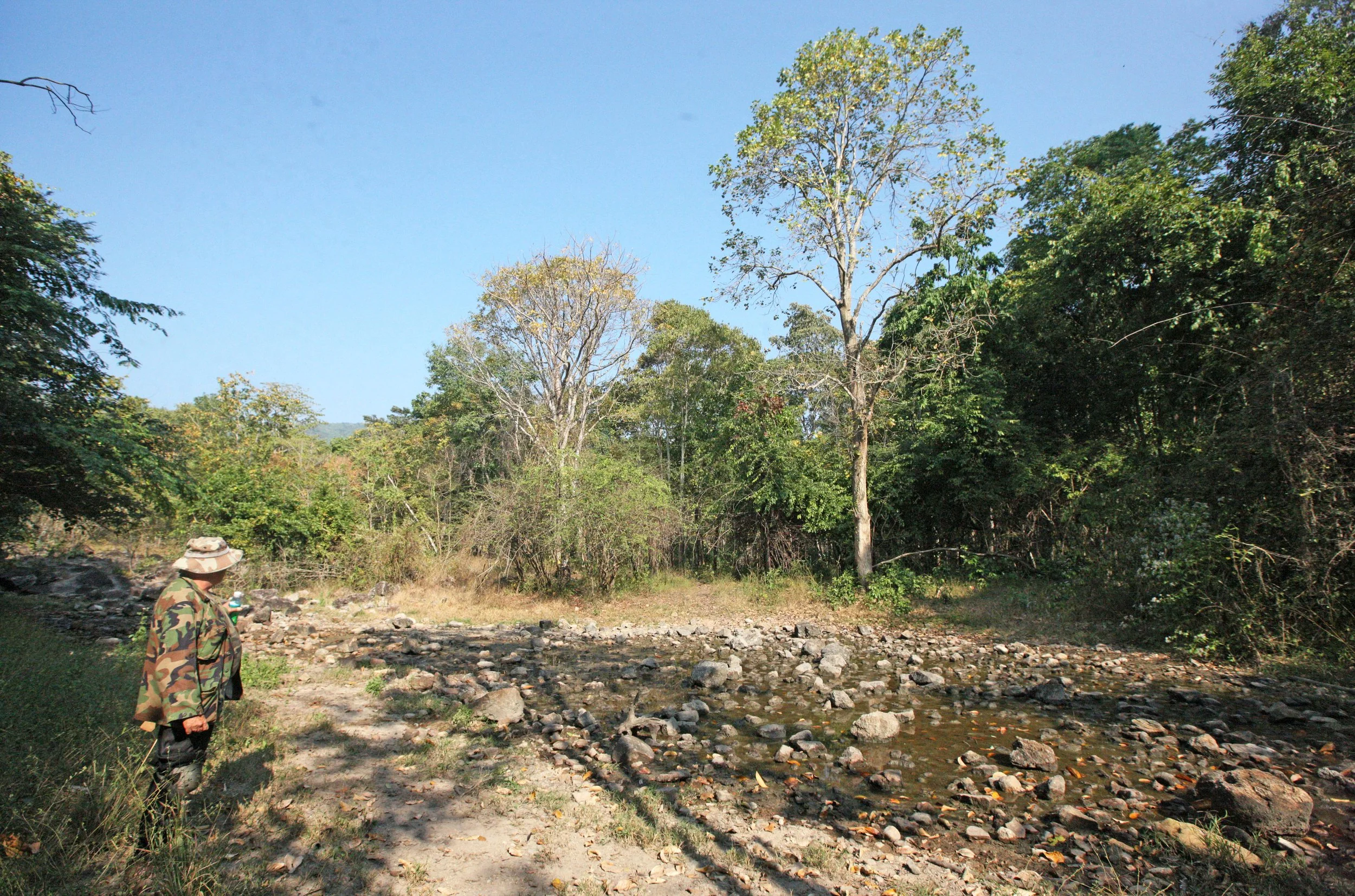
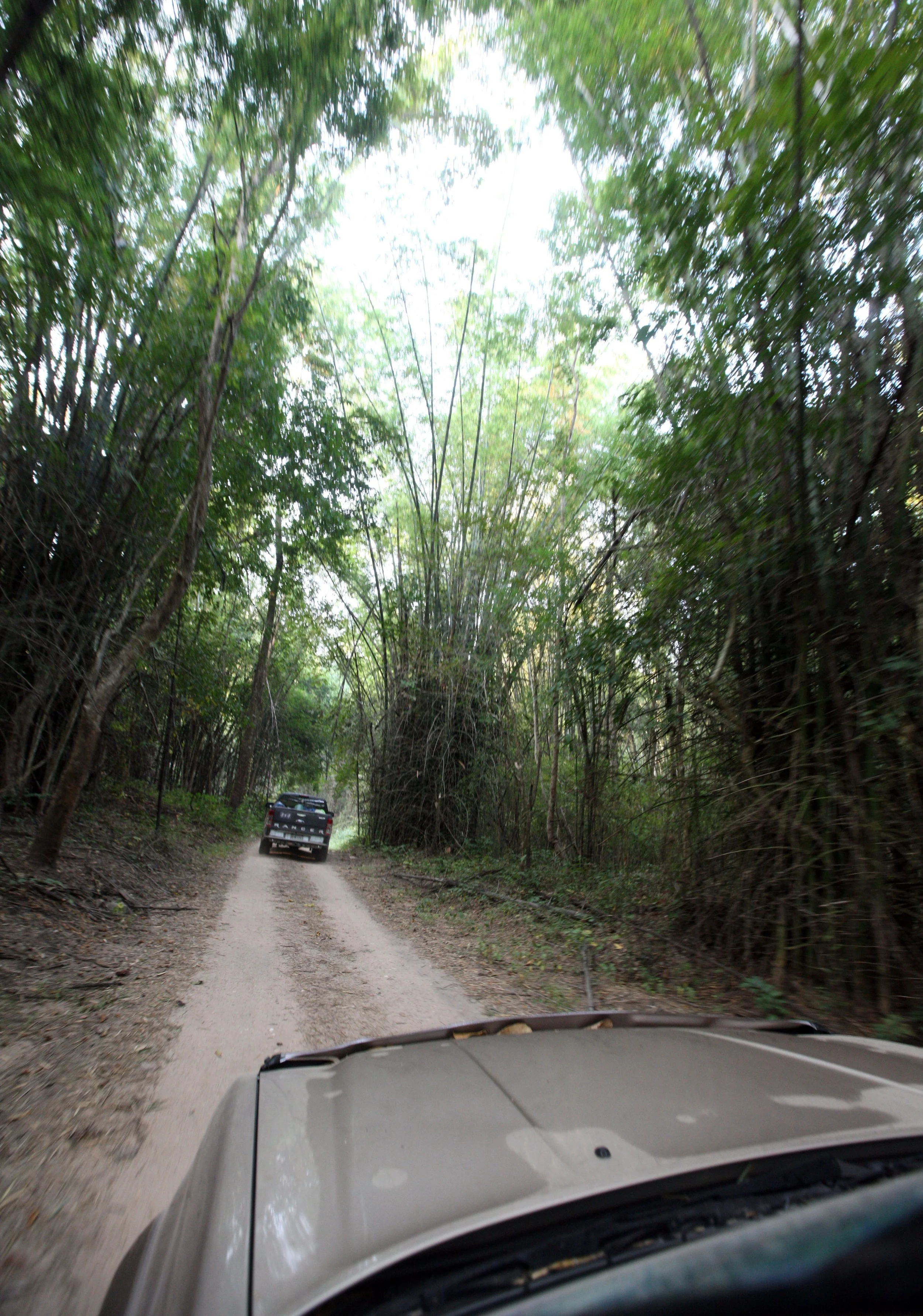
Traveling deeper and deeper in to the core area of HKK.
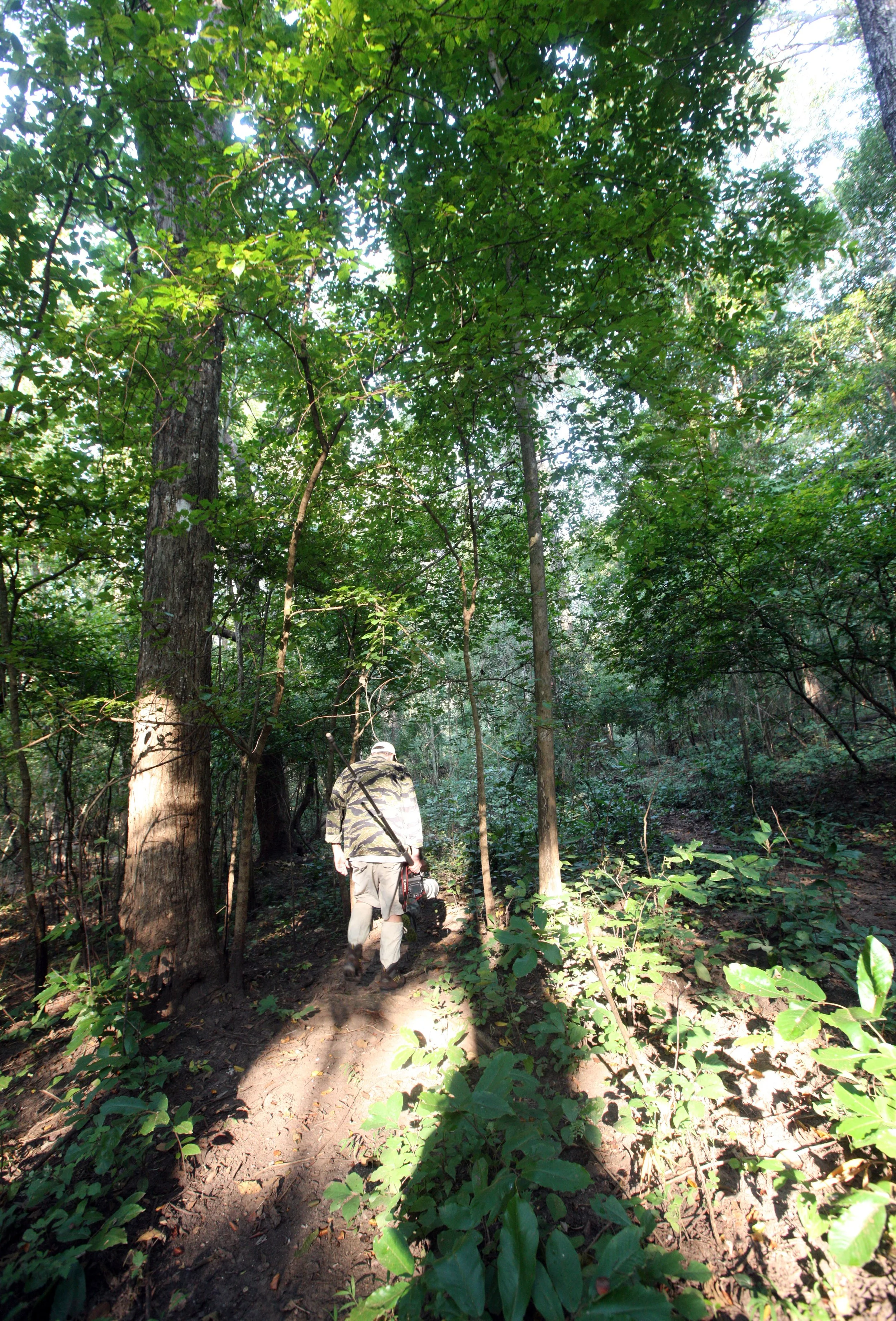
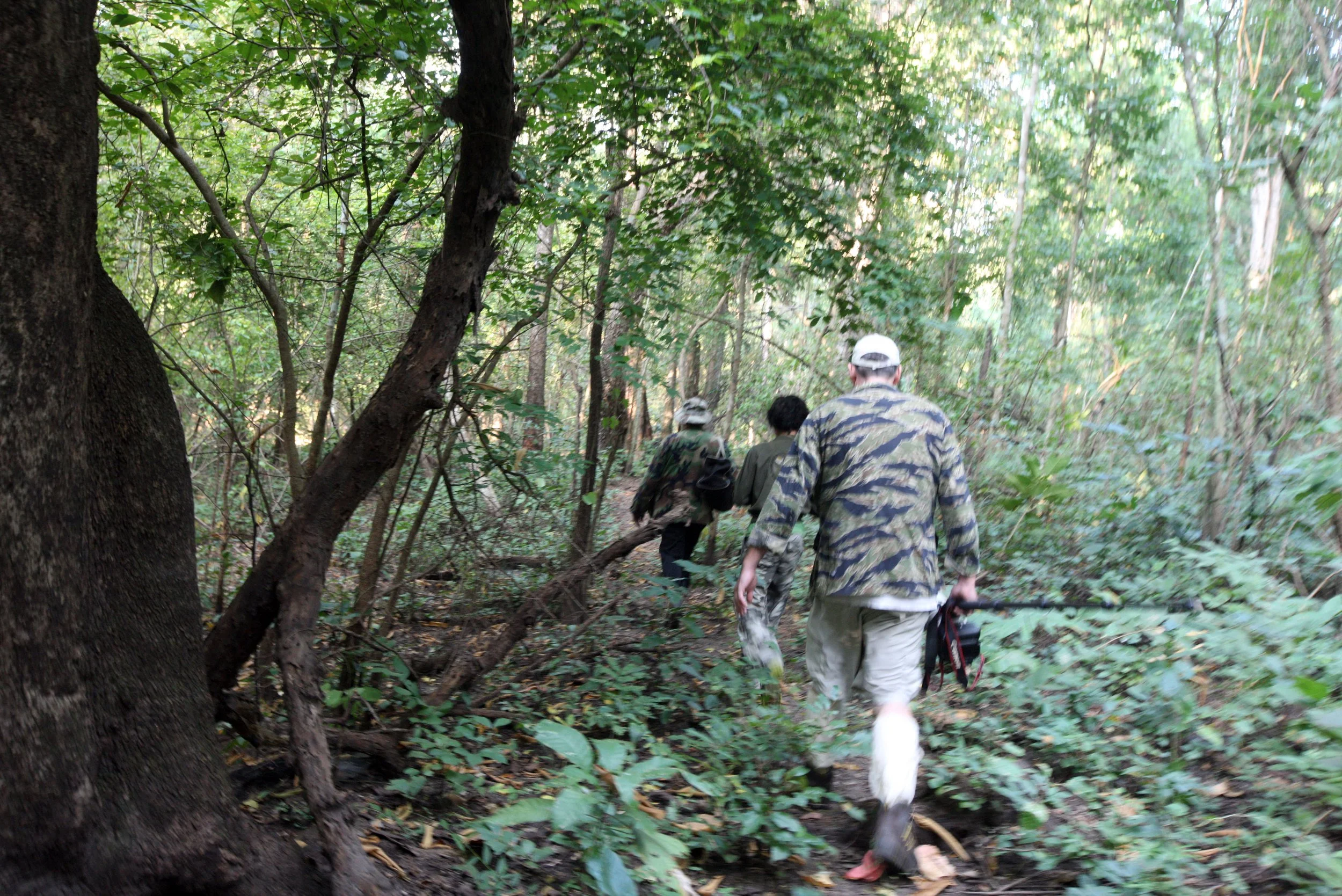
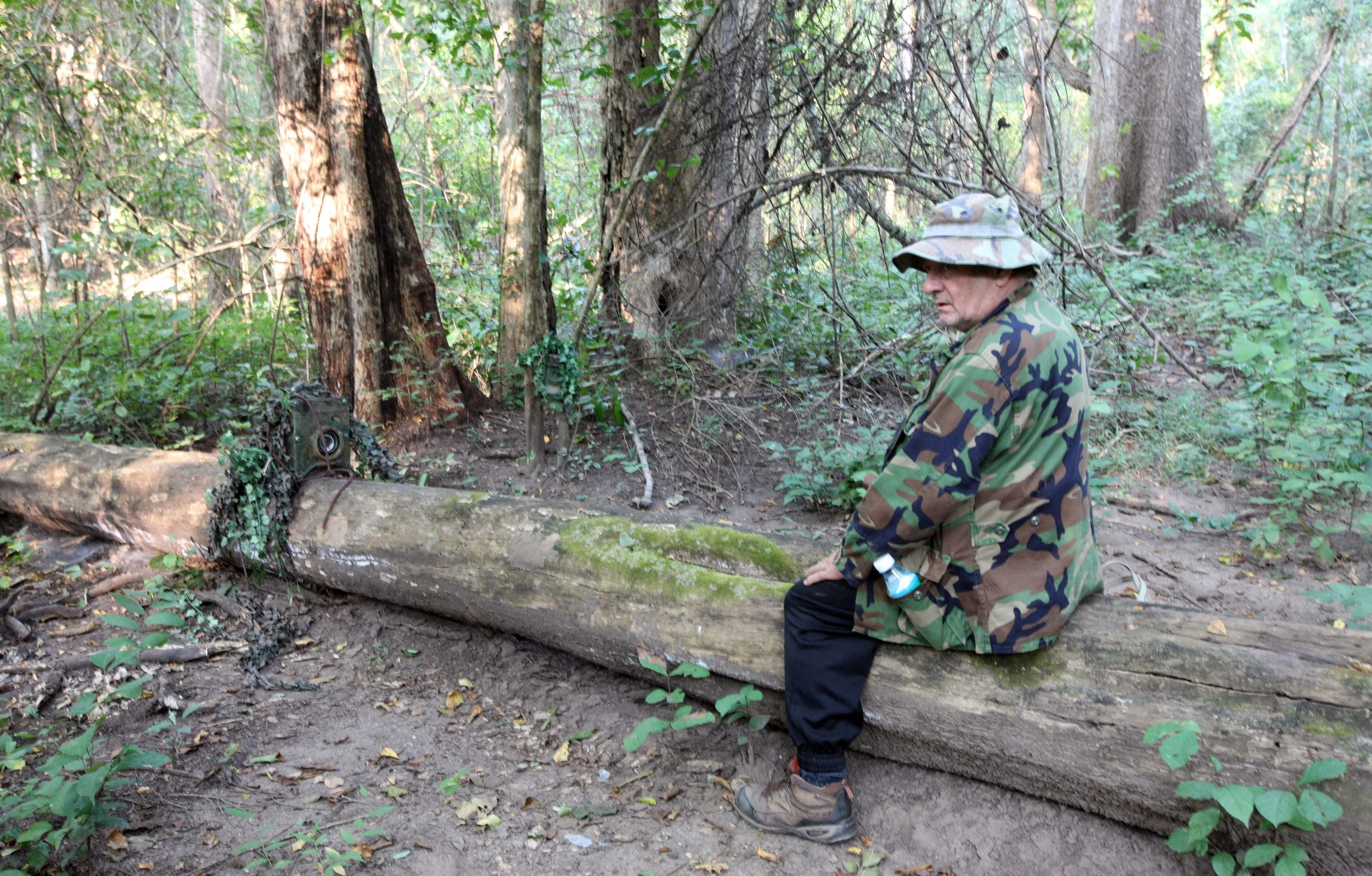
Bruce analysing the best way to orient a camera trap along perhaps the most famous log in Huai Kha Khaeng.
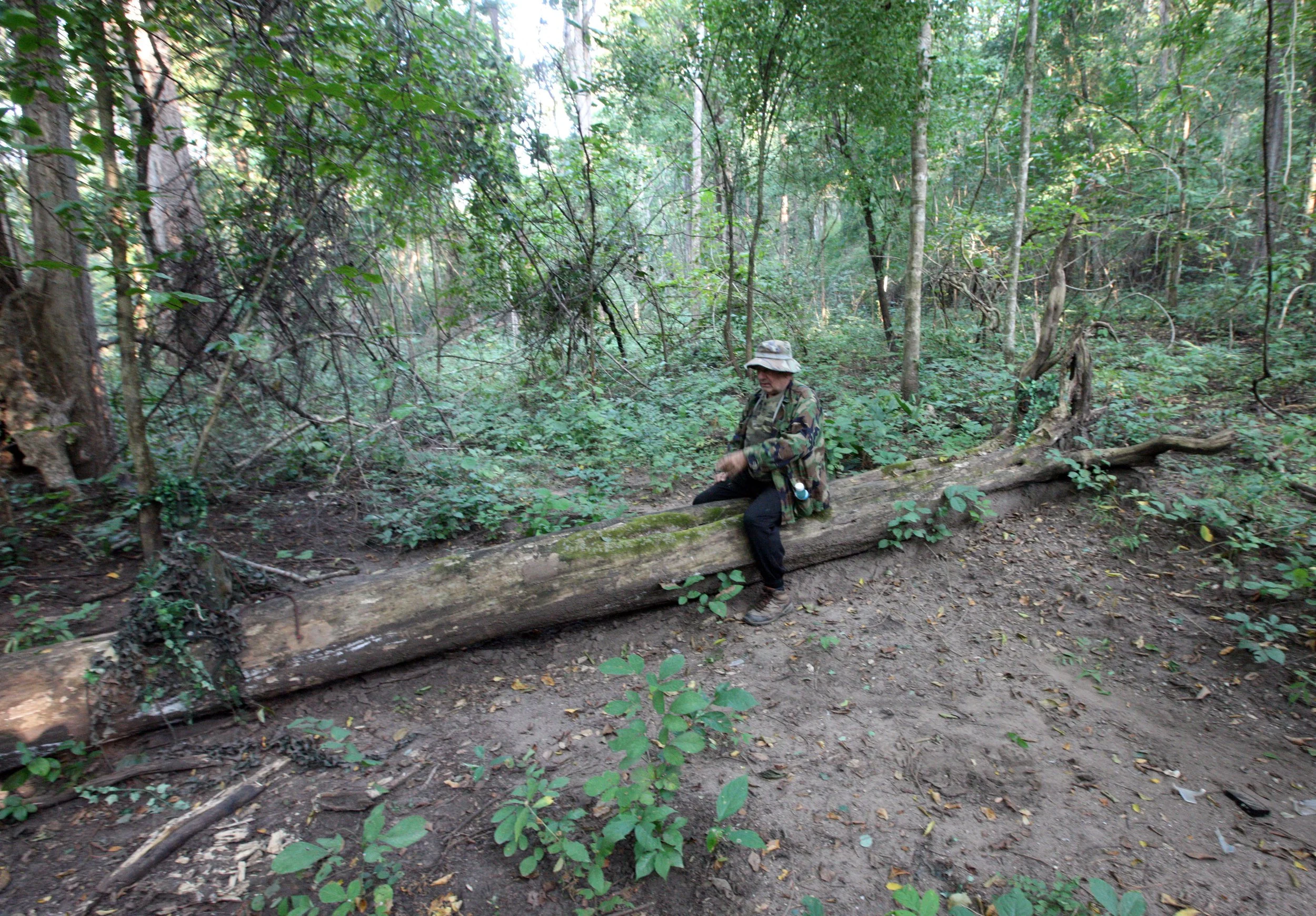
This clearing is deceptive. It is actually part of a heavily used highway in the heart of Huai Kha Khaeng where Bruce routinely photographed so many animals over the years ranging from elephants to tigers to leopards to gaur and so much more.
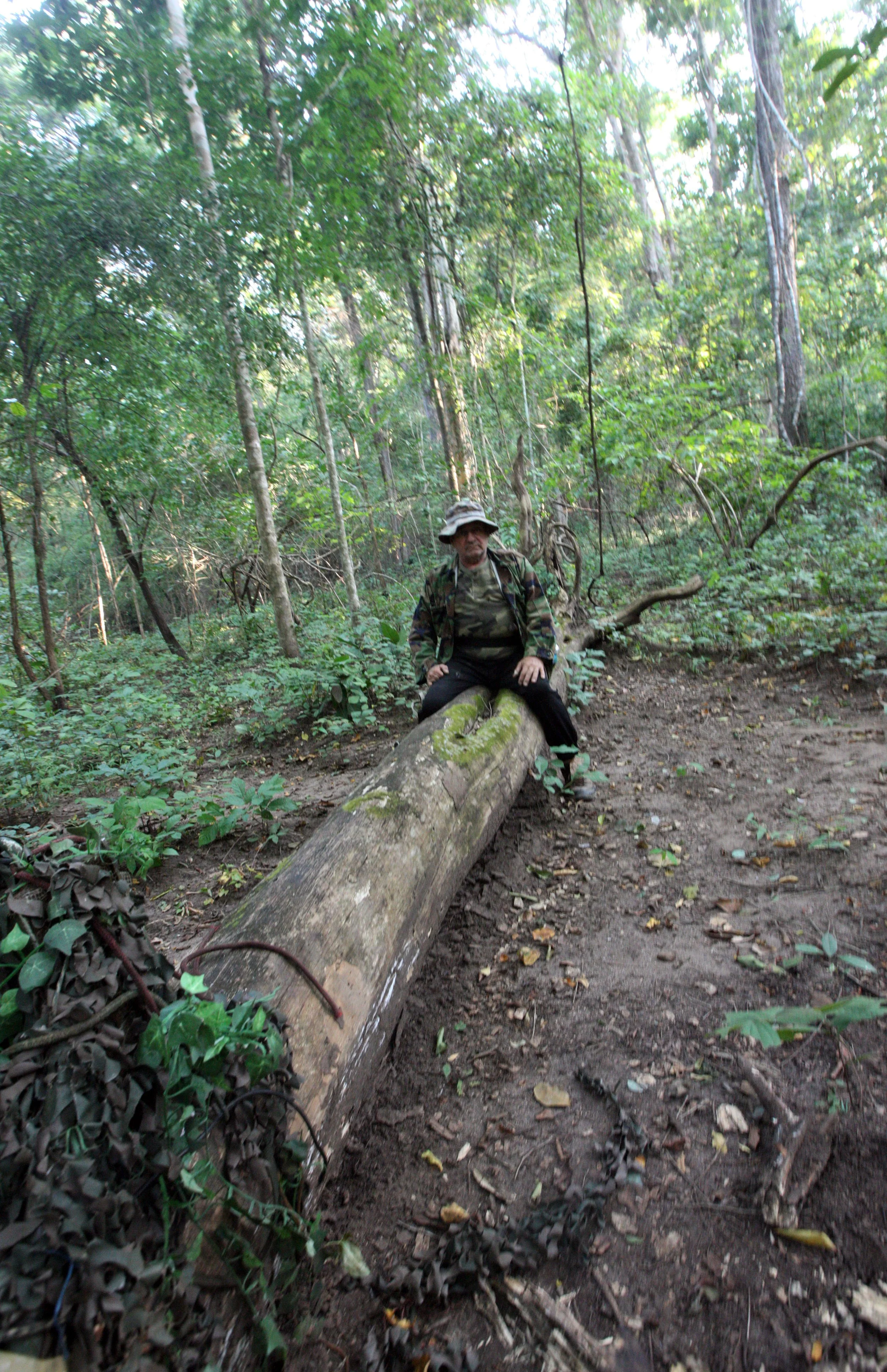
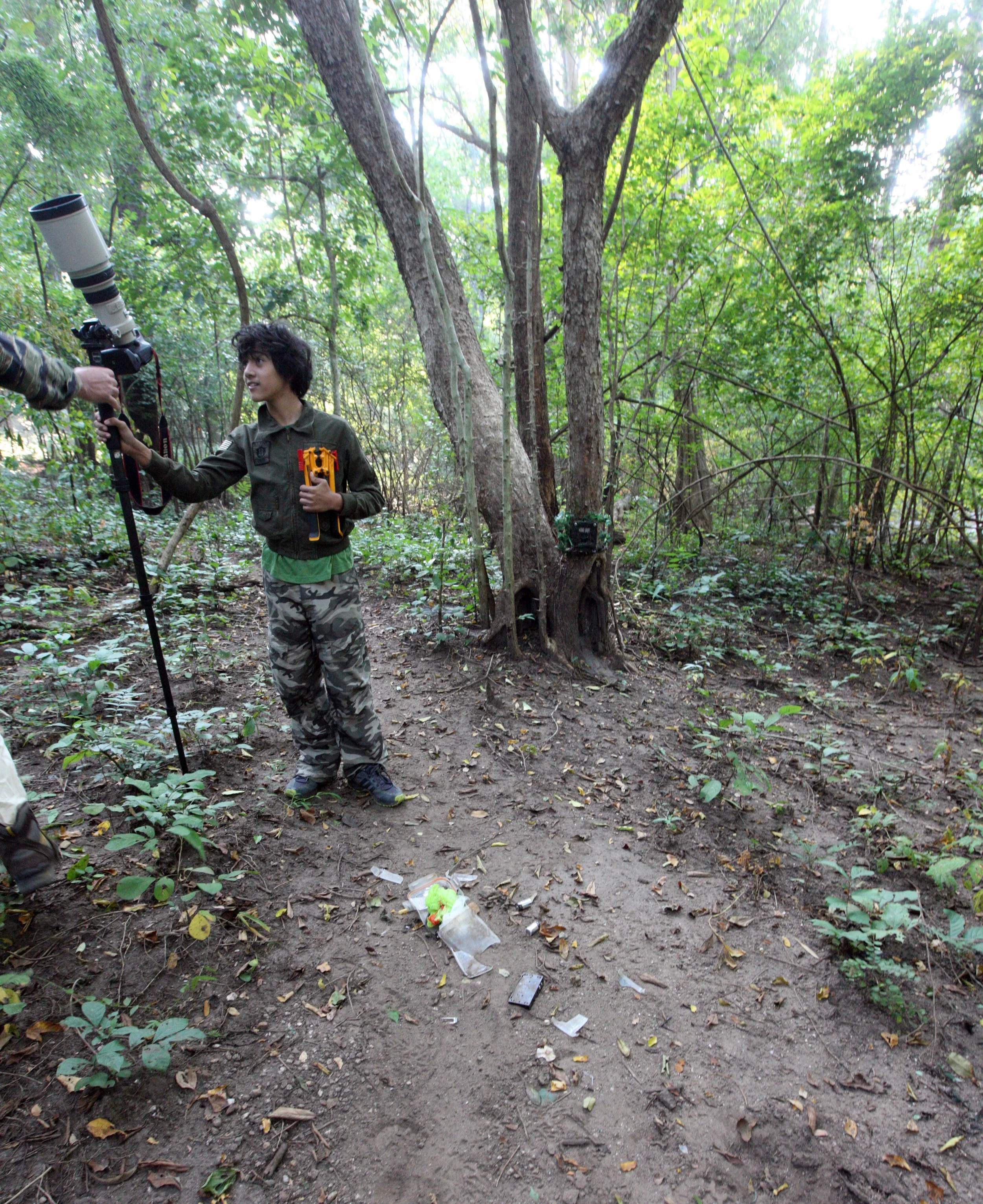
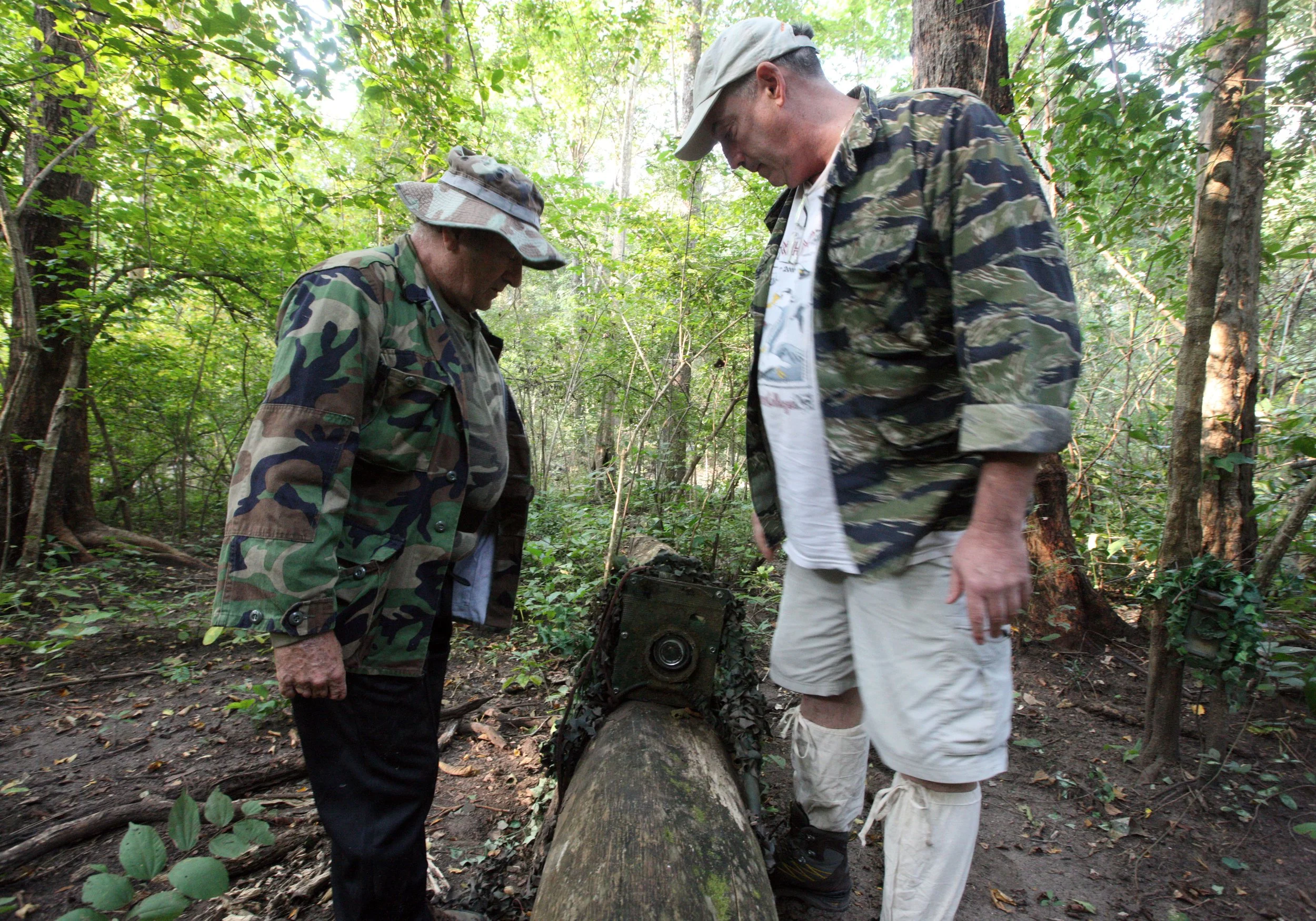
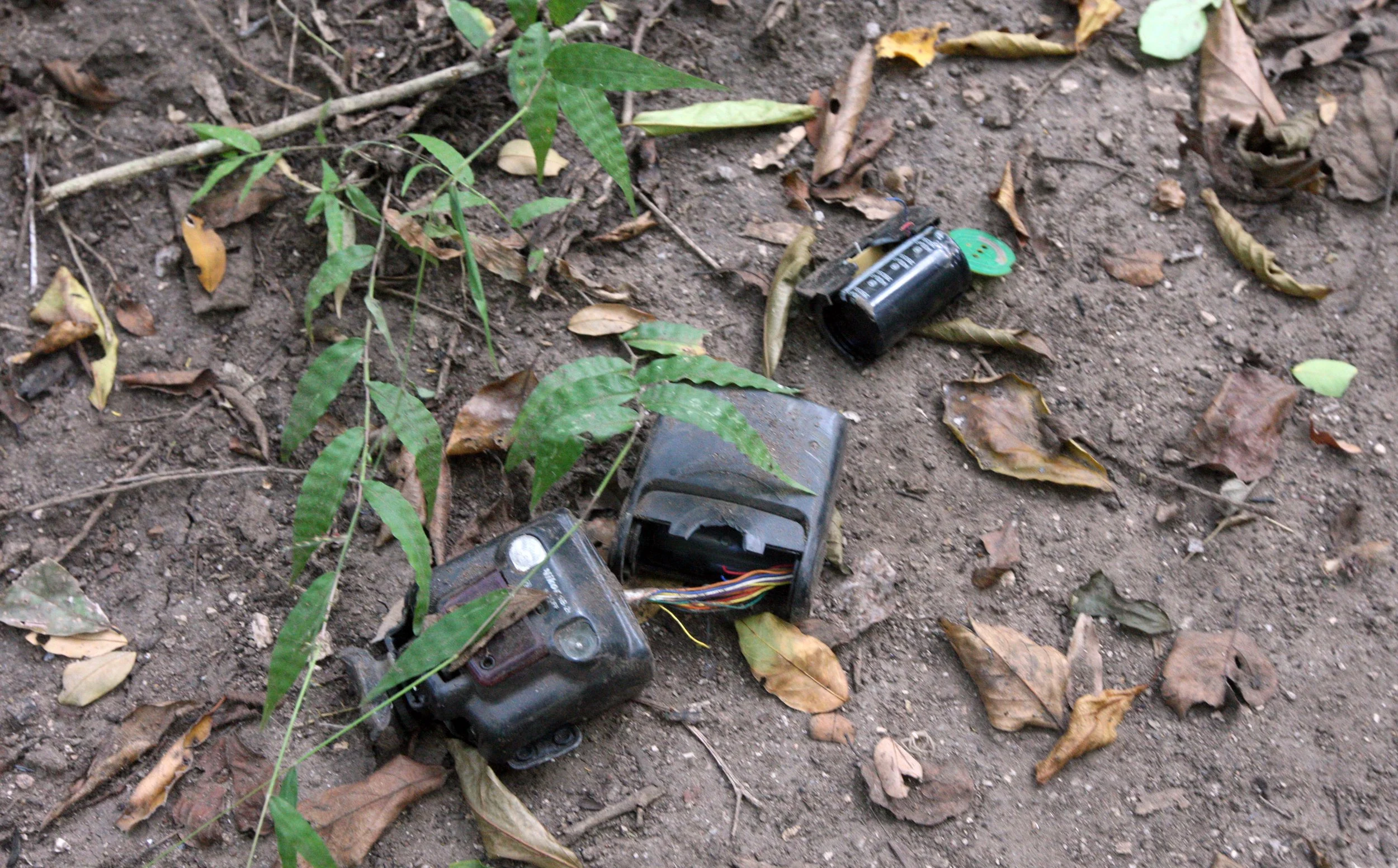
Elephant damage to a camera trap.
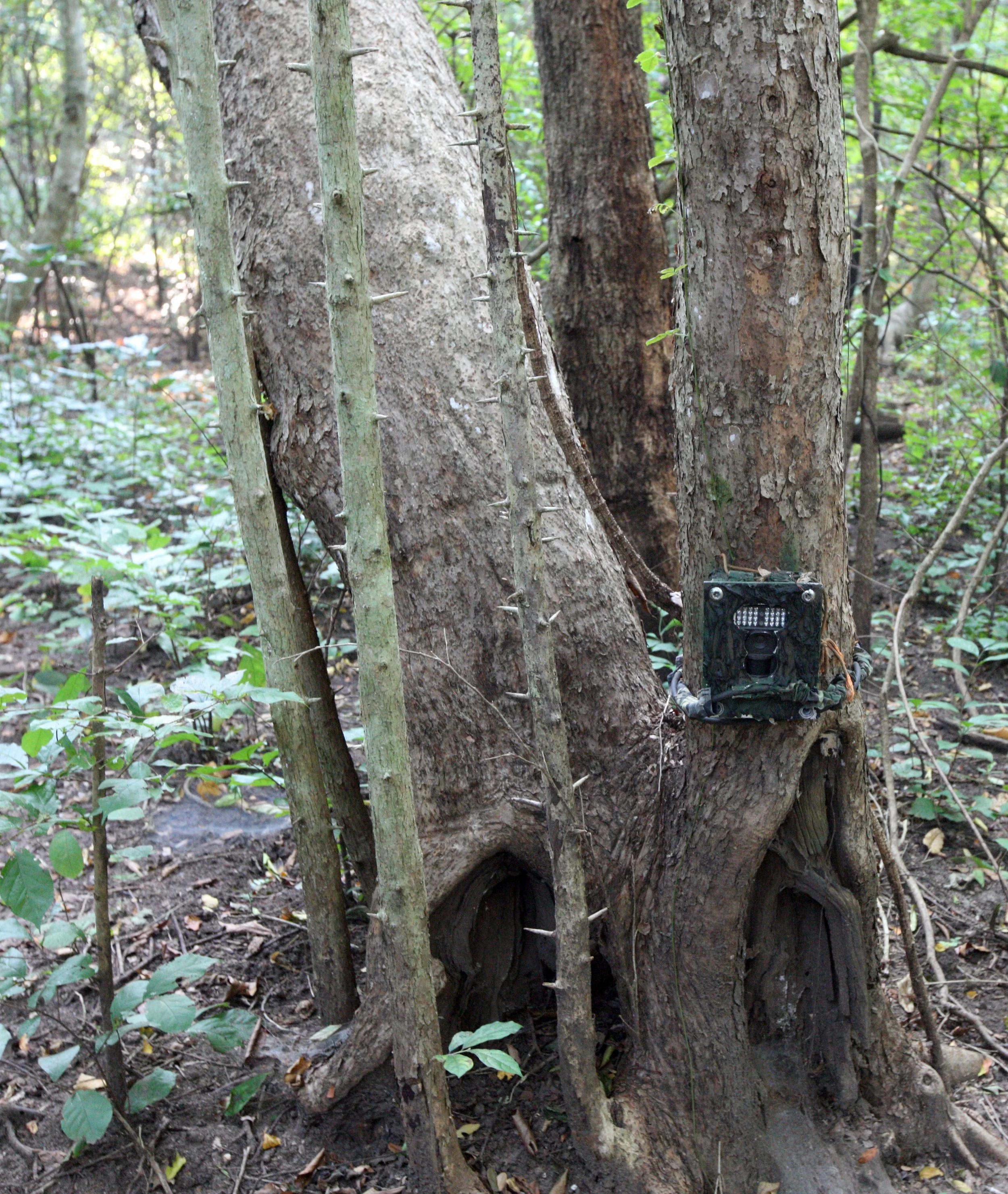
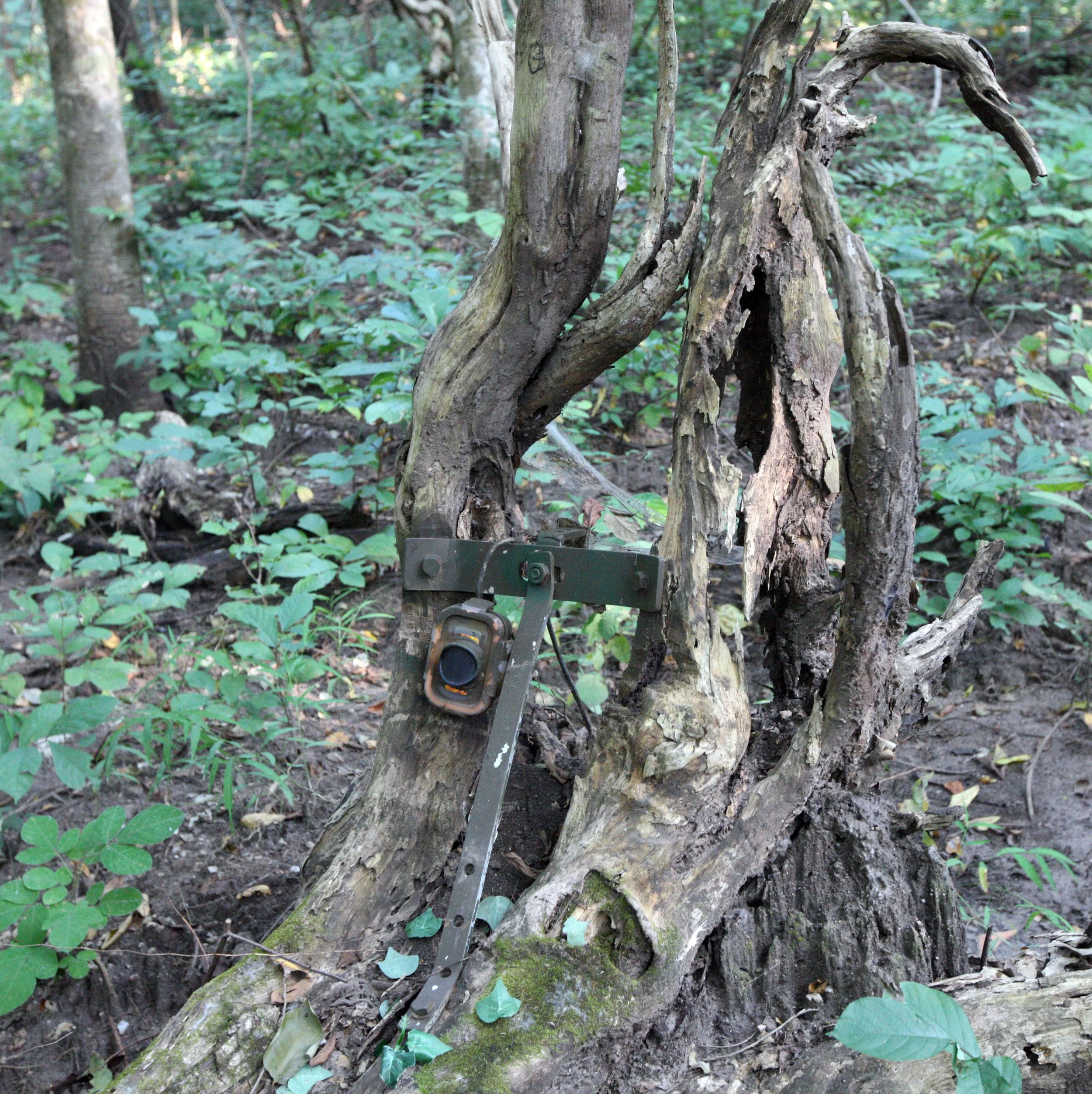
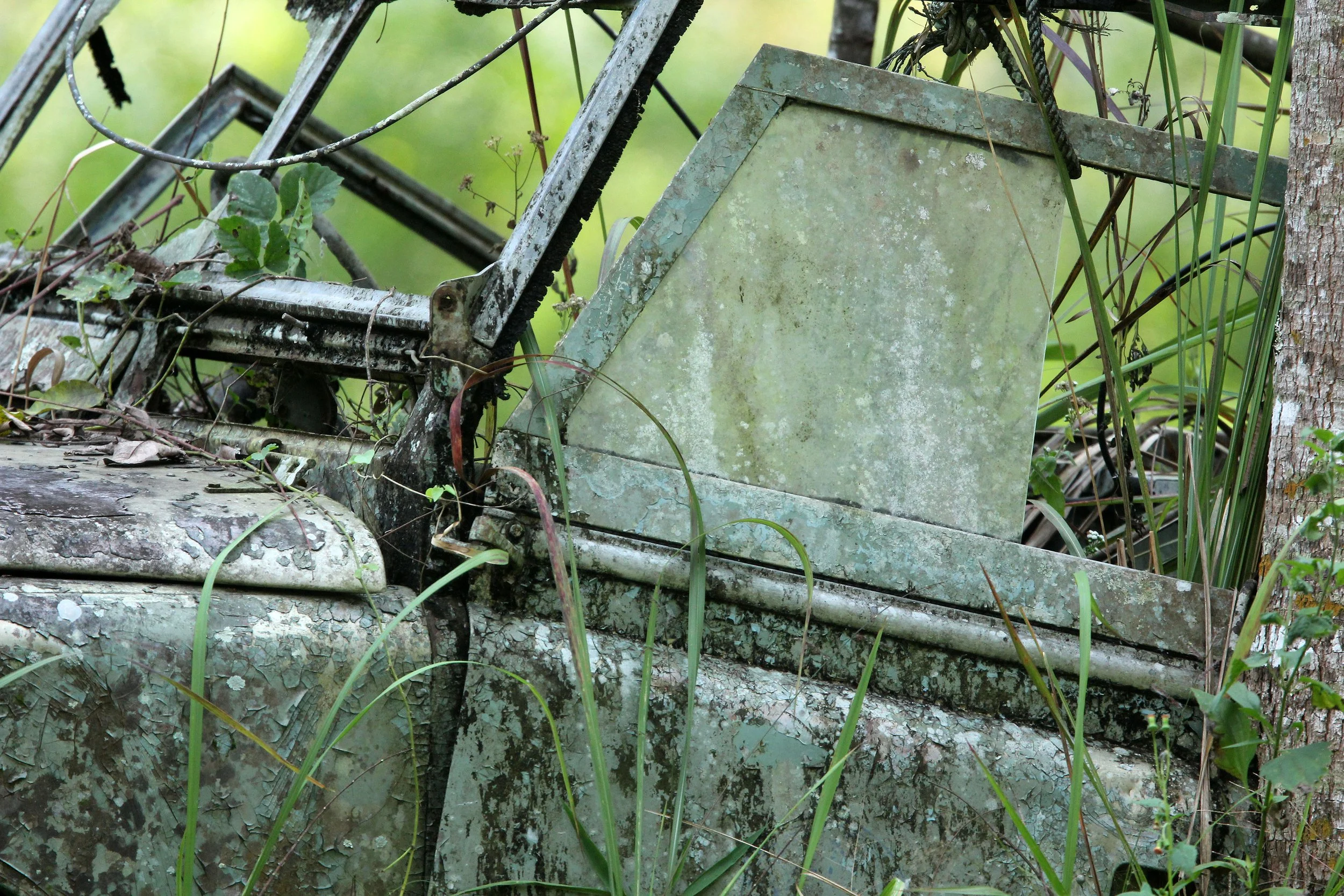
This old jeep is abandoned in Kapook Kapien and is told to be one of Seub's vehicles.


Patiently waiting at a mineral lick at Kapook Kapien. What a day this was! Hours of waiting gave us glimpses of many birds, sambar, barking deer and eventually a female melanistic indochinese leopard!


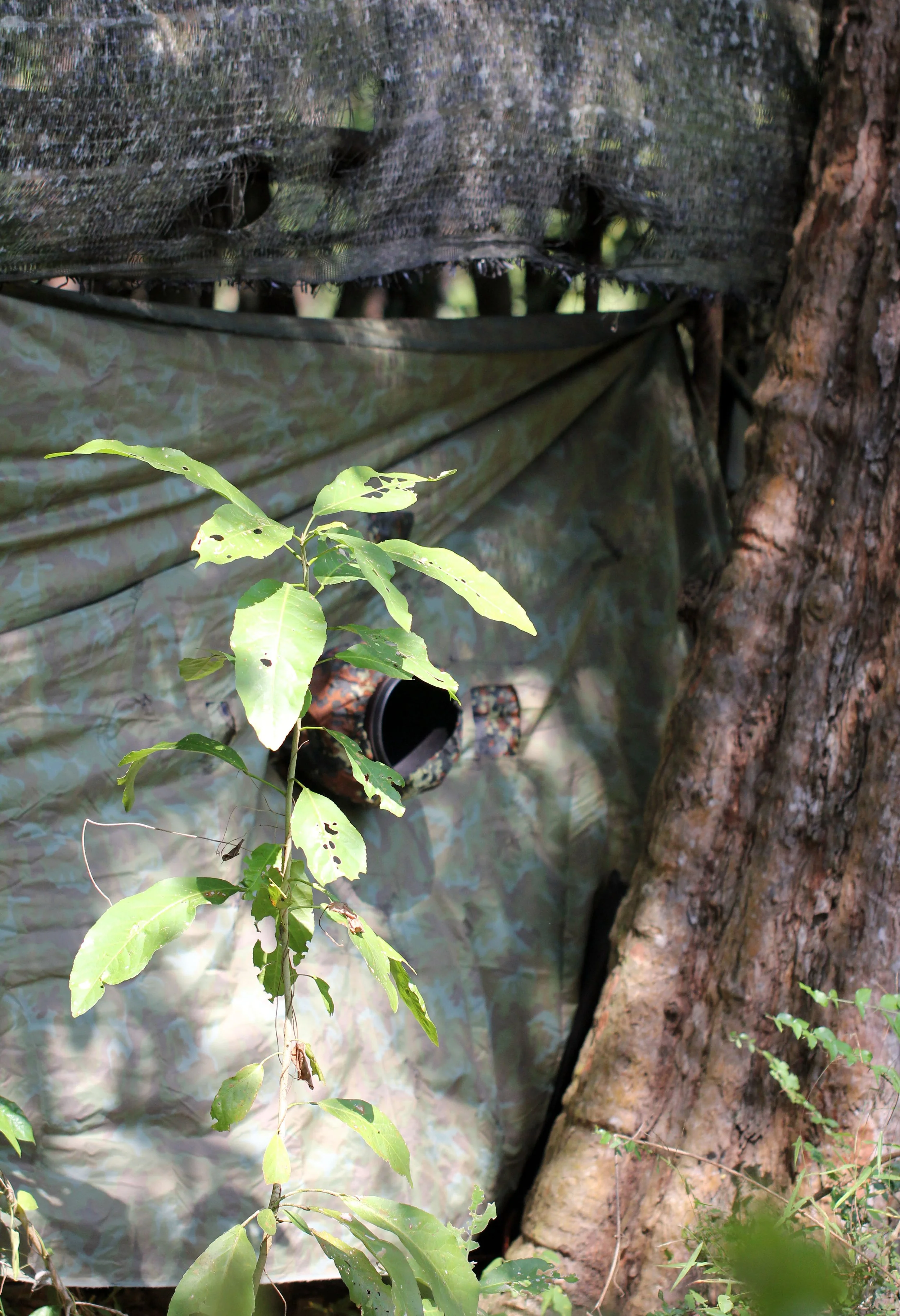
I didn't stay this clean for long




Life at Kapook Kapien

Bruce does not seem too happy with my eggs!

Bruce showing off one of his many books on the natural history of Thailand.



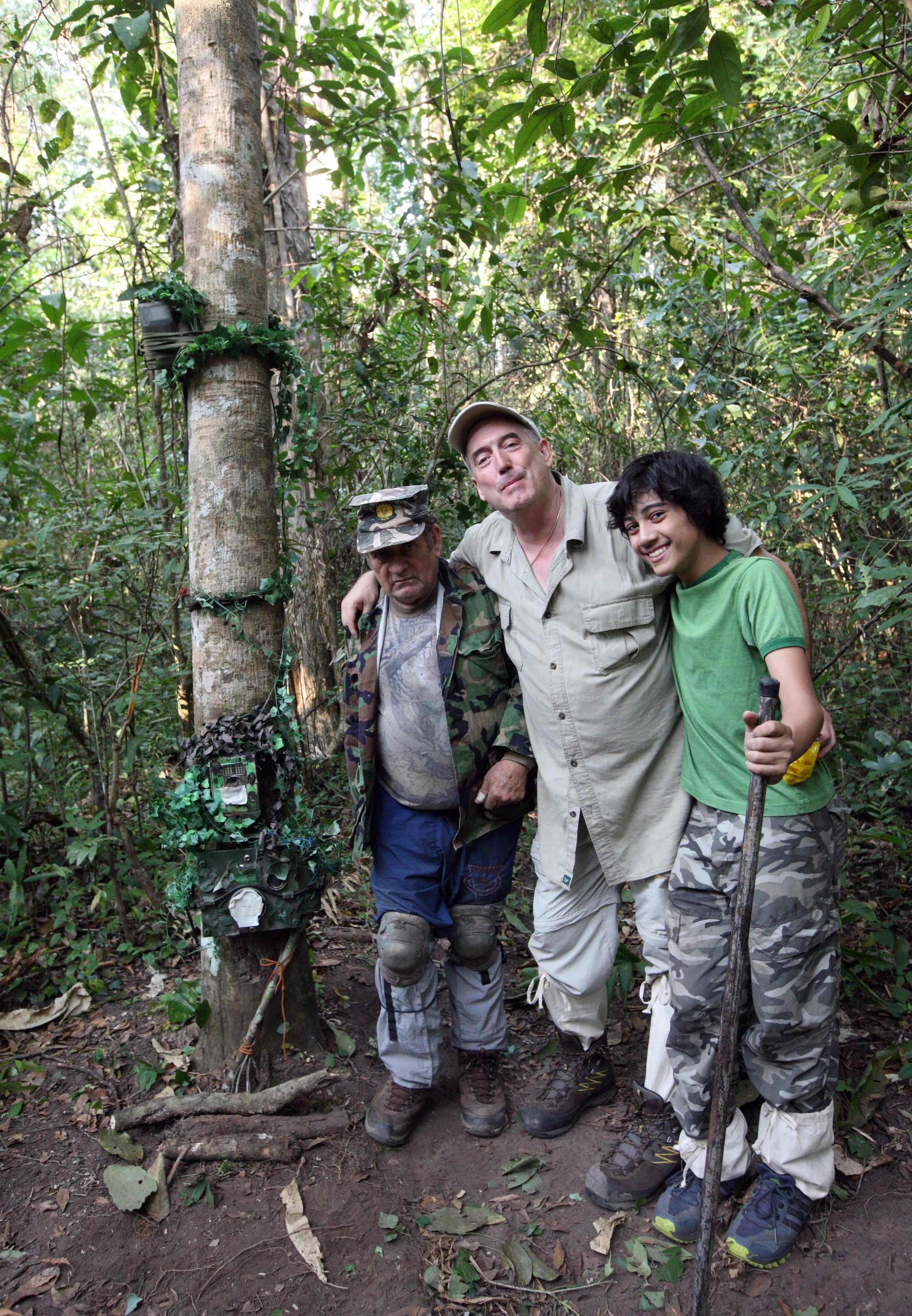
Celebration after setting our last camera trap.
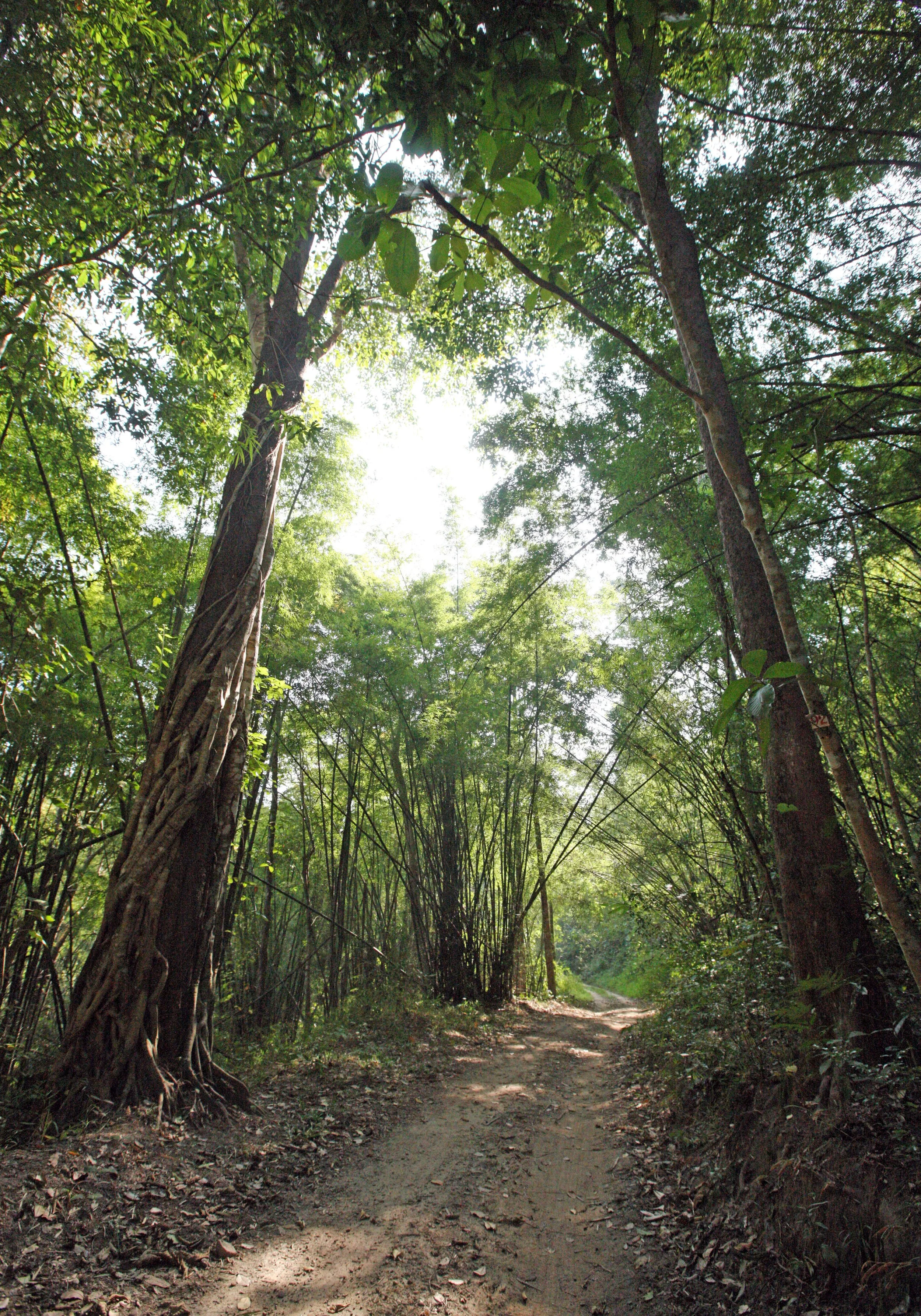
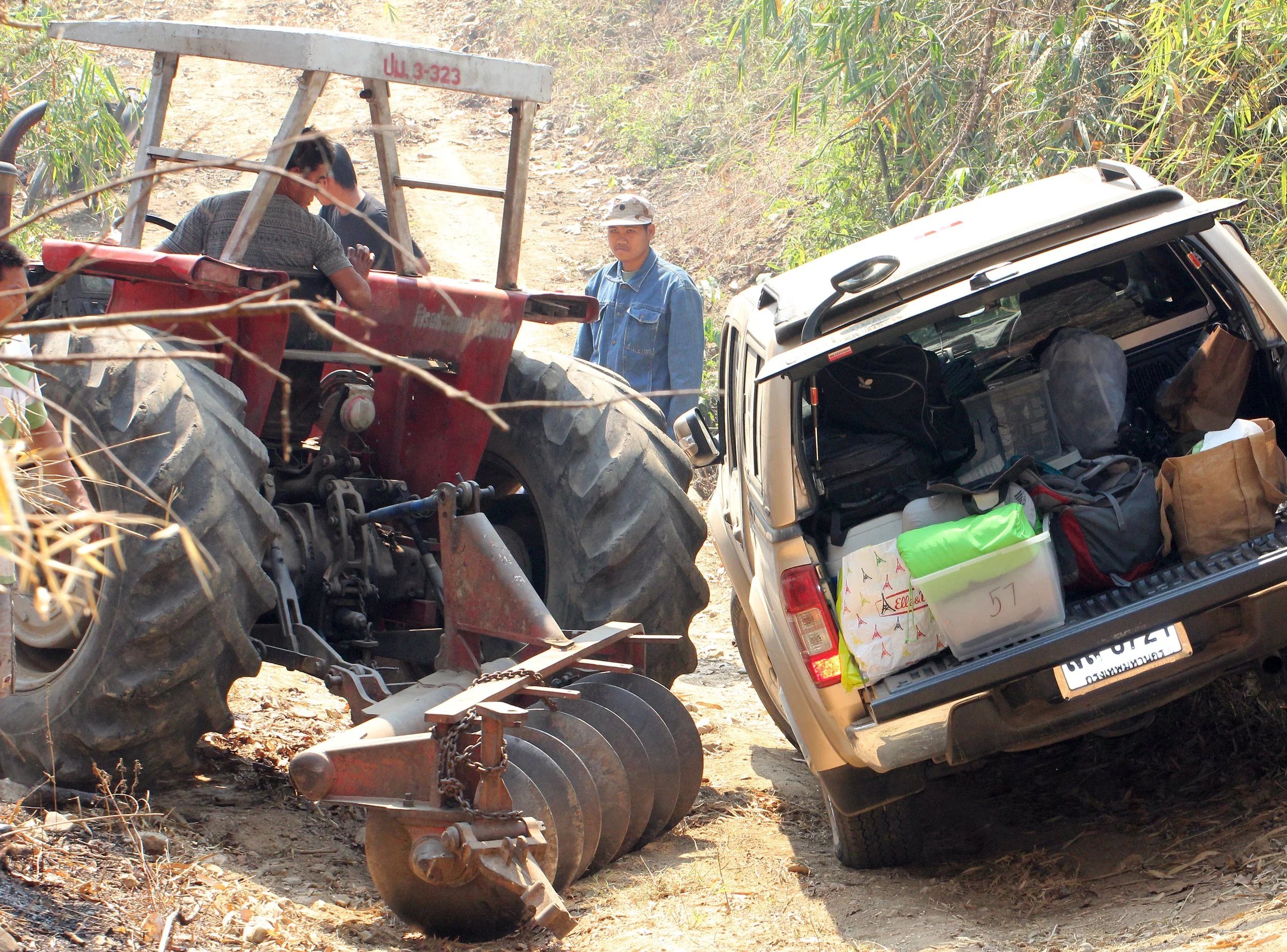
The roads of HKK are always a challenge
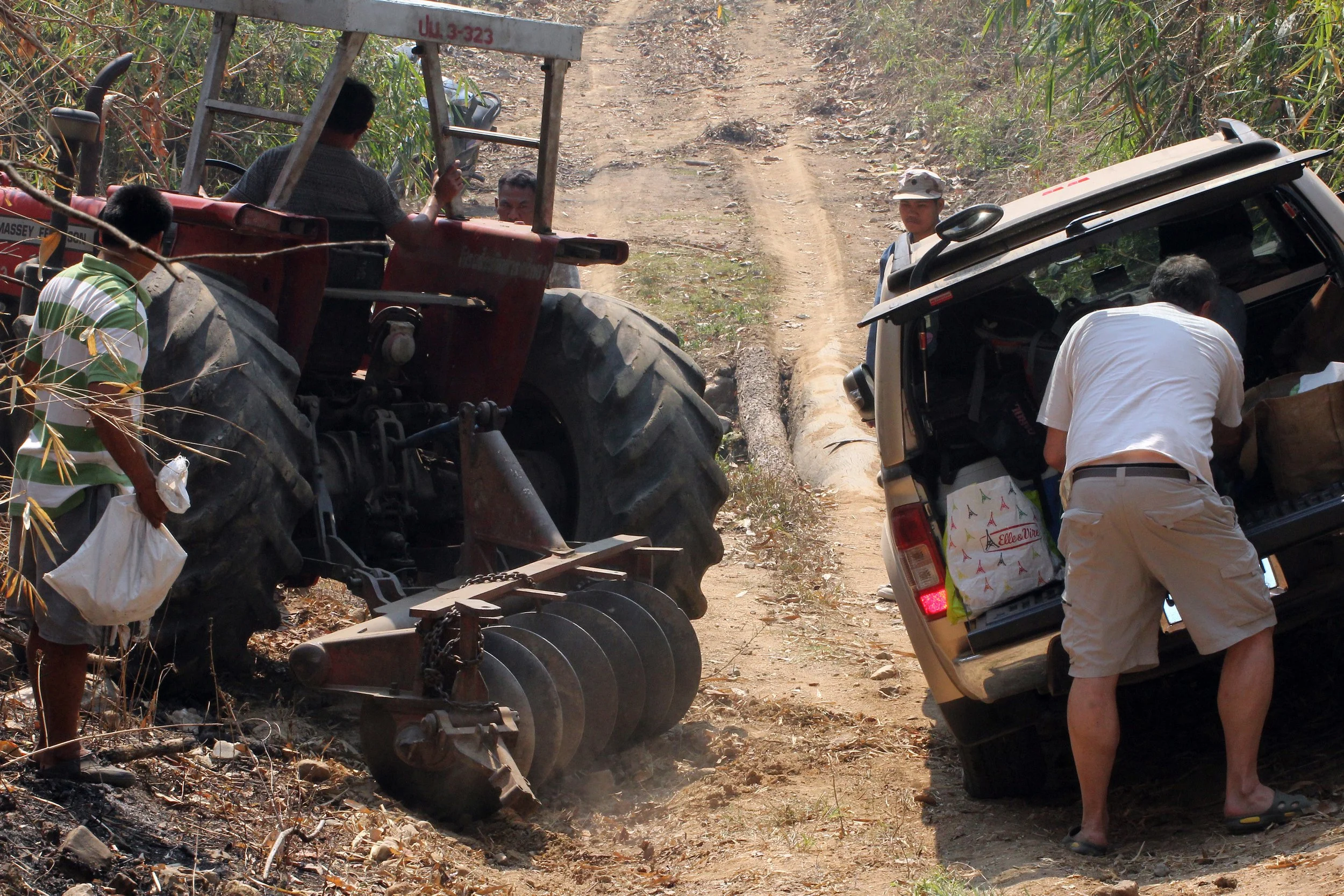
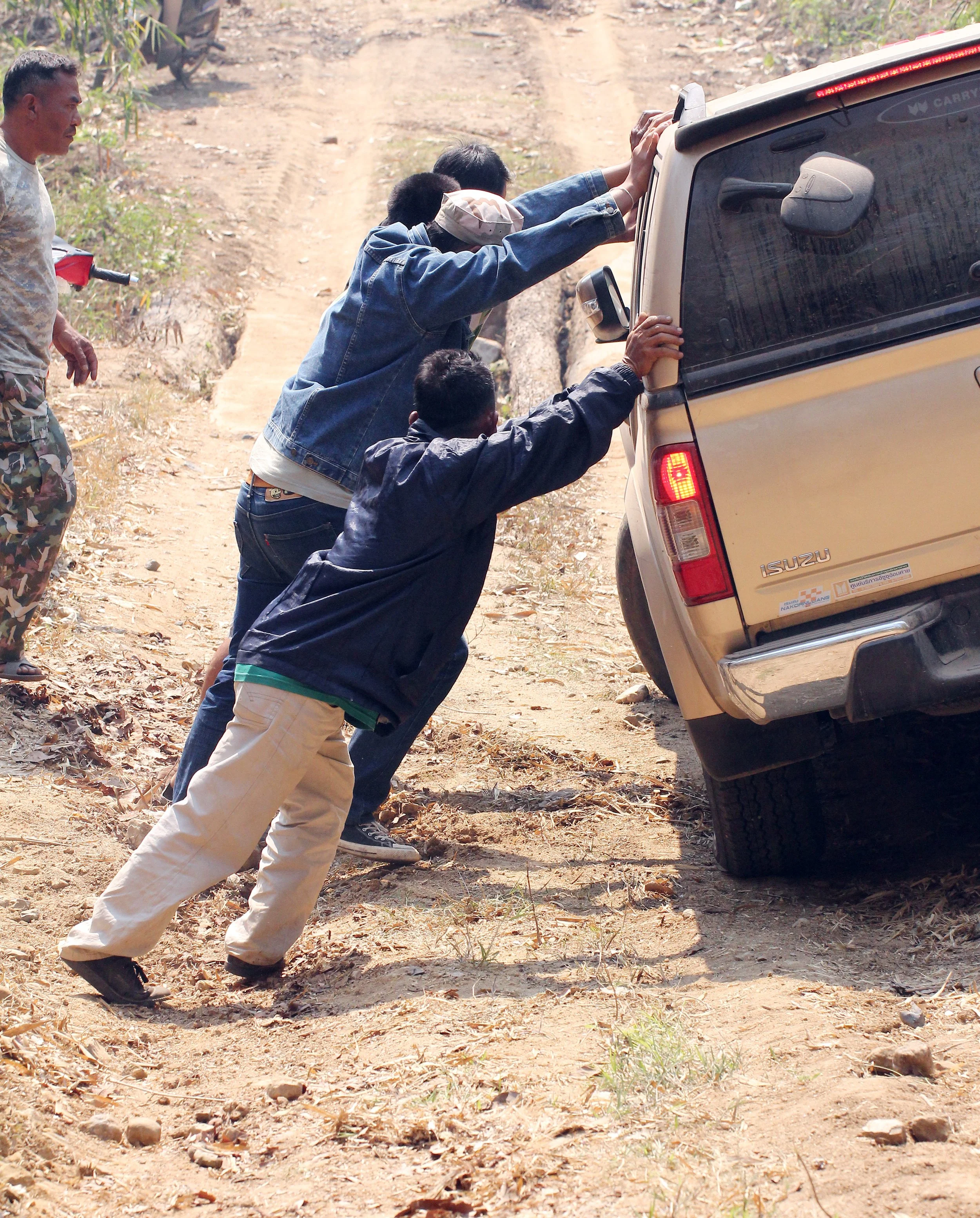
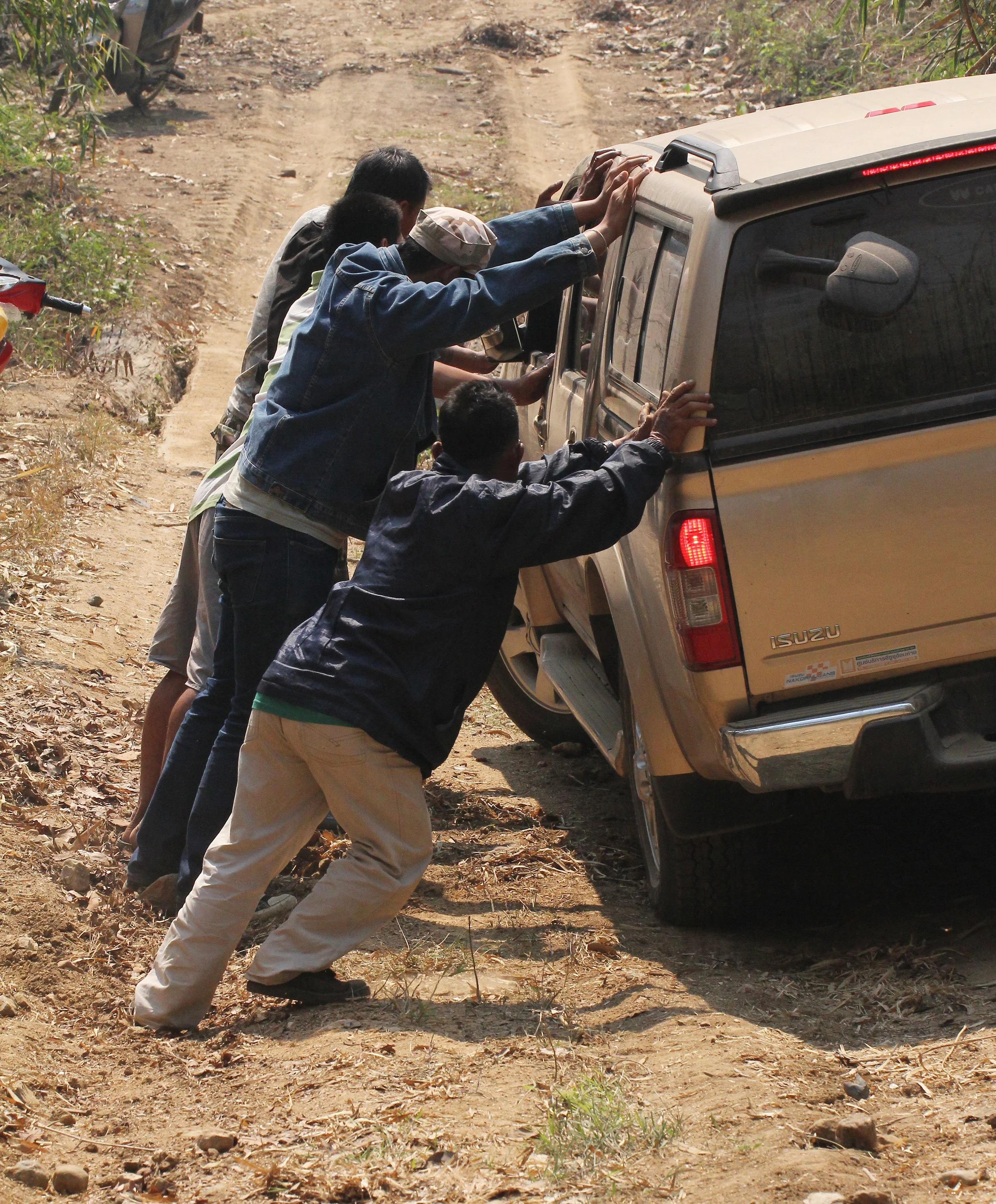
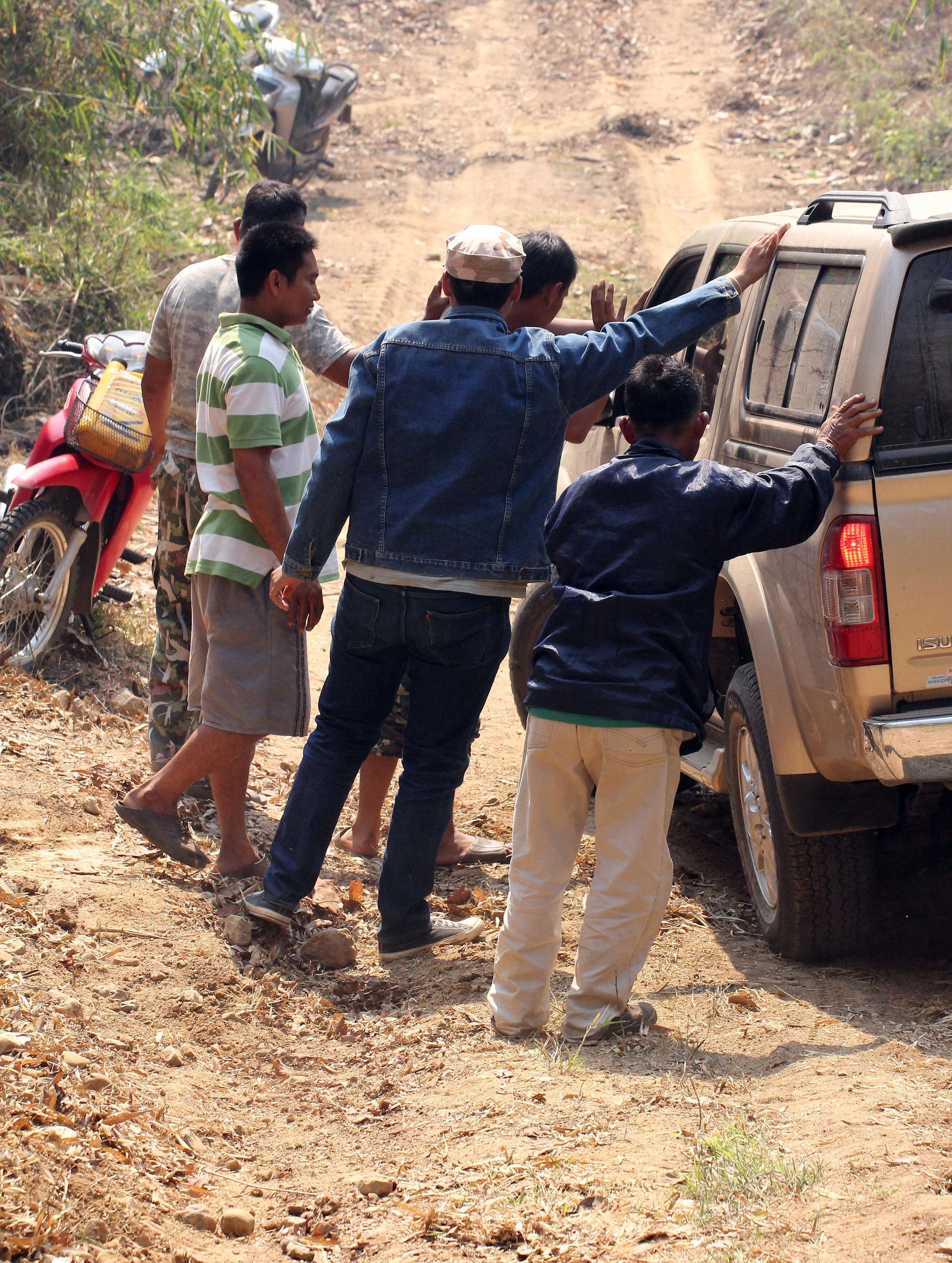

Waiting in Khao Bandai blind on a subsequent trip.


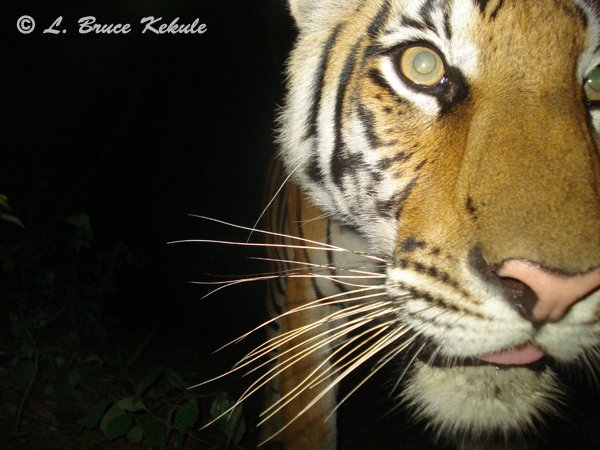
The fruit of our labor!
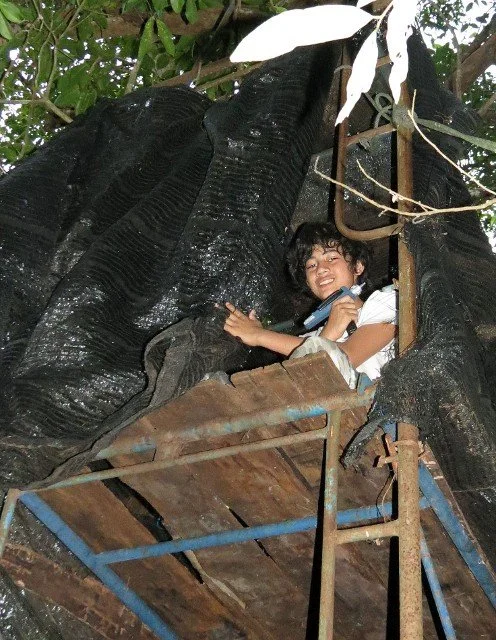
Cokie trying to convince me there is an actual leopard in the lick!
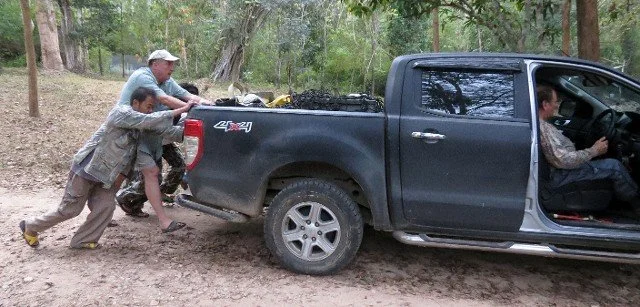
Bruce with a dead battery....
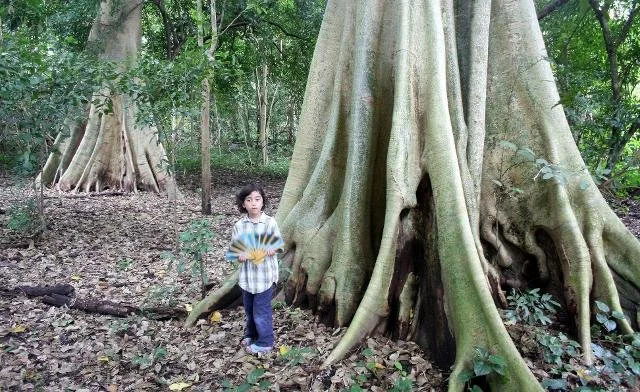
Cokie trekking amongst the rainforest giants
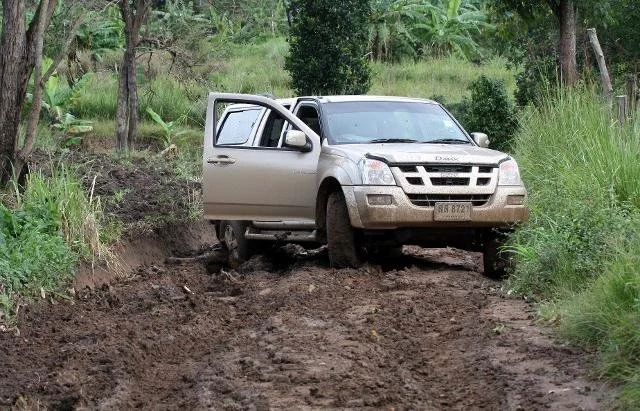
Wet tracks are death
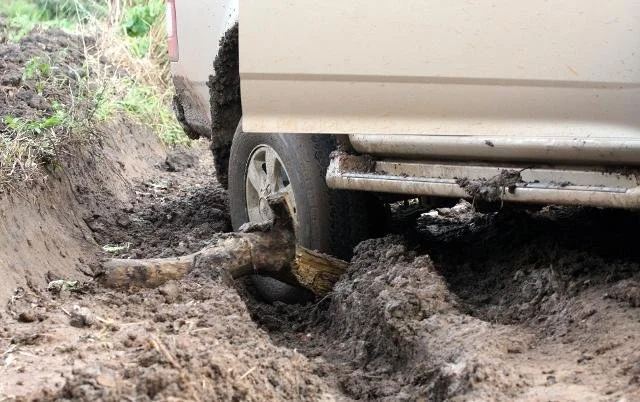
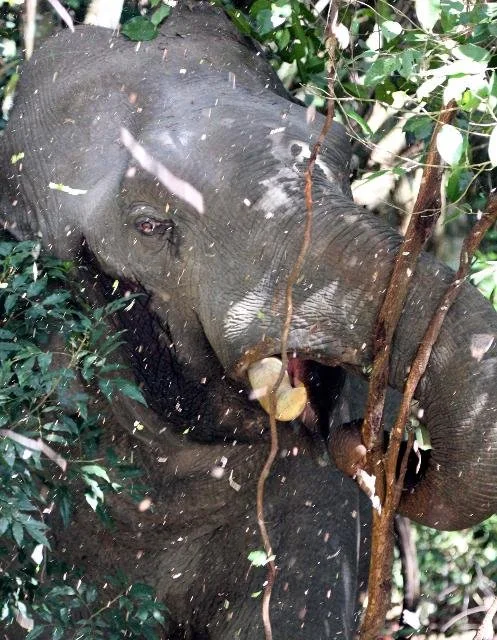
One of the closest calls I've had with an elephant. He came crashing out of the forest heading directly for me at very close quarters!
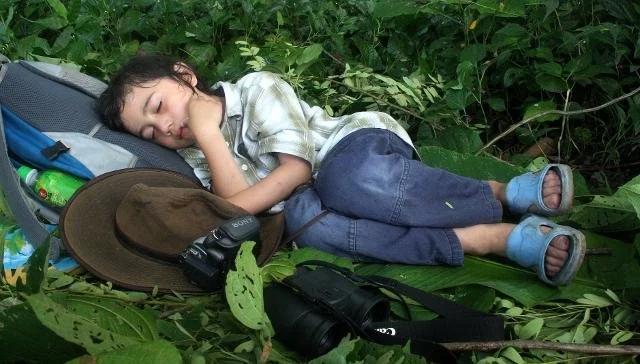
Cokie catching some zzz's in Huai Kha Khaeng

There is a lot about this man I am not addressing in this chapter. Those who know him know exactly what I am talking about. But respect given where respect is due.
Stone Age Culture and Brief History of the Western Forest Complex, Thailand
The Western Forest Complex (WFC) of Thailand, extending across Kanchanaburi, Tak, and Uthai Thani provinces along the Myanmar border, represents one of mainland Southeast Asia’s most important landscapes for understanding deep human history. Covering approximately 18,000 square kilometres, the region is defined by rugged mountain ranges of the Tenasserim Hills, limestone karst systems, river valleys, and dense tropical forests. These environmental conditions have shaped human activity for hundreds of thousands of years, making the WFC both a refuge and a corridor for prehistoric populations moving through mainland Southeast Asia.
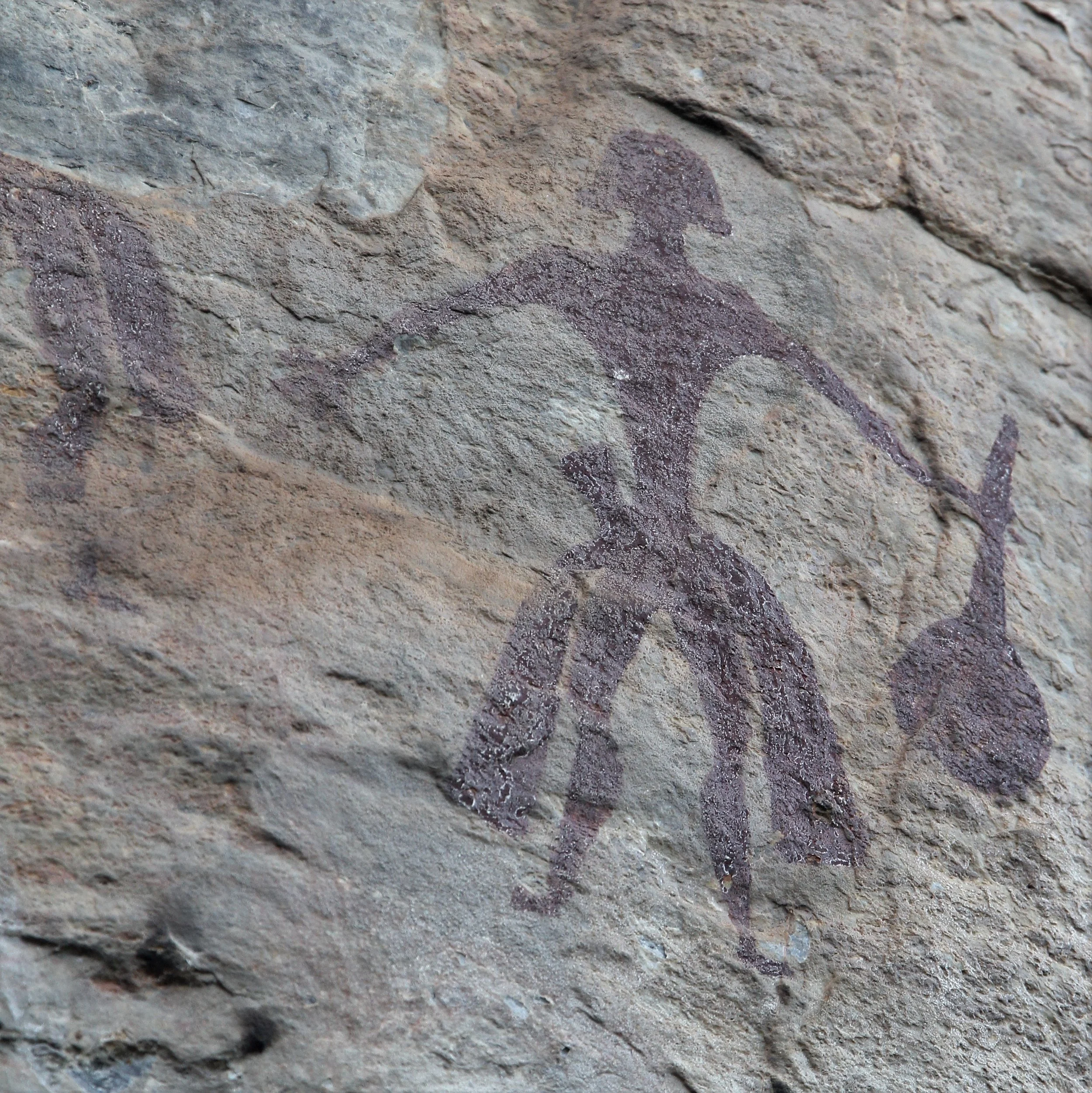
3000 year old rock art near Sri Nakharin Damn in Kanchanaburi, Tam Pha Daeng.
Archaeological evidence indicates that the western region of Thailand was occupied by early hominins as early as one million years ago, during the Lower Palaeolithic period. Simple stone tools such as choppers, flakes, and cores have been found across western and central Thailand, including Kanchanaburi Province. These artefacts are typically associated with Homo erectus and represent some of the earliest evidence of human presence in the region. Early populations were highly mobile hunter-gatherers who clustered around water sources and exploited caves and rock shelters for protection.
From approximately 45,000 years ago, the region became home to anatomically modern humans who developed a distinctive technological and cultural tradition known as the Hoabinhian. This Stone Age cultural system dominated much of mainland Southeast Asia, particularly forested and karst environments such as those found in and around the Western Forest Complex. Hoabinhian toolkits are characterised by unifacially flaked pebble tools—often referred to as sumatraliths—as well as heavy choppers and scrapers. While these tools may appear simple compared to later lithic traditions elsewhere in the world, they were highly effective for processing forest resources, particularly when used in combination with organic tools made from bamboo and wood.
Caves and rock shelters played a crucial role in Hoabinhian lifeways. Although some of the most extensively studied sites—such as Spirit Cave and Tham Lod—are located slightly north of the WFC, they represent the same ecological adaptation as populations living in western Thailand. Evidence from these sites shows long-term, repeated occupation rather than brief seasonal use. Importantly, Hoabinhian groups demonstrated remarkable continuity, maintaining hunter-gatherer lifeways through periods of climatic change at the end of the last Ice Age and well into the Holocene, even as early agriculture emerged elsewhere in Southeast Asia.
The subsistence strategies of Stone Age communities in the Western Forest Complex were well suited to tropical forest environments. These groups exploited a wide range of food sources including wild tubers, yams, nuts, fruits, forest animals, fish, and shellfish. Scientific studies of human and animal remains suggest that these populations were highly flexible and opportunistic, adjusting their diets as environmental conditions changed. This challenges outdated archaeological models that portray agriculture as an inevitable or superior development and instead highlights the long-term sustainability of complex foraging societies.
A major archaeological landmark within the Western Forest Complex region is the Ban Kao site, located along the Khwae Noi River in Kanchanaburi Province. Dating primarily to the Neolithic period (roughly 2000–1300 BCE), Ban Kao provides evidence for a gradual transition from mobile foraging to more settled community life. Excavations revealed human burials, pottery, stone tools, and ornaments, indicating increasing social complexity and ritual behaviour. Importantly, the Ban Kao evidence suggests cultural continuity rather than abrupt population replacement, reinforcing the idea that Neolithic lifeways developed locally from earlier Stone Age traditions.
Forest Frontiers and Early Thai Cultural Landscapes
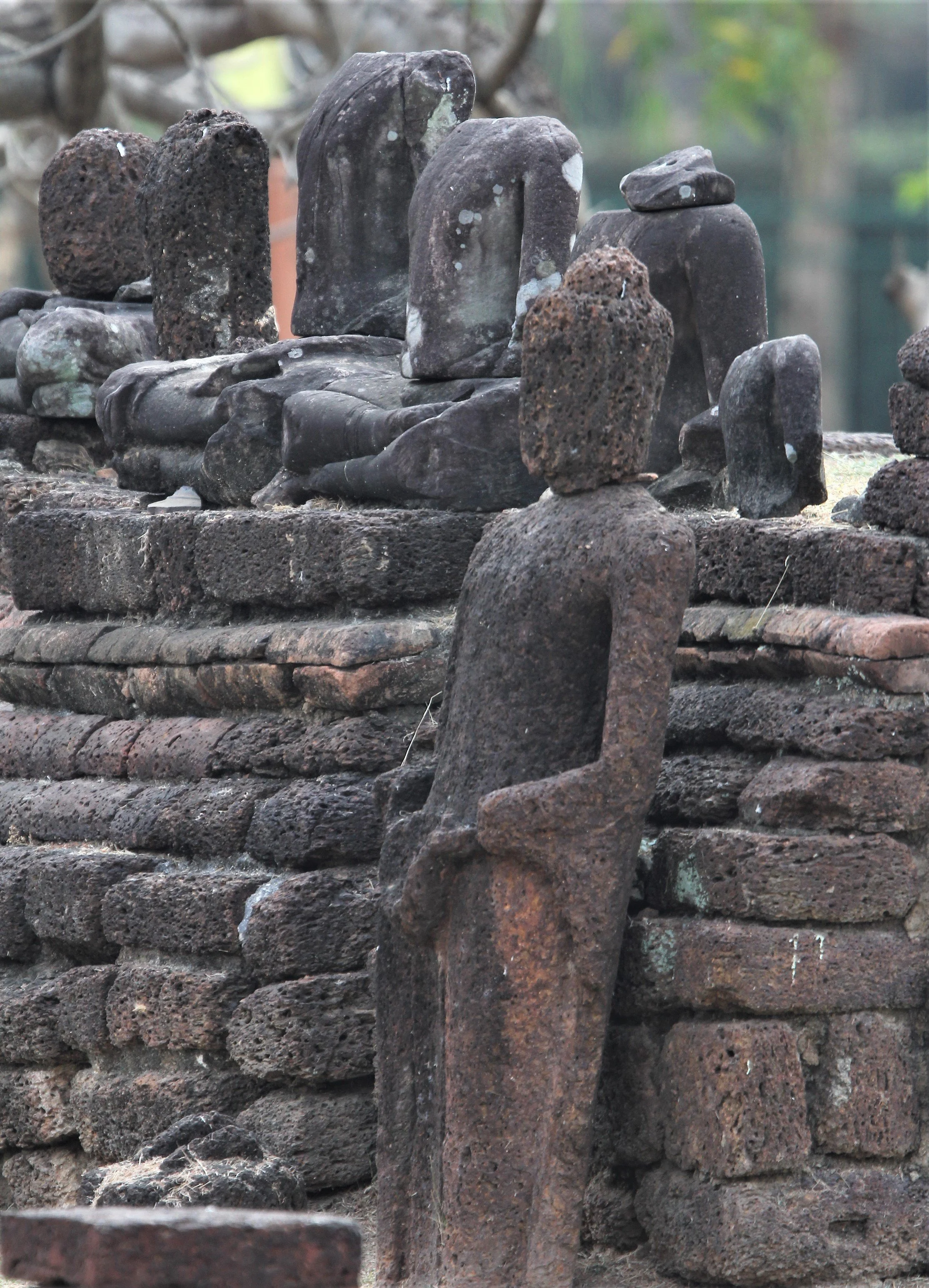
Kamphaeng Phet Ancient City is one of the earliest civilizations to use resources on a large scale fro the Western Forest Complex.
The Western Forest Complex has long functioned not merely as a wilderness zone but as a cultural and political frontier, shaping the development of early Thai and pre-Thai societies. From prehistory through the historic periods, dense forests, river systems, and mountain corridors structured patterns of settlement, trade, defence, and belief. Ancient centres such as Kanchanaburi and Kamphaeng Phet emerged not in isolation from the forest but in a dynamic relationship with it, relying on forest resources while simultaneously acting as gateways between lowland kingdoms and upland borderlands. [en.wikipedia.org], [westernforest.org]
In western Thailand, Kanchanaburi occupies a particularly important position at the edge of the Tenasserim Hills, where the Central Plains meet the forested highlands and the Myanmar frontier. Archaeological sites such as Phong Tuk demonstrate that this region was already urbanized during the Dvaravati period (c. 6th–11th centuries CE), well before the rise of Thai polities. These early Mon-Buddhist communities established moated towns and religious centres in river valleys surrounded by forest, using the Western Forest Complex as both a protective buffer and a source of timber, food, and trade goods. Movement through forest passes such as the Three Pagodas area facilitated cultural exchange between mainland Southeast Asia and South Asia via Myanmar, reinforcing the frontier role of the region. [linkedin.com], [en.wikipedia.org]
As Thai-speaking groups rose to prominence in the 13th and 14th centuries, the forest frontier became increasingly militarized. Kamphaeng Phet, founded as an outpost of the Sukhothai Kingdom, exemplifies how Thai states adapted to forest-edge environments. Located along the Ping River and surrounded by wooded areas, Kamphaeng Phet was strategically positioned to control movement between the Central Plains, the northern valleys, and western forest corridors leading toward Burma. Its massive laterite walls, moats, and forest-buffered suburbs reflect a settlement model designed to withstand invasion while drawing strength from access to forest resources such as timber, wildlife, and riverine trade routes. [thailande-...t-asie.com], [Kamphaeng...Department]
The close association between urban space and forest is especially clear in Kamphaeng Phet’s Aranyik (forest-monastic) zone, where major temples were deliberately built within wooded landscapes rather than inside the city walls. This arrangement reflects older Southeast Asian conceptions of forests as sacred, liminal spaces—places of spiritual power, retreat, and protection—rather than uninhabited wilderness. These forest monasteries echo much older traditions of human occupation in the Western Forest Complex, where caves, rock shelters, and forest edges had been used ritually since the Stone Age. [thailande-...t-asie.com], [Kamphaeng...Department]
Kanchanaburi and Kamphaeng Phet also reveal how the Western Forest Complex functioned as a transition zone rather than a boundary. Rather than separating societies, the forest facilitated flows of people, goods, beliefs, and ecological knowledge. Forest products such as resins, hardwoods, medicinal plants, and animal products were integrated into regional economies, while upland and lowland communities remained interconnected through trails, rivers, and seasonal movement. This long-standing role of the forest as an intermediary space is now increasingly recognized by historians and geographers studying Thai frontier regions. [jstor.org], [en.wikipedia.org]
In this sense, the cultural histories of Kamphaeng Phet and ancient Kanchanaburi cannot be understood without reference to the Western Forest Complex. These cities were not simply “border towns” but forest-linked hubs, inheriting patterns of human–environment interaction that extend back tens of thousands of years. The Western Forest Complex thus represents a deep cultural landscape in which prehistoric foragers, Mon-Buddhist city-builders, and early Thai states all adapted to, depended upon, and reshaped forest ecosystems in lasting ways.
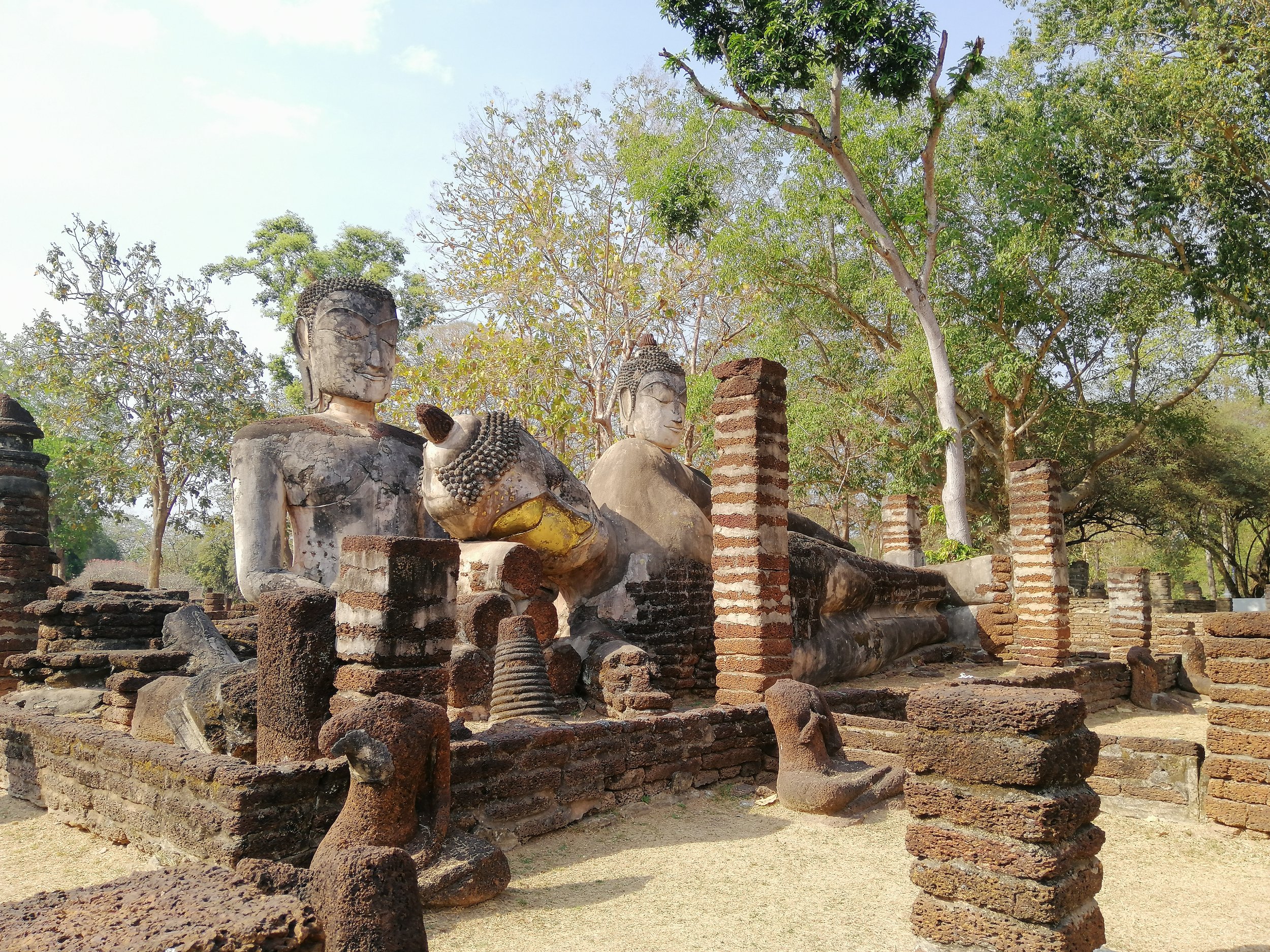
Archaeological evidence suggests that prehistoric inhabitants of Kamphaeng Phet relied heavily on the natural environment of the western forests, practicing hunting and forest product collection for daily life as early as 6,000–1,500 years ago.
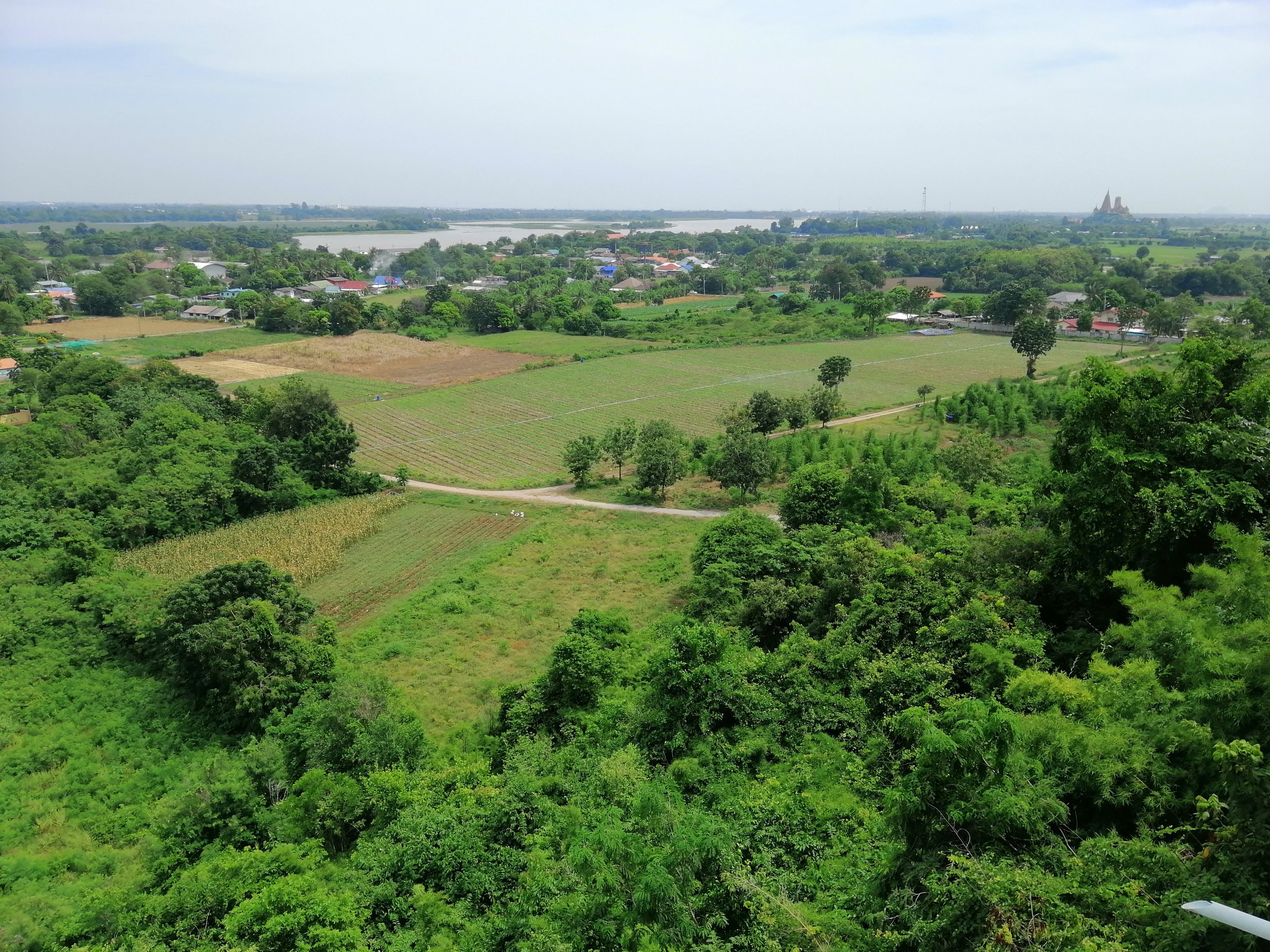
View of the lowlands east of the Western Forest Complex, now called the Chao Praya River Valley, a massive region of Thailand were much of Thailand's history evolved.
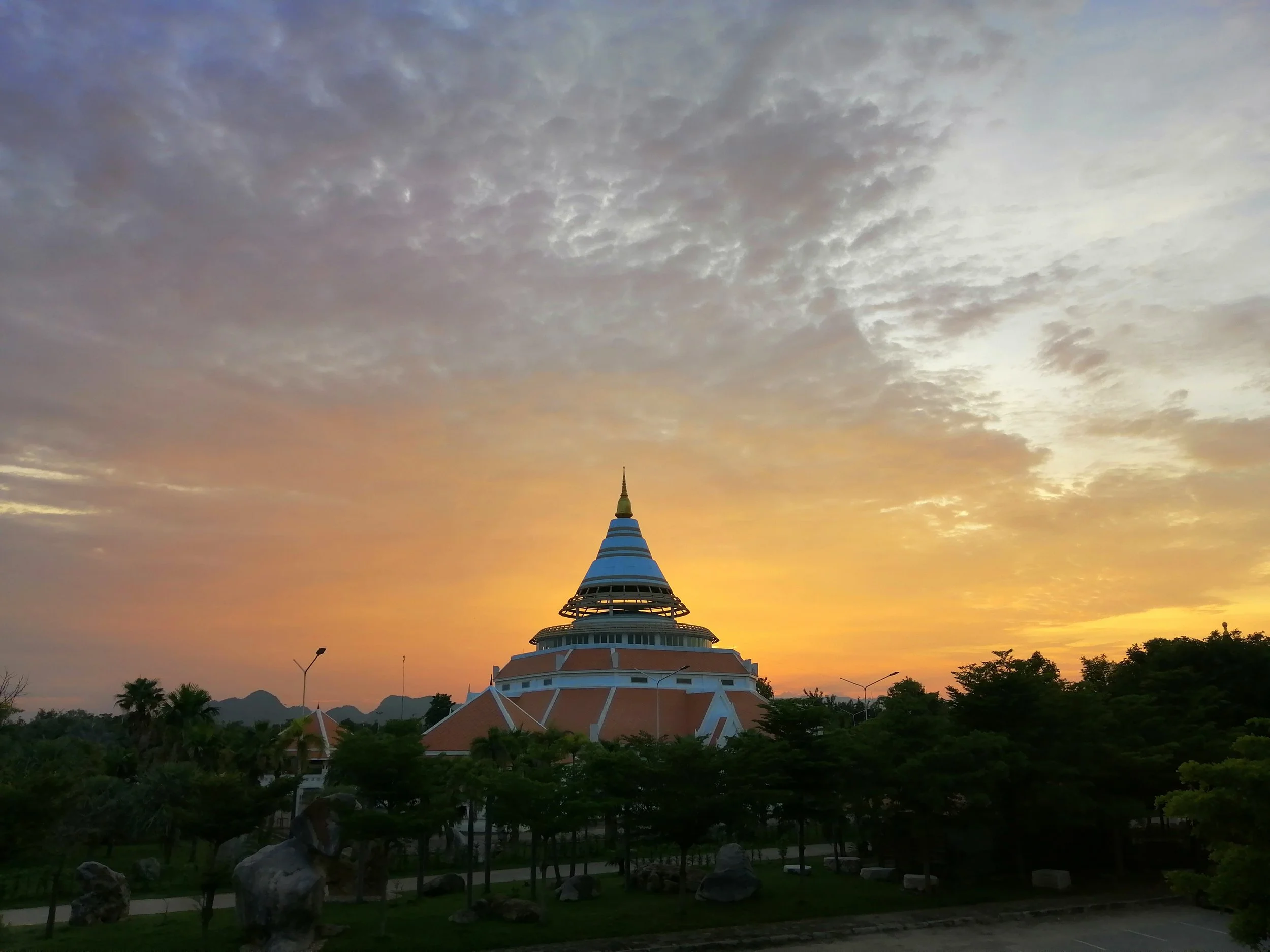
Wat Thewa Sangkharam, a royal monastery in Kanchanaburi.
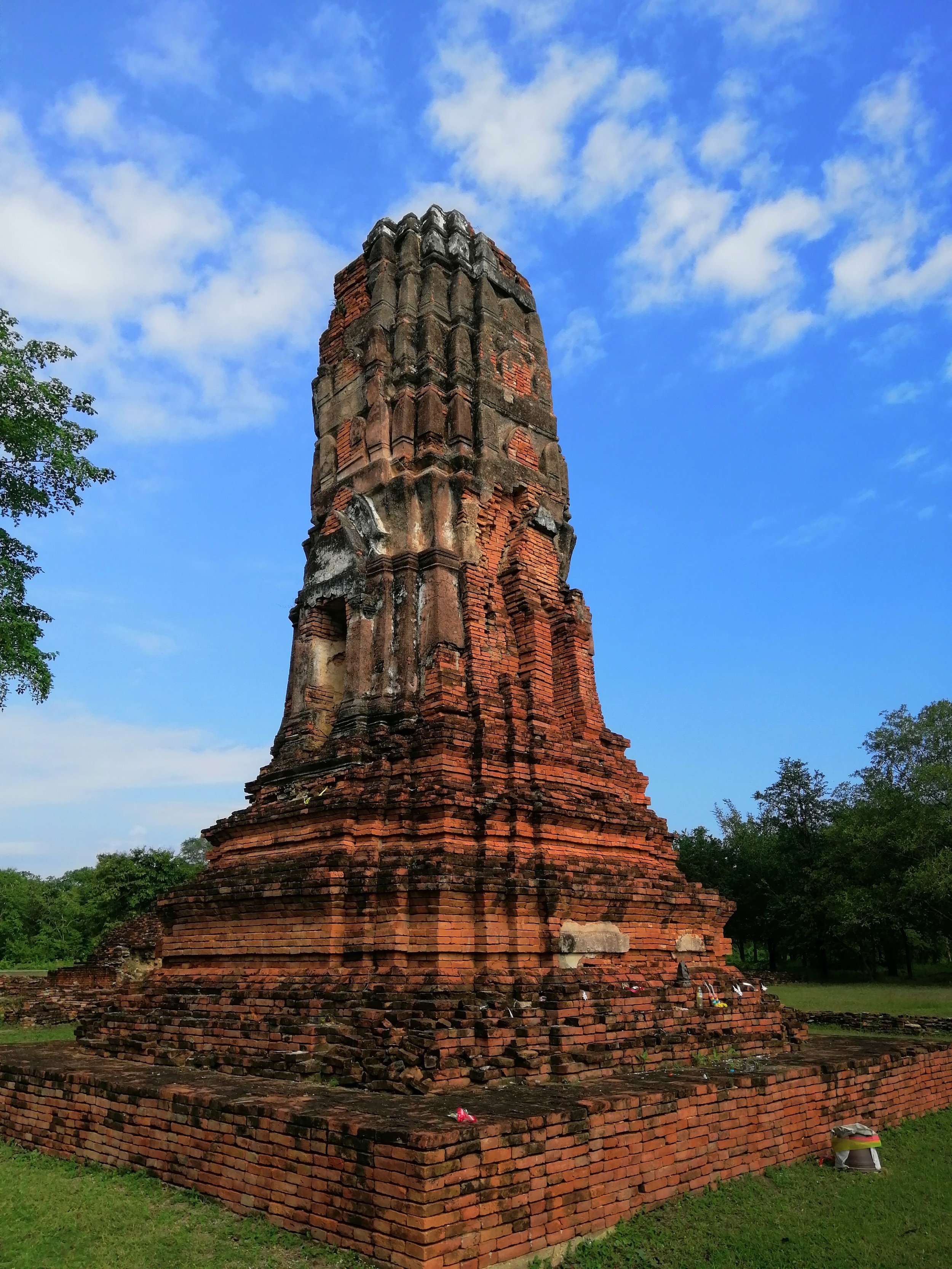
Ancient Chedi in Ancient Kanchanaburi Town.
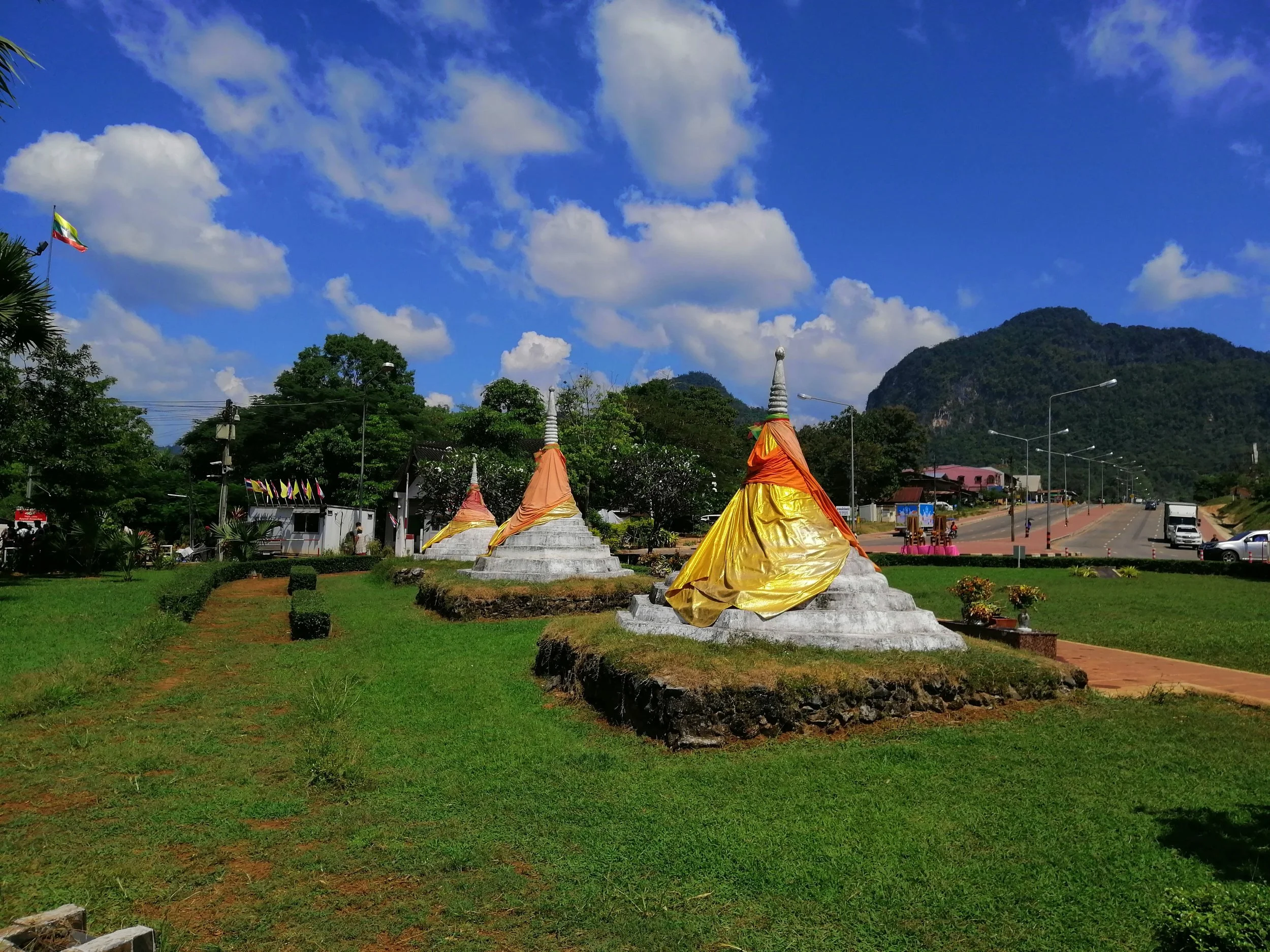
Three Pagodas Pass, a historic border landmark located in Sangkhlaburi District, Kanchanaburi.
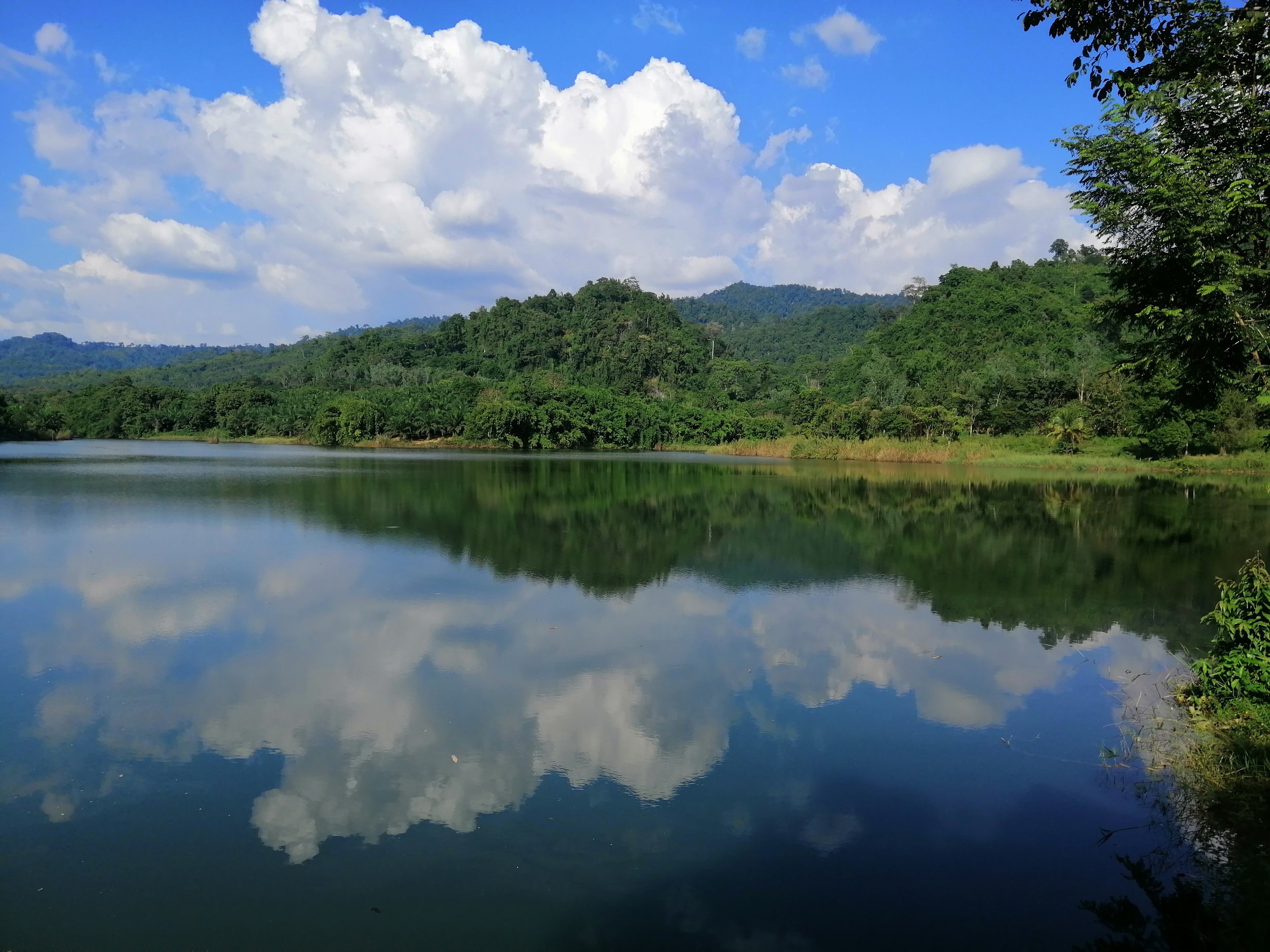
Khao Laem reservoir near Three Pagodas Pass was a major highway in ancient times for people traversing the Western Forest Complex.
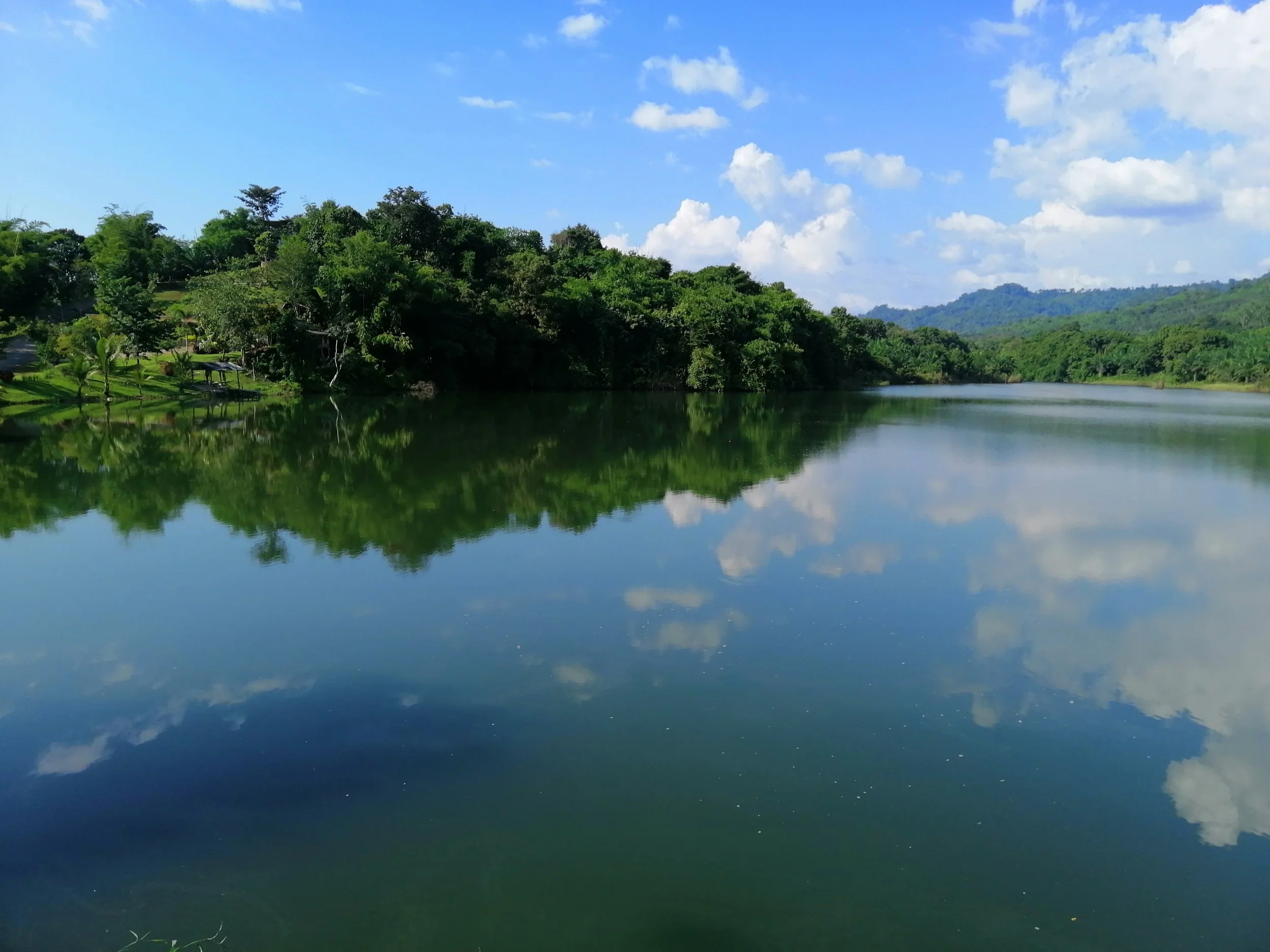
Khao Laem reservoir
Khao Laem reservoir
Wat Somdet (Old), an ancient temple located in Sangkhlaburi
Wat Somdet (Old), an ancient temple located in Sangkhlaburi
Wat Somdet (Old), an ancient temple located in Sangkhlaburi
Wat Somdet (Old), an ancient temple located in Sangkhlaburi
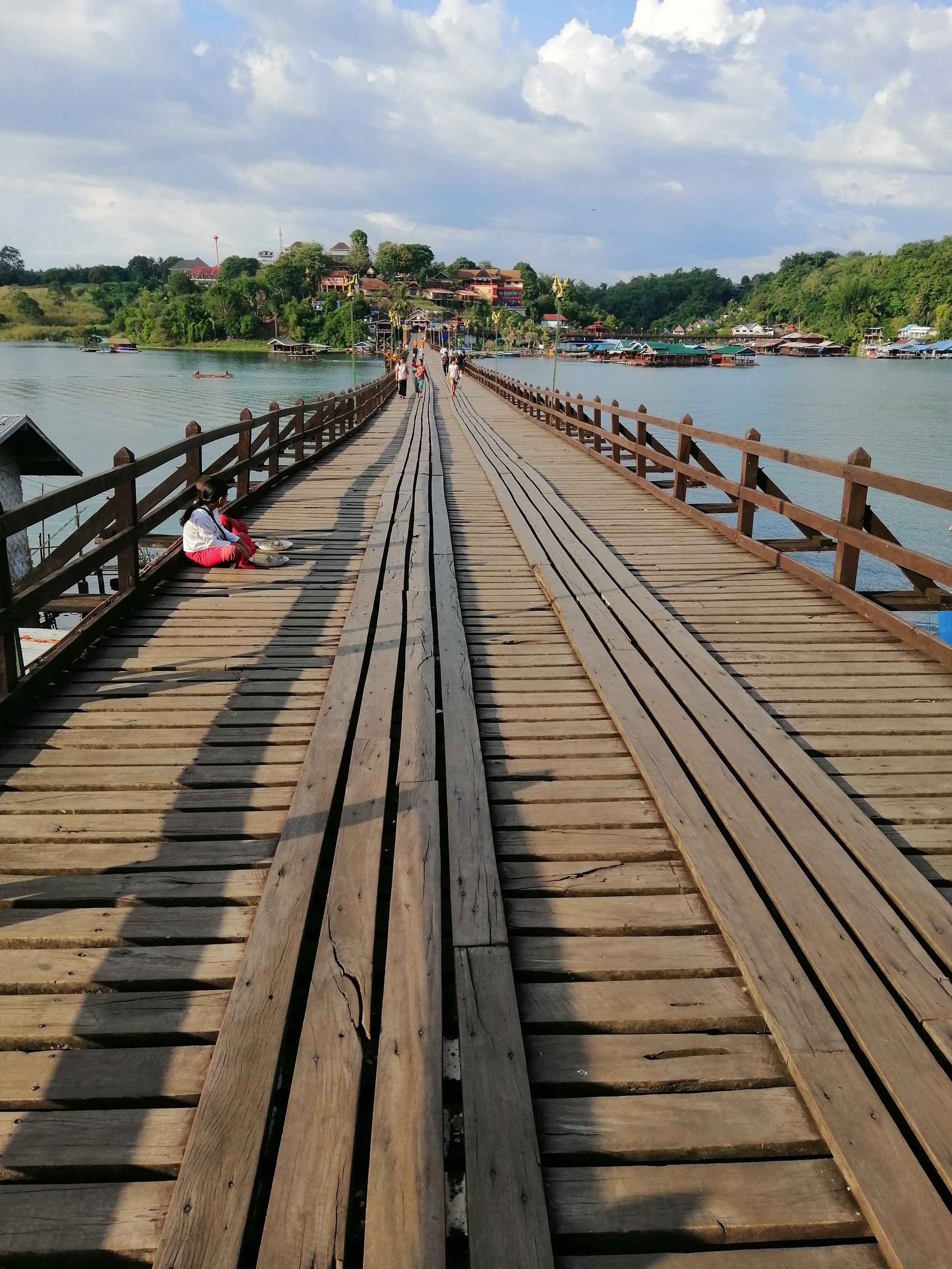
Uttamanusorn Bridge, also known as the Mon Bridge, located in Sangkhla Buri, Kanchanaburi, Thailand. The Mon Bridge (Uttamanusorn Bridge): Built in 1986–1987, this 850-meter wooden bridge was constructed by the local Mon community, connecting Wangka village with the Thai side and representing the unity and resilience of the people.
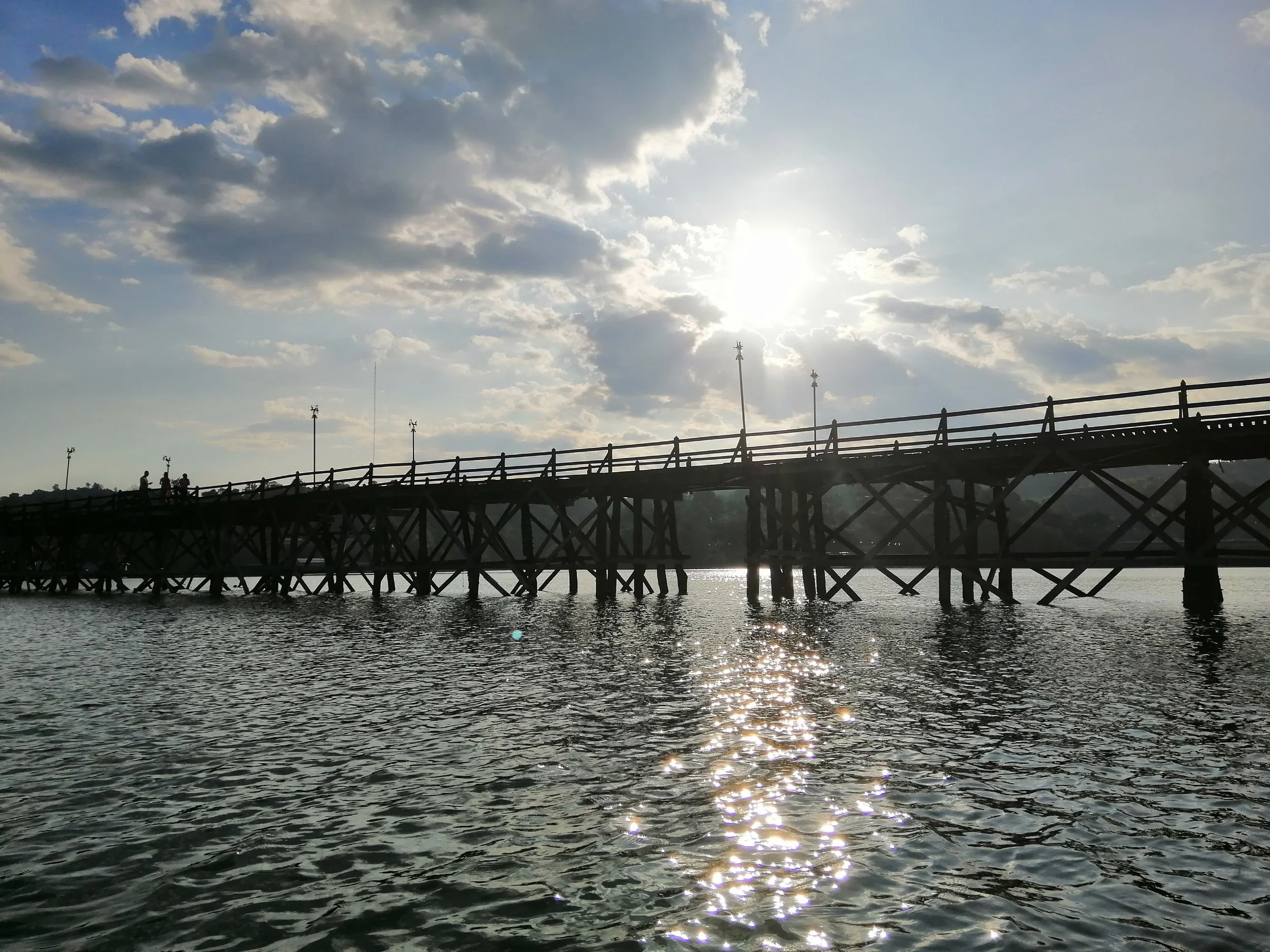
Uttamanusorn Bridge, also known as the Mon Bridge, located in Sangkhla Buri, Kanchanaburi, Thailand. Mon people have lived in Kanchanaburi for centuries, the specific community in Sangkhlaburi's Wangka Village is roughly 70–80 years old, growing through various waves of immigration.
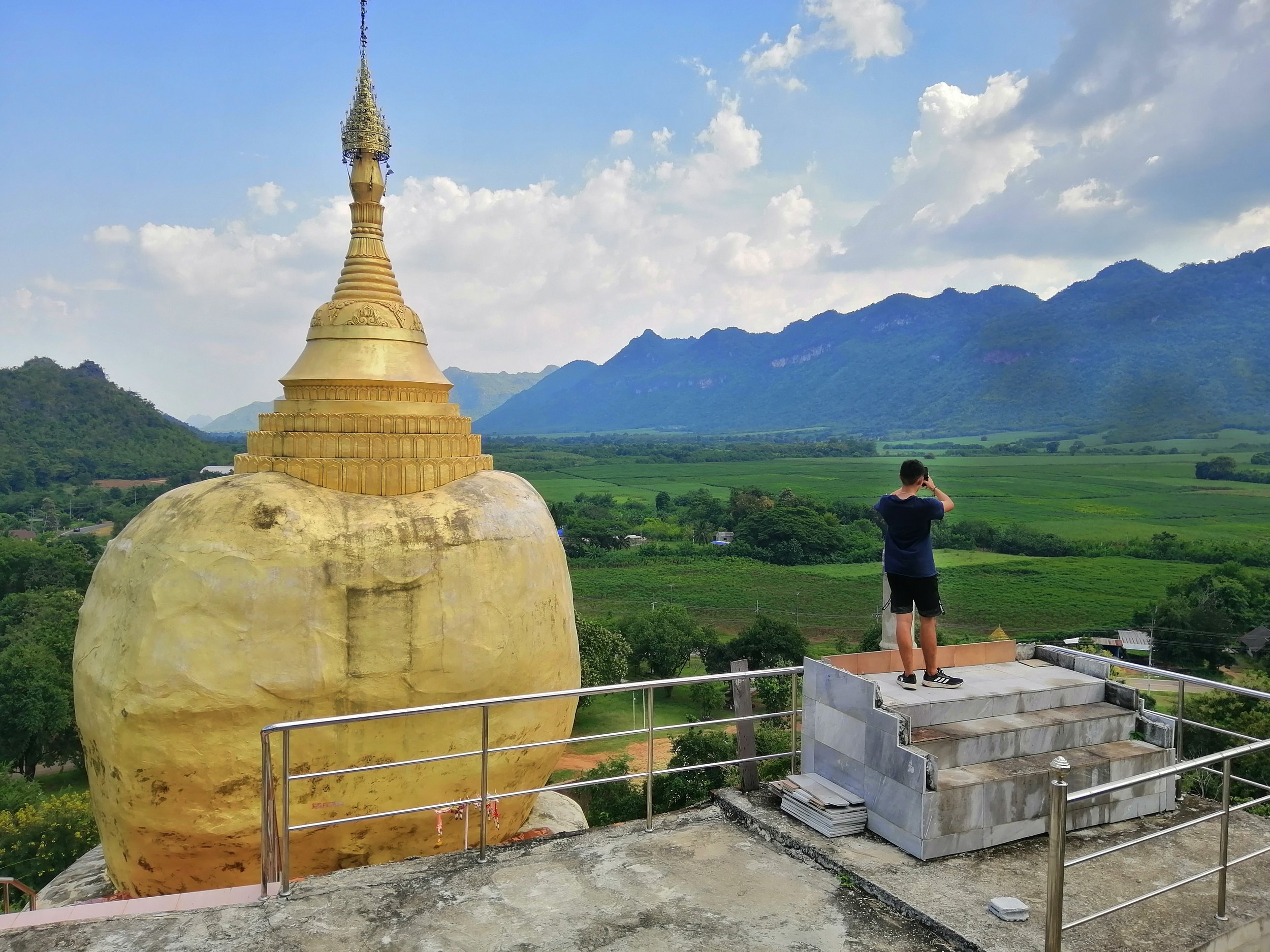
Facsimile of Kyaiktiyo Pagoda, famously known as the Golden Rock, in Mon State, Myanmar.
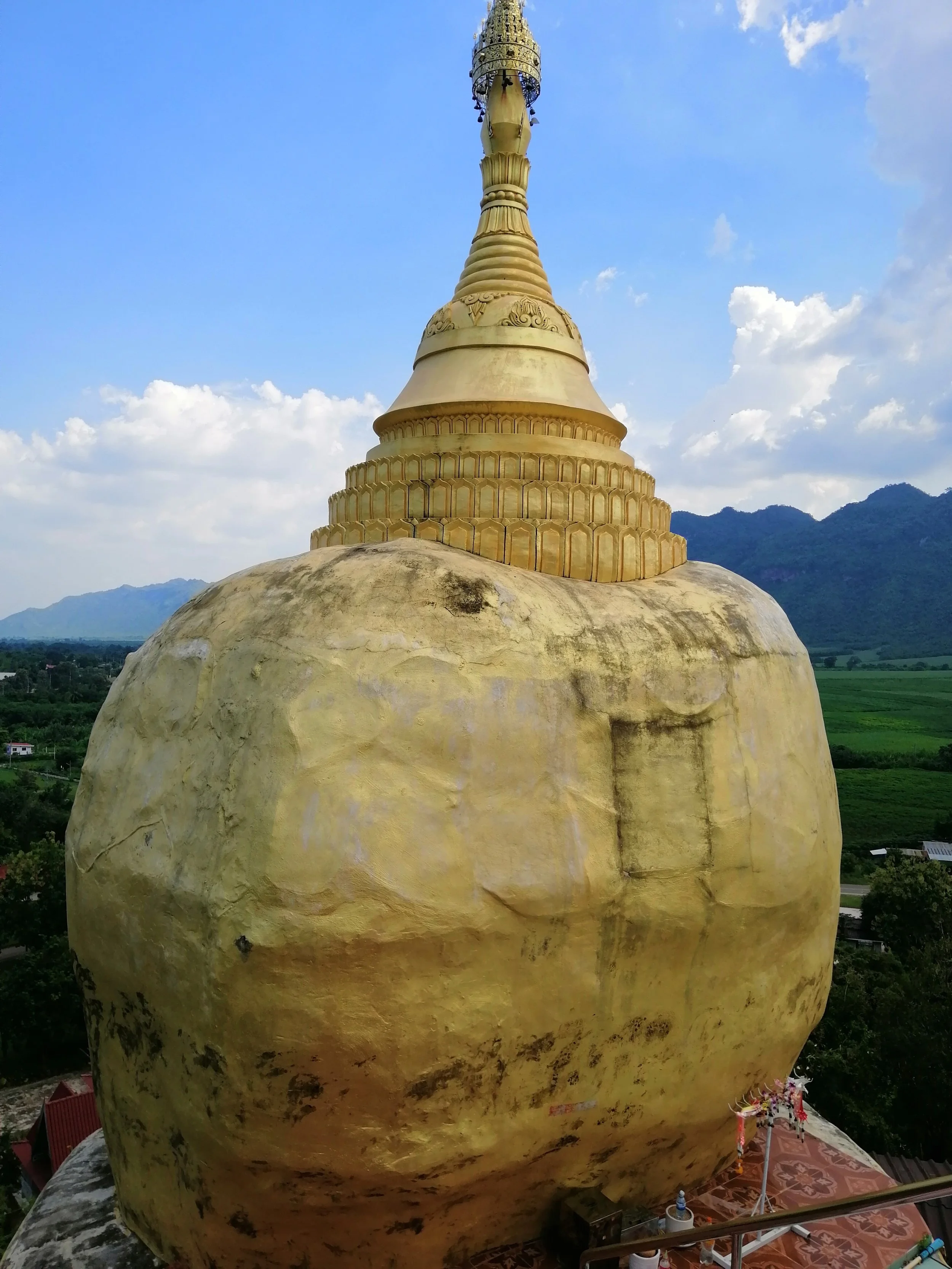
Thapsila Temple in Kanchanaburi
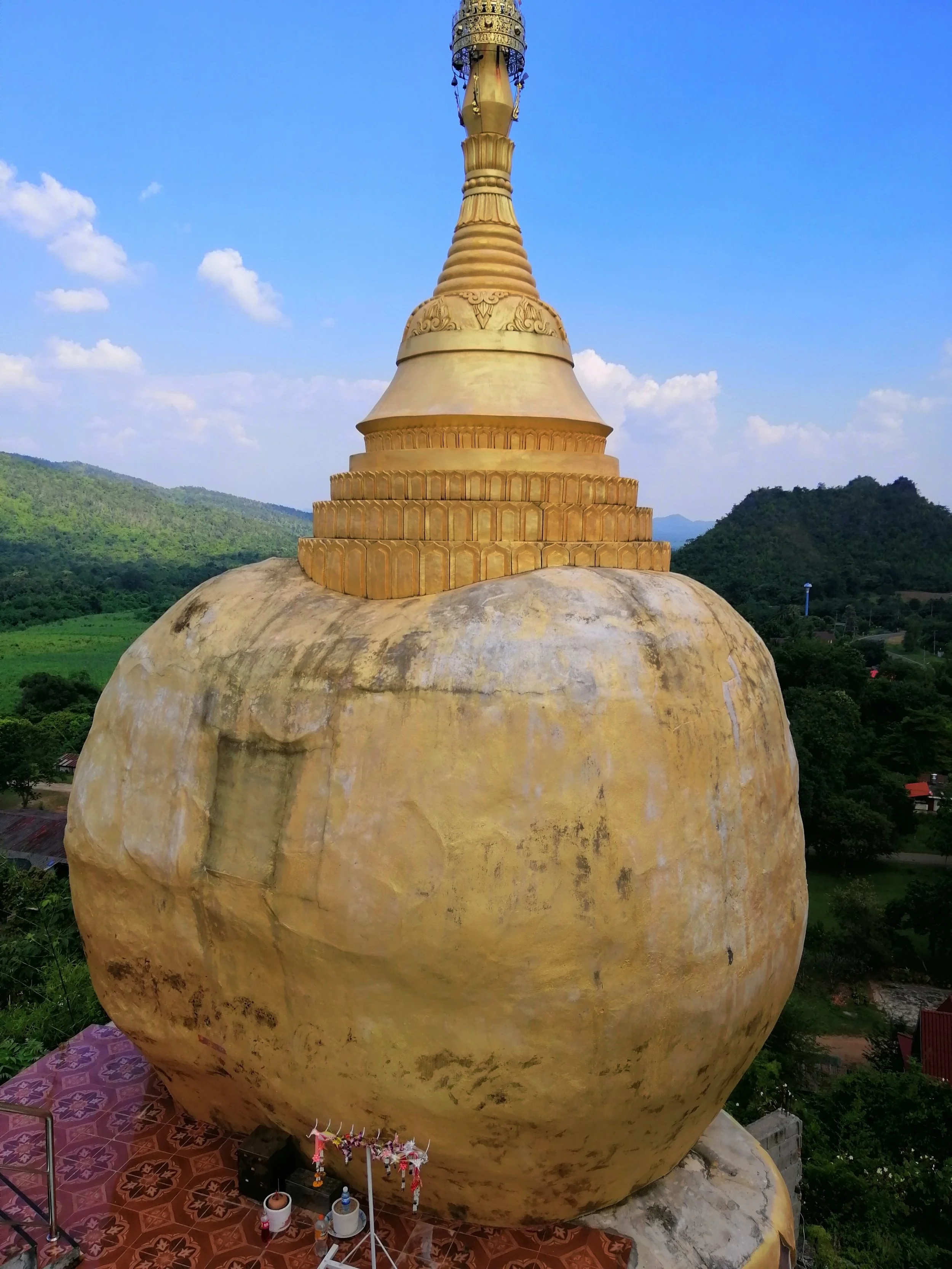
Thapsila Temple in Kanchanaburi
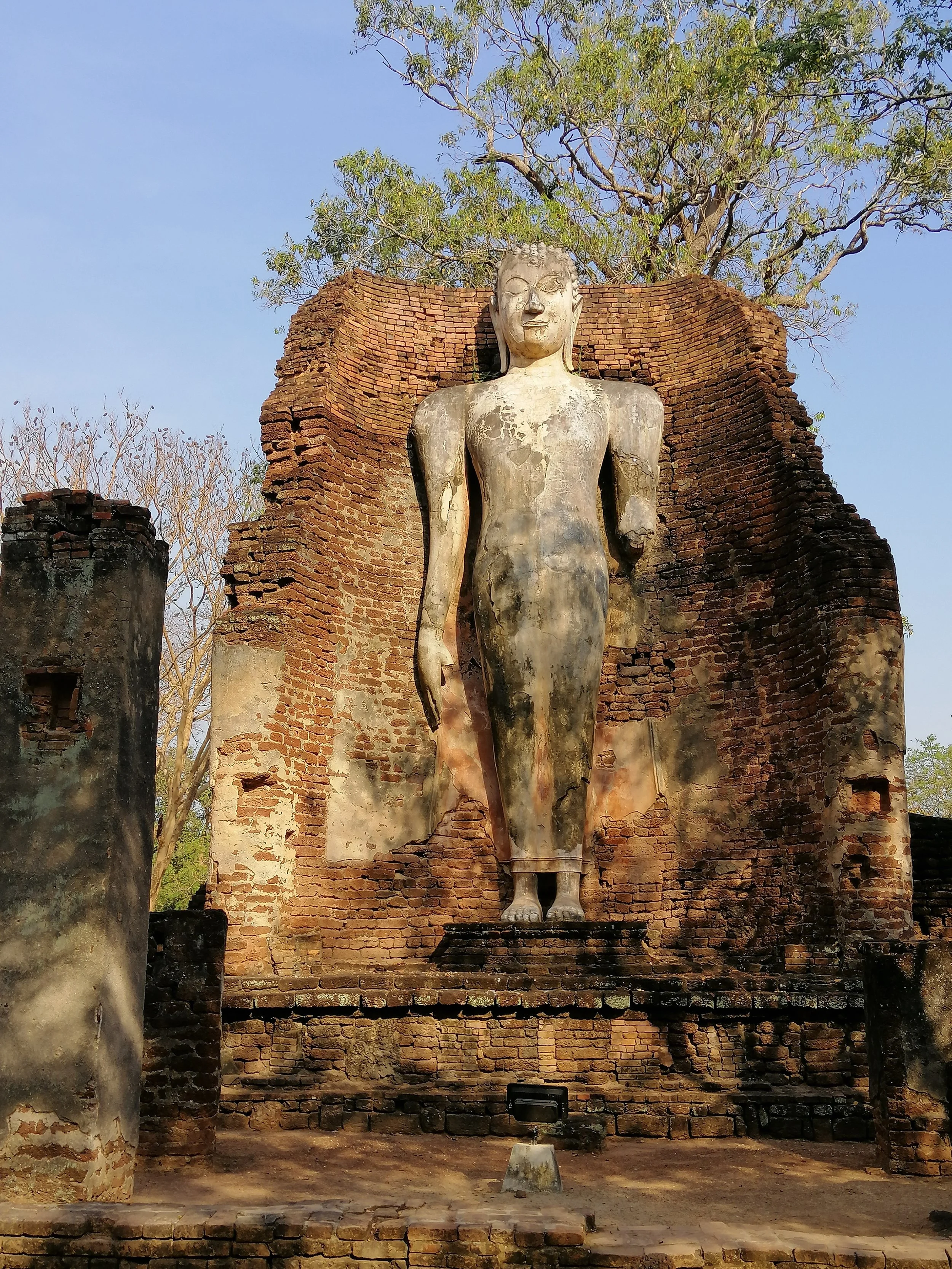
Kamphaeng Phet serves as the northern anchor of the Western Forest Complex (WEFCOM), the largest contiguous forest system in Southeast Asia. While the province is famous for its UNESCO-listed Kamphaeng Phet Historical Park.
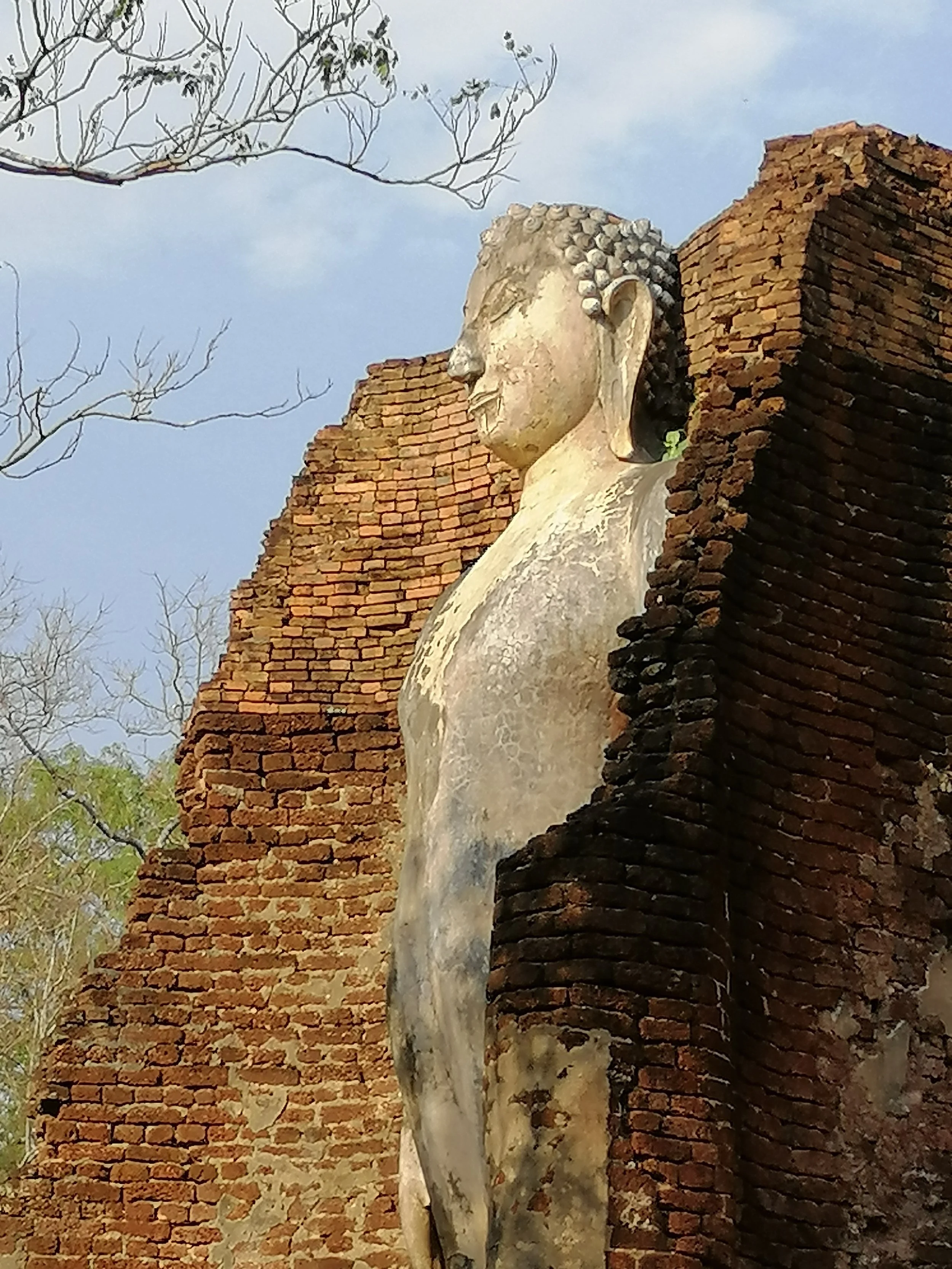
In historical times, Kamphaeng Phet functioned as a critical frontier and resource hub within the Western Forest Complex, primarily serving as a source of forest products and a strategic military stronghold.
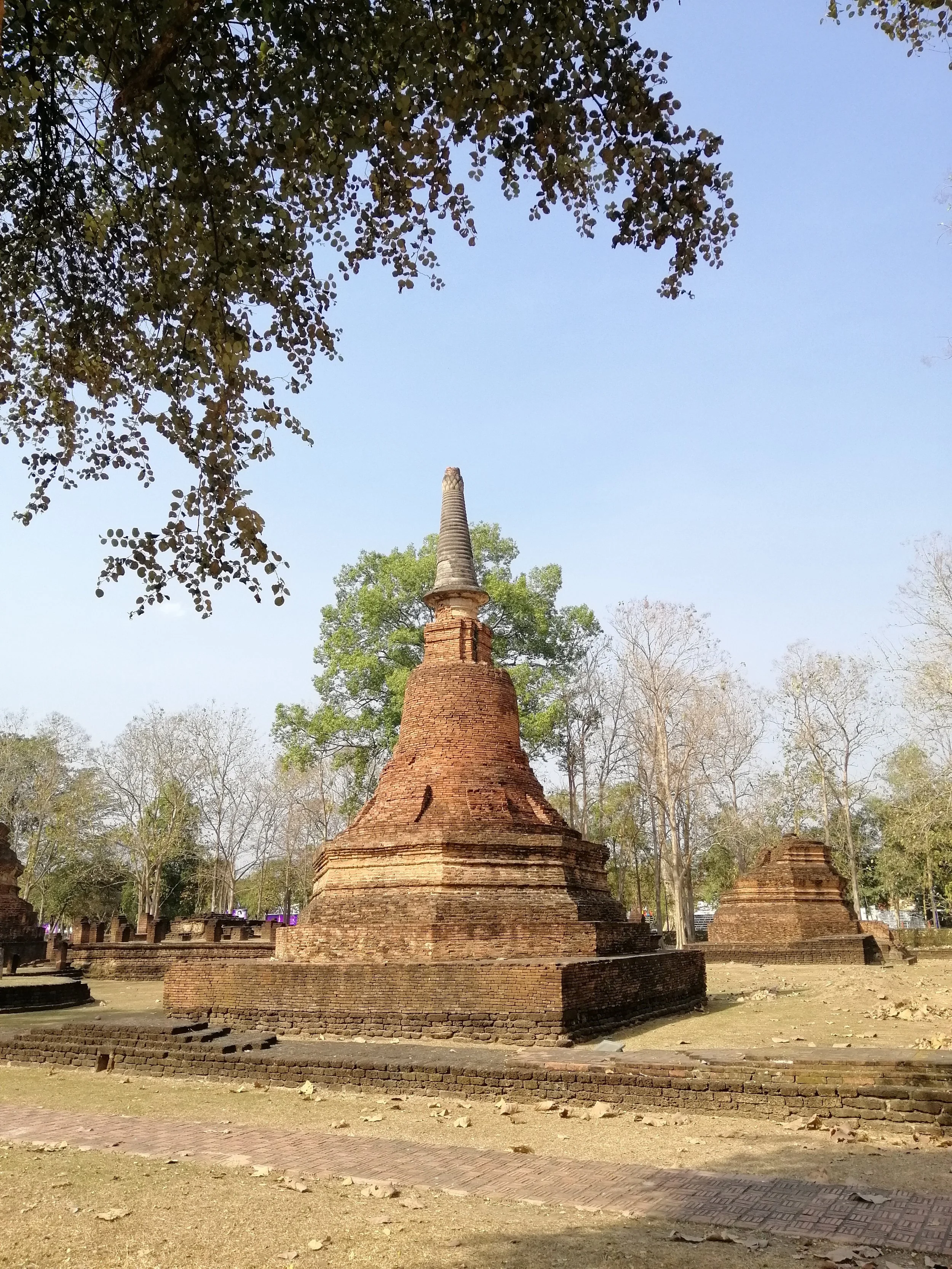
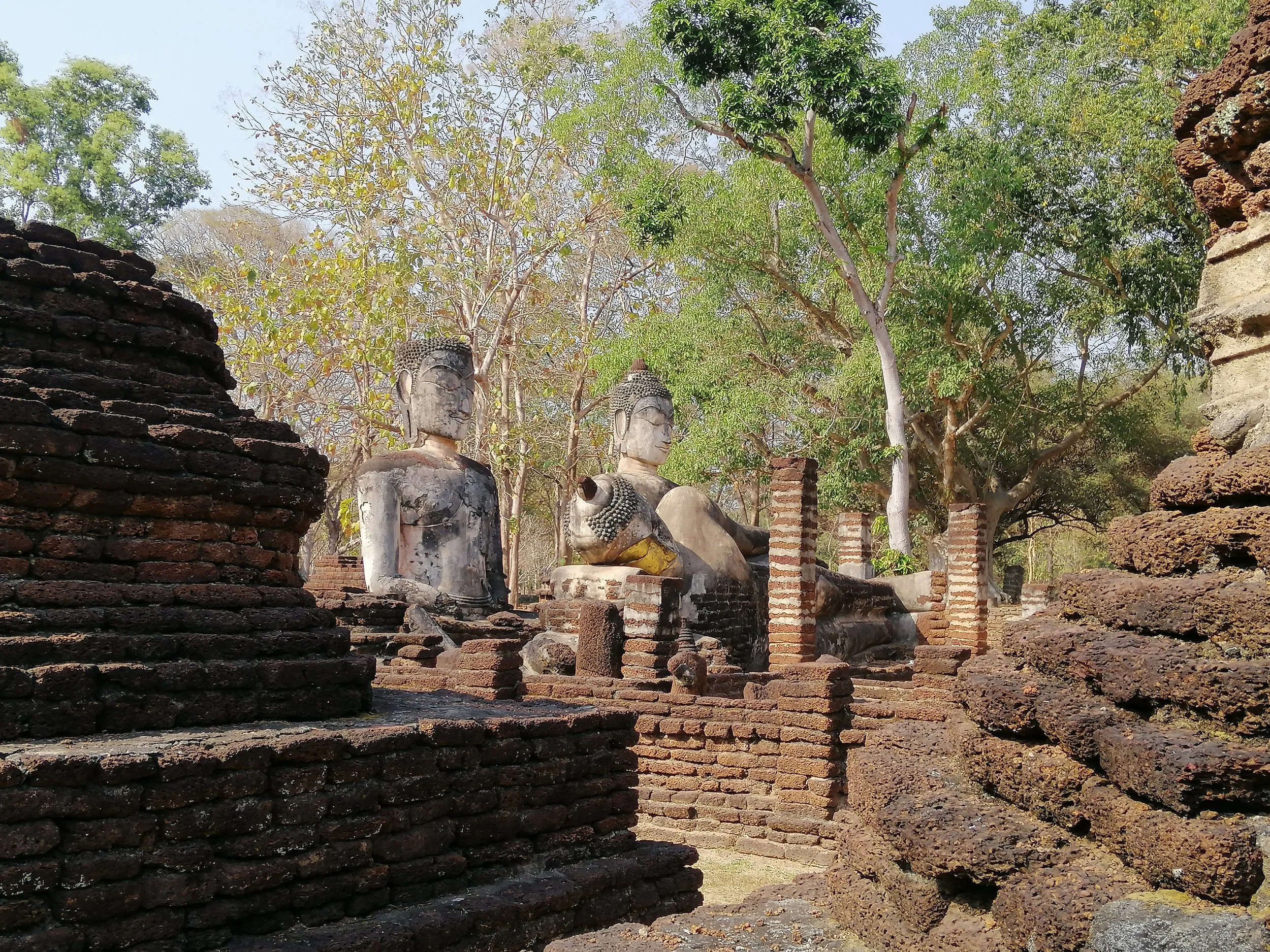
Kamphaeng Phet relied heavily on the natural environment of the western forests.
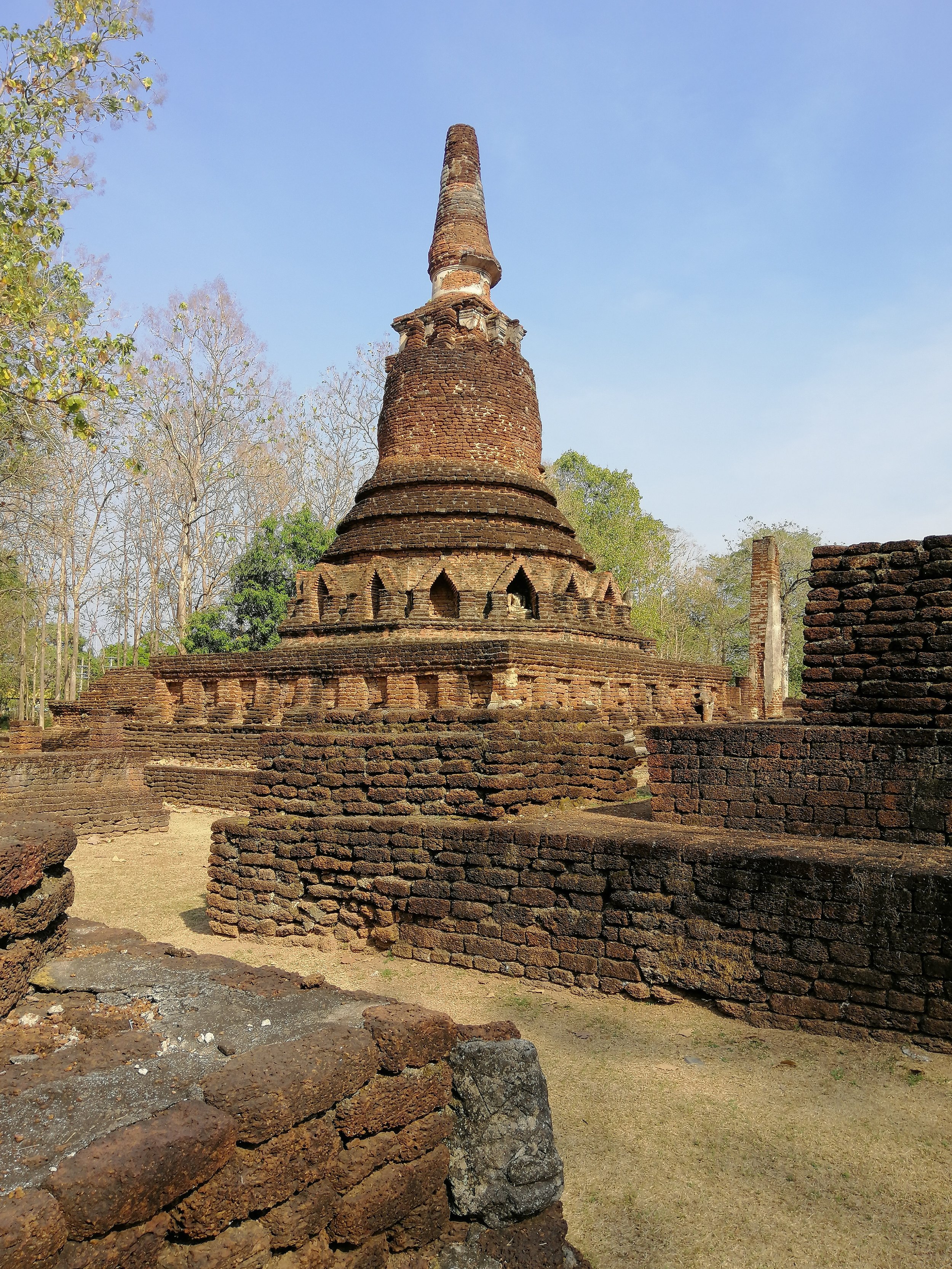
The Kamphaeng Phet Historical Park includes a specific "Aranyik" area, historically a dense forest where ascetic monks resided in meditation.
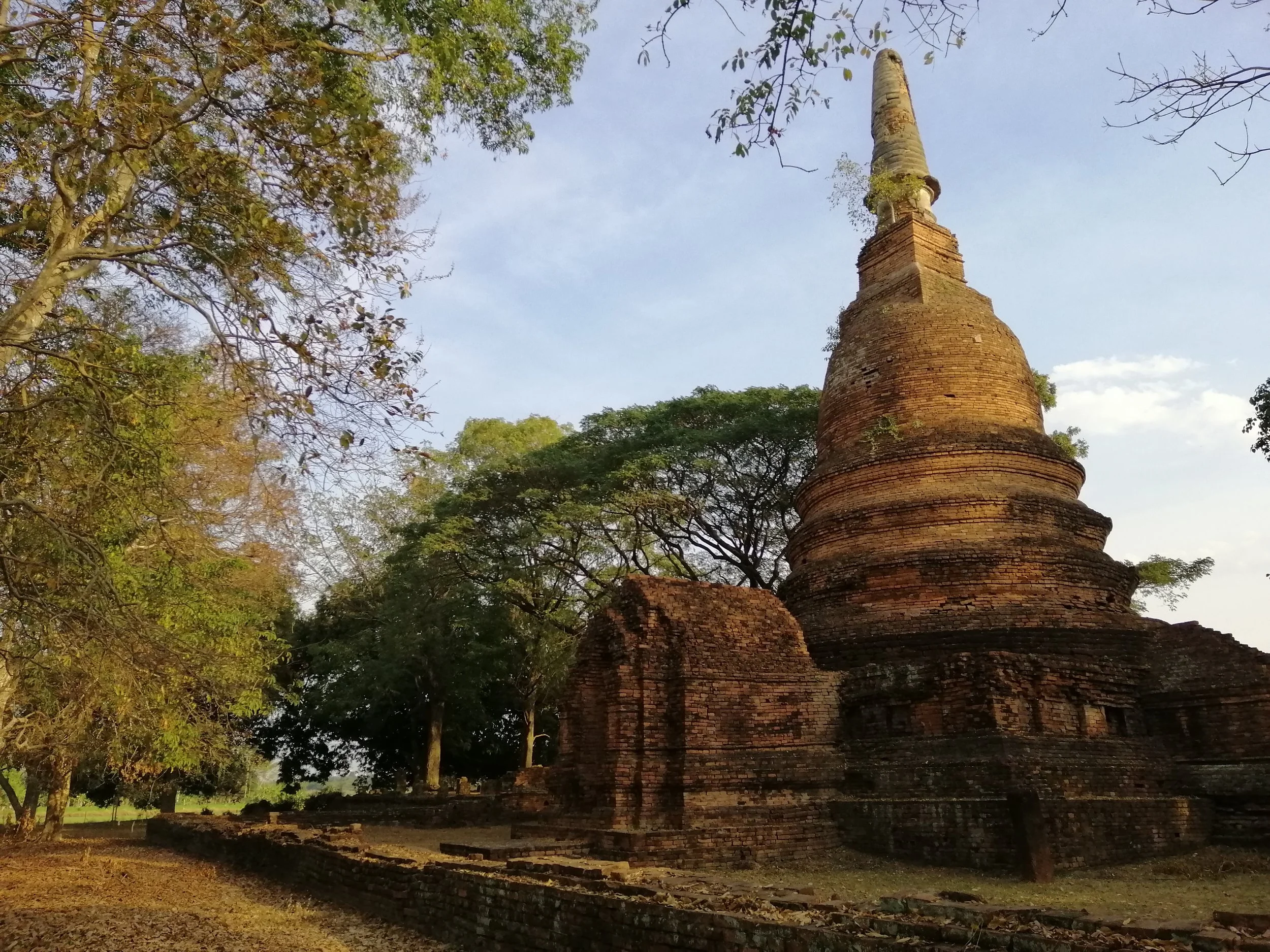
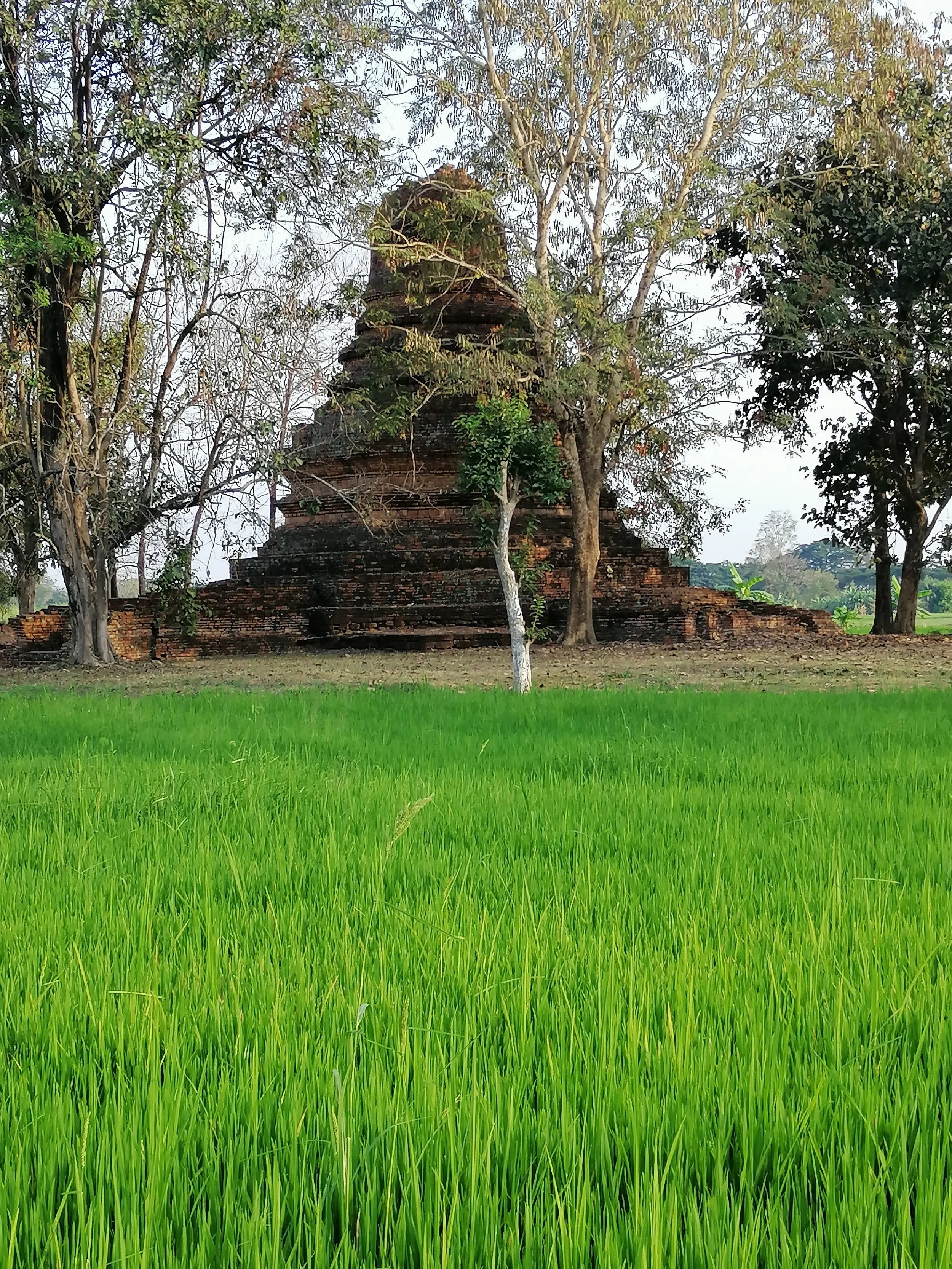
A satelite chedi at Kamphaeng Phet Historical Site.
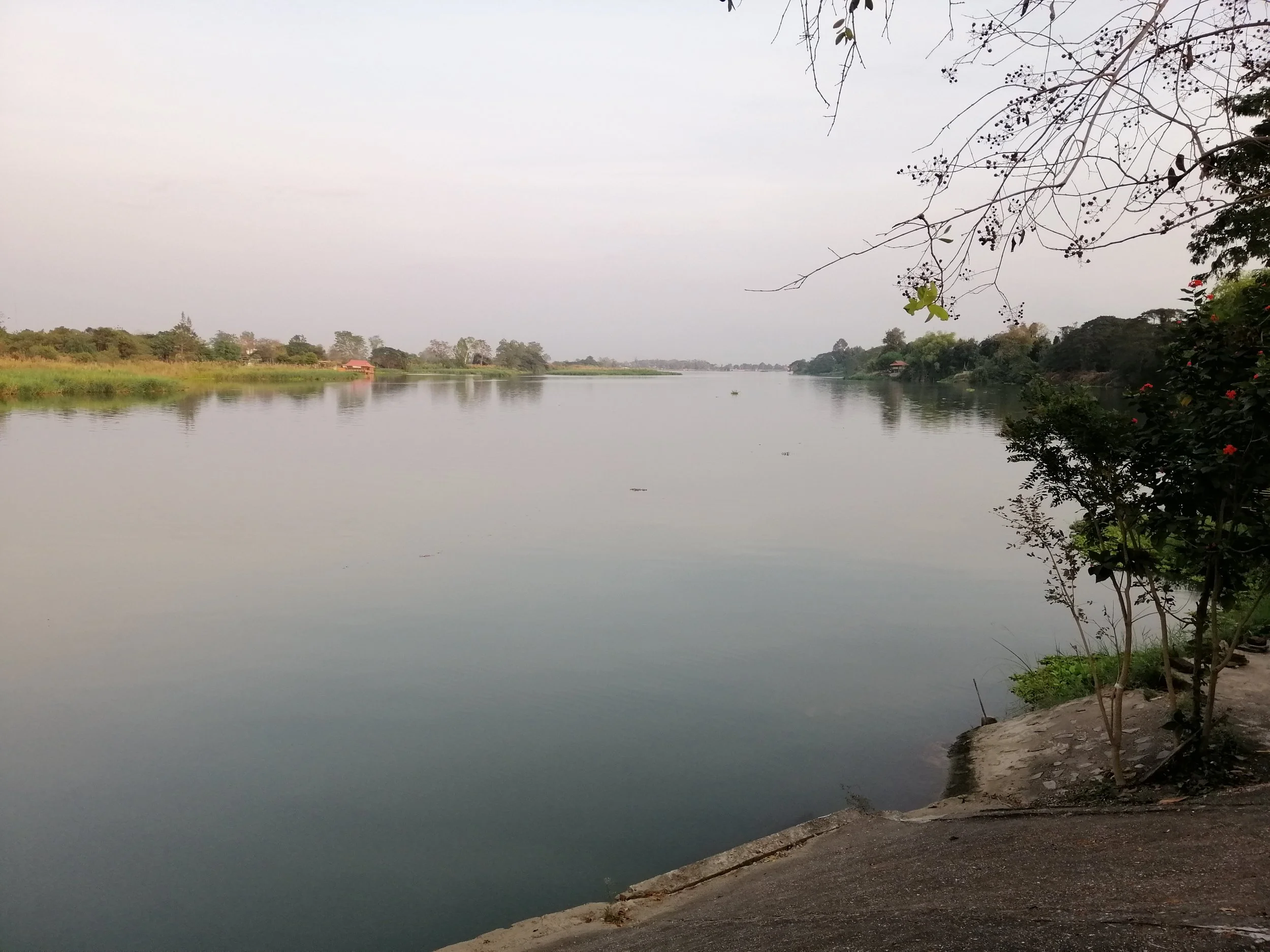
The Ping River at Kamphaeng Phet is a tributary to the Chao Praya River.
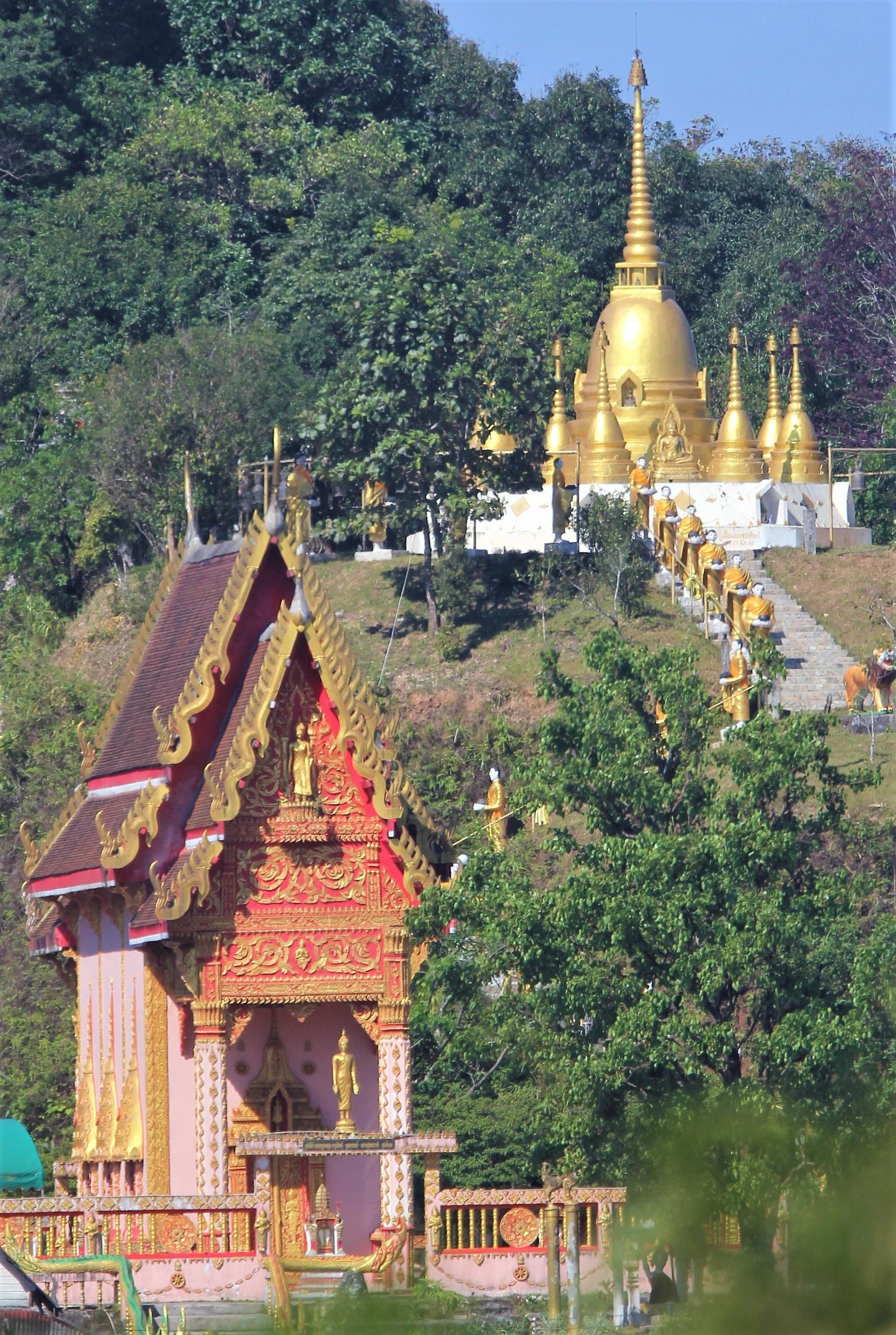
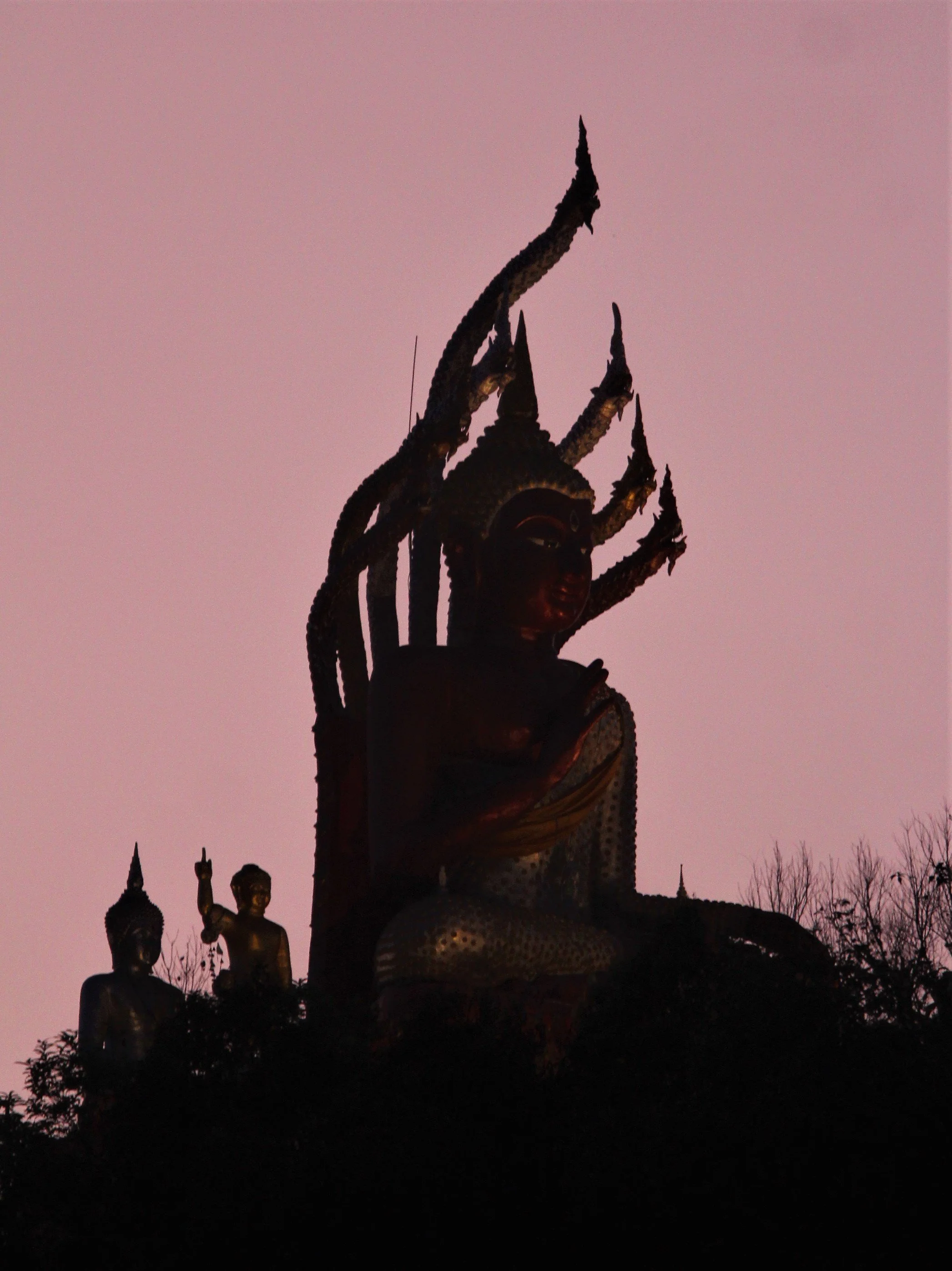
Wat Meuang Pilok in the Thong Pha Phum District of Kanchanaburi Province, Thailand. The statue is situated at Wat Meuang Pilok, a community temple in E-Tong village.
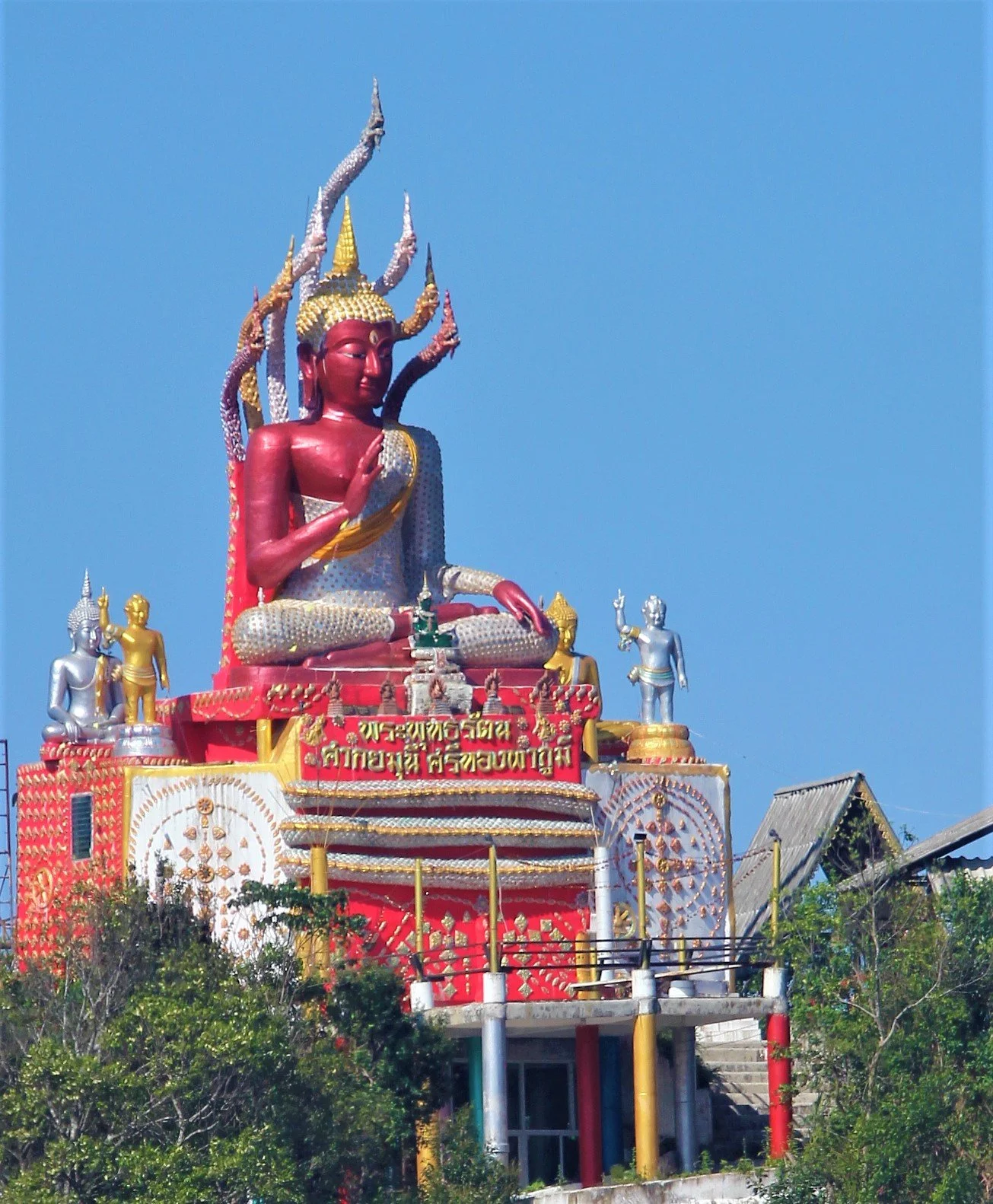
Wat Meuang Pilok in the Thong Pha Phum District of Kanchanaburi Province, Thailand.
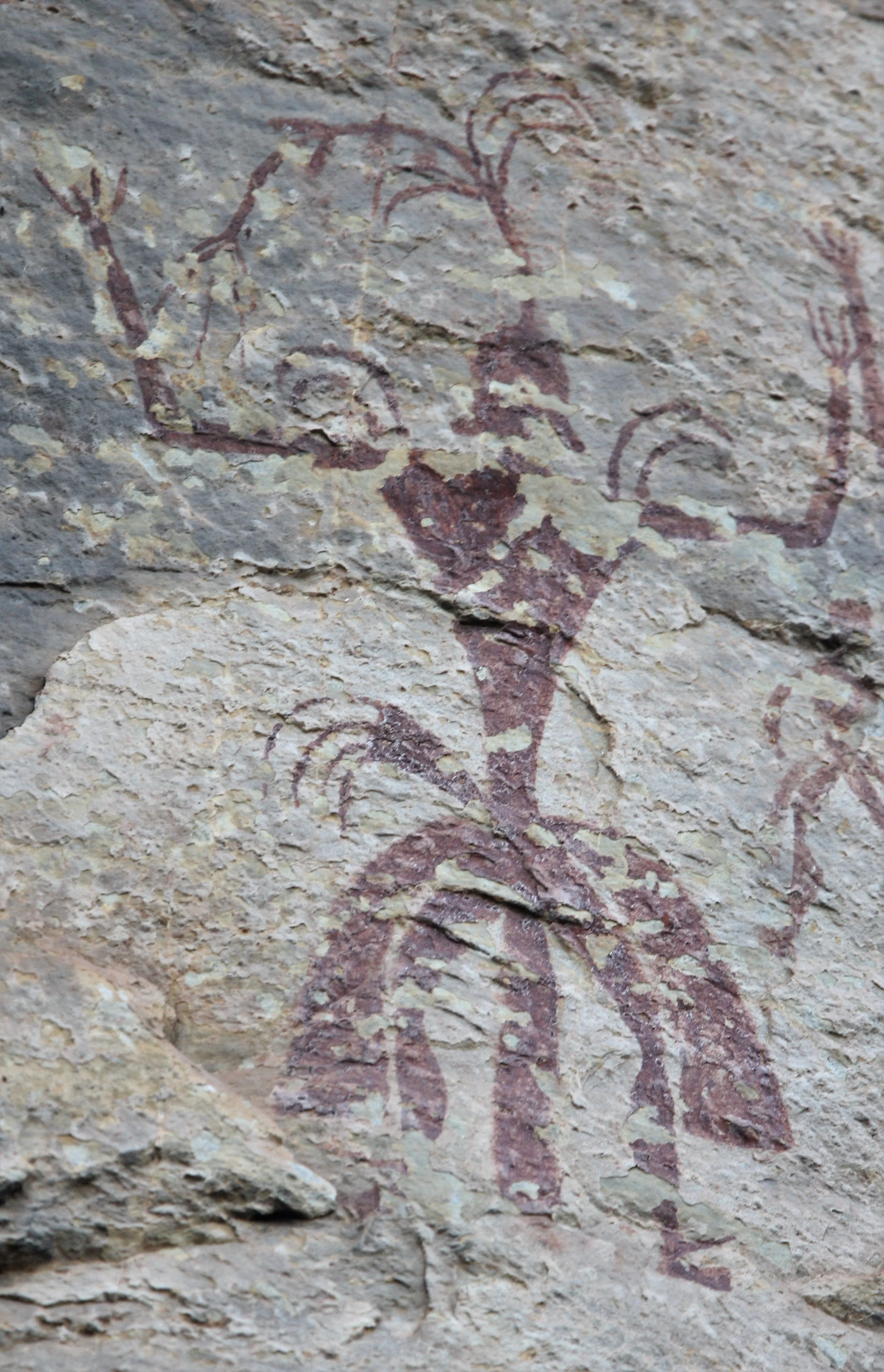
3000 year old rock art near Sri Nakharin Damn in Kanchanaburi, possibly Tam Pha Daeng.
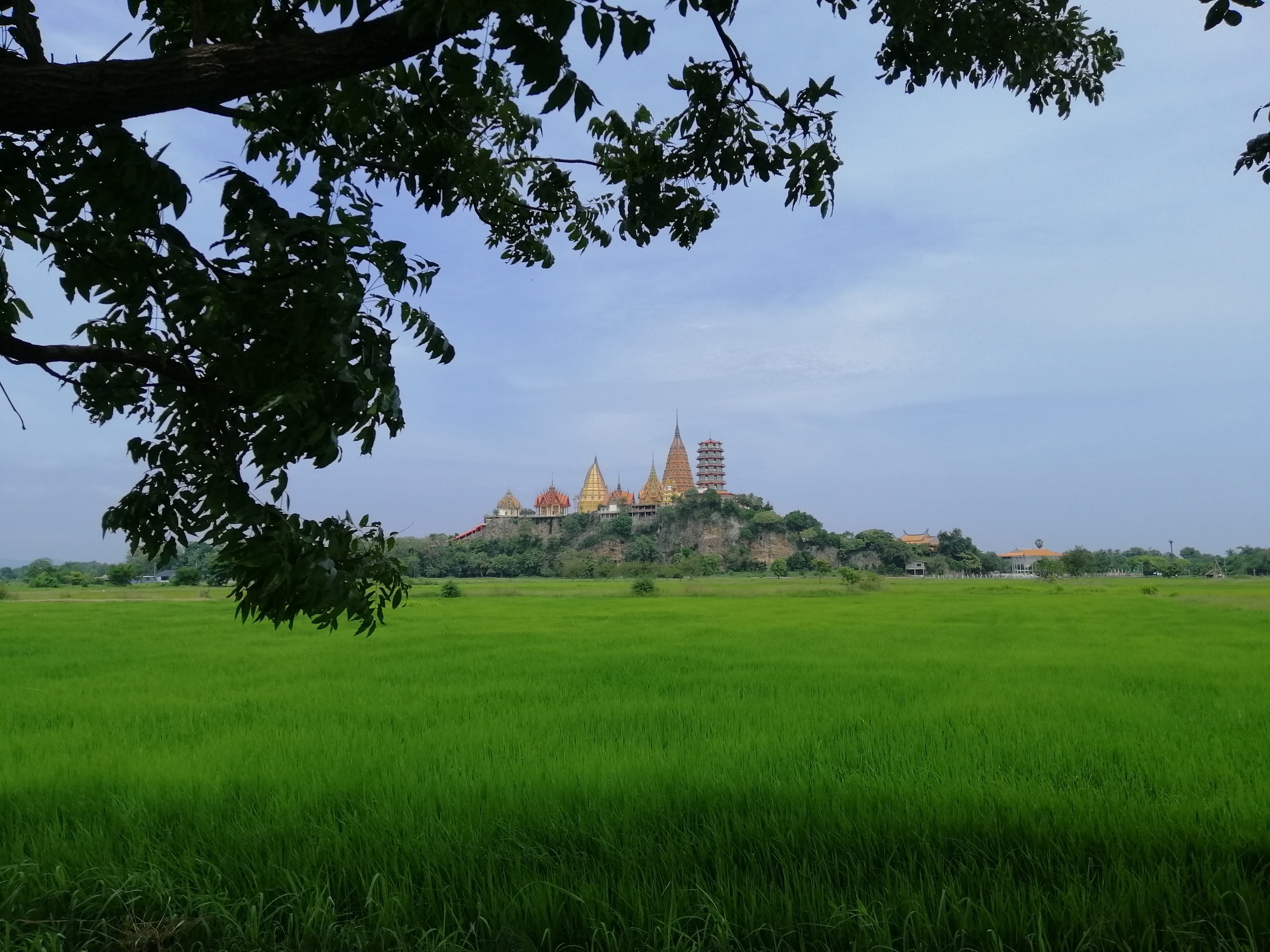
Wat Tham Suea (Tiger Cave Temple) located in Kanchanaburi.
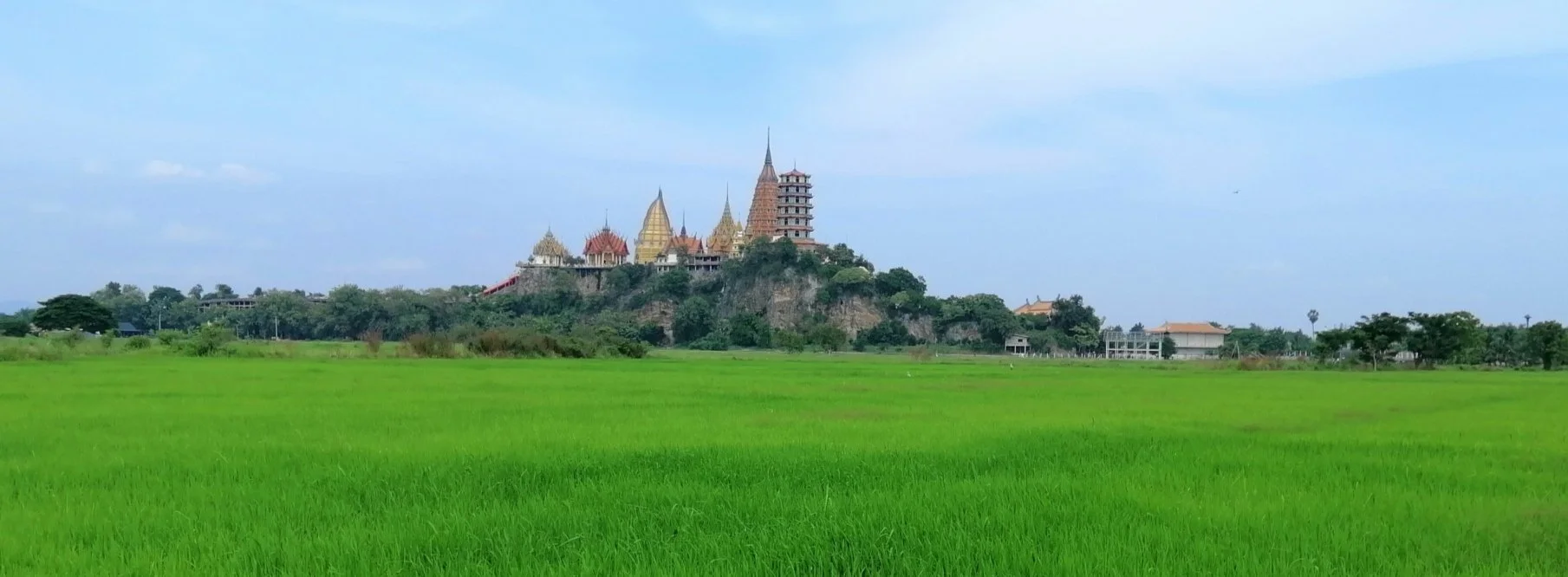
Wat Tham Suea (Tiger Cave Temple) located in Kanchanaburi. The rice fields in this region replace the
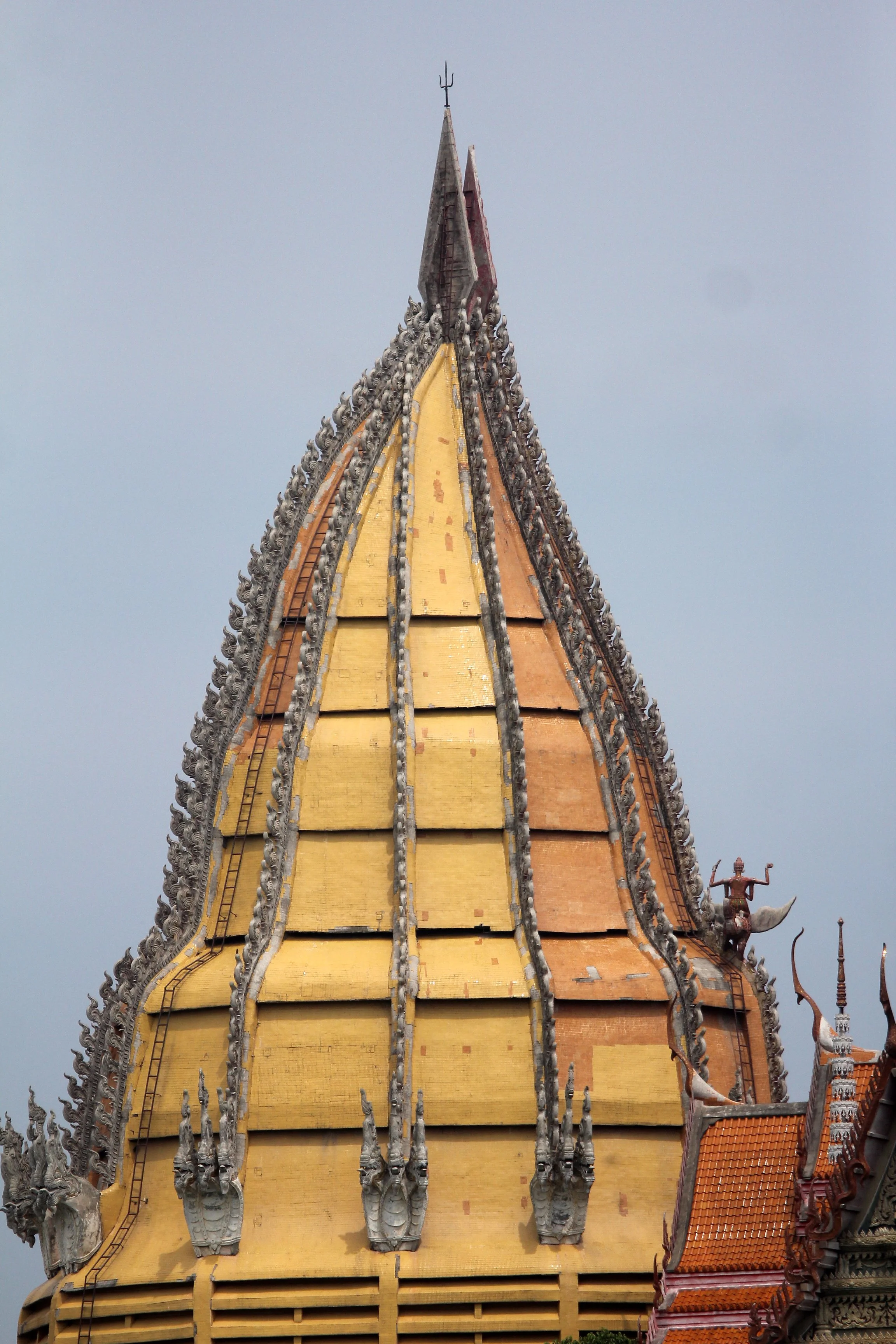
Wat Tham Suea (Tiger Cave Temple) located in Kanchanaburi.
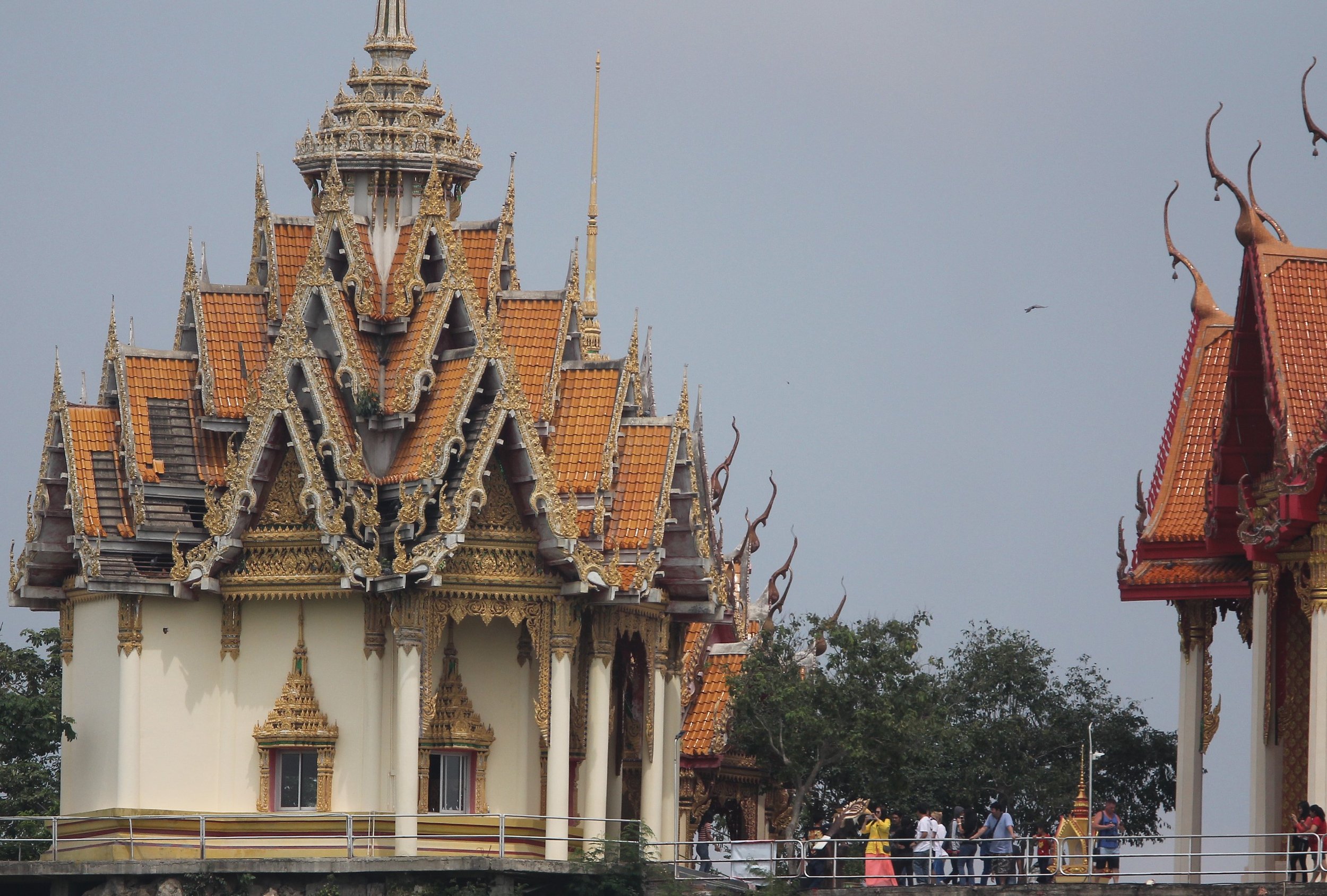
Wat Tham Suea (Tiger Cave Temple) located in Kanchanaburi.
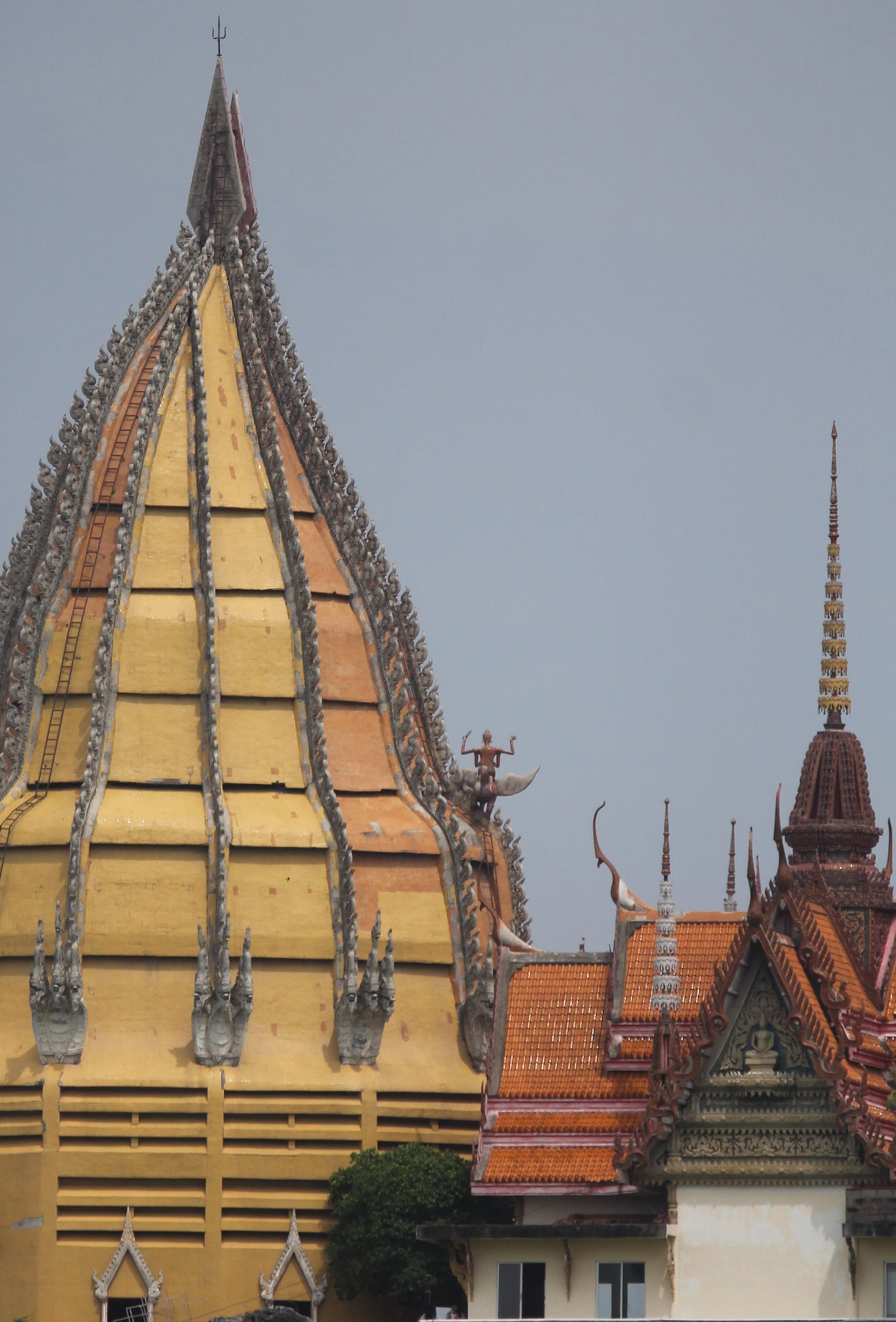
Wat Tham Suea (Tiger Cave Temple) located in Kanchanaburi.
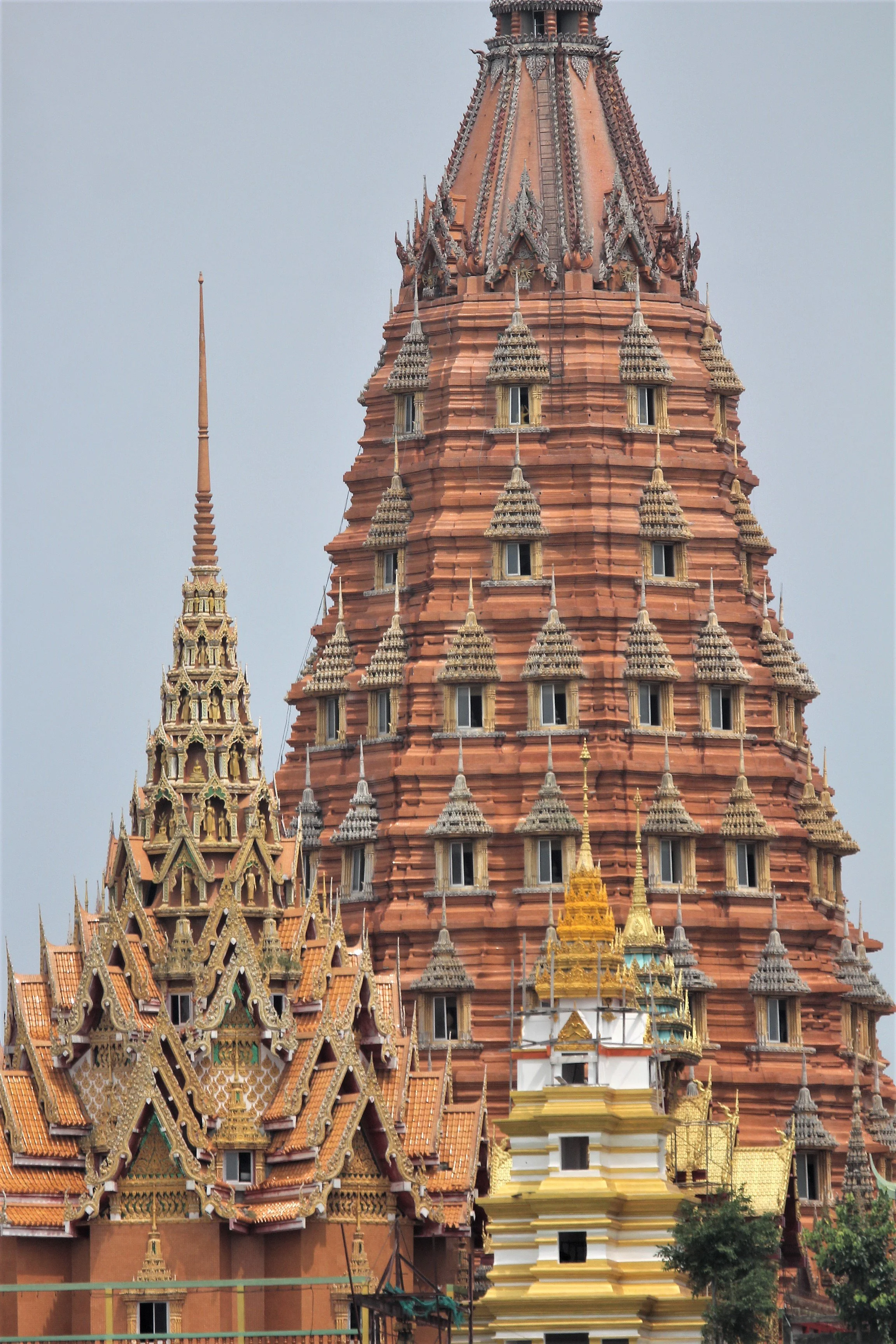
Wat Tham Suea (Tiger Cave Temple) located in Kanchanaburi.
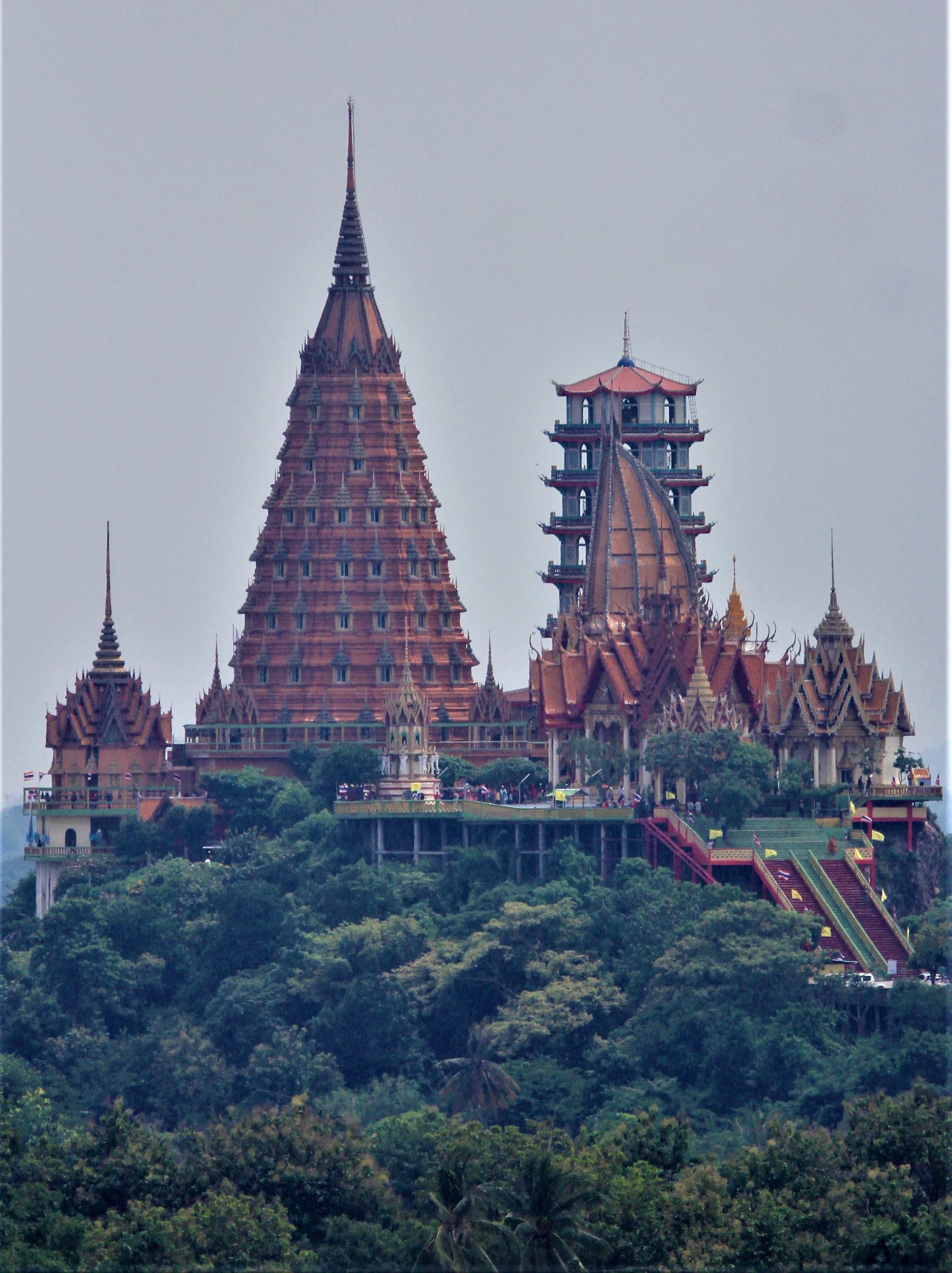
Wat Tham Suea (Tiger Cave Temple) located in Kanchanaburi.
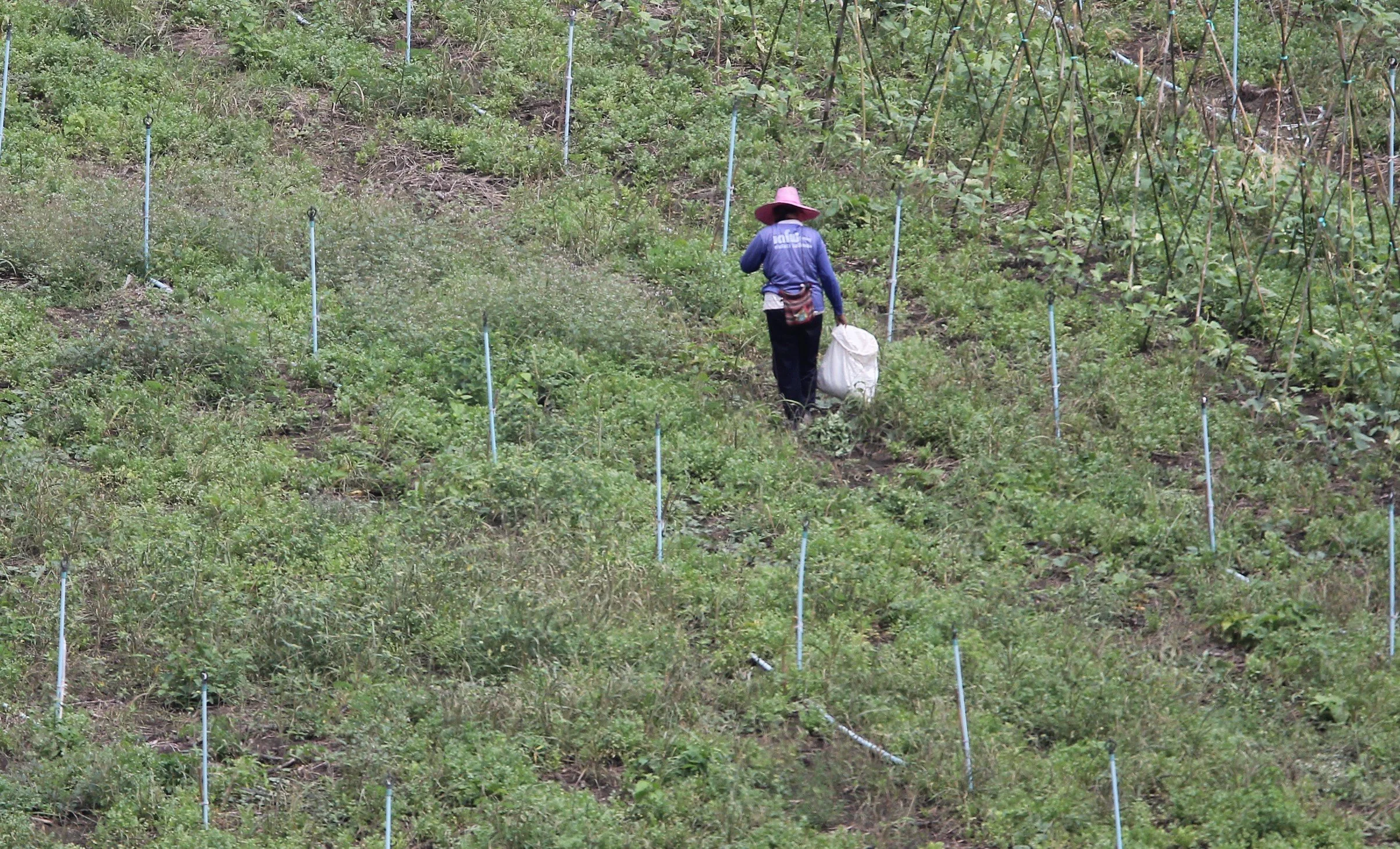
Agricultural life around the Western Forest Complex
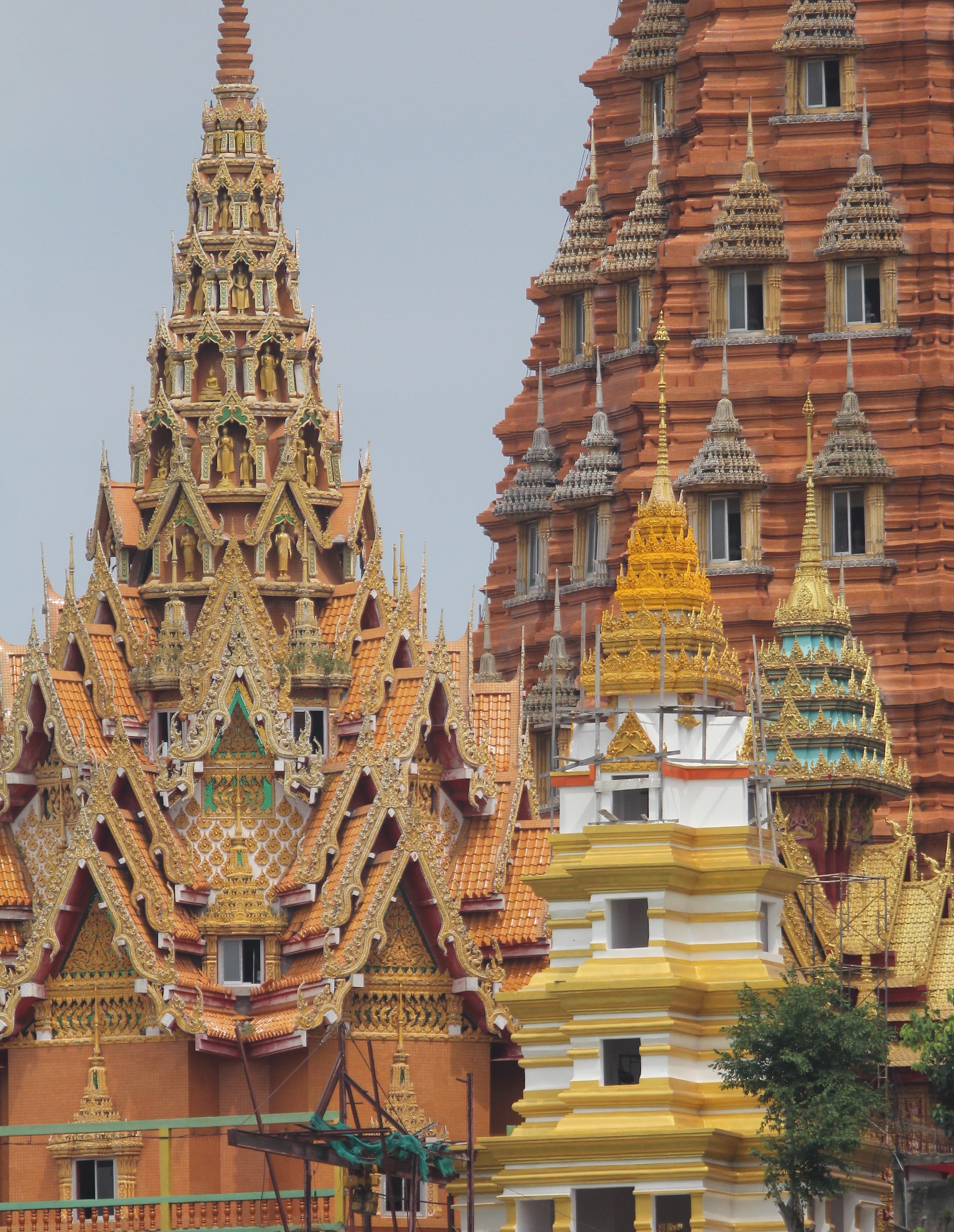
Wat Tham Suea (Tiger Cave Temple) located in Kanchanaburi.
Ecotourism as a Gateway to Conservation
Ecotourism in the Western Forest Complex (WEFCOM) plays a central role in connecting visitors with one of Southeast Asia’s most biologically rich landscapes. Spanning more than 18,000 km² and comprising 12 national parks and seven wildlife sanctuaries, the complex offers visitors exposure to intact forests, dramatic mountains, and exceptional wildlife diversity—including tigers, elephants, leopards, primates, and hundreds of bird species. Several parks within the complex, such as Erawan, Sai Yok, and Thong Pha Phum, draw large numbers of nature‑oriented travelers who come for hiking, camping, caving, waterfall visits, and wildlife viewing. Attractions like Erawan Waterfall—with its seven turquoise tiers nestled in the jungle—serve as major ecotourism highlights, showcasing the region’s scenic value and encouraging public appreciation for protected ecosystems. [thewildlif...iaries.com], [en.wikipedia.org]
Community and Institutional Support for Sustainable Tourism
Ecotourism in the Western Forest Complex is supported by a collaborative network of conservation and tourism organizations. Initiatives involve partnerships among the National Park, Wildlife and Plant Conservation Department (DNP), the Thai Ecotourism and Adventure Travel Association (TEATA), the Foundation of Western Forest Complex Conservation (FWFCC), and local tourism groups—all of which promote responsible travel and environmental stewardship. These programs emphasize low‑impact visitation, visitor education, and the integration of local communities into tourism planning. Recent conservation‑development efforts, backed by UNESCO and international partners, also highlight ecotourism as a tool for strengthening community livelihoods, improving forest governance, and enhancing infrastructure that supports both conservation and sustainable visitor access. By linking tourism revenue with ecological protection and community benefit, these initiatives help ensure that ecotourism contributes meaningfully to the long‑term resilience of the Western Forest Complex. [Western Fo...st Complex], Link to Rabam Wildlife Tourism Community
Today, life in villages near the Western Forest Complex is marked by negotiation and adaptation. Conservation has brought new opportunities—such as employment as rangers, guides, or support staff, and community-based projects linked to conservation NGOs—but it has also introduced constraints on land use, access to forest resources, and traditional practices. Human–wildlife conflict is a daily reality for some households, with elephants, gaur, and wild pigs damaging crops and threatening livelihoods. As a result, villagers’ views of conservation are rarely simple or uniform: pride in living next to a globally significant forest often sits alongside frustration, economic insecurity, and a perception that the costs of protection are borne locally while the benefits accrue nationally or internationally. Understanding these villages not as obstacles to conservation, but as stakeholders with history, knowledge, and legitimate concerns, is increasingly recognised as essential to the long-term survival of the Western Forest Complex itself. And now with tigers venturing closer and closer to villages, a new dimension has been added to the equation of cohabitation between the local human population and the wildlife of the complex. My greatest hope is that the Western Forest Complex in the long term benefits the people who live there either by providing employment or income generated from a ecotourist economy. With deep commitment from the stakeholders I am convinced this can happen.

In many locations around the Western Forest Complex, there are vibrant communities which a lovely cultural dimension to the region.

Ask a Thai person how to say "pumpkin" in Thai!



My Liana smiling at daddy in Huai Kha Khaeng.

BBQ rat!

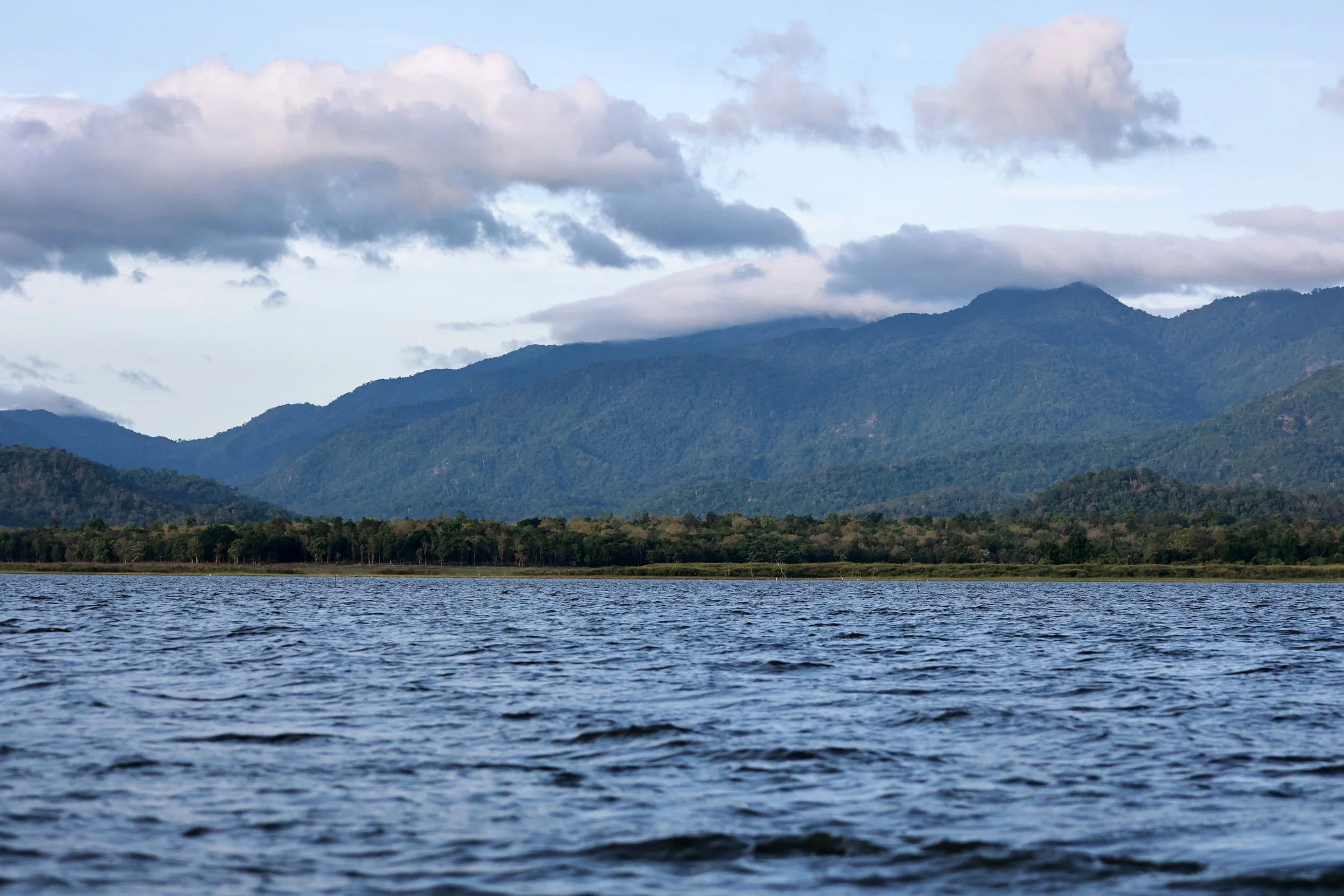
Thap Salao Dam Lake is near the Huai Kha Khaeng Headquarters is used now by locals and tourists alike.
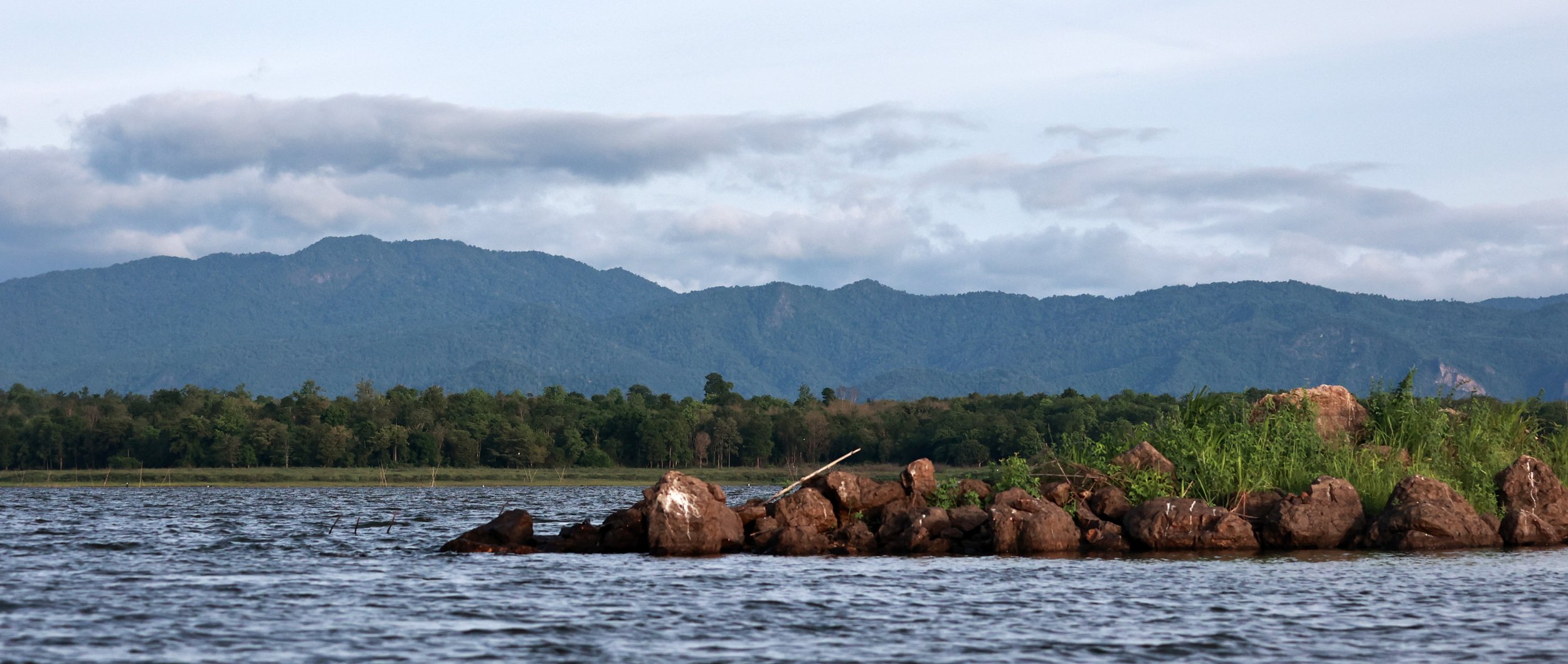
Thap Salao Dam Lake
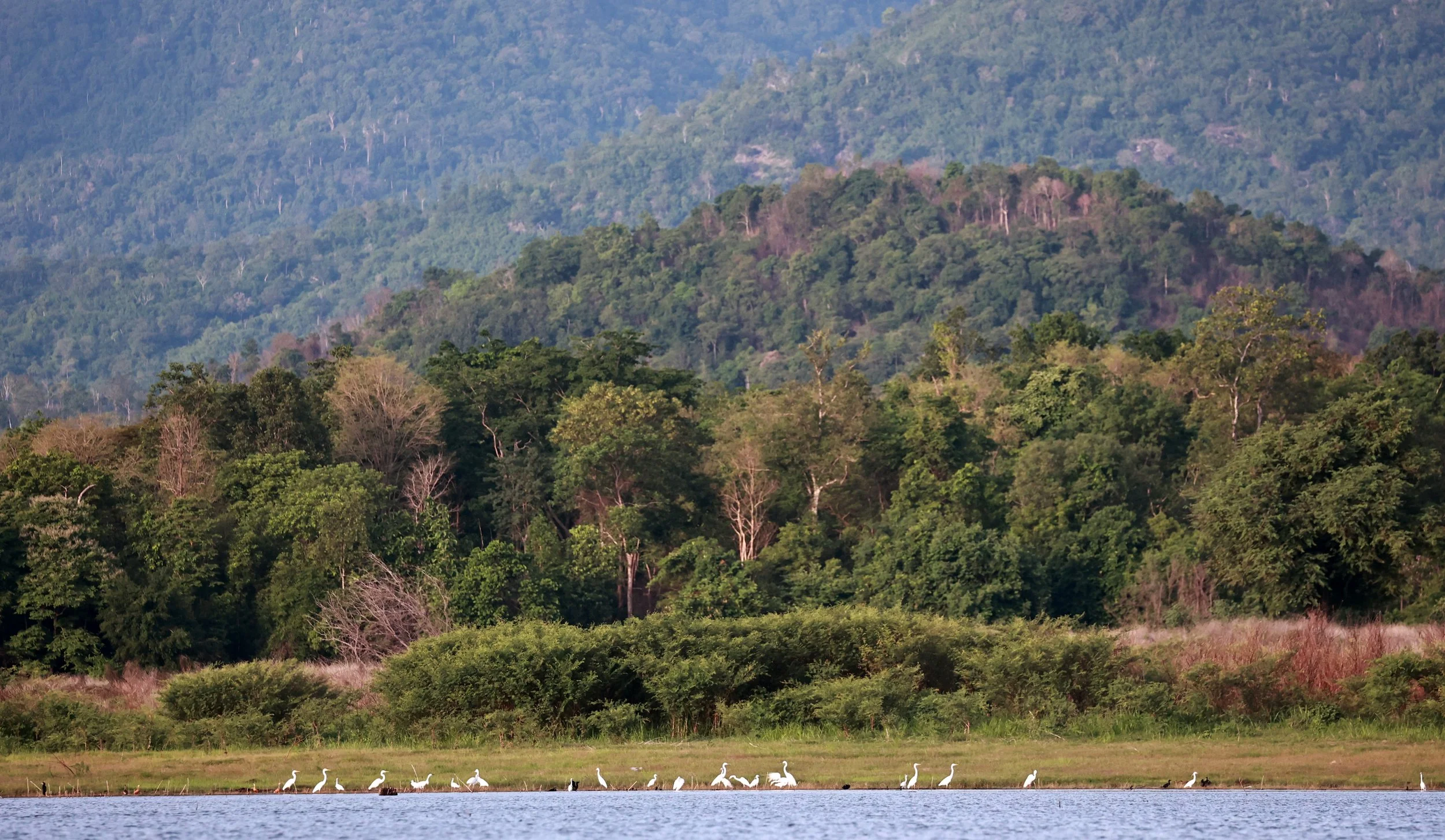
Thap Salao Dam Lake is a good place for early morning and later afternoon boat safaris. Elephants, Banteng and 2-3 species of deer are often seen grazing along the shore.
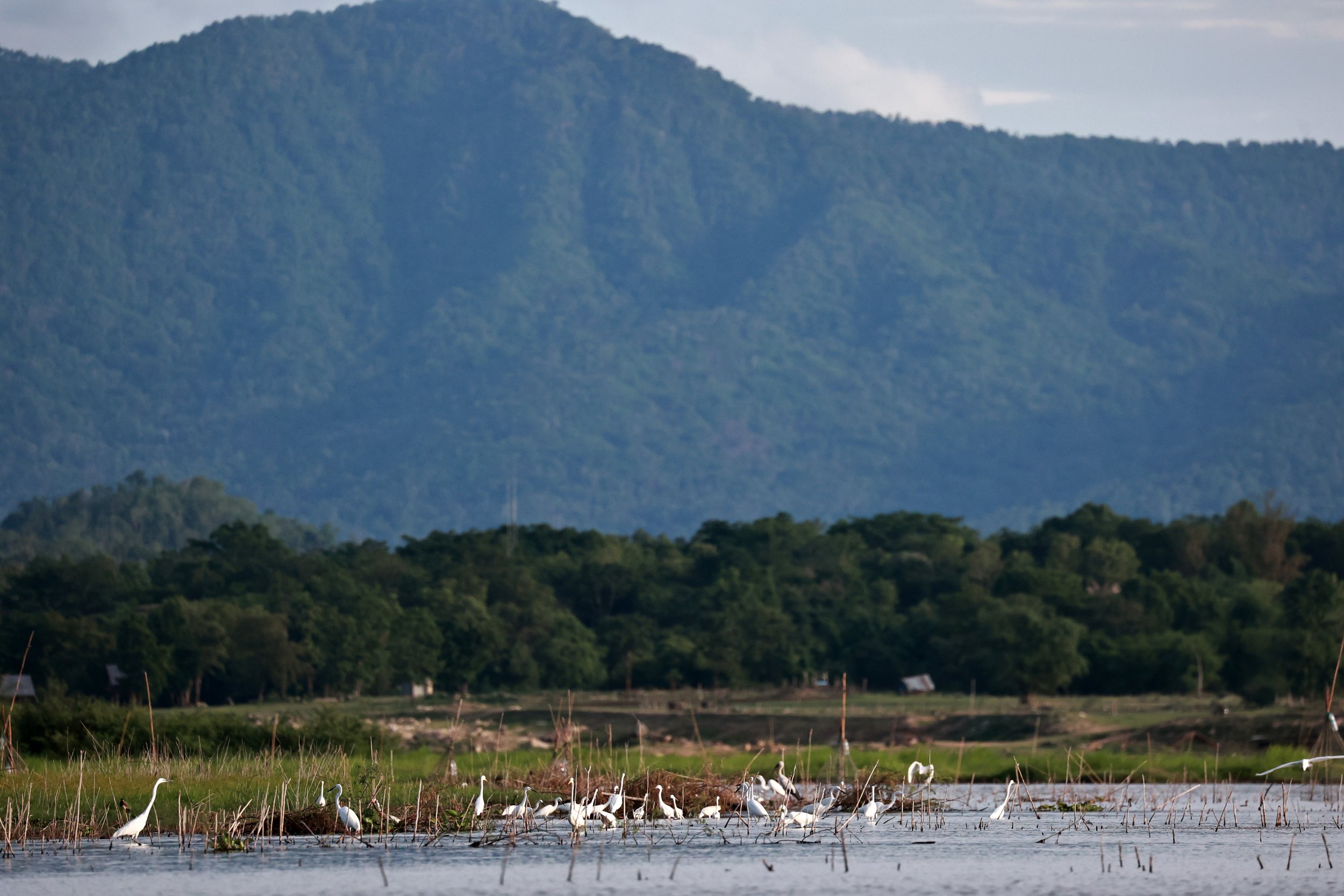
Bird watching in Thap Salao Dam Lake.
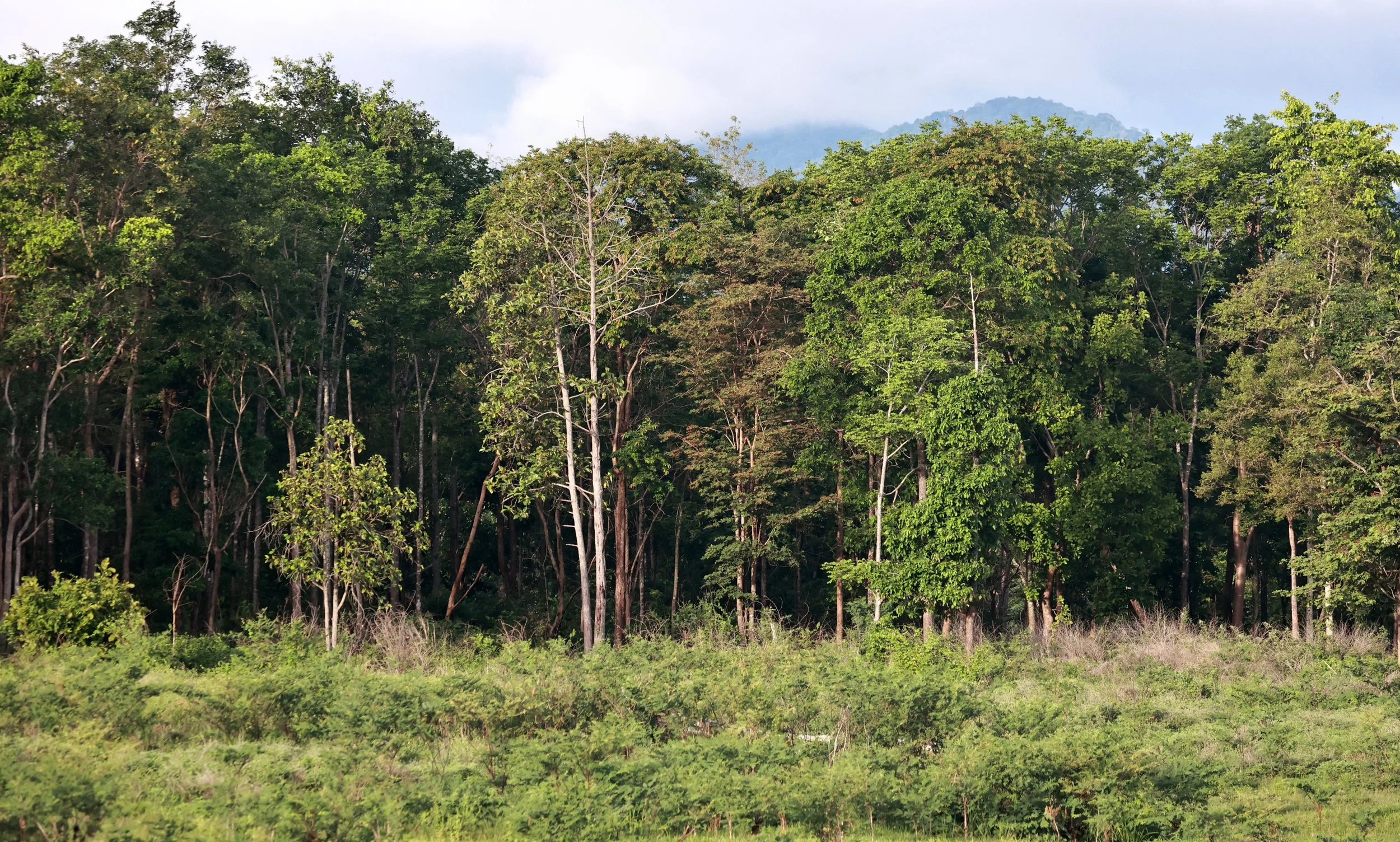
I predict one day people will be able to see tigers patrolling these lake shores.
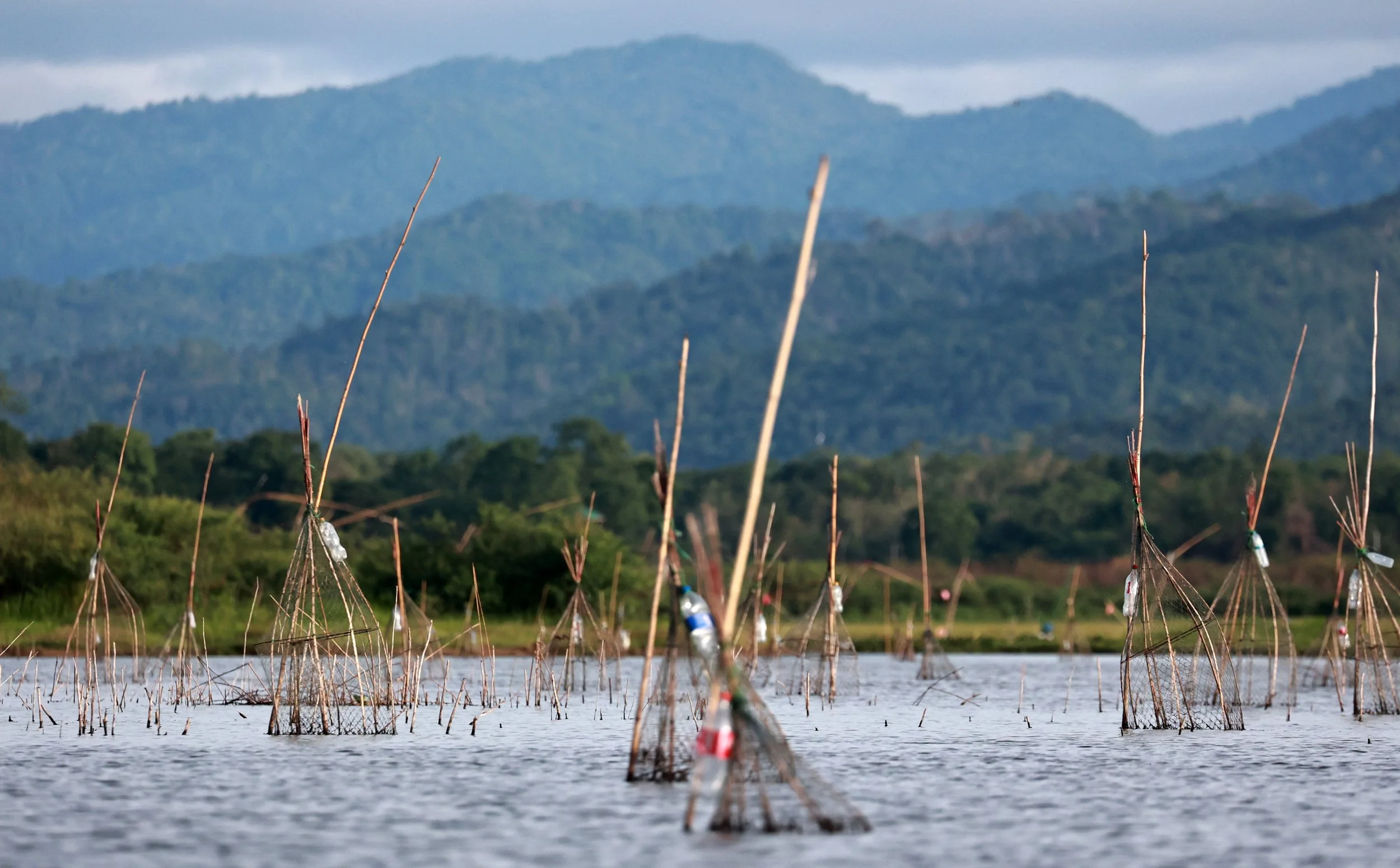
Thai style Intha fishing. Very similar to the Intha fishermen in Burma. Interesting to know the connection.
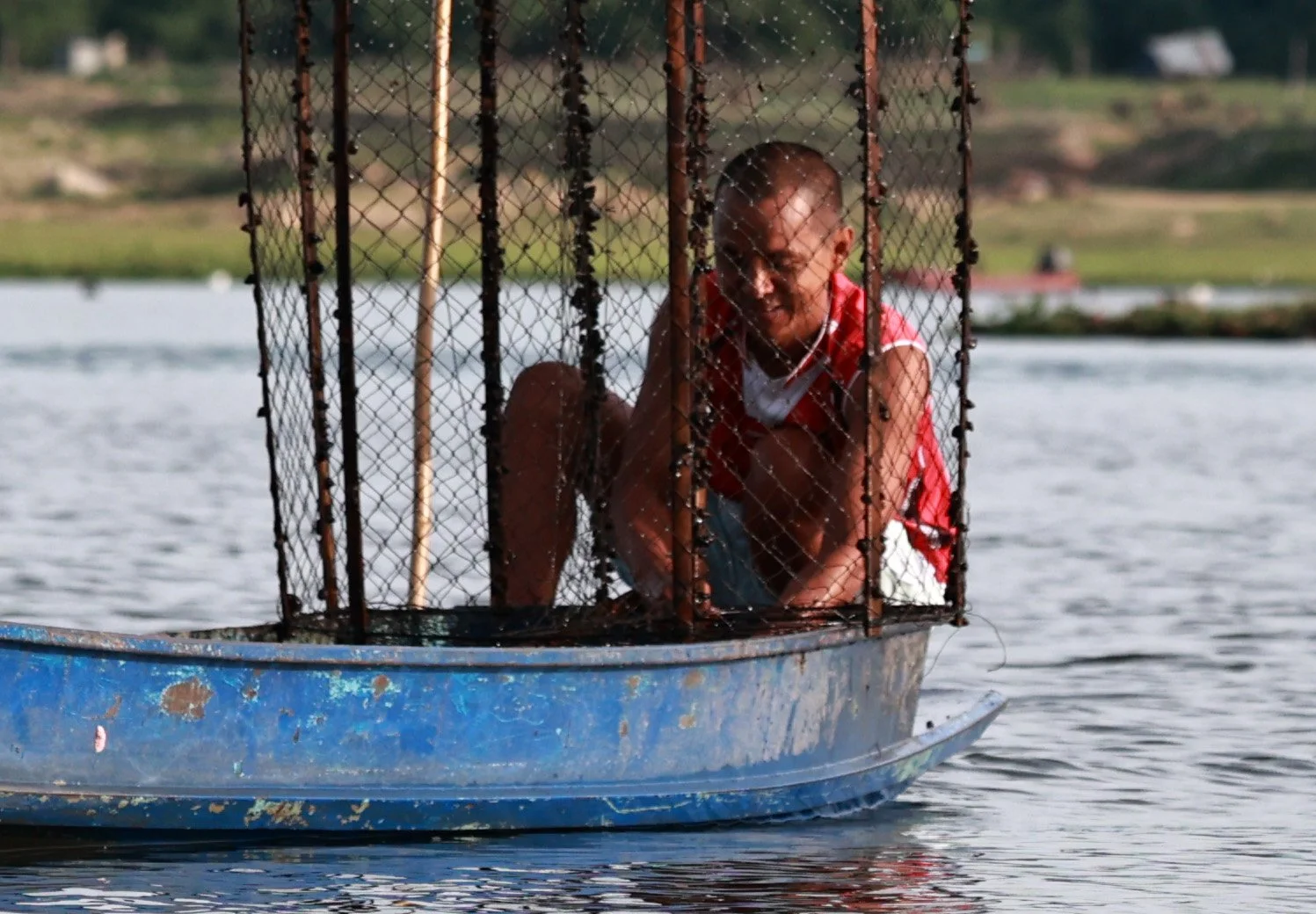
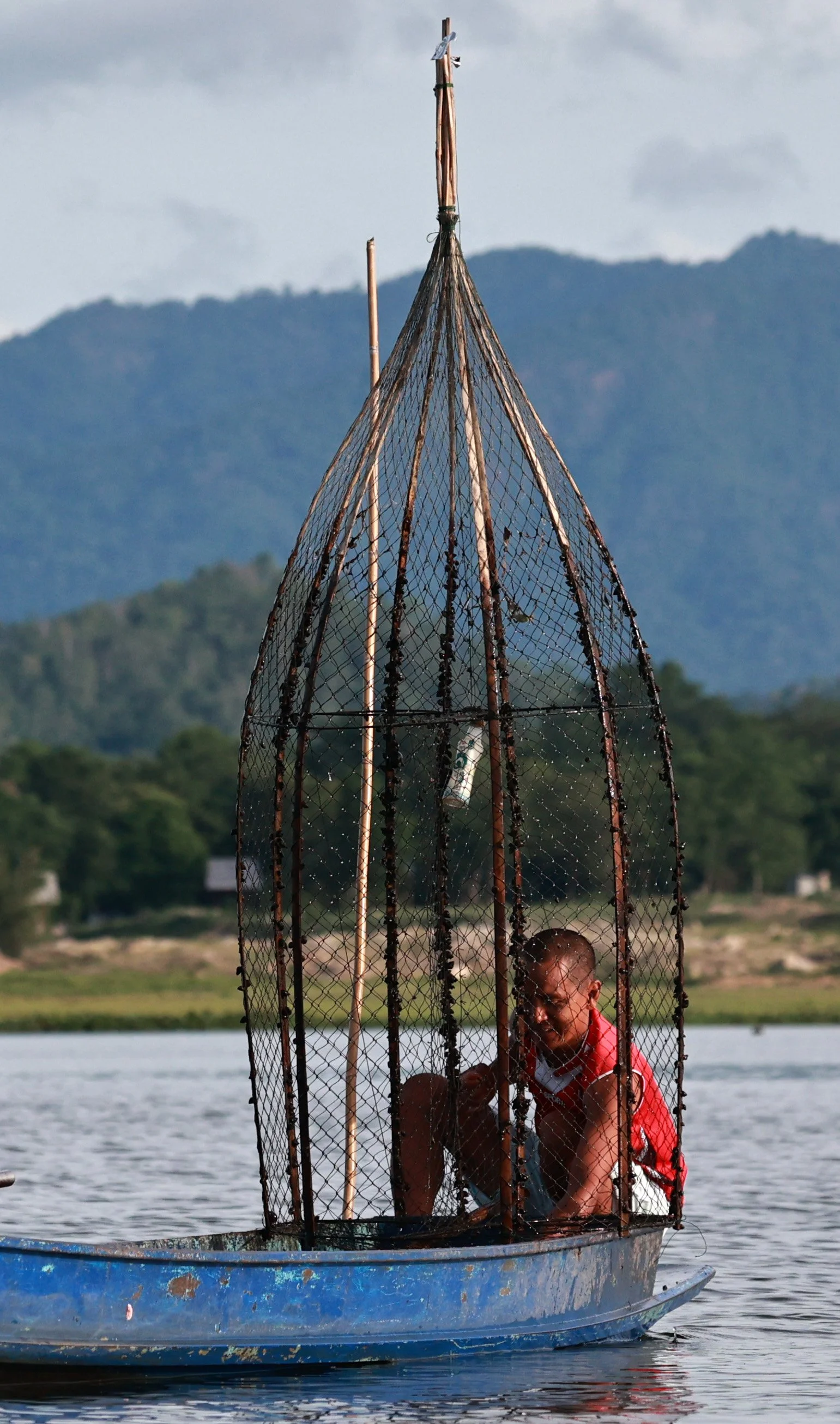
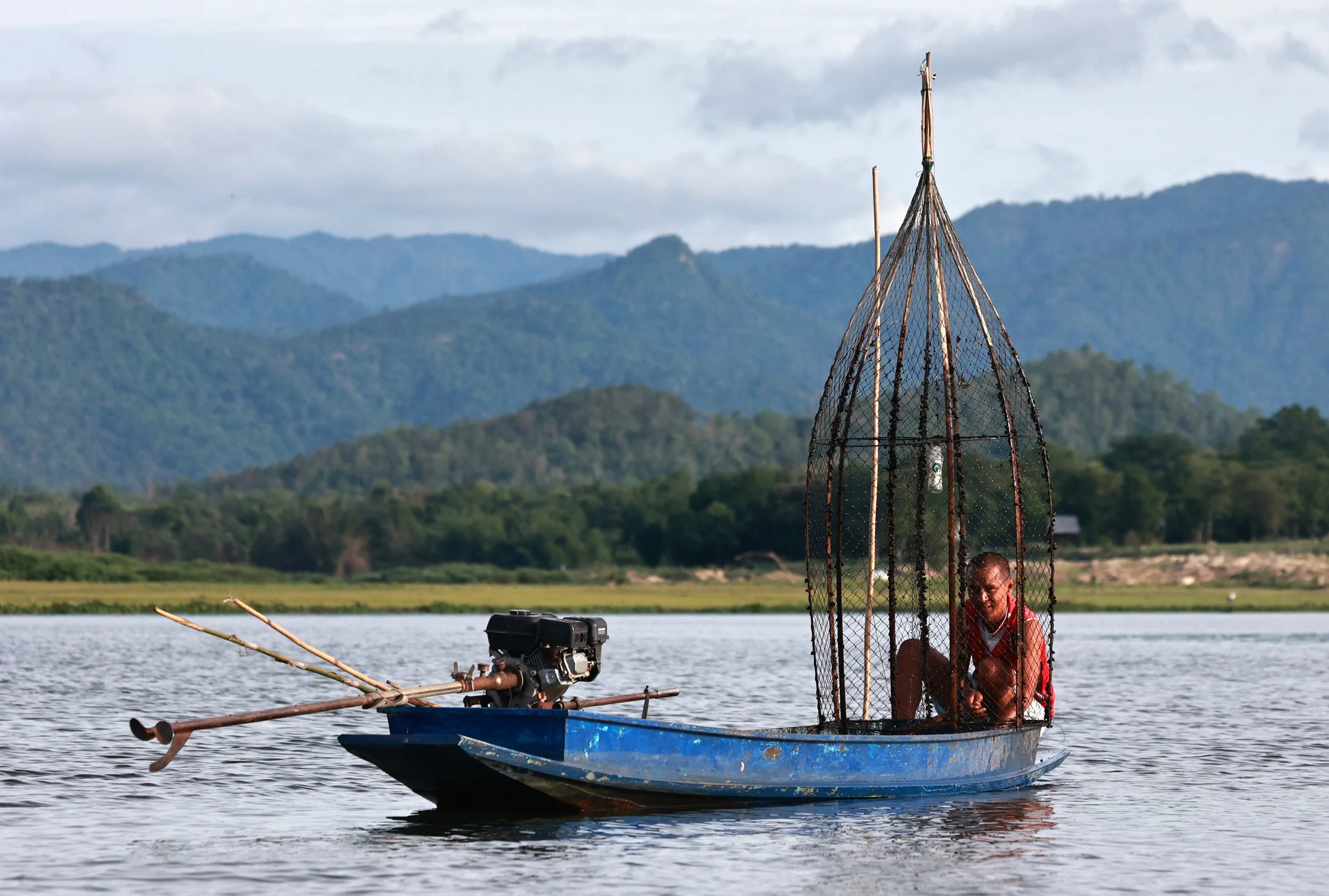
The catch!

Golden fields of sunflowers are very popular in Thailand with Thai tourists who love to take selfies and "check-in" for social media.
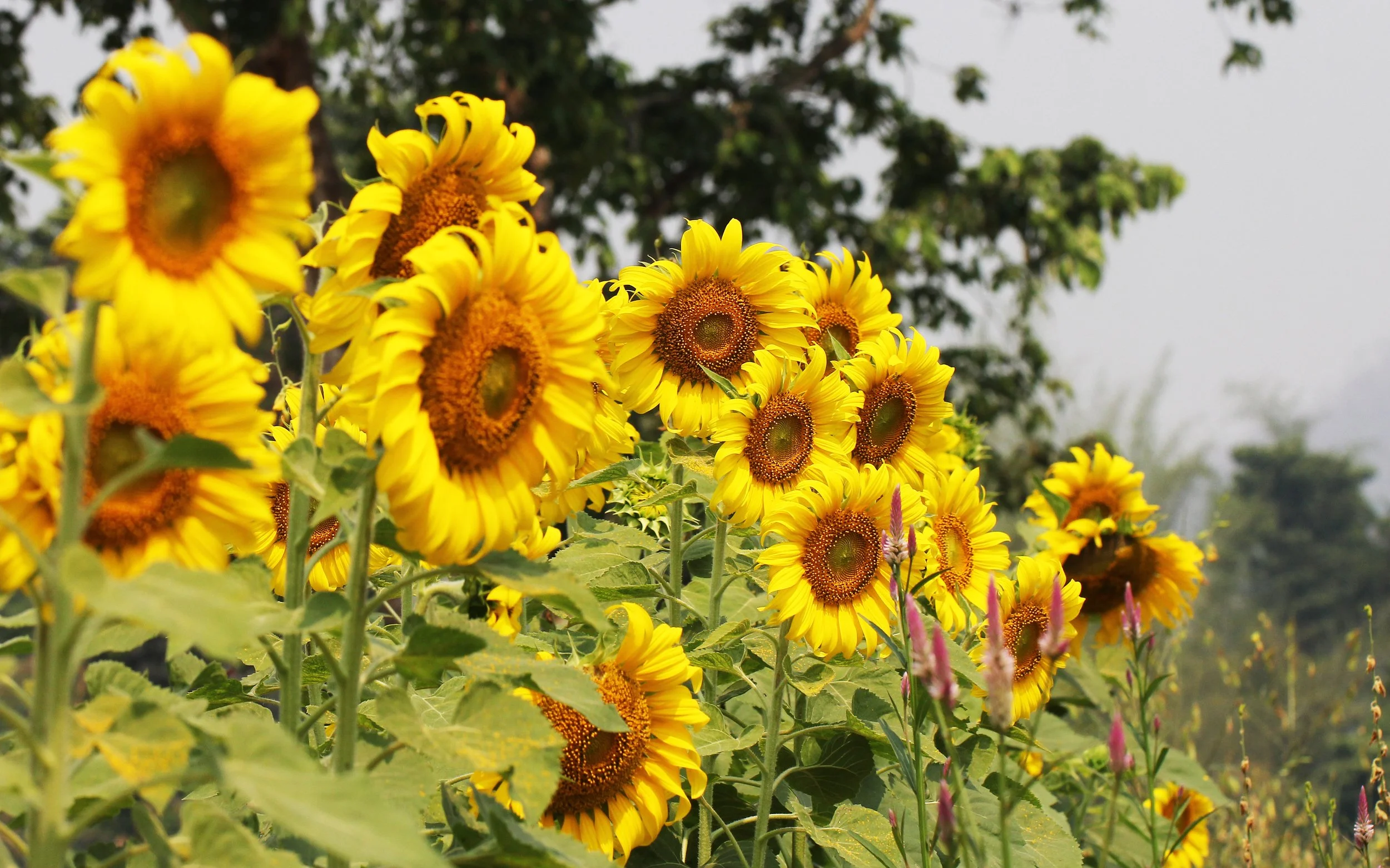

Noen Chang Suek Viewpoint Pilok
Noen Chang Suek Viewpoint Pilok
Noen Chang Suek Viewpoint Pilok
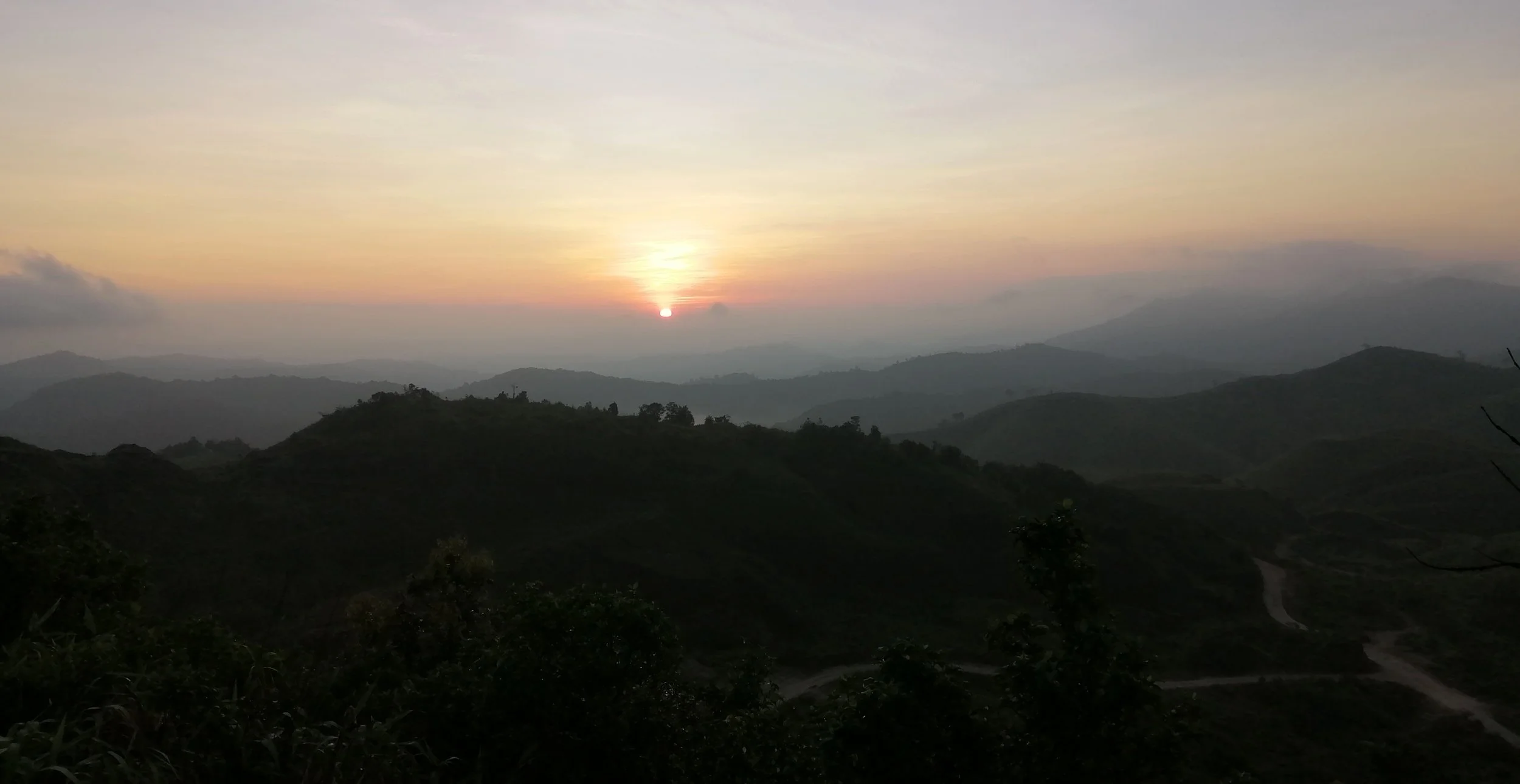
Sunrise over the Western Forest Complex
Noen Chang Suek Viewpoint Pilok
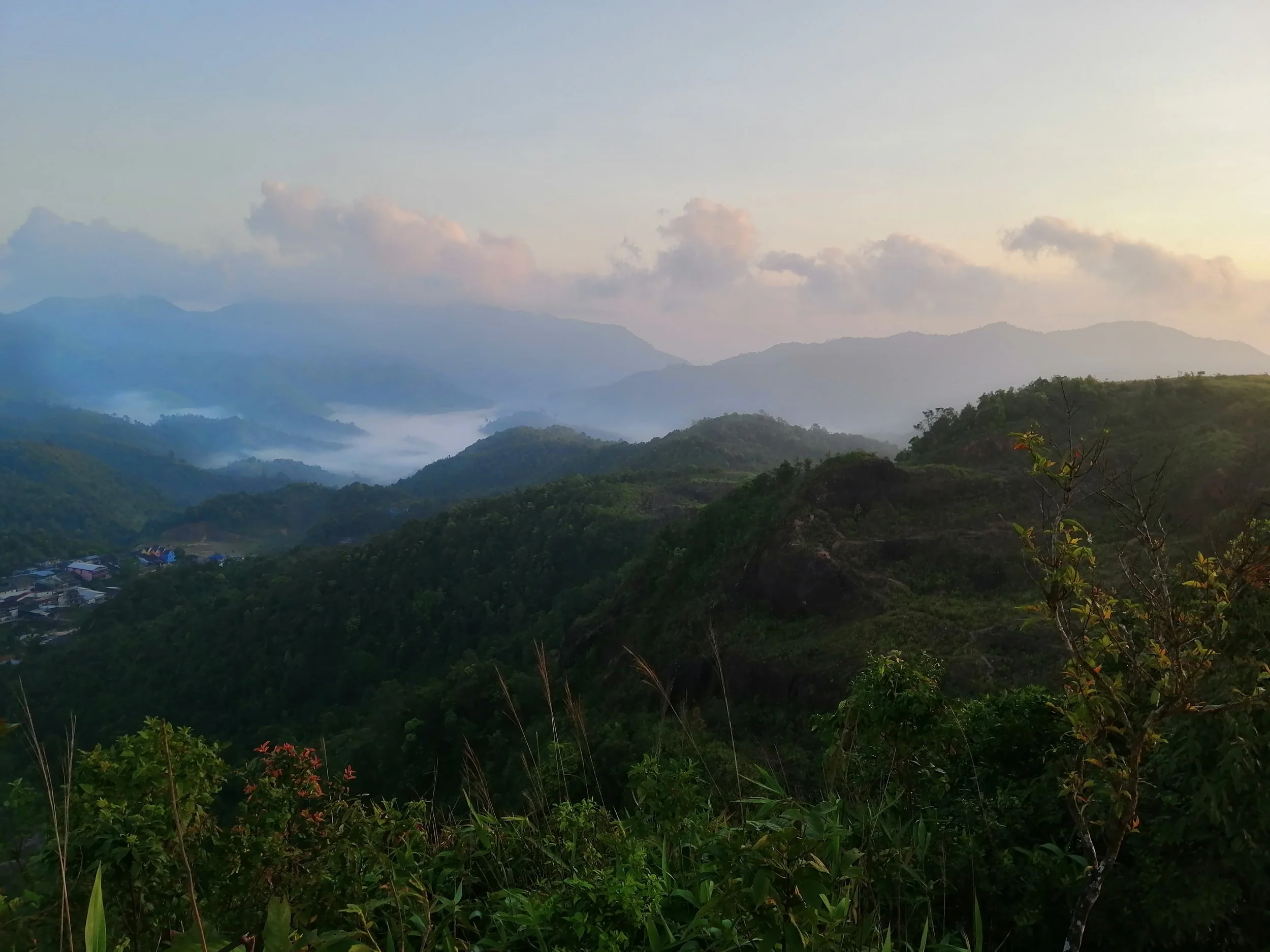

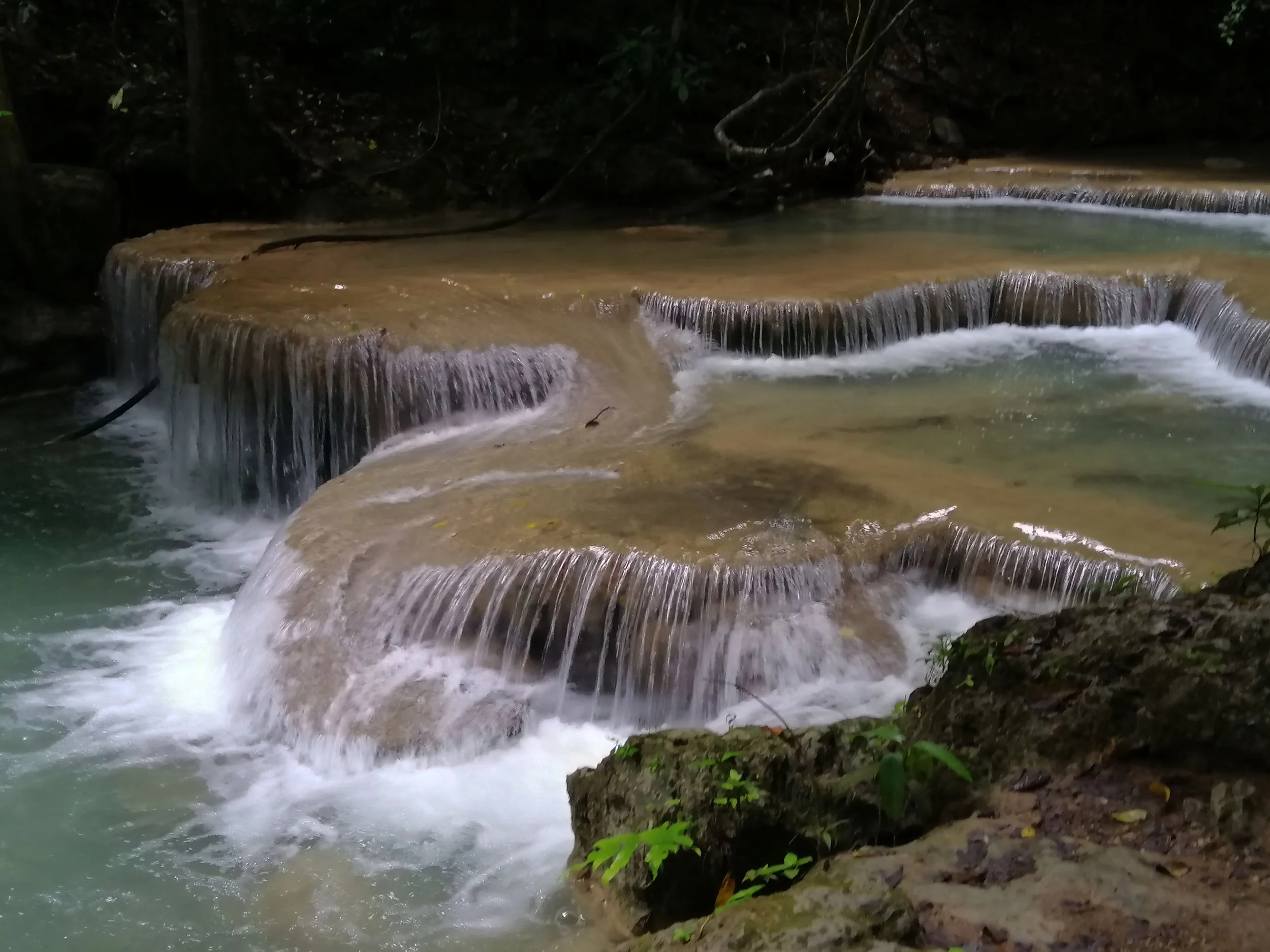
Erawan Falls
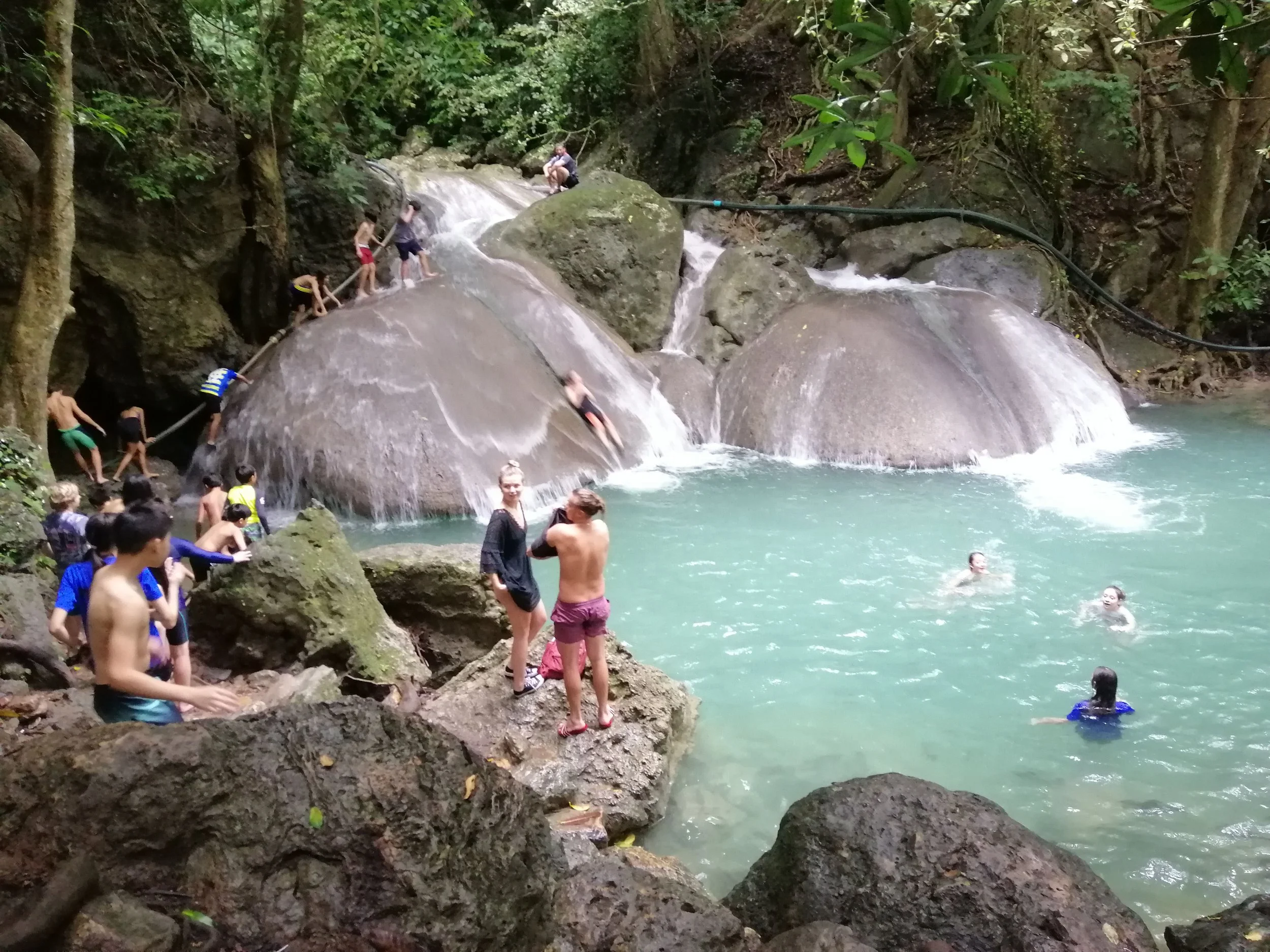
Tourists swiming in the turquoise pools of Erawan NP.