

Old World Flycatchers
The Old World flycatchers are a large family, the Muscicapidae, of small passerine birds restricted to the Old World (Europe, Africa and Asia), with the exception of several vagrants and two species, bluethroat (Luscinia svecica) and northern wheatear (Oenanthe oenanthe), found also in North America. These are mainly small arboreal insectivores, many of which, as the name implies, take their prey on the wing. The family includes 352 species and is divided into 51 genera.
The appearance of these birds is very varied, but they mostly have weak songs and harsh calls. They are small to medium birds, ranging from 9 to 22 cm in length. Many species are dull brown in colour, but the plumage of some can be much brighter, especially in the males. Most have broad, flattened bills suited to catching insects in flight, although the few ground-foraging species typically have finer bills.
Old World flycatchers live in almost every environment with a suitable supply of trees, from dense forest to open scrub, and even the montane woodland of the Himalayas. The more northerly species migrate south in winter, ensuring a continuous diet of insects.
Depending on the species, their nests are either well-constructed cups placed in a tree or cliff ledge, or simply lining in a pre-existing tree hole. The hole-nesting species tend to lay larger clutches, with an average of eight eggs, rather than just two to five.
The image to the right is an Indochinese Blue Flycatcher, a very common forest dwelling species in Thailand and Southeast Asia. This is one of the over 100 species of Muscicapids I have been fortunate to have photographed over the years. Galleries below.


Large Blue Flycatcher (Cyornis magnirostris) Thailand

Indochinese Blue Flycatcher (Cyornis sumatrensis) Thailand

Chinese Blue Flycatcher (Cyornis glaucicomans) Thailand

Hainan Blue Flycatcher (Cyornis hainanus) Thailand

White-bellied blue flycatcher (Cyornis pallidipes) Southern India

Hill Blue Flycatcher (Cyornis whitei) Thailand

Bornean Blue Flycatcher (Cyornis superbus) Borneo

Malaysian Blue Flycatcher (Cyornis turcosus) Borneo

Dusky-blue flycatcher (Muscicapa comitata) Sri Lanka

Indigo Flycatcher (Eumyias indigo) Java Indonesia

Pale Flycatcher (Agricola pallidus) (=Bradornis pallidus) Saint Lucia Wetlands South Africa
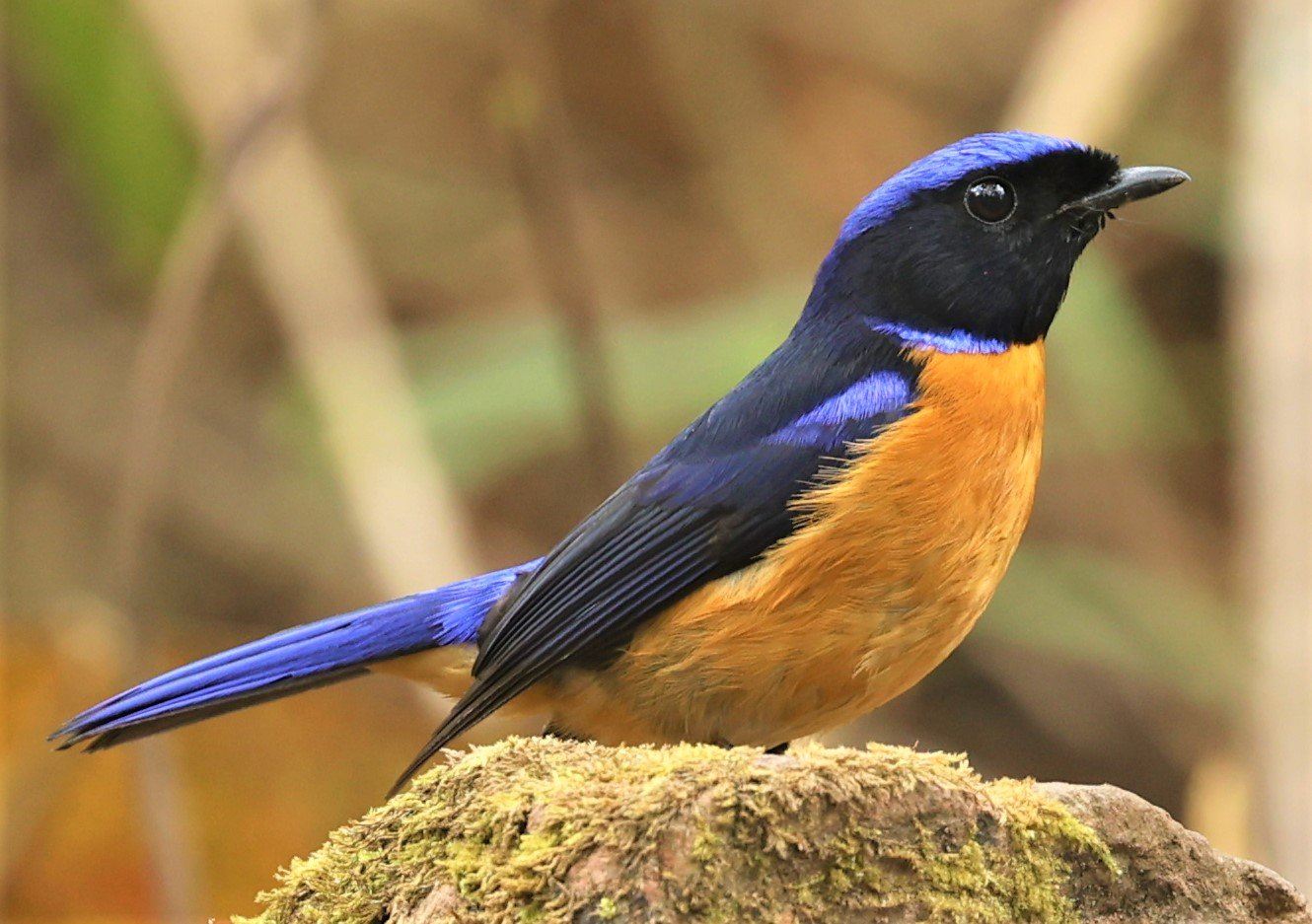
Rufous-bellied Niltava (Niltava sundara) Thailand, China and Malaysia

Large Niltava (Niltava grandis) Thailand

Small Niltava (Niltava macgrigoriae) Kaziranga, India & Thailand

White-eyed Slaty Flycatcher (Melaenornis fischeri) Rwanda

Southern Black Flycatcher (Melaenornis pammelaina) South Africa

Marico Flycatcher or Mariqua Flycatcher (Melaenornis mariquensis)

African Dusky Flycatcher (Muscicapa adusta) Central & Southern Africa

Fiscal flycatcher (Melaenornis silens) South Africa
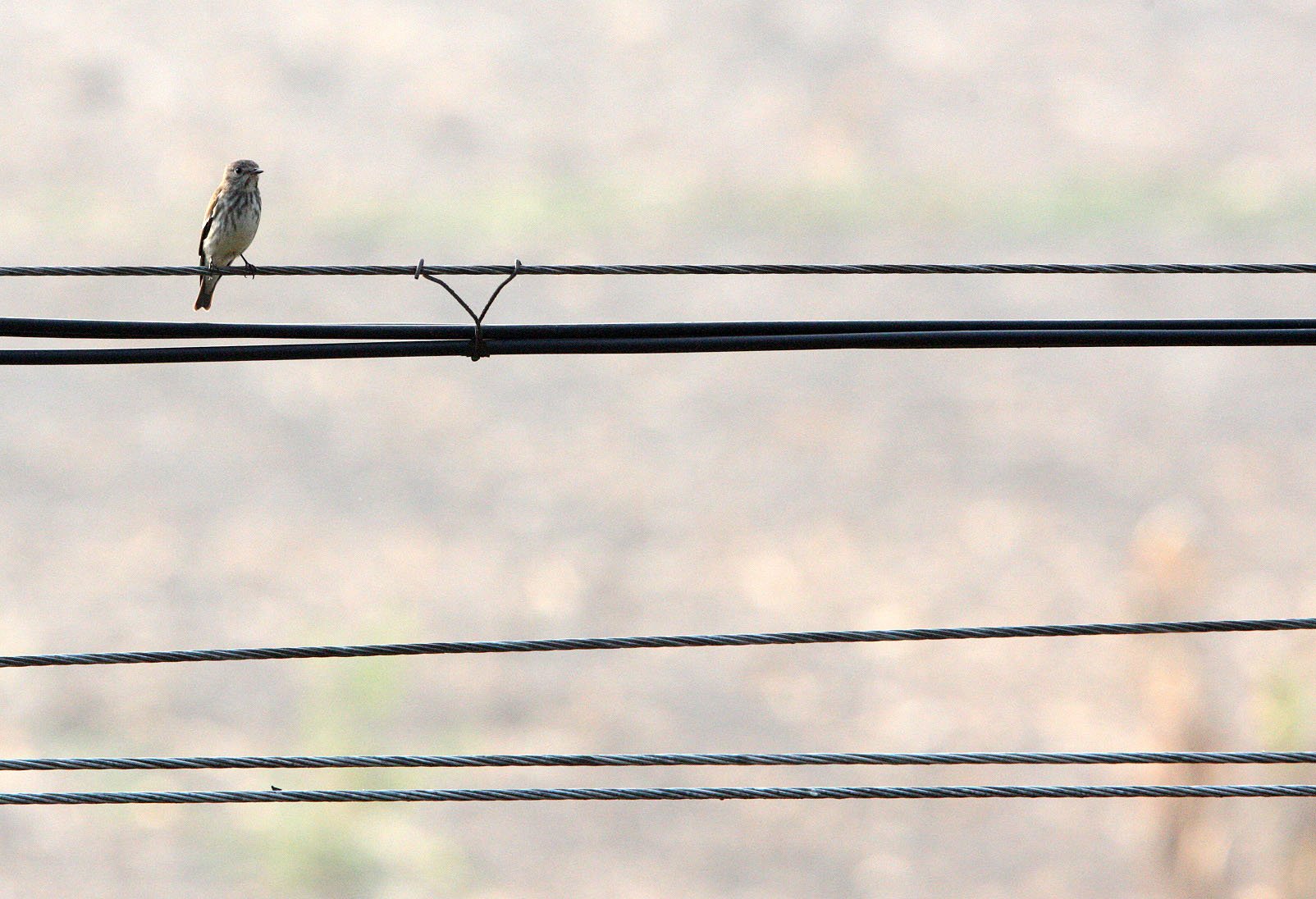
Grey-streaked Flycatcher (Muscicapa griseisticta) China

Dark-sided Flycatcher (Muscicapa sibirica) Thailand

Asian Brown Flycatcher (Muscicapa dauurica) Thailand

Ashy Flycatcher (Muscicapa caerulescens) Africa

Swamp Flycatcher (Muscicapa aquatica) Uganda

White Gorgeted Flycatcher (Anthipes monileger) Thailand

Rufous-browed Flycatcher (Anthipes solitaris) Malaysia

Chat flycatcher (Melaenornis infuscatus)

Verditer Flycatcher (Eumyias thalassinus) Thailand

Southern Anteater-chat (Myrmecocichla formicivora)
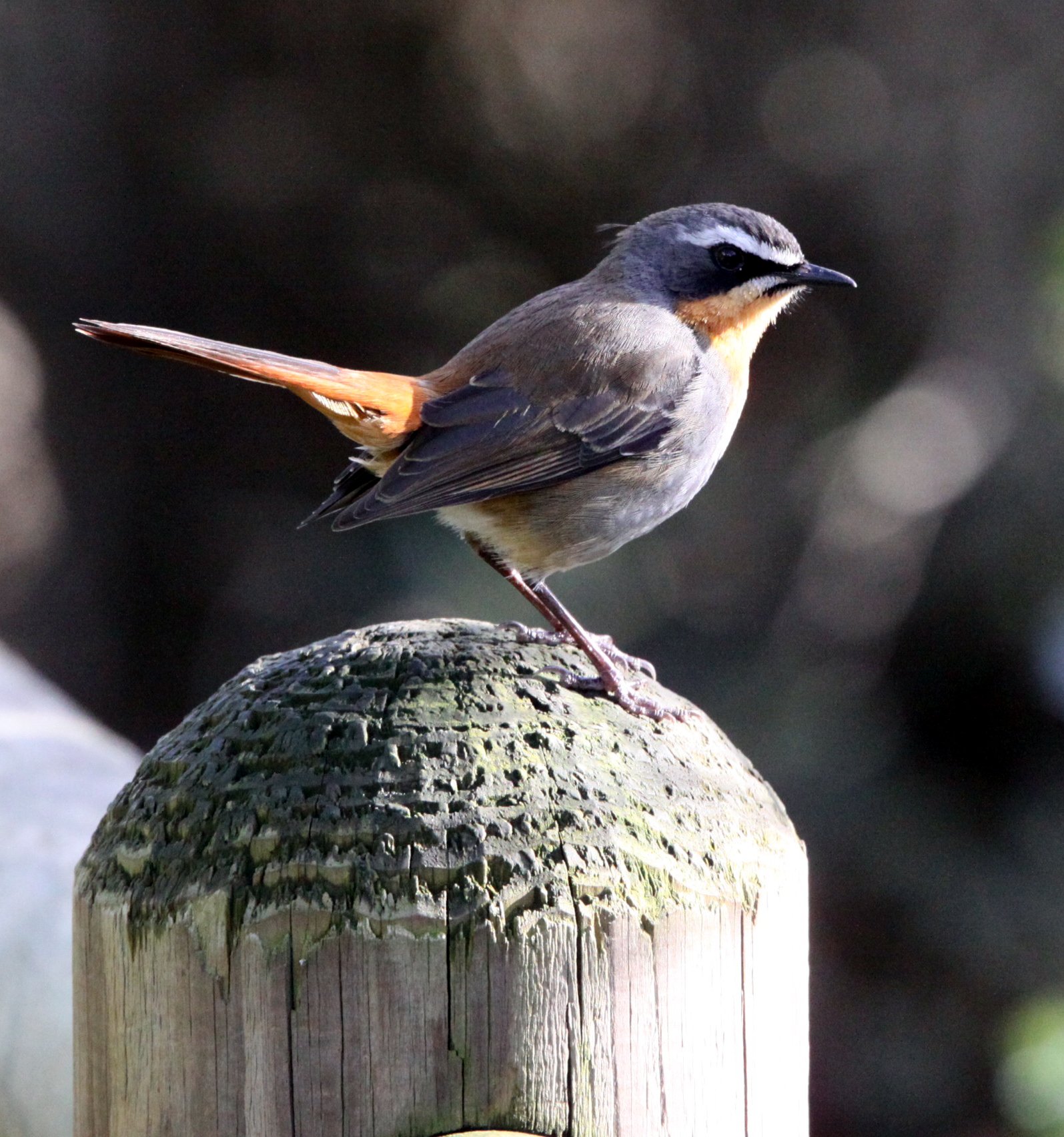
Cape Robin-chat (Cossypha caffra) South Africa

White-browed Robin-chat (Cossypha heuglini) Ethiopia & Uganda

Chorister robin-chat (Cossypha dichroa) South Africa
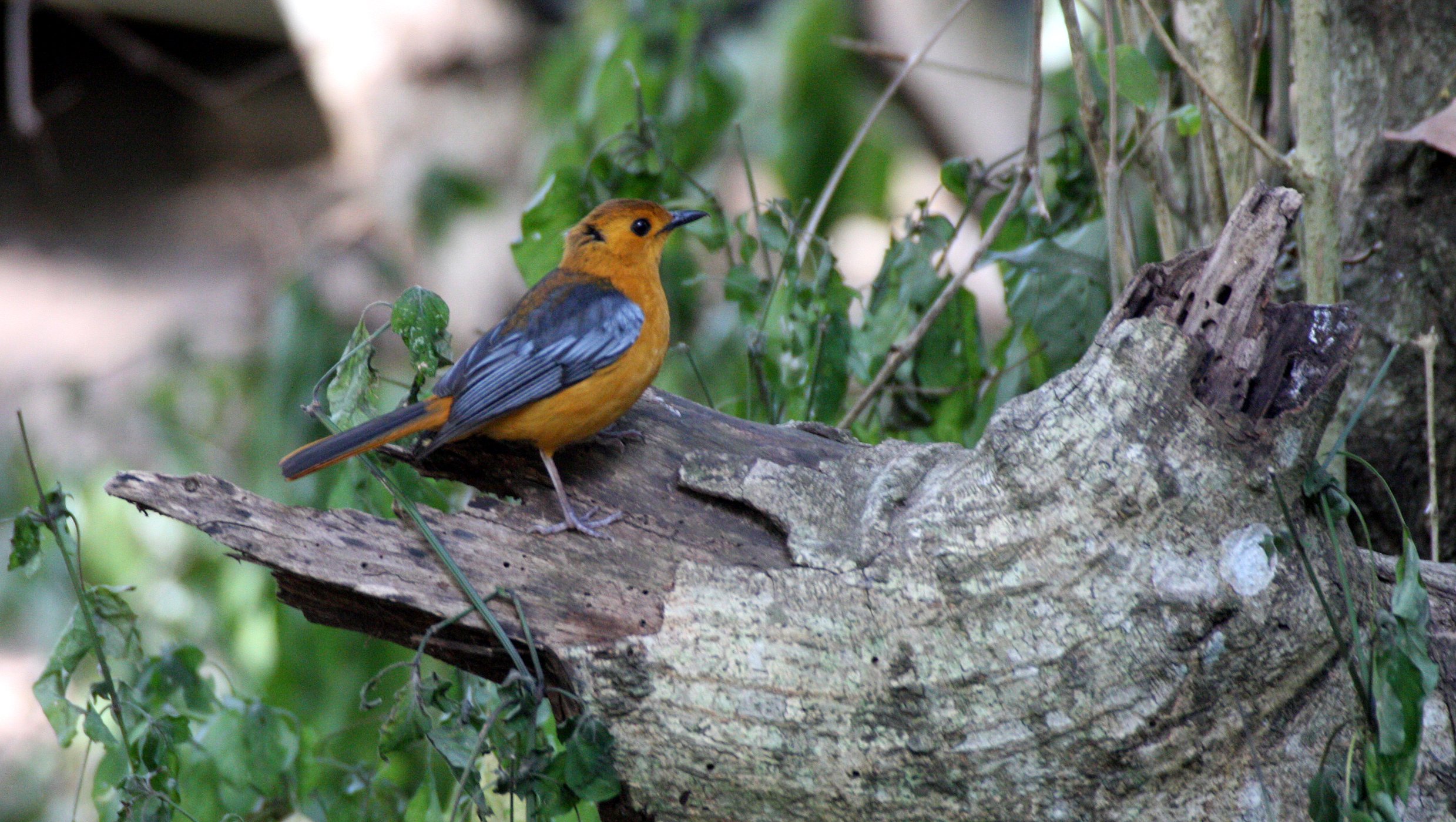
Red-capped or Natal Robin-chat (Cossypha natalensis) Southern Africa

Lesser shortwing (Brachypteryx leucophris) Thailand

Siberian Blue Robin, (Larvivora (Luscinia) cyane)

Bluethroat (Luscinia svecica) Thailand

Siberian Rubythroat (Calliope calliope) Thailand, Kuril Islands

White-tailed Robin (Myiomela leucura) Thailand, Malaysia

Red-flanked (Orange-flanked Bush Robin) Bluetail (Tarsiger cyanurus) China

Himalayan Bluetail (Tarsiger rufilatus) Thailand

Blue Whistling Thrush (Myophonus caeruleus) Thailand

Chestnut-naped forktail (Enicurus ruficapillus) Thailand
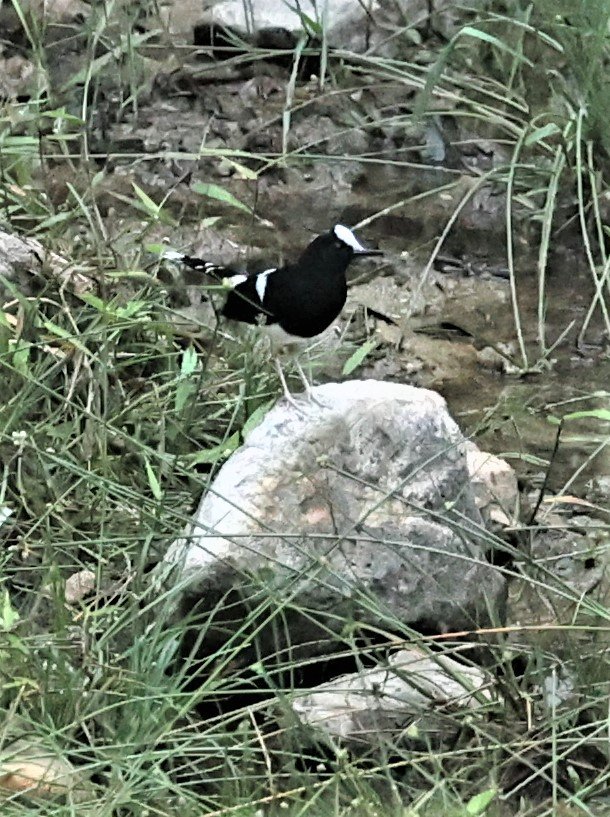
White-crowned Forktail (Enicurus leschenaulti) Malaysia

Slaty-backed Forktail (Enicurus schistaceus) Thailand

Lesser Forktail (Enicurus ruficapillus) Indonesia

Little Forktail (Enicurus scouleri) China

Rufous-breasted Bush-robin (Tarsiger hyperythrus) China

White-starred Robin (Pogonocichla stellata) Rwanda

Amber Mountain rock thrush (Monticola erythronotus)

Rufous-tailed Bush Robin (Cercotrichas galactotes) Ethiopia

Rusty-tailed Flycatcher (Ficedula ruficauda) Kerala India

European Pied Flycatcher (Ficedula hypoleuca) Spain & Tunisia

Slaty-backed Flycatcher (Ficedula erithacus) Thailand

Rufous-gorgeted Flycatcher (Ficedula strophiata) Thailand

Taiga Flycatcher (Ficedula albicilla) Thailand
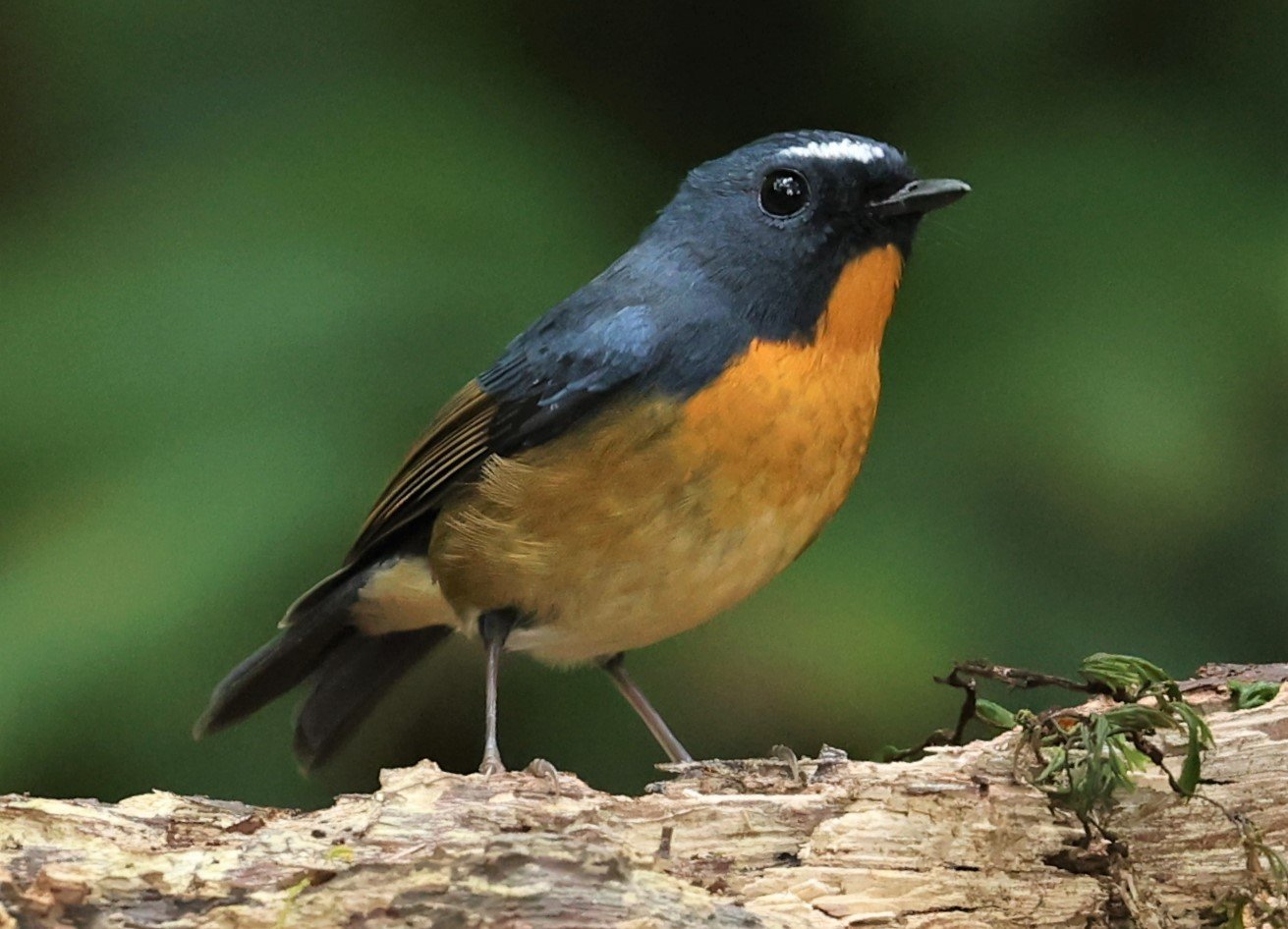
Snowy-browed Flycatcher (Ficedula hyperythra) Thailand

Ultramarine Flycatcher (Ficedula superciliaris) Thailand

Slaty-blue Flycatcher (Ficedula tricolor) Thailand
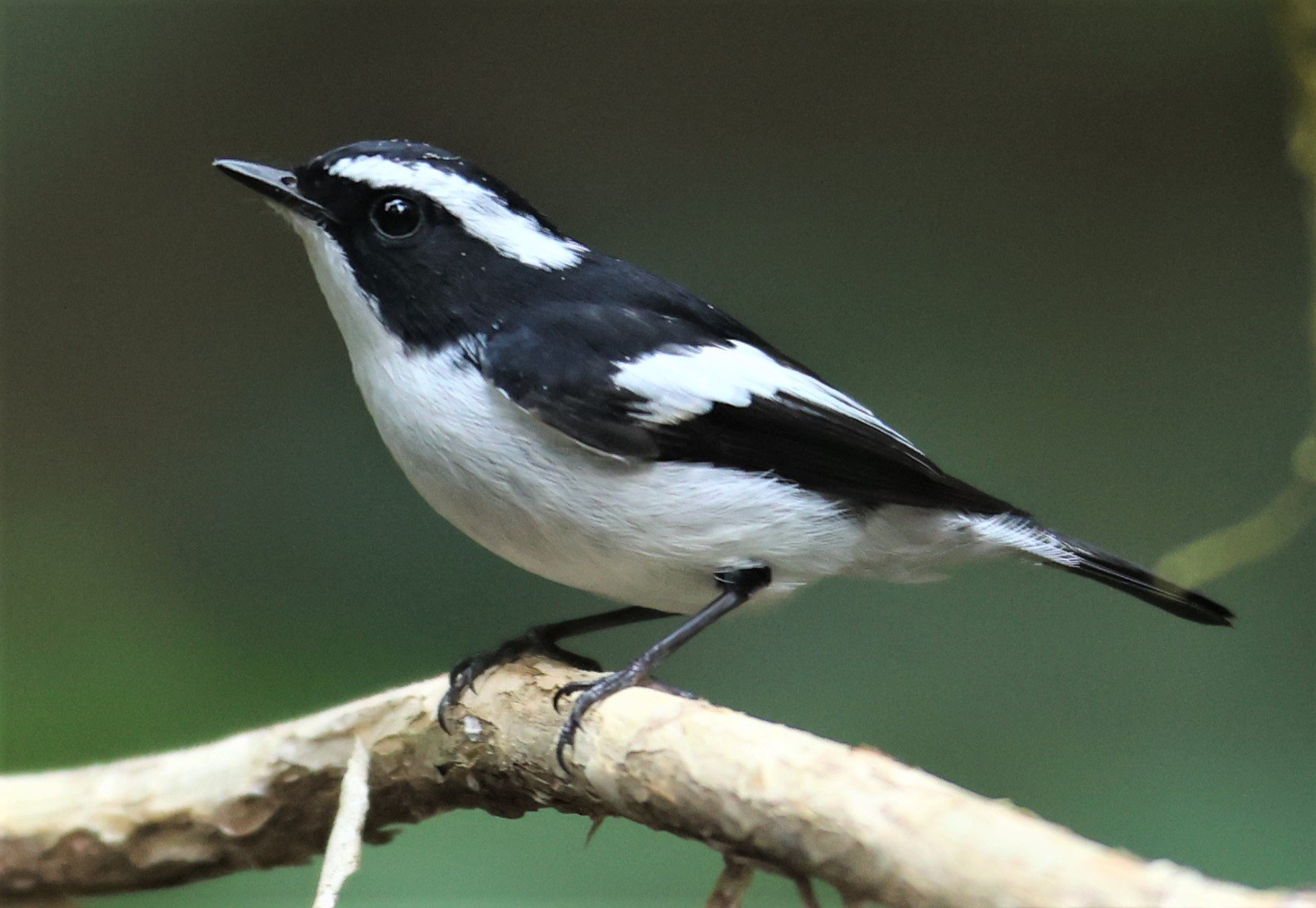
Little Pied Flycatcher (Ficedula westermanni) Thailand

Black & Orange Flycatcher (Ficedula nigrorufa) Kerala

Short-toed Rock Thrush (Monticola brevipes) Botswana

Yellow-rumped Flycatcher (Ficedula zanthopygia)Thailand

Narcissus Flycatcher (Ficedula narcissina) Thailand

Black Redstart (Phoenicurus ochruros) India, Europe
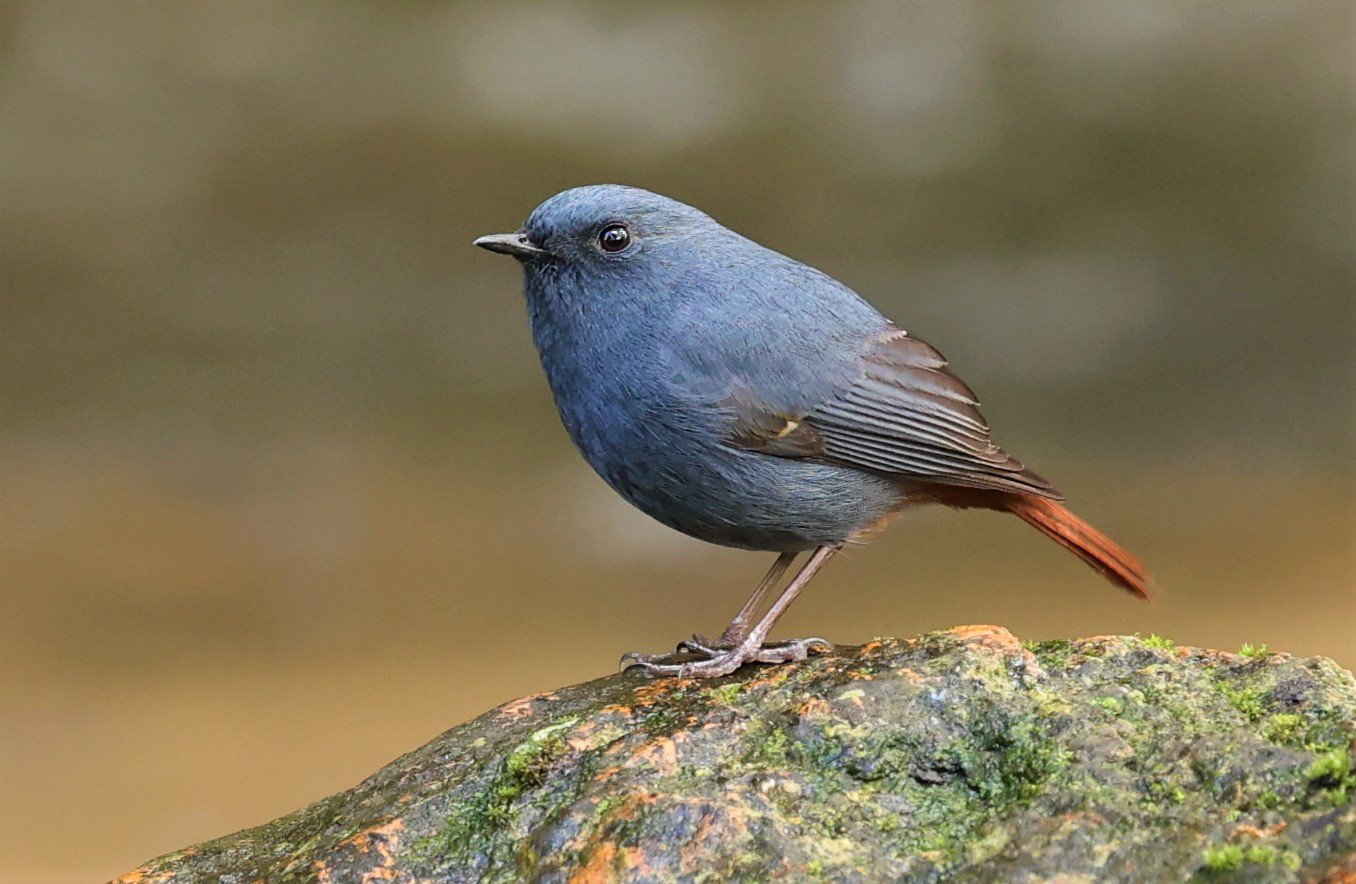
Plumbeous Water Redstart (Phoenicurus fuliginosus) China, Thailand

White-capped Redstart (Phoenicurus leucocephalus) Thailand

Daurian Redstart (Phoenicurus auroreus) China, Korea

Güldenstädt's (White-winged) Redstart (Phoenicurus erythrogastrus) India

Blue-fronted Redstart (Phoenicurus frontalis) China

White-throated Rock Thrush (Monticola gularis) China & Thailand
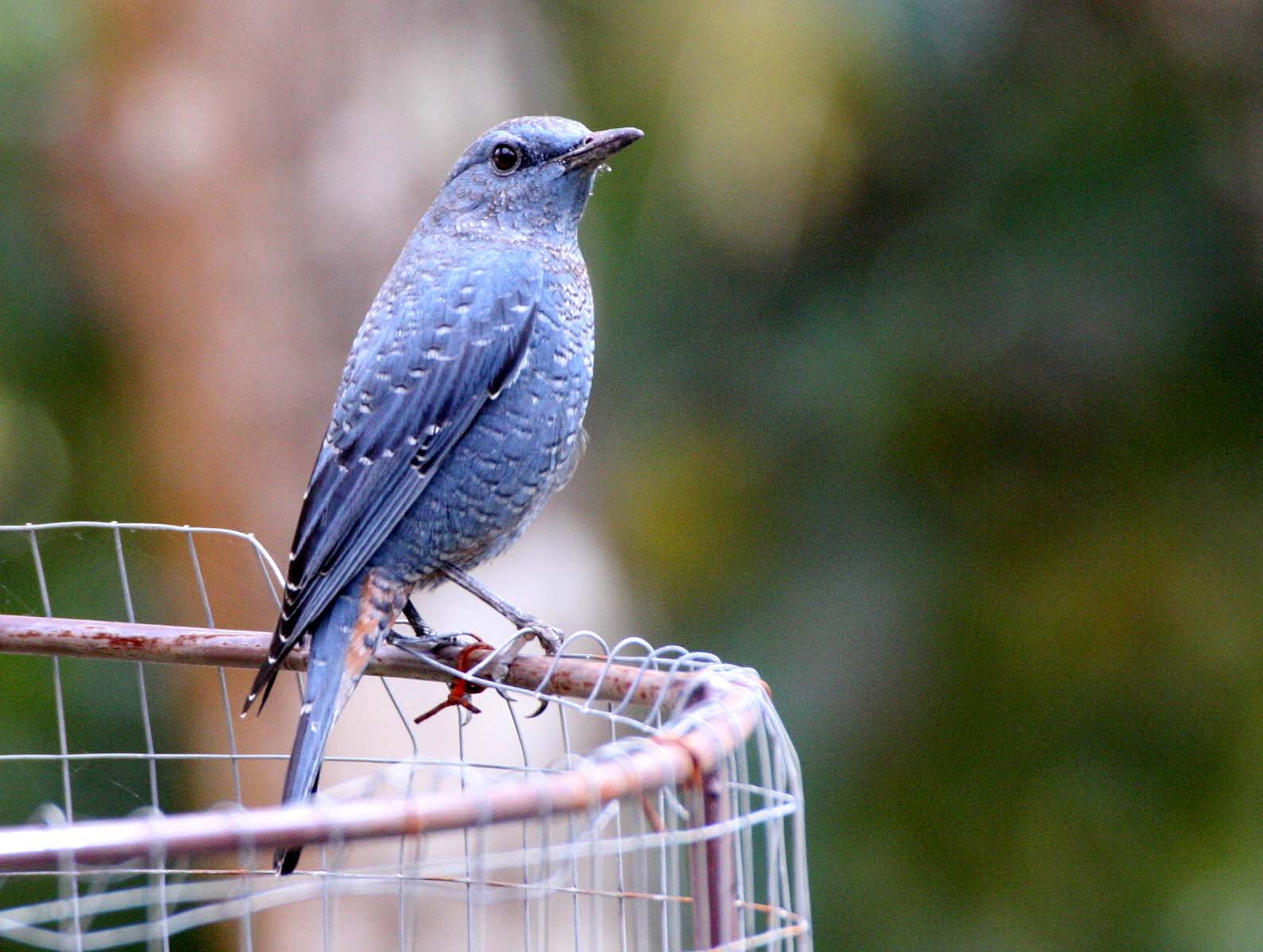
Blue Rock Thrush (Monticola solitarius) Thailand
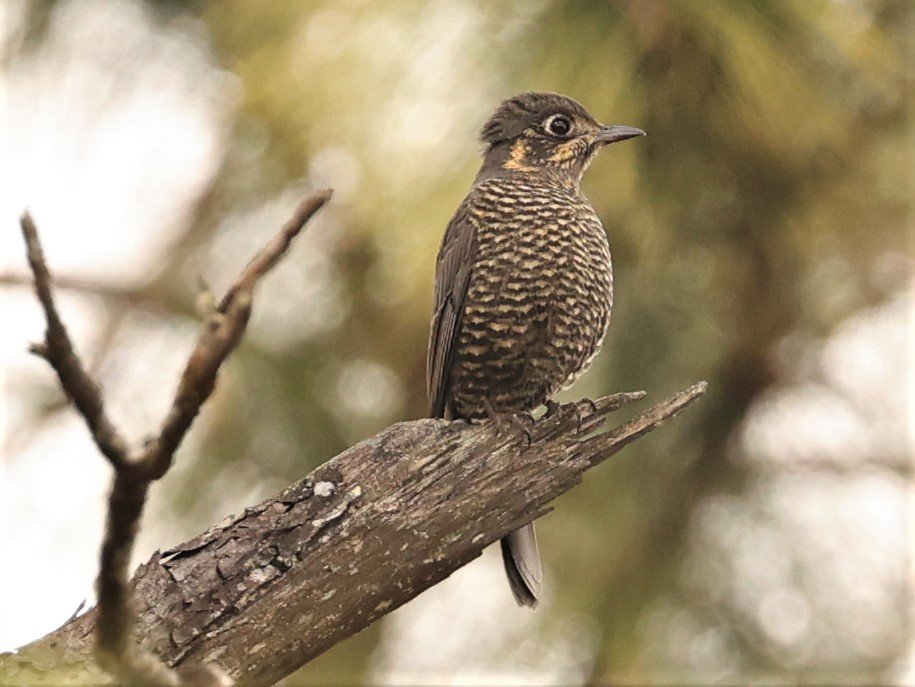
Chestnut-bellied Rock Thrush (Monticola rufiventris) Thailand

Amur Stonechat (Saxicola stejnegeri) Thailand

Grey Bush Chat (Saxicola ferreus) Thailand
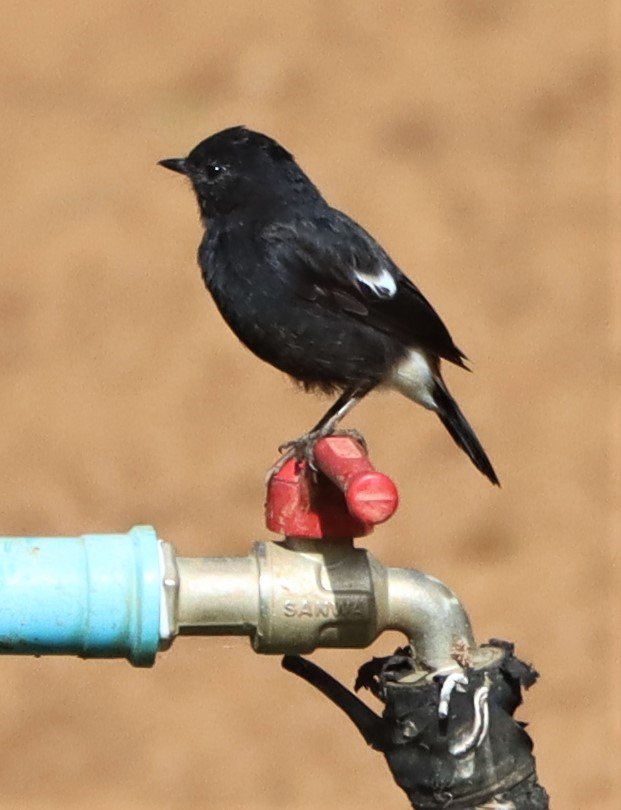
Pied Bush Chat (Saxicola caprata) Thailand

Jerdon’s Bush Chat (Saxicola jerdoni) Thailand
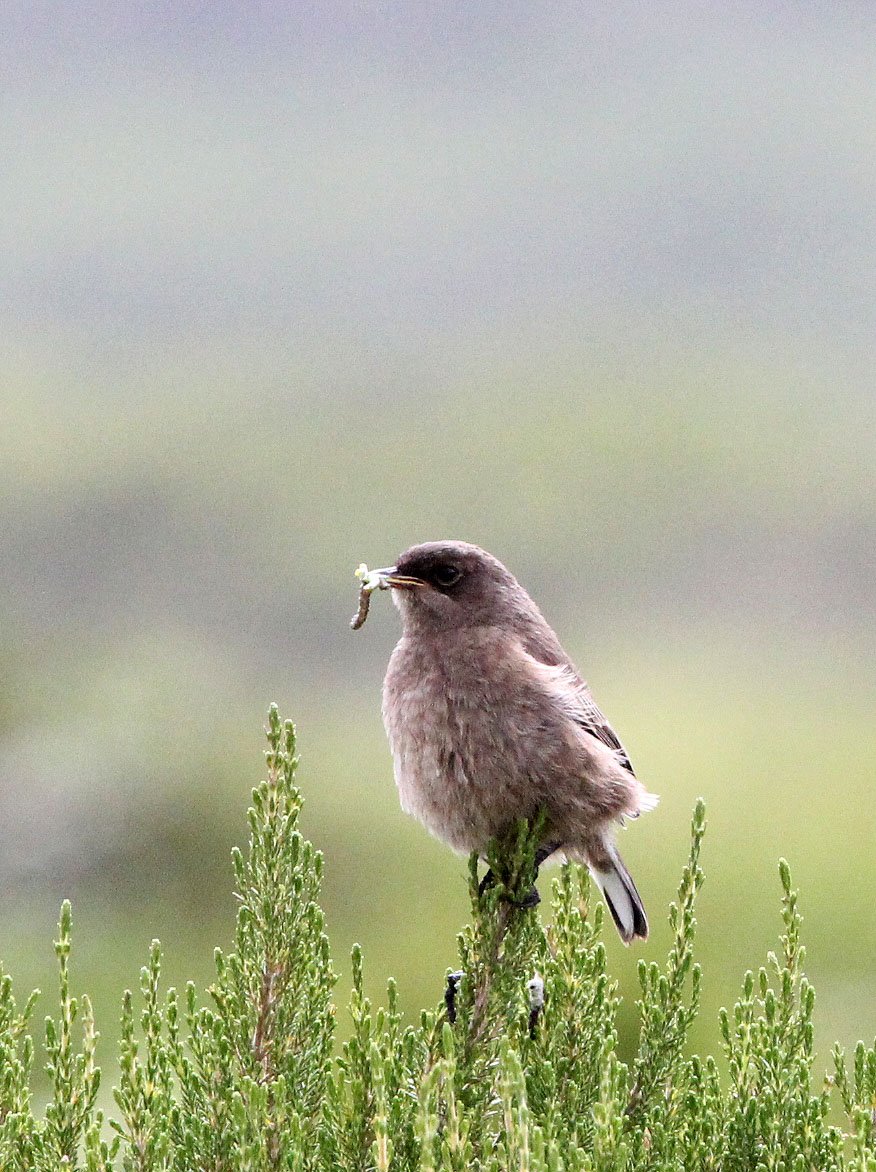
Moorland Chat (Pinarochroa sordida) Ethiopia

Oriental Magpie Robin (Copsychus saularis) Thailand

Indian Robin (Copsychus fulicatus) India

White-rumped Shama (Copsychus malabaricus) Thailand

White-crowned Shama (Copsychus stricklandii) Borneo
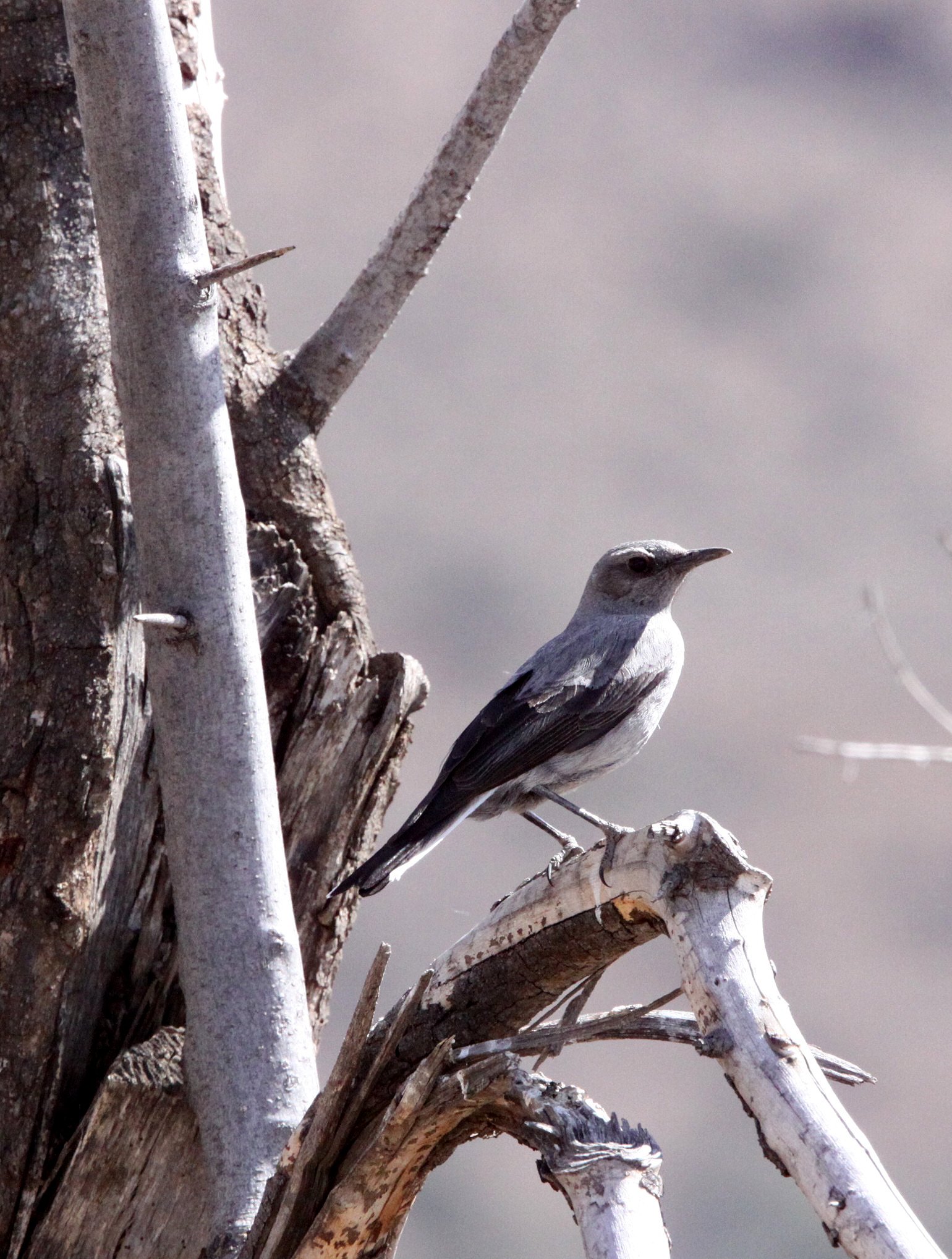
Mountain Wheatear (Mountain chat) (Myrmecocichla monticola) South Africa

Western Black-eared Wheatear (Oenanthe hispanica) Spain

Northern Wheatear (Oenanthe oenanthe) France, China

Mourning Wheatear (Oenanthe lugens) Tunisia

Desert Wheatear (Oenanthe deserti) China, Tunisia

Pied Wheatear (Oenanthe pleschanka) China

Isabelline Wheatear (Oenanthe isabellina) India

White-browed Scrub Robin (Cercotrichas leucophrys) South Africa

Tractrac Chat (Emarginata tractrac) South Africa

Familiar Chat (Oenanthe familiaris) Namibia